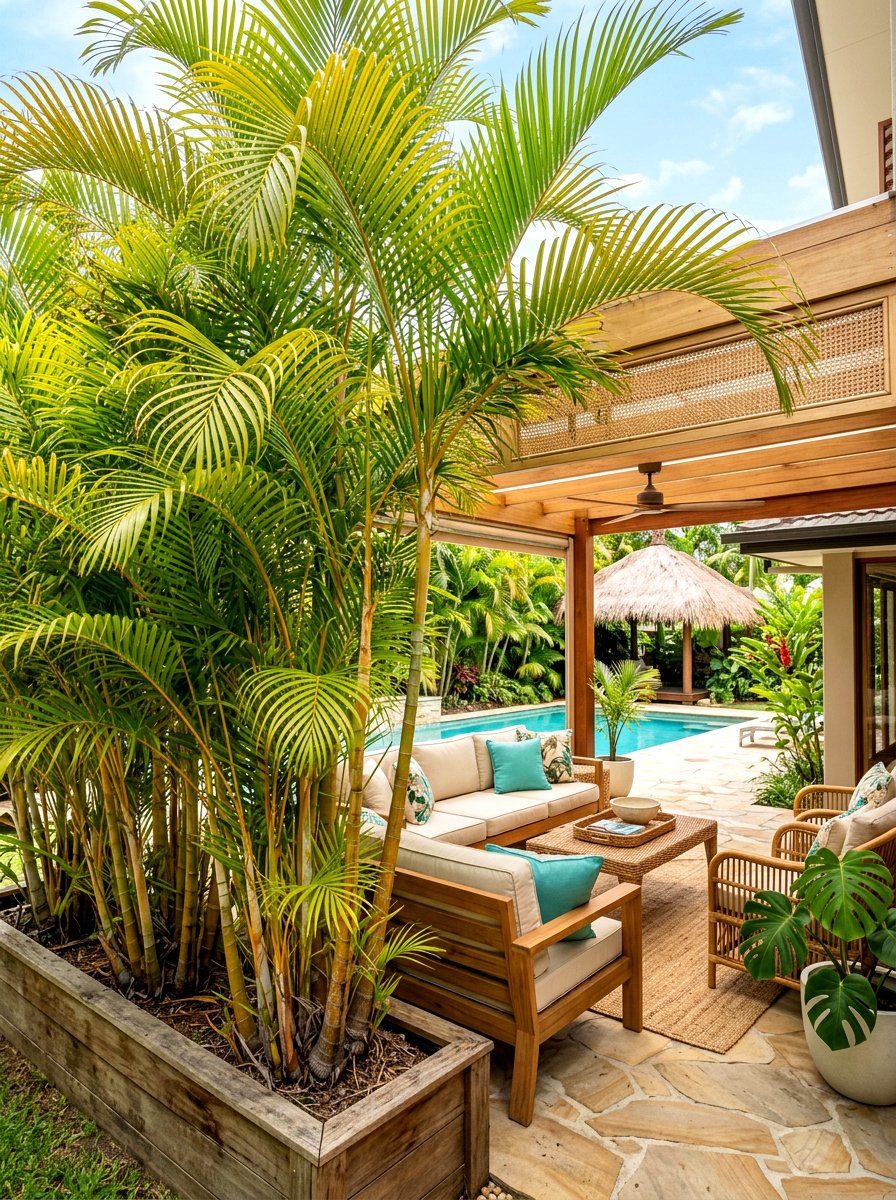
Transforming a narrow stretch of land into a stunning outdoor feature requires a blend of creativity and practical planning. Most homeowners often overlook the side yard, viewing it as a mere transition zone or a place to hide trash bins. However, this slender corridor holds incredible potential to become a lush sanctuary, a functional kitchen garden, or a peaceful retreat. By utilizing vertical space, choosing the right hardscaping materials, and selecting plants that thrive in varying light conditions, you can maximize every square inch. These design strategies not only enhance your home's curb appeal but also significantly increase the usable living space of your entire property.
1. Narrow Side Yard Path
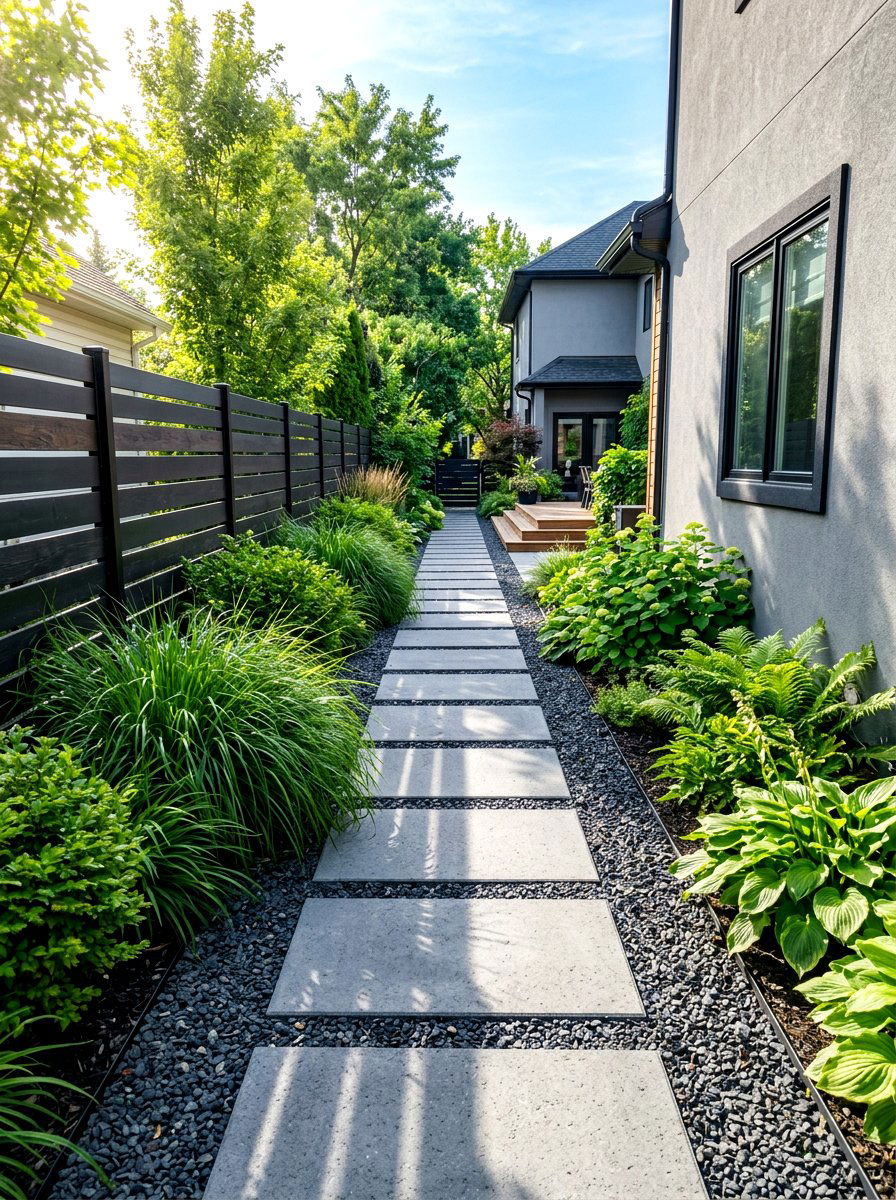
Designing a narrow side yard path is the most effective way to improve the flow and accessibility of your outdoor space. A well-defined walkway prevents the area from becoming a muddy eyesore and provides a clear transition between the front and back of your home. You can use large, flat stepping stones or uniform concrete pavers to create a stable walking surface that feels intentional and clean. Adding a slight curve to the path can trick the eye into thinking the space is wider and more expansive than it actually is. Surrounding the walkway with low-growing ground covers or fine pea gravel adds texture and keeps weeds at bay.
2. Gravel Walkway
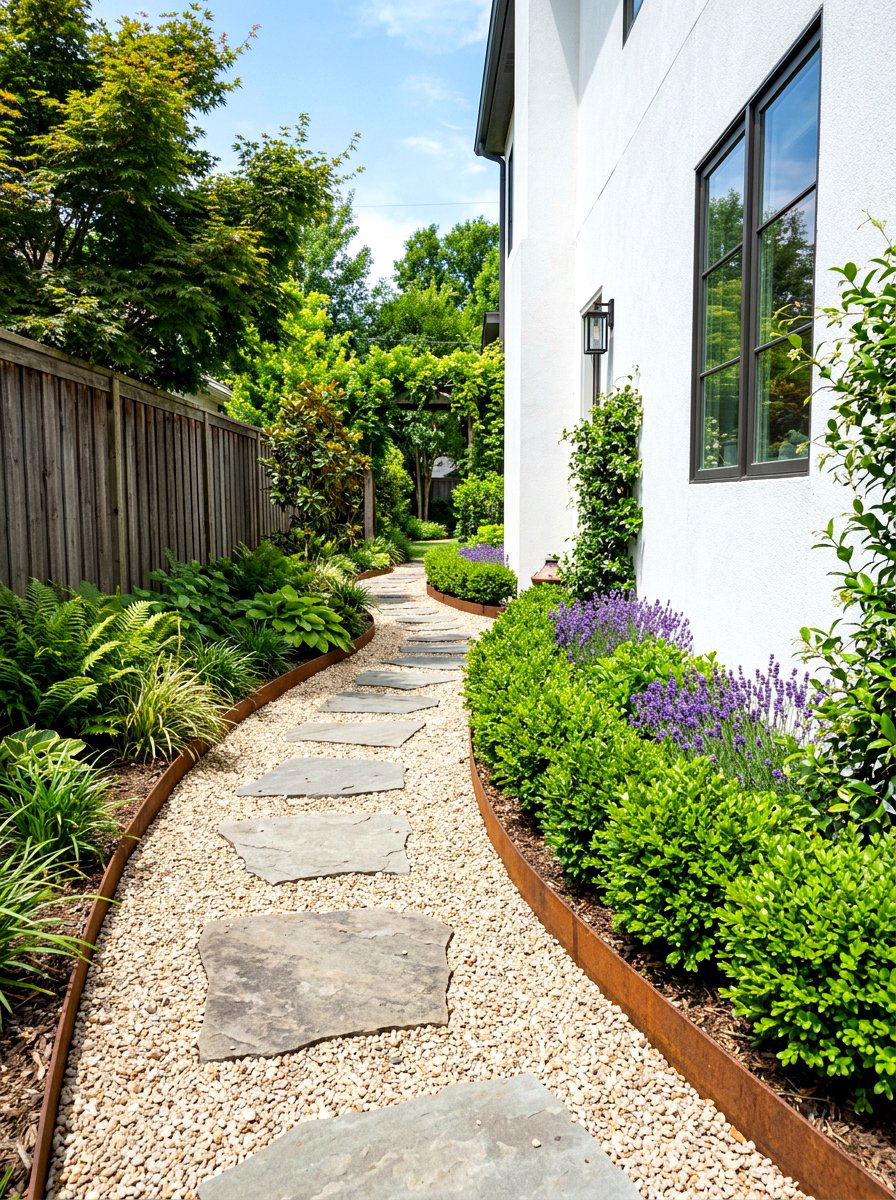
A gravel walkway offers a budget-friendly and highly permeable solution for side yards that struggle with drainage or uneven ground. Choosing a high-quality gravel, such as pea gravel or crushed granite, provides a satisfying crunch underfoot while allowing rainwater to soak directly into the earth. To keep the stones contained, install a sturdy metal or plastic landscape edging along the perimeter. This creates a sharp, professional look that separates the gravel from adjacent planting beds. For added visual interest, you can place a few larger flagstones within the gravel to create a more stable and aesthetically pleasing walking surface throughout the corridor.
3. Privacy Screen
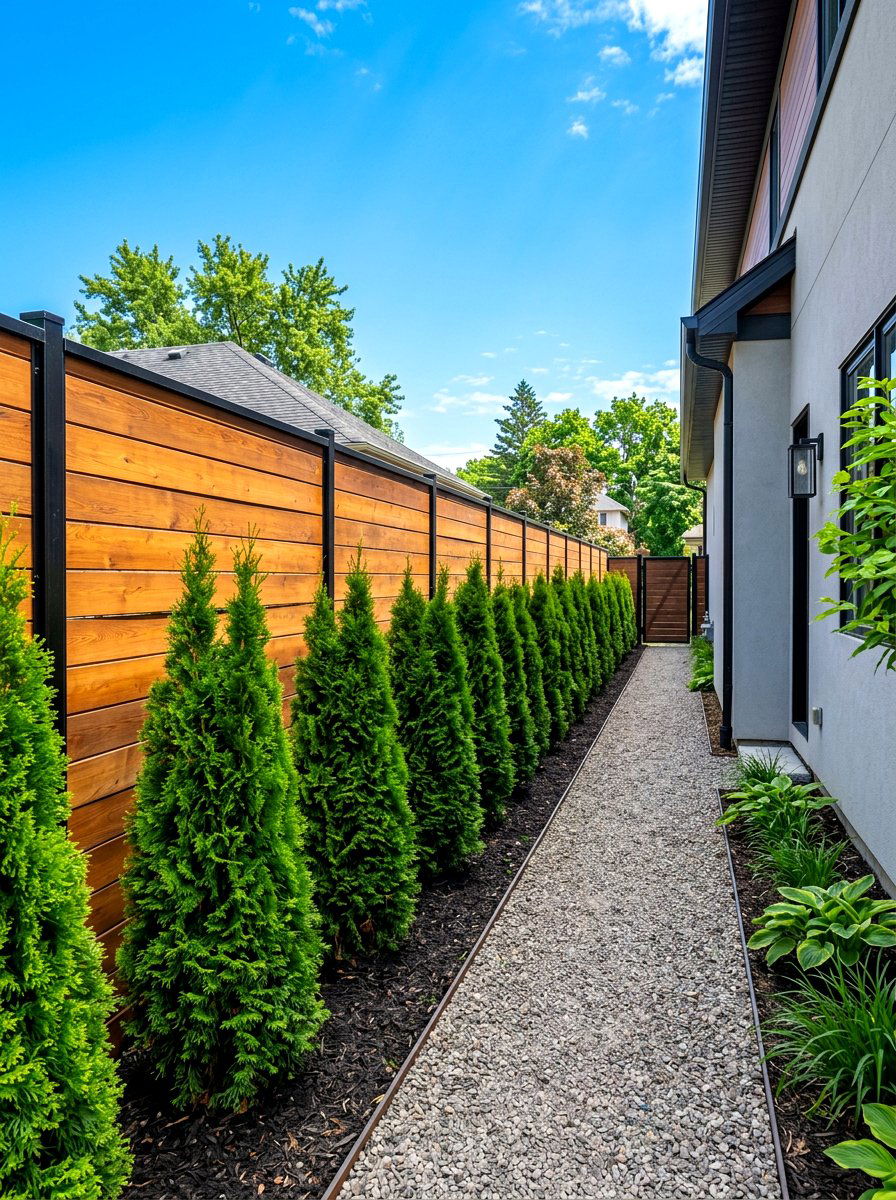
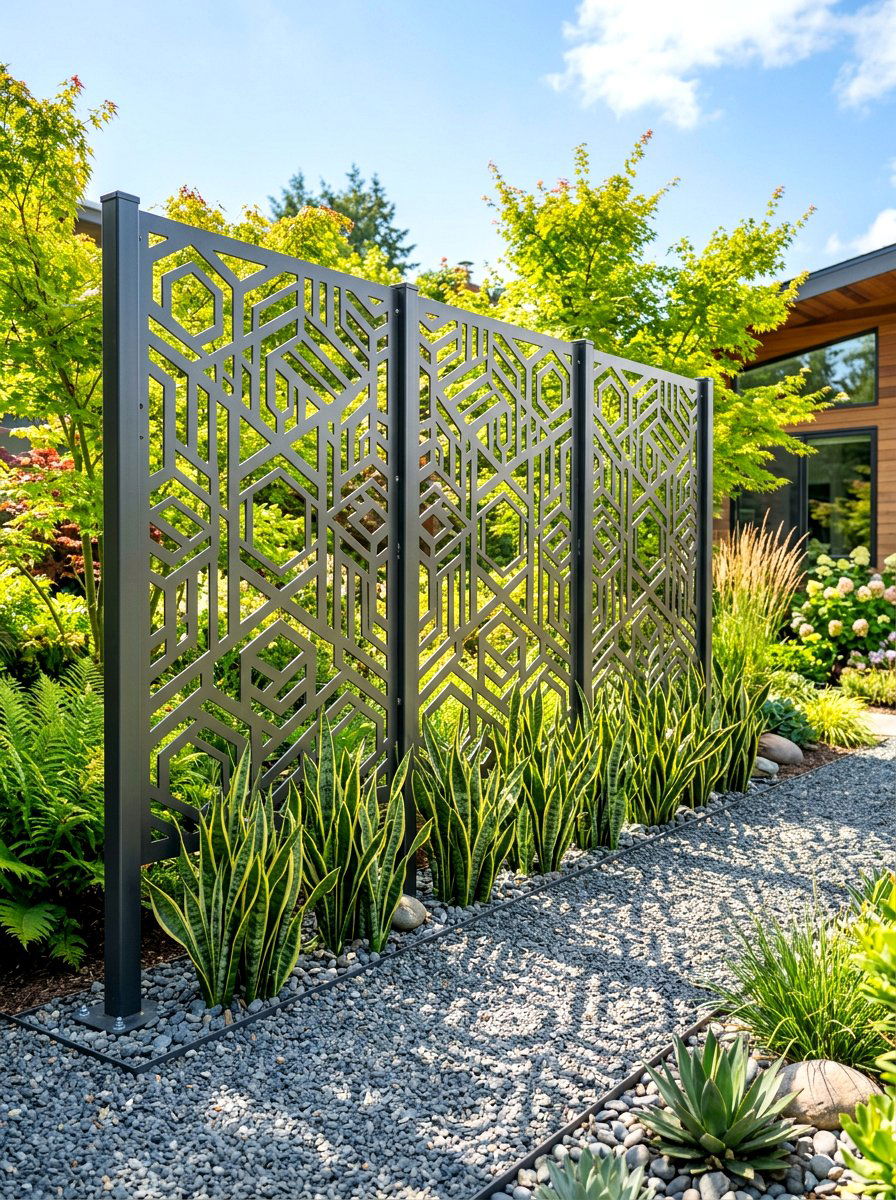
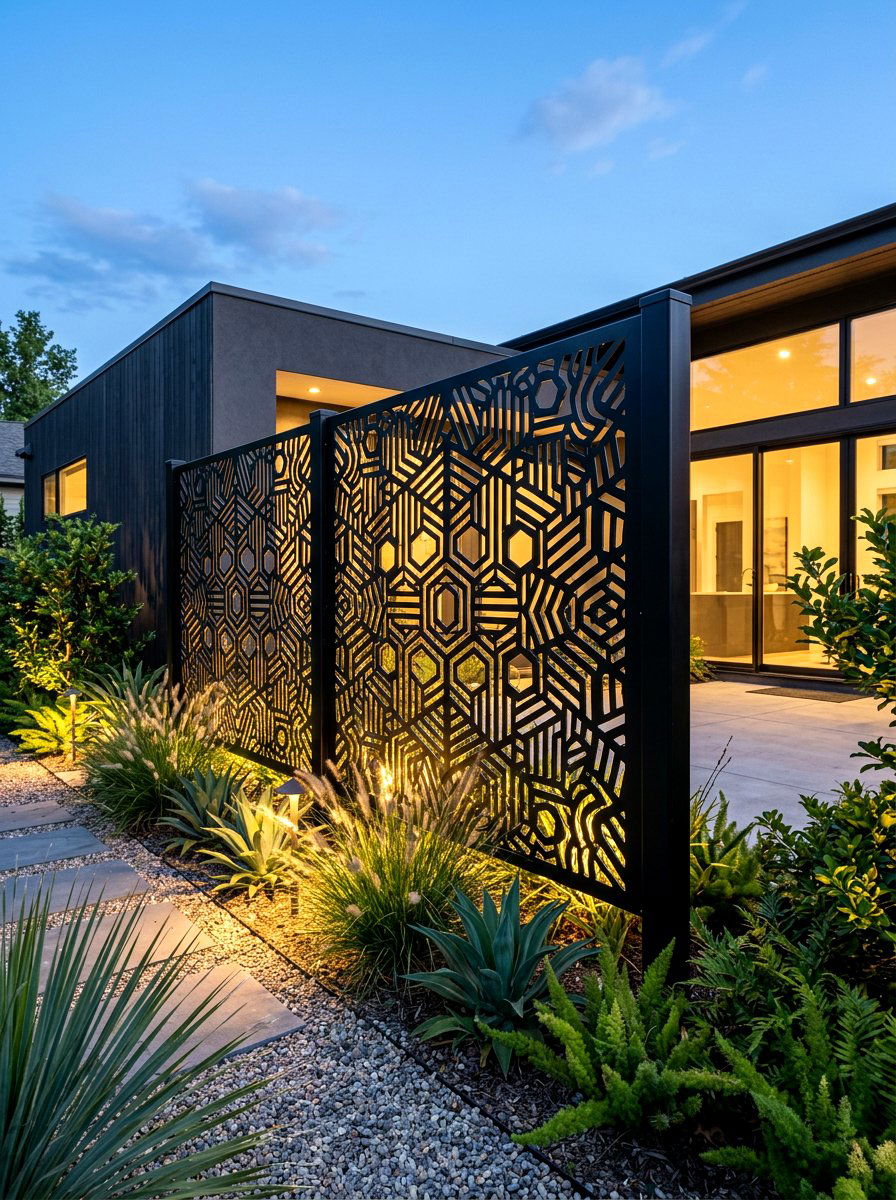
Installing a privacy screen is a fantastic way to make a narrow side yard feel like an intimate, secluded sanctuary rather than a public thoroughfare. Modern horizontal slat fences are particularly popular because they create long, clean lines that make the space appear much longer and more open. You can also use natural living screens, such as tall, slender arborvitae or bamboo, to block the view of neighboring houses while adding lush greenery. If you prefer a more artistic approach, decorative laser-cut metal panels can serve as both a functional barrier and a stunning focal point that reflects beautiful shadows during the golden hour.
4. Vegetable Garden
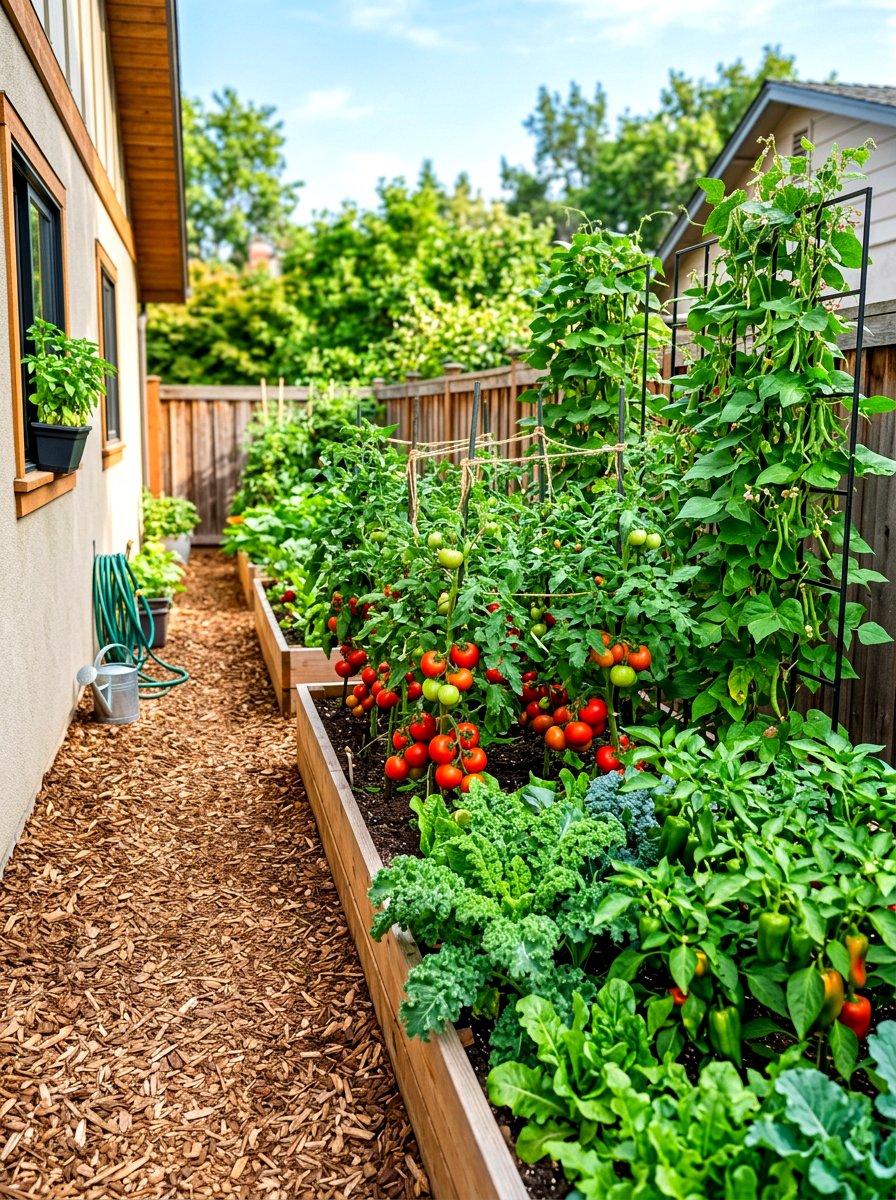
Turning a sunny side yard into a vegetable garden is a smart way to utilize a space that might otherwise go to waste. Raised garden beds are ideal for these narrow strips because they allow for better soil control and make harvesting much easier on your back. You can arrange several rectangular wooden boxes in a row, leaving enough space between them for a comfortable walking path. Focus on vertical growing techniques, such as using tomato cages or trellises for cucumbers and beans, to maximize your harvest without taking up valuable ground space. This functional design provides fresh produce while creating a vibrant, living landscape.
5. Small Seating Area
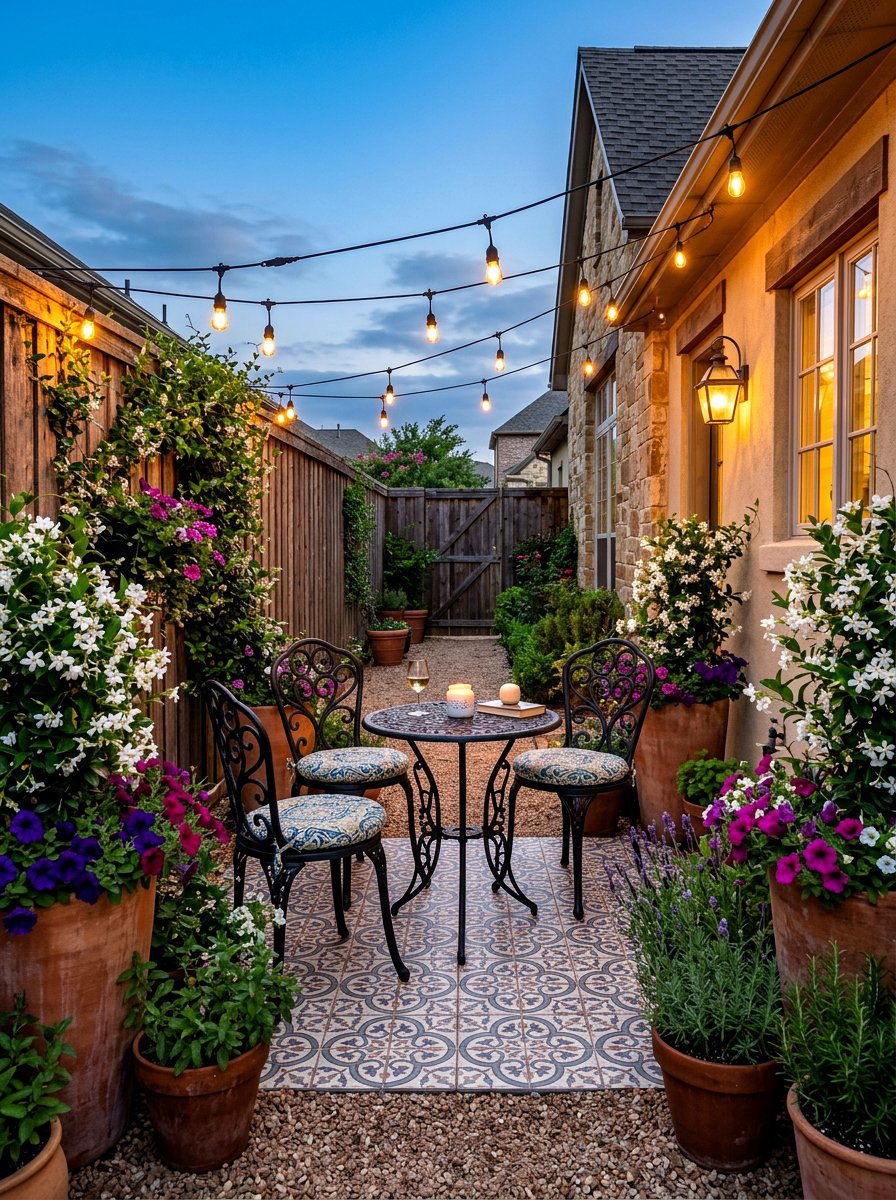
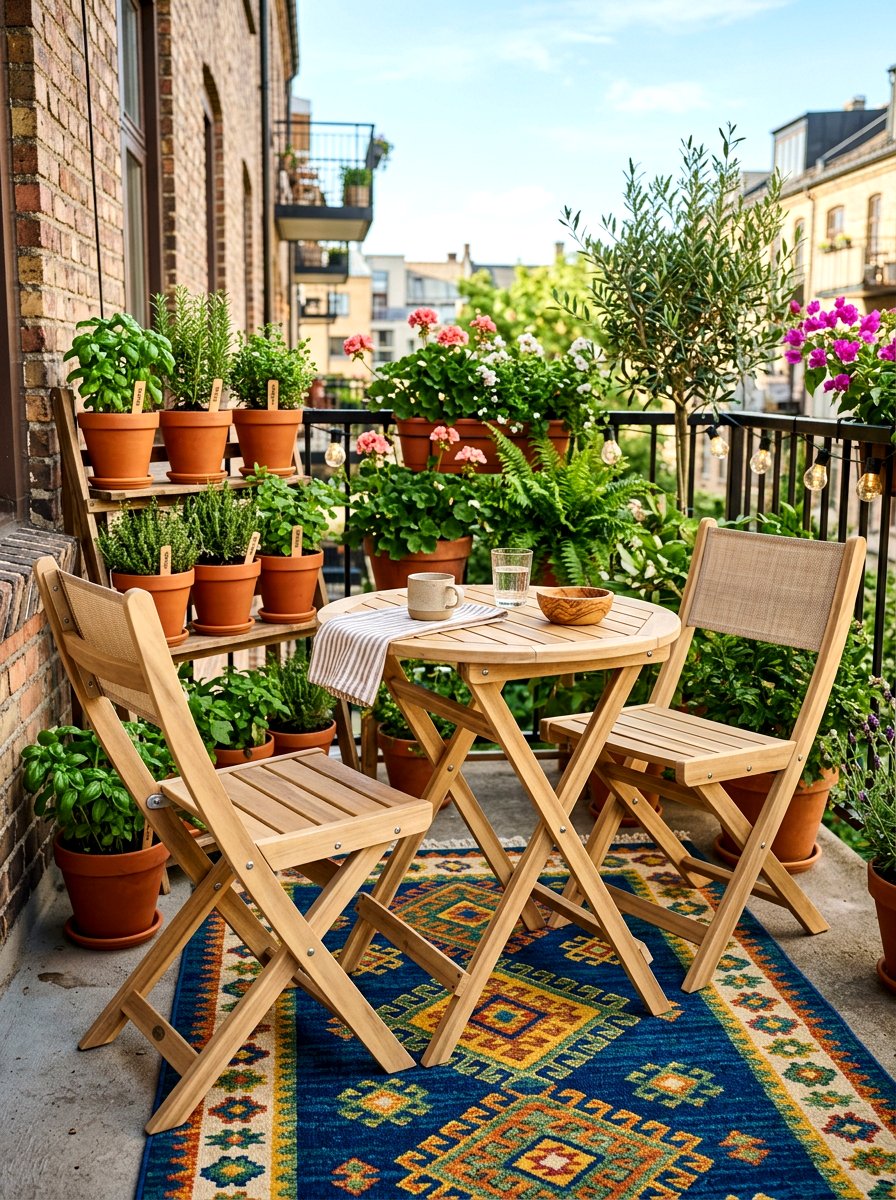
Creating a small seating area can transform a forgotten side yard into a cozy nook perfect for morning coffee or afternoon reading. Even in a narrow space, a compact bistro set or a single comfortable armchair can fit perfectly against a wall or fence. To make the area feel like a distinct room, use a small outdoor rug to anchor the furniture and provide a splash of color. Surrounding the seat with fragrant plants like jasmine or lavender enhances the sensory experience, making the nook feel private and inviting. This simple addition encourages you to spend more time enjoying every corner of your property.
6. Shade Plants
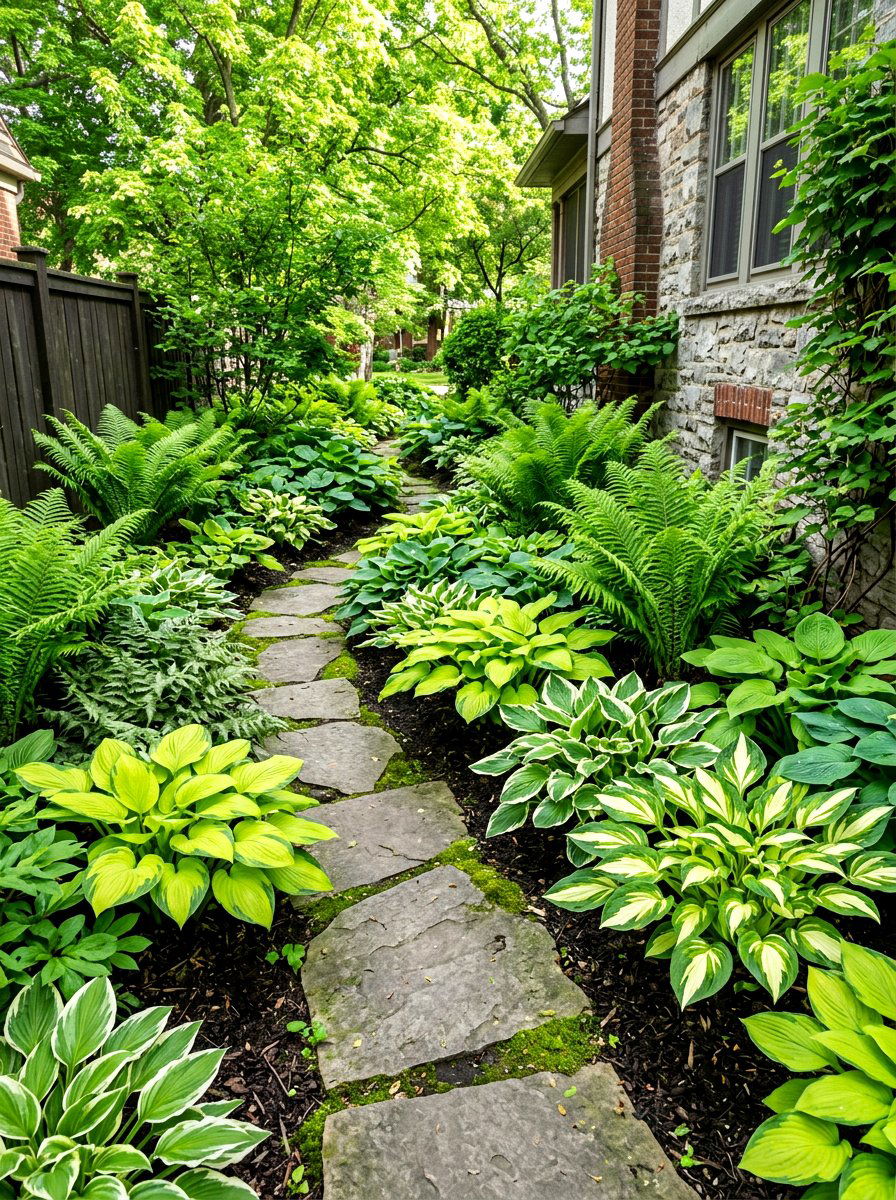
Many side yards are cast in deep shadow for most of the day, making shade plants the perfect choice for a lush, low-maintenance landscape. Ferns, hostas, and bleeding hearts thrive in these cooler environments, providing a variety of textures and deep green hues that brighten up dark corners. Layering different heights of foliage creates a sense of depth, which is crucial for making narrow spaces feel more substantial. Consider using white-variegated plants to reflect what little light reaches the ground, adding a luminous quality to the garden. These moisture-loving plants often require less water than sun-loving varieties, making them an eco-friendly option.
7. Drought Tolerant Landscaping
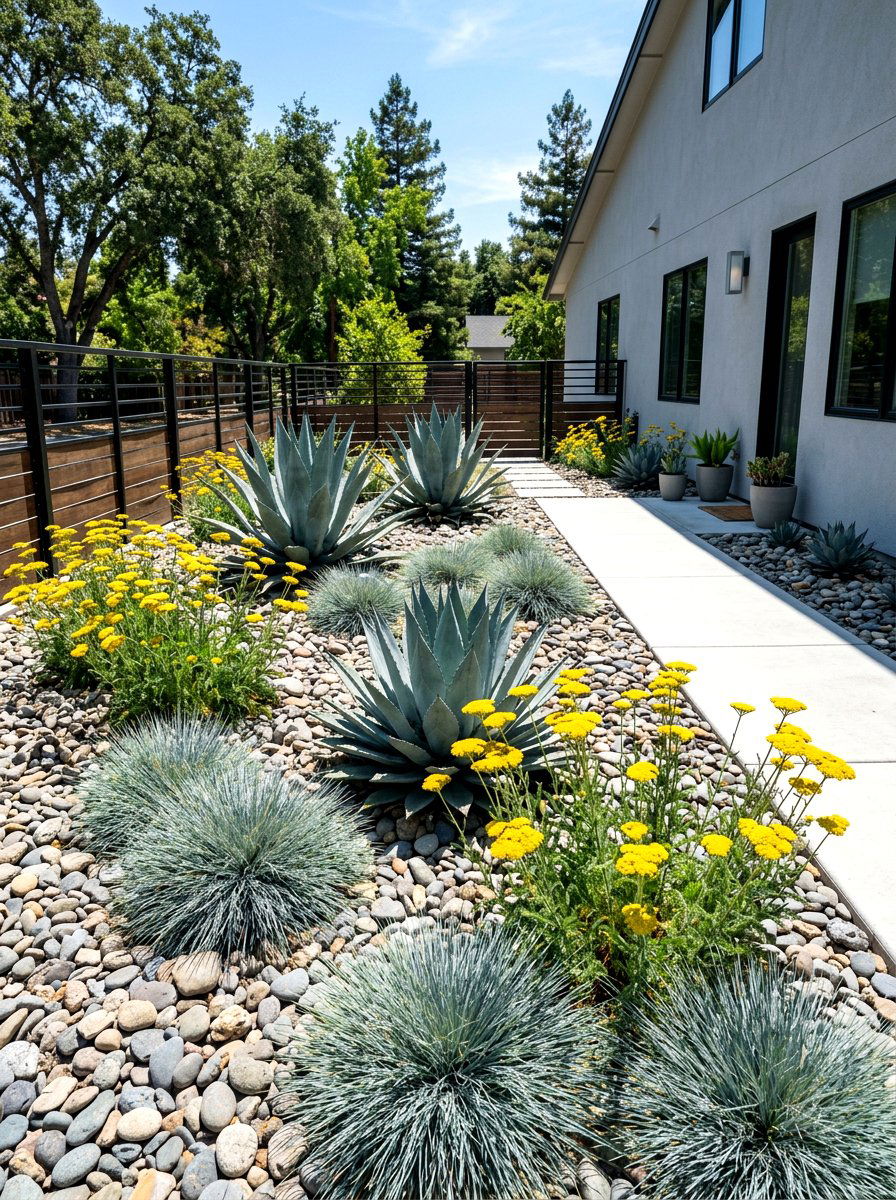
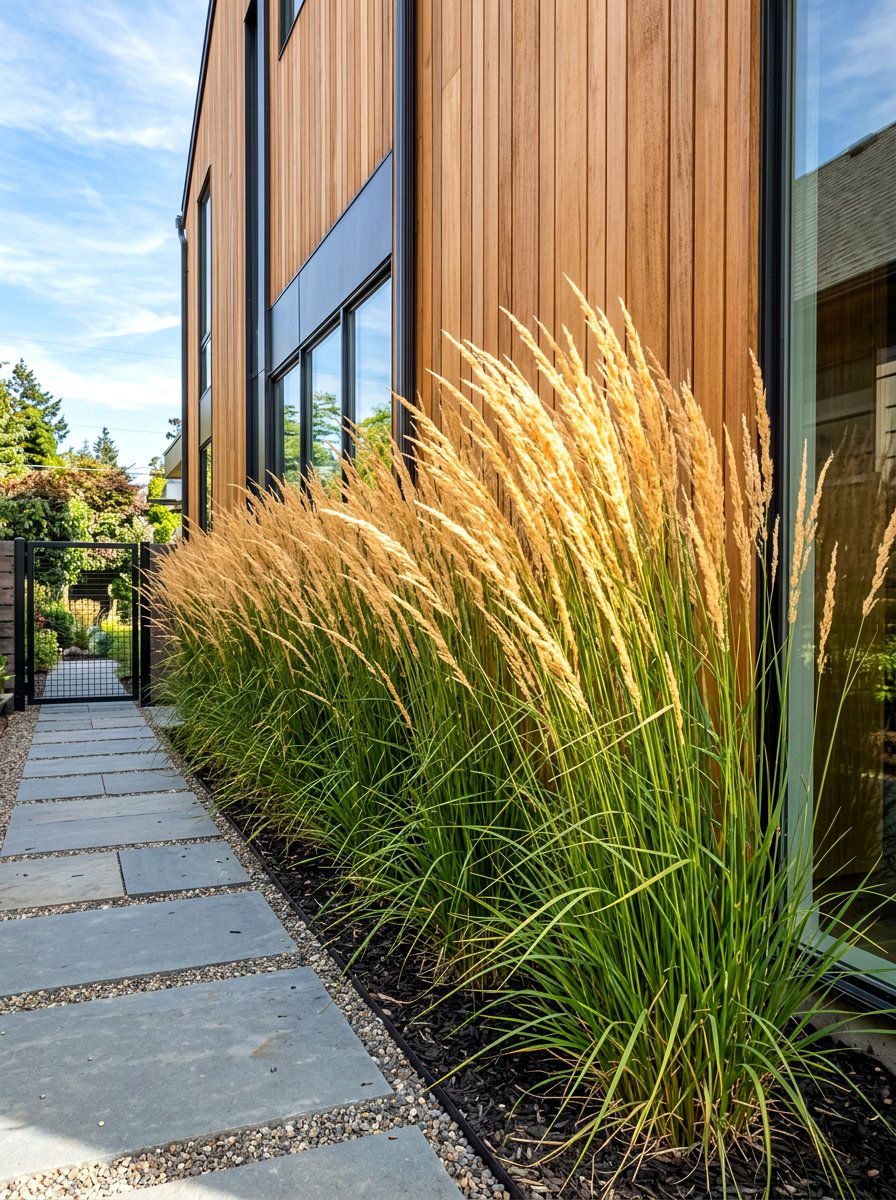
Drought tolerant landscaping is a sustainable and stylish choice for side yards that receive intense afternoon sun or have poor soil quality. By focusing on xeriscaping principles, you can create a beautiful garden that requires very little supplemental watering once established. Incorporating native grasses, agave, and yarrow provides a modern, textured look that stays green even during the hottest months. Use a thick layer of organic mulch or decorative river rocks to help retain soil moisture and prevent evaporation. This approach not only saves money on your utility bills but also creates a resilient environment that supports local pollinators and requires very little weekly upkeep.
8. Zen Garden
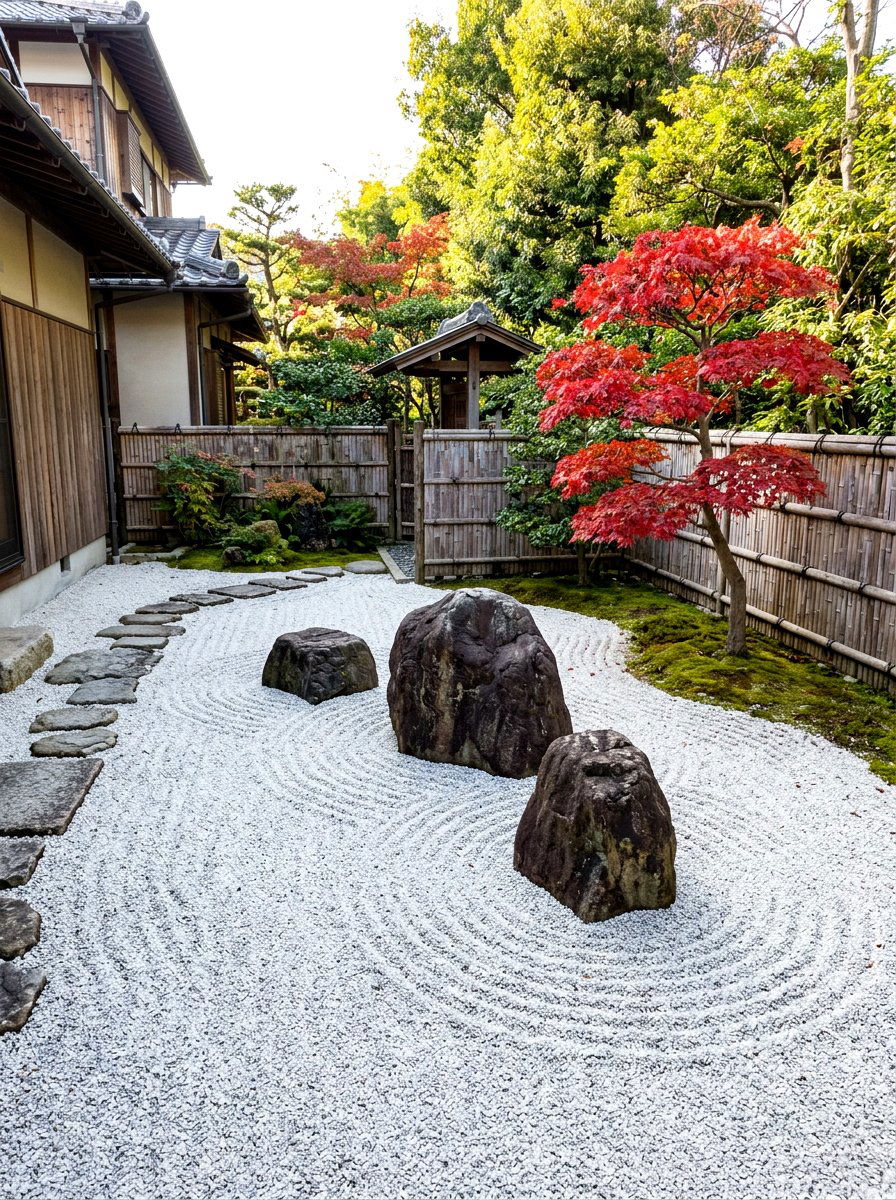
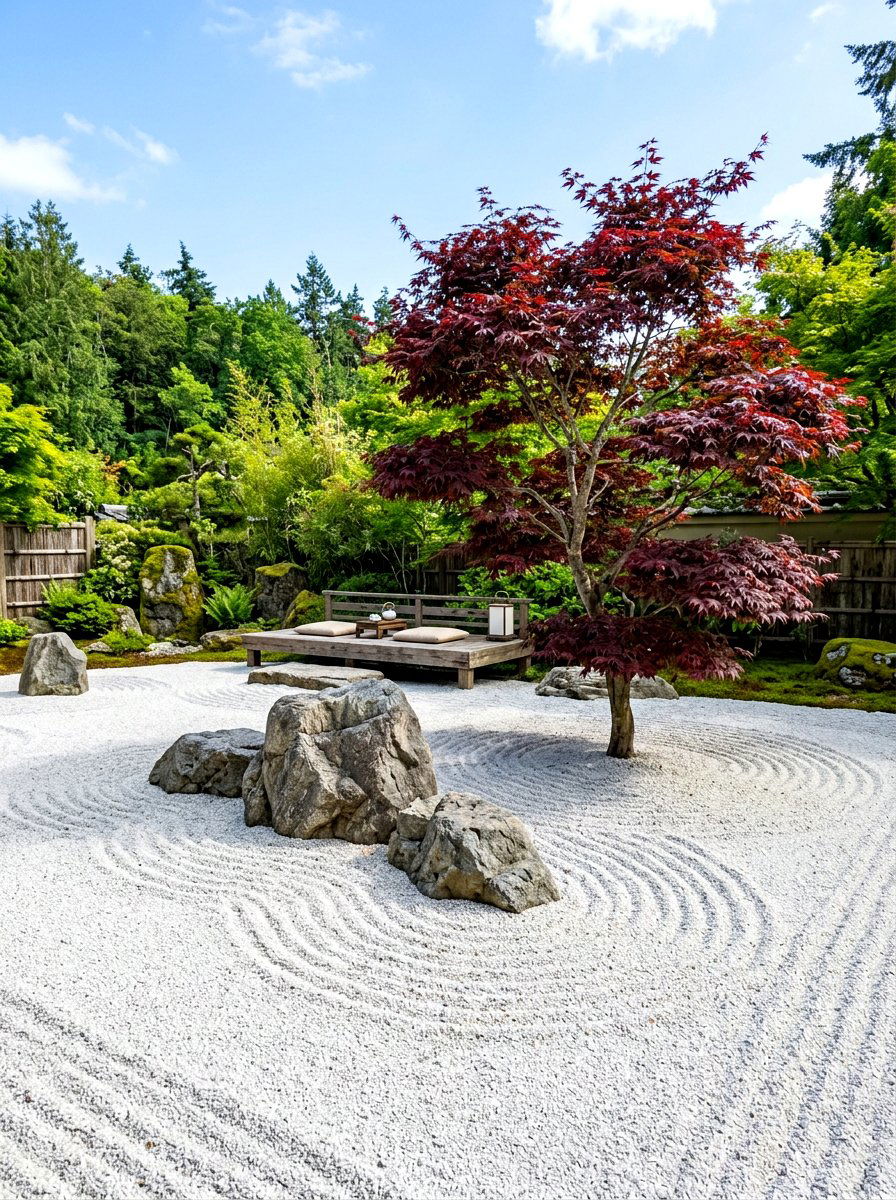
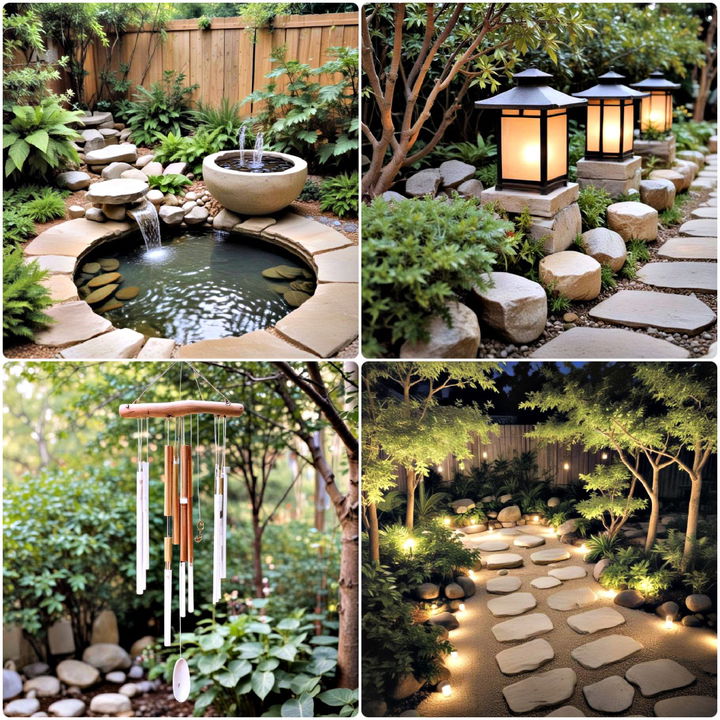
A Zen garden is an excellent design theme for side yards where you want to promote peace, mindfulness, and a minimalist aesthetic. This style focuses on the careful arrangement of rocks, sand, and a few well-placed plants to create a harmonious and contemplative atmosphere. Use a fine-textured gravel or sand that can be raked into flowing patterns, representing the movement of water. Add a few large, weathered boulders to serve as focal points and anchor the design. Minimalist plantings like Japanese maples or moss provide soft touches of color without overwhelming the clean lines. This serene environment offers a perfect escape from the daily hustle.
9. Vertical Garden
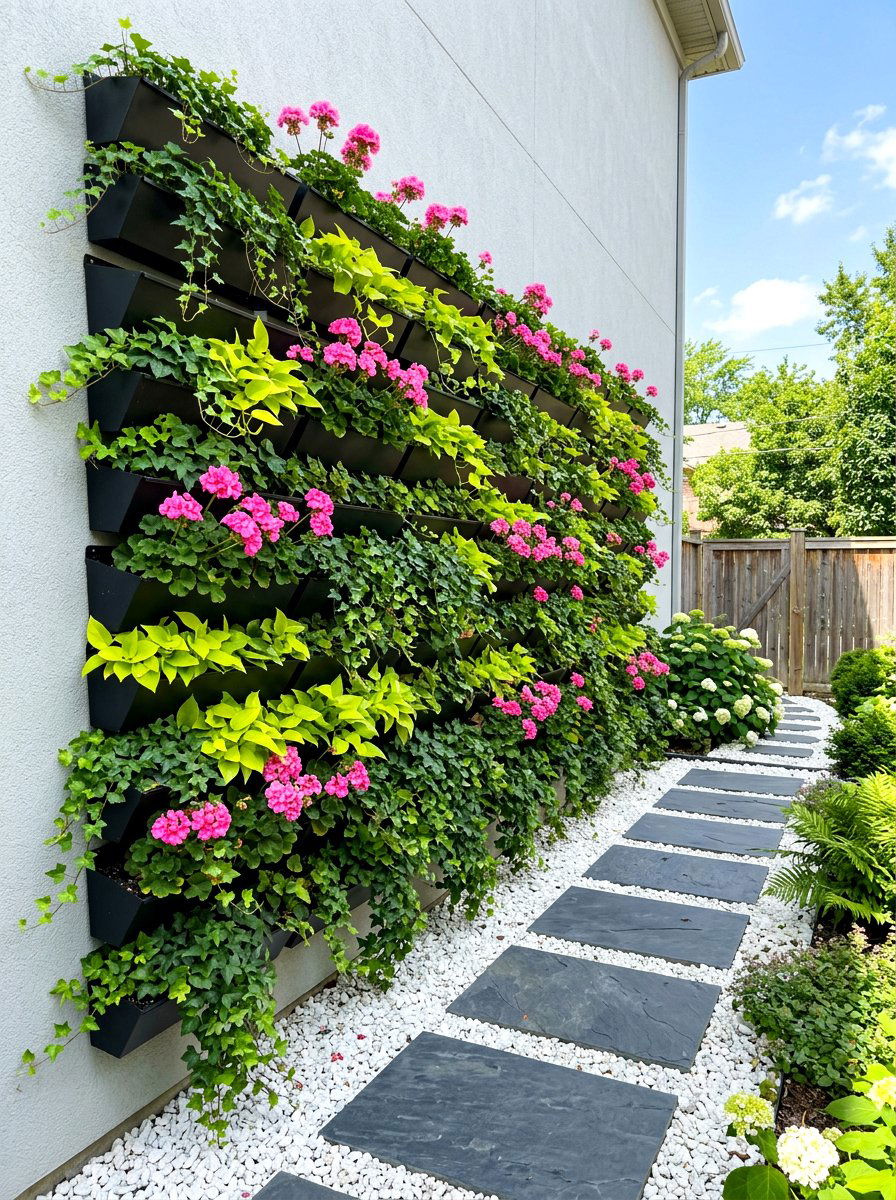
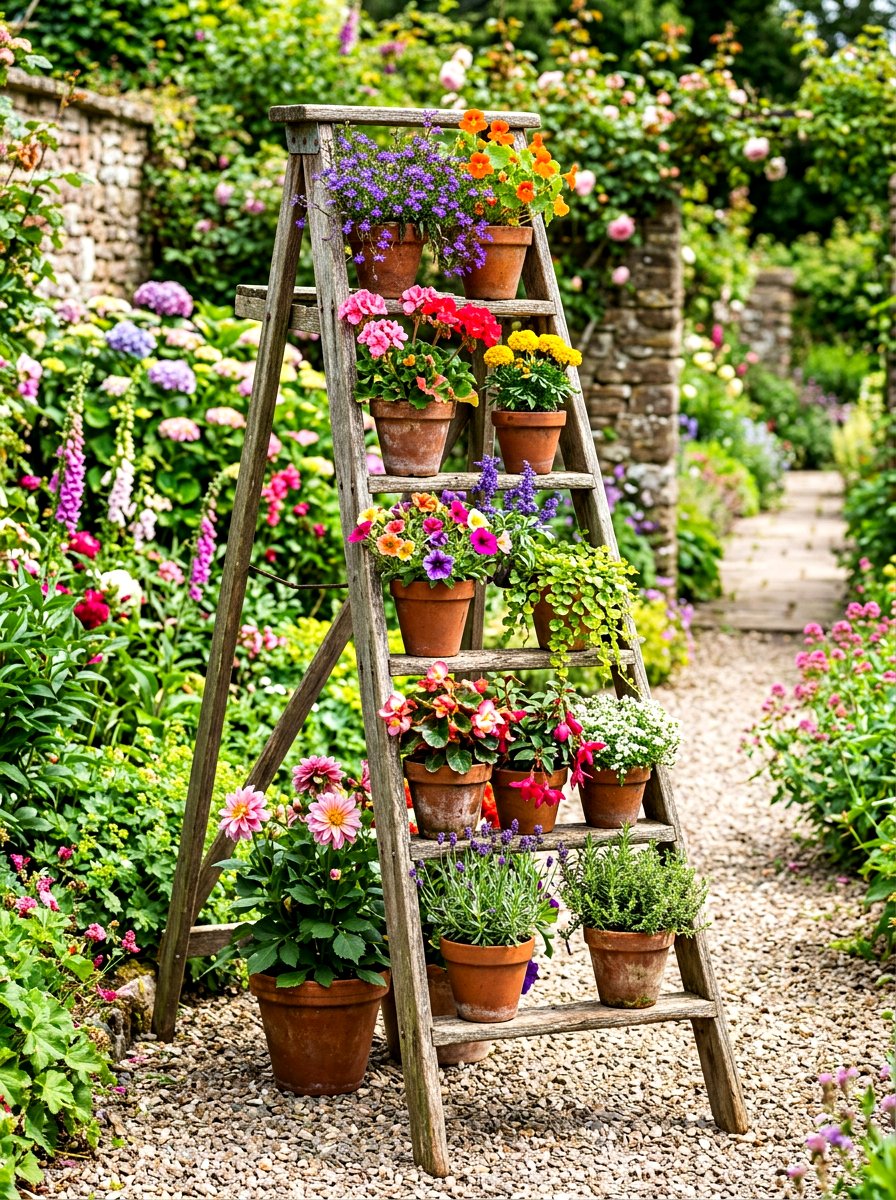
Utilizing a vertical garden is the ultimate space-saving strategy for side yards that are too narrow for traditional planting beds. By mounting planters or modular wall systems directly onto your home's exterior or a sturdy fence, you can grow a wide variety of plants without losing any floor space. This "living wall" can feature everything from trailing ivies and colorful petunias to small succulents and ferns. Not only does this add a lush, green backdrop to your walkway, but it also helps to insulate your home and dampen noise from the street. An automated drip irrigation system can keep these vertical displays hydrated with very little effort.
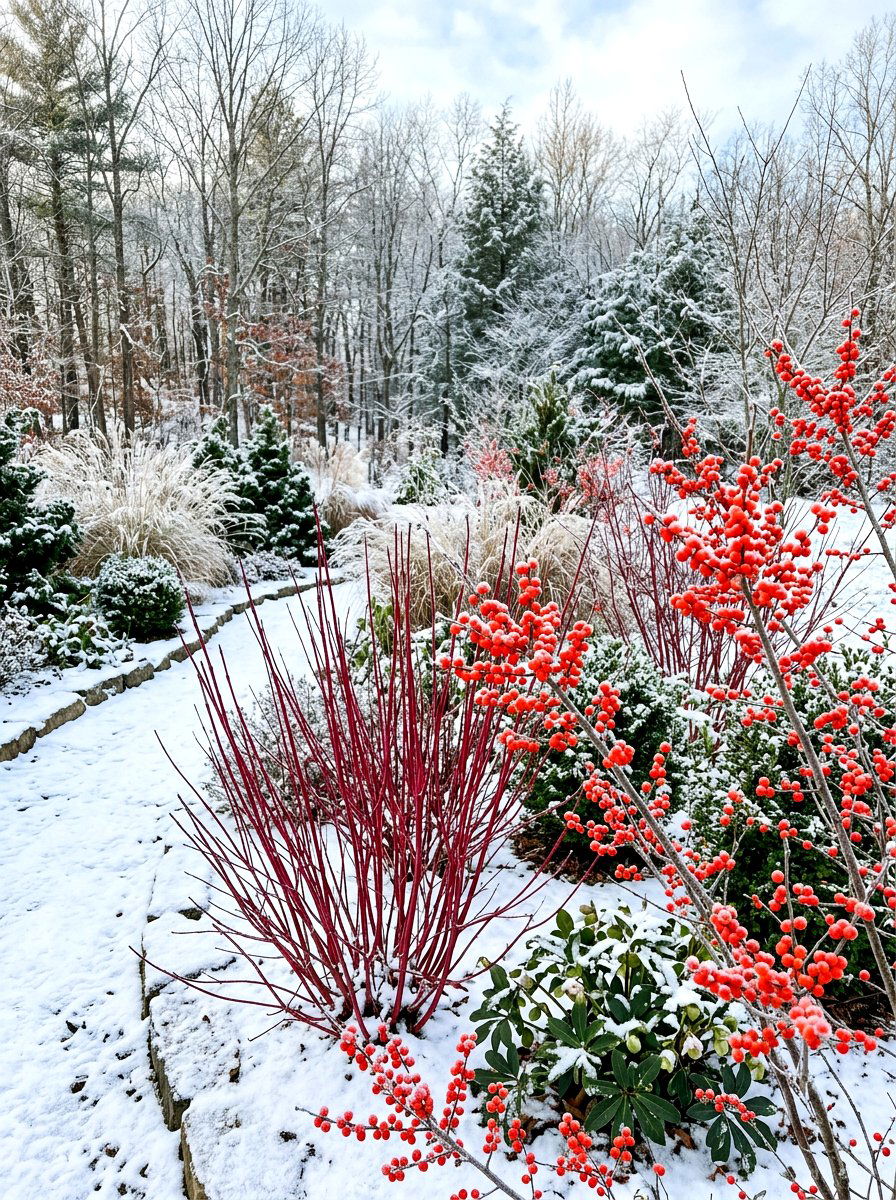
10. Paver Walkway
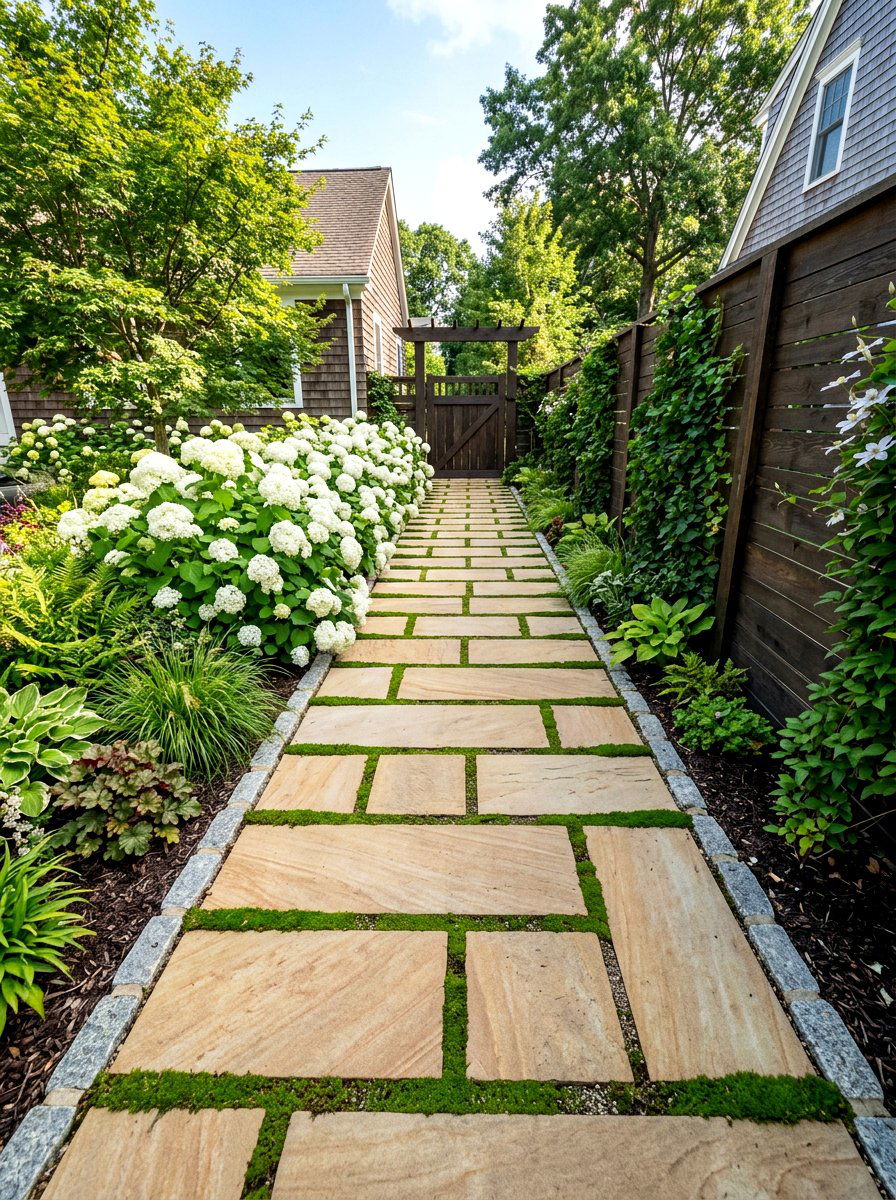
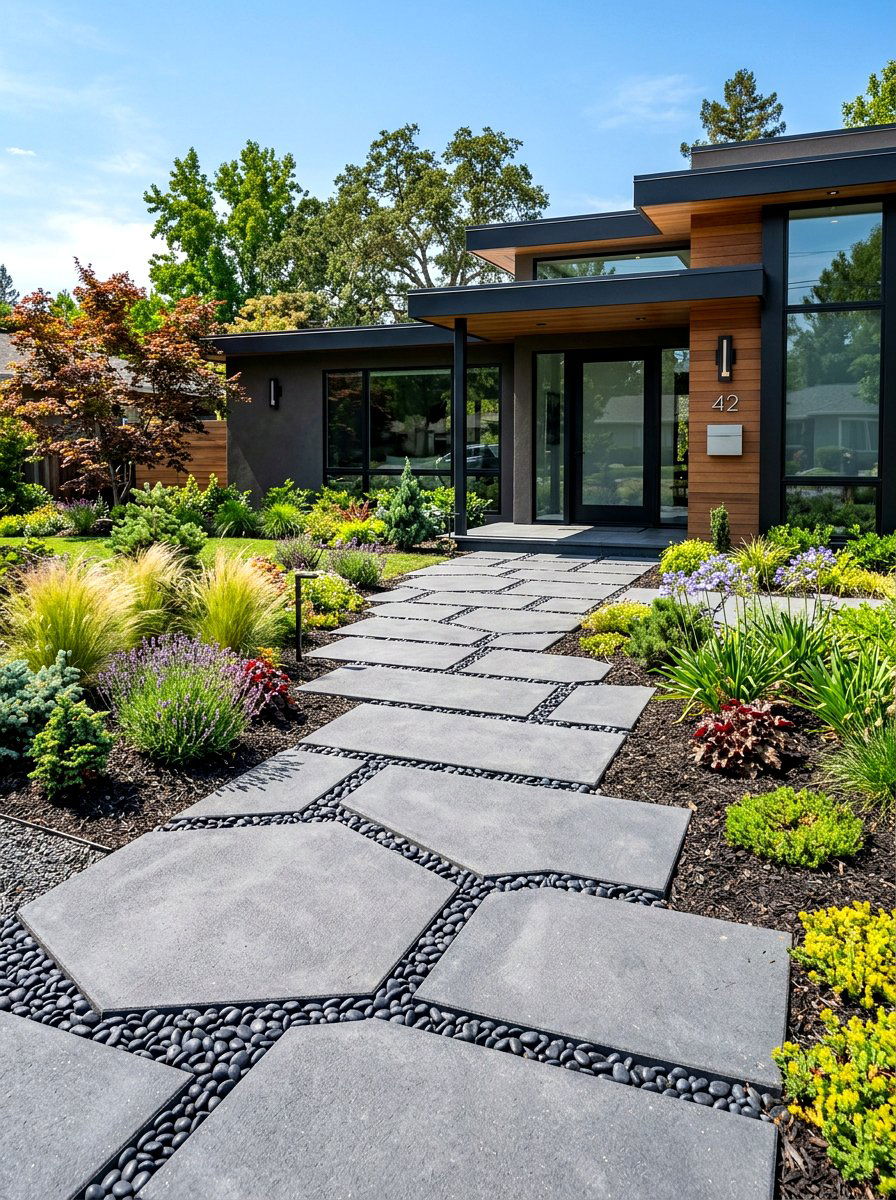
A paver walkway provides a sophisticated and durable surface that instantly upgrades the look of any side yard. Whether you choose classic brick, sleek concrete slabs, or natural stone, pavers offer a structured feel that complements modern and traditional home architectures alike. To create a contemporary look, space the pavers out slightly and fill the gaps with contrasting river rocks or a walkable ground cover like creeping thyme. This design allows for better water permeability while adding a beautiful pattern to the ground. A professional paver installation ensures a level surface that is safe for walking and easy to clear of debris throughout the seasons.
11. Flower Bed
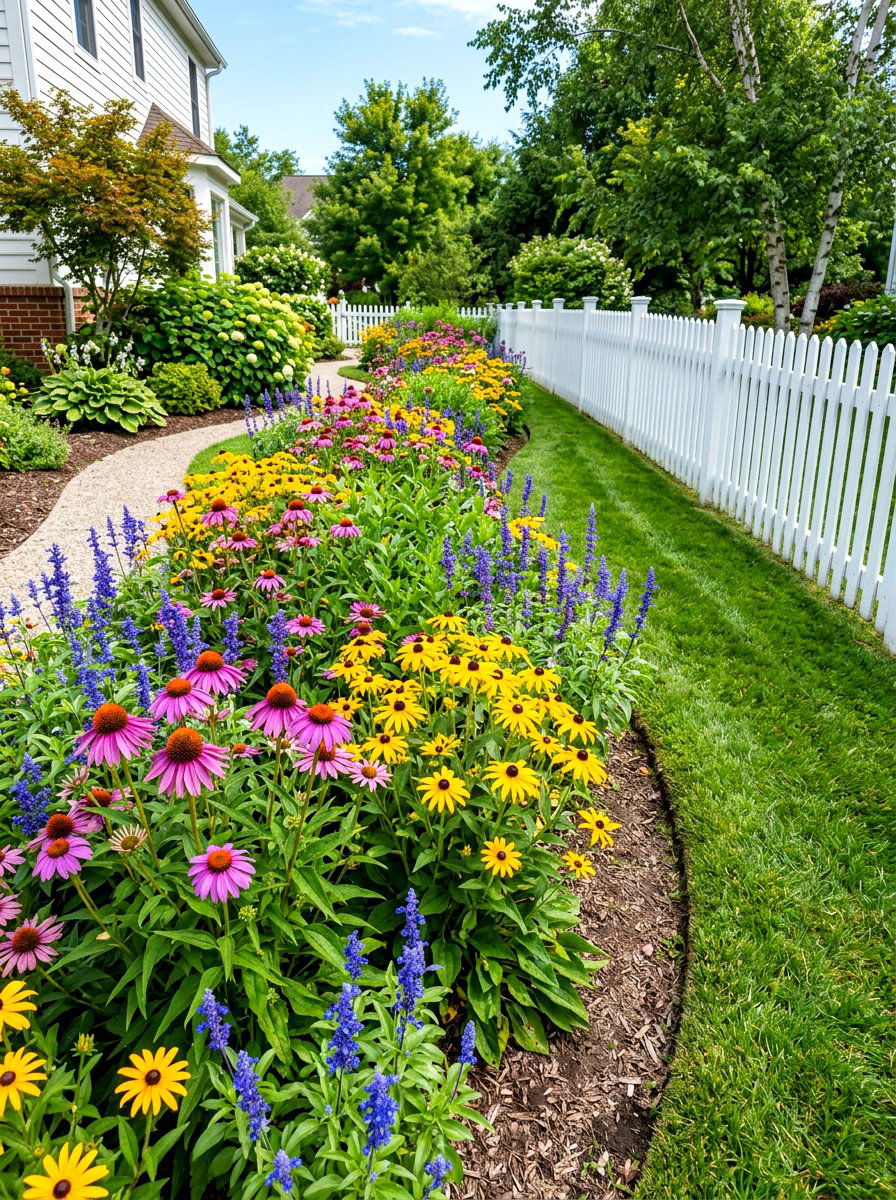
Adding a dedicated flower bed along the length of your side yard brings a burst of seasonal color and fragrance to an often-gray area. You can design a long, narrow border that hugs the fence line, leaving plenty of room for a central path. Mixing perennials like coneflowers and black-eyed Susans with annuals ensures that something is always in bloom from spring through autumn. To make the most of the space, plant in tiers, with taller varieties in the back and shorter, mounded plants in the front. This layering technique adds visual volume and makes the garden feel much more lush and established than a single row.
12. Outdoor Lighting
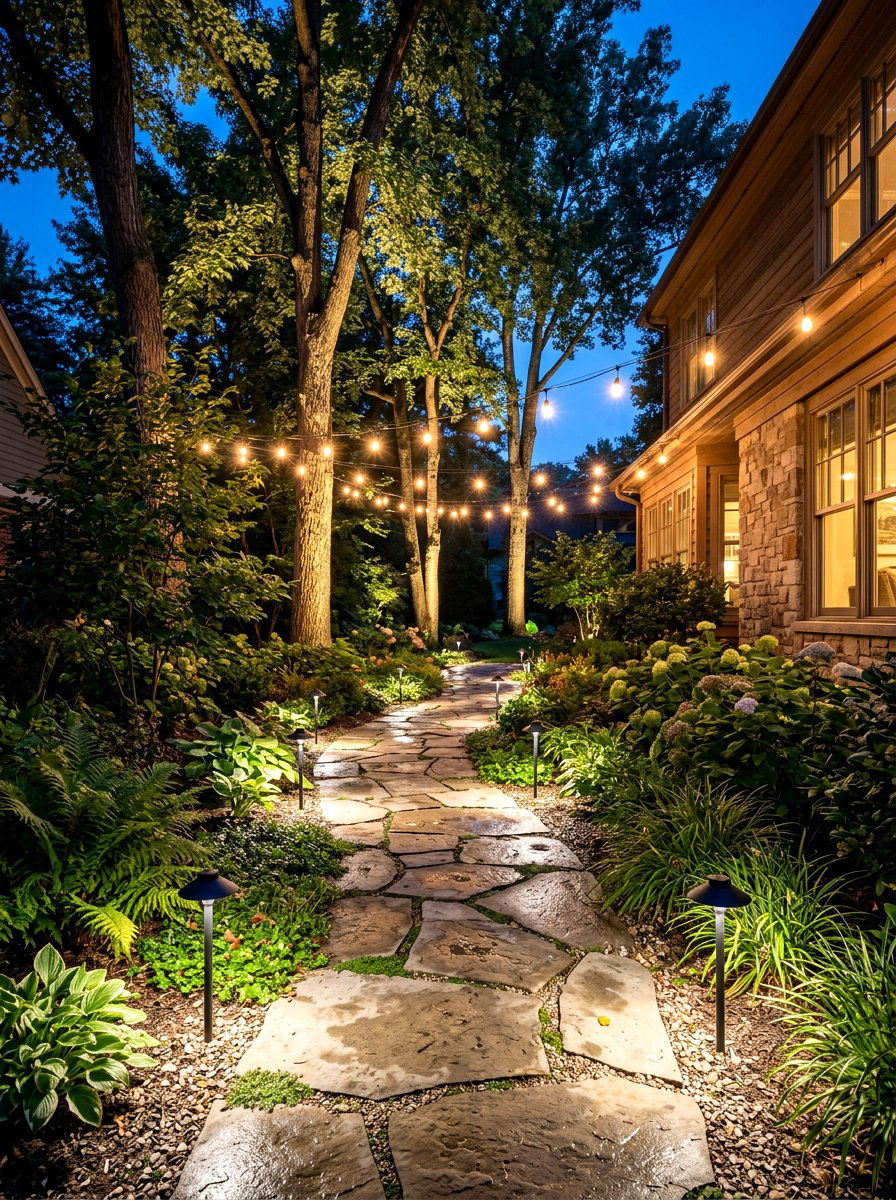
Incorporating outdoor lighting is essential for making your side yard garden safe, functional, and visually appealing after the sun goes down. Low-voltage LED path lights can be tucked into the foliage to illuminate the walkway without being obtrusive. For a more magical atmosphere, string bistro lights above the path to create a warm, inviting glow that makes the narrow space feel like a secret garden. Uplighting a few structural trees or highlighting a textured stone wall adds dramatic depth and shadows, enhancing the overall ambiance. Motion-sensor lights can also be added for security, ensuring the entire perimeter of your home remains well-lit and welcoming.
13. Dry Creek Bed
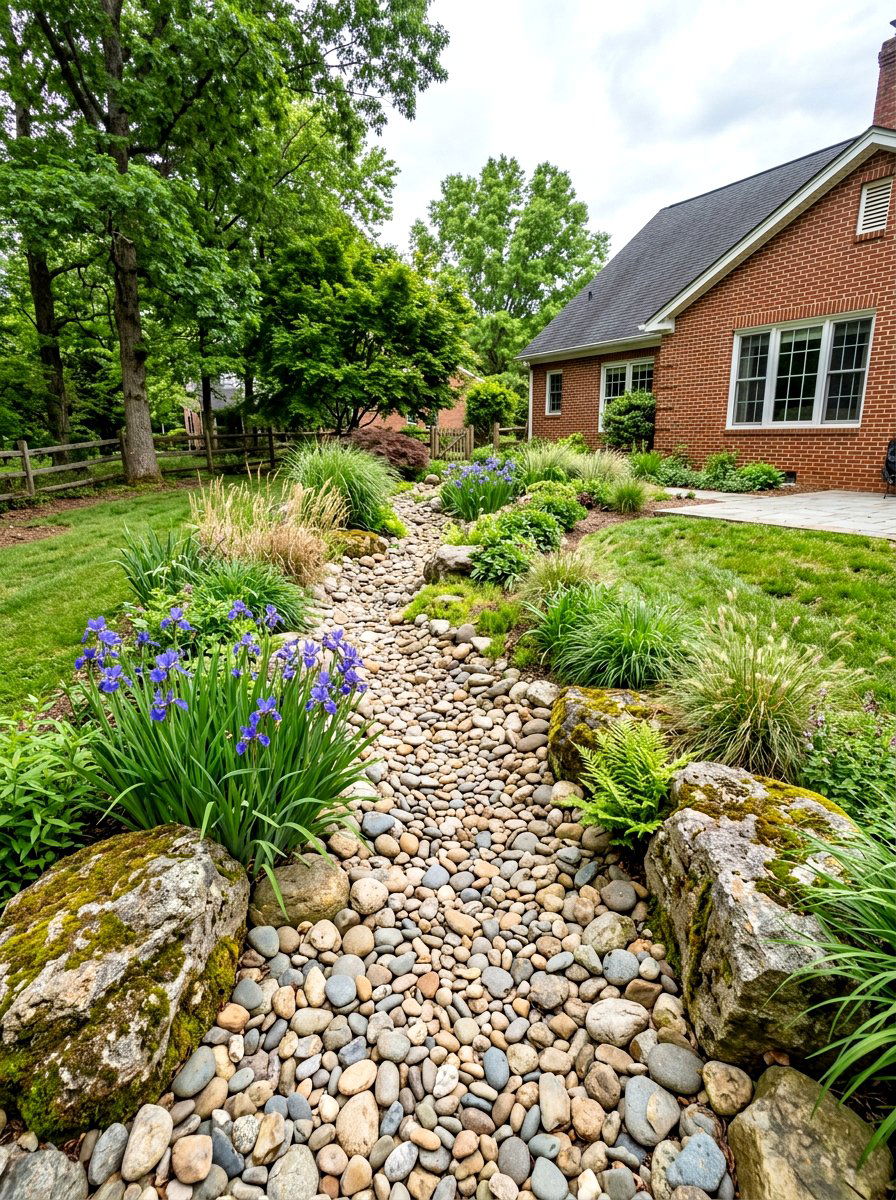
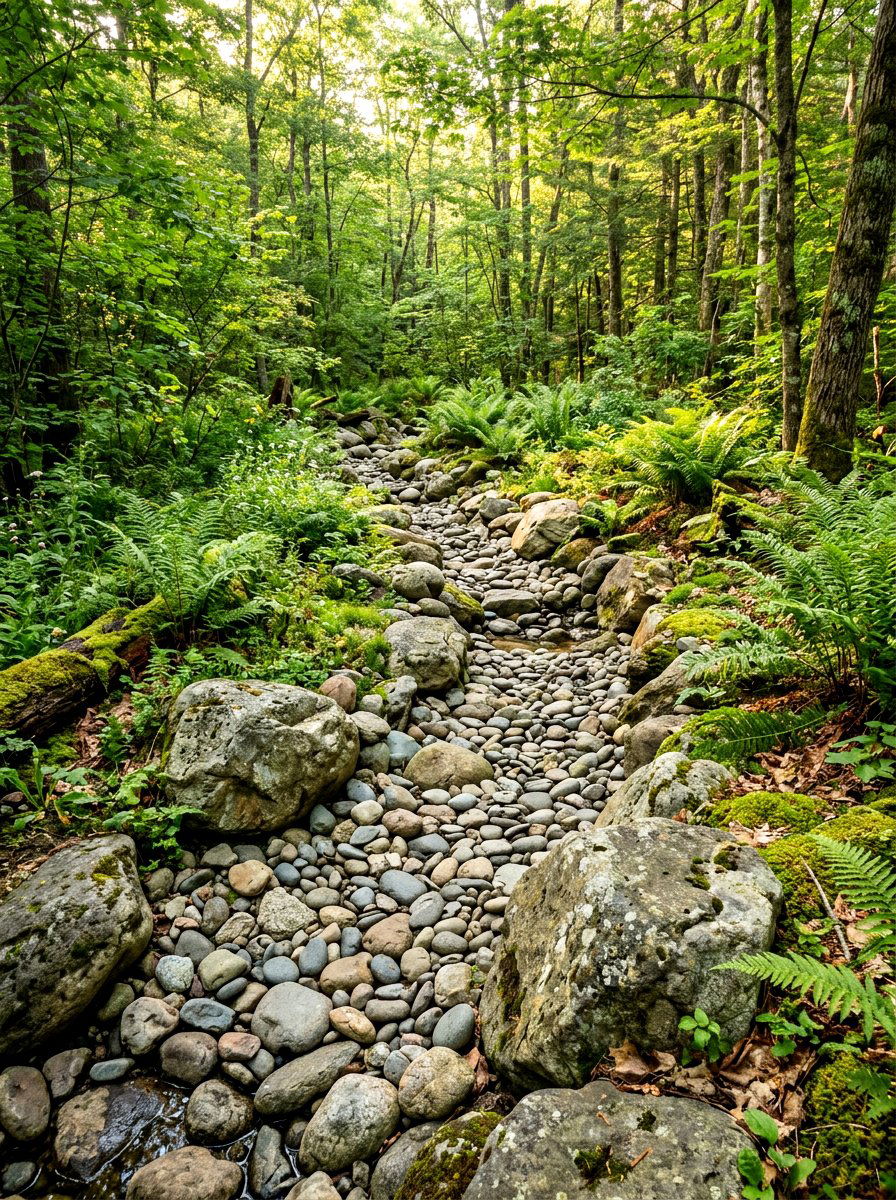
A dry creek bed is both a beautiful landscape feature and a practical solution for side yards that experience heavy runoff or drainage issues. By using various sizes of river rocks and boulders, you can mimic the look of a natural stream that flows during rainstorms. This prevents soil erosion and helps direct excess water away from your home's foundation. Plant moisture-tolerant ornamental grasses and perennials along the "banks" of the creek to soften the edges and add movement. This rugged, naturalistic design requires very little maintenance and provides a unique visual element that changes beautifully with the weather and the changing seasons.
14. Low Maintenance Landscaping
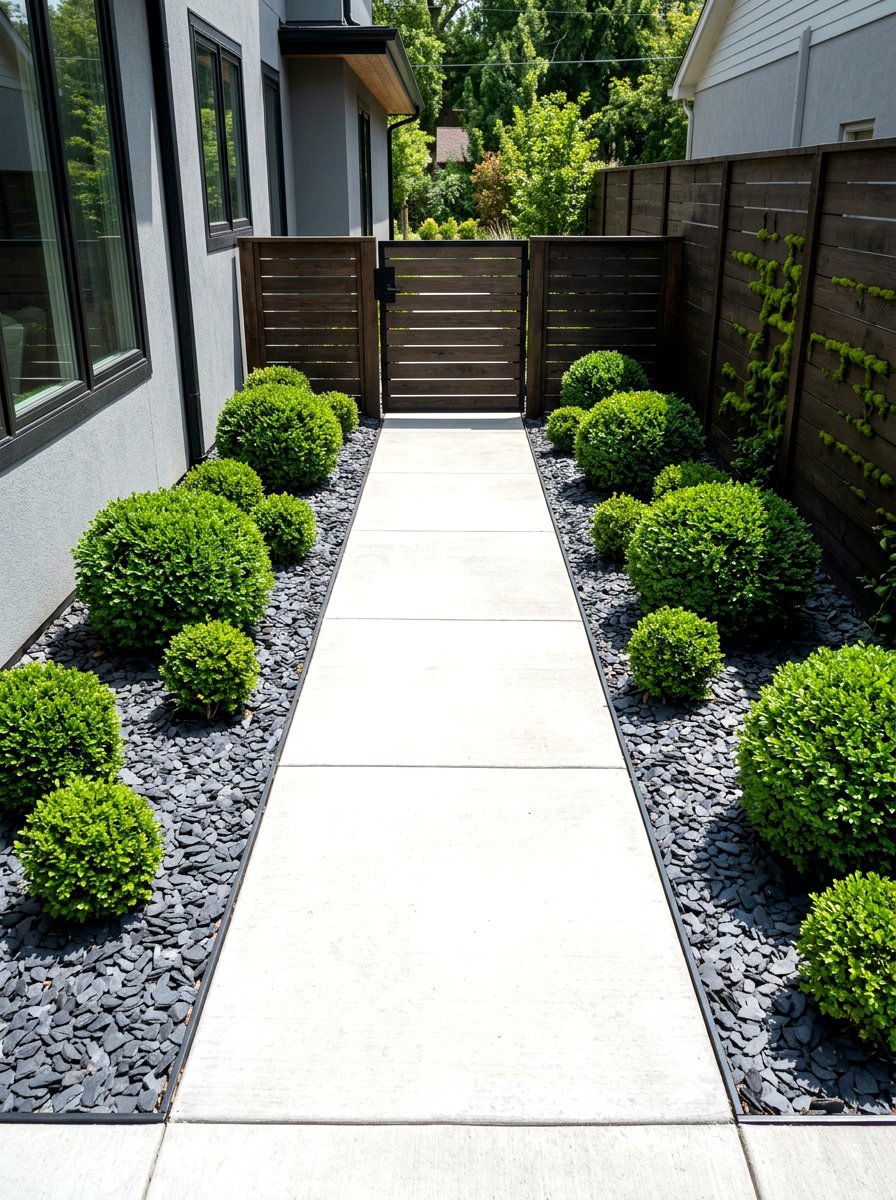
Low maintenance landscaping is a top priority for many homeowners who want a beautiful side yard without spending every weekend weeding and pruning. The key is to choose slow-growing, hardy plants that are well-suited to your local climate and soil conditions. Evergreens, such as boxwoods or dwarf conifers, provide year-round structure and require very little attention. Replacing high-maintenance grass with a combination of high-quality landscape fabric and decorative stone mulch significantly reduces weed growth. By simplifying your plant palette and focusing on durable materials, you can create a clean, modern look that stays pristine with only a few minutes of care each month.
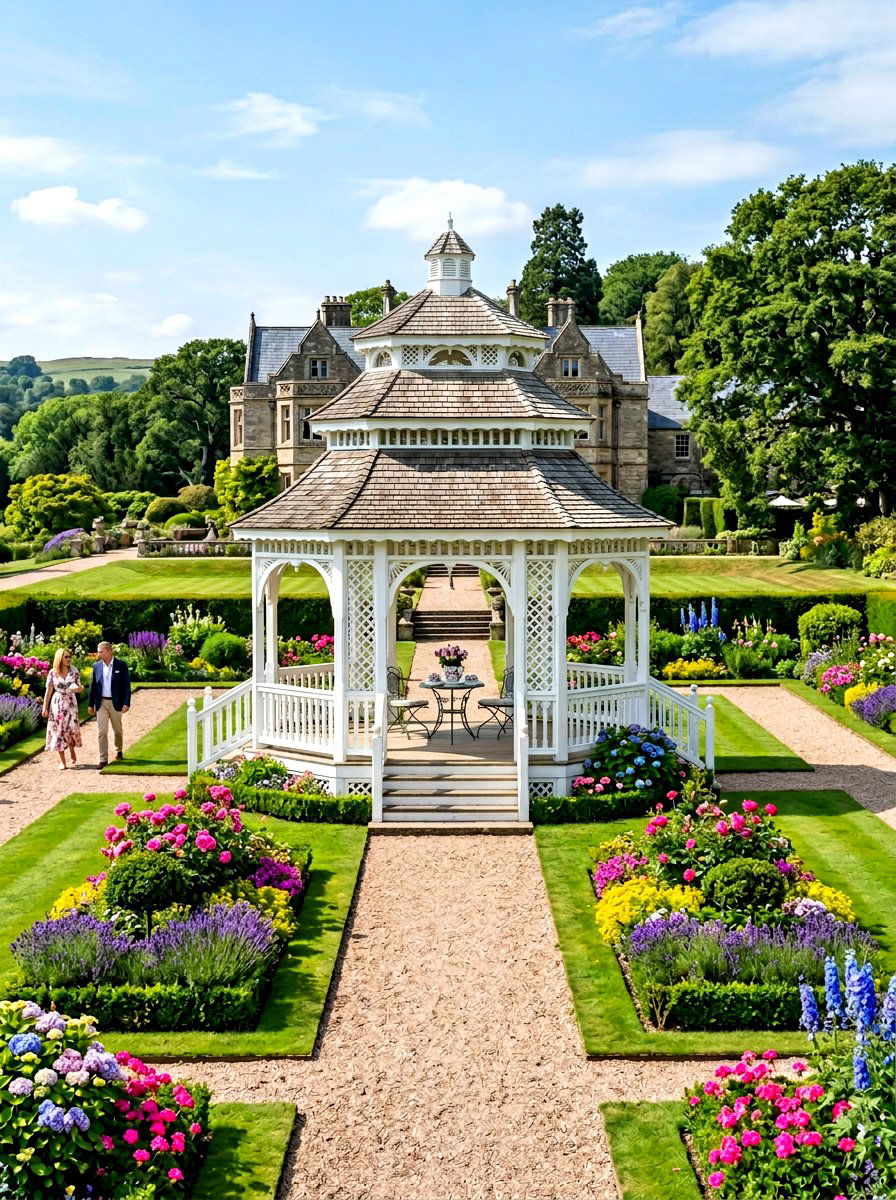
15. Side Patio
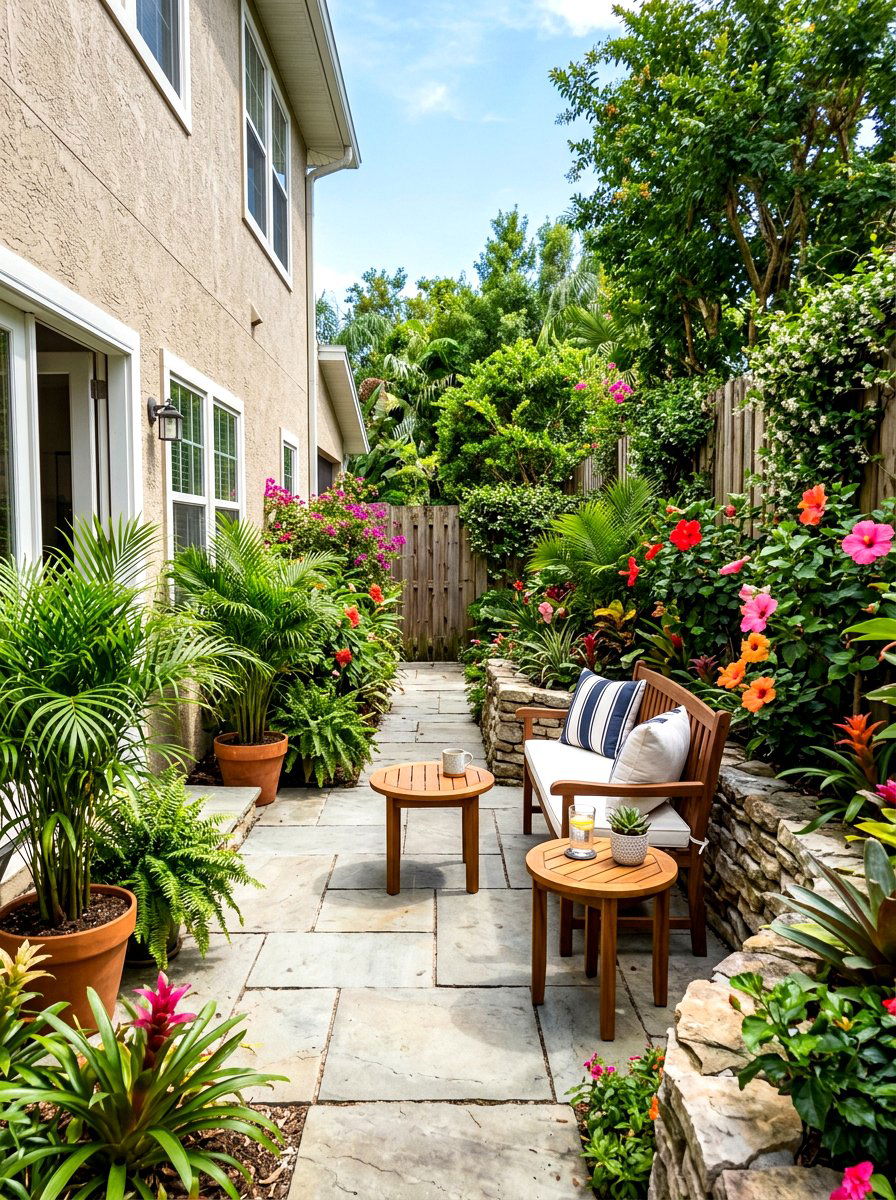
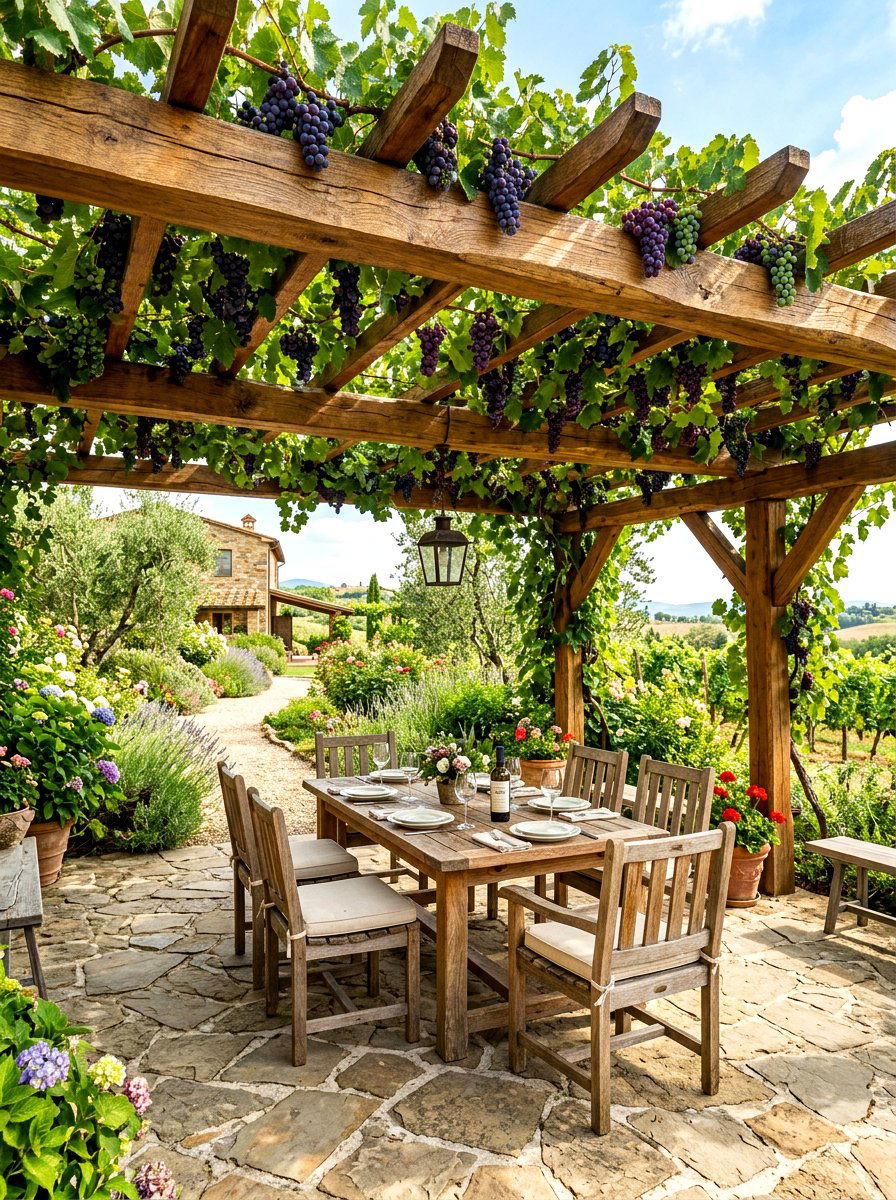
Transforming a wider section of your side yard into a small side patio creates a versatile outdoor room for dining or lounging. Even a 10-foot wide space can comfortably accommodate a small table and chairs or a built-in bench. Using large-format concrete tiles or flagstones creates a solid, level floor that feels like an extension of your indoor living area. To make the space feel more private, surround the patio with tall planters or a wooden trellis covered in climbing vines. Adding a small portable fire pit can extend the usability of the patio into the cooler months, making it a favorite spot for evening relaxation.
16. Garden Gate
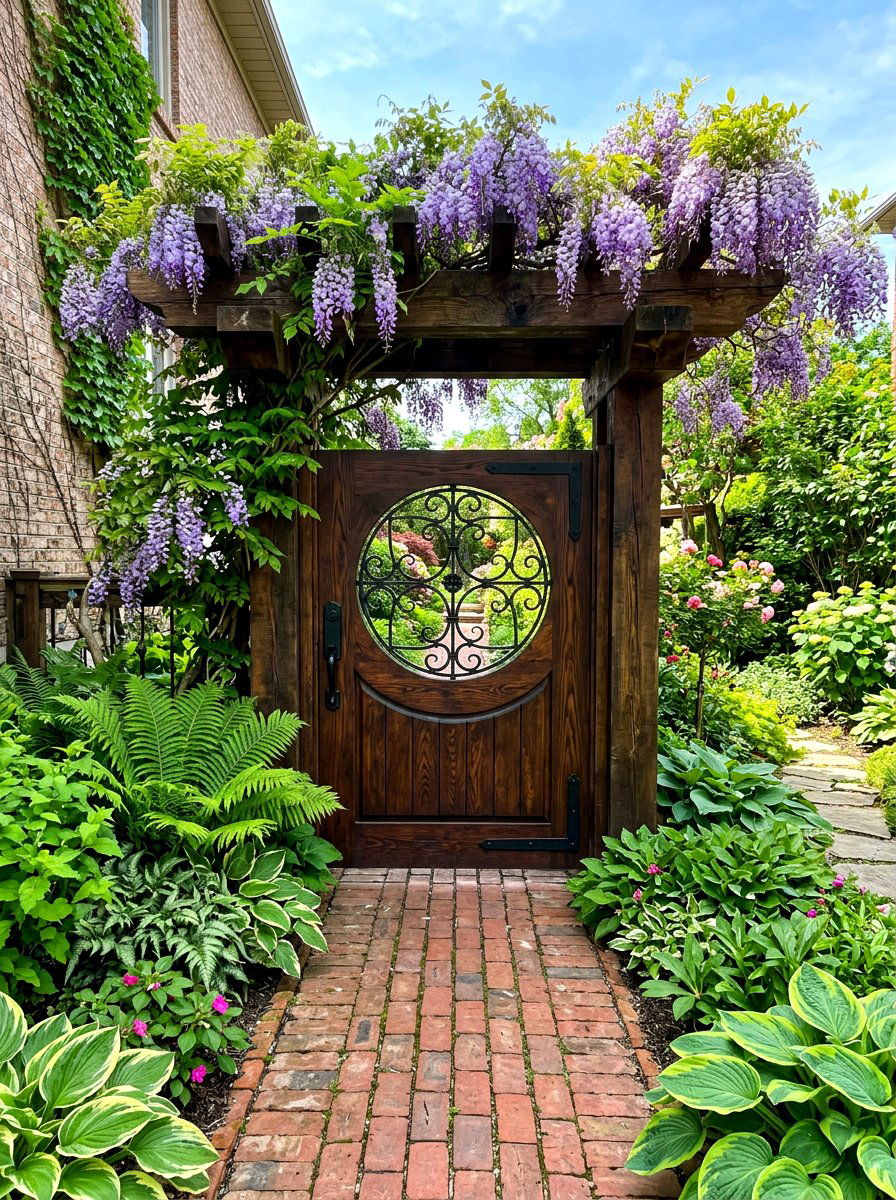
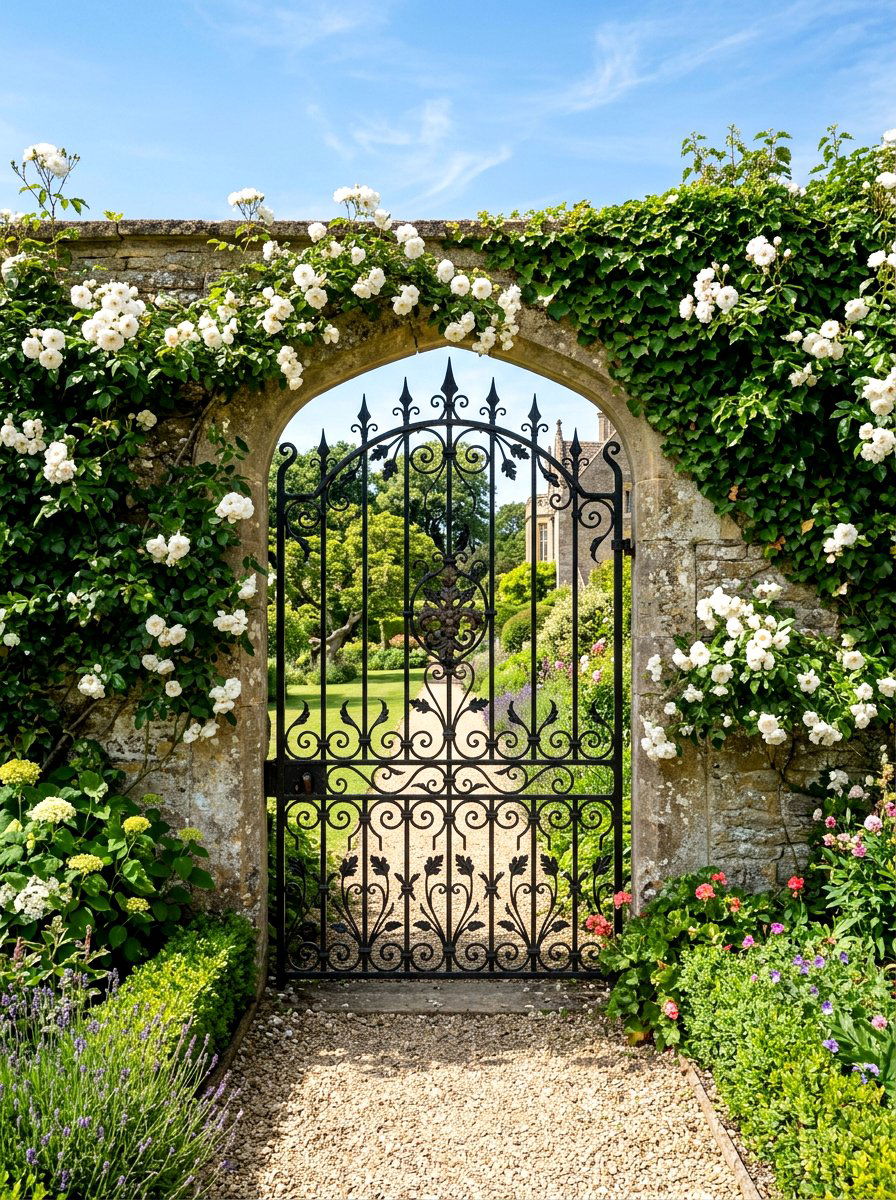
A beautiful garden gate serves as the formal entrance to your side yard, setting the tone for the rest of the landscape. Whether it is a rustic wooden gate with wrought iron hardware or a sleek, modern metal design, it provides both security and charm. A well-designed gate creates a sense of mystery, inviting guests to explore what lies beyond the transition zone. Consider framing the gate with an overhead beam or an archway to give it more architectural weight. Painting the gate a bold color can make it a standout feature that complements your home's trim, while a natural wood finish blends seamlessly with greenery.
17. Garden Arbor
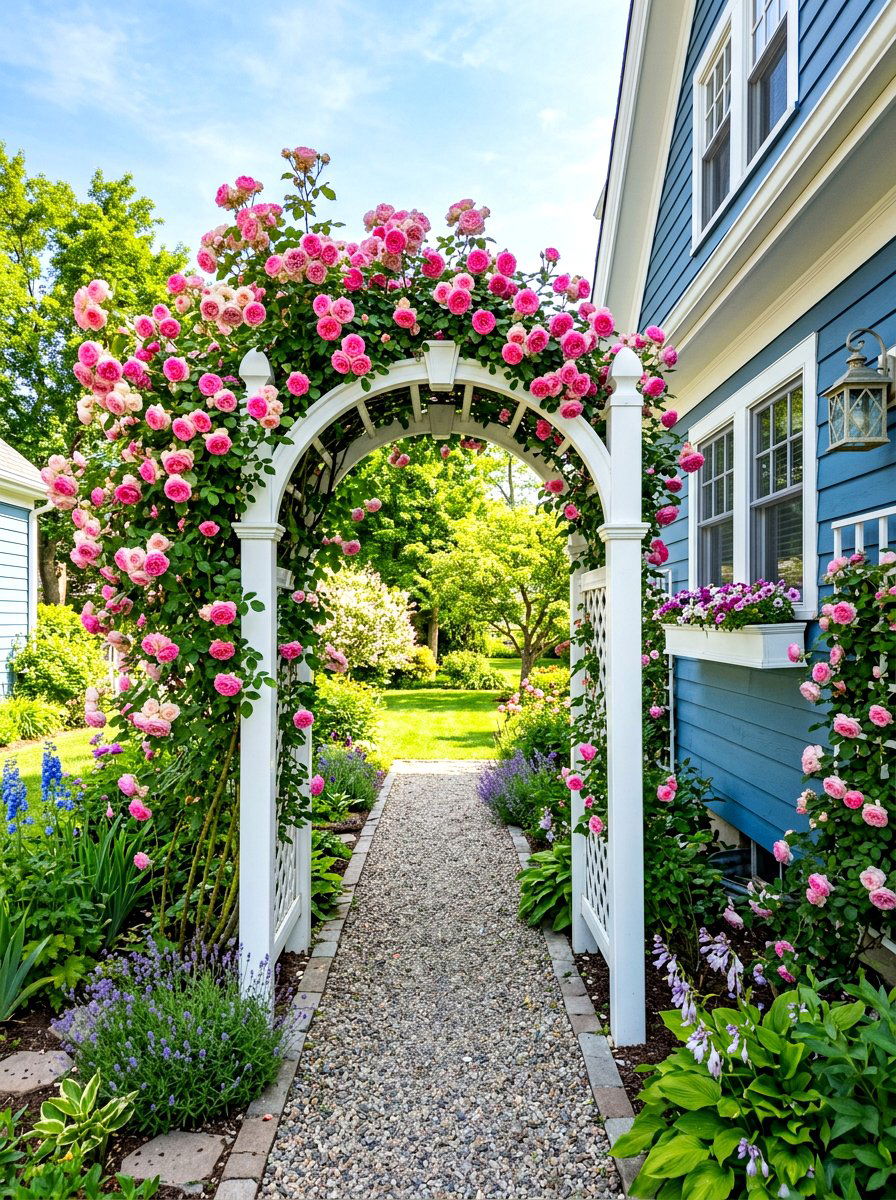
Installing a garden arbor over your side yard path adds instant vertical height and a sense of old-world romance. These structures provide the perfect support for climbing roses, clematis, or fragrant honeysuckle, which will eventually grow to create a living canopy of flowers and foliage. As you walk through the arbor, you are treated to a tunnel-like experience that makes the narrow passage feel more intimate and curated. Choose a material that matches your existing fencing or home exterior, such as cedar, vinyl, or black powder-coated steel. An arbor also provides a great spot to hang decorative lanterns or wind chimes for added charm.
18. Kitchen Herb Garden
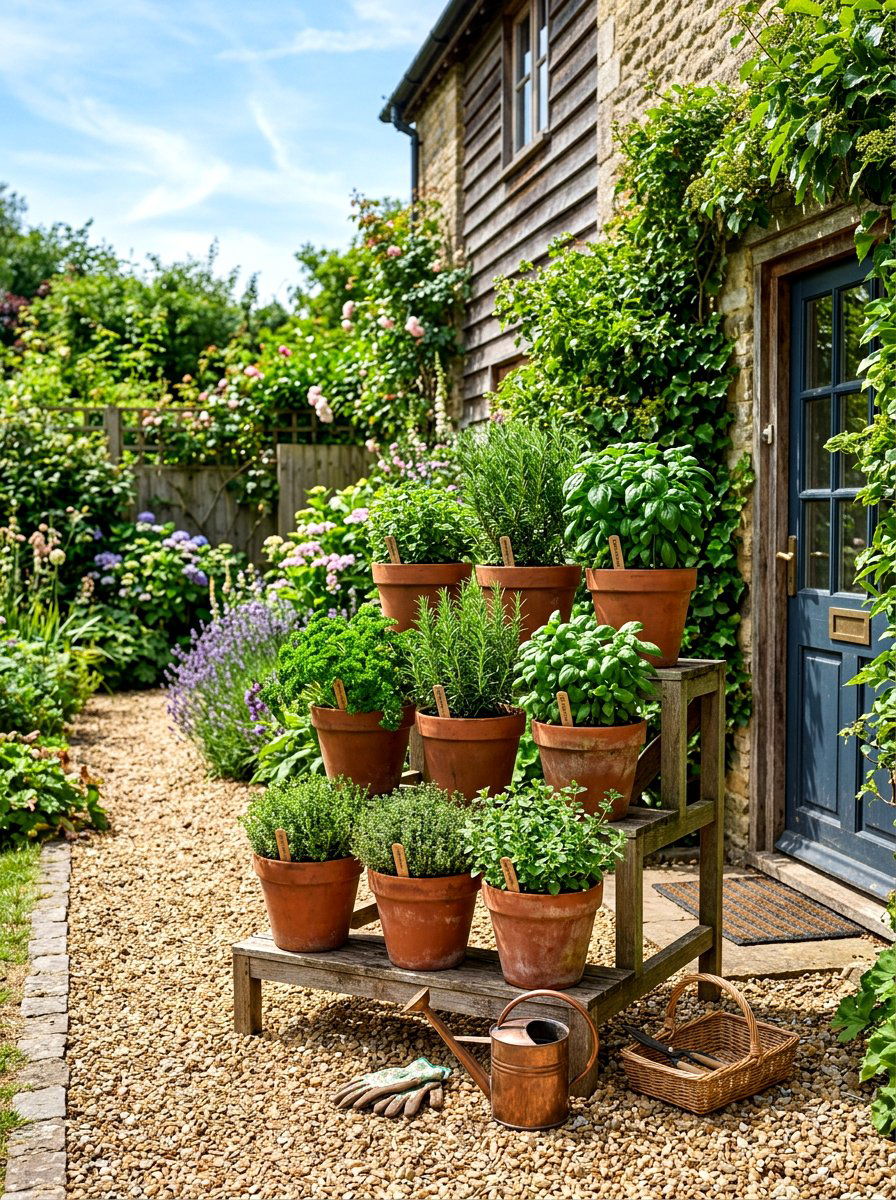
A kitchen herb garden is a practical and aromatic addition to a side yard located near the back door or kitchen window. Growing your own basil, rosemary, thyme, and mint ensures you always have fresh ingredients on hand for cooking. You can use a series of matching ceramic pots for a clean look or install a long, narrow raised bed specifically for herbs. Because many herbs thrive in containers and require good drainage, they are perfectly suited for the confined spaces of a side yard. The fragrant leaves release their scent whenever you brush past them, making every trip through the garden a delightful sensory experience.
19. Rock Garden
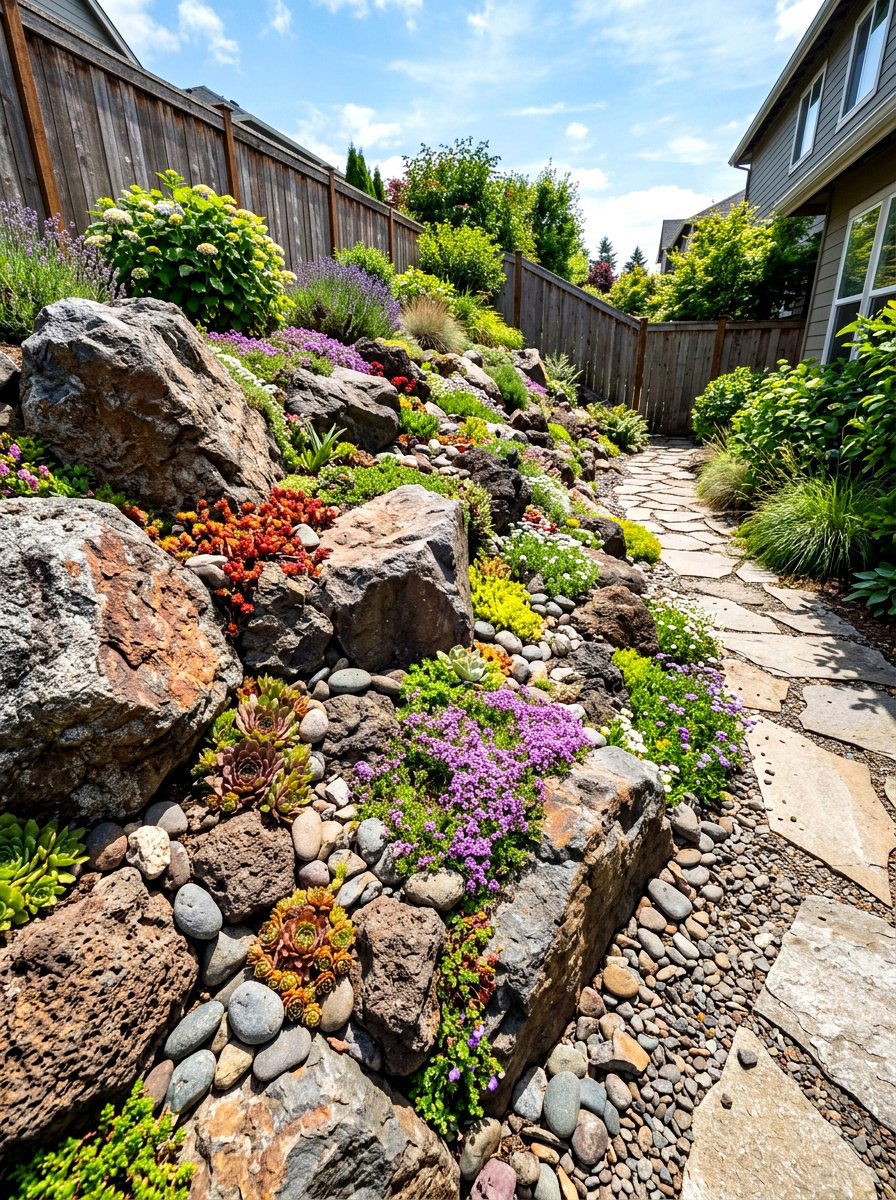
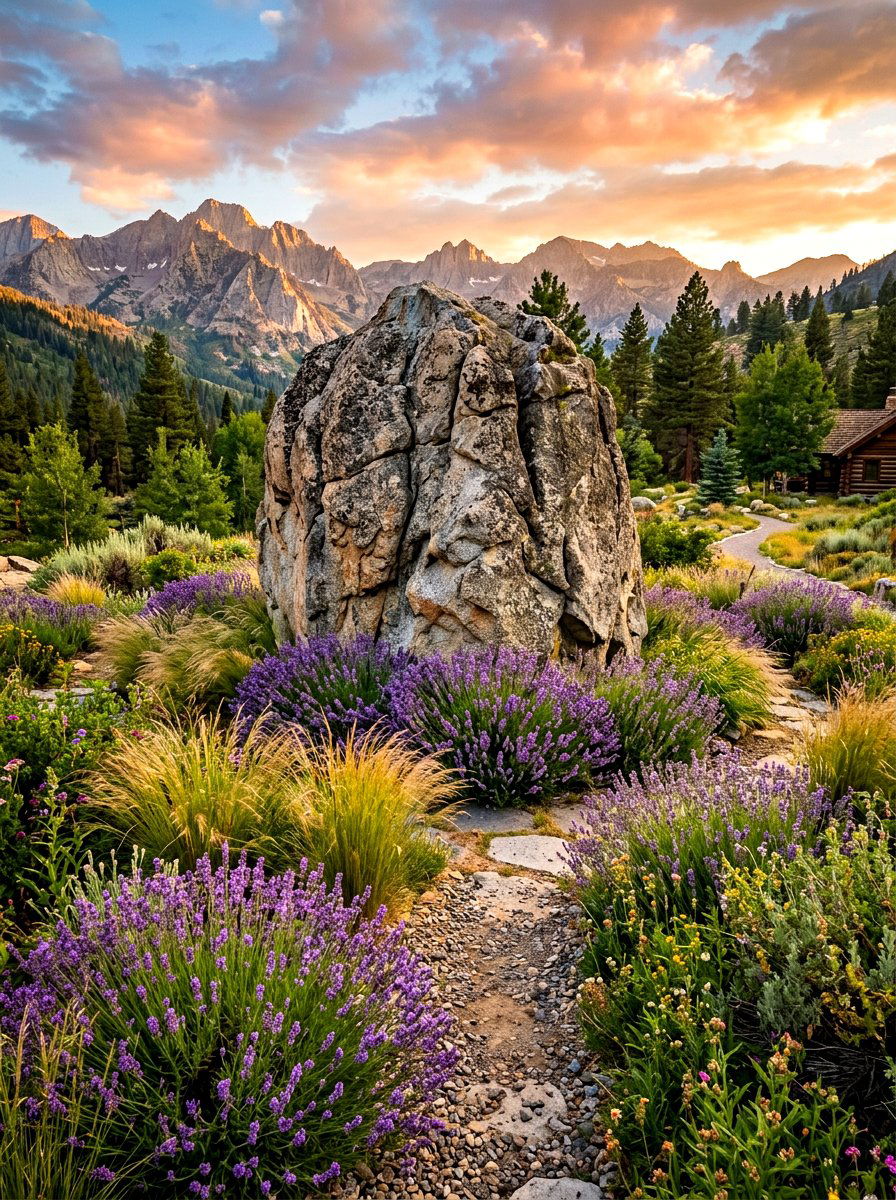
A rock garden is a rugged and artistic way to landscape a sloped or oddly shaped side yard where traditional grass might struggle to grow. By combining different sizes, shapes, and colors of stones, you can create a textured terrain that looks like a natural alpine landscape. Intersperse the rocks with small, hardy plants like sedum, creeping phlox, and ornamental grasses that can tuck into the crevices. This type of garden is exceptionally low-maintenance and provides a striking contrast to the smooth walls of your home. It also offers excellent drainage and remains visually interesting even during the winter months when other plants go dormant.
20. Water Feature
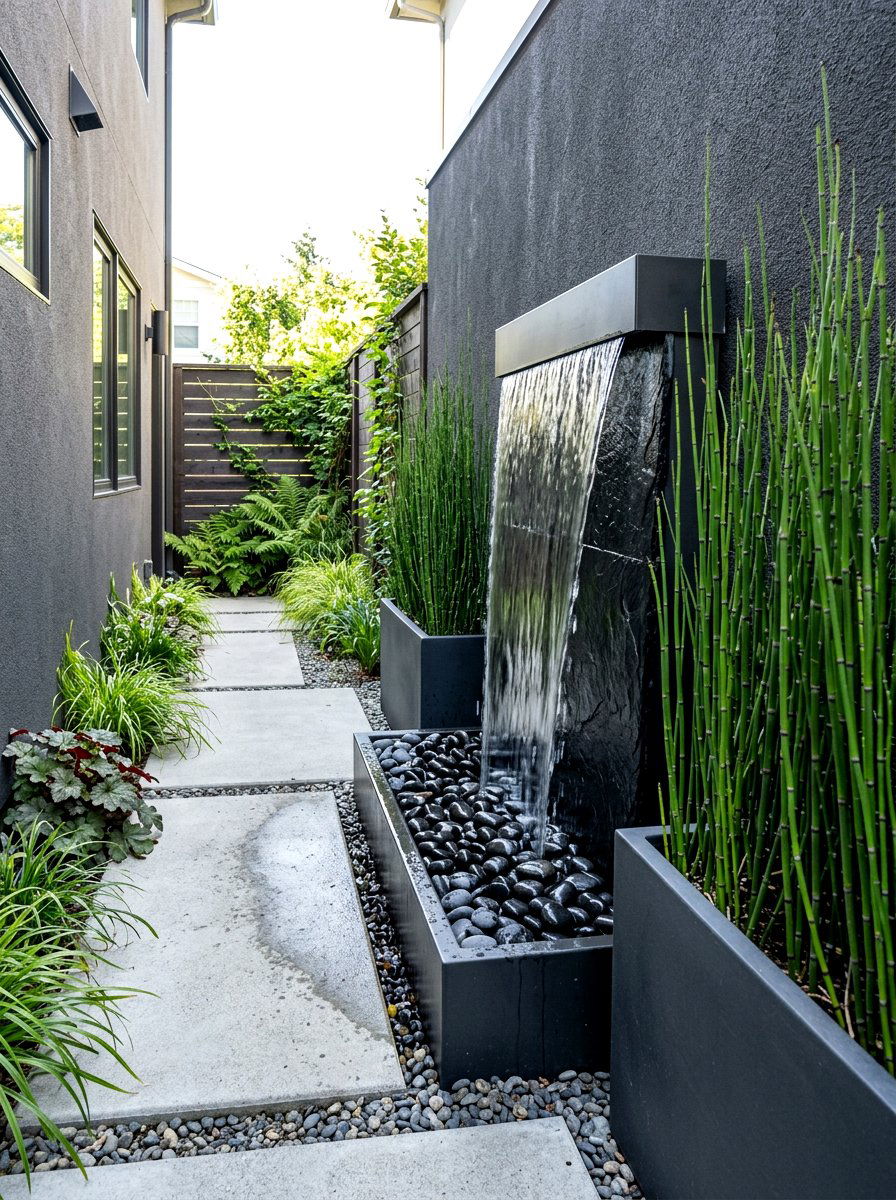
Adding a small water feature can completely change the atmosphere of a side yard by introducing soothing sounds and a sense of movement. A wall-mounted fountain or a narrow, bubbling stone urn takes up very little space while providing a powerful focal point. The sound of running water helps to mask street noise and neighborly chatter, creating a more peaceful environment for your home. Birds and butterflies are naturally drawn to water, so a fountain can also increase the biodiversity of your garden. Modern, self-contained units are easy to install and require only a simple electrical outlet to run the small recirculating pump.
21. Garden Trellis
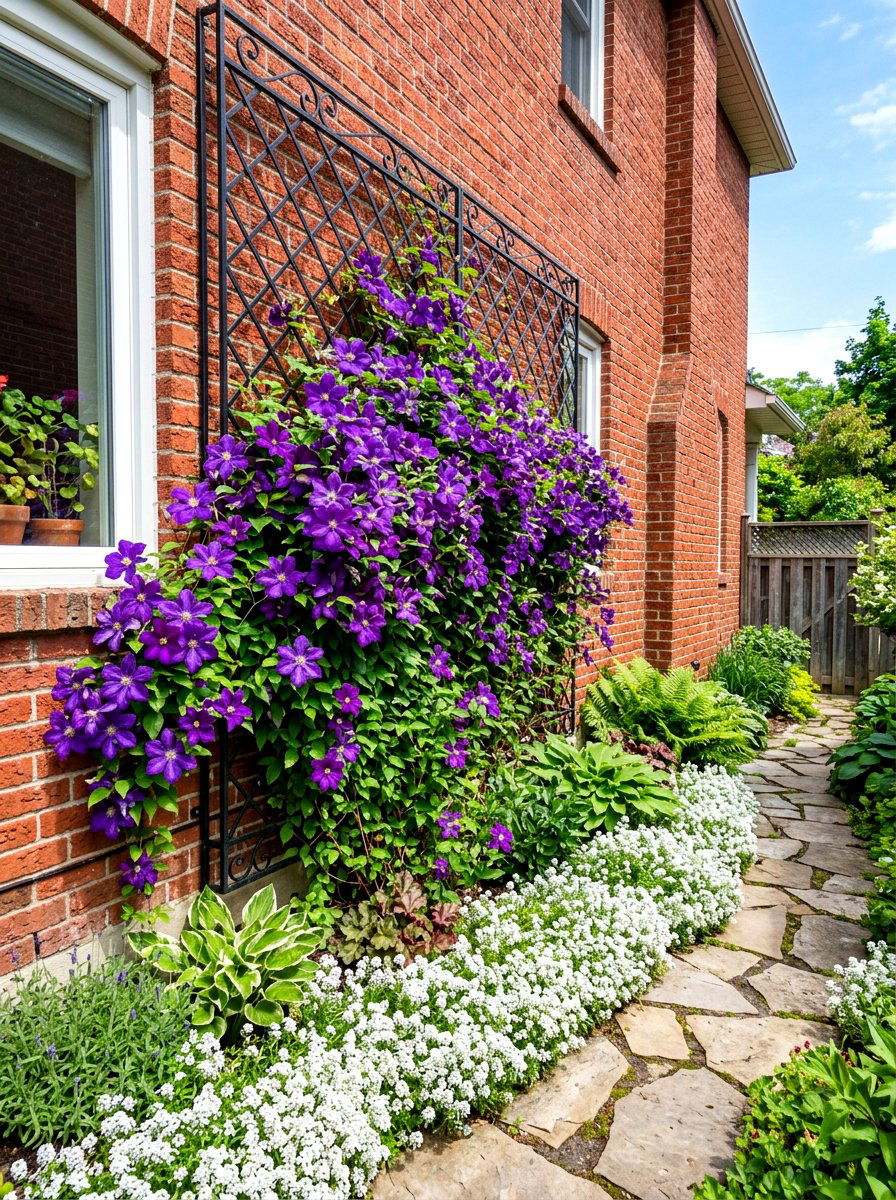
A garden trellis is a versatile tool for adding greenery to a side yard without encroaching on the walkway. These vertical structures can be attached directly to a fence or a blank exterior wall to support climbing vines and flowers. This creates a "green wall" effect that softens the hard lines of the architecture and provides a lush backdrop for your path. You can choose from classic lattice designs, modern wire systems, or ornate metal trellises to match your personal style. Using a trellis to grow edible climbing plants, like peas or pole beans, combines beauty with utility in a small, efficient footprint.
22. Shed Landscaping
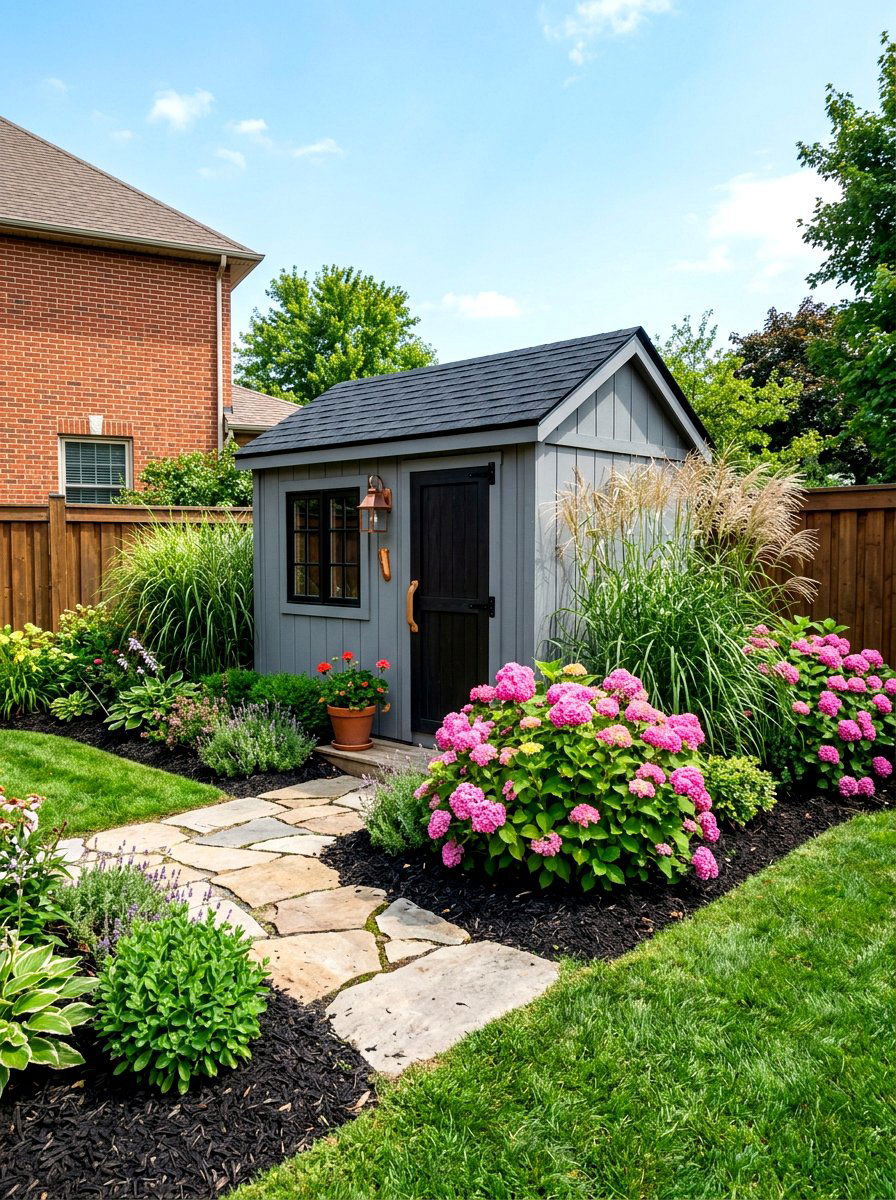
Thoughtful shed landscaping can help a utilitarian storage building blend seamlessly into your side yard garden. Instead of leaving the shed as a bare, boxy structure, surround it with a mix of shrubs, ornamental grasses, and flowering perennials to soften its edges. Planting a few medium-sized evergreens behind the shed can help it recede into the background, while a small flower bed in front adds a welcoming touch. You can even add window boxes or a small trellis to the shed itself to tie it into the overall garden design. This approach turns a functional necessity into a charming and integrated part of your landscape.
23. Artificial Turf
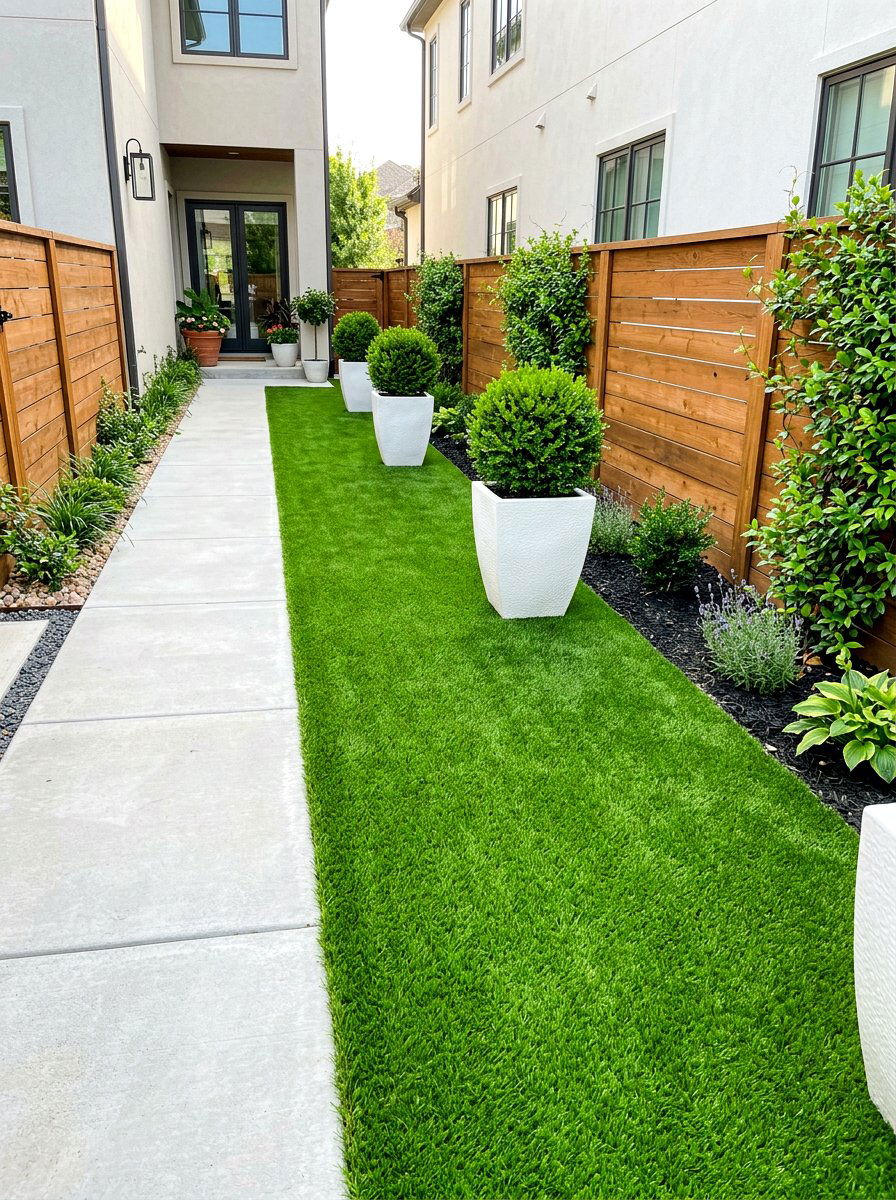
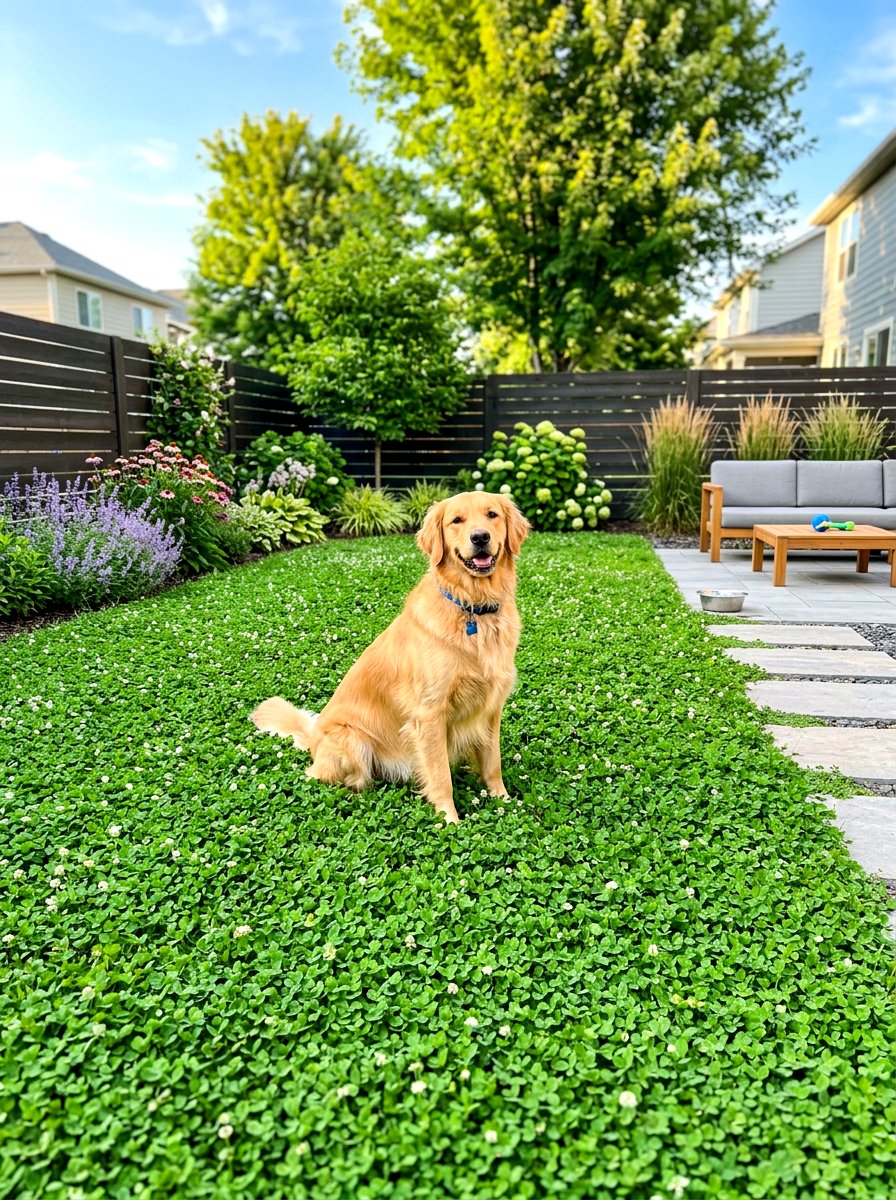
Artificial turf is an increasingly popular choice for side yards where natural grass refuses to grow due to deep shade or heavy foot traffic. Modern synthetic grass looks incredibly realistic and provides a soft, green carpet that stays vibrant all year long without any mowing, watering, or fertilizing. It is an excellent surface for dog runs or children 's play areas because it is durable and easy to clean. Installing a high-quality turf with a proper drainage base ensures that rainwater doesn' t pool on the surface. This low-maintenance solution keeps your side yard looking perfectly manicured with almost zero effort on your part.
24. Garden Bench
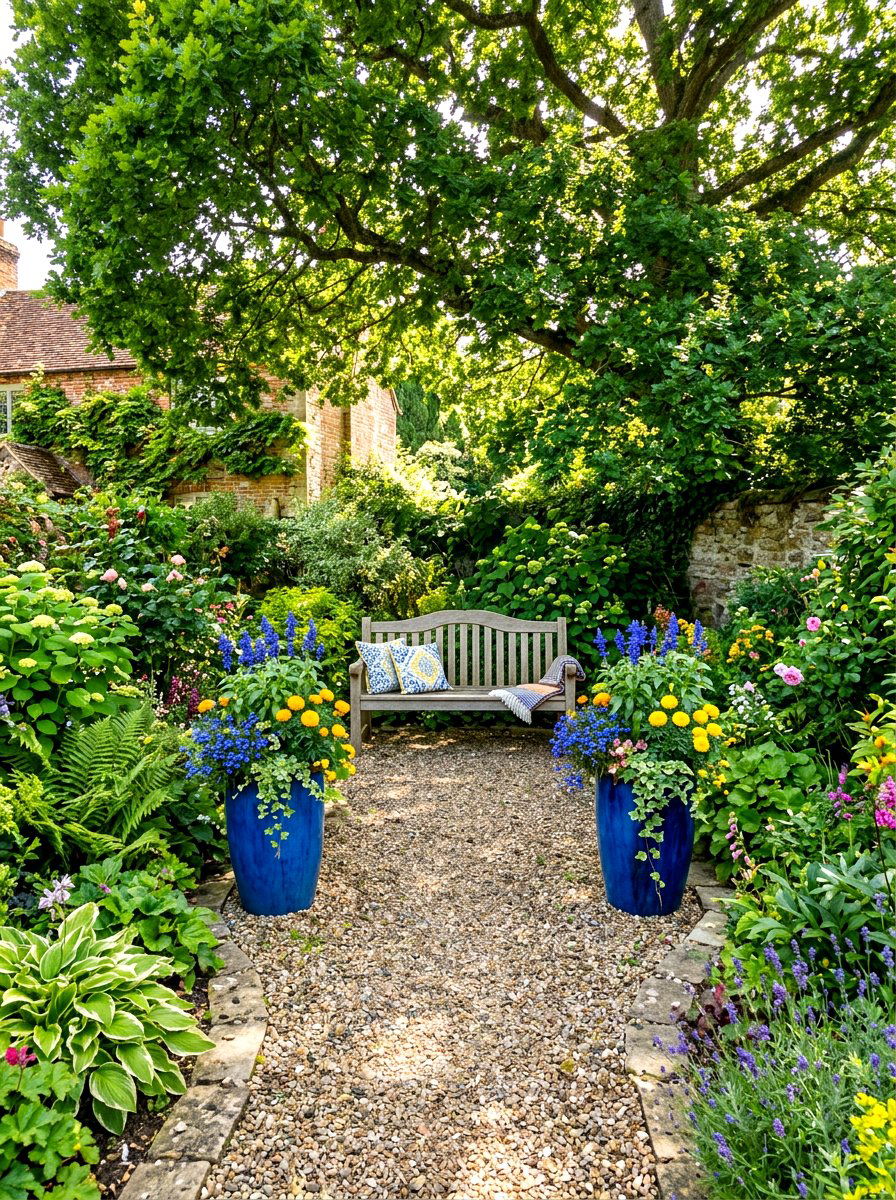
Placing a garden bench at the end of a side yard path provides a beautiful visual destination and a quiet place to rest. A classic wooden bench or a sleek stone seat offers a moment of repose in a secluded part of the property. To make the spot feel more intentional, surround the bench with a small patch of flagstones or a thick layer of mulch. Planting a fragrant shrub or a small flowering tree nearby creates a canopy of shade and a pleasant aroma. This simple addition encourages you to pause and appreciate the details of your garden, turning a transition space into a meaningful retreat.
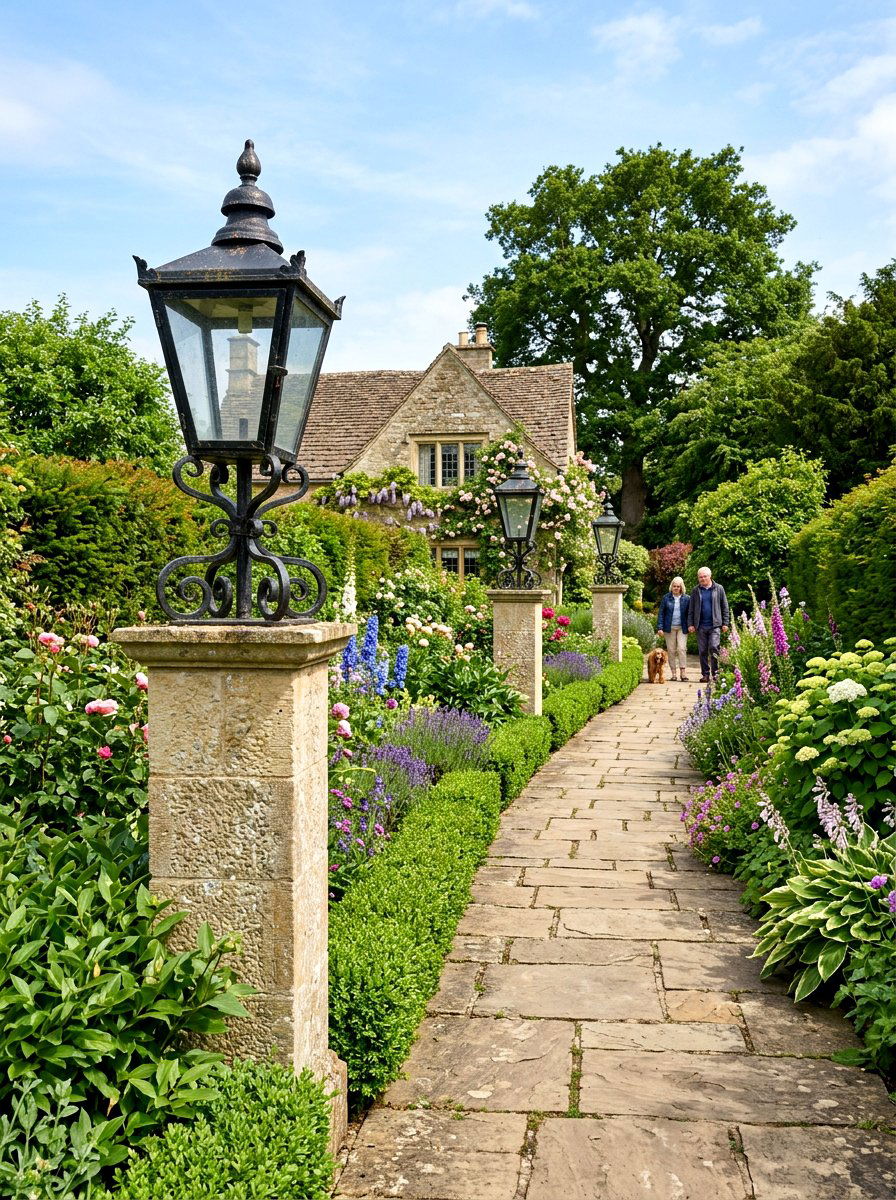
25. Succulent Garden
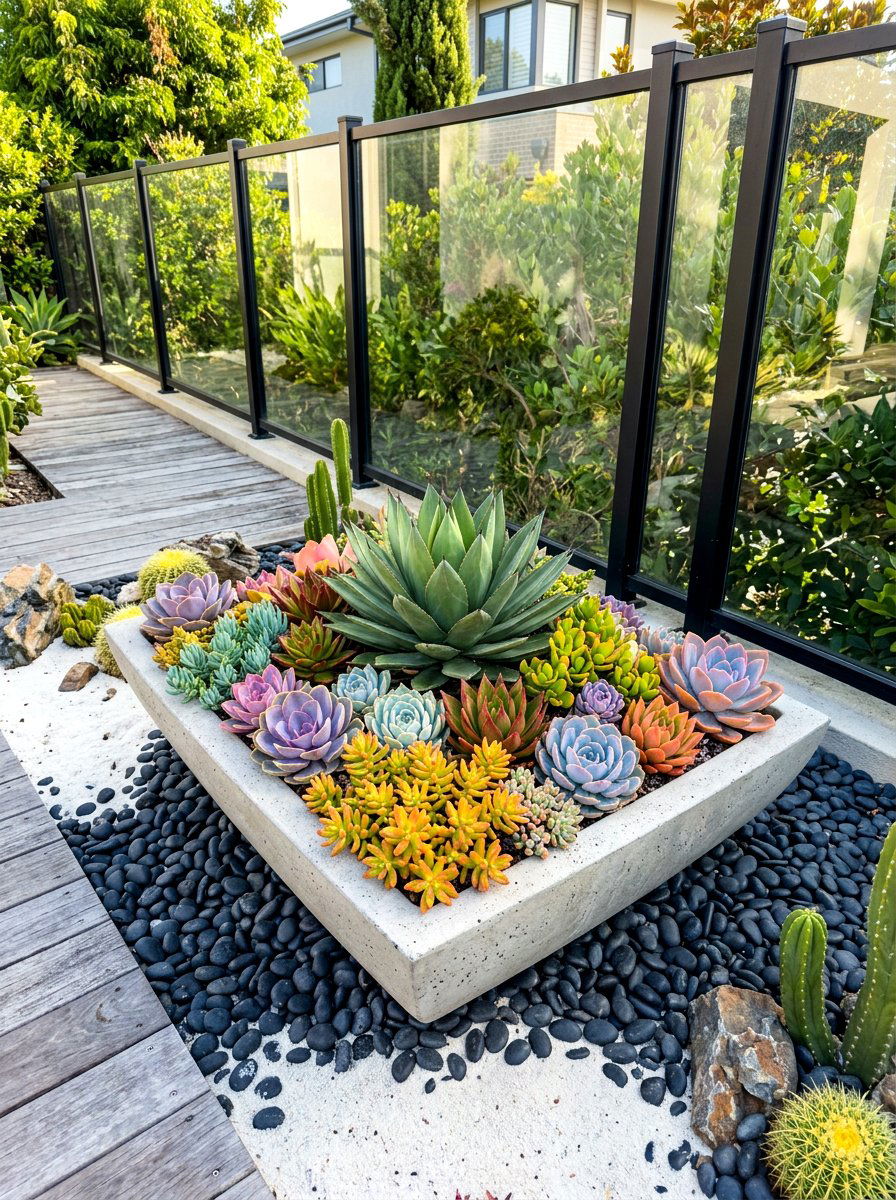
A succulent garden is a trendy and visually striking option for side yards that receive plenty of bright, indirect light. These sculptural plants come in an incredible variety of colors, shapes, and sizes, allowing you to create a living tapestry that looks more like a work of art than a traditional garden. Because succulents store water in their leaves, they are extremely drought-tolerant and require very little maintenance. You can arrange them in a dedicated bed filled with fast-draining gritty soil or display them in a collection of decorative pots. Their unique textures provide a modern, clean look that complements contemporary home designs perfectly.
26. Stepping Stones
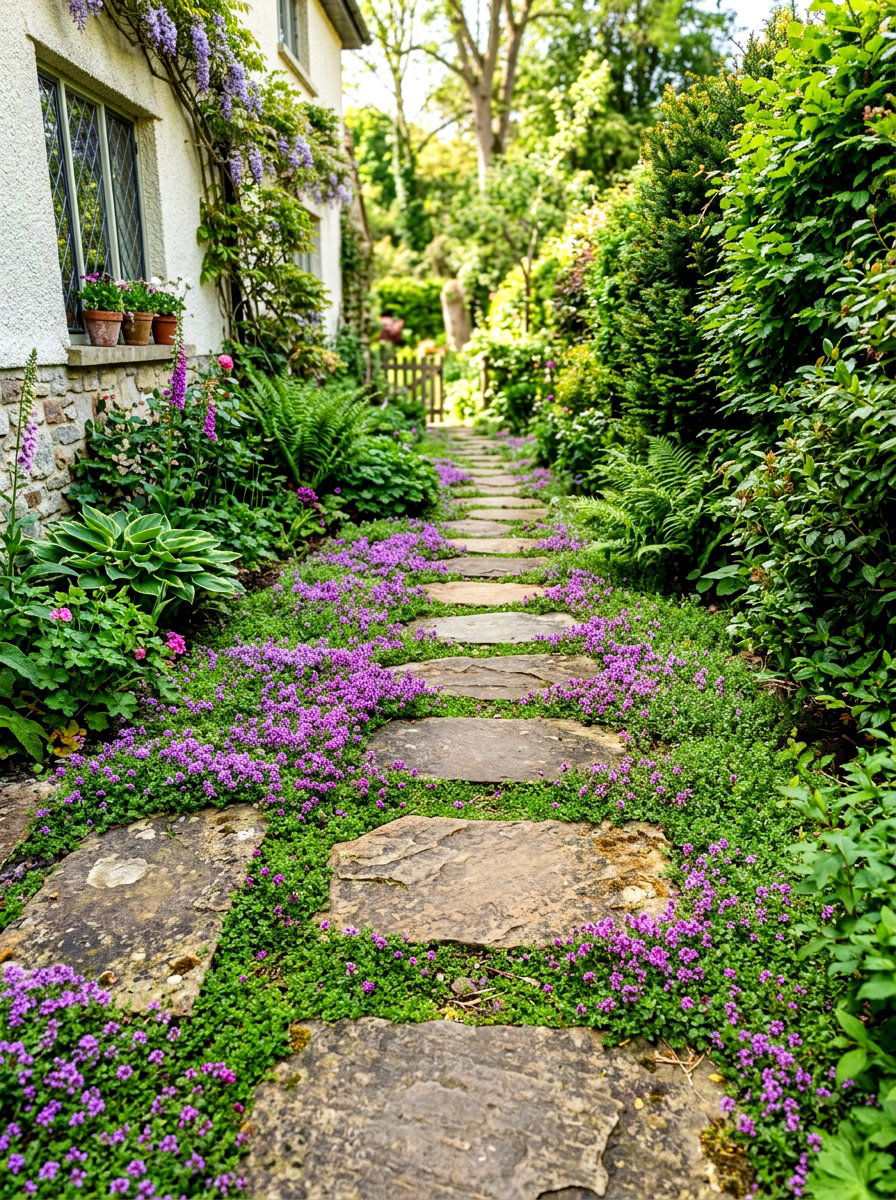
Stepping stones offer a charming and informal way to navigate your side yard while protecting your plants and soil from compaction. Unlike a solid paved path, stepping stones allow for more "breathing room" in the landscape, as grass or ground covers can grow between the individual rocks. You can use natural flagstones for a rustic look or geometric concrete rounds for a more modern feel. Placing the stones at a natural walking stride ensures a comfortable and safe passage. This design is particularly effective for small gardens because it maintains a sense of openness and prevents the space from feeling too heavily hardscaped or crowded.
27. Hydrangea Border
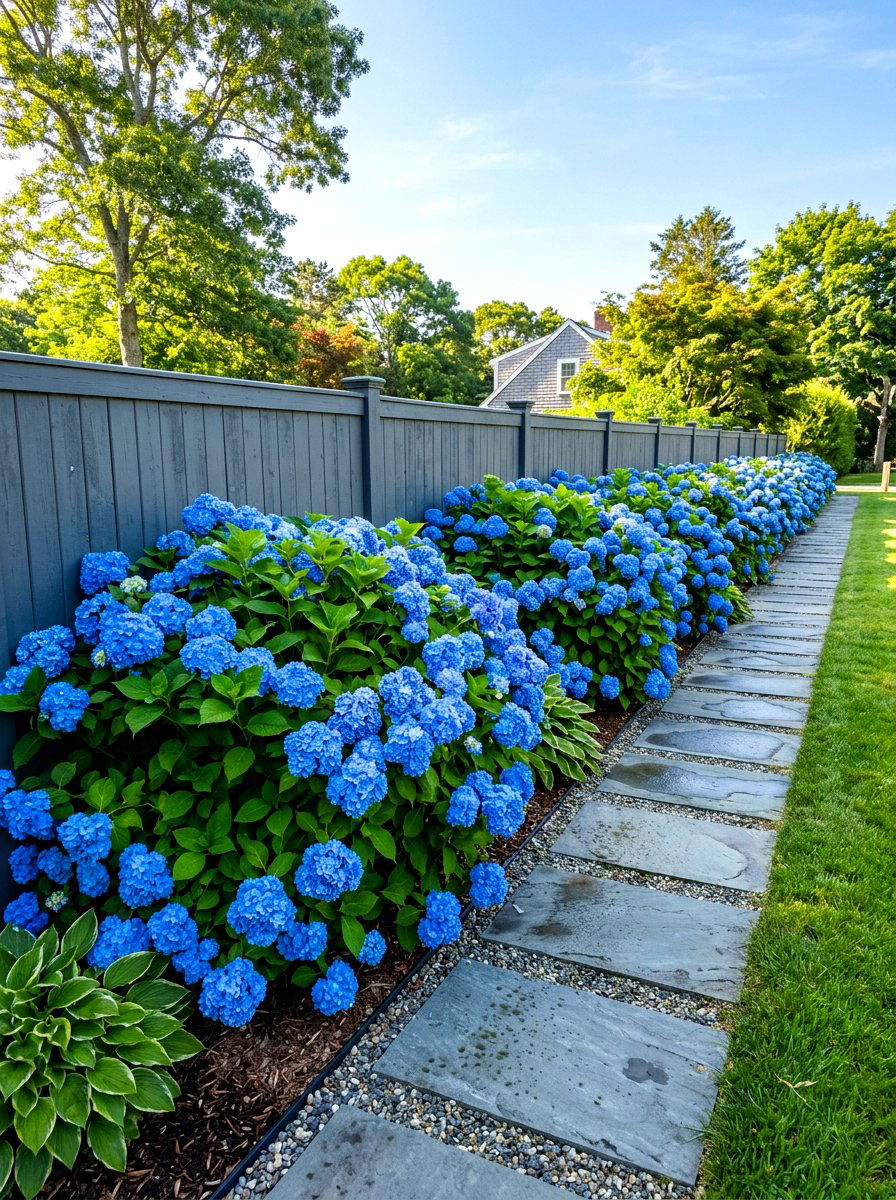
Planting a hydrangea border along a side yard fence creates a lush, romantic wall of blooms that changes color throughout the season. Hydrangeas are particularly well-suited for side yards that receive morning sun and afternoon shade, which is a common light pattern in narrow corridors. Their large, pillowy flower heads and broad green leaves provide excellent coverage, hiding the base of fences and adding a sense of abundance to the space. You can choose from classic blue and pink varieties or modern white panicle hydrangeas for a sophisticated look. These hardy shrubs fill out quickly, creating a dense and beautiful screen within just a few years.
28. Hosta Garden
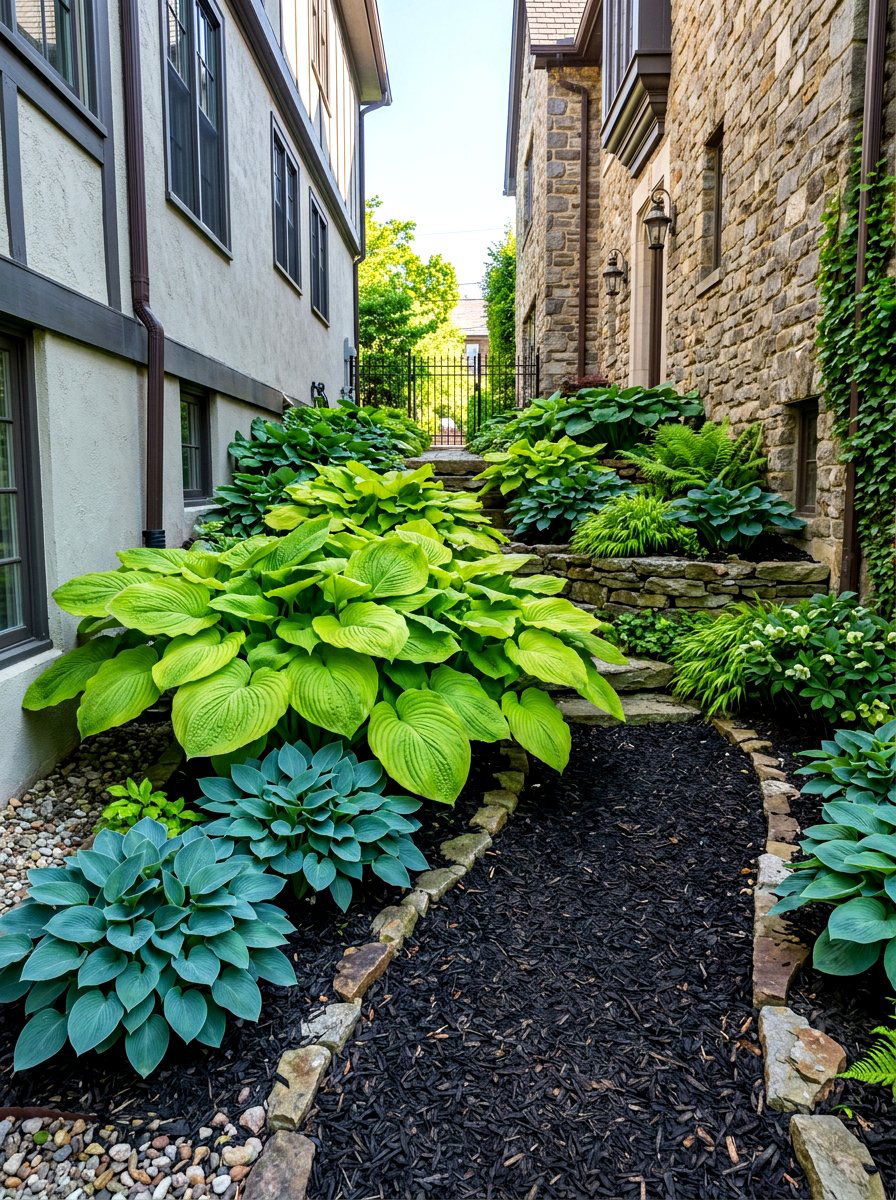
A hosta garden is the gold standard for landscaping shady side yards where other flowering plants might struggle to thrive. Hostas are prized for their spectacular foliage, which ranges from deep forest green and chartreuse to blue-gray and variegated white. By mixing different varieties, you can create a textured, multi-toned landscape that looks lush and vibrant all summer long. Hostas are incredibly hardy and reliable, returning year after year with very little intervention. Their large leaves also act as a natural mulch, shading out weeds and helping the soil retain moisture. They are the perfect low-stress solution for a beautiful, shaded corridor.
29. Cottage Garden
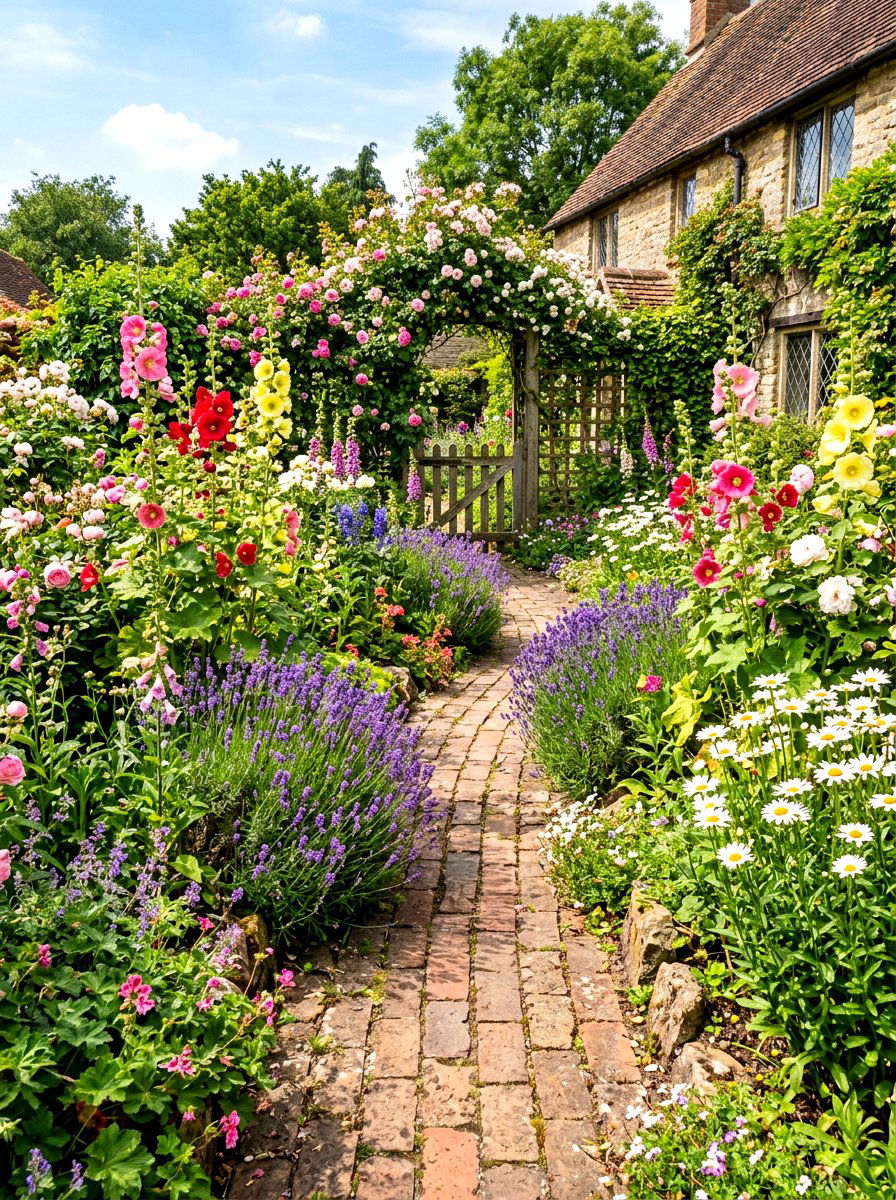
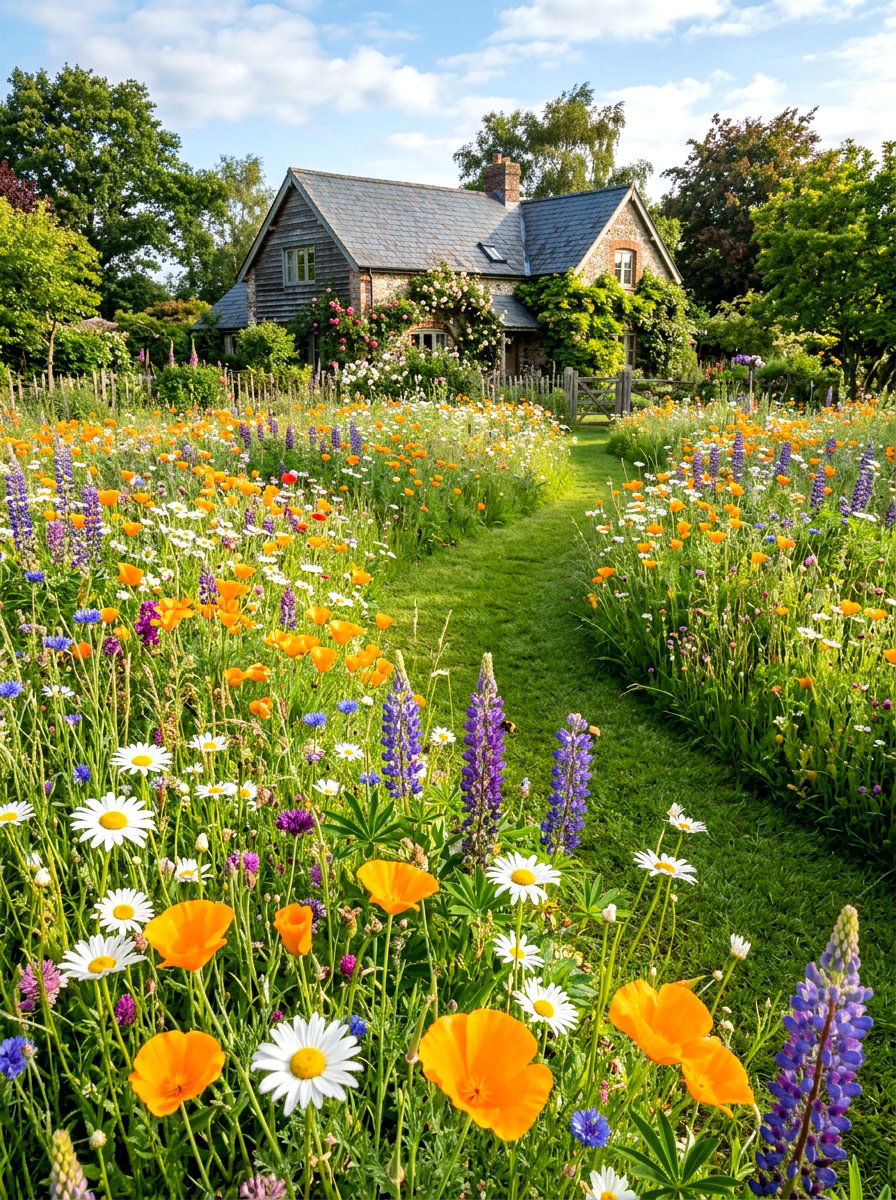
Creating a cottage garden in your side yard brings a sense of whimsical, organized chaos and old-fashioned charm to your home. This style is characterized by a dense planting of traditional favorites like foxgloves, delphiniums, and lavender that overflow onto the path. Use a winding walkway made of weathered bricks or gravel to enhance the nostalgic feel. A white picket fence or a rustic wooden trellis provides the perfect backdrop for climbing roses. This "more is more" approach to planting makes the narrow space feel incredibly rich and full of life, attracting bees, butterflies, and birds to your home throughout the growing season.
30. Wood Chip Mulch
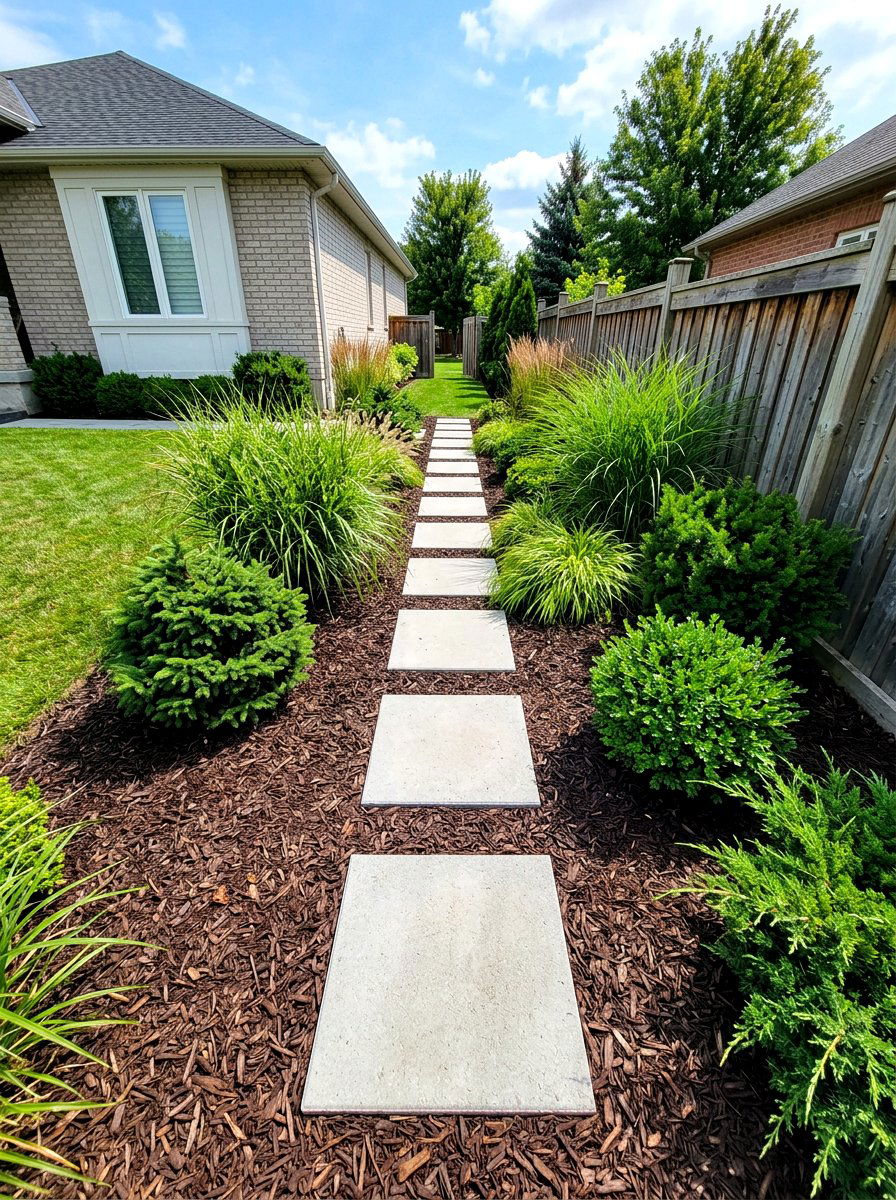
Using wood chip mulch is a simple, effective, and natural-looking way to finish a low-maintenance side yard. A thick layer of bark mulch suppresses weeds, retains soil moisture, and provides a clean, uniform appearance that ties the different elements of the garden together. It is an affordable option for covering large areas where you don't want to install expensive hardscaping or high-maintenance plants. Over time, the mulch breaks down, improving the quality of the soil underneath. Choosing a dark-colored mulch can provide a beautiful contrast to bright green foliage, making your plants stand out while keeping the overall look tidy and professional.
Conclusion:
Investing time and creativity into your side yard garden can yield incredible results that transform your entire outdoor living experience. Whether you prioritize a functional vegetable garden, a low-maintenance gravel path, or a lush sanctuary filled with shade-loving hostas, these ideas help you maximize every inch of your property. By treating the side yard as an essential part of your home’s landscape rather than a forgotten transition zone, you create a cohesive and inviting environment. These diverse design options provide a roadmap for any homeowner looking to add value, beauty, and utility to those narrow, often-overlooked spaces. Embrace the potential of your side yard today.

Related posts: