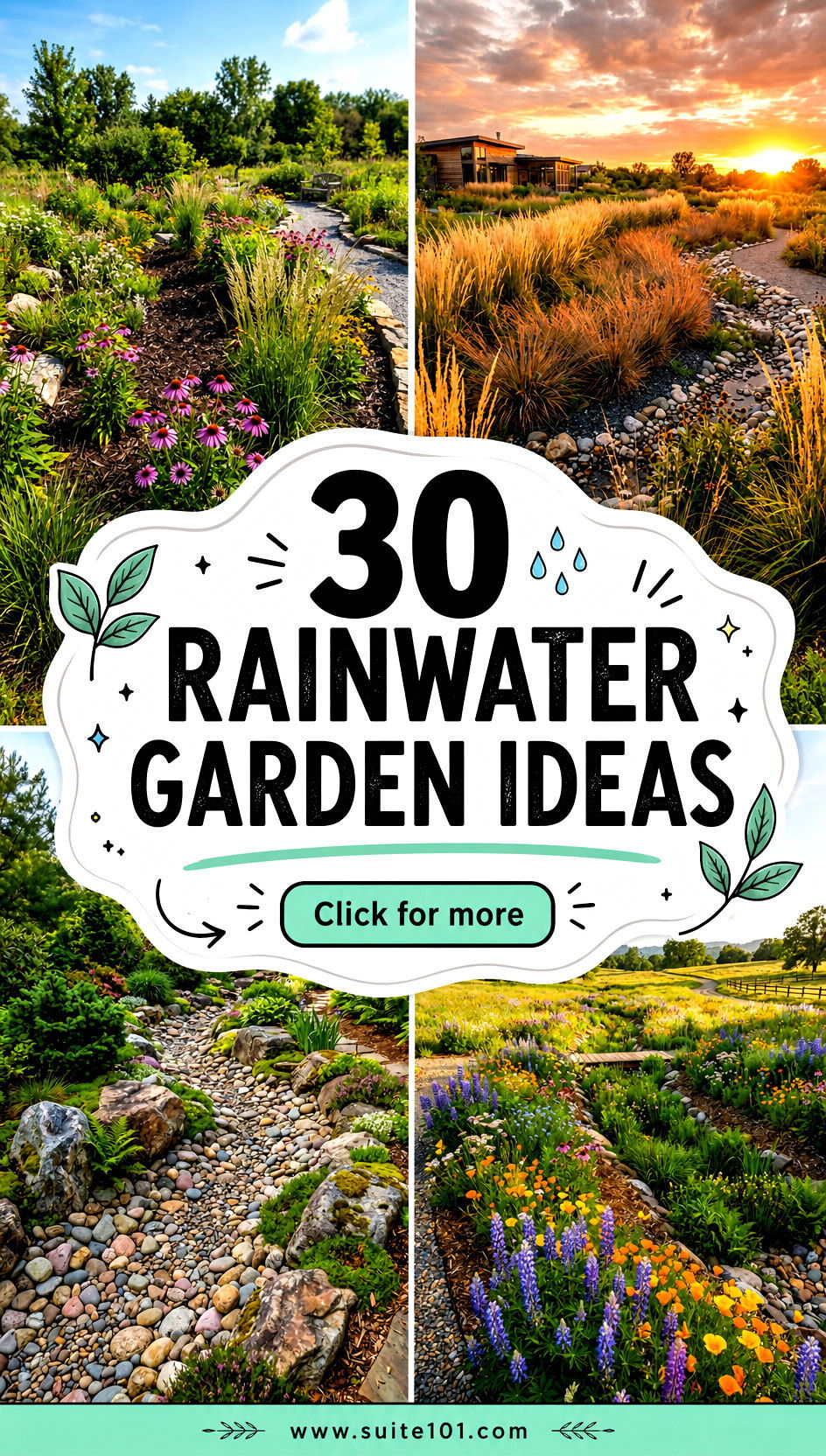
Designing a sustainable outdoor space starts with managing water effectively to ensure your landscape thrives through every season. Rainwater gardens are much more than just holes in the ground; they are beautiful, functional ecosystems designed to capture and filter runoff before it enters our storm drains. By choosing the right plants and structures, you can turn a problematic soggy spot in your yard into a stunning focal point that attracts birds and butterflies. These eco-friendly solutions help reduce erosion, protect local water quality, and add incredible texture to your home 's exterior design. Whether you have a small urban lot or a sprawling suburban backyard, integrating smart drainage strategies will elevate your garden' s aesthetic while providing a lasting benefit to the environment.
1. Native Plant Rain Garden
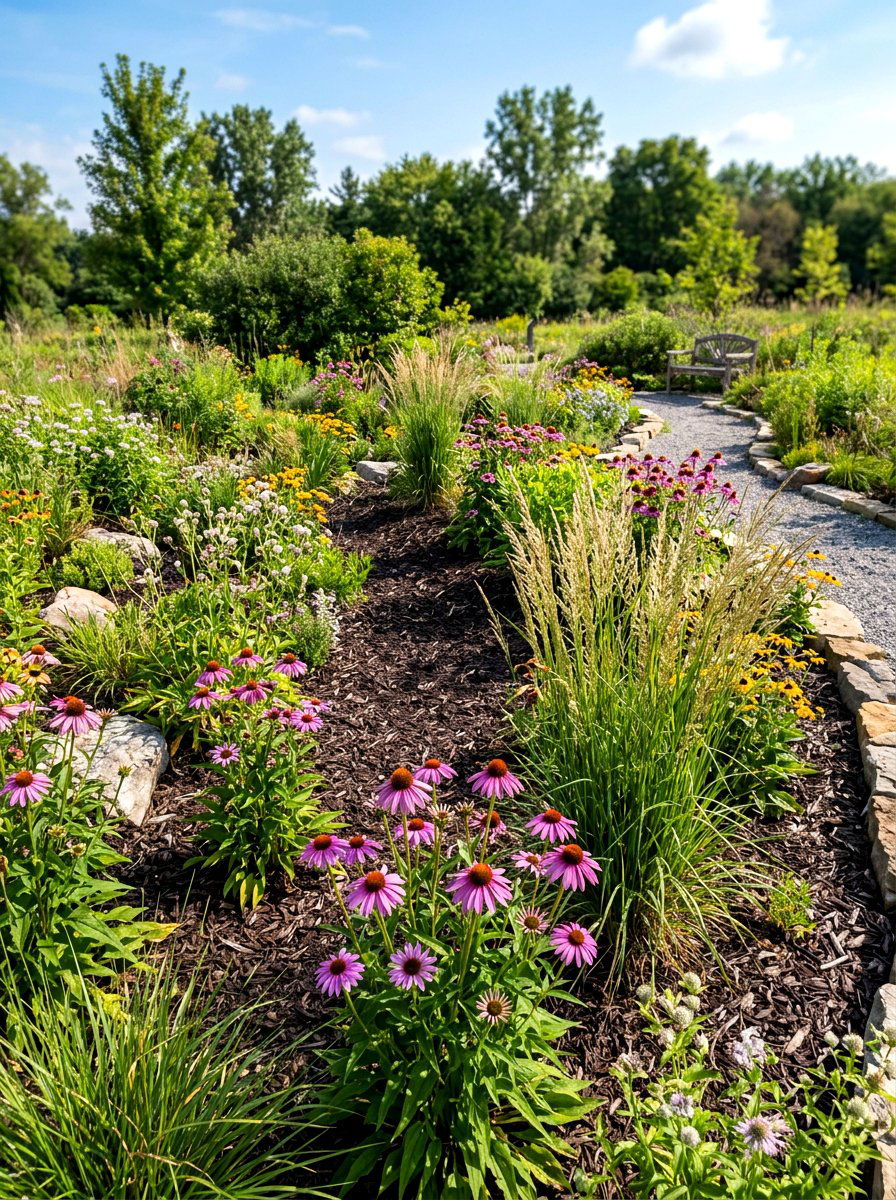
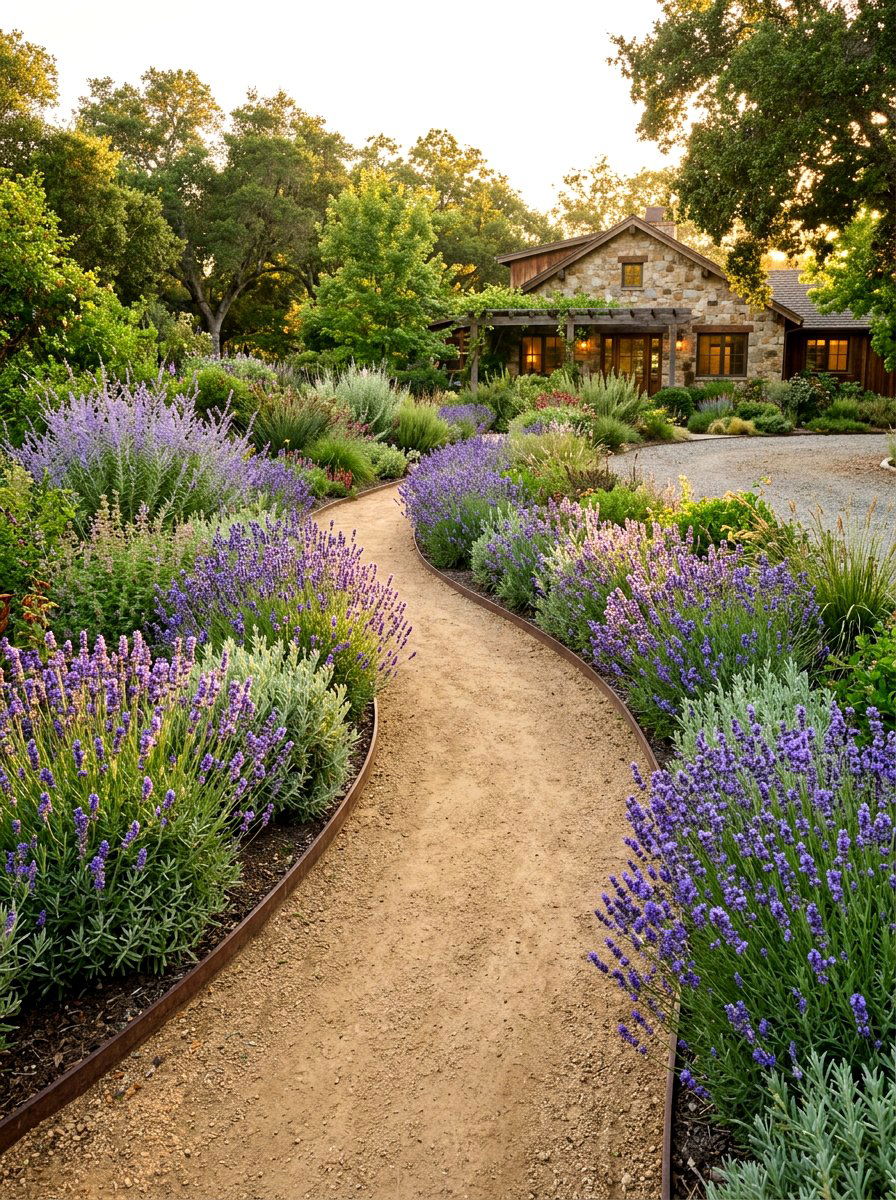
Using local species is a brilliant way to ensure your drainage area survives both heavy downpours and long periods of drought without constant maintenance. Native plants have deep root systems that act like natural sponges, pulling water deep into the ground and preventing surface pooling. These hardy varieties are already adapted to your local climate, meaning they require fewer fertilizers or pesticides to stay healthy throughout the year. When you design a garden with these plants, you create a self-sustaining ecosystem that looks natural and effortlessly beautiful. It is an excellent strategy for homeowners who want a gorgeous yard that also works hard to protect the local watershed and support beneficial local insects.
2. Dry Creek Bed Channel
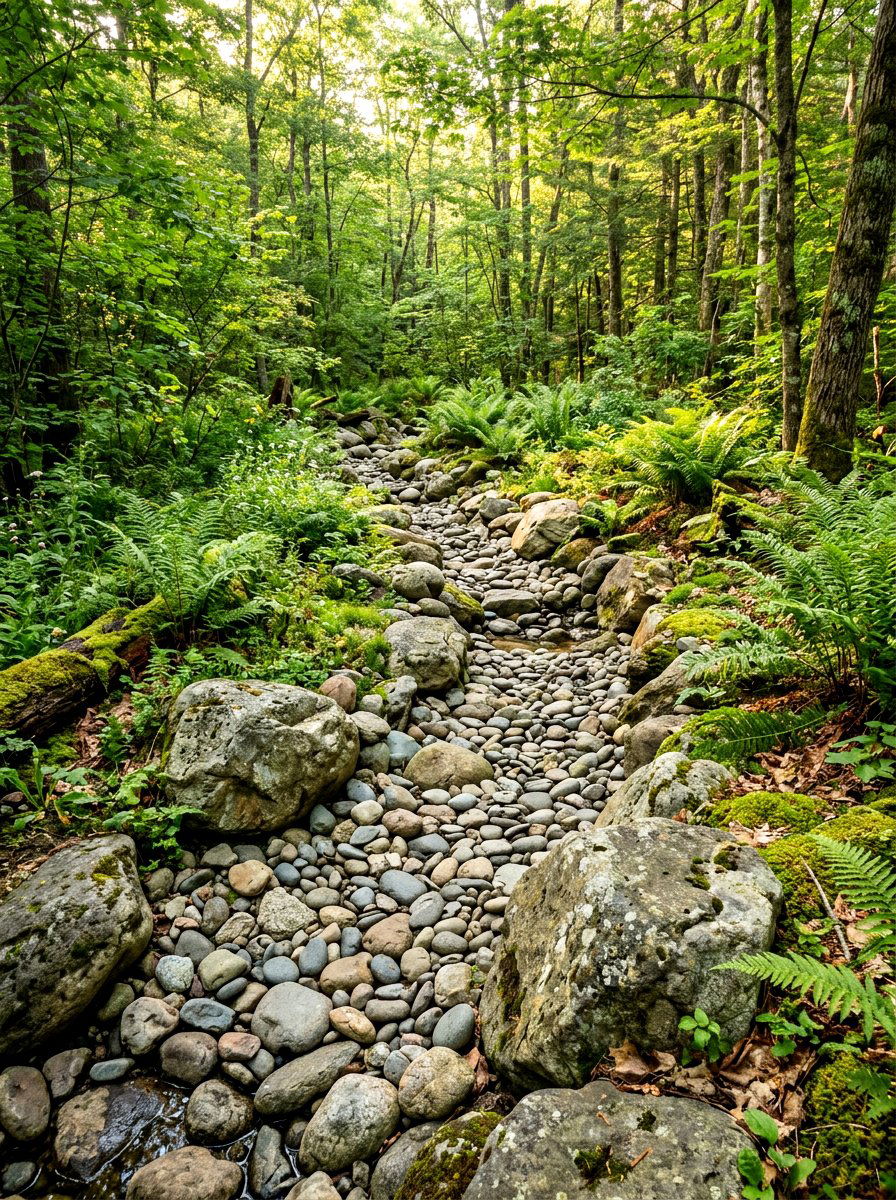
A dry creek bed serves as a stunning landscape feature that mimics a natural stream while directing heavy runoff away from your home's foundation. You can use a mix of smooth river stones, large boulders, and fine gravel to create a realistic look that adds visual movement to your yard. During dry spells, the different textures of the stones provide year-round interest, while during storms, the creek bed safely channels water into a designated collection area. Adding low-growing groundcovers along the edges can soften the look of the rocks and make the feature feel more integrated into the surrounding garden. It is a perfect solution for sloping yards that suffer from soil erosion.
3. Rain Barrel Water System
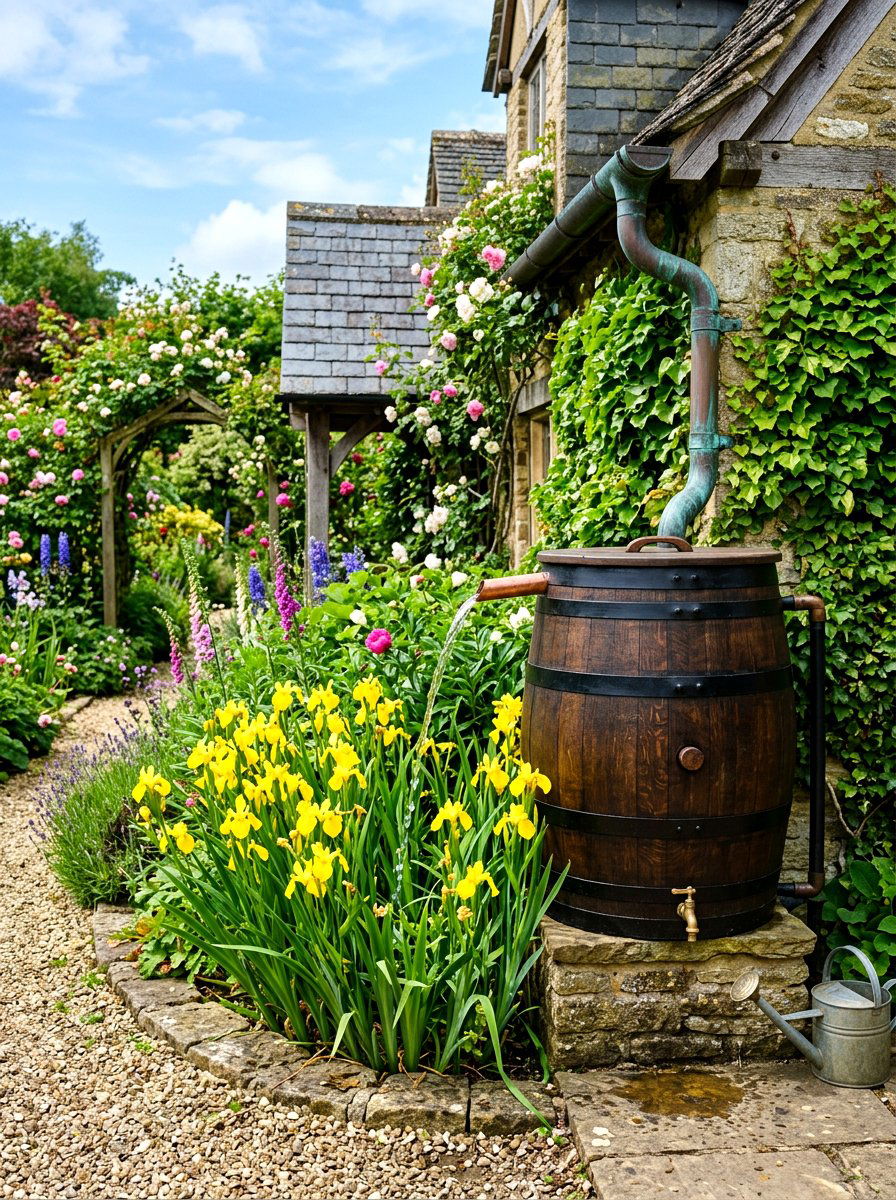
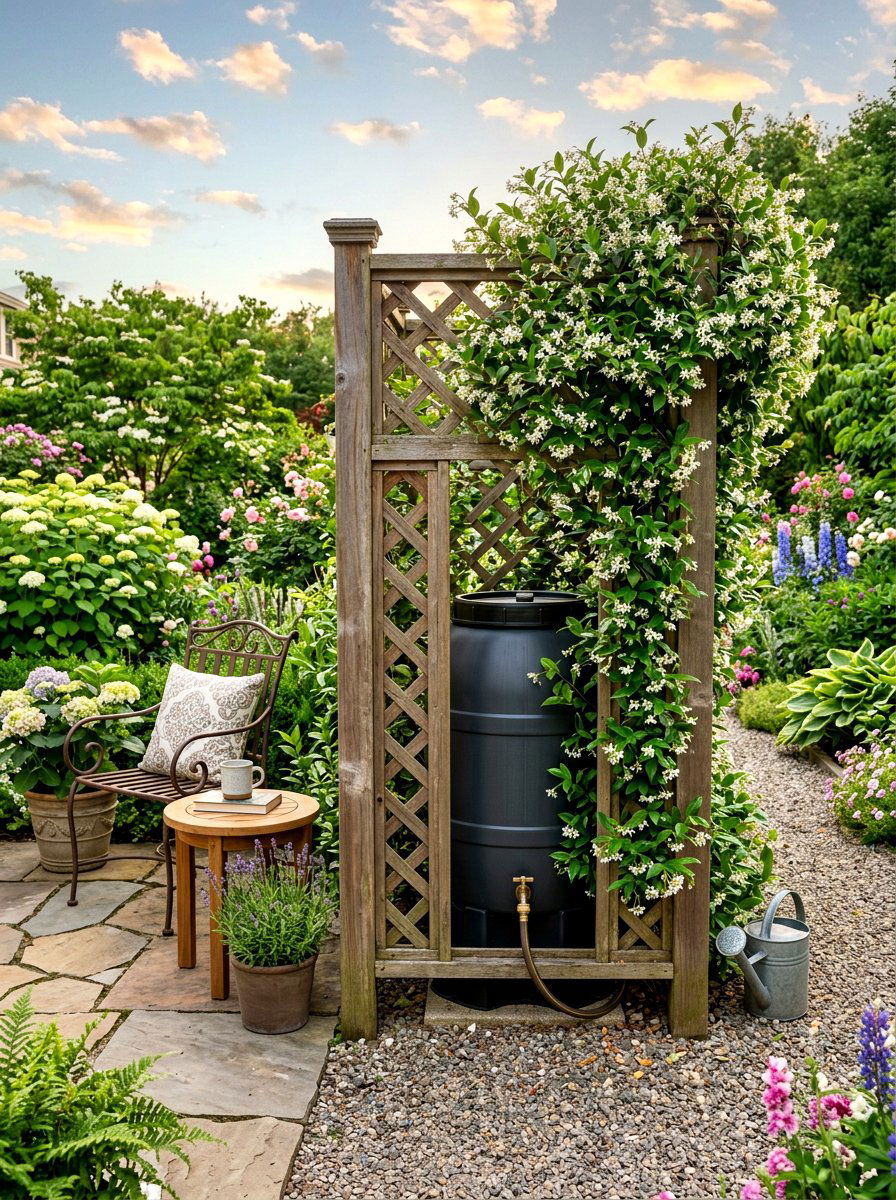
Connecting your garden directly to a rain barrel system allows you to harvest free water for your plants while managing heavy downspouts. This setup typically involves a decorative barrel placed beneath a gutter outlet, which then slowly releases overflow into a beautifully landscaped infiltration basin. It is a smart way to conserve water for dry days while ensuring your yard does not become a swamp during the rainy season. You can hide the barrel with trellis panels or climbing vines to keep the aesthetic clean and modern. This functional design helps homeowners save on utility bills while providing a consistent water source for moisture-loving perennials and shrubs.
4. Rock Garden Drainage Basin
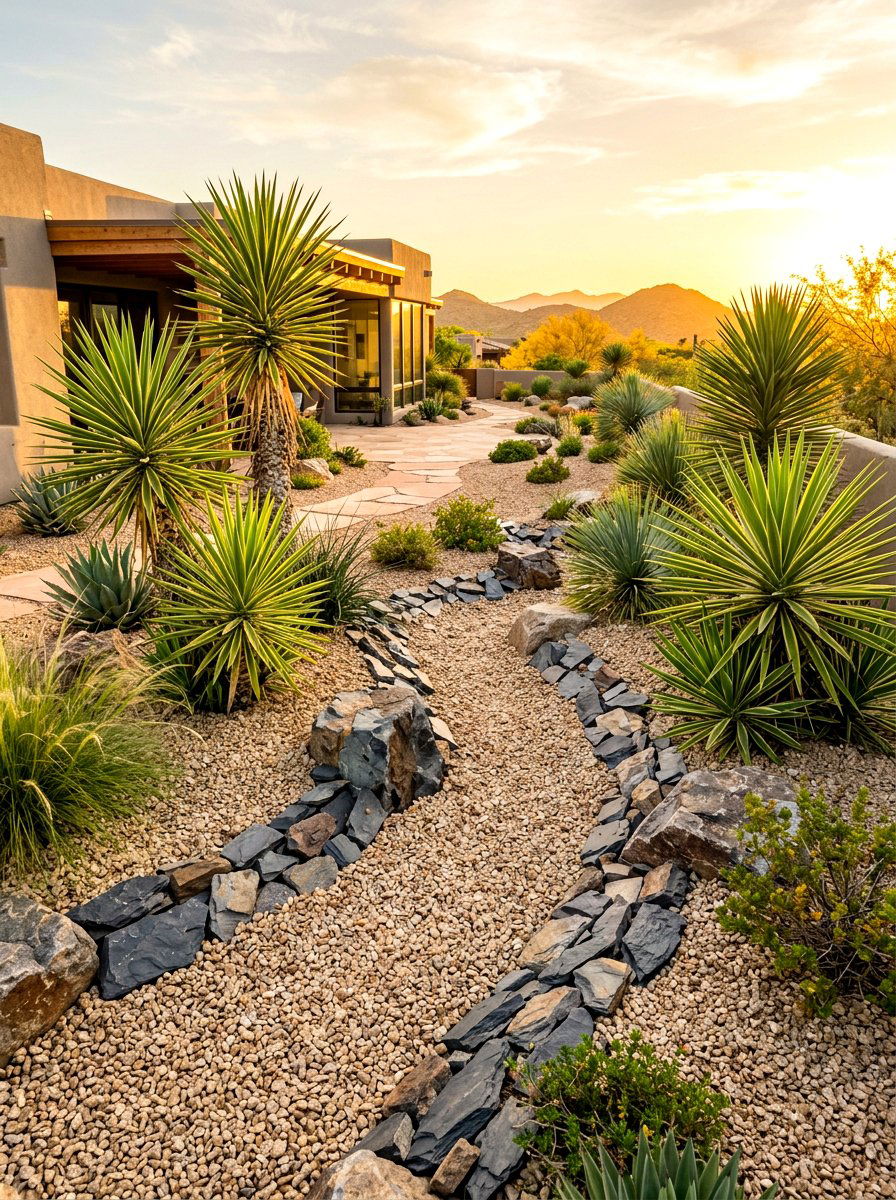
Integrating a rock garden drainage basin is a sophisticated way to manage water in areas with poor soil absorption or heavy clay. By layering different sizes of crushed stone and larger accent rocks, you create a porous surface that allows water to seep through slowly rather than sitting on top. This design often incorporates alpine plants or succulents around the higher edges where the soil stays drier, creating a beautiful contrast of textures. The combination of grey stones and green foliage provides a clean, contemporary look that fits perfectly in minimalist or modern landscapes. It is a highly effective method for preventing puddles near walkways and patios.
5. Bioswale Landscape Feature
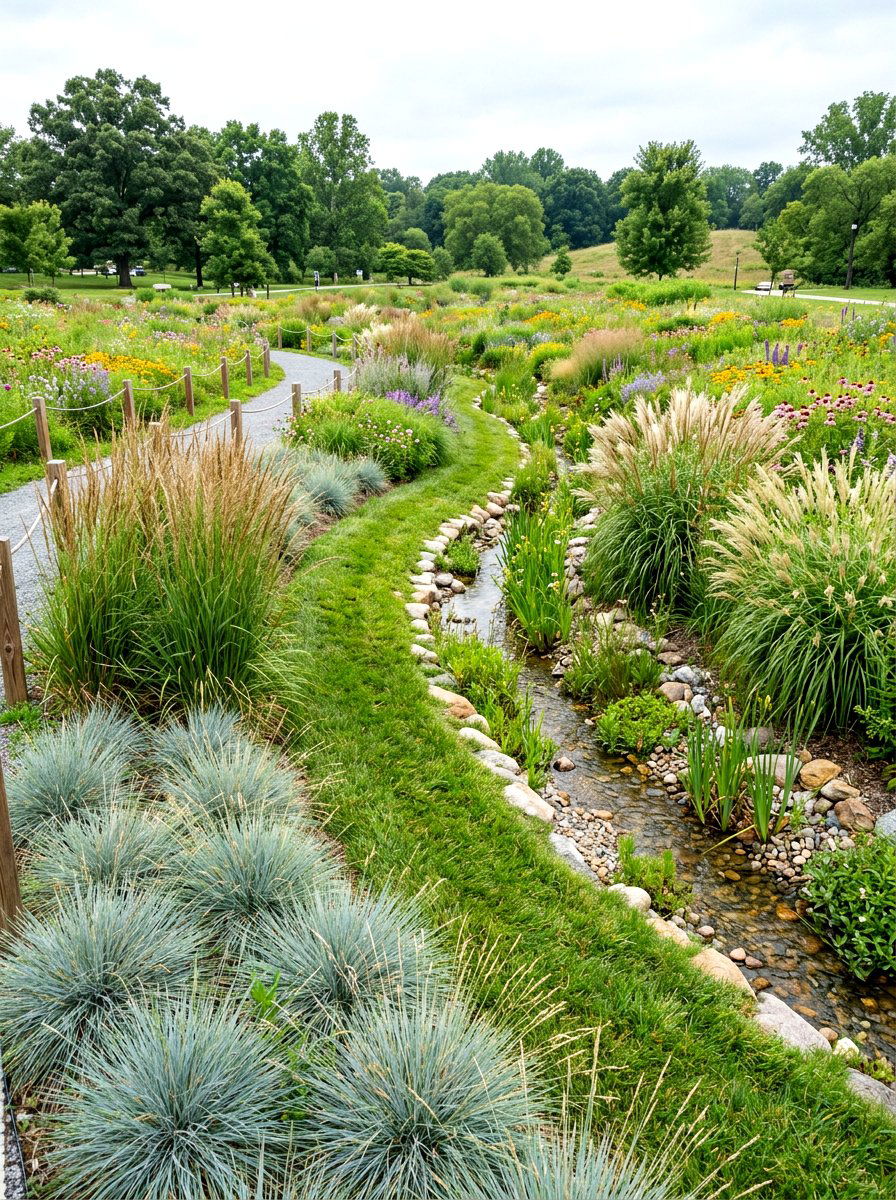
A bioswale is a long, narrow channel designed to move and filter stormwater through lush vegetation and specialized soil layers. Unlike a traditional ditch, a bioswale is thoughtfully landscaped with tall grasses and flowering plants that trap pollutants and sediment as water flows through. This design is particularly effective for larger properties where water runs off driveways or long stretches of lawn. The result is a vibrant, meadow-like strip that adds depth and color to your yard while performing a critical environmental function. It transforms a boring drainage path into a rich habitat for local wildlife and a striking visual element for your home’s outdoor space.
6. Front Yard Rain Garden
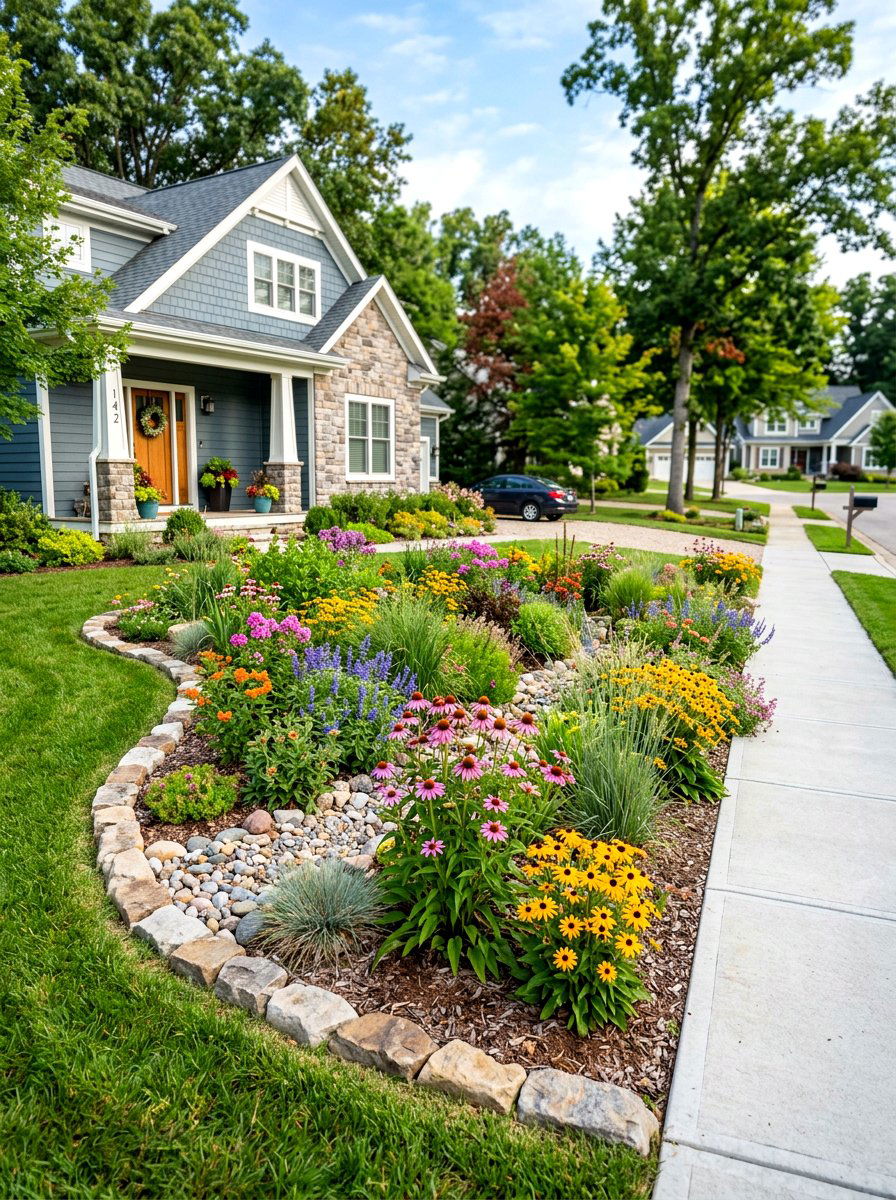
Transforming your front yard into a rain garden is a fantastic way to boost curb appeal while solving drainage issues near the street. Instead of a standard flat lawn, you can create a gentle depression filled with colorful flowers and ornamental grasses that catch runoff from your roof. This approach makes your home stand out in the neighborhood by providing a unique and eco-friendly alternative to traditional landscaping. You can use curved borders and attractive mulch to define the space, making it look intentional and professionally designed. It is an inviting way to welcome guests while demonstrating a commitment to sustainable living and protecting our local waterways.
7. Backyard Drainage Swale
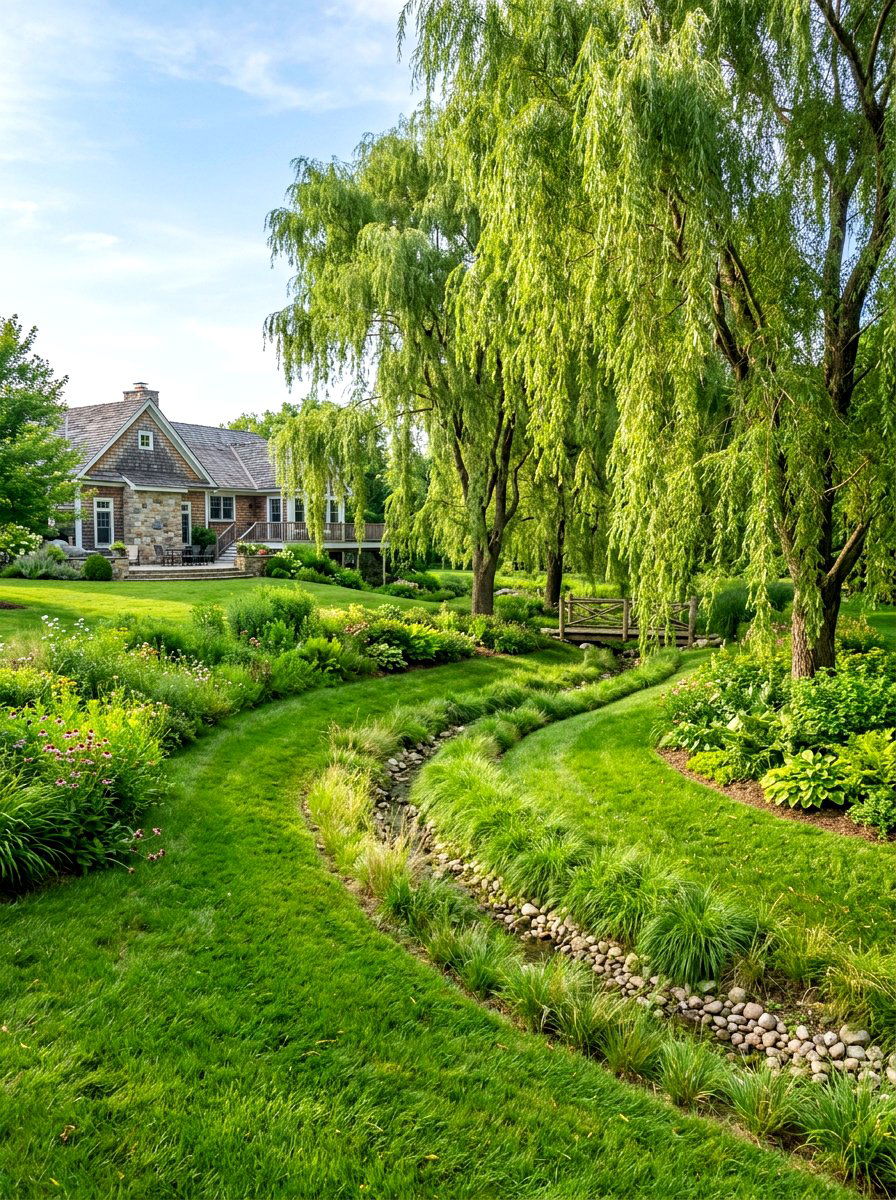
A backyard drainage swale is a practical yet beautiful solution for directing water away from patios, decks, and play areas. By grading a shallow, wide depression and planting it with moisture-tolerant turf or perennials, you create a natural path for water to travel safely. This design prevents soggy patches in the middle of your yard, making your outdoor living space more usable even after a heavy storm. You can accent the swale with groups of birch trees or ferns to create a lush, woodland vibe that feels integrated into the overall landscape. It is a low-maintenance way to handle water while adding architectural interest to your property.
8. Gravel Rain Garden Basin
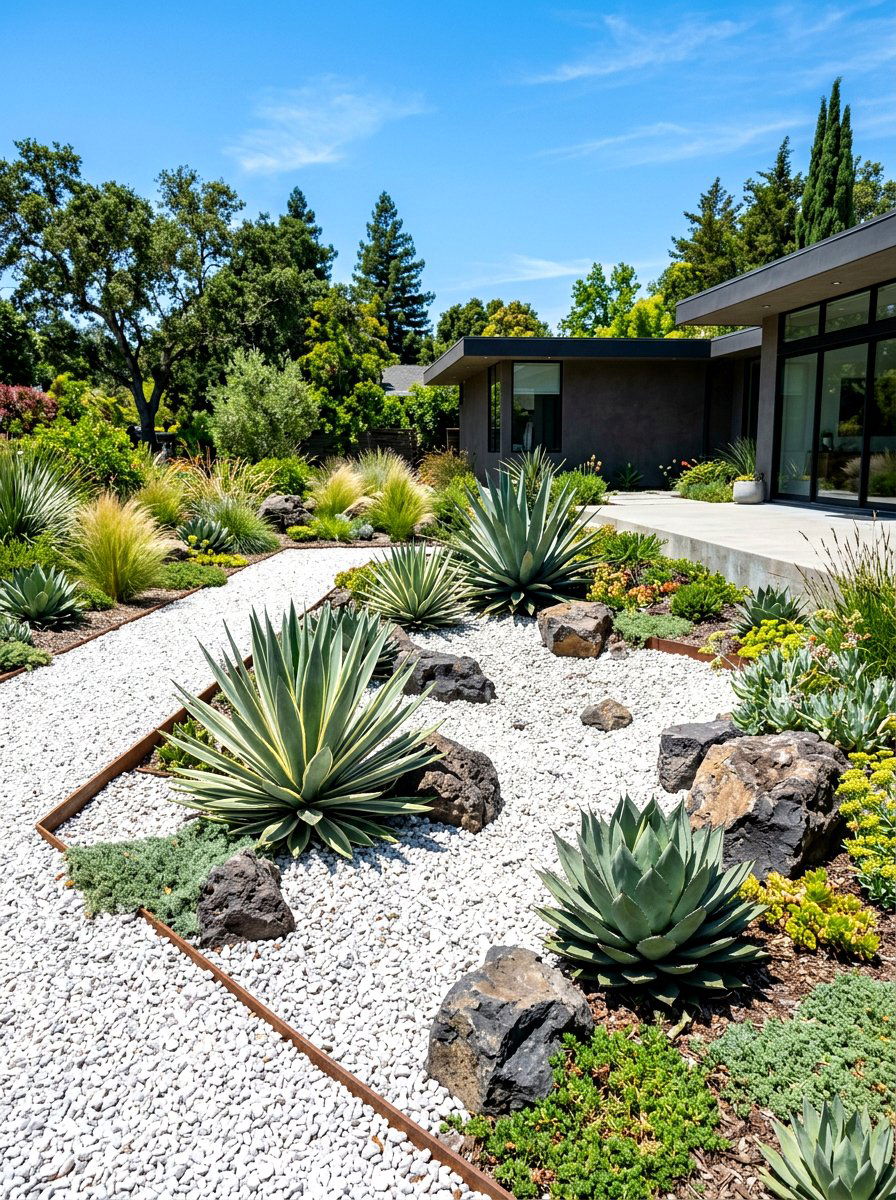
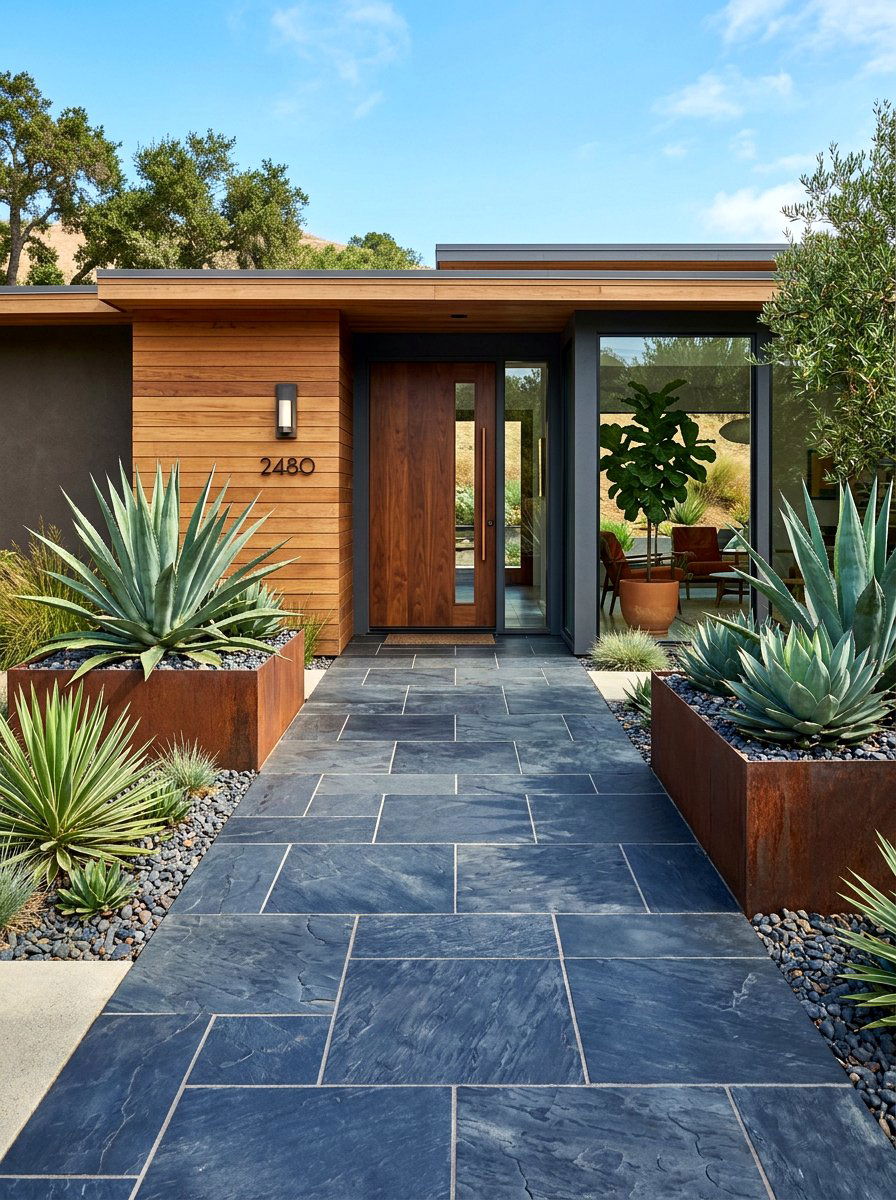
A gravel rain garden basin offers a modern and clean aesthetic for homeowners who prefer a more structured look in their landscape. By filling a central depression with clean-washed gravel and surrounding it with architectural plants like yuccas or ornamental grasses, you create a high-contrast focal point. The gravel allows for rapid infiltration, making it ideal for areas that receive sudden, heavy bursts of rainfall. This design works exceptionally well in urban settings or small courtyards where space is limited but drainage is a priority. It provides a tidy, clutter-free appearance that remains attractive throughout the changing seasons while effectively managing every single drop of rain.
9. Pondless Waterfall Drainage
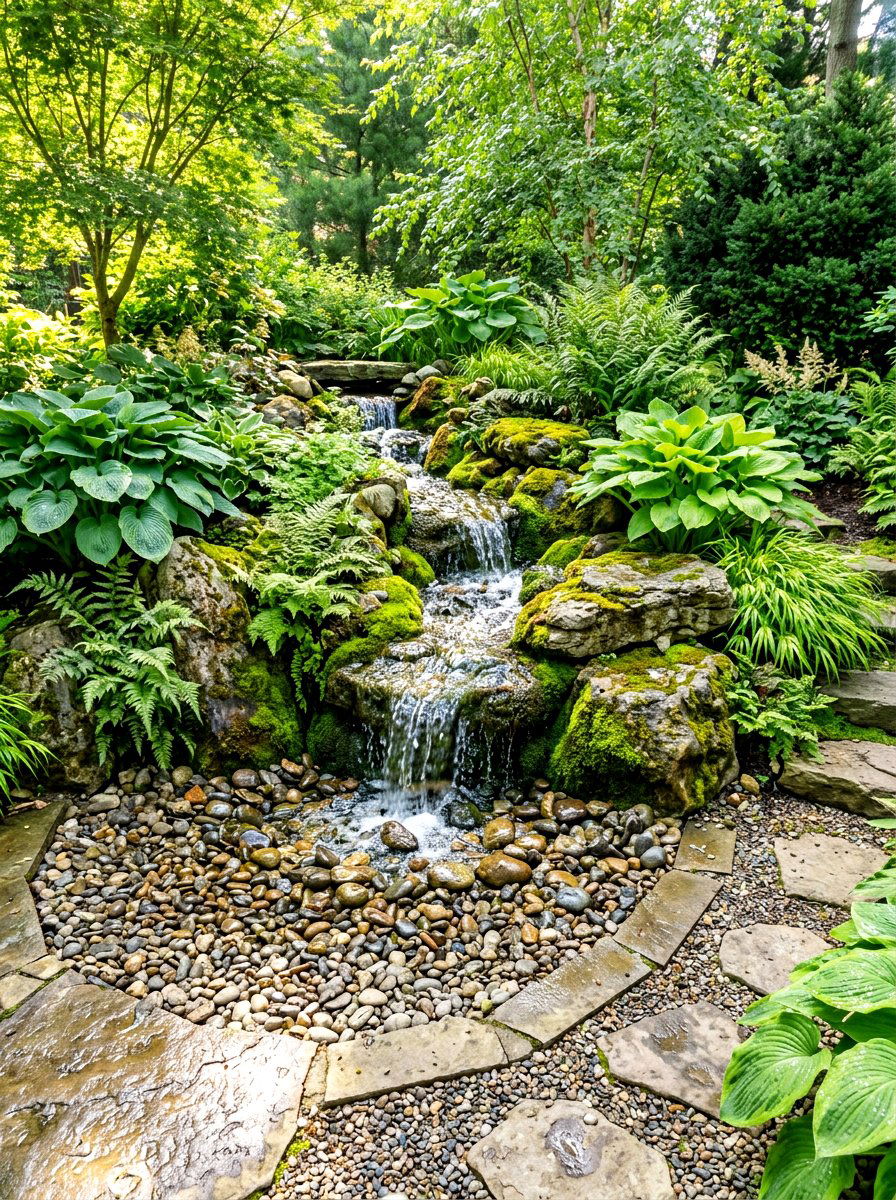
A pondless waterfall drainage system combines the soothing sounds of moving water with the practical benefits of a rain garden. Instead of a traditional pond that requires constant cleaning, the water falls over stones and disappears into a hidden underground reservoir filled with gravel. This reservoir can be designed to capture additional runoff from your yard, slowly releasing it back into the soil. It is a safe and low-maintenance option for families with small children or pets who want the luxury of a water feature. The surrounding landscaping can be filled with mosses and ferns, creating a tranquil, spa-like atmosphere in your very own backyard.
10. Stepping Stone Garden Path
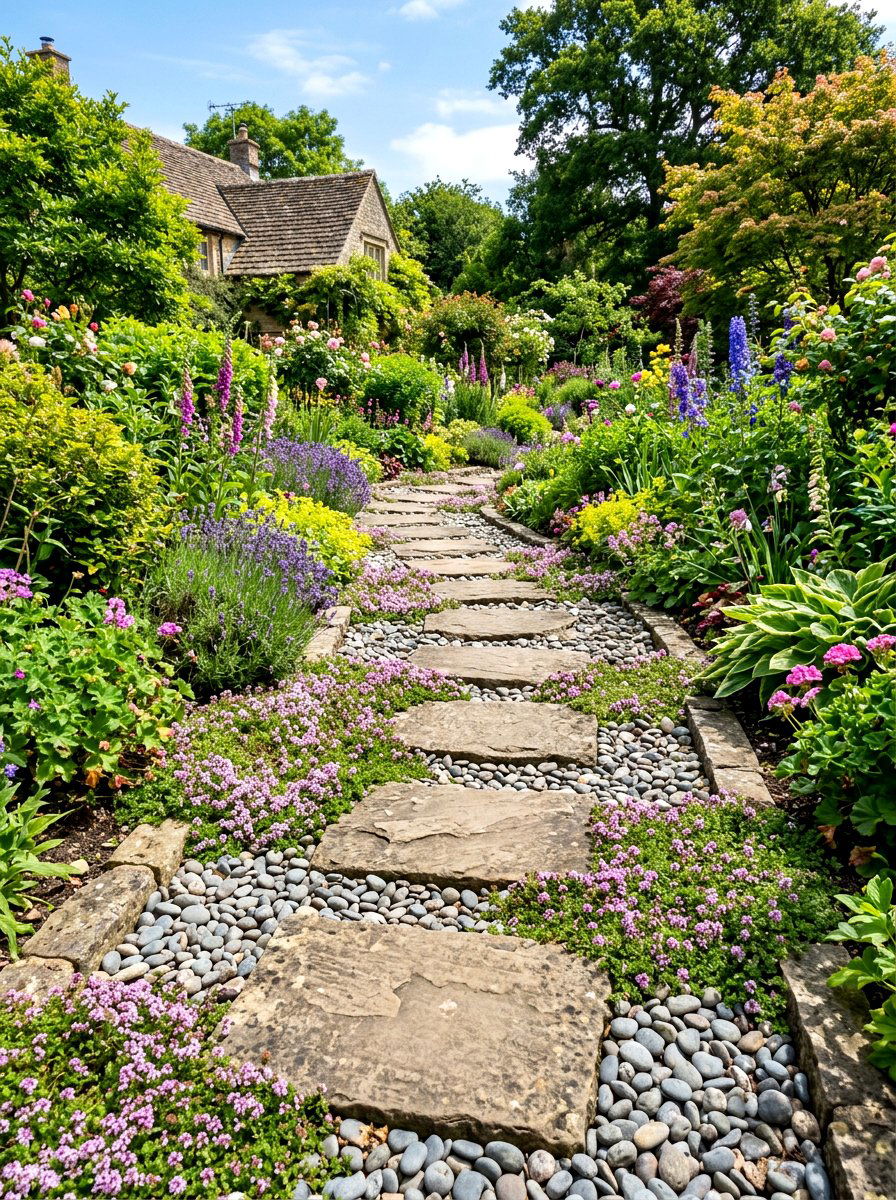
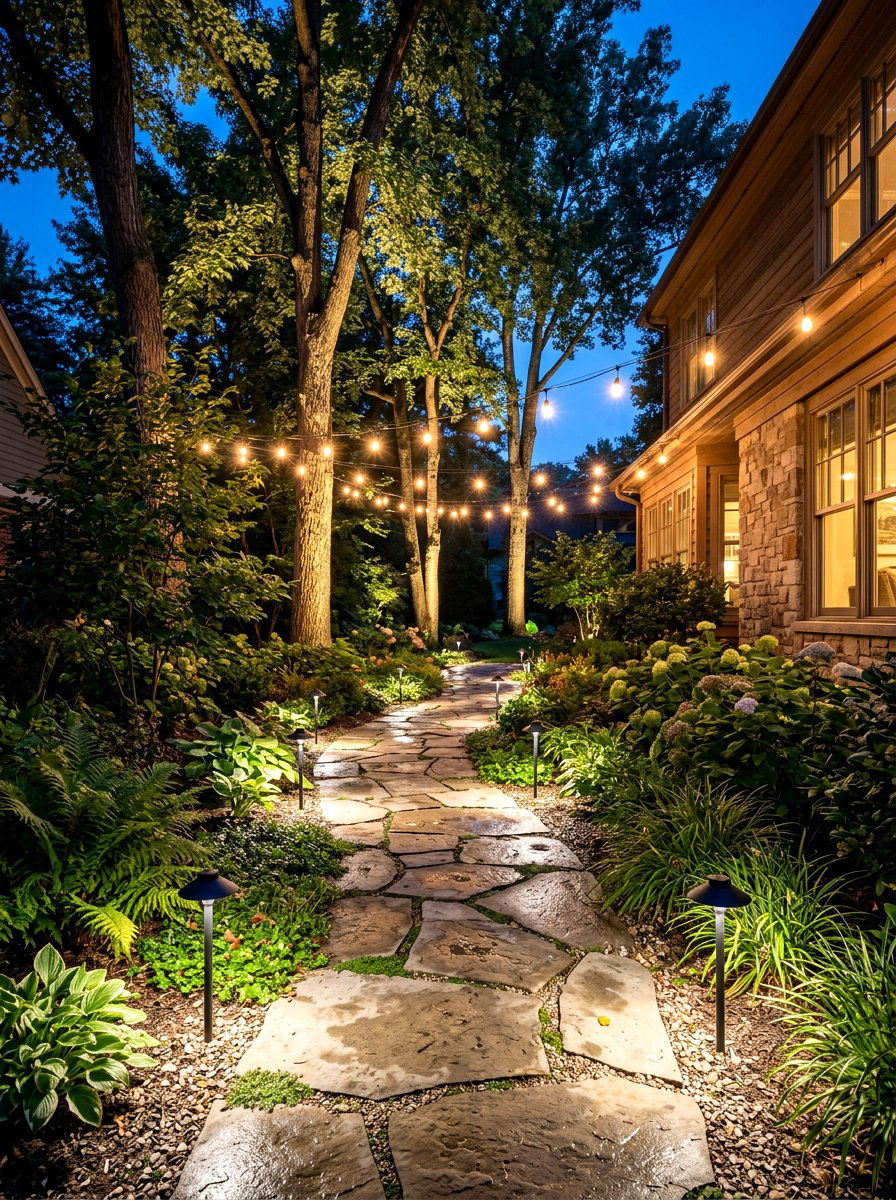
Integrating a stepping stone path through your drainage area allows you to navigate the garden without getting your feet wet or compacting the soil. Large, flat stones can be set into a bed of river rock or low-growing groundcover, creating a charming walkway that leads through the most vibrant parts of the rain garden. This design encourages you to explore the different plant species and observe the wildlife that the garden attracts. It also provides a clear visual structure to the space, making the drainage feature feel like a deliberate part of your home's outdoor layout. It is an easy way to add both function and beauty.
11. Downspout Diversion Garden
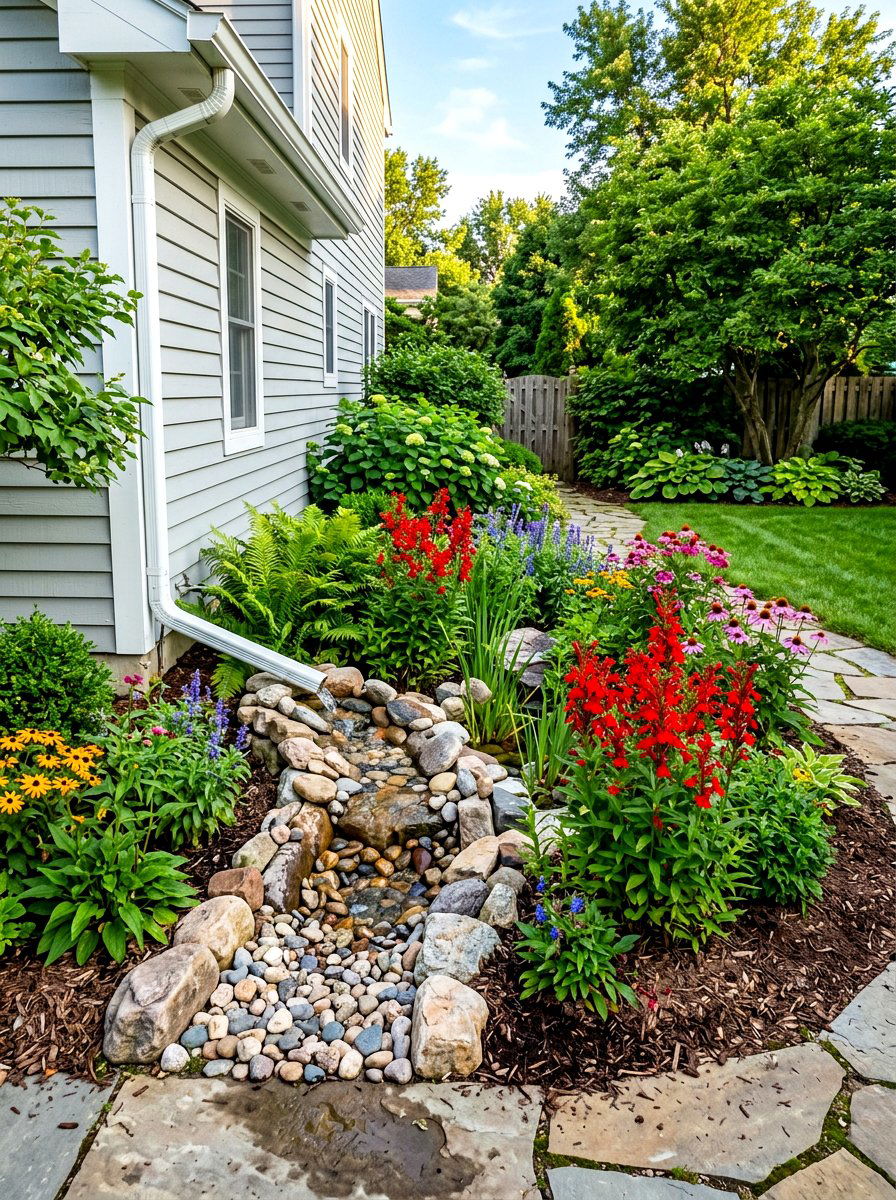
A downspout diversion garden is specifically placed at the exit point of your gutter system to catch and slow down rushing water immediately. Instead of allowing water to wash away your mulch or erode your soil, you can install a splash block or a small rock spillway that leads into a lushly planted basin. This design ensures that the most vulnerable part of your landscape is protected while providing a prime spot for water-loving flowers like iris or cardinal flowers. It is a simple weekend project that can significantly improve the health of your foundation and the overall beauty of your home’s side yard or garden beds.
12. Natural Wetland Garden Border
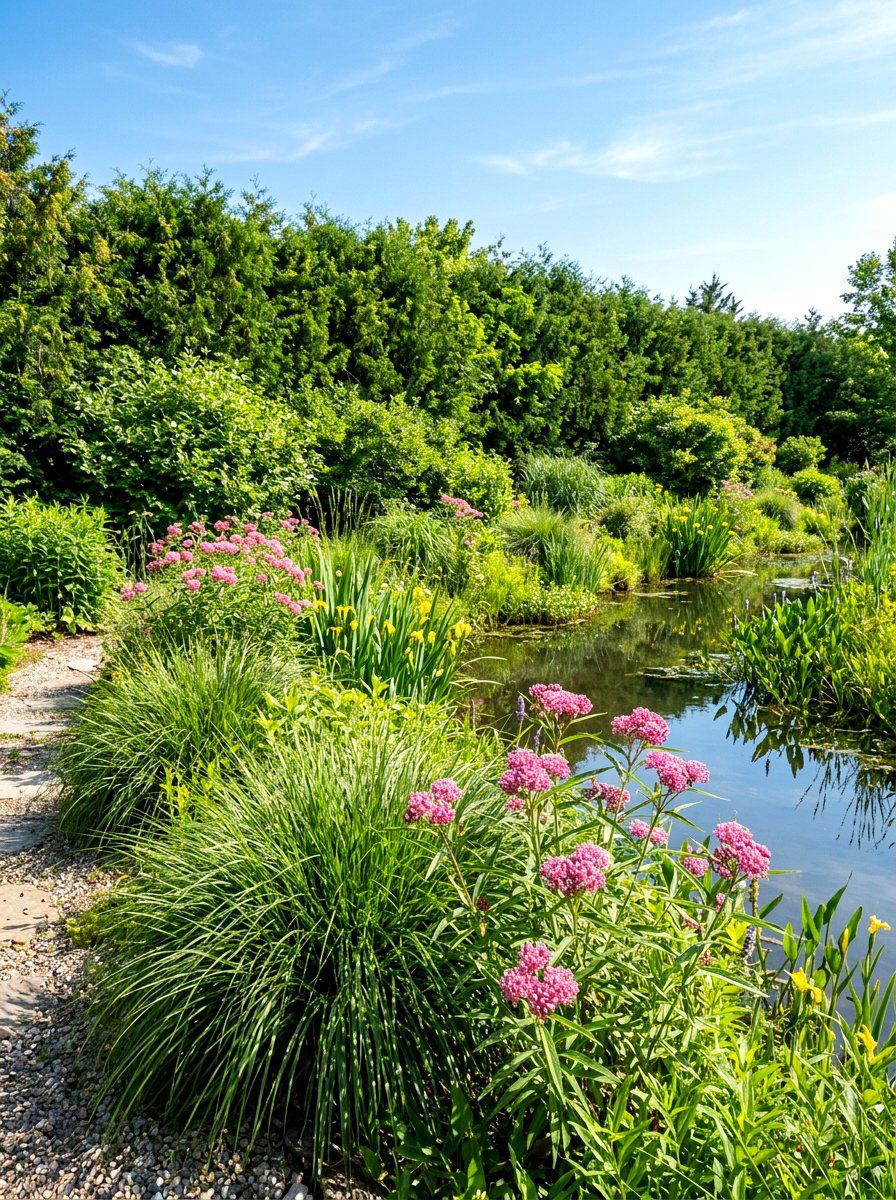
Creating a natural wetland garden border is an excellent way to define the edges of your property while managing excess moisture from neighboring lots. By choosing plants that thrive in saturated soil, such as sedges, rushes, and swamp milkweed, you can build a dense, living screen that filters water and provides privacy. This design mimics the beauty of a natural marshland, bringing a soft and organic feel to your landscape. It is a perfect solution for low-lying areas that stay damp for several days after it rains. The variety of heights and textures in a wetland border creates a dynamic and ever-changing view throughout the year.
13. Terraced Hillside Rain Garden
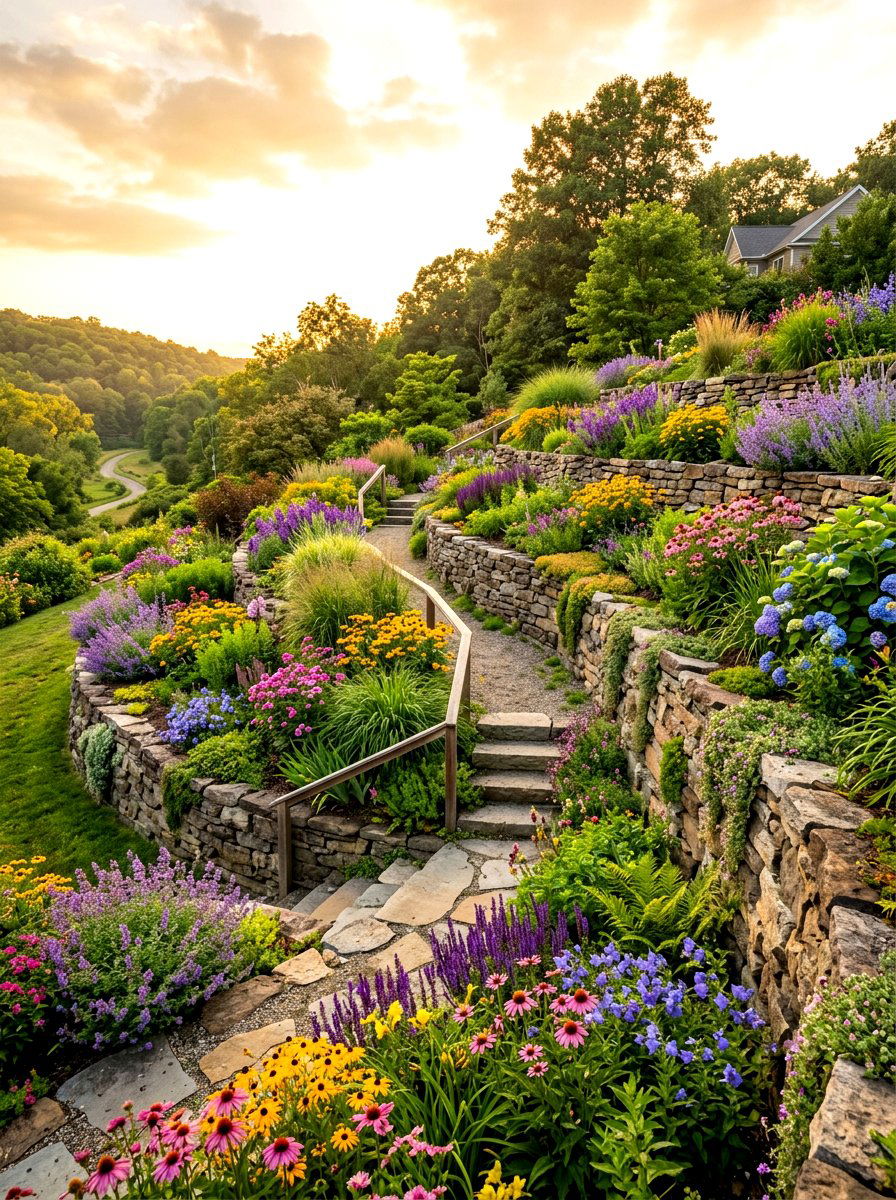
A terraced hillside rain garden is the ultimate solution for steep slopes where water usually rushes down and causes significant soil erosion. By building a series of low retaining walls or stepped basins, you can slow the water's progress and give it time to soak into the ground at each level. Each terrace can be planted with a different variety of perennials or shrubs, creating a stunning vertical display of color and greenery. This approach turns a difficult and unusable hillside into a functional work of art that protects your land. It is a sophisticated way to manage gravity and moisture while maximizing your planting space.
14. Ornamental Grass Rain Garden
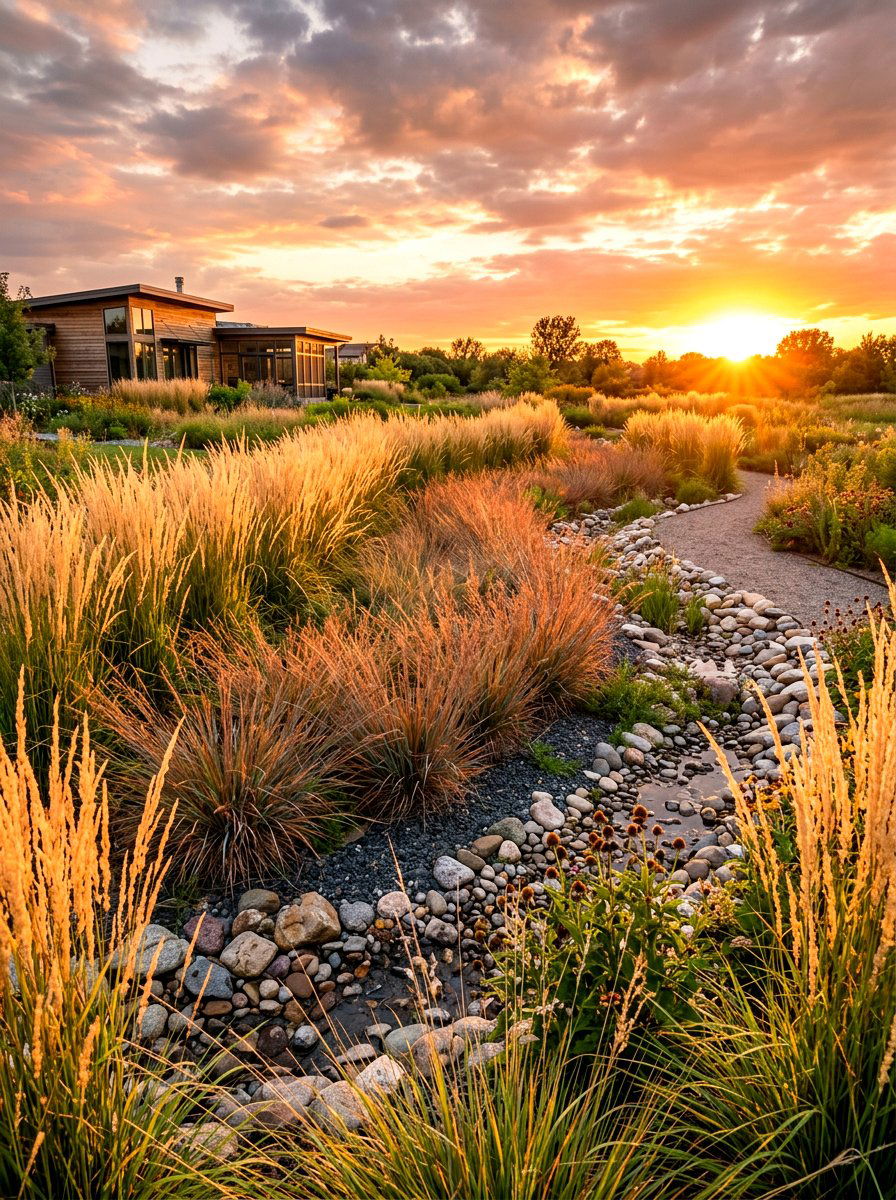
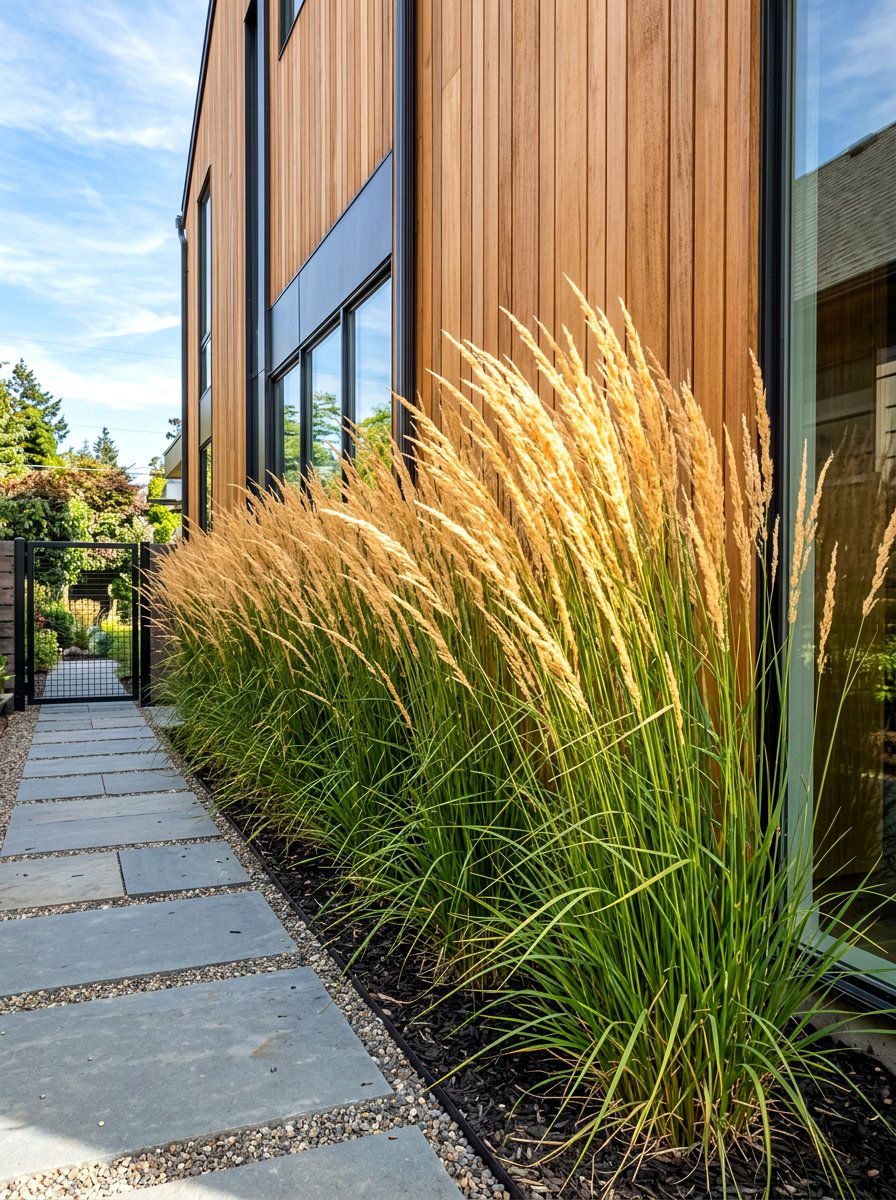
Using ornamental grasses in your rain garden provides incredible year-round texture, movement, and a sense of wild elegance. Species like switchgrass and little bluestem have incredibly deep roots that help break up compacted soil and improve water infiltration over time. These grasses sway beautifully in the wind and change colors with the seasons, from bright greens in the summer to warm bronzes and reds in the fall. They are also exceptionally hardy, making them perfect for the fluctuating moisture levels found in a typical drainage basin. Designing with grasses creates a low-maintenance, modern look that fits seamlessly into almost any home architectural style or garden theme.

15. Pollinator Rain Garden Habitat
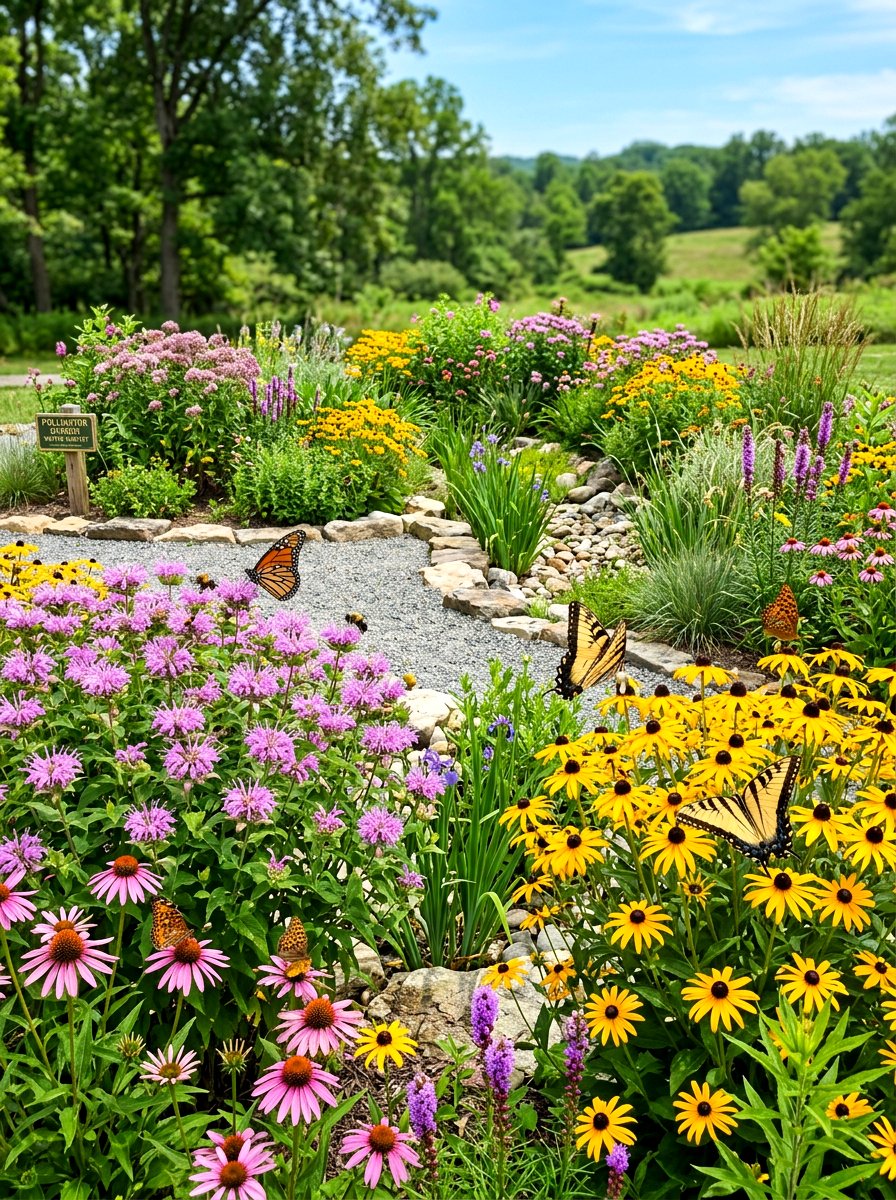
A pollinator rain garden habitat serves a dual purpose by managing stormwater and providing a vital sanctuary for bees, butterflies, and hummingbirds. By selecting nectar-rich native flowers like coneflowers, bee balm, and black-eyed Susans, you turn your drainage area into a buzzing hub of activity. These plants are naturally suited to the wet-and-dry cycles of a rain garden, ensuring they remain vibrant and healthy without constant intervention. This design adds a layer of life and movement to your yard, making it a joy to observe from your window or patio. It is a rewarding way to contribute to local biodiversity while solving common landscape drainage problems.
16. Perennial Flower Rain Garden
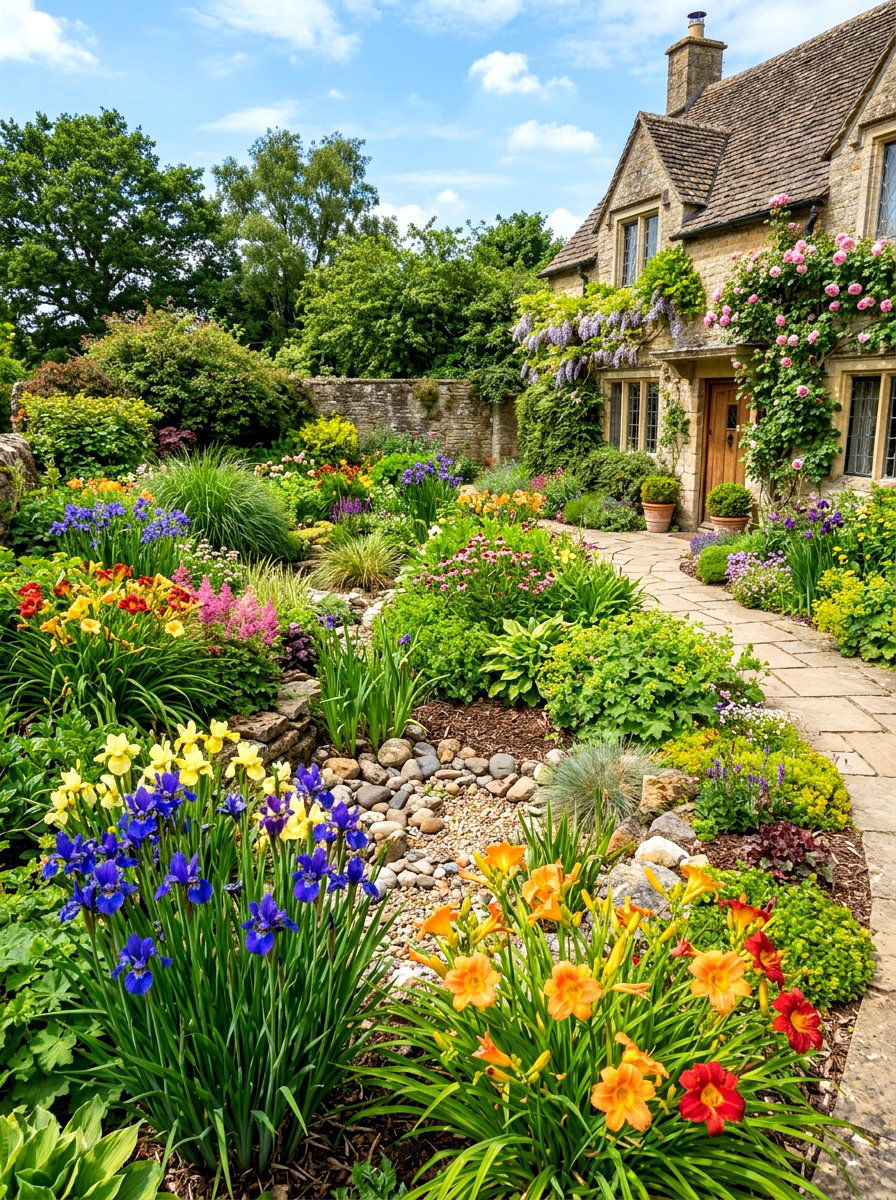
A perennial flower rain garden offers a lush and colorful display that returns year after year with minimal effort from the homeowner. By grouping plants with similar moisture needs, you can create a vibrant tapestry of blooms that thrives in the center of your drainage basin. Flowers like Siberian iris, daylilies, and aster are excellent choices because they can handle temporary flooding as well as periods of dry weather. This type of garden provides a soft and romantic look that can be easily integrated into a cottage-style or traditional landscape. It is a beautiful way to ensure your yard stays colorful and functional throughout the entire growing season.
17. Decorative River Rock Stream
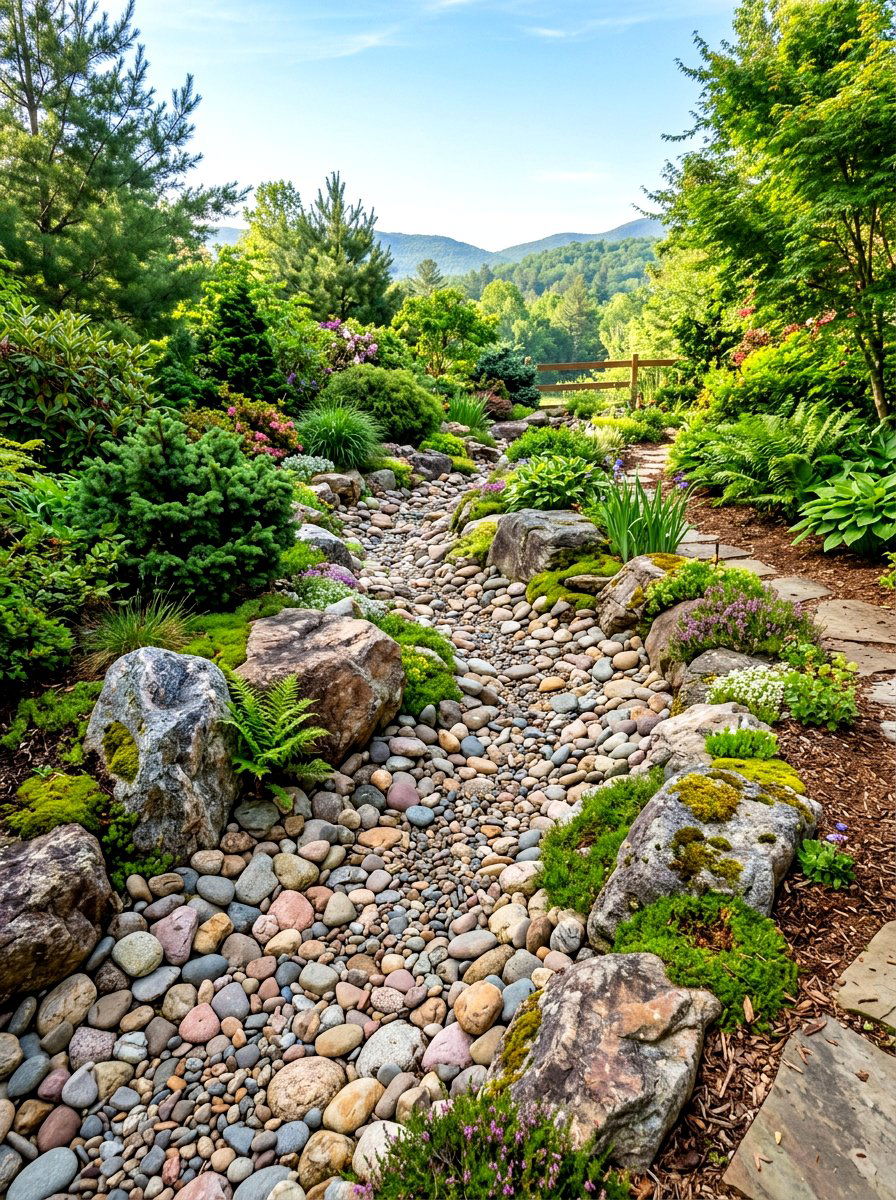
A decorative river rock stream is a classic landscaping choice that provides a clear and attractive path for rainwater to follow. Using rocks of various sizes and colors creates a naturalistic look that mimics a mountain creek, adding a peaceful and grounded feeling to your backyard. You can tuck small pockets of moss or low-growing succulents between the rocks to soften the edges and make the stream feel like it has been there for years. This feature is particularly effective at preventing soil washouts during heavy downpours. It creates a permanent architectural element in your yard that looks just as good dry as it does when flowing.
18. Shade Rain Garden Landscape
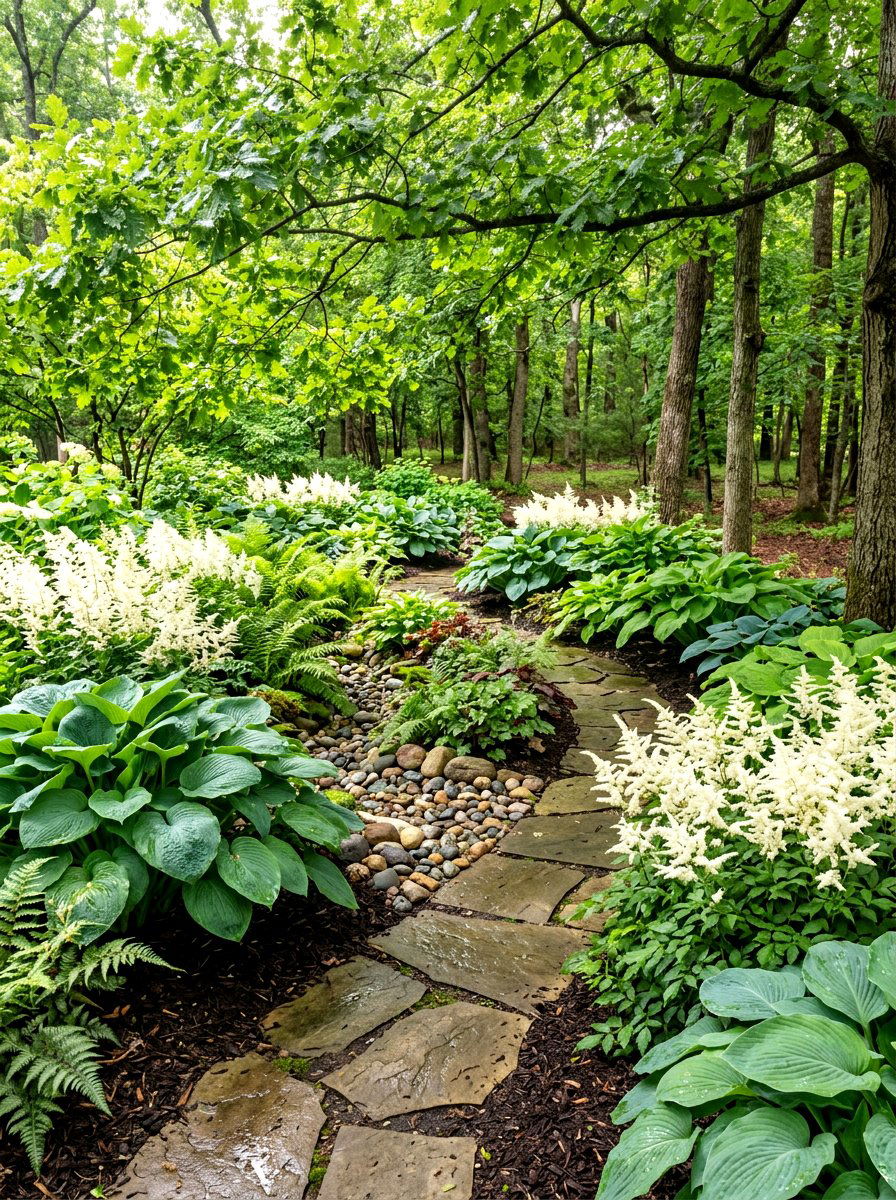
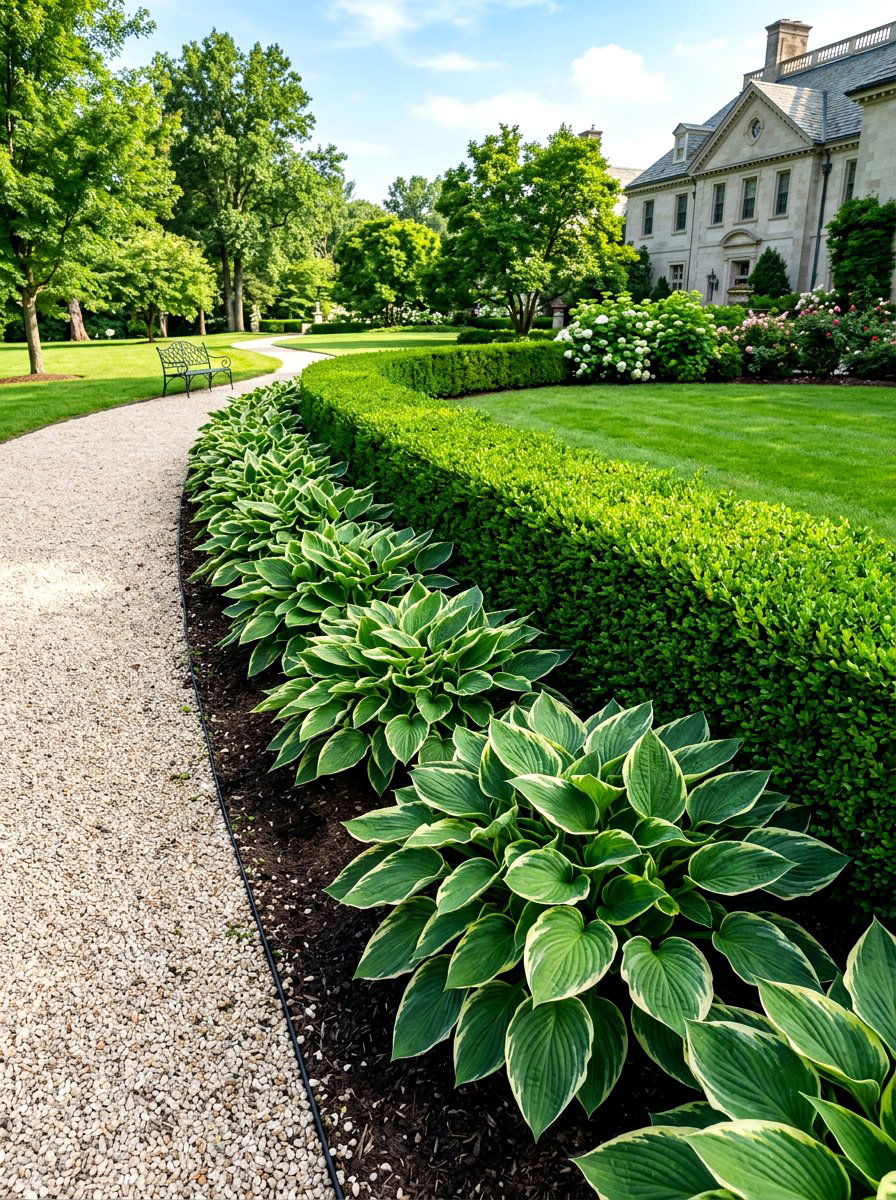
If you have a damp spot under a large tree or on the north side of your house, a shade rain garden is the perfect solution. Many moisture-loving plants, such as hostas, ferns, and astilbes, actually prefer filtered light and will thrive in the cool, wet conditions of a shaded drainage basin. This design turns a typically difficult-to-plant area into a lush and verdant retreat that feels like a hidden woodland glen. The varying shades of green and unique leaf shapes of shade plants provide a sophisticated and calming aesthetic. It is a smart way to utilize every corner of your property while managing water runoff effectively.
19. French Drain Rain Garden
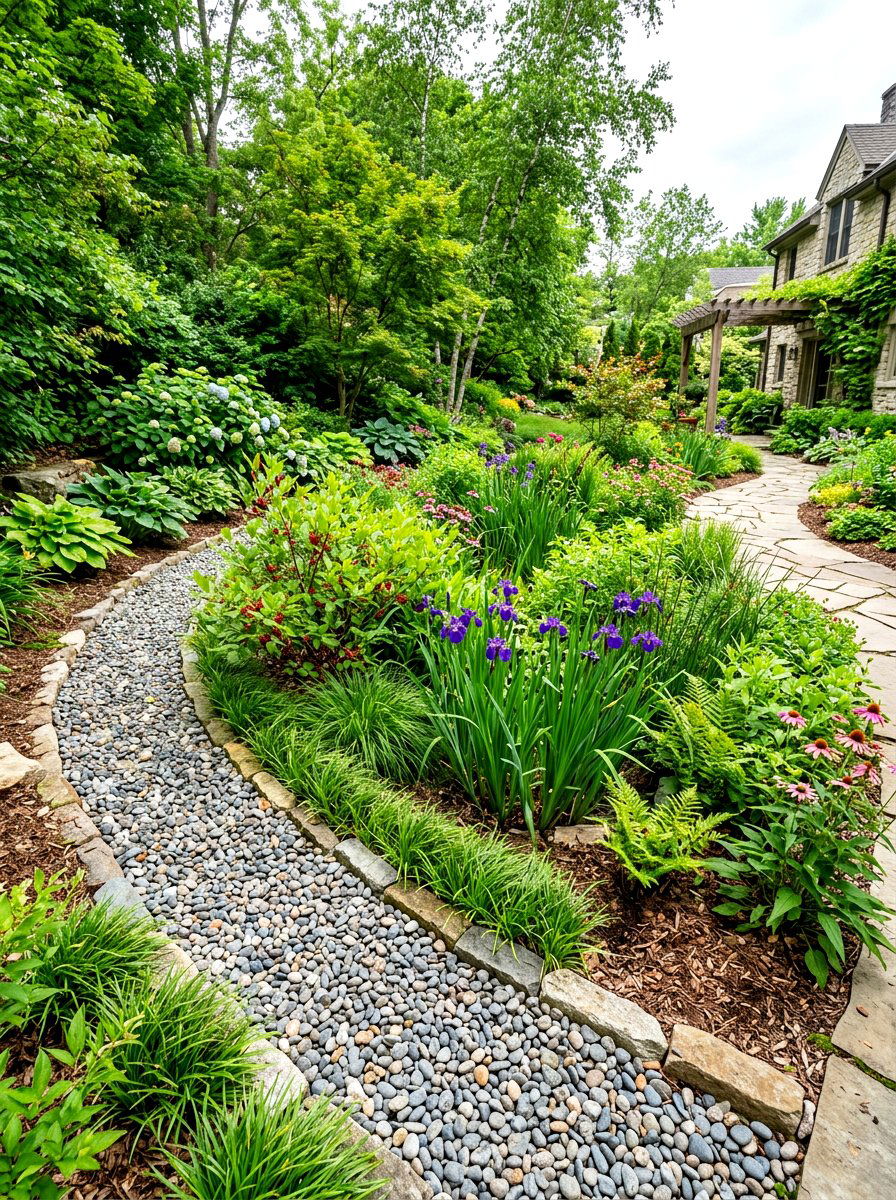
Integrating a French drain with a rain garden allows you to capture underground water and direct it toward a beautiful planting area. A perforated pipe buried in a gravel trench collects water that might otherwise seep into your basement or crawlspace and carries it to a designated infiltration basin. This combination of "grey" and "green" infrastructure is highly effective for homes with severe drainage issues or high water tables. Once the water reaches the rain garden, it is naturally filtered by the soil and taken up by the roots of moisture-tolerant plants. It is a hidden engineering marvel that results in a gorgeous, thriving garden surface.
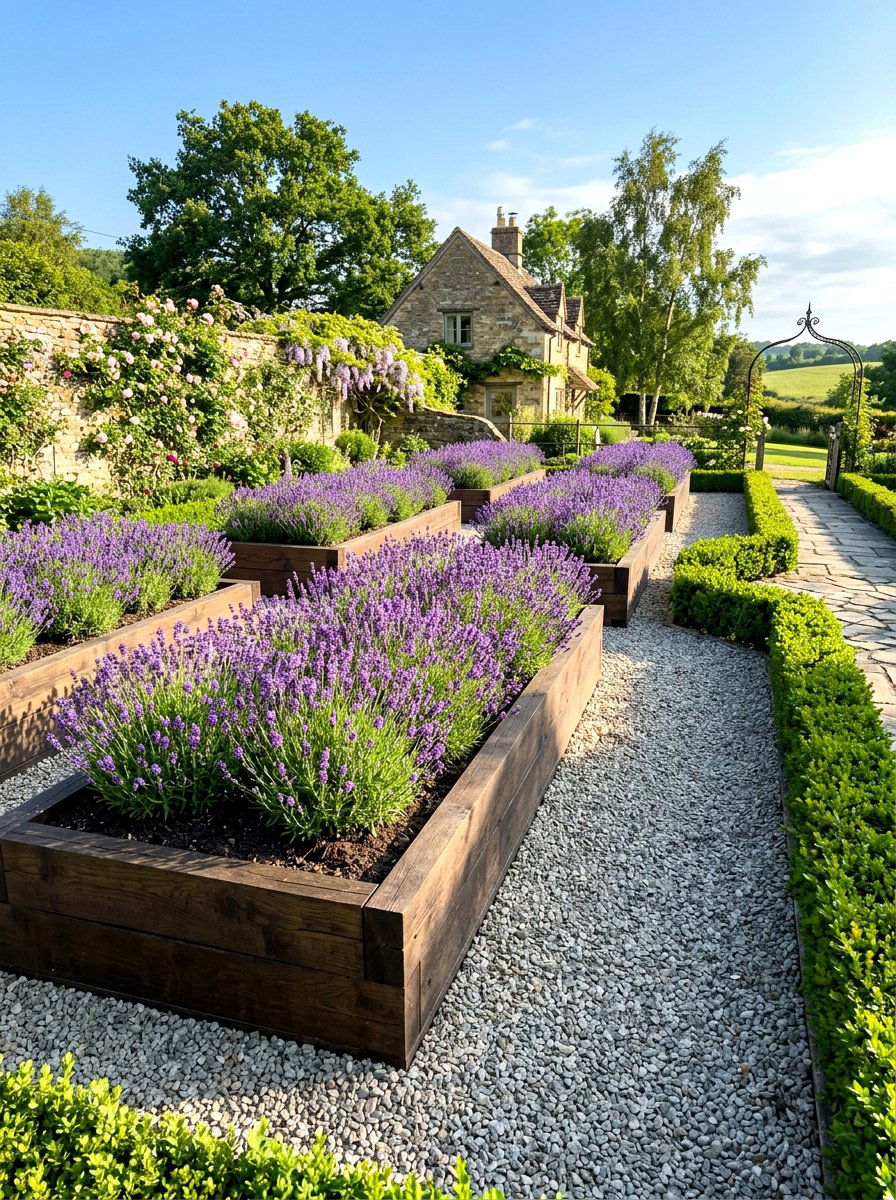
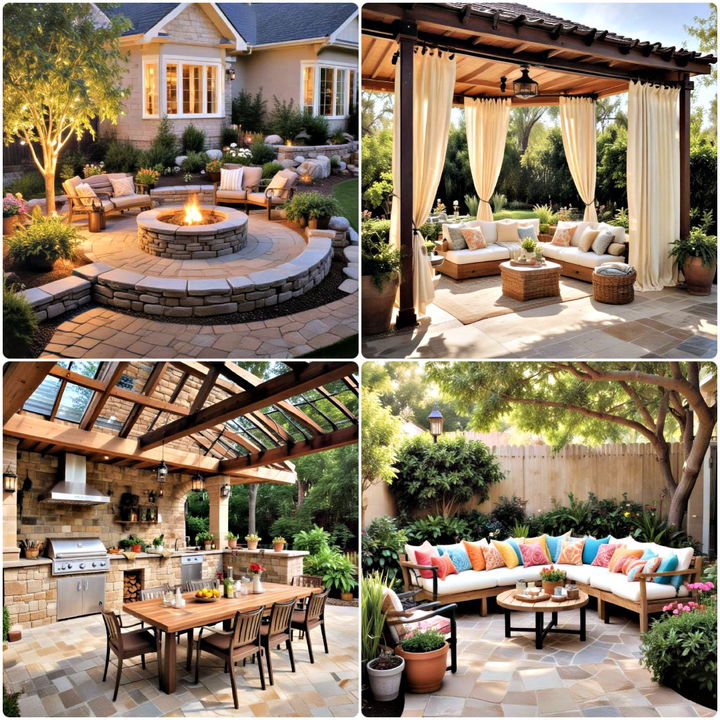

20. Contemporary Paved Rain Basin
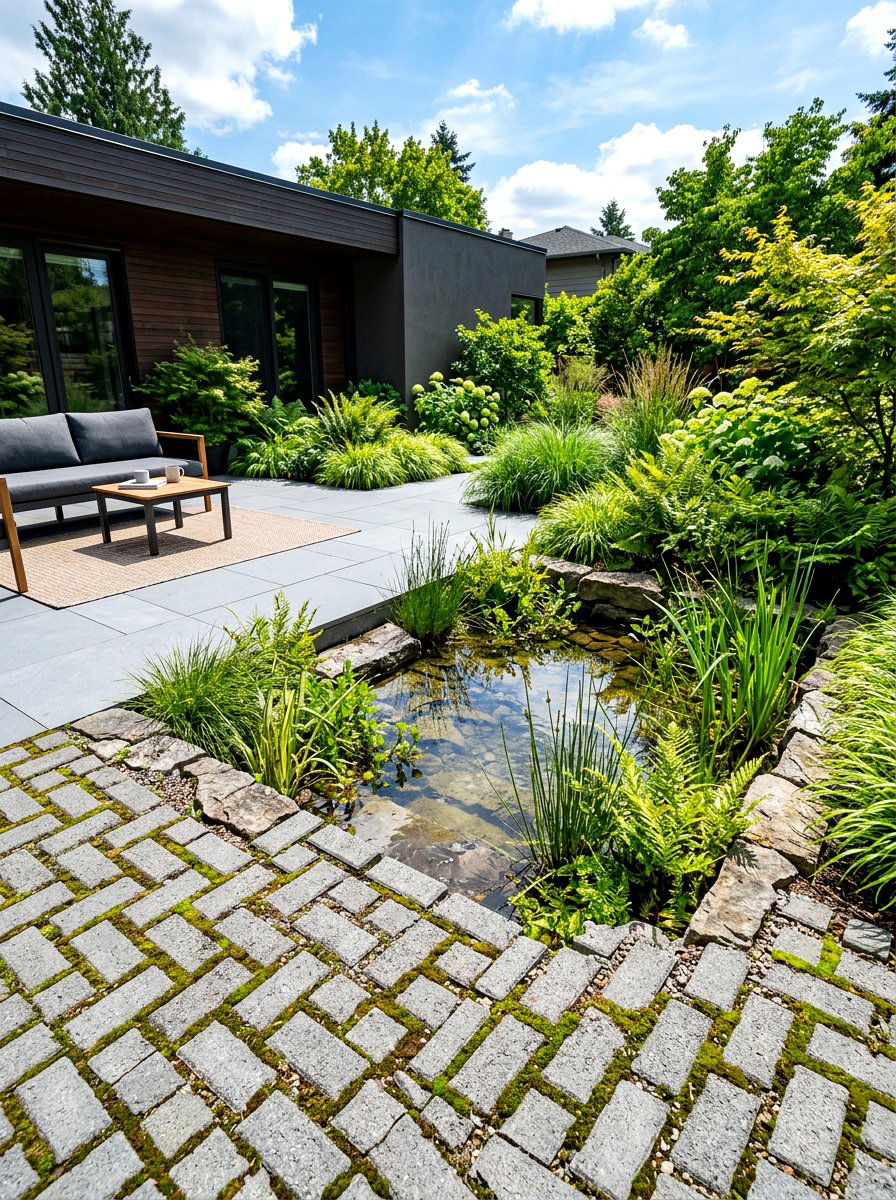
A contemporary paved rain basin uses permeable pavers or open-grid blocks to create a flat, usable surface that still allows water to soak into the ground. This design is perfect for patios or driveways where you want to maximize your square footage without contributing to local runoff problems. The gaps between the pavers can be filled with fine gravel or low-growing moss to create a sleek and modern geometric pattern. Beneath the surface, a deep bed of crushed stone stores the water until it can slowly drain away. It is a high-end, functional design that blends seamlessly with modern architecture and minimalist outdoor styling.
21. Small Space Rain Garden
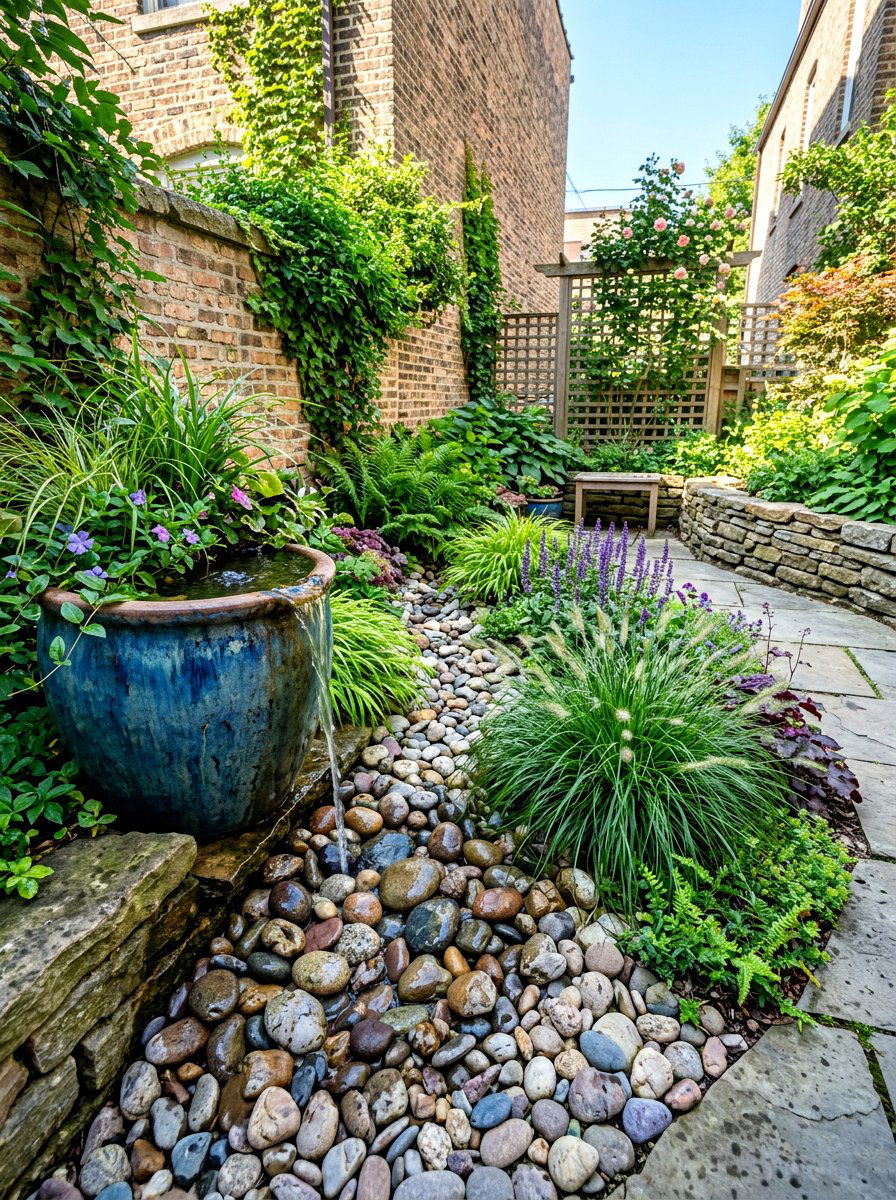
You do not need a massive backyard to enjoy the benefits of a rain garden; even a small urban courtyard can be transformed with a compact drainage basin. By choosing dwarf plant varieties and using vertical elements like a rain chain, you can manage water in just a few square feet. This design often focuses on a single, striking focal point, such as a large ceramic pot that overflows into a small bed of polished river stones. It is an excellent way for city dwellers to handle rooftop runoff while adding a touch of nature to their limited outdoor space. Small-scale drainage solutions are both practical and incredibly charming.
22. Tropical Rain Garden Landscape
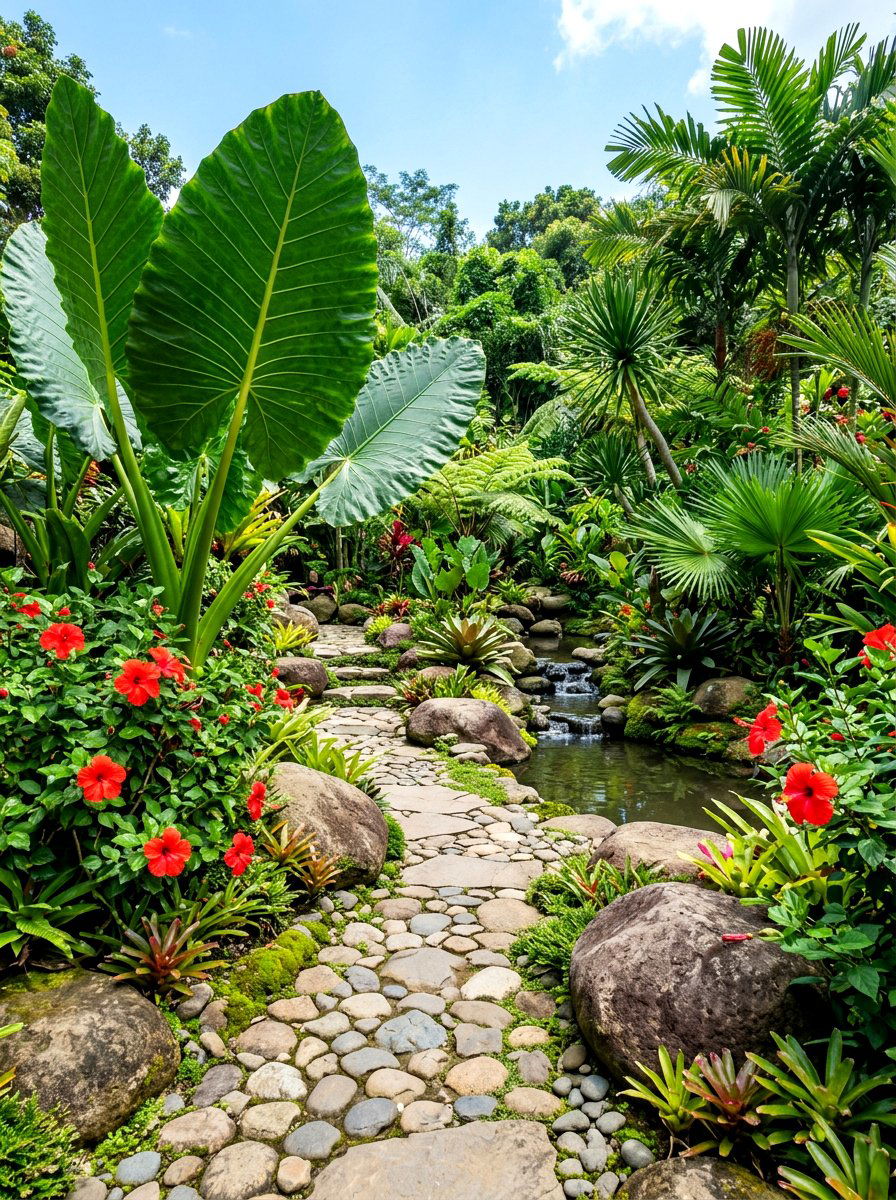
For homeowners in warmer climates, a tropical rain garden offers a bold and exotic look with oversized leaves and vibrant colors. Plants like elephant ears, canna lilies, and hibiscus love the extra moisture and will grow vigorously in a well-designed drainage basin. This design creates a lush, jungle-like atmosphere that provides excellent privacy and a sense of escape in your own backyard. The large foliage is perfect for catching raindrops and slowing their impact on the soil, which helps prevent erosion. Integrating a few large, smooth boulders and some accent lighting can make this tropical paradise look stunning even after the sun goes down.
23. Wildflower Meadow Rain Garden
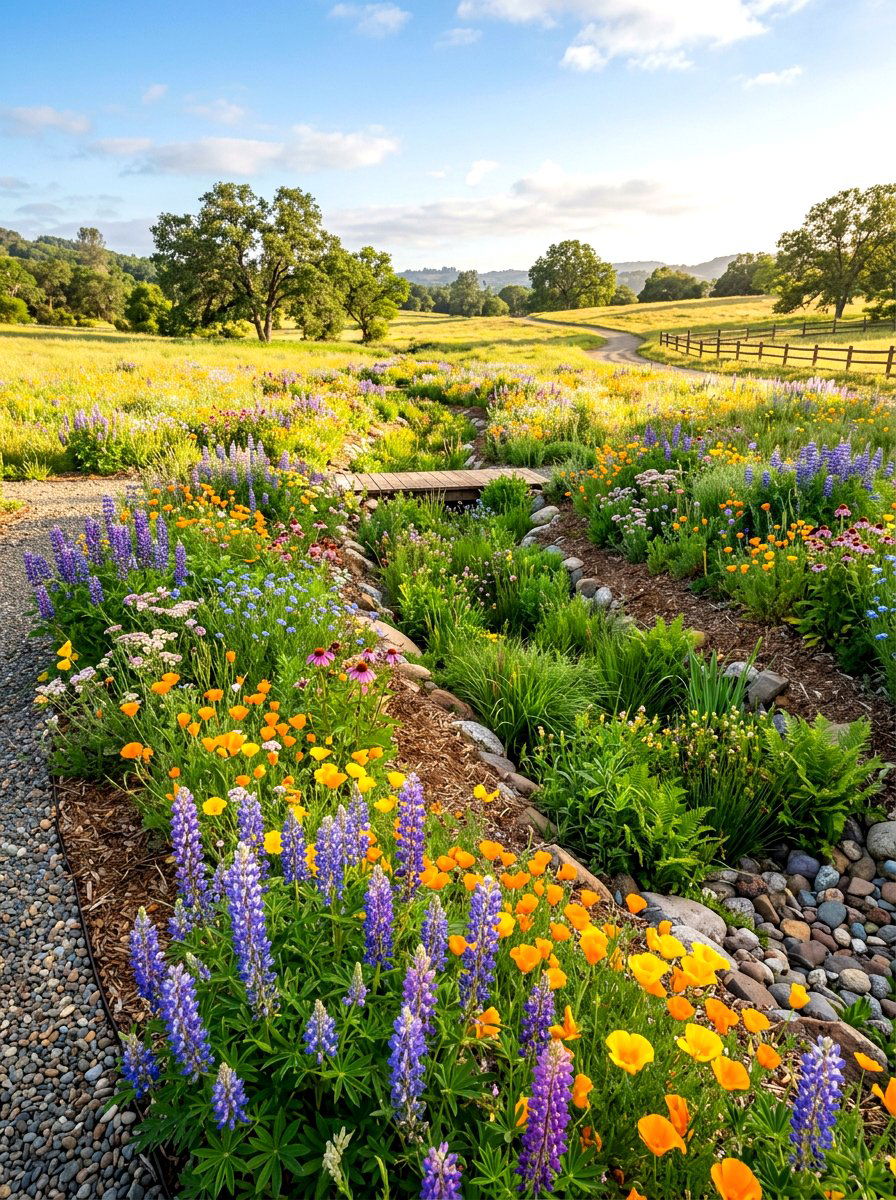
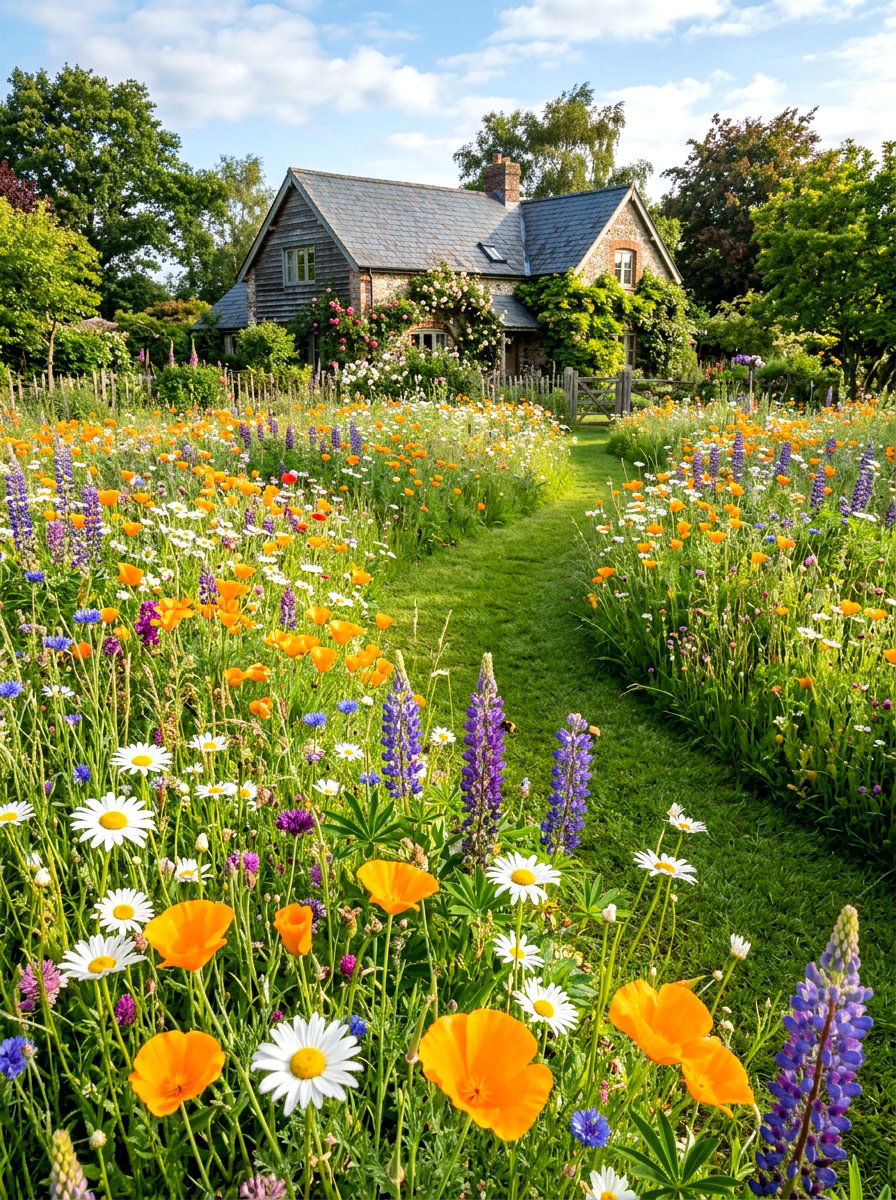
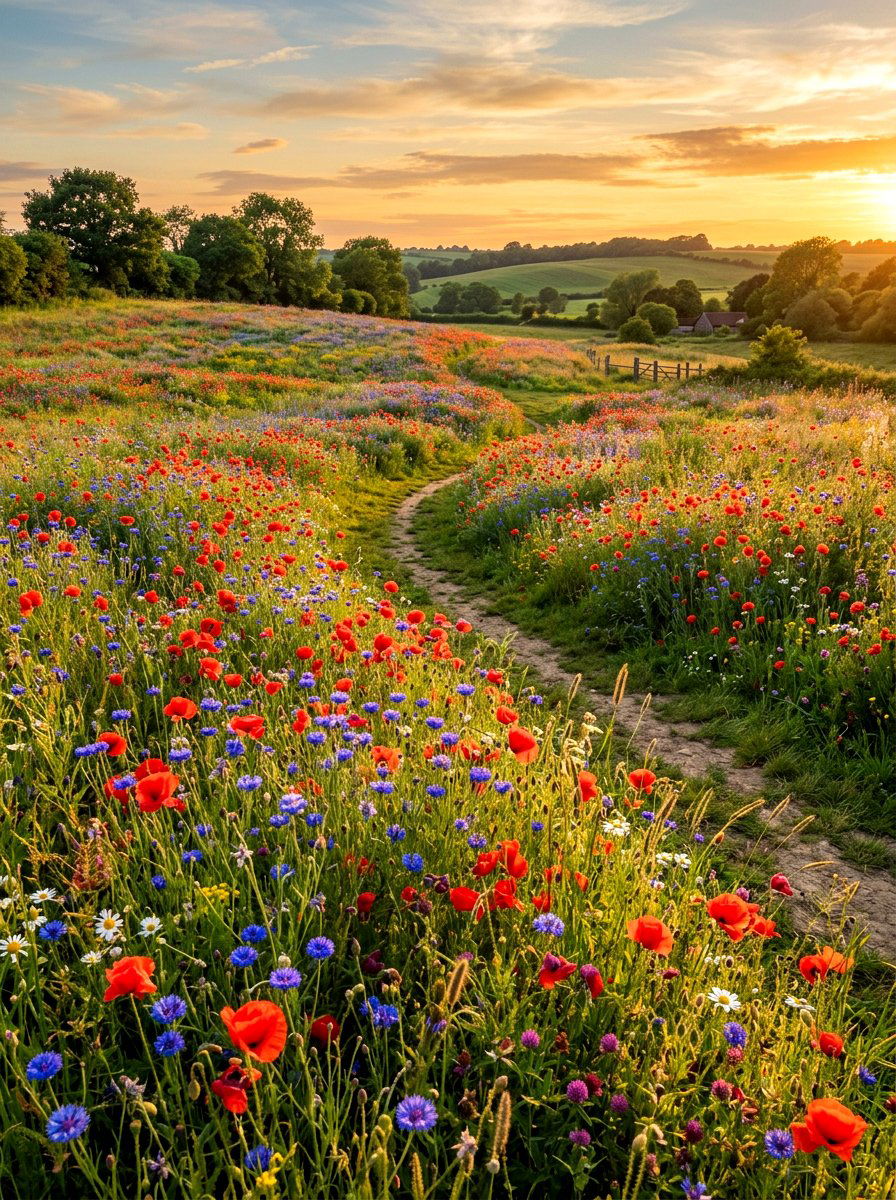
A wildflower meadow rain garden is a low-maintenance and eco-friendly choice that provides a changing display of colors and textures throughout the year. By sowing a mix of native wildflower seeds into a shallow basin, you create a soft and organic look that requires very little mowing or pruning. This design is particularly effective at attracting pollinators and providing a natural habitat for local songbirds. The dense growth of the wildflowers helps to stabilize the soil and increase the rate of water absorption during heavy rain events. It is a beautiful way to bring a piece of the wild prairie directly into your suburban or rural landscape.
24. Flagstone Walkway Rain Drainage
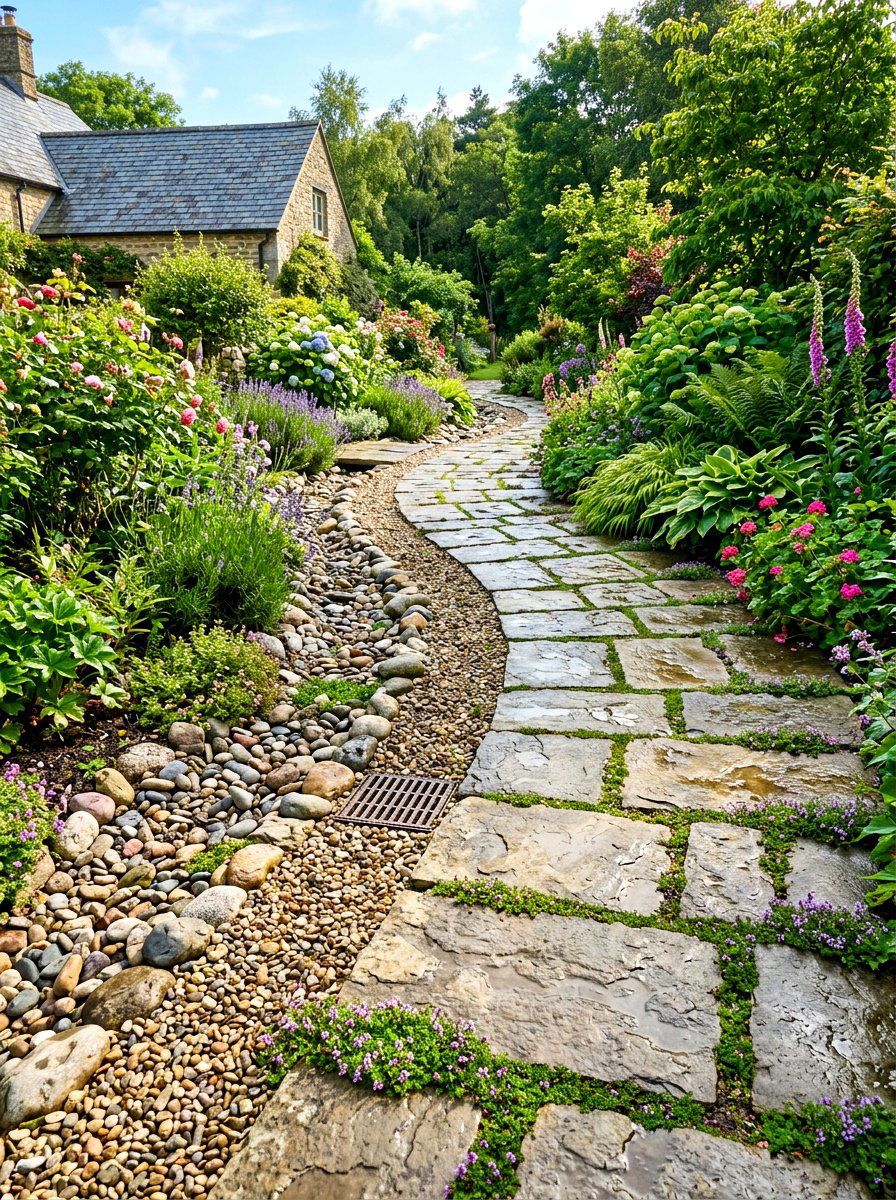
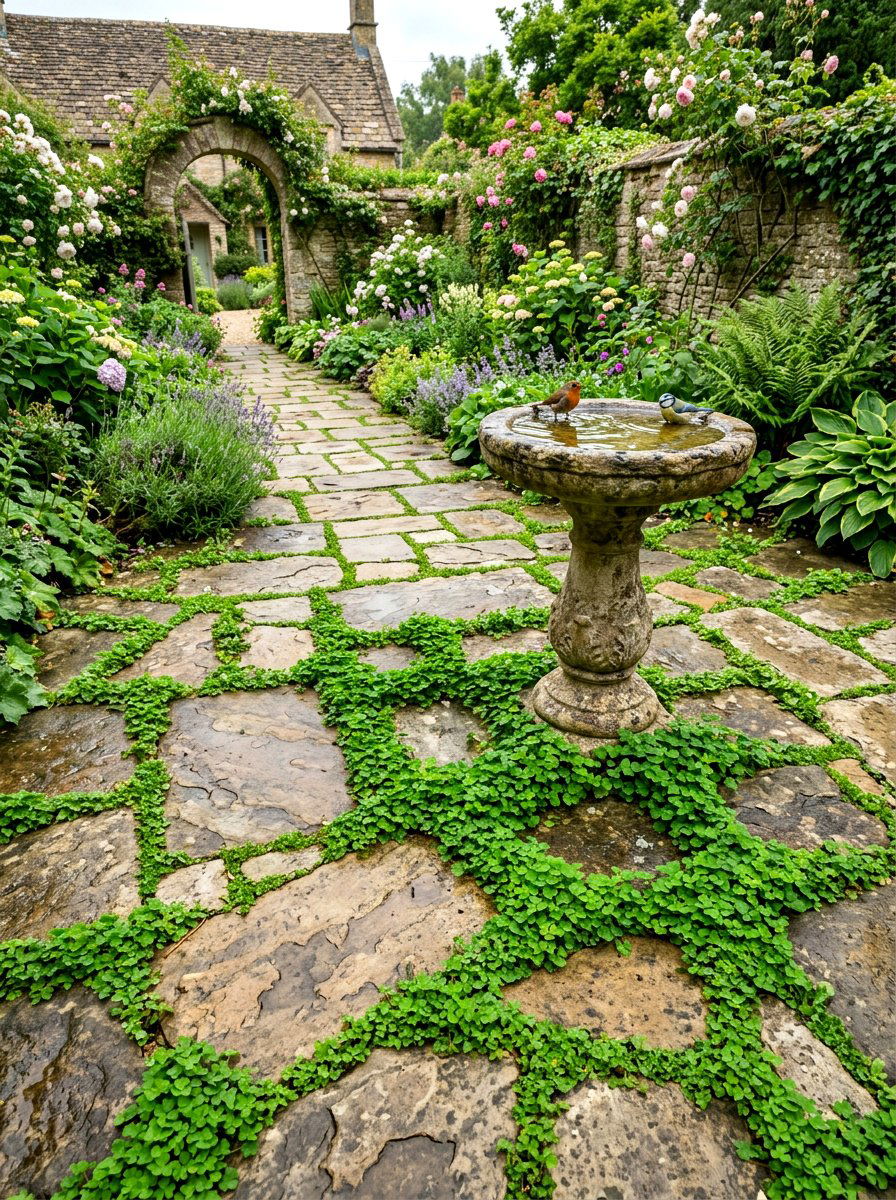
Building a flagstone walkway with wide, permeable joints is a clever way to move through your garden while managing surface water. Instead of a solid concrete path that causes runoff, the gaps between the large stones allow rain to seep directly into the ground. You can fill these joints with a mix of sand, gravel, or creeping thyme to create a rustic and weathered look that feels very traditional. This design ensures that your walkways stay dry and slip-resistant even during the wettest months. It is a timeless landscaping technique that adds significant character and value to your home’s exterior while performing a vital drainage function.
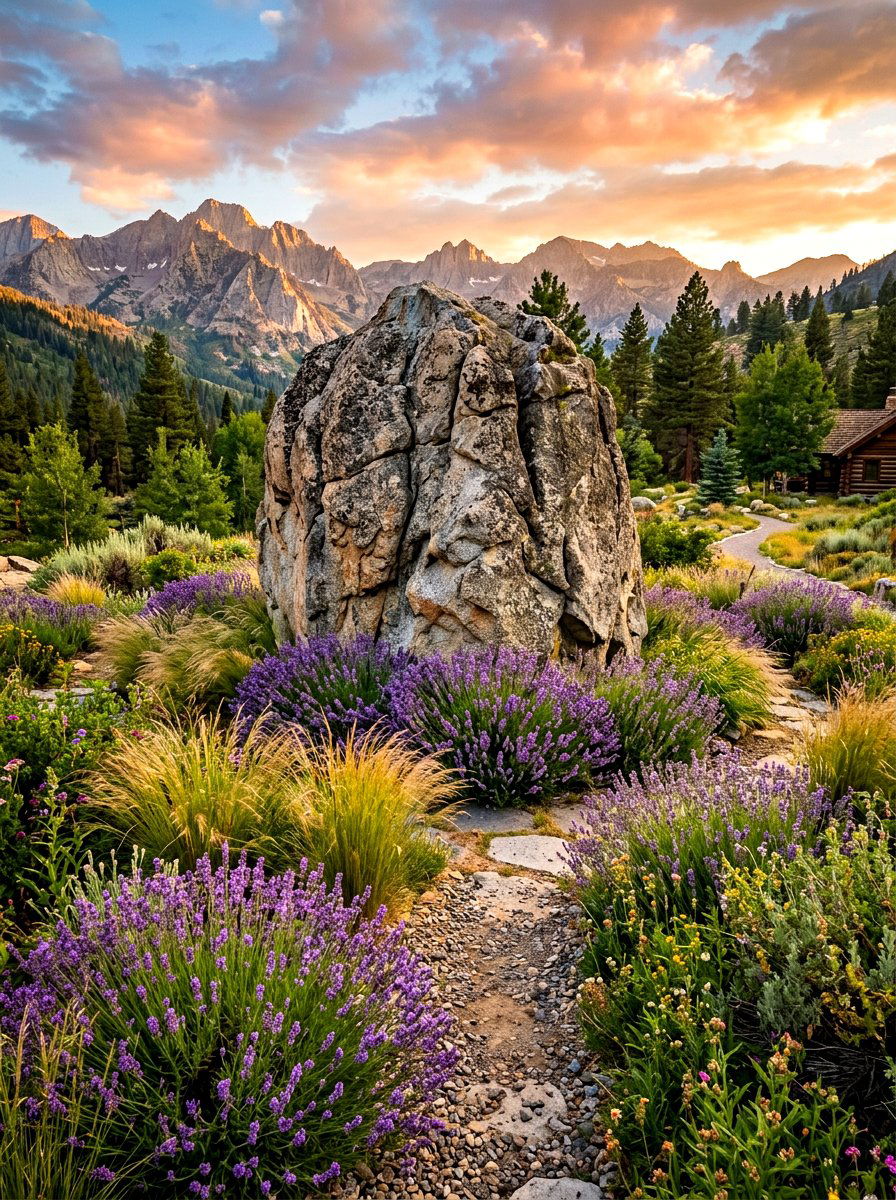
25. Woodland Rain Garden Area
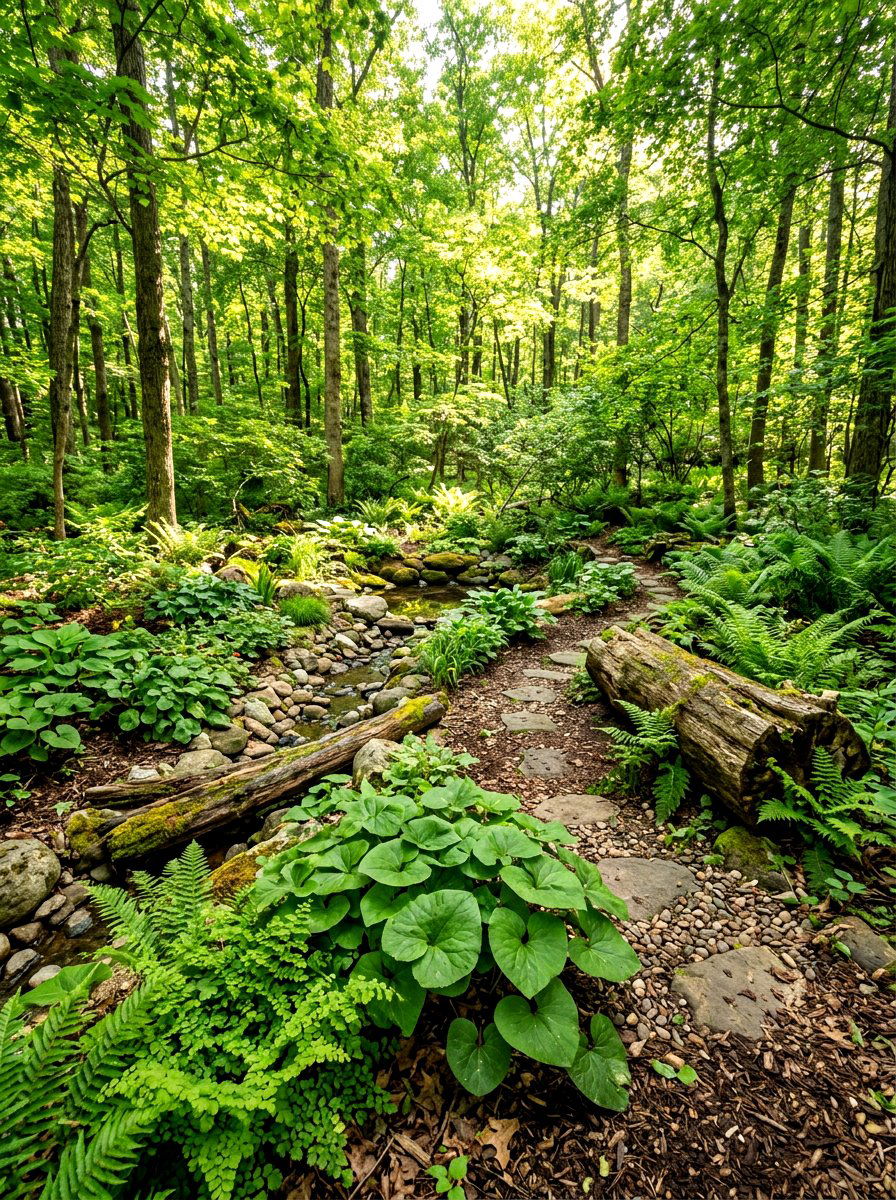
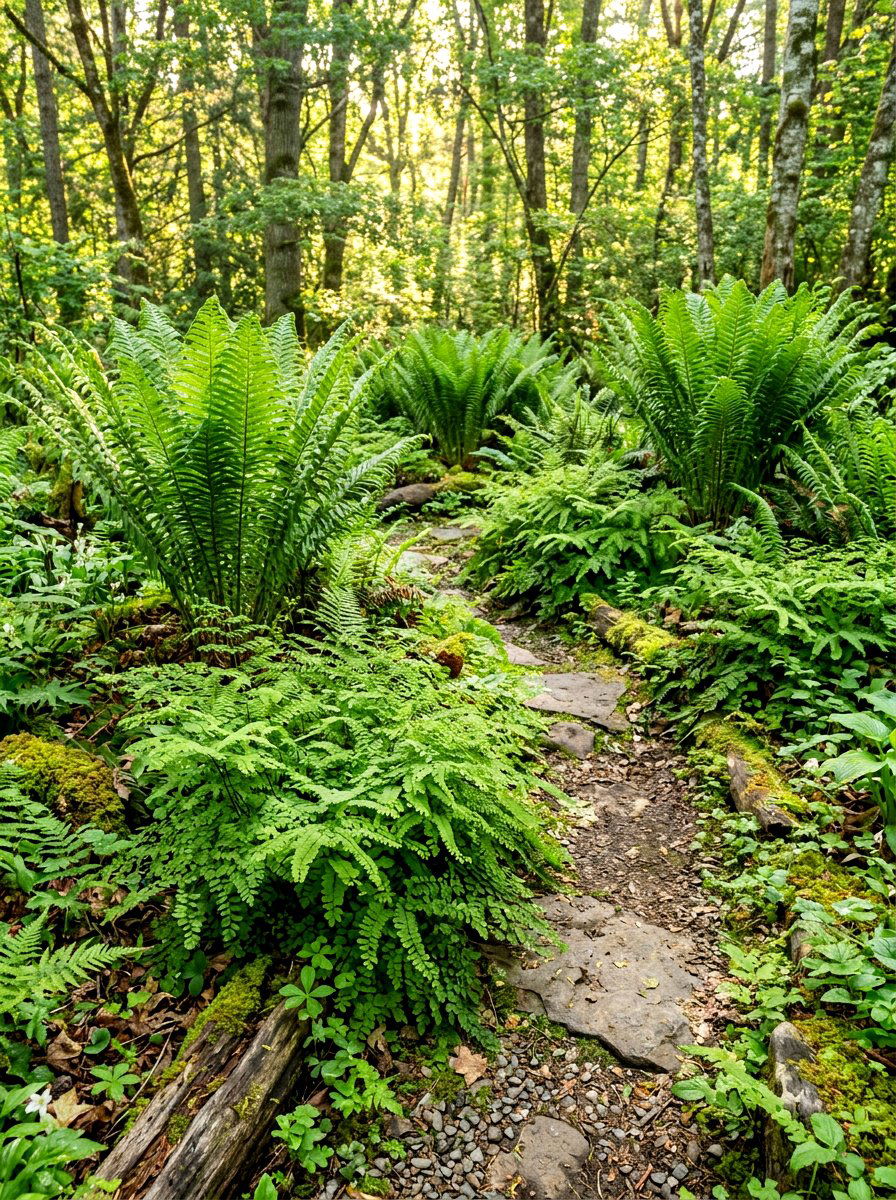
A woodland rain garden area mimics the natural floor of a forest, using layers of leaf mulch, fallen logs, and shade-tolerant plants to manage moisture. This design feels very private and enclosed, making it an ideal spot for a quiet seating area or a winding path. Plants like wild ginger, trillium, and various ferns create a rich and textured groundcover that thrives in the damp soil. By using natural materials, you encourage a healthy soil biology that breaks down pollutants and keeps the water clean. It is a peaceful and low-impact way to handle drainage while creating a cool, shaded retreat for the hot summer months.
26. Rain Garden With Bridge
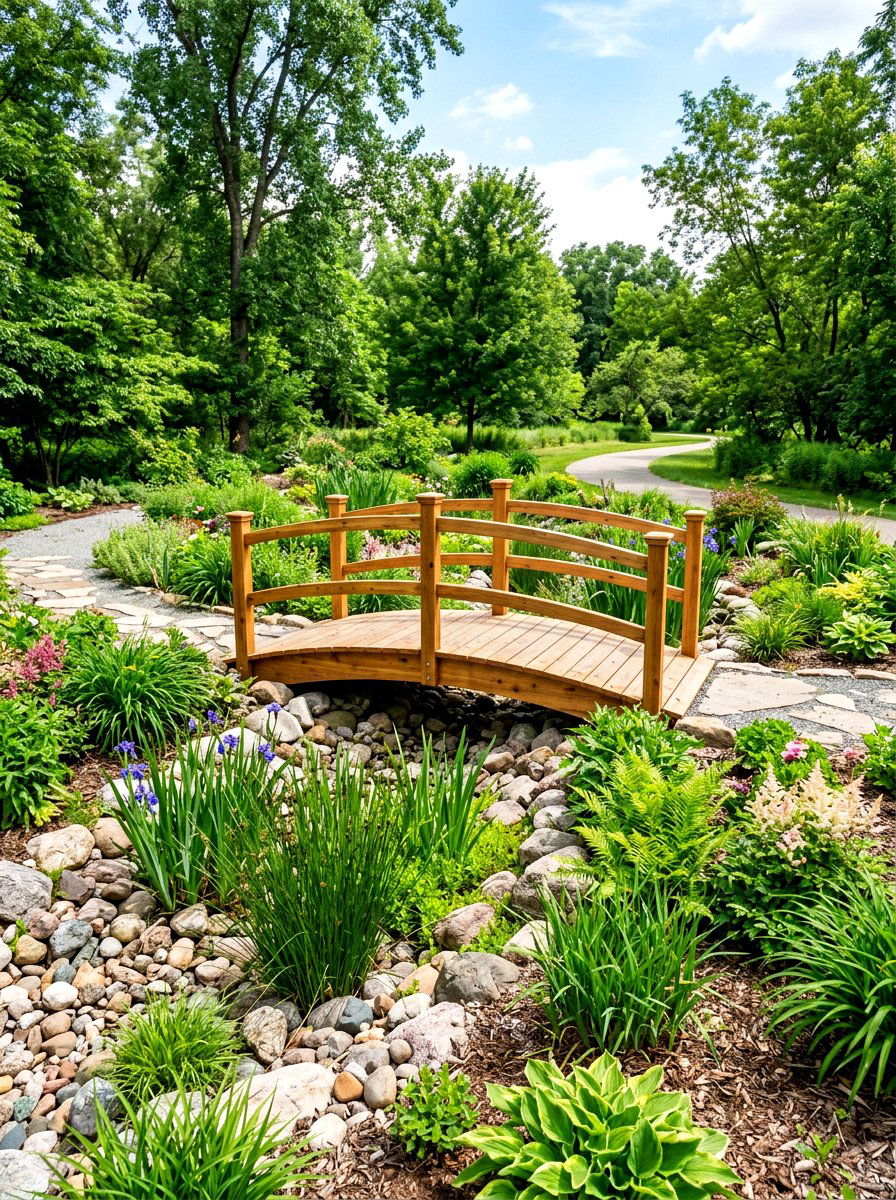
Adding a small wooden or stone bridge over your rain garden creates a whimsical and interactive element that instantly elevates your landscape design. The bridge provides a clear crossing point over the lowest part of the basin, which may fill with water during heavy storms. This architectural feature makes the drainage area feel like a destination rather than just a functional necessity. It is especially effective in larger gardens where a dry creek bed or bioswale separates different zones of the yard. The bridge adds a sense of vertical interest and provides a perfect vantage point for observing the unique plants and flowers growing below.
27. Sedge Grass Rain Garden
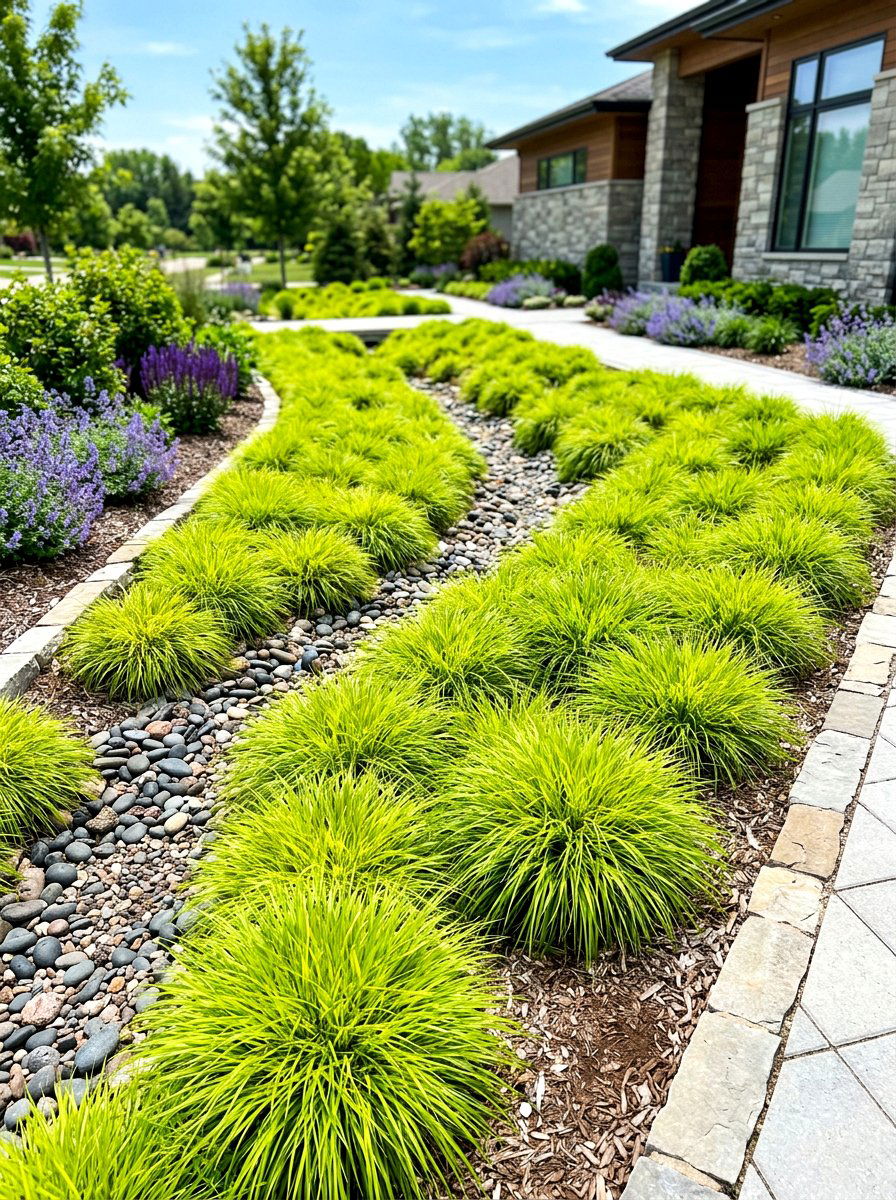
Sedges are the unsung heroes of the rain garden world because they look like ornamental grasses but are actually much more tolerant of consistently wet soil. A sedge grass garden provides a clean, tufted look that stays green for a long portion of the year, even in colder climates. These plants are excellent for mass planting, creating a soft and uniform carpet that effectively suppresses weeds and holds the soil in place. Because they come in many different shades of green, yellow, and even blue, you can create a sophisticated monochromatic look. This design is perfect for homeowners who want a tidy, low-maintenance, and highly functional landscape.
28. Retaining Wall Rain Garden
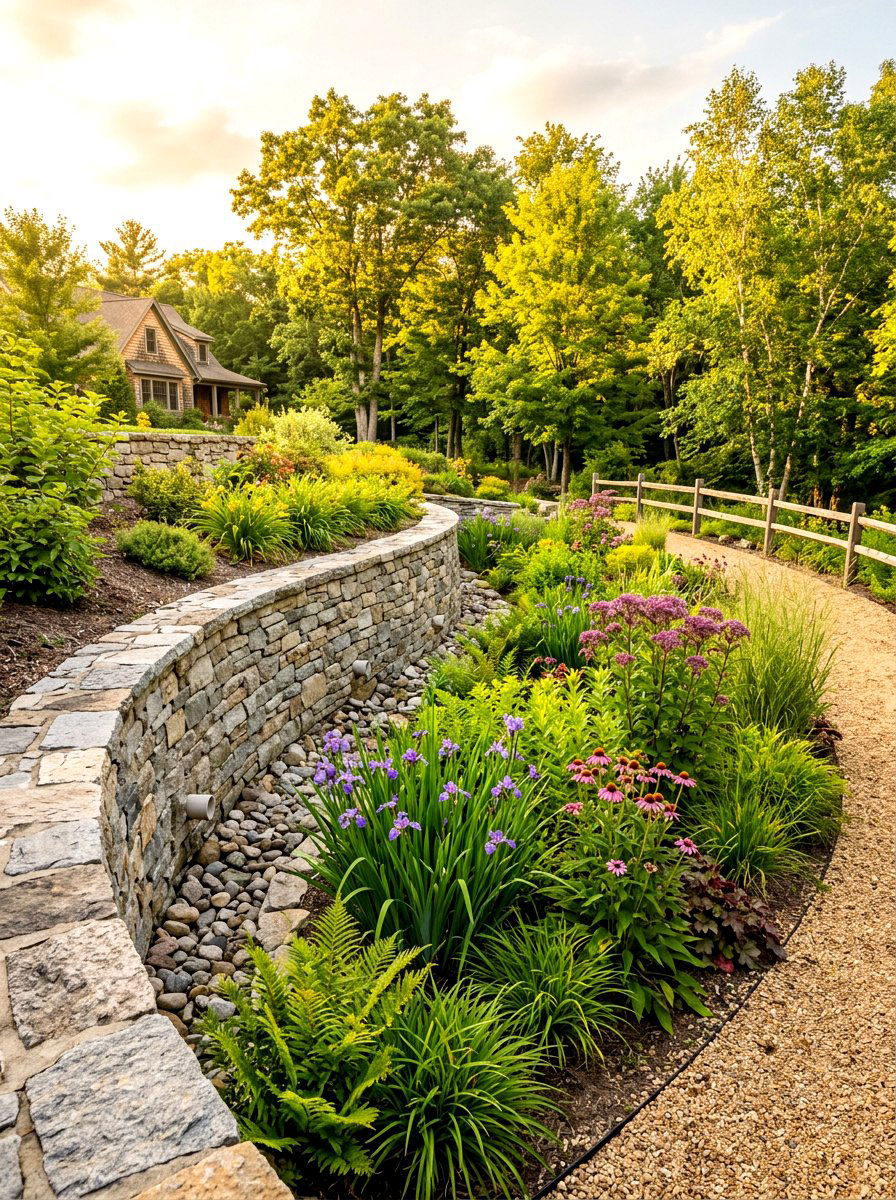
Integrating a rain garden into a retaining wall system is a smart way to manage water on a multi-level property or a walk-out basement lot. The wall can be designed with built-in "weep holes" or decorative spillways that direct water from the upper lawn into a beautifully landscaped basin at the base. This approach prevents water from building up behind the wall, which can cause structural damage over time. The basin can be filled with a mix of architectural shrubs and flowering perennials, turning a structural necessity into a stunning focal point. It is a high-end engineering solution that adds both beauty and stability to your yard.
29. Zen Rain Garden Landscape
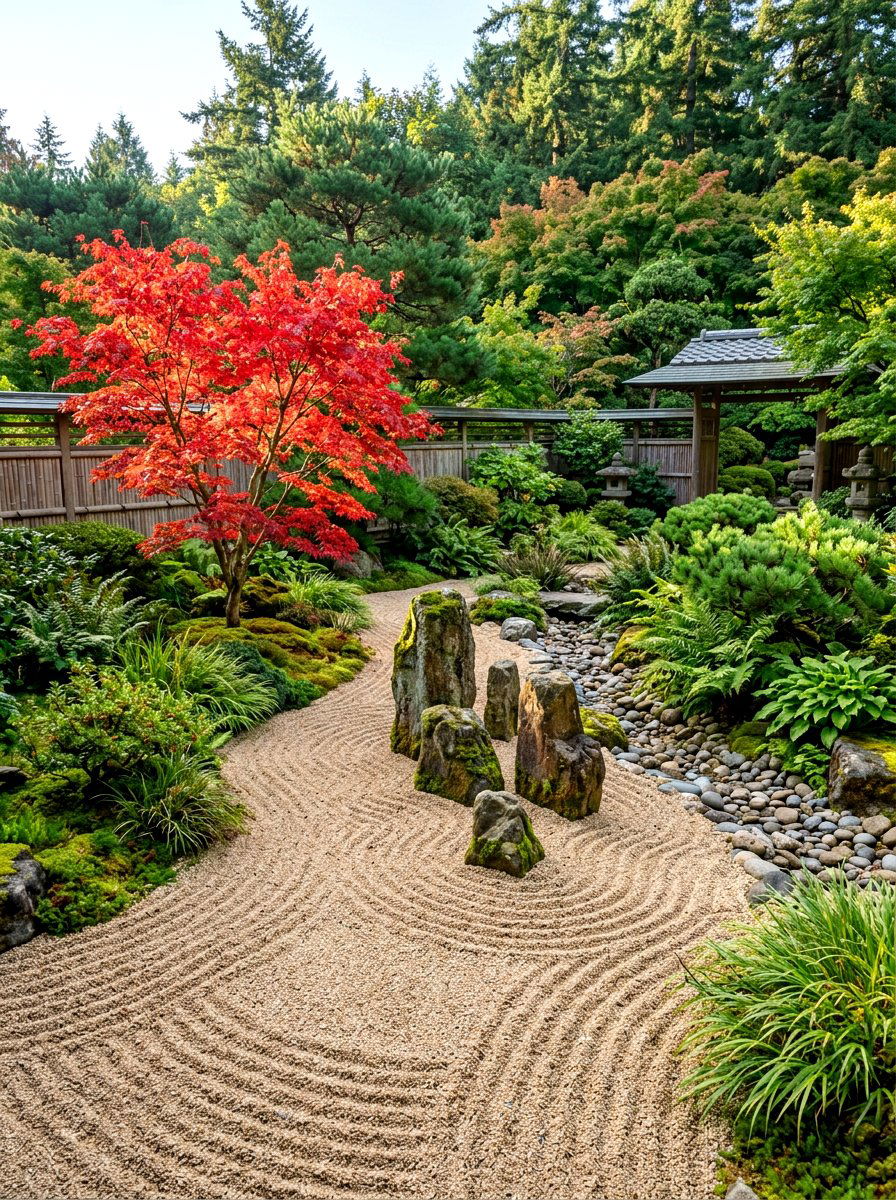
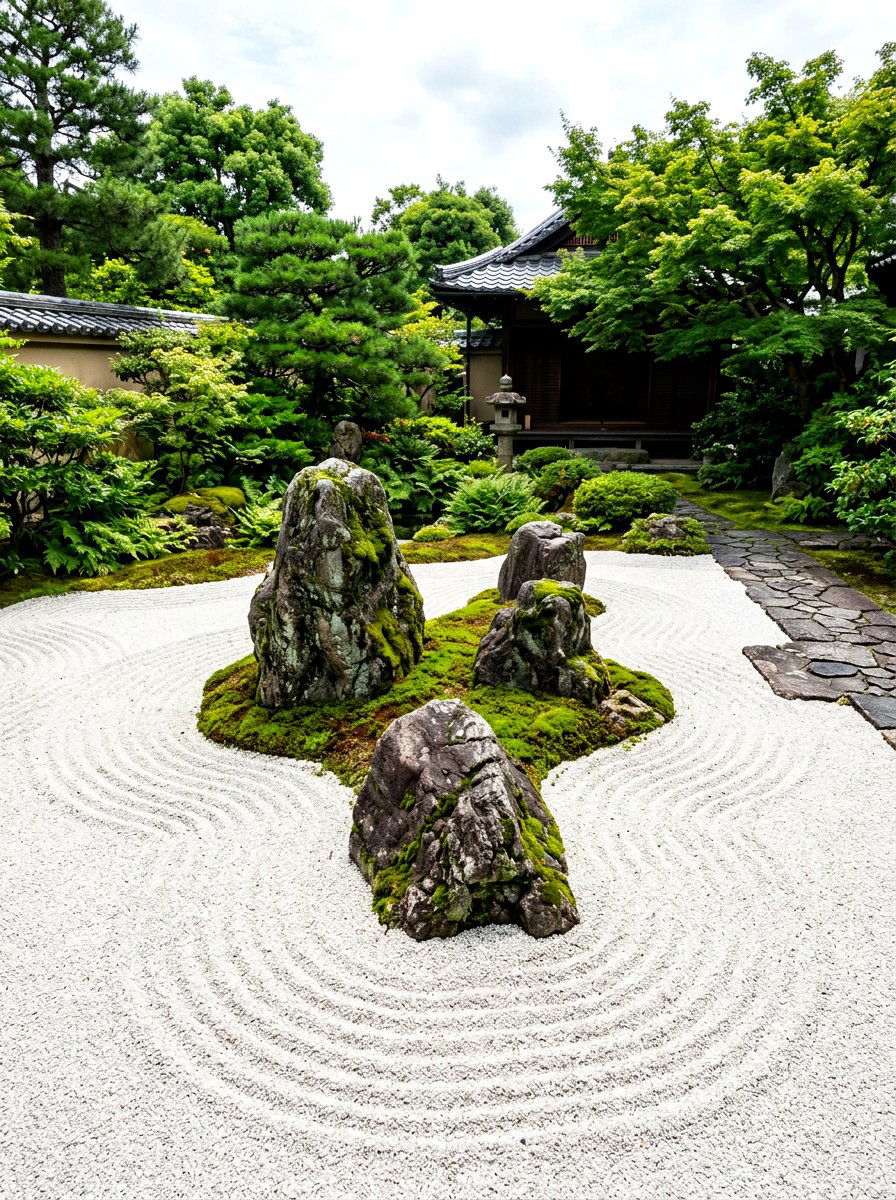
A Zen-inspired rain garden focuses on simplicity, balance, and the use of natural materials to create a peaceful and meditative space. This design often features large, carefully placed boulders, fine raked gravel, and a few choice specimen plants like a Japanese maple or clump of bamboo. While traditional Zen gardens use gravel to represent water, a rain garden version actually uses these elements to manage real rainfall. The result is a minimalist and elegant landscape that looks beautiful in any weather. It is a perfect choice for small urban courtyards or side yards where you want to create a sense of calm and order.
30. Wildlife Habitat Rain Garden
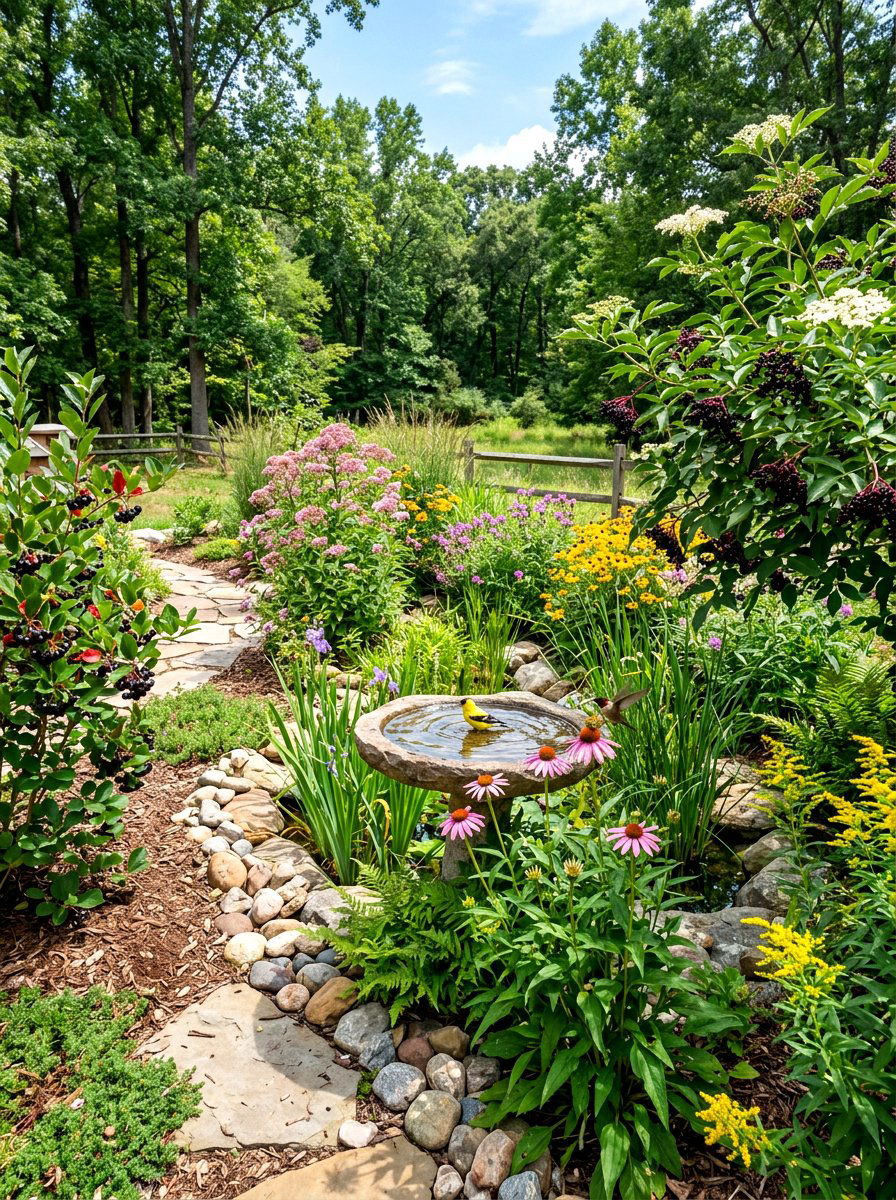
Designing your rain garden specifically as a wildlife habitat is a rewarding way to support local birds, frogs, and beneficial insects. By including a mix of berry-producing shrubs, tall grasses for nesting, and shallow rock pools for water, you create a complete ecosystem in your backyard. This type of garden is constantly alive with movement and sound, providing endless entertainment and educational opportunities for the whole family. The thick vegetation and diverse plant layers are exceptionally good at filtering stormwater and preventing erosion. It is a beautiful way to give back to nature while solving the practical problem of managing rainwater runoff on your property.
Conclusion:
Investing in a well-designed rainwater garden is a transformative way to enhance both the beauty and the environmental health of your home. By moving away from traditional drainage pipes and toward these nature-based solutions, you create a landscape that is resilient, sustainable, and full of life. Each of these ideas offers a unique aesthetic, from the structured look of a contemporary paved basin to the wild charm of a native wildflower meadow. No matter the size of your yard or the specific challenges of your soil, there is a rainwater management strategy that can work for you. Start planning your sustainable garden today and enjoy a more vibrant, eco-friendly outdoor sanctuary.

Related posts: