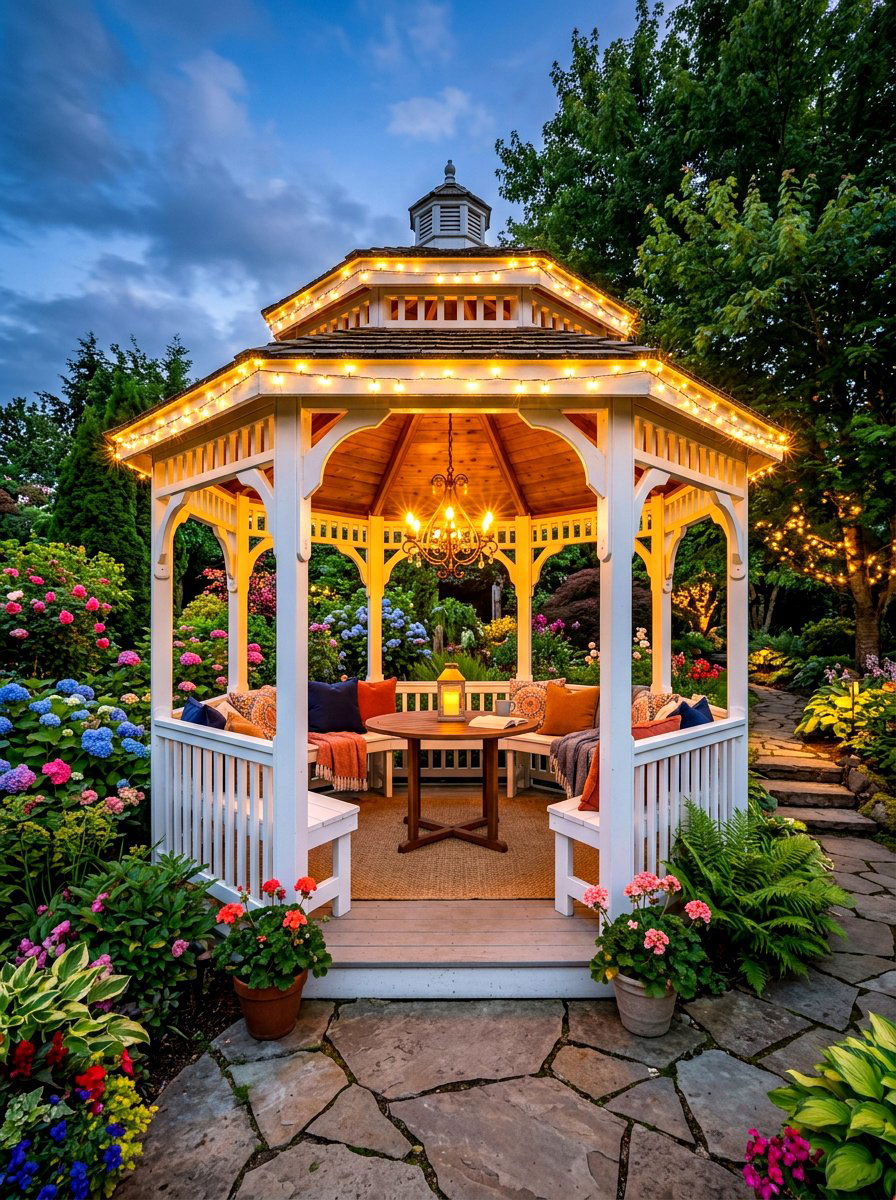
Creating a woodland garden transforms your outdoor space into a peaceful sanctuary that feels like a natural escape from the busy world. These gardens thrive on the beauty of shade, textures, and layers found in deep forests. By mimicking the structure of a real woodland, you can build an ecosystem that supports local wildlife while providing a cool retreat for yourself. This style of landscaping focuses on native plants, organic materials, and soft lines that blend seamlessly with the environment. Whether you have a large backyard or a small shaded corner, these concepts help you master the art of naturalistic gardening with ease. You can enjoy a low-maintenance landscape that remains lush and beautiful through every season.
1. Native Ferns
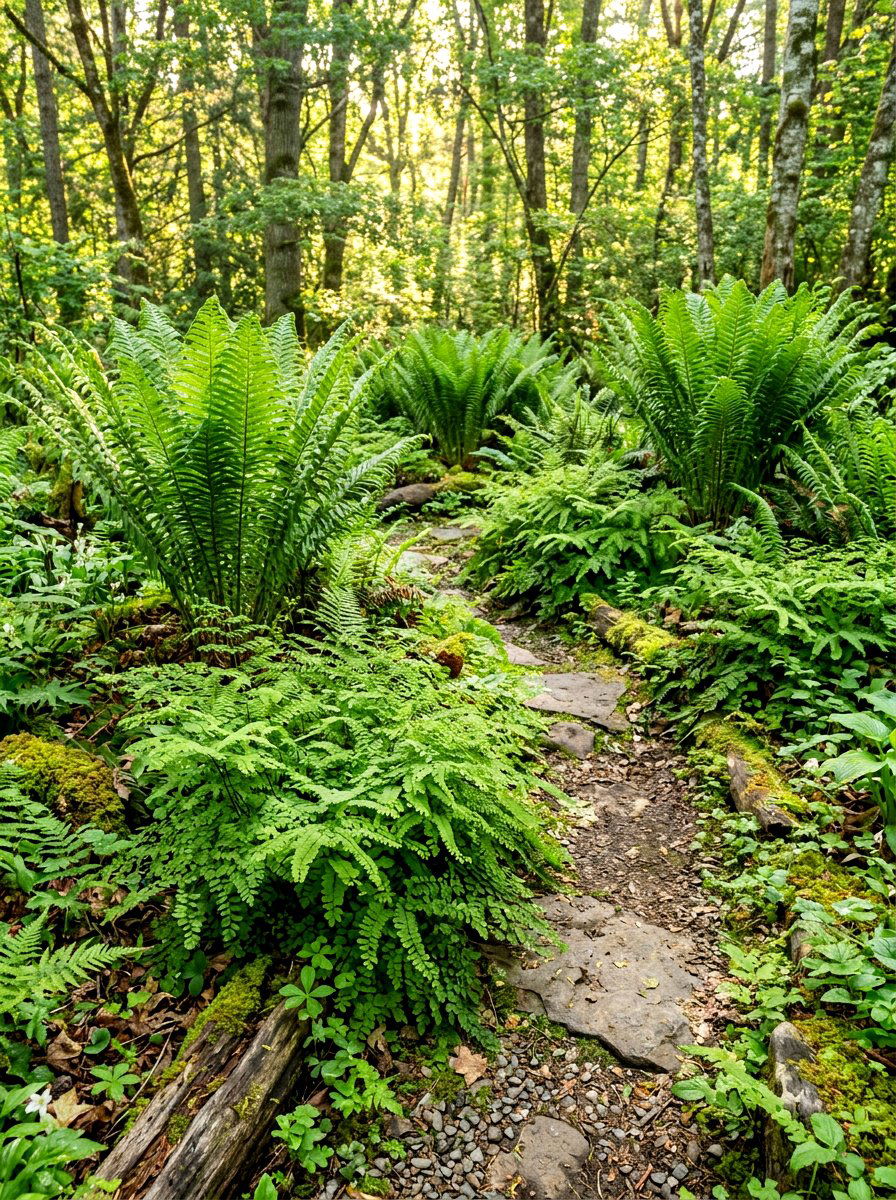
Do you want to bring the lush feel of a deep forest to your backyard? Growing native ferns is an excellent way to add rich textures and vibrant green tones to shaded areas. These ancient plants thrive in damp conditions and offer various frond shapes that catch the light beautifully. You should plant them in clusters to create a natural, unrefined look that mimics a wild woodland floor. Ferns like Ostrich or Maidenhair are perfect choices for adding height and delicate patterns. They require very little maintenance once they are established in rich soil. This approach creates a soothing atmosphere that feels cool even during the hottest summer months of the year.
2. Moss Path
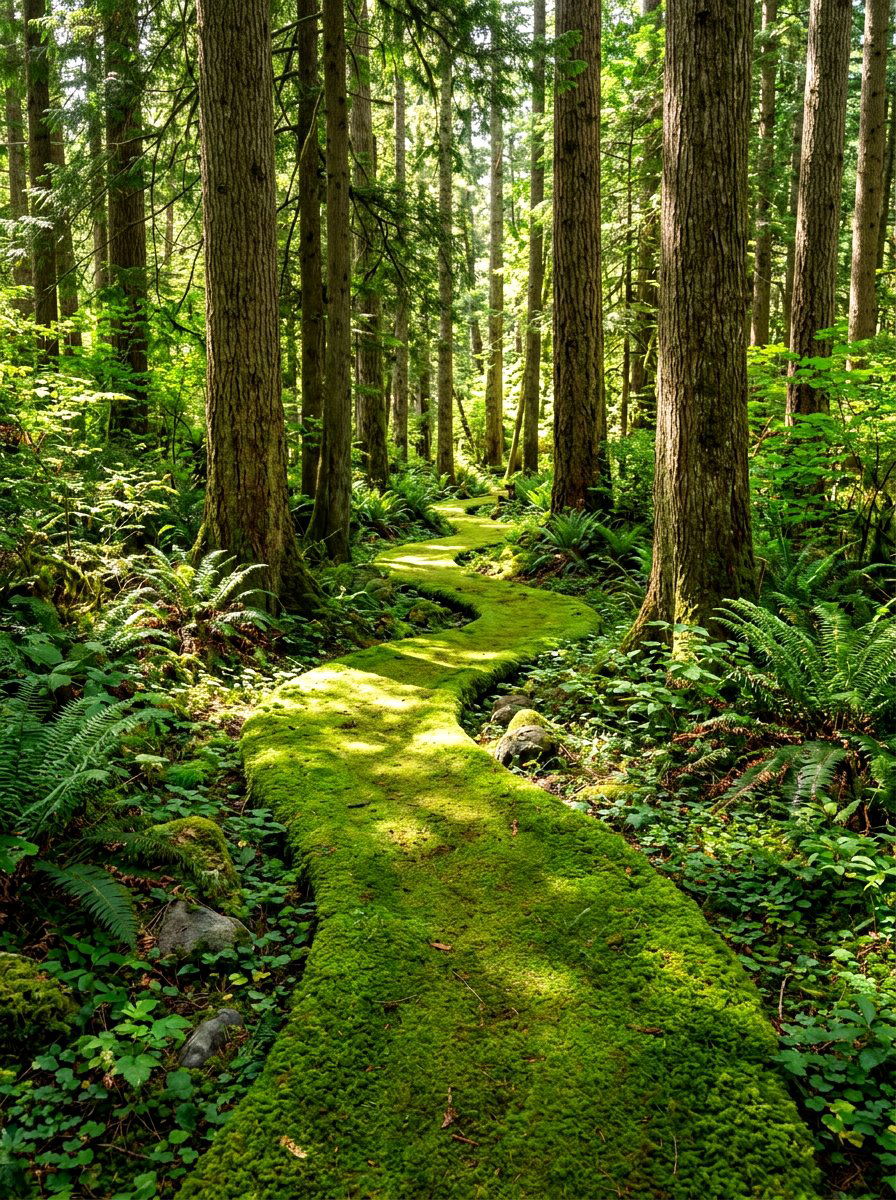
Walking on a soft moss path feels like stepping into a fairytale world where every footfall is silent and cushioned. Moss is an ideal ground cover for damp, shady spots where traditional grass often fails to grow. It provides a vibrant, velvet-like texture that stays green throughout the year with minimal intervention. You can encourage moss growth by keeping the soil slightly acidic and consistently moist. This living carpet helps to suppress weeds while providing a habitat for beneficial insects. Using moss for your garden transitions creates a seamless flow between different planting zones. It adds an ancient, established feel to even the newest landscape projects without needing expensive hardscaping materials.
3. Shade Perennial
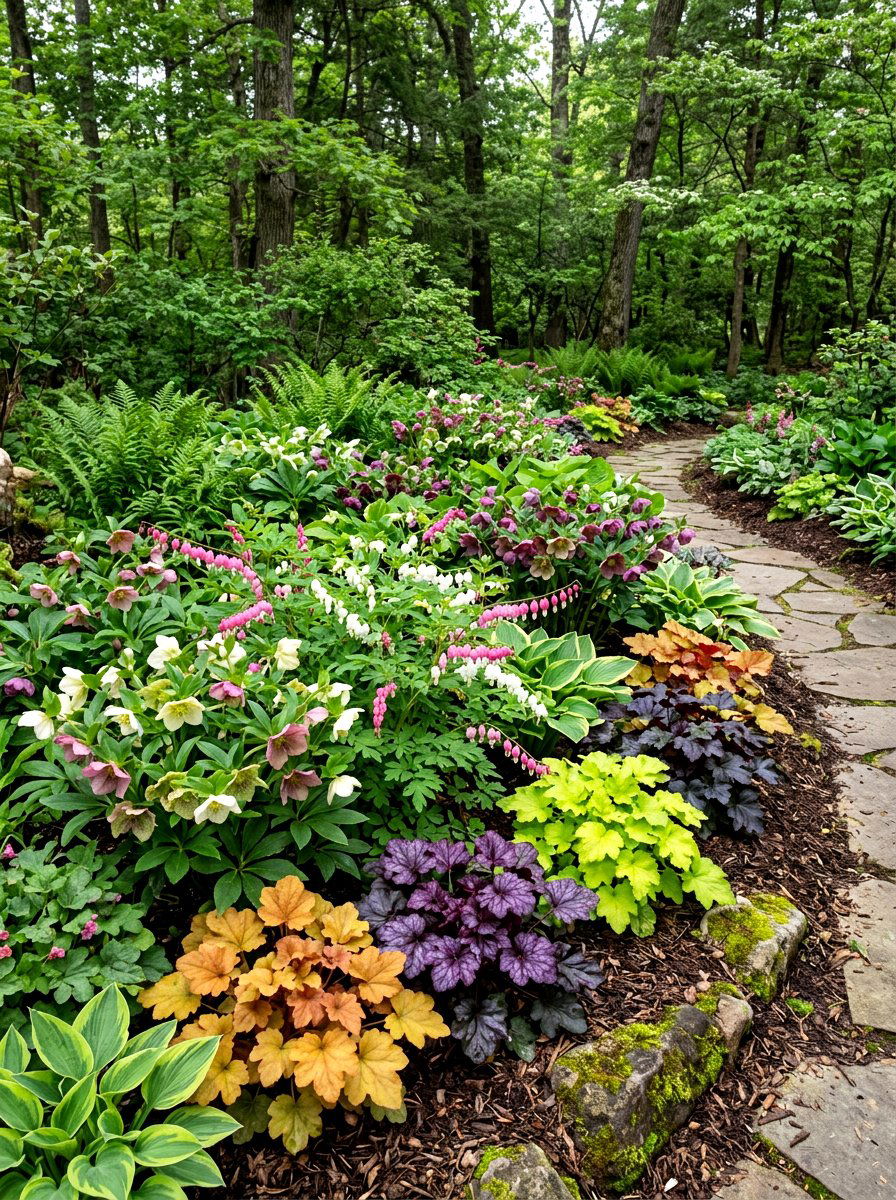
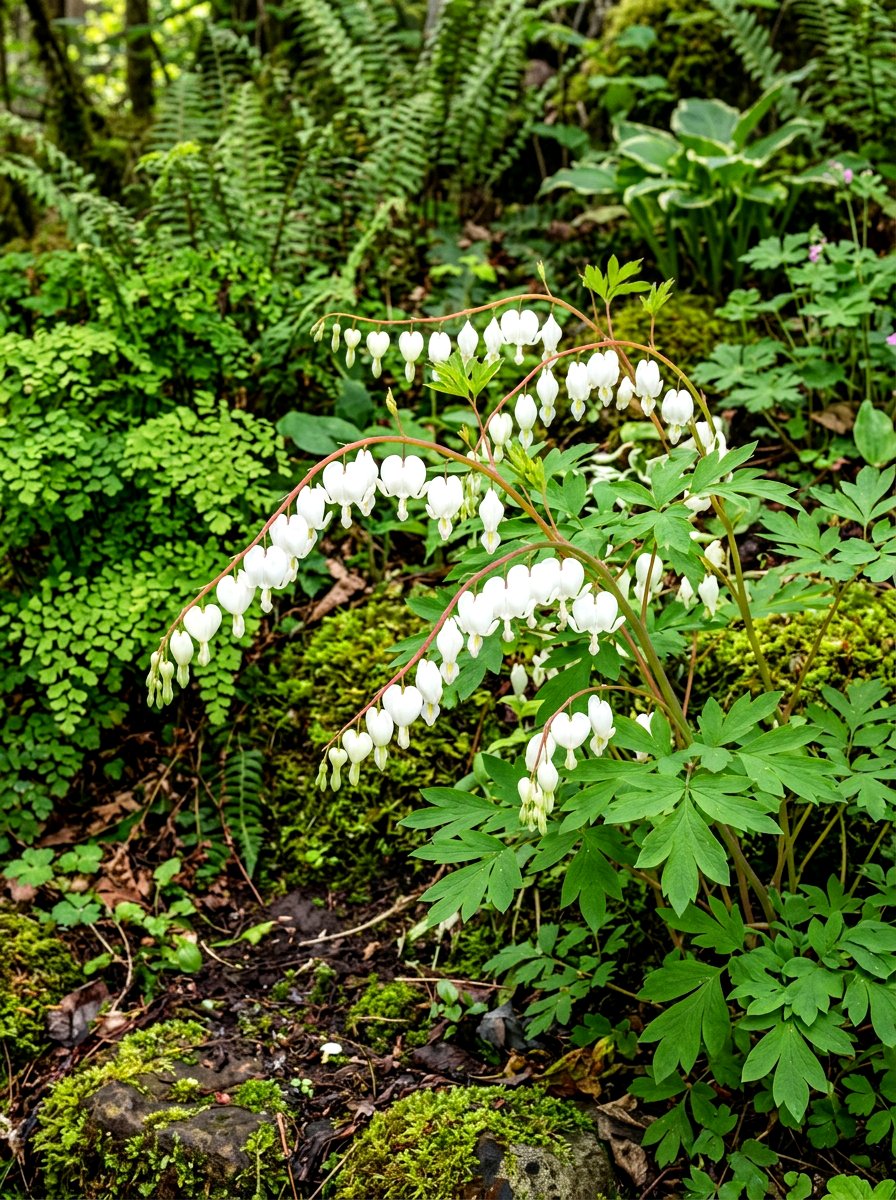
Integrating a variety of shade perennials ensures that your garden remains colorful and full of life even without direct sunlight. Plants like Hellebores and Bleeding Hearts offer delicate blooms that emerge early in the spring to brighten dark corners. You can pair these with foliage-heavy plants like Heuchera to create a contrast of colors and leaf shapes. These perennials are hardy and reliable, returning year after year to fill the space with lush growth. Choosing species with different blooming times provides visual interest from early spring through late autumn. By focusing on perennials, you create a sustainable garden bed that matures beautifully over time and requires very little replanting effort.
4. Woodland Stream
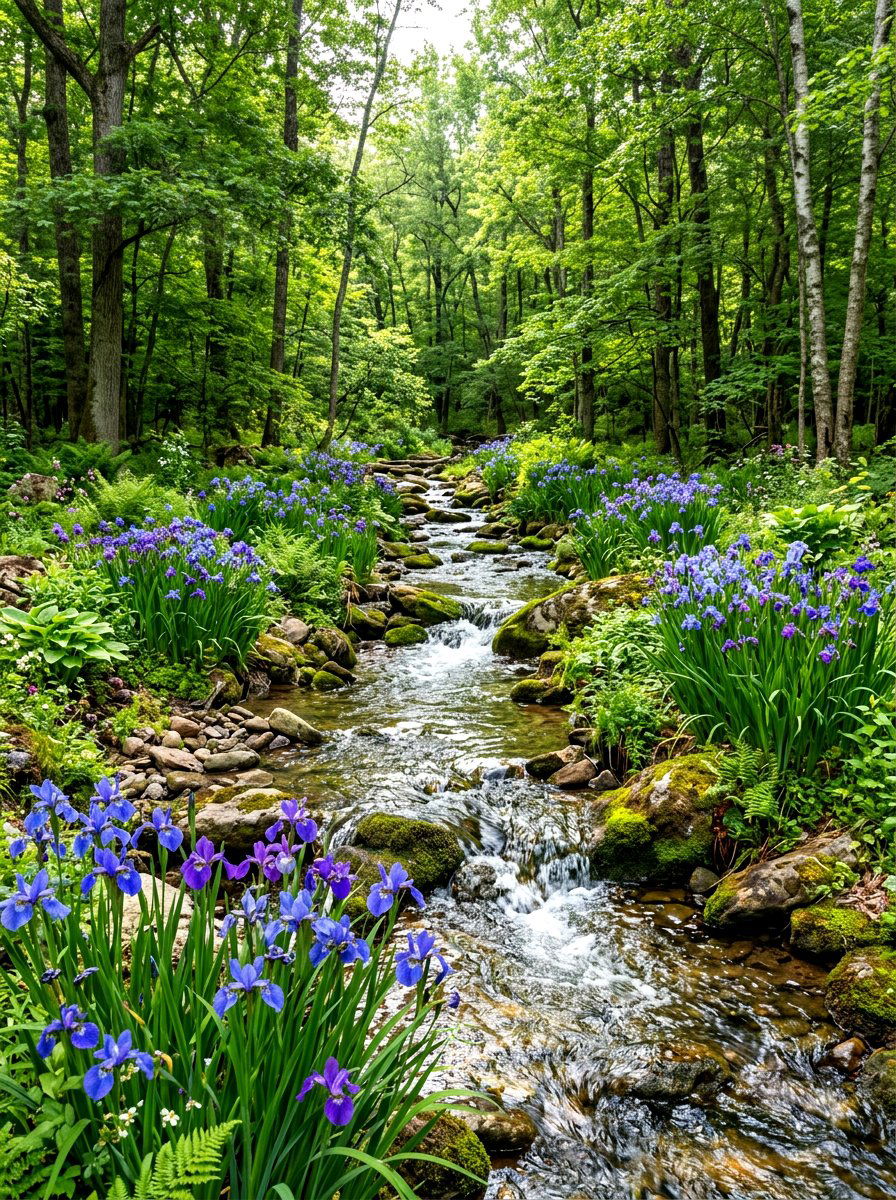
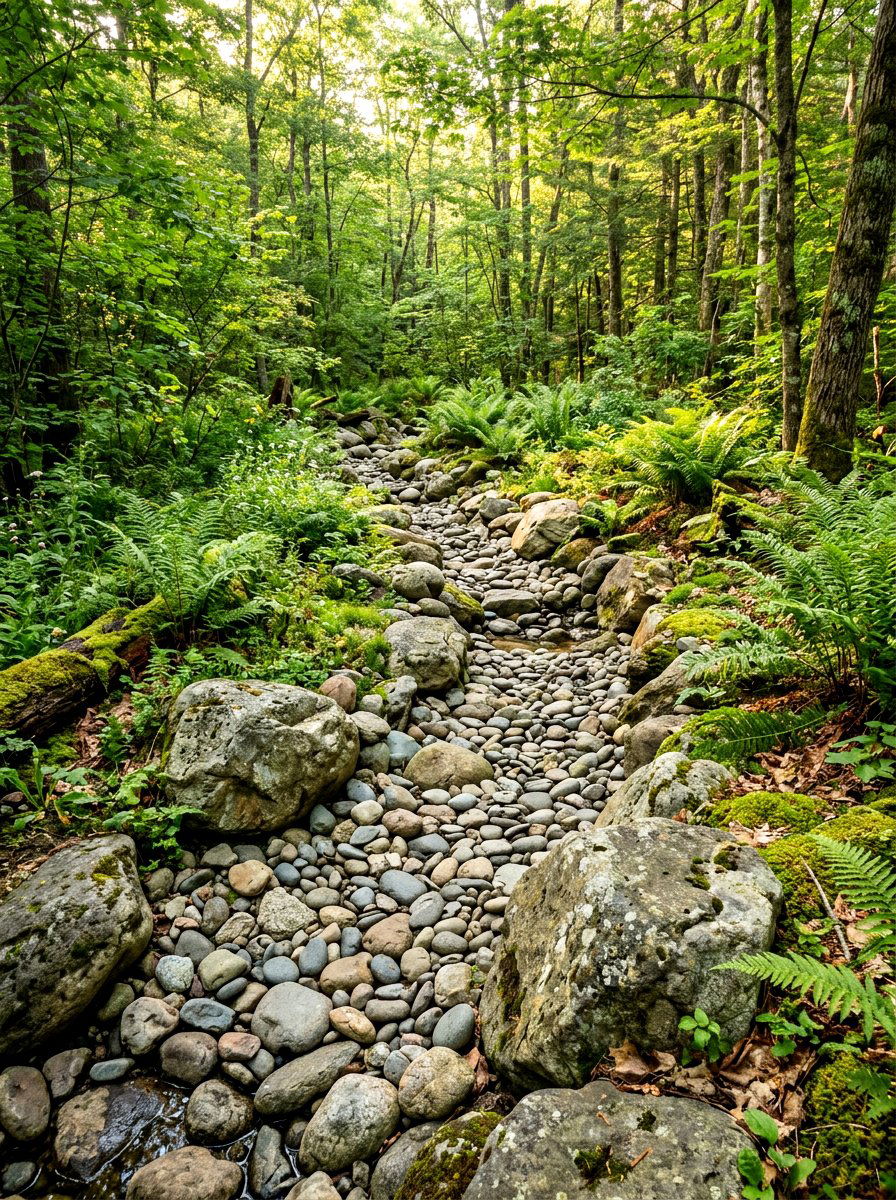
The gentle sound of running water from a woodland stream adds a sensory layer that makes any garden feel more immersive. You can design a small, recirculating stream using natural river rocks and pebbles to mimic a mountain brook. Surround the banks with moisture-loving plants like Irises and Marsh Marigolds to soften the edges of the water feature. This element not only provides a focal point but also attracts birds and butterflies to your yard for hydration. The movement of the water helps to oxygenate the area and creates a cooling effect during the summer. A well-placed stream turns a quiet corner into a dynamic and living part of your home landscape.
5. Wildlife Log
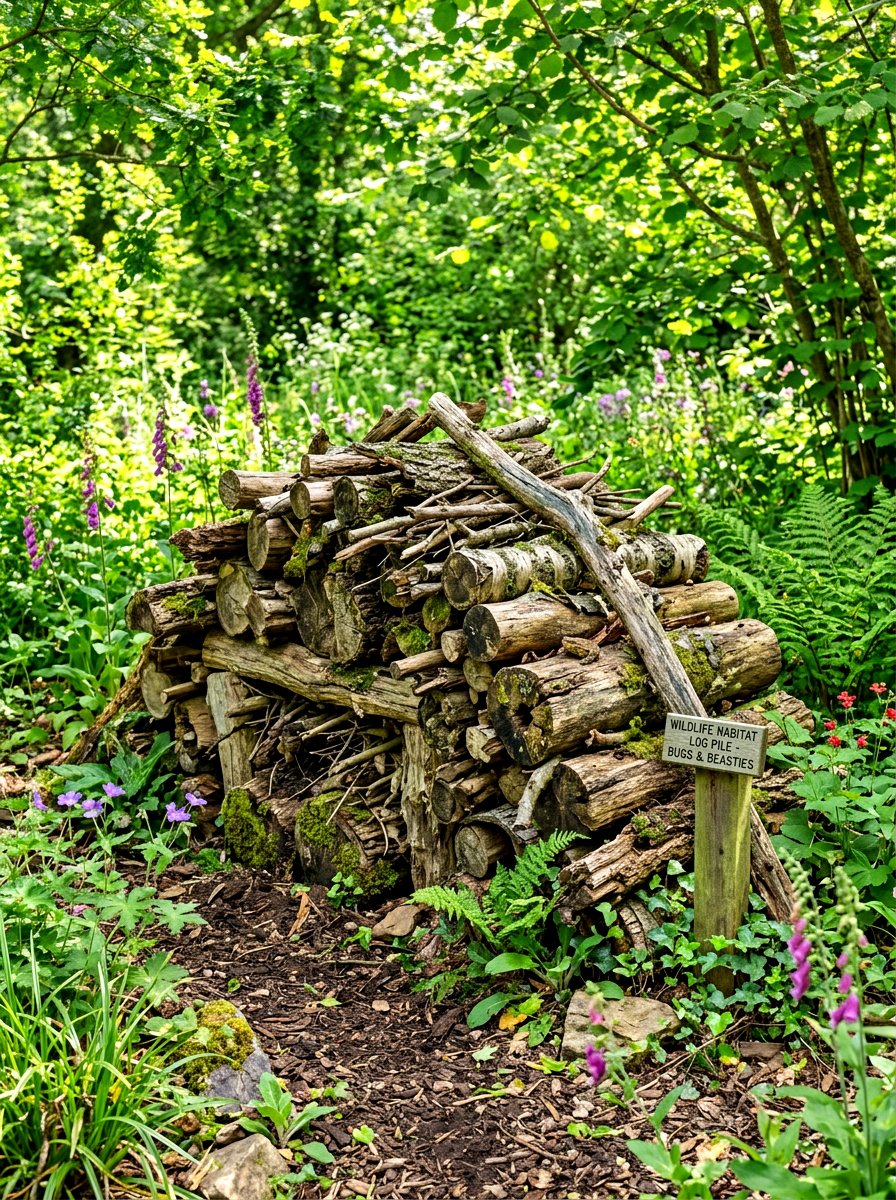
Creating a wildlife log pile is a simple yet effective way to support local biodiversity while adding rustic charm. Fallen branches and logs can be artistically stacked in a quiet corner to provide shelter for hedgehogs, toads, and various insects. As the wood slowly decays, it enriches the soil and provides a food source for many beneficial species. You can plant small ferns or woodland flowers around the base to help the log pile blend into the surrounding greenery. This feature celebrates the natural cycle of life and decay that is essential for a healthy woodland ecosystem. It is a cost-effective and environmentally friendly way to enhance the ecological value of your property.
6. Rustic Bench
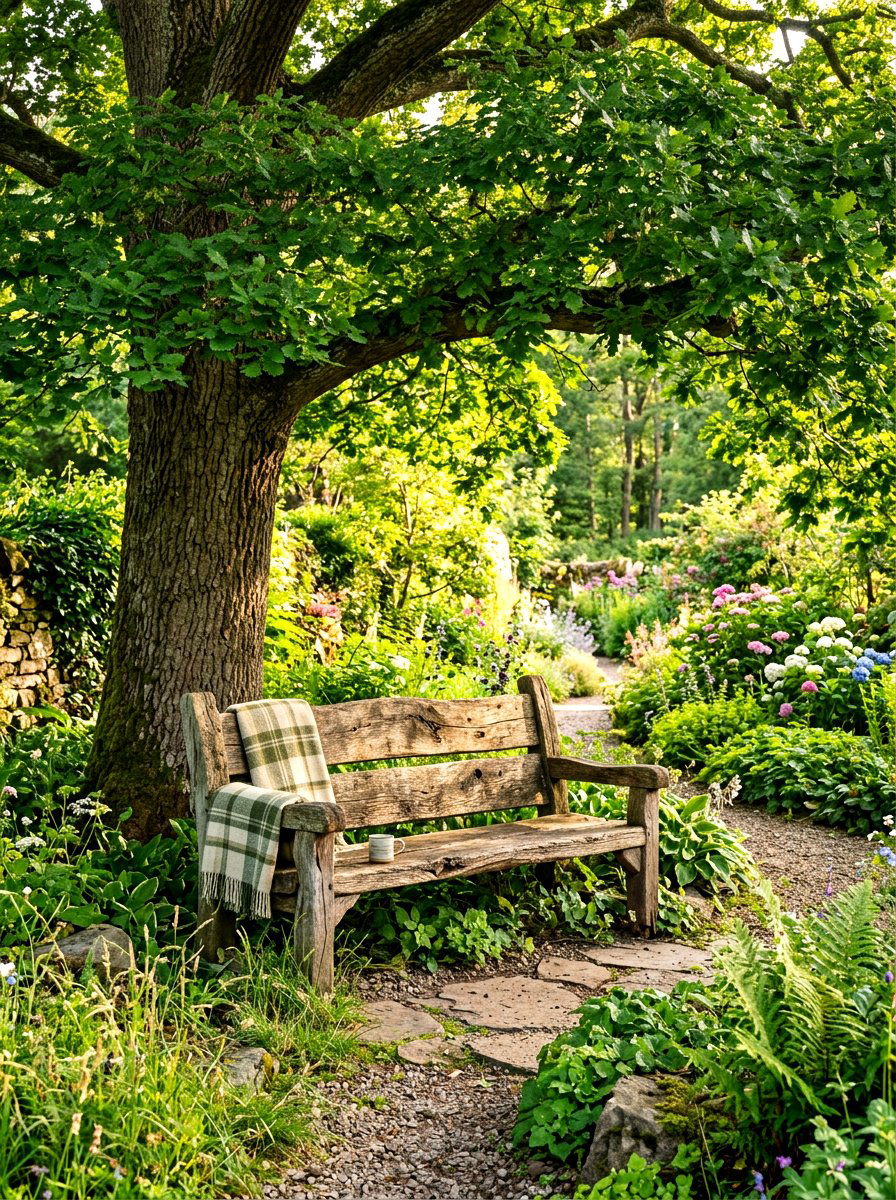
A rustic bench placed in a secluded spot invites you to sit and enjoy the quiet beauty of your garden. Using natural materials like weathered timber or stone ensures the seating looks like it belongs in the woodland setting. Position the bench at the end of a winding path or under a large canopy tree to provide a sense of enclosure. This simple addition creates a functional destination that encourages you to spend more time outdoors. You can surround the seating area with fragrant plants to enhance the relaxation experience as you watch the wildlife. A sturdy bench acts as a grounding element that balances the wild and untamed aspects of forest-inspired landscaping.
7. Spring Bulb
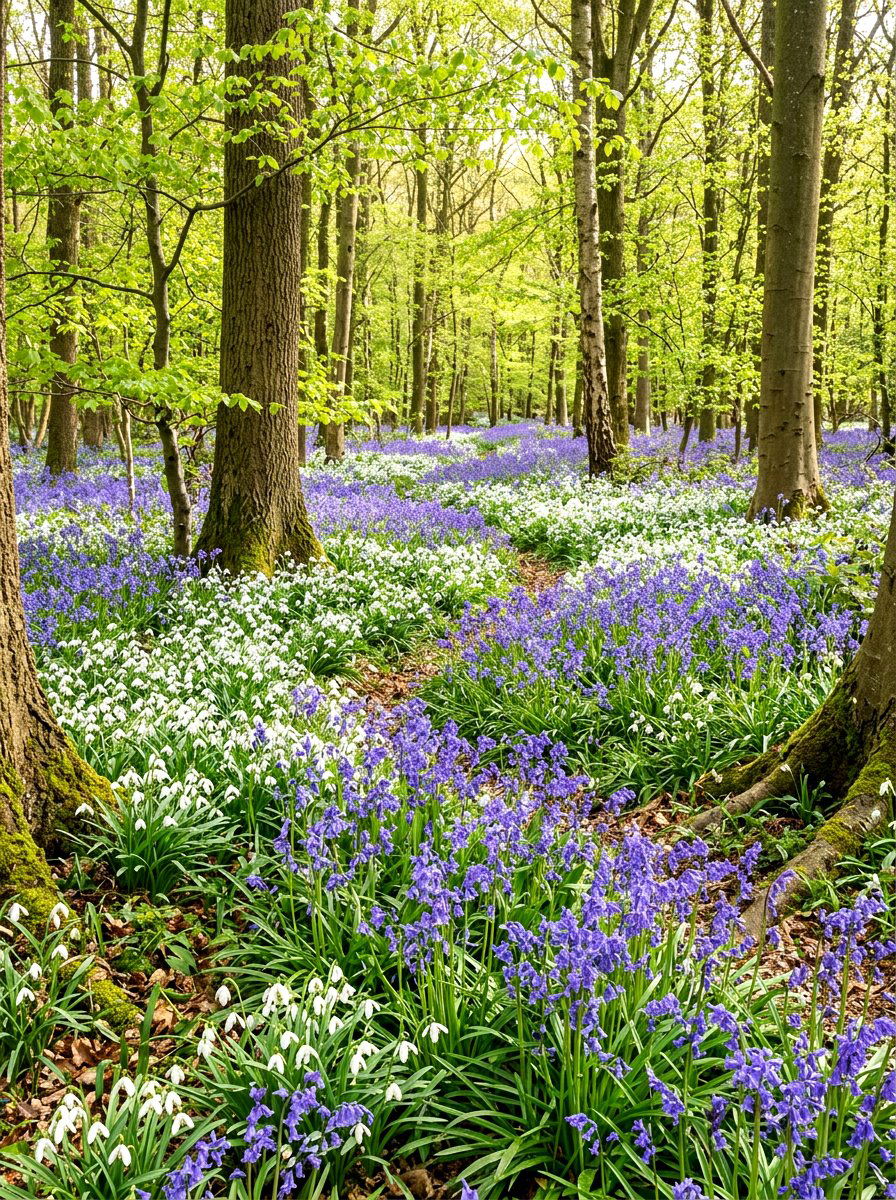
Planting spring bulbs under the canopy of deciduous trees provides a spectacular burst of color before the leaves fully emerge. Species like Snowdrops, Bluebells, and Wood Anemones are classic choices that naturalize easily in woodland conditions. These flowers take advantage of the early season sunlight to bloom and recharge before the shade deepens in the summer. You should plant them in large, irregular drifts to create a more organic and wild appearance throughout the space. As the bulbs finish flowering, their foliage can be hidden by the emerging perennials and ferns of the summer layer. This strategy ensures that your garden is the first part of your home to wake up.
8. Bark Mulch
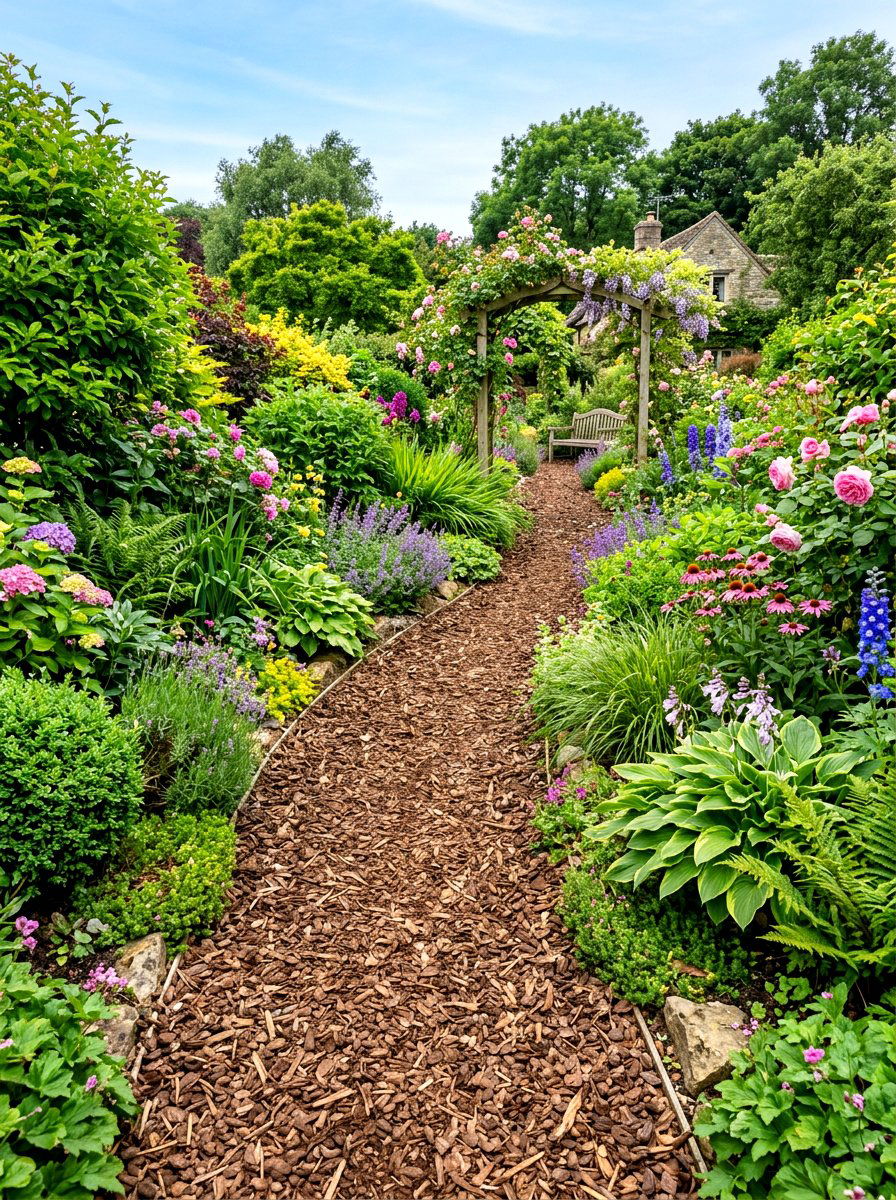
Using bark mulch is a practical and aesthetic way to define paths and protect the soil in a woodland garden. This organic material mimics the natural forest floor by breaking down over time and adding vital nutrients back into the earth. It helps to retain moisture in the soil, which is crucial for plants growing under the thirsty roots of large trees. Bark mulch also provides a soft, natural-looking surface for walking that blends perfectly with the surrounding trees and shrubs. It is an affordable solution for suppressing weeds and keeping the garden looking tidy without using harsh chemicals. Regular top-ups will keep the area looking fresh and well-maintained throughout the entire year.
9. Tree Stump
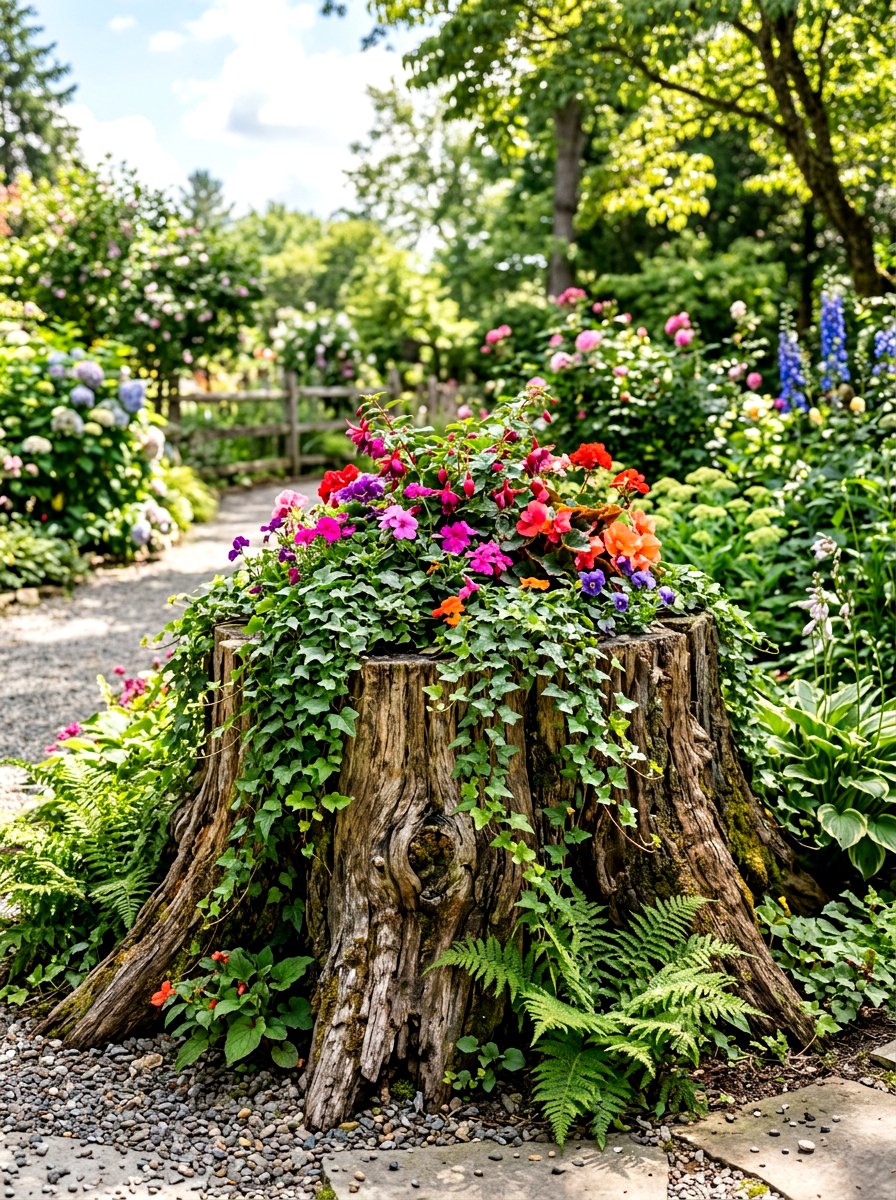
Repurposing a tree stump as a natural planter or a decorative focal point adds character and a sense of history. You can hollow out the center of an old stump to fill it with soil and shade-loving flowers or trailing vines. This turns a potential eyesore into a beautiful piece of living art that supports the overall woodland theme. If the stump is large and flat, it can also serve as a natural side table for a nearby seating area. Over time, moss and lichen may grow on the bark, further enhancing its aged and organic appearance. Using existing elements like stumps reduces waste and honors the life of the trees that once grew there.
10. Layered Canopy
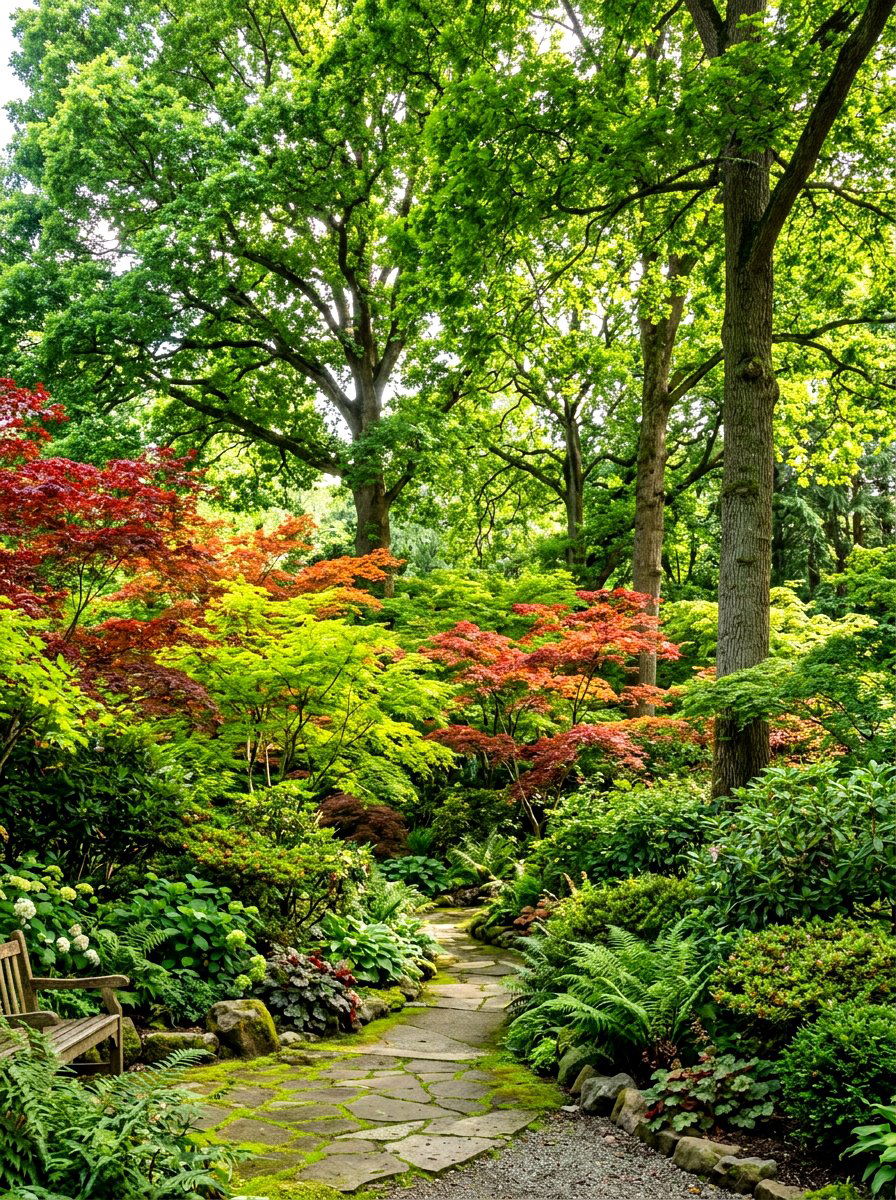
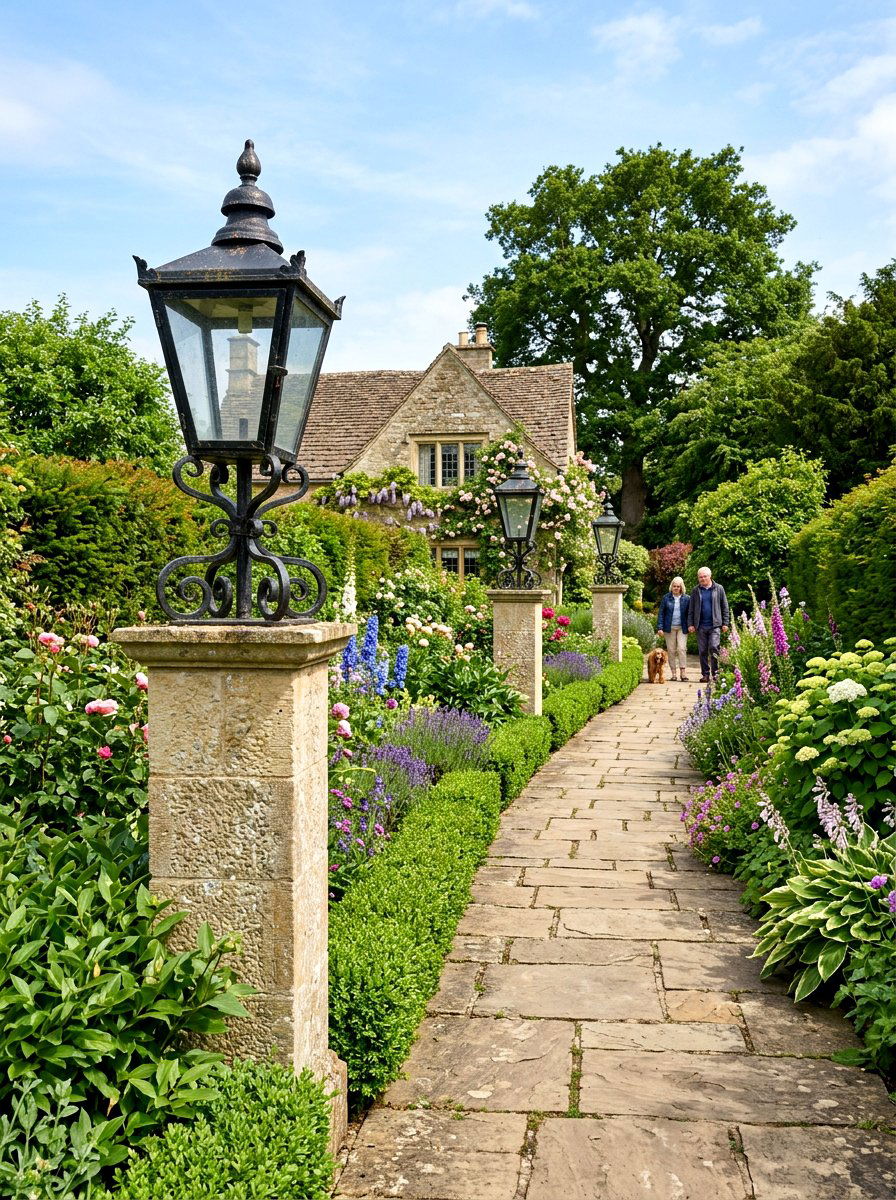
Designing a layered canopy is the key to achieving the depth and complexity found in a real forest environment. You should start with tall overstory trees, followed by smaller understory trees and a diverse layer of shrubs. This vertical structure creates different light levels and microclimates that allow a wide variety of plants to thrive together. The multiple layers also provide essential nesting sites and food sources for birds and other forest-dwelling creatures. By carefully selecting plants for each level, you can ensure that your garden feels lush and full from the ground to the sky. This approach maximizes the use of space in both small and large backyards for a stunning effect.
11. Hosta Border
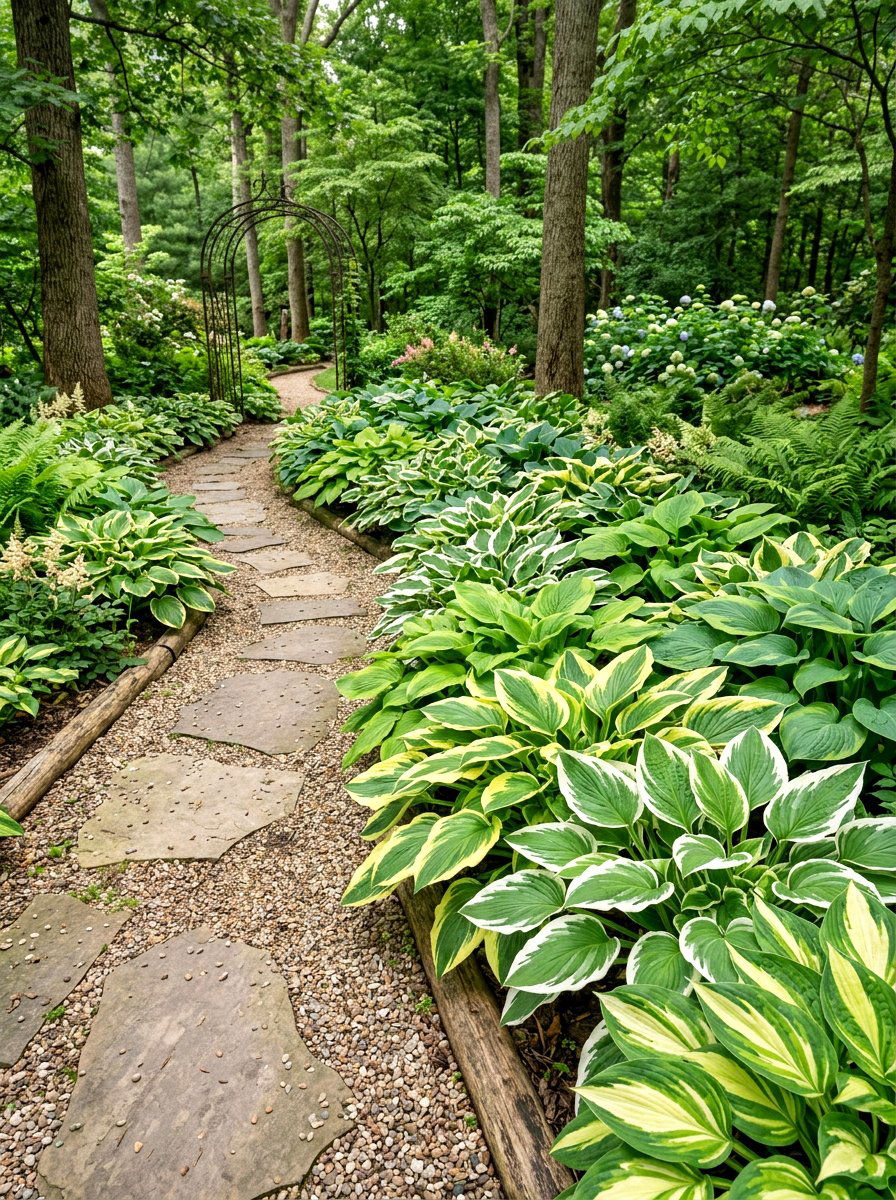
A hosta border is a classic choice for adding massive amounts of texture and greenery to the edges of your paths. These plants come in an incredible range of sizes, colors, and leaf patterns, from deep blue-green to bright chartreuse. Their broad leaves provide a perfect contrast to the fine textures of ferns and ornamental grasses in the garden. Hostas are incredibly hardy and can tolerate deep shade, making them perfect for those tricky spots under heavy tree cover. They also produce elegant flower spikes in the summer that attract pollinators like bees and hummingbirds to the area. Planting them in long rows creates a clean and organized look that still feels very natural.
12. Stone Step
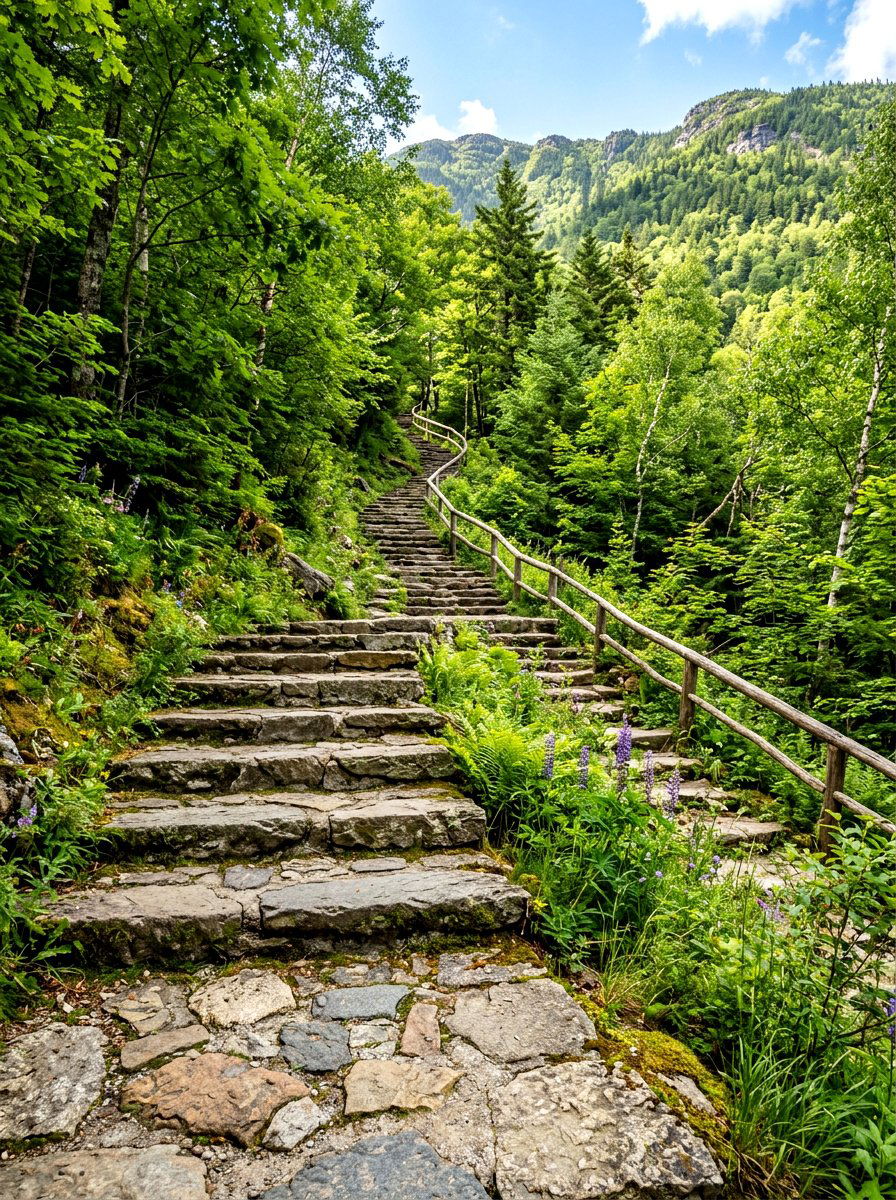
Installing stone steps on sloped areas of your woodland garden provides safe access while adding a rugged, timeless aesthetic. Using flat, natural fieldstones or weathered slabs ensures that the steps blend seamlessly into the earthy environment. You can plant small creepers or moss in the gaps between the stones to soften the look and prevent soil erosion. This feature helps to navigate uneven terrain and adds a structural element that guides visitors through the different levels of the space. Stone is a durable material that requires very little maintenance and only looks better as it ages and weathers. These steps turn a challenging hill into a beautiful and functional part of your outdoor retreat.
13. Wildflower Patch
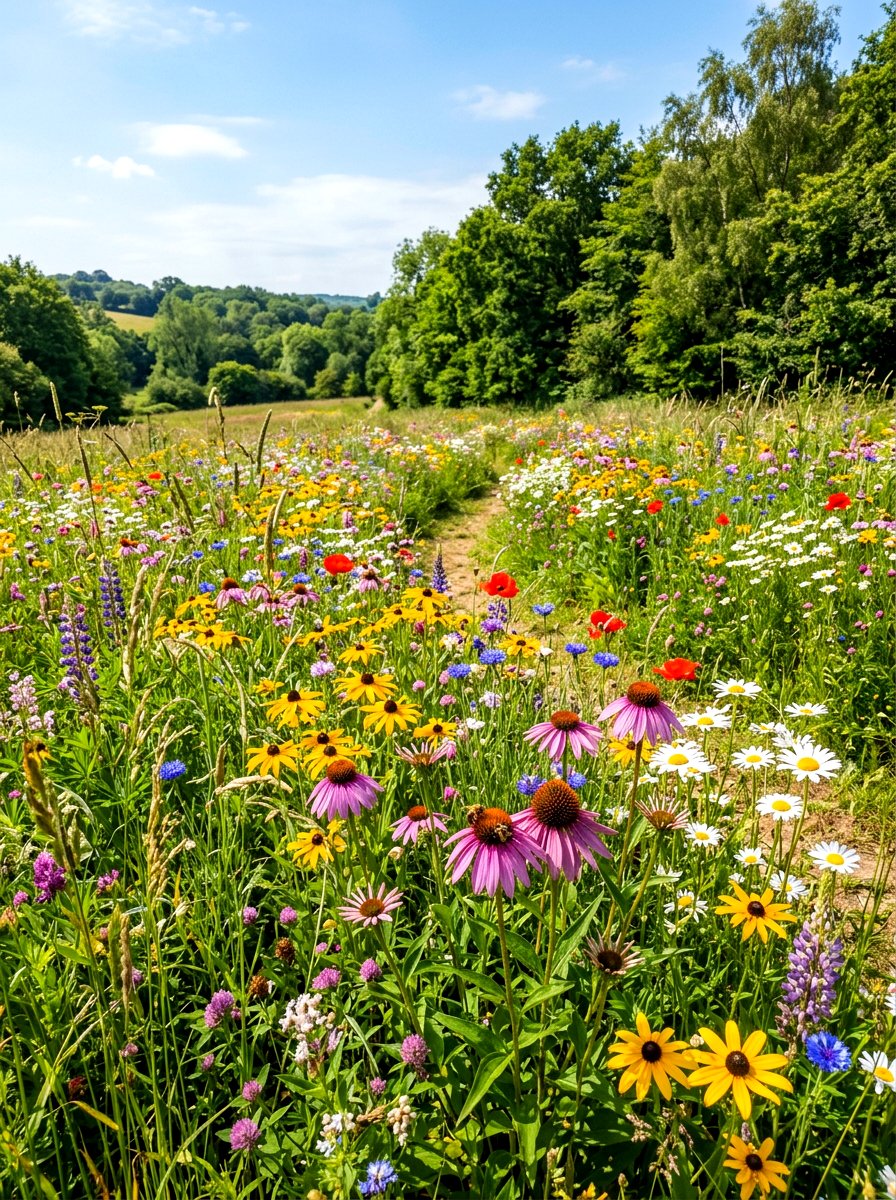
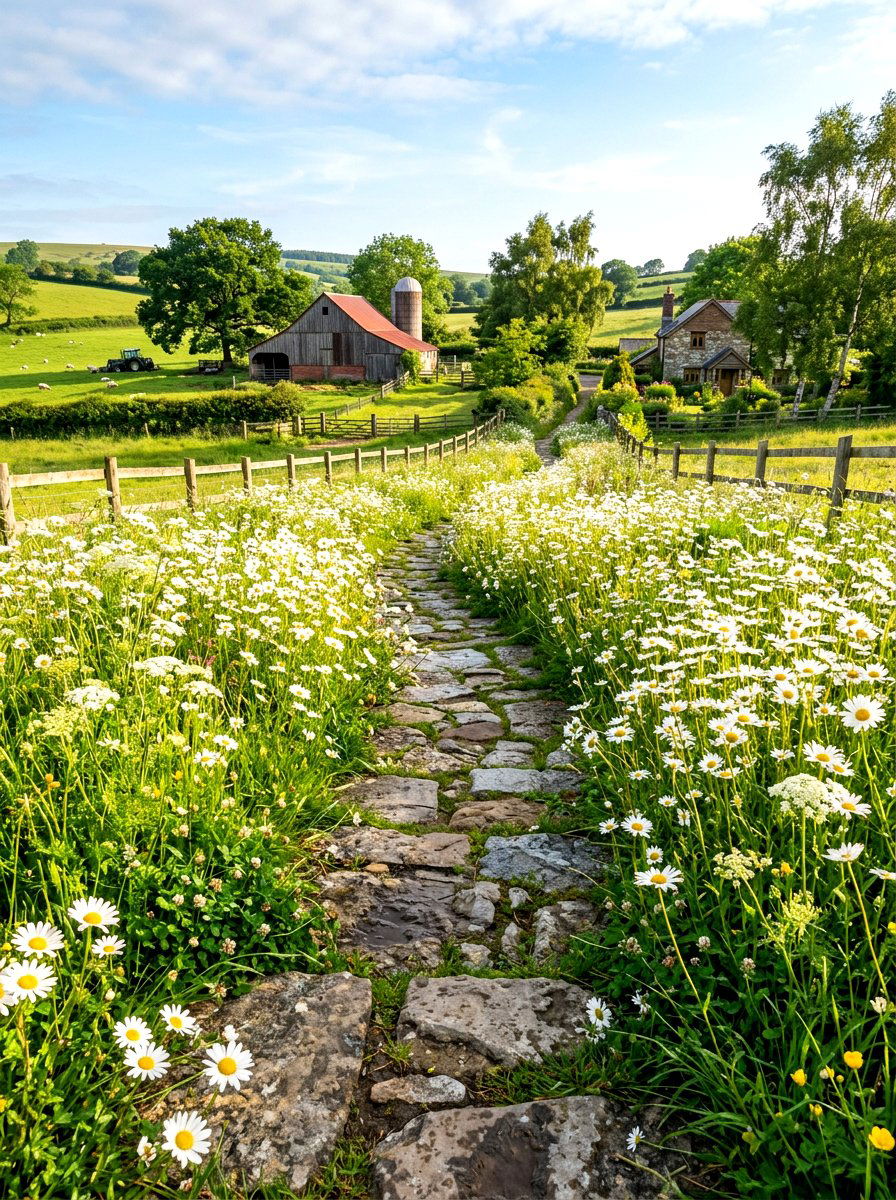
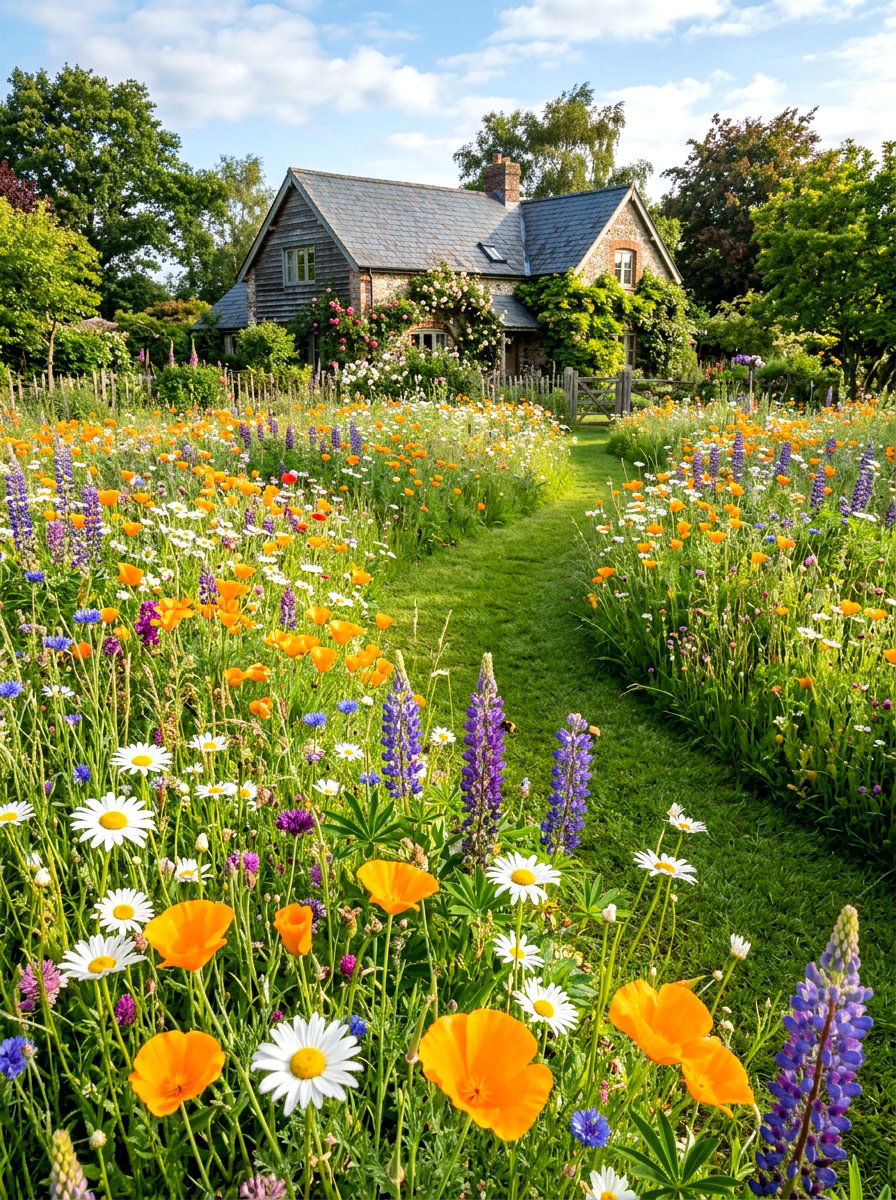
A wildflower patch brings a sense of whimsy and uncontrolled beauty to the sunnier edges of a woodland garden. Sowing a mix of native woodland seeds creates a colorful meadow that changes throughout the growing season with new blooms. These flowers provide essential nectar for bees and butterflies, making your garden a hub for local pollinator activity. You can choose species that are adapted to your specific region to ensure they are hardy and easy to grow. A wildflower area requires less frequent mowing and maintenance than a traditional lawn, saving you time and resources. It creates a soft transition between the dense forest area and more open parts of your landscape.
14. Naturalistic Pond
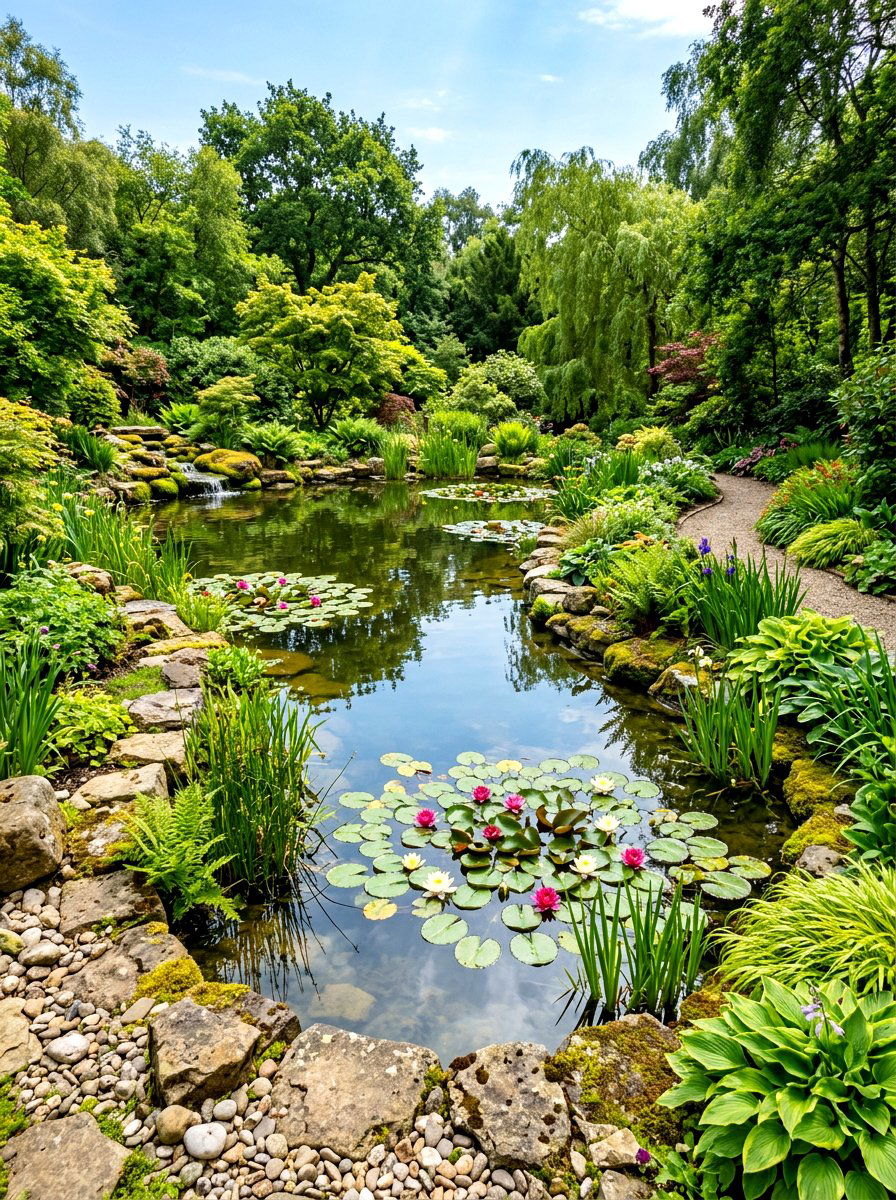
A naturalistic pond serves as a peaceful heart for your garden, reflecting the sky and the surrounding greenery in its still water. You can design the pond with irregular edges and shallow areas to accommodate a variety of aquatic plants and wildlife. Surrounding the water with rocks, logs, and lush foliage helps it blend into the woodland setting without looking artificial. This water feature provides a vital habitat for frogs, dragonflies, and birds, increasing the overall biodiversity of your property. The presence of water has a calming effect on the mind and helps to mask unwanted noise from the neighborhood. A well-balanced pond is a self-sustaining ecosystem that brings joy and serenity to your home.
15. Fairy Garden
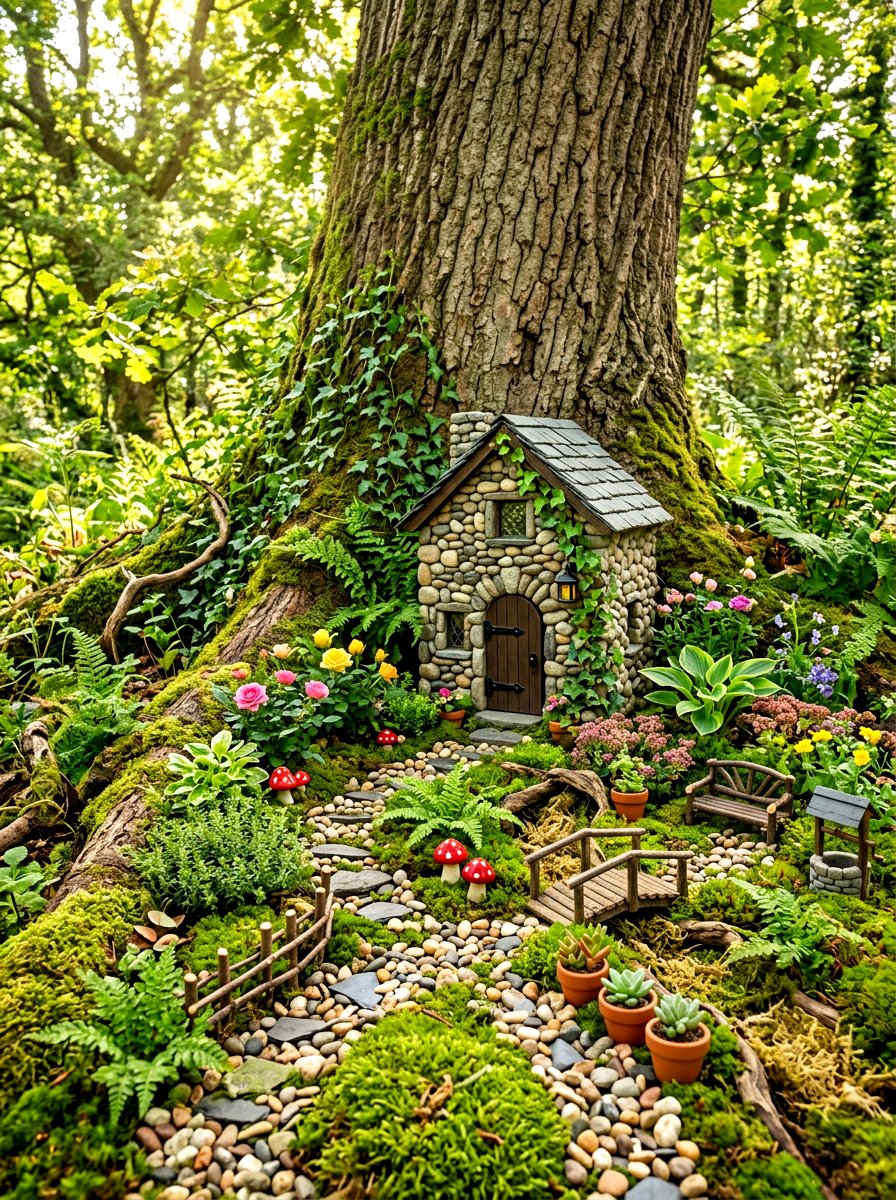
Creating a small fairy garden tucked away in the roots of a tree adds a touch of magic for children and adults. You can use tiny pebbles, moss, and miniature plants to build a whimsical scene that sparks the imagination of every visitor. Adding small wooden doors or stone paths creates a sense of wonder and discovery as people explore the garden. This feature is perfect for involving kids in gardening and teaching them about the importance of protecting nature. It can be as simple or as detailed as you like, using found natural objects from the woods. A fairy garden adds personality and a unique story to a quiet corner of your backyard space.
16. Pine Needle
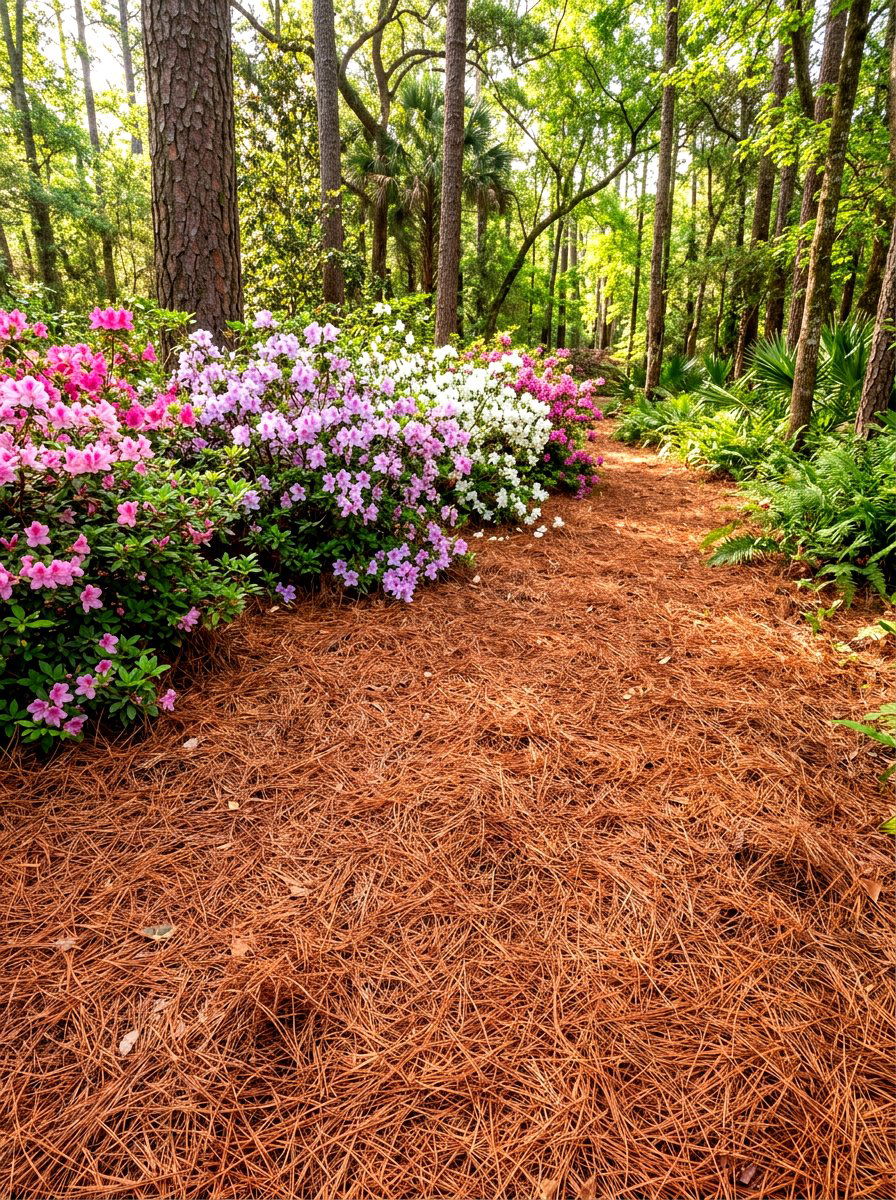
Using pine needles as a mulch or path material provides a distinct fragrance and a beautiful rust-colored texture to the ground. Also known as pine straw, this material is excellent for acid-loving plants like azaleas and blueberries that often grow in woodlands. Pine needles stay in place well on slopes and do not wash away as easily as some other types of mulch. They provide a soft, quiet surface for walking and help to keep the soil beneath them cool and moist. As they decompose, they continue to acidify the soil, which is beneficial for many forest species. This is a sustainable and natural choice that enhances the authentic woodland feel of your outdoor landscape.
17. Flowering Shrub
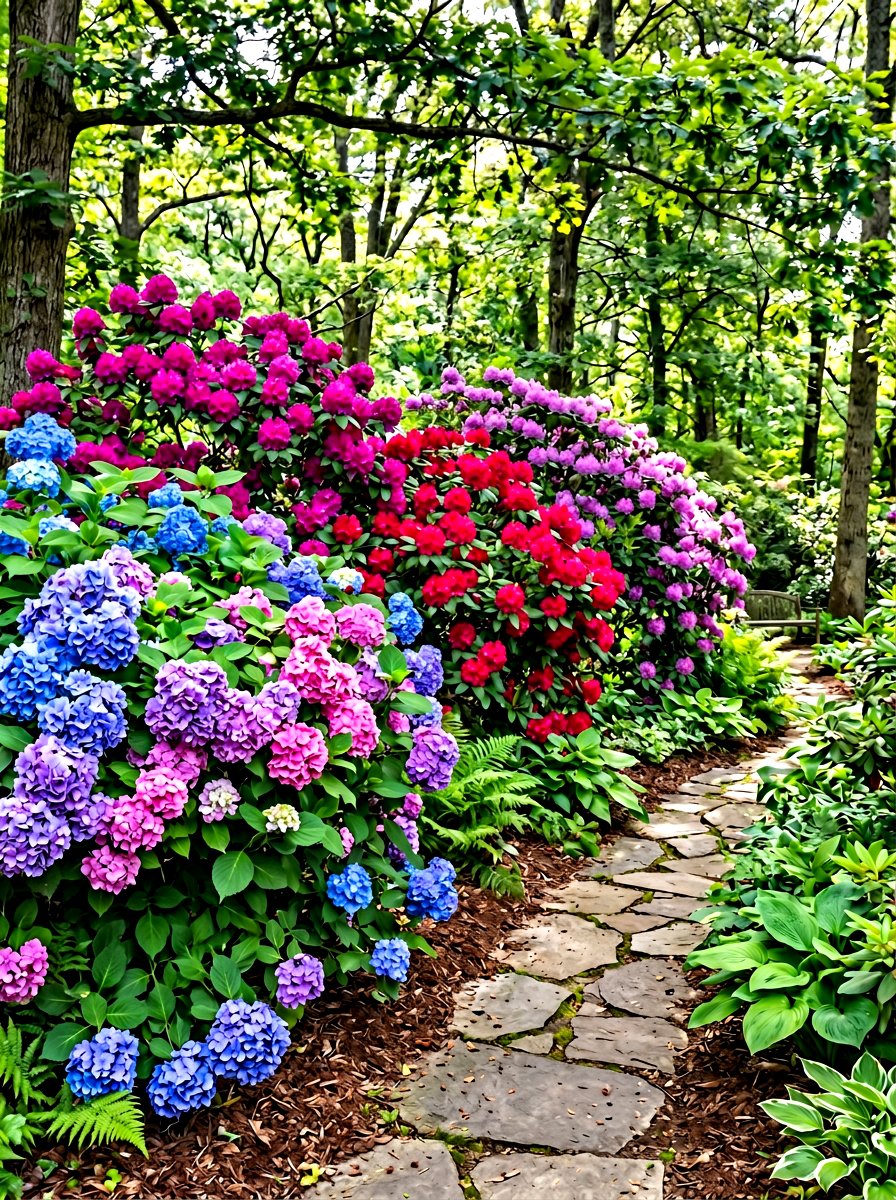
Flowering shrubs like Azaleas and Hydrangeas are essential for adding structure and seasonal color to the middle layer of your garden. These plants thrive in the dappled light found under larger trees and provide a stunning display of blooms in the spring and summer. Many varieties also offer interesting foliage or bright berries in the autumn, extending the visual appeal of the space. You can use shrubs to create natural privacy screens or to define different zones within the garden layout. Choosing a mix of evergreen and deciduous shrubs ensures that your woodland retreat remains private and beautiful even during the winter months. They are the backbone of a successful forest-themed design.
18. Rhododendron Border
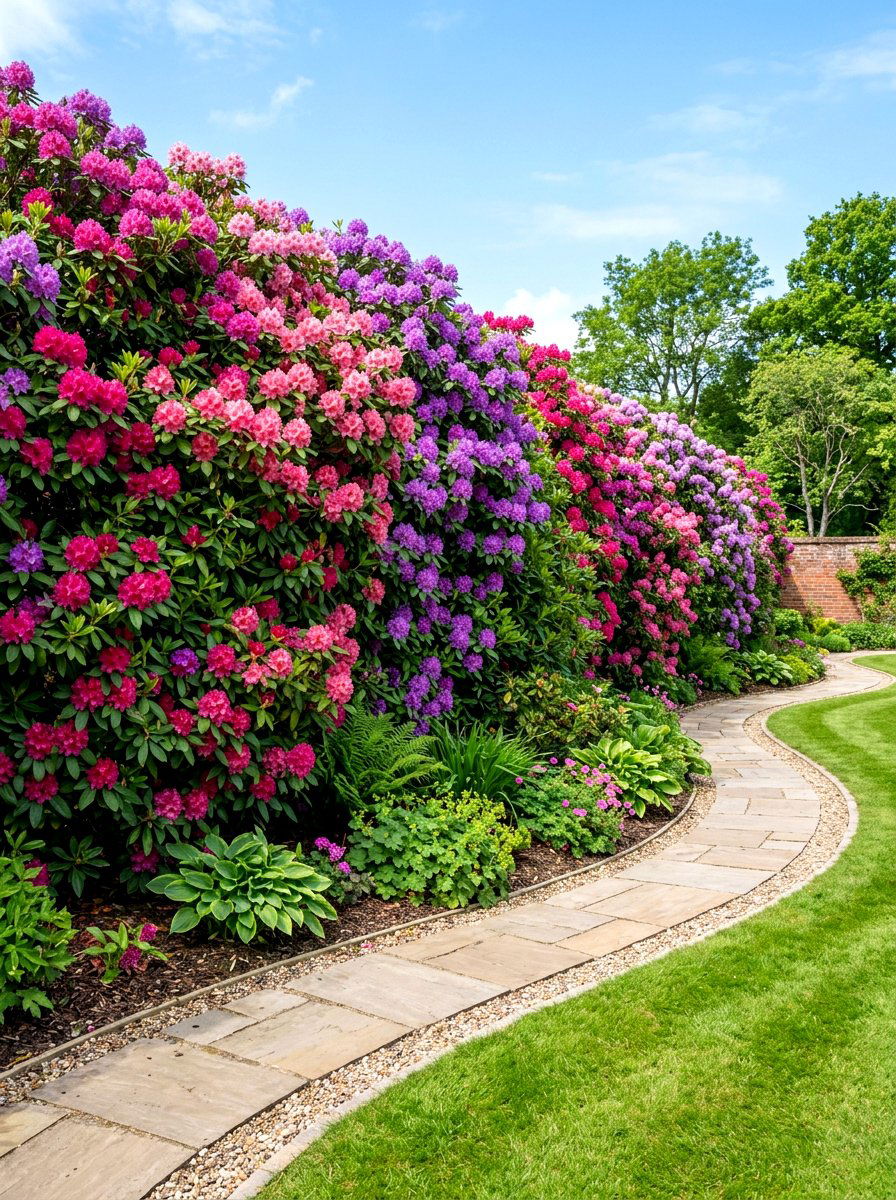
A rhododendron border creates a massive wall of evergreen leaves and spectacular floral clusters that define the perimeter of your space. These shrubs are famous for their vibrant colors, ranging from pure white to deep purple and fiery red. They prefer the acidic soil and partial shade typical of woodland environments, making them a very reliable choice for this style. When planted in a row, they provide an excellent windbreak and sound barrier for your backyard sanctuary. Their thick, leathery leaves stay green all year, providing a consistent backdrop for smaller perennials and spring bulbs. A mature border of rhododendrons adds a sense of luxury and established beauty to any home garden.
19. Understory Tree
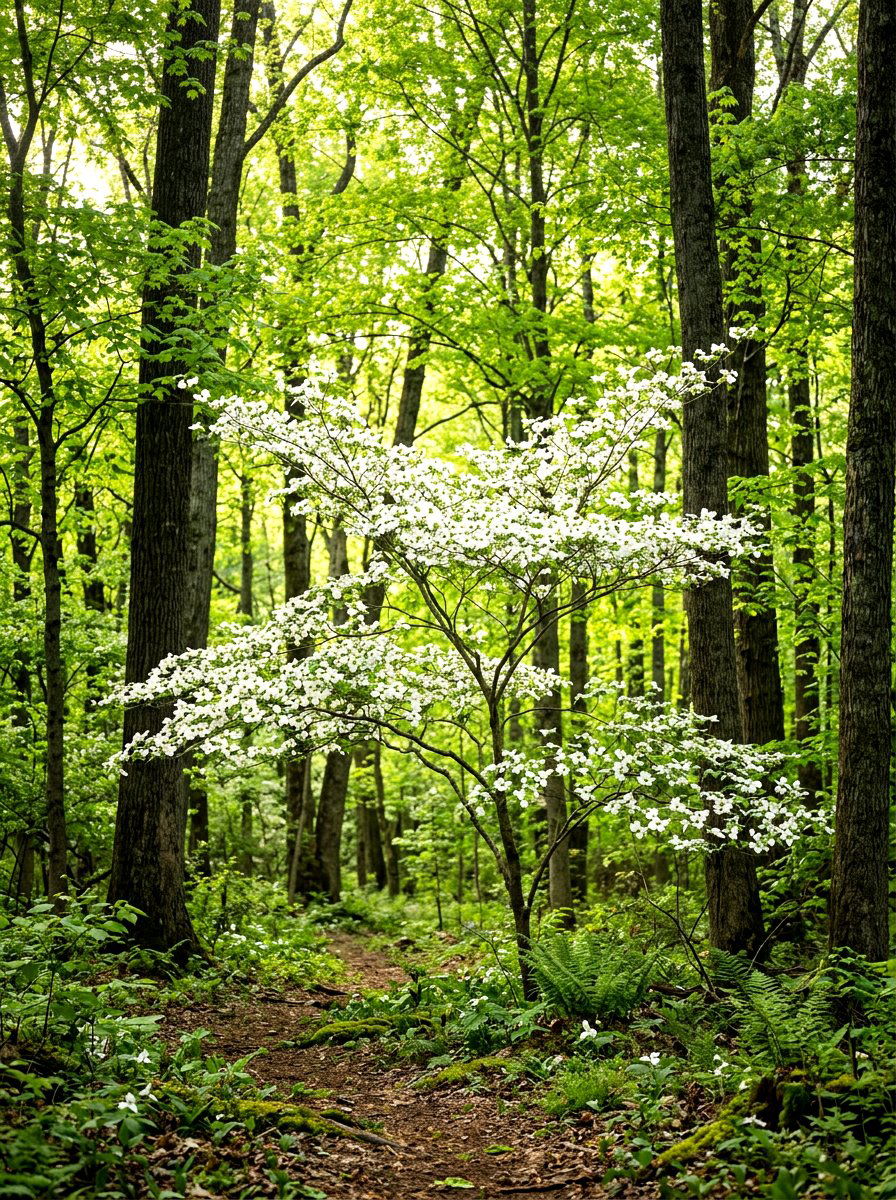
Understory trees like Dogwoods and Japanese Maples are perfect for adding height and delicate branch patterns below the tall forest canopy. These trees are adapted to grow in lower light levels and often have beautiful bark, flowers, or autumn foliage. They act as a bridge between the high tree tops and the lower shrubs, creating a full and lush appearance. Placing them strategically near seating areas or windows allows you to enjoy their intricate details from a close distance. These trees also provide important shelter and food for birds that prefer to stay off the ground. Adding an understory layer makes the garden feel more intimate and provides a sense of protective enclosure.
20. Garden Hammock
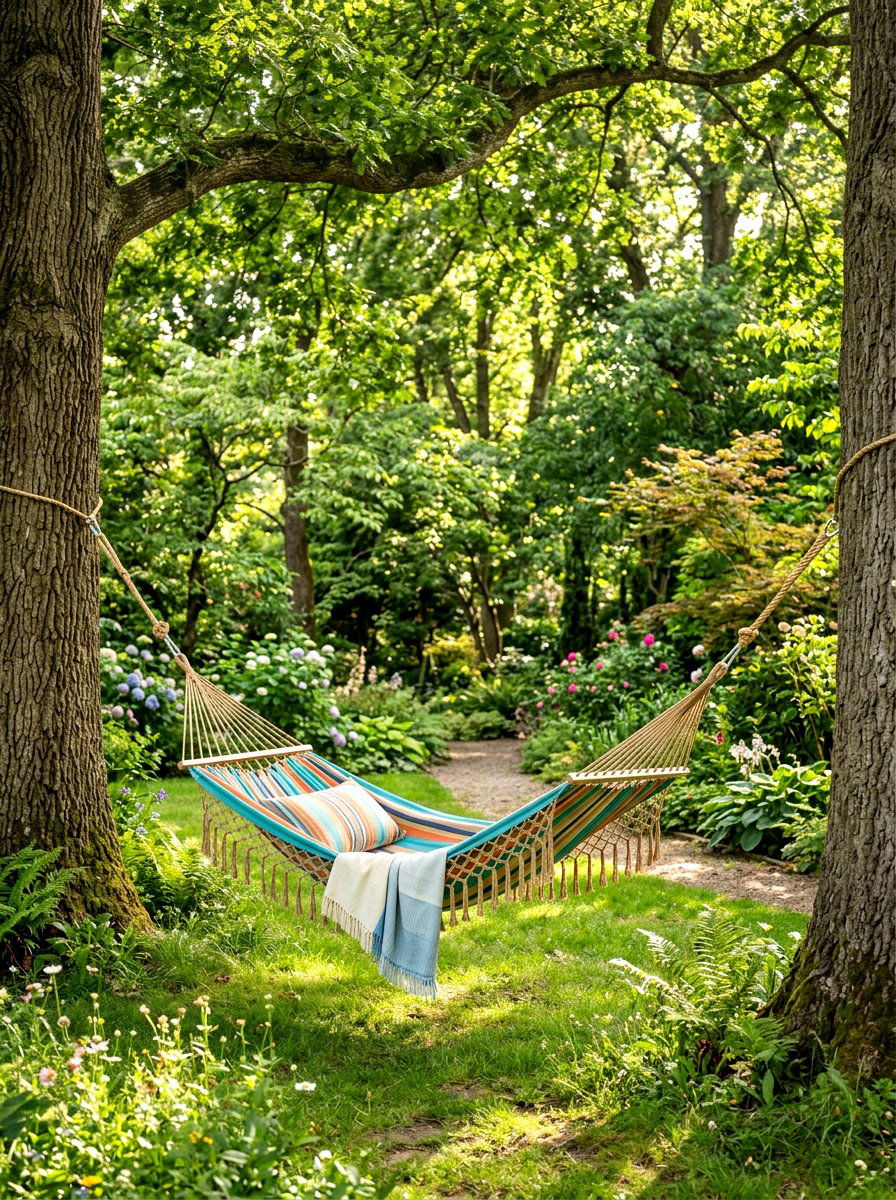
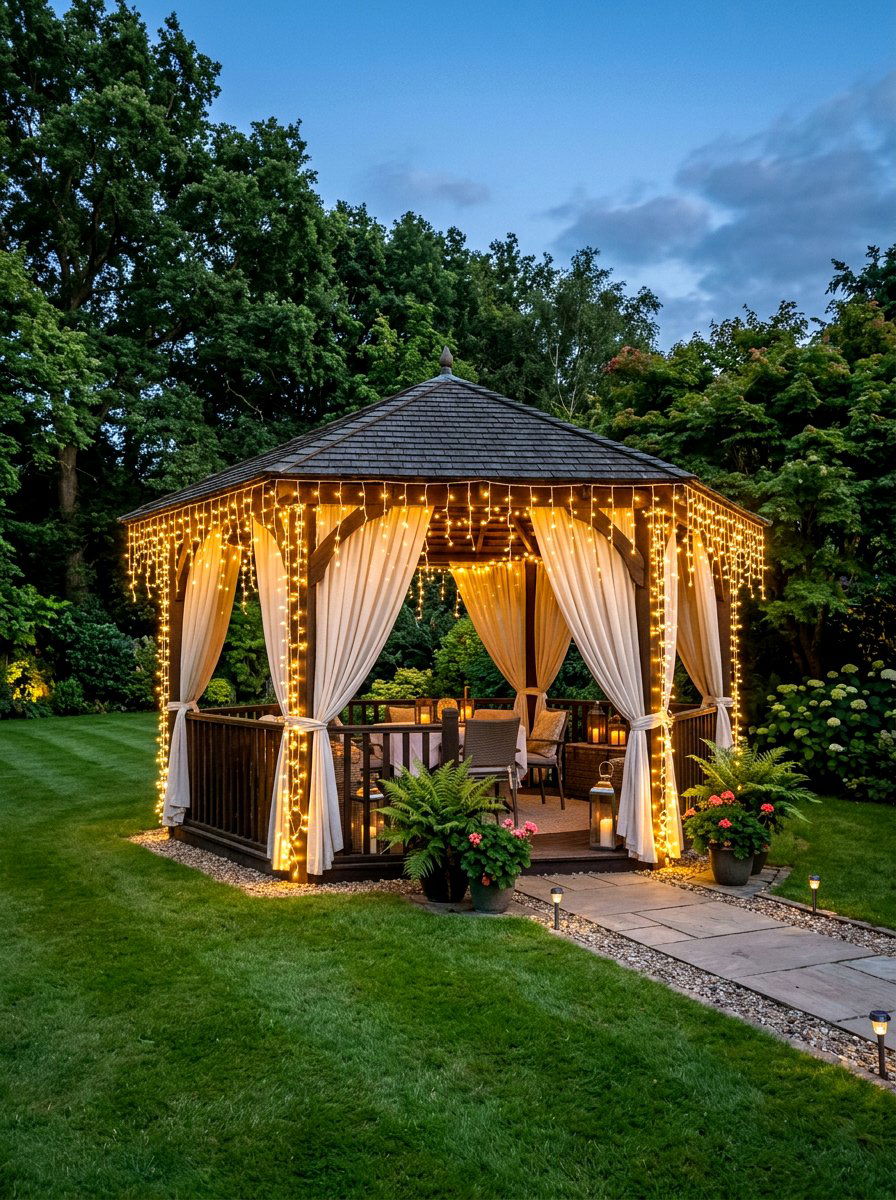
Hanging a garden hammock between two sturdy trees offers the ultimate way to relax and soak in the woodland atmosphere. The gentle swaying motion combined with the sounds of rustling leaves and birdsong creates a deeply therapeutic experience for the mind. You can choose a neutral-colored fabric to ensure the hammock blends into the natural surroundings without being visually distracting. This simple addition turns a quiet part of the woods into a functional living space for reading or napping. It is an easy way to enjoy the cooling shade of your trees during the peak of summer. A hammock encourages a slower pace of life and a deeper connection with the natural world around you.
21. Bird Feeder
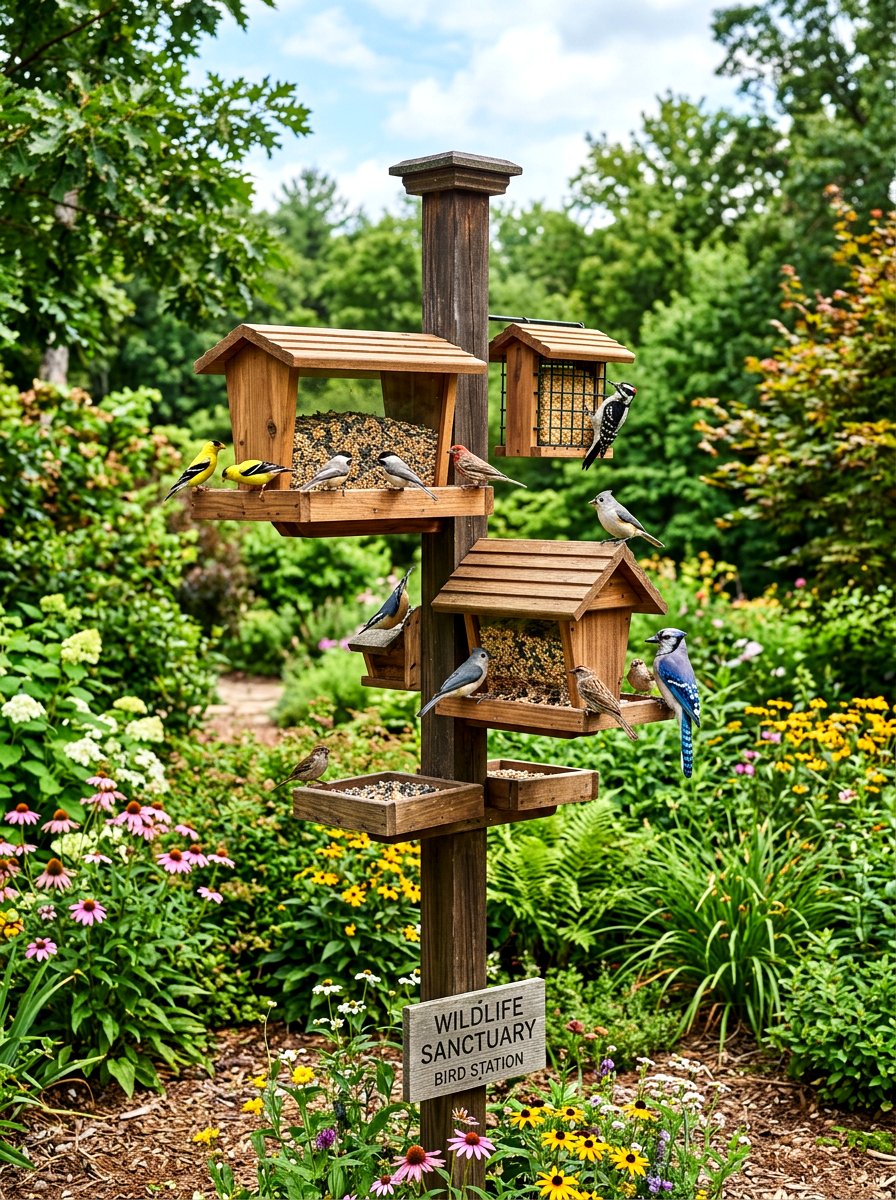
Installing a bird feeder station attracts a variety of local feathered friends, bringing movement and music to your woodland garden. You can use several types of feeders to provide seeds, suet, and nectar for different bird species throughout the year. Placing the feeders near shrubs or small trees gives the birds a quick place to hide if they feel threatened by predators. Watching the birds interact and feed provides endless entertainment and a sense of connection to the local ecosystem. This feature is especially enjoyable during the winter when food is scarce and the birds are more active at the stations. It is a rewarding way to support and enjoy nature.
22. Rock Fernery
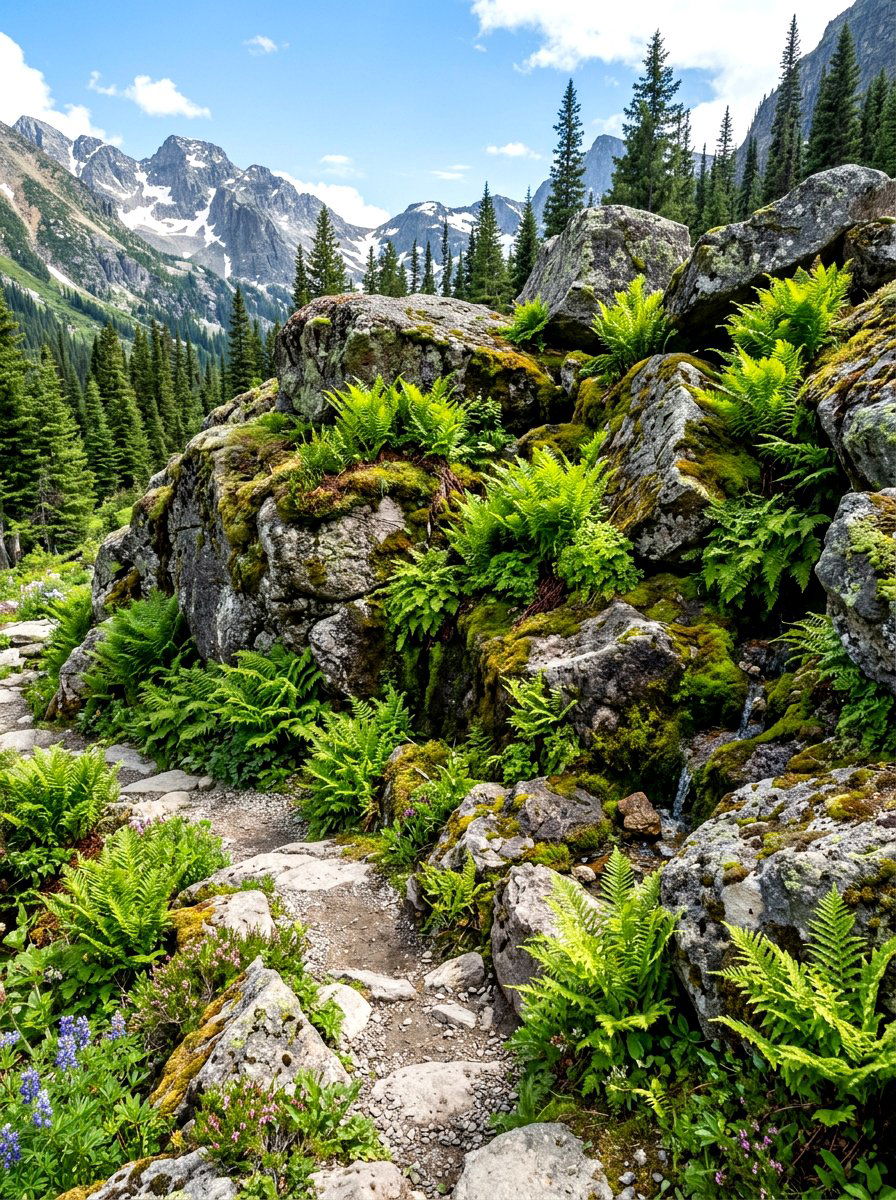
A rock fernery combines the rugged beauty of large stones with the delicate texture of various fern species for a stunning display. You can stack weathered rocks to create crevices and pockets where ferns can grow and spread their graceful fronds. This feature adds a vertical element to the ground layer and mimics the natural outcroppings found in deep mountain forests. The rocks help to retain moisture and provide a cool root environment that ferns absolutely love to grow in. You can also add small woodland flowers or moss to the rocks to create a more diverse and interesting plant community. This design idea turns a pile of stones into a lush oasis.
23. Groundcover Plant
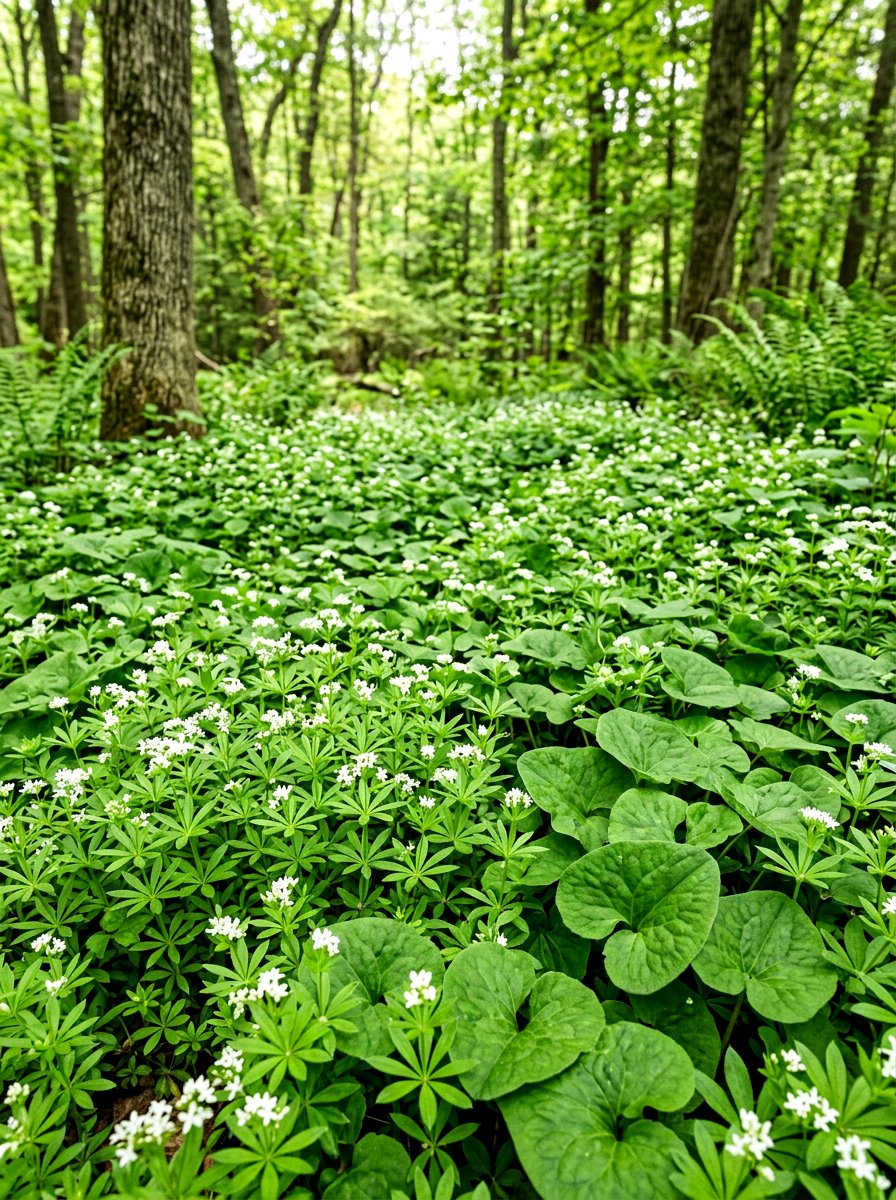
Groundcover plants like Sweet Woodruff and Wild Ginger are essential for filling gaps and creating a green carpet over the soil. These low-growing plants spread quickly to form a dense mat that suppresses weeds and protects the ground from drying out. Many woodland groundcovers have attractive flowers or fragrant leaves that add another layer of interest to the garden floor. Using a mix of different species creates a tapestry of colors and textures that looks much more natural than a single type. These plants are perfect for growing under trees where grass won't survive and require almost no maintenance once they are established. They provide a finished and polished look.
24. Rustic Fence
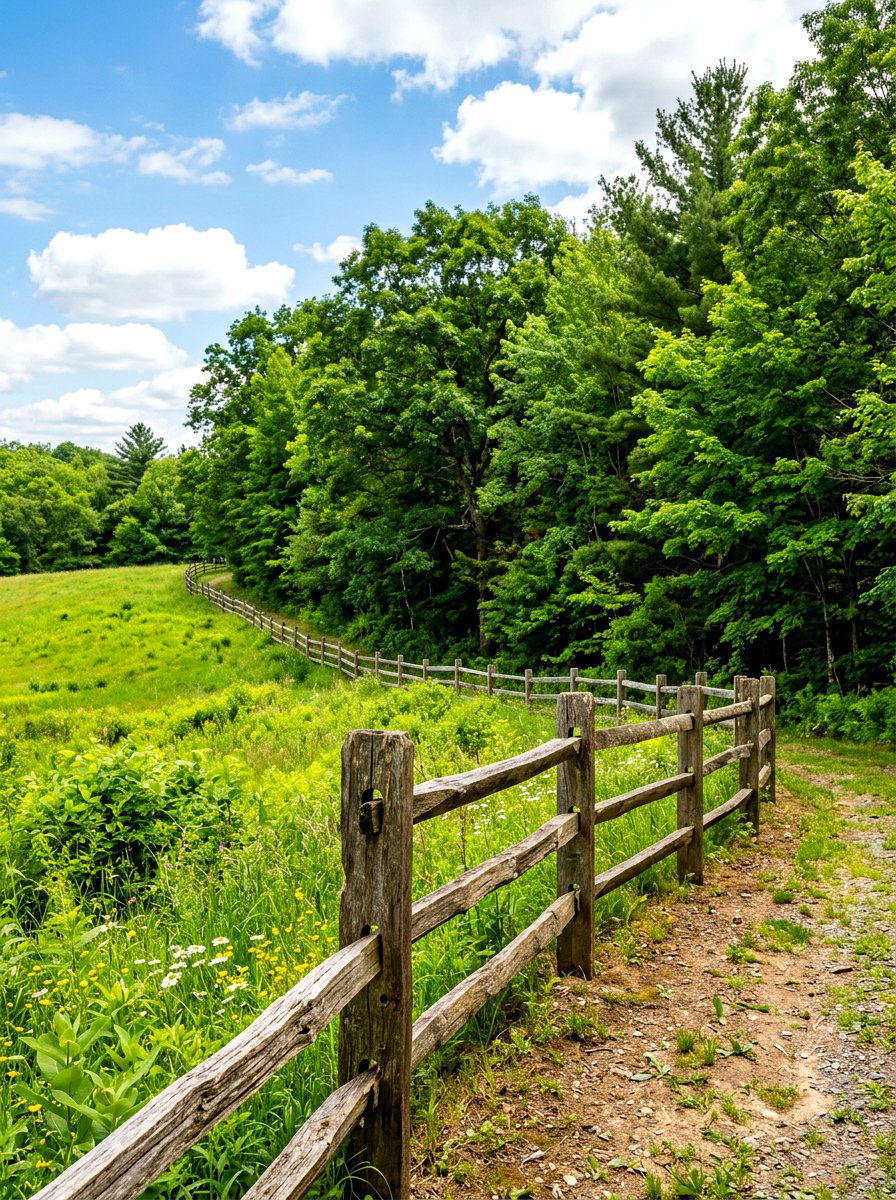
A rustic fence made from woven branches or rough-hewn timber provides a natural boundary that enhances the forest-inspired theme of your property. This type of fencing looks much more at home in a woodland setting than modern metal or plastic alternatives. You can use it to enclose a specific area or simply to add a decorative element that supports climbing vines. Over time, the wood will weather to a beautiful gray or brown, blending perfectly with the surrounding trees and shrubs. A rustic fence provides a sense of security and privacy without making the space feel closed off from nature. It is a charming and eco-friendly way to define your garden edges.


25. Log Section
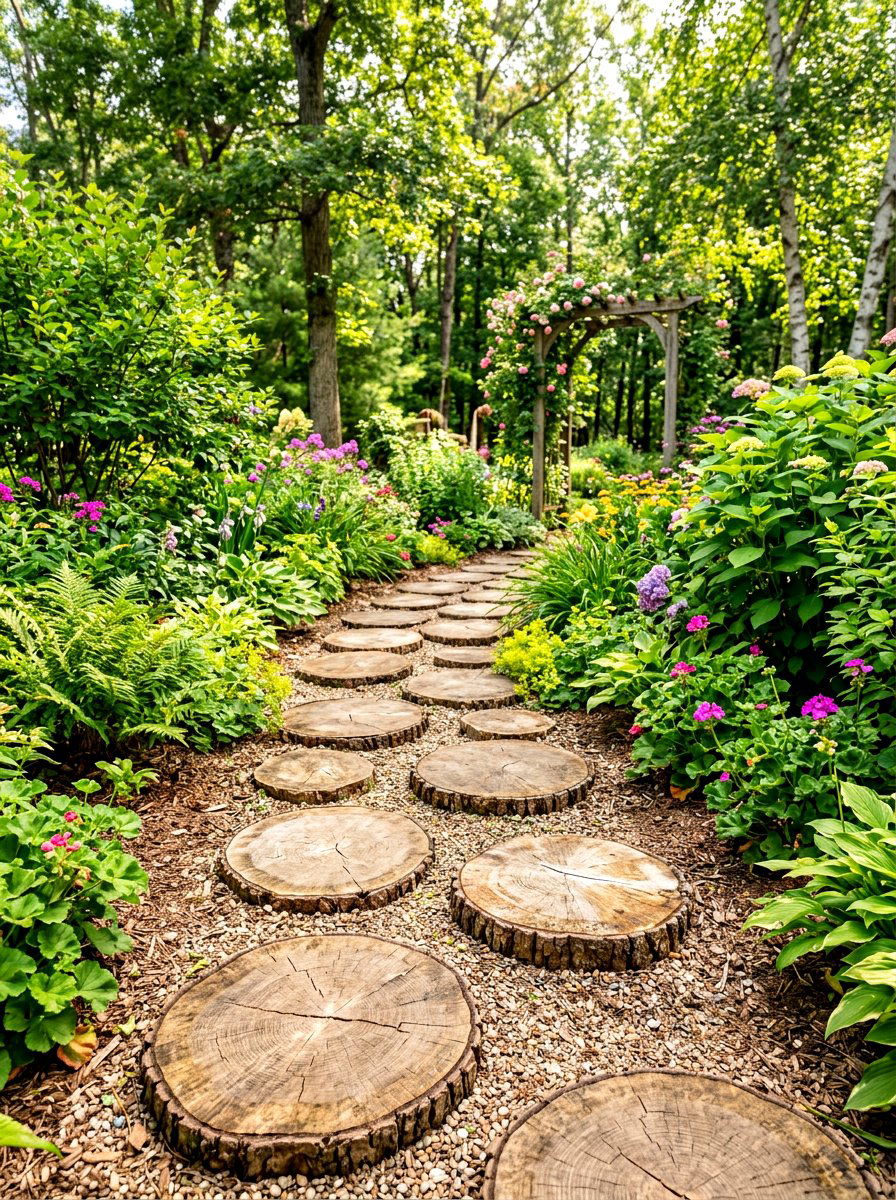
Using log sections as stepping stones or small stools adds a playful and organic touch to the paths in your garden. You can slice thick logs into rounds and set them into the ground to create a stable and unique walking surface. This is a great way to recycle fallen timber from your own property or a local source while saving money. The natural grain and texture of the wood provide a beautiful contrast to the green foliage of the surrounding plants. Over time, these log sections will develop a weathered patina that adds to the character and history of your woodland retreat. They are a simple and effective way to add rustic charm.
26. Bluebell Carpet
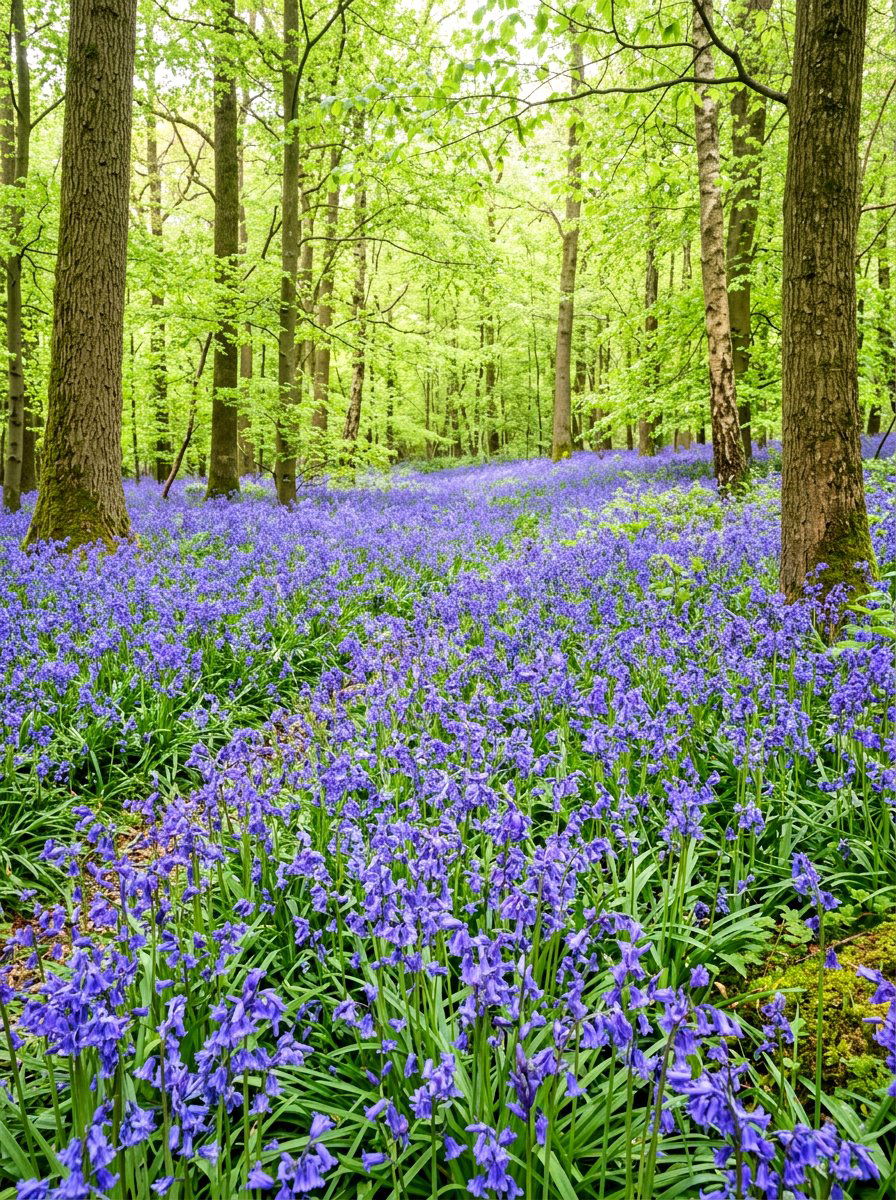
Creating a bluebell carpet is one of the most iconic ways to bring the magic of a spring woodland to your home. Planting hundreds of bulbs in a shaded area results in a breathtaking sea of violet-blue flowers every year in late spring. The delicate scent of the bluebells fills the air, creating a truly immersive and sensory experience for anyone walking nearby. These plants are very hardy and will slowly spread over time to cover even more of the ground in your garden. They look best when planted under deciduous trees where they can enjoy the early sun before the canopy closes. This feature creates a seasonal highlight that you will look forward to.
27. Subtle Lighting
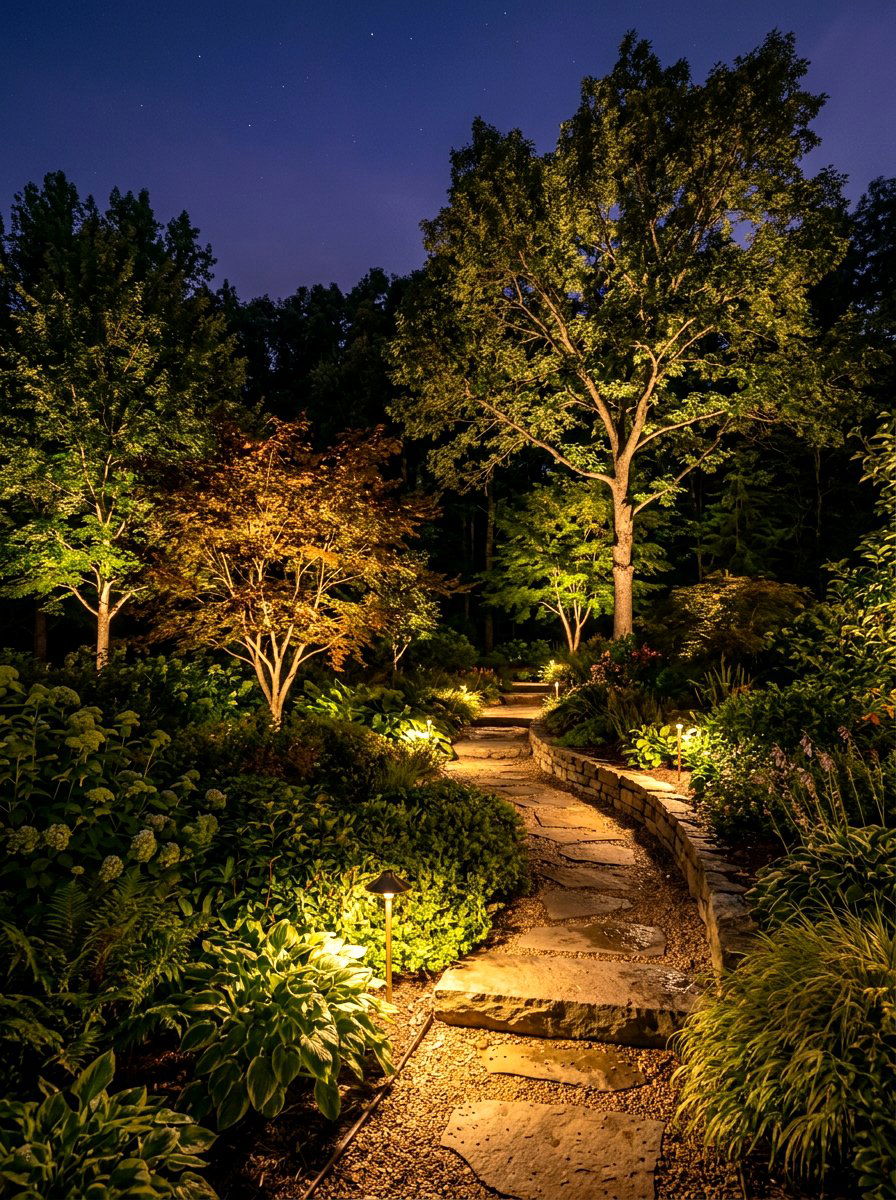
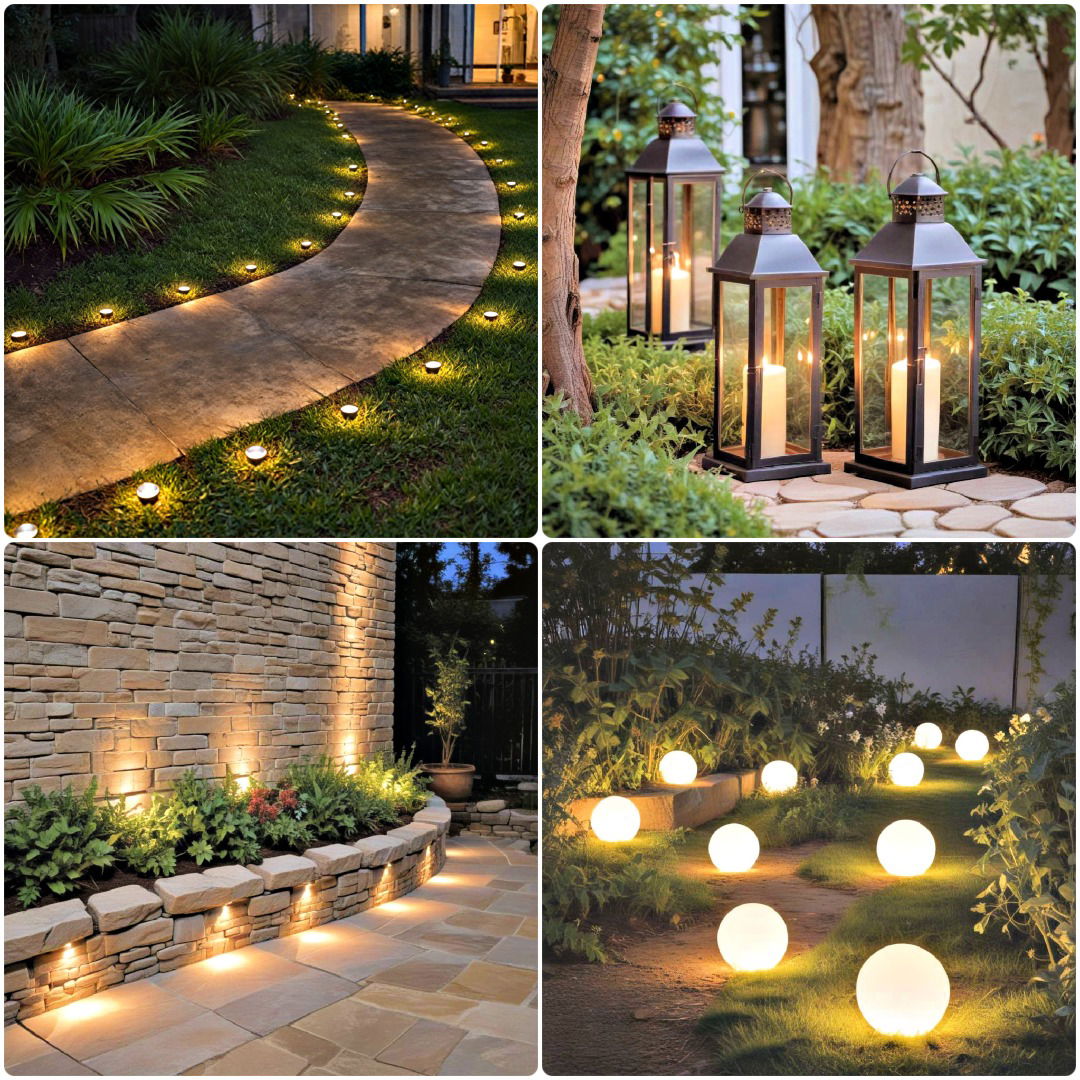
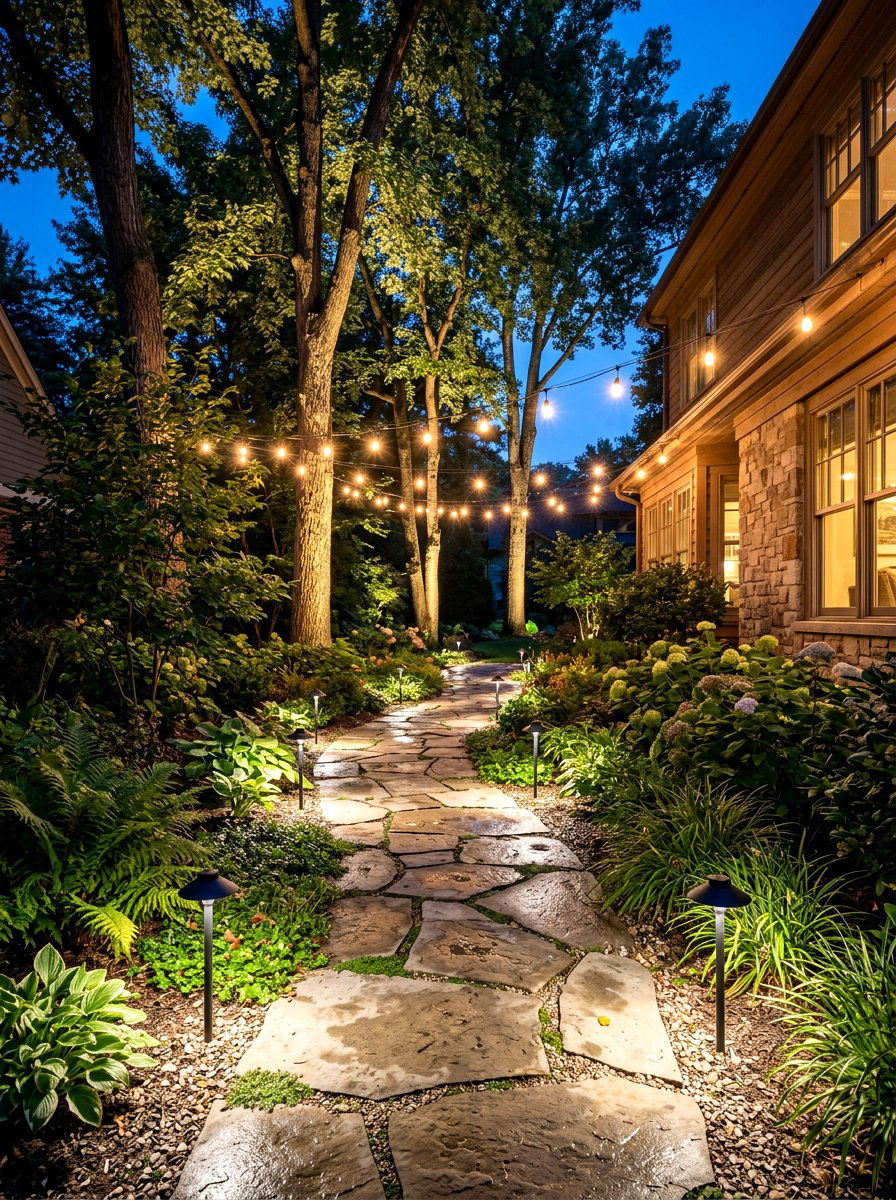
Adding subtle lighting to your garden allows you to enjoy the beauty of the woodland long after the sun has gone down. You can use low-voltage LED lights or solar-powered lanterns to highlight the textures of tree bark or the shapes of large ferns. Avoid using bright or harsh lights, as this can disrupt local wildlife and ruin the peaceful atmosphere of the space. Instead, focus on soft, warm glows that create a magical and inviting ambiance for evening walks or outdoor dining. Well-placed lights can also improve safety by illuminating paths and steps without being overly distracting. Subtle lighting turns your backyard into an enchanting and mystical world at night.
28. Rain Garden
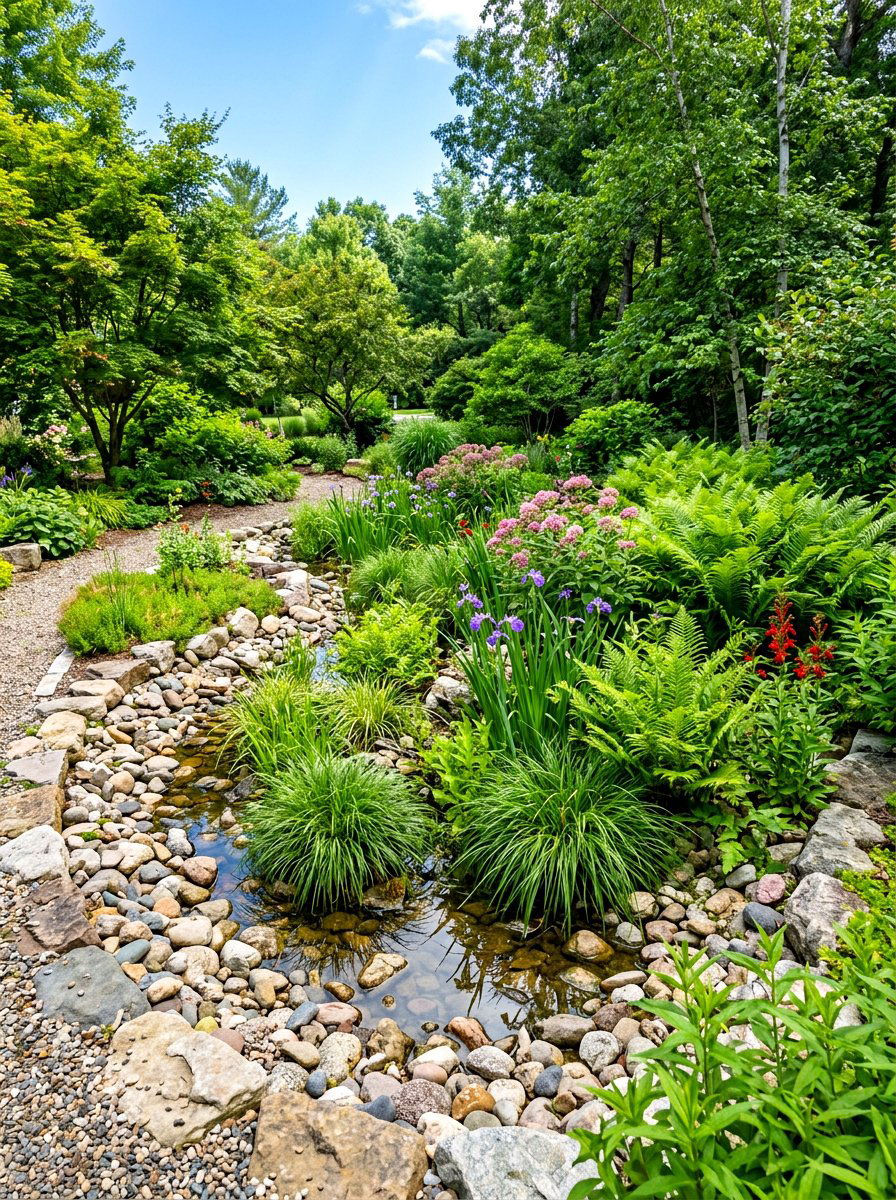
A rain garden is a functional and beautiful way to manage water runoff in a shaded part of your woodland landscape. By planting moisture-loving species in a shallow depression, you can capture and filter rainwater from your roof or driveway naturally. Plants like Sedges and Ferns thrive in these conditions and help to prevent soil erosion and water pollution in your local area. This feature adds a dynamic element to the garden that changes with the weather and supports a variety of beneficial insects. A rain garden is an environmentally responsible choice that turns a potential drainage problem into a lush and thriving habitat for native plants. It is a smart and sustainable design choice.
29. Decorative Birdbath
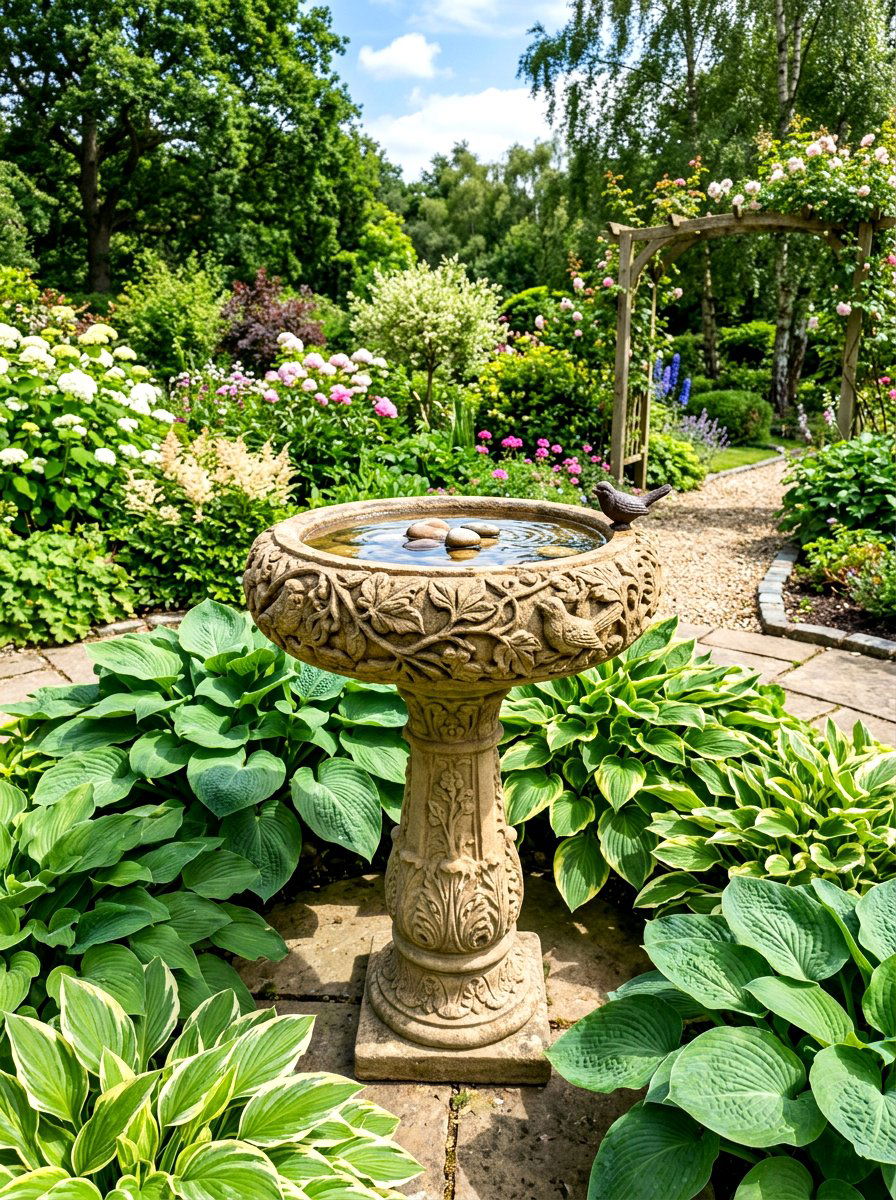
A decorative birdbath provides a essential water source for wildlife while acting as a beautiful focal point in a quiet glade. You can choose a stone or ceramic design that complements the natural colors and textures of the surrounding woodland plants. Placing the birdbath in a spot where it is visible from the house allows you to enjoy watching the birds bathe and drink. It is important to keep the water clean and fresh to ensure the health of the visitors to your garden. The sight and sound of water add a sense of life and vitality to the space, even on the hottest days. A birdbath is a simple addition that has a big impact.
30. Stumpery Garden
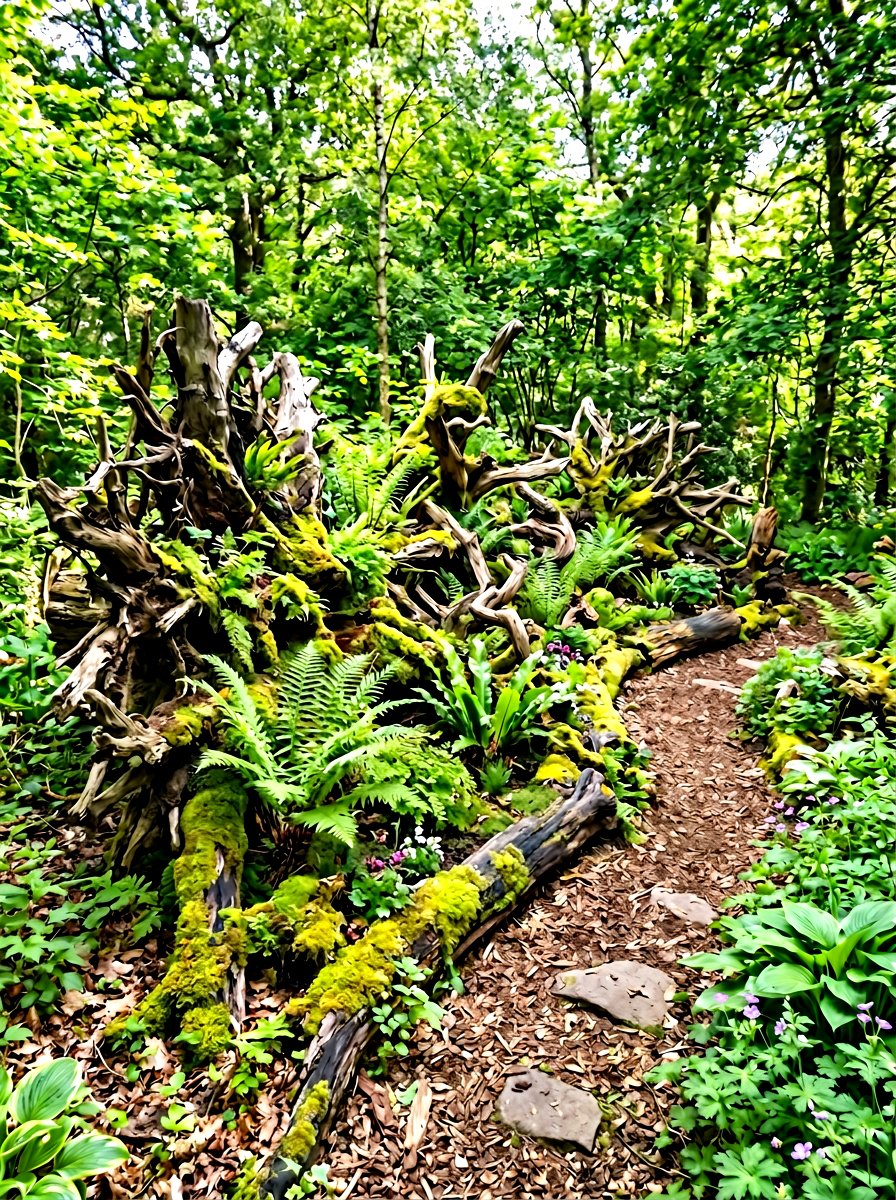
A stumpery garden is a unique feature made from upturned tree stumps, logs, and roots arranged artistically to create a sculptural display. This Victorian-inspired design is perfect for displaying a wide variety of ferns, mosses, and other shade-loving plants in the crevices. It provides a dramatic and rugged look that celebrates the beauty of decaying wood and natural forms in the forest. Stumperies are also fantastic habitats for stag beetles and other interesting insects that rely on dead wood to survive. This feature adds a sense of mystery and antiquity to your garden, making it feel like a discovered part of an ancient woods. It is a bold and creative way to use natural materials.
Conclusion:
Building a woodland garden is a rewarding journey that allows you to work in harmony with nature to create something truly special. By focusing on layered plantings, organic materials, and wildlife-friendly features, you can transform any outdoor space into a thriving ecosystem. This style of gardening rewards patience as the trees grow and the perennials naturalize to fill the ground with beauty. You will find that a well-designed woodland retreat offers a sense of peace and inspiration that is hard to find elsewhere in modern life. It becomes a place where you can relax, observe the changing seasons, and connect with the natural world. Your home will be enriched by the timeless charm of the forest for many years to come.

Related posts: