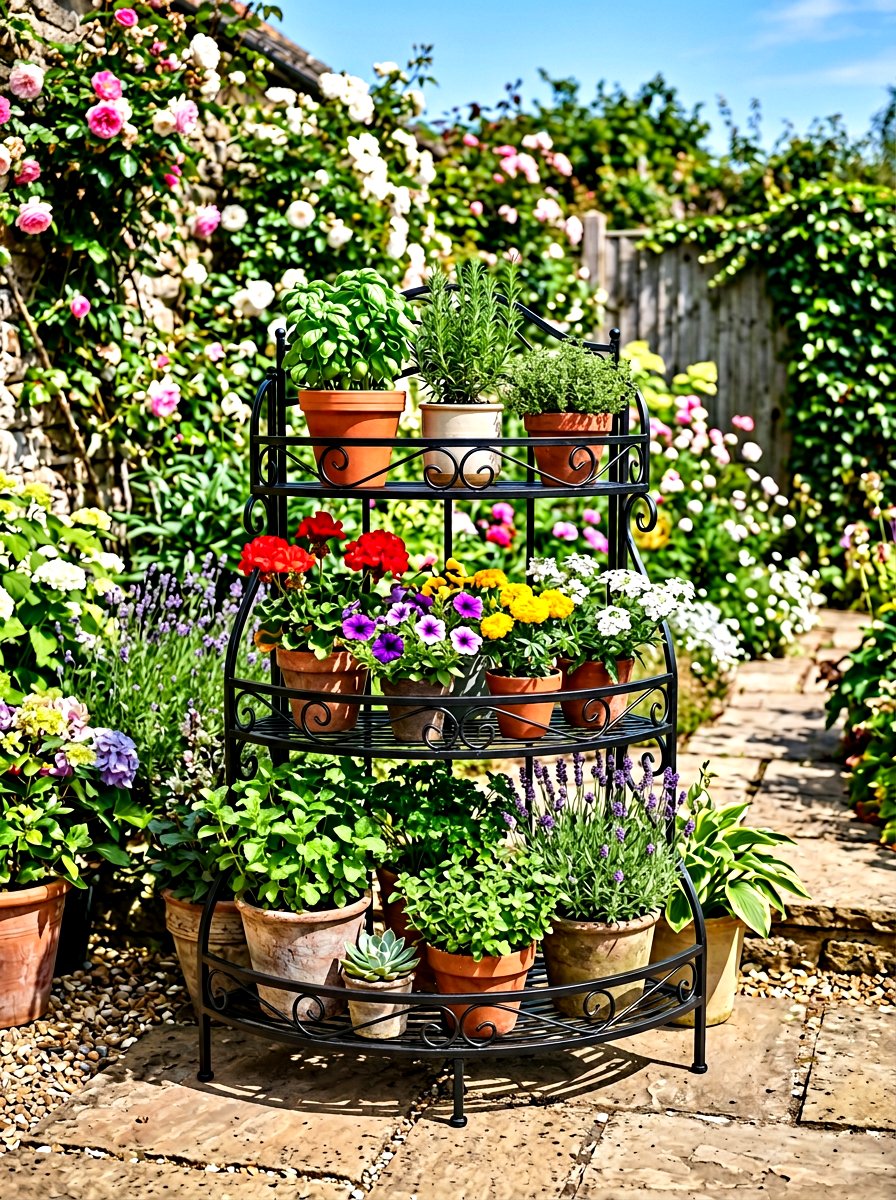
A beautiful front yard acts as the first handshake your home gives to the neighborhood and your guests. It sets the tone for everything inside and reflects your personal style before anyone even steps through the front door. Designing a garden is more than just planting flowers or laying down sod for a green lawn. It involves thinking about textures, heights, and how different species interact with the architecture of your house throughout the seasons. Whether you prefer a wild meadow look or a structured modern aesthetic, the possibilities are truly endless. Transforming this space increases property value while creating a peaceful sanctuary for you to enjoy every day.
1. Cottage Garden
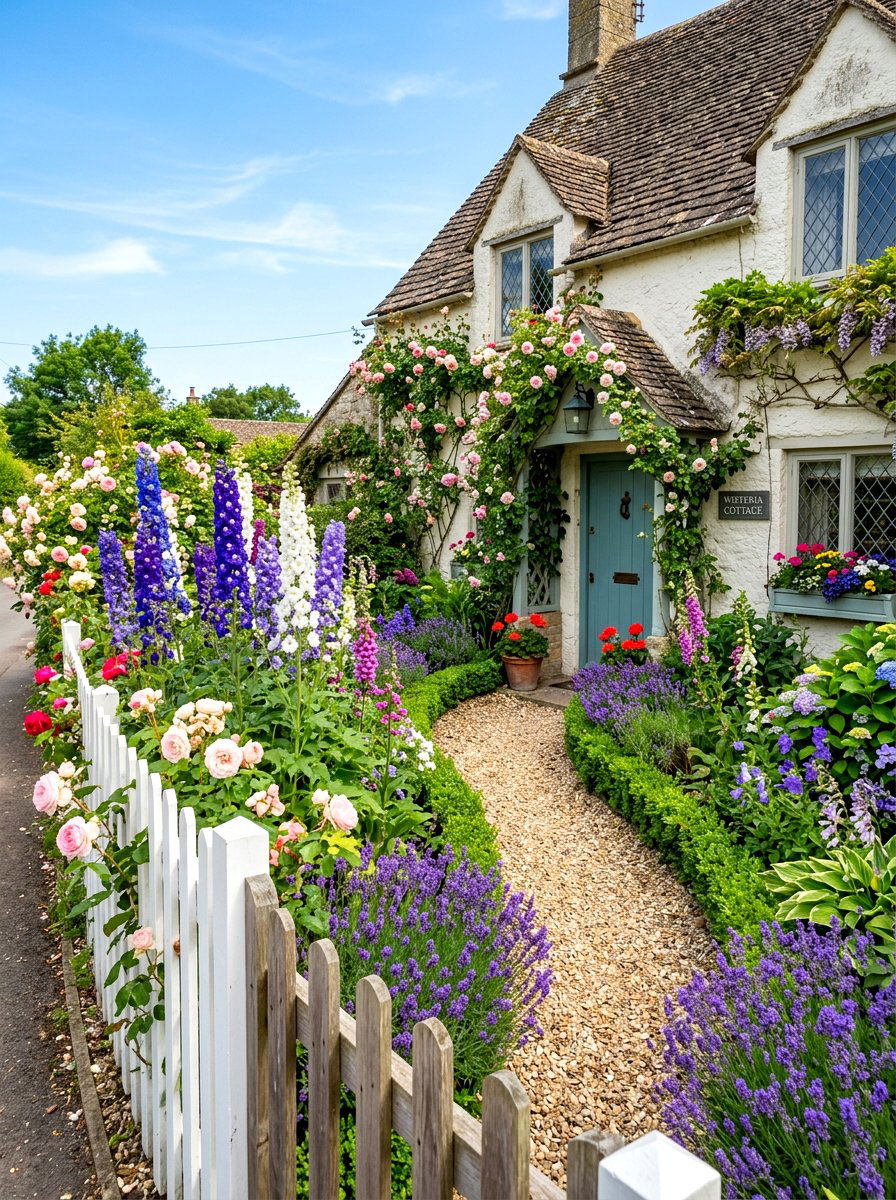
Imagine walking through a soft, hazy blur of colorful petals and fragrant herbs every time you come home. The cottage garden style is all about abundance and a relaxed, slightly wild feel that defies rigid structure. You can mix tall delphiniums with shorter marigolds and climbing roses to create layers of visual interest. These gardens often feature winding gravel paths that invite you to slow down and notice the small details. Using a white picket fence as a backdrop adds a classic touch that frames the floral chaos beautifully. This design choice is perfect for those who love a romantic, timeless look that feels naturally evolved.
2. Modern Landscaping
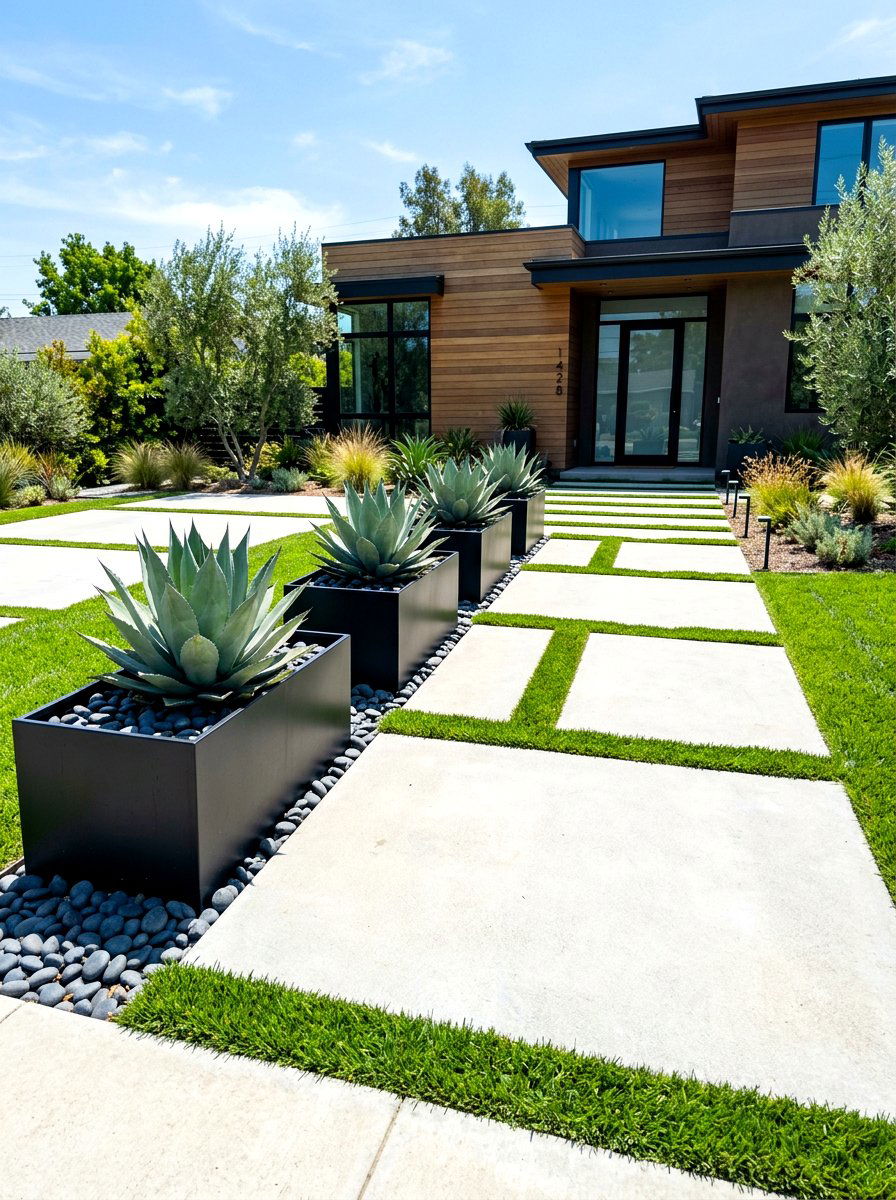
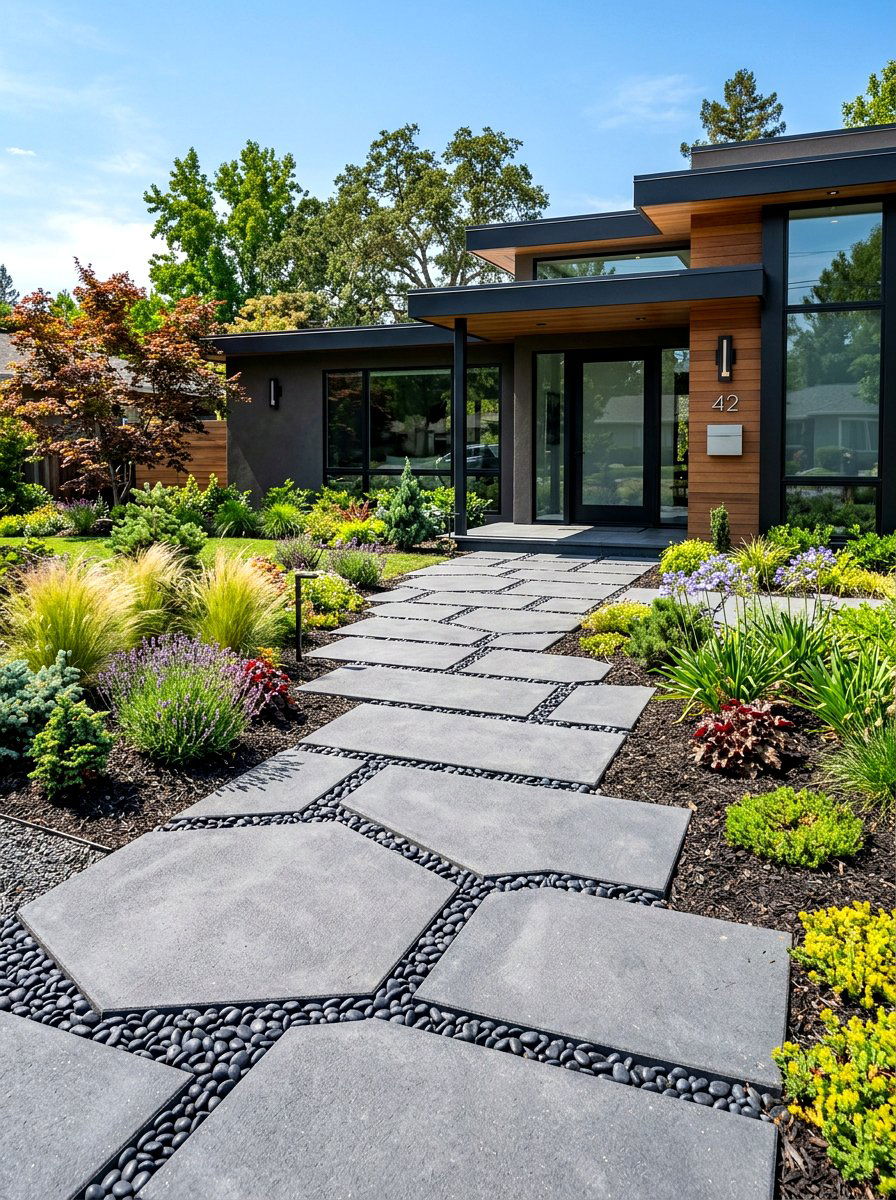
How can you achieve a clean and sophisticated look that matches a contemporary home exterior? Modern landscaping focuses on geometric shapes, a limited color palette, and high-quality materials like concrete and steel. You might see large rectangular pavers separated by neat strips of grass or dark river stones. Structural plants like agave, ornamental grasses, or boxwood spheres provide architectural interest without overwhelming the space. This style emphasizes "less is more, " using negative space to highlight the textures of the plants and hardscape. It creates a very polished and high-end feel that is relatively easy to maintain once the initial layout is perfectly installed.
3. Xeriscaping
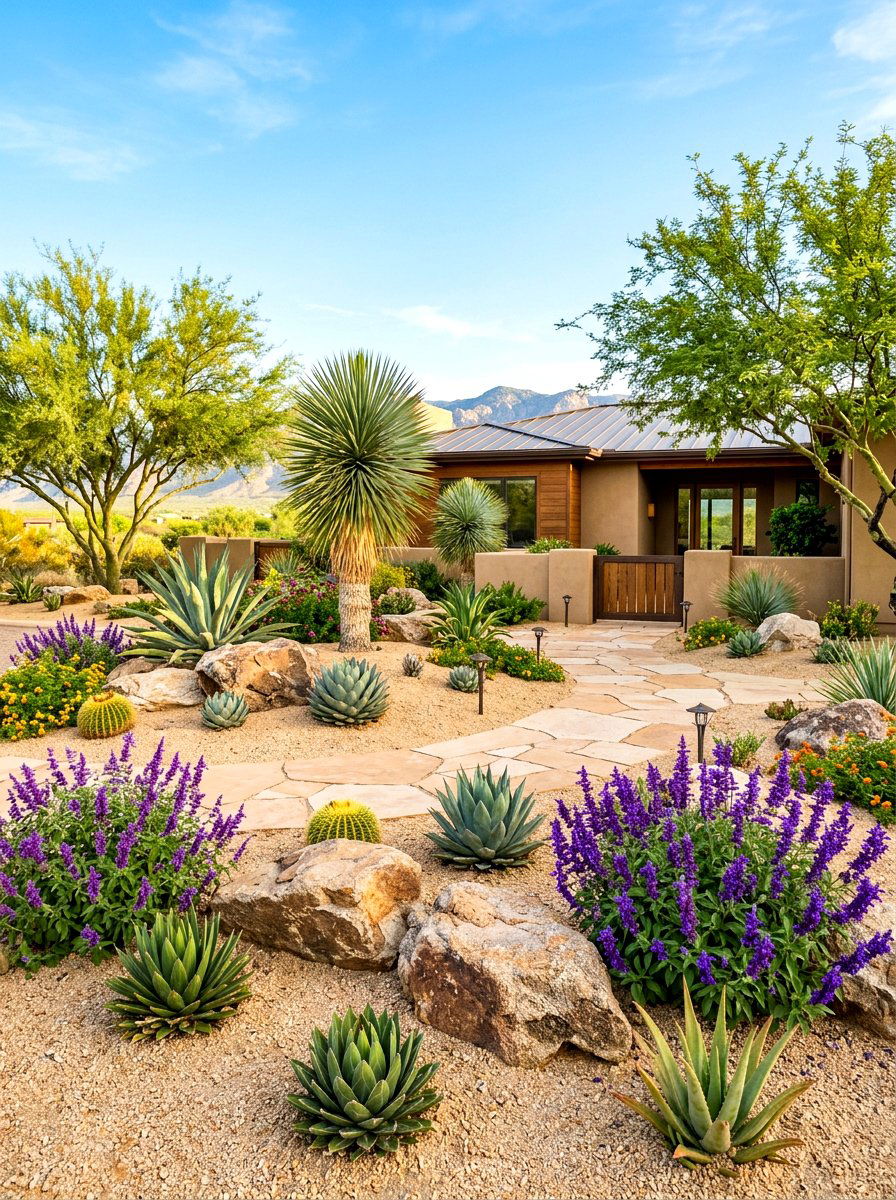
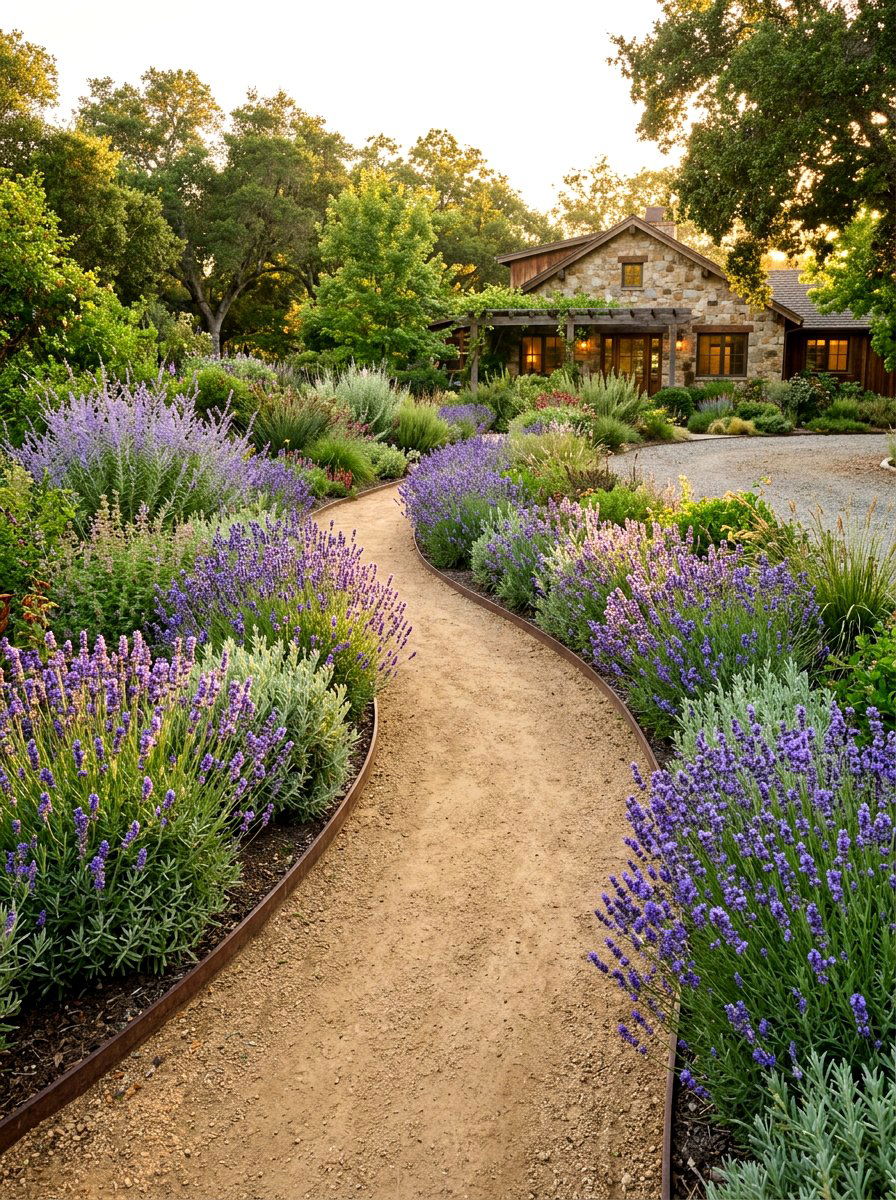
If you live in a dry climate or simply want to save on your water bill, this approach is a game-changer. Xeriscaping replaces traditional thirsty lawns with drought-tolerant plants and beautiful inorganic ground covers like decomposed granite or lava rock. You can use a variety of succulents, lavender, and sage to bring in color and texture without needing constant irrigation. Large boulders can be placed strategically to act as natural sculptures, adding weight and permanence to the design. This style proves that a water-wise garden can be just as lush and inviting as a tropical one while being much better for the environment.
4. Native Plant Garden
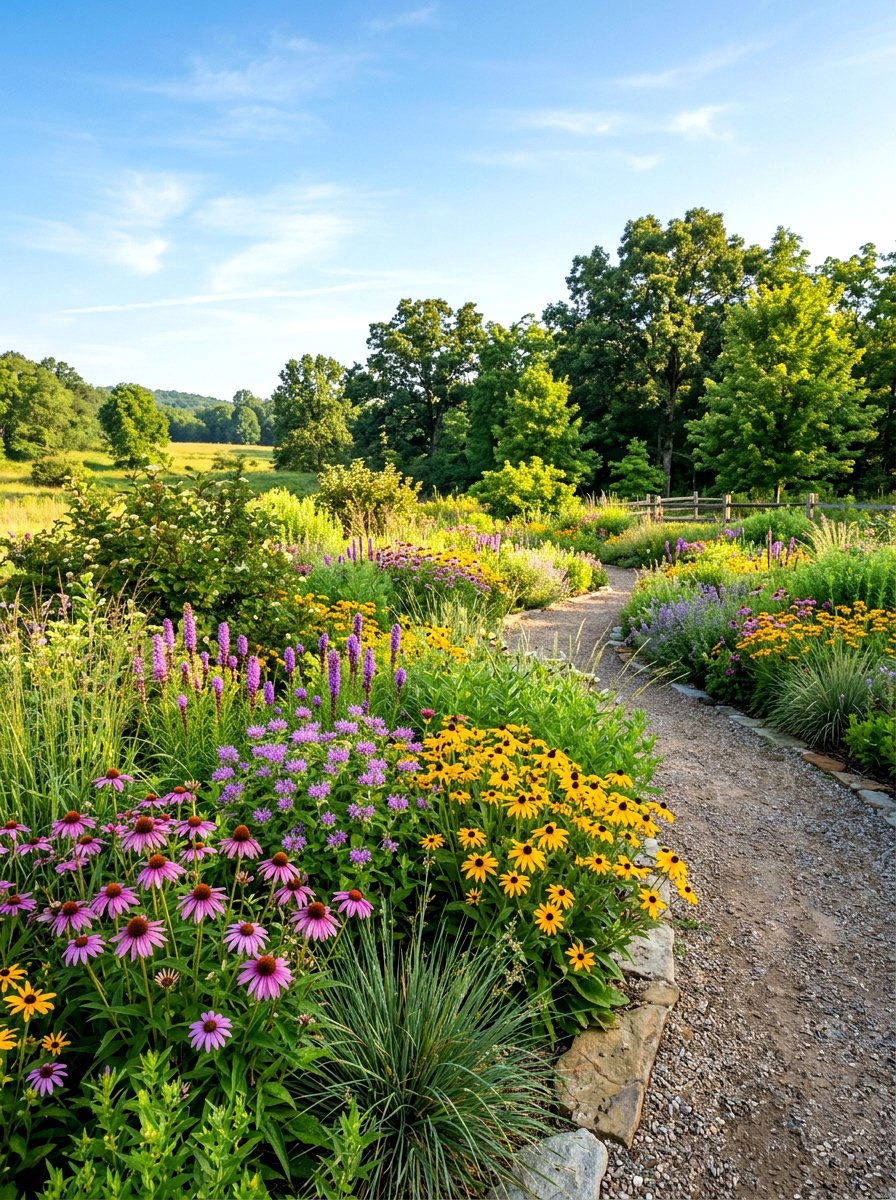
Sustainable gardening starts with choosing species that have thrived in your specific region for thousands of years. A native plant garden supports local pollinators like bees and butterflies while requiring very little fertilizer or extra care. You can group indigenous shrubs and wildflowers to create a resilient ecosystem right in your front yard. These plants are naturally adapted to the local soil and weather patterns, making them incredibly hardy. By selecting a mix of evergreens and flowering perennials, you ensure that your yard stays vibrant and full of life through every season. It is a thoughtful way to give back to nature.
5. Rock Garden
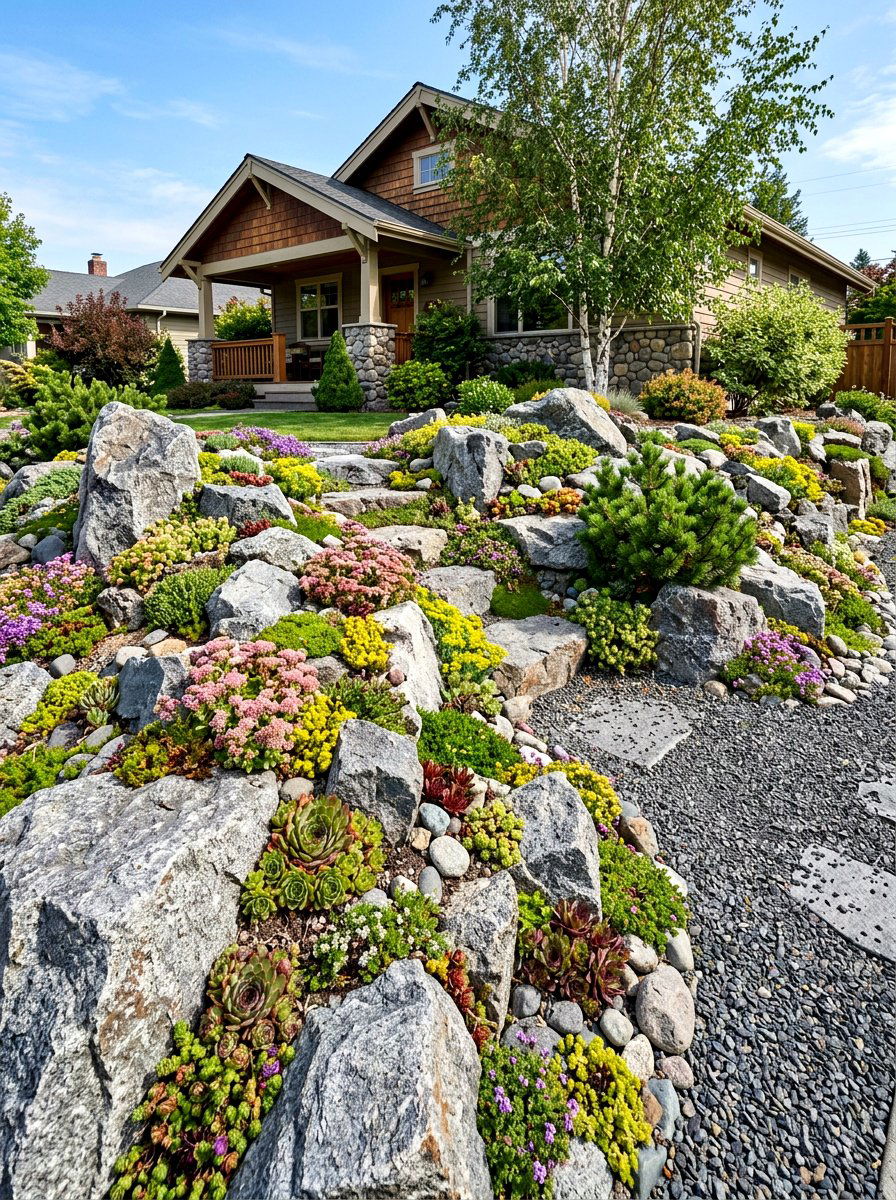
Have you ever considered using the rugged beauty of natural stone to anchor your outdoor space? A rock garden is an excellent solution for sloped yards or areas where grass struggles to grow. You can combine different sizes of stones, from large feature boulders to small pebbles, to create a multi-textured landscape. Tucking hardy alpines or low-growing succulents into the crevices between rocks adds a touch of softness and organic color. This design is highly durable and stays looking great year-round with almost no maintenance required. It creates a grounded, earthy atmosphere that complements both rustic and modern home styles quite effectively.
6. Edible Yard
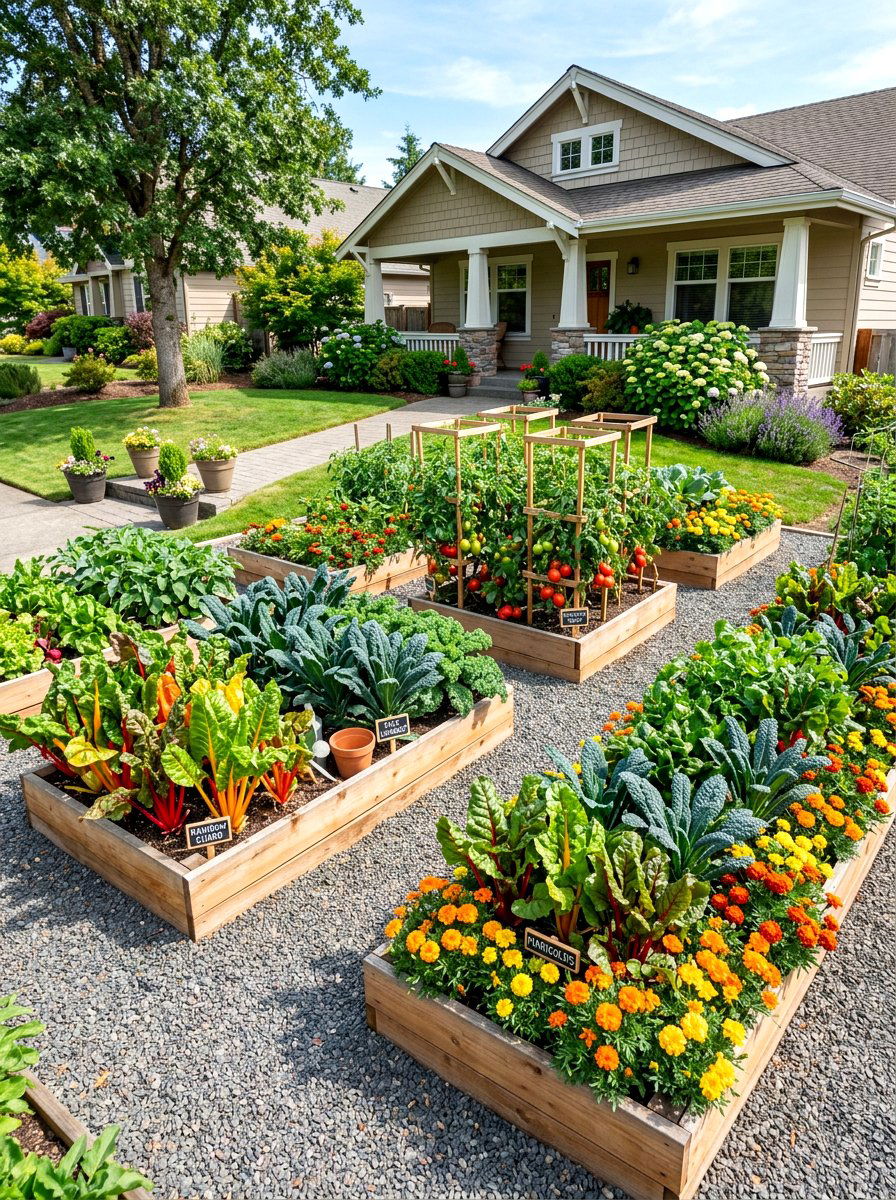
Why settle for a plain lawn when you can grow fresh produce right outside your front door? An edible yard integrates vegetables, herbs, and fruit-bearing shrubs into a cohesive and attractive landscape design. You can plant colorful Swiss chard alongside ornamental flowers or use rosemary bushes as a fragrant hedge. Raised beds made of cedar or stone can organize your crops while adding a clean, structured look to the property. This functional approach to gardening is becoming increasingly popular as more people seek self-sufficiency. It turns your front yard into a productive space that provides both beauty and a healthy harvest for your kitchen.
7. Pollinator Garden
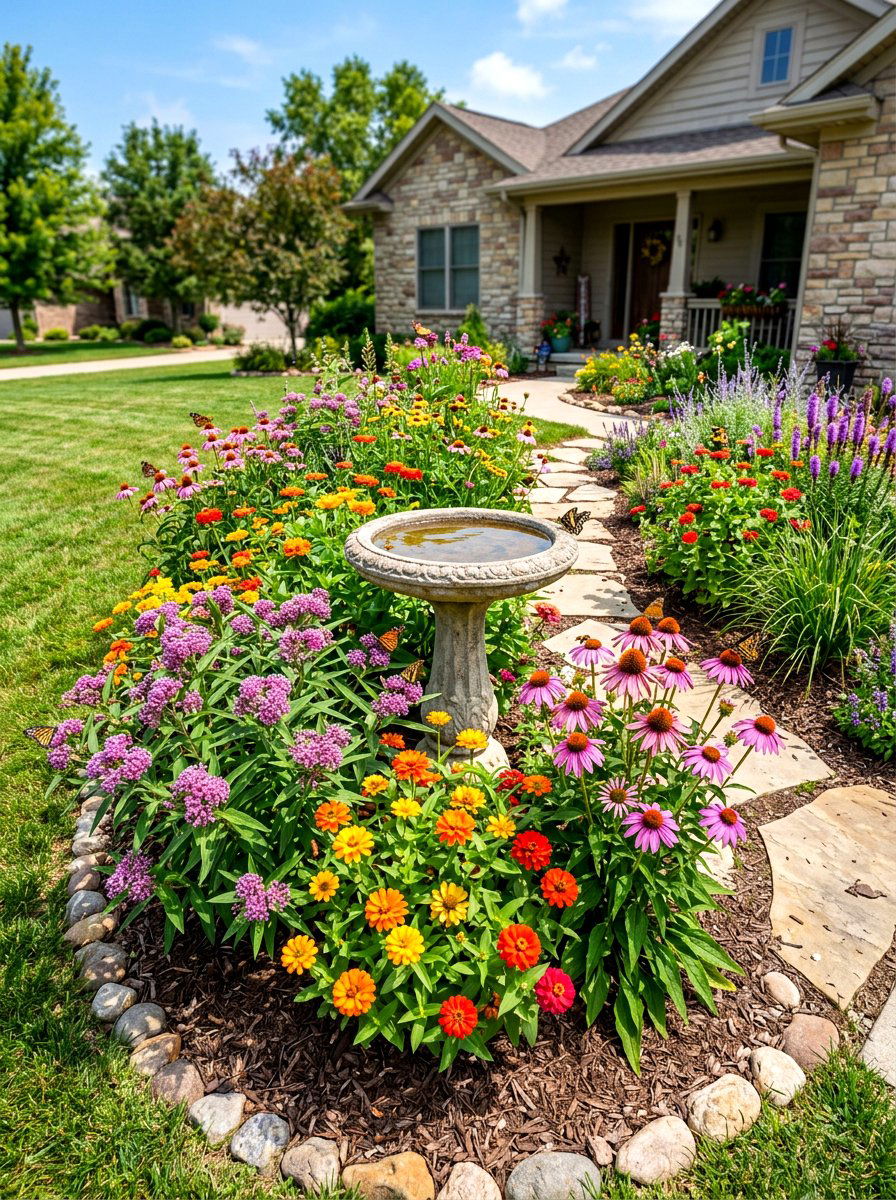
A buzzing, vibrant front yard filled with life is one of the most rewarding sights for any homeowner. A pollinator garden is specifically designed to provide food and habitat for bees, butterflies, and hummingbirds. By planting nectar-rich flowers like coneflowers, milkweed, and zinnia, you create a vital pit stop for these essential creatures. Grouping similar colors together helps pollinators find the blooms more easily while creating a bold visual impact for passersby. Including a small water source like a birdbath further enhances the habitat. This type of garden is a joyful addition to any neighborhood and helps support the local environment in a big way.
8. Driveway Border
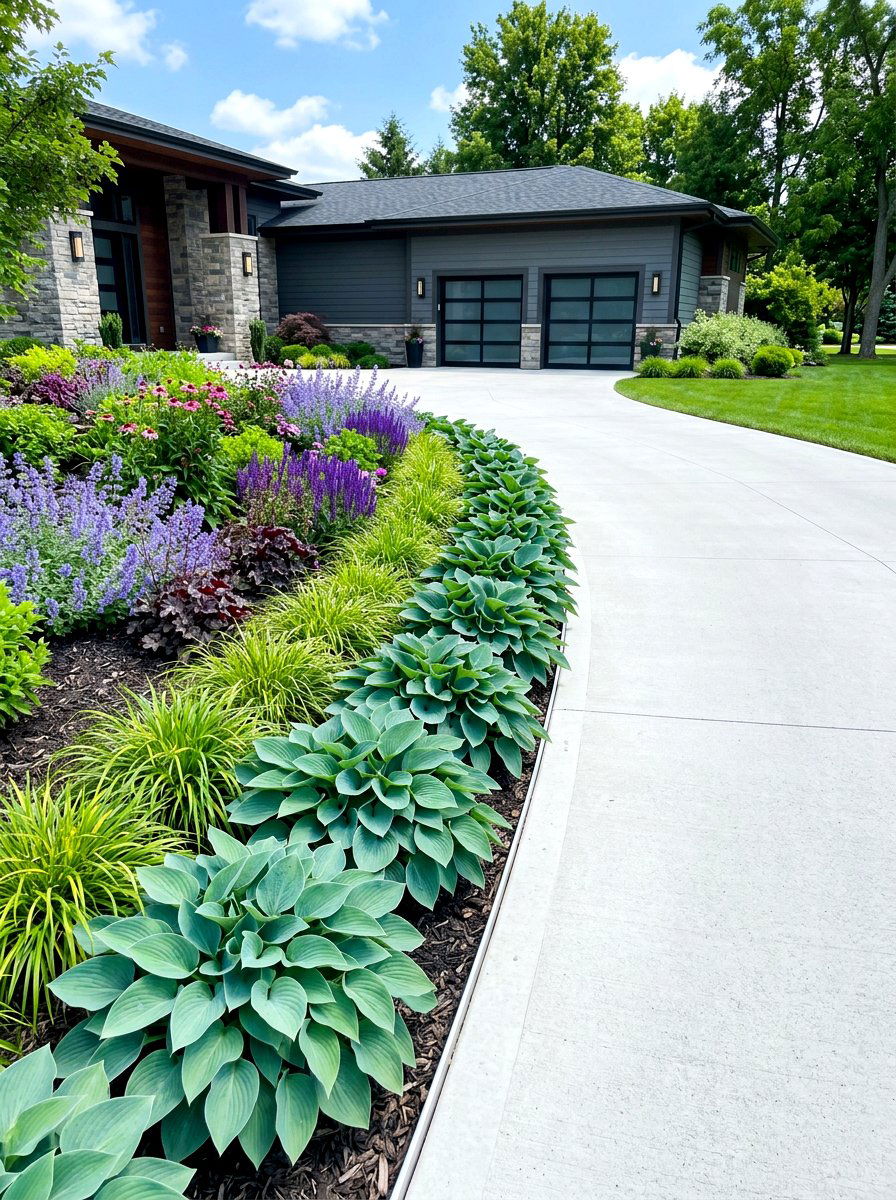
The long stretch of a driveway often feels cold and industrial, but it can be transformed with the right greenery. A driveway border uses a mix of low-maintenance shrubs and perennials to soften the hard lines of the pavement. You could plant a row of uniform ornamental grasses for a modern look or a mix of flowering hostas for a shady spot. Using edge-restraints like brick or stone keeps the soil in place and prevents the garden from creeping onto the concrete. This simple addition adds immediate curb appeal and makes the transition from the street to your home feel much more intentional and welcoming.
9. Stone Retaining Wall
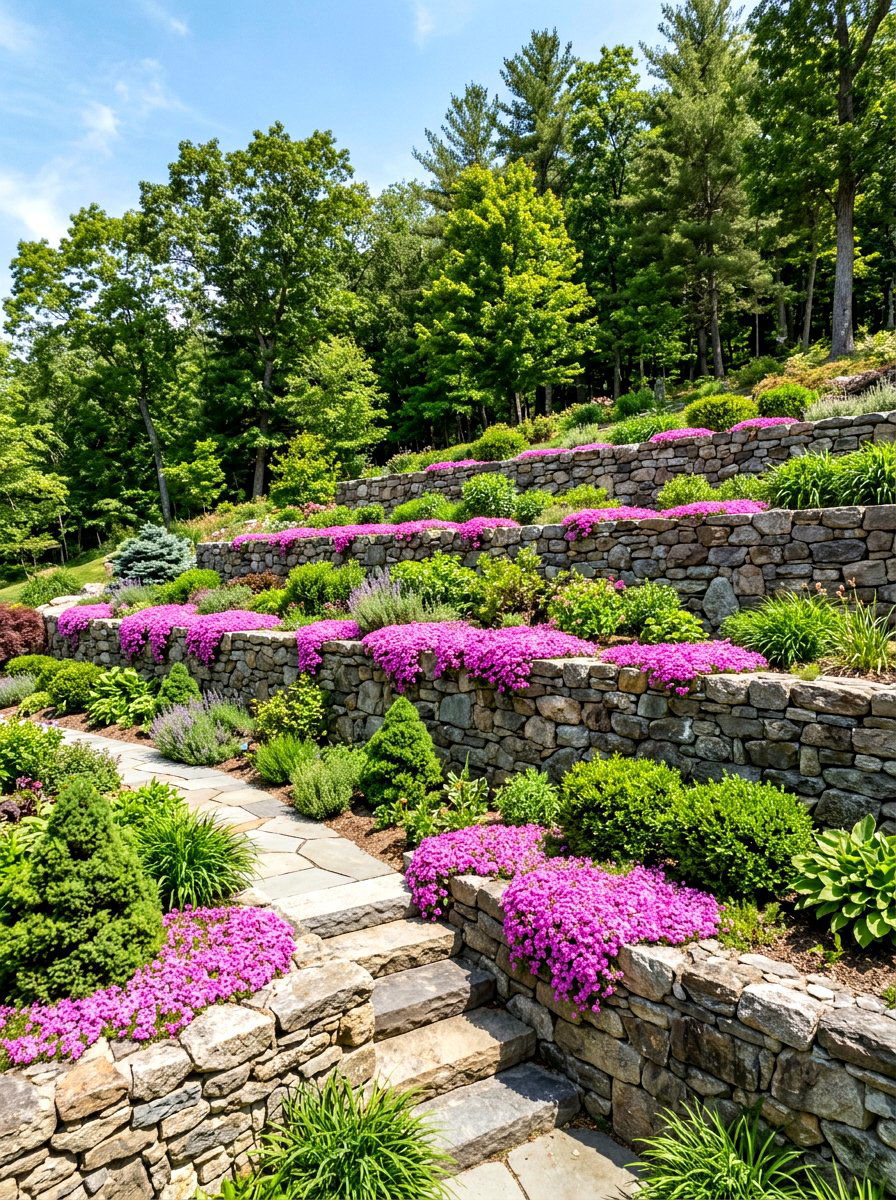
Dealing with a steep slope in your front yard can be challenging, but it also offers a great design opportunity. A stone retaining wall creates level tiers that are perfect for planting lush garden beds. You can use natural stacked stone for a rustic look or smooth concrete blocks for something more contemporary. These walls provide structural support while adding a sense of permanence and grandeur to the landscape. Spilling trailing plants like creeping phlox or ivy over the edges of the stone helps to soften the hard surfaces. It creates a beautiful multi-dimensional effect that makes the entire yard feel much more organized.
10. Small Yard Landscaping
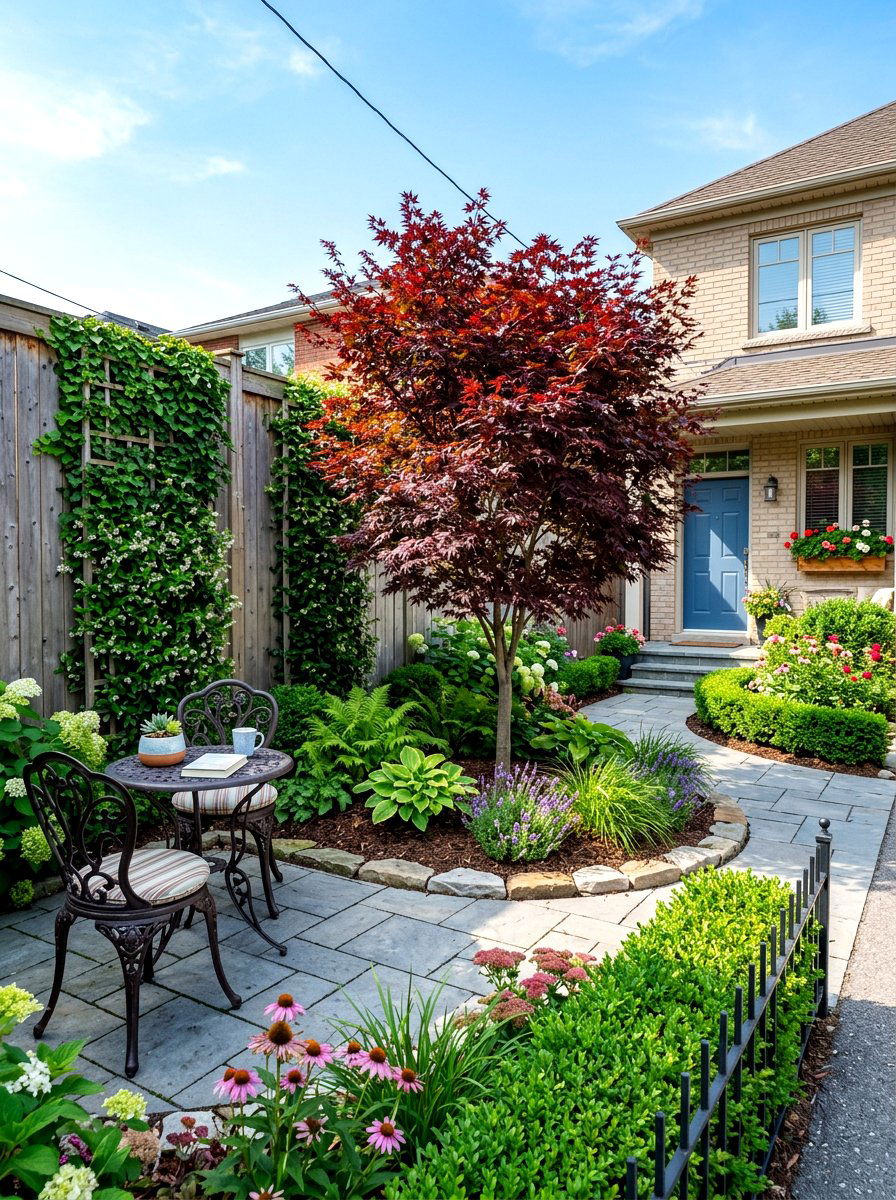
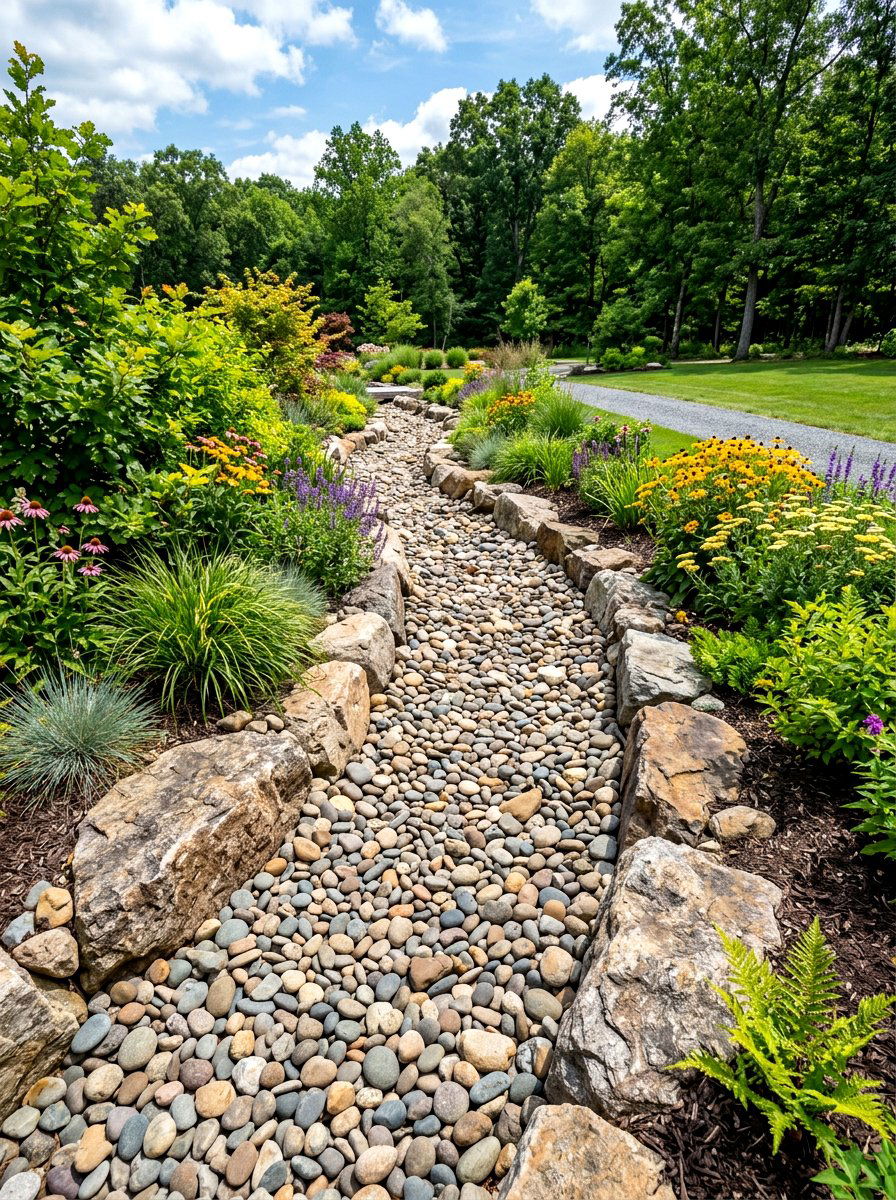
When space is limited, every single plant and hardscape choice needs to be carefully considered for maximum impact. Small yard landscaping often uses vertical elements like trellises or slim columnar trees to draw the eye upward. A single focal point, such as a beautiful specimen tree or a decorative bench, can prevent the space from feeling cluttered. Choosing a consistent color palette also helps to make a small area feel larger and more unified. You might use light-colored gravel and mirrors to bounce light around and create an airy atmosphere. Even a tiny patch of ground can become a stunning, high-impact entrance with the right design.
11. Low Maintenance Garden
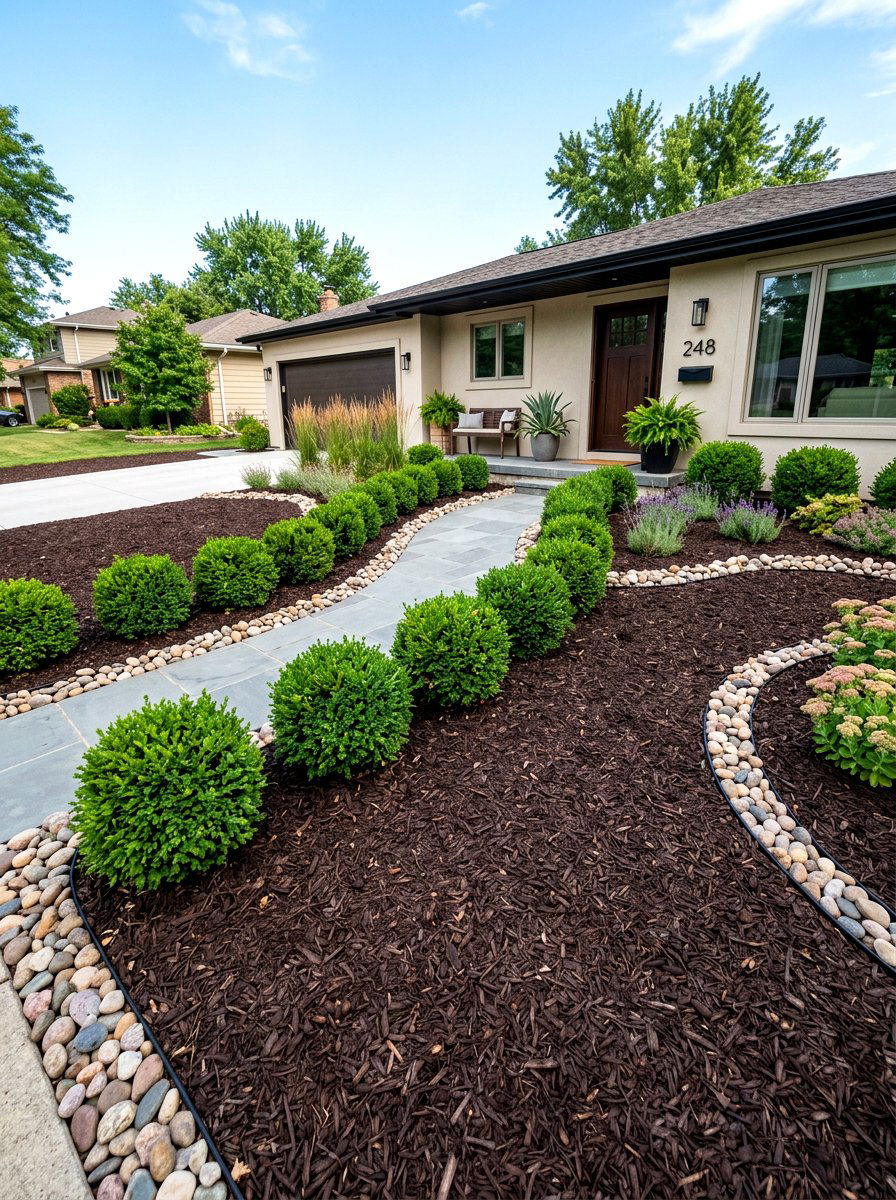
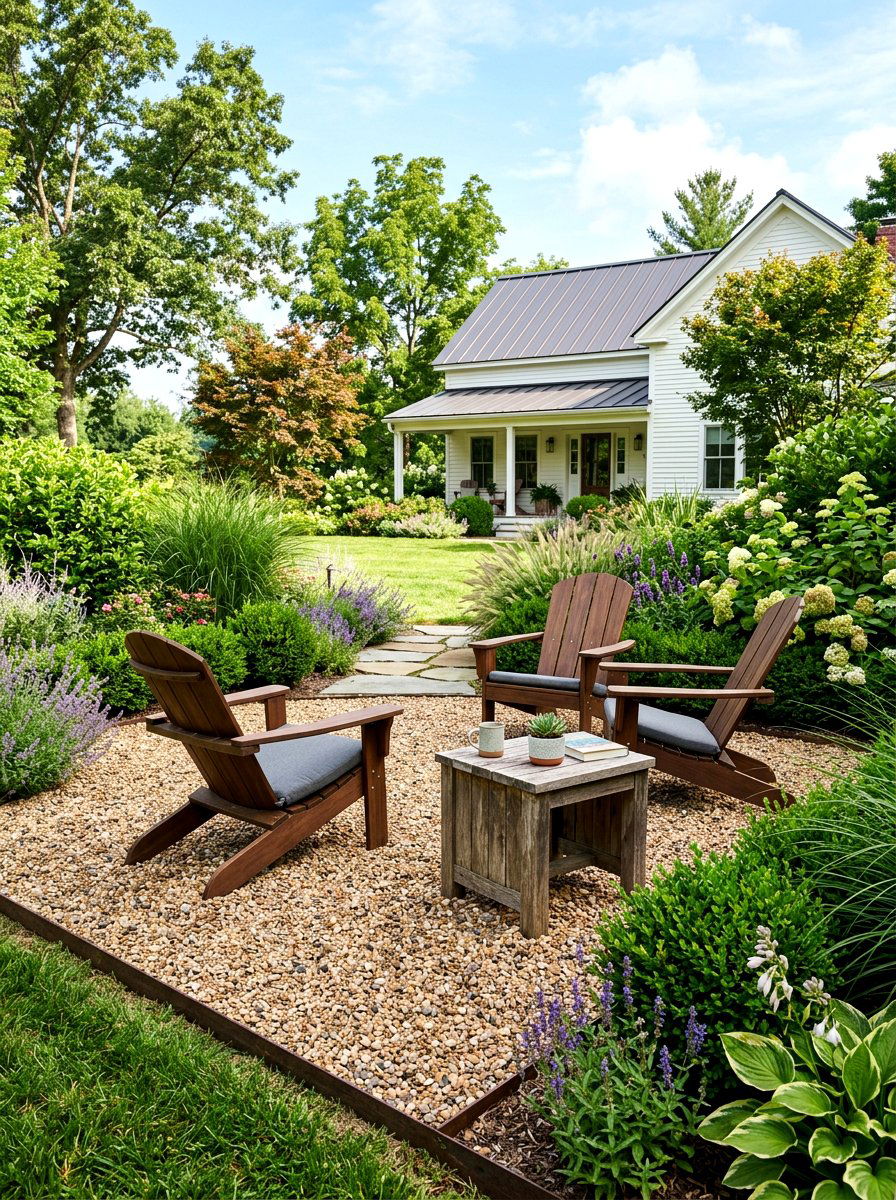
Many homeowners want a beautiful yard without spending every weekend weeding, pruning, and watering. A low-maintenance garden relies on slow-growing evergreens, hardy ground covers, and plenty of high-quality mulch to suppress weeds. Choosing plants that are well-suited to your local climate ensures they stay healthy with minimal intervention from you. Hardscaping elements like stone patios or gravel beds can replace large areas of grass, further reducing the need for mowing. This approach allows you to enjoy a neat and tidy exterior year-round while freeing up your time for other activities. It is the perfect solution for busy families or frequent travelers.
12. Gravel Walkway
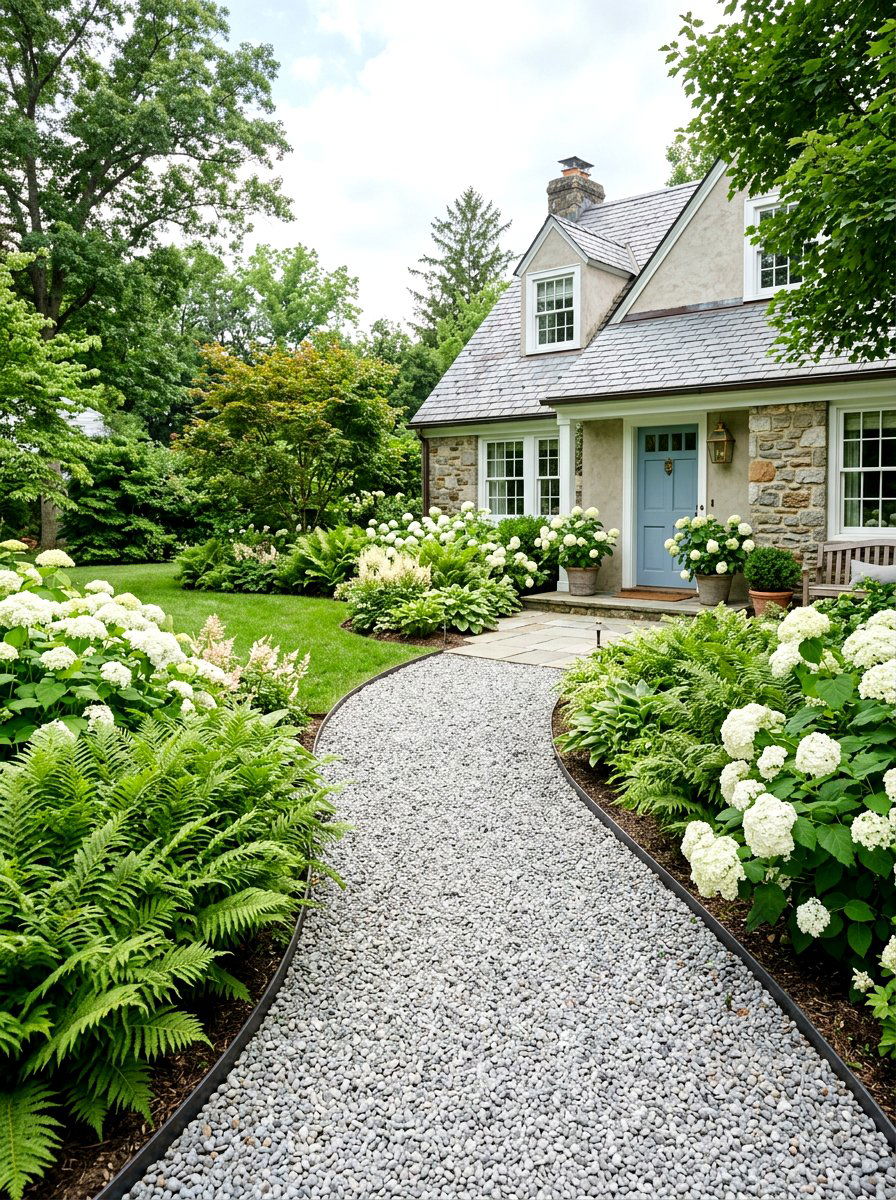
There is something incredibly satisfying about the crunch of gravel underfoot as you approach a home's entrance. A gravel walkway is a budget-friendly and permeable option that works well in almost any garden style. You can use pea gravel for a soft feel or crushed stone for a more stable surface. Plastic or metal edging is essential to keep the stones in place and maintain a clean line between the path and the garden beds. Pairing the walkway with large flagstone "steppers" adds a bit of rhythm and makes it easier to walk on in high-traffic areas. It provides an organic, tactile experience.
13. Paver Path
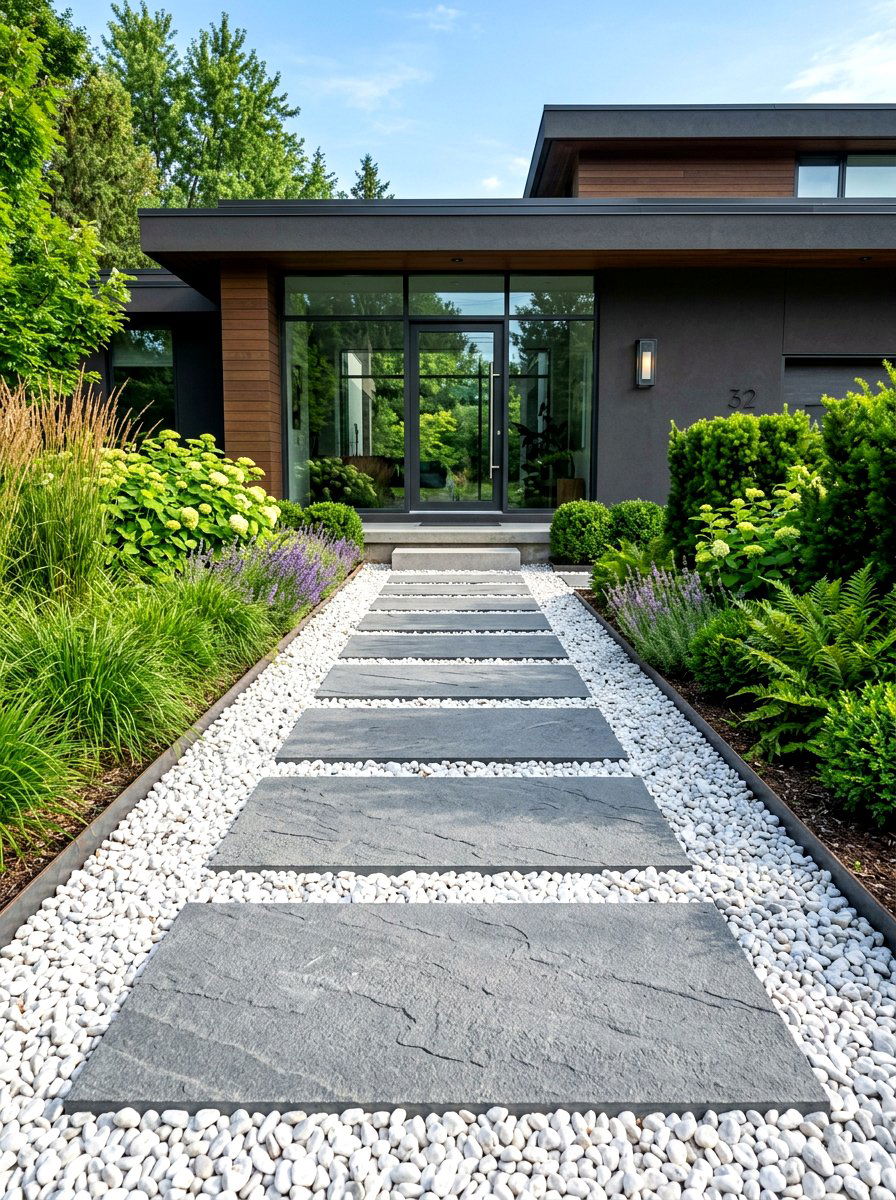
A well-designed path does more than just lead people to your door; it sets the aesthetic tone for the entire property. A paver path uses manufactured stones or bricks in various patterns, such as herringbone or basketweave, to create a sturdy surface. Large-format concrete pavers are popular for modern homes, while tumbled bricks suit traditional or historic architectures. You can plant low-growing herbs like thyme or moss between the cracks to soften the look and add a delightful scent. This type of walkway is extremely durable and provides a safe, level surface for guests to navigate your front yard garden in any weather.
14. Tropical Garden
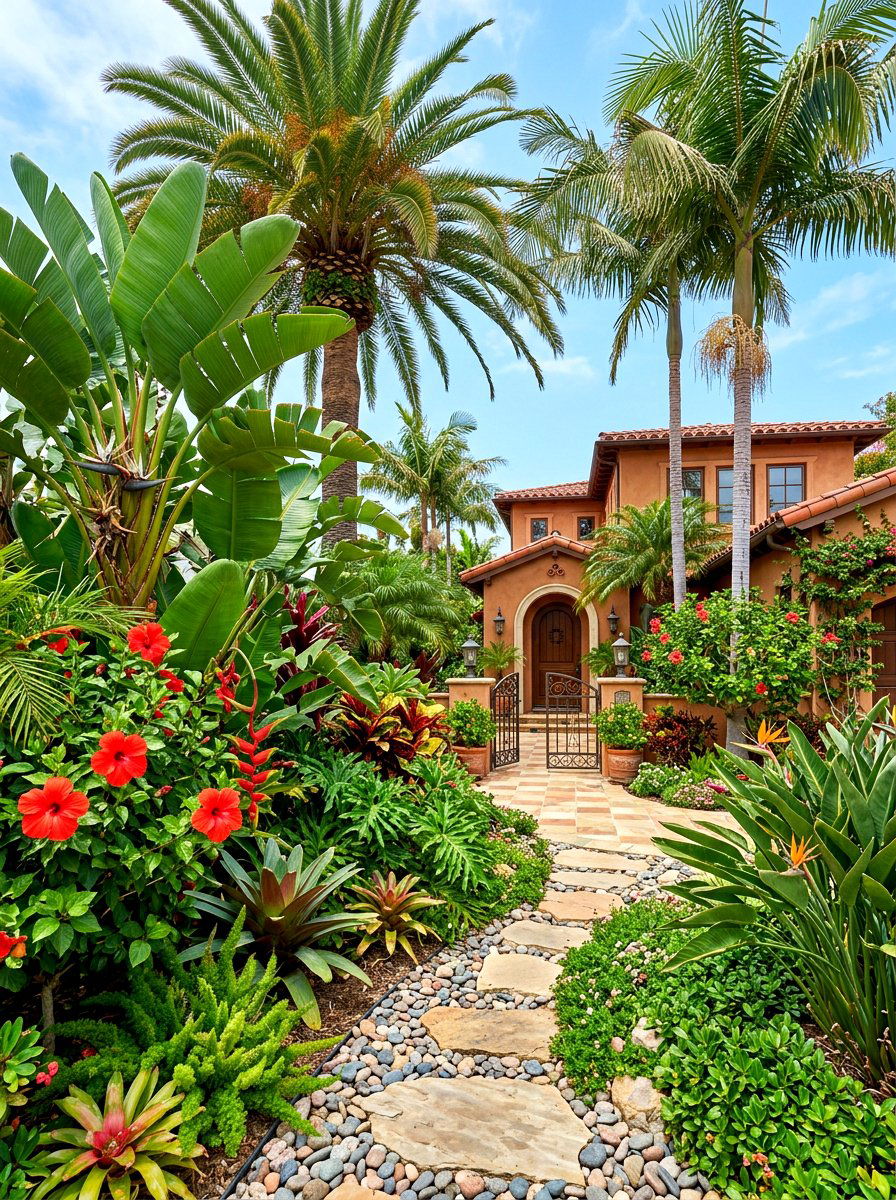
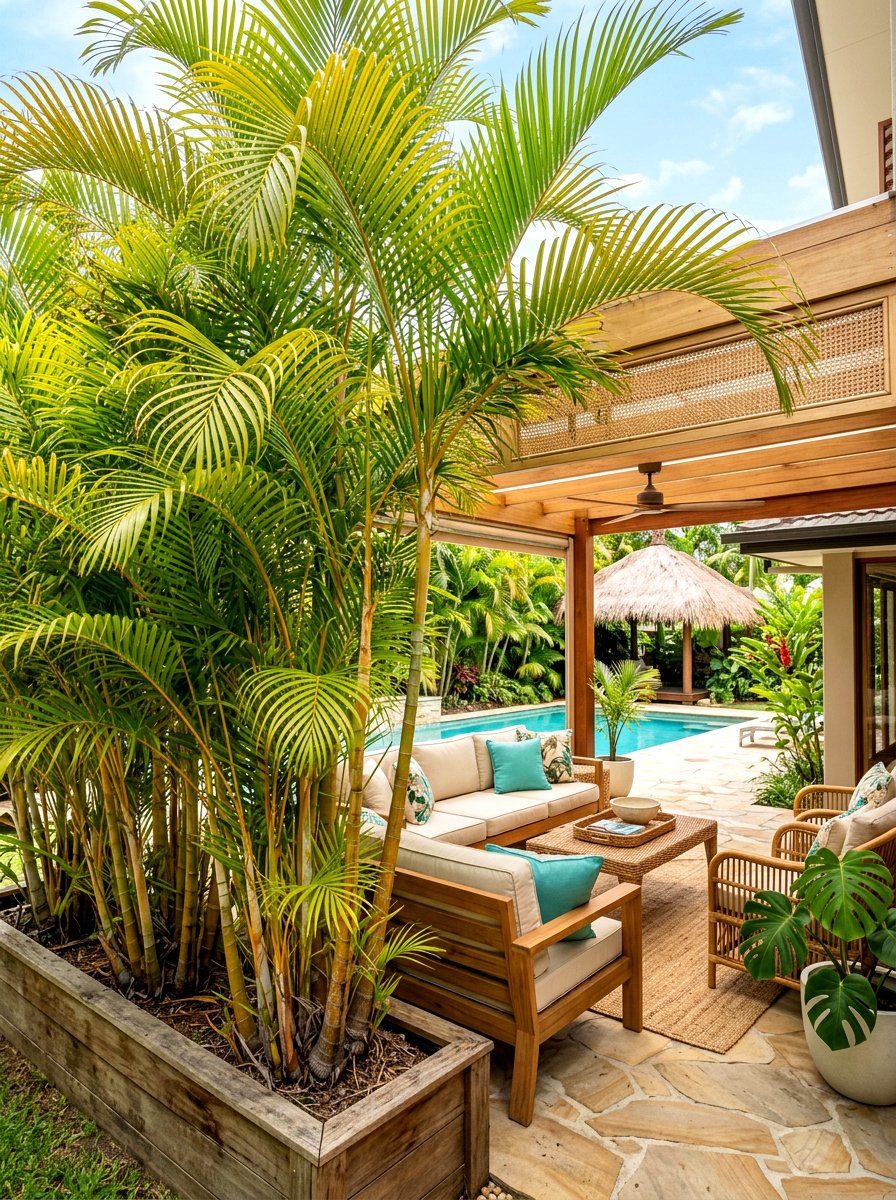
Do you want to feel like you are on vacation every time you step outside your front door? A tropical garden uses large-leafed plants, bold colors, and dense layers to create an exotic, jungle-like atmosphere. You can use hardy palms, hibiscus, and canna lilies to achieve this look even in more temperate zones. Deep green foliage provides a lush backdrop for bright pops of orange, red, and pink flowers. Incorporating a small pond or a hidden misting system can add to the humid, tropical feel. This style is all about high-energy visuals and creates a truly dramatic and memorable first impression for your home.
15. Shade Landscaping
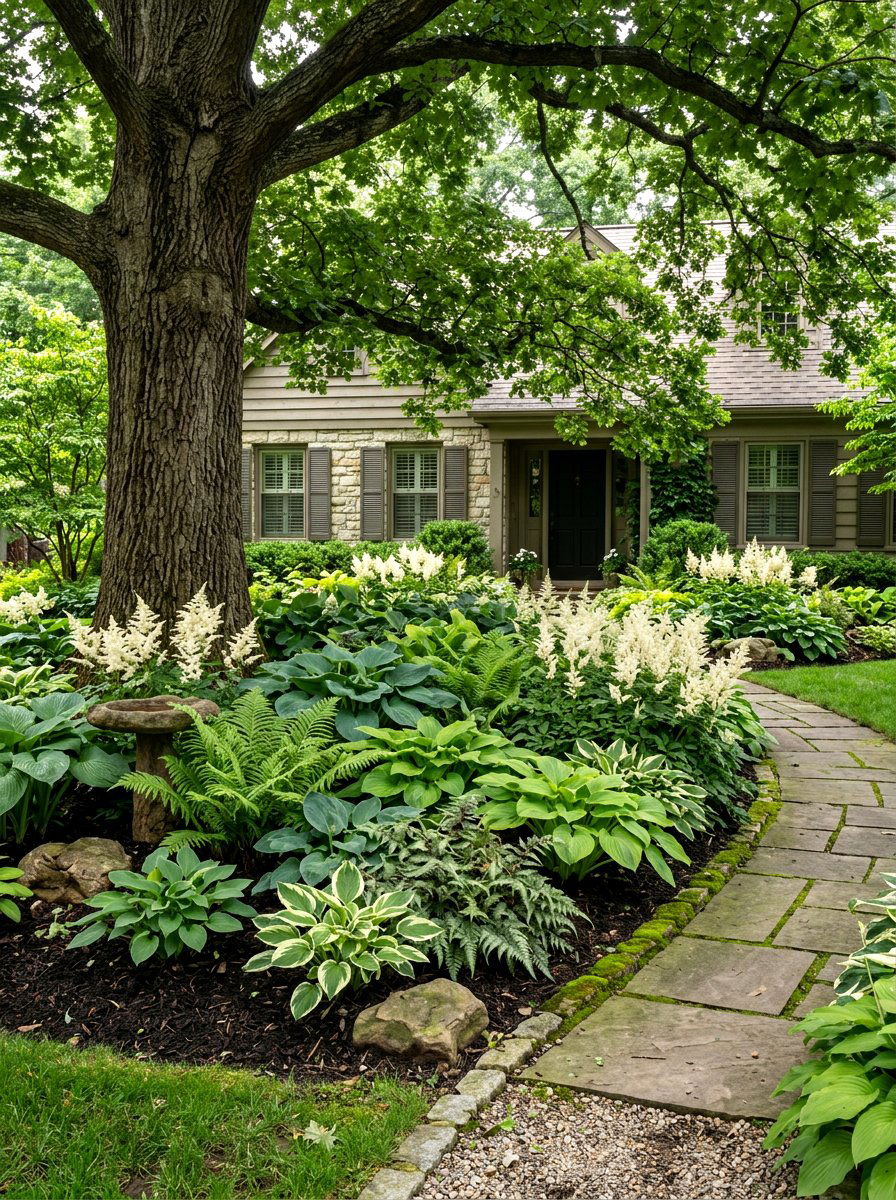
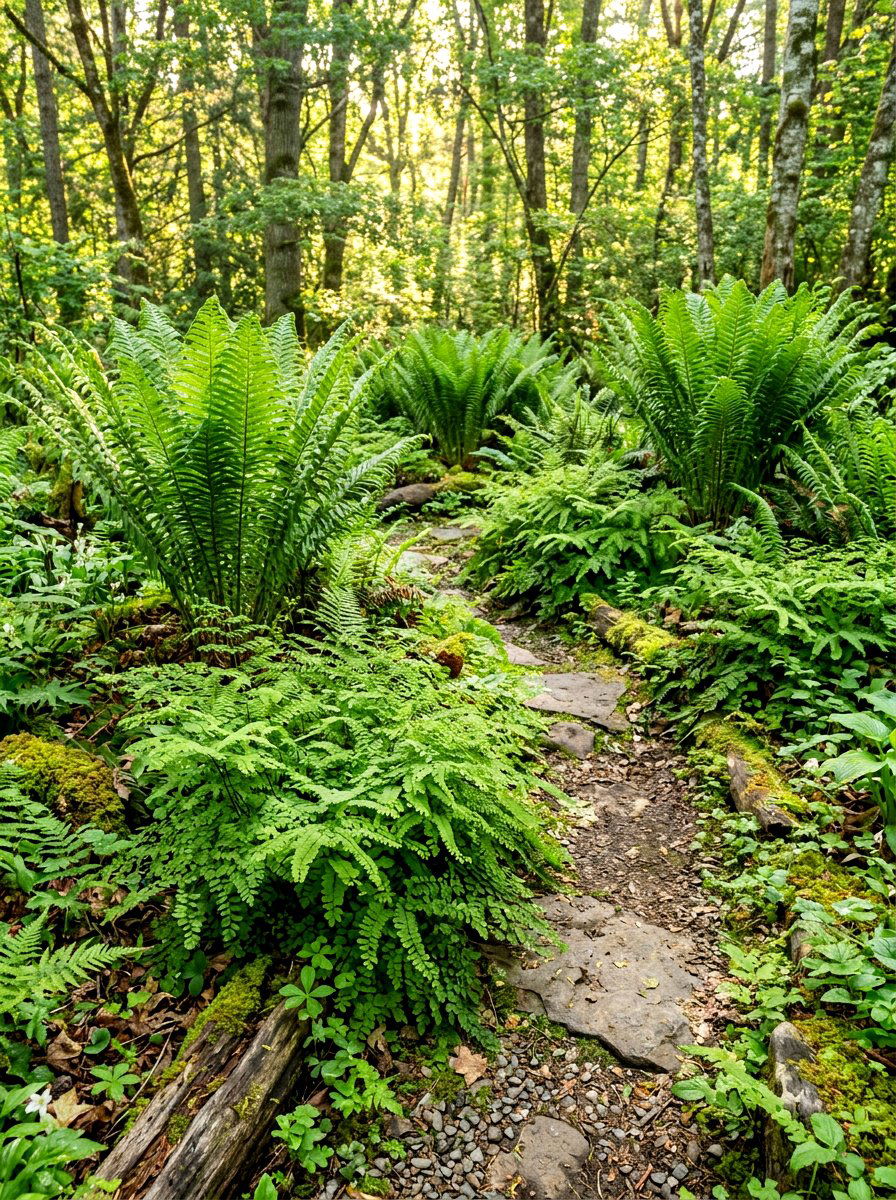
Finding the right plants for a front yard tucked under large trees can be difficult, but shade is actually a gift. Shade landscaping focuses on the incredible variety of leaf shapes, textures, and subtle colors found in plants like hostas, ferns, and coral bells. You can use light-colored stones or white-flowering plants to brighten up the darker corners of the yard. Wood mulch or pine needles work well as ground cover here, mimicking the natural forest floor. This type of garden often feels very cool, calm, and serene, providing a refreshing escape from the hot summer sun. It turns a "problem area" into a lush retreat.
16. Raised Garden Bed
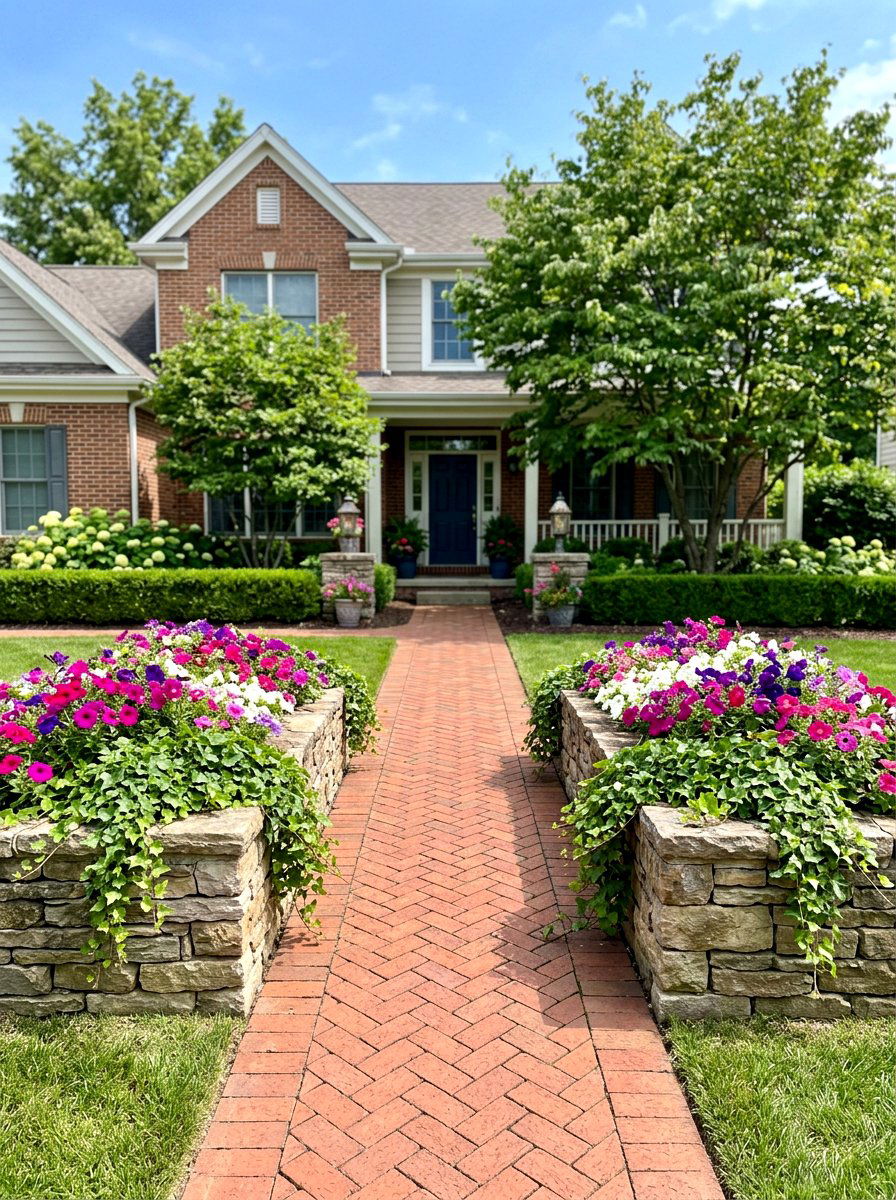
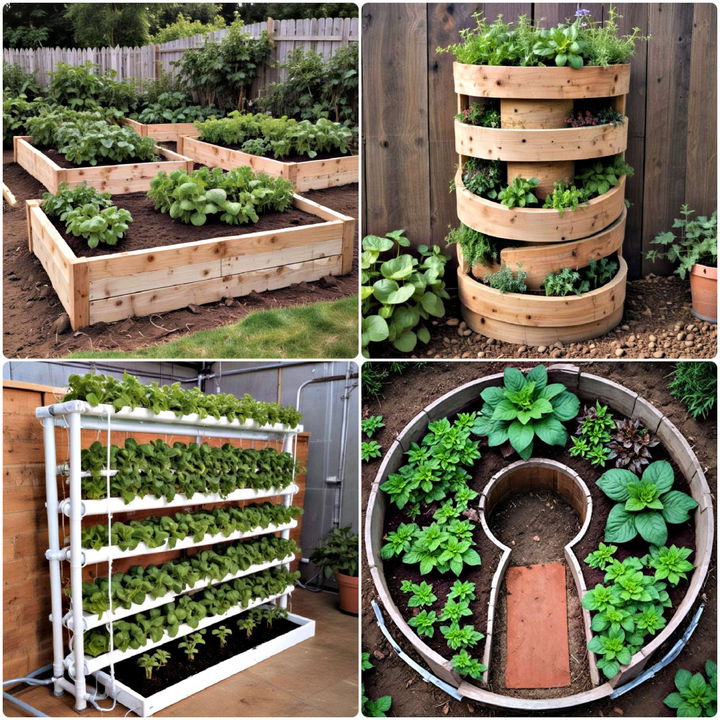
Using elevation is a smart way to add structure and visual depth to a flat front yard. Raised garden beds made of wood, stone, or metal can house everything from flowering perennials to a tidy herb garden. They help with soil drainage and make it much easier to tend to your plants without bending over too far. You can arrange several beds in a symmetrical pattern to create a formal look that frames your entryway beautifully. Filling them with a mix of upright plants and trailing vines ensures they look full and vibrant throughout the growing season. They are functional and stylish additions to any landscape.
17. Hillside Landscaping
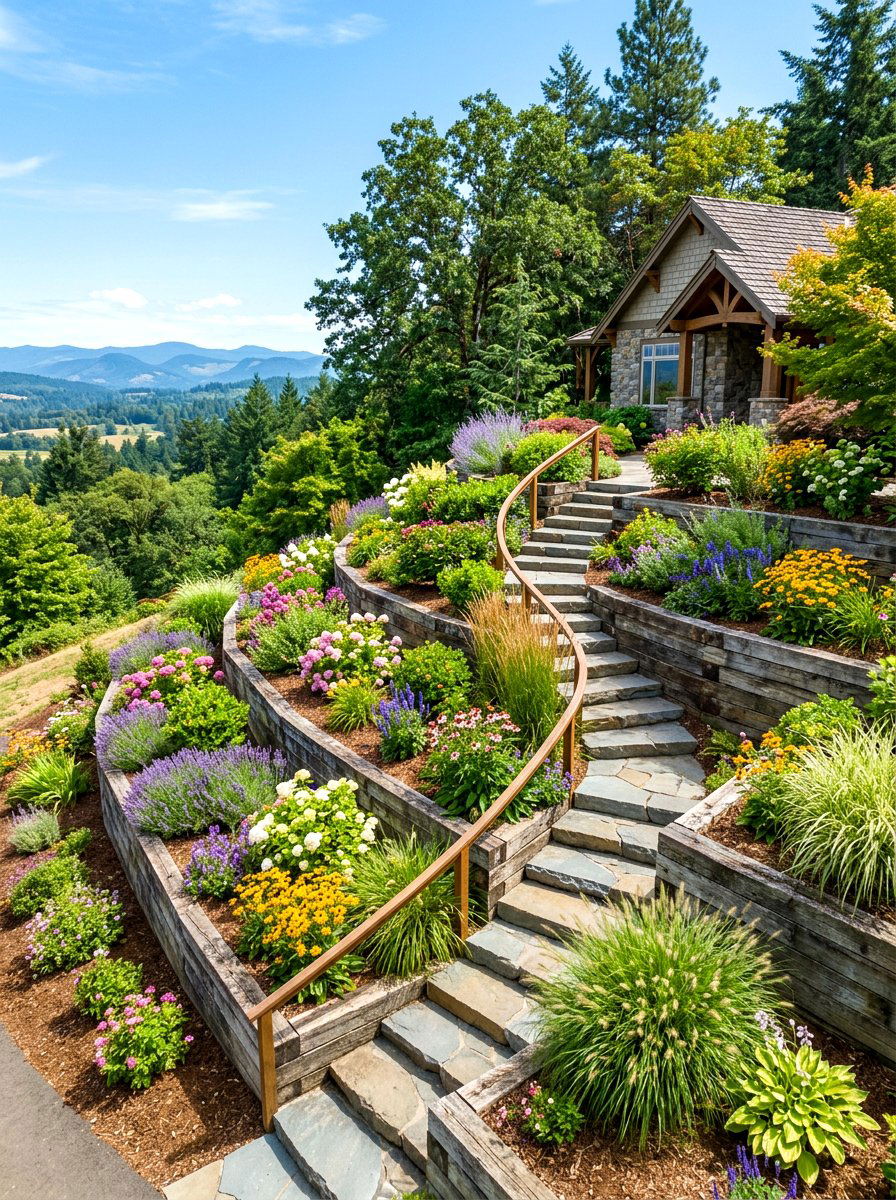
Transforming a steep hill into a functional garden requires a bit of planning but yields spectacular results. Hillside landscaping often involves creating a series of terraces using stone walls or timber sleepers to manage erosion. Each level can be planted with a different theme, such as a wildflower meadow on one and a structured shrubbery on another. Steps made of natural stone can wind through the garden, providing access and a sense of adventure. This approach maximizes the usable space in your yard and prevents soil runoff during heavy rains. It turns a difficult terrain into a stunning multi-level feature that truly stands out.
18. Privacy Hedge
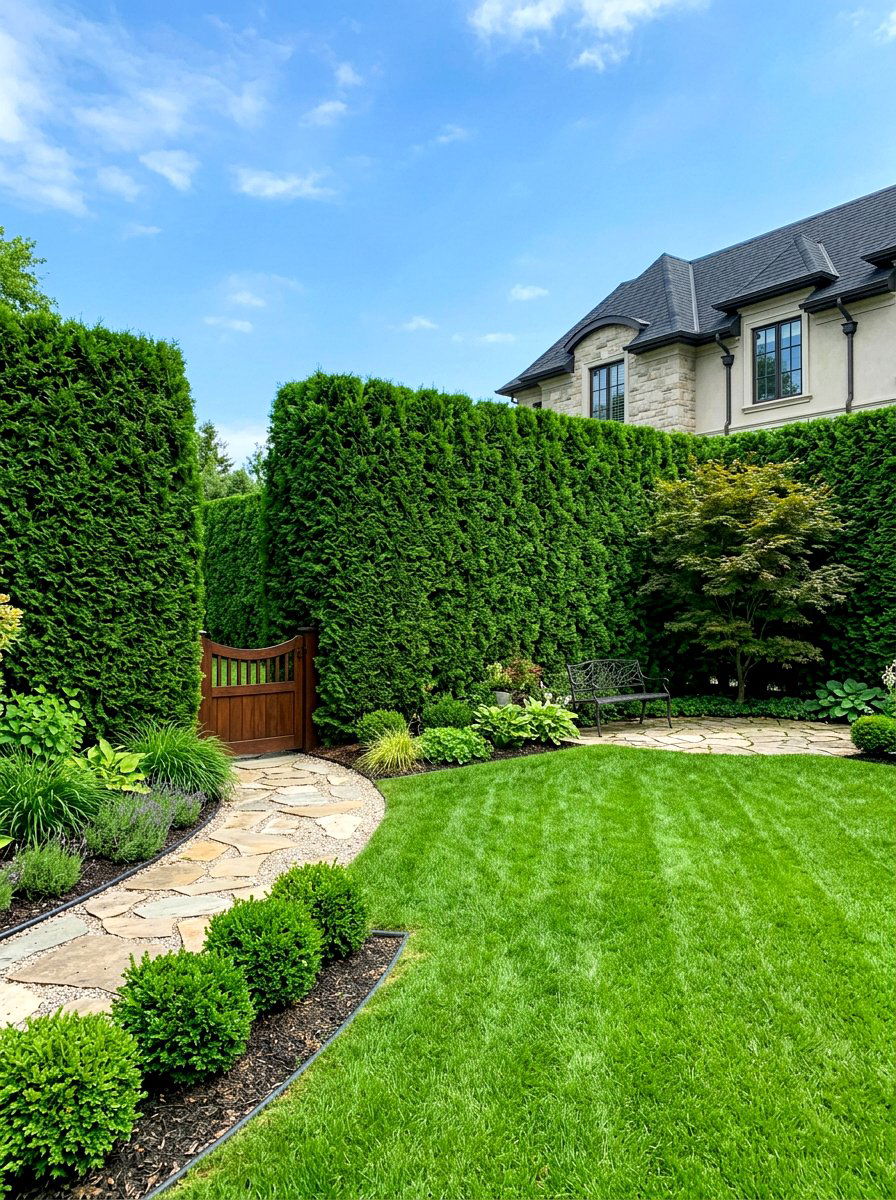
Sometimes you want your front yard to feel like a private sanctuary away from the prying eyes of the street. A privacy hedge uses dense evergreen shrubs like arborvitae, boxwood, or privet to create a living wall. These hedges can be kept neatly trimmed for a formal look or allowed to grow more naturally for a relaxed feel. They act as a sound barrier against traffic and provide a green backdrop for other garden elements. Planting a variety of heights and textures within the hedge can prevent it from looking too monotonous. It is a soft, beautiful alternative to a cold wooden or metal fence.
19. Water Fountain
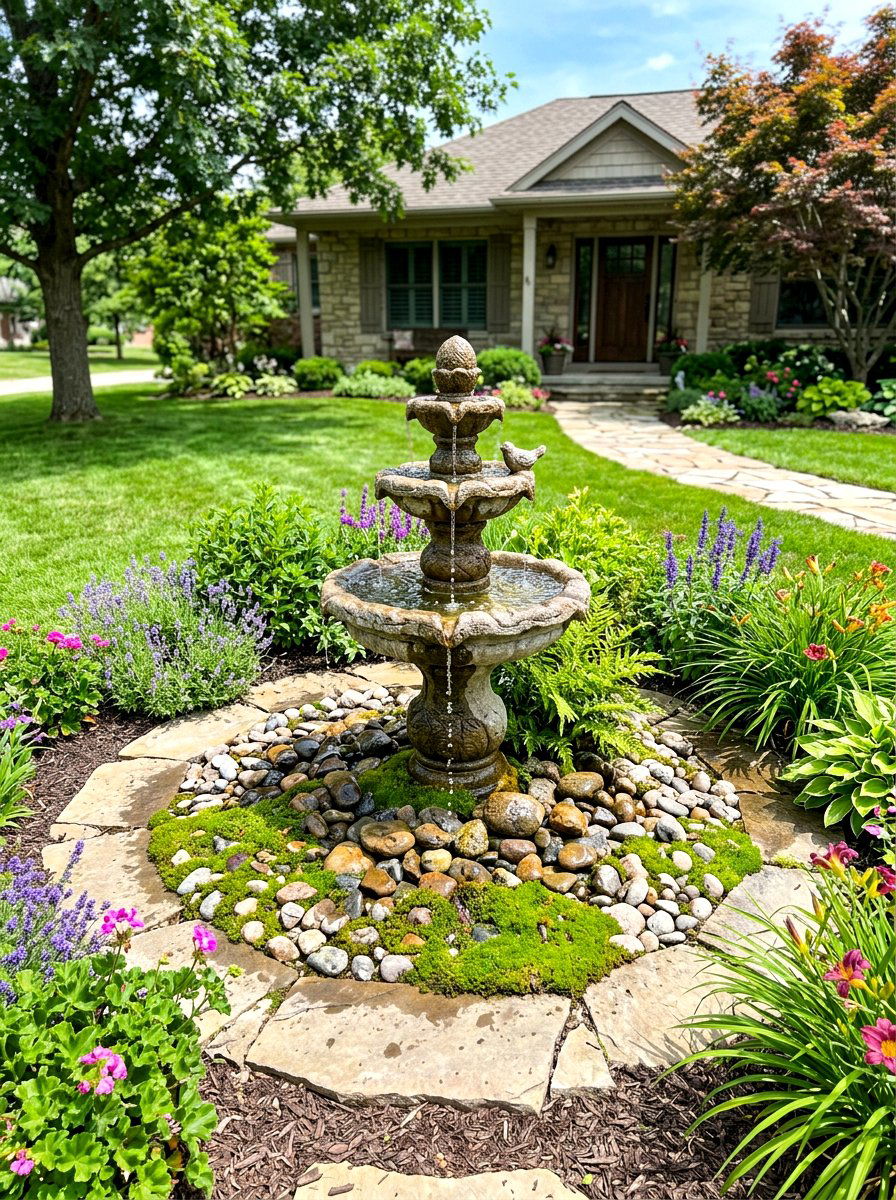
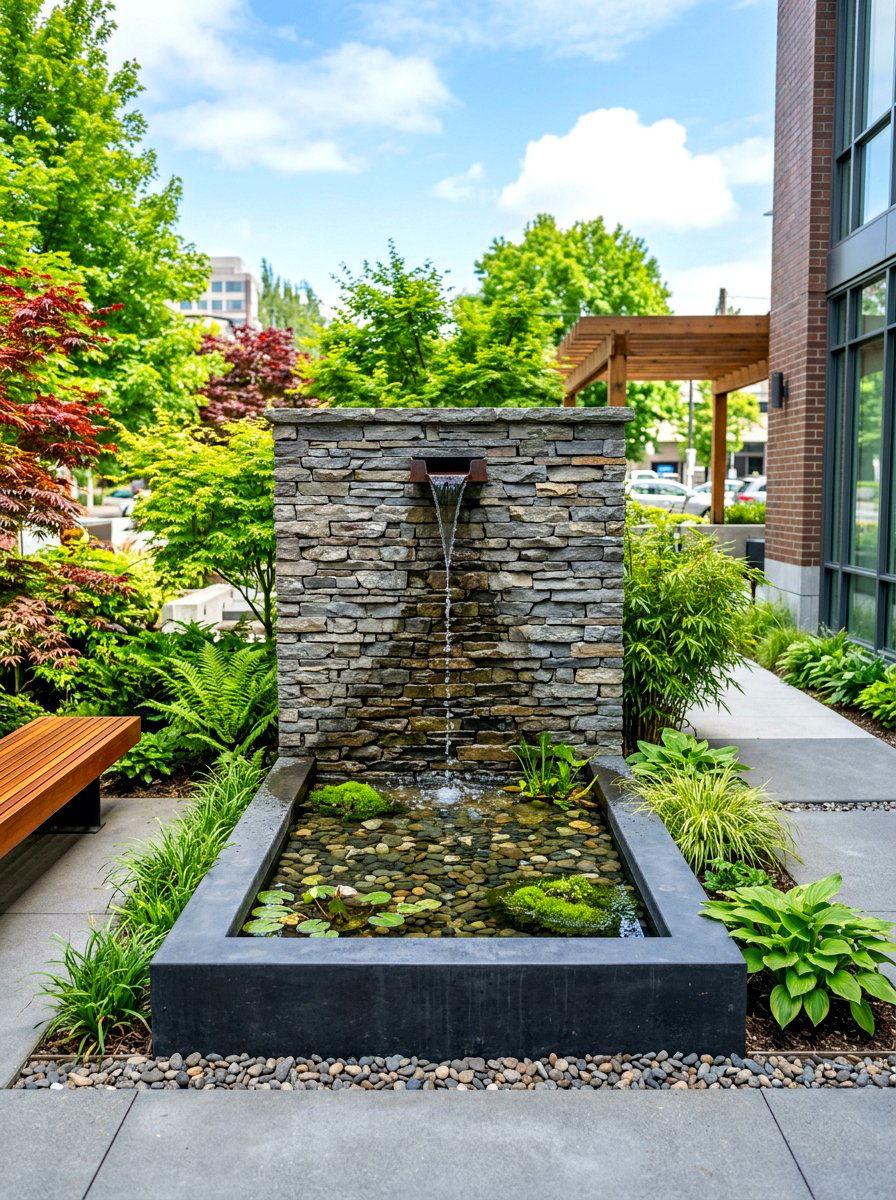
The gentle sound of trickling water can instantly wash away the stress of the day as you arrive home. A water fountain serves as a stunning focal point in a front yard garden, drawing the eye and the ears. You can choose a classic tiered stone fountain for a traditional look or a sleek basalt column for a modern vibe. Surrounding the base with river rocks and low-growing moisture-loving plants integrates the feature into the rest of the landscape. Even a small, self-contained solar fountain can make a big impact in a compact space. It adds a layer of luxury and tranquility to your exterior.
20. Perennial Garden
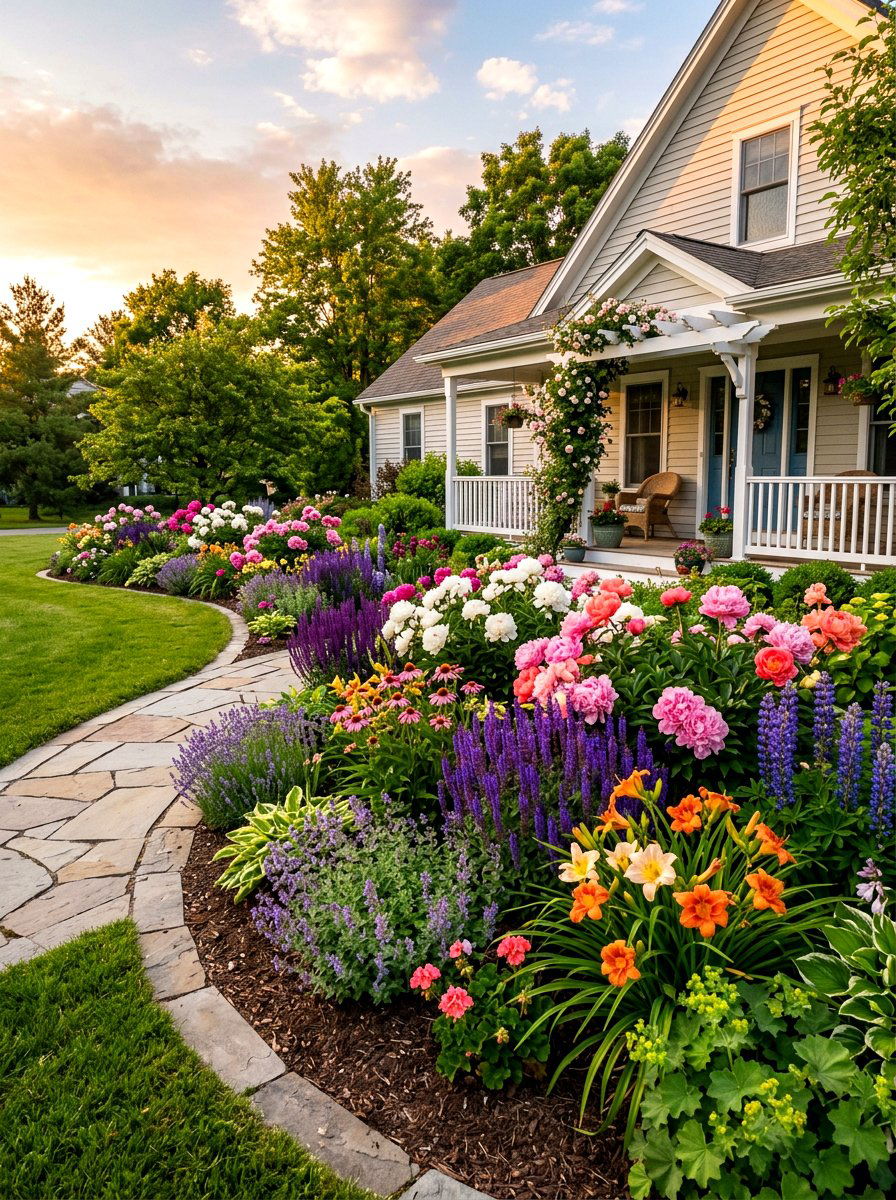
One of the best investments you can make for your yard is a garden that comes back bigger and better every year. A perennial garden features plants that live for several seasons, such as peonies, lavender, and black-eyed Susans. By carefully selecting varieties that bloom at different times, you can ensure a constant show of color from spring through late fall. These gardens require a bit of initial work but become more self-sufficient as the plants mature and fill in the gaps. They offer a sense of continuity and change that is truly magical to observe year after year. It is a gift that keeps giving.
21. Desert Landscape
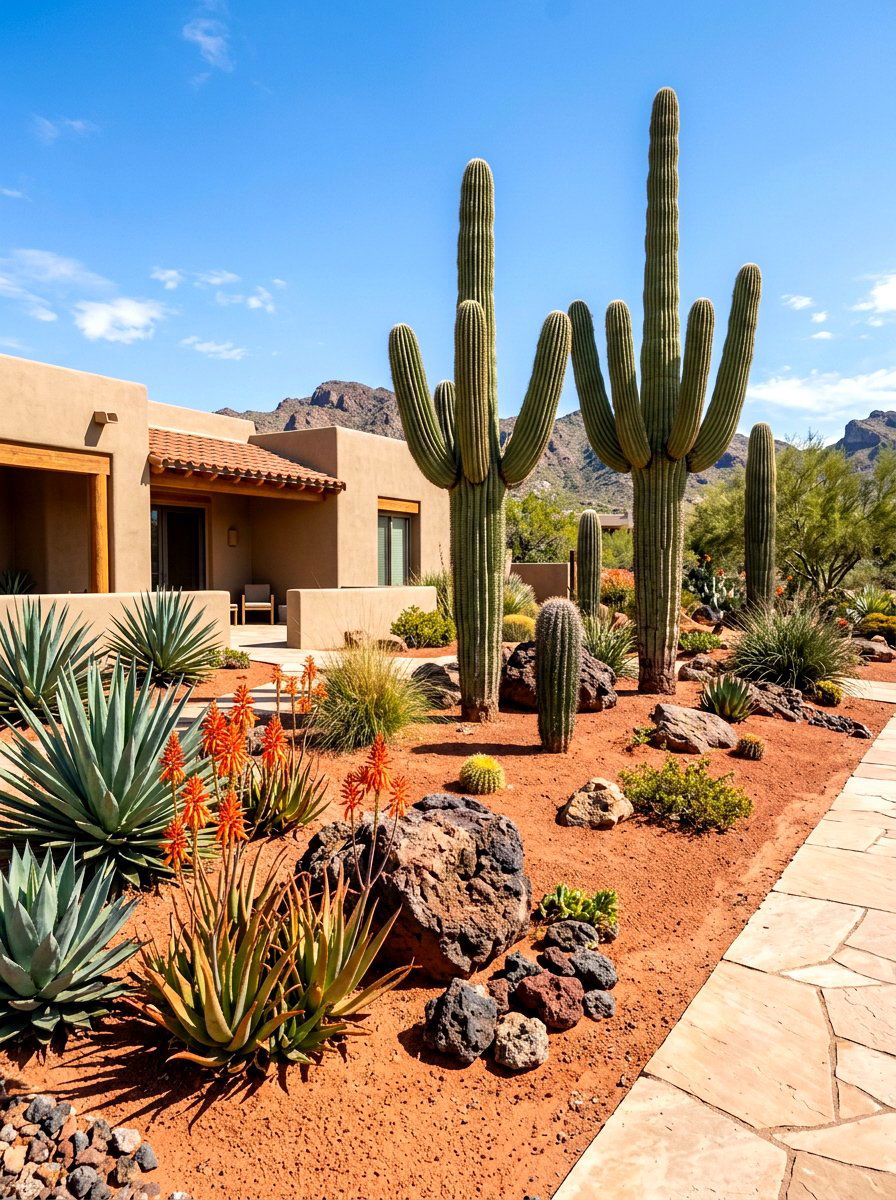
Embracing the stark and sculptural beauty of arid regions can lead to a very striking and modern front yard. A desert landscape uses a variety of cacti, agaves, and yuccas set against a canvas of sand, gravel, or decomposed granite. These plants have incredible shapes and textures that look like living pieces of art. Using warm-toned rocks and boulders helps to tie the design together and reflects the heat during the day. This style is exceptionally low-maintenance and very resilient to high temperatures. It creates a bold, sun-drenched aesthetic that feels both rugged and sophisticated, making it a perfect match for southwestern-style architecture.
22. Container Garden
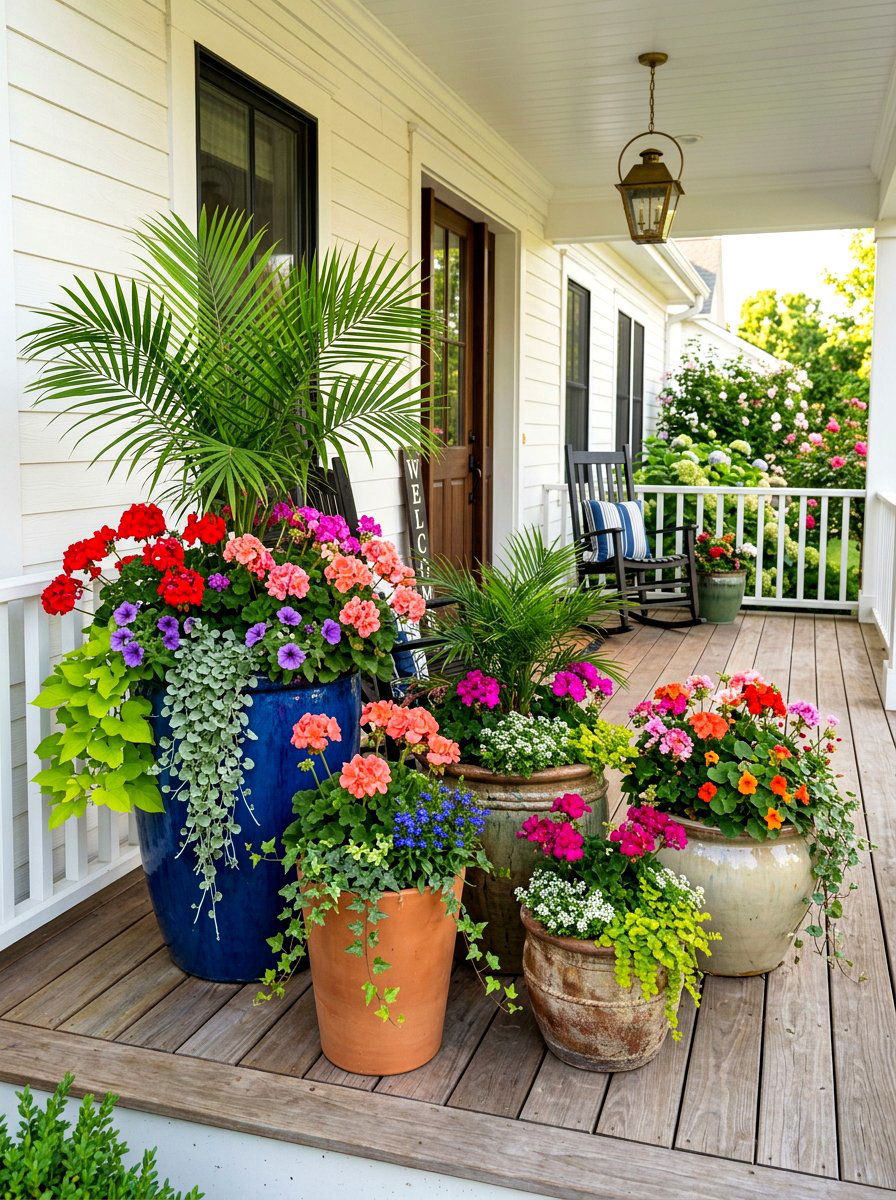
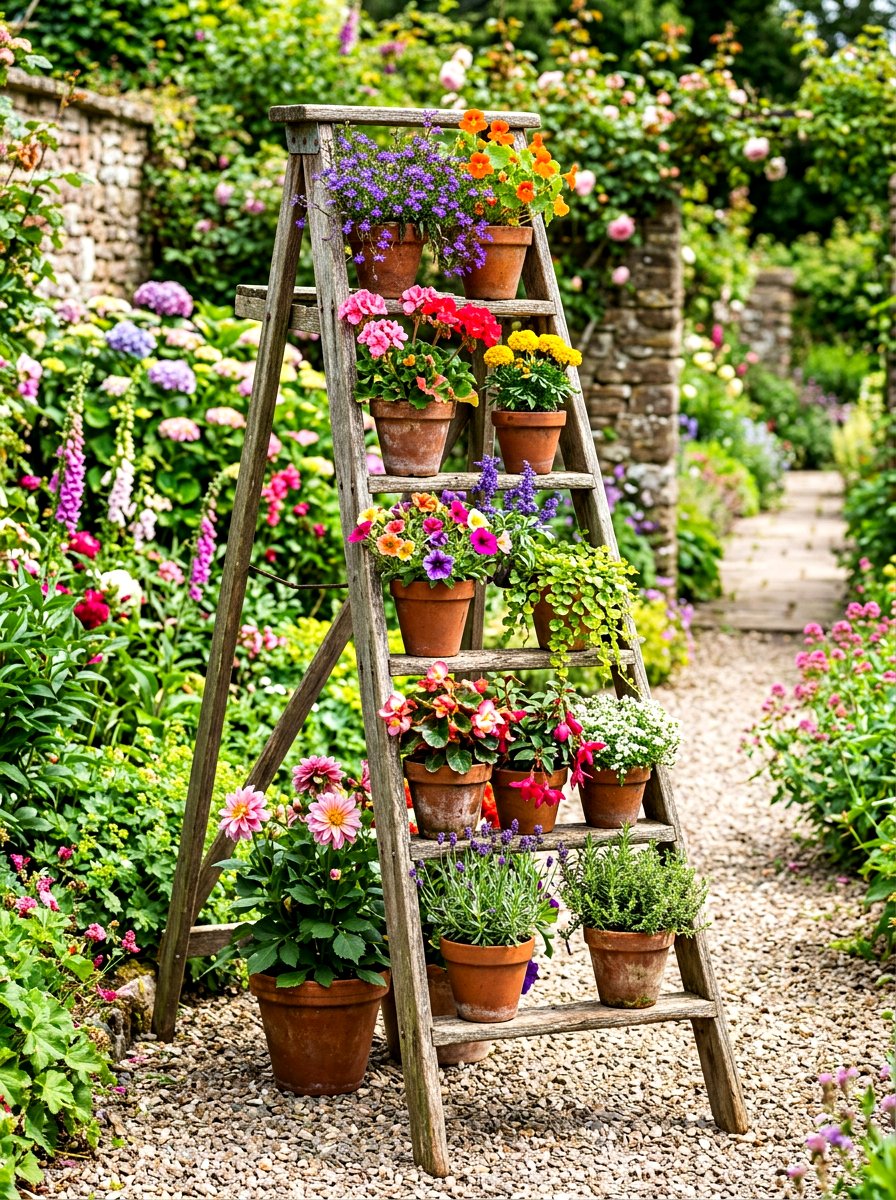
If you have a large paved area or a wide front porch, pots and planters are your best friends. A container garden allows you to bring lush greenery and seasonal color to spaces where you cannot plant directly into the ground. You can use a mix of large ceramic pots, modern metal troughs, and hanging baskets to create different levels of interest. The beauty of this approach is the ability to swap out plants as the seasons change or move the pots around to refresh the look. It is an excellent way to experiment with bold colors and exotic species without committing them to the main landscape.
23. Boxwood Border
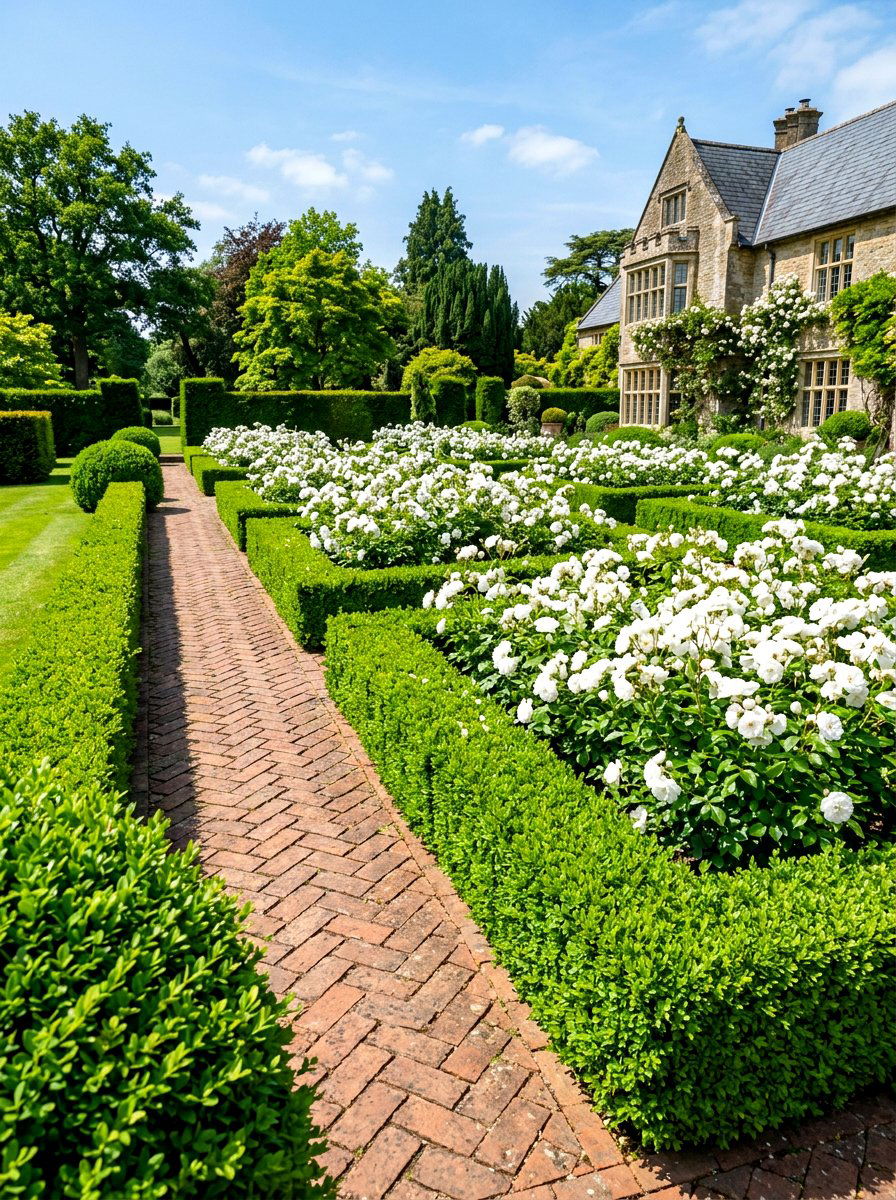
There is a reason why boxwood has been a staple in garden design for centuries; it is incredibly versatile and reliable. A boxwood border provides a crisp, evergreen frame for flower beds or walkways, giving the yard a sense of order and structure. You can shear them into tight, formal rectangles or keep them in soft, rounded mounds. Even in the middle of winter when everything else has gone dormant, these hardy shrubs keep your front yard looking green and well-maintained. They work beautifully in both grand estates and small urban plots, adding a touch of classic elegance that never goes out of style for homeowners.
24. Lavender Path
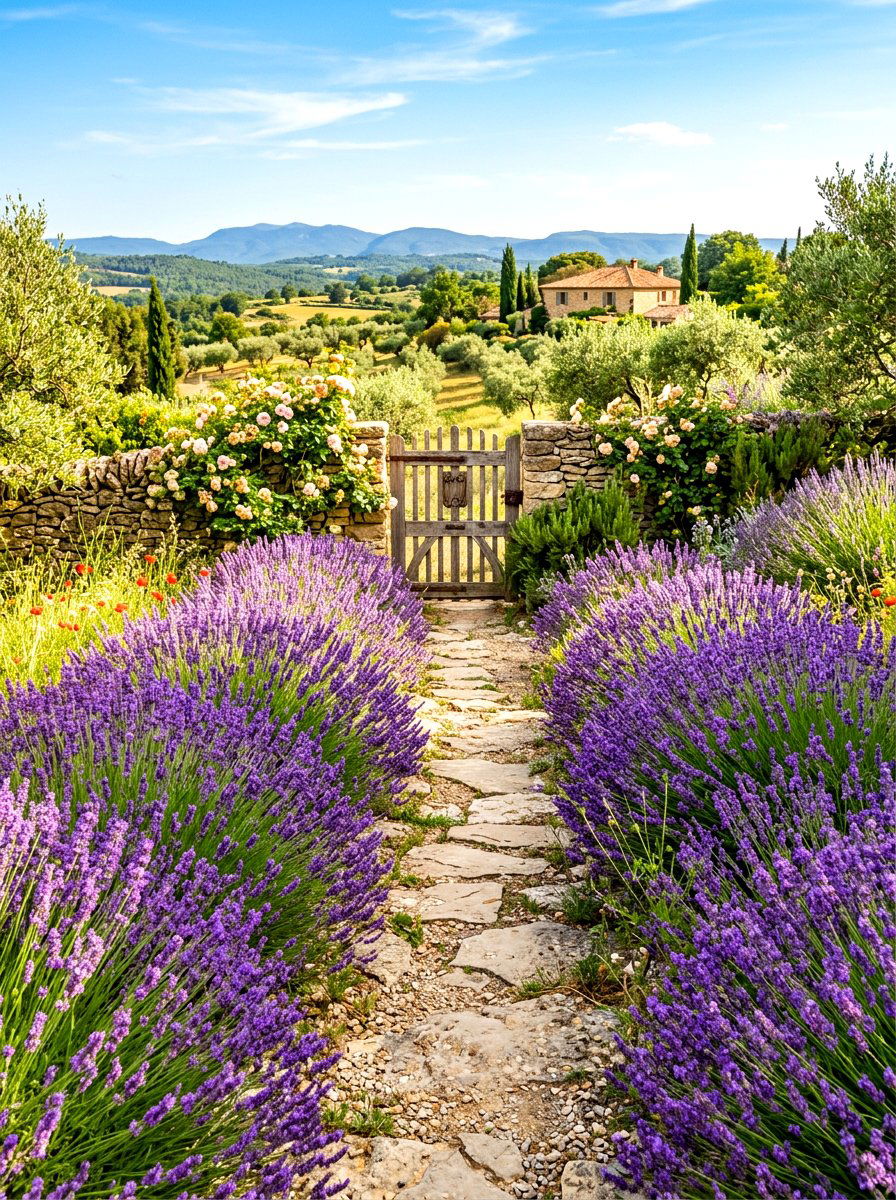
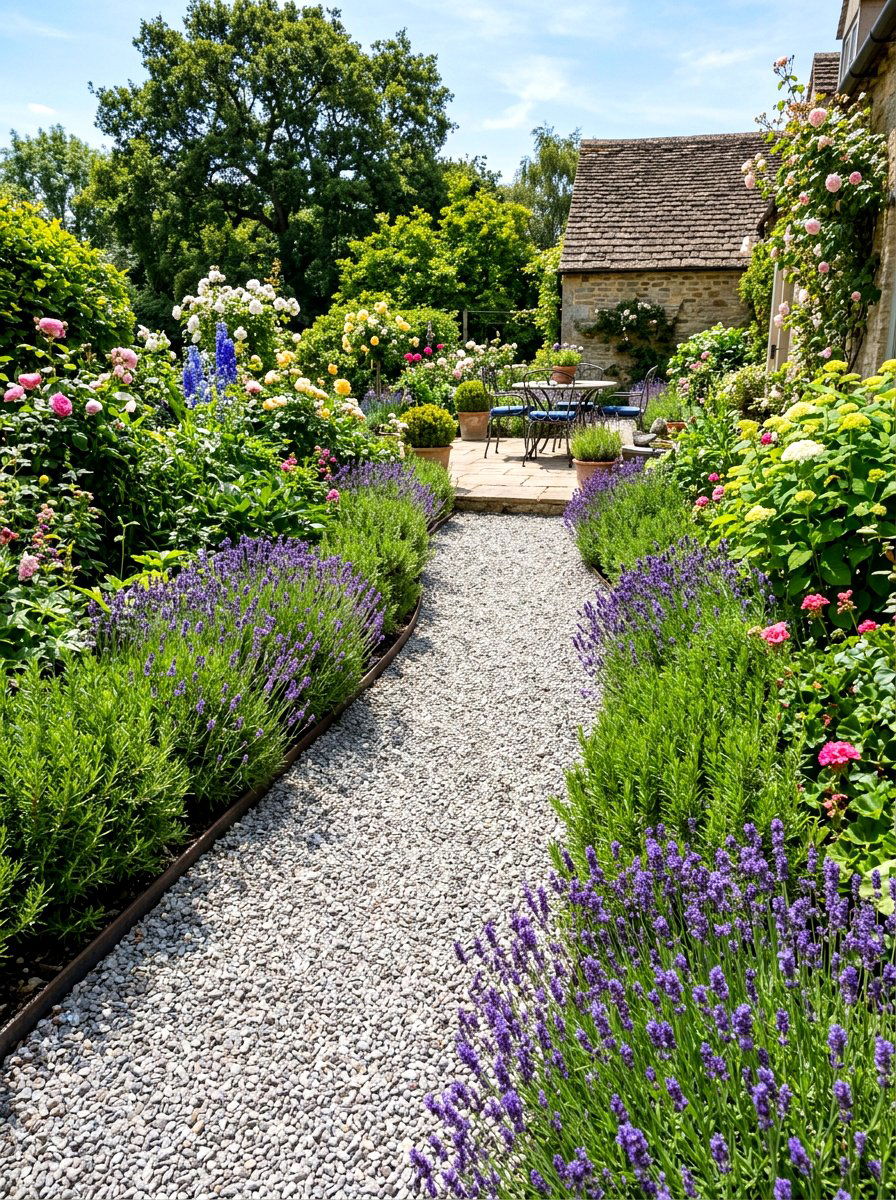
Walking toward your front door should be a multi-sensory experience that begins with a beautiful scent. Planting lavender along both sides of a walkway creates a fragrant tunnel that smells incredible every time you brush against the leaves. The silvery-green foliage and purple flower spikes provide a soft, Mediterranean feel that looks stunning in the sunlight. Lavender is also very drought-tolerant and attracts a variety of helpful pollinators to your yard. Pairing it with light-colored stones or a simple gravel path enhances the dreamy, sun-bleached aesthetic. This is a simple but high-impact way to make your entrance feel special and relaxing for all visitors.
25. Wildflower Meadow
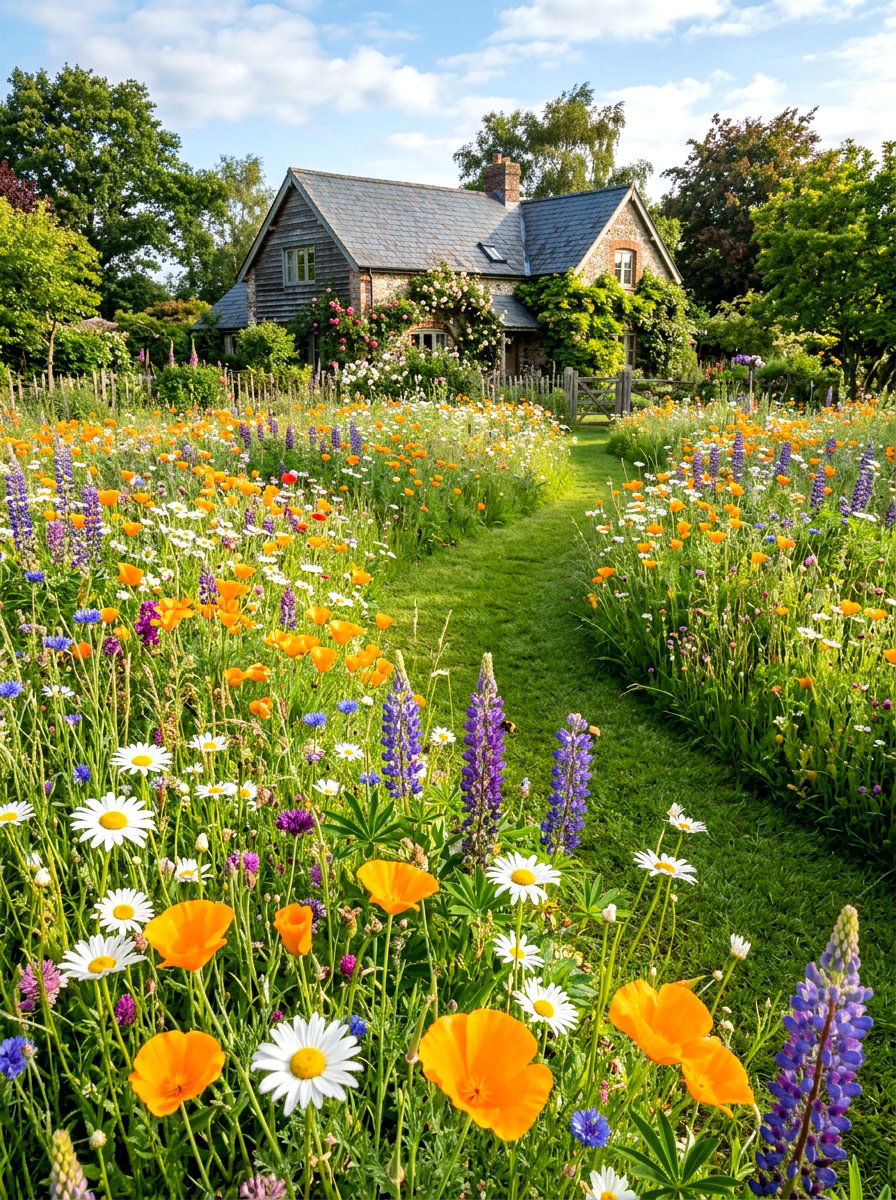
If you are tired of the constant maintenance of a traditional lawn, why not let nature take the lead? A wildflower meadow replaces the grass with a vibrant mix of native grasses and flowering plants that grow freely. This style is incredibly beneficial for the environment and requires no mowing once the plants are established. You can mow a neat path through the middle of the meadow to show that the look is intentional and to provide a walking route. The result is a whimsical, ever-changing landscape that feels like a slice of the countryside right in your own front yard. It is pure joy.
26. Zen Garden
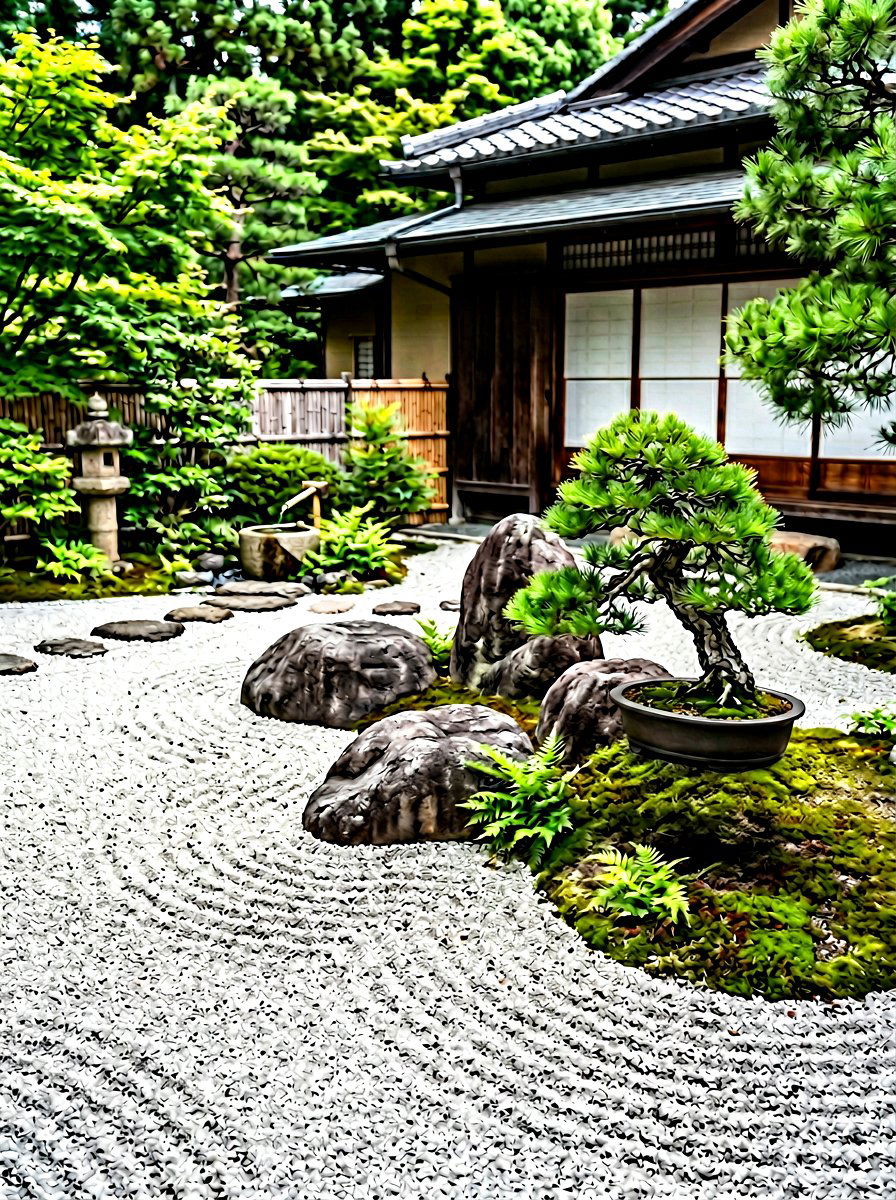
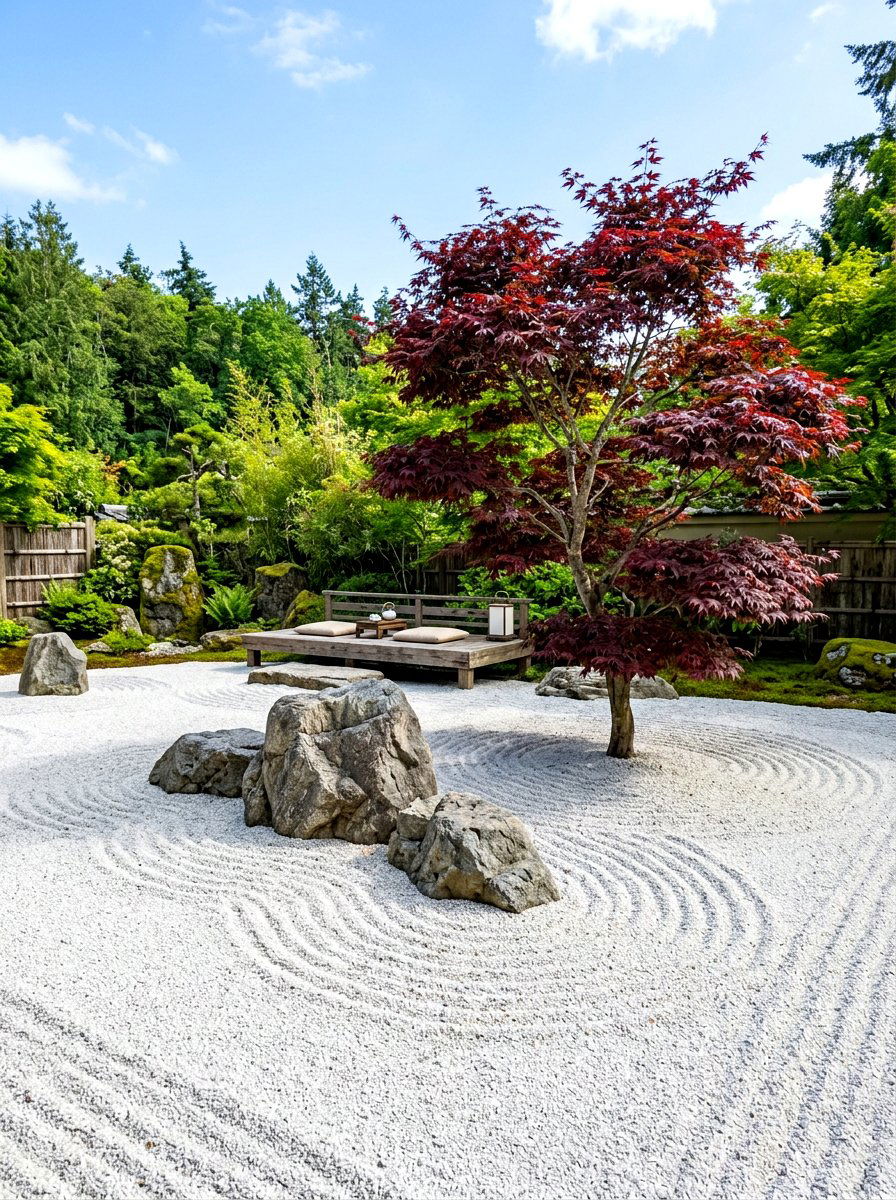
Creating a space for mindfulness and reflection can start the moment you pull into your driveway. A Zen garden often features raked gravel or sand representing water, accented by carefully placed rocks and minimalist plants like bamboo or moss. The focus is on balance, simplicity, and the beauty of natural materials. This design is perfect for modern homes or anyone looking to reduce the visual clutter of a traditional garden. The act of raking the gravel can even become a meditative practice for the homeowner. It provides a very calm and orderly entrance that feels worlds away from the busy streets outside your property.
27. Landscape Lighting
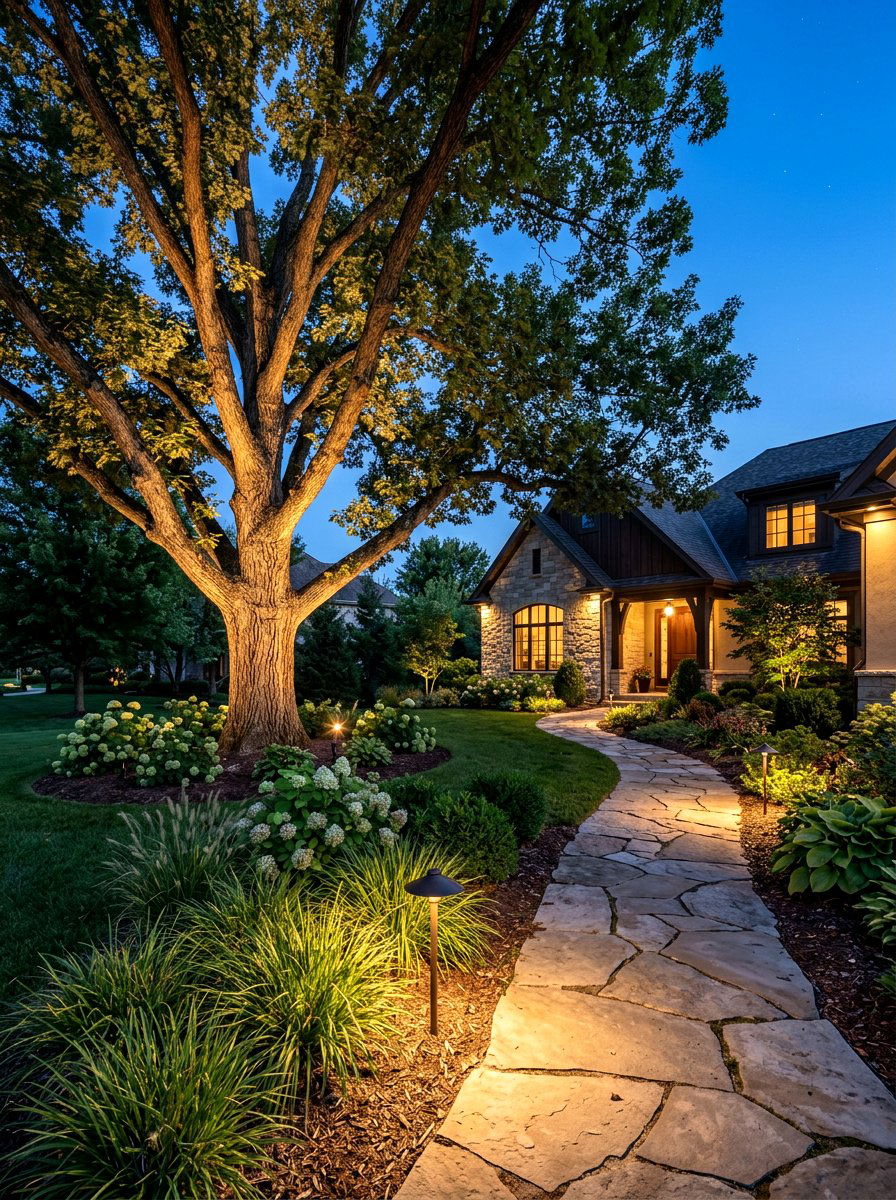
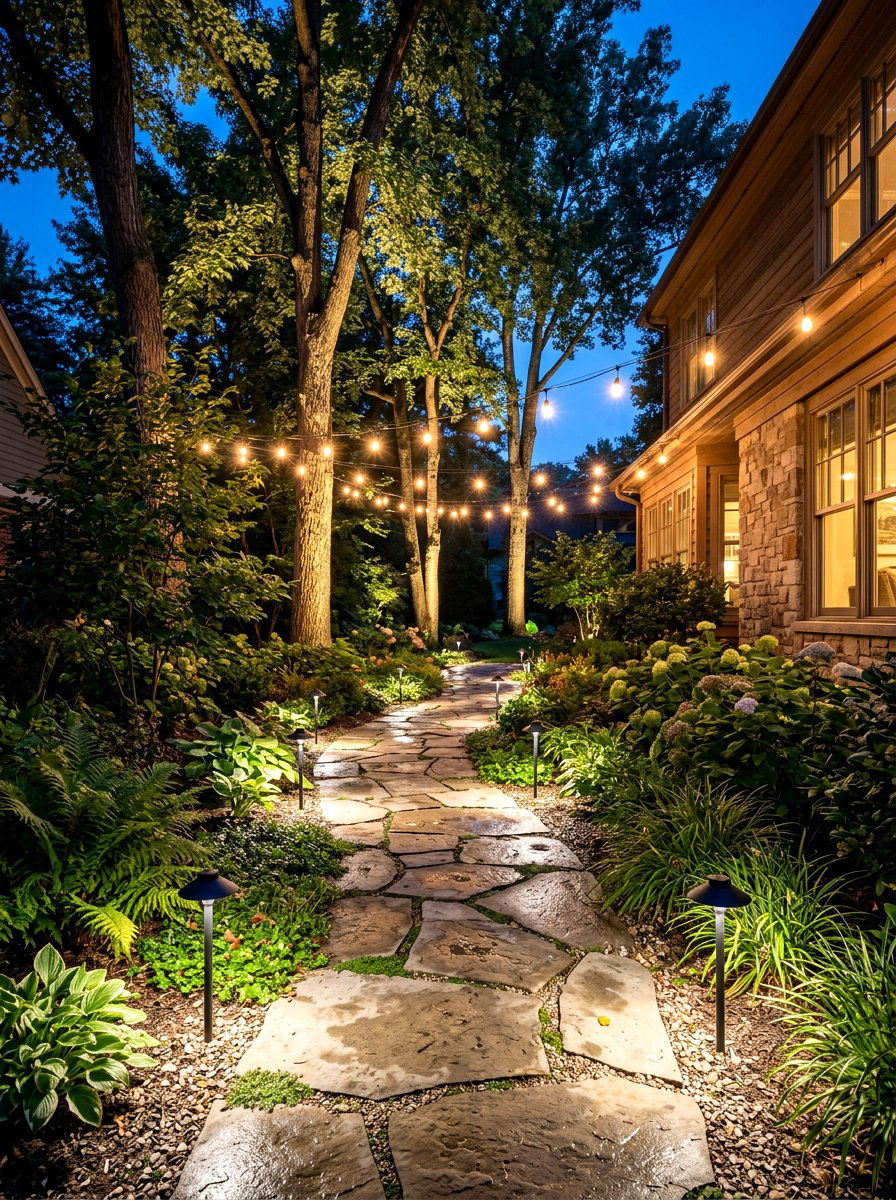
A great garden shouldn't disappear as soon as the sun goes down; it should transform into a magical nightscape. Landscape lighting uses a mix of uplights, path lights, and spotlights to highlight the best features of your yard after dark. You can place warm LEDs at the base of a beautiful tree to show off its structure or line your walkway for safety and charm. Subtle lighting can also make a small yard feel much deeper and more expansive by illuminating the far corners. Modern systems are often solar-powered or low-voltage, making them easy to install and very energy-efficient for long-term use at home.
28. Grass Alternative
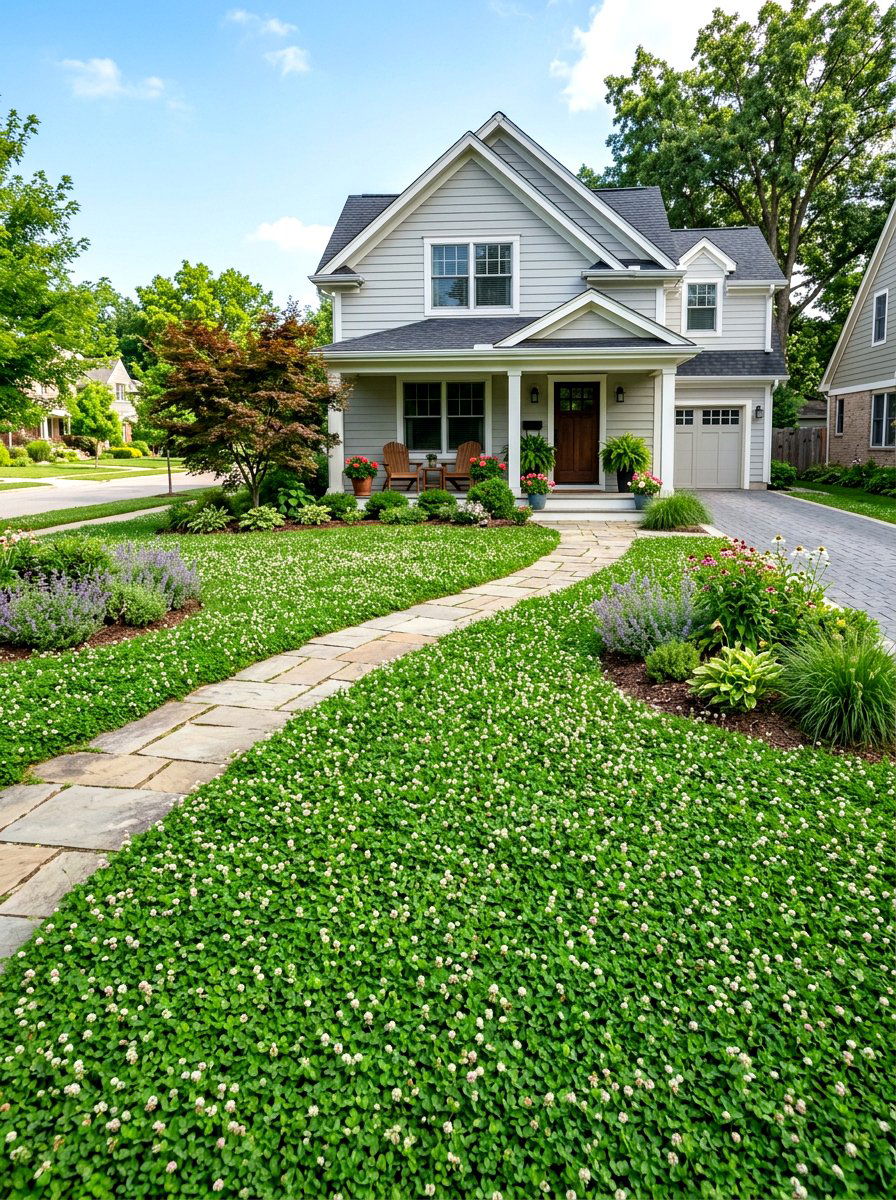
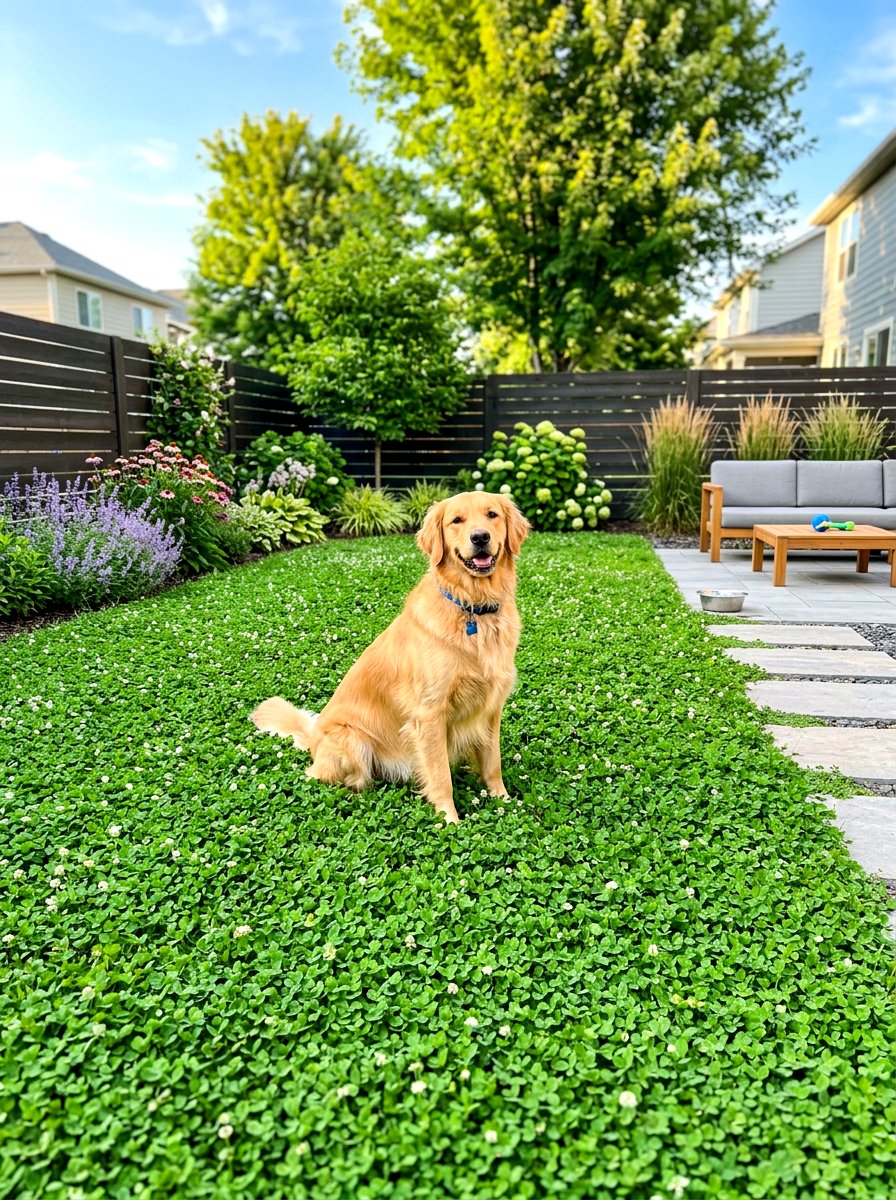
Many modern homeowners are moving away from the "perfect green lawn" in favor of more sustainable and interesting options. A grass alternative might involve using creeping thyme, clover, or even artificial turf to create a soft surface without the heavy water and fertilizer needs. These ground covers often produce tiny flowers that smell wonderful and provide food for bees. Using a mix of different low-growing plants can create a textured, carpet-like effect that feels very soft underfoot. This approach is much easier on the planet and gives your front yard a unique, personalized look that stands out from the neighbors' traditional grass lawns.
29. Window Box
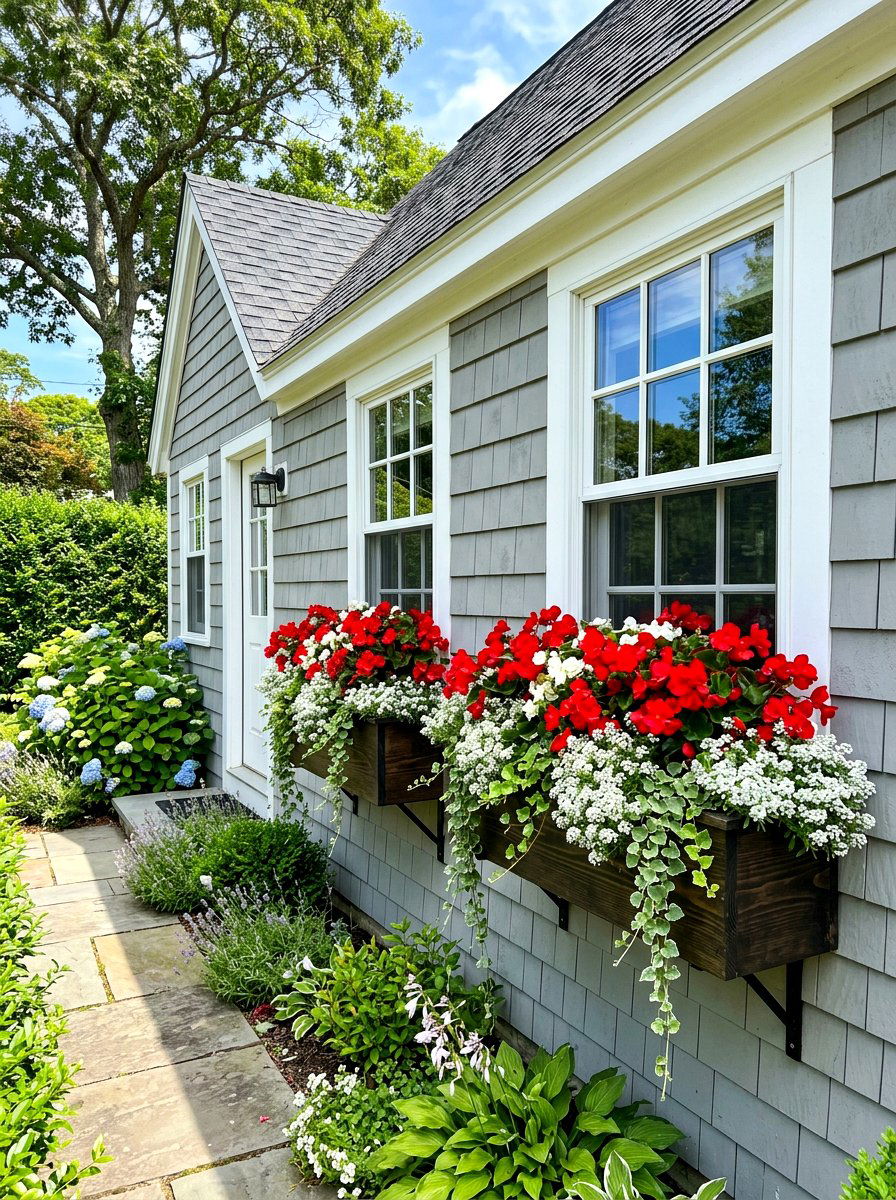
Sometimes the best way to add curb appeal is to bring the garden right up to the house itself. A window box is a classic way to add a burst of color and charm to your home 's exterior without needing any yard space at all. You can fill them with a "thriller, filler, and spiller" combination of upright flowers, mounding plants, and trailing vines. Choosing colors that complement your home' s siding or front door creates a very cohesive and polished look. Window boxes are easy to change seasonally, allowing you to have bright pansies in the spring and lush evergreens during the winter months.
30. Mailbox Bed
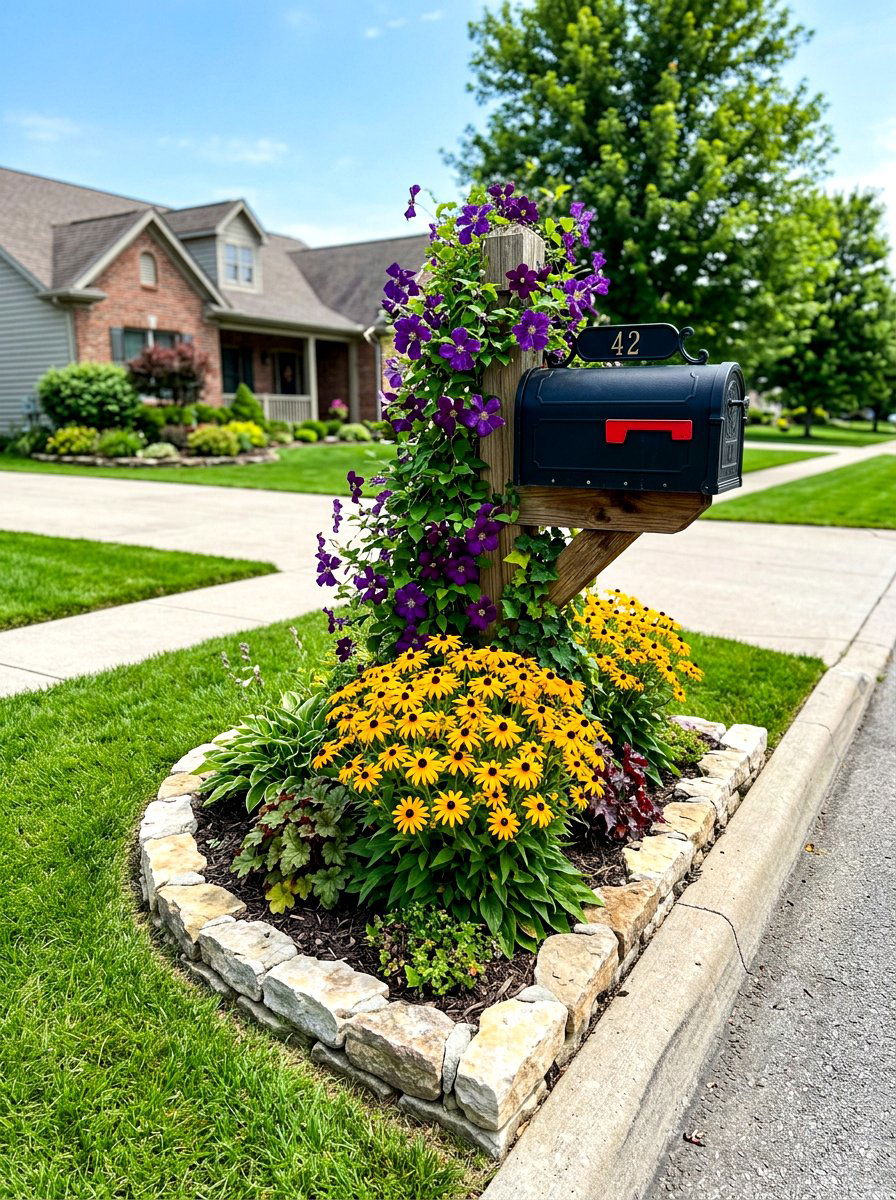
The area around your mailbox is often overlooked, but it is actually the perfect spot for a high-impact mini garden. A mailbox bed uses a small patch of ground to showcase colorful perennials, climbing vines, or even a small ornamental tree. This creates a beautiful focal point at the very edge of your property, welcoming everyone who drives by. You can use a mix of heights to hide the post and make the mailbox feel like an integrated part of the landscape. Using durable, salt-tolerant plants is a good idea if you live near a busy road. It is a small detail that makes a big difference.
Conclusion:
Investing time and creativity into your front yard garden is one of the most effective ways to enhance your home's character and overall value. From the romantic charm of a cottage garden to the sleek, structured lines of a modern landscape, there is a design style to suit every personality and architectural type. By considering factors like local climate, maintenance needs, and ecological impact, you can create a space that is as sustainable as it is beautiful. These thirty ideas offer a starting point for your journey toward a more welcoming and vibrant home exterior. Your dream front yard is just a few plants and a vision away.

Related posts: