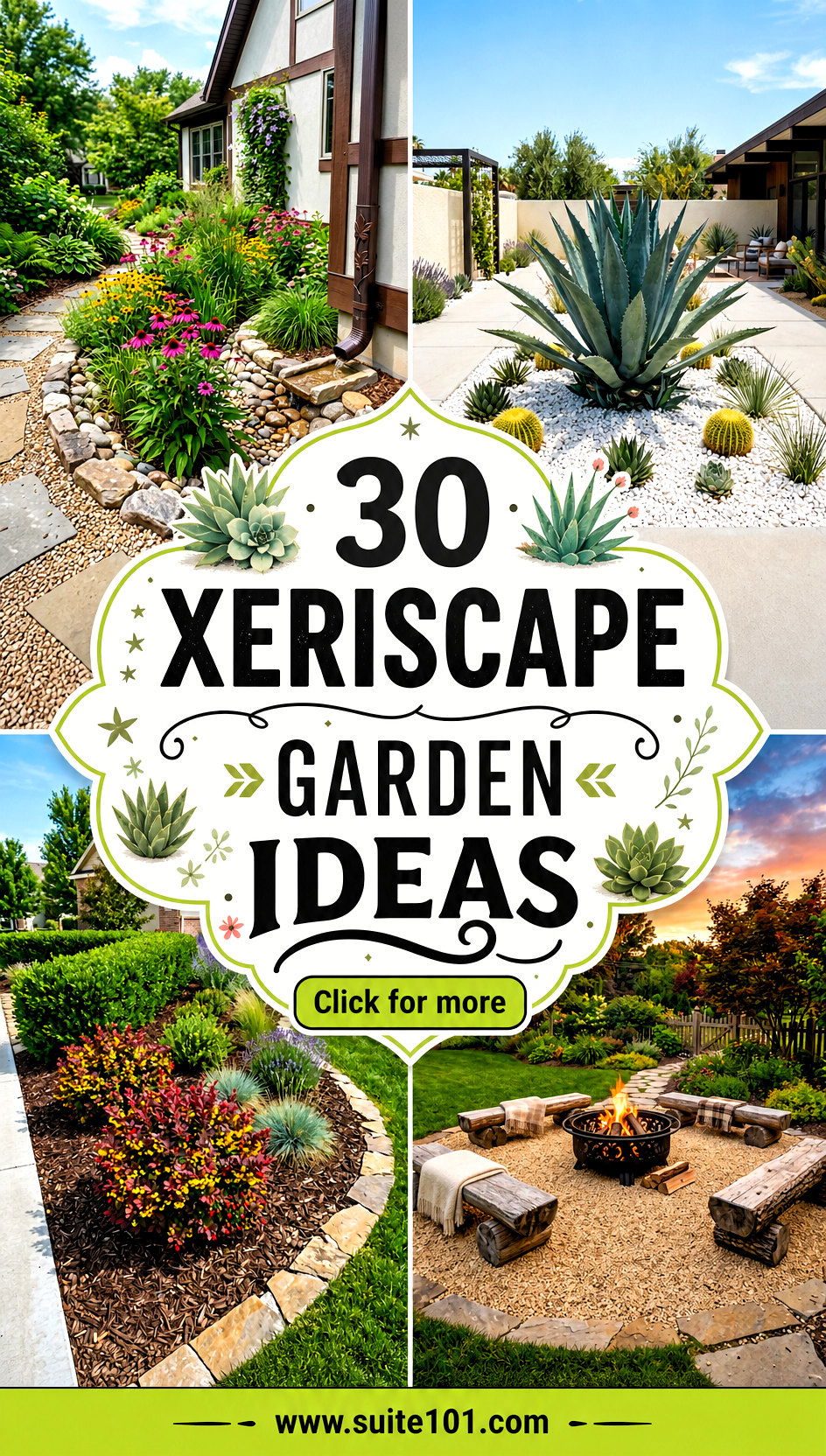
Creating a beautiful outdoor space does not require excessive amounts of water or constant maintenance. Xeriscaping has evolved from simple rock piles into a sophisticated form of landscape design that emphasizes sustainability and aesthetic appeal. This approach focuses on using native plants, efficient irrigation, and creative ground covers to thrive in arid or drought-prone environments. By choosing the right elements, you can transform a brown, thirsty lawn into a vibrant sanctuary that supports local wildlife and saves money on utility bills. Modern xeriscaping techniques offer endless possibilities for texture, color, and structure, proving that eco-friendly gardening is incredibly stylish for any home exterior.
1. Modern Gravel Path
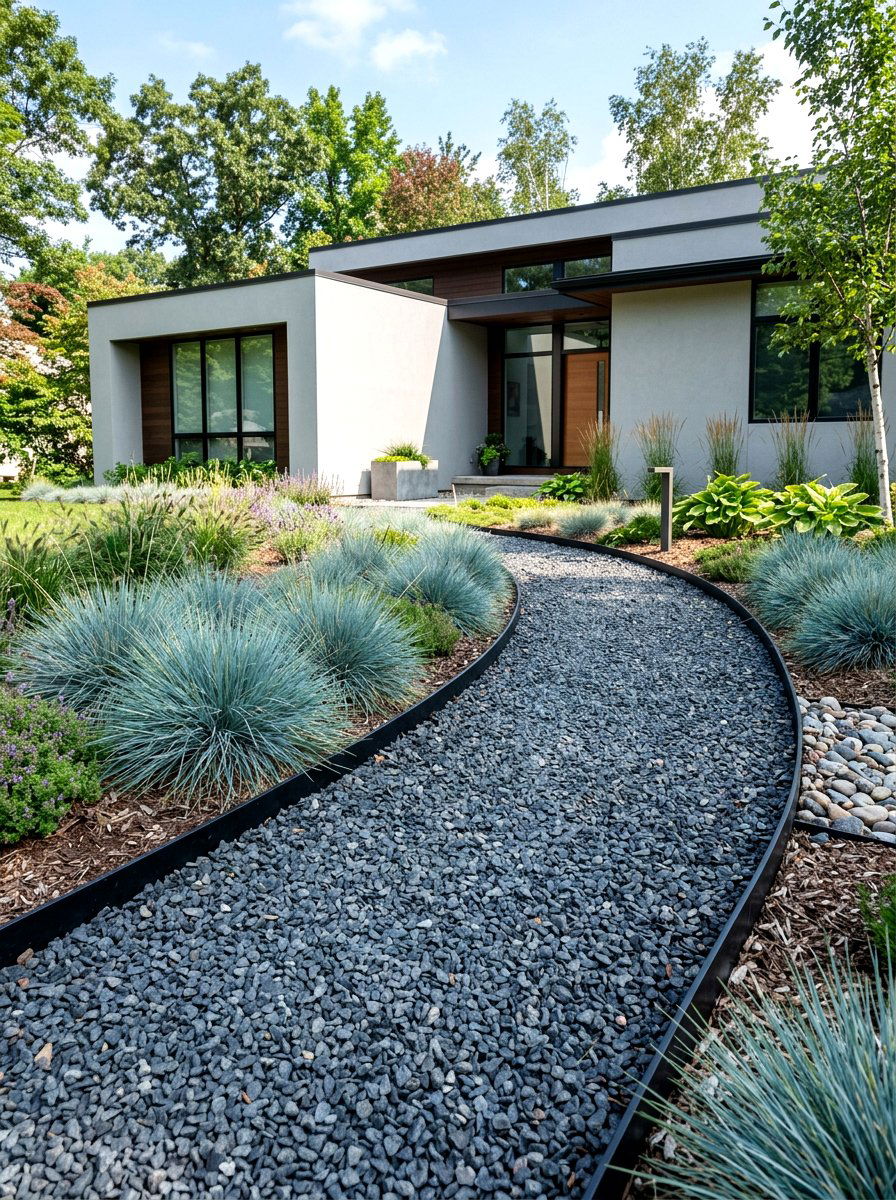
A modern gravel path serves as a functional and visually striking alternative to high-maintenance grass walkways. By utilizing various sizes of crushed stone or pea gravel, you can create a permeable surface that allows rainwater to seep into the ground rather than running off. This approach reduces the need for constant irrigation while providing a clean, contemporary look for your outdoor space. You can pair light-colored gravel with dark metal edging to define the borders clearly. Integrating drought-tolerant plants like blue fescue along the edges adds a soft texture that contrasts beautifully with the hard stones. This simple change drastically lowers your water usage and maintenance time annually.
2. Native Grass Meadow
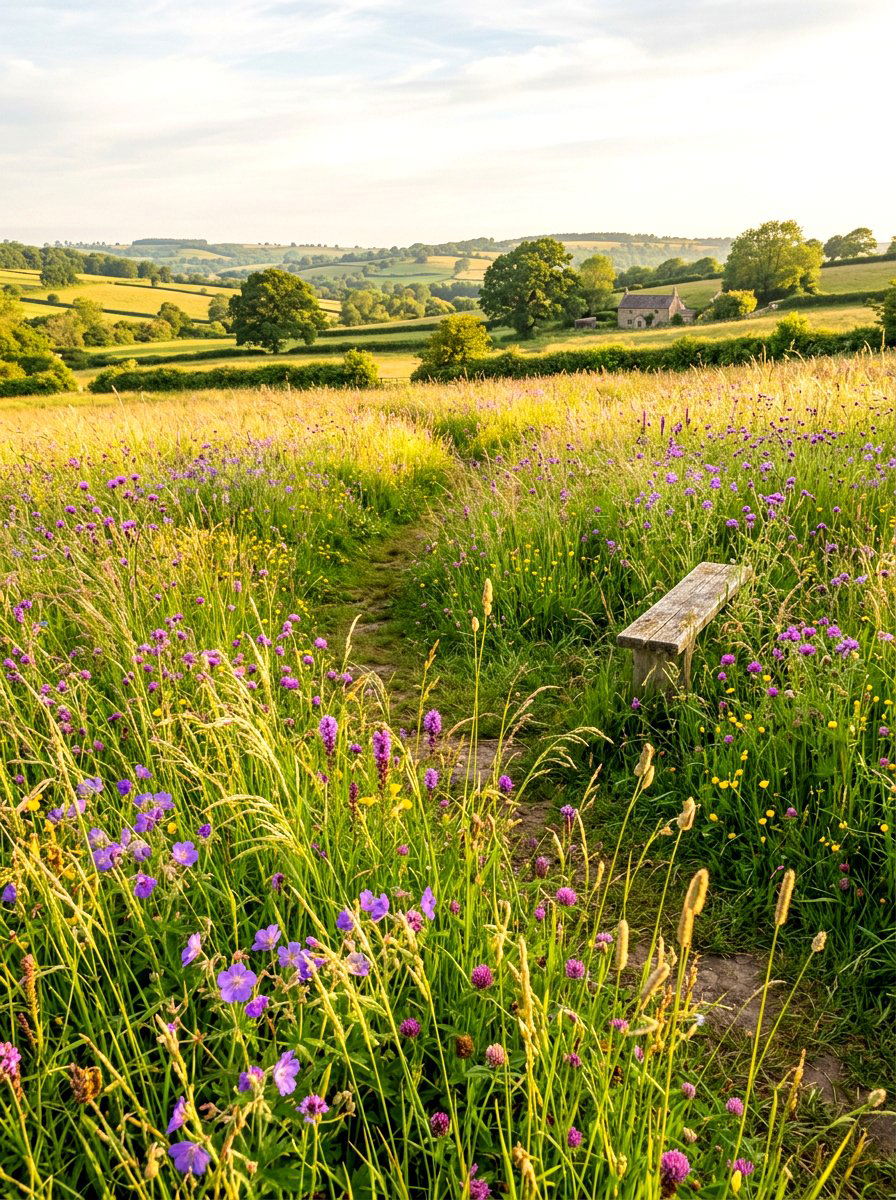
Transitioning your lawn into a native grass meadow is a fantastic way to embrace local ecology while significantly reducing your environmental footprint. Native grasses are naturally adapted to your specific region's rainfall and soil conditions, meaning they require little to no supplemental watering once established. These plants often feature deep root systems that help prevent soil erosion and improve water infiltration. Beyond their practical benefits, native meadows provide a soft, flowing aesthetic that moves beautifully in the wind. You can mix in regional wildflowers to add pops of seasonal color and support local pollinators. This design creates a low-maintenance, wild look that feels both intentional and natural.
3. Succulent Rock Garden
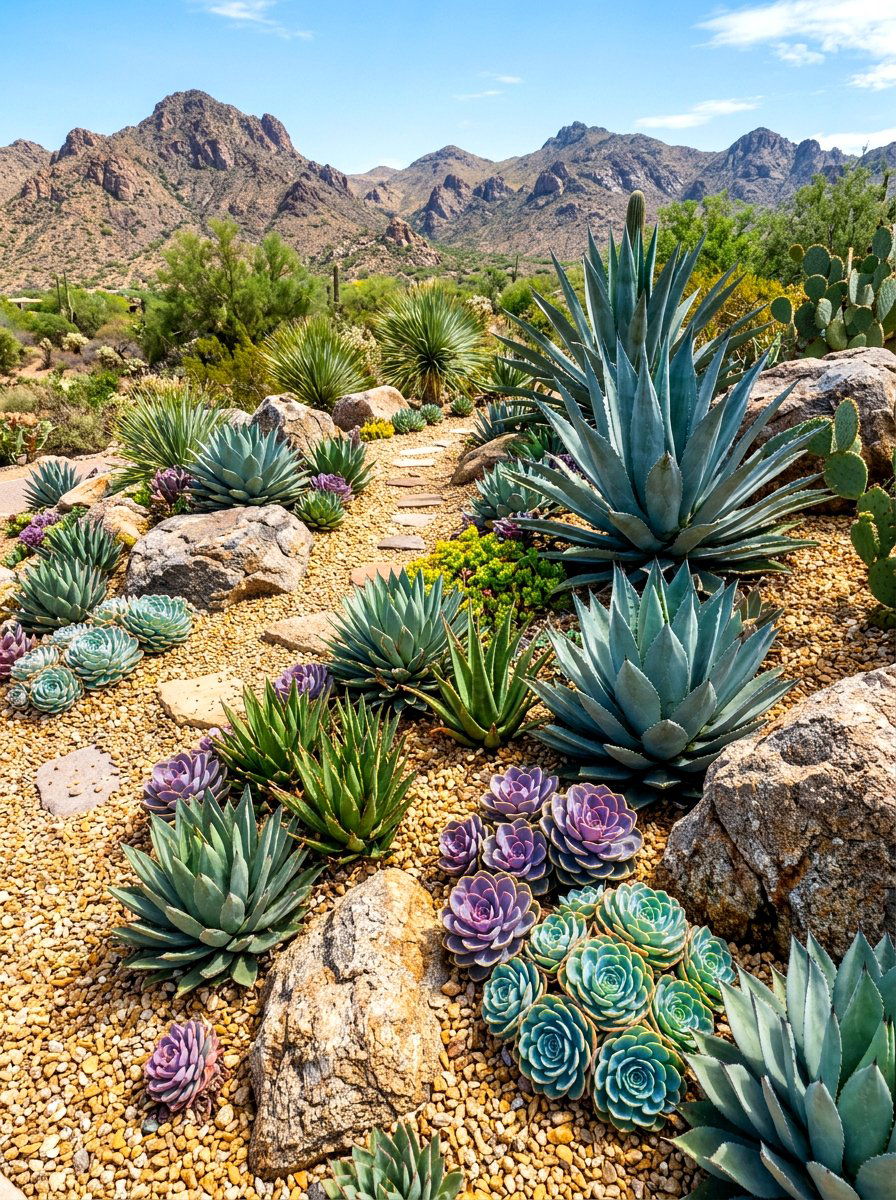
A succulent rock garden combines architectural plant forms with the rugged beauty of natural stone for a high-impact, low-water landscape. Using different sizes of boulders and river rocks creates a sense of depth and mimics a natural desert environment. Succulents like agave, echeveria, and sedum are perfect choices because they store water in their thick leaves, allowing them to survive long periods of heat. To make the design pop, vary the colors and textures of the plants against the neutral tones of the rocks. This type of garden is exceptionally durable and requires minimal intervention once the initial planting is complete, making it ideal for busy homeowners.
4. Decomposed Granite Patio
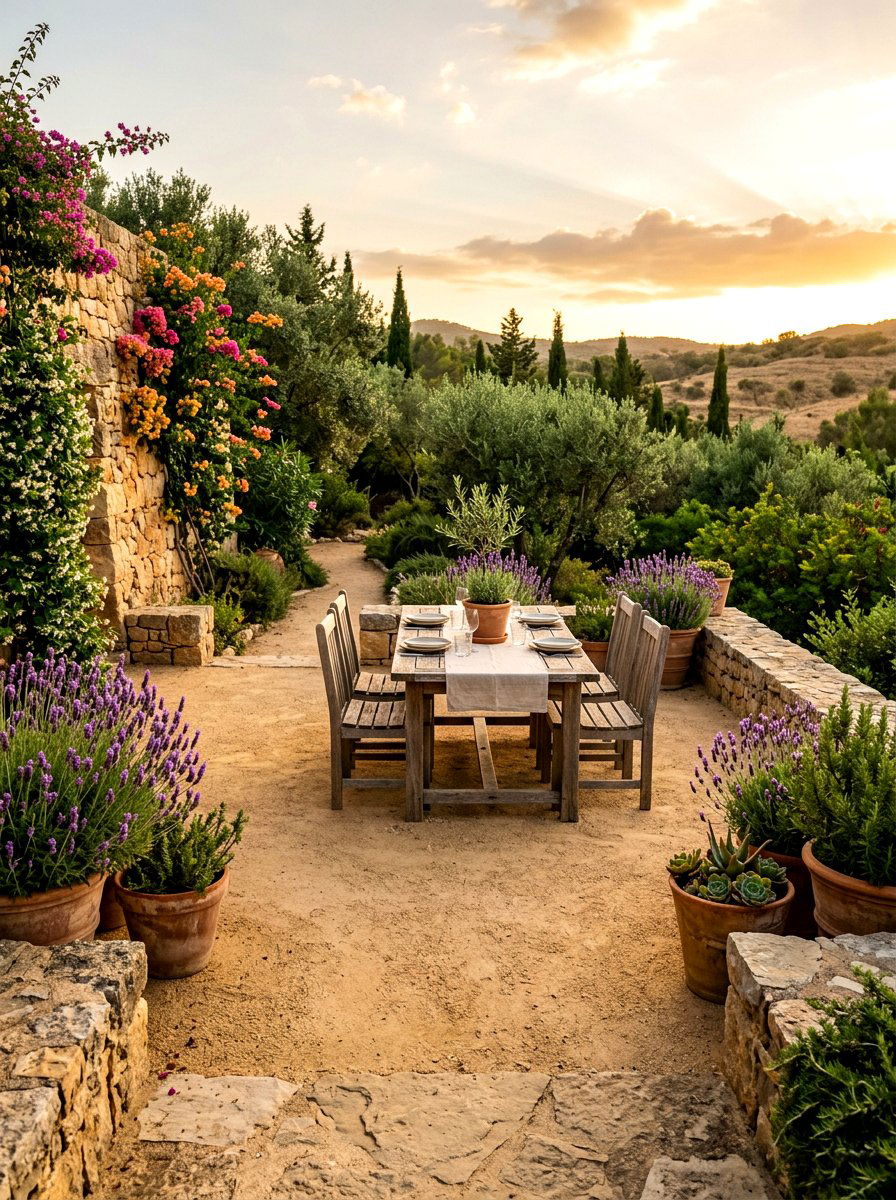
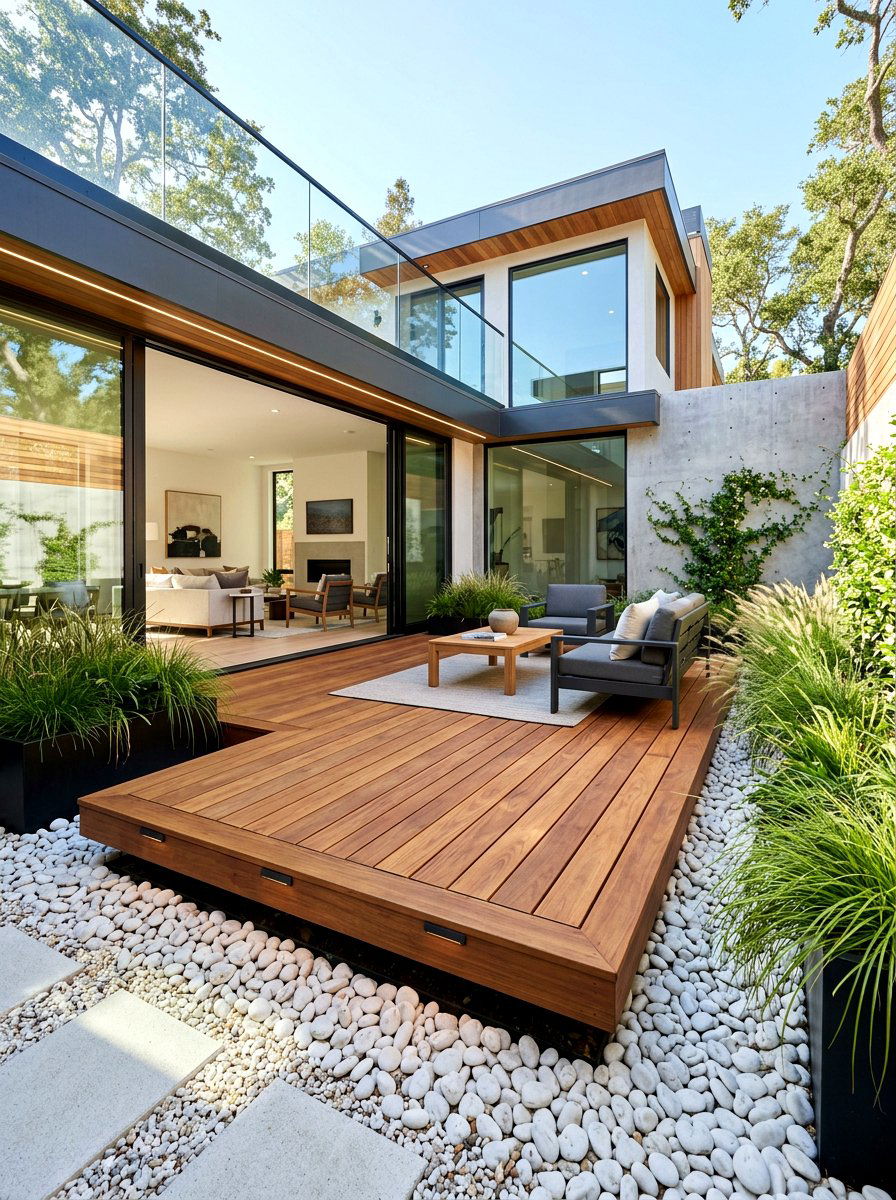
Creating a decomposed granite patio provides a rustic and charming outdoor living area that is completely water-wise. Decomposed granite is a versatile material that packs down firmly to provide a stable walking surface while remaining permeable to water. It offers a softer look than traditional concrete or pavers and comes in various earthy tones like tan, gold, and grey. You can surround the patio with drought-tolerant shrubs and ornamental grasses to create a cozy, enclosed feeling. Because the material is porous, it helps prevent puddling and ensures that every drop of rain reaches the soil below. It is a budget-friendly way to expand your usable outdoor space.
5. Mediterranean Courtyard
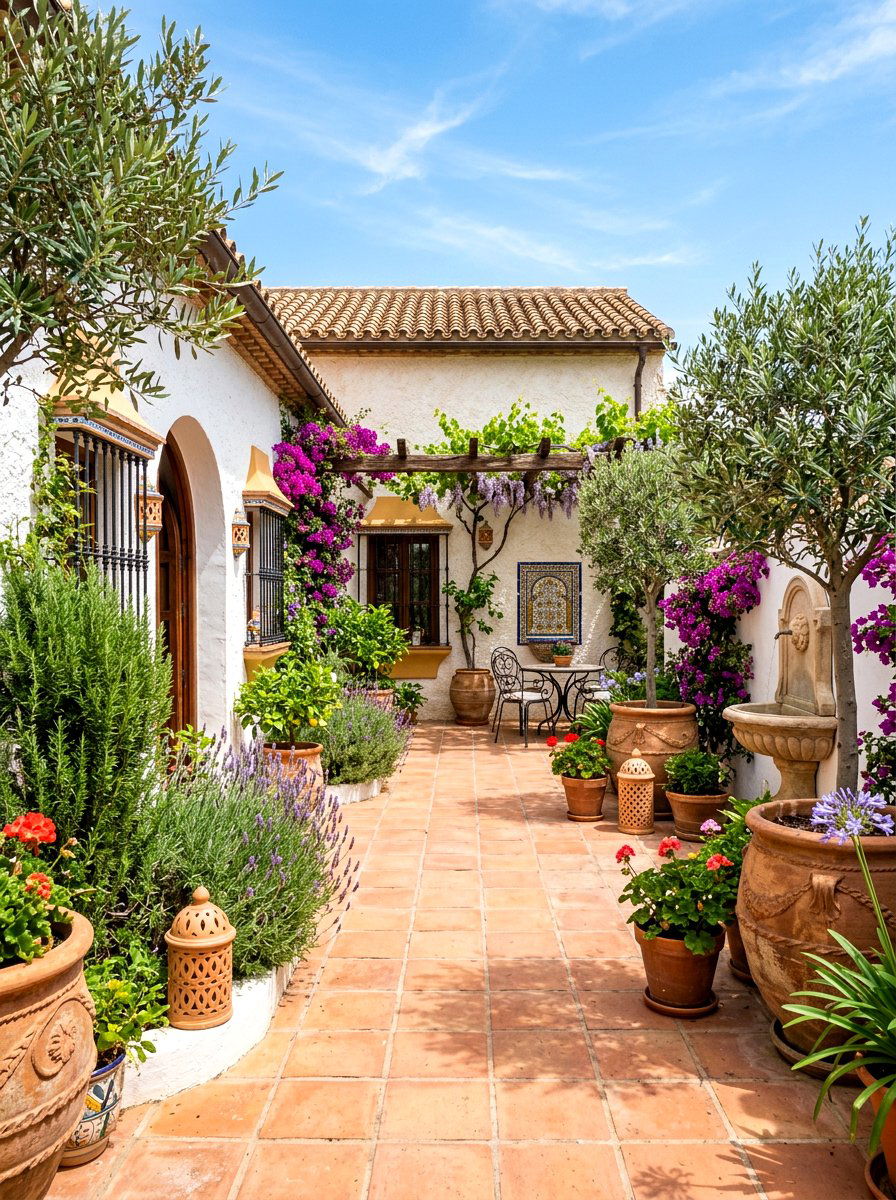
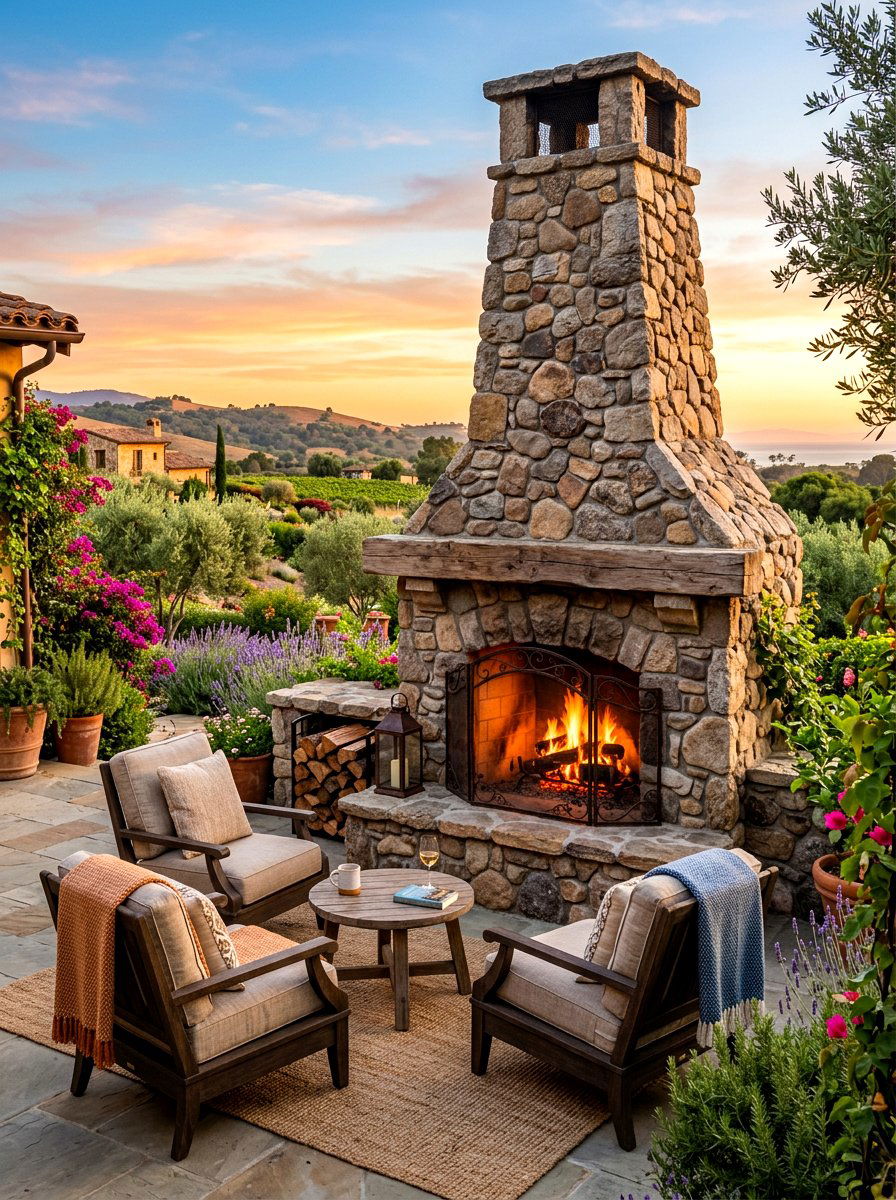
A Mediterranean courtyard brings the timeless appeal of the European coast to your backyard using drought-resistant plants and warm-toned hardscaping. This style typically features terracotta pots, stone walls, and gravel floors that reflect heat and conserve moisture. Essential plants for this look include lavender, rosemary, and olive trees, all of which thrive in dry, sunny conditions with minimal watering. You can incorporate a small, recirculating water feature to add a cooling sound without significant water waste. This design focuses on creating a relaxing, scented environment that feels like a private escape. The combination of aromatic herbs and stony textures creates a sophisticated and incredibly resilient garden.
6. Dry Stream Bed
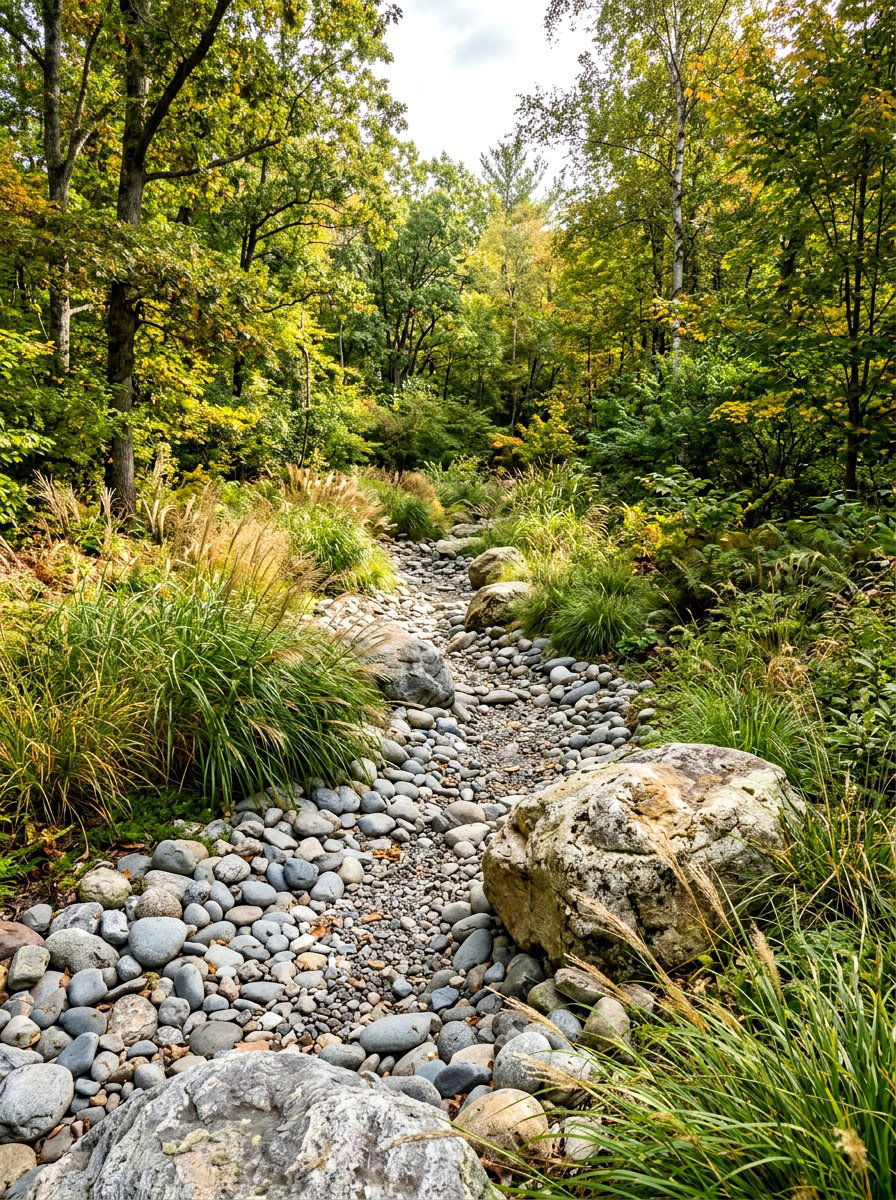
Integrating a dry stream bed is an ingenious way to manage drainage while adding a dynamic visual element to your xeriscape. By arranging river rocks, pebbles, and larger boulders in a winding path, you can simulate the look of a natural creek even when it is not raining. During heavy storms, the stream bed helps direct excess water away from your home’s foundation and into the soil. Surrounding the "banks" with moisture-tolerant but drought-hardy plants like switchgrass or coreopsis enhances the naturalistic feel. This feature adds significant texture and movement to your yard without the need for a constant water source or expensive pump systems.
7. Cactus Landscape
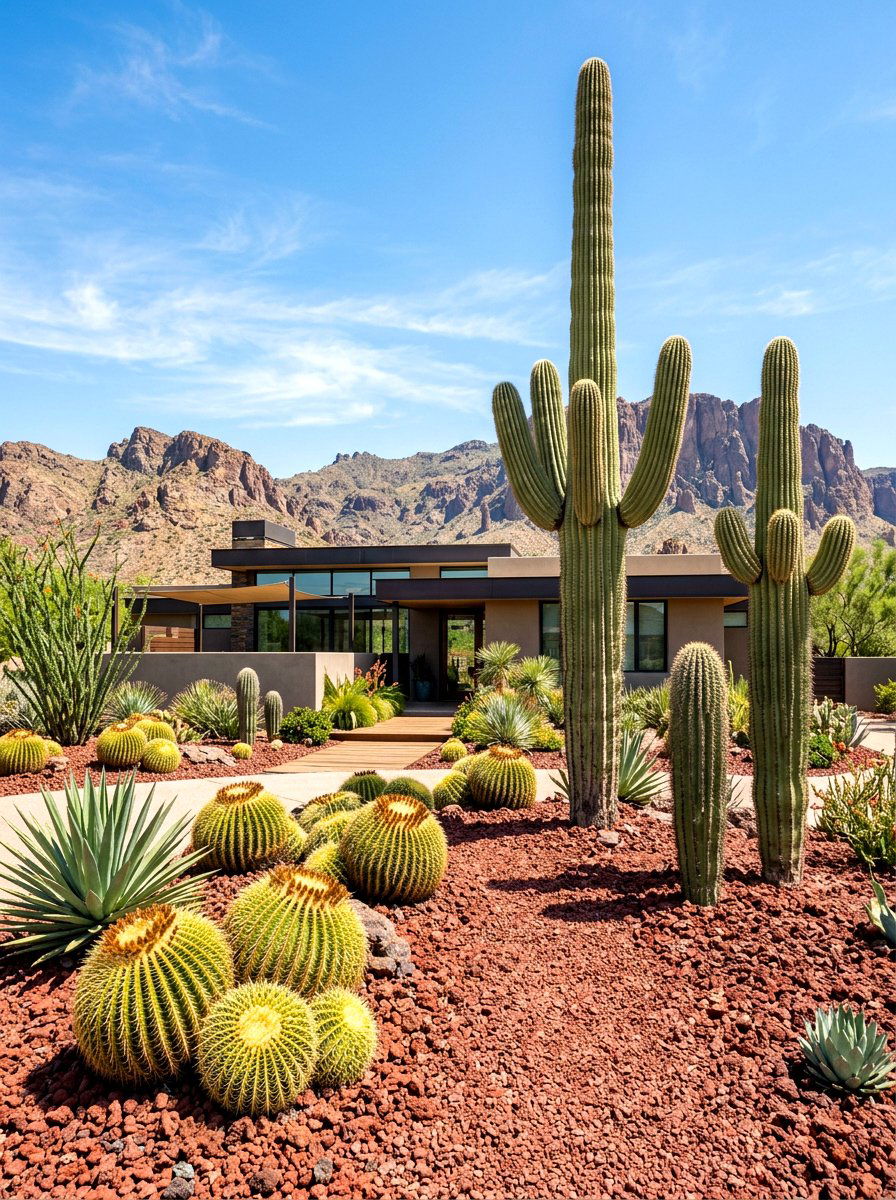
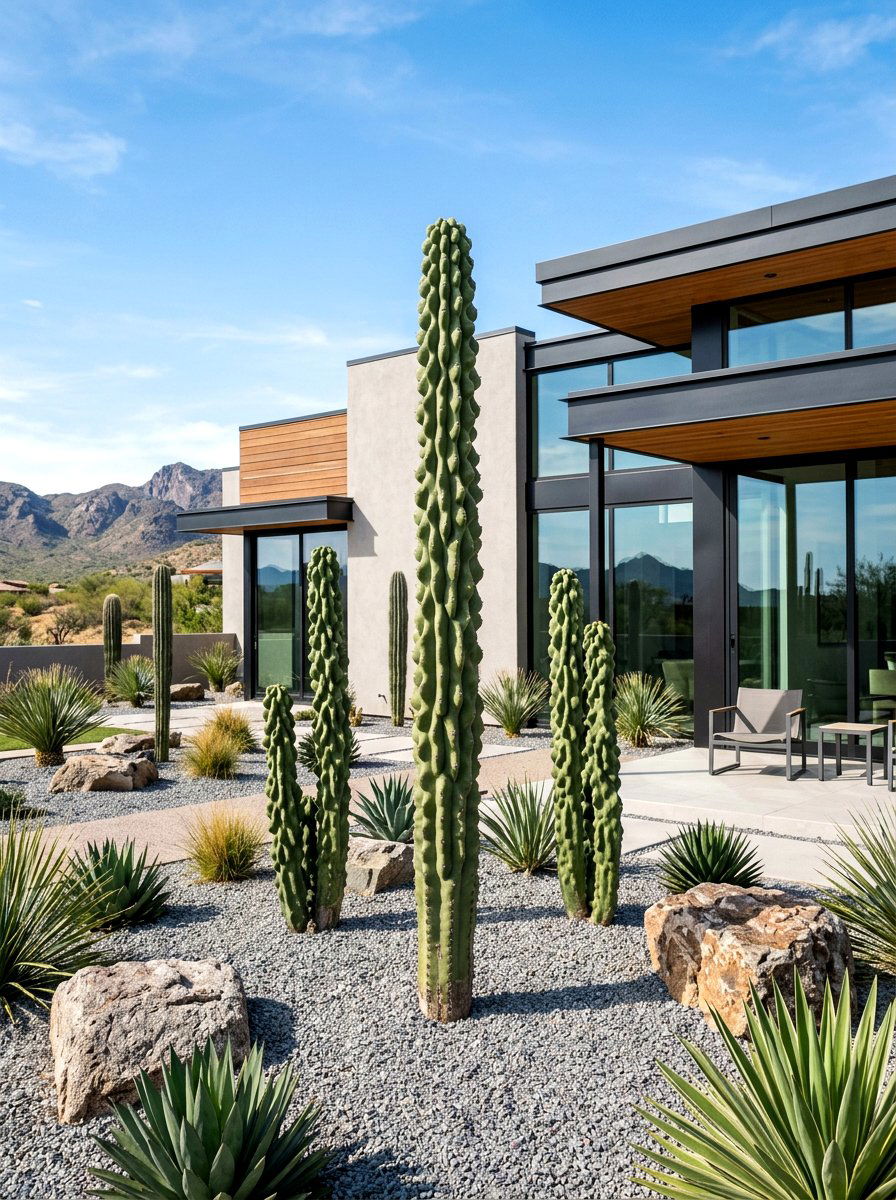
A cactus landscape is the ultimate solution for extremely arid climates or anyone seeking a bold, sculptural garden aesthetic. These plants are the kings of water conservation, featuring unique shapes and spines that reduce evaporation and deter pests. You can arrange different varieties such as prickly pear, barrel cactus, and saguaro to create a desert-inspired masterpiece. Using a base of coarse sand or volcanic rock ensures proper drainage, which is vital for preventing root rot in these species. Adding a few strategically placed boulders provides a sense of scale and permanence. This style is virtually maintenance-free and looks stunning year-round, regardless of the temperature or rainfall.
8. Organic Mulch Groundcover
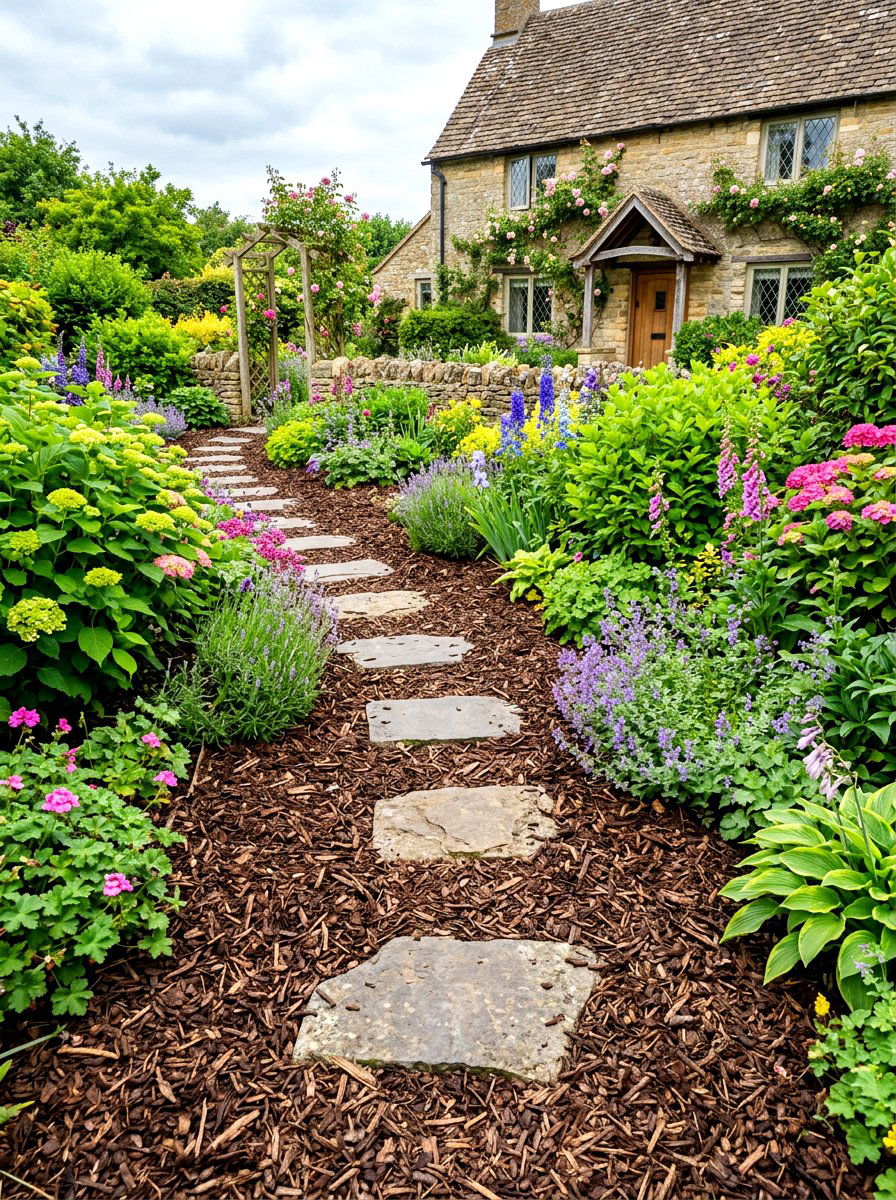
Utilizing organic mulch as a groundcover is one of the most effective ways to conserve soil moisture and suppress unwanted weeds. Wood chips, shredded bark, or pine needles provide a protective layer that keeps the ground cool and reduces evaporation during the hottest parts of the day. Over time, organic mulch breaks down and improves the soil structure, providing nutrients for your drought-tolerant plants. You can use different colors of mulch to create visual interest and define different zones in your garden. This approach is highly cost-effective and provides a clean, finished look to any planting bed. It is a fundamental tool for any successful xeriscape project.
9. Lavender Field
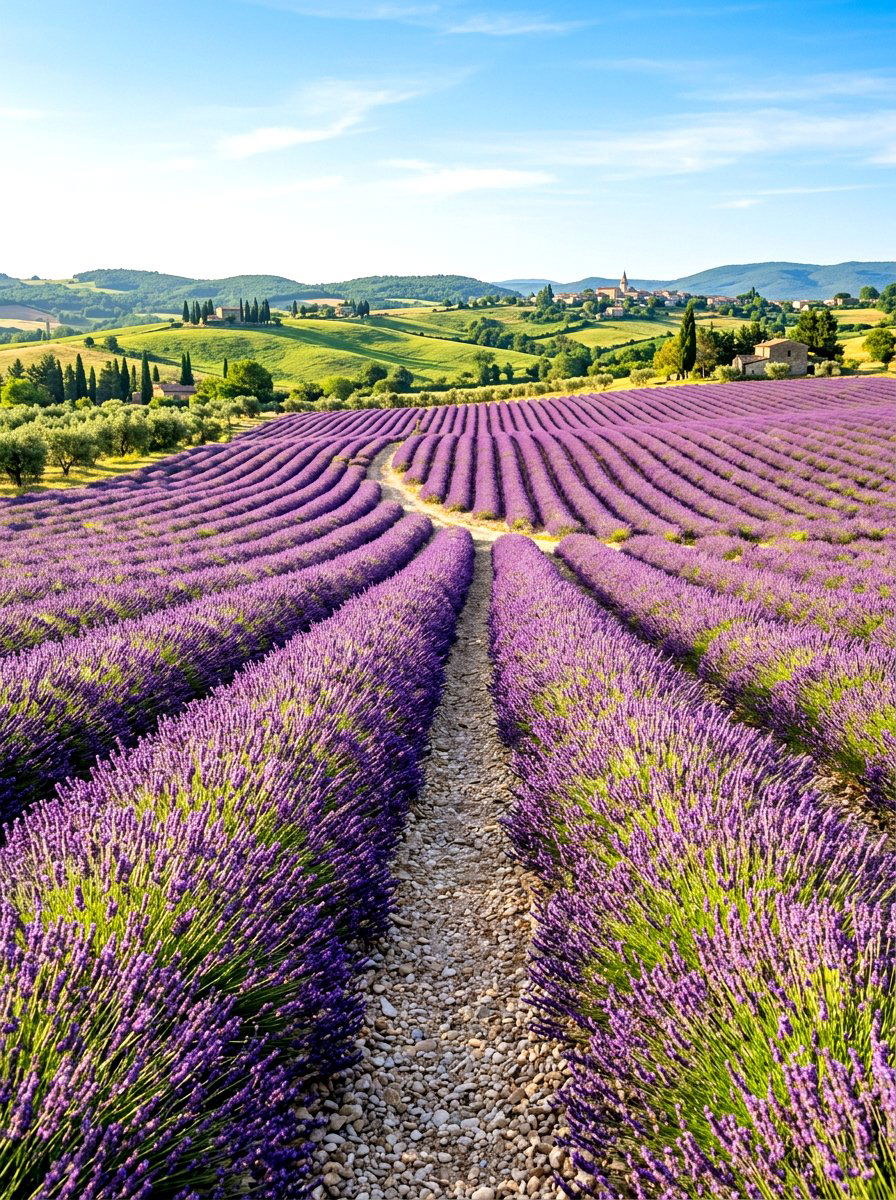
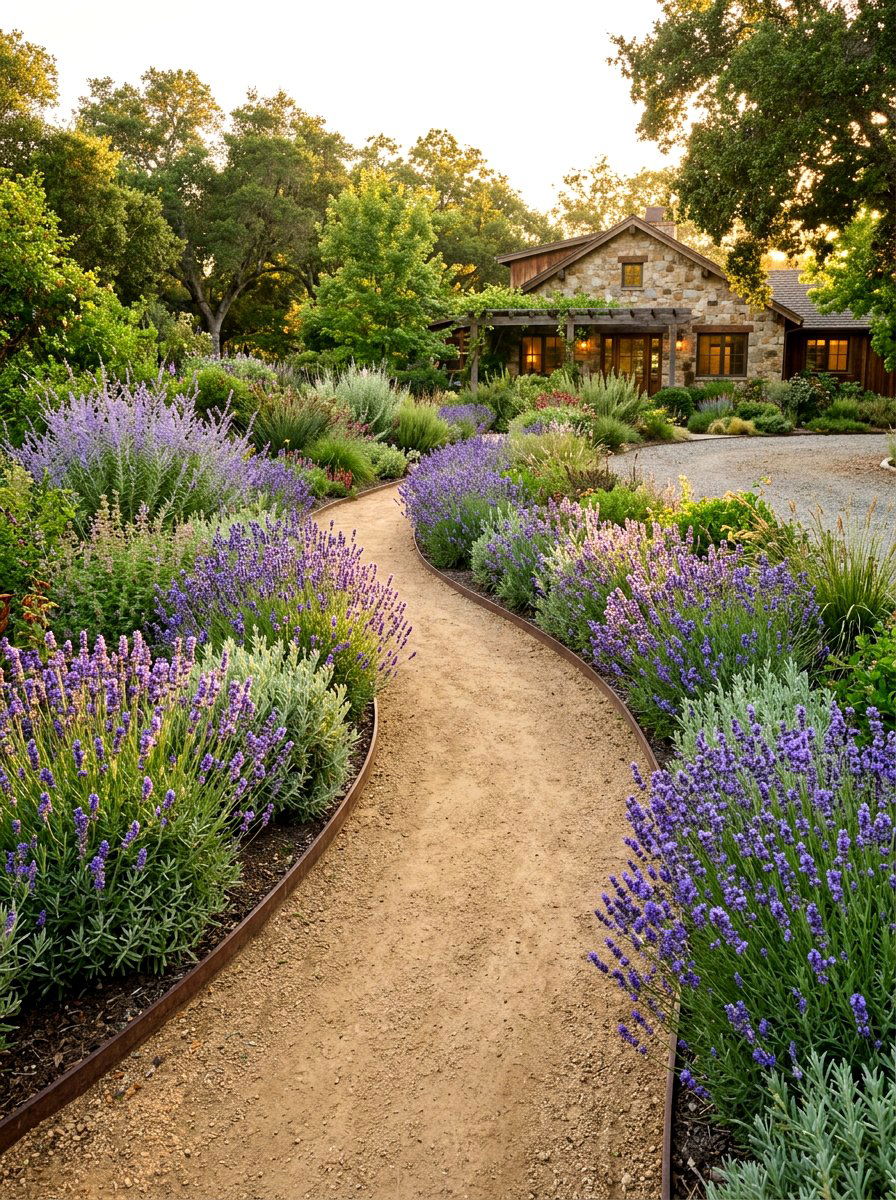
Planting a lavender field offers a breathtaking display of color and a soothing fragrance that lasts for months with very little water. Lavender thrives in poor, well-draining soil and loves the full sun, making it a perfect candidate for water-wise gardening. When planted in large groups or long rows, it creates a sense of abundance and luxury similar to the fields of Provence. This hardy perennial also attracts essential pollinators like bees and butterflies to your yard, supporting the local ecosystem. Once established, lavender requires almost no supplemental irrigation. You can prune it annually to maintain a neat shape and harvest the blooms for various home uses.
10. Artificial Turf Lawn
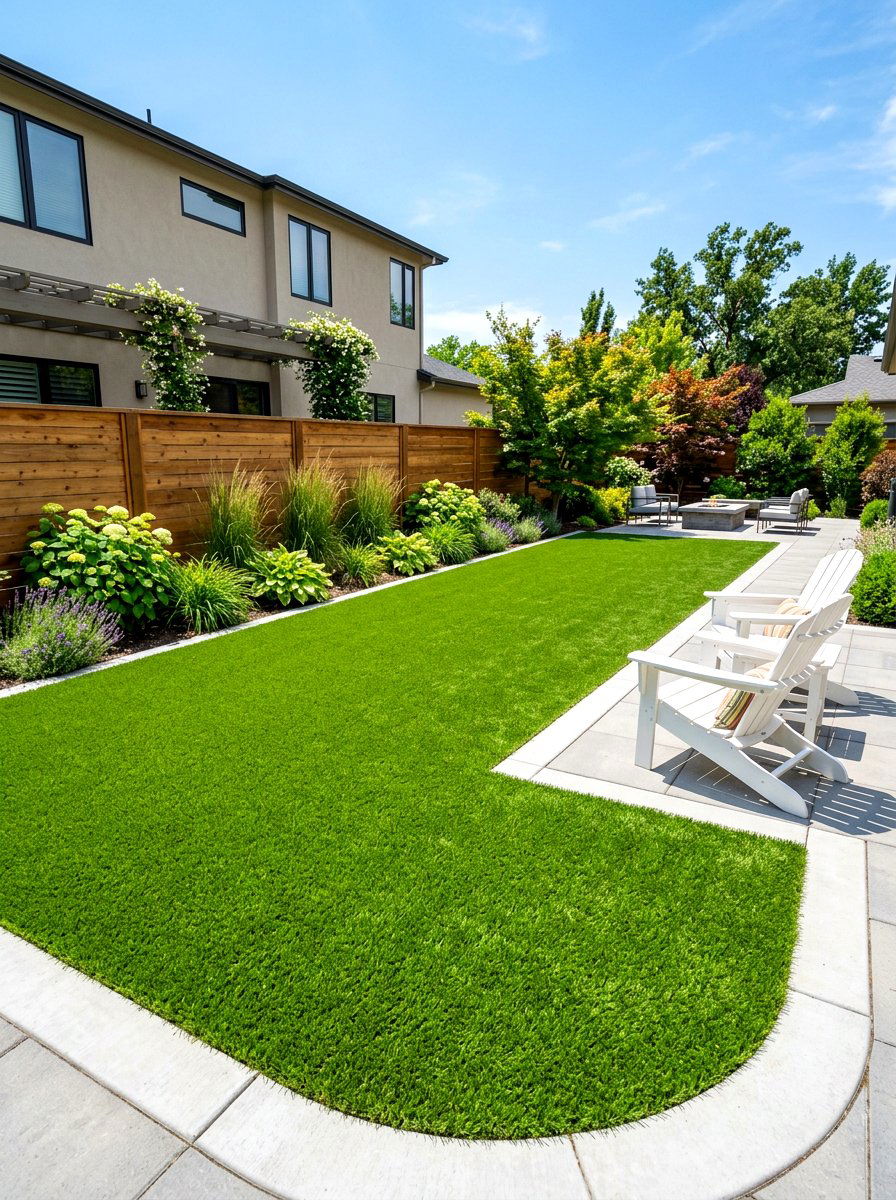
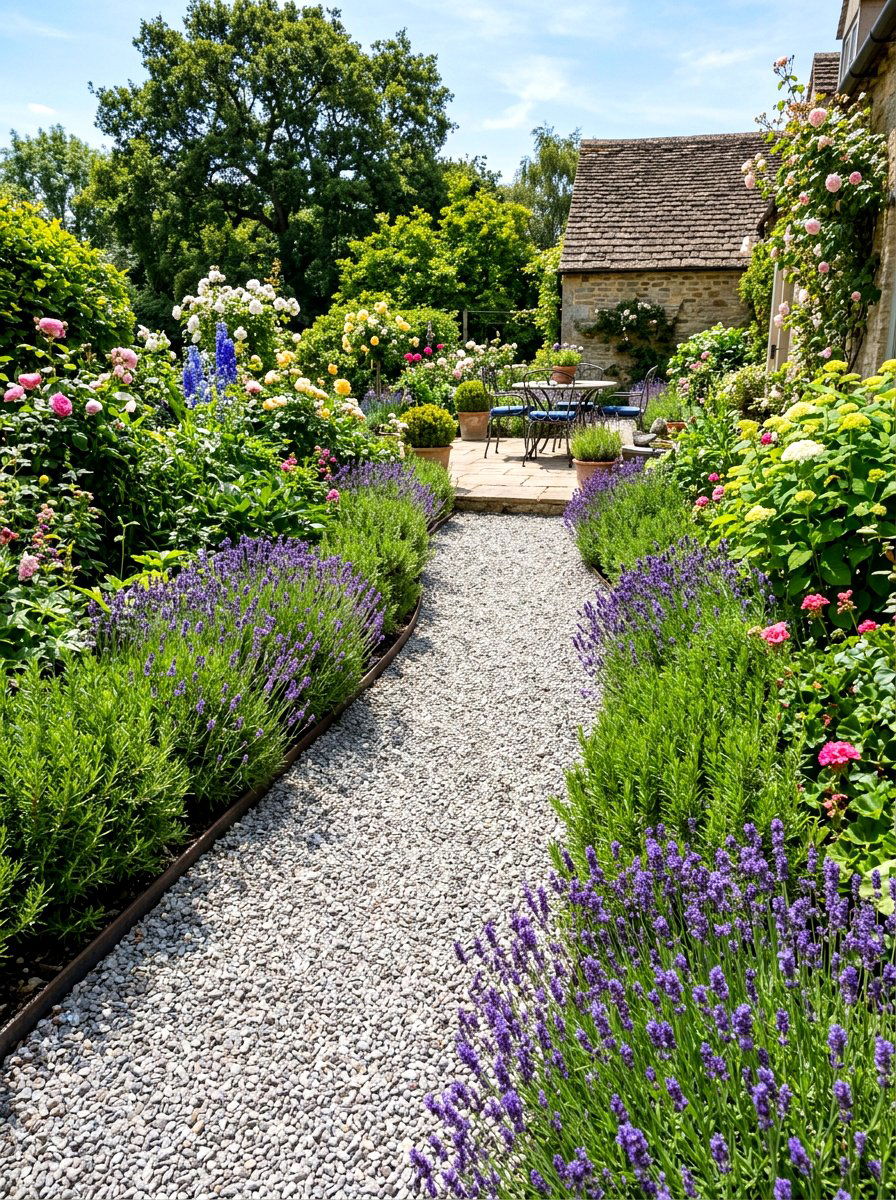
Installing an artificial turf lawn provides the lush look of a green carpet without the staggering water requirements of real grass. Modern synthetic turf is designed to look and feel remarkably realistic while being highly durable and permeable to rain. It eliminates the need for mowing, fertilizing, and heavy irrigation, making it a top choice for low-maintenance landscapes. You can frame the turf with drought-tolerant garden beds filled with rocks and succulents to create a clean, balanced aesthetic. This solution is especially beneficial for high-traffic areas or families with pets who want a clean surface year-round. It offers a permanent green space that remains vibrant in every season.
11. Tiered Retaining Wall
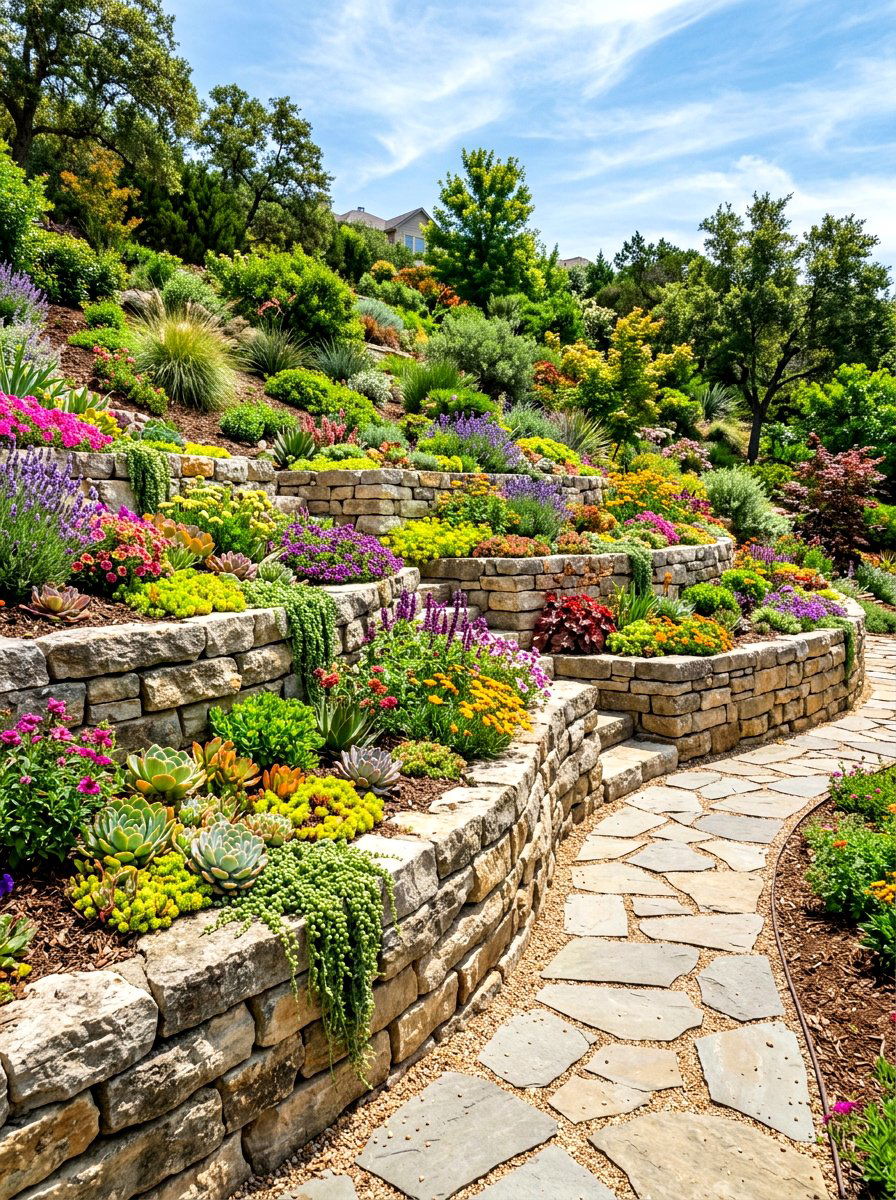
A tiered retaining wall is a practical and attractive way to manage slopes while creating multiple levels for drought-tolerant planting. By breaking up a steep incline, you reduce water runoff and soil erosion, allowing moisture to penetrate the ground more effectively. You can build these walls using natural stone, timber, or concrete blocks to match your home’s architectural style. Each tier acts as a flat planting bed where you can showcase various xeriscape plants like creeping phlox or stonecrop. This vertical interest makes a small yard feel much larger and more organized. It is a great way to add structure and depth to a previously unusable hillside area.
12. Wildflower Meadow
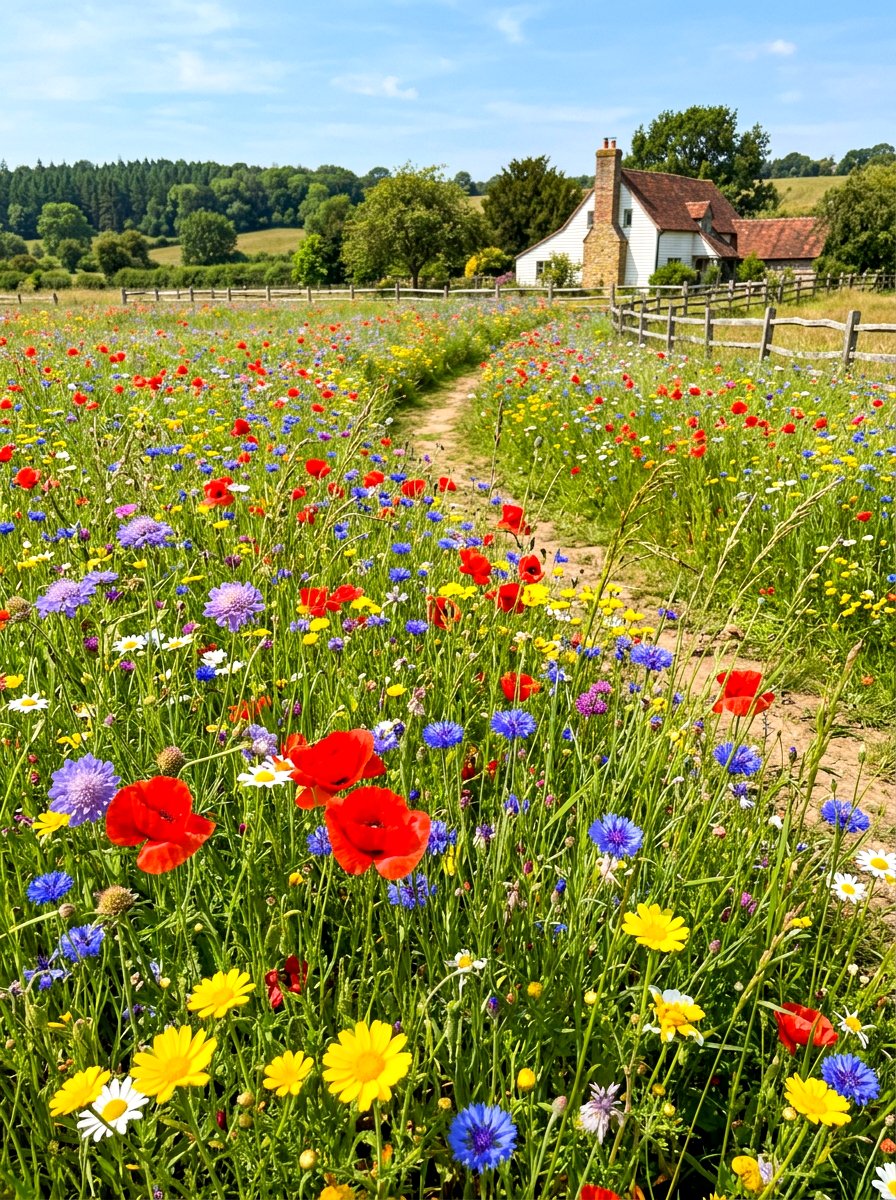
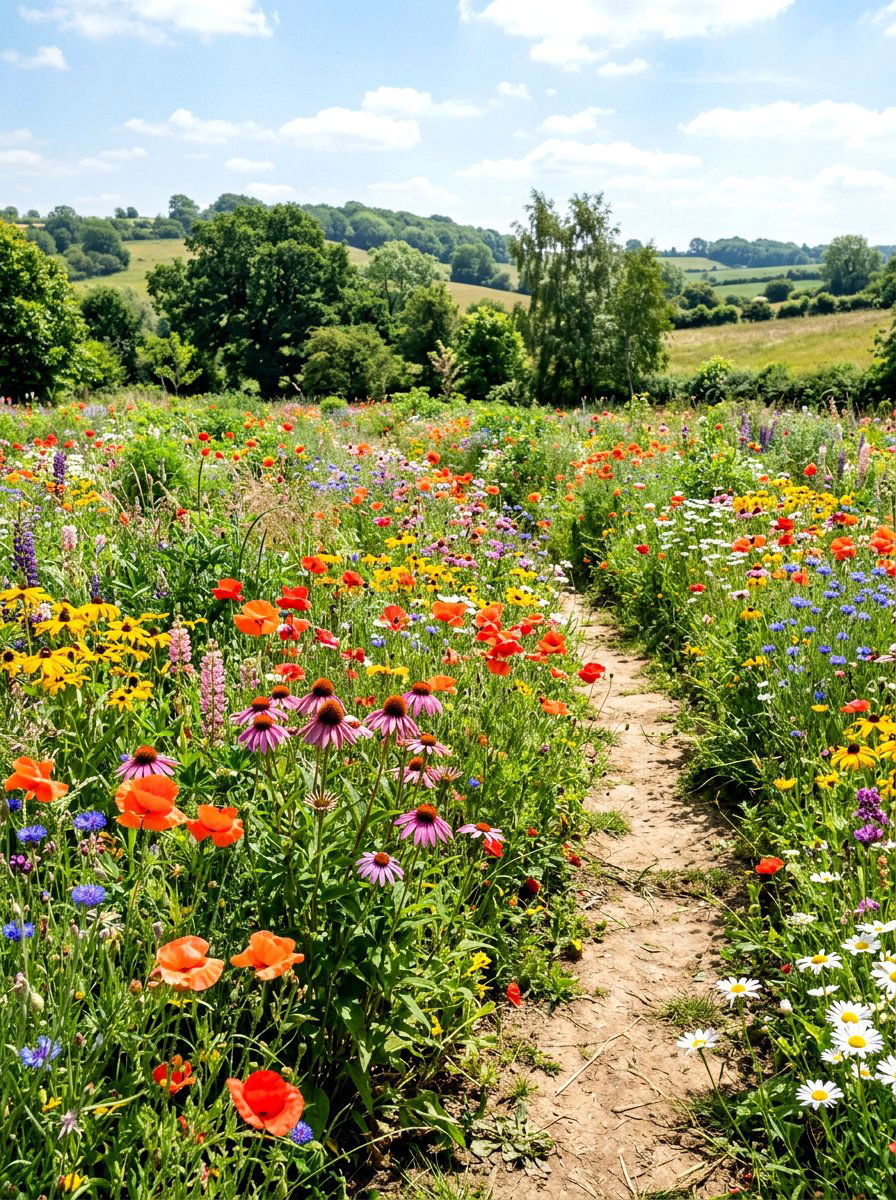
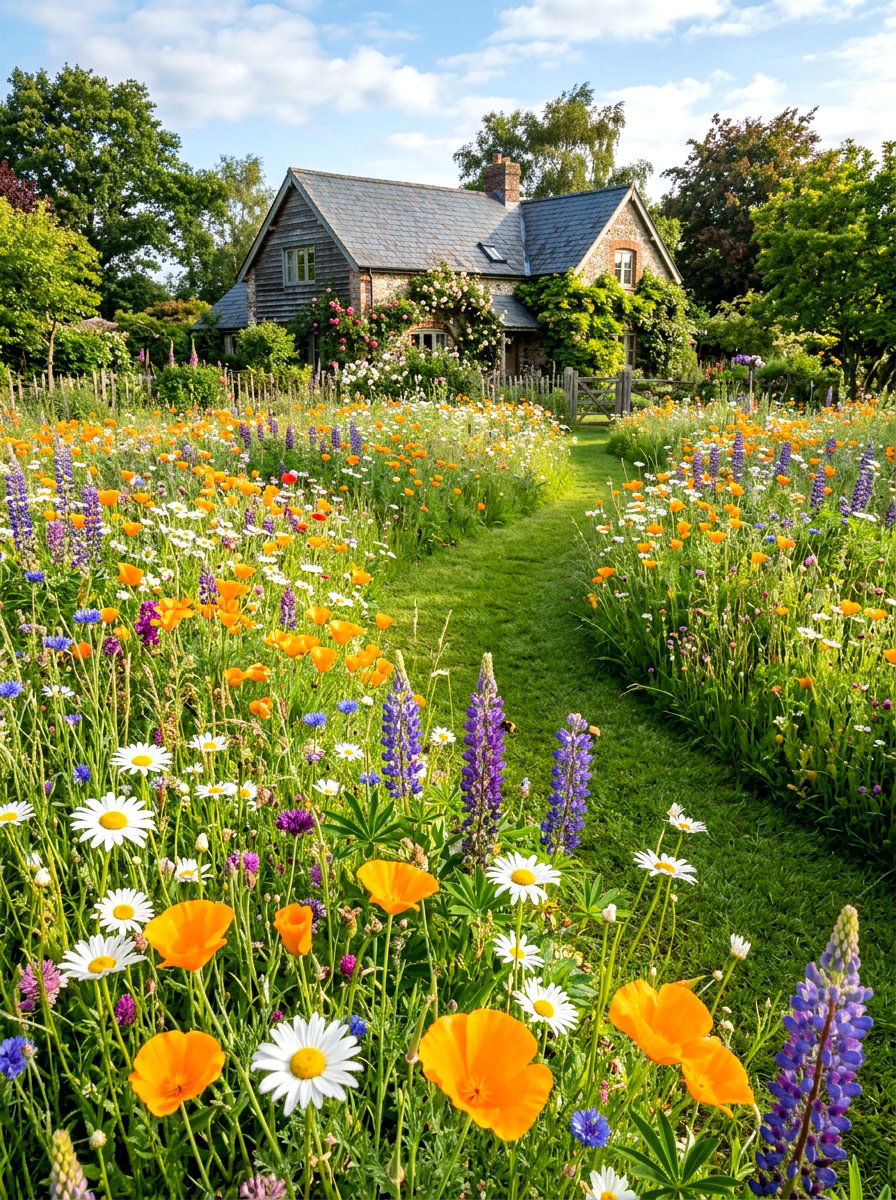
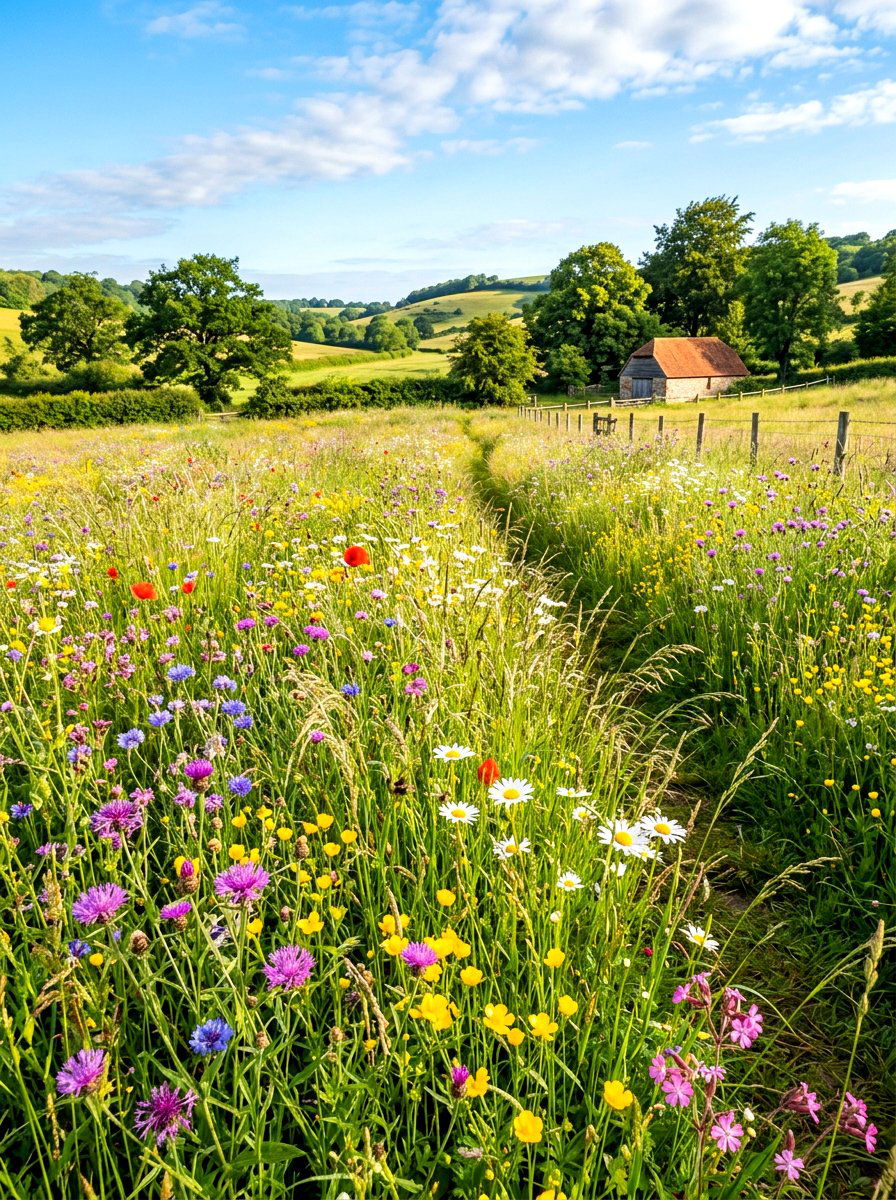
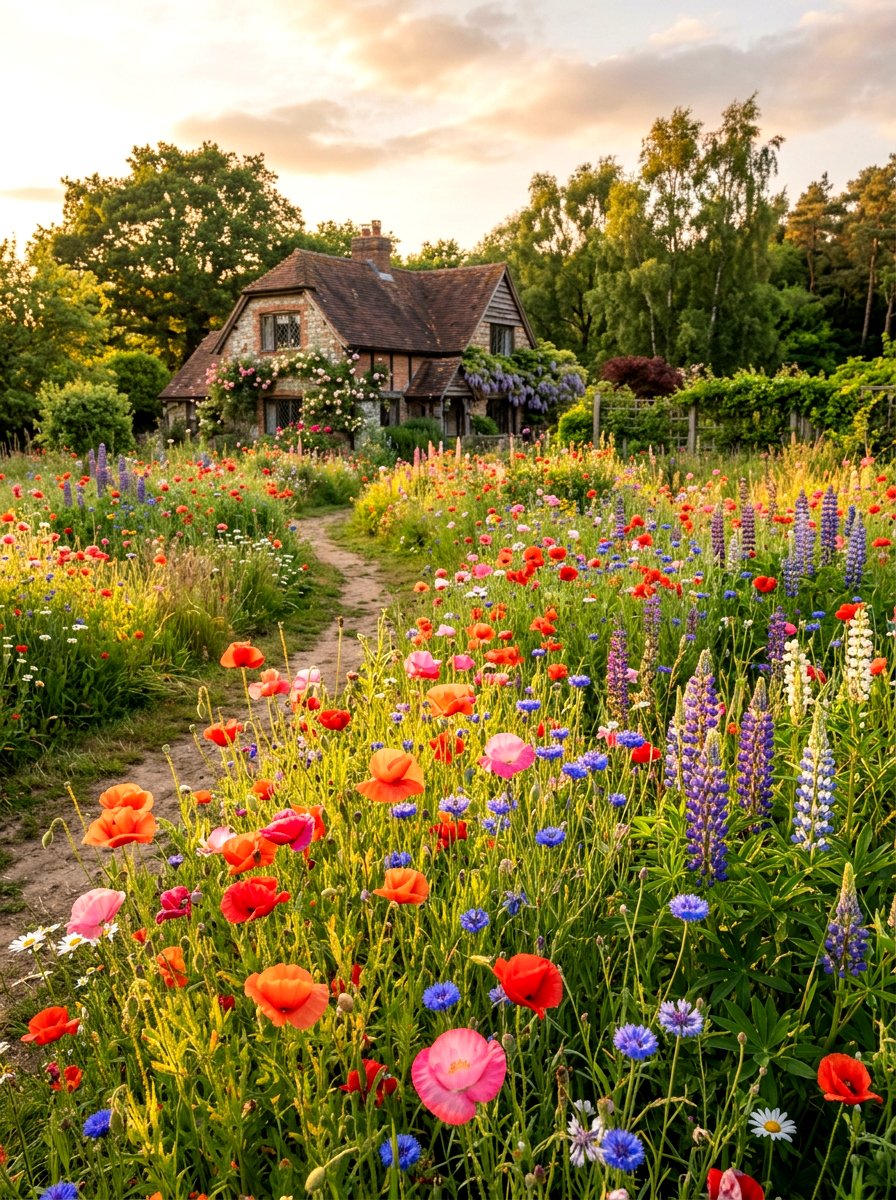
Establishing a wildflower meadow creates a vibrant, ever-changing landscape that requires very little intervention once the seeds have taken root. Wildflowers are typically native species that are well-suited to the local climate and soil, making them highly resistant to drought. They provide a massive burst of color through the spring and summer while offering a habitat for beneficial insects. You can choose a seed mix specifically designed for your region to ensure the best results and the lowest water needs. This design style embraces a more relaxed, natural aesthetic that looks beautiful even as the seasons change. It is an eco-friendly way to fill large open spaces.
13. Rain Garden
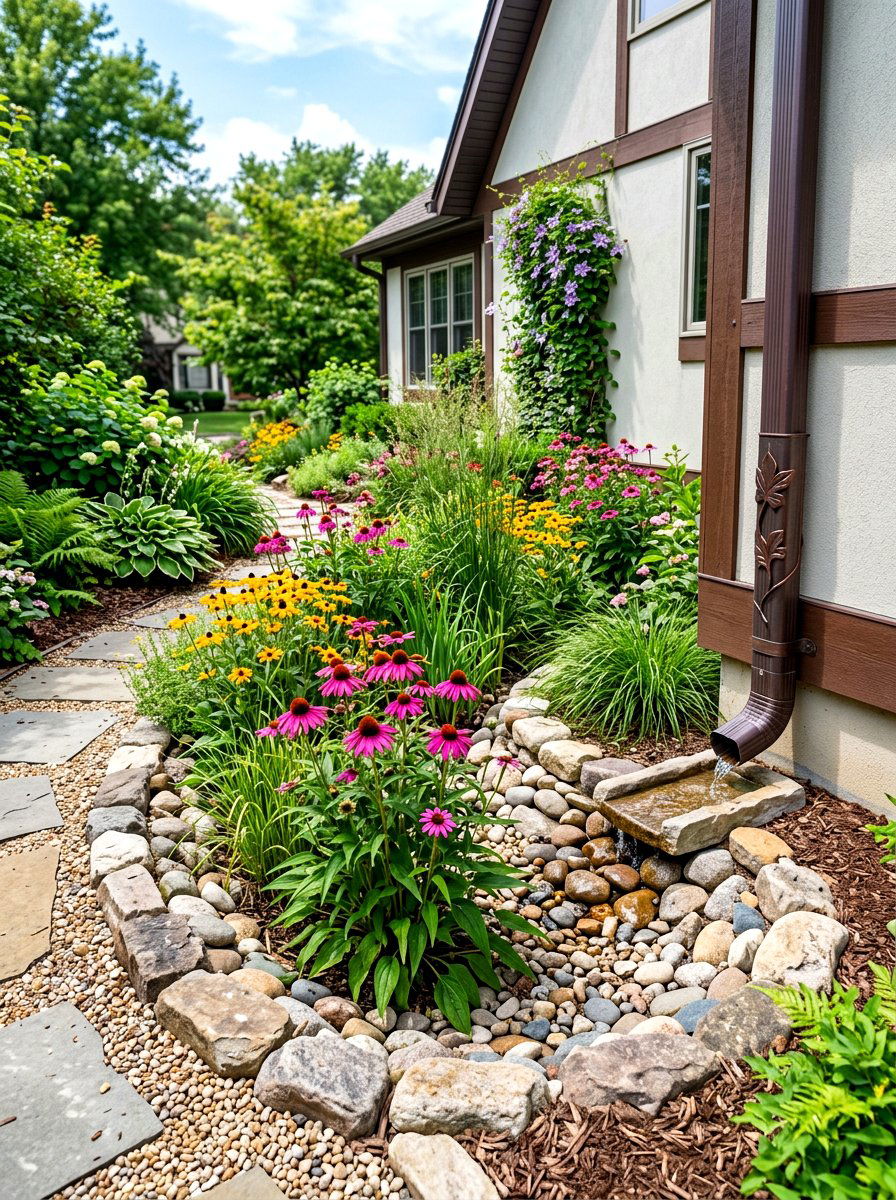
A rain garden is a functional landscape feature designed to capture and soak up stormwater runoff from roofs and driveways. By creating a shallow depression filled with permeable soil and deep-rooted native plants, you can filter pollutants and prevent water from overwhelming local sewers. While these gardens handle heavy moisture during rain events, they are usually filled with plants that are also drought-tolerant once established. Species like coneflowers and black-eyed Susans are popular choices because they can handle both wet and dry cycles. This eco-conscious design helps recharge groundwater supplies while adding a lush, colorful focal point to your yard. It is a smart way to manage nature.
14. Flagstone Walkway
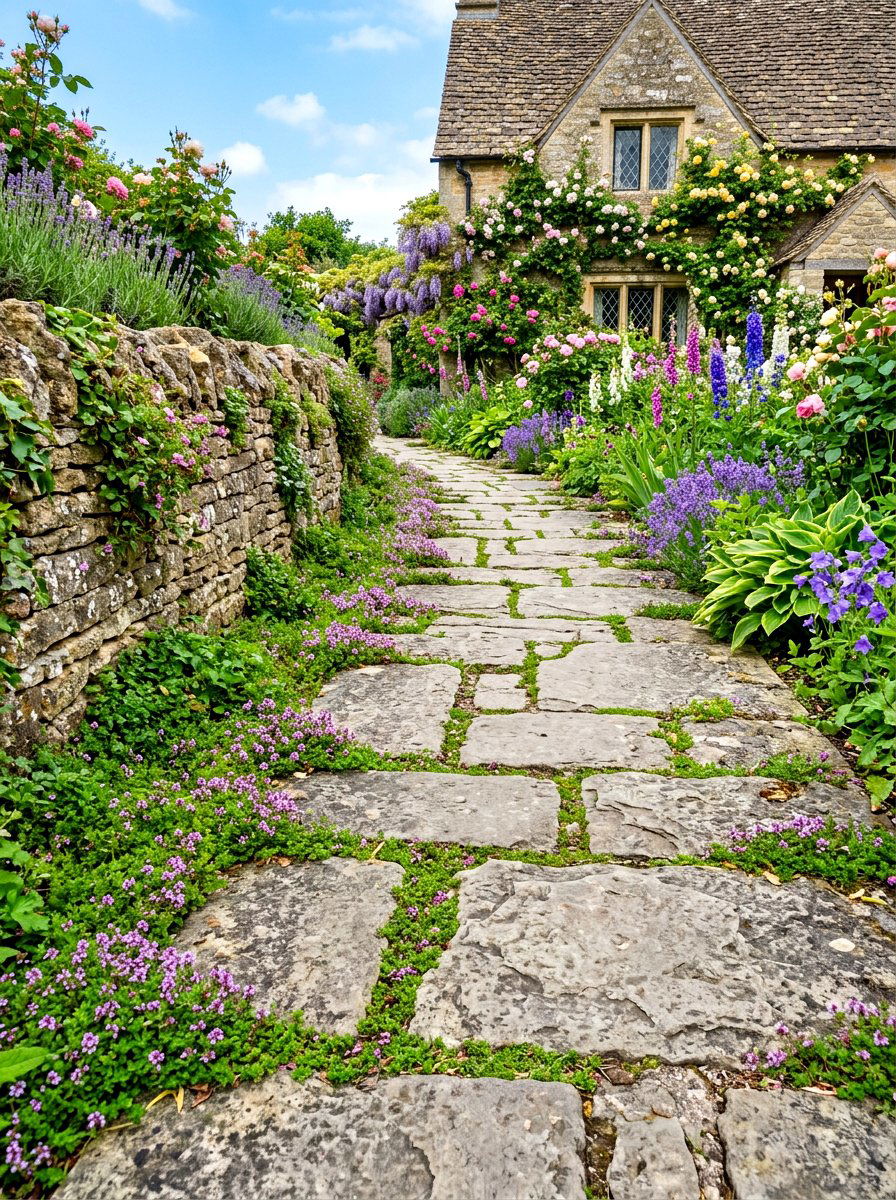
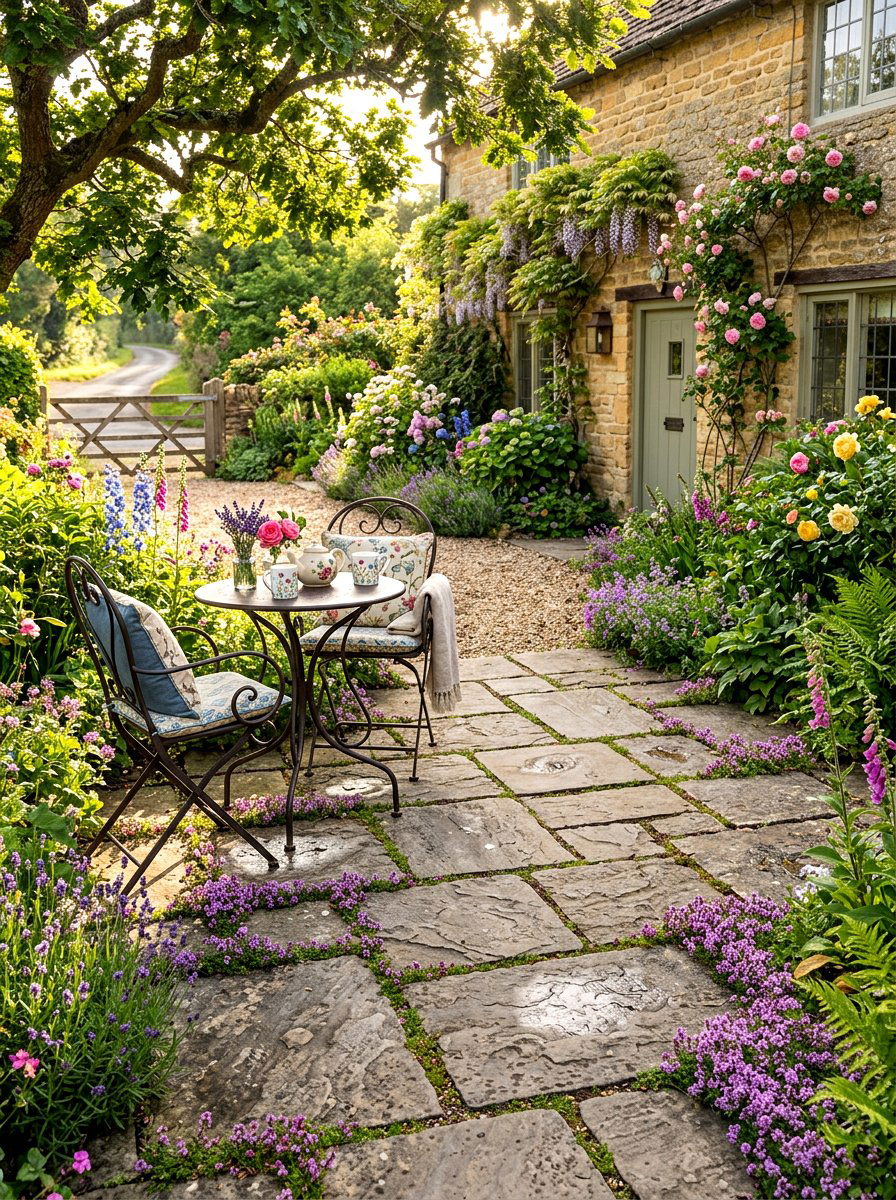
A flagstone walkway provides a classic, natural look that integrates seamlessly into a water-wise garden design. Using large, irregular stones creates a sturdy path that feels grounded and permanent in the landscape. To enhance the xeriscape benefits, you can leave wide gaps between the stones and fill them with gravel or low-growing groundcovers like creeping thyme. This allows rainwater to pass through the surface and into the soil, reducing runoff. Flagstone comes in many beautiful shades, from warm sands to cool blues, allowing you to customize the color palette of your garden. It is a durable choice that requires very little upkeep over the many years.
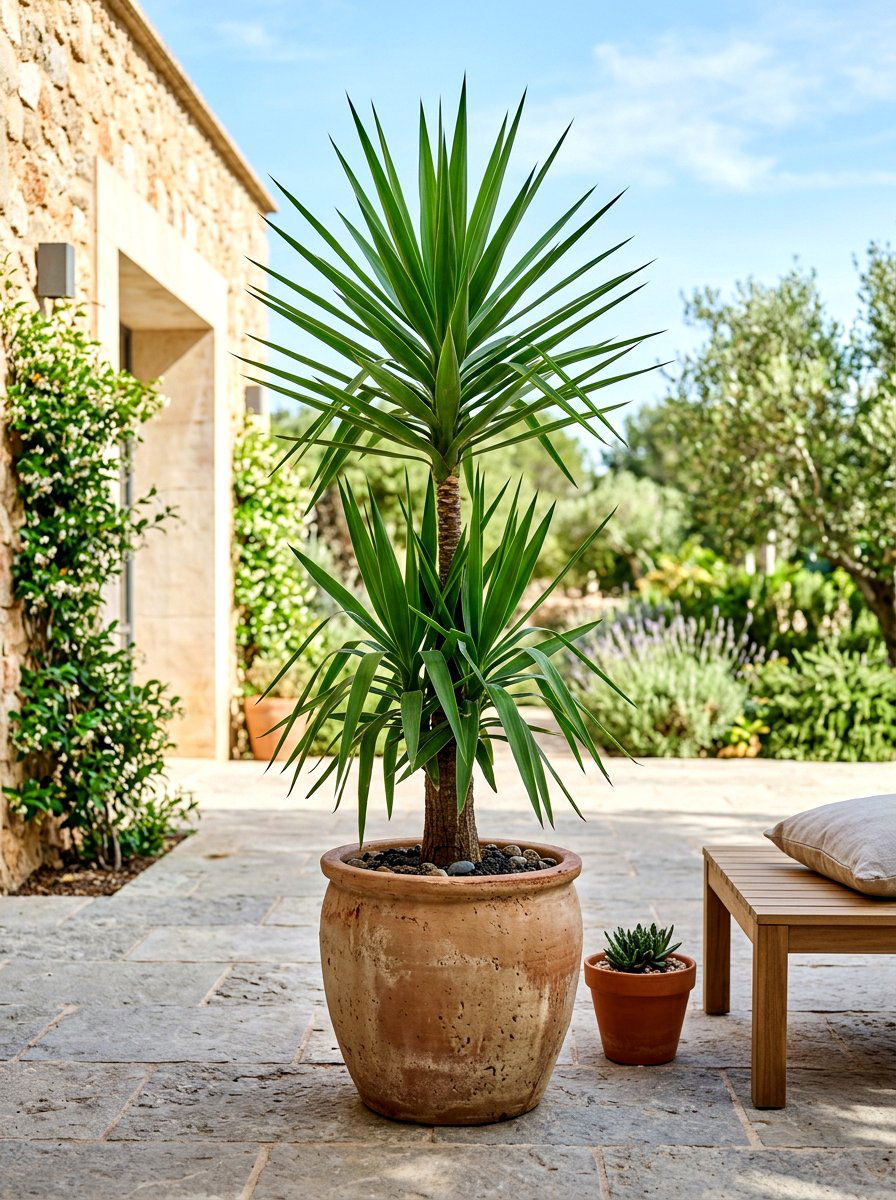
15. Yucca Planting
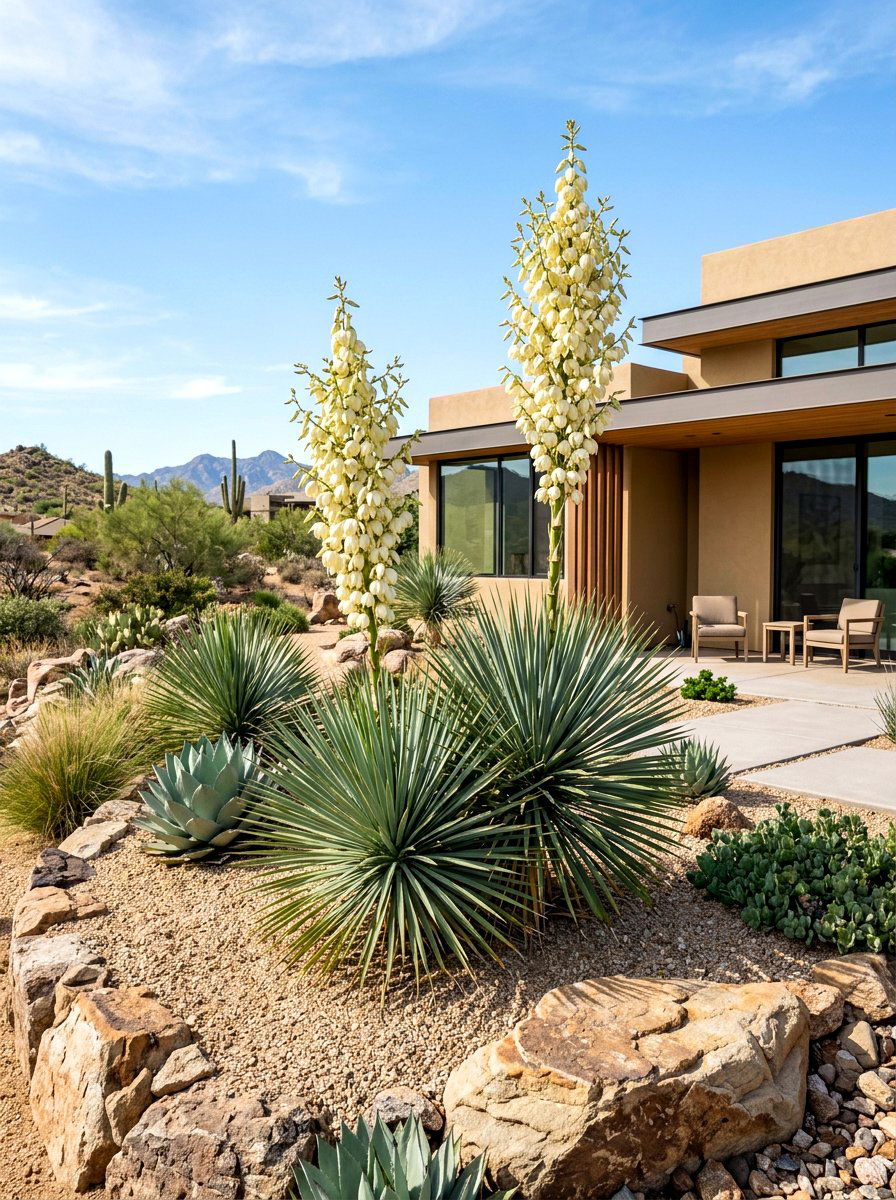
Incorporating yucca plants adds a dramatic, architectural element to your garden while offering extreme drought tolerance. These hardy perennials feature stiff, sword-like leaves that create a sharp silhouette against softer garden textures. Many varieties also produce tall spikes of creamy white flowers in the summer, adding height and elegance to the space. Yuccas are incredibly resilient and can thrive in poor soil and intense sun without complaining. They work well as focal points or as part of a larger desert-themed border. Because they are evergreen, they provide consistent structure and color even during the winter months. Their low-maintenance nature makes them a favorite for many modern homeowners.
16. Drought Tolerant Border
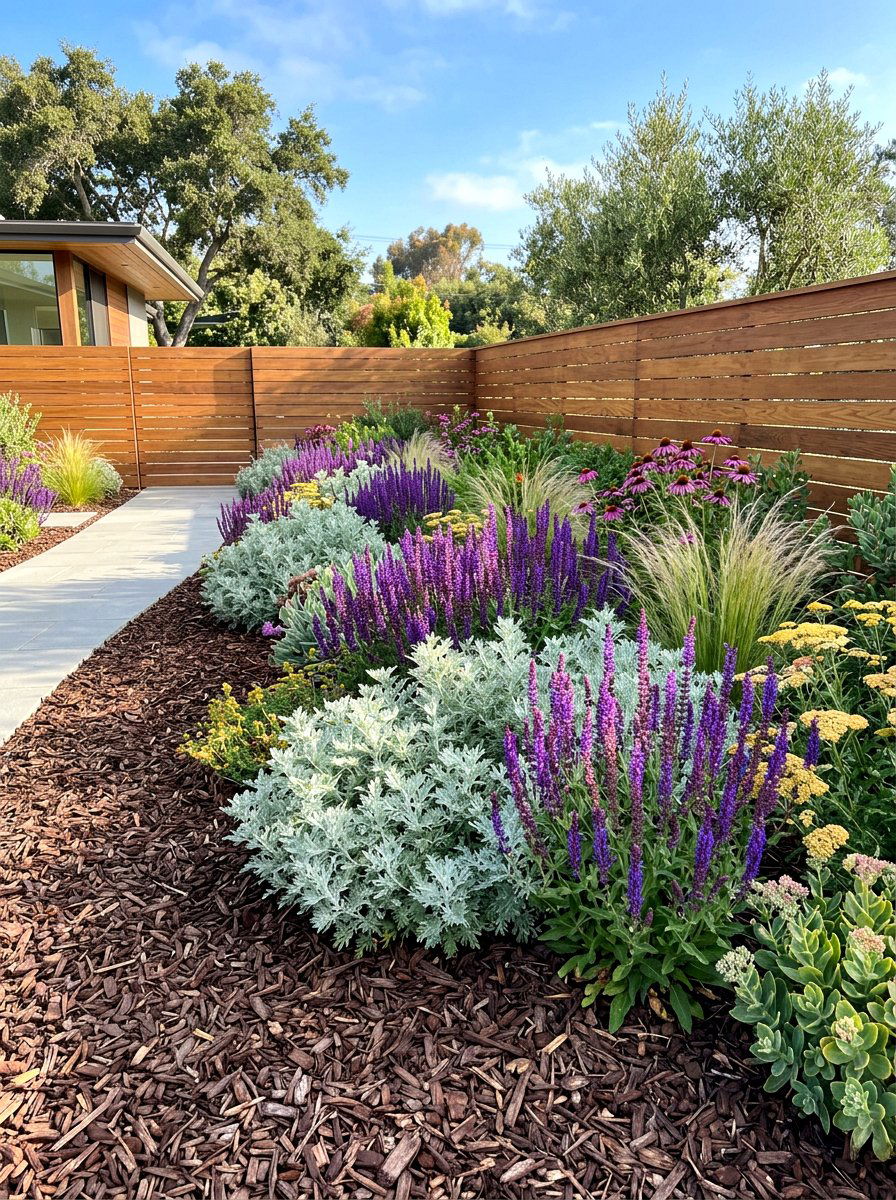
A drought tolerant border is a curated collection of plants that provide year-round interest while requiring minimal supplemental water. By grouping plants with similar needs together, you can create a cohesive and efficient garden bed that looks intentional. Use a mix of textures, such as the soft silver foliage of artemisia paired with the bold leaves of agave. Incorporating different heights ensures that the border feels full and lush despite the lack of water-hungry species. Applying a thick layer of mulch around the plants will further protect the soil and keep the roots cool. This design approach allows for a highly decorative look that is also environmentally responsible.
17. Desert Oasis
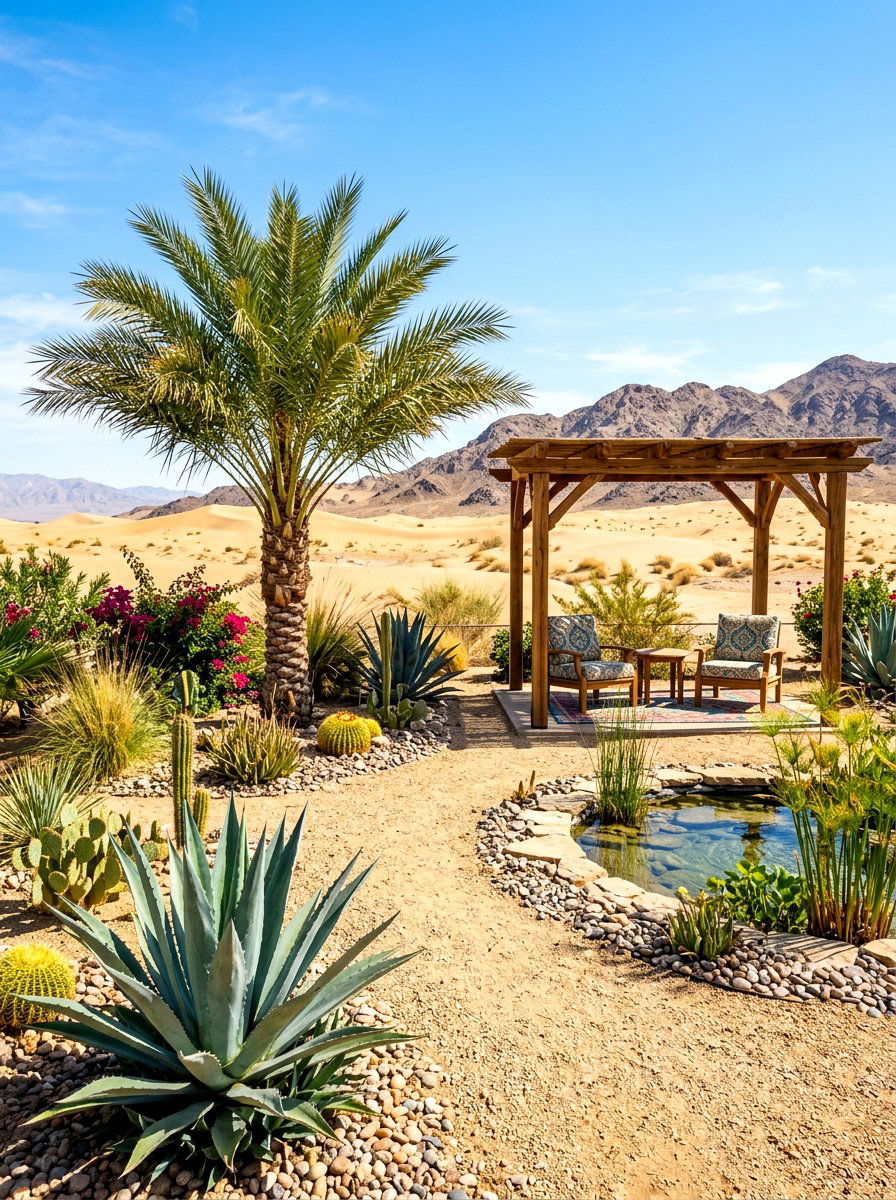
A desert oasis theme focuses on creating a lush-feeling sanctuary using only the most water-efficient plants and materials. This style often uses palms, large succulents, and colorful desert shrubs to mimic the hidden springs found in arid regions. You can use sand or fine gravel as the primary groundcover to maintain the theme while ensuring excellent drainage. Adding comfortable outdoor seating and a simple pergola for shade completes the feeling of a private retreat. The key is to select plants with vibrant green foliage or bright flowers that contrast with the sandy environment. It proves that a water-wise garden can still feel refreshing and full of life during the heat.
18. Zen Rock Garden
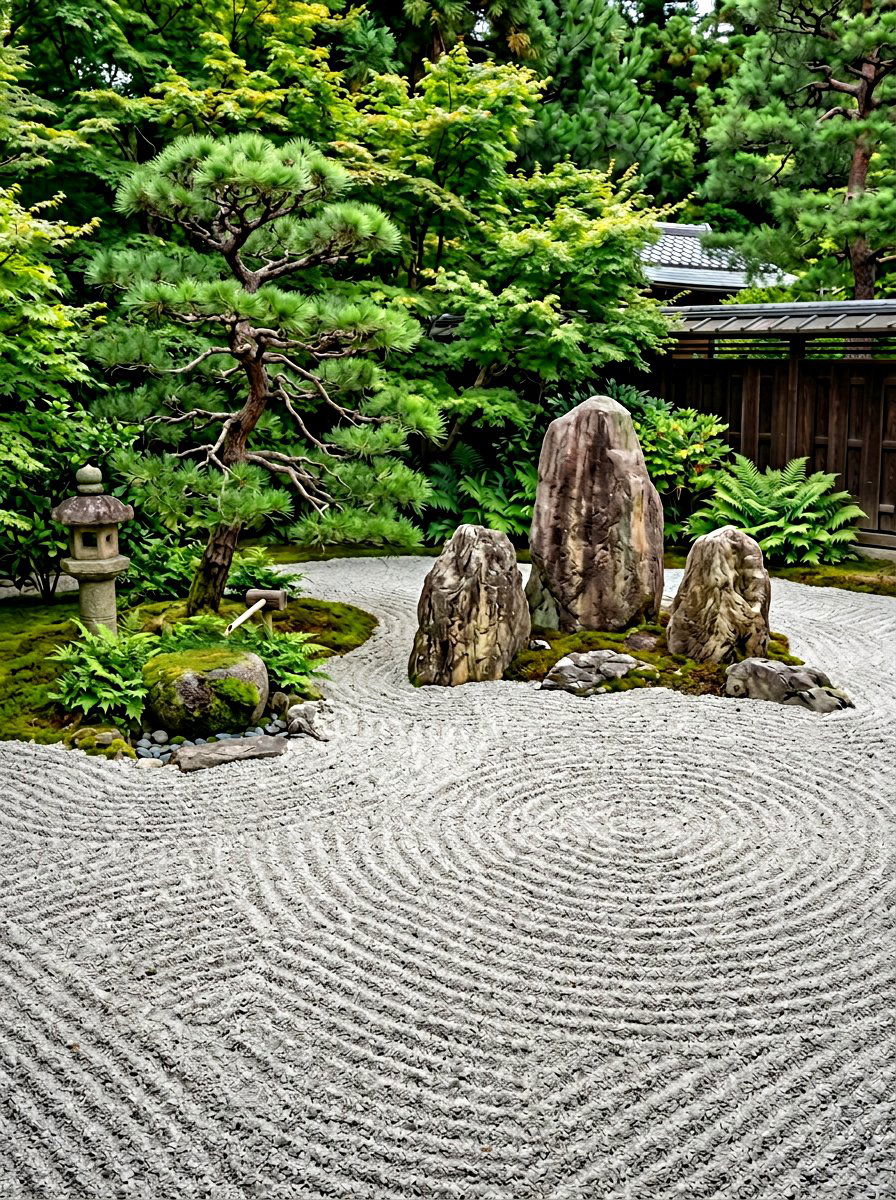
A Zen rock garden offers a peaceful and minimalist approach to xeriscaping that emphasizes balance and contemplation. Traditionally, these gardens use raked gravel or sand to represent water, with carefully placed boulders representing islands or mountains. This dry landscape requires virtually no water and very little maintenance once the initial design is set. You can add a few slow-growing, drought-hardy evergreens like juniper to provide a touch of green without breaking the minimalist theme. The clean lines and open space create a sense of calm that is perfect for small backyards or entryways. It is a timeless design that prioritizes spiritual relaxation and extreme environmental sustainability.
19. Ornamental Grass Garden
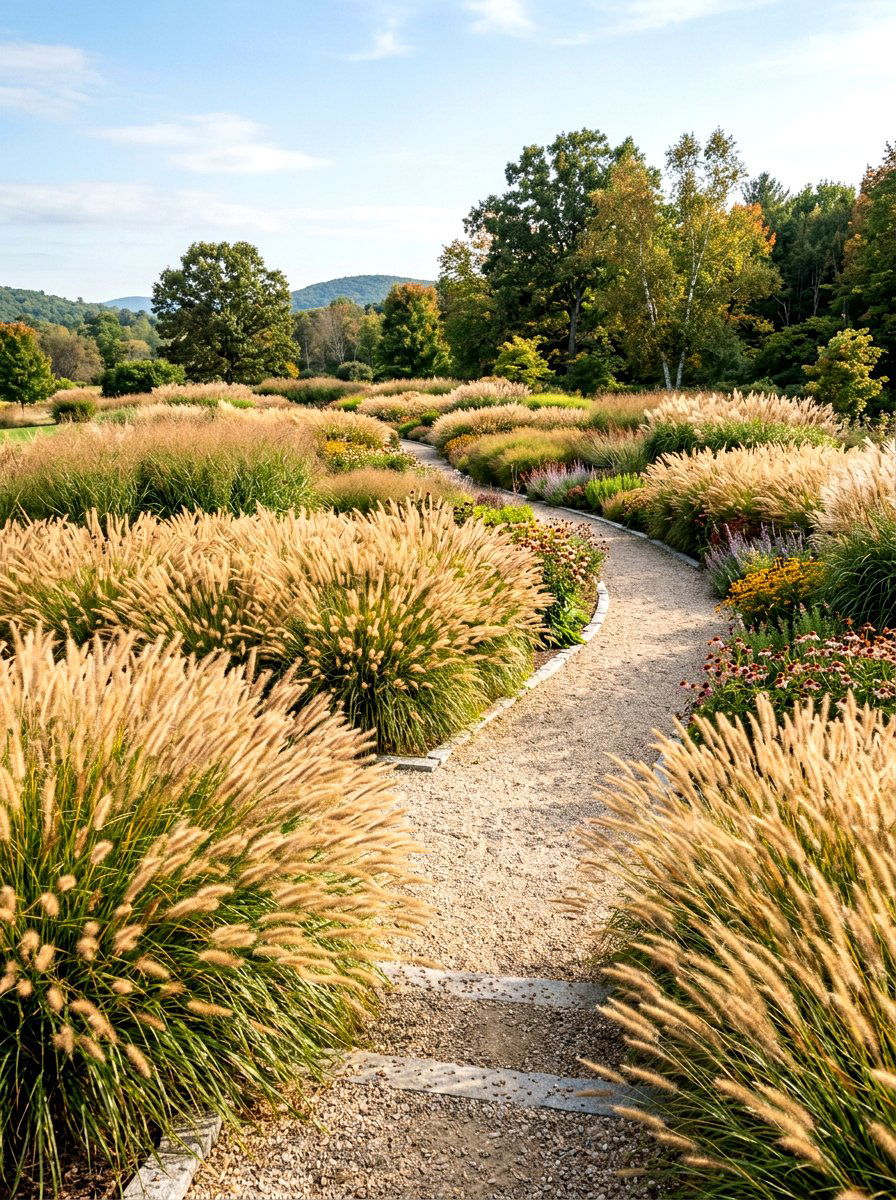
An ornamental grass garden provides incredible movement and texture to your landscape with very little effort. Many varieties of grass, such as fountain grass or maiden grass, are exceptionally drought-tolerant once they have established their deep root systems. These plants look stunning when planted in large drifts, as their blades sway and rustle in the slightest breeze. They offer visual interest in every season, from the fresh greens of spring to the golden hues and seed heads of autumn. Ornamental grasses also provide a great backdrop for flowering perennials or structural succulents. Their ability to fill large spaces quickly makes them a cost-effective choice for modern xeriscaping projects.
20. Agave Focal Point
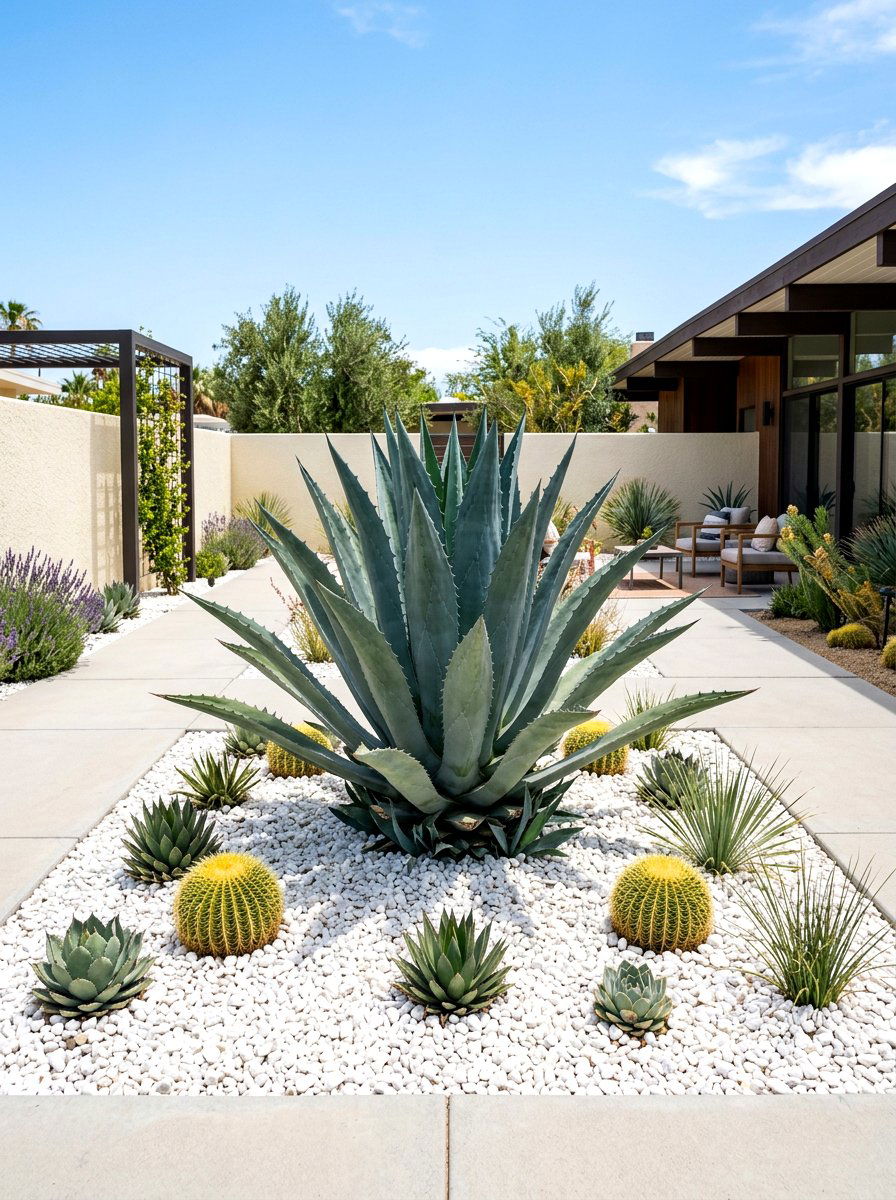
Using an agave focal point is a simple way to add a major design statement to your water-wise garden. These plants are known for their large, thick, and perfectly symmetrical leaves that look like natural sculptures. Some varieties, like the blue agave, offer a stunning silvery color that stands out against green foliage or brown earth. Placing a single, large agave in a decorative pot or at the center of a gravel bed creates an immediate sense of style. Because agave stores massive amounts of water in its core, it can go for months without irrigation. It is a tough, beautiful plant that anchors any xeriscape design with its presence.
21. River Rock Drainage
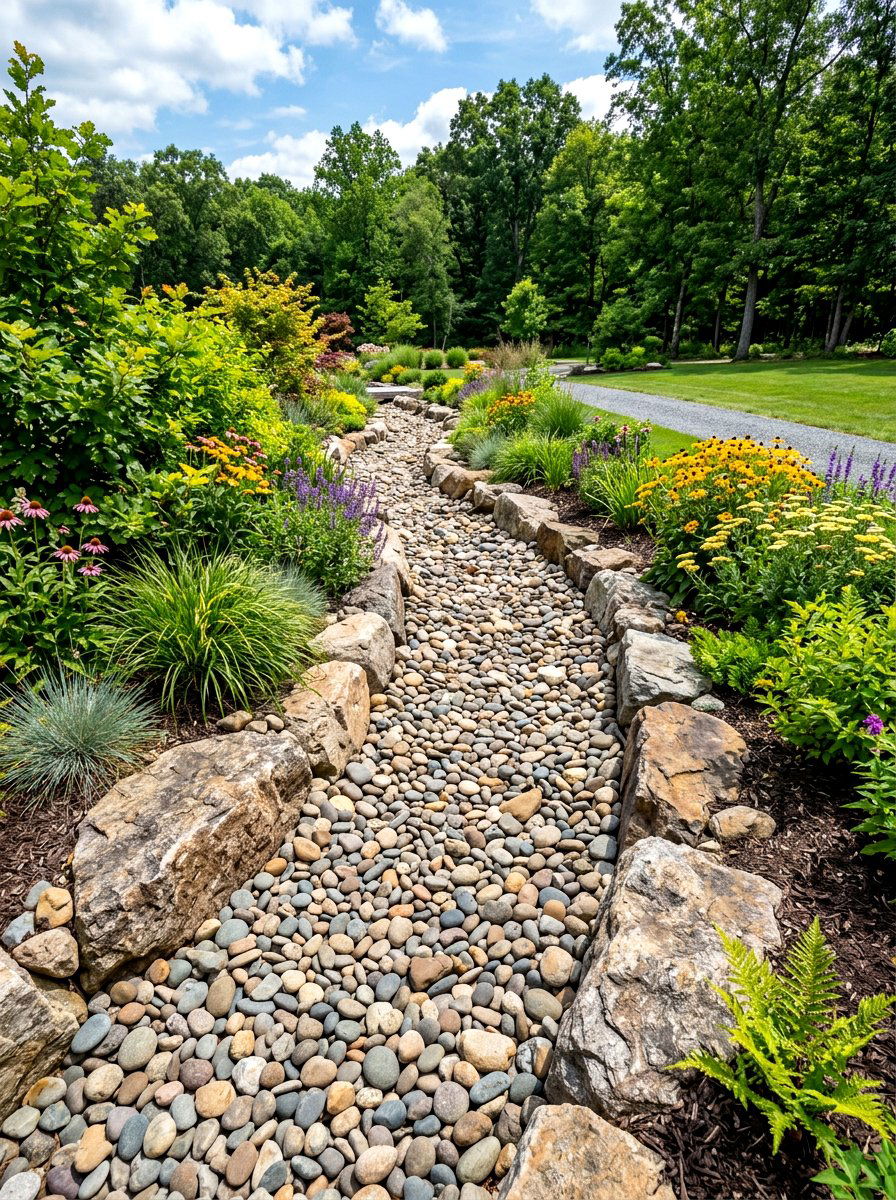
River rock drainage solutions are both practical and aesthetically pleasing ways to handle excess water in your xeriscape. Instead of traditional plastic pipes or concrete channels, you can use smooth, rounded river stones to create attractive swales that guide water. These rocky paths look like natural dry beds when it is sunny but become functional waterways during rainstorms. The stones help slow down the flow of water, allowing more of it to soak into the ground rather than running off into the street. You can mix different sizes and colors of stones to create a more natural, layered look. This approach turns a utility problem into a beautiful design feature.
22. Permeable Paver Driveway
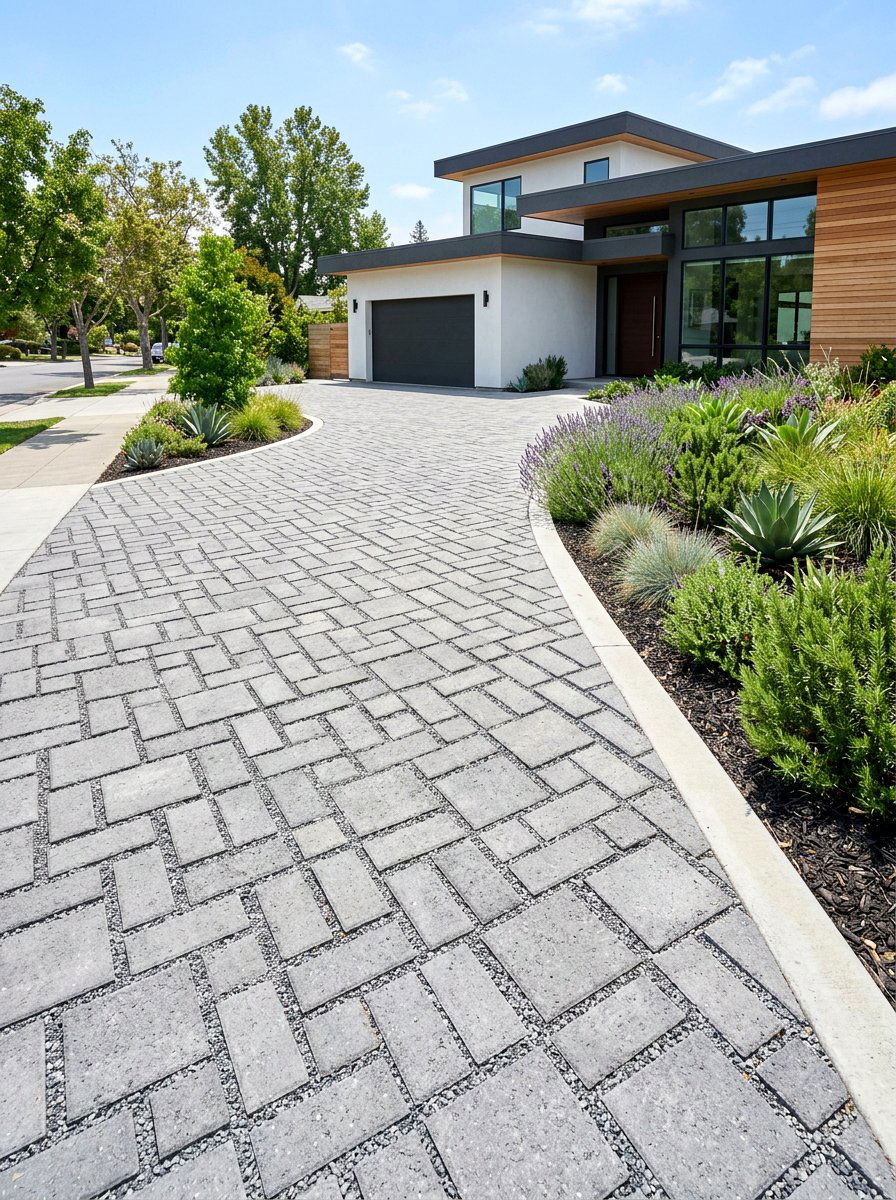
A permeable paver driveway is a high-end xeriscaping solution that dramatically reduces runoff while providing a durable surface for vehicles. Unlike solid concrete or asphalt, these pavers are installed with small gaps filled with gravel or sand. This allows rainwater to drain directly through the surface and into the aquifer below, preventing puddles and erosion. You can choose from many different styles and colors of pavers to complement your home’s exterior. This design is not only functional but also visually much more interesting than a standard driveway. It is a smart choice for urban areas where water management is a priority and green space is limited.
23. Salvia Garden
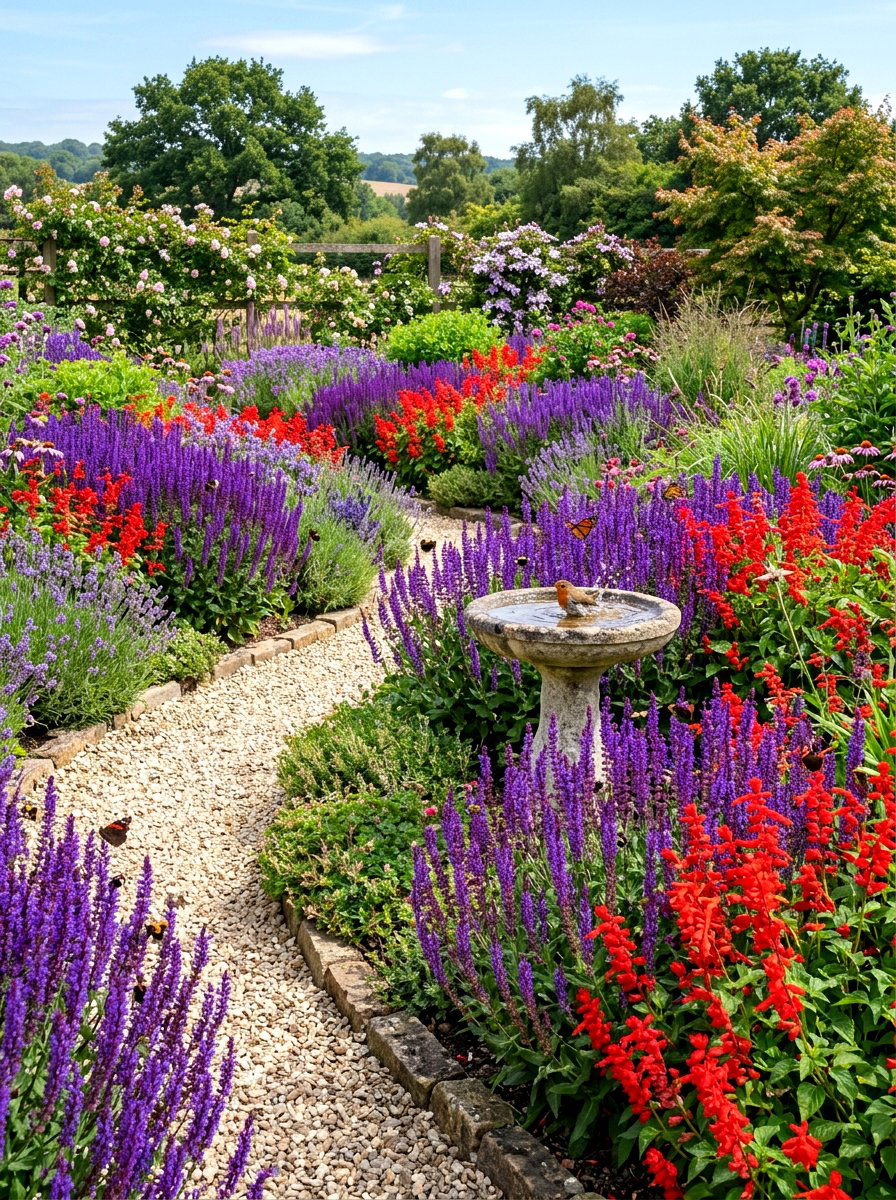
A salvia garden is a fantastic way to add intense color and attract hummingbirds without needing a lot of water. Salvias, also known as sages, are incredibly diverse and include many species that are native to dry regions. They produce tall spikes of flowers in shades of purple, blue, red, and pink that bloom for long periods. Most varieties have fragrant foliage that is naturally deer-resistant, making them perfect for rural or suburban gardens. Once these perennials are established, they can survive on very little supplemental irrigation. They look wonderful when planted in large groups, creating a sea of color that brightens up any low-water landscape.
24. Sagebrush Landscape
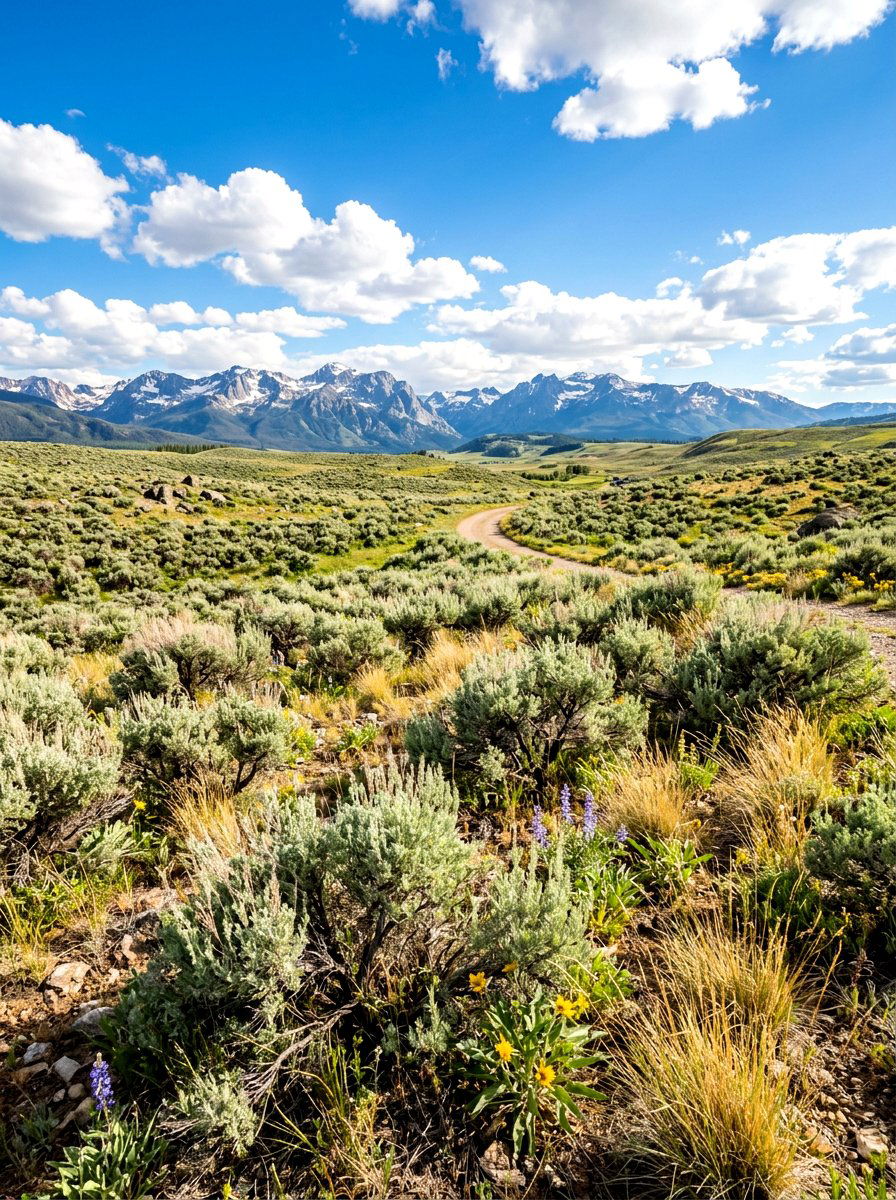
A sagebrush landscape captures the rugged, silver-toned beauty of the high desert and brings it to your home. Sagebrush is a staple of arid environments, known for its incredible drought tolerance and distinct, earthy fragrance. Its fine-textured, silvery foliage provides a beautiful contrast to darker green plants and hardscaping materials. You can pair it with native grasses and wildflowers to create a backyard that looks like a slice of the natural wilderness. This type of garden requires almost no maintenance and thrives in the poorest of soils. It is an excellent choice for creating a low-impact, sustainable landscape that feels deeply connected to the local western environment.
25. Potted Succulents
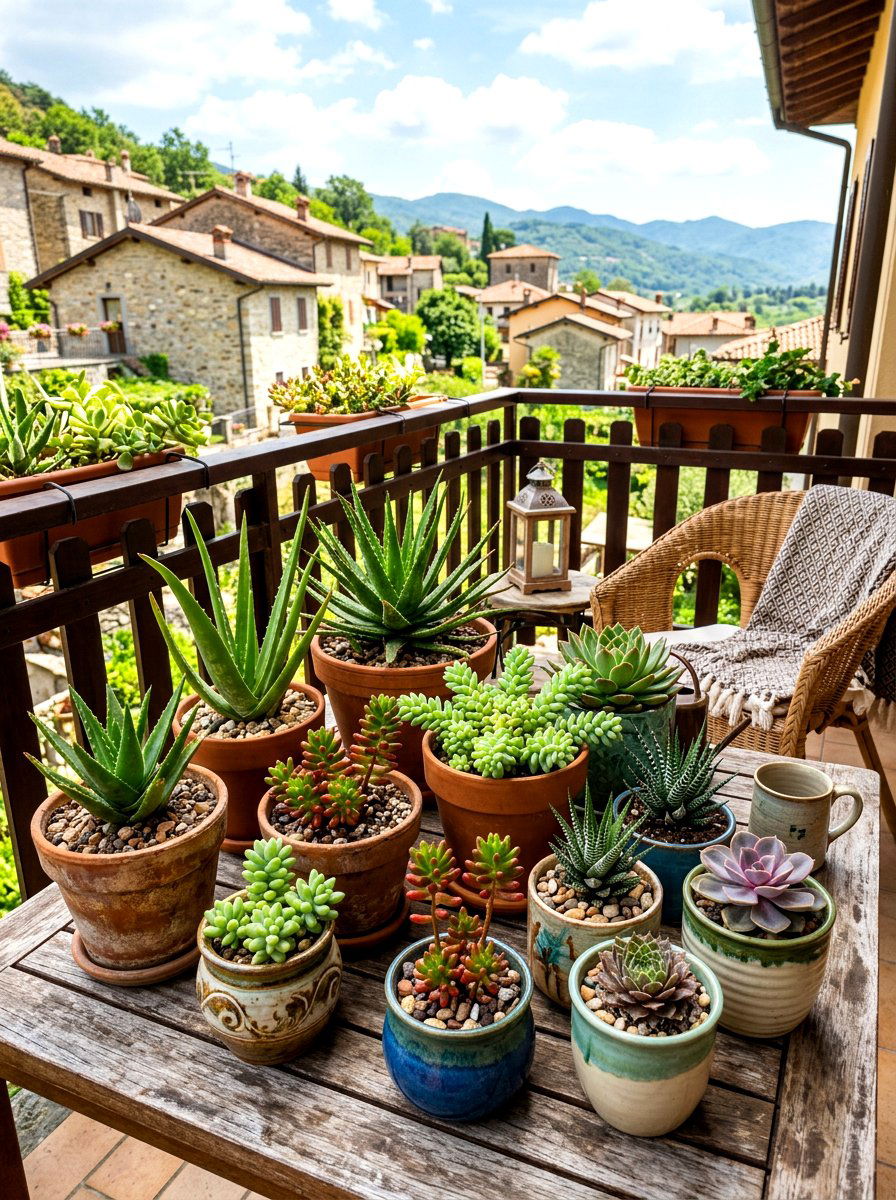
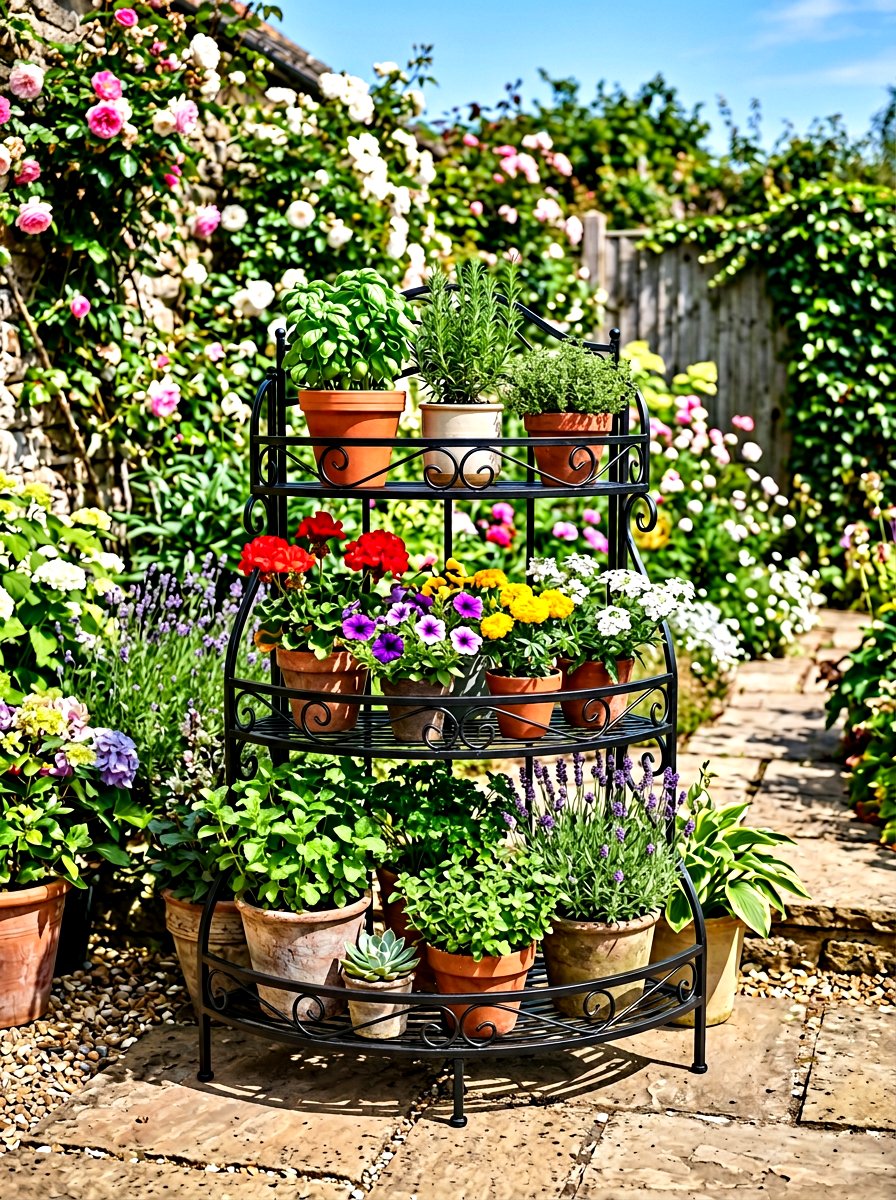
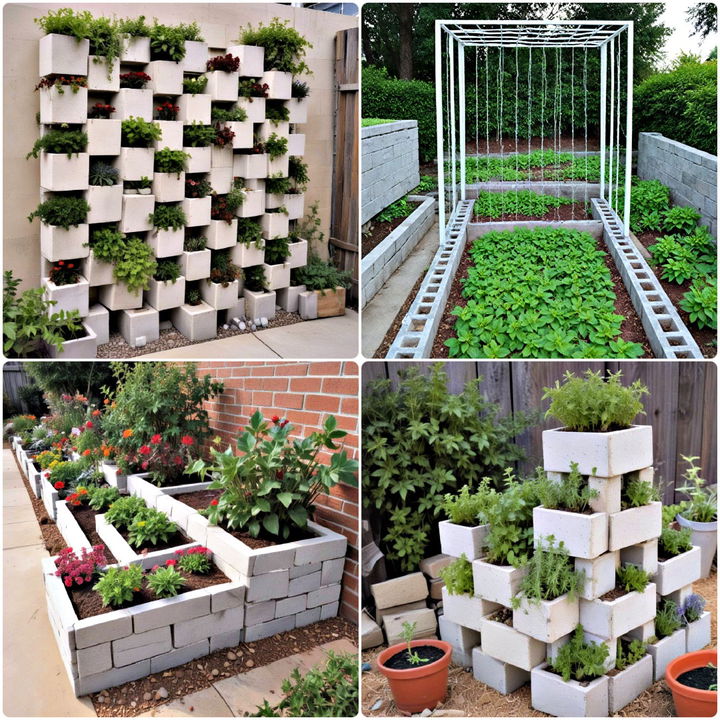
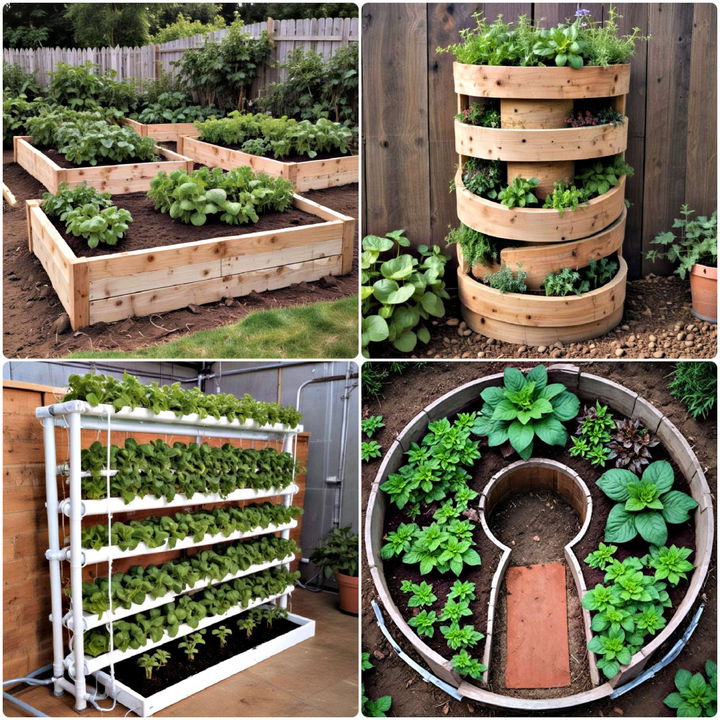
Potted succulents allow you to enjoy the beauty of xeriscaping in small spaces like balconies, patios, or entryways. Using containers gives you complete control over the soil drainage and allows you to move plants around to find the best sun exposure. You can mix different varieties of hens and chicks, jade plants, and aloes to create miniature, water-wise masterpieces. Terracotta or ceramic pots are excellent choices as they are breathable and help prevent the roots from staying too wet. This approach is perfect for beginners or those who want to add a touch of green without committing to a full yard renovation. It is a flexible gardening style.
26. Low Water Shrubbery
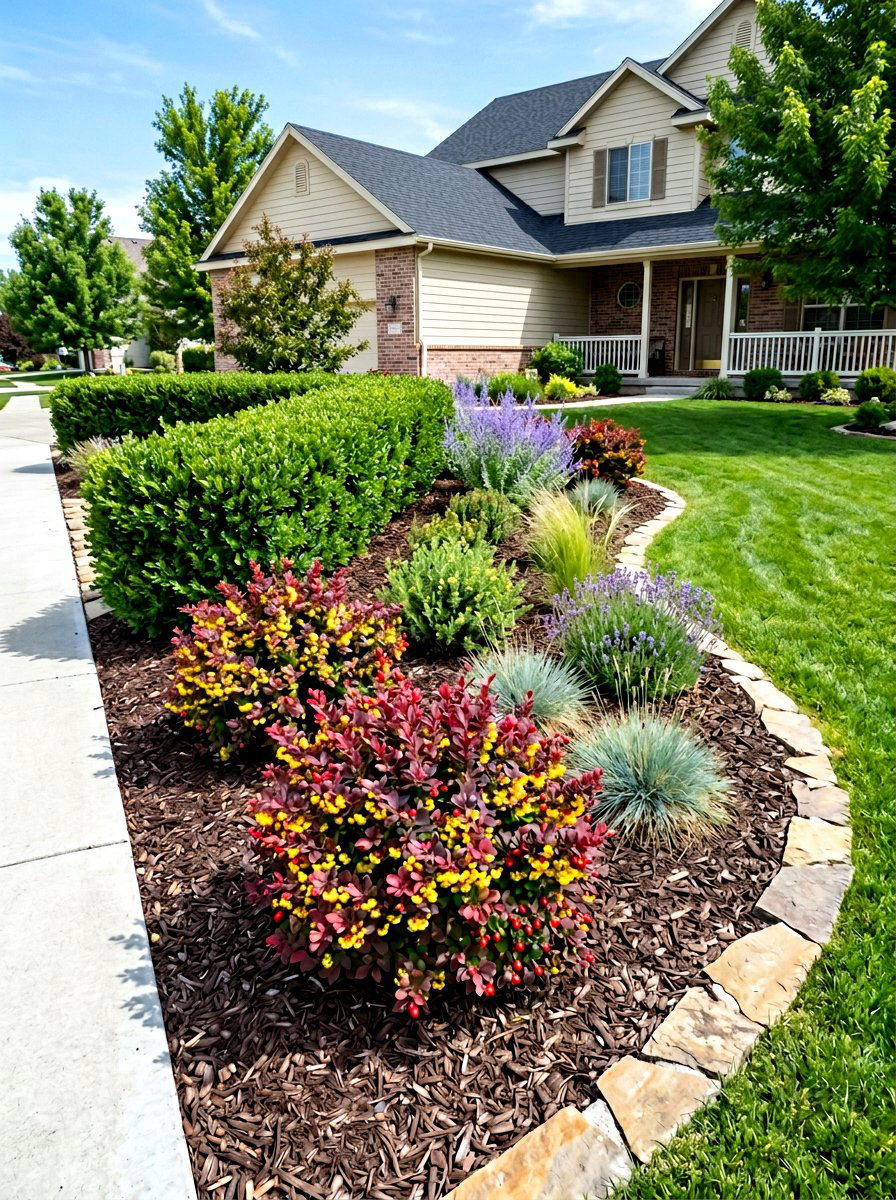
Choosing low water shrubbery is essential for creating structure and privacy in a xeriscape without wasting precious resources. Many shrubs, such as barberry, lilac, or wax myrtle, have developed ways to survive with very little rainfall once they are mature. These plants can serve as hedges, foundation plantings, or individual specimens that provide a green backdrop for smaller perennials. When selecting shrubs, look for varieties that are native to your area as they will be the most resilient to local pests and weather. Proper mulching around the base of the shrubs will help them establish deep roots. This long-term planting strategy creates a stable and beautiful garden framework.
27. Gravel Fire Pit Area
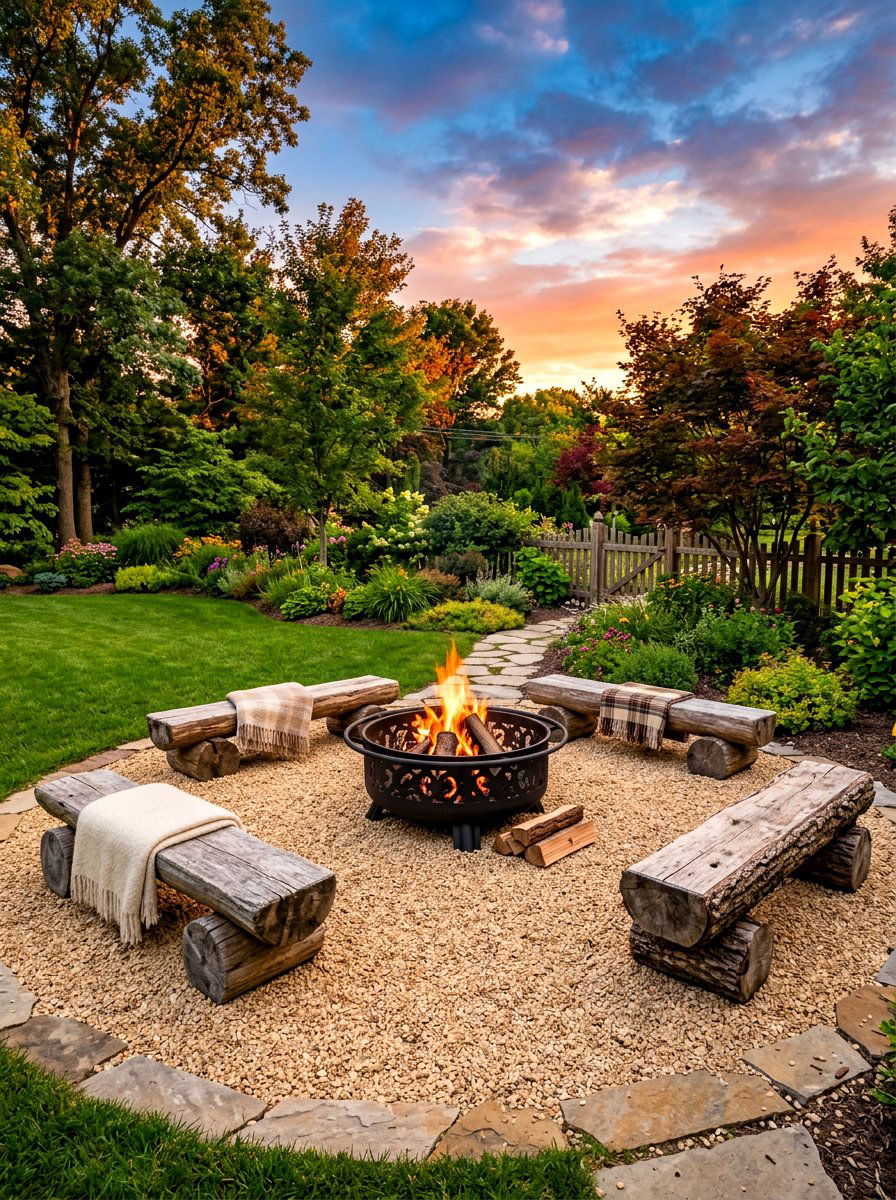
A gravel fire pit area creates a cozy and safe gathering spot that requires zero water to maintain. By using a base of crushed stone or pea gravel, you create a fire-resistant surface that is also highly permeable to rain. This design avoids the heat-trapping and water-blocking issues associated with large concrete slabs. You can surround the pit with heavy wooden benches or metal chairs to create a rustic, welcoming atmosphere. Integrating a few drought-tolerant plants like yarrow or fescue around the perimeter adds a touch of softness to the hardscaping. It is a perfect way to extend your outdoor living season while keeping your water usage at a minimum.
28. Creeping Thyme Lawn
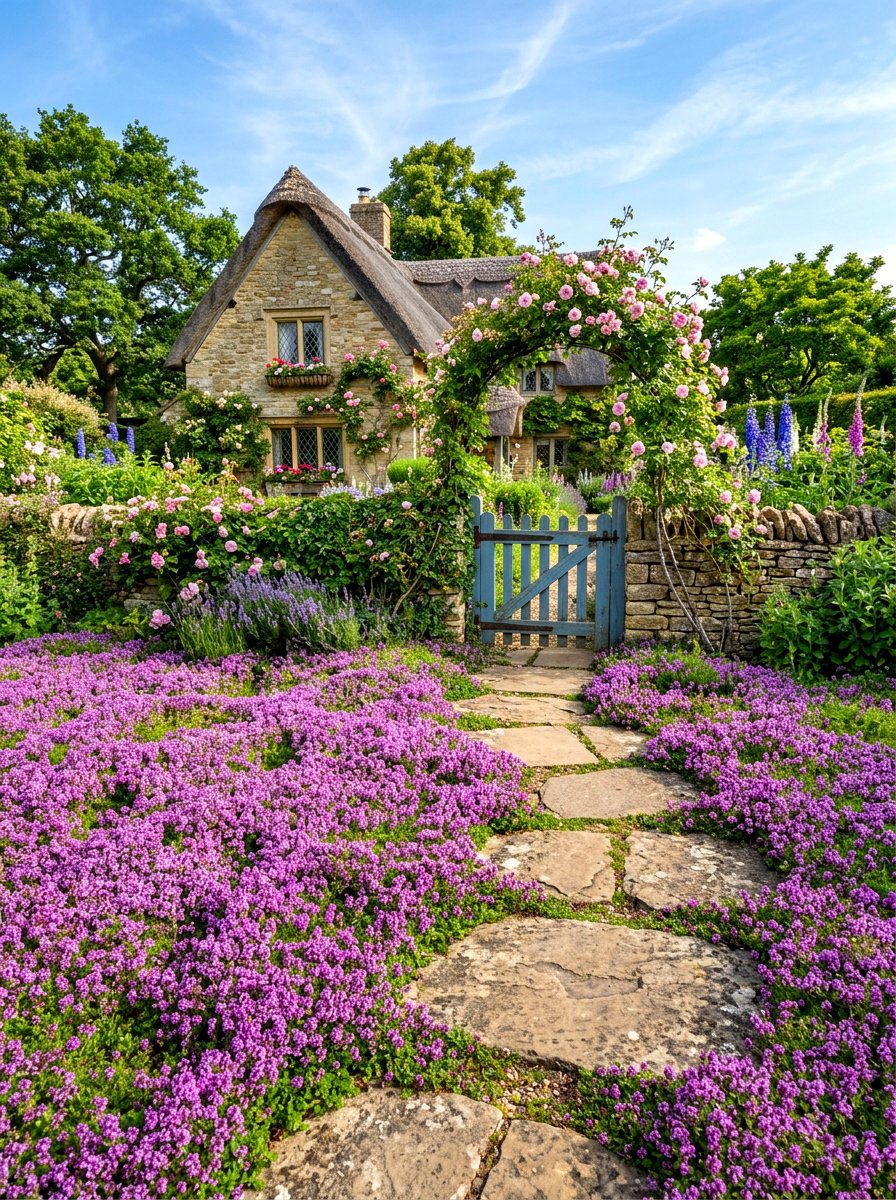
A creeping thyme lawn is a fragrant and eco-friendly alternative to traditional grass that stays green with very little water. This low-growing groundcover spreads quickly to form a dense mat that can handle light foot traffic. In the early summer, it produces tiny, beautiful flowers that attract pollinators and fill the air with a pleasant scent. Thyme is much more drought-tolerant than turfgrass and never requires mowing, saving you significant time and effort. It works beautifully between stepping stones or as a replacement for a small front yard lawn. This soft, living carpet adds a whimsical and practical element to any modern xeriscape garden design.
29. Stone Edging
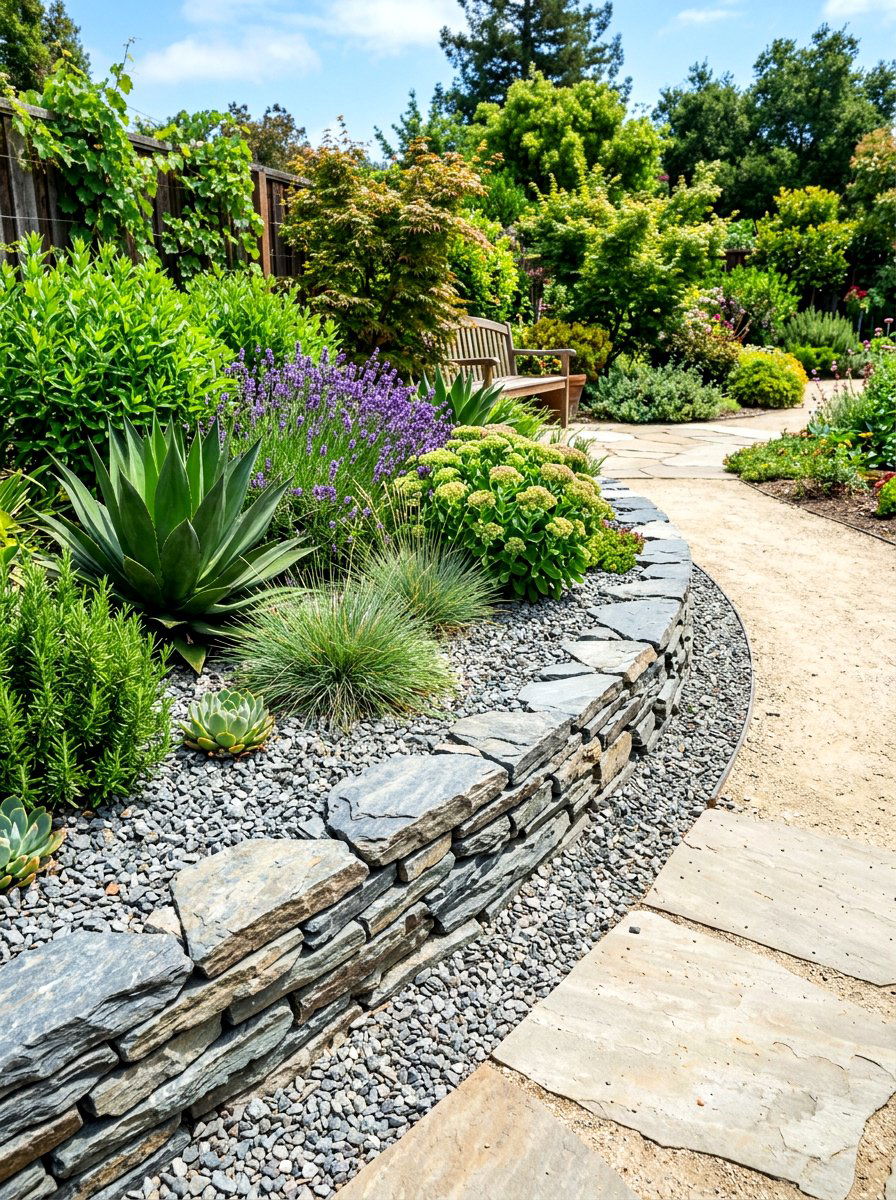
Using stone edging is a simple yet effective way to define garden beds and keep xeriscape materials organized. Whether you use smooth river rocks, flat slate, or rugged limestone, edging creates a clean border that prevents gravel or mulch from spilling into other areas. It adds a professional, finished look to your landscape while also helping to retain moisture within the planting beds. You can stack stones for a low wall or partially bury them for a more subtle transition. This hardscape element provides year-round structure and visual weight that grounds the softer plant elements. It is a low-cost upgrade that makes a huge impact on the overall design.
30. Rustic Backyard Scape
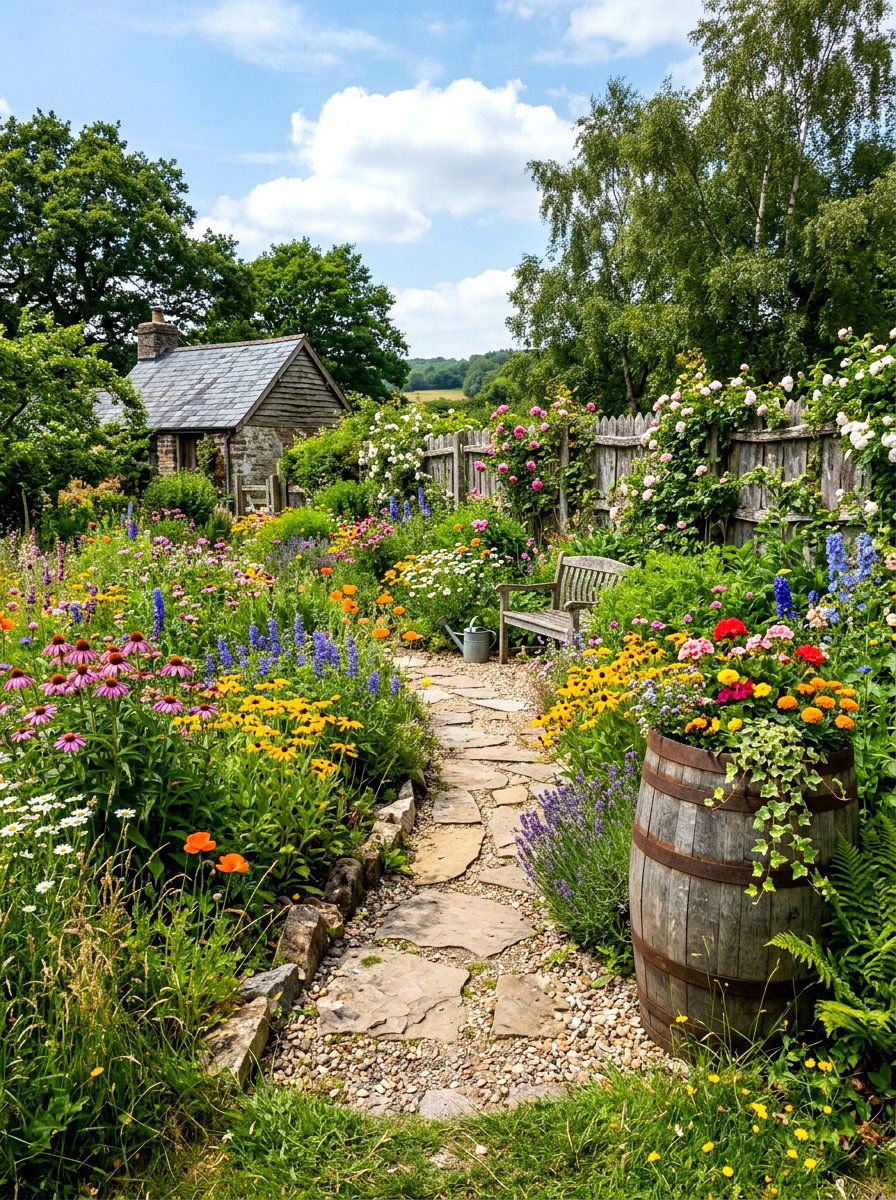
A rustic backyard scape combines reclaimed materials, native plants, and natural textures to create a comfortable, weathered aesthetic. This style often features elements like old wooden barrels, weathered stone paths, and a variety of drought-tolerant perennials that look best when allowed to grow naturally. The focus is on a relaxed atmosphere that doesn't require constant pruning or perfect manicuring. By using materials that age gracefully, you create a garden that only gets better over time with very little input. This approach is perfect for those who want a yard that feels lived-in and sustainable. It celebrates the beauty of nature in its most authentic and water-efficient form.
Conclusion:
Embracing xeriscaping is a powerful way to create a stunning, sustainable landscape that respects the local environment and saves valuable resources. From modern gravel paths to vibrant wildflower meadows, these ideas prove that water-wise gardening is far from boring or barren. By focusing on native plants, smart hardscaping, and efficient soil management, you can enjoy a lush and inviting outdoor space year-round. This shift toward drought-tolerant design not only reduces your monthly utility bills but also provides a resilient habitat for local wildlife. Ultimately, a well-planned xeriscape garden offers a perfect balance of aesthetic beauty and ecological responsibility for every homeowner to enjoy.

Related posts: