Creating a stunning indoor courtyard garden is one of the most effective ways to transform a standard home into a breathtaking sanctuary filled with life and light. These architectural features serve as the lungs of a house, providing fresh air, natural cooling, and a constant connection to the changing seasons. Imagine walking through your hallway and seeing a lush patch of greenery or a peaceful stone garden right in the center of your living space. This design choice doesn't just improve the visual appeal of your property; it also boosts your mood and enhances the overall air quality for everyone inside. Whether you have a massive open floor plan or a tiny urban lot, integrating a courtyard can make your interior feel much larger and more sophisticated.
1. Modern glass atrium
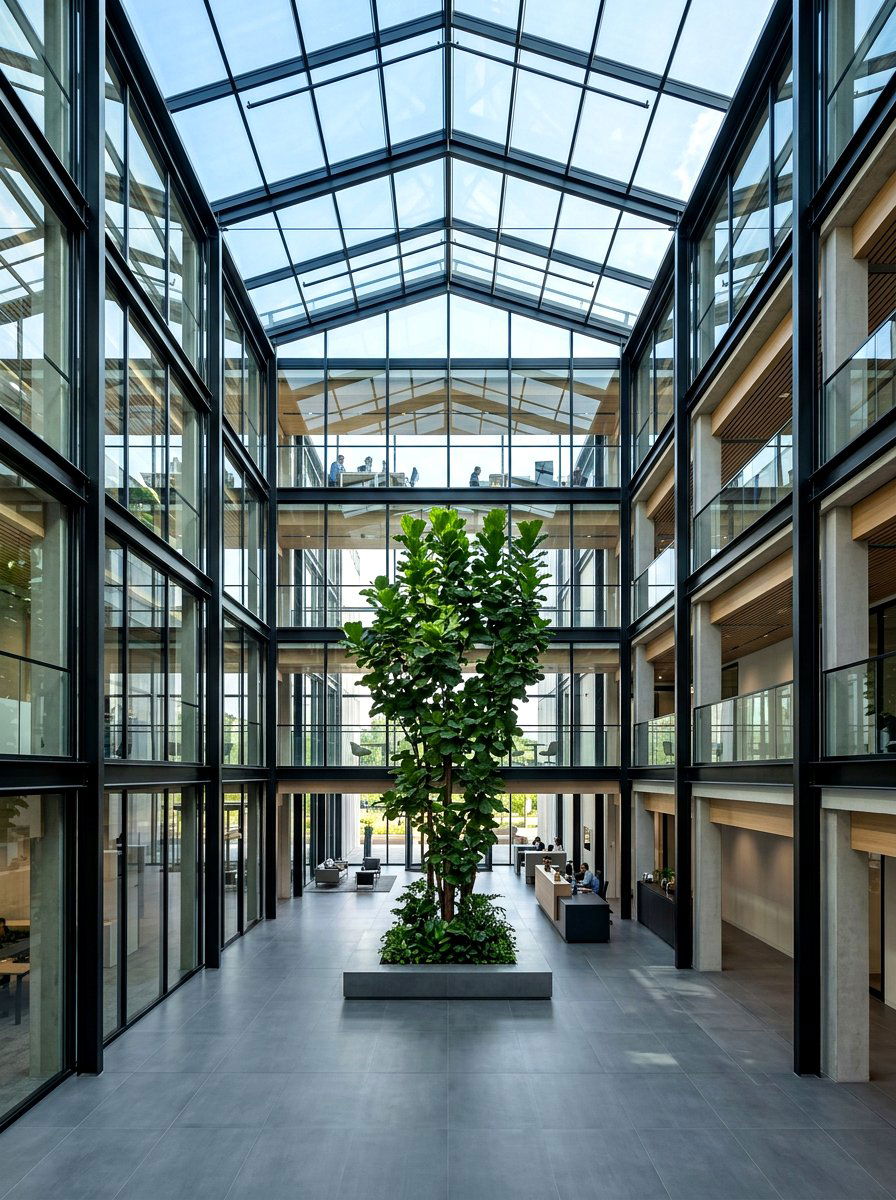
A modern glass atrium serves as the ultimate architectural statement by merging high-end construction with the soft beauty of nature. This specific design usually features tall, floor-to-ceiling glass walls that allow natural light to flood every corner of the surrounding rooms. By using black or metallic frames, you can create a sleek look that feels both industrial and sophisticated. Inside, you might find a single specimen tree or a collection of architectural plants like snake plants or palms. The transparency of the glass ensures that the garden is visible from the kitchen, living room, and hallway, making the entire home feel much more expansive and connected to the outdoors.
2. Zen stone garden
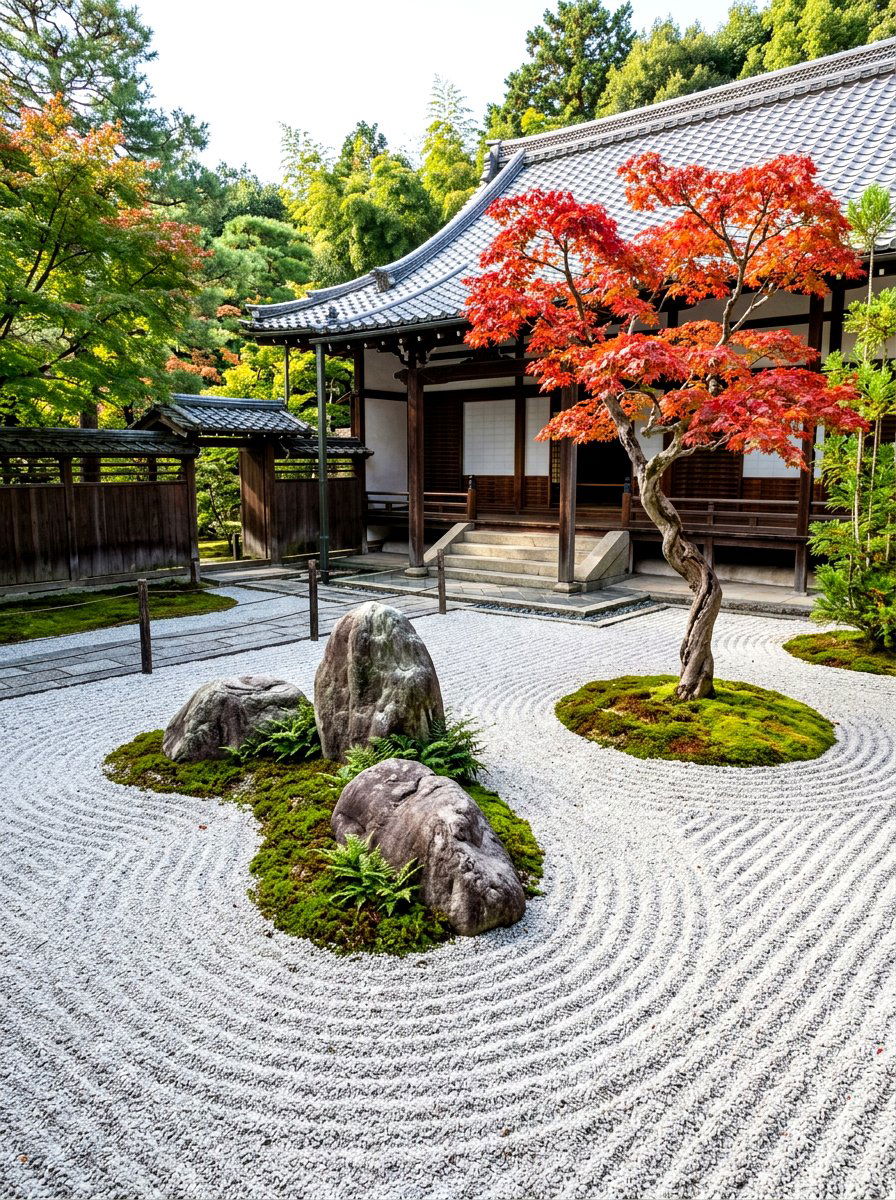
Integrating a zen stone garden into your home provides a peaceful retreat that requires very little maintenance while offering maximum visual impact. This traditional Japanese-inspired design focuses on simplicity, often using fine gravel, large smooth boulders, and perhaps a single sculptural tree like a Japanese maple. The raked patterns in the sand or gravel create a sense of movement and tranquility that is perfect for a central light well or a small enclosure near a master bedroom. Because it relies more on hardscaping than lush foliage, it is an excellent choice for homeowners who want the aesthetic of a garden without the intensive watering and pruning requirements of tropical plants.
3. Tropical plant courtyard
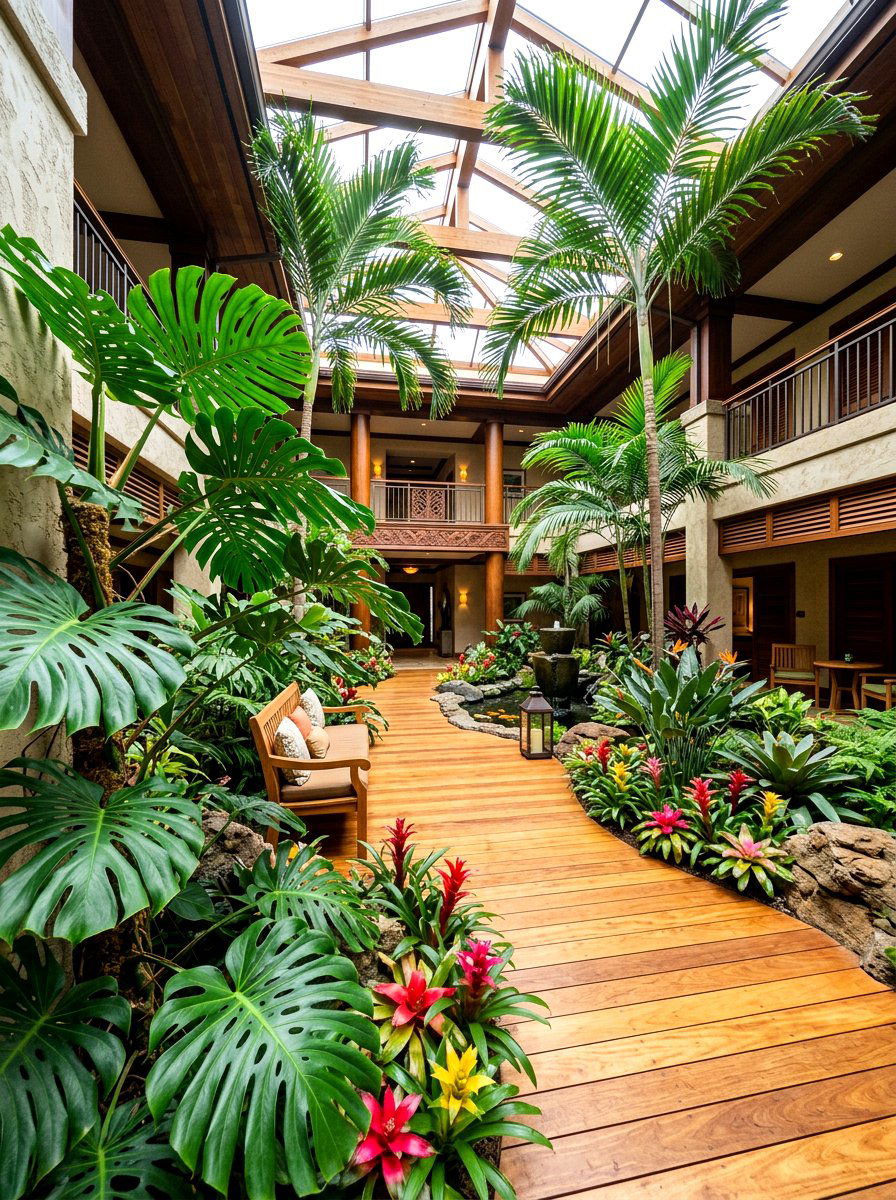
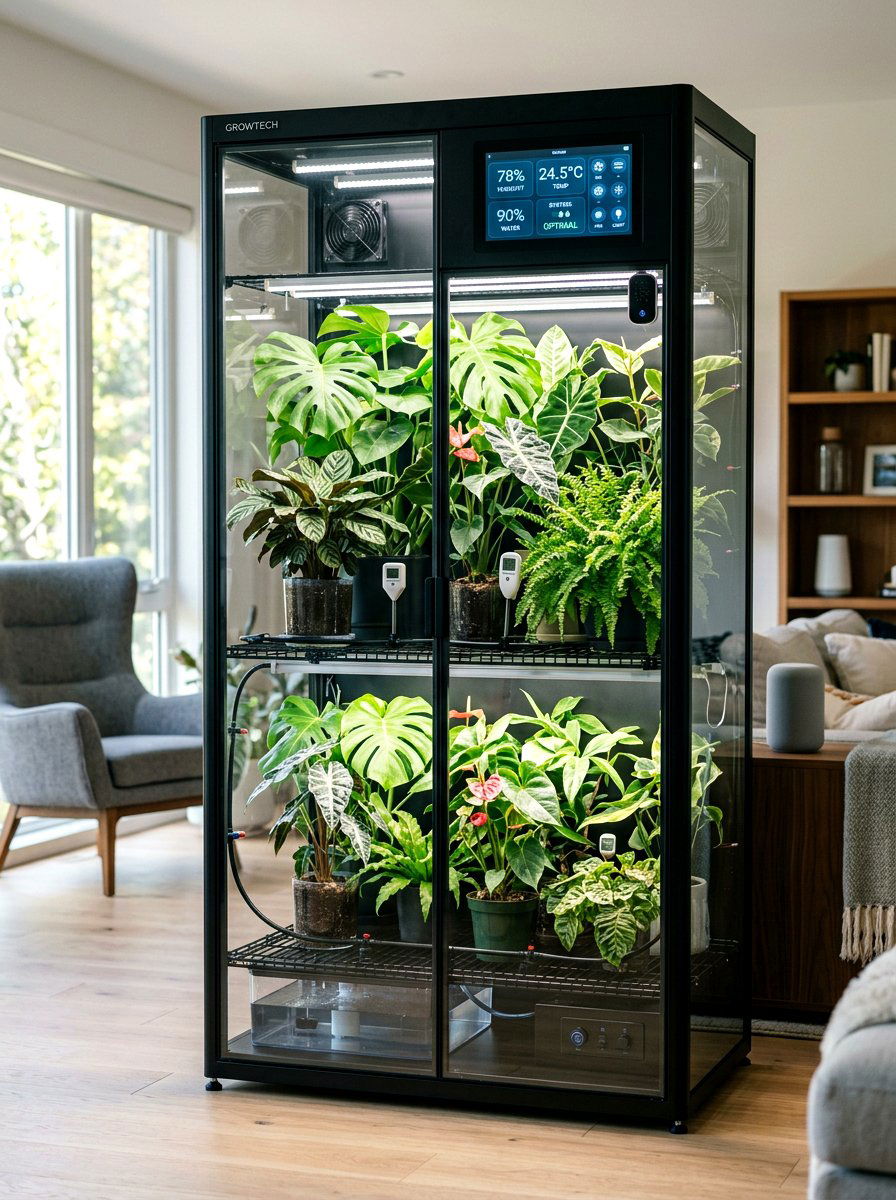
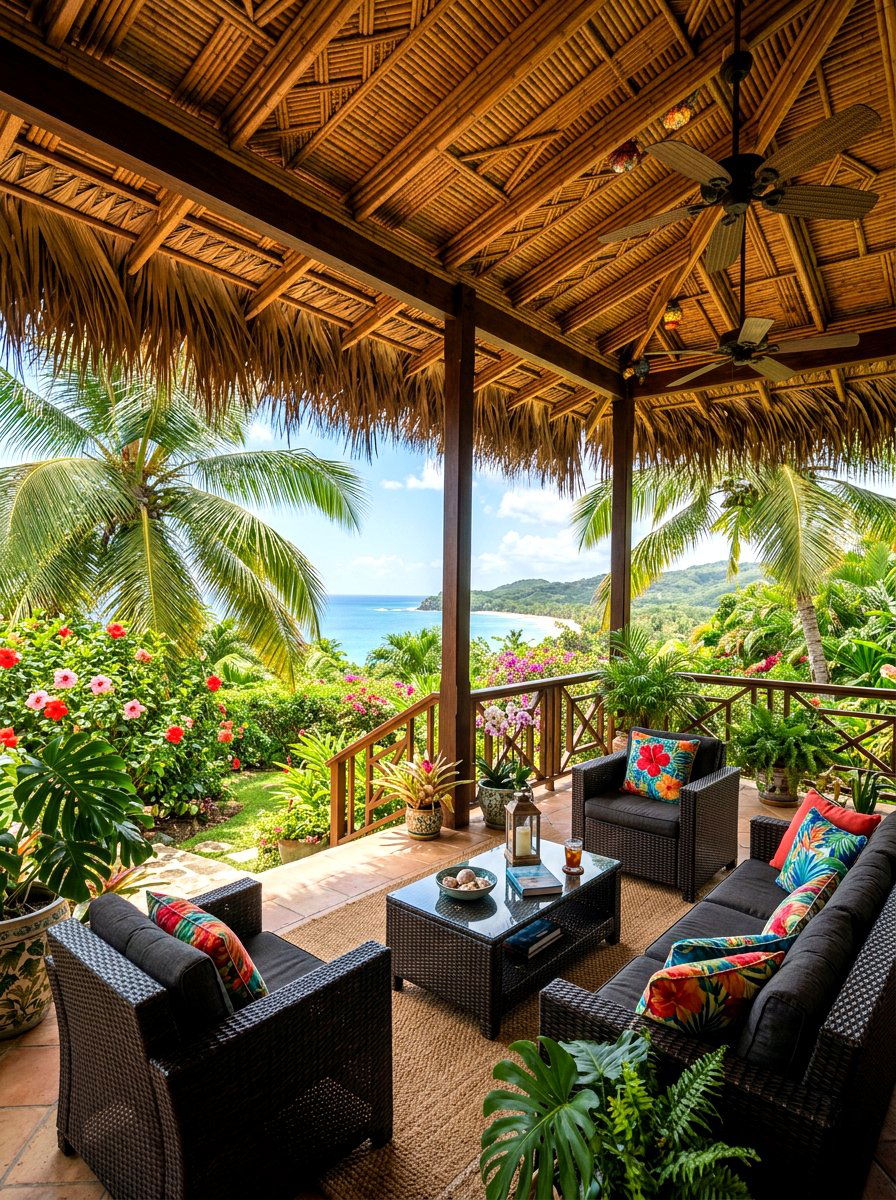
A tropical plant courtyard brings the lush, vibrant energy of a jungle right into the heart of your house. To achieve this look, you should focus on broad-leafed plants like Monstera Deliciosa, Birds of Paradise, and various types of palms that thrive in humid, filtered light environments. The key to a successful tropical theme is layering; place taller trees in the back and fill the ground level with ferns and colorful bromeliads. This dense greenery creates a natural cooling effect and acts as a biological air purifier. Surrounding the space with warm wood accents or natural stone tiles will help ground the design and make it feel like a high-end island resort.
4. Small central garden
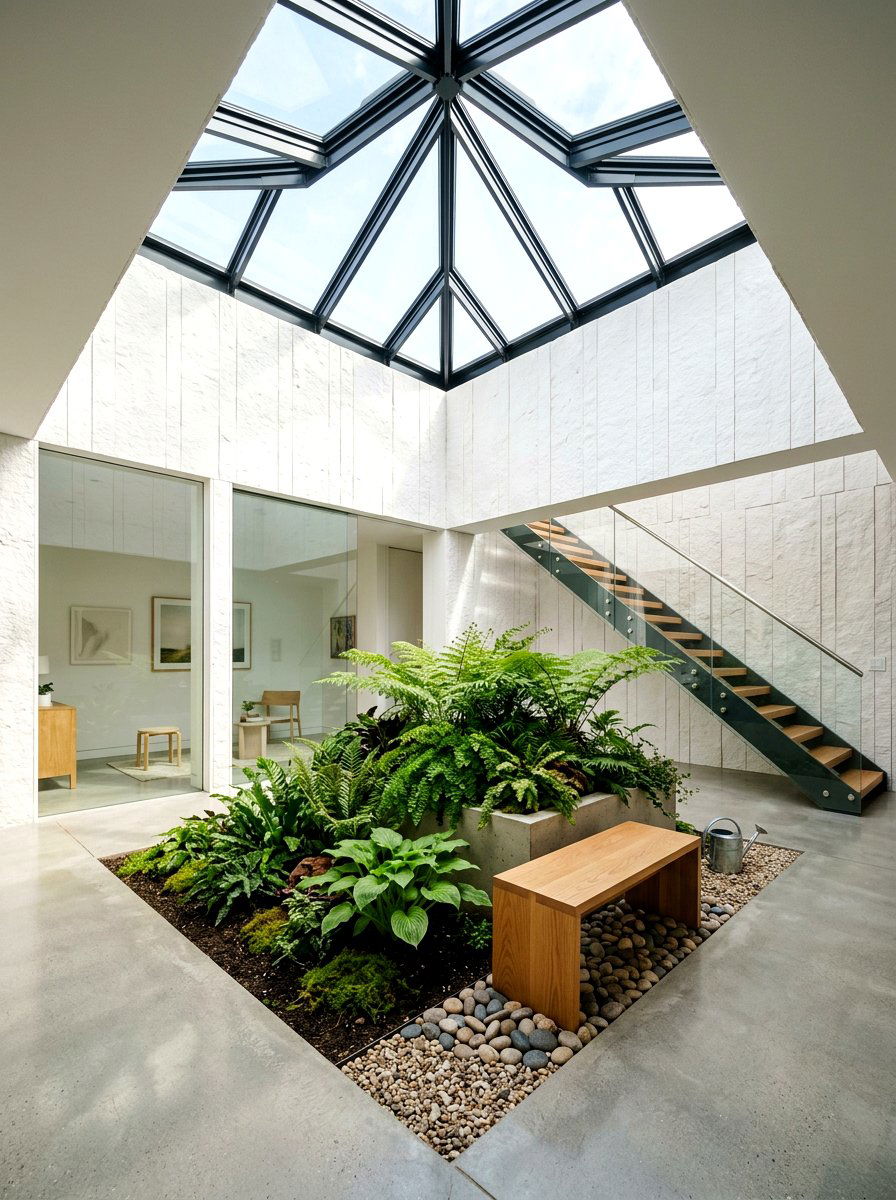
Designing a small central garden is a brilliant way to introduce light and life into a compact home where outdoor space is limited. Even a tiny three-by-three-foot area can be transformed into a lush focal point by using a skylight above and choosing plants that grow vertically. You can use a mix of potted plants or a built-in planter box to keep the area organized and easy to manage. Adding a few medium-sized stones or a small wooden bench can turn this tiny void into a functional part of the home's layout. This approach works particularly well in long, narrow terrace houses where the middle rooms often lack sufficient natural window light.
5. Mediterranean tile courtyard
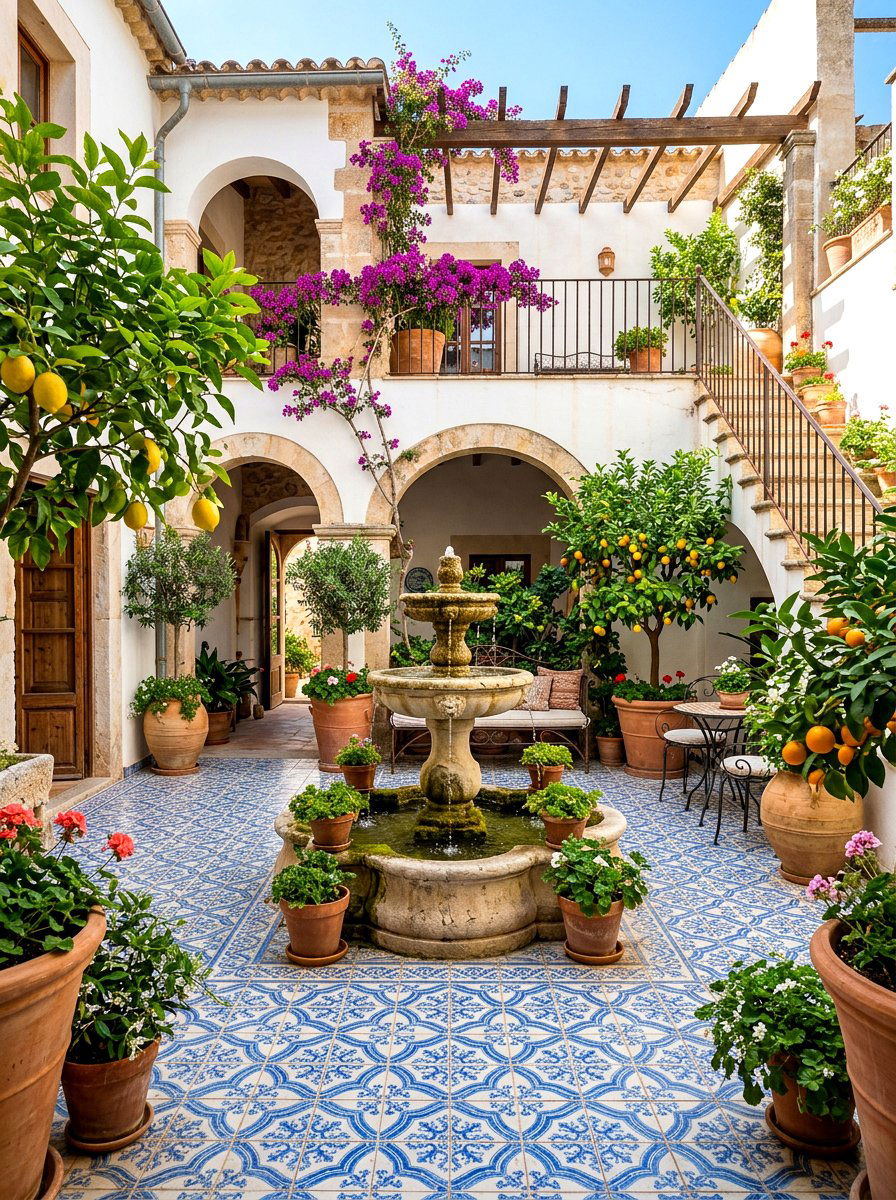
A Mediterranean tile courtyard captures the warm, rustic charm of Southern Europe using vibrant colors and classic materials. Start with hand-painted terracotta or patterned cement tiles on the floor to establish a bold foundation. In the center, a simple tiered fountain can provide the soothing sound of trickling water, which helps mask city noise. Surround the edges with terracotta pots filled with citrus trees, lavender, and climbing jasmine to add fragrance and color. This style of courtyard is perfect for creating a social hub in the home, especially if it is positioned near the kitchen or dining area where family members can easily step out for a morning coffee.
6. Minimalist gravel courtyard
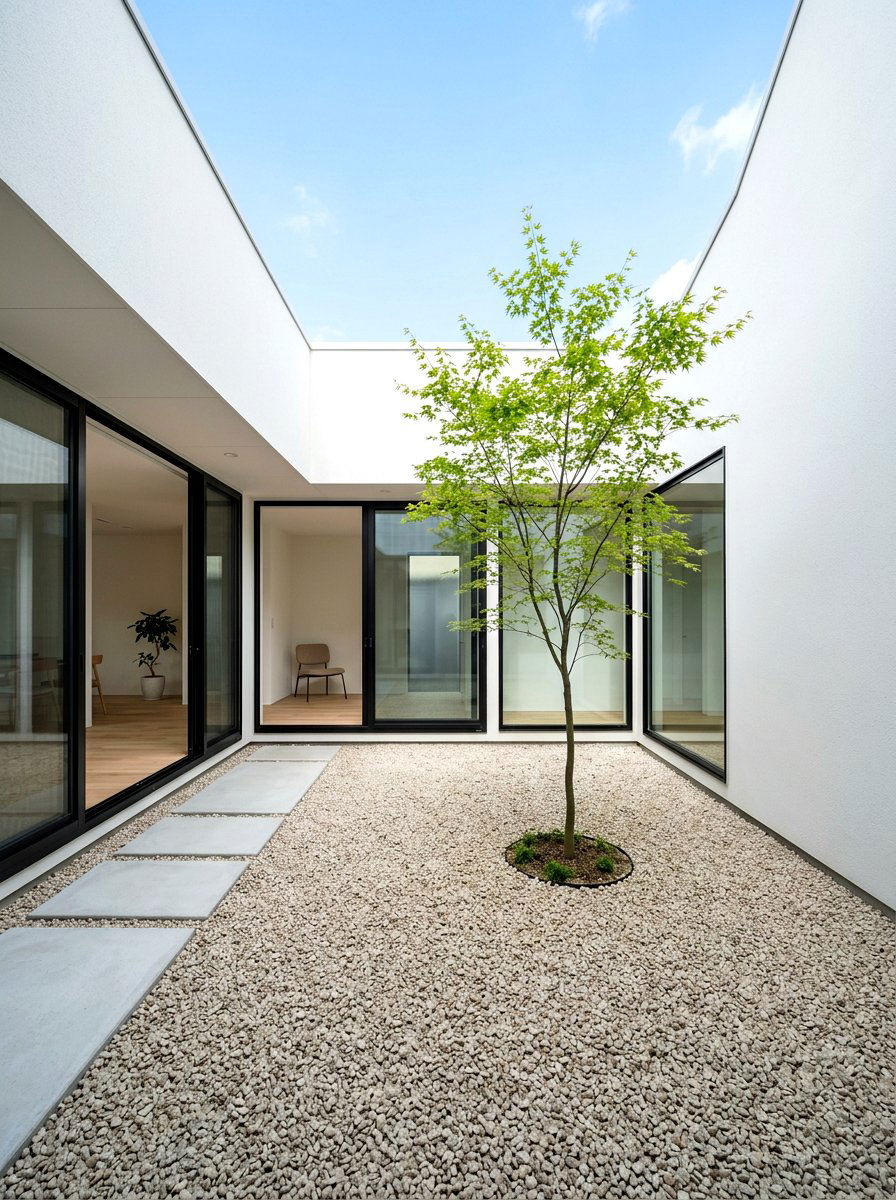
The minimalist gravel courtyard is all about clean lines and the beauty of negative space, making it a favorite for contemporary architects. Instead of filling the area with dozens of different plant species, this design focuses on a uniform floor of light-colored pea gravel or crushed granite. A single, perfectly pruned tree or a few clusters of ornamental grasses are enough to provide a point of interest without cluttering the view. This design is highly functional as the gravel provides excellent drainage and stays looking neat year-round. It is an ideal solution for a narrow side courtyard or a light well that connects multiple levels of a modern residence.
7. Vertical wall garden
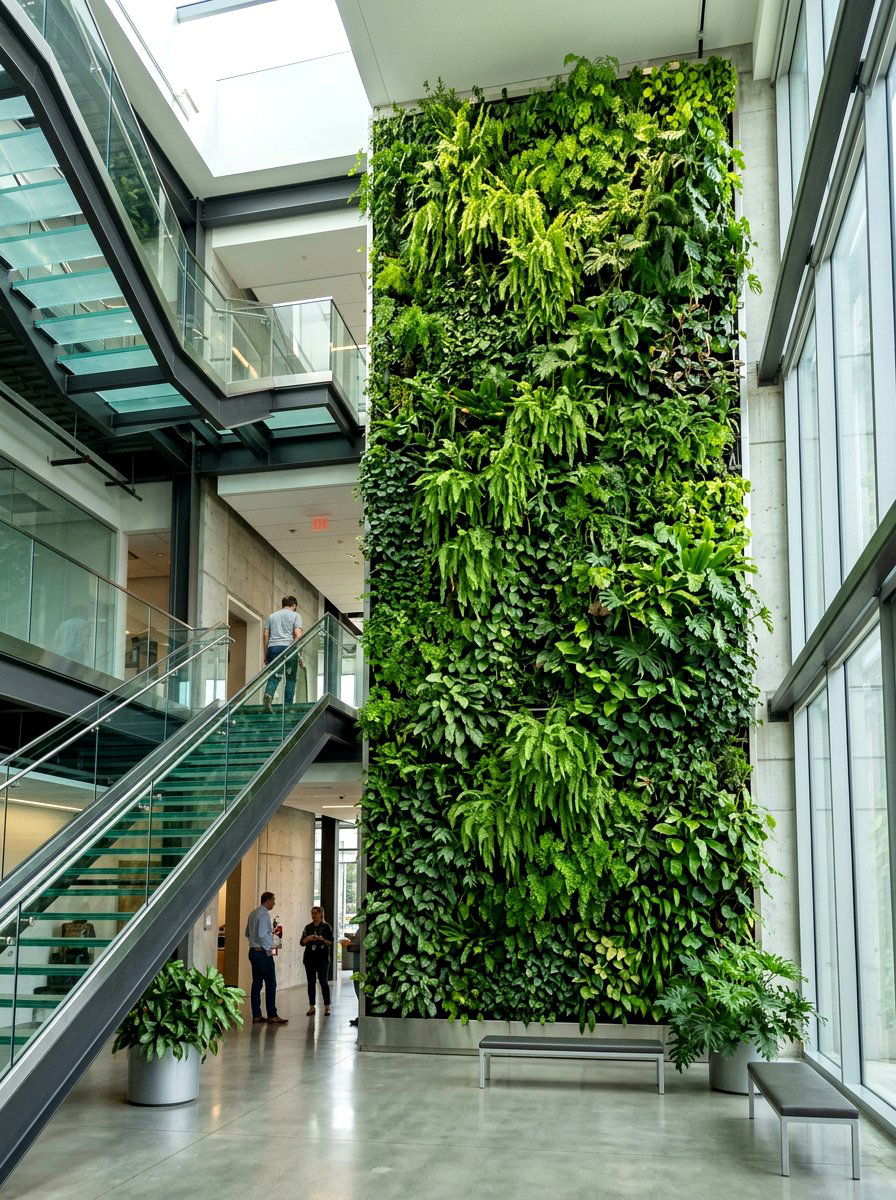
When floor space is at a premium, a vertical wall garden offers a way to bring a massive amount of greenery into an indoor courtyard without taking up any walking room. These living walls use specialized irrigation systems to support hundreds of small plants, creating a lush tapestry of textures and shades of green. You can choose a variety of ferns, ivy, and philodendrons to cover an entire two-story wall, making it the primary artistic feature of your home. This approach not only looks incredible but also provides significant soundproofing and insulation benefits. It is a modern, high-tech solution that turns a plain structural wall into a vibrant, living piece of art.
8. Sunken seating courtyard
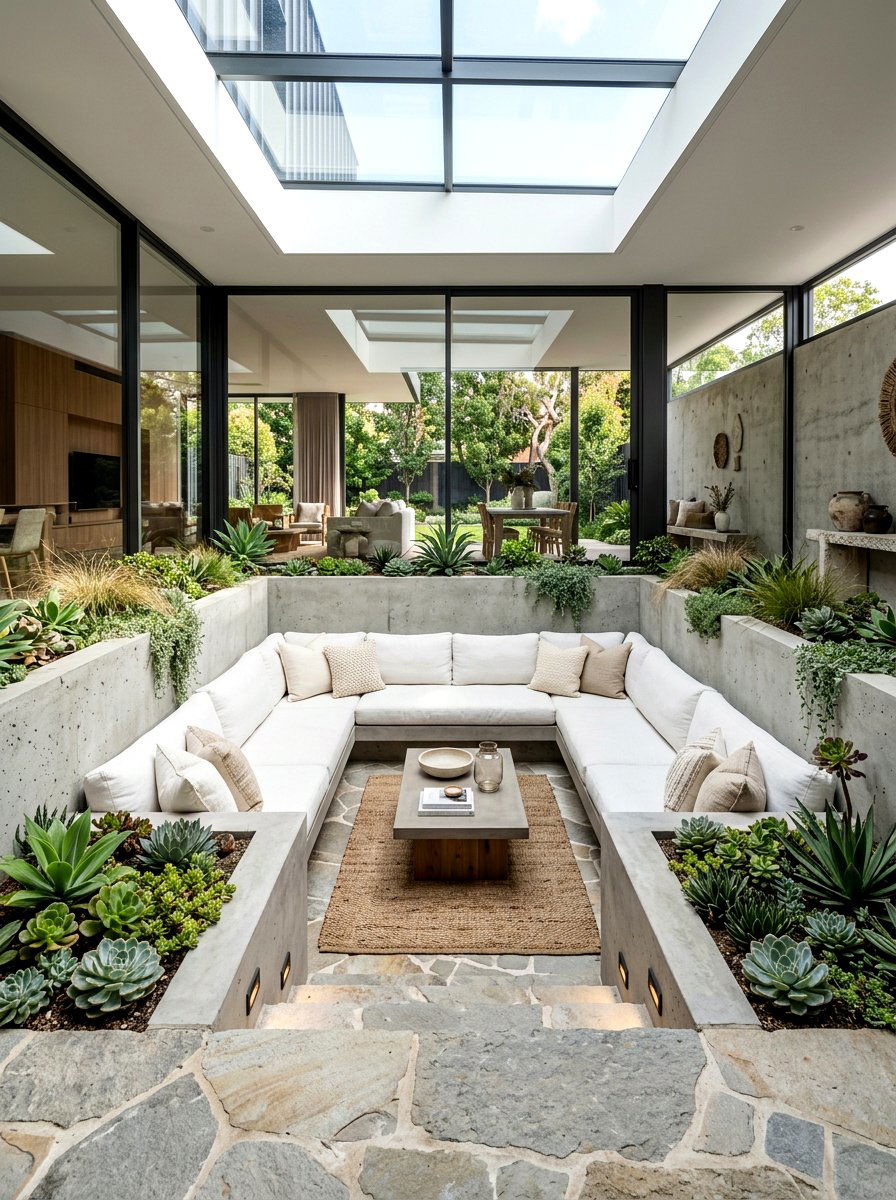
A sunken seating courtyard creates an intimate and cozy conversation pit that feels completely separate from the rest of the busy house. By lowering the floor level of the courtyard, you can build integrated benches directly into the surrounding walls, often finishing them with comfortable outdoor cushions. Surround the seating area with low-maintenance plants like succulents or ornamental shrubs that won't grow high enough to block the view from the upper levels. This design is particularly effective for large, open-plan homes because it defines a clear purpose for the space while maintaining an open feel. It encourages family and guests to gather together in a unique, nature-filled environment.
9. Desert succulent courtyard
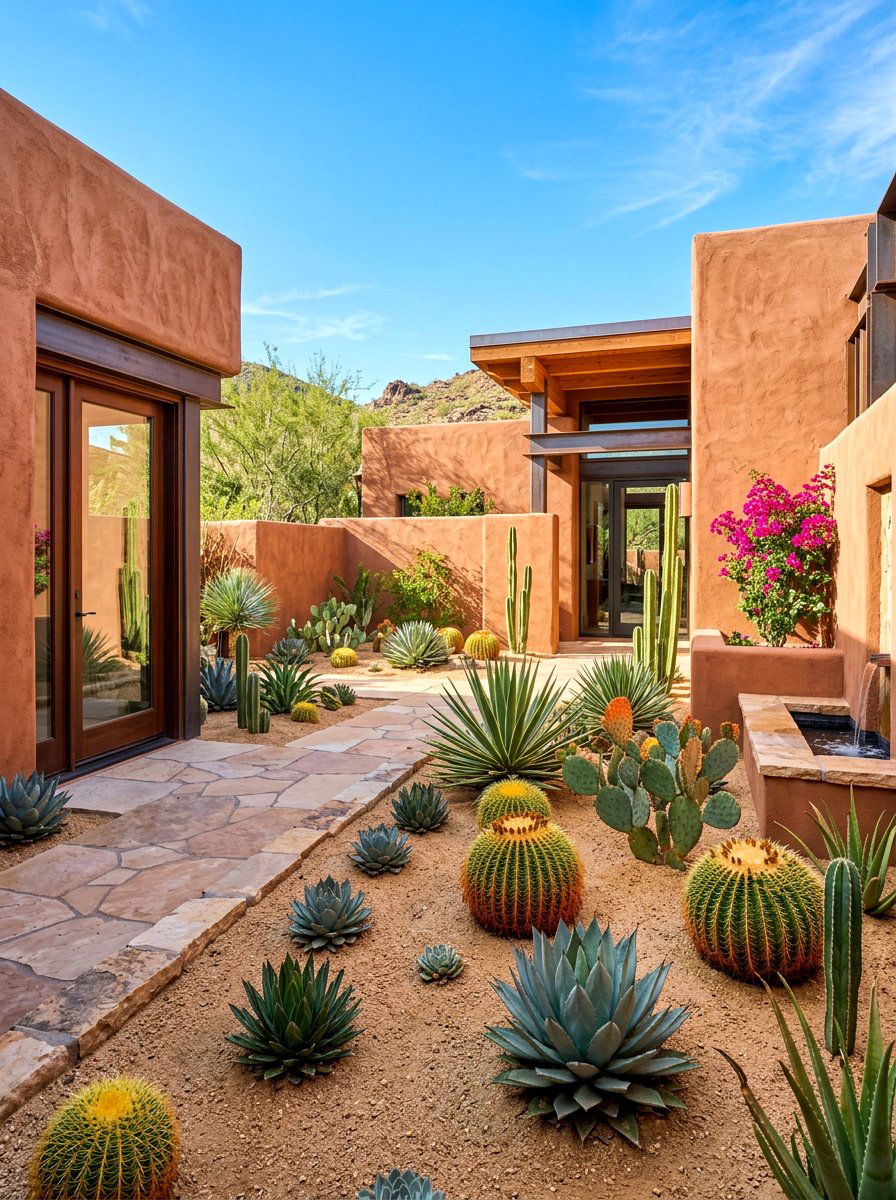
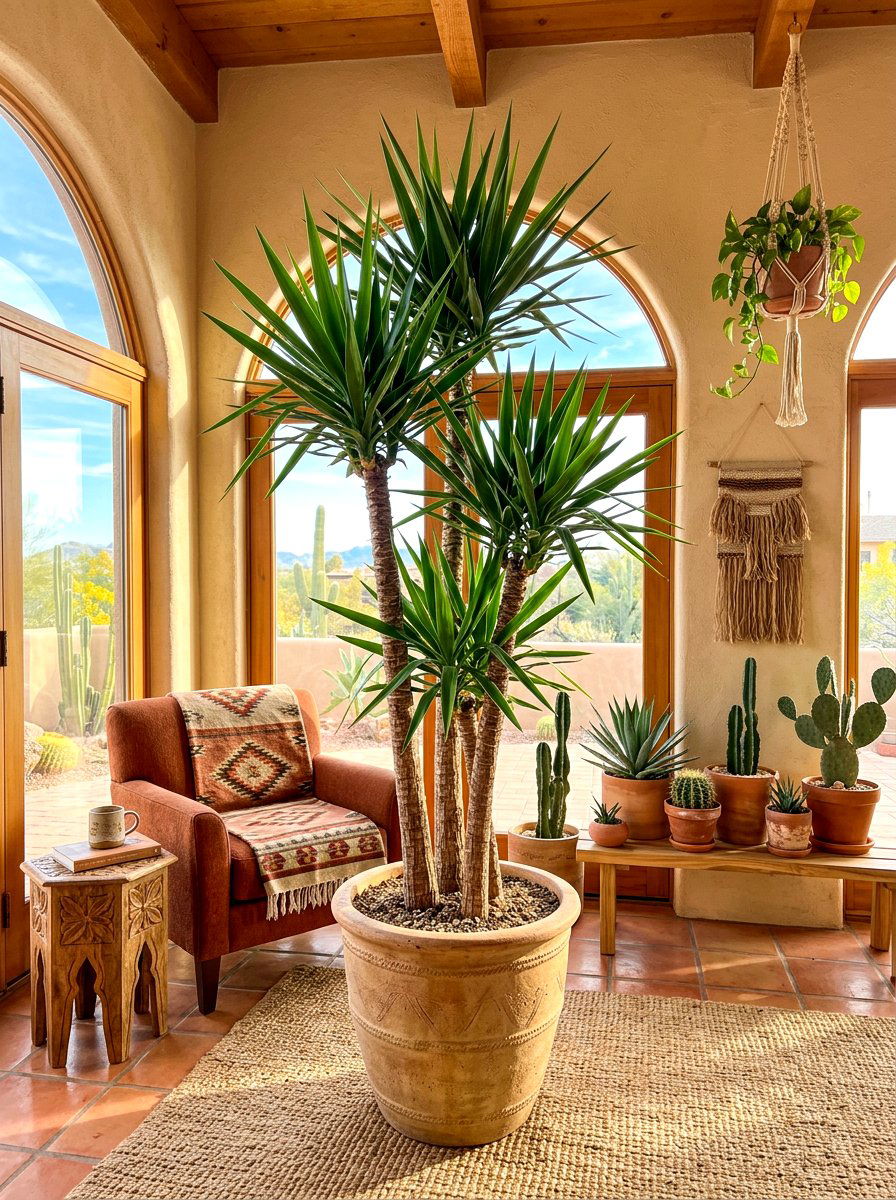
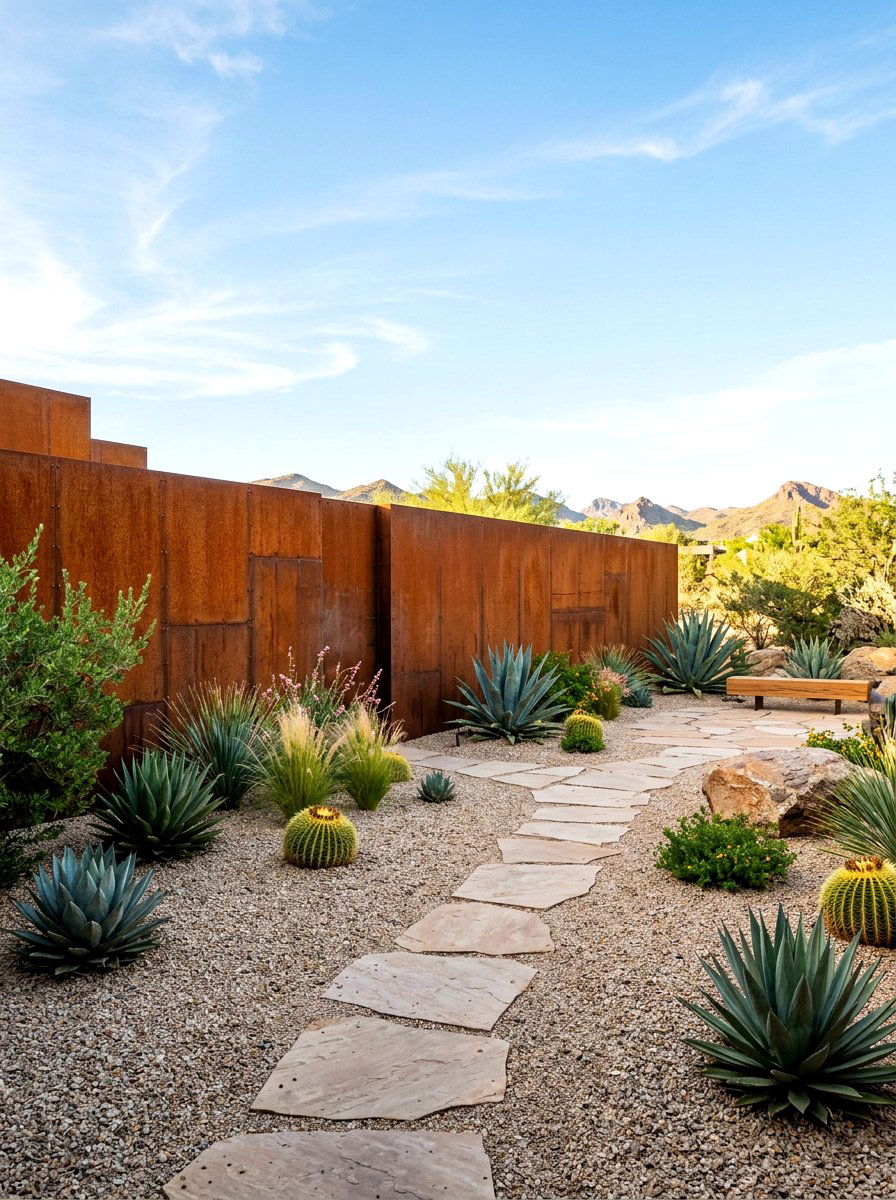
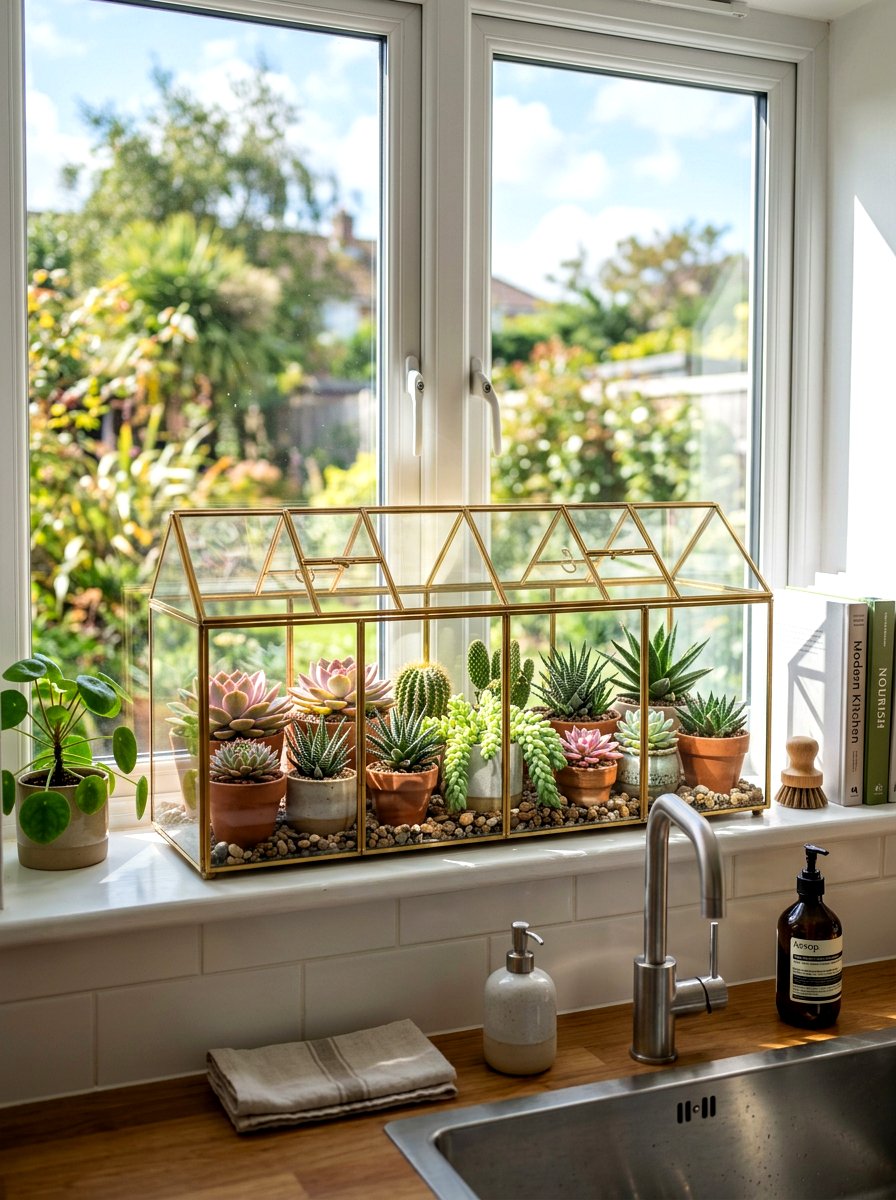
For homeowners living in drier climates or those who prefer a more rugged aesthetic, a desert succulent courtyard is both stylish and sustainable. This design utilizes a variety of cacti, agaves, and aloes arranged in a bed of decorative sand or volcanic rock. These plants are incredibly hardy and offer striking geometric shapes that look like natural sculptures. To enhance the desert vibe, you can use warm-toned plaster on the surrounding walls and incorporate a few large, weathered timber beams. This type of garden requires very little water and thrives under the direct sunlight provided by a glass roof or an open-air central ceiling cutout.
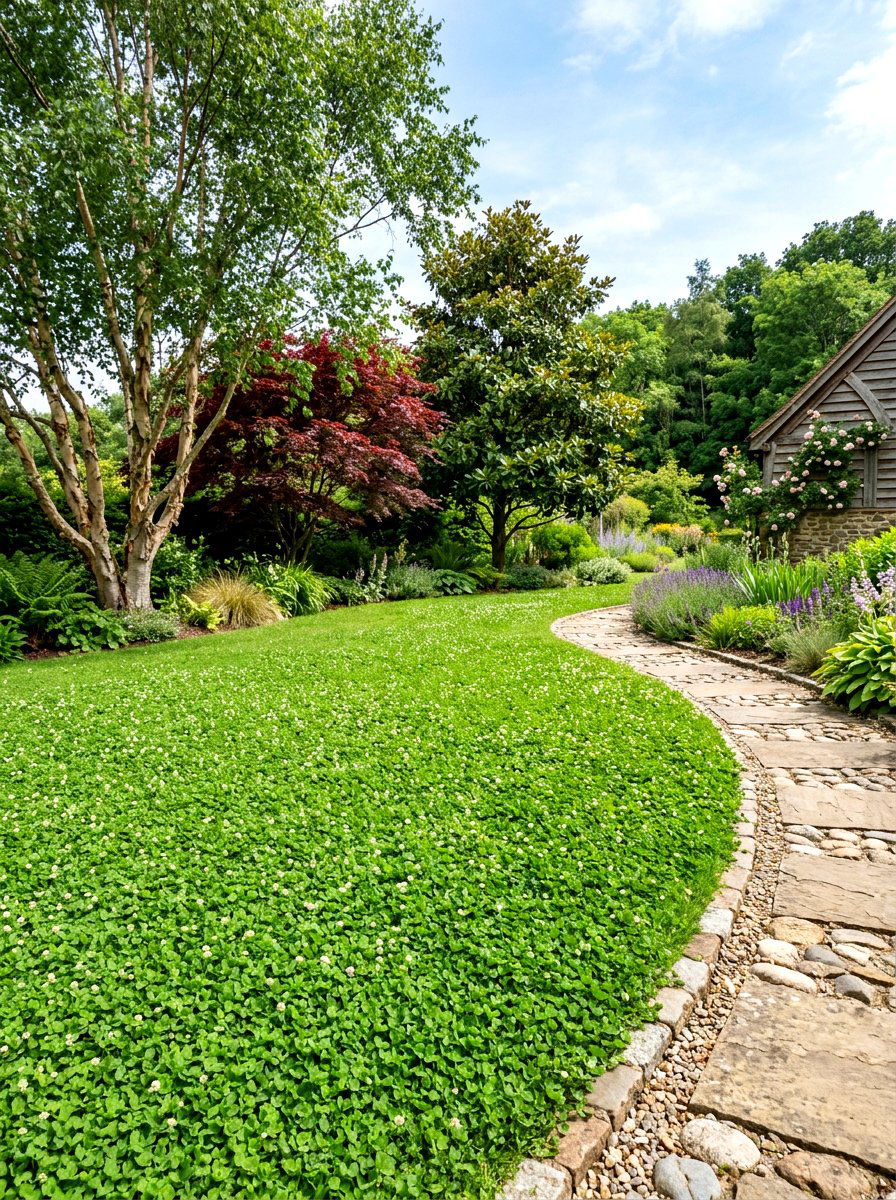
10. Contemporary water feature
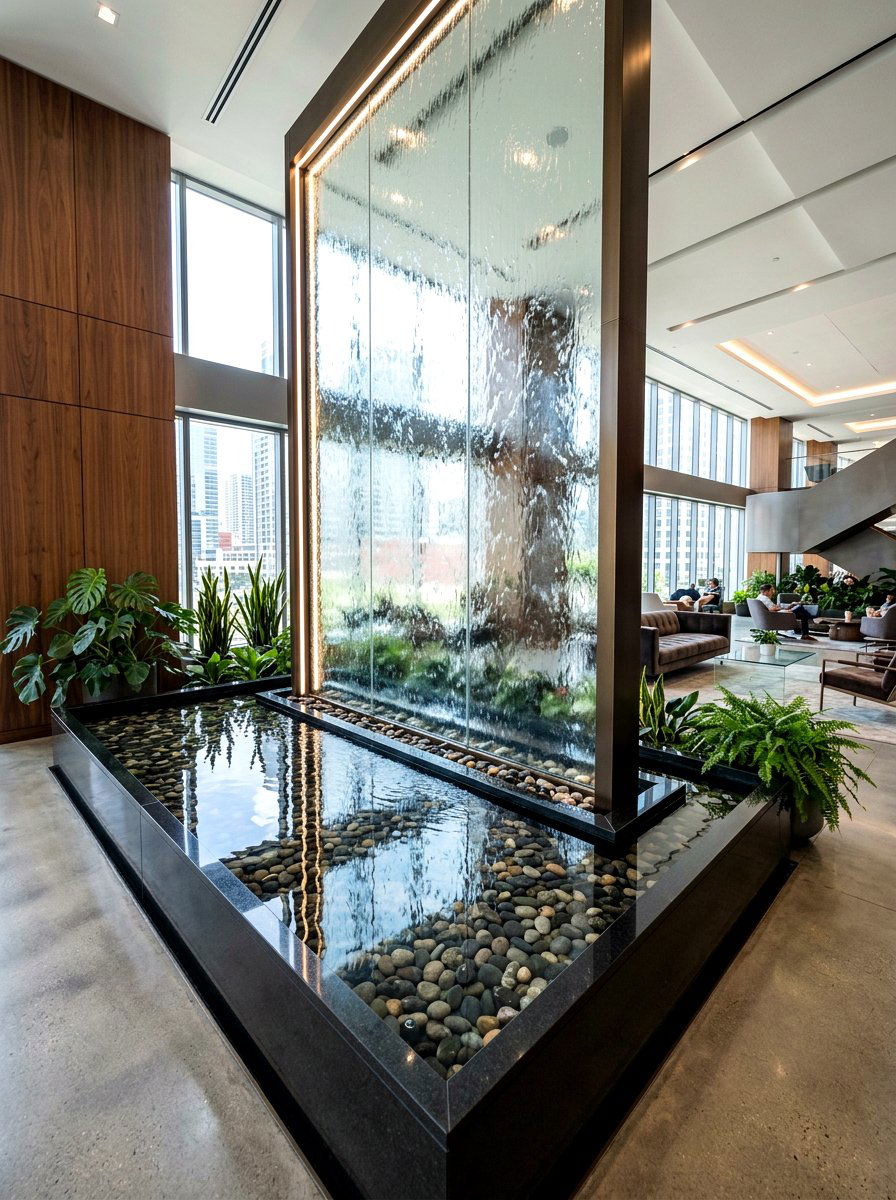
Adding a contemporary water feature to your indoor courtyard introduces a dynamic element that appeals to both the eyes and the ears. Instead of a traditional fountain, consider a sleek, black granite reflecting pool or a minimalist glass wall where water gently sheets down the surface. The movement of the water helps to circulate the air and creates a calming atmosphere that flows into the adjacent rooms. You can surround the water with polished river stones or even place a few large stepping stones across the pool for a more interactive experience. This design works exceptionally well in luxury homes where a sense of calm and high-end materials are prioritized.
11. Japanese maple courtyard
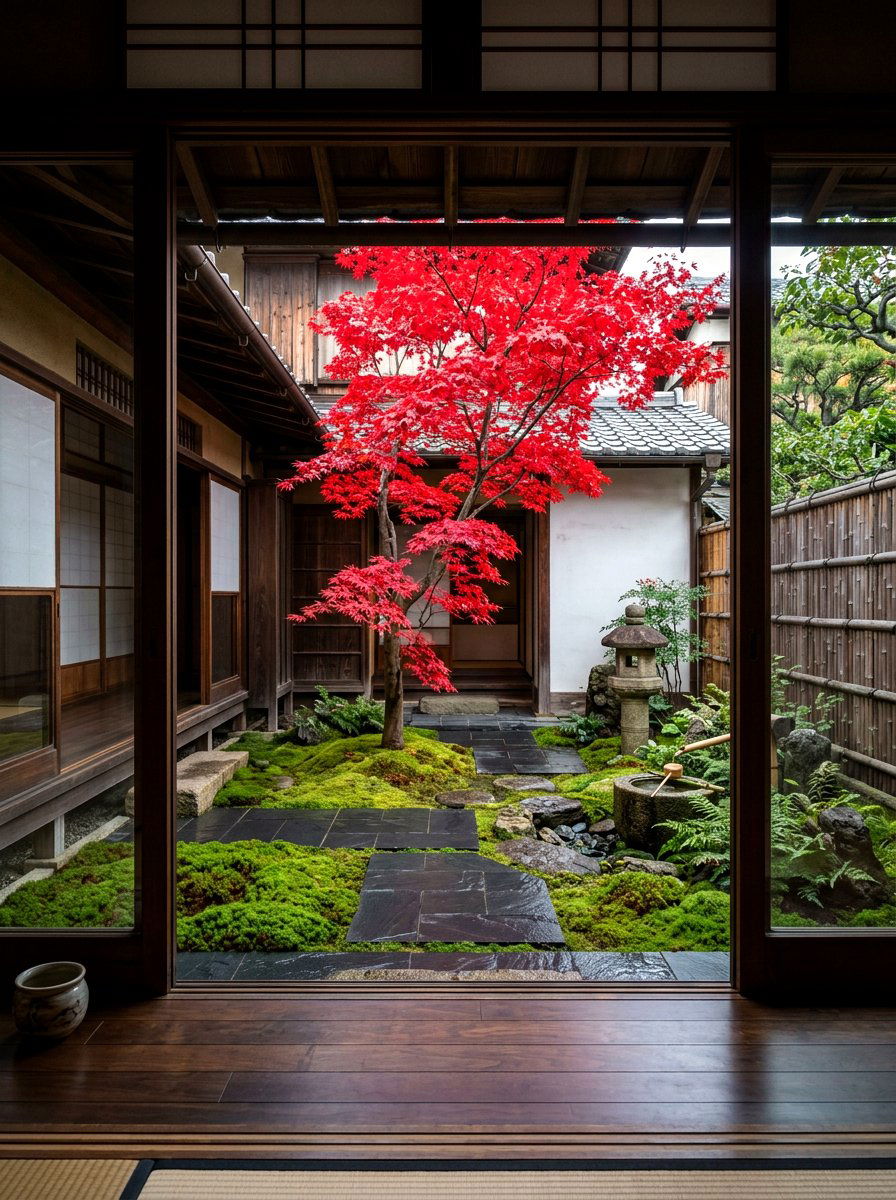
A Japanese maple courtyard is centered around the exquisite beauty of a single Acer palmatum tree, known for its delicate leaves and stunning seasonal color changes. This tree acts as a living sculpture, providing bright greens in the spring and deep reds or oranges in the autumn. To complement the tree, use simple materials like dark slate tiles or a bed of fine grey moss. Lighting is crucial here; placing a soft spotlight at the base of the tree will highlight its intricate branch structure during the evening hours. This courtyard becomes a moving painting that can be enjoyed from every angle of the house through large, clear windows.
12. Industrial brick courtyard
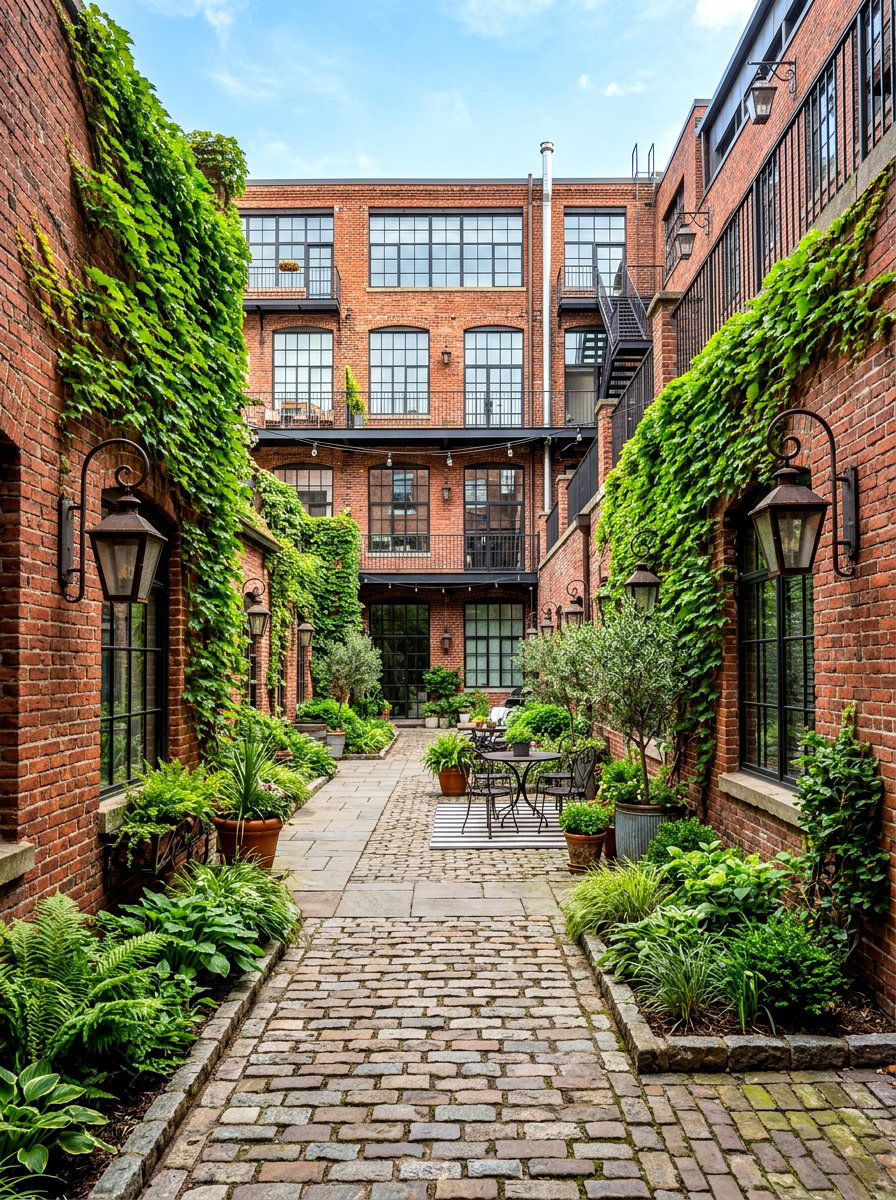
The industrial brick courtyard leans into the raw, structural elements of a building to create a space that feels grounded and historical. By leaving the original brick walls exposed and pairing them with metal light fixtures, you can create a beautiful contrast against soft, organic greenery. Large ferns and climbing vines like Boston ivy work perfectly in this setting, as they can cling to the brick surfaces over time. This design is excellent for renovated lofts or urban townhomes where you want to preserve the character of the building while introducing a fresh, natural element. It creates a secret, protected garden that feels like a hidden urban oasis.
13. Open roof atrium
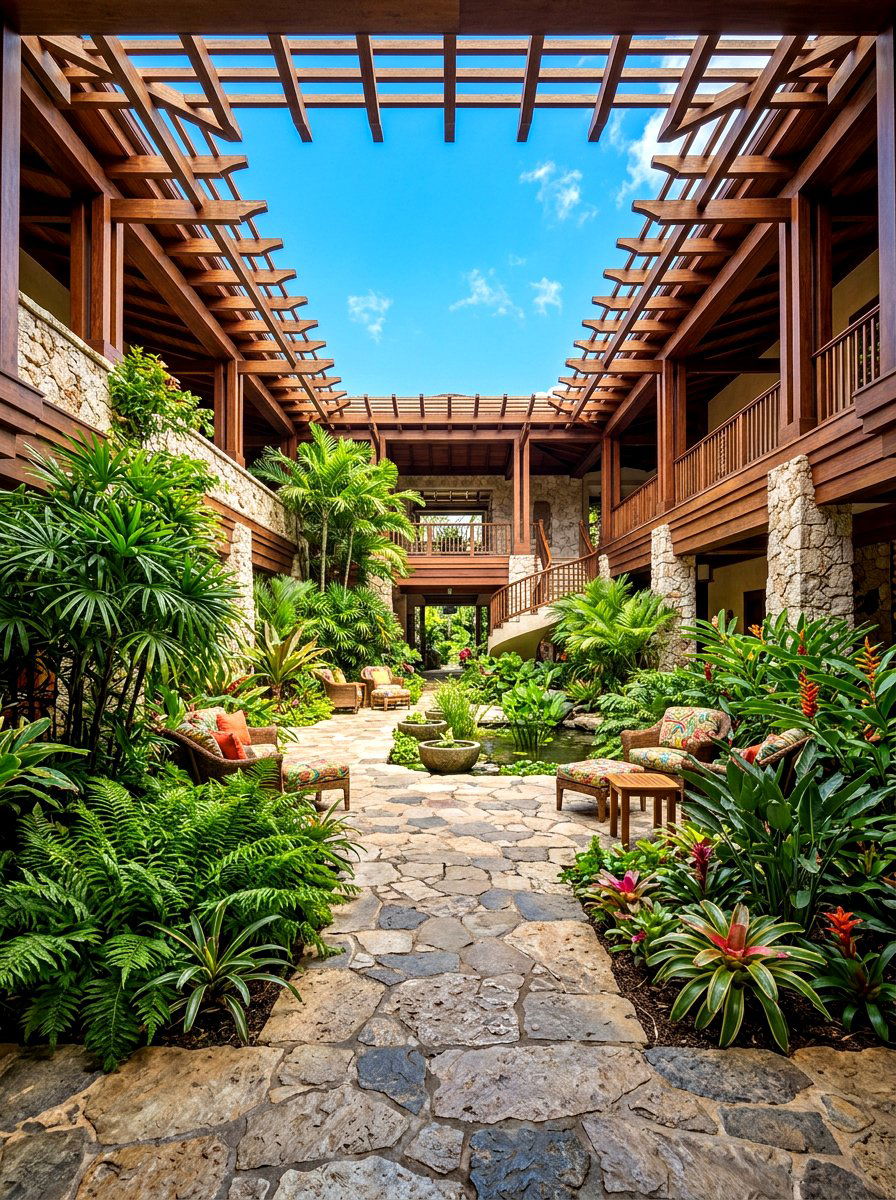
An open roof atrium provides the most direct connection to the sky, allowing rain, wind, and full sunlight to enter the central core of the home. This "void" style of architecture is popular in tropical and Mediterranean regions because it promotes incredible natural ventilation and cooling. Because the space is completely exposed to the elements, you must choose plants that can handle direct weather and ensure the floor has a robust drainage system. Using weather-resistant materials like stone, concrete, and hardy outdoor furniture will allow you to enjoy the space regardless of the weather. It creates an authentic outdoor experience that is entirely contained within your private living area.
14. Under stairs garden
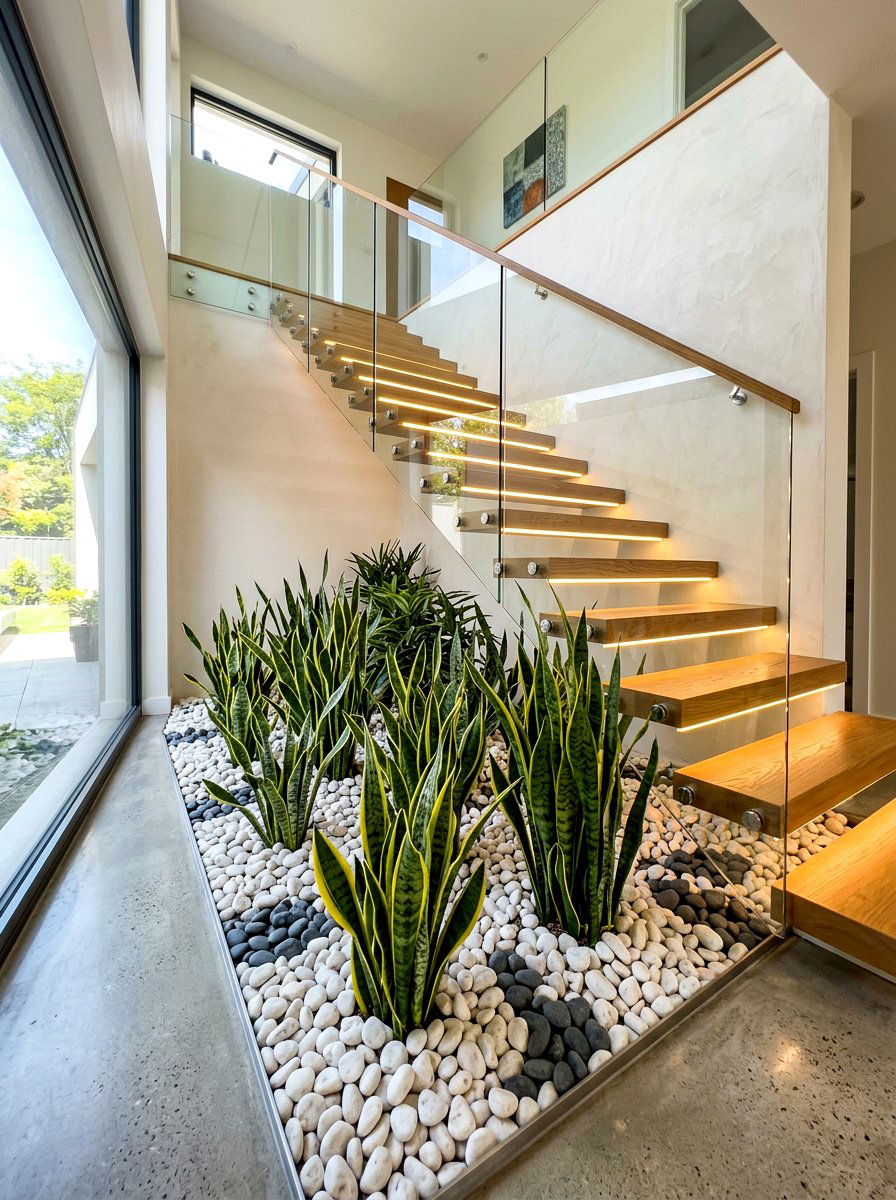
The under stairs garden is a creative way to utilize what is often wasted space in a multi-level home. By removing the traditional storage closet and installing a small planter bed or a series of large pots, you can turn a dark corner into a vibrant green highlight. Since this area typically receives less light, it is the perfect spot for shade-loving plants like ZZ plants, sansevieria, and pothos. Adding white gravel and integrated LED strip lighting along the steps can make the garden feel bright and modern. This small addition adds a layer of sophistication to your entryway or living room, making the transition between floors much more pleasant.
15. Scandinavian light courtyard
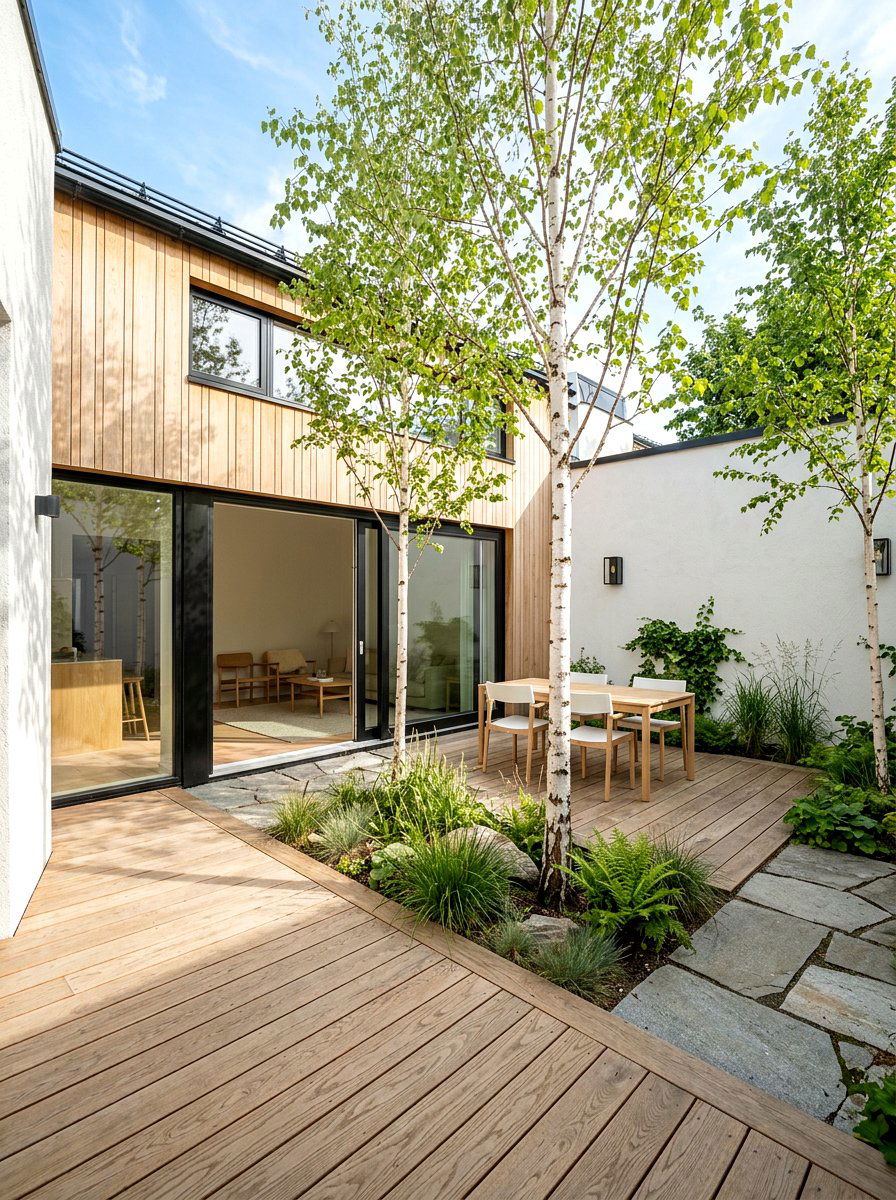
A Scandinavian light courtyard focuses on maximizing brightness and using natural materials like light oak and white stone to create a serene, airy feel. This design often features large windows and a minimalist approach to planting, perhaps choosing a few tall, thin birch trees or clusters of simple white hydrangeas. The goal is to create a clean, clutter-free space that reflects as much natural light as possible into the rest of the house. During the winter months, this courtyard becomes a glowing lantern in the center of the home. It is an ideal choice for northern climates where winter days are short and maximizing every bit of sunlight is essential.
16. Formal boxwood courtyard
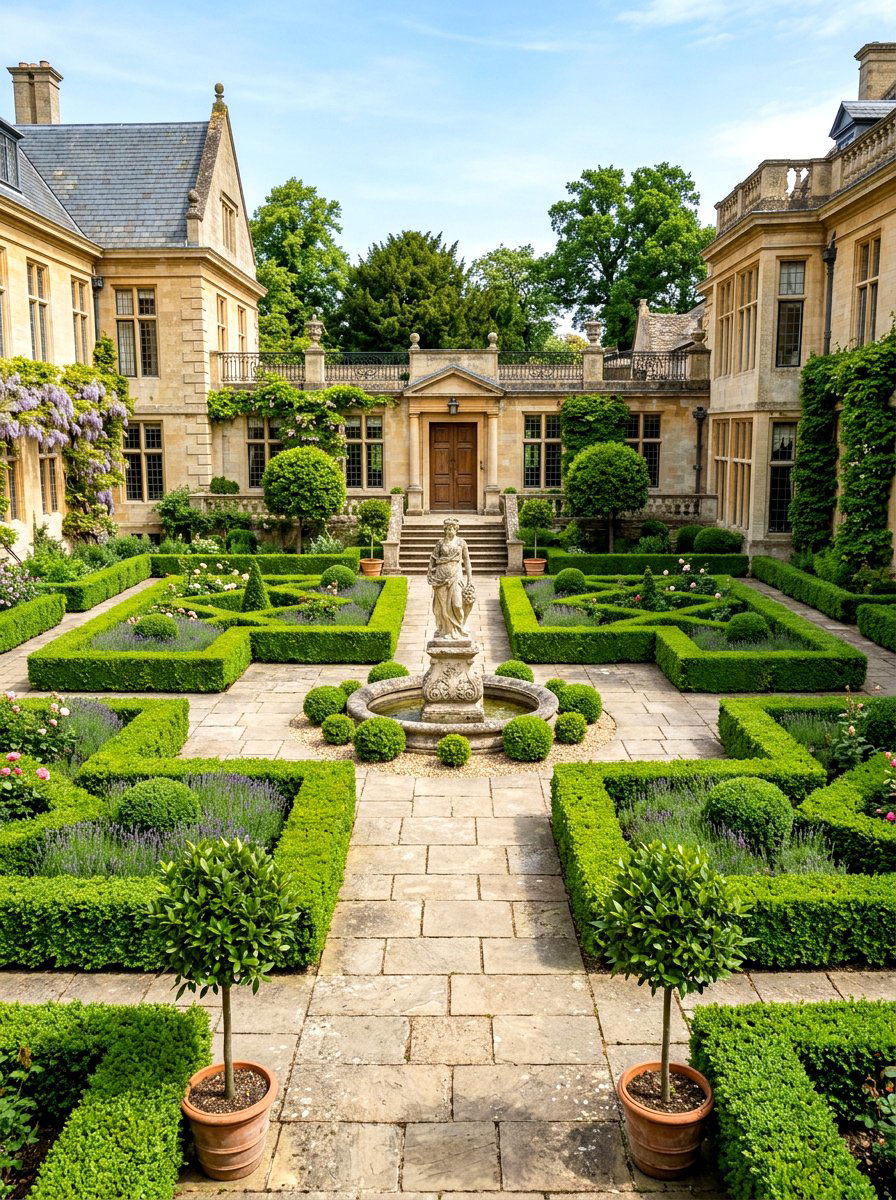
For those who appreciate order and symmetry, a formal boxwood courtyard offers a classic, structured look that never goes out of style. This design uses neatly clipped boxwood hedges to create geometric patterns, such as squares or circles, which frame a central focal point like a statue or a small sundial. The ground is typically covered with clean limestone pavers or neatly manicured grass. This type of courtyard feels like a miniature version of a grand estate garden, providing a sense of elegance and prestige. Because the plants are evergreen, the courtyard remains vibrant and perfectly shaped throughout the entire year, regardless of the changing seasons.
17. Bamboo forest courtyard
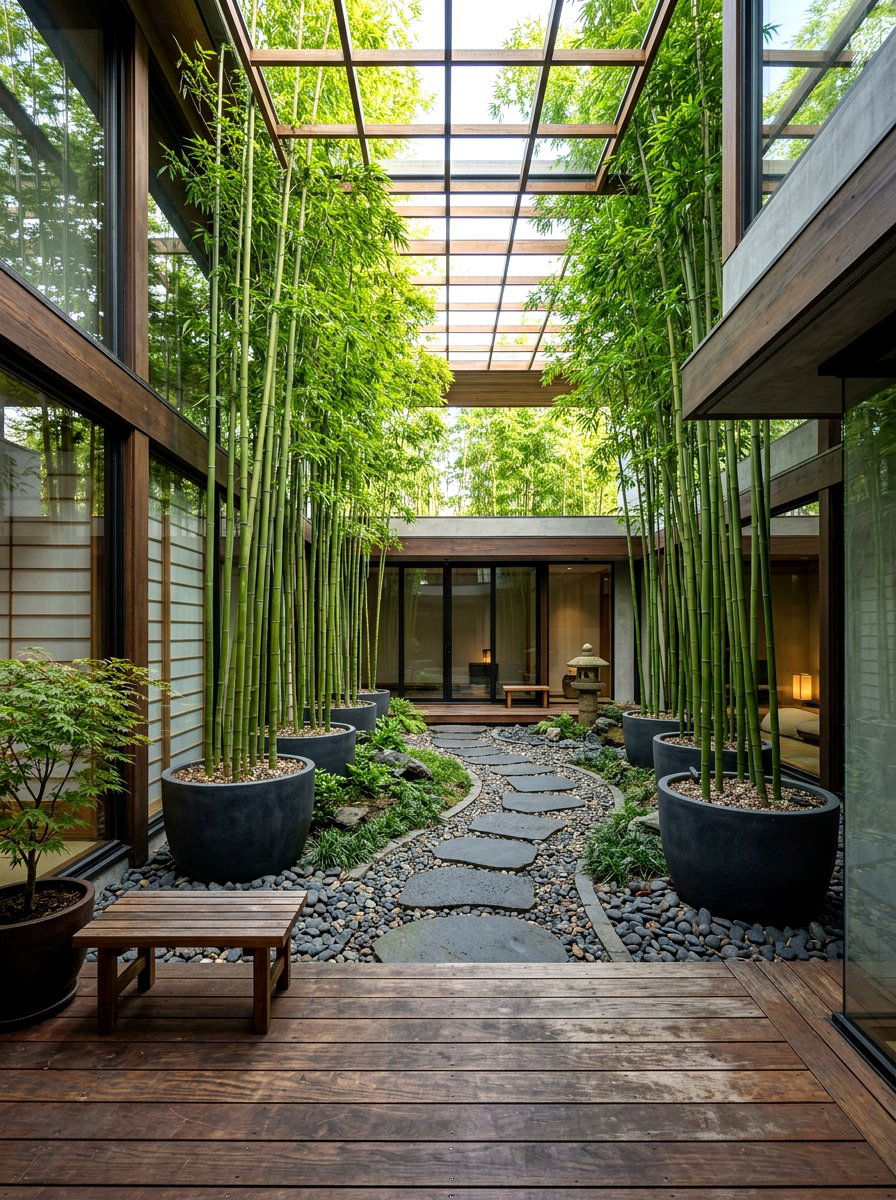
A bamboo forest courtyard creates a tall, dense screen of greenery that provides excellent privacy and a distinct Asian-inspired aesthetic. Bamboo is an ideal plant for courtyards because it grows quickly and can reach great heights, making it perfect for double-story spaces or narrow light wells. To prevent the bamboo from spreading, it should be planted in deep, contained planter boxes. The sound of bamboo leaves rustling in the breeze is incredibly relaxing and adds an auditory layer to the garden. Pair the bamboo with dark basalt stones and a simple wooden deck to create a modern, forest-like environment that feels miles away from the busy city streets.
18. Moss garden atrium
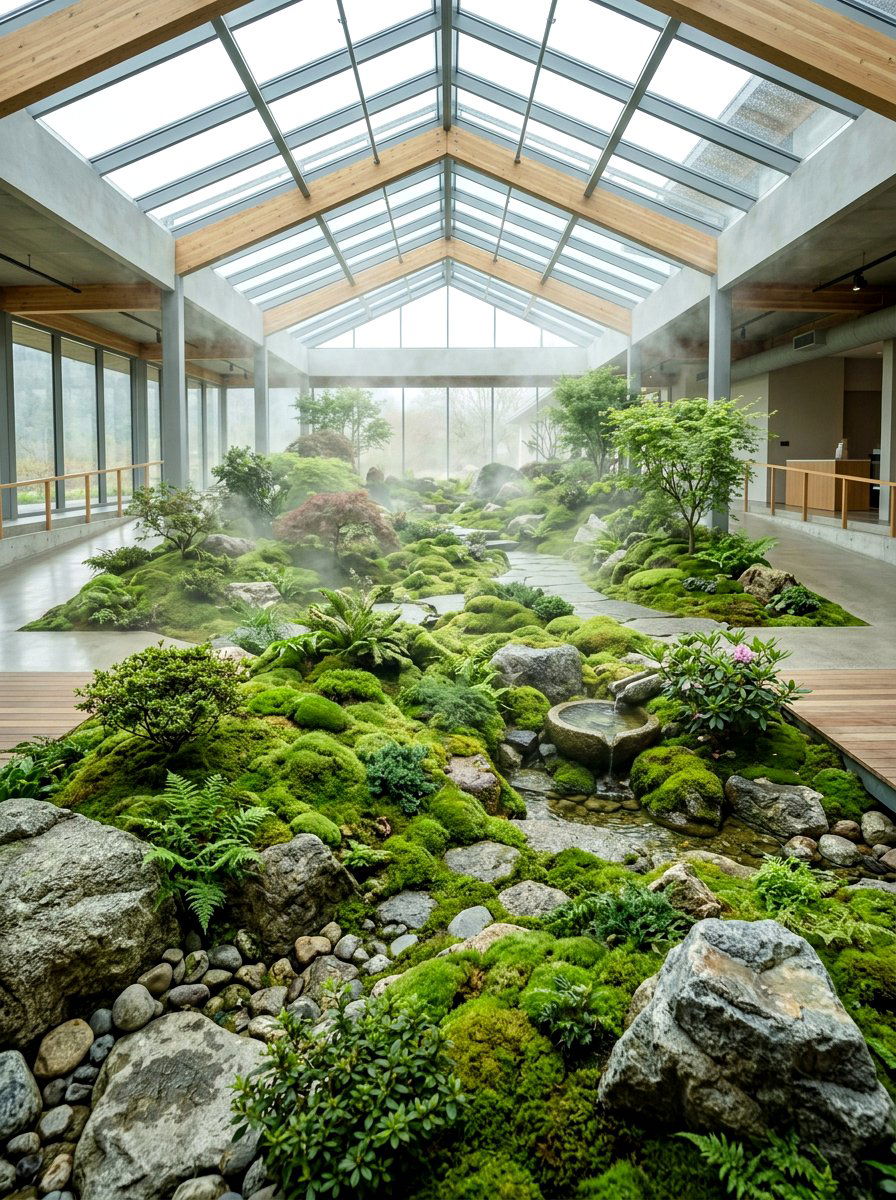
The moss garden atrium is a unique, low-profile design that prioritizes soft textures and various shades of deep green. Moss thrives in damp, shaded environments, making it a perfect candidate for indoor courtyards that don't receive direct, harsh sunlight. By covering the ground and low rocks with different types of moss, you can create a prehistoric, misty forest vibe that feels incredibly lush. This type of garden works beautifully with a misting system that keeps the air humid and the plants healthy. It provides a quiet, dampening effect on house noise and offers a visual softness that contrasts perfectly with hard architectural lines like concrete or steel.
19. Moroccan style courtyard
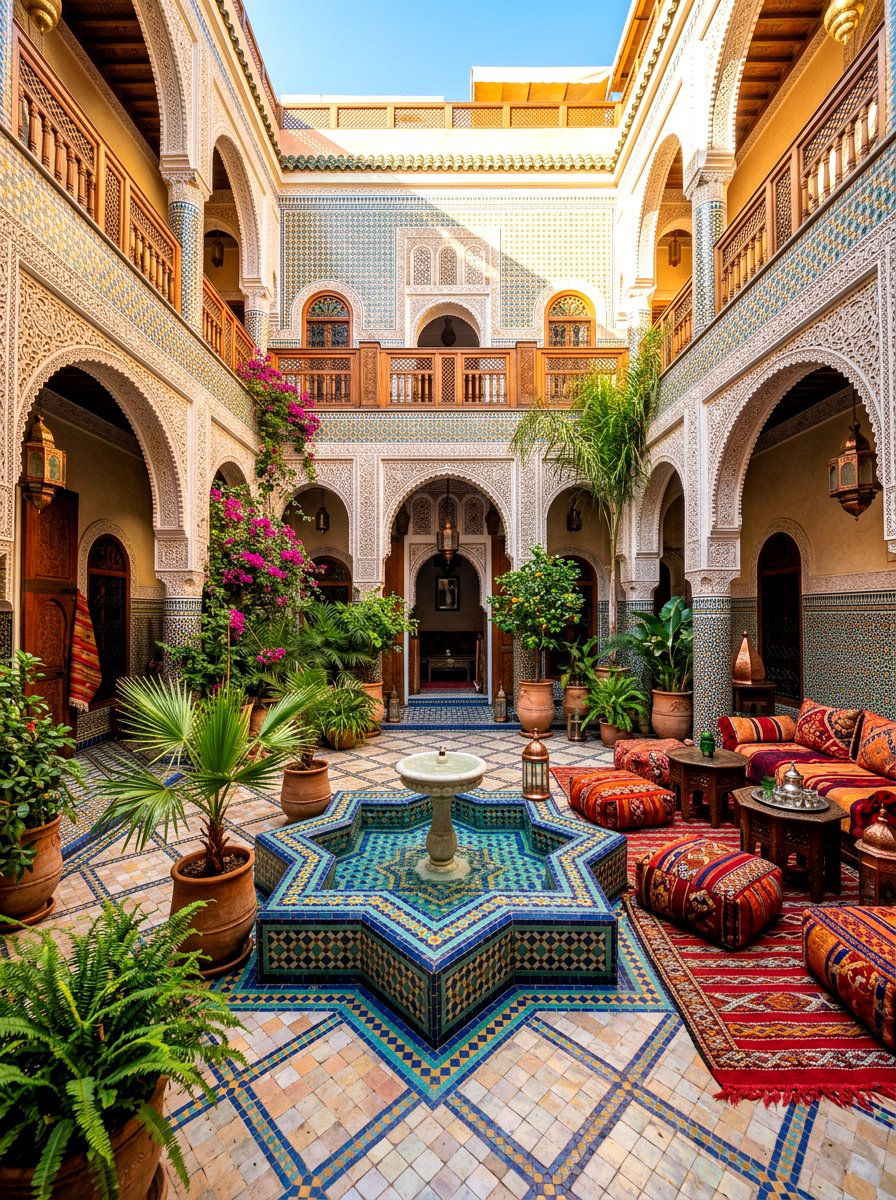
A Moroccan style courtyard is a feast for the senses, utilizing intricate patterns, bold colors, and luxurious textures. The center of the space usually features a star-shaped fountain or a colorful tiled basin surrounded by exotic plants like palms and bougainvillea. Use arched doorways and wrought-iron lanterns to enhance the North African theme and create beautiful shadows on the walls at night. Large floor cushions and low brass tables can be added to turn the courtyard into a functional lounge area for entertaining guests. This design turns an ordinary indoor space into a vibrant, cultural escape that feels warm, inviting, and full of historical character.
20. Concrete courtyard garden
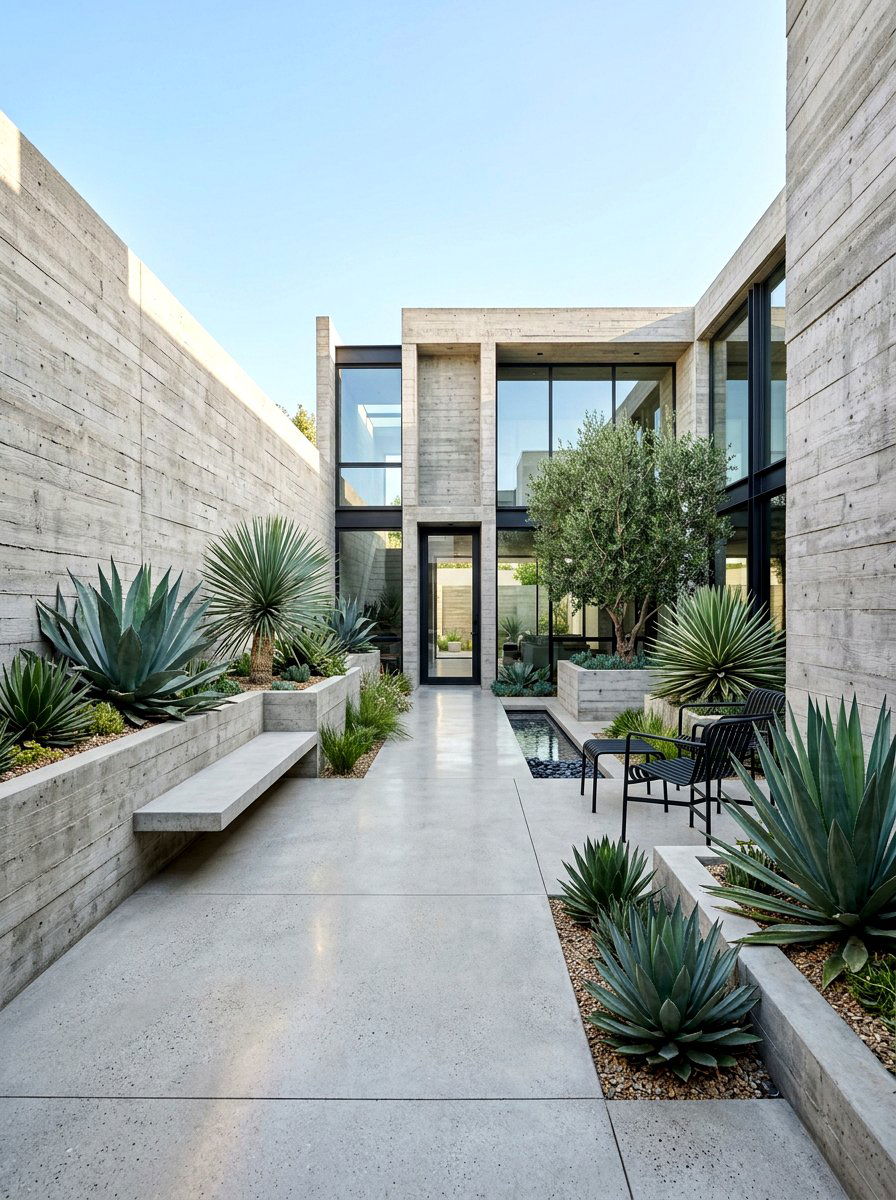
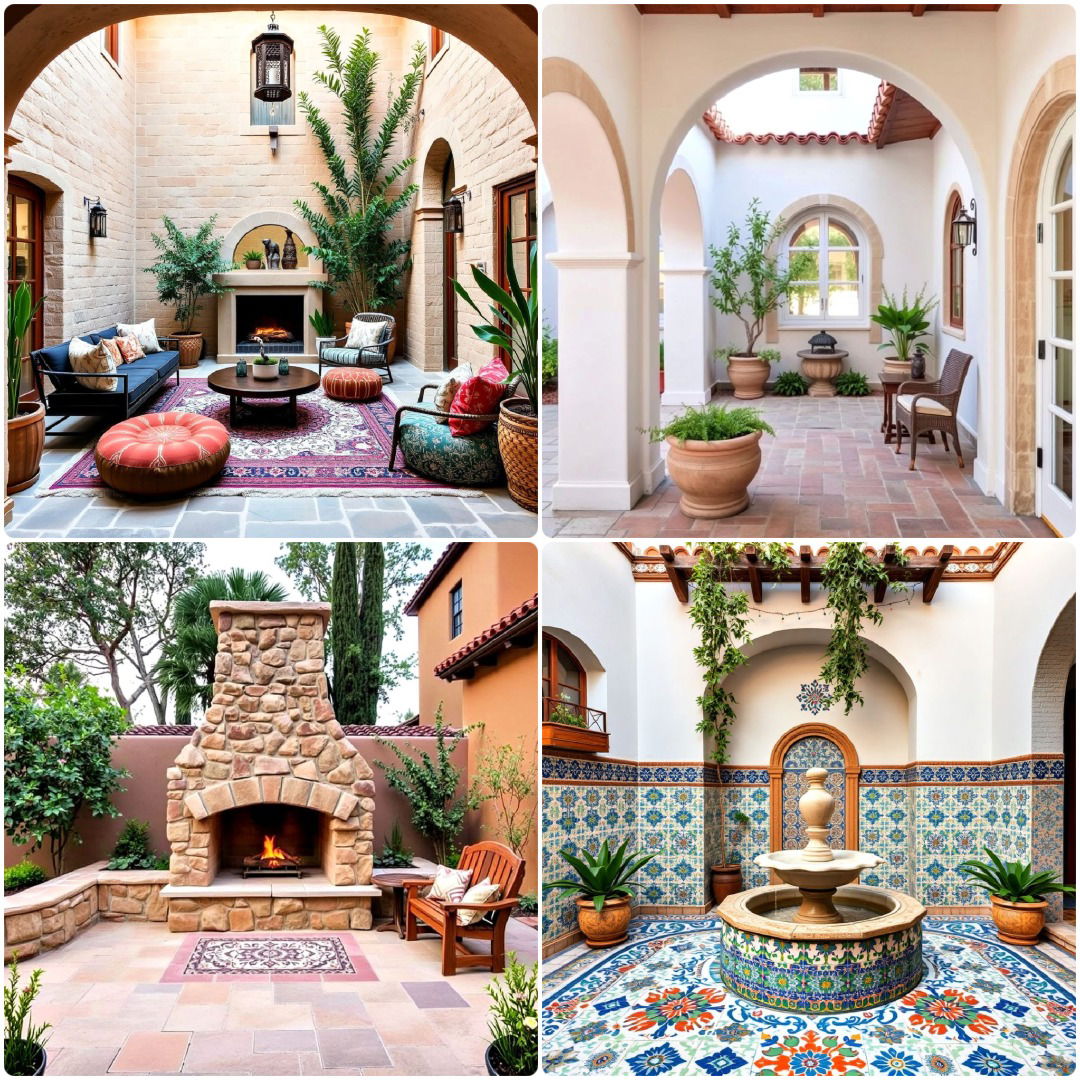
The concrete courtyard garden is a staple of brutalist and modern architecture, focusing on the raw beauty of gray surfaces and structural form. Using polished concrete for the floors and board-formed concrete for the walls creates a neutral, industrial backdrop that makes green foliage pop with intensity. This design often features large, built-in concrete planters that house architectural plants like agave or dwarf olives. The simplicity of the materials makes the space feel very permanent and grounded. It is a low-maintenance option that appeals to those who love a clean, masculine aesthetic and want a garden that feels like an integrated part of the building's skeleton.
21. Fern forest courtyard
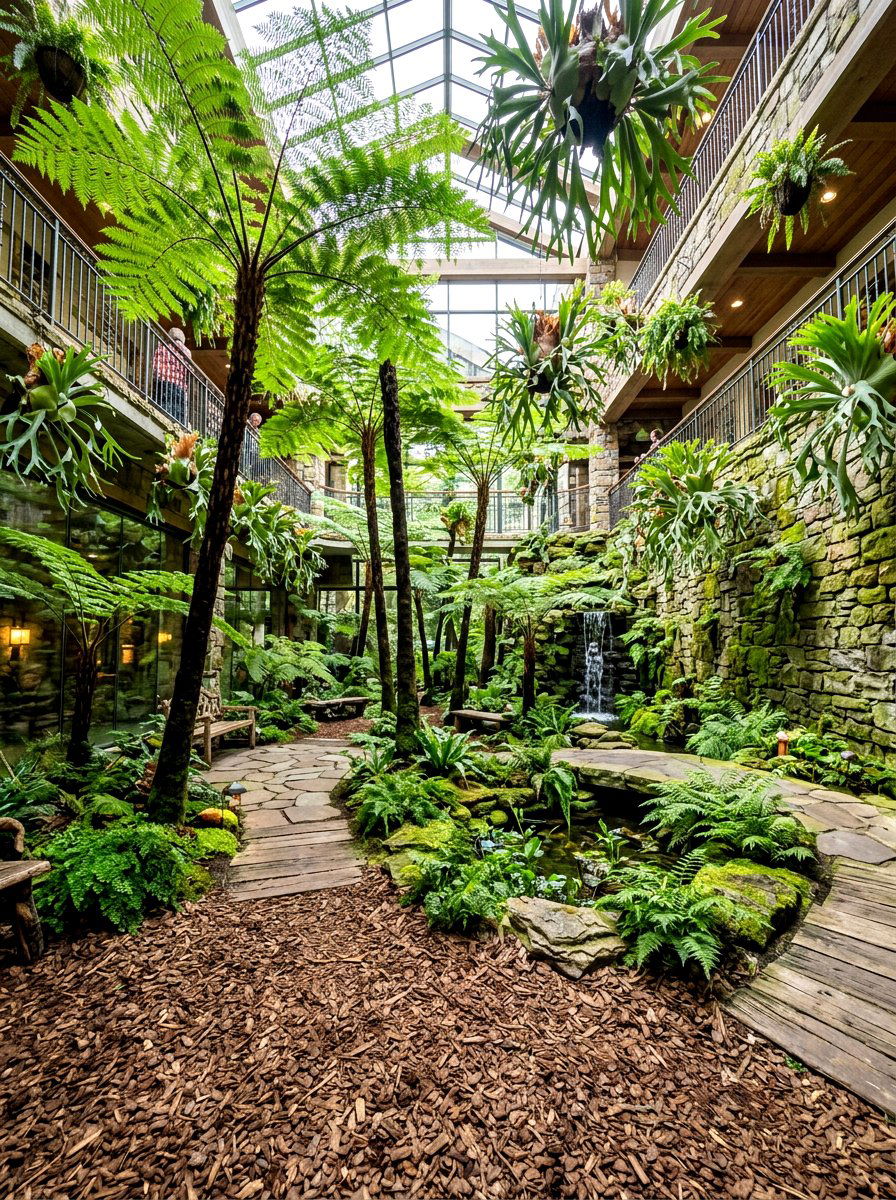
A fern forest courtyard specializes in the delicate, feathery textures of various fern species to create a soft and immersive green environment. This design is perfect for courtyards that have high humidity and consistent, indirect light. You can mix tall tree ferns with lower-growing varieties like maidenhair or staghorn ferns mounted on the walls to fill the entire vertical space. The resulting look is incredibly lush and feels like a hidden woodland grotto. Using natural wood chips or dark mulch on the ground helps to retain moisture and completes the forest floor appearance. This is a fantastic way to create a cooling, refreshing zone within a warm house.
22. Double height atrium
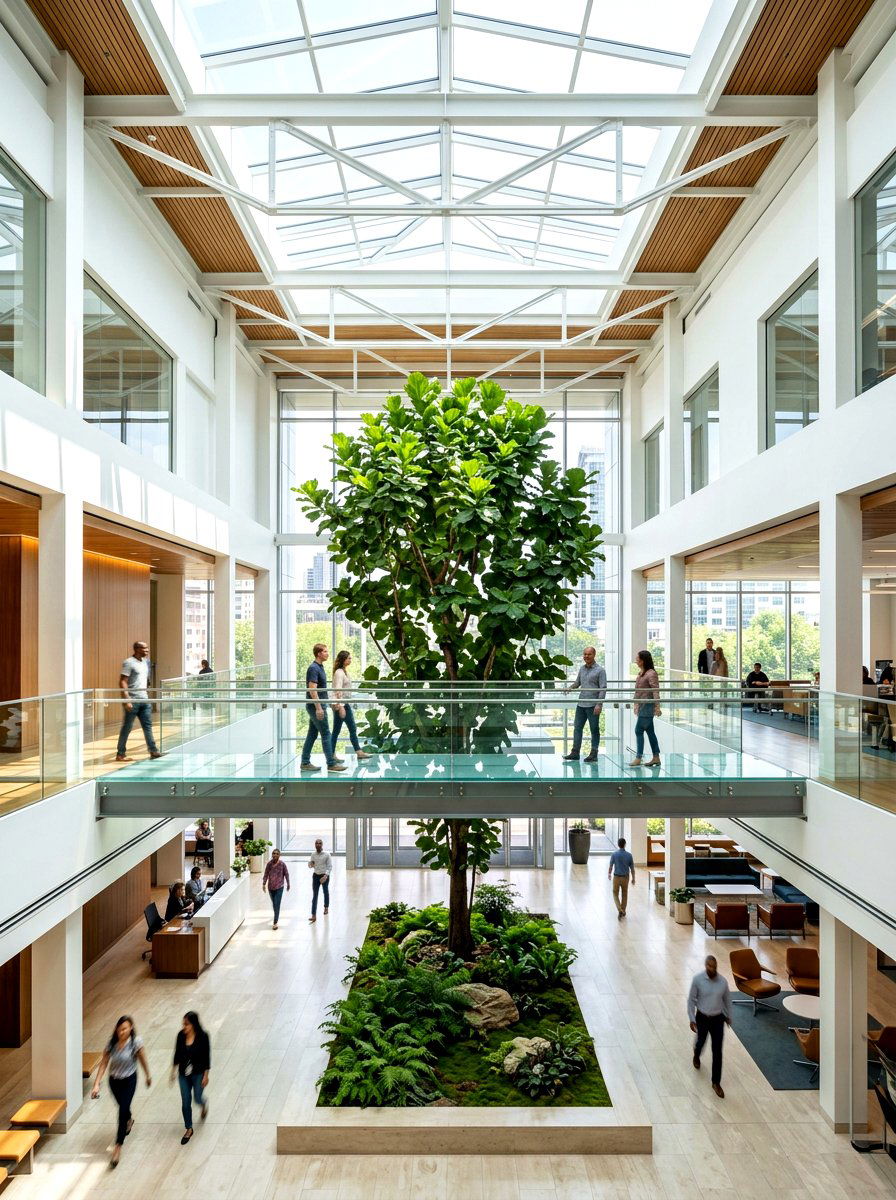
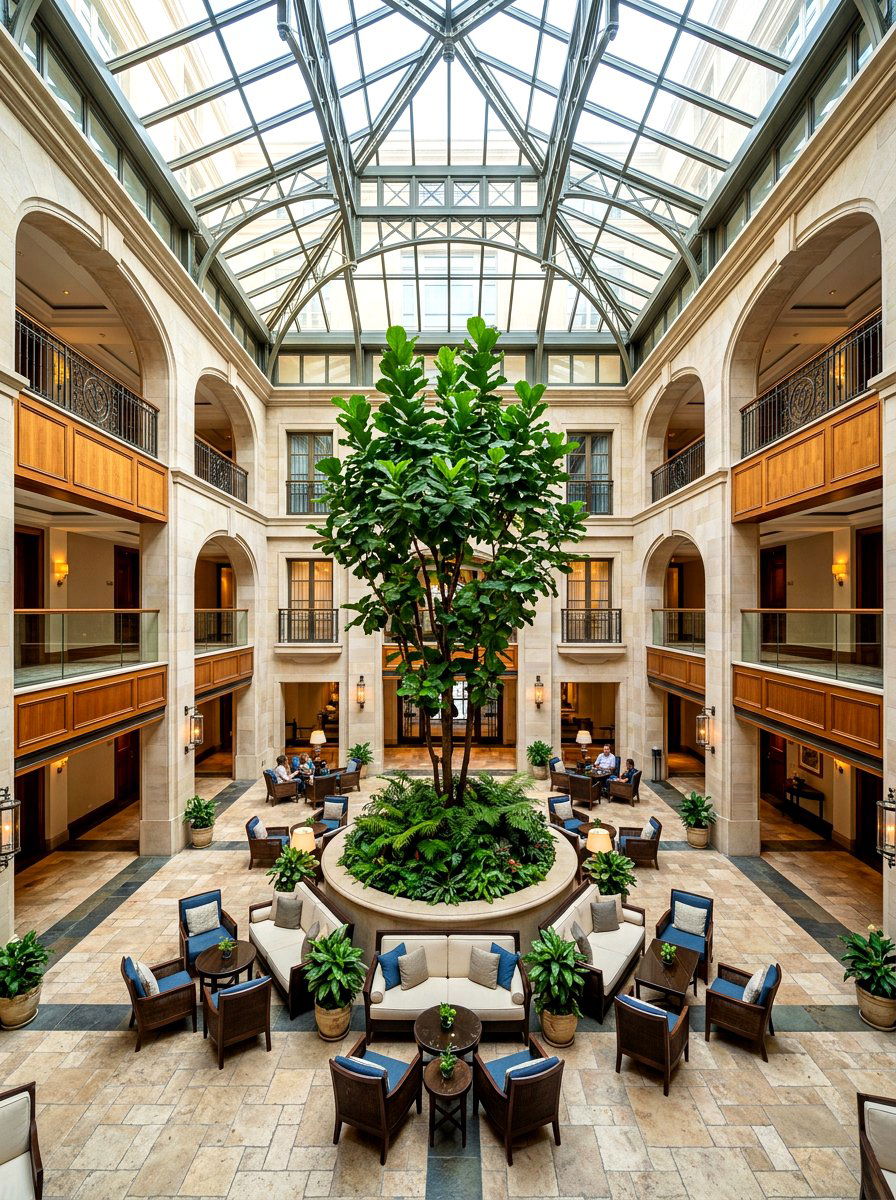
A double height atrium is a dramatic architectural feature that spans two floors, connecting the upper and lower levels of a home through a central garden. This massive void allows for the planting of large, mature trees that can reach up toward the second-story ceiling. It creates a grand sense of scale and ensures that both levels of the home benefit from the natural light and greenery. You can include a staircase that wraps around the garden or a bridge that crosses over the plants for a truly immersive experience. This design makes the entire house feel like it was built around a living, breathing forest core.
23. Herb garden courtyard
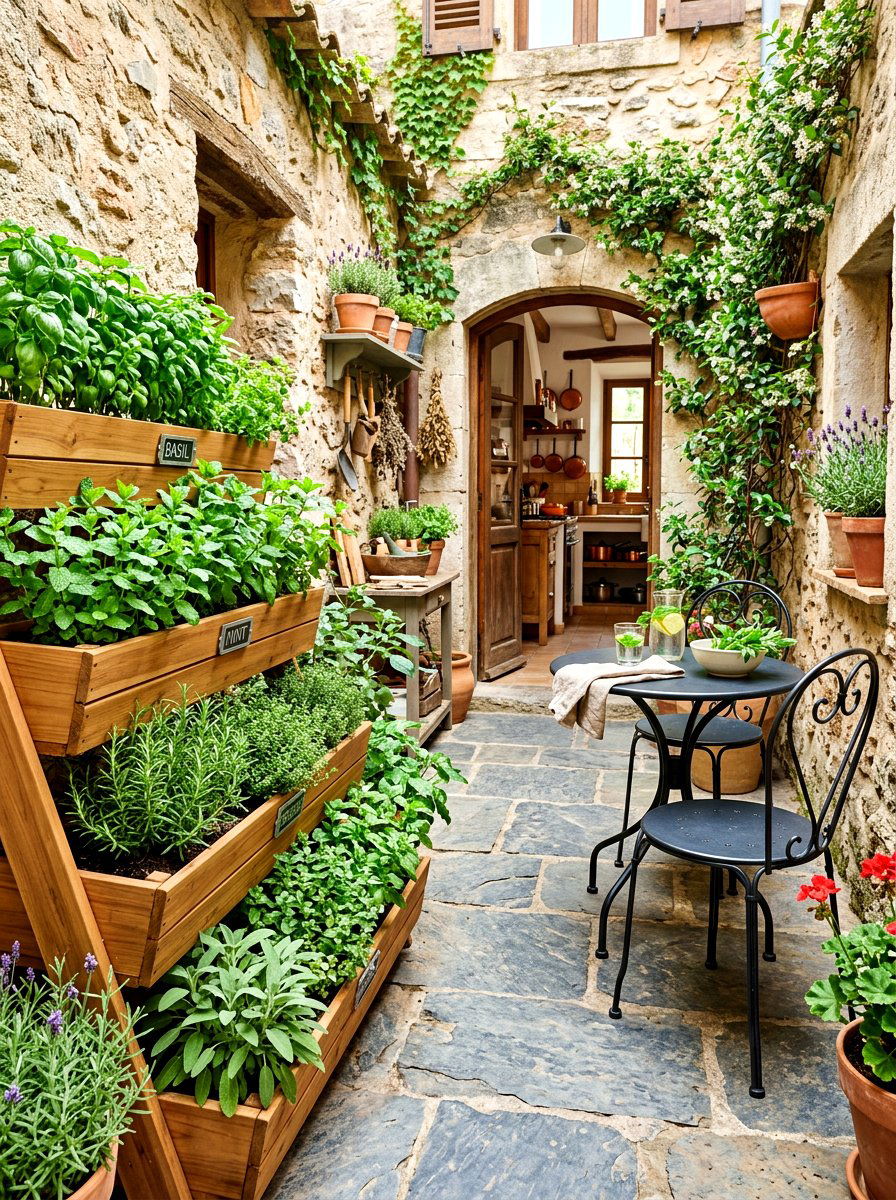
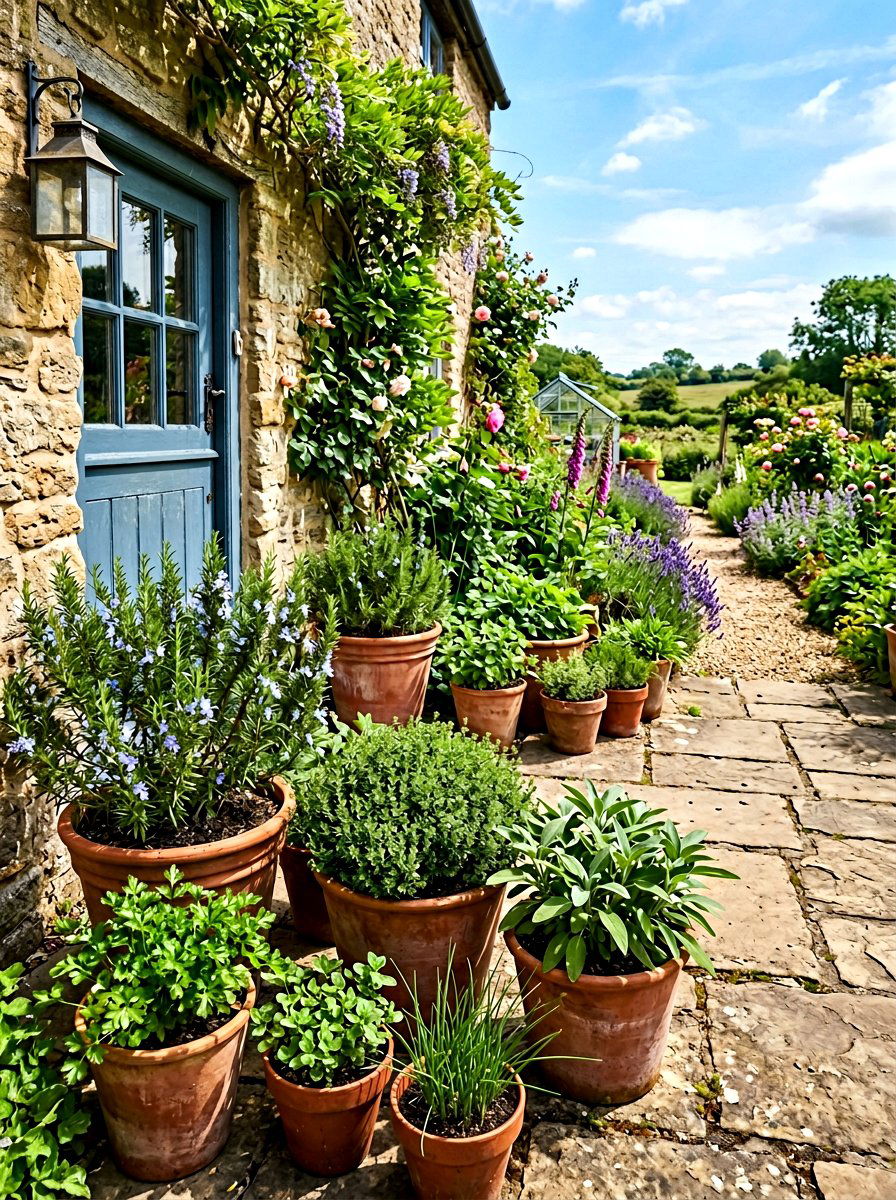
An herb garden courtyard combines beauty with functionality by dedicating the space to edible plants that can be used in the kitchen. By positioning the courtyard near the cooking area, you can easily step out to pick fresh basil, rosemary, mint, or thyme for your meals. Use a tiered planter system or vertical wall pockets to maximize the number of herbs you can grow in a small area. This design fills the home with incredible natural scents and provides a lush, green view from the kitchen window. It is a practical and rewarding way to integrate nature into your daily routine while improving your culinary experience.
24. Floating deck courtyard
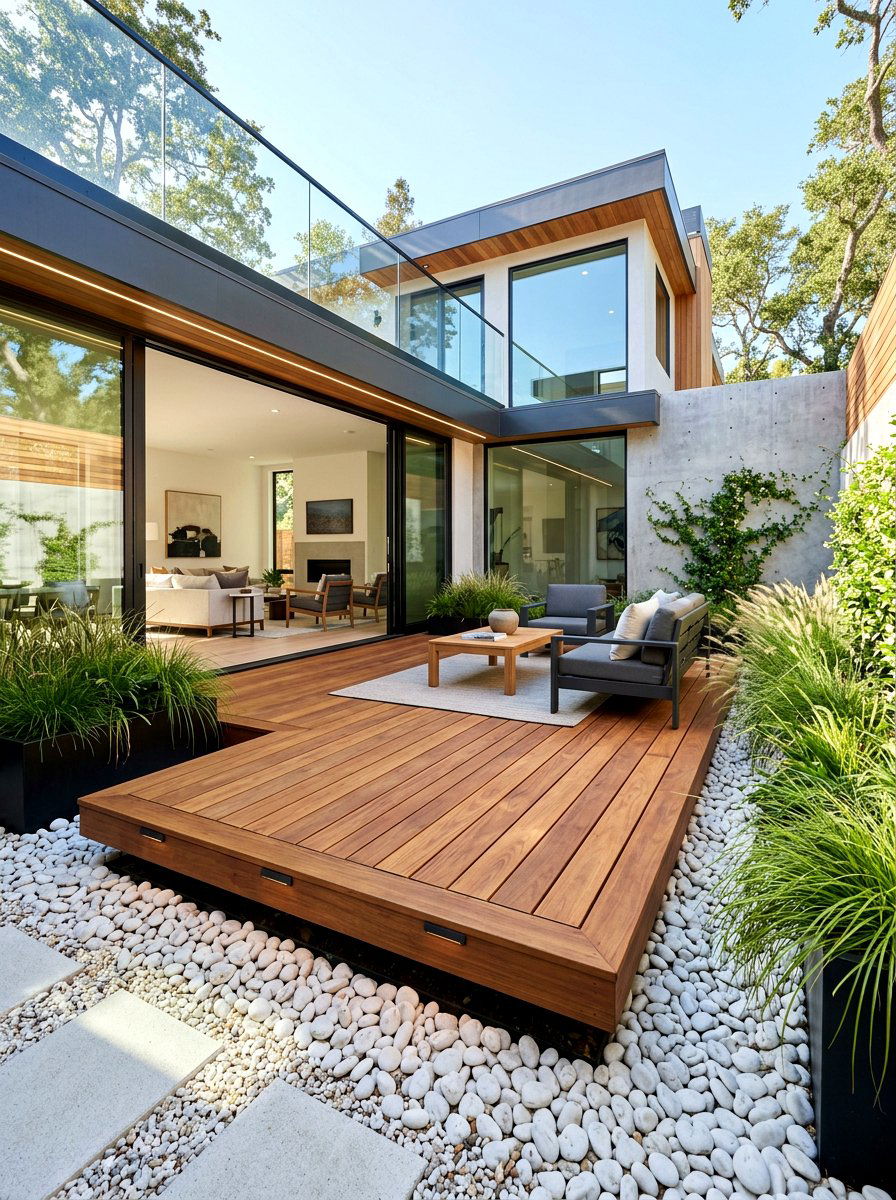
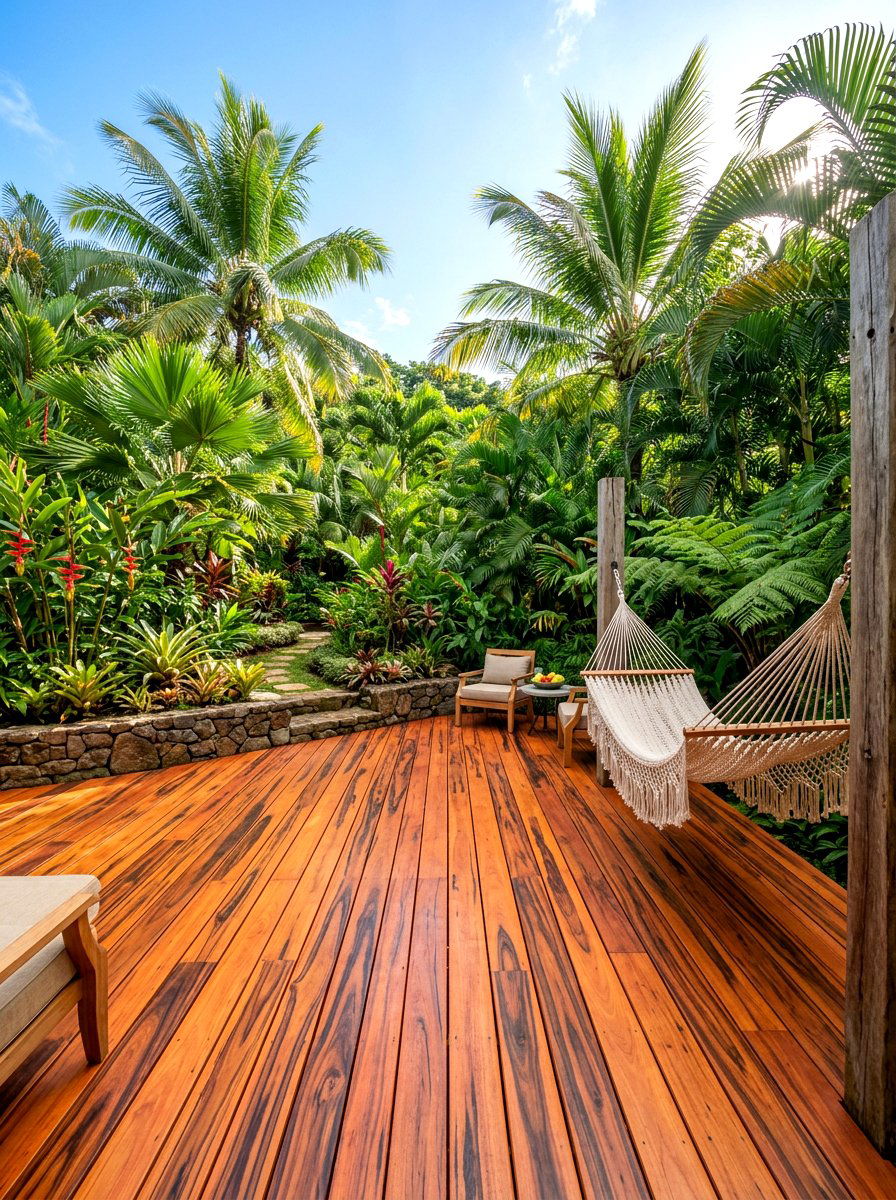
The floating deck courtyard uses a raised wooden platform that appears to hover over a bed of plants or stones, creating a modern and clean look. By using high-quality timber like teak or ipe, you add warmth and texture to the garden area. The space beneath and around the deck can be filled with low-growing groundcovers or ornamental grasses that soften the edges of the wood. This design provides a clear, dry area for a small table and chairs, making it a perfect spot for outdoor dining or meditation. The contrast between the rigid lines of the deck and the wild growth of the plants creates a balanced, professional aesthetic.

25. Circular indoor garden
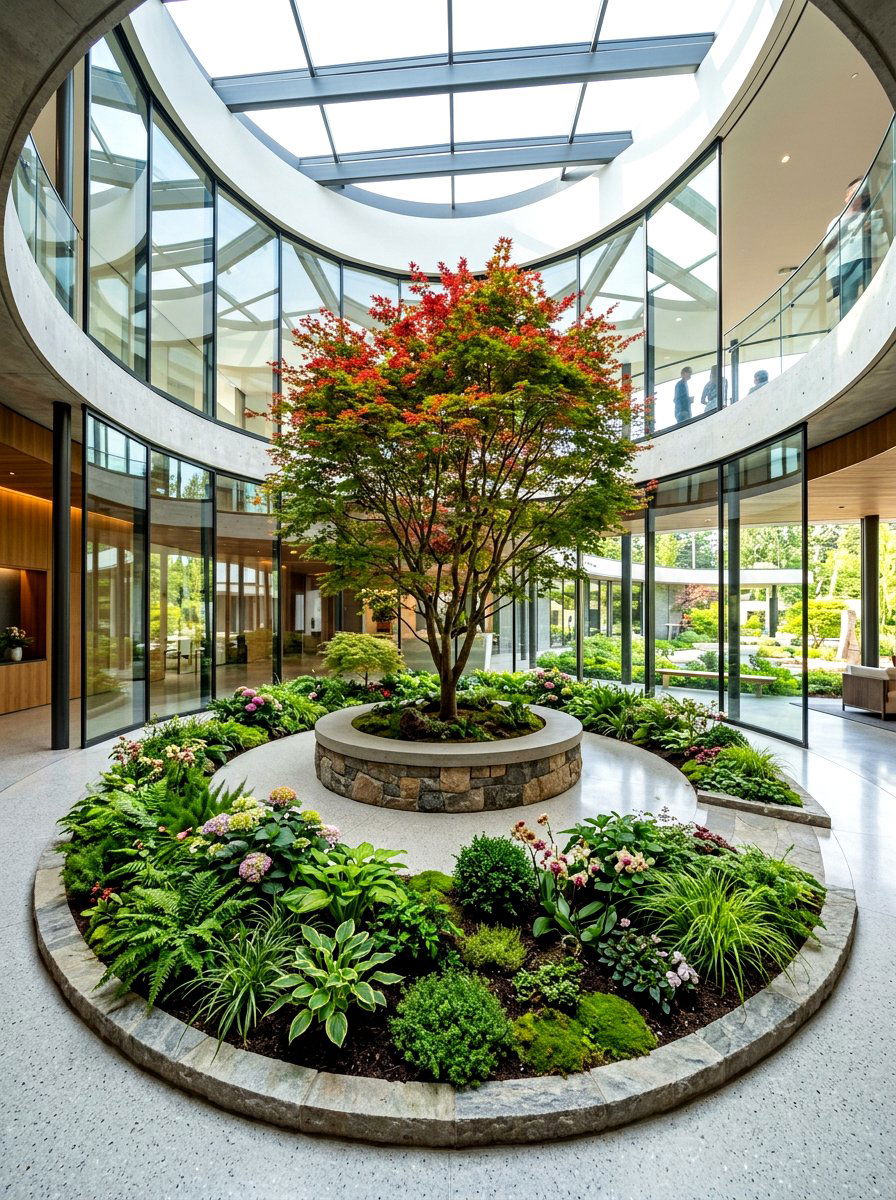
A circular indoor garden breaks away from traditional square architecture, introducing soft curves and a more organic flow to the home. By creating a round opening in the floor or ceiling, you can house a central garden that feels like a natural portal to the outside world. This shape naturally draws the eye toward the center and creates a sense of harmony and balance in the surrounding rooms. You can use curved glass walls to enclose the space, maintaining a seamless view while protecting the interior from dirt. A single, large tree centered in the circle provides a powerful focal point that grounds the entire architectural layout of the house.
26. Glass floor courtyard
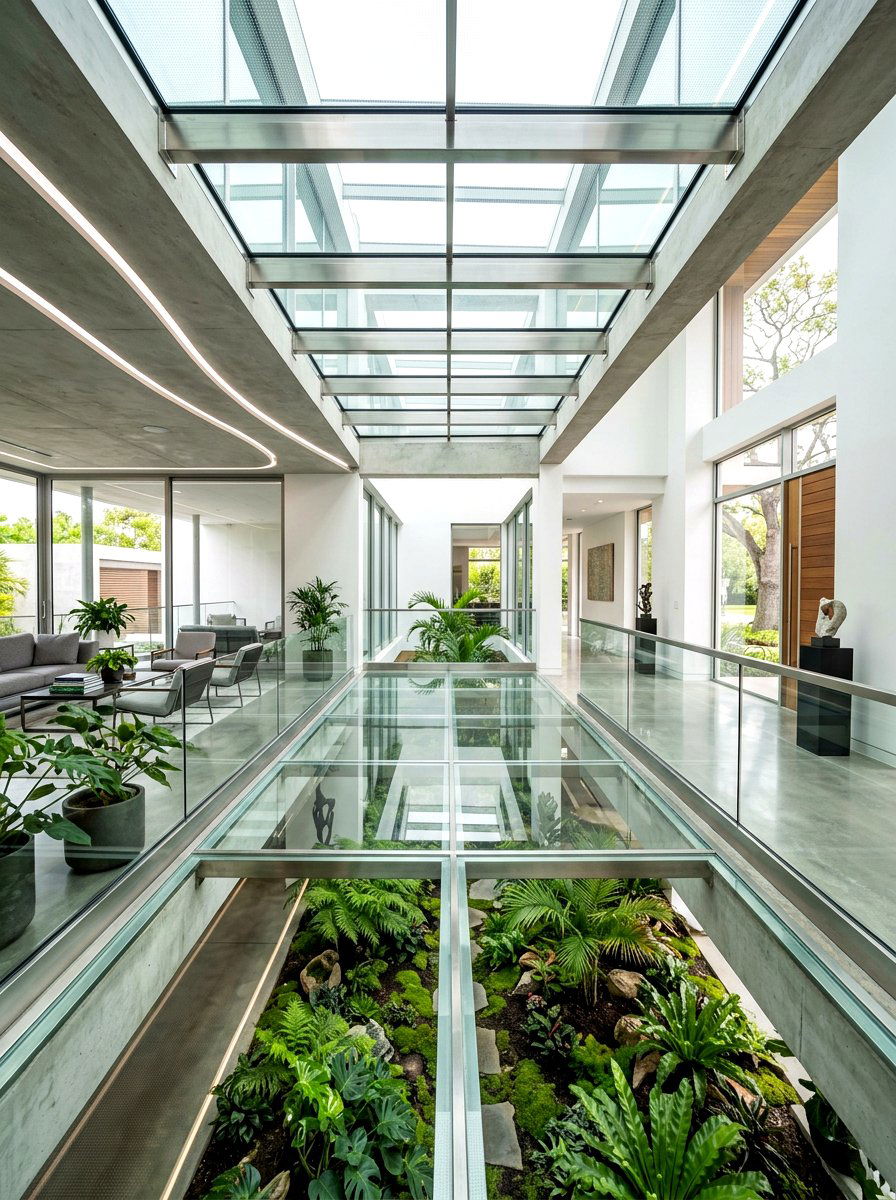
A glass floor courtyard is a high-tech and daring design choice that allows light and greenery to be visible from both above and below. By placing a garden on a lower level and covering it with structural glass, you create a unique walkway that feels like you are stepping over a miniature forest. This is an incredible solution for dark basements or lower levels that typically lack natural light. The plants beneath the glass are usually low-maintenance and illuminated by artificial grow lights to ensure they stay vibrant. This design adds a "wow" factor to any modern home, turning the floor itself into a captivating and unexpected work of art.
27. Wildflower indoor meadow
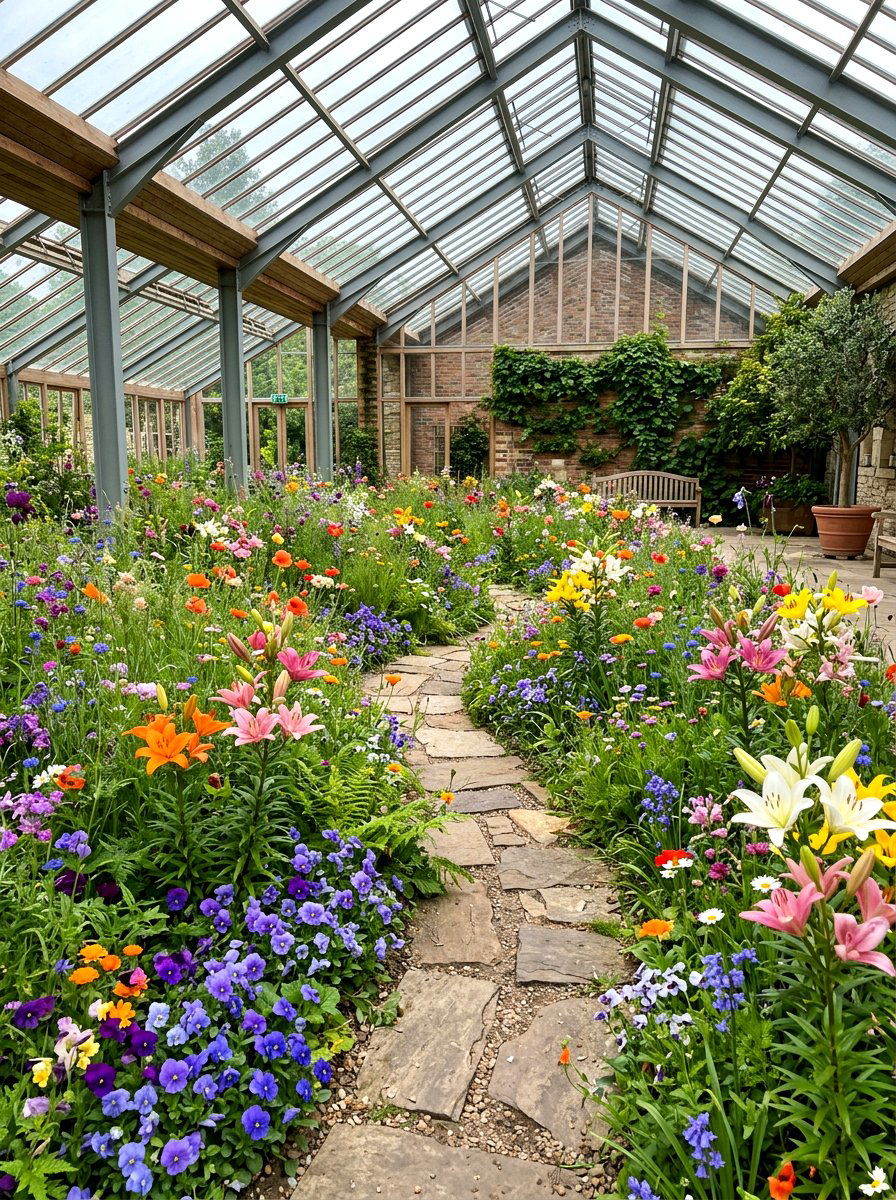
Creating a wildflower indoor meadow brings the whimsical and colorful beauty of a natural field into a controlled home environment. This design uses a variety of flowering plants that can thrive indoors, such as African violets, peace lilies, and dwarf hydrangeas, arranged in a naturalistic, unstructured way. The goal is to avoid neat rows and instead create a dense, colorful patch that looks like it grew spontaneously. Adding a few decorative birdhouses or small stone paths can enhance the meadow vibe. This type of garden provides a constant source of color and joy, making even the most modern interior feel a bit more magical and lived-in.
28. Stone path garden
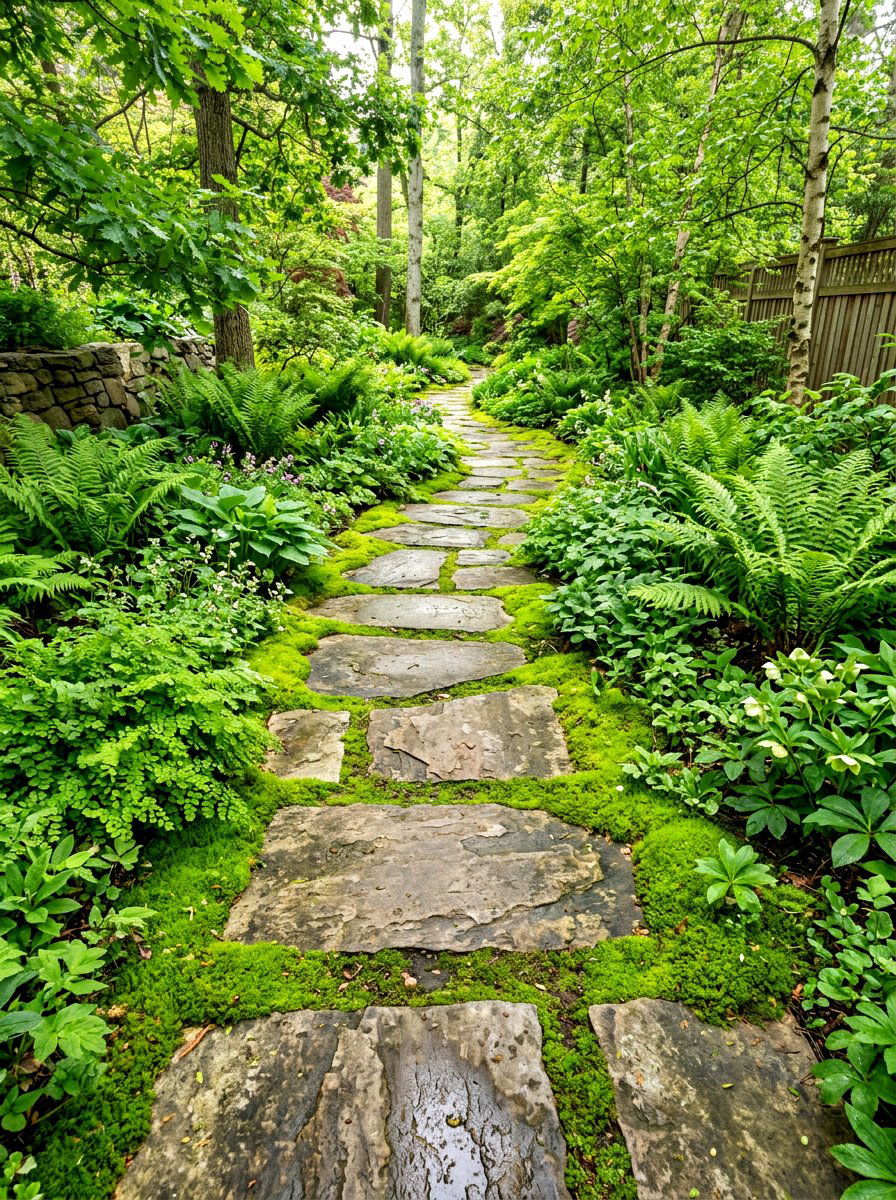
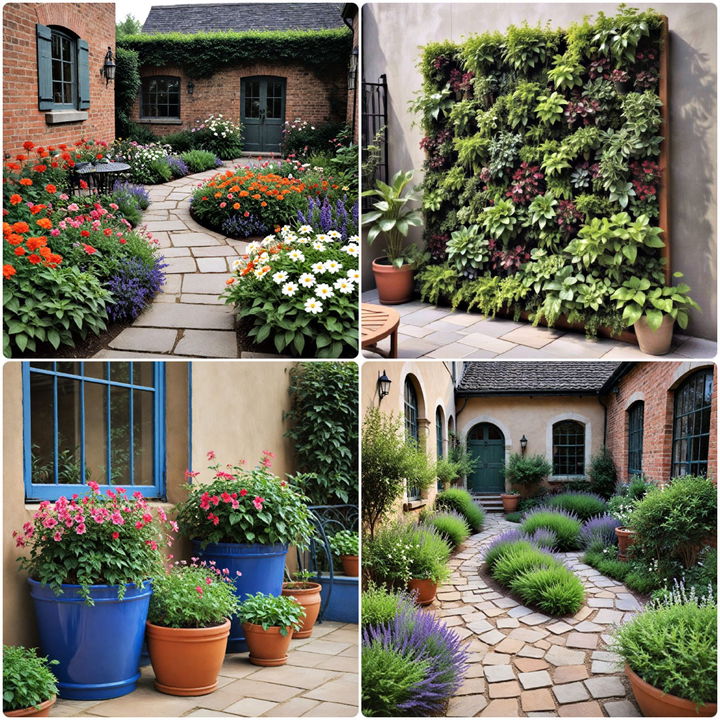
A stone path garden focuses on the journey through the courtyard, using large flagstones or irregular slate pieces to create a walkable route through the greenery. This design encourages residents to actually step into the garden rather than just viewing it through a window. Surround the stones with low-growing moss or creeping thyme that can handle occasional foot traffic and releases a pleasant scent when stepped on. The path can lead to a small bench, a hidden sculpture, or simply provide a way to access the plants for maintenance. This interactive element makes the courtyard feel like a real destination within the home rather than just a decorative void.
29. Olive tree courtyard
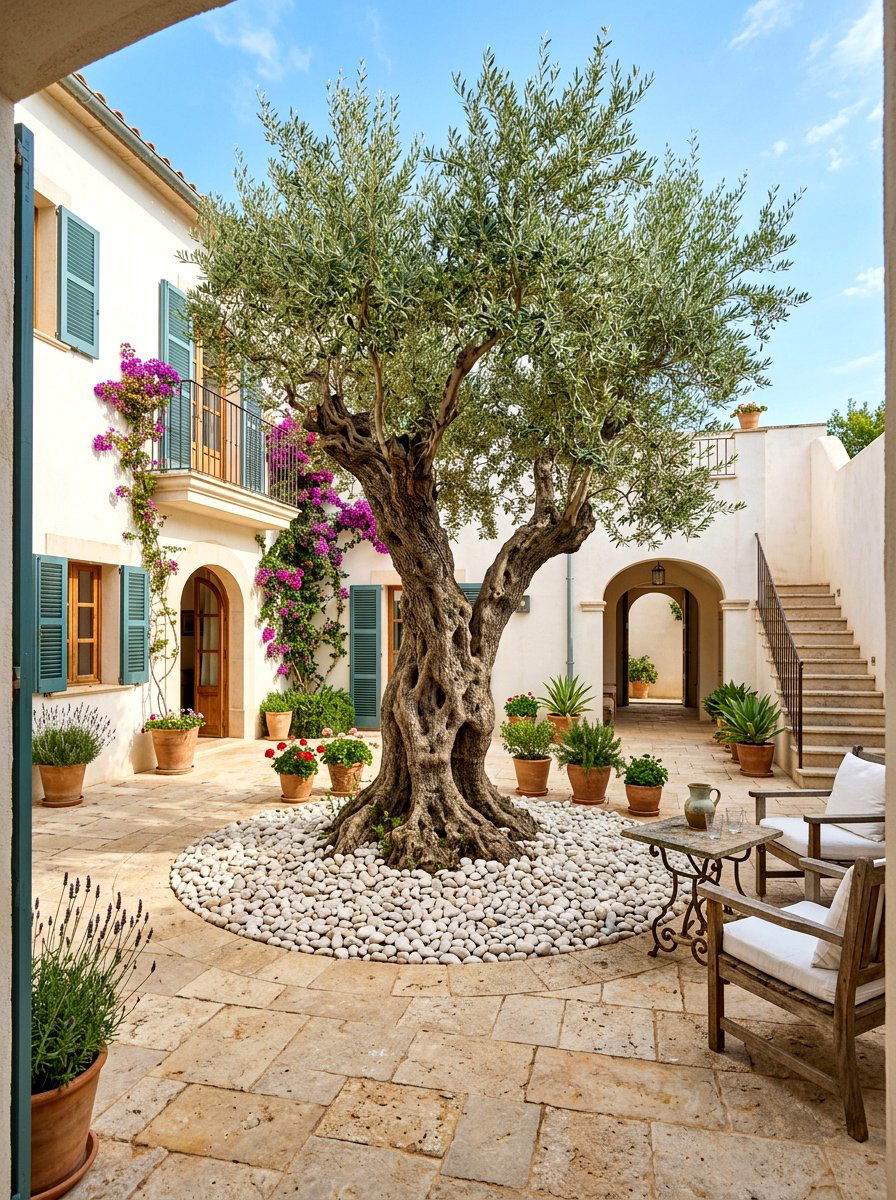
The olive tree courtyard is centered around the silvery-green leaves and gnarled, sculptural trunk of an ancient-looking olive tree. These trees are incredibly hardy and bring a sophisticated, Mediterranean feel to any space. Because olive trees prefer well-drained soil and plenty of light, they are perfect for courtyards with large skylights or open tops. Surround the base of the tree with white pebbles or simple limestone tiles to highlight the unique texture of the bark. This design is timeless and elegant, offering a sense of history and permanence. It creates a peaceful, sun-drenched atmosphere that makes every day feel like a vacation in the Greek islands.
30. Boho style courtyard
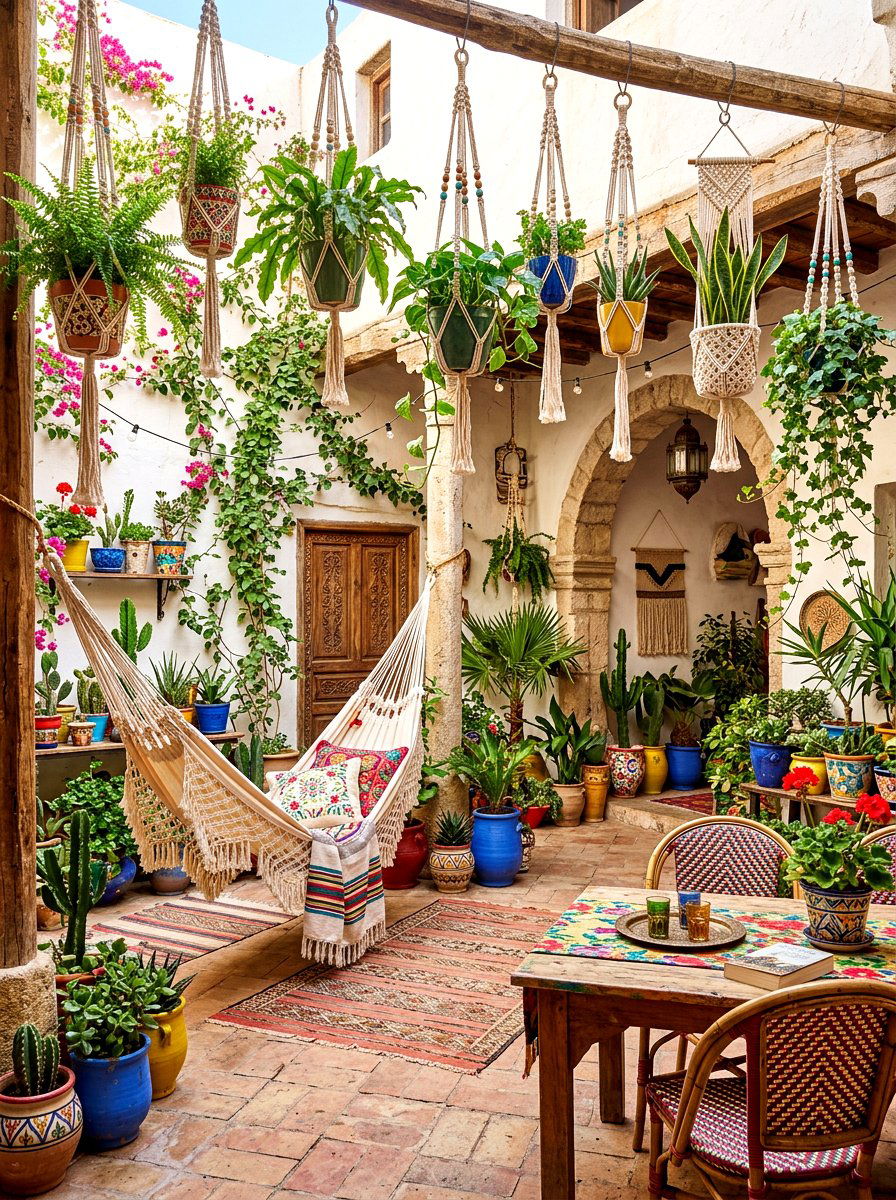
A boho style courtyard is all about comfort, eclecticism, and a relaxed connection to nature. This design features a mix of mismatched pots, hanging macramé planters, and a wide variety of plant species from cacti to ferns. Use patterned rugs, floor cushions, and perhaps a small hammock to create a cozy space where you can truly relax. String lights or paper lanterns added above the greenery create a magical, warm glow during the evening hours. This courtyard doesn't follow strict rules; it is a personalized collection of your favorite natural things. It feels cozy, lived-in, and provides a perfect retreat for reading, napping, or creative thinking.
Conclusion:
Investing in an indoor courtyard garden is a powerful way to enhance your living environment and improve your overall well-being. These spaces provide a unique opportunity to experience the beauty of nature from the comfort of your sofa, regardless of the weather outside. From the minimalist elegance of a Zen stone garden to the vibrant energy of a tropical atrium, there is a design style to suit every architectural taste and lifestyle. By thoughtfully integrating light, water, and greenery into the core of your home, you create a sanctuary that feels both luxurious and grounding. As urban living becomes more crowded, these private green havens offer a much-needed escape into peace and tranquility.

Related posts: