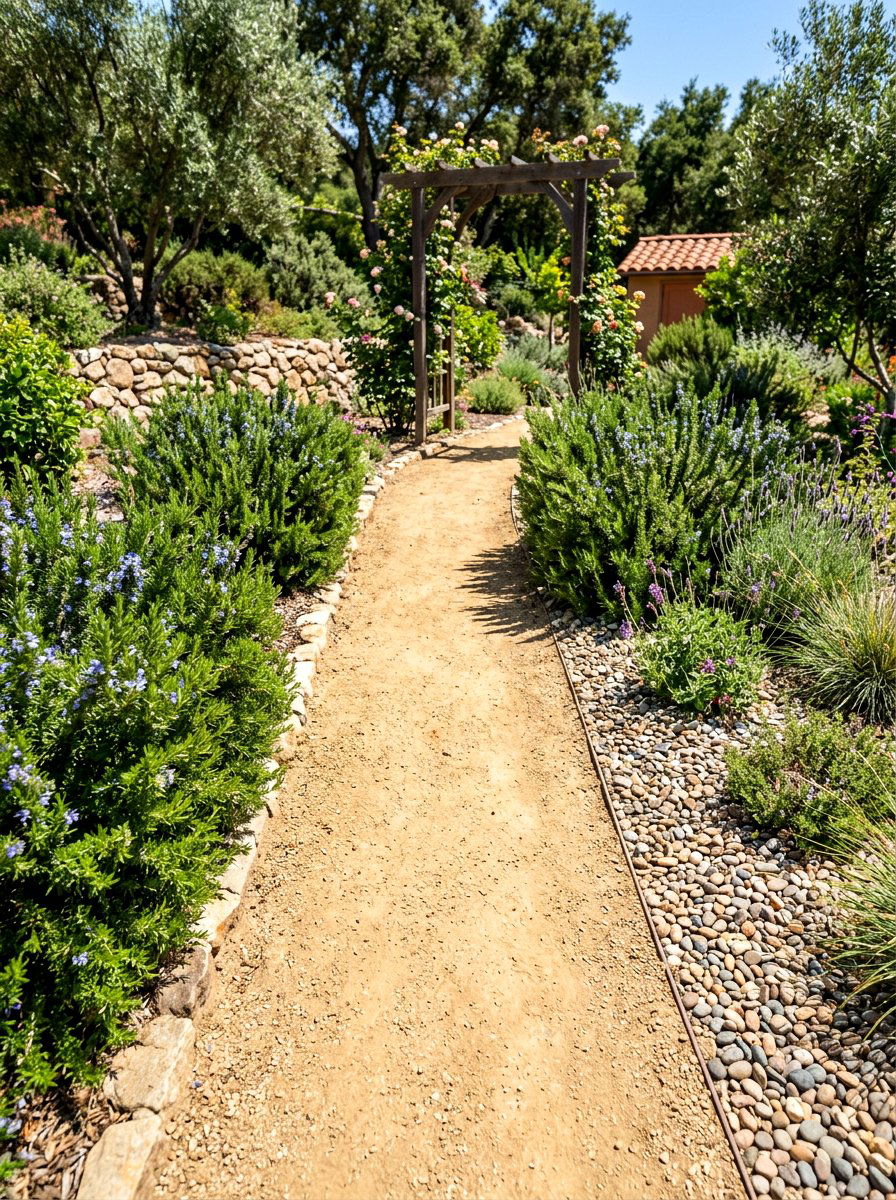
Growing your own food throughout every season brings a sense of accomplishment and fresh flavor to your kitchen table that store-bought produce simply cannot match. Many people think gardening is strictly a summer activity, but with the right strategies, you can harvest delicious greens and hearty root vegetables all year long. Whether you have a sprawling backyard or a tiny urban balcony, there are creative ways to keep your thumb green regardless of the outside temperature or weather conditions. This guide explores various methods to extend your growing season and ensure a continuous supply of nutritious, homegrown vegetables for your family. By mastering simple techniques like succession planting, soil insulation, and protective structures, you will transform your outdoor space into a productive landscape that thrives from January through December.
1. Raised Bed Vegetable Garden
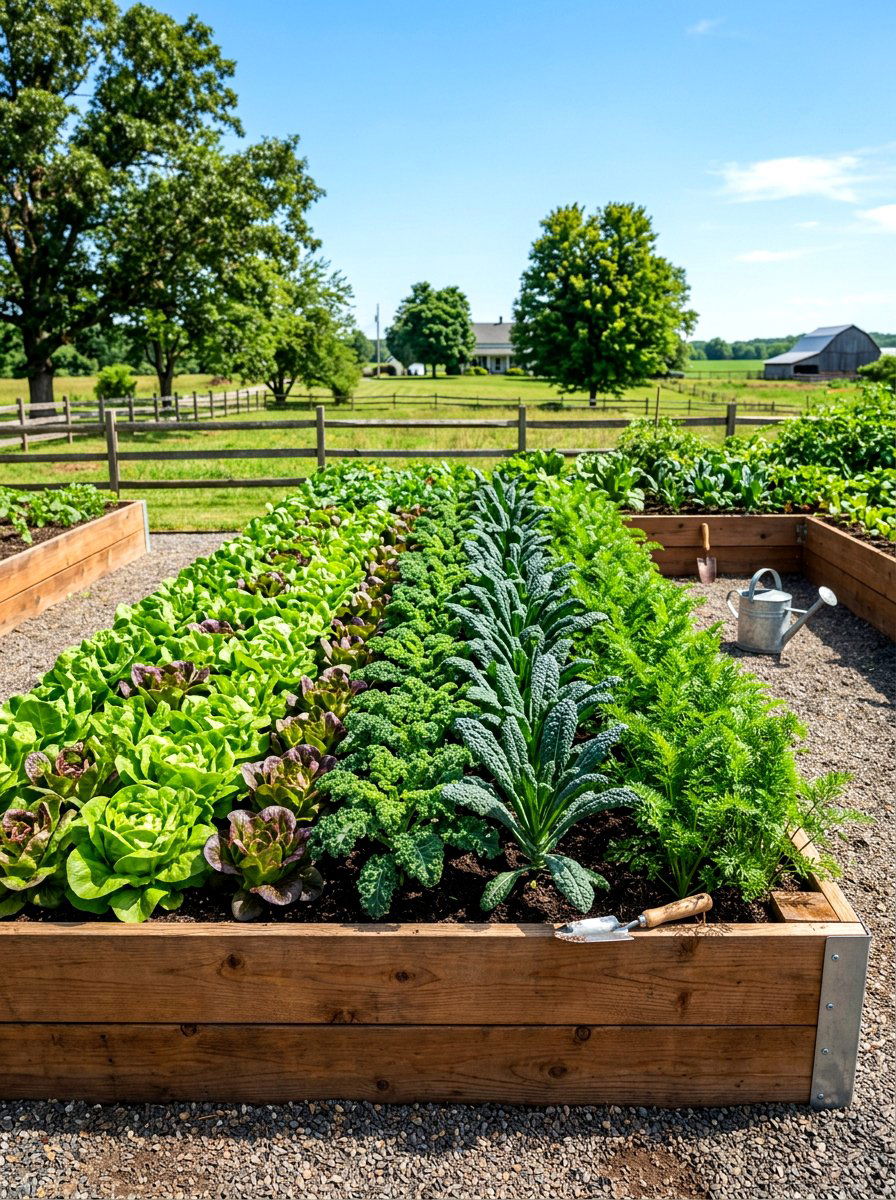
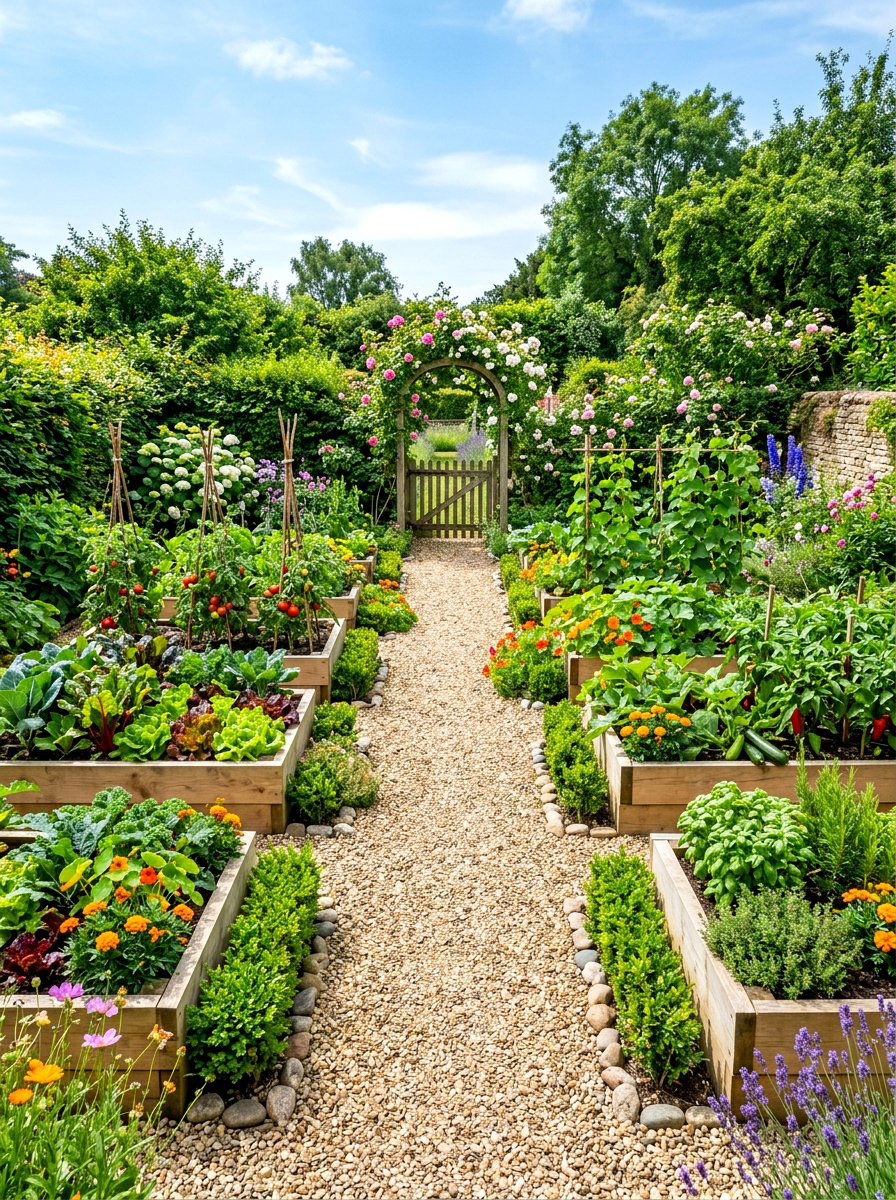
Building a raised bed vegetable garden is one of the most effective ways to manage your soil quality and drainage throughout the entire year. These structures allow the soil to warm up much faster in the early spring, giving you a significant head start on your planting schedule. Because the earth is elevated, it does not compact as easily, which promotes healthy root growth for all your favorite crops. You can easily attach plastic covers or bird netting to the frame to protect your plants during colder months or from local pests. This setup keeps your garden looking organized and professional while maximizing the total yield from a relatively small footprint in your backyard area.
2. Greenhouse Vegetable Garden
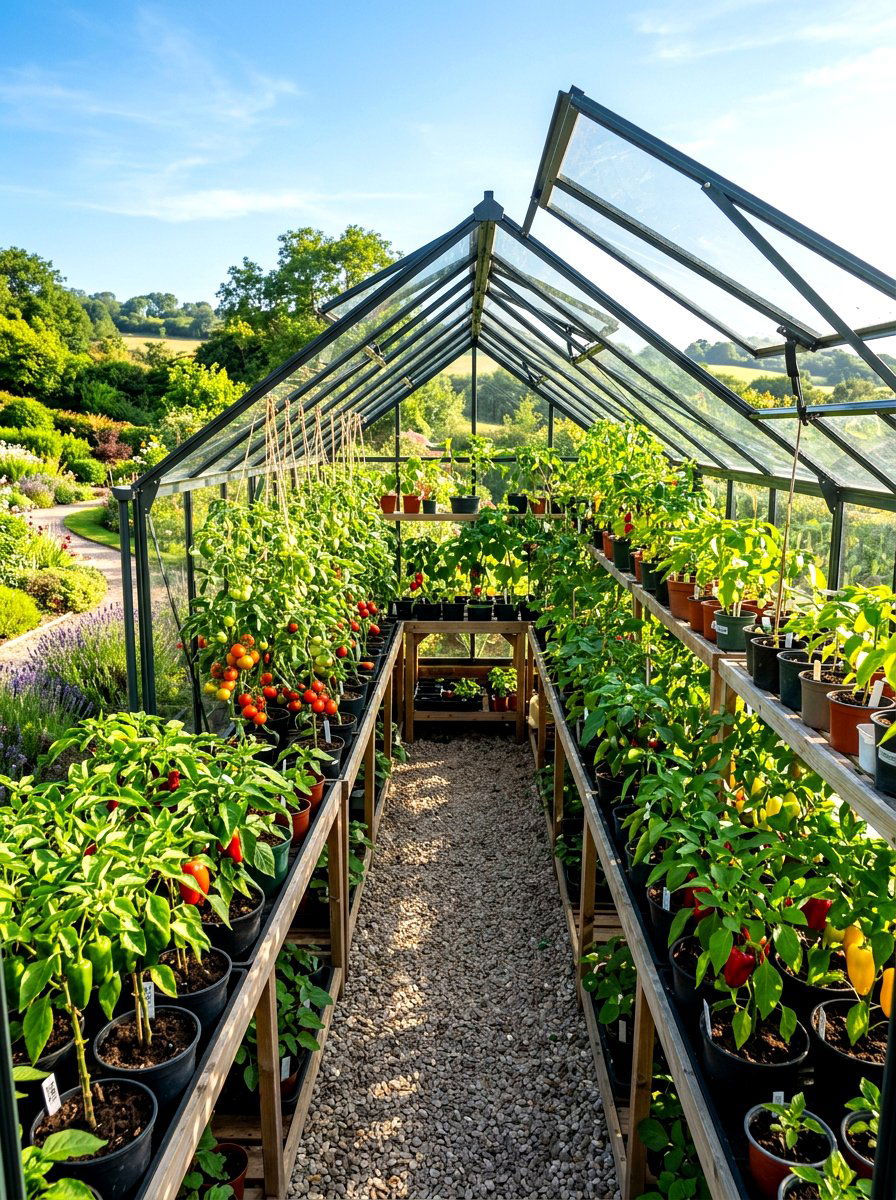
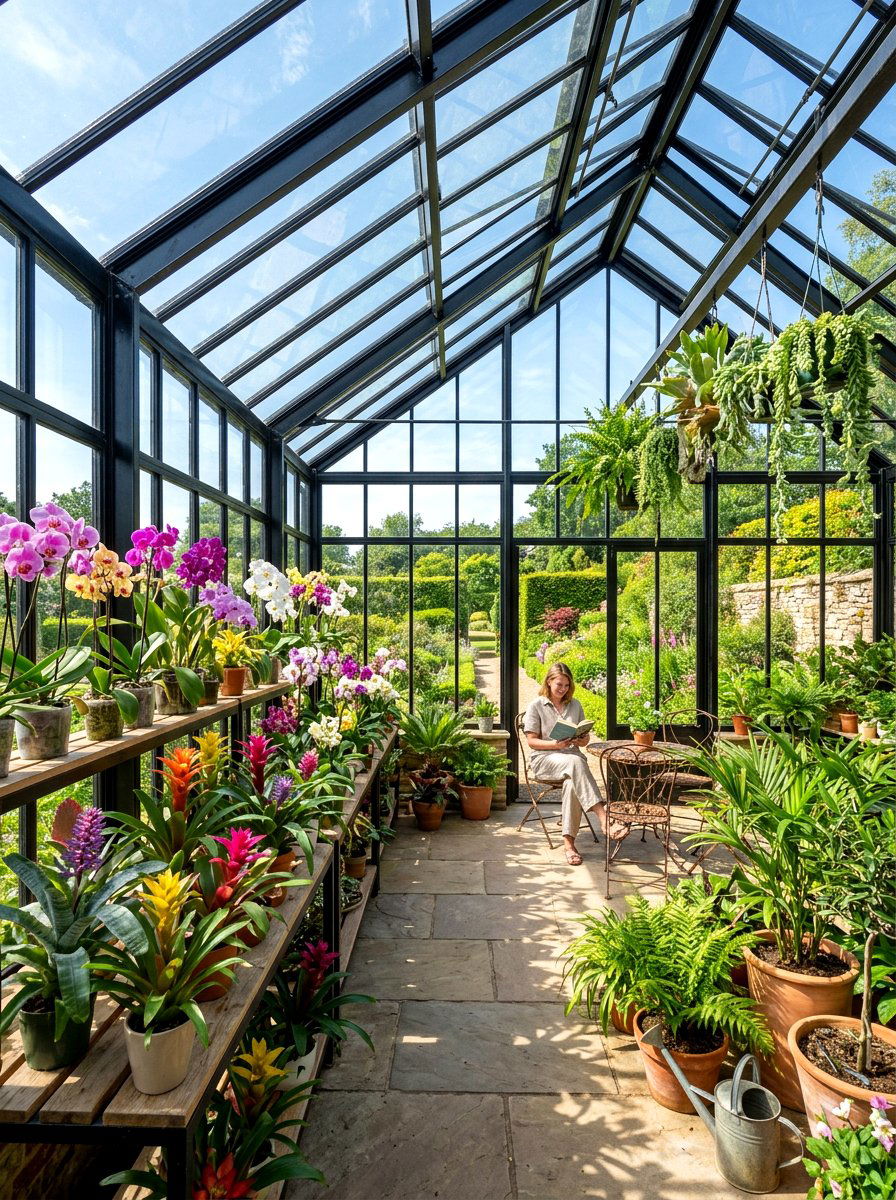
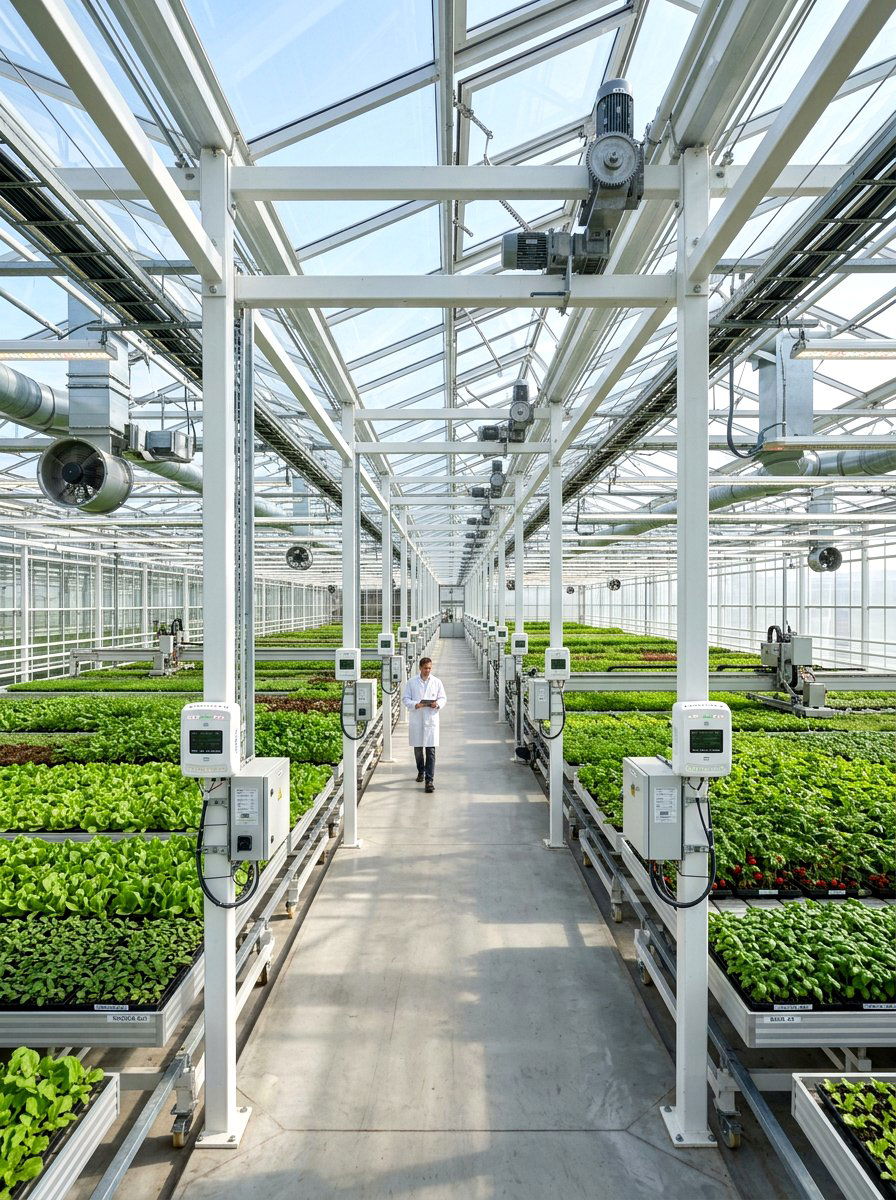
A greenhouse vegetable garden provides the ultimate climate-controlled environment for growing heat-loving crops even when the outside air is chilly. These structures trap solar radiation to keep the interior much warmer than the surrounding landscape, allowing you to start seeds earlier and harvest later into the fall. You can install shelving and hanging baskets to utilize the vertical space, creating a lush sanctuary of greenery. Greenhouses also protect delicate plants from heavy rain, snow, and wind, which can often damage or kill outdoor crops. With proper ventilation and a consistent watering schedule, you can maintain a thriving ecosystem that produces fresh food for your kitchen every single month.
3. Indoor Hydroponic Vegetable Garden
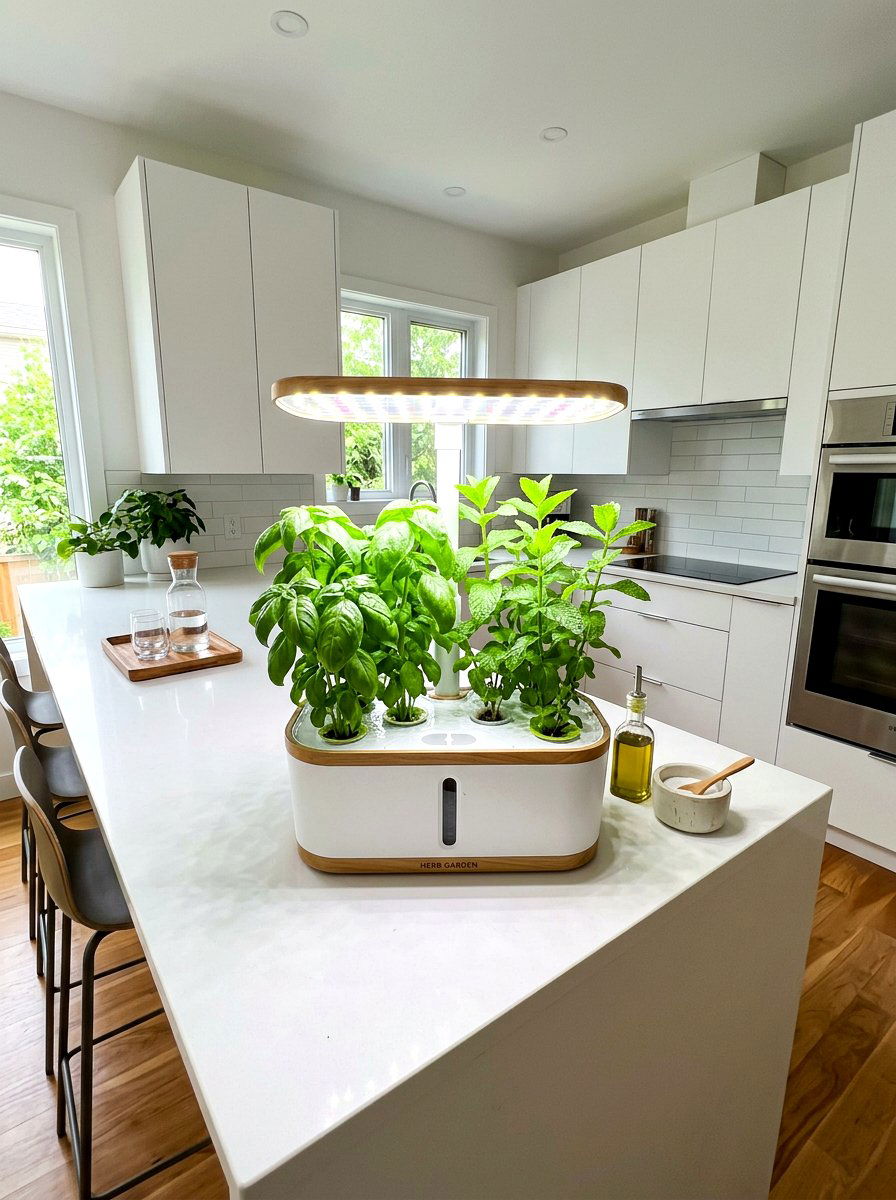
Setting up an indoor hydroponic vegetable garden is a fantastic way to grow fresh produce without the need for traditional soil or outdoor space. These systems use nutrient-rich water to feed the plants directly, which often results in faster growth rates and higher yields compared to soil-based methods. You can place these compact units on your kitchen counter or a dedicated shelf, making it incredibly convenient to harvest herbs and greens while you cook. Because you control the light and temperature indoors, you are not limited by the changing seasons or harsh weather. This modern approach to gardening is perfect for urban dwellers who want a reliable source of clean food.
4. Vertical Vegetable Garden
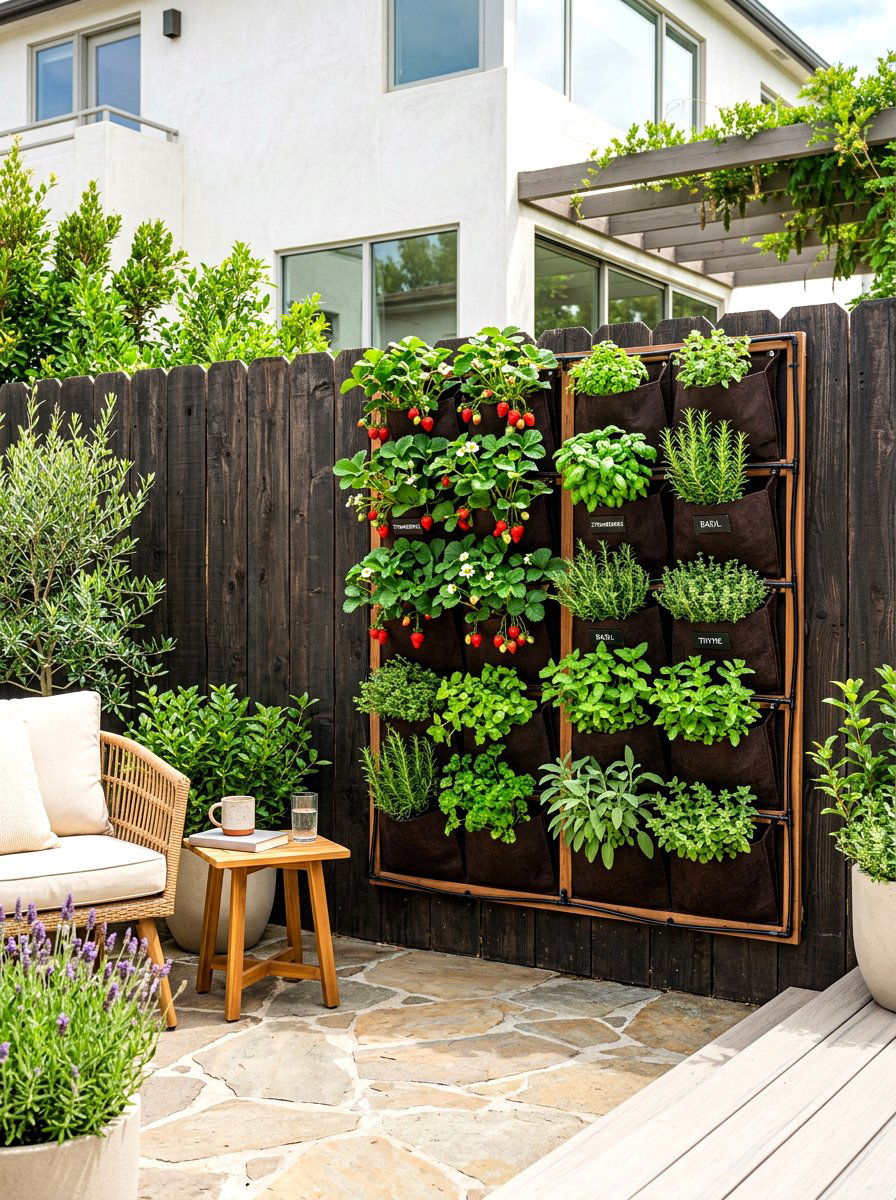
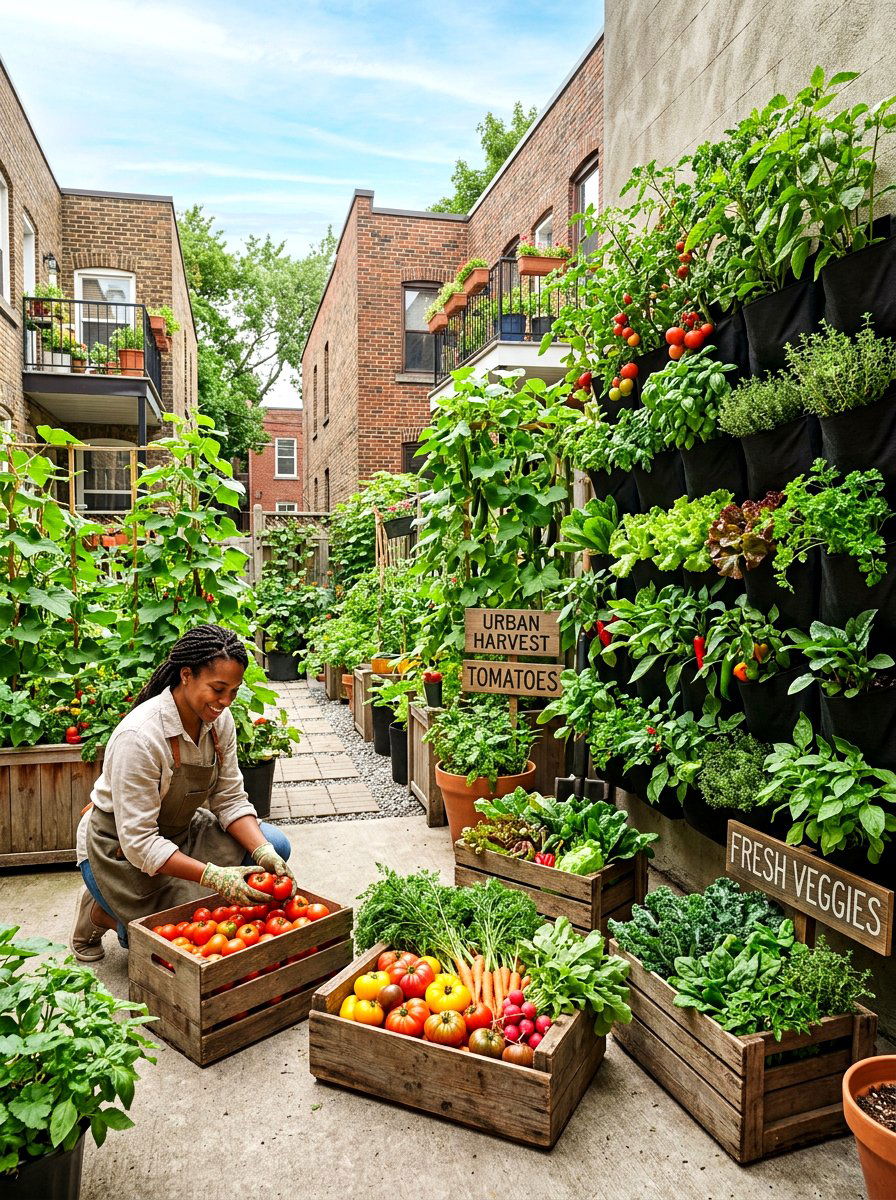
A vertical vegetable garden is the perfect solution for anyone working with limited ground space who still wants a massive harvest. By using wall-mounted planters, pockets, or stacked containers, you can grow a wide variety of leafy greens, strawberries, and herbs in a very small footprint. This method improves air circulation around your plants, which helps to prevent common diseases and pest infestations that often plague ground-level gardens. It also makes harvesting much easier on your back, as you do not have to bend over to reach your crops. A well-designed vertical wall adds a beautiful, living aesthetic to your patio or balcony while remaining highly functional.
5. Cold Frame Vegetable Garden
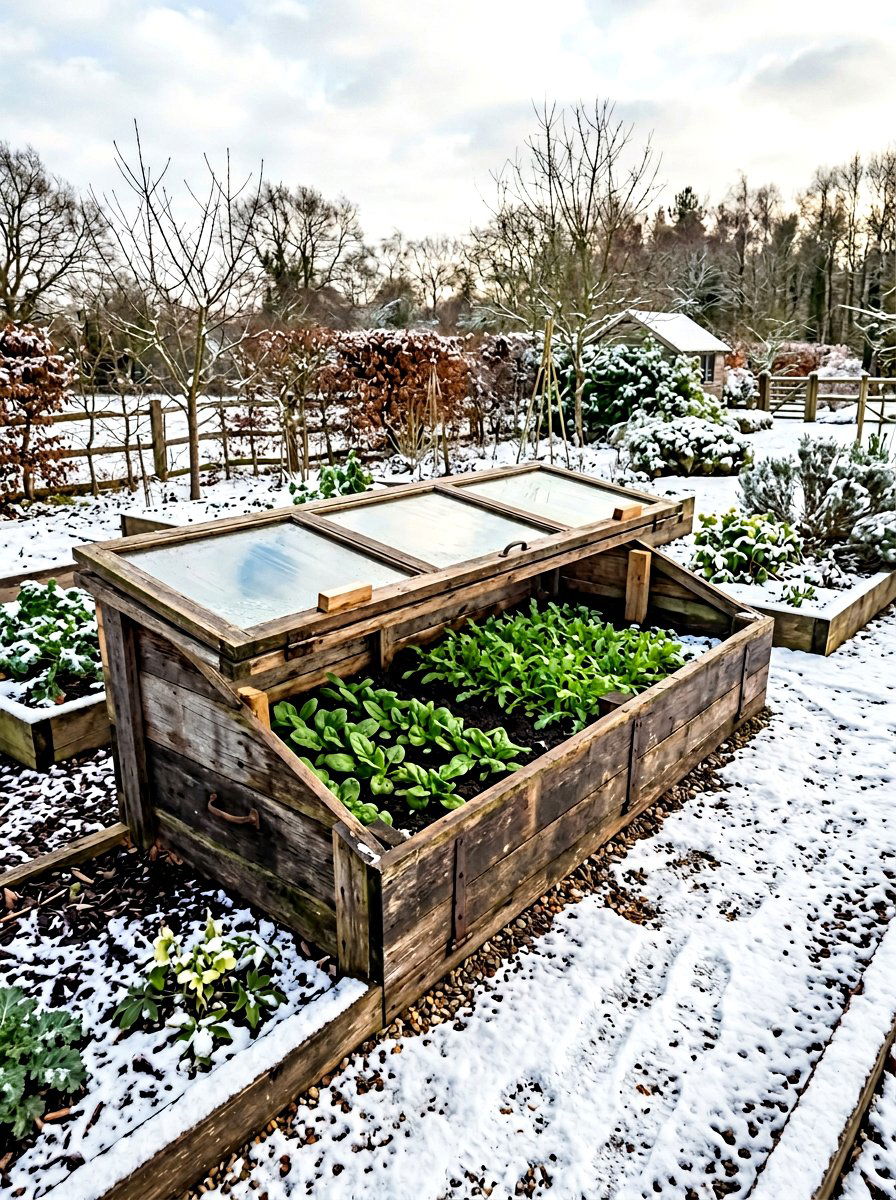
Investing in a cold frame vegetable garden is a low-cost and highly effective way to extend your growing season during the winter months. These simple bottomless boxes with transparent tops act like miniature greenhouses, protecting hardy greens like spinach and kale from frost and snow. You can easily build one using salvaged materials like old windows and scrap wood, making it an eco-friendly addition to your yard. During the day, the sun warms the soil inside the frame, providing enough heat to keep plants growing even when the ground outside is frozen. It is an essential tool for any dedicated gardener who wants to enjoy fresh salads in mid-winter.
6. Hoop House Vegetable Garden
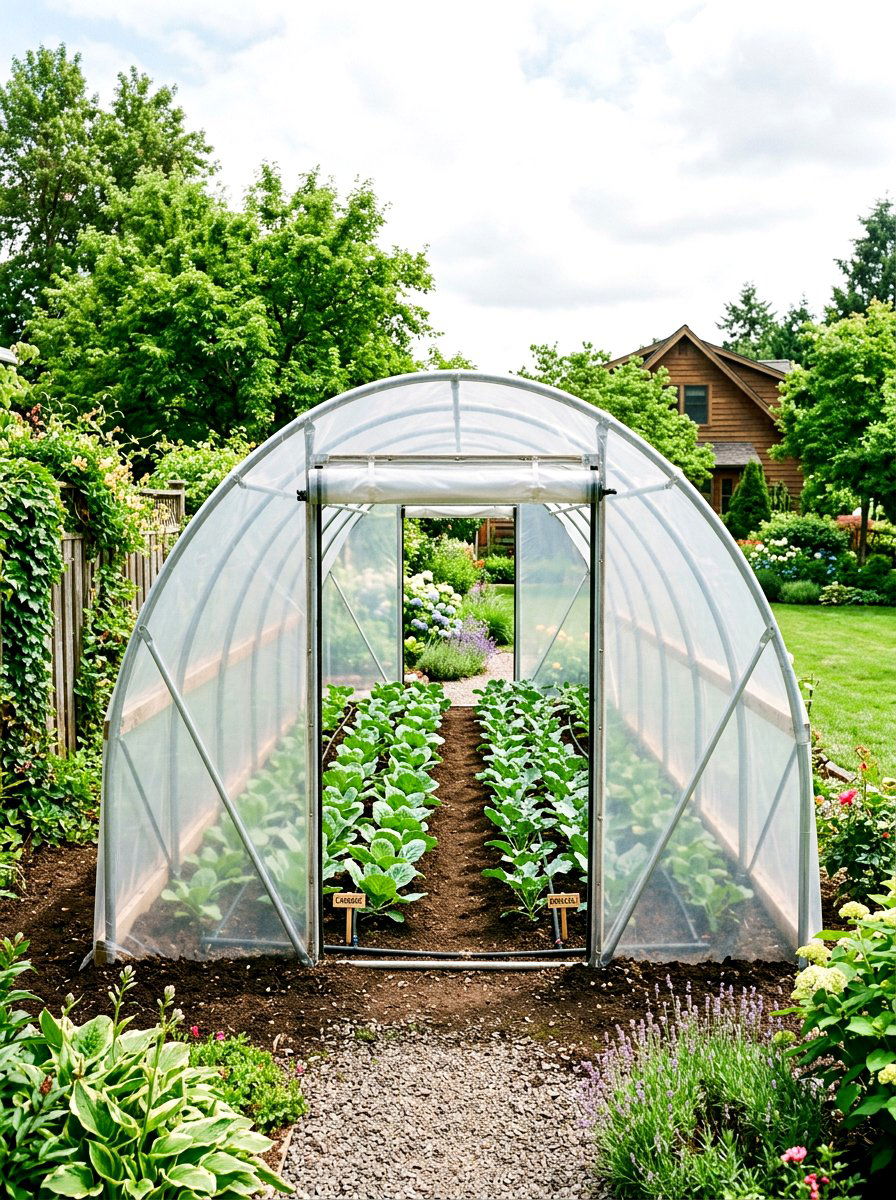
A hoop house vegetable garden offers a versatile and inexpensive way to cover large rows of plants and protect them from the elements. These structures are typically made from flexible PVC pipes or metal conduits covered with heavy-duty greenhouse plastic. They are much easier to install than permanent greenhouses and can be moved around your garden as needed for crop rotation. Hoop houses create a warmer microclimate that allows you to grow cool-season crops much earlier in the spring and keep them producing well into the late autumn. They are particularly useful for protecting tender seedlings from unexpected frost and harsh winds that can stunt early growth.
7. Windowsill Vegetable Herb Garden
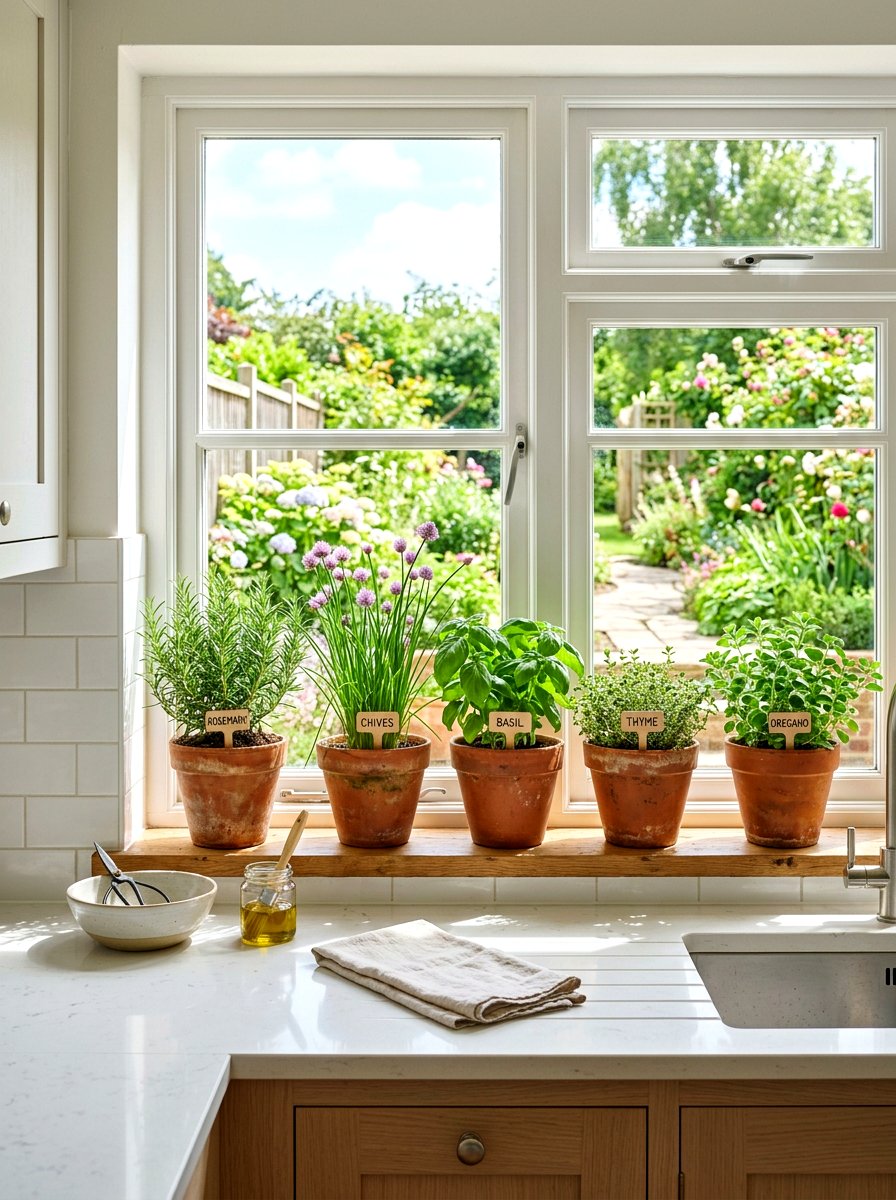
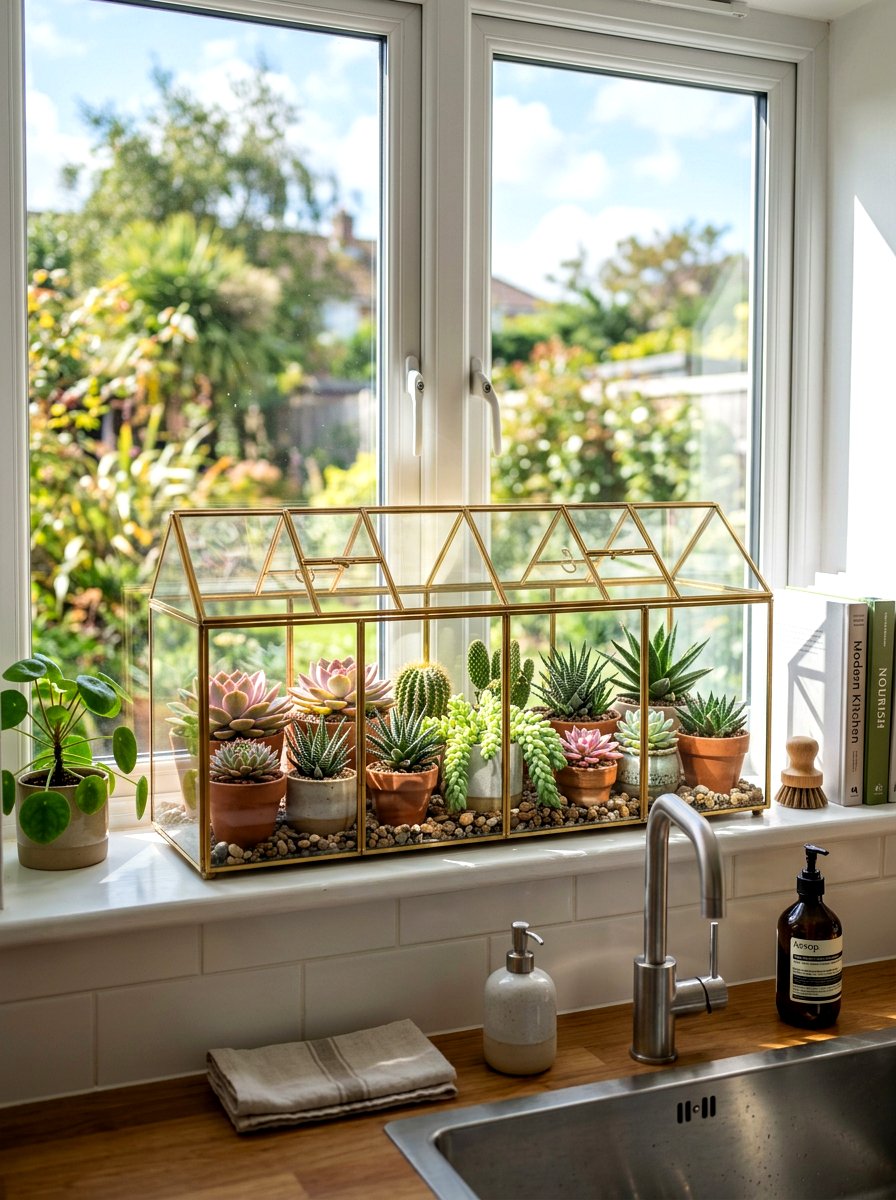
Creating a windowsill vegetable herb garden is the easiest way to bring the joy of growing food inside your home. Most culinary herbs like basil, mint, and chives thrive in the bright, indirect light provided by a south-facing window. By using small, decorative pots, you can create a functional display that adds life and fragrance to your kitchen area. This setup allows you to snip fresh ingredients for your meals at a moment's notice, ensuring the best possible flavor for your cooking. It is a low-maintenance option that works perfectly for beginners or those living in apartments without any outdoor space for a traditional garden.
8. Tiered Planter Vegetable Garden
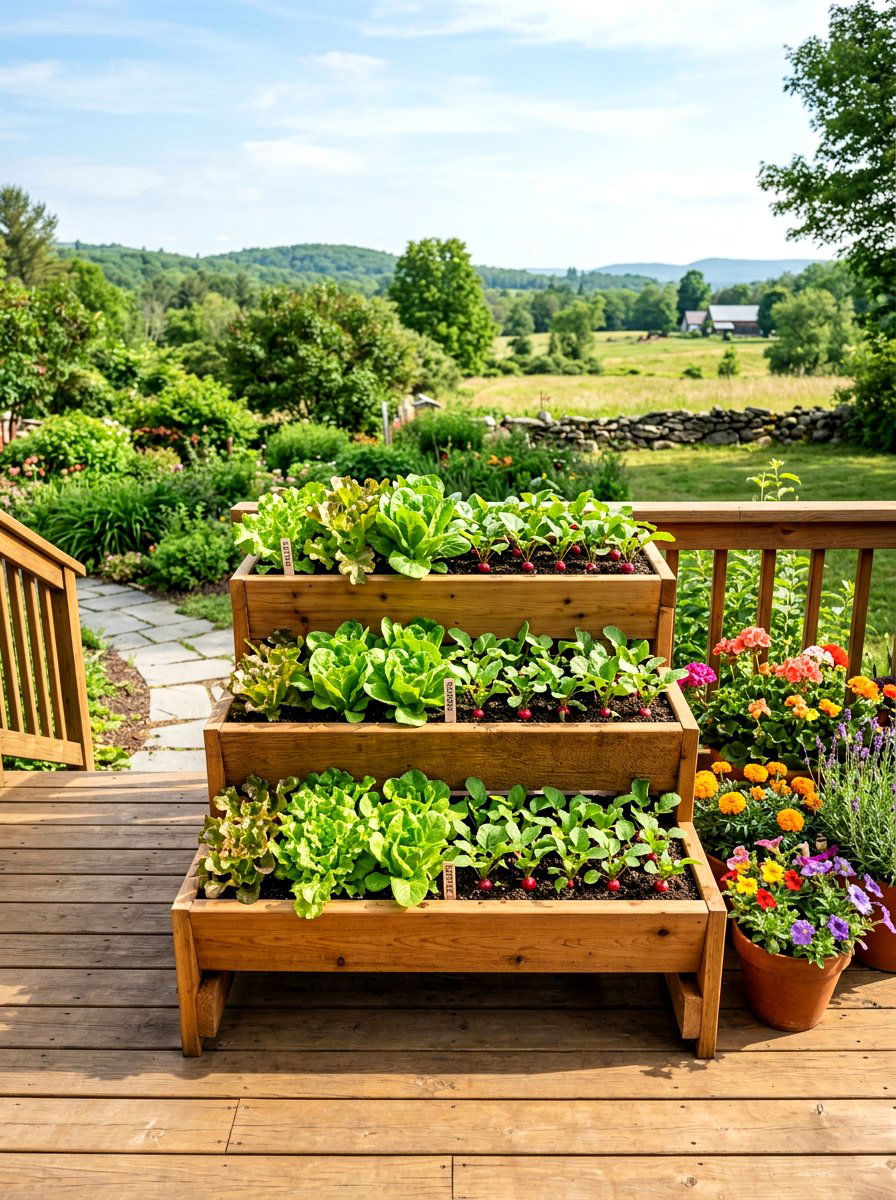
A tiered planter vegetable garden utilizes multiple levels to maximize growing space while creating a visually striking focal point in your outdoor area. These stacked containers are ideal for growing a mix of shallow-rooted vegetables like lettuce and radishes alongside trailing plants like strawberries. The vertical arrangement ensures that every plant receives adequate sunlight and makes it easy to water the entire system from the top down. This design is especially helpful for people with mobility issues, as the higher levels are easy to reach without kneeling. You can use different materials like wood, metal, or plastic to match the overall style of your home and garden.
9. Container Vegetable Garden
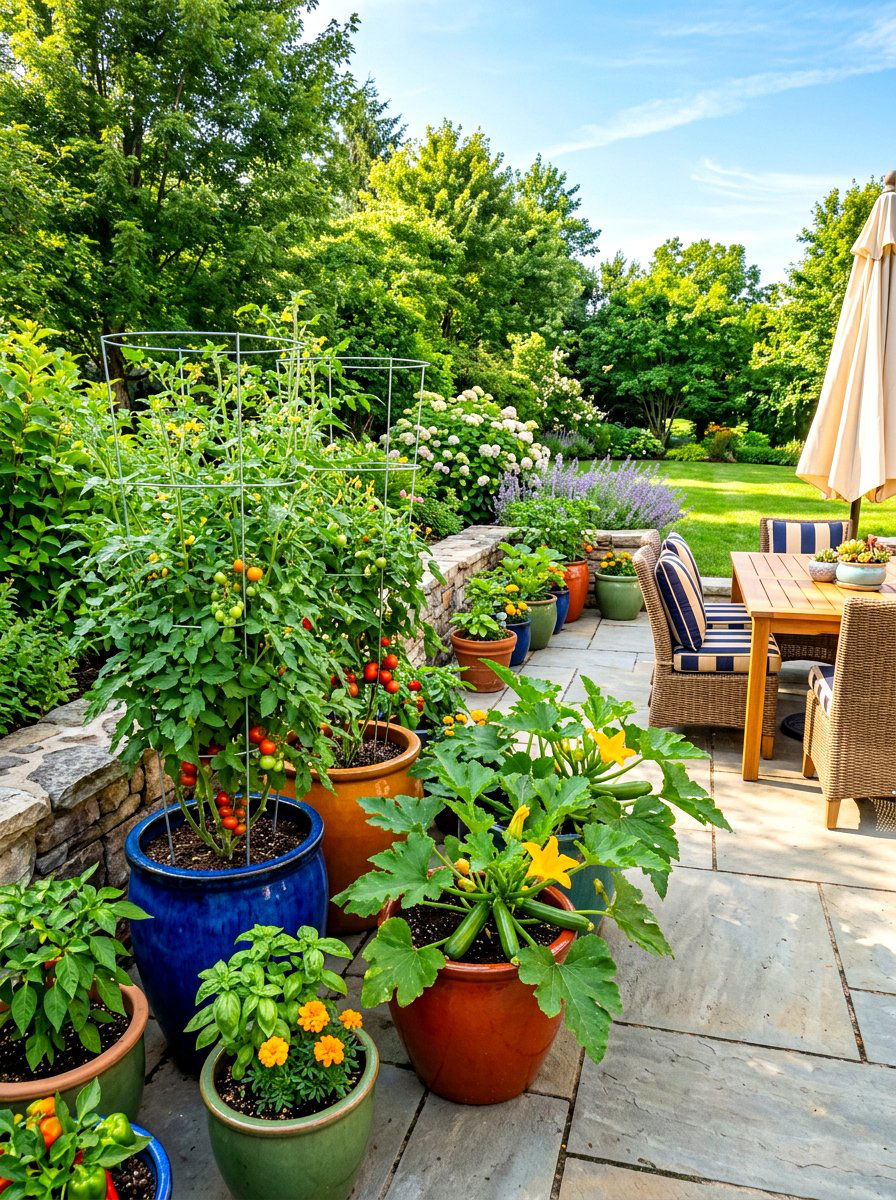
A container vegetable garden offers unmatched flexibility, allowing you to move your plants around to follow the sun or protect them from storms. You can use almost any vessel for growing, provided it has proper drainage holes to prevent root rot and soil compaction. This method is perfect for growing large vegetables like tomatoes and peppers on a sunny deck or patio where space is limited. Containers also make it much easier to control soil quality and prevent the spread of soil-borne pests and diseases. By choosing high-quality potting mix and regular fertilization, you can achieve impressive results that rival even the most established in-ground garden plots.
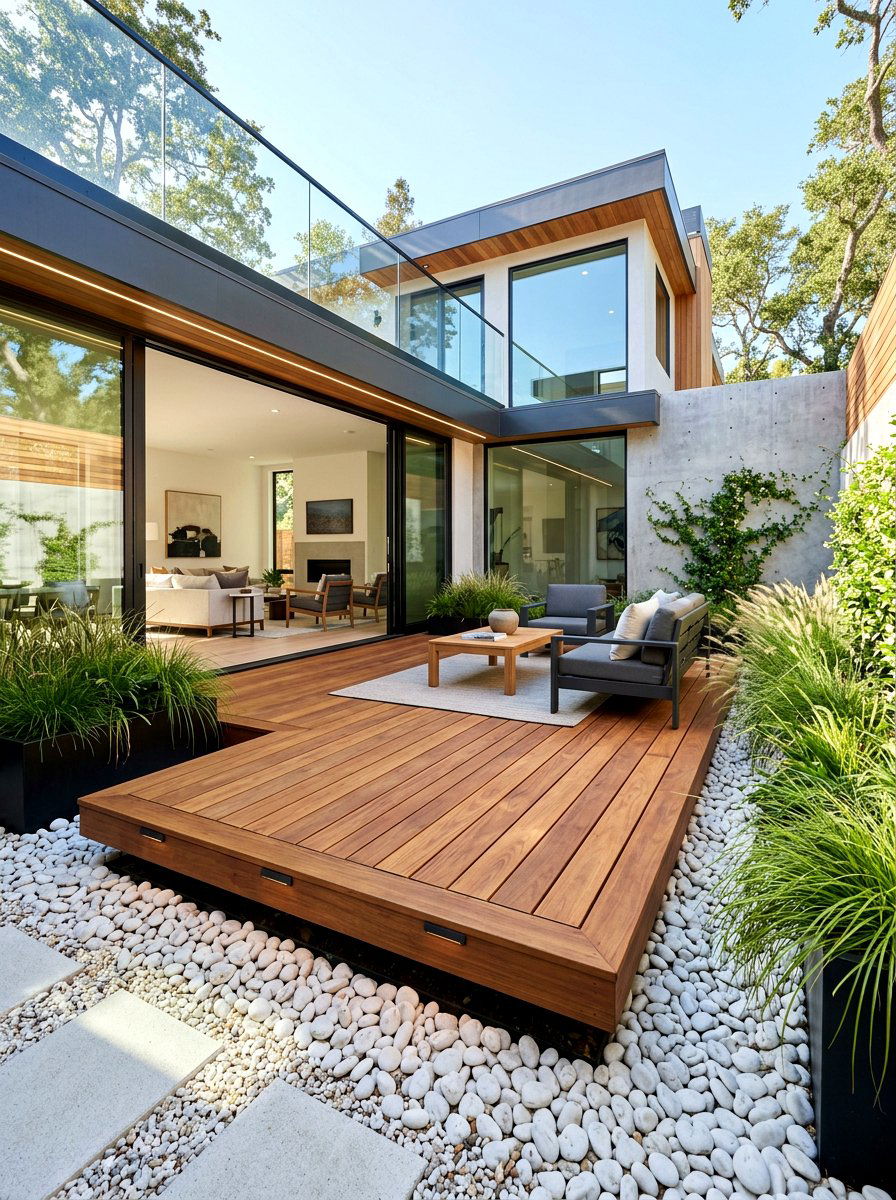
10. Walipini Underground Vegetable Garden
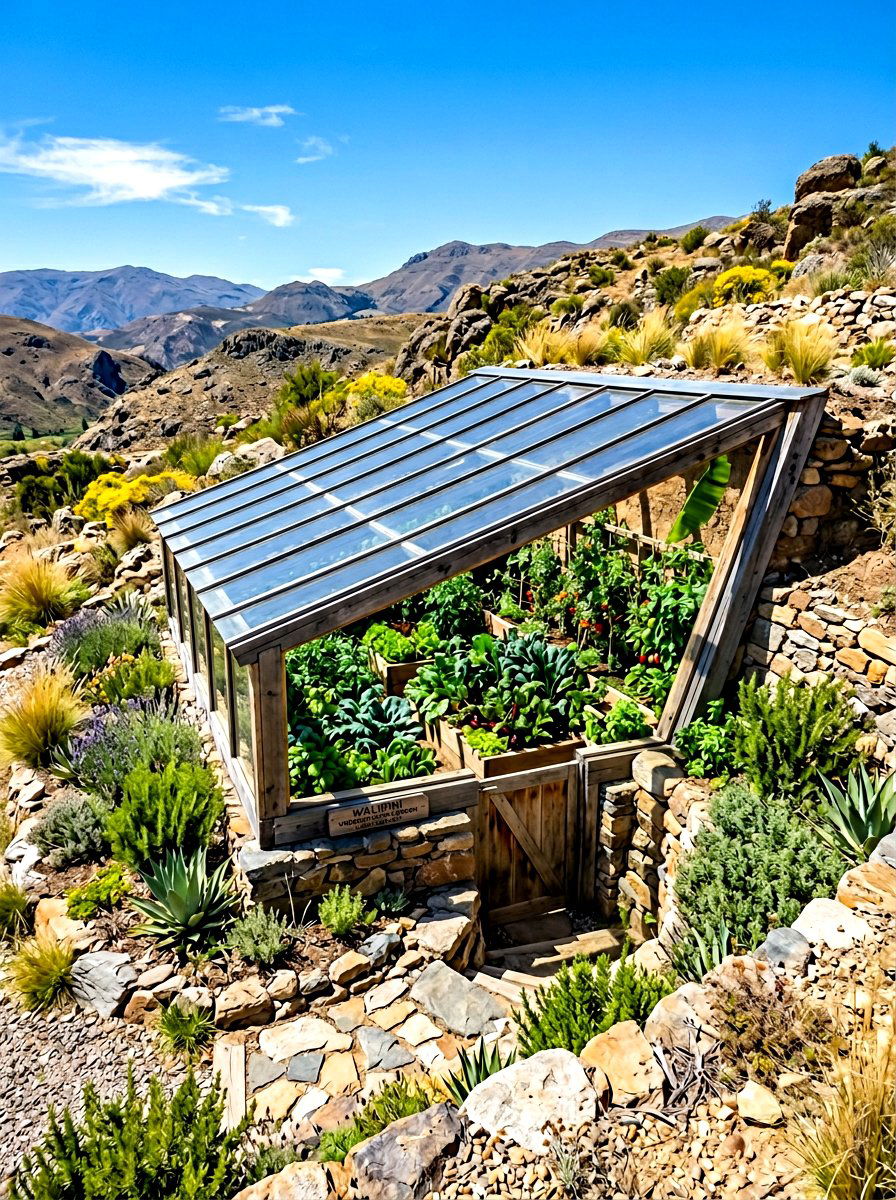
Building a walipini underground vegetable garden is a sophisticated technique that allows for year-round production in even the coldest climates. This pit-style greenhouse uses the earth's natural thermal mass to maintain a stable temperature, staying warm in winter and cool in the summer heat. By digging several feet into the ground and covering the top with transparent material, you create a unique environment where tropical plants can sometimes thrive. This ancient method is gaining popularity among sustainable gardeners who want to minimize their energy use while maximizing their food security. It is a labor-intensive project that pays off with a highly productive and energy-efficient growing space for years.
11. Kitchen Scrap Vegetable Garden
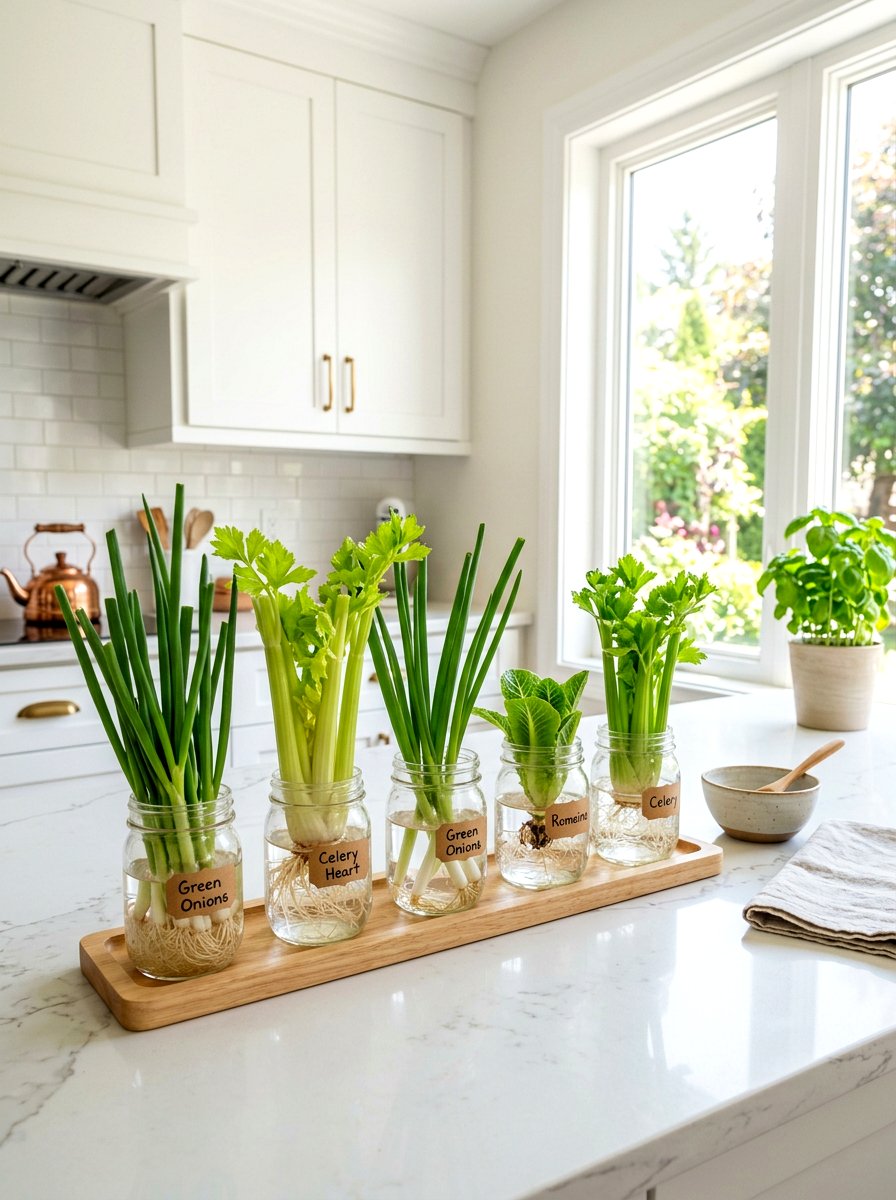
A kitchen scrap vegetable garden is a fun and educational way to recycle food waste while producing a fresh harvest for free. Many common vegetables like green onions, celery, and lettuce can be regrown from their base by simply placing them in a shallow dish of water. Once the roots begin to develop, you can transplant them into small pots with soil to continue their growth on a sunny windowsill. This zero-waste approach is perfect for children to learn about the life cycle of plants and the importance of sustainability. It turns what would be compost into a continuous supply of fresh garnishes and snacks for your entire family.
12. Self Watering Vegetable Garden
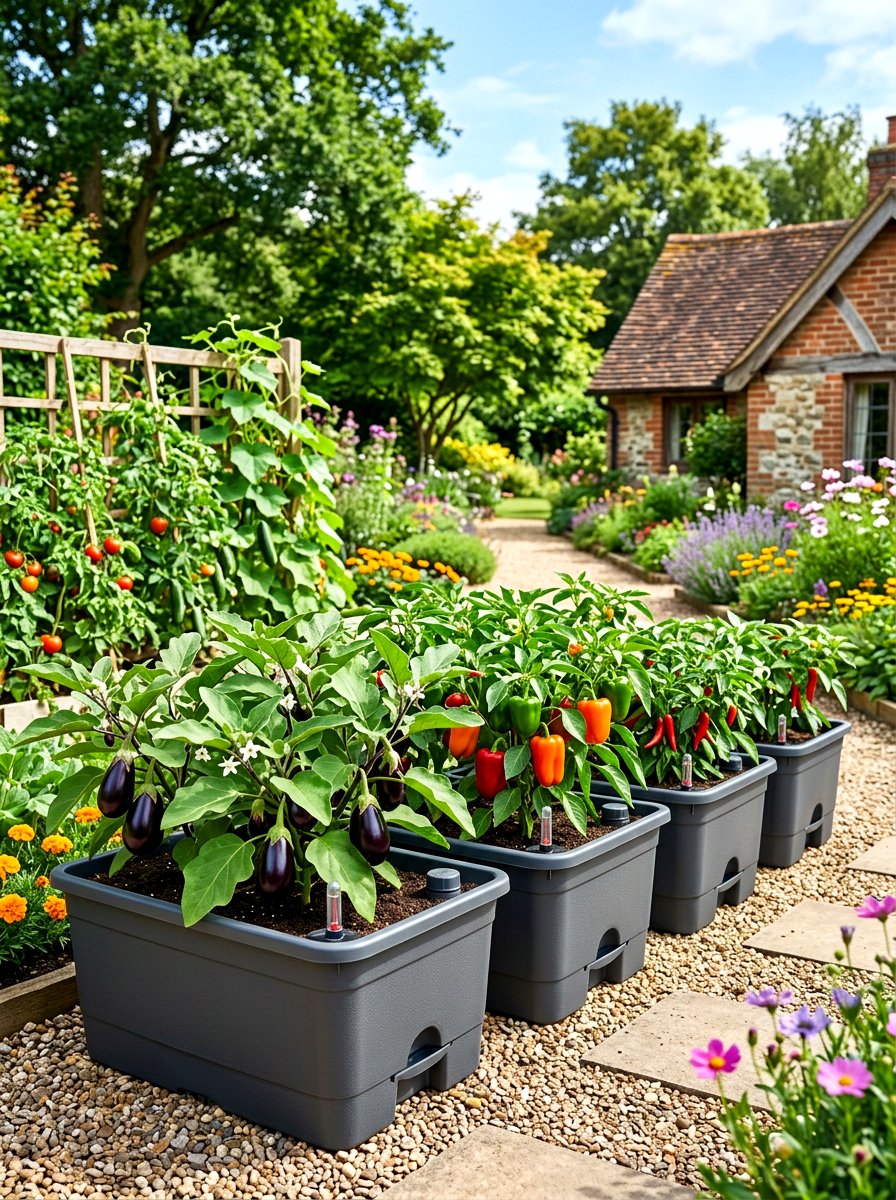
A self watering vegetable garden is the ideal solution for busy individuals who want to enjoy homegrown food without the daily chore of irrigation. These systems feature a built-in reservoir that provides a steady supply of moisture to the plants' roots through capillary action. This ensures that your vegetables never dry out, even during the peak of summer or when you are away on a short vacation. Consistent moisture levels lead to healthier plants and prevent common problems like blossom end rot in tomatoes. You can find many commercial versions of these planters or build your own using simple household buckets and basic plumbing supplies.
13. Trellis Climbing Vegetable Garden
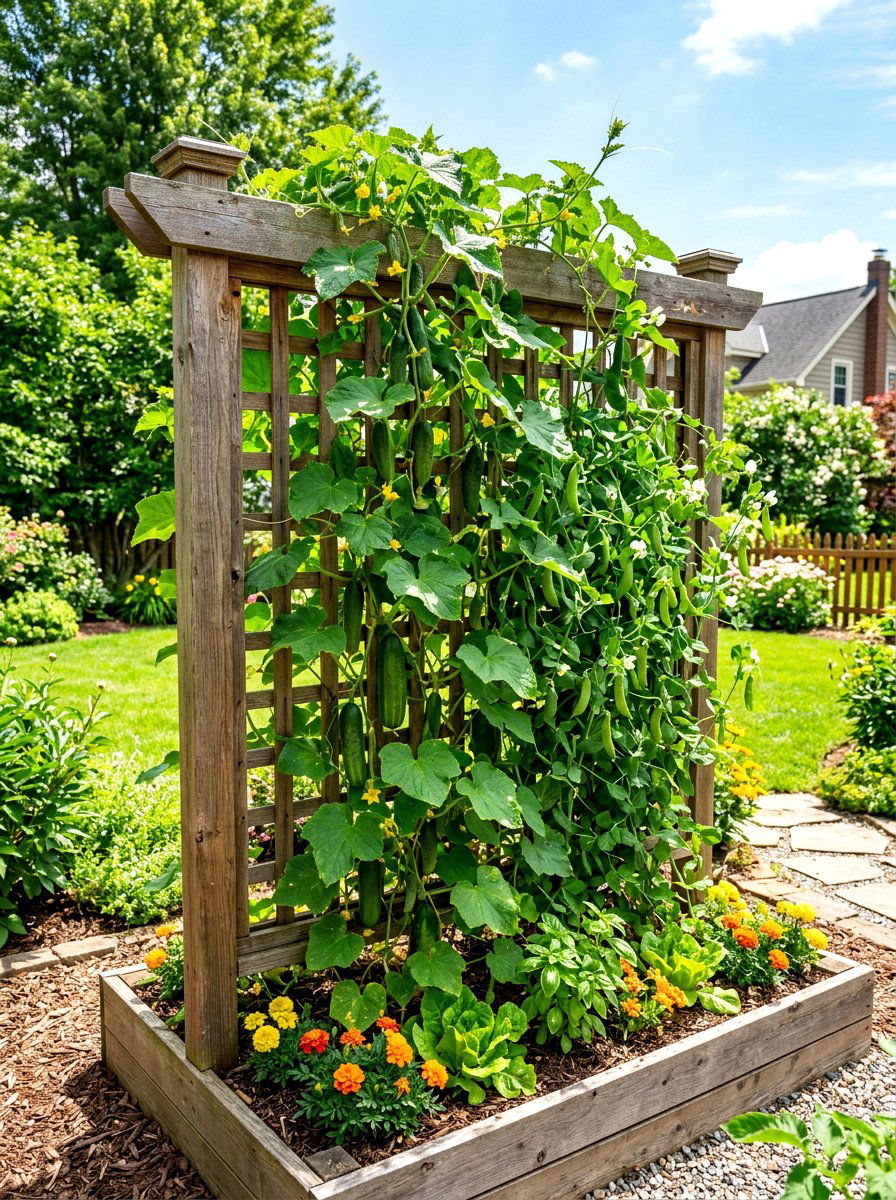
Implementing a trellis climbing vegetable garden allows you to grow heavy producers like cucumbers, beans, and peas in an upward direction. This vertical approach keeps the fruit off the damp ground, which significantly reduces the risk of rot and makes them less accessible to many pests. It also makes the harvest process much simpler, as the vegetables are hanging at eye level and are easy to spot among the green leaves. A sturdy trellis can be made from wood, wire, or even decorative metal to enhance the visual appeal of your garden. This method frees up valuable ground space for smaller, shade-tolerant crops like spinach.
14. Square Foot Vegetable Garden
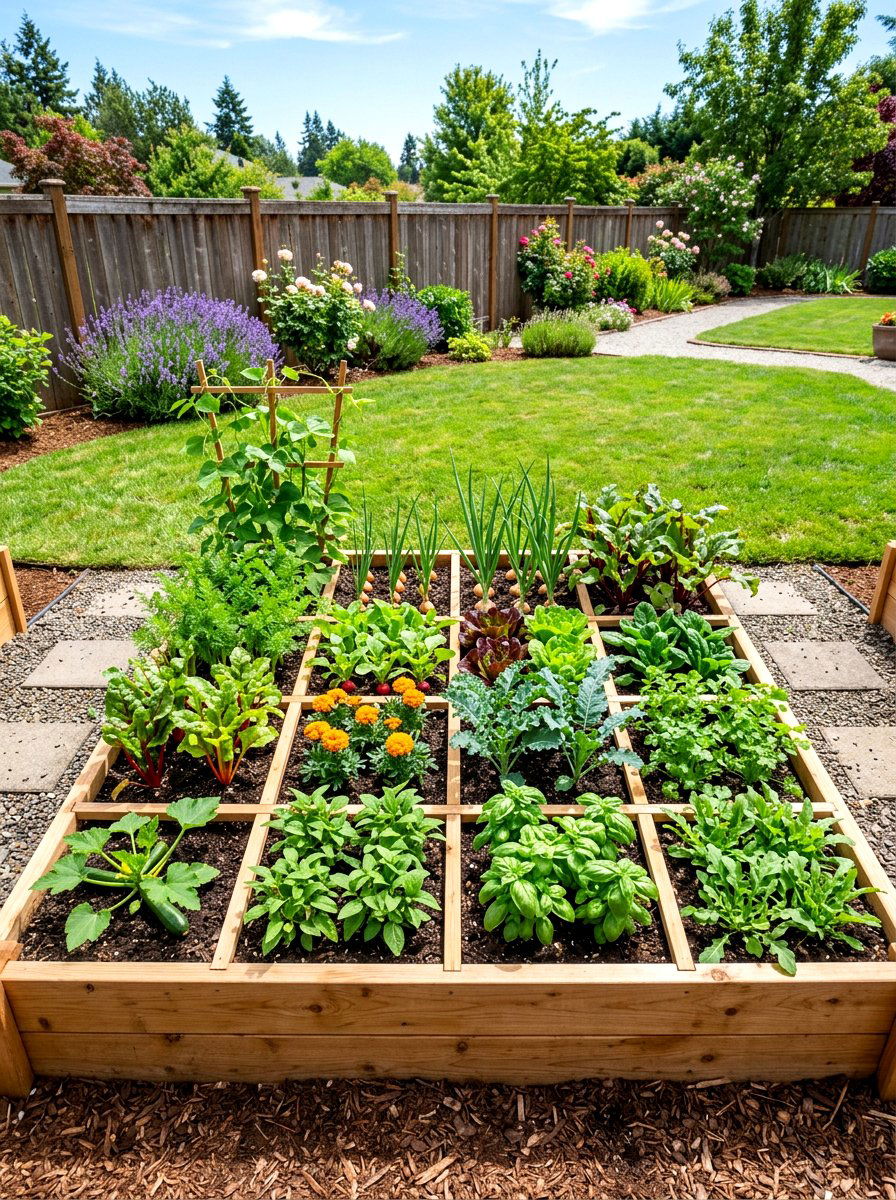
The square foot vegetable garden method is a highly organized way to grow a massive amount of food in a very limited area. By dividing a raised bed into small, one-foot sections, you can plant exactly the right number of seeds for each specific crop without any waste. This intensive planting technique minimizes weed growth because the vegetables quickly form a living mulch that shades the soil surface. It is a perfect system for beginners because it provides clear guidelines on spacing and plant placement, taking the guesswork out of gardening. You can easily rotate crops within the squares to maintain soil health and prevent pest build-up.
15. Tower Vegetable Garden
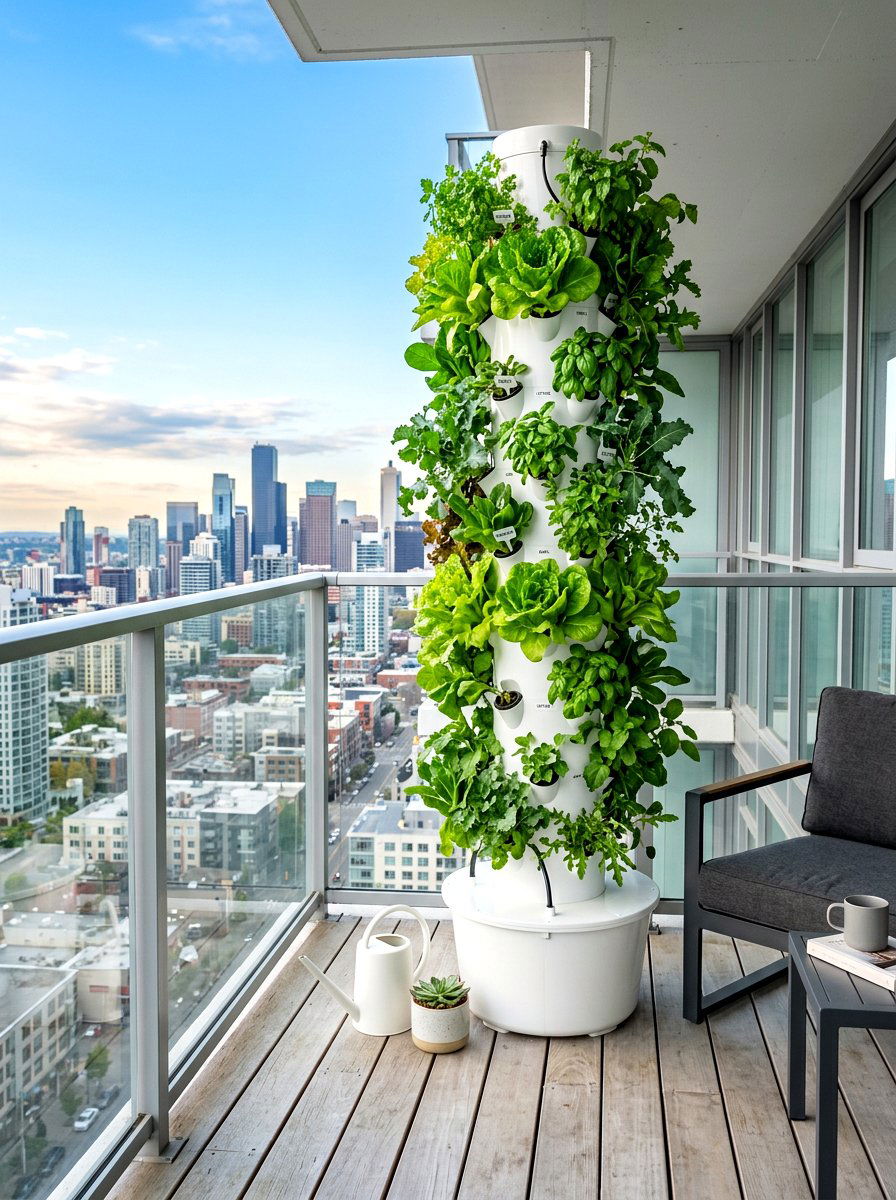
A tower vegetable garden is an innovative vertical system that allows you to grow dozens of plants in just a few square feet of space. These aeroponic or hydroponic towers circulate nutrient-rich water from a bottom reservoir up to the top, where it then drips down to feed every plant. This design is incredibly efficient, using significantly less water than traditional soil-based gardening while producing much faster results. You can set these towers up on a porch, patio, or even inside your home with the help of specialized grow lights. They are perfect for growing a variety of leafy greens, herbs, and small fruiting plants throughout the year.
16. Cloche Vegetable Garden
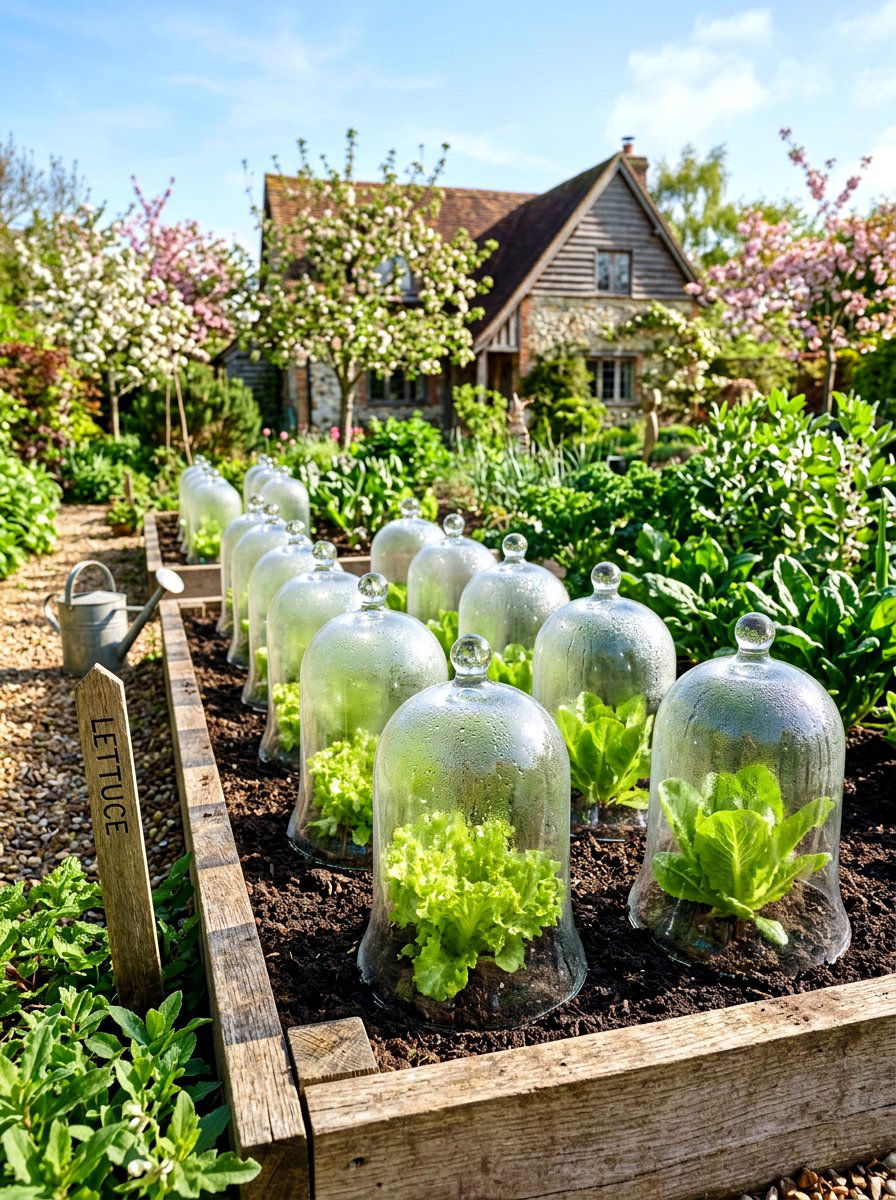
Using a cloche vegetable garden setup is a traditional and beautiful way to protect individual plants from early spring frosts or late autumn chills. These bell-shaped covers, often made of glass or heavy plastic, act like personal greenhouses for your most prized or delicate vegetables. They are particularly useful for warming the soil around heat-loving seedlings like peppers and eggplants before the weather fully settles. Cloches also serve as an effective physical barrier against garden pests like slugs and birds that might otherwise snack on your young plants. Adding these to your garden beds provides a classic, timeless look while serving a very practical purpose for season extension.
17. Row Cover Vegetable Garden
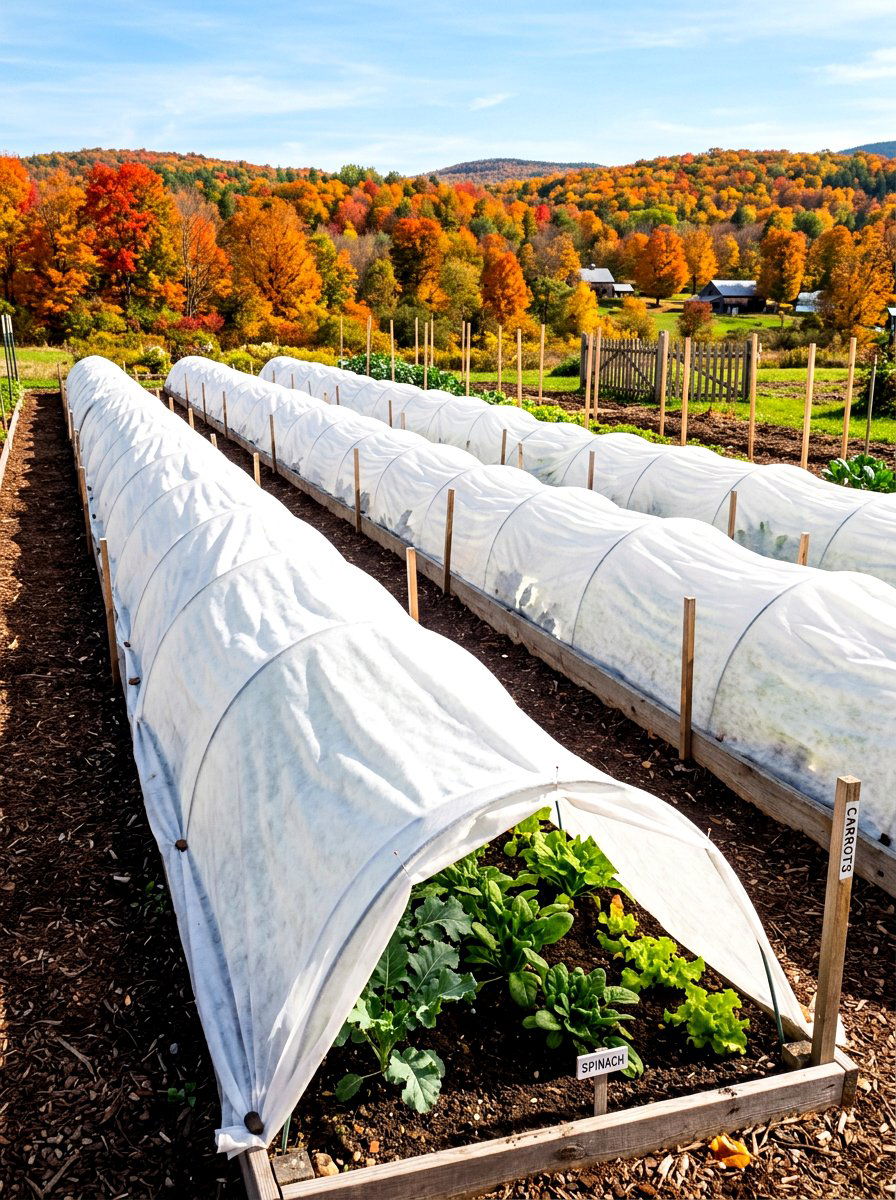
A row cover vegetable garden utilizes lightweight, breathable fabric to shield long rows of crops from cold temperatures and damaging insects. These covers allow sunlight and water to pass through while trapping just enough heat to protect plants from light frosts. They are an essential tool for organic gardeners because they provide an effective physical barrier against pests without the need for harsh chemicals or sprays. You can drape the fabric directly over the plants or support it with wire hoops to create a low tunnel. This method is particularly effective for protecting leafy greens and brassicas during the transition into the colder autumn and winter months.
18. Aquaponic Vegetable Garden
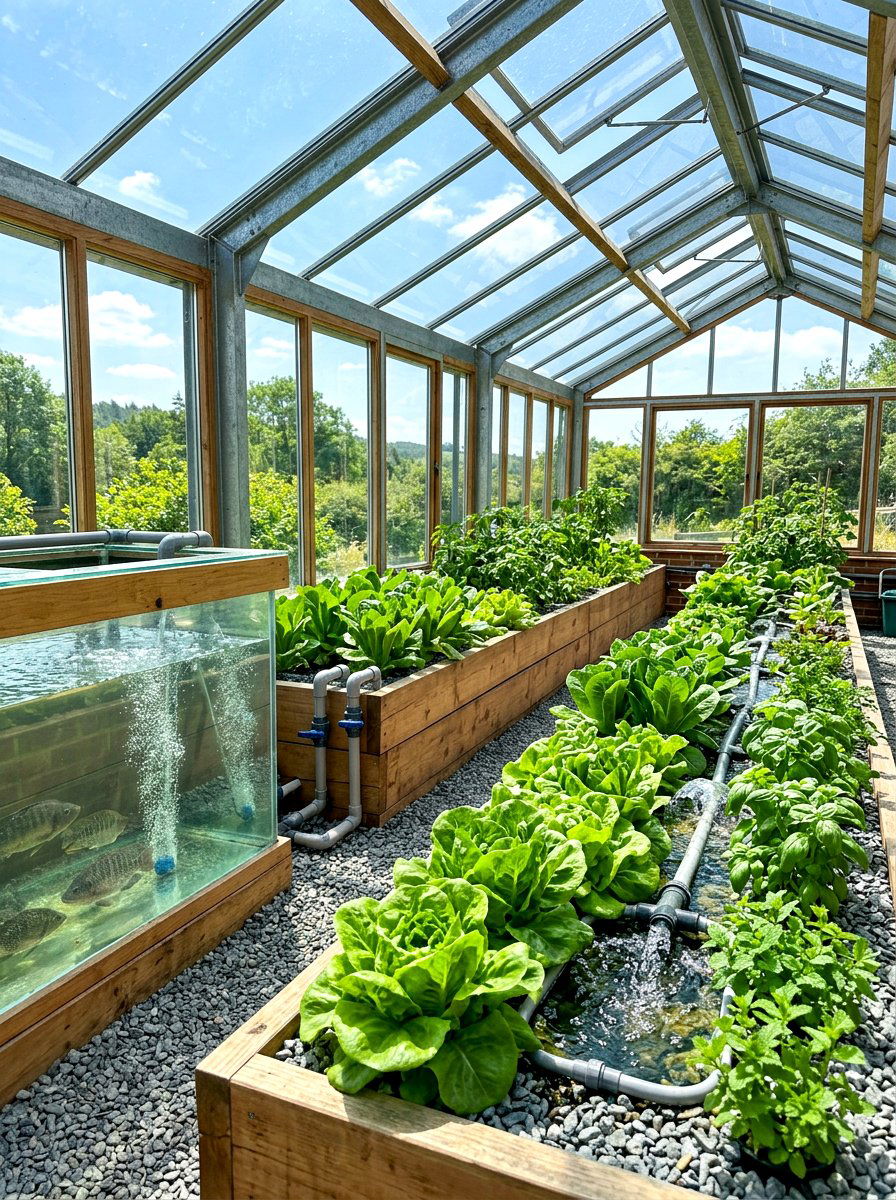
An aquaponic vegetable garden is a fascinating closed-loop system that combines aquaculture and hydroponics to grow both fish and vegetables together. The waste produced by the fish provides a rich source of nutrients for the plants, which in turn filter and clean the water for the fish. This symbiotic relationship creates a highly efficient ecosystem that produces a significant amount of food with very little waste. You can set up an aquaponic system in a basement, garage, or backyard greenhouse to ensure a steady supply of fresh fish and organic greens all year. It is a rewarding project for those interested in sustainable living and modern technology.
19. Patio Dwarf Vegetable Garden
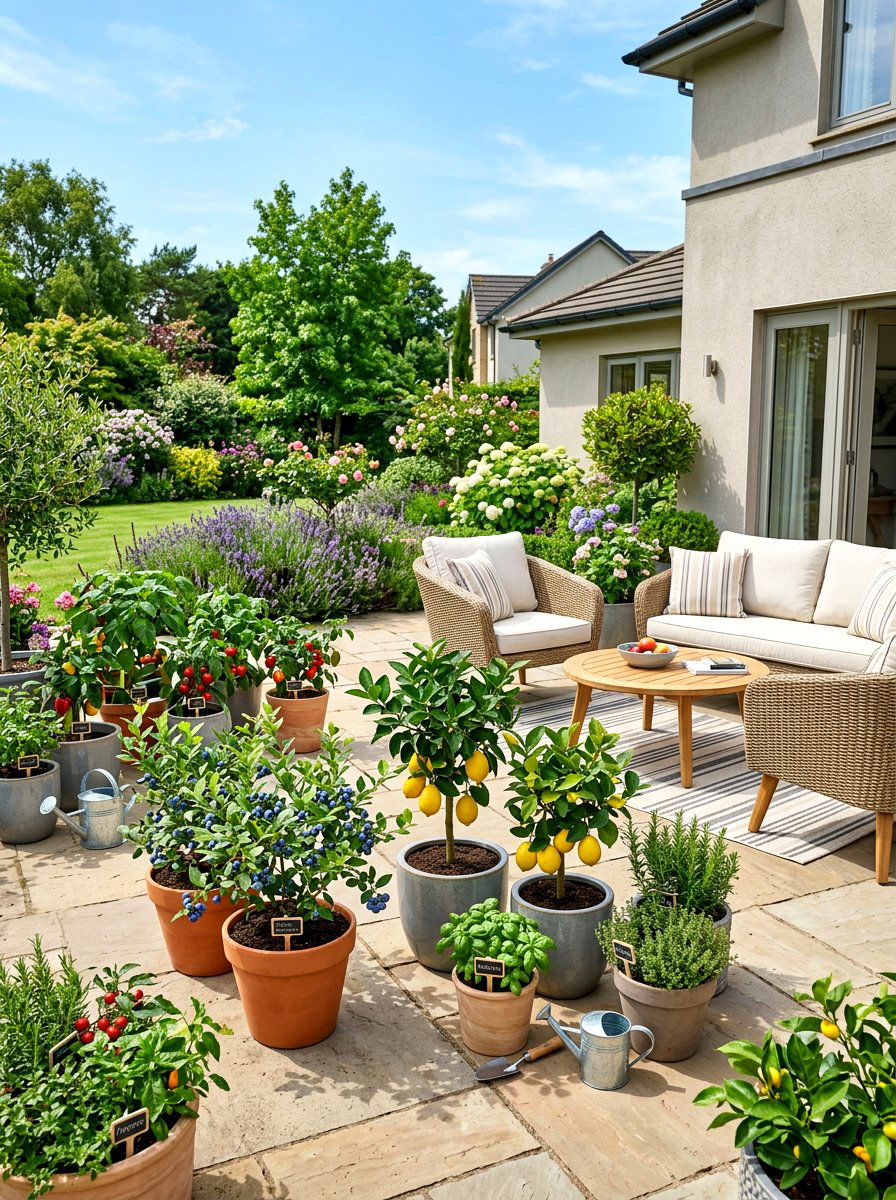
Developing a patio dwarf vegetable garden allows you to enjoy the benefits of fresh produce even if you only have a small outdoor seating area. Many modern plant breeders have created compact or "dwarf" varieties of favorite vegetables like corn, tomatoes, and even fruit trees that thrive in pots. These smaller plants are specifically designed to produce full-sized harvests without taking up the massive amount of space required by traditional varieties. You can arrange these containers to create a lush, green border around your patio furniture, blending utility with beauty. This setup makes gardening accessible to everyone, regardless of their yard size or soil conditions.


20. Grow Light Vegetable Garden
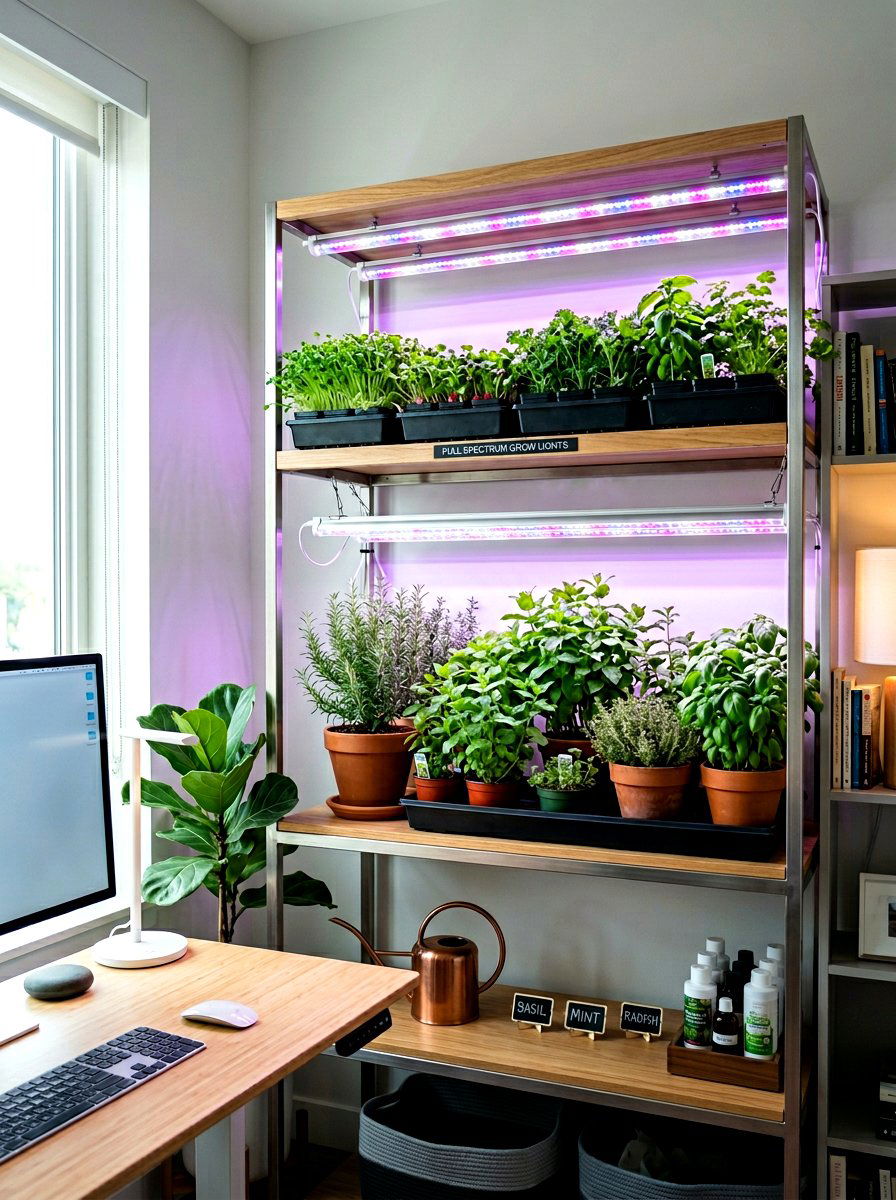
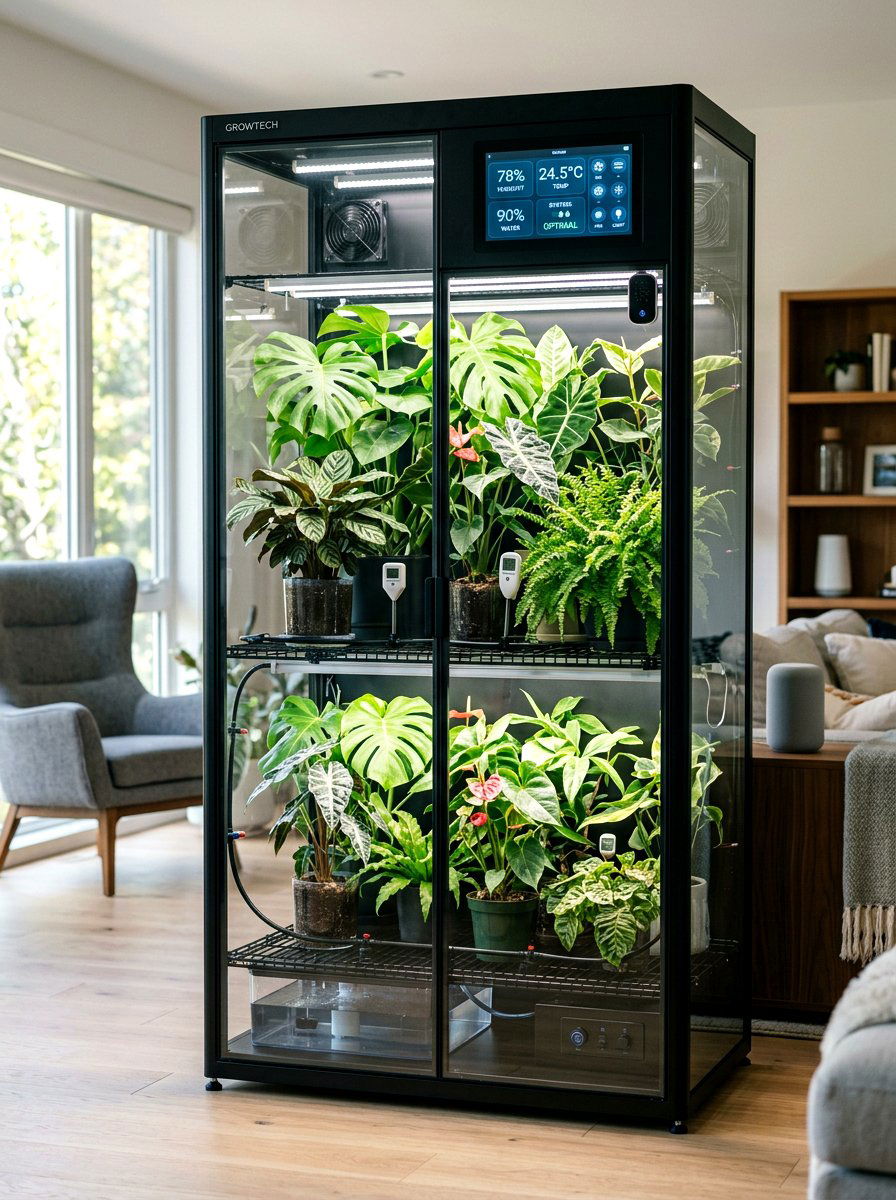
A grow light vegetable garden is the perfect way to turn any dark corner of your home into a productive food-producing zone. Modern LED grow lights provide the specific spectrum of light that plants need to photosynthesize, allowing you to grow vegetables in basements or windowless rooms. This setup is particularly valuable during the winter months when natural sunlight is limited and the days are very short. You can grow everything from gourmet salad mixes to spicy peppers right inside your living room or kitchen. Using a timer with your lights ensures your plants get a consistent amount of "sunshine" every day, leading to healthy and vigorous growth.
21. Succession Vegetable Garden
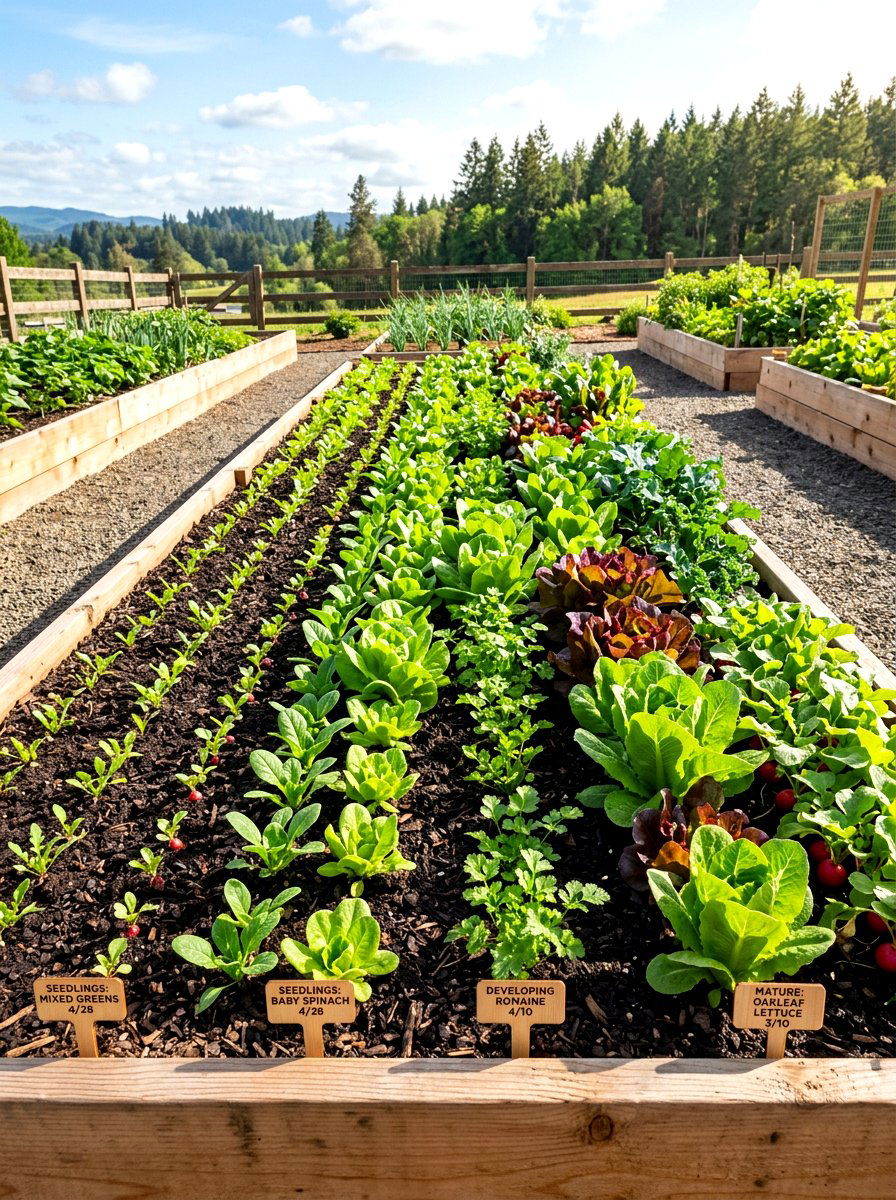
Mastering a succession vegetable garden is the secret to enjoying a continuous harvest rather than one massive, overwhelming crop all at once. This technique involves planting small amounts of seeds every two to three weeks, ensuring that as one group of plants finishes, the next is ready. You can also swap out finished spring crops like radishes for heat-loving summer vegetables like beans in the same space. This approach maximizes the productivity of your soil and ensures that you always have fresh ingredients ready for your dinner table. It requires careful planning and a good calendar, but the rewards of constant, fresh food are well worth the extra effort.
22. Edible Landscape Vegetable Garden
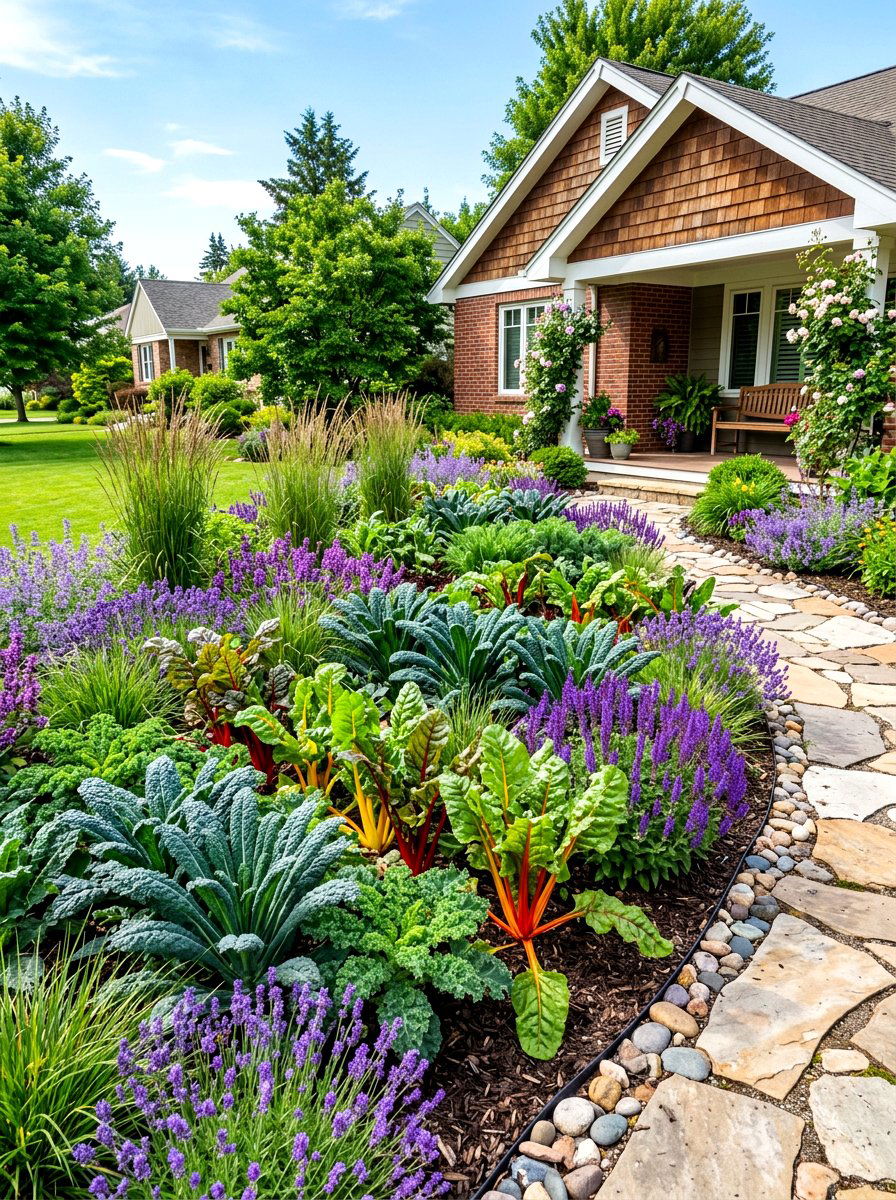
An edible landscape vegetable garden blends your food-producing plants seamlessly with your ornamental flowers and shrubs for a beautiful and functional yard. Instead of hiding your vegetables in a separate patch, you can use colorful kale as a border or train grapevines over a decorative pergola. This approach makes your entire property productive and reduces the need for large, dedicated garden beds that might not fit your aesthetic. Many vegetables have stunning foliage and flowers that rival traditional landscape plants while providing a nutritious harvest. It is a creative way to maximize your land use and enjoy a yard that is both gorgeous and incredibly delicious.
23. Winter Hardy Vegetable Garden
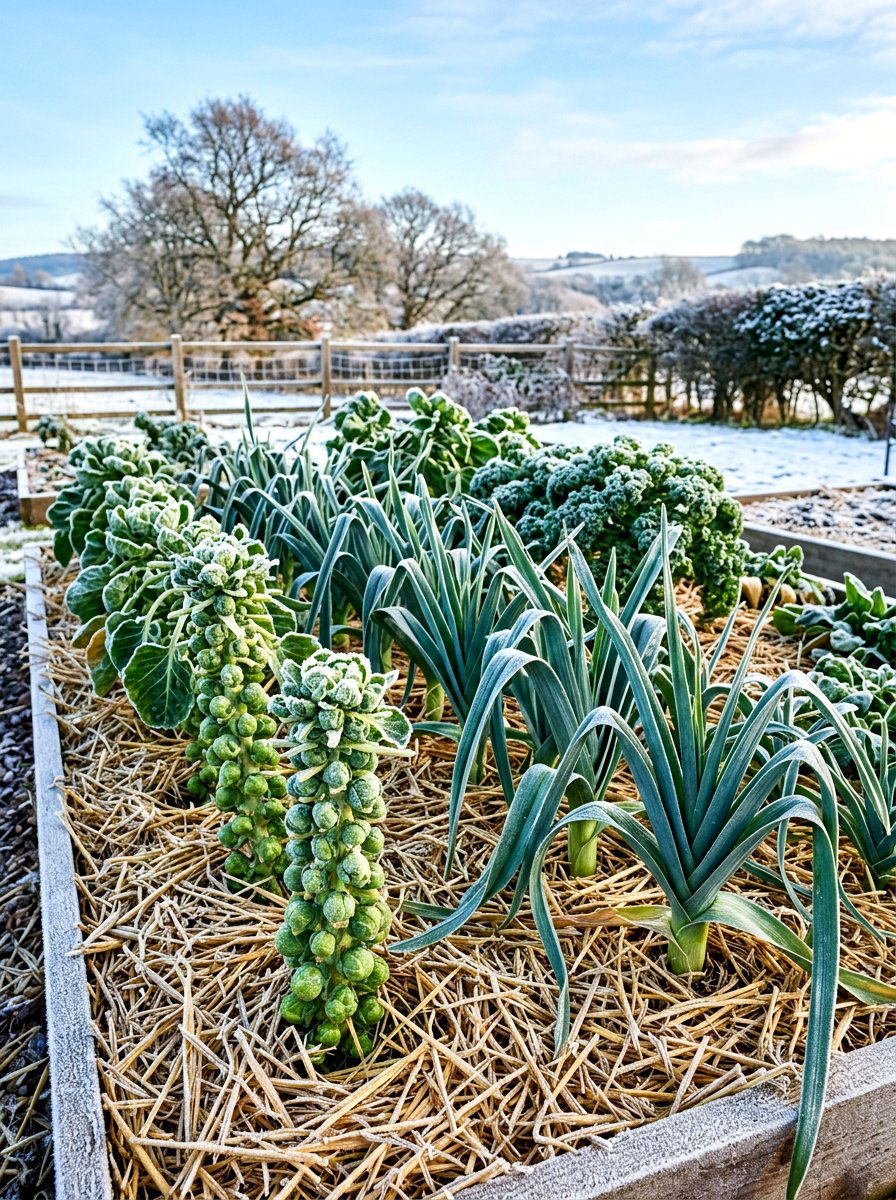
Focusing on a winter hardy vegetable garden involves selecting specific crops that can survive and even thrive in freezing temperatures and snowy conditions. Vegetables like garlic, leeks, and Brussels sprouts are naturally resistant to the cold and often taste even sweeter after a light frost. By preparing your beds with heavy mulch and simple covers, you can keep these resilient plants growing throughout the coldest part of the year. This ensures that you have fresh, nutritious ingredients available for hearty soups and stews during the winter months. It is a satisfying way to prove that the gardening season never truly has to come to an end.
24. Terraced Vegetable Garden
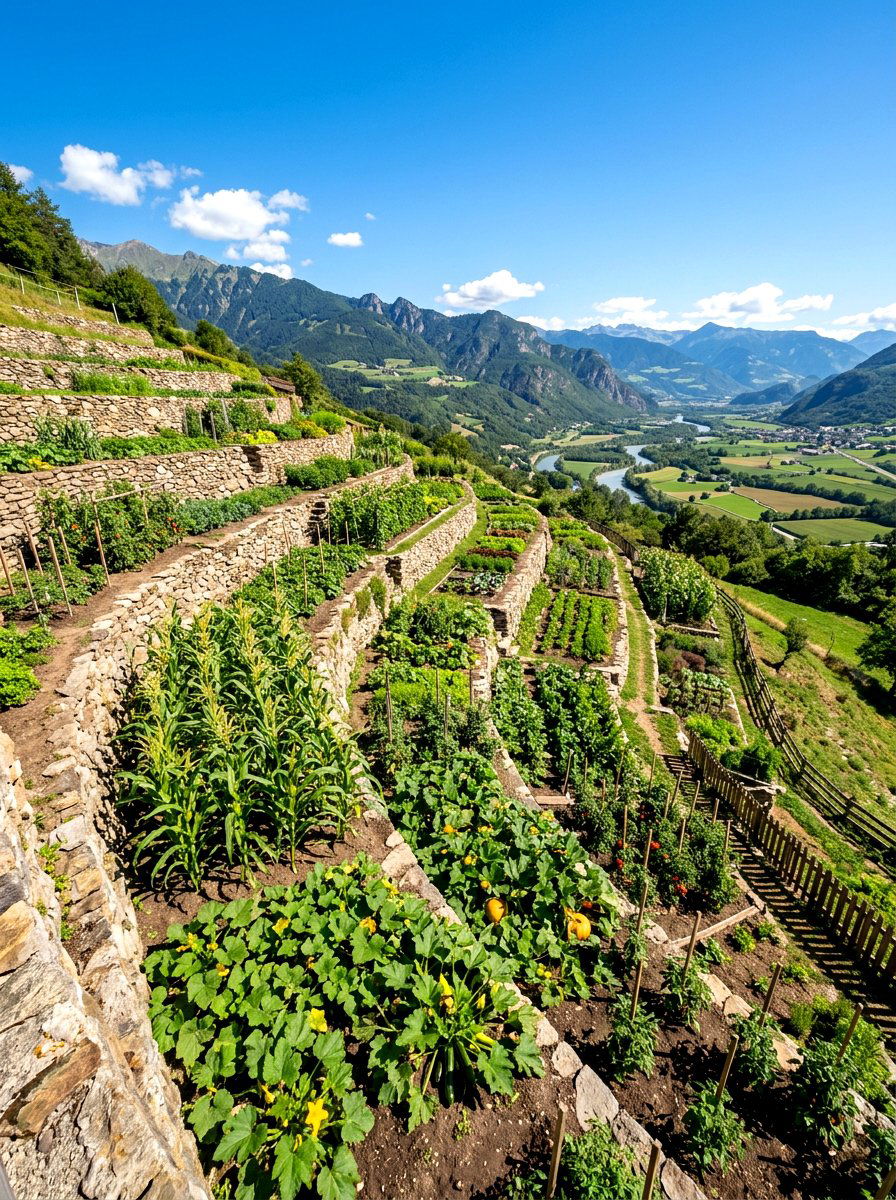
A terraced vegetable garden is the best way to utilize a sloped or hilly backyard that might otherwise be difficult to plant. By building a series of level steps or retaining walls, you create flat growing areas that prevent soil erosion and water runoff. These terraces catch and hold moisture much better than a slope, providing a more consistent environment for your vegetables to grow. You can use different materials like stone, timber, or concrete blocks to create a structured look that adds architectural interest to your landscape. This design also makes it easier to access your plants for maintenance and harvesting without slipping on a steep incline.
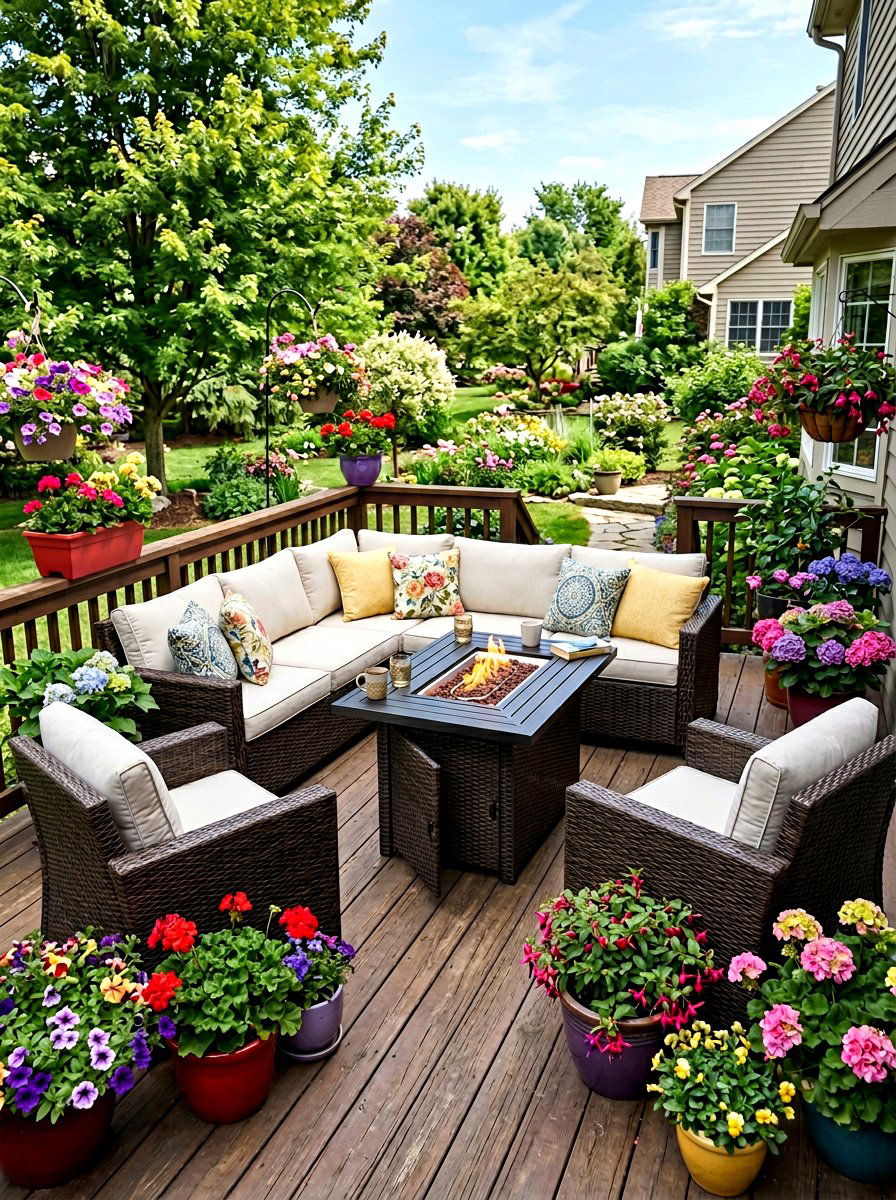
25. Gutter Vegetable Garden
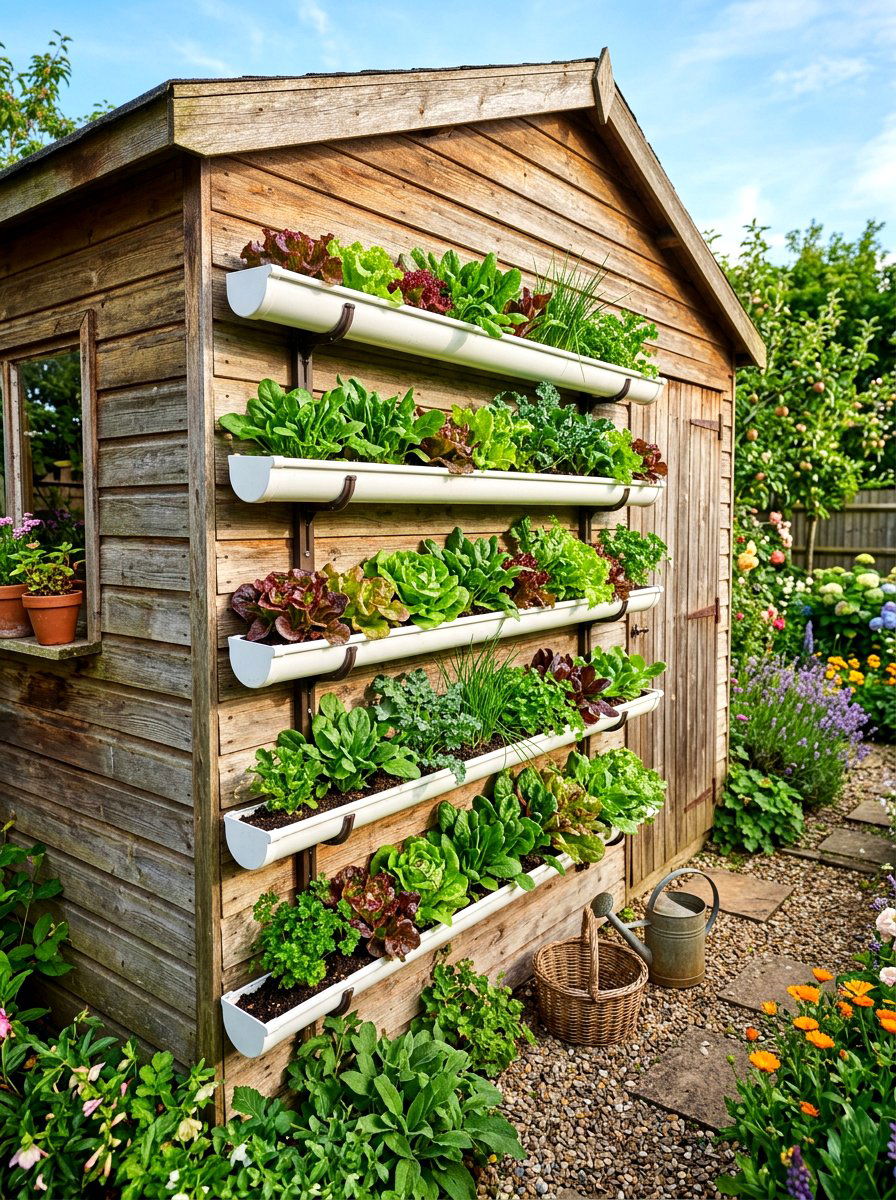
A gutter vegetable garden is a clever and space-saving way to grow shallow-rooted crops like lettuce, spinach, and herbs on a fence or wall. By mounting standard rain gutters in horizontal rows, you create a series of long, narrow planters that are perfect for small greens. This vertical setup keeps your vegetables at a comfortable height, making it very easy to plant and harvest without any bending. It is an excellent use of vertical space on the side of a shed or a sunny balcony railing where ground space is nonexistent. Ensure you drill drainage holes to keep the roots healthy and prevent water from becoming stagnant.
26. Pallet Vegetable Garden
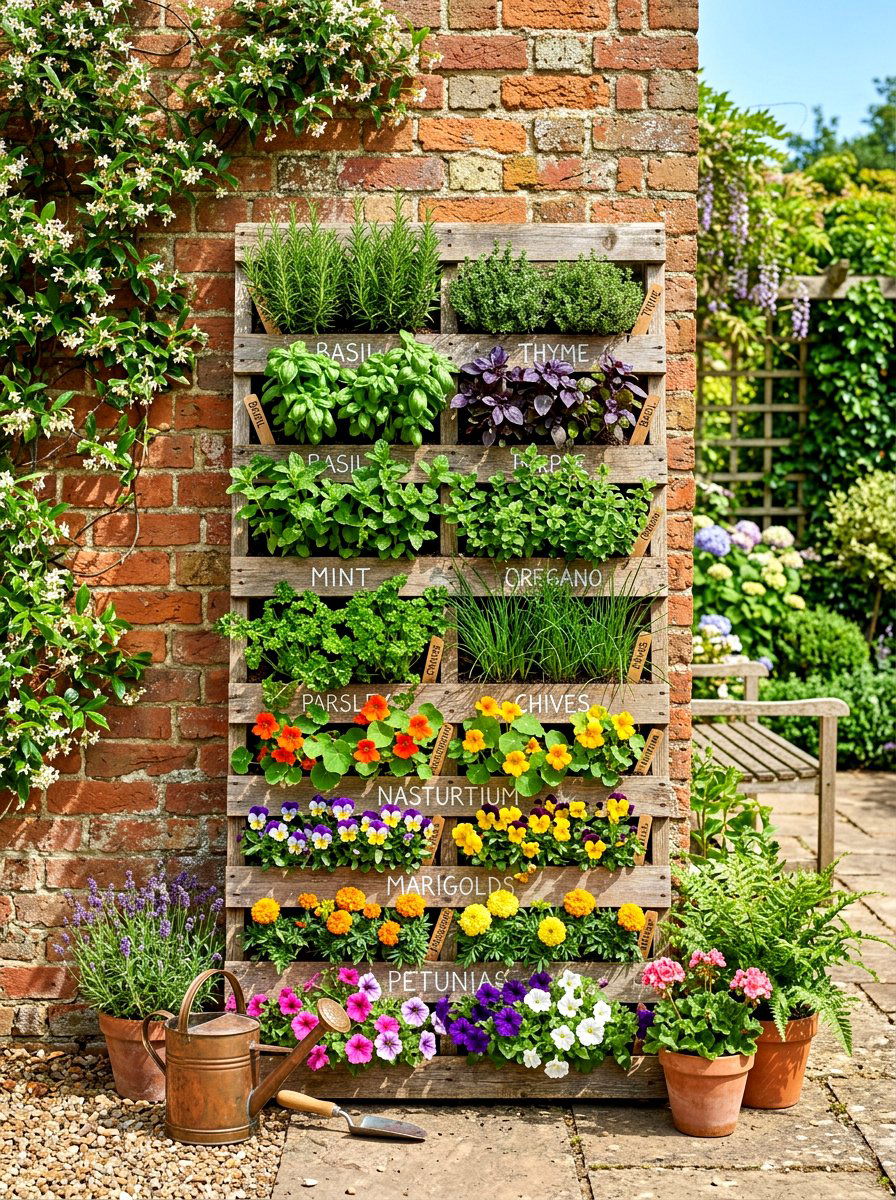
Creating a pallet vegetable garden is a popular DIY project that turns discarded shipping materials into a functional and rustic growing structure. You can lean a wooden pallet against a wall and fill the internal spaces with landscape fabric and potting soil to create vertical planting pockets. This method is incredibly affordable and works well for growing herbs, succulents, and small leafy greens in a compact area. It is important to use pallets that are heat-treated rather than chemically preserved to ensure your food remains safe and organic. This creative recycling project adds a charming, farmhouse feel to any outdoor space while providing a surprising amount of food.
27. Smart Indoor Vegetable Garden
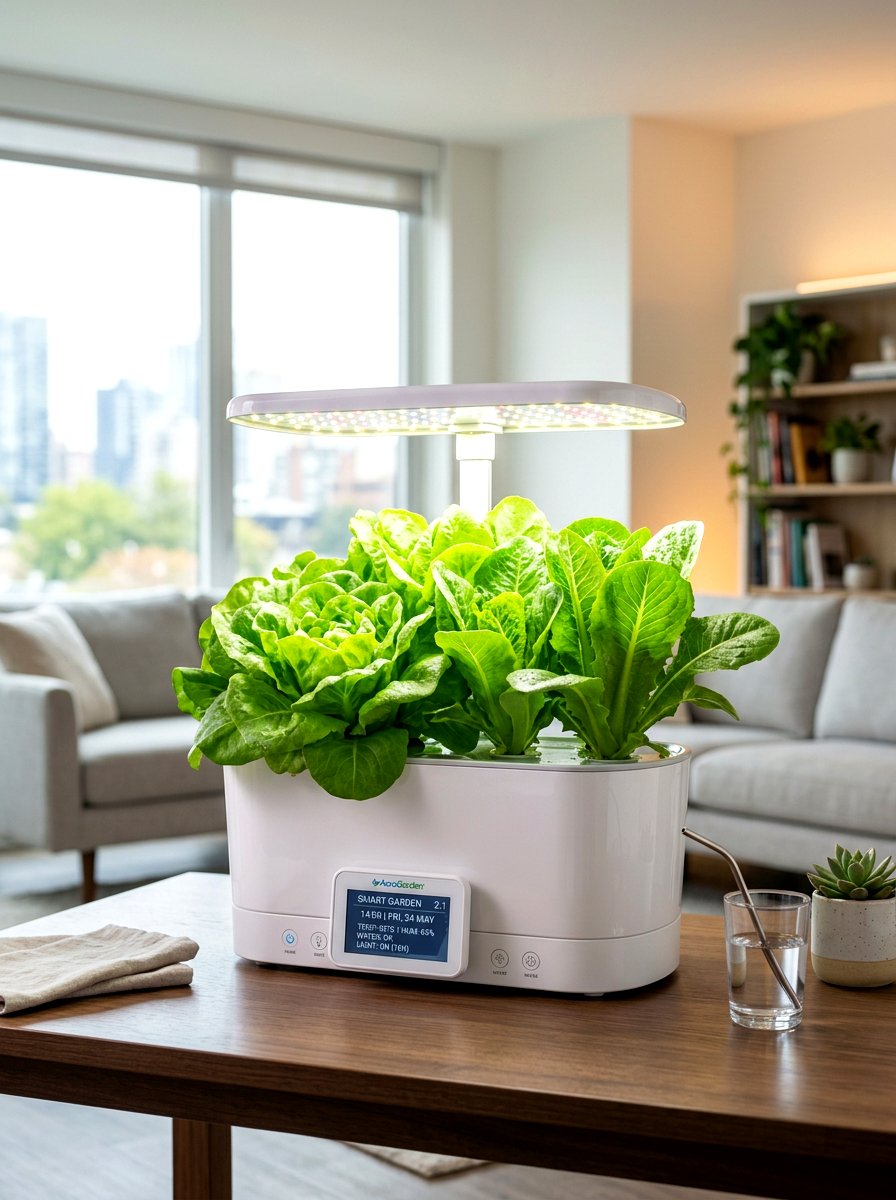
A smart indoor vegetable garden takes the guesswork out of plant care by using automated technology to manage light, water, and nutrients. These sleek, high-tech units often come with mobile apps that notify you when it is time to add more water or harvest your greens. They are perfect for people who live in busy urban environments and want the benefits of fresh produce without needing a deep knowledge of horticulture. The integrated LED lights and self-watering reservoirs create the ideal growing conditions for a variety of crops throughout the entire year. It is a stylish and foolproof way to ensure you always have fresh greens in your kitchen.
28. Straw Bale Vegetable Garden
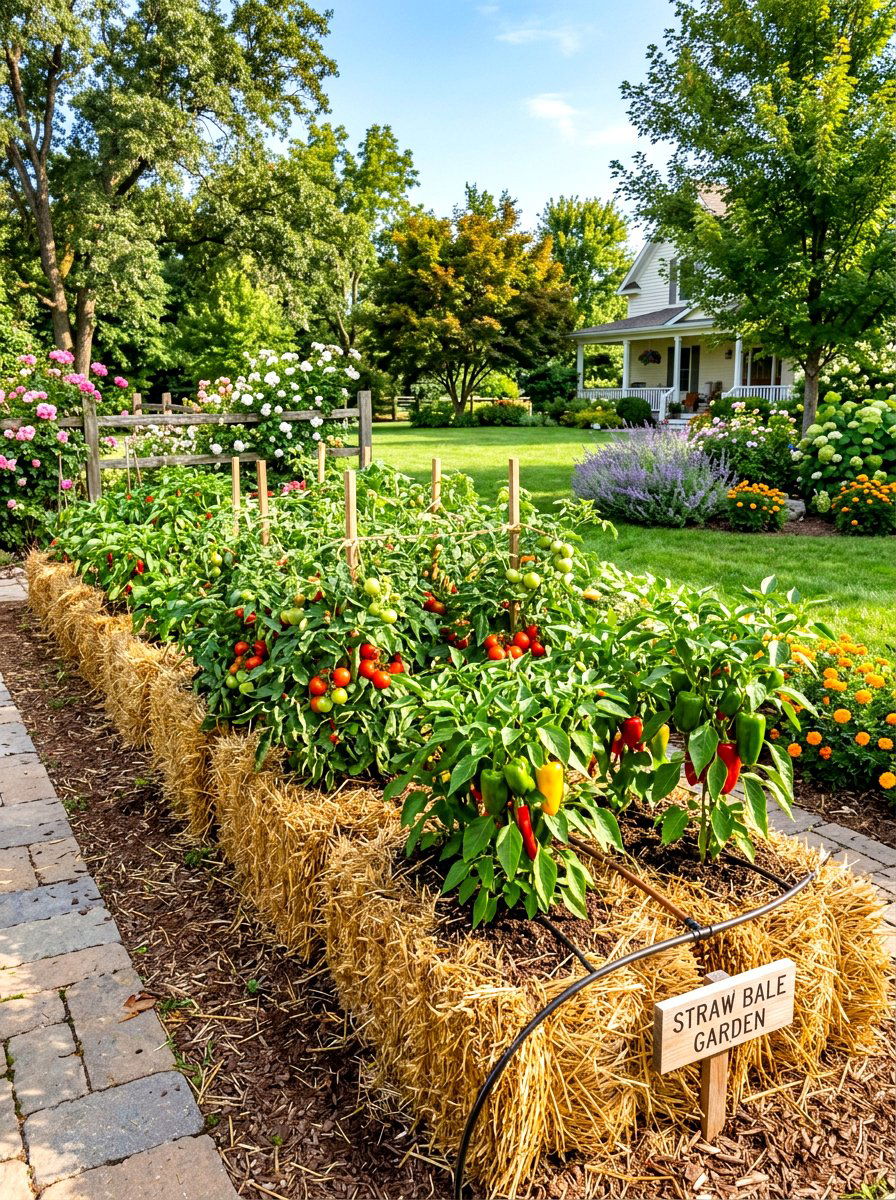
A straw bale vegetable garden is a unique and temporary way to grow food directly on top of conditioned bales of straw. As the straw begins to decompose, it creates a nutrient-rich environment that provides warmth to the roots of your vegetables, similar to a compost pile. This method is ideal for areas with poor soil or where you want to create a garden on top of a concrete or gravel surface. Once the season is over, the remaining straw can be used as a high-quality mulch or added to your compost bin for future use. It is a low-cost, high-yield technique that is particularly effective for growing potatoes and squash.
29. Balcony Vegetable Garden
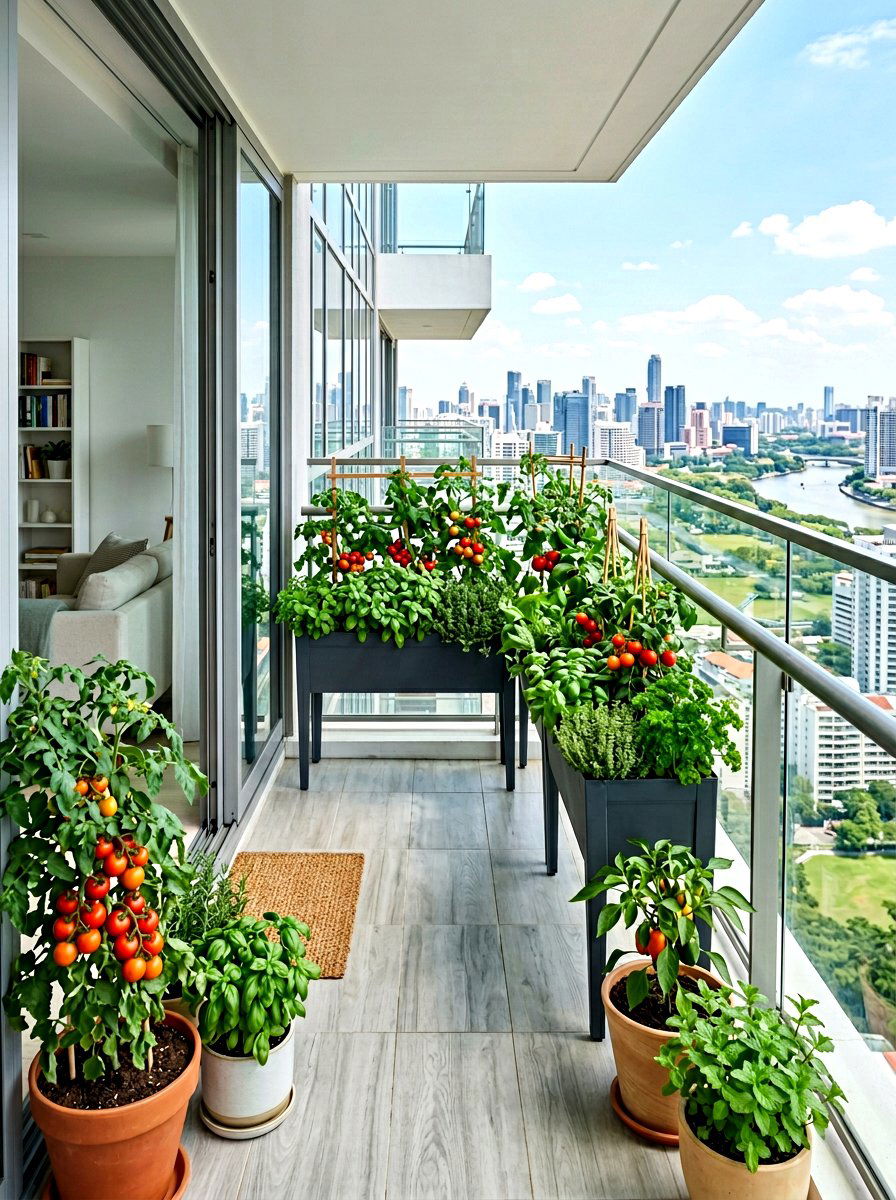
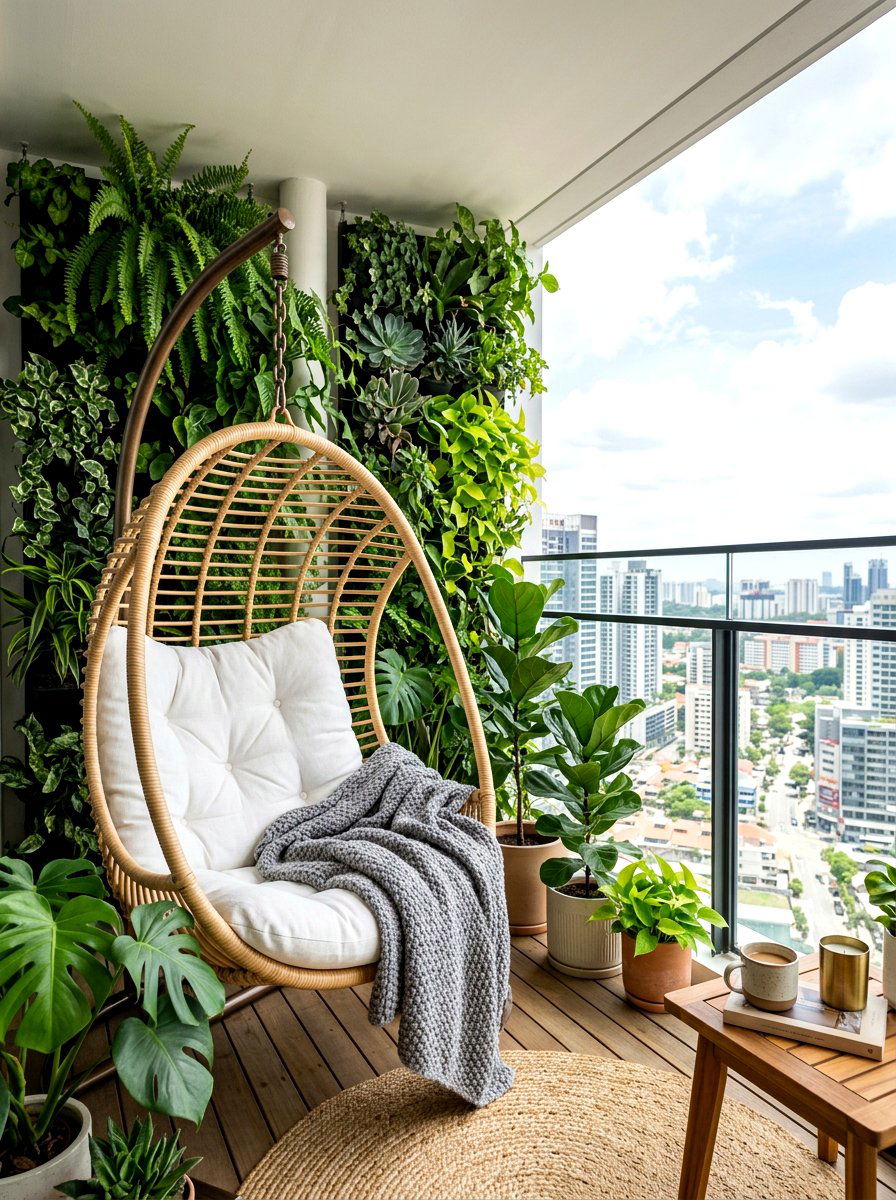
A balcony vegetable garden allows apartment dwellers to transform their small outdoor space into a productive mini-farm. By using a combination of hanging baskets, railing planters, and tiered stands, you can grow a surprising variety of food in just a few square feet. Focus on compact, high-yielding varieties that thrive in containers and can handle the specific wind and sun conditions of your balcony. This setup provides a peaceful, green retreat right outside your door where you can relax and harvest fresh ingredients for your morning omelet or evening salad. It is a wonderful way to connect with nature and improve your diet in an urban setting.
30. Shade Vegetable Garden
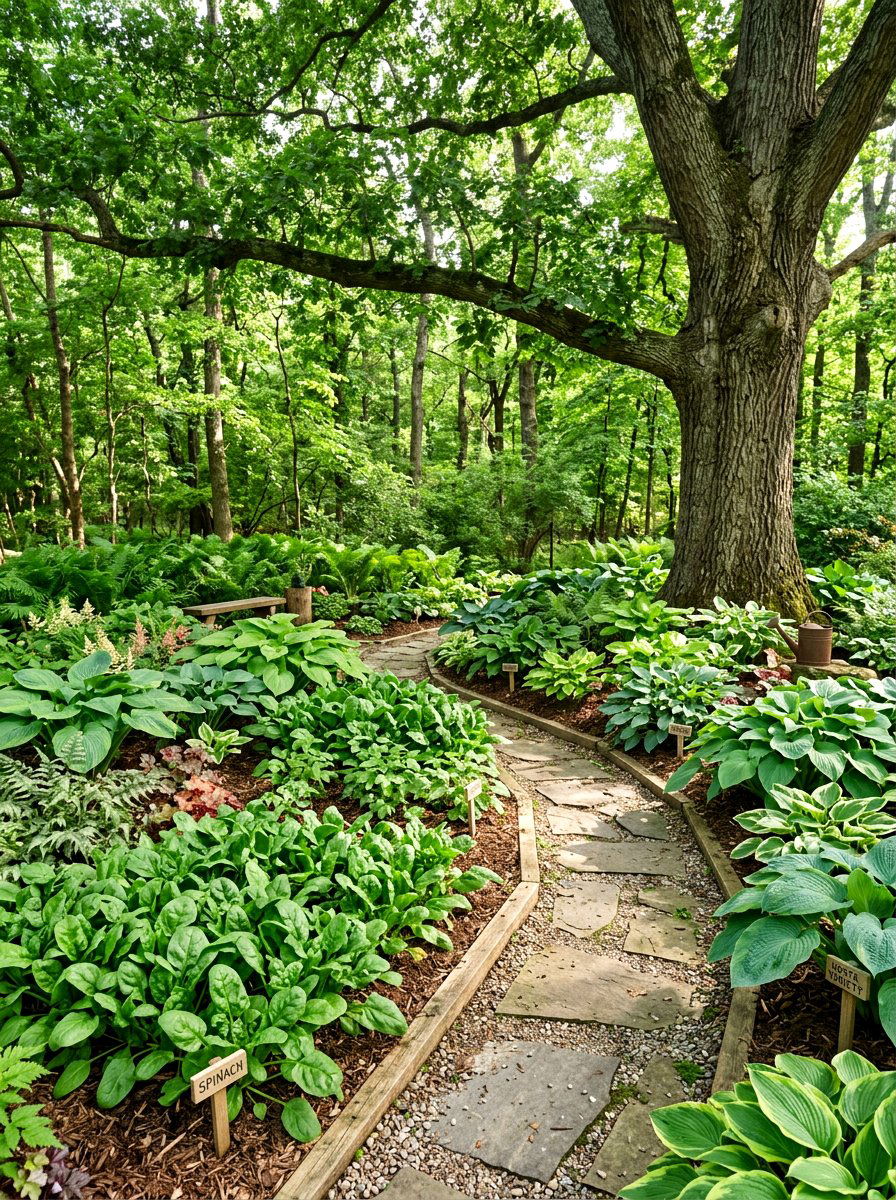
Creating a shade vegetable garden is the perfect solution for yards that do not receive the typical six to eight hours of direct sunlight. While tomatoes and peppers need full sun, many leafy greens like spinach, arugula, and Swiss chard actually prefer the cooler temperatures provided by partial shade. These plants often produce more tender and flavorful leaves when protected from the intense afternoon sun, and they are less likely to bolt or go to seed prematurely. By utilizing the cooler, shaded areas of your property, you can expand your growing space and enjoy a wider variety of fresh produce throughout the spring and summer months.
Conclusion:
Embarking on the journey of maintaining a year round vegetable garden is a transformative experience that brings the rhythms of nature directly into your daily life. Whether you choose to build a sophisticated walipini or simply start a few herbs on a sunny windowsill, the rewards of harvesting your own food are truly boundless. By understanding your local climate and utilizing the various structures and techniques described here, you can overcome the challenges of changing seasons. Growing food is an ongoing process of learning and adaptation that fosters resilience and provides healthy, organic nutrition for you and your loved ones. Start with one or two of these methods today, and soon you will be enjoying the unmatched satisfaction of a garden that never stops producing.

Related posts: