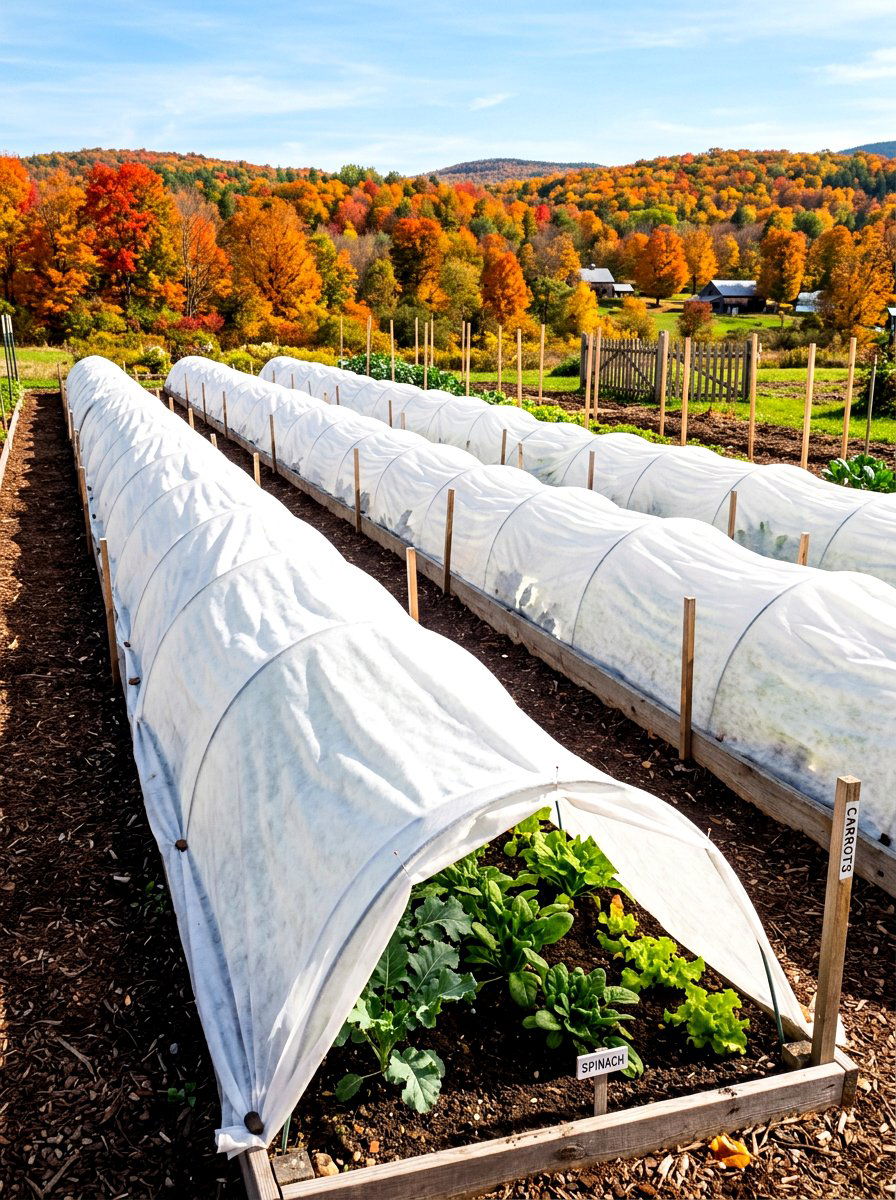
Ornamental grasses are a brilliant addition to any home landscape because they provide year-round texture, movement, and color with very little maintenance. These versatile plants act as the perfect foundation for modern, cottage, or coastal garden themes by adding a soft, natural aesthetic that bridges the gap between flowers and shrubs. Whether you are looking for a tall privacy screen or a low-growing border for a stone pathway, grasses offer endless possibilities for every sun exposure and soil type. Their ability to catch the light and sway in the breeze creates a relaxing atmosphere that transforms a static yard into a living, breathing sanctuary for your family.
1. Blue Fescue Border
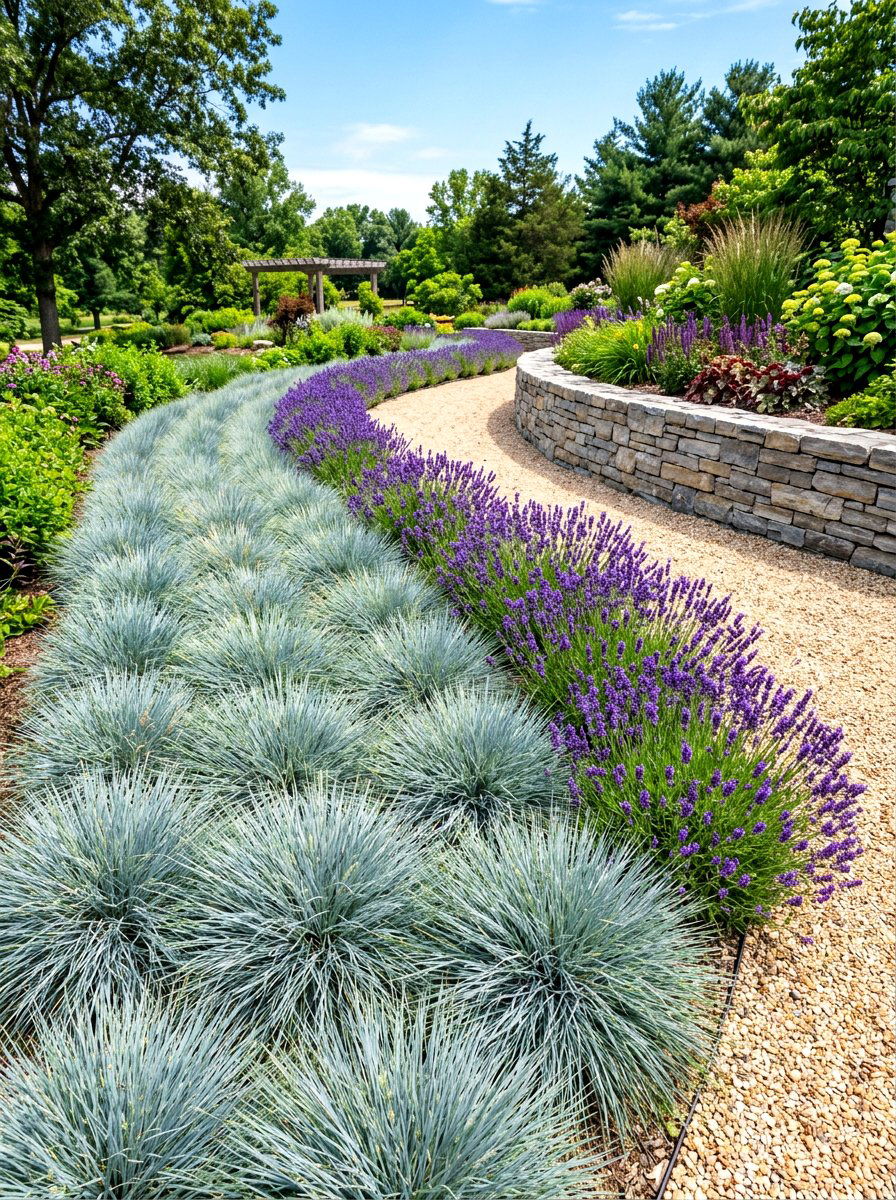
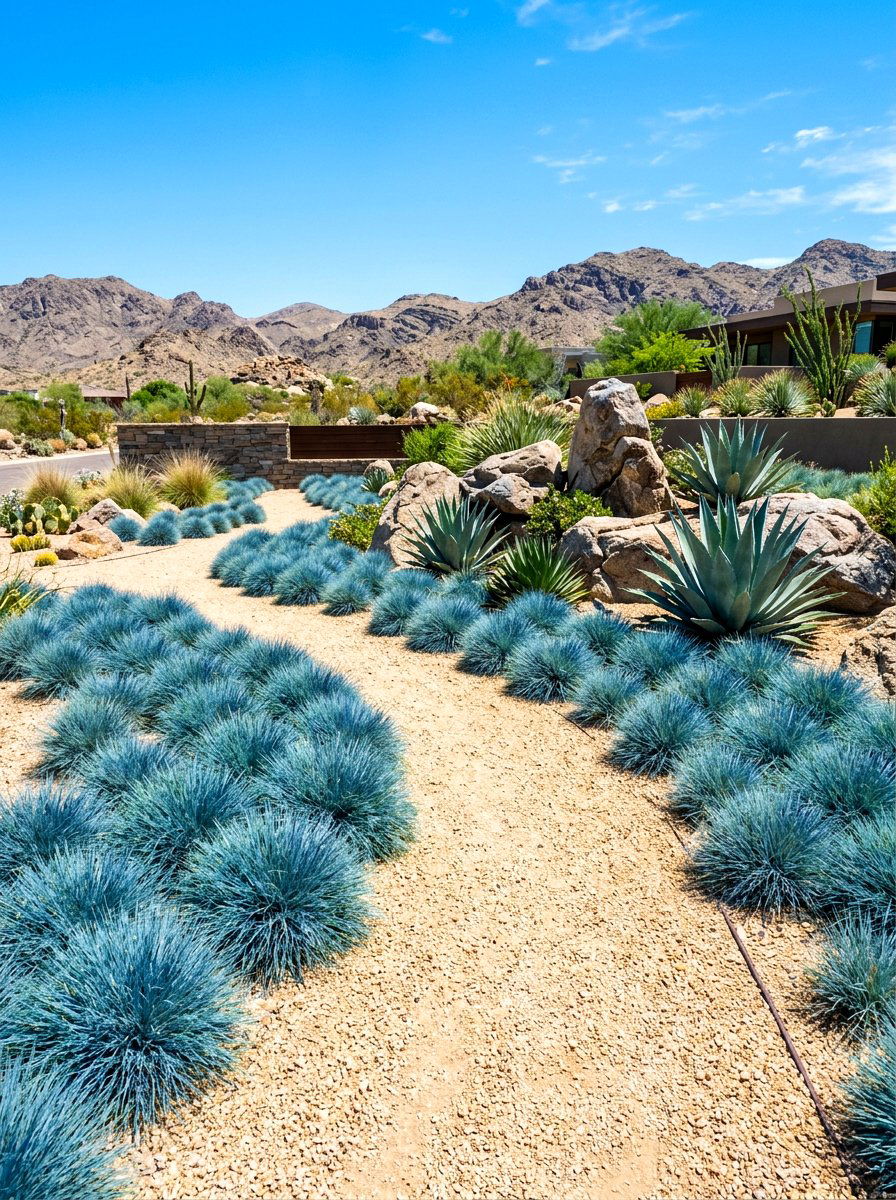
Blue fescue makes for a striking and colorful border along garden beds or stone walkways due to its compact, mounded growth habit. This cool-season grass features a distinct icy-blue hue that remains vibrant throughout the spring and summer months. You should plant these small tufts in a repetitive row to create a clean, modern look that emphasizes the rounded shape of each plant. They are extremely drought-tolerant once they become established, making them ideal for xeriscaping projects or low-water garden zones. Pairing them with dark mulch or contrasting green foliage helps the blue color pop and adds professional visual depth.
2. Karl Foerster Feather Reed Grass
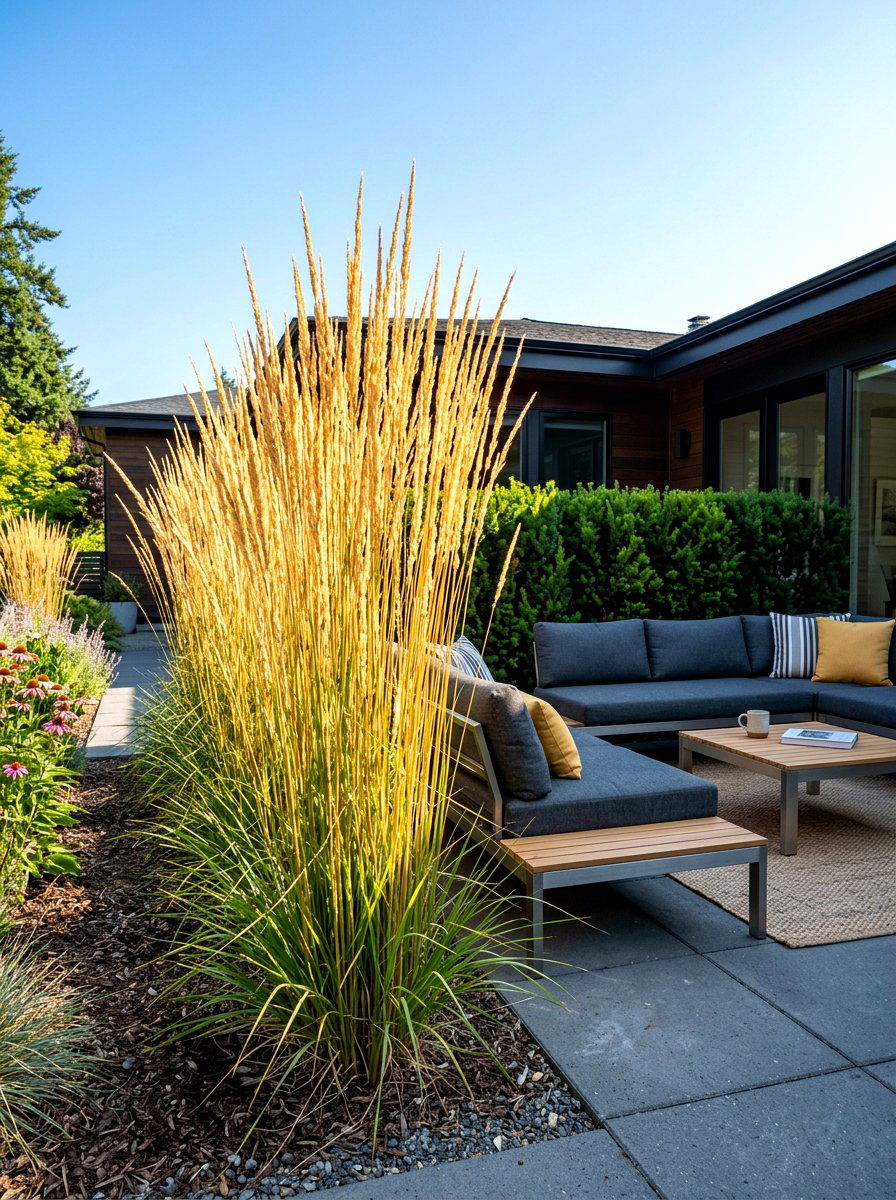
Karl Foerster feather reed grass is widely considered the gold standard for adding vertical height and architectural structure to modern gardens. This upright grass grows in tight, narrow clumps that do not flop over even during heavy rain or wind. Its green blades are topped with feathery plumes that shift from a light wheat color to a deep bronze as fall approaches. You can use it as a dramatic backdrop for shorter perennials or plant it in a dense row to create a soft, permeable privacy screen. It thrives in moist, well-drained soil and requires only a simple annual cutback.
3. Pink Muhly Grass Landscape
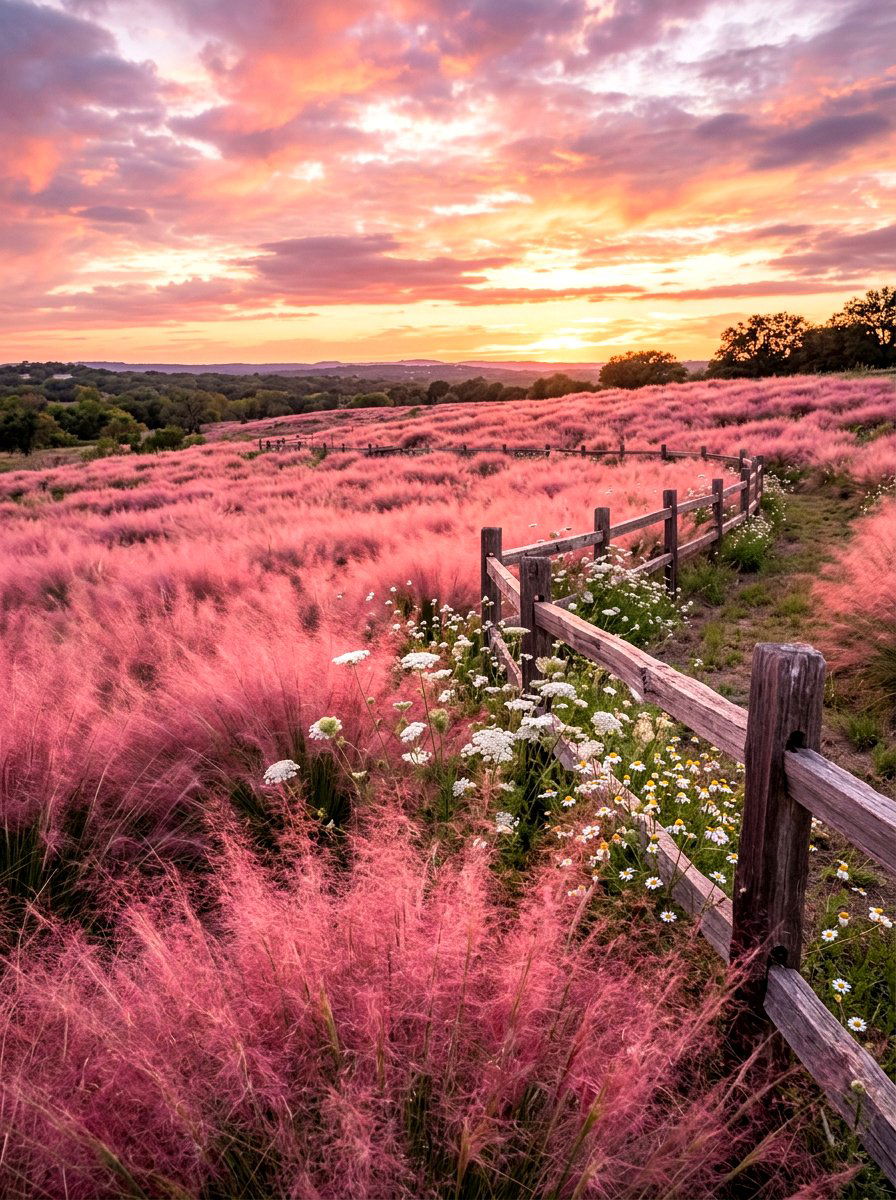
Pink muhly grass creates a dreamy, ethereal atmosphere in the landscape when it produces its iconic clouds of fuzzy pink blooms. During the late summer and fall, this grass transforms into a misty sea of vibrant rose-colored texture that glows beautifully in the sunlight. It is a hardy native variety that handles heat, humidity, and poor soil conditions with ease. Planting it in large drifts across a front yard or meadow area produces the most significant visual impact. This grass is perfect for homeowners who want a high-impact fall display without having to plant traditional blooming annuals.
4. Purple Fountain Grass Pot
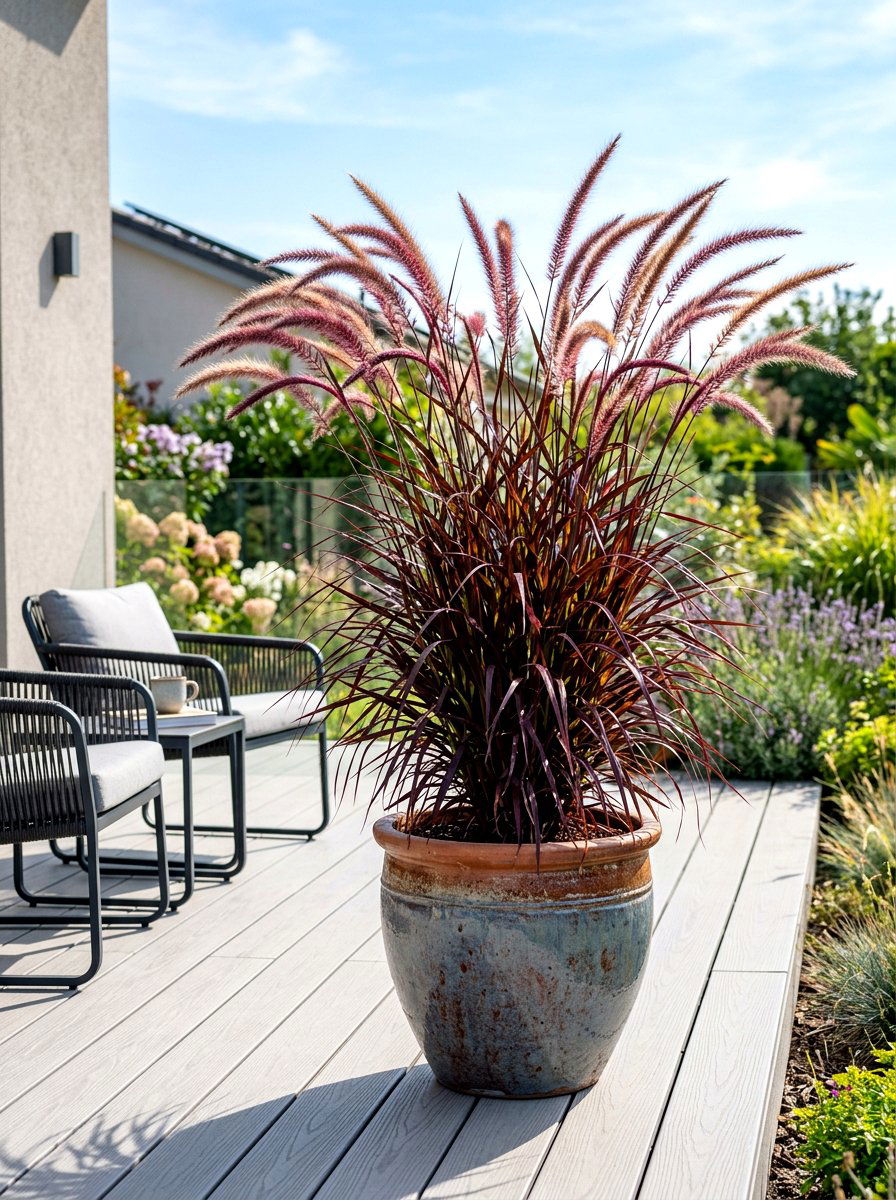
Purple fountain grass serves as a stunning focal point when planted in large decorative pots or containers on a patio. The deep burgundy and maroon foliage offers a bold contrast to typical green garden plants and bright seasonal flowers. Its gracefully arching leaves and fuzzy, bottle-brush flower spikes move elegantly with every light breeze. While often treated as an annual in cooler climates, it grows rapidly and fills out a container within a single season. Place these pots near entryways or seating areas to enjoy the rich color and soft texture up close throughout the entire summer.
5. Japanese Forest Grass Shade
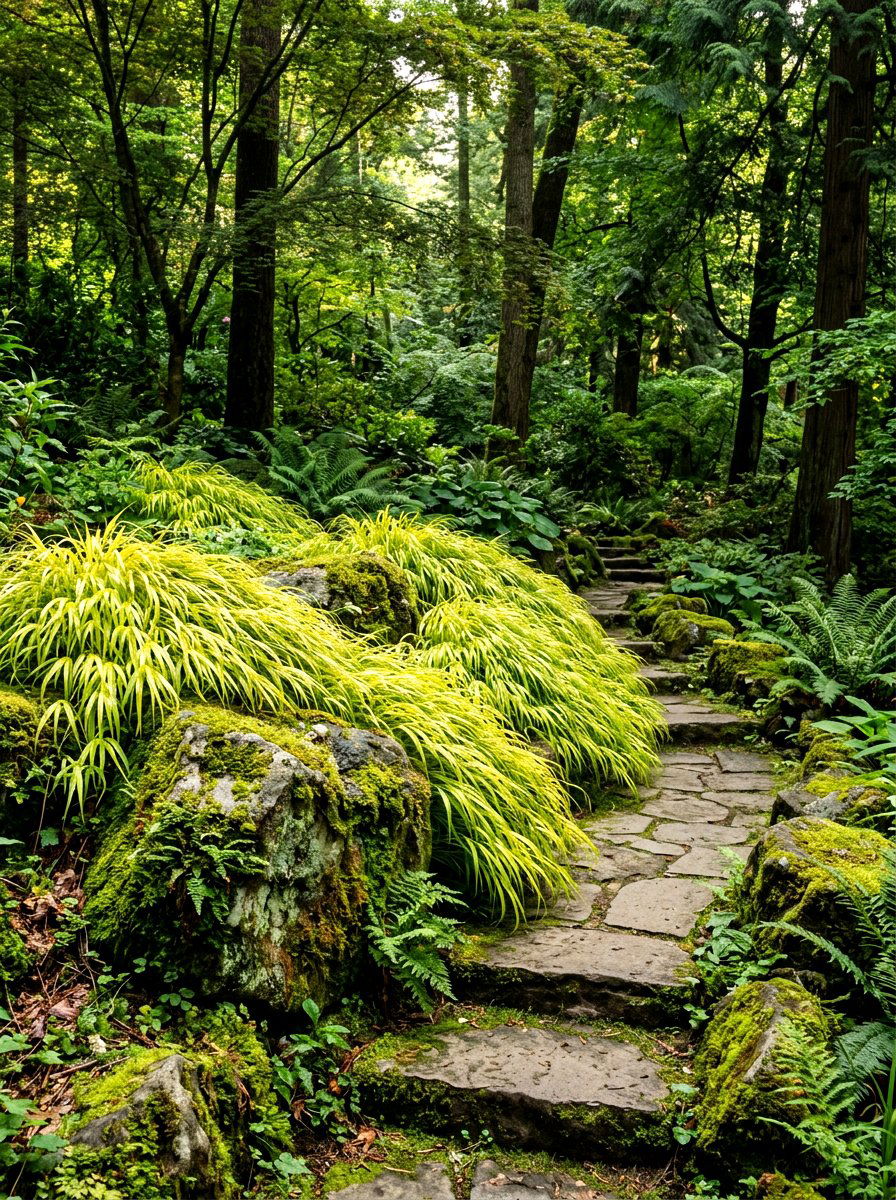
Japanese forest grass is an exceptional choice for brightening up the darker, shadier corners of your garden where most grasses struggle. This slow-growing perennial forms cascading mounds of bamboo-like foliage that look like a golden waterfall spilling over rocks or walls. The variegated yellow and green leaves add a luminous glow to woodland settings and pair beautifully with hostas or ferns. It prefers moist, rich soil and filtered sunlight to maintain its vibrant color without burning. Use it to soften the edges of a shaded patio or to add movement to a quiet, serene backyard retreat.
6. Pampas Grass Privacy Screen
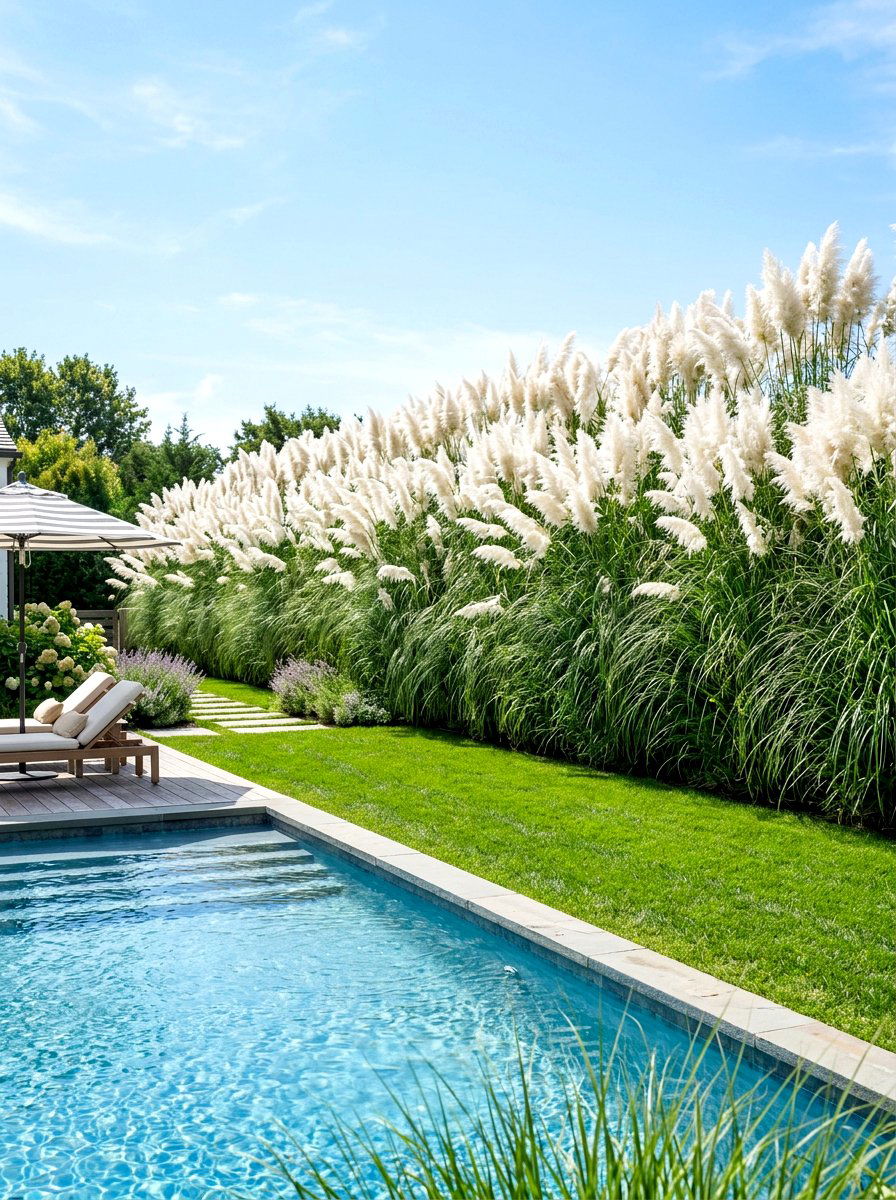
Pampas grass is the ultimate solution for creating a tall, thick privacy screen that blocks unwanted views and noise naturally. This giant ornamental grass can reach heights of ten feet or more, topped with massive, silky white plumes that last for months. Its sheer size and density make it an effective living fence for large backyards or property boundaries. Because it grows so vigorously, you should give it plenty of space to spread its wide, arching blades. The plumes are also highly sought after for indoor decor, allowing you to bring a piece of your garden inside.
7. Zebra Grass Garden
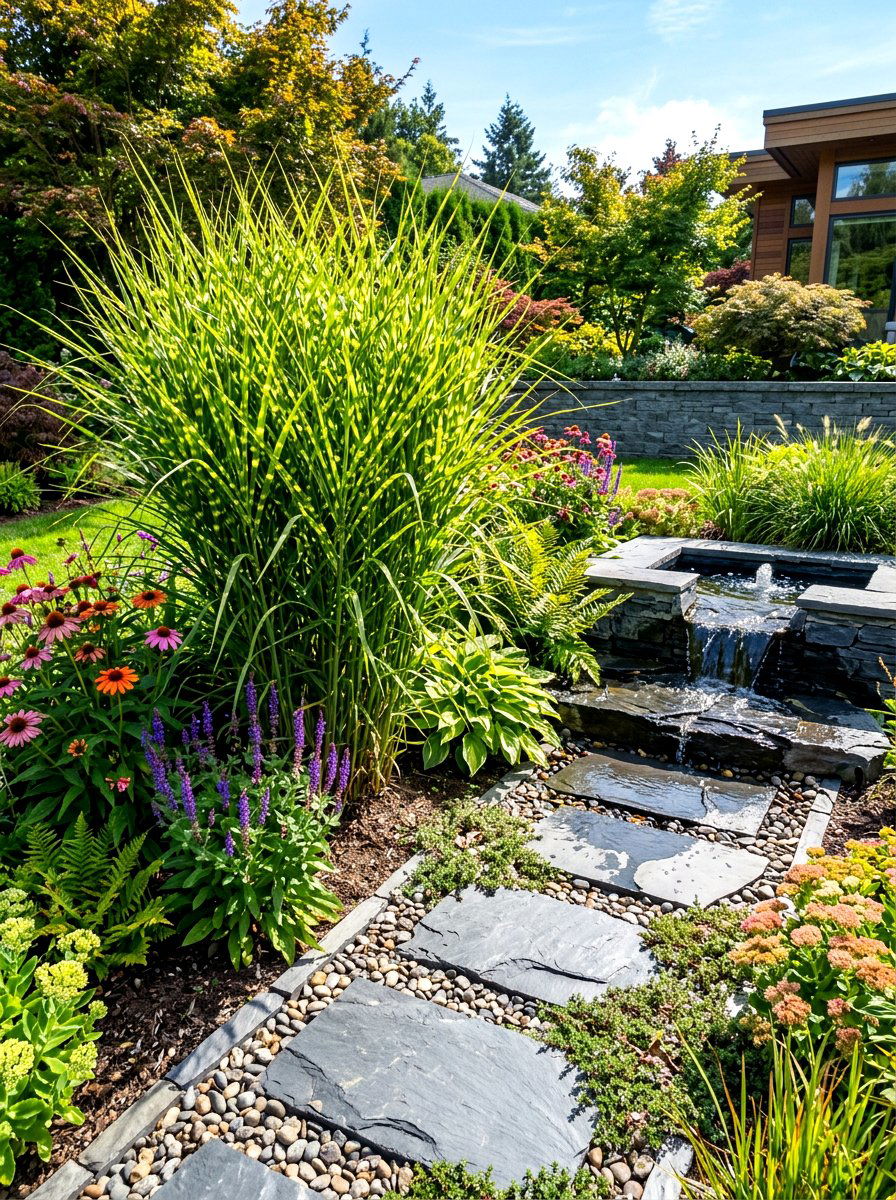
Zebra grass stands out in any landscape because of the unique horizontal yellow bands that stripe its tall green blades. This variegated variety of maiden grass adds a playful, exotic touch to traditional garden beds and works well as a specimen plant. It grows in a neat, vase-like shape and produces silvery plumes in the late summer that persist through the winter. This grass is particularly effective when planted near water features or as a tall accent in a mixed perennial border. Its sturdy stems remain upright even in winter, providing valuable visual interest and wildlife habitat.
8. Mexican Feather Grass Path
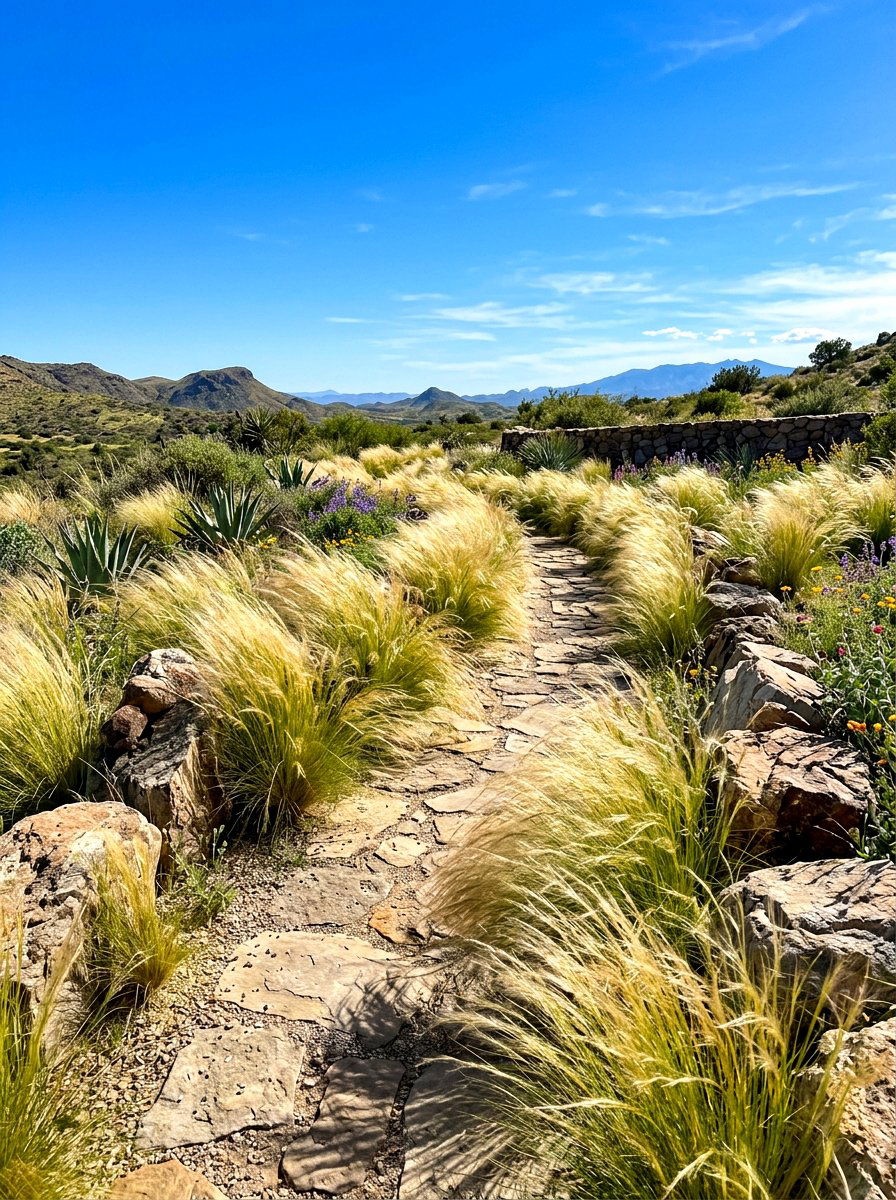
Mexican feather grass brings a soft, wispy texture to garden pathways and slopes where a naturalistic look is desired. The extremely fine, hair-like blades are topped with delicate golden seed heads that dance constantly in the wind. This grass is highly drought-resistant and thrives in rocky or sandy soils where other plants might fail. It self-seeds readily, which helps fill in gaps and creates a lush, meadow-like appearance over time. Planting it along a curved stone path creates a sense of movement and leads the eye through the garden in a very organic, effortless way.
9. Switchgrass Fall Foliage
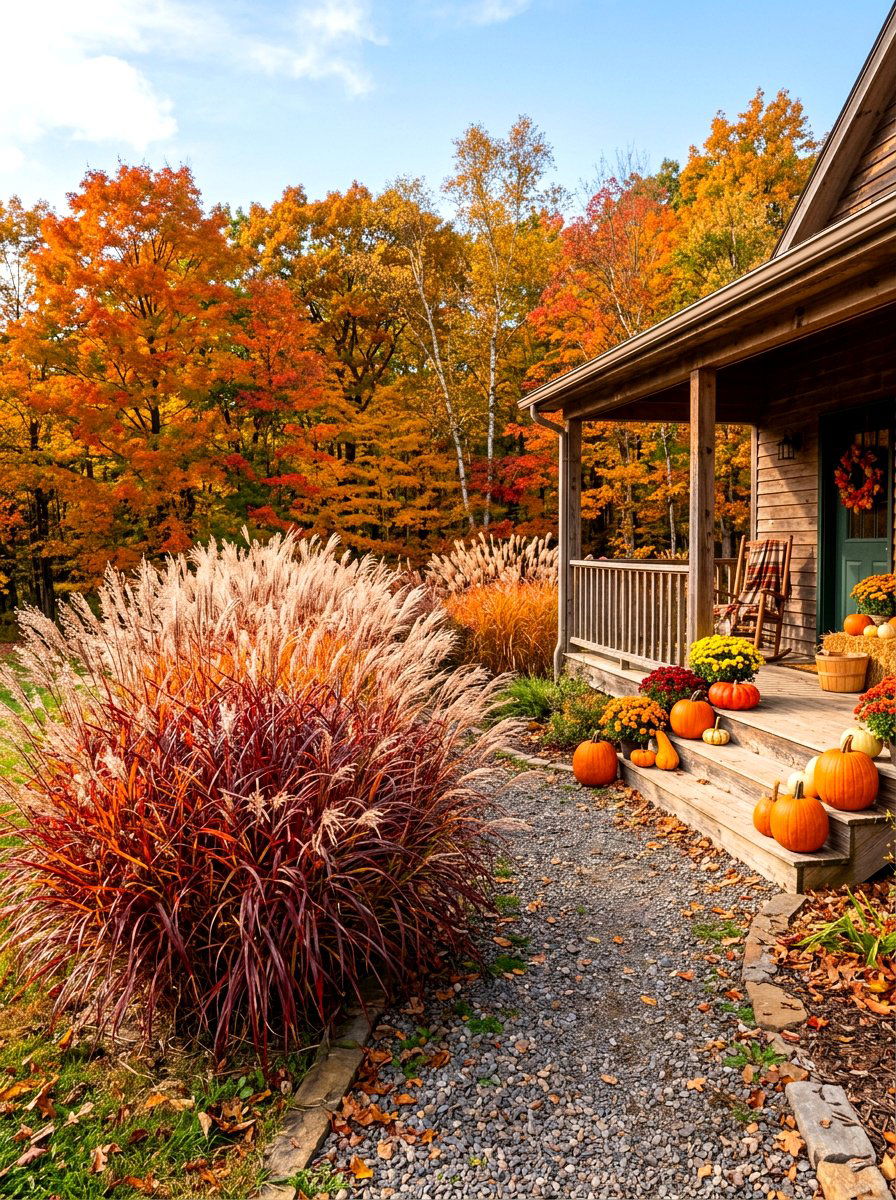
Switchgrass is a sturdy native prairie grass known for its spectacular transition into deep red, orange, or gold during the autumn. Varieties like Shenandoah are prized specifically for their early-onset burgundy tips that deepen as the season progresses. This grass grows in a tall, upright habit and produces airy, cloud-like seed heads that add a delicate mist to the garden. It is an incredibly resilient plant that tolerates both drought and temporary flooding, making it suitable for rain gardens. Use it to add a sense of wild, natural beauty to a modern or rustic home landscape.
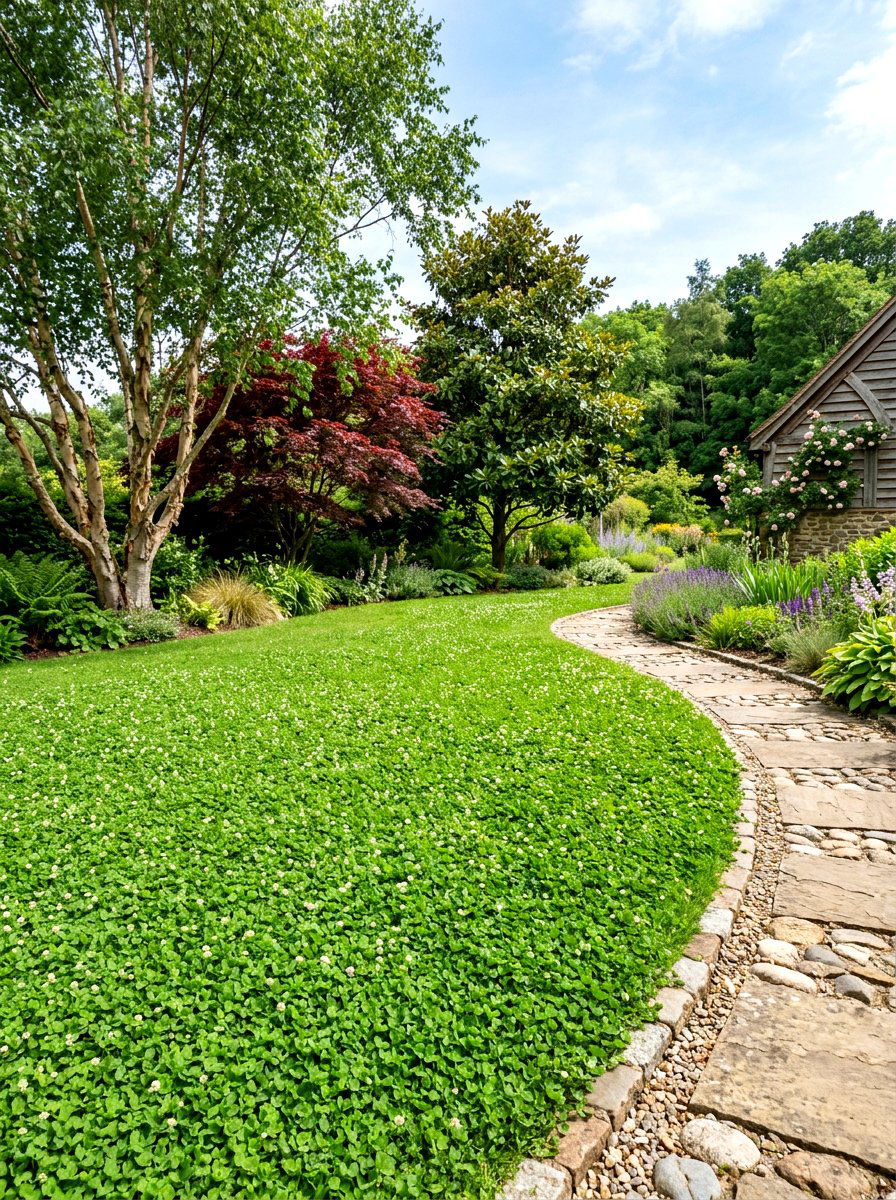
10. Little Bluestem Prairie
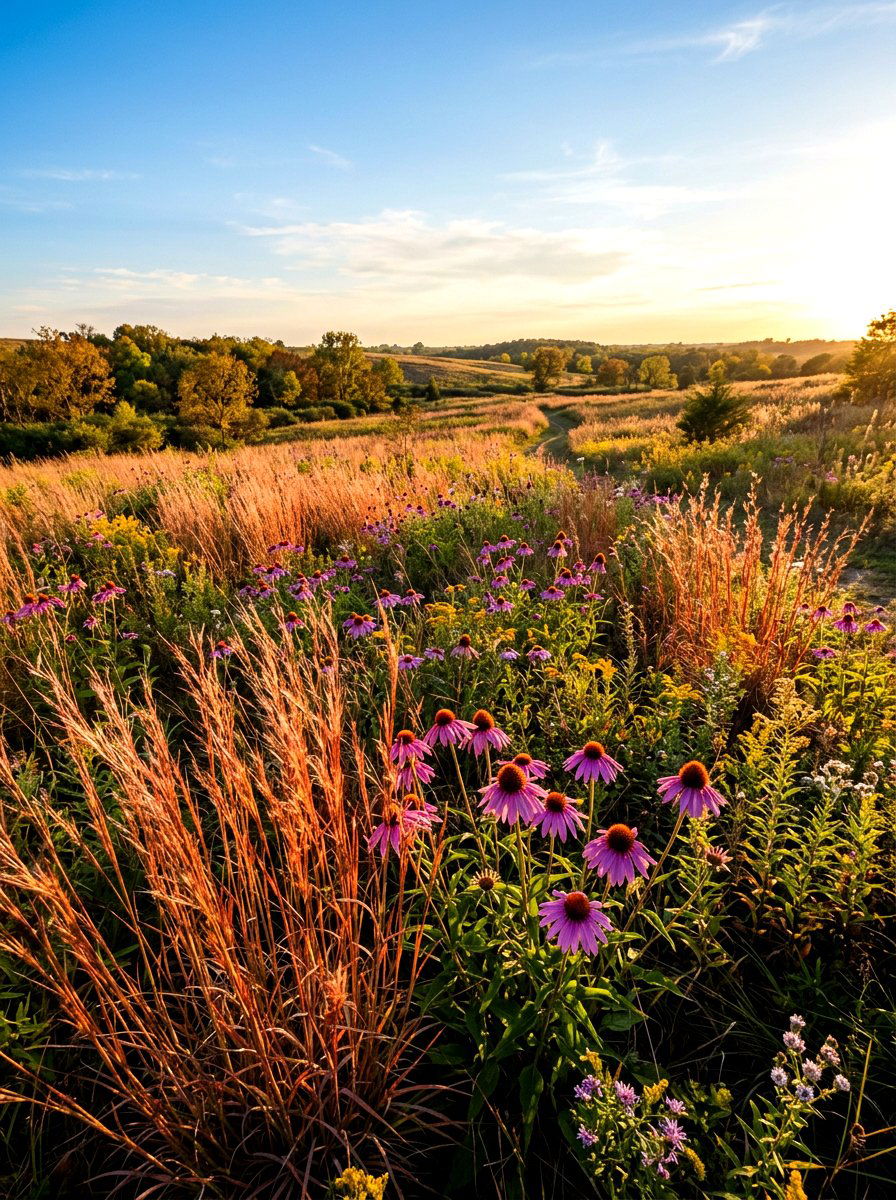
Little bluestem is a quintessential North American prairie grass that offers a stunning range of colors from blue-green to copper-orange. This mid-sized grass is famous for its vertical growth habit and its ability to provide intense color interest throughout the entire winter. The fine-textured foliage turns a brilliant mahogany-red after the first frost, standing out sharply against white snow. It is an excellent choice for supporting local wildlife, as birds frequently use the stems for nesting and seeds for food. Plant it in groups to create a mini-meadow that feels both intentional and ecologically beneficial.
11. Maiden Grass Background
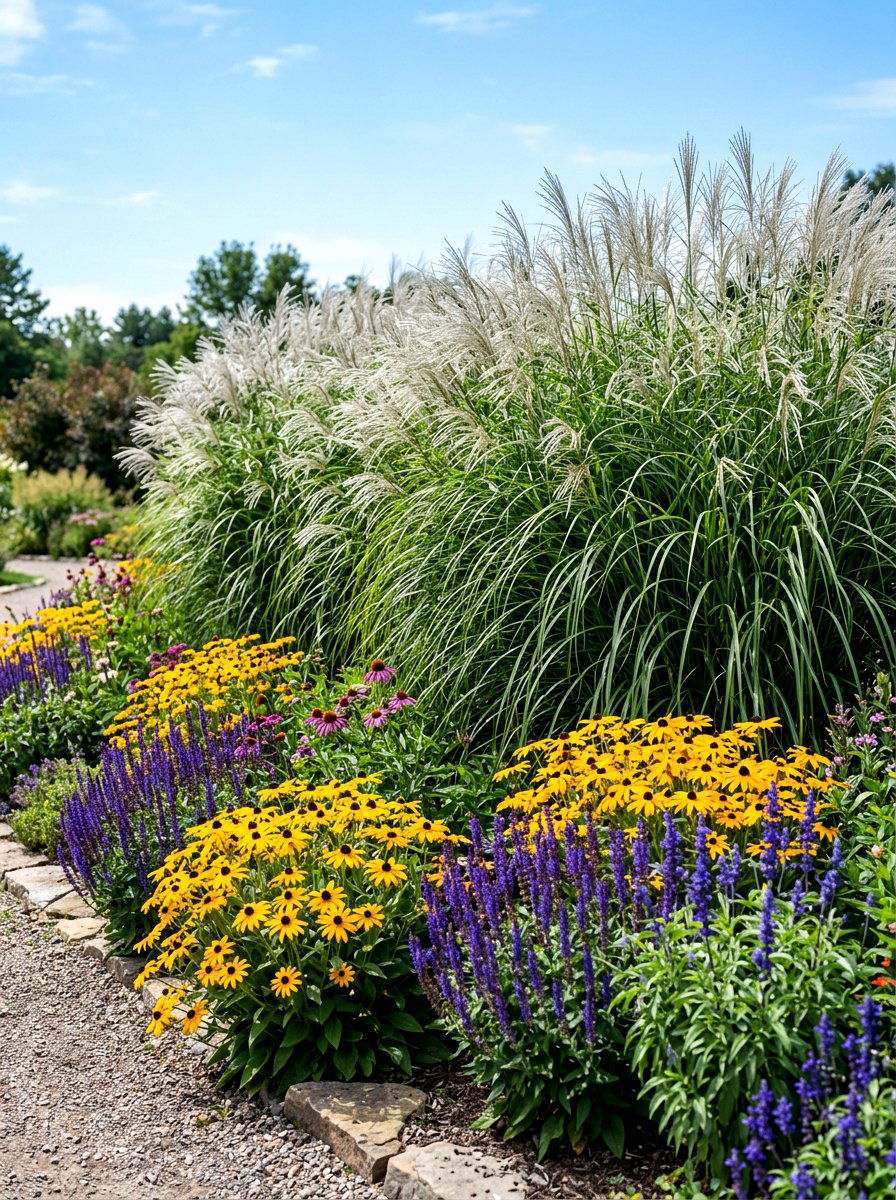
Maiden grass is a versatile landscape workhorse that serves as a beautiful, fine-textured background for colorful perennial flowers and shrubs. Its long, slender blades arch gracefully outward, creating a rounded silhouette that can reach five to seven feet in height. In the late summer, it produces spectacular fan-shaped plumes that catch the golden hour light perfectly. This grass is very long-lived and forms large, impressive clumps that provide a sense of permanence in the garden. It is ideal for masking unsightly fences or creating a soft transition between the lawn and more formal planting areas.
12. Carex Sedge Groundcover
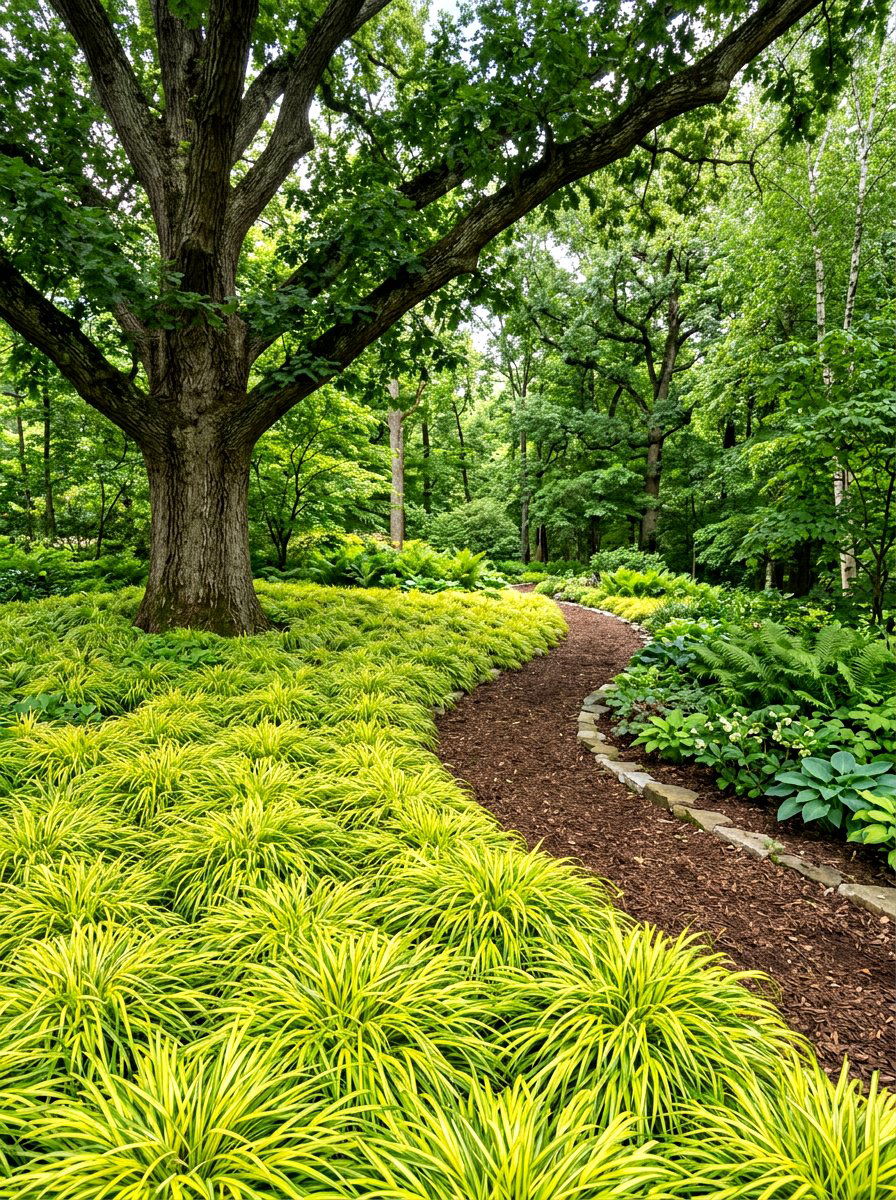
Carex sedges are the perfect low-maintenance groundcover for filling in large areas under trees or along steep garden banks. While technically not true grasses, they offer the same grassy look with much greater tolerance for shade and moist soil. Varieties like Evergold provide bright yellow variegation that stays green even in the winter for many regions. They grow in low, tidy mounds that suppress weeds effectively once they knit together. Use them to create a lush, green carpet effect that requires no mowing and very little supplemental water once the root systems are established.
13. Blue Oat Grass Rock Garden
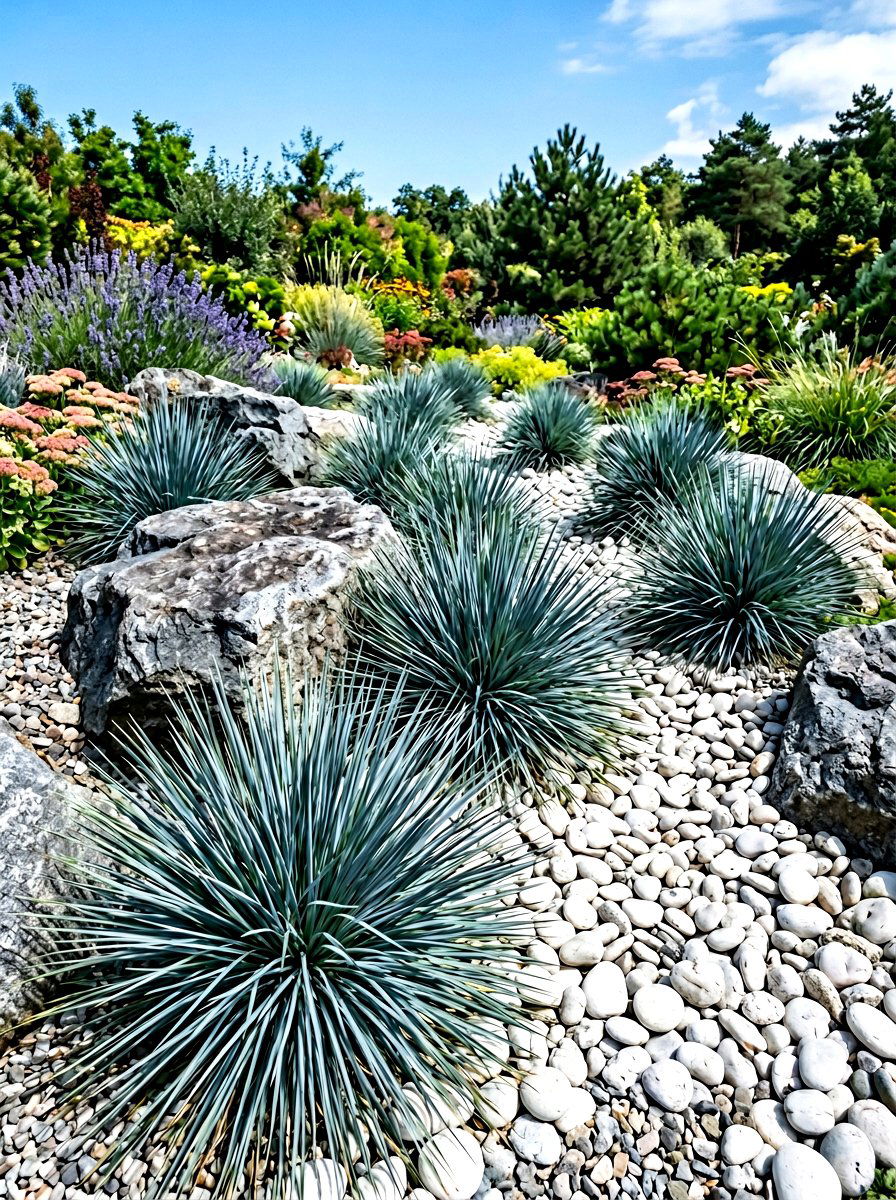
Blue oat grass is a larger, more architectural relative of blue fescue that thrives in the well-drained soil of a rock garden. Its stiff, steel-blue blades radiate outward from a central point, forming a perfect sphere of cool-toned foliage. This grass reaches about two feet in height and produces tall, oat-like seed heads that sway high above the leaves. It prefers full sun and low humidity, making it a star performer in dry, mountainous, or coastal climates. Surround it with large boulders and gravel mulch to emphasize its sharp geometric form and unique metallic color.
14. Northern Sea Oats Woodland
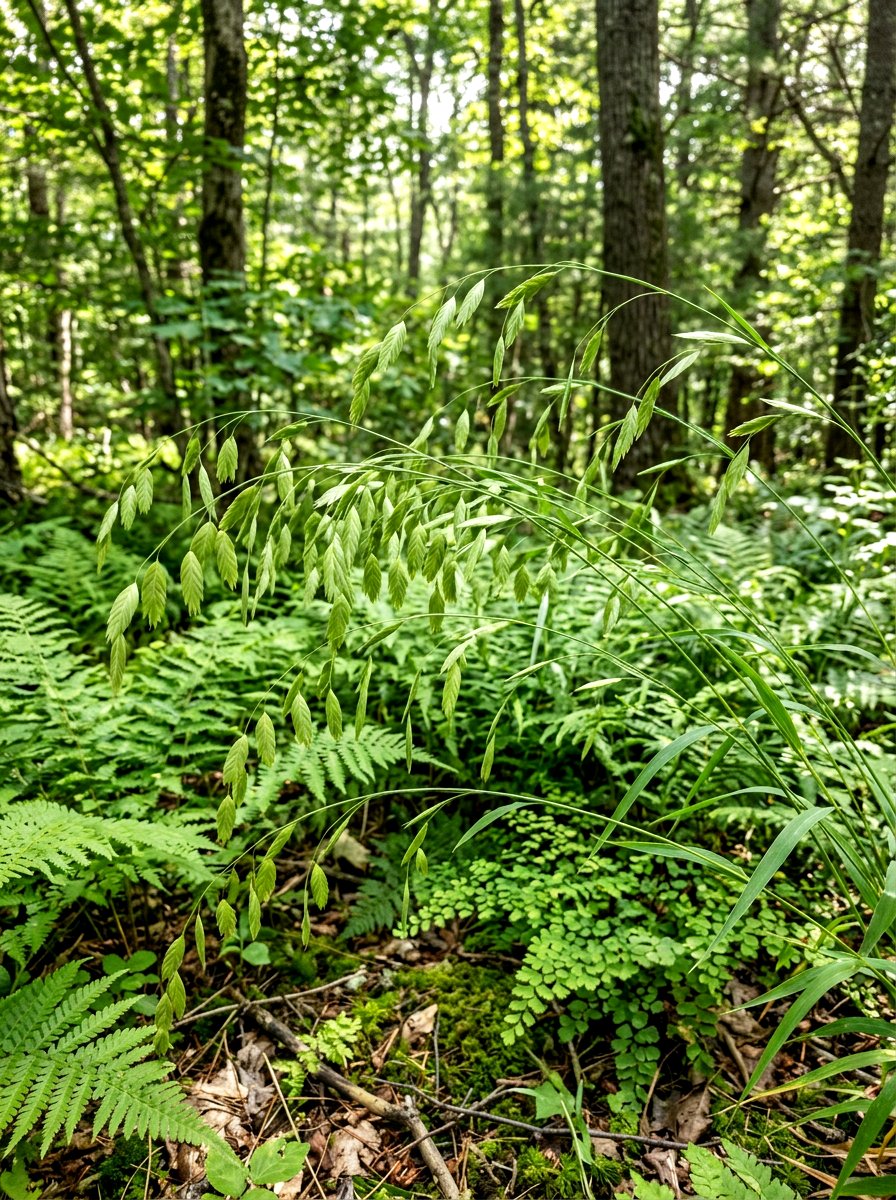
Northern sea oats are cherished for their unique, flat seed heads that resemble small clusters of oats hanging from arching stems. This grass is one of the few varieties that truly flourishes in the dappled light of a woodland garden or partial shade. The foliage starts as a bright green but turns a warm coppery-brown in the fall and winter. The seed heads are excellent for dried floral arrangements and provide a soft rustling sound when the wind blows. It spreads gently by seed, making it ideal for naturalizing large areas under a forest canopy.
15. Giant Sacaton Specimen
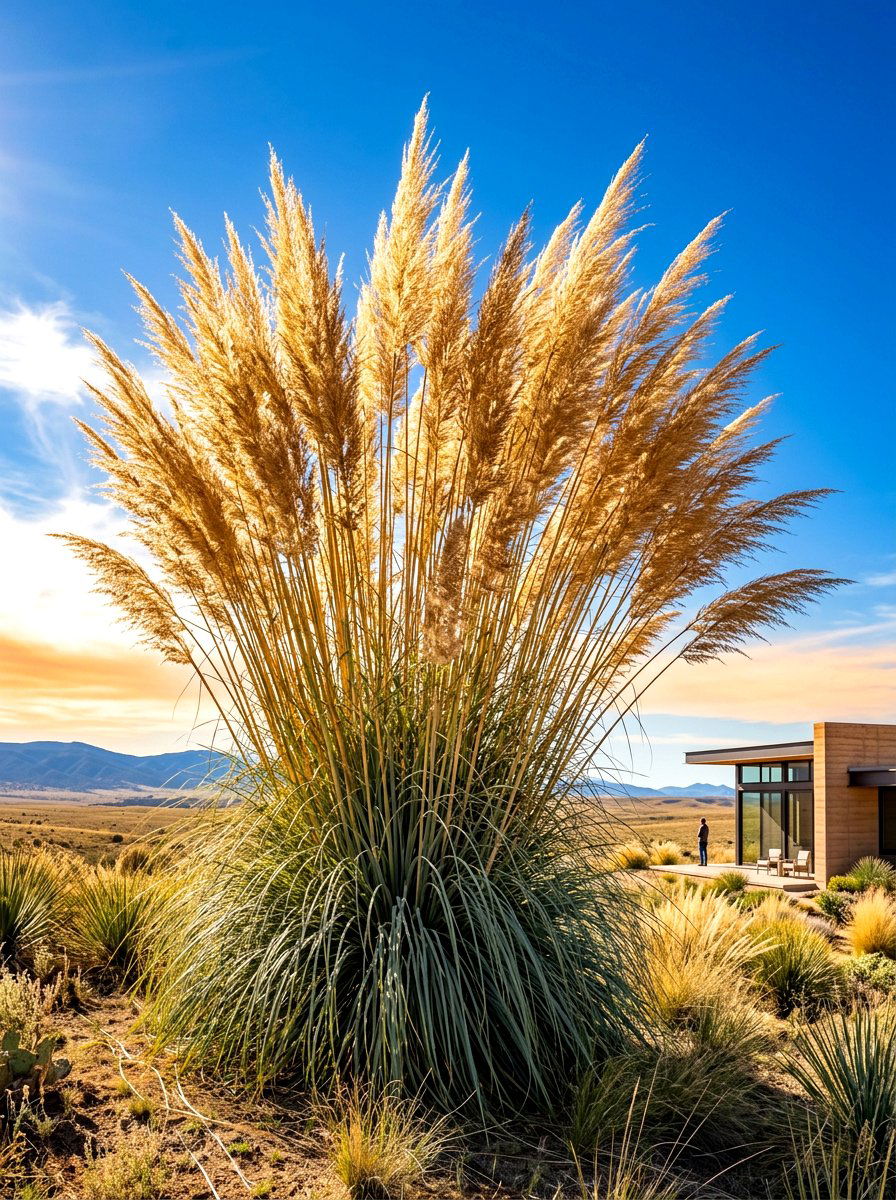
Giant sacaton is a magnificent architectural grass that functions as a massive, standalone specimen in a large garden or open field. It produces huge, airy plumes that can reach up to eight feet tall, creating a see-through screen of golden mist. This native grass is incredibly tough and can handle extreme heat and dry conditions without losing its shape. Its sheer scale makes it a powerful design element for anchoring the corners of a large property or framing a distant view. The fine-textured seed heads remain beautiful through the winter, providing food for local songbirds and wildlife.
16. Dwarf Fountain Grass Edging
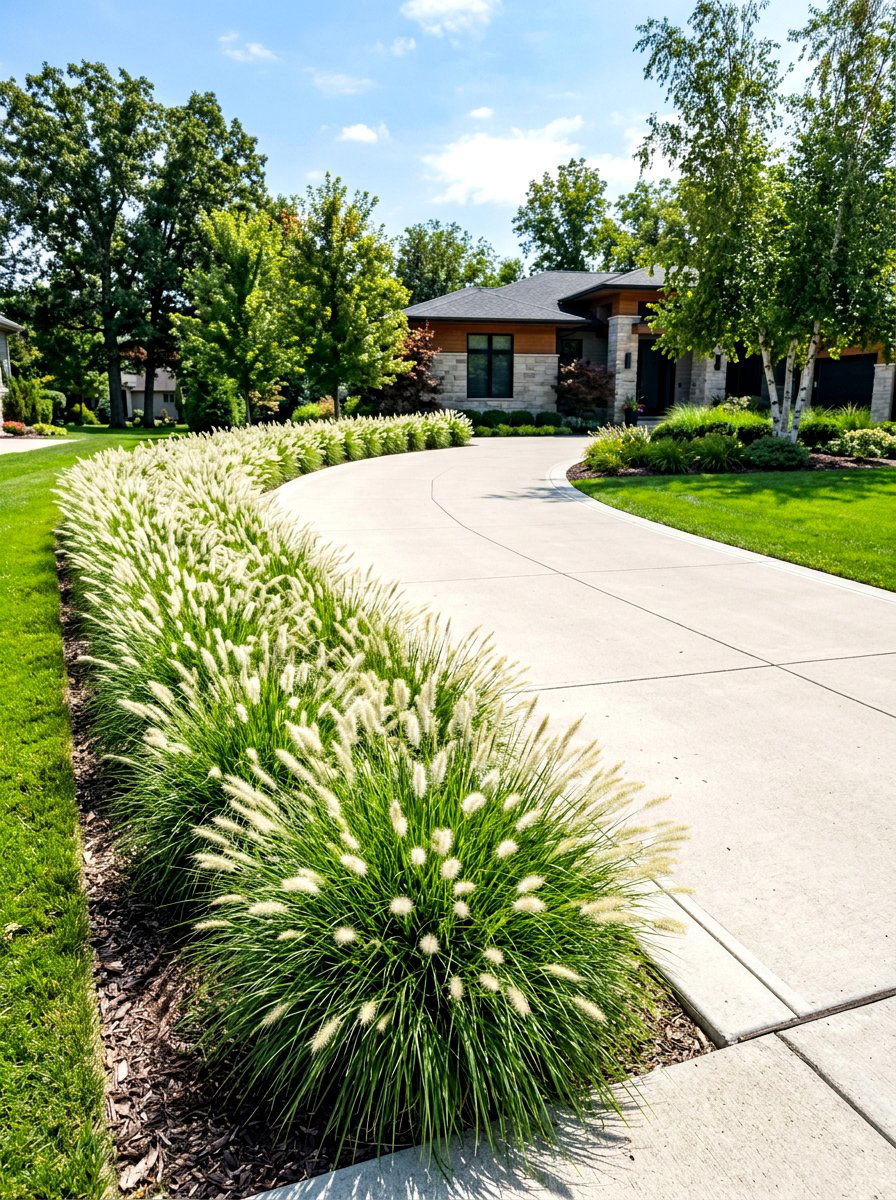
Dwarf fountain grass is a compact and tidy plant that is perfect for edging formal garden beds or small backyard borders. Varieties like Hameln grow in a uniform, rounded shape and produce adorable fuzzy plumes that look like tiny rabbit tails. This grass is much more manageable than its larger relatives, making it suitable for modern suburban yards with limited space. It looks best when planted in a long, continuous line to define the edge of a lawn or patio area. The foliage turns a lovely golden-yellow in the fall, adding a final burst of seasonal color.
17. Japanese Blood Grass Border
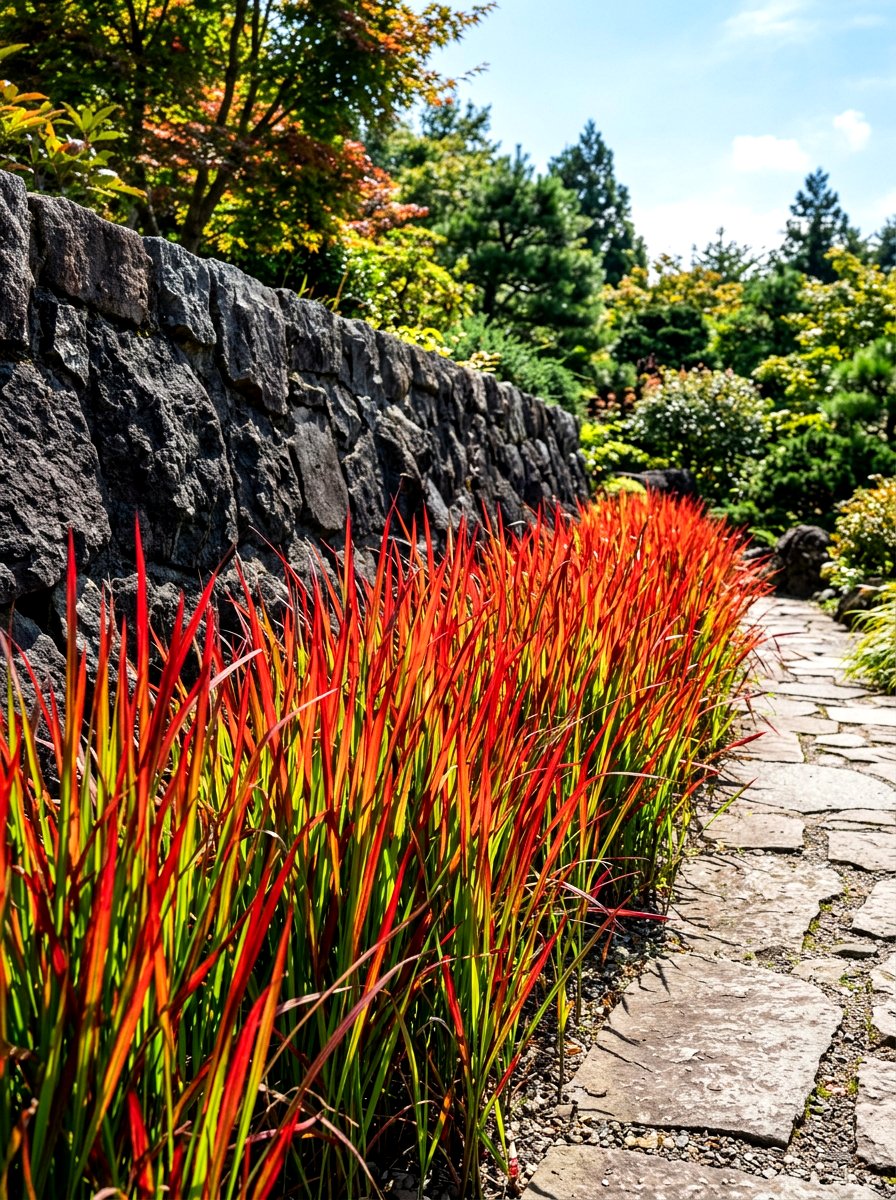
Japanese blood grass offers one of the most intense color displays of any ornamental grass, featuring bright green blades with ruby-red tips. As the summer progresses, the red color spreads down the leaf until the entire plant appears to be glowing with fire. It is a slow-spreading grass that stays relatively low, making it an ideal choice for the front of a garden border. This grass creates a high-contrast look when paired with lime-green plants or gray stones. It thrives in sunny spots with consistent moisture and brings an unmistakable bold energy to any landscape.
18. Tufted Hair Grass Meadow
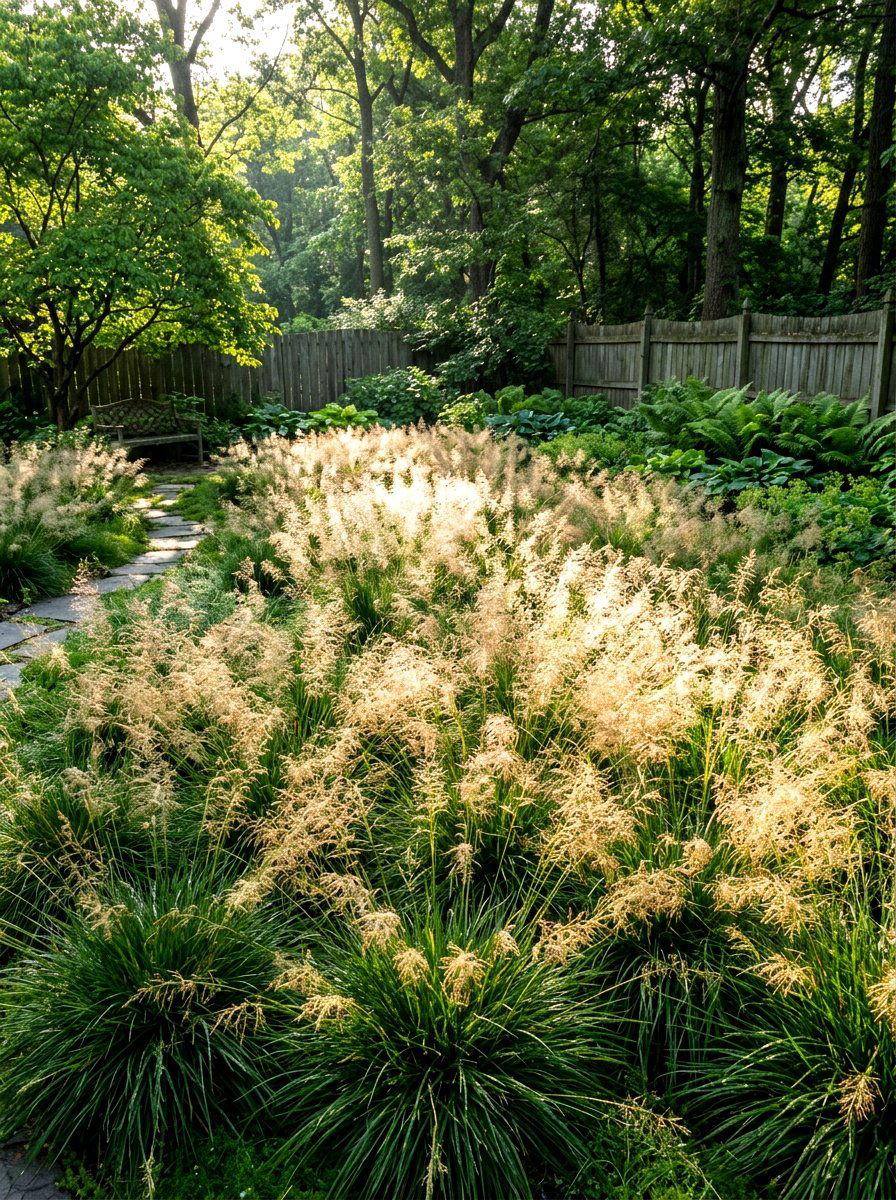
Tufted hair grass is a cool-season variety that produces delicate, shimmering clouds of flower heads that seem to float above the foliage. It forms neat, dark green mounds that stay low to the ground while the airy plumes rise two or three feet high. This grass is perfect for creating a naturalistic meadow look in areas that receive partial shade and have moist soil. The golden seed heads catch the morning dew and sunlight, creating a magical, sparkling effect in the garden. It is an excellent choice for softening the transition between a formal lawn and wilder areas.
19. Sweet Flag Water Garden
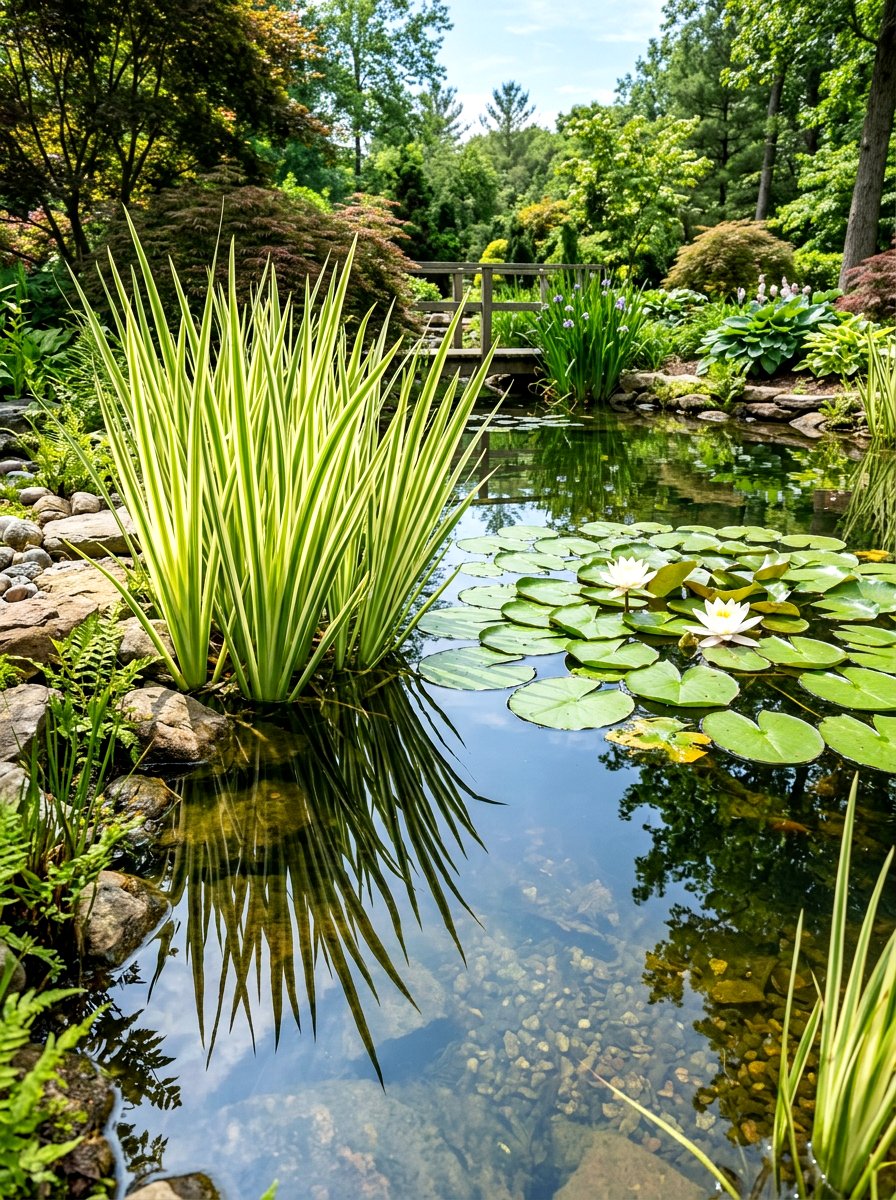
Sweet flag is an excellent grass-like plant for wet areas around ponds, streams, or in the soggy soil of a rain garden. The variegated variety features bright cream and green stripes that remain crisp and attractive throughout the entire growing season. Unlike many grasses that require dry feet, sweet flag loves having its roots in water or very moist earth. The foliage emits a pleasant, spicy scent when crushed or walked upon, adding a sensory layer to your garden experience. Use it to stabilize the soil along a shoreline or to add brightness to a low-lying garden spot.


20. Silvergrass Winter Interest
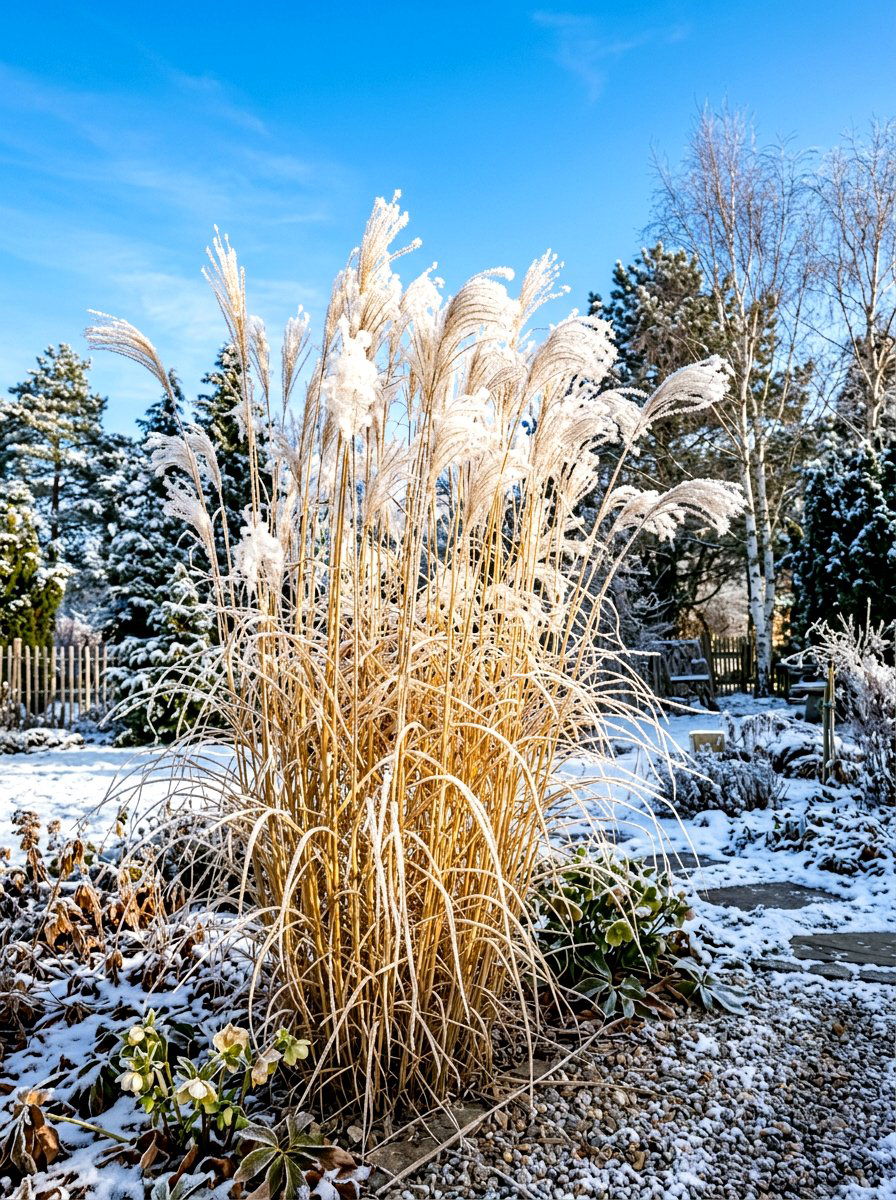
Silvergrass, or Miscanthus, is prized by designers for its ability to maintain its structure and beauty during the long winter months. While many perennials die back to the ground, silvergrass remains standing with its bleached-gold stems and fluffy seed heads catching the frost. This provides much-needed height and texture to a dormant garden when most other plants are hidden under the snow. The rustling sound of the dry leaves in the wind adds a peaceful acoustic element to the winter landscape. It serves as a reminder of the garden's life even during the coldest part of the year.
21. Fiber Optic Grass Container
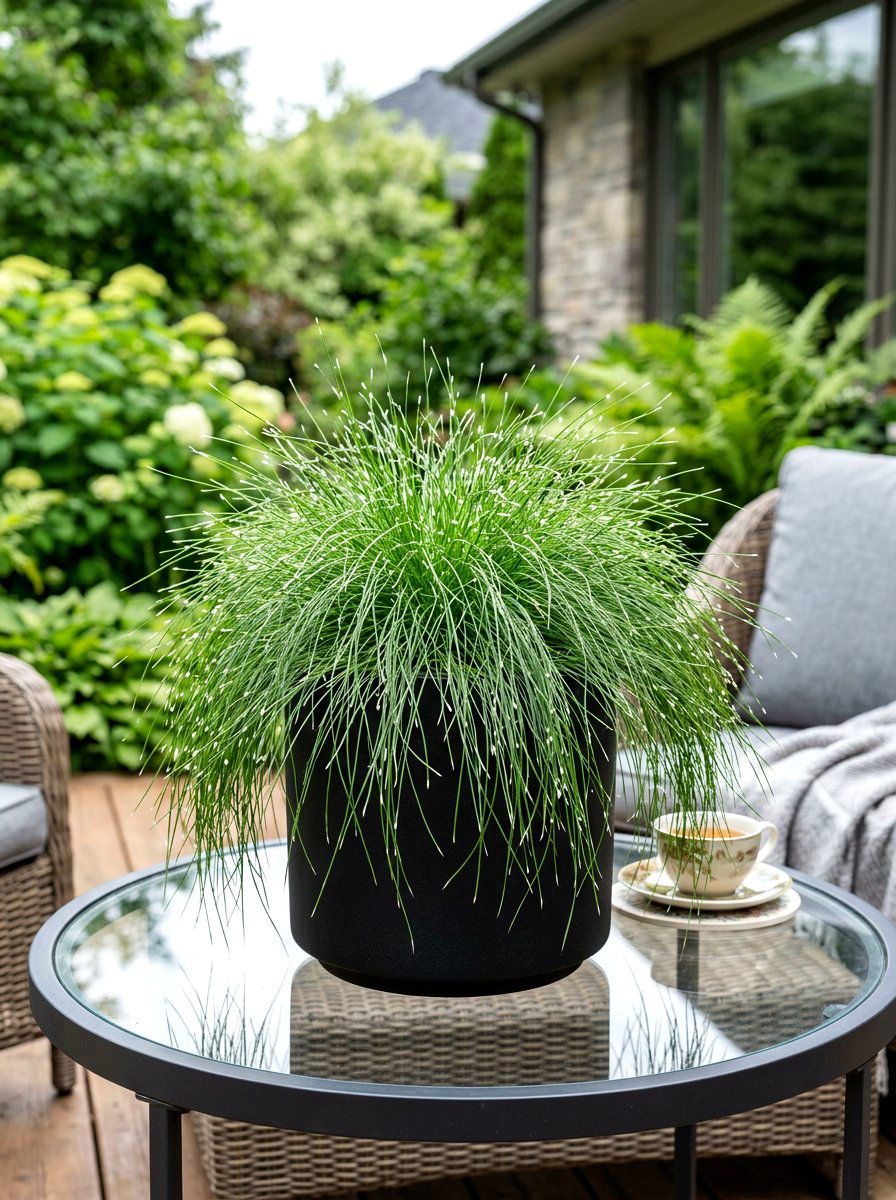
Fiber optic grass is a quirky and fun choice for small decorative containers or fairy gardens due to its unique appearance. It features very thin, bright green stems that are tipped with tiny white flower heads, resembling a fiber optic lamp. This grass-like plant loves moisture and stays quite small, making it a great addition to a tabletop planter on a shady patio. Its mounded, weeping habit allows it to spill over the sides of a pot with a very playful and modern look. It is an easy way to add a conversation piece to your plant collection.
22. Indian Grass Native Planting
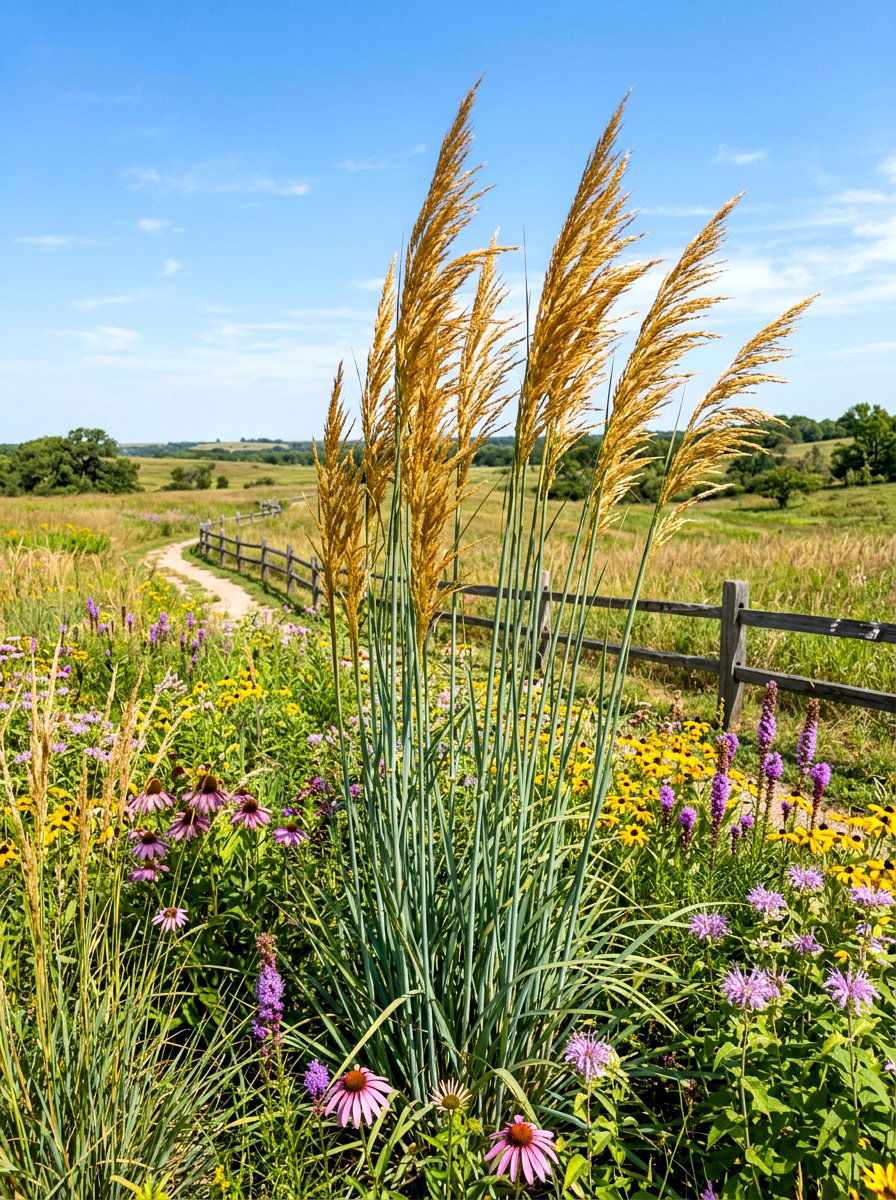
Indian grass is a tall, majestic native species that was once a primary component of the great American tallgrass prairies. It is easily identified by its unique blue-green foliage and its striking golden-brown, feather-like seed heads that point straight up. This grass provides significant ecological value by offering cover and food for many types of birds and beneficial insects. It is incredibly drought-tolerant and can grow in very poor soil where other ornamental plants might struggle to survive. Plant it in large sweeps to recreate a piece of wild, natural heritage in your own backyard landscape.
23. Ribbon Grass Cover
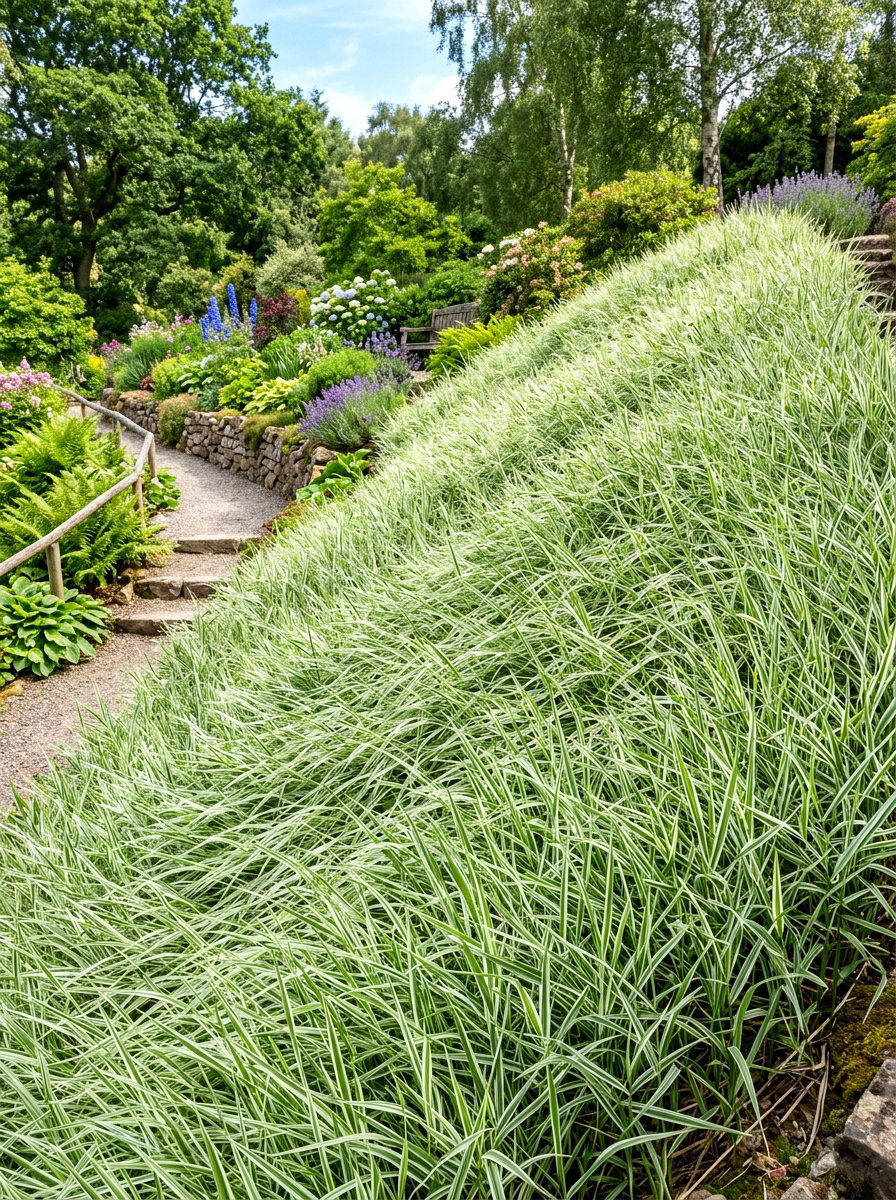
Ribbon grass is a fast-spreading and vigorous groundcover that is perfect for filling in large, difficult areas where other plants fail. It features wide, arching blades with bold white and green stripes that brighten up even the darkest corners of a yard. Because it can be aggressive, it is best used in contained areas or as a way to stabilize steep slopes and prevent soil erosion. It can grow in both full sun and heavy shade, making it a very versatile problem-solver for landscaping. Trimming it back occasionally will keep the foliage fresh, vibrant, and neatly managed.
24. Black Mondo Grass Accent
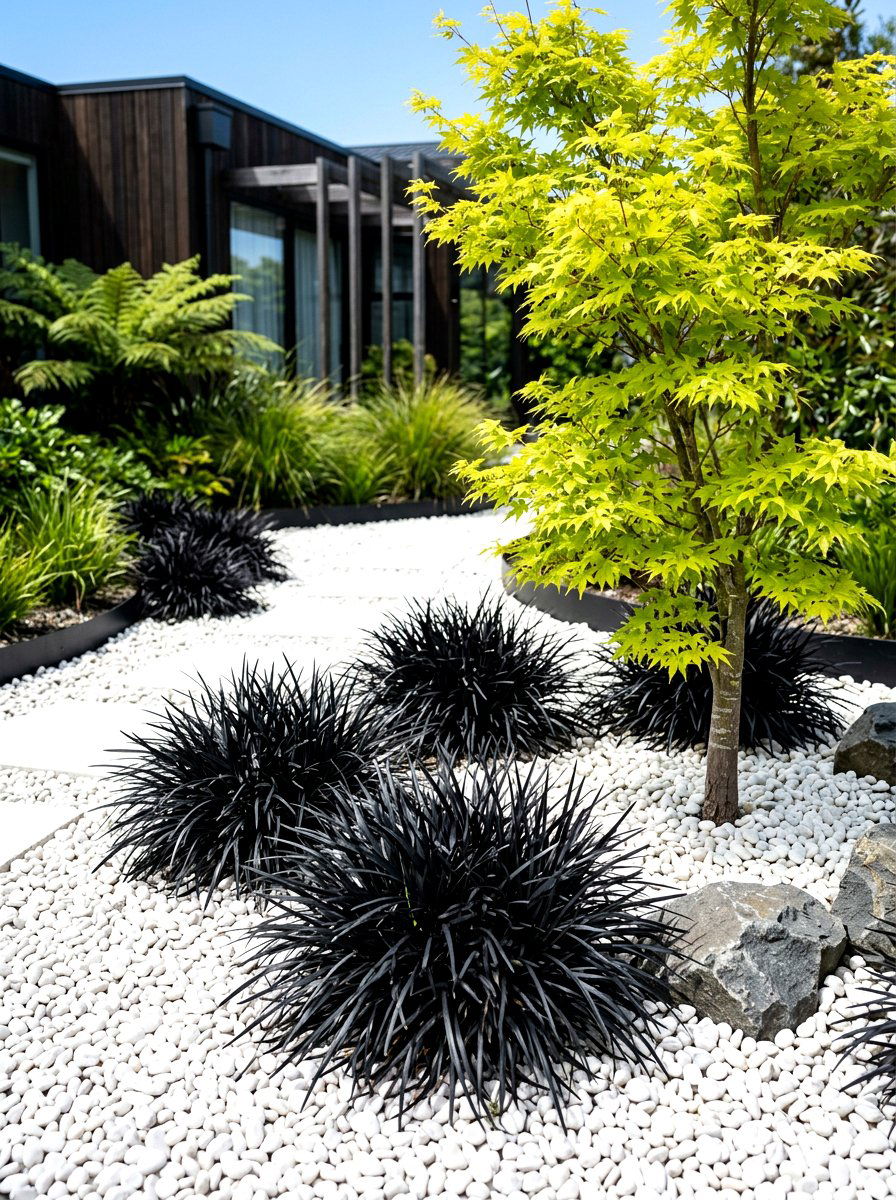
Black mondo grass is a rare and sophisticated plant that features true jet-black foliage, providing an incredible contrast in modern gardens. While it grows slowly, it creates a stunning groundcover when planted among light-colored gravel or bright green moss. This grass-like perennial stays low to the ground and produces small, pale purple flowers in the summer followed by dark berries. Use it to line a modern concrete pathway or as an accent plant in a minimalist Zen garden. The dark color makes every other plant near it look more vibrant and helps define the garden's spatial layout.
25. Giant Feather Grass Architectural
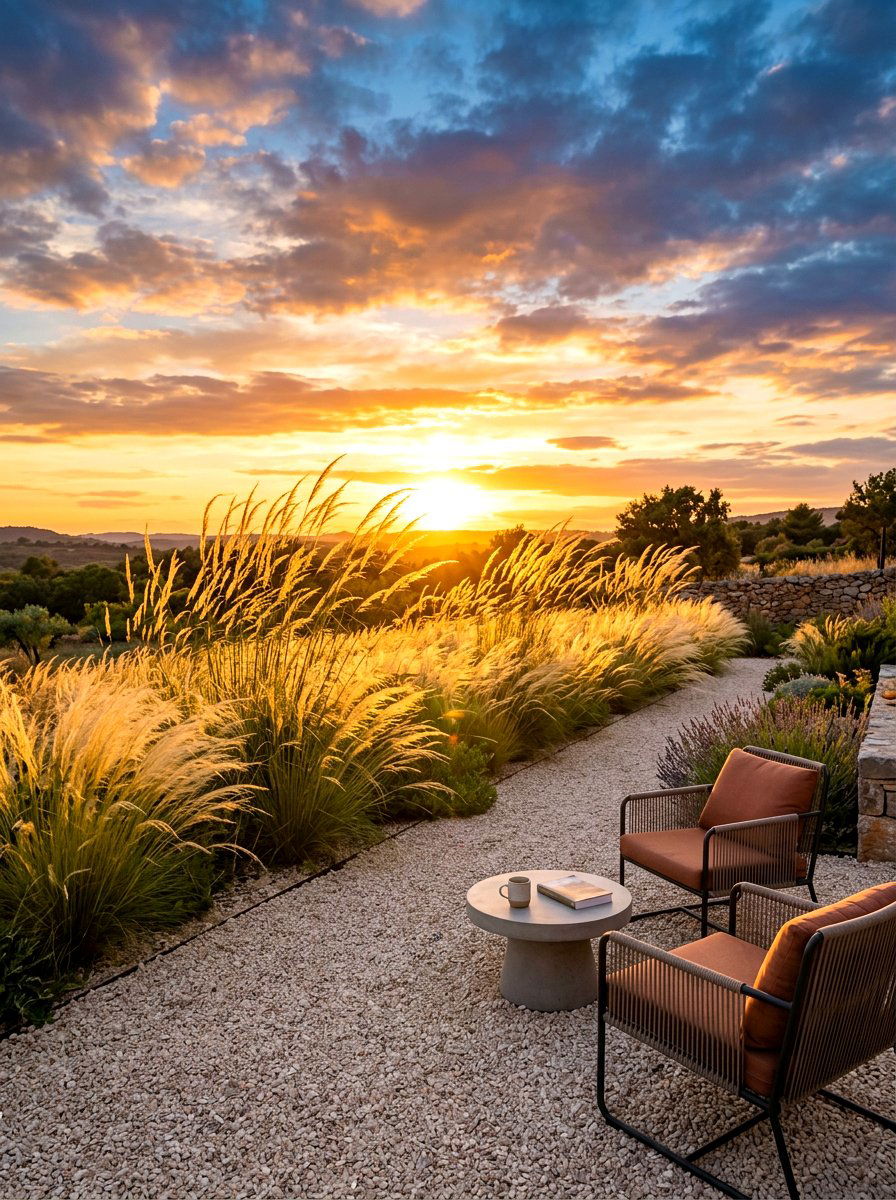
Giant feather grass is a dramatic specimen that produces tall, golden wands of shimmering seed heads that reach high into the air. This grass acts like a living sculpture, with its fountain-like foliage and extremely long, delicate flower stalks that sway in the slightest breeze. It is perfect for adding a sense of height and lightness to a Mediterranean or gravel garden theme. The seeds are translucent and catch the light from behind, creating a glowing aura around the plant during sunset. It requires full sun and well-drained soil to look its best and maintain its impressive vertical form.
26. Leatherleaf Sedge Texture
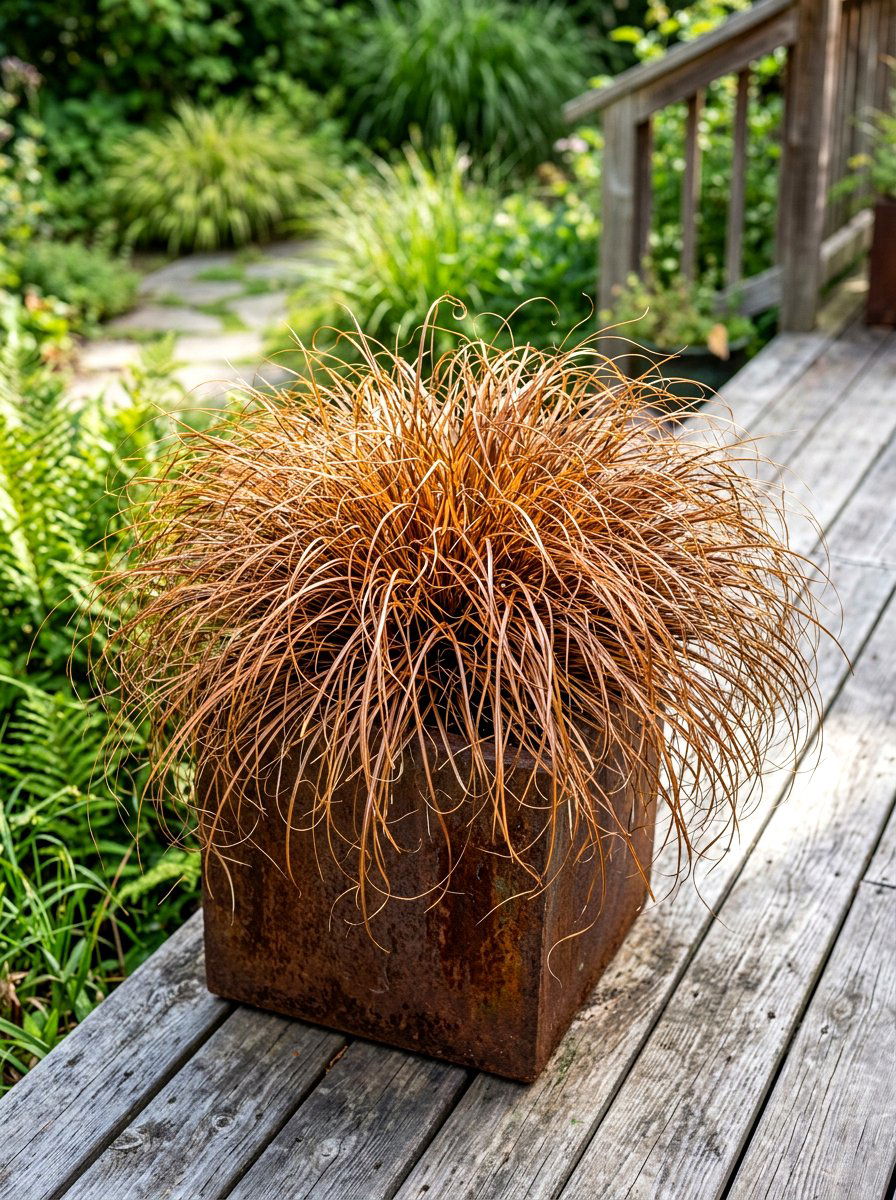
Leatherleaf sedge offers a unique and unusual copper-bronze color that adds a warm, earthy texture to any garden bed or container. This evergreen sedge has very fine, hair-like leaves that curl at the ends, creating a soft and messy look that is quite charming. It is a fantastic choice for year-round interest because the metallic color does not fade during the winter months. Pair it with purple or silver-leaved plants to create a sophisticated and moody color palette. It thrives in moist soil and looks particularly beautiful when planted near the edge of a small garden pond or stream.
27. Prairie Dropseed Garden
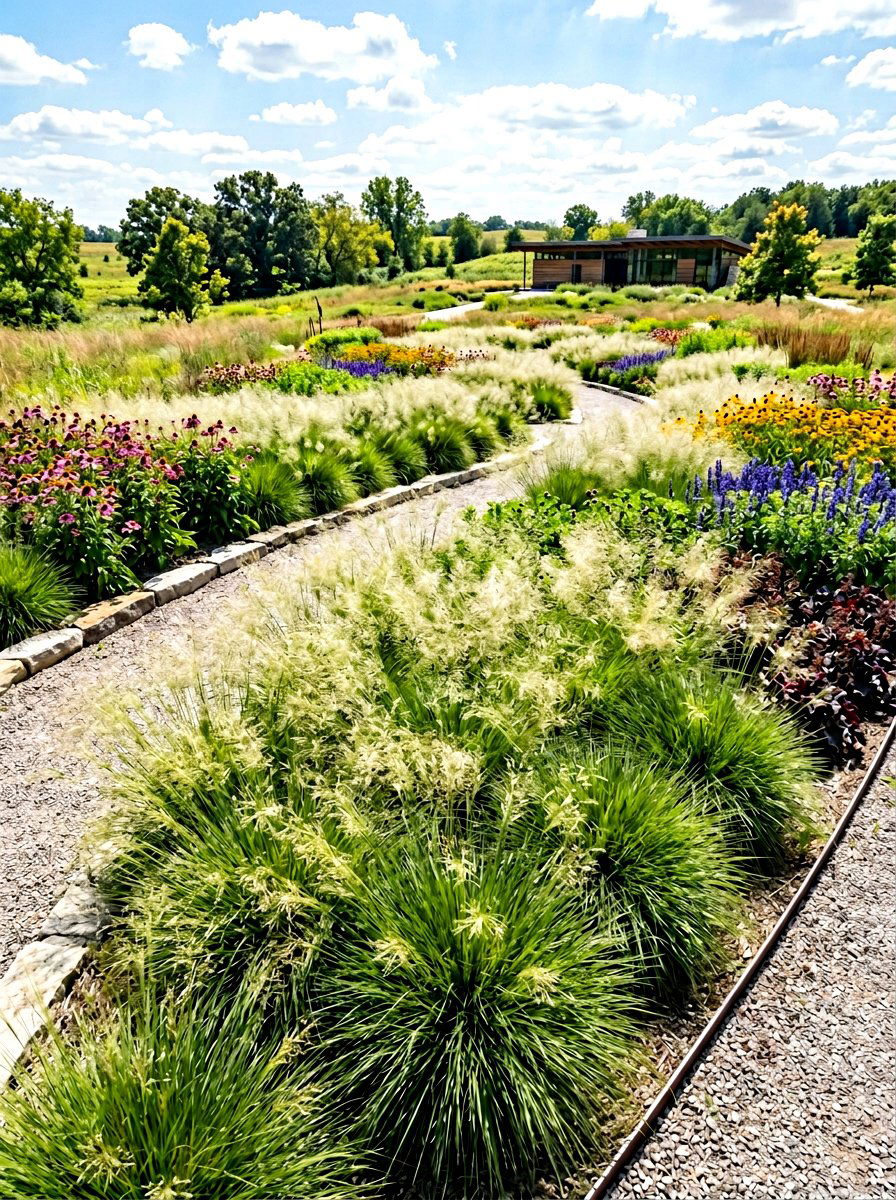
Prairie dropseed is a sophisticated and elegant native grass known for its fine-textured foliage and its surprisingly sweet, popcorn-like fragrance. It forms perfect, circular mounds of hair-like green leaves that turn a beautiful golden-orange color in the fall. This grass is very slow-growing but extremely long-lived, making it a sustainable choice for permanent landscape designs. It is often used by professional designers in mass plantings to create a soft, rolling landscape that feels calm and organized. The delicate flower stalks rise above the foliage in late summer, adding a misty and ethereal layer to the garden.
28. Big Bluestem Wildflower Meadow
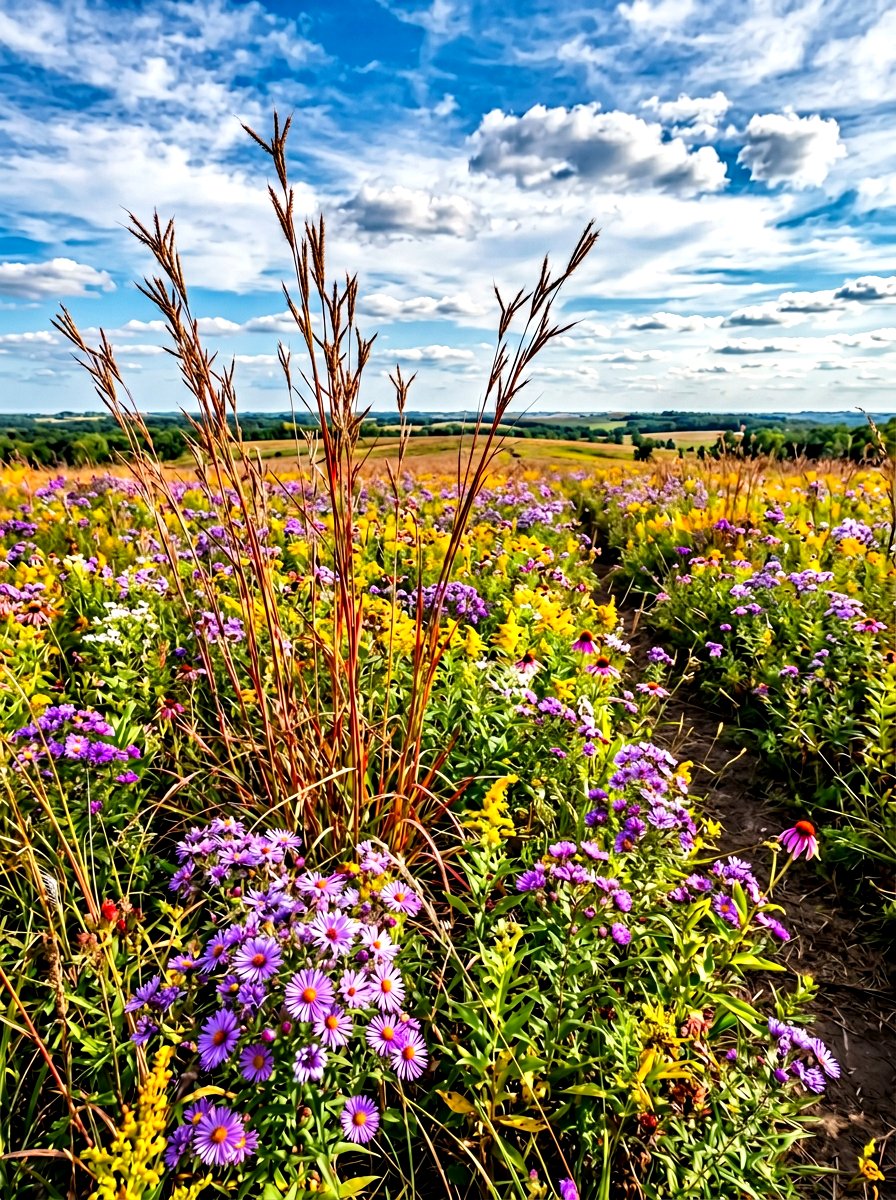
Big bluestem is the "king of the grasses" and serves as a magnificent anchor for any large-scale wildflower meadow or naturalistic garden. This tall native grass can reach heights of six to eight feet and features unique three-pronged seed heads that resemble a turkey's foot. The foliage changes color throughout the year, starting as a blue-green before turning to a rich reddish-bronze in the fall. It provides essential habitat for various bird species and acts as a sturdy windbreak for more delicate flowering perennials. Its deep root system makes it incredibly resilient against drought and harsh weather.
29. Bottlebrush Grass Shade Garden
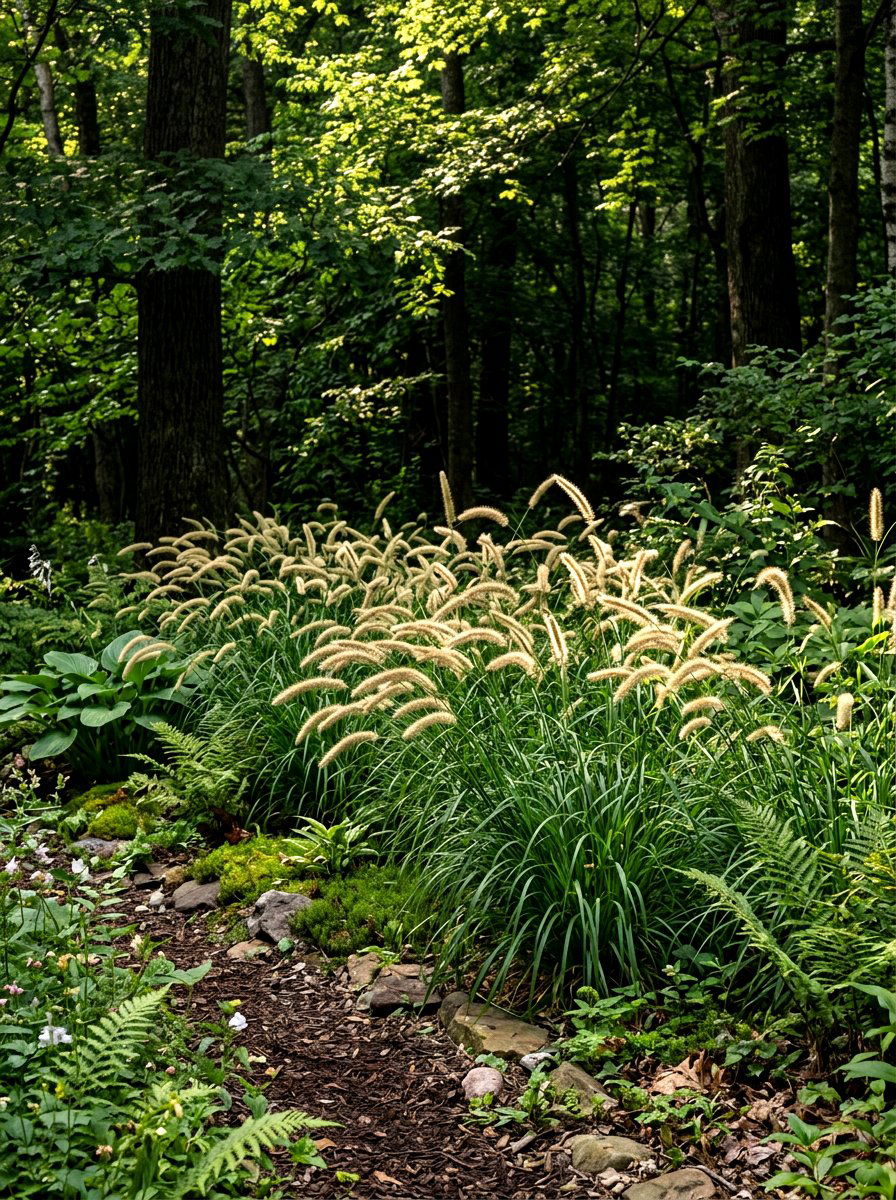
Bottlebrush grass is a fantastic choice for adding vertical interest to the dry, shady areas found under large established trees. Its most distinctive feature is the wide, horizontal seed heads that resemble a kitchen bottlebrush, standing out sharply against the green foliage. This grass adds a wild and whimsical touch to woodland paths or native plant borders where light is limited. It is a cool-season grass that looks its best in the early summer when the seed heads are fresh and green. Because it is a native species, it is very low-maintenance and supports local forest ecosystems.
30. Autumn Moor Grass Border
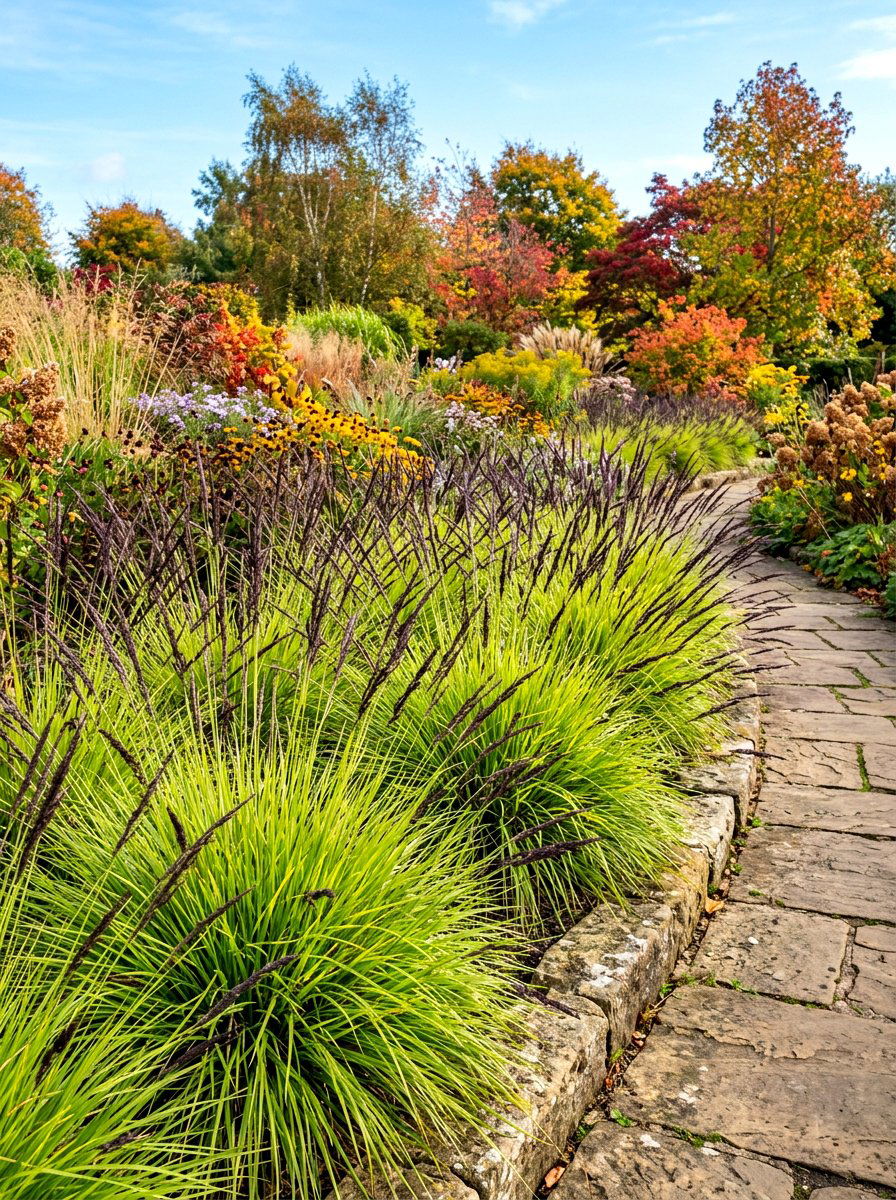
Autumn moor grass is a reliable and tidy performer that is perfect for creating a low, consistent border in a variety of light conditions. It forms dense mounds of lime-green foliage that produce slender, dark flower spikes in the late summer and fall. This grass is exceptionally hardy and can tolerate both sun and partial shade, making it a versatile choice for complex garden layouts. It remains compact and does not spread aggressively, allowing it to play well with other perennials in a mixed bed. The bright green color provides a fresh look that lasts well into the winter.
Conclusion:
Ornamental grasses are truly transformative elements that can elevate any garden design from ordinary to extraordinary with minimal effort. Their unique ability to provide movement, sound, and four-season visual interest makes them a favorite among professional landscapers and home gardeners alike. By selecting the right variety for your specific sun and soil conditions, you can create a low-maintenance landscape that feels lush and vibrant throughout the year. Whether you use them for privacy, texture, or color, these plants offer a sense of tranquility and natural beauty. Embrace the versatility of ornamental grasses to build a stunning, sustainable outdoor space for your family.

Related posts: