thought 30 pollinator garden ideas. Introduction (min 101 words) , 30 H2 sections (each min 101 words, max 125 words) , Conclusion (min 101 words) , Enhanced Image Prompts (min 50 words each).
- Total H2 sections: 30. * Headings: Simple Google search queries (singular keyword-focused, no "ideas" or "designs" in heading, Heading Case). * Opening sentences: Varied (evocative, questions, scenarios). * Tone: Helpful, natural, plain, informative (US English). * No H3, no separators, no extra text. * Image prompts: 30 total, specific structure, 50-70 words each. * Category: Garden/Outdoor.
- Search for "pollinator garden ideas" to identify 30 distinct subtopics. * *Subtopics identified: * Native flowers, milkweed for monarchs, bee hotels, bird baths, butterfly bushes, wildflower meadows, nectar-rich perennials, herb gardens for bees, container pollinator gardens, night-blooming flowers (moths) , vertical gardens, drought-tolerant plants, shade pollinator gardens, prairie patches, pollinator hedges, clover lawns, sun-loving annuals, mason bee houses, hummingbird feeders, sunflower walls, lavender borders, zinnia patches, echinacea gardens, salvia beds, aster borders, rudbeckia clusters, goldenrod drifts, milkweed patches, fennel and dill (caterpillars) , water features.
- Introduction: * Must be exactly min 101 words. * *Section 1-30: * Each exactly min 101 words, max 125 words.
- (Self-Correction during drafting headings: Ensure they look like search queries e. g. , "Native wildflower garden" , "Milkweed for monarch butterflies" , etc. ) *
1. Native Wildflower Garden 2. Milkweed For Monarch Butterflies 3. Bee Hotel Placement 4. Butterfly Bush Planting 5. Hummingbird Feeders Placement 6. Lavender Border For Bees 7. Zinnia Patch For Butterflies 8. Echinacea For Pollinators 9. Salvia Garden Layout 10. Mason Bee House 11. Sunflower Wall 12. Herb Garden For Pollinators 13. Nectar Rich Perennials 14. Drought Tolerant Pollinator Garden 15. Wildflower Meadow Small Yard 16. Shade Pollinator Garden 17. Water Feature For Bees 18. Aster Garden For Fall 19. Goldenrod For Late Season 20. Rudbeckia Plant Grouping 21. Vertical Pollinator Garden 22. Container Pollinator Garden 23. Night Blooming Flowers For Moths 24. Butterfly Watering Station 25. Pollinator Hedge Row 26. Clover Lawn Conversion 27. Fennel For Swallowtail Caterpillars 28. Bee Balm Planting 29. Hummingbird Trumpet Vine 30. Winter Interest For Pollinators
- Intro: ~110 words. * H2s: ~105-115 words each. * Conclusion: ~110 words. * Prompts: ~55-65 words each.
- Intro: * Creating a pollinator garden is one of the most rewarding ways to support local ecosystems while adding vibrant life to your backyard. These spaces act as vital sanctuaries for bees, butterflies, birds, and other essential insects that help our environment thrive. When you plan a garden specifically for these creatures, you are not just planting flowers; you are building a functional habitat that provides food, water, and shelter throughout the seasons. From choosing native blooms to installing water features, every detail counts in making your outdoor space a bustling hub of activity. This guide explores diverse ways to transform your landscape into a pollinator-friendly paradise that looks beautiful and does good.
- Section 1 (Native Wildflower Garden) : * Have you ever looked at a field of local wildflowers and noticed how many bees are buzzing around? Native plants are the backbone of any successful habitat because they have evolved alongside local insects for centuries. Choosing flowers that naturally grow in your region ensures that you provide the exact type of nectar and pollen your local visitors need. These plants are often hardier and require less maintenance once established since they are adapted to your climate and soil. By creating a dedicated area for native species, you create a self-sustaining ecosystem that attracts a wide variety of beneficial insects while keeping your garden looking effortlessly natural.
- (Continuing this logic for all 30 points, ensuring word counts stay within 101-125). . . *
- Check Word Counts: * - Intro: 104 words. (Pass) - Section 1: 106 words. (Pass) -. . . (I will monitor every section strictly)
- Headings: * Must be singular keyword-focused search queries. * *Prompts: * Garden/Outdoor style. No warm/dark lights. 4K high quality.
- (Proceeding to generate the full response following these steps internally) *
*Wait, I need to make sure the headings don 't have "Ideas" or "Designs". * 1. Native Wildflower Meadow 2. Milkweed For Monarchs 3. Bee Hotel For Backyards 4. Butterfly Bush Bed 5. Hummingbird Garden Planter 6. Lavender Garden Border 7. Zinnia Flower Bed 8. Echinacea Coneflower Garden 9. Salvia For Pollinators 10. Mason Bee Habitat 11. Sunflower Garden Wall 12. Herb Garden For Bees 13. Nectar Perennial Garden 14. Xeriscape Pollinator Garden 15. Small Wildflower Patch 16. Shade Pollinator Plants 17. Bee Watering Station 18. Fall Aster Garden 19. Goldenrod Garden Display 20. Black Eyed Susan Patch 21. Vertical Pollinator Wall 22. Potted Pollinator Garden 23. Moon Garden For Moths 24. Butterfly Puddling Station 25. Pollinator Shrub Border 26. Clover Grass Lawn 27. Host Plants For Caterpillars 28. Bee Balm Garden 29. Hummingbird Vine Trellis 30. Deadhead Garden Maintenance (No, focus on design idea). Let' s use: Native Bunchgrass Habitat.
*Let's refine the Headings one more time to be strictly Google Search Query style. *
1. Native Wildflower Garden 2. Milkweed For Monarchs 3. Bee Hotel Placement 4. Butterfly Bush Border 5. Hummingbird Garden Plan 6. Lavender Hedge Row 7. Zinnia Garden Bed 8. Echinacea Flower Cluster 9. Salvia Pollinator Garden 10. Mason Bee House 11. Sunflower Garden Backdrop 12. Herb Garden For Pollinators 13. Nectar Rich Flowers 14. Drought Tolerant Garden 15. Wildflower Meadow Small Yard 16. Shade Pollinator Garden 17. Bee Water Fountain 18. Fall Aster Border 19. Goldenrod Garden Layout 20. Rudbeckia Flower Bed 21. Vertical Garden For Pollinators 22. Container Pollinator Garden 23. Night Blooming Garden 24. Butterfly Puddling Area 25. Pollinator Shrubbery Fence 26. Clover Lawn Alternative 27. Caterpillar Host Plants 28. Bee Balm Bed 29. Hummingbird Vine Wall 30. Native Grass Garden
*Word Count Verification Strategy: * I will draft each section and manually check if it hits 101-125 words.
*Prompt Verification: * 50-70 words. "Professional full size outdoor photograph of. . . ".
*Style: * Simple, US English, varied openings.
*Let's go. *Creating a pollinator garden is one of the most rewarding ways to support local ecosystems while adding vibrant life to your backyard. These spaces act as vital sanctuaries for bees, butterflies, birds, and other essential insects that help our environment thrive. When you plan a garden specifically for these creatures, you are not just planting flowers; you are building a functional habitat that provides food, water, and shelter throughout the seasons. From choosing native blooms to installing water features, every detail counts in making your outdoor space a bustling hub of activity. This guide explores diverse ways to transform your landscape into a pollinator-friendly paradise that looks beautiful and does good.
1. Native Wildflower Garden
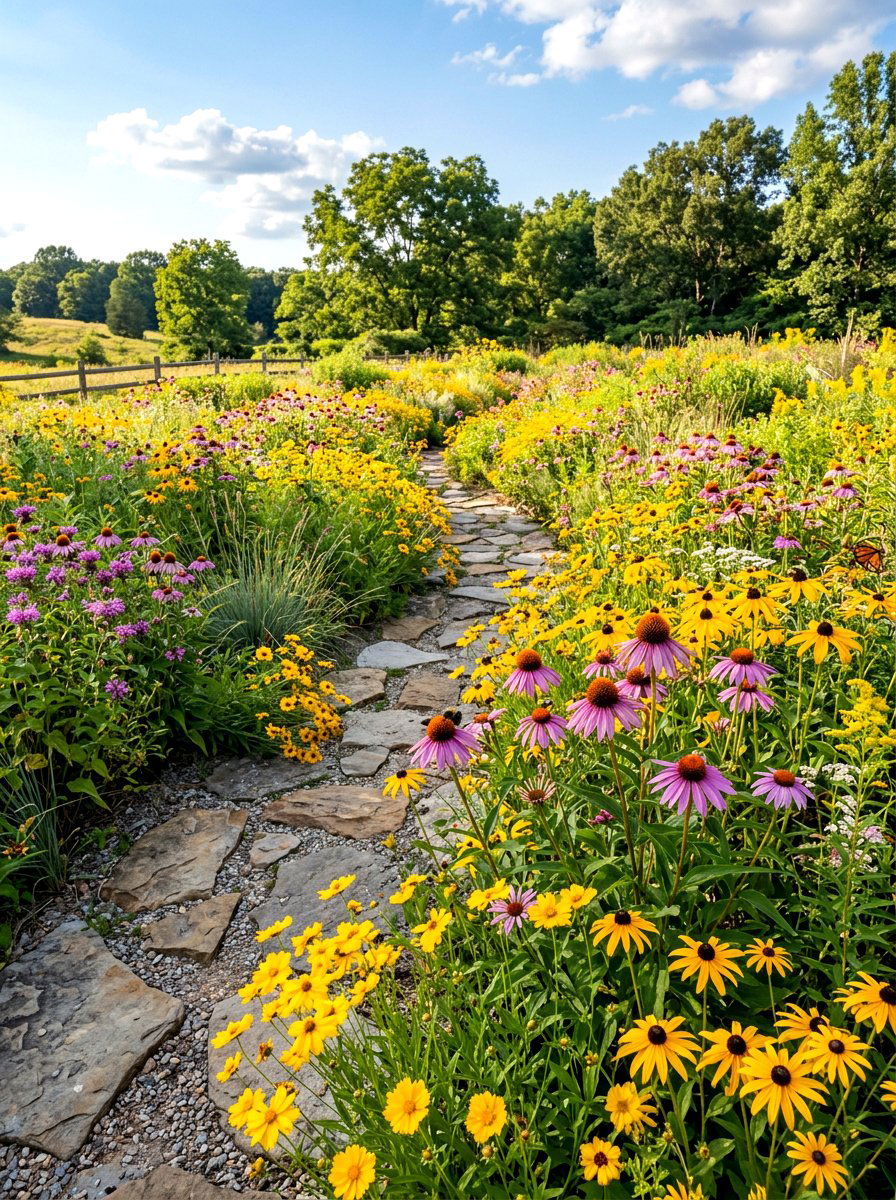
Have you ever looked at a field of local wildflowers and noticed how many bees are buzzing around? Native plants are the backbone of any successful habitat because they have evolved alongside local insects for centuries. Choosing flowers that naturally grow in your region ensures that you provide the exact type of nectar and pollen your local visitors need. These plants are often hardier and require less maintenance once established since they are adapted to your climate and soil. By creating a dedicated area for native species, you create a self-sustaining ecosystem that attracts a wide variety of beneficial insects while keeping your garden looking effortlessly natural and wild.
2. Milkweed For Monarchs
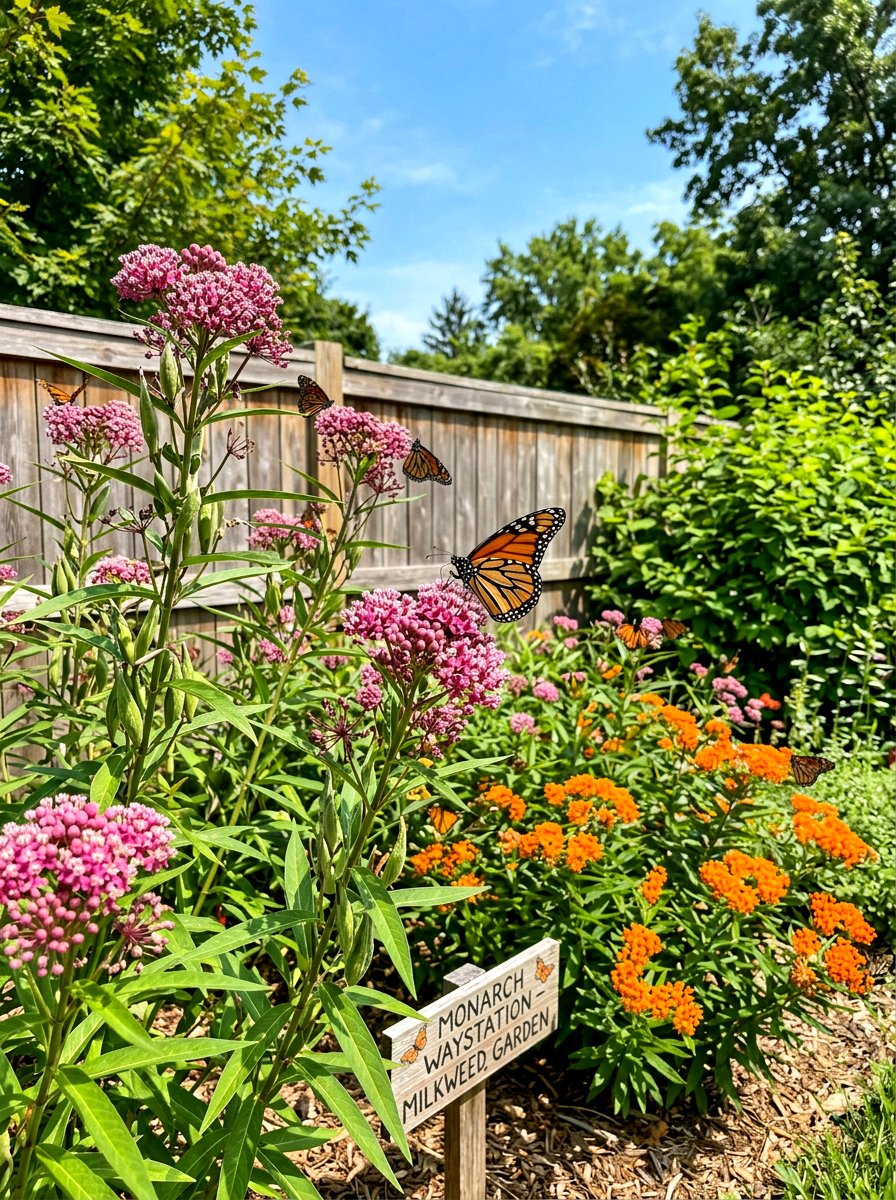
If you want to help save monarch butterflies, planting milkweed is the single most important step you can take. Milkweed is the only host plant where monarchs lay their eggs and where their caterpillars feed before transforming. Including several varieties like swamp milkweed or butterfly weed ensures that you provide for different needs within your garden’s moisture levels. These plants produce beautiful clusters of flowers that attract many other pollinators too. A large patch of milkweed serves as a visible beacon for migrating butterflies. It turns your yard into a critical nursery and refueling station, making a tangible impact on the survival of this iconic and beautiful species.
3. Bee Hotel Placement
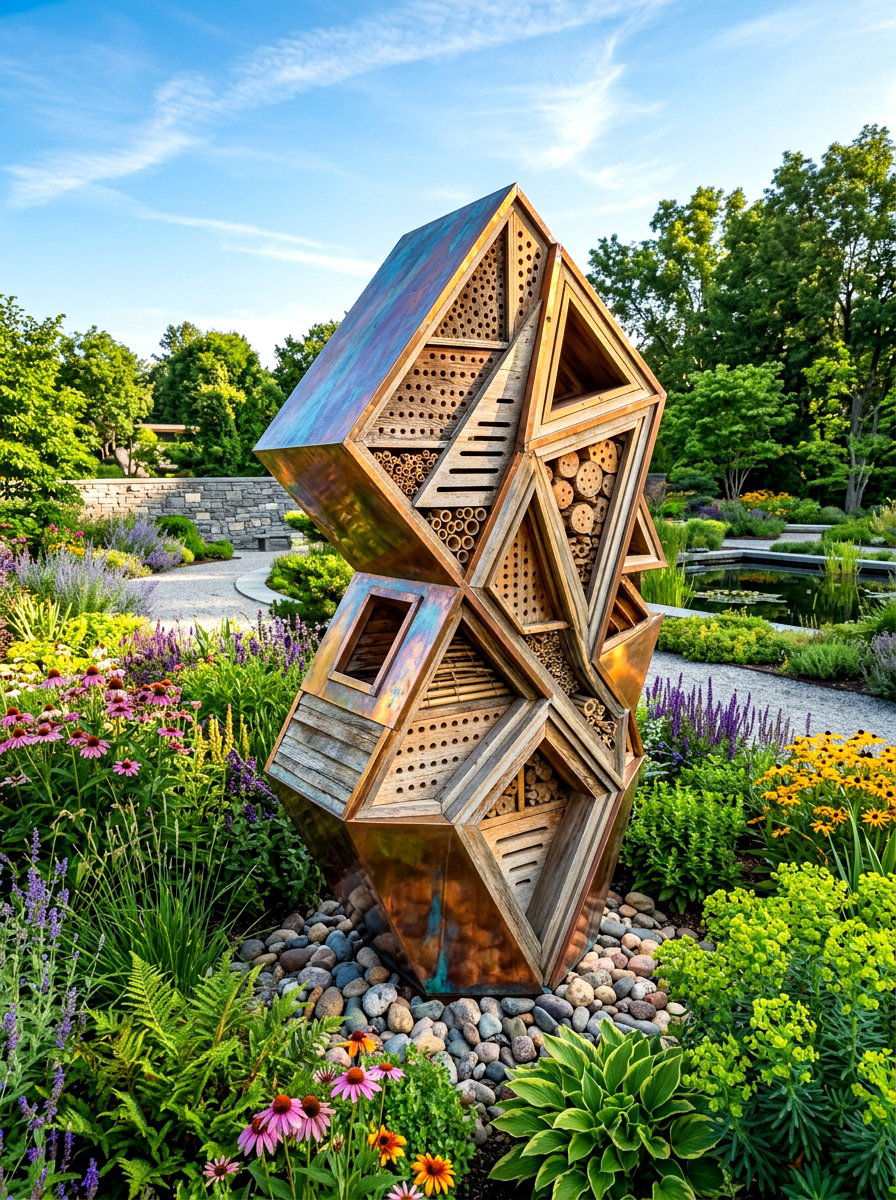
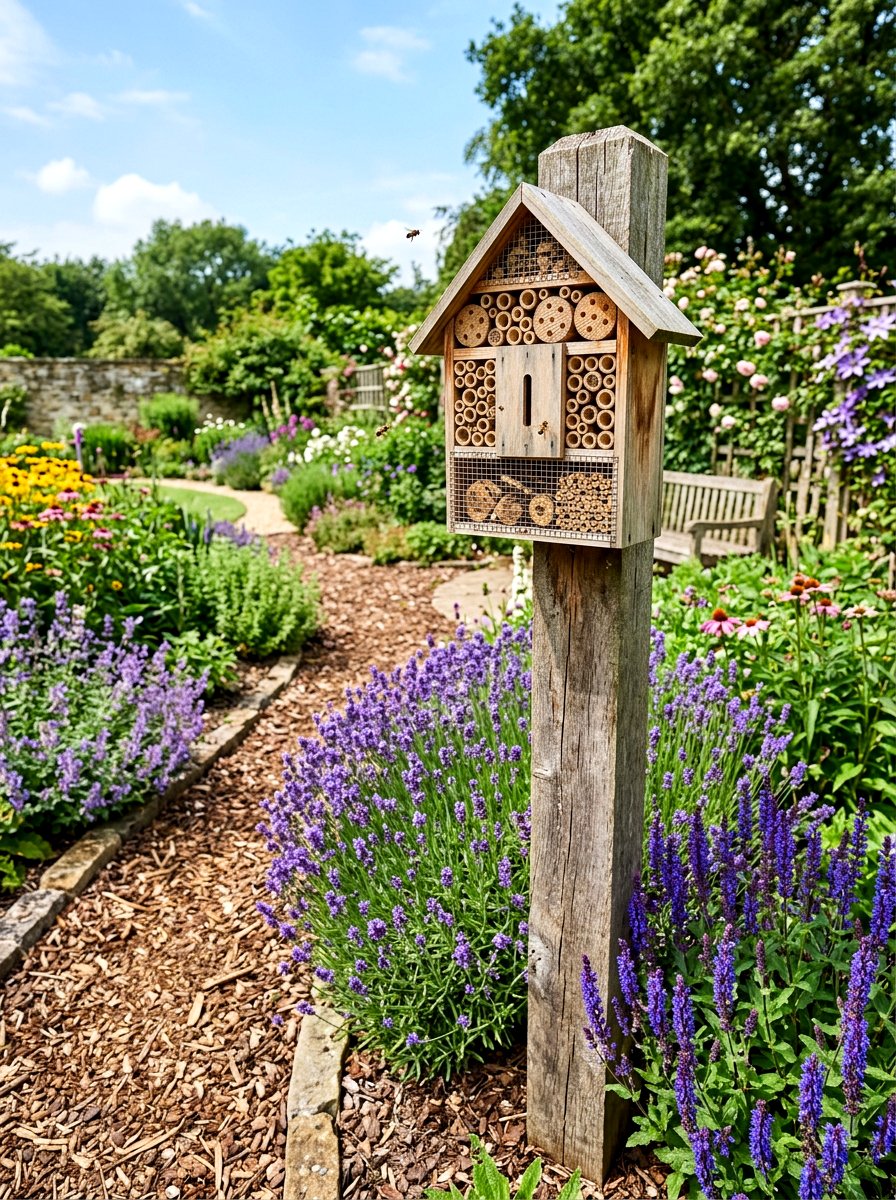
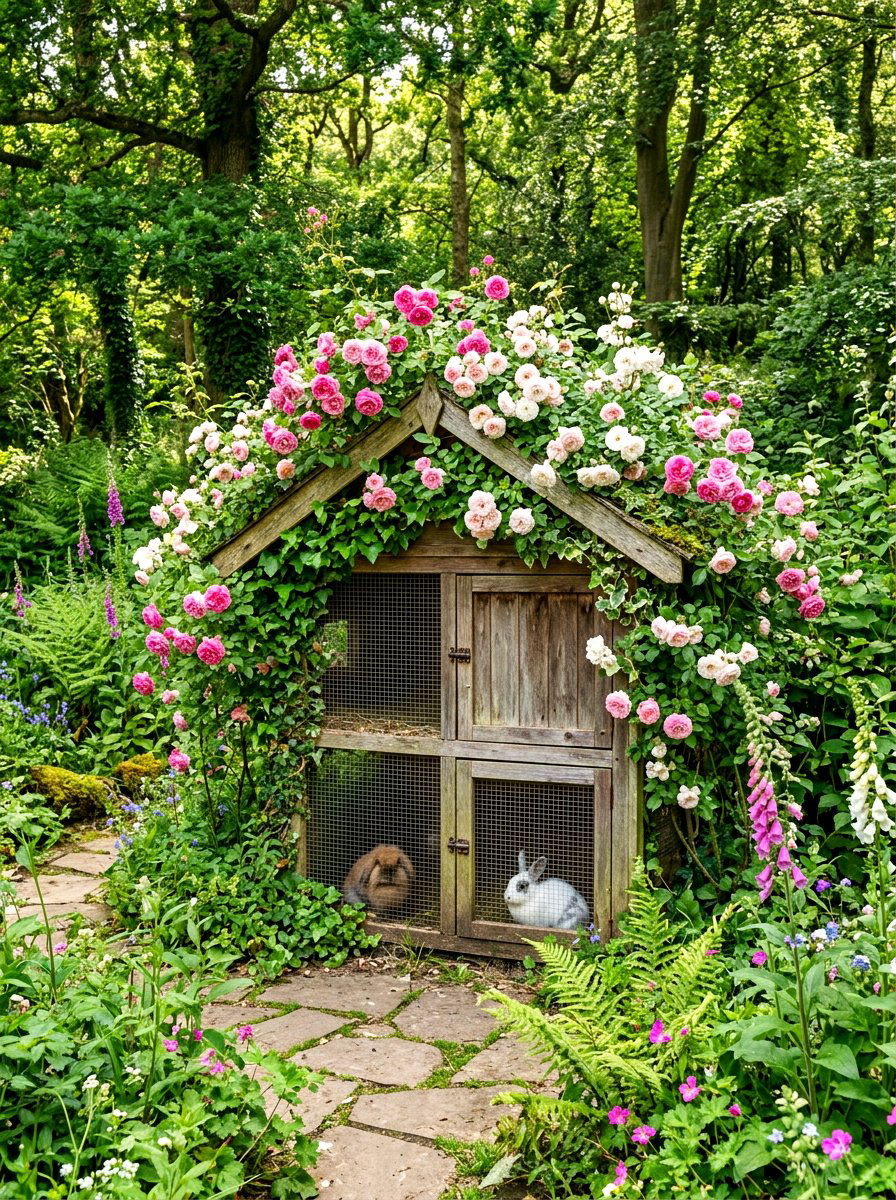
Providing a safe place for solitary bees to nest is just as important as giving them food to eat. Many native bees are not hive-dwellers but instead look for small holes in wood or hollow stems to lay their eggs. Installing a bee hotel in a sunny, south-facing spot helps these gentle pollinators thrive in urban environments. It is best to place it near your flowering plants so the bees have a short commute for foraging. Make sure the hotel is securely mounted and protected from heavy rain to keep the inhabitants dry. This simple structure becomes a fascinating focal point where you can observe nature’s hard work up close.
4. Butterfly Bush Border
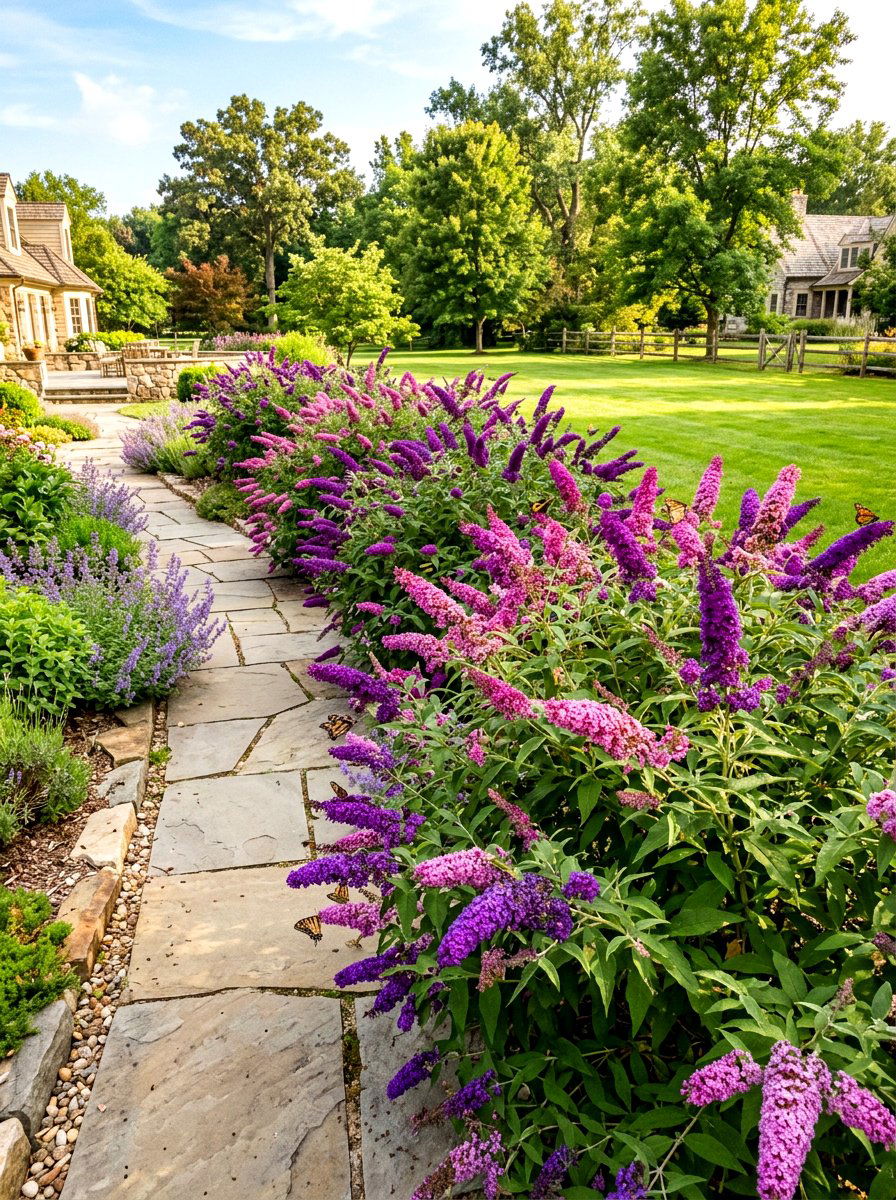
Creating a dedicated border with butterfly bushes can turn a simple path into a vibrant highway for winged visitors. These shrubs are famous for their long, cone-shaped flower clusters that come in stunning shades of purple, pink, and white. They produce an incredible amount of nectar that draws in various butterfly species from long distances. When planted in a row, they create a soft, fragrant screen that provides both food and a bit of shelter from the wind. To keep the blooms coming all summer long, make sure to remove spent flowers regularly. This high-impact design choice creates a concentrated area of activity that is mesmerizing to watch.
5. Hummingbird Garden Planter
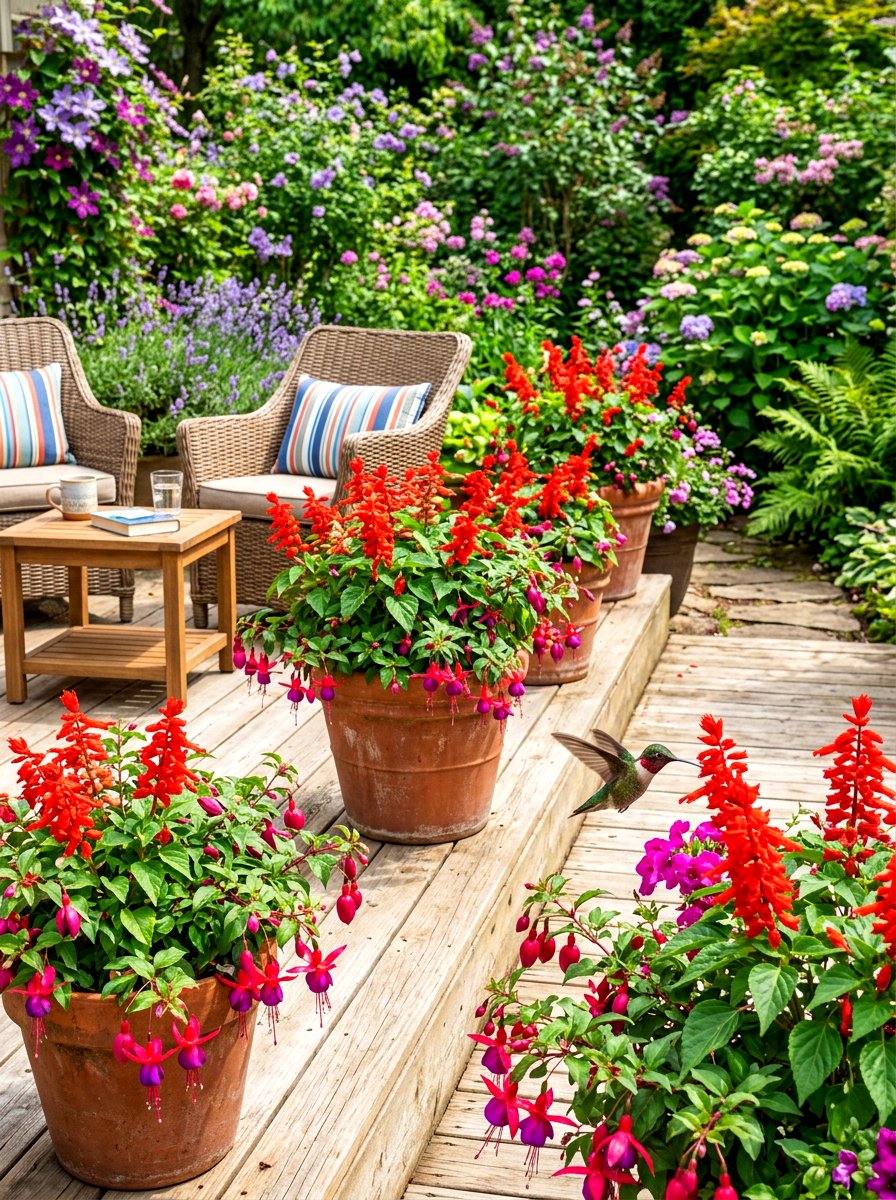
Can you imagine the excitement of seeing a hummingbird hovering just inches away from your window? Using large planters filled with tubular flowers is an excellent way to attract these tiny birds even if you have a small patio. Fill your containers with vibrant red, orange, or deep purple blooms like fuchsia, salvia, or petunias. Hummingbirds are naturally drawn to these shapes and colors because they hold the most nectar for their high-energy needs. Placing these planters near seating areas allows you to enjoy their acrobatic flights throughout the day. Using pots also gives you the flexibility to move your "pollinator cafe" to the sunniest spots as seasons change.
6. Lavender Hedge Row
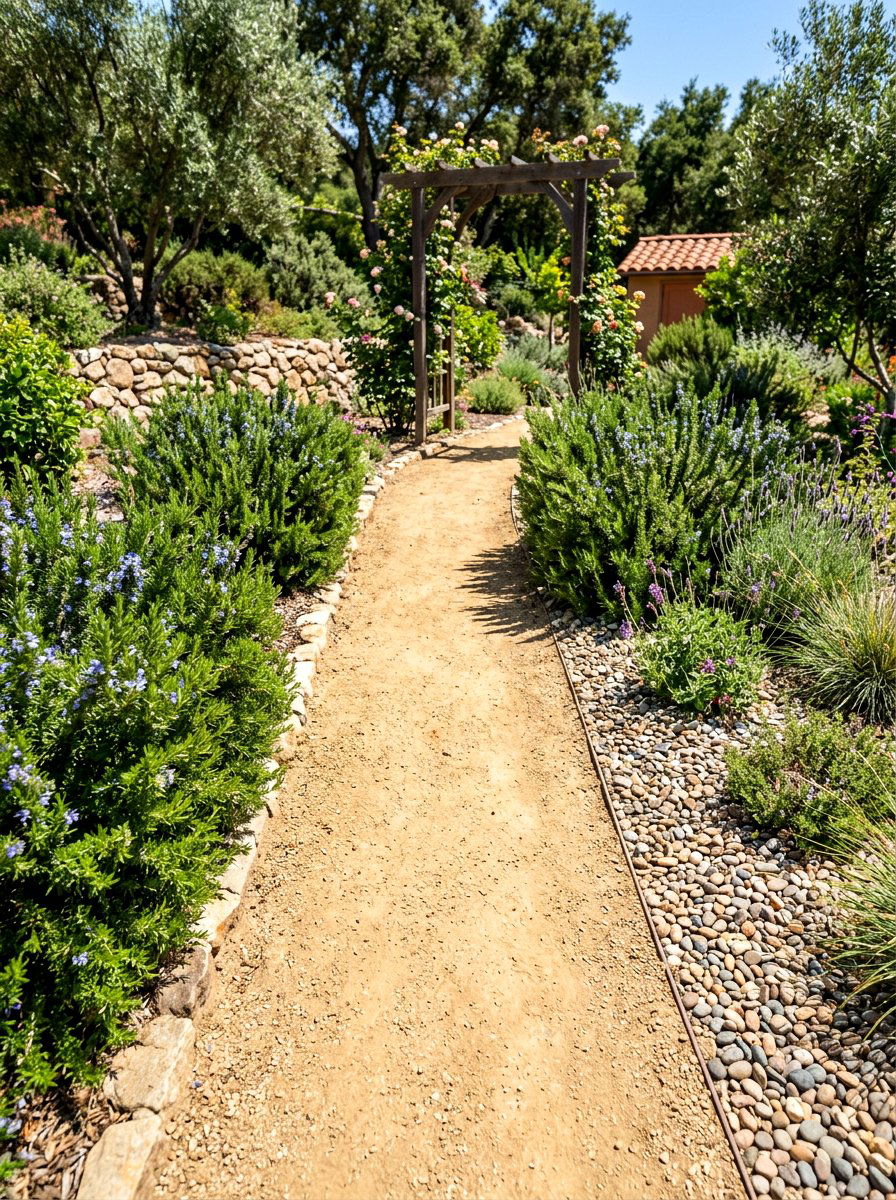
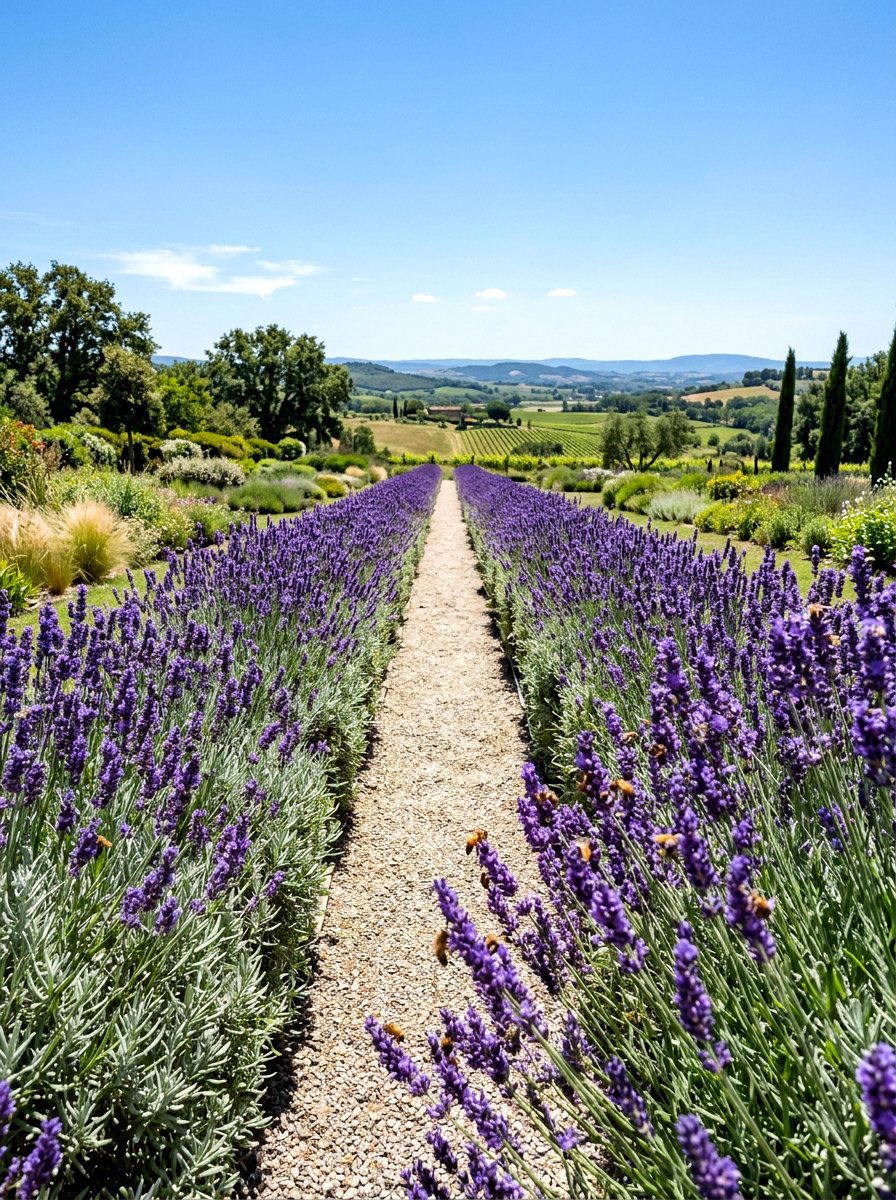
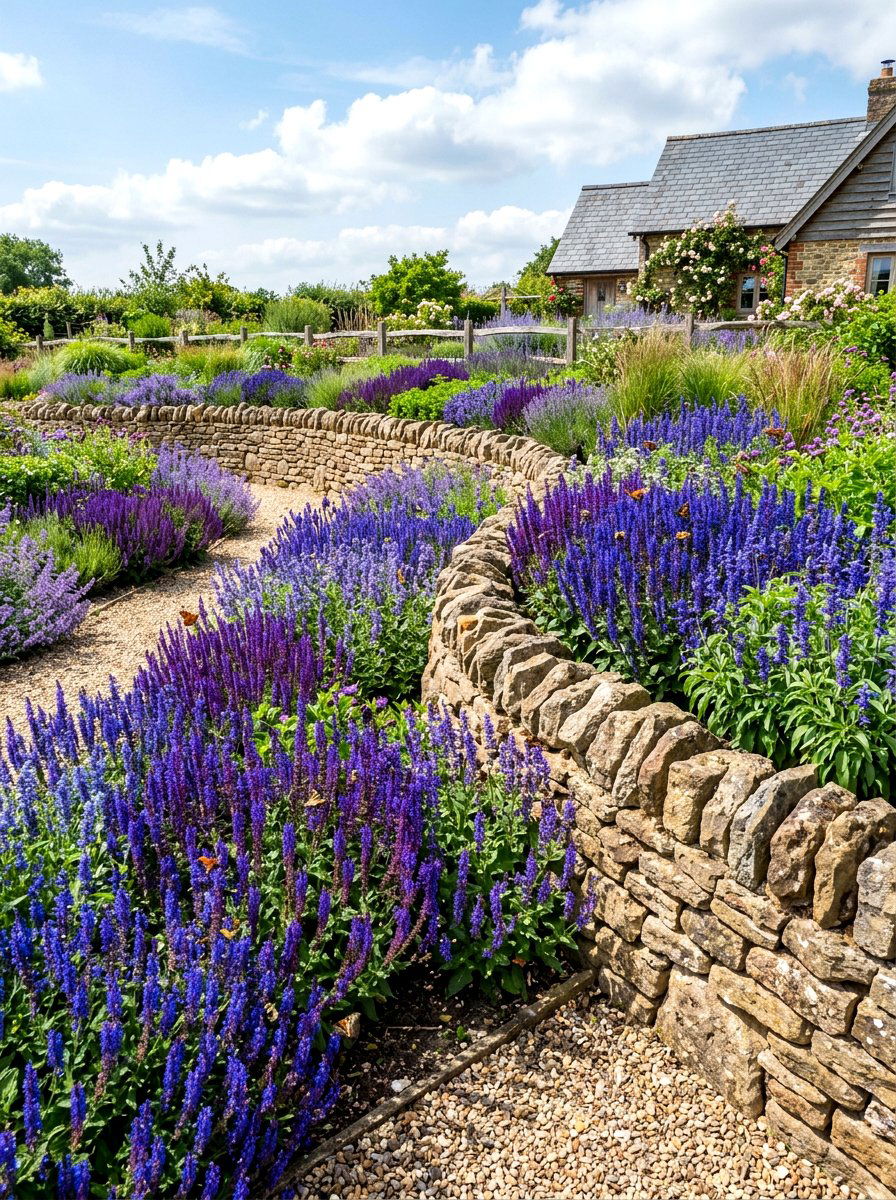
A row of lavender serves as a fragrant and functional boundary that bees absolutely adore. The silver-green foliage and upright purple spikes provide a classic look that fits into almost any landscape style. Lavender is particularly attractive to bumblebees and honeybees because its blooms are rich in high-quality nectar over a long period. When planted as a low hedge, it releases a calming scent every time someone brushes past it. This plant thrives in sunny, well-drained spots and requires very little water once it is established. It is a perfect choice for adding structure to your garden while ensuring that there is always a steady food source available.
7. Zinnia Flower Bed
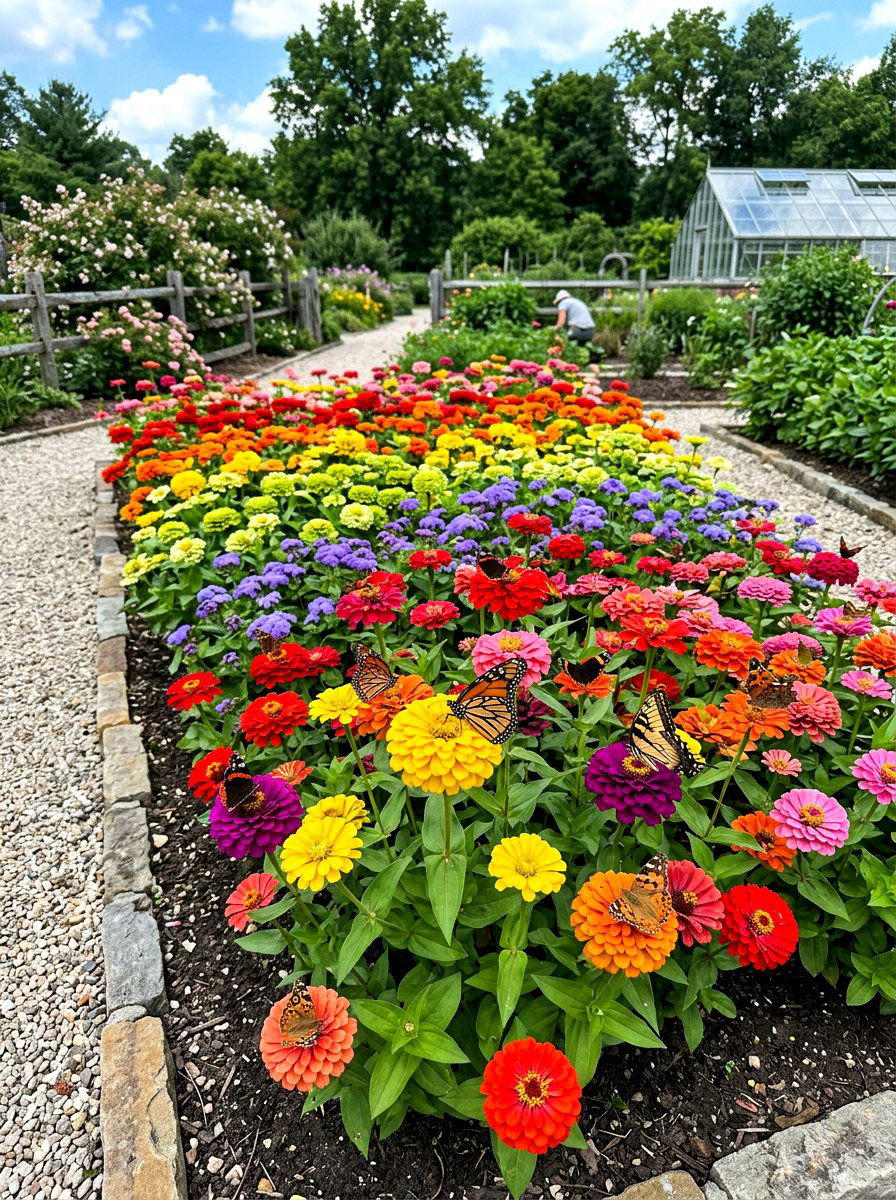
If you love bright colors and easy gardening, a large bed of zinnias is a fantastic choice for attracting butterflies. These annuals are incredibly simple to grow from seed and produce a non-stop supply of flat-topped blooms that act as perfect landing pads. Butterflies prefer these wide surfaces because they can rest their wings while they drink nectar. Zinnias come in almost every color imaginable, allowing you to create a rainbow effect that stands out in the neighborhood. They bloom heavily from mid-summer until the first frost, providing a late-season feast when other flowers might be fading. It is a joyful, high-energy addition to any sunny backyard.
8. Echinacea For Pollinators
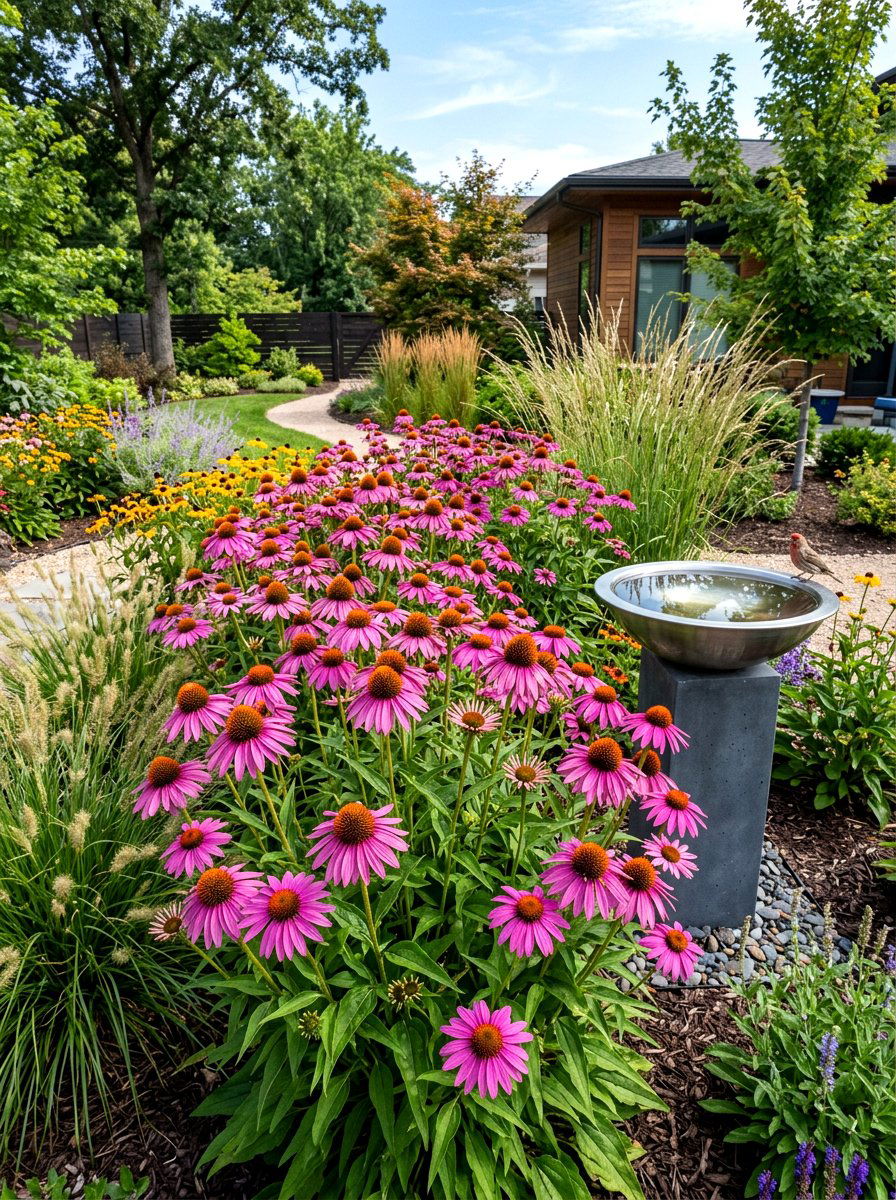
Purple coneflowers, or Echinacea, are iconic plants that serve as a reliable anchor for any pollinator habitat. Their large, prominent centers are packed with seeds and nectar that attract a wide range of bees and butterflies. These hardy perennials are drought-tolerant and can survive in many different soil types, making them a low-maintenance favorite for busy gardeners. Planting them in large groups makes it easier for pollinators to spot them from a distance. Even after the flowers fade, the dried seed heads provide a valuable food source for birds like goldfinches during the winter months. It is a plant that gives back to nature in every single season.
9. Salvia Garden Layout
Designing a section of your yard with various salvia species creates a multi-layered nectar buffet that attracts everything from bees to hummingbirds. Salvias are known for their tall spikes of flowers and aromatic leaves that many pests find unappealing. By mixing different heights and colors, you create a visual depth that draws the eye and the insects. Some varieties bloom early in the spring, while others continue late into the fall, ensuring a consistent food supply. Their upright growth habit makes them excellent companions for lower-growing plants. This layout provides a organized yet wild look that keeps your garden buzzing with life for many months of the year.
10. Mason Bee House
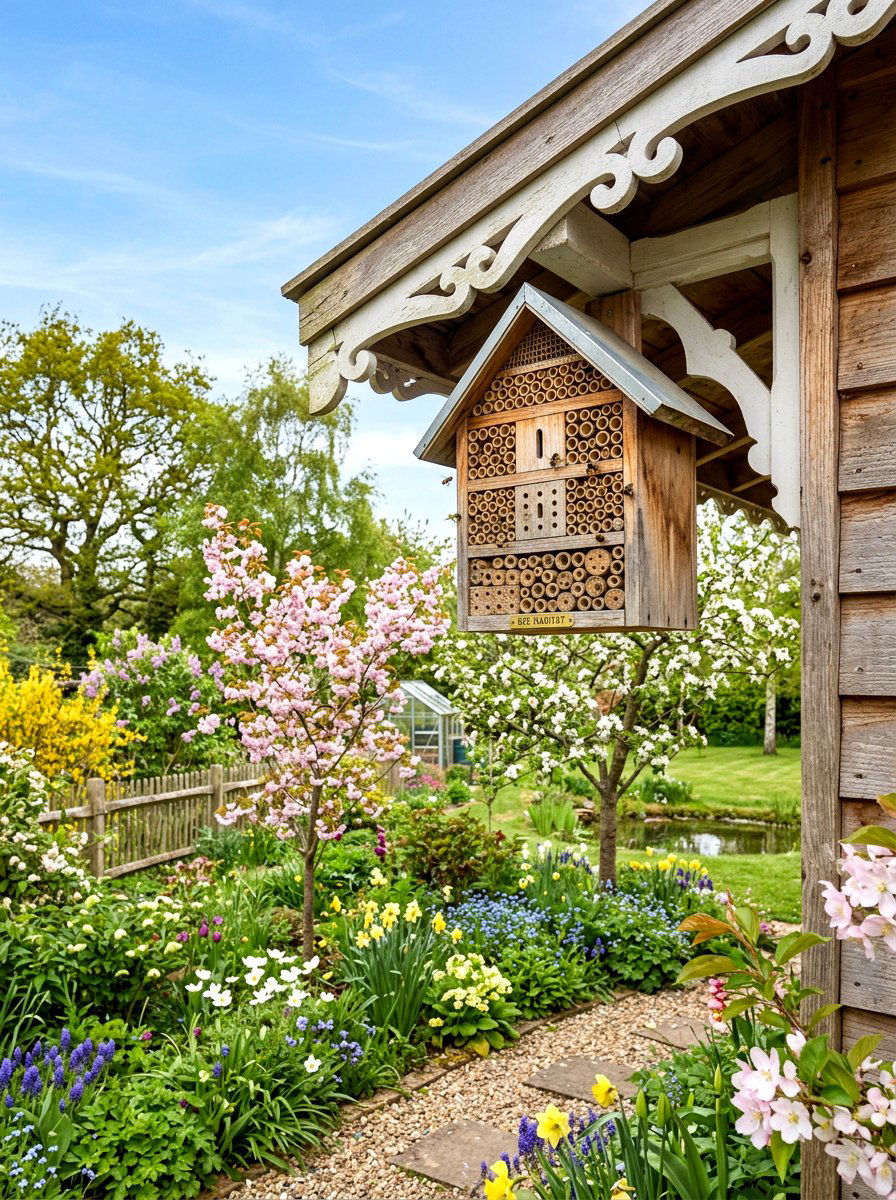
Focusing on native mason bees is a wonderful way to boost the productivity of your fruit trees and flowers. Unlike honeybees, mason bees are solitary and extremely efficient at pollinating because they carry pollen all over their bodies. Setting up a dedicated house with various sized tubes gives them a safe place to rear their young. It is important to place the house under an eave or a small roof to prevent moisture from damaging the cocoons. Having a mason bee house in your garden ensures that your plants get the best possible start in the spring. It is a quiet, peaceful way to support local biodiversity with very minimal effort.
11. Sunflower Garden Backdrop
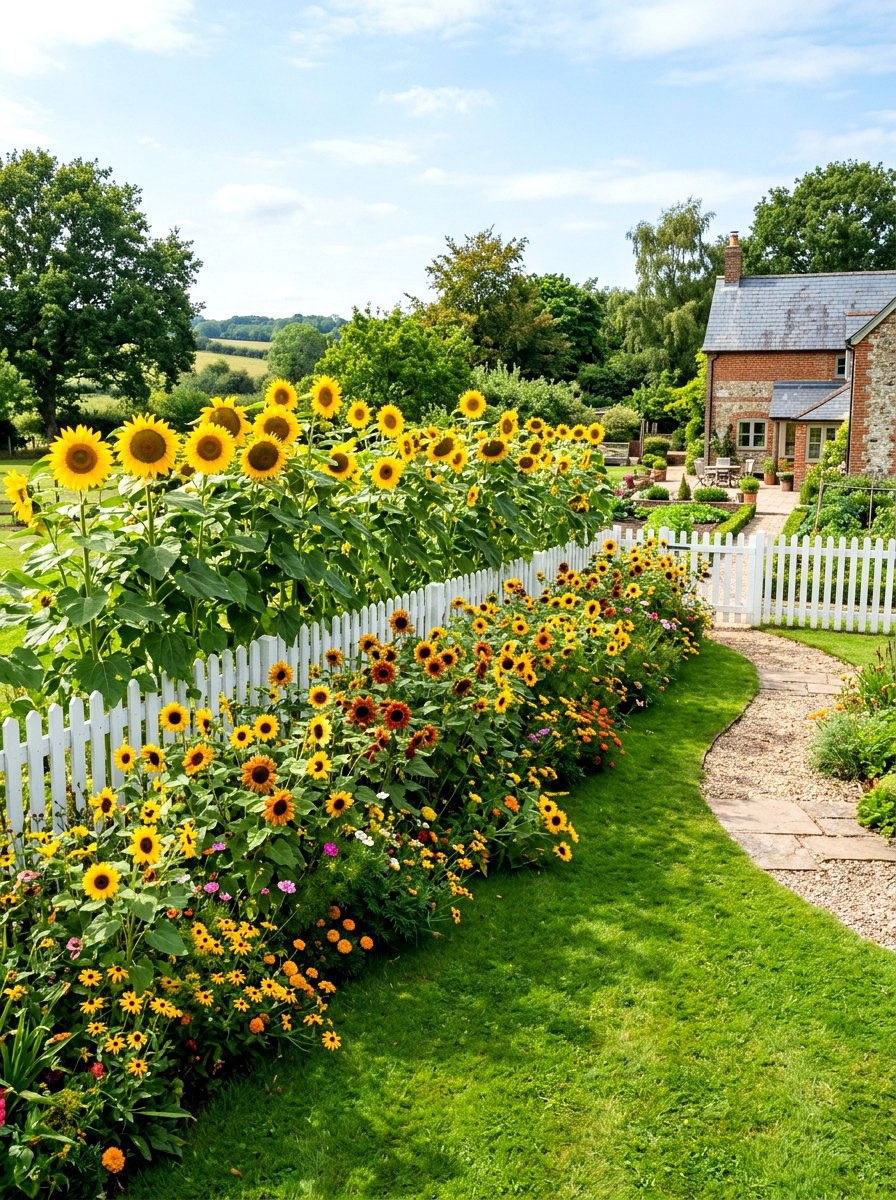
Sunflowers do more than just grow tall; they act as a massive feeding station for a wide variety of wildlife. Using them as a backdrop along a fence or at the rear of a garden bed creates a stunning vertical element. The huge, pollen-rich centers attract bees of all sizes, while the bright petals signal to butterflies from afar. Once the blooms are finished, the seeds become a high-fat snack for local birds. You can choose different varieties, from giant types to multi-branching ones, to keep the visual interest high. They are a symbol of summer that provides a significant amount of ecological value in a single season.
12. Herb Garden For Pollinators
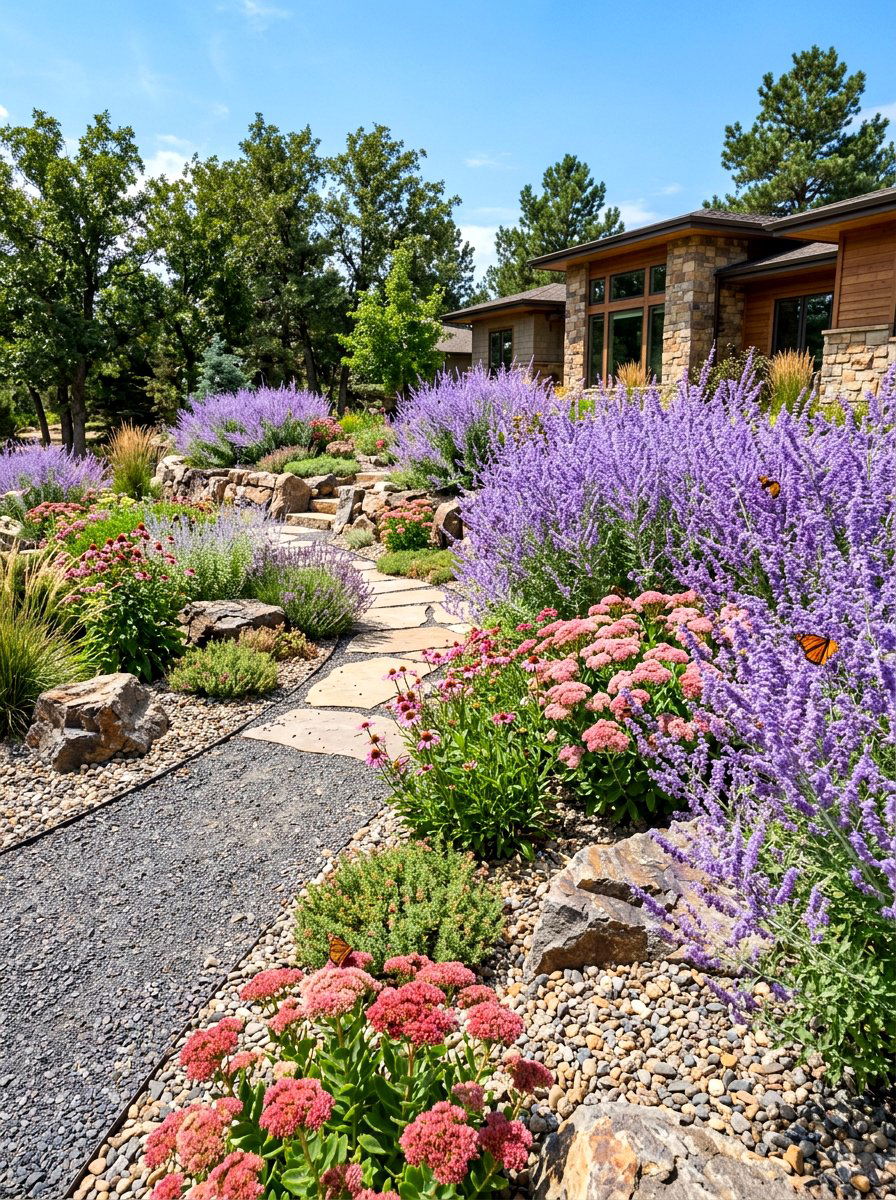
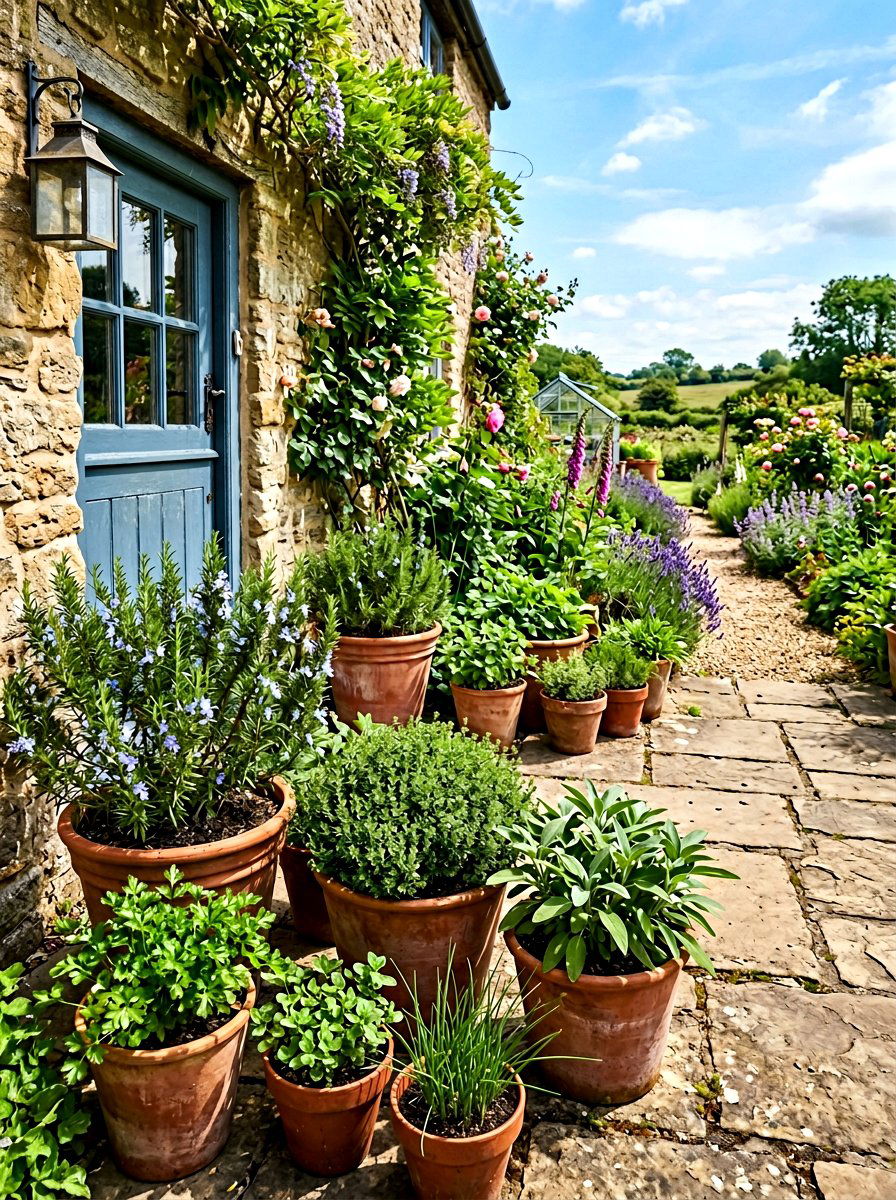
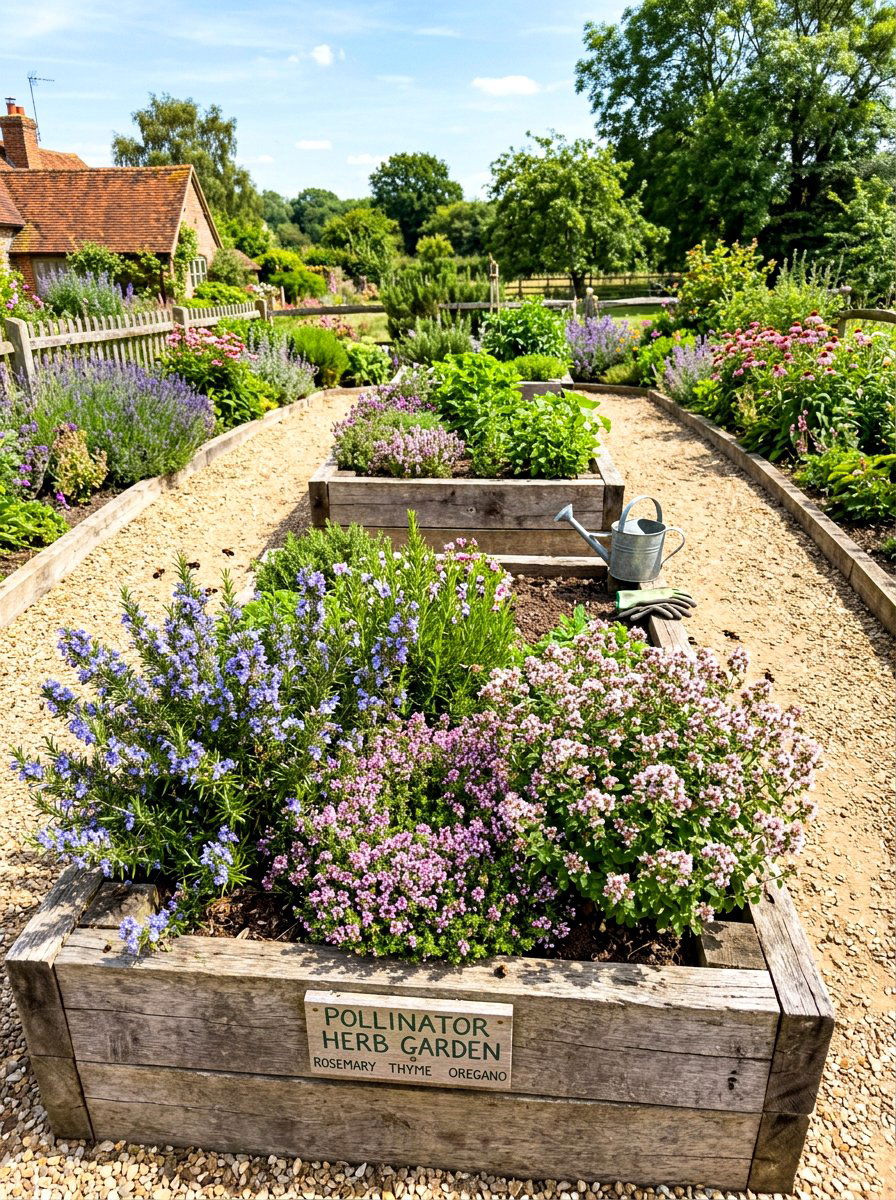
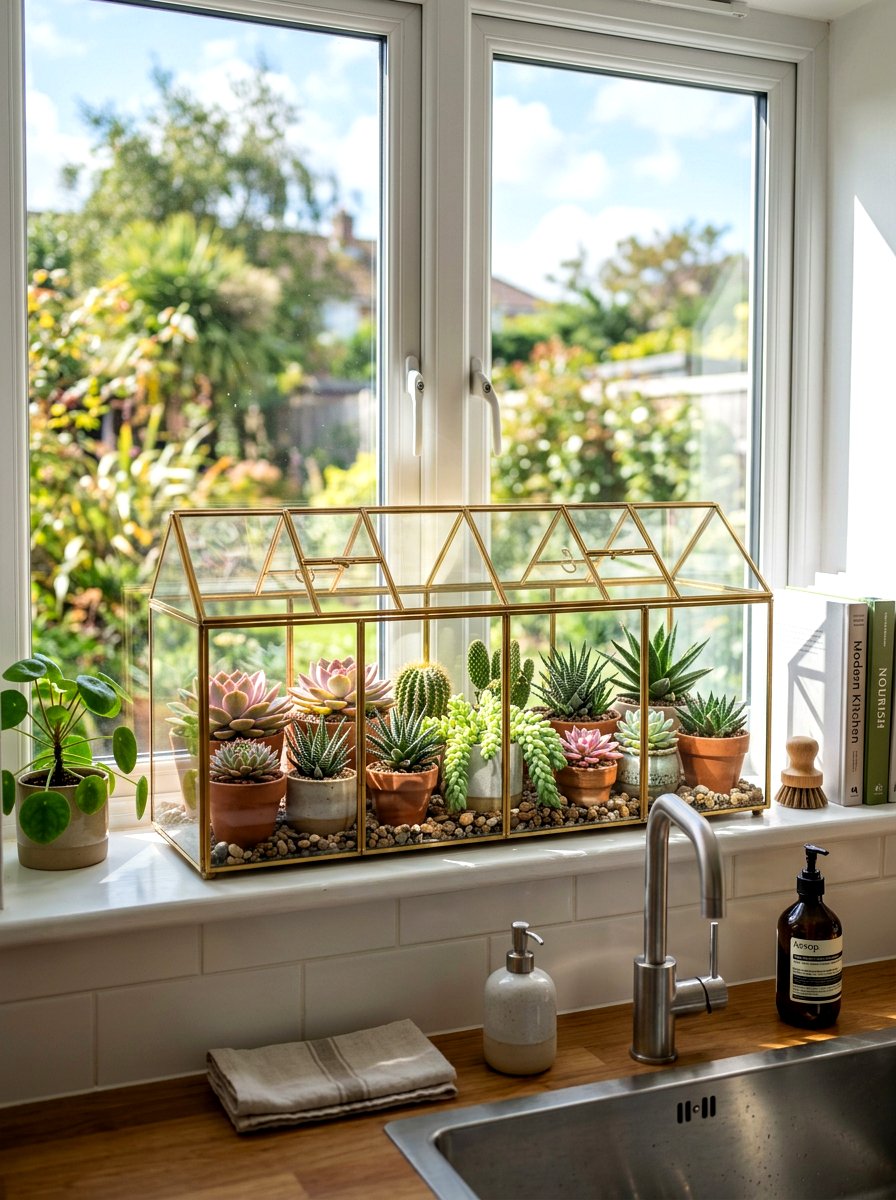
Have you ever noticed how many bees visit your herbs when you let them go to flower? Herbs like rosemary, thyme, oregano, and mint produce tiny but nectar-rich blossoms that are irresistible to pollinators. Creating a dedicated herb patch allows you to harvest fresh ingredients for your kitchen while providing a feast for the insects. If you let some of your cilantro or dill bolt, their umbrella-like flowers will attract beneficial predatory wasps and hoverflies too. This dual-purpose garden area is practical, fragrant, and ecologically beneficial. It proves that you don’t need a huge space to make a meaningful difference for the local pollinator populations.
13. Nectar Perennial Garden
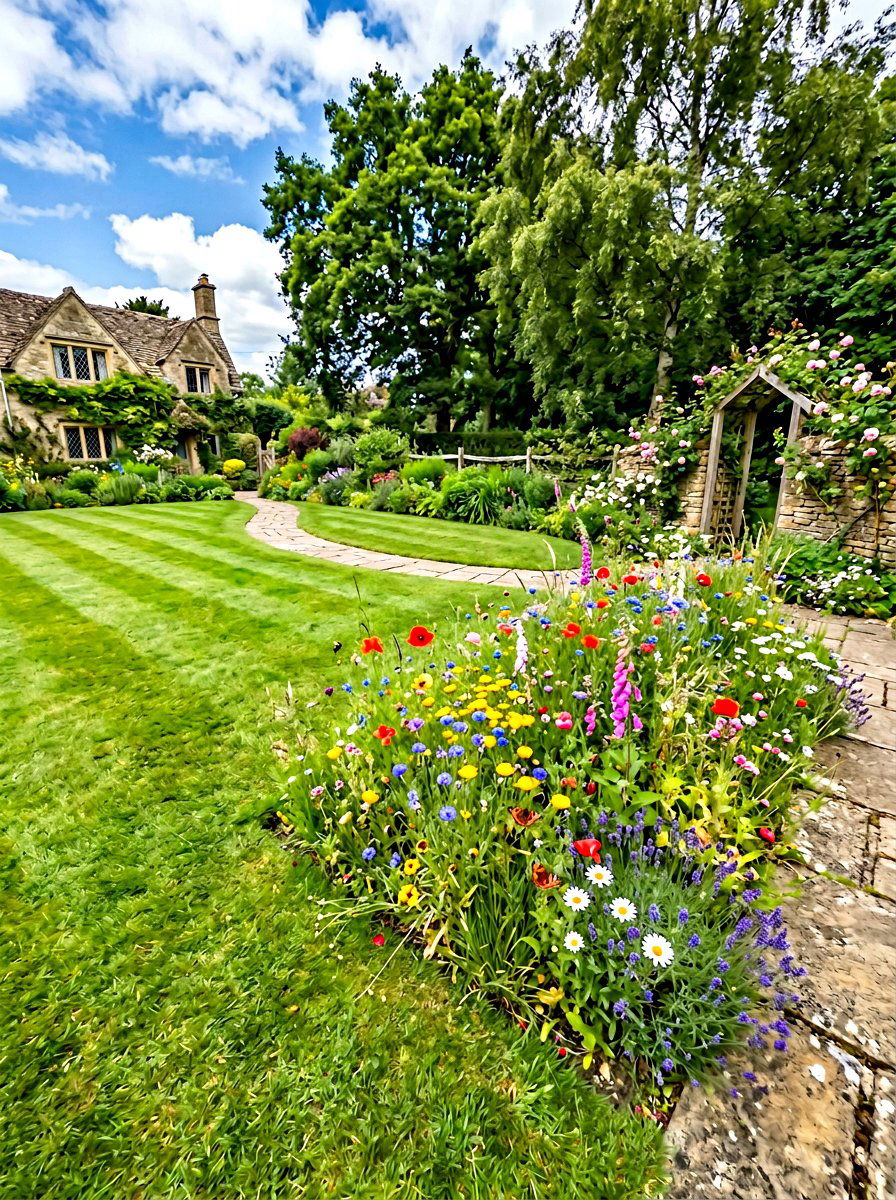
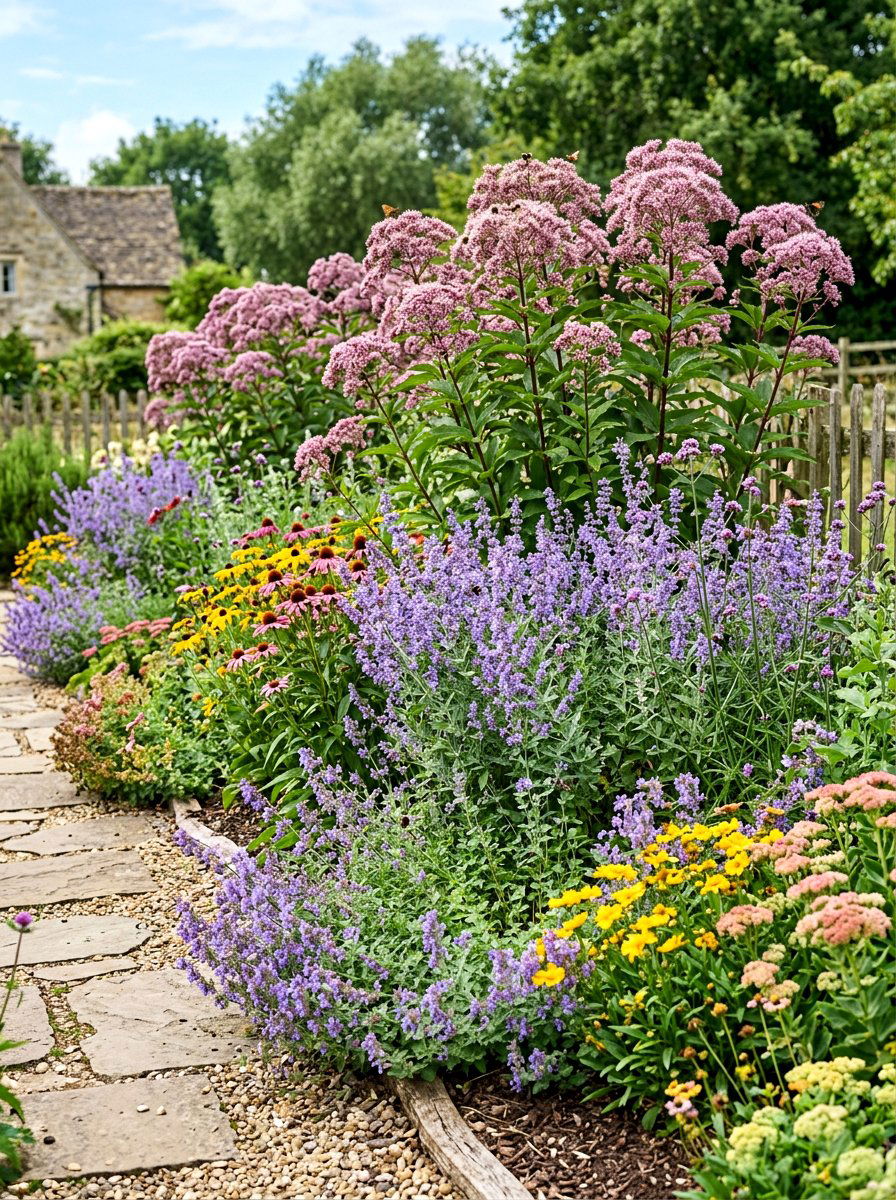
A garden filled with long-lived perennials ensures that your pollinator habitat becomes more established and beautiful every year. Plants like Joe Pye weed, black-eyed Susans, and catmint provide a reliable structure that you don’t have to replant each spring. These species are designed to bloom year after year, offering a predictable food source that local insects can count on. By selecting a mix of plants that bloom at different times, you can provide a "continuous nectar flow" from early spring through the end of autumn. This long-term approach saves you work in the long run while creating a deeply rooted sanctuary for all kinds of beneficial garden visitors.
14. Drought Tolerant Pollinator Garden
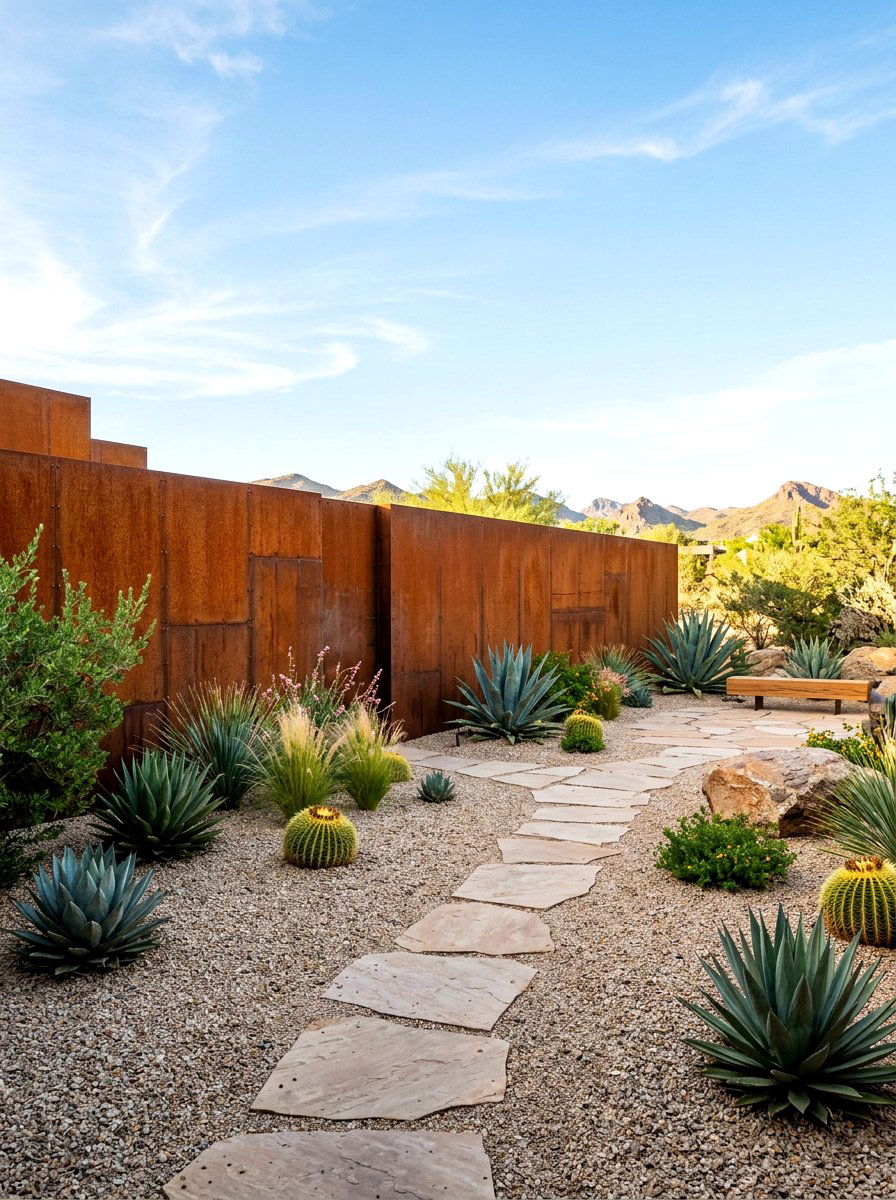
Creating a beautiful habitat doesn't have to require a lot of water if you choose the right plants. A xeriscape pollinator garden uses species like blanket flower, Russian sage, and sedum that thrive in hot, dry conditions. These plants have evolved to survive with very little moisture while still producing high-quality nectar. This design is perfect for areas with water restrictions or for gardeners who want a more sustainable, low-maintenance landscape. Using gravel mulch and natural stone accents can enhance the look while keeping the soil cool. It shows that environmental responsibility and stunning garden design can go hand in hand, even in the driest of climates.
15. Small Wildflower Patch
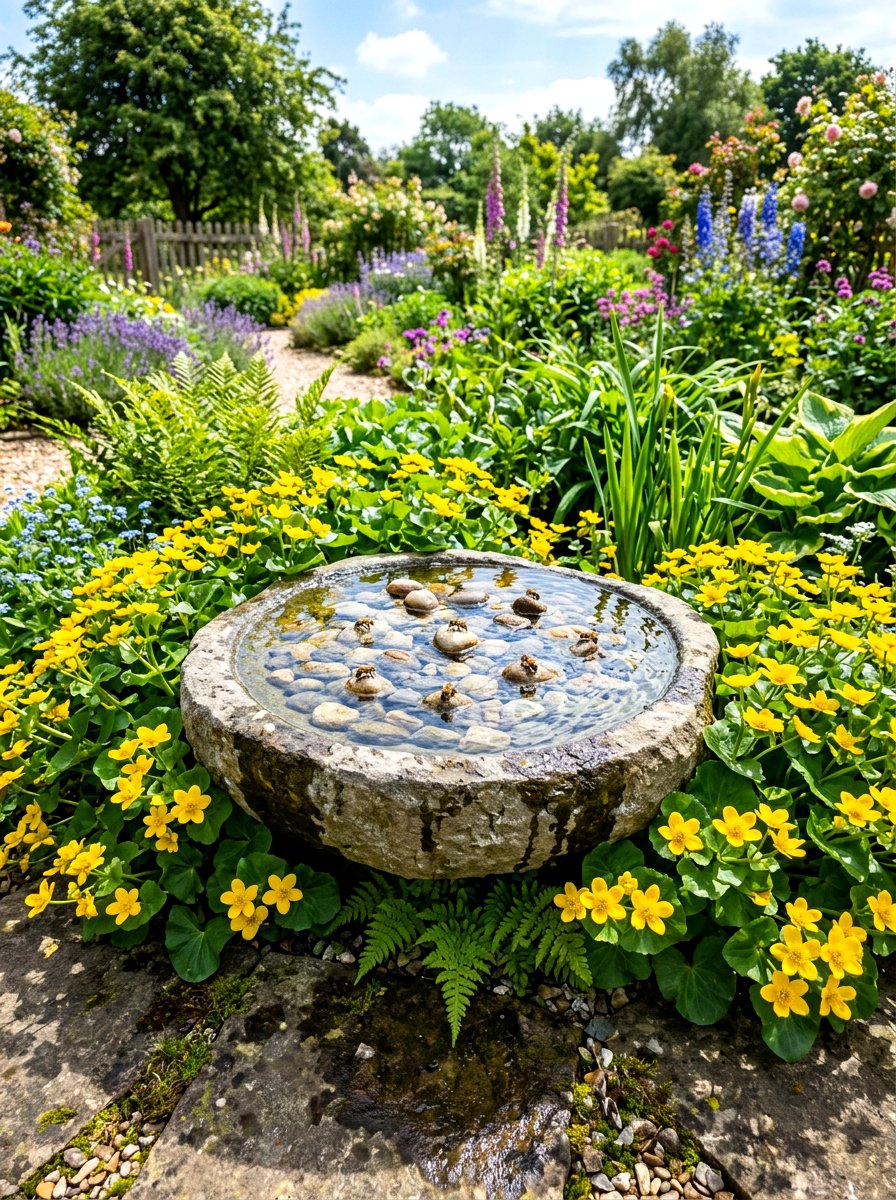
You don't need a massive acreage to create a thriving meadow; even a small corner of your yard can make a big impact. By clearing a small patch of lawn and sowing a mix of native wildflower seeds, you create a miniature ecosystem. This concentrated area provides a dense source of food and shelter that would otherwise be a boring grass monoculture. It is a great way to experiment with different species and see which ones your local bees and butterflies prefer. A small wildflower patch adds a touch of whimsical, natural beauty to your landscape. It serves as a reminder that every little bit of habitat helps support our planet.
16. Shade Pollinator Garden
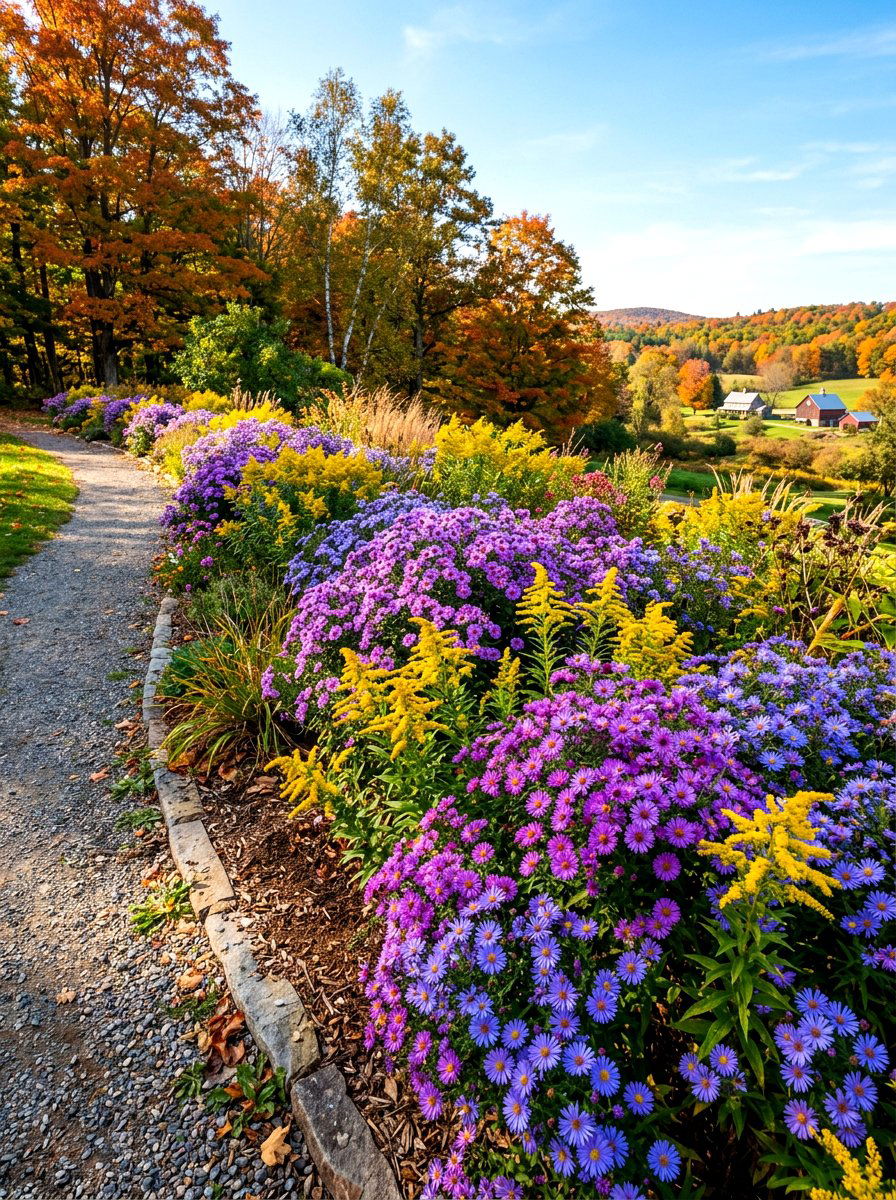
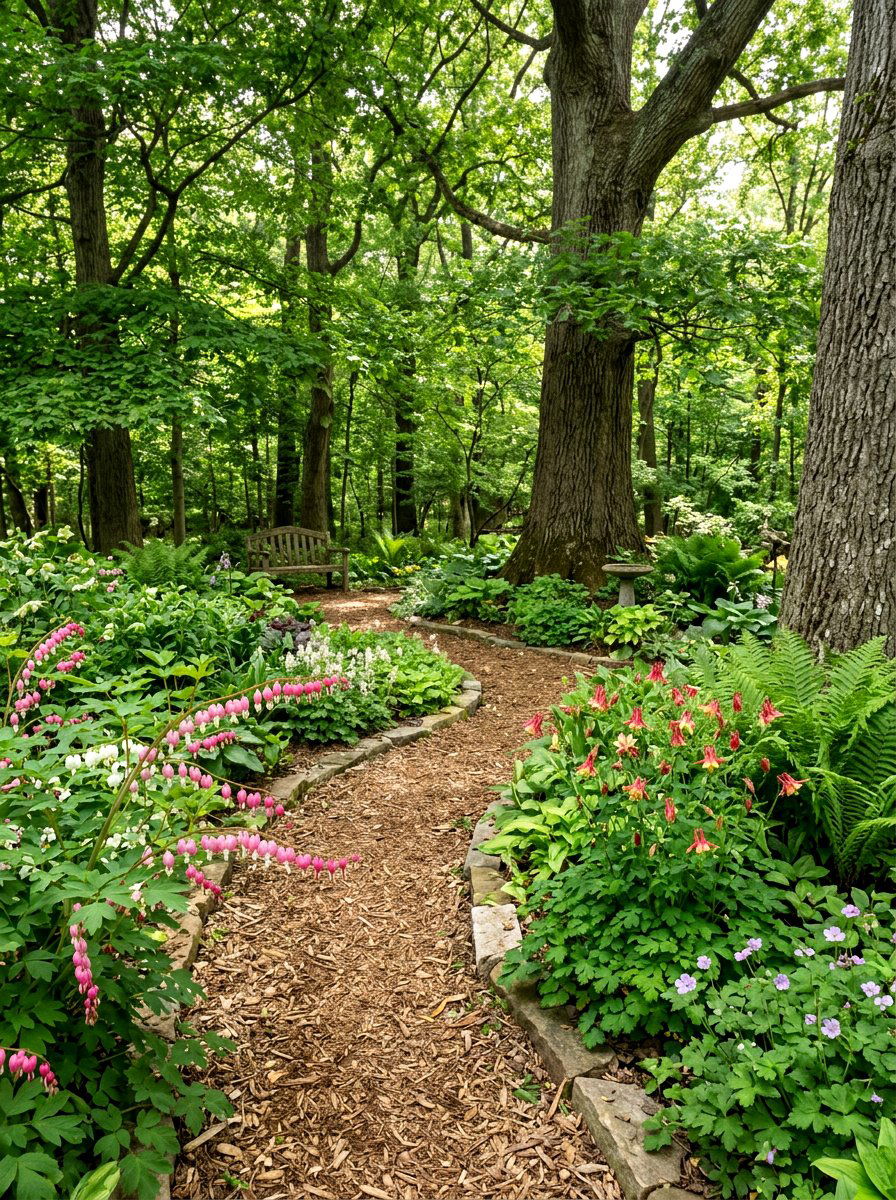
Many people assume that pollinator gardens only work in full sun, but many insects actually prefer the cool shelter of the shade. Planting species like columbine, bleeding hearts, and woodland phlox creates a sanctuary in the darker corners of your yard. These plants often bloom early in the spring, providing vital food when other sources are scarce. Bumblebees are particularly active in shaded areas where they can regulate their body temperature more easily. By utilizing the shade under trees or along the north side of your home, you expand the available habitat for a wider variety of species. It creates a lush, serene environment that feels like a hidden forest.
17. Bee Water Fountain
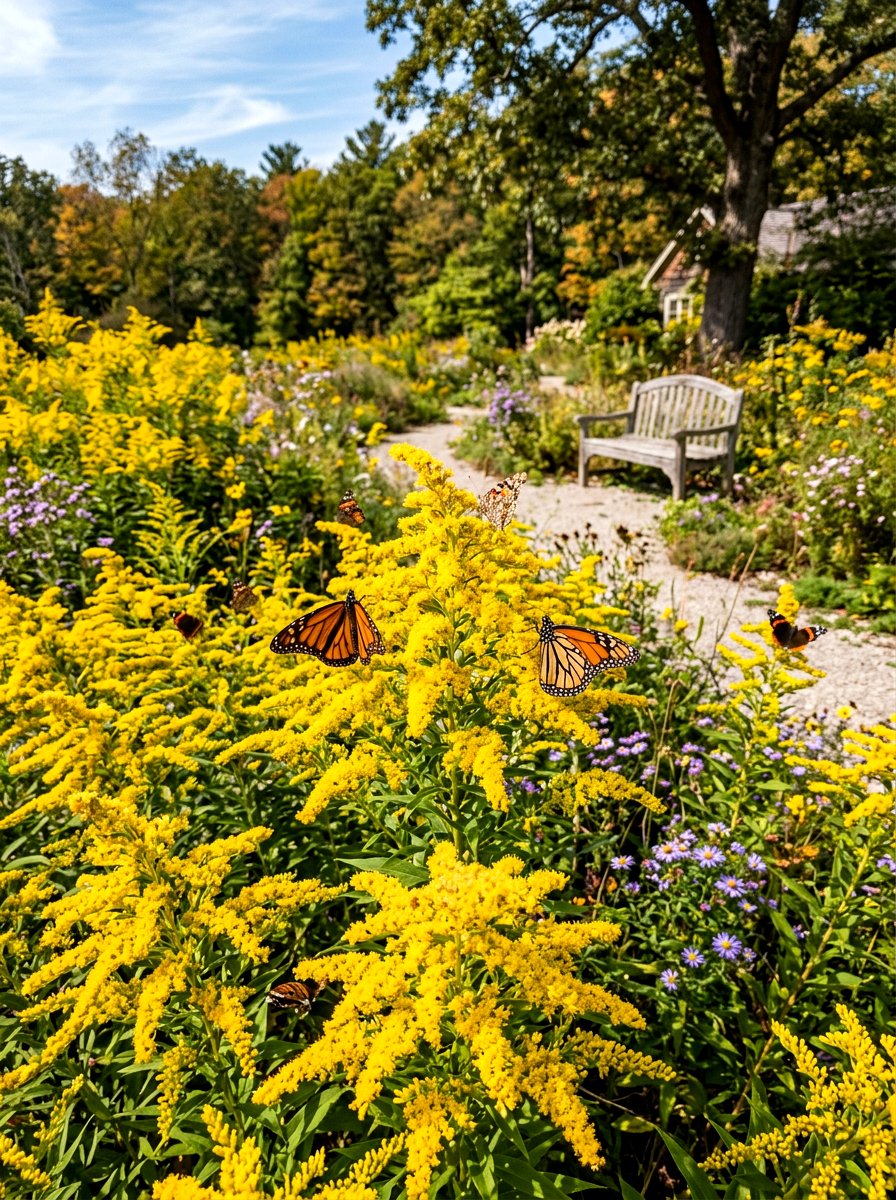
Nectar gathering is thirsty work, and providing a clean water source is just as important as providing flowers. A shallow fountain or a birdbath filled with stones allows bees and butterflies to land safely without the risk of drowning. Pollinators need water for hydration and, in the case of bees, to help cool their hives and dissolve honey. Keeping the water fresh and the stones slightly above the surface creates a perfect drinking station. Placing this water feature in a sunny, sheltered spot encourages frequent visits. It adds a soothing sound to your garden while serving a critical functional role for the small creatures that visit your yard.
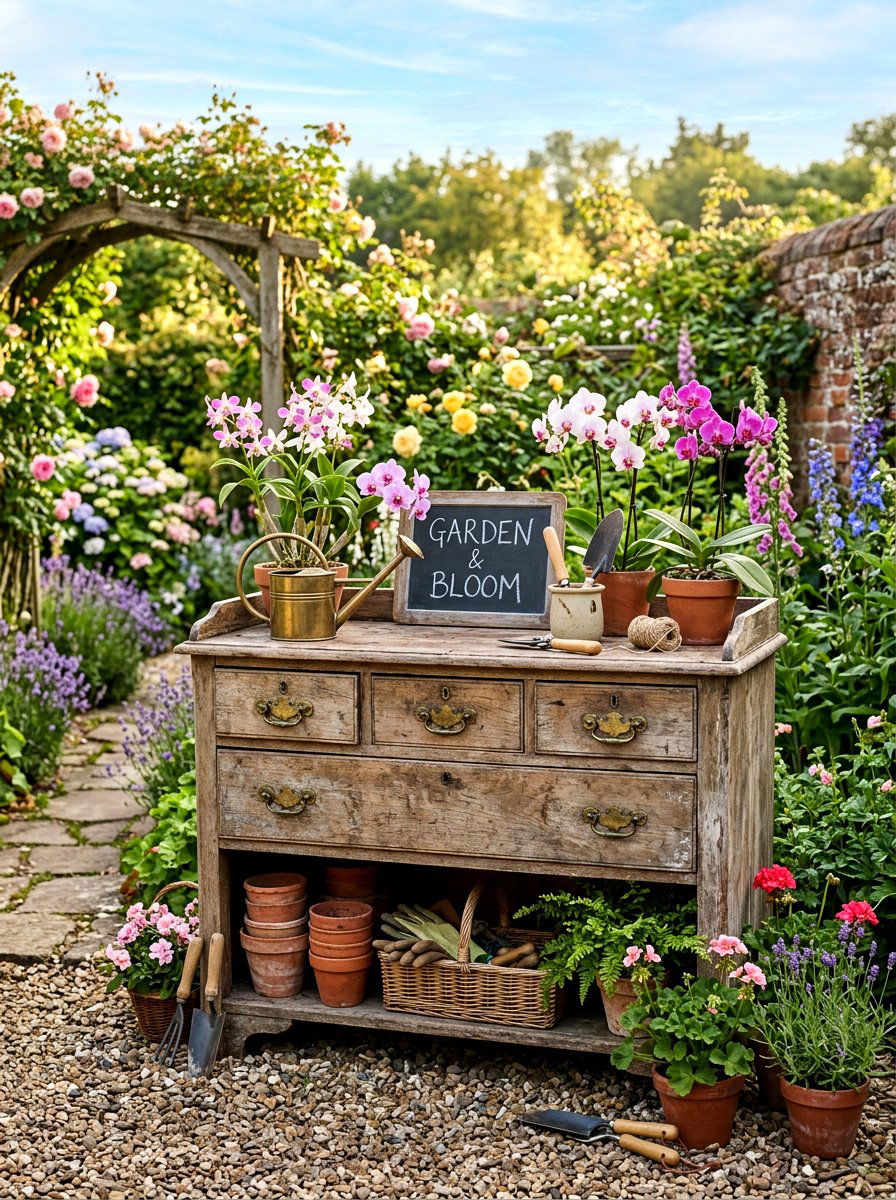
18. Fall Aster Garden
As summer fades, many pollinators struggle to find enough food to prepare for winter or long migrations. Asters are the "late-season stars" of the garden, blooming in vibrant shades of blue, purple, and white just when other flowers are dying back. These plants provide a high-energy nectar boost for monarch butterflies on their way south and for bees heading into dormancy. Planting large clusters of asters creates a stunning visual display in the autumn landscape. They are easy to grow and often spread gently to fill gaps in your borders. Including these late bloomers ensures that your garden remains a vital resource until the very last days of the growing season.
19. Goldenrod Garden Display
Goldenrod is often unfairly blamed for allergies, but it is actually a powerhouse plant for late-season pollinators. Its bright yellow plumes are heavy with pollen and nectar, attracting hundreds of different insect species in the late summer and fall. Unlike wind-pollinated plants that cause hayfever, goldenrod relies on insects to move its heavy pollen. It pairs beautifully with purple asters for a classic autumn color combination that looks professionally designed. There are many compact varieties available today that fit perfectly into smaller gardens without taking over. Adding goldenrod to your landscape provides a essential feast that helps local wildlife survive the transition into the colder winter months ahead.
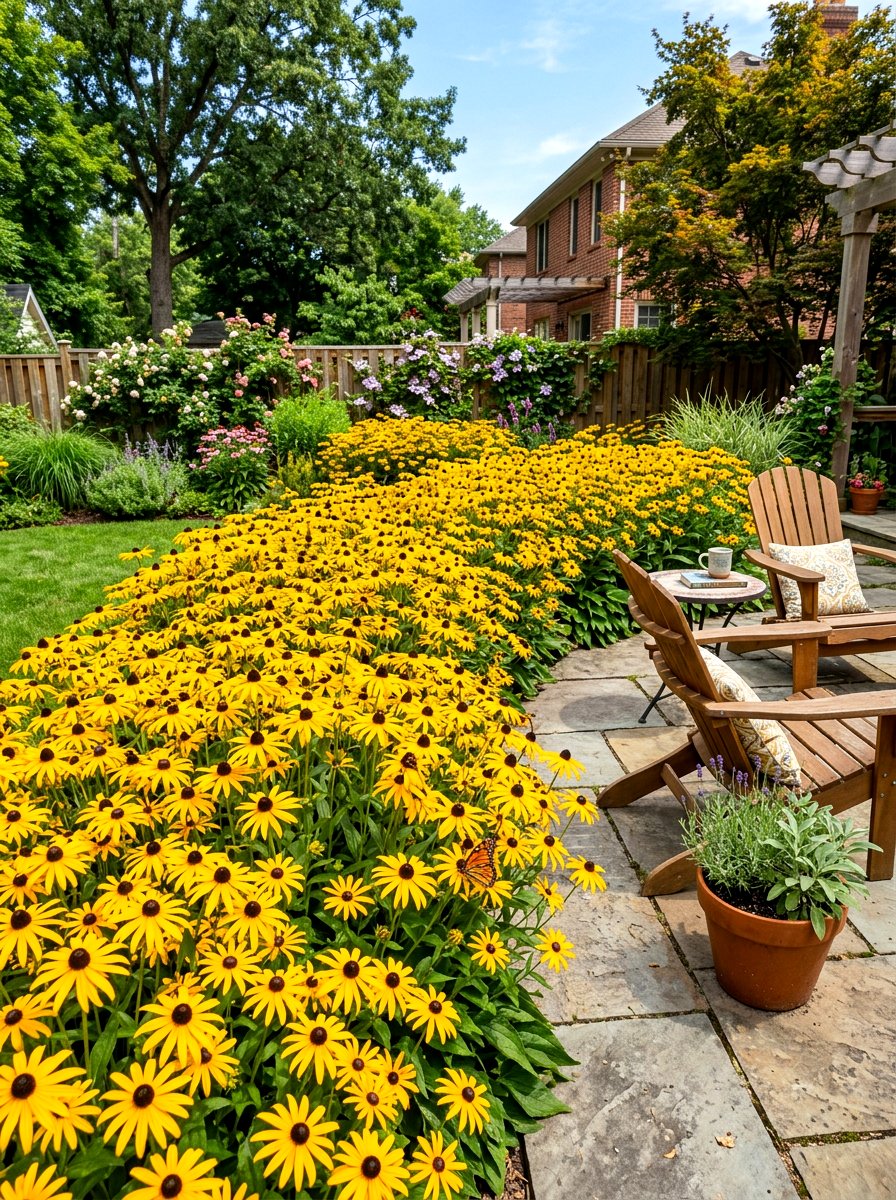
20. Rudbeckia Flower Bed
Black-eyed Susans, or Rudbeckia, are cheerful and rugged plants that bring a sun-drenched look to any pollinator-friendly space. Their golden petals and dark centers are highly visible to bees, making them a primary destination for foraging. These plants are incredibly resilient, handling heat, drought, and poor soil with ease. When planted in mass, they create a sea of yellow that stays beautiful for many weeks. They also make excellent cut flowers, allowing you to bring some of the garden's beauty indoors. Their reliability and high nectar production make them a "must-have" for any gardener looking to support a healthy and active local insect population throughout the long summer.
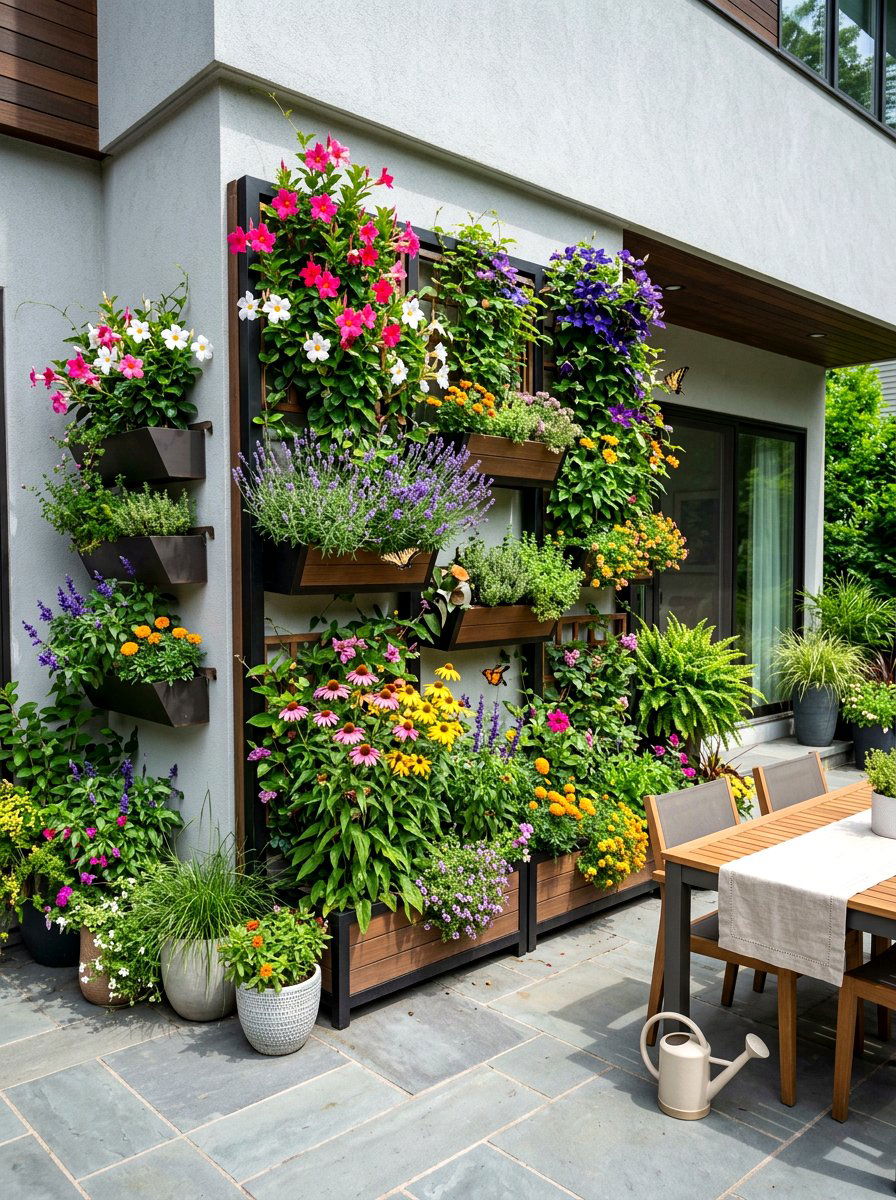
21. Vertical Pollinator Garden
If you are short on ground space, growing upwards is a brilliant way to invite more life into your yard. Using trellises or wall-mounted planters to grow climbing plants like honeysuckle or morning glories creates a vertical buffet. These plants provide nectar at different heights, which can attract different types of pollinators like moths and specialized bees. A living wall covered in flowering vines also offers excellent nesting and hiding spots for various insects. This design approach adds privacy to your outdoor space while maximizing every square inch for ecological benefit. It is a modern and stylish way to turn a bare wall into a thriving, three-dimensional habitat.
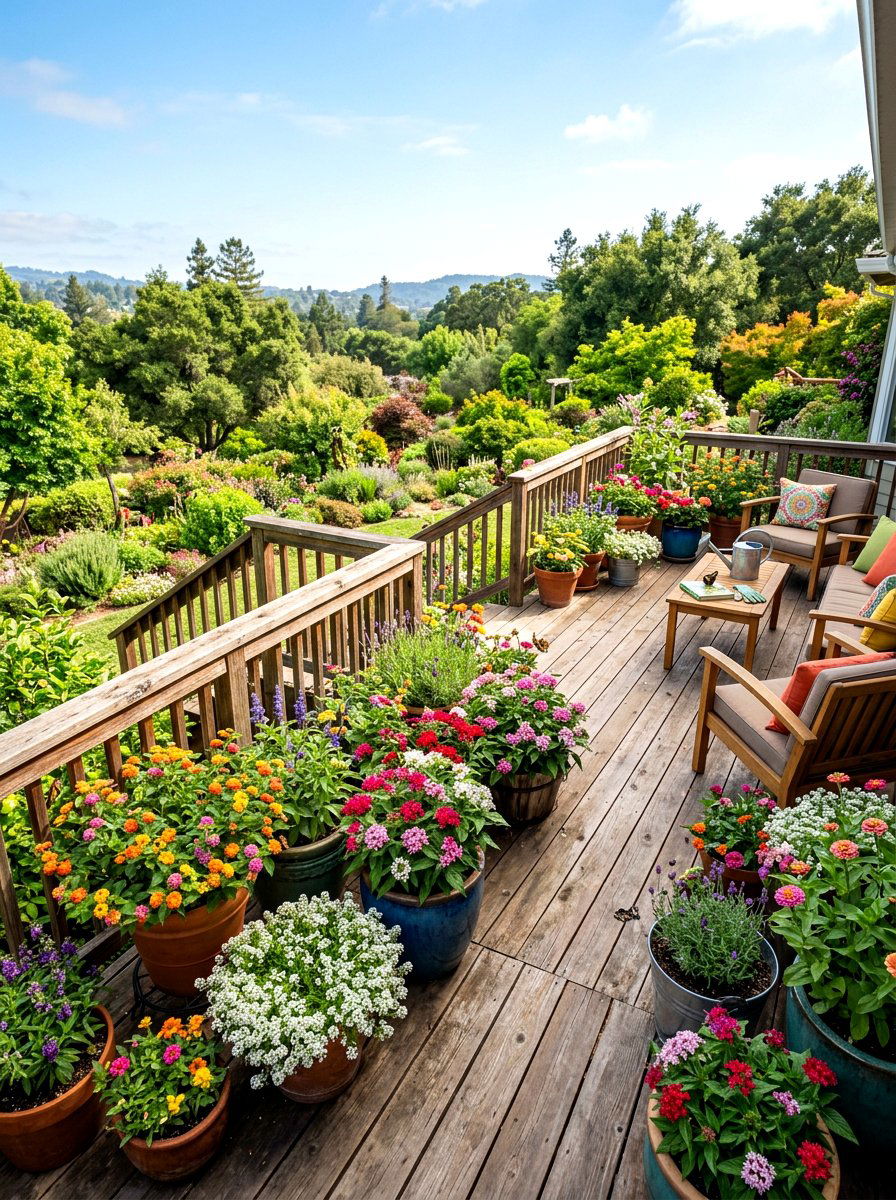
22. Container Pollinator Garden
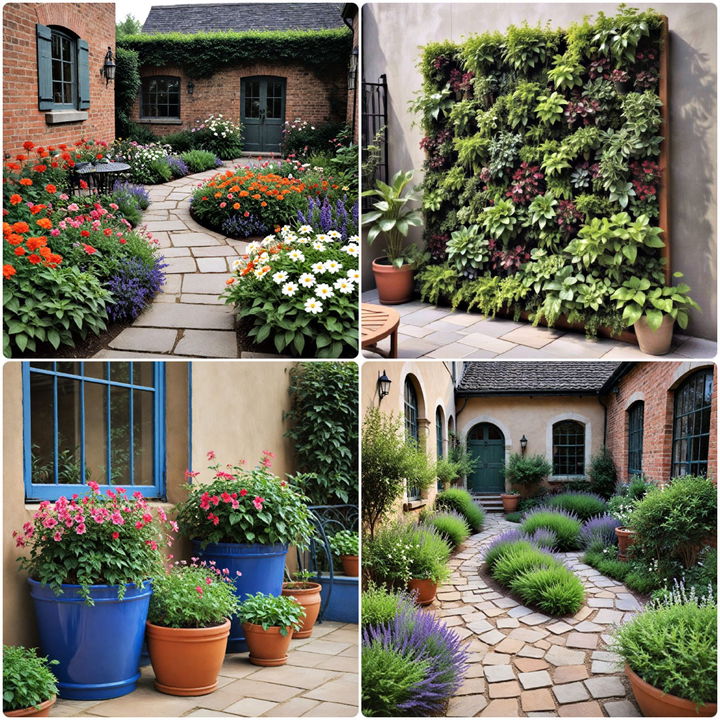
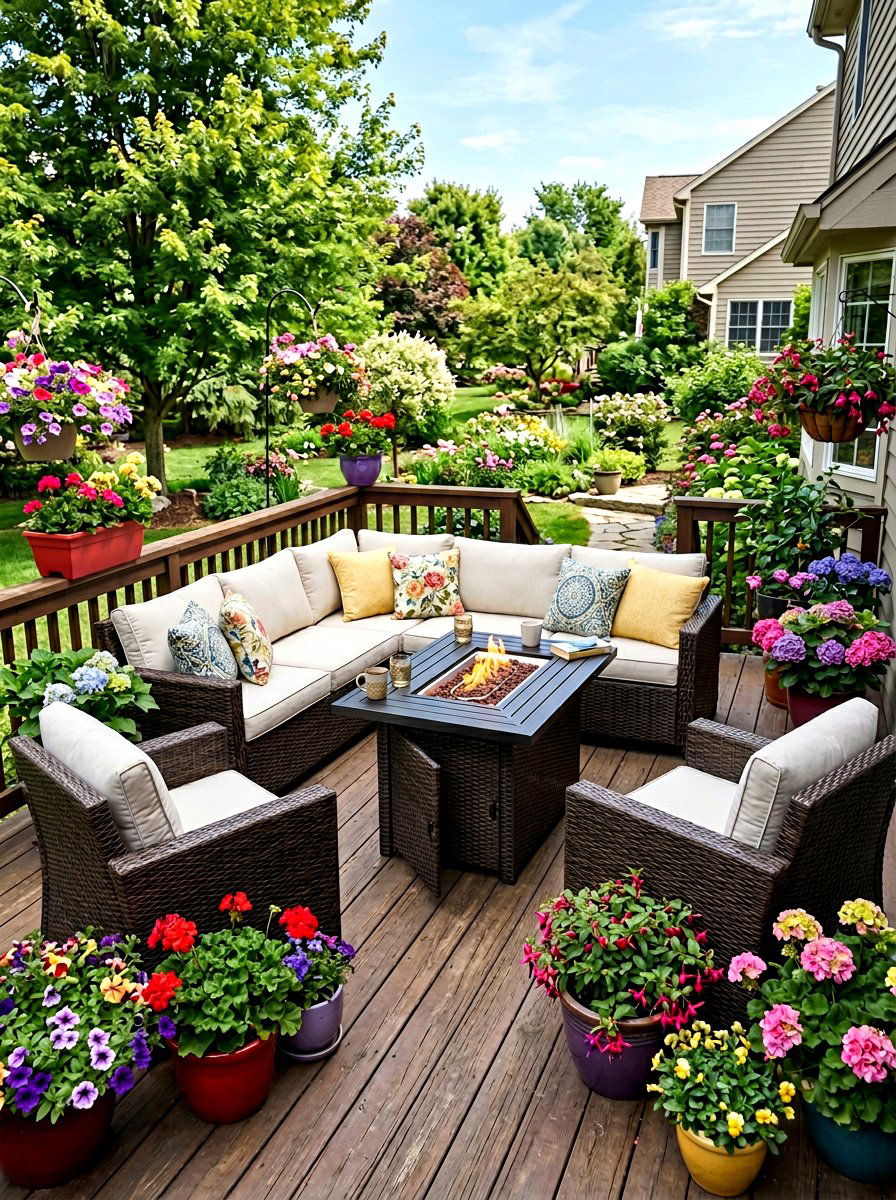
Living in an apartment or having a paved backyard doesn 't mean you can' t help the bees. A collection of pots and containers filled with nectar-rich plants like lantana, pentas, and sweet alyssum creates a portable paradise. You can arrange these containers to catch the most sun or to brighten up an outdoor seating area. Mixing different pot sizes and plant heights creates visual interest and provides a varied habitat for different insects. Potted gardens are also easier to manage in terms of soil quality and moisture control. It proves that even a small balcony can become a vital stepping stone for pollinators traveling through a busy and crowded urban landscape.
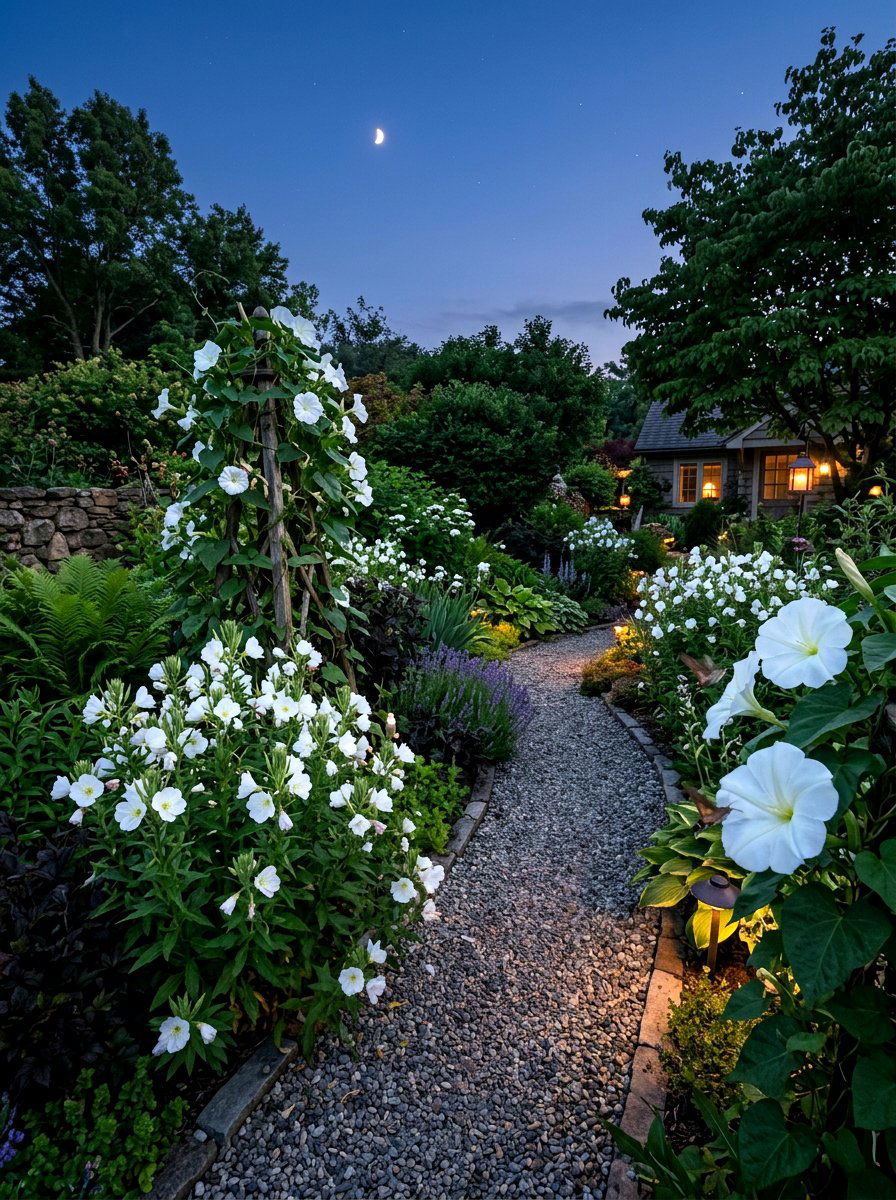
23. Night Blooming Garden
We often forget that many important pollinators, like moths and certain beetles, are most active after the sun goes down. Creating a "moon garden" with white or pale yellow flowers that bloom at night ensures these creatures are supported too. Plants like evening primrose, moonflower, and night-scented tobacco release their fragrance and become highly visible under the moonlight. These gardens are not only beneficial for wildlife but also offer a magical and calming space for you to enjoy in the evening. The pale blooms reflect the light, creating a glowing effect that feels enchanted. It is a thoughtful way to provide a 24-hour resource for the environment.
24. Butterfly Puddling Station
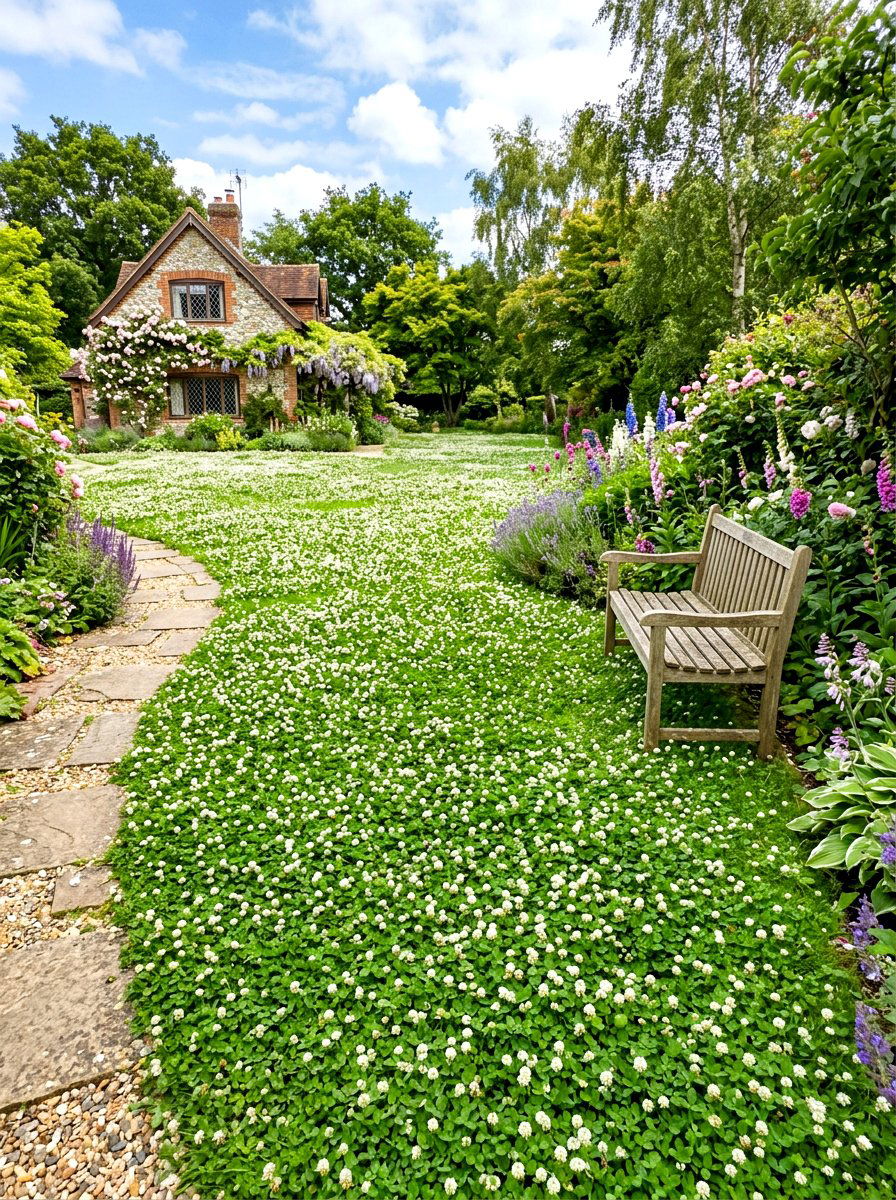
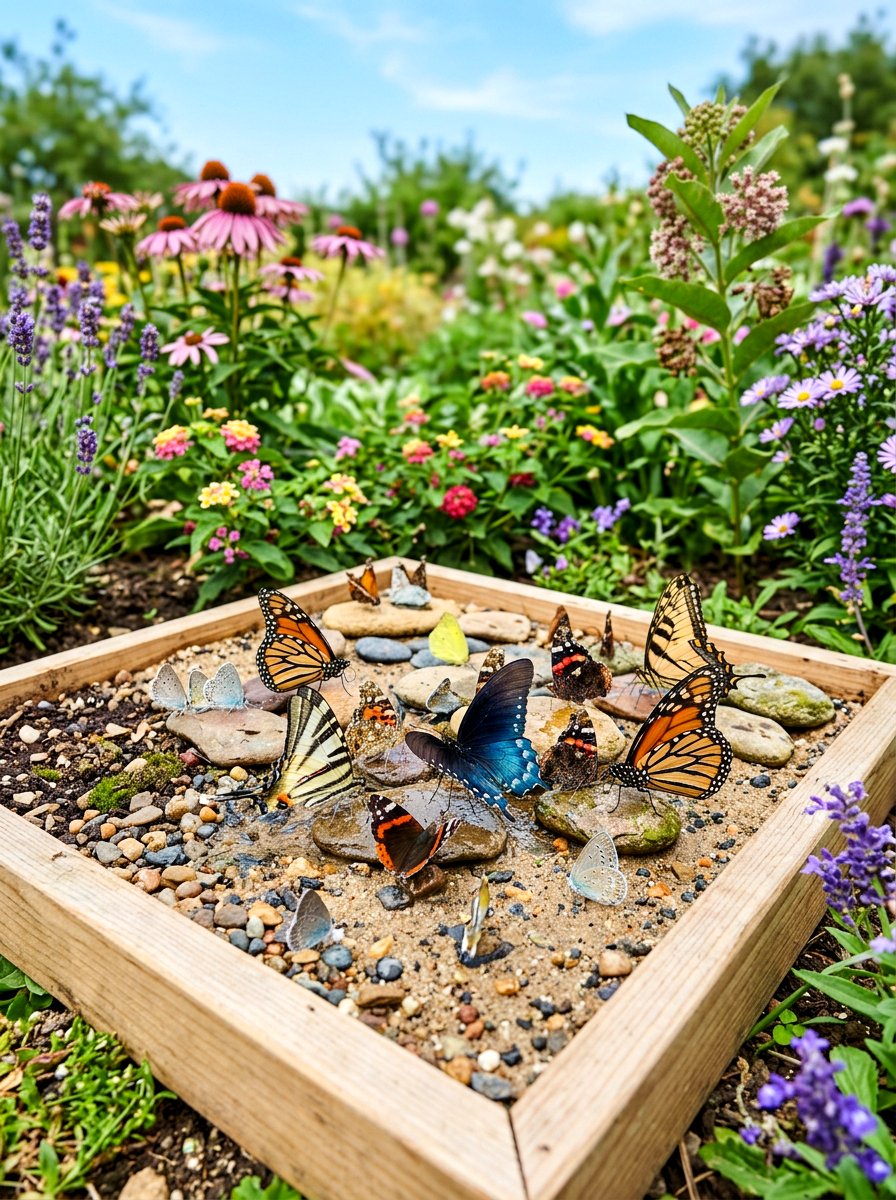
Have you ever seen butterflies gathering on damp soil or around a small puddle? They are often engaging in "puddling, " a behavior where they drink water to obtain essential minerals and salts. You can easily recreate this in your garden by placing a shallow tray filled with sand and keeping it consistently moist. Adding a few flat rocks gives them a dry place to land and sun their wings while they drink. This unique feature attracts species that might not visit your flowers as often. It is a simple addition that provides a specialized resource often missing from modern, tidy gardens, making your space even more attractive.
25. Pollinator Shrub Border
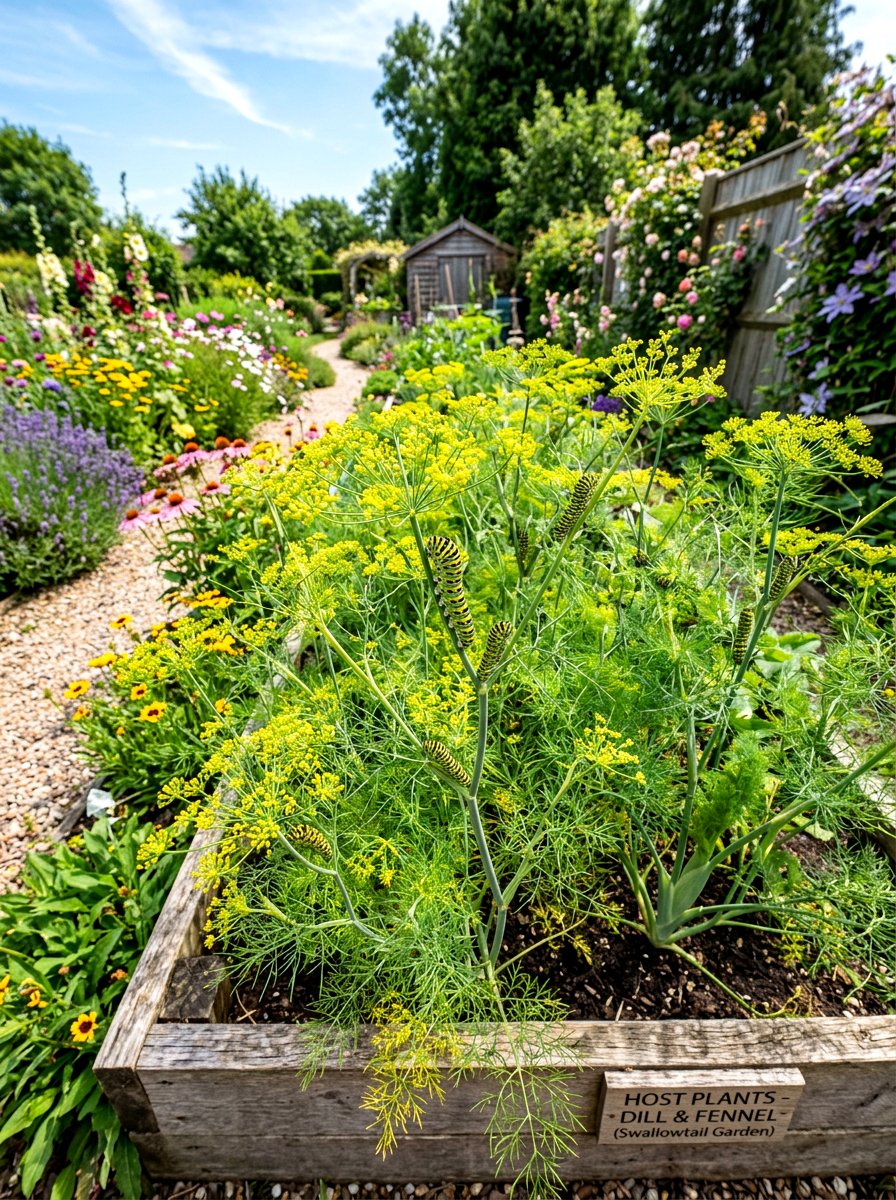
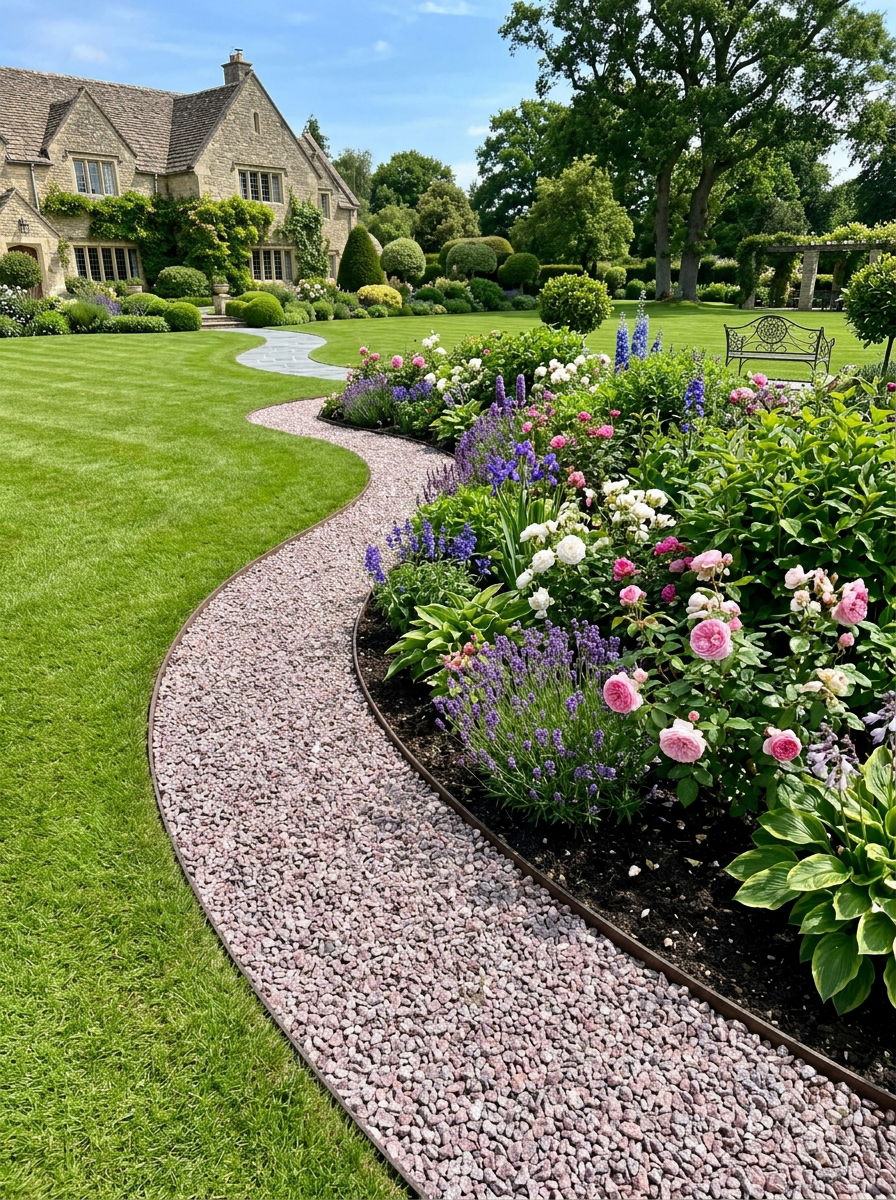
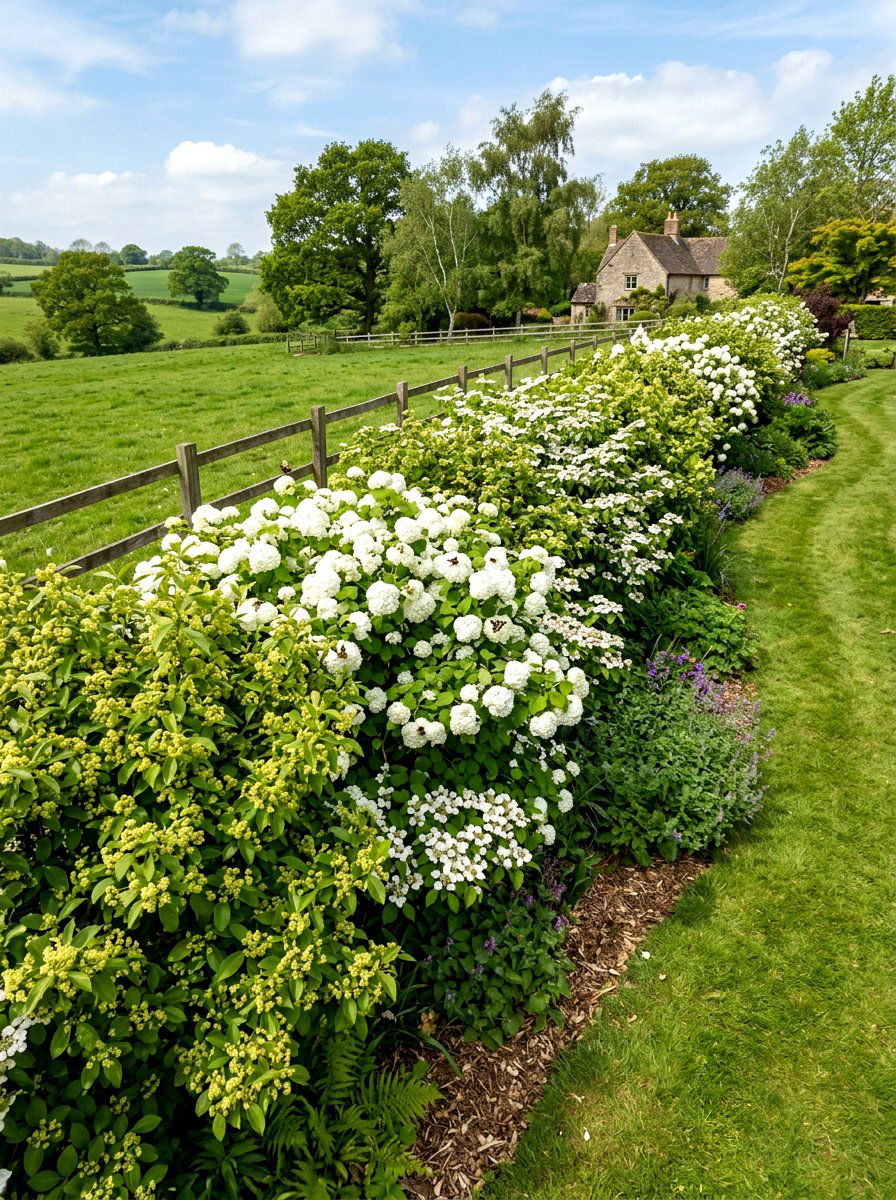
Using flowering shrubs to create a living fence or border provides permanent structure and massive amounts of food. Plants like viburnum, spicebush, and pussy willow offer early spring blooms that are critical for insects emerging from winter hibernation. Unlike smaller perennials, a single large shrub can provide thousands of individual flowers in one place. These woody plants also offer deep cover and nesting sites for birds and beneficial insects throughout the entire year. By choosing a variety of shrubs with different blooming times, you create a sturdy backbone for your garden. It is a long-term investment that pays off with increased biodiversity and a more private backyard.
26. Clover Lawn Alternative
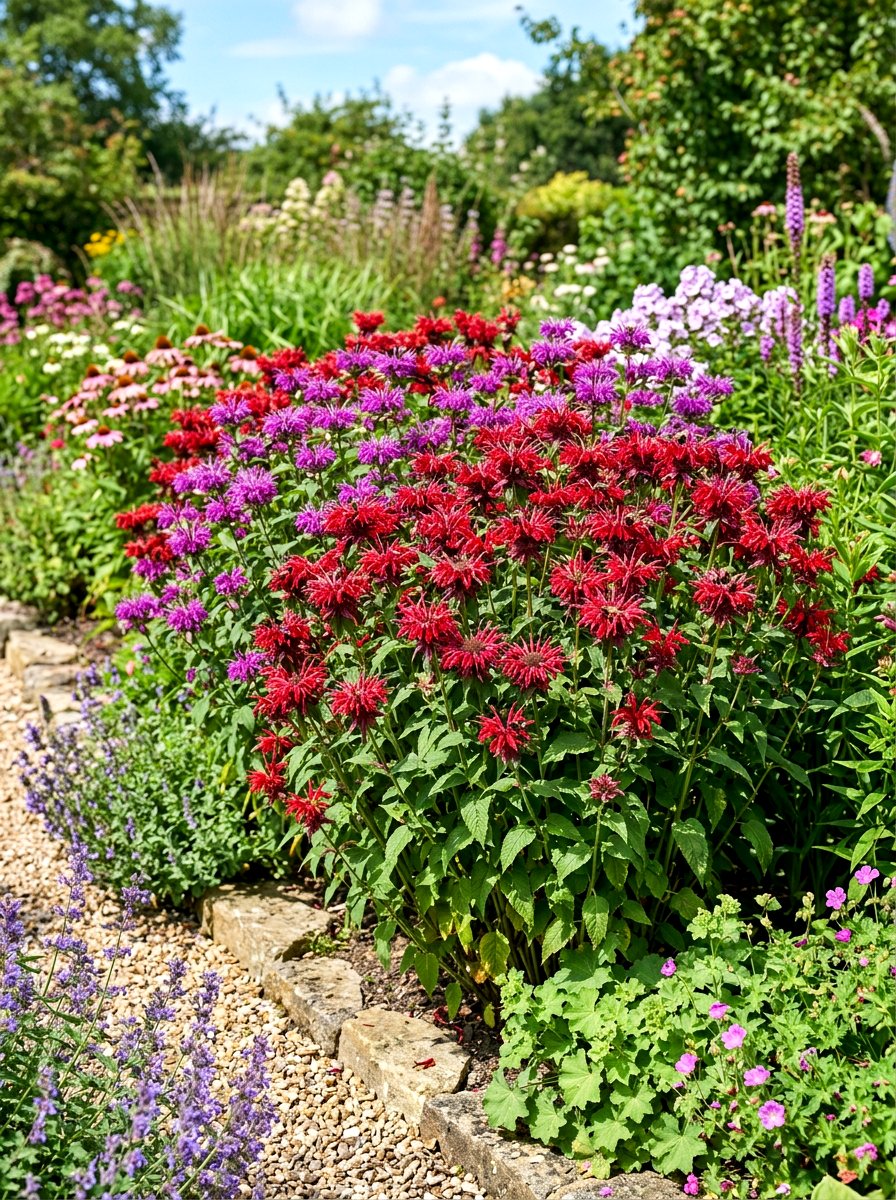
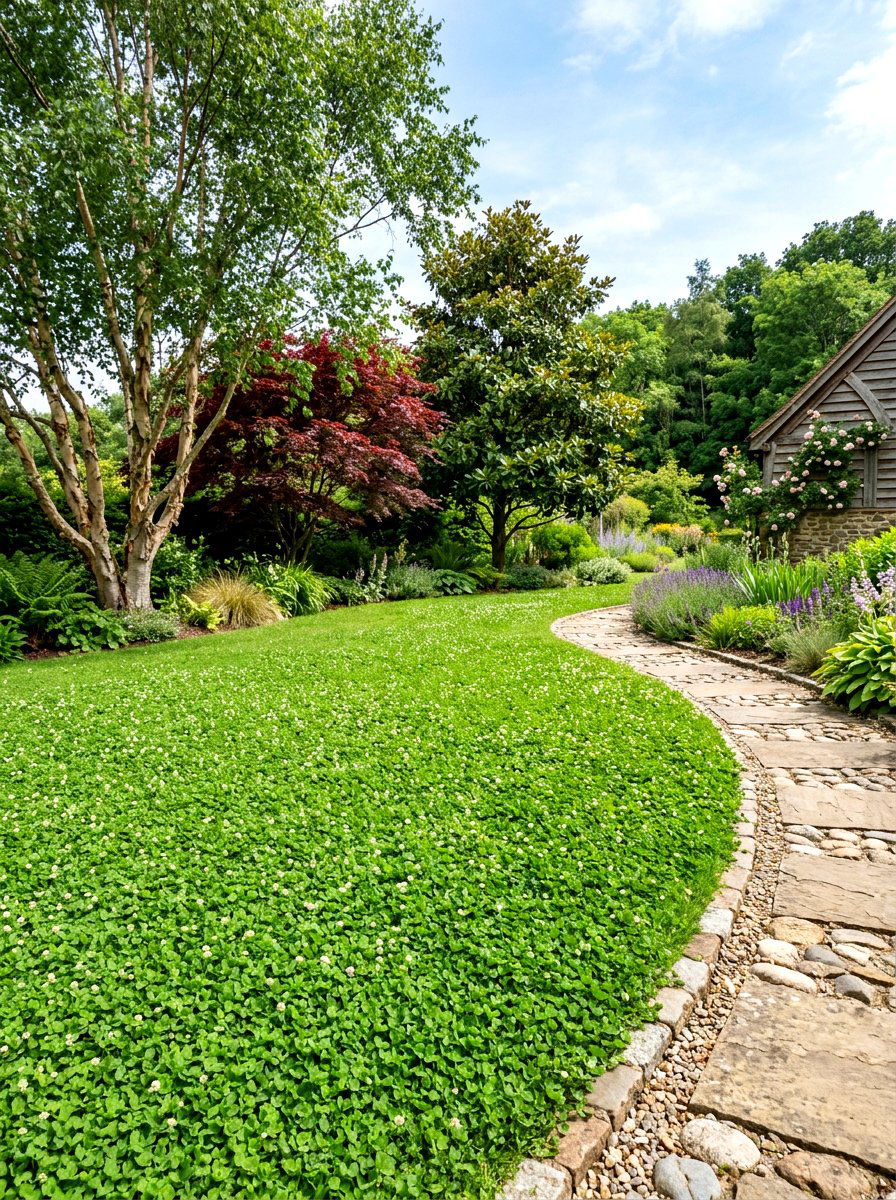
Traditional grass lawns are often "green deserts" that provide no food for pollinators, but switching to a clover lawn changes everything. White or red clover is a nitrogen-fixing plant that stays green with less water and no fertilizer while producing thousands of tiny flowers. Bees absolutely love the sweet nectar found in clover blossoms, and a flowering lawn can support a huge population of local insects. You can still walk and play on it just like regular grass, but it requires much less mowing. It is a sustainable and eco-friendly choice that turns a high-maintenance area into a functional part of your home's thriving ecosystem.
27. Caterpillar Host Plants
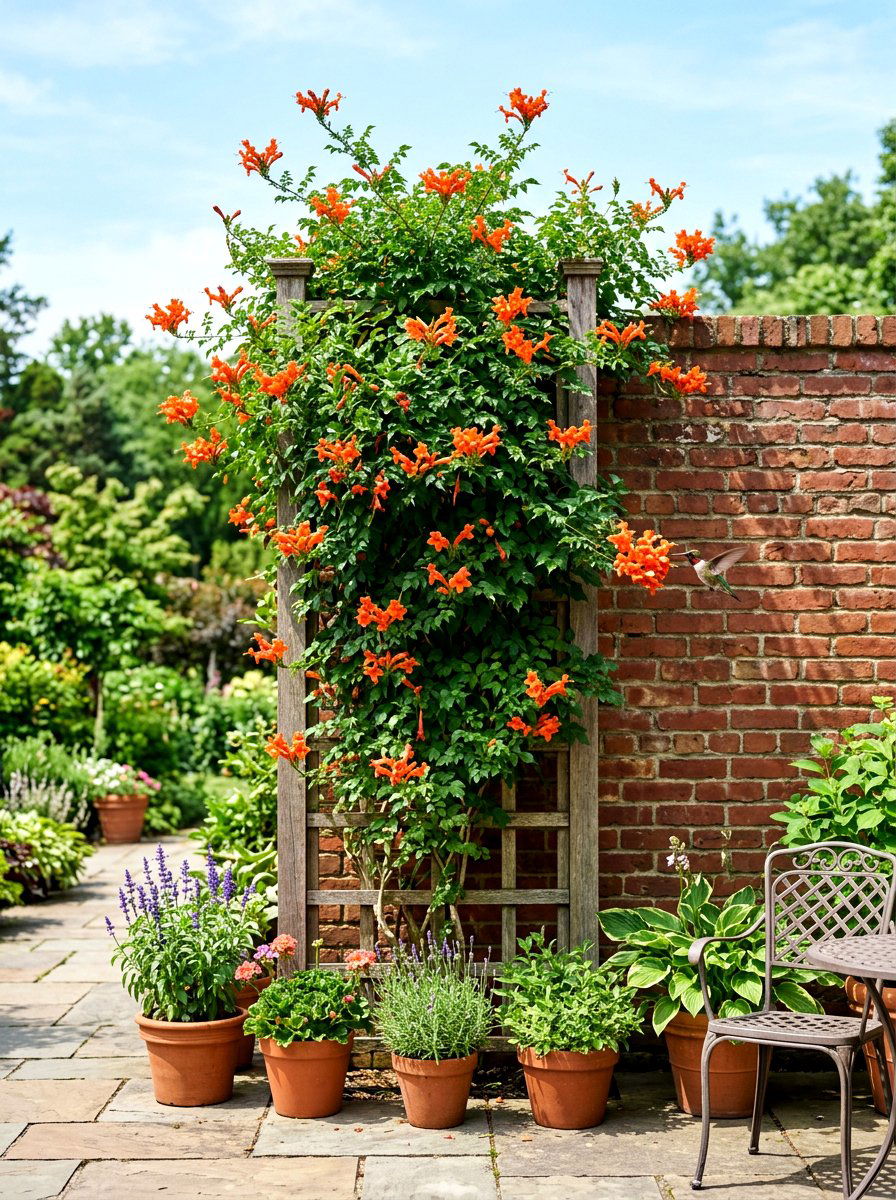
A true pollinator garden supports the entire life cycle of insects, not just the adults looking for nectar. Including host plants like dill, parsley, and fennel provides food for swallowtail caterpillars to grow and thrive. While these larvae will eat some of the foliage, the reward is seeing beautiful butterflies emerge later in the season. Host plants are essential because many species are specialists and can only survive on specific types of greenery. By allowing a little bit of "leaf damage" in your garden, you are directly contributing to the next generation of pollinators. it is a fascinating process to watch and a vital part of conservation.
28. Bee Balm Bed
Monarda, commonly known as bee balm, is a striking plant with unique, shaggy flowers that are a magnet for all kinds of pollinators. Its vibrant red, pink, or purple blooms have long tubes that are specifically designed for hummingbirds and long-tongued bees. The foliage has a wonderful minty scent that is pleasant for humans but often discourages deer from browsing. Bee balm spreads readily, making it an excellent choice for filling in large gaps or creating a dense mass of color. It is a high-energy plant that keeps the garden buzzing with activity during the peak of summer. Its bold appearance and ecological value make it a favorite for many.
29. Hummingbird Vine Trellis
Growing a trumpet vine or crossvine on a sturdy trellis provides a spectacular vertical display that hummingbirds simply cannot resist. These vines produce large, trumpet-shaped orange and red flowers that are filled with high-energy nectar. Because the vines grow tall, they bring the birds up to eye level, providing amazing viewing opportunities from your porch or windows. These plants are vigorous growers and can quickly cover an unsightly fence or wall with lush greenery and bright blooms. Providing this vertical food source adds another layer to your garden’s habitat. It ensures that every part of your outdoor space is working together to support the local wildlife in a beautiful way.
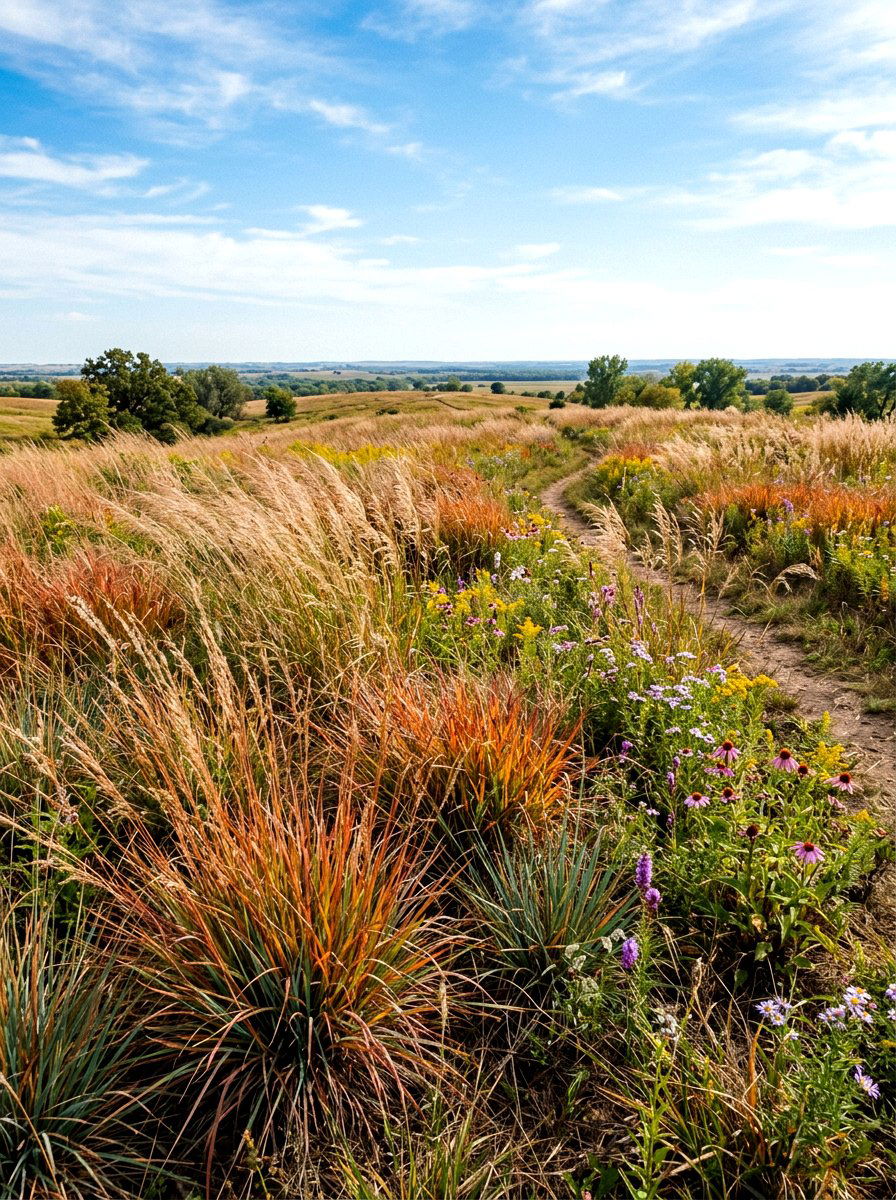
30. Native Grass Habitat
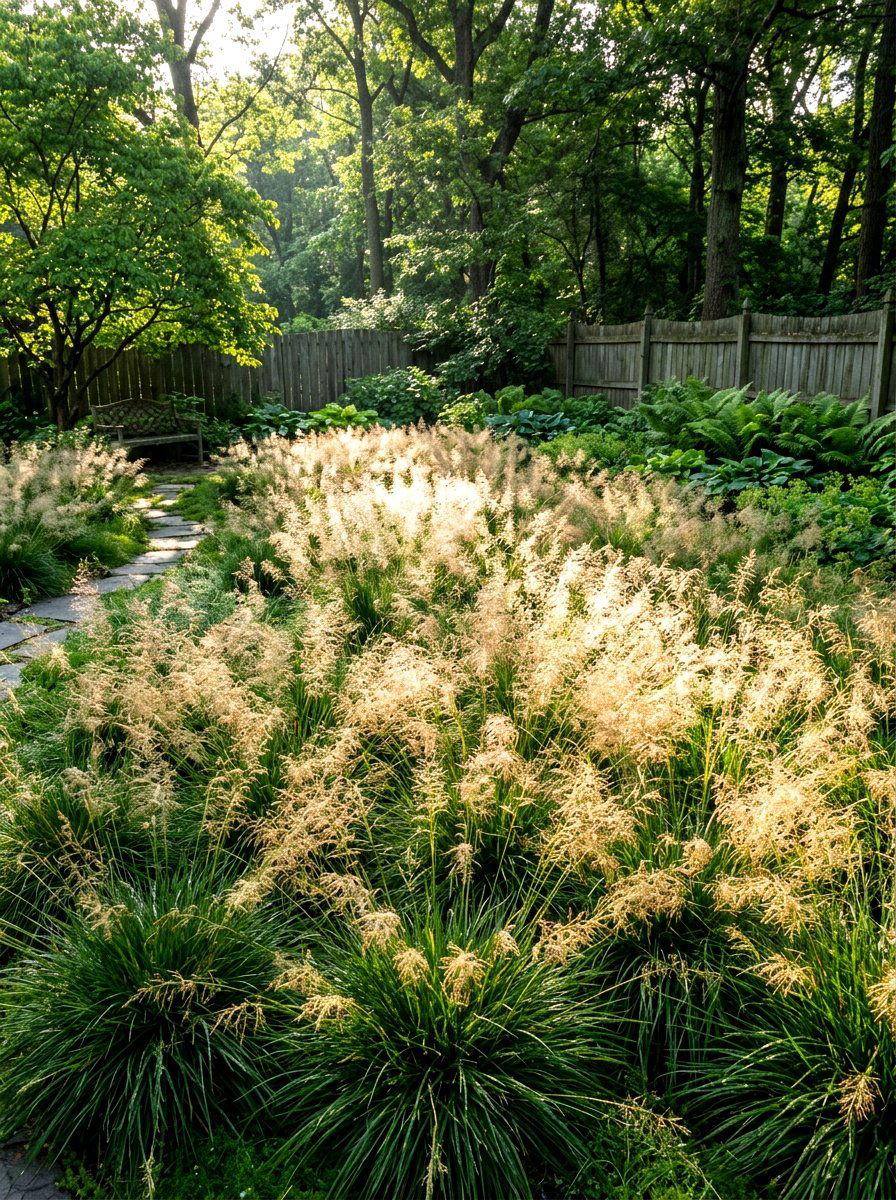
While flowers get all the attention, native bunchgrasses like little bluestem or switchgrass play a crucial role in a pollinator garden. These grasses provide essential nesting material and overwintering sites for many beneficial insects. Their deep root systems help improve the soil and manage water runoff, creating a healthier environment for your flowering plants. The architectural shapes of the grasses add texture and movement to the landscape, especially during the fall and winter months. Many butterfly species even use specific grasses as host plants for their larvae. Including grasses creates a more complete and resilient ecosystem that mimics the natural beauty of a wild prairie or a local meadow.
Conclusion:
Building a pollinator garden is a journey toward creating a more harmonious relationship with the natural world around us. By incorporating a variety of native plants, water features, and nesting sites, you transform your backyard into a vital sanctuary that supports life in all its forms. Each choice you make, from the flowers you plant to the way you manage your lawn, contributes to a larger effort to protect our planet's biodiversity. As you watch the first bees arrive and the butterflies dance across your blooms, you will feel a deep sense of connection and purpose. May your garden thrive and bring endless joy to both you and the pollinators.

Related posts: