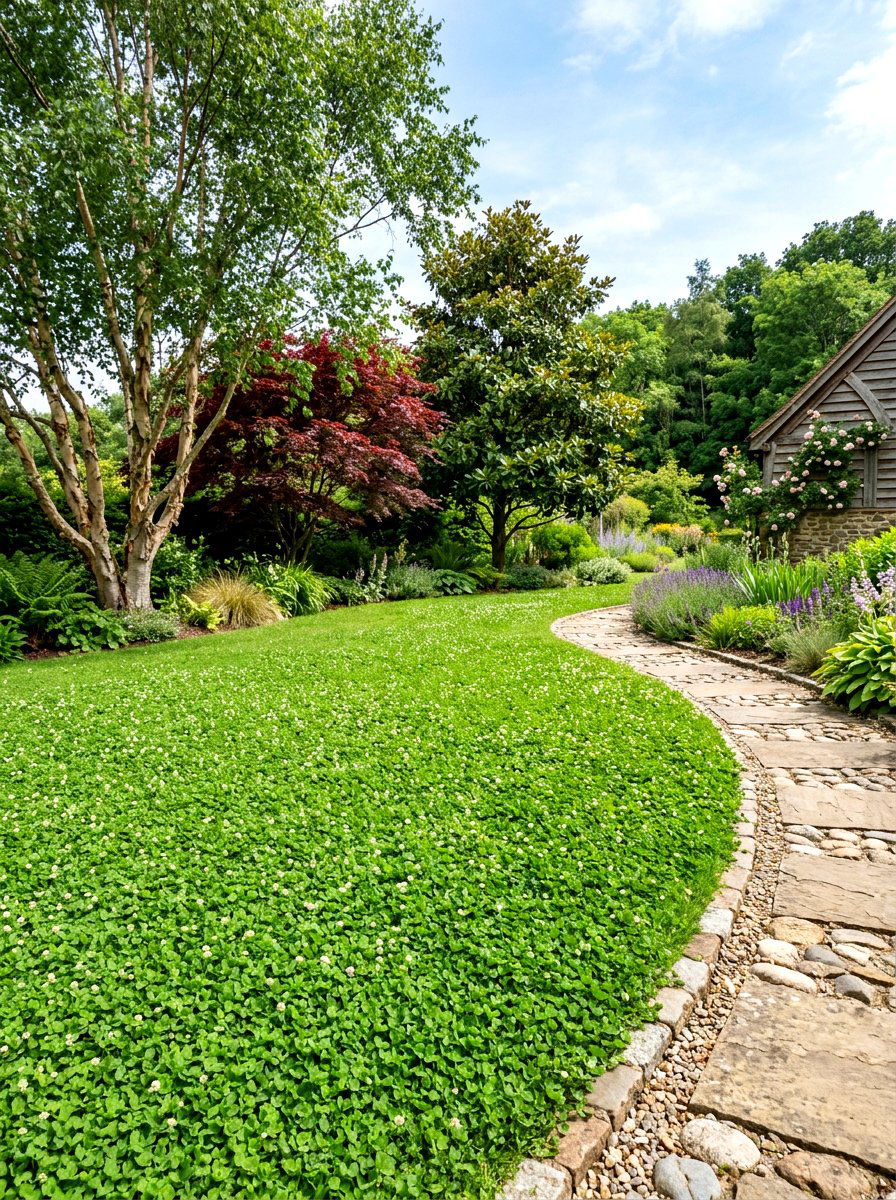
Creating a beautiful outdoor space does not always require a high water bill or constant maintenance. Dry gardens have become incredibly popular because they blend sustainability with high-end style. These water-wise landscapes focus on plants and materials that thrive in arid conditions. You can transform your backyard into a stunning sanctuary using gravel, stones, and drought-tolerant greenery. This approach is perfect for homeowners who want a modern look that respects the environment. From lush Mediterranean vibes to minimalist desert aesthetics, there are many ways to make a statement. Each concept focuses on texture and form rather than just bright green grass. Let's explore some of the most viral and inspiring ways to design your own dry landscape today.
1. Modern Xeriscape
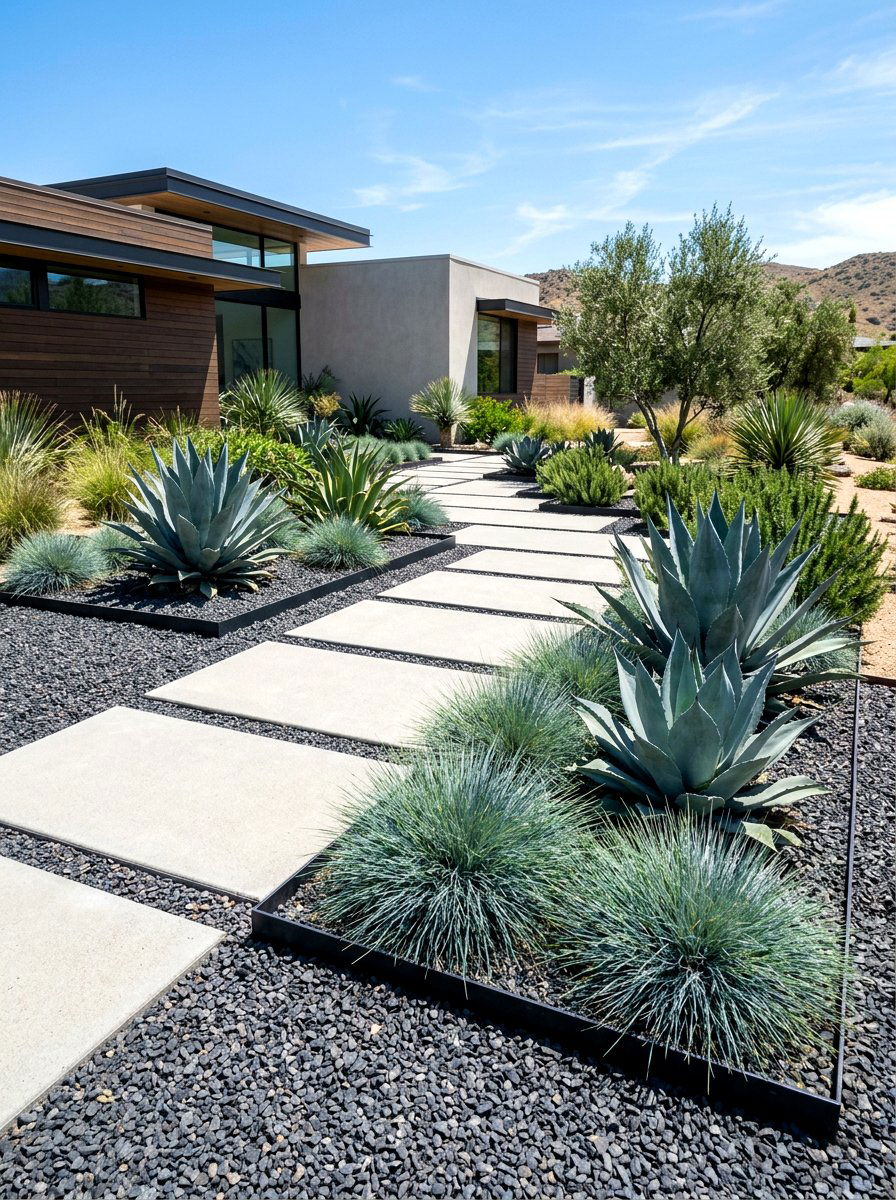
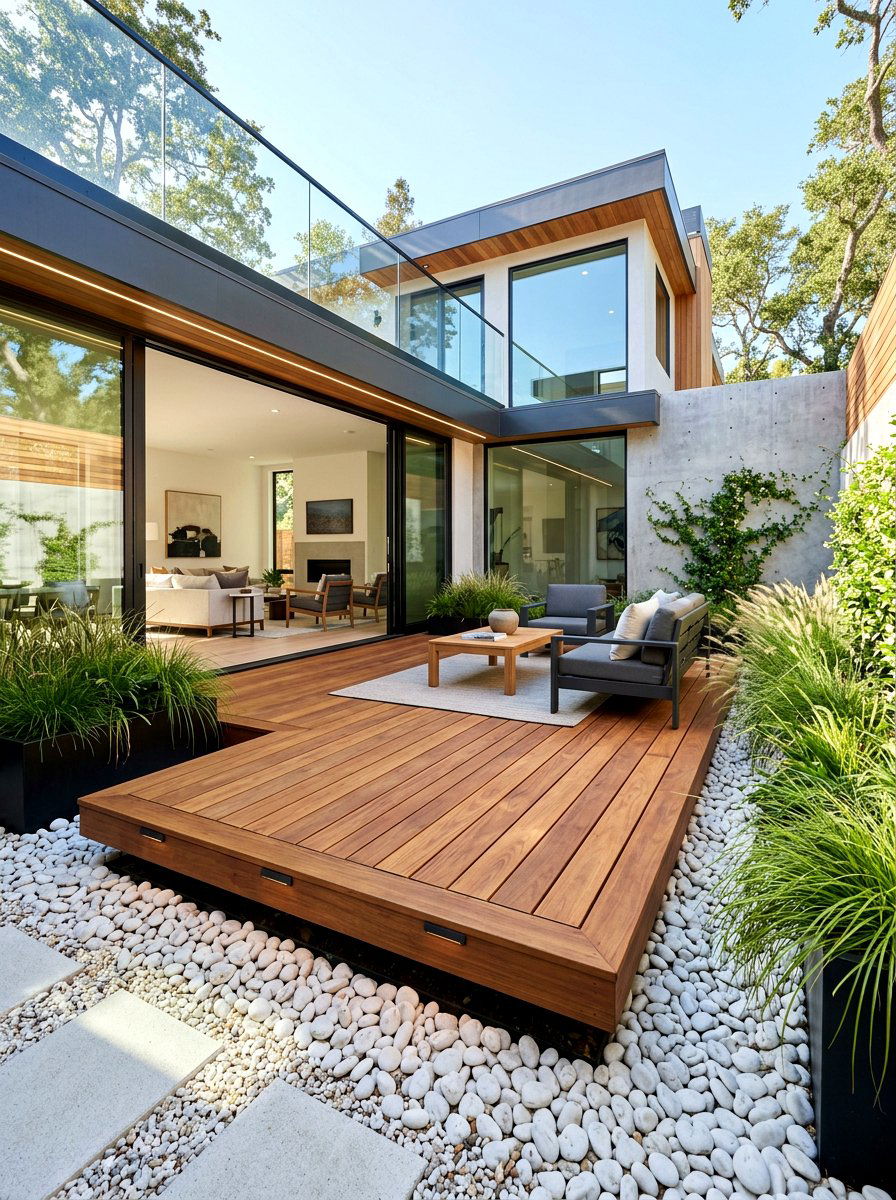
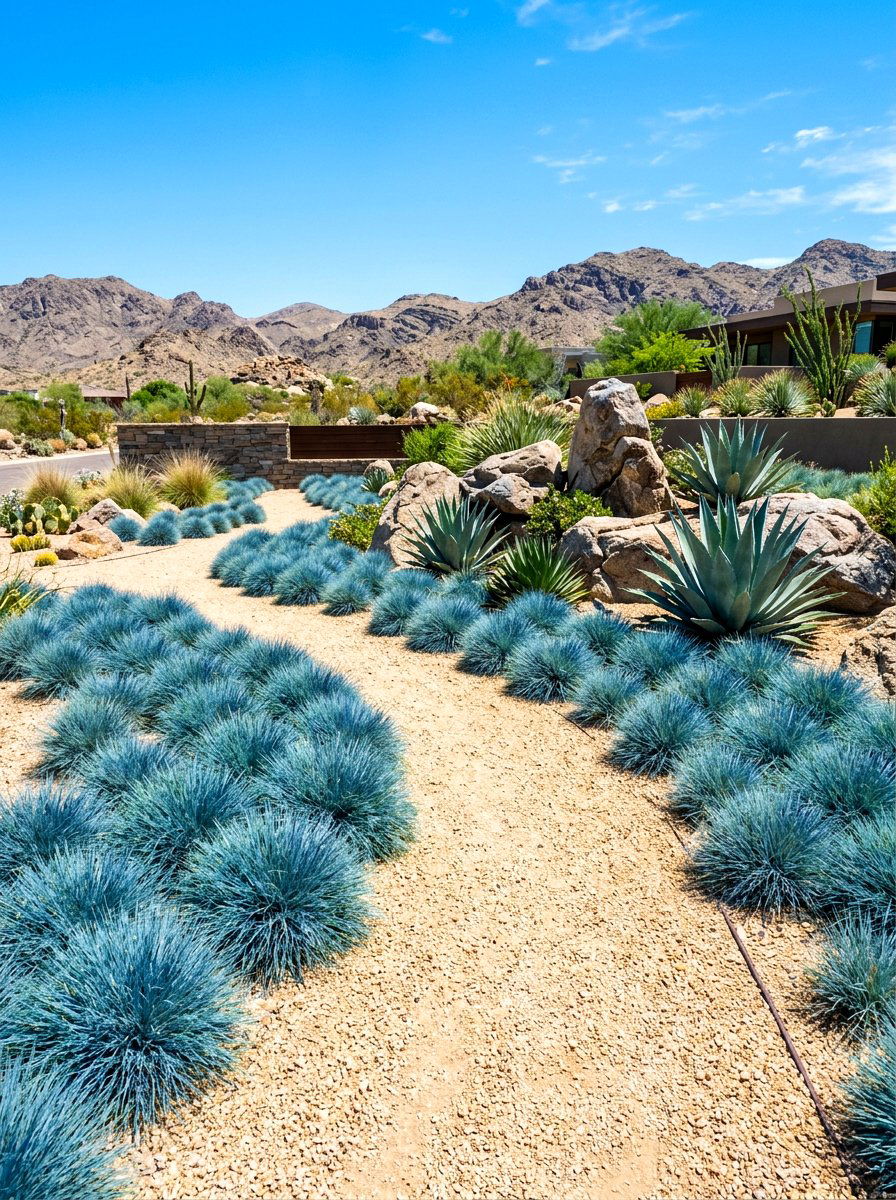
Imagine walking into a backyard that feels both sophisticated and completely effortless. A modern xeriscape uses clean lines and a limited color palette to create a high-end look. This design often features large concrete pavers separated by dark basalt gravel or white pebbles. You should choose plants like structural agaves or blue fescue to add a pop of color without needing much water. The layout usually follows a geometric pattern which keeps the space looking organized and tidy. This style works wonders for small urban yards or large suburban properties. By focusing on hardscaping elements, you reduce the need for irrigation while maintaining a lush and inviting atmosphere all year long.
2. Rock Garden
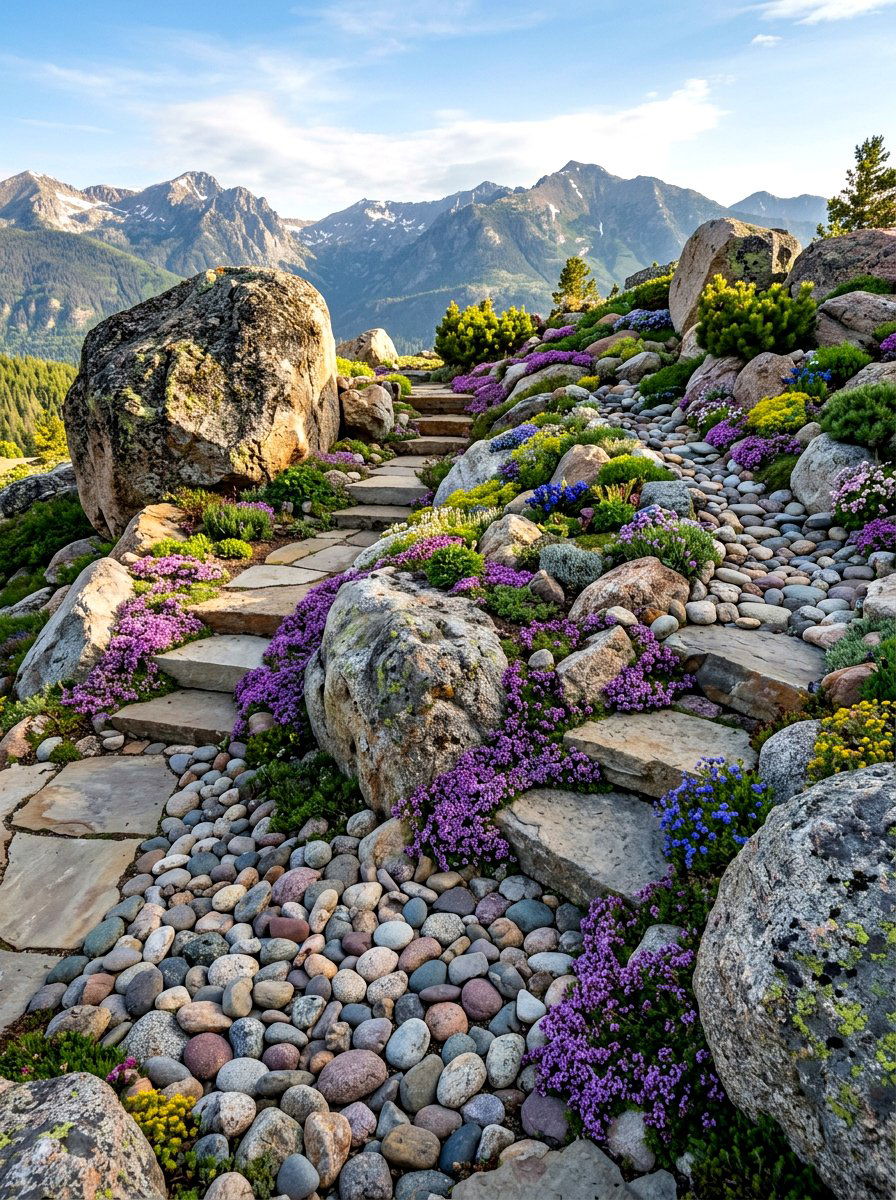
Walking through a landscape filled with natural stones and hardy plants feels like a peaceful mountain retreat. A rock garden uses various sizes of boulders and river rocks to mimic a wild environment. You can place smaller alpine plants or creeping thyme between the stones to add soft textures. This design is excellent for slopes where soil might wash away during heavy rain. The stones act as a natural mulch that keeps the ground cool and moist for the plant roots. You don't need fancy tools to build this, just a good eye for natural placement. It provides a rugged beauty that requires almost no trimming or mowing throughout the seasons.
3. Mediterranean Courtyard
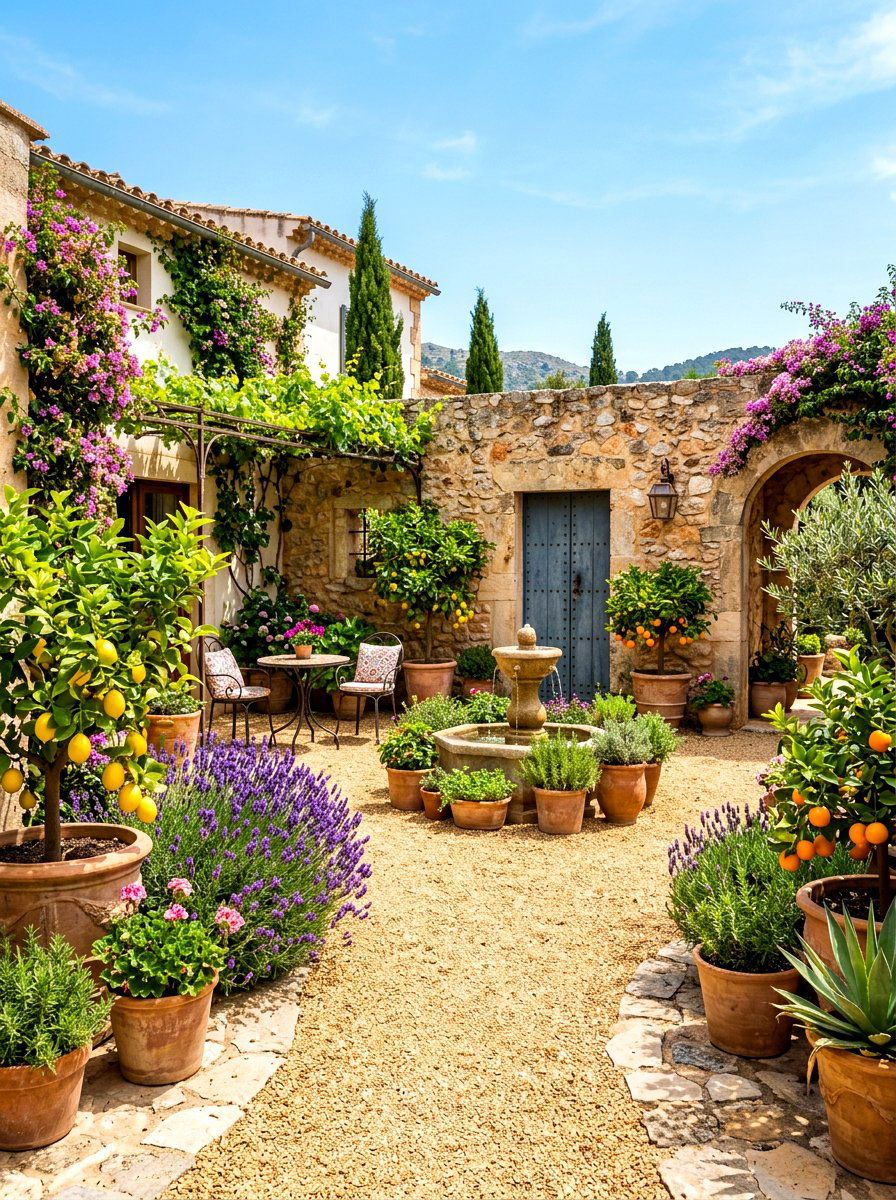
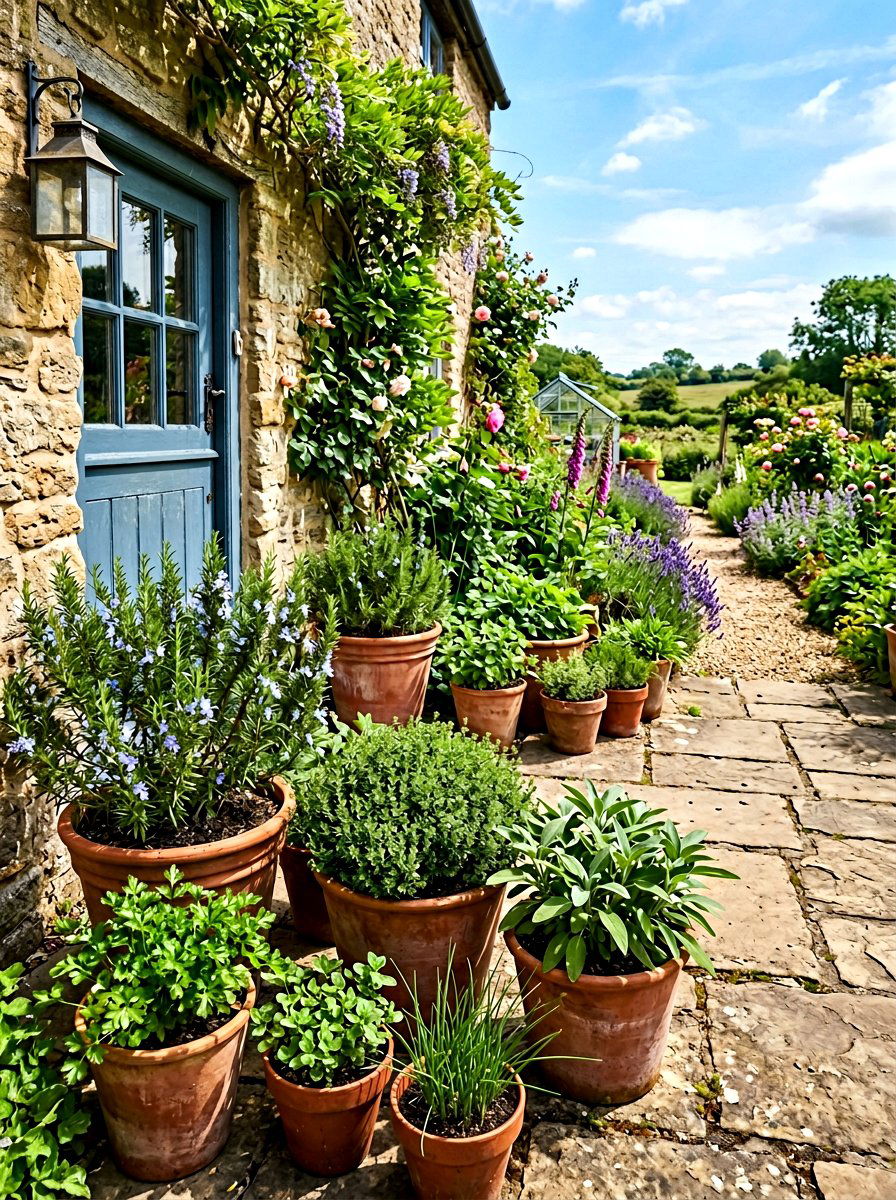
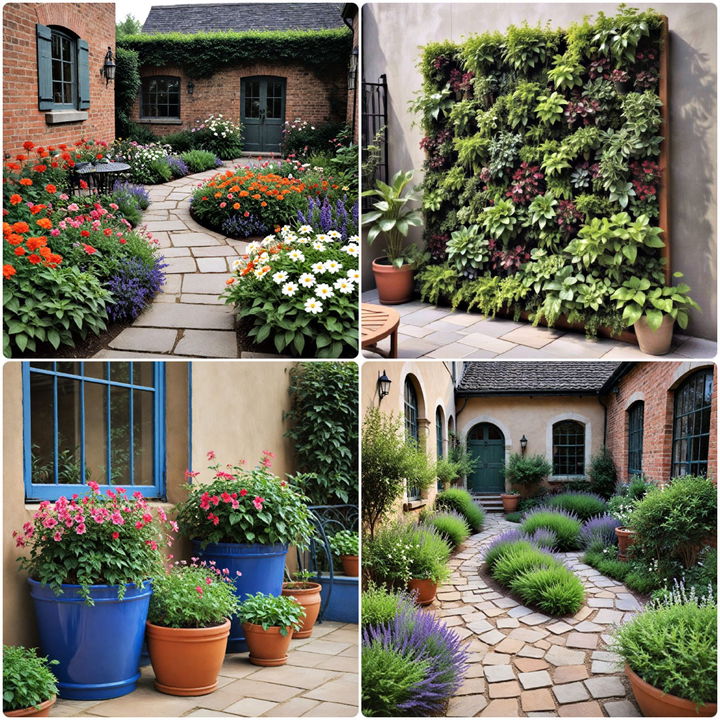
Have you ever dreamed of a sun-drenched space that feels like a getaway in the south of France? A Mediterranean courtyard relies on warm terracotta tones and gravel floors to create an inviting outdoor room. This style often includes potted citrus trees, rosemary, and tall cypress trees for height. Instead of a green lawn, you use crushed stone or pea gravel to cover the ground. This allows water to drain naturally while providing a soft surface for walking. Adding a small stone fountain can provide a soothing sound that masks city noise. It is a romantic and practical way to enjoy your garden without wasting precious water resources.
4. Desert Landscaping
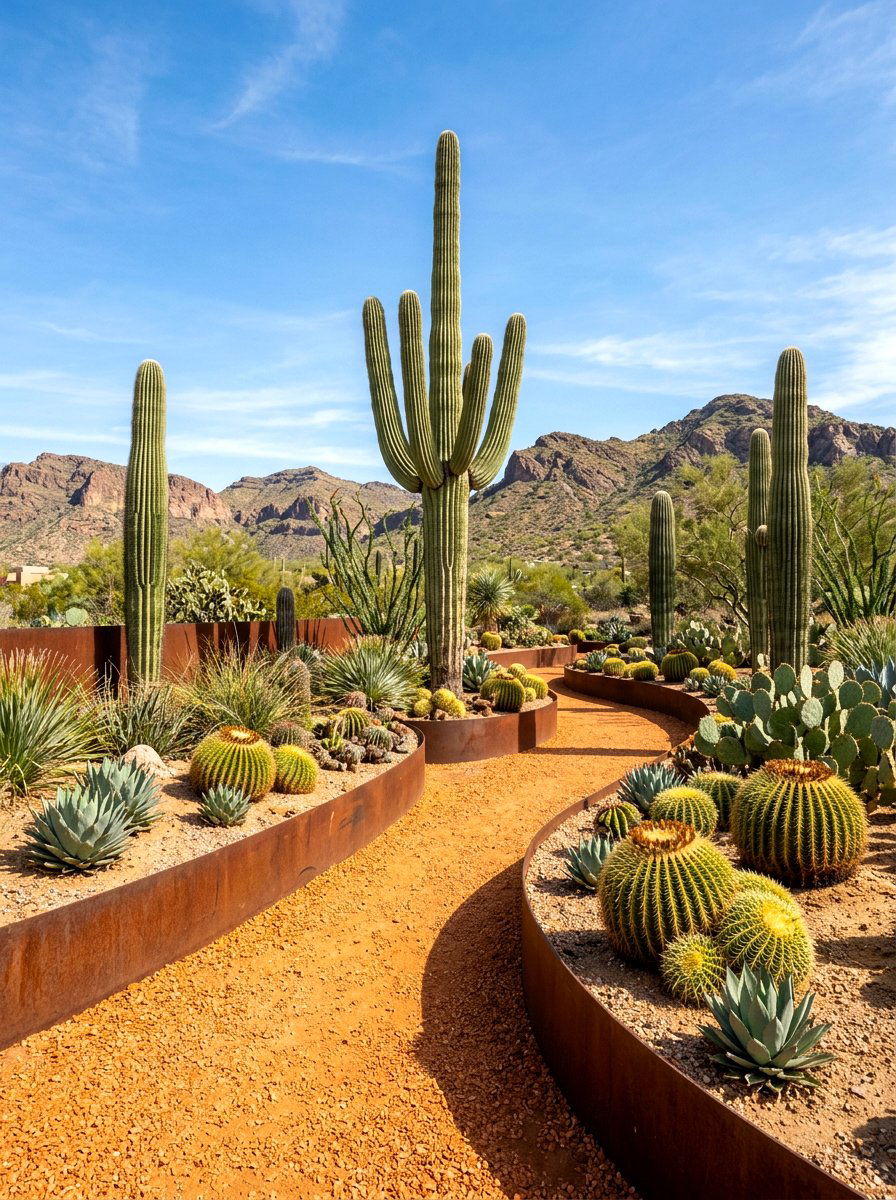
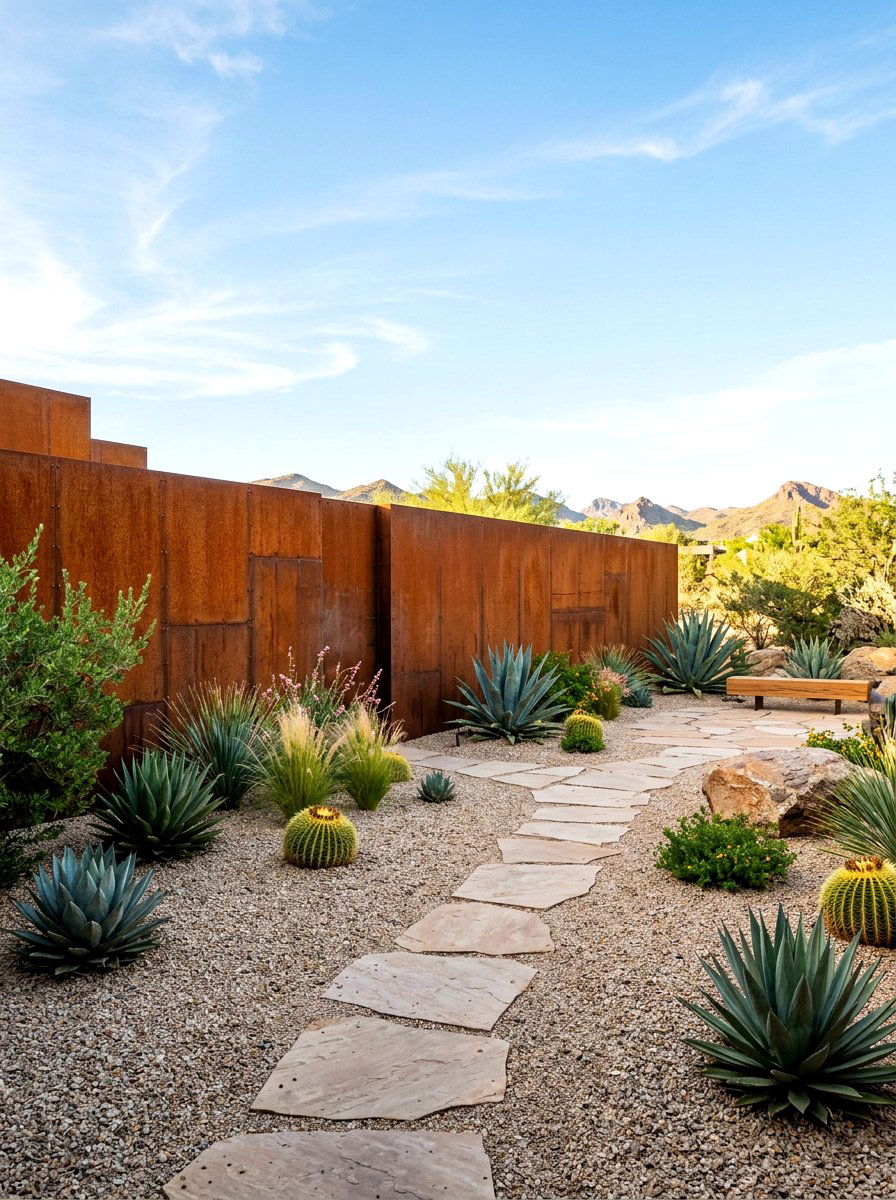
The warm colors of the desert can bring a sense of calm and heat to any outdoor setting. Desert landscaping focuses on sandy tones, orange gravel, and architectural plants that love the sun. You might include saguaro cacti or barrel succulents as the main focal points of the yard. These plants store water in their leaves, so they stay plump even in the hottest summer months. Using decomposed granite as a base creates a seamless look that blends with the horizon. You can add rusted steel borders to define different areas of the space. It is a bold choice that looks stunning under the bright midday sun.
5. Succulent Garden
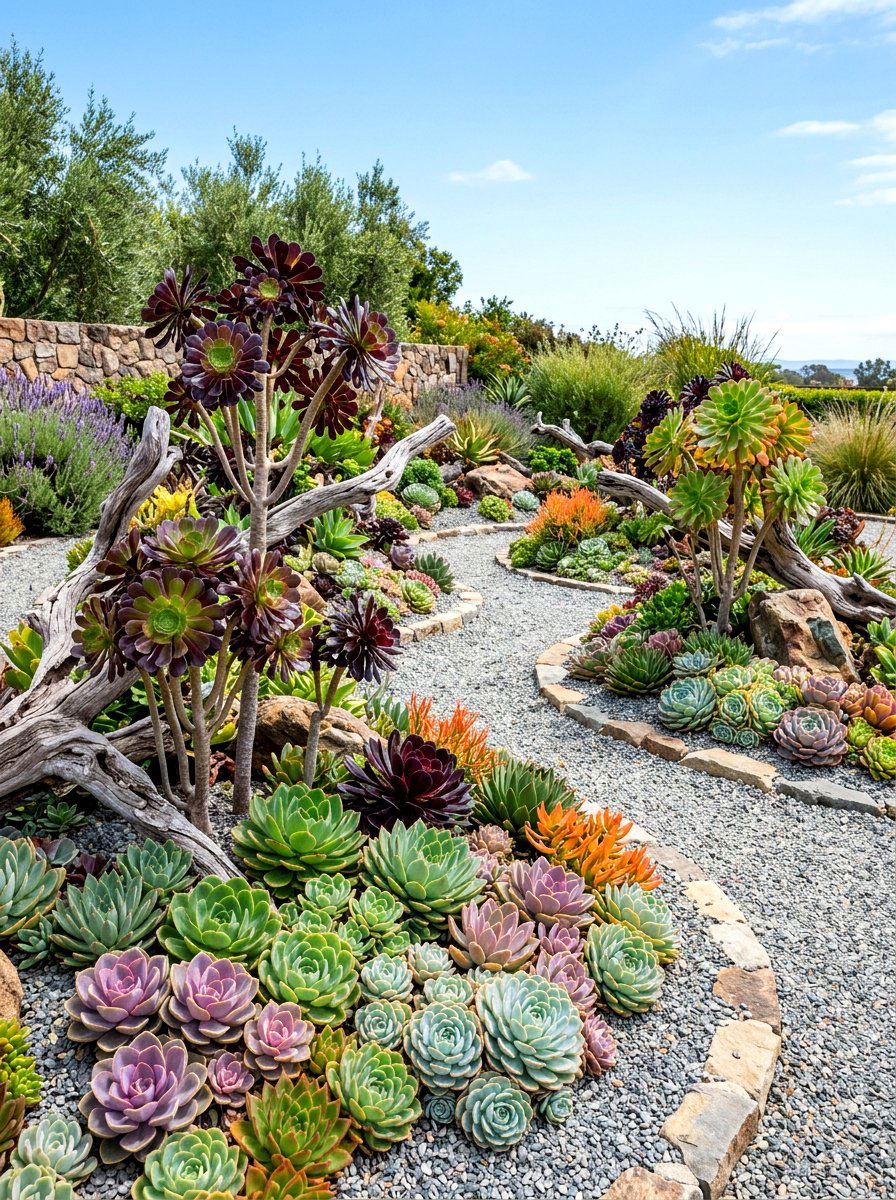
Succulents are like living jewels that come in every shape and color imaginable. A garden dedicated to these fleshy plants creates a tapestry of textures that looks like a work of art. You can mix tall aeoniums with low-growing echeverias to create layers of visual interest. These plants are incredibly hardy and can survive long periods without a single drop of rain. Using light-colored gravel helps the vibrant greens and purples of the succulents stand out. You can also incorporate large driftwood pieces to give the area a more natural and aged appearance. This design is perfect for those who want a colorful but low-maintenance yard.
6. Gravel Patio
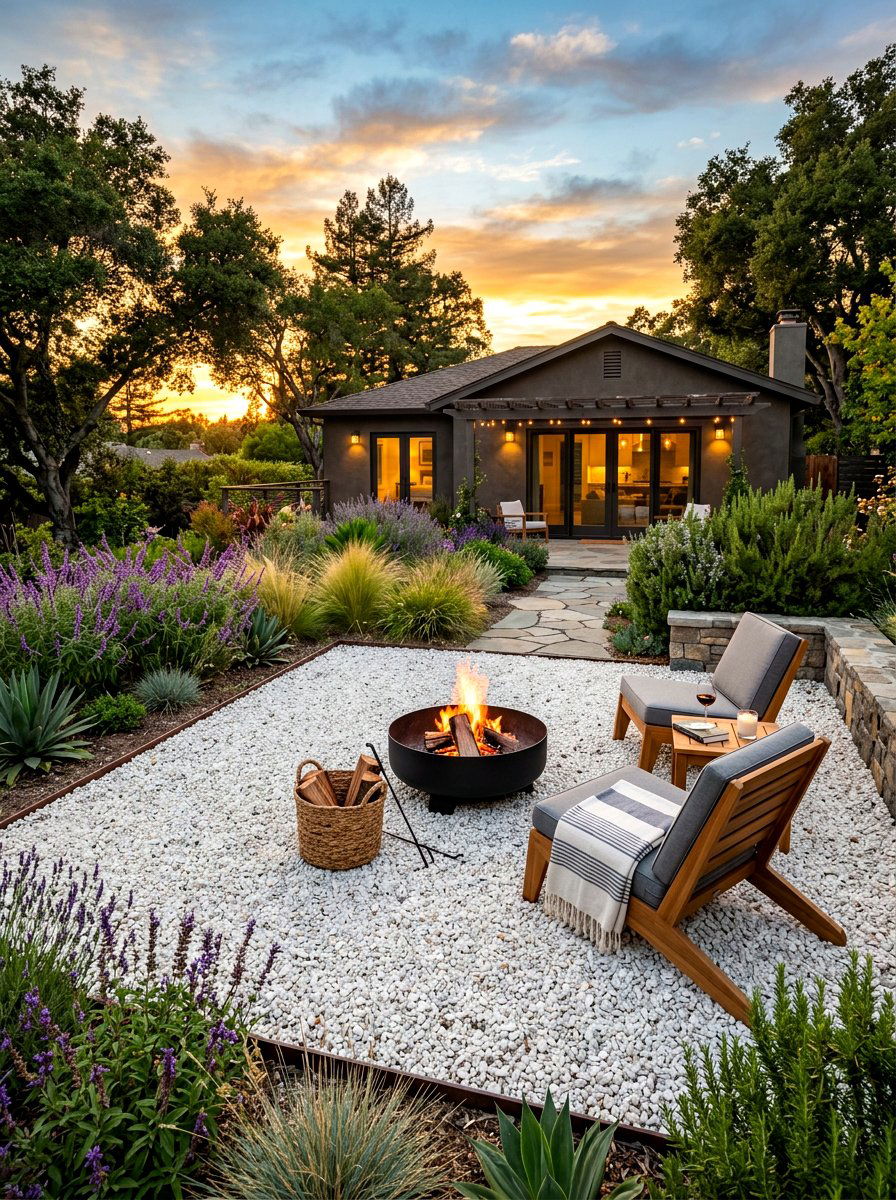
Replacing a traditional deck with a gravel patio offers a rustic and relaxed vibe that is easy to maintain. This type of outdoor seating area uses crushed stone or pea gravel to create a permeable surface. You can arrange comfortable wooden furniture and a large fire pit in the center to encourage gathering. Adding a few drought-tolerant shrubs around the perimeter softens the edges of the stone. Gravel is much cheaper than wood or pavers and it prevents puddles from forming during storms. It provides a satisfying crunch underfoot that makes the garden feel more like a natural trail than a city backyard.
7. Dry Creek Bed
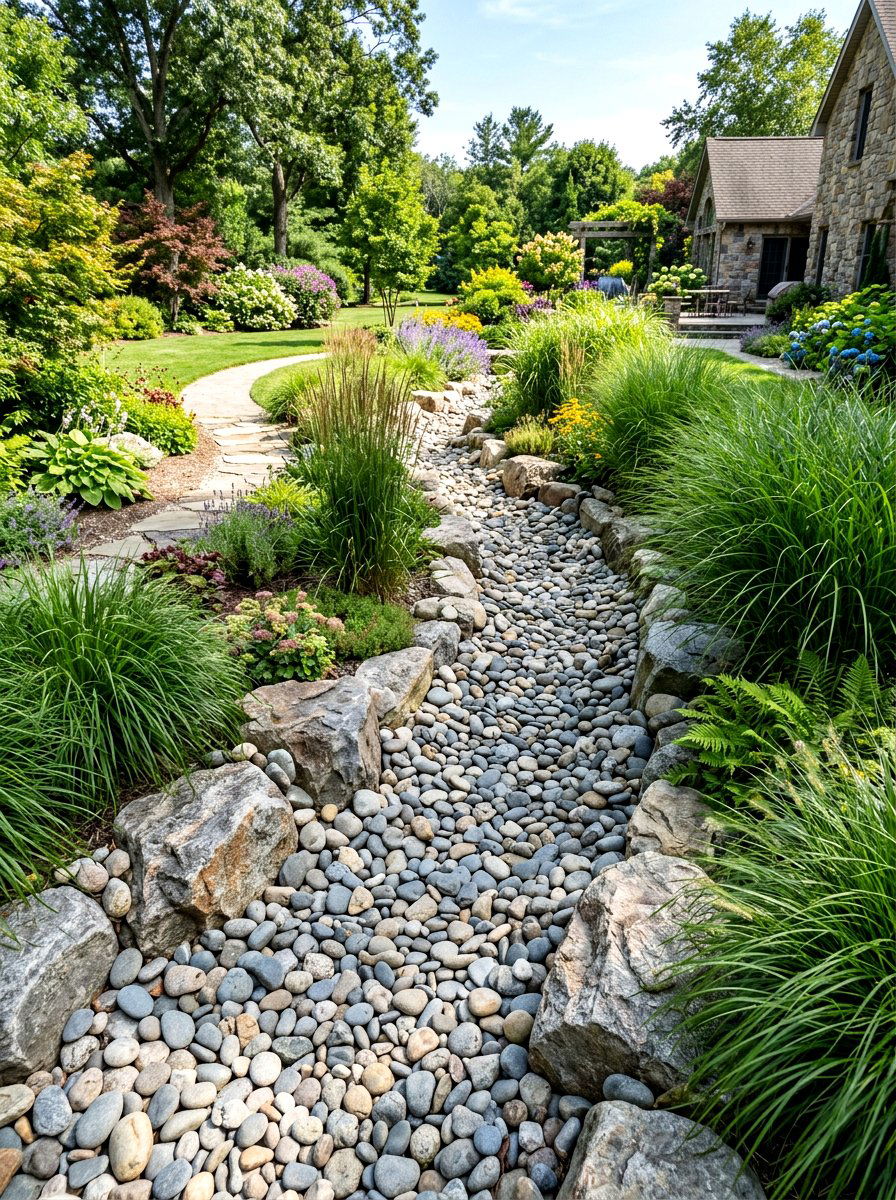
Why not add the visual appeal of water without the actual plumbing or high water usage? A dry creek bed uses smooth river stones and large boulders to simulate the path of a winding stream. This feature is particularly useful for managing drainage and preventing erosion on uneven land. You can plant ornamental grasses or sedges along the "banks" to give it a realistic and lush look. It acts as a beautiful focal point that guides the eye through the entire garden. During the rainy season, it can even serve as a functional path for runoff. It is a creative way to bring movement to your yard.
8. Native Wildflower Meadow
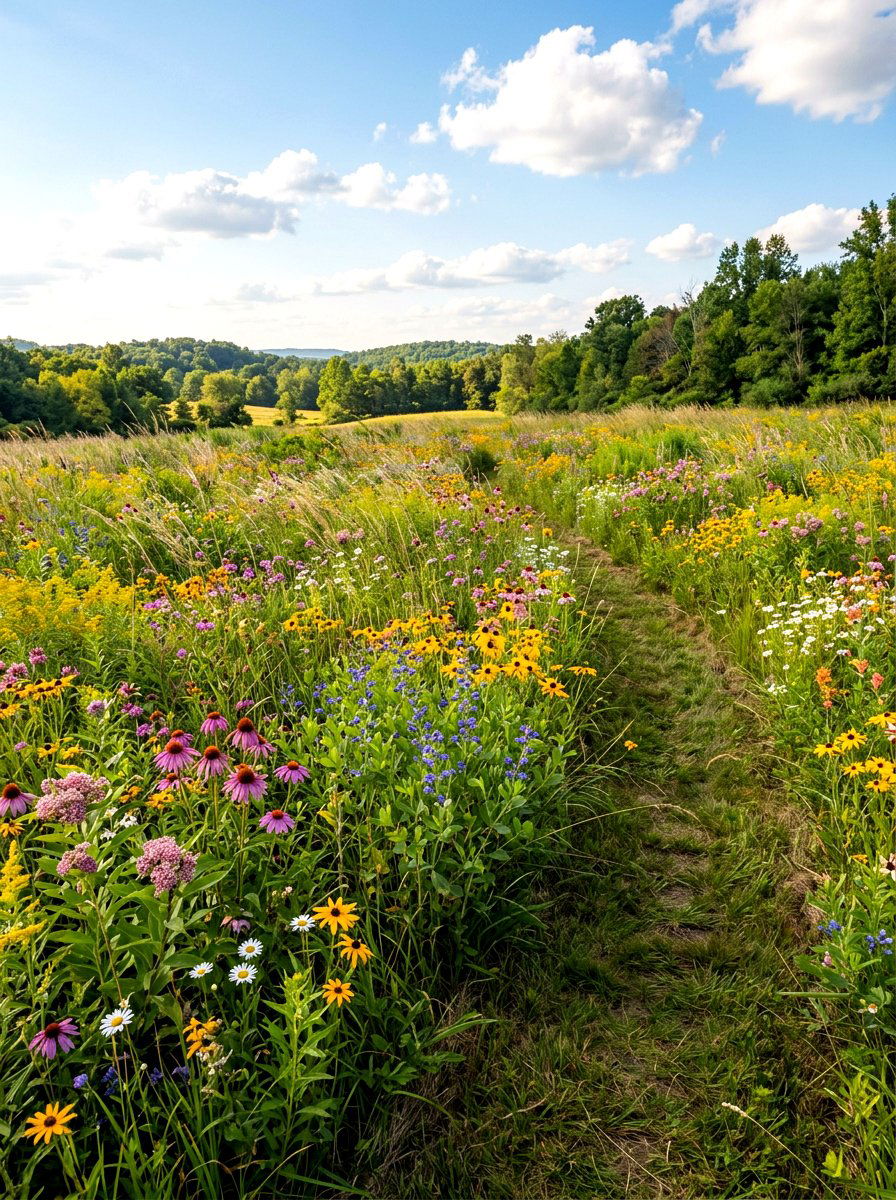
Supporting local pollinators is easy when you choose to plant a native wildflower meadow in your yard. This design replaces water-thirsty grass with a mix of local flowers that are adapted to your specific climate. These plants have deep root systems that allow them to survive dry spells without any extra help. You will see a beautiful cycle of colors as different flowers bloom from spring through autumn. A simple mowed path through the meadow allows you to walk through the blooms and enjoy the butterflies. It is a wild and untamed look that brings a sense of joy and ecological health to your property.
9. Zen Rock Garden
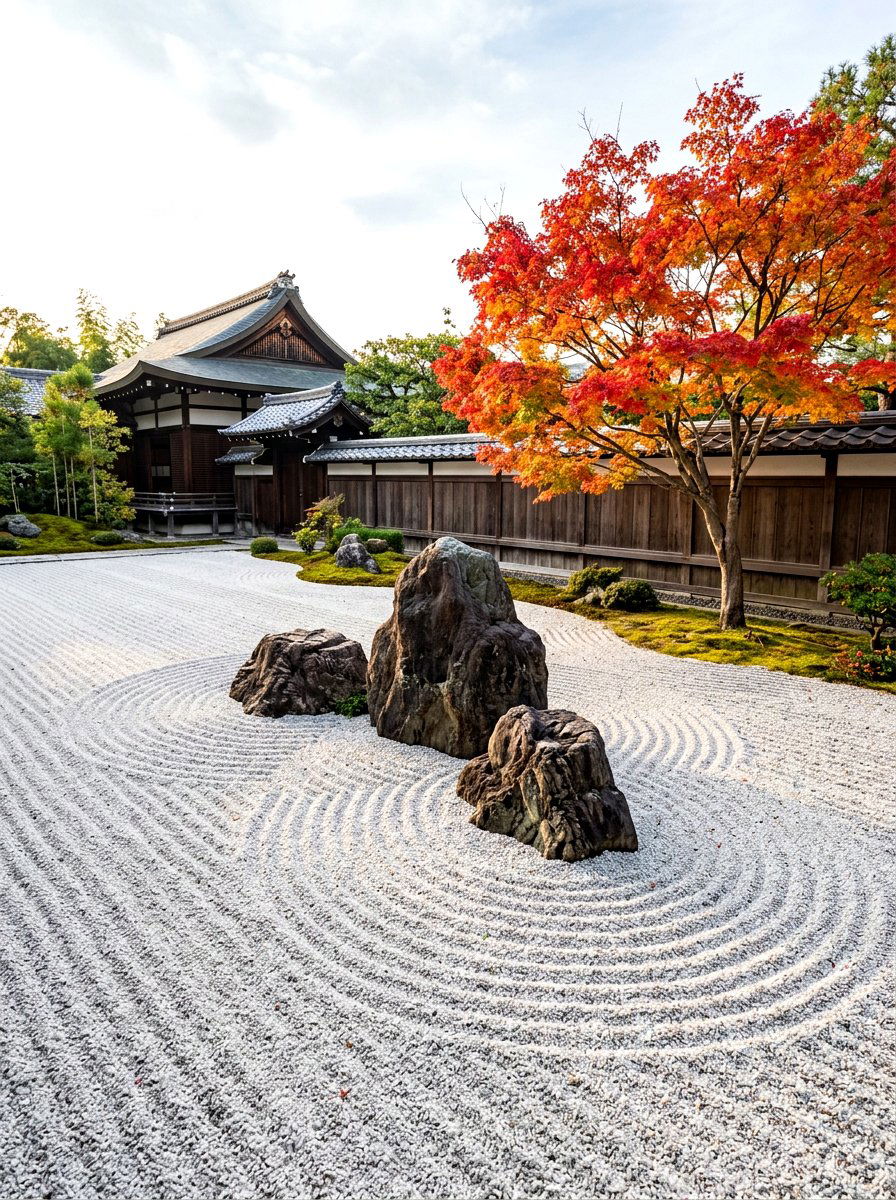
A Zen rock garden is the ultimate way to bring tranquility and mindfulness to your outdoor living space. This Japanese-inspired design focuses on raked gravel patterns and strategically placed large stones. The gravel represents water while the stones symbolize islands or mountains within a calm sea. You should keep the plantings minimal, perhaps using just a single Japanese maple or a few tufts of moss. This creates a peaceful environment where you can sit and meditate away from daily stress. The simplicity of the design makes it very easy to care for as there is almost nothing to prune or water regularly.
10. Lavender Border
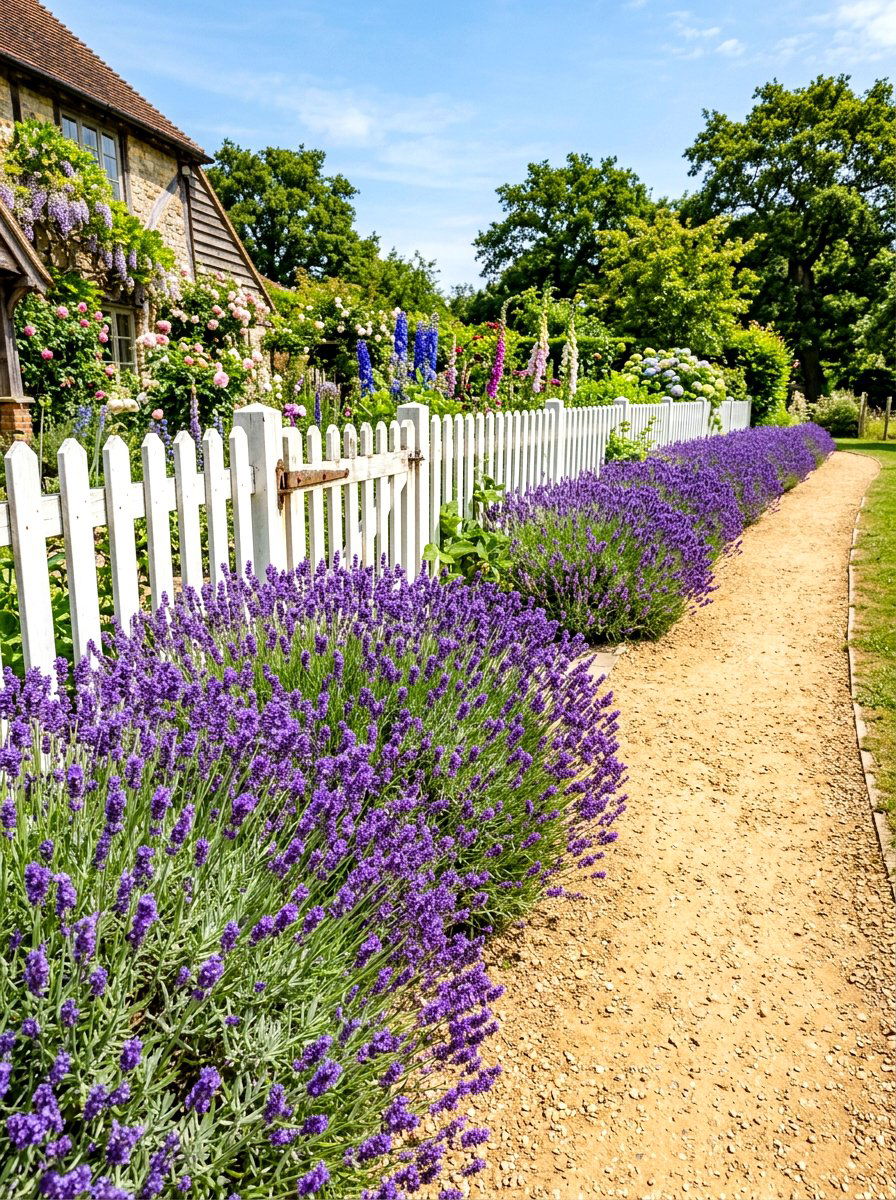
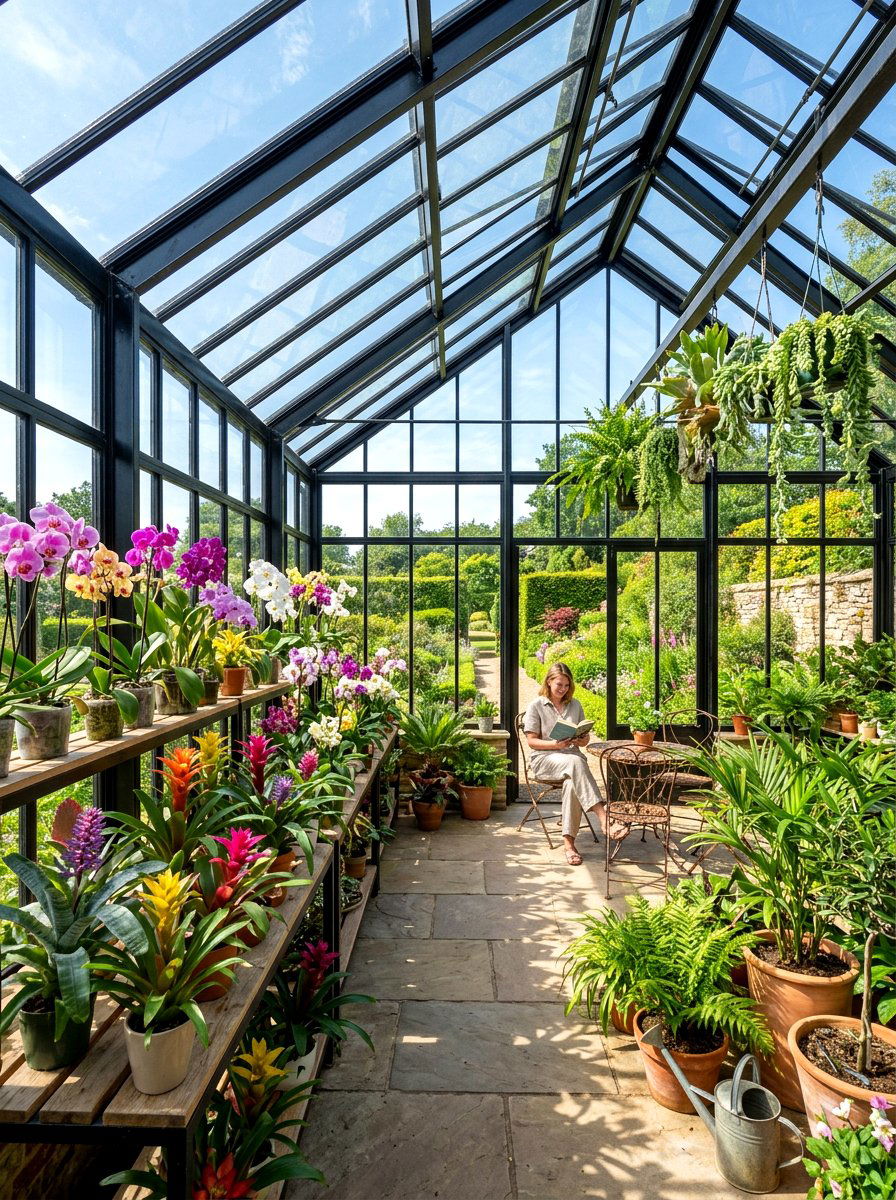
Filling your garden with the scent of purple blooms is possible even in the driest of climates. A lavender border uses these fragrant, drought-tolerant shrubs to line pathways or define different sections of the yard. Lavender loves well-draining soil and plenty of sunshine, making it a perfect candidate for a dry landscape. The silvery foliage provides year-round interest even after the purple flowers have faded for the season. You can mix it with white roses or yarrow for a classic cottage look that doesn't need much irrigation. It attracts bees and butterflies while keeping the air smelling fresh and sweet all summer long.
11. Ornamental Grasses
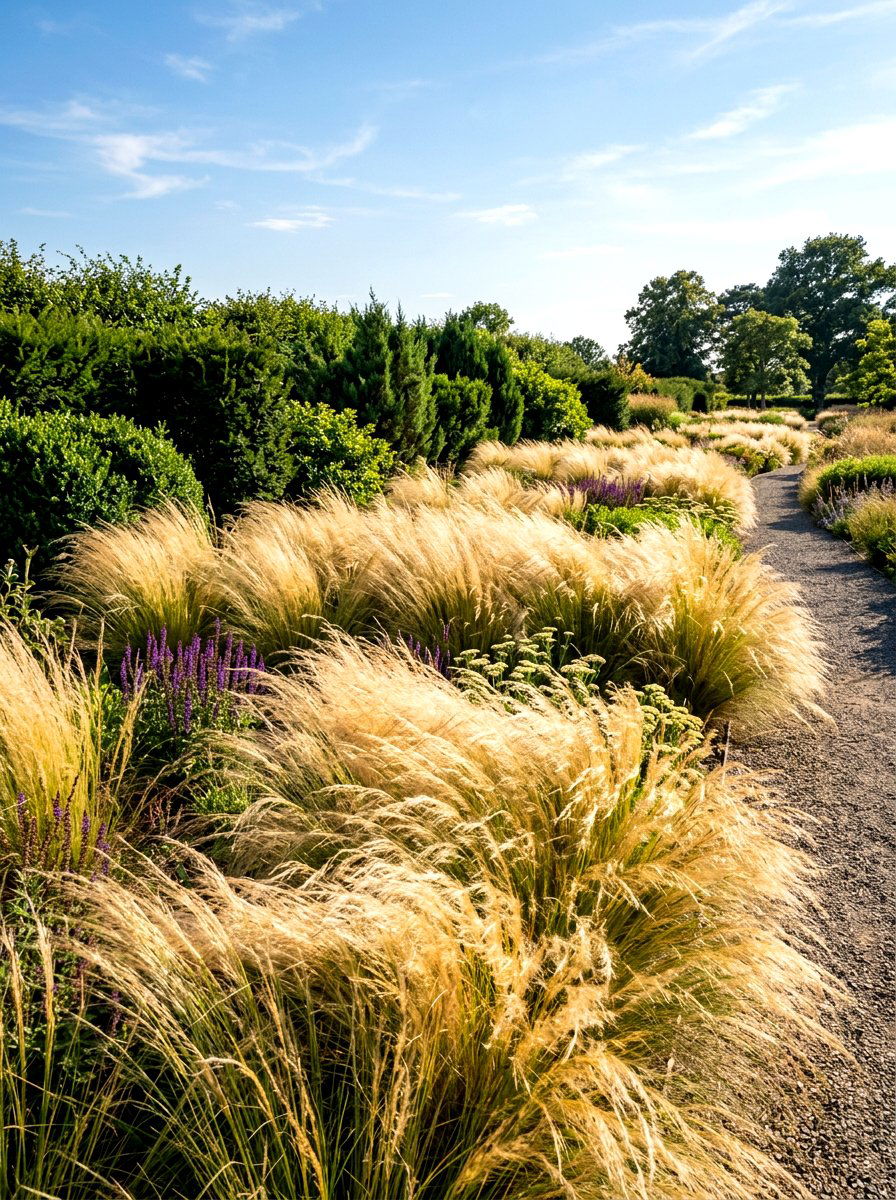
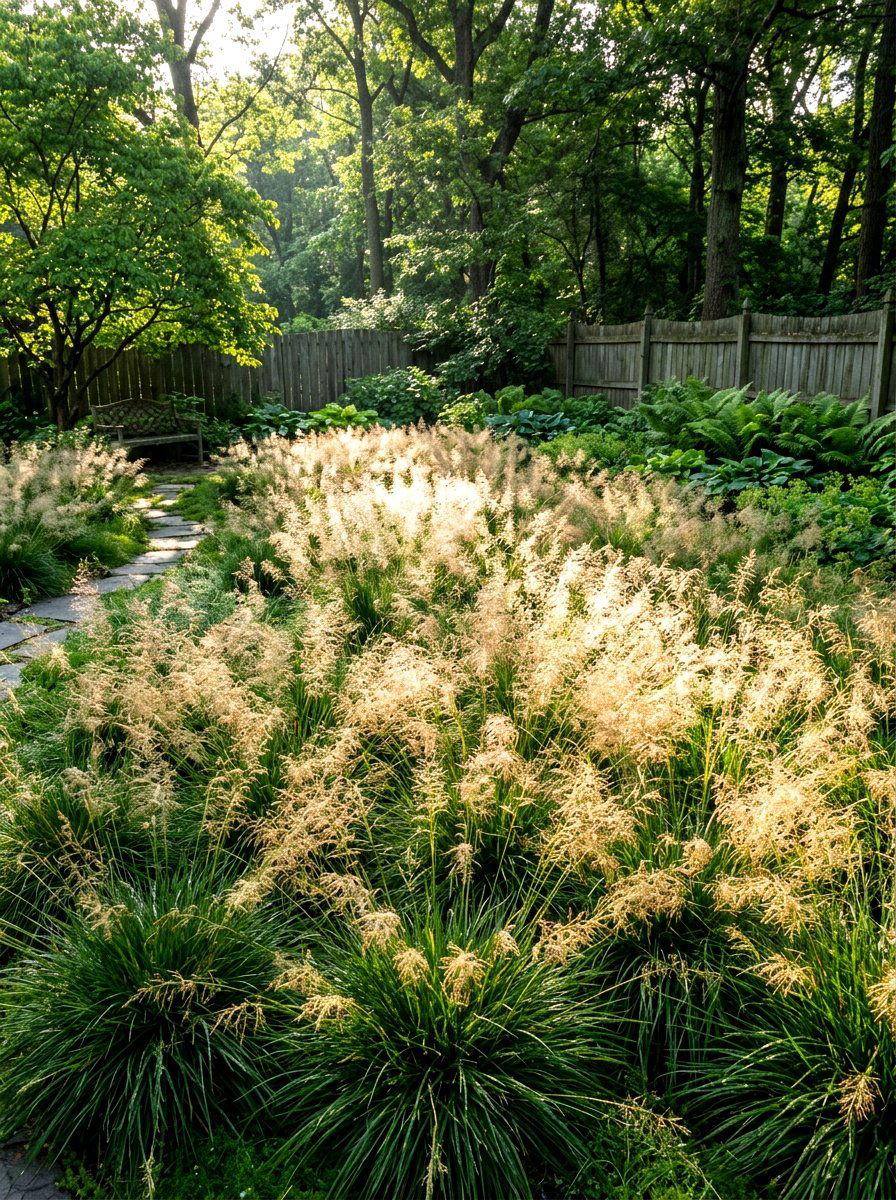
Movement is a vital part of any good landscape, and ornamental grasses provide this in abundance. These plants sway gently in the breeze and catch the sunlight with their feathery seed heads. Many varieties, such as Mexican feather grass or little bluestem, are exceptionally drought-tolerant once they are established. You can plant them in large drifts to create a soft, wave-like effect across your yard. They look beautiful in the winter when their golden tones stand out against the grey sky. Because they require very little care, they are a favorite for busy homeowners who want a natural and flowing garden aesthetic.
12. Cactus Backyard
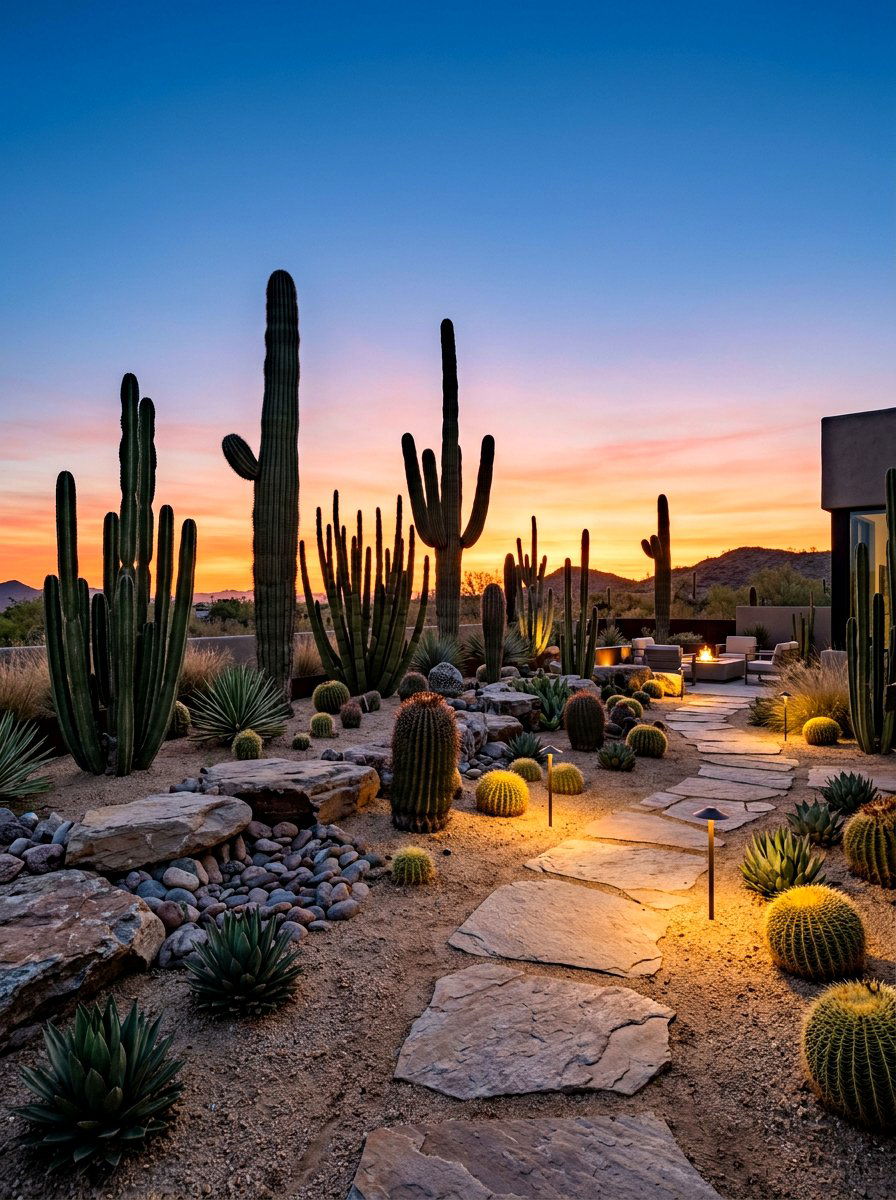
For a bold and architectural look, a cactus backyard is a choice that makes a massive impact. These unique plants come in hundreds of shapes, from tall pillars to round spheres, offering endless design possibilities. You can group different species together to create a miniature desert forest right outside your back door. Using sandy soil and gravel mulch ensures they have the drainage they need to thrive. They require almost zero water once they are settled in their new home. You can add soft lighting at night to highlight their dramatic silhouettes. It is a sculptural masterpiece that stays green and vibrant even during a heatwave.
13. Decomposed Granite Path
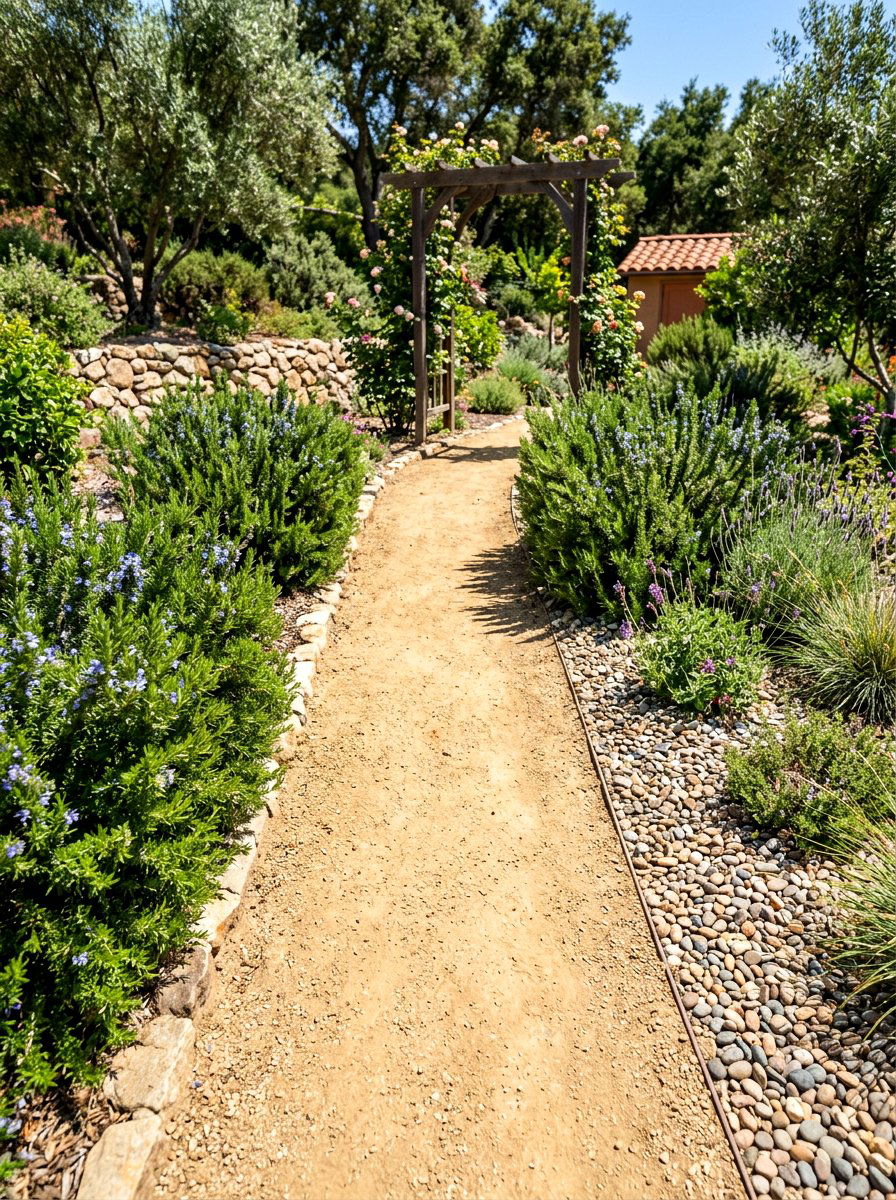
A decomposed granite path offers a soft and natural-looking walkway that fits into almost any landscape style. This material is made from fine rock particles that pack down firmly while still allowing water to soak through. It has an earthy tan or gold color that warms up the garden and looks great next to green foliage. You can use it to connect different zones, such as a seating area to a vegetable patch. Unlike concrete, it doesn't crack over time and is very easy to repair if needed. It provides a stable surface for walking while maintaining the rustic charm of a dry garden space.
14. Drought Tolerant Border
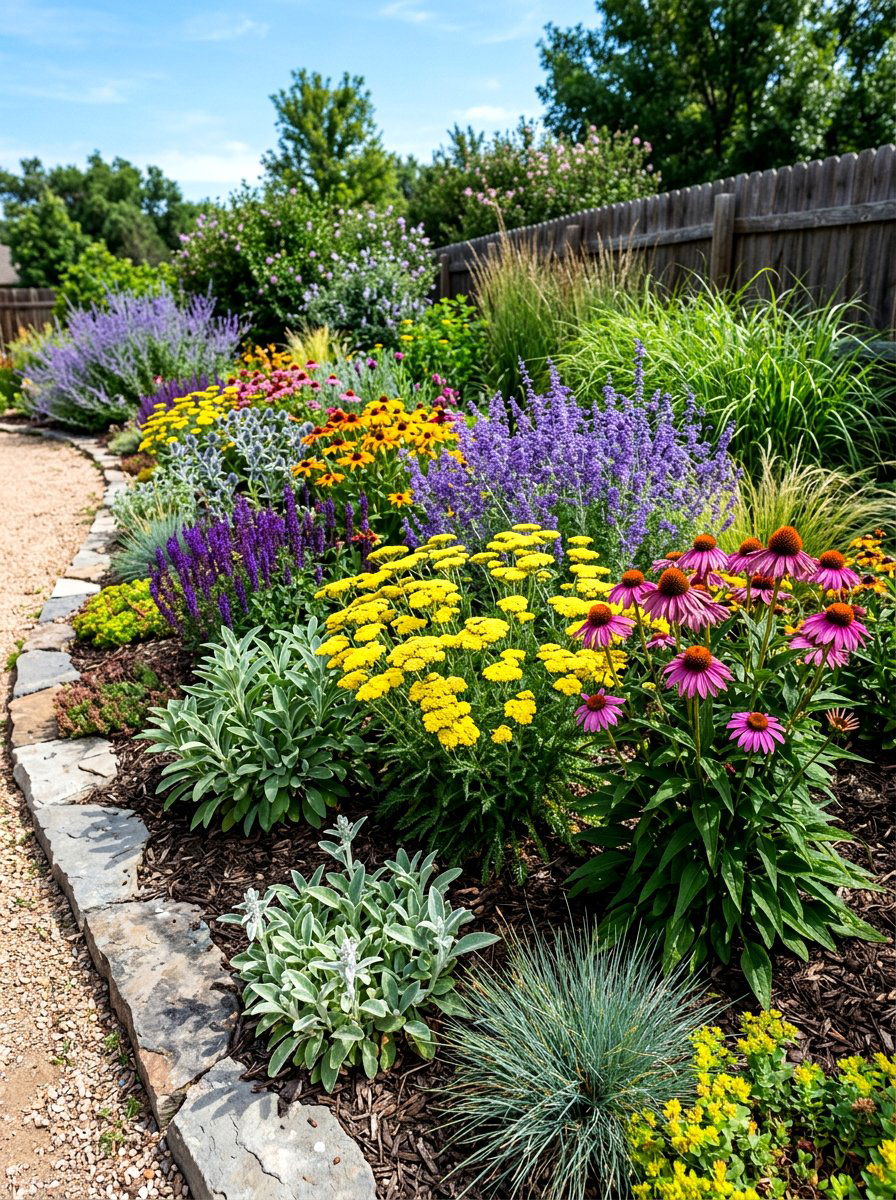
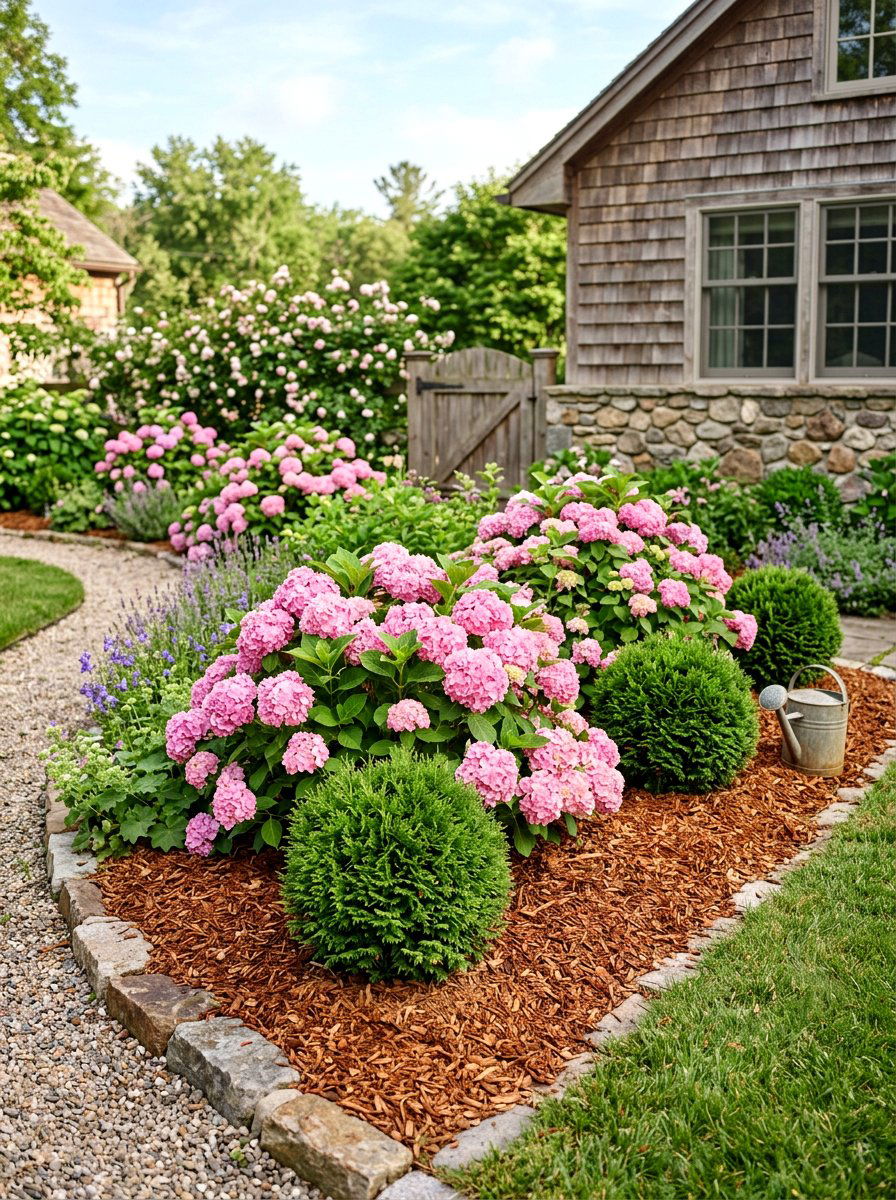
Creating a lush and colorful edge for your garden is easy with a drought-tolerant border. This design uses a mix of perennials like yarrow, sage, and coneflowers that can handle long periods without rain. You can arrange them by height to create layers of color that last throughout the growing season. Using a thick layer of organic mulch helps keep the moisture in the soil for as long as possible. This type of border requires far less maintenance than a traditional flower bed full of thirsty annuals. It is a sustainable way to bring life and beauty to the edges of your patio or lawn area.
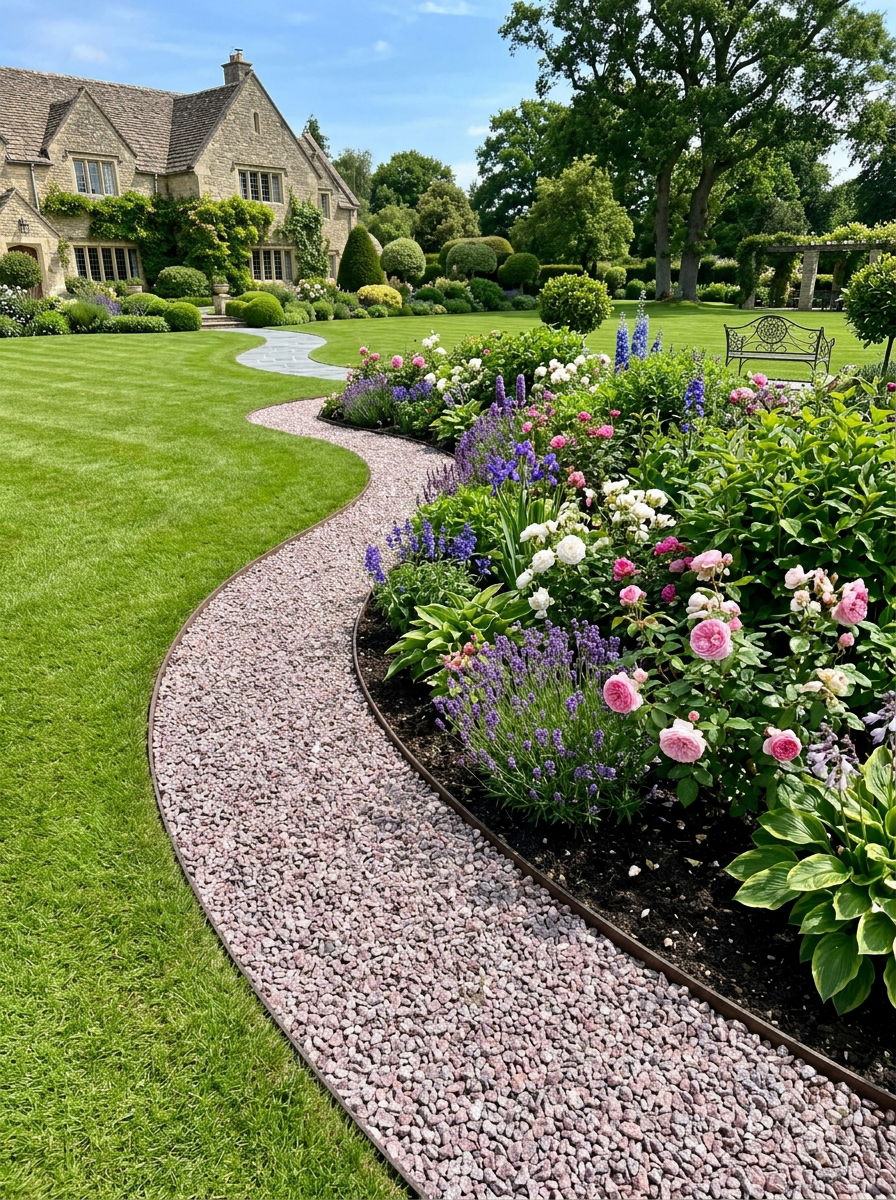
15. Olive Tree Landscape
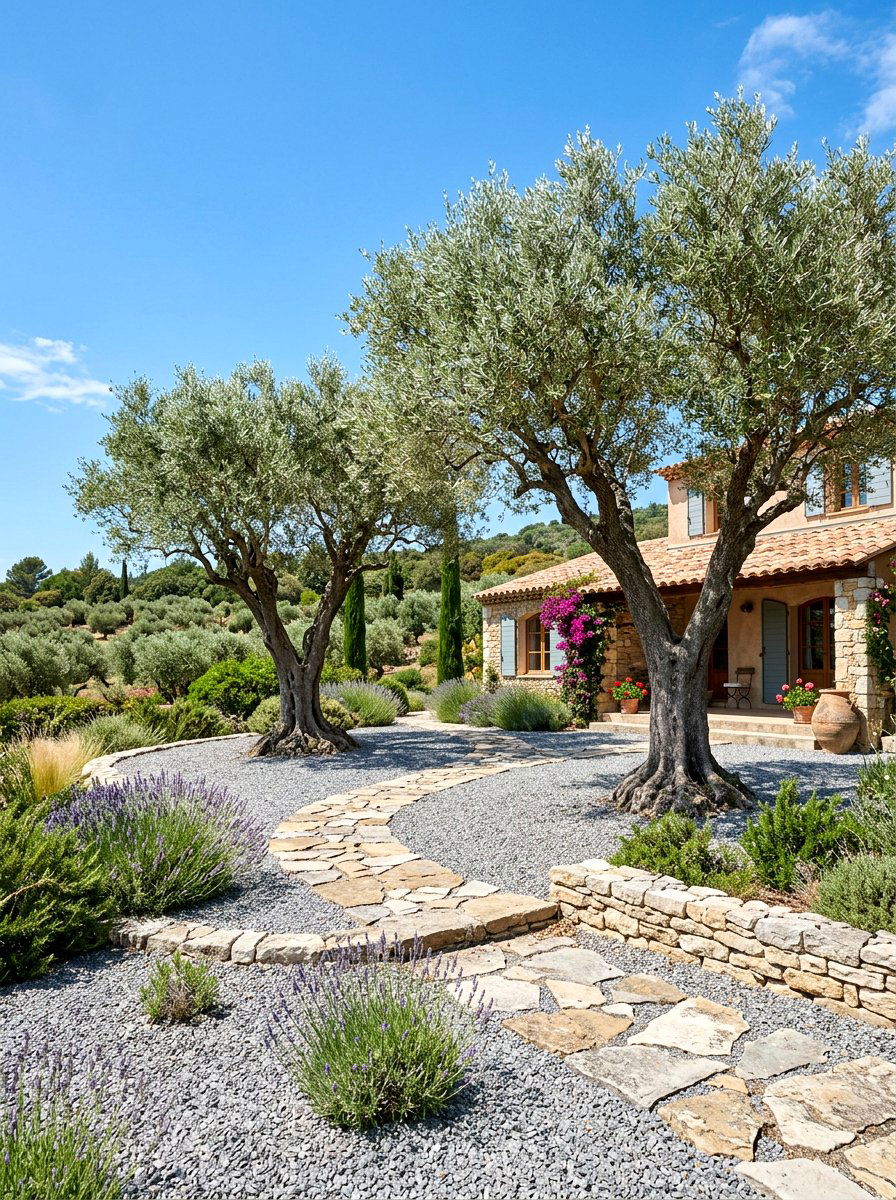
The silver-green leaves of an olive tree can instantly give your yard a sophisticated and timeless appearance. These trees are famous for their ability to thrive in poor soil and dry conditions with very little care. You can plant a single specimen as a focal point or create a small grove for a more immersive feel. Surround the base of the trees with grey gravel or large flagstones to complete the look. Olive trees provide gentle shade and a beautiful structural element that stays green all year. They are the perfect centerpiece for a water-wise garden that feels established and classic from day one.
16. Agave Focal Point
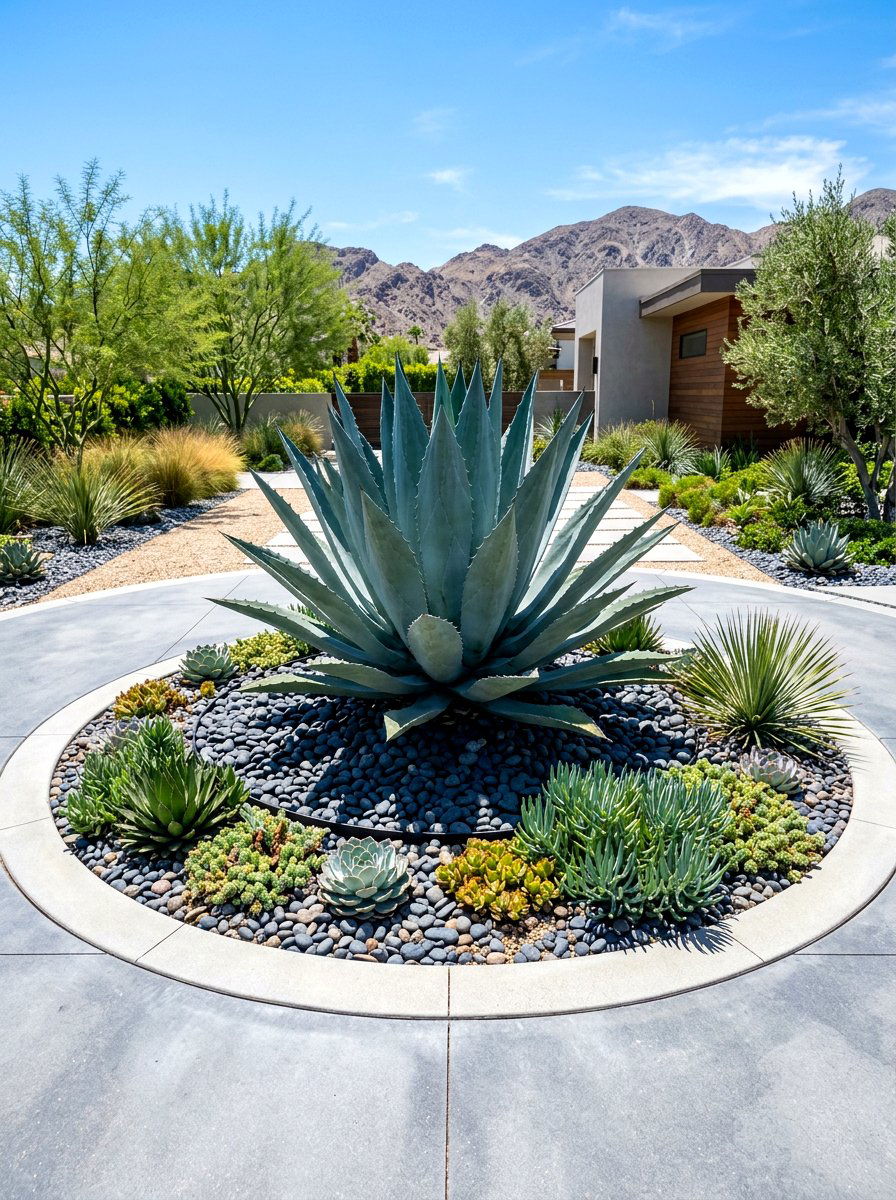
If you want one plant to grab everyone's attention, the agave is the perfect choice for your yard. With its thick, fleshy leaves and sharp architectural tips, it looks more like a living sculpture than a typical plant. Some varieties grow to be quite large, while others stay small and compact for tighter spaces. You should place them where they can be seen clearly, perhaps in the center of a circular gravel bed. They are incredibly tough and can withstand extreme heat and drought without showing any signs of stress. Using contrasting mulch colors can help make the blue or green of the leaves pop.
17. Coastal Garden
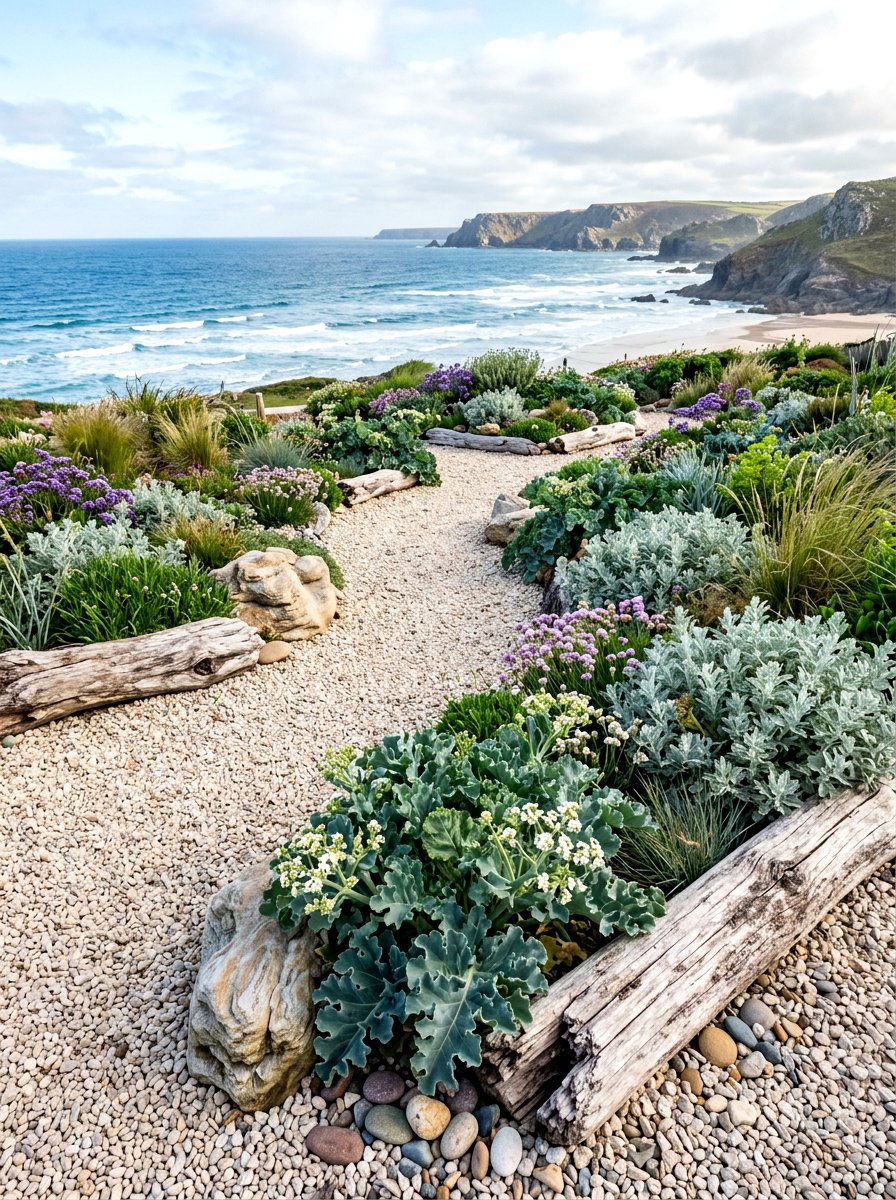
A coastal garden uses the rugged beauty of seaside plants to create a low-maintenance and airy outdoor space. These plants are often adapted to sandy soil and salty winds, making them very resilient to dry conditions. You can use large pieces of driftwood, sea-smoothed stones, and pale gravel to mimic the look of the beach. Plants like sea kale, coastal sage, and grasses add a soft and breezy feel to the landscape. This style is all about relaxation and enjoying the natural elements without having to do much work. It creates a vacation-like atmosphere every time you step out onto your porch.
18. Urban Courtyard
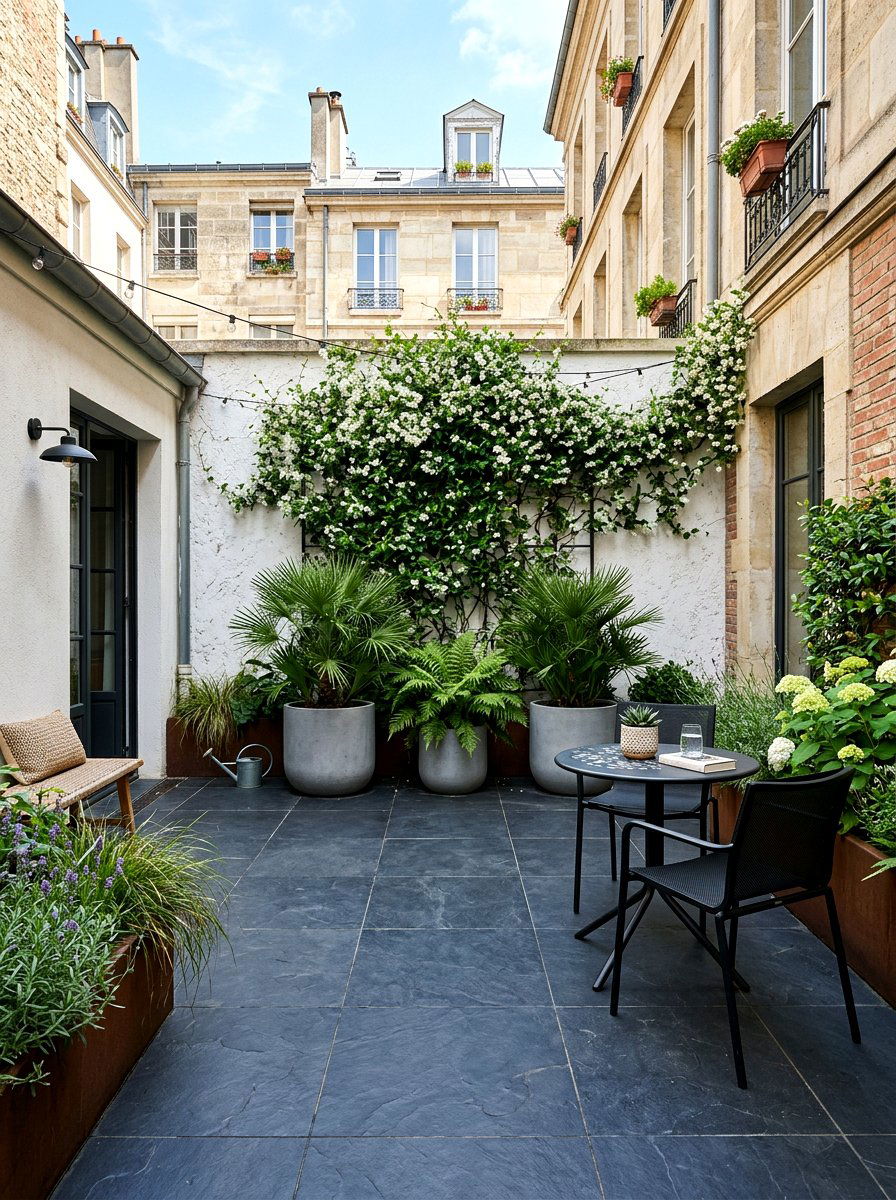
Even a small city space can be turned into a lush retreat with an urban courtyard design. This approach maximizes limited square footage by using wall-mounted planters and slim-profile furniture. You can use large tiles or polished concrete for the floor to keep it looking modern and clean. Drought-tolerant vines like star jasmine can climb up the walls to provide greenery without taking up floor space. Adding a few large pots with hardy palms or yuccas creates a sense of depth and luxury. It is a private oasis where you can escape the noise of the city and enjoy a drink in the evening.
19. Hillside Erosion Control
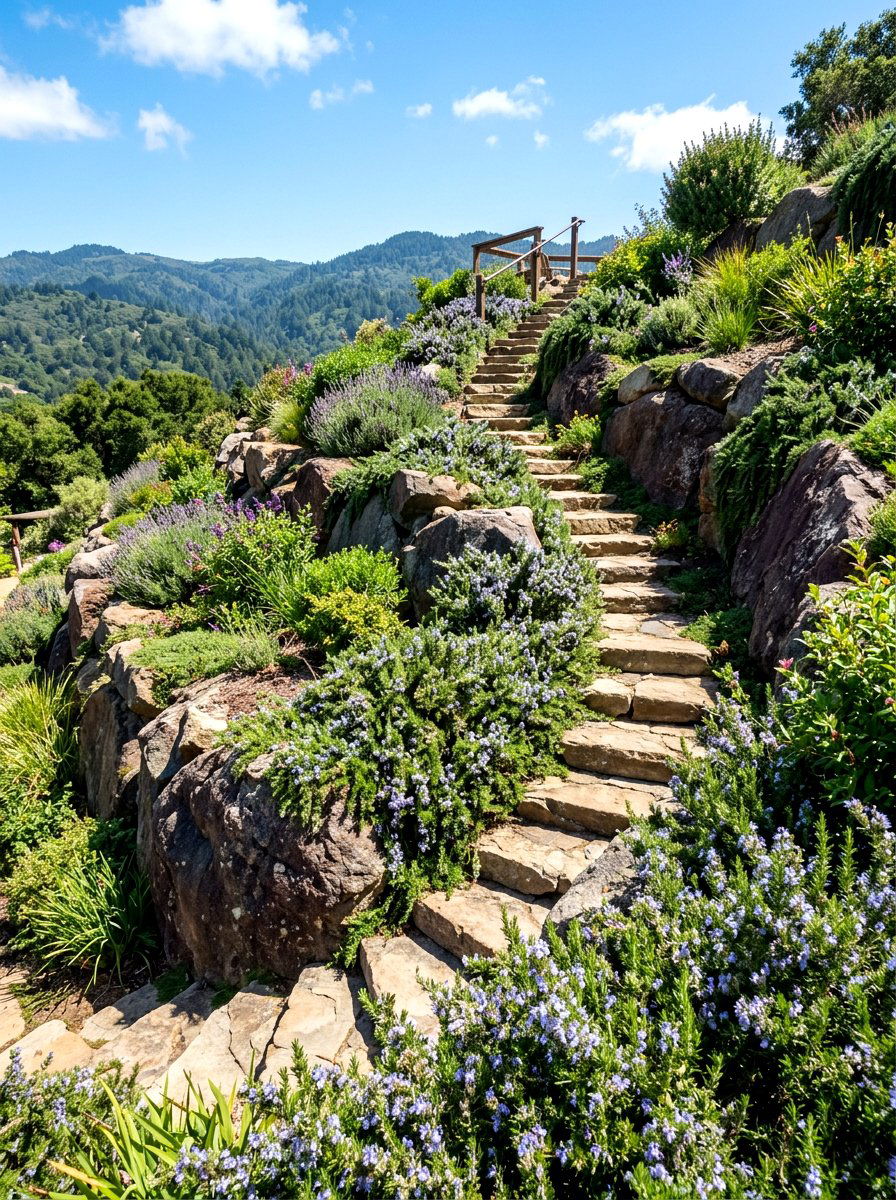
Dealing with a steep slope can be a challenge, but a dry garden provides an excellent solution for erosion control. You can use a combination of large boulders and deep-rooted plants to hold the soil in place. Creeping rosemary or juniper can spread across the hillside to provide a green carpet that needs no mowing. Stones placed at intervals create natural terraces that slow down rainwater and allow it to soak in. This turns a difficult part of your property into a beautiful and functional rockery. It is much more attractive than a plain grass hill and requires a fraction of the maintenance over time.
20. Modern Gravel Garden
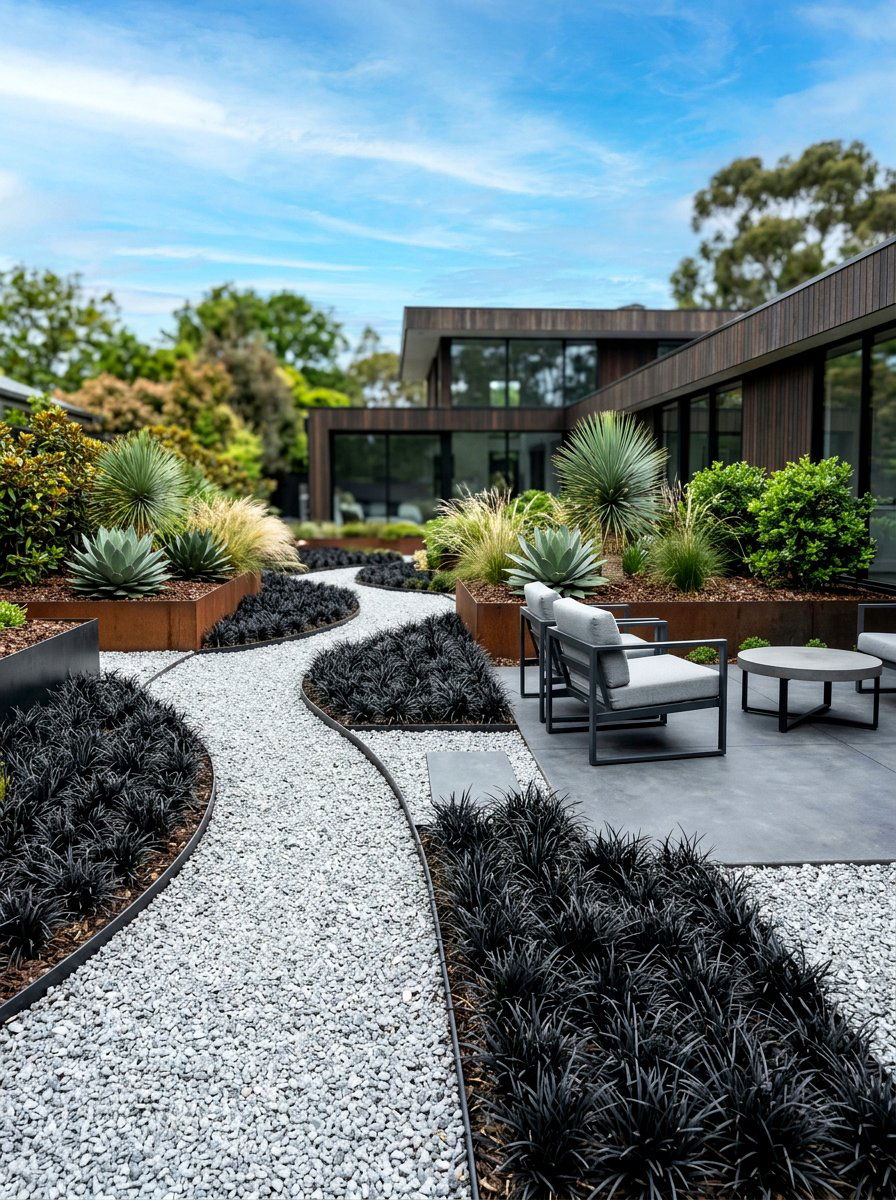
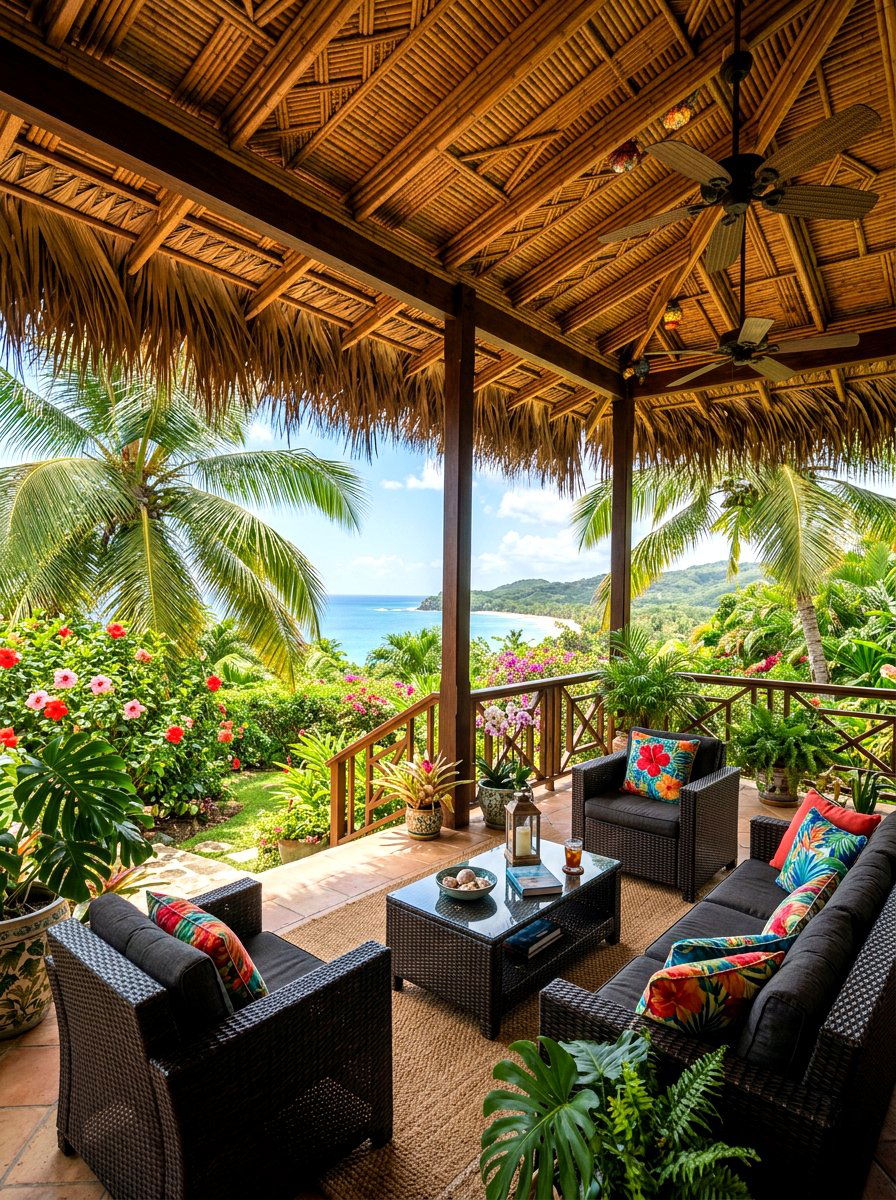
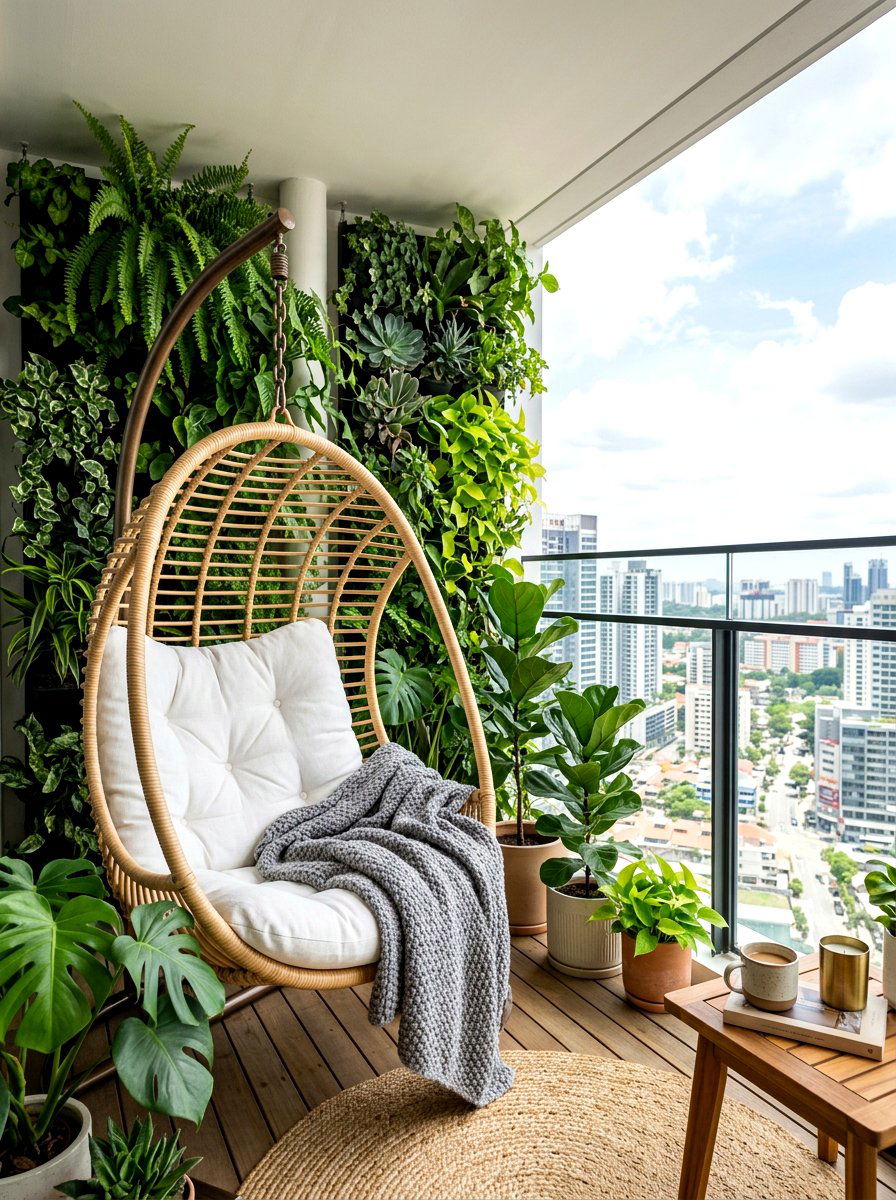
A modern gravel garden focuses on simplicity and high-contrast textures to create a visually striking space. You can use light grey gravel as the main ground cover and place a few dark-leaved plants like black mondo grass for drama. Using metal edging keeps the lines sharp and prevents the gravel from spilling into other areas. This design is perfect for homeowners who love the minimalist look and don't want to deal with a lawn. You can add a few comfortable outdoor chairs and a sleek umbrella to create a functional living area. It stays looking pristine in every season with very little effort.
21. Yucca Landscape
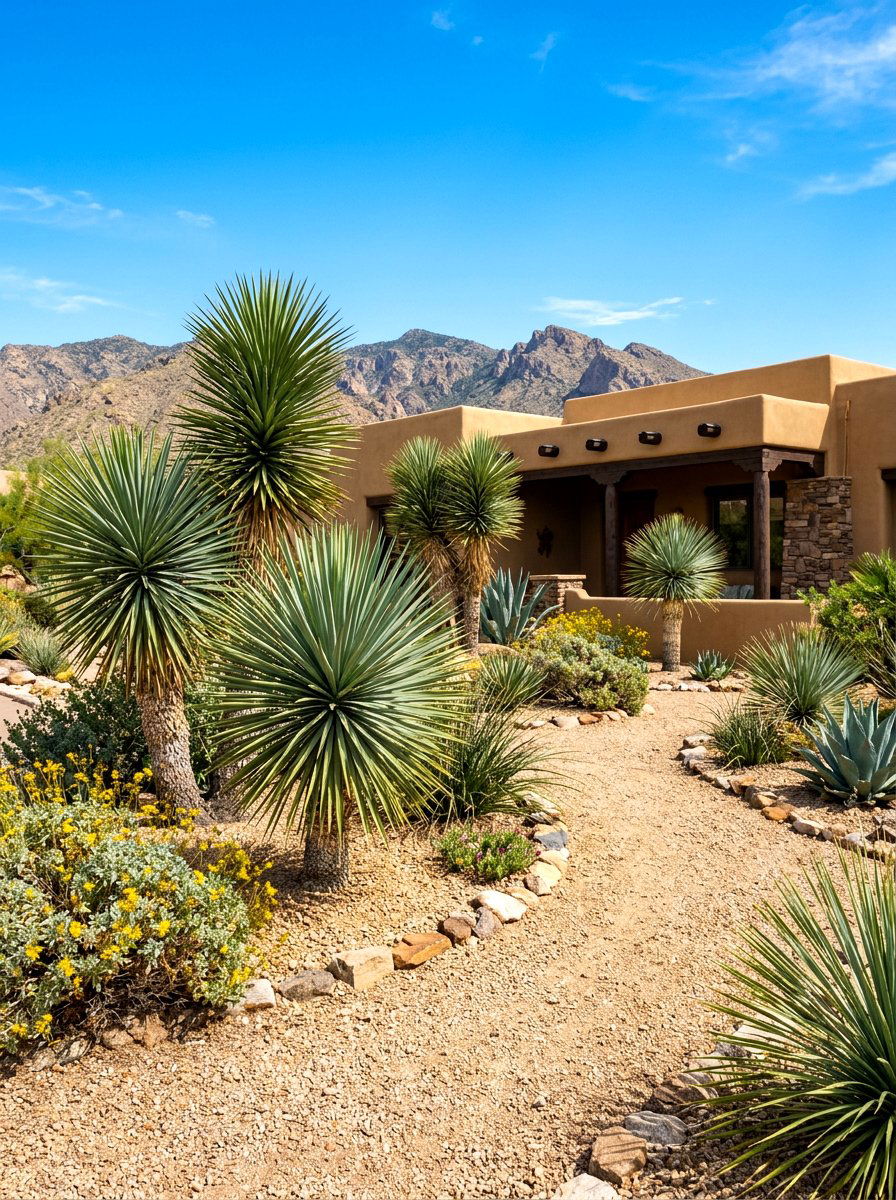
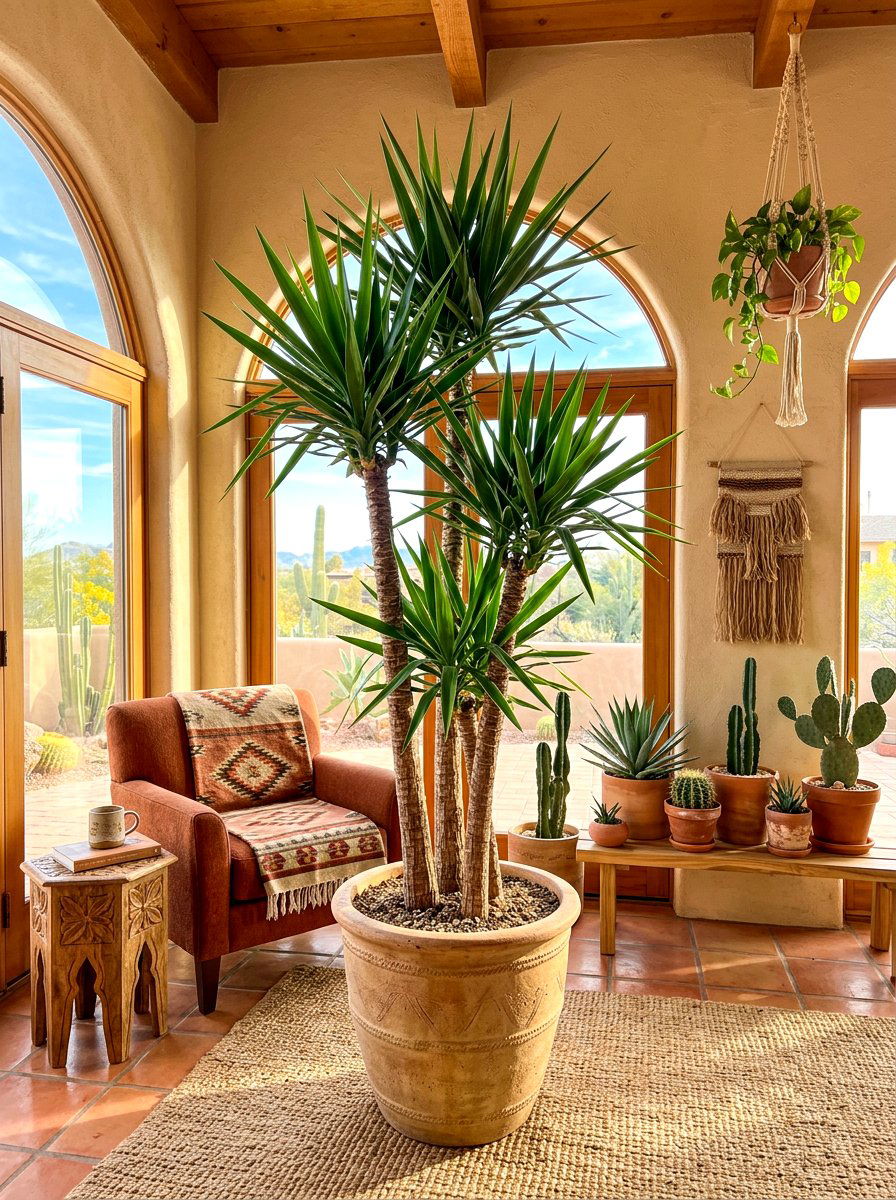
Yuccas are iconic plants that bring a sense of the wild west to any garden design. Their spiky, sword-like leaves and tall stalks of white flowers provide incredible vertical interest. You can plant them in groups to create a natural screen or use them as individual accent pieces. They are extremely hardy and can grow in almost any soil type as long as it isn't too wet. Using a mix of brown and tan gravel around the base highlights their architectural form. Yuccas are excellent for adding height and structure to a dry garden without requiring any supplemental watering once they are mature.
22. Stone Walkway
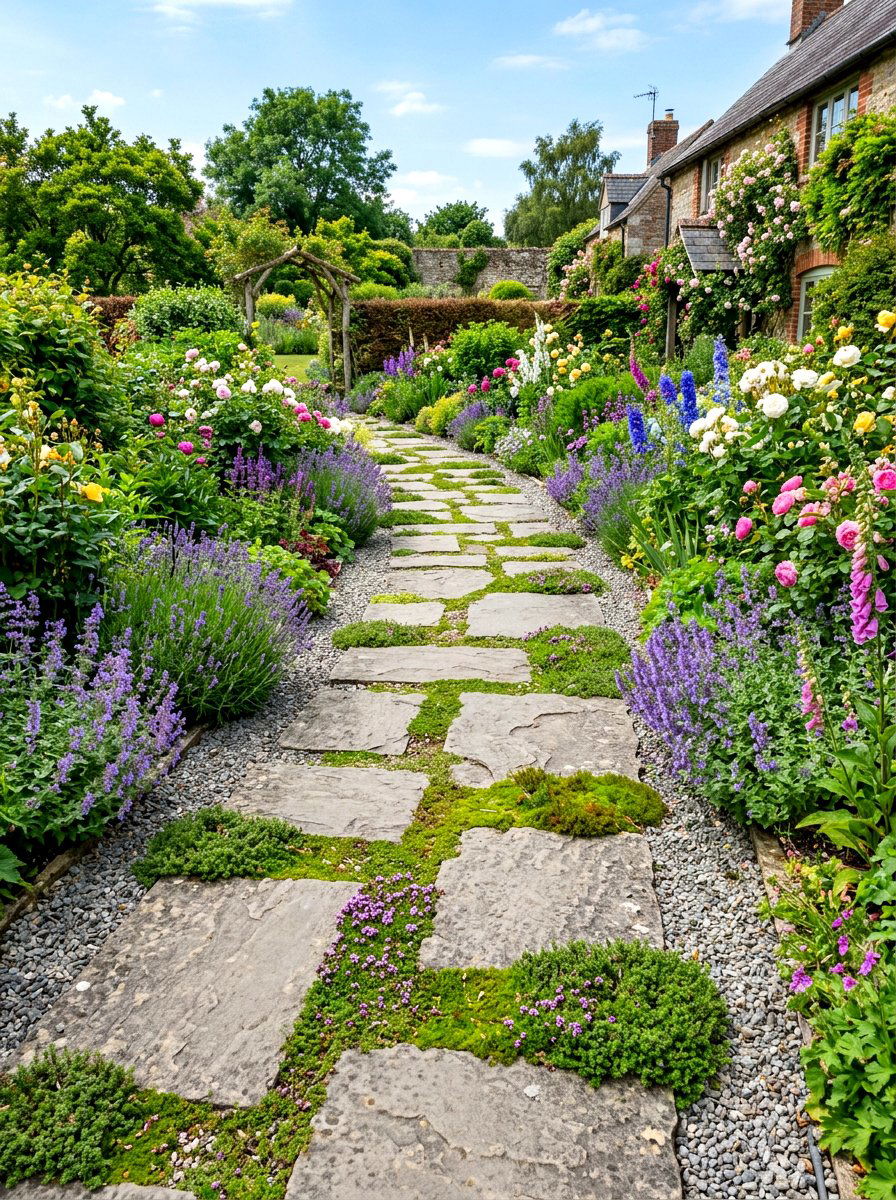
Creating a clear path through your garden makes the whole space feel more inviting and organized. A stone walkway uses large, flat flagstones or pavers set directly into a bed of gravel. You can leave wide gaps between the stones and fill them with low-growing ground covers like thyme or sedum. This creates a soft and natural look that is very durable for high-traffic areas. The stones absorb heat during the day and release it at night, which can help keep the surrounding plants warm. It is a classic design element that connects different parts of your outdoor space with ease and style.
23. Prairie Style Garden
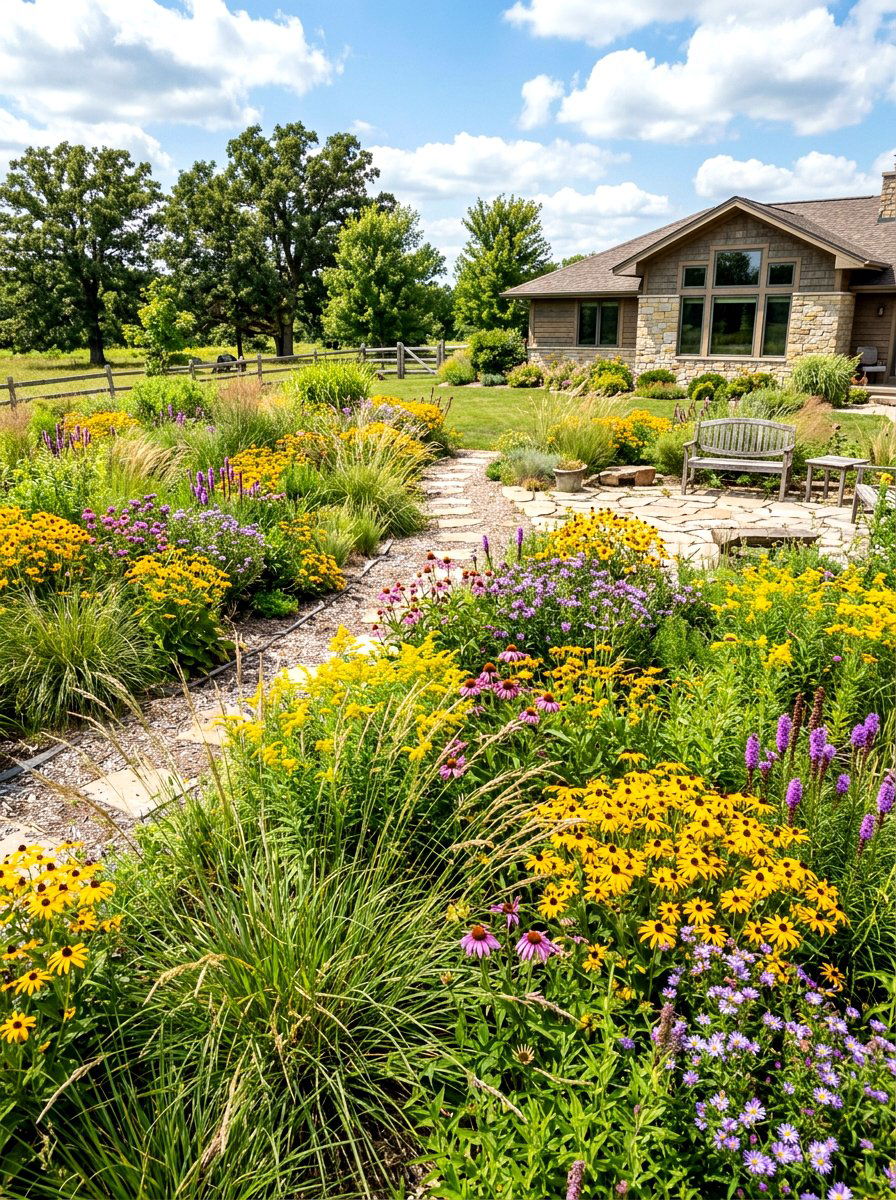
The vast beauty of the open plains can be recreated in your backyard with a prairie style garden. This design uses a dense mix of native grasses and sun-loving perennials to create a lush, wild look. It focuses on plants that are used to the wind and sun, meaning they are naturally drought-tolerant. You will enjoy a garden that changes with the seasons, showing off bright colors in the summer and golden textures in the winter. This style supports a wide range of birds and beneficial insects, making your yard a tiny ecosystem. It is a relaxed and beautiful way to embrace nature.
24. Rustic Desert Decor
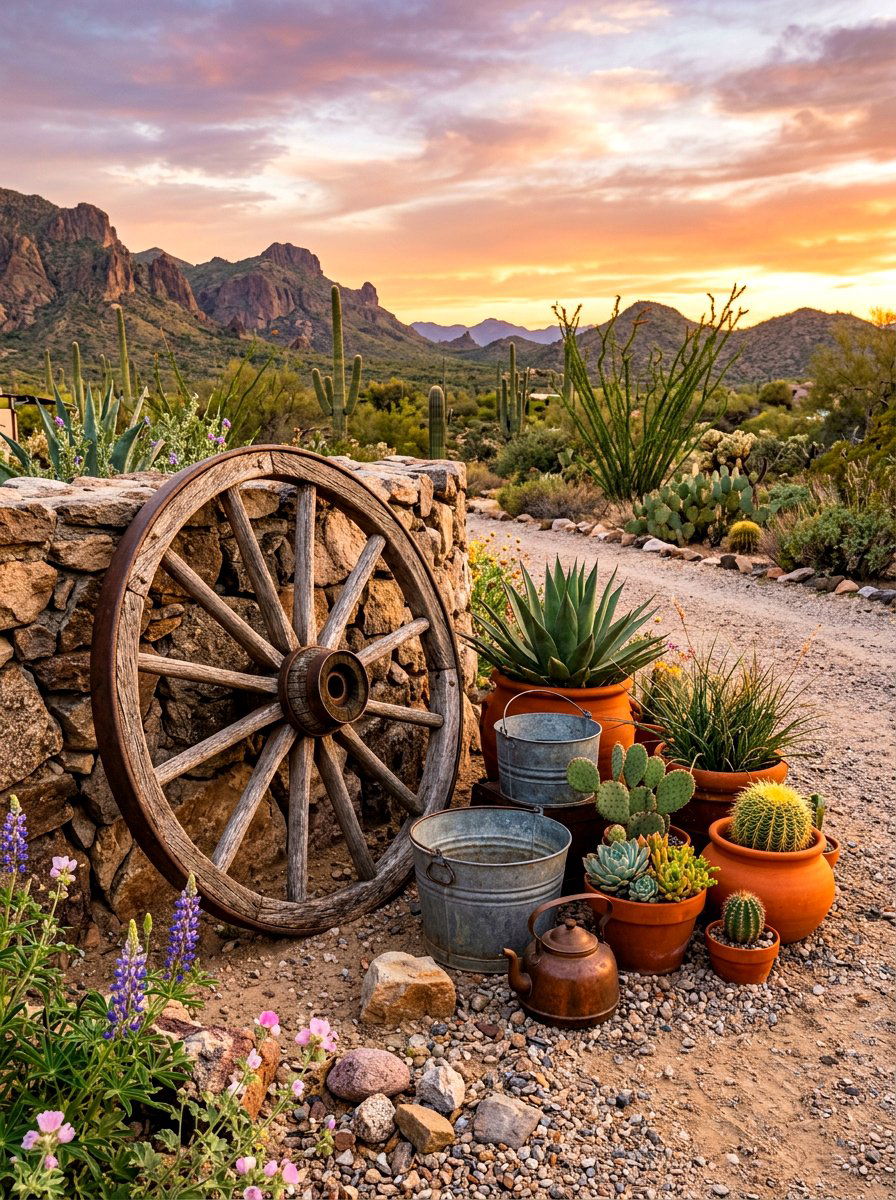
Bringing a touch of old-world charm to your dry garden is easy with rustic desert decor. You can incorporate items like weathered wooden wheels, vintage metal containers, and old ceramic pots. These elements add a sense of history and personality to the landscape while complementing the dry plants. Place a few rusted lanterns around a seating area to create a warm and cozy vibe at night. This style works perfectly with the warm tones of sand and terracotta. It is an affordable way to make your garden feel like a curated collection of treasures rather than just a simple outdoor space.

25. Fire Pit Area
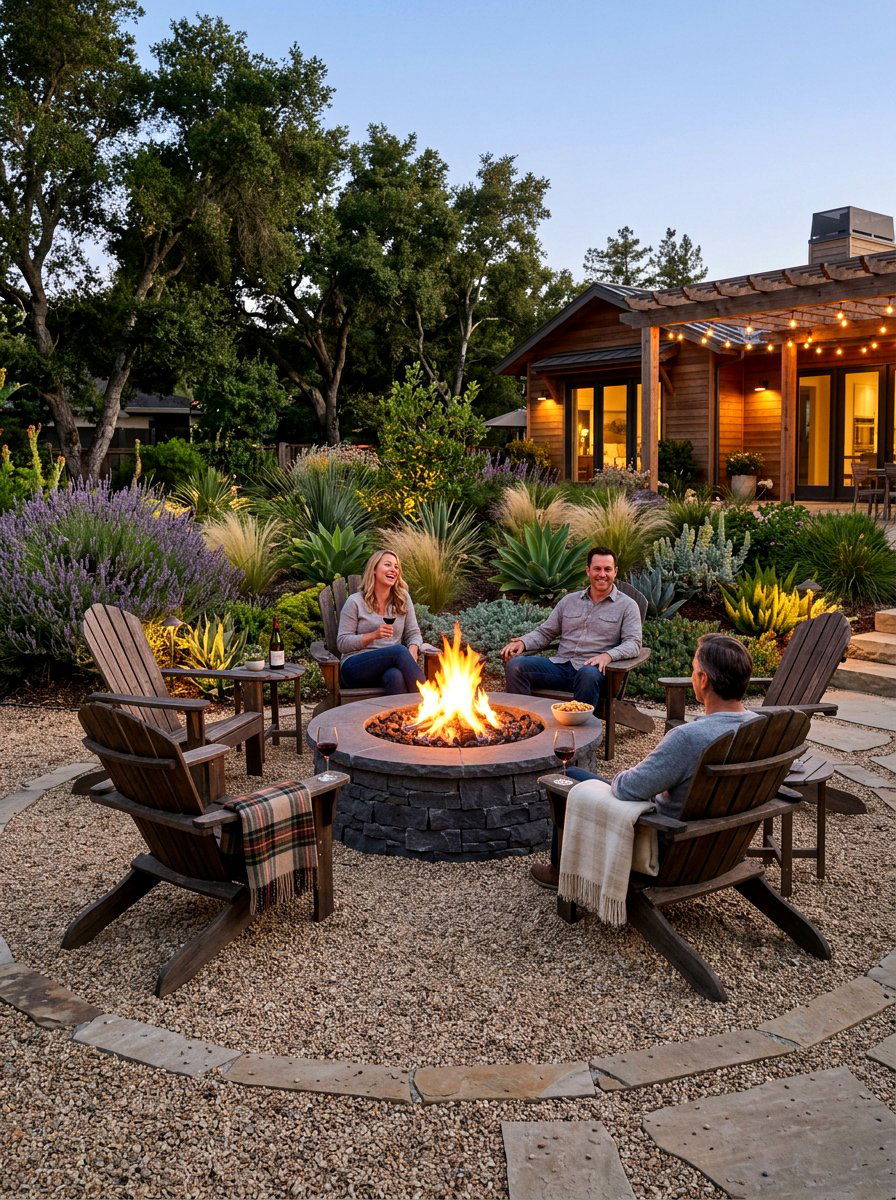
A fire pit area is the perfect addition to a dry garden because it naturally thrives on a stone or gravel base. You can create a circular zone using pea gravel and place a stone fire pit in the center. Surround it with comfortable Adirondack chairs or built-in stone benches for plenty of seating. This becomes the heartbeat of the garden, providing a place to stay warm and tell stories long after the sun goes down. The gravel surface is fire-safe and easy to clean, making it very practical for this use. It adds a cozy and communal feel to your modern water-wise landscape.
26. Synthetic Turf Yard
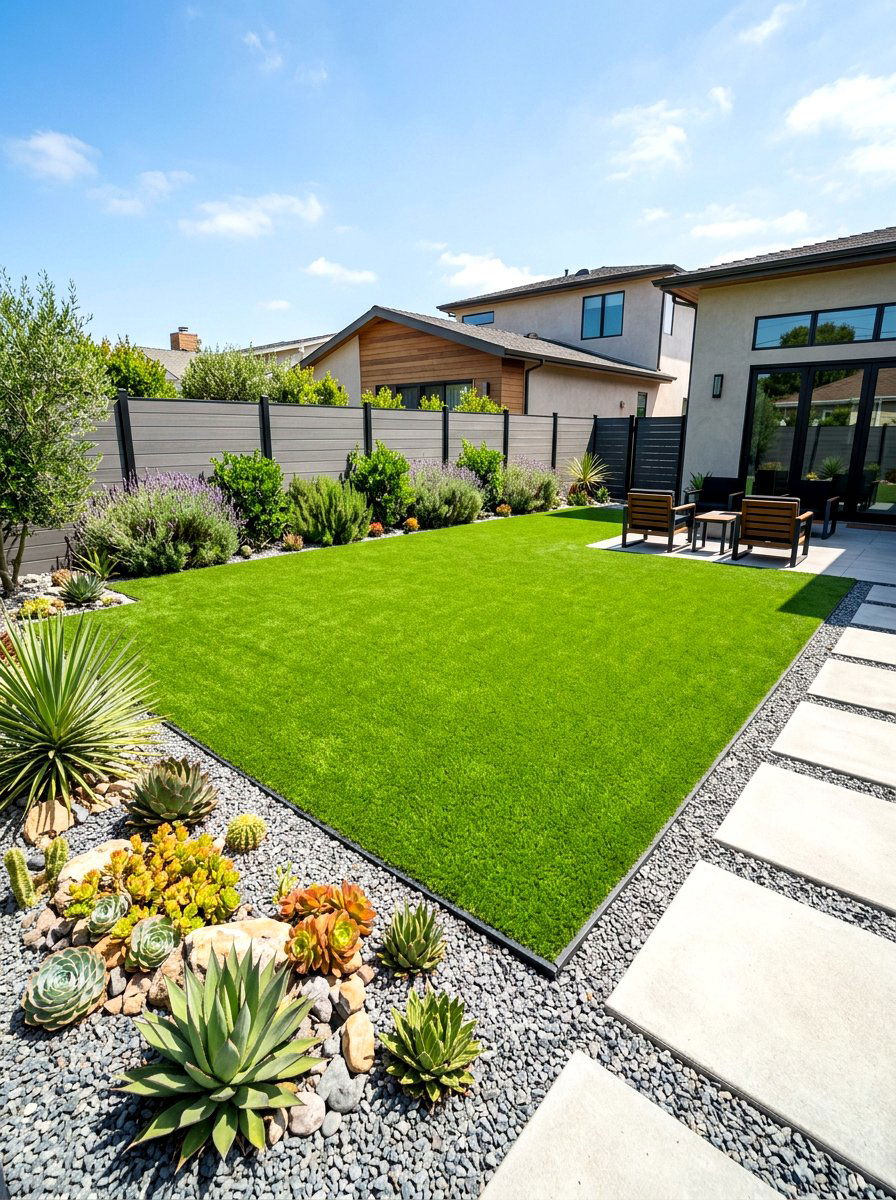
If you still love the look of a green lawn but want to save water, a synthetic turf yard is a great alternative. Modern artificial grass looks incredibly realistic and stays a perfect shade of green all year long. You never have to mow, fertilize, or water it, which saves you a huge amount of time and money. It is a great surface for children to play on or for pets to run around. You can surround the turf with drought-tolerant garden beds to create a balanced and low-maintenance yard. This allows you to have the best of both worlds without the environmental impact.
27. Boulder Accent
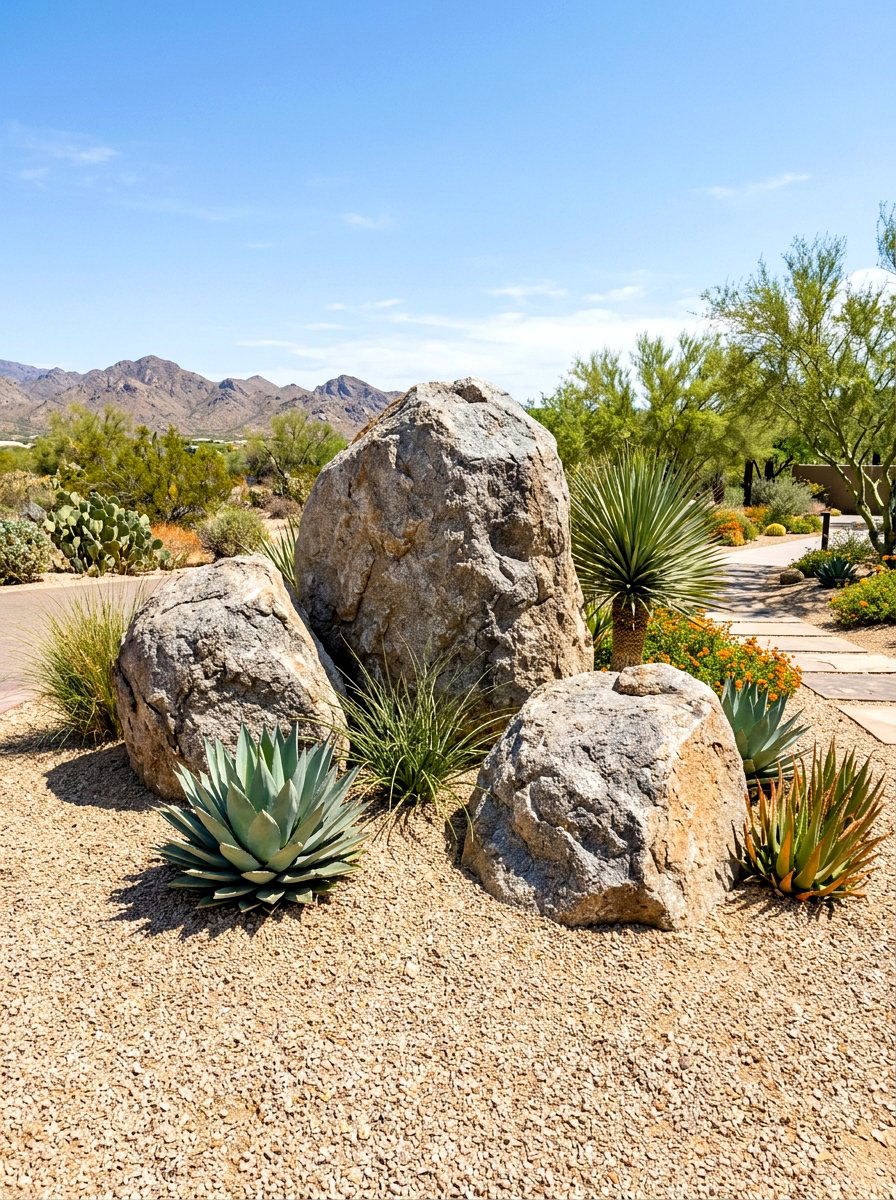
Sometimes, the simplest additions make the biggest difference in a landscape 's overall appeal. A boulder accent involves placing a few very large, natural stones in key spots throughout the garden. These heavy elements provide a sense of permanence and weight that balances out the lighter plants and gravel. You can use them to anchor a corner or to create a natural seating spot next to a path. Boulders come in many different colors and textures, so you can choose ones that match your home' s exterior. They require absolutely no maintenance and will look exactly the same for decades to come in your yard.
28. Low Water Landscape
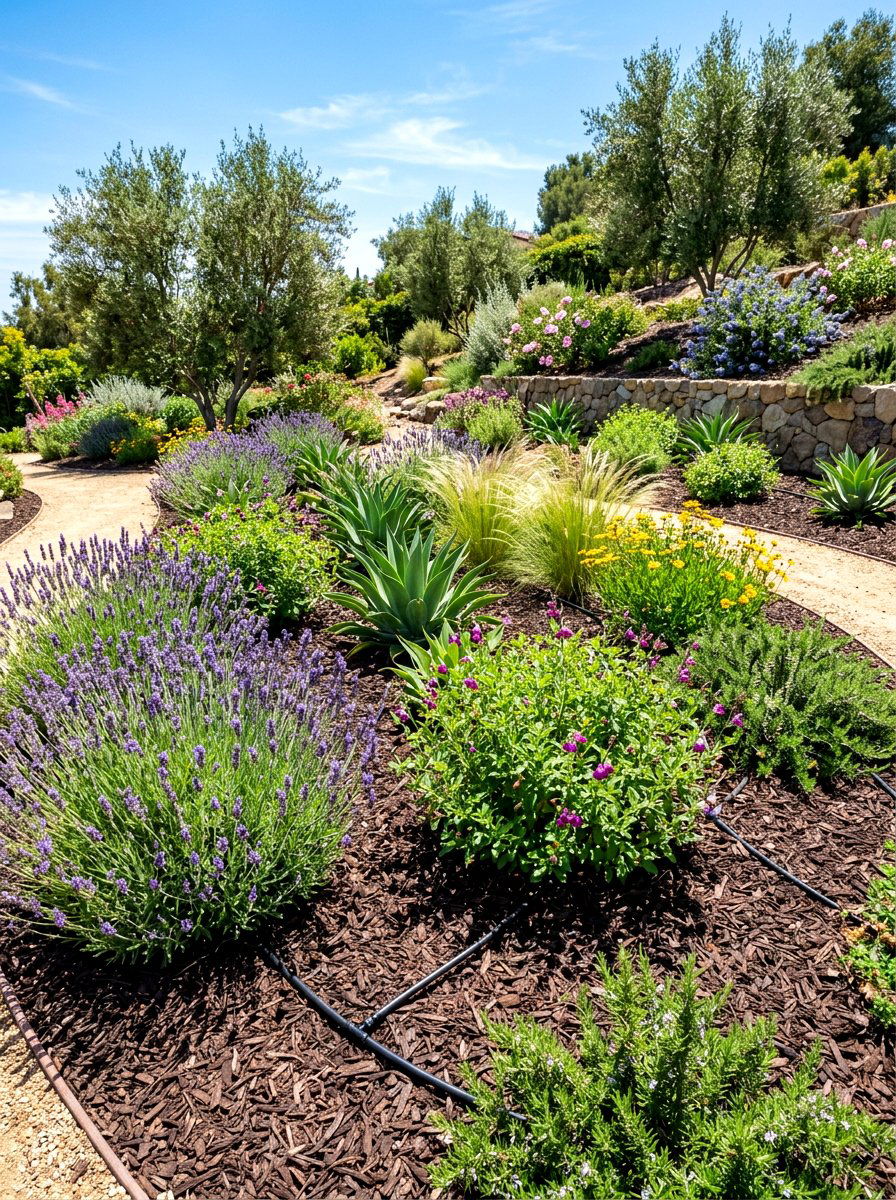
Focusing on a low water landscape means choosing every element with conservation in mind. This design typically groups plants with similar water needs together to ensure no drop is wasted. You might use a smart drip irrigation system that delivers water only when it is truly necessary. The soil is often improved with compost and covered with a thick layer of mulch to prevent evaporation. This approach proves that you can have a lush and healthy garden even with very little rainfall. It is an intelligent way to garden that prepares your property for future droughts while still looking absolutely beautiful.
29. Architectural Planting
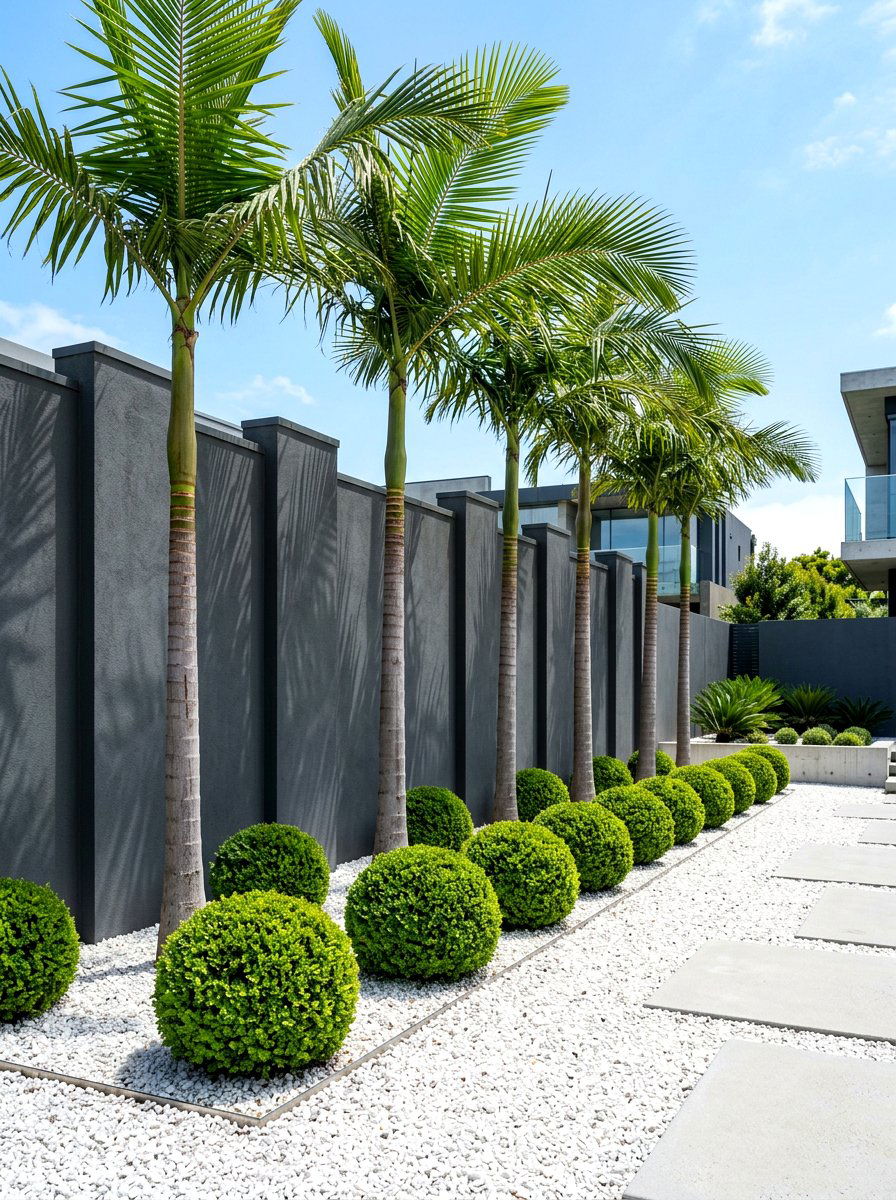
Architectural planting uses bold shapes and strong silhouettes to create a very modern and clean aesthetic. Instead of a messy mix of flowers, you choose plants that have a defined and striking form. Think of tall palms, round boxwood, or spiky dracaenas that stand out against a plain wall or fence. This style is all about the visual impact of each individual plant rather than a dense mass of greenery. Using simple grey or white gravel ground cover allows the plants to take center stage. It is a high-style approach that looks professional and expensive with very little actual work required.
30. Container Garden
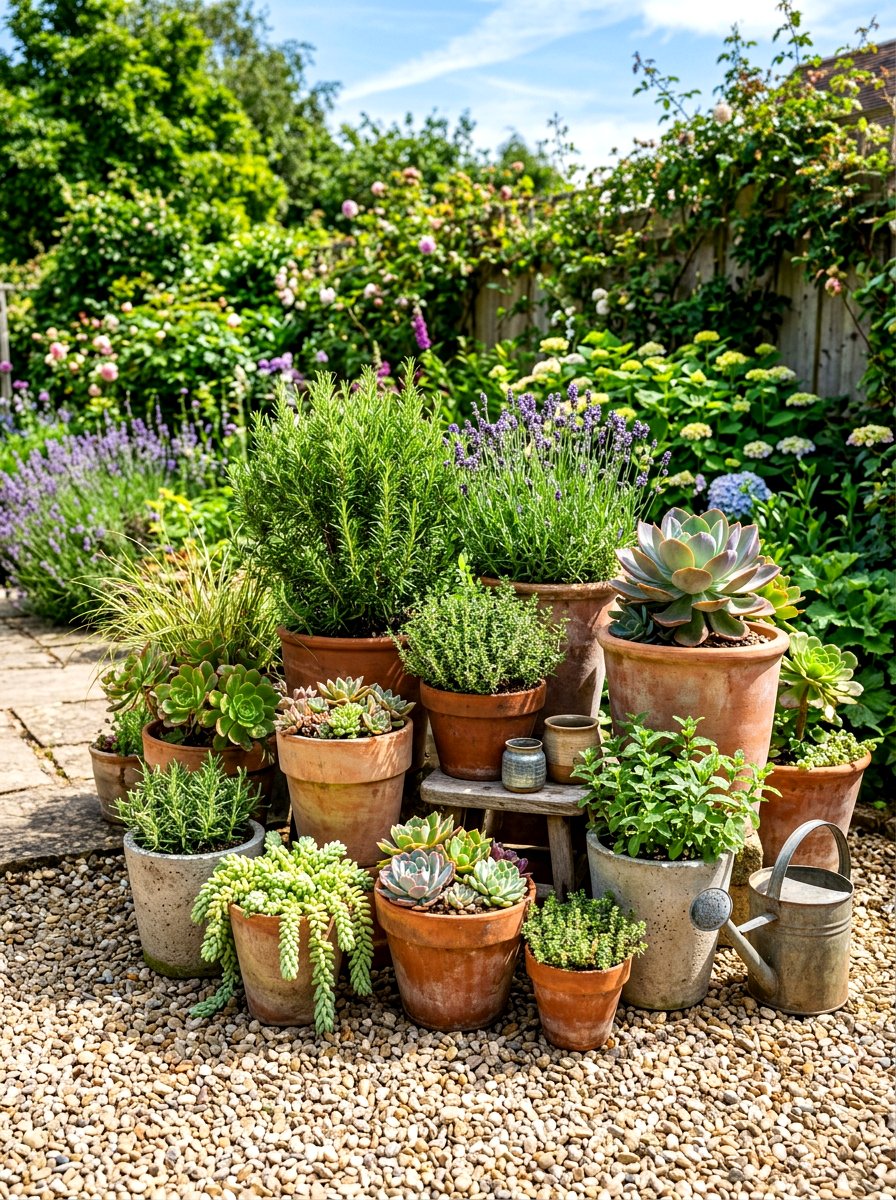
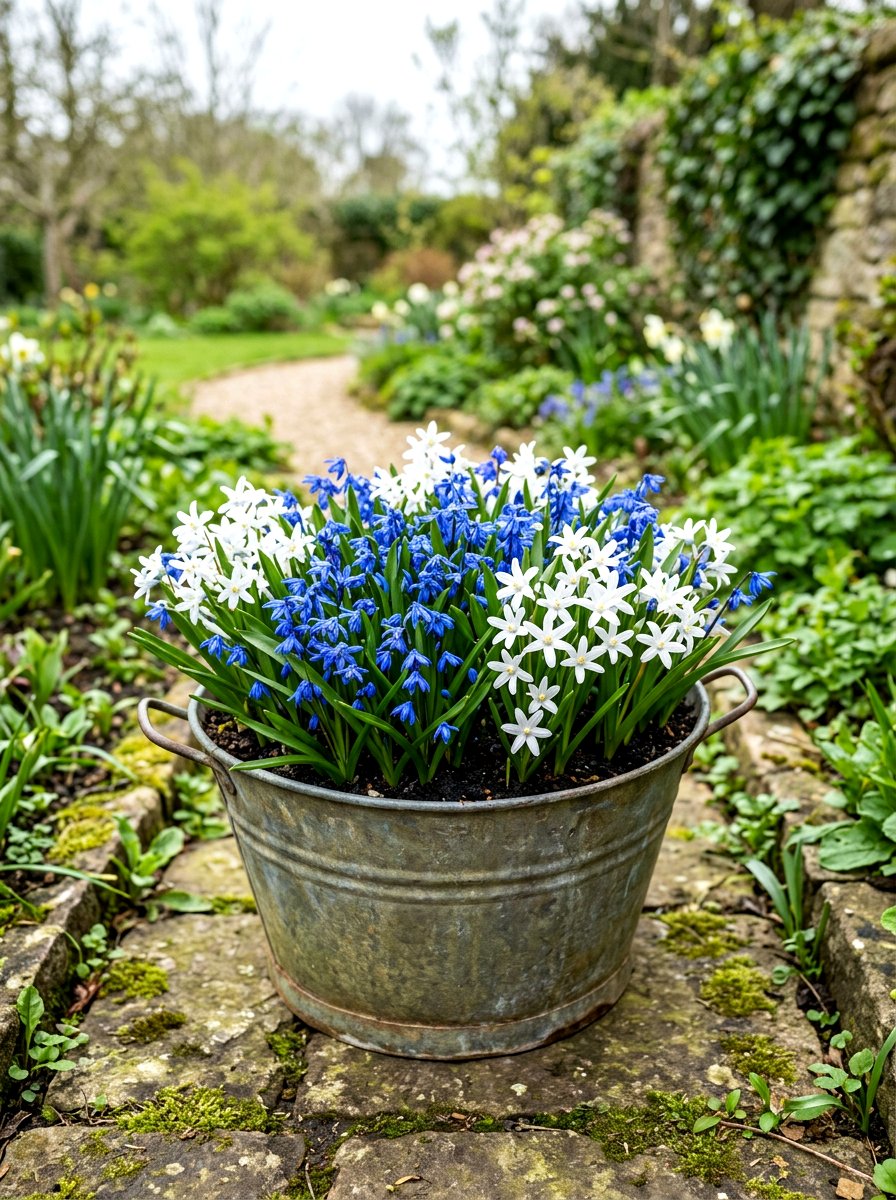
A container garden is a flexible and easy way to bring life to any dry area, from a large patio to a tiny balcony. You can use pots of different sizes and materials like clay, metal, or concrete to create a diverse look. Planting succulents, dwarf cacti, or Mediterranean herbs in containers allows you to control the soil and drainage perfectly. This is a great option for renters or those who want to change their garden layout frequently. You can move the pots around to follow the sun or to refresh the look of your seating area. It makes gardening accessible and fun for everyone.
Conclusion:
Transforming your outdoor space into a dry garden is one of the most rewarding home projects you can undertake. Not only do you save a significant amount of water, but you also create a landscape that is resilient and stylish. The variety of options available means you can find a look that perfectly matches your home's architecture and your personal taste. Whether you prefer the clean lines of a modern xeriscape or the wild charm of a wildflower meadow, the benefits are clear. You will spend less time working on your yard and more time enjoying the beautiful, serene environment you have created.

Related posts: