Imagine walking through your backyard in the middle of January and still seeing a vibrant landscape that feels alive and intentional. Achieving a year-round garden is not just about choosing the right flowers, but about building a structural foundation that looks good even when the snow falls. By focusing on textures, hardscaping, and plants with multi-season interest, you can create an outdoor sanctuary that evolves beautifully month after month. This guide explores thirty different ways to ensure your outdoor space remains a source of joy and relaxation from the first buds of spring to the frost of winter, making your home feel complete in every season. Through thoughtful planning and selection, you can transform any ordinary yard into a perpetual oasis of natural beauty and serene comfort.
1. Evergreen Hedge
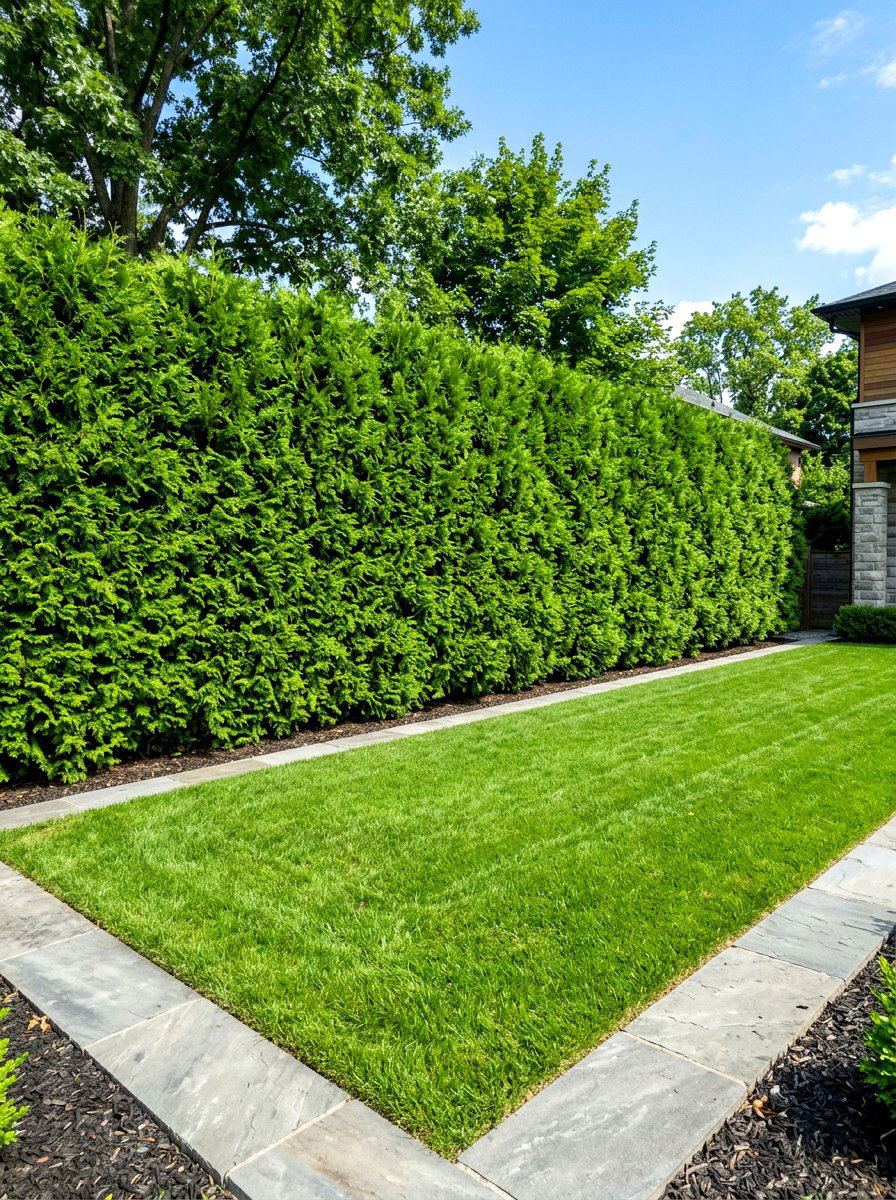
Maintaining a lush perimeter with an evergreen hedge provides a permanent green backdrop that stays vibrant even when deciduous trees lose their leaves. These living walls offer essential privacy and wind protection throughout the colder months while adding a sense of structure to your overall landscape. When you plant varieties like boxwood, arborvitae, or yew, you create a formal look that anchors the rest of your seasonal plantings. The deep green foliage serves as a perfect canvas for colorful spring flowers and provides a safe haven for local birds during the winter. A well-trimmed hedge defines your property lines and ensures your garden never looks bare or empty, regardless of the temperature outside.
2. Winter Flowering Shrubs
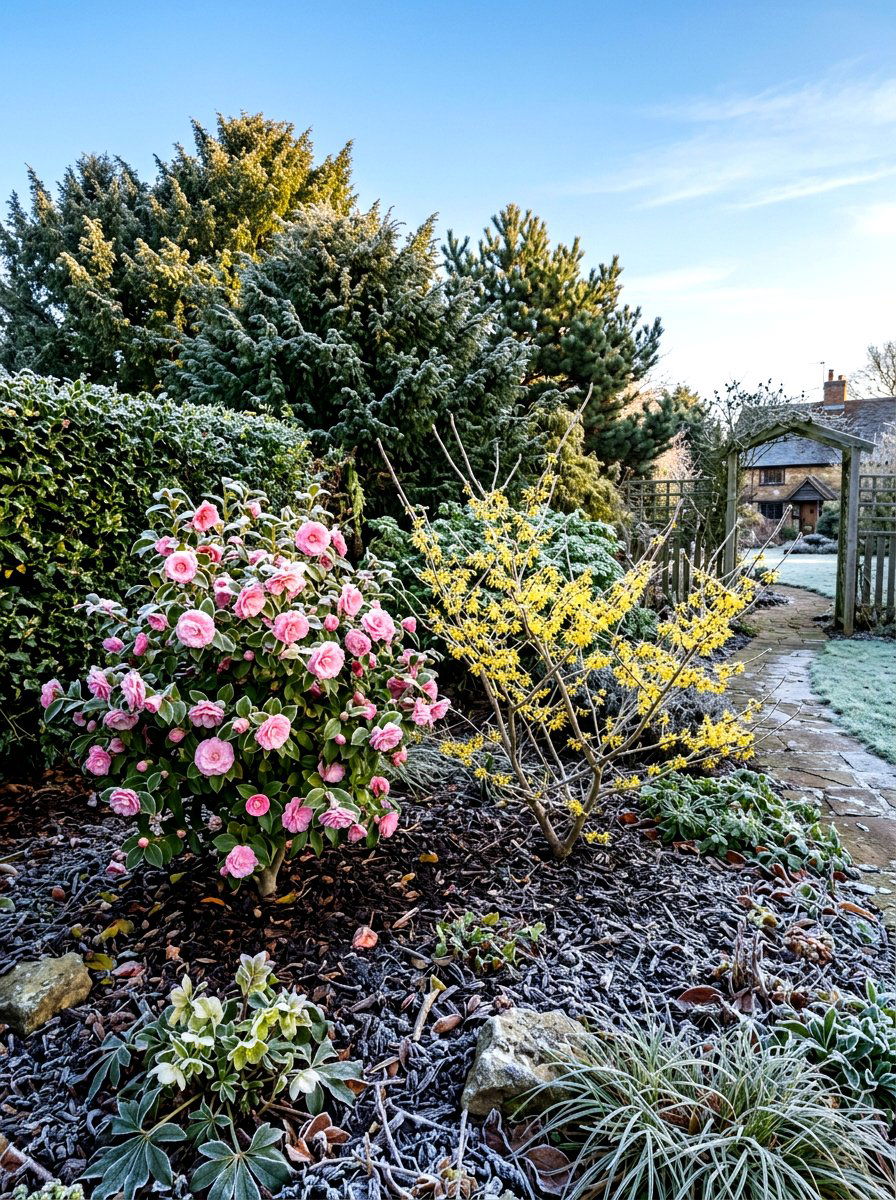
Have you ever considered that your garden could bloom while the rest of the world is dormant? Incorporating winter flowering shrubs like witch hazel or camellias brings unexpected splashes of yellow, pink, and white to a cold landscape. These resilient plants are specifically bred to withstand frost, offering fragrance and color when most other species are resting. Placing them near windows or entryways allows you to enjoy their delicate petals from the warmth of your home. By mixing these with early-blooming bulbs, you create a seamless transition from the depths of winter into the first signs of spring. This strategy ensures your garden remains a dynamic, living environment throughout the entire year.
3. Stone Garden Path
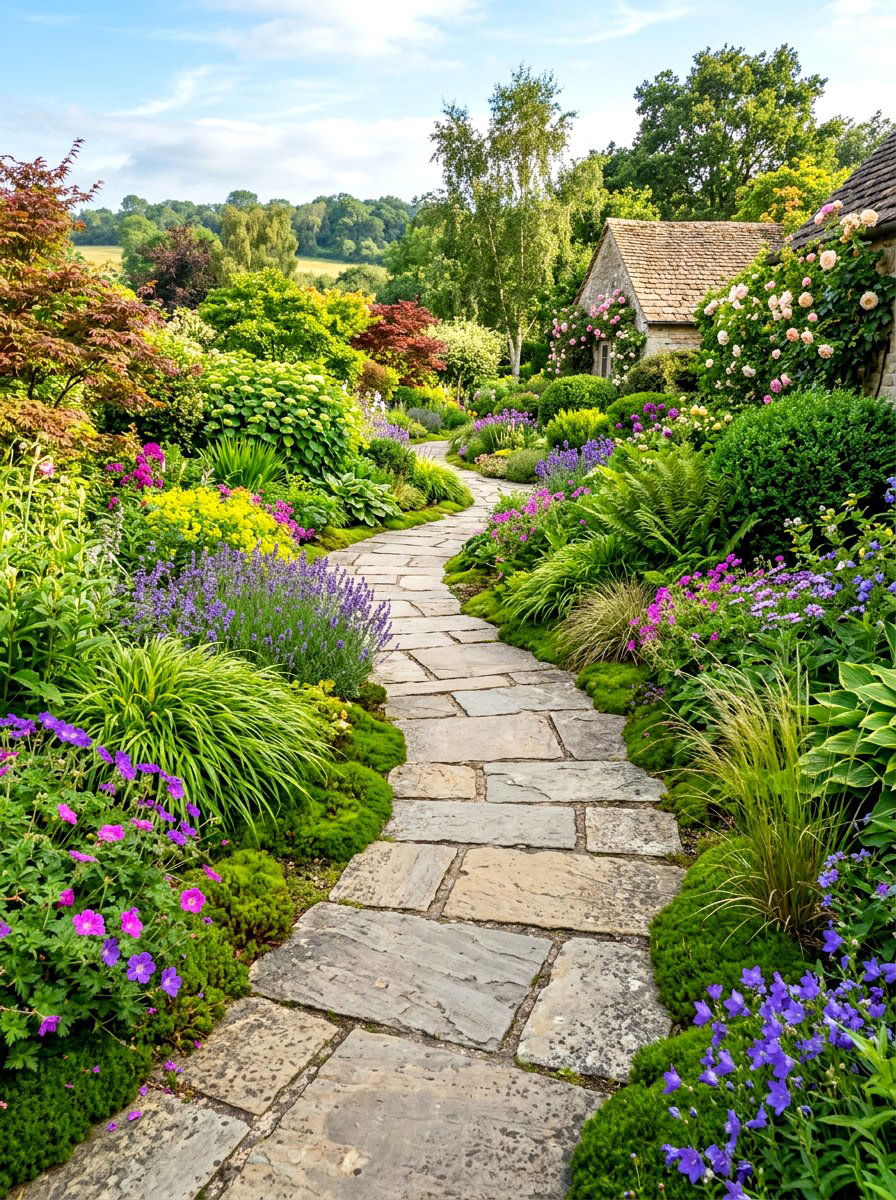
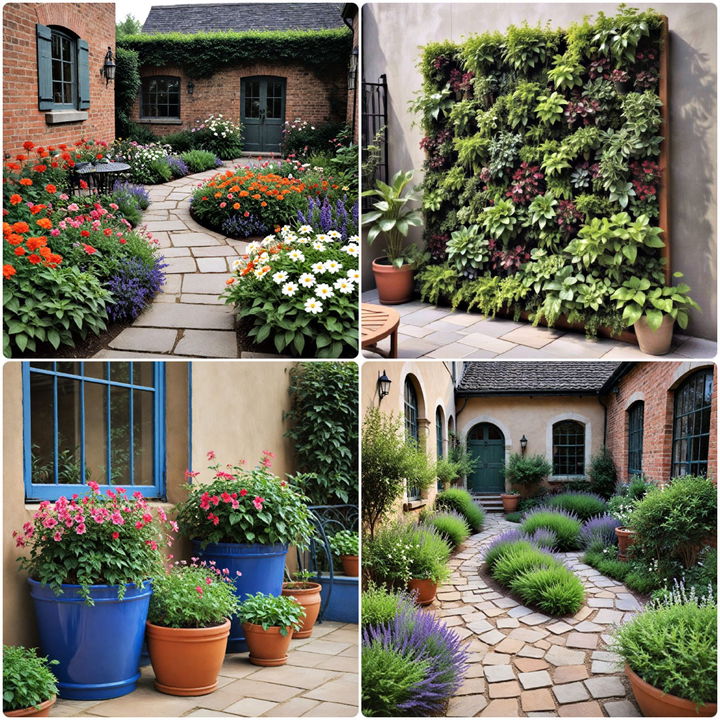
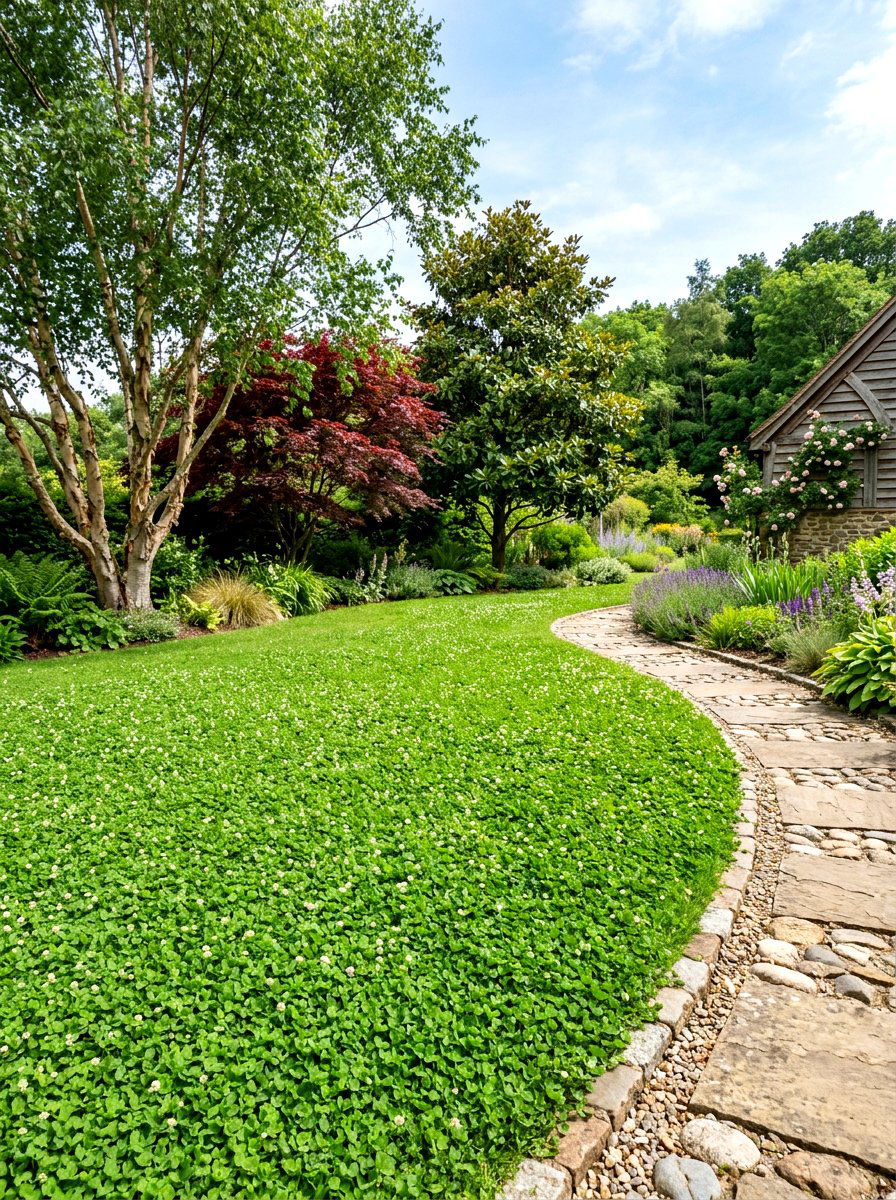
A winding stone garden path creates a permanent architectural element that guides the eye and provides safe passage through your yard in any weather. Whether you use flagstone, slate, or simple river rocks, the texture and color of the stone add a natural elegance that complements both green summer lawns and white winter snow. Hardscaping like this acts as the "bones" of your garden, maintaining its visual appeal even when plants have died back. You can line the edges with low-growing groundcover to soften the look and integrate the path into the surrounding flora. A well-constructed walkway adds value to your home and makes your outdoor space feel much more accessible.
4. Raised Vegetable Bed
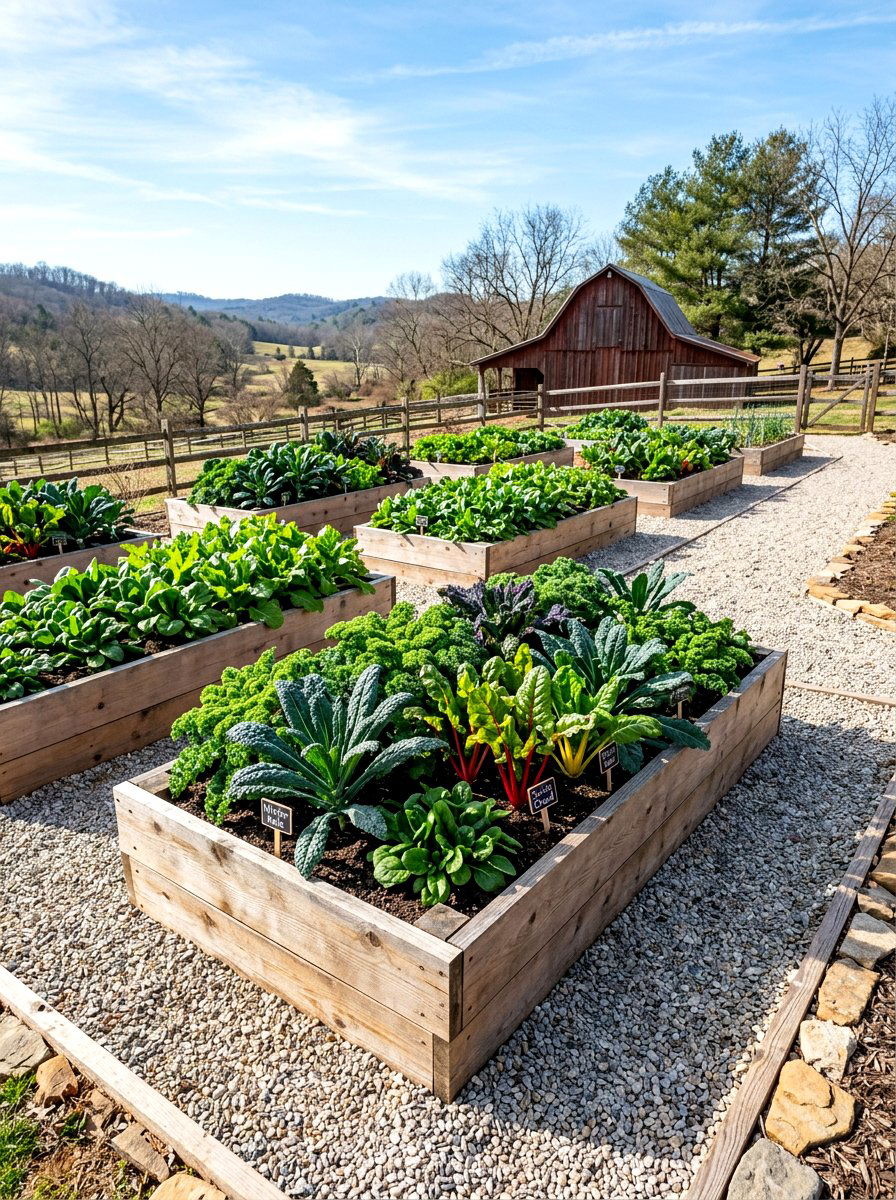
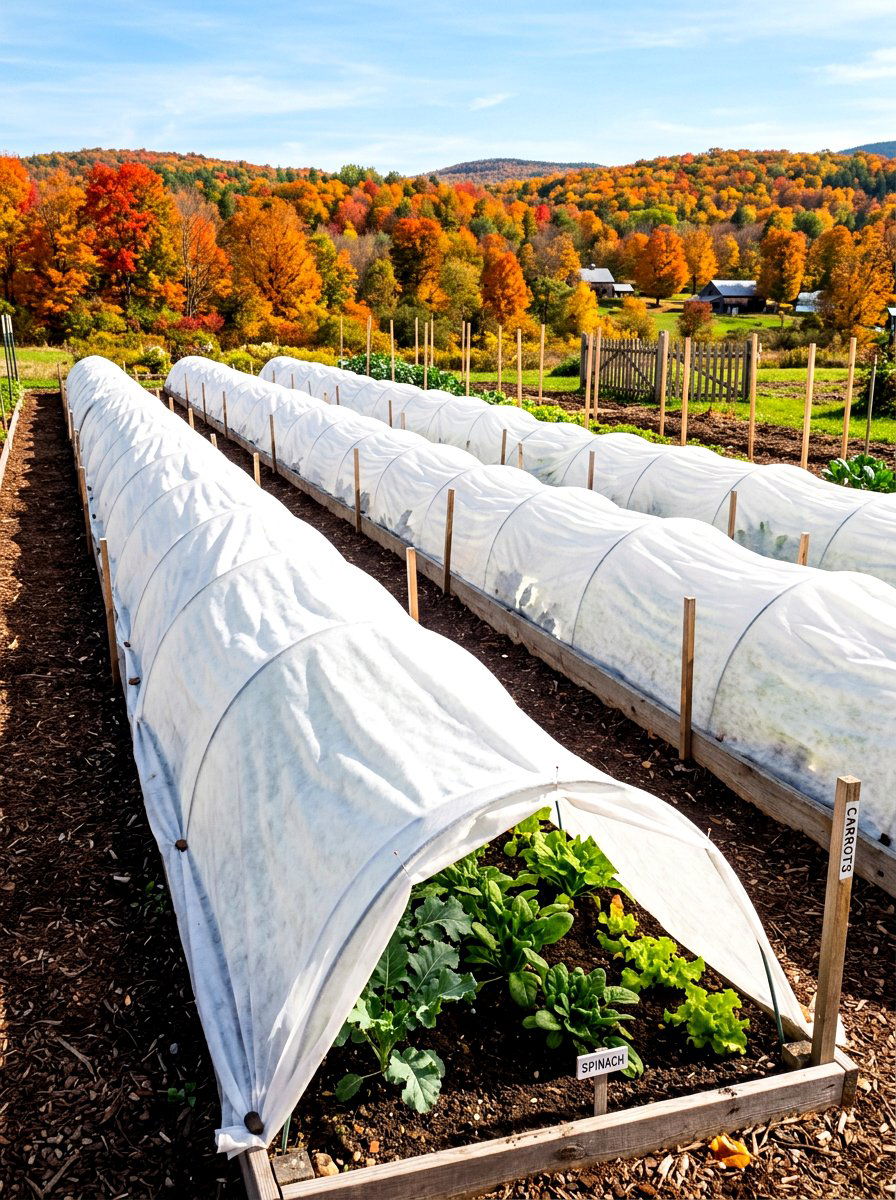
Do you want to extend your growing season while keeping your backyard organized and tidy? Installing a raised vegetable bed allows for better soil control, improved drainage, and an earlier start to the planting season. These structures define specific zones in your garden, making it easier to manage crops like kale, carrots, and hardy winter greens. In the off-season, the wooden or stone frames maintain a neat appearance, preventing your garden from looking like a patch of empty dirt. By adding simple hoop covers, you can even protect your plants from frost, allowing for a truly year-round harvest. This functional design choice blends productivity with a clean, modern outdoor aesthetic.
5. Ornamental Grass
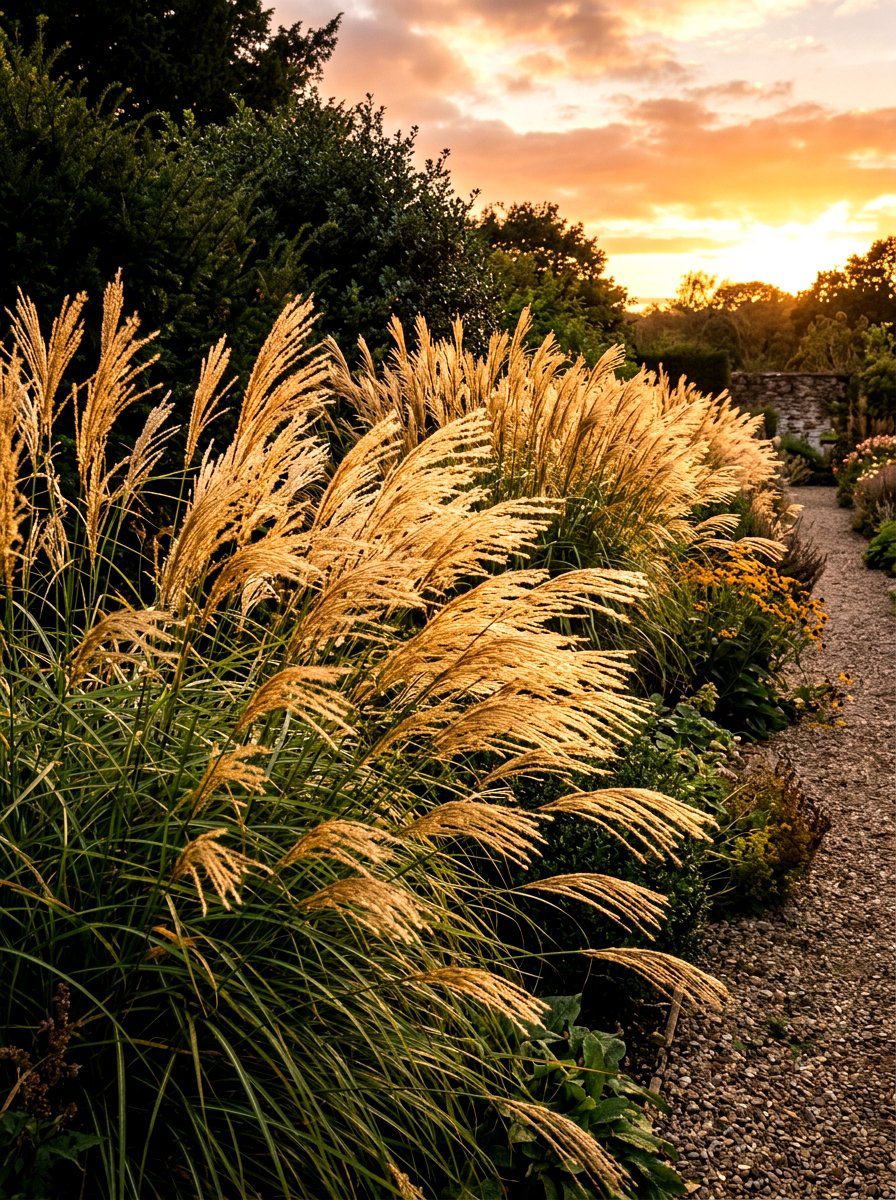
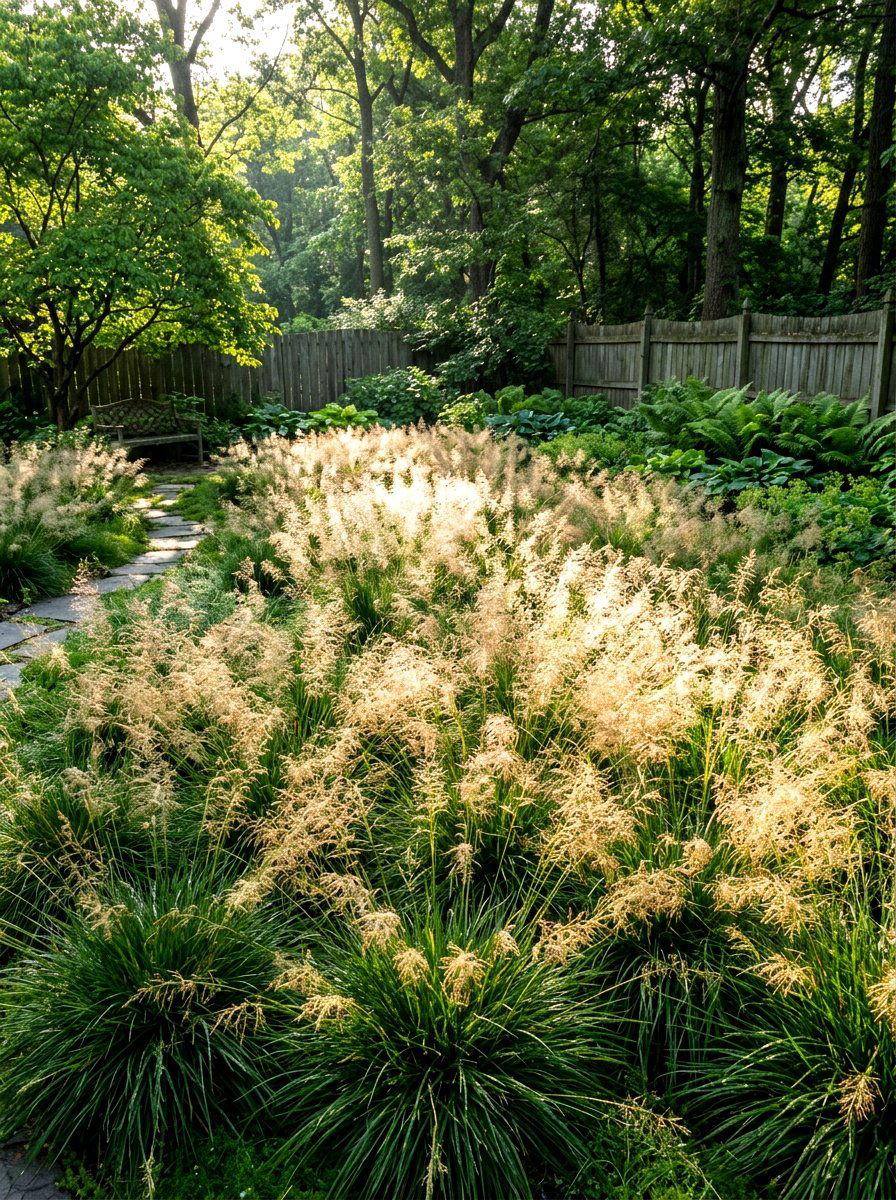
Ornamental grass adds a sense of movement and ethereal beauty that many other plants simply cannot provide. Varieties like feather reed grass or blue fescue maintain their shape and golden-tan color long after the first frost, providing a striking contrast against a gray sky. Their seed heads catch the winter light and sway gently in the breeze, adding a rhythmic sound to your outdoor sanctuary. In the summer, they offer a soft, billowy texture that fills in gaps between flowering perennials. Because they require very little maintenance, these grasses are an ideal choice for busy homeowners who want a high-impact look with minimal effort throughout the four seasons.
6. Modern Fire Pit
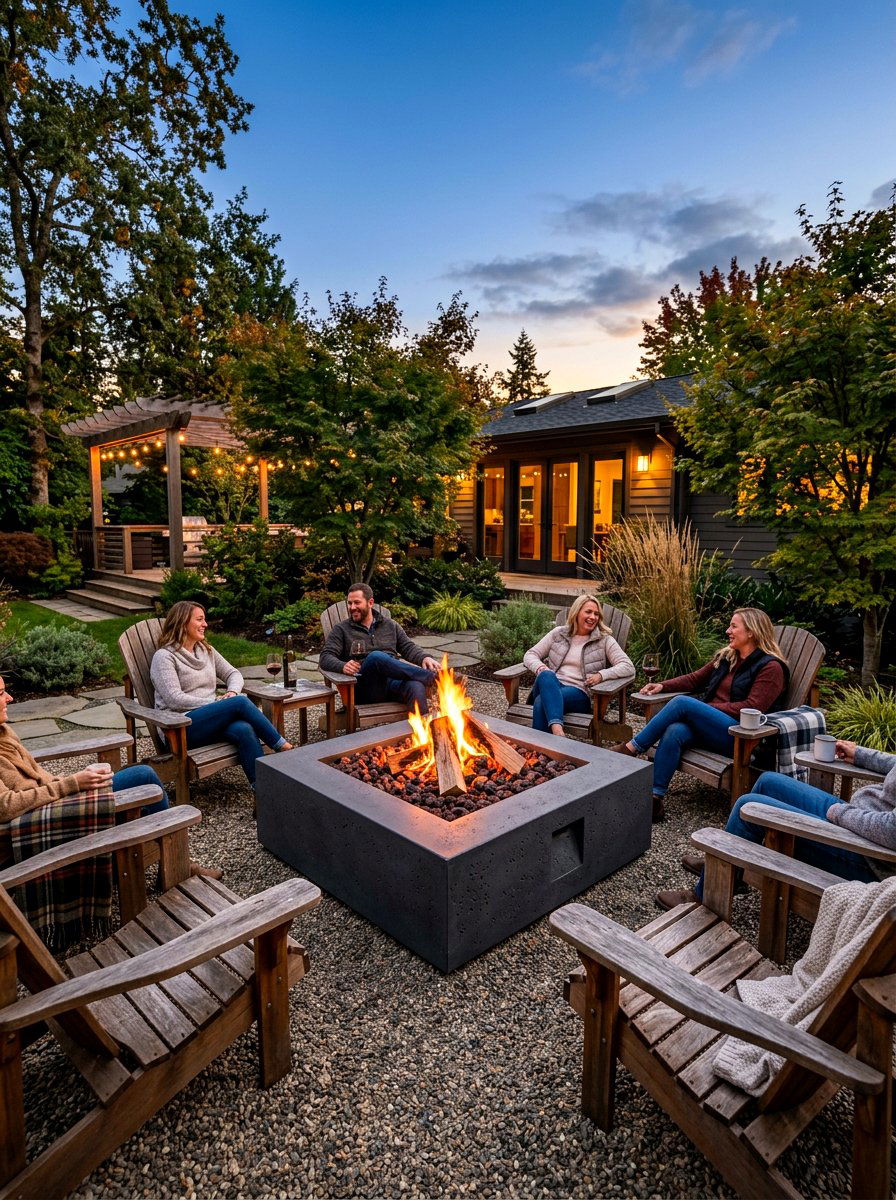
A modern fire pit serves as a powerful focal point that transforms your backyard into a functional living room, even during the coldest months. By choosing a design that uses stone, metal, or concrete, you create an inviting destination for social gatherings or quiet evenings under the stars. The warmth of the fire allows you to enjoy your outdoor space well into late autumn and early winter, extending the usability of your property. Surround the area with comfortable, weather-resistant seating and cozy blankets to enhance the ambiance. This feature adds a touch of luxury and ensures that your garden remains a central hub for family activity all year round.
7. Landscape Lighting
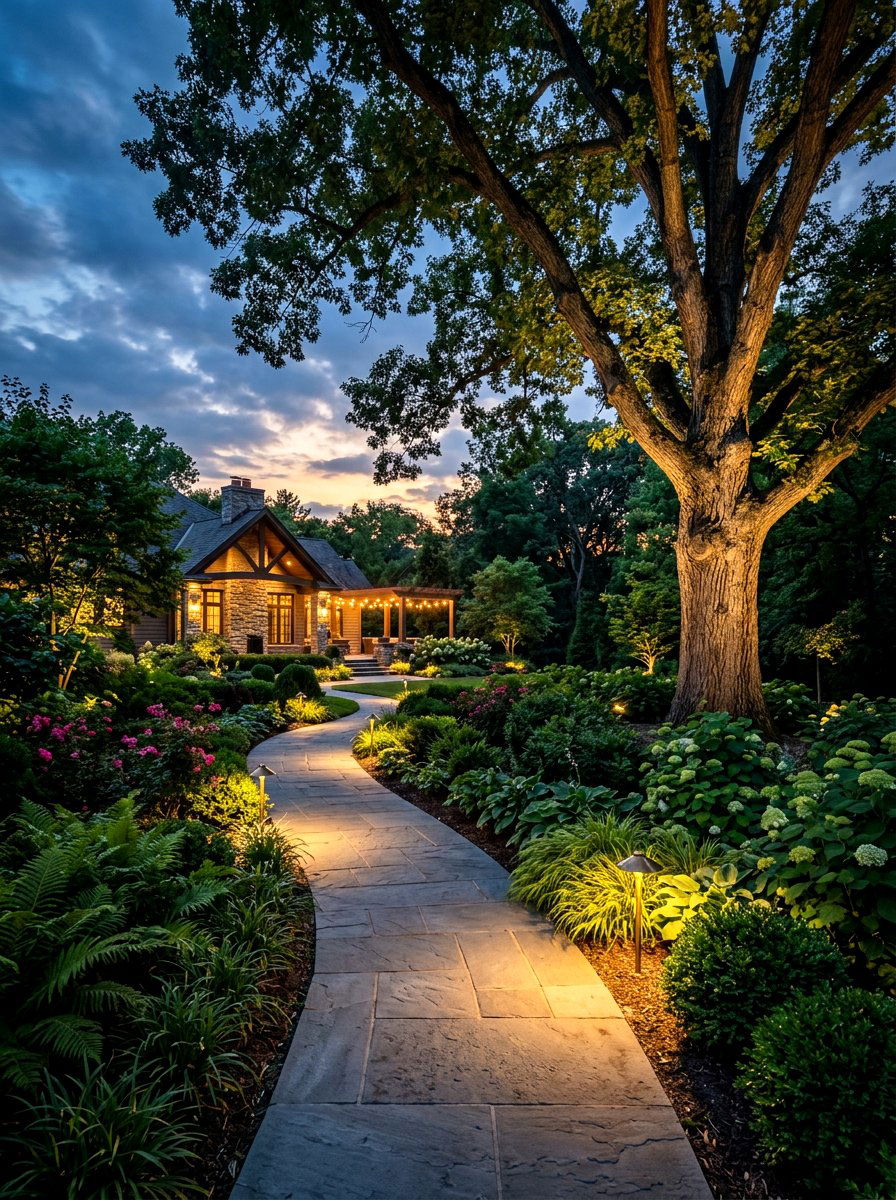
Illuminating your garden with professional landscape lighting ensures that its beauty is visible even during the long, dark evenings of winter. Strategically placed spotlights can highlight the architectural bark of a tree or the texture of a stone wall, creating a dramatic interplay of light and shadow. Path lights offer safety while outlining the shape of your garden beds, making the entire space feel larger and more intentional. High-quality LED fixtures are energy-efficient and durable enough to withstand rain, snow, and ice. By adding light to your outdoor environment, you create a warm and welcoming atmosphere that can be enjoyed from inside the house or while walking through the yard.
8. Backyard Greenhouse
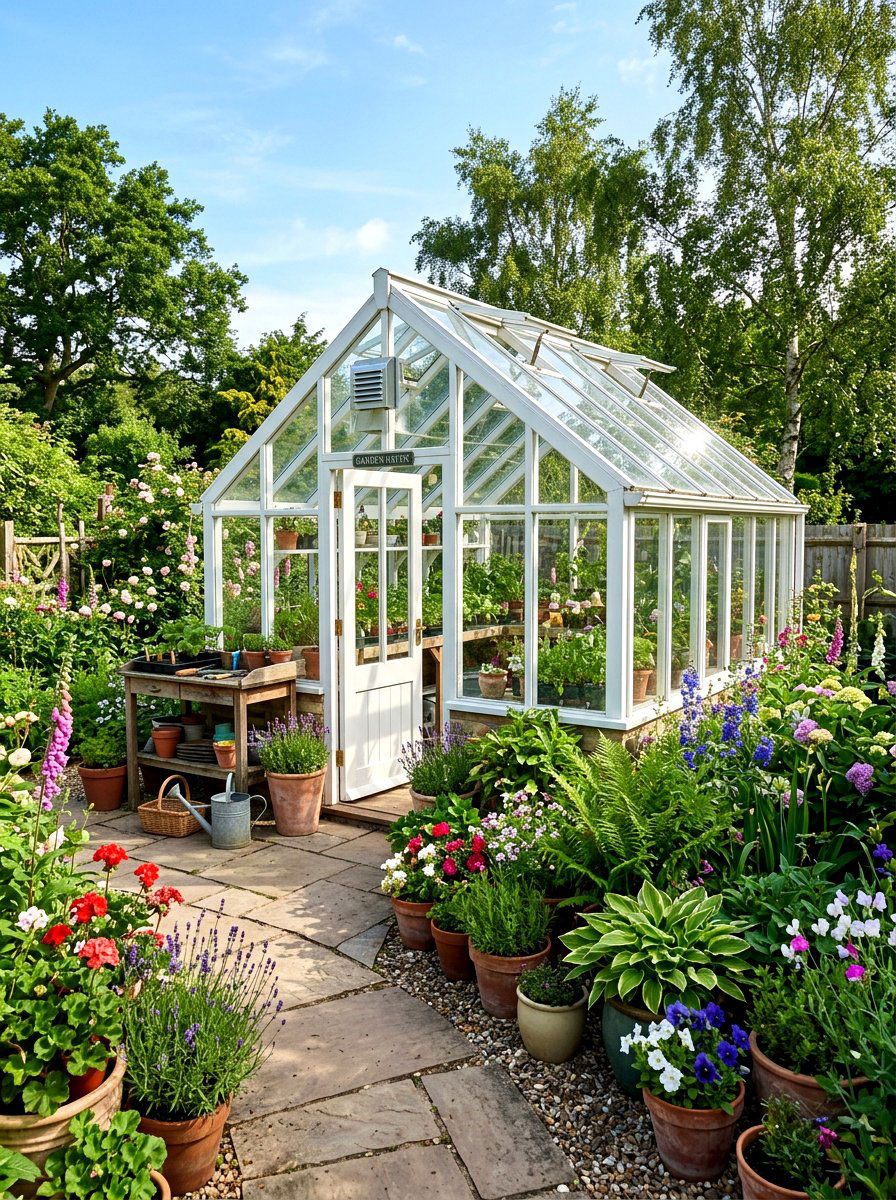
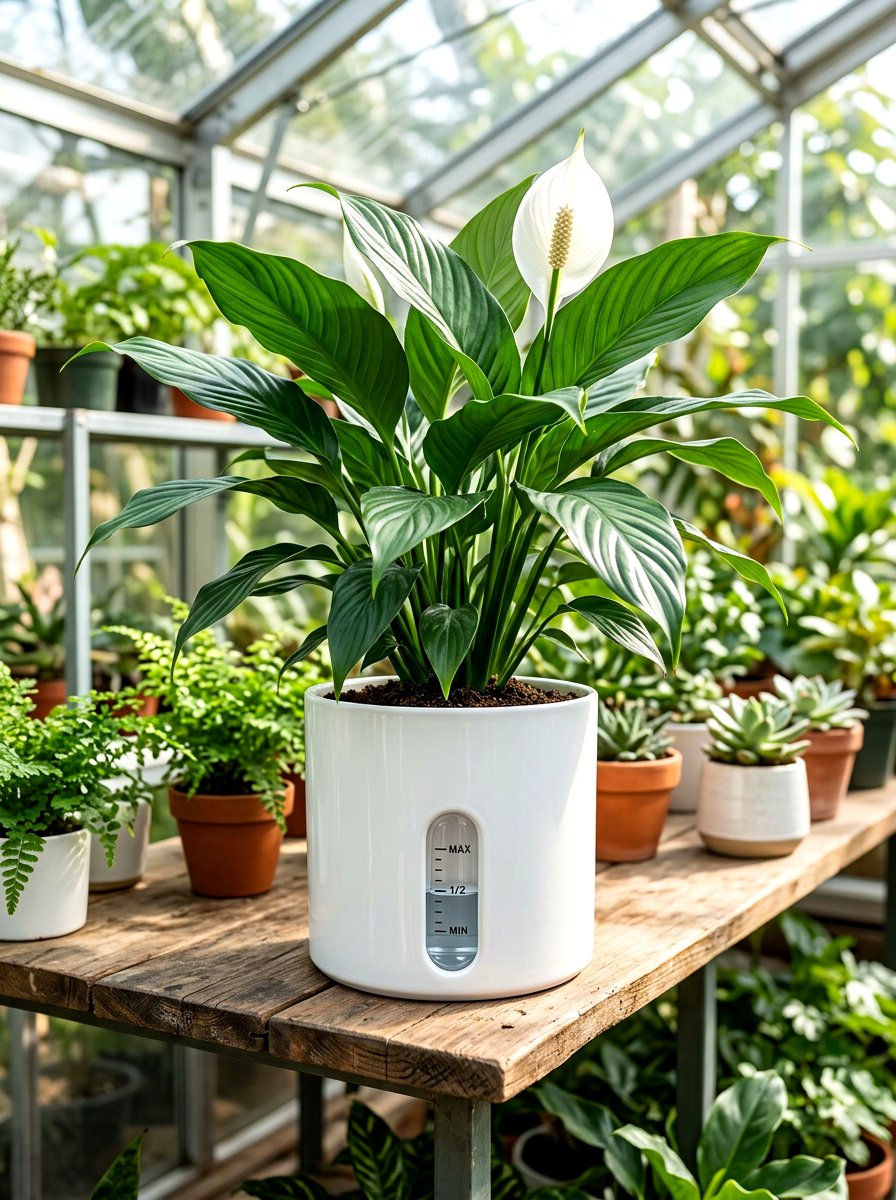
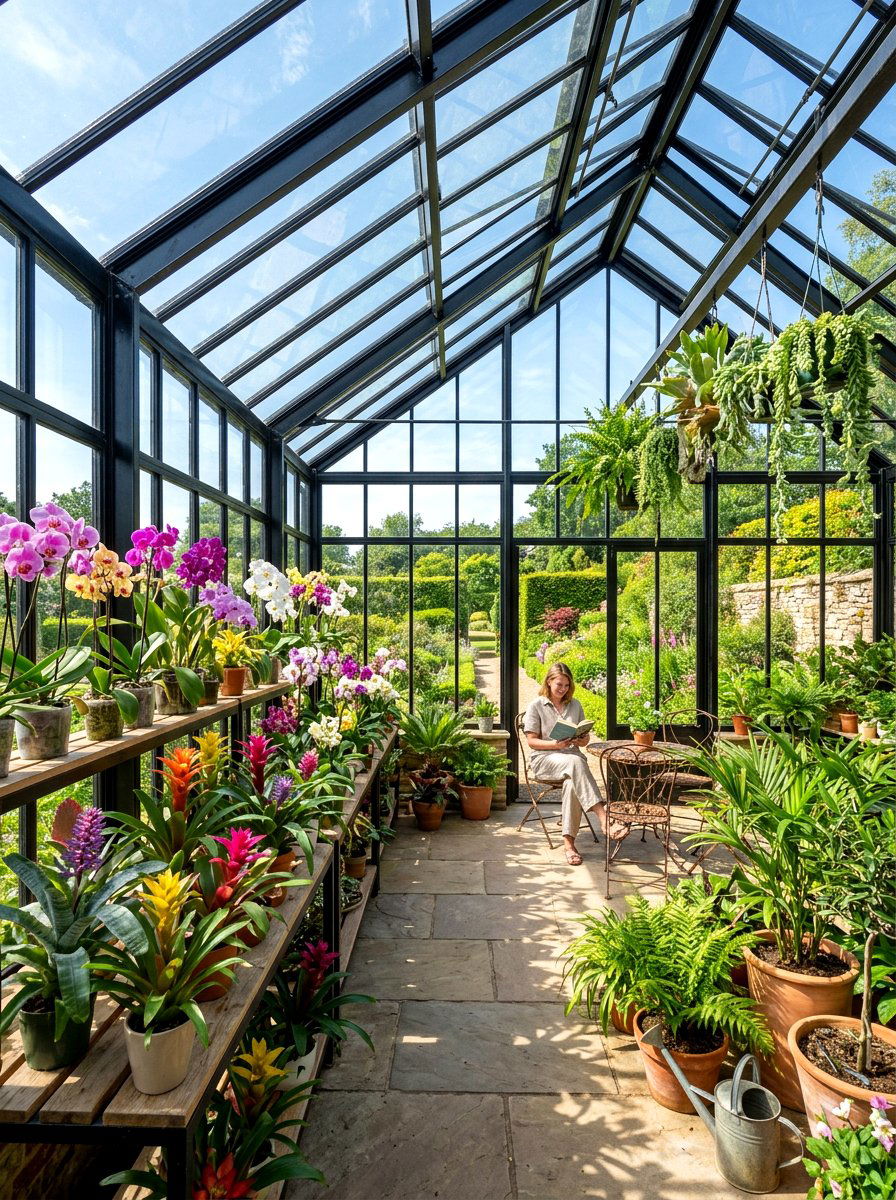
A backyard greenhouse is the ultimate solution for any gardener who wants to defy the changing seasons and grow plants throughout the year. This glass or polycarbonate structure traps heat and protects delicate tropicals, seedlings, and winter vegetables from harsh outdoor conditions. Beyond its functional benefits, a greenhouse serves as a stunning architectural feature that adds character to your landscape. You can style the interior with potting benches and hanging baskets to create a lush, indoor sanctuary that feels like a tropical escape during a snowstorm. Having a dedicated space for year-round cultivation allows you to experiment with diverse plant species that wouldn't otherwise survive in your local climate.
9. Berry Producing Plants
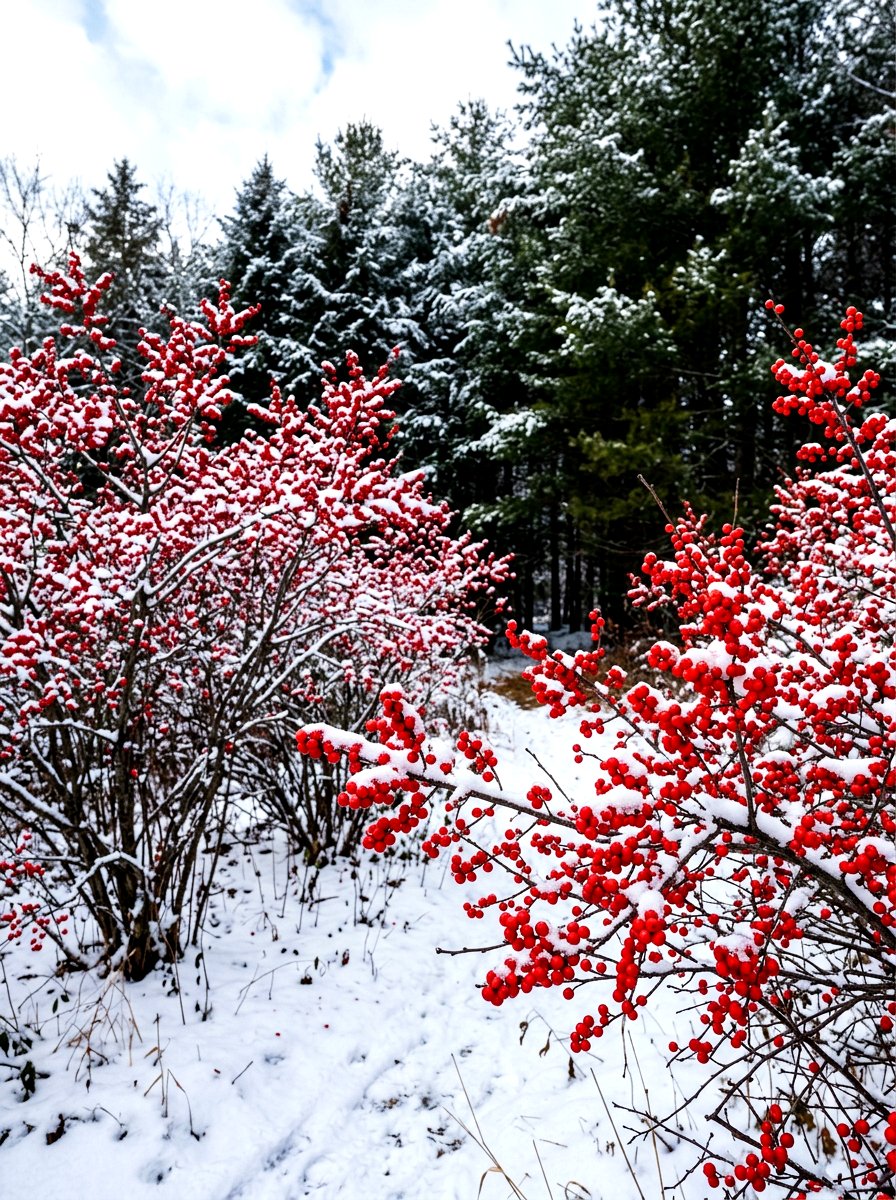
Birds and other local wildlife will flock to your garden if you include berry-producing plants like winterberry holly or viburnum. These shrubs offer a double benefit: they provide a vital food source for nature and a brilliant splash of red or orange color for your winter view. Unlike many flowers that fade quickly, berries often persist on the branches for months, standing out beautifully against a backdrop of dark evergreens or white snow. In the spring and summer, these plants produce delicate white blossoms and lush green foliage, contributing to a diverse and healthy ecosystem. Choosing native varieties ensures they are well-adapted to your specific environment and require very little care.
10. Garden Water Fountain
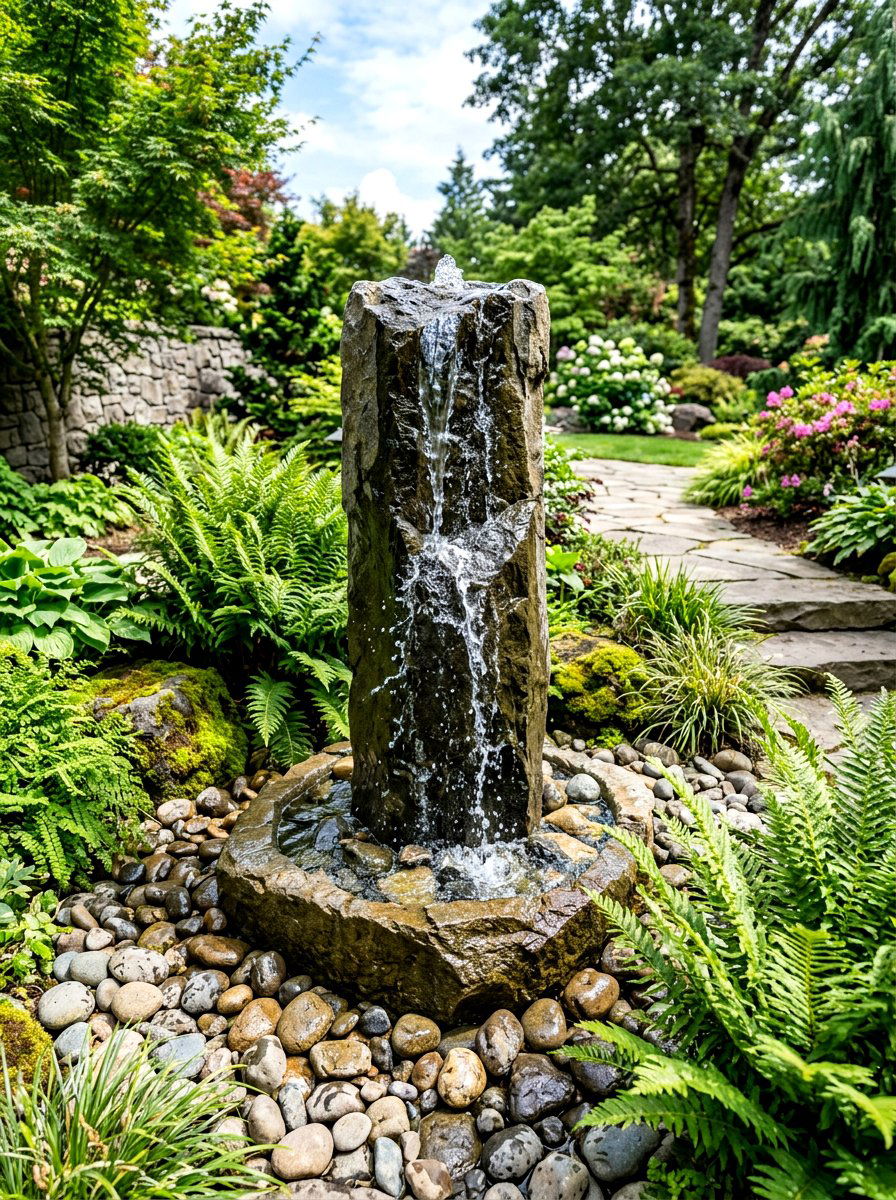
The soothing sound of a garden water fountain provides a peaceful soundtrack that masks neighborhood noise and brings a sense of serenity to your yard. In the summer, the moving water cools the surrounding air and attracts butterflies and birds looking for a drink. During the winter, many modern fountains are designed to withstand freezing temperatures, or they can be lightly heated to create a stunning ice sculpture effect. Whether you choose a minimalist basalt column or a traditional tiered stone design, a fountain acts as a sophisticated focal point. It anchors your garden's design and provides a constant element of movement that keeps the space feeling alive and vibrant.
11. Pot And Container Garden
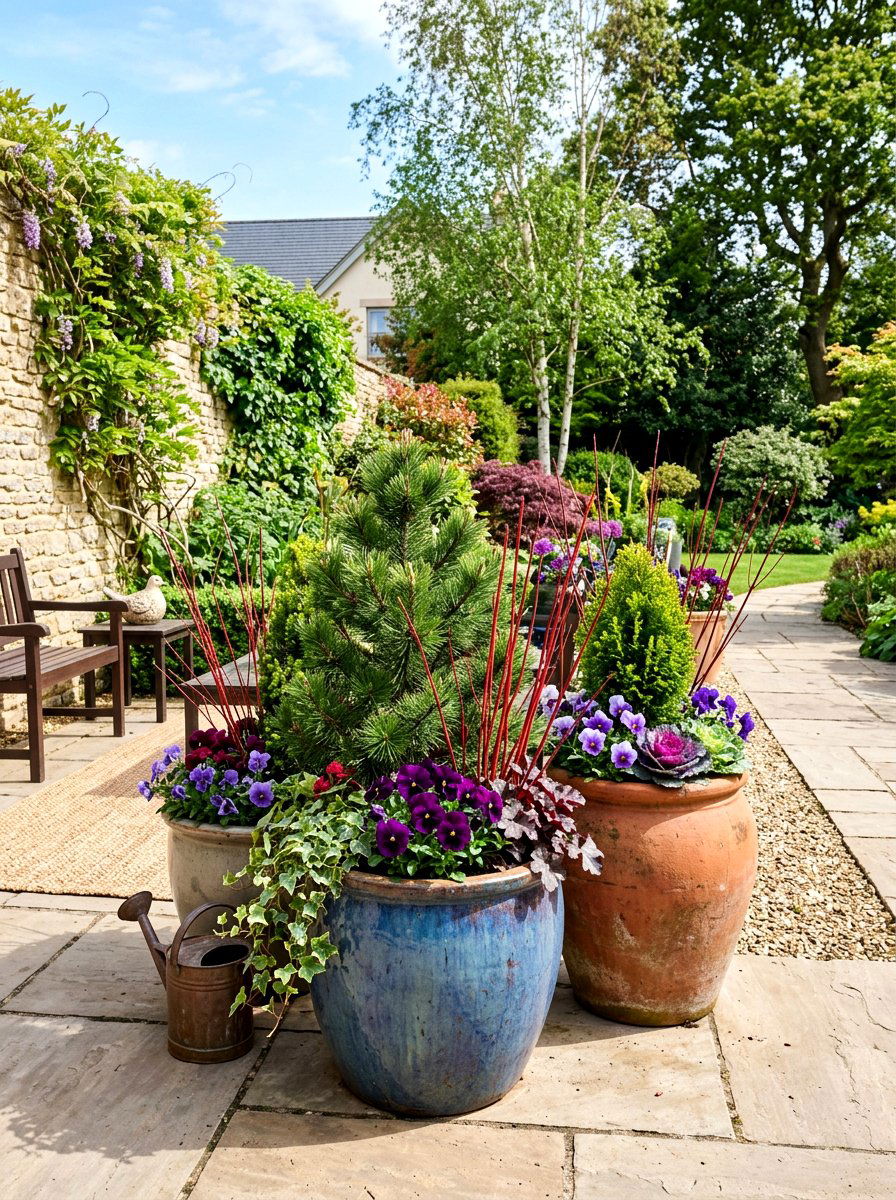
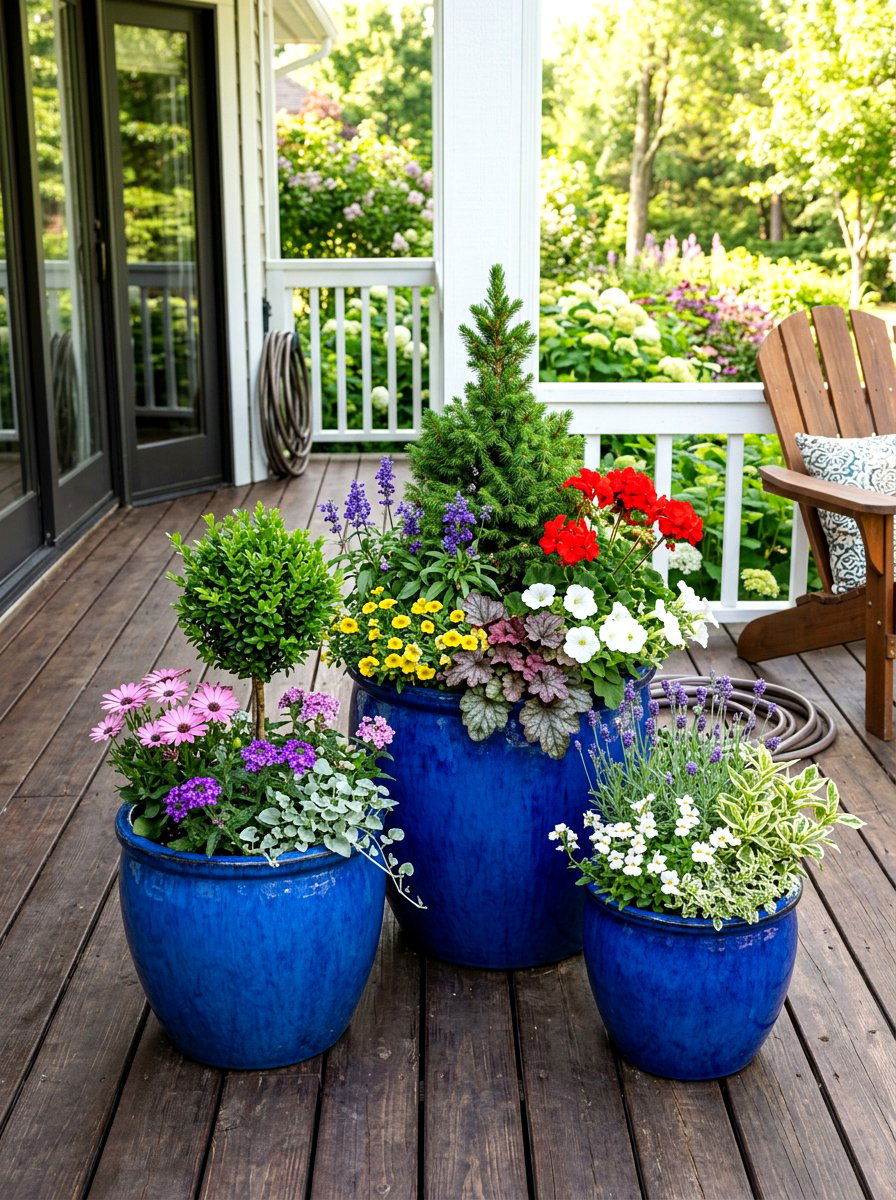
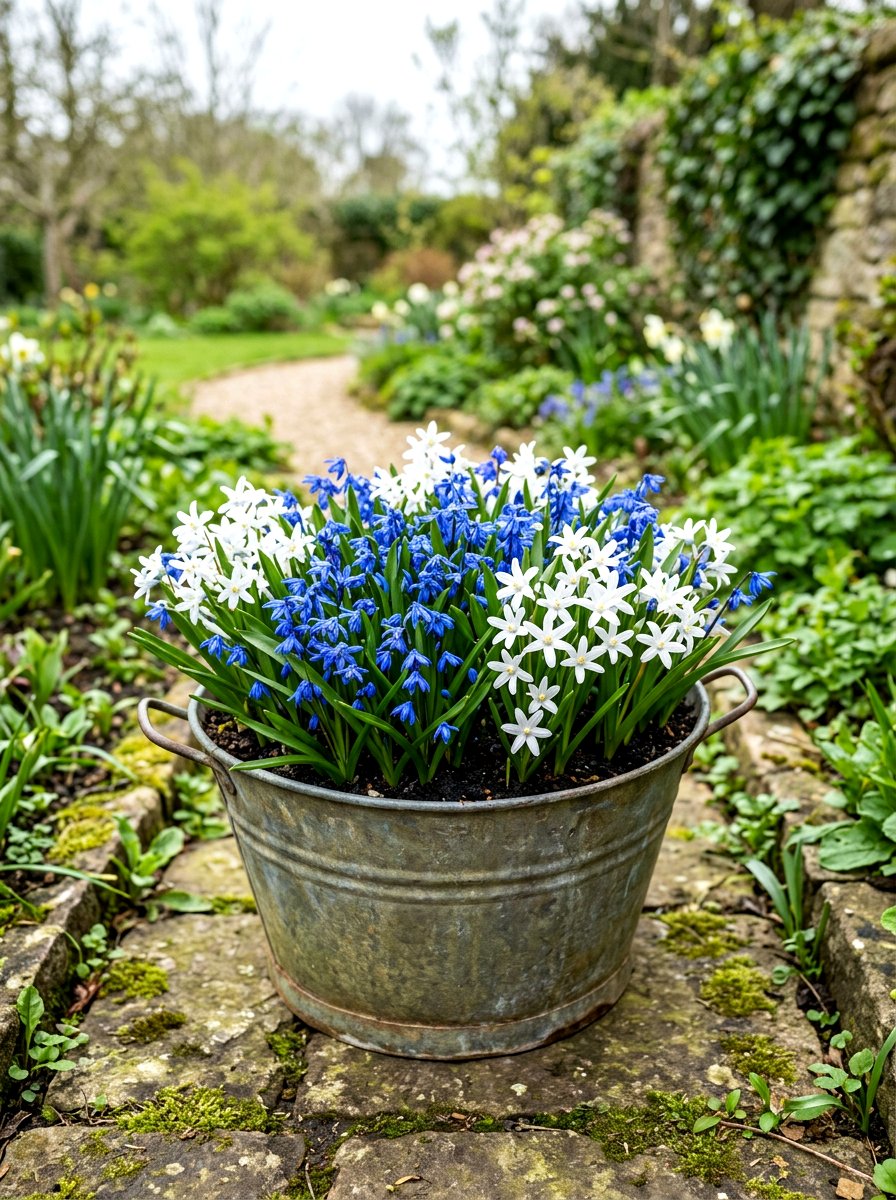
Creating a pot and container garden gives you the flexibility to change your outdoor decor as the seasons shift without digging up your landscape. You can fill large, weather-resistant ceramic or terracotta pots with evergreens, ornamental cabbages, and colorful twigs for a stunning winter display. As spring arrives, simply swap out the cold-hardy plants for tulips, daffodils, and vibrant annuals. Grouping containers of various heights and textures adds depth to patios, decks, or entryways, making even a small space feel like a lush garden. This approach is perfect for those who enjoy "gardening on the fly" and want a fresh, updated look for their home every few months.
12. Vertical Plant Wall
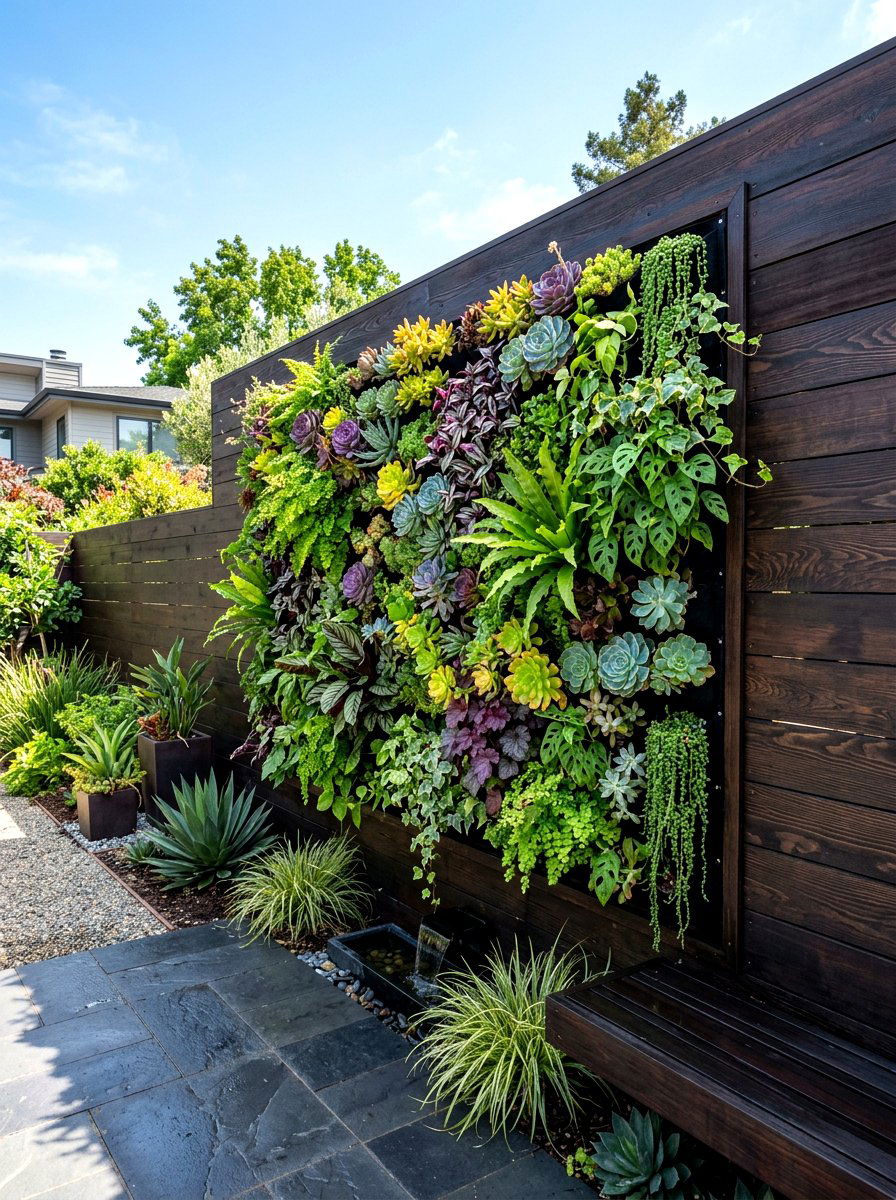
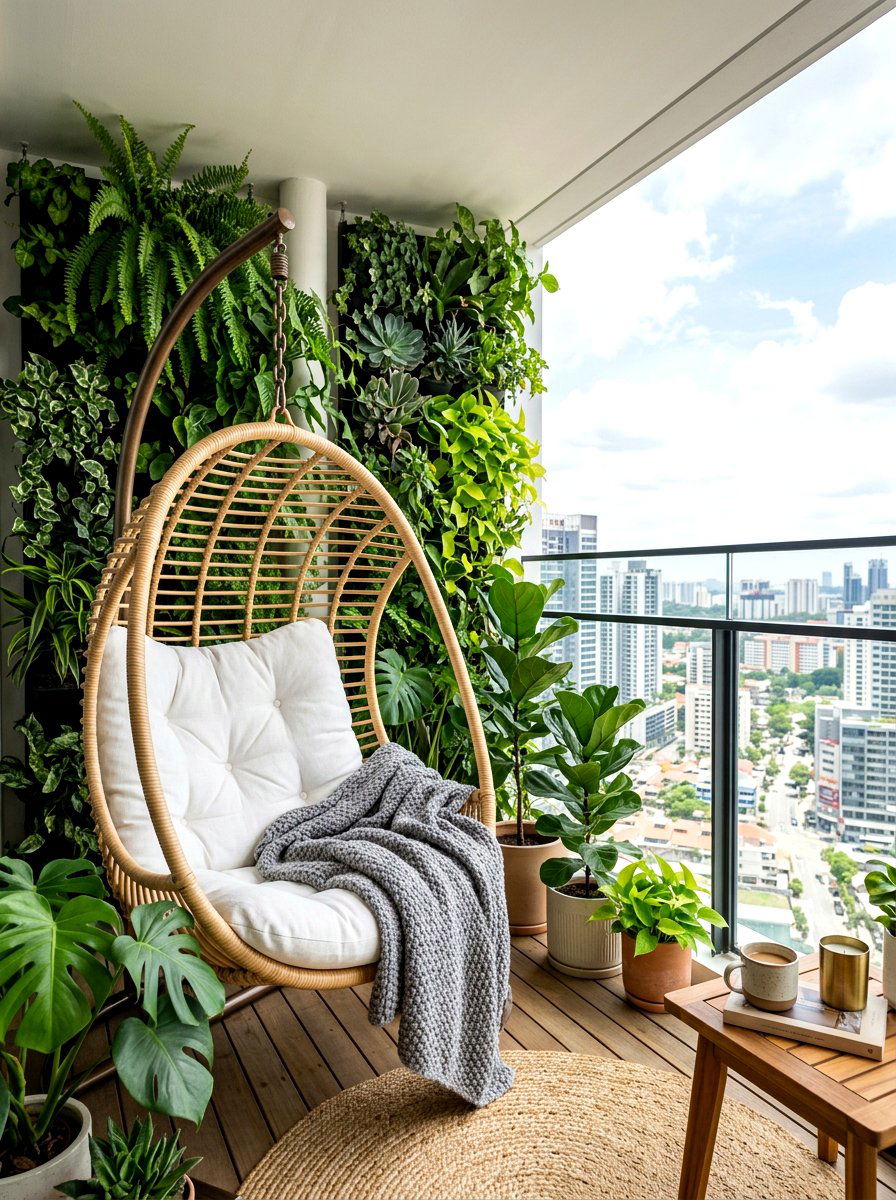
A vertical plant wall is a creative way to maximize growing space while adding a living masterpiece to a bare fence or exterior house wall. By using a modular system of pockets or planters, you can grow a mix of succulents, ferns, and trailing ivy that creates a lush tapestry of green. This design choice is particularly effective in small urban gardens where ground space is limited. In the winter, you can choose hardy evergreens and mosses that maintain their color, ensuring the wall remains a vibrant feature throughout the year. A vertical garden not only improves air quality but also provides insulation for your home and a unique conversation piece.
13. Kitchen Herb Garden
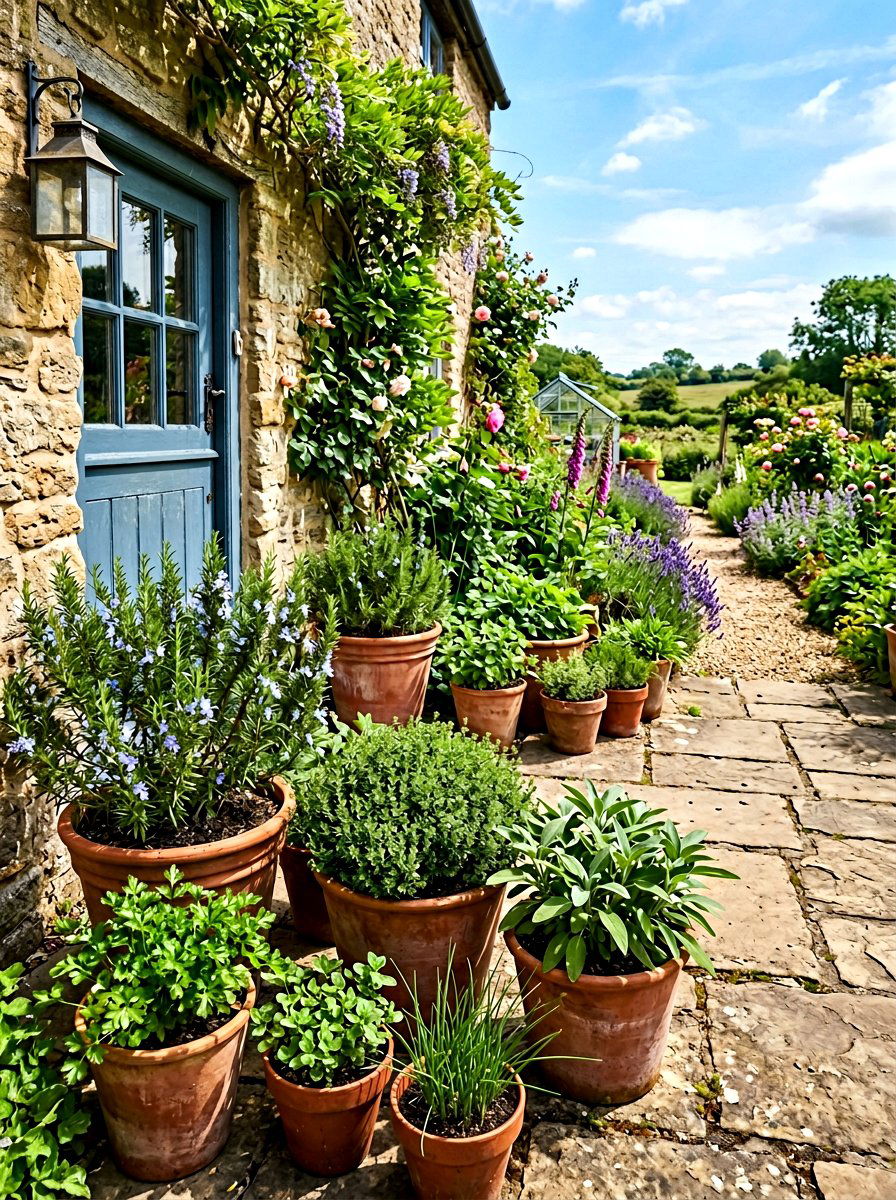
Imagine stepping just outside your back door to snip fresh rosemary, thyme, or sage for your favorite home-cooked meals. A kitchen herb garden is both a practical and sensory addition to your landscape, offering delightful fragrances and culinary benefits. By planting these herbs in a sunny spot near the house, you ensure they are easily accessible in any weather. Many woody herbs are remarkably hardy and can survive through the winter months, providing a touch of green when everything else is gray. Using raised beds or decorative pots keeps the area looking tidy and prevents invasive herbs like mint from taking over your entire garden space.
14. Wildbird Feeding Station
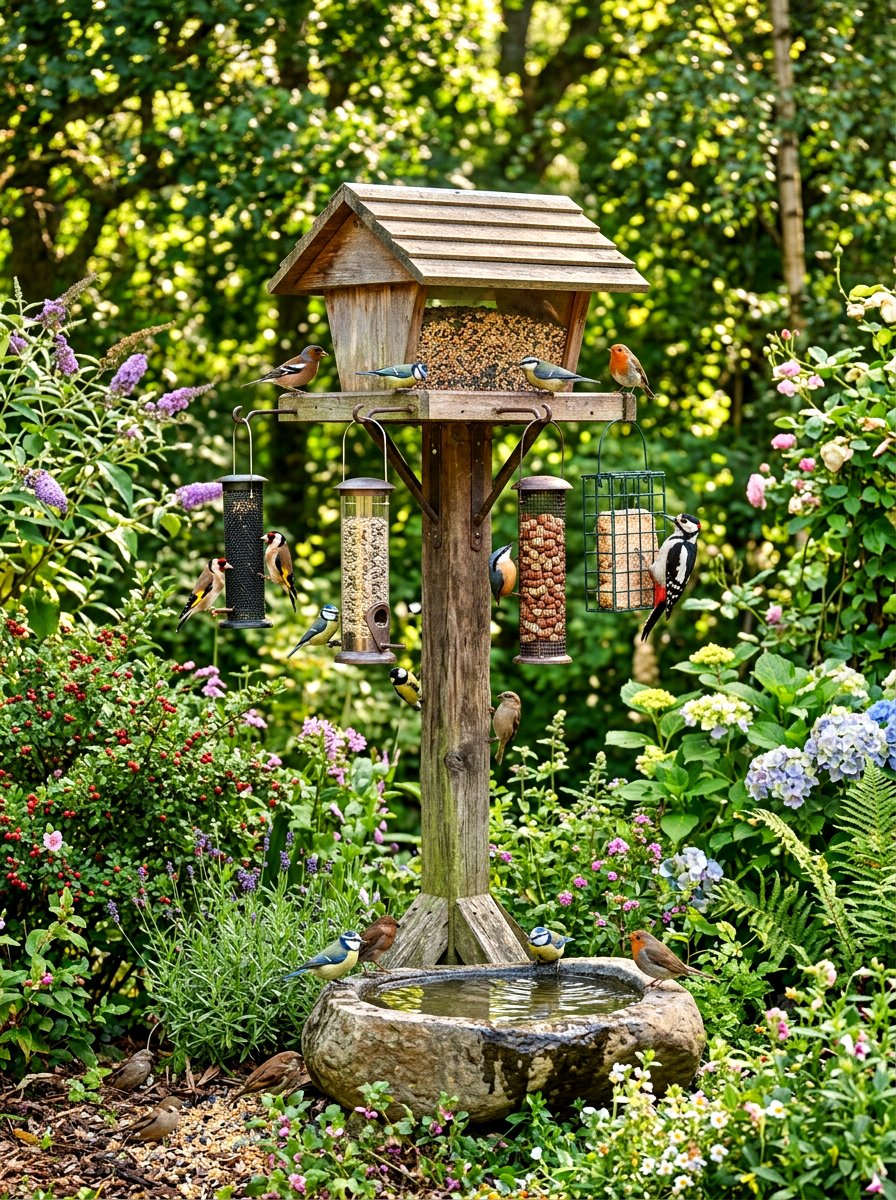
Transform your garden into a lively sanctuary by installing a wildbird feeding station that provides essential nutrients during the lean winter months. A well-designed station might include multiple feeders for seeds, suet, and nectar, attracting a variety of colorful species like cardinals, chickadees, and finches. Watching the activity of birds adds a dynamic and joyful element to your outdoor view, making the garden feel inhabited and alive. You can surround the feeders with dense shrubs or evergreens to provide protection from predators and harsh winds. This simple addition fosters a deeper connection with nature and ensures your garden remains a place of discovery and movement throughout every season.
15. Teak Garden Bench
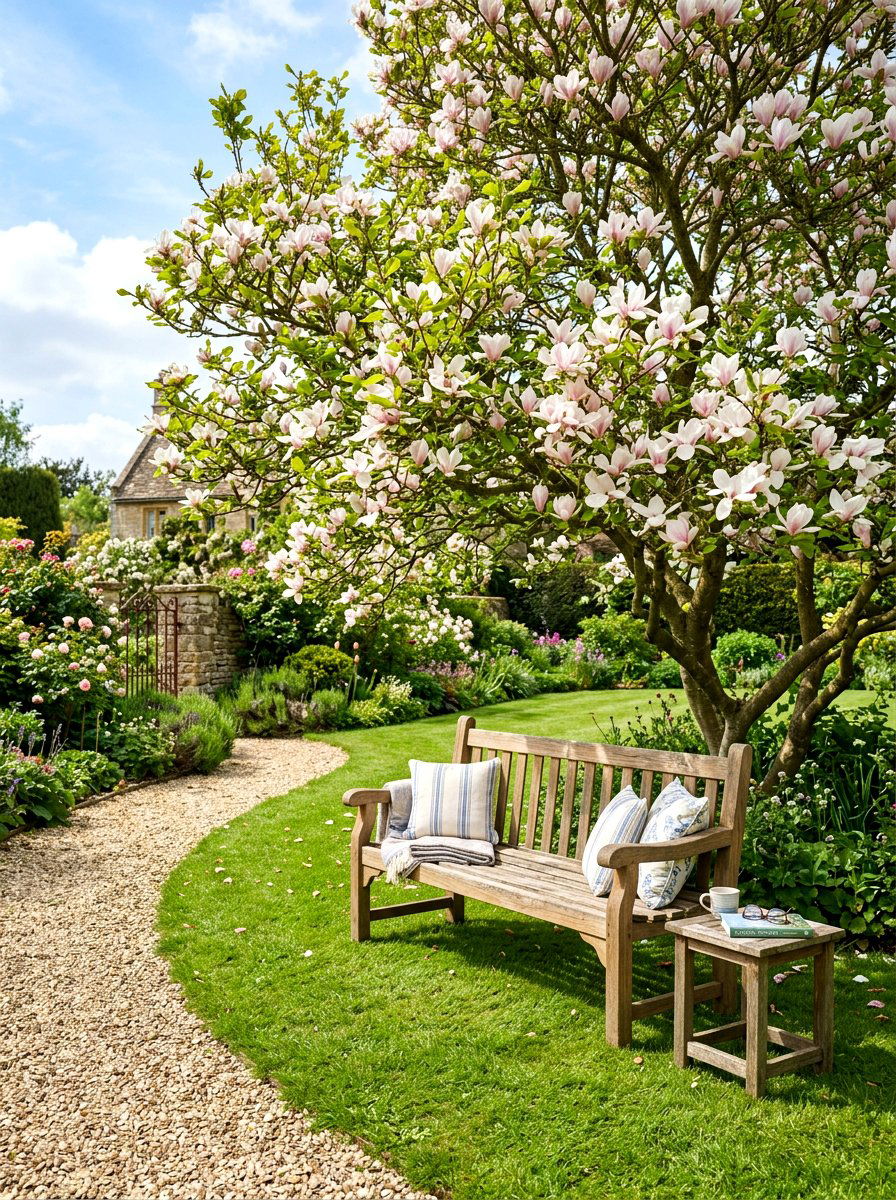
A classic teak garden bench offers a timeless and durable seating option that weathers beautifully into a soft silvery-gray over time. Placed at the end of a path or under a large tree, it creates an inviting destination that encourages you to sit and enjoy the surrounding beauty. Teak is naturally resistant to rot and insects, making it an ideal choice for year-round outdoor furniture that requires very little maintenance. During the warmer months, you can add colorful cushions for extra comfort, while in the winter, the bare wood provides a sturdy and elegant silhouette against the landscape. It serves as a quiet reminder to slow down and appreciate the garden.
16. Low Maintenance Gravel Garden
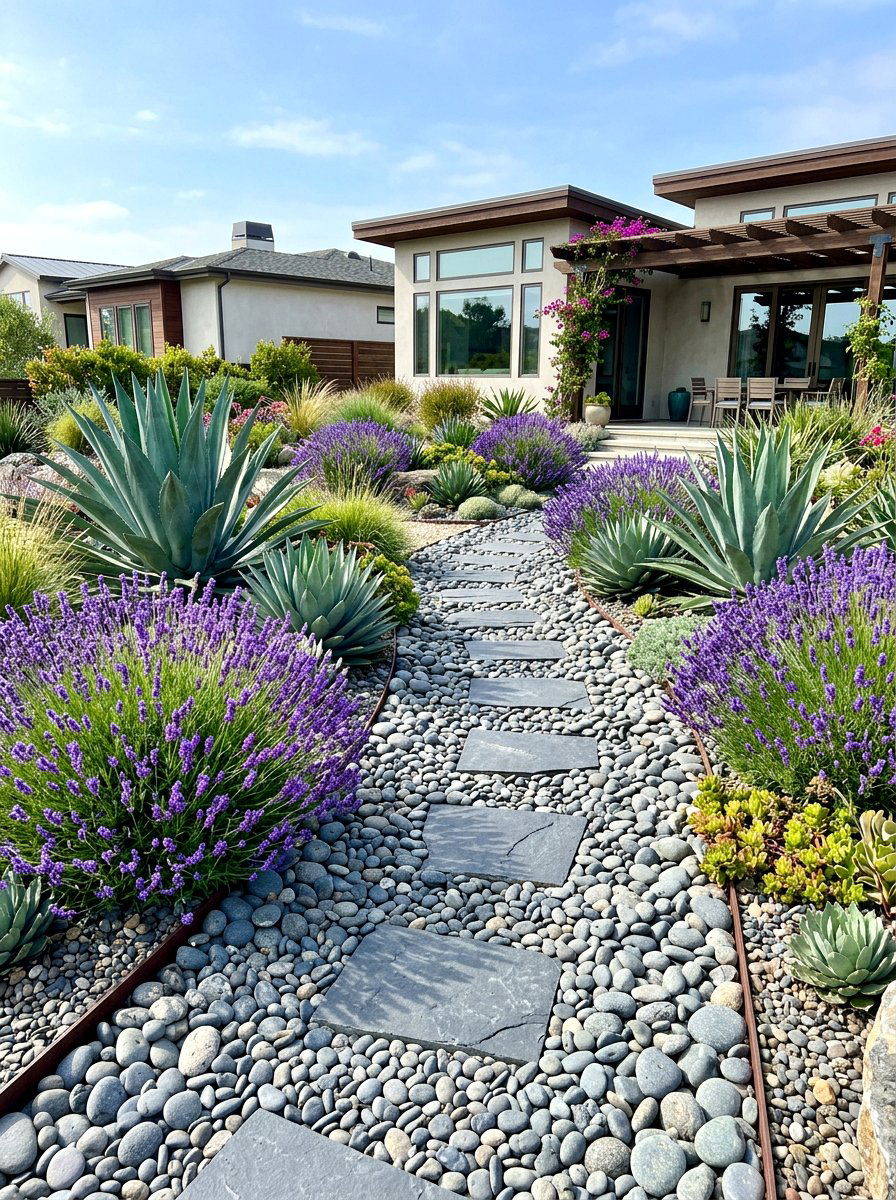
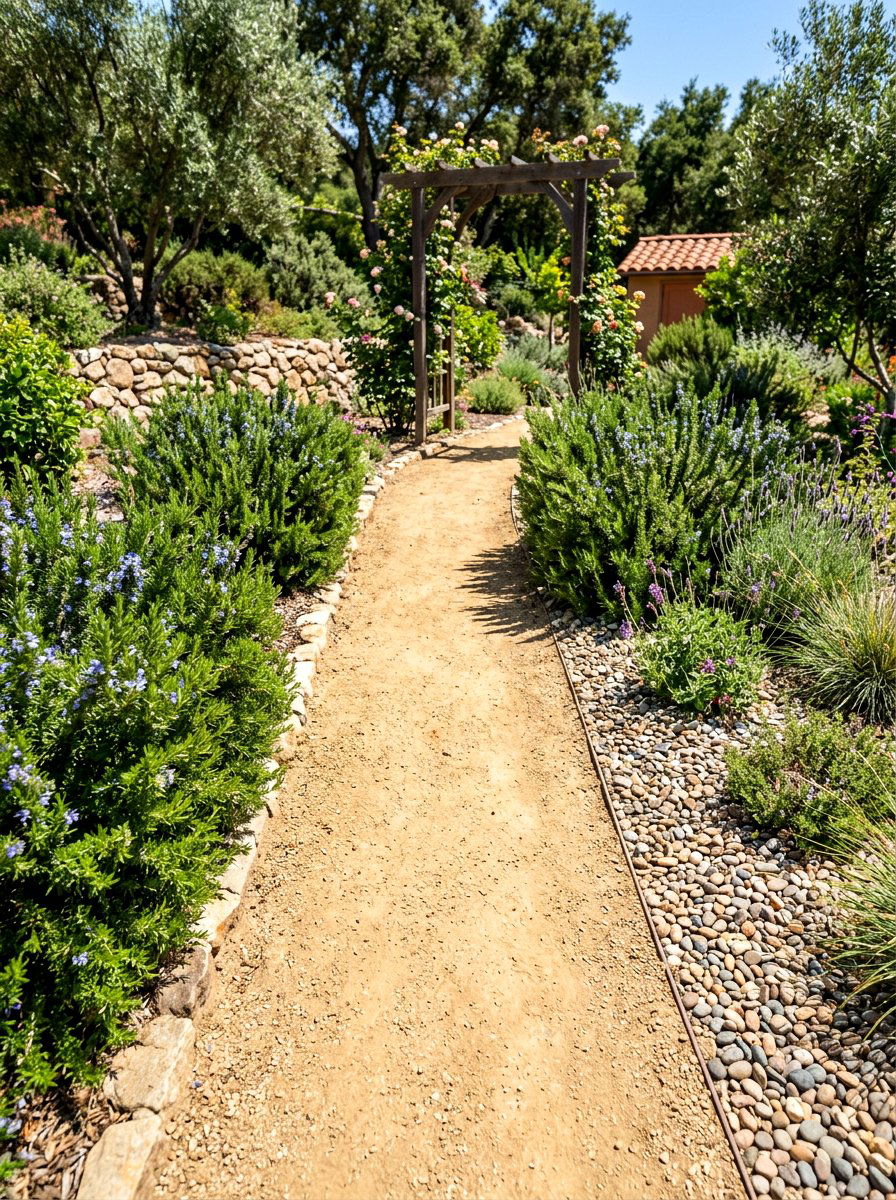
A low maintenance gravel garden is a sophisticated and eco-friendly choice for homeowners who want a clean look with minimal watering and weeding. By using varying sizes of crushed stone or pea gravel, you create a textured groundcover that highlights individual specimen plants like agaves, lavenders, or ornamental grasses. This style of gardening is particularly effective in drought-prone areas and provides excellent drainage for plants that dislike "wet feet" during the rainy season. The neutral tones of the gravel provide a consistent backdrop that looks polished and intentional through all four seasons. It is a modern approach to landscaping that emphasizes form, texture, and structural simplicity.
17. Covered Outdoor Seating
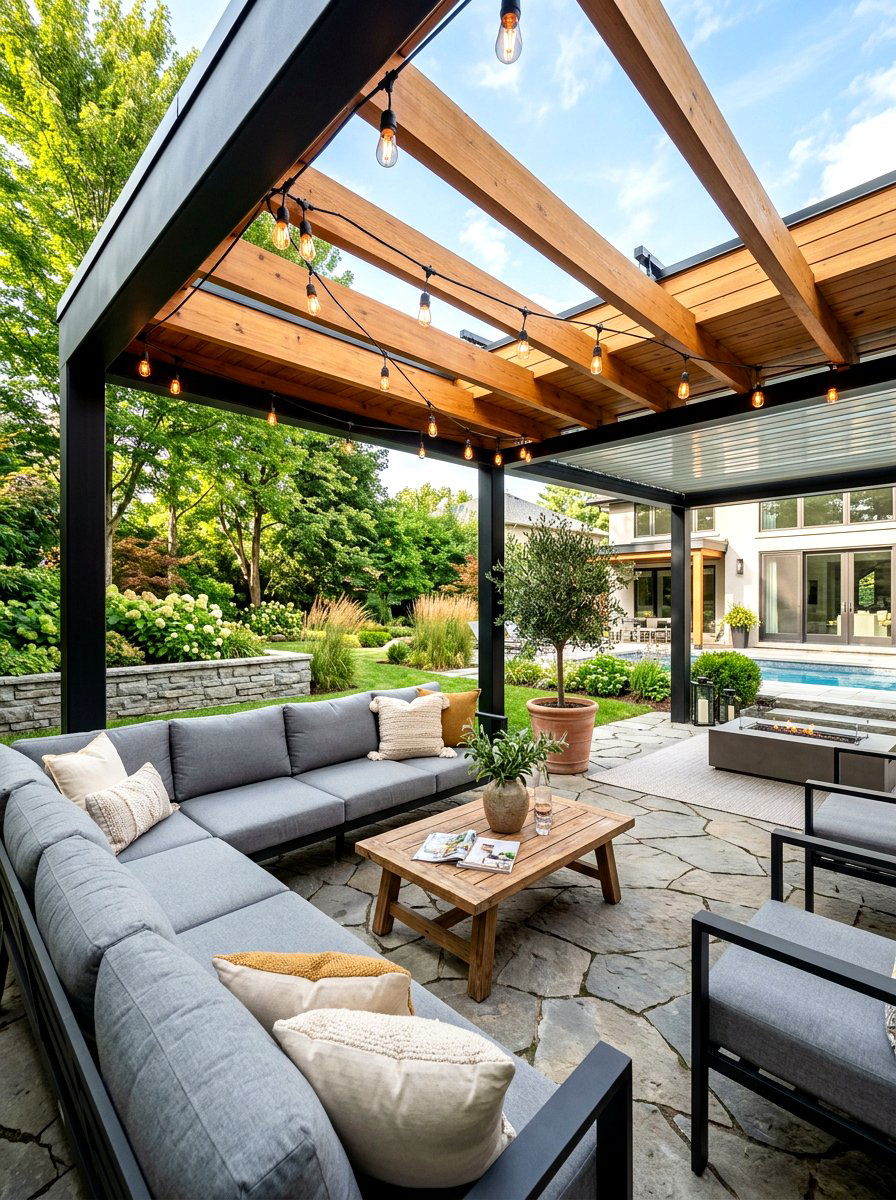
Installing covered outdoor seating, such as a pergola with a retractable canopy or a permanent pavilion, ensures you can enjoy your garden regardless of the weather. This architectural feature creates a protected "outdoor room" where you can dine, relax, or entertain guests while staying dry during a summer rain or shielded from the sun. In the colder months, a roof prevents snow from accumulating directly on your furniture, making it easier to use the space on milder winter days. You can enhance the area with outdoor heaters, string lights, and weather-resistant curtains to create a cozy and private retreat that feels like a seamless extension of your home.
18. Spring Flowering Tree
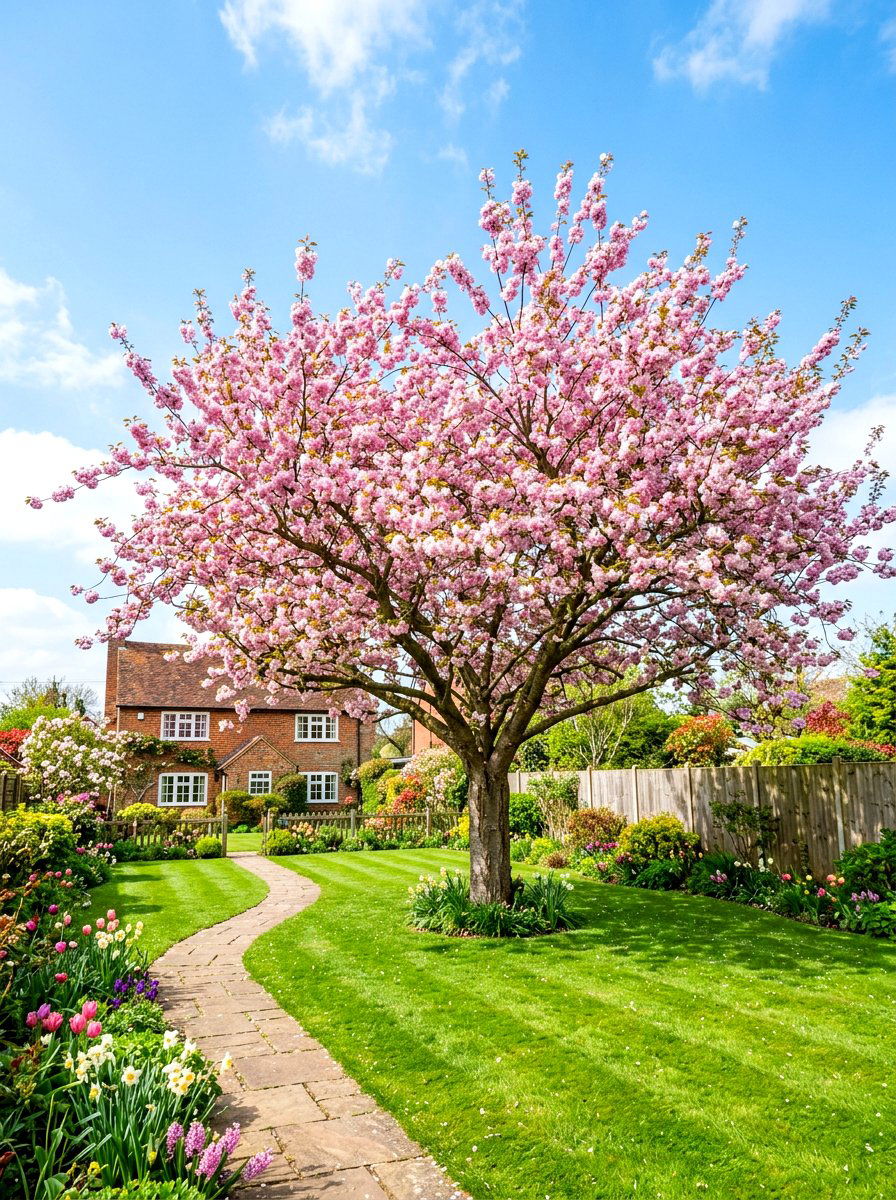
A spring flowering tree, such as a cherry blossom, magnolia, or dogwood, serves as a magnificent signal that the garden is waking up after a long winter sleep. The sight of thousands of delicate petals opening at once creates a breathtaking focal point that defines the entire landscape for several weeks. Even after the blooms have fallen, these trees provide lush green shade in the summer and often display vibrant foliage in the autumn. During the winter, their unique branch structures and interesting bark provide a graceful silhouette against the sky. Planting a specimen tree is an investment in the long-term beauty and maturity of your property.
19. Tall Privacy Screen
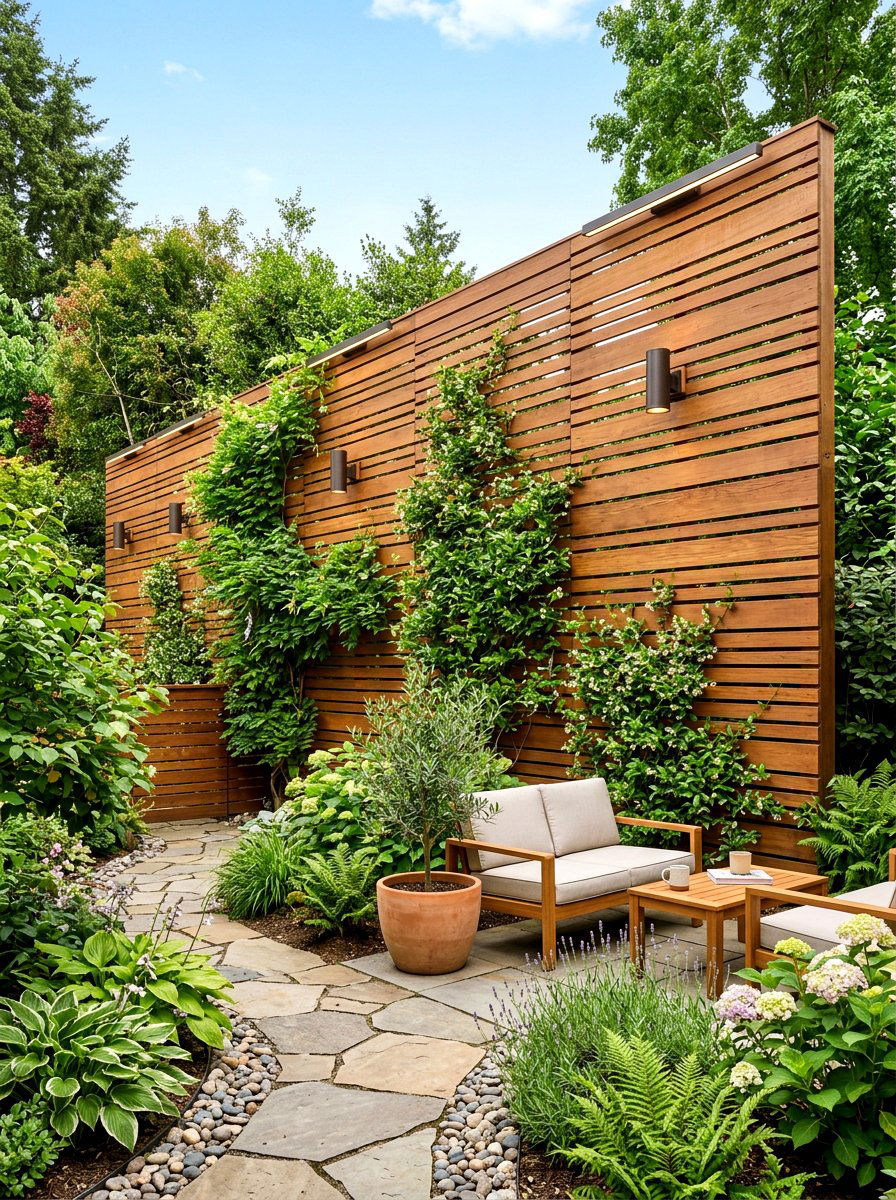
If you want to create a secluded oasis, a tall privacy screen made from wood, metal lattice, or dense greenery is an essential design element. Unlike a solid wall, a decorative screen can allow light and air to pass through while still providing a sense of enclosure and intimacy. You can use these screens to hide unsightly utility areas or to define different "rooms" within your garden. Climbing plants like clematis or ivy can be trained to grow up the screen, adding a layer of living texture that changes with the seasons. This structure ensures that your garden feels like a private sanctuary where you can truly relax and unwind.
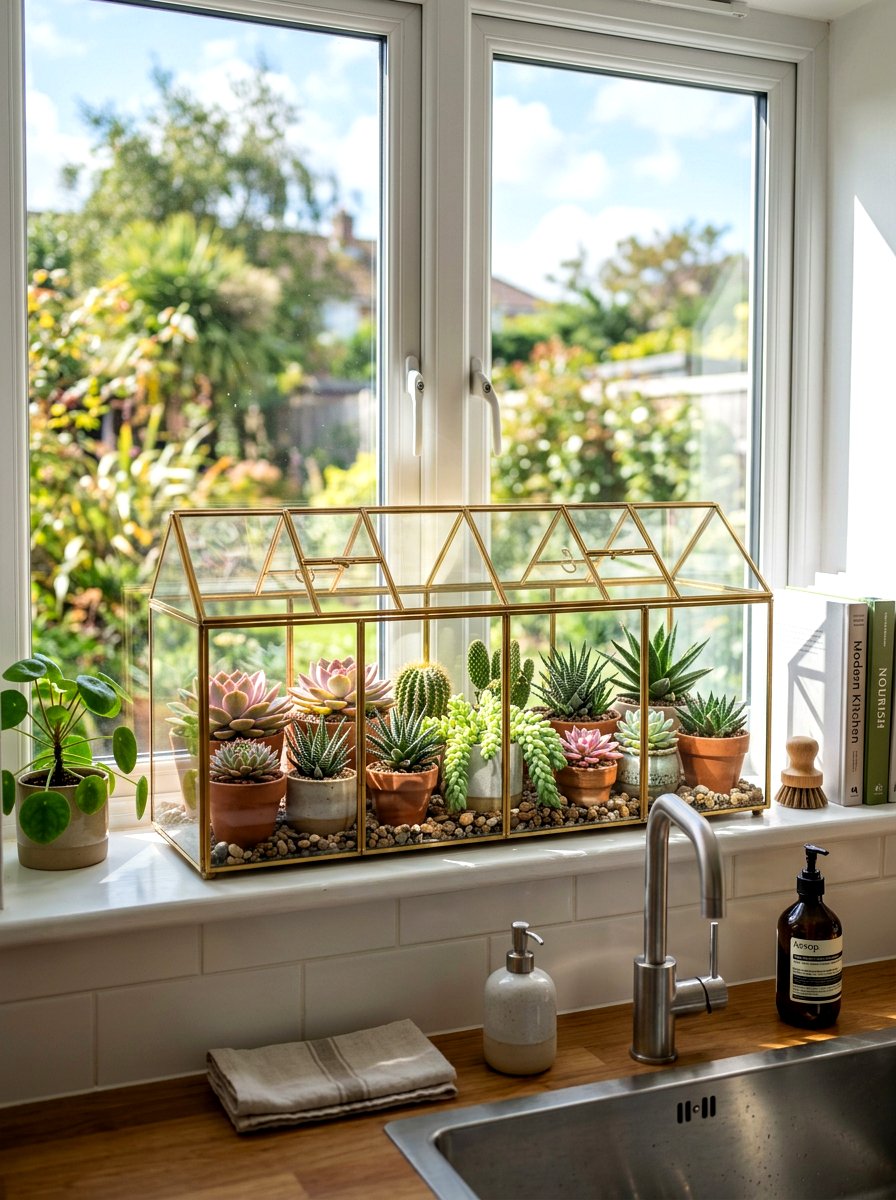

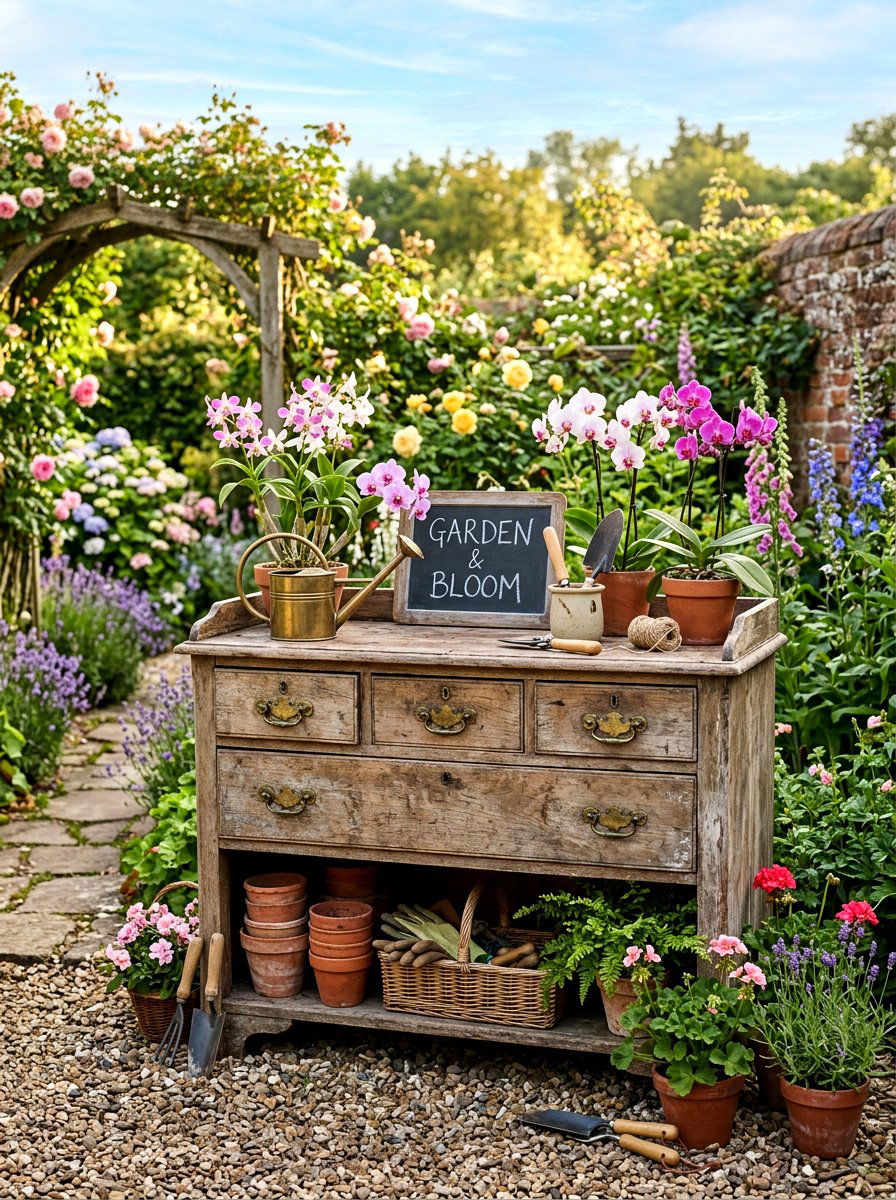
20. Alpine Rock Garden
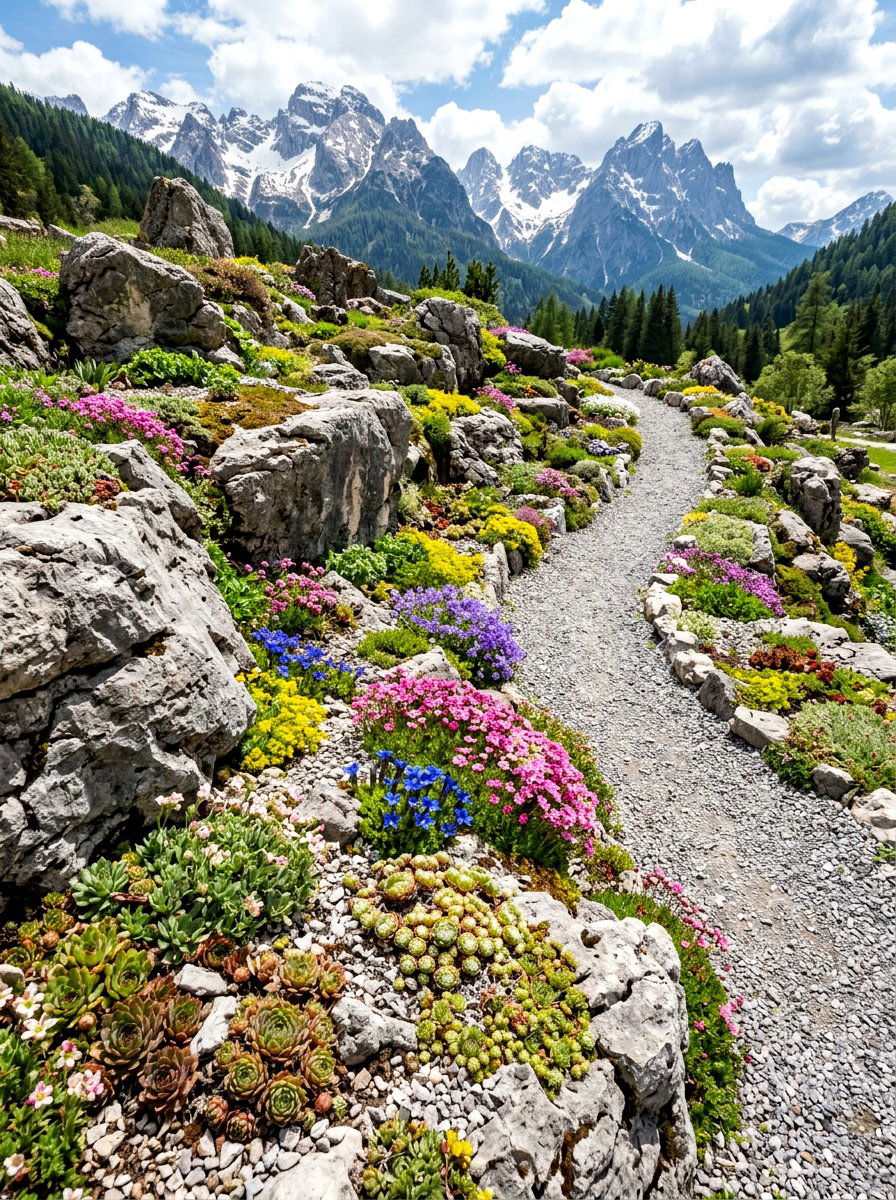
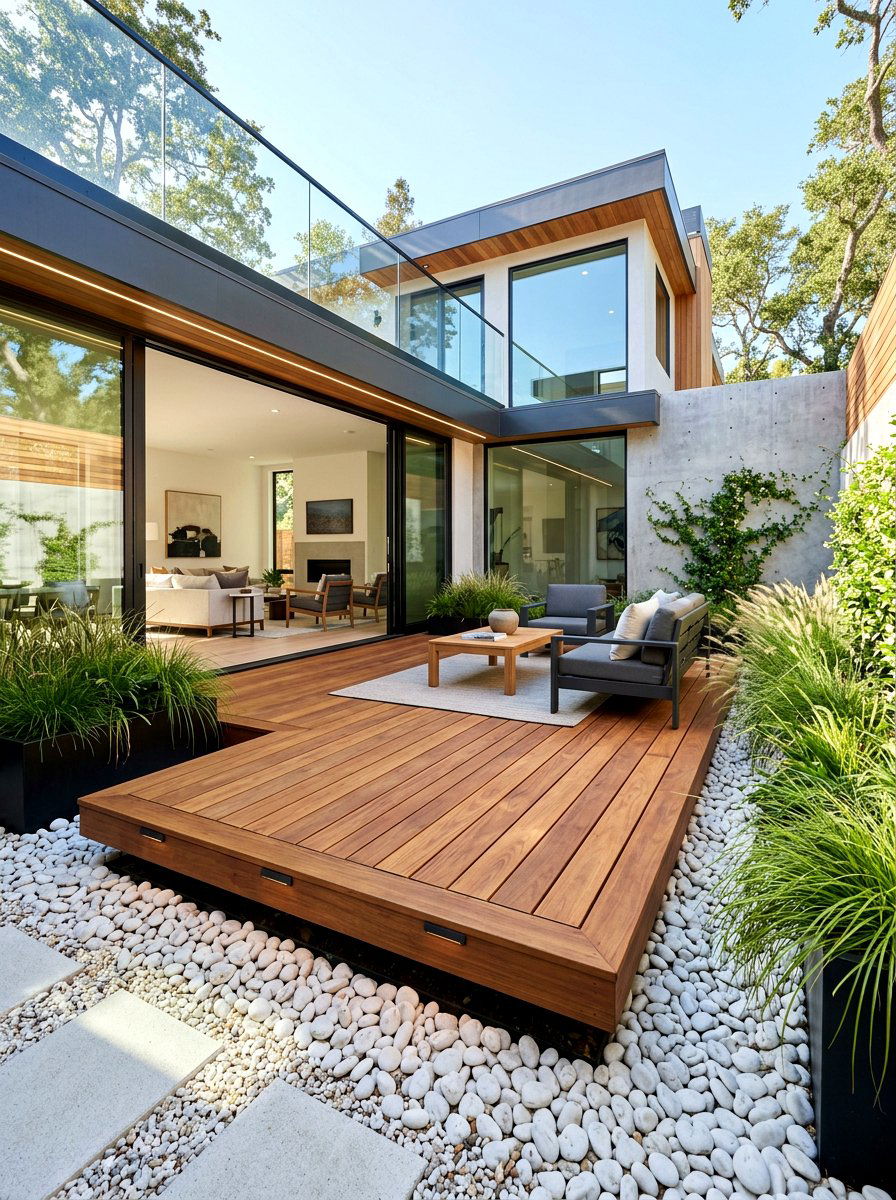
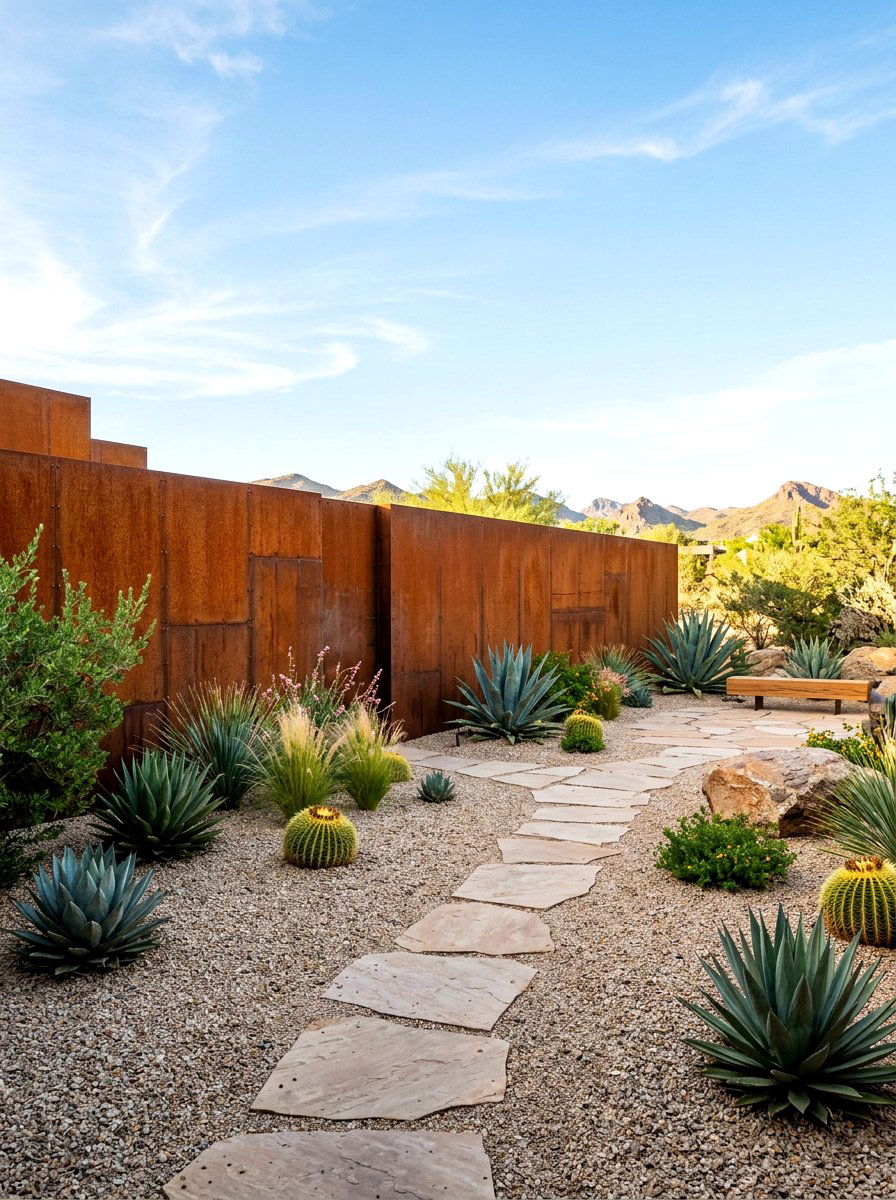
An alpine rock garden mimics the rugged beauty of high-altitude landscapes, using large boulders and small stones to create a multi-level environment for specialized plants. This design is perfect for displaying low-growing succulents, mosses, and hardy perennials that thrive in well-drained soil and rocky crevices. The stones themselves provide a permanent sense of structure and color, remaining unchanged by the shifting seasons. In the winter, the rocks can trap heat, protecting the roots of delicate plants from extreme cold. This style of gardening is ideal for slopes or uneven areas of your yard, turning a challenging landscape into a unique and visually fascinating feature.
21. Decorative Bark Trees
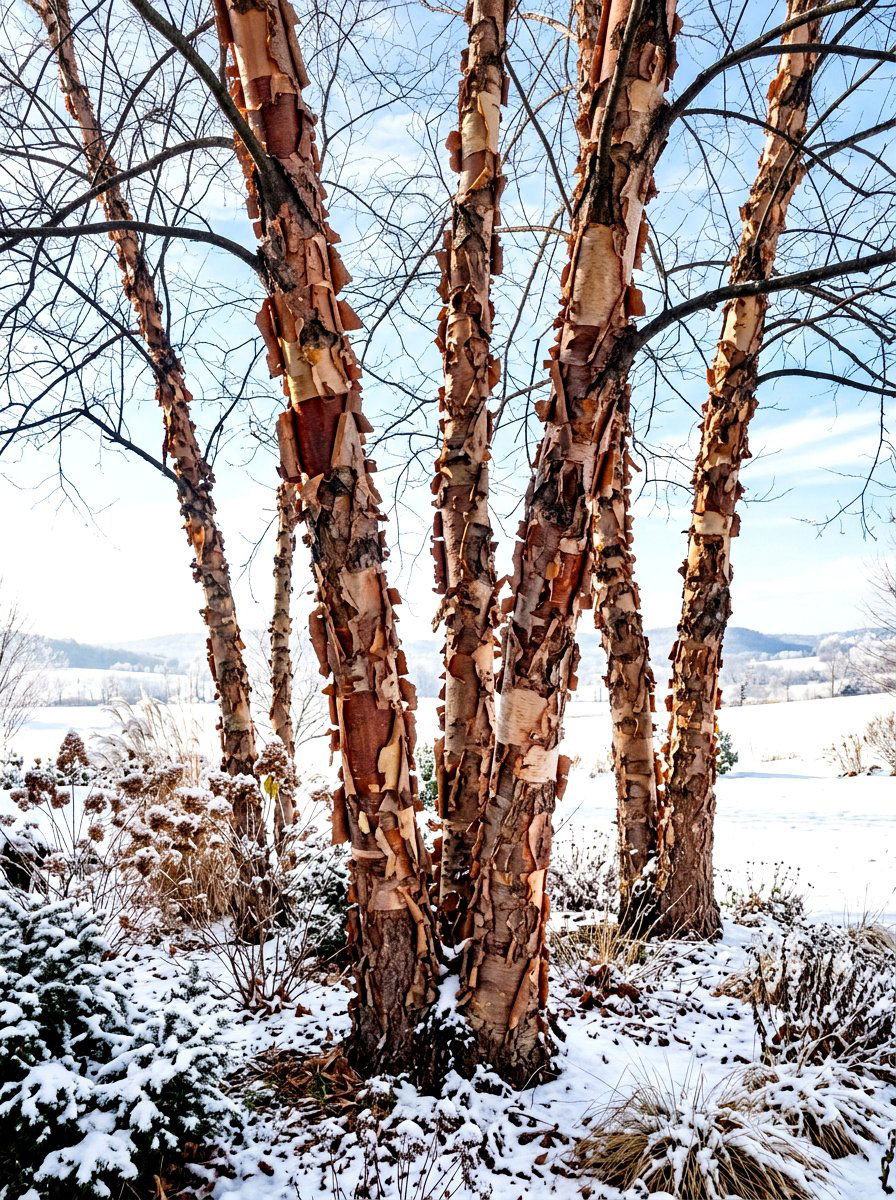
Trees with decorative bark, such as the paperbark maple or river birch, offer a unique visual interest that only becomes more apparent once their leaves have fallen. The peeling, textured, or brightly colored trunks stand out dramatically in a winter landscape, providing a sculptural quality that is often overlooked in traditional garden design. These trees act as "living art, " catching the low winter sun and creating intricate patterns of light and shadow on the ground. During the summer, their lush canopies provide necessary shade, making them a versatile and valuable addition to any yard. Choosing trees for their bark ensures your garden remains interesting during the most dormant months.
22. Early Spring Bulbs
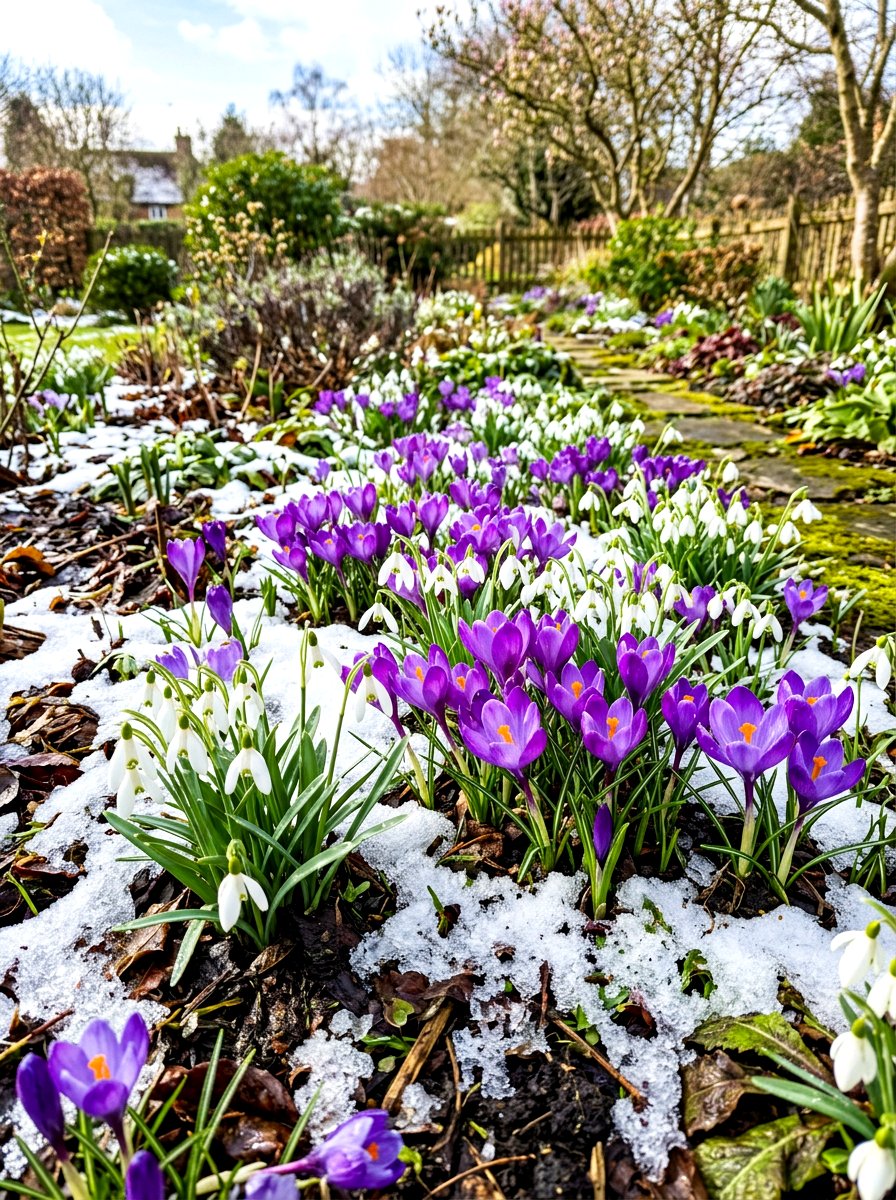
Nothing brings a smile to a gardener's face like the first sight of snowdrops, crocuses, or winter aconites pushing through the cold soil. Planting early spring bulbs in the autumn is an act of hope that pays off with a brilliant display of color long before most other plants begin to grow. These resilient flowers are often small but mighty, standing up to late frosts and even light snow. By naturalizing them in lawns or under trees, you create a magical, woodland feel that transforms your garden into a fairy-tale landscape. They provide a vital early nectar source for bees and other pollinators waking up from their winter slumber.
23. Fall Color Foliage
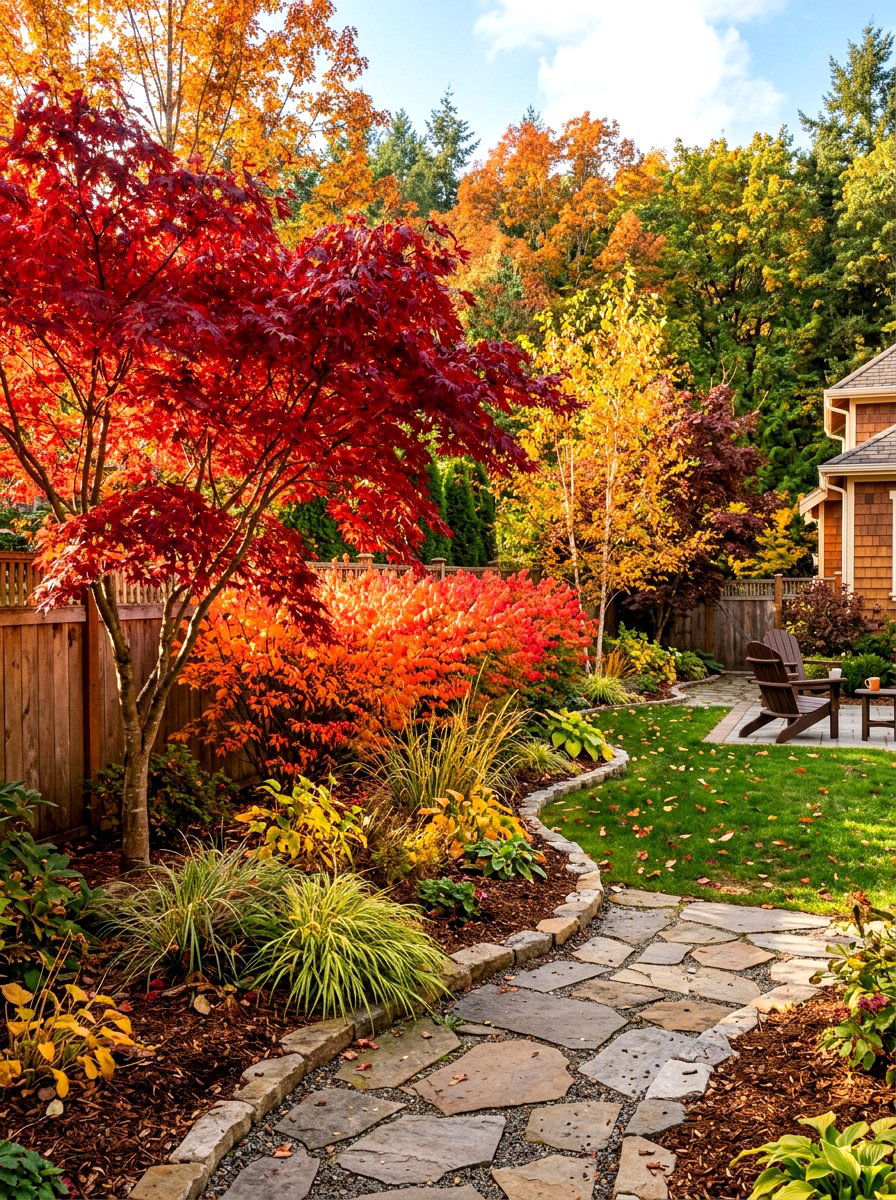
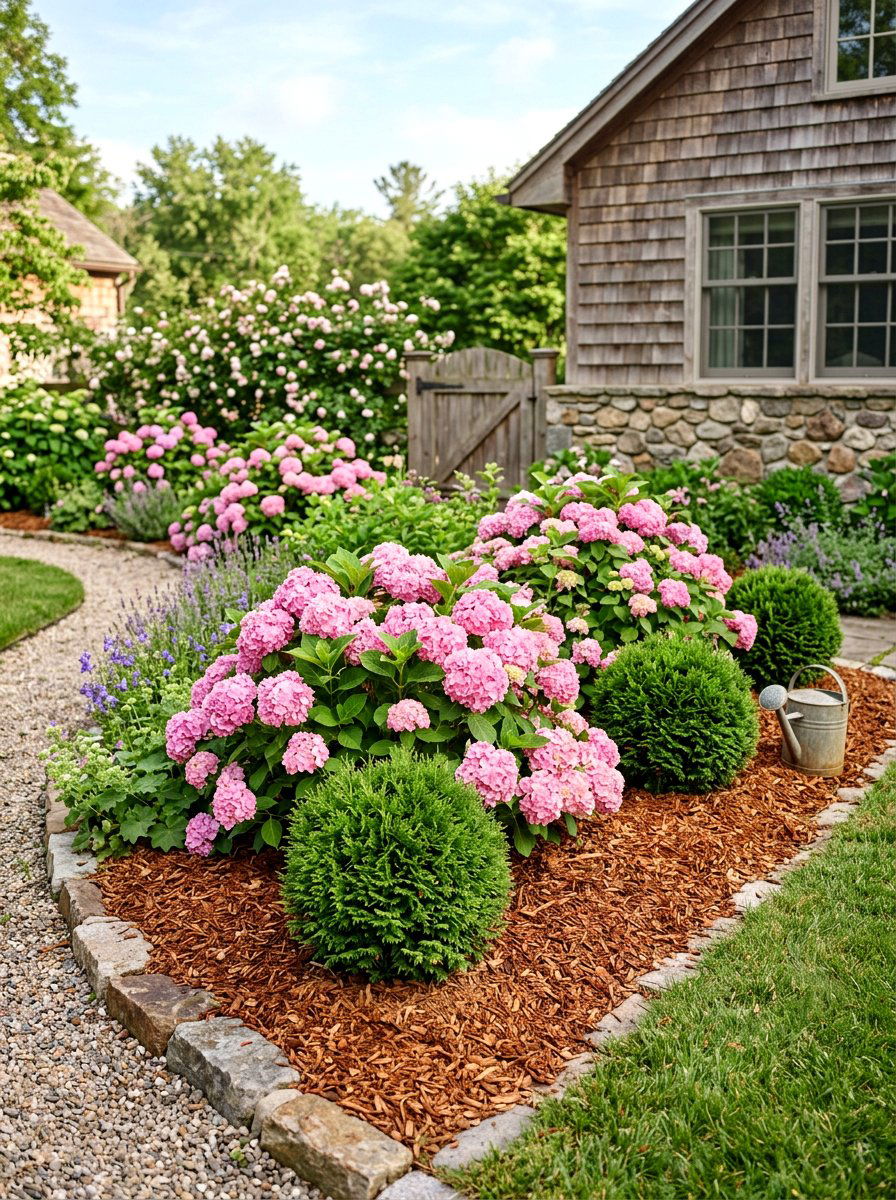
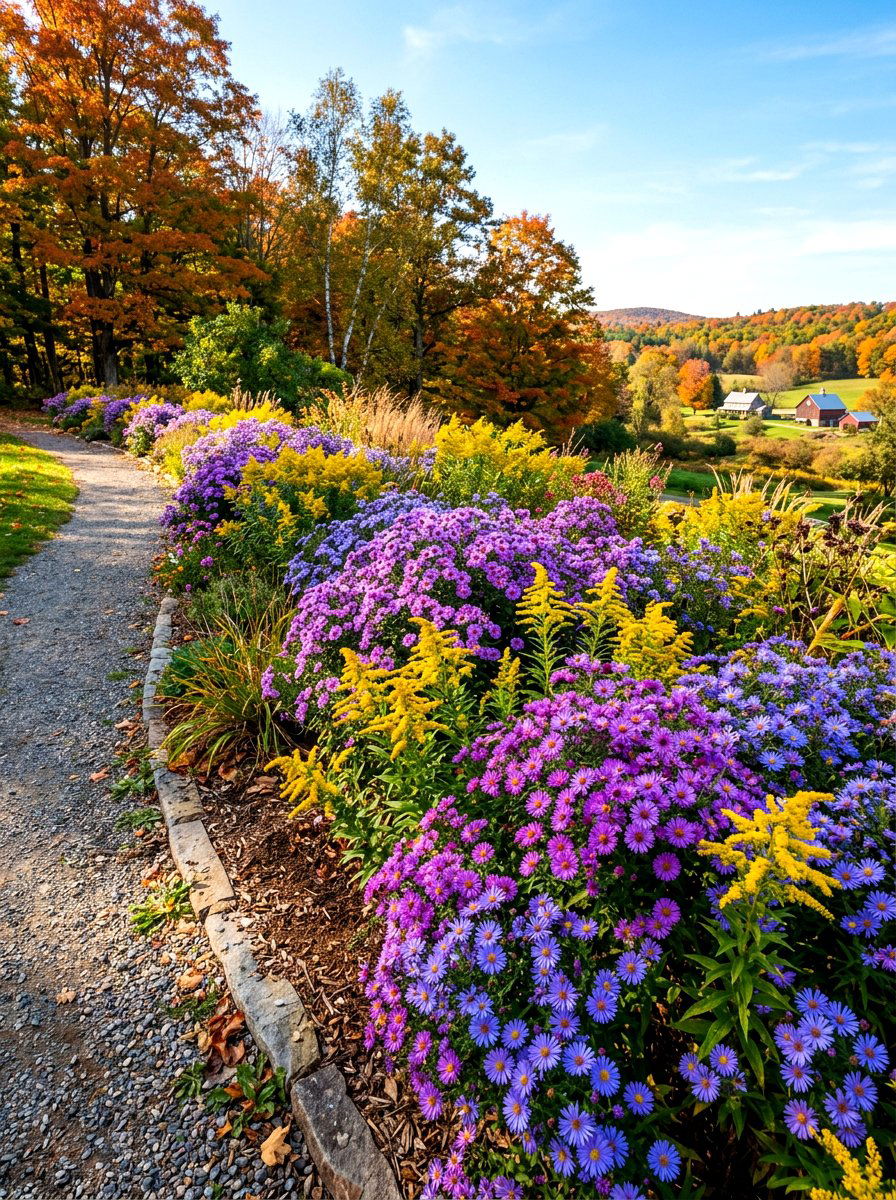
Designing your garden with fall color in mind ensures that the transition from summer to winter is a spectacular event rather than a gradual decline. Shrubs and trees like burning bush, Japanese maple, or oakleaf hydrangea offer a fiery palette of reds, oranges, and deep purples that light up the landscape as the temperatures drop. This late-season burst of color provides a beautiful contrast to the fading greens and browns of other perennials. Even as the leaves eventually fall, the unique shapes of these plants continue to provide structure and interest. Planning for autumn beauty ensures that your garden remains a vibrant and exciting place to explore until the very end.
24. Garden Trellis
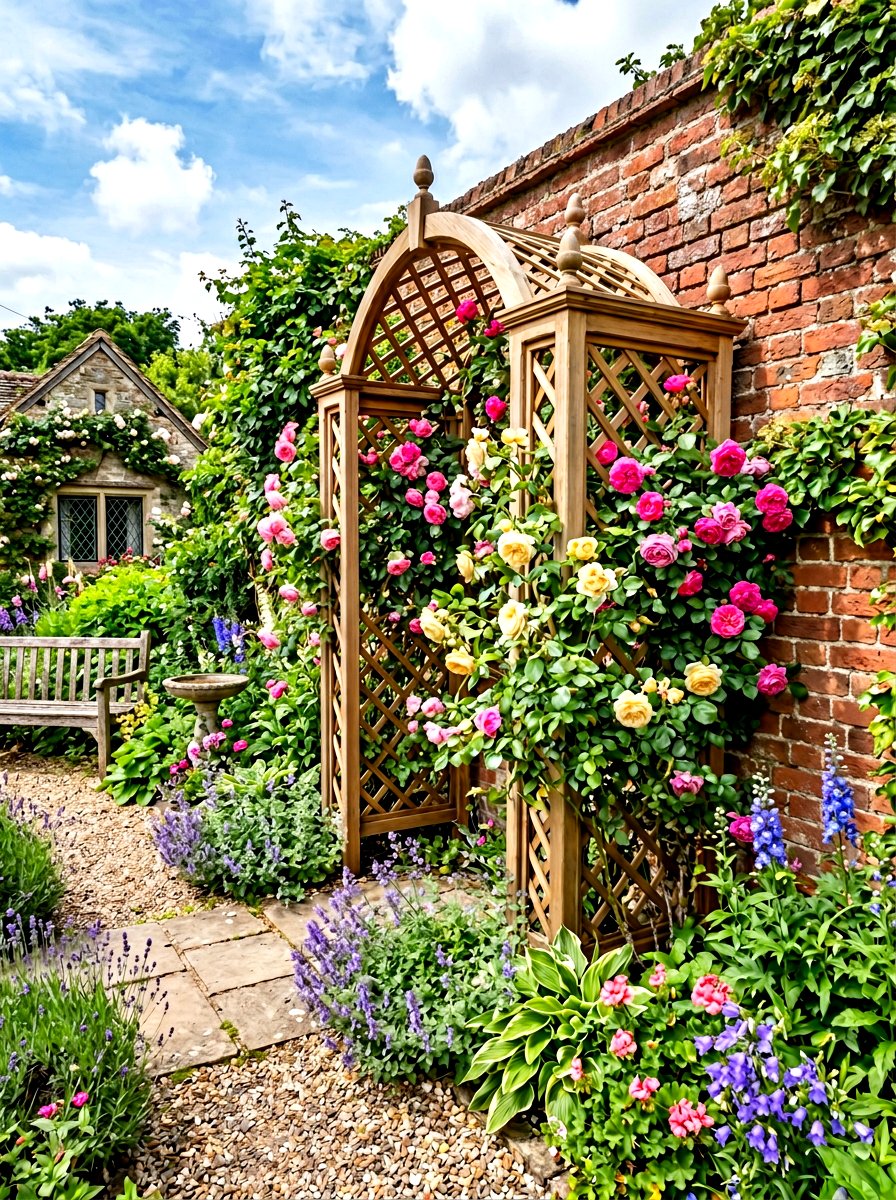
A garden trellis is a versatile architectural element that adds height and vertical interest to your outdoor space, even when it isn't covered in vines. Whether made from cedar, wrought iron, or copper, a well-designed trellis acts as a permanent sculpture that defines boundaries and supports climbing plants like roses or honeysuckle. In the summer, it becomes a wall of flowers and fragrance, while in the winter, its geometric lines provide a clean and sophisticated look against a snowy backdrop. You can use trellises to frame a view or to create a sense of mystery by partially obscuring a path or a hidden seating area in your backyard.


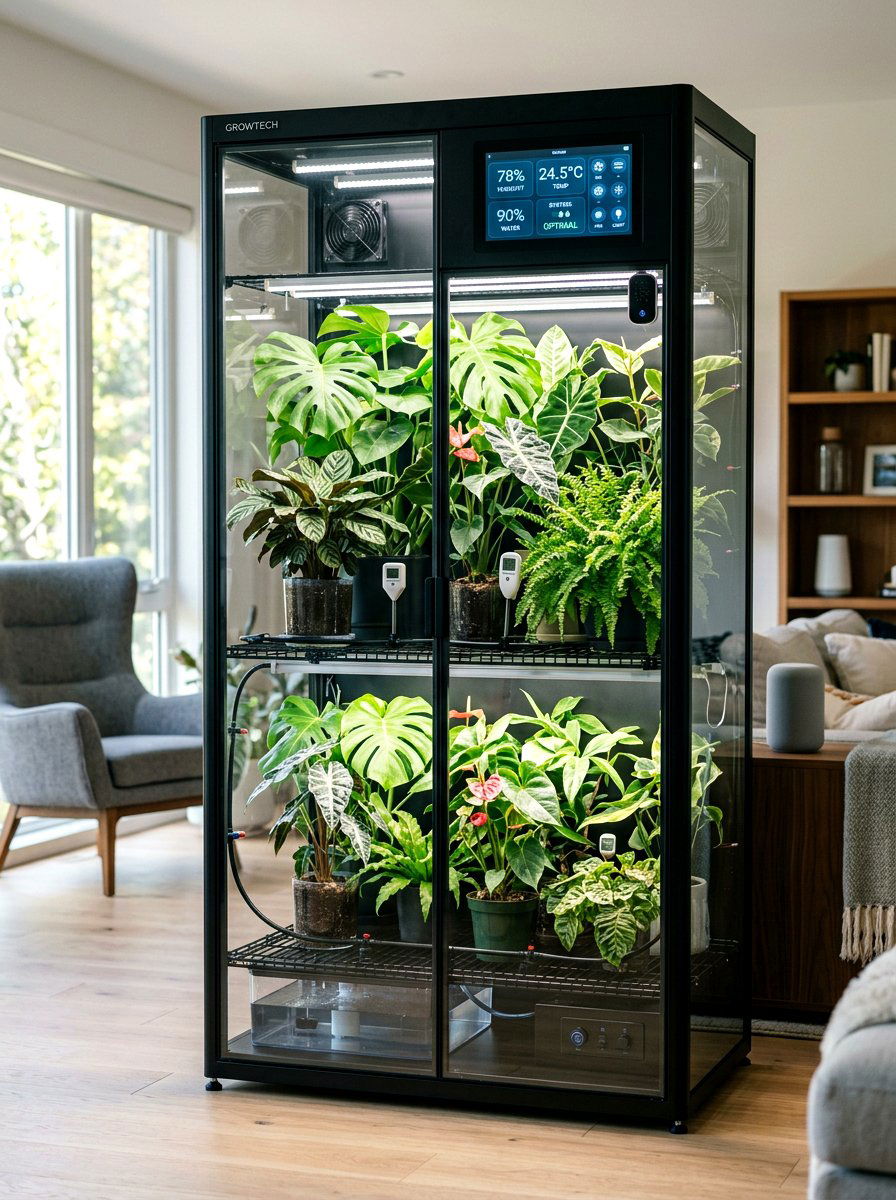
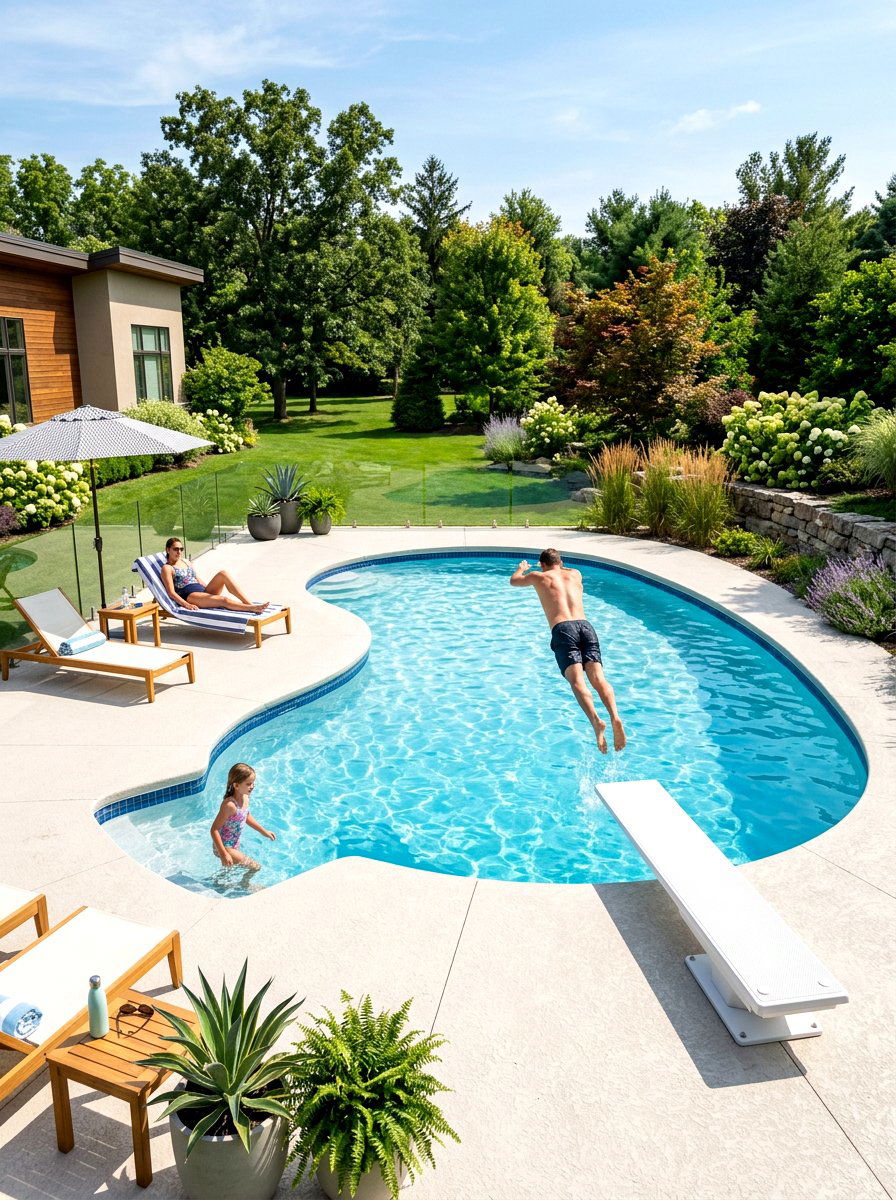
25. Outdoor Sculpture

Incorporating an outdoor sculpture into your landscape provides a constant focal point that never changes with the seasons, offering a sense of permanence and artistic expression. Whether you prefer a modern abstract piece made of steel or a traditional stone statue, art brings a human element to the natural world of the garden. Placing a sculpture at the end of a vista or tucked among the foliage creates a sense of discovery and surprise for visitors. Unlike plants that grow and fade, art remains a reliable anchor for your garden's design, looking equally beautiful in the bright summer sun as it does covered in a layer of winter frost.
26. Edible Fruit Garden
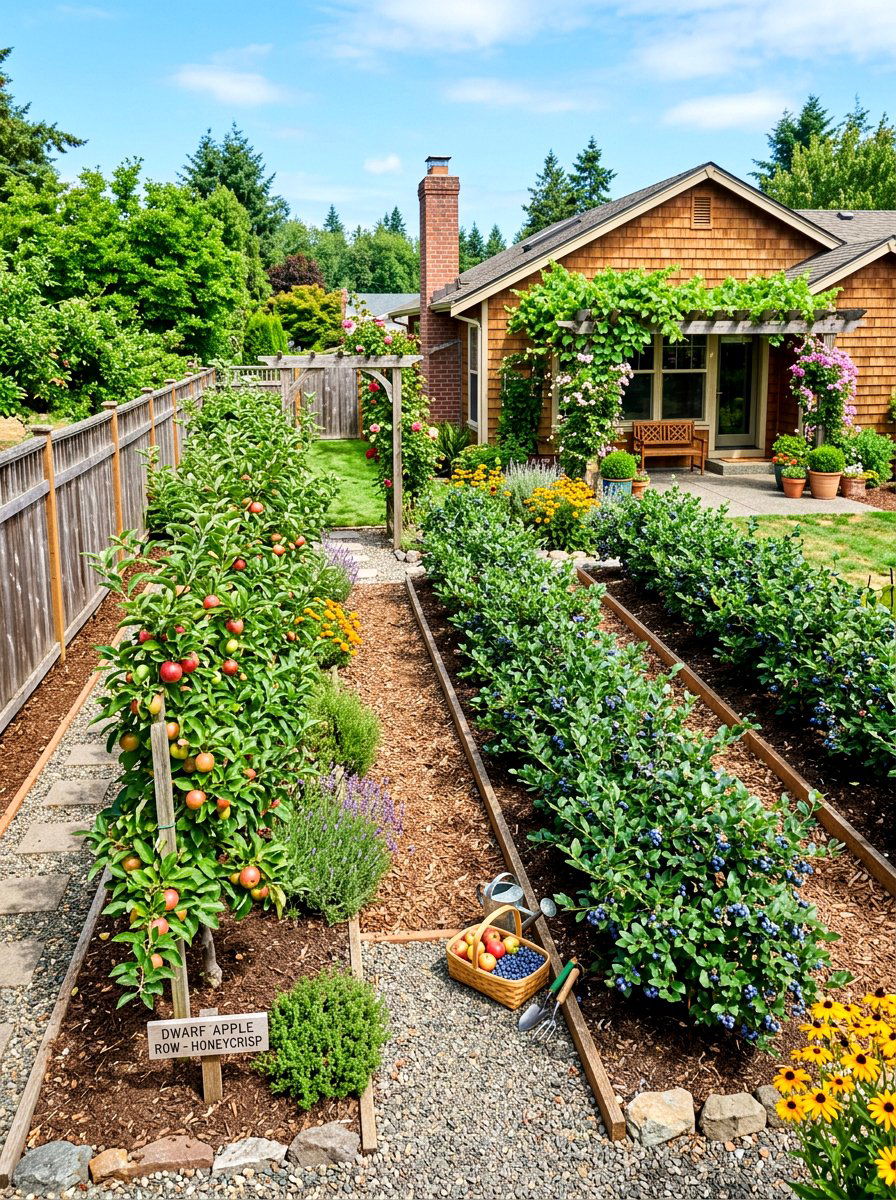
An edible fruit garden, featuring dwarf fruit trees, blueberry bushes, or strawberry patches, combines beauty with a bountiful harvest for your kitchen. Many fruit-bearing plants offer stunning spring blossoms and attractive summer foliage before their delicious bounty ripens in the late summer or autumn. Even after the harvest is finished, the interesting branch structures of fruit trees provide winter interest and a place for birds to perch. By integrating food-producing plants into your ornamental landscape, you create a multi-functional garden that supports your well-being and the local ecosystem. It is a rewarding way to use your outdoor space to its fullest potential throughout the entire growing season.
27. Native Wildflower Meadow
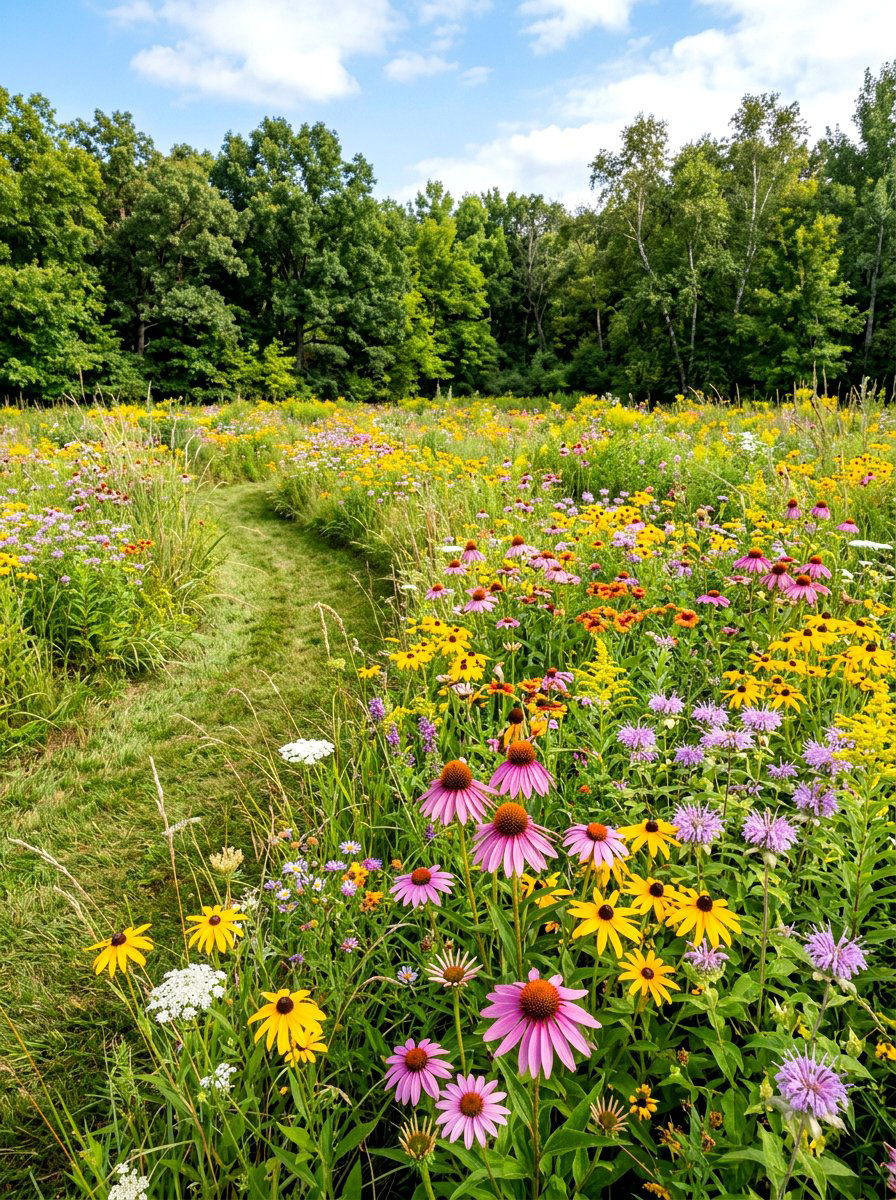
Replacing a traditional lawn with a native wildflower meadow creates a dynamic, low-maintenance landscape that supports a vast array of pollinators and local wildlife. These meadows change constantly throughout the year, offering a shifting tapestry of colors, textures, and heights as different species come into bloom. In the autumn and winter, the dried seed heads and stalks provide essential food and shelter for birds and insects, while maintaining a rustic and natural aesthetic. This approach to gardening is environmentally responsible and reduces the need for mowing, fertilizing, and watering. A wildflower meadow turns your backyard into a thriving habitat that celebrates the natural cycles of your specific region.
28. Cedar Cold Frame
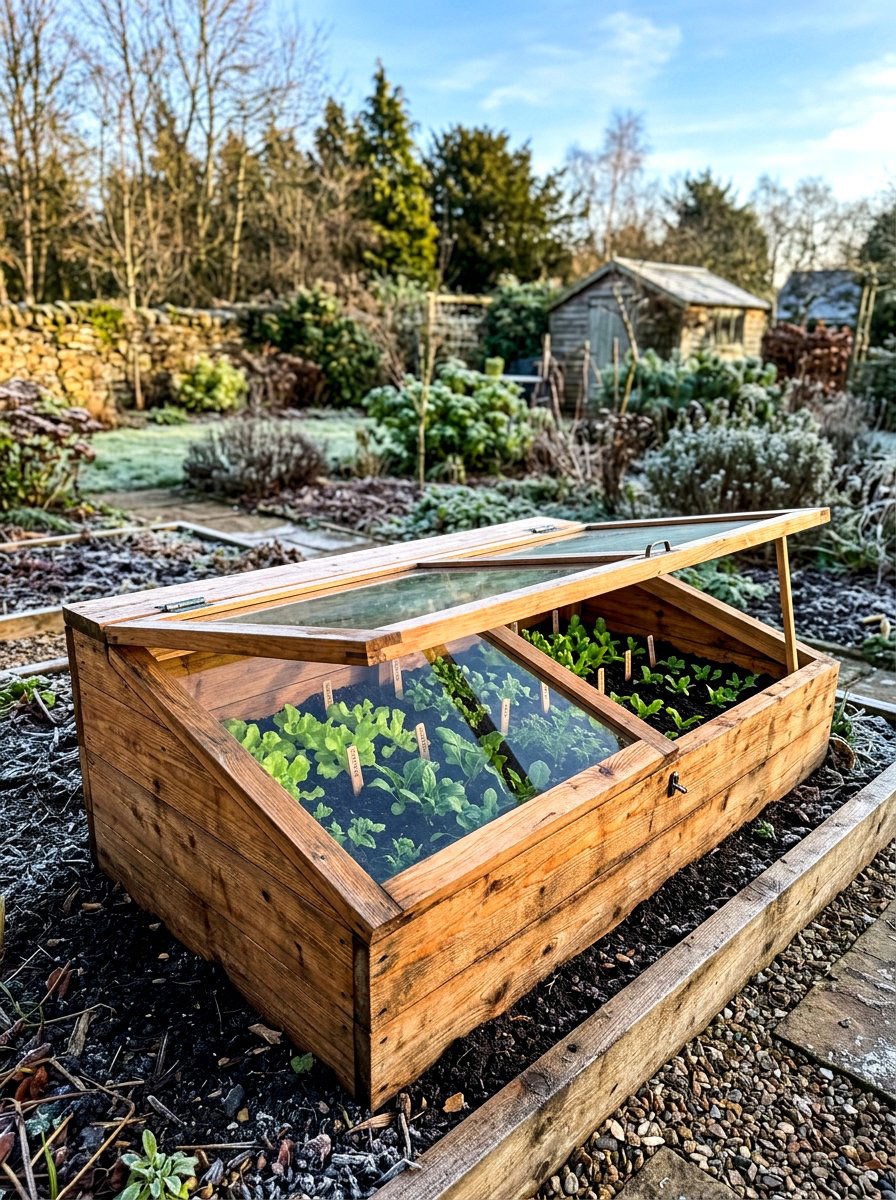
A cedar cold frame is a miniature greenhouse that sits directly on the ground, allowing you to protect delicate plants and extend your growing season by several weeks or even months. This simple structure uses a transparent lid to trap solar heat, creating a warm microclimate for winter greens, herbs, and early spring seedlings. The natural beauty of cedar wood ensures the frame looks attractive in your garden, even during the harshest weather. It is a practical and efficient tool for any serious gardener who wants to continue harvesting fresh produce when the rest of the world is frozen. A cold frame offers a compact and affordable way to achieve year-round gardening.
29. Flagstone Patio
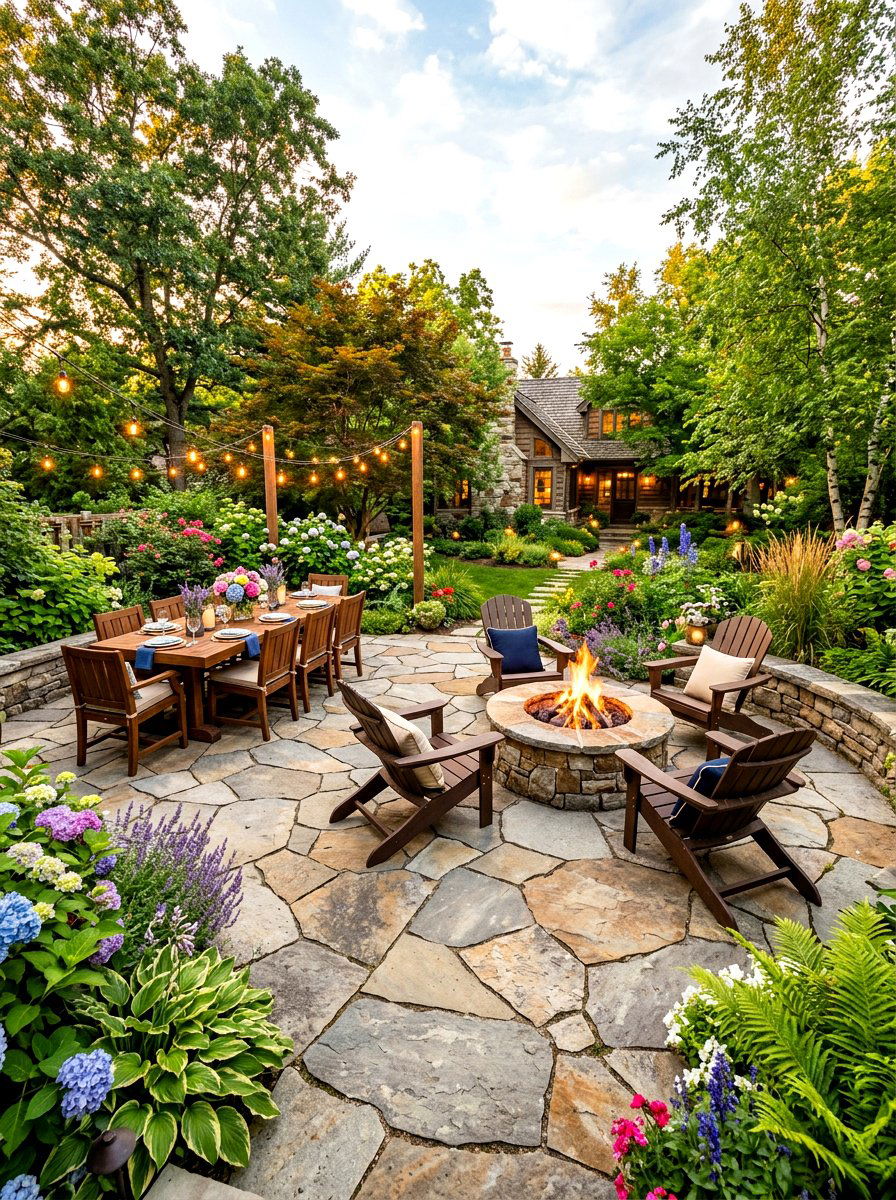
A flagstone patio provides a durable and beautiful foundation for outdoor living, offering a natural look that blends perfectly with the surrounding landscape. The irregular shapes and varied colors of the stone create a textured surface that is both slip-resistant and visually interesting. Unlike wood decks that require frequent staining, a stone patio is incredibly long-lasting and easy to maintain in any climate. It serves as a permanent anchor for your outdoor furniture and provides a clean, mud-free area for relaxing or entertaining guests. In the winter, the stones hold onto the sun's warmth, making the patio a comfortable spot to sit on a sunny, crisp afternoon.
30. Multi Season Perennial
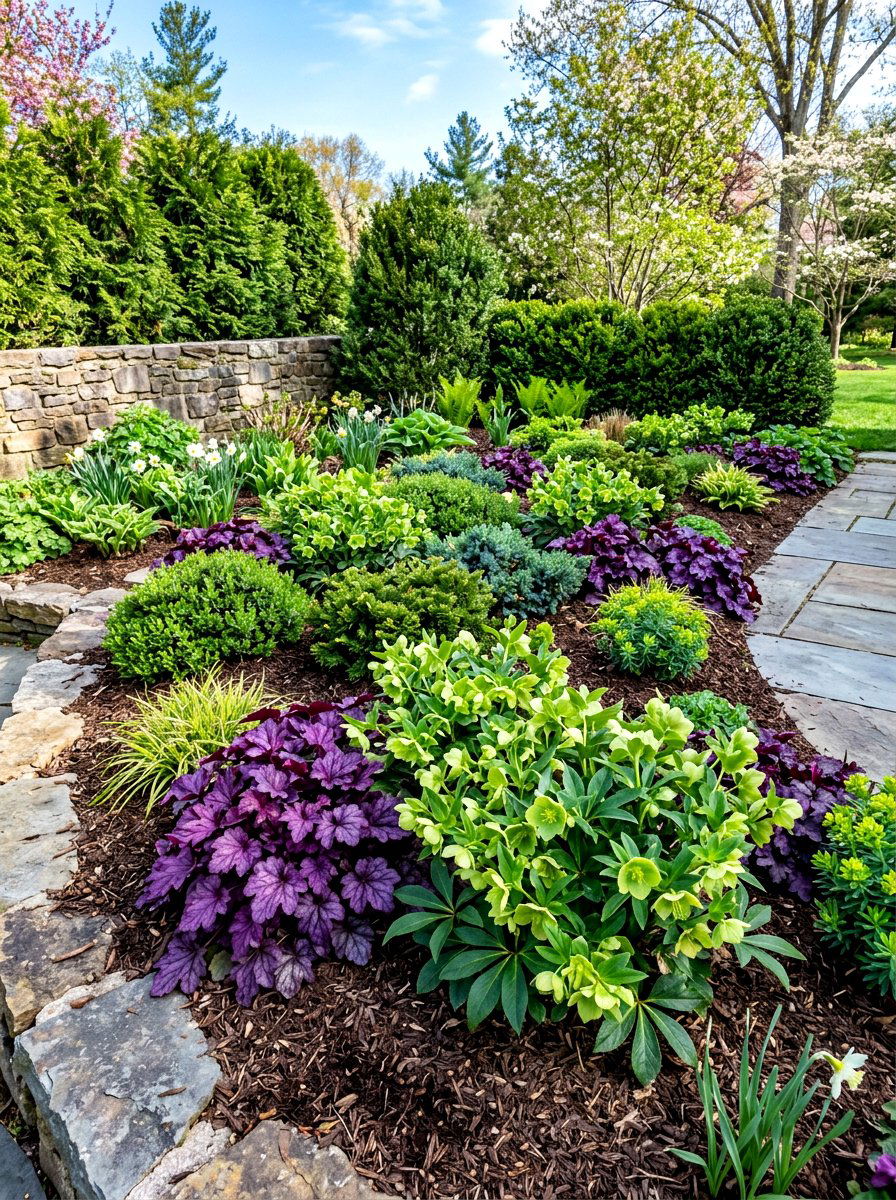
Choosing multi season perennials like Hellebores, Heucheras, or Sedums ensures your garden beds are never completely empty or dull. These "workhorse" plants often feature evergreen or semi-evergreen foliage that maintains its color and shape through the winter months. Many of them also offer beautiful flowers in the spring or summer and striking seed heads in the autumn. By layering these plants with different bloom times and textures, you create a resilient and ever-changing landscape that requires minimal replanting. These perennials provide a consistent framework that ties your entire garden design together, ensuring a professional and polished look from January through December without needing constant intervention or expensive updates.
Conclusion:
Creating a garden that thrives and inspires throughout all four seasons is a rewarding journey that enhances both your home’s value and your personal well-being. By thoughtfully integrating evergreens, durable hardscaping, and plants with multi-seasonal interest, you ensure that your outdoor sanctuary never truly goes into hibernation. Each element, from a simple stone path to a vibrant winter-flowering shrub, contributes to a cohesive and dynamic environment that evolves beautifully as the months pass. Embracing the unique textures and colors of every season allows you to find joy in your garden year-round, turning your backyard into a true extension of your living space.

Related posts: