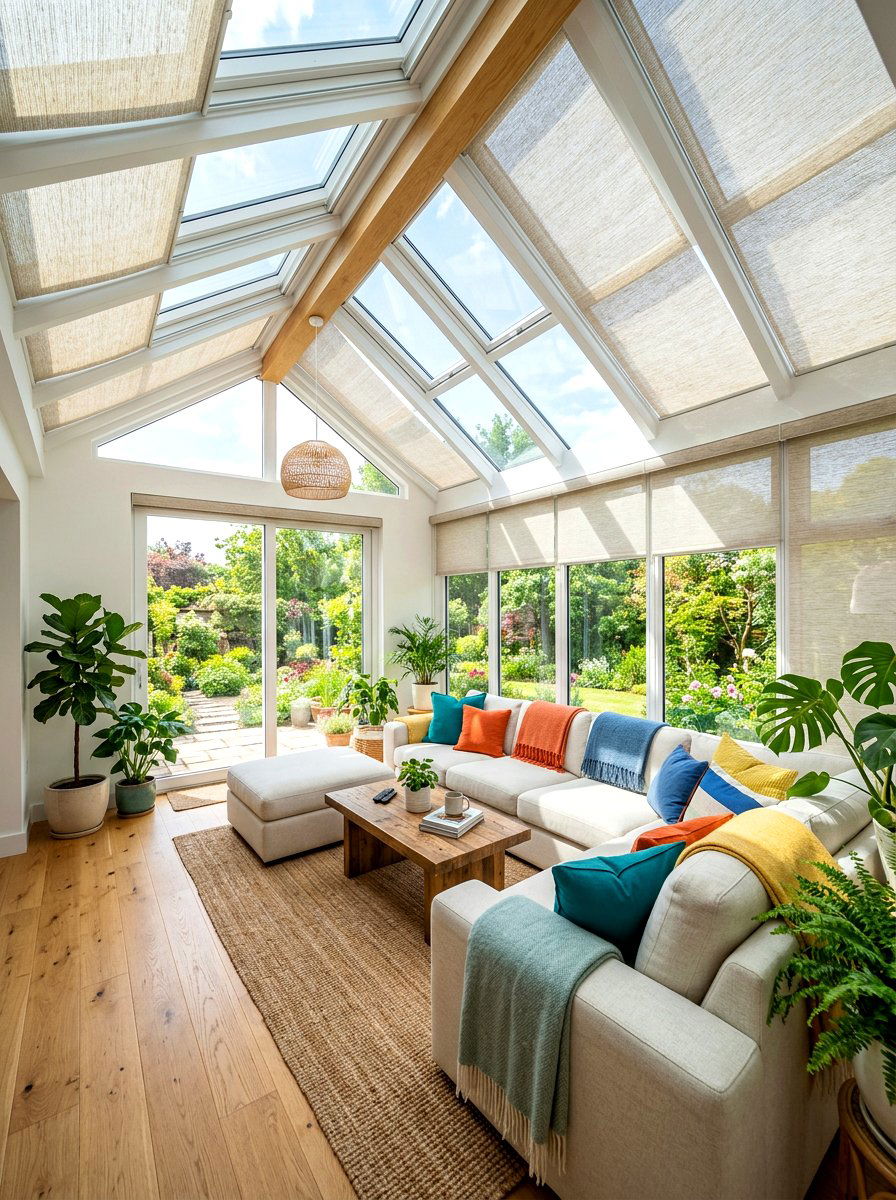
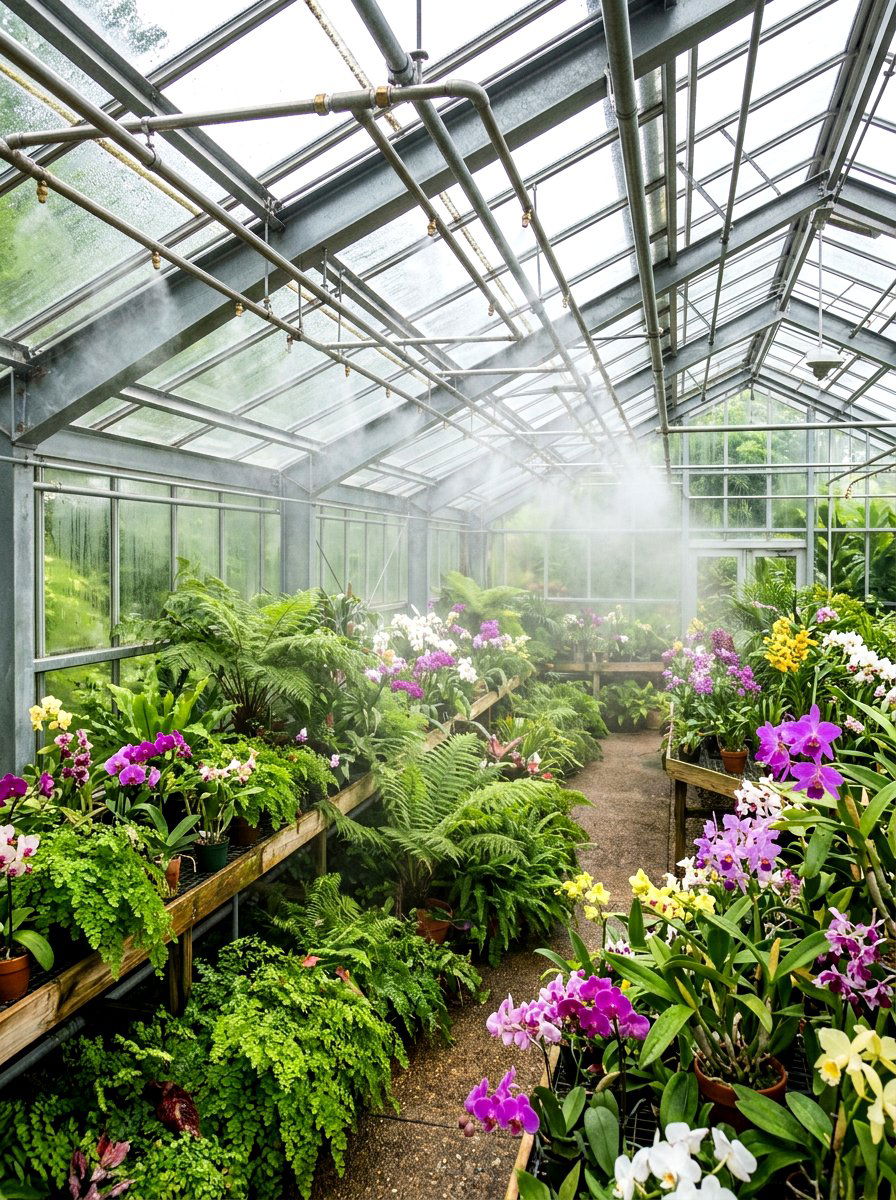
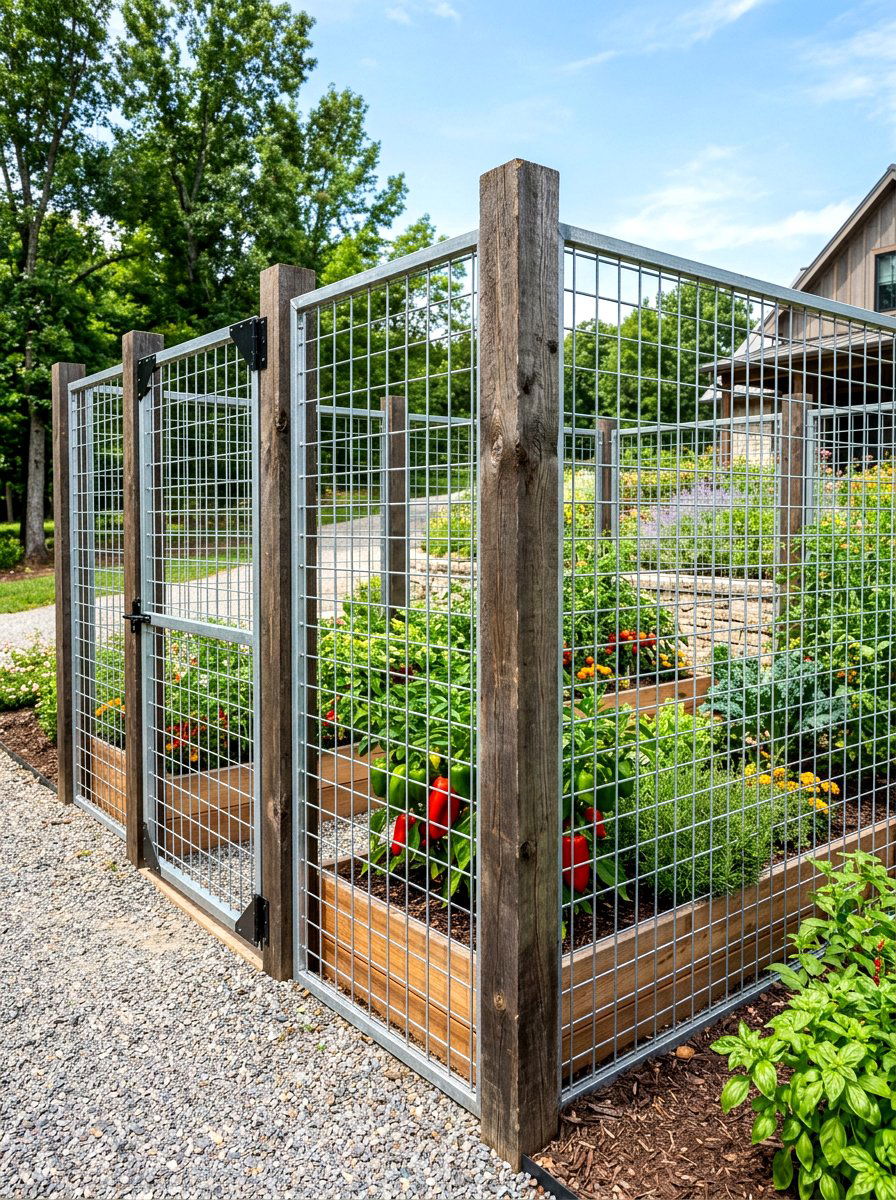
Creating a thriving greenhouse environment starts with mastering the art of hydration. Plants under glass or plastic experience unique microclimates that require precise moisture control to flourish. Whether you are growing delicate tropical flowers or hardy vegetable starts, the way you deliver water can make or break your harvest. Efficient watering systems do more than just keep plants alive; they reduce waste and prevent common diseases like root rot or powdery mildew. Exploring various innovative setups helps you tailor the environment to your specific gardening style and schedule. From high-tech automated sensors to simple DIY gravity-fed solutions, there is a perfect watering strategy for every greenhouse owner. This guide explores creative ways to keep your plants happy and healthy all season long.
1. Greenhouse Drip Irrigation
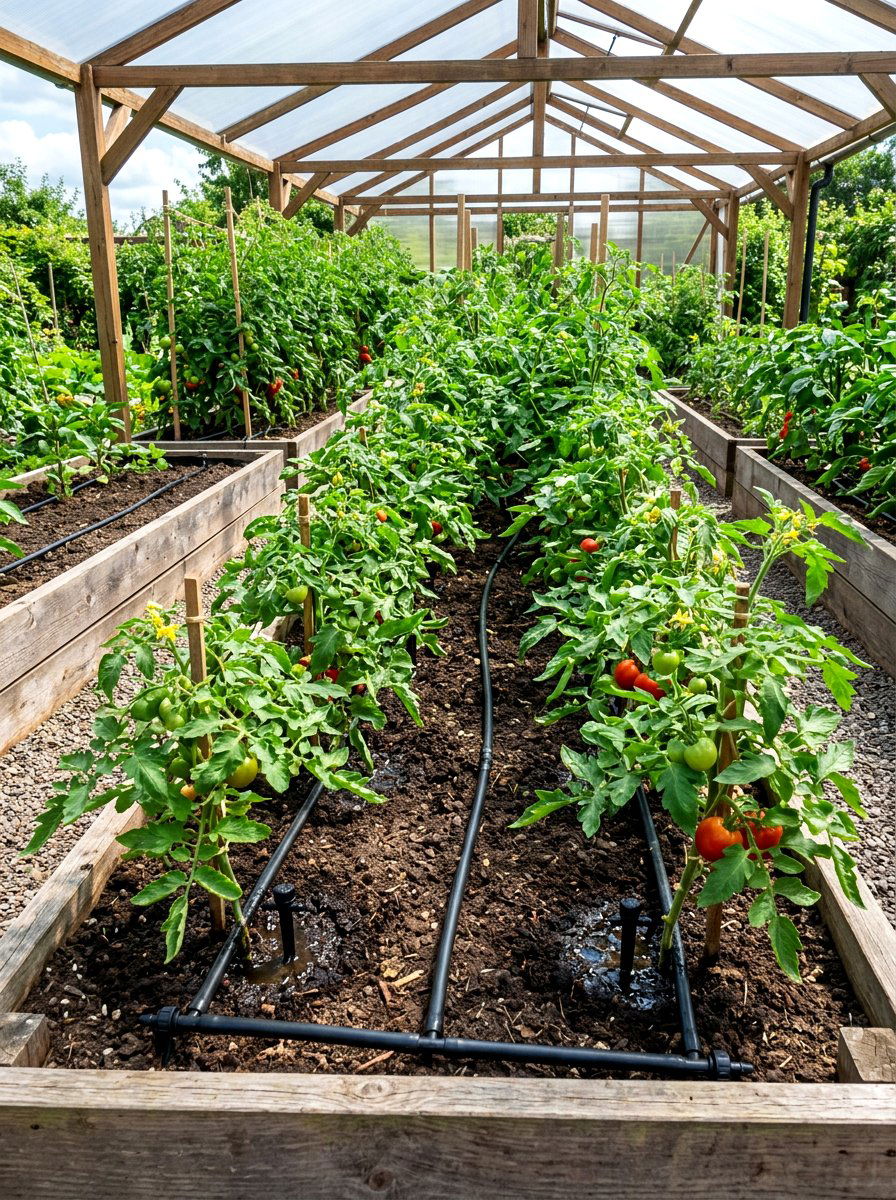
A drip irrigation system provides a highly efficient way to deliver water directly to the roots of your greenhouse plants. This method reduces evaporation and prevents water from splashing onto leaves, which can lead to fungal issues. You can easily customize the layout using flexible tubing and various emitters to suit different pot sizes or garden beds. Many gardeners prefer this setup because it saves a significant amount of time during the busy growing season. It also ensures a consistent moisture level throughout the day. By adding a simple timer to the main line, you can fully automate the process. This helps your plants thrive even when you are away from home for a few days.
2. Rainwater Harvesting Barrel
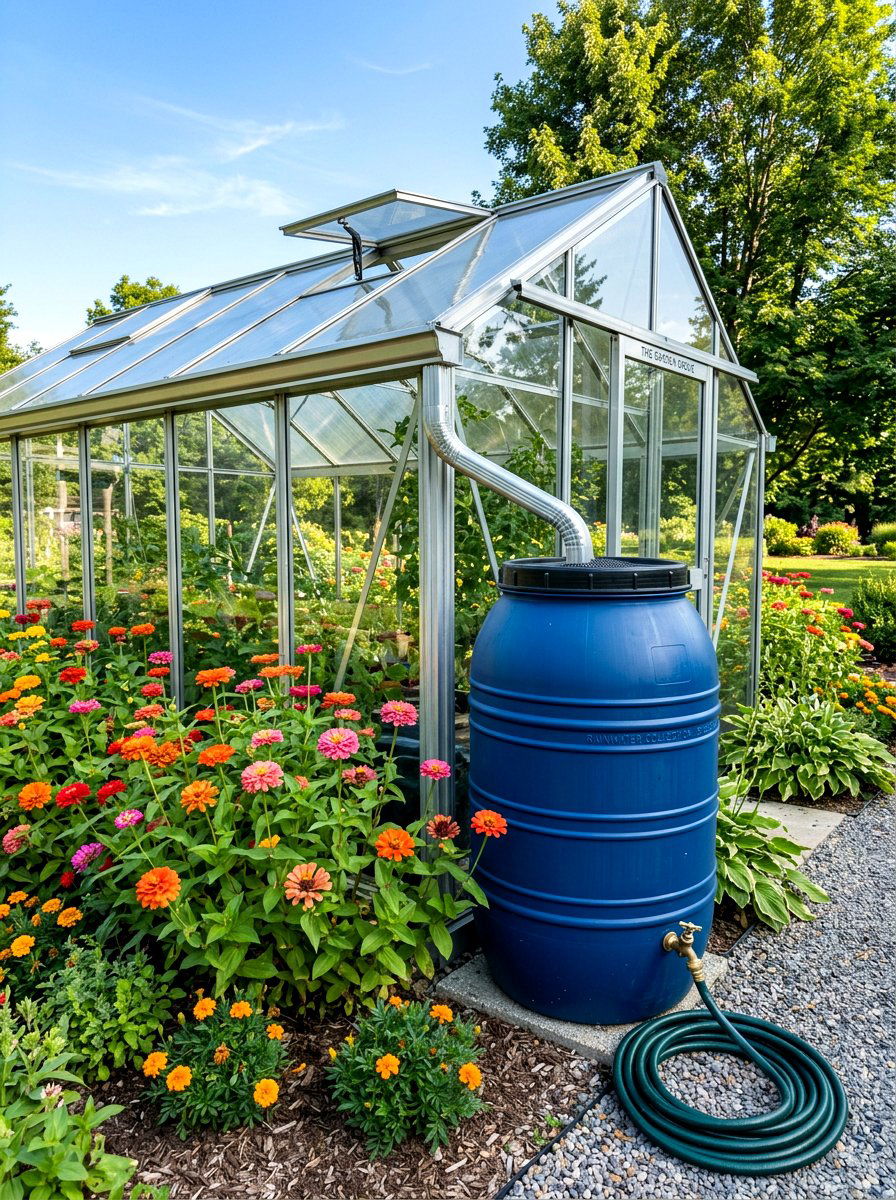
Collecting rainwater is an eco-friendly way to supply your greenhouse with soft, chlorine-free water. You can install gutters on the roof of your structure to channel rain into large storage barrels. This system works best when the barrels are slightly elevated to provide natural water pressure. Using rainwater is often better for sensitive plants that react poorly to harsh minerals found in tap water. It also helps reduce your monthly utility bills while making your garden more sustainable. You can connect a simple hose or a drip line directly to the barrel for easy distribution. Most barrels include a sturdy screen to keep debris and mosquitoes out of your precious water supply.
3. Automatic Misting System
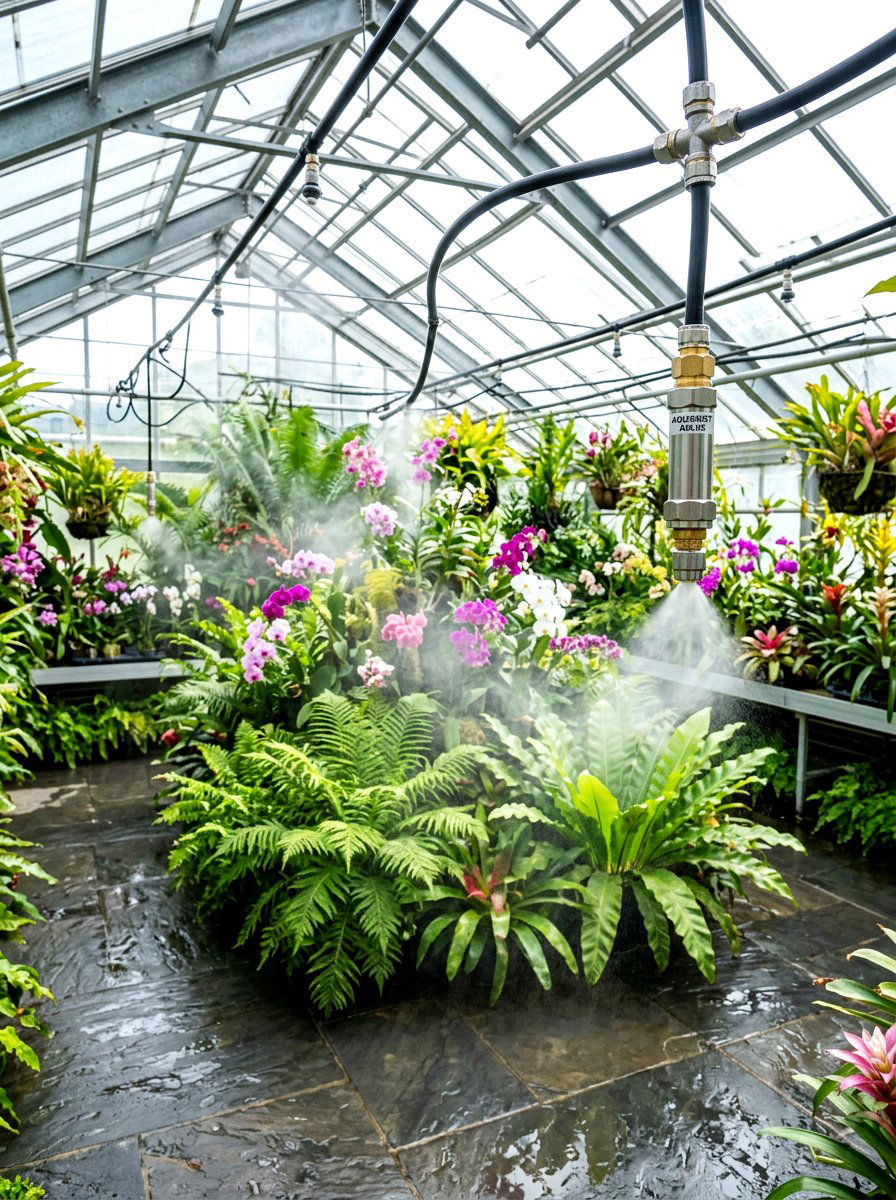
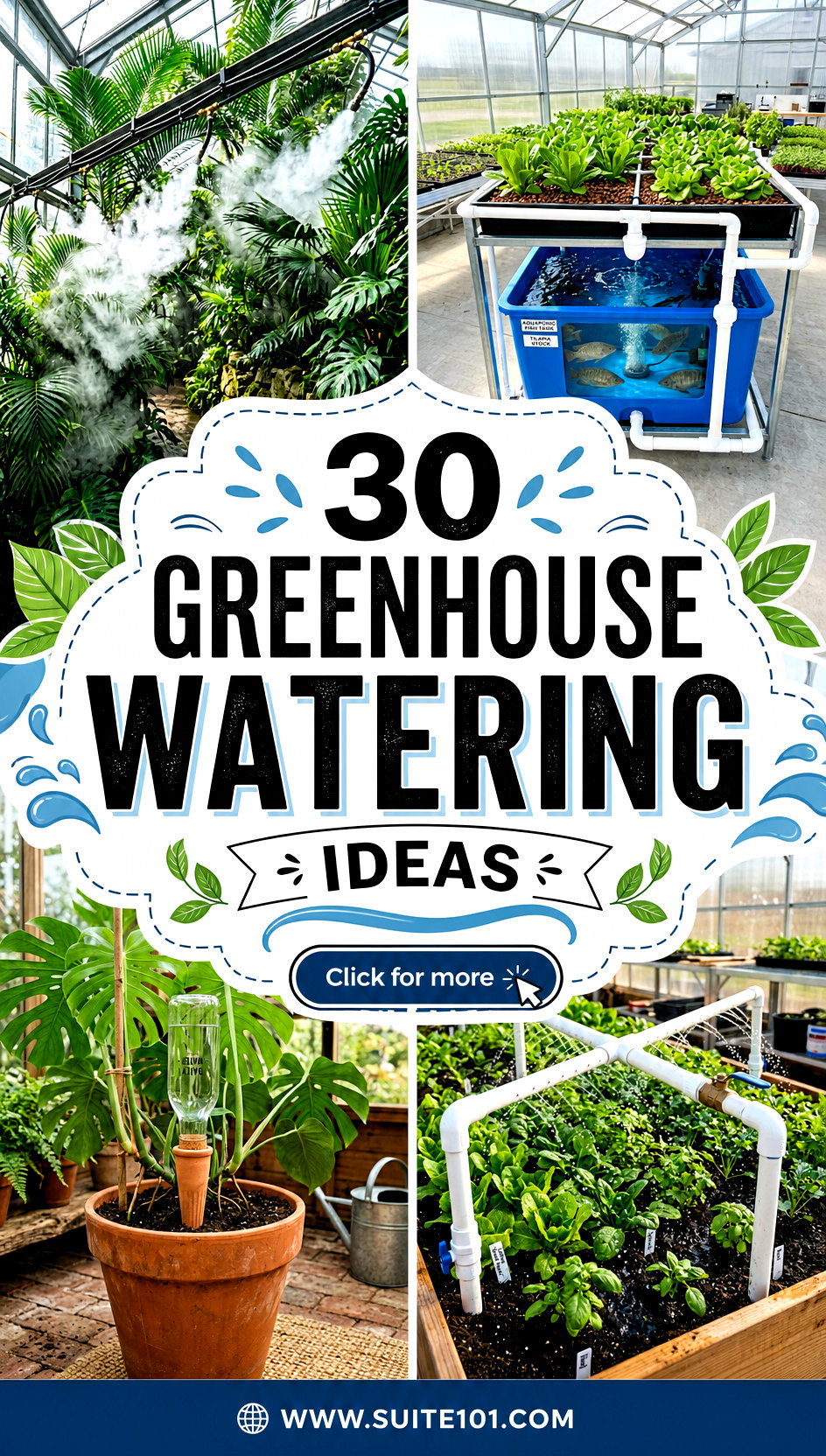
High-pressure misting systems are perfect for greenhouses that house tropical plants or delicate seedlings. These systems release a fine spray that increases ambient humidity and cools the air on hot summer days. You can set them to turn on at specific intervals to keep the foliage moist without soaking the soil. This is particularly useful for propagation areas where high humidity is essential for root development. Many kits come with adjustable nozzles so you can direct the mist exactly where it is needed most. A misting setup also helps deter certain pests like spider mites that thrive in dry conditions. It creates a refreshing, lush atmosphere that mimics a natural rainforest environment.
4. Capillary Matting Tray
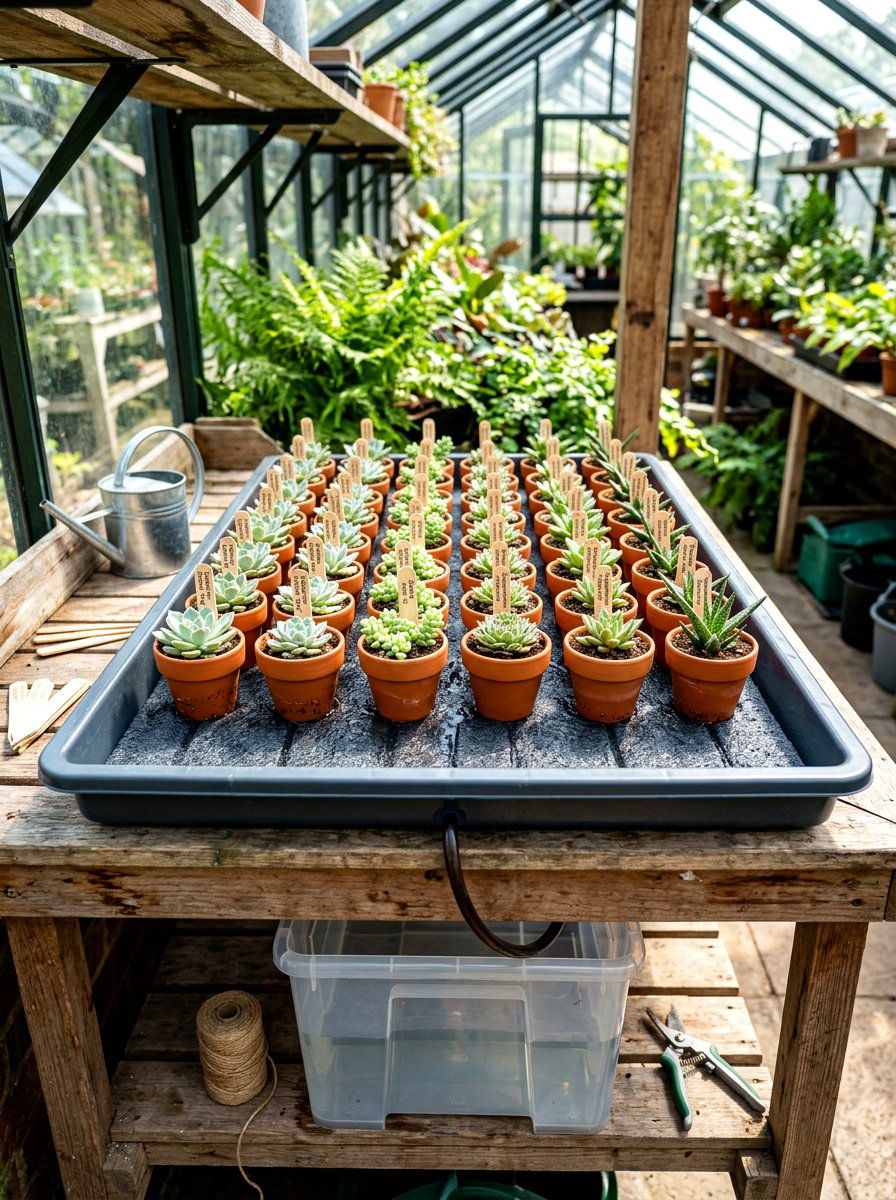
Capillary matting is a fantastic bottom-watering solution that keeps potted plants hydrated through wicking action. You place a special absorbent mat on a flat bench and keep it consistently wet using a reservoir. The pots sit directly on the mat, and the soil draws up moisture through the drainage holes. This method ensures that every plant receives exactly the amount of water it needs. It is an excellent choice for African violets or other plants that dislike getting their leaves wet. You can use this system for large groups of small pots, making it very efficient for nursery production. It simplifies the watering process and prevents the soil from drying out too quickly.
5. Greenhouse Soaker Hose
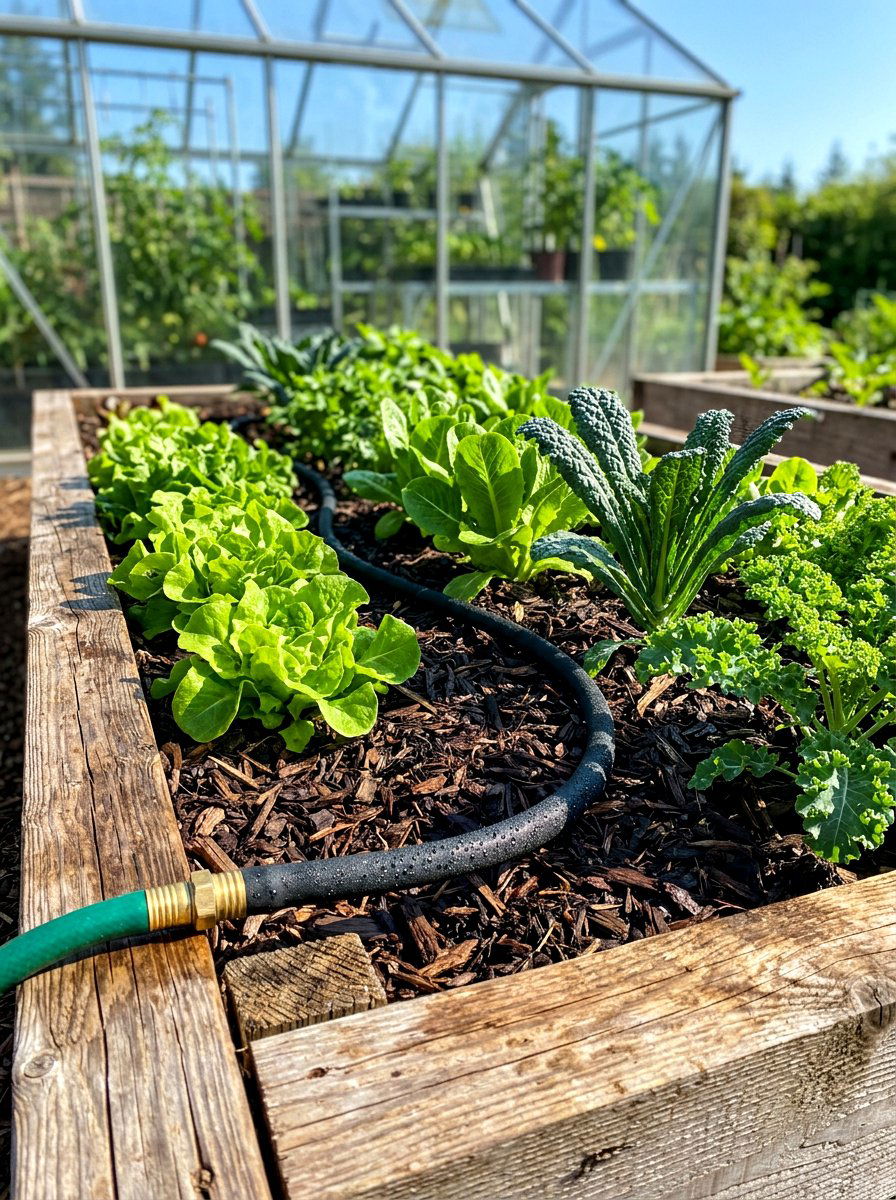
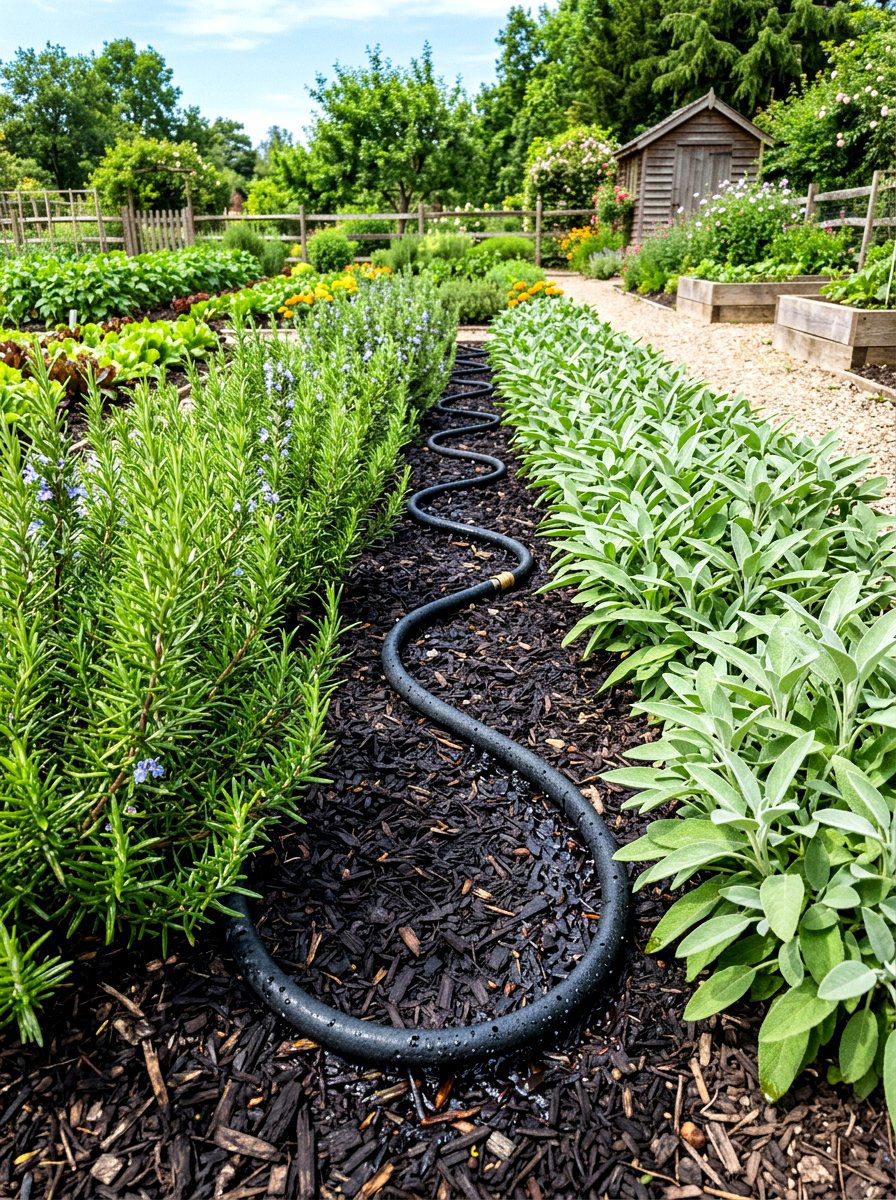
Soaker hoses are porous pipes that leak water slowly along their entire length. They are ideal for greenhouse floor beds or long rows of large containers. Because they release water at a low flow rate, the soil has plenty of time to absorb the moisture deeply. This prevents runoff and ensures that the root zones are thoroughly saturated. You can bury the hoses under a thin layer of mulch to further reduce evaporation. This setup is very easy to install and requires minimal maintenance over the year. It provides a gentle watering experience that does not disturb the soil surface or delicate roots. It is a cost-effective choice for large spaces.
6. Self Watering Pot
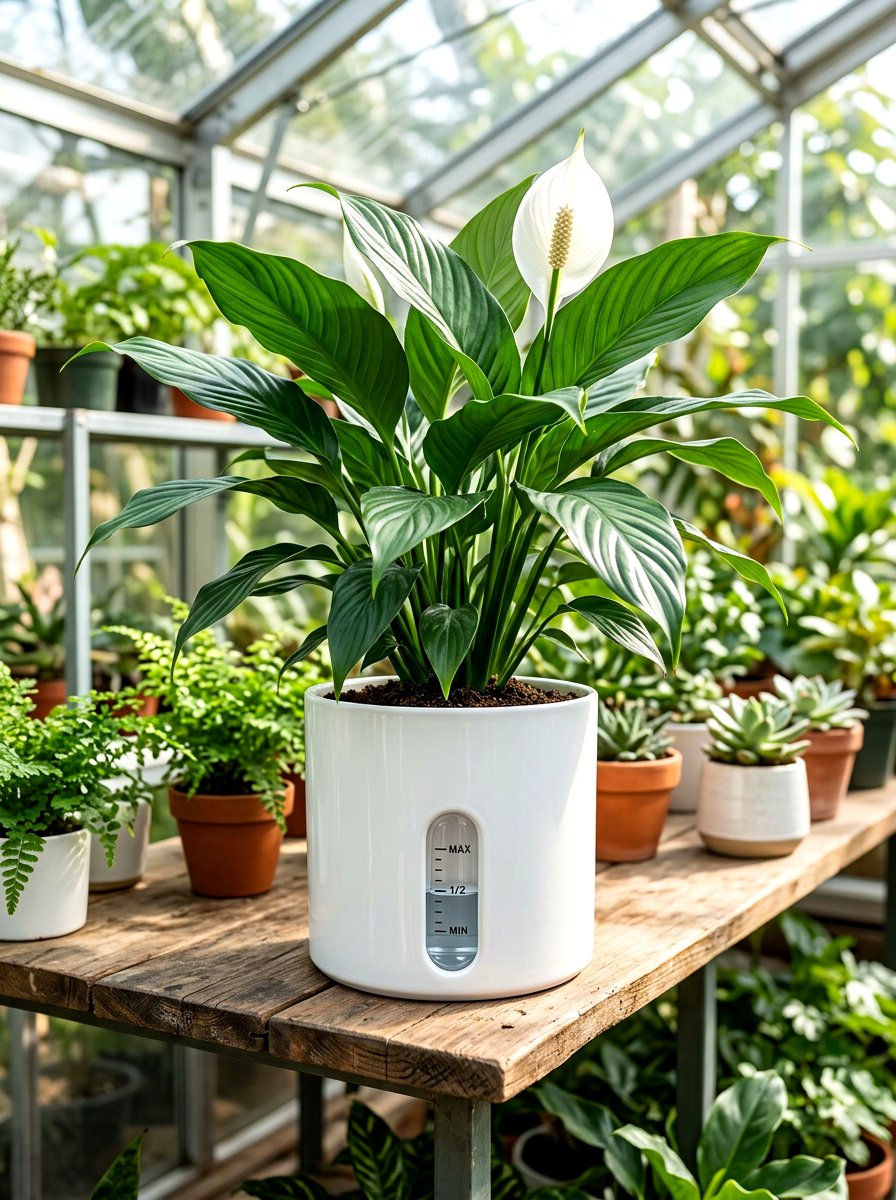
Self-watering pots feature a built-in reservoir at the base that stores extra water for the plant. A wicking mechanism or soil contact point pulls the water upward as the plant needs it. These containers are perfect for busy gardeners who cannot check their greenhouse every single day. They help maintain a very steady moisture level, which is crucial for fruiting plants like tomatoes or peppers. You can easily see the water level through a small gauge or window on the side of the pot. This prevents both overwatering and underwatering, leading to much healthier root systems. They come in many sizes to accommodate everything from herbs to small fruit trees.
7. Overhead Greenhouse Sprinkler
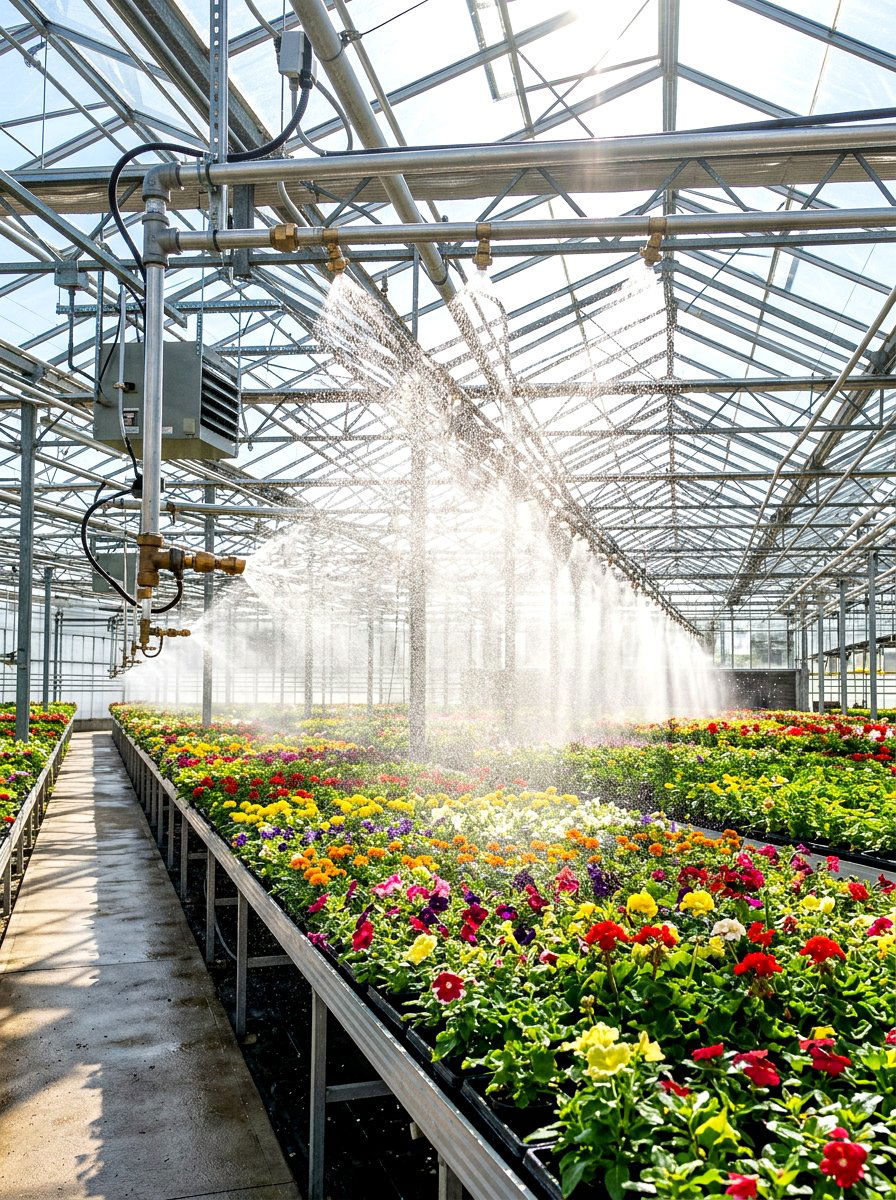
Overhead sprinklers are a traditional choice for watering large areas of a greenhouse quickly. They are usually mounted to the ceiling or support beams to provide full coverage of the floor space. This method is great for established plants that can handle wet foliage and benefit from occasional washing. You can choose between rotating heads or fixed spray patterns depending on your layout. It is a very effective way to lower the temperature inside the greenhouse during peak afternoon heat. However, it is best used in the morning so the leaves have time to dry before nightfall. This reduces the risk of leaf spot diseases and other moisture-related problems.
8. Solar Powered Pump
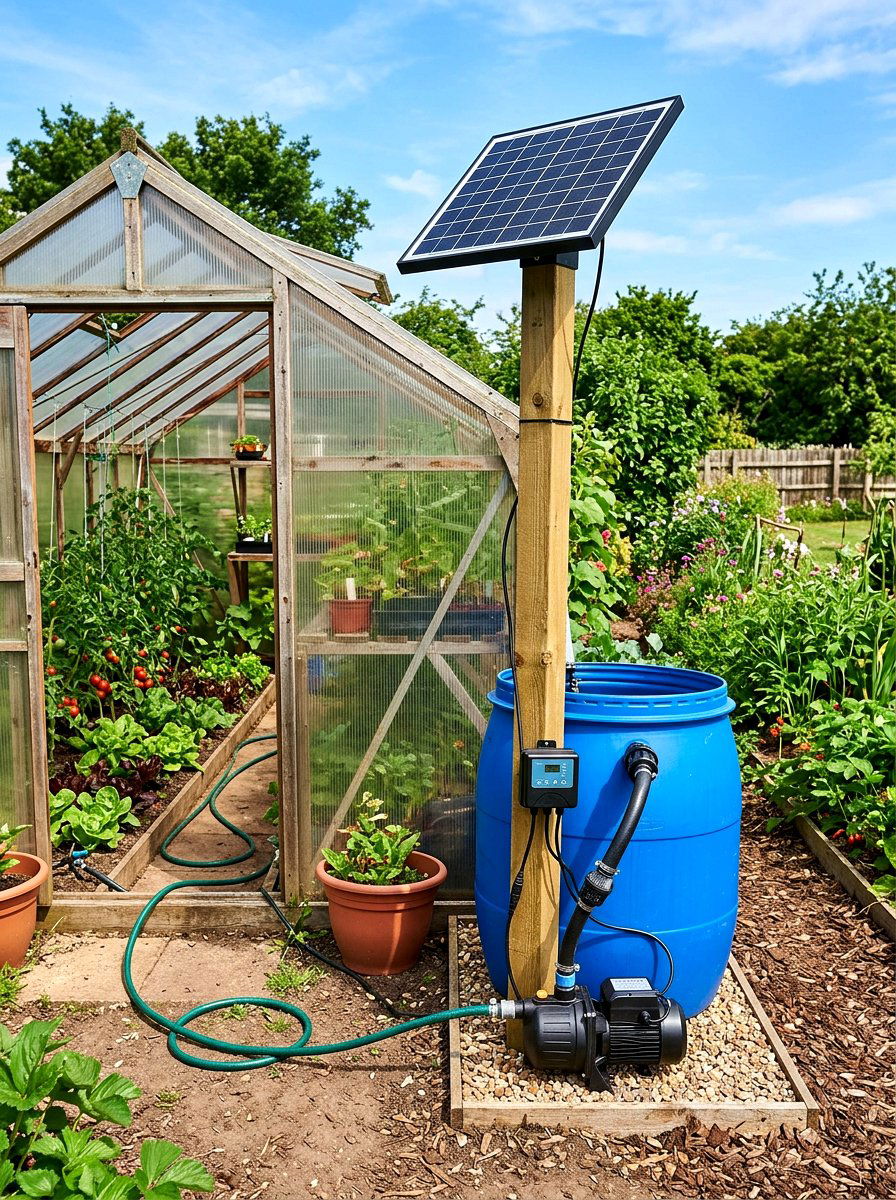
Using a solar-powered pump allows you to move water from a distant barrel or tank without needing an electrical outlet. These pumps are powered by a small solar panel that you can mount on the roof or a nearby post. They are perfect for remote greenhouses or for gardeners looking to reduce their carbon footprint. The pump can drive a drip system or a small fountain to keep the water moving. It is a very reliable way to ensure your plants get watered even during power outages. Many models include a battery backup to keep the system running on cloudy days or during the evening hours. It is an efficient, off-grid solution.
9. Smart Watering Timer
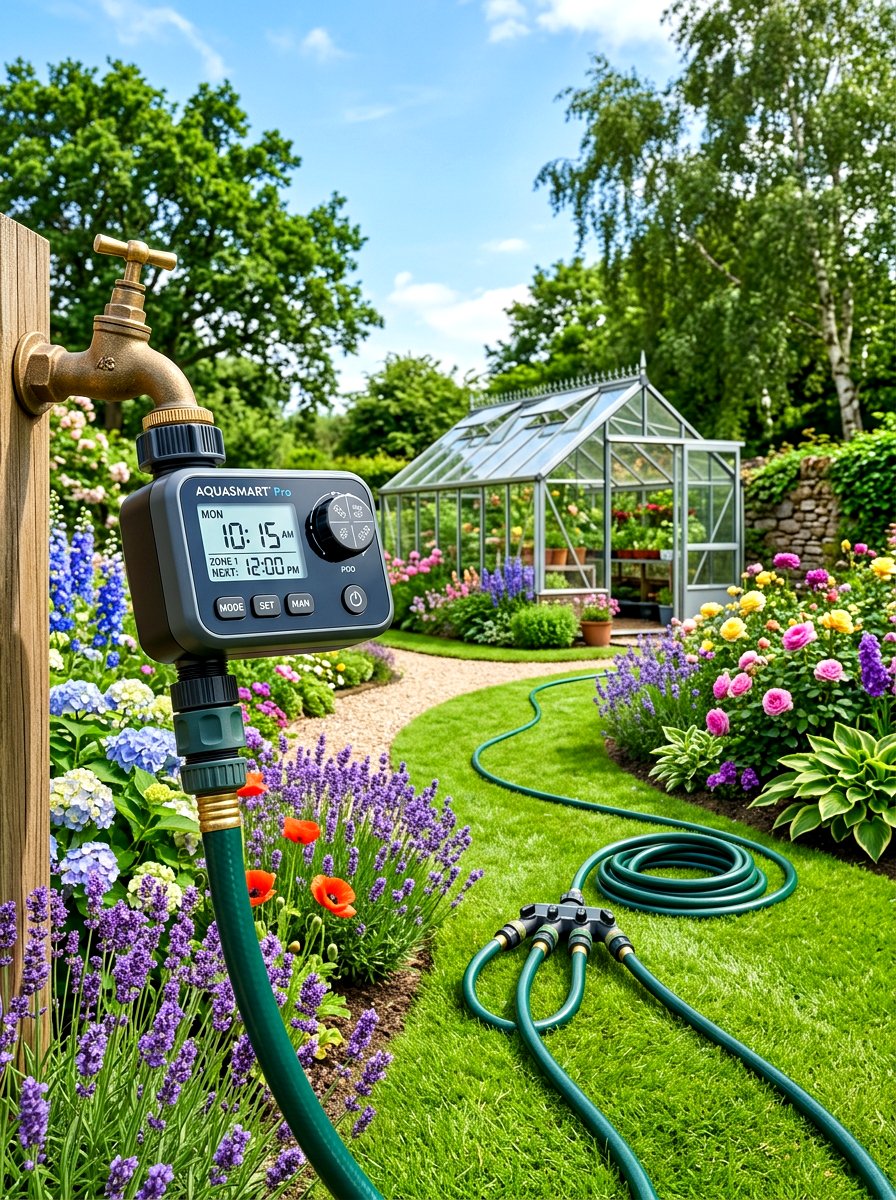
A smart watering timer connects to your smartphone and allows you to control your greenhouse irrigation from anywhere. You can set detailed schedules based on the local weather forecast or specific plant needs. Many models use Wi-Fi or Bluetooth to send alerts to your device if there is a leak or a low battery. This level of control helps you save water by only irrigating when it is actually necessary. Some advanced timers even integrate with soil moisture sensors for fully automated care. It is a great investment for tech-savvy gardeners who want precision and convenience. You can easily adjust the settings as the seasons change or the plants grow.
10. Gravity Fed Irrigation
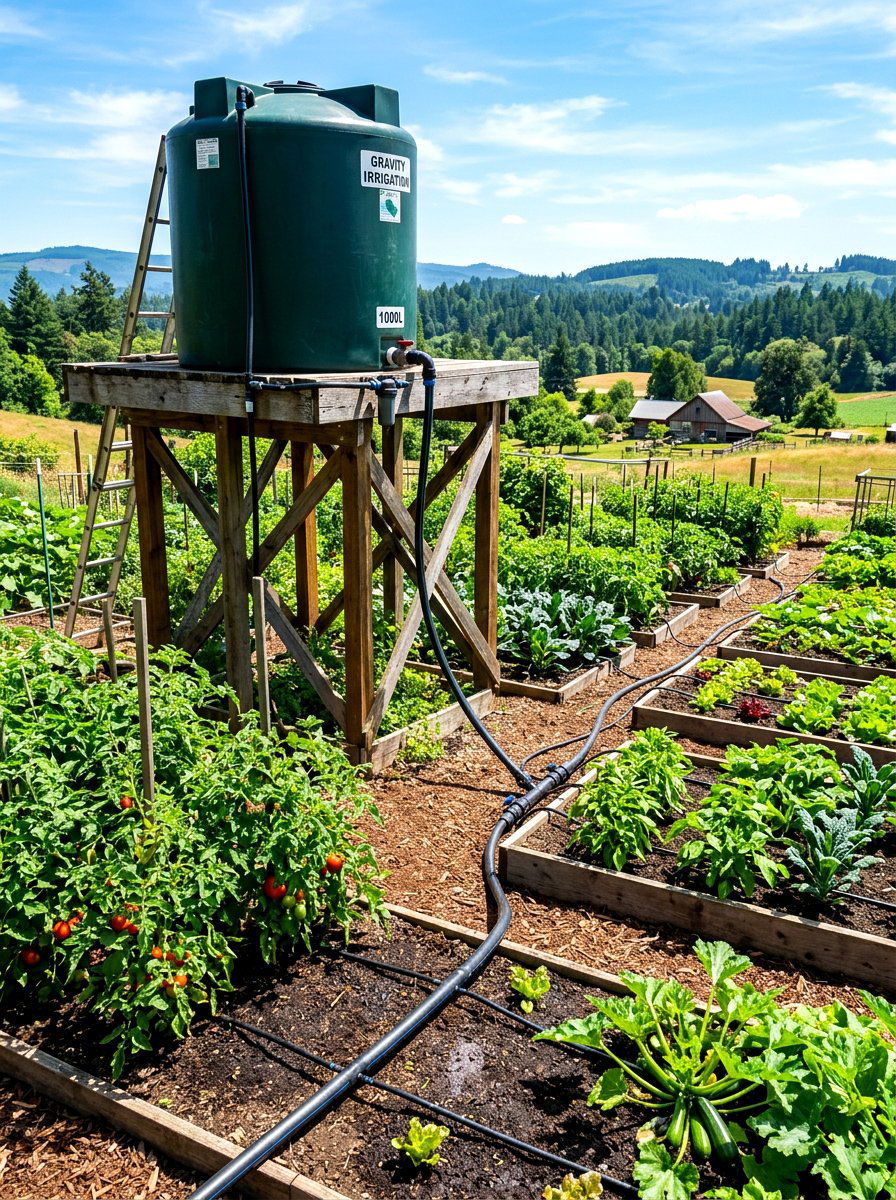
Gravity-fed systems rely on the weight of water to push it through tubes and into your garden beds. You simply place your water source, like a large tank or barrel, at a higher elevation than the plants. This setup does not require any electricity or expensive pumps to function properly. It is a very quiet and reliable way to provide a constant flow of moisture to your greenhouse. You can use large diameter tubing to ensure there is enough pressure for the emitters to work. This is a favorite method for many sustainable and permaculture-based greenhouse designs. It is simple to build and very easy to maintain over many years.
11. Greenhouse Wicking Bed
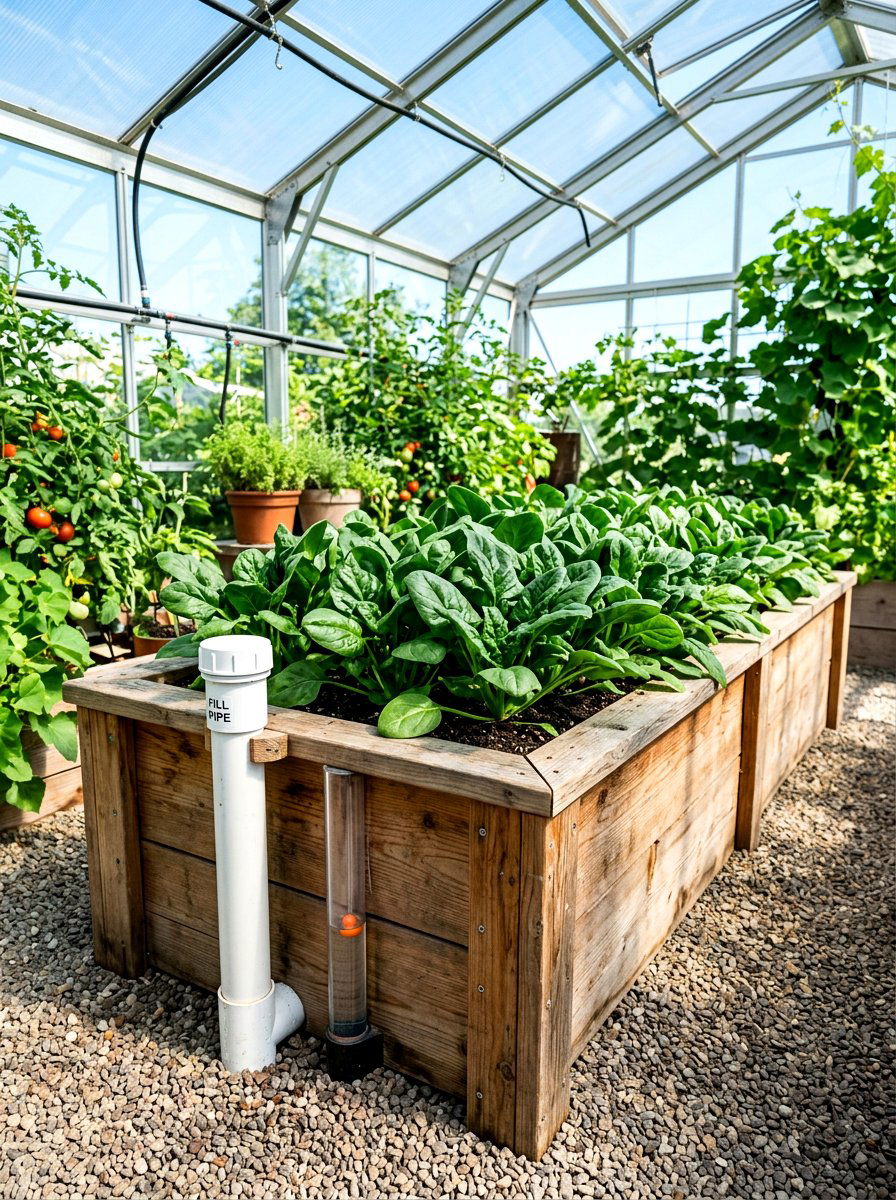
Wicking beds are essentially large self-watering containers that use a sub-irrigation system. The bottom of the bed holds a reservoir of water, usually filled with gravel or specialized cells. A layer of geotextile fabric separates the water from the soil to prevent the dirt from washing away. Moisture moves upward through the soil via capillary action, keeping the roots perfectly hydrated. This setup can significantly reduce the frequency of watering, sometimes by several weeks. It is an excellent choice for growing leafy greens or moisture-loving vegetables inside a greenhouse. Wicking beds also help keep the soil temperature more stable, which encourages much faster and healthier plant growth.
12. Fogging Nozzle Kit
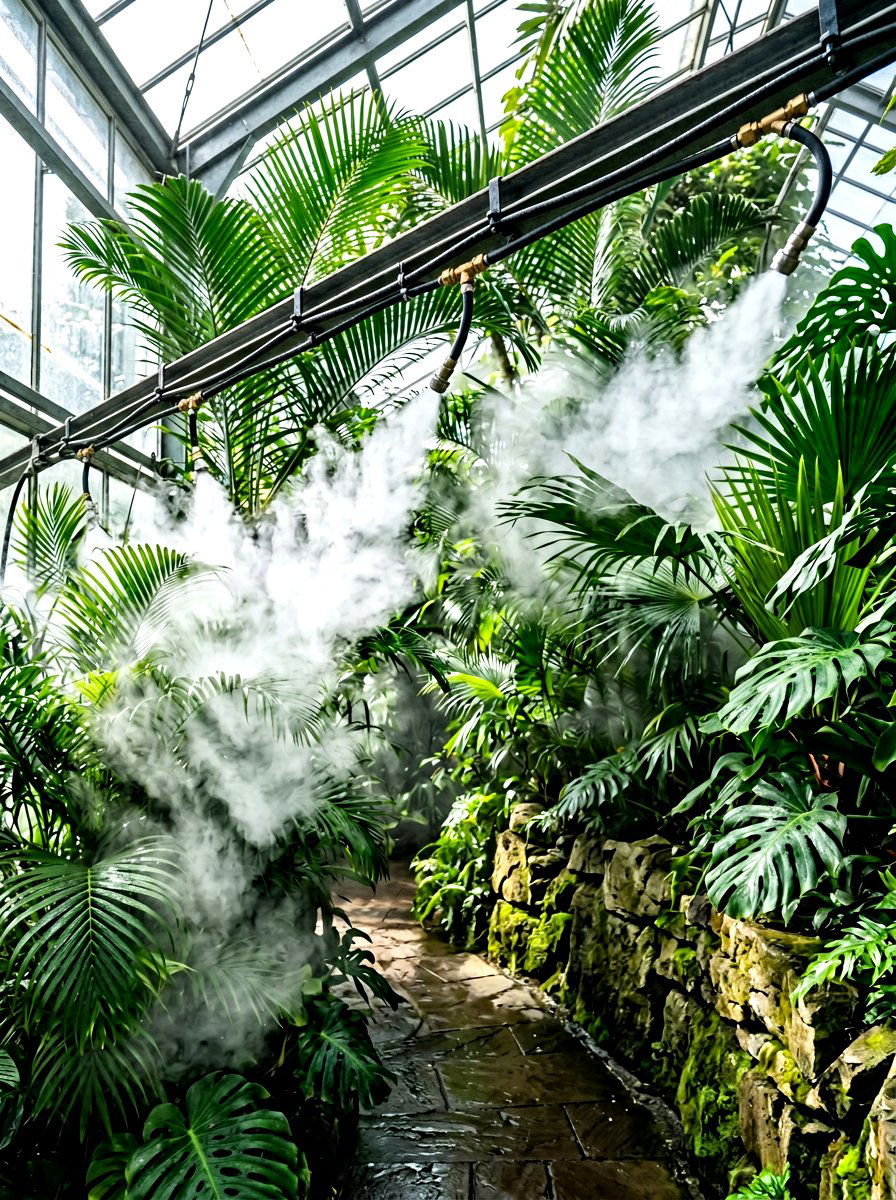
Fogging nozzles create an incredibly fine mist that stays suspended in the air longer than standard misting. This is the ultimate solution for humidity control and evaporative cooling in a hot greenhouse. The tiny droplets evaporate almost instantly, which pulls heat out of the air very effectively. This creates a much more comfortable environment for both the plants and the gardener. Fogging systems are often used for professional orchid cultivation or starting very sensitive cuttings. They help prevent wilting by reducing the rate of transpiration from the leaves. While they require a bit more pressure to operate, the results in plant health and growth are often worth the extra effort.
13. Underground Olla Pot
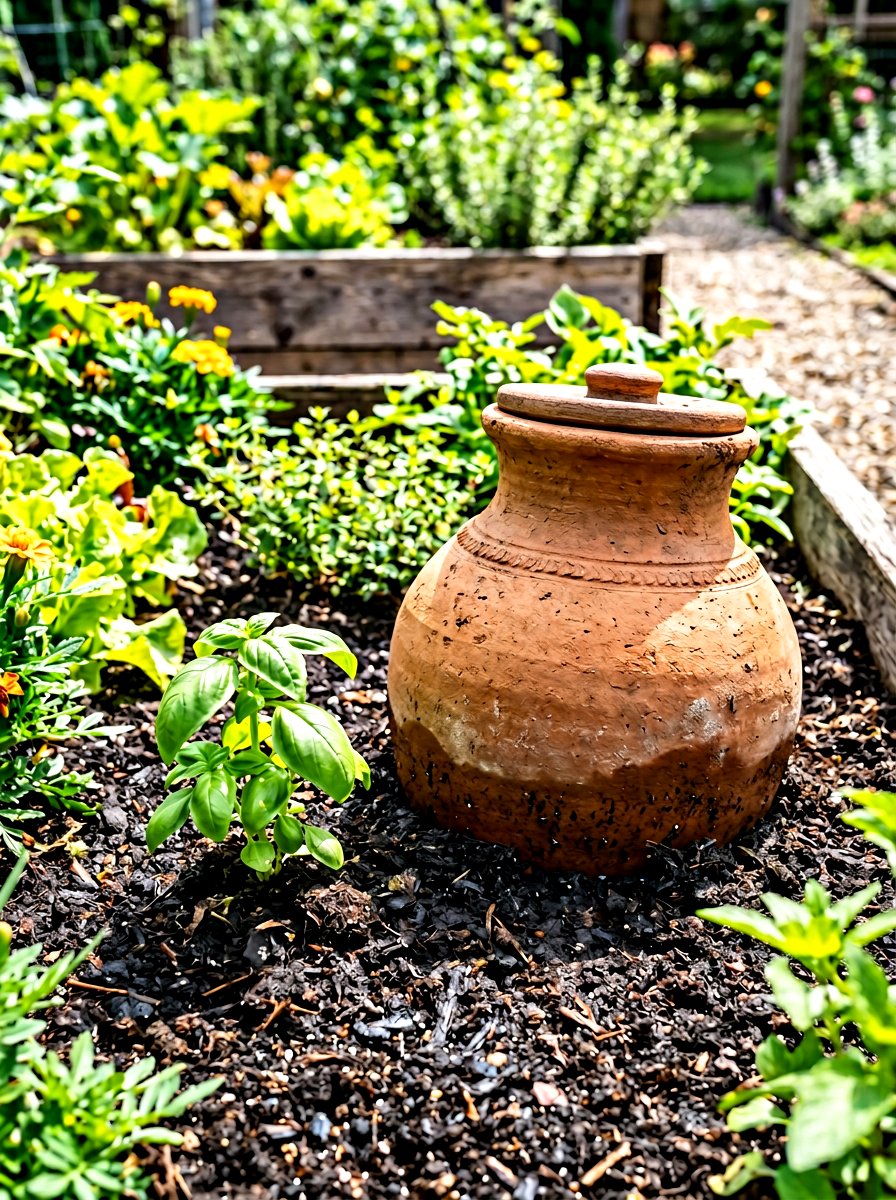
Olla pots are unglazed terracotta jars that you bury in the soil next to your plants. You fill the jar with water, and the moisture slowly seeps through the porous clay walls. The plant roots will naturally grow toward the pot to drink exactly what they need. This is one of the most water-efficient methods available for greenhouse gardening today. Because the water is delivered underground, there is almost zero loss to evaporation. It also keeps the soil surface dry, which helps prevent weed seeds from germinating. You only need to refill the jars every few days, depending on the weather and the size of the plants.
14. Greenhouse Potting Sink
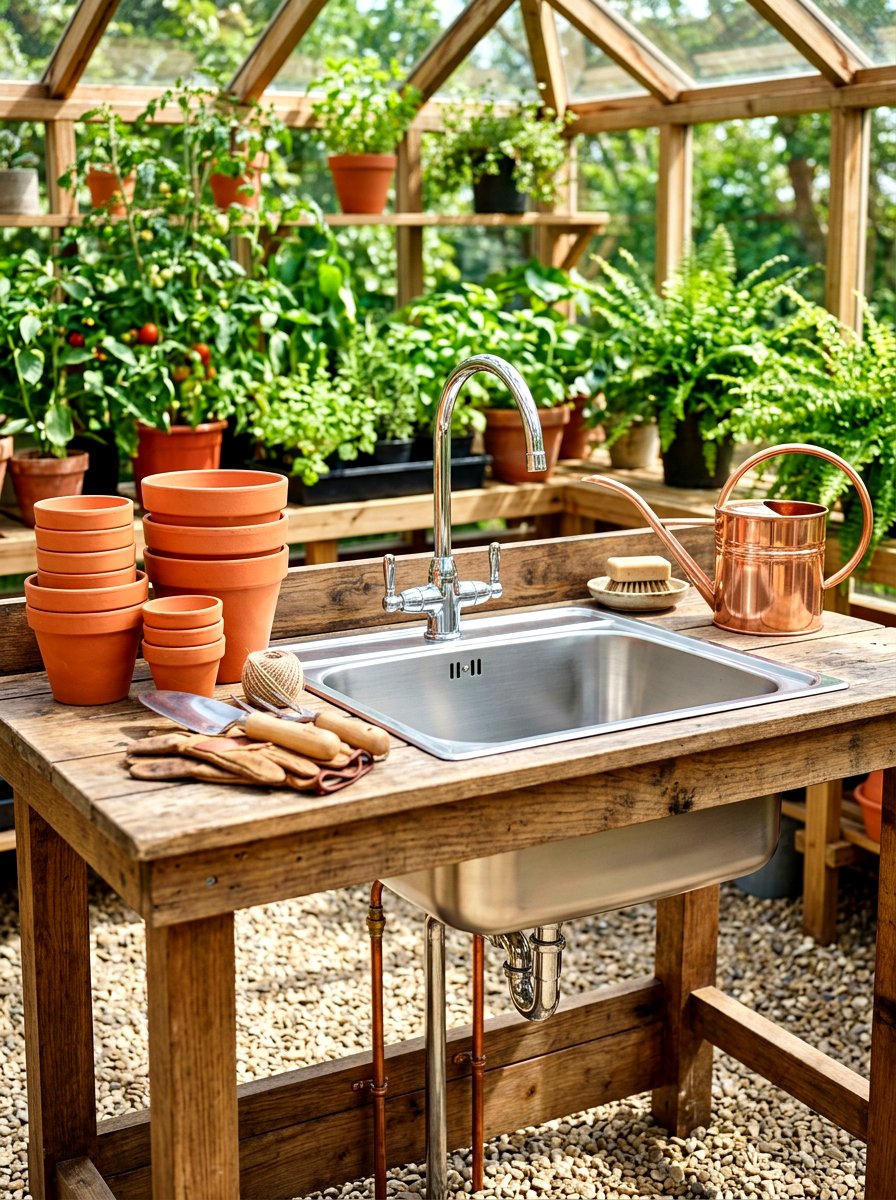
Having a dedicated sink inside your greenhouse makes manual watering and cleaning much more convenient. You can use the sink to fill watering cans, wash off tools, or rinse harvested vegetables. It provides a central location for all your water-related tasks, saving you trips back to the main house. Many gardeners install a deep utility sink with a high-arched faucet to accommodate large containers. You can also connect the drain to a gray-water system to irrigate ornamental plants outside. A sink adds a professional touch to your workspace and helps keep the greenhouse organized. It is a practical feature that any serious indoor gardener will truly appreciate having.
15. Seedling Humidity Dome
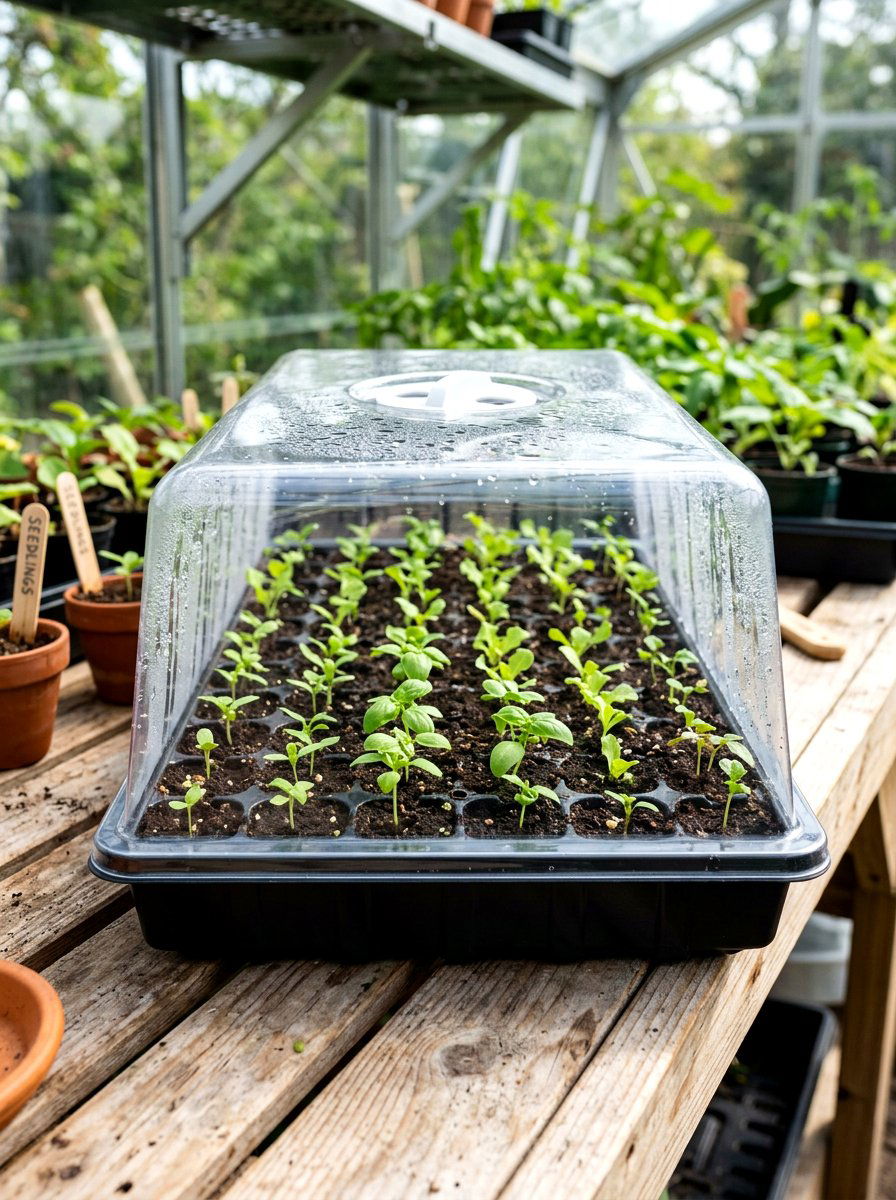
Humidity domes are clear plastic covers that sit over seed trays to trap moisture and warmth. They create a perfect mini-greenhouse effect for vulnerable new sprouts. By keeping the air around the seedlings humid, the domes prevent the soil from drying out too quickly. Most domes feature adjustable vents on top so you can control the airflow and temperature. This is a very simple and inexpensive way to increase your germination success rate. Once the seeds have sprouted and developed their first true leaves, you can gradually remove the dome. It is an essential tool for anyone starting a lot of plants from seed in the early spring.
16. Vertical Garden Drip
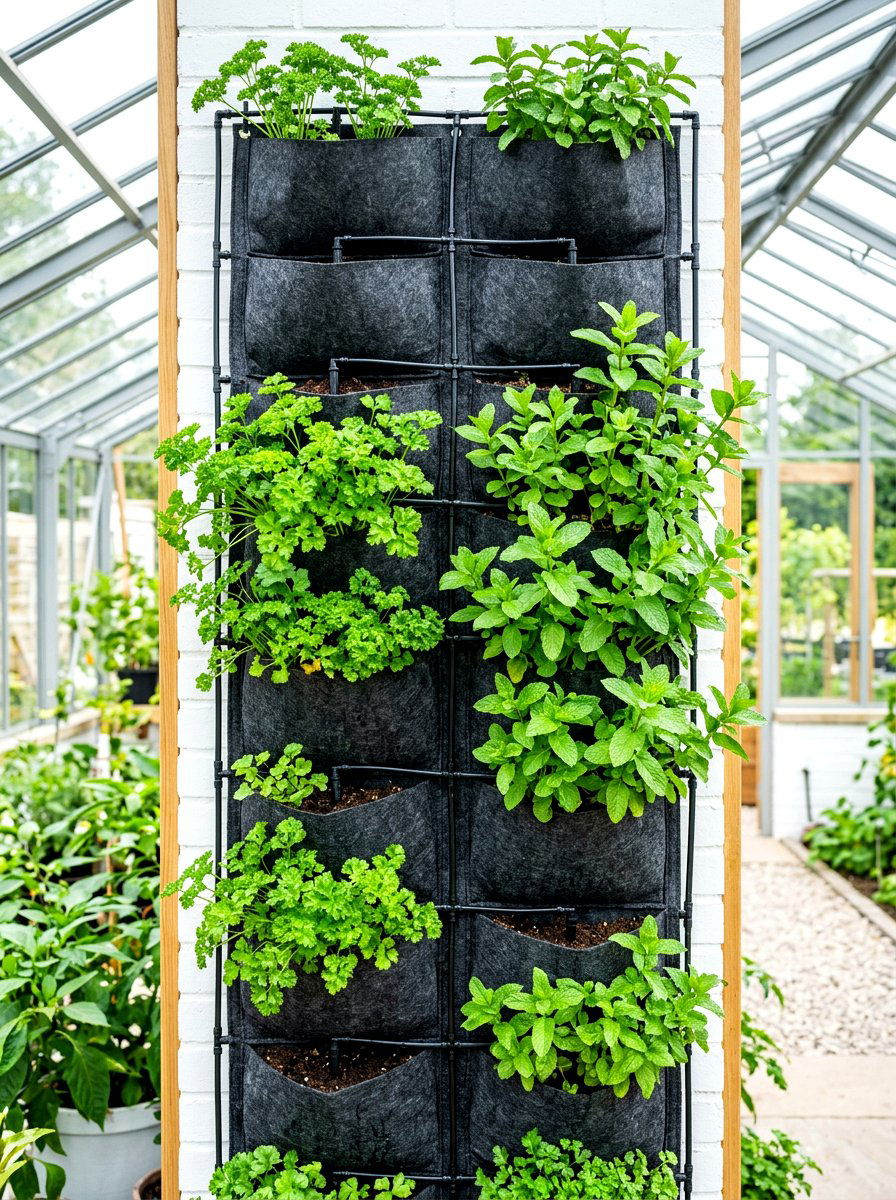
Vertical gardens are a great way to maximize space, but they require a specialized watering approach. A vertical drip system uses a series of tubes that run down the wall or structure. Each individual planter or pocket receives its own emitter to ensure even hydration from top to bottom. This prevents the bottom plants from getting soaked while the top ones stay dry. You can hide the tubing behind the foliage for a very clean and professional look. Many vertical kits are designed to be modular, so you can expand them as your collection grows. It is a smart way to bring more greenery into a small greenhouse footprint.
17. Hydroponic Nutrient Film
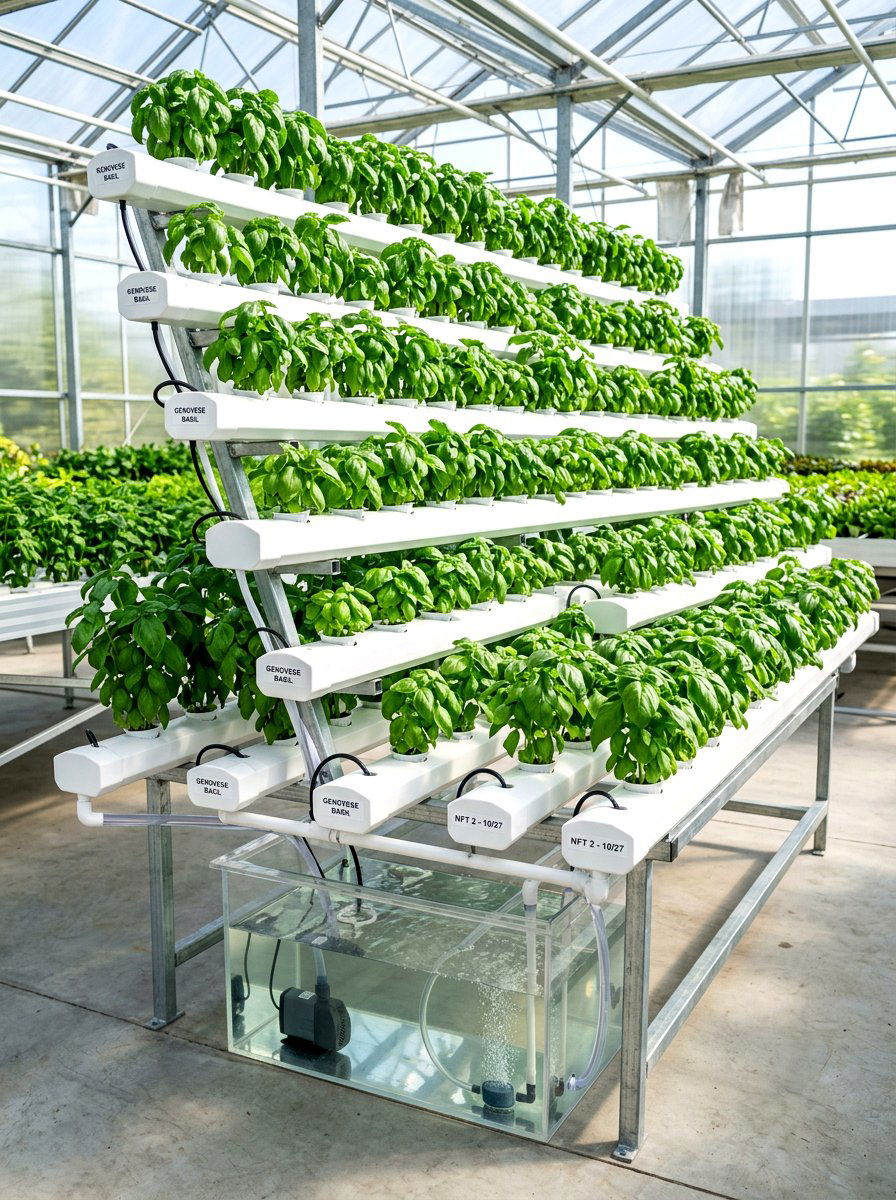
The nutrient film technique is a popular hydroponic method where a thin stream of water flows over plant roots. The water is enriched with essential minerals and recirculated through a closed system. Plants are usually grown in long channels or tubes that are slightly tilted to allow for gravity flow. This method provides constant access to both water and oxygen, leading to incredibly fast growth rates. It is a very efficient use of water since almost nothing is lost to the environment. You can grow a large volume of lettuce or herbs in a very small area using this setup. It requires a pump and a nutrient reservoir.
18. Bottom Watering Station
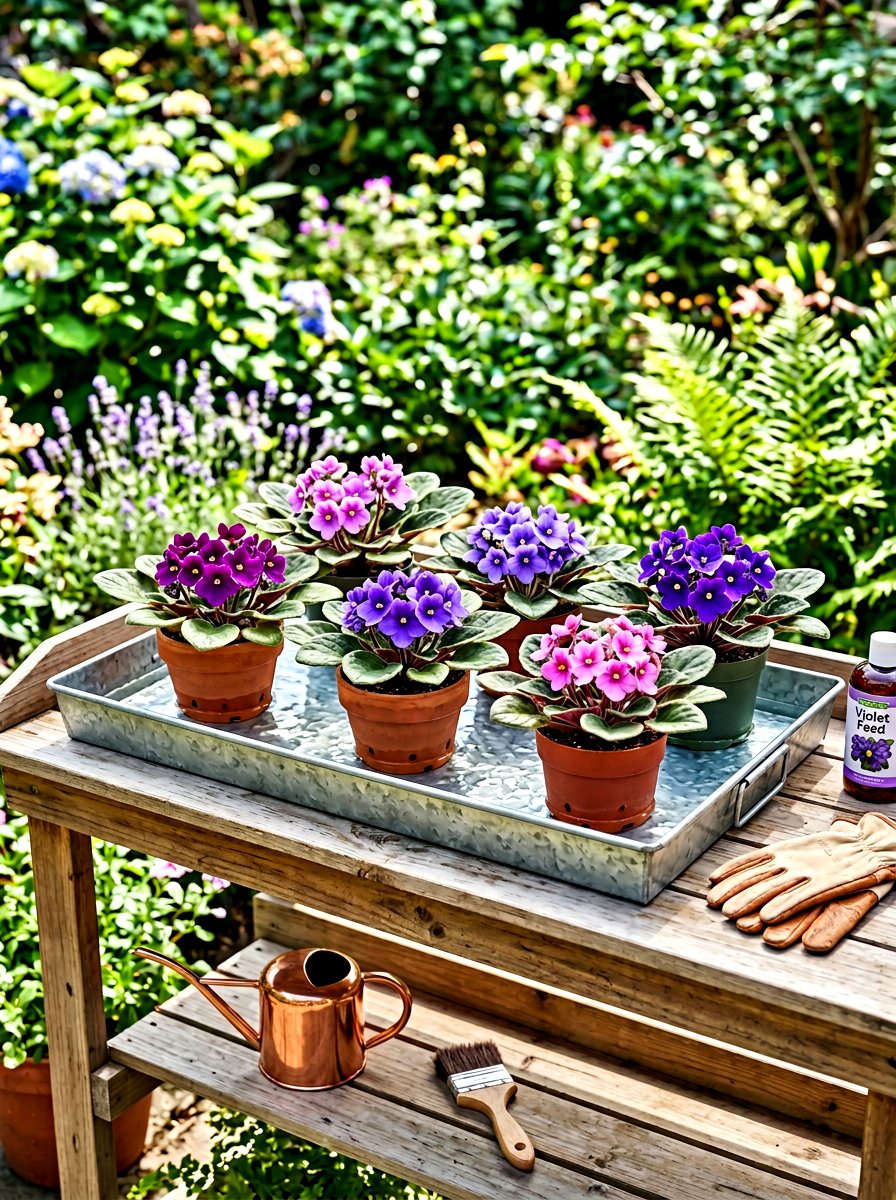
A bottom watering station is a dedicated area in your greenhouse for hydrating pots from the base. It usually consists of a shallow, waterproof tray or a series of lined benches. You fill the station with a few inches of water and let the plants soak for an hour. This allows the soil to absorb moisture deeply without compacting the surface or washing away nutrients. It is a very gentle way to water delicate flowers or heavy-feeding vegetables. After the plants have finished drinking, you can drain the excess water to prevent root rot. This method encourages deep root growth and ensures the entire root ball is wet.
19. Wall Mounted Hose
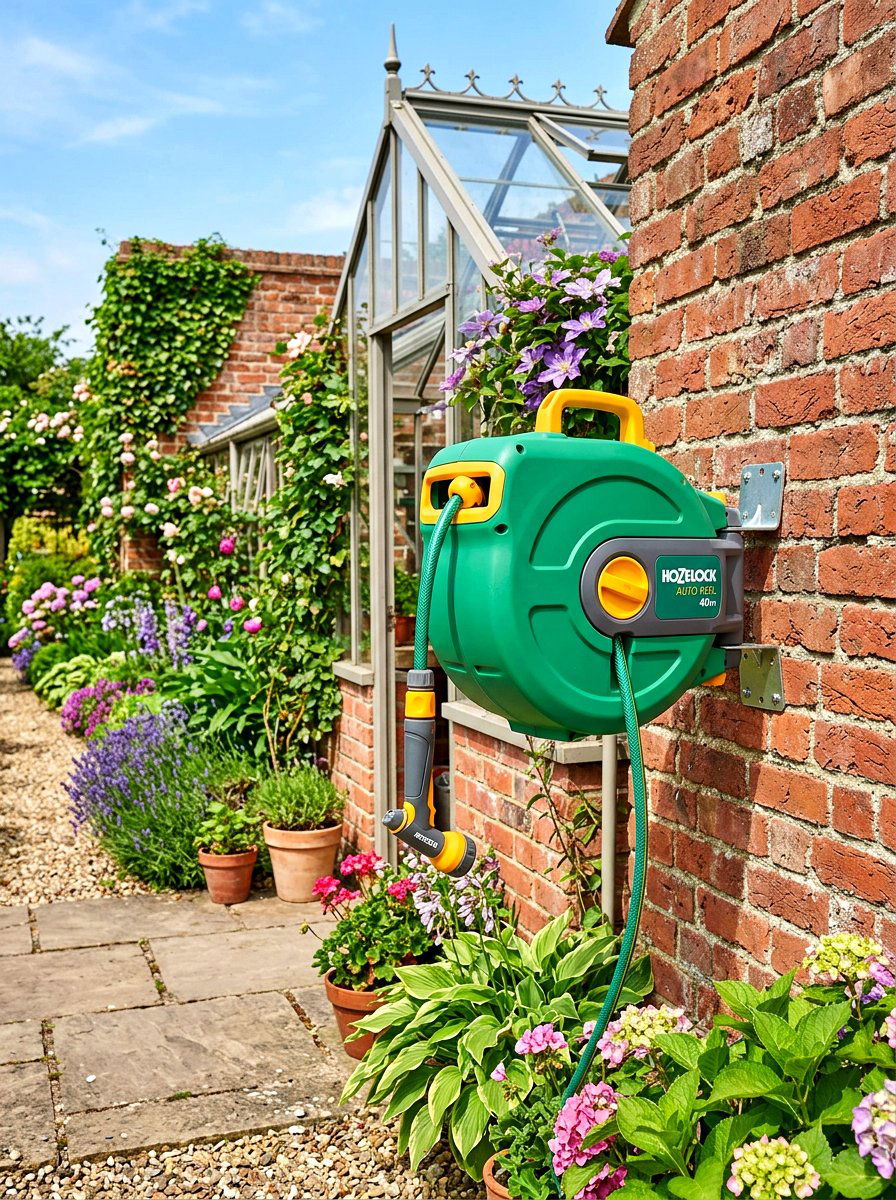
A wall-mounted hose reel keeps your greenhouse floor clear of tripping hazards and tangles. It allows you to easily reach every corner of the structure without dragging a heavy hose over your plants. Many modern reels feature an automatic rewind function that retracts the hose neatly after use. You can attach various spray nozzles or wands to the end for different watering tasks. Mounting the reel at waist height makes it very comfortable to use and reduces strain on your back. It is a simple organizational upgrade that makes daily maintenance much more enjoyable. A high-quality, kink-resistant hose is a must-have for any functional greenhouse layout.


20. Aquaponic Growing System
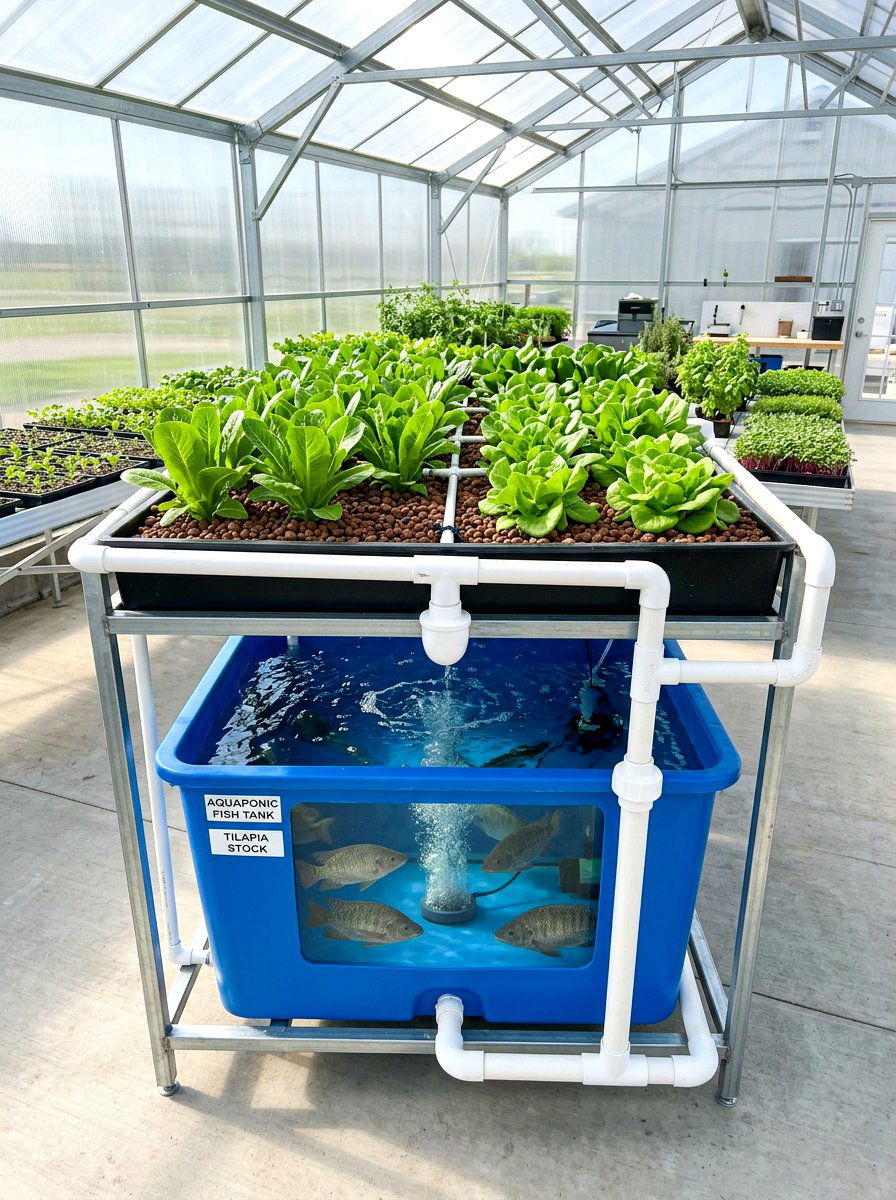
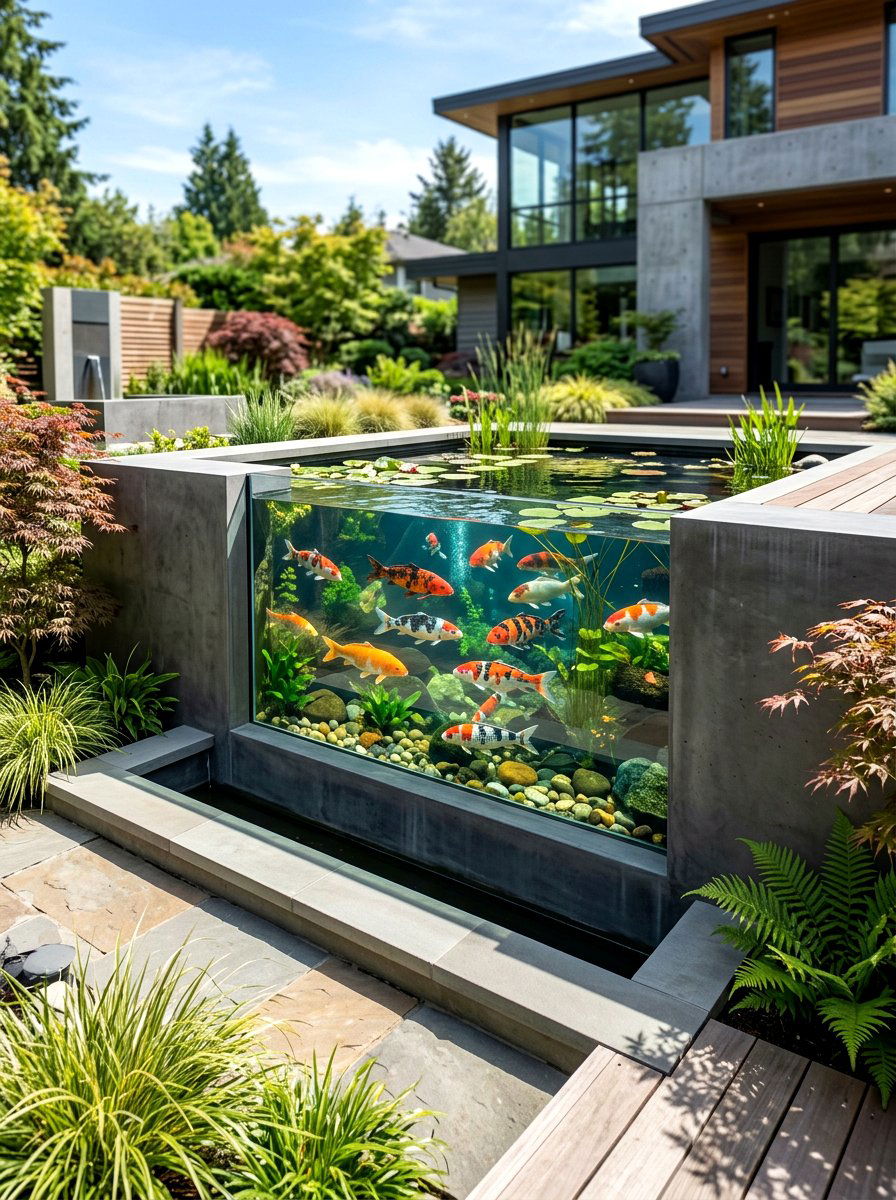
Aquaponics combines fish farming with plant cultivation in a clever recirculating system. The waste produced by the fish provides natural nutrients for the greenhouse plants. In return, the plants filter and clean the water before it returns to the fish tank. This creates a sustainable ecosystem where both the fish and the plants can thrive. It is an incredibly efficient way to grow food while using very little water compared to traditional soil gardening. You can grow fish like tilapia alongside vegetables like cucumbers or kale. This setup requires some initial knowledge of water chemistry but offers a very rewarding and productive gardening experience.
21. Greenhouse Floor Drainage
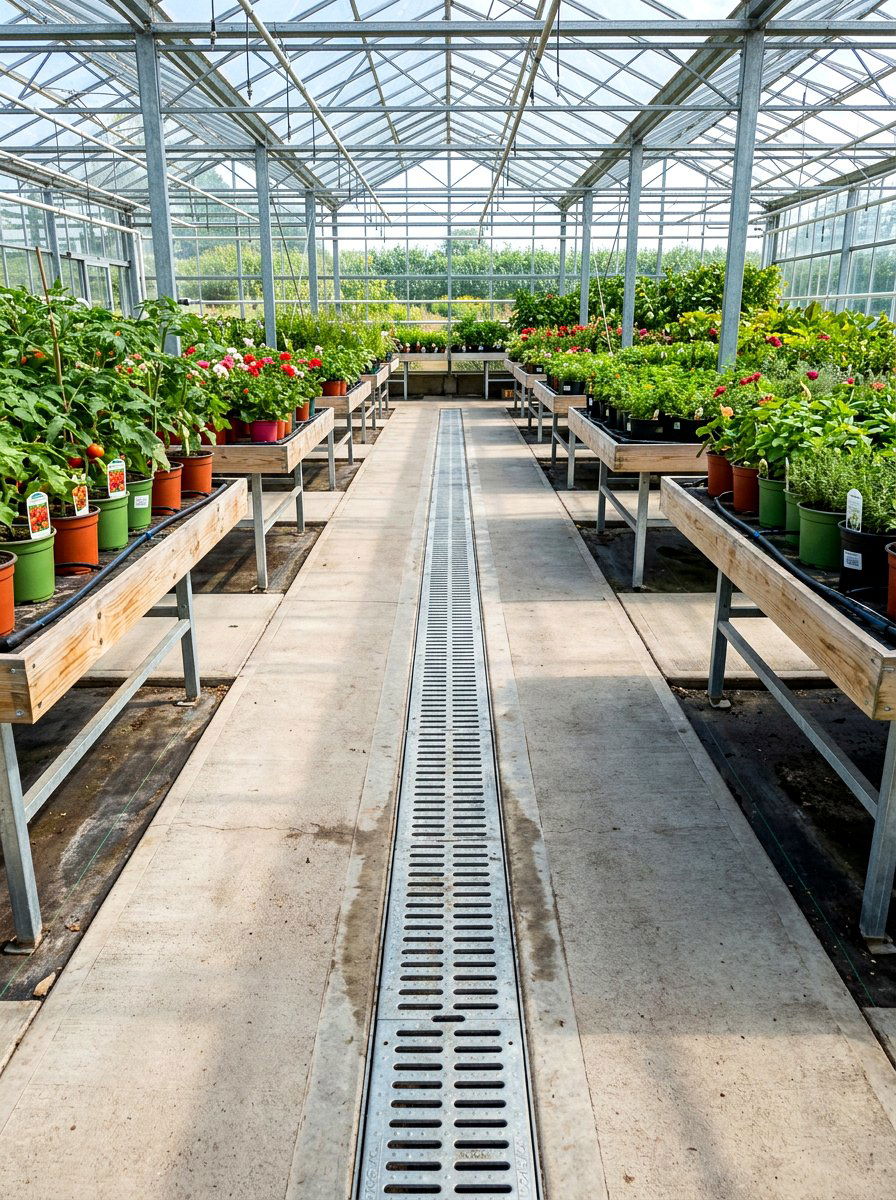
Proper floor drainage is a critical part of any greenhouse watering plan. Without a way for excess water to escape, your greenhouse can become muddy, humid, and prone to mold. You can install a sloped floor that directs water toward a central drain or a gravel-filled trench. Some gardeners use porous pavers or crushed stone to allow water to seep naturally into the ground. A good drainage system keeps your walkways dry and safe while protecting the structure from water damage. It also helps manage the overall humidity levels by preventing standing puddles. Planning your drainage early on will save you a lot of trouble later.
22. Terracotta Watering Spike
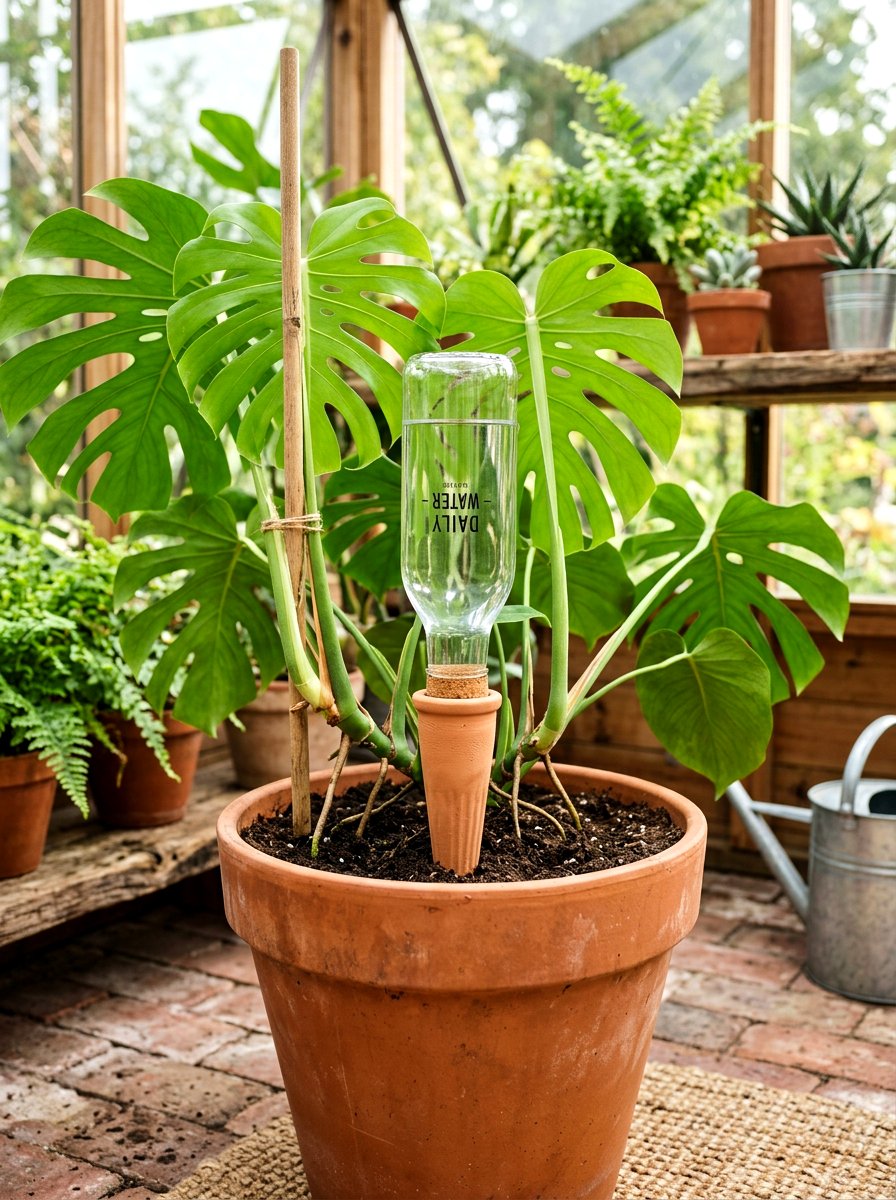
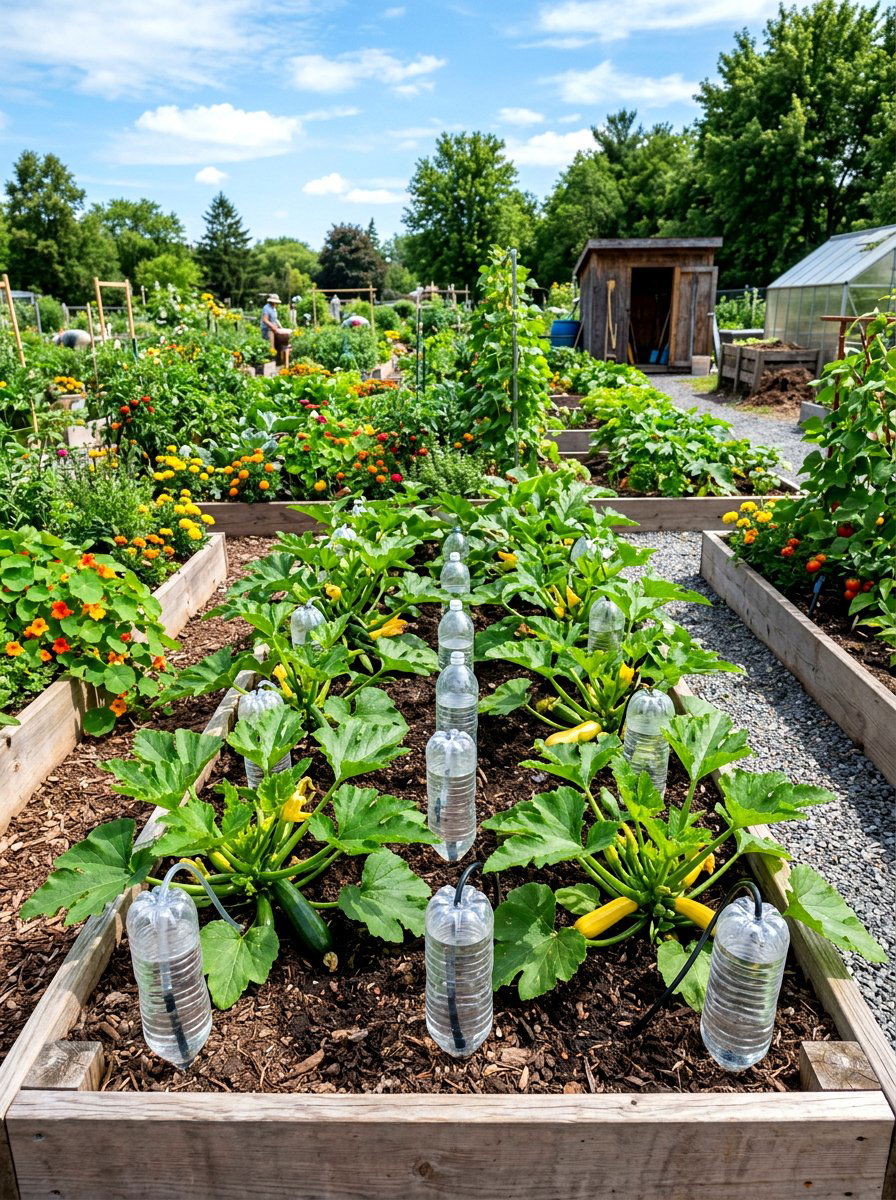
Terracotta spikes are a low-tech way to deliver water directly to the root zone of potted plants. You simply push the porous clay spike into the soil and attach a recycled plastic bottle filled with water. The water slowly seeps through the terracotta as the soil dries out. This provides a steady supply of moisture for several days at a time. It is a very affordable and sustainable option for vacation watering or for particularly thirsty plants. The spikes are reusable and can be moved from pot to pot as needed. They are a great way to recycle old soda or wine bottles in the garden.
23. Handheld Watering Wand
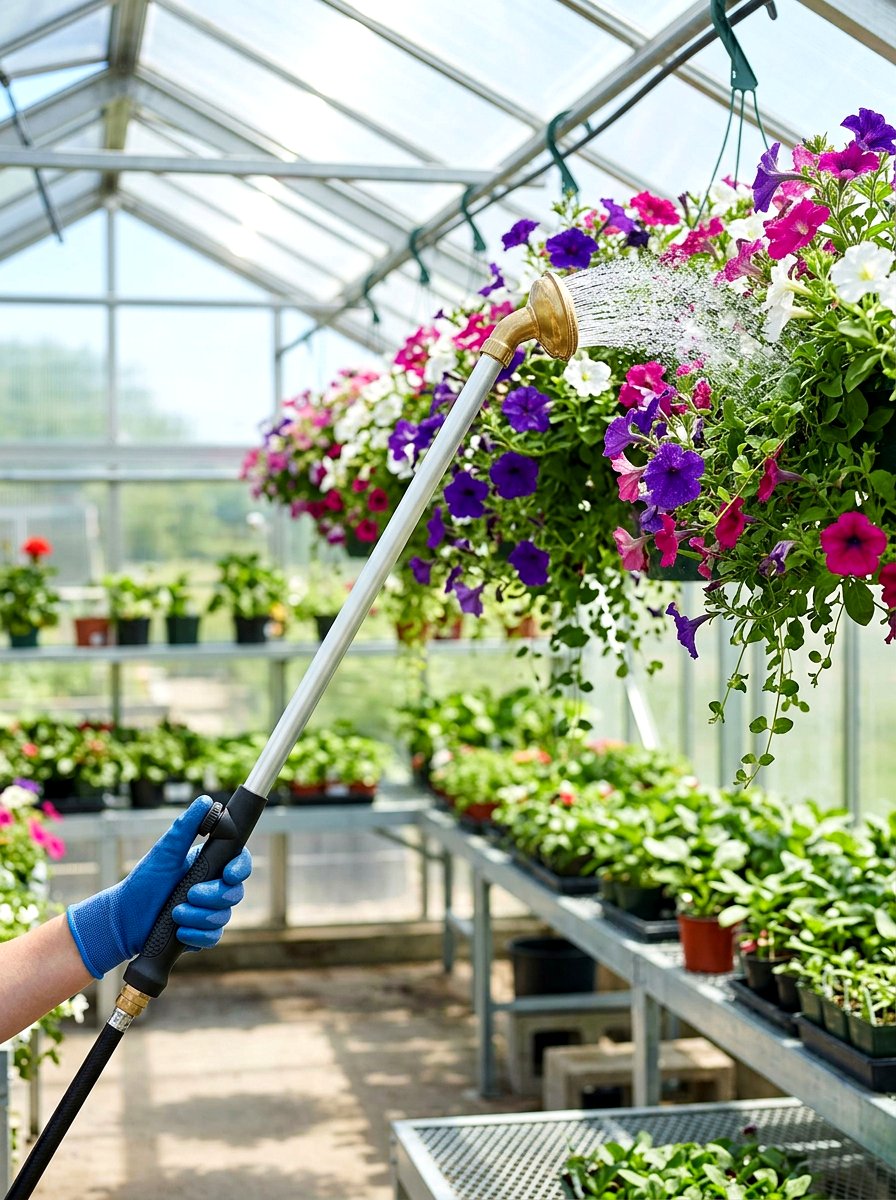
A watering wand is a long-handled attachment for your garden hose that provides a gentle, rain-like spray. It allows you to reach hanging baskets and the back of deep benches without any stretching. The long reach helps you apply water directly to the soil instead of the leaves. Most wands feature a thumb-operated shut-off valve for easy control of the water flow. This helps you save water as you move between different pots or garden beds. High-quality wands are made of lightweight aluminum to reduce hand fatigue during long watering sessions. They are a versatile tool that every greenhouse gardener should have in their collection.
24. Greenhouse Water Tank
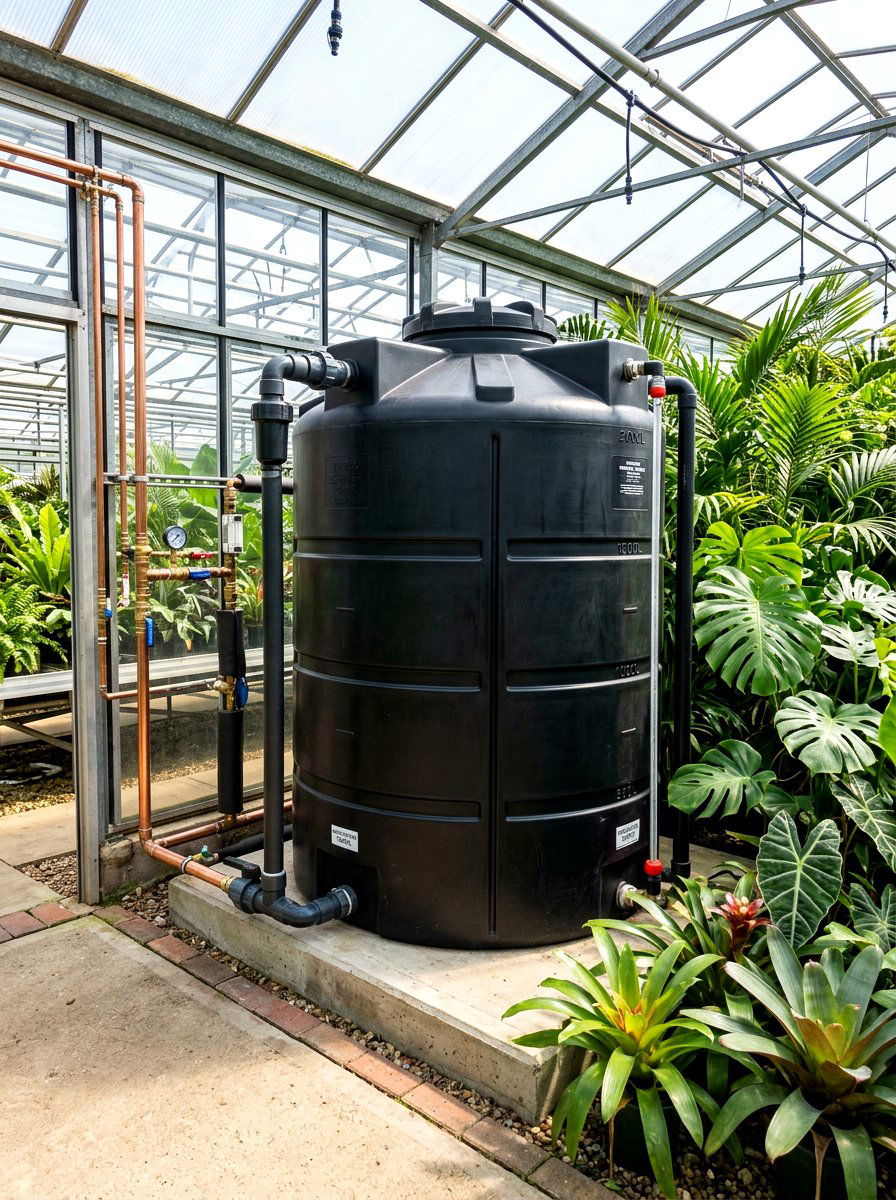
Installing a large water storage tank inside or next to your greenhouse ensures you always have a backup supply. These tanks can be filled from a well, a city line, or a rainwater collection system. Having a large volume of water on hand helps regulate the temperature inside the greenhouse. The thermal mass of the water absorbs heat during the day and releases it slowly at night. This can help prevent frost damage during cold snaps in the early spring. You can connect the tank to a pump or a gravity-fed line for easy distribution to your plants. Tanks come in many shapes to fit your space.
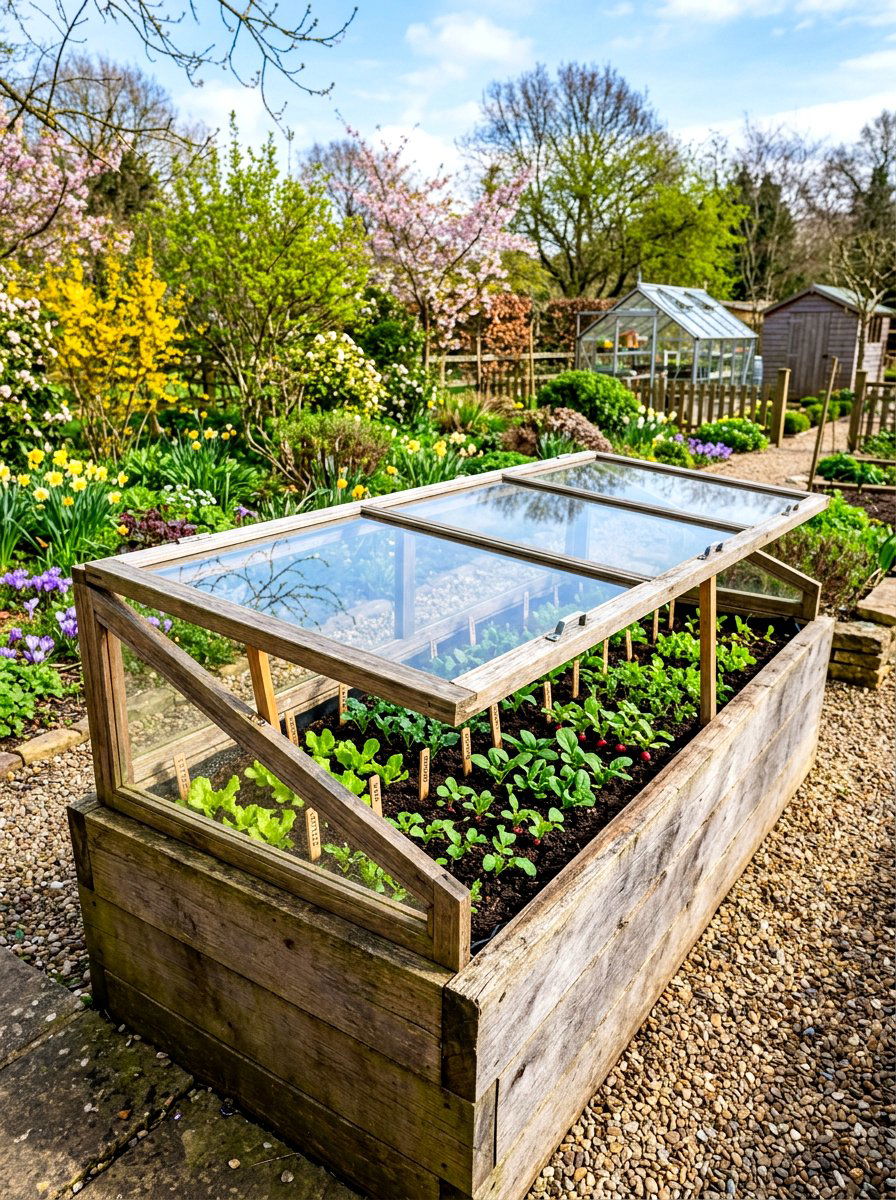
25. PVC Pipe Watering
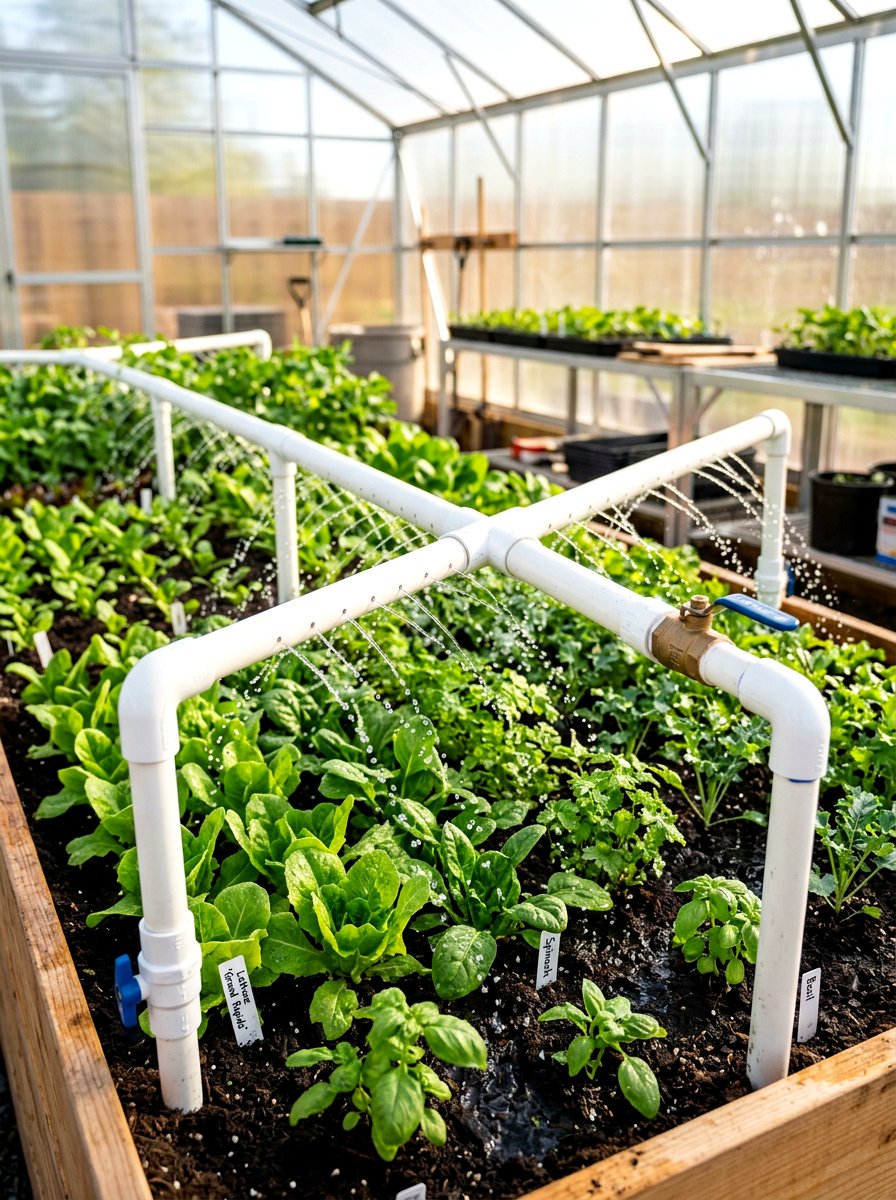
DIY PVC pipe watering systems are a cost-effective way to automate your greenhouse irrigation. You can drill small holes into PVC pipes and lay them across your garden beds or benches. When you turn on the water, it sprays out of the holes to provide even coverage. This setup is very durable and can be customized to fit any greenhouse size or shape. You can also use PVC pipes to create vertical towers for growing strawberries or herbs. By connecting the pipes to a central timer, you can create a fully hands-free watering solution. It is a fun and practical project for any handy gardener to try.
26. Greenhouse Gutter Collection
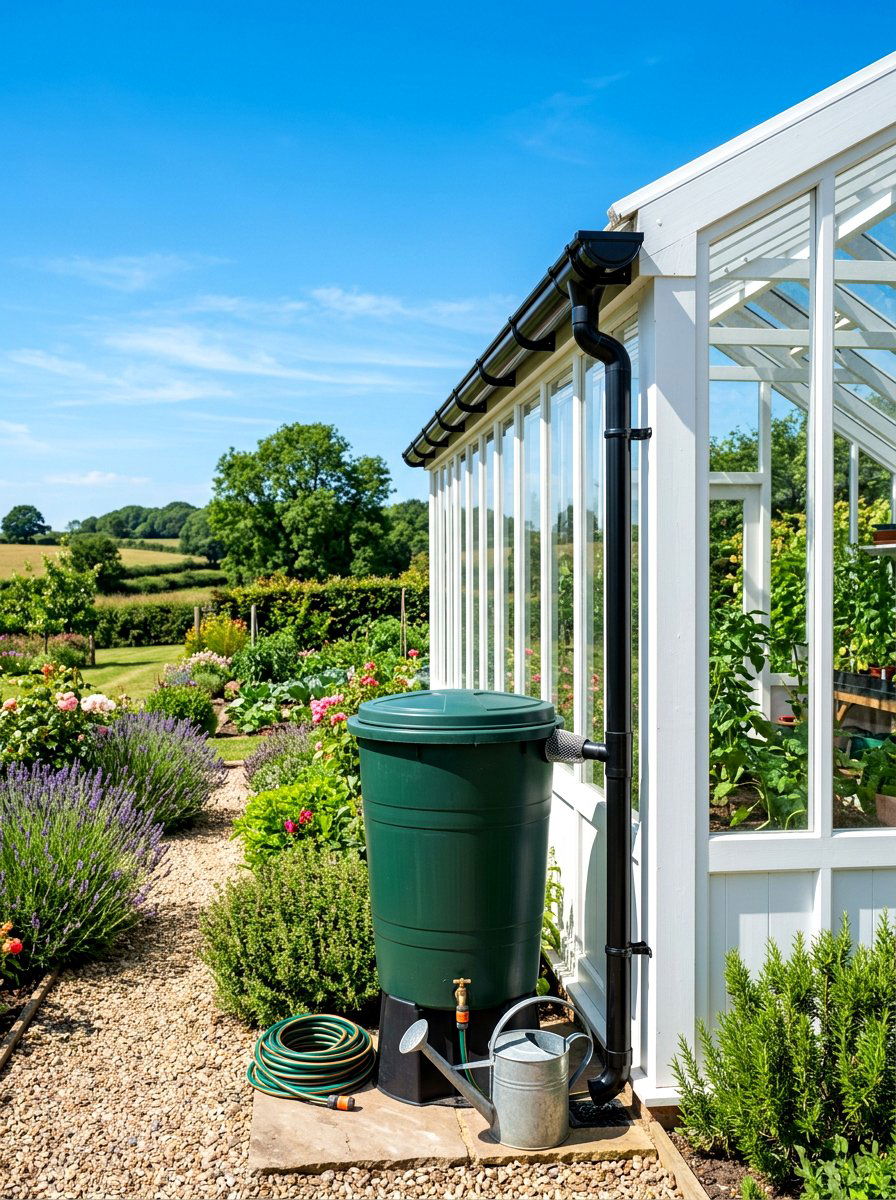
Adding gutters to your greenhouse roof is the first step toward a successful rainwater harvesting system. Gutters catch the runoff from rain or melting snow and channel it toward your storage containers. This prevents water from pooling around the foundation of your greenhouse, which can cause structural issues. You can use standard vinyl or aluminum gutters that are easy to install on most frames. Make sure to include downspouts and leaf guards to keep the system running smoothly. This simple addition can provide hundreds of gallons of free water over a single growing season. It is a smart way to utilize the entire surface area of your structure.
27. Gray Water Recycling
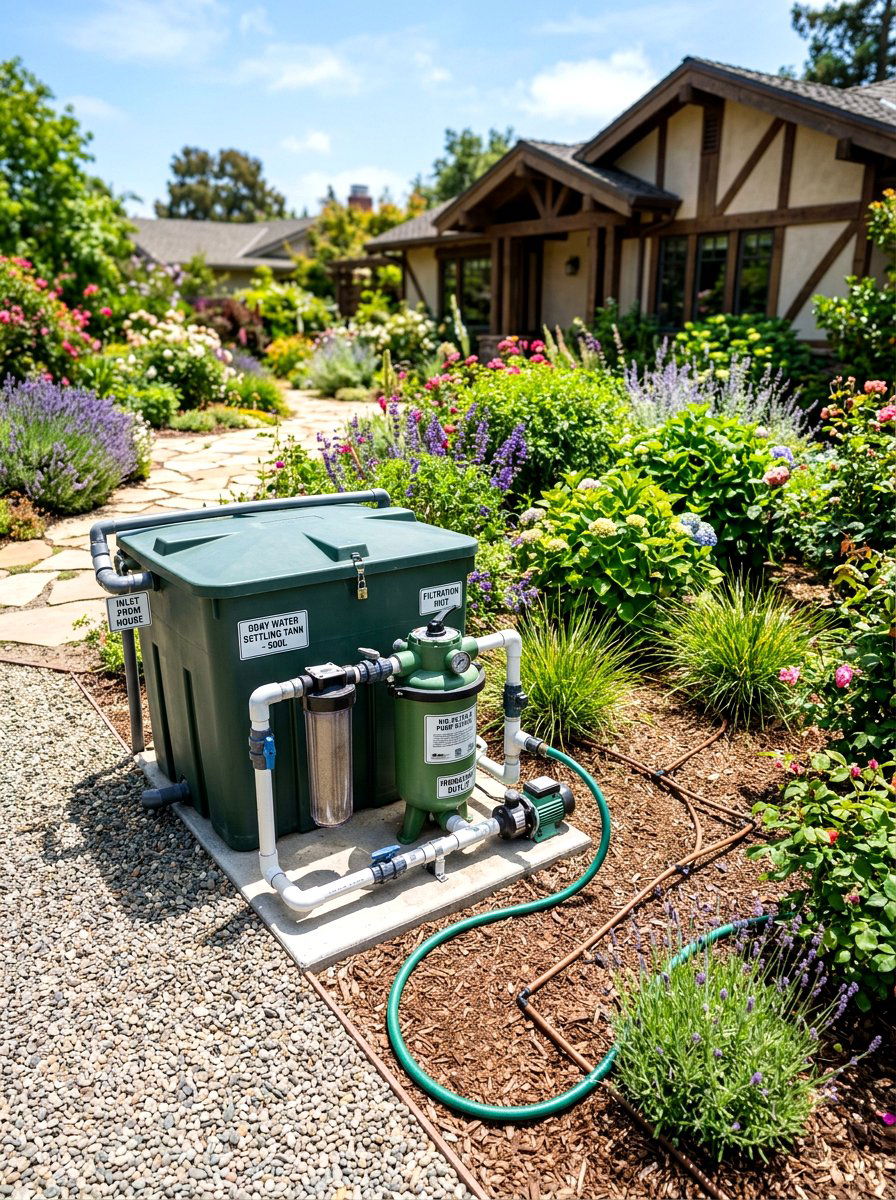
Gray water recycling involves reusing water from sinks or showers to irrigate your greenhouse plants. While this requires a bit of filtration and careful management, it is a very sustainable practice. You must use biodegradable, plant-safe soaps to ensure the water does not harm your garden. Gray water is best used for ornamental plants rather than edible crops to ensure food safety. It is a great way to maximize every drop of water in a home or off-grid setting. Many systems use a simple settling tank and a sand filter to clean the water before it reaches the plants. It significantly reduces your total fresh water consumption.
28. Fertilizer Injector System
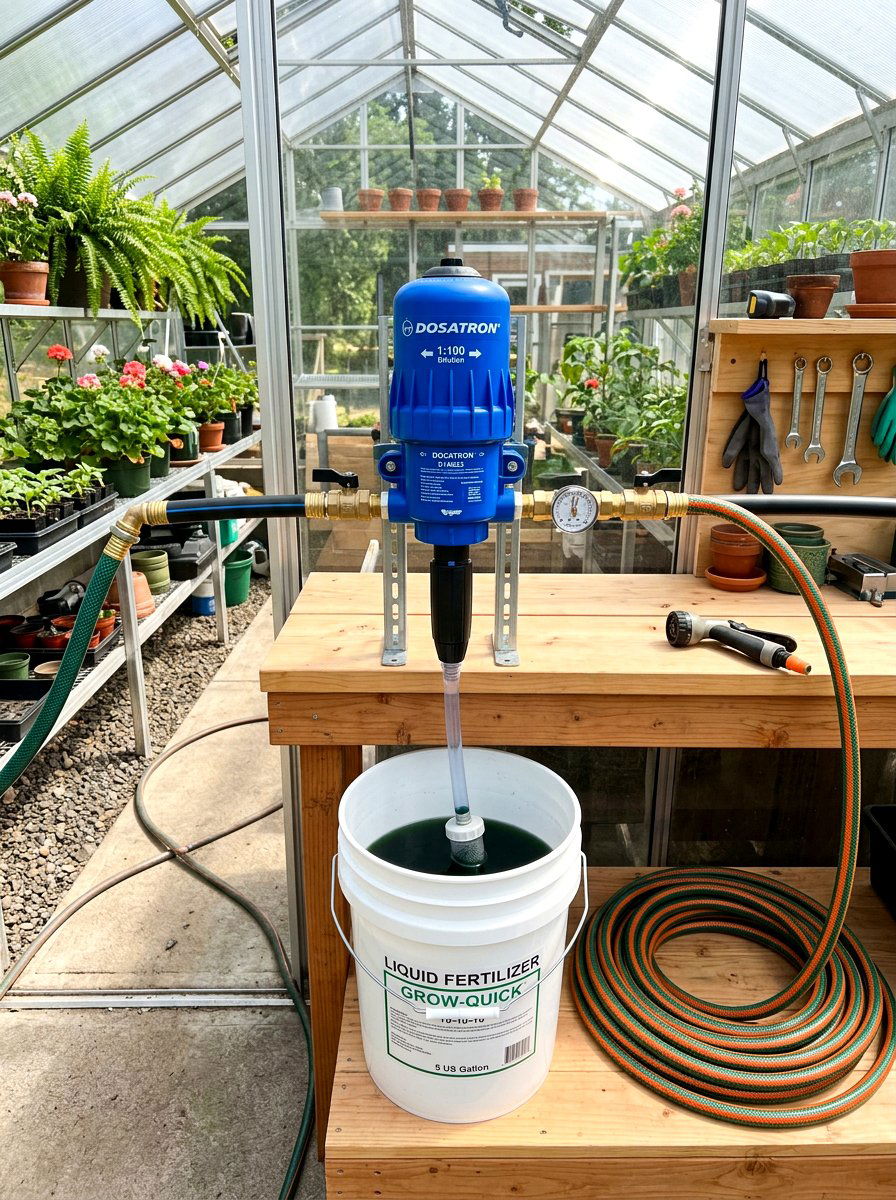
A fertilizer injector allows you to feed and water your greenhouse plants at the same time. This device is installed into your main irrigation line and pulls a concentrated liquid fertilizer into the water stream. This ensures that every plant receives a consistent dose of nutrients with every watering. It is a huge time-saver for large greenhouses or for professional growers. You can easily adjust the dilution ratio to match the specific needs of your current crop. This method is often called fertigation and leads to very lush and productive plants. It is a great way to ensure your garden never misses a feeding.
29. Moisture Sensor Controller
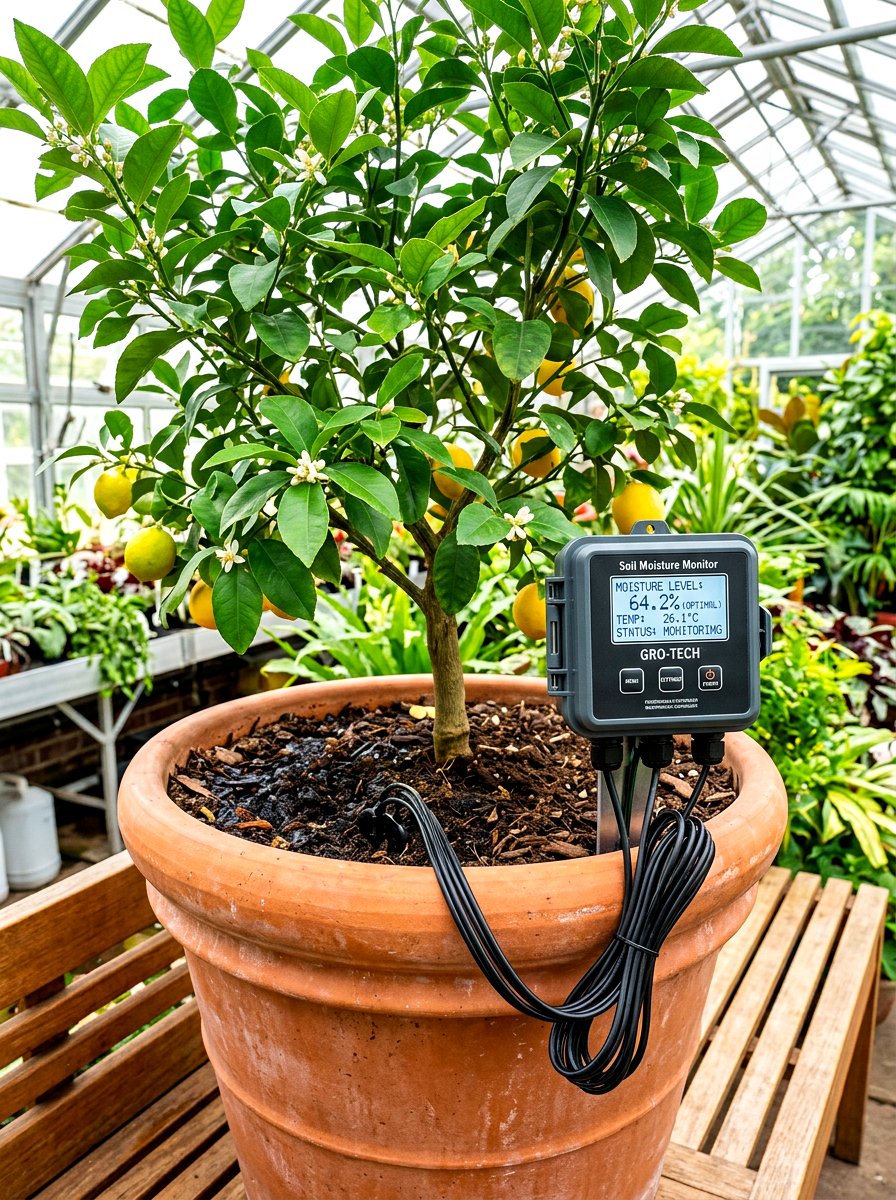
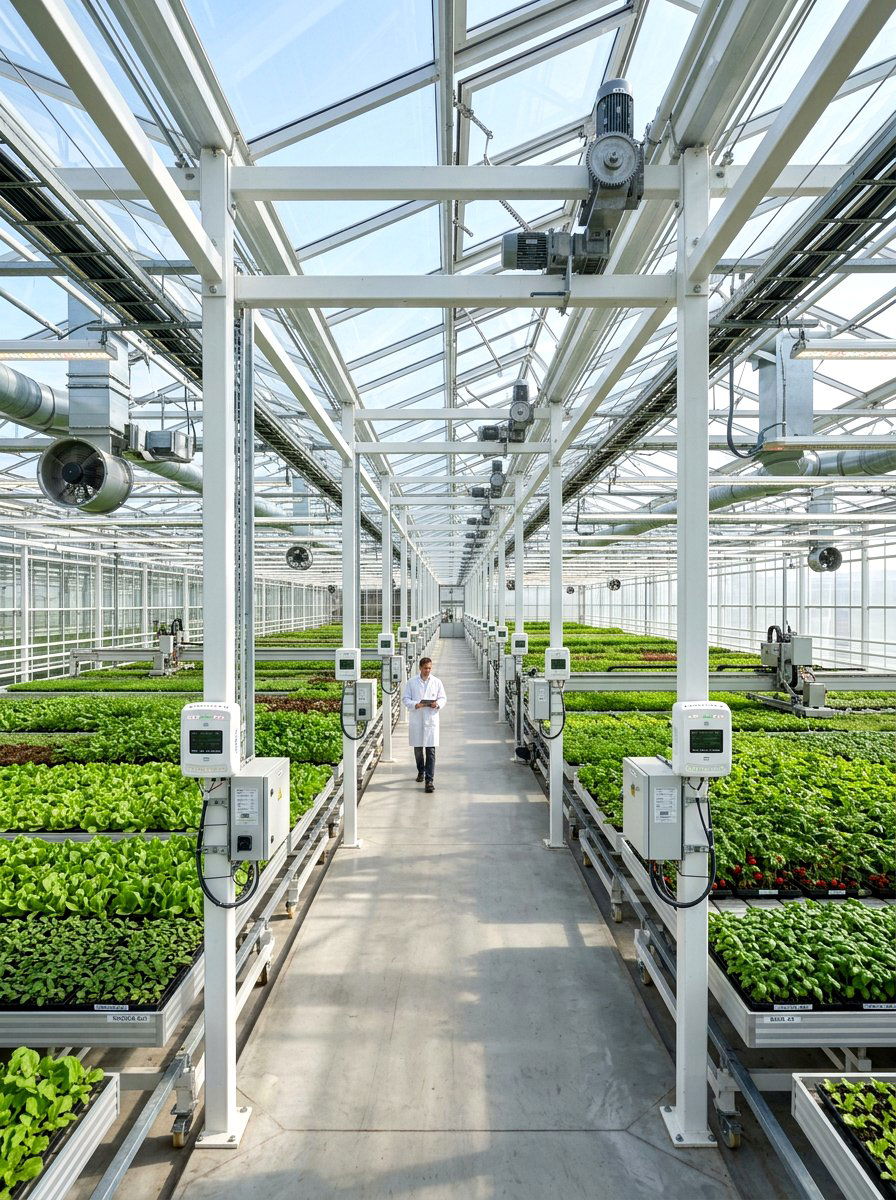
Moisture sensors take the guesswork out of watering by measuring the actual moisture levels in the soil. You can connect these sensors to your irrigation controller to turn the water on only when needed. This prevents overwatering and ensures your plants are never stressed by drought. Sensors can be placed at different depths or in different zones of the greenhouse for precision. Some advanced systems even send the data to a computer or smartphone for easy monitoring. This technology helps you maintain the perfect balance for optimal plant health. It is an excellent investment for anyone looking to optimize their water usage and plant growth.
30. Greenhouse Evaporative Cooling
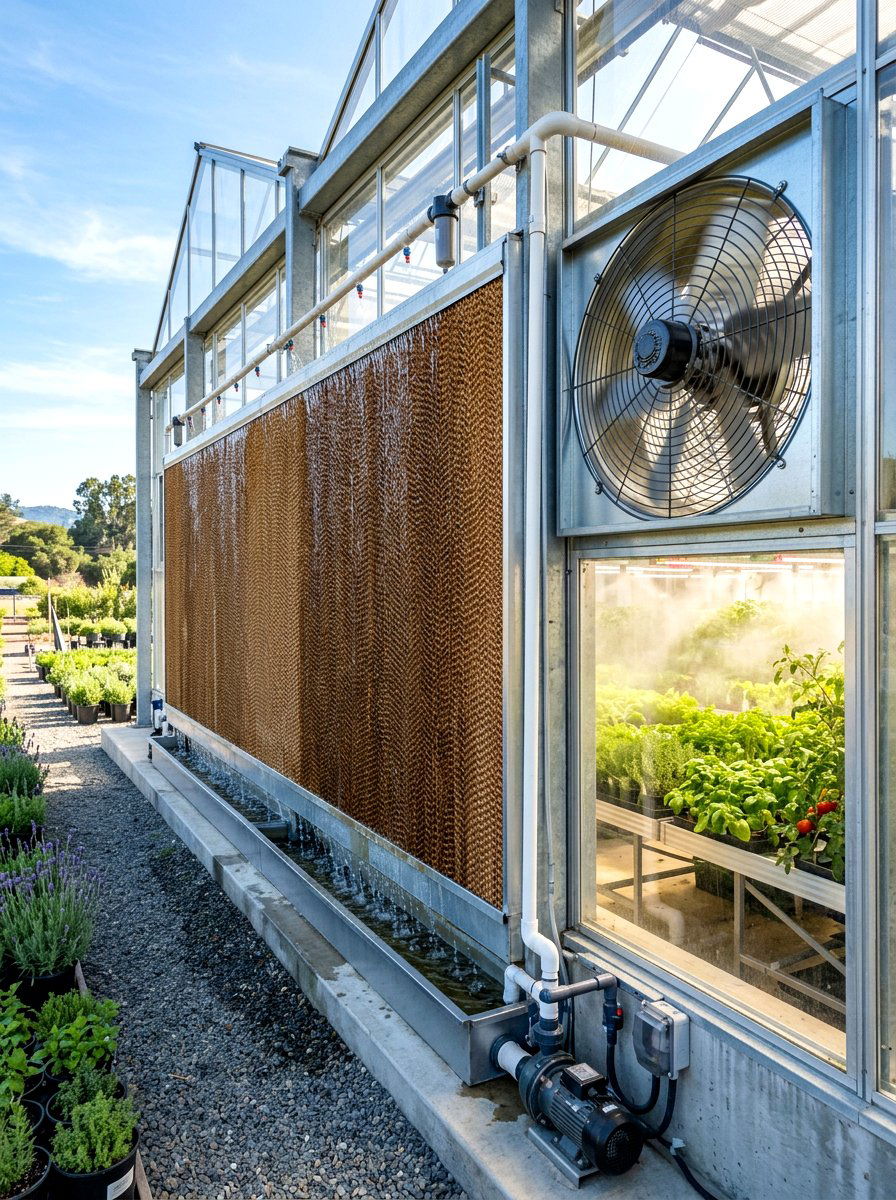
Evaporative cooling uses the process of water evaporation to lower the air temperature inside a greenhouse. This usually involves a large cooling pad that is kept wet by a steady drip of water. A fan pulls hot outside air through the wet pad, causing the water to evaporate and cool the air. This is one of the most effective ways to keep a greenhouse productive during the peak of summer. It provides both cooling and a boost in humidity, which many plants love. The system requires a water pump and a reservoir to keep the pads moist. It is a essential setup for gardening in hot, dry climates.
Conclusion:
Finding the right watering strategy is the key to a productive and enjoyable greenhouse experience. From simple DIY setups like terracotta spikes to high-tech automated smart timers, there is a solution for every budget and skill level. By focusing on efficient water delivery, you can save valuable time while ensuring your plants reach their full potential. Remember to consider the specific needs of your crops, as well as the climate in your local area. A well-designed system not only keeps your garden lush but also helps prevent common plant diseases and pests. Take the time to experiment with these ideas and build a greenhouse that truly thrives year-round.

Related posts: