Growing a lush, fragrant herb garden is one of the most rewarding projects for any home cook or plant lover, but keeping those delicate greens perfectly hydrated can be a significant challenge. Herbs have diverse moisture requirements, and a one-size-fits-all approach often leads to wilted leaves or root rot. By implementing clever watering solutions, you can automate your garden maintenance and ensure your basil, rosemary, and mint thrive year-round. From high-tech smart systems to simple DIY recycled containers, finding the right hydration method will save you time and conserve water. This guide explores creative ways to keep your herb garden vibrant and productive with minimal effort.
1. Drip Irrigation System
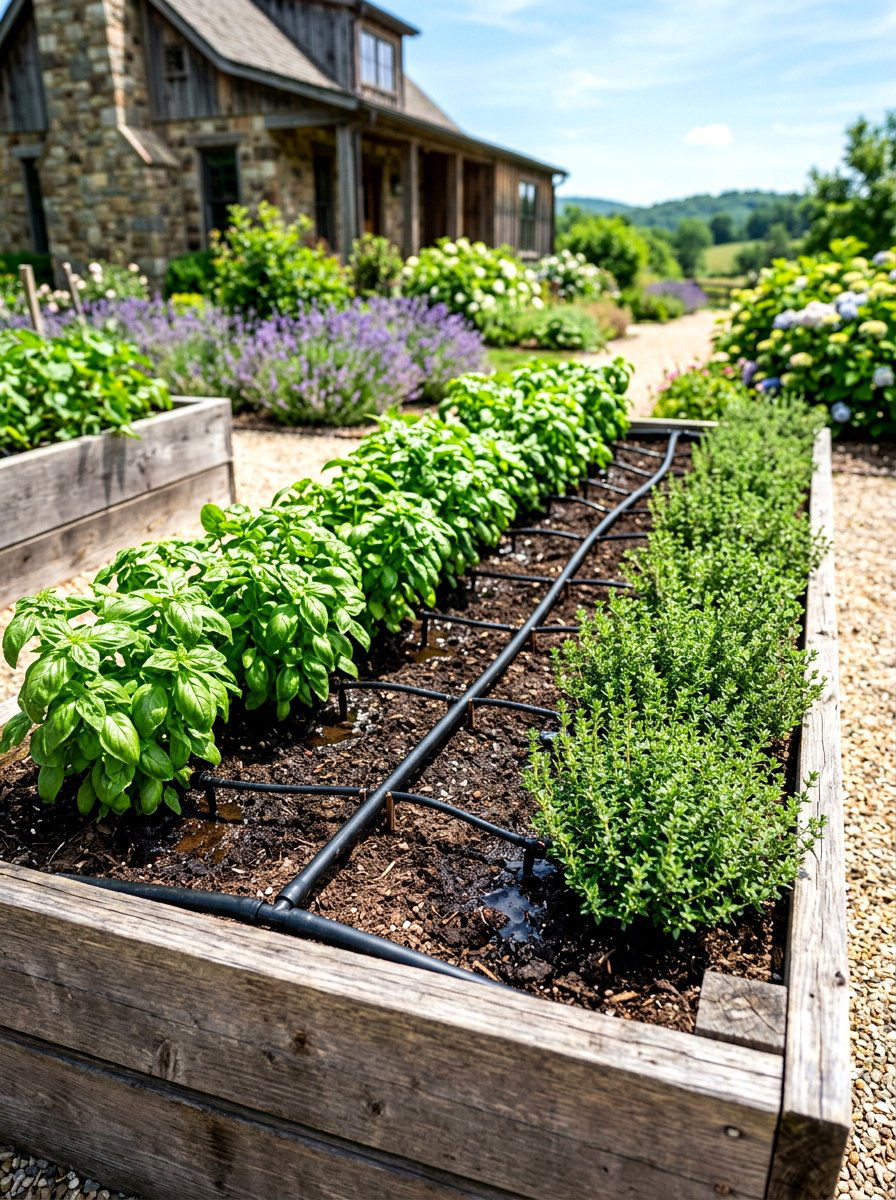
Do you struggle with finding the time to water your outdoor herb beds consistently every morning before the sun gets too high? A drip irrigation system is a game-changer for large herb gardens because it delivers water directly to the root zones of your plants through a network of specialized tubing. This method minimizes evaporation and keeps foliage dry, which significantly reduces the risk of fungal diseases that often plague dense herbs like cilantro or parsley. You can easily adjust the flow rate for different sections, allowing drought-tolerant lavender to stay dry while thirsty mint gets its fill. It is an incredibly efficient way to maintain professional-grade herb health.
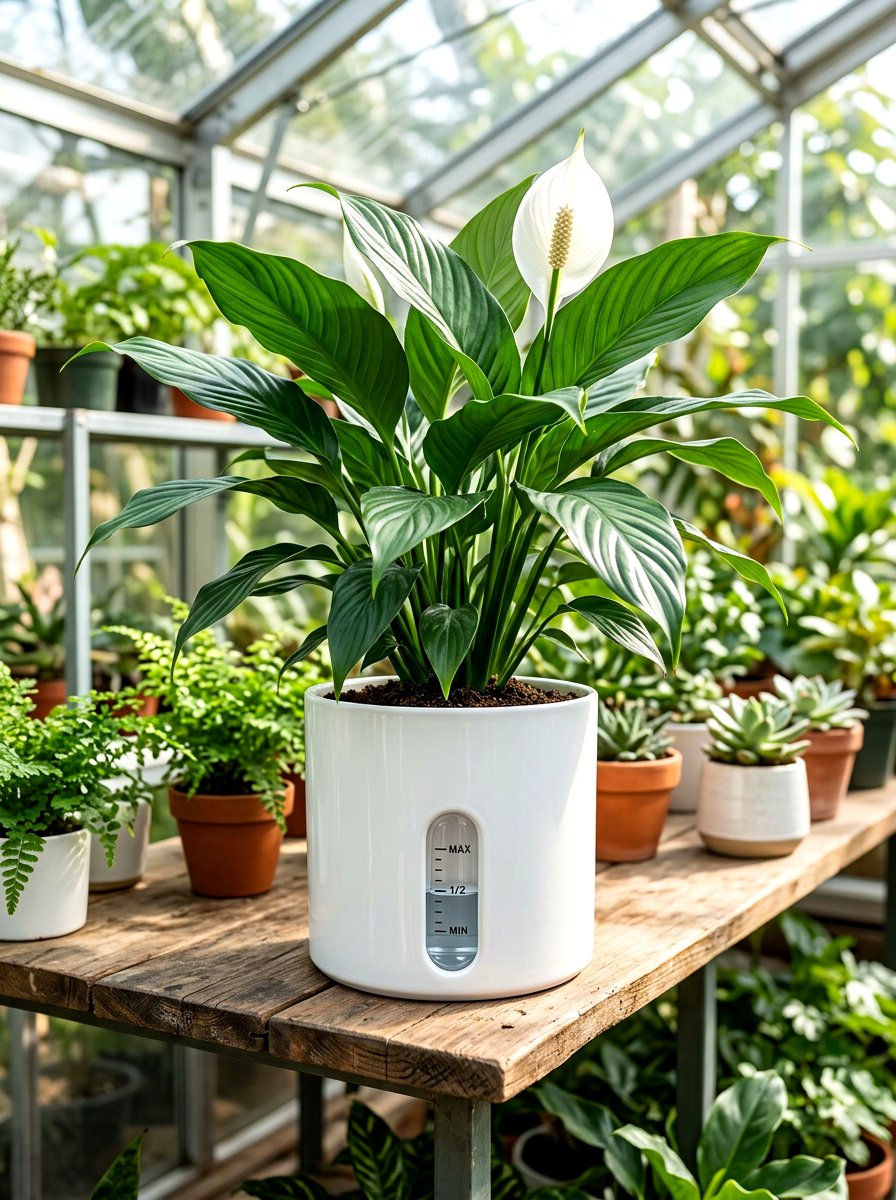
2. Self Watering Planter
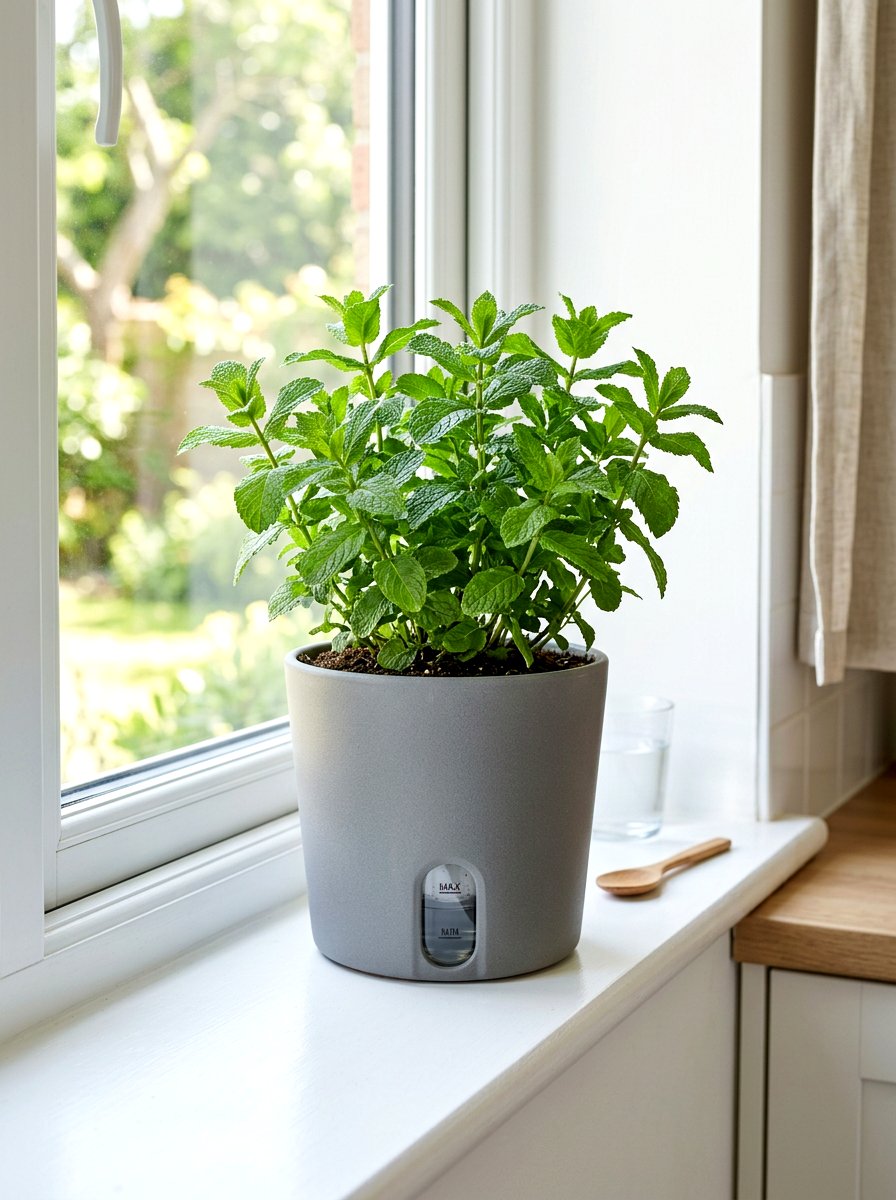
Imagine never having to worry about your indoor kitchen herbs drying out while you are away on a long weekend trip. A self-watering planter features a built-in reservoir at the base that allows the soil to wick up moisture as the plants need it. This sub-irrigation method ensures a constant level of hydration, which is vital for herbs that prefer moist but not soggy conditions. These stylish containers are perfect for windowsills where space is limited and aesthetics matter. By filling the reservoir once a week, you provide a stable environment that promotes rapid growth and ensures your fresh culinary ingredients are always ready for your favorite recipes.
3. Terracotta Watering Spike
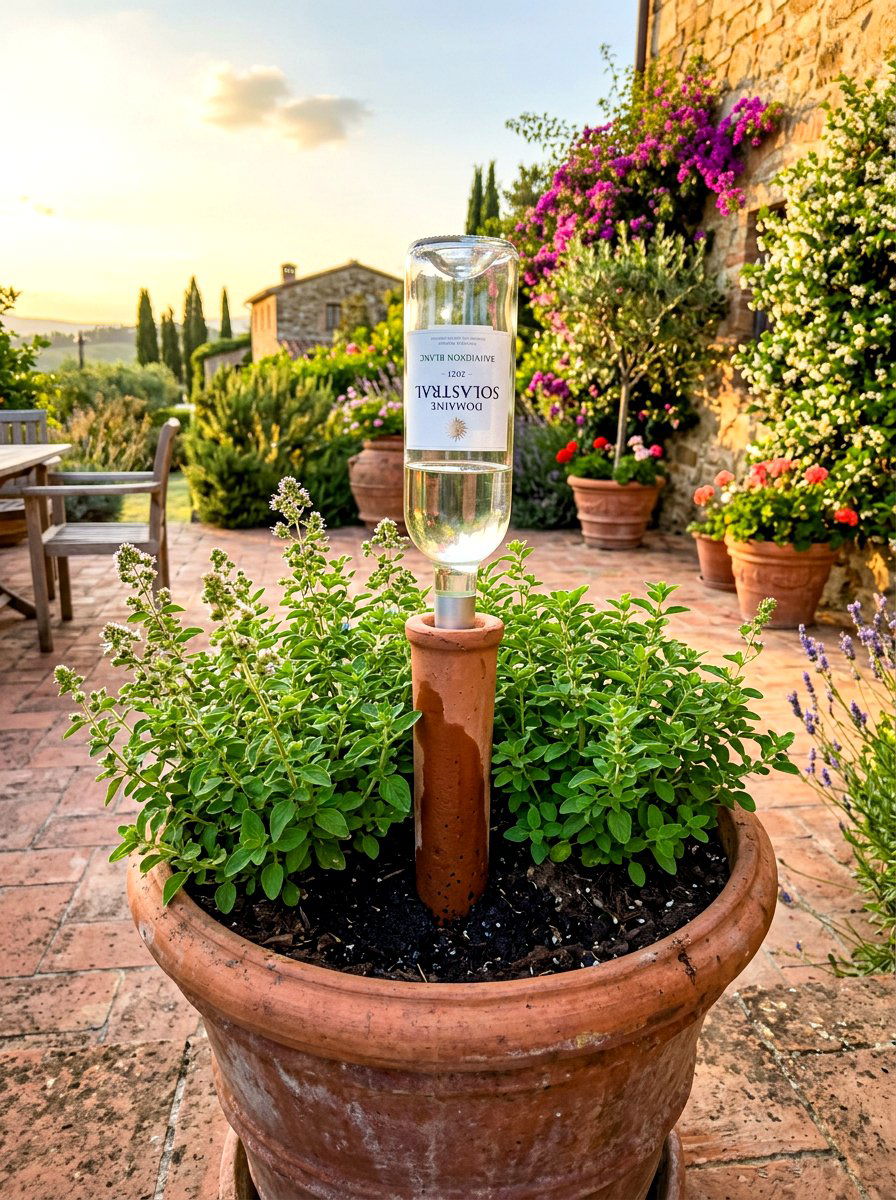
Have you ever used those charming clay stakes that slowly release water into the soil using natural porous tension? A terracotta watering spike is a low-tech yet highly effective solution for both indoor and outdoor herb pots that require steady moisture levels. You simply insert the spike into the dirt and attach a water-filled glass or plastic bottle to the top. As the soil dries out, the terracotta breathes out moisture to satisfy the roots, preventing the dramatic wilting that can ruin a sensitive herb harvest. This method is visually discreet and works wonderfully for individual pots of basil or oregano on a sunny patio or small city balcony.
4. Glass Watering Globe
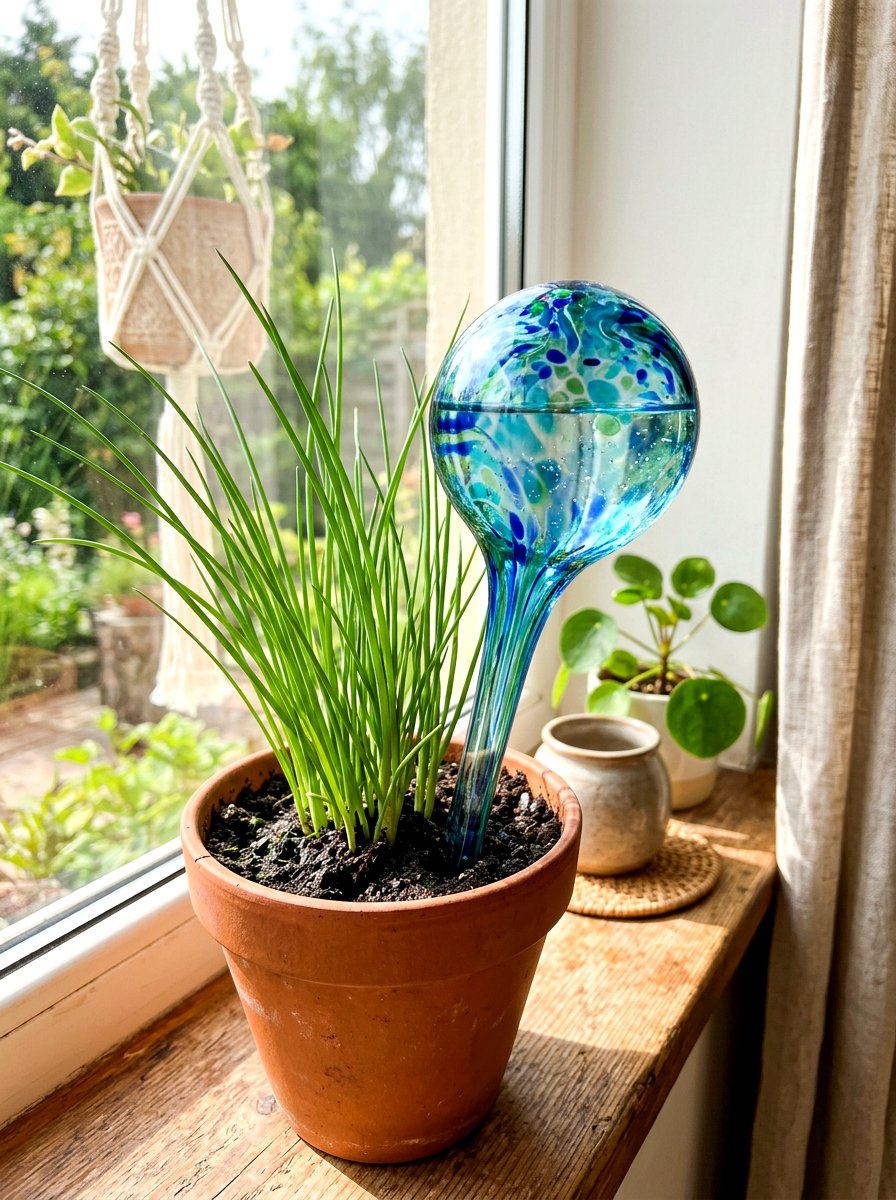
Are you looking for a watering solution that adds a touch of artistic flair to your indoor herb collection while being functional? A glass watering globe is a beautiful hand-blown tool designed to deliver water slowly into the soil over several days. You fill the colorful globe with water and press the thin neck deep into the potting mix. It releases water as the soil dries, creating a self-regulating system that is perfect for small pots of thyme or chives. These globes are especially helpful for preventing overwatering in herbs that enjoy a slightly drier environment but still need consistent access to moisture to stay healthy.
5. Soaker Hose
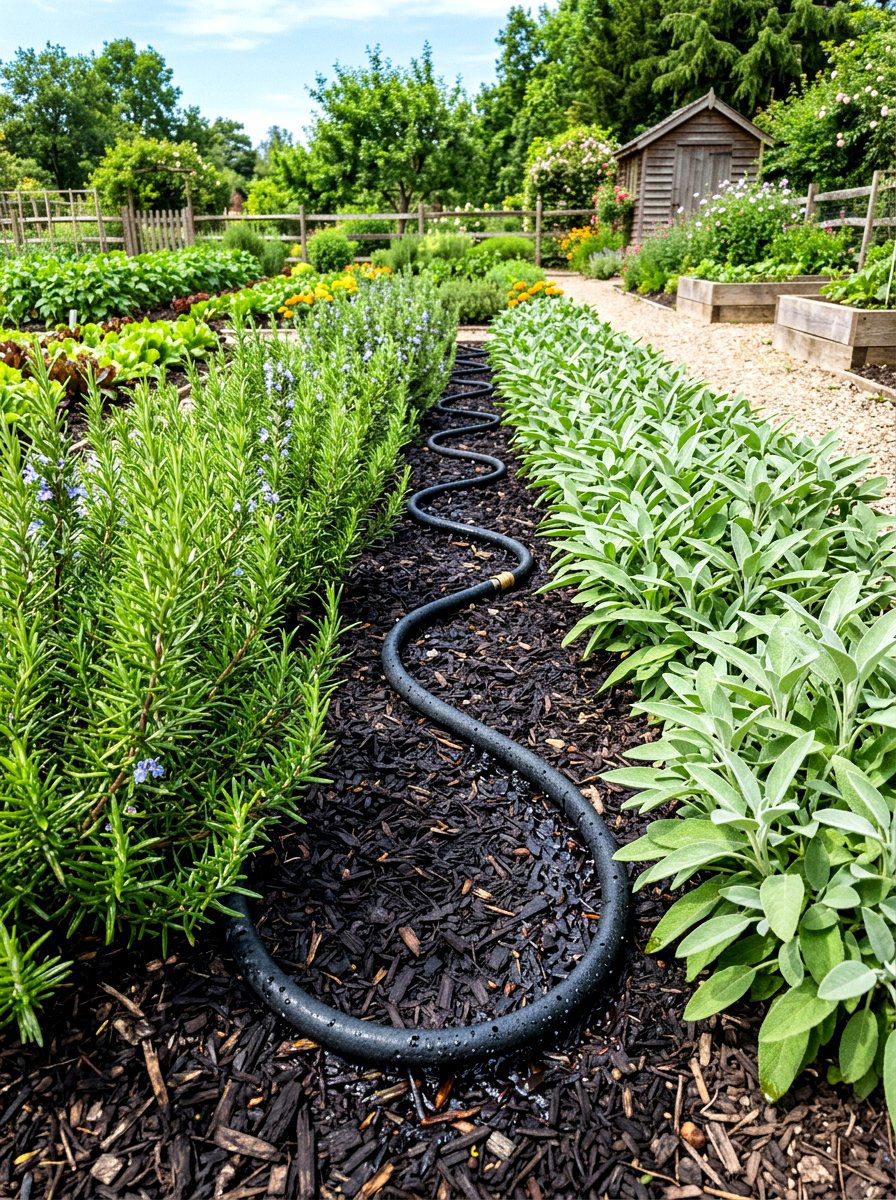
Using a soaker hose is one of the most cost-effective ways to hydrate a long row of herbs in a traditional garden bed. These specialized hoses are made from porous materials that allow water to weep out slowly along their entire length. By weaving the hose between your sage, rosemary, and dill, you can deeply soak the soil without getting the leaves wet. This deep-watering technique encourages the herbs to grow extensive root systems, making them more resilient during hot summer spells. It is a simple "set it and forget it" solution that works perfectly when paired with a basic manual or digital faucet timer.
6. Rain Barrel
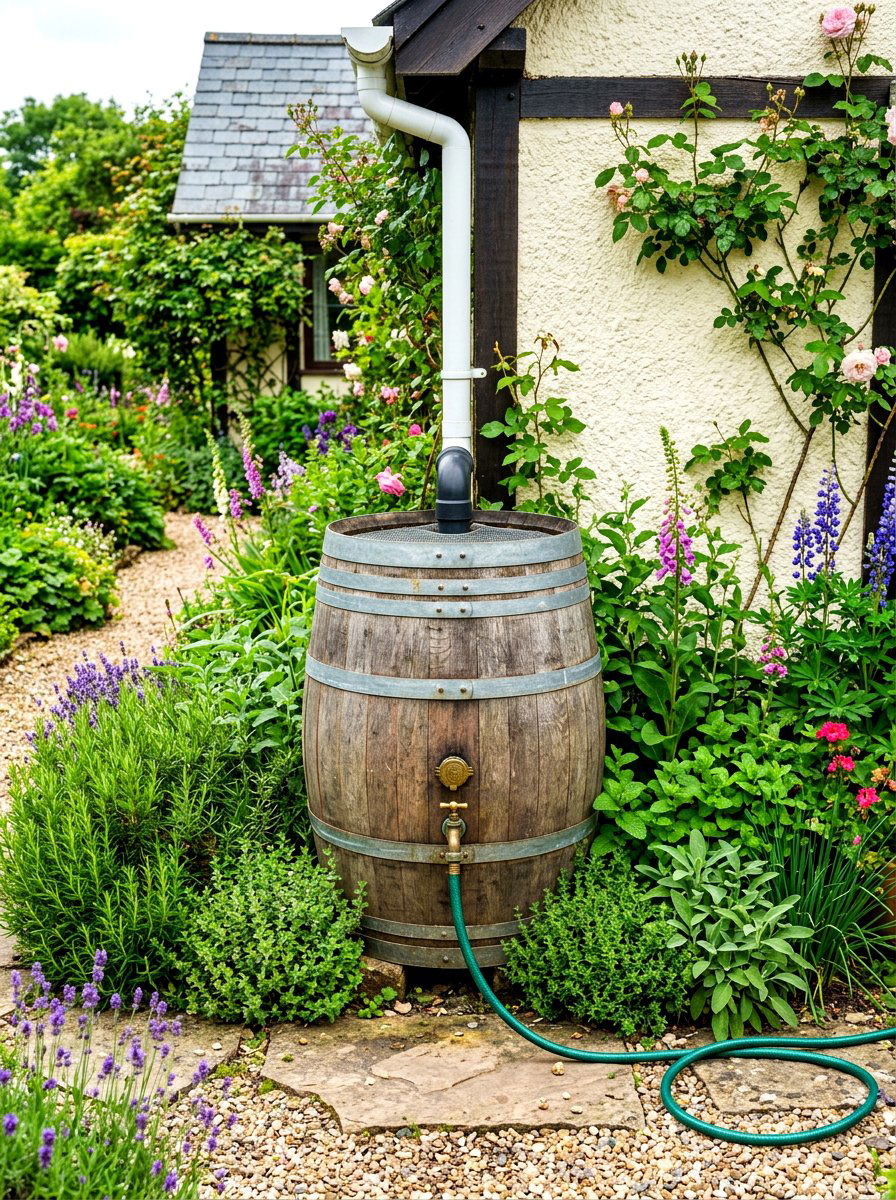
Collecting natural rainwater is a sustainable and nutrient-rich way to keep your herb garden flourishing without increasing your monthly utility bills. A rain barrel sits at the base of your home's downspout, capturing every drop during a storm for future use in the garden. Rainwater is usually softer and free of the chlorine found in municipal tap water, which can sometimes stress delicate herb varieties. You can easily attach a hose or use a watering can to distribute this free resource to your outdoor beds. Integrating a rain barrel into your garden design promotes eco-friendly habits while providing a reliable source of hydration.
7. Wicking Bed
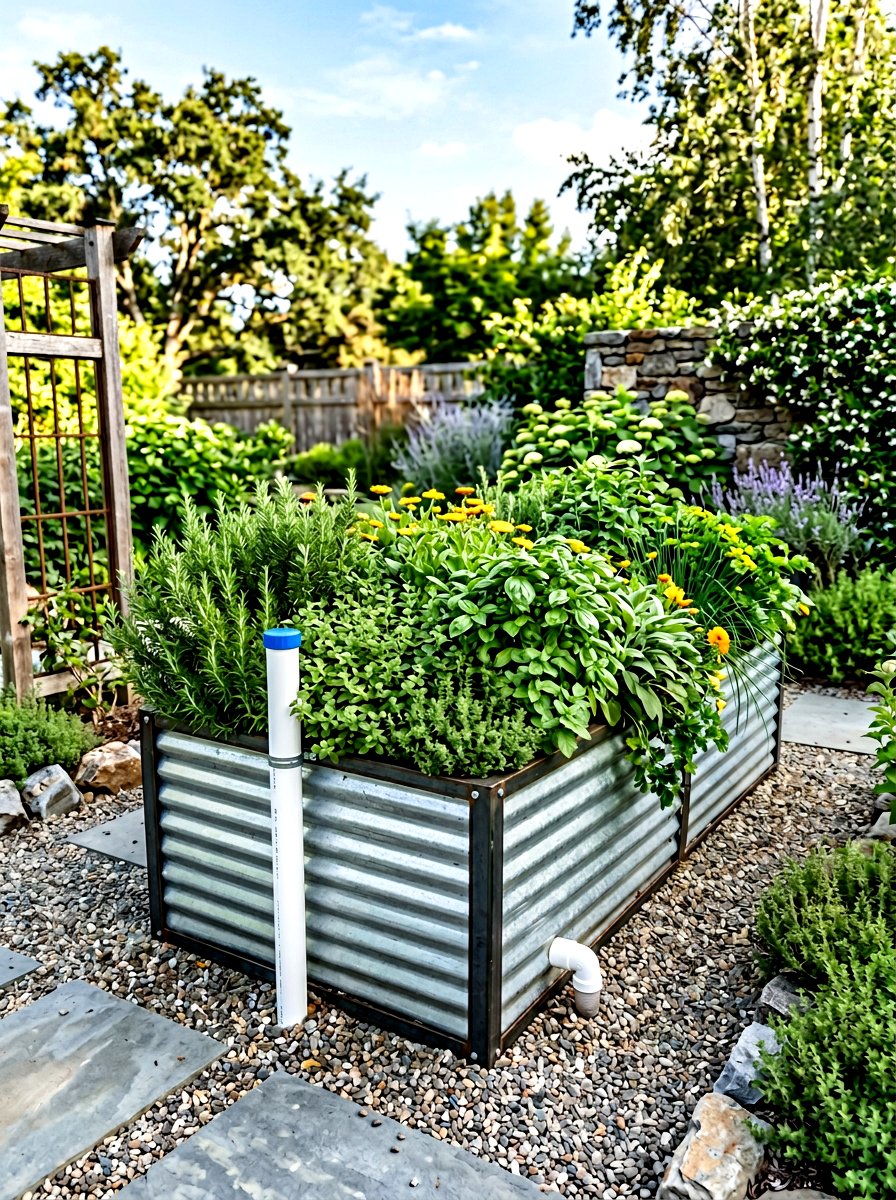
A wicking bed is a specialized raised garden design that stores a large reservoir of water beneath the soil surface to hydrate roots from below. This system uses a waterproof liner and a layer of gravel to hold water, which then travels upward through the soil via capillary action. Wicking beds are incredibly efficient because they virtually eliminate surface evaporation and ensure that herbs always have access to moisture. This setup is perfect for hot climates where surface watering might dry out too quickly. You can grow a massive variety of herbs in one bed, and you only need to refill the reservoir occasionally.
8. Vertical Garden Watering
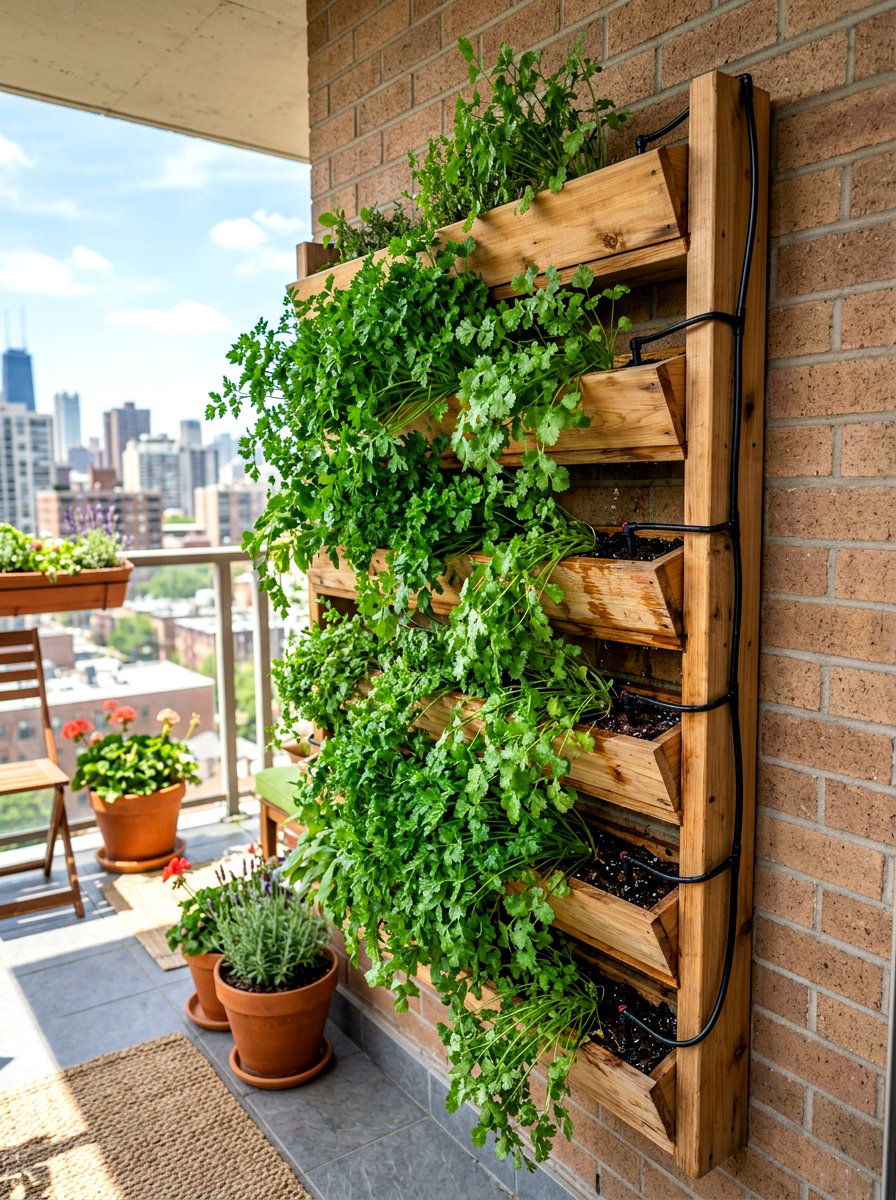
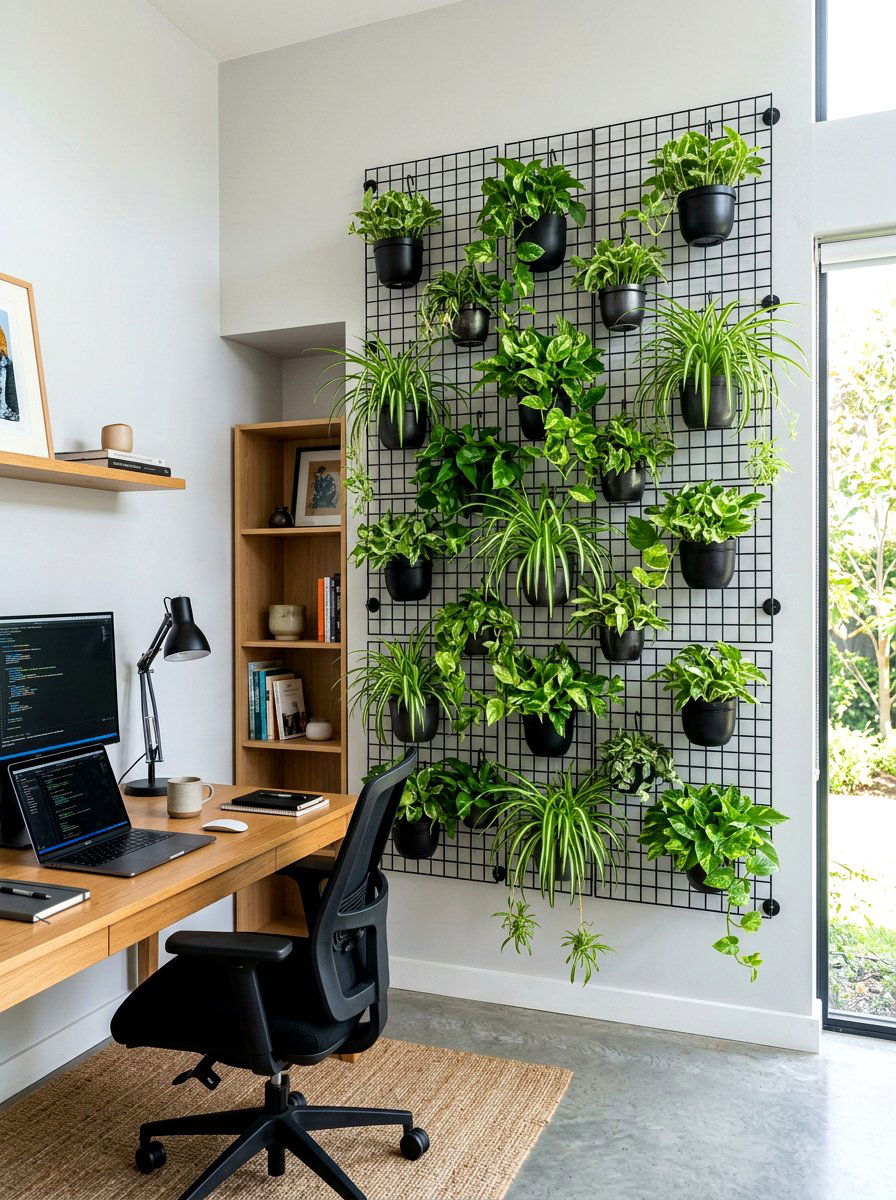
Do you want to maximize your small patio space by growing herbs on a wall but worry about the complex watering needs? Vertical garden watering systems often use a series of cascading trays or a hidden drip line to ensure every level receives enough moisture. Because gravity naturally pulls water downward, these systems are designed to distribute hydration evenly from the top pot to the bottom one. This prevents the top herbs from drying out while the bottom ones sit in a puddle. It is a brilliant way to grow a lush "living wall" of mint, basil, and parsley right outside your kitchen door.
9. Smart Irrigation Controller
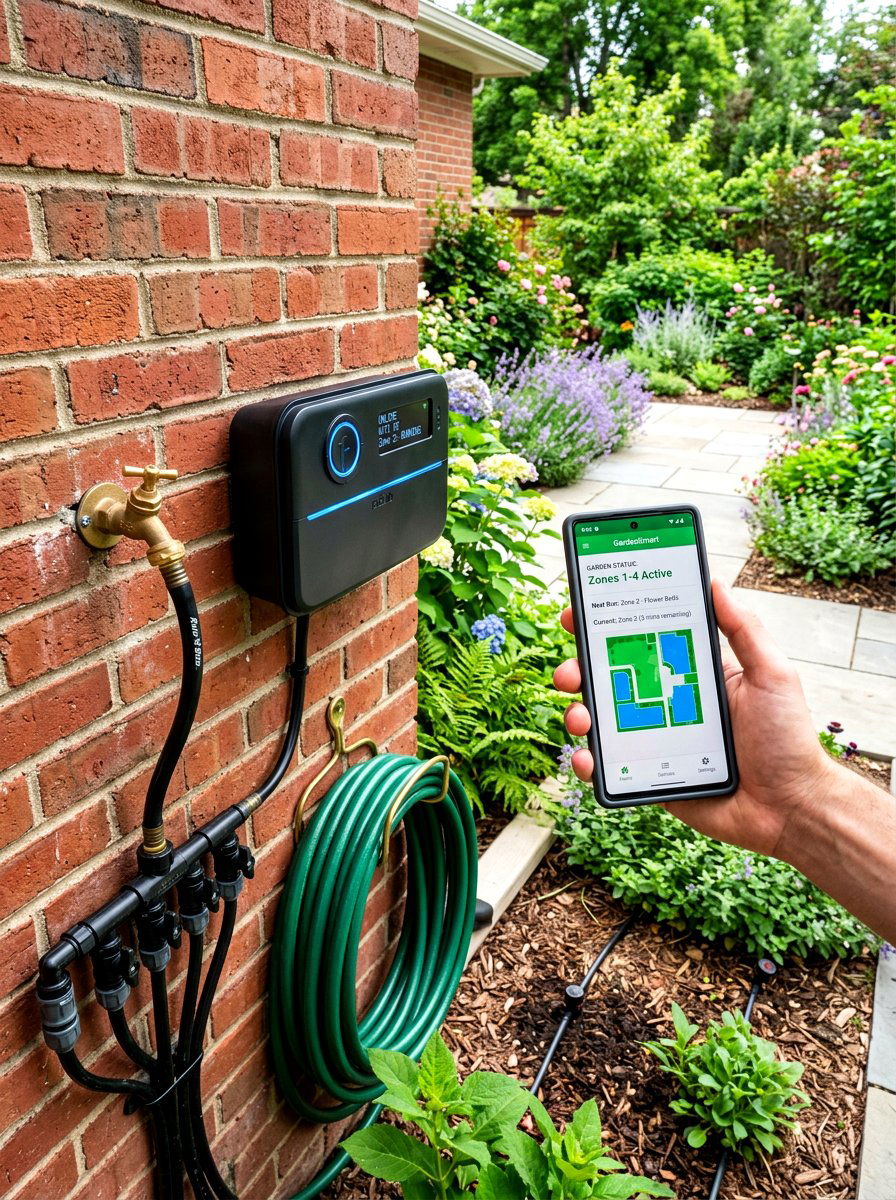
Upgrading your herb garden with a smart irrigation controller allows you to manage your watering schedule directly from your smartphone or tablet. These high-tech devices connect to local weather stations and automatically adjust watering cycles based on real-time data like rainfall, temperature, and humidity levels. If a rainstorm is predicted, the system will skip the morning watering to prevent over-saturation of your delicate herbs. This level of precision is ideal for serious gardeners who want to optimize plant health while minimizing water waste. You can monitor your garden’s hydration status from anywhere in the world, giving you total peace of mind.
10. Gravity Fed Irrigation
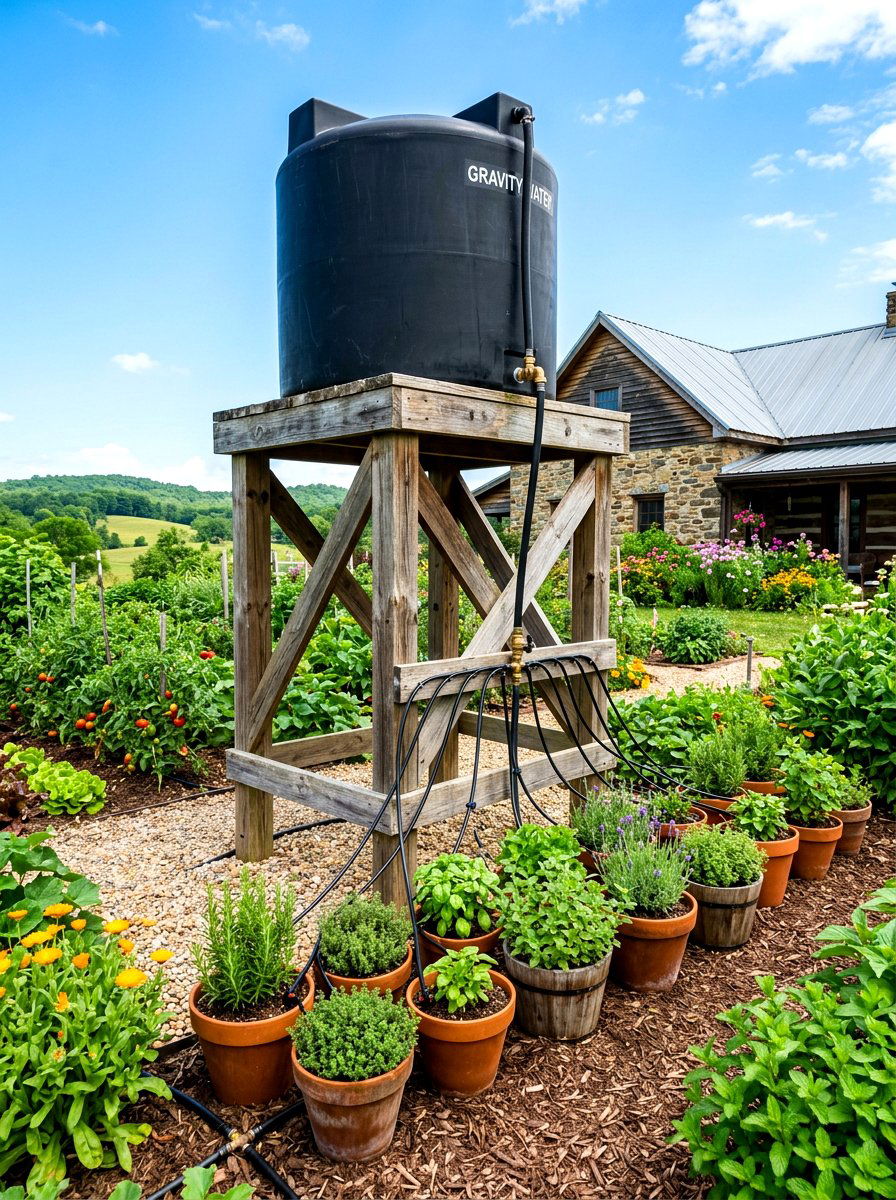
If you have a remote herb garden without easy access to a pressurized water tap, a gravity-fed irrigation system is the perfect solution. This setup uses an elevated water tank or barrel to push water through tubes and emitters using nothing but the force of gravity. It is an excellent choice for off-grid properties or large backyard spaces where dragging a long hose is impractical. You can set up a simple valve to control the flow, ensuring your herbs receive a steady and reliable drink. This sustainable method is low-maintenance and highly effective for maintaining consistent soil moisture in any outdoor herb garden.
11. Sub Irrigation Planter
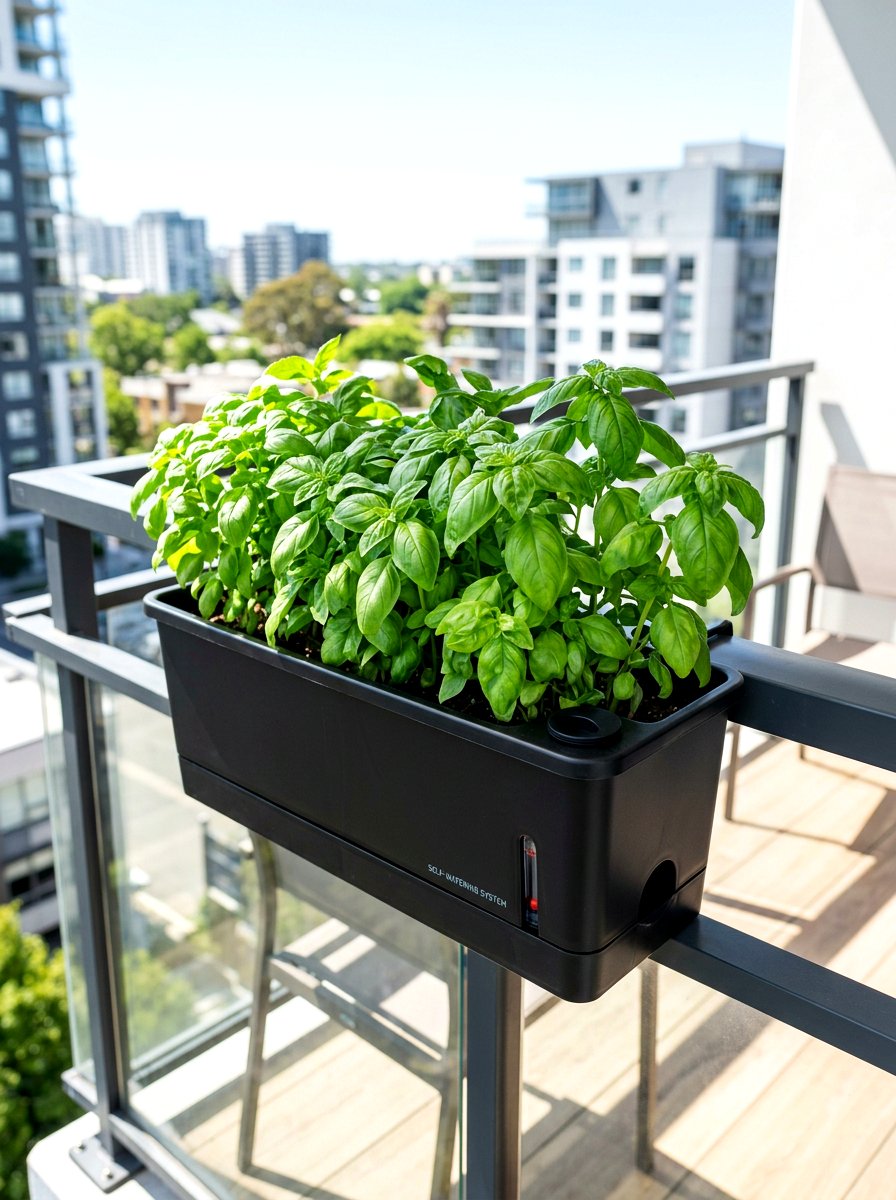
A sub-irrigation planter, often called a SIP, is a self-contained container system that utilizes a water reservoir at the bottom to provide consistent hydration. Unlike traditional pots that drain out the bottom, a SIP holds water in a separate chamber, allowing the soil to absorb only what is necessary. This prevents the common problem of nutrients leaching out of the soil during heavy watering sessions. Herbs grown in SIPs tend to grow faster and look healthier because they never experience the stress of drying out completely. They are a fantastic choice for sunny decks where potted herbs can often dry out within hours.
12. Capillary Mat
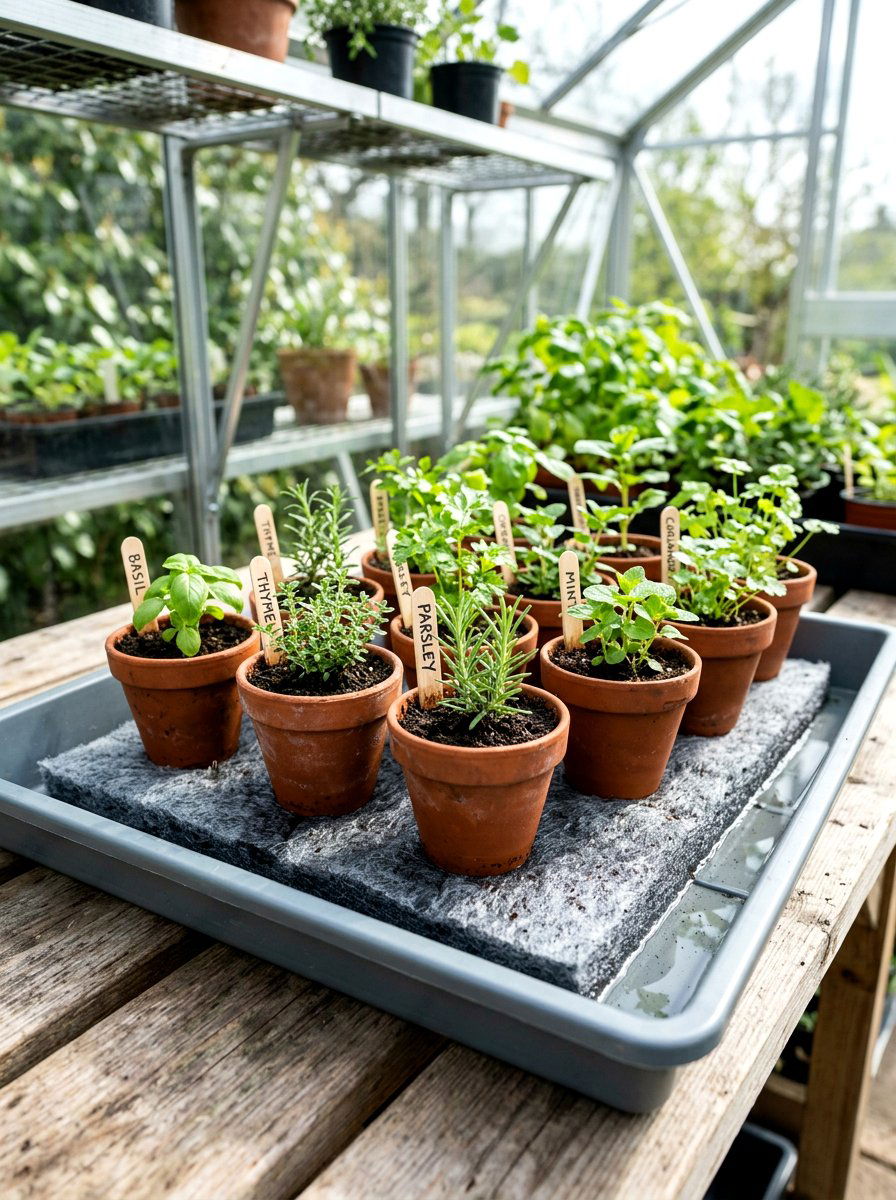
Have you considered using a capillary mat to simplify the process of watering multiple small herb starters or seedlings at once? A capillary mat is a thick, absorbent fabric that you place under your pots on a flat tray or greenhouse bench. You keep the mat wet, and the pots draw moisture up through their drainage holes as the soil requires it. this bottom-watering method is incredibly gentle on young, fragile herb plants and ensures they never sit in stagnant water. It is a favorite among professional growers for maintaining high-quality herbs during the early stages of growth before they are transplanted.
13. Hydroponic Garden
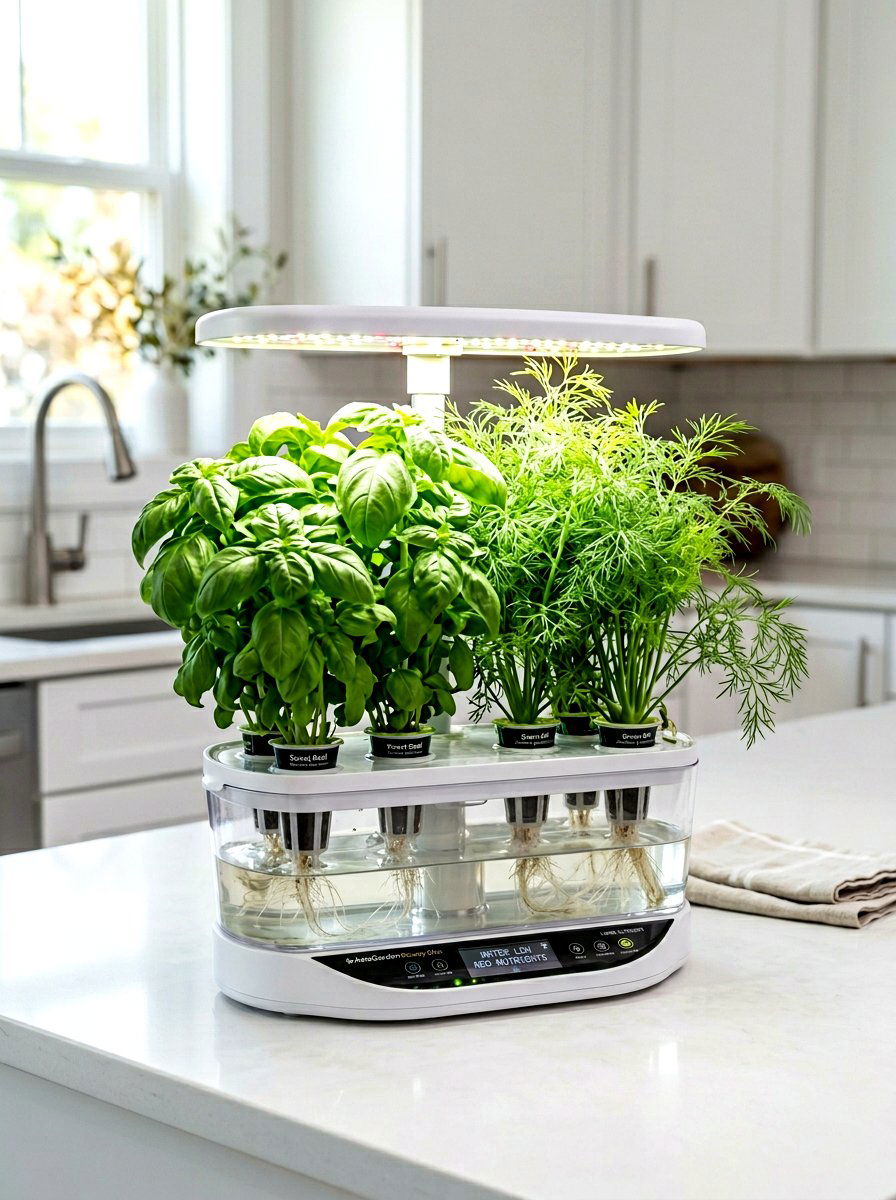
Growing herbs in a hydroponic garden is a modern and highly efficient way to enjoy fresh flavors without the mess of traditional soil. These systems suspend herb roots directly in a nutrient-rich water solution, which is often circulated by a quiet internal pump. Because the plants do not have to "search" for water or nutrients, they typically grow much faster and produce more aromatic oils than soil-grown varieties. Many countertop hydroponic kits are fully automated, taking the guesswork out of watering and lighting for beginners. This is a perfect solution for urban dwellers who want a year-round supply of fresh basil and cilantro.
14. Misting System
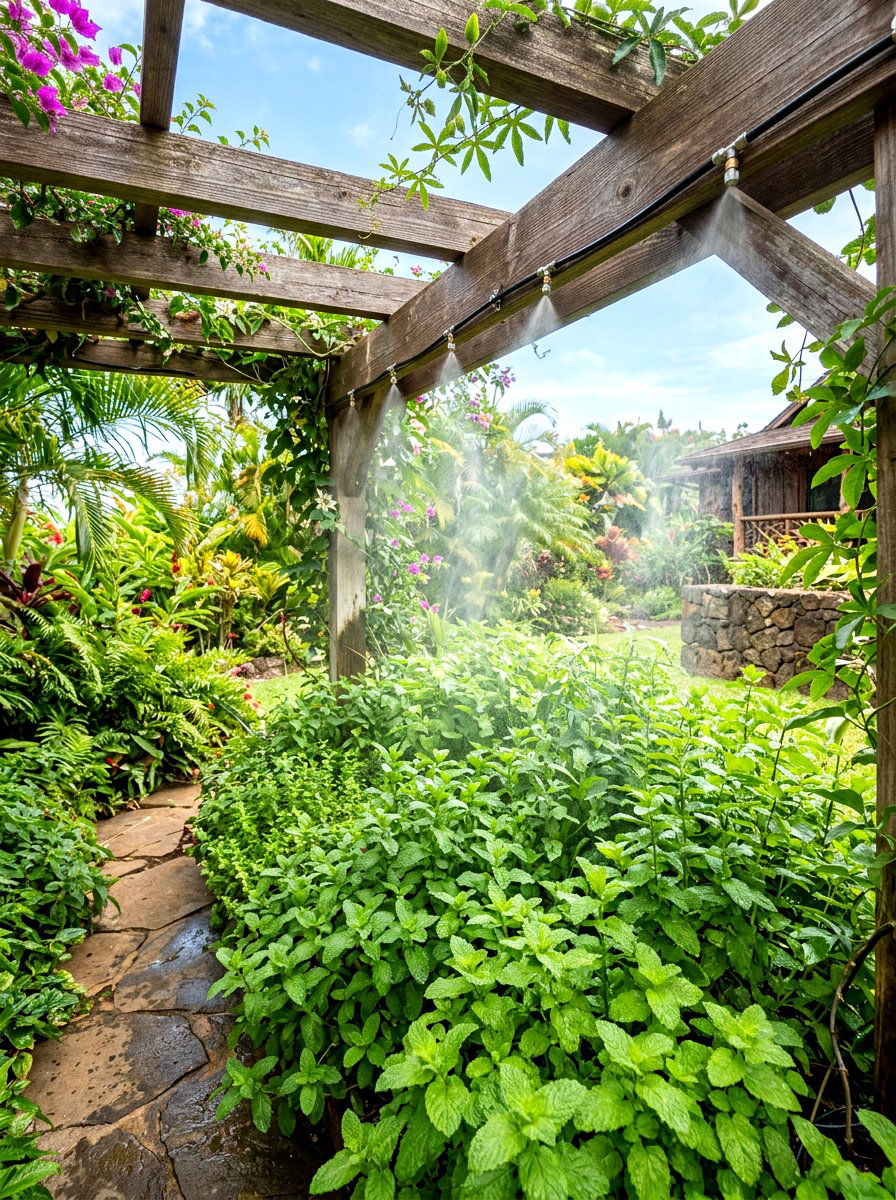
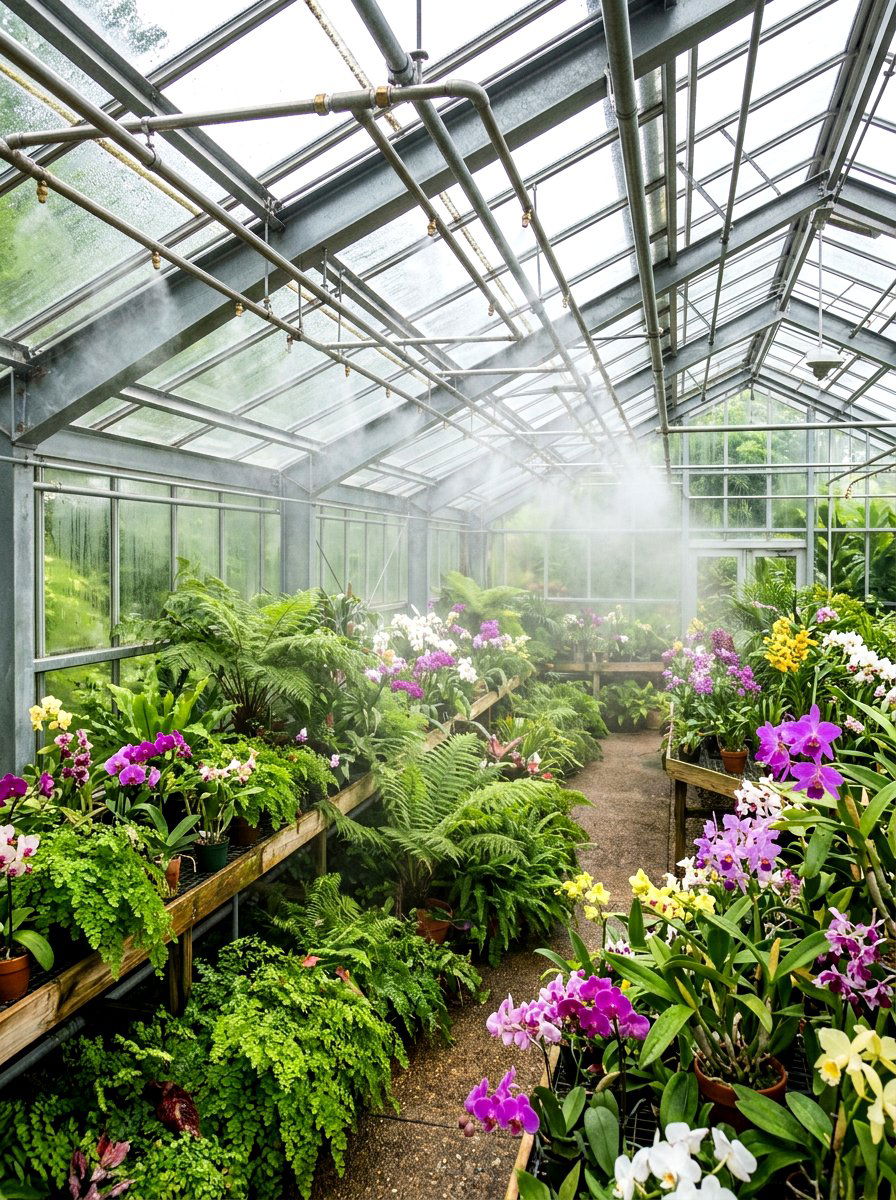
In very hot and dry climates, a misting system can provide the necessary humidity that many tender herbs need to prevent their leaves from scorched. This setup uses high-pressure nozzles to create a fine fog of water that cools the air and hydrates the foliage without soaking the soil. Herbs like mint and parsley especially appreciate the extra moisture in the air during the peak of a summer afternoon. Misting systems can be attached to a timer to run for a few minutes every hour, creating a refreshing microclimate. It makes your herb garden feel like a lush oasis even in the middle of a drought.
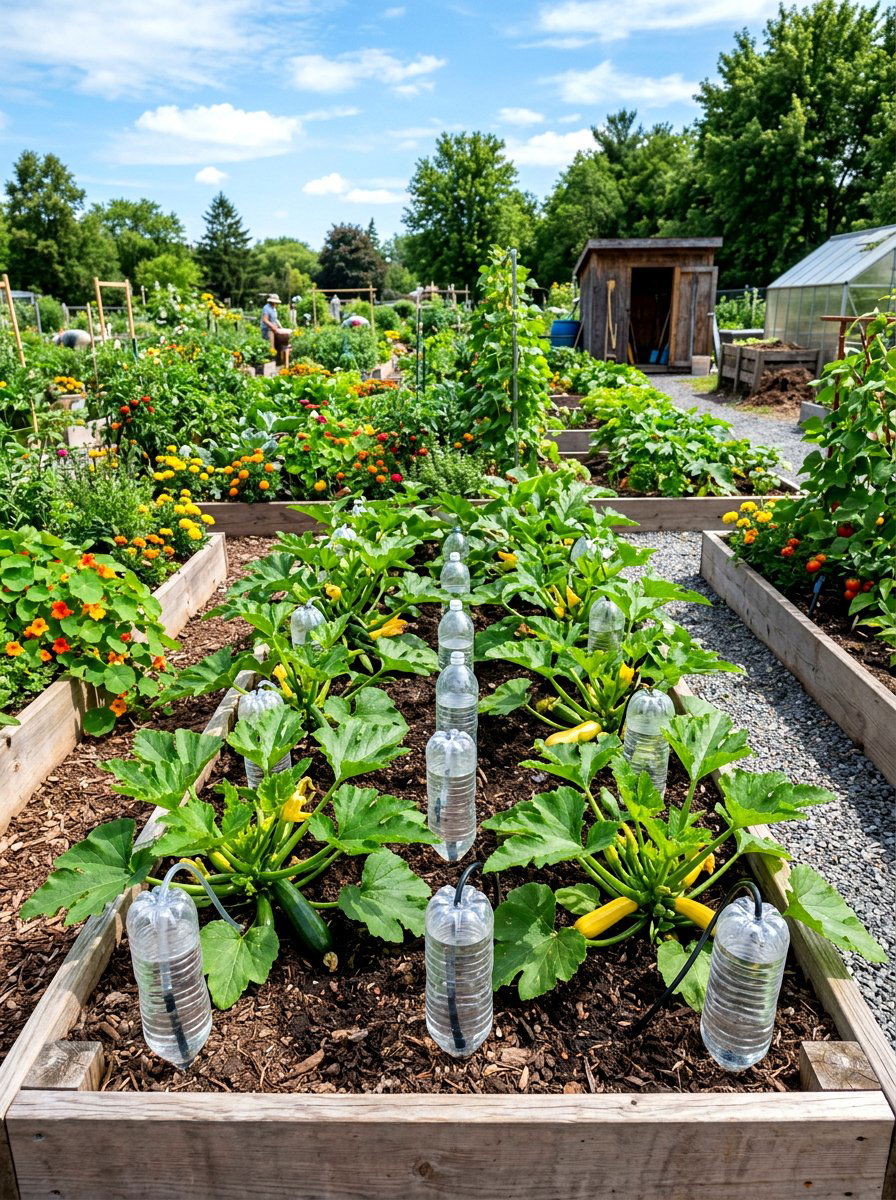
15. Recycled Bottle Waterer
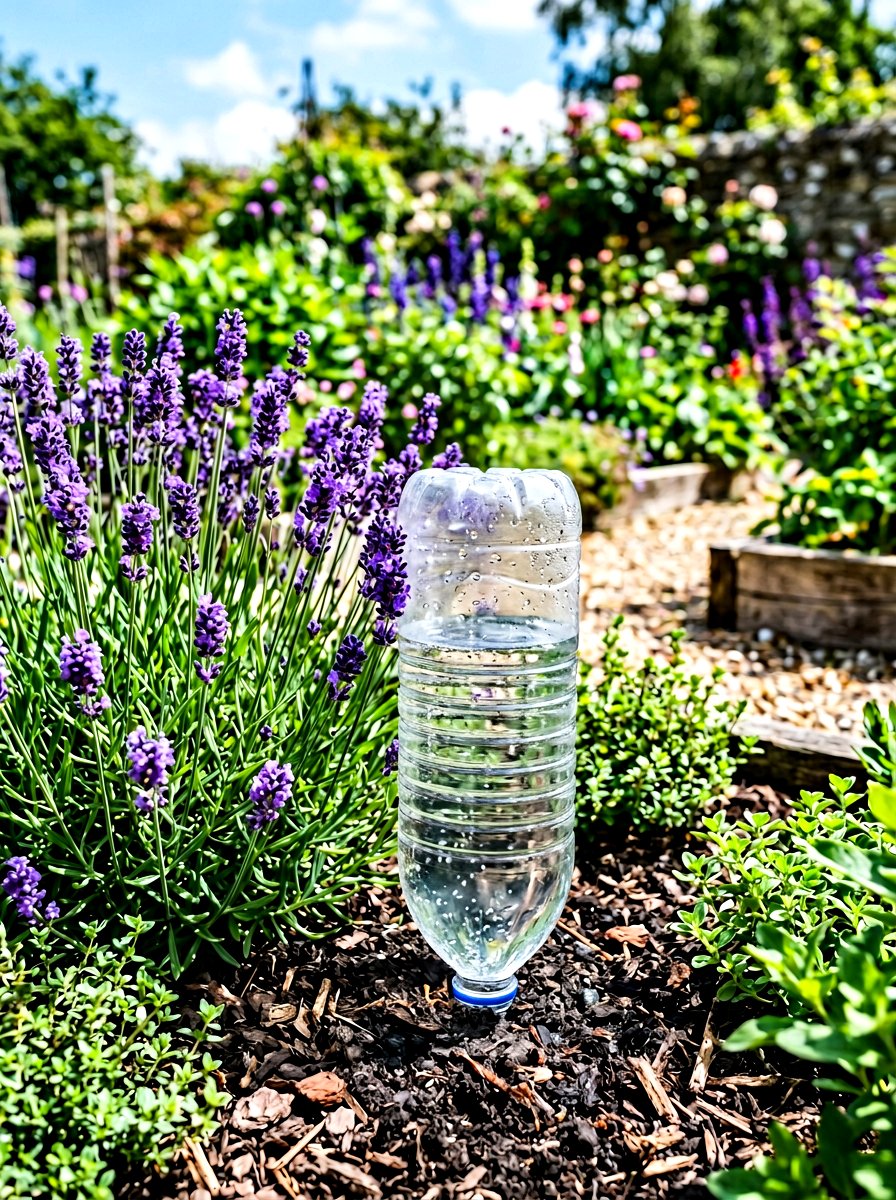
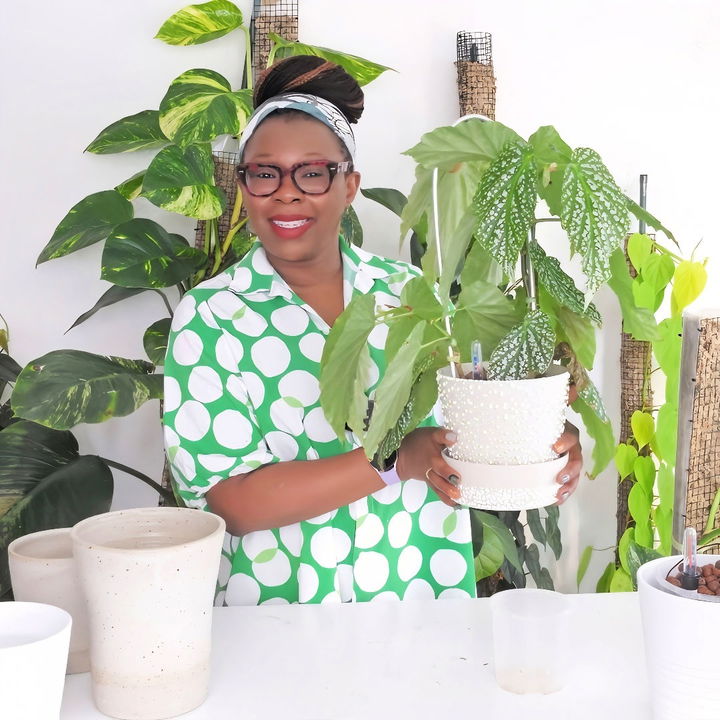
Are you looking for a budget-friendly DIY project that repurposes household waste into a useful tool for your outdoor herb garden? A recycled bottle waterer is a simple device made by poking small holes in the cap of a plastic soda or water bottle. You fill the bottle, bury it next to your herb plants with the cap facing down, and let the water slowly seep into the earth. This targeted delivery ensures that moisture reaches the deep roots where it is needed most. It is an excellent short-term solution for keeping your herbs hydrated during a heatwave when you cannot water daily.
16. Copper Pipe Irrigation
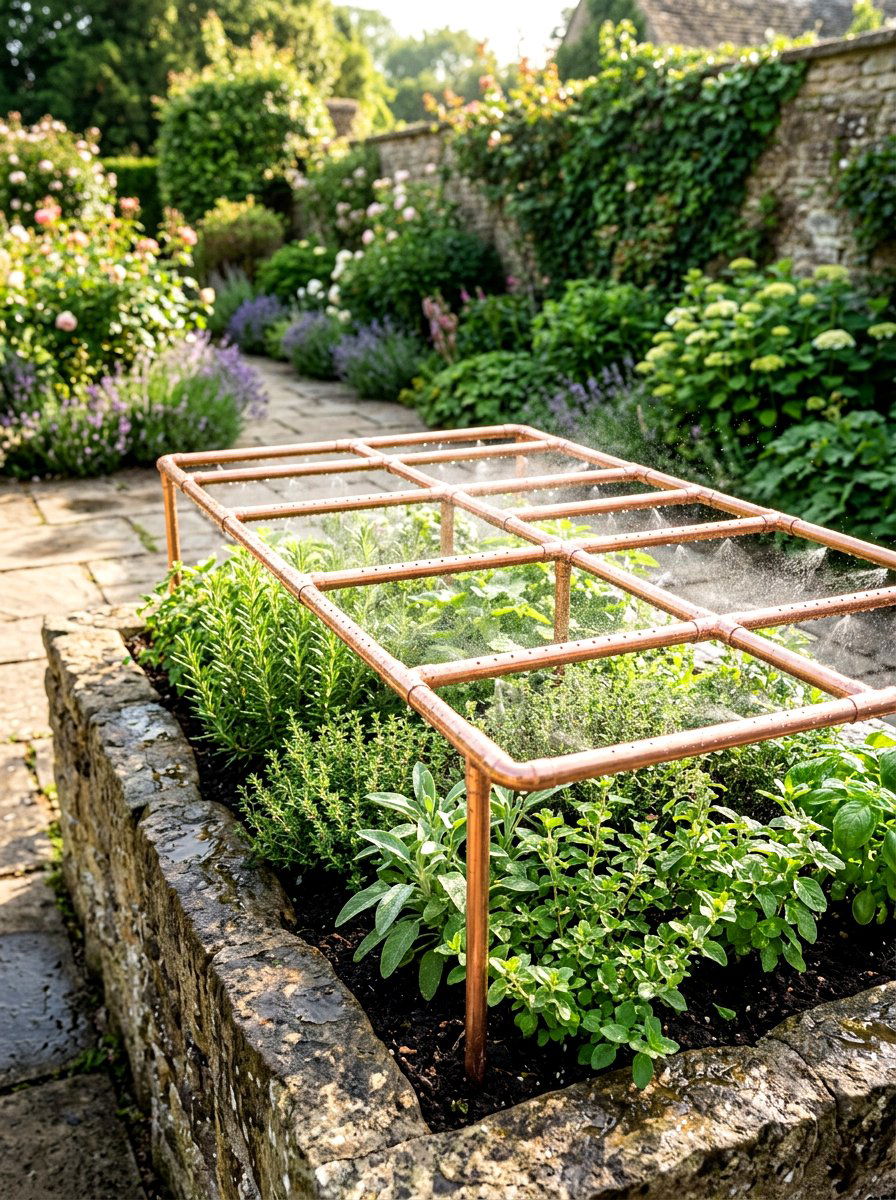
For those who value both durability and a high-end aesthetic, a copper pipe irrigation system is a stunning addition to a designer herb garden. Copper is naturally resistant to rust and can be easily shaped to fit the exact contours of your raised beds or tiered planters. By drilling small holes at precise intervals, you create a permanent watering grid that delivers a gentle flow to every plant. Over time, the copper will develop a beautiful patina that blends perfectly with the green foliage. It is a long-lasting investment that combines functional engineering with the timeless look of a classic English garden.
17. Olla Pot
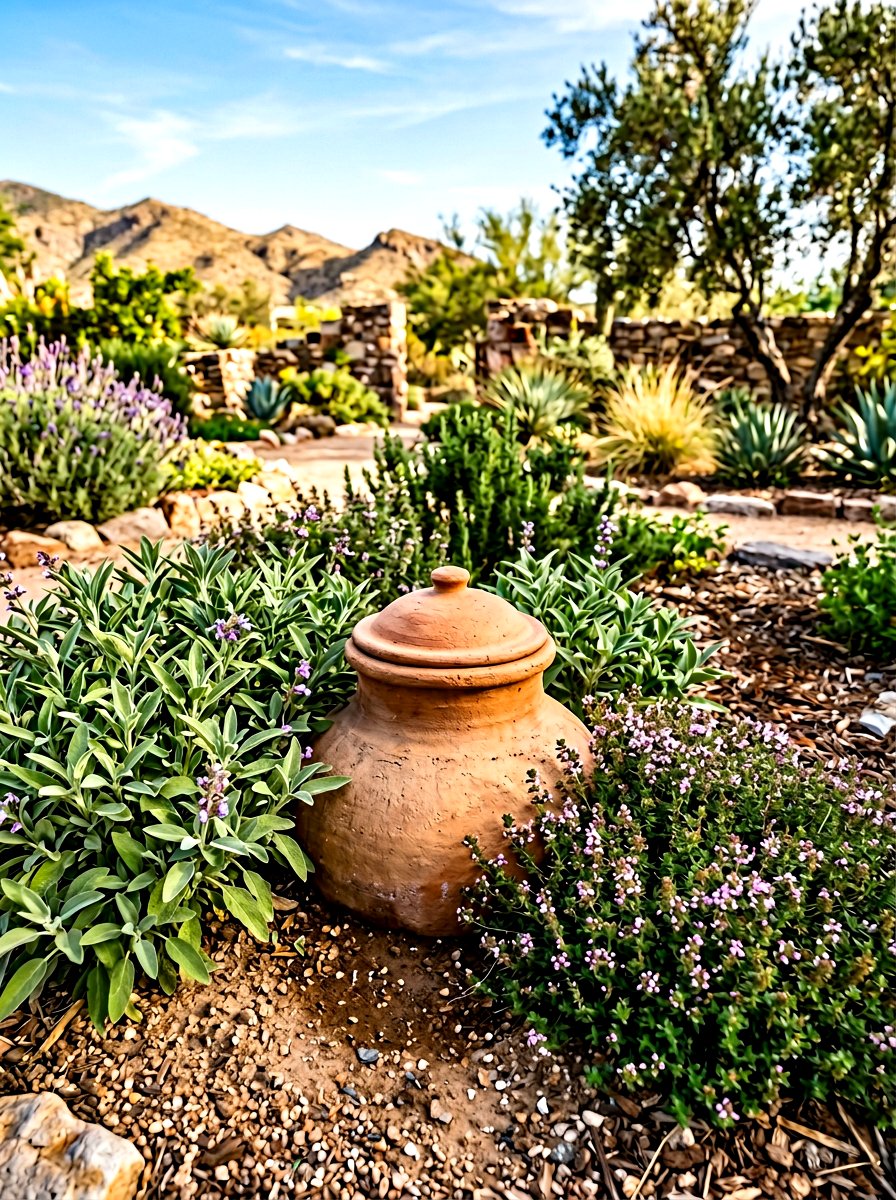
An olla pot is an ancient and incredibly efficient watering tool made from unglazed, porous clay that is buried deep within the garden soil. You fill the subterranean pot with water, and the moisture slowly seeps through the clay walls directly to the surrounding herb roots. This method is exceptionally water-efficient because there is almost zero evaporation from the surface of the soil. Herbs will actually grow their roots toward the olla to drink exactly as much as they need. It is a beautiful, natural way to manage hydration in dry climates and works wonderfully for large, established herb bushes like rosemary.
18. Solar Powered Watering
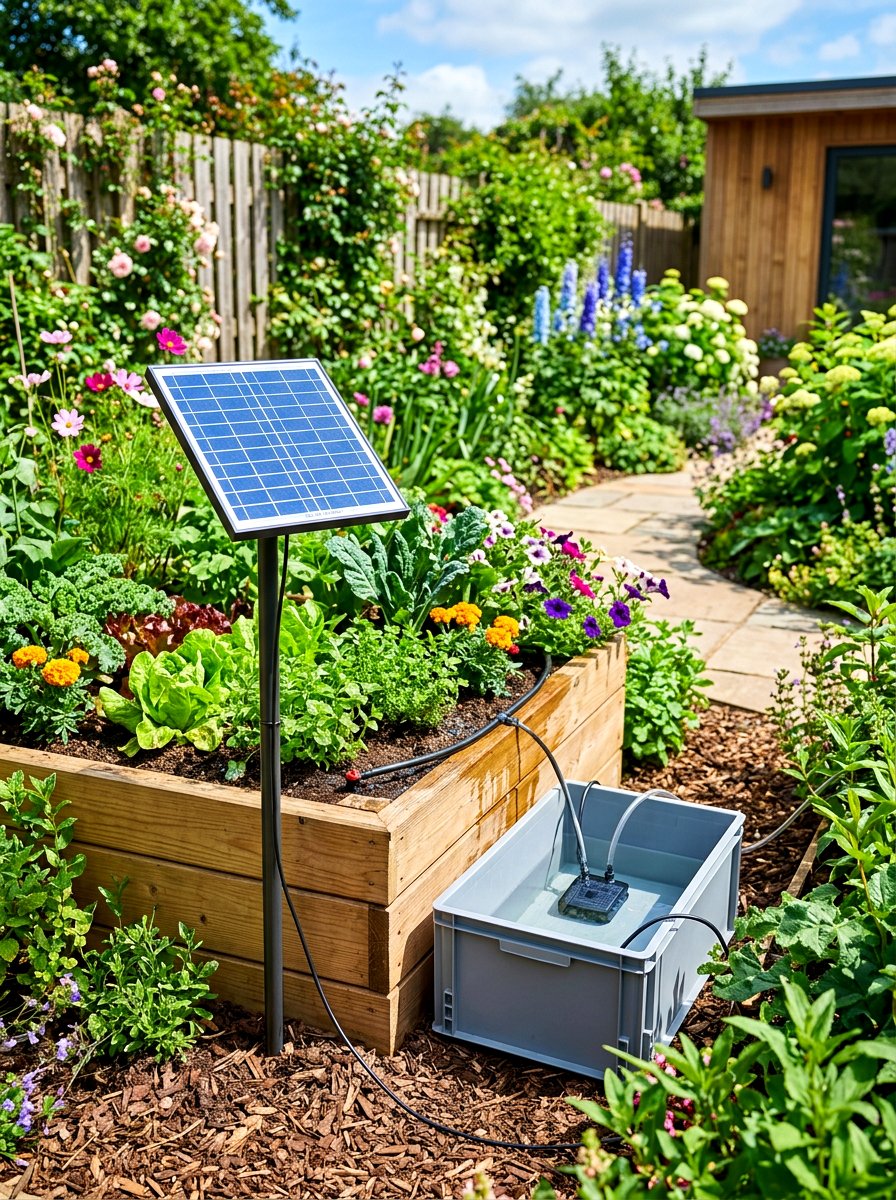
Harnessing the power of the sun to automate your herb garden maintenance is a smart and eco-friendly choice for modern homeowners. A solar-powered watering system uses a small solar panel to charge a battery that runs a quiet water pump and a digital timer. This setup is completely independent of the electrical grid, making it ideal for sunny balconies or remote garden patches. You can connect the pump to a rain barrel or a large water tank to create a fully self-sustaining irrigation loop. It is a high-tech solution that reduces your carbon footprint while ensuring your herbs stay perfectly hydrated all summer.
19. Raised Bed Irrigation
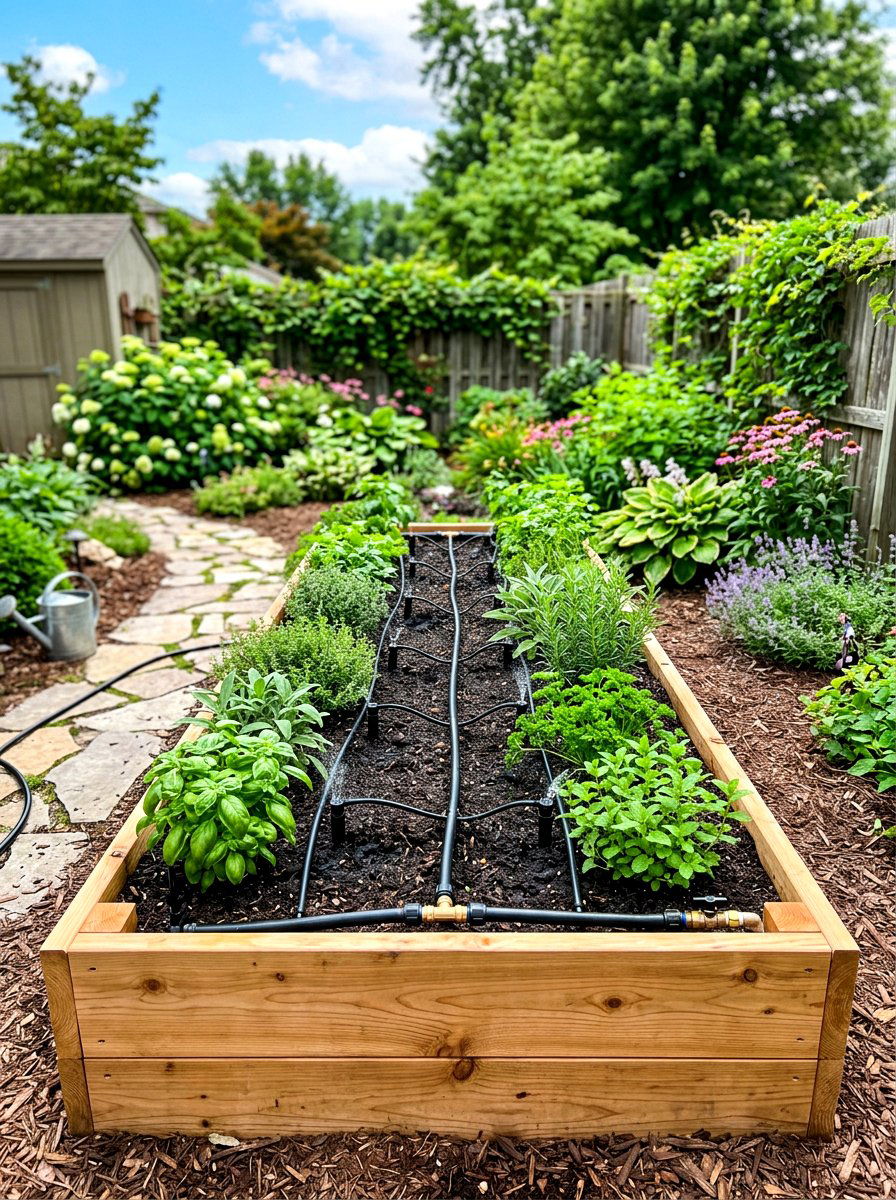
Installing dedicated raised bed irrigation is the best way to manage a productive herb garden without the hassle of dragging heavy hoses around. These systems usually consist of a main supply line that runs along the inside perimeter of the wooden bed with smaller offshoots for emitters. This organized layout keeps your garden paths clear of tripping hazards and ensures that every corner of the bed receives equal moisture. You can easily tuck the tubing under a layer of mulch to protect it from the sun and create a clean, professional look. It makes managing multiple varieties of herbs in one space effortless.

20. Herb Tower Watering
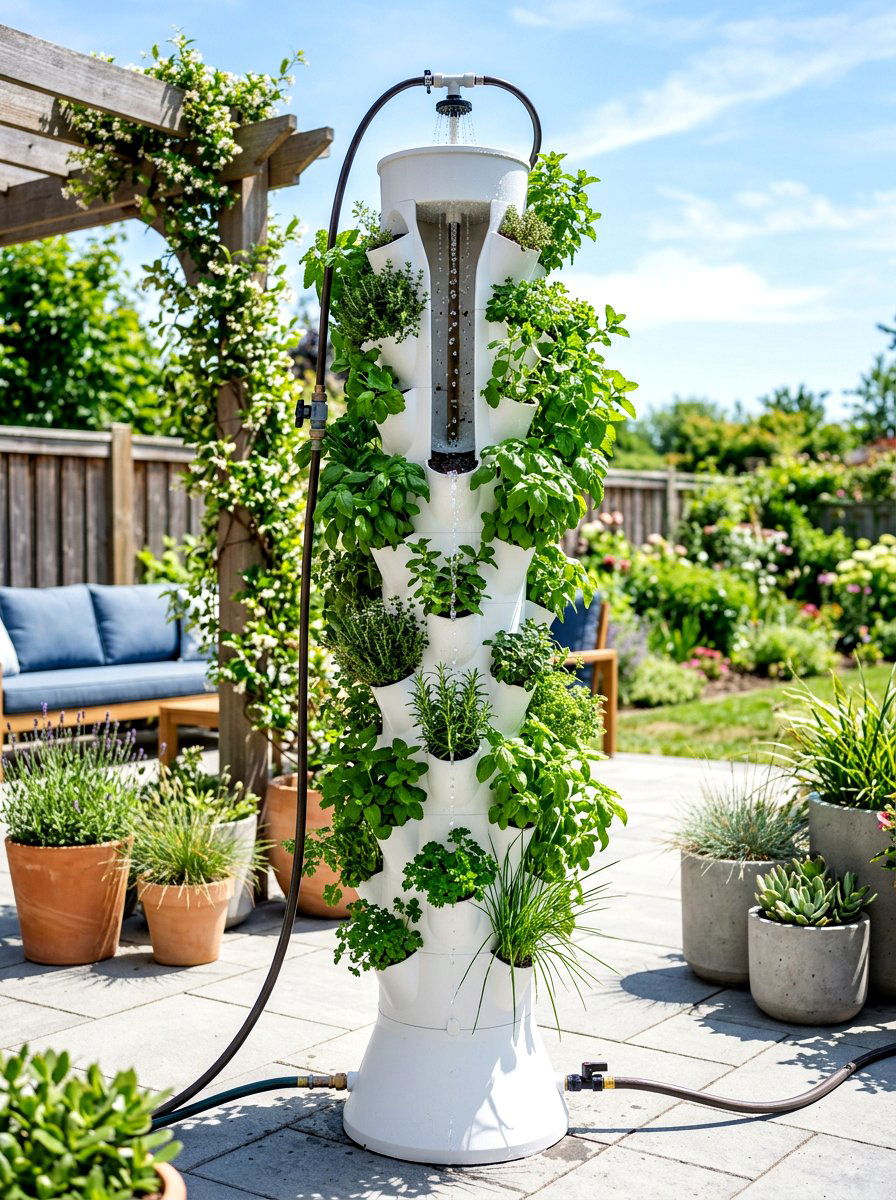
Stackable herb towers are popular for small spaces, but they can be difficult to water evenly without a built-in irrigation solution. Most high-quality herb towers feature a central watering tube with small holes that allow water to reach every tier simultaneously. You simply pour water into the top reservoir, and gravity takes care of the rest, distributing hydration to the roots of every plant in the column. This prevents the common problem of the top plants being dry while the bottom ones are over-watered. It is a brilliant design that allows you to grow dozens of herbs in a very tiny footprint.
21. Indoor Herb Reservoir
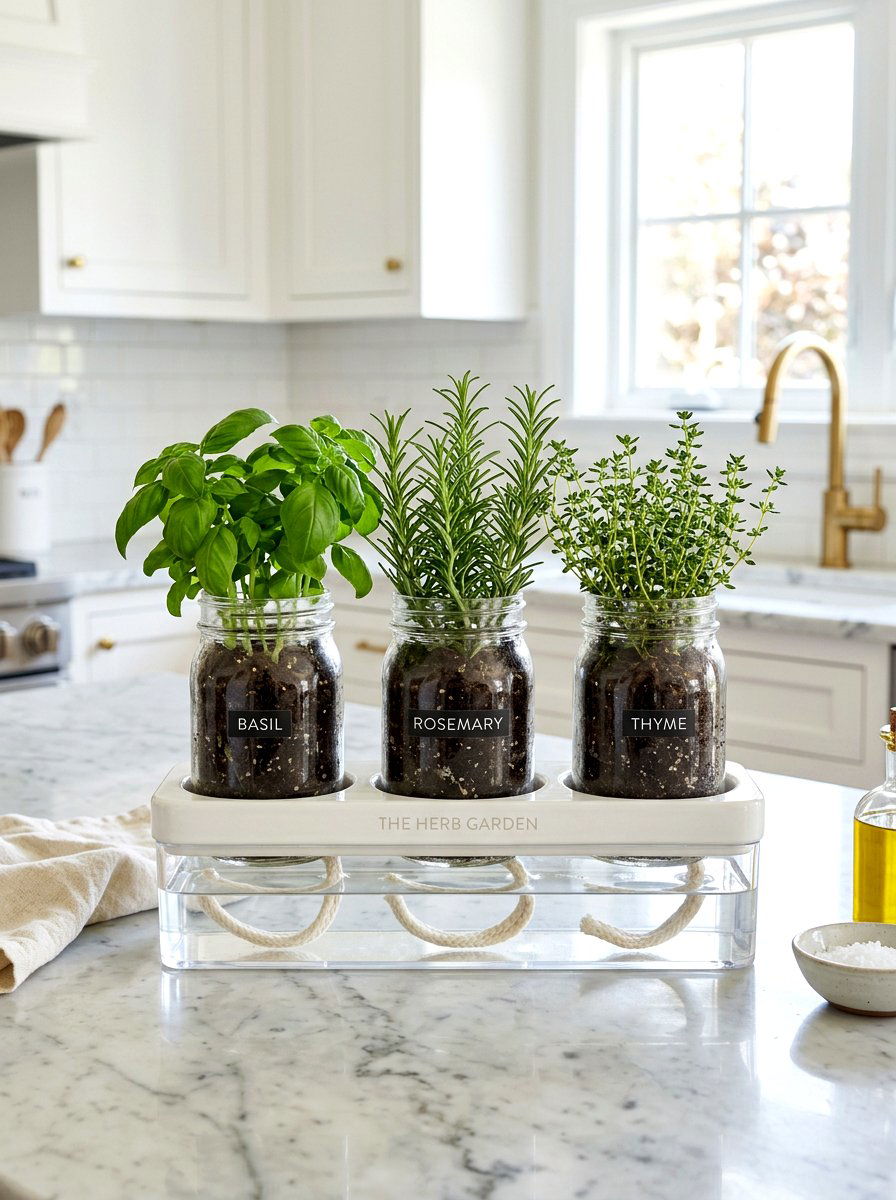
An indoor herb reservoir system is a specialized setup designed for the kitchen counter, ensuring your culinary greens never go thirsty while you cook. These units often feature a large, transparent tank so you can easily see when it is time for a refill. A wicking system or a small pump draws water from the reservoir to the individual herb pots above. This constant access to moisture is especially important for fast-growing herbs like basil, which can wilt in just a few hours if the soil dries out. It provides a reliable and stylish way to keep fresh ingredients within arm's reach.
22. Automatic Watering Pump
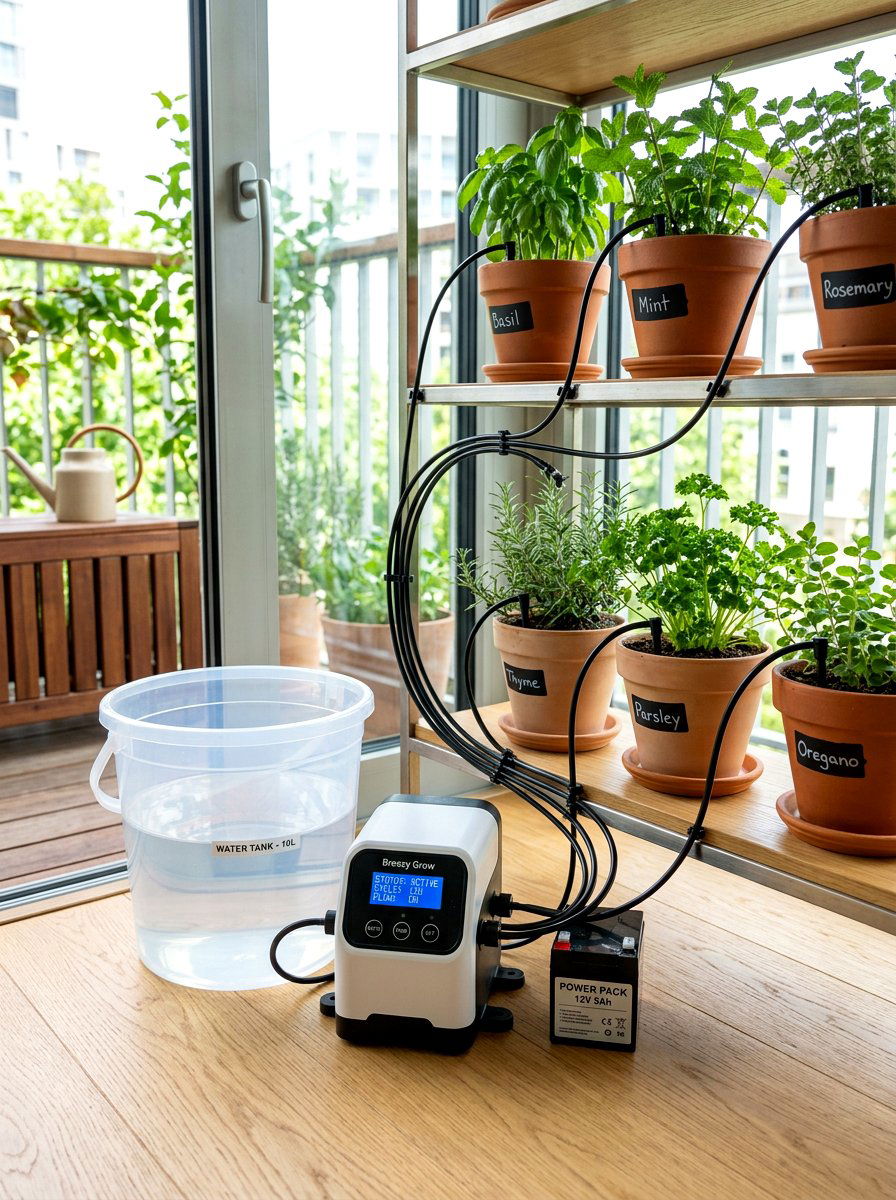
If you have a collection of diverse herb pots scattered across a patio, an automatic watering pump can bridge the gap between manual care and full irrigation. These compact units can be placed in a large bucket of water and programmed to pump a specific volume through thin vinyl tubing to each pot. You can customize the number of drippers per pot, ensuring that your thirsty mint gets more water than your drought-loving thyme. This is a very flexible system that can be easily moved or expanded as your herb collection grows. It is a favorite for urban gardeners with limited space.
23. Greywater Irrigation
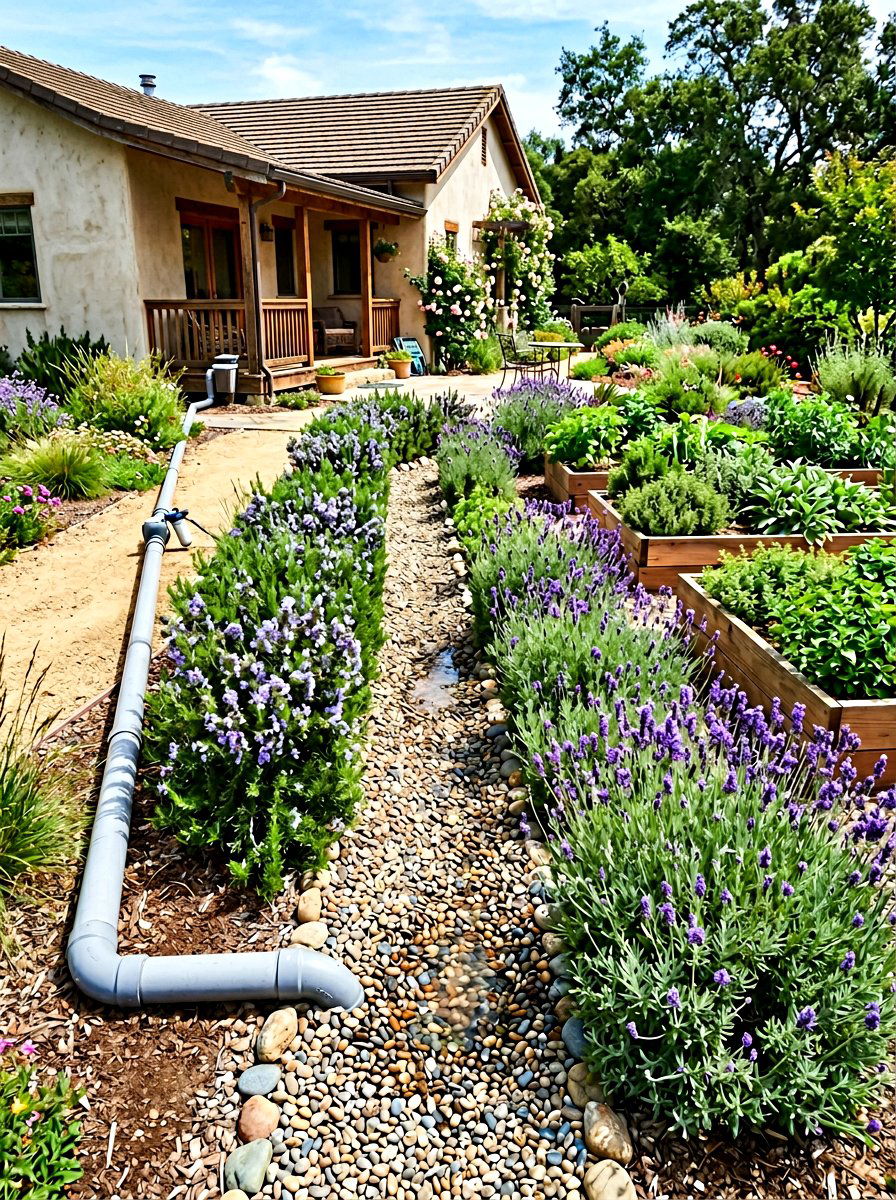
Using a greywater irrigation system is a sustainable way to recycle gently used water from your home to keep your outdoor herb garden lush. Greywater typically comes from bathroom sinks, showers, and washing machines, and it can be safely used for ornamental gardens and some herbs if handled correctly. By filtering and diverting this water to your garden beds, you can significantly reduce your reliance on fresh tap water. This eco-friendly practice is gaining popularity in regions facing frequent water restrictions. It turns a waste product into a valuable resource that helps your sage, lavender, and rosemary flourish even during the driest months.
24. Plastic Bottle Drip
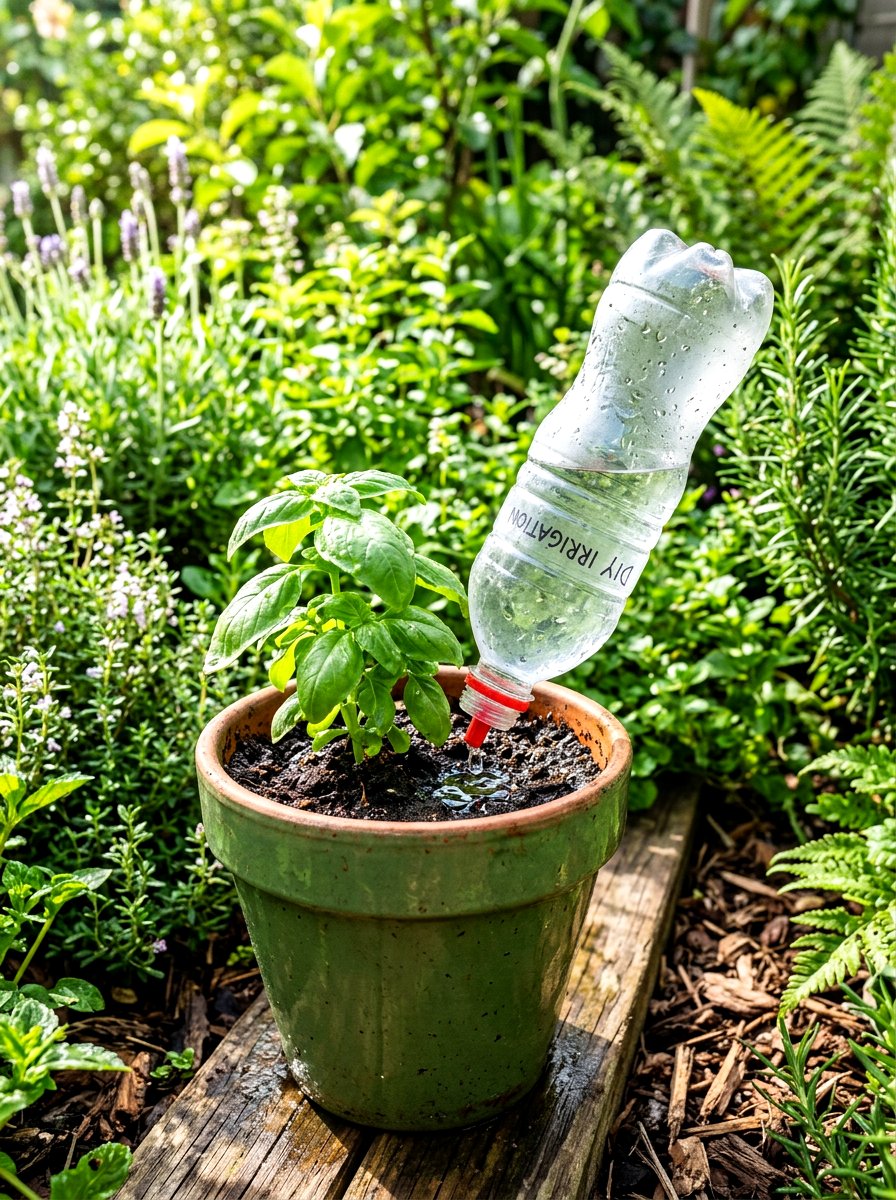
The plastic bottle drip method is a classic DIY trick that helps maintain soil moisture for individual herb pots without any expensive equipment. You simply take a clean plastic bottle, poke a few tiny holes in the side near the bottom, and bury it halfway into the soil. When you fill the bottle, the water slowly leaches out into the root zone over several hours or days. This is an excellent way to provide a deep drink to a particularly thirsty plant without causing surface runoff. It is also a great visual indicator; when the bottle is empty, you know it is time to water.
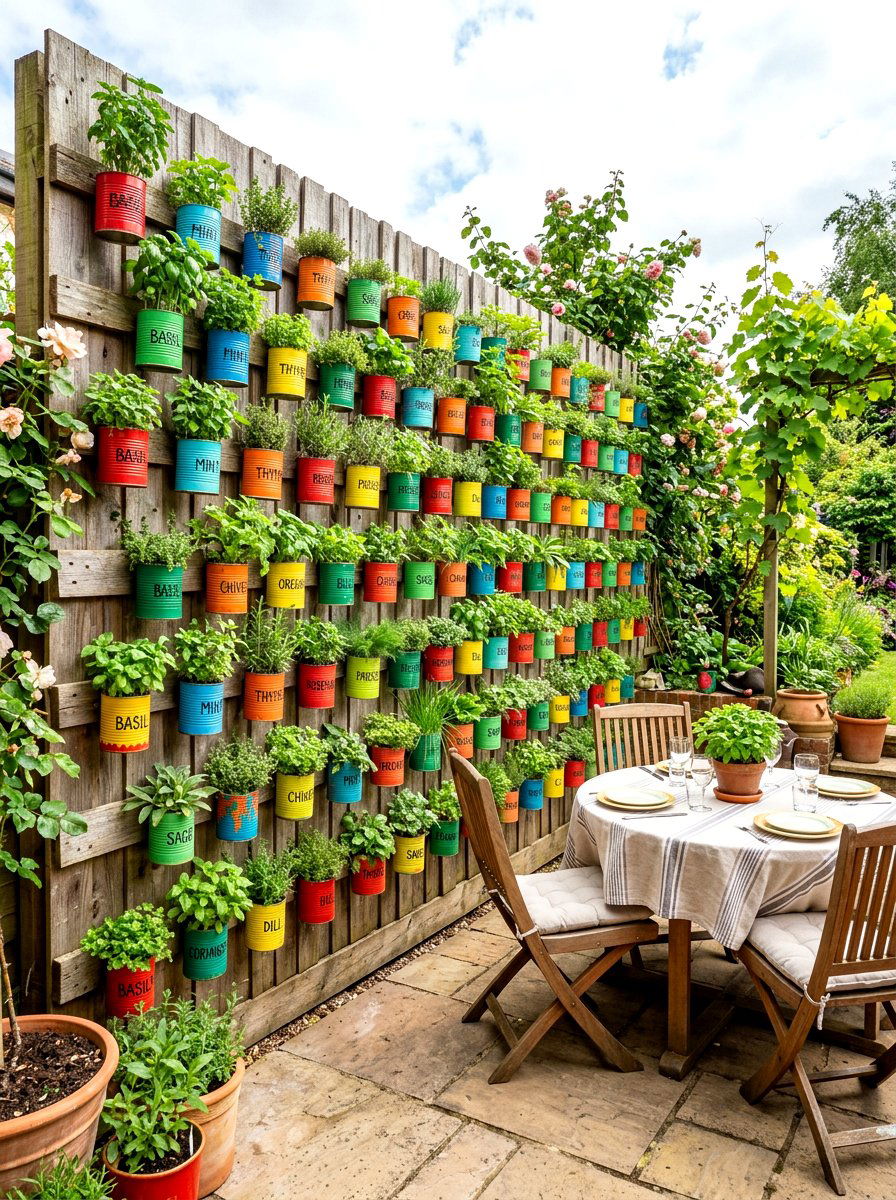


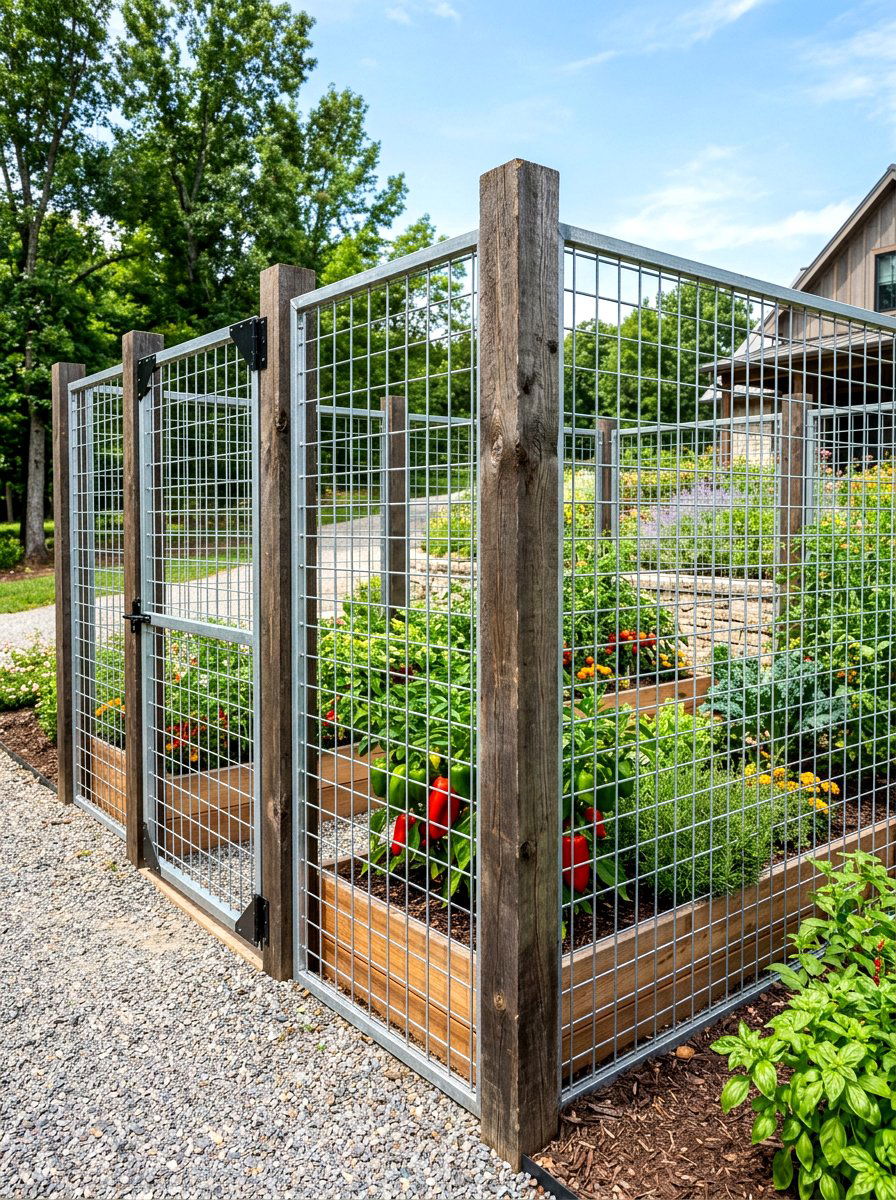
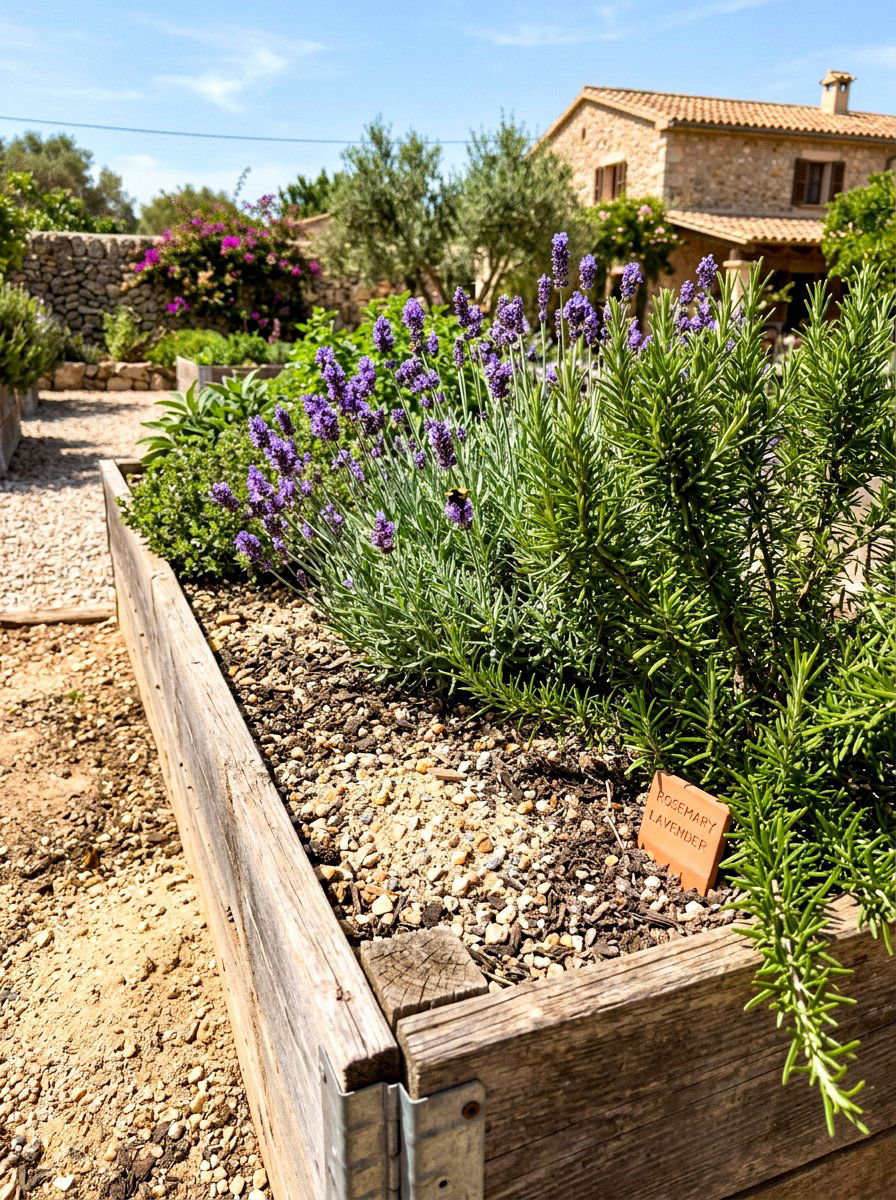
25. Layered Garden Watering
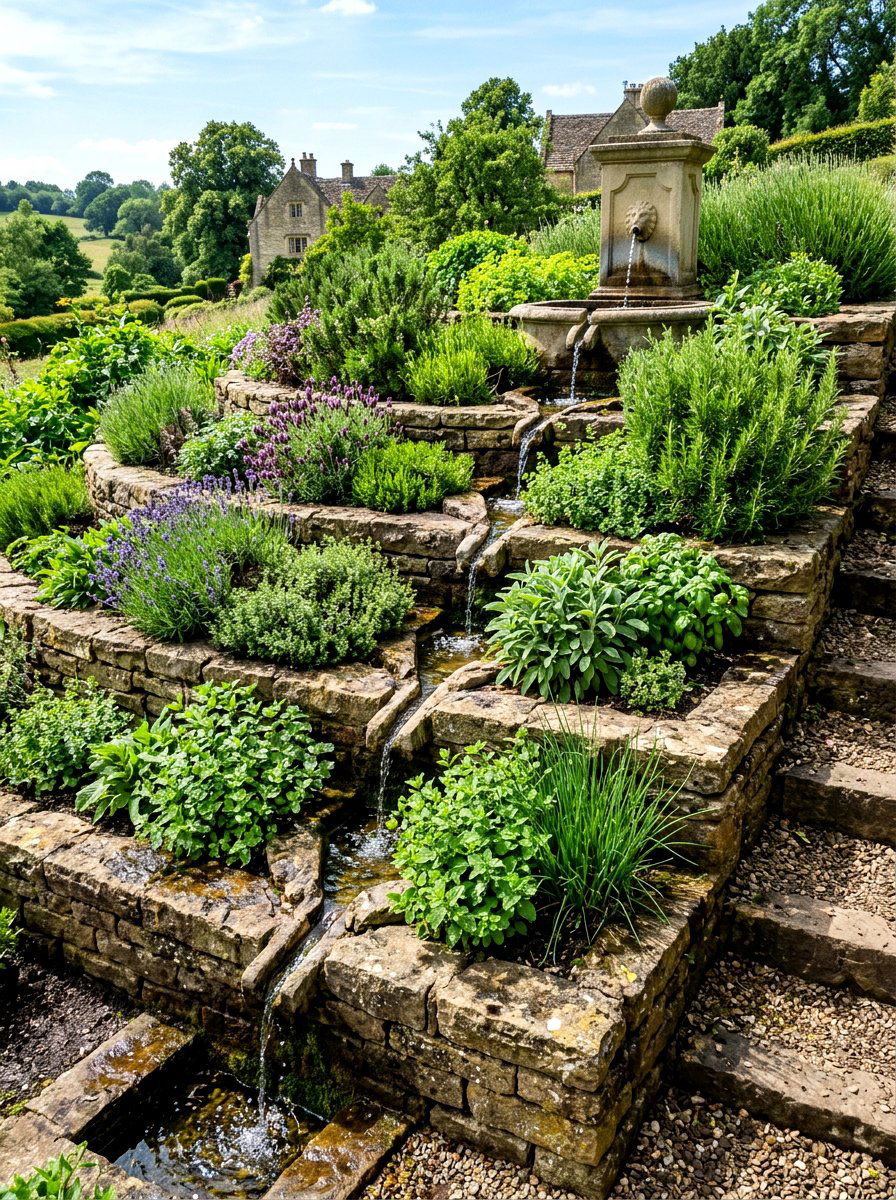
Managing the hydration needs of a layered or terraced herb garden requires a thoughtful approach to ensure that water flows correctly from top to bottom. In a layered system, you can use the natural slope to your advantage by placing moisture-loving herbs at the bottom and drought-tolerant ones at the peak. A simple drip line can be run across each level, with the overflow from the top tiers helping to keep the lower levels damp. This creates a highly efficient cycle that mimics natural water movement in the wild. It is a beautiful way to organize a large variety of herbs in a hillside garden.
26. Hanging Basket Waterer
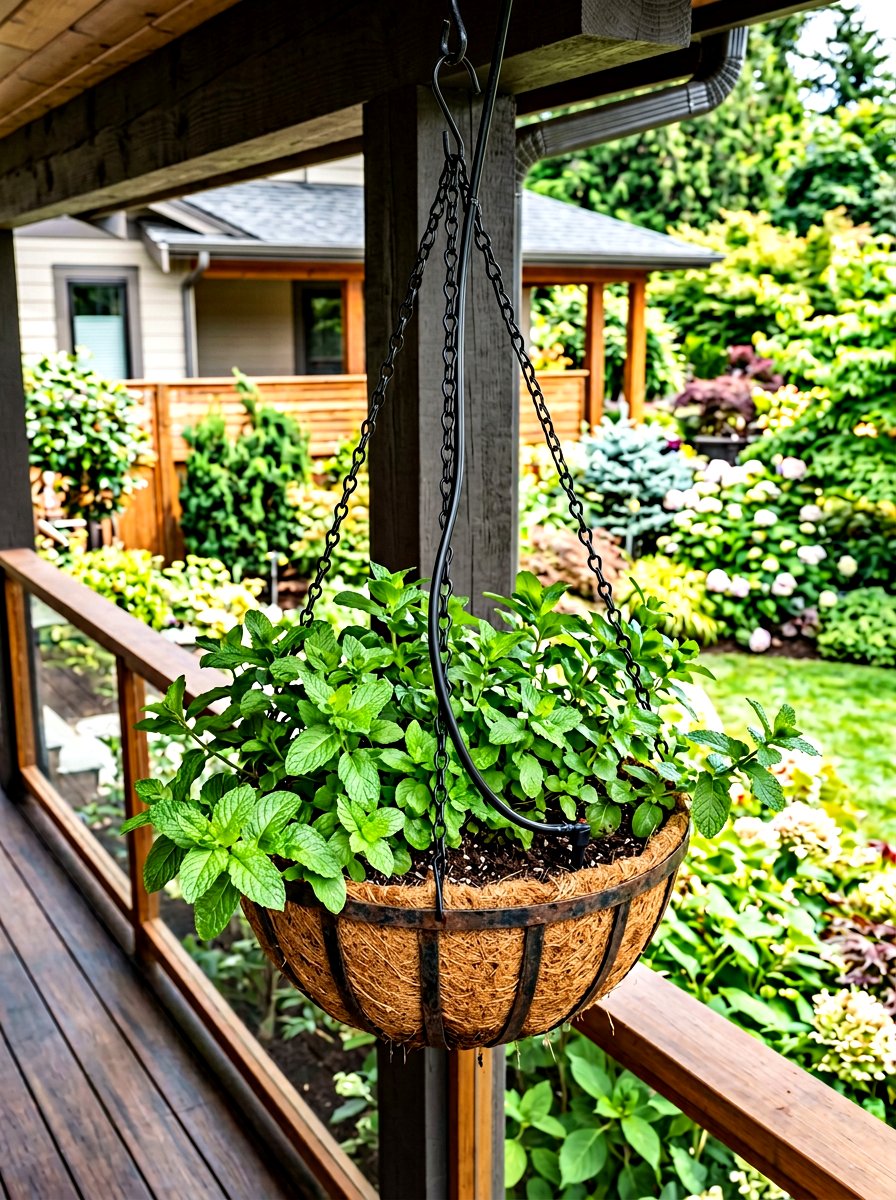
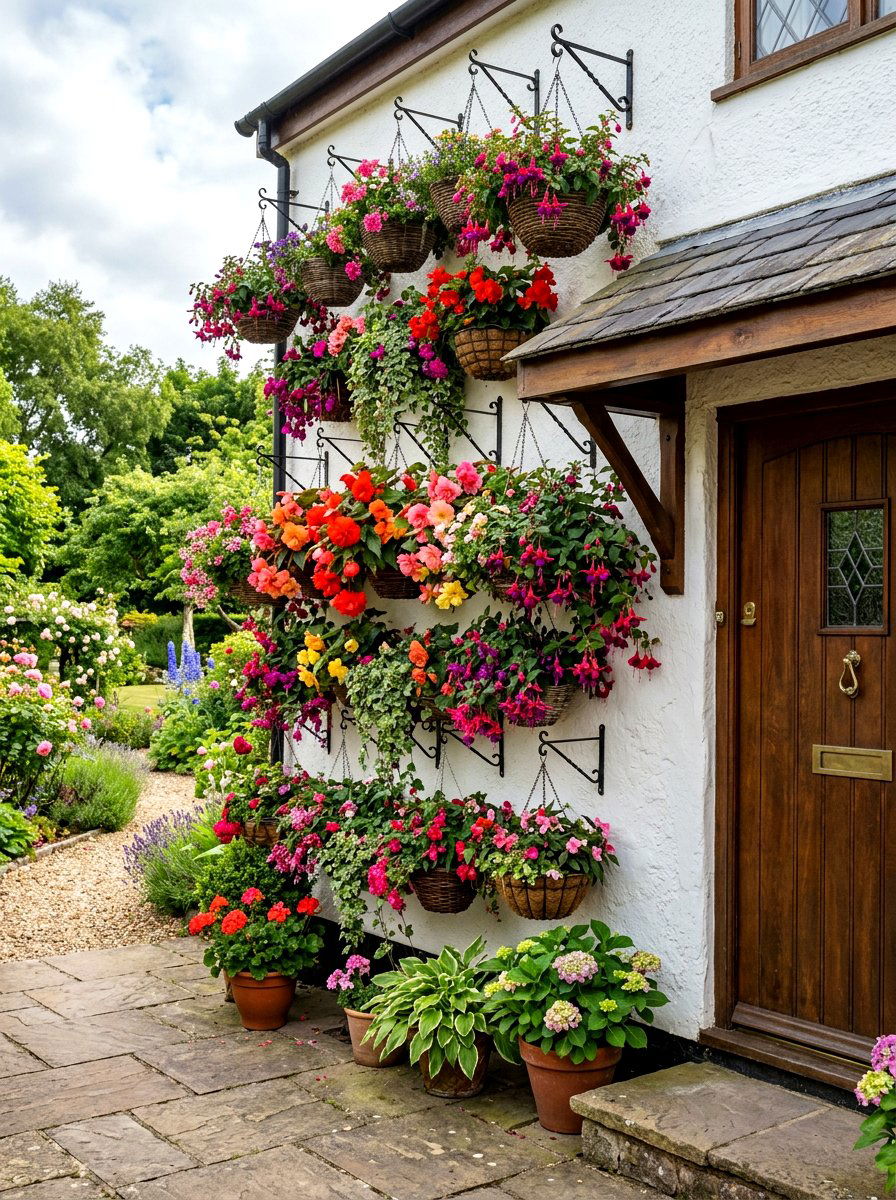
Hanging herb baskets are notorious for drying out quickly due to their exposure to wind and sun from all sides. A hanging basket waterer, which often features a long-neck attachment or a pulley system, makes it much easier to keep these elevated plants hydrated. Some advanced versions include a small internal reservoir or a drip line that runs up the support chain. This ensures that your trailing rosemary or cascading mint stays vibrant without the need for a ladder every day. By providing consistent moisture, you can prevent the soil from becoming hydrophobic, which is a common problem with traditional hanging coconut coir liners.
27. Deep Root Waterer
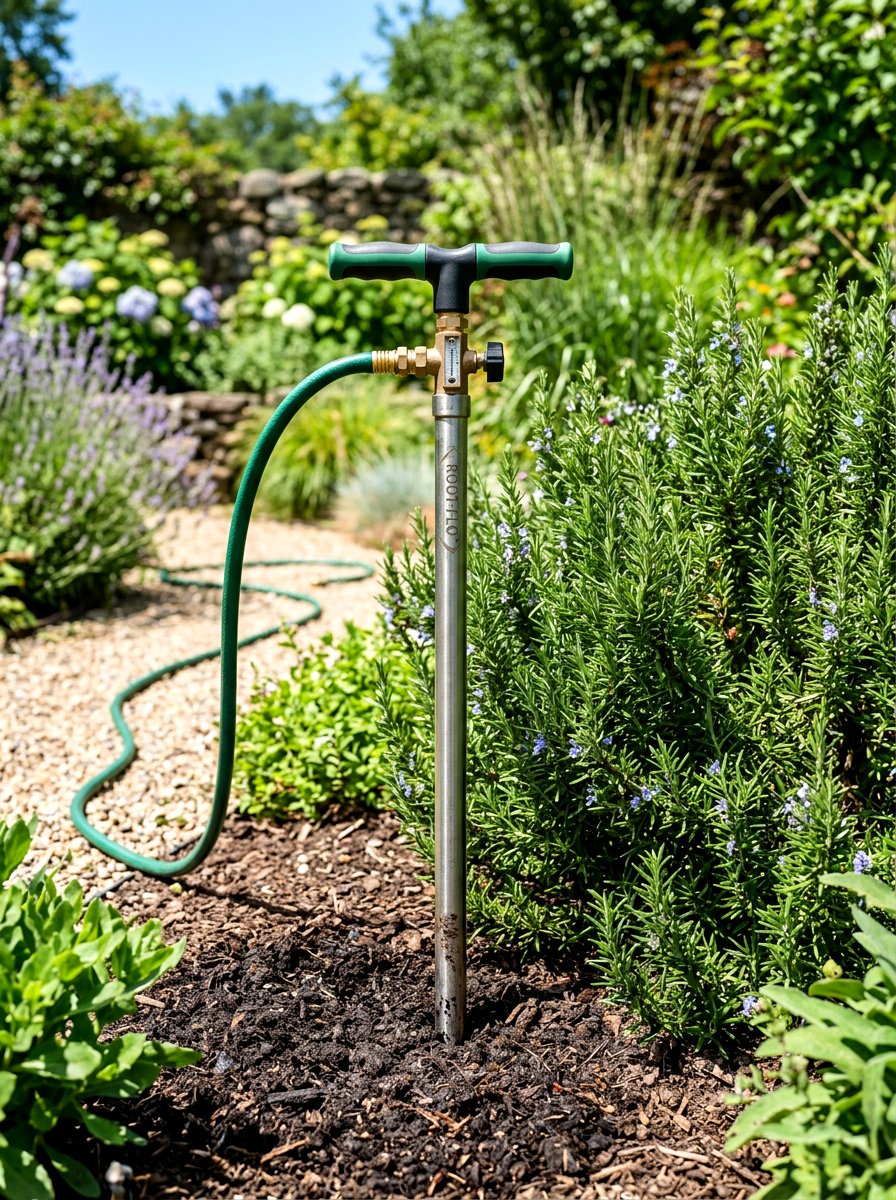
A deep root waterer is a specialized tool that allows you to bypass the dry surface soil and deliver hydration directly to the lower root zone. This is particularly beneficial for established perennial herbs like bay laurel or large rosemary bushes that have deep, woody roots. The tool usually features a long metal spike with holes at the tip that you insert into the ground. By attaching a hose, you can provide a concentrated blast of water exactly where the plant needs it most. This technique encourages deeper root growth and helps your herbs survive extreme heat and prolonged periods without natural rainfall.
28. Porous Pipe Irrigation
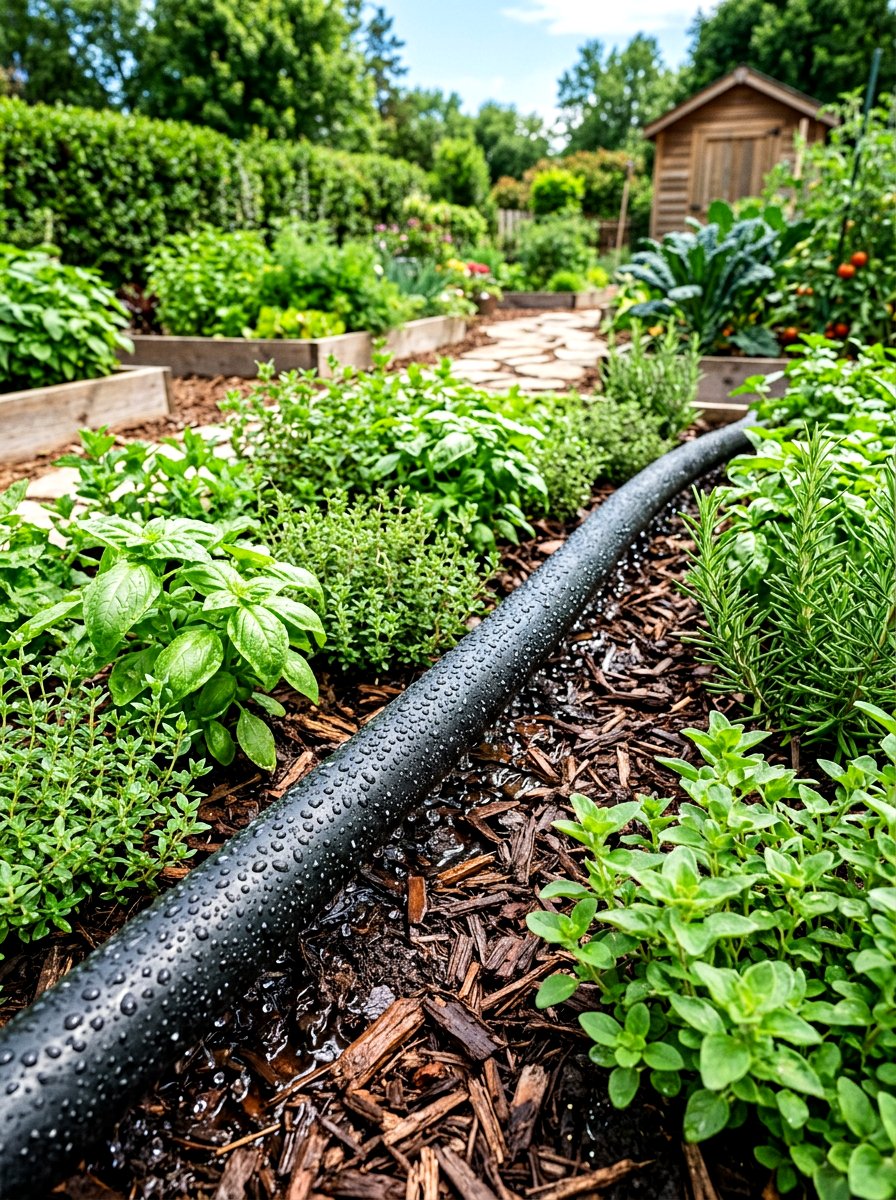
Porous pipe irrigation is a durable and highly efficient alternative to standard soaker hoses, often made from recycled rubber materials. These pipes act like a long, thin sponge that weeps water along its entire surface, providing a very even distribution of moisture. Because they are more robust than typical hoses, they can be buried under a thick layer of mulch or even slightly underground to prevent evaporation entirely. This is an ideal solution for permanent herb beds where you want a discreet and long-lasting watering system. It keeps the soil consistently damp, which is the perfect environment for most culinary herb varieties.
29. Bluetooth Water Timer
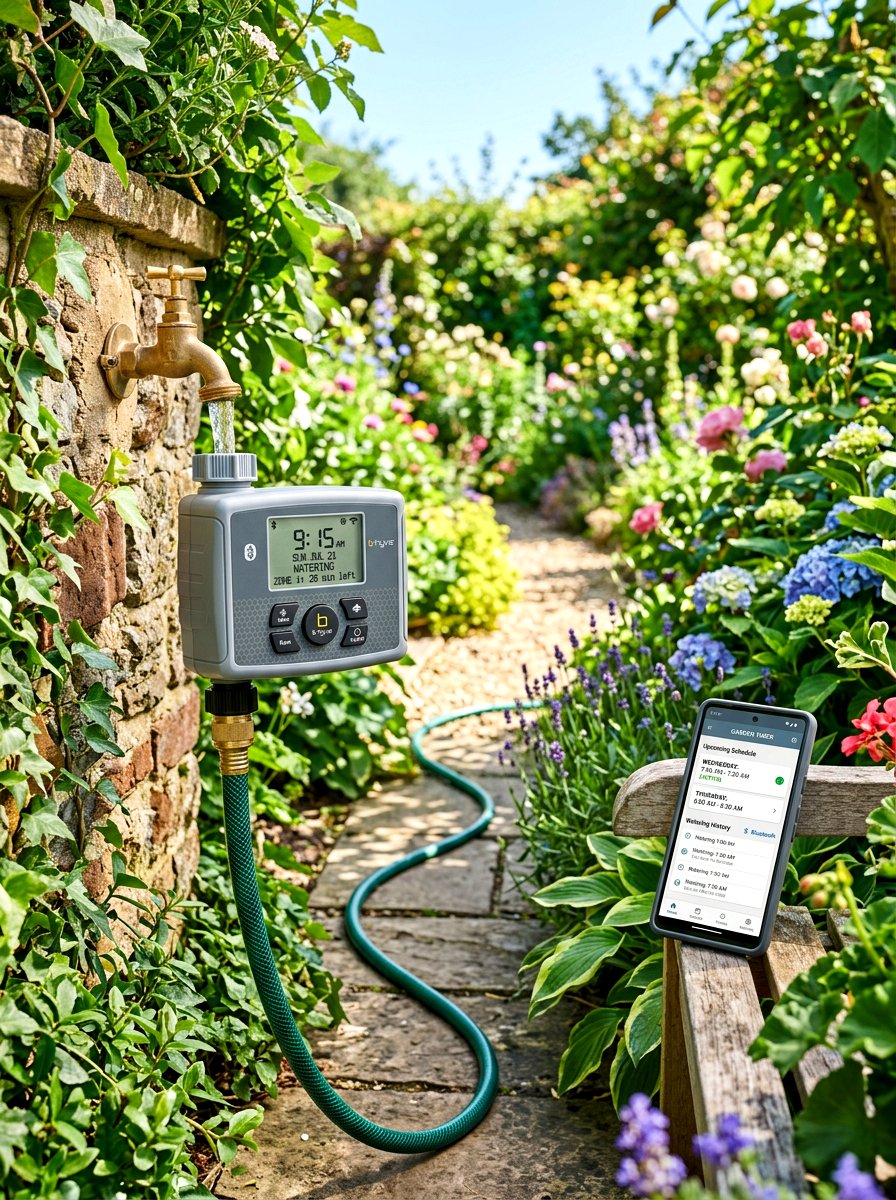
Adding a Bluetooth water timer to your garden faucet gives you the convenience of remote scheduling without the need for a complex Wi-Fi setup. You can use a dedicated app on your phone to set precise watering durations and frequencies for your herb garden while standing right in your yard. Most of these timers also include a manual override button for those times when you just want to give your plants an extra drink. They are very easy to install and provide a great entry point into the world of smart gardening. It is a simple way to modernize your outdoor herb care routine.
30. Aquaponic System
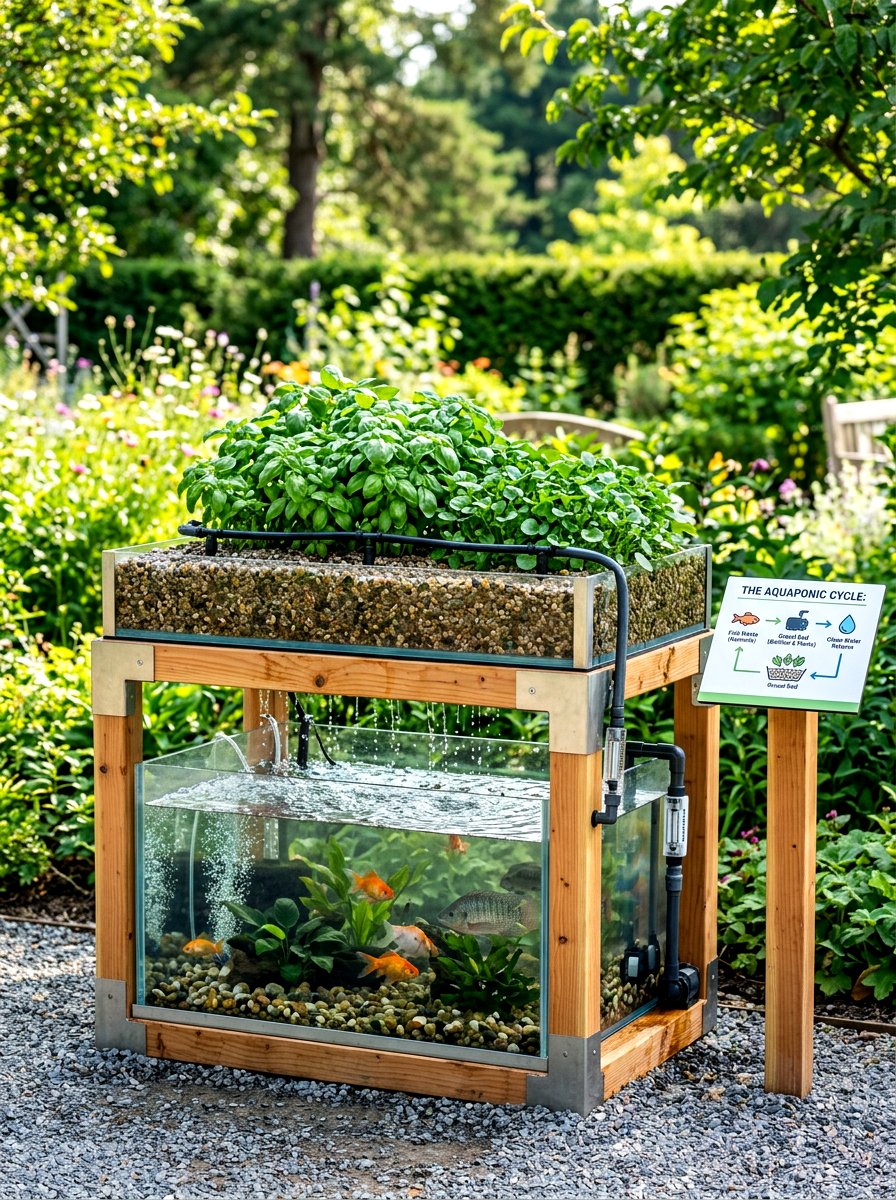
An aquaponic system is the ultimate "full circle" watering idea that combines fish farming with herb cultivation in one self-sustaining ecosystem. In this setup, the waste produced by the fish provides natural fertilizer for the herbs, while the herbs help to filter and clean the water for the fish. The water is constantly circulated between the fish tank and the herb grow beds, ensuring the plants are always hydrated and fed. This method produces incredibly fast growth and large, flavorful harvests of basil, lettuce, and watercress. It is a fascinating and highly productive way to grow fresh food in a small indoor or outdoor space.
Conclusion:
Finding the perfect watering solution for your herb garden is the key to enjoying a bountiful harvest of fresh flavors all year long. Whether you choose a high-tech smart irrigation system or a simple DIY recycled bottle waterer, the goal is to provide consistent moisture that meets the specific needs of each plant. By automating your hydration routine, you save valuable time and reduce the stress of daily garden maintenance. Healthy, well-watered herbs produce more essential oils, leading to better fragrance and taste in your favorite dishes. Experiment with these diverse ideas to create a thriving, low-maintenance herb oasis that enhances your home and your cooking.

Related posts: