Transforming a small outdoor area into a lush oasis is easier than you might think when you embrace the power of vertical growth. Many homeowners struggle with limited ground space, but your walls and fences offer a hidden canvas for stunning greenery. By utilizing vertical space, you can create a vibrant sanctuary that feels both private and refreshing. These structures allow you to grow everything from edible herbs to cascading flowers without cluttering your patio floor. Whether you have a tiny balcony or a sprawling backyard, climbing plants and tiered arrangements add depth and texture to your environment. Let’s explore various creative ways to bring your garden upward and enhance your outdoor living experience effectively.
1. Wooden Pallet Wall
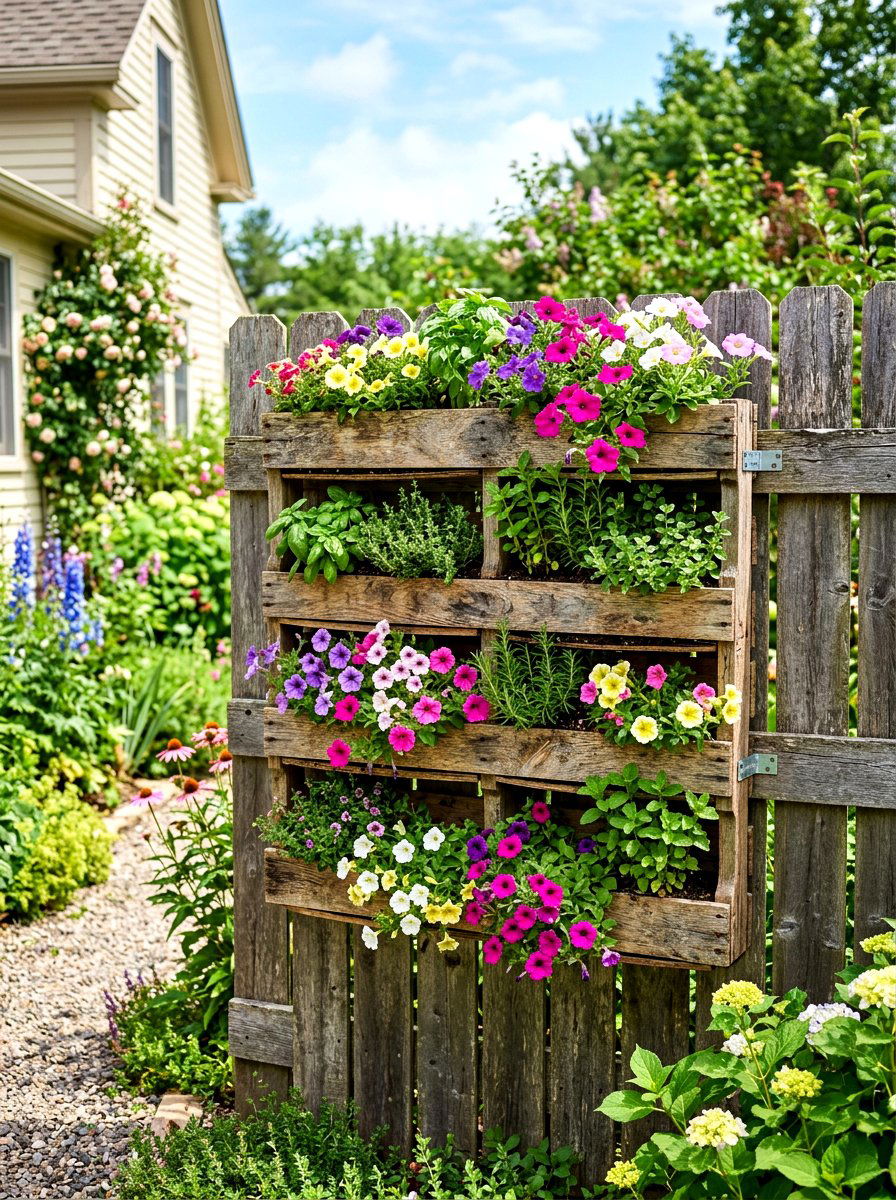
Have you ever considered how a simple shipping pallet can become a rustic focal point for your backyard? This affordable project is a favorite for those who love sustainable gardening and easy DIY solutions. You can lean a pallet against a wall or mount it securely to provide multiple levels for small shrubs and annuals. By stapling landscape fabric behind the slats, you create deep pockets that hold soil and allow roots to flourish. This setup is perfect for growing leafy greens or a variety of colorful petunias that spill over the edges. It brings a cozy, farmhouse charm to any porch while maximizing every inch of available vertical real estate.
2. Vertical Fabric Pockets
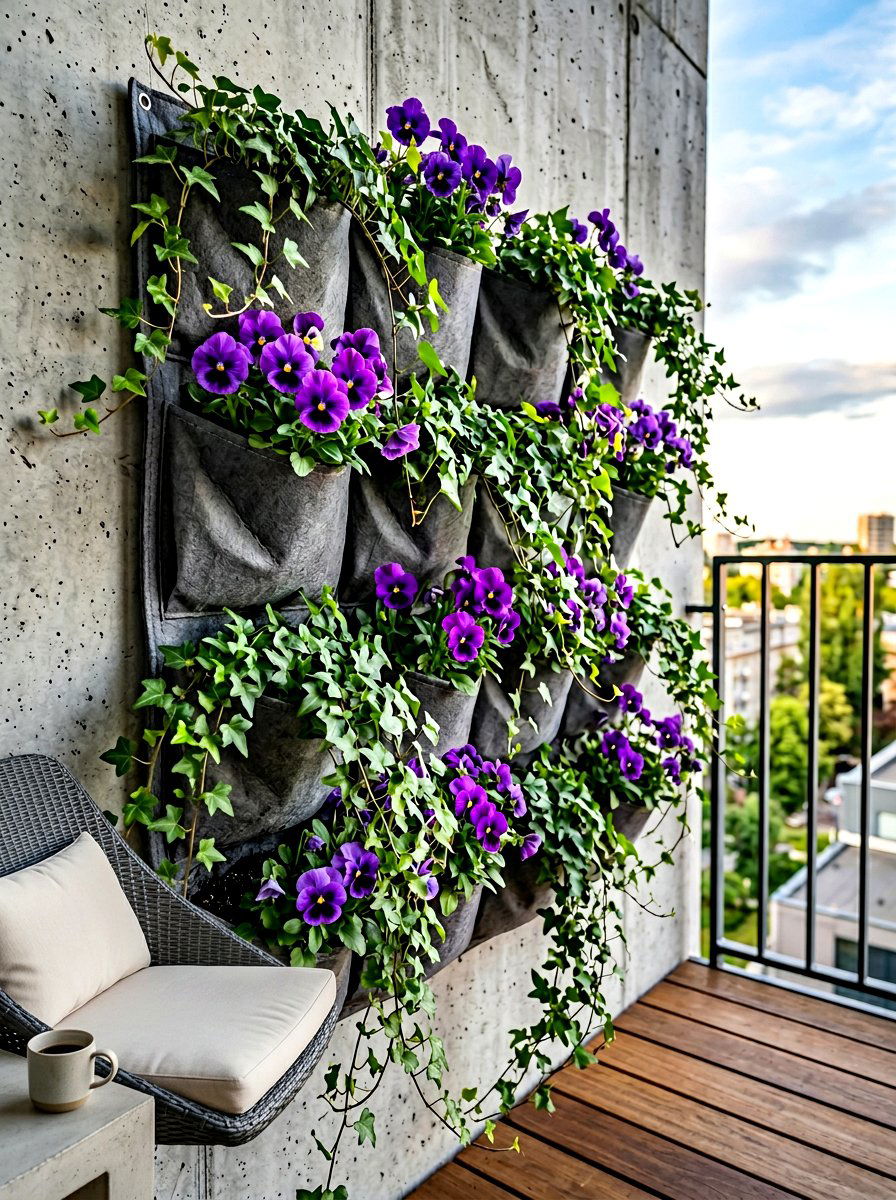
Imagine a soft wall of foliage that breathes life into a dull concrete barrier or a plain wooden fence. Fabric wall pockets are incredibly popular because they are lightweight and easy to install on almost any vertical surface. These breathable felt containers allow for excellent drainage and air circulation, which helps keep your plants healthy and vibrant throughout the season. You can plant a mix of cascading ivy and bright pansies to create a living tapestry that changes with the seasons. They are particularly useful for urban dwellers with small balconies who want a high-impact green display without the heavy weight of traditional clay or ceramic pots.
3. Garden Ladder Stand
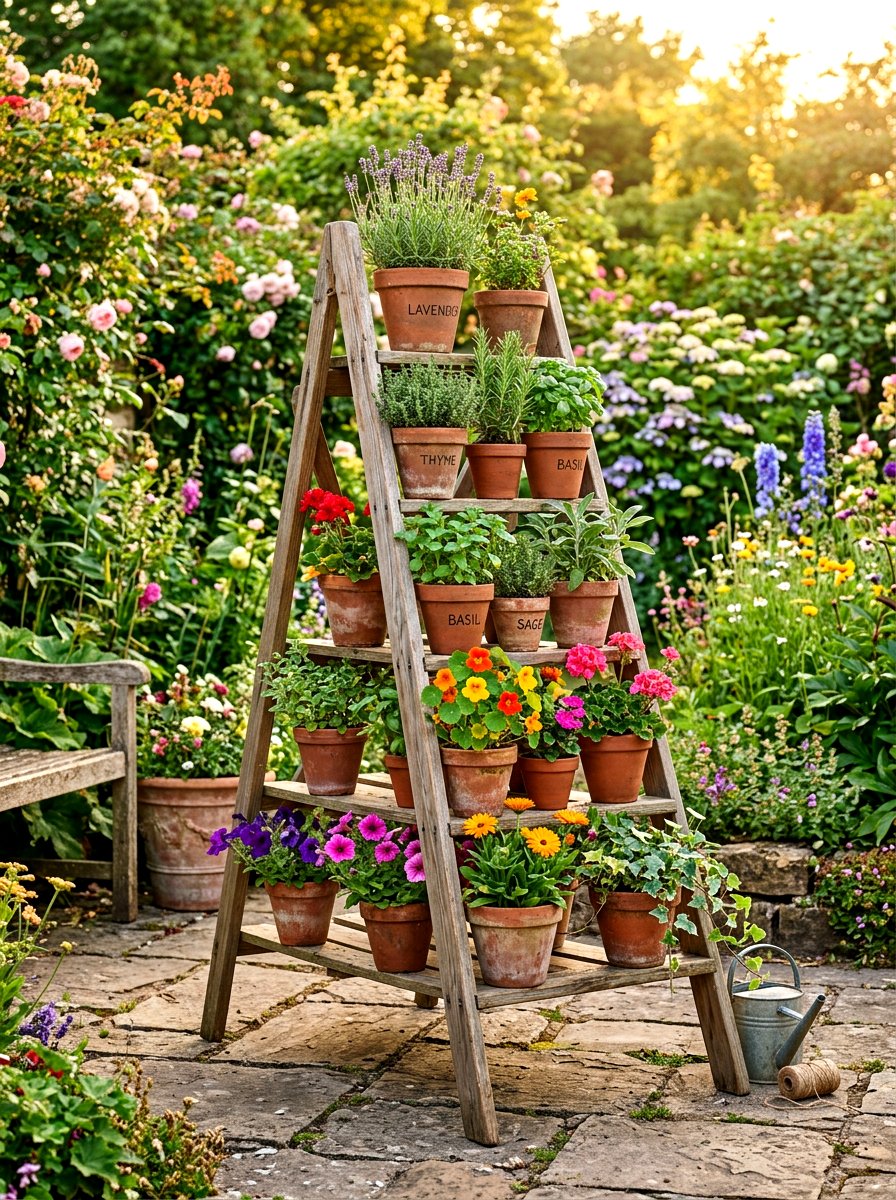
Does your patio feel a bit flat and one-dimensional? A wooden ladder stand offers a simple way to add height and visual interest to your outdoor seating area. You can repurpose an old step ladder or purchase a specially designed A-frame stand to hold various potted plants. By arranging different sizes of pots on each rung, you create a beautiful tiered effect that draws the eye upward. This method is ideal for showcasing a collection of herbs or small flowering plants that need varying amounts of sunlight. It is also highly portable, allowing you to move your garden easily to catch the best light throughout the afternoon.
4. Hanging Pot Lattice
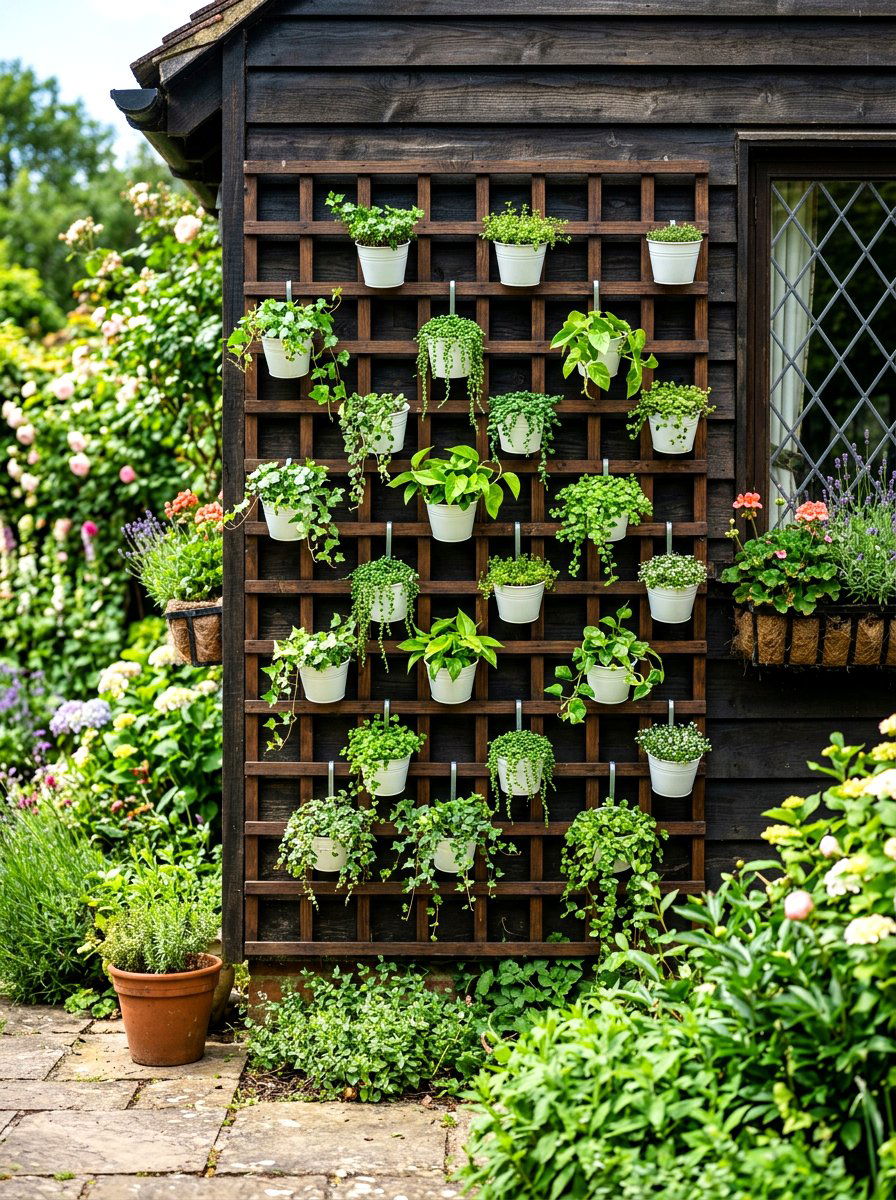
Traditional wooden lattice is not just for privacy; it can also serve as a sturdy foundation for a vertical container garden. By attaching a lattice panel to your exterior wall, you create a grid that is perfect for hanging small pots with simple hooks. This design allows you to organize your plants in neat rows or a more organic, scattered pattern depending on your style. It works beautifully for trailing plants like Creeping Jenny or Lobelia, which will eventually grow to cover the wood. This approach provides a structured yet natural look that blends seamlessly with classic garden aesthetics while keeping the ground clear for furniture.
5. Metal Wall Trellis
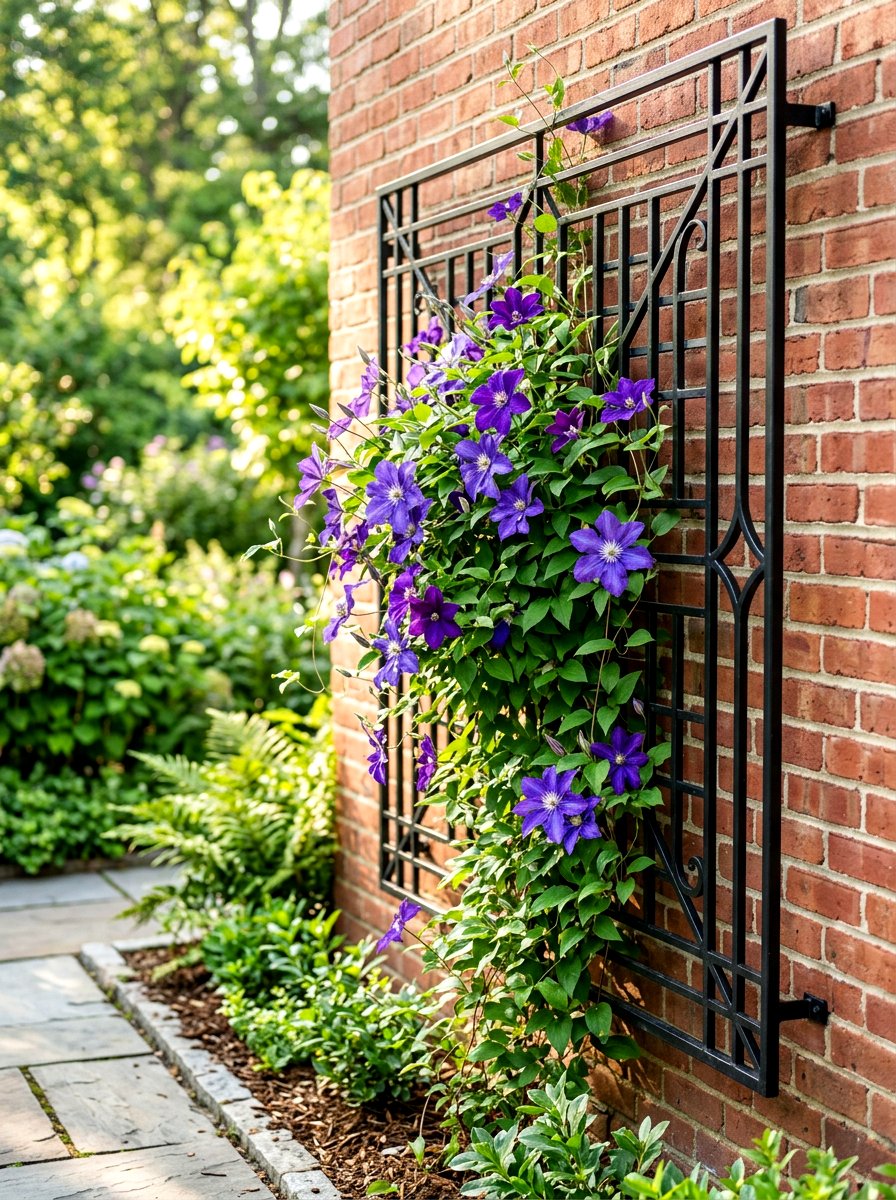
For those who prefer a sleek and modern aesthetic, a metal wall trellis provides a minimalist way to support climbing vines. These durable structures are often made from wrought iron or powder-coated steel, ensuring they withstand the elements for many years. You can plant fast-growing climbers like Clematis or Morning Glories at the base and watch them weave through the metal bars. The contrast between the rigid geometric lines of the trellis and the soft organic curves of the vines creates a stunning visual balance. It is a sophisticated choice for contemporary homes looking to add a touch of nature to a blank exterior wall.
6. Tiered Planter Box
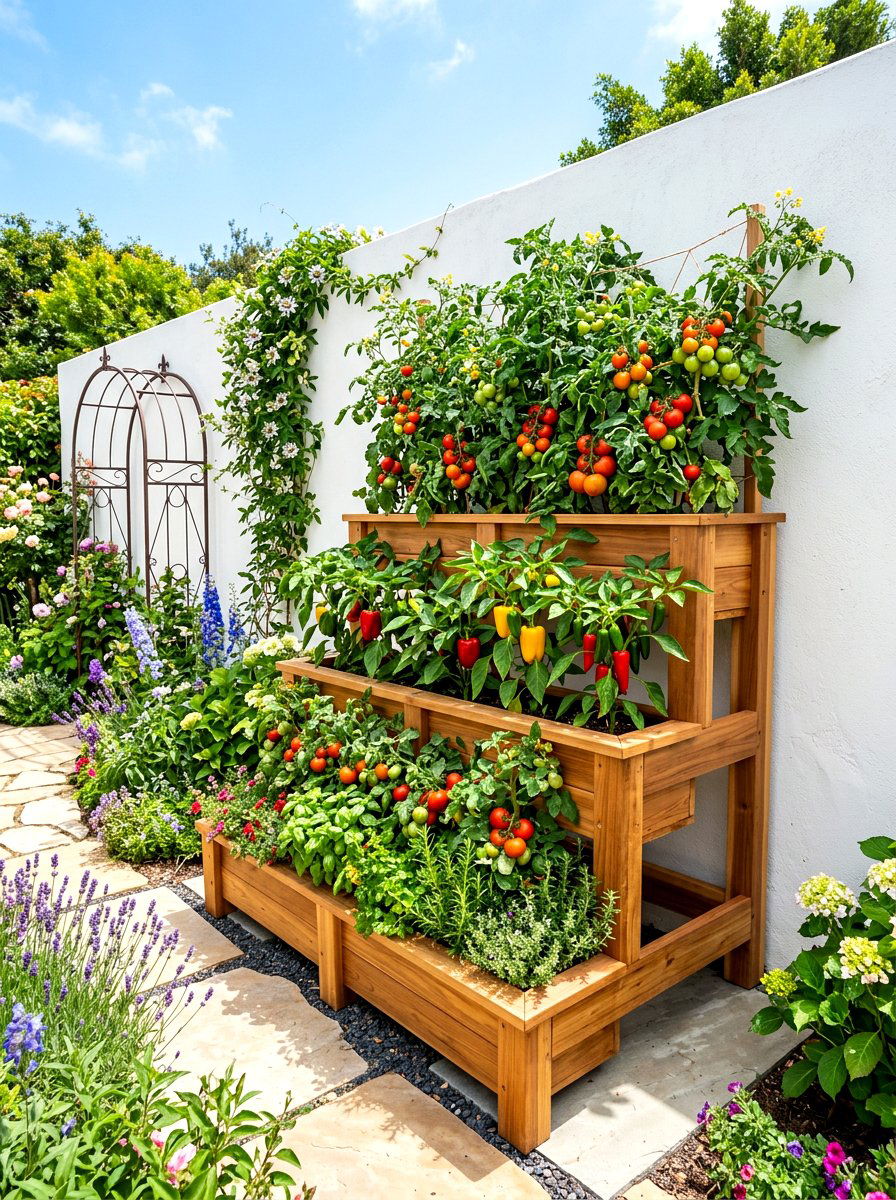
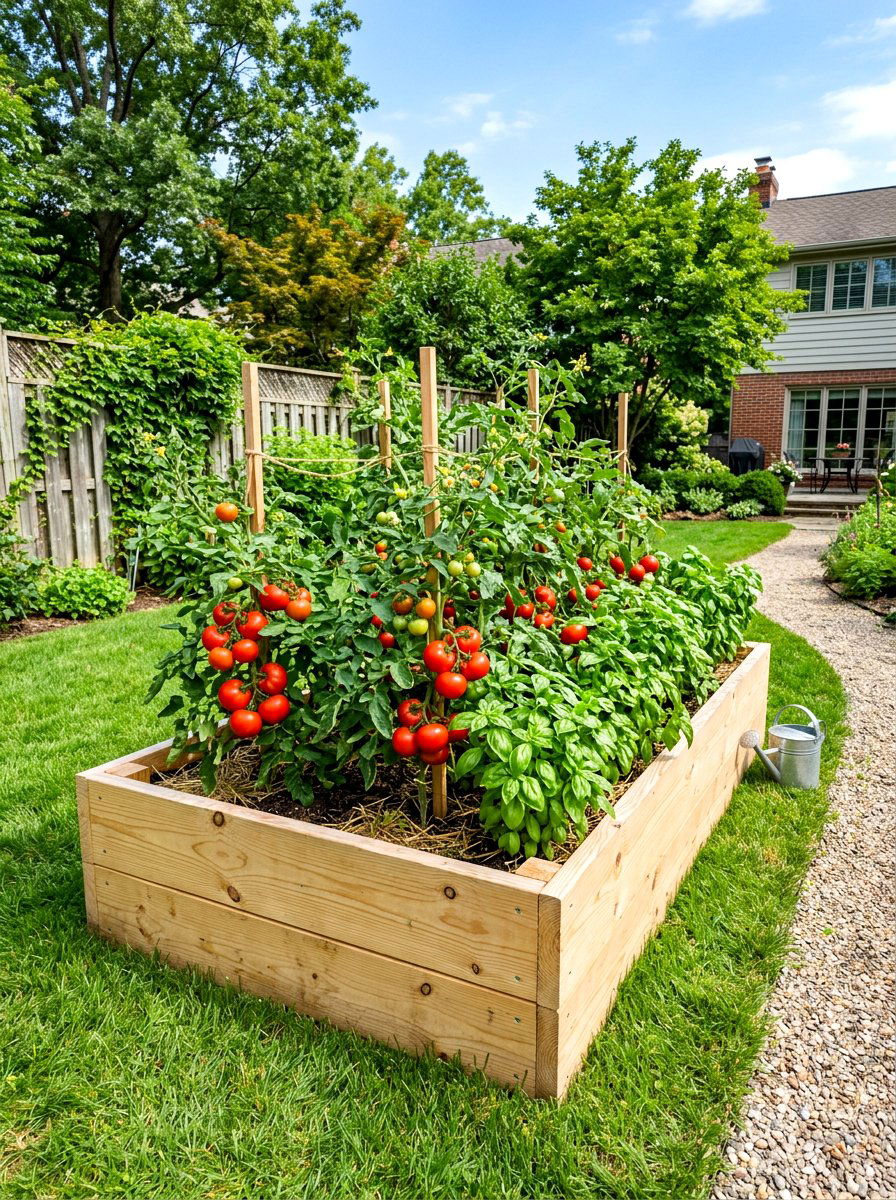
Building a series of tiered planter boxes is an excellent way to create a permanent and productive vertical garden structure. These boxes are usually built from cedar or redwood to resist rot and can be stacked in a cascading fashion against a wall. This design provides deep soil volume, which is essential for growing larger vegetables like tomatoes or peppers that require more root space. The stepped arrangement ensures that every plant receives adequate sunlight without being shaded by the ones above. It offers a clean, architectural look that defines the boundaries of your outdoor space while providing a significant harvest in a very small footprint.
7. Succulent Wall Frame
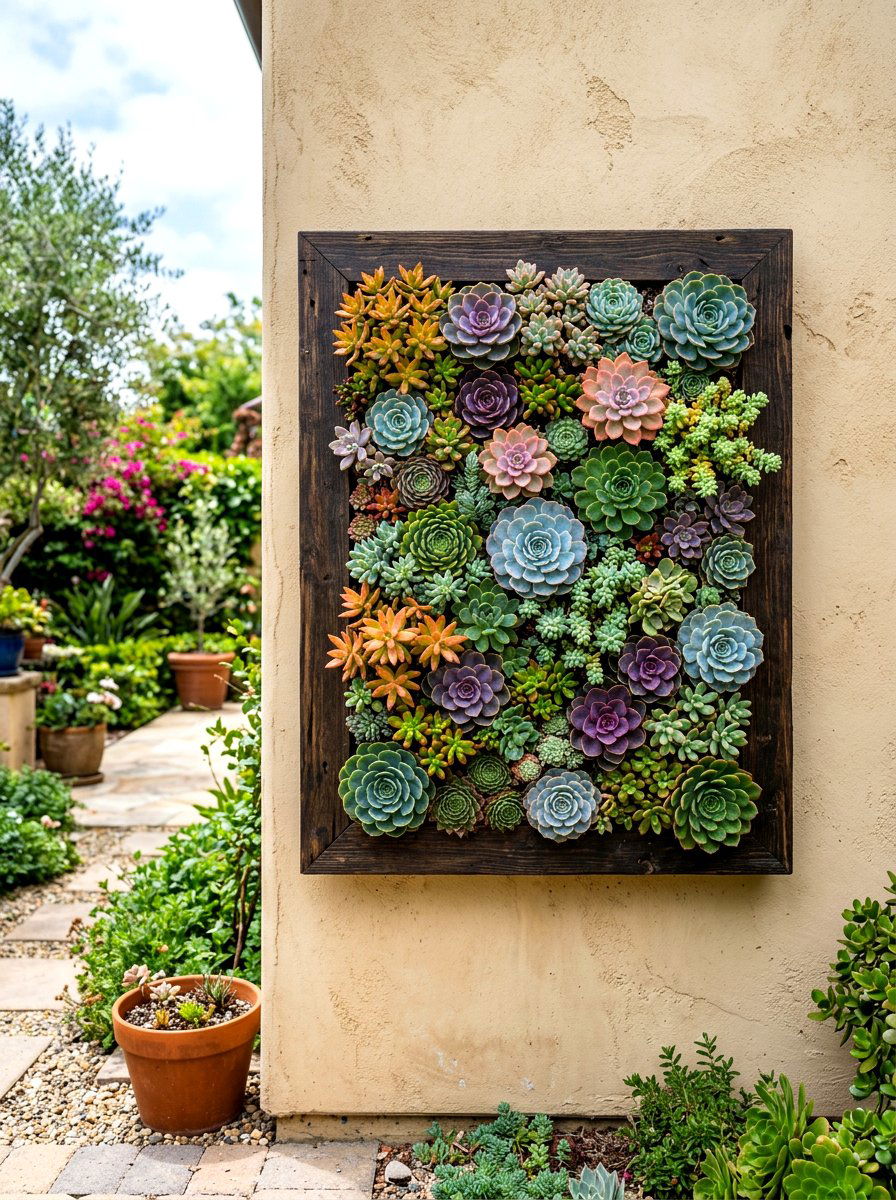
Treat your outdoor wall like a gallery by installing a living succulent frame that acts as a piece of natural art. This design uses a shallow wooden box filled with a gritty soil mix and covered with wire mesh to hold the plants in place. Succulents are perfect for this setup because they are low-maintenance and come in a dazzling array of shapes, sizes, and colors. You can create intricate patterns by mixing different varieties like Echeveria and Sedum to build a textured mosaic. This type of garden is ideal for sunny spots and requires very little water, making it a sustainable and stylish choice.
8. Concrete Cinder Block
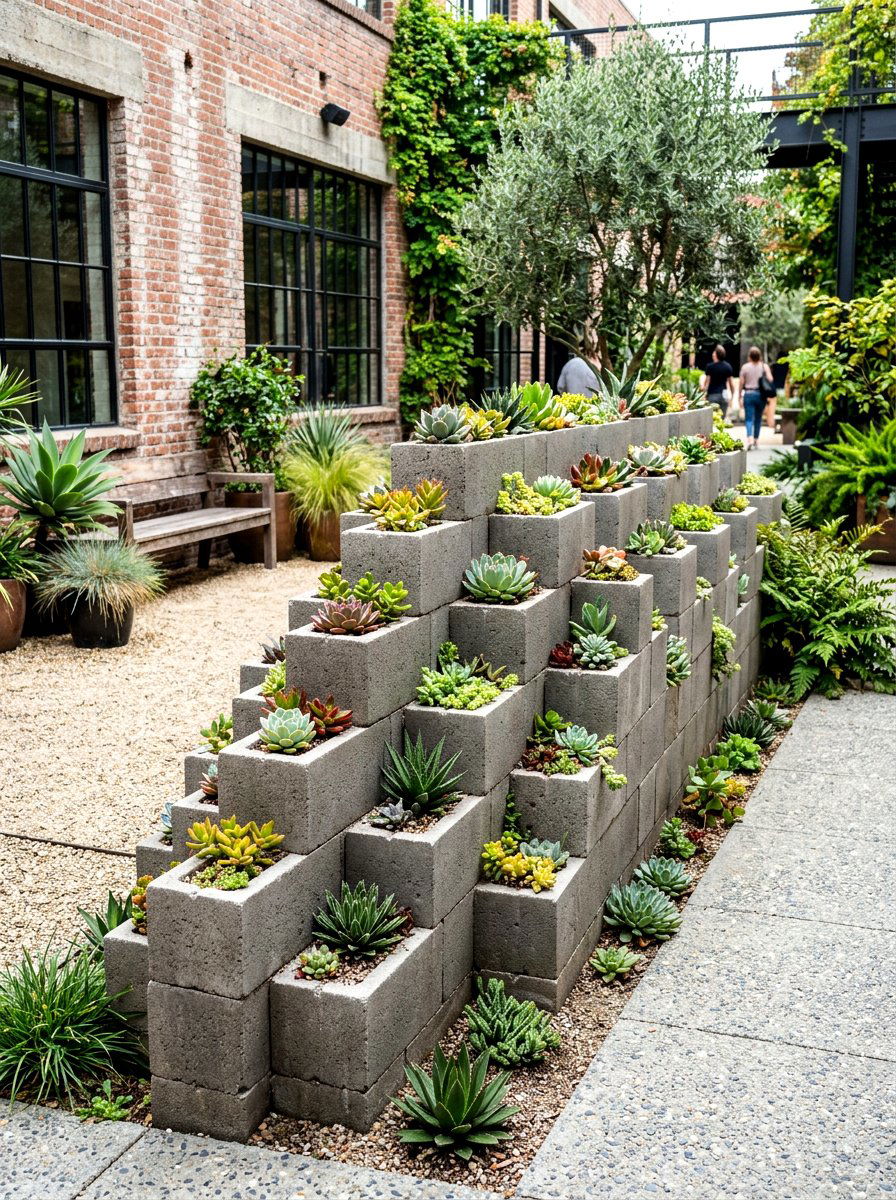
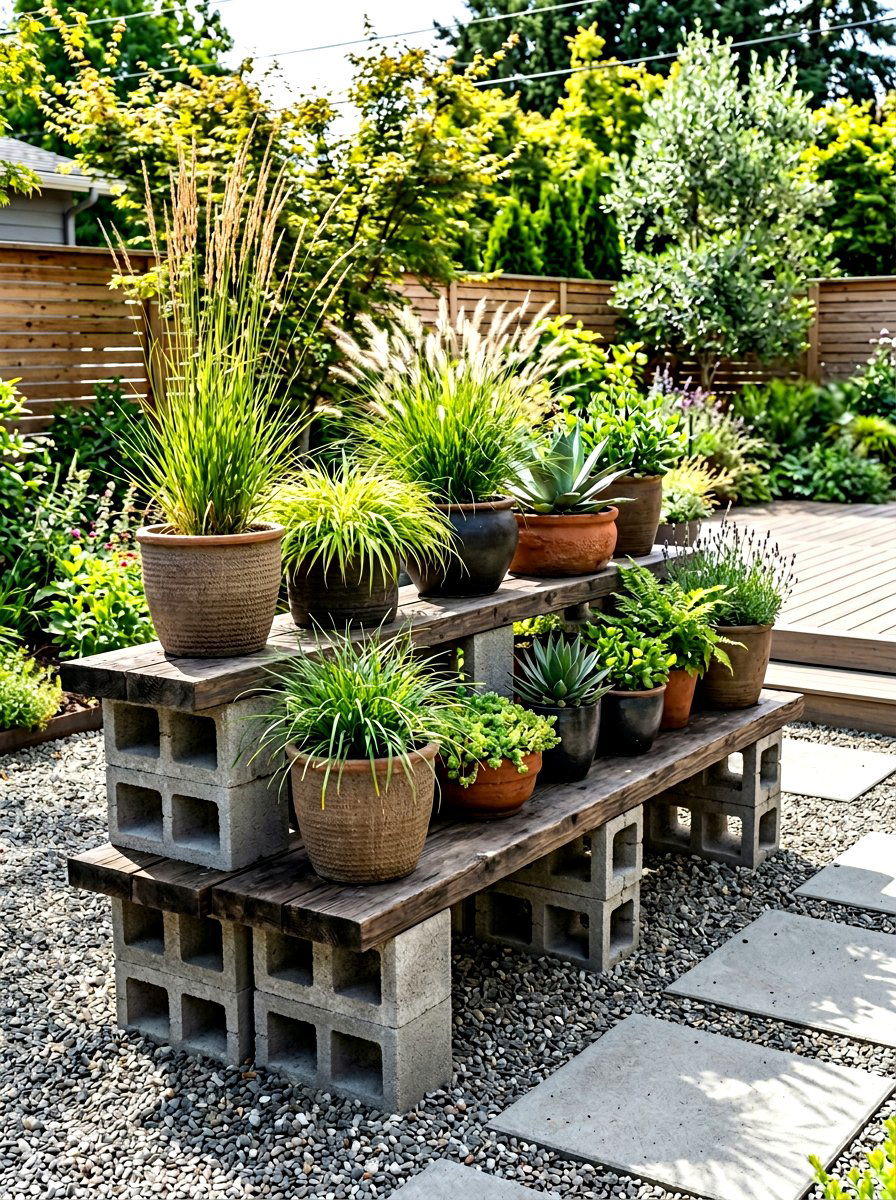
Repurposing concrete cinder blocks into a vertical planter is a clever and budget-friendly way to add an industrial edge to your garden. You can stack the blocks in a staggered pattern to create built-in pockets for planting small succulents or hardy groundcovers. The heavy weight of the concrete ensures the structure remains stable even in windy conditions, and the neutral grey tone complements vibrant green foliage. For a more personalized look, you can paint the blocks in bold colors or leave them natural for a raw, modern feel. This modular approach allows you to build a wall as high or as wide as you need.
9. Recycled Bottle Wall
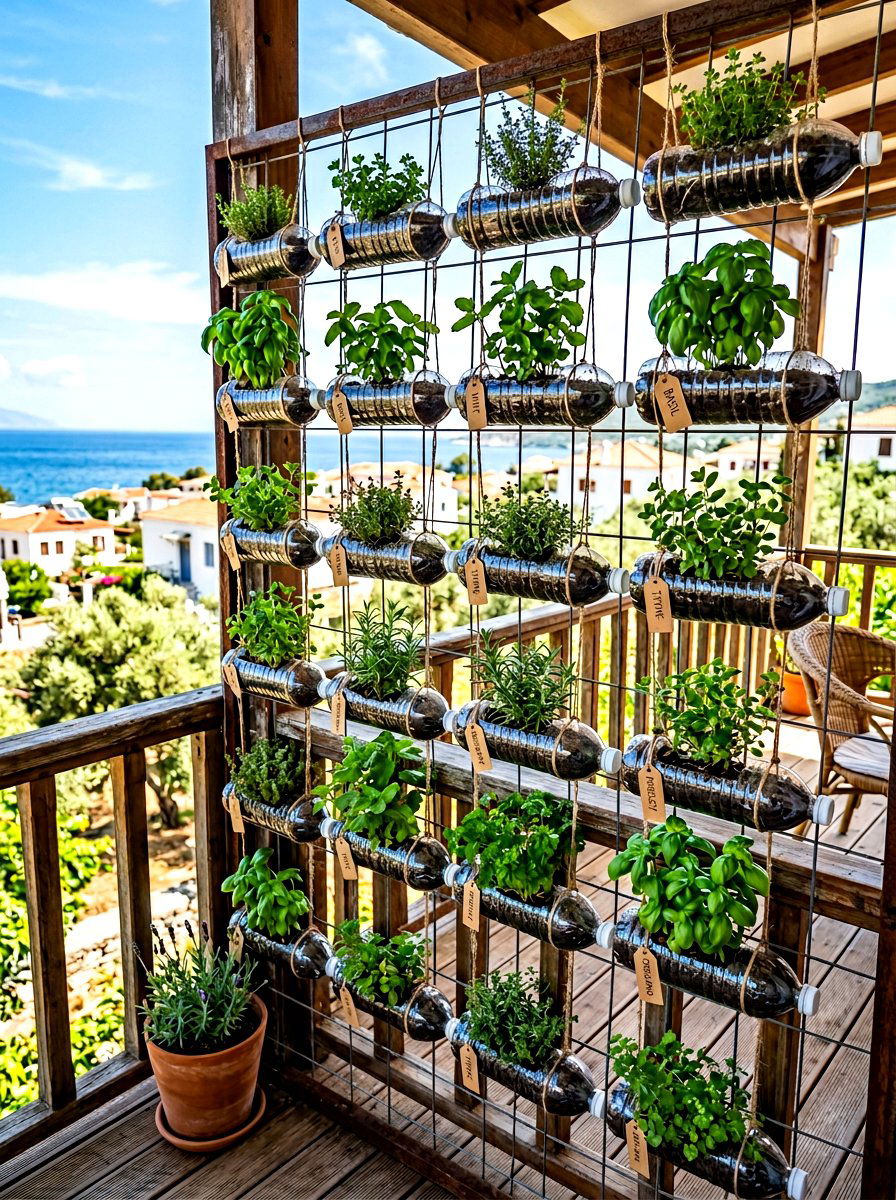
Sustainability meets creativity when you use recycled plastic bottles to build a unique vertical gardening system for your outdoor space. By cutting openings in the sides of clear bottles and stringing them together with sturdy twine, you create a series of hanging vessels. This project is a fantastic way to involve the whole family in gardening while reducing waste in your household. It is particularly effective for growing small herbs like cilantro or parsley on a sun-drenched balcony or patio. The transparent containers allow you to monitor root growth and moisture levels easily, ensuring your edible plants stay healthy and productive all summer long.
10. Floating Wood Shelves
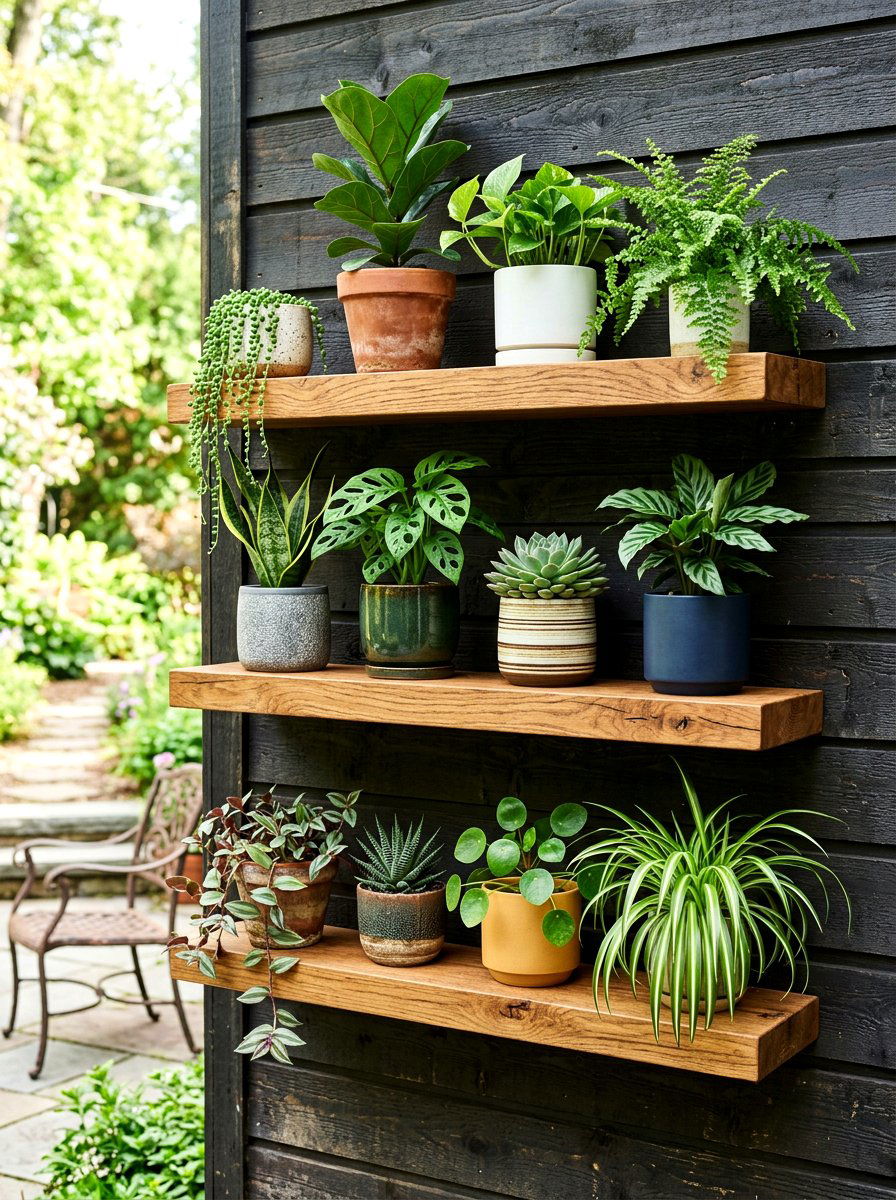
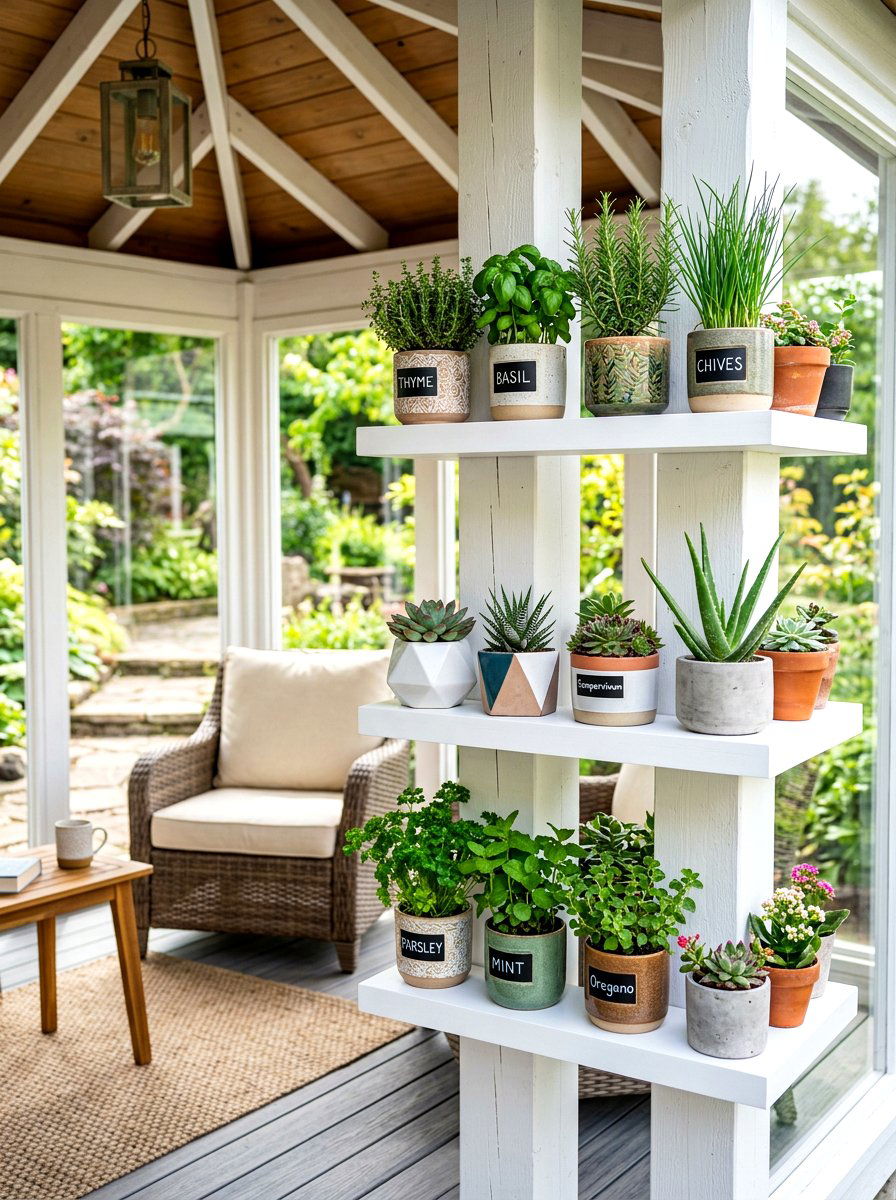
Installing floating wood shelves on an exterior wall is a sophisticated way to display a curated collection of potted plants. This design mimics the look of an indoor gallery and brings a refined, interior-inspired feel to your deck or patio. You can choose weather-resistant wood like teak or treated pine to ensure the shelves remain beautiful despite exposure to rain and sun. By placing a variety of pots in different materials like terracotta, ceramic, and metal, you add layers of texture to the display. This setup is perfect for those who enjoy swapping out seasonal plants to keep their outdoor decor feeling fresh and updated.
11. Bamboo Privacy Screen
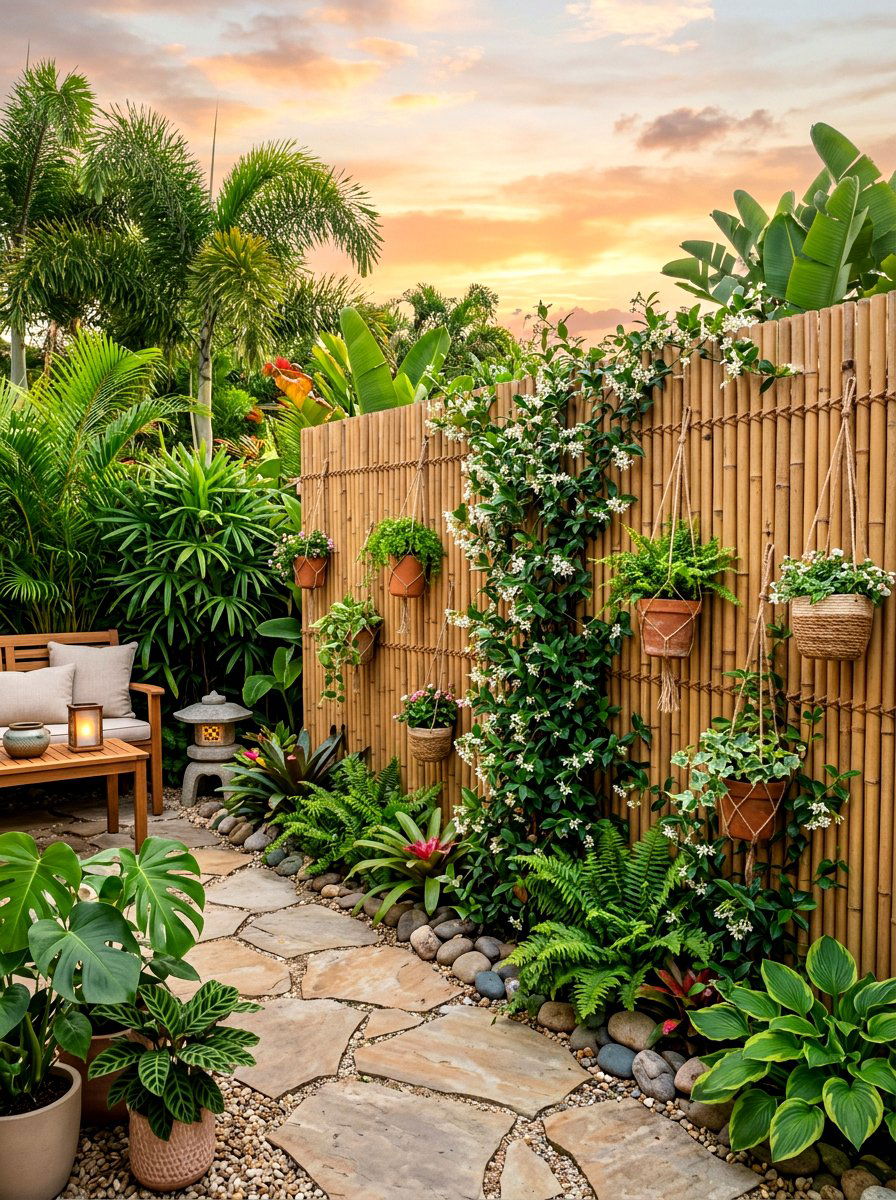
Using bamboo to create a vertical garden screen is a wonderful way to add tropical flair and privacy to your yard. You can lash together thick bamboo poles to form a sturdy frame and then attach smaller horizontal pieces to hold lightweight planters. This natural material is incredibly strong and blends perfectly with a lush, green landscape or a zen-inspired outdoor retreat. Climbing plants like Jasmine or Honeysuckle can be trained to grow up the bamboo, filling the air with a sweet fragrance in the evenings. It is an eco-friendly solution that provides a beautiful backdrop for your outdoor seating or dining area.
12. Rain Gutter Planter
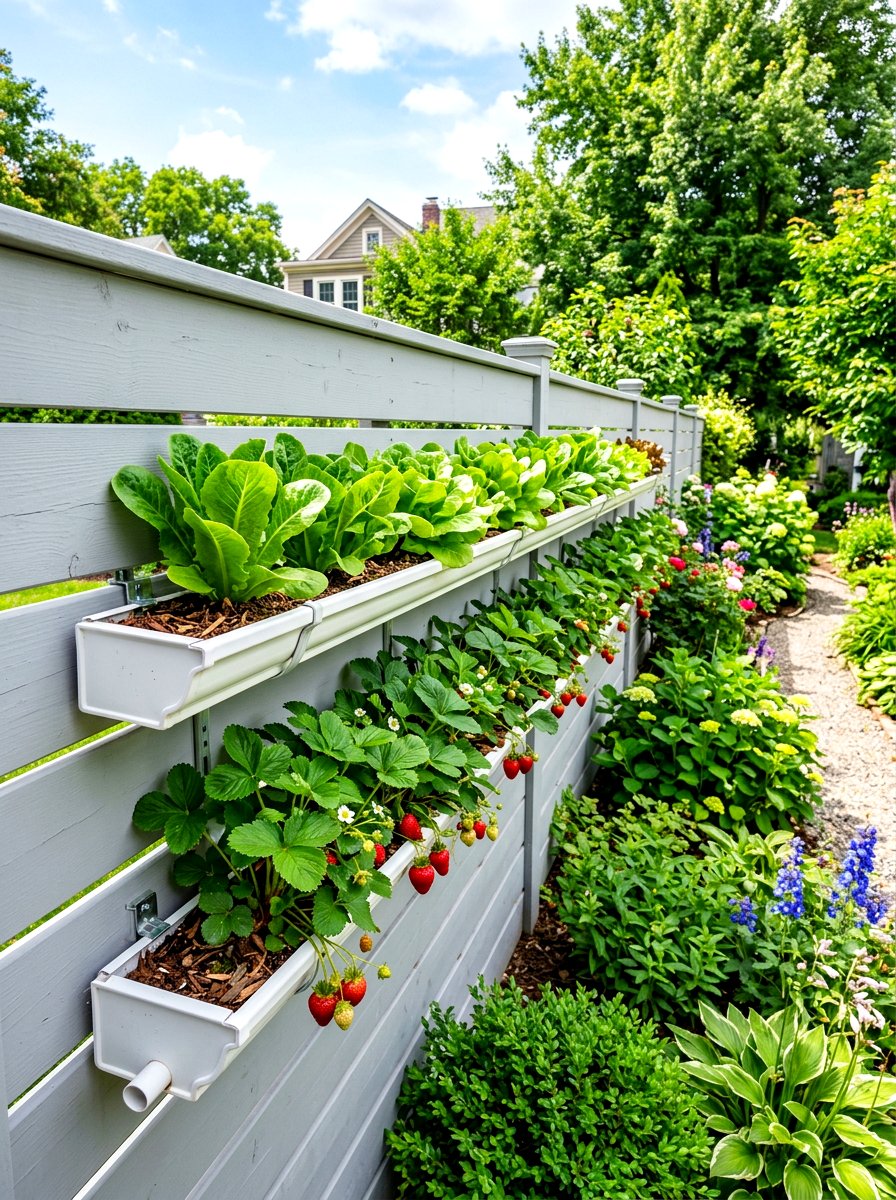
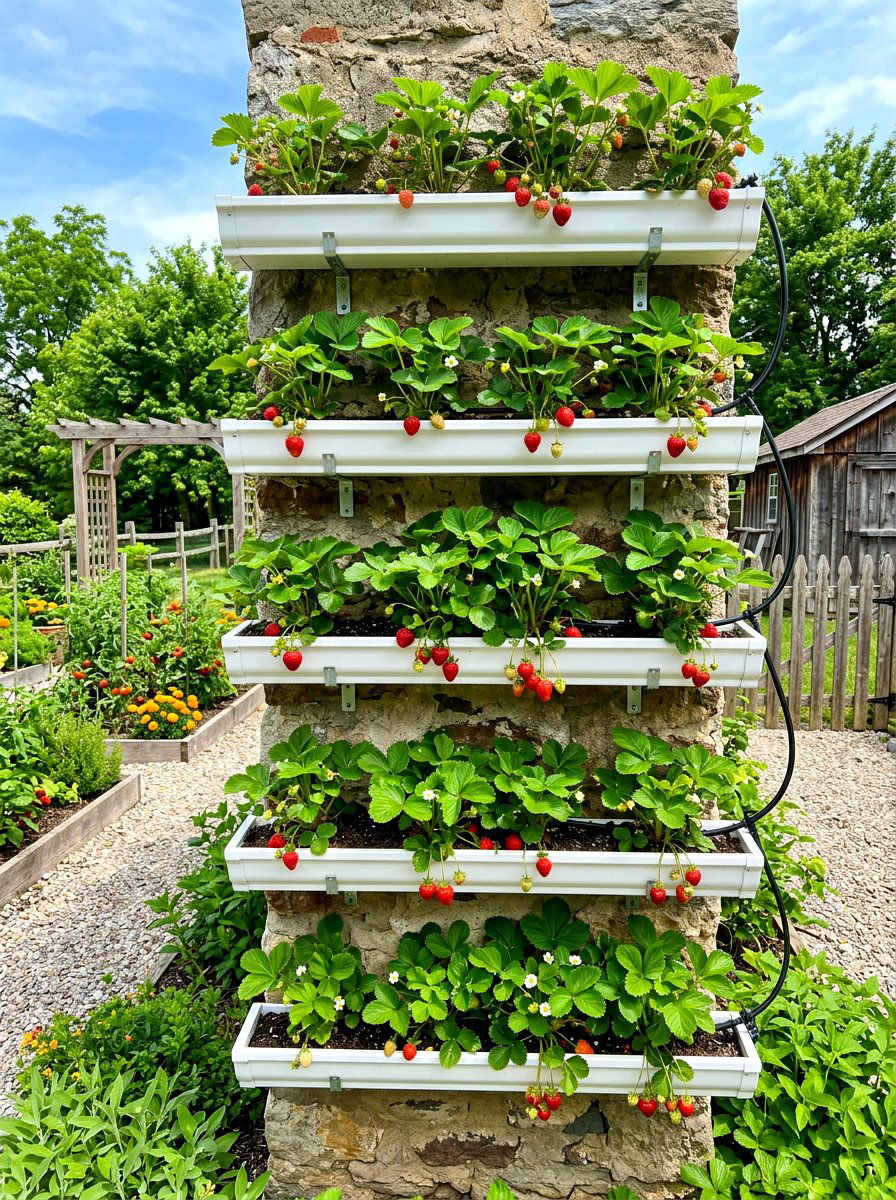
Have you ever thought about using rain gutters for something other than drainage? Mounting several lengths of vinyl or aluminum gutters horizontally on a fence creates a series of long, shallow planting troughs. This system is exceptionally well-suited for growing shallow-rooted crops like strawberries, lettuce, or various leafy greens. The long rows provide a clean and organized look that makes harvesting your homegrown produce incredibly easy and efficient. Because the gutters are narrow, they don't take up much space, making them a perfect addition to a side yard or a small urban garden where every inch is valuable.
13. Cedar Slat Wall
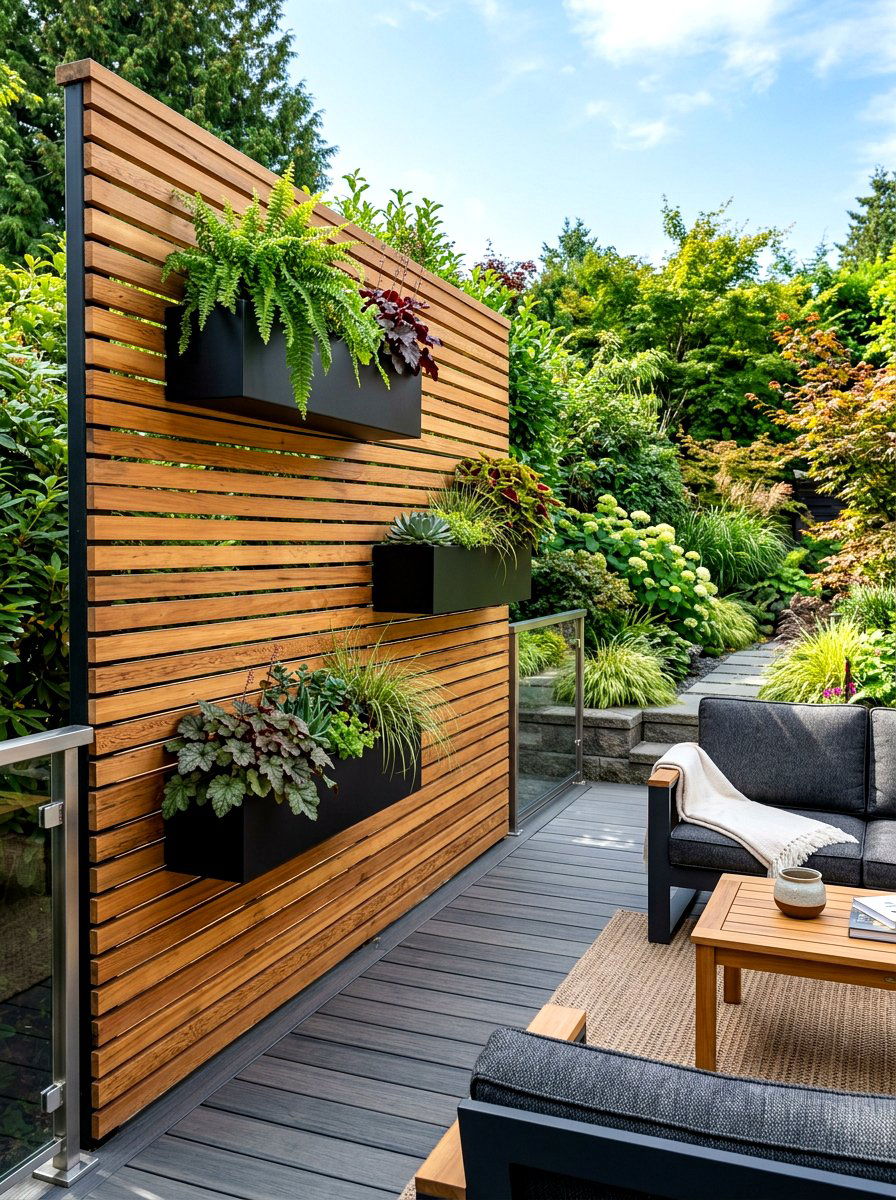
A cedar slat wall is a high-end design feature that combines modern architecture with functional gardening in a beautiful way. The horizontal wooden slats provide a contemporary backdrop while offering plenty of spots to clip on modern planters or hang decorative pots. Cedar is naturally resistant to decay and insects, making it one of the best choices for long-lasting outdoor structures. You can use this wall to create a private nook on your patio or to hide an unsightly view of the neighbor’s yard. The warm tones of the wood create a cozy atmosphere that makes your outdoor space feel like a true extension of your home.
14. Terra Cotta Hanging
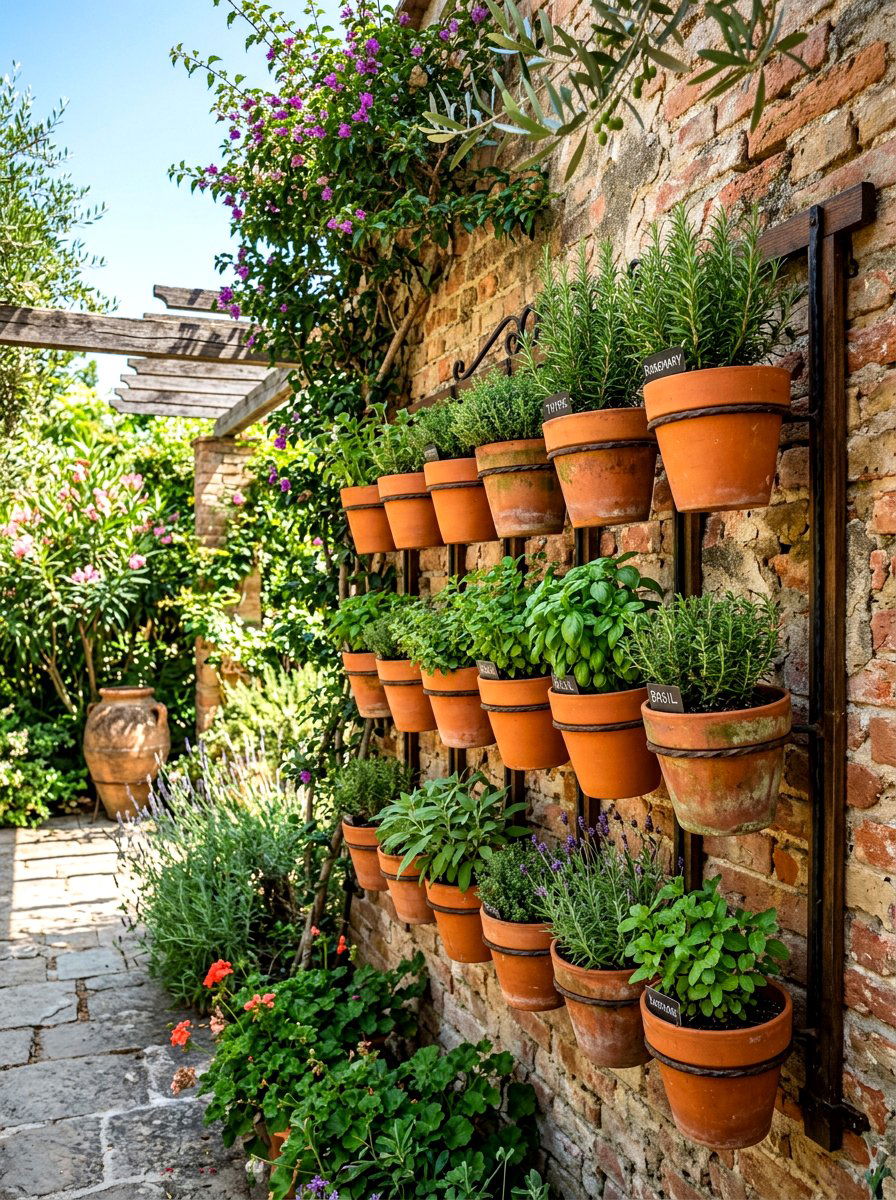
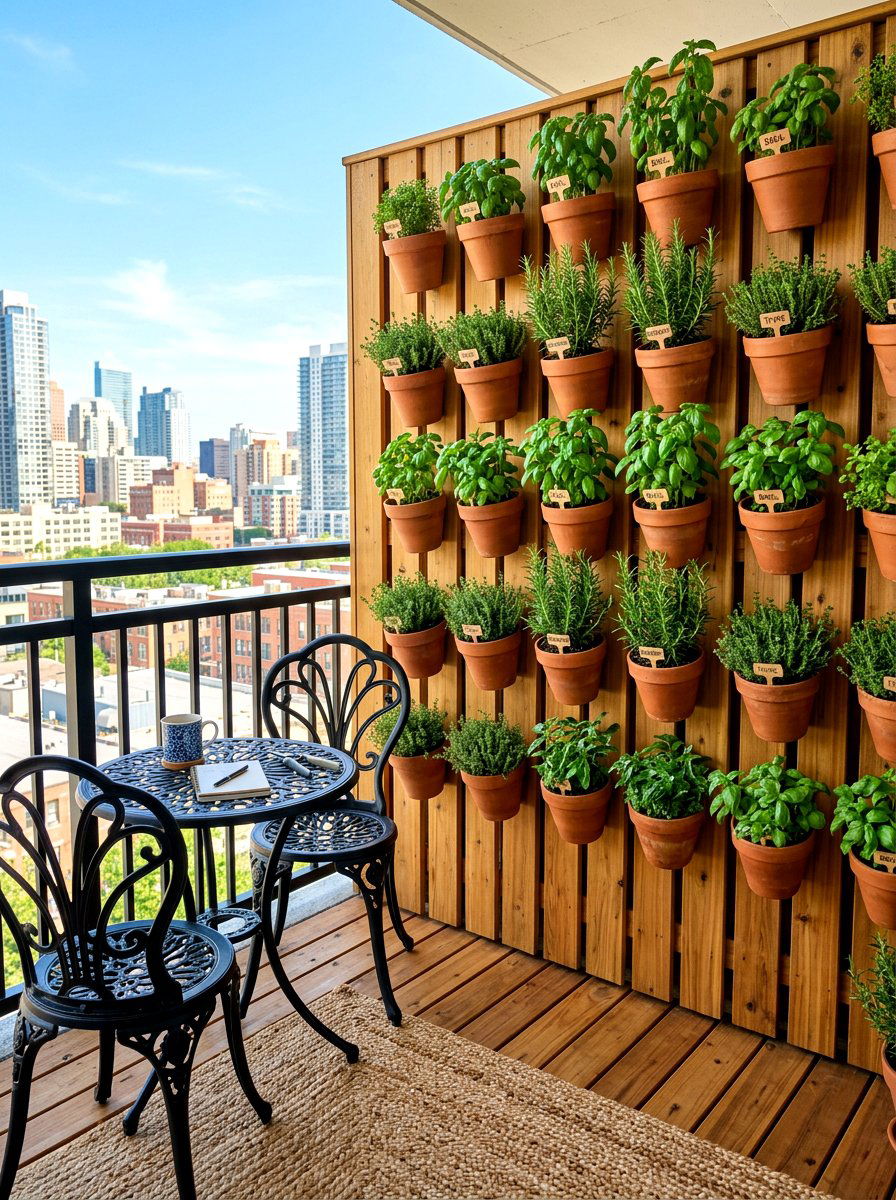
There is something timeless and charming about the warm, earthy look of traditional terra cotta pots arranged on a vertical surface. You can use specialized metal rings or heavy-duty wire to secure these pots to a wooden fence or a brick wall in a grid pattern. This classic approach is perfect for a Mediterranean-style garden filled with aromatic herbs like rosemary, thyme, and oregano. The porous nature of terra cotta allows the soil to breathe, which is excellent for plants that prefer to dry out slightly between waterings. This design adds a rustic, European feel to your backyard that never goes out of style.
15. Modular Living Wall
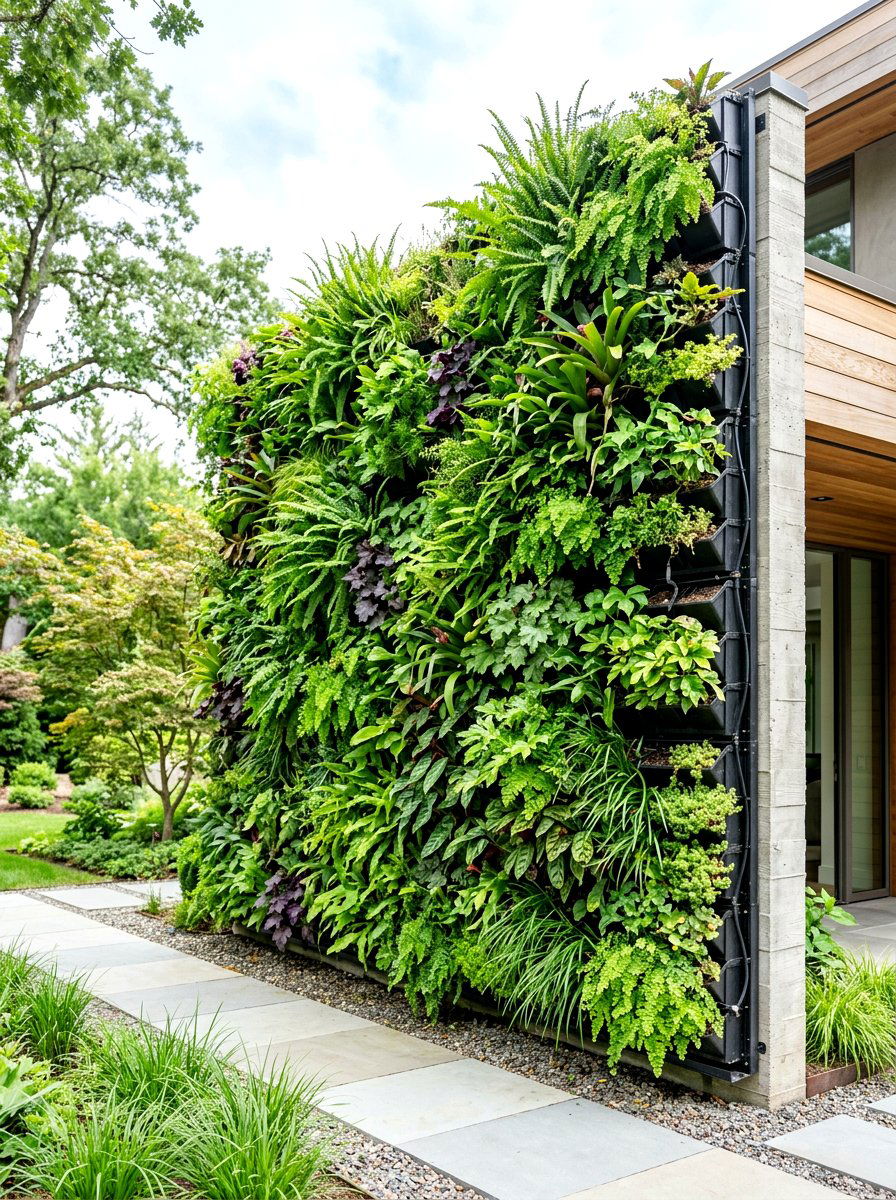
For a truly professional and lush look, a modular living wall system offers a high-tech solution for vertical gardening. These systems consist of interlocking plastic panels with built-in irrigation that ensures every plant receives the perfect amount of water. You can fill the entire wall with dense foliage to create a seamless carpet of green that provides excellent insulation and noise reduction. This is a great choice for large commercial spaces or luxury residential patios where a big visual impact is desired. The modular nature allows you to scale the garden as needed, creating a massive green focal point that looks absolutely stunning.
16. Window Box Tower
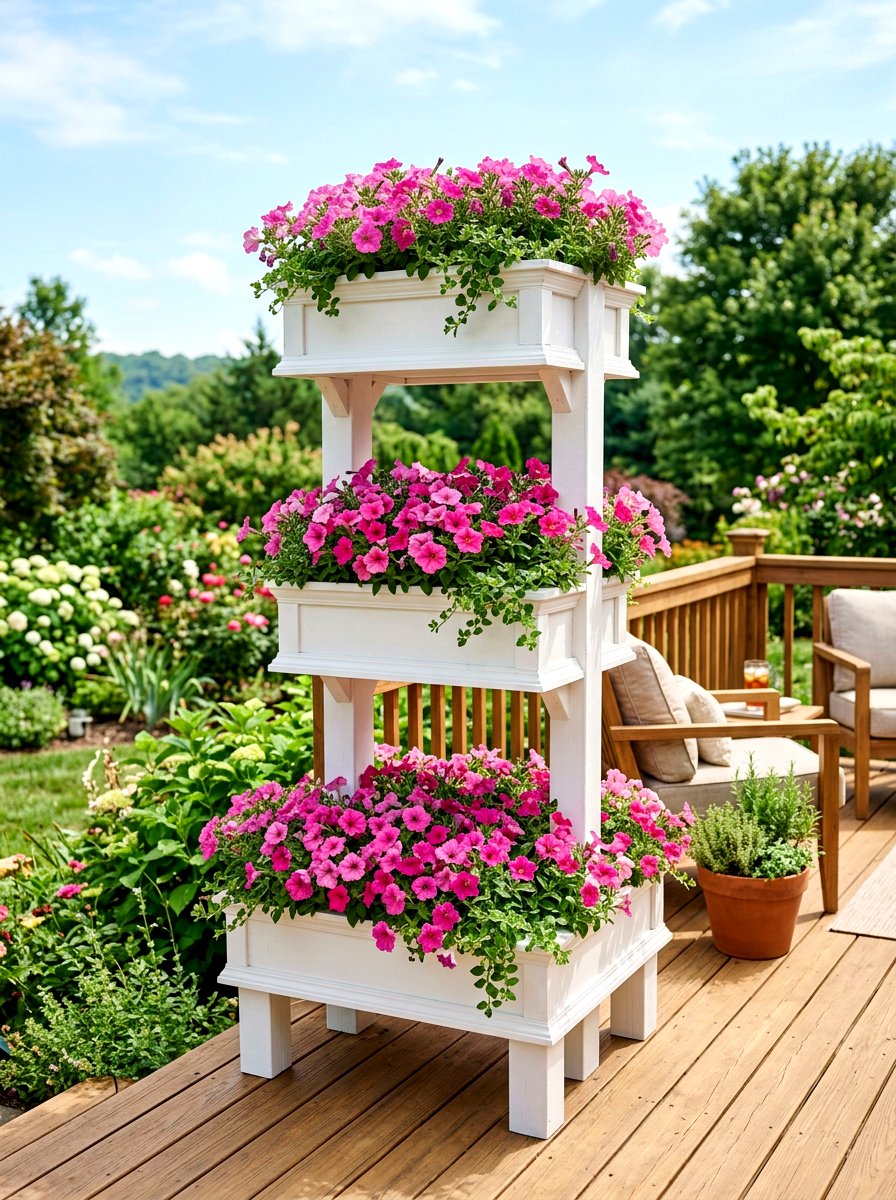
Stacking multiple window boxes on top of each other using a simple wooden frame creates a beautiful tower of blooming flowers. This design allows you to enjoy the traditional look of window boxes even if you don't have suitable windows for mounting them. By choosing boxes in a uniform color and filling them with a mix of upright and trailing plants, you create a dense pillar of color. Petunias, Calibrachoa, and Sweet Potato Vine are excellent choices for this type of vertical display as they quickly fill in the gaps. It is a brilliant way to add a splash of color to a corner of your deck.
17. Wire Mesh Grid
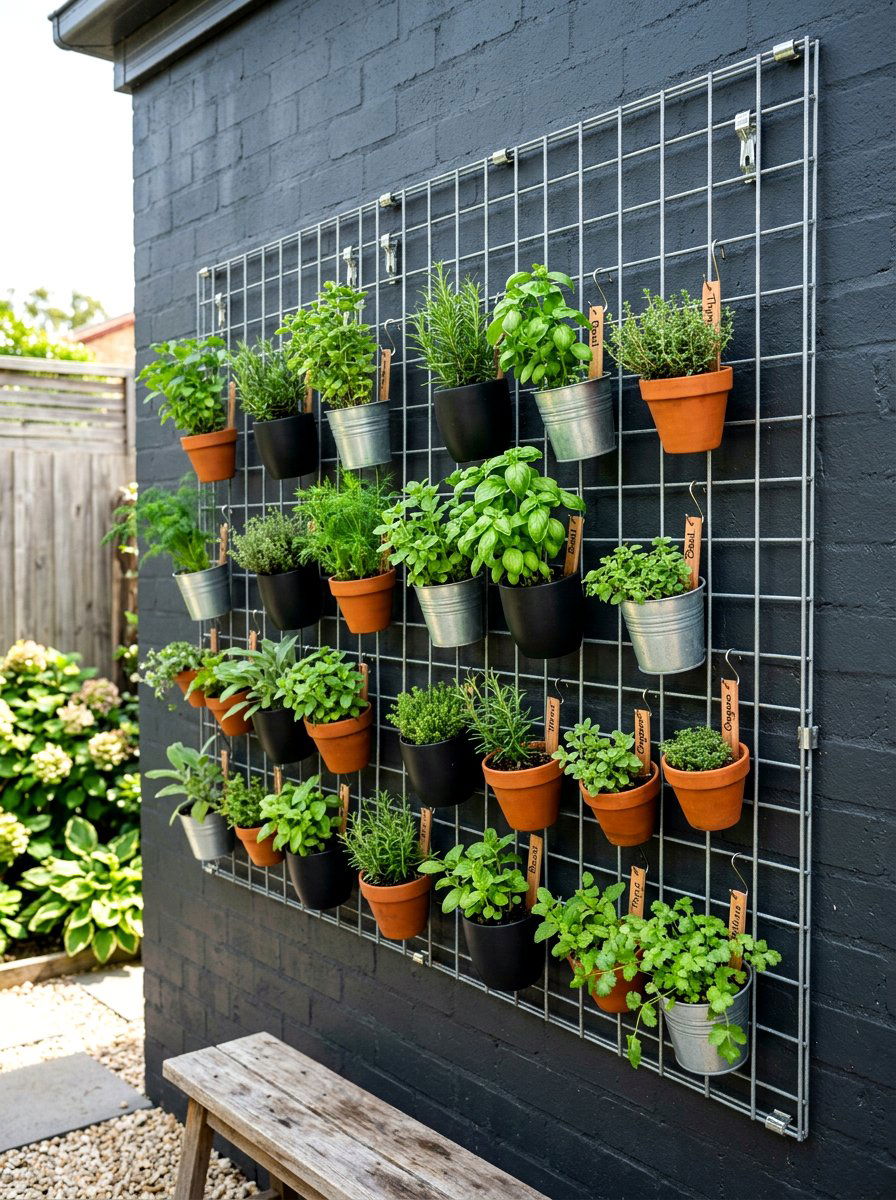
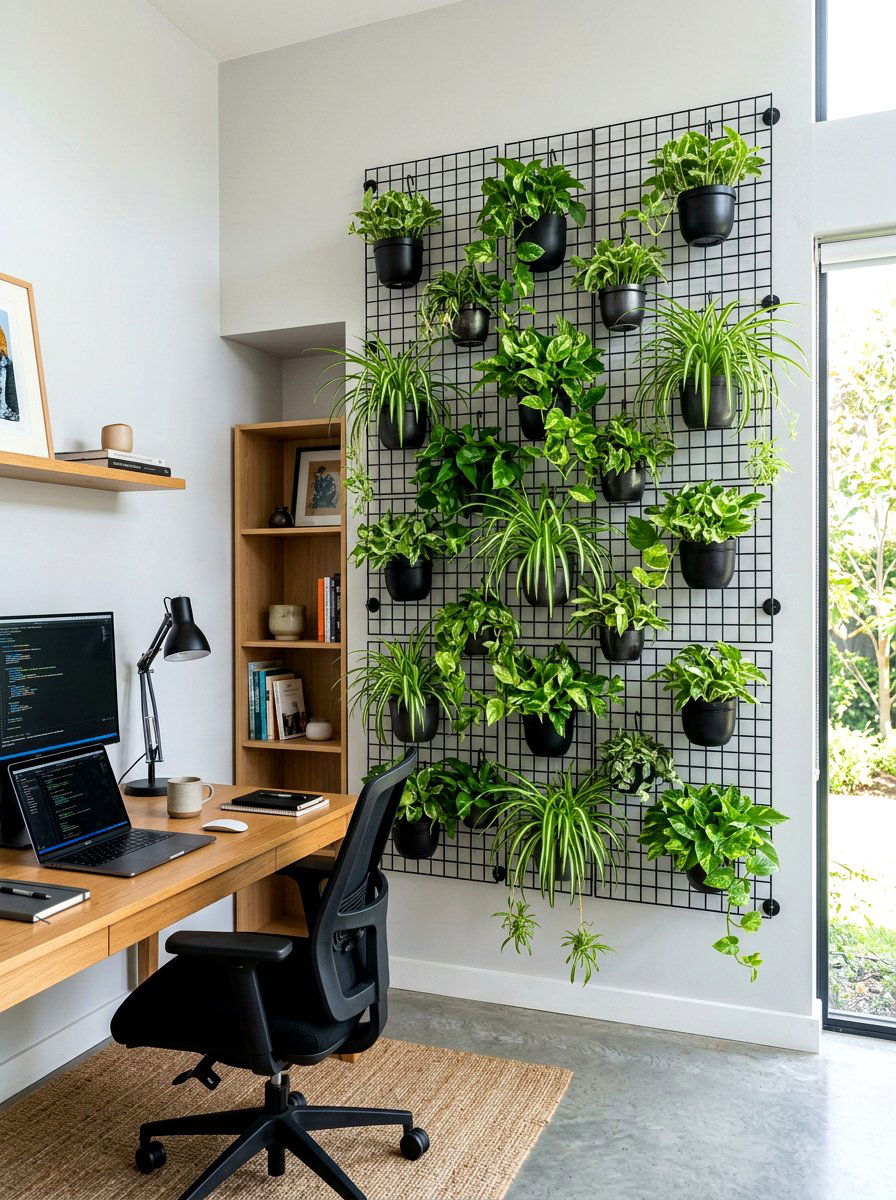
A simple wire mesh grid, like the kind used for concrete reinforcement, can be transformed into a versatile and modern vertical garden. By mounting the grid a few inches away from the wall, you create a sturdy frame where you can easily hang pots with S-hooks. This industrial-style solution is perfect for a minimalist patio and allows for complete flexibility in your plant arrangement. You can move the pots around as the plants grow or as the seasons change, ensuring your display always looks its best. It is an affordable and stylish way to turn a blank wall into a dynamic green space.
18. Hanging Basket Wall
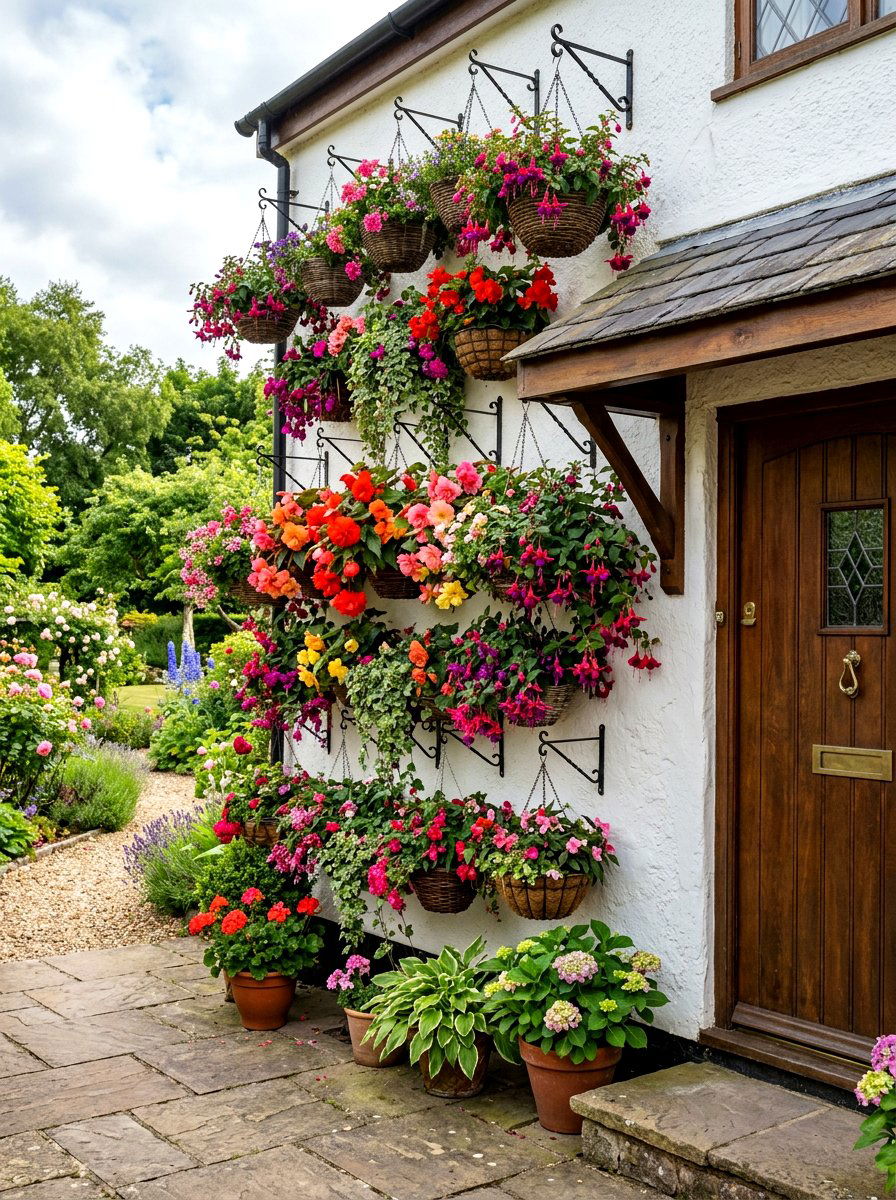
Using a series of decorative wall hooks to display cascading hanging baskets is a classic way to add vertical interest to your home's exterior. You can arrange the hooks at different heights to create a layered effect that covers a large area with lush foliage and flowers. Hanging baskets are ideal for trailing plants that need plenty of room to spill over the sides, such as Fuchsias or Begonias. This setup is particularly effective on a front porch or near an entryway, providing a warm and welcoming atmosphere for guests. Regular watering and fertilizing will keep these baskets looking vibrant and full all season.
19. Galvanized Bucket Fence
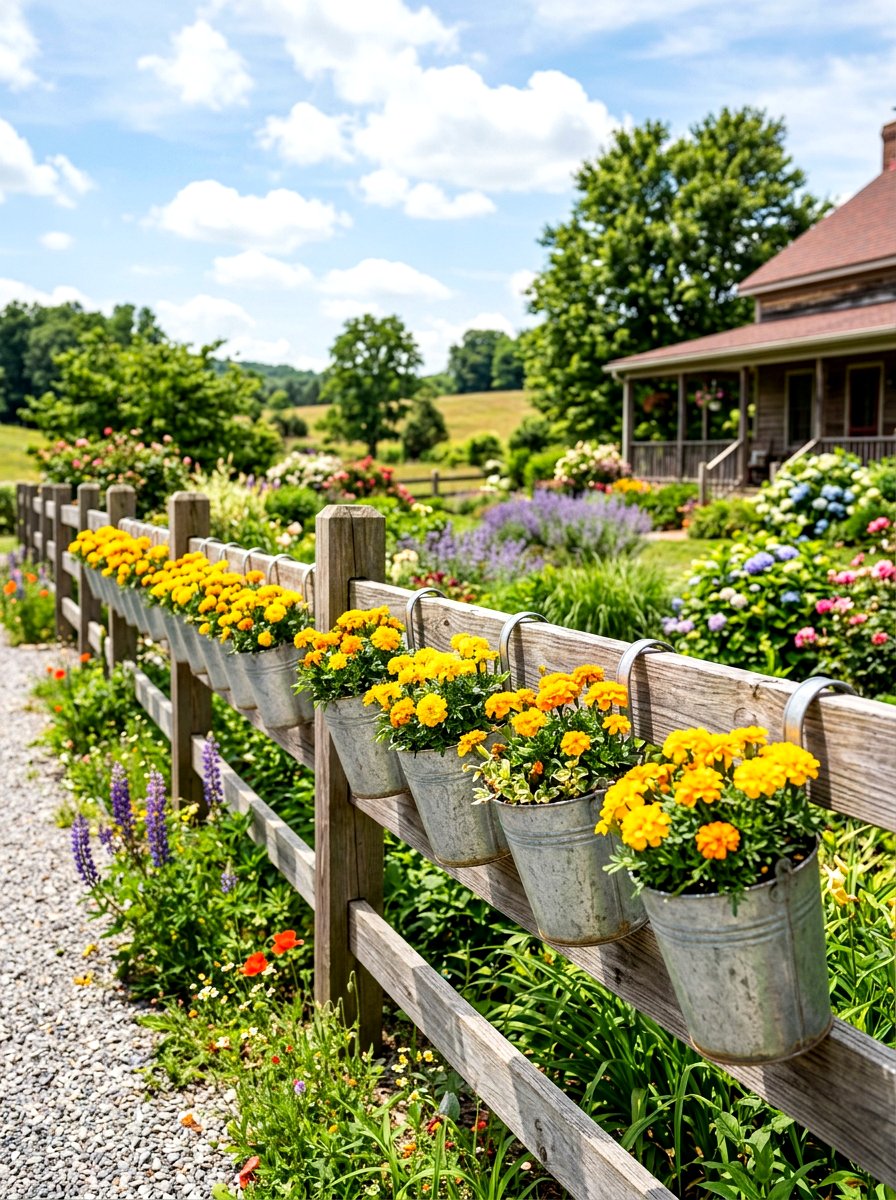
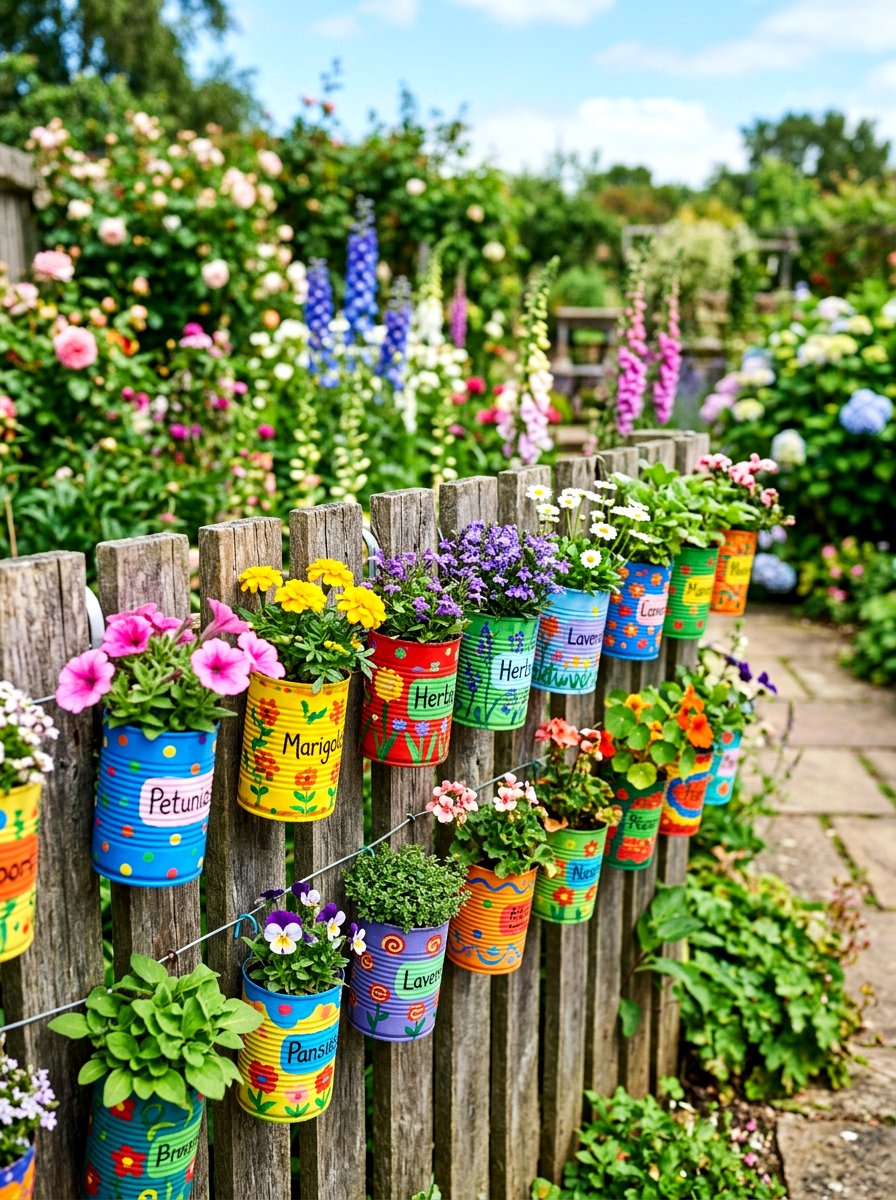
Give your outdoor space a touch of vintage farmhouse style by attaching galvanized metal buckets to your garden fence. You can easily drill small drainage holes in the bottom of the buckets and secure them with sturdy screws or wire. These durable containers are perfect for holding various colorful annuals or a collection of kitchen herbs that you can harvest whenever you need them. The silvery finish of the metal reflects the sunlight and creates a beautiful contrast against the natural wood of the fence. This is a fun and easy DIY project that adds a lot of personality to a simple backyard setting.
20. Vertical Strawberry Tower
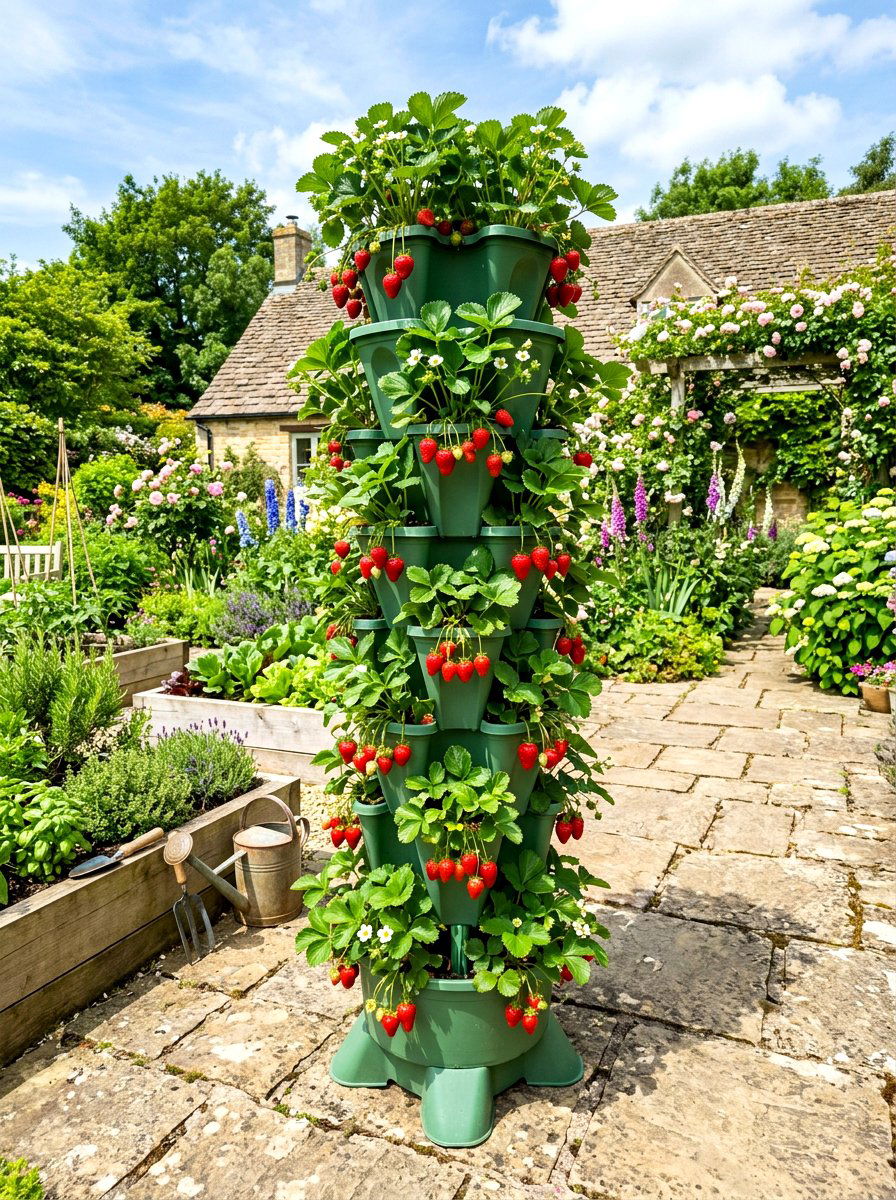
Growing strawberries vertically is a smart way to keep the fruit off the ground and away from common garden pests like slugs and snails. A strawberry tower can be made from a large PVC pipe with holes drilled into the sides or by stacking specialized plastic planters. This vertical arrangement makes harvesting the sweet berries much easier on your back and ensures they get plenty of sun for ripening. The cascading green leaves and bright red berries create a beautiful visual display that is as functional as it is attractive. It is a must-have for any small-scale edible garden or sunny patio area.
21. Chalkboard Herb Garden
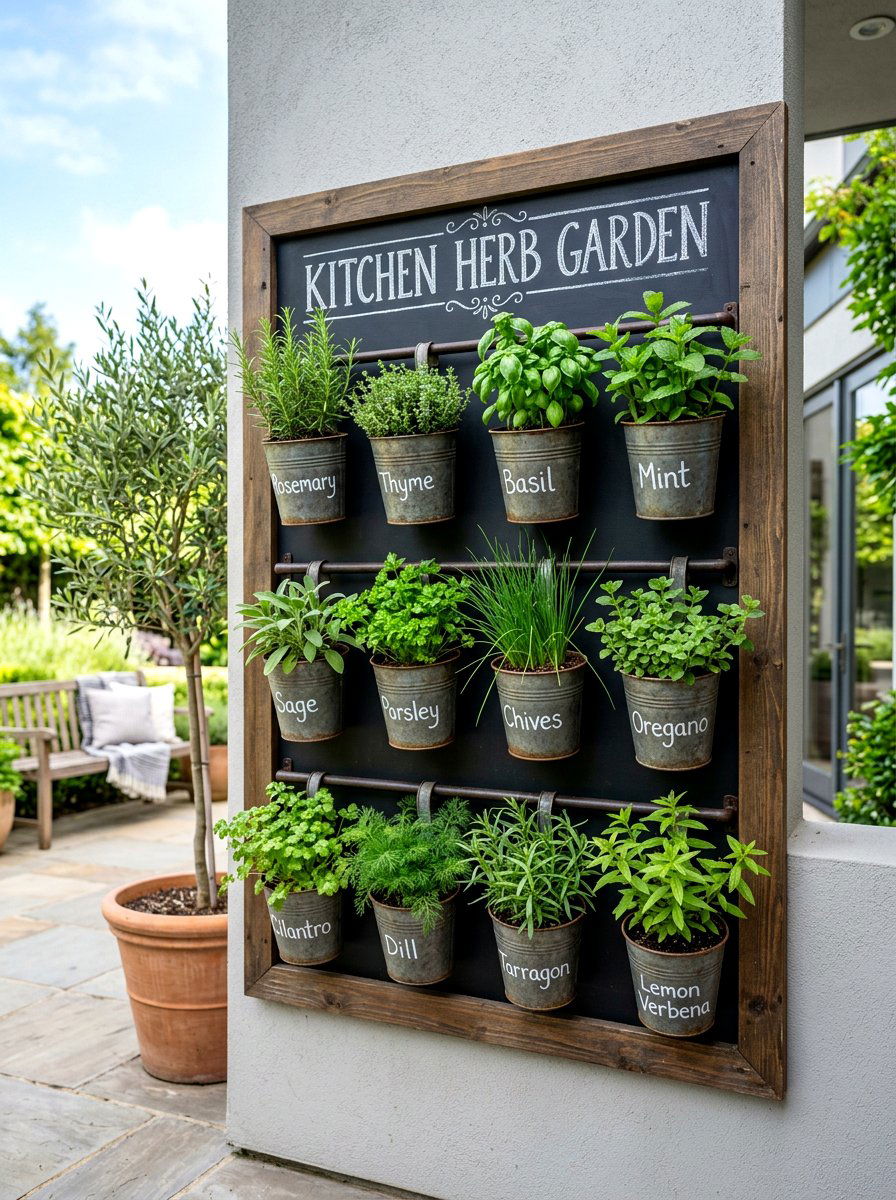
Combining a vertical herb garden with a chalkboard surface is a clever way to keep your plants organized and add a playful touch to your patio. You can paint a wooden board with chalkboard paint and attach small metal planters for your favorite culinary herbs. This allows you to label each plant clearly, making it easy for anyone to find the right ingredients for dinner. It is a fantastic functional piece for an outdoor kitchen area or a small balcony where you grow your own seasonings. The dark background makes the vibrant green leaves of the herbs pop, creating a striking and modern visual.
22. Picket Fence Planter
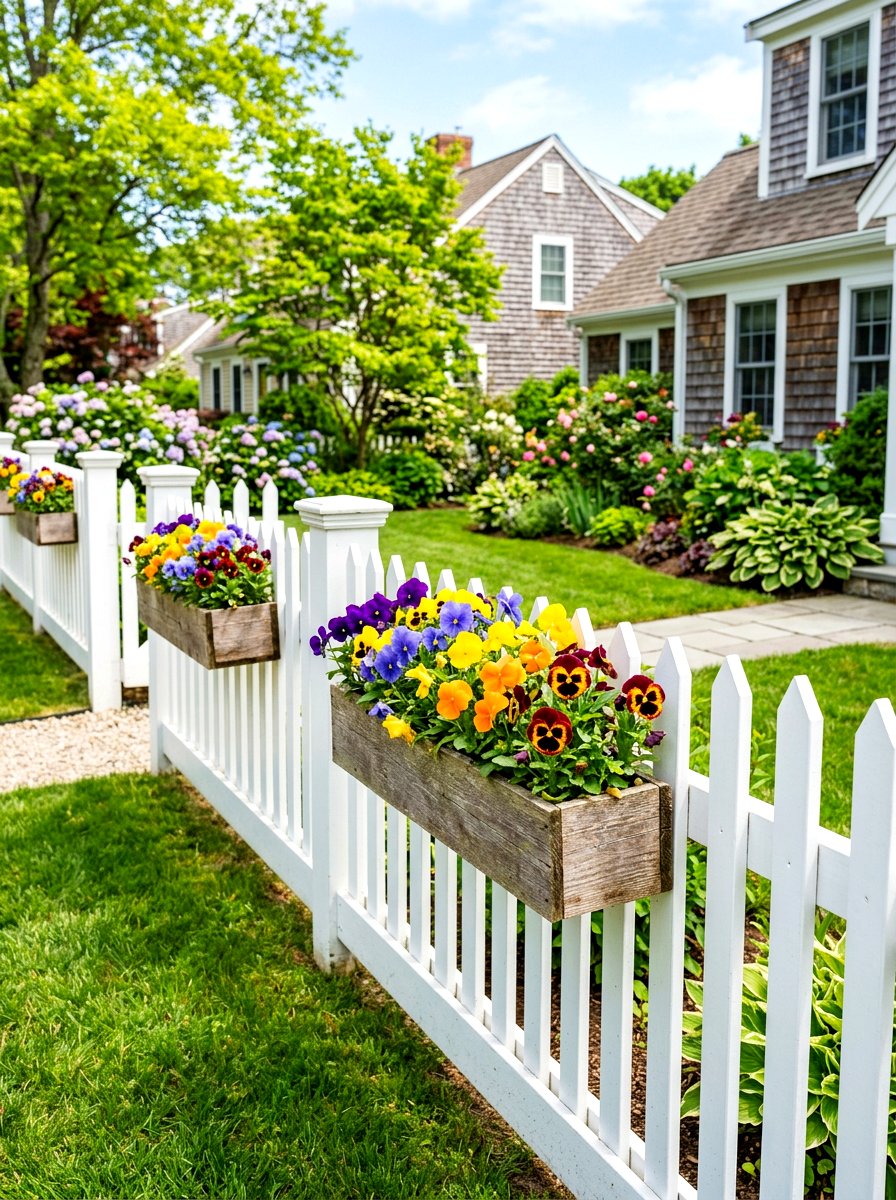
Adding small planter boxes to a traditional picket fence is a charming way to enhance your curb appeal and add more growing space. These planters can be designed to hook over the top rail of the fence, allowing them to sit securely without the need for permanent hardware. This setup is perfect for growing low-maintenance flowers like marigolds or pansies that provide a cheerful welcome to your home. It breaks up the long horizontal lines of the fence and brings a sense of life and color to the front of your property. It is a simple addition that makes a big difference in aesthetics.
23. Wooden Crate Wall
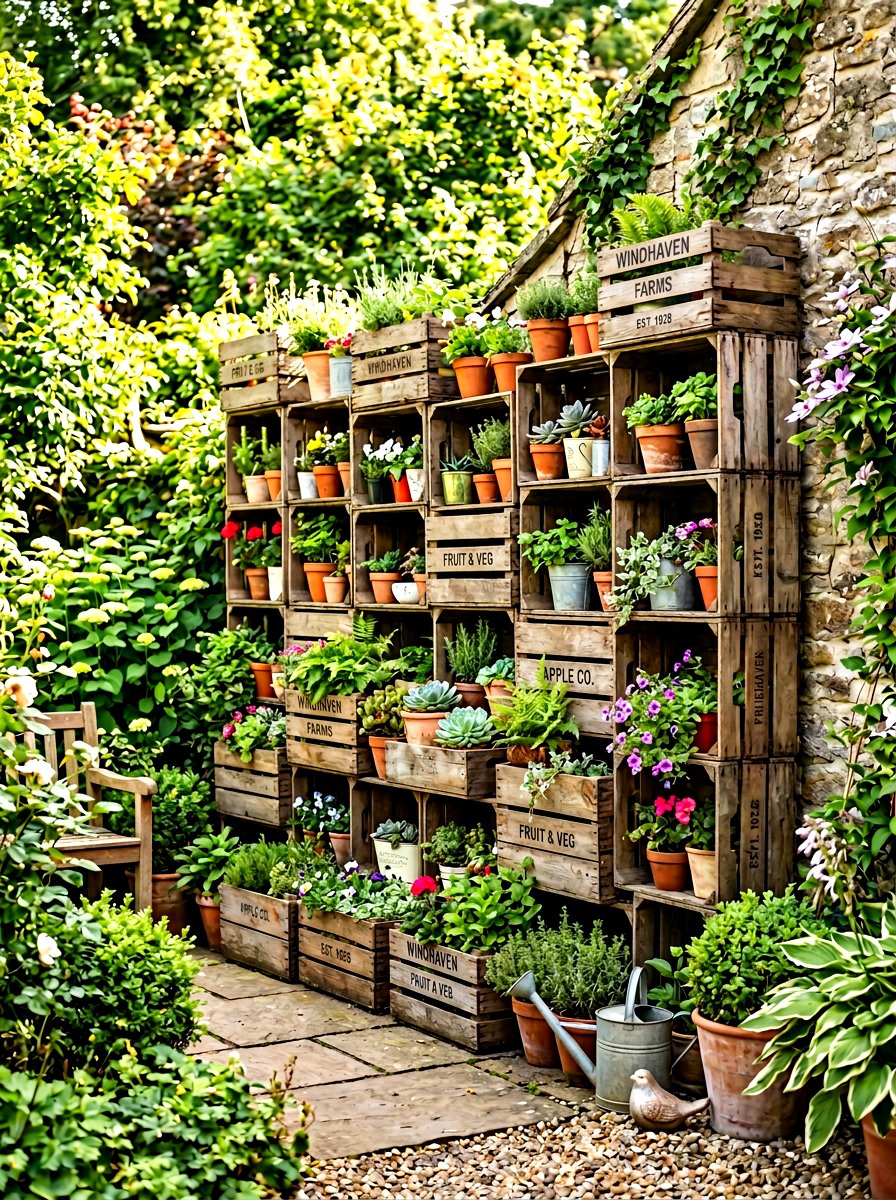
Stacking vintage-style wooden crates on their sides creates a unique and rustic vertical garden with plenty of shelf space for potted plants. You can secure the crates to each other and to a wall to ensure the structure is stable and safe. This design provides deep cubbies that protect your plants from harsh winds while offering a beautiful, weathered look. It is an ideal setup for a collection of terracotta pots filled with succulents, cacti, or small shade-loving ferns. The varied depths and heights of the crates add a lot of architectural interest to a patio or a sheltered side yard.
24. Macrame Plant Hanger
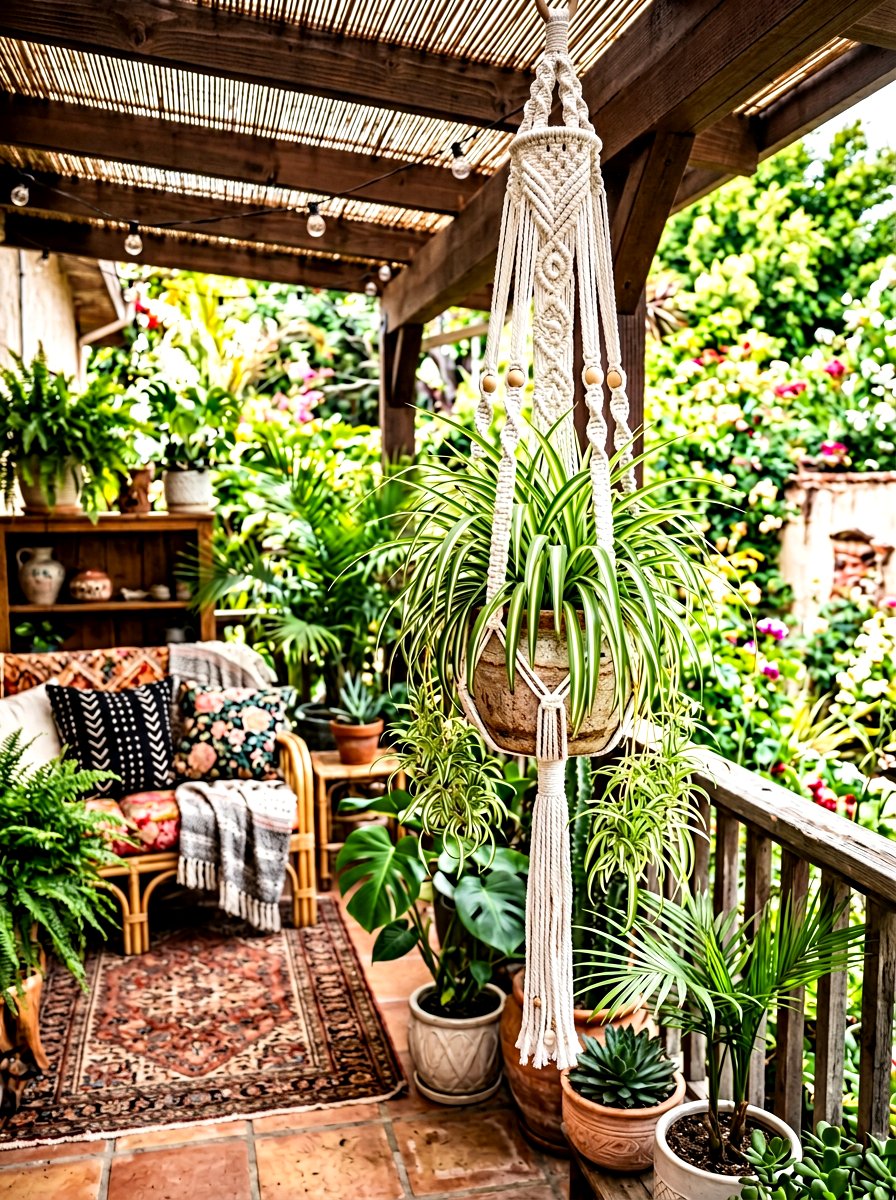
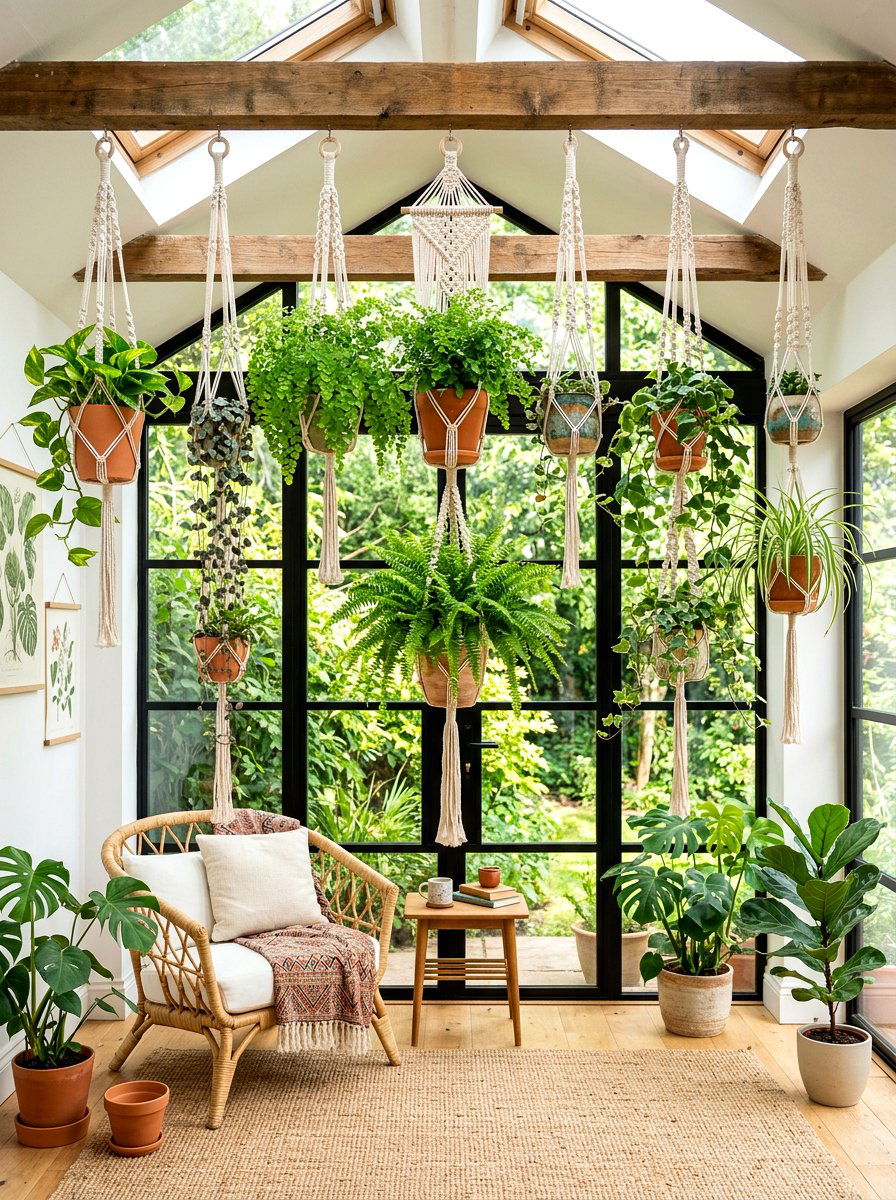
Bring a touch of bohemian style to your outdoor living space by using macrame plant hangers to suspend your favorite greenery. While often used indoors, these decorative knotted rope holders can also be used on a covered patio or a porch to add a soft, textural element. You can hang them from ceiling hooks or a sturdy wall bracket to create a beautiful floating garden at eye level. This approach is perfect for trailing indoor plants that enjoy spending the summer outdoors, such as Spider Plants or Pothos. The intricate patterns of the macrame add a handcrafted, artistic feel that complements a relaxed outdoor vibe.
25. Pyramid Tiered Stand
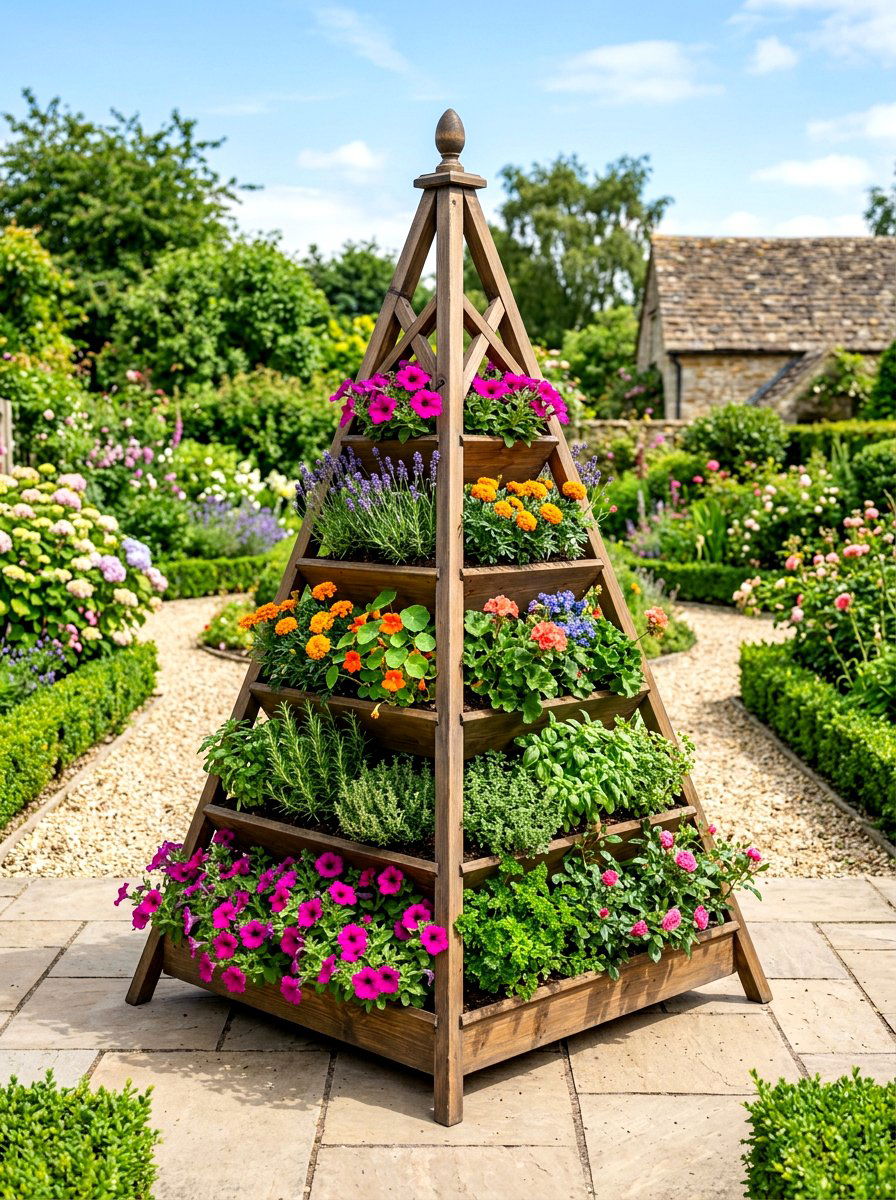
A pyramid-shaped tiered stand is a dramatic and efficient way to display a large number of plants in a very compact footprint. This free-standing structure features shelves that get smaller as they go up, allowing every plant to receive maximum sunlight and air circulation. It is a great choice for a center focal point on a patio or as a way to fill an empty corner with a mountain of greenery. You can use it to grow a variety of kitchen vegetables, herbs, or a colorful mix of seasonal flowers. The symmetrical design provides a sense of order and balance to your outdoor garden area.
26. Industrial Pipe Rack
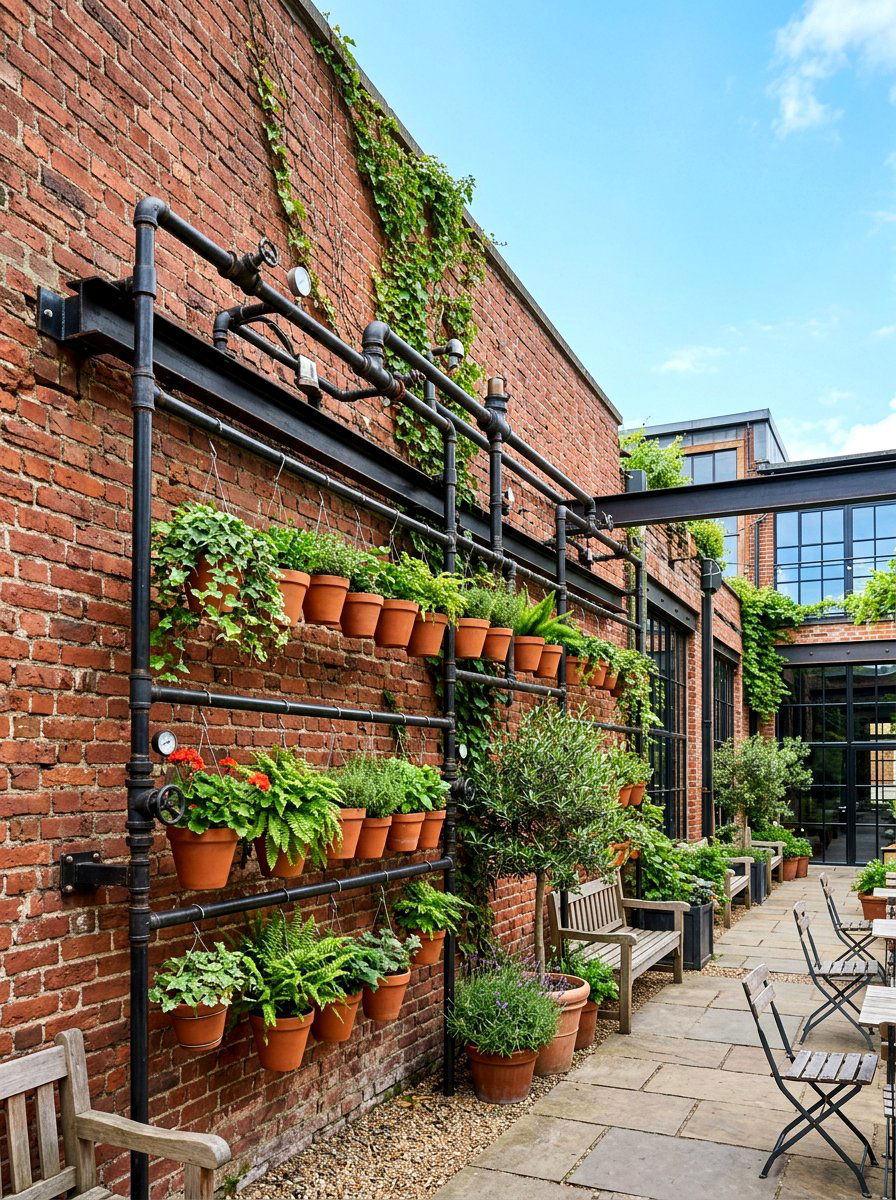
Using black iron pipes to build a sturdy vertical garden rack is a fantastic way to incorporate industrial design into your outdoor space. You can construct a simple frame and use heavy-duty hooks or wire to hang various planters from the horizontal bars. This rugged structure is incredibly durable and can support the weight of larger pots and heavier soil. It looks particularly striking against a brick wall or in an urban courtyard setting. The contrast between the cold metal and the soft, living plants creates a modern and sophisticated look that is very popular in contemporary landscape design for city dwellers.
27. Mason Jar Wall
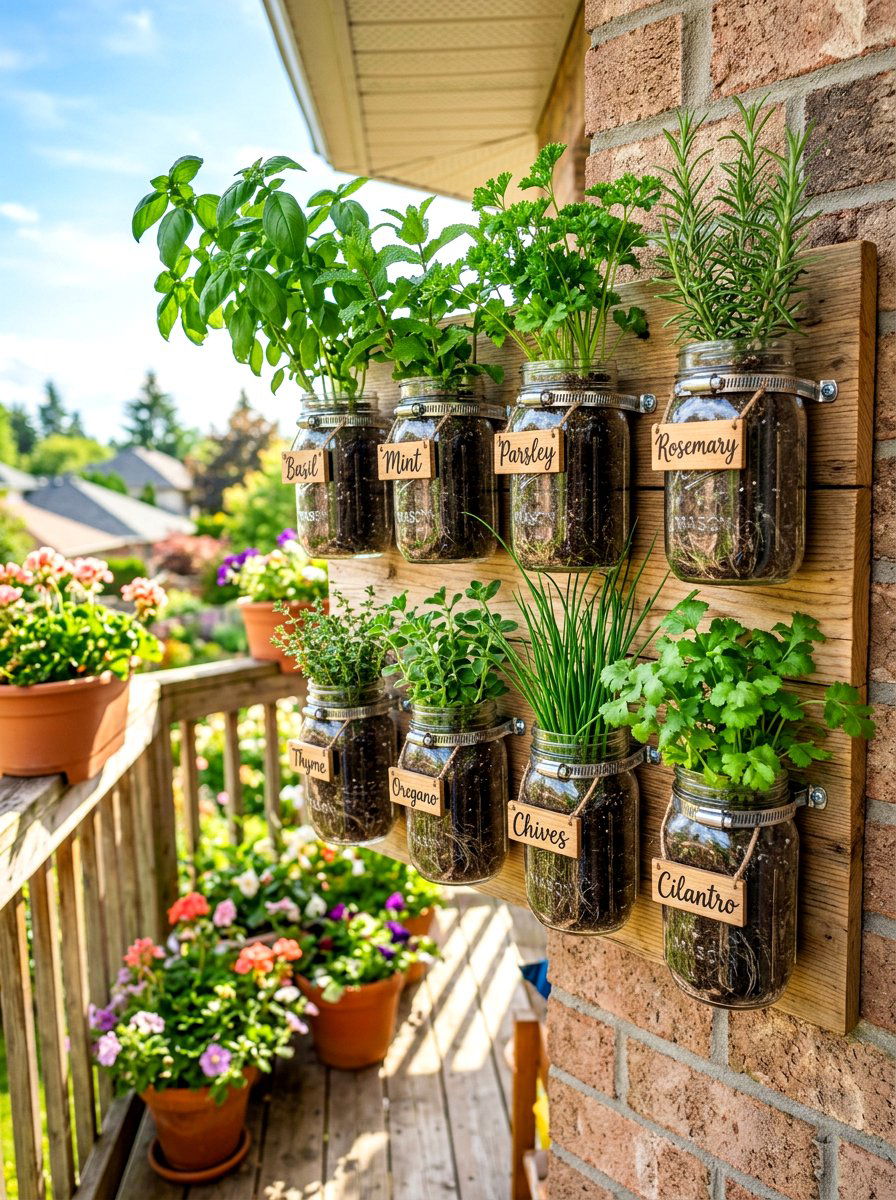
Creating a vertical garden using mason jars is a popular and adorable way to grow a small indoor/outdoor herb collection. By using metal pipe clamps to secure the jars to a stained wooden board, you create a beautiful and organized display for your kitchen herbs. This project is perfect for a small balcony or a sunny wall near your outdoor dining table. Because the jars are clear, you can see the soil and roots, which adds an interesting educational element for children. Just be sure to add a layer of pebbles at the bottom for drainage since these glass jars do not have holes.
28. Wrought Iron Hook
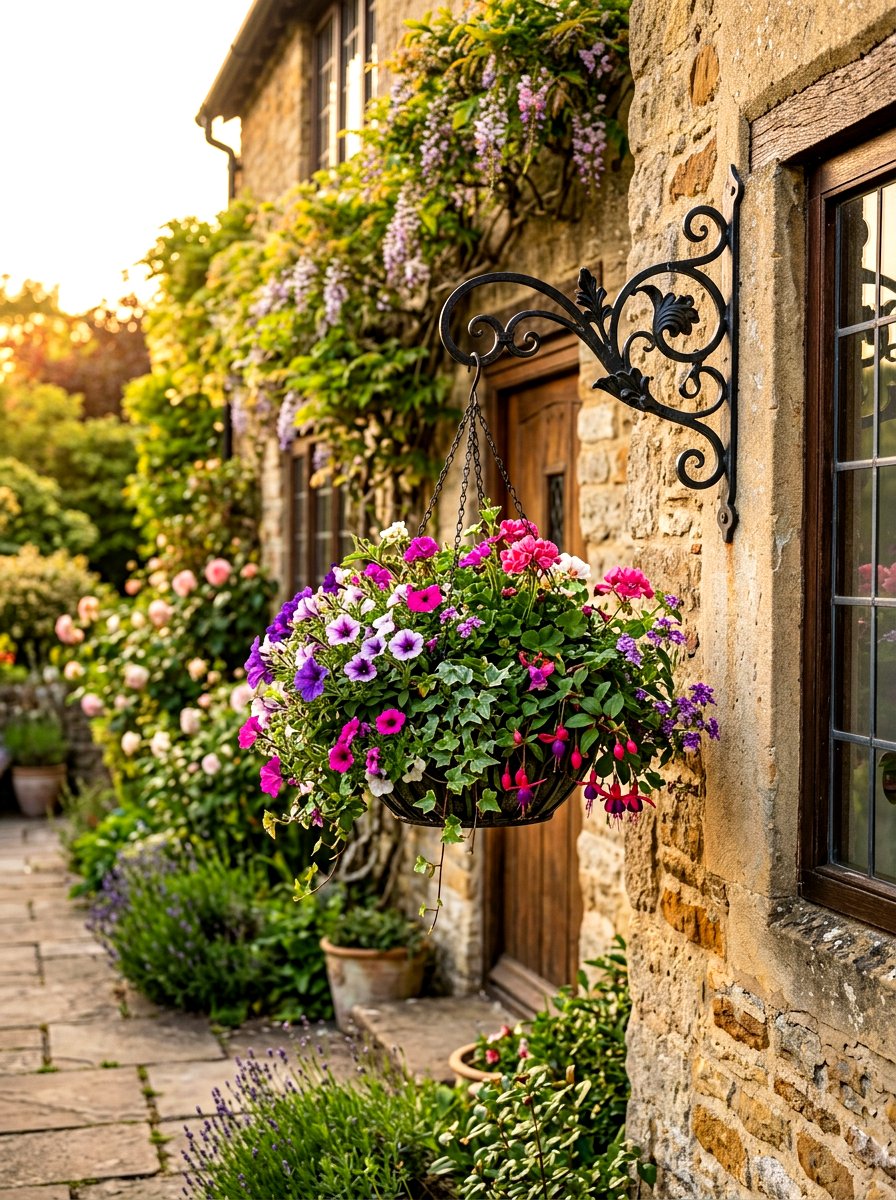
Installing decorative wrought iron hooks on your exterior walls is a simple and elegant way to hang beautiful flower baskets or lanterns. These hooks come in a variety of ornate designs that add a touch of classic sophistication to any home. By hanging a large, overflowing basket of geraniums or petunias, you bring a vertical splash of color to an otherwise plain wall. This is one of the easiest ways to add height to your garden without the need for complex construction or expensive systems. It is a timeless choice that works well with traditional, cottage, or farmhouse-style homes and landscapes.
29. Air Plant Frame
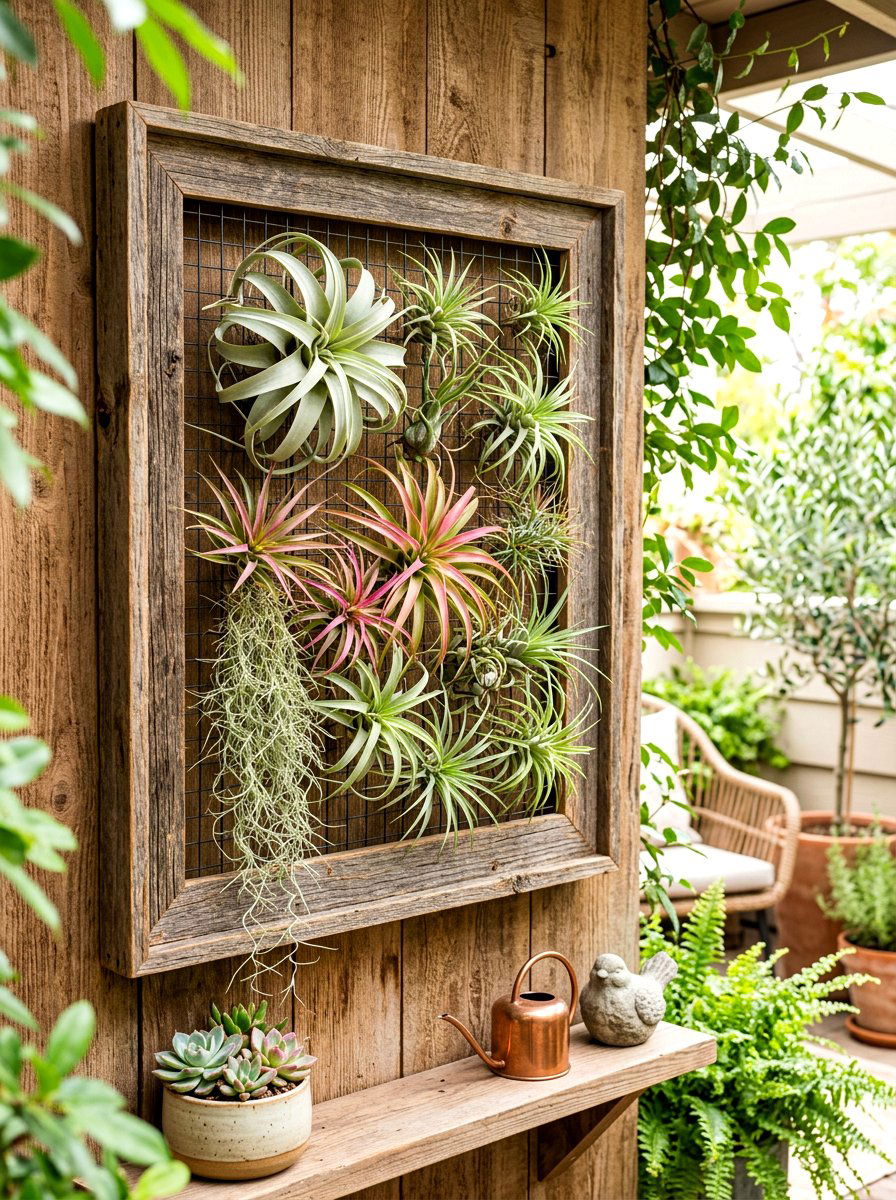
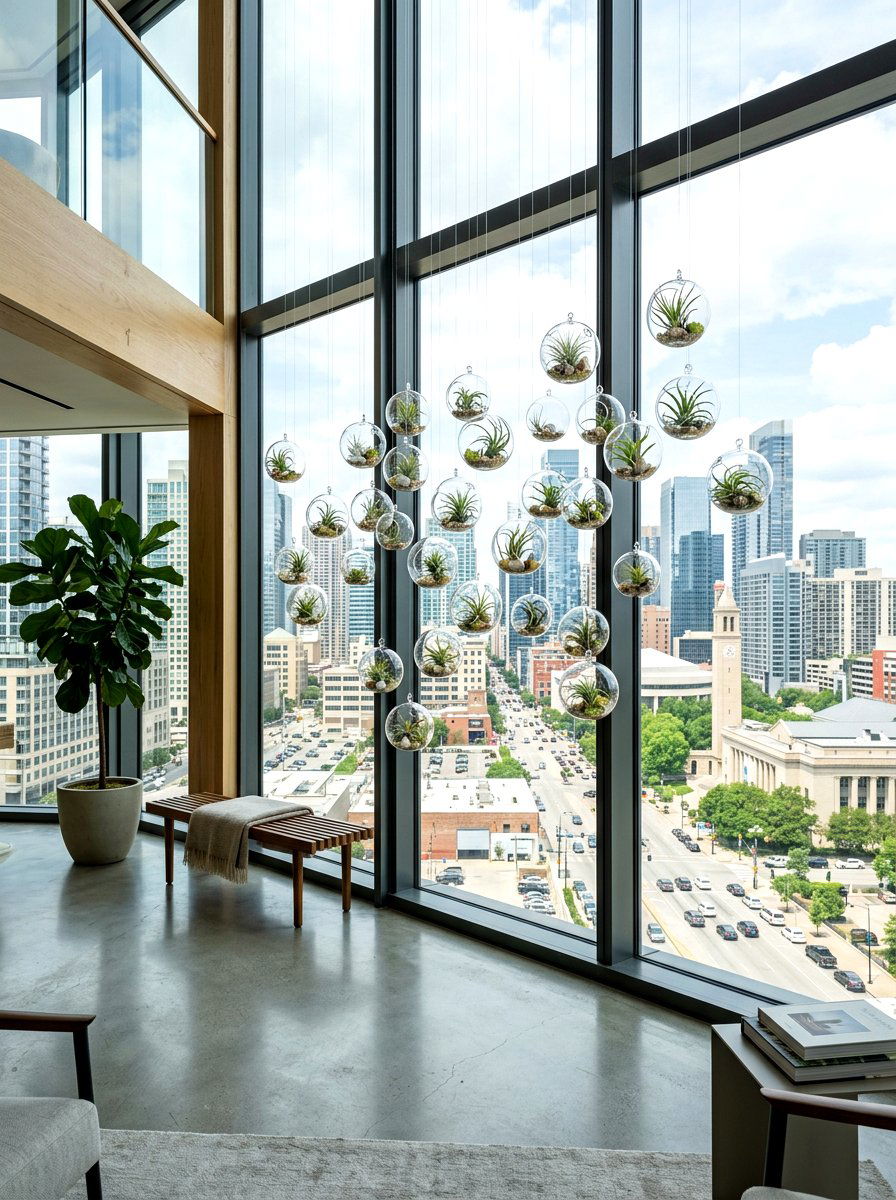
Air plants are unique because they don't require soil to grow, making them perfect for creative vertical displays like a framed wire garden. You can use a beautiful wooden frame and attach a piece of chicken wire or fine mesh across the back. Simply tuck the air plants into the mesh, and they will stay in place while they absorb moisture from the air. This low-maintenance garden is ideal for a sheltered patio or an outdoor room where you want to add a touch of greenery without any mess. Occasionally misting the plants with water is all the care they need to thrive.
30. Staircase Plant Display
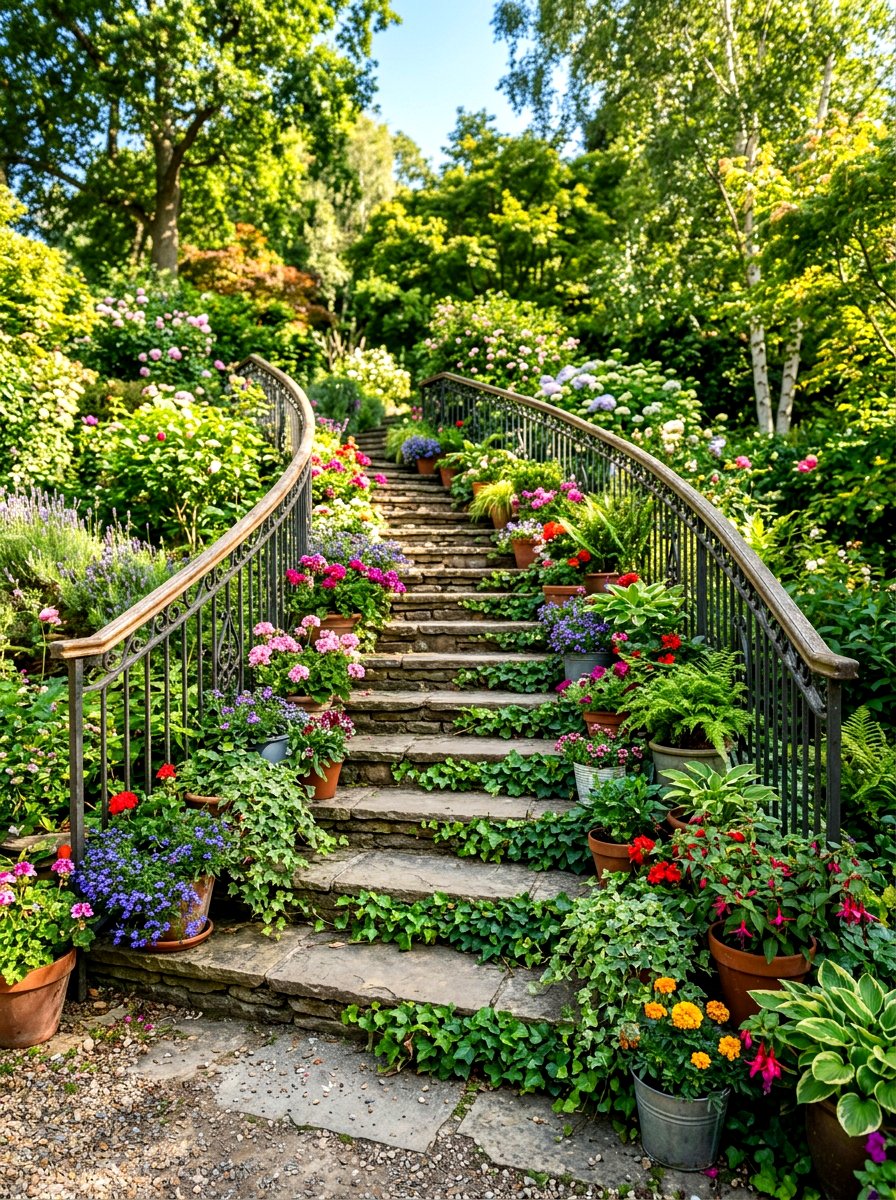
Utilizing the steps of an outdoor staircase is a brilliant way to create a natural vertical garden that guides the eye upward. By placing a potted plant on the edge of each step, you transform a functional transit area into a lush, green walkway. This works best with a mix of upright plants and trailing varieties that soften the hard edges of the stairs. You can choose a cohesive color palette for the pots to create a polished look or mix and match for a more eclectic, cottage-style feel. It is a simple yet effective way to maximize every square inch of your garden.
Conclusion:
Embracing vertical gardening is a transformative journey that allows you to maximize your outdoor potential regardless of your yard's actual size. By thinking upward, you unlock new opportunities for creativity, privacy, and even food production in spaces that once seemed limited. From rustic pallet projects to sophisticated living walls, there is a vertical solution that perfectly fits every style and budget. These elevated gardens not only beautify your environment but also improve your overall well-being by surrounding you with nature. As you experiment with different heights and textures, you will find that your once-empty walls become the most vibrant and cherished parts of your home.

Related posts: