Narrow raised beds are transforming how homeowners approach small-space gardening by maximizing every available inch of their outdoor environment. Whether you have a tiny balcony, a slim side yard, or a compact patio, these slender structures allow you to cultivate fresh vegetables and vibrant flowers without needing a massive backyard. They provide excellent soil control and superior drainage, which are essential for healthy plant growth in urban settings. By choosing a narrow profile, you can easily reach every plant from one side, making maintenance and harvesting a breeze for gardeners of all ages. These beds serve as both functional garden plots and beautiful landscape accents.
1. Cedar wood garden box
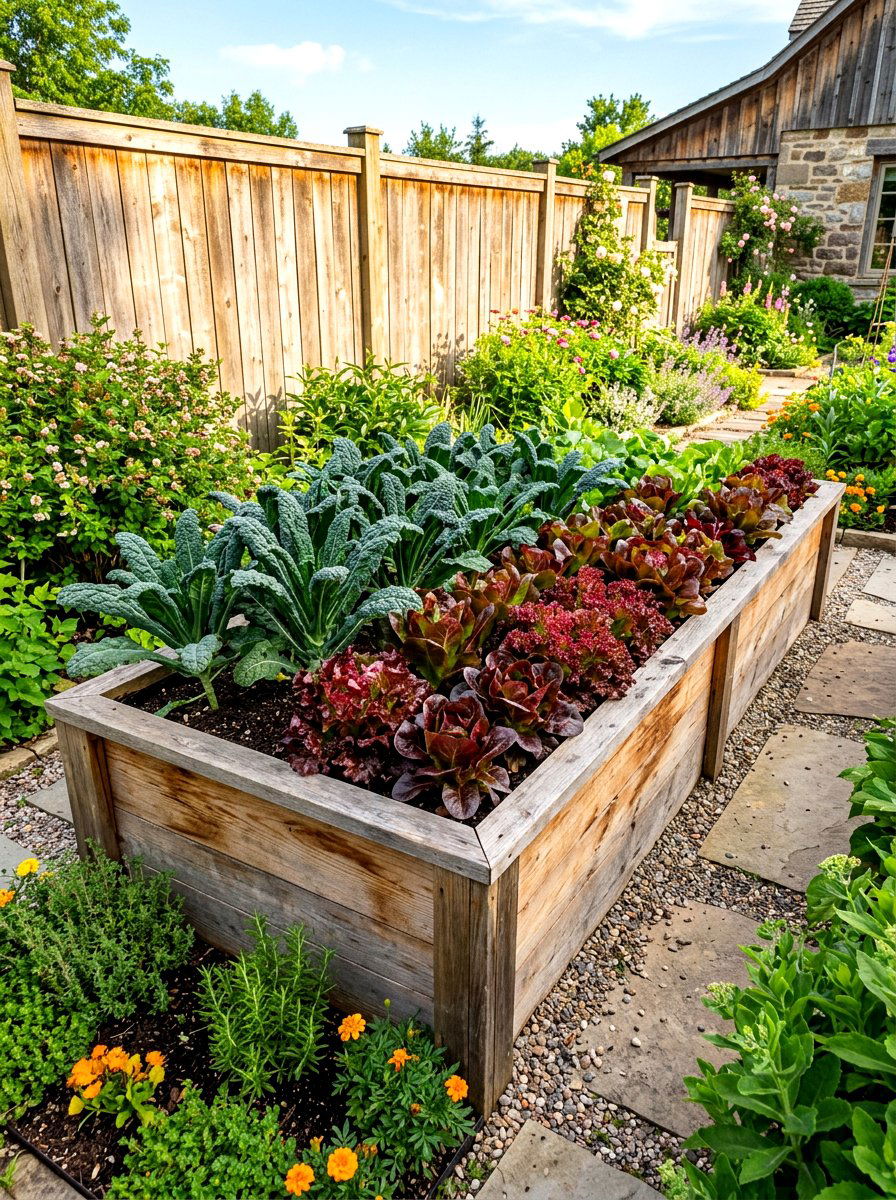
Cedar is a top choice for building thin garden boxes because it naturally resists rot and insects without needing harmful chemicals. This makes it perfect for growing organic vegetables or fresh herbs right outside your kitchen door. These narrow structures fit easily along a fence line or a walkway where space is limited. The warm red tones of the wood look beautiful in any backyard setting and age into a soft silver color over time. You can build them quite high to save your back from bending down while you work in the dirt. Adding a simple liner helps protect the wood and keeps moisture where your plants need it most.
2. Corrugated metal planter
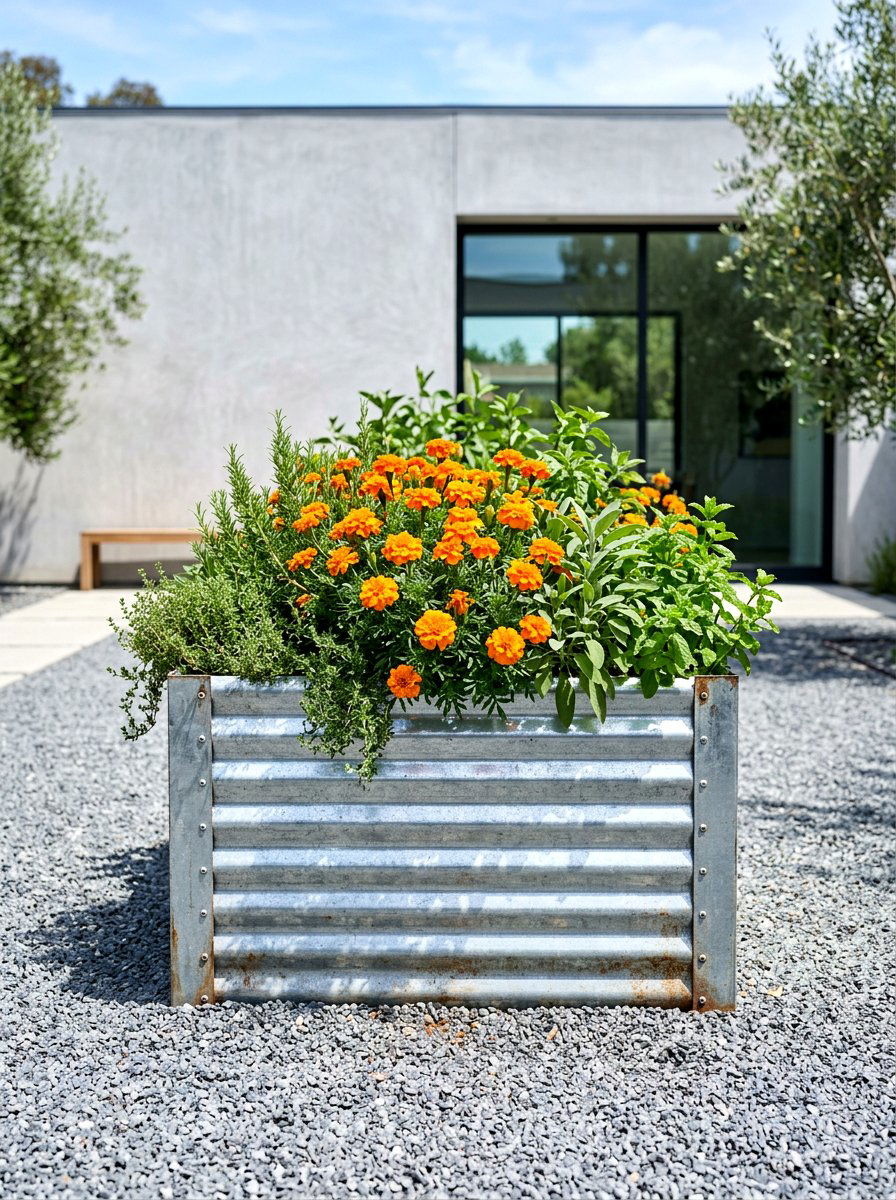
Using corrugated metal for your narrow planters provides a modern, industrial look that is incredibly durable and long-lasting. The thin walls of the metal allow you to maximize the internal growing space, which is critical when every inch counts. These beds are lightweight and easy to assemble, often coming in kits that snap together in minutes. Metal surfaces can help warm the soil faster in the spring, giving your seedlings a head start on the growing season. They are also resistant to cracking or rotting, ensuring your garden stays tidy for many years. Pair them with wooden trim for a stylish, mixed-material aesthetic in your garden.
3. Tiered vertical garden
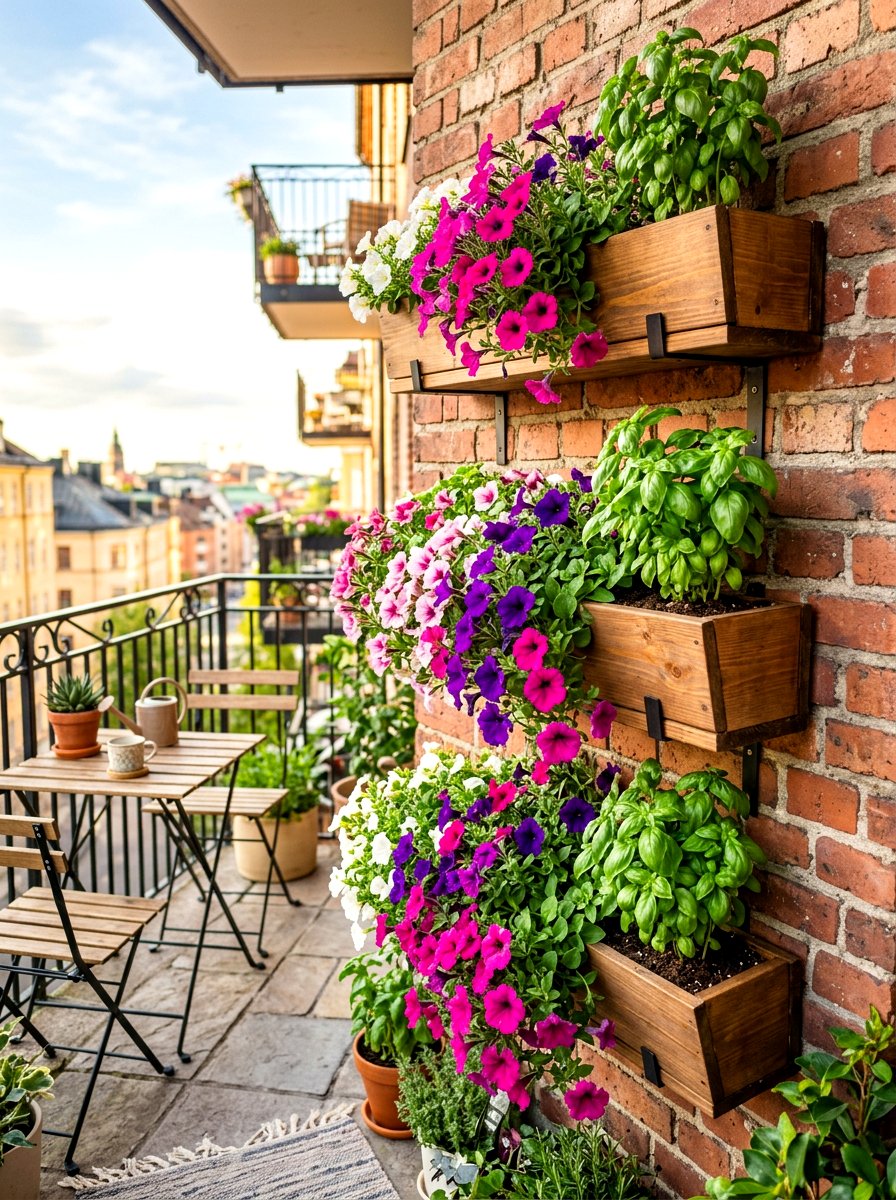
When you lack horizontal ground space, a tiered vertical garden allows you to grow upwards instead of outwards. This design features several narrow planting troughs stacked on top of one another, creating a lush wall of greenery. It is an ideal solution for apartment balconies or small patios where you want to grow a variety of herbs and leafy greens. The vertical arrangement ensures that each layer receives adequate sunlight while making the most of a tiny footprint. You can mount these directly to a sturdy wall or let them stand freely. It creates a stunning focal point that doubles as a functional herb station.
4. Concrete block planter
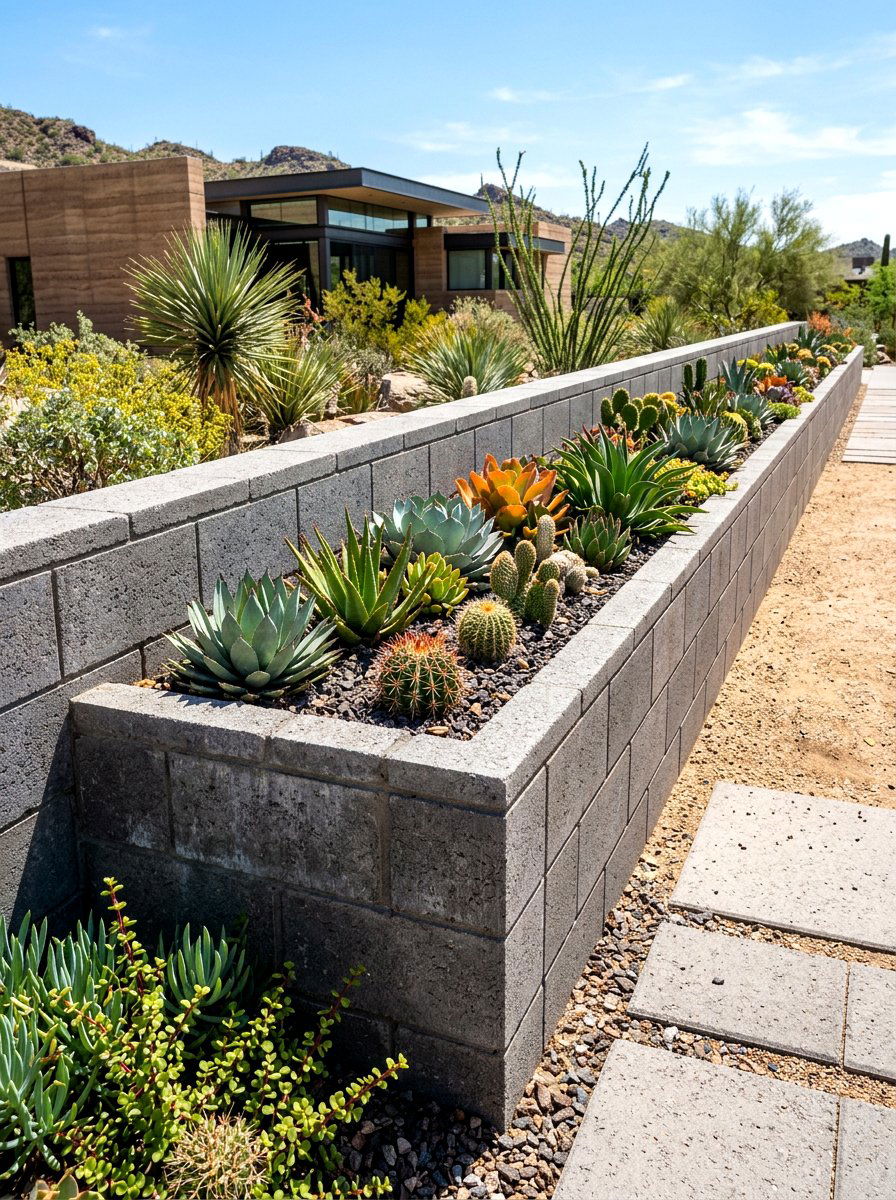
Building a sturdy garden using concrete blocks is a cost-effective and highly customizable project for any DIY enthusiast. These blocks can be stacked to create a narrow, raised perimeter that stays in place without the need for mortar or special tools. You can even use the hollow centers of the blocks to plant small herbs or succulents, doubling your growing area. Concrete is excellent for retaining heat, which helps keep soil temperatures stable during cool nights. The grey, industrial texture provides a neutral backdrop that makes the bright colors of your flowers pop. It is a permanent solution that requires very little maintenance once installed.
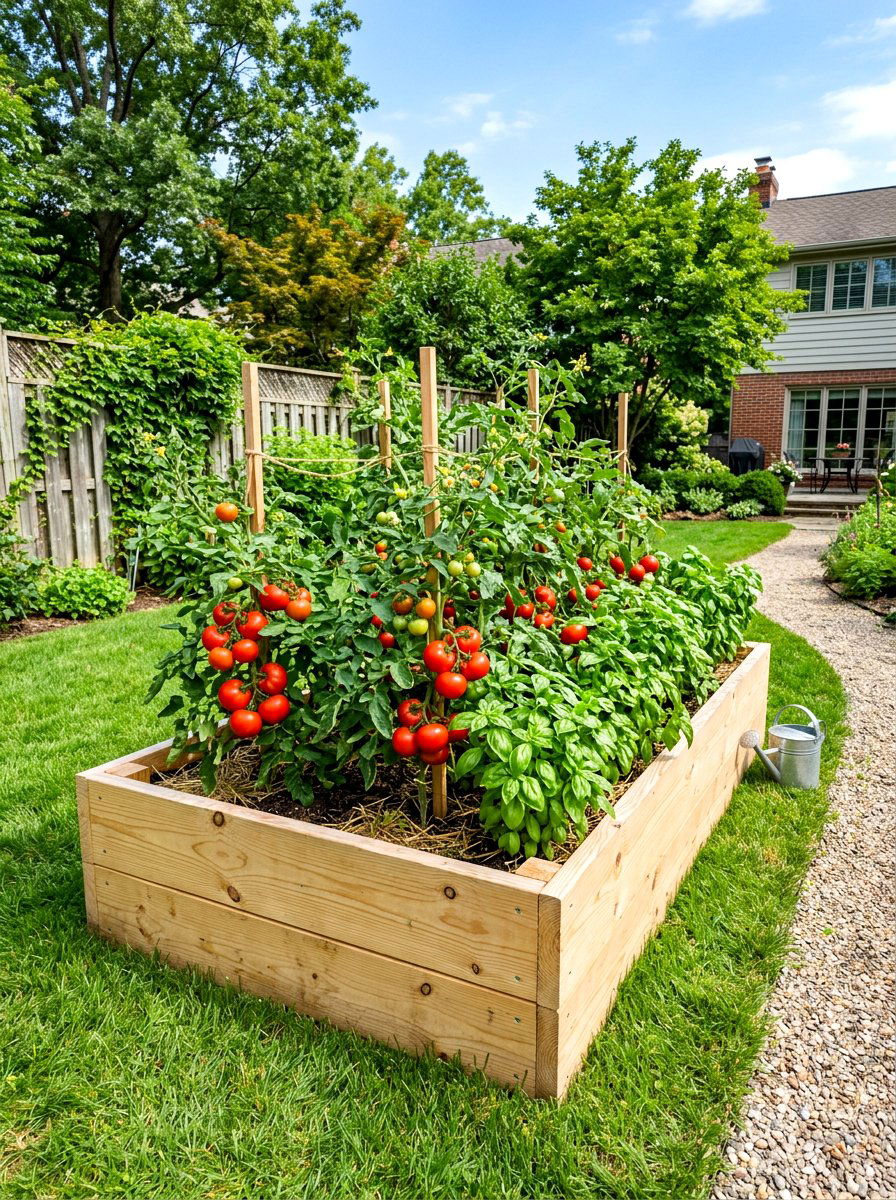
5. Side yard vegetable garden
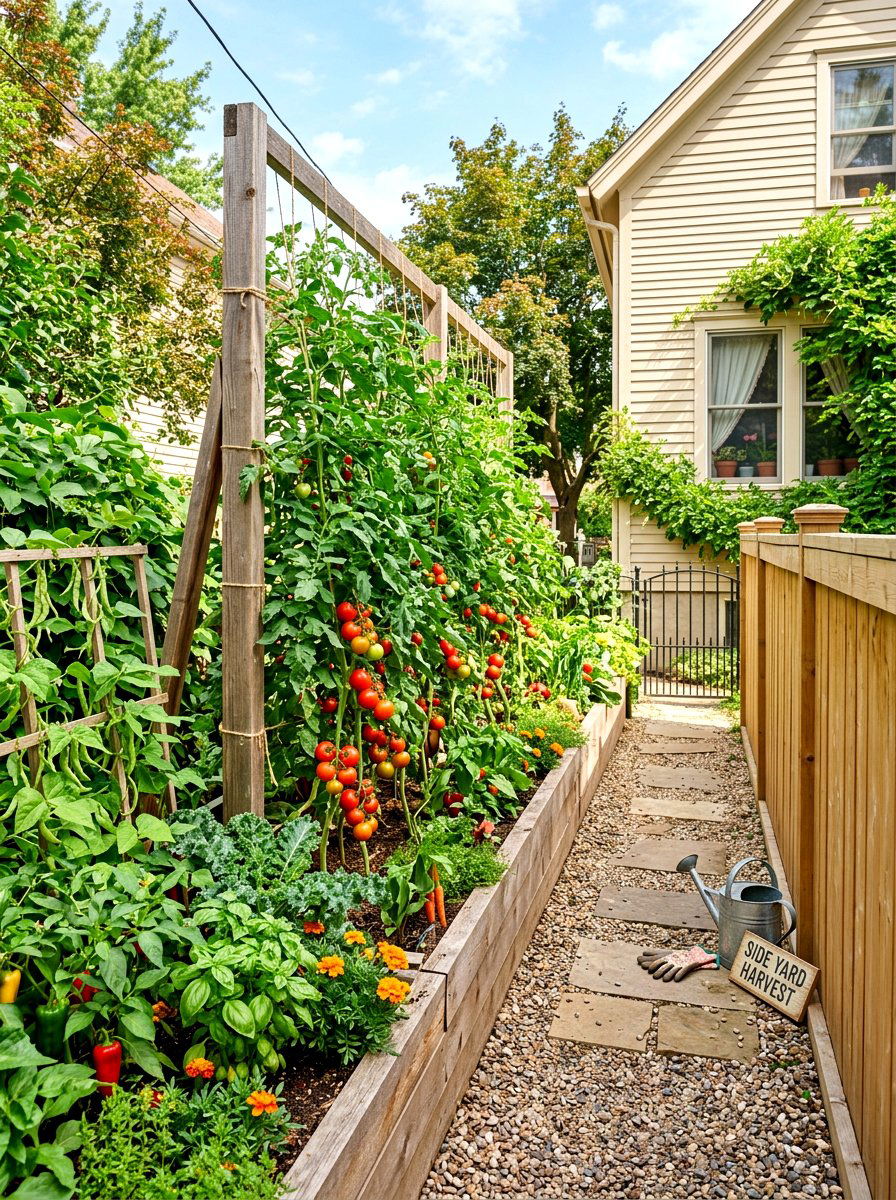
Side yards are often overlooked spaces that are perfect for installing long, narrow vegetable gardens. Because these areas are usually thin strips between the house and the fence, a slender raised bed fits perfectly without blocking the walkway. You can grow tall crops like tomatoes or pole beans against the fence to utilize vertical space effectively. This transformation turns a neglected patch of grass into a productive mini-farm that provides fresh produce all summer. Using high-quality soil in these beds ensures your vegetables get the nutrients they need despite the narrow layout. It is a smart way to increase your home's overall sustainability.
6. Deck railing planter
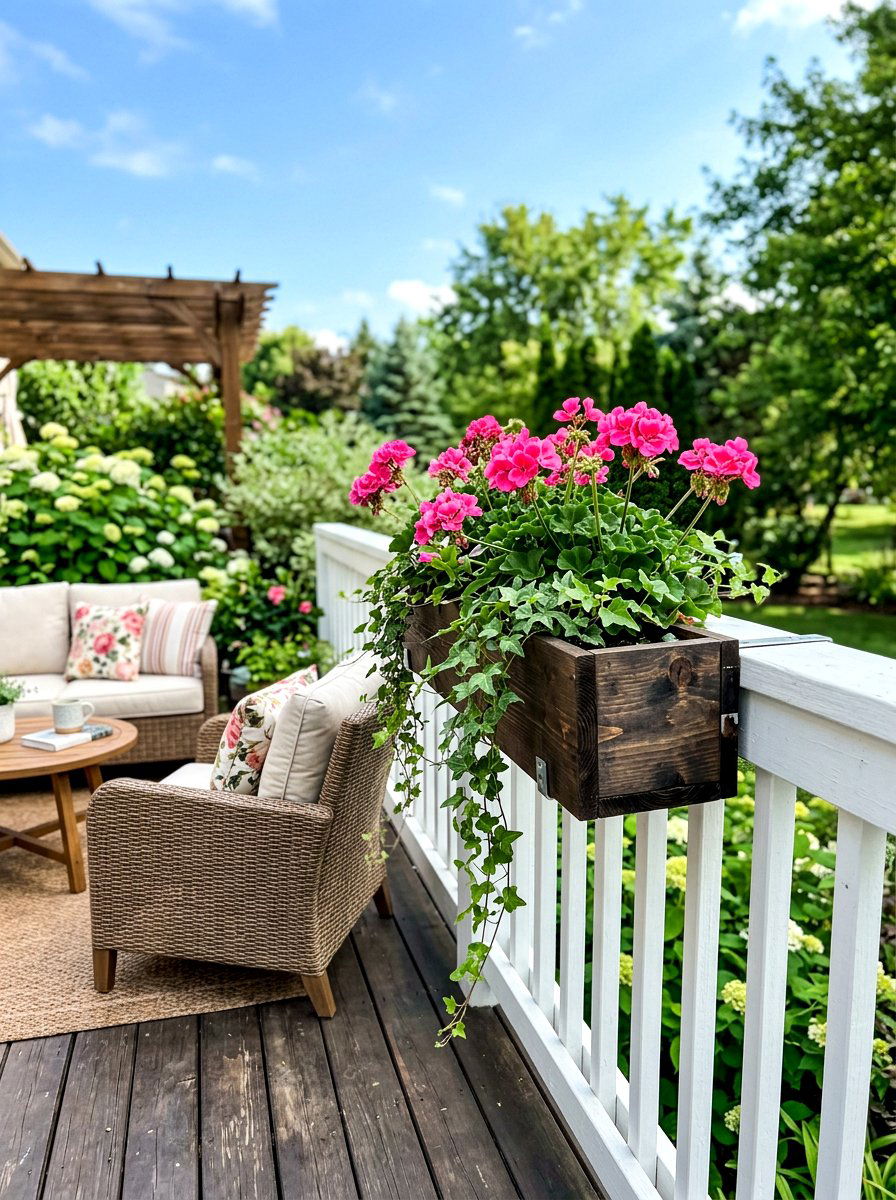
Adding narrow planters directly to your deck railings brings your garden up to eye level and saves precious floor space. These boxes are designed to sit securely on top of or hang from the railing, making them perfect for trailing flowers and kitchen herbs. They create a beautiful natural border around your seating area while providing easy access for watering and harvesting. Because they are elevated, they are less likely to be disturbed by ground-level pests like rabbits or slugs. You can choose from various materials like wood, plastic, or metal to match your existing deck furniture and overall outdoor style perfectly.
7. Pallet wood garden
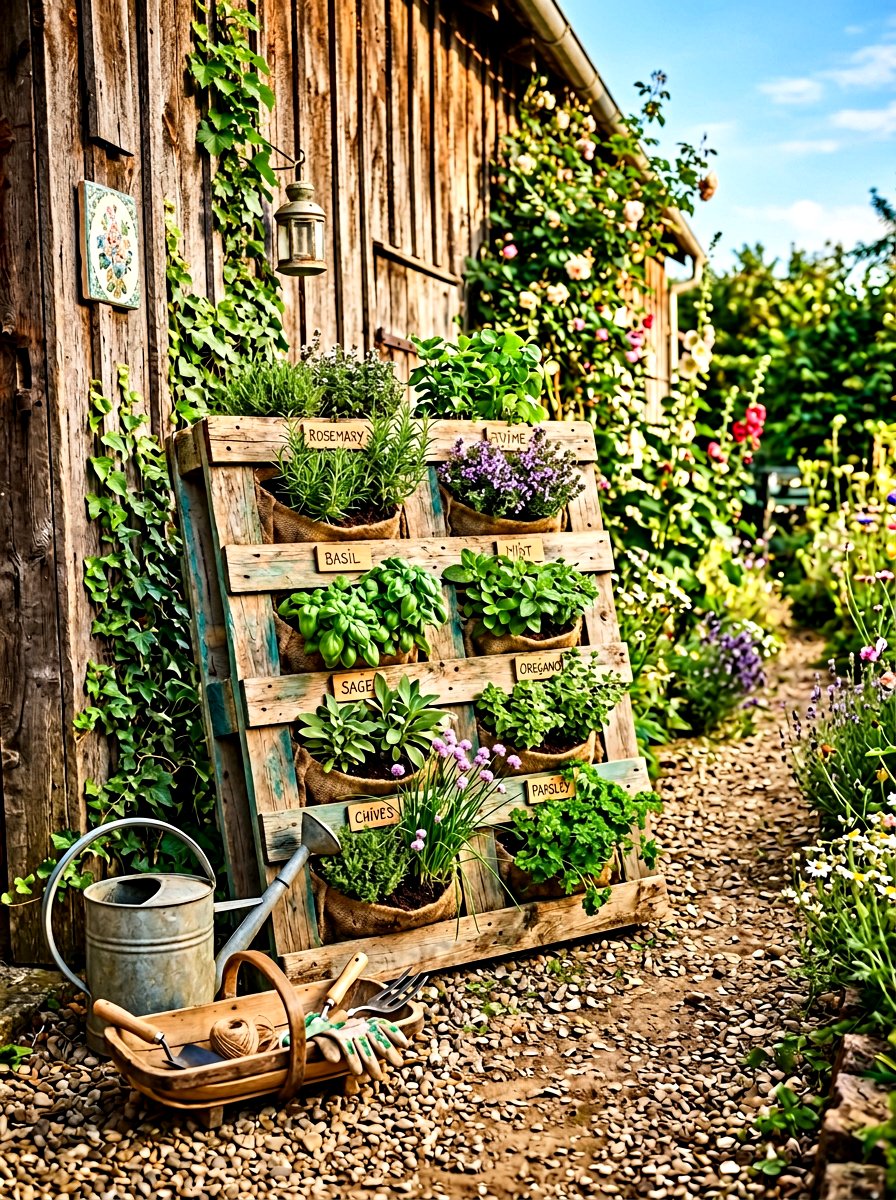
Repurposing old wooden pallets is a budget-friendly way to create a narrow, rustic garden bed with a unique character. You can stand a pallet on its side to create a vertical planter or take it apart to build slim boxes. This approach is highly sustainable and adds a charming, weathered look to your backyard or patio area. Make sure to use pallets that are heat-treated rather than chemically treated to ensure they are safe for growing edible plants. Lining the pallet with landscape fabric holds the soil in place while allowing for proper drainage. It is a creative project that yields a functional garden space.
8. Natural stone garden bed
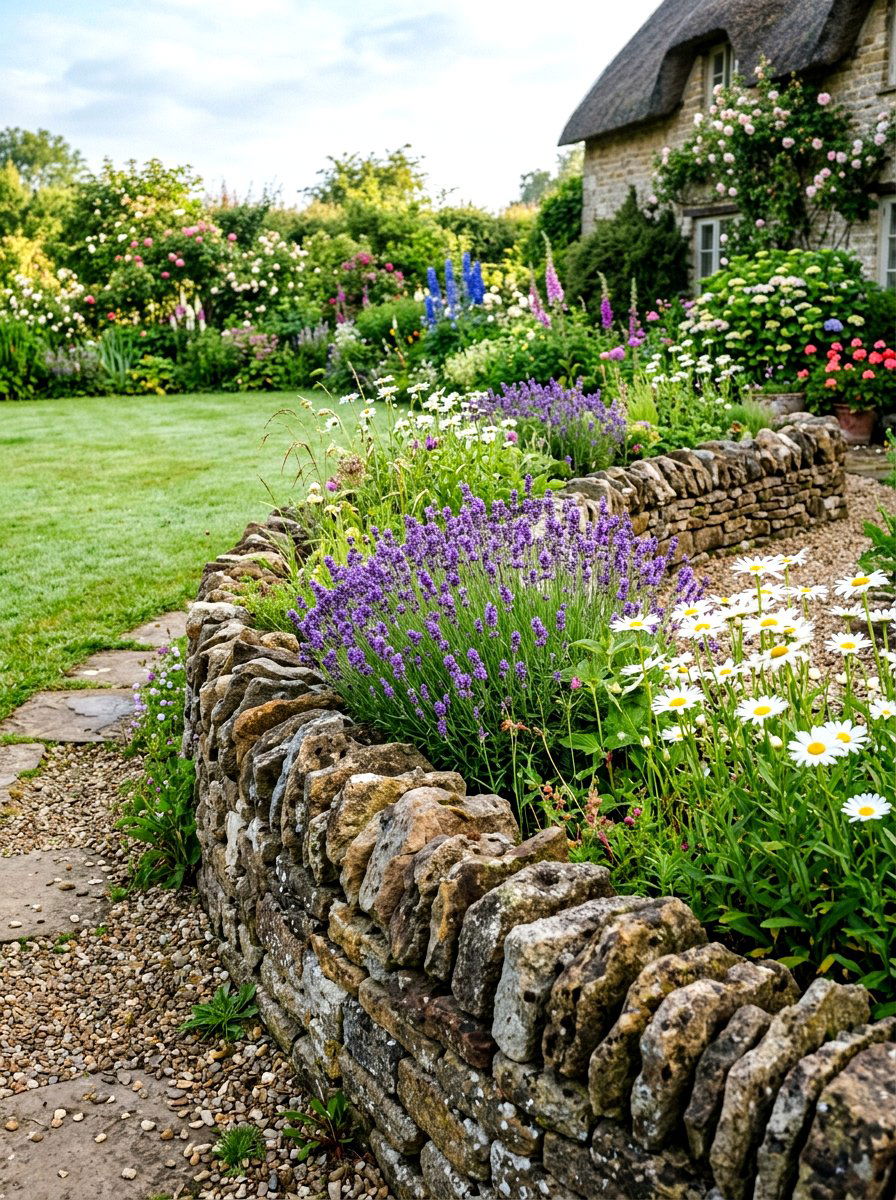
Using natural stones to edge a narrow raised bed adds a timeless, organic feel to your landscape design. You can stack fieldstones or flat flagstones to create a low wall that holds the soil in place beautifully. This style works exceptionally well in cottage gardens or more traditional outdoor spaces where you want a soft, integrated look. Stone is incredibly durable and will not rot, providing a permanent home for your perennial plants and shrubs. The varied textures and colors of the rocks provide visual interest even during the winter months when the plants are dormant. It creates a sturdy, high-end look for any yard.
9. Galvanized steel trough
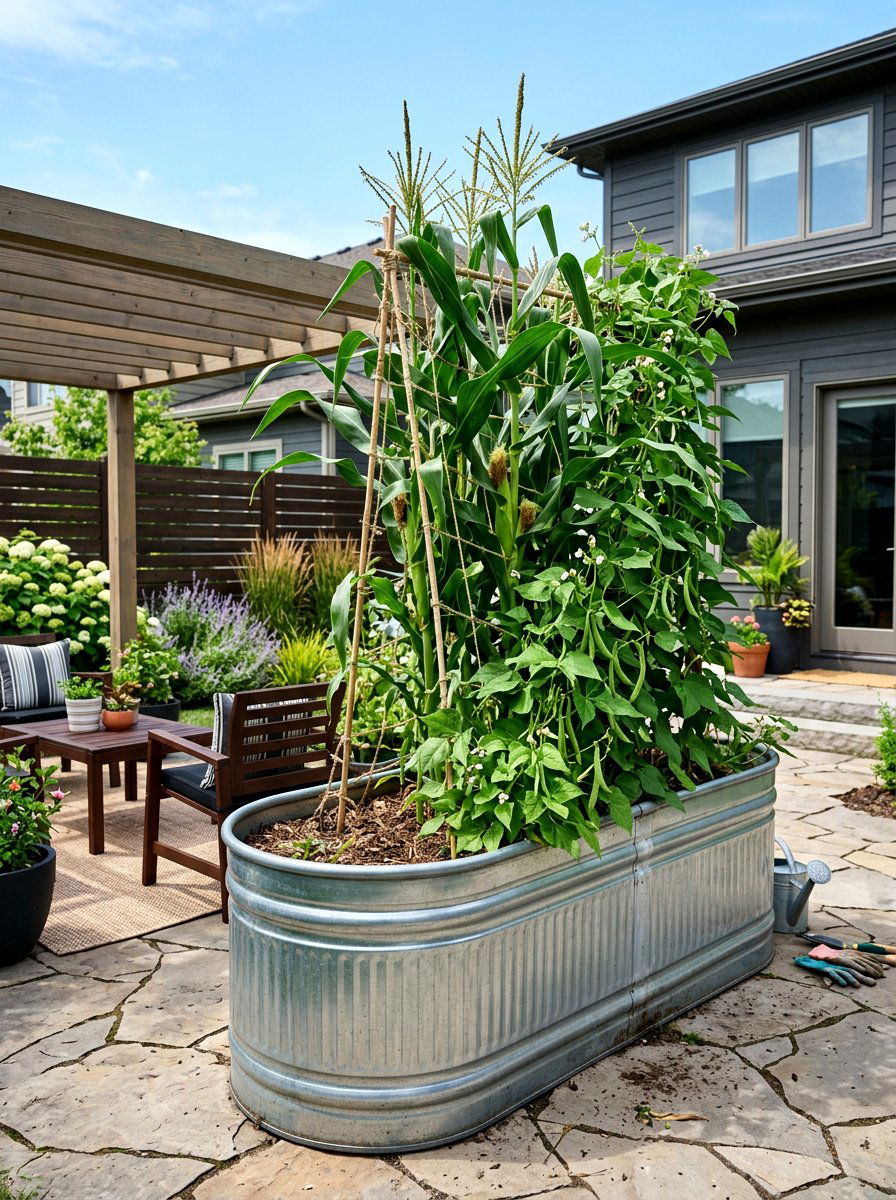
Galvanized steel troughs are a popular choice for narrow gardening because they are essentially ready-made raised beds. Originally designed for livestock, these sturdy containers are perfect for growing deep-rooted vegetables like carrots or potatoes in a confined space. Their tall sides mean you do not have to bend over as much, making the gardening process more comfortable. They come in various lengths and widths, allowing you to find the perfect fit for a narrow porch or along a driveway. Drilling drainage holes in the bottom is a simple step that ensures your plants stay healthy and prevents the roots from sitting in water.
10. Black metal planter
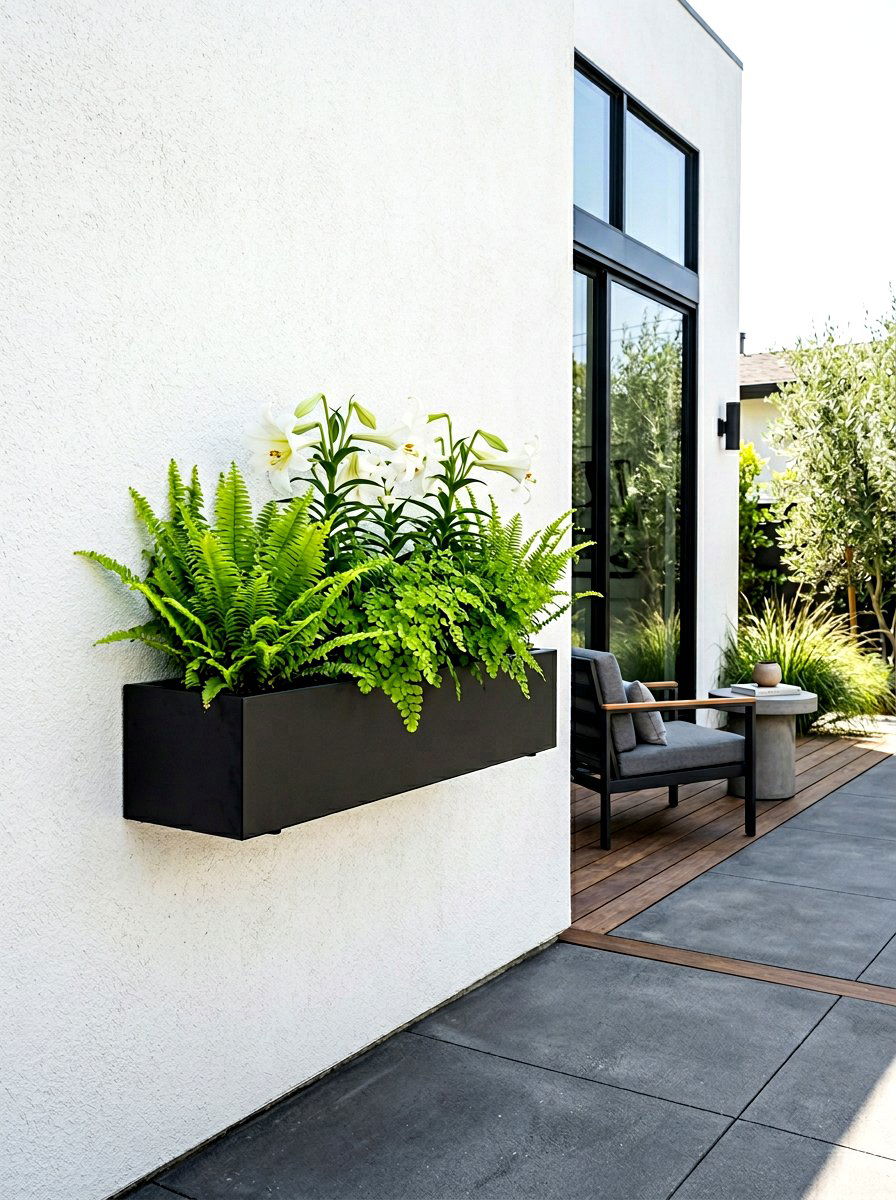
For a sleek and contemporary garden aesthetic, consider installing narrow black metal planters along your home's exterior walls. The dark color creates a striking contrast against green foliage and bright flower blooms, making your plants truly stand out. These planters are often made from powder-coated steel or aluminum, which protects them from rust and fading in the sun. Their minimalist design fits perfectly into modern landscape themes and looks great on concrete patios or wooden decks. Because they are often quite slim, they can be used to line narrow walkways without obstructing traffic. It is a sophisticated way to add greenery to your home.
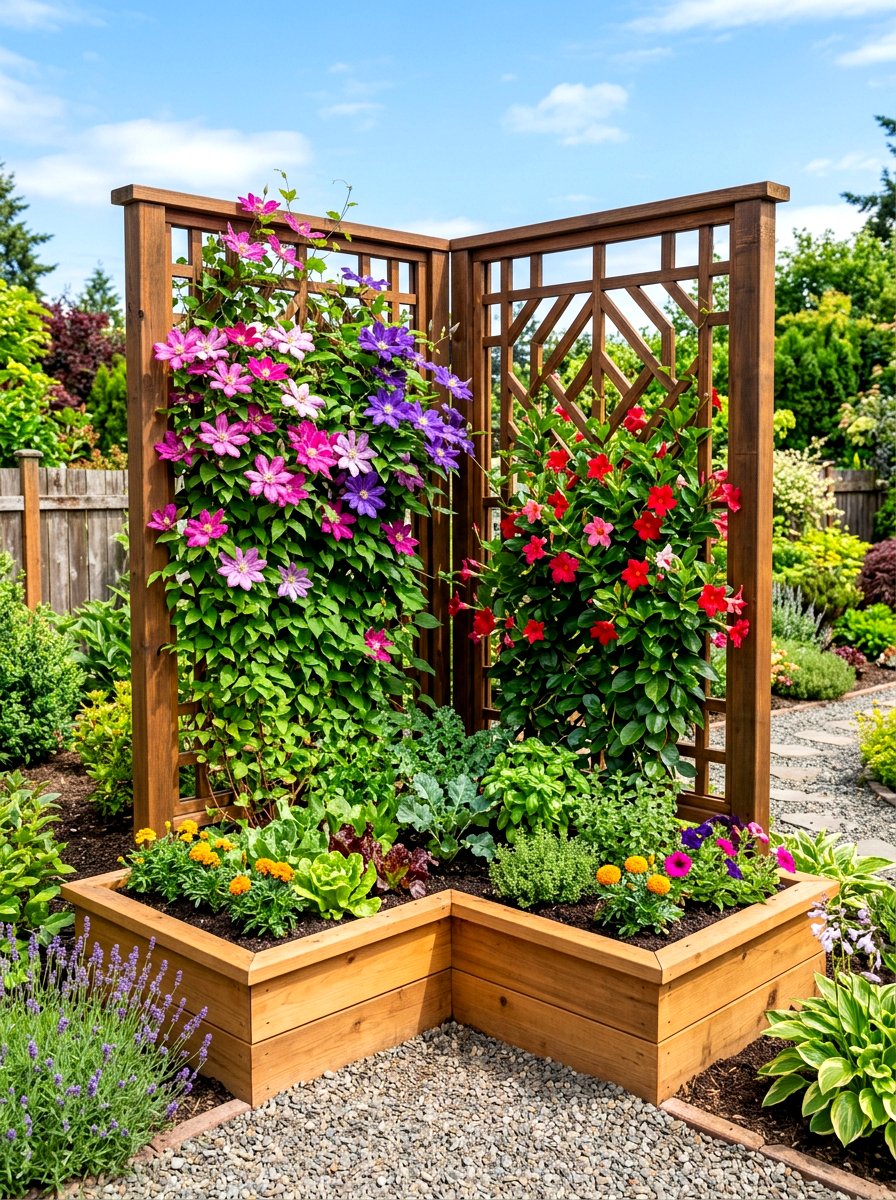
11. Trellis garden box
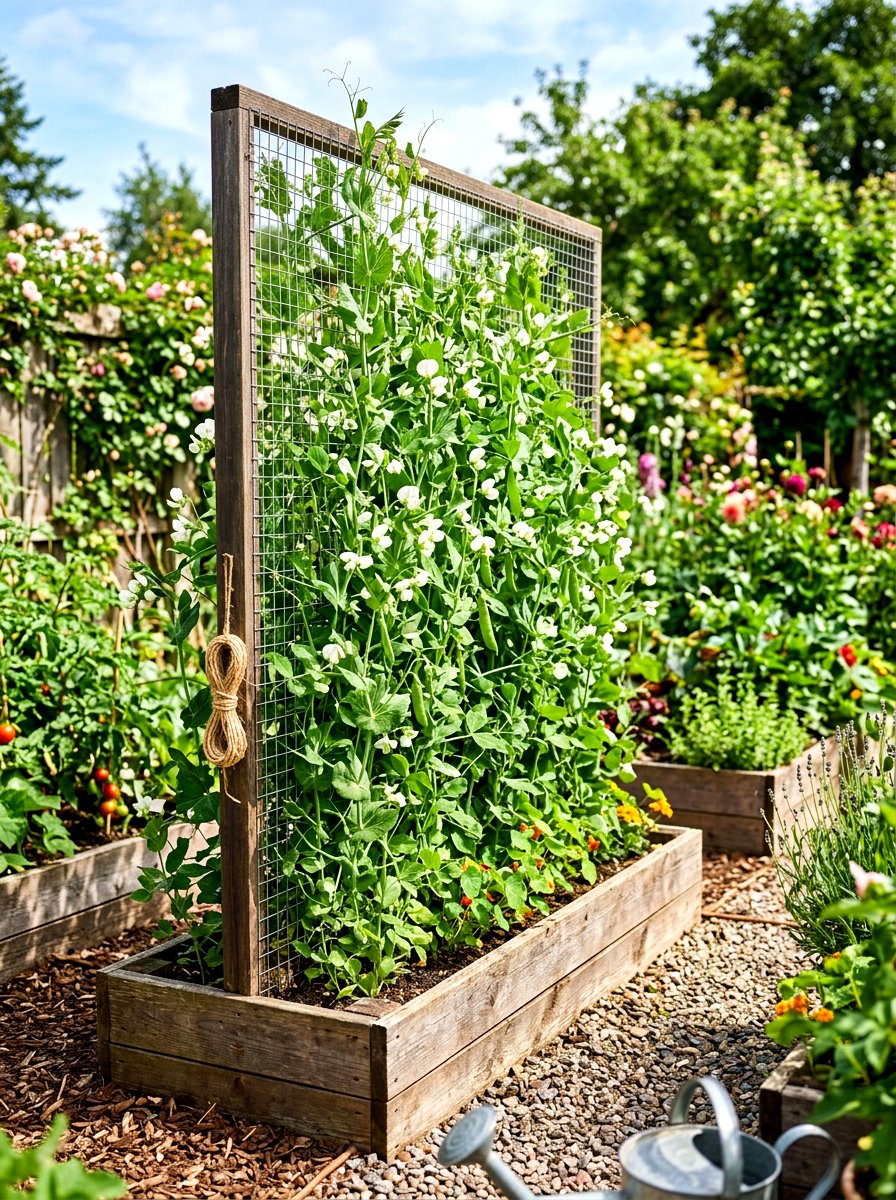
A trellis garden box combines a narrow raised bed with a tall vertical support structure for climbing plants. This is a brilliant solution for growing cucumbers, peas, or flowering vines like clematis in a very small footprint. The bed provides a deep home for the roots, while the trellis allows the foliage to grow upwards toward the light. This setup keeps your vegetables off the ground, which reduces the risk of rot and makes harvesting much easier. You can place these boxes against a bare wall to add height and texture to your outdoor living area. It creates a beautiful, living screen for privacy.
12. Red brick garden border
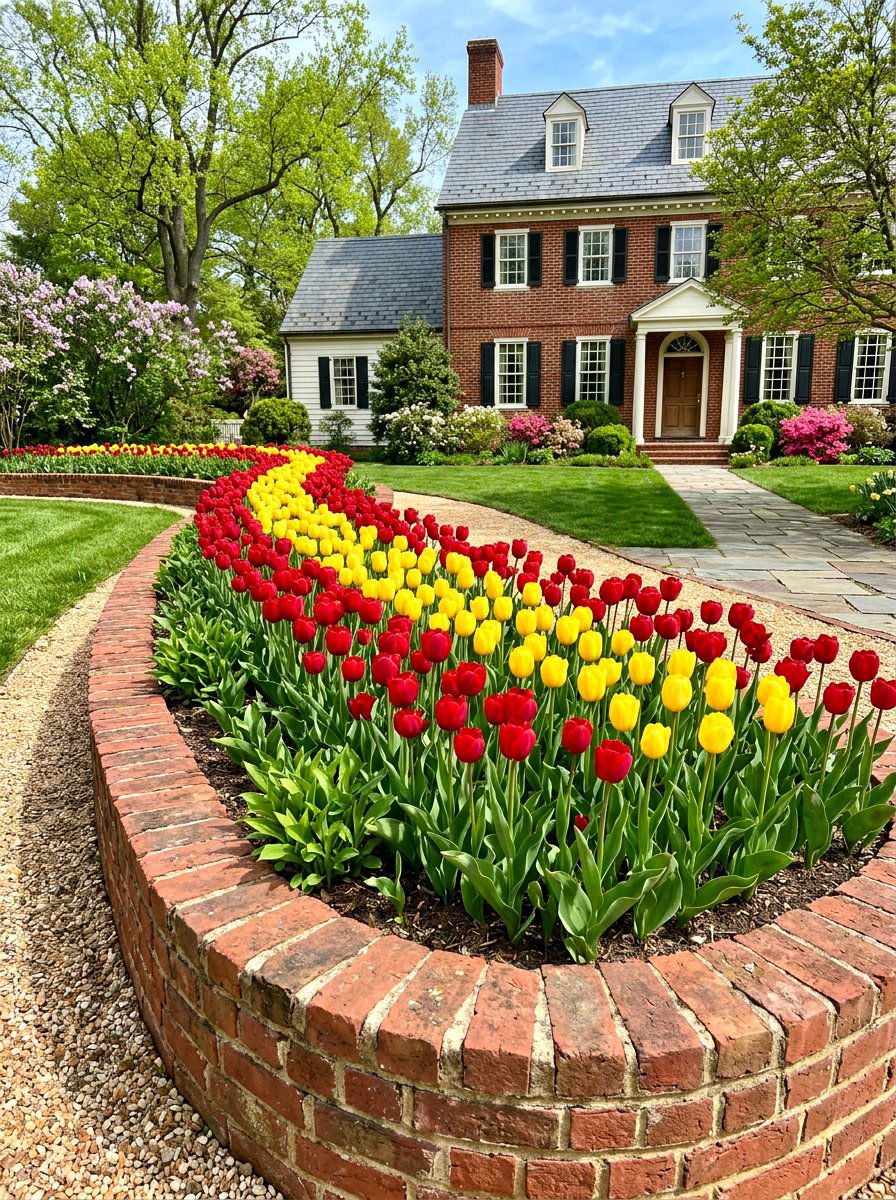
Building a narrow raised bed with red bricks provides a classic, traditional look that complements many home architectural styles. Bricks are easy to handle and can be arranged in straight lines or gentle curves to fit your specific space. You can build the walls several layers high to create a comfortable height for gardening without straining your back. The thermal mass of the bricks helps to regulate soil temperature, protecting sensitive roots from extreme heat or cold. This is a permanent garden feature that adds value and structure to your property. It works beautifully for a small rose garden or a neat row of lavender.
13. Elevated garden table
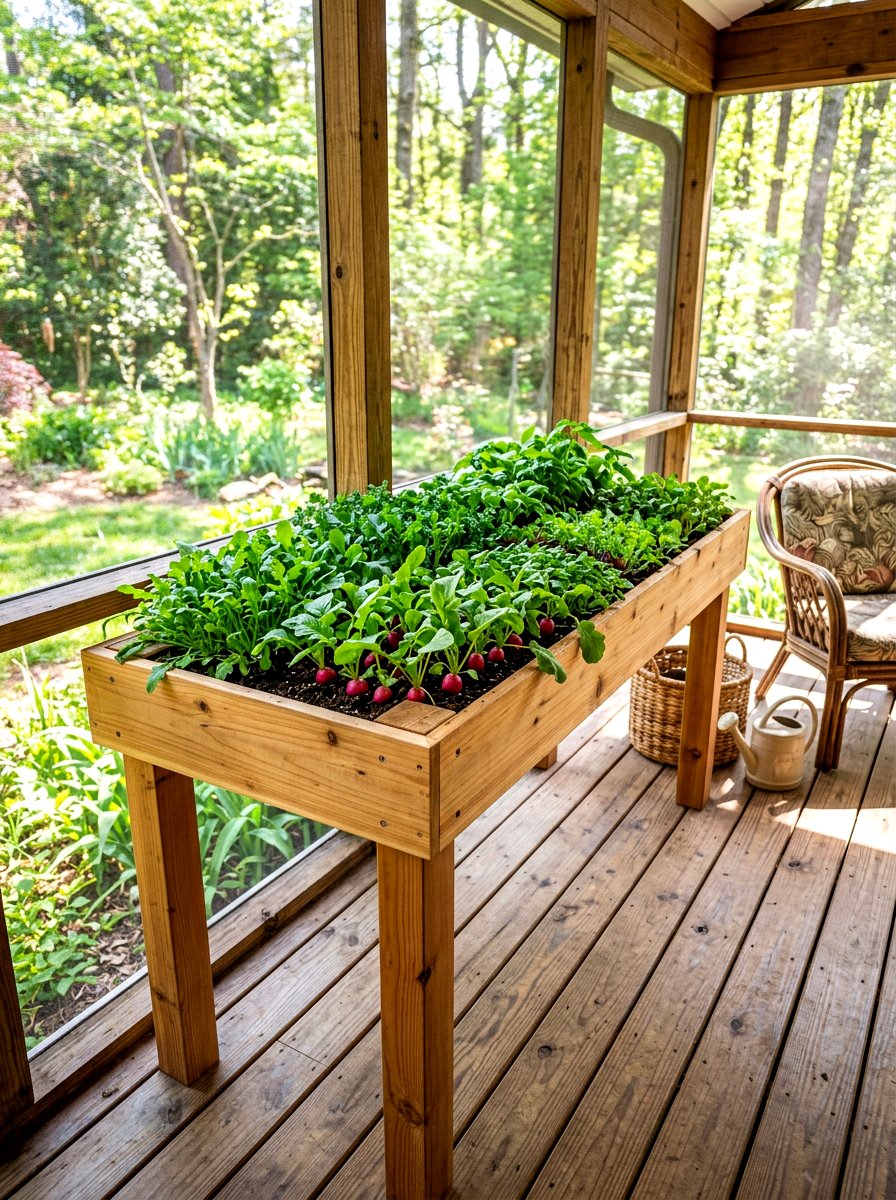
An elevated garden table is essentially a narrow raised bed on legs, making it the ultimate choice for ergonomic gardening. This design allows you to sit or stand comfortably while you plant and prune, which is perfect for seniors or those with limited mobility. These tables are often narrow enough to fit on a small balcony or under a porch roof. Because they are completely detached from the ground, they offer the best protection against crawling pests and garden weeds. Many models feature built-in drainage systems to keep your patio clean. It is a convenient way to grow a year-round salad garden nearby.
14. Wicker garden planter
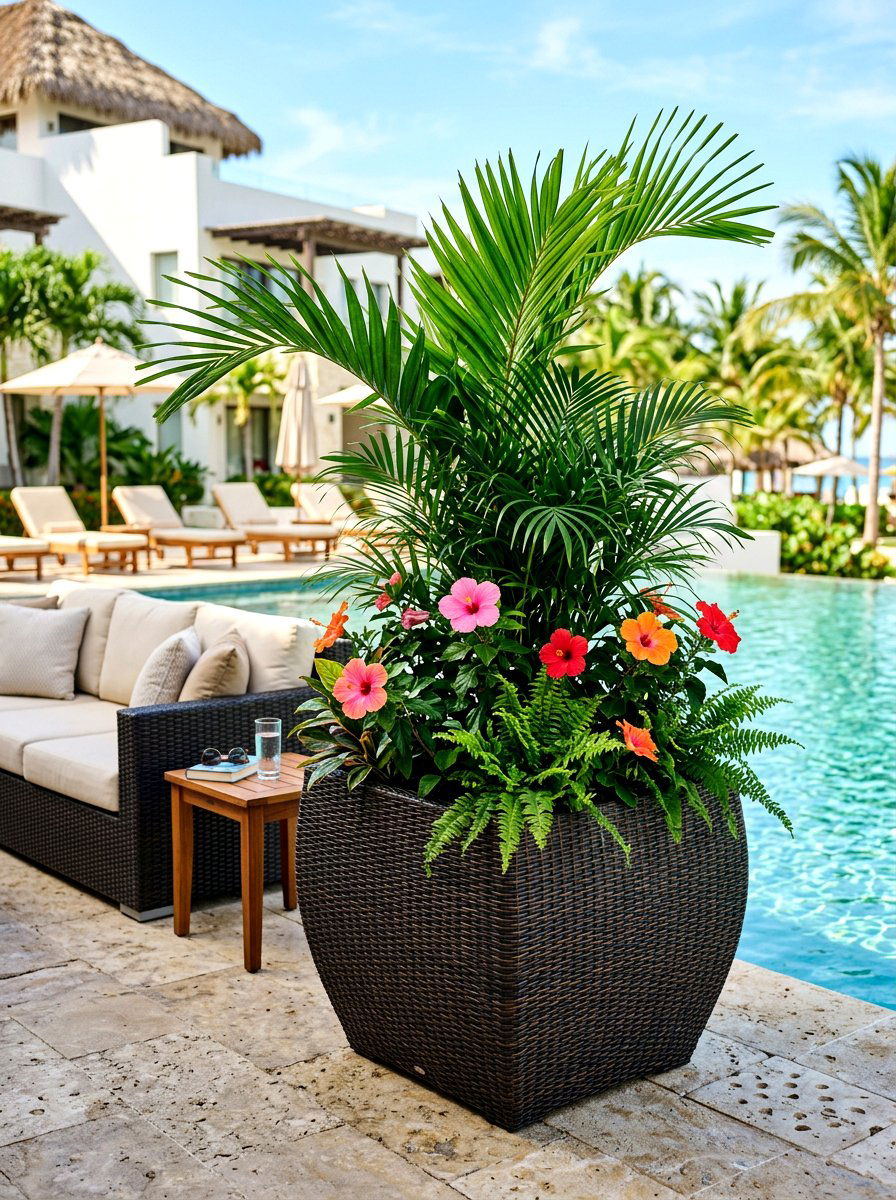
Wicker or woven resin planters offer a soft, textured look that pairs beautifully with outdoor lounge furniture and boho-style decor. These narrow beds often come with a plastic liner to hold the soil and protect the outer weaving from moisture damage. They are lightweight enough to move around your patio as the seasons change and the sun moves. The woven material provides a natural aesthetic that feels less industrial than metal or concrete. You can find them in various colors, from natural browns to modern greys, to suit your style. They are perfect for grouping together to create a lush, layered container garden.
15. White vinyl garden box
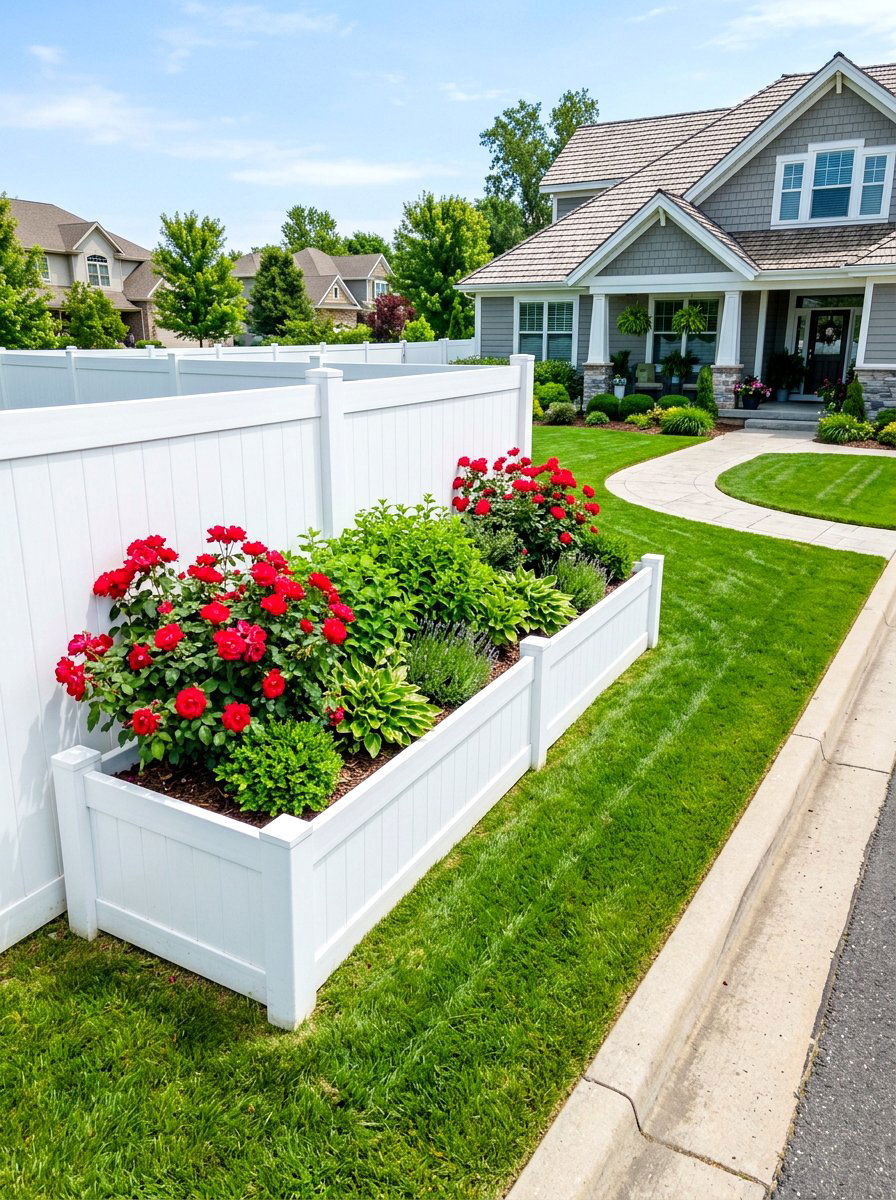
White vinyl garden boxes are a low-maintenance alternative to wood that stays looking bright and clean for years. They will not rot, peel, or require painting, making them a "set it and forget it" option for busy homeowners. The crisp white color provides a classic look that makes the colors of your flowers and vegetables appear more vibrant. These narrow beds are often sold as easy-to-assemble kits that fit perfectly along a white picket fence or a home’s siding. They are especially popular for front yard gardens where curb appeal is a high priority. Vinyl is a durable material that stands up well to all weather.
16. Rolling garden planter
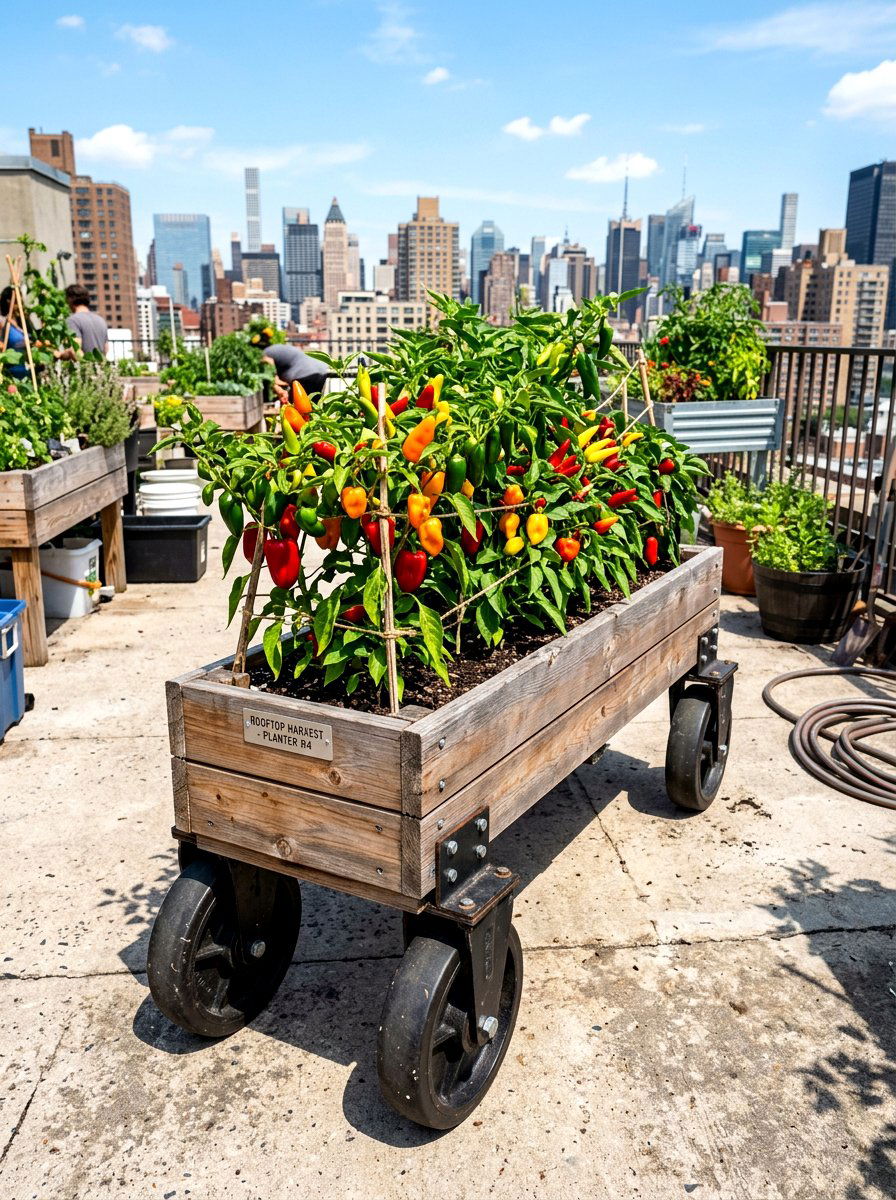
A rolling garden planter features a narrow bed mounted on heavy-duty wheels, providing the ultimate flexibility for your outdoor space. This allows you to chase the sunlight throughout the day or move your plants out of the way when you need more room for entertaining guests. These mobile beds are perfect for urban dwellers who have shifting shade patterns on their balconies or patios. You can easily roll your herb garden closer to the grill when cooking or into a sheltered area during a storm. The narrow profile ensures it can glide through standard doorways and along tight walkways. It is a practical and innovative gardening solution.
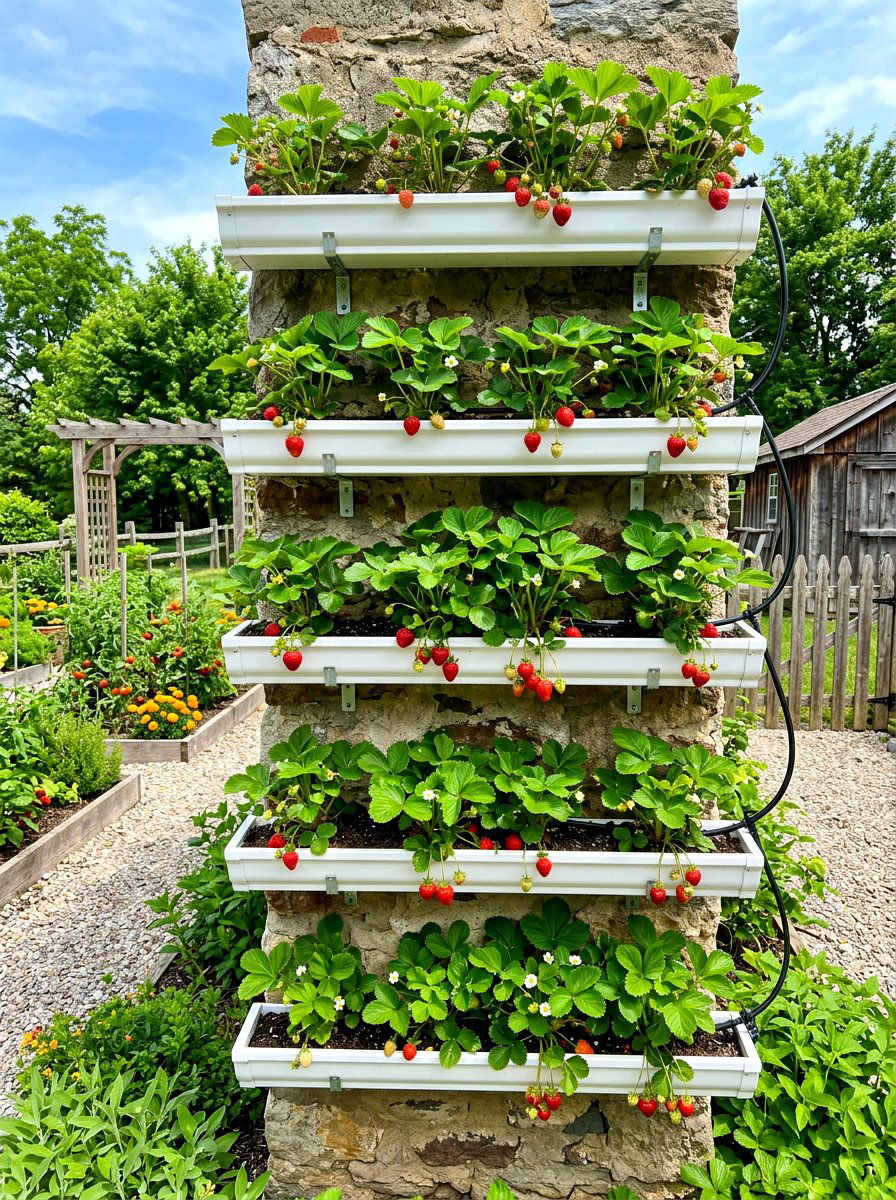
17. Vertical strawberry tower
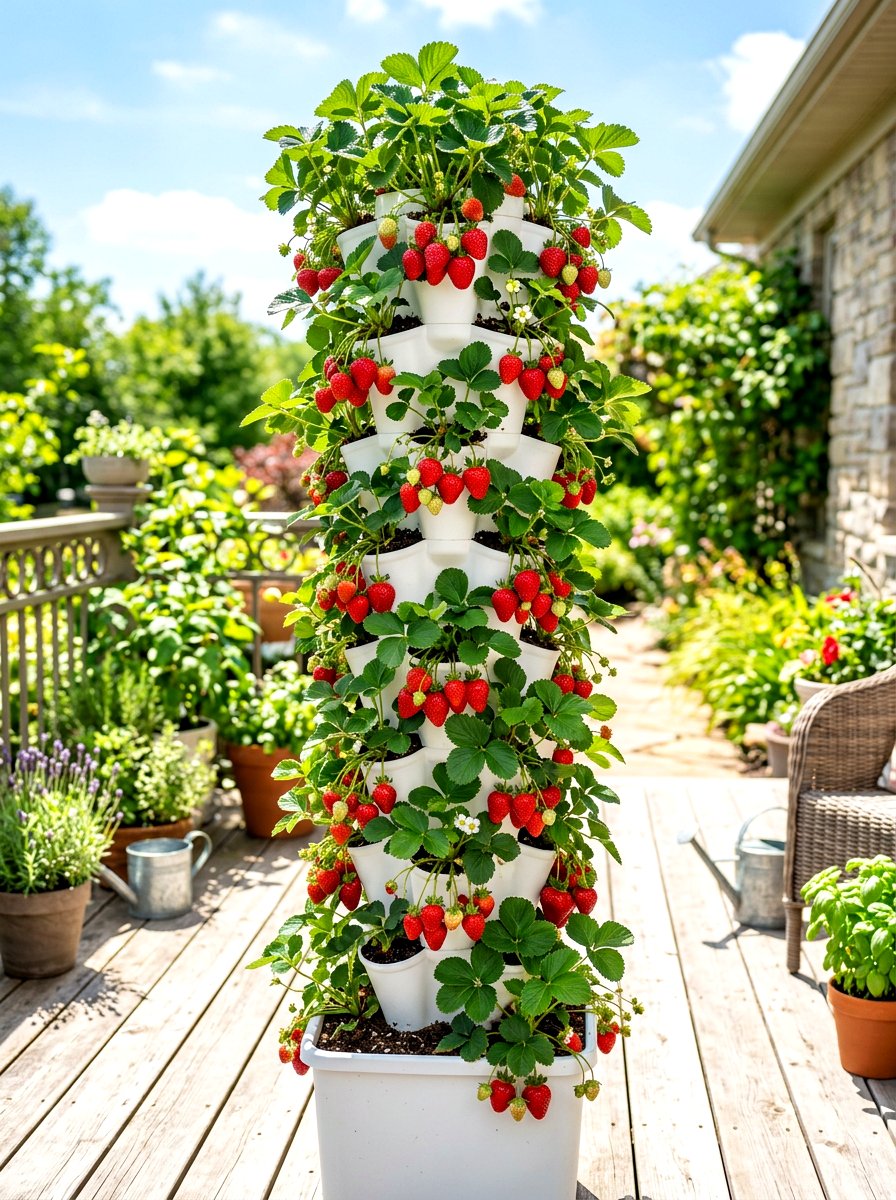
Growing strawberries in a narrow vertical tower is a fun and efficient way to produce a large harvest in a tiny area. These specialized planters feature multiple small pockets or tiers that allow the berries to hang down as they ripen. This keeps the fruit off the soil, preventing rot and protecting it from hungry ground-dwelling insects. A vertical tower can hold dozens of plants while only taking up a square foot of floor space on your deck. Most towers are designed for easy watering from the top, ensuring that every plant gets the moisture it needs. It is an attractive and delicious addition to any porch.
18. Sub irrigated planter box
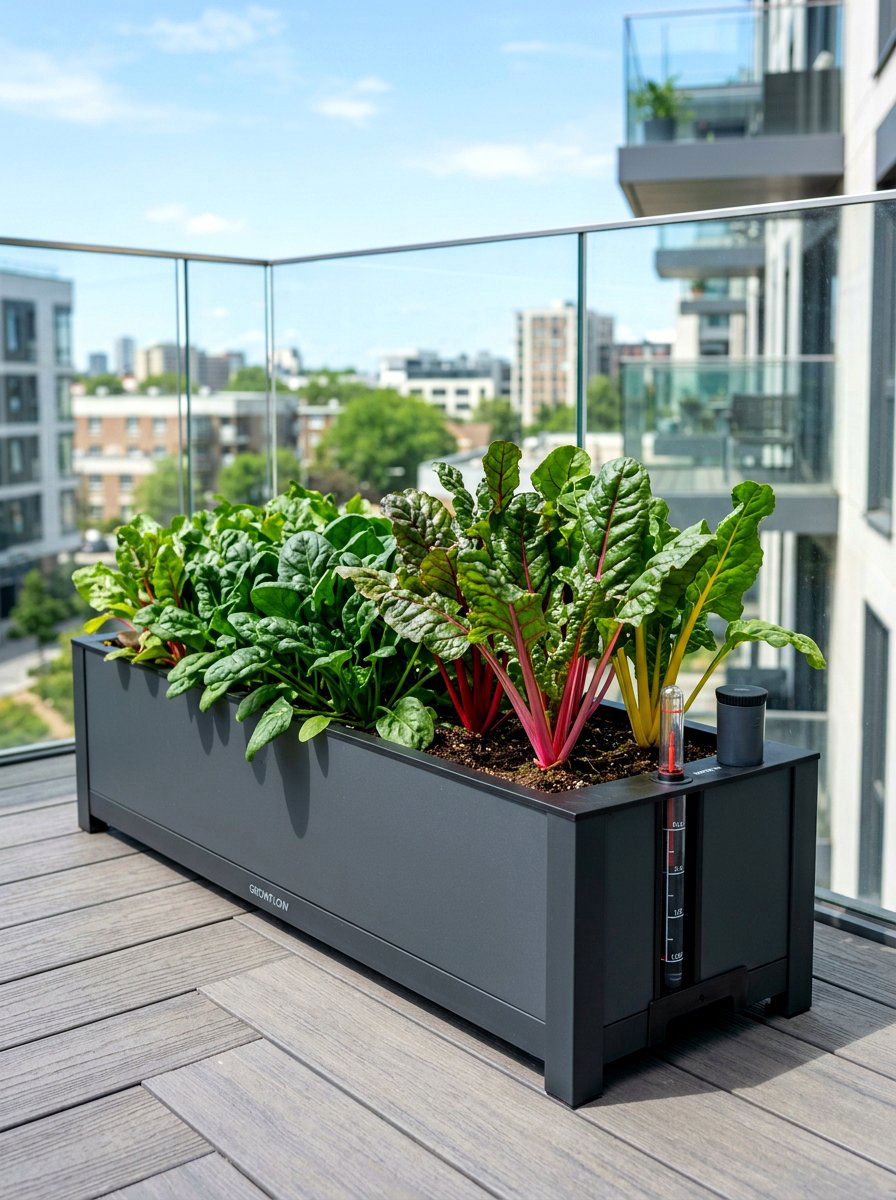
A sub-irrigated planter, often called a self-watering box, is a narrow bed with a built-in reservoir at the bottom. This design allows plants to wick up moisture as they need it, which is perfect for hot summer days when soil dries out quickly. These systems prevent overwatering and underwatering, leading to much healthier and more productive plants. They are especially useful for narrow balcony gardens where manual watering can be messy or difficult to keep up with daily. Because the water is contained, it also reduces the amount of nutrients that leach out of the soil. It is a high-tech way to ensure gardening success.
19. Cold frame garden bed
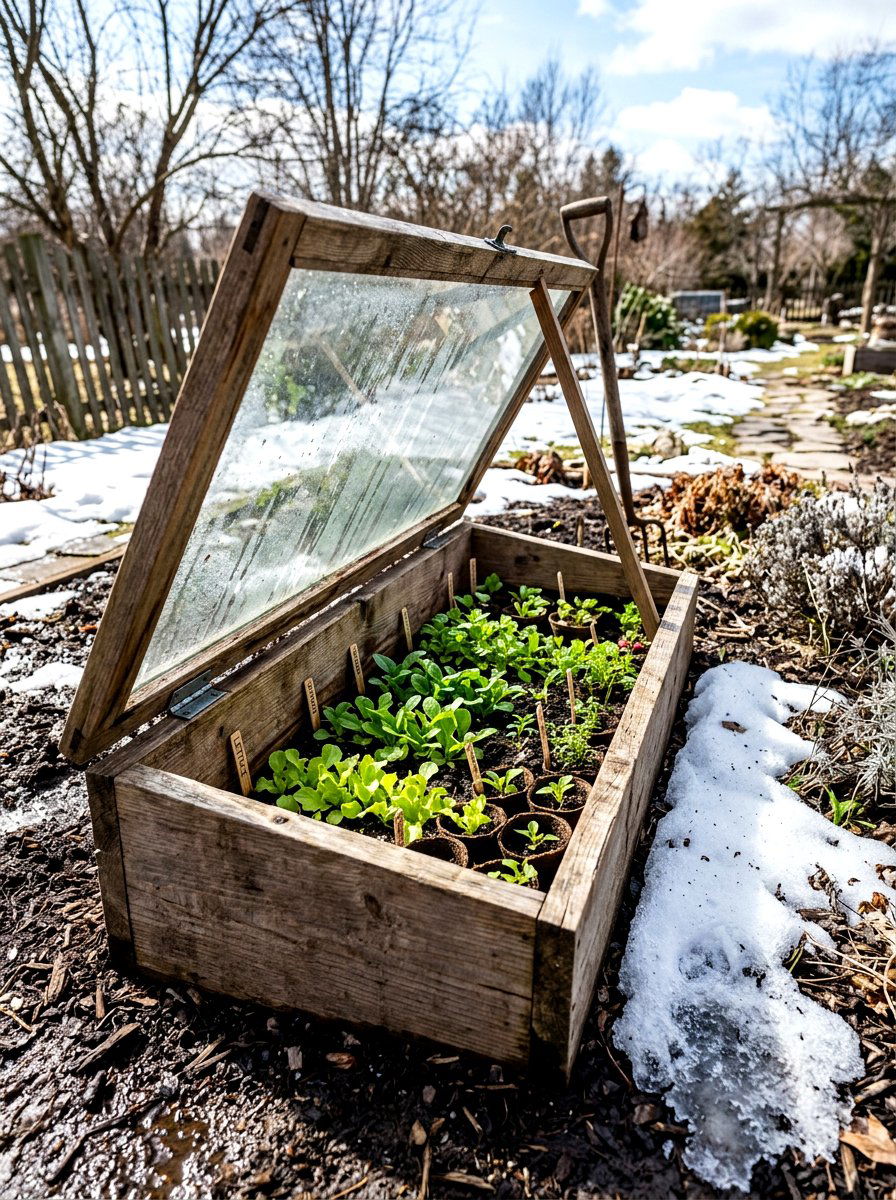
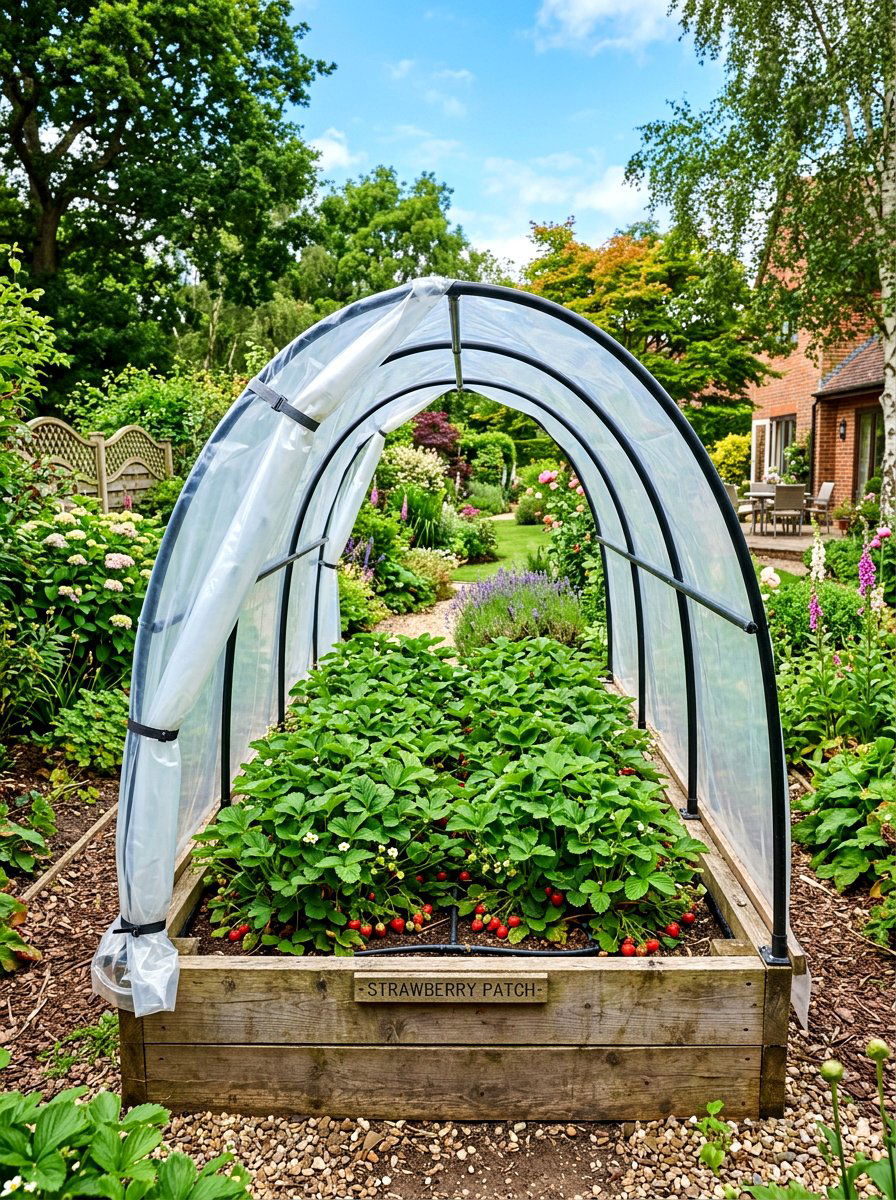
A cold frame is a narrow raised bed equipped with a transparent glass or plastic lid to trap heat. This acts like a mini-greenhouse, allowing you to start your seeds weeks earlier in the spring and keep growing late into the autumn. The narrow shape makes it easy to reach inside to tend to your young seedlings without losing too much heat. You can place these beds against a south-facing wall to maximize the amount of sunlight they receive during the day. It is an essential tool for dedicated gardeners who want to extend their growing season and enjoy fresh greens during the cooler months.
20. L shaped corner planter
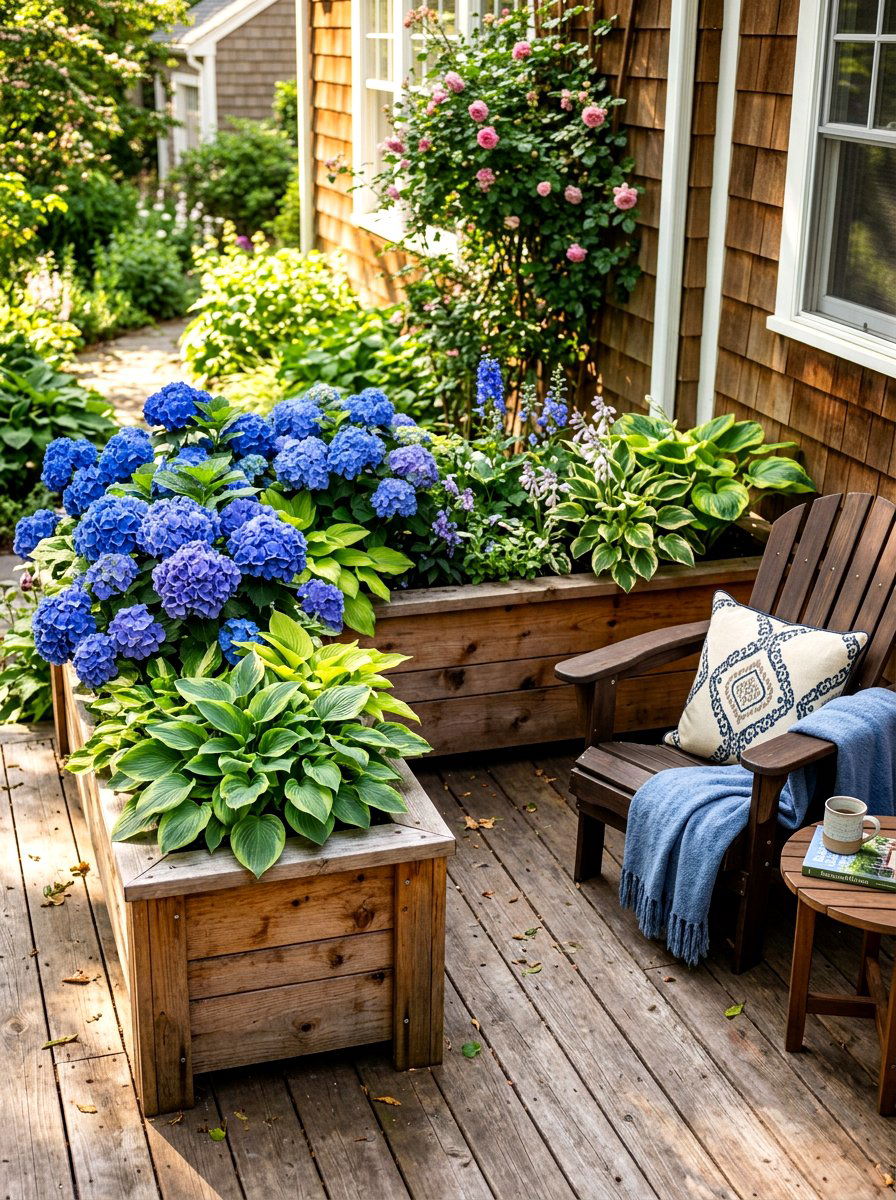
Utilizing the corners of your deck or patio with an L-shaped narrow planter is a smart way to gain more growing space without feeling cramped. These beds fit snugly into 90-degree angles that are often left empty or underused. By wrapping around the corner, they create a continuous line of greenery that frames your outdoor seating area beautifully. The narrow width ensures you can still access the corner without having to step into the bed itself. You can plant taller shrubs in the back and shorter flowers in the front for a layered, professional look. It is a great way to define the edges of your space.
21. U shaped garden layout
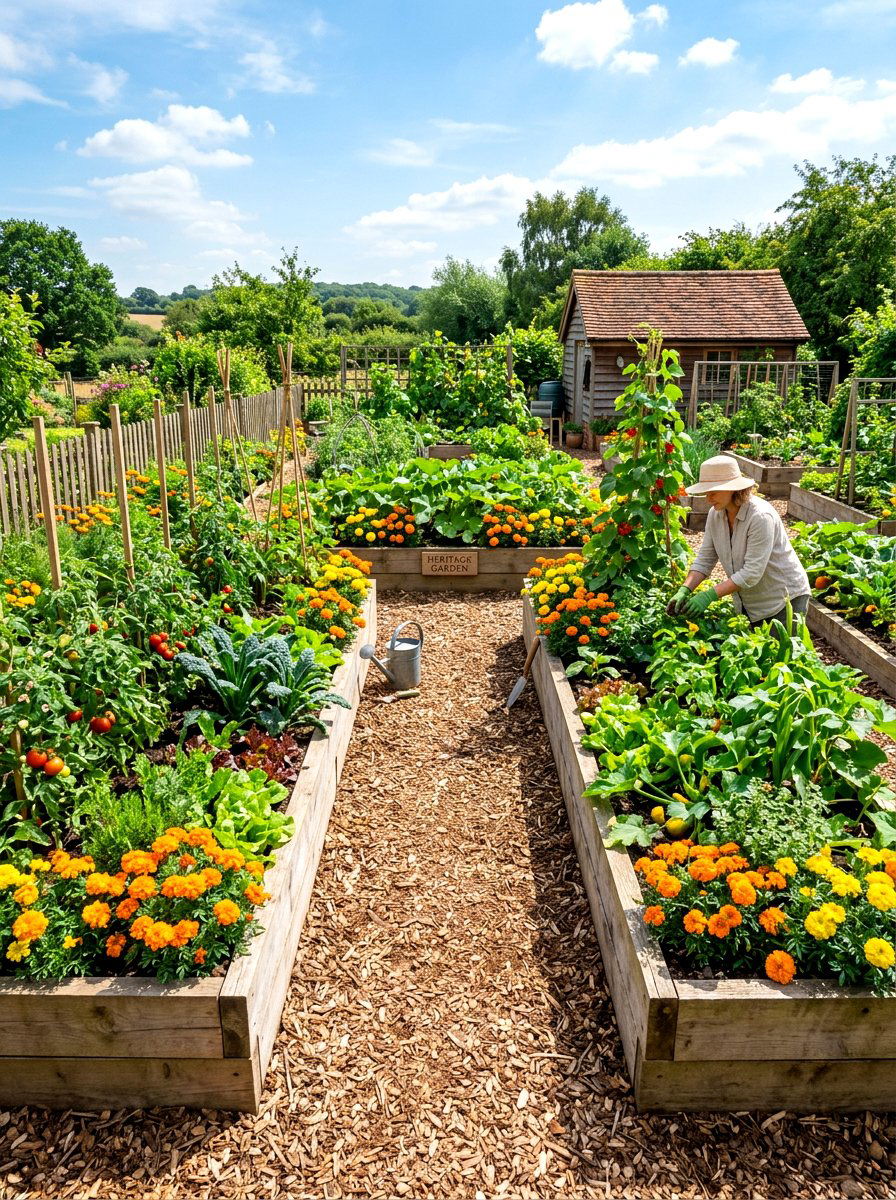
A U-shaped layout for narrow raised beds creates a cozy, walk-in garden experience that maximizes accessibility and planting area. By arranging three narrow beds in a U-shape, you create a central path where you can stand and reach every single plant with ease. This design is highly efficient for small backyards where you want to grow a significant amount of food in a organized way. The layout feels like a private garden sanctuary and makes chores like weeding and harvesting much more enjoyable. You can even add a small gate at the entrance to keep pets or children away from your delicate vegetable crops.
22. African keyhole garden
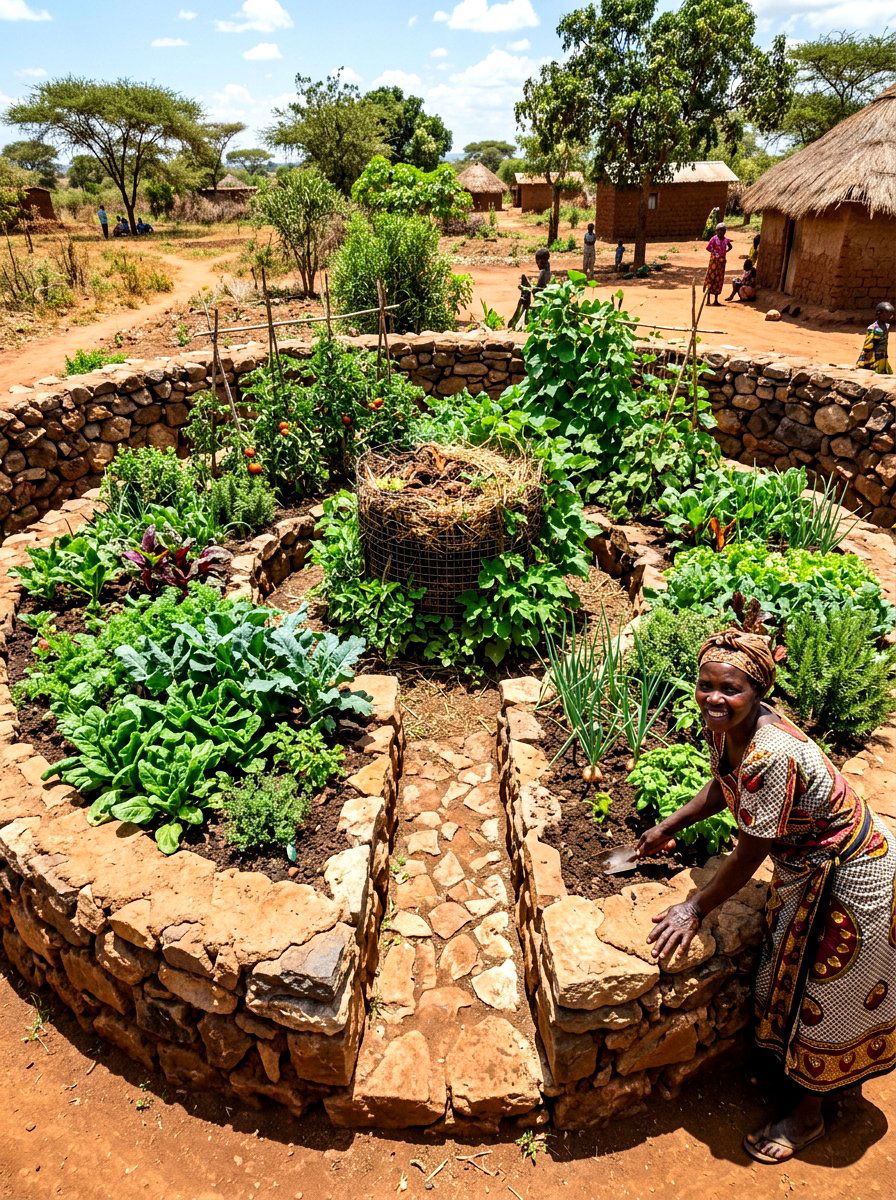
A keyhole garden is a circular or rectangular narrow bed with a notched walkway leading to a central composting basket. This design is incredibly efficient because you add kitchen scraps to the center, which naturally fertilizes the surrounding soil as they decompose. The narrow planting area around the perimeter ensures that you never have to step on the soil, keeping it loose and airy for roots. This ancient technique is perfect for small yards where you want to combine gardening and composting into one compact unit. It is a sustainable and highly productive method that saves water and creates rich, healthy soil for your plants.
23. Colorful painted planter
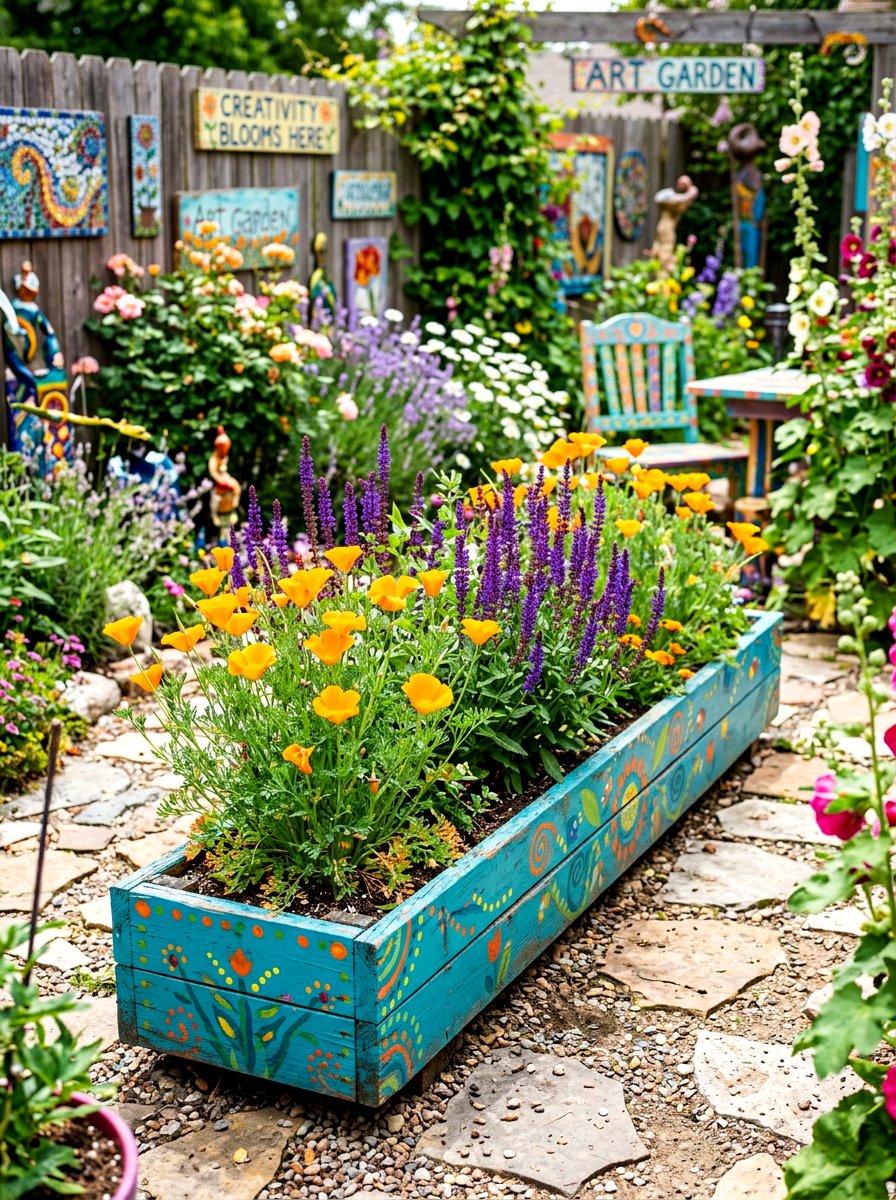
Injecting personality into your garden is easy with a narrow raised bed painted in a bold, vibrant color. Whether you choose a bright sunny yellow, a deep ocean blue, or a trendy sage green, a painted bed becomes a focal point in your yard. Use high-quality, outdoor-grade paint or stain that is safe for plants to ensure the color lasts through many seasons. This is a simple DIY project that can completely change the mood of your outdoor space and hide old or mismatched wood. It looks especially stunning when paired with flowers that complement or contrast with the bed’s color. It is pure garden joy.
24. Composite wood garden kit
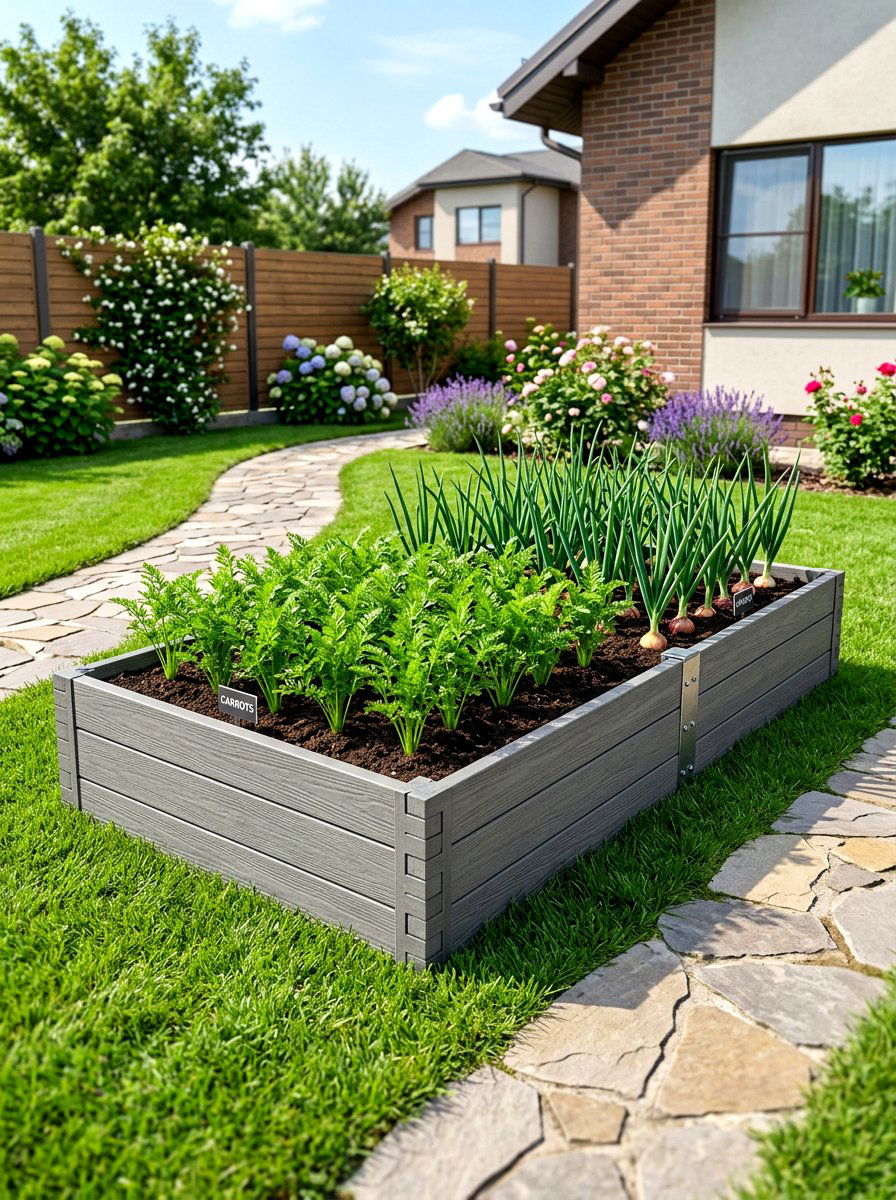
Composite wood garden beds are made from a mixture of recycled plastic and wood fibers, offering the best of both worlds. They look like natural wood but are completely resistant to rot, splinters, and fading, making them an incredibly durable choice for long-term use. These narrow beds usually come in easy-to-assemble kits with interlocking corners, requiring no tools for setup. Because the material is consistent and smooth, it provides a very clean and modern look for your patio or yard. They are an eco-friendly option that uses recycled materials to help you grow your own sustainable food. It is a smart investment for any gardener.
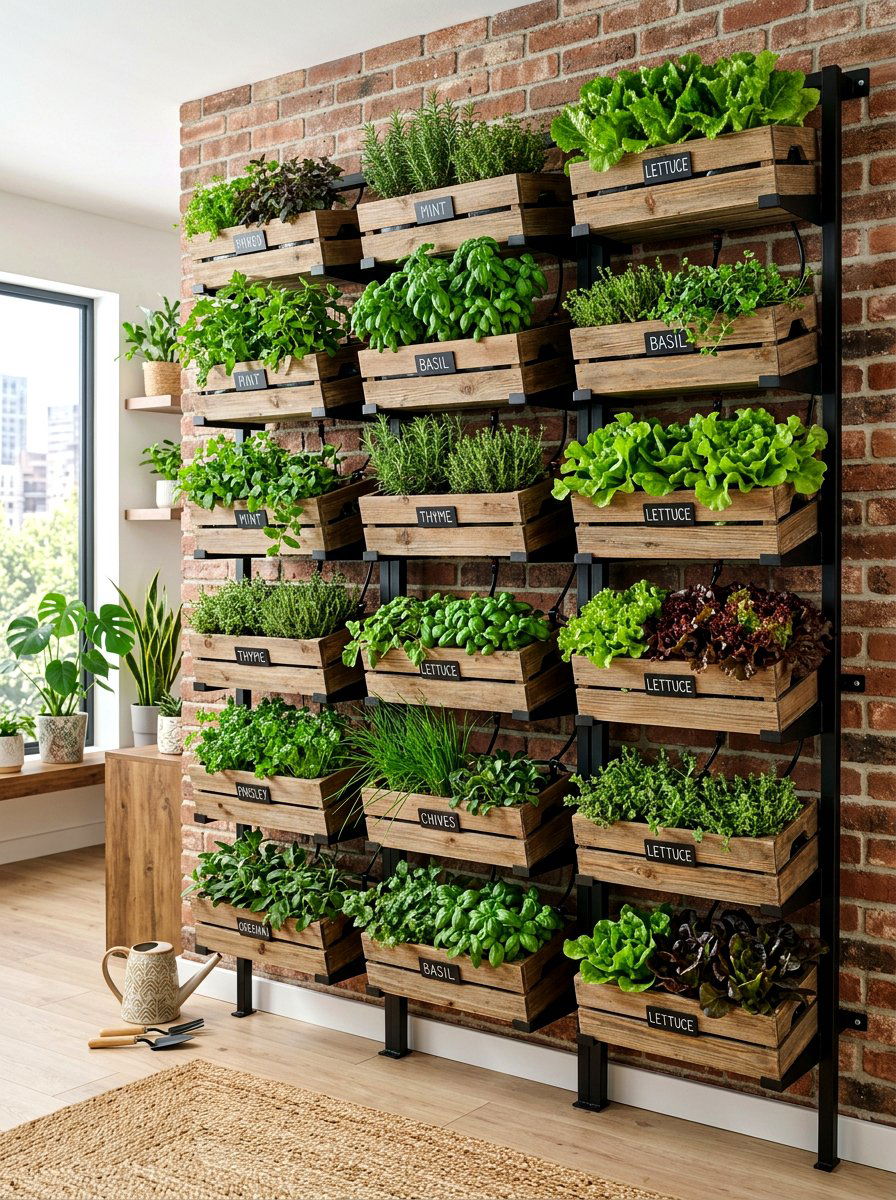
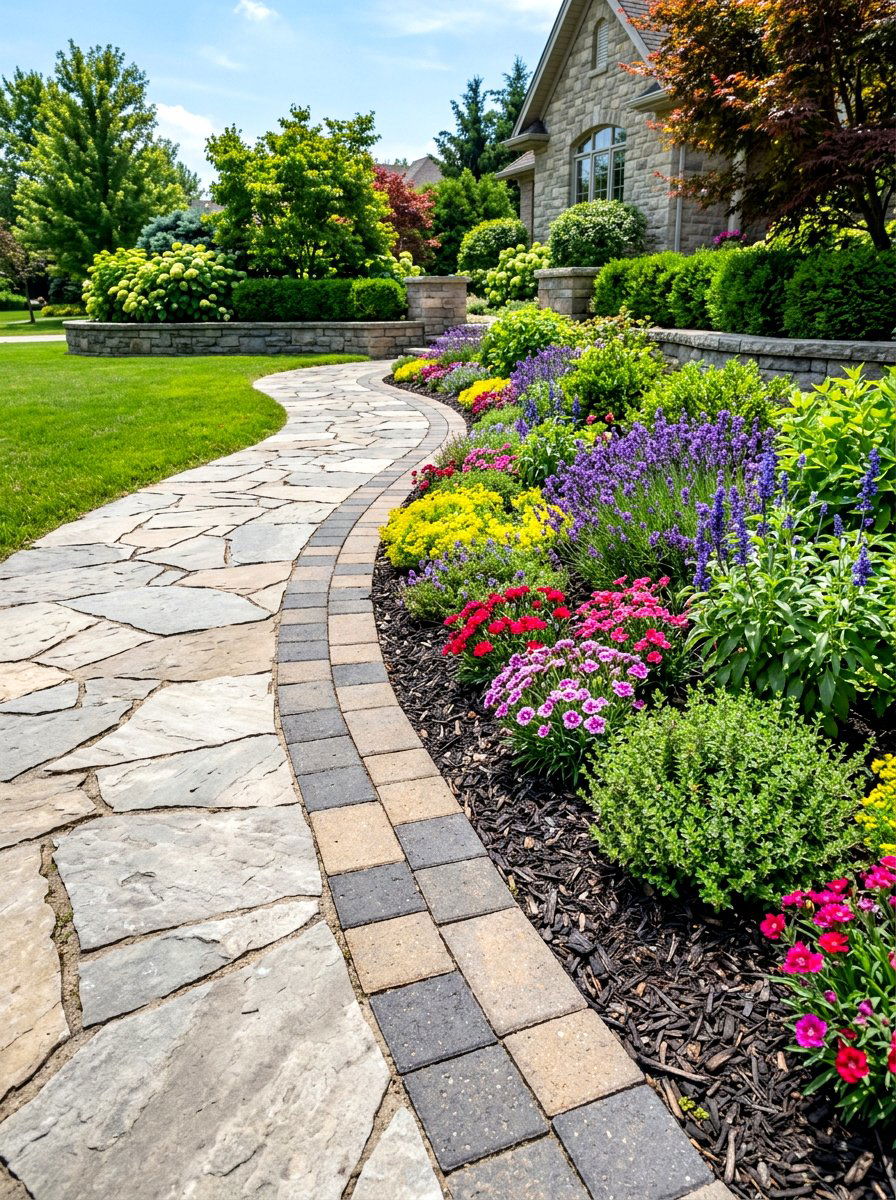
25. Slim garden edging
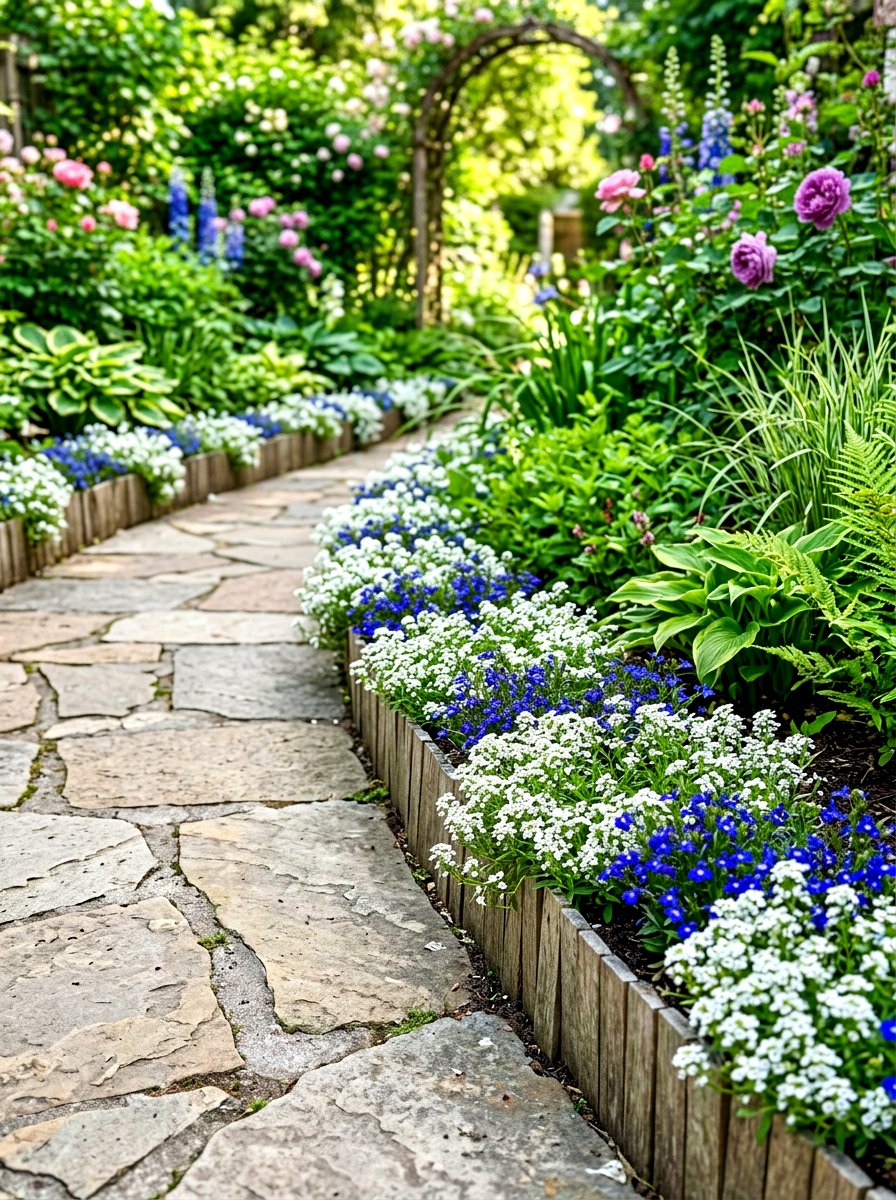
Using slim raised beds as a form of garden edging is a clever way to define paths and borders while adding more planting space. Instead of a simple flat border, these very narrow beds lift your flowers or herbs a few inches off the ground, creating depth and visual interest. They help keep grass and weeds from encroaching into your main garden areas while providing a neat, finished look to your landscaping. You can use them to line a driveway or a front walkway, welcoming guests with a row of fragrant lavender or colorful petunias. It is a functional and decorative way to organize your outdoor property.
26. Herb spiral planter
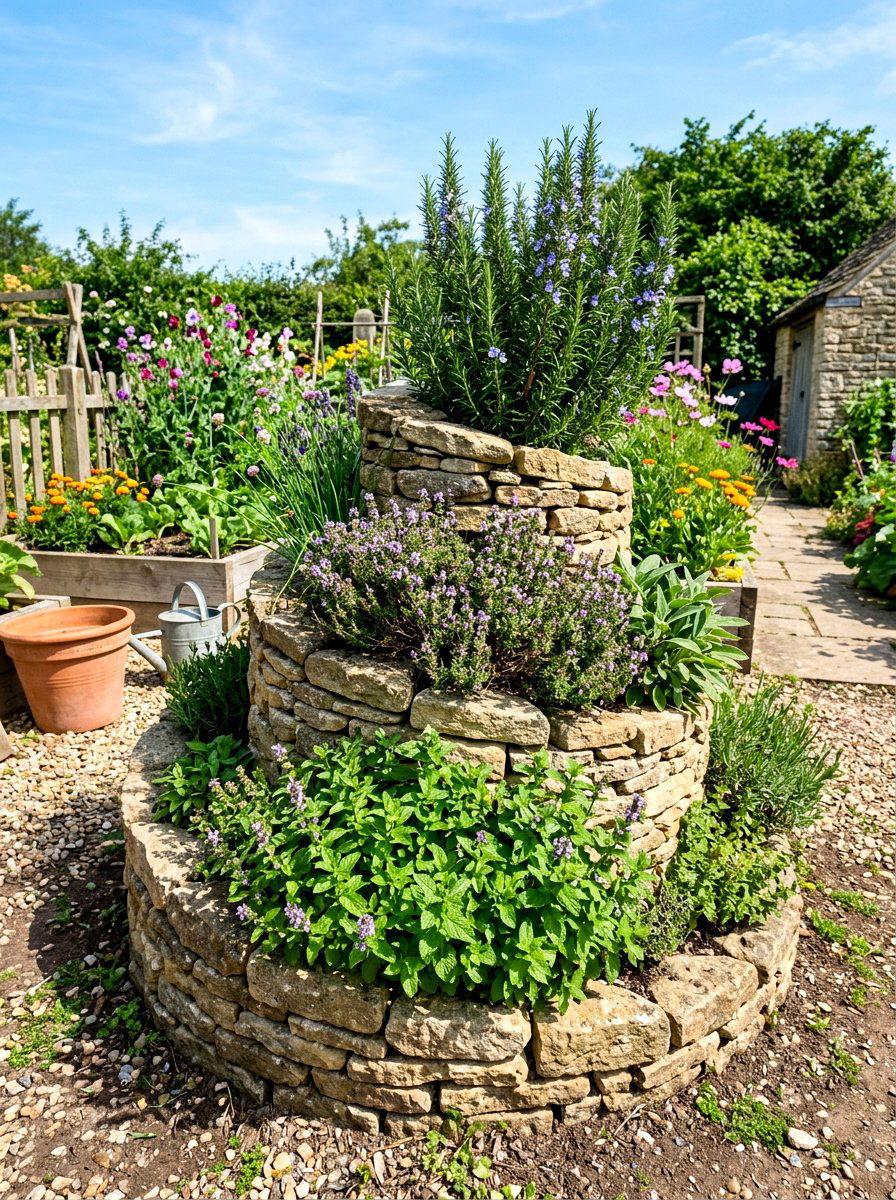
An herb spiral is a unique, vertical garden design that uses a narrow, winding path to create different microclimates for various herbs. By building the bed upwards in a spiral, the top stays drier and sunnier for Mediterranean herbs like rosemary, while the bottom stays cooler and moister for mint or parsley. This allows you to grow a wide variety of plants in a very small circular footprint. The structure is often built from stones or bricks, adding a beautiful sculptural element to your garden. It is a highly efficient way to keep all your favorite culinary herbs within easy reach of the kitchen door.
27. Privacy screen garden box
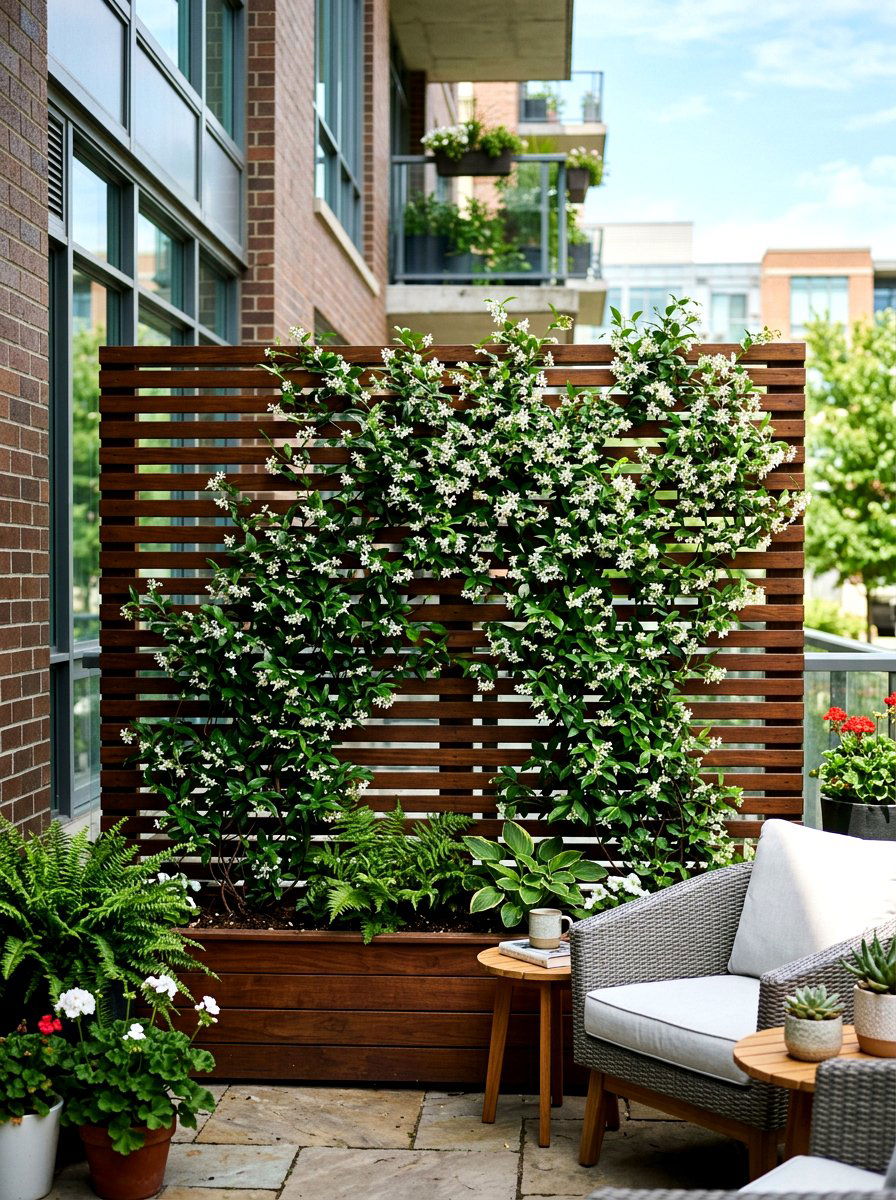
A privacy screen garden box features a tall, narrow trellis or slat wall attached to the back of a slim raised bed. This dual-purpose structure provides a place for your plants to grow while also blocking the view from neighbors or the street. It is an ideal solution for townhomes or urban balconies where privacy is often hard to come by. You can plant fast-growing vines or tall ornamental grasses to create a lush, living wall that feels natural and inviting. The narrow bed at the base keeps the structure stable while providing a home for colorful annuals that brighten up the bottom of the screen.
28. Retaining wall garden
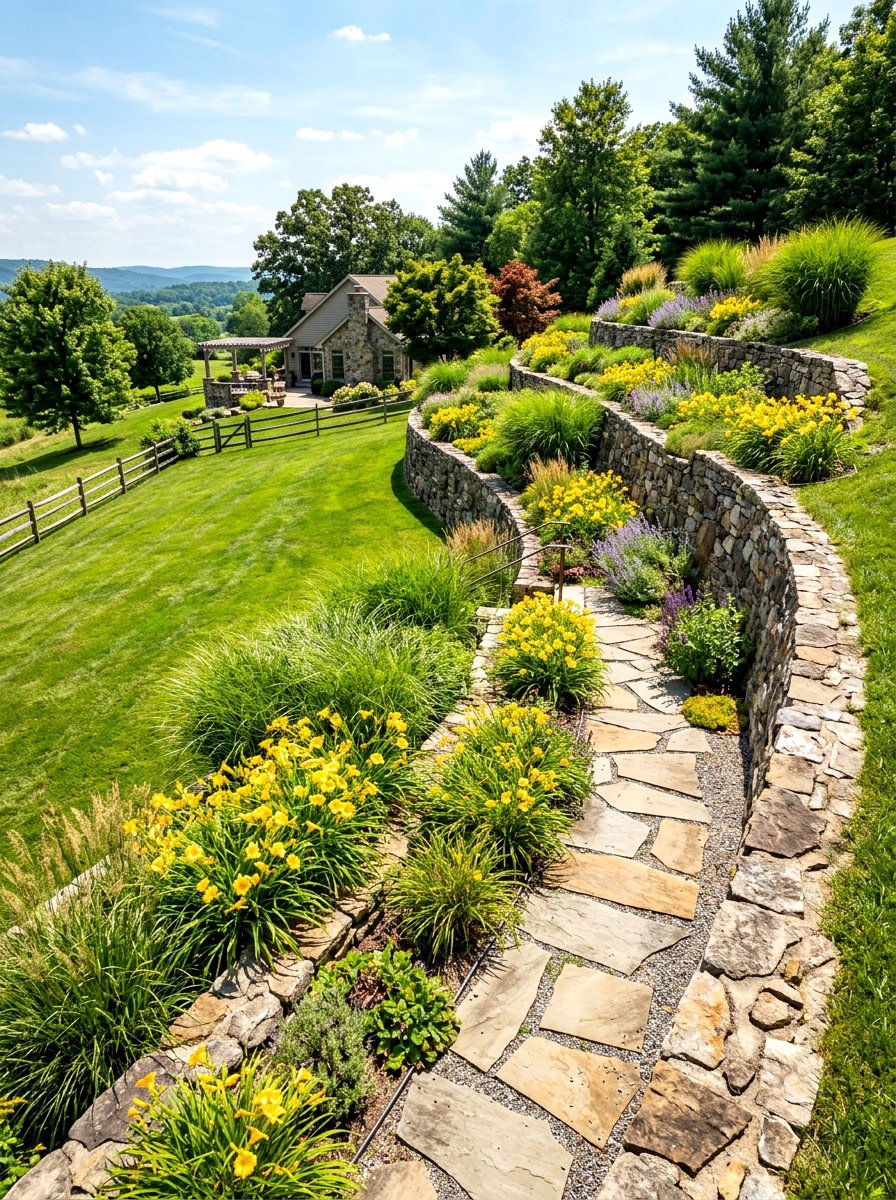
If your yard has a slope, you can use narrow raised beds as functional retaining walls to create flat, terraced planting areas. This helps to prevent soil erosion and makes a hilly backyard much more usable for gardening. By building a series of narrow beds up the hill, you create a beautiful stepped effect that adds a lot of character to your landscape. Each level can be dedicated to different types of plants, such as vegetables on one tier and flowers on another. This approach turns a difficult landscape challenge into a stunning and productive garden feature. It is a great way to maximize your land.
29. Flagstone garden bed
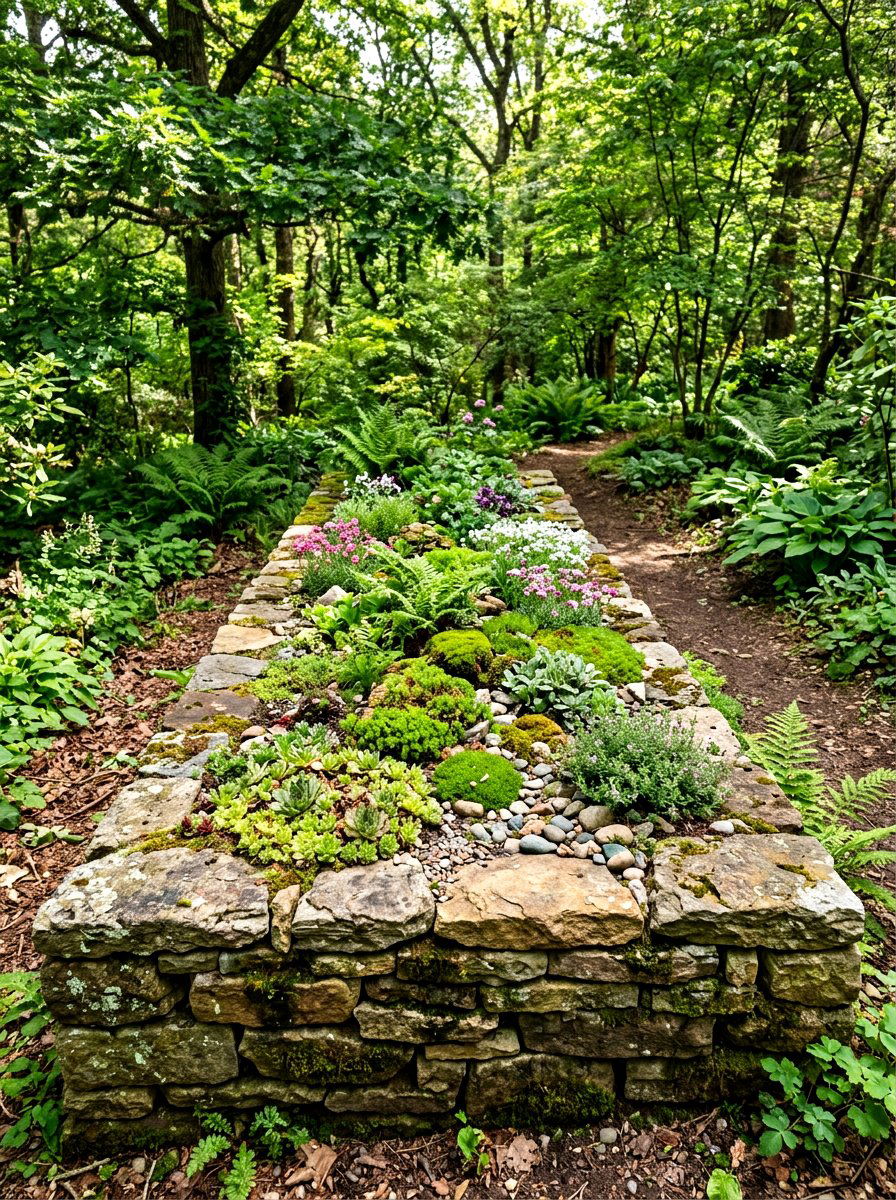
Flagstone raised beds offer a rugged, natural beauty that looks like it has been part of your garden for decades. These beds are constructed by stacking flat pieces of flagstone to create a narrow, sturdy wall that holds the soil. The irregular shapes and earthy colors of the stone provide a rustic charm that works perfectly in woodland or rock gardens. Because the stones are heavy and durable, these beds are very stable and will not shift over time. They are excellent for growing alpine plants or small succulents that thrive in well-drained, rocky environments. It is a high-end look that requires minimal maintenance after installation.
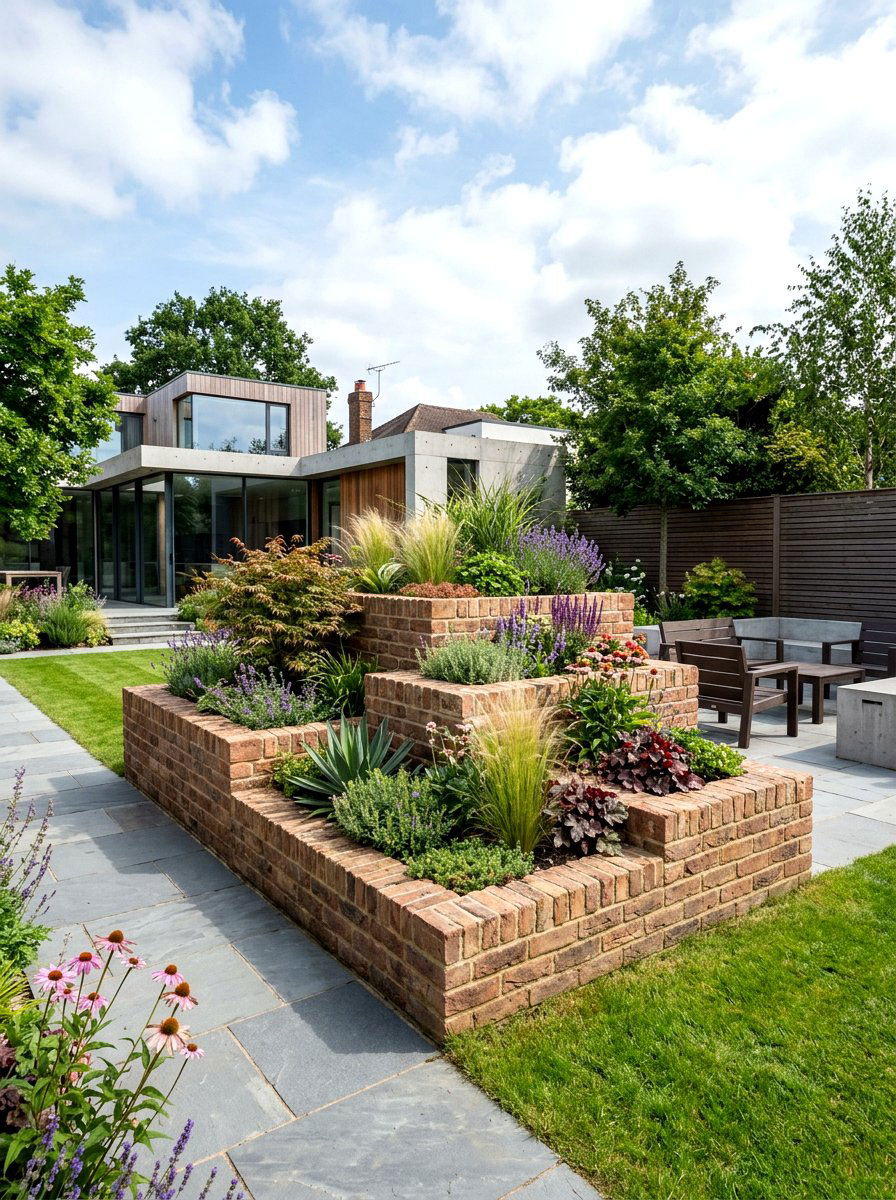
30. Multi level step garden
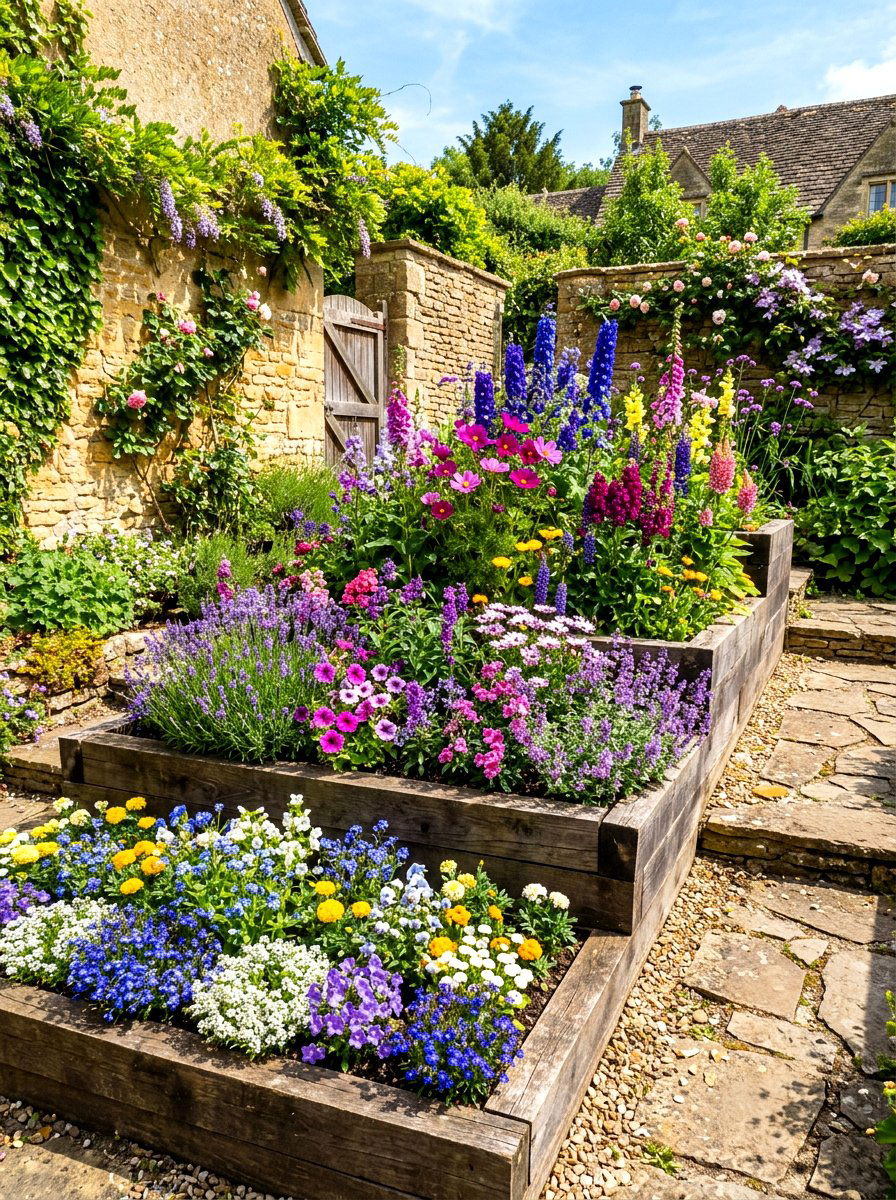
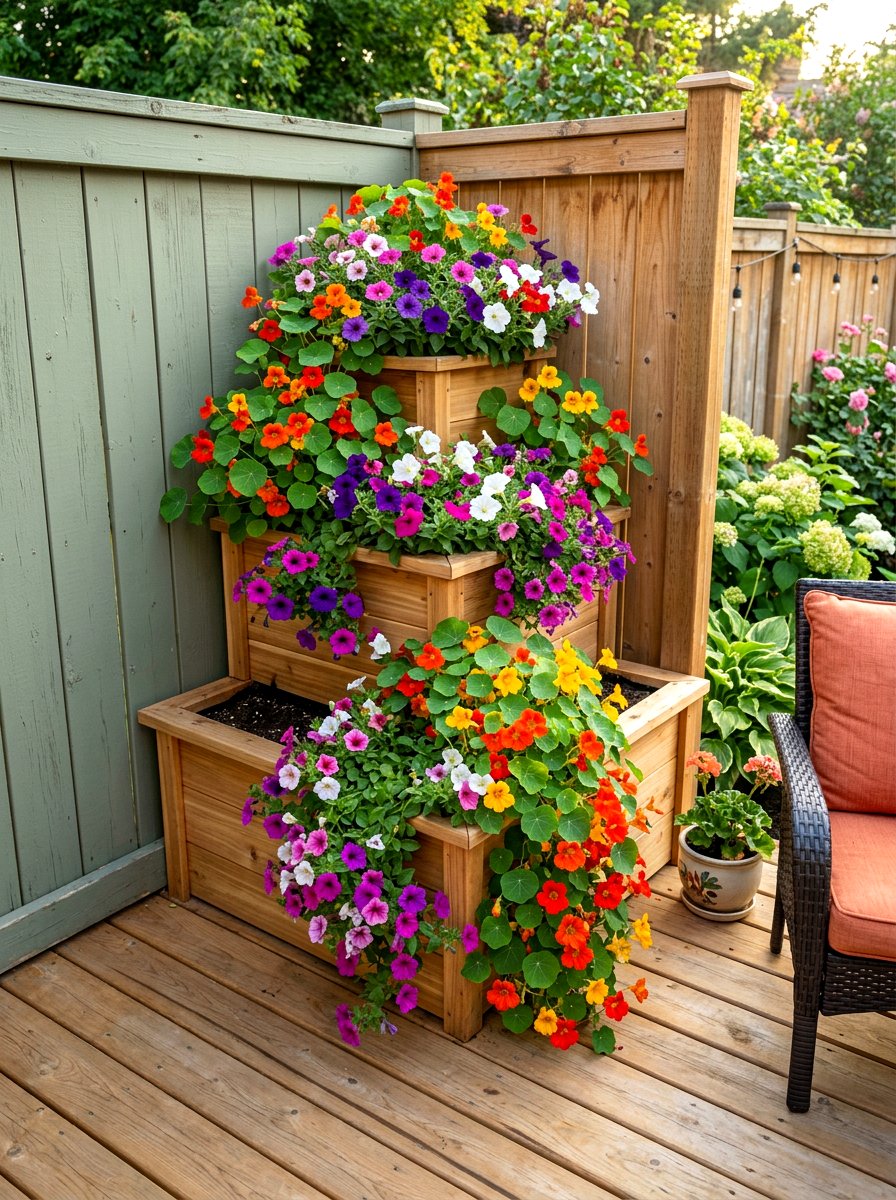
A multi-level step garden consists of several narrow raised beds of varying heights arranged together to create a tiered appearance. This design is visually dynamic and allows you to organize your plants based on their sunlight and water needs. Taller beds can house deep-rooted vegetables, while shorter ones are perfect for shallow-rooted flowers or greens. The "staircase" effect makes it easy to see and reach every plant without anything being hidden in the back. This style is especially effective when placed against a fence or a home’s exterior wall. It creates a lush, cascading wall of foliage that transforms a flat space into a vertical oasis.
Conclusion:
Investing in narrow raised beds is one of the smartest decisions any gardener can make to enhance their outdoor living space. These versatile structures solve the most common gardening challenges, from poor soil quality to limited ground area, while adding significant aesthetic value to your home. By choosing the right materials and layouts, you can create a productive and beautiful garden that fits your specific lifestyle and space requirements perfectly. Whether you prefer the rustic charm of cedar or the sleek look of black metal, there is a narrow bed design for everyone. Start your small-space gardening journey today and enjoy the bounty of a fresh, home-grown harvest.

Related posts: