Creating a beautiful and productive backyard often starts with choosing the right materials for your planting areas. Brick raised beds are a fantastic choice for homeowners who value both longevity and timeless style in their landscape. Unlike wooden frames that may eventually rot or require frequent staining, bricks offer a permanent solution that gracefully weathers over time. These sturdy structures provide excellent insulation for plant roots, keeping the soil temperature more stable during extreme heat or cold snaps. Beyond their practical benefits, brick planters serve as elegant hardscaping features that add structure and architectural interest to your garden, making them a favorite for viral Pinterest inspiration.
1. Red brick planter
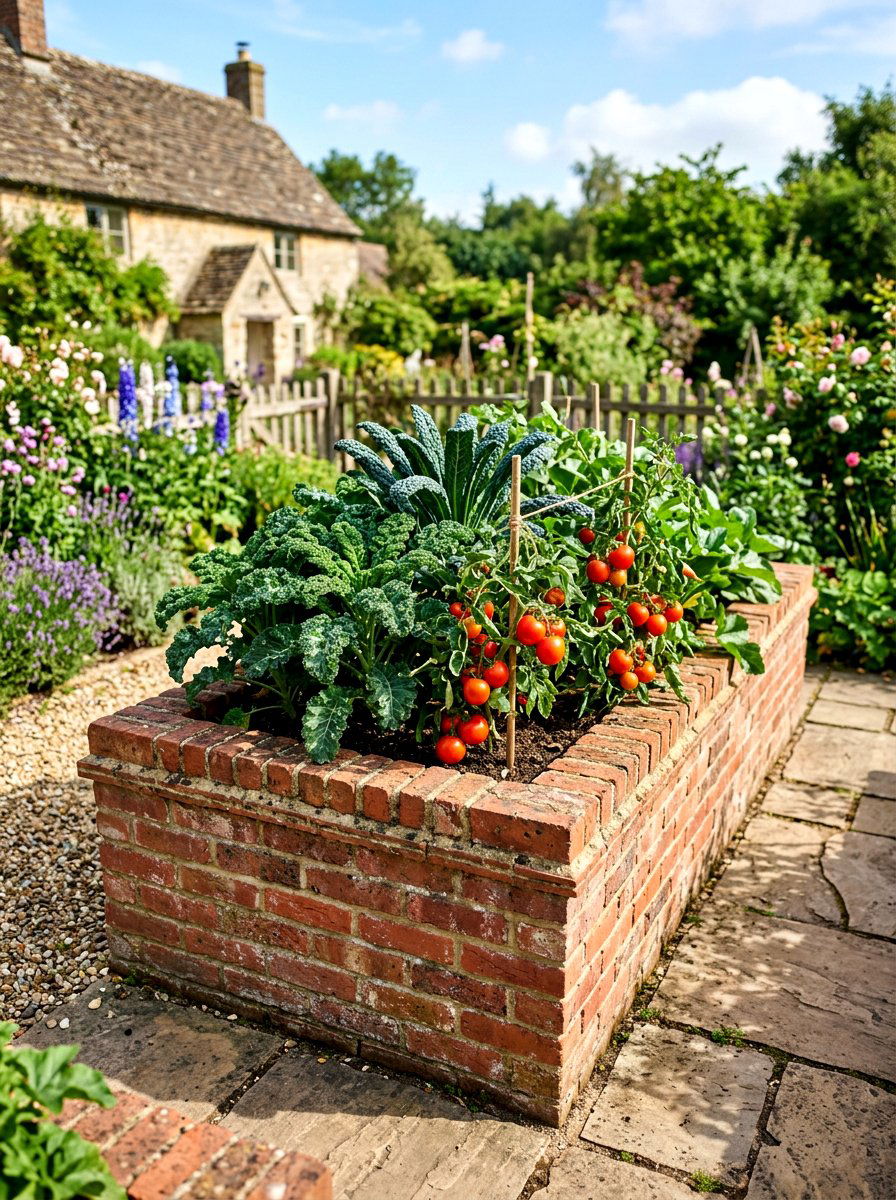
Red brick planters offer a classic and traditional look that instantly warms up any outdoor space. The deep terracotta hues of the clay provide a stunning natural contrast against the vibrant greens of leafy vegetables and the bright colors of blooming flowers. These structures are highly durable and can easily withstand the elements for many decades without losing their structural integrity. You can build them with a simple mortar finish to create a polished, permanent feature in your backyard. Many gardeners prefer this style because it complements older homes and farmhouse aesthetics perfectly. When filled with high-quality soil, these beds provide a healthy, well-draining environment for your favorite plants to thrive.
2. Curved brick garden wall
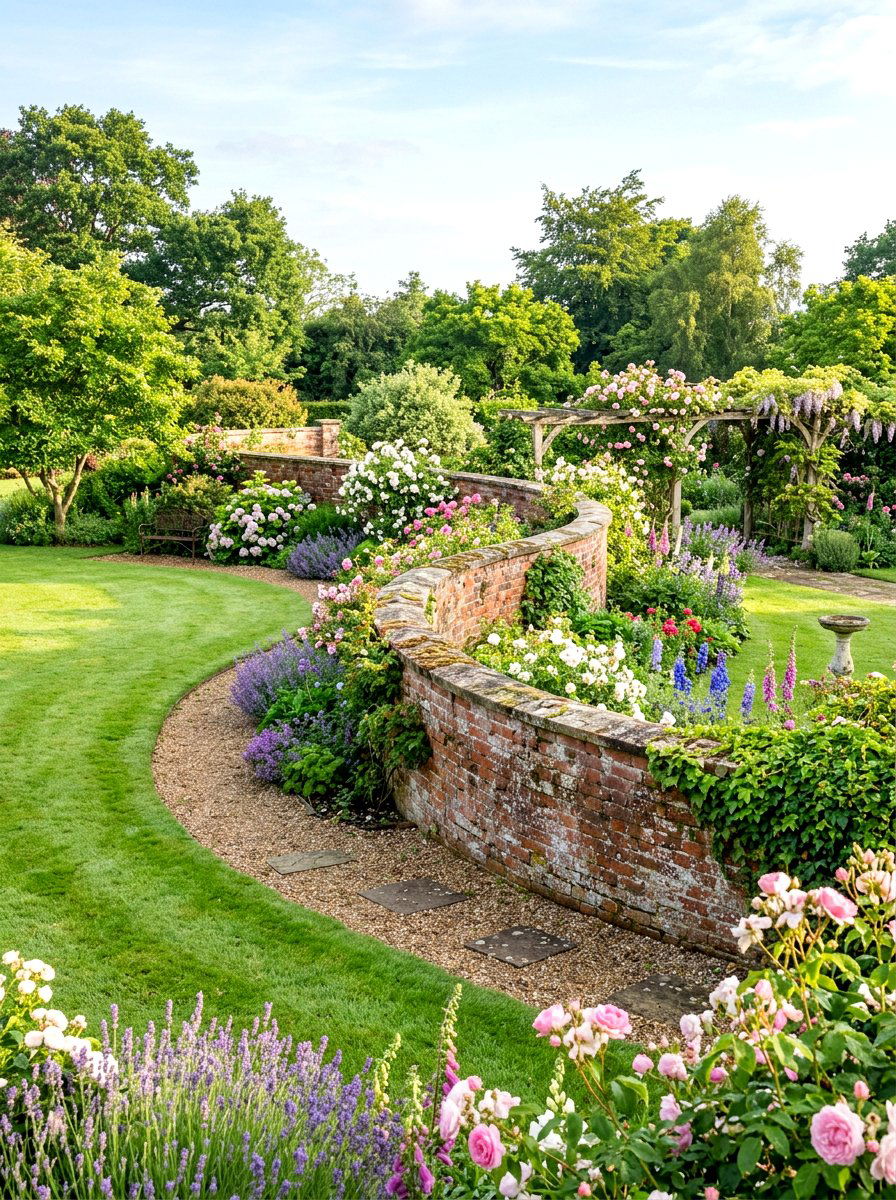
A curved brick garden wall adds a soft, organic flow to your landscape design that straight lines simply cannot achieve. These winding structures are perfect for framing a patio or following the natural contours of a sloped yard. Building a curved bed requires a bit more planning, but the visual reward is a sophisticated and professional-looking garden. This design choice helps to break up the harsh angles of a typical rectangular lot, making the space feel more inviting and expansive. Because bricks are small and modular, they are the ideal material for creating smooth, sweeping arcs. They look particularly beautiful when planted with cascading flowers that spill over the edges.
3. Reclaimed brick garden bed
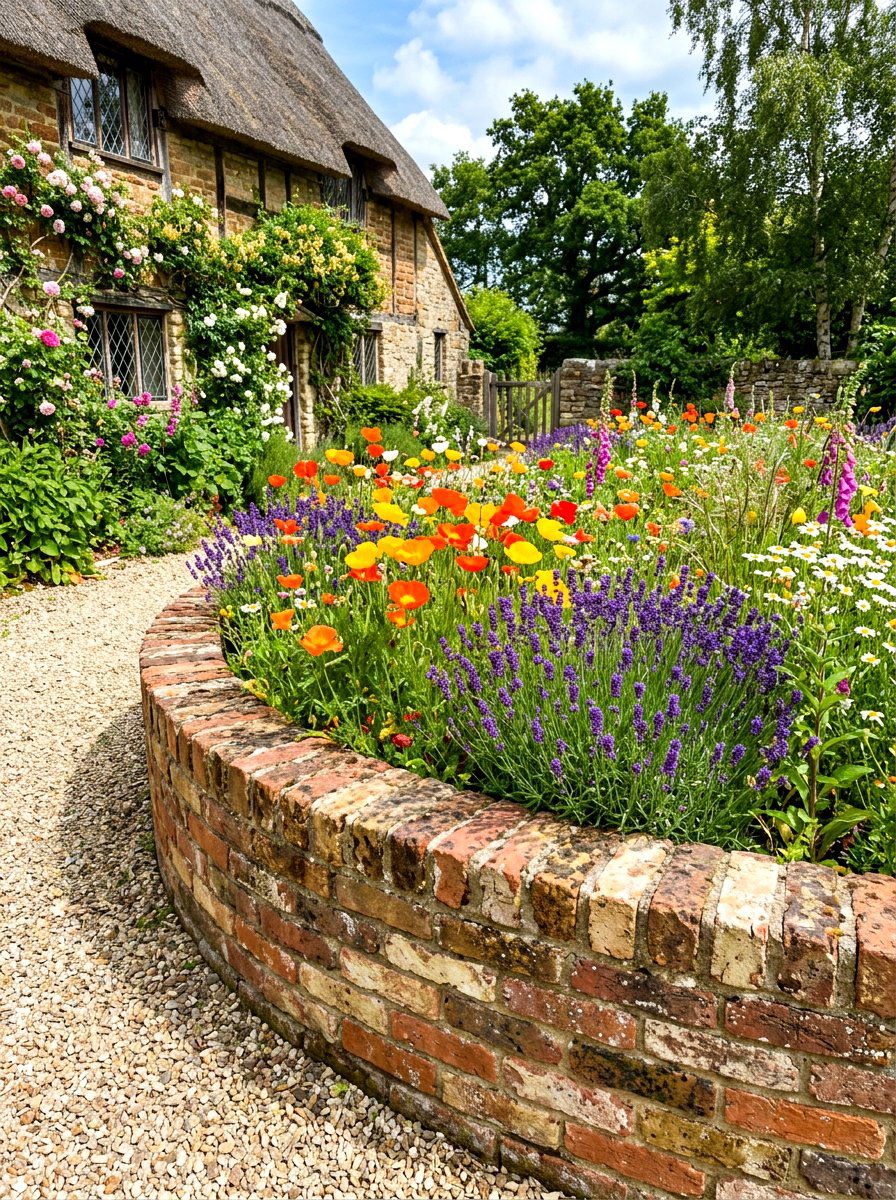
Using reclaimed materials is a wonderful way to add history and character to your garden beds. Reclaimed brick garden beds often feature unique textures, weathered edges, and a variety of subtle color shifts that you won't find in new materials. This approach is environmentally friendly because it breathes new life into salvaged construction supplies. These beds look exceptionally well in rustic or cottage-style gardens where a lived-in feel is desired. Each brick tells a story, contributing to a landscape that feels established and soulful. When you stack these bricks, you create a sturdy, heavy-duty planter that serves as a focal point while supporting healthy root growth for your herbs.
4. Circular brick flower bed
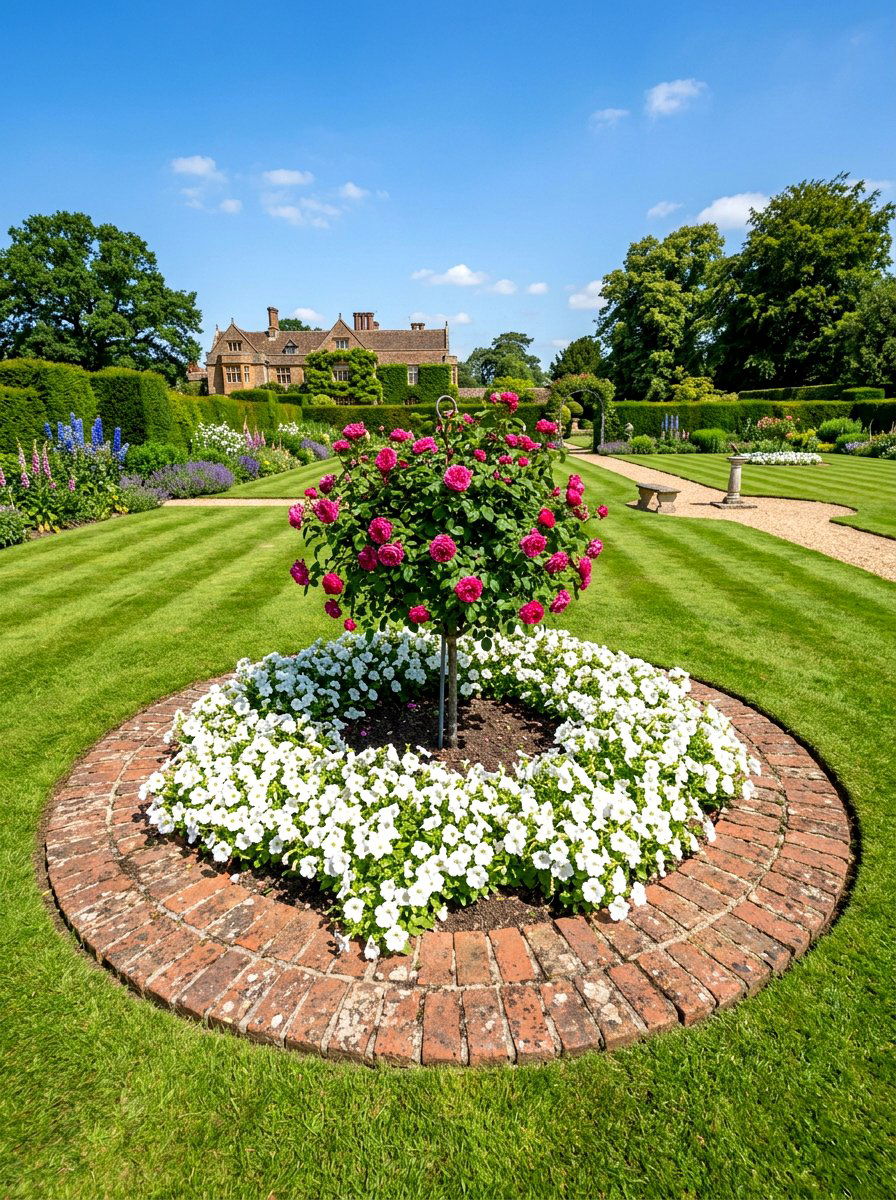
A circular brick flower bed acts as a stunning centerpiece in the middle of a lawn or at the end of a path. This shape allows for easy access from all sides, making it a very practical choice for maintenance and harvesting. You can use this design to highlight a specific specimen plant, like a dwarf fruit tree or a spectacular rose bush. The rounded shape provides a sense of balance and symmetry that draws the eye inward. Bricks are easily adjusted to form a perfect circle, especially when using a central stake as a guide during construction. This layout is a favorite for creating formal, elegant garden displays that look expensive.
5. Tiered brick vegetable garden
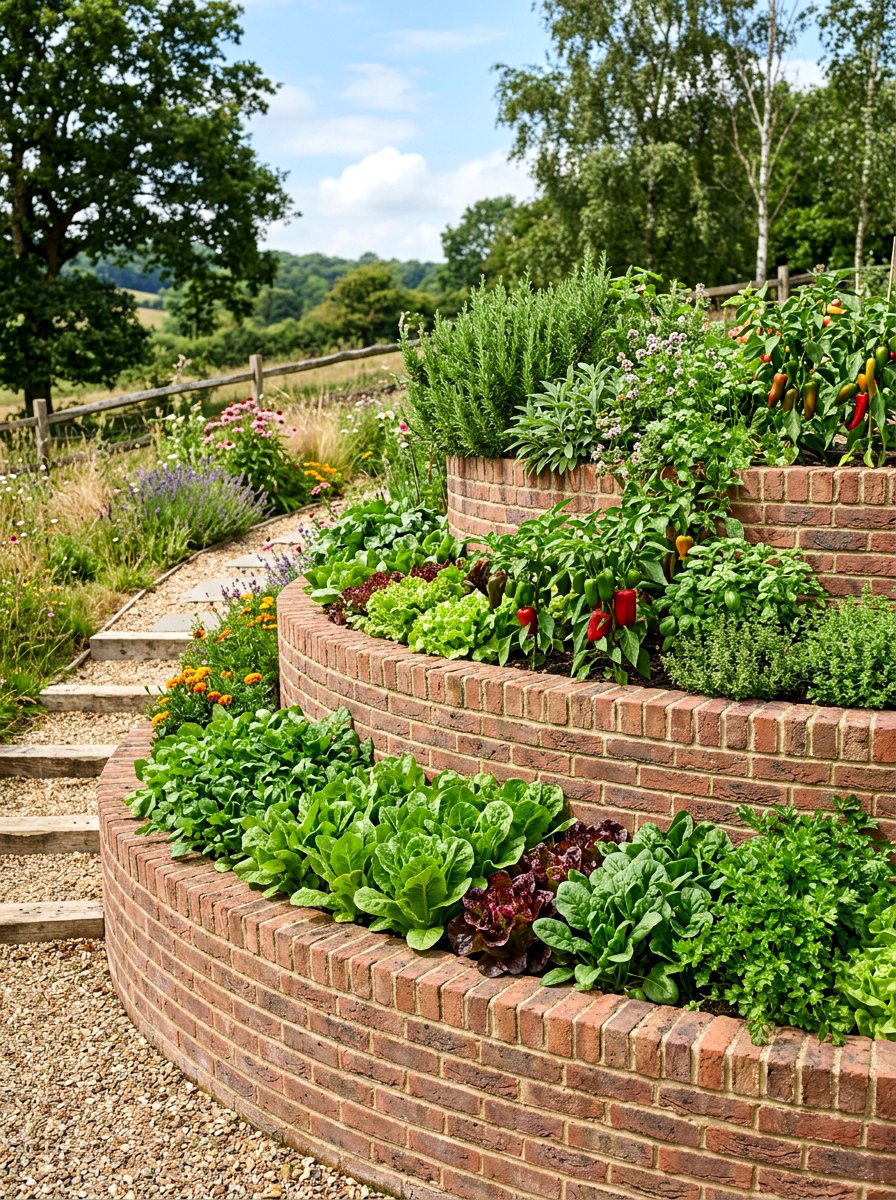
Tiered brick vegetable gardens are an ingenious way to maximize planting space in a small or sloped backyard. By building different levels, you can separate your crops based on their specific needs, such as sunlight requirements or water preferences. The varying heights create a dynamic visual effect that makes the garden look more like a living sculpture. Lower tiers are perfect for root vegetables like carrots, while the higher levels can house sprawling plants like tomatoes or peppers. This multi-level approach also makes gardening much easier on your back, as you don't have to bend down as far to reach the upper sections of the brick structure.
6. Double brick wall planter
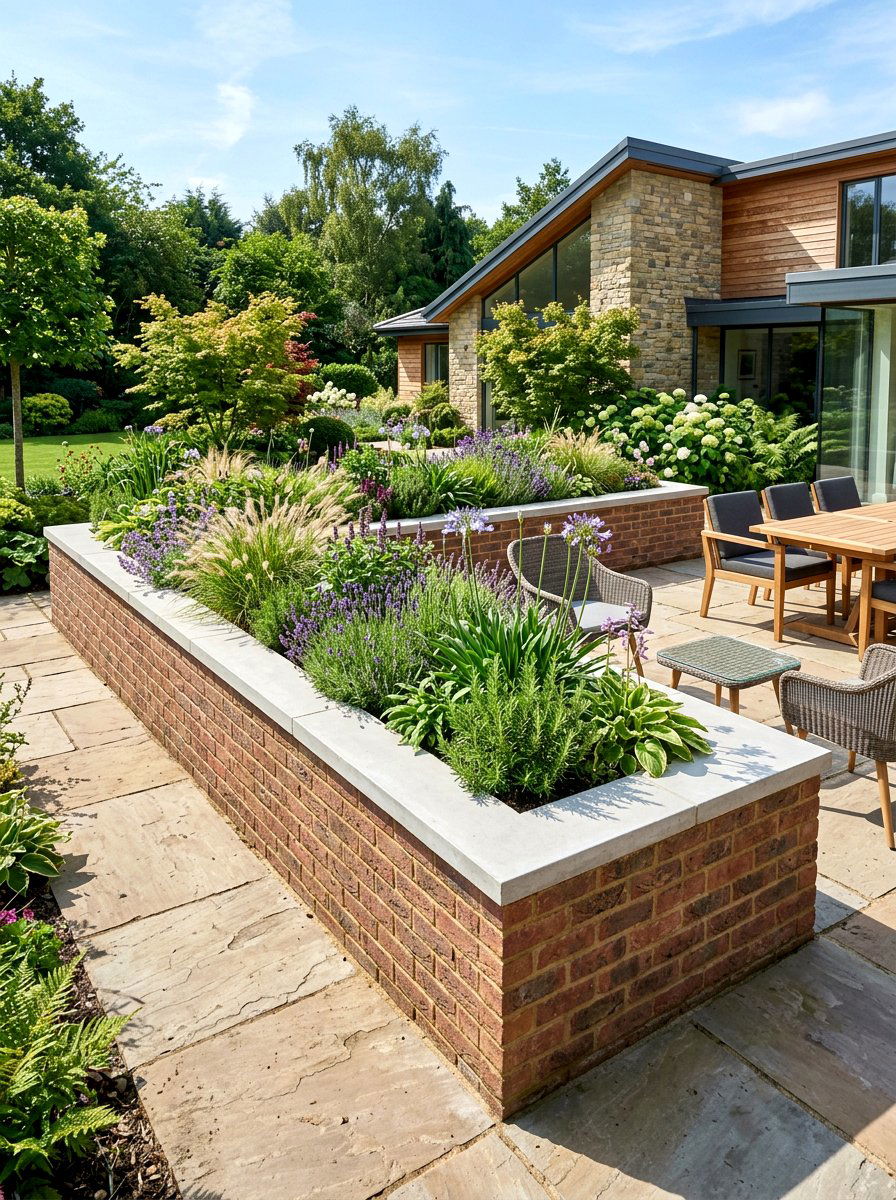
A double brick wall planter provides extra stability and a thicker, more substantial look to your raised beds. This design involves building two parallel rows of bricks and occasionally tying them together for maximum strength. The wide top edge of the wall can even serve as a narrow ledge for setting down garden tools or small potted plants. This sturdy construction is ideal for very large beds or locations where the soil pressure is high. The double-layered walls also offer superior insulation for the soil, protecting delicate plant roots from dramatic temperature swings. This robust design looks particularly impressive when used to define the perimeter of a large luxury patio.
7. Dry stack brick garden bed
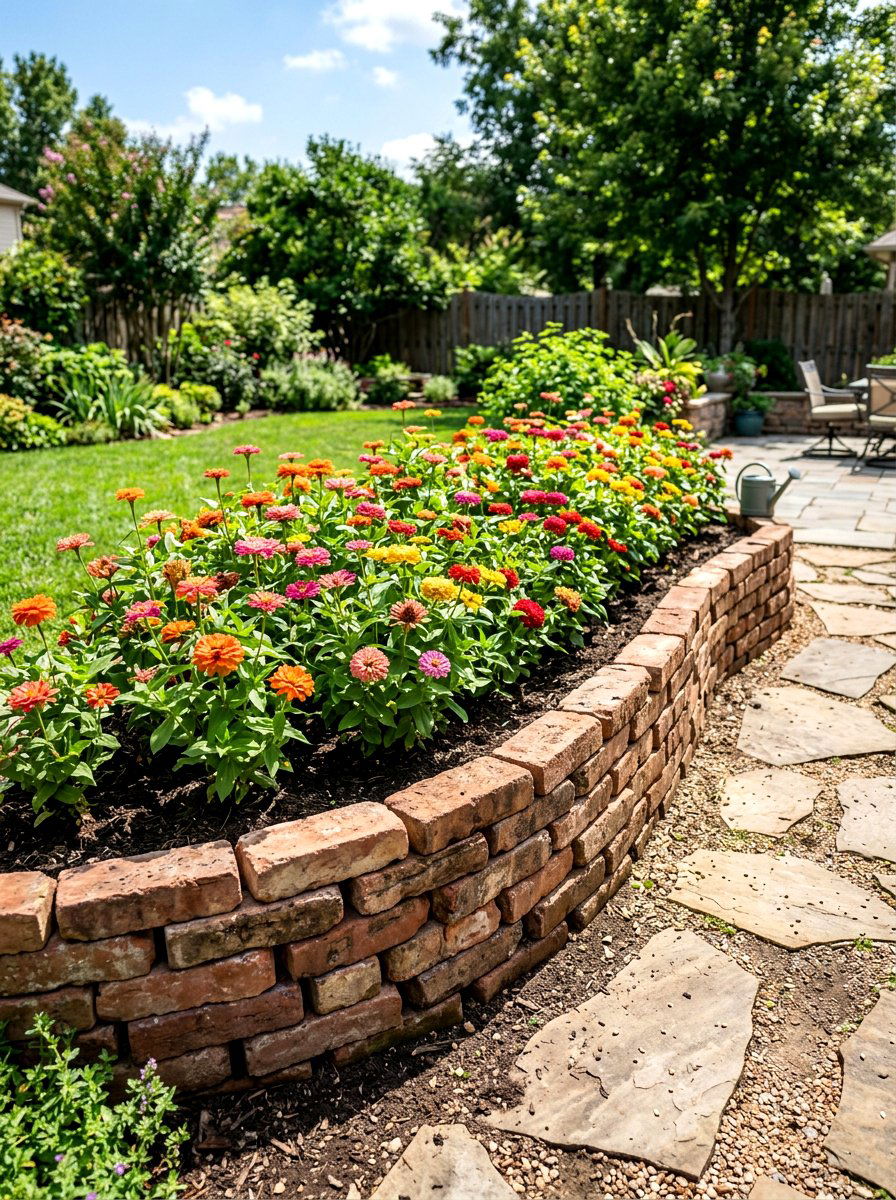
Dry stack brick garden beds are a popular choice for DIY enthusiasts who want a beautiful garden without using mortar. In this method, the bricks are simply stacked on a level foundation, relying on gravity and friction to stay in place. This approach allows for excellent drainage because water can slowly seep through the tiny gaps between the bricks. It also gives you the flexibility to move or resize the bed in the future if your garden needs change. Dry stacking works best for lower walls, typically under eighteen inches high. This style has a relaxed, informal charm that works well in naturalistic gardens or contemporary backyard retreats.
8. Gray brick garden border
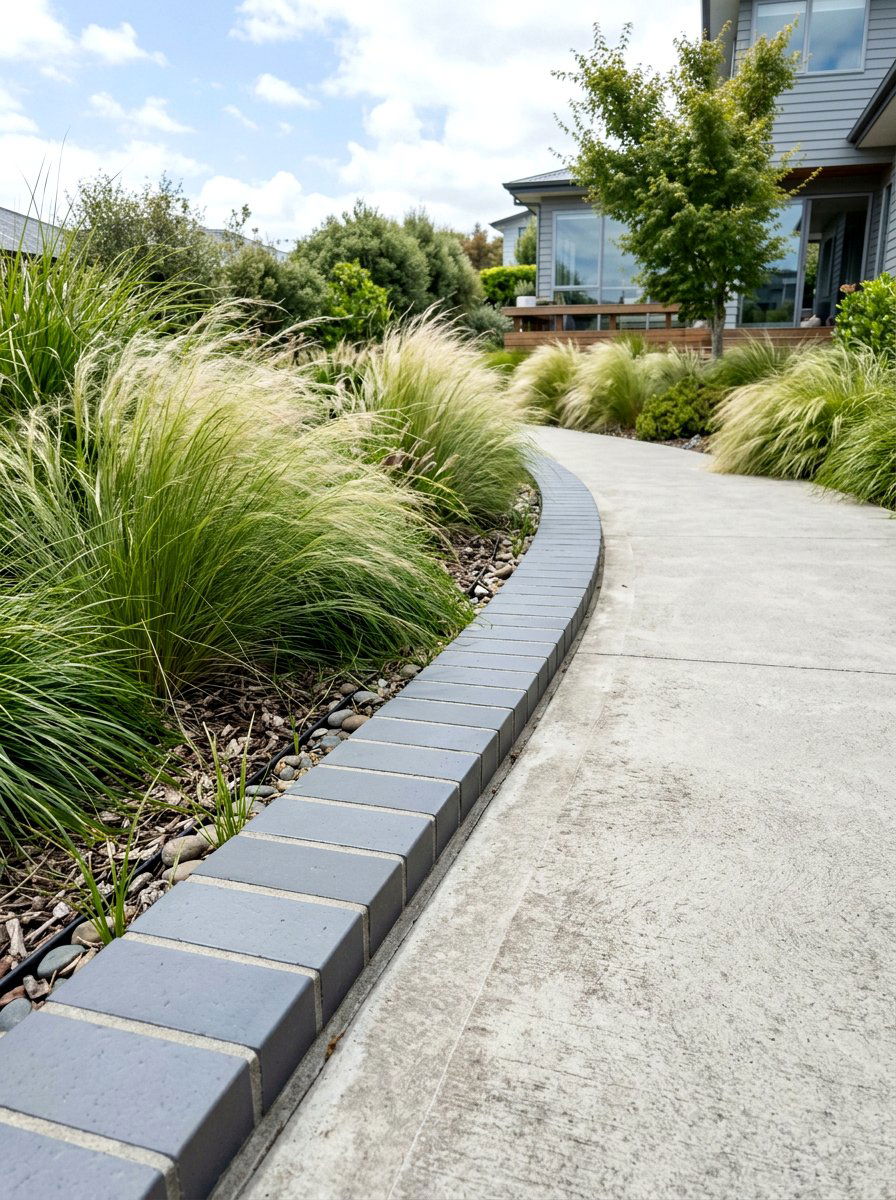
For those who prefer a more modern and minimalist aesthetic, a gray brick garden border is a sophisticated alternative to traditional red. The cool, neutral tones of gray bricks provide a sleek backdrop that makes the colors of your flowers truly pop. This style integrates seamlessly with modern home designs, concrete patios, and slate walkways. Gray bricks often have a cleaner, more uniform appearance that appeals to homeowners who love tidy and organized landscapes. These borders are excellent for defining the transition between a lush lawn and a tidy planting bed. They are durable, easy to maintain, and maintain their elegant look even after years of exposure.
9. Old brick herb spiral
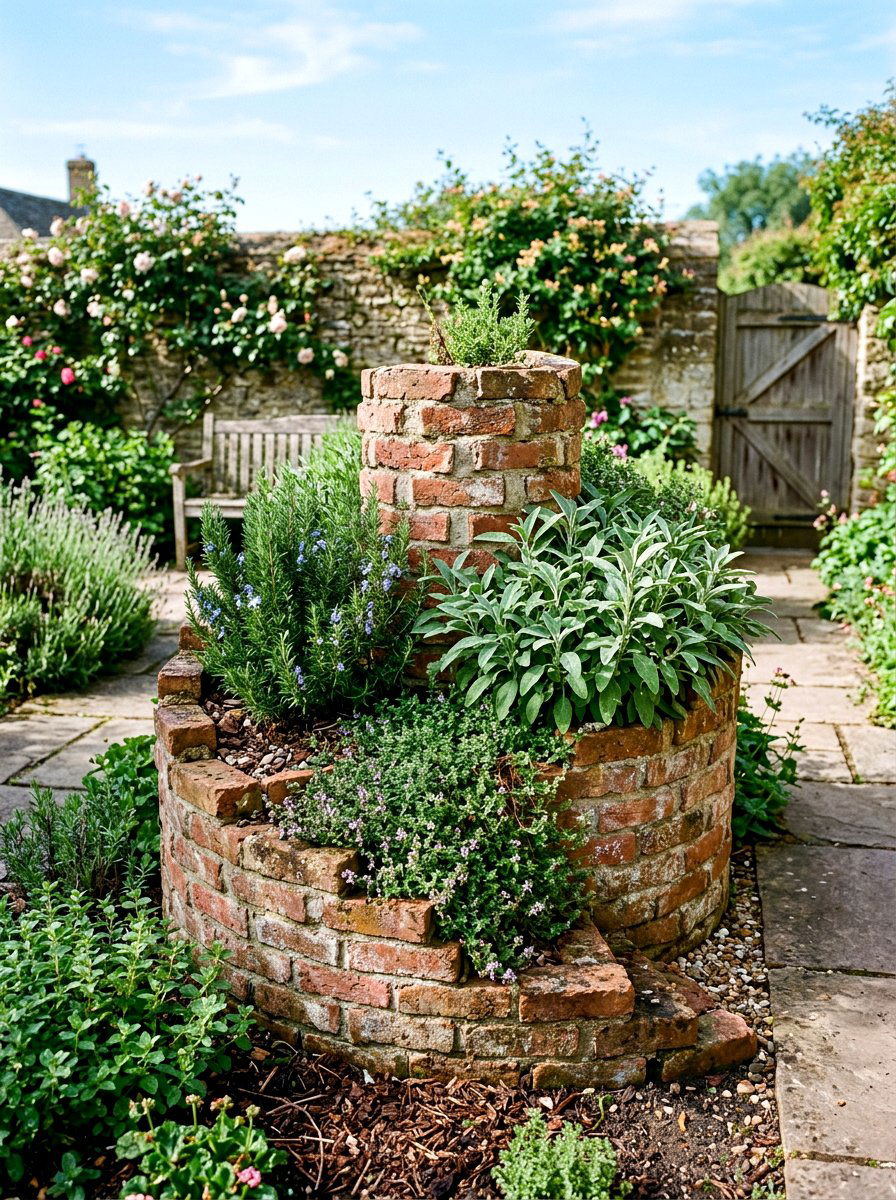
An old brick herb spiral is a functional and artistic way to grow a large variety of herbs in a very small footprint. This design uses a spiraling brick wall that gradually increases in height toward the center. The vertical nature of the spiral creates several microclimates; the top is sunny and dry, while the bottom stays more shaded and moist. You can plant rosemary and thyme at the peak, and moisture-loving mint or parsley at the base. This compact structure is not only highly productive but also serves as a beautiful conversation piece in any garden. Using old, weathered bricks adds a charming, old-world feel to this clever design.
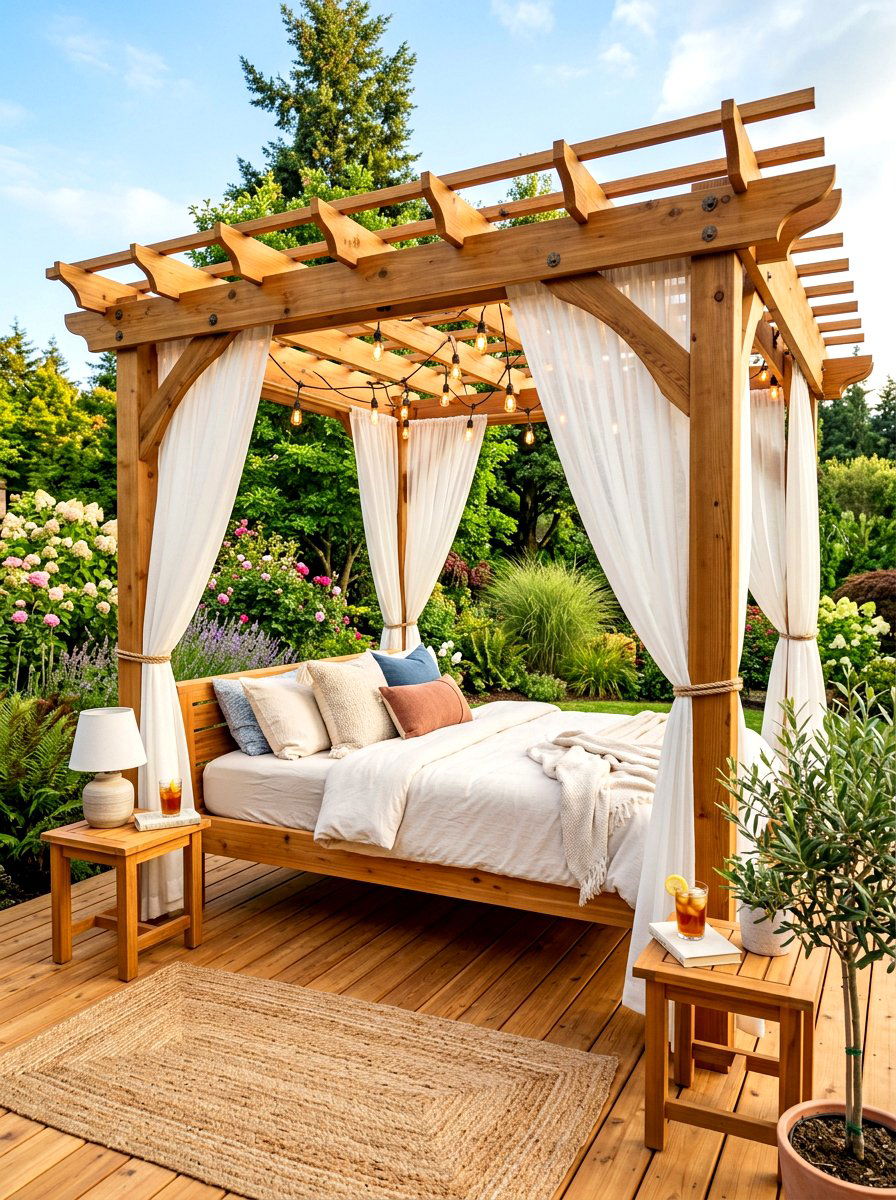
10. Brick and wood raised bed
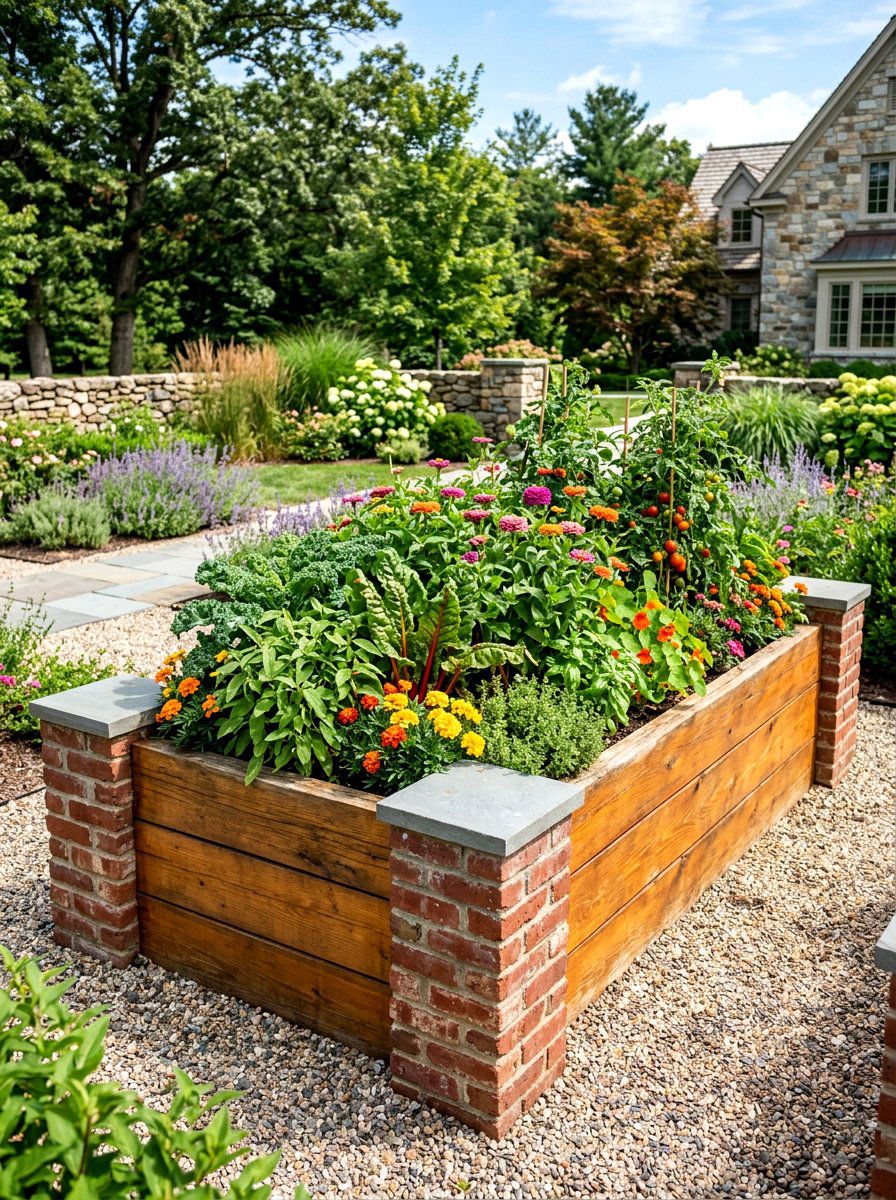
Mixing materials is a clever trend that combines the strength of masonry with the warmth of timber. A brick and wood raised bed often features a solid brick base or corner pillars with thick wooden planks forming the long sides. This combination creates a high-end, custom look that stands out in the neighborhood. The bricks provide a rot-resistant foundation where the bed touches the ground, while the wood adds a natural, soft texture. This style is very popular on Pinterest because it blends different architectural elements beautifully. It is a great way to save on material costs while still achieving a very durable and attractive garden structure.
11. Low brick garden edging
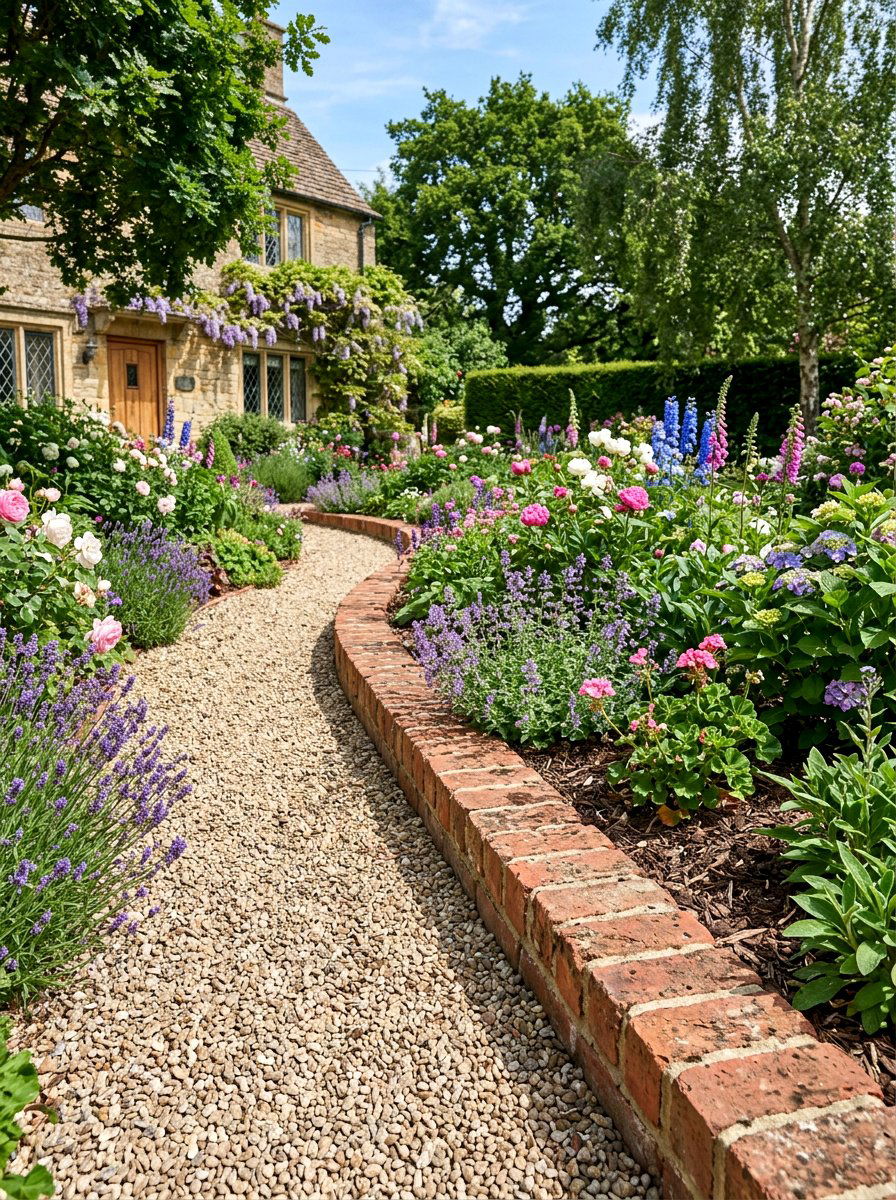
Low brick garden edging is a subtle yet effective way to define your planting areas without creating a massive physical barrier. These beds are usually only one or two bricks high, making them perfect for creating a clean line between your grass and your flowers. This low profile keeps the focus entirely on the plants while preventing mulch from spilling out onto the walkway. You can lay the bricks flat for a wider border or on their side for a thinner look. This simple design is very easy to install and works wonders for increasing the curb appeal of your front yard or back patio area.
12. Tall brick planter box
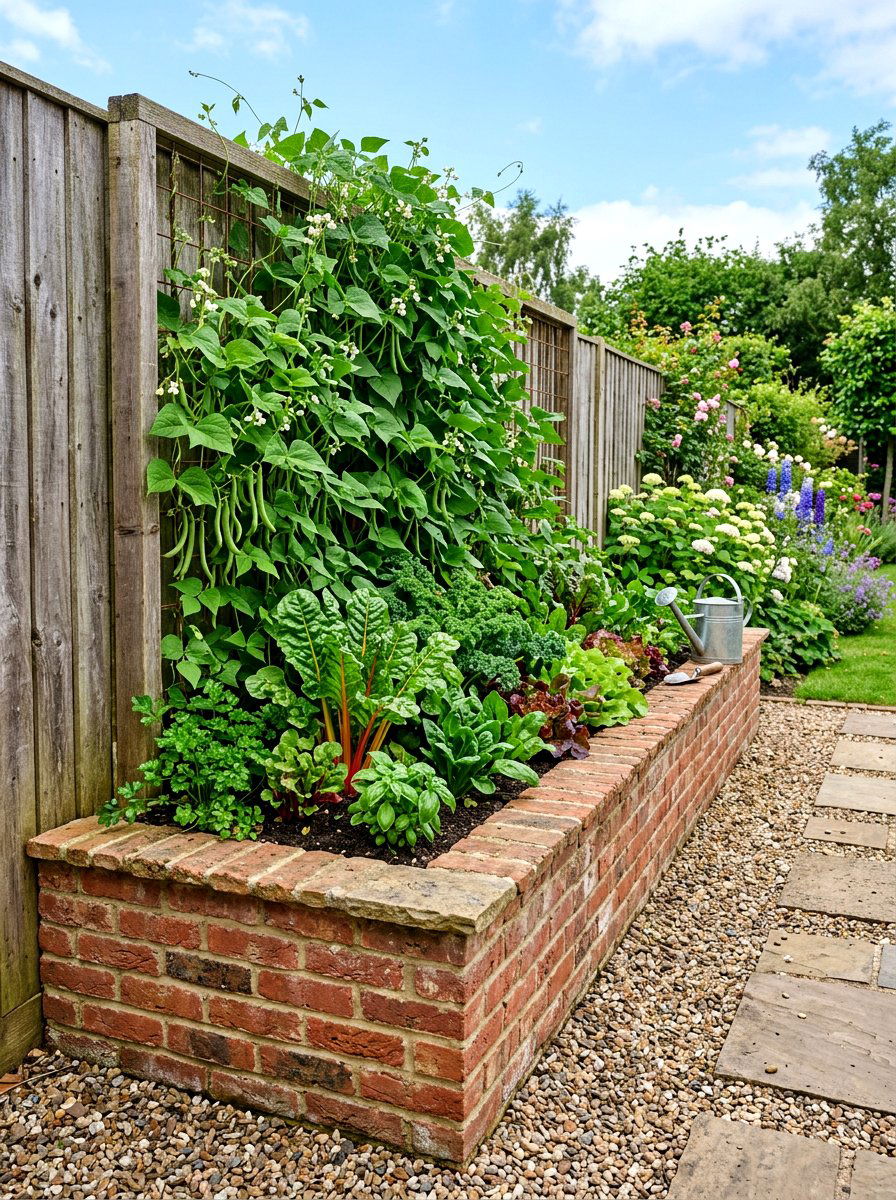
A tall brick planter box is the ultimate solution for gardeners who want to avoid bending or kneeling altogether. These beds are typically built to waist height, making them incredibly accessible for everyone, including seniors or those with limited mobility. Tall beds require a solid foundation and careful mortaring to ensure they can handle the weight of a large volume of soil. They act as bold architectural statements in the garden, often doubling as decorative walls that provide privacy or wind protection. Because they are so high, they also keep many common garden pests, like rabbits, away from your precious vegetables and delicate ornamental flowers.
13. Painted brick garden bed
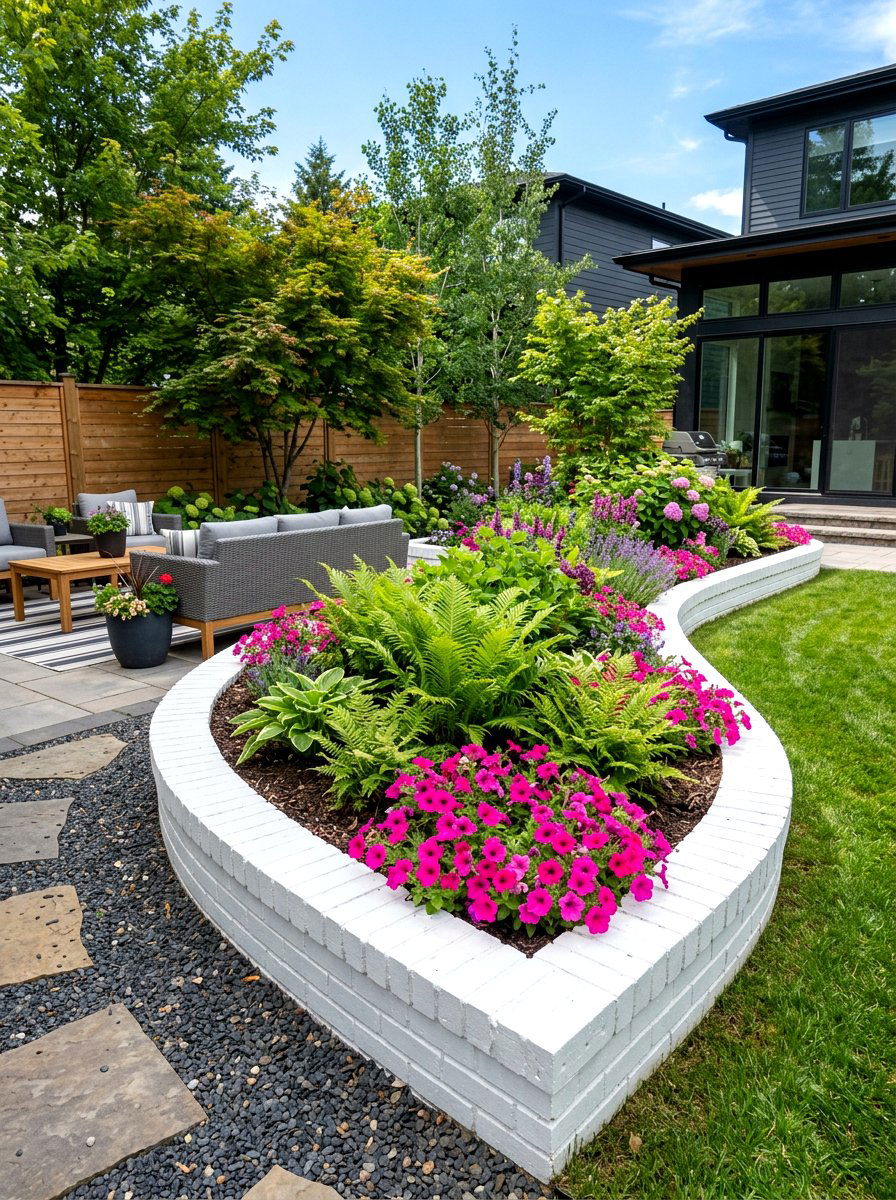
If you want to add a splash of color to your landscape, a painted brick garden bed is a creative and affordable option. You can use masonry paint to turn standard bricks into a bright white, a deep navy, or even a soft sage green. This allows you to coordinate your garden beds with your home’s trim or your outdoor furniture. Painting the bricks can also hide imperfections or unify a mix of different brick types you might have salvaged. It gives the garden a fresh, updated look that feels very intentional and stylish. This technique is perfect for transforming a boring backyard into a vibrant and personalized outdoor sanctuary.
14. Herringbone pattern brick bed
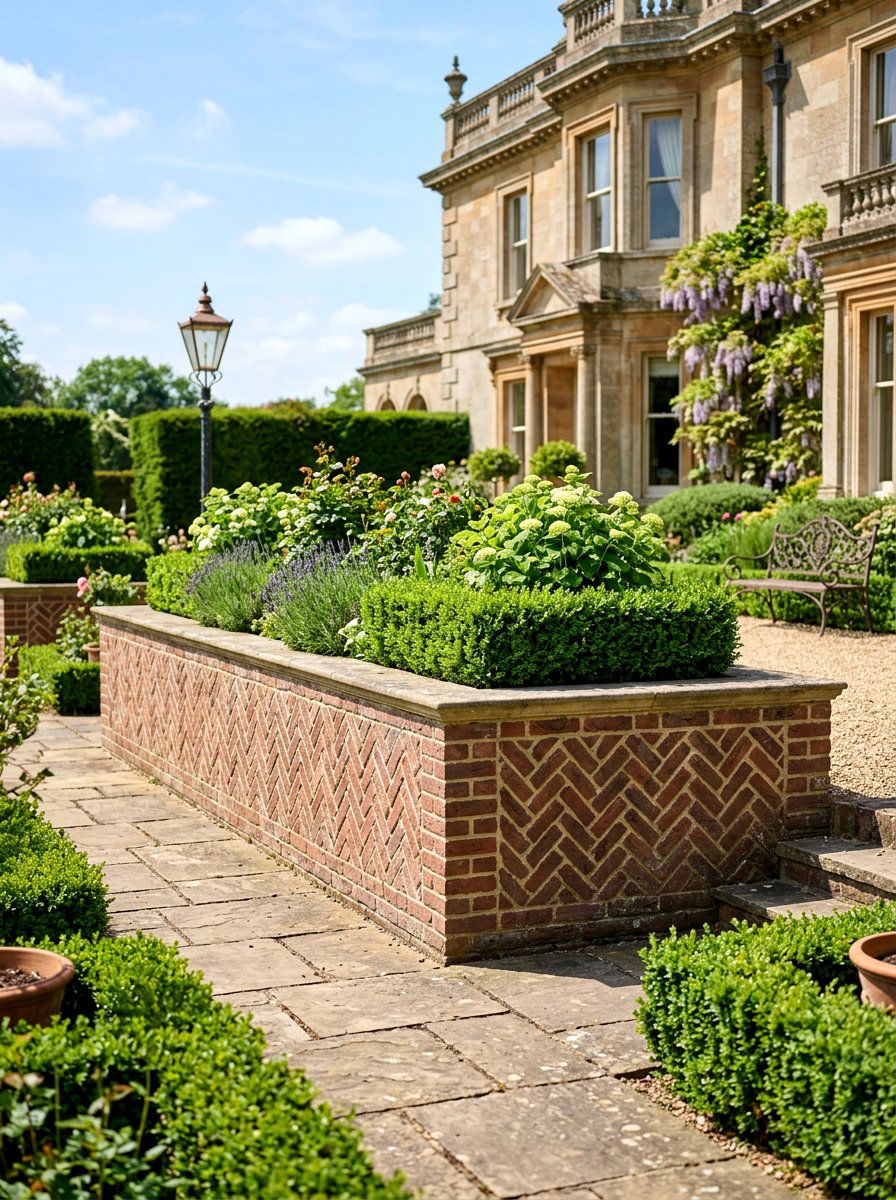
Creating a herringbone pattern on the sides of your raised bed adds a touch of luxury and intricate detail to your garden. This classic pattern is achieved by laying the bricks at forty-five-degree angles to each other, creating a beautiful visual texture. While it requires more precise cutting and assembly, the finished result is a sophisticated structure that looks like a work of art. This style is often seen in high-end estate gardens or formal courtyards. The pattern creates a sense of movement and depth that makes even a small raised bed look significant. It is a fantastic way to showcase your masonry skills and create a unique feature.
15. Victorian brick garden border
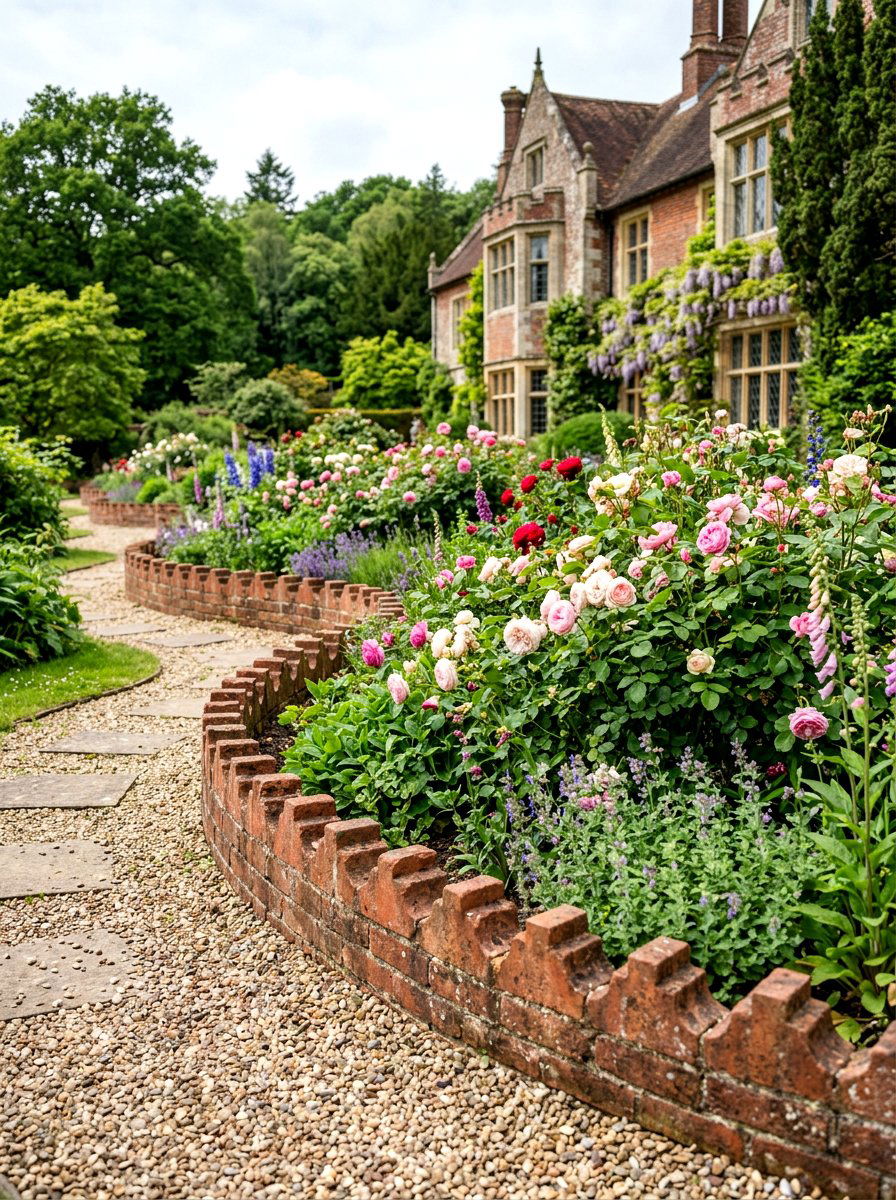
A Victorian brick garden border typically features decorative elements like notched bricks, pointed tops, or rope-edge detailing. This style is inspired by the elaborate gardens of the nineteenth century and adds a sense of history and elegance to your property. These borders are often used to surround formal rose gardens or symmetrical flower beds. The intricate shapes of the bricks create beautiful shadows and visual interest even when the plants are dormant in the winter. This style works best with older homes or traditional landscapes where classic details are appreciated. It is a timeless look that conveys a sense of luxury and careful garden curation.
16. Square brick vegetable patch
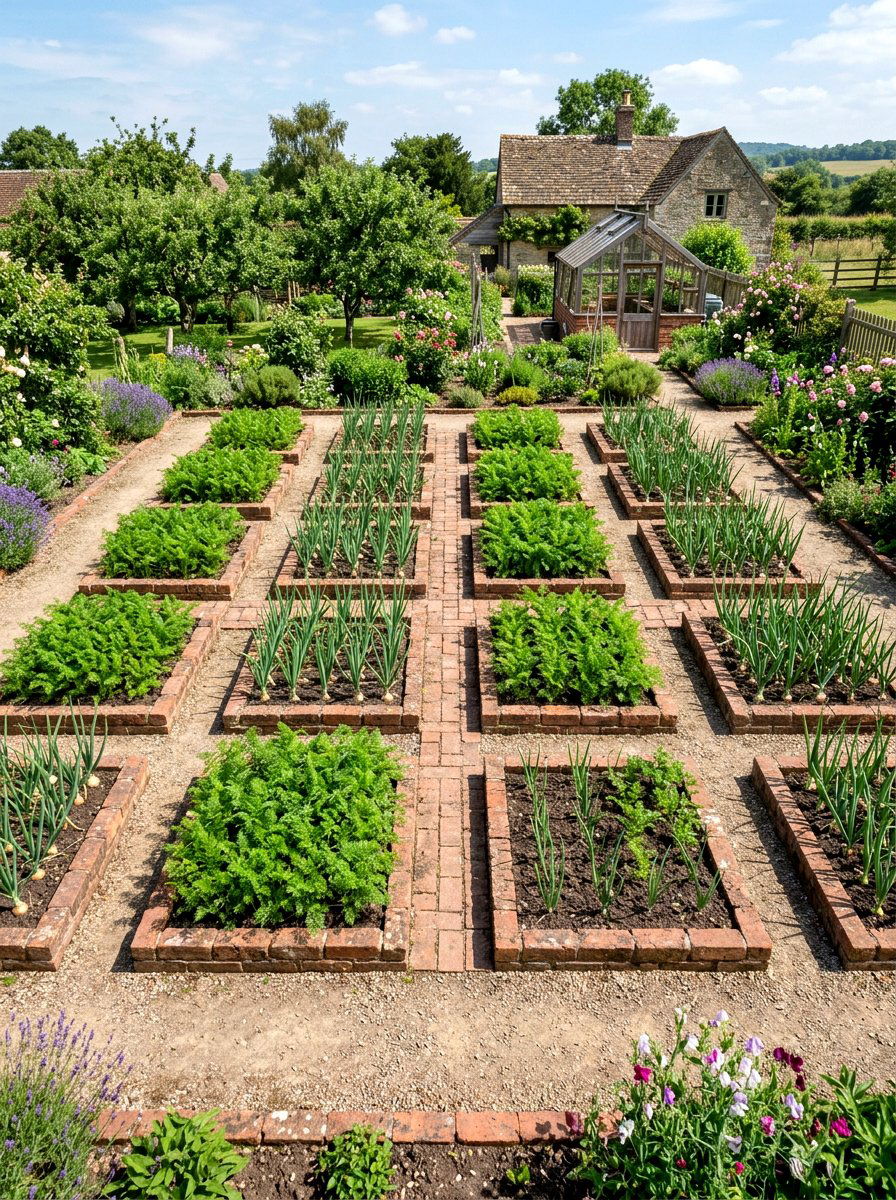
A square brick vegetable patch is a clean and efficient way to organize your homegrown produce. This layout is perfect for the "square foot gardening" method, allowing you to easily divide the space into smaller sections for different crops. The straight lines and sharp corners of the brick walls provide a very tidy and controlled appearance. You can build several of these squares in a grid pattern to create a professional-looking kitchen garden. The bricks provide a permanent path between the beds, keeping your feet clean and dry while you work. This organized approach makes it easy to plan your rotations and manage your soil health effectively.
17. L shaped brick planter
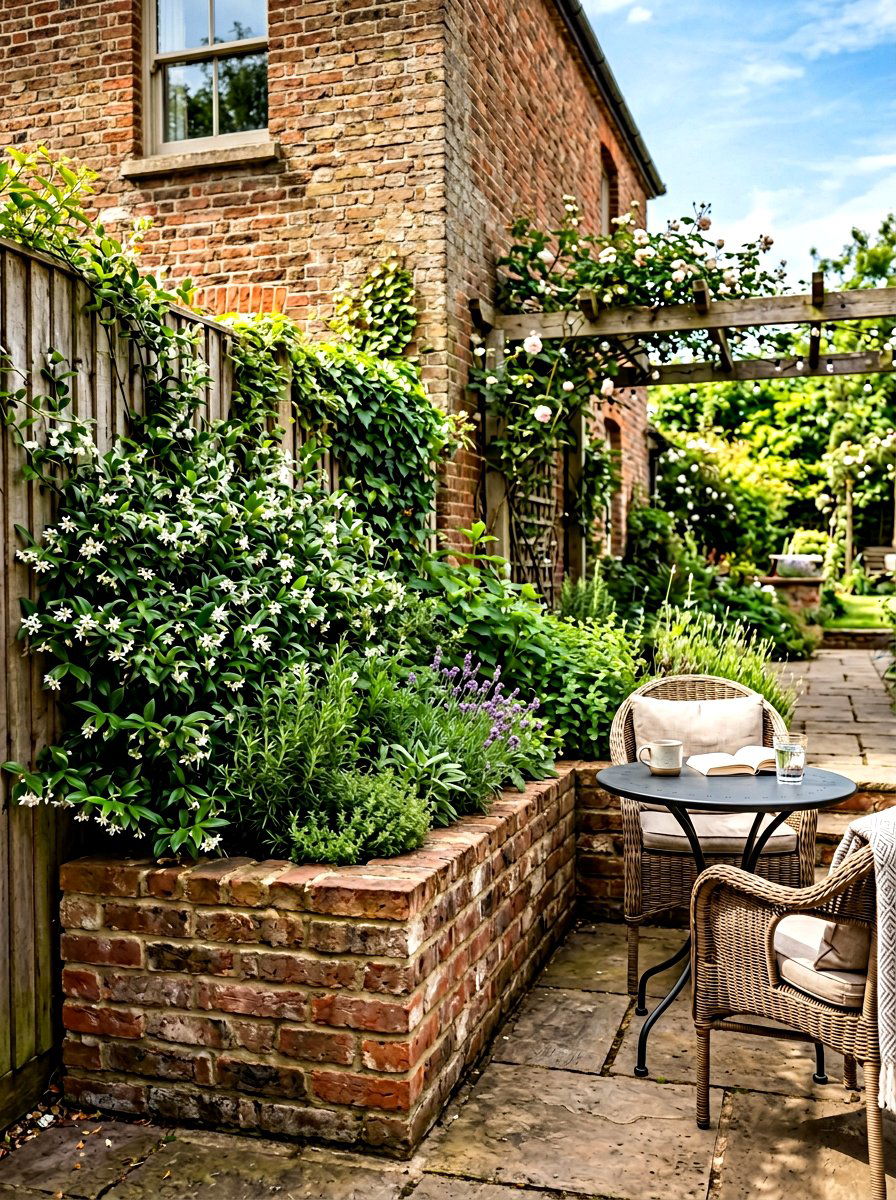
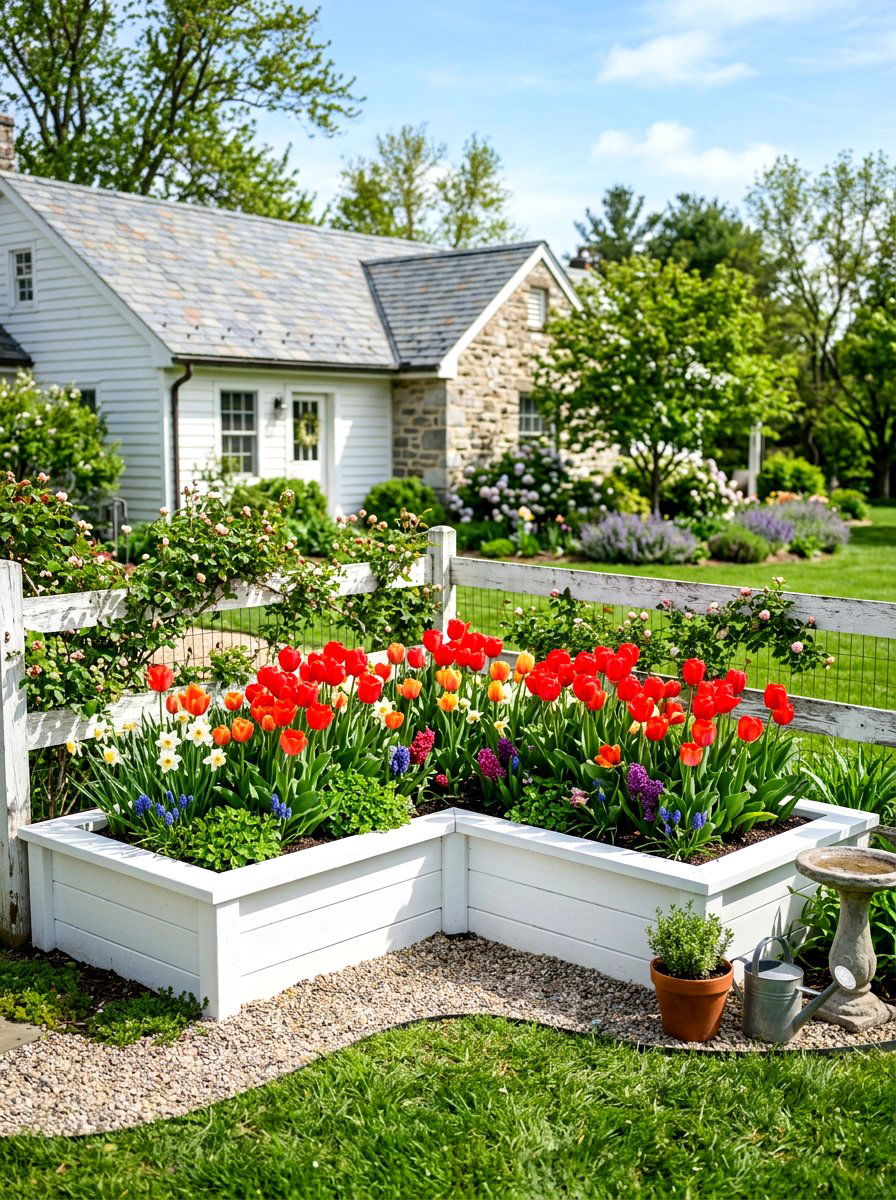
An L shaped brick planter is a brilliant design for tucking into the corner of a patio or a fenced backyard. This shape allows you to wrap your garden around a seating area, creating a cozy and enclosed feeling. It makes excellent use of corner spaces that might otherwise go to waste. You can use the long side of the L for taller plants and the shorter side for low-growing herbs or flowers. This configuration also provides a lot of planting surface area while remaining easy to reach from the surrounding paths. It is a versatile choice that adds both functionality and a custom look to your outdoor living zone.
18. Mortared brick garden wall
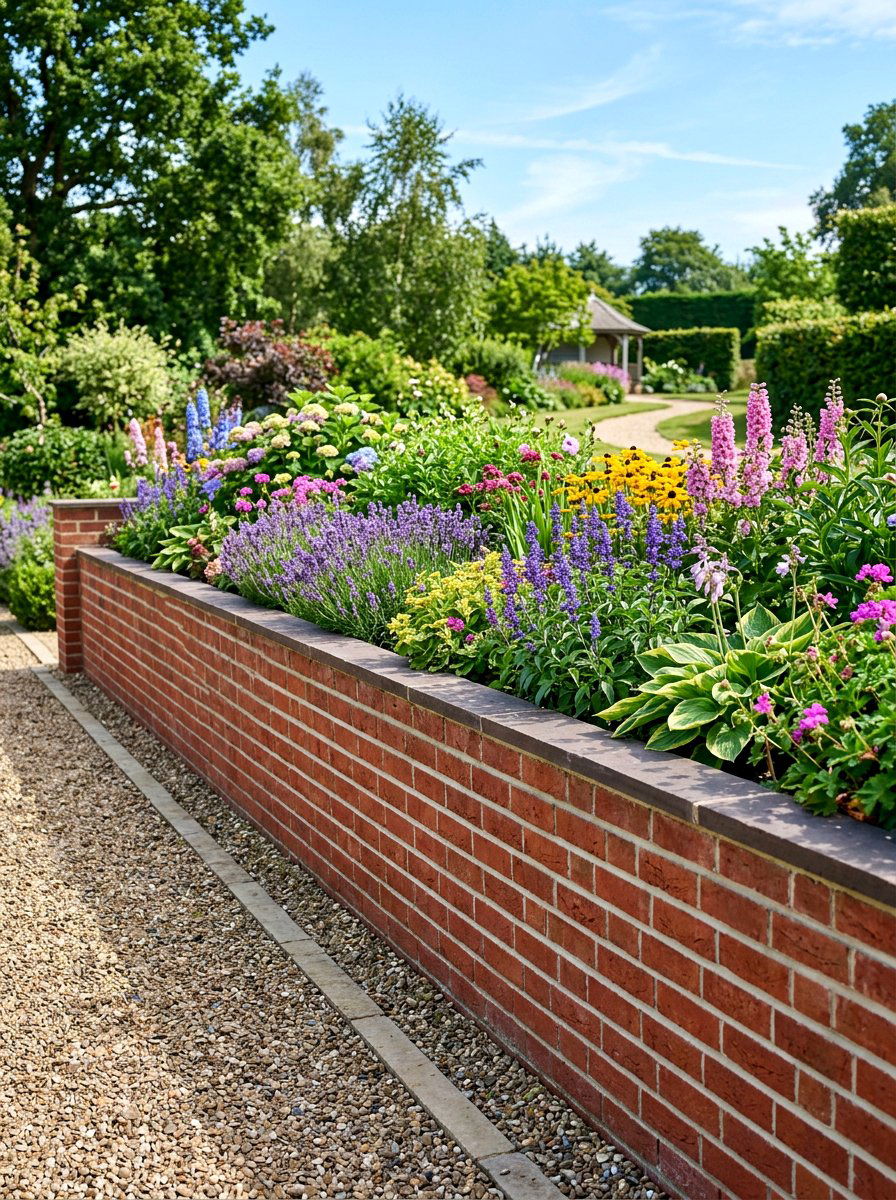
A mortared brick garden wall is a permanent and highly stable option for those who want a professional finish. Using mortar ensures that the bricks are perfectly aligned and securely bonded, preventing any shifting over time. This type of construction is necessary for taller beds or retaining walls that must hold back a significant amount of earth. You can choose different mortar colors to either match the bricks for a seamless look or contrast with them to highlight the masonry work. A well-built mortared wall can last for generations, becoming a fixed and valued part of your home’s permanent landscape and increasing its overall market value.
19. Brick bed with seating
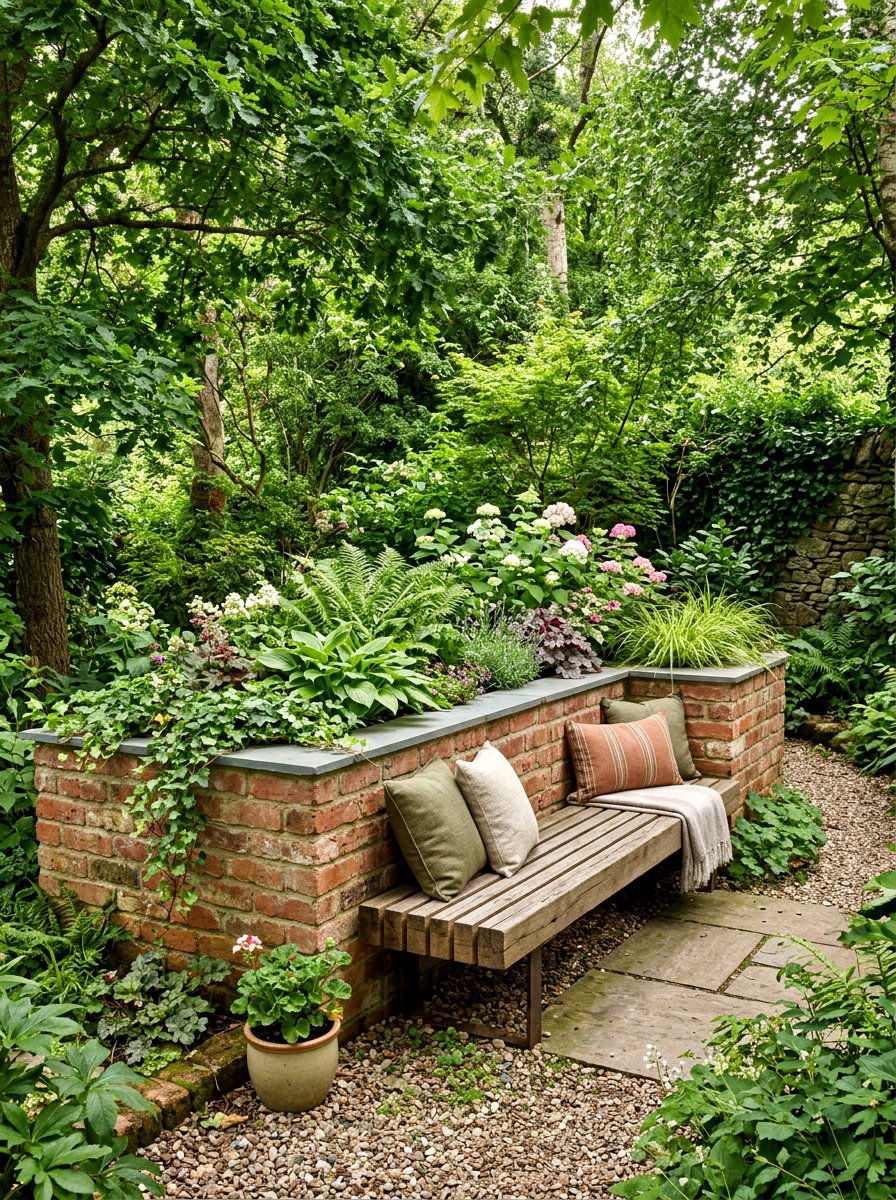
Integrating a bench directly into your raised bed is a wonderful way to combine gardening with relaxation. A brick bed with seating features a wider top ledge or a built-in wooden bench that rests on the brick walls. This allows you to sit comfortably while you prune your plants or simply enjoy the fragrance of your flowers. It is a space-saving solution that is perfect for small patios or urban courtyards. The thermal mass of the bricks can even help keep the seating area slightly warmer on cool evenings. This dual-purpose design is a huge hit on social media for its practicality and charming, cozy aesthetic.
20. Modern dark brick planter
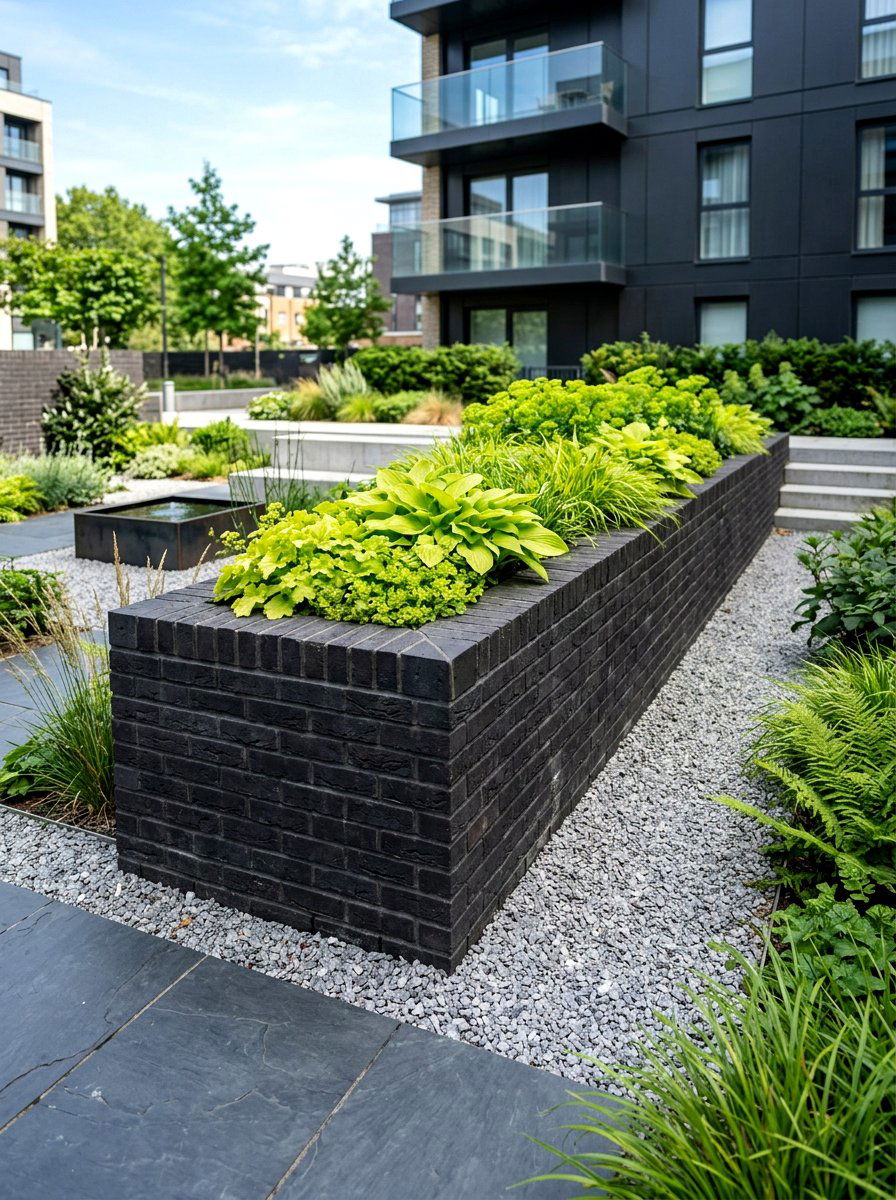
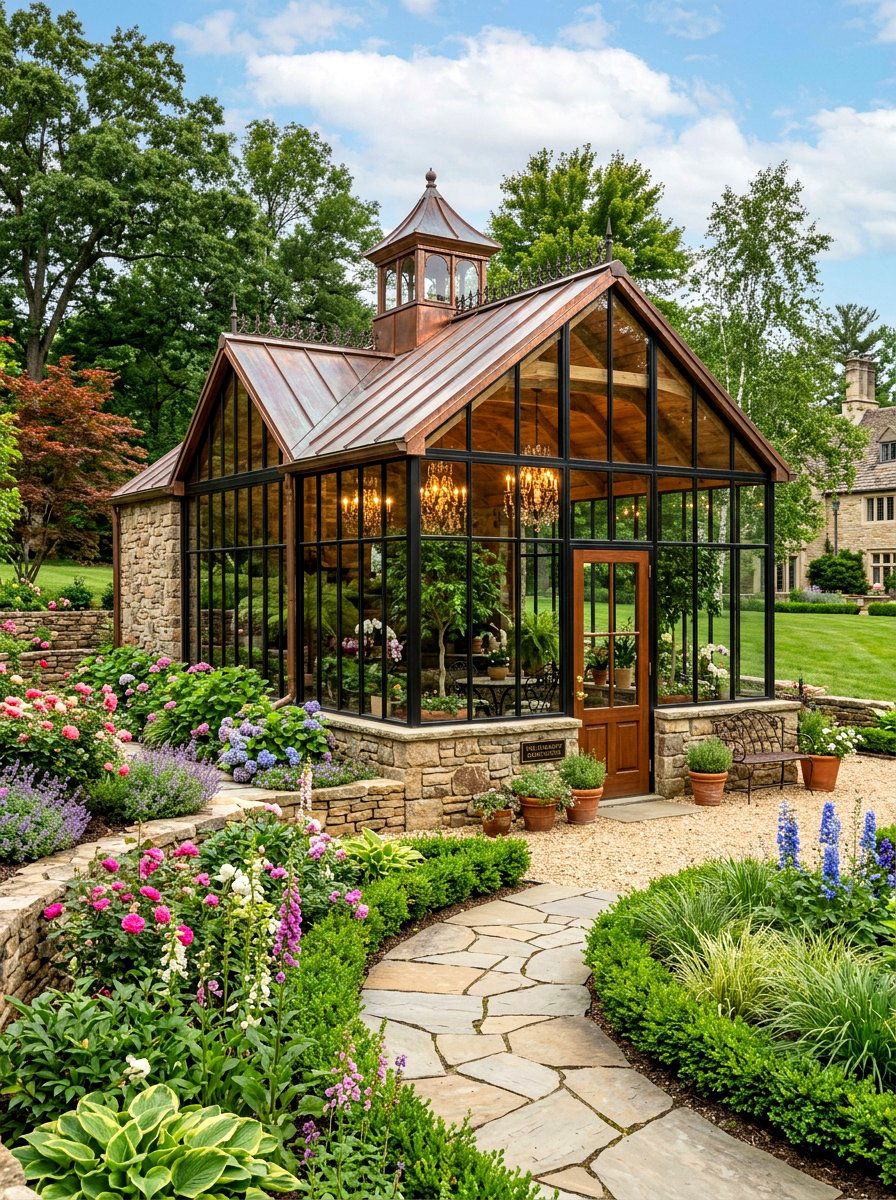
A modern dark brick planter uses charcoal, black, or deep chocolate-colored bricks to create a high-contrast and dramatic look. This contemporary style is incredibly popular in urban garden design because it feels sophisticated and edgy. Dark bricks provide a moody backdrop that makes the bright green stems and colorful petals of your plants look almost luminous. This style pairs beautifully with industrial materials like steel, glass, and polished concrete. Because the dark color absorbs heat, these beds are particularly good for warming up the soil early in the spring. It is a bold choice that brings a touch of high-end metropolitan style to any backyard.
21. Recycled brick flower box
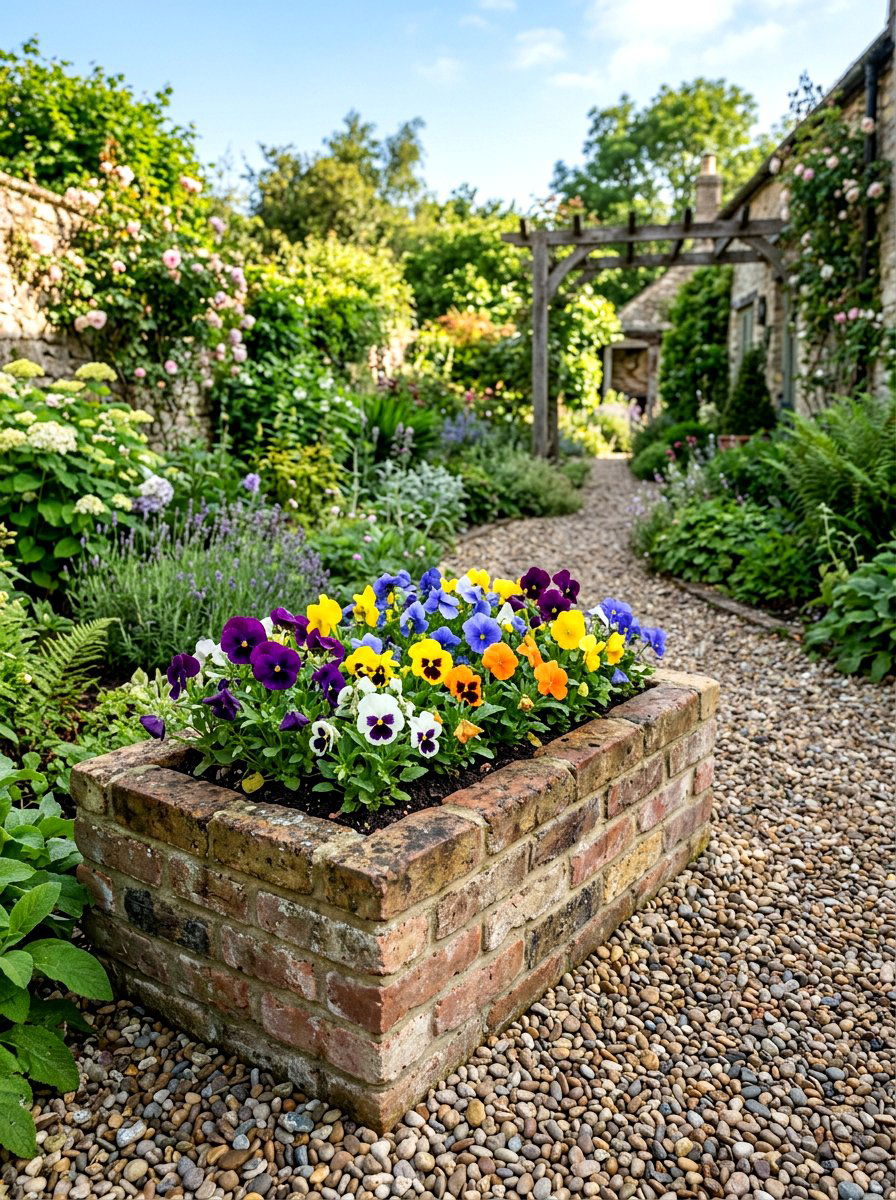
A recycled brick flower box is a small-scale project that adds a lot of charm to a porch, walkway, or patio edge. These compact planters are perfect for growing seasonal annuals, succulents, or small flowering shrubs. By using leftover bricks from other projects, you can create a cohesive look across your entire landscape. These small boxes are easy to build in an afternoon and don't require much space. They provide the same durability as larger brick structures but in a more manageable size. They are excellent for adding a bit of vertical interest to flat areas and can be styled with decorative gravel or moss for a finished look.
22. Tumbled brick garden bed
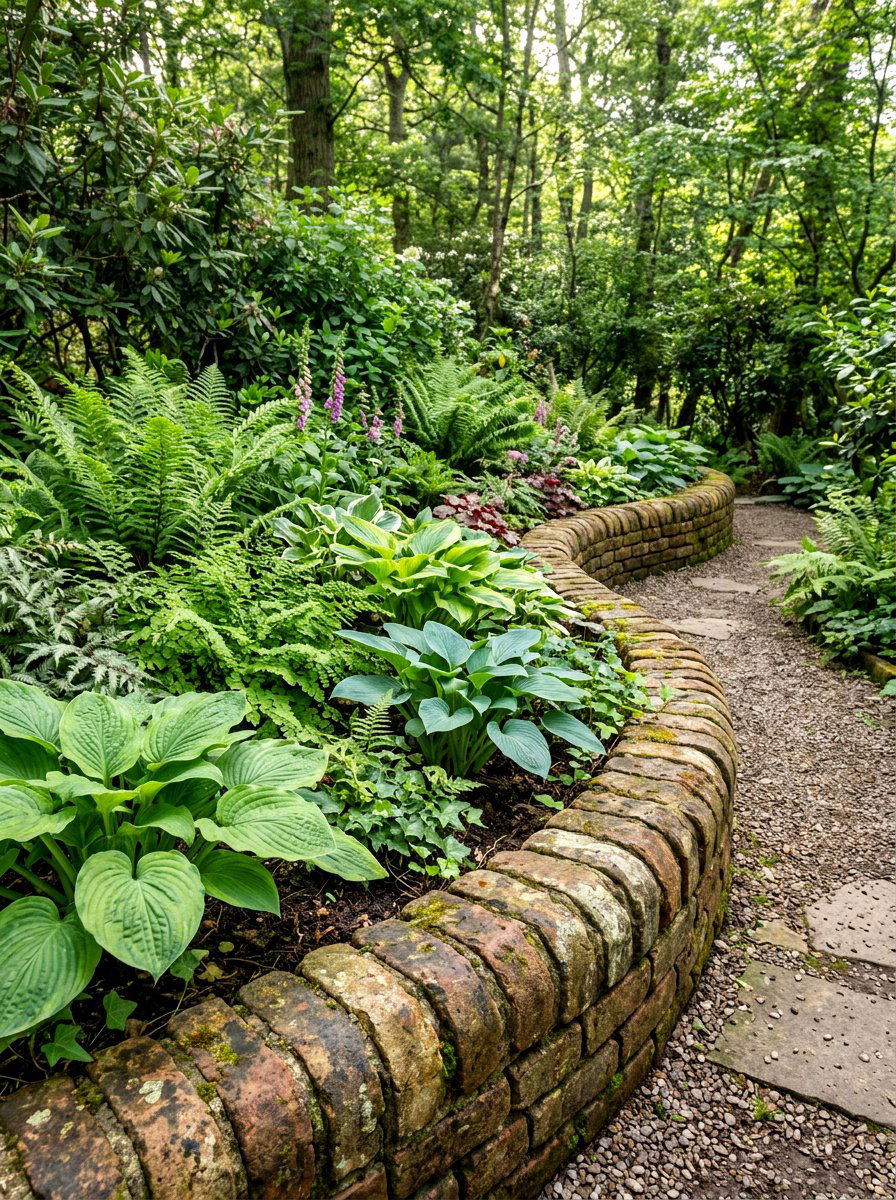
Tumbled brick garden beds use bricks that have been processed to have rounded edges and a slightly worn, distressed surface. This gives the new bricks an instantly aged and rustic appearance, perfect for creating a "secret garden" vibe. The softer edges make the bed feel more integrated into the natural environment, as if it has been there for years. This style is very forgiving to build because the irregular surfaces hide small mistakes in leveling or alignment. It is a popular choice for English cottage gardens or woodland retreats where a hard, new look would feel out of place. The texture of tumbled brick is tactile and very inviting.
23. Semi circle brick planter
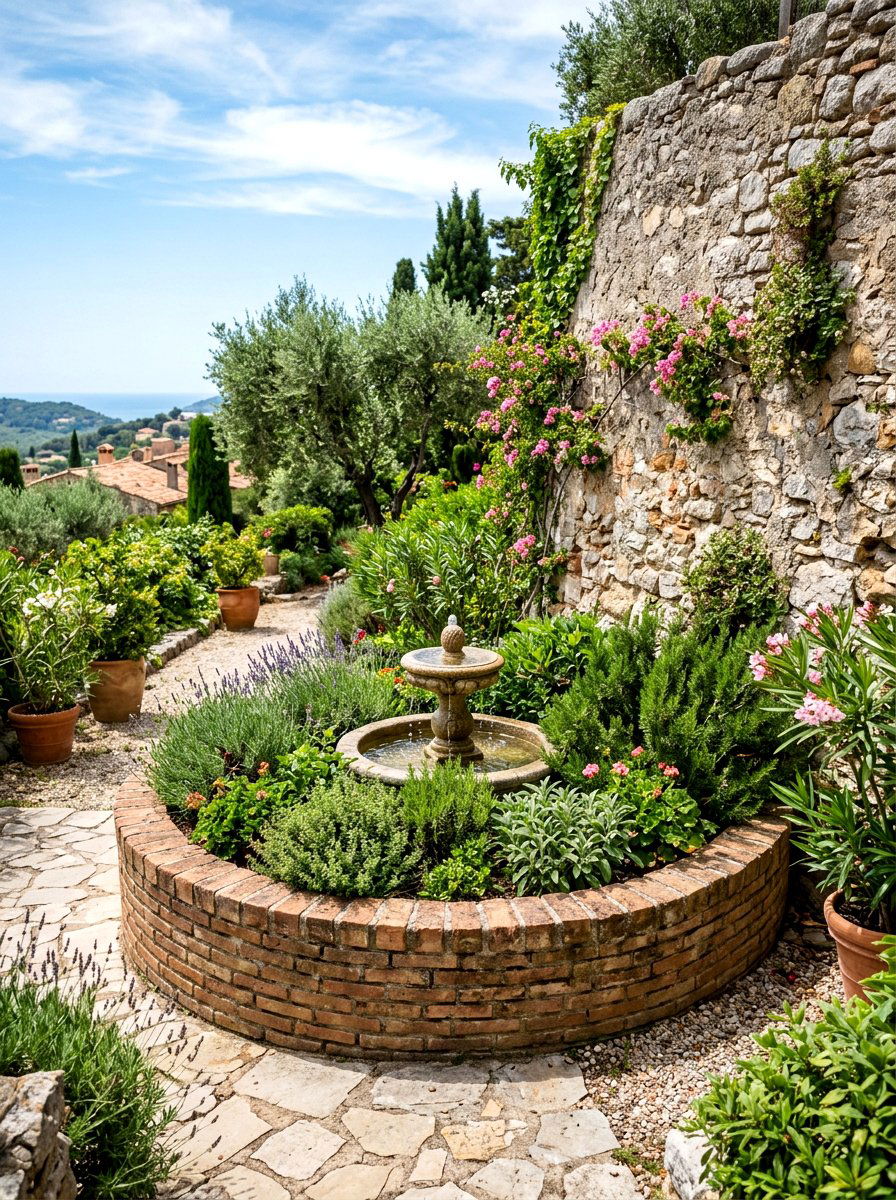
A semi circle brick planter is an elegant way to frame a specific feature, such as a doorway, a fountain, or a beautiful garden statue. This shape offers a graceful transition and creates a pocket of lush greenery against a flat wall or fence. It provides a focal point that draws the eye and softens the appearance of large, blank surfaces. Building a semi-circle requires careful measurement to ensure a smooth curve, but the result is a custom architectural element that looks very professional. This design is perfect for creating a small herb garden right outside your kitchen door, combining convenience with high-end garden style.
24. Narrow brick walkway bed
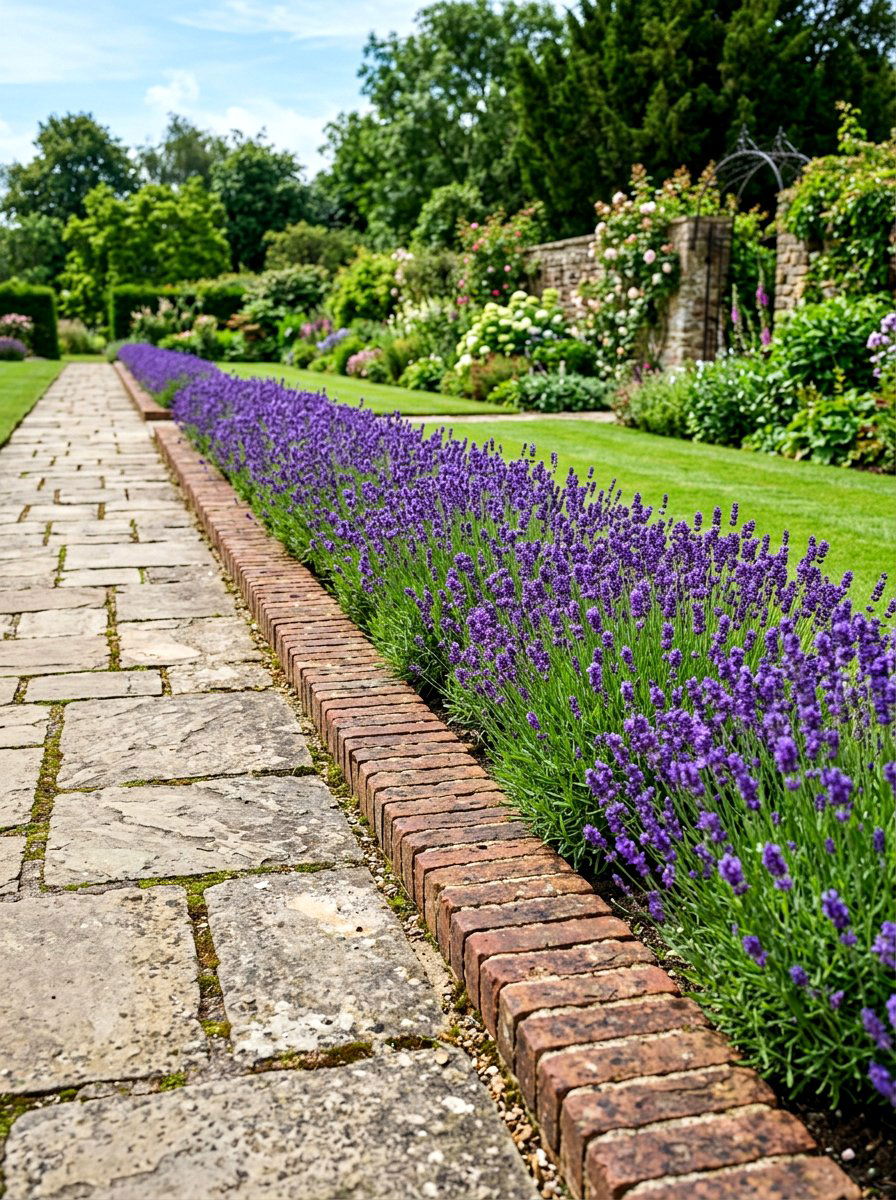
A narrow brick walkway bed is designed to run alongside a path, creating a lush border that guides your journey through the garden. These beds are usually long and thin, making them ideal for planting rows of lavender, boxwood, or ornamental grasses. The brick walls keep the soil and plants from encroaching on the walkway, ensuring your path stays clear and tidy. This layout is excellent for adding a sense of structure and formality to your front entrance or a side yard. The repetition of the bricks alongside the path creates a rhythmic visual effect that is very pleasing to the eye and enhances the overall landscape.
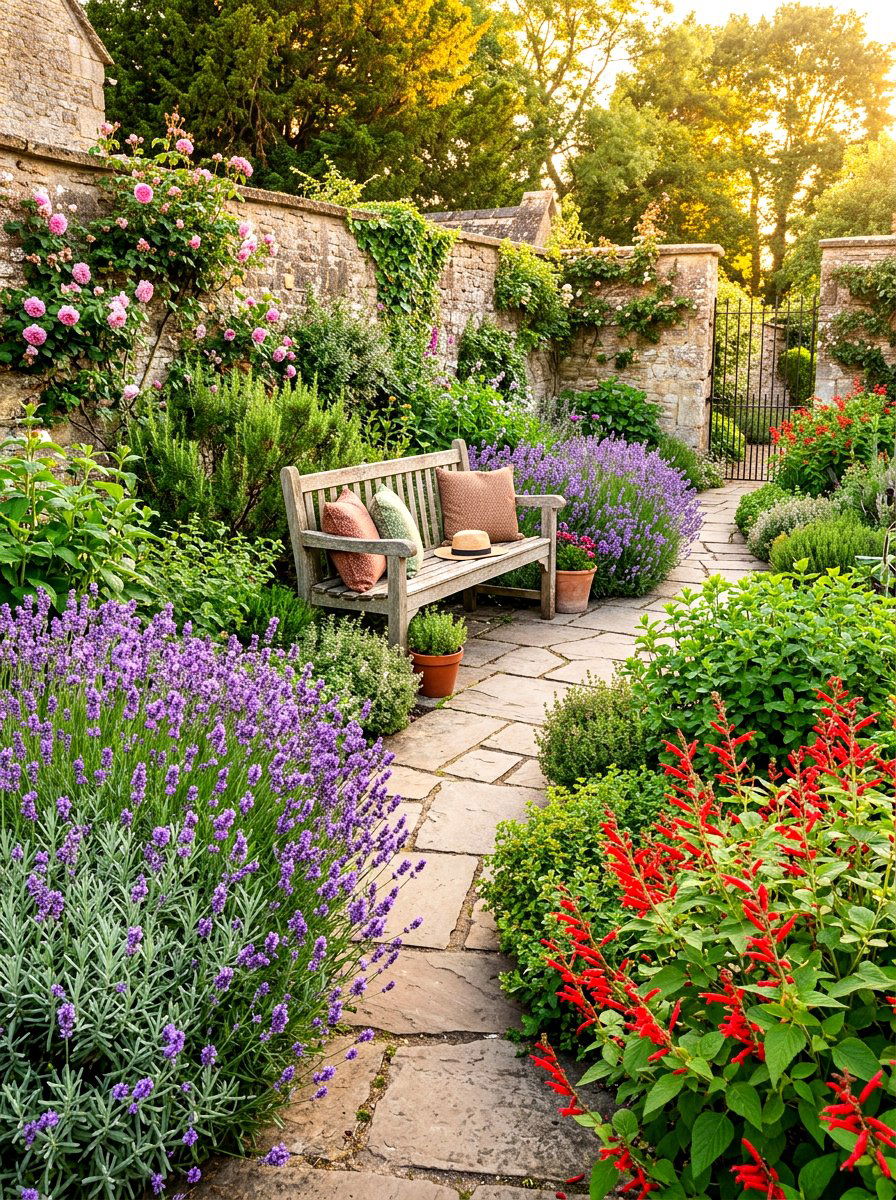
25. English cottage brick garden
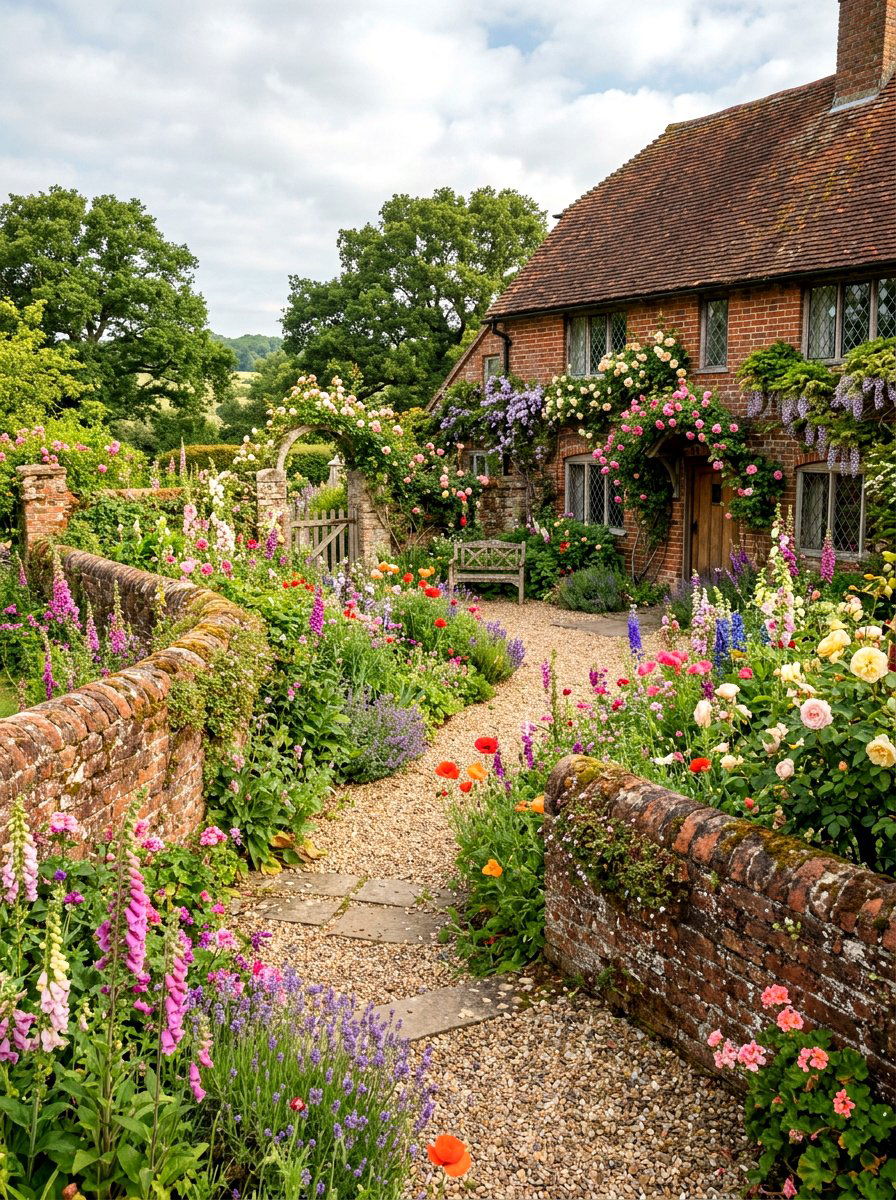
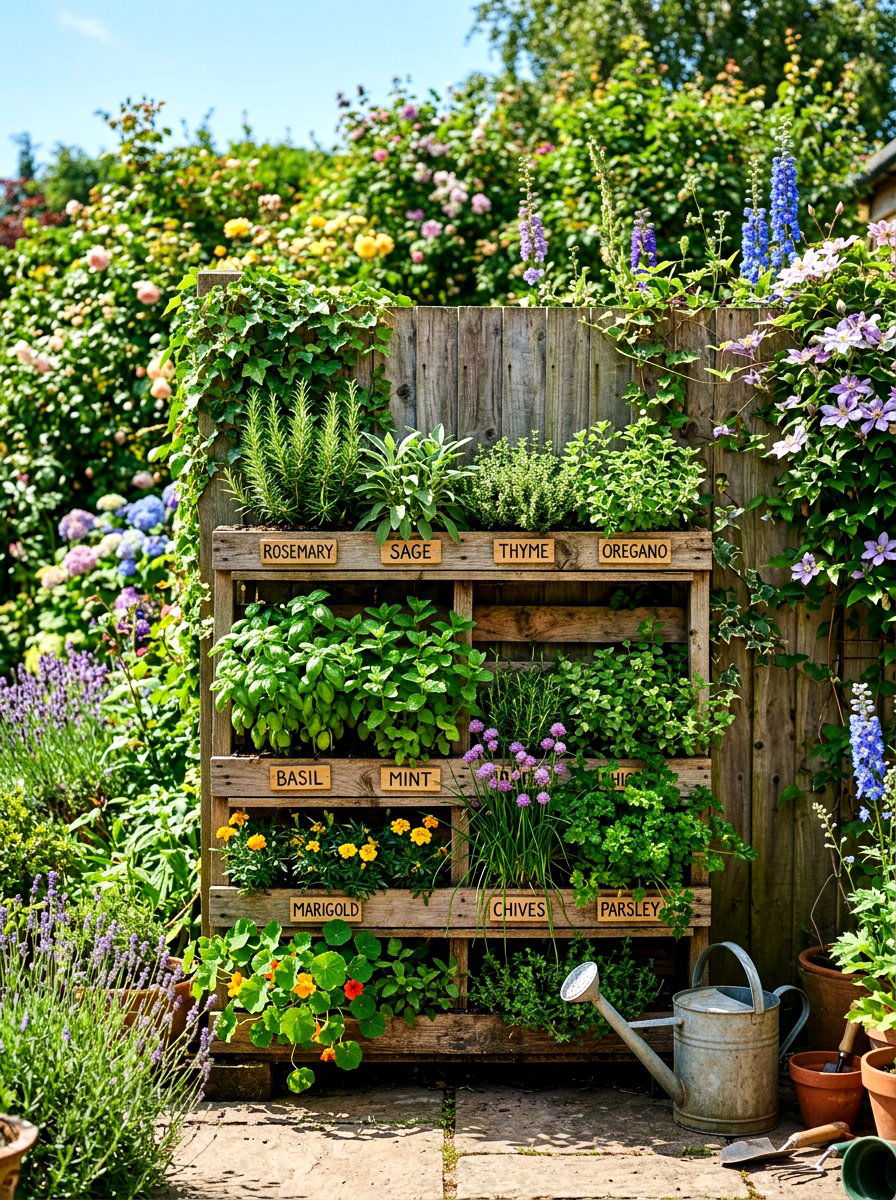
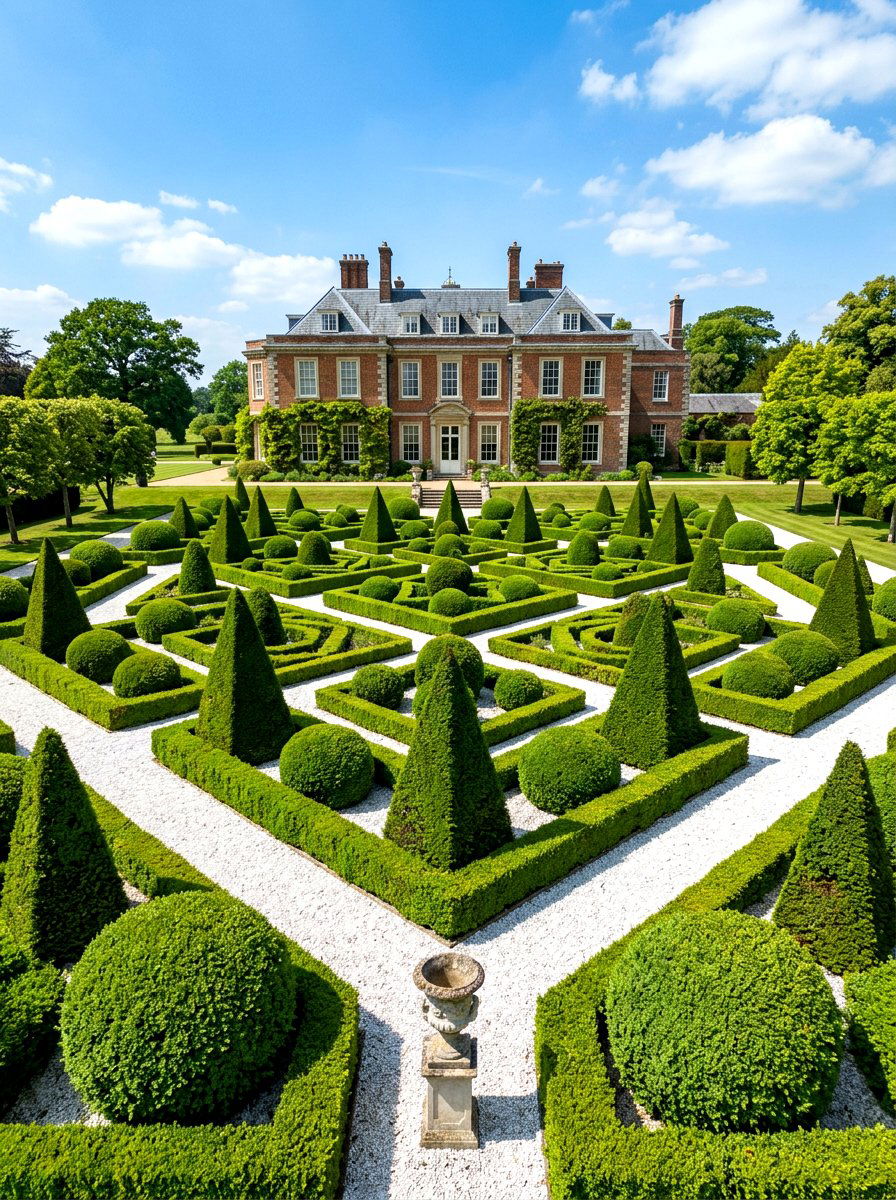
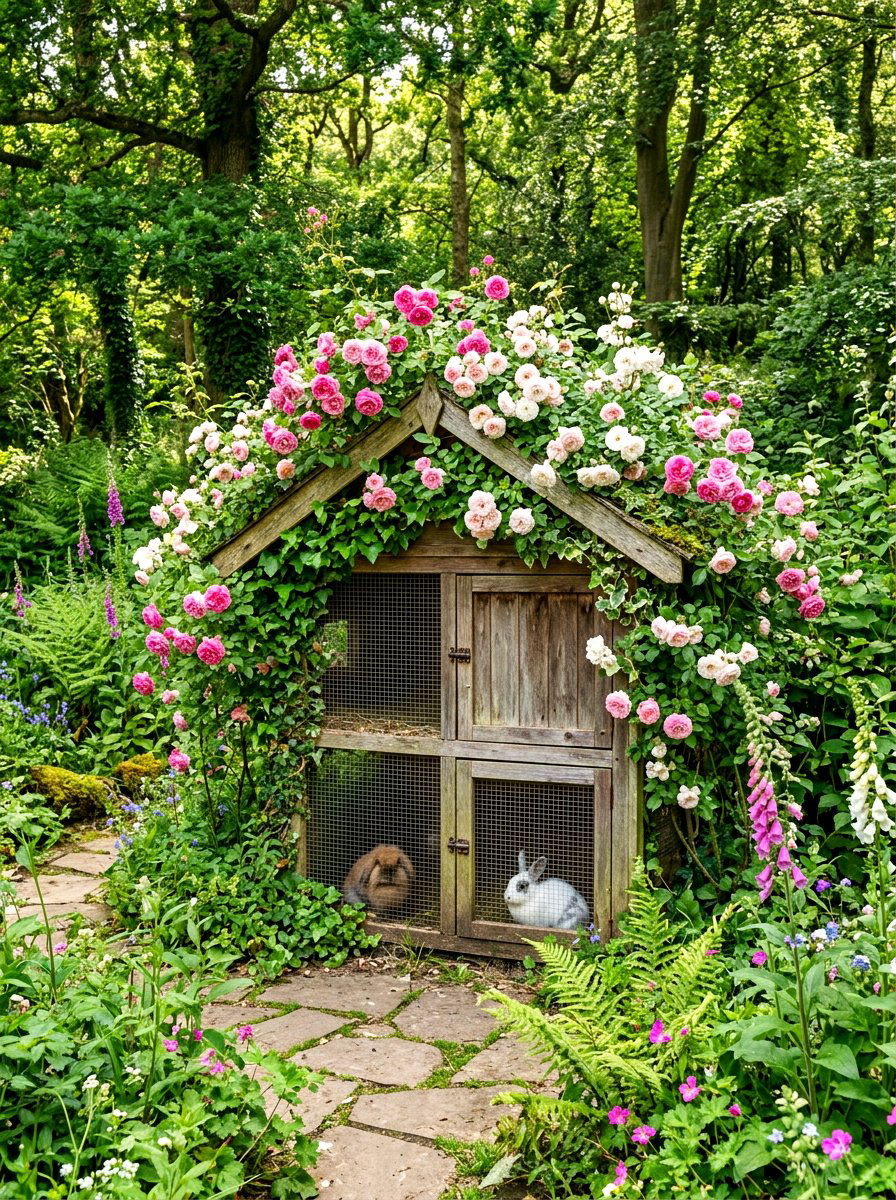
The English cottage brick garden style is all about abundance, romance, and a bit of organized chaos. These beds are typically built with traditional red or multi-tonal bricks and are filled to the brim with a mix of perennials, climbing roses, and fragrant herbs. The brick provides the necessary structure to contain the sprawling, lush growth that is characteristic of this style. This look is timeless and evokes a sense of nostalgia and peace. The durable brick walls contrast beautifully with the soft, delicate textures of the flowers. It is a favorite for those who want a garden that feels like a cozy, private sanctuary filled with color.
26. Multi level brick planter
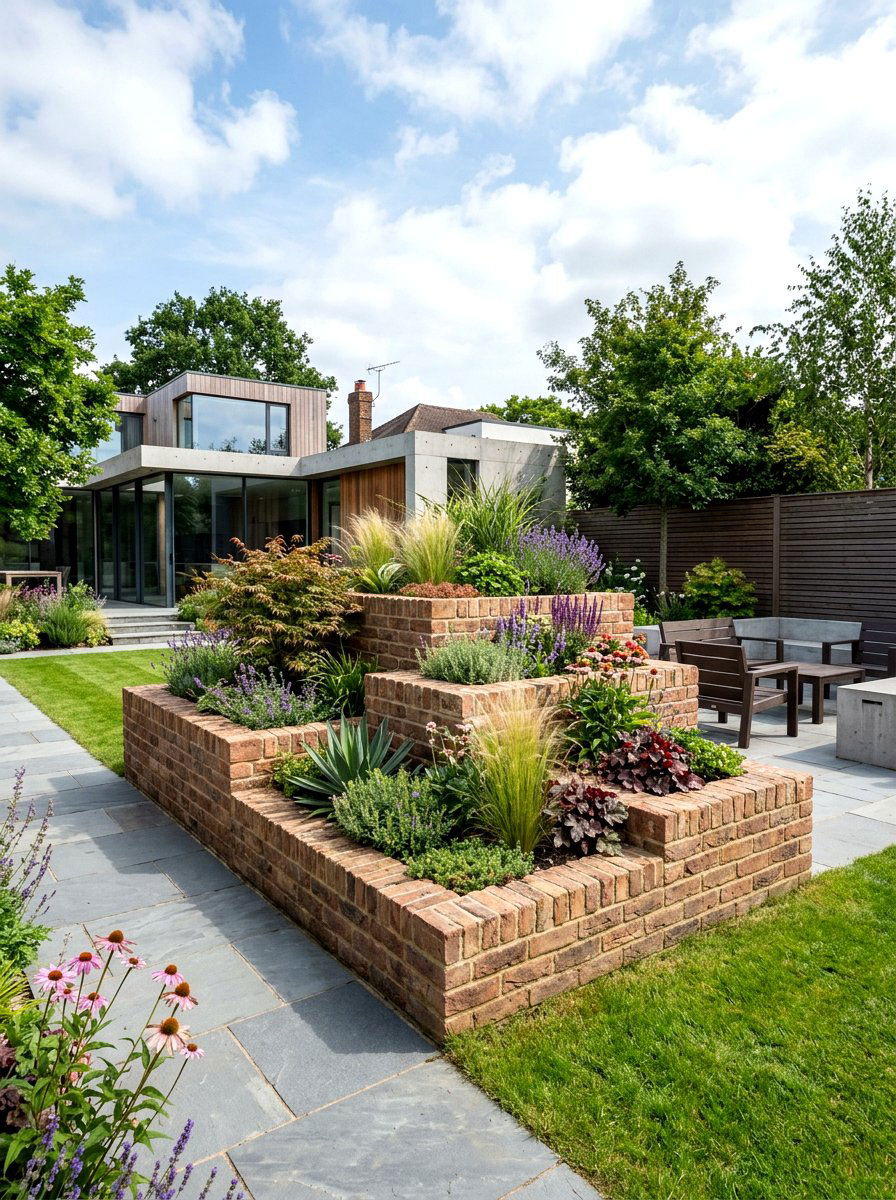
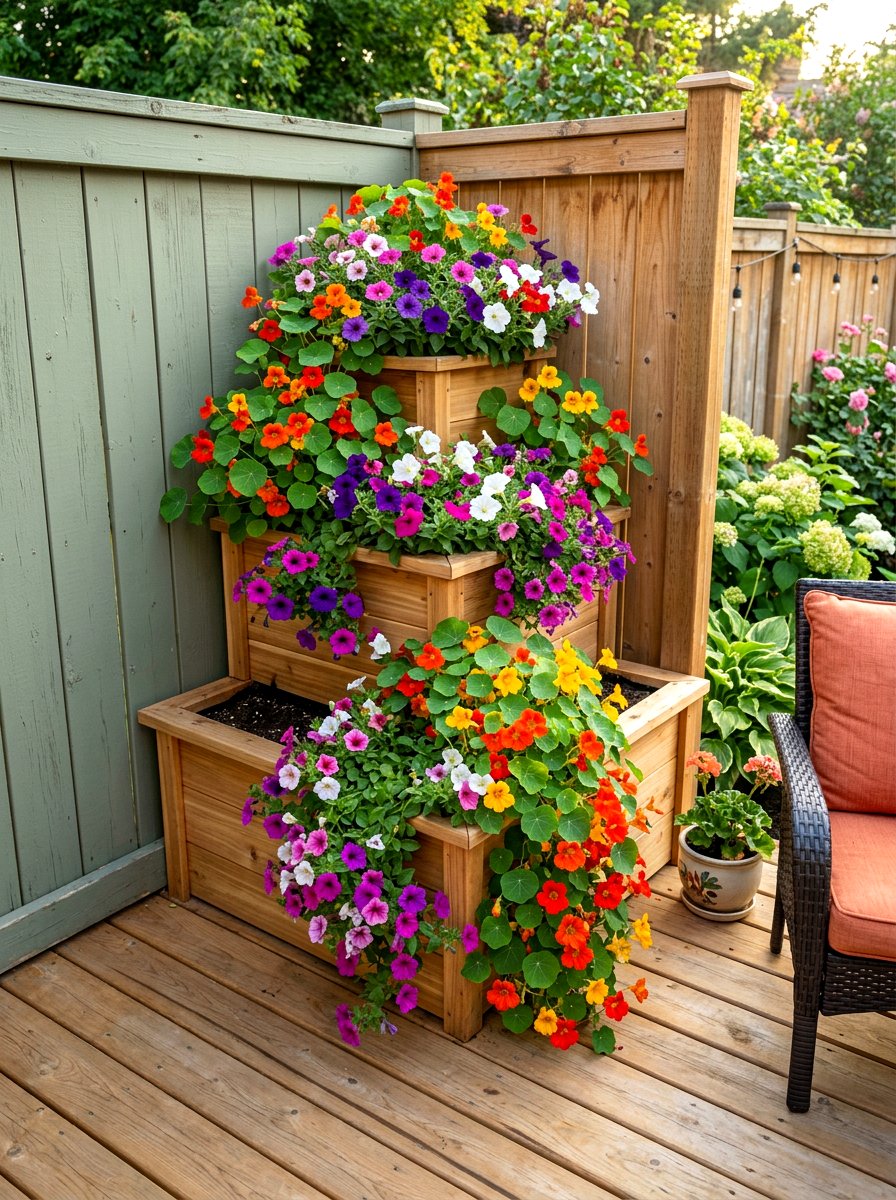
A multi level brick planter consists of several interconnected beds at varying heights, creating a stepped or terraced effect. This design is perfect for creating a dramatic entrance or a focal point in a large backyard. You can use the different levels to showcase various plant species, from low-growing groundcovers to tall, striking perennials. The complexity of the design adds a lot of visual depth and architectural interest to the space. Because each section is a different height, it allows for creative drainage solutions and distinct soil types if needed. This is a sophisticated way to handle changes in elevation while adding significant planting space.
27. Stacked brick herb garden
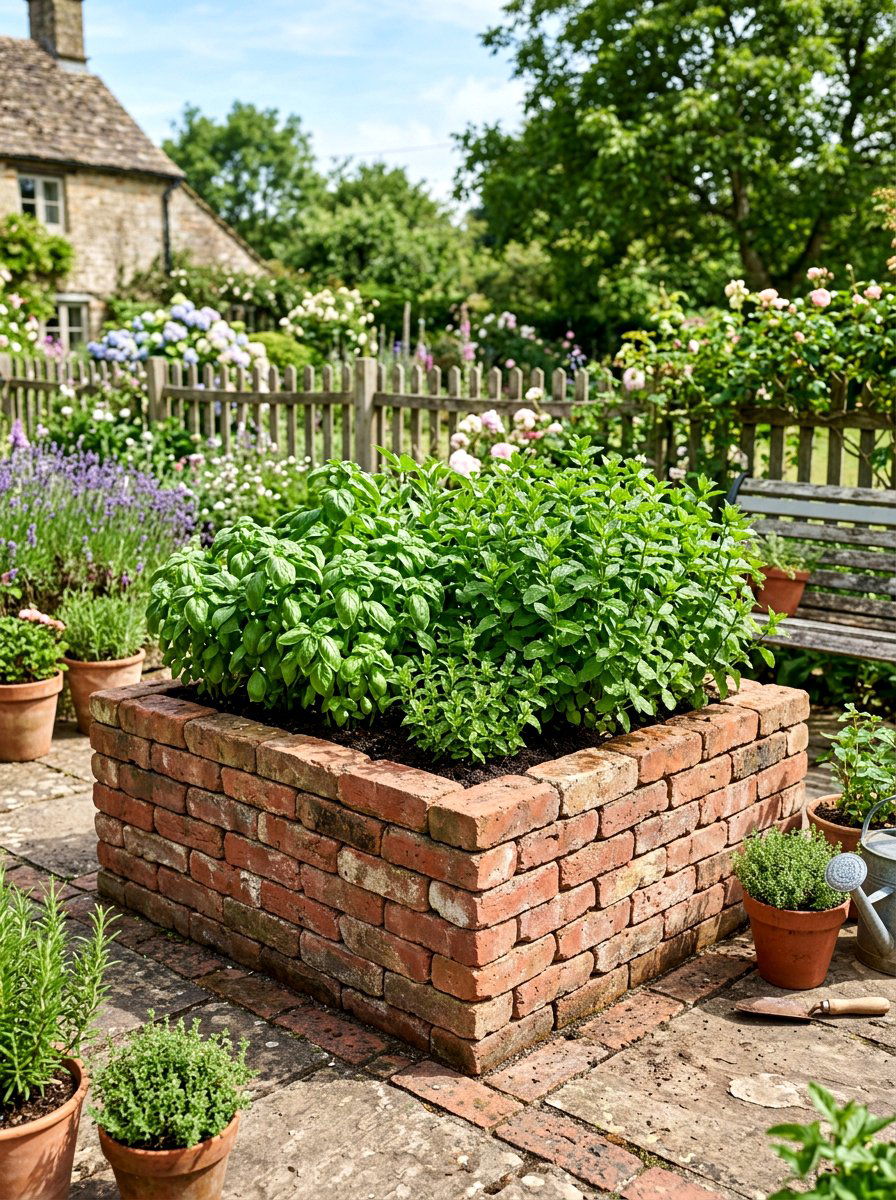
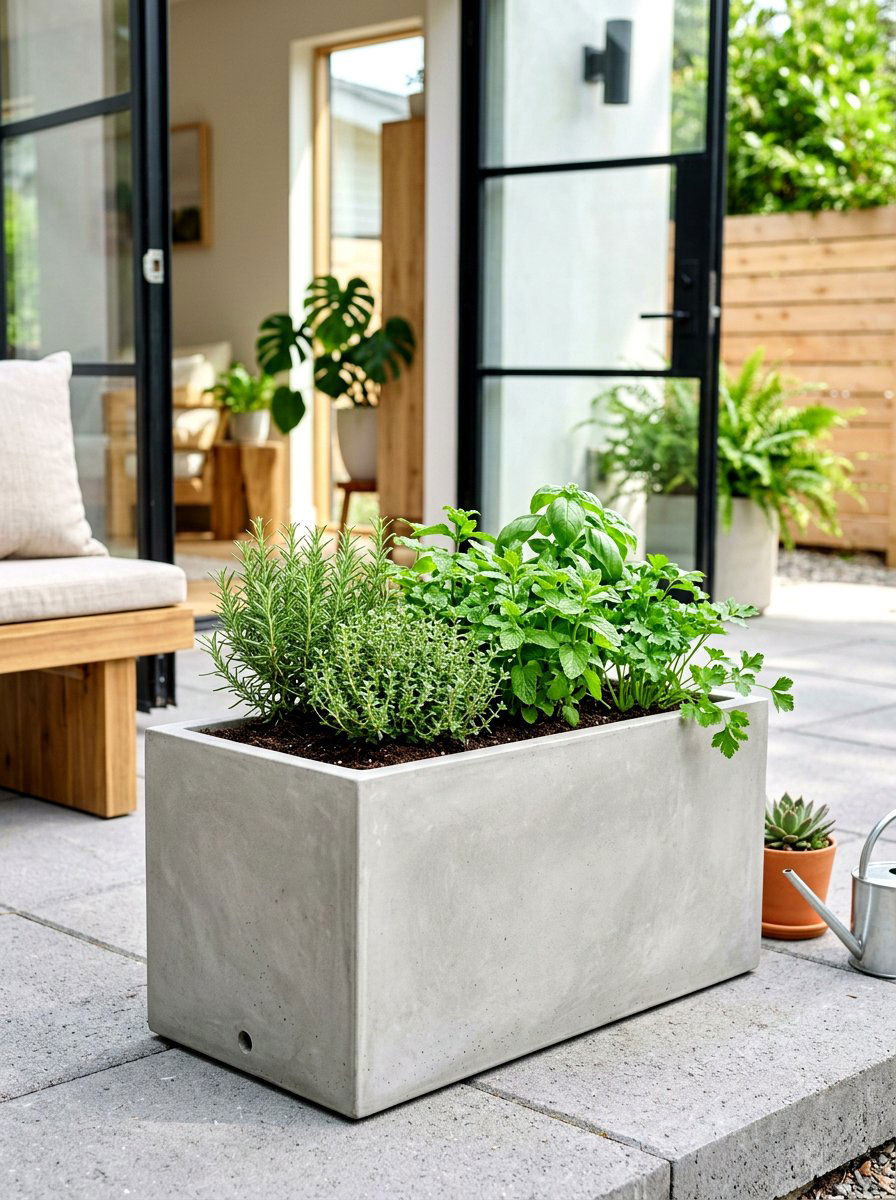
A stacked brick herb garden is a simple, no-fuss way to keep your favorite culinary plants within reach. By simply stacking bricks in a sturdy rectangular or square shape, you create a dedicated space for basil, rosemary, and thyme. This method is excellent for beginners because it doesn't require any permanent construction skills like mortaring. You can easily adjust the height of the bed by adding or removing layers of bricks. This flexibility makes it a great project for renters or those who like to experiment with their garden layout. The natural look of the stacked bricks fits perfectly in a casual, productive backyard setting.
28. Rustic brick garden terrace
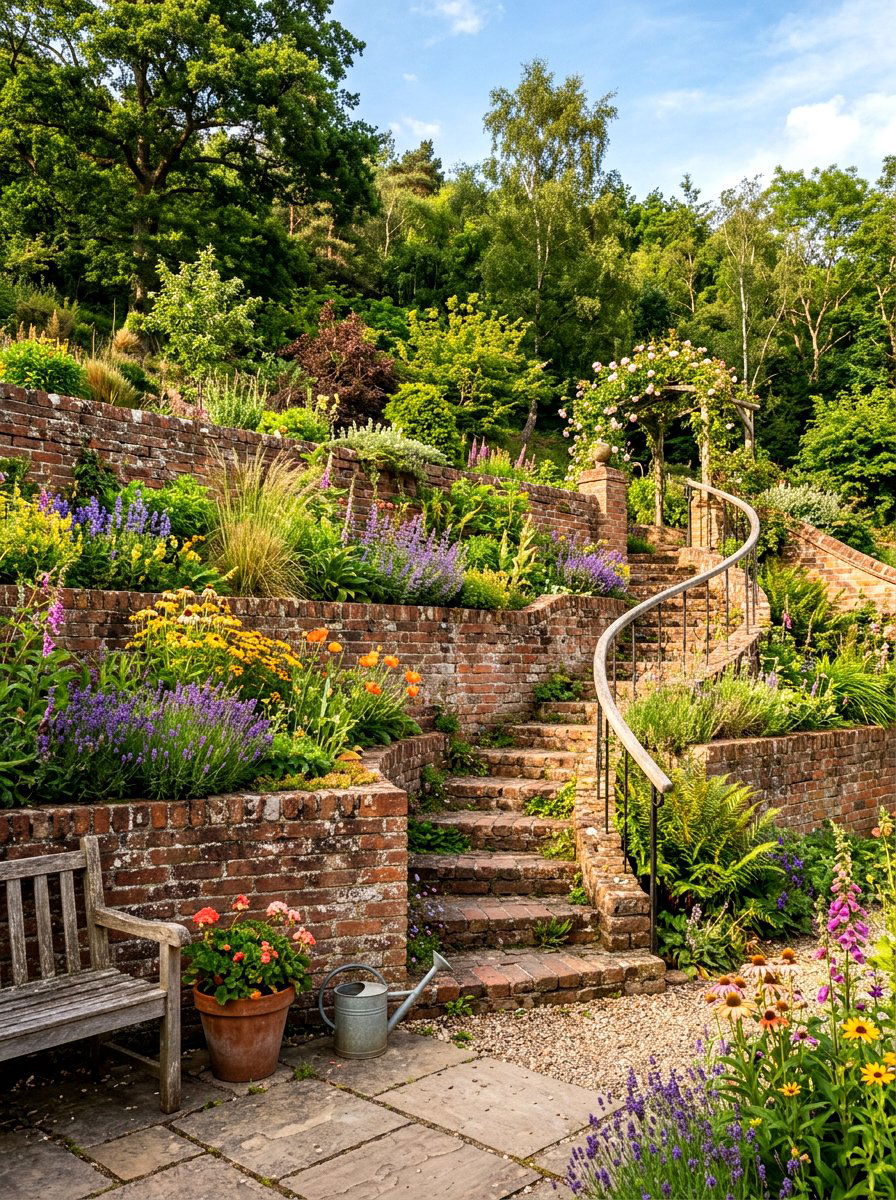
A rustic brick garden terrace is a series of low raised beds built into a slope to create flat planting areas. This technique, known as terracing, prevents soil erosion and allows you to garden on land that would otherwise be too steep to use. The bricks provide a rugged and sturdy retaining wall that can handle the pressure of the hillside. This style looks wonderful when planted with a mix of wildflowers and native shrubs that blend into the surrounding landscape. The weathered appearance of the bricks adds to the rustic, natural charm of the terrace. It is a practical and beautiful way to transform difficult terrain.
29. Symmetrical brick garden layout
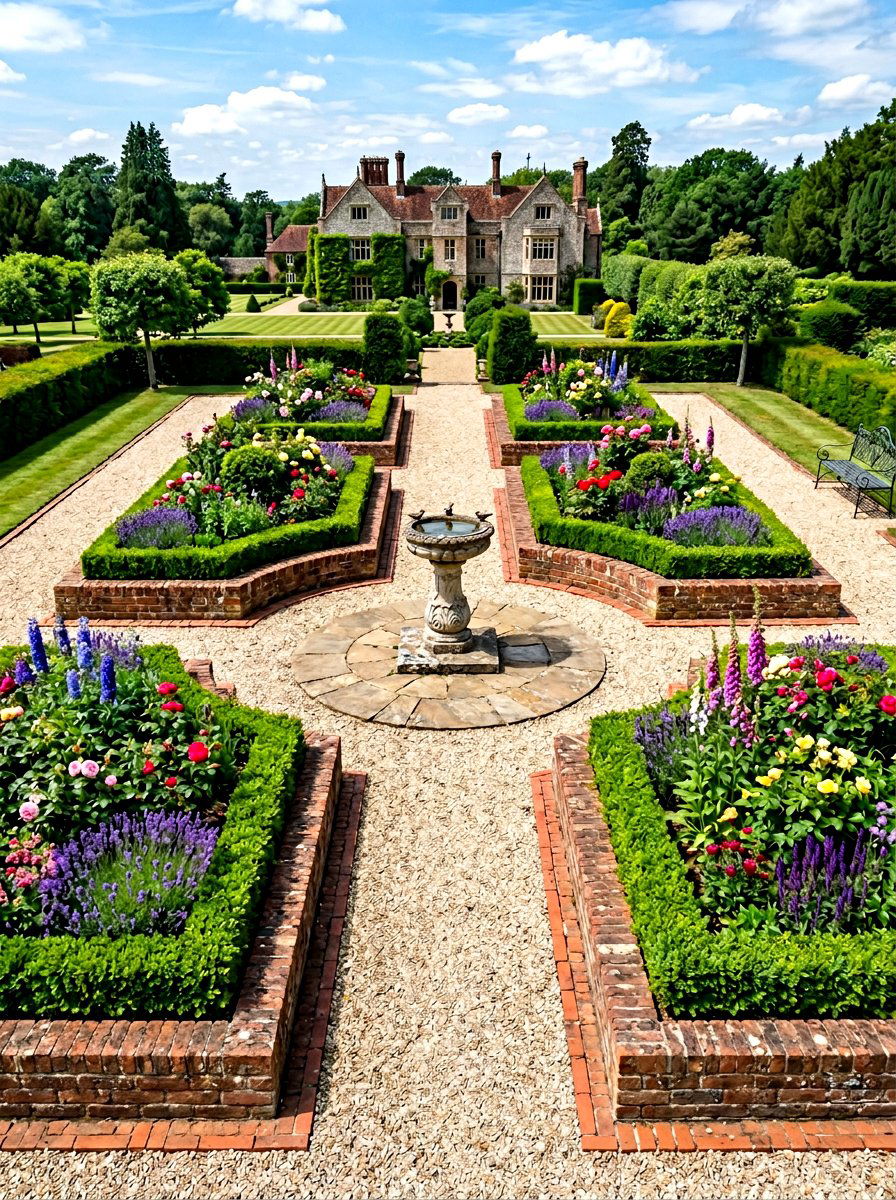
A symmetrical brick garden layout uses identical raised beds placed in a balanced pattern, often around a central axis or feature. This formal design creates a sense of order, calm, and classical beauty. It is frequently seen in Mediterranean or French-style gardens where structure and geometry are highly valued. The matching brick walls provide a cohesive look that ties the entire garden together. This layout is perfect for creating a dedicated vegetable garden that is as beautiful as it is functional. Symmetry is naturally pleasing to the human eye, making this a high-impact choice for anyone wanting a professional and polished landscape design.
30. Decorative brick garden corner
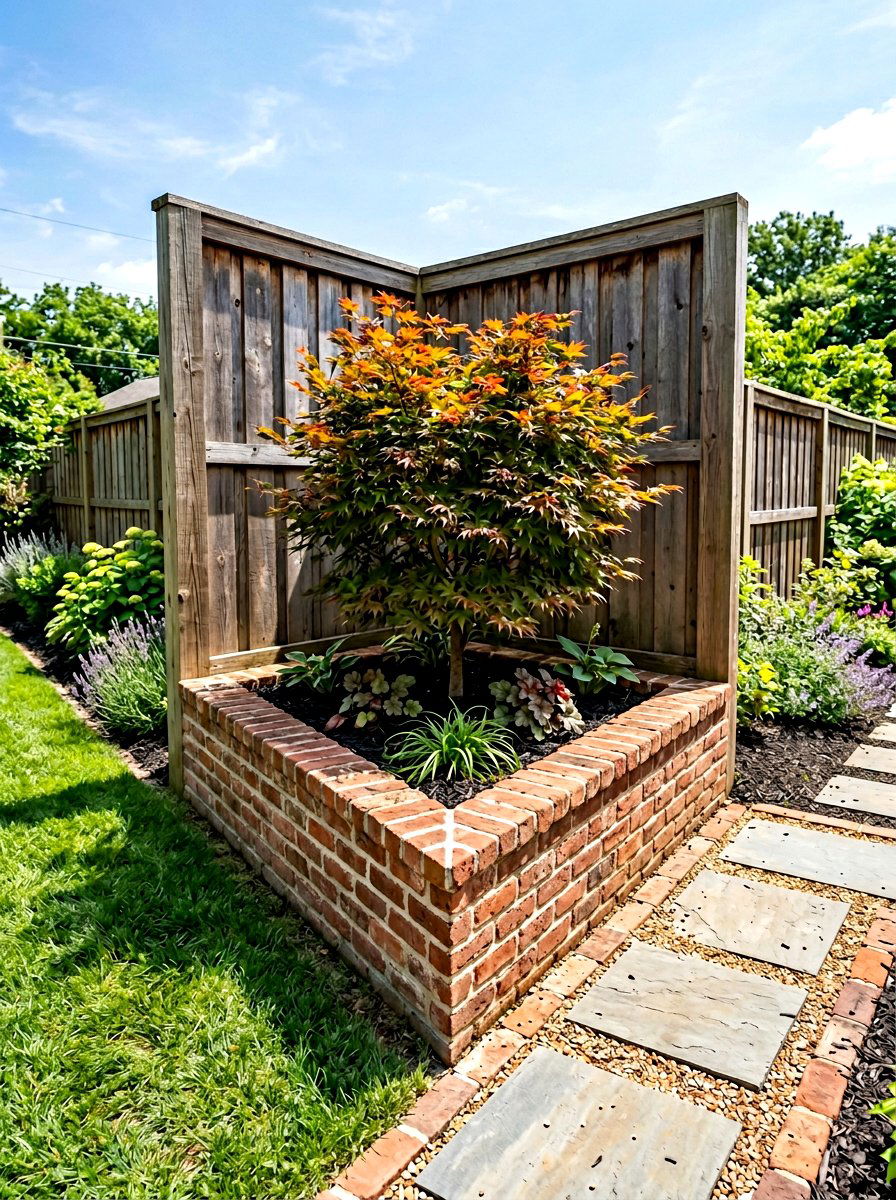
A decorative brick garden corner is a small, specialized bed designed to anchor the corner of a property or a patio. This can be a triangular or diamond-shaped structure that adds interest to an area that is often neglected. You can use this space to plant a striking specimen tree or a collection of decorative shrubs. The corner bed provides a clean finish to your landscaping and helps to define the boundaries of your outdoor space. Using bricks allows you to match the material to other features in your yard, creating a sense of unity. It is a simple addition that significantly improves the overall look of your garden.
Conclusion:
Building brick raised beds is one of the most rewarding investments you can make for your outdoor living space. These structures offer a unique blend of historical charm and modern durability that few other materials can match. Throughout this guide, we have explored how versatile bricks can be, from creating formal symmetrical layouts to cozy, rustic herb spirals. Whether you are a beginner looking for a simple dry-stack project or an experienced gardener planning a multi-level tiered masterpiece, brick provides the perfect foundation. By choosing brick, you are ensuring that your garden remains productive, beautiful, and structurally sound for many decades to come.

Related posts: