Starting your first food plot can feel overwhelming, but focusing on simple beginner vegetable garden projects makes the entire process incredibly rewarding and stress-free. Whether you have a sprawling backyard or a tiny apartment balcony, growing your own organic produce is more accessible than ever before. Modern gardening trends prioritize low-maintenance systems that help you avoid common pitfalls like overwatering or poor soil quality. By selecting the right layout for your specific environment, you can enjoy fresh harvests throughout the seasons. This guide explores creative and functional setups that maximize productivity while enhancing your outdoor or indoor living space beautifully. Let’s dive into these practical solutions for starting your thriving edible oasis today.
1. Raised Bed Vegetable Garden
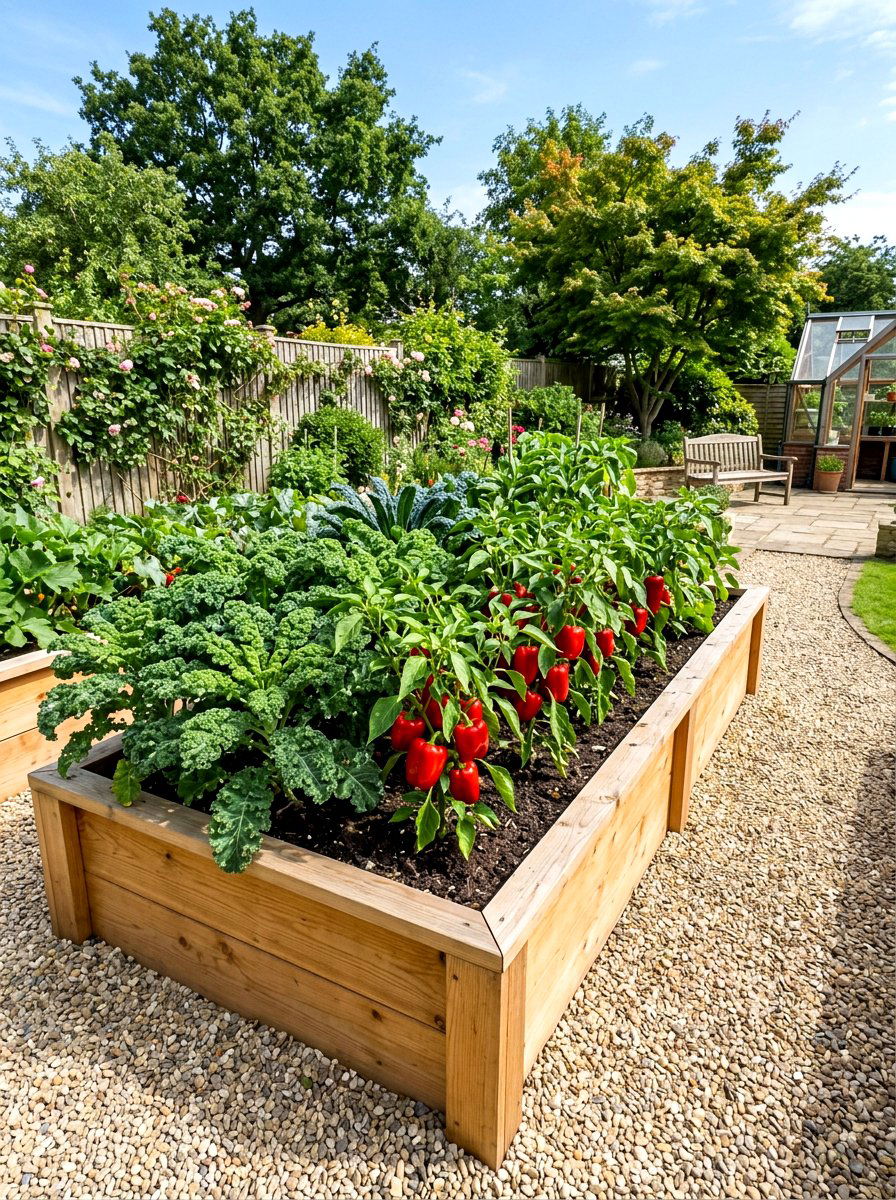
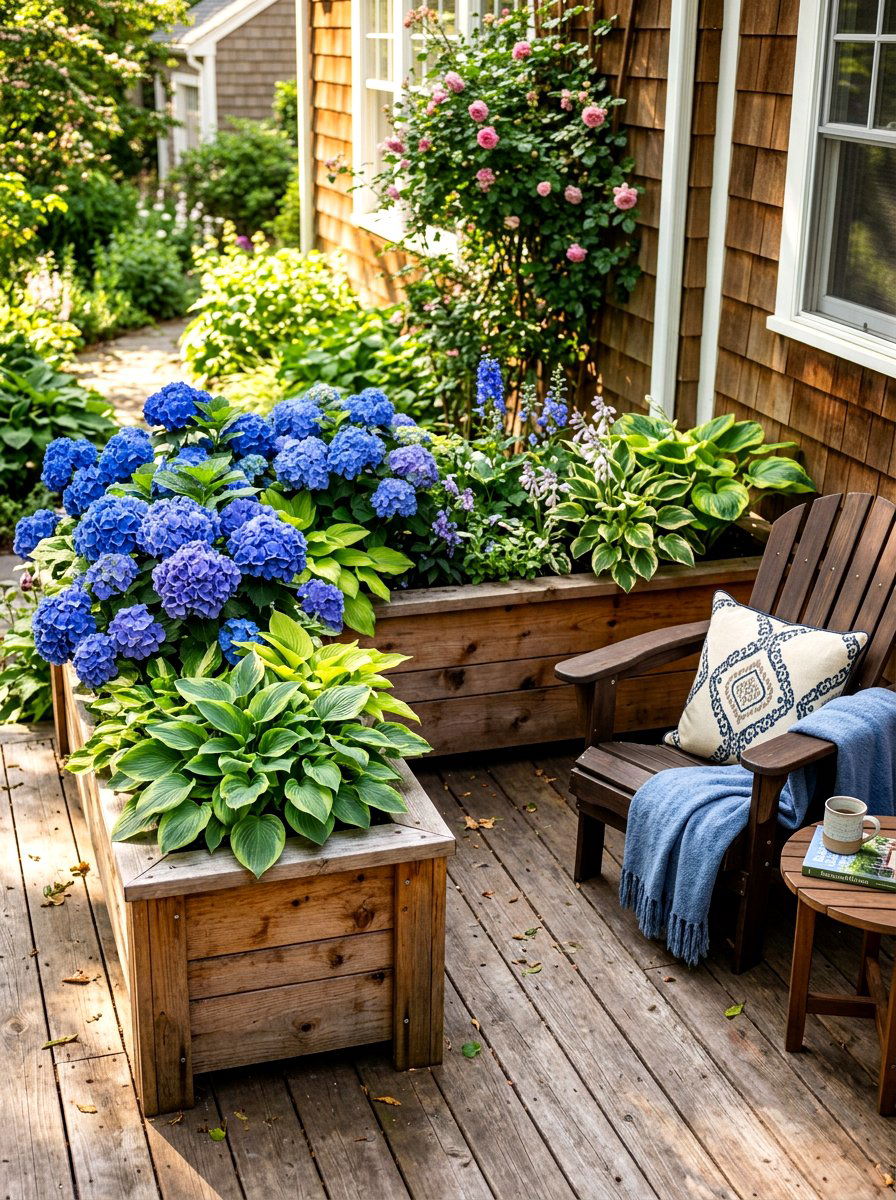
Starting with a raised bed vegetable garden is often the most recommended approach for those new to growing food at home. These elevated structures provide immediate control over soil quality, which is crucial if your backyard has heavy clay or rocky earth. By lifting the planting area, you also ensure superior drainage and warmer soil temperatures in the early spring months. Many beginners appreciate how these beds define the space, keeping weeds from encroaching on their precious crops. You can build these using cedar planks or purchase pre-made metal kits that assemble in minutes. This setup reduces physical strain and keeps your garden looking organized and professional all year long.
2. Container Vegetable Garden
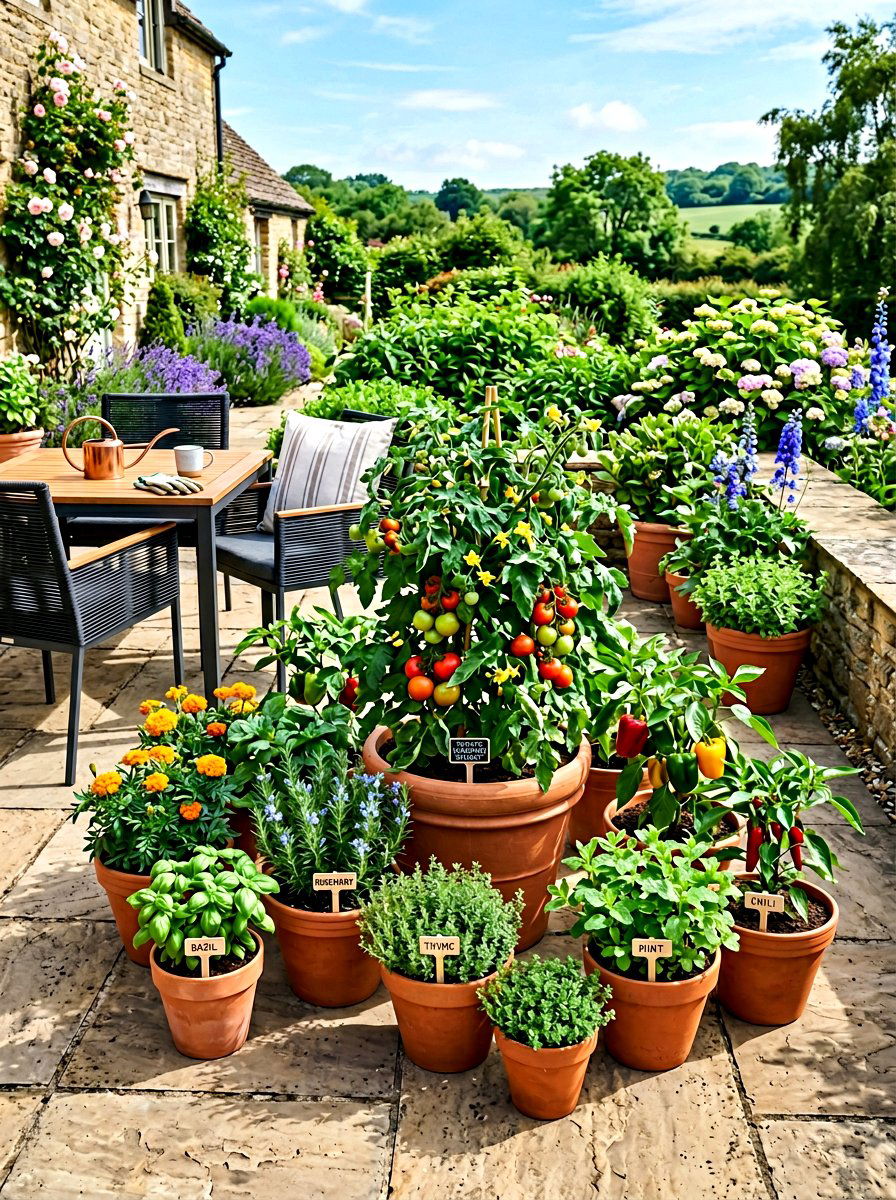
If you are dealing with limited outdoor space, a container vegetable garden offers the ultimate flexibility for growing fresh produce on any hard surface. Using pots, grow bags, or decorative planters allows you to move your plants to follow the sun as the seasons change. This method is perfect for urban dwellers with small patios or balconies who want to harvest peppers, greens, and herbs. You must ensure your containers have proper drainage holes to prevent root rot from excessive moisture. High-quality potting mix is essential here since it provides the specific nutrients and aeration required for plants living in confined spaces. It is a very manageable way to start.
3. Vertical Vegetable Garden
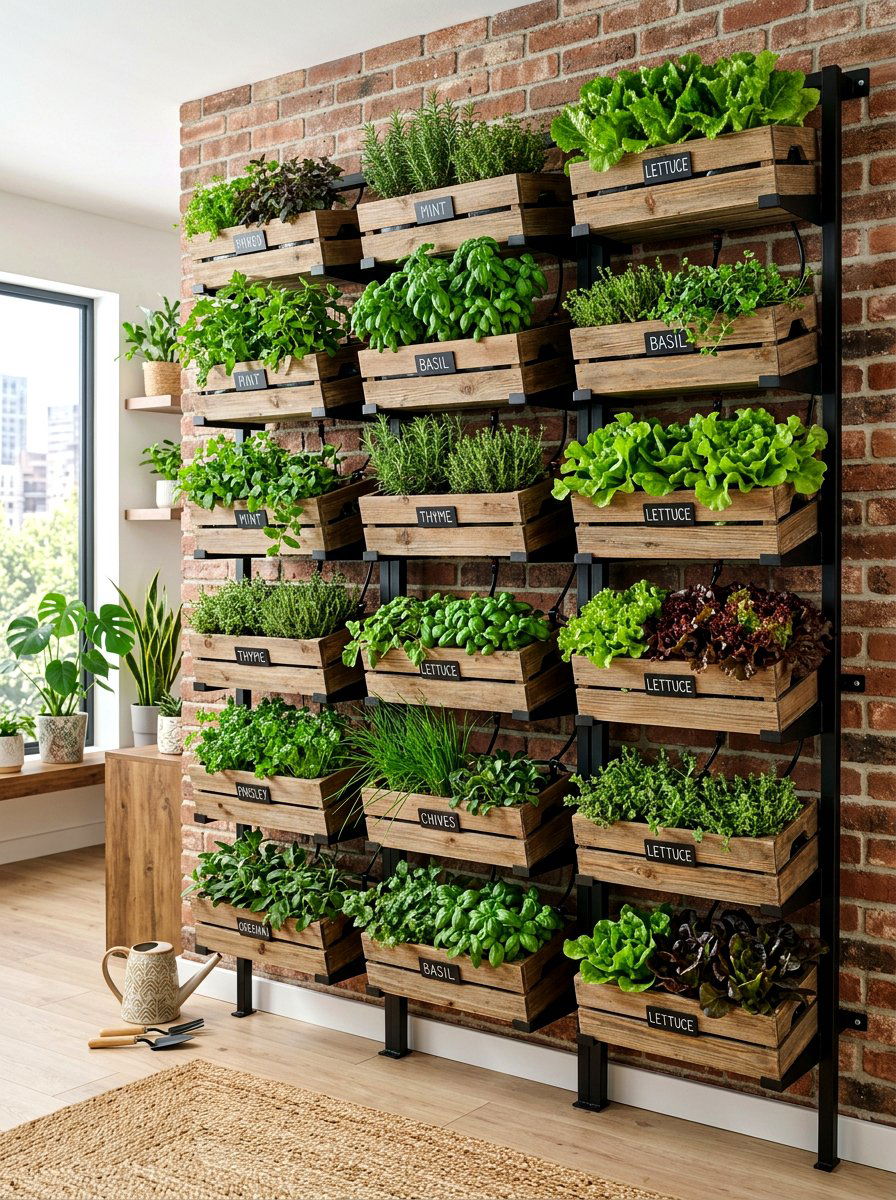
Utilizing a vertical vegetable garden is a brilliant strategy for anyone looking to maximize their harvest without taking up valuable ground real estate. By encouraging vining plants like peas, pole beans, and cucumbers to grow upward on walls or fences, you create a lush green screen. This technique improves air circulation around the foliage, which significantly reduces the risk of fungal diseases that often plague ground-growing varieties. You can use specialized pocket planters, wall-mounted wooden crates, or simple wire mesh panels to support your climbing crops. This approach transforms bare vertical surfaces into productive edible tapestries that add a modern architectural element to any small outdoor area.
4. Square Foot Vegetable Garden
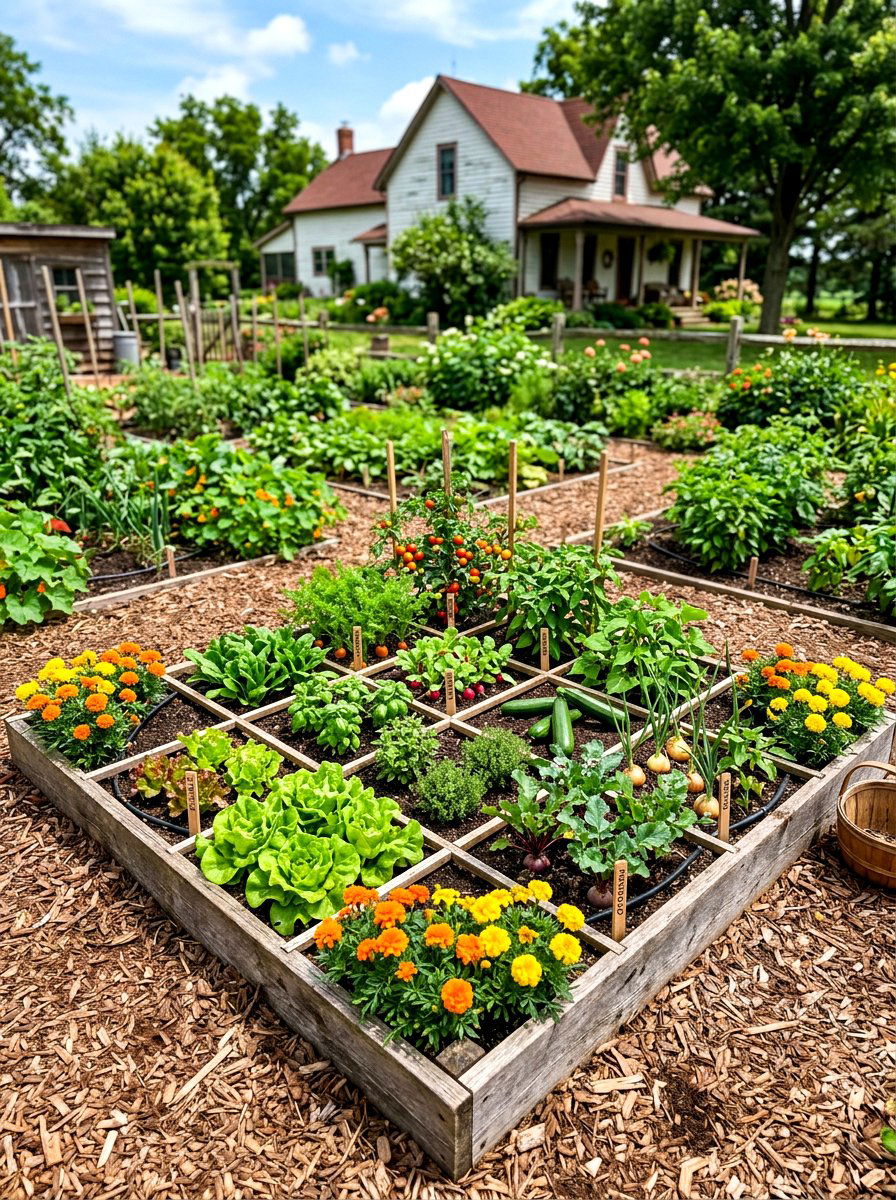
The square foot vegetable garden is a highly organized method that eliminates the guesswork for beginners by using a clear grid system. By dividing a garden bed into one-foot squares, you can easily determine exactly how many plants fit into each specific section. This intensive planting style reduces the space available for weeds to grow, making maintenance much easier over time. It is an excellent way to learn about plant spacing and crop rotation without feeling overwhelmed by a large open plot. You can grow a huge variety of vegetables in a very small footprint, ensuring that every inch of your soil is working hard for you.
5. Herb Garden For Beginners
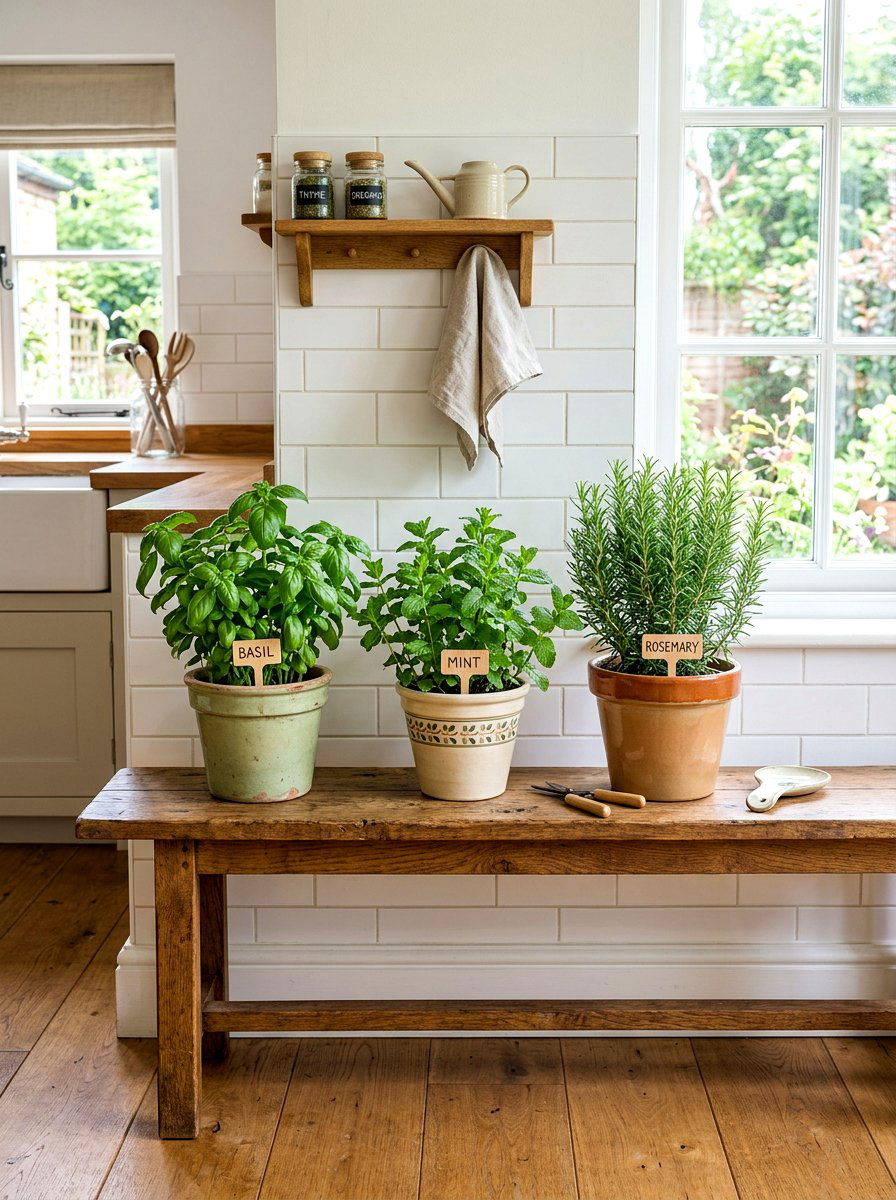
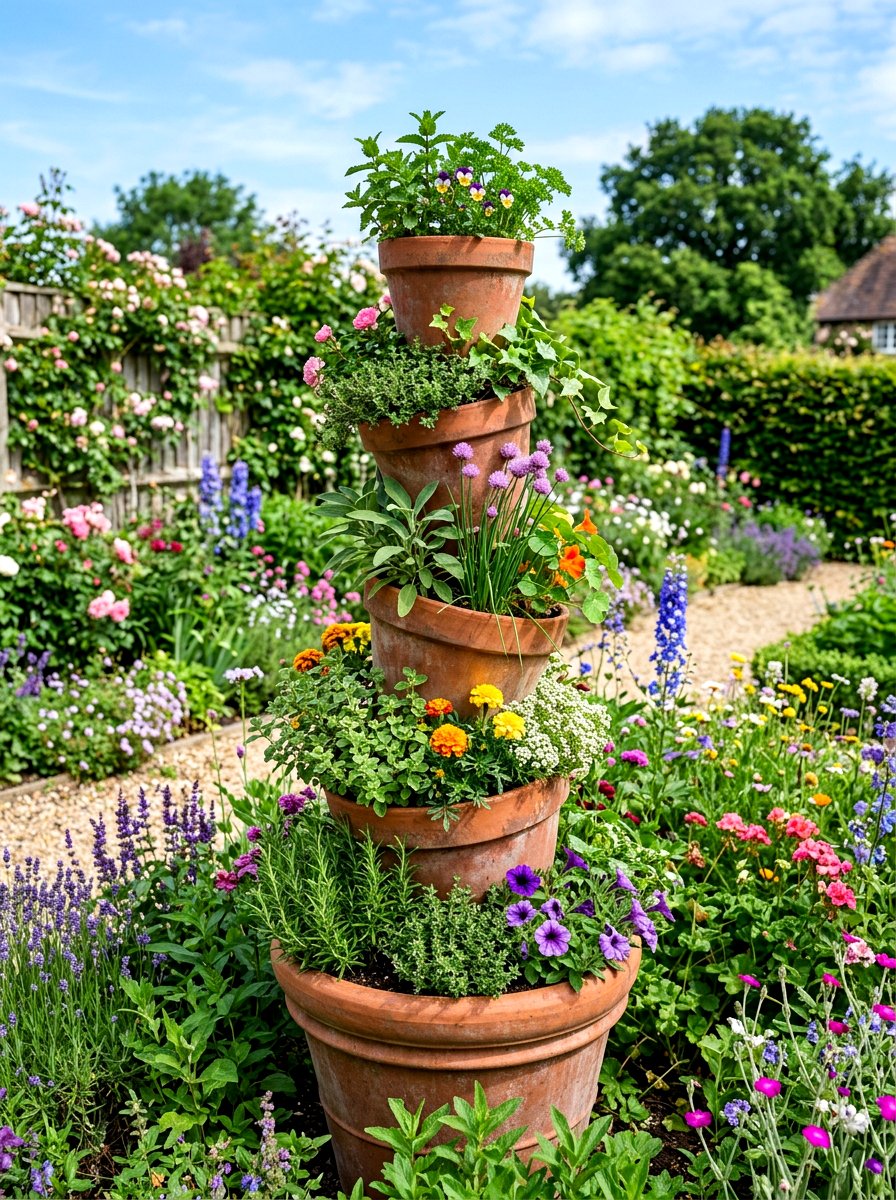
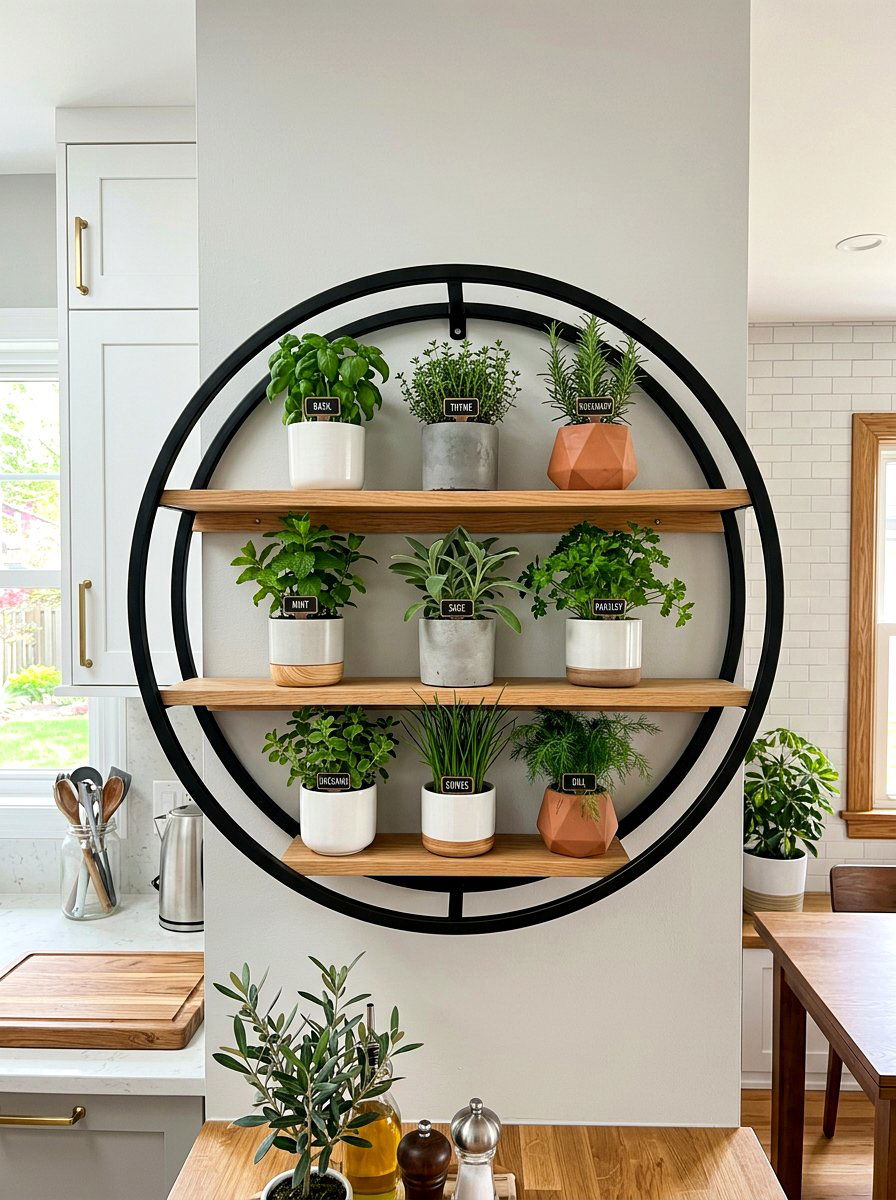
Creating a dedicated herb garden for beginners is the fastest way to see success because many herbs are incredibly resilient and easy to grow. Plants like basil, rosemary, mint, and chives require very little maintenance once they are established in a sunny spot. You can grow them in a cluster of decorative pots near your kitchen door for easy access during meal preparation. Freshly harvested herbs provide a massive flavor boost to your cooking that store-bought versions simply cannot match. Many herbs also produce beautiful flowers that attract beneficial pollinators like bees and butterflies to your yard. It is a sensory-rich project that offers immediate and tasty rewards.
6. Salad Green Garden
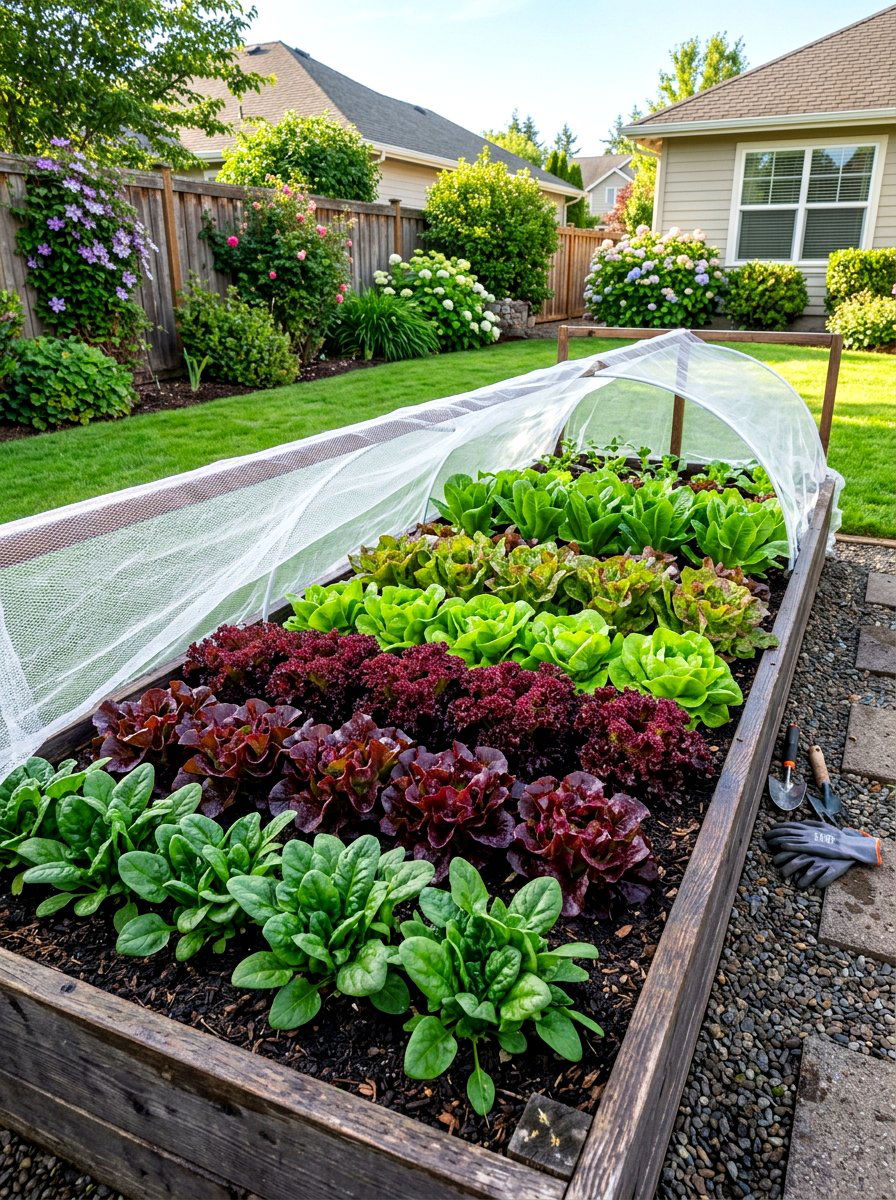
A salad green garden is perfect for those who want quick results, as many leafy varieties are ready for harvest in just weeks. You can grow an abundance of spinach, arugula, and loose-leaf lettuce in shallow containers or small garden patches. These cool-season crops thrive in the spring and fall, allowing you to enjoy multiple harvests throughout the year. Beginners love the "cut and come again" method, where you snip outer leaves and let the center continue growing for future meals. This type of garden requires consistent moisture but very little deep soil, making it ideal for window boxes or small raised beds near the house.
7. Window Box Vegetable Garden
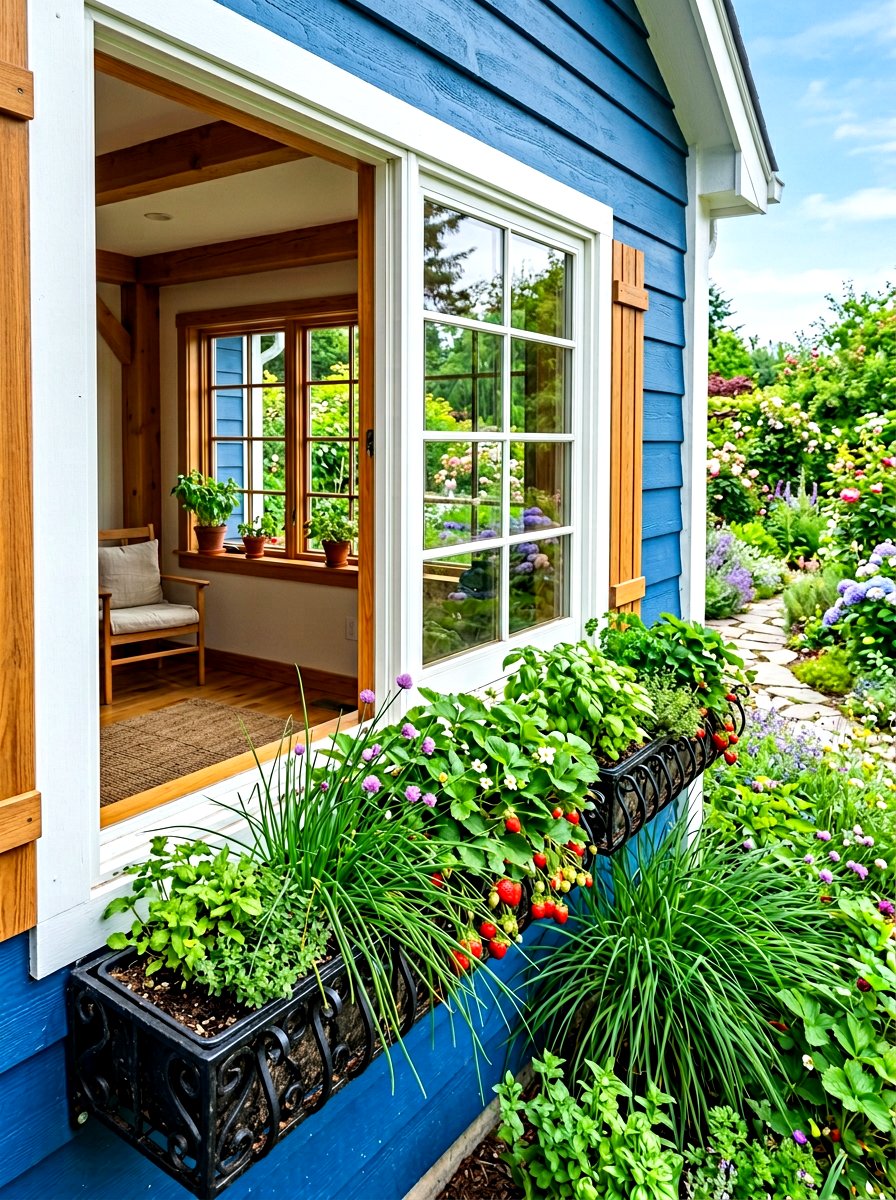
A window box vegetable garden turns your home's exterior into a functional growing space that is both beautiful and highly productive. These long, narrow planters are ideal for smaller crops like radishes, strawberries, and compact varieties of kale or Swiss chard. By mounting them directly under windows or on porch railings, you keep your edible plants at eye level for easy monitoring and watering. This setup is particularly effective for those without a traditional yard who still want to experience the joy of gardening. Ensure your window boxes are securely fastened and filled with lightweight potting soil to provide the best environment for your miniature edible paradise.
8. Pallet Vegetable Planter
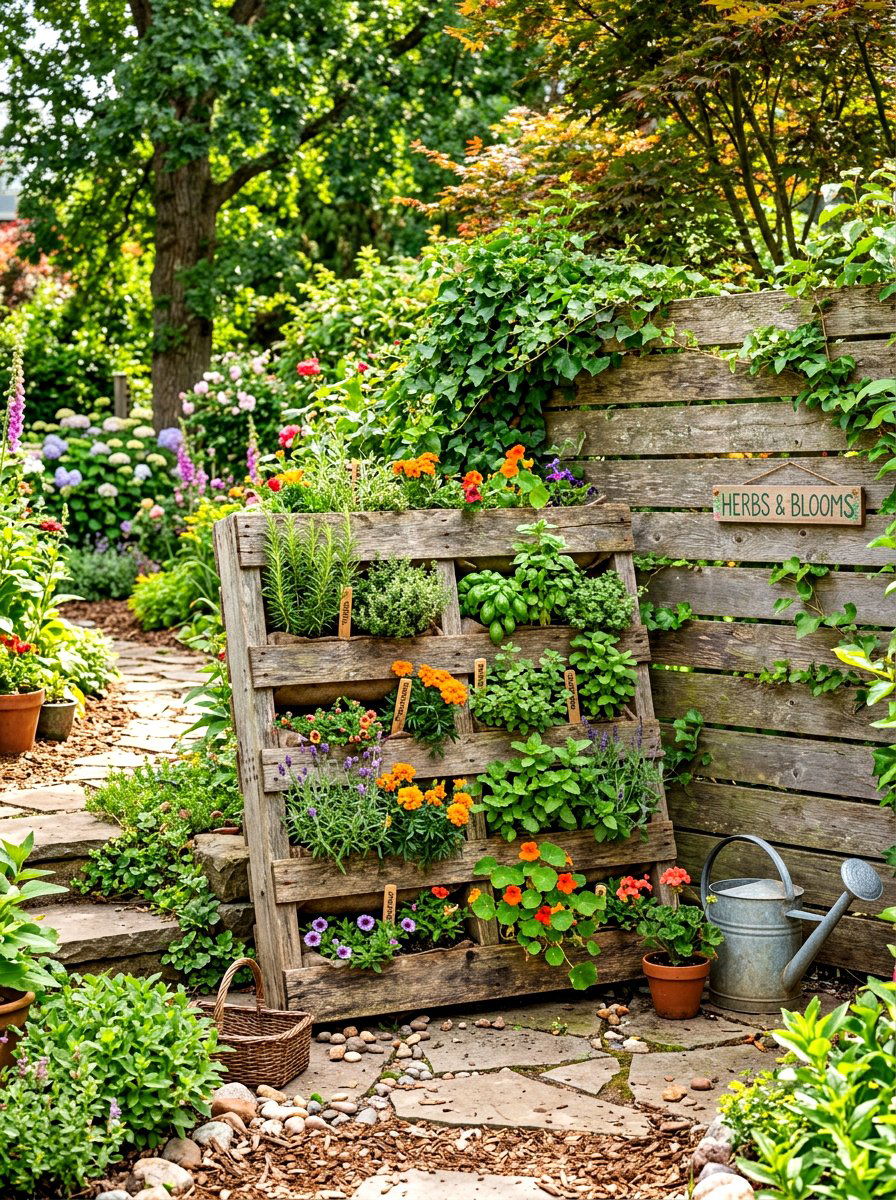
Building a pallet vegetable planter is a fantastic eco-friendly project that repurposes old wooden shipping pallets into a rustic vertical garden. By adding landscape fabric to the back and bottom of the slats, you create narrow pockets perfect for growing shallow-rooted vegetables. This design is excellent for herbs, succulents, or strawberries, and it leans easily against any sturdy wall or fence. It is a budget-friendly solution that adds a charming, DIY aesthetic to your outdoor space while keeping your plants off the ground. Always ensure the pallets you use are heat-treated rather than chemically treated to keep your food safe for consumption and completely organic.
9. Potted Tomato Garden
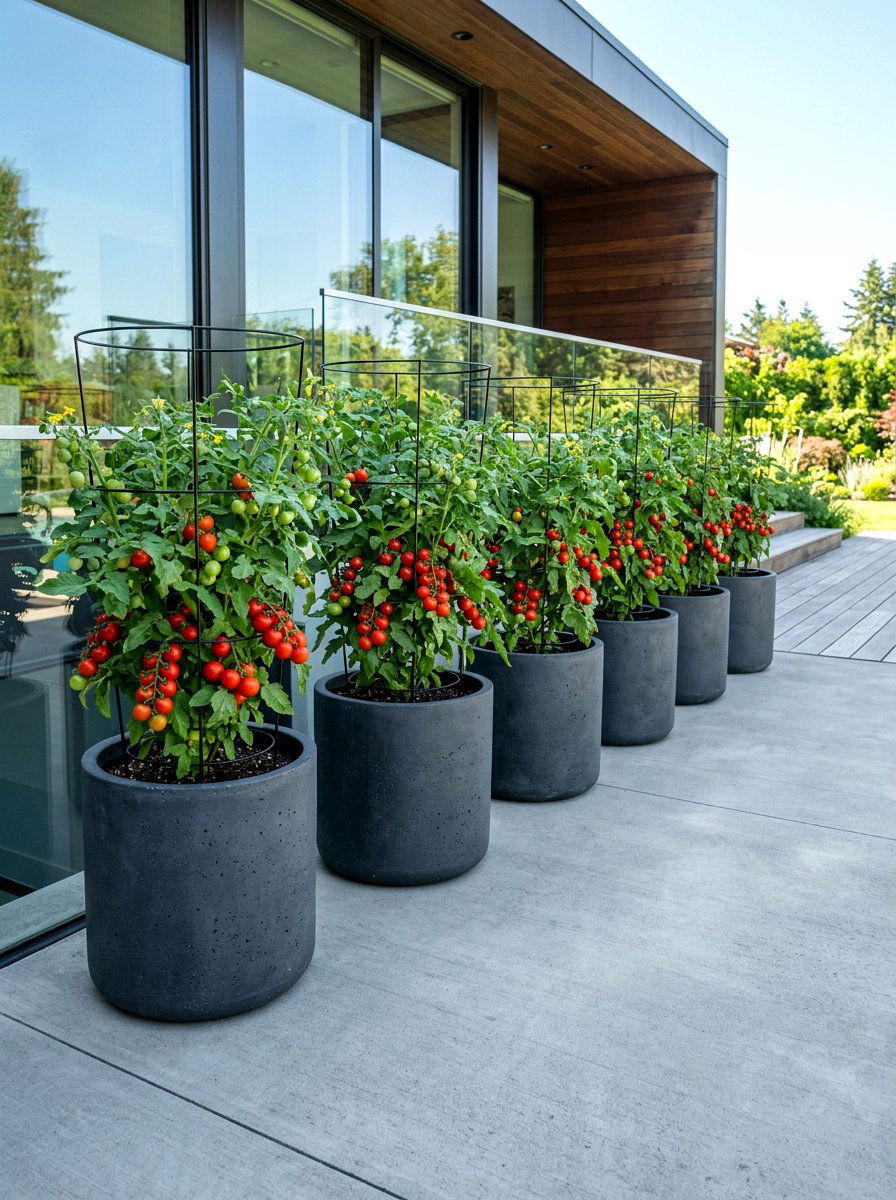
Starting a potted tomato garden is a classic choice for beginners because modern bush and patio varieties are bred specifically for container living. Cherry tomatoes are especially rewarding as they produce hundreds of sweet fruits on compact plants that don't require massive trellises. You simply need a large pot with good drainage, a sturdy stake or small cage for support, and plenty of direct sunlight. Regular watering is key to preventing blossom end rot and ensuring your fruit develops a rich, sweet flavor. There is nothing quite like the taste of a sun-warmed tomato picked straight from your own patio during the height of the summer season.
10. Hanging Vegetable Basket
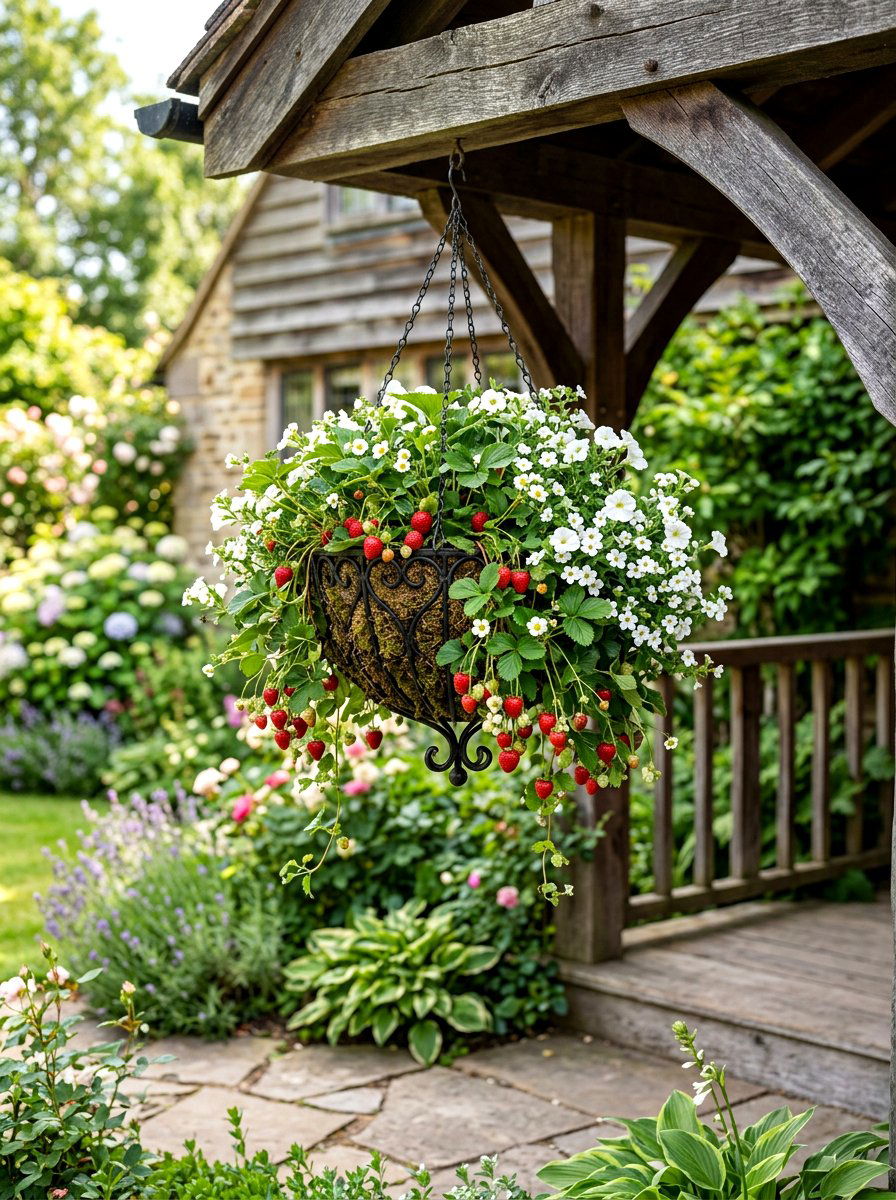
A hanging vegetable basket is a clever way to grow food in the air, keeping your crops safe from ground-dwelling pests. Many people find success growing trailing varieties of strawberries, cherry tomatoes, or even small peppers in these suspended containers. They look beautiful hanging from porch eaves or specialized garden hooks, adding a vertical layer of greenery to your home. Since these baskets can dry out quickly in the wind, they may require more frequent watering than ground-based plants. Choosing a high-quality self-watering basket can help maintain consistent moisture levels for your elevated edible treats. It is a whimsical and very practical small-space gardening solution.
11. Straw Bale Vegetable Garden
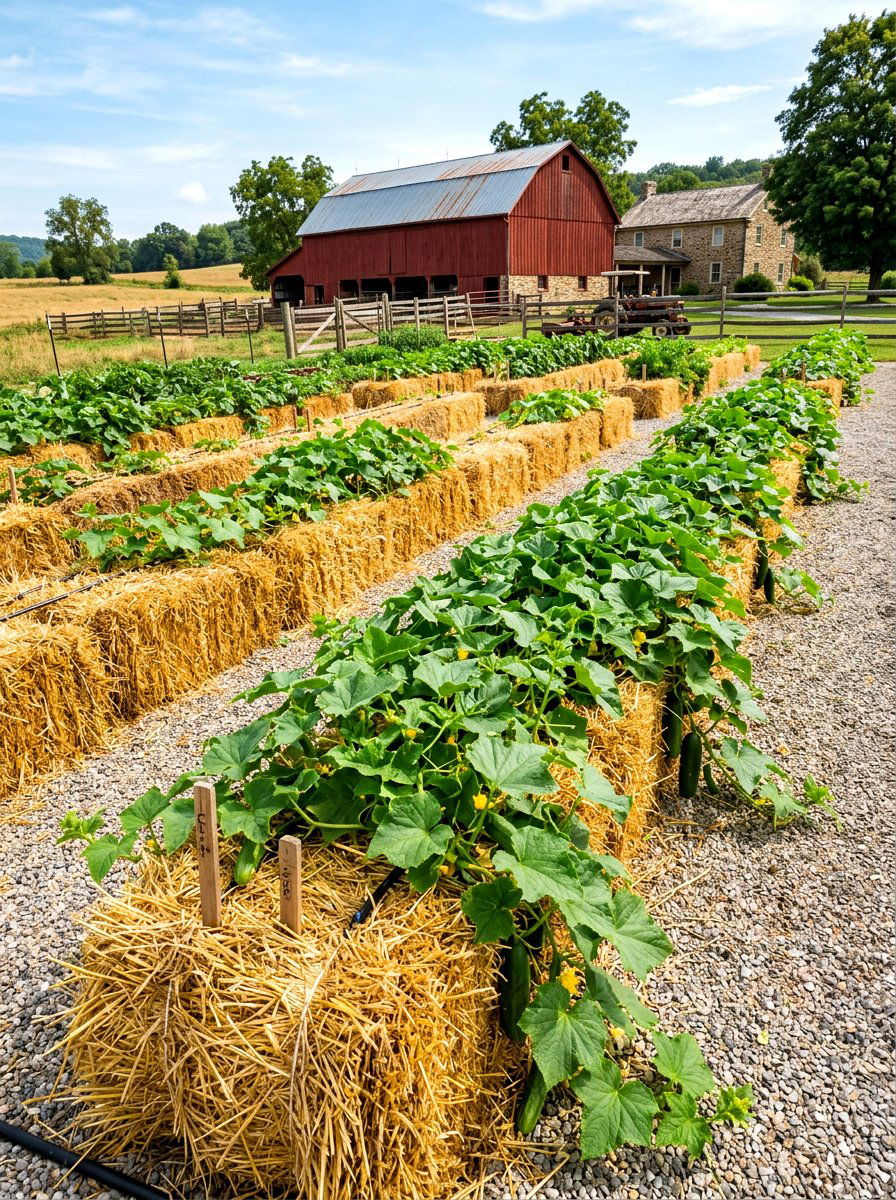
The straw bale vegetable garden is a unique and temporary setup that is perfect for beginners with poor soil or limited tools. By "conditioning" a tight bale of straw with water and nitrogen, you turn the inside into a nutrient-rich composting environment. You then plant your seedlings directly into the top of the bale, where the decomposing straw provides warmth and food. This method elevates the plants, making them easier to reach while virtually eliminating the need for weeding or heavy digging. At the end of the season, the bale can be added to your compost pile, making it a completely sustainable and highly innovative growing choice.
12. Keyhole Vegetable Garden
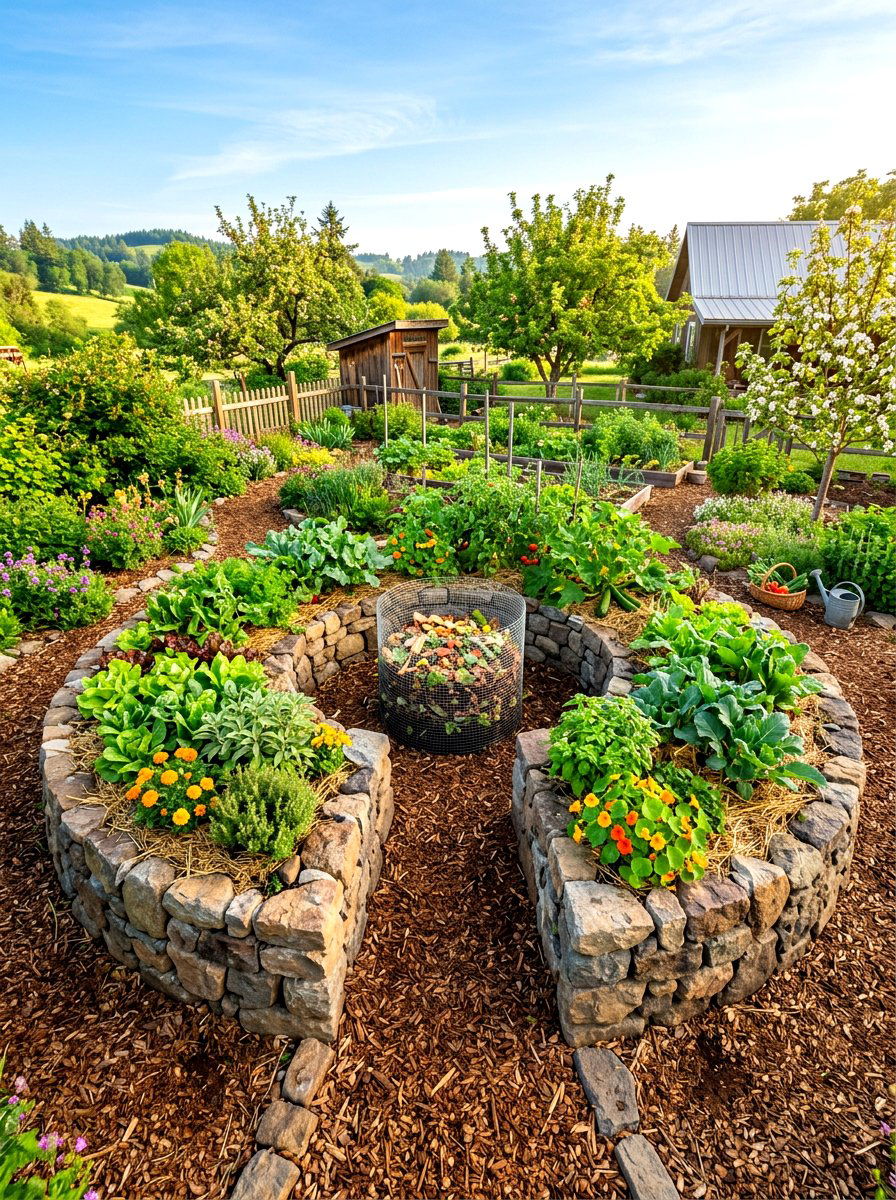
A keyhole vegetable garden is a sustainable design that incorporates a central composting basket within a circular raised bed. This clever layout allows you to add kitchen scraps directly to the center, which then breaks down and feeds the surrounding soil. The "keyhole" notch provides easy access to the center for maintenance without ever having to step on the growing area. This system is incredibly efficient for water conservation and soil health, making it a favorite for eco-conscious beginners. It creates a beautiful focal point in a backyard and produces an abundance of vegetables with minimal external fertilizer needed. It is a very smart, self-sustaining garden.
13. Tiered Vegetable Garden
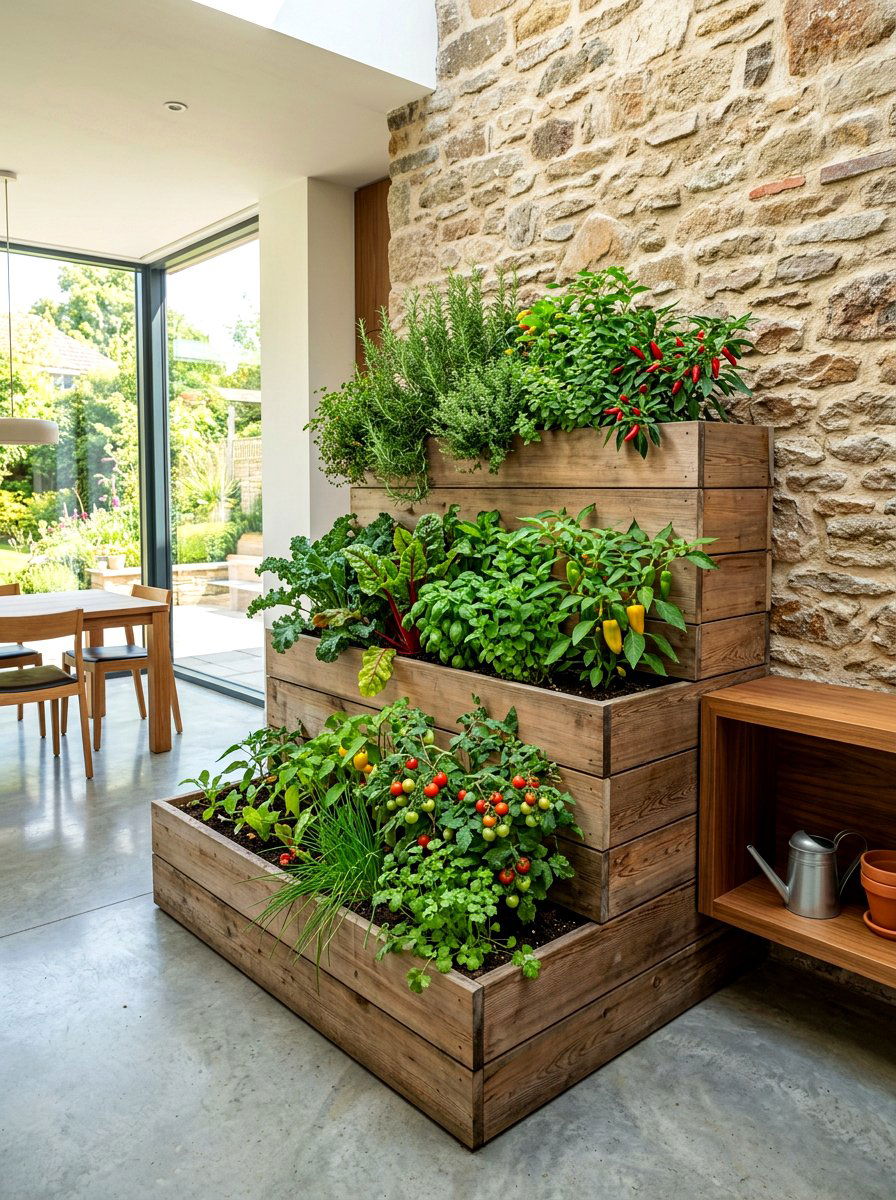
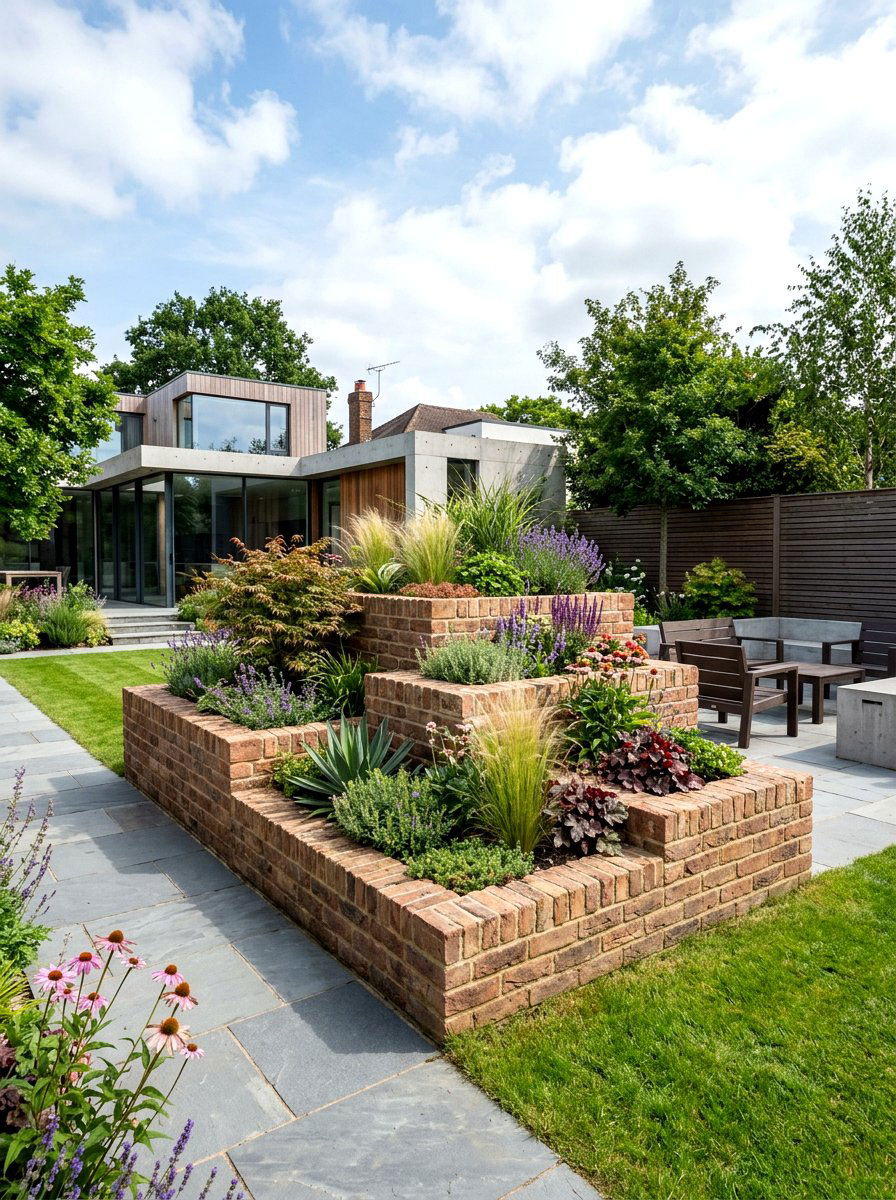
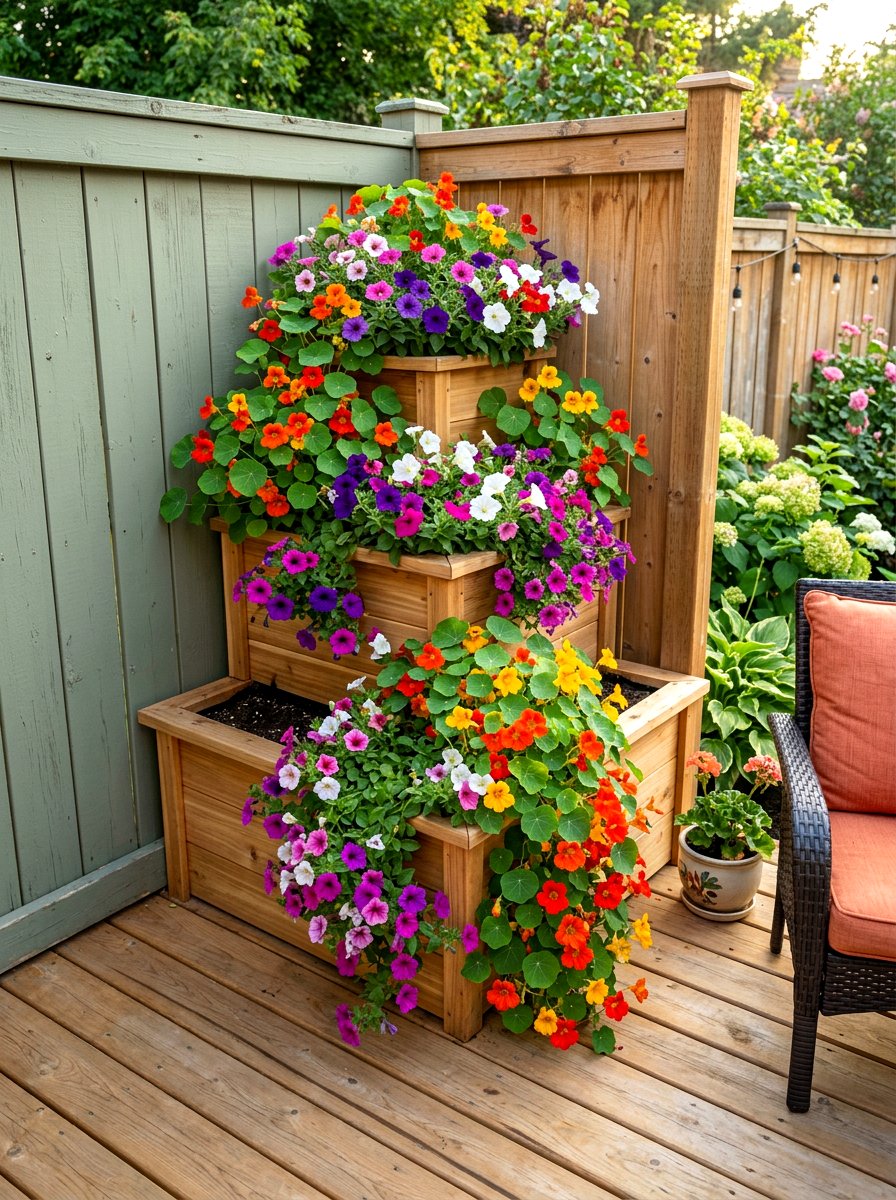
A tiered vegetable garden uses multiple levels to create a visually striking display while maximizing the planting area in a small footprint. By stacking wooden or plastic beds of decreasing sizes, you create stairs that are perfect for different types of vegetables. Tall plants can go at the back, while cascading varieties like strawberries or oregano spill over the edges of the lower tiers. This design provides excellent drainage and allows you to separate crops by their specific water and light requirements easily. It is an ideal project for sloping yards or for anyone who wants to add architectural interest and depth to their vegetable patch.
14. Trellis Vegetable Garden
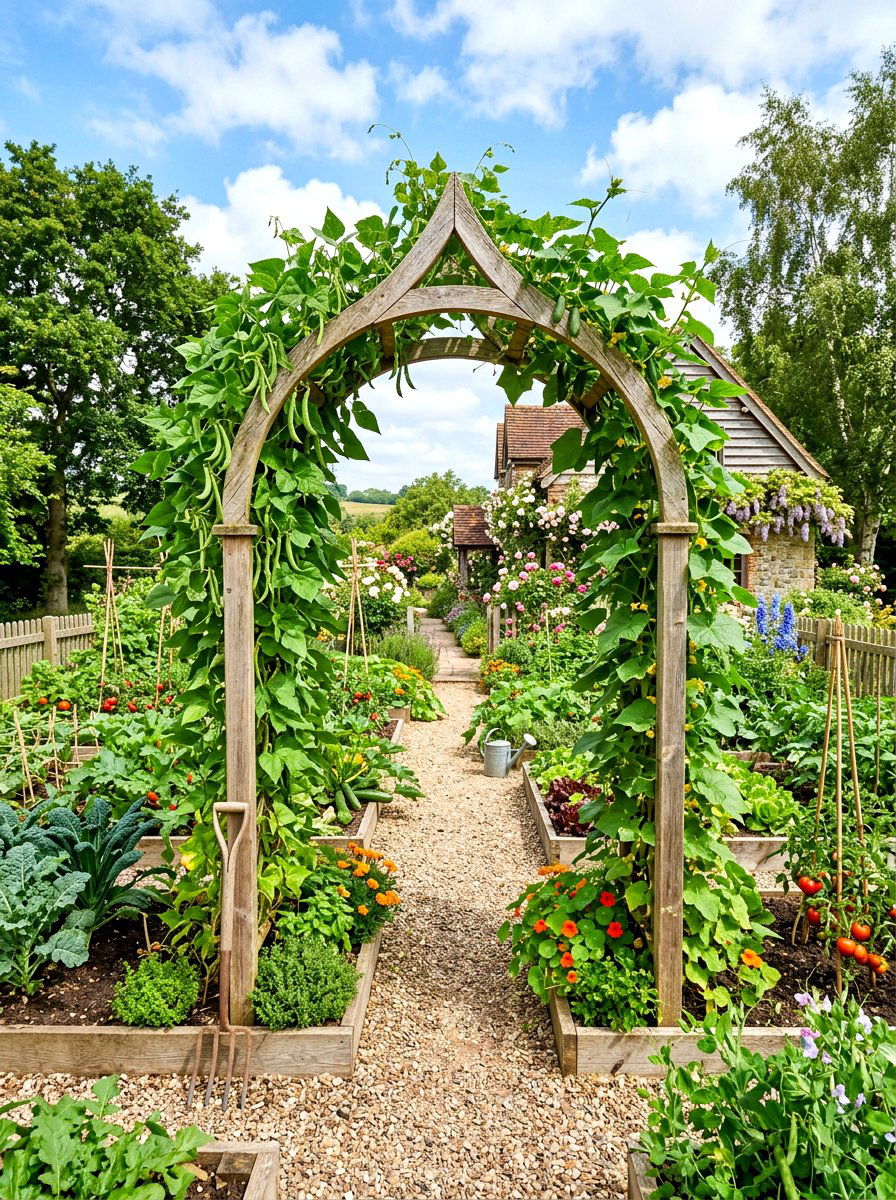
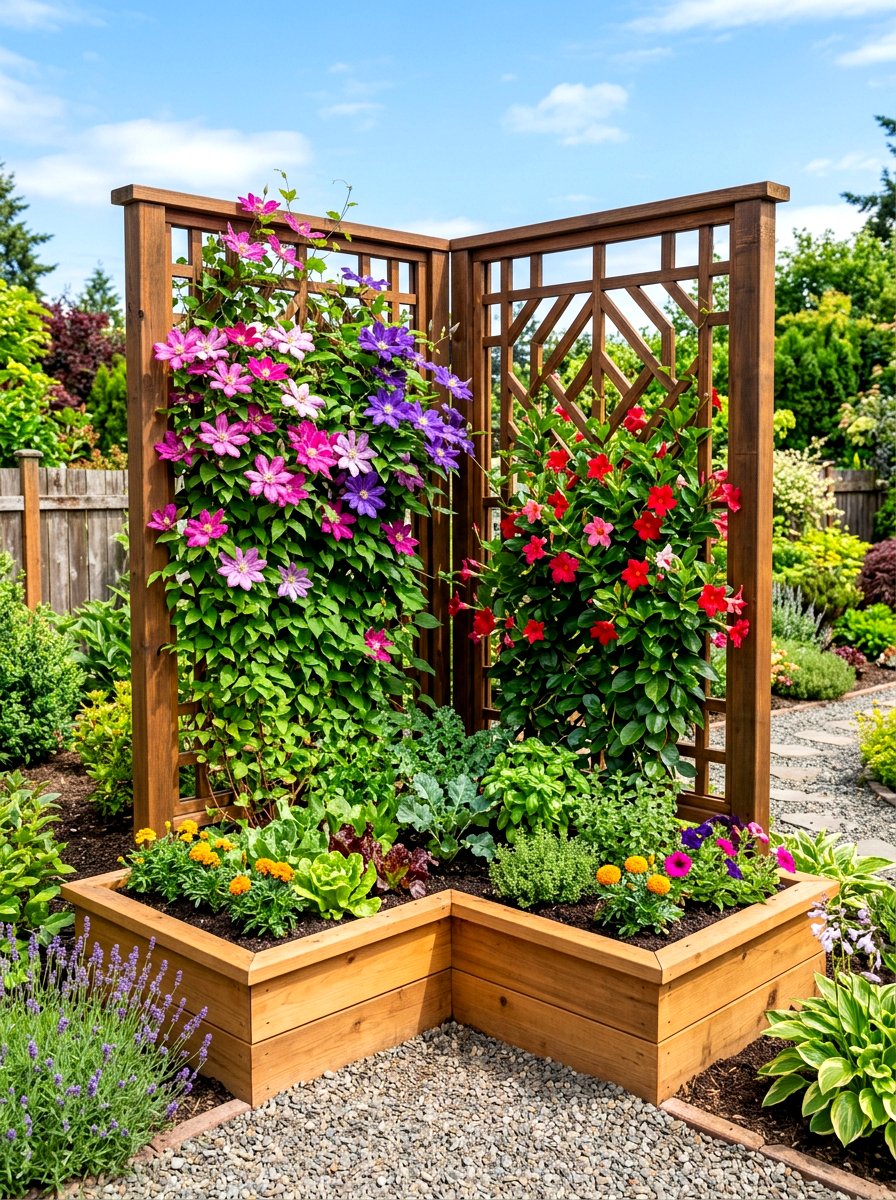
Implementing a trellis vegetable garden is the best way to manage sprawling plants like vining squash, melons, or heavy-duty pole beans. A sturdy trellis keeps the fruit off the damp ground, which prevents rot and keeps the produce much cleaner for harvest. It also makes it much easier to spot your vegetables among the dense green foliage, ensuring you never miss a ripe cucumber. You can use cattle panels, wooden lattices, or even simple twine systems to create these vertical supports. This method saves an incredible amount of garden space and creates a beautiful, living wall that provides shade and privacy for your outdoor seating areas.
15. Gutter Vegetable Garden
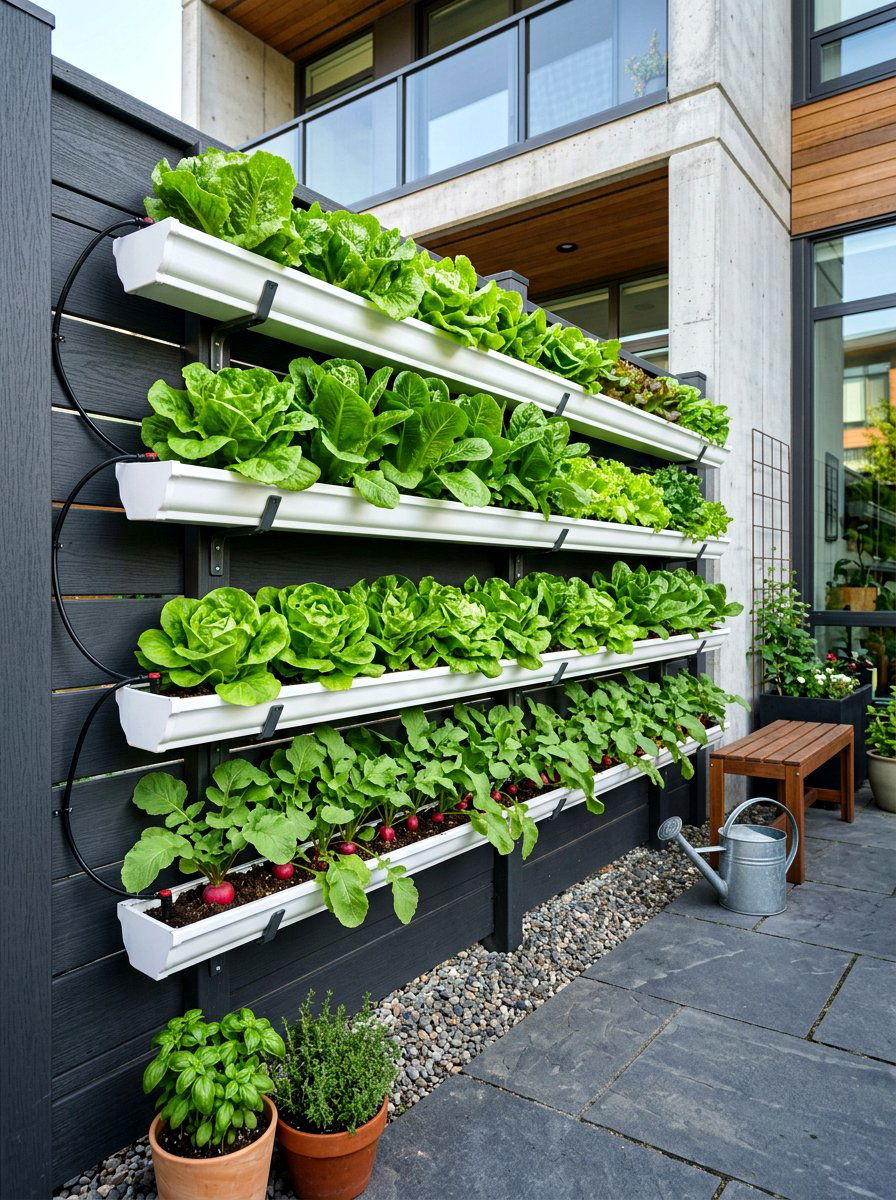
A gutter vegetable garden is an innovative way to use narrow spaces on fences or walls to grow shallow-rooted crops. By mounting standard rain gutters in horizontal rows, you create long, thin planters that are perfect for lettuce, spinach, and radishes. This setup keeps your leafy greens away from slugs and snails while providing a clean and organized look. It is a very lightweight system that can be installed at any height, making it accessible for children or those with mobility issues. Ensure you drill drainage holes along the bottom of the gutters to keep the roots healthy and prevent waterlogging during heavy rain storms.
16. No Dig Vegetable Garden
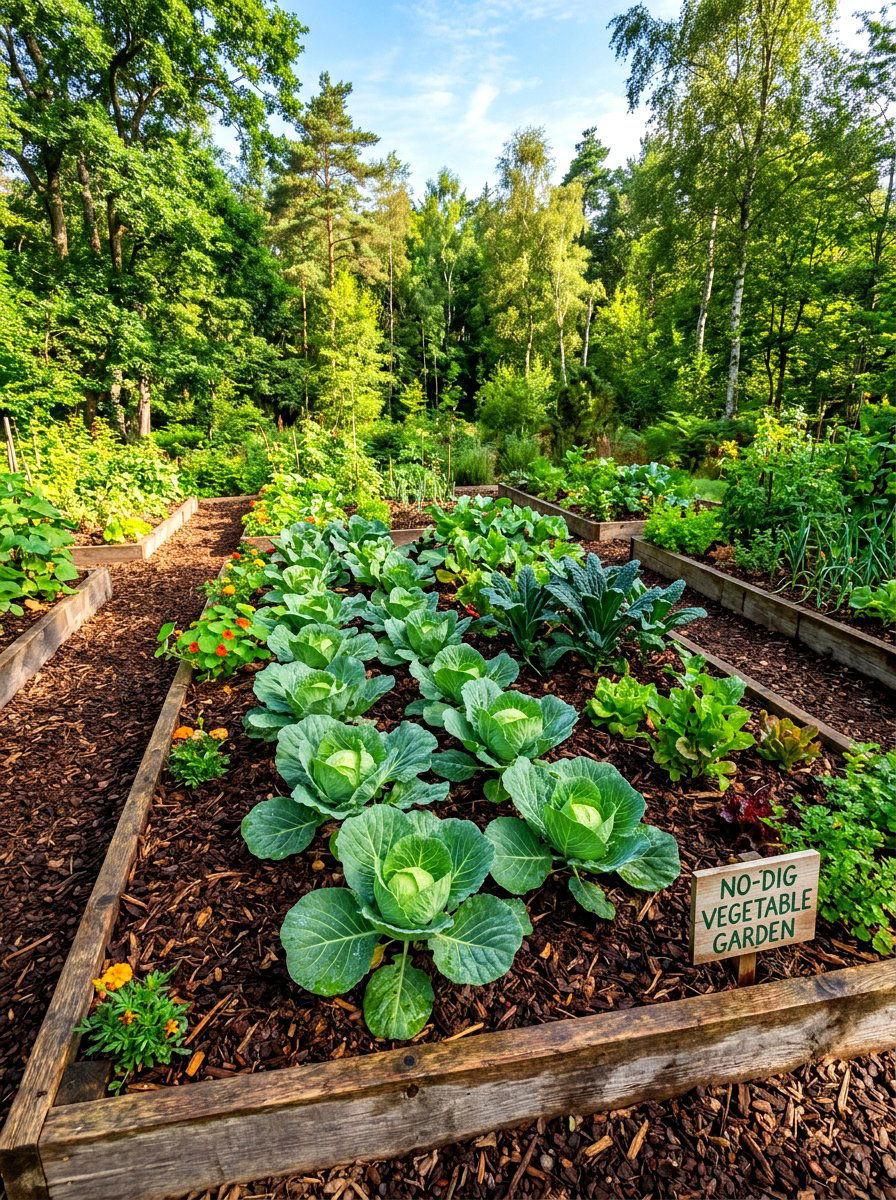
The no dig vegetable garden method is a game-changer for beginners who want to avoid the back-breaking work of tilling the soil. Instead of digging up the ground, you layer organic materials like cardboard, compost, and mulch directly over the existing grass or weeds. This process smothers the unwanted plants while building rich, healthy soil from the top down over several months. This technique preserves the delicate underground fungal networks that help plants absorb nutrients and water more efficiently. It is a highly sustainable and low-effort way to start a productive garden patch that actually improves the health of your local ecosystem over time.
17. Lasagna Vegetable Garden
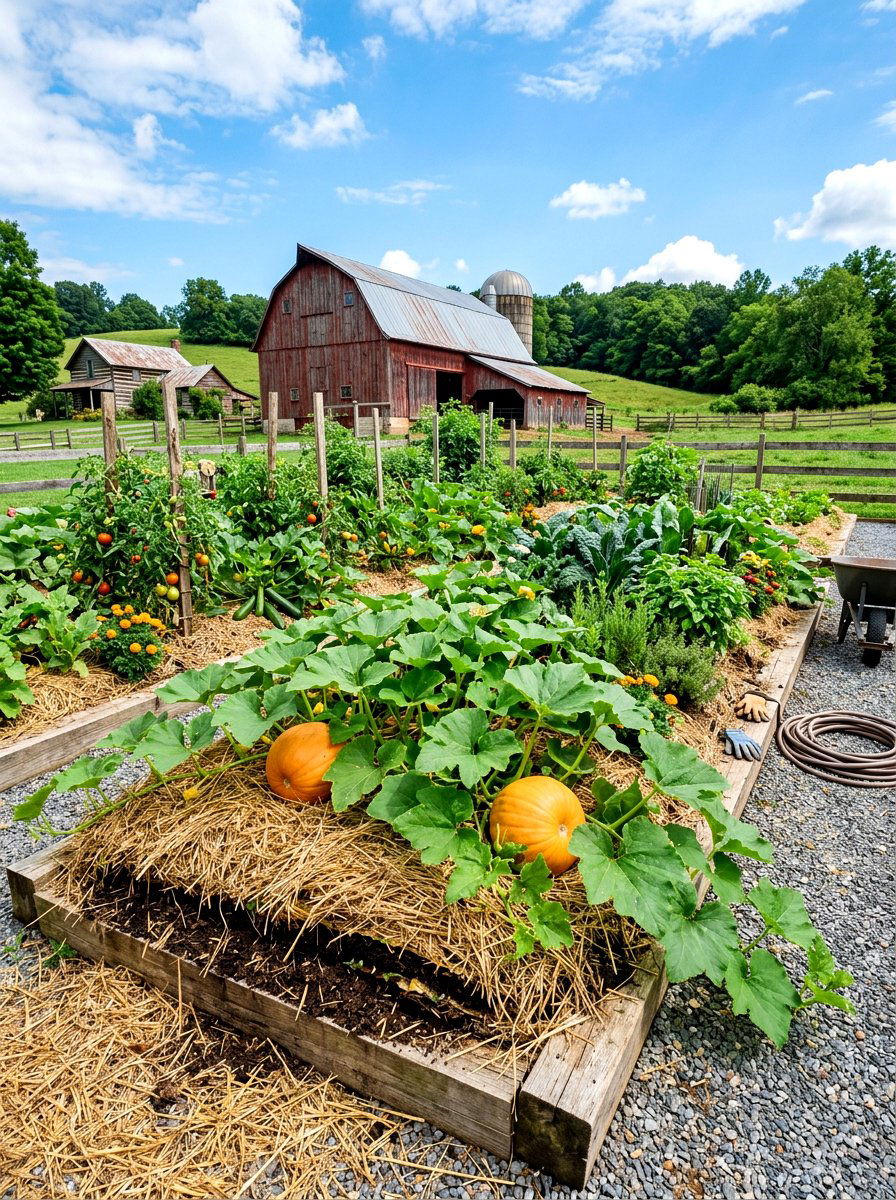
A lasagna vegetable garden is similar to the no-dig method but focuses on building several layers of "green" and "brown" organic matter. You start with cardboard and then alternate layers of straw, grass clippings, shredded leaves, and finished compost to create a rich growing medium. As these layers decompose, they create a soft, nutrient-dense environment that is perfect for planting heavy-feeding vegetables like pumpkins or tomatoes. This method is an excellent way to recycle yard waste and kitchen scraps while creating a brand-new garden bed from scratch. It requires no heavy machinery and very little initial investment, making it a very popular choice for novice gardeners.
18. Greenhouse Vegetable Garden
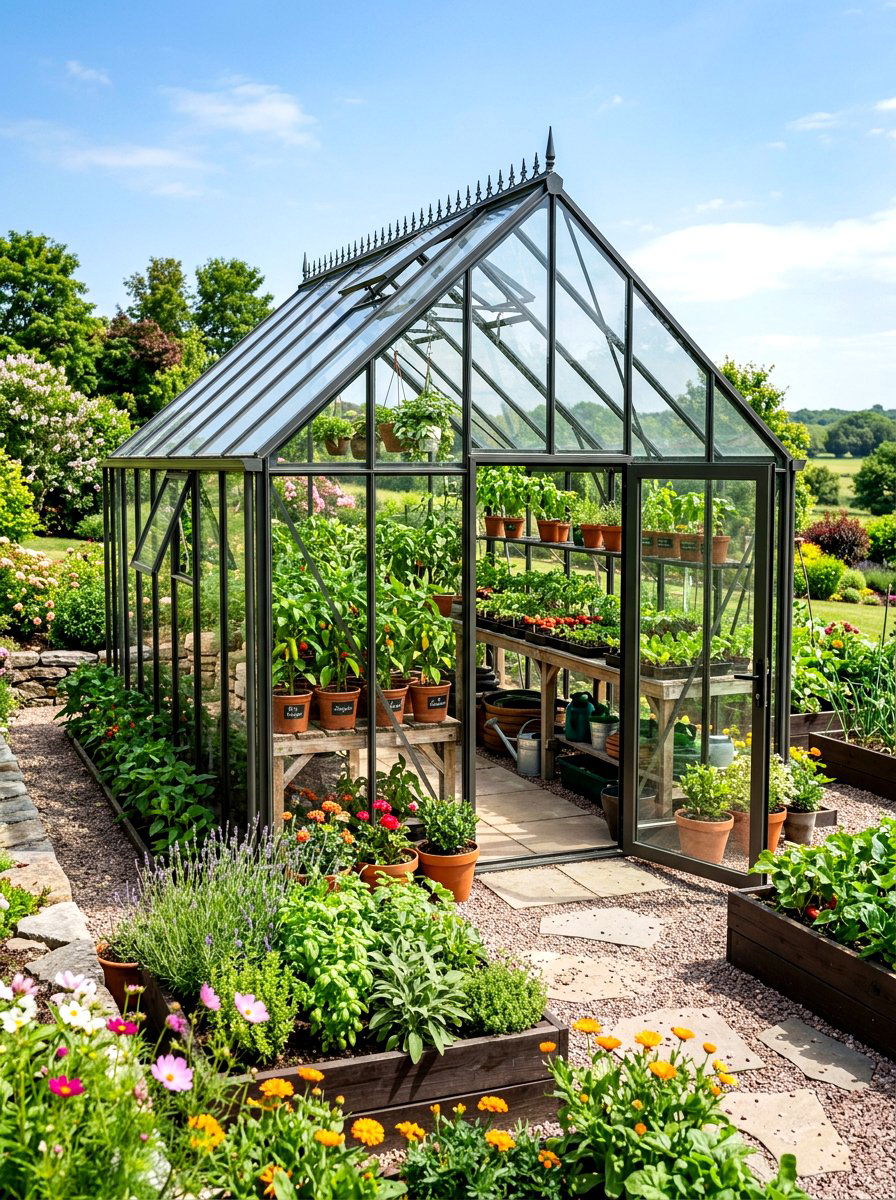
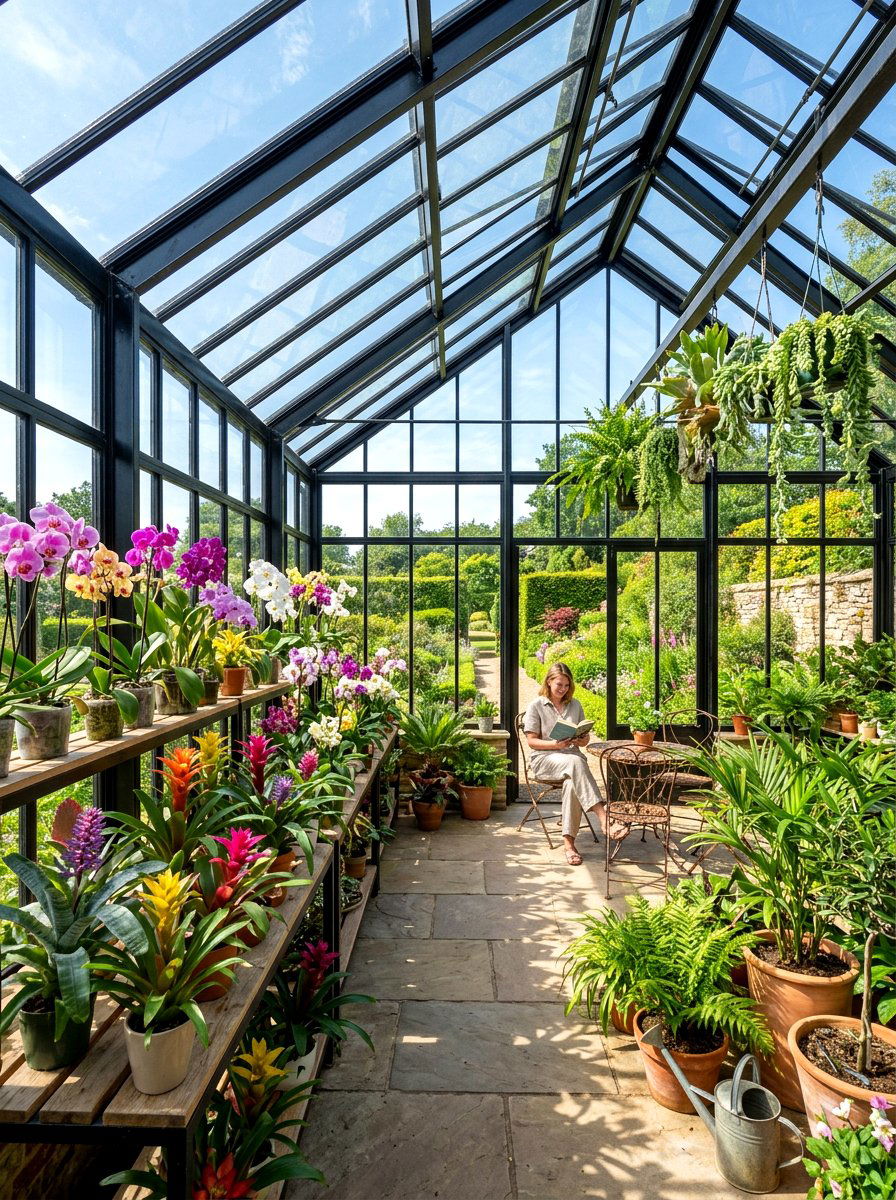
Investing in a small greenhouse vegetable garden allows beginners to extend their growing season by several months in the spring and fall. These structures trap solar heat and protect tender plants from harsh winds and unexpected frosts. Even a simple walk-in plastic cover or a small cold frame can make a massive difference in how early you can start your seedlings. Greenhouse gardening allows you to experiment with heat-loving crops like peppers and eggplants even in cooler climates. It provides a controlled environment where you can manage humidity and temperature, giving your vegetable plants the absolute best start in life before the summer heat truly begins.
19. Indoor Vegetable Garden
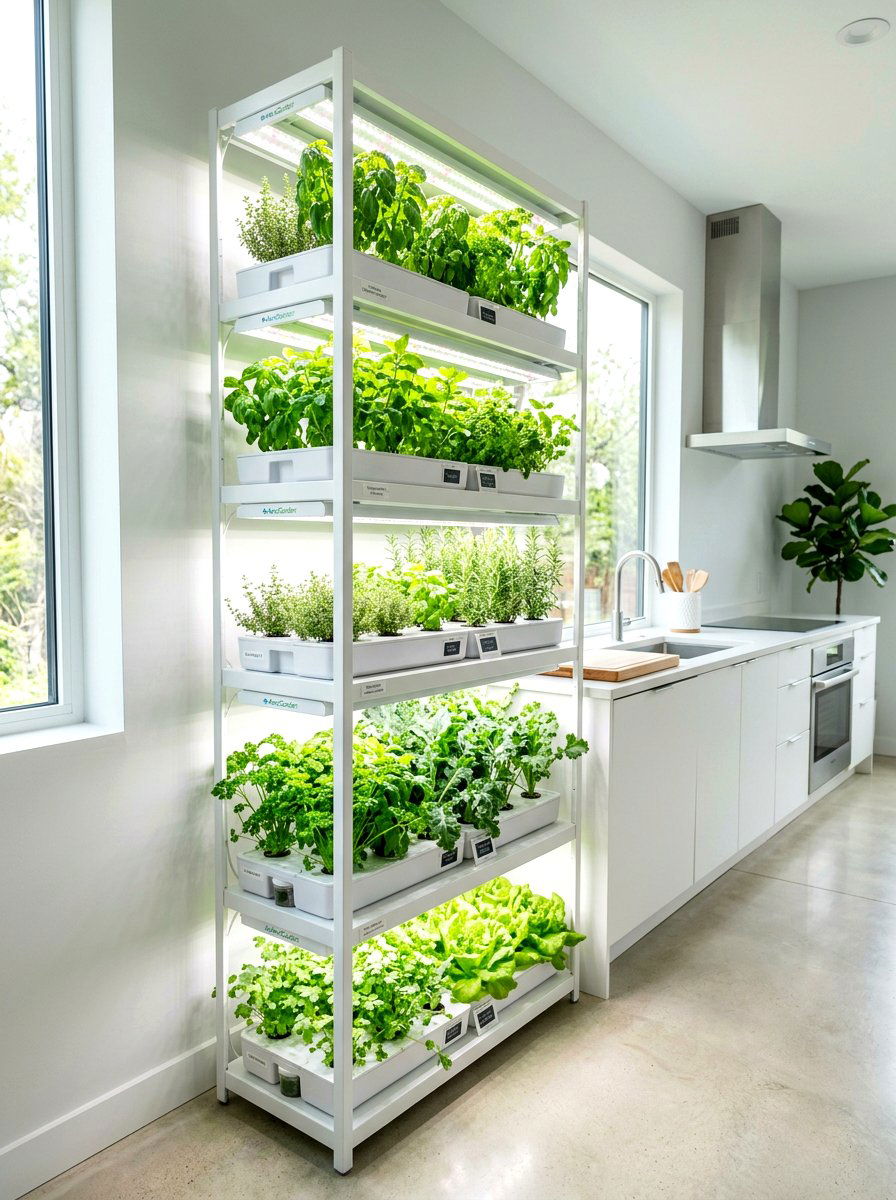
An indoor vegetable garden is the perfect solution for apartment dwellers or anyone who wants to grow food throughout the cold winter months. By using specialized LED grow lights and small hydroponic systems, you can produce fresh herbs, microgreens, and even small tomatoes inside your home. This setup allows you to control every aspect of the environment, from light cycles to nutrient levels, without worrying about outdoor pests. Placing your plants on shelves or kitchen counters keeps them within easy reach for daily care and harvesting. It is a fantastic way to bring life and fresh nutrition into your living space regardless of the weather outside.
20. Patio Vegetable Garden
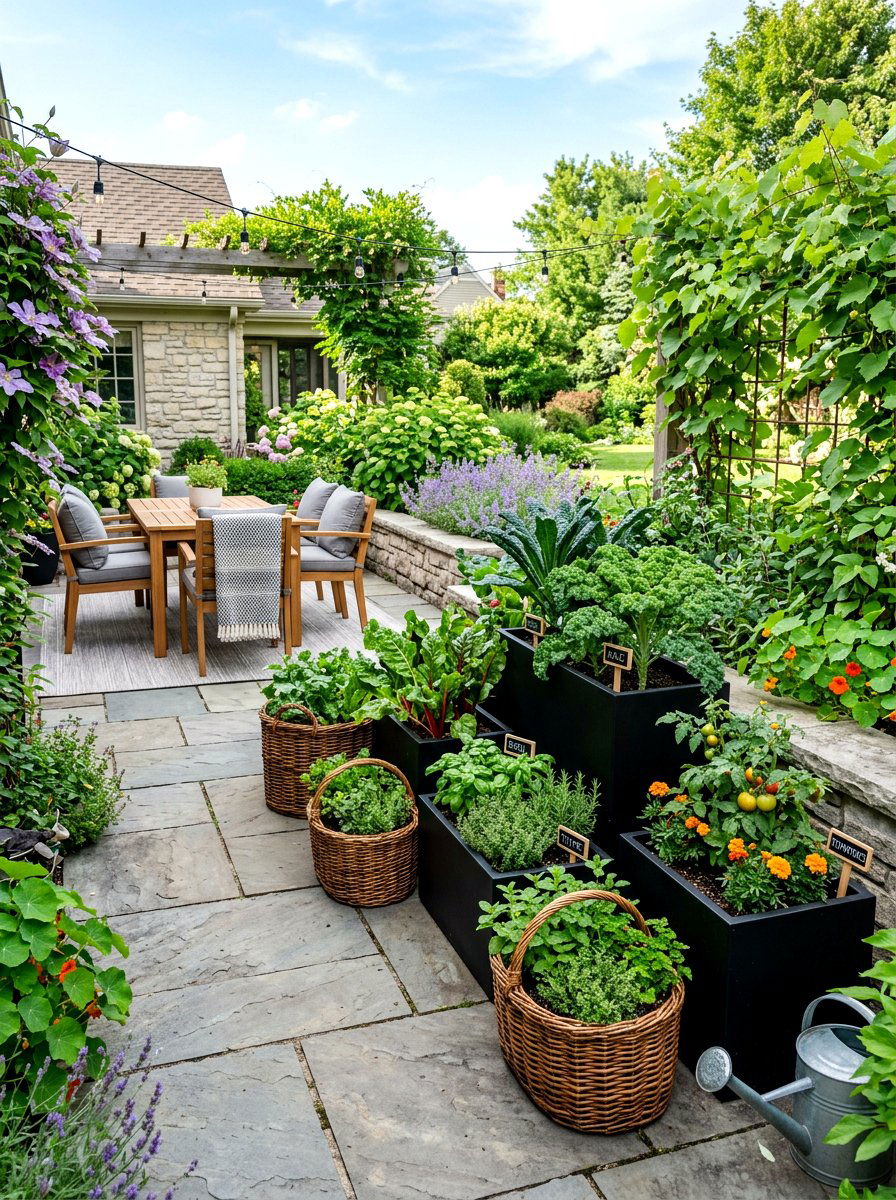
A patio vegetable garden focuses on blending functionality with aesthetic beauty, making your outdoor seating area feel like a lush, edible retreat. By using a mix of decorative pots, raised planters, and vertical supports, you can create a high-yield garden on a paved surface. This setup is convenient because it keeps your vegetables close to the house for easy watering and quick harvesting for dinner. You can choose plant varieties with colorful foliage, like "Bright Lights" Swiss chard or purple basil, to add visual interest to your decor. It is a great way to enjoy the outdoors while tending to a manageable and very productive garden.
21. Backyard Vegetable Patch
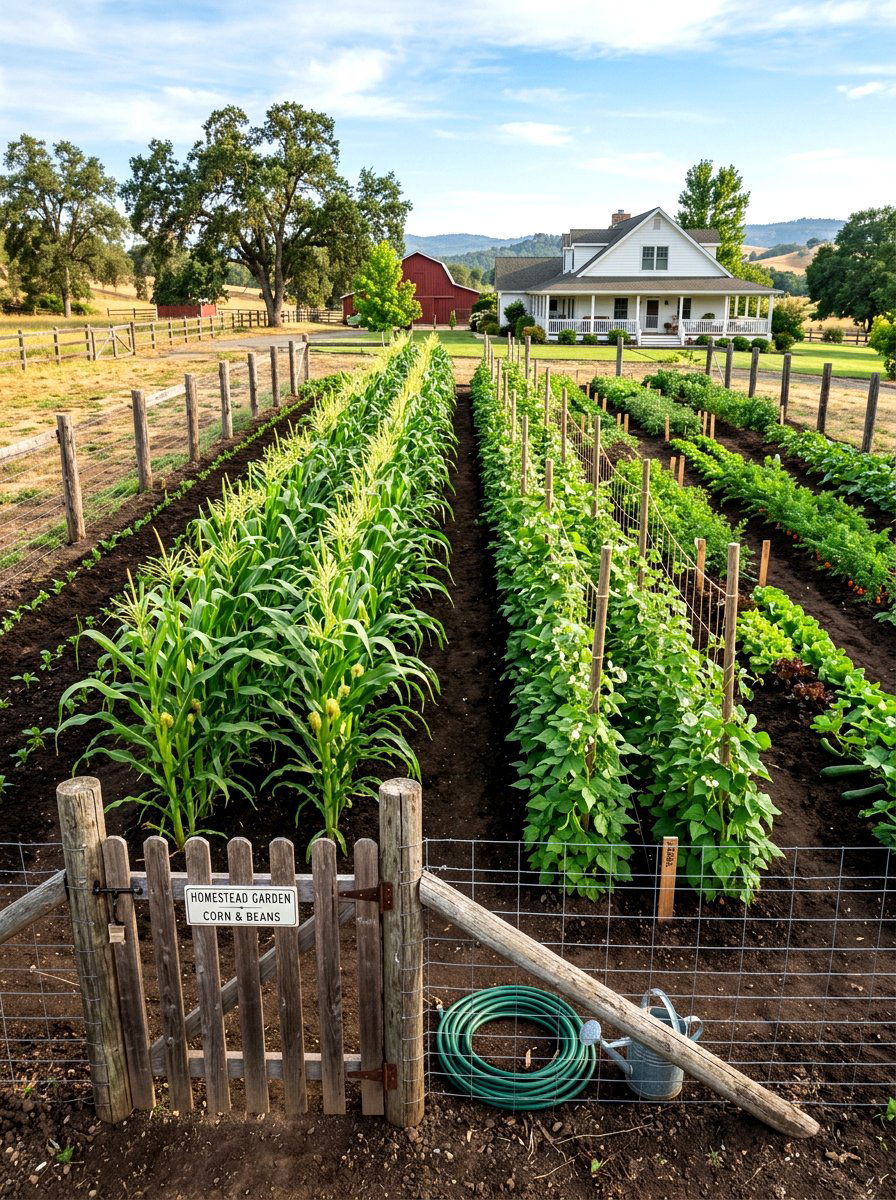
The traditional backyard vegetable patch involves planting directly into the ground, which is the most cost-effective way to start a large-scale garden. By clearing a sunny area of grass and amending the soil with organic compost, you create a dedicated space for rows of corn, beans, and root crops. This method allows for the largest yields and gives plants plenty of room for deep root systems to develop. It is important to plan your rows with walking paths in between to ensure you can reach every plant for weeding and harvesting. This classic approach connects you deeply with the land and provides a huge sense of accomplishment.
22. Edible Landscape Garden
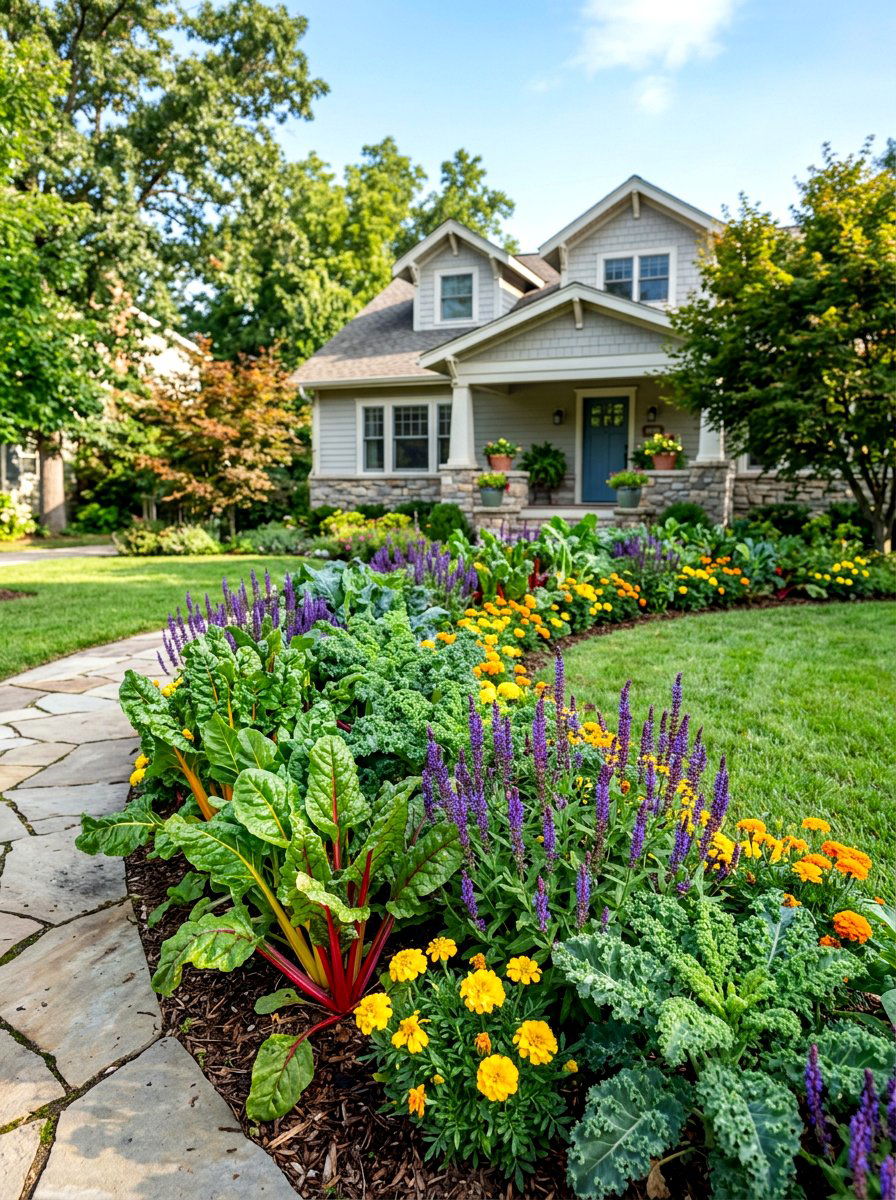
An edible landscape garden breaks the rules by mixing vegetable plants directly into your ornamental flower beds for a beautiful and functional yard. You can plant kale alongside marigolds or use blueberry bushes as a productive hedge for privacy. This design strategy maximizes every inch of your property while creating a diverse ecosystem that supports local wildlife and pollinators. Many vegetables have stunning textures and colors that rival traditional landscape plants, making them a secret weapon for creative homeowners. It is a sophisticated way to grow food that doesn't look like a traditional farm, blending perfectly with your existing home style and outdoor aesthetic.
23. Shade Vegetable Garden
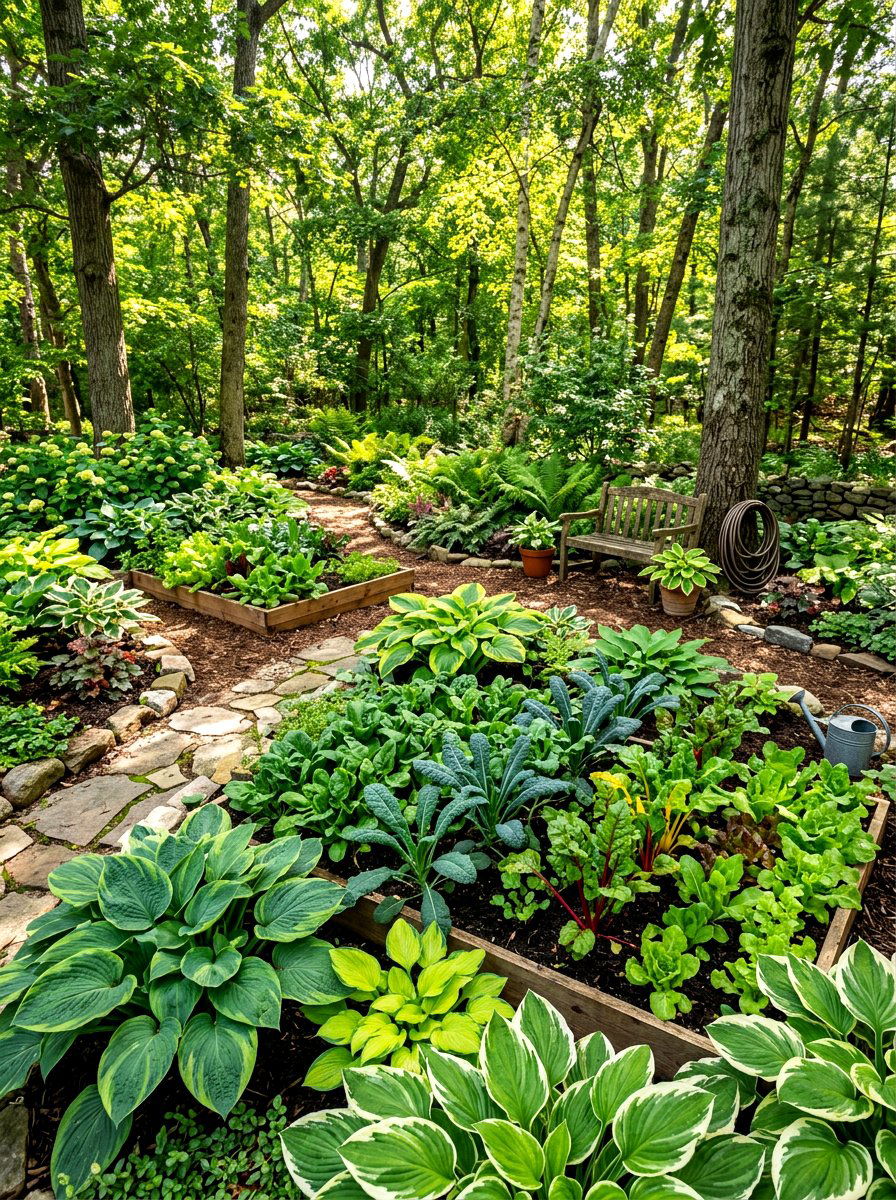
If your yard doesn't get eight hours of full sun, a shade vegetable garden allows you to grow food in filtered or partial light. While sun-loving tomatoes might struggle, many leafy greens and root vegetables actually prefer the cooler temperatures found in shadier spots. Plants like lettuce, spinach, beets, and carrots can thrive with only four to five hours of sunlight per day. This approach prevents these tender plants from bolting or turning bitter during the peak of summer heat. By utilizing the cooler corners of your garden, you can expand your growing area and enjoy fresh produce that other gardeners might struggle with in the sun.
24. Dwarf Fruit Tree Garden
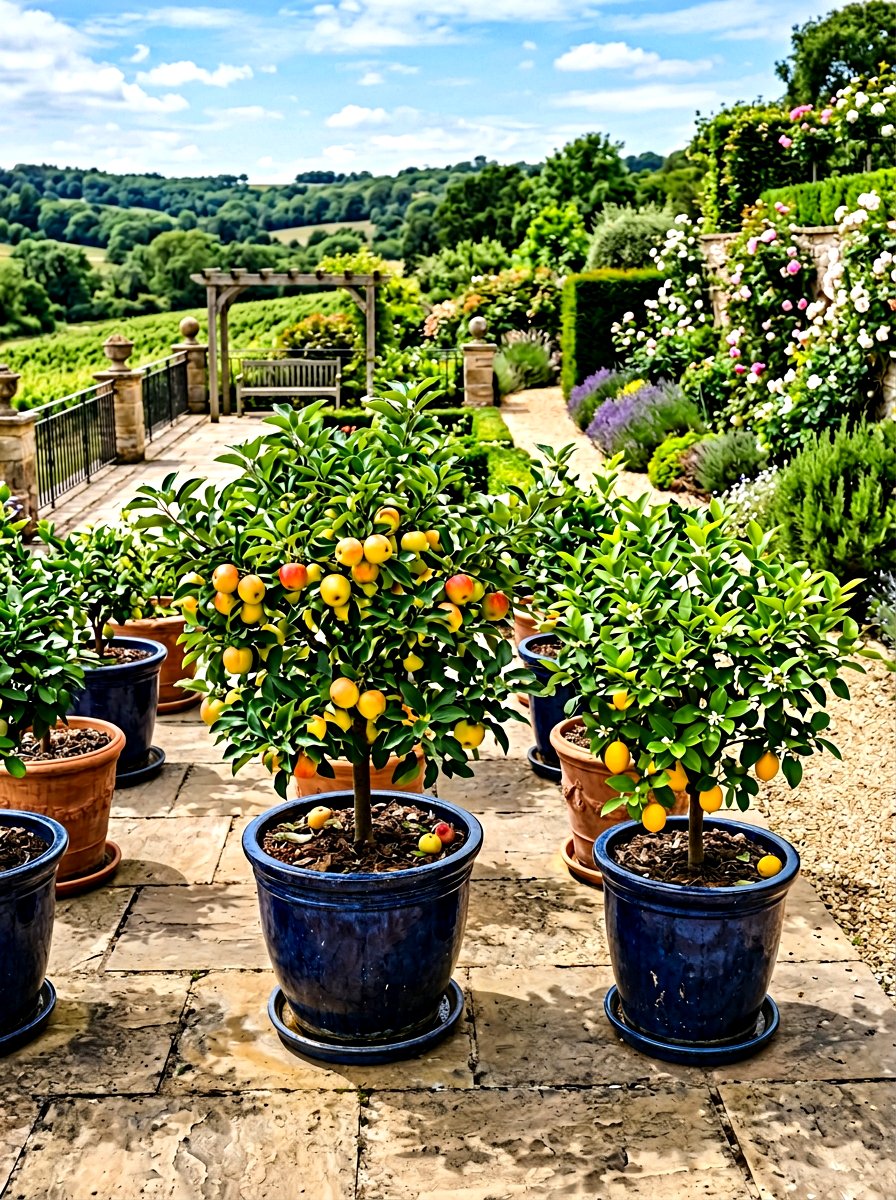
A dwarf fruit tree garden is a fantastic addition for beginners who want to harvest apples, peaches, or lemons without needing a massive orchard. These trees are grafted onto special rootstocks that keep them small enough to grow in large pots or tiny backyard corners. They produce full-sized fruit but remain at a manageable height for easy pruning and harvesting without a ladder. Potted fruit trees can even be moved into a garage or shed during extreme winter weather for added protection. It is a long-term investment that provides delicious harvests for years to come, adding a permanent and very fruitful element to your home garden.
25. Companion Vegetable Garden
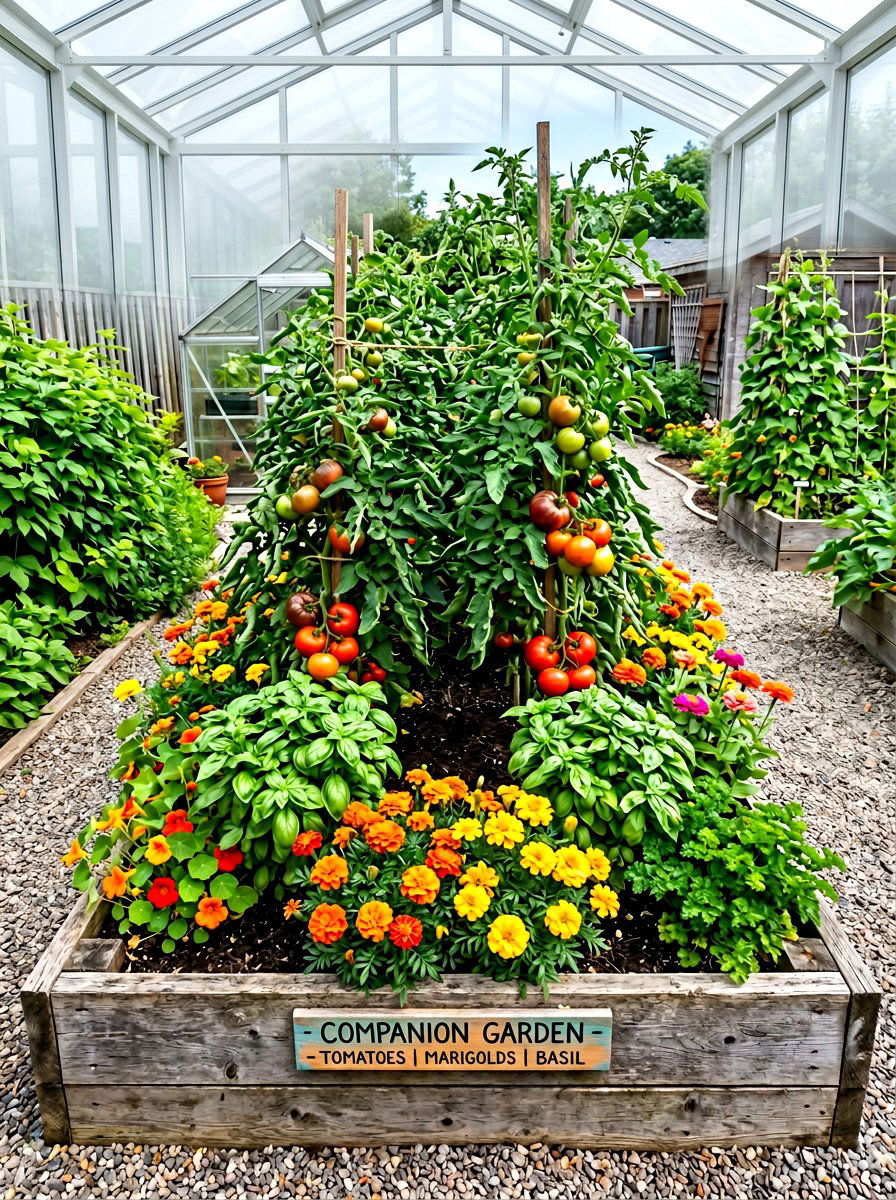
A companion vegetable garden uses the natural relationships between different plants to improve growth and naturally deter common pests. By planting marigolds near tomatoes, you can repel harmful nematodes, while growing basil nearby improves the flavor of the fruit. This method eliminates the need for harsh chemicals and creates a balanced, healthy environment where plants support one another. It is a fascinating way for beginners to learn about the intricate connections in nature while maximizing their garden's overall health. This strategy also makes the garden more visually interesting, as you mix different heights, colors, and textures together in a single, highly productive and functional space.
26. Self Watering Vegetable Garden
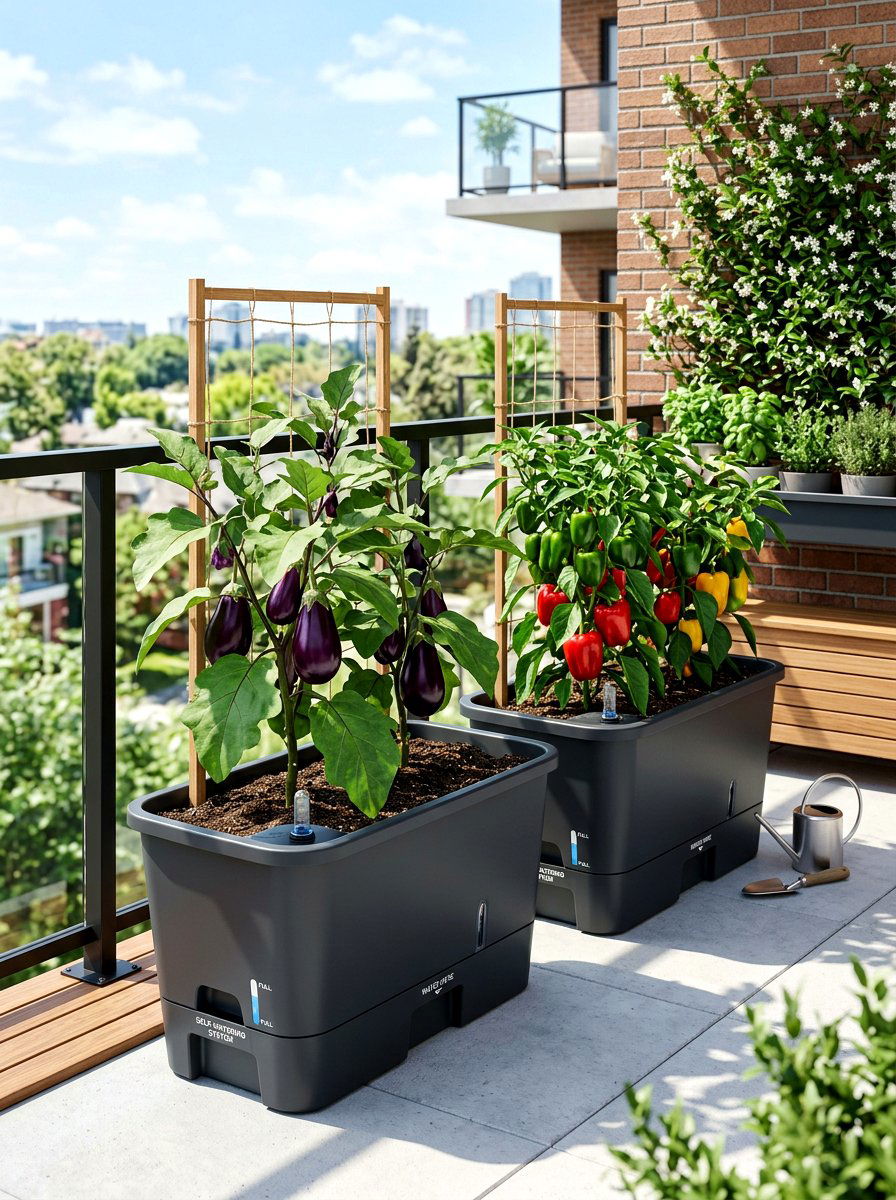
A self watering vegetable garden uses sub-irrigation technology to provide a consistent supply of moisture to your plants' roots from a reservoir below. This system is perfect for busy beginners who might forget to water their garden daily during the hot summer months. The plants draw up exactly the amount of water they need through capillary action, which prevents both overwatering and underwatering. These planters are excellent for thirsty crops like tomatoes, cucumbers, and eggplants that require steady moisture to produce high-quality fruit. It is a low-maintenance solution that takes the guesswork out of hydration and ensures your garden stays lush and productive with very little effort.
27. Medicinal Herb Garden
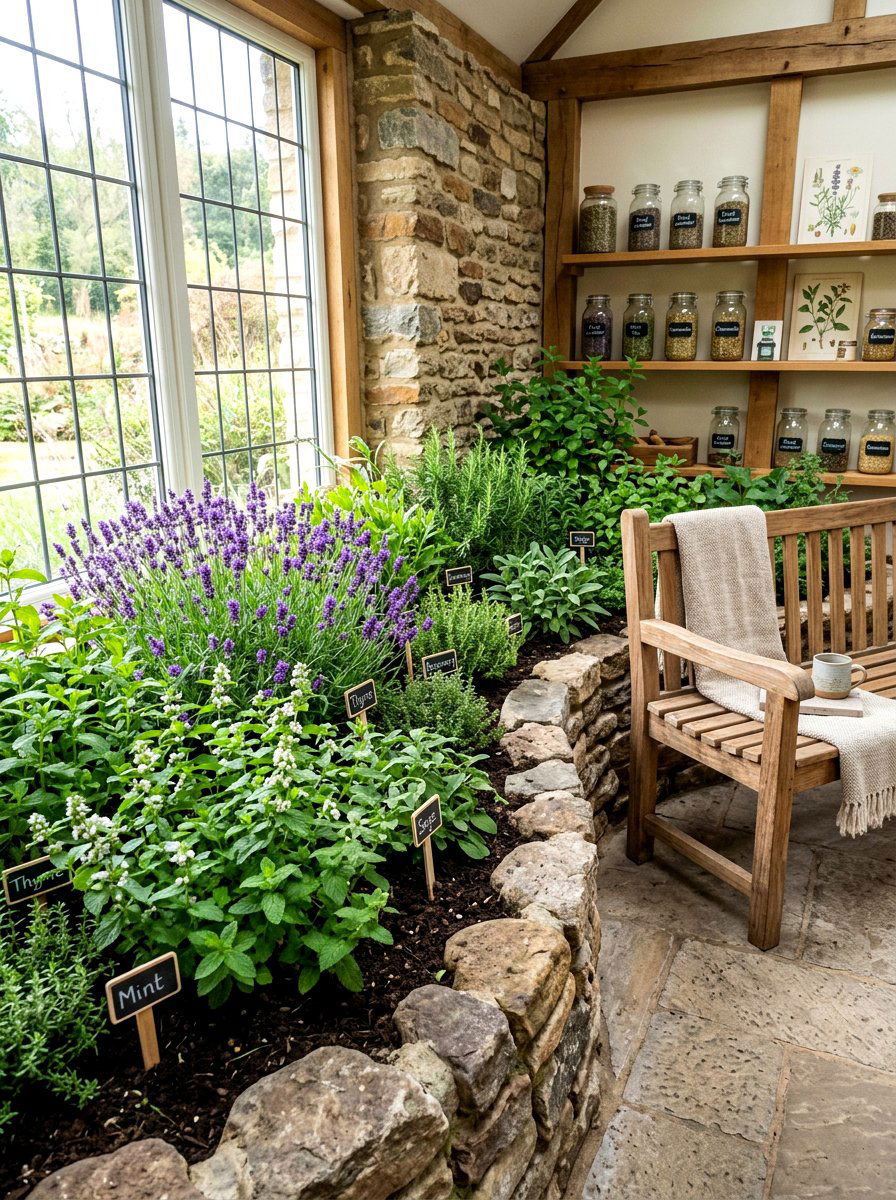
Starting a medicinal herb garden allows you to grow plants that offer both culinary benefits and soothing natural properties for your wellness. Beginners can easily cultivate mint for digestion, chamomile for relaxation, and lemon balm for stress relief in small pots or garden beds. These plants are generally very hardy and spread easily, providing you with a constant supply of fresh leaves for teas and salves. A medicinal garden adds a layer of purpose to your hobby, turning your backyard into a healing sanctuary. It is a great way to learn about the history of plants while enjoying the fragrant and calming atmosphere they create at home.
28. Quick Growing Vegetable Garden
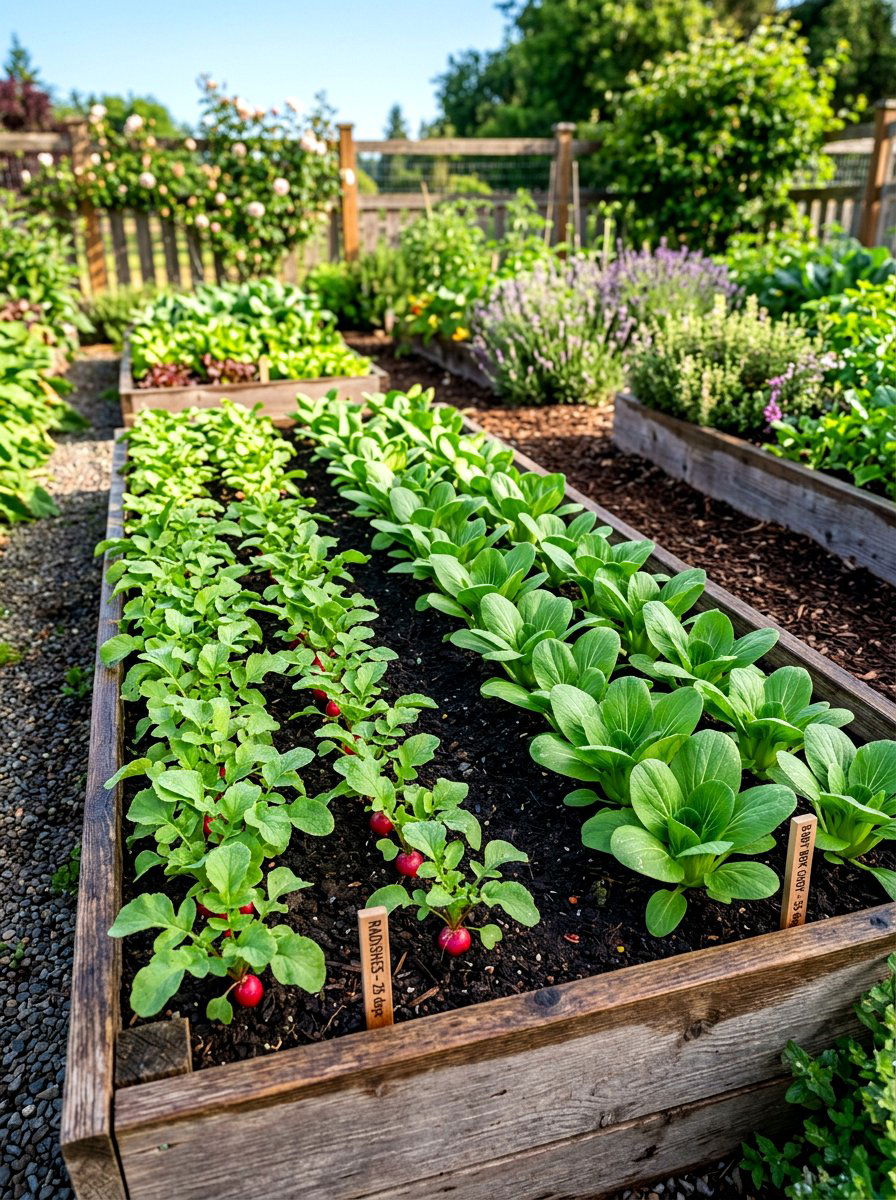
For those who are impatient for results, a quick growing vegetable garden focuses on crops that reach maturity in thirty days or less. Radishes are the ultimate beginner crop, often ready to eat just three weeks after planting the tiny seeds. You can also grow microgreens, baby bok choy, and pea shoots for rapid-fire harvests that keep you motivated. This type of gardening is excellent for teaching children about the life cycle of plants because the changes happen so quickly. By planting small batches every week, you can ensure a constant stream of fresh, crunchy vegetables for your kitchen table throughout the entire growing season.
29. Kid Friendly Vegetable Garden
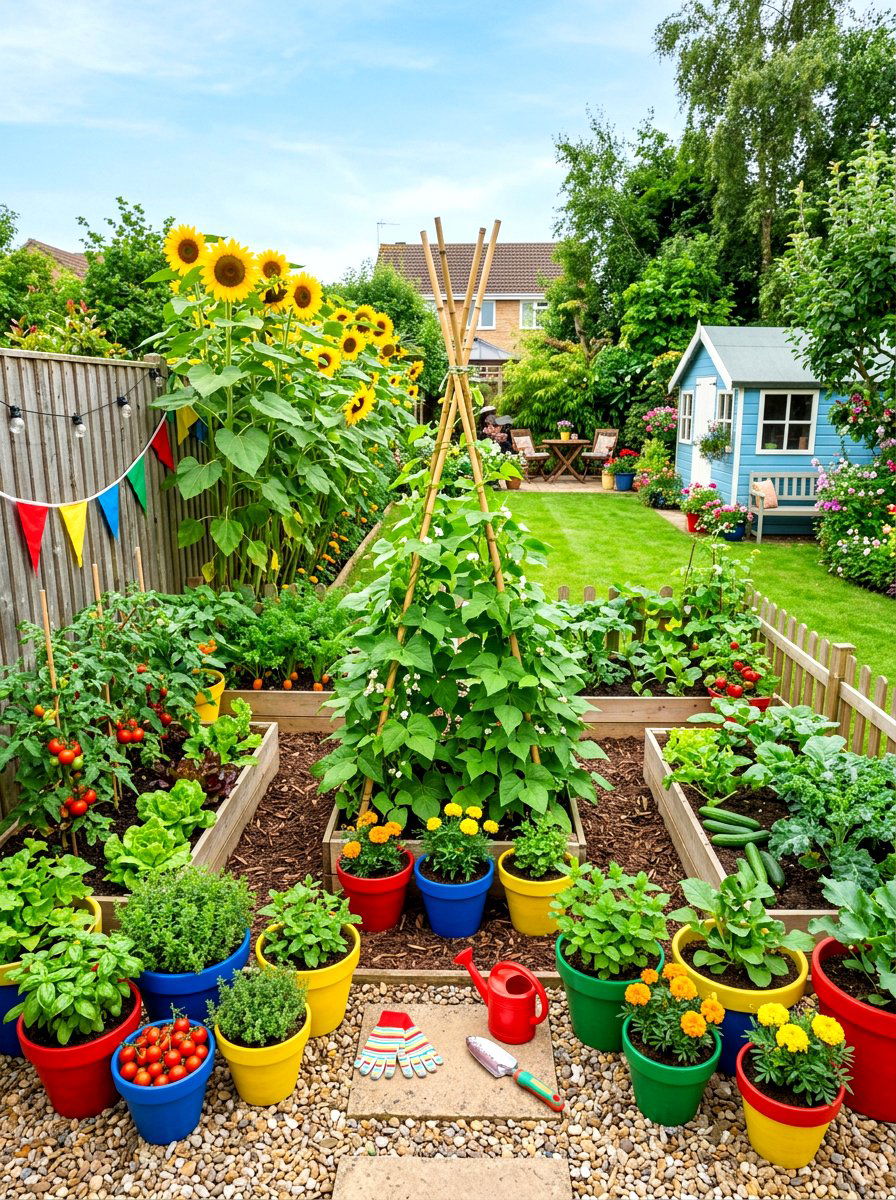
A kid friendly vegetable garden focuses on sensory experiences and easy-to-grow plants that capture a child's imagination and curiosity. You should choose colorful varieties like purple carrots, yellow tomatoes, and giant sunflowers that are fun to touch and observe. Creating small paths and "secret" tunnels with bean trellises makes the garden feel like a magical playground for little ones. Giving children their own small plot or container encourages a sense of responsibility and a deeper connection to where their food comes from. It is a wonderful way to spend time together outdoors while teaching valuable lessons about nature, patience, and the joy of a healthy and organic lifestyle.
30. Small Space Vegetable Garden
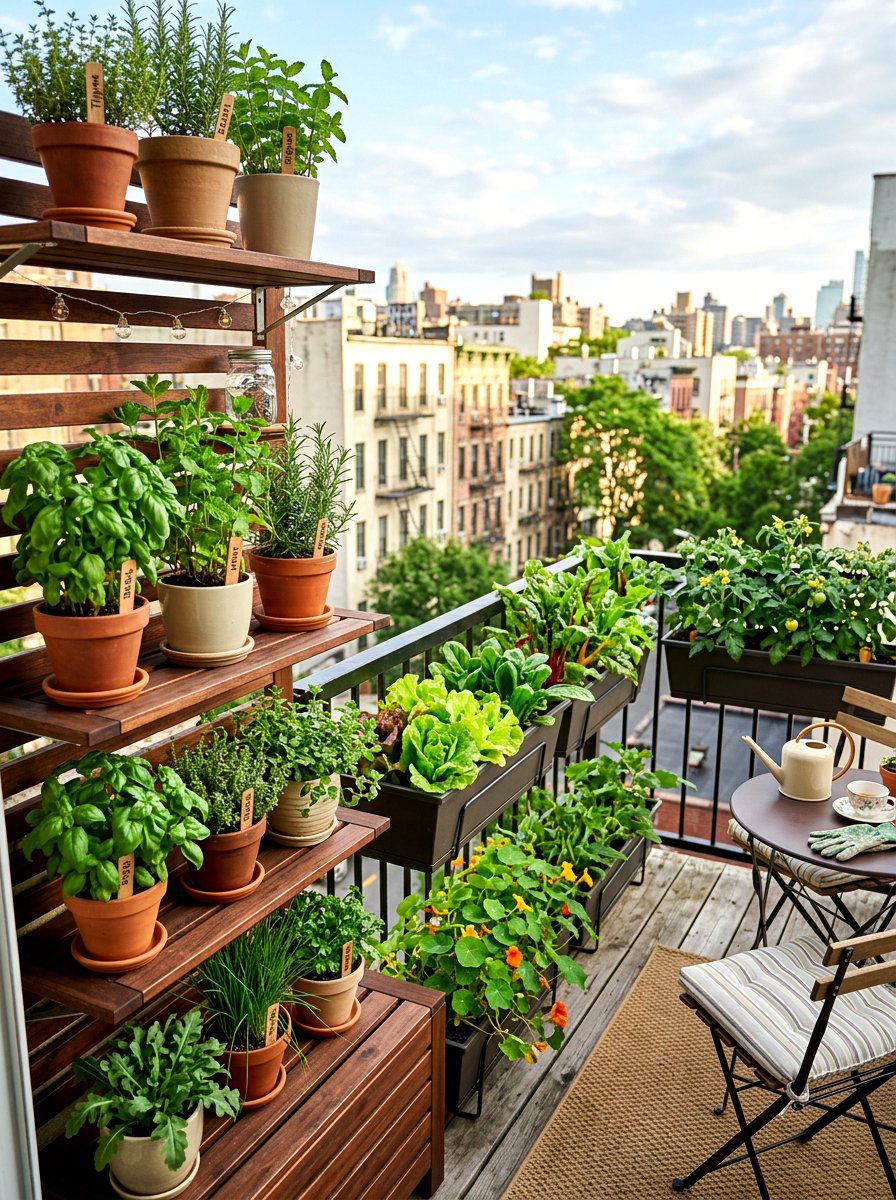
A small space vegetable garden proves that you don't need a large yard to be a successful and productive home grower. By combining containers, vertical wall planters, and tiered shelving, you can turn a tiny balcony or front porch into an edible oasis. The key is choosing "dwarf" or "bush" varieties of your favorite vegetables that are specifically bred for compact living. Every square inch is utilized, from the railings to the corners, creating a dense and very lush environment. This approach is highly efficient and allows urban residents to enjoy the mental and physical benefits of gardening without the need for a traditional and large land plot.
Conclusion:
Embarking on your journey with a beginner vegetable garden is a life-changing decision that brings fresh flavors and a sense of accomplishment to your daily routine. By choosing a method that fits your specific space and lifestyle, you set yourself up for long-term success and enjoyment. Whether you prefer the organized structure of a raised bed or the creative flexibility of container gardening, the keys are consistent care and a willingness to learn. As you watch your first seedlings sprout and eventually harvest your own organic produce, you will discover the deep satisfaction that only comes from growing your own food at home.

Related posts: