Growing a personal herb garden is one of the most fulfilling ways to bring nature into your home while adding incredible flavor to your culinary creations. Whether you are working with a small urban balcony or a spacious country backyard, the right planter can transform a simple bunch of seeds into a thriving green oasis. These functional decor pieces allow you to customize your space, making fresh basil, mint, and rosemary readily available for every meal. Beyond the practical benefits, herb planters serve as beautiful focal points that improve air quality and provide a calming, sensory experience through their diverse textures and aromatic scents.
1. Vertical wall herb garden
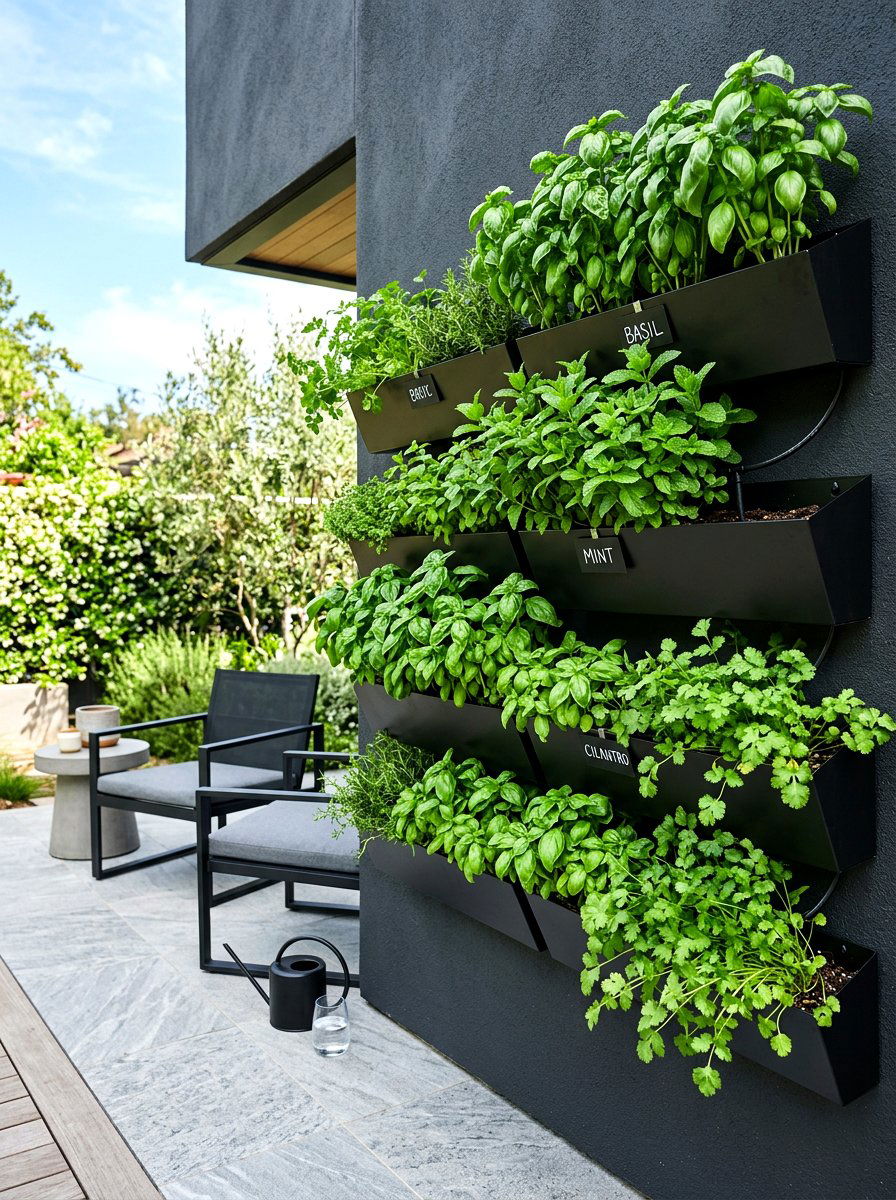
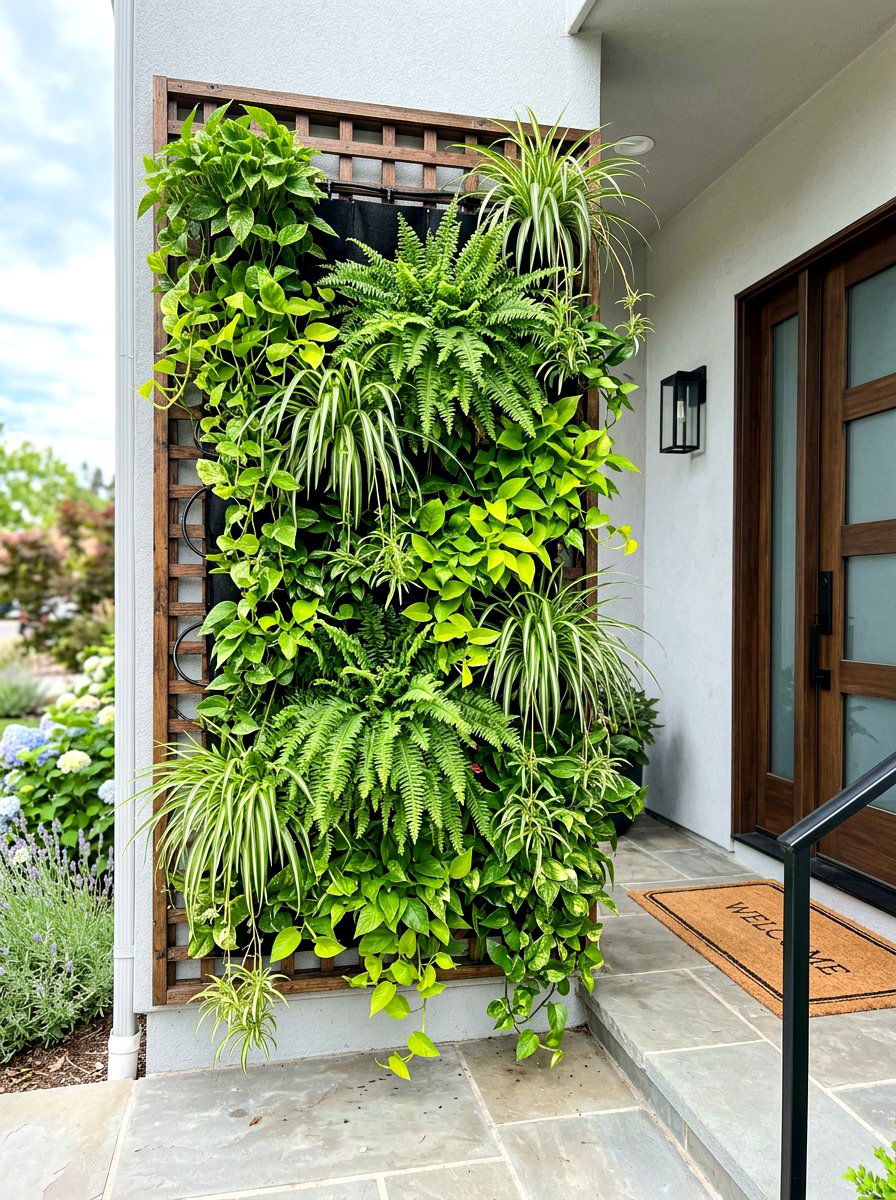
A vertical wall herb garden is a brilliant solution for anyone looking to maximize their gardening space without taking up valuable floor area. This design involves mounting a series of individual planters or a large felt pocket system directly onto an exterior wall or a sturdy fence. By taking your greenery upward, you create a striking living backdrop that adds depth and texture to your outdoor living space. These systems are particularly beneficial for herbs because they offer excellent drainage and air circulation, which helps prevent root rot and keeps foliage healthy. It is a modern, space-saving approach that turns a plain wall into a lush, edible masterpiece.
2. Mason jar herb garden
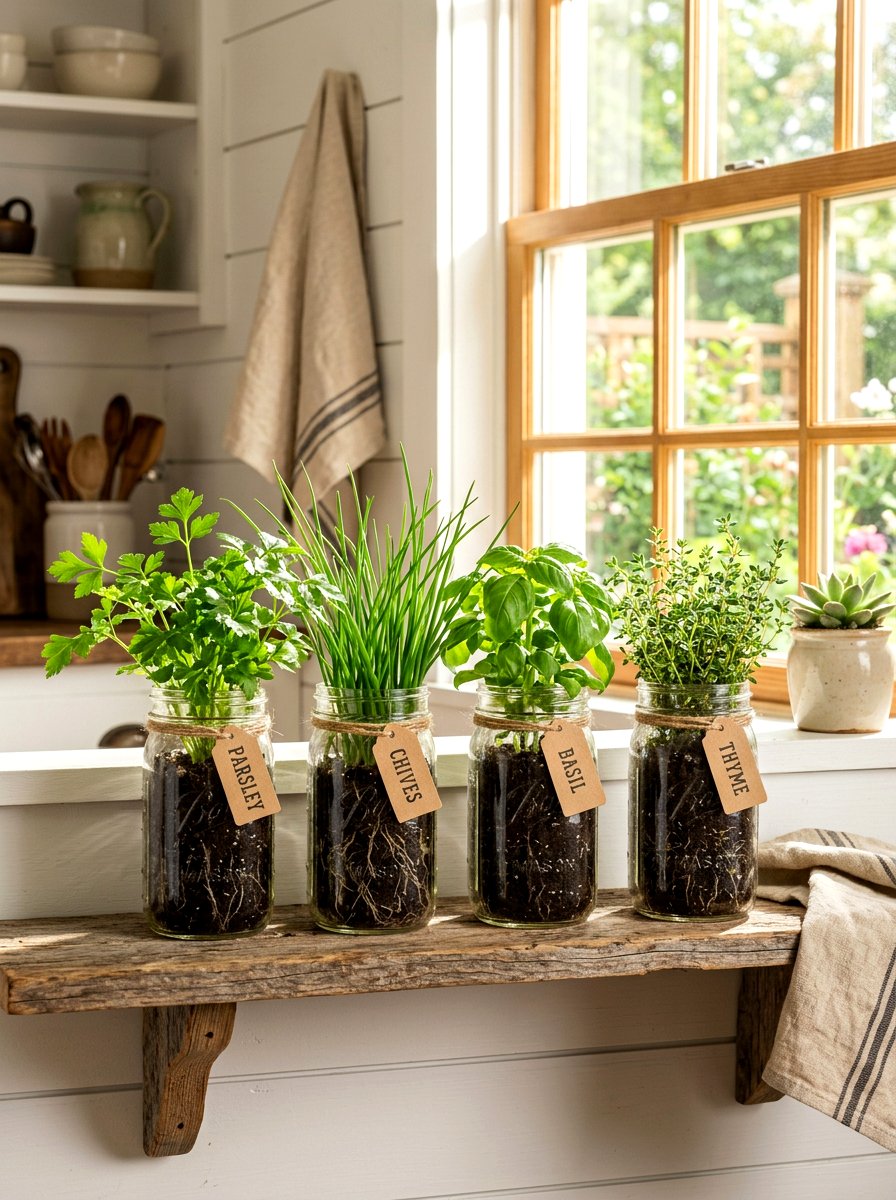
A mason jar herb garden offers a charming, rustic aesthetic that fits perfectly into farmhouse or cottage-style kitchens. Using clear glass jars allows you to see the root systems and soil levels, making it a great educational project for families. To ensure success, it is vital to place a layer of small pebbles at the bottom for drainage since jars lack holes. These compact containers are ideal for smaller herbs like parsley, cilantro, or chives and can be easily arranged on a sunny windowsill or mounted to a wooden board. Their transparent look adds a clean, organic feel to any indoor setting while keeping your fresh ingredients within reach.
3. Wooden ladder planter
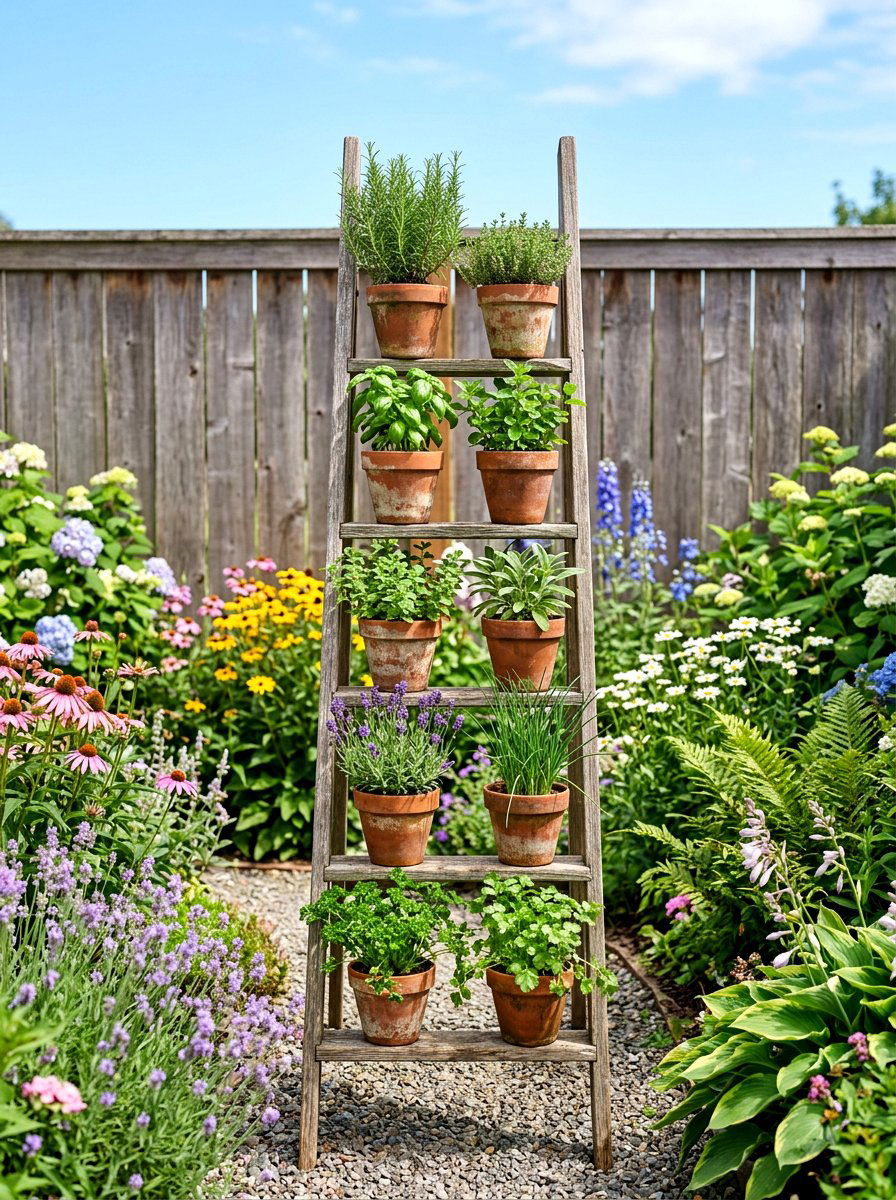
The wooden ladder planter is a popular choice for those who enjoy a multi-tiered display that provides plenty of room for various herb varieties. This design utilizes a stepped structure, allowing each level to receive adequate sunlight without being shaded by the plants above. You can use a repurposed vintage ladder for a weathered look or build a sleek, modern version using cedar or pine. This setup is highly versatile, as it can be placed against a patio wall or used as a freestanding unit in the garden. The vertical orientation makes it easy to organize your herbs by their specific watering needs or culinary uses.
4. Tiered herb garden
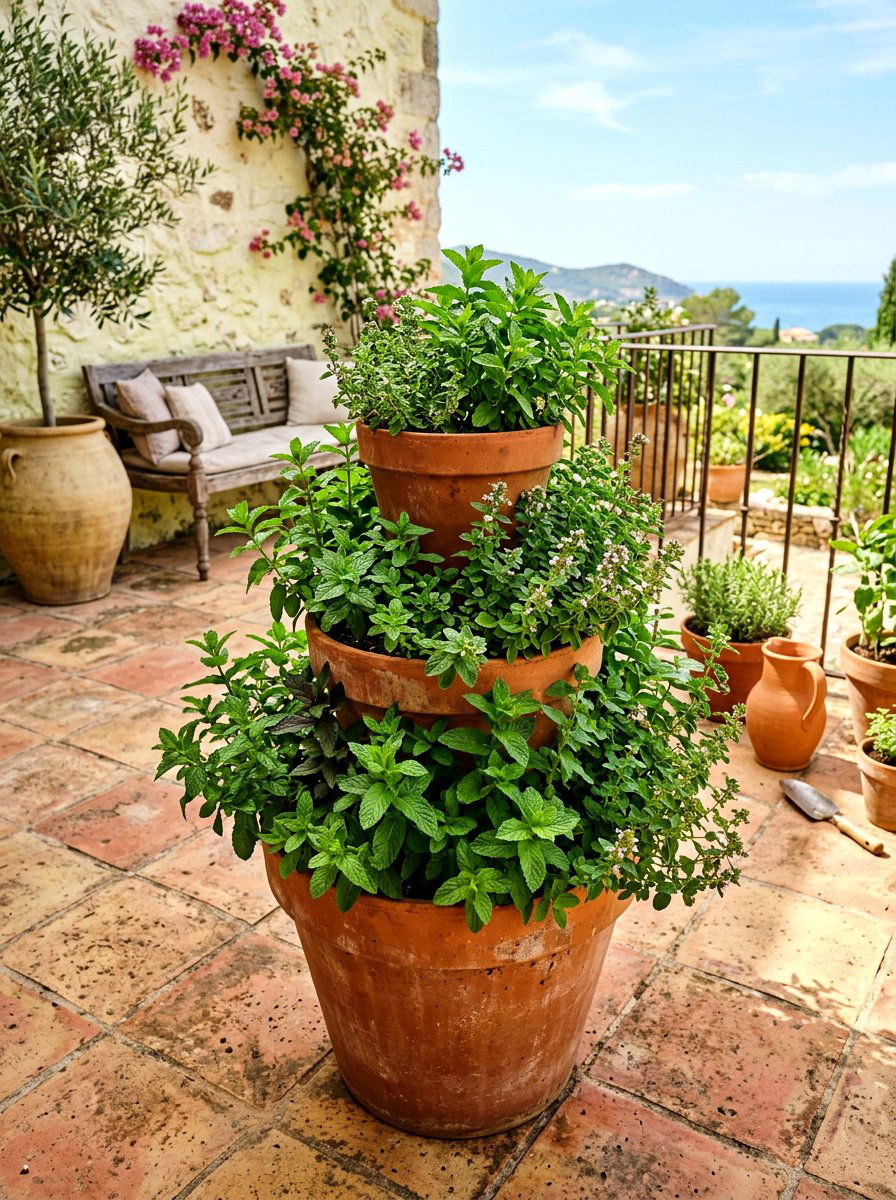
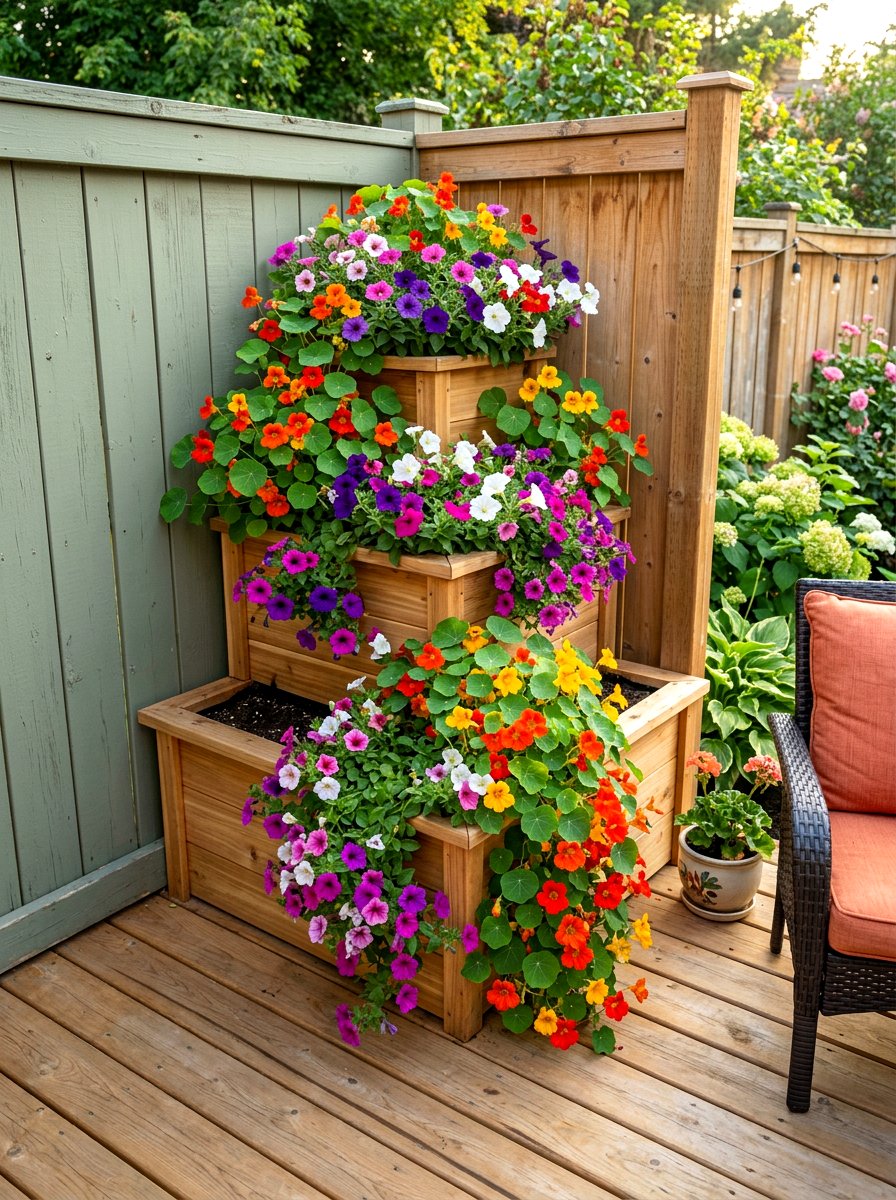
A tiered herb garden creates a beautiful cascading effect by stacking multiple pots or planter boxes in a hierarchical fashion. This design is excellent for creating a dense, lush appearance in a very small footprint, such as a porch corner or a deck. You can achieve this look by using specialized stacking pots that lock together or by arranging different-sized terracotta pots on top of one another. The visual height adds architectural interest to your landscape while making it much easier to harvest your herbs without having to bend down. It is an efficient way to grow a wide variety of flavors in one location.
5. Hanging herb baskets
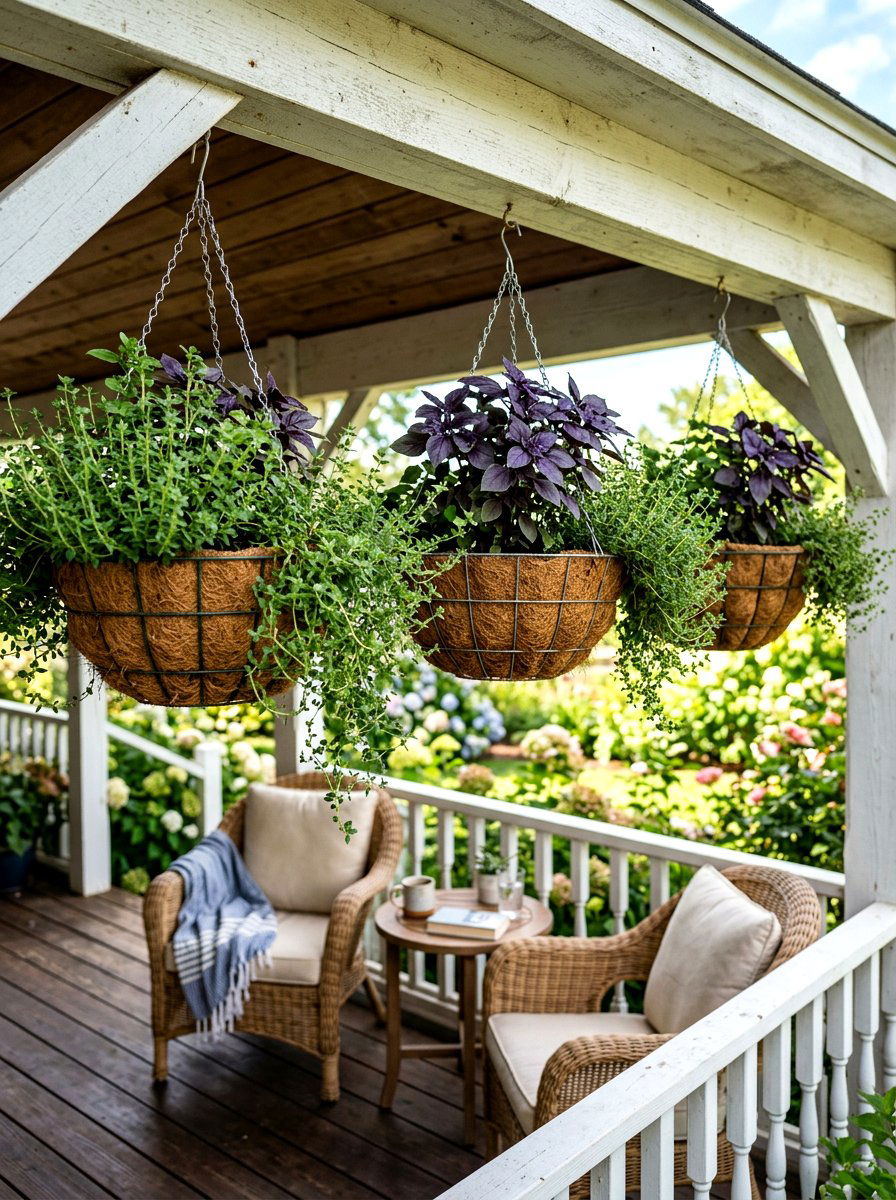
Hanging herb baskets are a wonderful way to introduce greenery at eye level, especially on porches, balconies, or even in bright indoor entryways. By suspending your herbs, you keep them away from ground-dwelling pests while taking advantage of underutilized overhead space. Trailing herbs like oregano, thyme, and certain varieties of mint look particularly stunning as they spill over the edges of the basket. Wire baskets lined with natural coconut coir provide excellent drainage and a rustic, organic appearance. These floating gardens catch the breeze and release pleasant aromas throughout your seating area, making your outdoor space feel like a fragrant, private sanctuary.
6. Windowsill herb garden
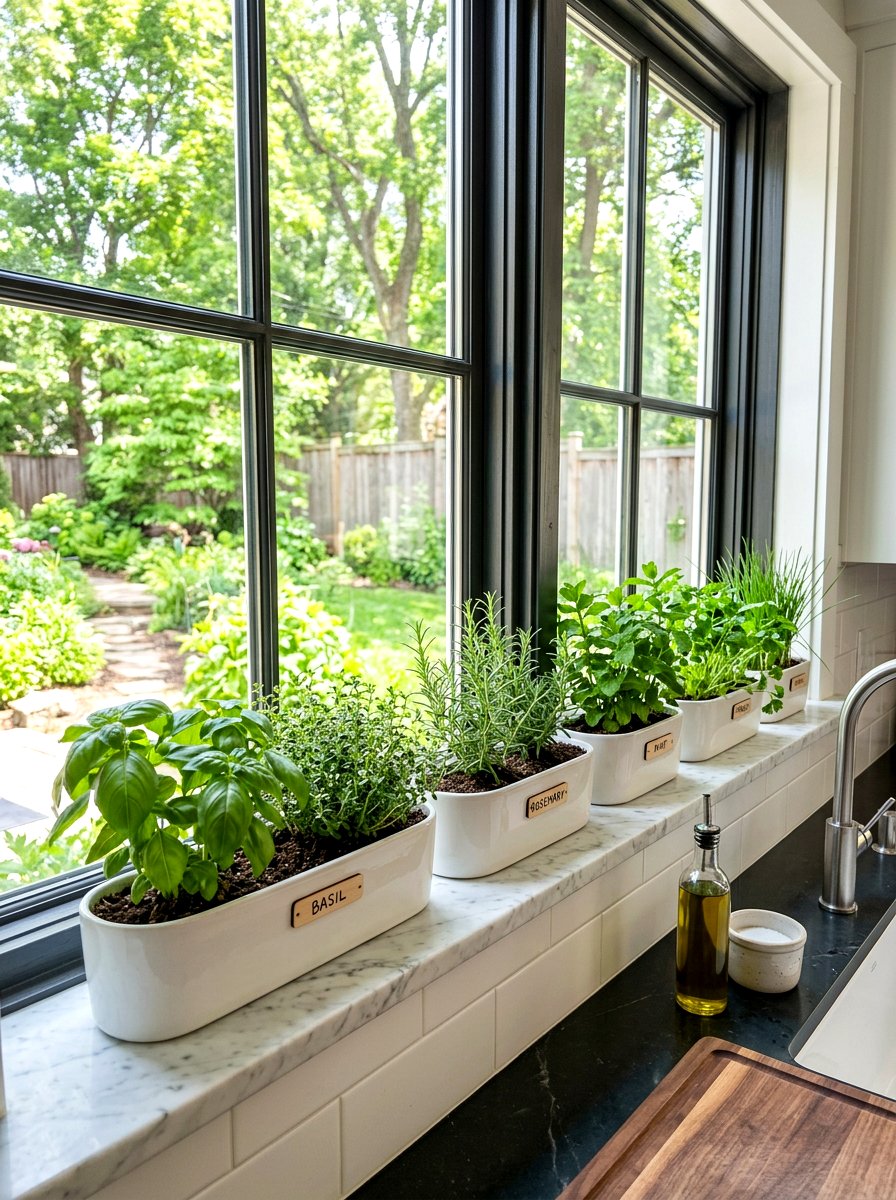
A windowsill herb garden is perhaps the most convenient way to keep fresh seasonings exactly where you need them most. These compact setups typically consist of a long, narrow tray or a series of small matching pots designed to fit perfectly on a standard ledge. Because many herbs require at least six hours of sunlight, a south-facing window provides the ideal environment for growth throughout the year. Choosing sleek ceramic or modern metal containers can turn a simple window into a stylish interior design feature. This setup ensures that you can simply snip a few leaves of basil or dill while you are actively cooking.
7. Hydroponic herb garden
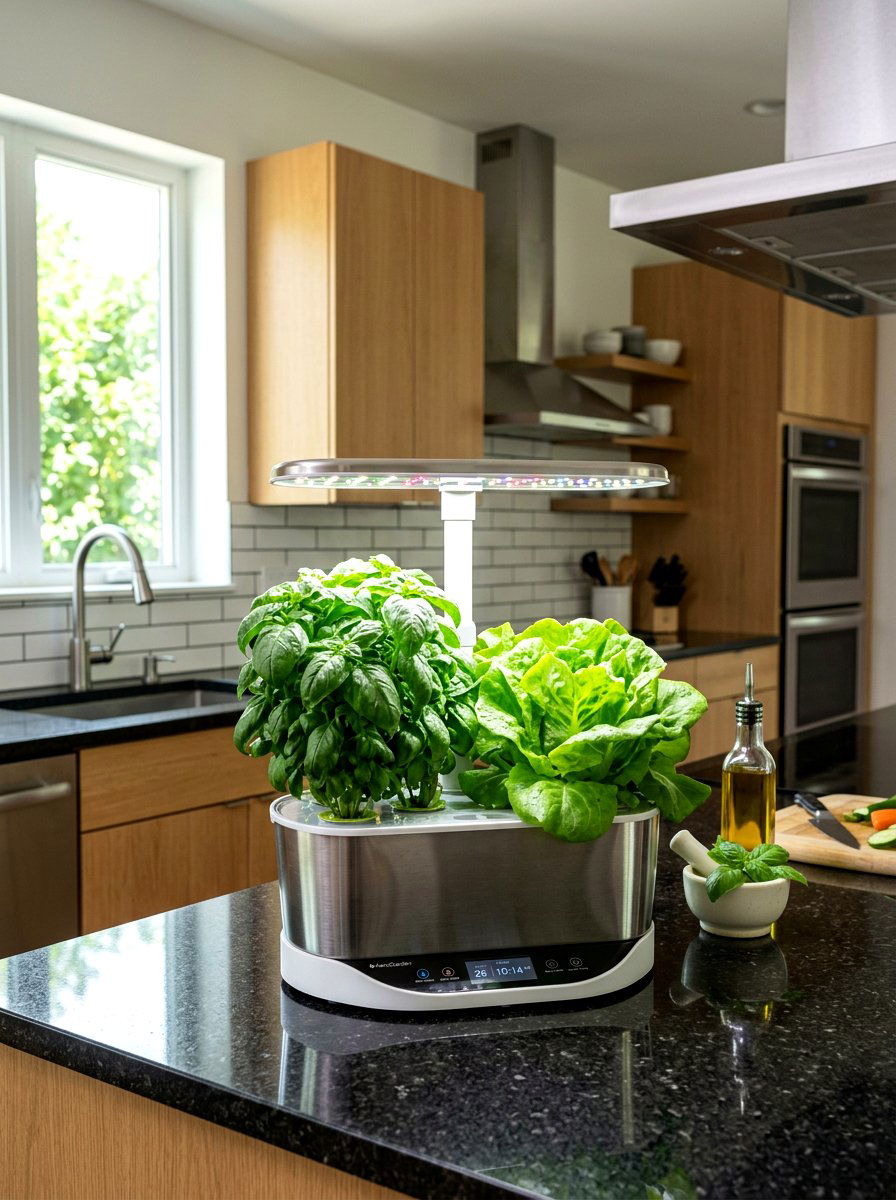
For the tech-savvy gardener, a hydroponic herb garden provides a soil-free way to grow lush greenery indoors regardless of the season. These smart systems often include built-in LED grow lights and automated water pumps that ensure your plants receive the perfect amount of nutrients and hydration. Because the environment is highly controlled, herbs tend to grow much faster and more vigorously than they would in traditional soil. These sleek, compact units look great on kitchen countertops and are perfect for apartment dwellers who may not have access to natural sunlight. It is a foolproof method for maintaining a consistent supply of fresh greens all year long.
8. Self watering herb planter
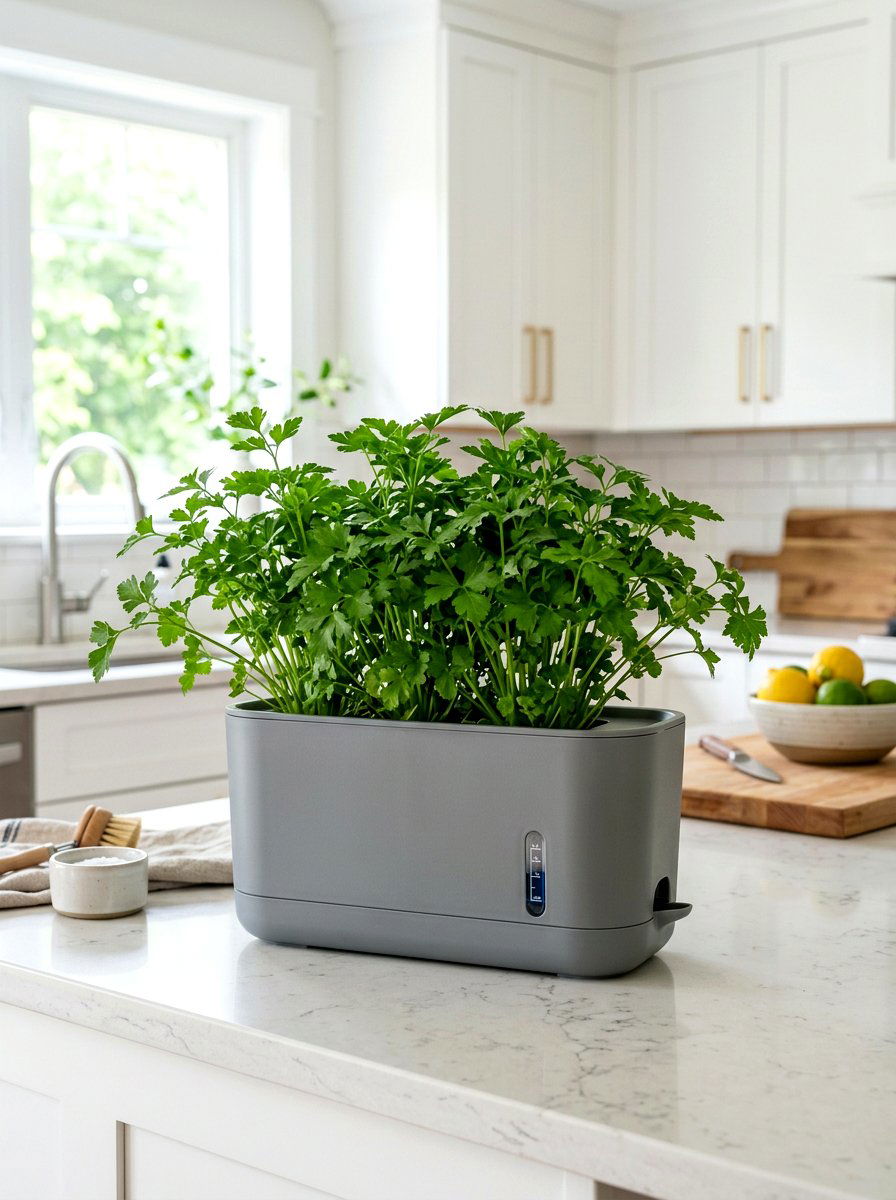
A self watering herb planter is a lifesaver for busy individuals or those who may occasionally forget to hydrate their plants. These containers feature a built-in reservoir at the bottom that holds a supply of water, which is then gradually wicked up into the soil as needed. This system helps maintain consistent moisture levels, preventing the stress of drying out or the dangers of overwatering. Many models come with a water level indicator, so you know exactly when it is time for a refill. These planters are perfect for moisture-loving herbs like mint or parsley, ensuring they stay lush and vibrant with minimal daily effort.
9. Galvanized metal herb buckets
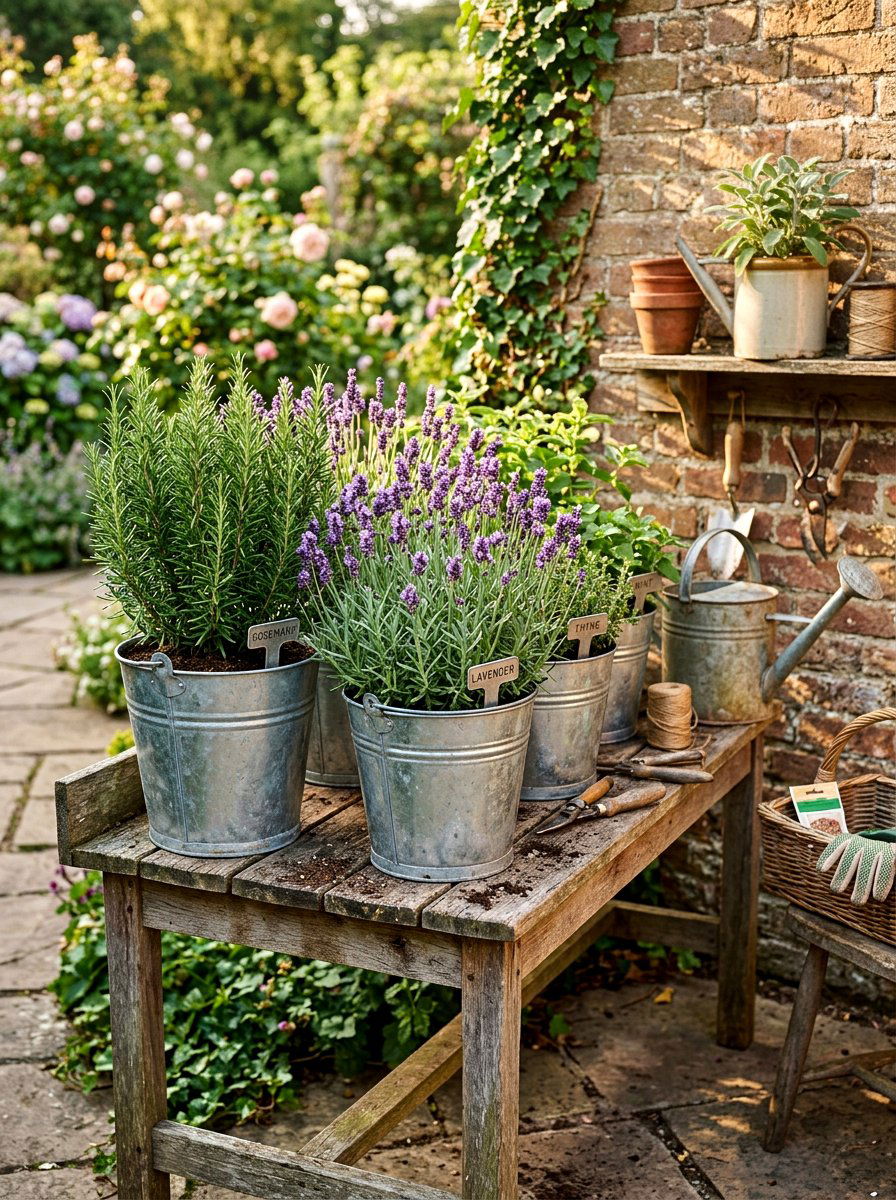
Galvanized metal herb buckets bring a timeless, industrial-farmhouse vibe to any garden or patio setting. These durable containers are resistant to the elements and provide a sturdy home for larger herb varieties like rosemary or lavender. To prevent water from pooling at the bottom, it is essential to drill drainage holes before planting. You can arrange several buckets of different sizes on a potting bench or hang them from a rail for a more organized look. The silver, weathered finish of the metal contrasts beautifully with the vibrant green leaves of the herbs, creating a sophisticated yet rugged aesthetic that enhances any outdoor decor.
10. Upcycled pallet herb garden
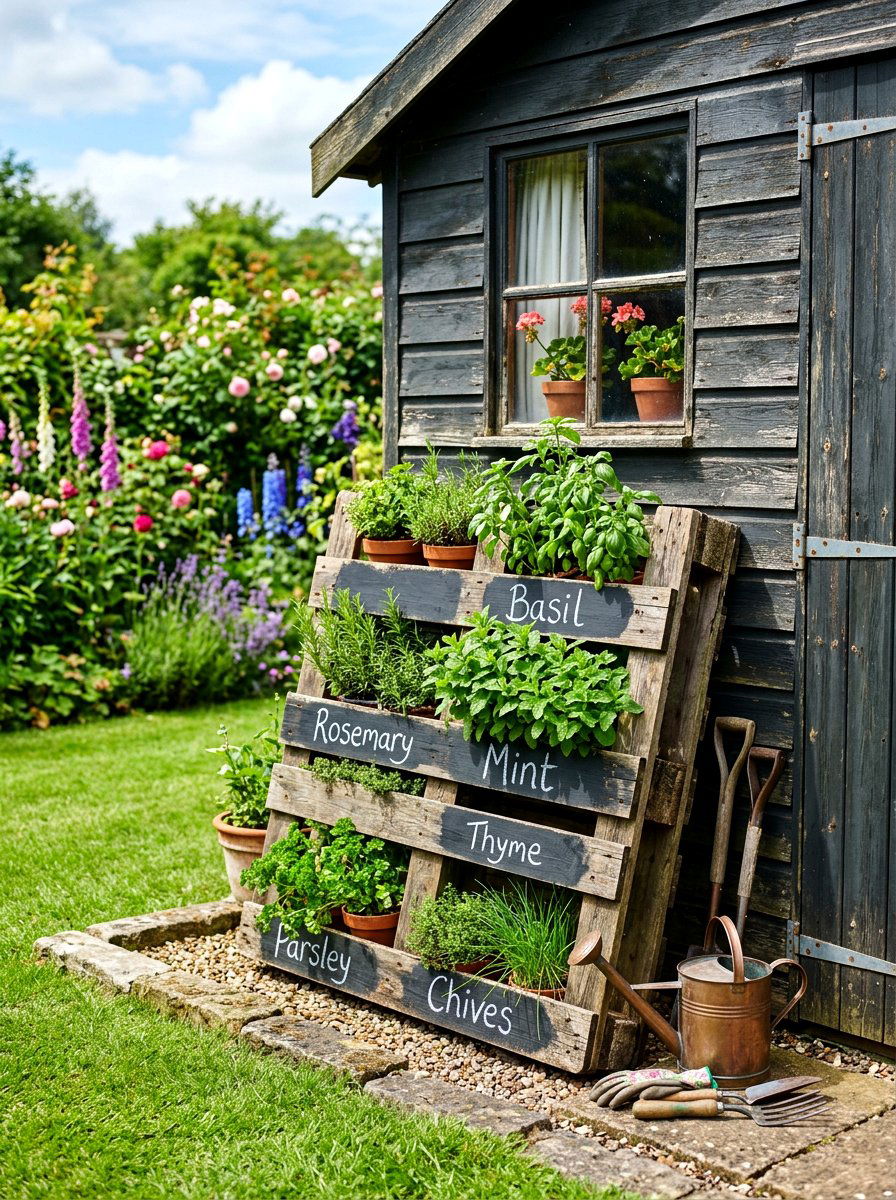
An upcycled pallet herb garden is an eco-friendly and budget-friendly project that adds a unique, handcrafted touch to your backyard. By standing a wooden pallet on its side and adding backing or small troughs, you create multiple rows for planting a wide variety of herbs. This vertical arrangement is perfect for lean-to structures against a wall or fence. You can even paint the front slats with chalkboard paint to label each herb clearly. This rustic design is excellent for keeping your garden organized while repurposing materials that might otherwise go to waste. It provides a large planting surface area while maintaining a very slim profile.
11. Magnetic herb garden
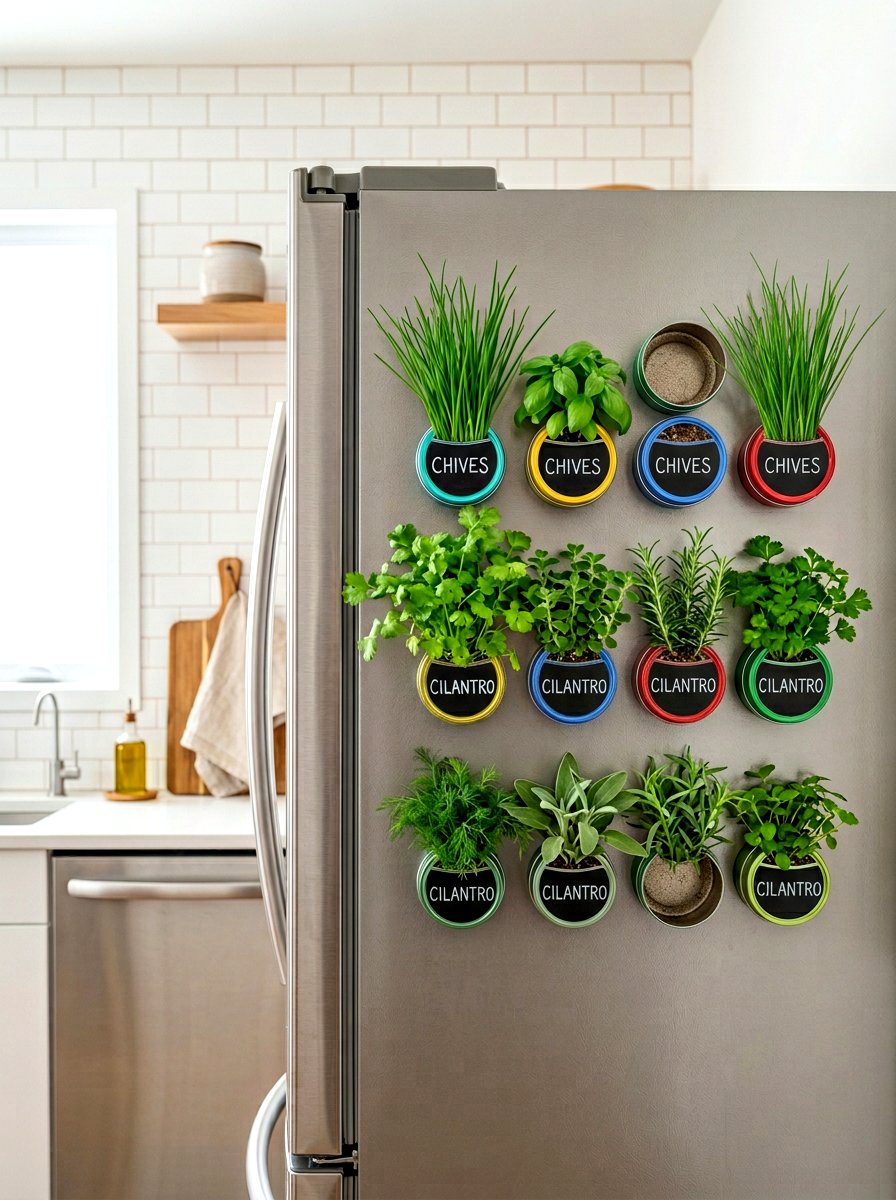
A magnetic herb garden is a clever way to utilize the side of your refrigerator or any other metal surface in your kitchen. This setup usually involves small, lightweight tins or plastic containers equipped with strong magnets that hold them securely in place. It is a fantastic option for small apartments where counter space is at a premium. These tiny pots are perfect for smaller herb varieties that don't require deep root systems, such as chives or cilantro. This creative approach keeps your fresh herbs at eye level and turns a functional appliance into a decorative, living element of your kitchen design that sparks conversation.
12. Painted tin cans
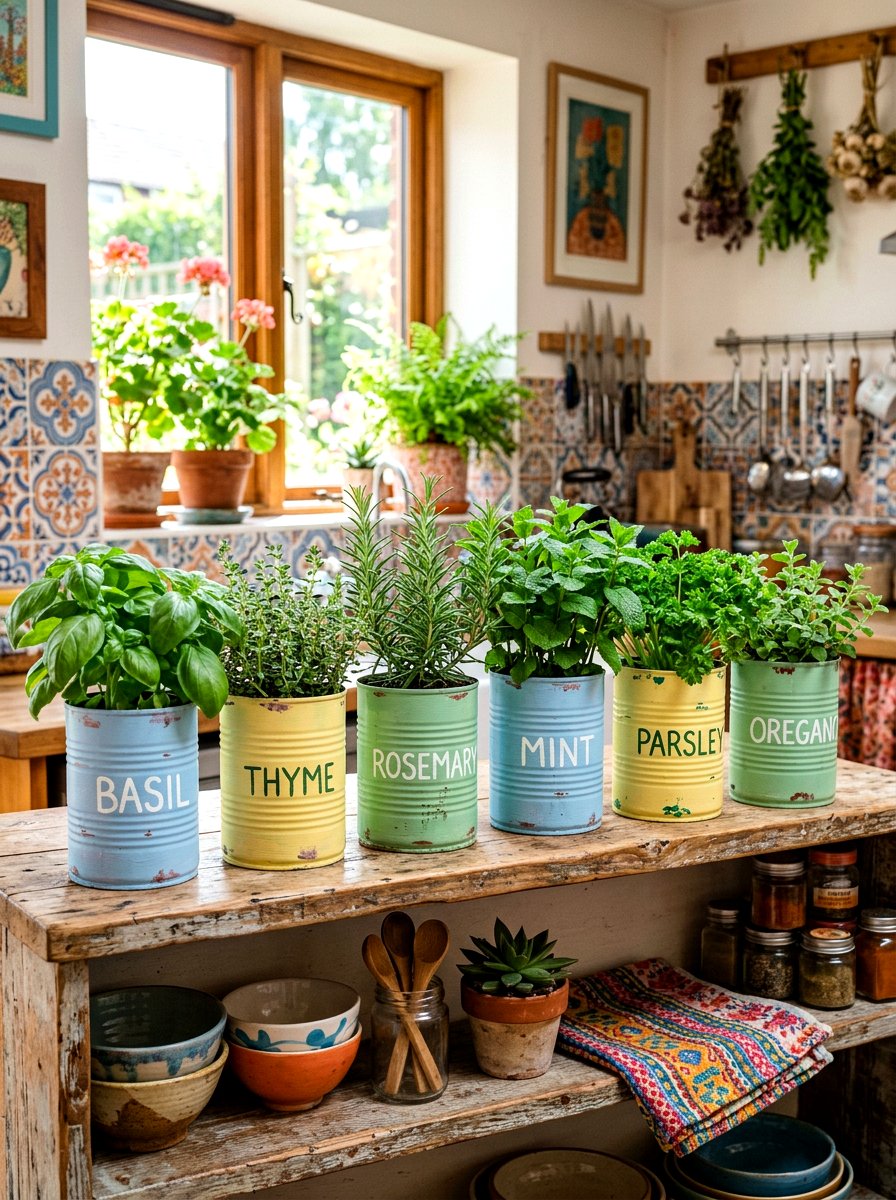
Using painted tin cans as herb planters is a wonderful way to combine recycling with creative home decor. By cleaning out old food cans and giving them a fresh coat of colorful spray paint, you can create a coordinated set of custom planters for pennies. Be sure to punch holes in the bottom for drainage and smooth down any sharp edges before adding soil. These versatile containers can be lined up on a shelf, grouped together on a tray, or even mounted to a wooden board for a wall display. It is a fun, accessible project that allows you to personalize your herb garden.
13. Cedar herb planter box
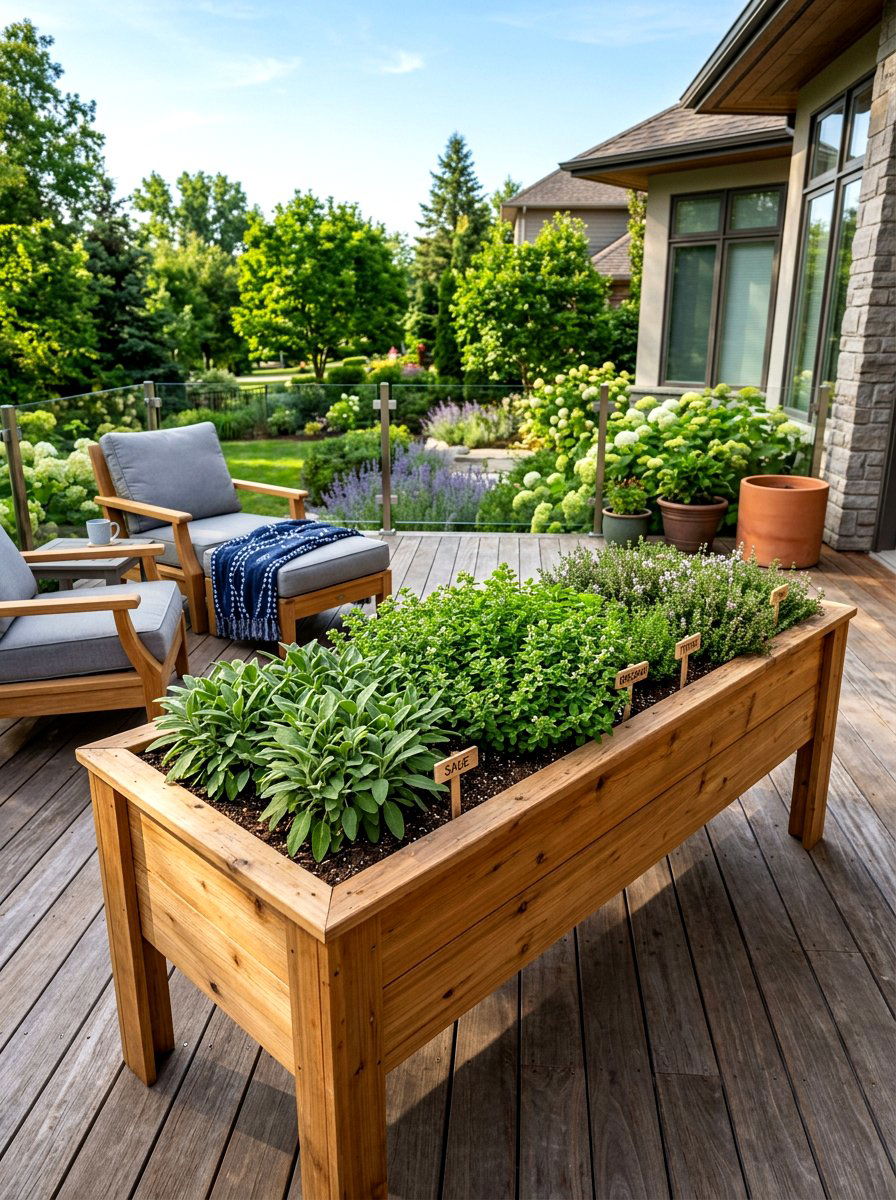
A cedar herb planter box is a classic and durable choice for outdoor gardening because cedar is naturally resistant to rot, decay, and insects. These boxes can be built to any size, making them perfect for fitting into specific spots on your deck or patio. The warm, natural tones of the wood provide a beautiful backdrop for the varied textures of herbs like sage, thyme, and oregano. Elevated planter boxes are particularly popular because they bring the garden up to waist height, reducing the need for bending and making the harvesting process much more comfortable. It is a long-lasting investment for any gardener.
14. Railing herb planter
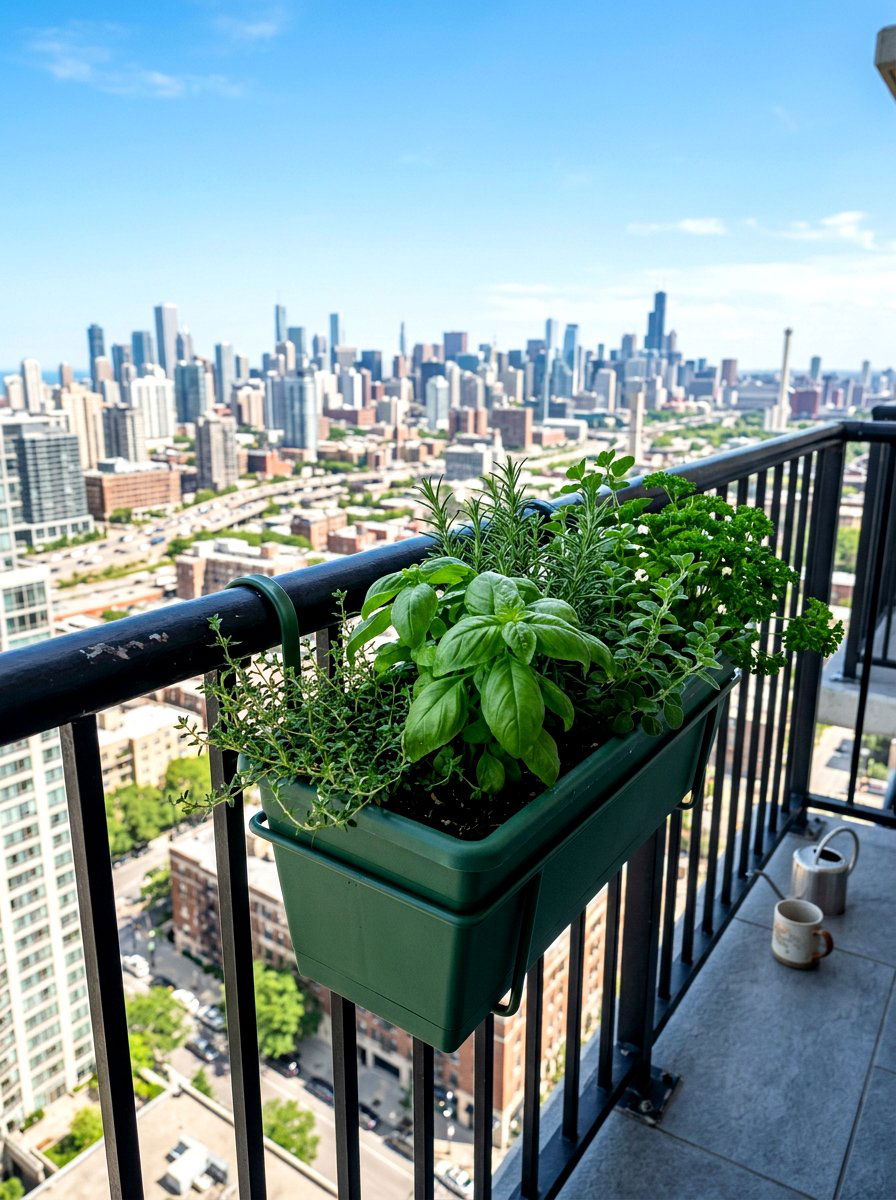
A railing herb planter is an essential accessory for anyone with a balcony or a deck that wants to maximize their growing space. These specialized containers are designed to straddle or hook onto standard railings, allowing you to grow herbs in areas that would otherwise remain empty. This setup keeps your herbs elevated, where they can often catch more sunlight than they would on the floor. It also creates a beautiful "green rail" effect that adds privacy and beauty to your outdoor seating area. They are available in many materials, from modern plastics to classic metals, ensuring a perfect match for your home.
15. Concrete herb planters
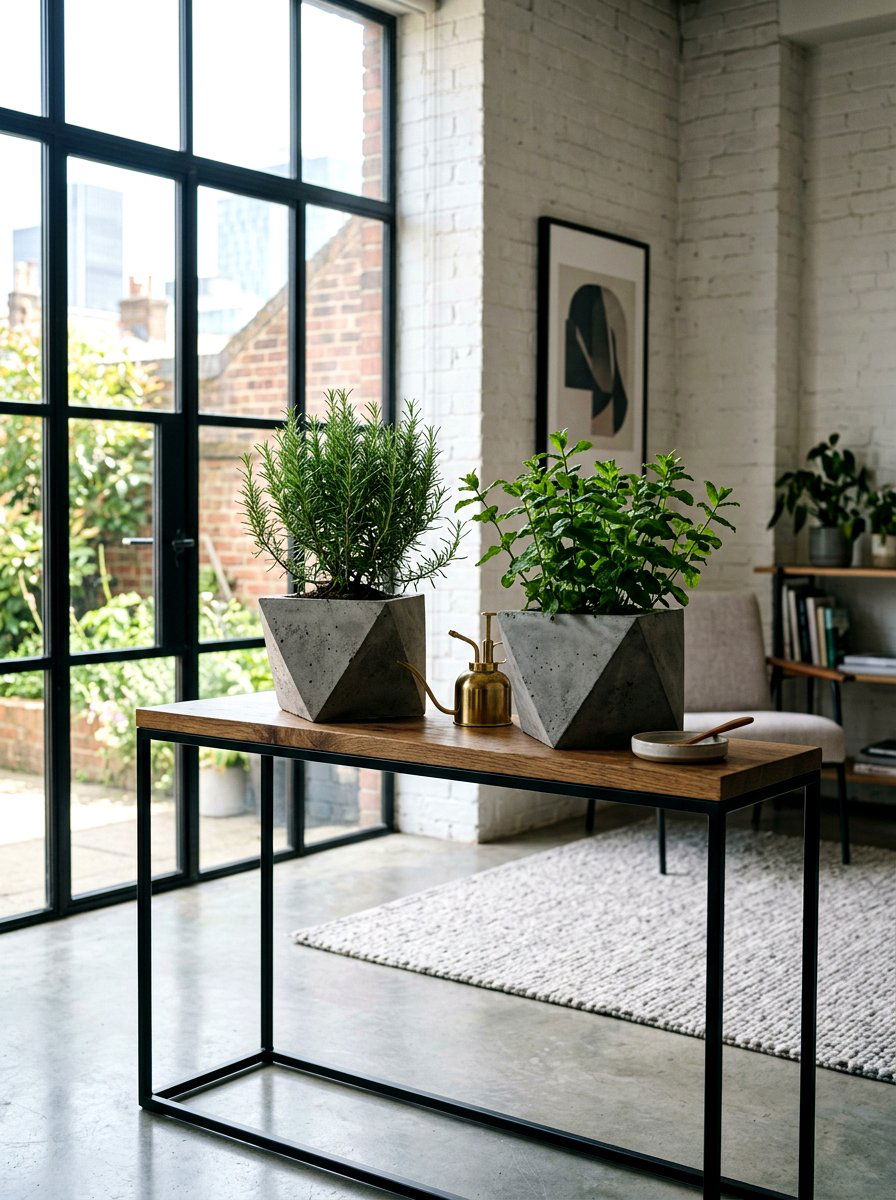
Concrete herb planters offer a sleek, minimalist aesthetic that is perfect for modern or industrial-inspired homes. The heavy, thick walls of concrete provide excellent insulation for plant roots, protecting them from extreme temperature fluctuations. These planters often come in interesting geometric shapes and neutral tones, allowing the vibrant green of the herbs to take center stage. Because concrete is porous, it allows for some air and water movement through the sides, which can be beneficial for the health of your herbs. They are incredibly stable and wind-resistant, making them a great choice for exposed balconies or high-wind areas in the garden.
16. Ceramic marble glazed pots
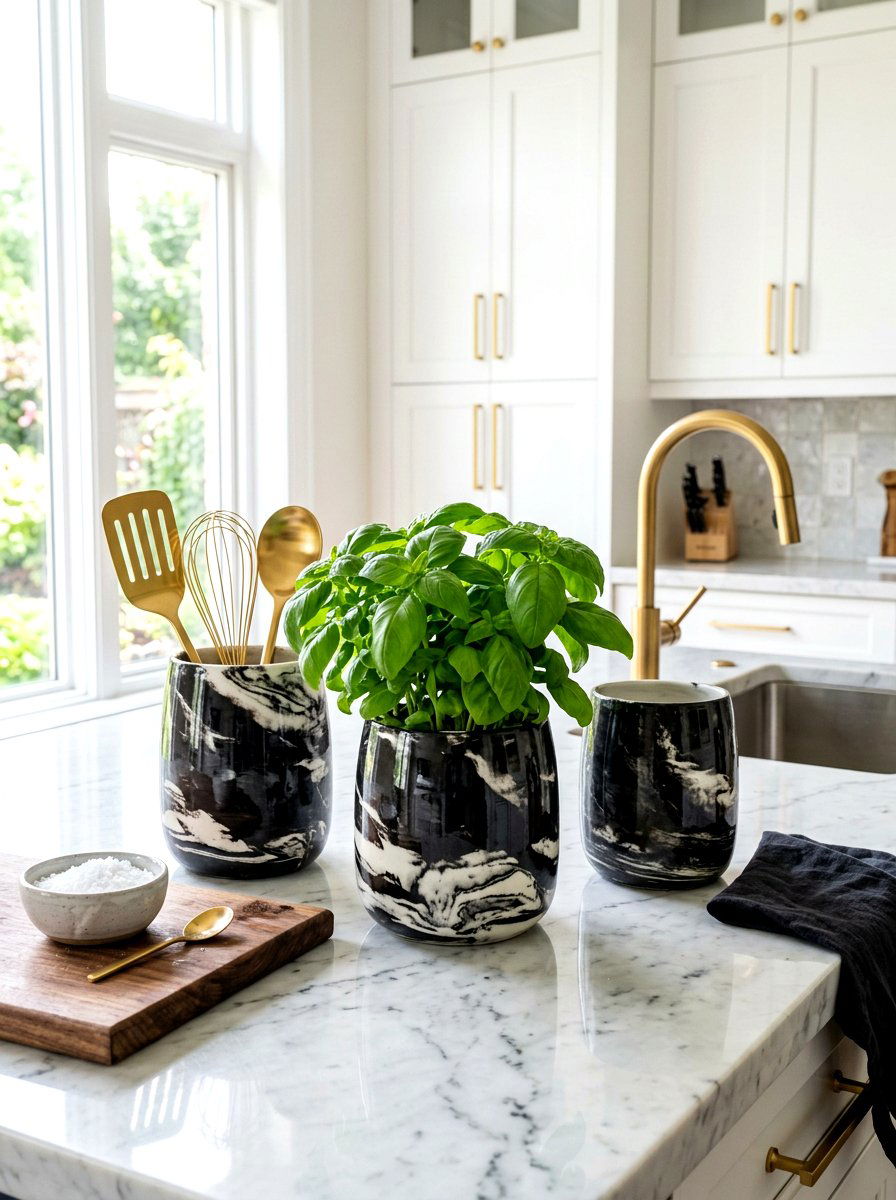
Ceramic marble glazed pots are a sophisticated choice for those who view their herb garden as a key piece of interior decor. The elegant swirling patterns and glossy finish of these pots add a touch of luxury to a kitchen counter or a living room shelf. These high-quality containers are often handcrafted, making each one a unique piece of art. When paired with lush green herbs like basil or mint, the contrast between the organic plant life and the polished ceramic creates a high-end look. They are usually designed for indoor use and often come with matching saucers to protect your furniture from moisture.
17. Rolling herb garden cart
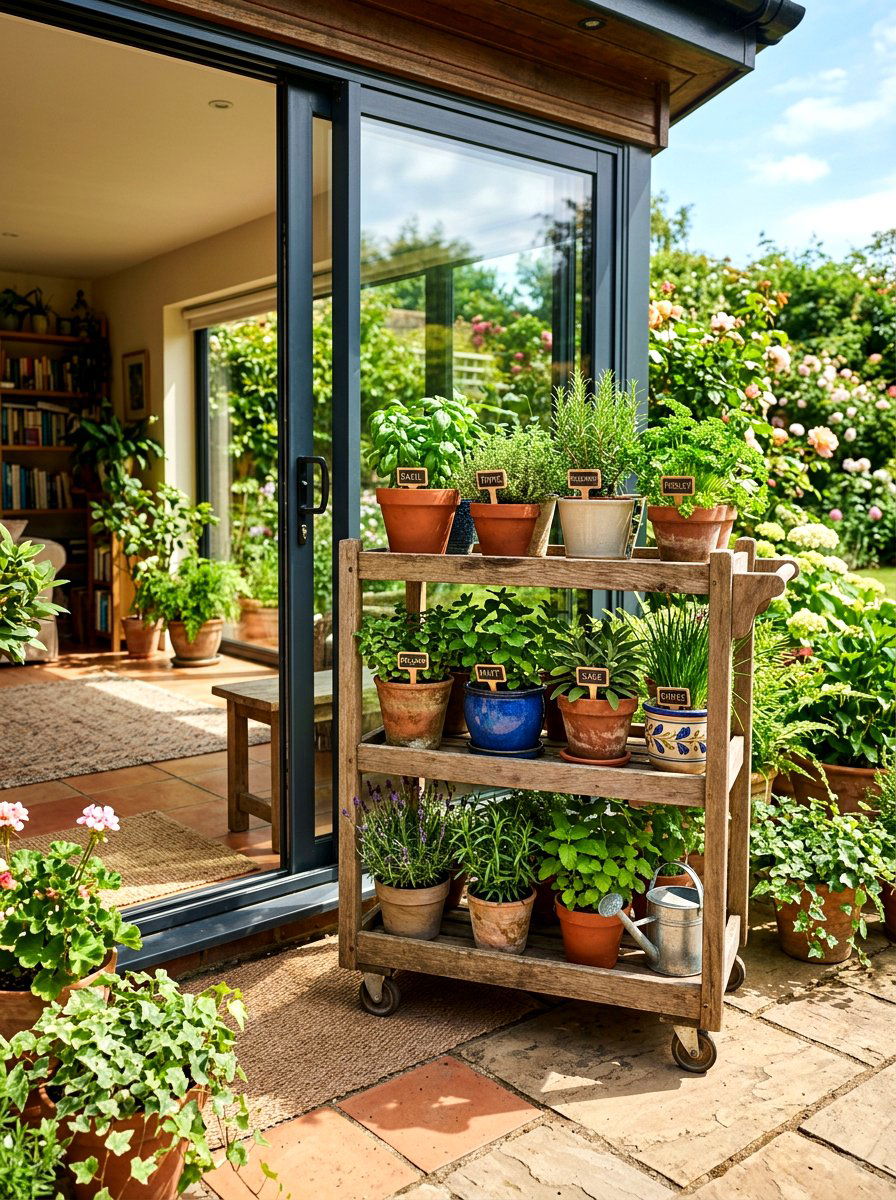
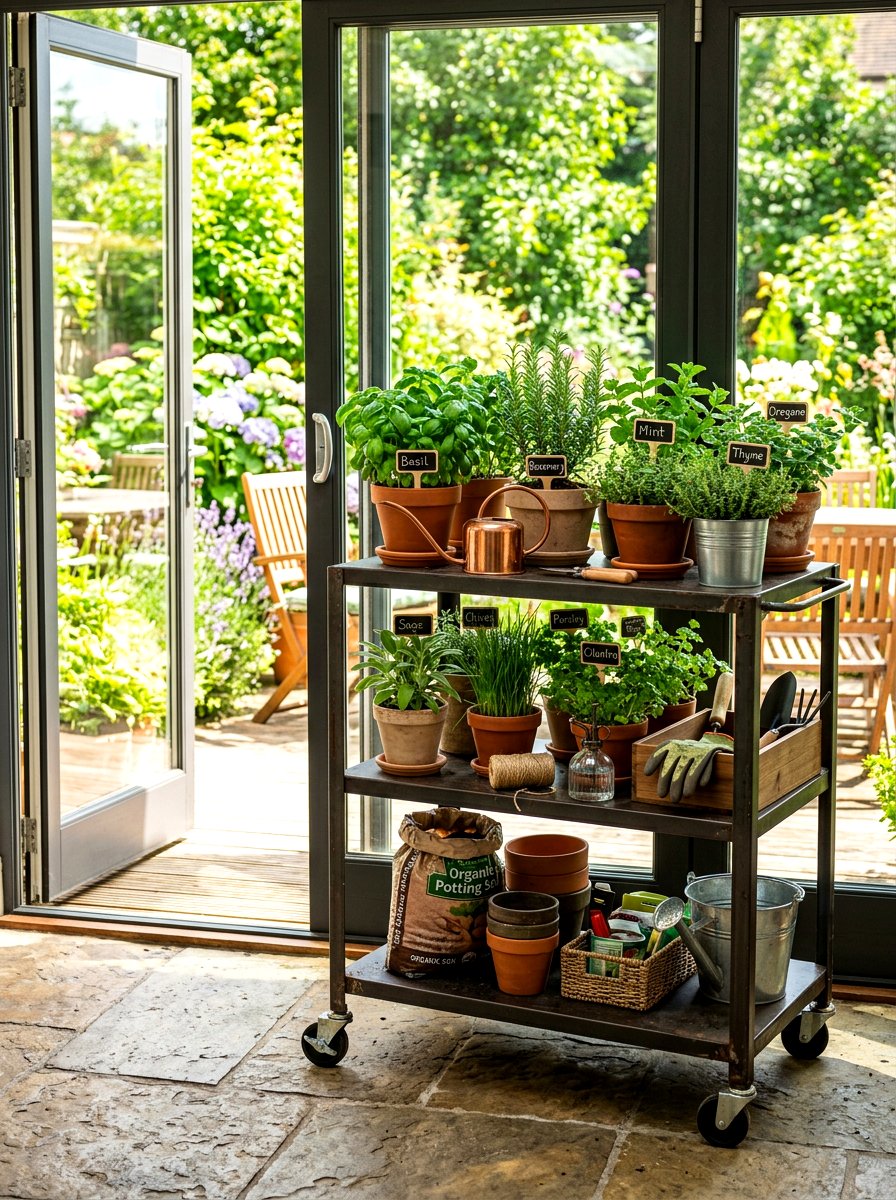
A rolling herb garden cart provides ultimate flexibility for the gardener who wants to move their plants based on the sun's position. This design typically involves a multi-tiered metal or wooden cart with wheels, allowing you to easily transport your entire herb collection from the patio into the kitchen. This is especially useful during colder months when you might need to bring your plants indoors overnight to protect them from frost. The different shelves allow you to organize your herbs by size or sunlight preference. It is a practical and stylish mobile garden solution that makes maintenance and harvesting incredibly convenient for everyone.
18. Shoe organizer herb garden
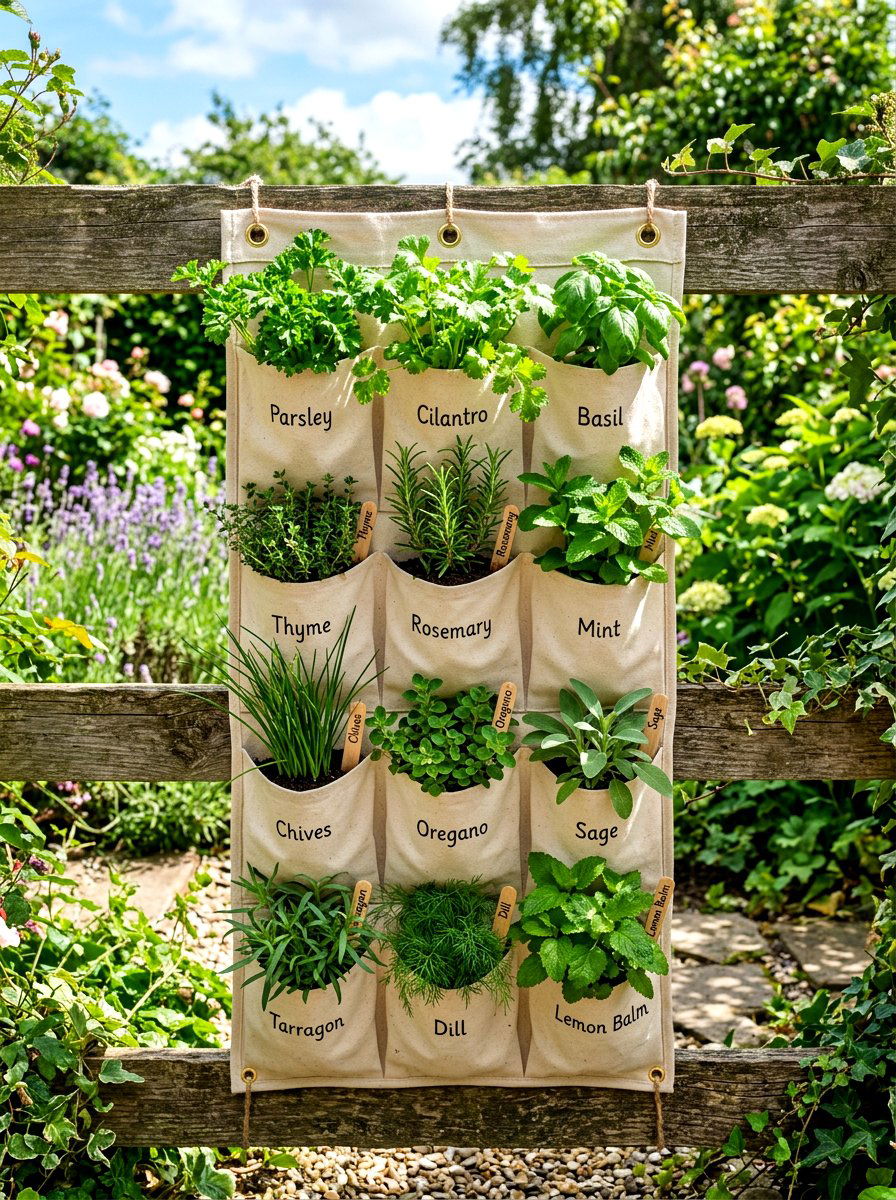
A shoe organizer herb garden is a surprisingly effective and low-cost way to create a massive vertical garden on a budget. By hanging a heavy-duty fabric or plastic over-the-door shoe organizer on a sunny fence or wall, you gain dozens of individual pockets for planting. Each pocket provides enough space for a single herb plant, making it easy to grow a huge variety in a very narrow space. The fabric pockets are especially good because they allow the soil to breathe and excess water to drain away naturally. This is a playful, inventive solution that is perfect for renters or those with limited outdoor space.
19. Gutter herb garden
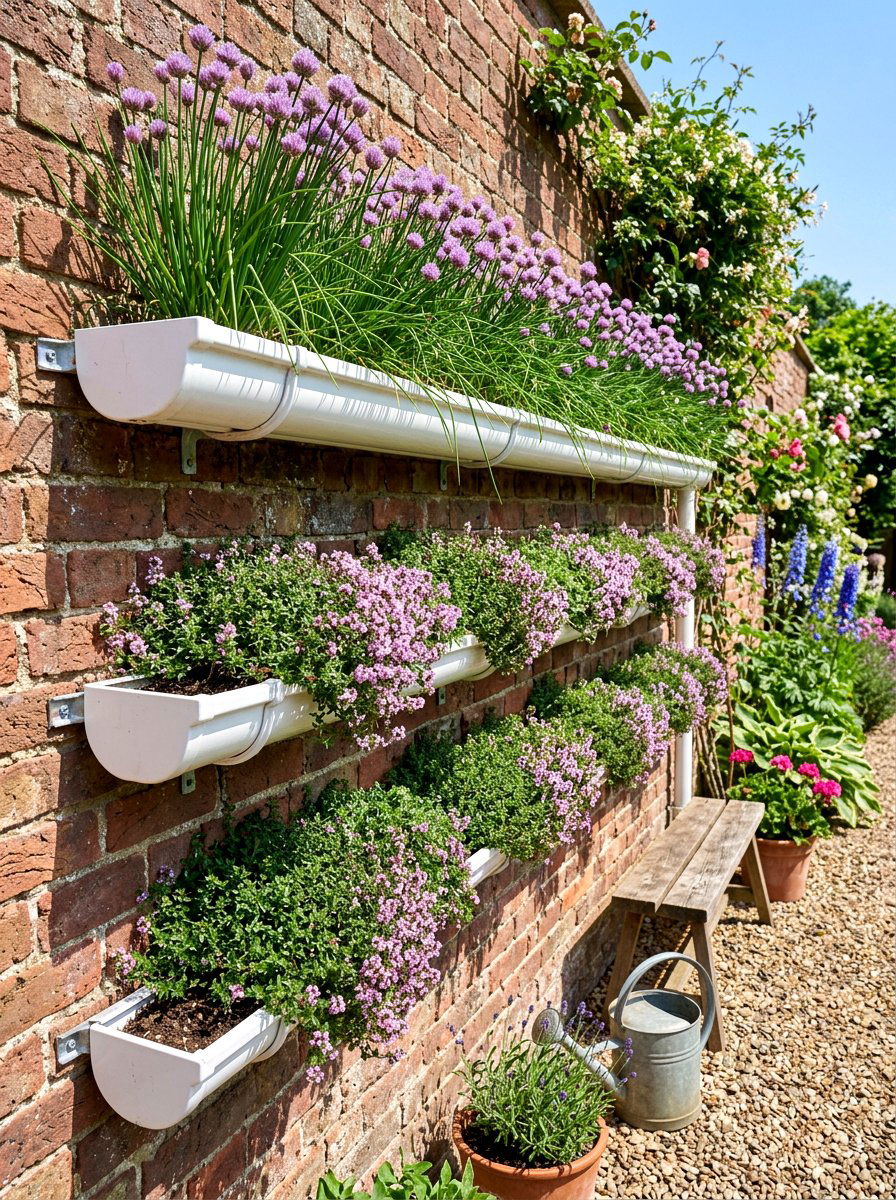
A gutter herb garden utilizes standard rain gutters mounted horizontally across a wall or fence to create long, sleek planting troughs. This design is highly efficient for growing a large volume of low-profile herbs like thyme, chives, and cilantro. Because gutters are shallow, they are easy to mount in multiple rows, creating a "wall of herbs" effect that is visually stunning. You can use traditional white vinyl gutters for a clean look or painted metal versions for a more custom feel. It is a clever architectural use of space that provides a uniform, organized appearance while keeping your herbs off the ground.
20. Chalkboard labeled pots
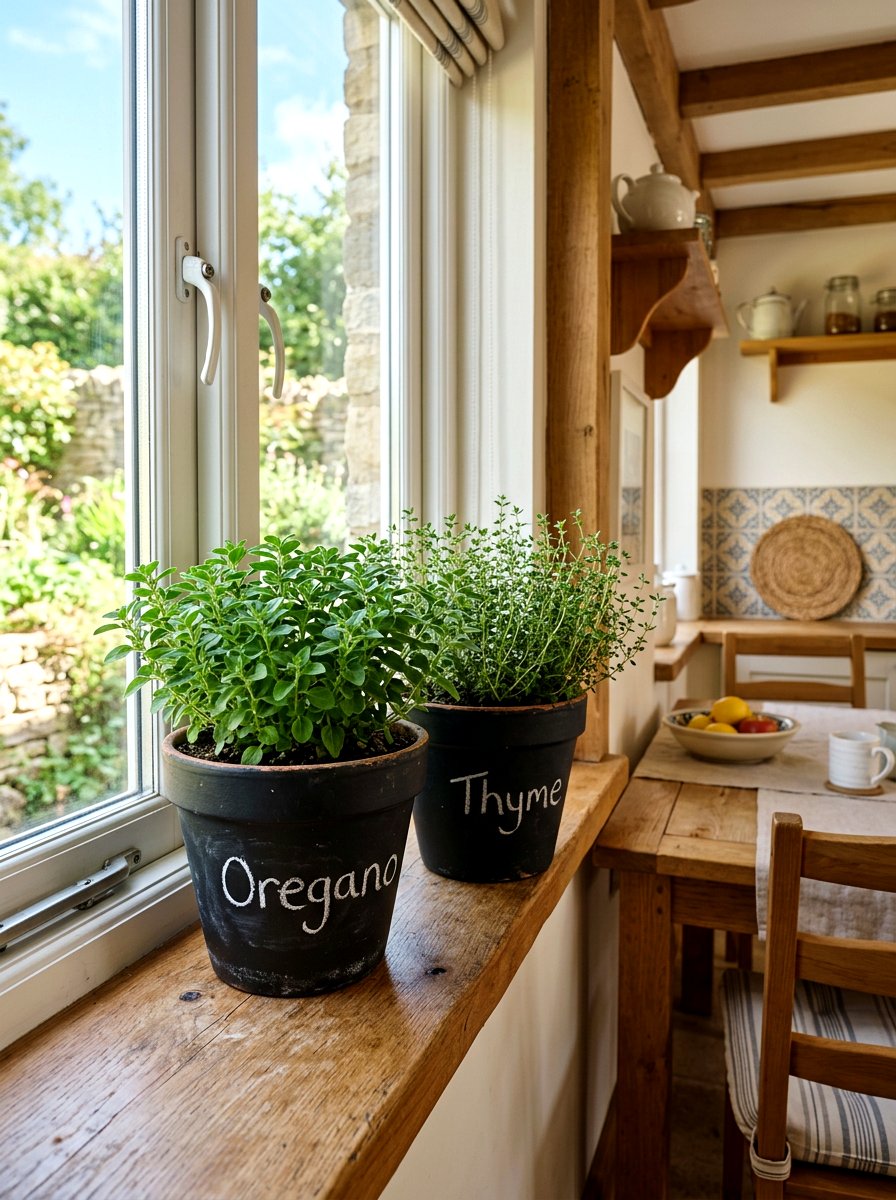
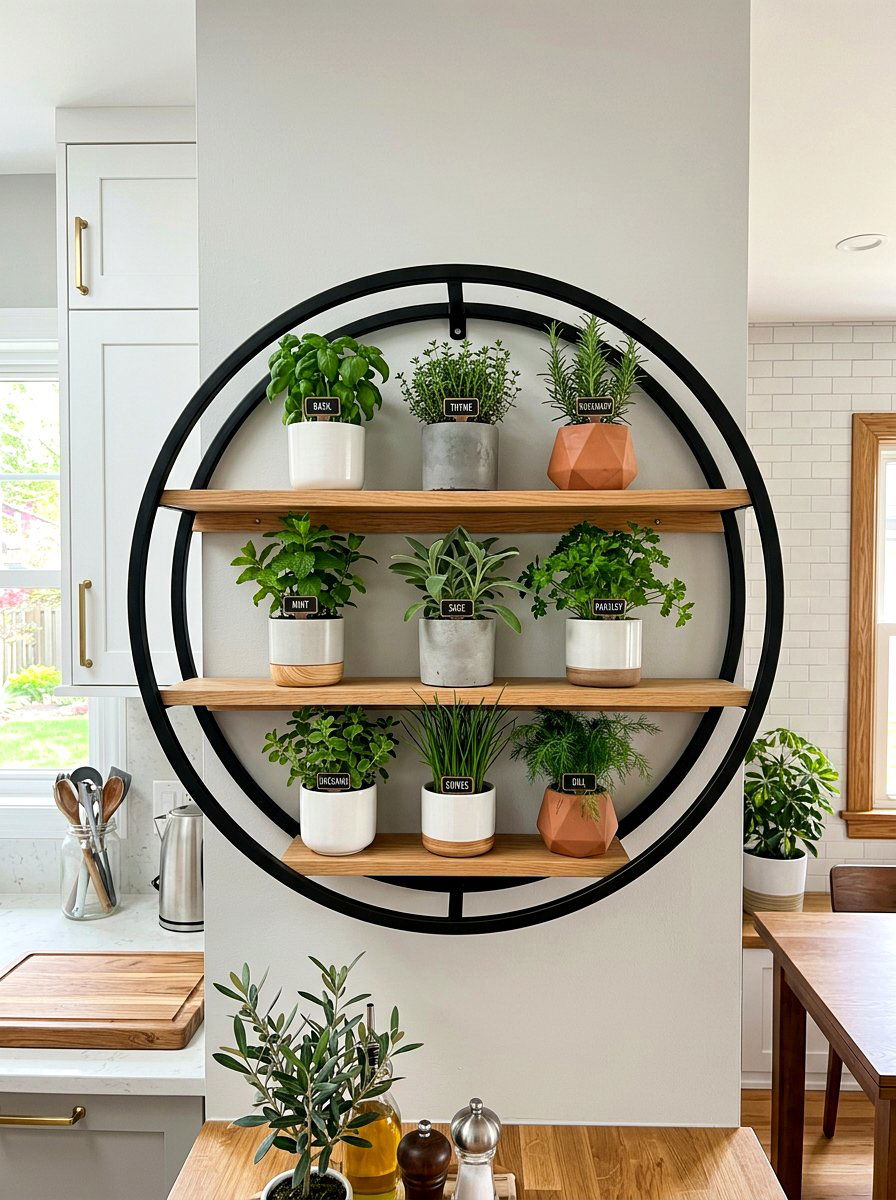
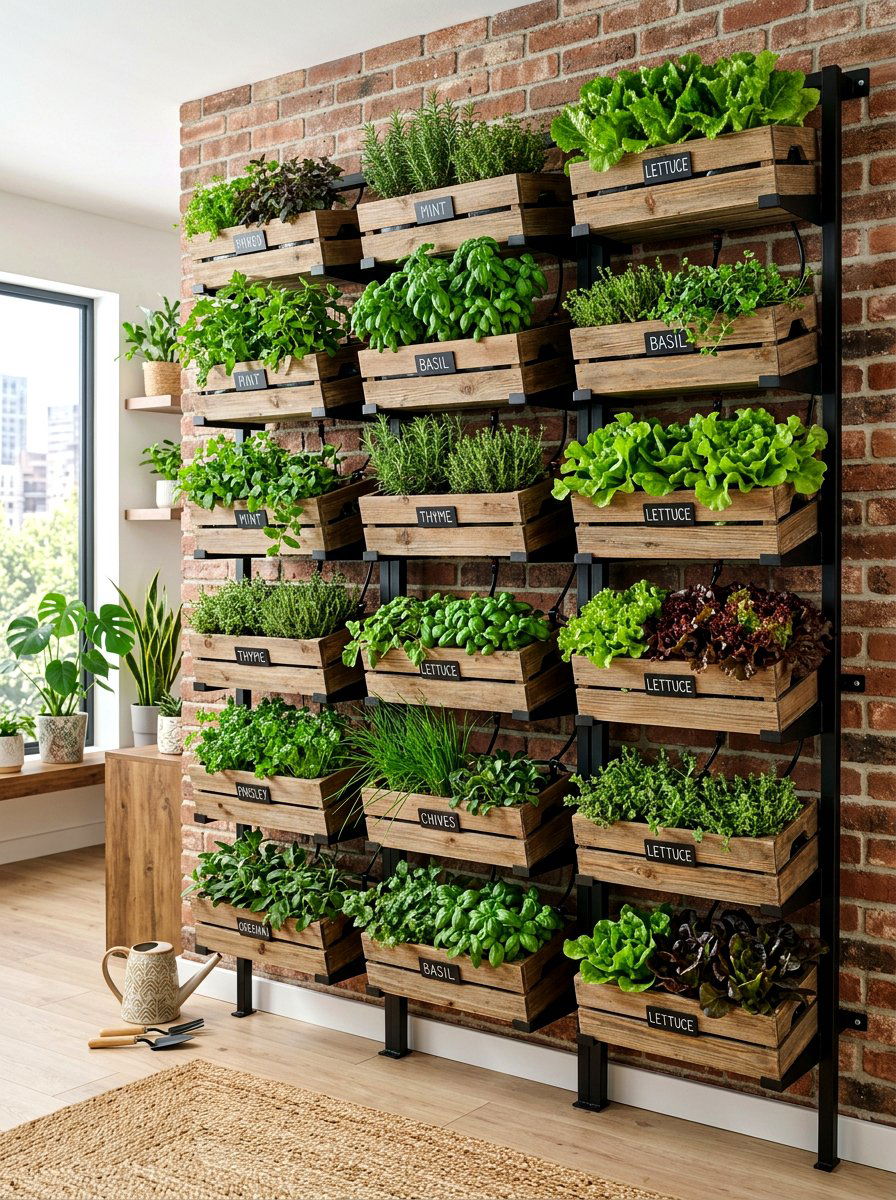
Chalkboard labeled pots are a fantastic way to keep your herb garden organized while adding a touch of whimsical, personalized style. By using pots that have a built-in chalkboard surface or applying chalkboard paint yourself, you can easily label each herb and update the names as you rotate your crops. This is particularly helpful for herbs that look similar when they are young, such as flat-leaf parsley and cilantro. Beyond the practical benefits, the dark black surface of the chalkboard provides a striking contrast to the bright green leaves. It is a fun and interactive way to manage your indoor or outdoor garden.
21. Tea tin herb planters
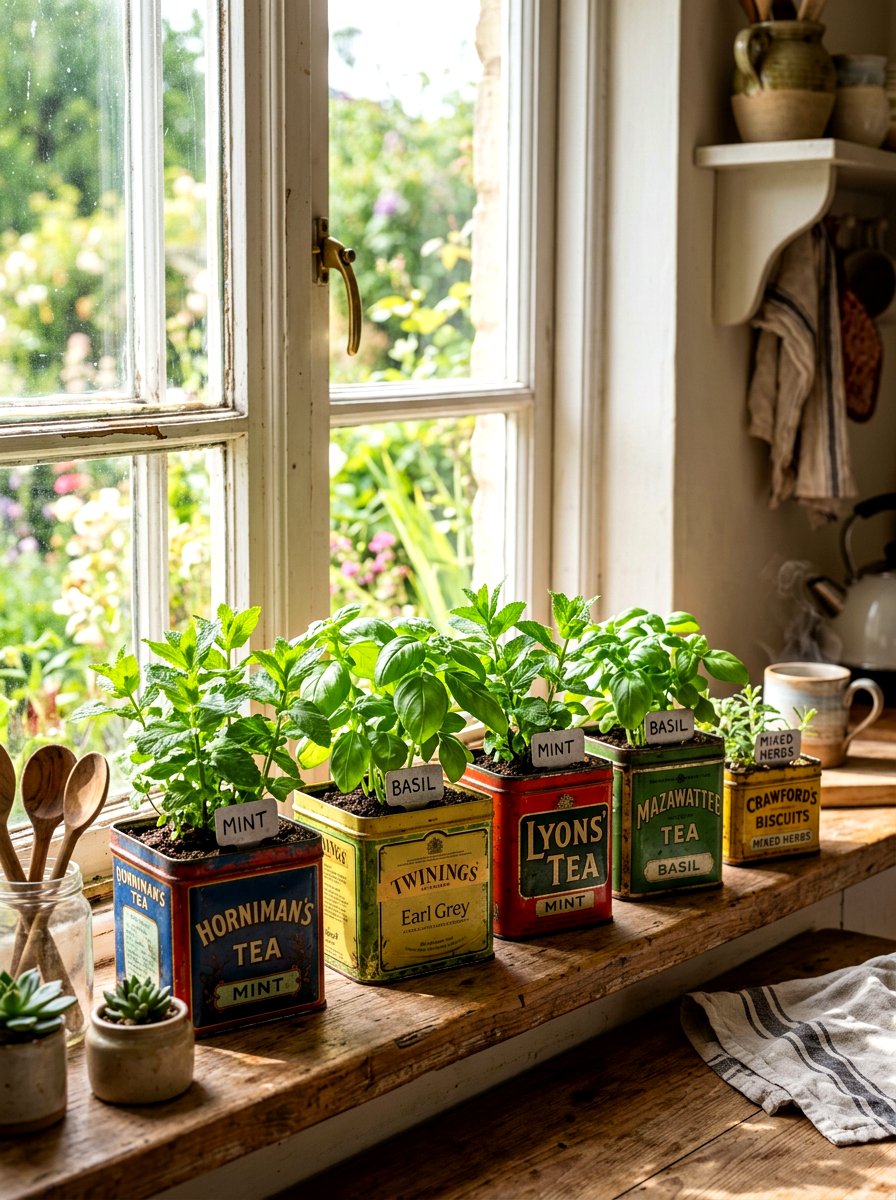
Tea tin herb planters are a delightful way to repurpose vintage containers and add a sense of history to your kitchen windowsill. Many old tea tins feature beautiful typography and colorful illustrations that look wonderful when paired with fresh greenery. These small containers are perfect for individual herb plants and can be grouped together on a tray for a cohesive look. Like other metal containers, it is important to add drainage holes to the bottom to ensure the health of your plants. This upcycling project is an excellent way to display a collection of antiques while growing a functional and aromatic herb garden.
22. Geometric ceramic herb pots
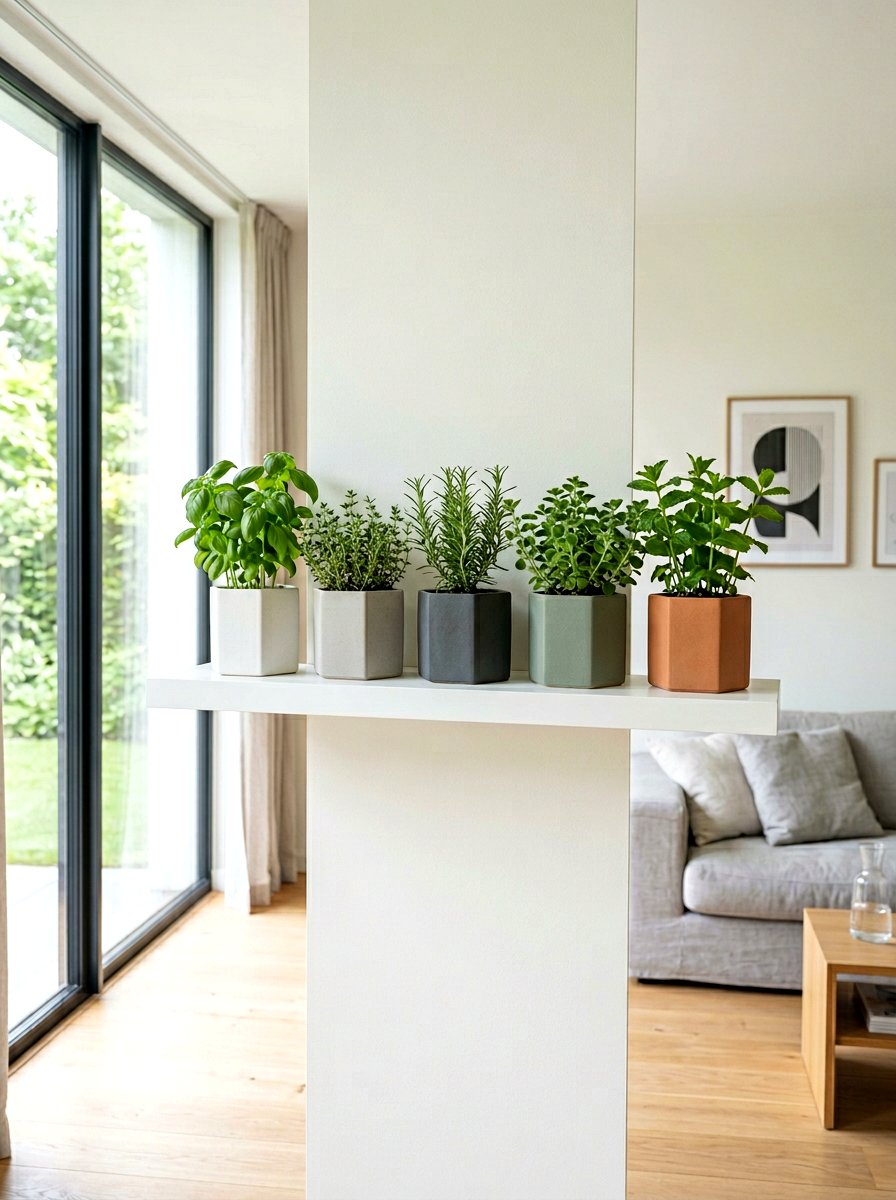
Geometric ceramic herb pots are perfect for adding a touch of contemporary flair to your home design. These planters often feature sharp angles, hex shapes, or 3D patterns that create a modern, artistic vibe on any shelf or tabletop. When arranged in a cluster, they create a dynamic visual display that feels more like a sculpture than a traditional garden. Choosing a monochromatic color palette like matte black or crisp white allows the natural form of the herbs to stand out. These pots are ideal for the minimalist who wants to incorporate greenery without cluttering their space with traditional, ornate gardening containers.
23. Terracotta pot stack
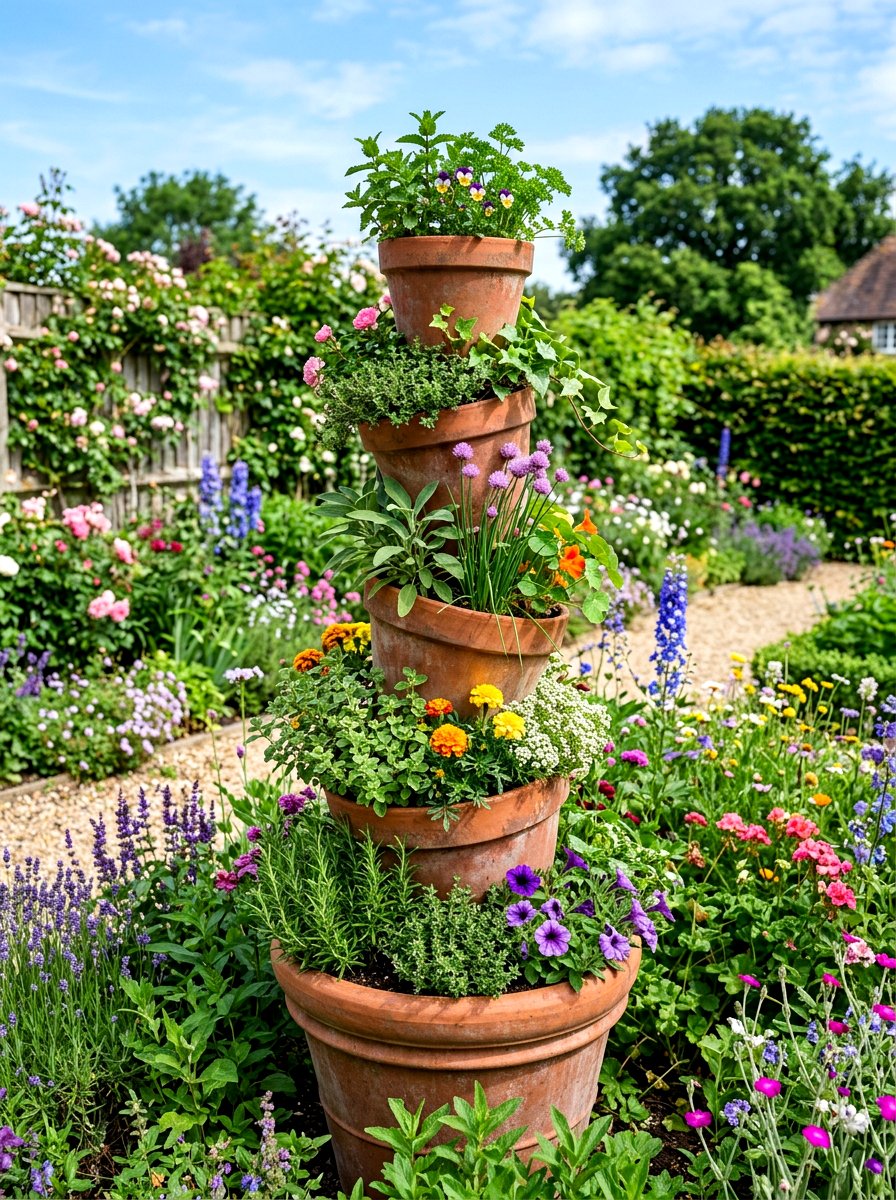
A terracotta pot stack is a classic gardening technique that creates a vertical tower of herbs using only a few basic materials. By placing a sturdy stake through the center of several graduated pots, you can angle them in different directions to create a whimsical, spiraling look. This design allows you to grow several different herbs in the footprint of a single large pot. Terracotta is a favored material because its porous nature allows the soil to "breathe" and prevents the roots from sitting in stagnant water. This towering garden becomes a major focal point on any patio or front porch area.
24. Woven basket herb planters
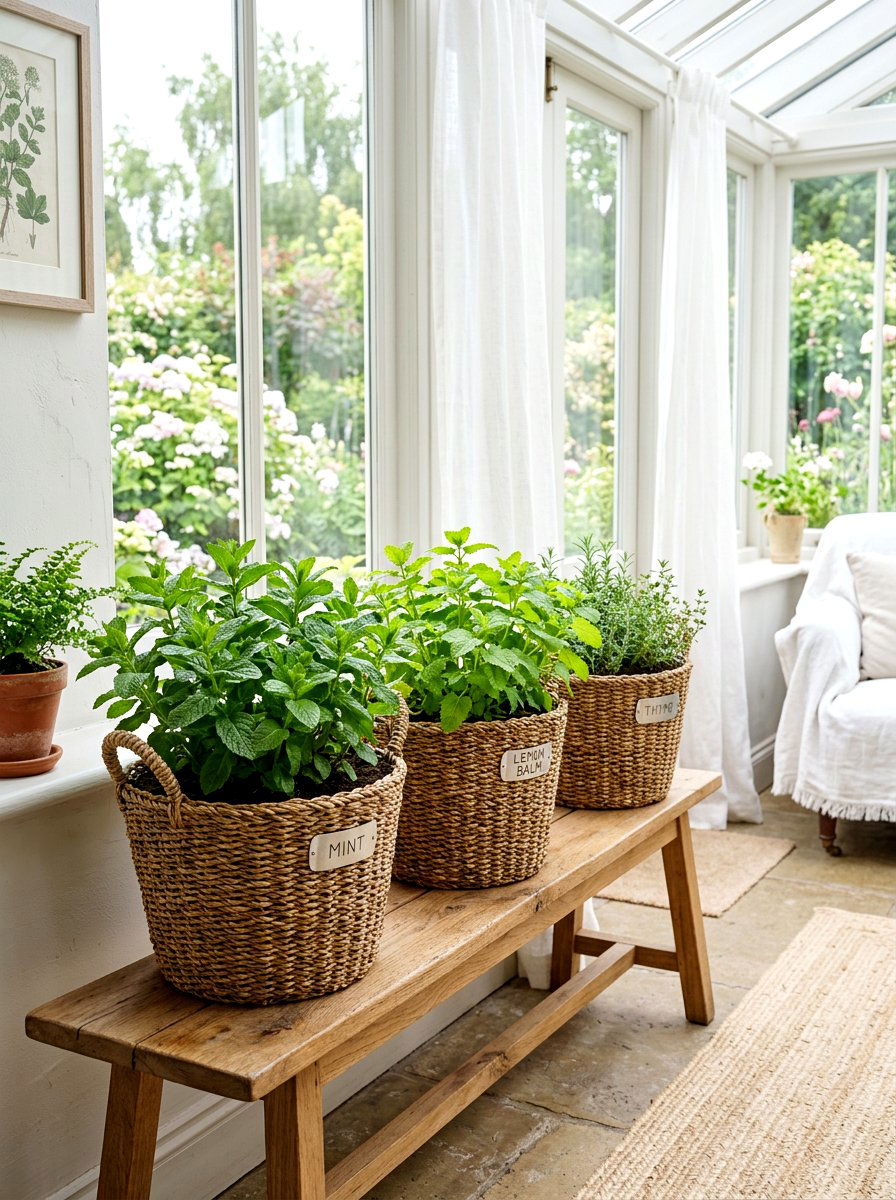
Woven basket herb planters bring a soft, natural texture to your garden that complements boho or coastal decor styles perfectly. Using baskets made of seagrass, wicker, or rattan adds a warm, organic element that contrasts beautifully with the sharp leaves of rosemary or the soft foliage of mint. To make these baskets functional, they must be lined with a thick plastic liner or a smaller plastic pot to prevent the water from rotting the natural fibers. These planters are lightweight and easy to move, making them a great choice for styling a sunny corner of a deck or an indoor sunroom.
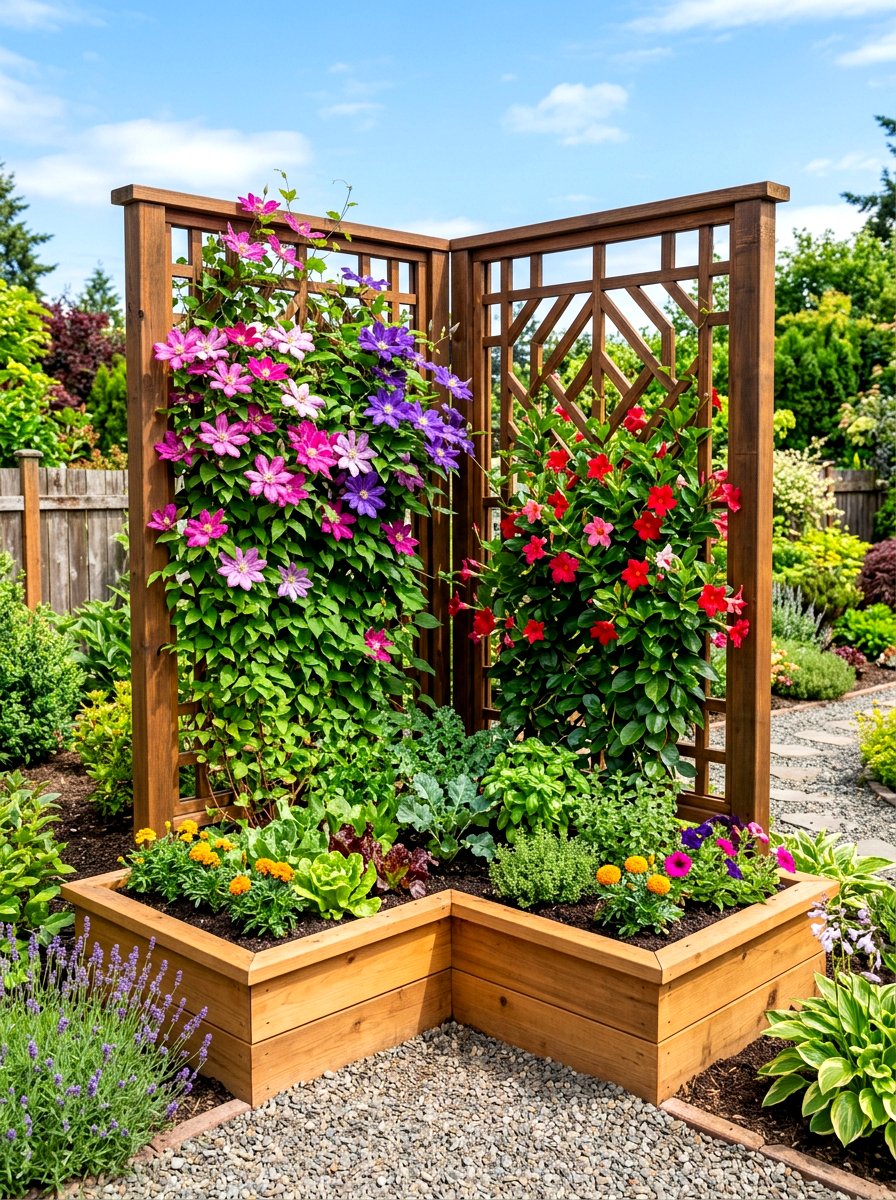
25. Spiral herb garden
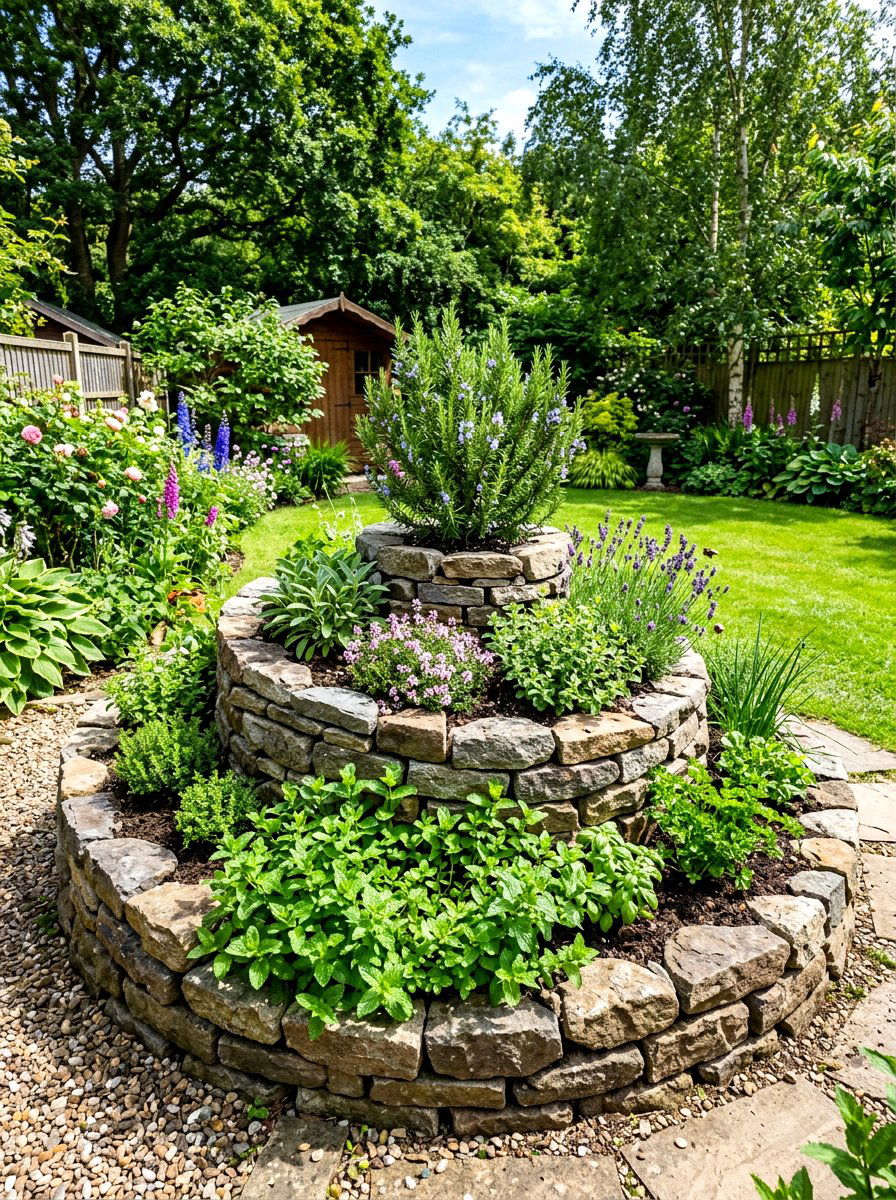
A spiral herb garden is a permaculture-inspired design that uses stones, bricks, or wood to create a three-dimensional mound. This structure is not only visually stunning but also functional, as it creates various microclimates within a small space. The top of the spiral is drier and sunnier, perfect for Mediterranean herbs like rosemary and thyme, while the bottom is cooler and moister, ideal for mint and chives. This design mimics natural landscapes and provides a massive planting surface in a relatively small diameter. It is a permanent landscape feature that adds architectural beauty and ecological diversity to any backyard or garden.
26. Wooden crate herb planter
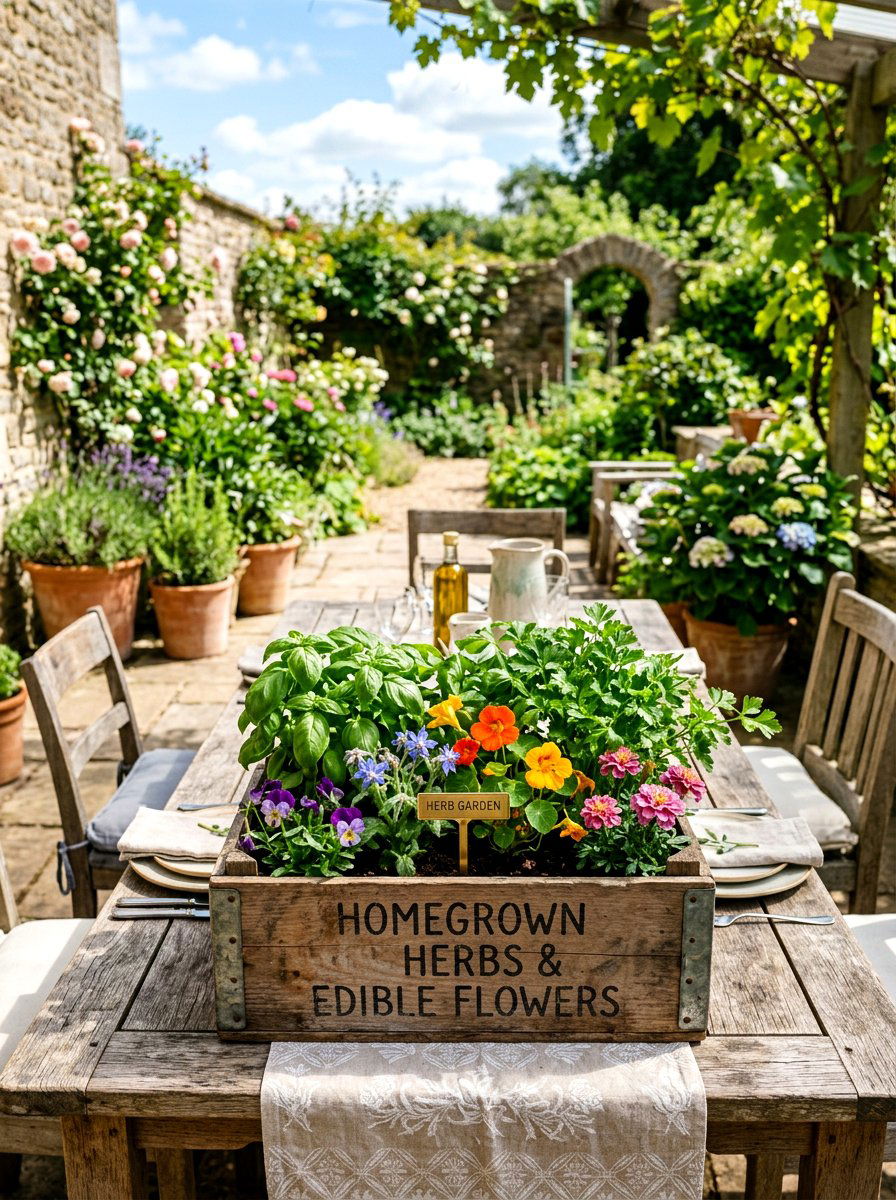
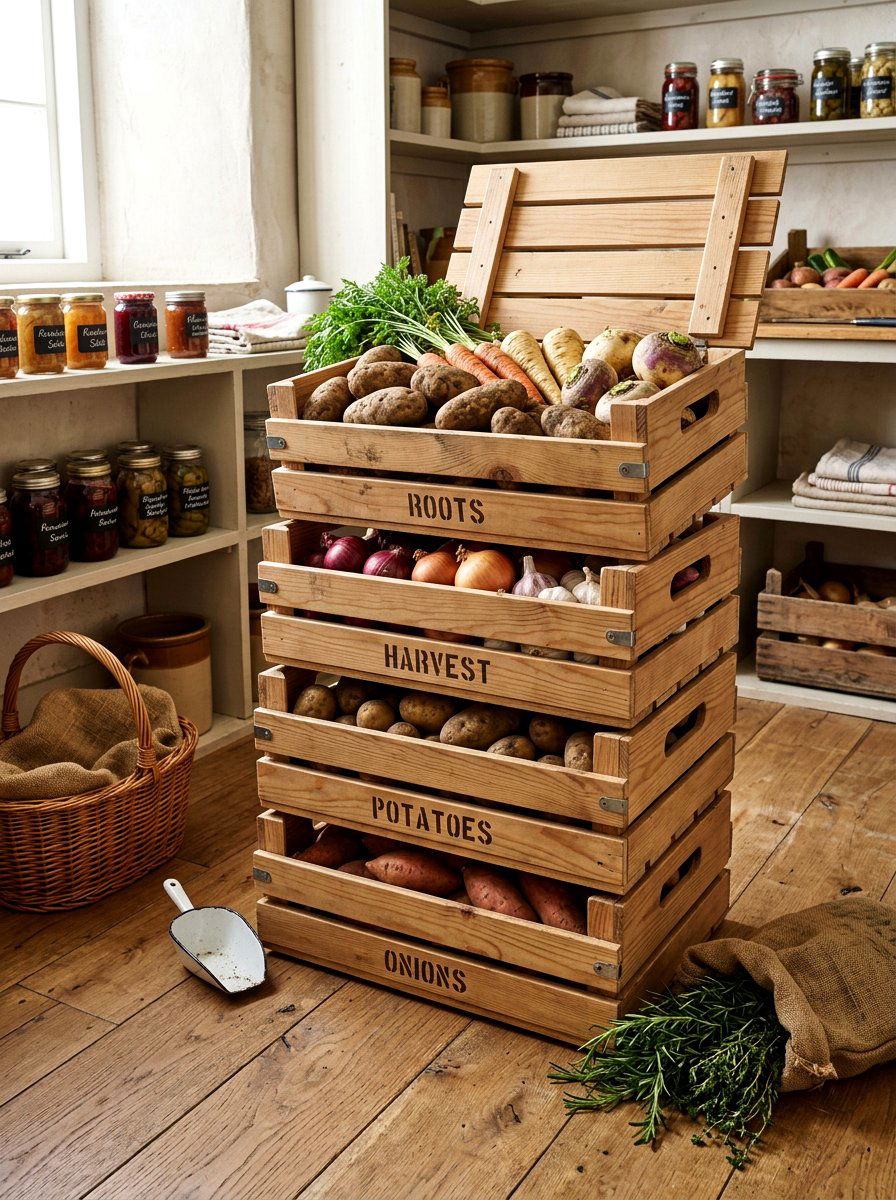
A wooden crate herb planter is a simple and effective way to achieve a rustic, industrial look in your garden. You can use reclaimed shipping crates or new craft store versions to create a deep, spacious home for a variety of herbs. These crates often have slats that allow for some natural drainage, but adding a fabric liner can help keep the soil in place. They look particularly good when grouped together on a patio or used as a centerpiece on an outdoor dining table. The boxy shape makes them easy to arrange and stack, providing a clean and structured look for your edible garden.
27. Ladder with hanging pots
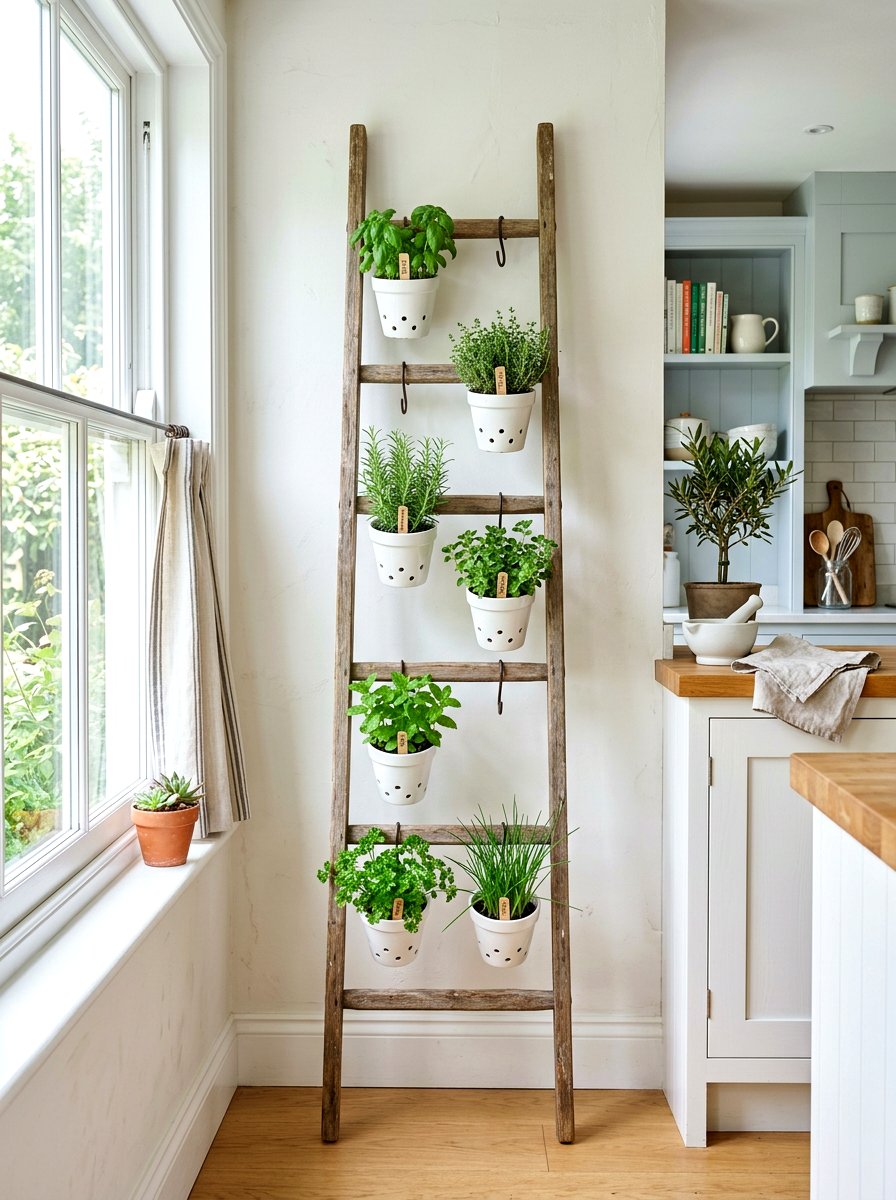
A ladder with hanging pots combines the verticality of a ladder planter with the flexibility of individual containers. Instead of planting directly into shelves, you use hooks or rails to hang small pots from the rungs of the ladder. This allows you to easily remove individual herbs for harvesting or to move them into the sun as needed. This design has a very airy and light appearance, making it a great choice for smaller spaces where a solid structure might feel too heavy. It is a stylish way to organize your herb collection while maintaining a clean and modern aesthetic for your home.
28. Glass bottle herb planters
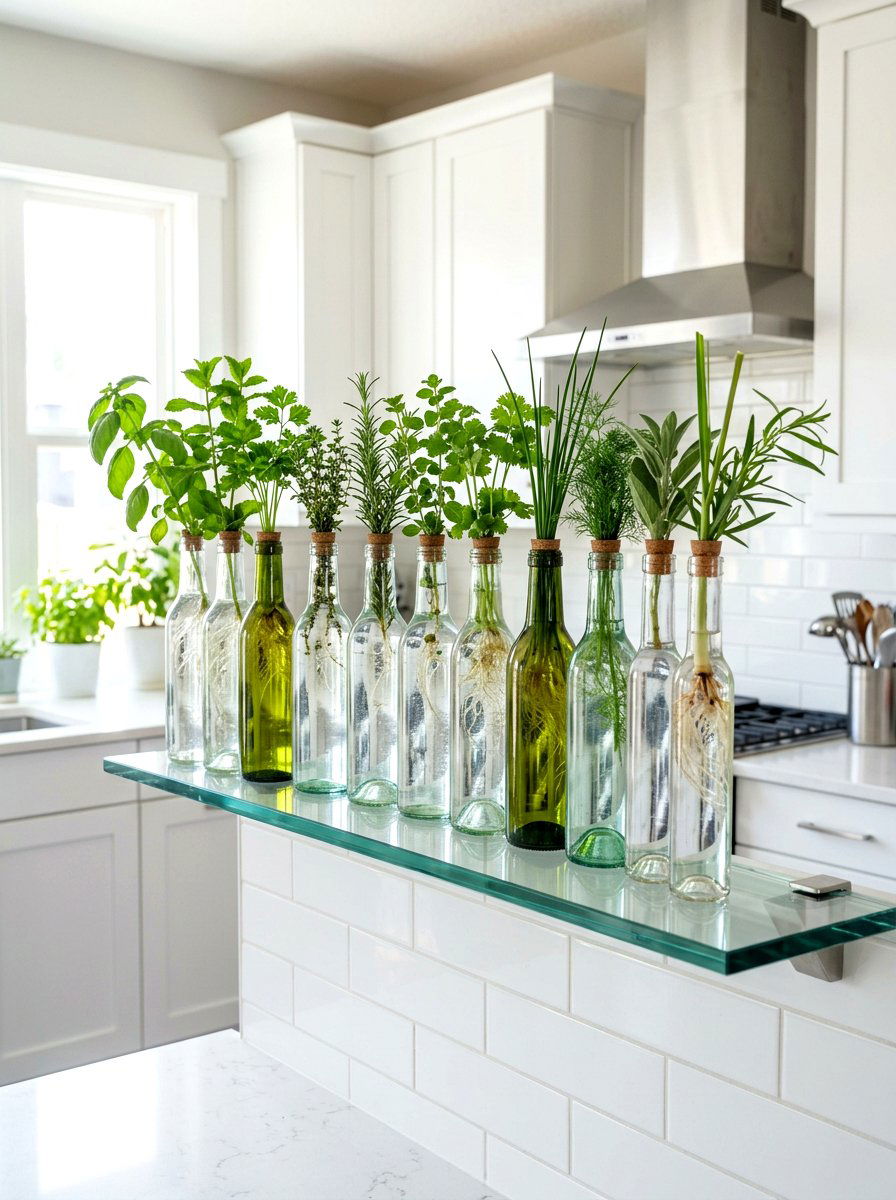
Glass bottle herb planters are a sleek and modern way to recycle wine or soda bottles into a functional indoor garden. By carefully cutting the bottles or using them as a base for a hydroponic-style wick system, you can create a series of uniform, transparent planters. These look incredible when lined up along a bright windowsill where the light can filter through the glass. This setup is perfect for small-scale herb growing and provides a very clean, laboratory-chic aesthetic. It is a great way to show off the beauty of the entire plant, from the green leaves above to the intricate root system below.
29. Macrame herb hangers
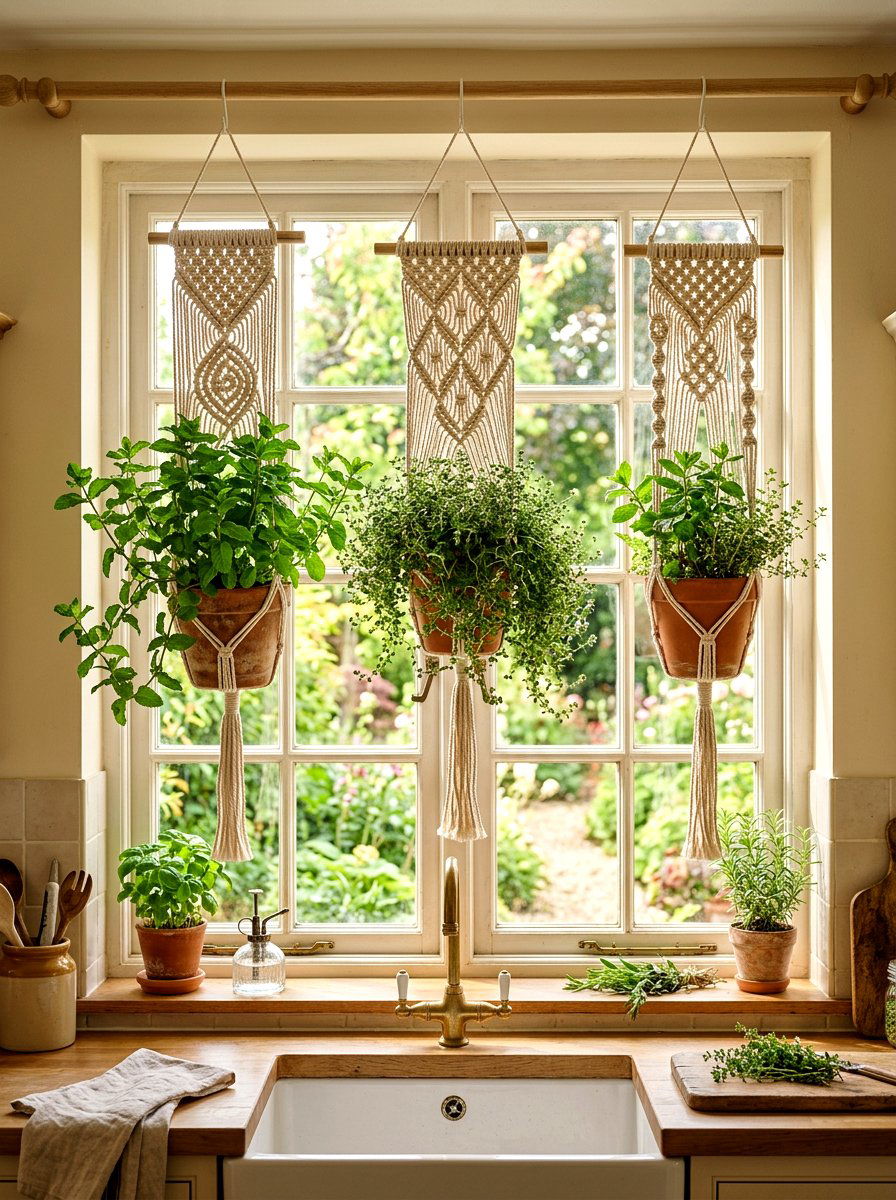
Macrame herb hangers bring a vintage, 1970s-inspired vibe to your home that is currently very on-trend in interior design. These handcrafted knotted cord hangers allow you to suspend your herb pots from the ceiling or a wall bracket, freeing up valuable counter space. This is a perfect solution for adding greenery to a kitchen without taking up workspace. The intricate patterns of the macrame add a soft, bohemian texture to the room. When paired with classic terracotta or simple white ceramic pots, these hangers create a lush, floating garden effect that feels both nostalgic and modern, making your kitchen a more inviting space.
30. Hydroponic herb garden tower
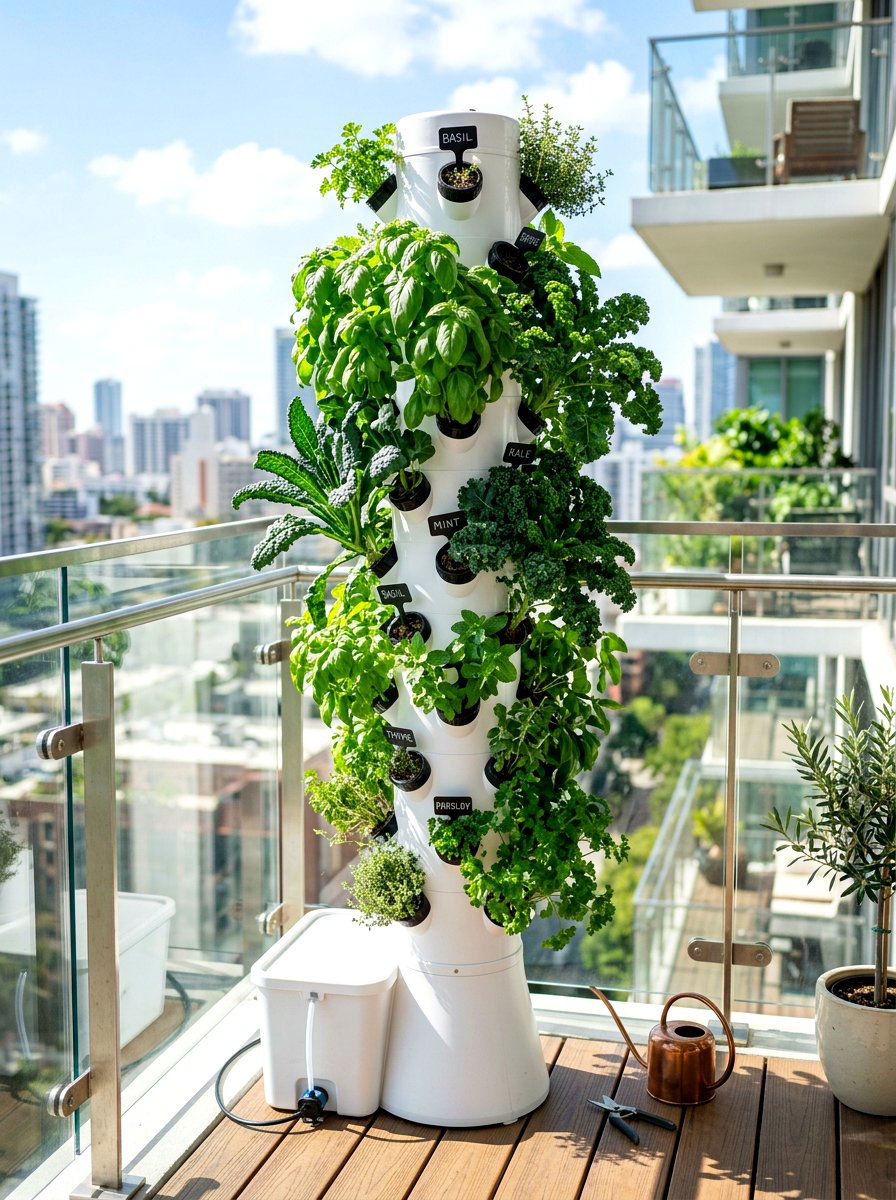
A hydroponic herb garden tower is the ultimate high-yield solution for the serious home cook or urban gardener. These tall, vertical columns use a recirculating water system to deliver nutrients directly to the roots of dozens of plants simultaneously. Because they grow upward, you can produce a massive amount of fresh herbs in just a few square feet of floor space. Many of these towers come with integrated lighting, making them suitable for use in basements or dark corners. This is a highly efficient, professional-grade setup that ensures a constant, year-round harvest of everything from delicate basil to hearty kale and savory herbs.
Conclusion:
Incorporating a dedicated herb garden into your home design brings a unique blend of functionality and natural beauty that is hard to match. Whether you choose a sophisticated vertical wall or a simple set of recycled tins, the key is to select a style that reflects your personal aesthetic while meeting the needs of your plants. Fresh herbs provide incredible culinary benefits while also improving the air quality and overall mood of your home. By thoughtfully planning your planter layout, you can transform any corner into a lush retreat. We hope these diverse concepts inspire you to start your own sustainable gardening journey today.

Related posts: