Starting a low waste home journey is one of the most rewarding ways to transform your living space into a sustainable sanctuary. It is not just about reducing trash; it is about choosing high-quality items that last a lifetime and reflect your values. Many people feel overwhelmed by the idea of zero waste, but the secret lies in making small, intentional changes throughout every room. By focusing on natural materials like bamboo, glass, and organic cotton, you can create a beautiful aesthetic that feels both modern and timeless. This transition helps you simplify your life while significantly lowering your daily environmental footprint for good.
1. Zero waste kitchen organization
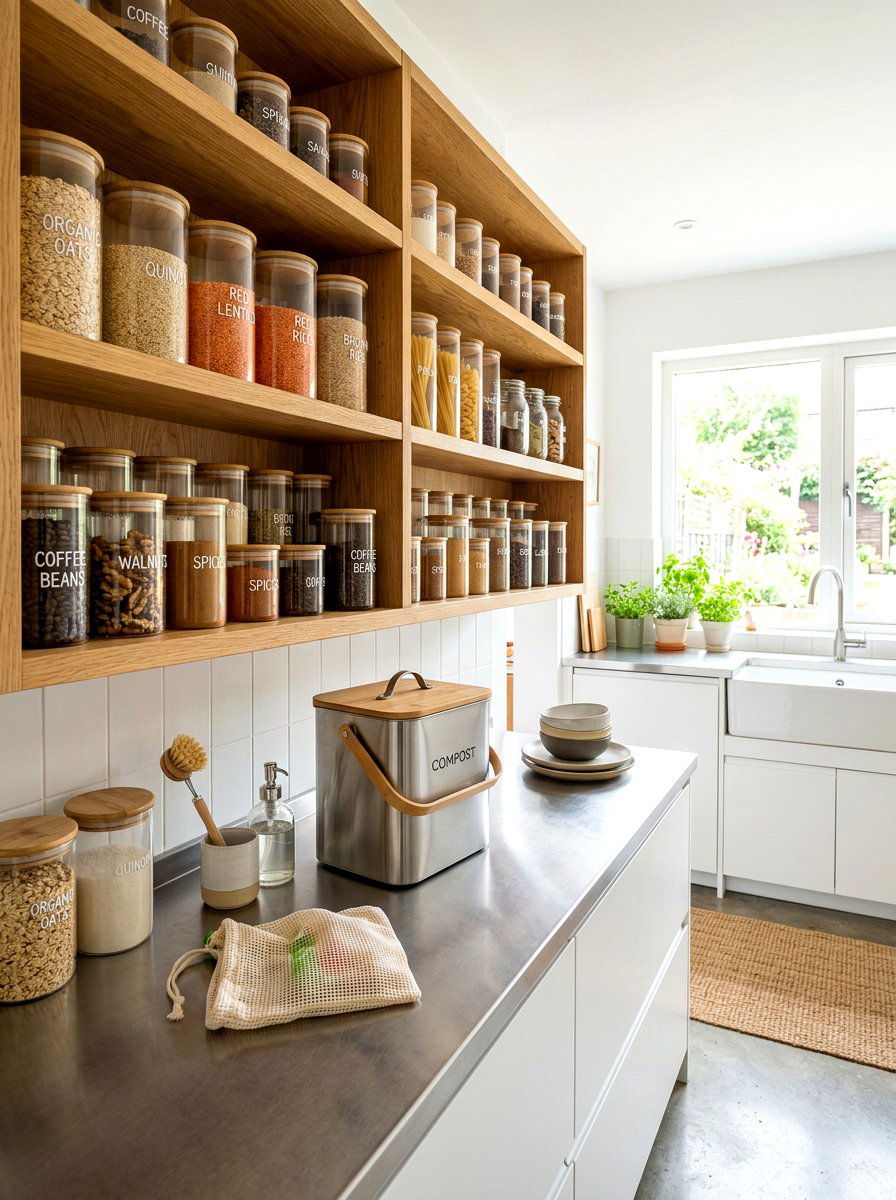
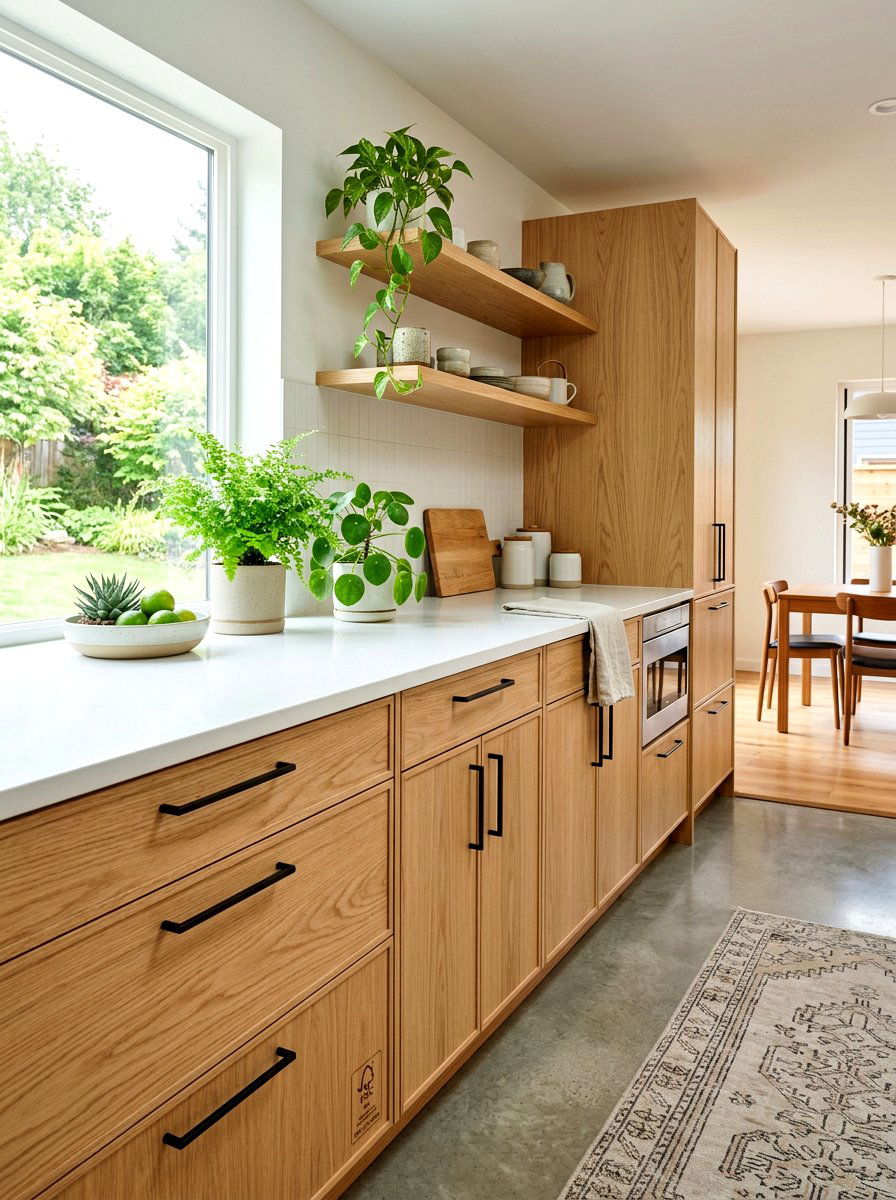
Creating a zero waste kitchen organization system starts with replacing disposable plastics with durable glass and stainless steel containers. This full room design focuses on open shelving where bulk-bought grains, pastas, and spices are displayed in clear jars. By removing mismatched packaging, you create a visually calming environment that encourages mindful cooking and reduces food waste. Incorporate a designated area for reusable beeswax wraps and silicone bags to keep leftovers fresh without using plastic film. Adding a small countertop compost bin made of brushed metal ensures organic scraps are easily collected. This setup makes your kitchen highly functional while maintaining a clean, professional, and very eco-friendly appearance.
2. Sustainable pantry storage setup
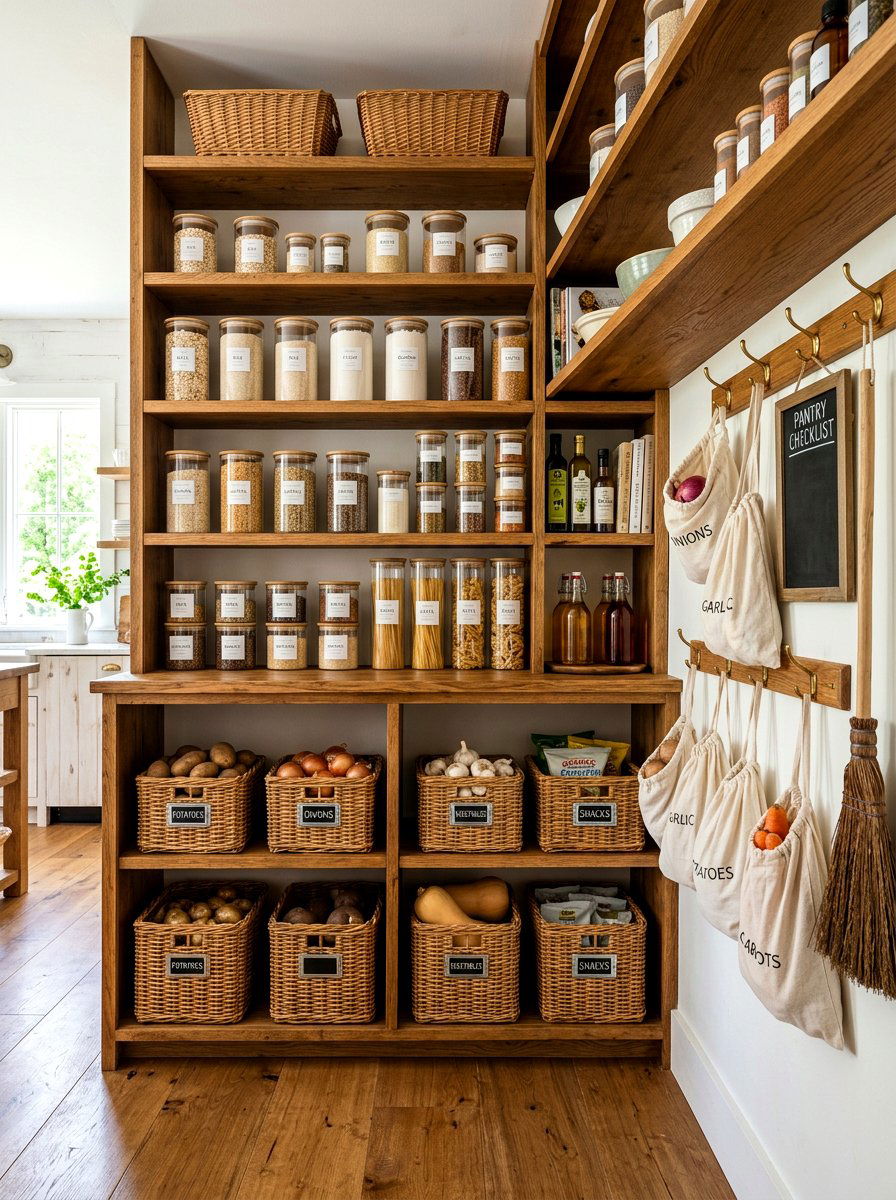
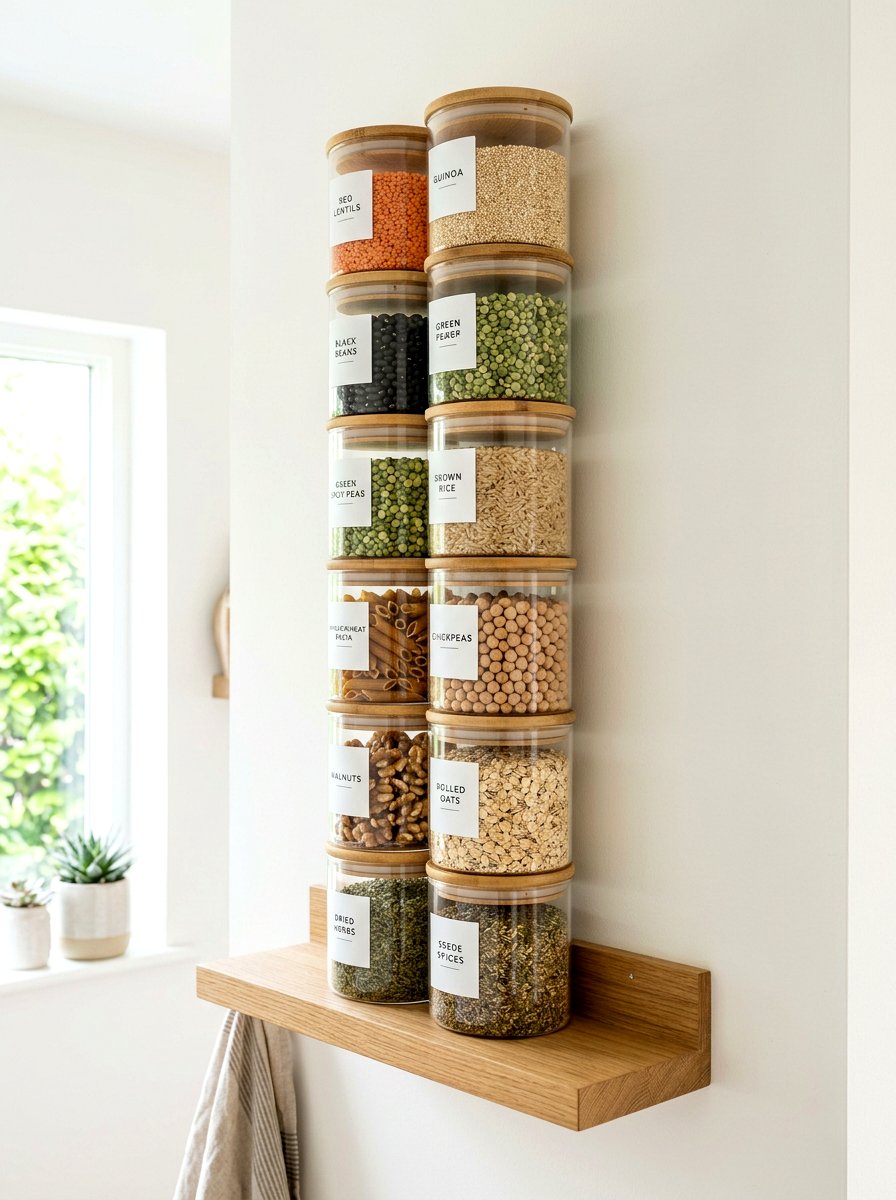
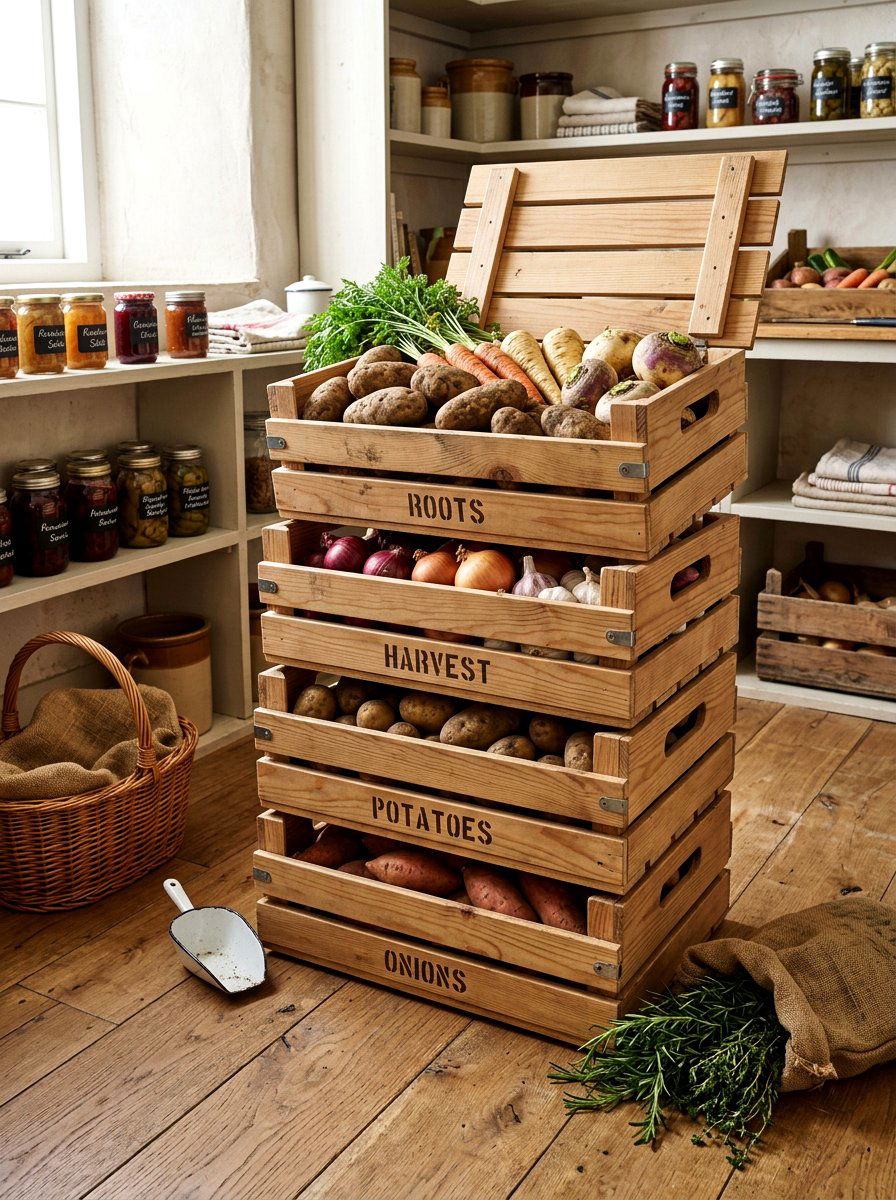
A sustainable pantry storage setup maximizes vertical space while eliminating the need for single-use plastic bags. This design features deep wooden shelves filled with uniform glass canisters and woven wicker baskets for bulk items. Using a consistent labeling system helps you keep track of inventory so you never overbuy unnecessary groceries. You should include a dedicated zone for large cloth produce bags and heavy-duty glass carboys for oils or vinegars. The natural textures of wood and glass bring a warm, rustic feel to the space. It is a practical way to manage your food supply while making your home feel much more organized and intentional.
3. Eco friendly dining room
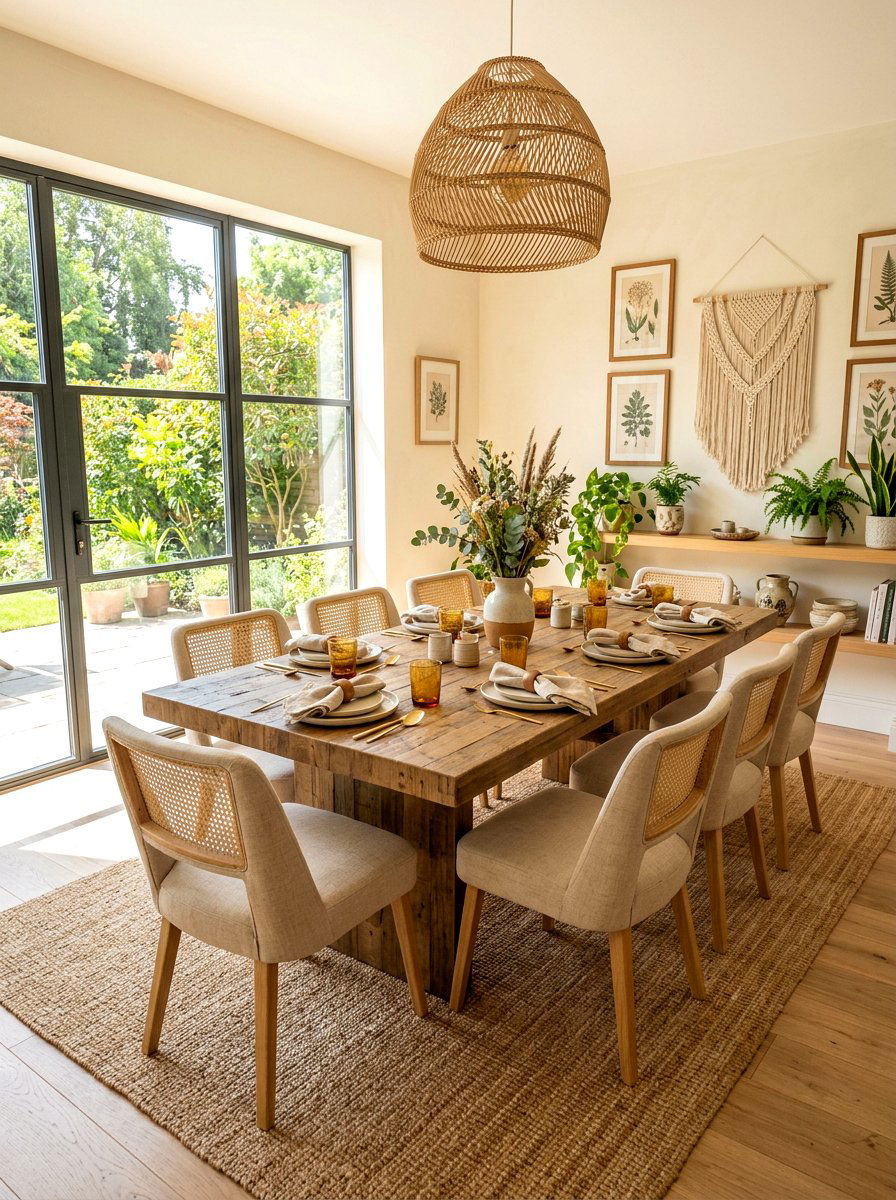
Designing an eco friendly dining room involves selecting furniture and decor made from renewable or reclaimed materials. A large dining table crafted from salvaged wood serves as a stunning focal point that tells a unique story. Pair it with chairs upholstered in organic linen or recycled fabrics for a soft, comfortable touch. Use natural fiber rugs like jute or sisal to anchor the space and provide an earthy foundation. Instead of paper napkins, set the table with beautiful cloth linens that can be washed and reused. This full room concept creates a welcoming atmosphere for guests while prioritizing long-term durability and environmental responsibility.
4. Low waste bathroom vanity
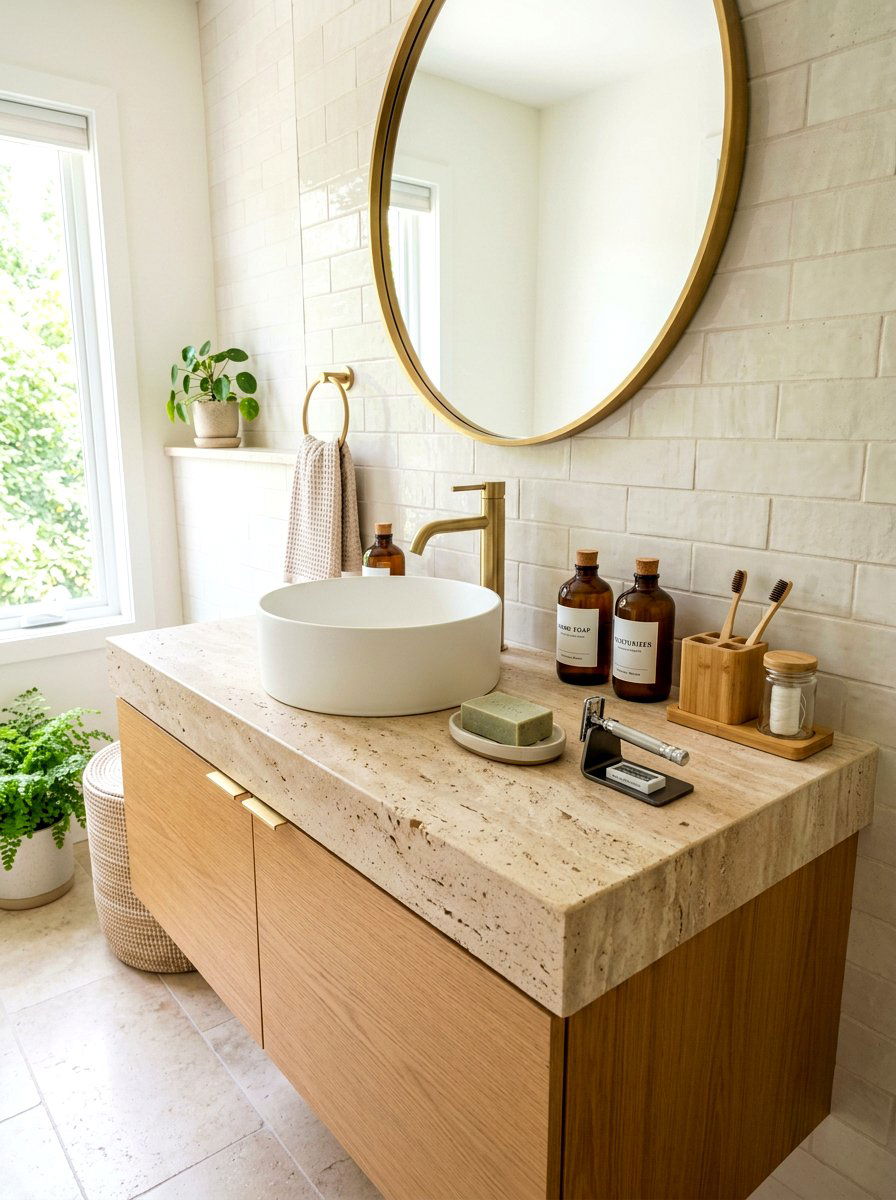
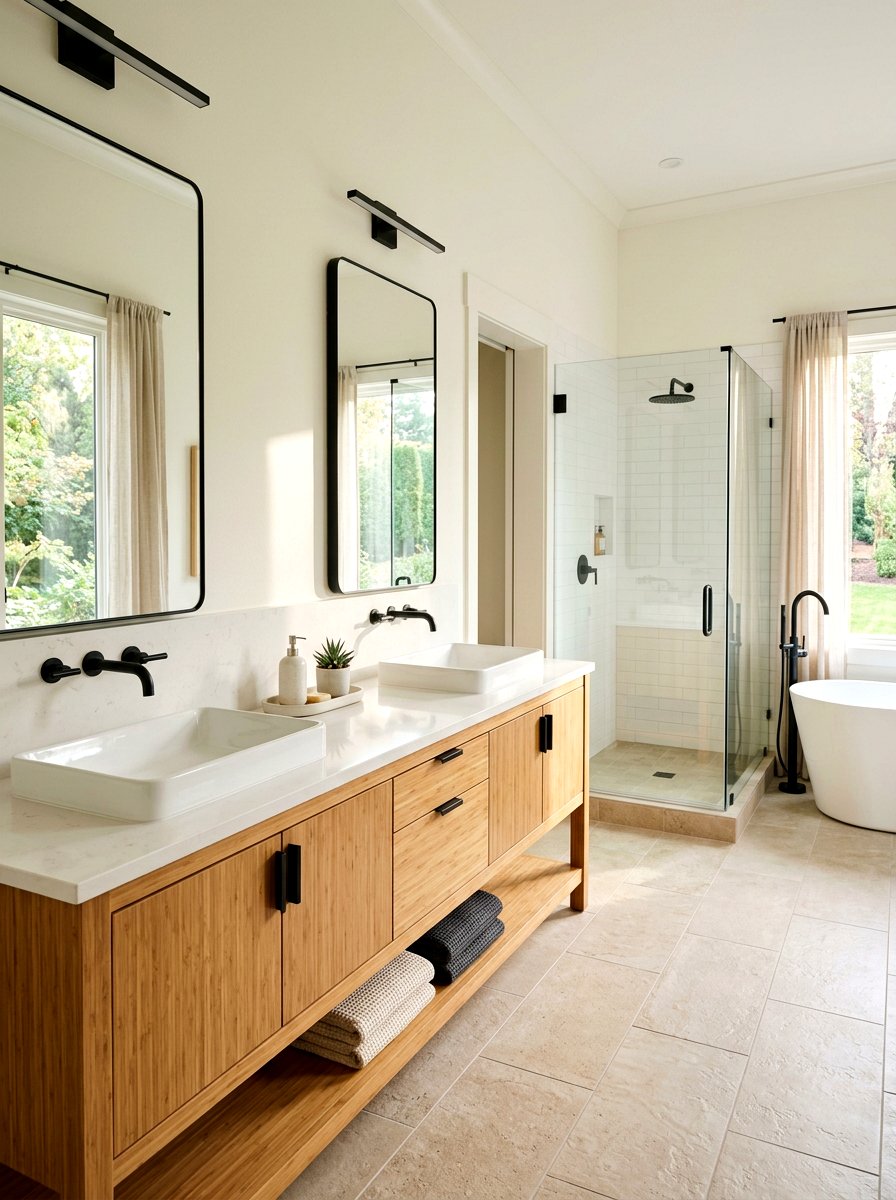
A low waste bathroom vanity design focuses on reducing plastic clutter by using refillable glass bottles for soaps and lotions. This space features a sleek wooden or stone countertop with minimal accessories to maintain a clean, spa-like feel. Incorporate a bamboo tray to organize solid bar soaps, shampoo bars, and a safety razor made of high-quality metal. Switching to a bamboo toothbrush and silk floss in glass jars further eliminates daily plastic waste. Large mirrors and bright, natural lighting help highlight the beautiful textures of the sustainable materials. This design transforms your morning routine into a mindful ritual that is much better for the entire planet.
5. Plastic free laundry room
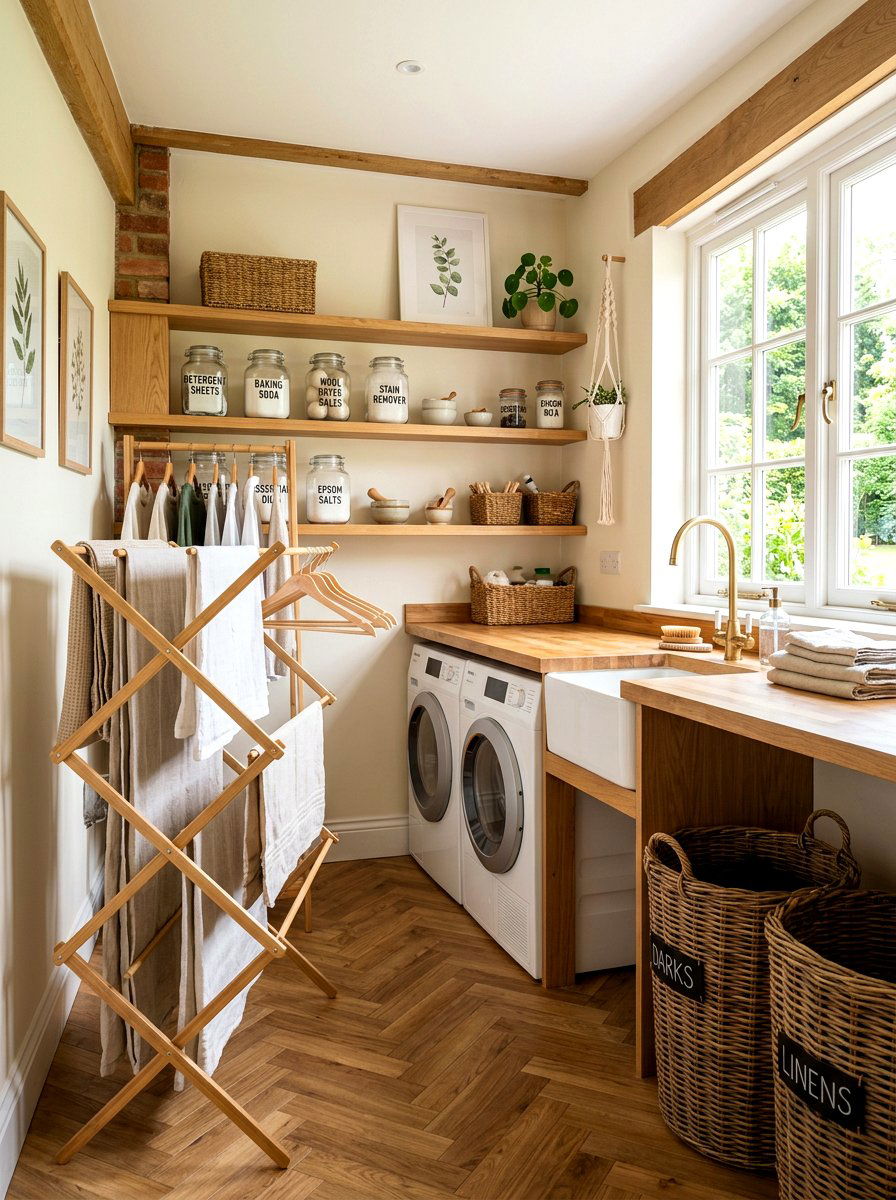
Transitioning to a plastic free laundry room requires a thoughtful layout that highlights sustainable alternatives to traditional detergents. This design includes open shelving for large glass jars filled with detergent sheets, soap nuts, or bulk powder. A sturdy wooden drying rack should be a permanent fixture to help reduce energy consumption from the dryer. Use wool dryer balls instead of single-use scented sheets to soften clothes and reduce drying time naturally. Incorporating wicker laundry baskets and a dedicated area for mending clothes encourages a circular lifestyle. The result is a bright, airy space that makes household chores feel more connected to a conscious way of living.
6. Sustainable master bedroom design
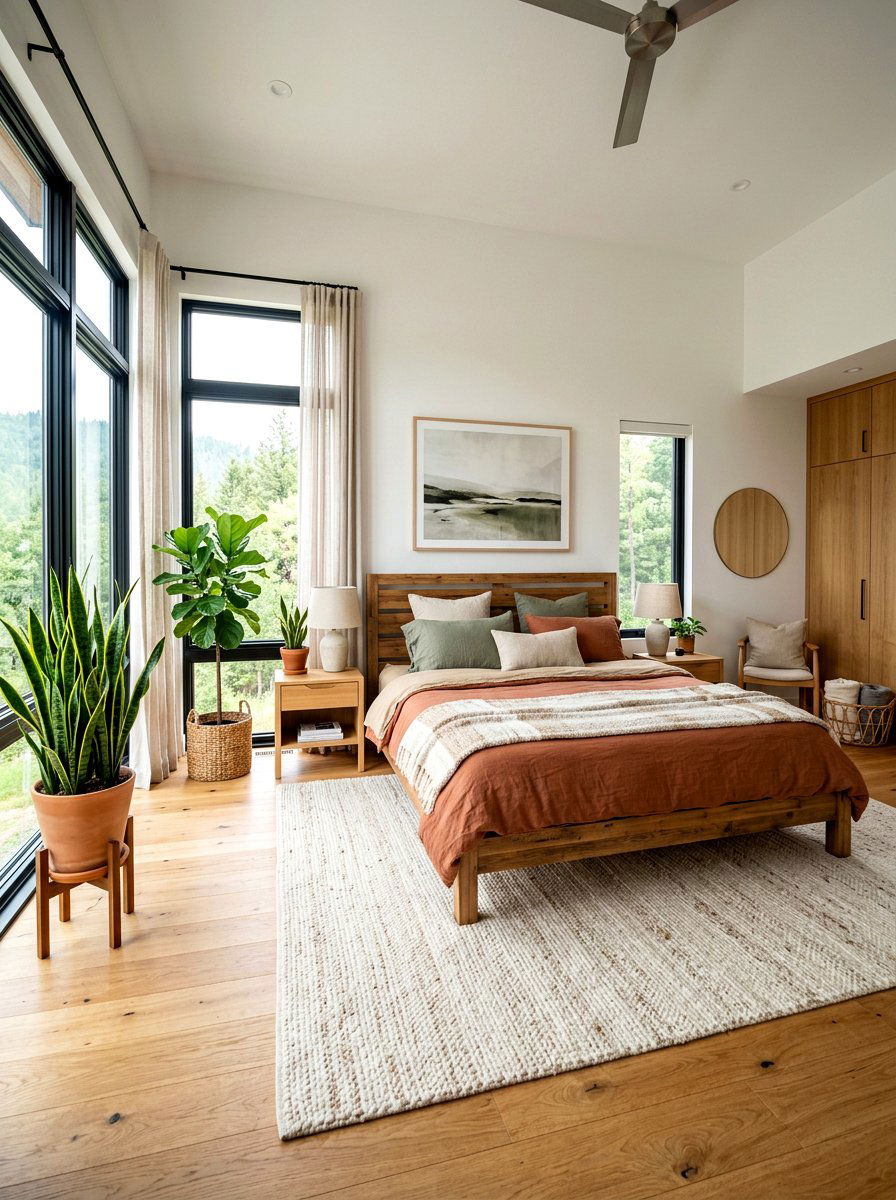
A sustainable master bedroom design prioritizes natural, non-toxic materials to create a healthy and restful sleep environment. Start with a bed frame made from FSC-certified wood and top it with a mattress crafted from organic latex or wool. Layer the bed with organic cotton or hemp sheets in neutral, earthy tones for a timeless look. Avoid synthetic rugs by choosing a thick wool or jute carpet that feels soft under your feet. Minimalist decor, such as a single reclaimed wood dresser and a few potted plants, keeps the space feeling open and calm. This design ensures your private sanctuary is free from harmful chemicals and waste.
7. Natural living room decor
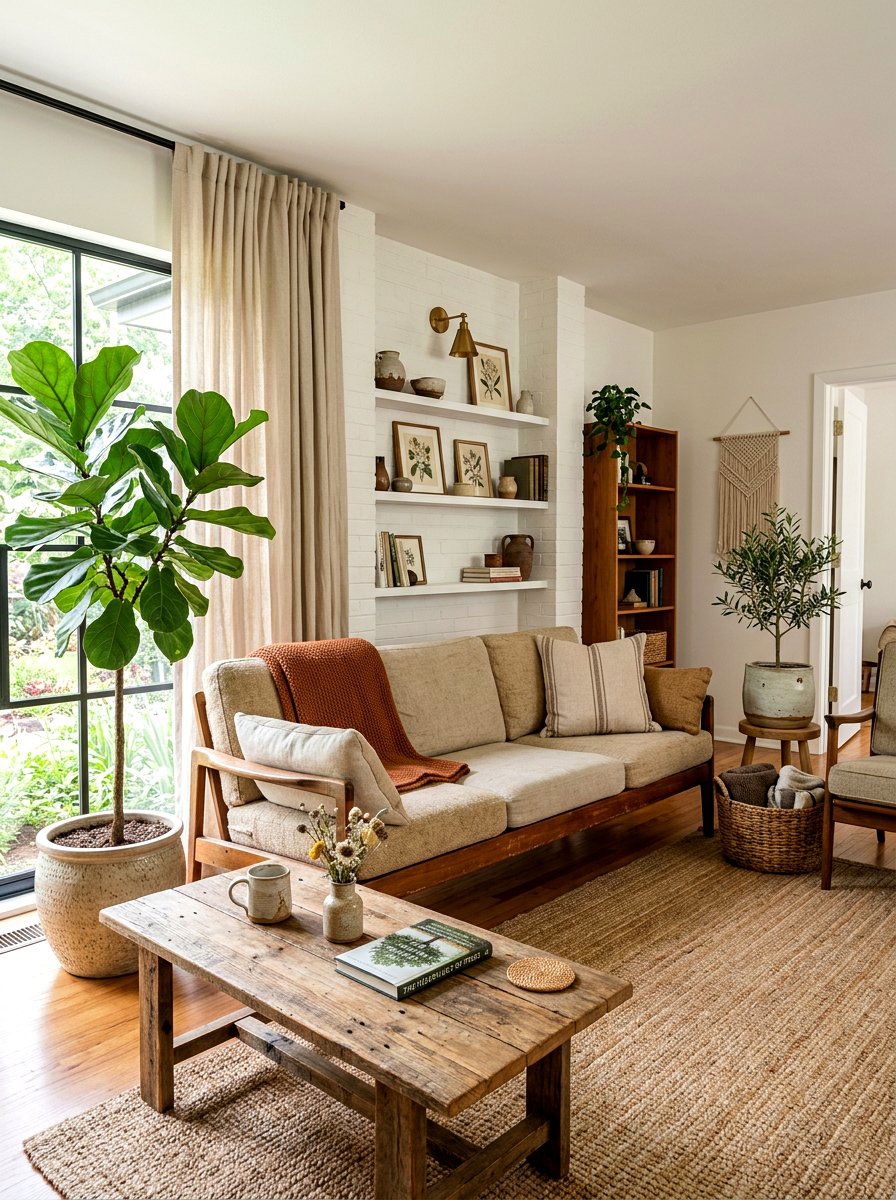
Creating natural living room decor involves using second-hand furniture and sustainable textiles to build a cozy, low-impact gathering space. Look for vintage sofas and armchairs that can be reupholstered with organic fabrics to give them a second life. A large reclaimed wood coffee table provides a sturdy and beautiful center for the room. Use decorative pillows made from recycled wool and curtains crafted from light, breathable linen to enhance the soft aesthetic. Incorporating live plants in ceramic pots adds a biophilic element that purifies the air. This room concept proves that you do not need new items to create a stylish and high-end home.
8. Eco conscious home office
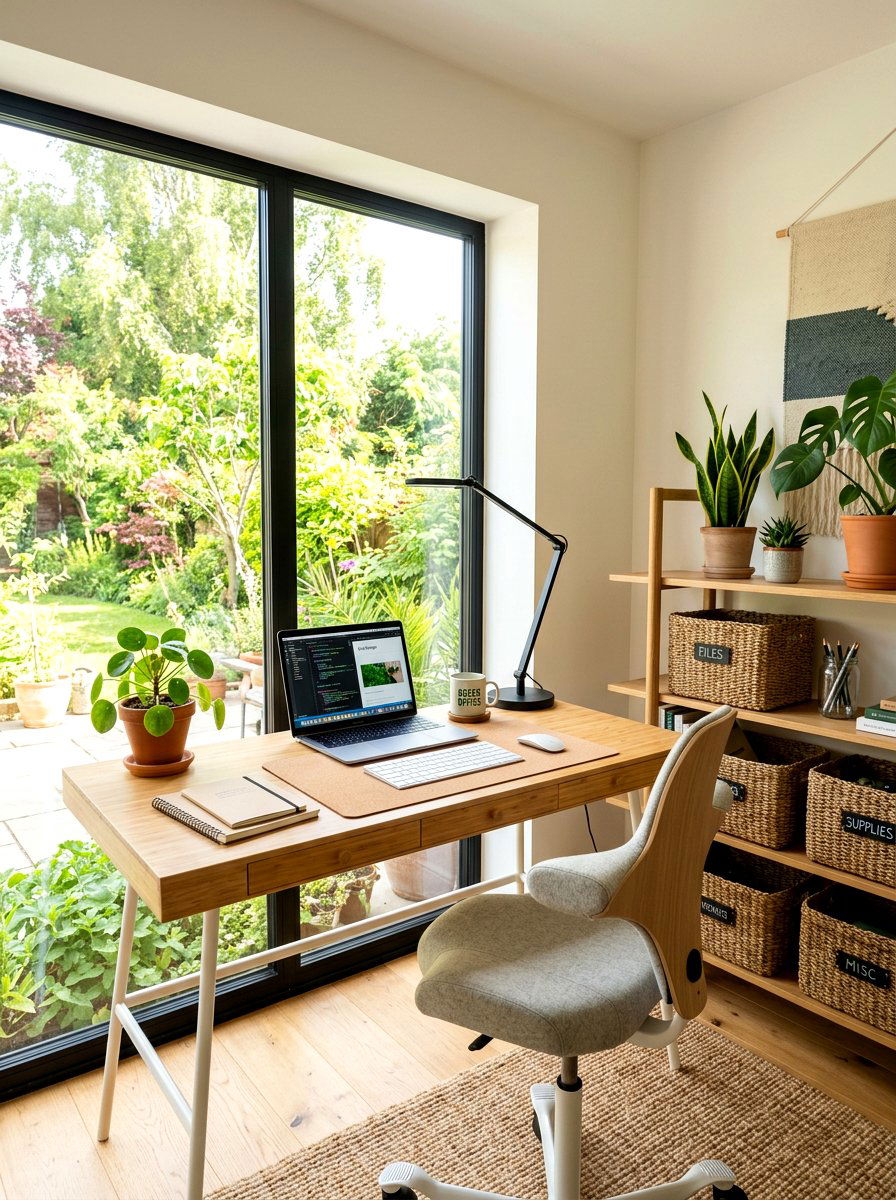
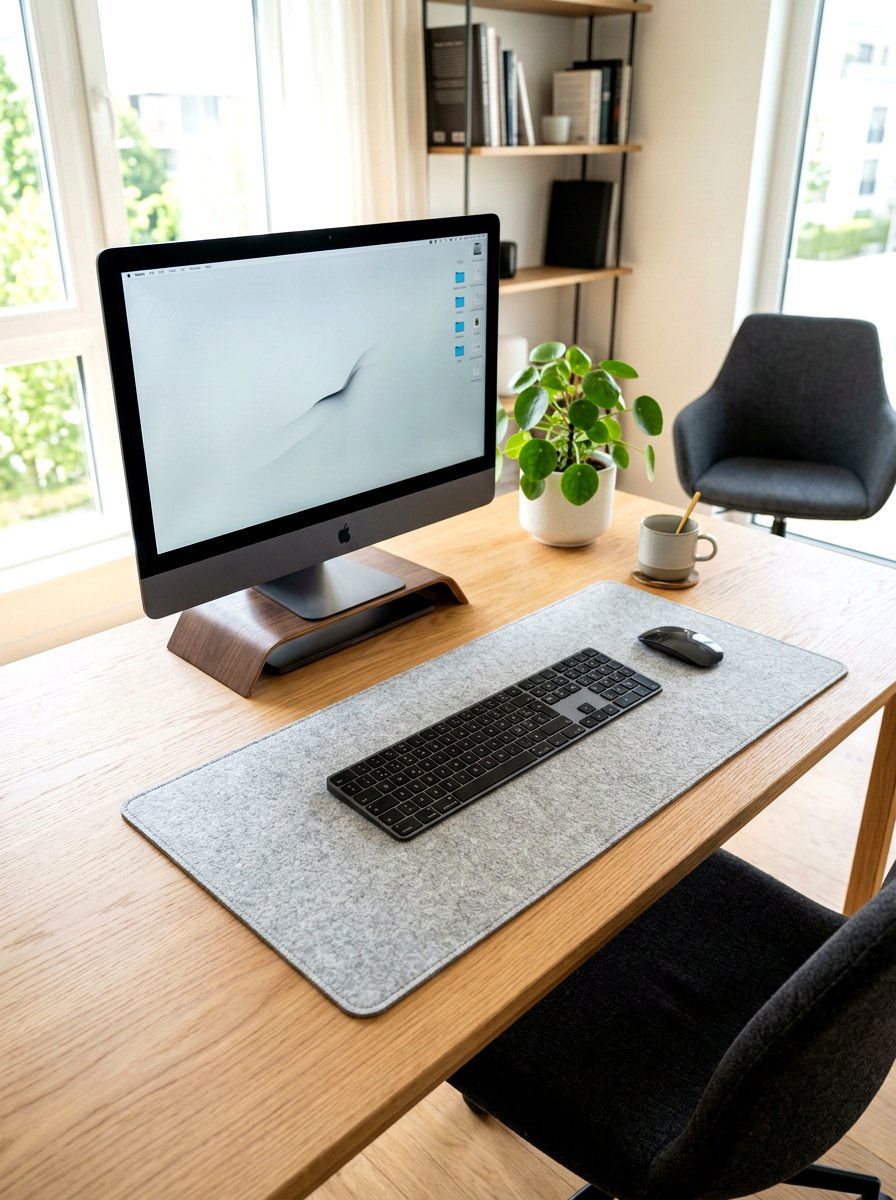
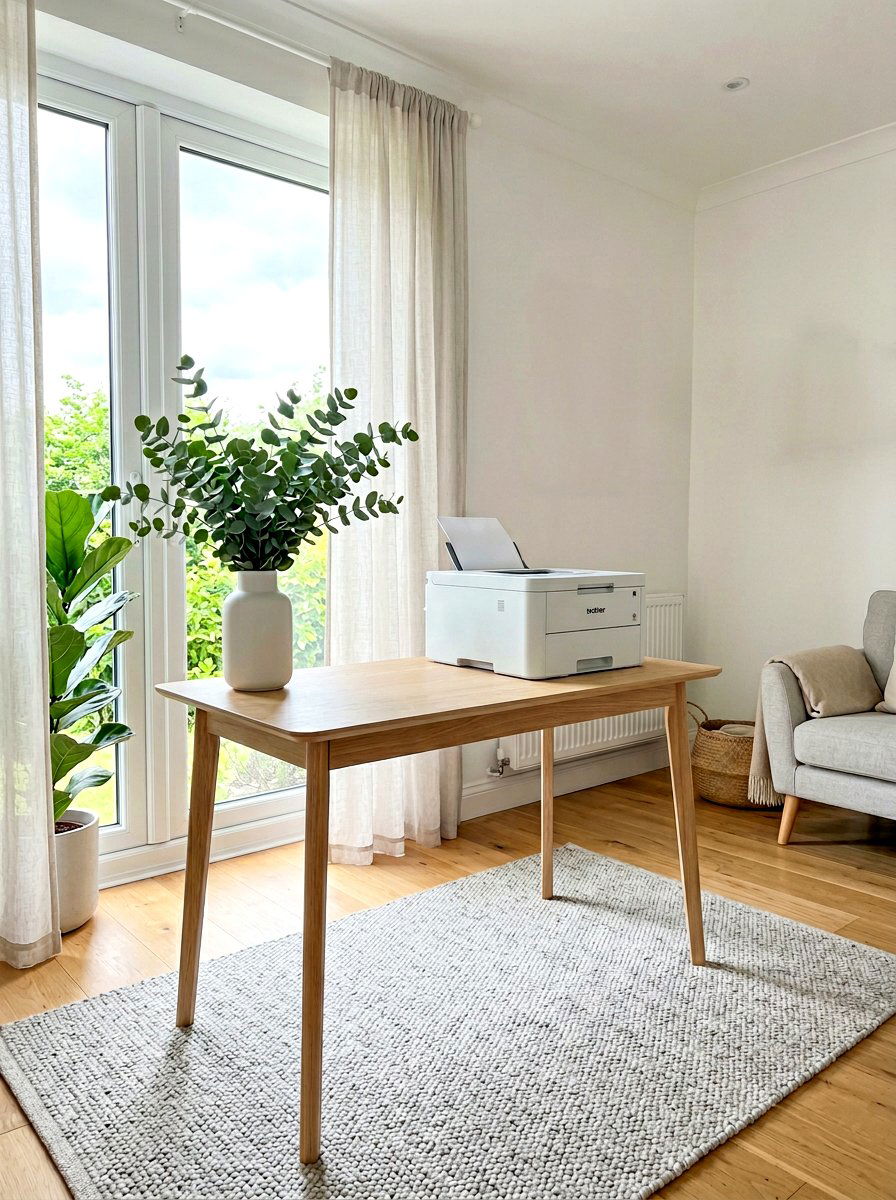
An eco conscious home office is designed to maximize natural light and reduce the need for paper products. Position a desk made from bamboo or reclaimed wood near a window to utilize daylight throughout the afternoon. Use a digital filing system to eliminate the need for bulky metal cabinets and paper folders. For necessary physical storage, choose baskets made from seagrass or recycled cardboard boxes. Incorporate energy-efficient LED task lighting and a smart power strip to prevent phantom energy loss. Adding a small indoor tree or several desk plants boosts productivity while keeping the air fresh. This setup fosters a quiet, sustainable, and very inspiring work environment.
9. Zero waste guest bathroom
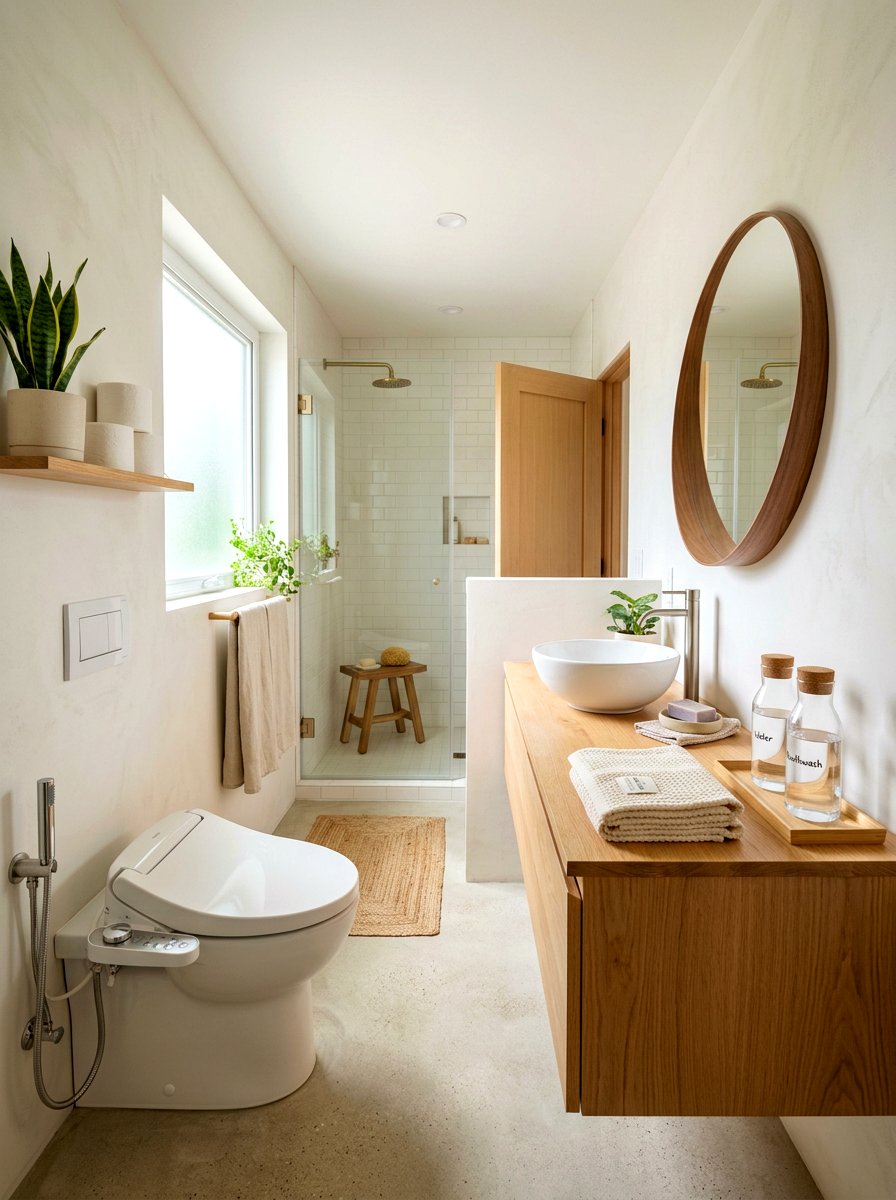
The zero waste guest bathroom focuses on providing sustainable amenities that make visitors feel comfortable without creating extra trash. This design features a small wooden shelf stocked with folded organic cotton towels and a glass carafe for fresh water. Provide guests with high-quality bar soaps and refillable bottles of natural shampoo and conditioner. A bidet attachment can be added to the toilet to significantly reduce the need for toilet paper. Use a small metal or wooden waste bin lined with compostable bags to keep things tidy. This thoughtful approach shows your guests how easy and luxurious a low-waste lifestyle can truly be in any home.
10. Sustainable entryway organization
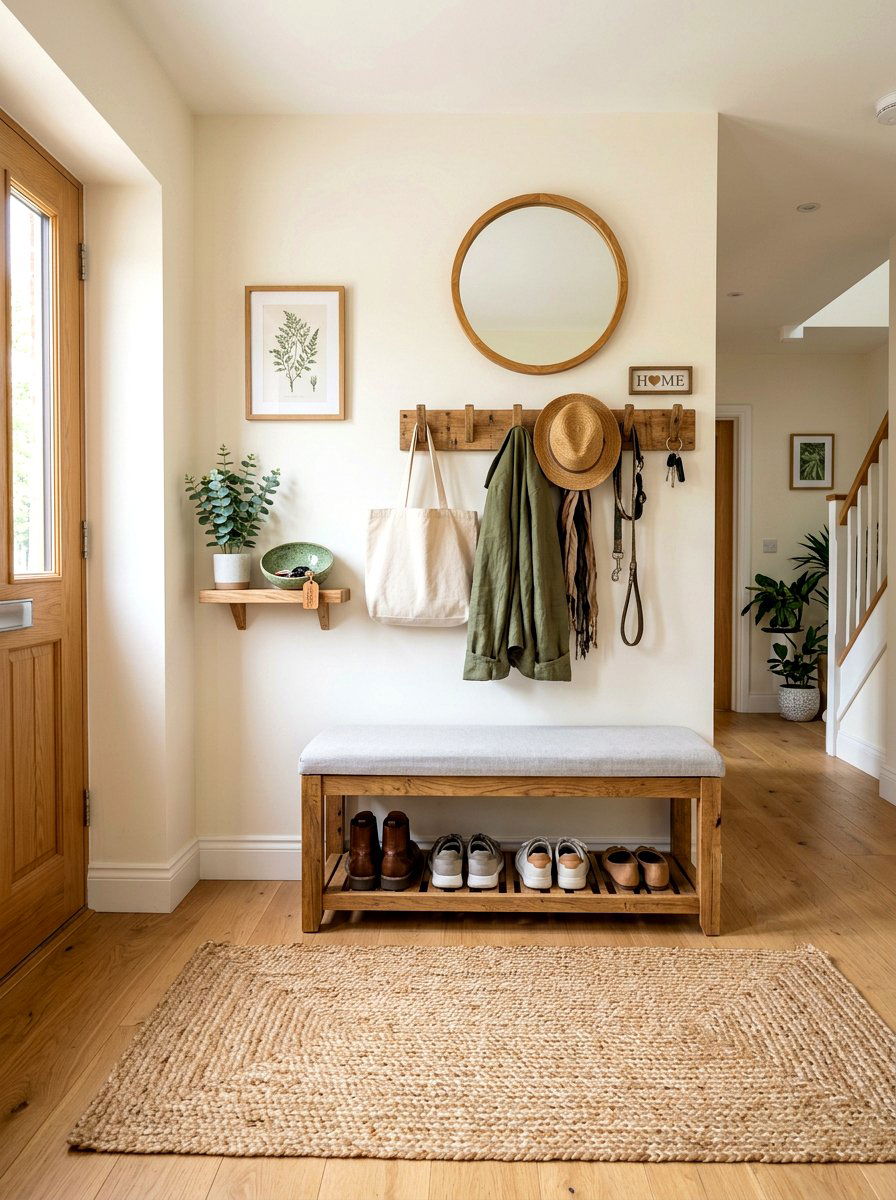
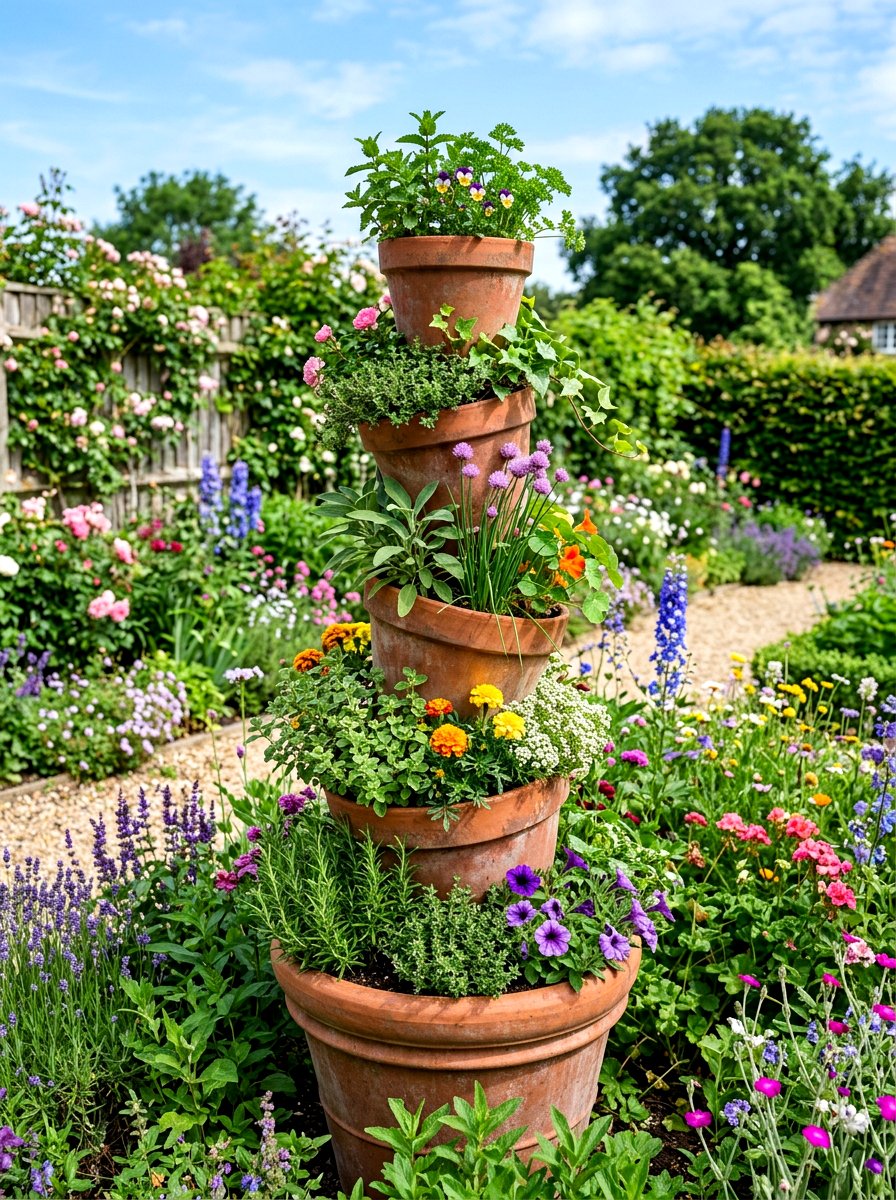
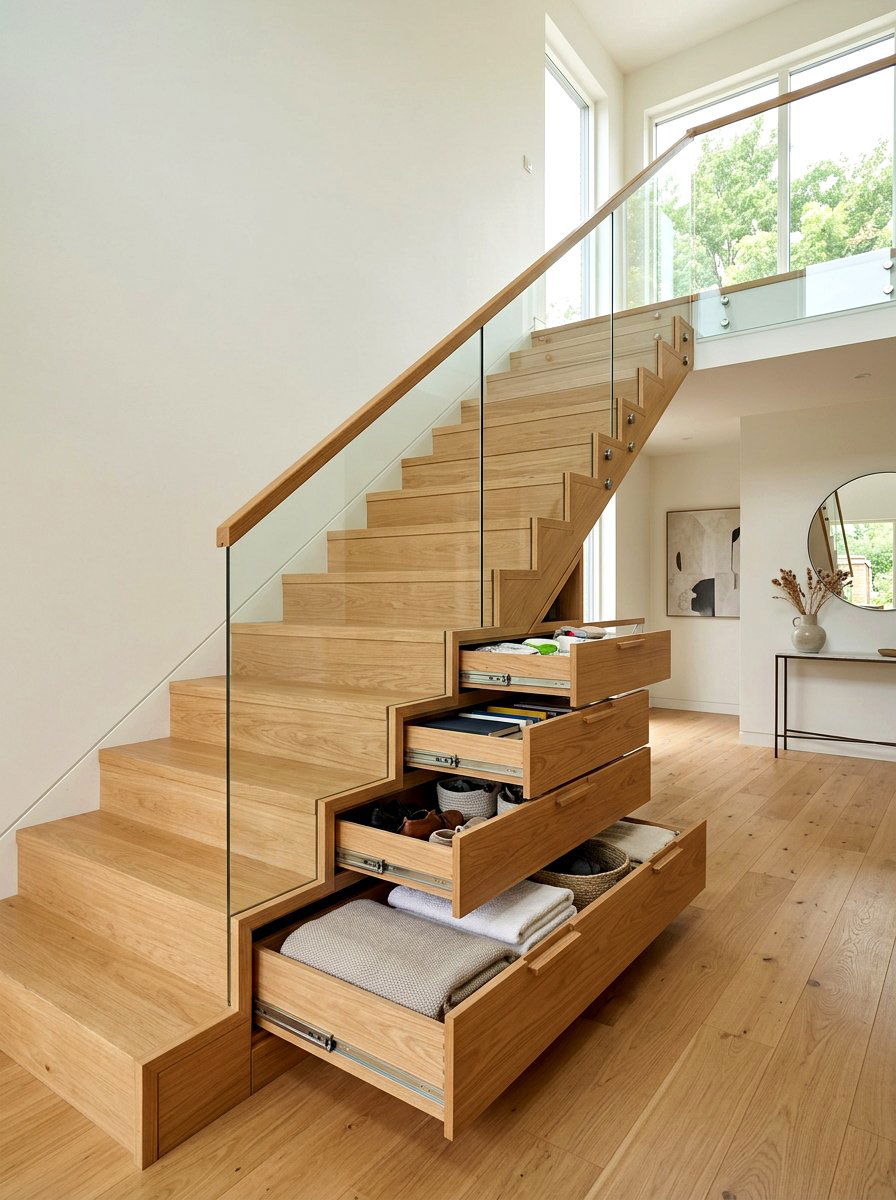
A sustainable entryway organization system ensures that your home stays clean while using eco-friendly storage solutions. Install a row of sturdy hooks made from recycled metal or wood to hold reusable grocery bags and coats. A large woven jute rug is perfect for trapping dirt and moisture before it enters the rest of the house. Use a reclaimed wood bench with built-in storage for shoes to keep the floor clear and organized. A small ceramic bowl on a console table can hold keys and other daily essentials. This design creates a functional transition zone that emphasizes natural materials and high-quality craftsmanship from the moment you walk inside.
11. Low waste kids room
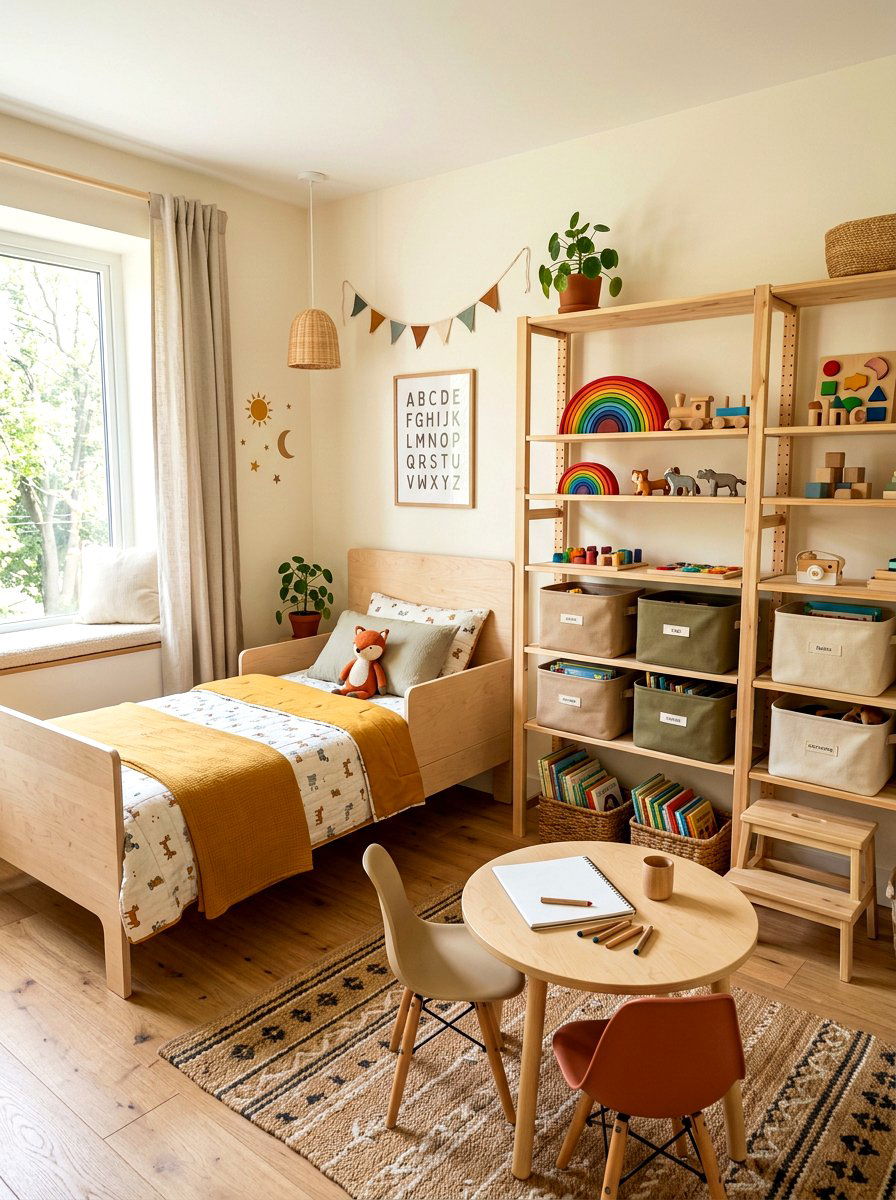
Designing a low waste kids room focuses on durable wooden toys and furniture that can grow with the child. Avoid plastic bins by using large canvas baskets or wooden crates to organize books and playthings. A solid wood bed frame and organic cotton bedding provide a safe, non-toxic environment for sleeping. Incorporate a small art station with refillable markers and recycled paper to encourage creativity without excessive waste. Using chalkboard paint on one wall allows for endless drawing without needing paper. This room design is easy to clean and maintains a playful yet sophisticated look that lasts for many years to come.
12. Eco friendly nursery design
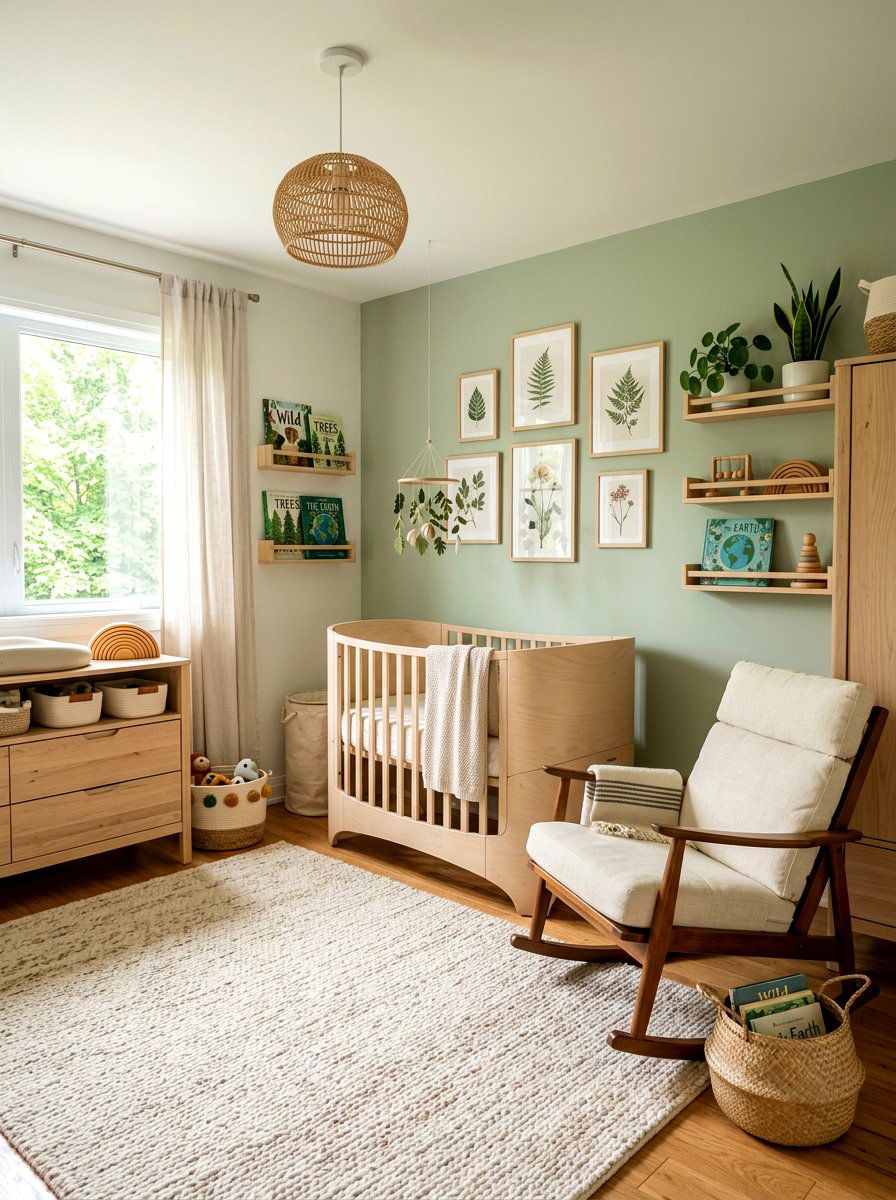
An eco friendly nursery design prioritizes the health of the baby by using natural, off-gas-free materials. Choose a crib made from sustainably sourced wood with a non-toxic finish and an organic mattress. Use soft, washable organic cotton rugs instead of wall-to-wall carpeting to reduce dust and allergens in the room. A vintage rocking chair can be updated with new cushions made from hemp or wool for a sustainable seating option. Decorative elements should include wooden mobiles and framed botanical prints. This calm and safe environment ensures your child grows up surrounded by beautiful, natural materials that are very gentle on the planet.
13. Sustainable mudroom storage
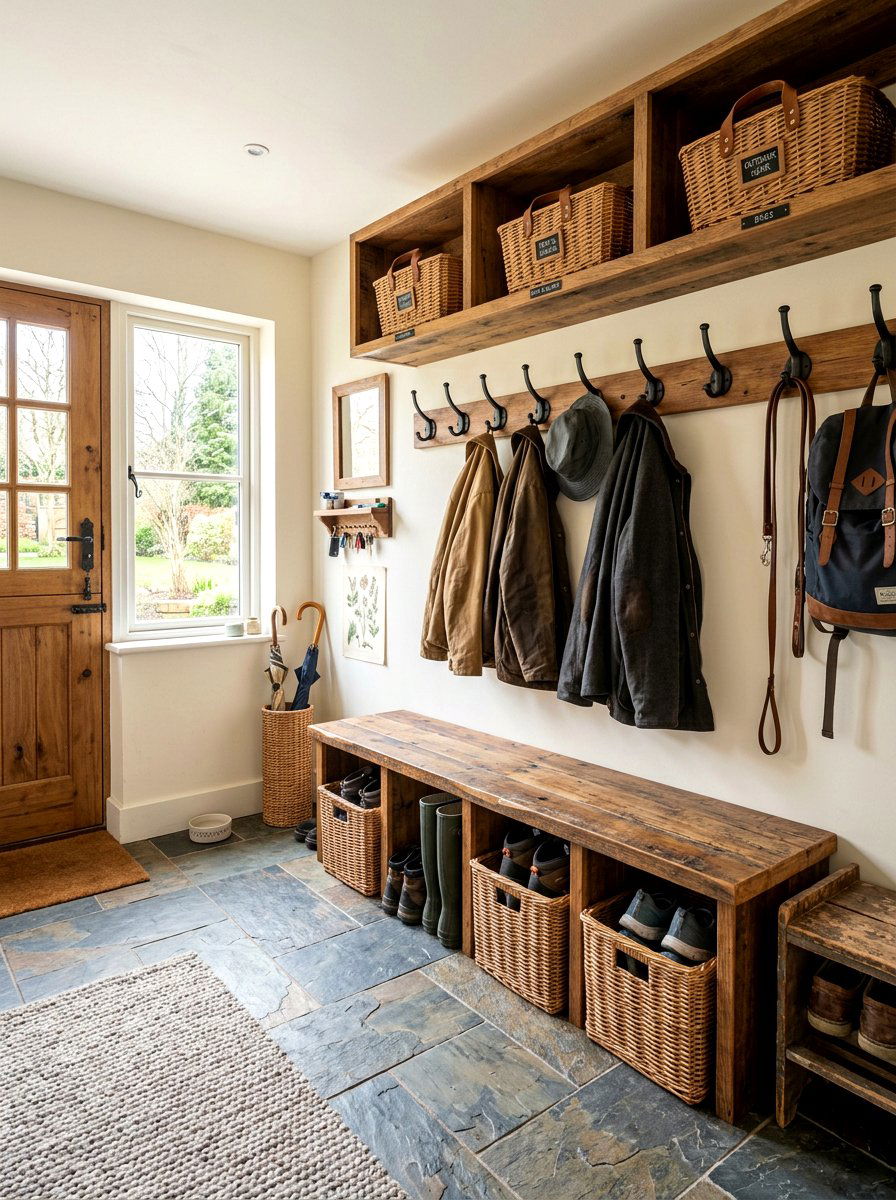
A sustainable mudroom storage area is essential for managing outdoor gear while keeping the environment in mind. Use heavy-duty metal hooks and reclaimed wood shelving to organize boots, hats, and umbrellas for the whole family. A dedicated bin for recycling paper mail and a place to store reusable shopping bags makes daily chores much easier. Incorporate a durable stone or tile floor that is easy to clean with natural, non-toxic solutions. Adding a small seating area made from an old wooden bench provides a practical spot for putting on shoes. This high-traffic zone stays organized and functional while using long-lasting, eco-friendly materials throughout the space.
14. Low waste coffee station
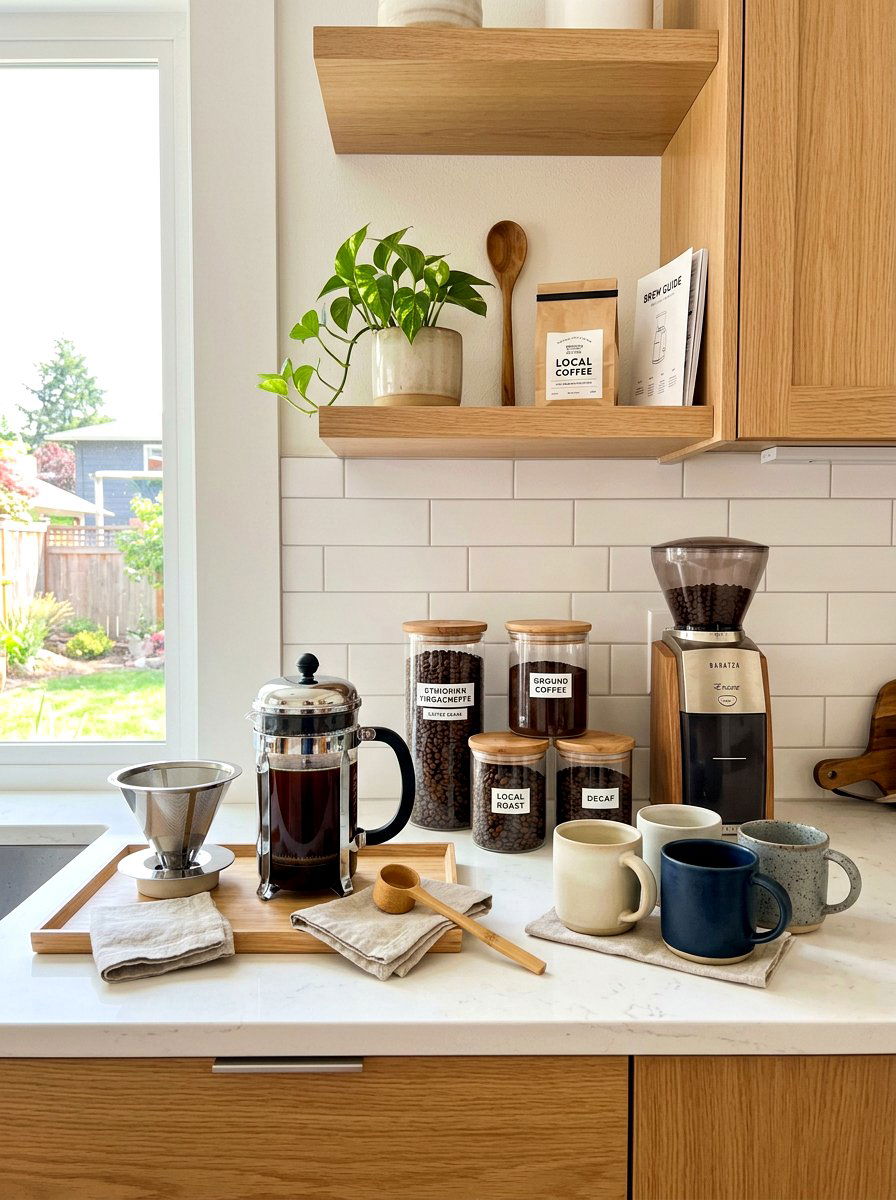
Creating a low waste coffee station involves eliminating single-use pods and paper filters in favor of long-lasting alternatives. This design features a small sideboard or countertop area with a French press or a pour-over set made of glass. Use a reusable stainless steel or gold-tone mesh filter to brew your morning cup without any unnecessary trash. Store bulk coffee beans in airtight glass jars to keep them fresh and display them beautifully on the counter. Include a collection of ceramic mugs and a small compost bucket for used coffee grounds. This setup turns your daily caffeine routine into a stylish and very sustainable home experience.
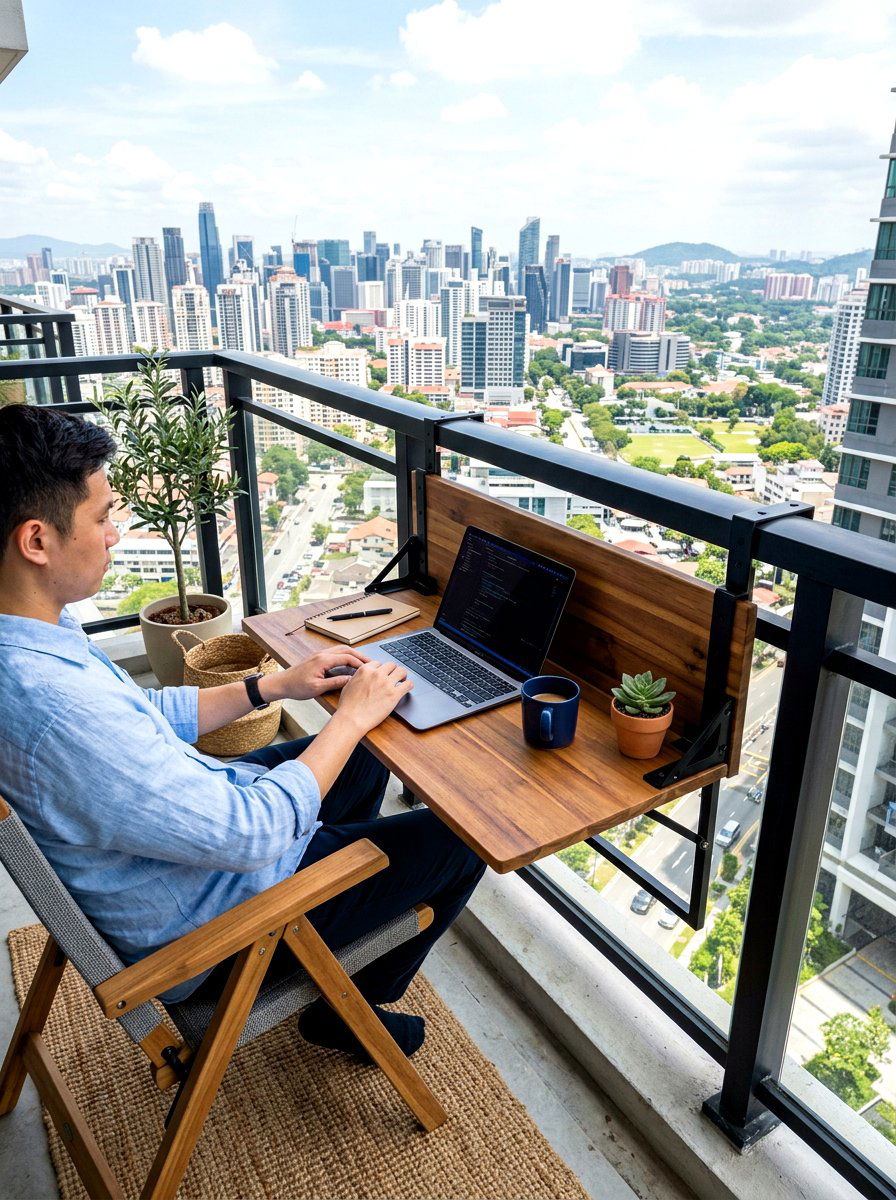
15. Eco friendly patio design
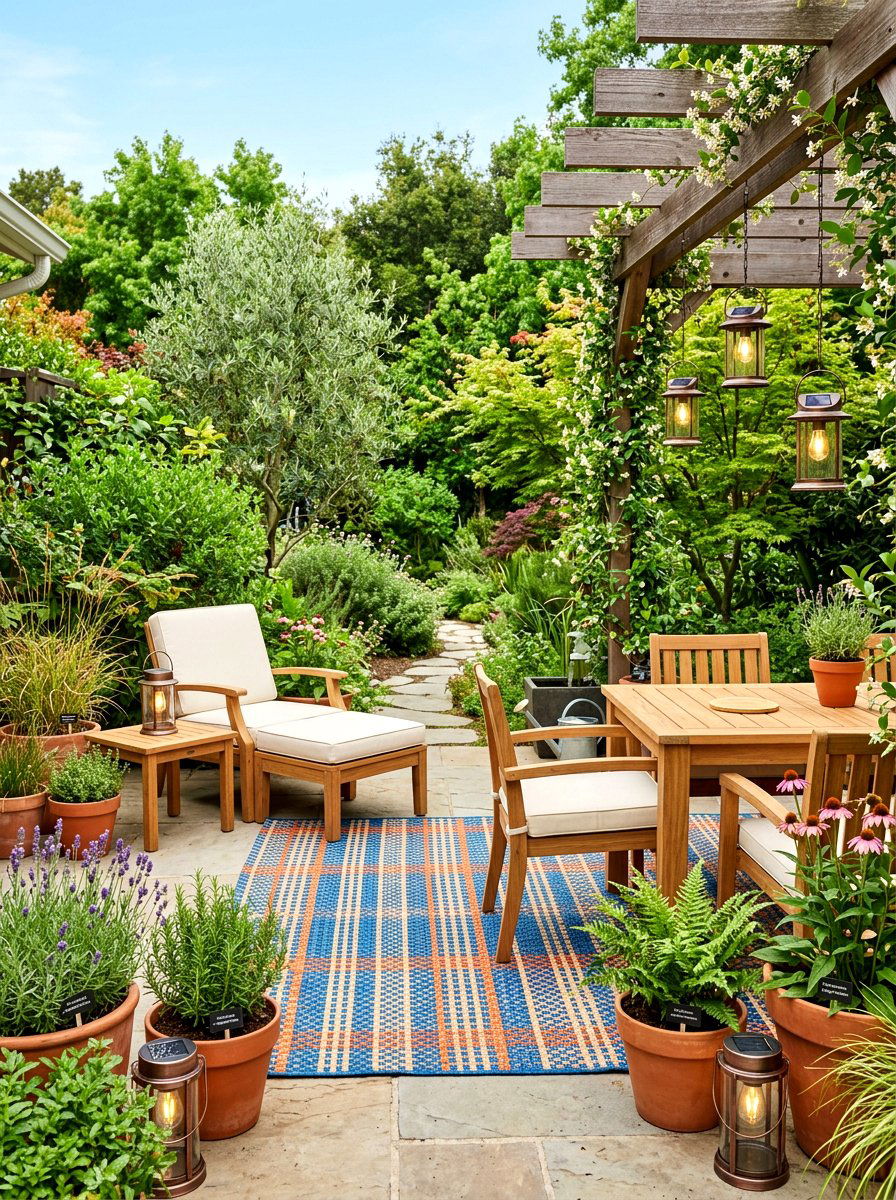
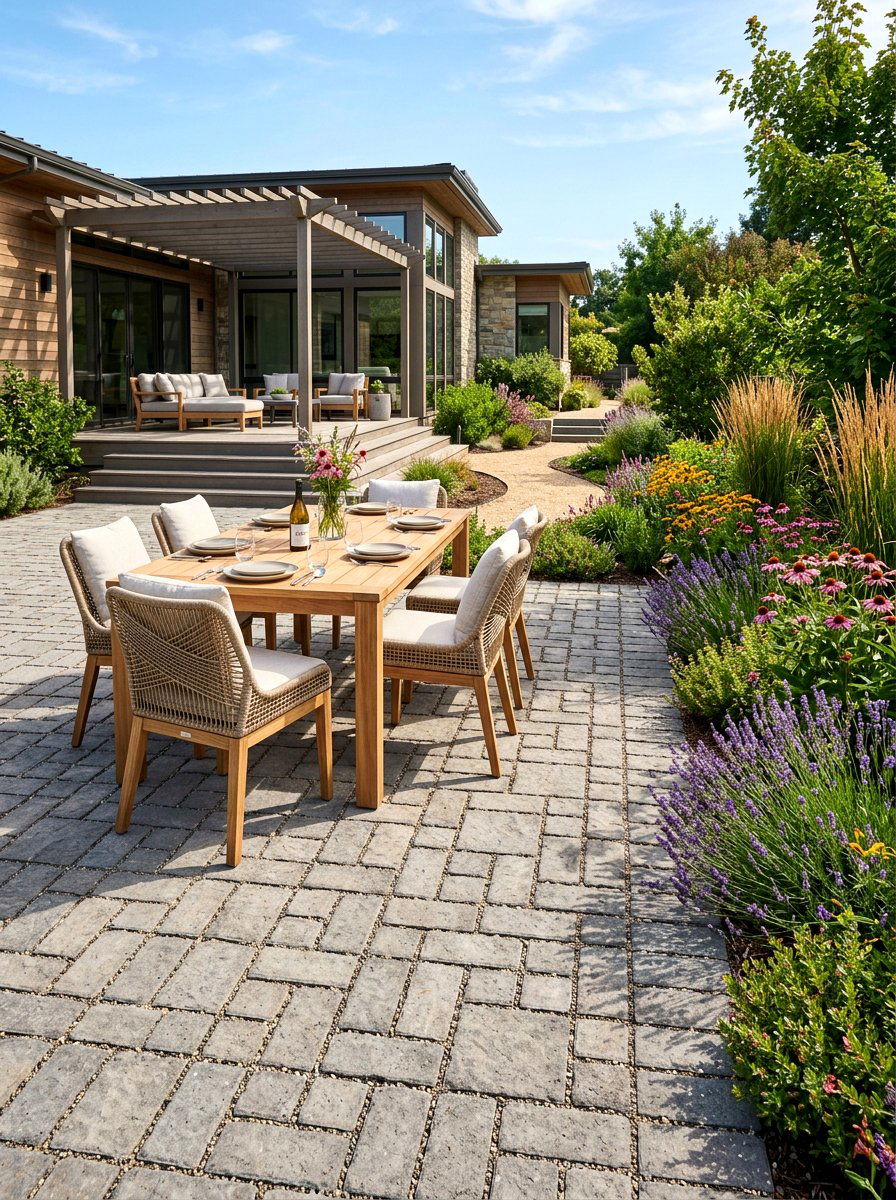
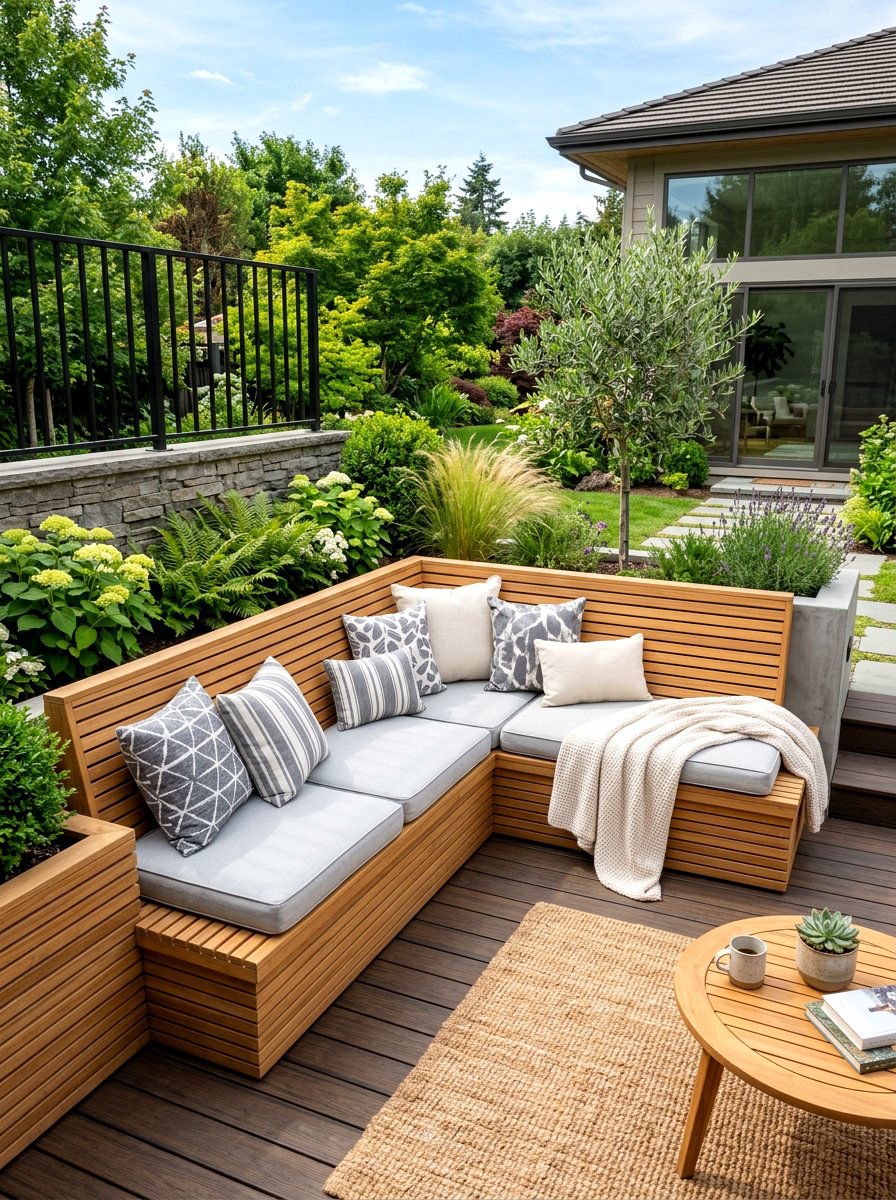
An eco friendly patio design creates an outdoor living space that respects nature while providing a comfortable place to relax. Use furniture made from weather-resistant FSC-certified teak or recycled plastic lumber for a durable and sustainable seating area. Incorporate solar-powered lanterns and string lights to illuminate the space without using electricity from the grid. A large outdoor rug made from recycled soda bottles adds color and texture to the floor. Use terracotta pots for a variety of native plants to support local pollinators and reduce water needs. This design connects your home to the outdoors in a beautiful, low-impact way that feels incredibly inviting.
16. Zero waste garden layout
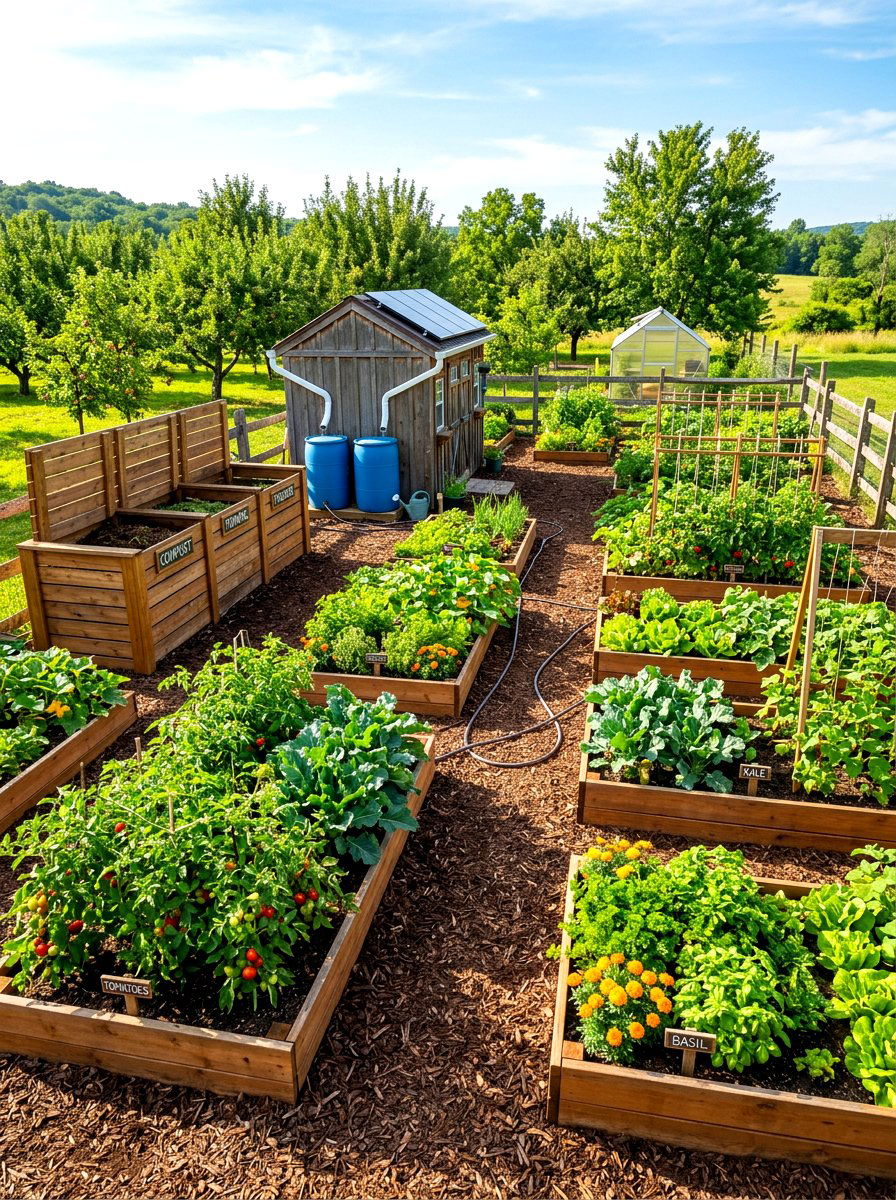
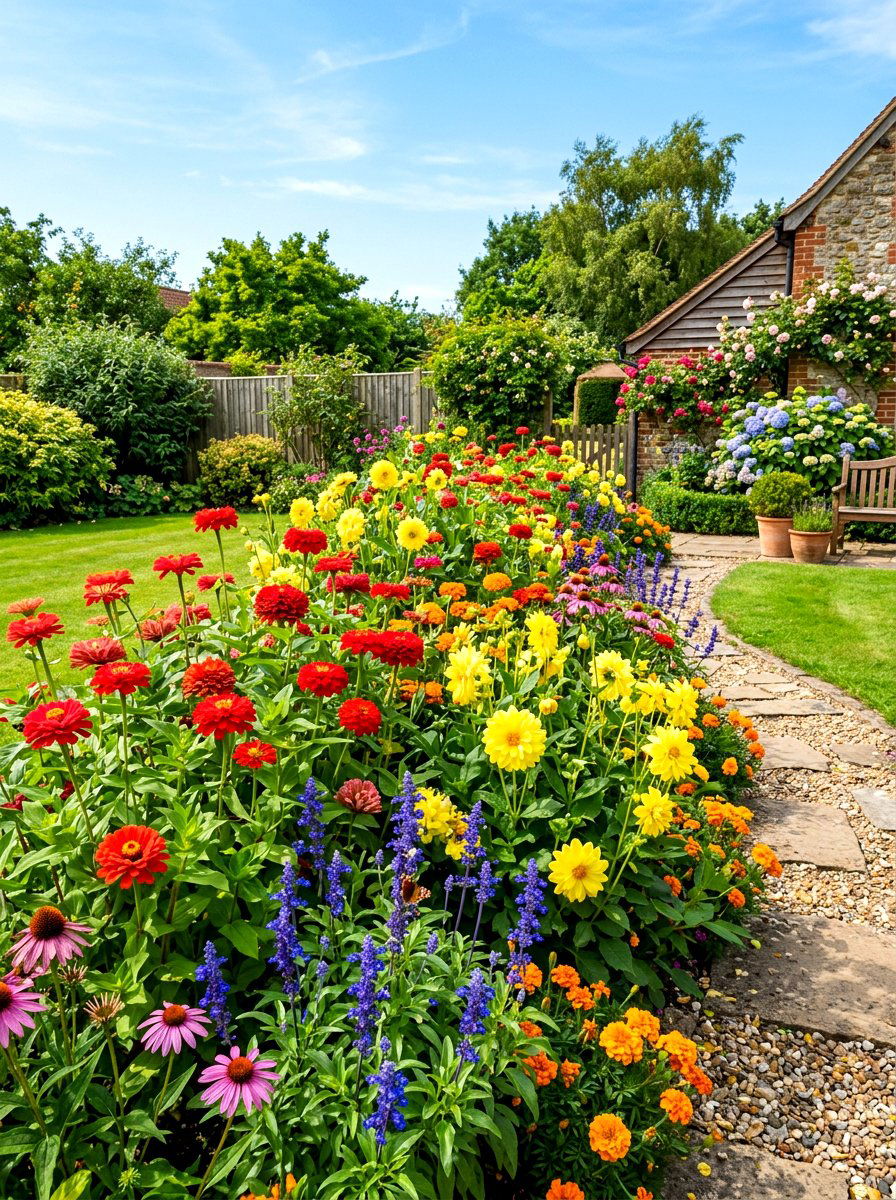
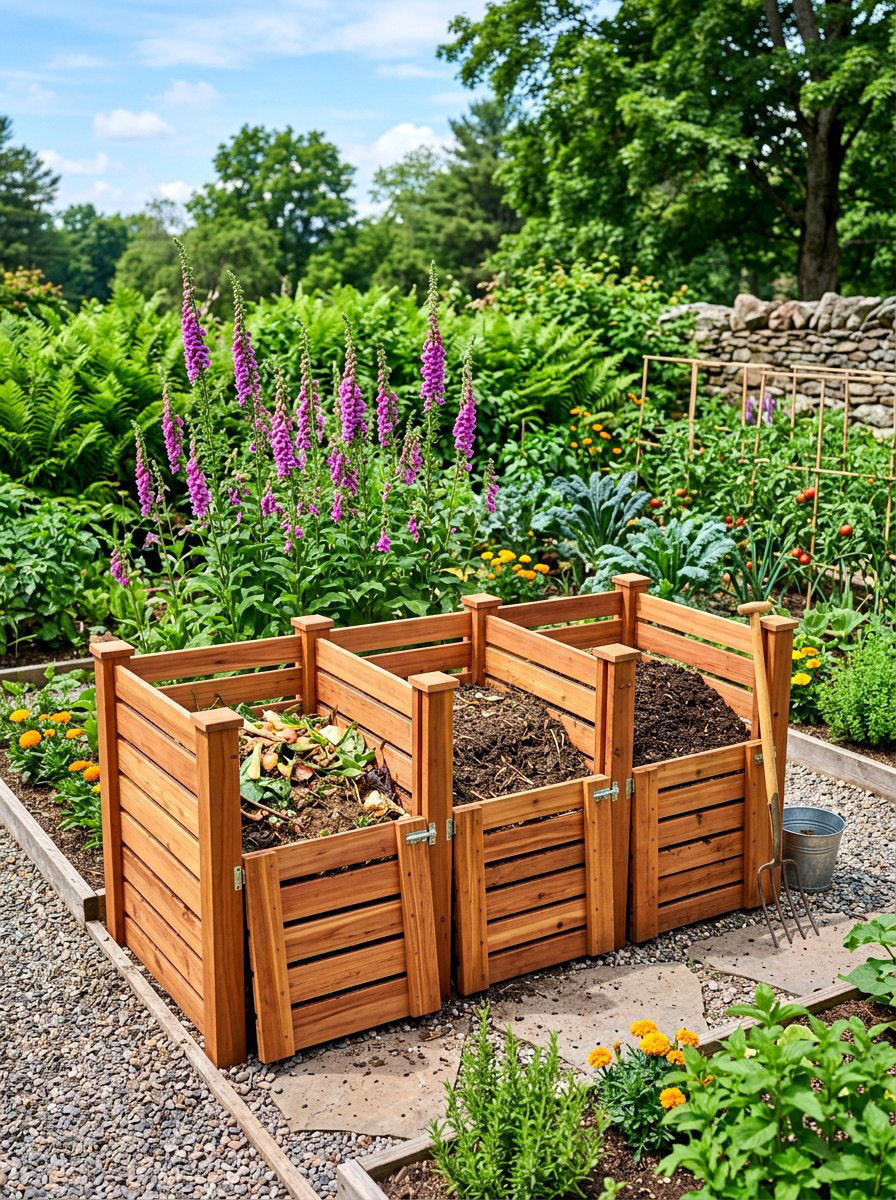
A zero waste garden layout focuses on creating a closed-loop system where nothing goes to waste. This design includes several raised beds made from untreated cedar or reclaimed bricks for growing organic vegetables and herbs. A large composting station is essential for turning kitchen scraps and yard waste into nutrient-rich soil for your plants. Install a rainwater harvesting system with decorative barrels to collect water for irrigation during the dry months. Use natural mulch like wood chips or straw to retain moisture and suppress weeds without chemicals. This productive and beautiful space provides fresh food while significantly reducing your household's overall environmental impact.
17. Sustainable breakfast nook decor
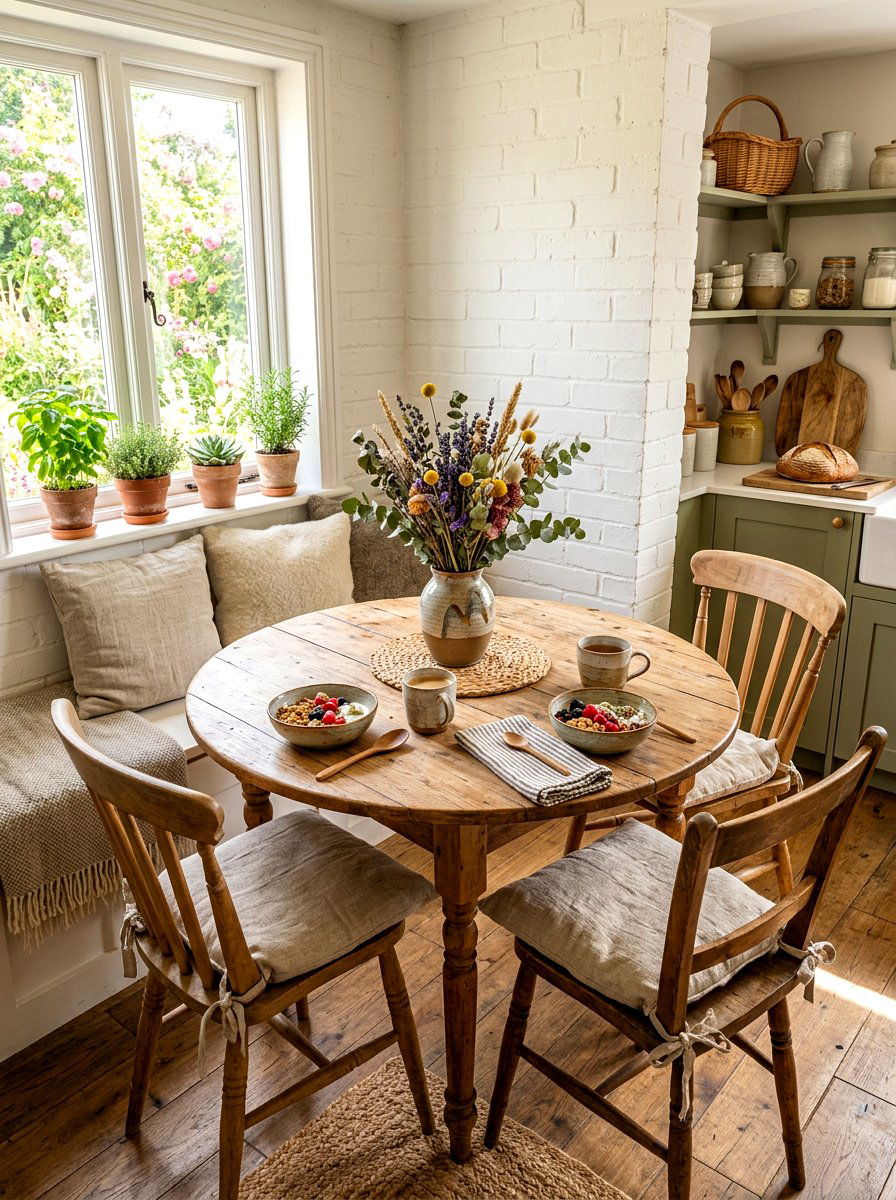
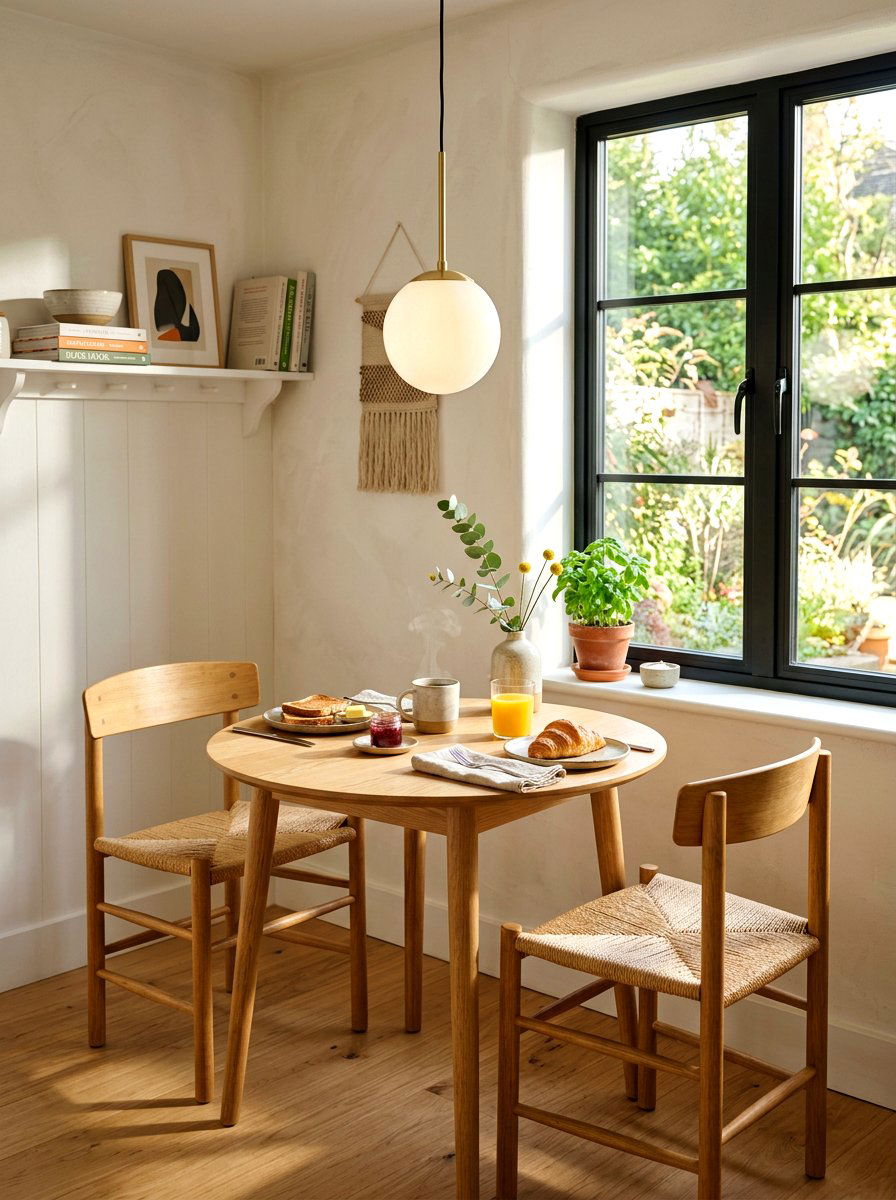
A sustainable breakfast nook decor theme uses vintage furniture and natural textiles to create a sunny, low-waste morning spot. Place a small round table made from reclaimed wood in a corner with plenty of natural light. Use mismatched vintage chairs for a charming and eclectic look that avoids the need for new manufacturing. A set of linen cushions and a simple cotton table runner add warmth and comfort to the seating area. Decorate the space with a small vase of dried flowers or a bowl of seasonal fruit. This design offers a cozy place to start your day while celebrating the beauty of repurposed items.
18. Low waste utility room
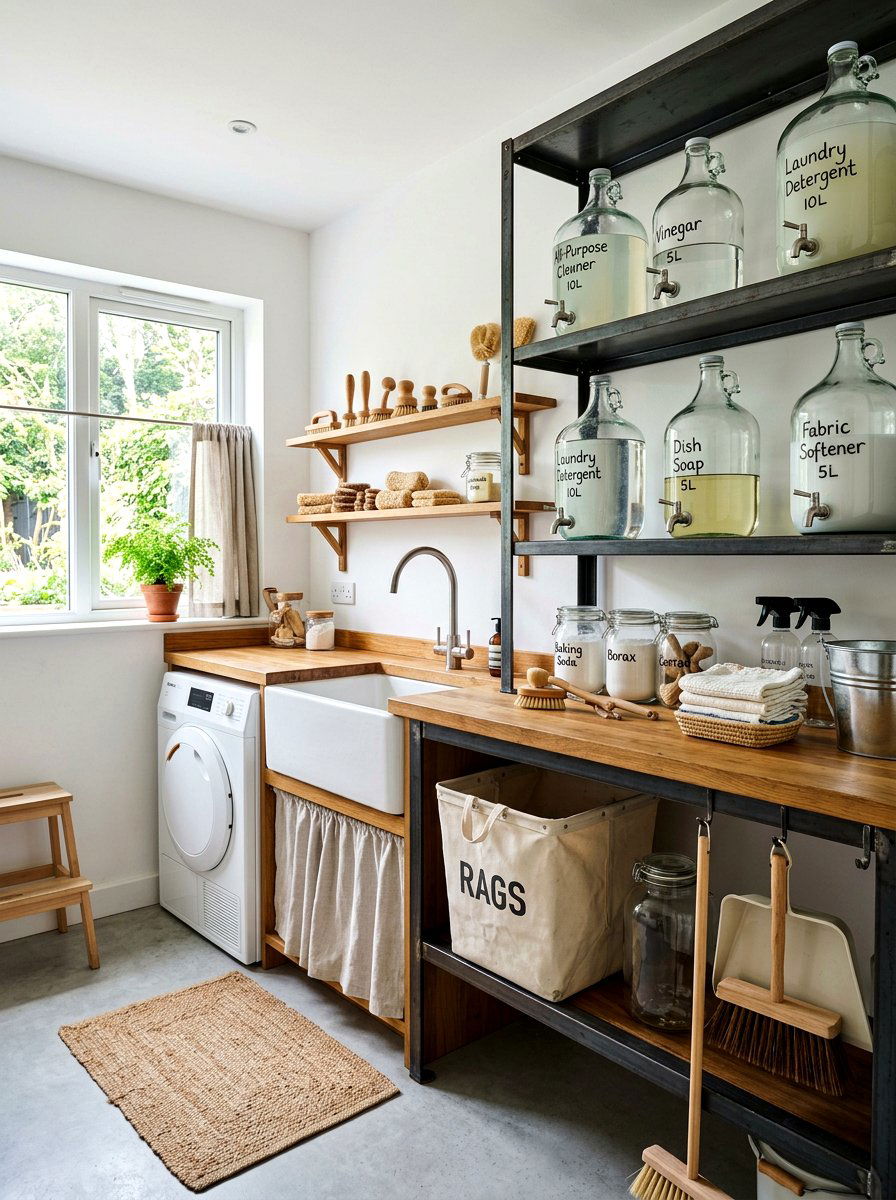
A low waste utility room is designed to be the functional heart of a sustainable home. This space features organized storage for bulk cleaning supplies, including large glass carboys for white vinegar and castile soap. Use sturdy metal shelves to hold wooden scrub brushes, cloth rags, and galvanized buckets for various household tasks. A dedicated area for a high-efficiency water heater and a smart leak detector helps conserve resources effectively. Incorporating a deep porcelain sink makes it easy to wash reusable items and prep garden produce. This room is all about efficiency and long-term durability, ensuring that every household chore is done sustainably.
19. Eco conscious reading corner
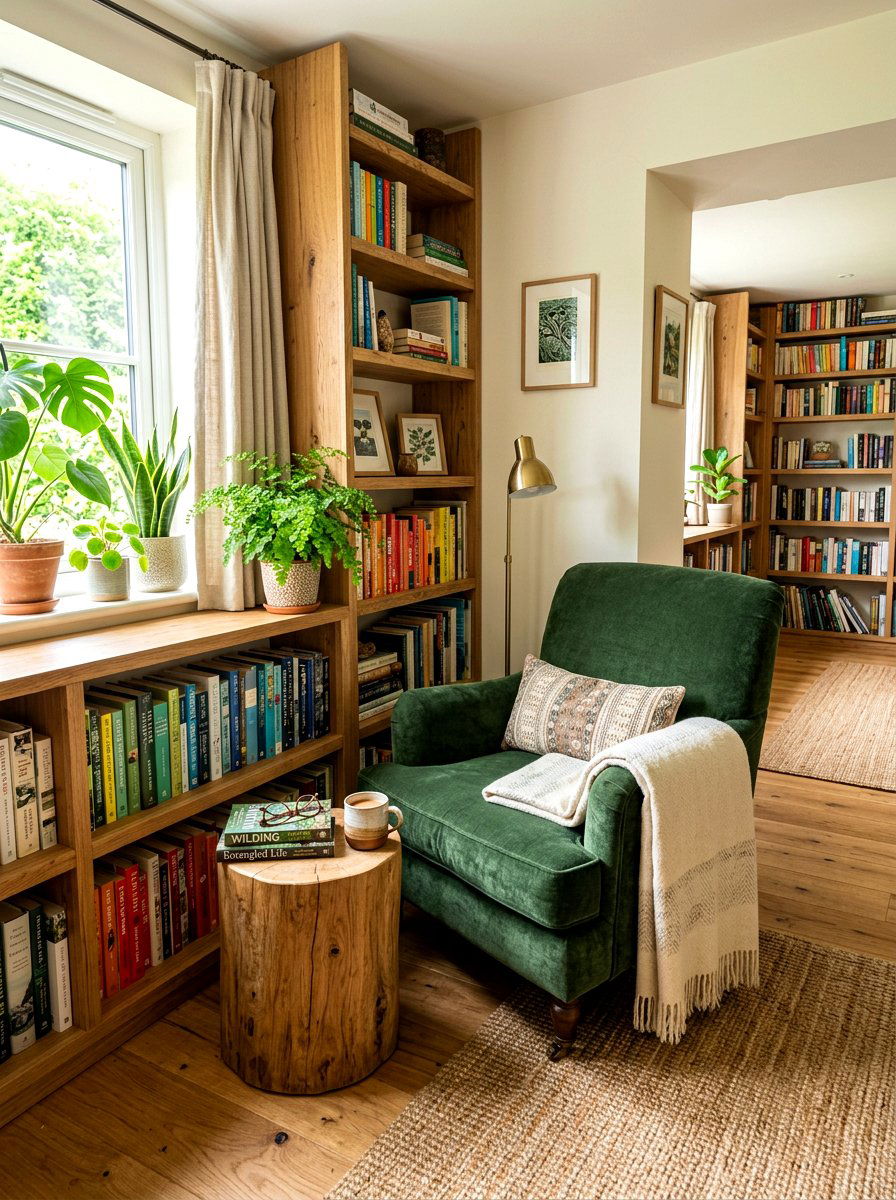
An eco conscious reading corner provides a quiet escape using cozy, sustainable materials and second-hand finds. This design features a comfortable armchair upholstered in recycled velvet or organic wool placed next to a tall window. A small side table made from a salvaged tree stump or reclaimed wood holds your book and a cup of tea. Use a soft throw blanket made from organic cotton to keep warm during long reading sessions. A simple bookshelf made from natural wood can hold a curated collection of thrifted books. This peaceful space encourages a slower pace of life while using materials that are very kind to the earth.
20. Sustainable craft room setup
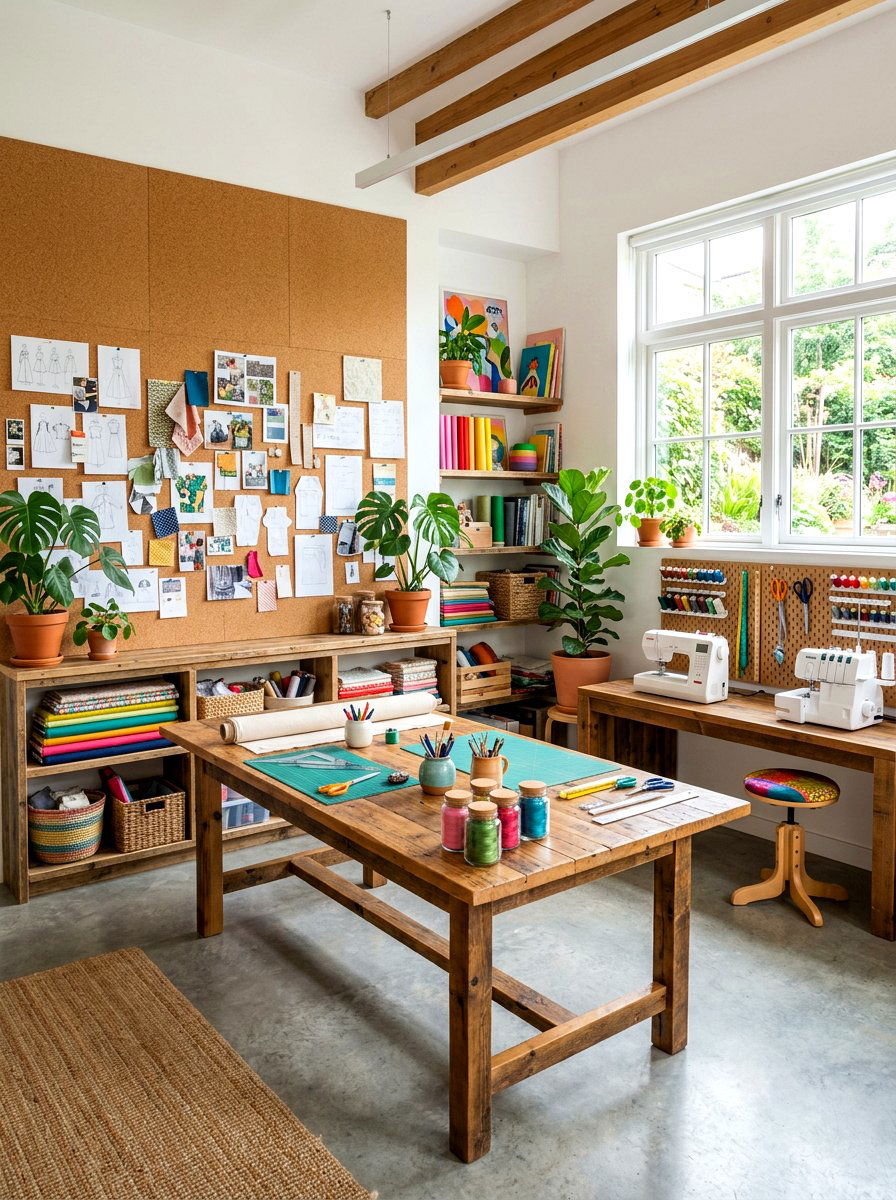
A sustainable craft room setup helps you stay creative without contributing to the growing problem of waste. This design features a large work table made from reclaimed wood with plenty of natural light for detailed projects. Use glass jars and vintage tins to organize supplies like thread, buttons, and scrap fabric for easy access. A dedicated station for a sewing machine encourages the repair and upcycling of old clothes instead of buying new ones. Incorporate a cork board for inspiration and a small bin for collecting paper scraps for future collages. This organized and bright space makes it easy to pursue hobbies in an eco-friendly way.
21. Zero waste cleaning closet
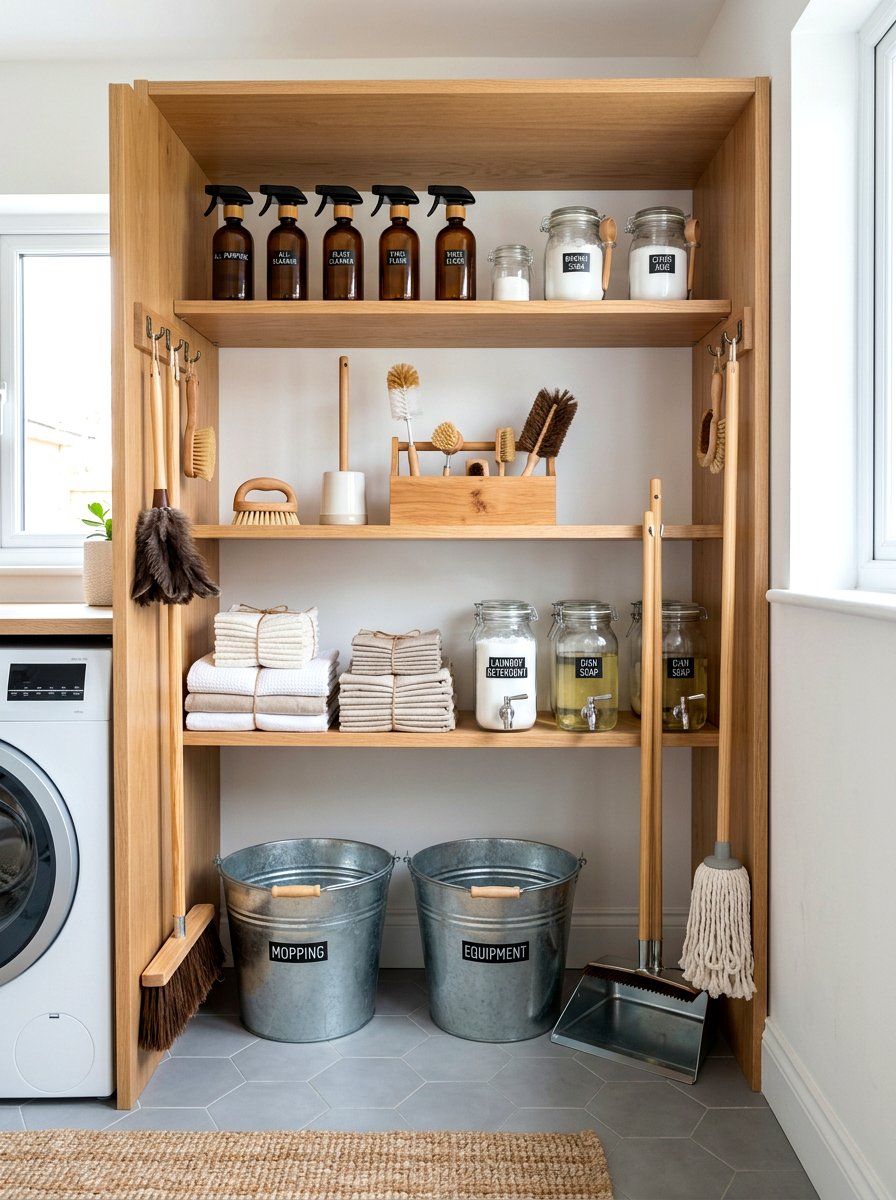
Creating a zero waste cleaning closet involves replacing harsh chemicals and plastic bottles with natural, refillable alternatives. This design features a small cupboard or shelf stocked with glass spray bottles for DIY cleaners made from citrus and vinegar. Use wooden brushes with replaceable heads and washable microfiber or cotton cloths for scrubbing surfaces throughout the house. A sturdy metal mop and bucket system ensures you can clean floors without generating disposable waste. Store bulk supplies like baking soda and citric acid in large glass jars for a clean and organized look. This setup makes household cleaning safer for your family and much better for the environment.
22. Eco friendly walk in closet
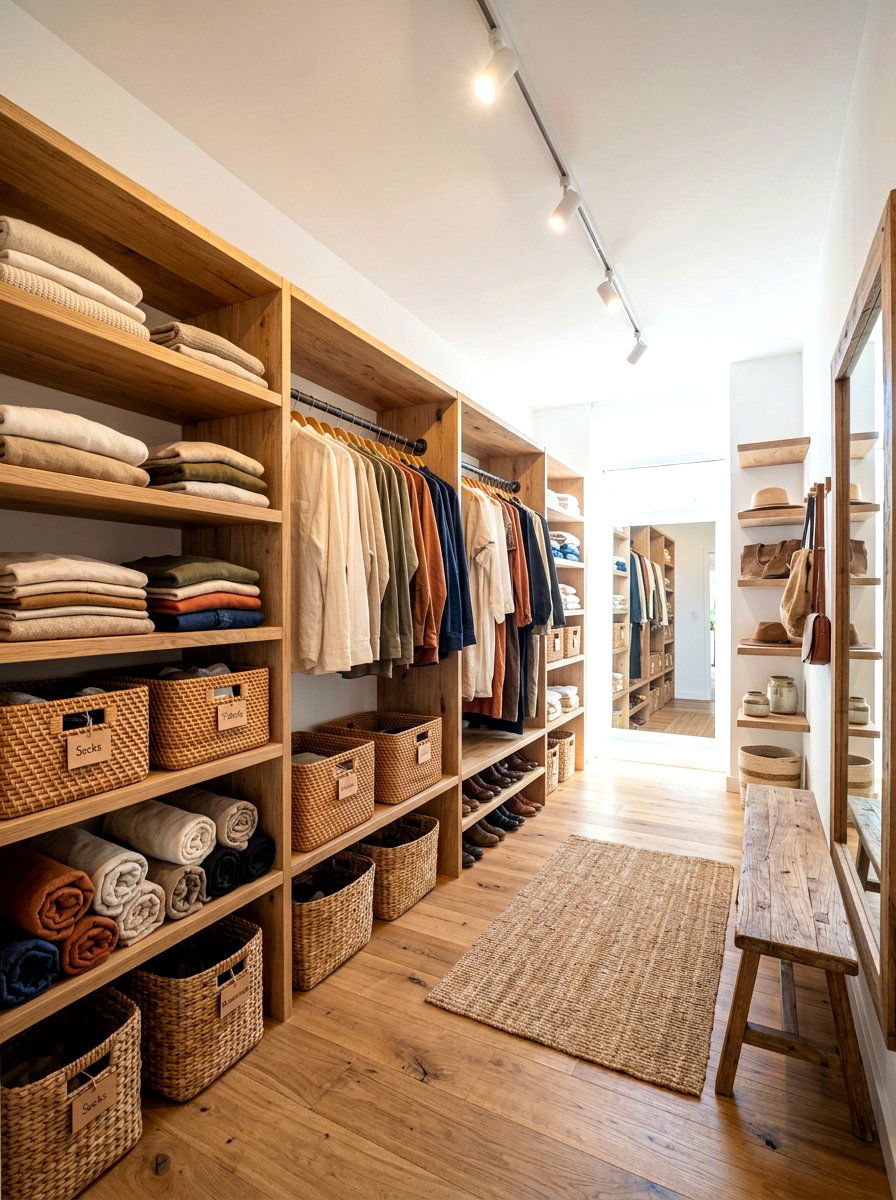
An eco friendly walk in closet focuses on a minimalist wardrobe and sustainable storage solutions. This design features open wooden shelving and hanging rods made from recycled metal to display high-quality, long-lasting clothing. Use canvas bins or wicker baskets to organize accessories and seasonal items instead of plastic drawers. A large mirror and bright LED lighting help you see your outfits clearly, encouraging you to shop your own closet. Incorporate a small cedar block to naturally deter moths without using chemical balls. This organized space promotes a slow fashion lifestyle where you value quality over quantity and take care of your belongings.
23. Sustainable outdoor kitchen area
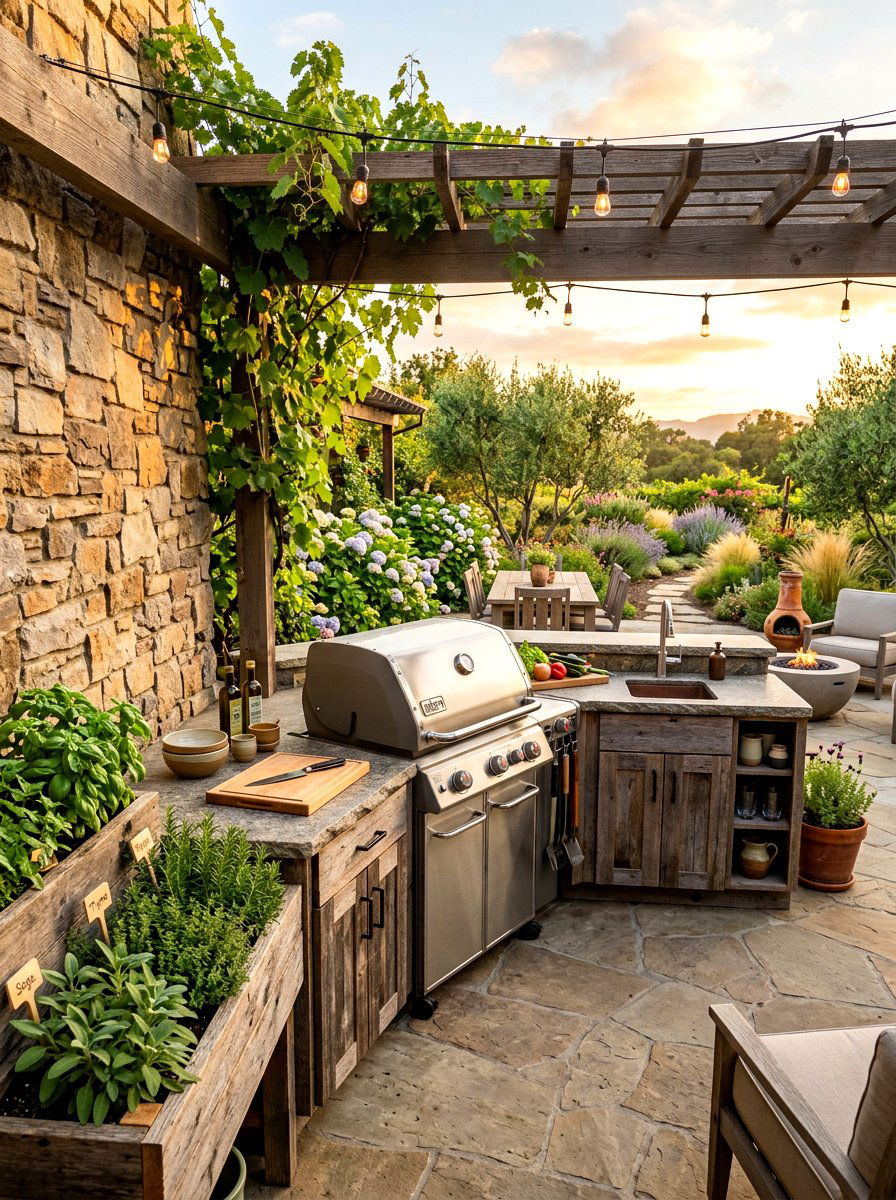
A sustainable outdoor kitchen area allows you to cook and entertain while minimizing your indoor energy use. This design features a countertop made from recycled stone or concrete and a high-quality stainless steel grill. Use reclaimed wood for cabinetry and shelving to store reusable outdoor plates and utensils. Incorporate a small herb garden nearby so you can pick fresh ingredients while you prepare meals for your guests. A solar-powered outdoor fridge or cooler keeps drinks cold without needing a traditional power source. This functional and stylish space encourages a lifestyle that is connected to nature and focused on durable, long-lasting materials for entertaining.
24. Low waste garage organization
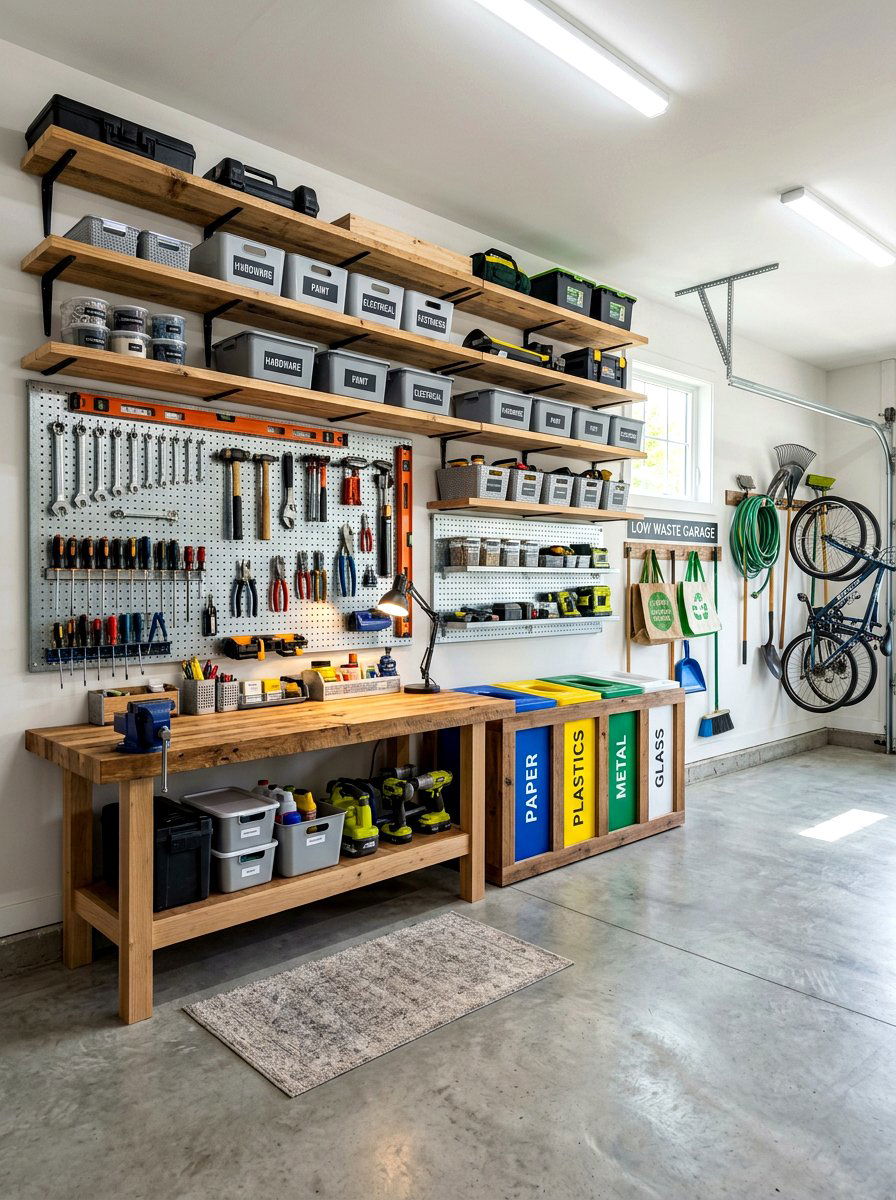
A low waste garage organization system uses sturdy, repurposed materials to keep your tools and outdoor equipment tidy. This design features wall-mounted pegboards made from recycled metal or wood to hold garden tools and bicycles. Use old wooden crates or heavy-duty metal shelving to organize bulk supplies and automotive items without using new plastic bins. A dedicated station for a workbench encourages DIY repairs and home maintenance projects that extend the life of your belongings. Incorporate a clear recycling center with bins for metal, glass, and electronic waste. This organized space ensures your garage remains functional while supporting a circular and very sustainable lifestyle.
25. Eco conscious sunroom design
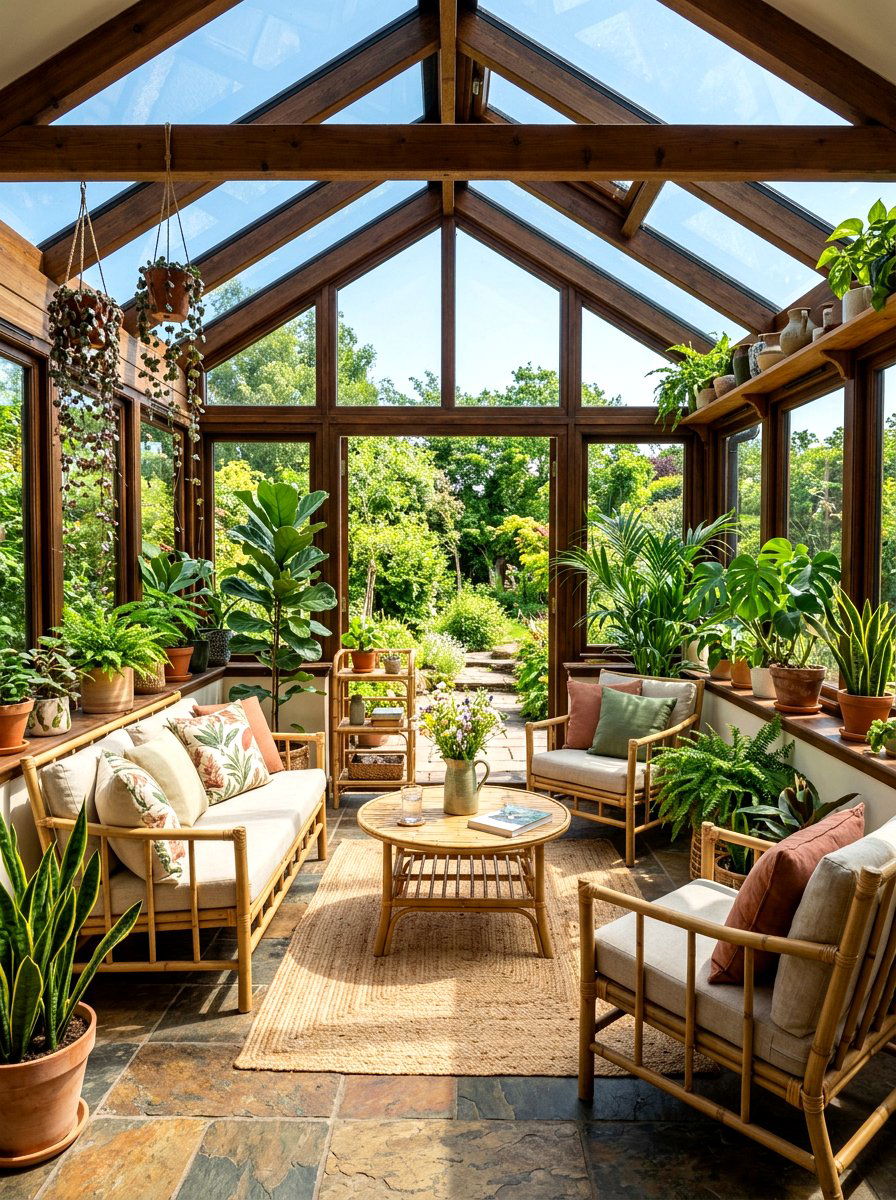
An eco conscious sunroom design maximizes natural warmth and light to create a vibrant, year-round living space. This room features large, energy-efficient windows that provide passive heating during the winter months. Use furniture made from sustainable rattan or bamboo and top it with cushions made from organic cotton fabrics. A large collection of indoor plants thrives in the abundant sunlight, improving air quality and creating a lush atmosphere. Incorporate a natural stone or tiled floor that absorbs heat during the day and releases it at night. This bright and airy room provides a perfect connection to the outdoors while minimizing the need for artificial lighting.
26. Sustainable attic bedroom layout
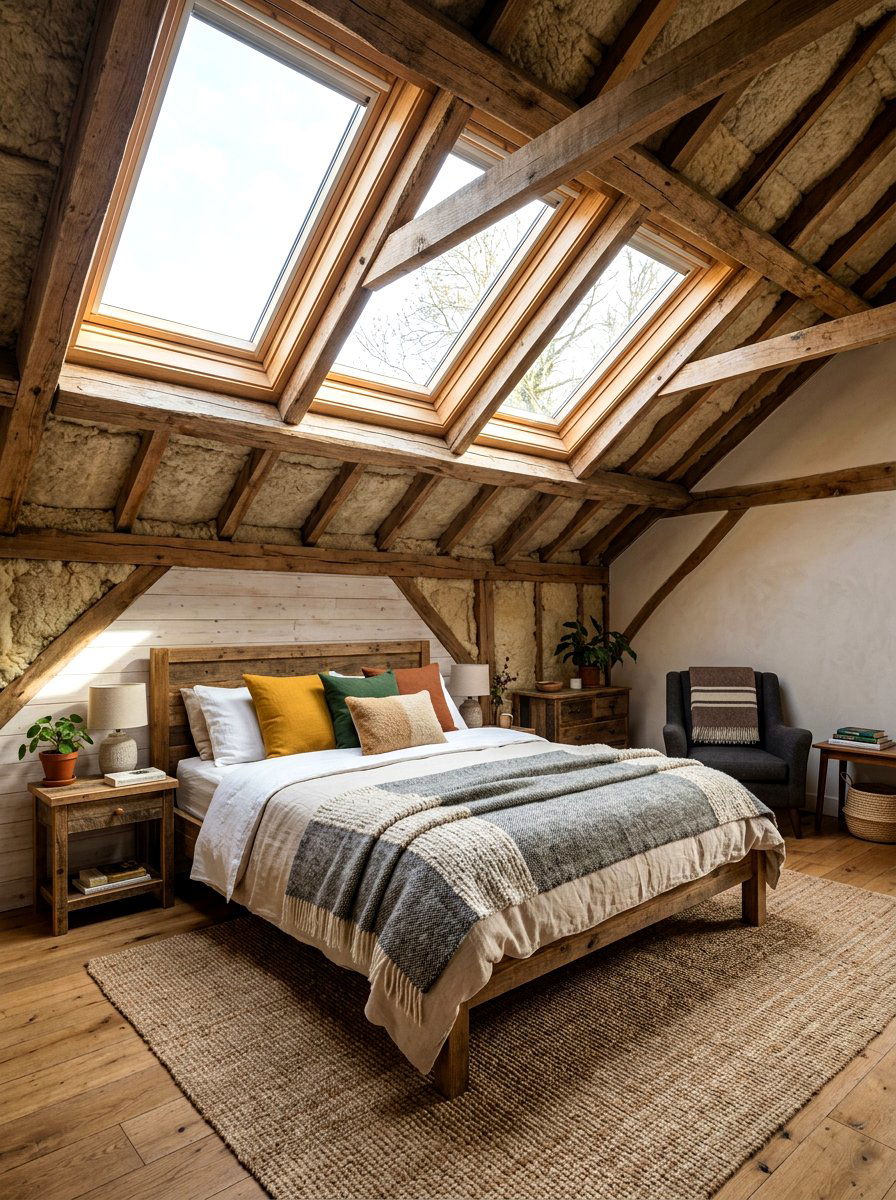
A sustainable attic bedroom layout uses the unique architecture of the top floor to create a cozy and eco-friendly retreat. This design features exposed wooden beams and skylights that provide plenty of natural light and ventilation throughout the day. Use low-VOC paint on the walls and natural wool insulation to keep the room comfortable without harmful chemicals. A platform bed made from reclaimed wood fits perfectly under the sloped ceiling for a minimalist look. Add a soft jute rug and organic linen curtains to enhance the warm, rustic feel of the space. This private sanctuary is both stylish and highly efficient for a peaceful night's sleep.
27. Zero waste powder room
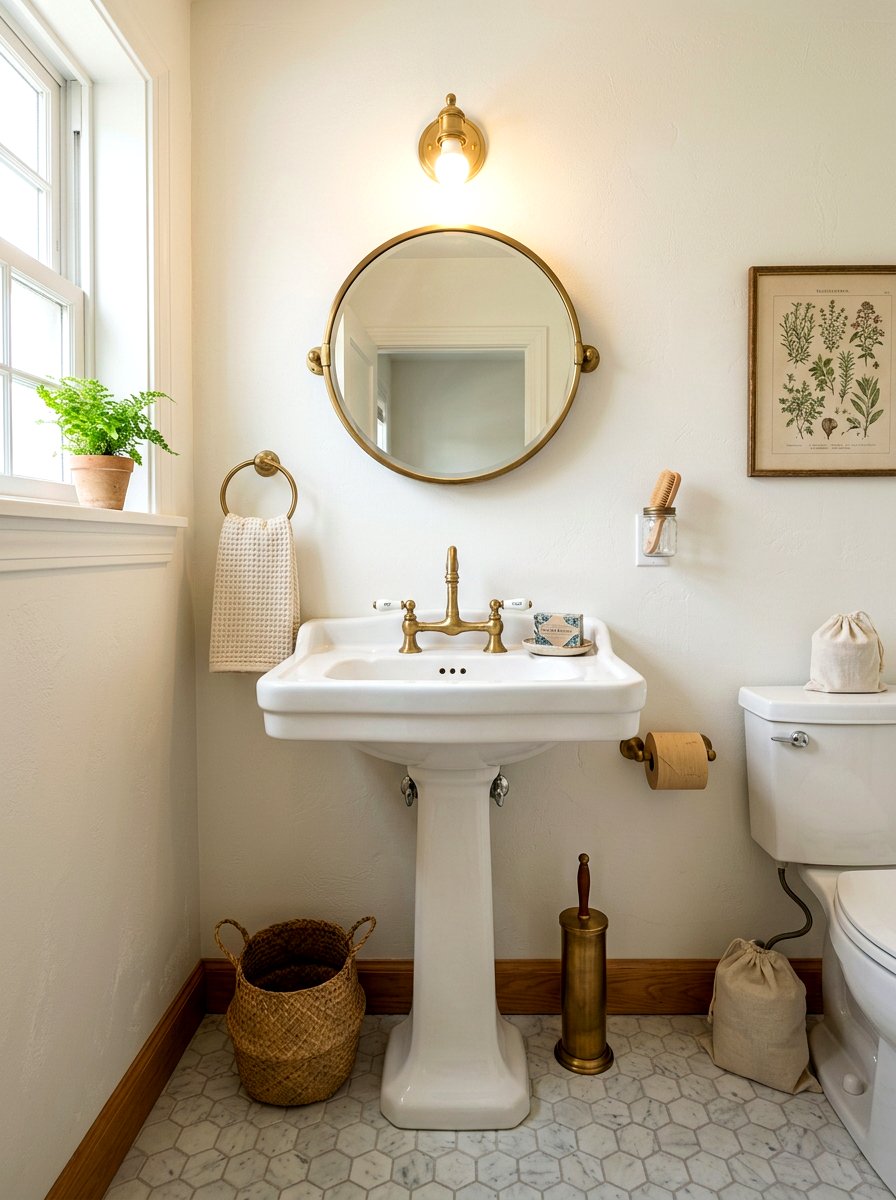
A zero waste powder room design focuses on making a big impact in a small space with sustainable choices. This design features a vintage pedestal sink or a vanity made from a repurposed antique dresser for a unique look. Use a large circular mirror and brass fixtures to add a touch of timeless elegance to the room. Provide guests with a beautiful bar of artisanal soap on a ceramic dish and a stack of small cloth hand towels. A high-efficiency toilet with a dual-flush system helps conserve water with every use. This small but beautiful room proves that sustainability can be incredibly stylish and very luxurious.
28. Eco friendly basement lounge
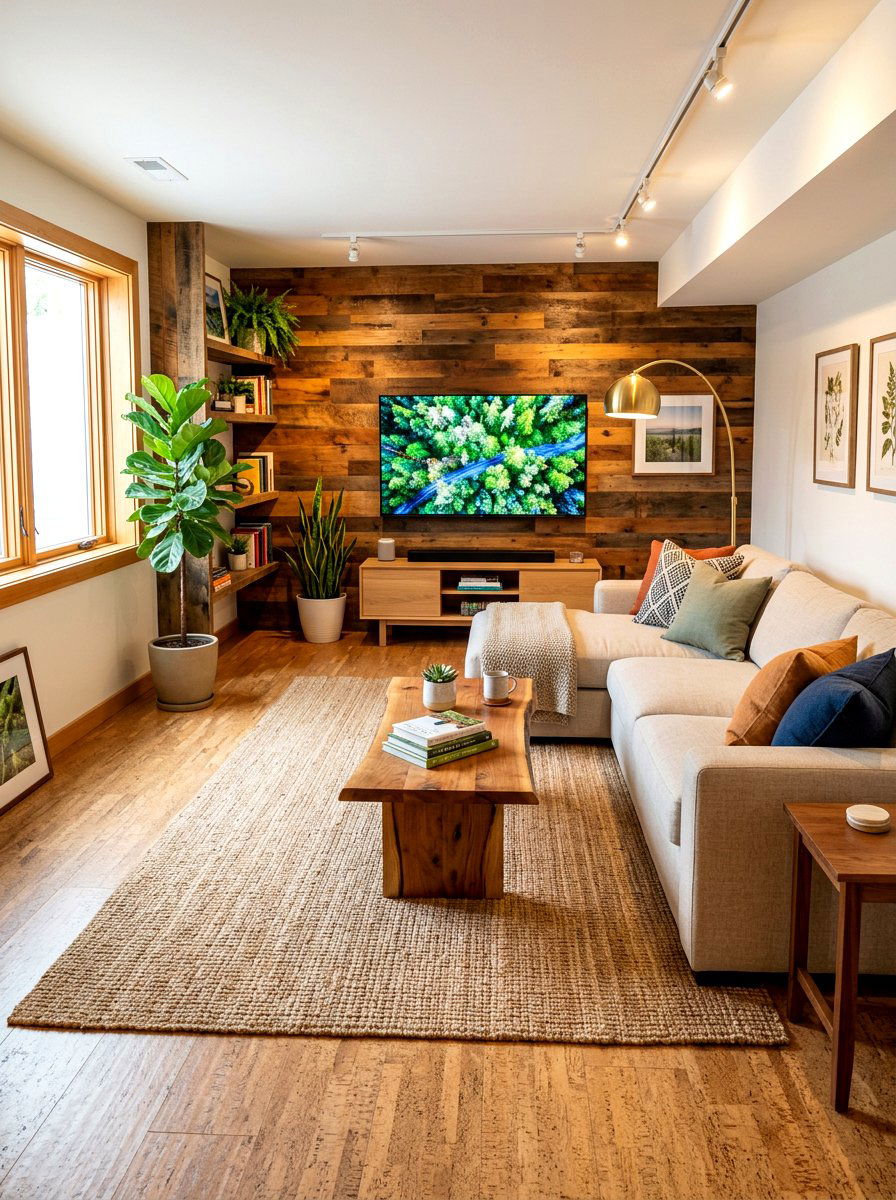
An eco friendly basement lounge transforms an underutilized space into a comfortable and sustainable family room. This design features flooring made from recycled rubber or cork, which is durable and provides excellent insulation for the space. Use a large sectional sofa made from sustainable materials and recycled fabrics for plenty of seating. Incorporate a home theater system with energy-efficient components and a smart power strip to reduce electricity use. Decorative wall panels made from reclaimed wood add warmth and texture to the room. This cozy and inviting space is perfect for movie nights while maintaining a focus on high-quality, eco-conscious materials.
29. Sustainable hallway gallery wall
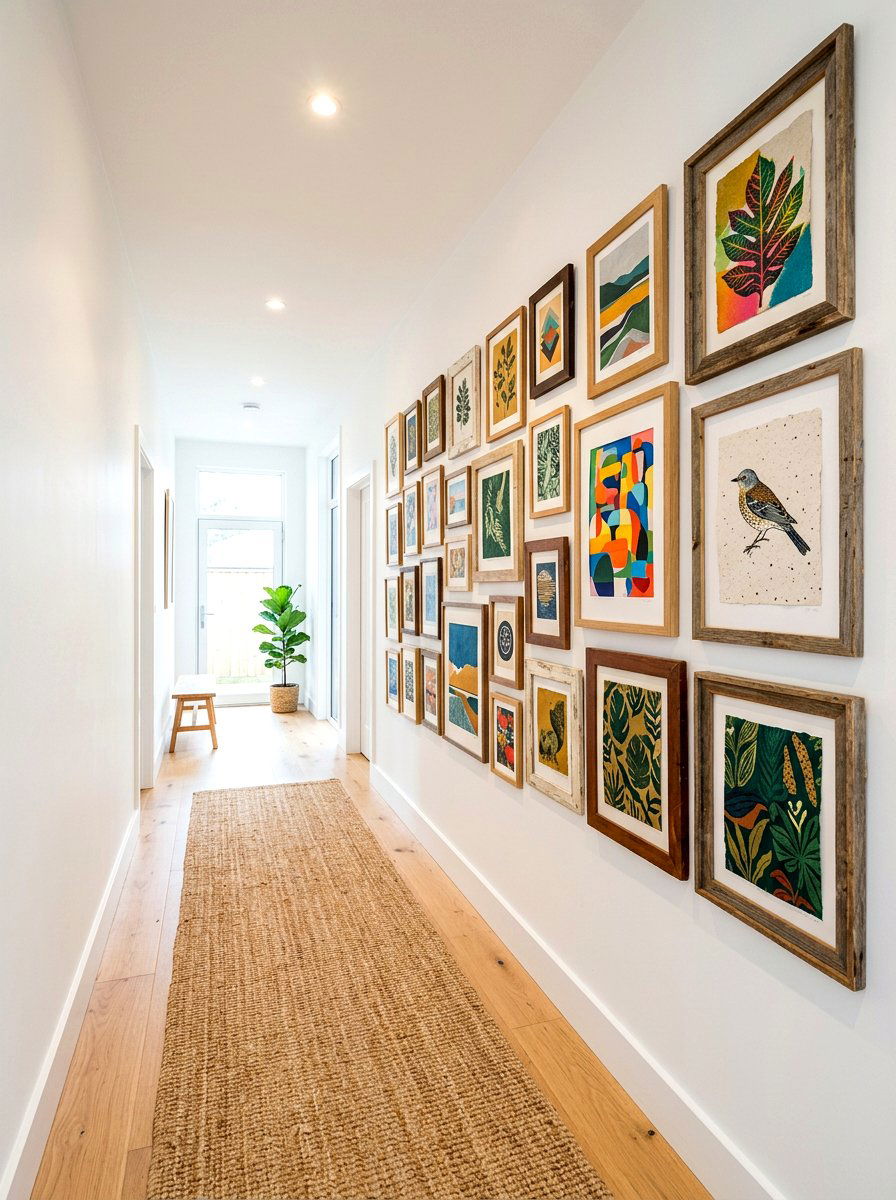
A sustainable hallway gallery wall uses thrifted frames and natural materials to add personality to a transitional space. This design features a collection of vintage frames found at flea markets, painted in cohesive colors for a modern look. Use art prints on recycled paper or pressed leaves and flowers from your own garden for a personal touch. A long runner rug made from organic cotton or jute protects the floor and adds texture to the hallway. Incorporate energy-efficient LED recessed lighting to highlight the artwork without using excessive power. This simple but effective design idea turns a plain hallway into a beautiful and very sustainable feature.
30. Low waste balcony garden
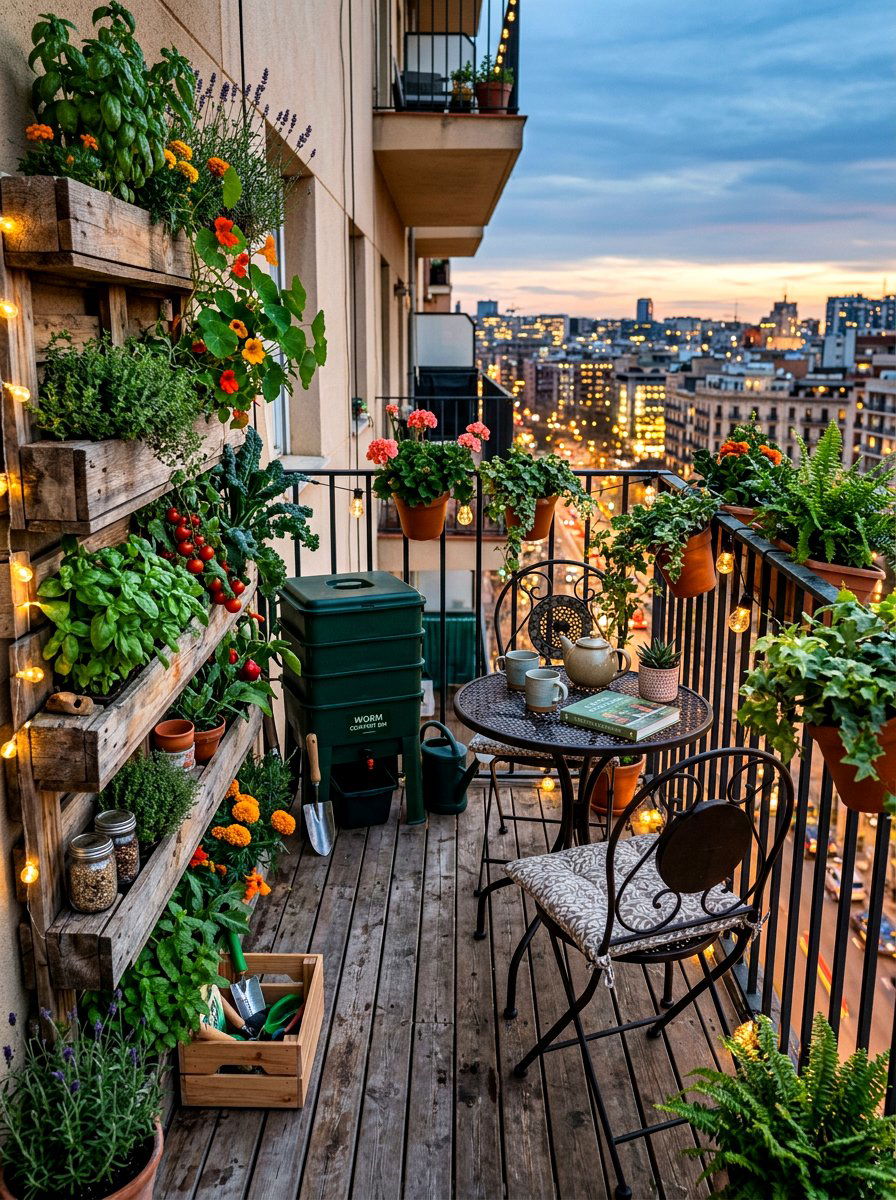
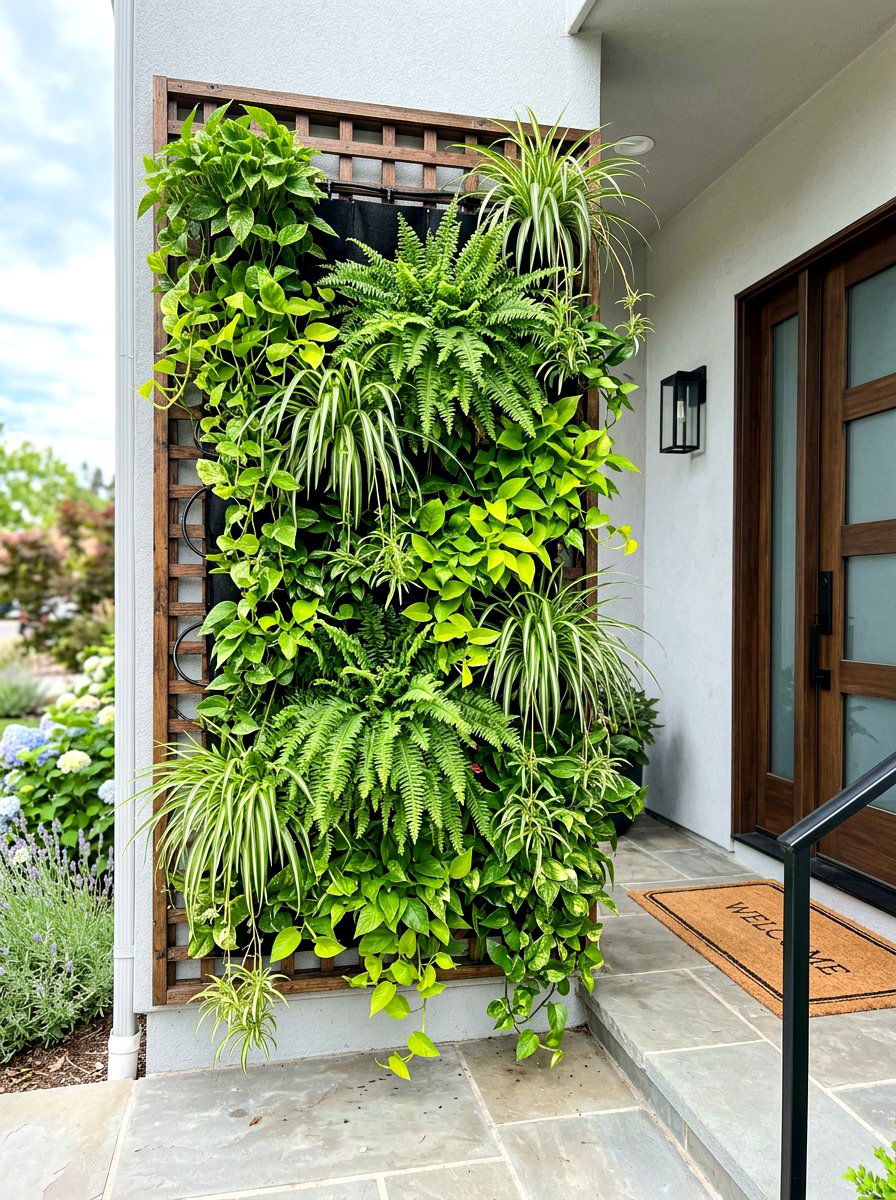
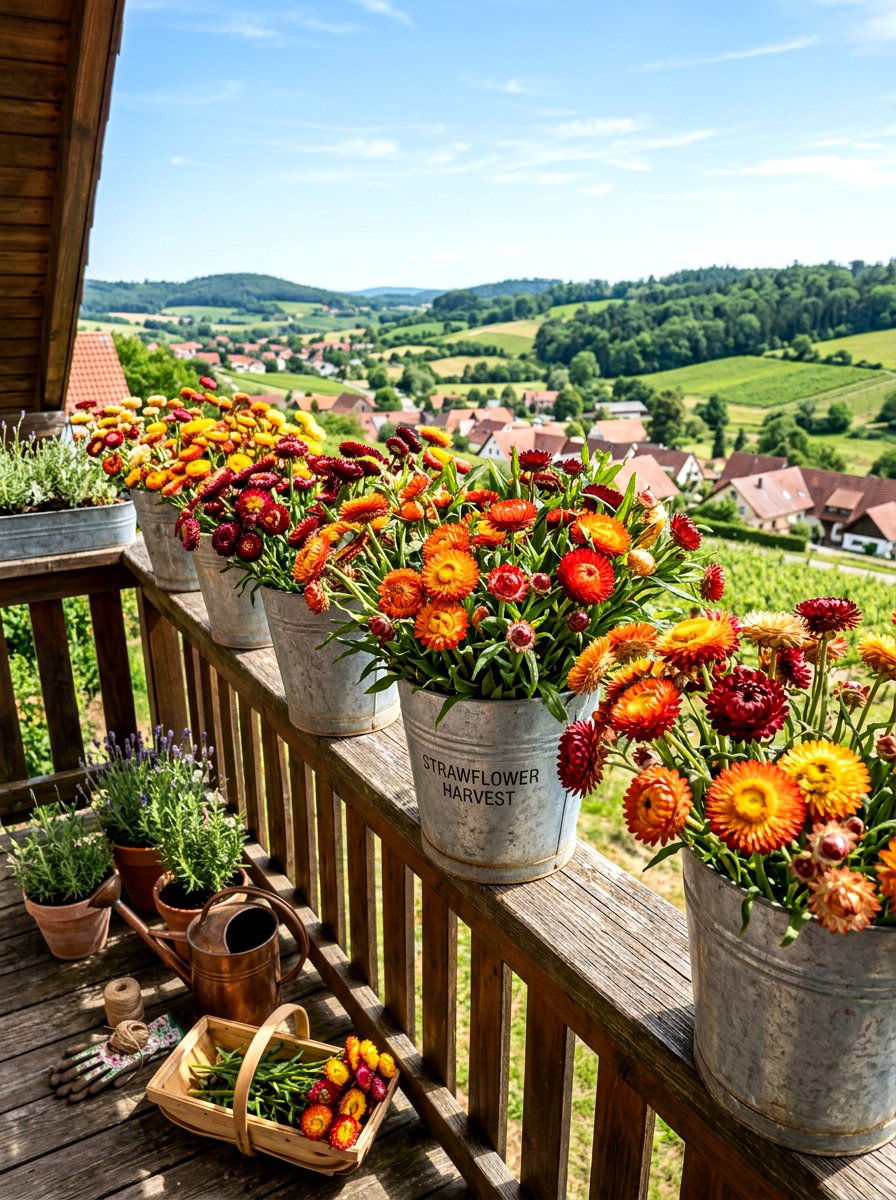
A low waste balcony garden allows apartment dwellers to grow their own food and herbs in a small, sustainable space. This design features vertical planters made from reclaimed wood or recycled plastic to maximize growing area on the railings. Use a small bistro set made from metal or FSC-certified wood for a cozy place to enjoy the outdoors. A worm composting bin can be tucked into a corner to turn food scraps into fertilizer for your balcony plants. Incorporate solar-powered fairy lights to create a magical atmosphere at night without using indoor electricity. This lush green space provides a breath of fresh air and fresh ingredients.
Conclusion:
Adopting a low waste home lifestyle is a beautiful way to align your living environment with a deep respect for the planet. By focusing on intentional design and high-quality materials, you can create a space that is both functional and aesthetically pleasing for years to come. Every small change, from switching to glass jars to choosing reclaimed furniture, contributes to a much larger positive impact on the world around us. These ideas show that living sustainably does not mean sacrificing style or comfort; instead, it enhances the character and warmth of your home. Start your journey today and enjoy the peace of a simplified life.

Related posts: