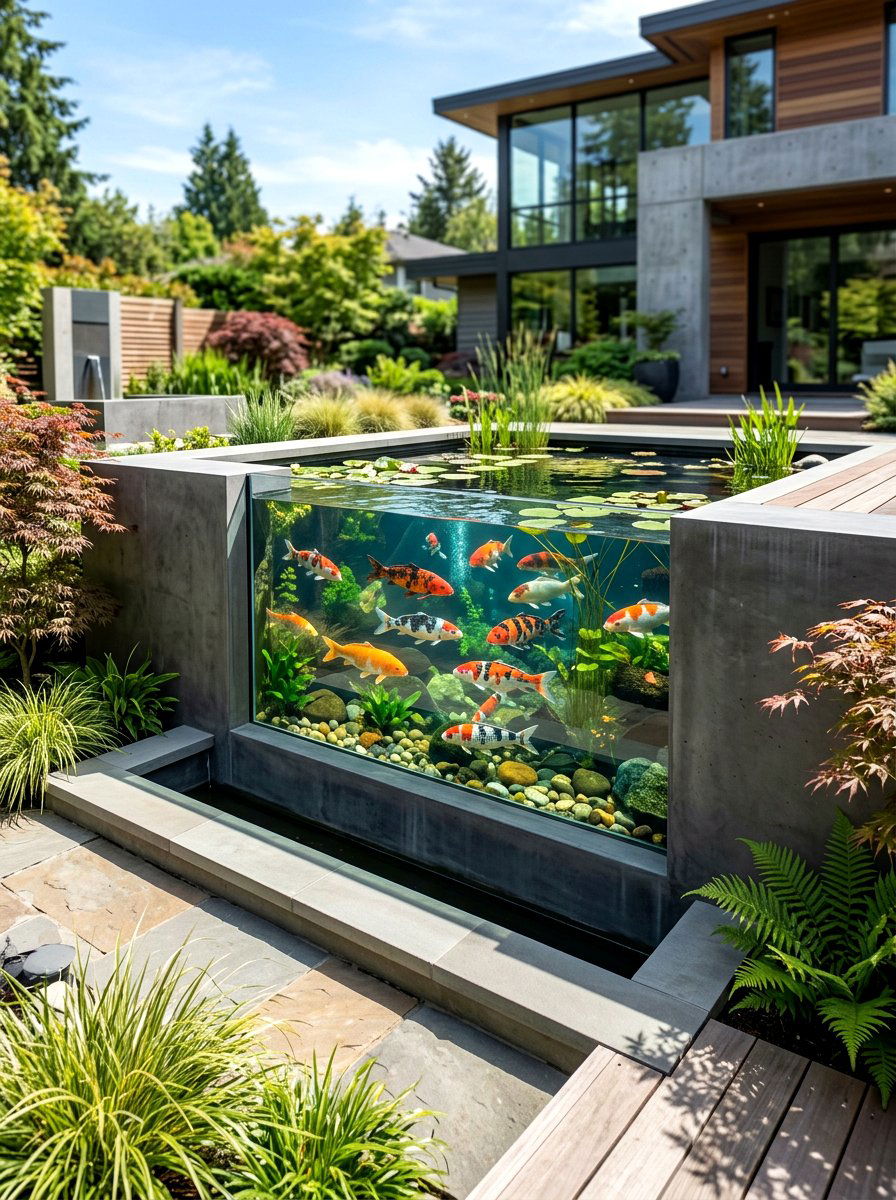
Creating a stunning outdoor space doesn 't have to mean constant watering or high maintenance costs. In today' s world, low water backyard ideas are becoming the standard for homeowners who want beauty and sustainability. By focusing on xeriscaping, drought-tolerant plants, and smart hardscaping, you can transform your yard into a resilient oasis. These designs prioritize the local environment while offering a stylish place to relax and entertain. Whether you live in an arid climate or just want to reduce your utility bills, these concepts provide practical solutions. Let's explore how to blend textures, colors, and functional layouts to achieve a modern, water-wise backyard that thrives effortlessly year-round.
1. Native Plant Garden
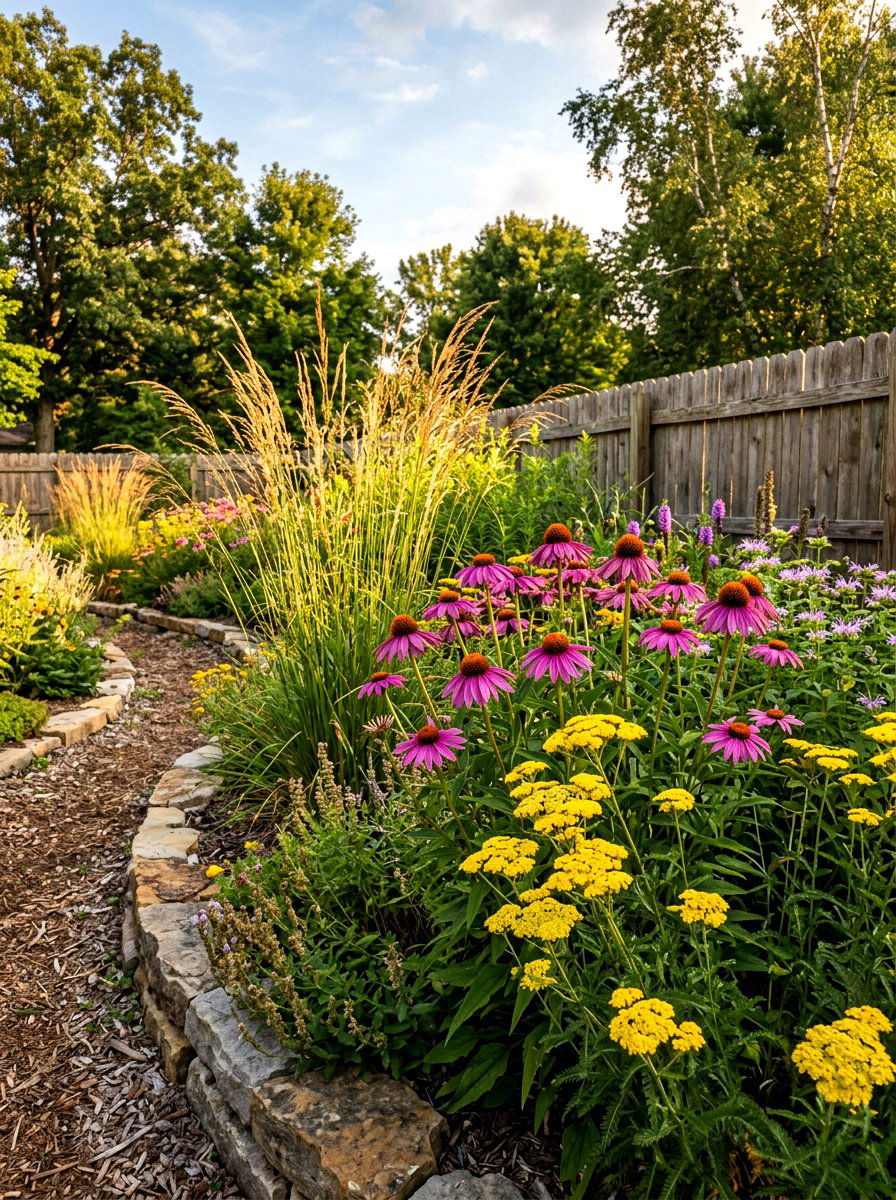
Choosing local flora is the most effective way to create a self-sustaining outdoor environment. Native plants are naturally adapted to your specific region’s rainfall, soil, and temperature fluctuations, meaning they require minimal supplemental water once established. A native plant garden often features a diverse mix of wildflowers, shrubs, and trees that provide essential habitats for local pollinators like bees and butterflies. This full-yard design focuses on layered planting to create a lush, naturalistic look that feels like an extension of the local wilderness. By skipping exotic species, you significantly reduce the need for fertilizers and pesticides while enjoying a yard that stays healthy through every season.
2. Succulent Garden
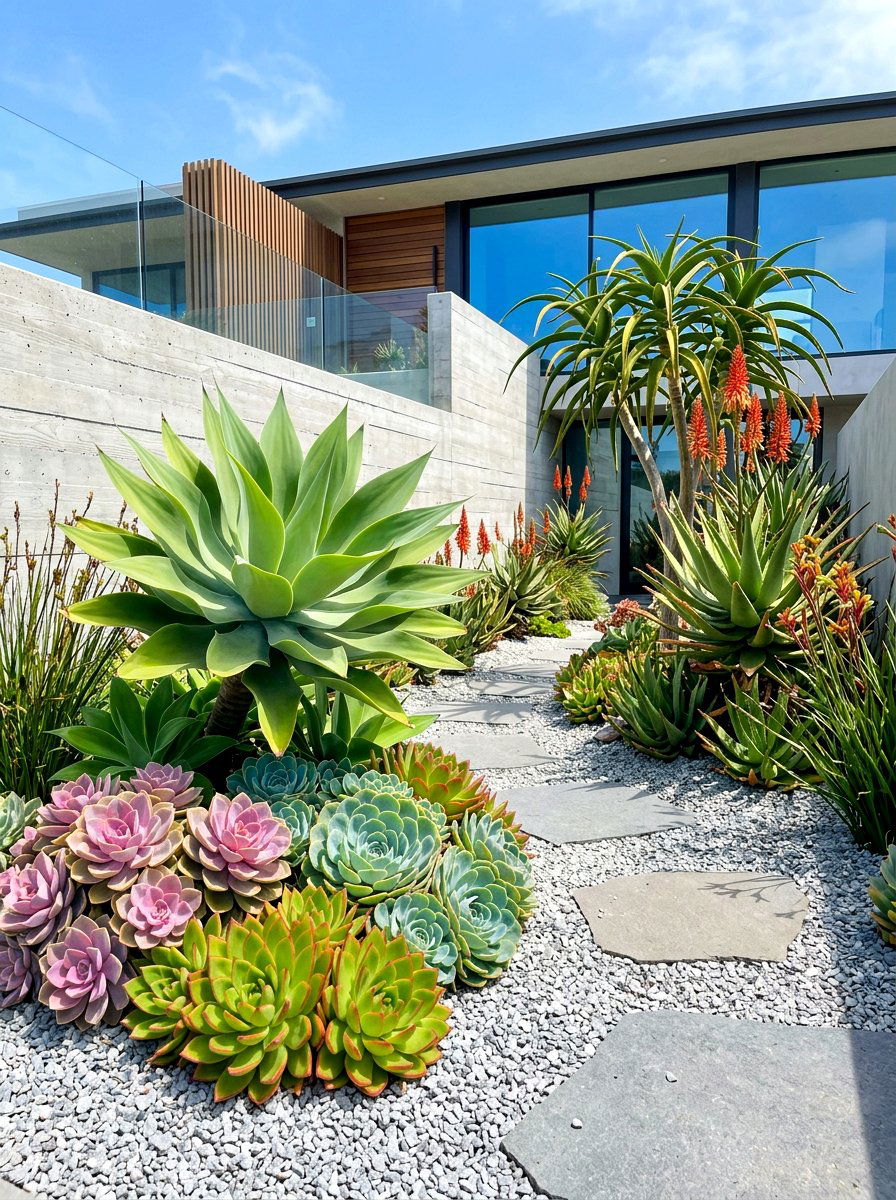
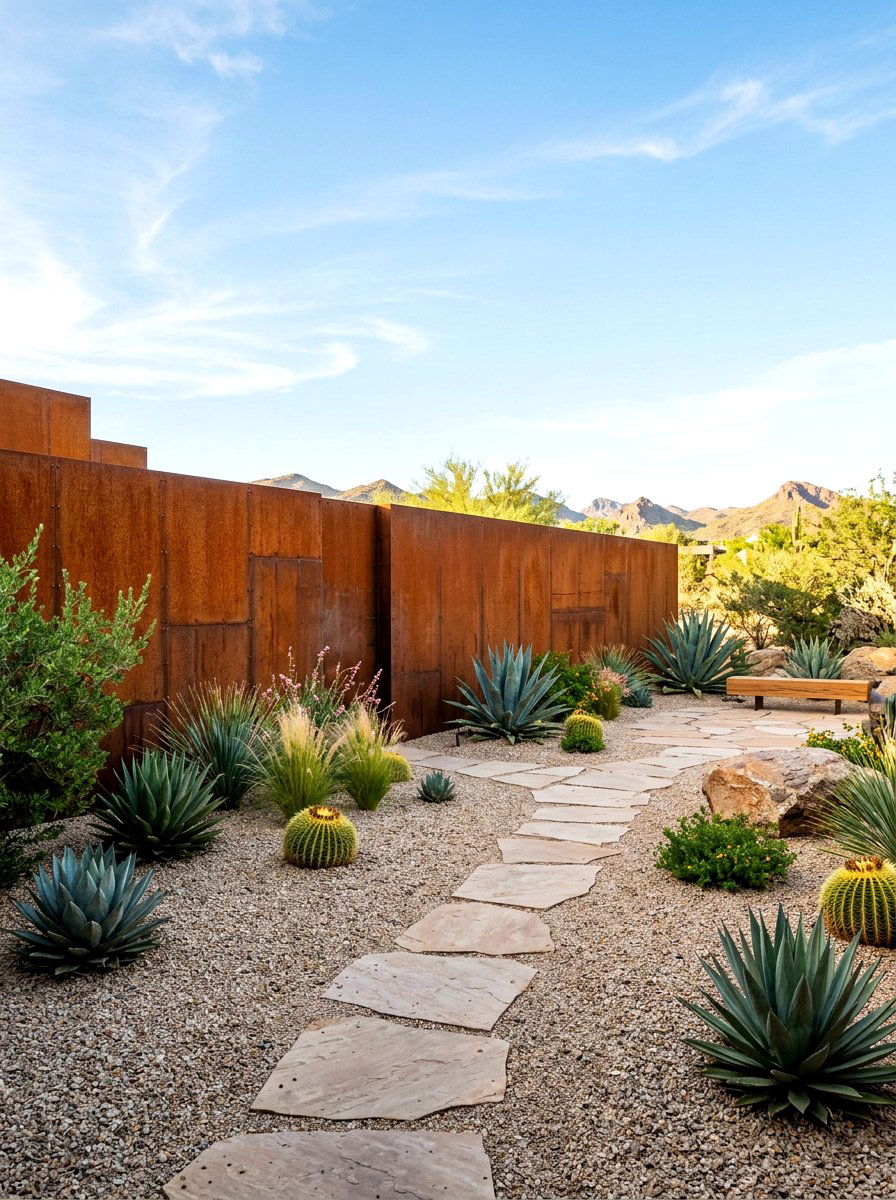
Succulents are the stars of water-wise landscaping because they store moisture in their fleshy leaves and stems. A full succulent garden design uses various species like agave, aloe, and echeveria to create a tapestry of unique shapes and vibrant colors. These plants are arranged in clusters with varying heights to add architectural interest to the space. Surrounding these plants with a clean layer of decorative gravel or small stones helps with drainage and highlights their interesting silhouettes. This style is perfect for sunny spots and requires very little maintenance. The result is a sculptural, modern backyard that looks incredibly polished and stays green with almost zero irrigation.
3. Decomposed Granite Patio
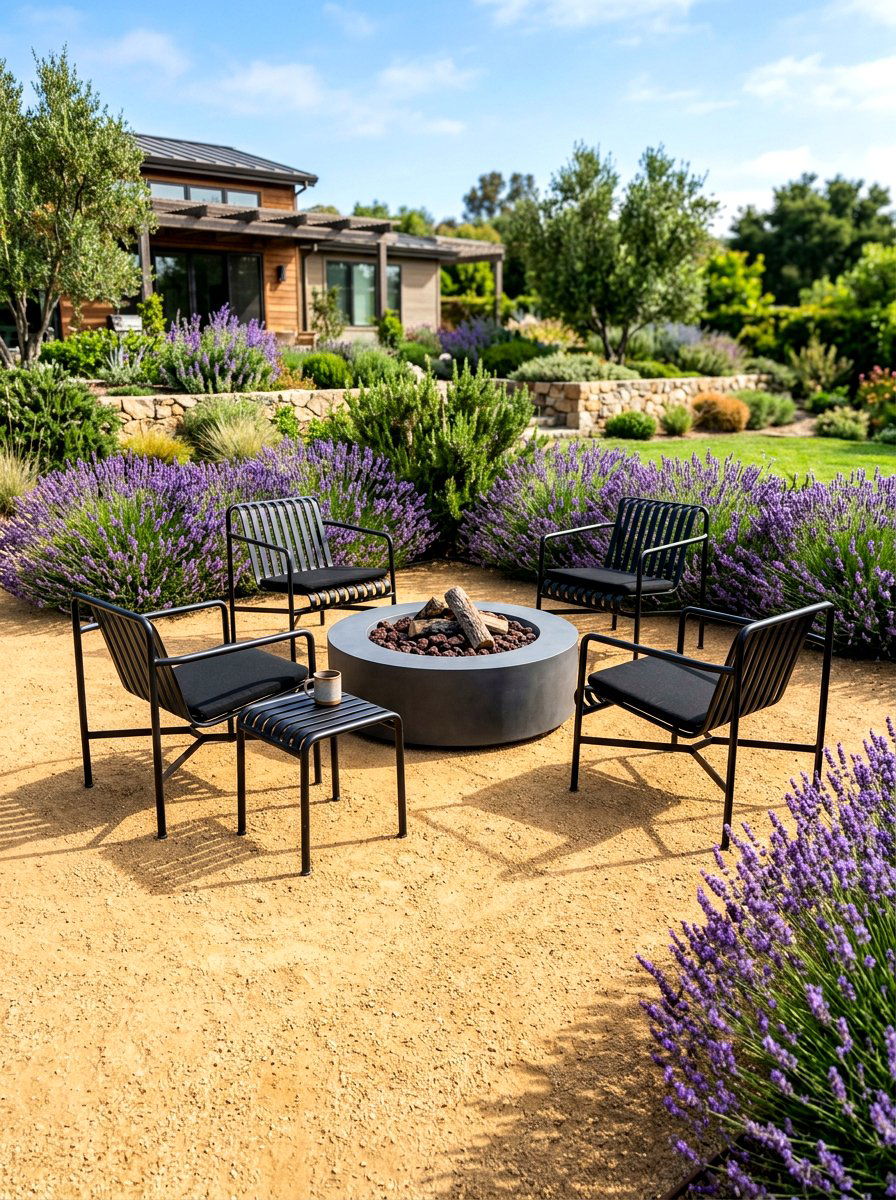
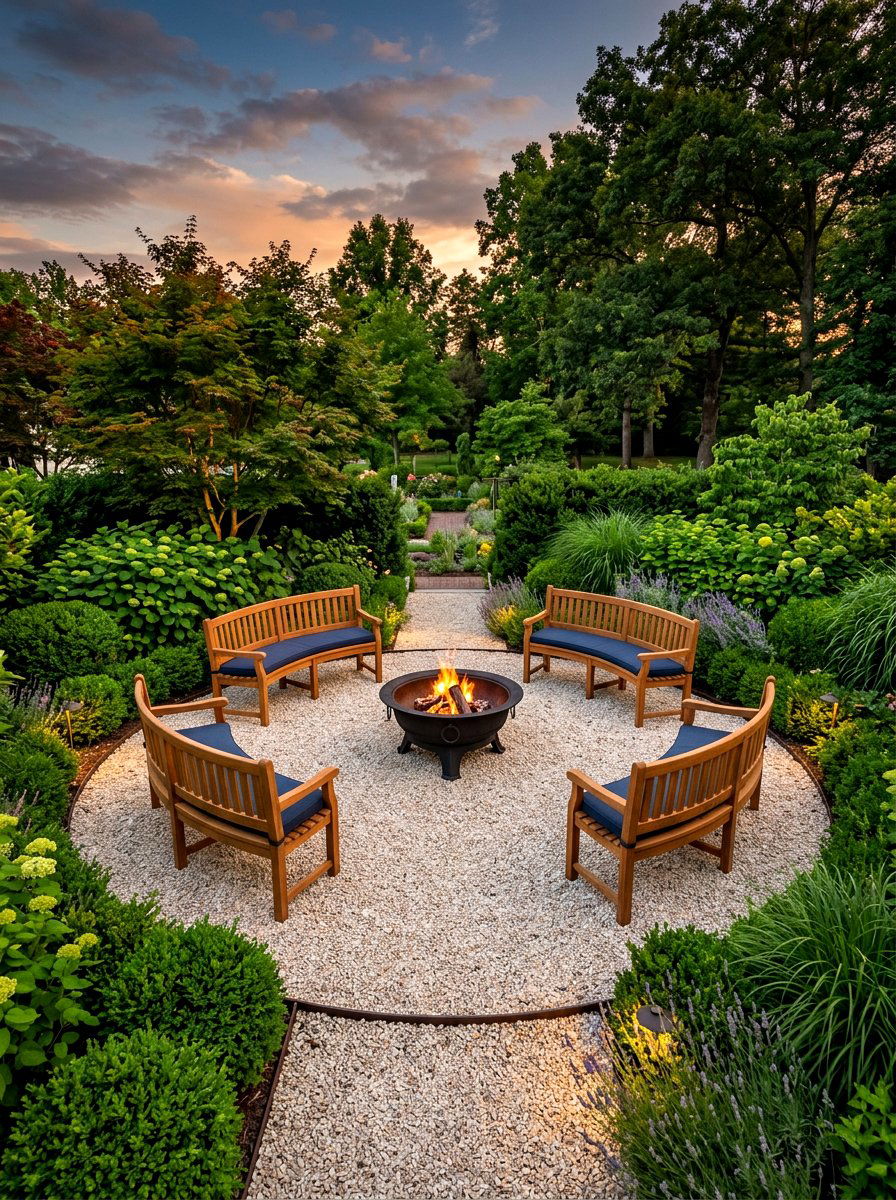
Decomposed granite is a popular and affordable alternative to traditional concrete or grass for creating a functional seating area. This material provides a soft, natural look that allows water to permeate through to the soil below, preventing runoff and erosion. A decomposed granite patio design typically defines a clear lounge area, often bordered by metal edging or natural stones to keep the material contained. It creates a stable surface for patio furniture, fire pits, and potted plants while maintaining an earthy, Mediterranean feel. Because it doesn’t require watering or mowing, it is an ideal solution for homeowners looking to maximize their usable outdoor living space.
4. Artificial Turf Lawn
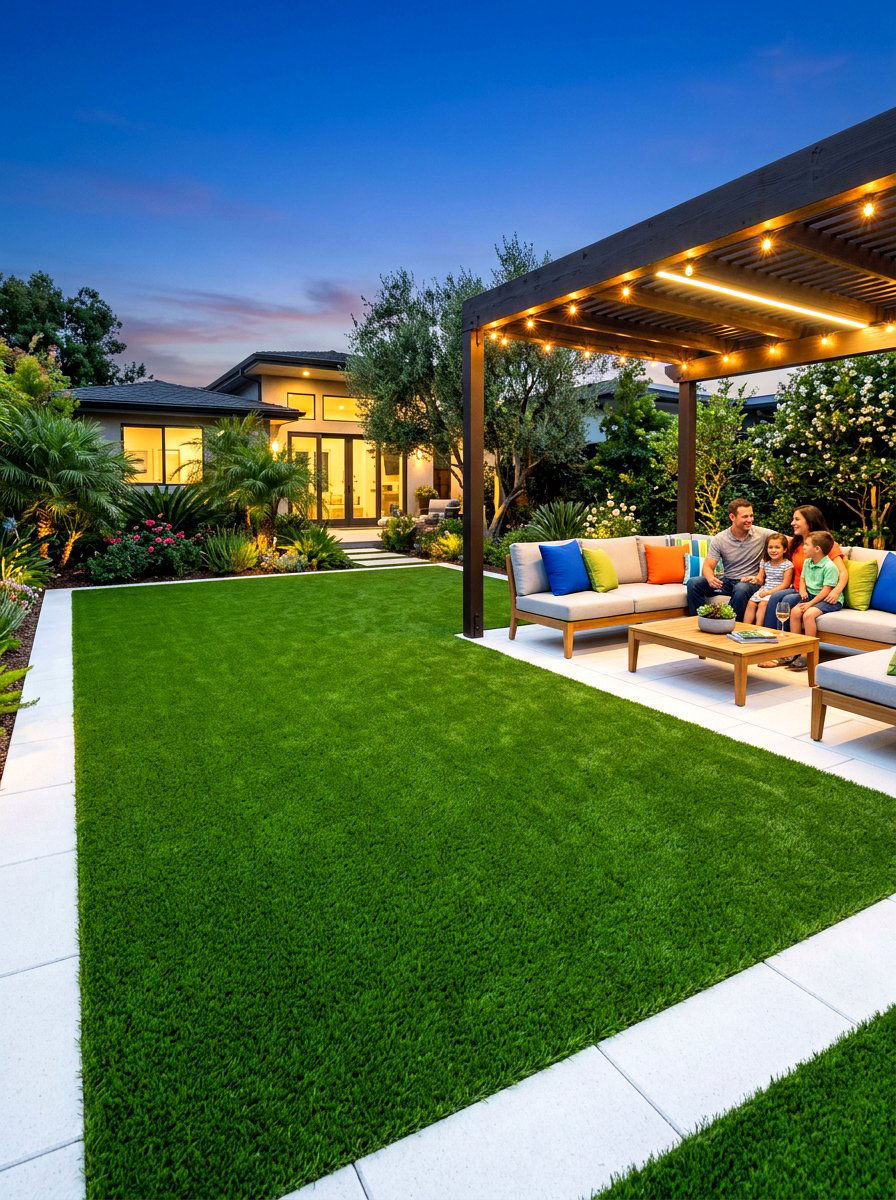
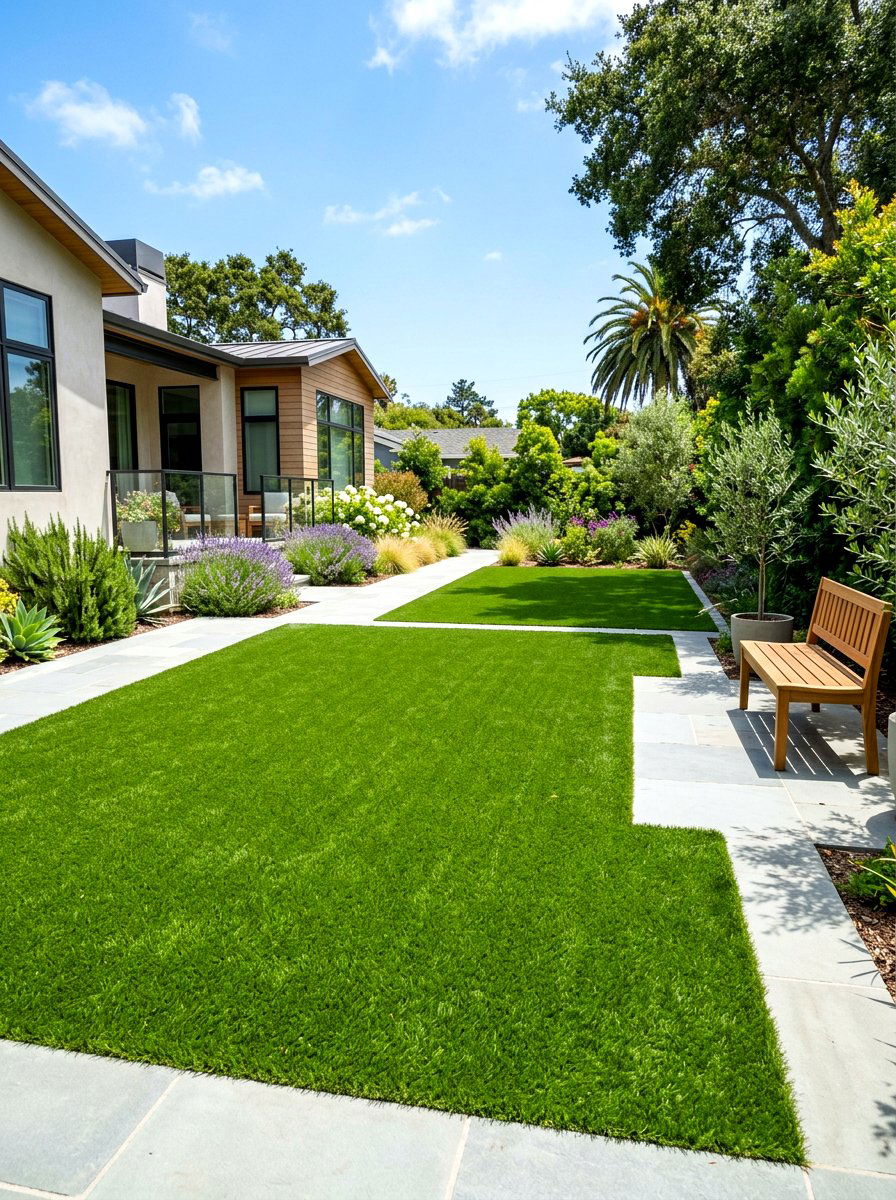
If you still love the look of a green lawn but want to eliminate the high water usage, artificial turf is a fantastic choice. Modern synthetic grass looks incredibly realistic and provides a soft, durable surface for kids and pets to play on. This design replaces thirsty natural grass with a high-quality turf system that includes proper drainage and a cooling infill. Integrating artificial turf into a backyard layout allows for a clean, manicured look that pairs beautifully with surrounding rock gardens or paved walkways. You get the visual benefit of a lush green carpet without the constant need for mowing, fertilizing, or daily morning watering.
5. Rock Garden
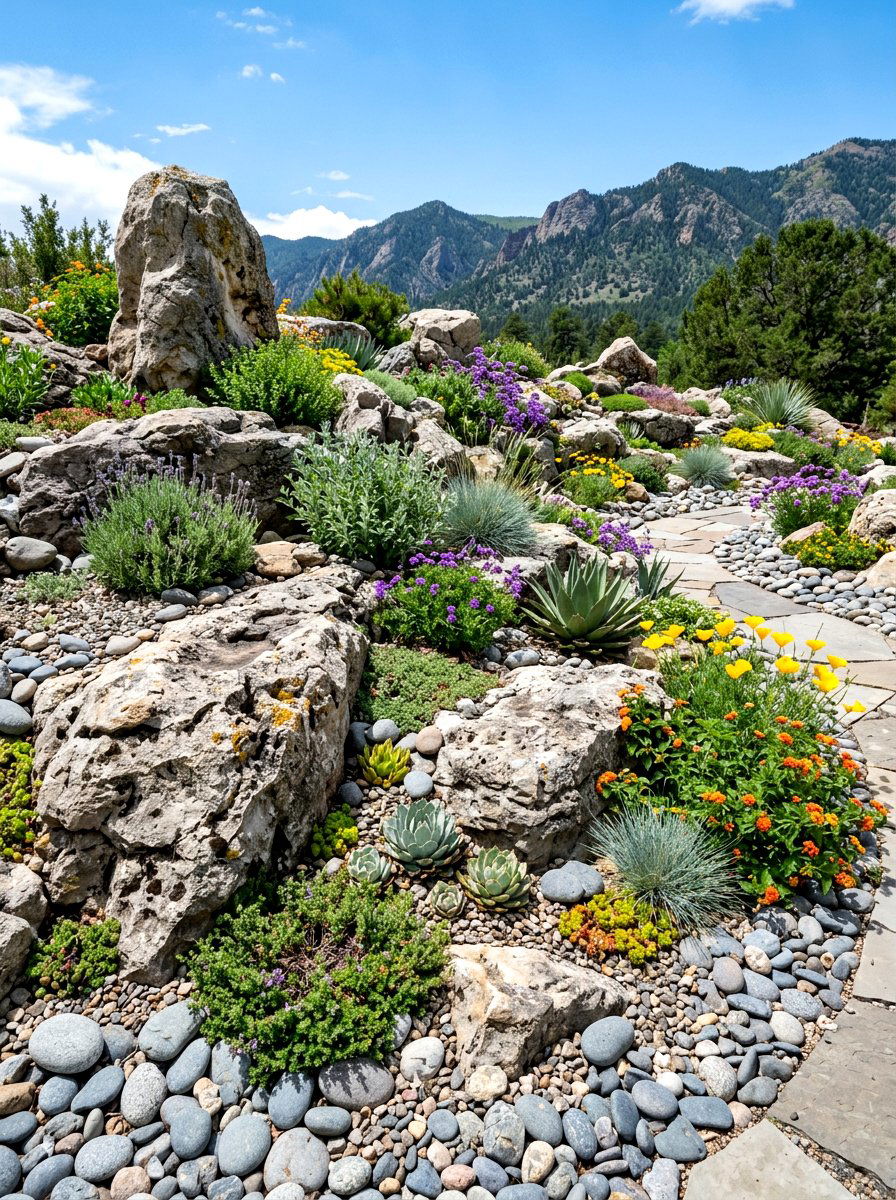
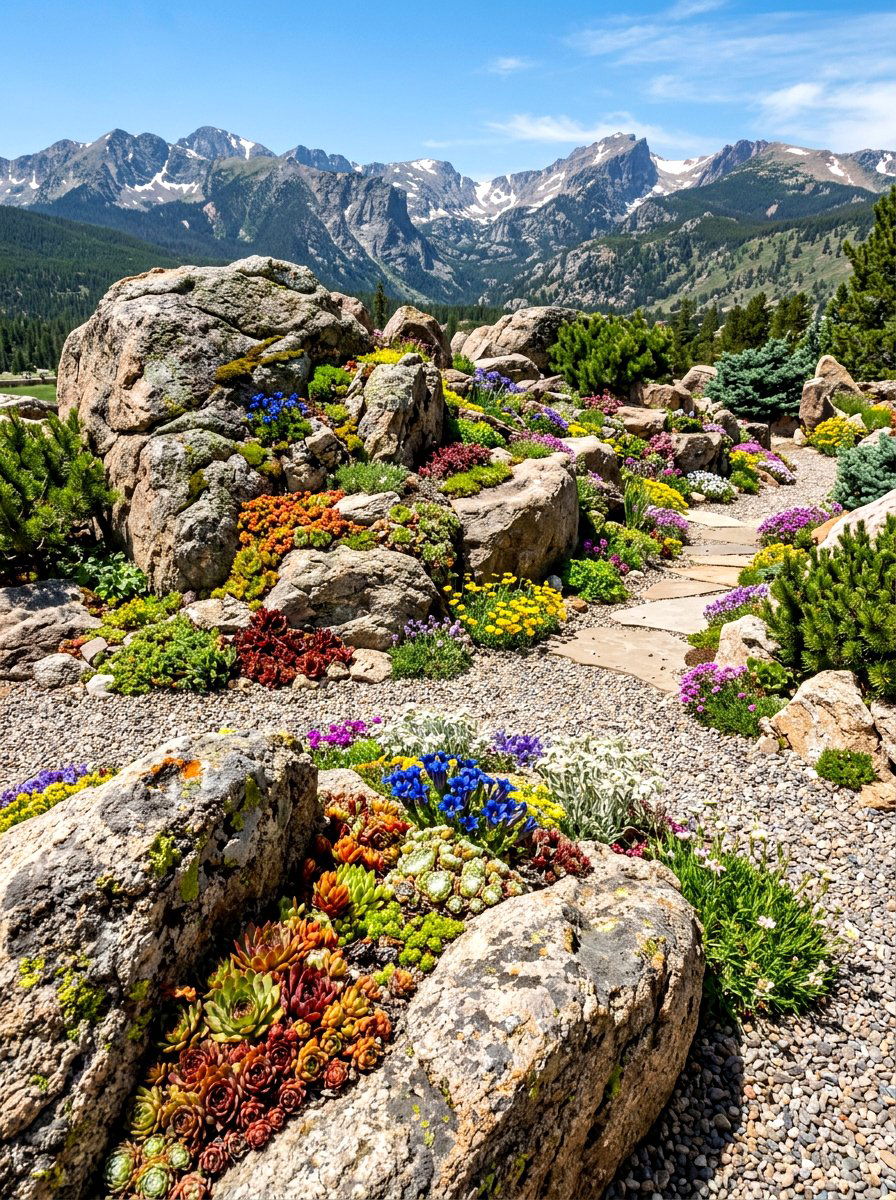
A rock garden is a sophisticated way to fill large sections of your yard with texture and visual weight. This design uses various sizes of boulders, river stones, and gravel to create a rugged, natural landscape that requires no water at all. Strategic placement of large statement rocks acts as the focal point, while smaller stones fill the gaps to create a cohesive ground cover. You can tuck small, drought-tolerant perennials or alpine plants between the rocks to add subtle pops of color and life. This approach is highly effective for slopes or areas with poor soil, providing a maintenance-free solution that looks intentionally designed and permanent.
6. Pea Gravel Path
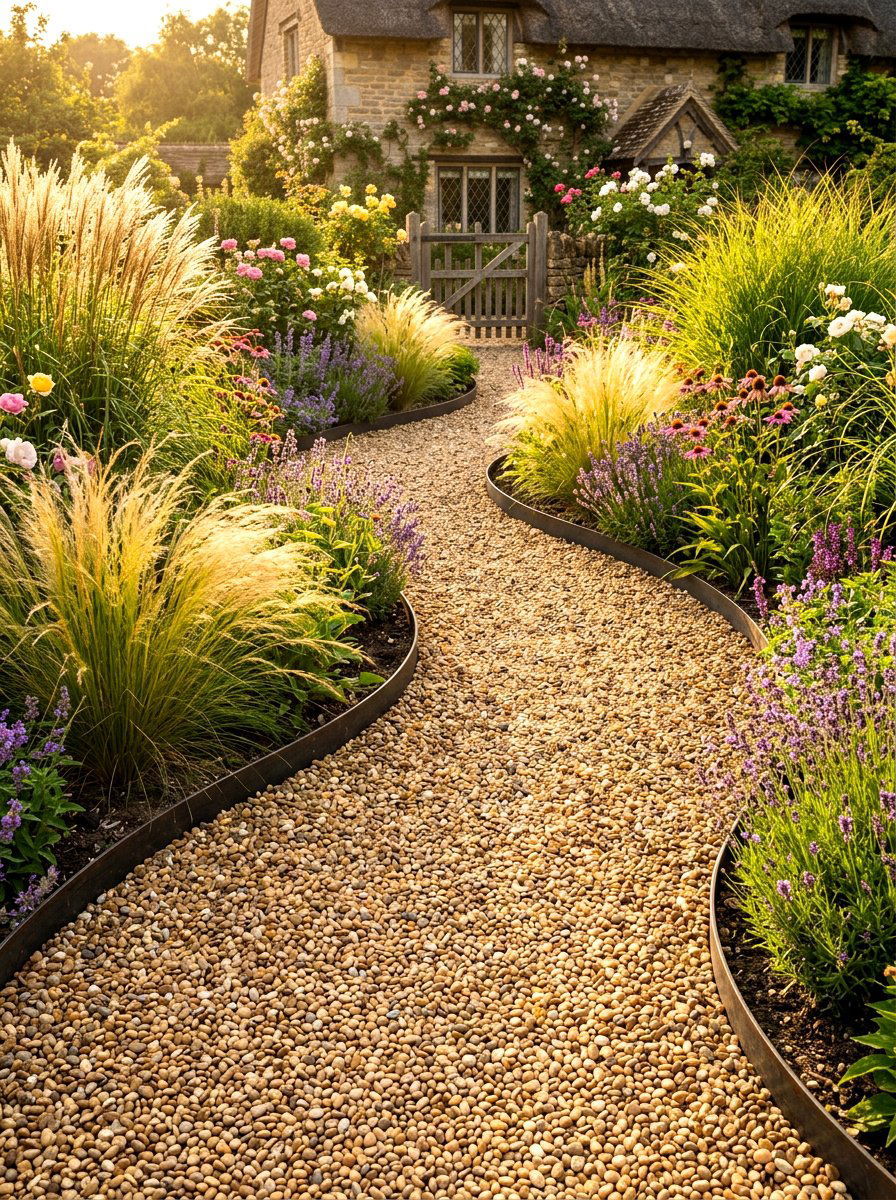
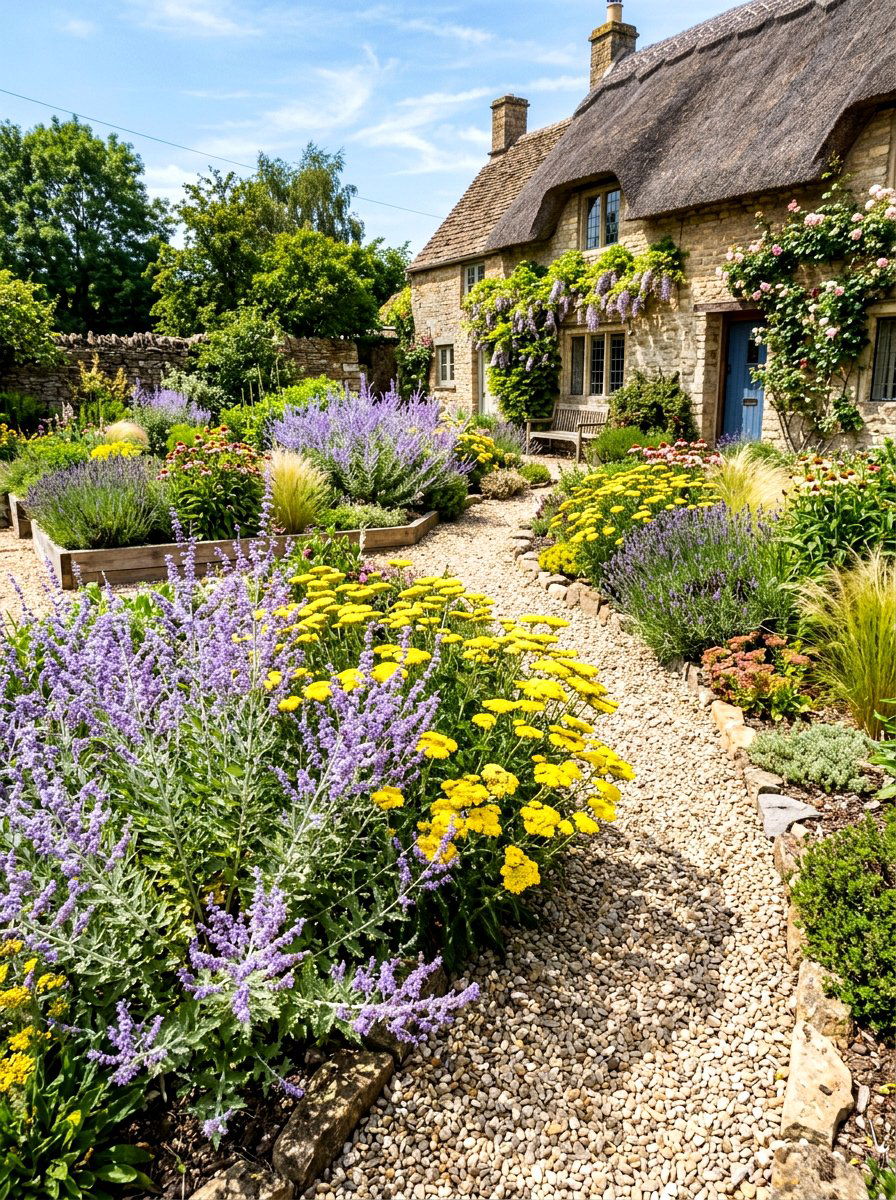
Pea gravel is a versatile material that adds a charming, crunching sound underfoot and a soft aesthetic to garden transitions. A pea gravel path design winds through the backyard, connecting different functional zones like a seating area to a vegetable garden. These paths are usually edged with wood, brick, or metal to maintain clean lines and prevent the stones from shifting into planting beds. Because the gravel is permeable, it helps manage rainwater and keeps the ground cool. Pairing these walkways with hardy ground covers or ornamental grasses creates a relaxed, cottage-style atmosphere that feels inviting and stays beautiful even during long periods of drought.
7. Mulch Ground Cover
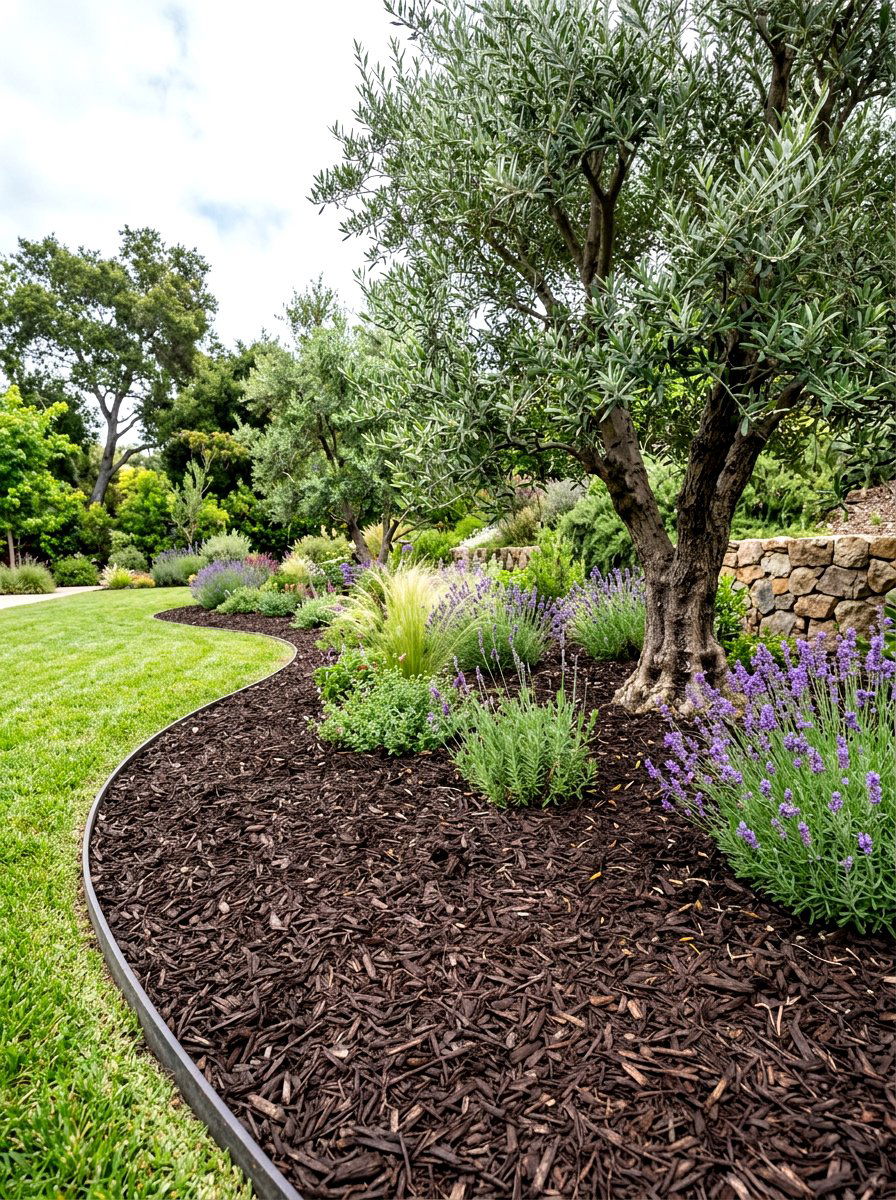
Applying a thick layer of organic mulch is a simple yet powerful design choice for any water-conscious backyard. A mulch-focused landscape replaces expansive grass areas with a clean, uniform layer of shredded bark or wood chips. This design not only suppresses weed growth but also insulates the soil, drastically reducing moisture evaporation and keeping plant roots cool. In a full backyard layout, mulch serves as a backdrop for clusters of drought-tolerant shrubs and trees, creating a professional, finished look. It’s an inexpensive way to cover ground, improve soil health over time, and create a cohesive color palette that ties the various garden elements together beautifully.
8. Rain Barrel System
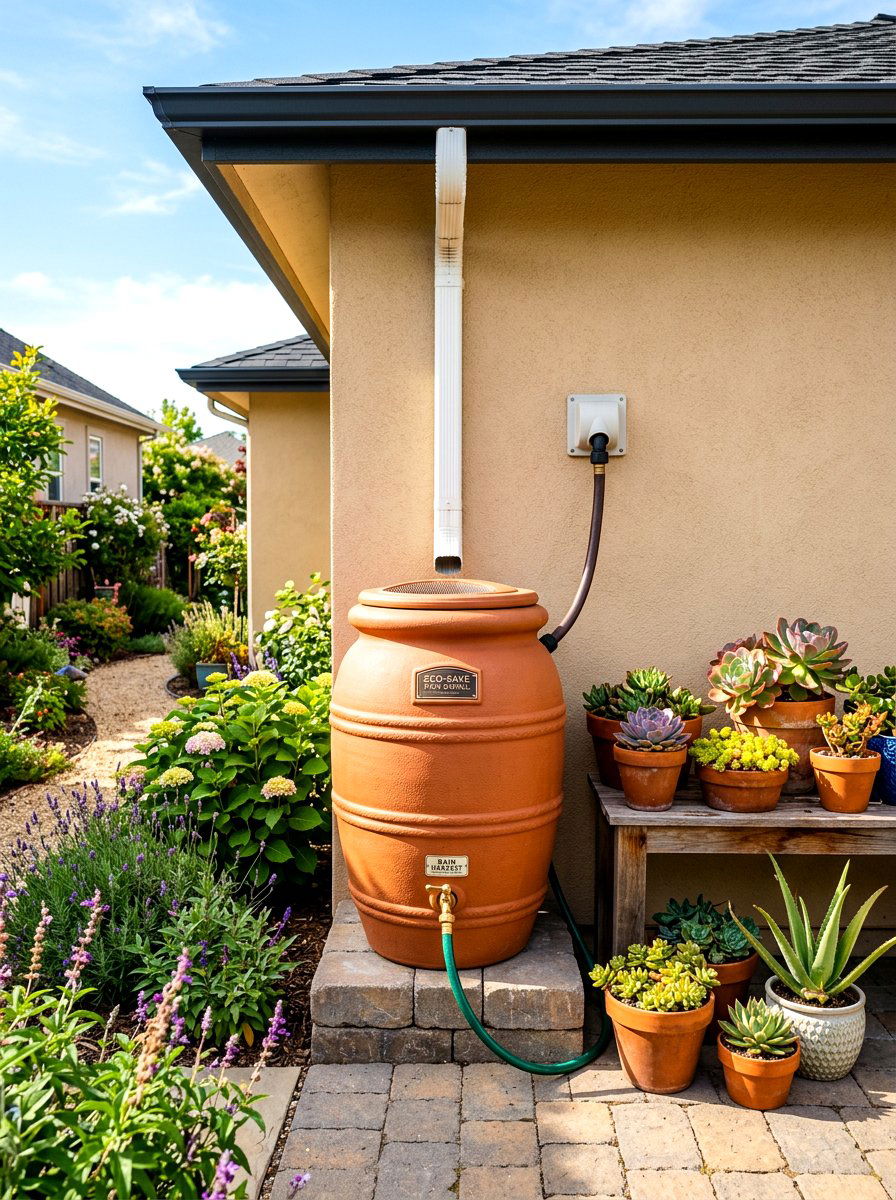
Integrating a rainwater harvesting system is a functional design choice that turns your backyard into a resource-saving machine. This setup involves placing attractive rain barrels at the base of downspouts to collect and store runoff from your roof. The stored water can then be used to hydrate potted plants or smaller garden patches during dry spells, reducing your reliance on city water. Modern rain barrel designs come in various styles that can be easily hidden with greenery or showcased as a rustic decorative element. When paired with a gravity-fed hose system, it becomes a practical tool for maintaining a healthy landscape while practicing responsible environmental stewardship.
9. Mediterranean Courtyard
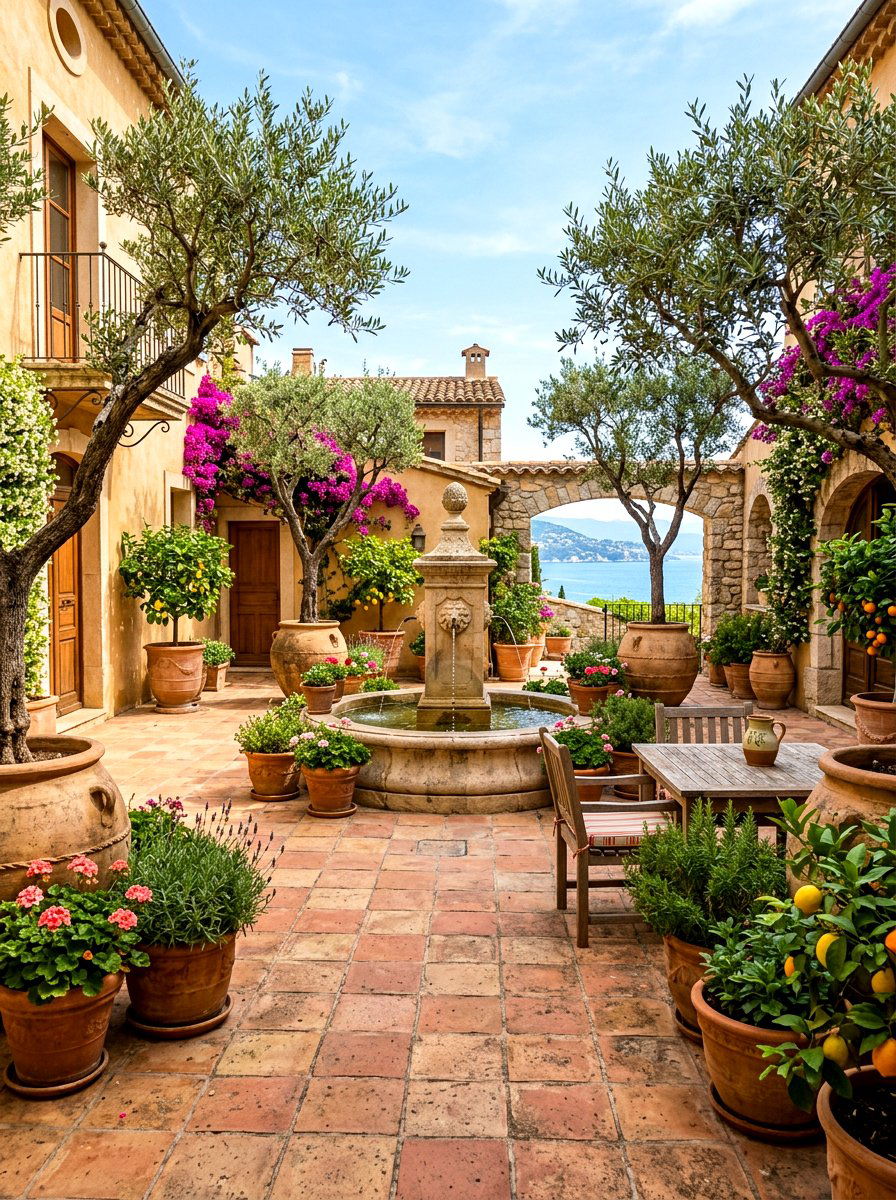
A Mediterranean courtyard design focuses on hardscaping and drought-tolerant plants to create a warm, sun-drenched retreat. This style typically features terracotta tiles or stone pavers combined with heat-loving plants like olive trees, lavender, and rosemary. The layout often includes a central fountain or a shaded seating area under a pergola to provide relief from the heat. Since many Mediterranean plants are naturally resistant to dry conditions, they thrive with very little help. This backyard theme emphasizes a lifestyle of outdoor dining and relaxation, using earthy tones and fragrant herbs to transport you to a coastal villa without ever leaving your home.
10. Ornamental Grass Border
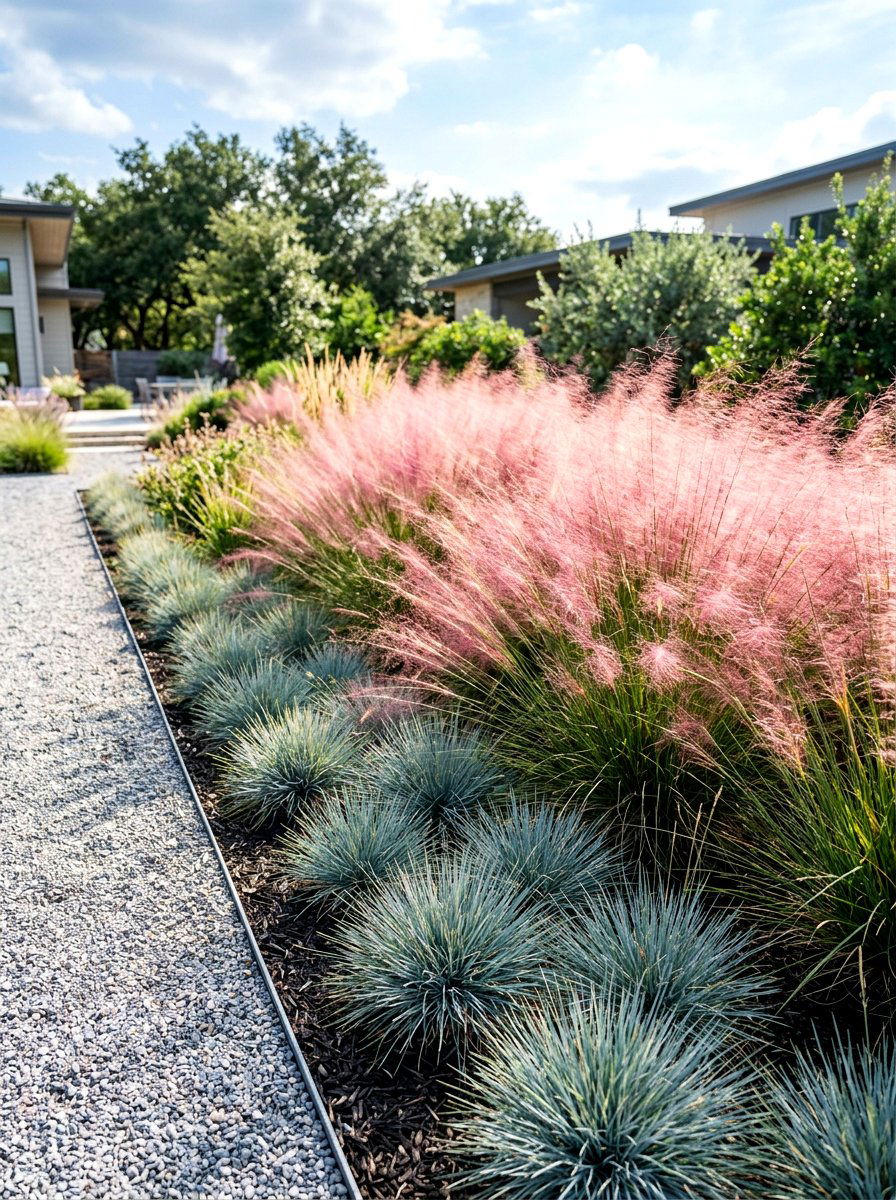
Ornamental grasses are prized in low water designs for their movement, texture, and year-round interest. A design centered on these plants uses varieties like blue fescue, fountain grass, or muhly grass to create soft, swaying borders along fences or walkways. These grasses are exceptionally hardy and require very little water once they are established. Their fine foliage contrasts beautifully with broader-leafed succulents or solid hardscape elements. In the autumn, many species produce feathery plumes that catch the light, adding a magical quality to the garden. Using ornamental grasses en masse creates a contemporary, meadow-like feel that requires almost zero maintenance beyond a yearly trim.
11. Flagstone Walkway
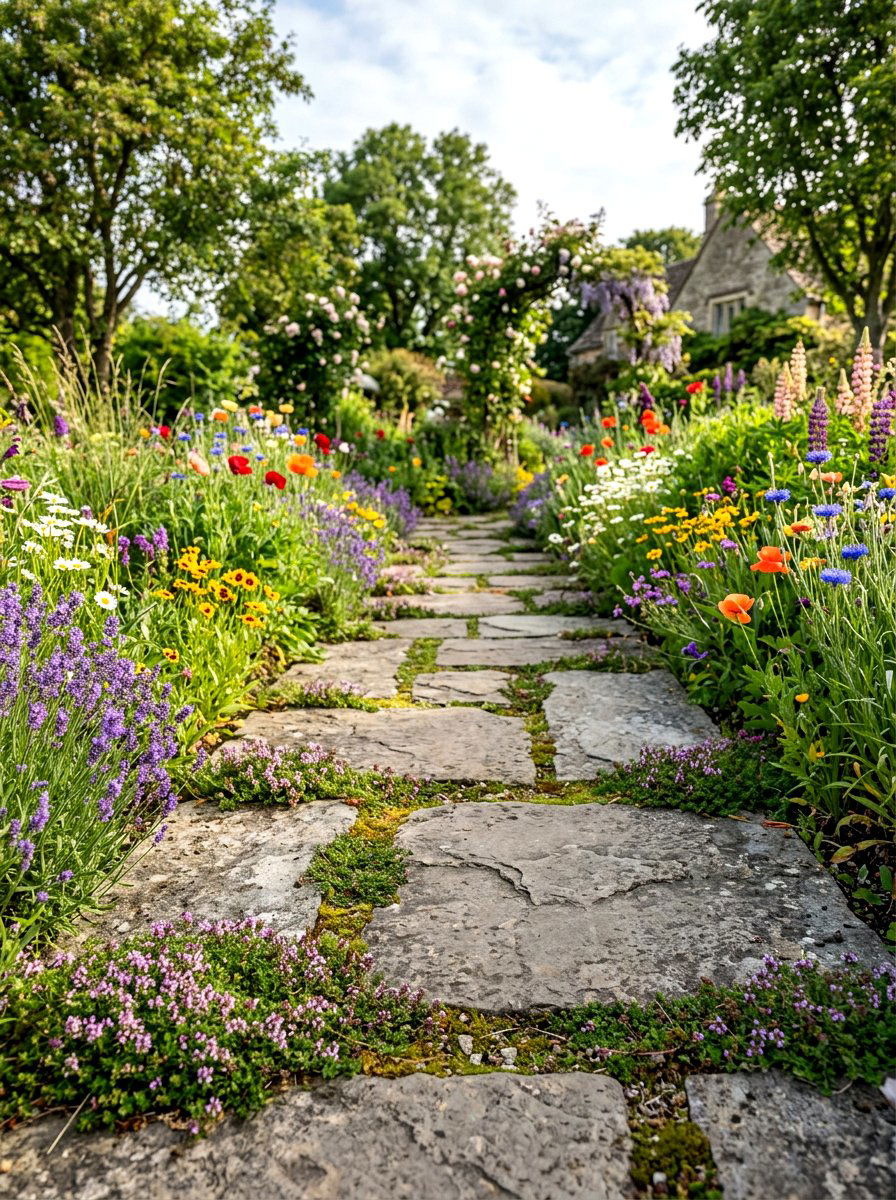
Flagstones offer a timeless and durable way to navigate your backyard while keeping the ground permeable. A flagstone walkway design uses large, irregular stone slabs set into a base of sand or fine gravel, allowing water to seep through the gaps. This layout creates a natural, organic look that blends seamlessly with the surrounding environment. You can fill the spaces between the stones with low-growing, drought-tolerant ground covers like creeping thyme or sedum to add a soft, green touch. This combination of hard stone and resilient greenery creates a picturesque path that withstands heavy foot traffic and stays attractive with minimal effort and no irrigation.
12. Lavender Garden
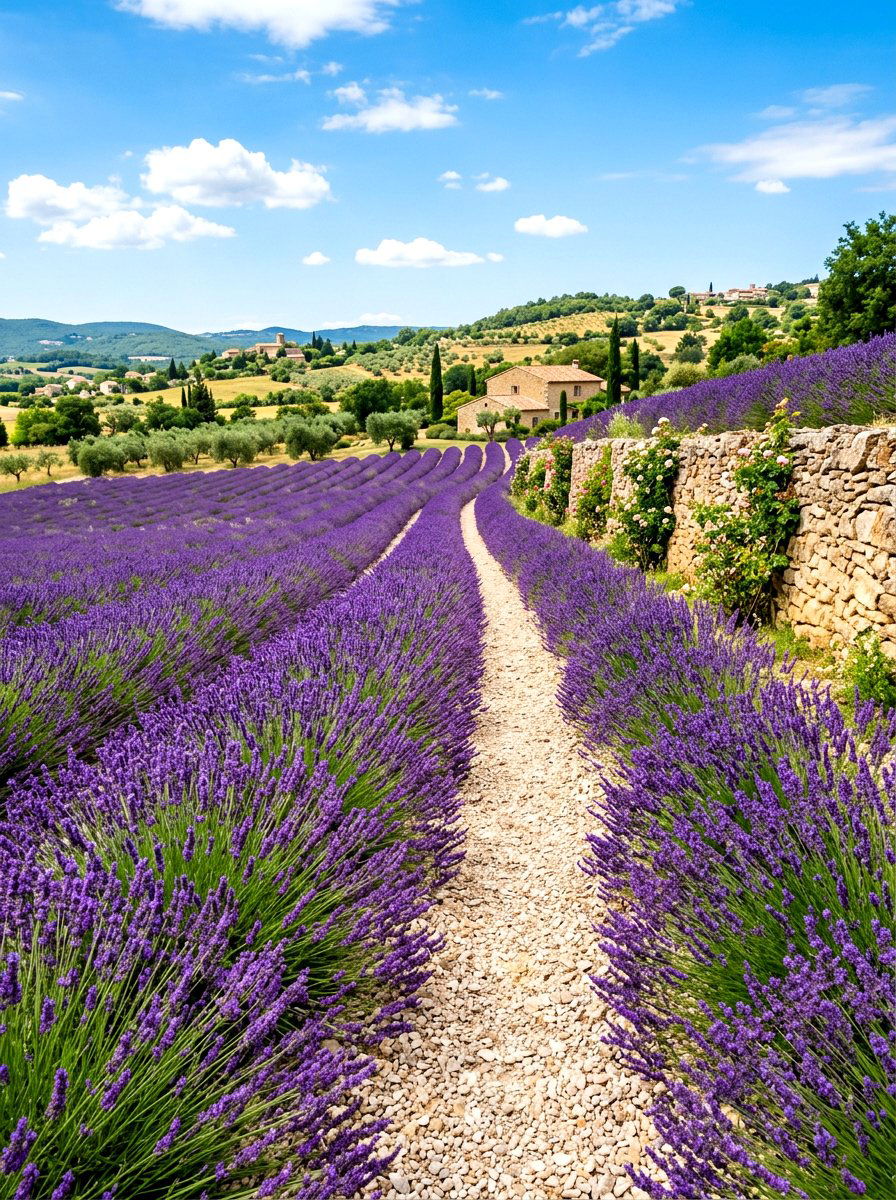
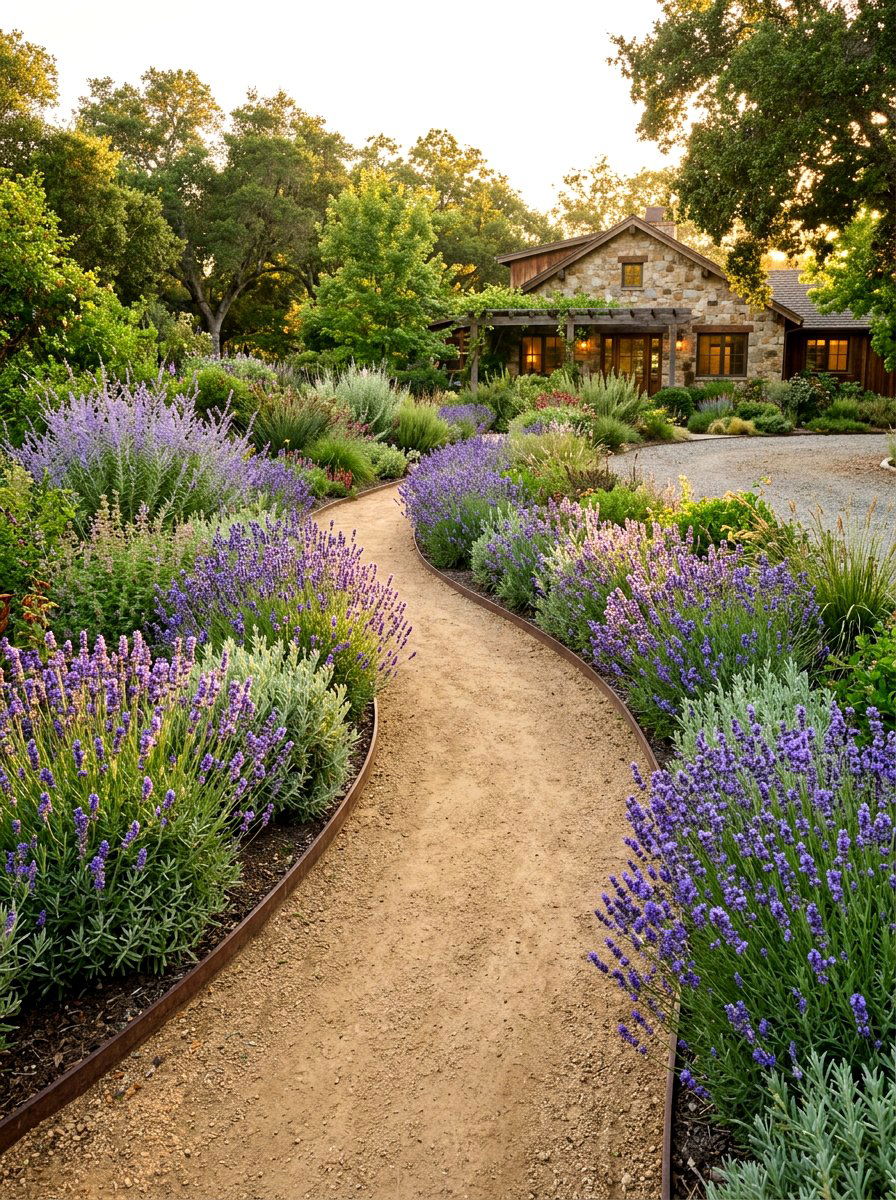
Lavender is a quintessential choice for water-wise gardening due to its incredible fragrance and ability to thrive in poor, dry soil. A lavender-focused backyard design features long rows or large clusters of these purple-flowered shrubs, creating a sensory experience every time you step outside. Lavender requires very little water and loves full sun, making it perfect for exposed backyard areas. The silvery foliage provides color even when the plants aren't in bloom. This design often includes gravel paths and stone walls to reflect the heat lavender loves. It attracts beneficial pollinators while repelling common garden pests, making it as functional as it is beautiful.
13. Xeriscape
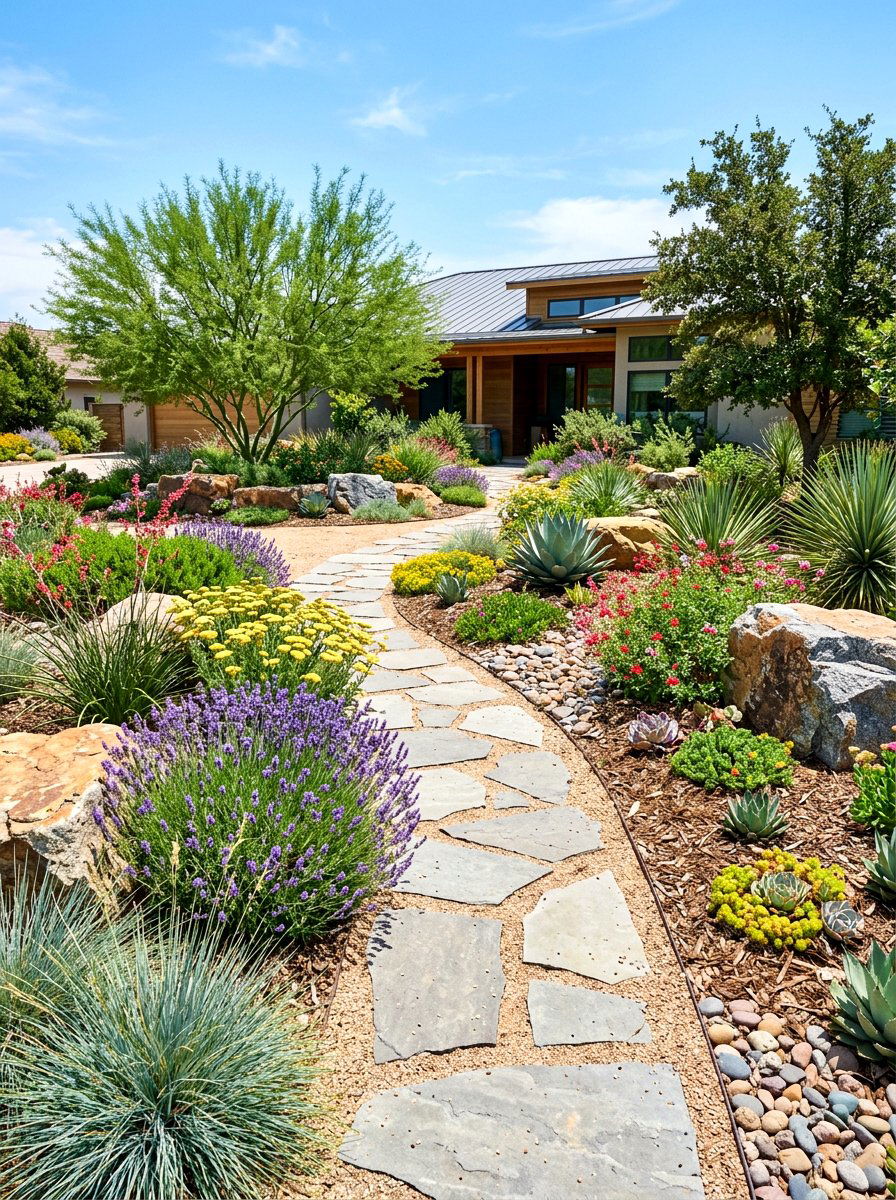
The term xeriscape refers to a comprehensive landscaping philosophy specifically designed for water conservation. A full xeriscape backyard integrates several techniques, including efficient irrigation, soil improvement, and the use of drought-resistant plants. The design often replaces traditional lawns with a mix of mulched garden beds, stone pathways, and hardy perennials. It focuses on grouping plants with similar water needs together, a practice known as hydrozoning, to ensure no water is wasted. Xeriscaping doesn't mean a yard full of rocks; instead, it can be a lush, colorful, and vibrant space that simply uses 50% to 75% less water than a conventional landscape.
14. Drought Tolerant Shrubbery
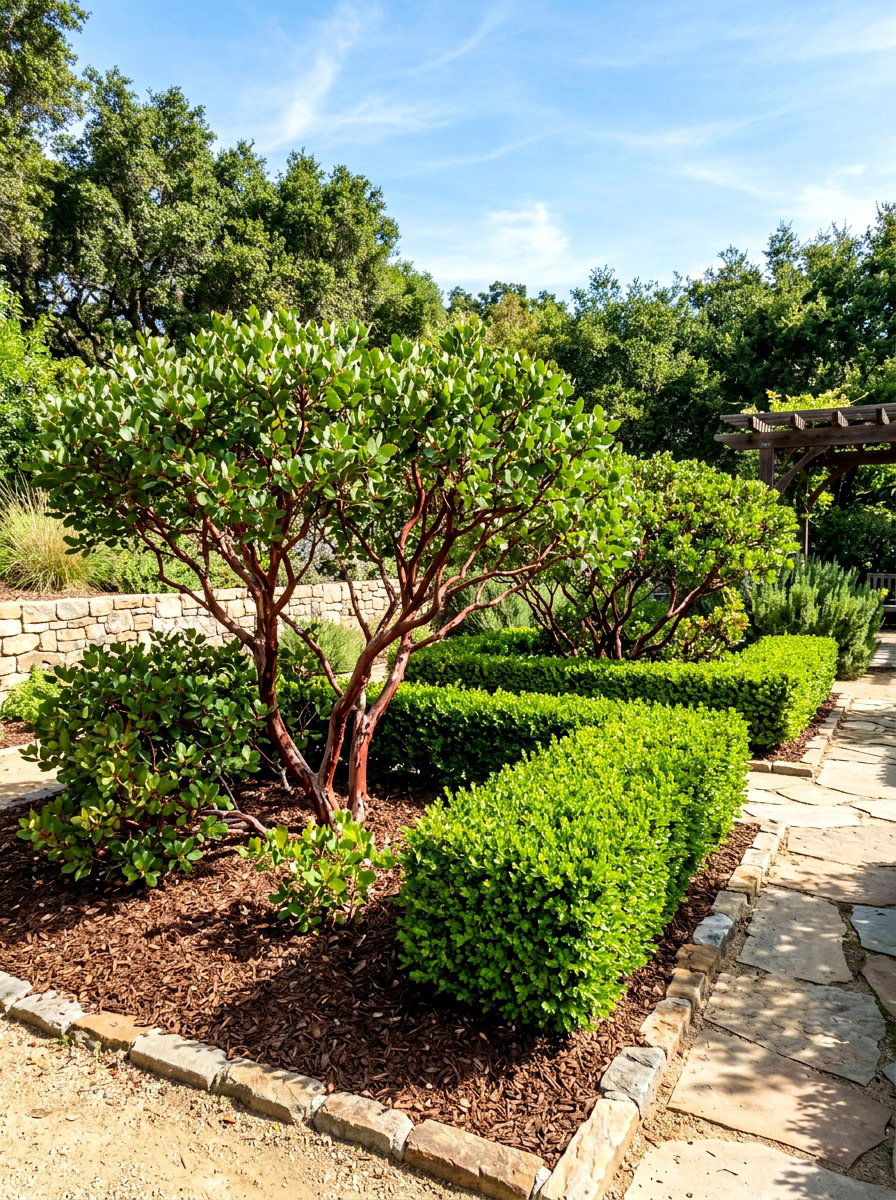
Shrubs provide the structure and privacy every backyard needs without the heavy water demands of a traditional hedge. A design using drought-tolerant shrubs like manzanita, boxwood, or buckthorn creates a green framework for your outdoor space. These hardy plants are excellent for creating windbreaks, screening neighbors, or defining the perimeter of your property. Once their root systems are deep, they can survive on natural rainfall alone in many climates. By choosing varieties with interesting bark or evergreen leaves, you ensure your backyard looks full and vibrant throughout the winter months. This approach offers a low-maintenance way to maintain a lush, private garden.
15. Permeable Paver Patio
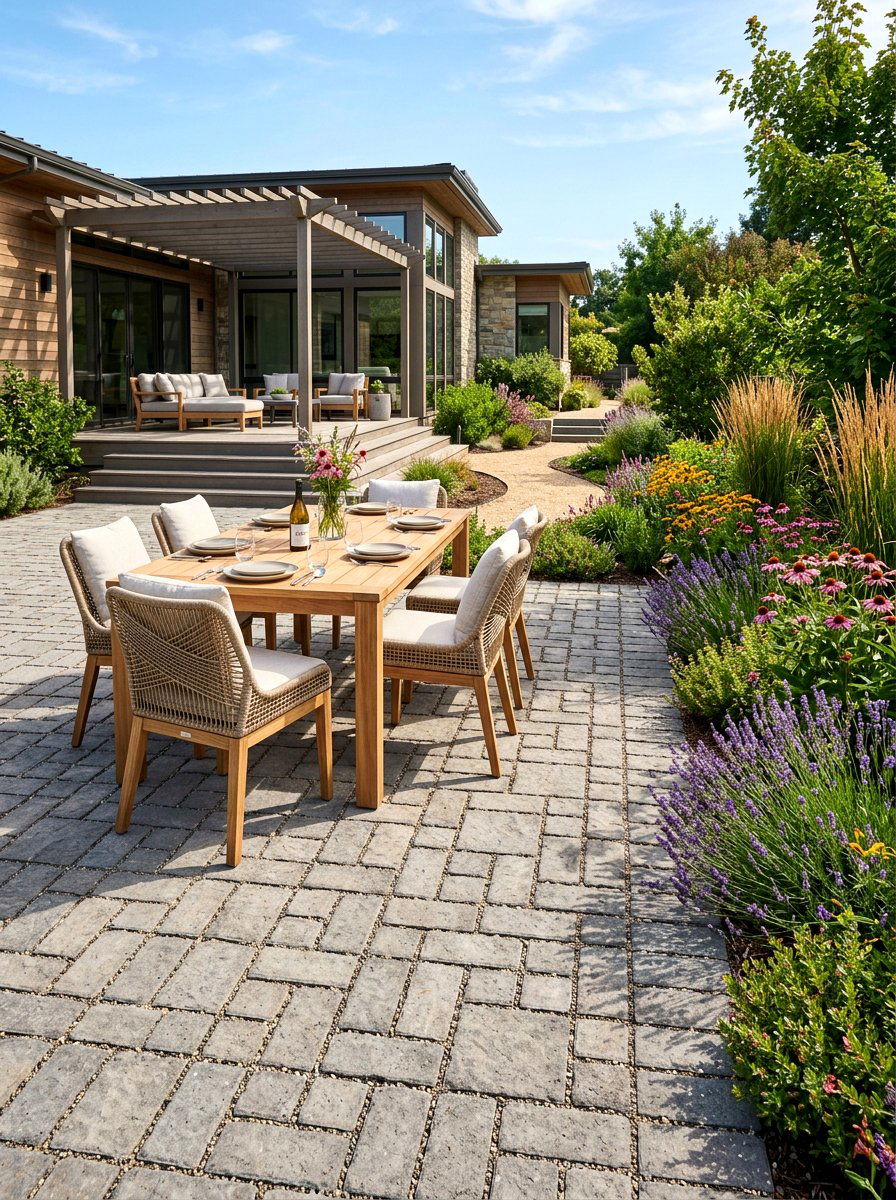
Permeable pavers are a smart engineering choice for a modern, low water backyard patio. Unlike solid concrete, these pavers are designed with small gaps that allow rainwater to filter directly into the ground, recharging the local water table. A permeable paver patio design provides a flat, professional surface for dining sets and grills while preventing puddles and runoff issues. The pavers come in various colors and styles, allowing you to create a high-end look that suits your home's architecture. This design is both environmentally responsible and visually stunning, offering a clean-lined foundation for an outdoor living room that stays dry and eco-friendly.
16. Cacti Landscape
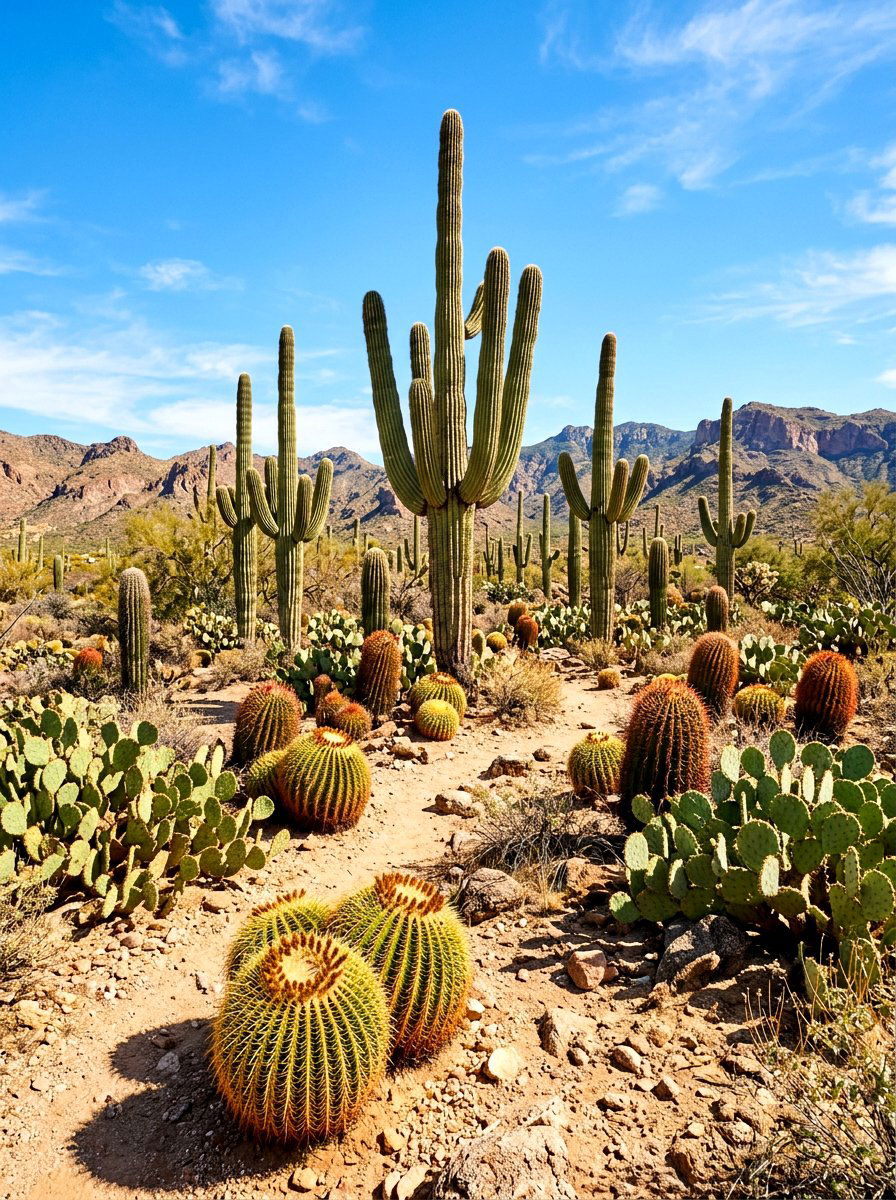
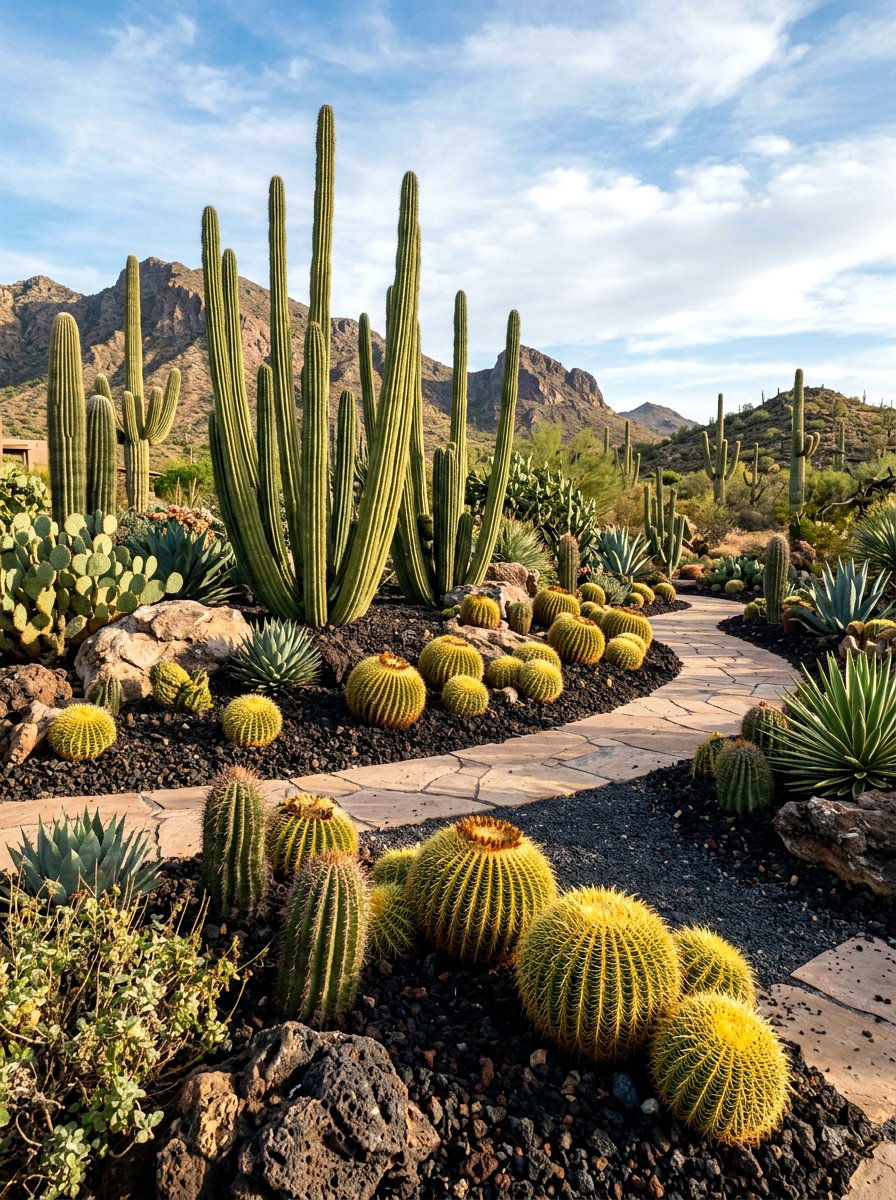
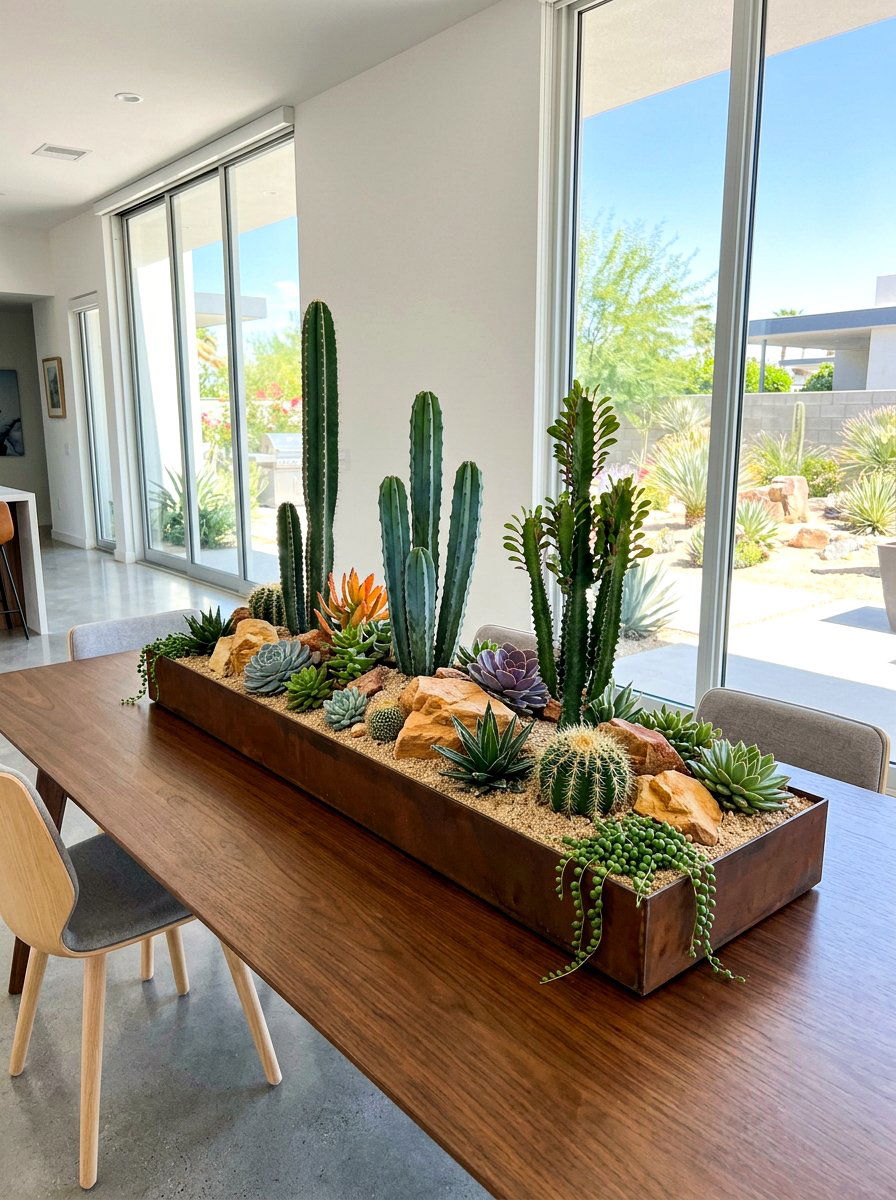
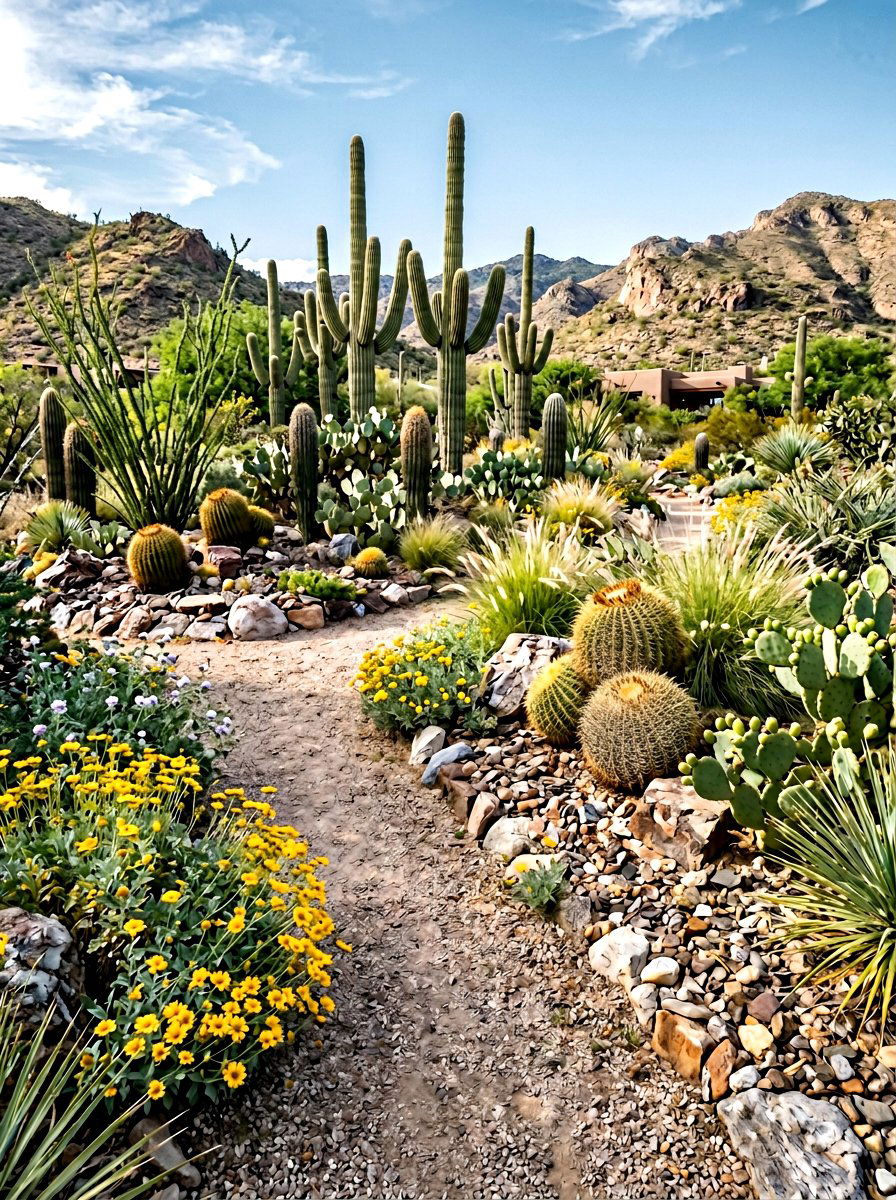
For the ultimate low water commitment, a cacti landscape offers an exotic and bold aesthetic. This design uses various cacti species, from tall organ pipe varieties to round barrel cacti, to create a desert-inspired sanctuary. Cacti are incredibly efficient at storing water, allowing them to thrive in the harshest sun with almost no attention. The design typically incorporates sandy soil and decorative boulders to mimic a natural desert floor. By varying the heights and textures of the cacti, you can create a visually striking garden that feels like a piece of art. This style is incredibly modern and perfect for homeowners who want maximum impact with minimal work.
17. Dry Creek Bed
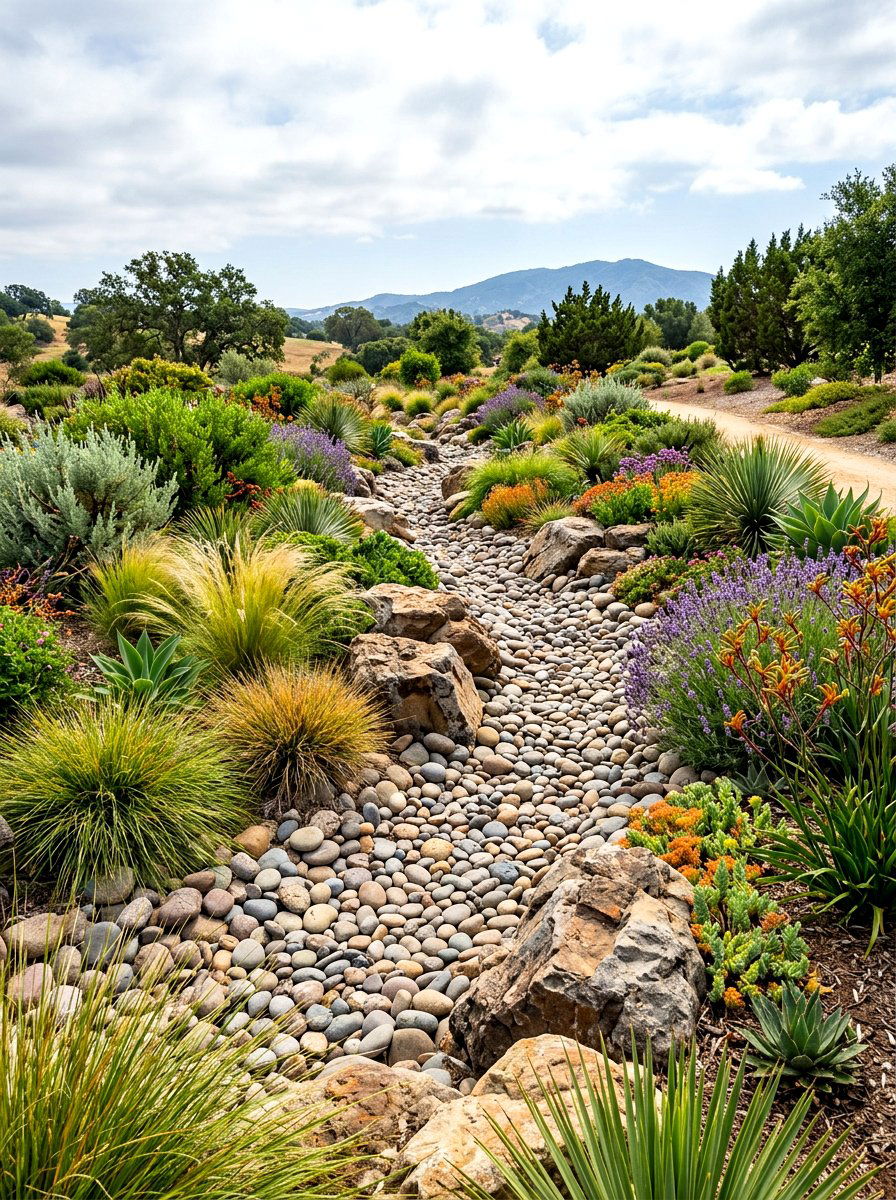
A dry creek bed is a clever design element that adds a sense of water to the backyard without actually using any. This feature uses a winding path of river rocks and boulders to mimic the look of a natural stream that has dried up. Beyond its visual appeal, a dry creek bed serves a practical purpose by directing drainage during heavy rain, preventing soil erosion. Lining the "banks" of the creek with drought-tolerant grasses and flowering perennials creates a lush, riparian look. It’s a fantastic way to break up a flat yard and add topographical interest while keeping the entire space water-wise and low maintenance.
18. Wildflower Meadow
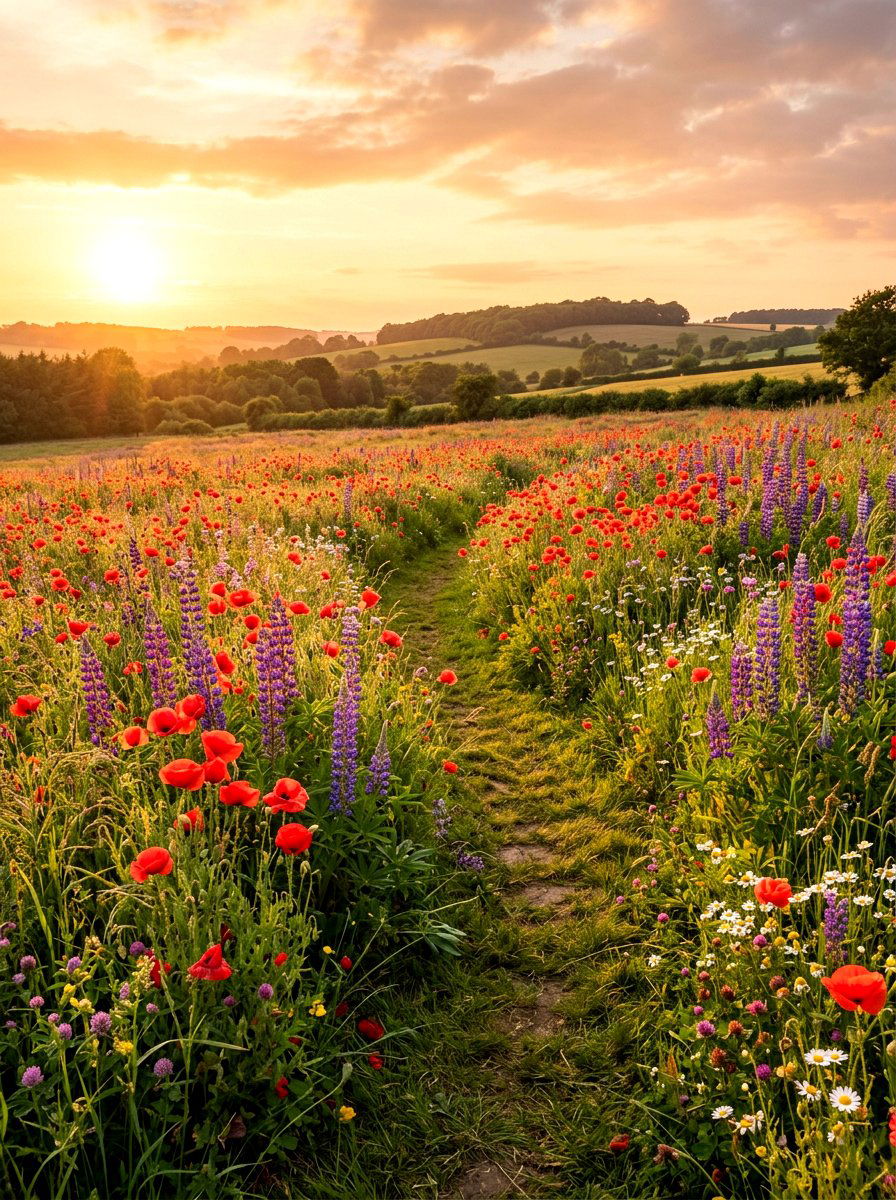
Replacing a traditional lawn with a wildflower meadow is a beautiful way to embrace biodiversity and save water. This design involves seeding a large area with a mix of native wildflowers and grasses that thrive on natural precipitation. As the meadow grows, it creates a colorful, ever-changing landscape that provides food and shelter for birds and butterflies. A wildflower meadow requires no mowing once established, only a single yearly trim to encourage new growth. It offers a relaxed, romantic aesthetic that feels much more alive than a static green lawn. This approach is perfect for larger backyards where you want to reduce maintenance and enhance the local ecosystem.
19. Modern Concrete Slab
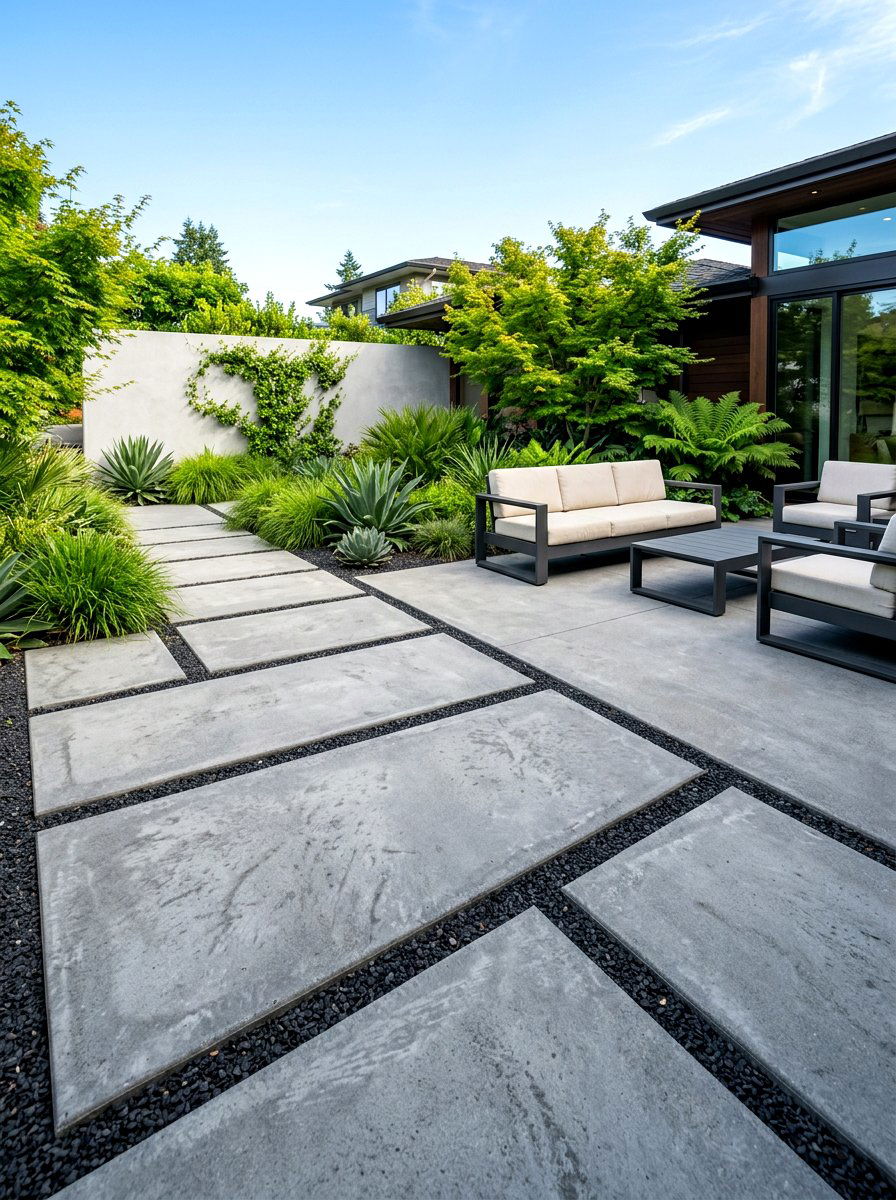
Large-scale concrete slabs separated by narrow gaps of gravel or ground cover offer a sleek, minimalist look for a contemporary backyard. This design creates a series of "floating" steps or a geometric patio area that feels very high-end. The gaps between the slabs are filled with permeable materials like decomposed granite or hardy moss, ensuring that rainwater is absorbed rather than running off. This layout minimizes the area that requires irrigation while providing a clean, durable surface for modern outdoor furniture. It’s a sophisticated way to handle hardscaping that prioritizes both style and water efficiency, making it a favorite for homeowners with a modern aesthetic.
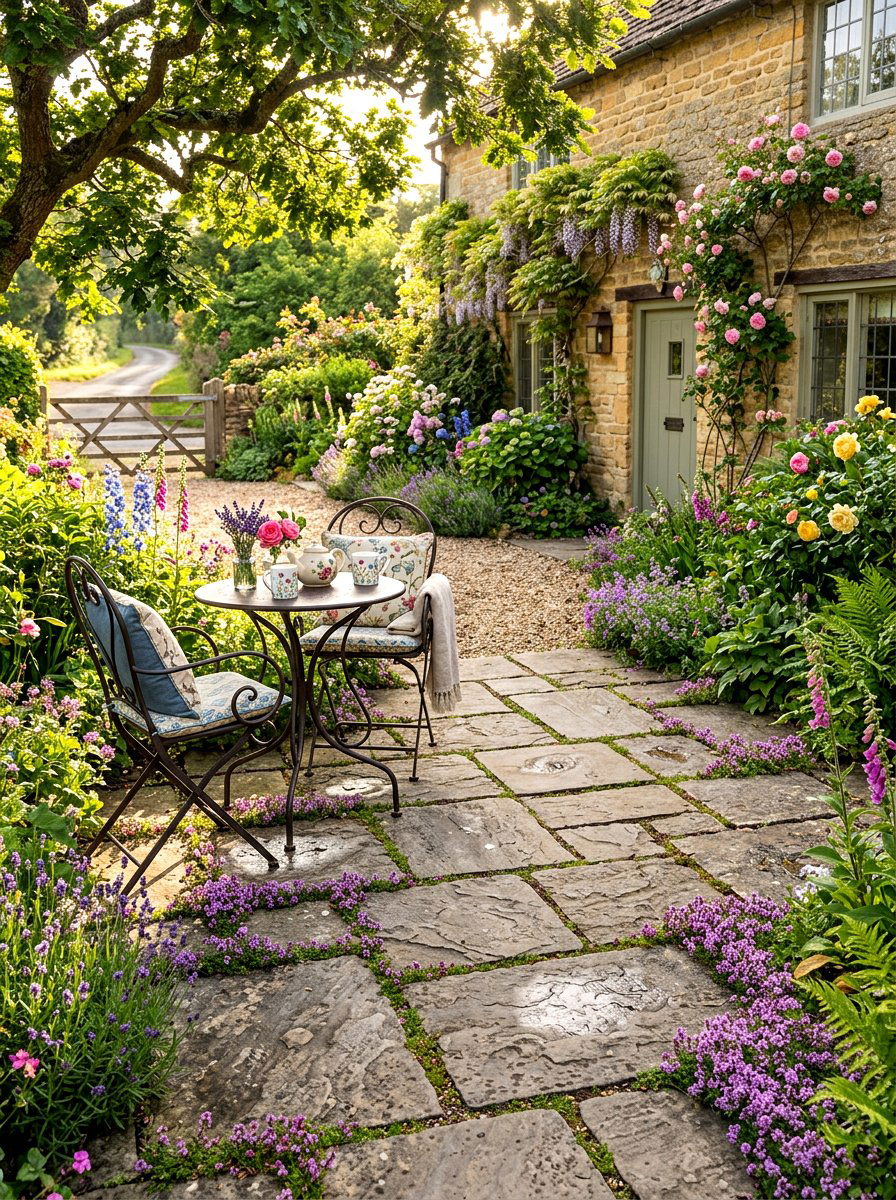
20. Potted Desert Garden
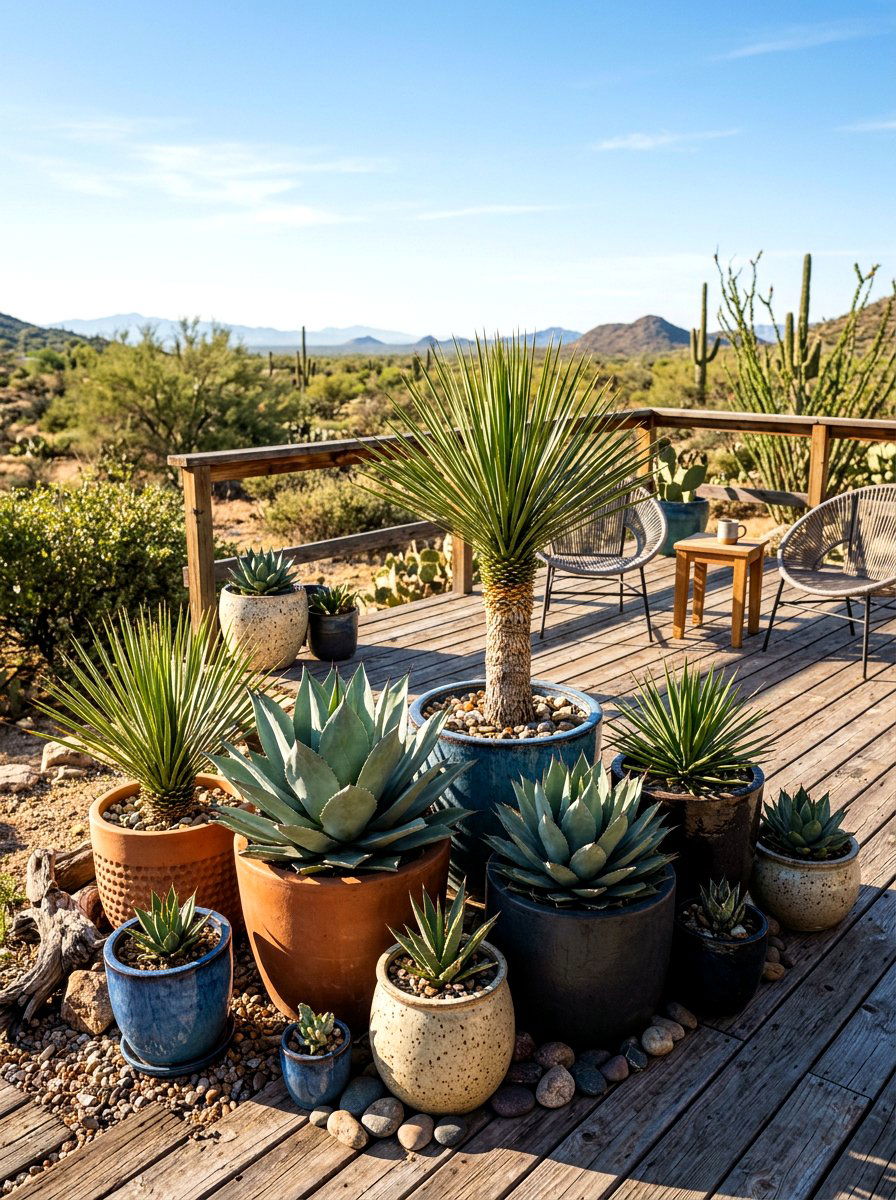
If you have a small backyard or a large paved area, a potted desert garden is a great way to introduce greenery without a complex irrigation system. This design uses a collection of large, stylish containers filled with drought-tolerant plants like yuccas, agaves, and small cacti. By grouping pots of different sizes and colors together, you create a lush focal point that can be easily moved or adjusted. Containers allow you to provide the specific well-draining soil these plants need to thrive. This approach makes it easy to manage watering and ensures your backyard stays vibrant and organized without the need for digging or permanent landscape changes.
21. Pergola Shade Area
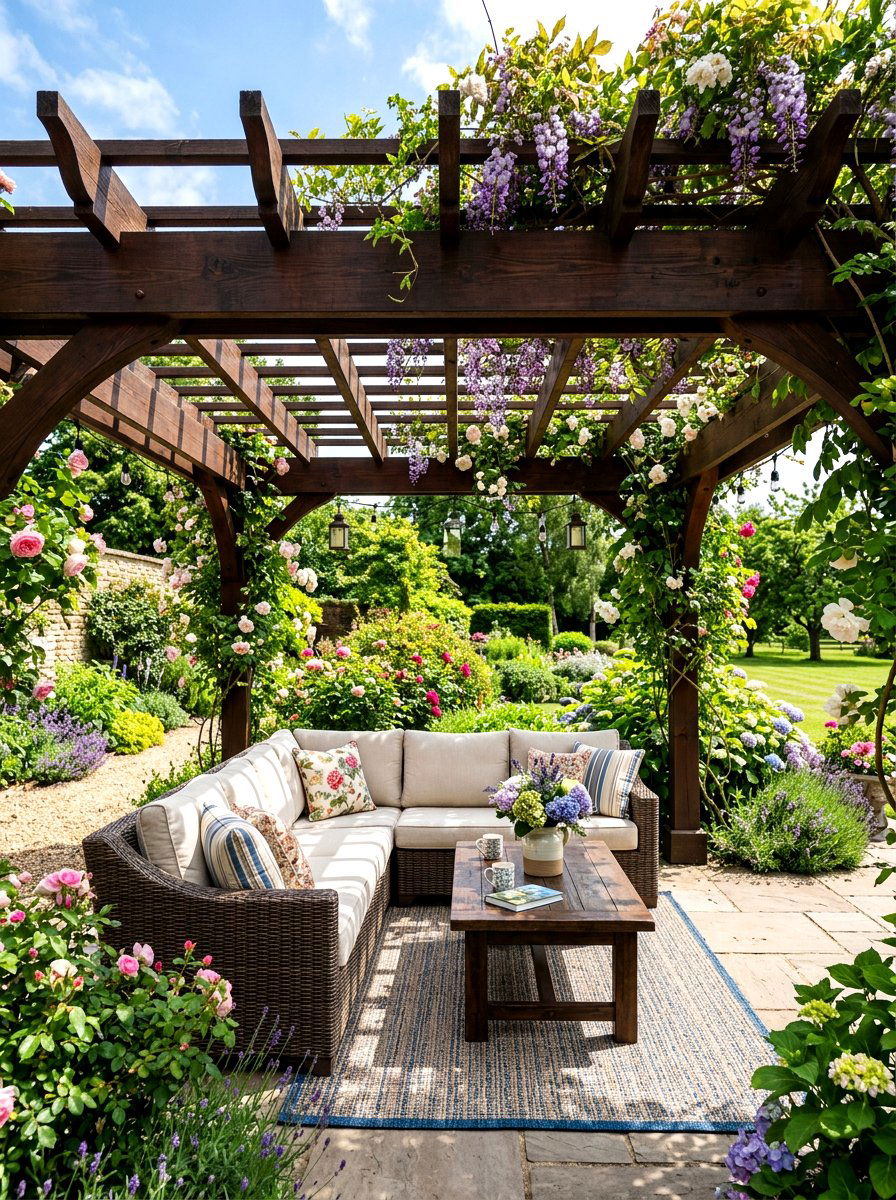
Reducing the temperature of your backyard can actually help your plants survive with less water. A pergola shade structure design provides a cool retreat for you and your landscape. By creating a shaded zone, you reduce the rate of evaporation from the soil and potted plants underneath. You can grow drought-tolerant vines like wisteria or bougainvillea over the rafters to add natural beauty and even more cooling power. This structure anchors the backyard design, providing a clear destination for relaxation or dining. It’s a stylish architectural feature that makes the outdoor space more comfortable during the peak of summer while supporting a water-saving environment.
22. Fire Pit Zone
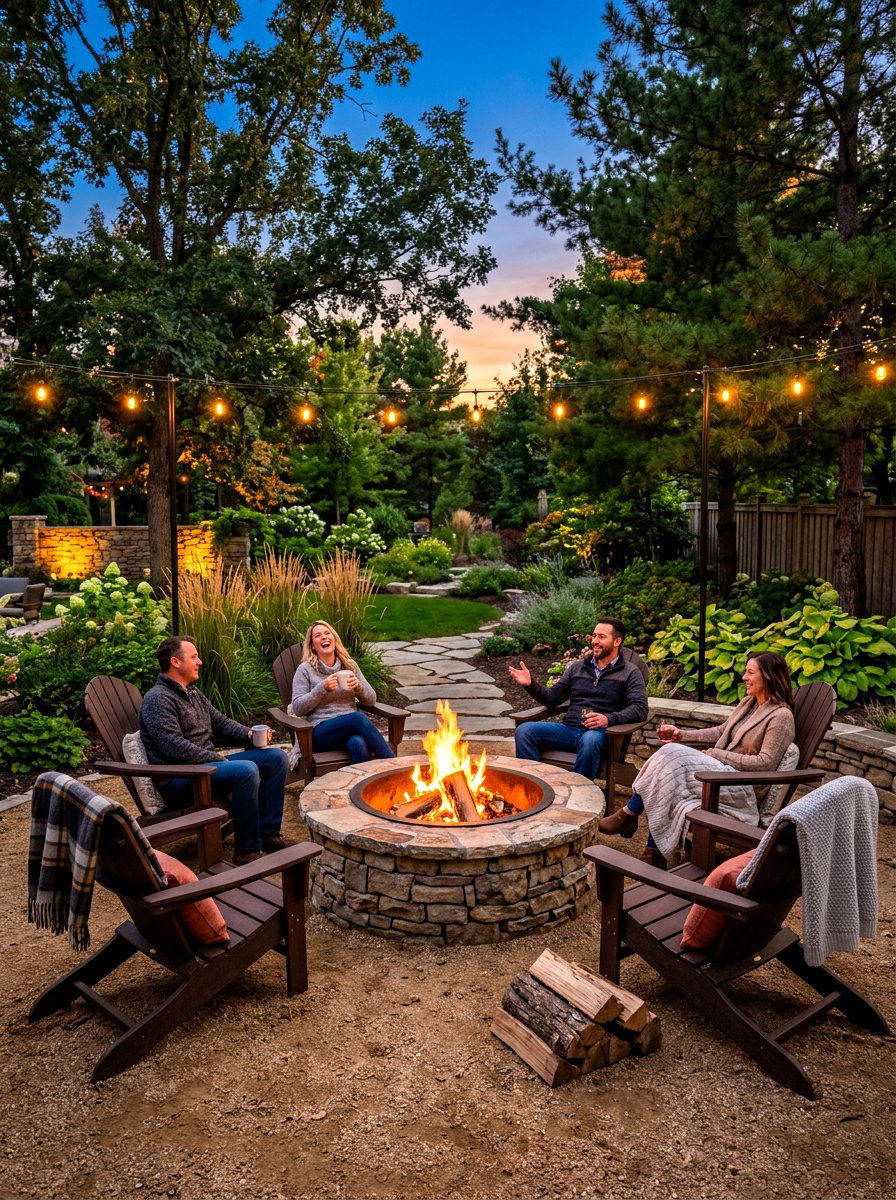
A dedicated fire pit zone is a fantastic way to create a backyard destination that doesn't require any water. This design typically features a circular or square area surfaced with gravel, pavers, or decomposed granite, with a fire pit as the central element. Surrounding the fire pit with comfortable seating creates a cozy atmosphere for evening gatherings. By using hardscaping for this entire zone, you eliminate the need for thirsty grass or delicate plants in a high-traffic area. It’s a functional and popular addition to any modern backyard, offering a year-round entertainment space that looks great and helps you conserve water effortlessly.
23. Drip Irrigation Layout
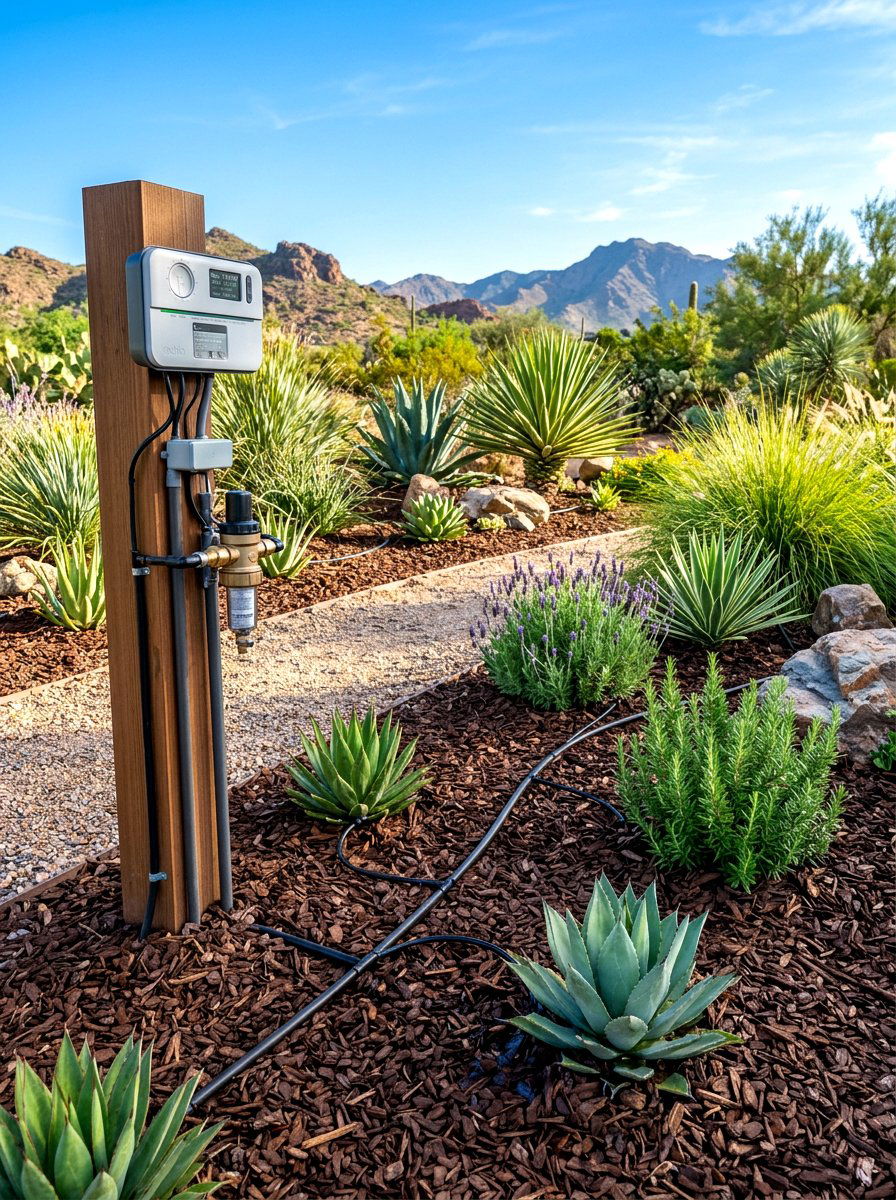
While many low water backyards rely on natural rainfall, a drip irrigation system is a smart backup for keeping your plants healthy during extreme heat. This design involves hiding thin tubes under mulch or soil that deliver water directly to the roots of individual plants. Unlike traditional sprinklers that lose water to evaporation and wind, drip systems are incredibly efficient. A well-designed layout ensures that every drop of water is used effectively, preventing waste and runoff. When paired with a smart controller that adjusts for weather conditions, it becomes a hands-off way to maintain your drought-tolerant landscape while sticking to a strict water budget.
24. Vertical Succulent Wall
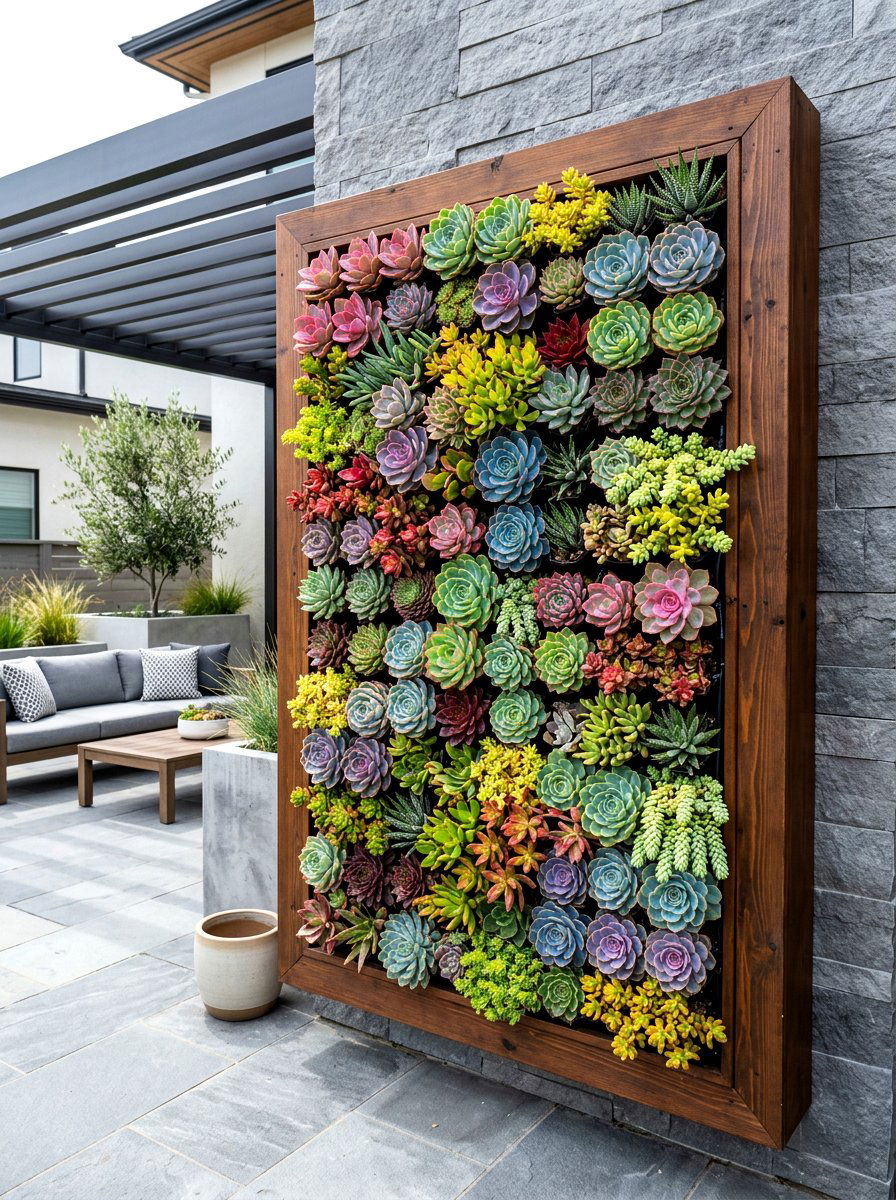
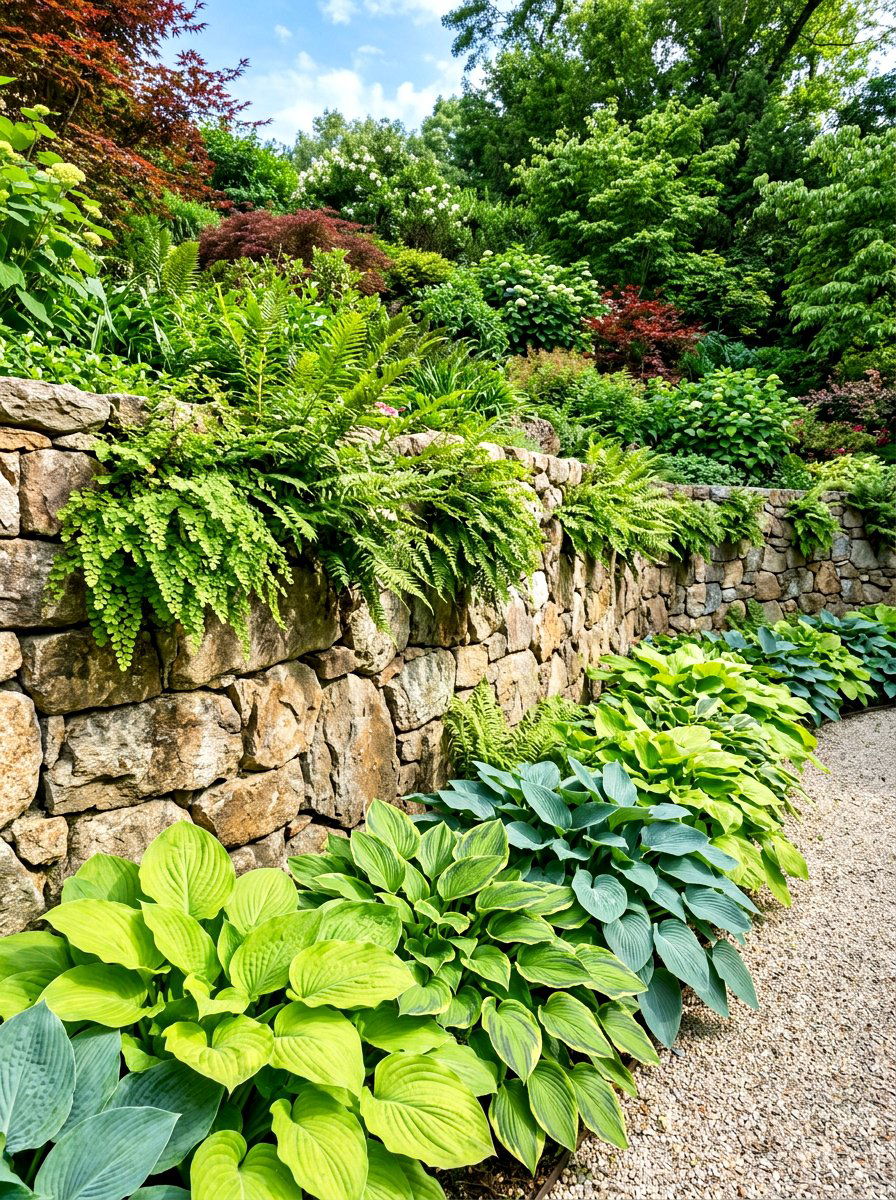
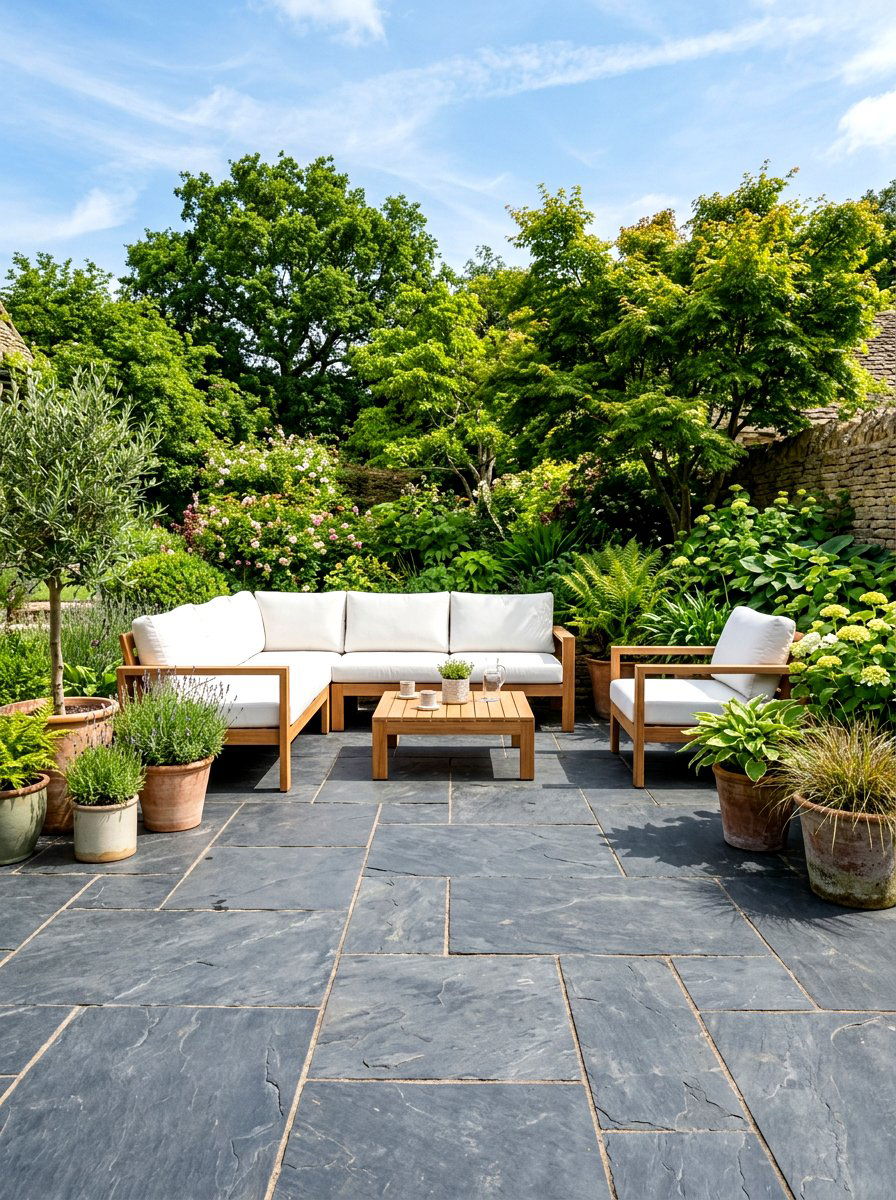
A vertical succulent wall is a stunning design solution for small backyards or bare fences. This "living wall" uses a specialized framing system to hold a variety of small succulents, creating a lush tapestry of green, blue, and purple hues. Because succulents require very little water and have shallow root systems, they are perfect for vertical applications. This design adds a dramatic focal point to the yard without taking up any precious floor space. It’s an artistic way to incorporate nature into a modern patio area, providing a dense burst of texture and color that thrives with just an occasional misting or light watering.
25. River Rock Border
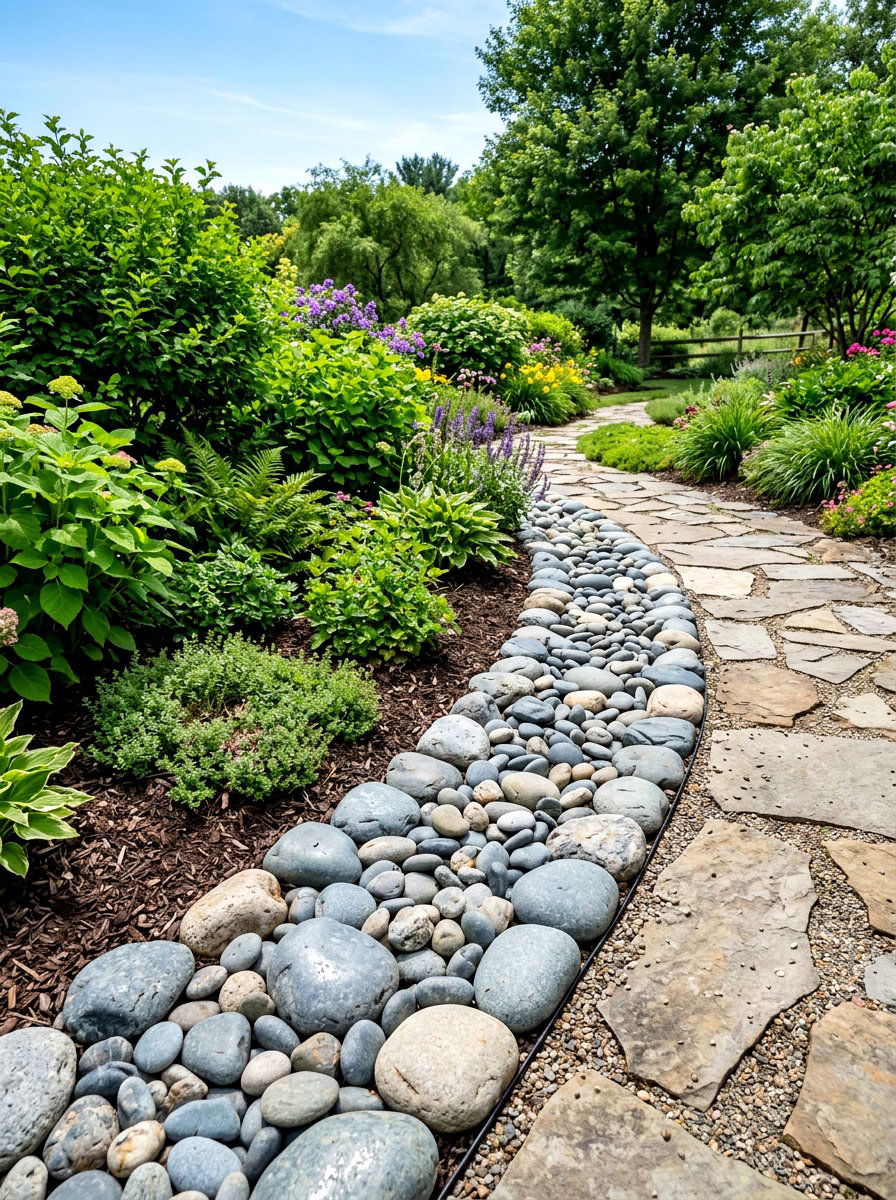
River rocks are large, smooth stones that add a clean, finished look to the edges of your garden beds. A river rock border design uses these stones to create a clear transition between a gravel path and a mulched planting area. This not only looks professional but also helps to keep mulch in place and prevents soil from washing away. The different sizes and natural colors of the rocks provide a subtle, earthy palette that complements any home style. Because rocks don't decompose or require water, they are a permanent and maintenance-free way to add structure and definition to your entire backyard landscape.
26. Stepping Stone Trail
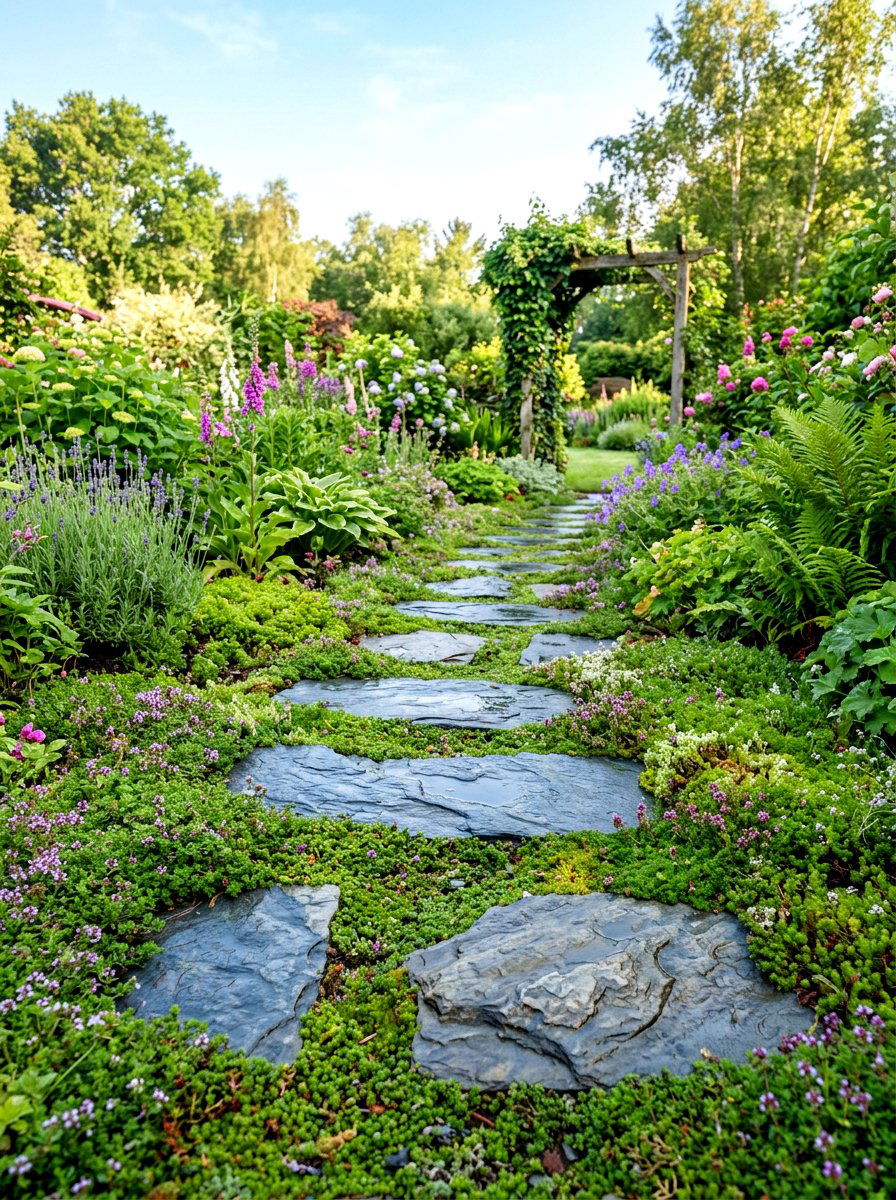
A stepping stone trail offers a low-impact way to move through your garden while preserving the surrounding ground cover. This design uses flat natural stones or concrete discs placed at comfortable intervals, allowing you to walk without compacting the soil. Surrounding these stones with a drought-tolerant ground cover like clover or elfin thyme creates a soft, fairytale-like appearance. This trail can lead to a hidden bench or a garden shed, adding a sense of discovery to your backyard. It requires no irrigation for the path itself and minimal water for the surrounding greenery, making it an eco-friendly alternative to a solid paved walkway.
27. Sage Landscape
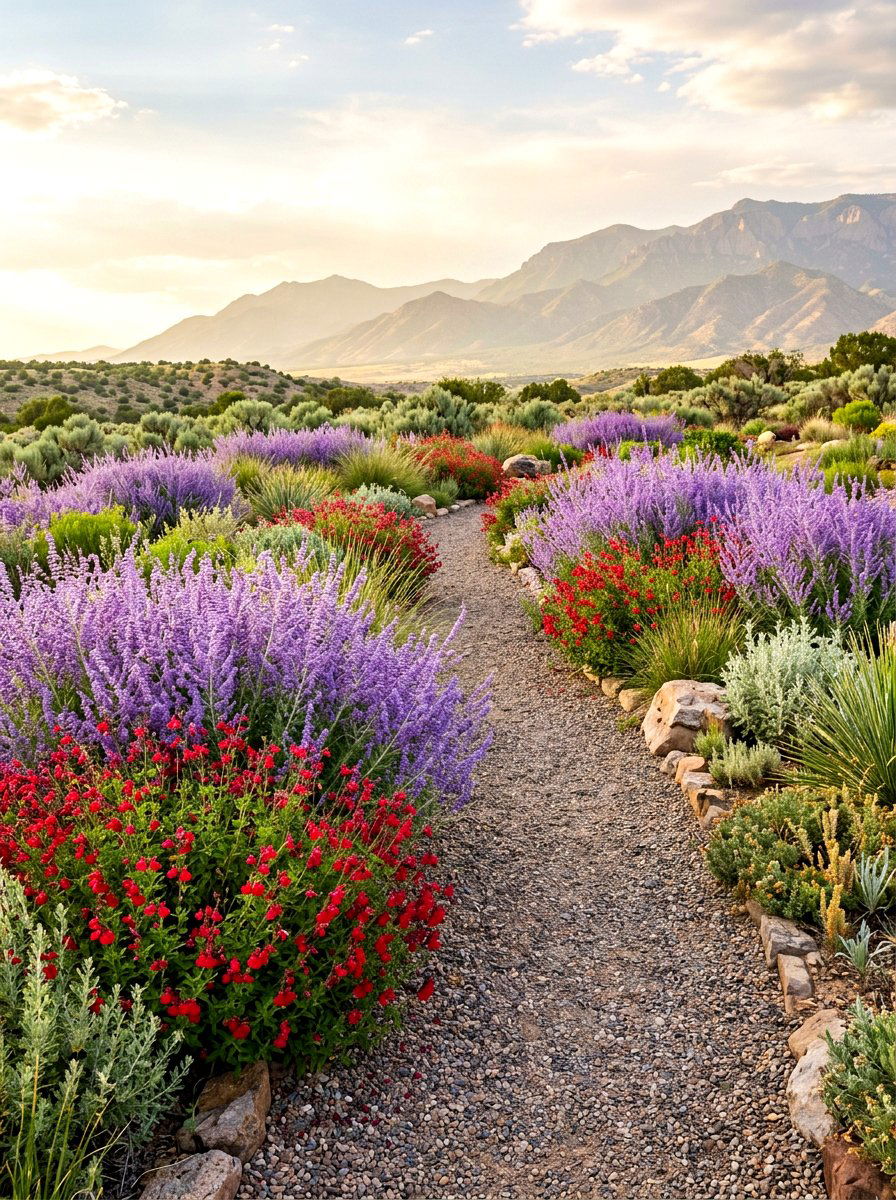
Sage, or Salvia, is a powerhouse plant for low water backyards, offering colorful blooms and aromatic leaves with very little thirst. A sage-focused landscape design uses various species like Russian sage or Mexican bush sage to fill large areas with vibrant blues, purples, and reds. These plants are exceptionally heat-tolerant and love the sun. When planted in large drifts, they create a soft, hazy look that moves beautifully in the wind. Sage attracts hummingbirds and butterflies, bringing life and movement to your yard. This design is perfect for creating a cottage garden aesthetic that is tough enough to handle a hot, dry climate.
28. Bird Bath Focal Point
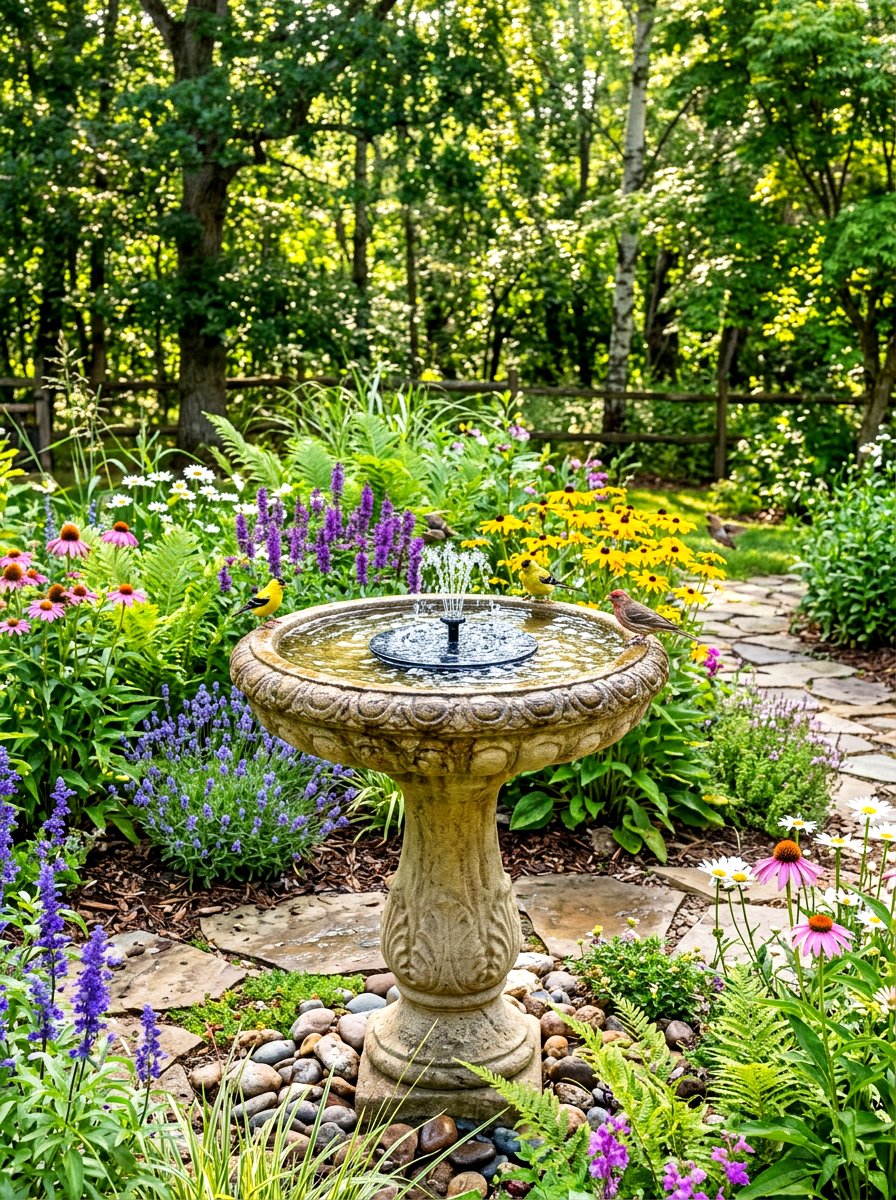
Adding a bird bath provides a beautiful focal point and supports local wildlife without needing a large, water-hungry pond. This design features an attractive stone or ceramic pedestal bird bath surrounded by drought-tolerant perennials. While it does use a small amount of water, it serves a vital purpose for the birds in your area during dry spells. You can even choose a design with a small solar-powered fountain to keep the water moving and prevent mosquitoes. Placing it near a seating area allows you to enjoy the sight of nature in your backyard while maintaining a landscape that is mostly dry and very low maintenance.
29. Wood Chip Groundcover
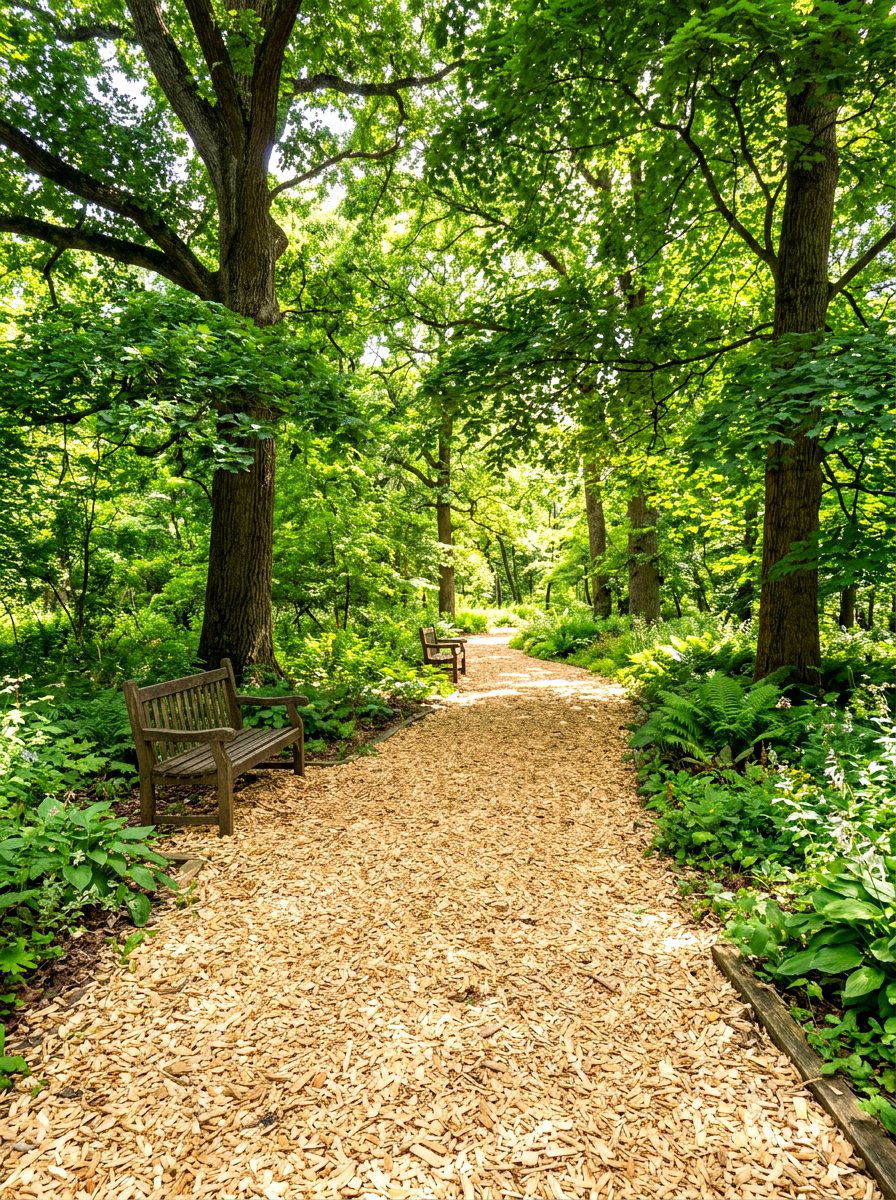
Wood chips are a practical and rustic choice for covering large areas of the backyard that aren't being used for planting. This groundcover design creates a clean, uniform look that is perfect for under play sets, around trees, or in side yards. Wood chips are excellent at holding moisture in the soil and suppressing weeds, which reduces the overall maintenance of your property. They have a soft feel and an earthy scent that adds to the natural ambiance of the yard. Because they are often available cheaply or for free from local arborists, it’s a budget-friendly way to achieve a water-wise, professional-looking backyard.
30. Zen Garden
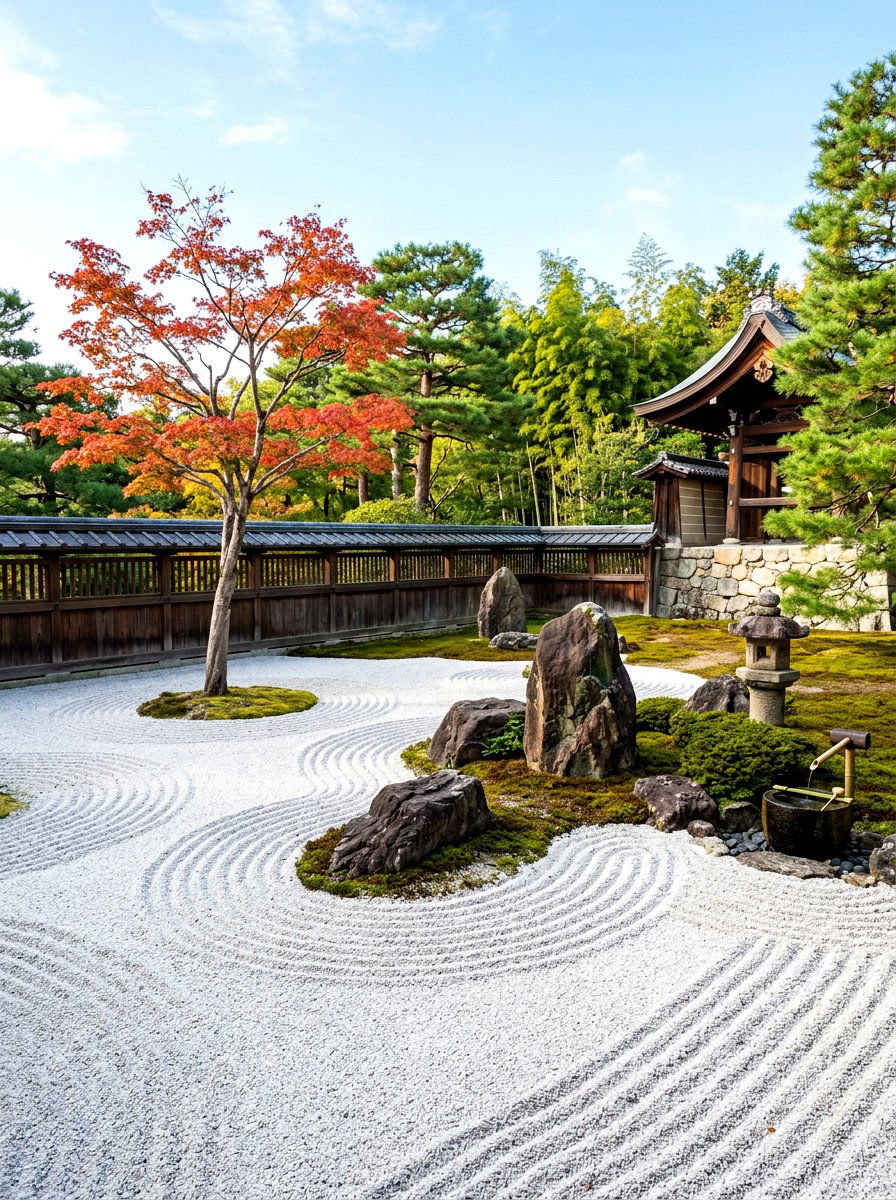
A Zen garden, or Japanese dry garden, is the ultimate expression of low water design. This theme uses raked sand or fine gravel to represent water, with carefully placed boulders symbolizing islands or mountains. A Zen garden design is meant for contemplation and peace, requiring absolutely no water to maintain its primary features. You can add a few minimalist elements like a single Japanese maple or a small patch of moss to introduce a touch of green. This backyard style is incredibly sophisticated and provides a calm, clutter-free environment that stays perfect year-round with just a few minutes of raking to reset the patterns.
Conclusion:
Transitioning to a low water backyard is a rewarding journey that balances environmental responsibility with personal style. These thirty ideas demonstrate that you don't have to sacrifice a lush or functional outdoor space to conserve precious resources. By embracing native plants, smart hardscaping, and innovative materials like artificial turf or decomposed granite, you can create a yard that is both durable and beautiful. A water-wise landscape not only reduces your monthly bills but also provides a sanctuary for local wildlife and a low-maintenance retreat for your family. Ultimately, a sustainable backyard is a forward-thinking investment that enhances your home’s value and beauty for many years to come.

Related posts: