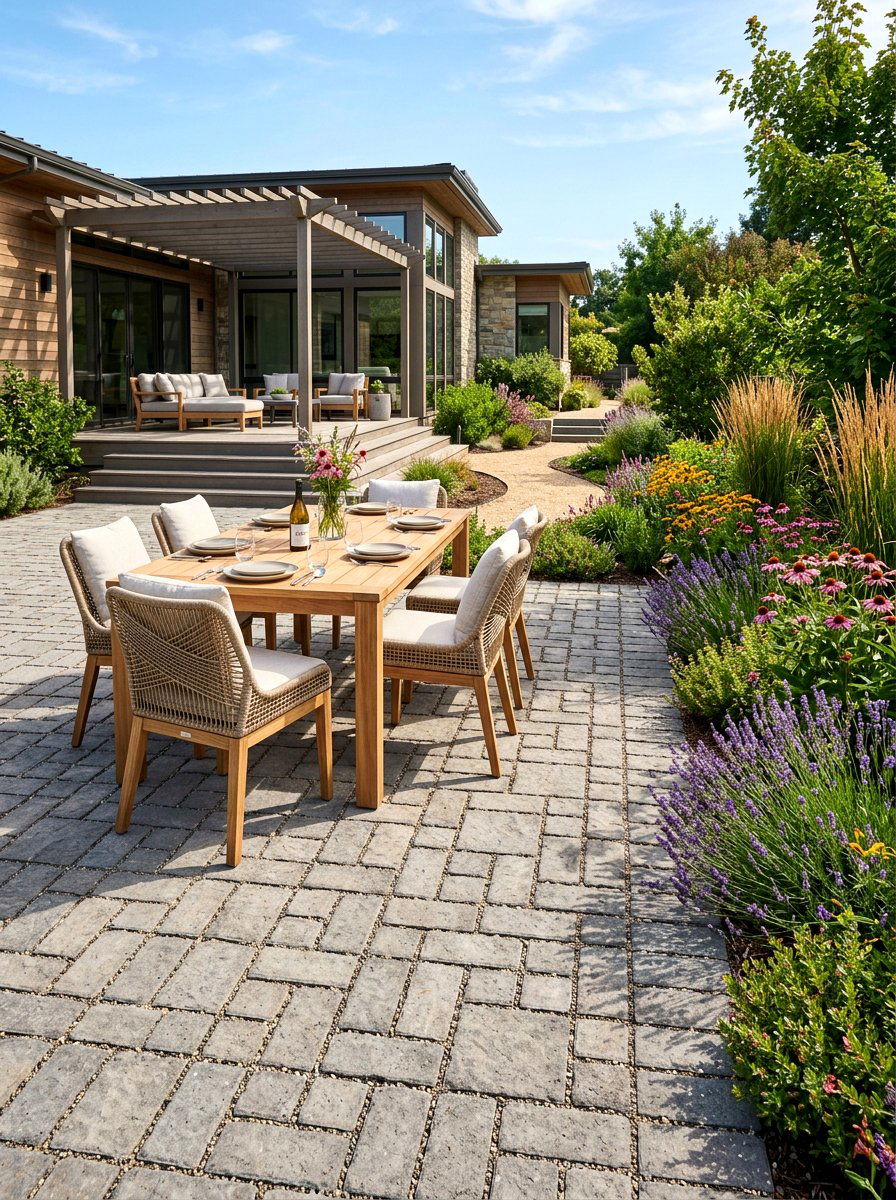
Creating a sustainable and environmentally conscious home starts with the most water-intensive room in the house: the bathroom. Transforming this space into an eco-friendly sanctuary does not require sacrificing luxury or style. By integrating modern low water bathroom solutions, you can significantly reduce your daily consumption while enjoying a high-end, spa-like experience. These innovations range from high-tech digital monitors to clever plumbing adjustments that save thousands of gallons annually. Focusing on efficiency helps lower utility bills and preserves precious natural resources for future generations. This comprehensive guide explores various design strategies that prioritize water conservation through smart fixtures, thoughtful layouts, and sustainable materials for a beautiful, future-ready home.
1. Low Flow Toilet
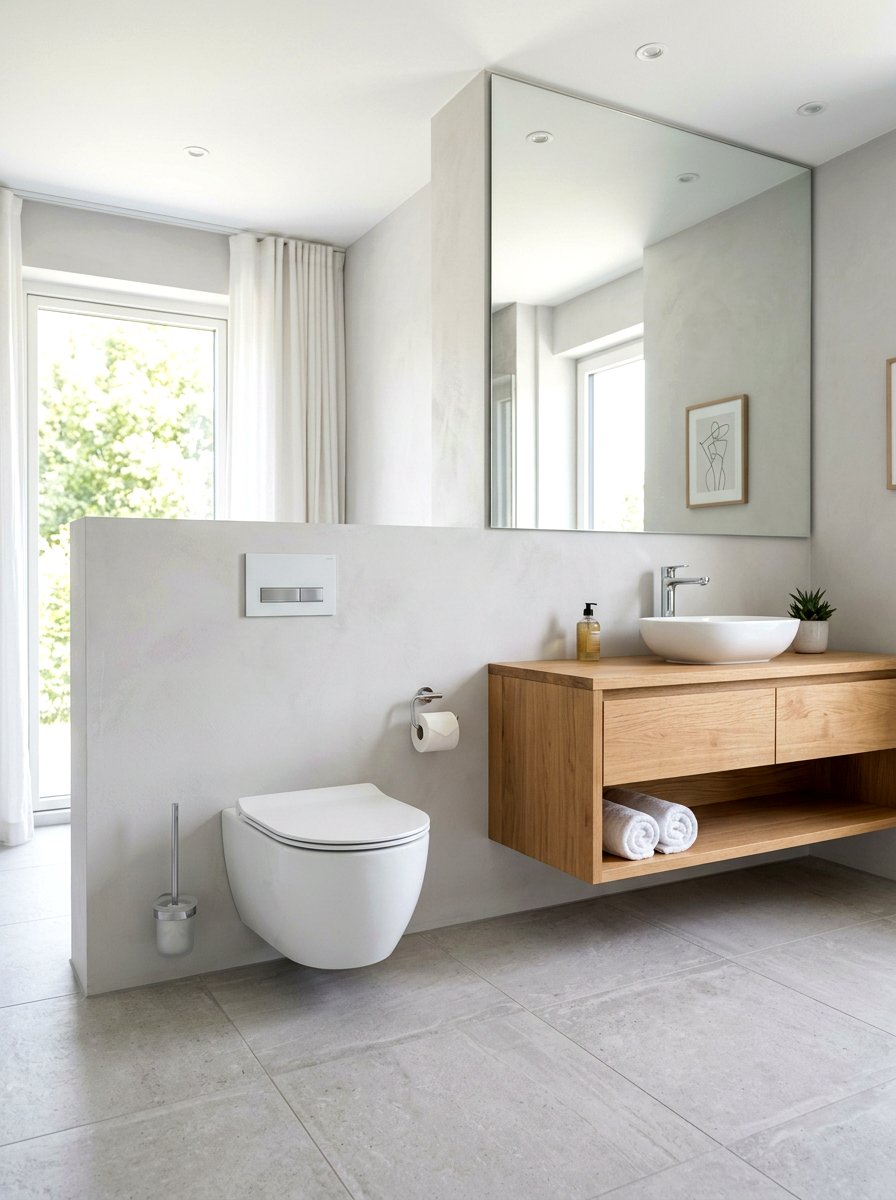
Integrating a modern low flow toilet into a minimalist bathroom design is a fantastic way to conserve water without losing flushing power. These fixtures are engineered to use significantly less water per flush, often meeting strict environmental standards like WaterSense. When planning your layout, pair a sleek, floor-mounted porcelain model with neutral-toned stone floor tiles and natural wood accents. This creates a balanced, organic atmosphere that emphasizes cleanliness and sustainability. The streamlined design of these toilets makes cleaning easier while the advanced internal mechanics ensure a clean bowl every time. Choosing this setup demonstrates a commitment to resource conservation while maintaining a sophisticated, high-end interior aesthetic.
2. Dual Flush Toilet
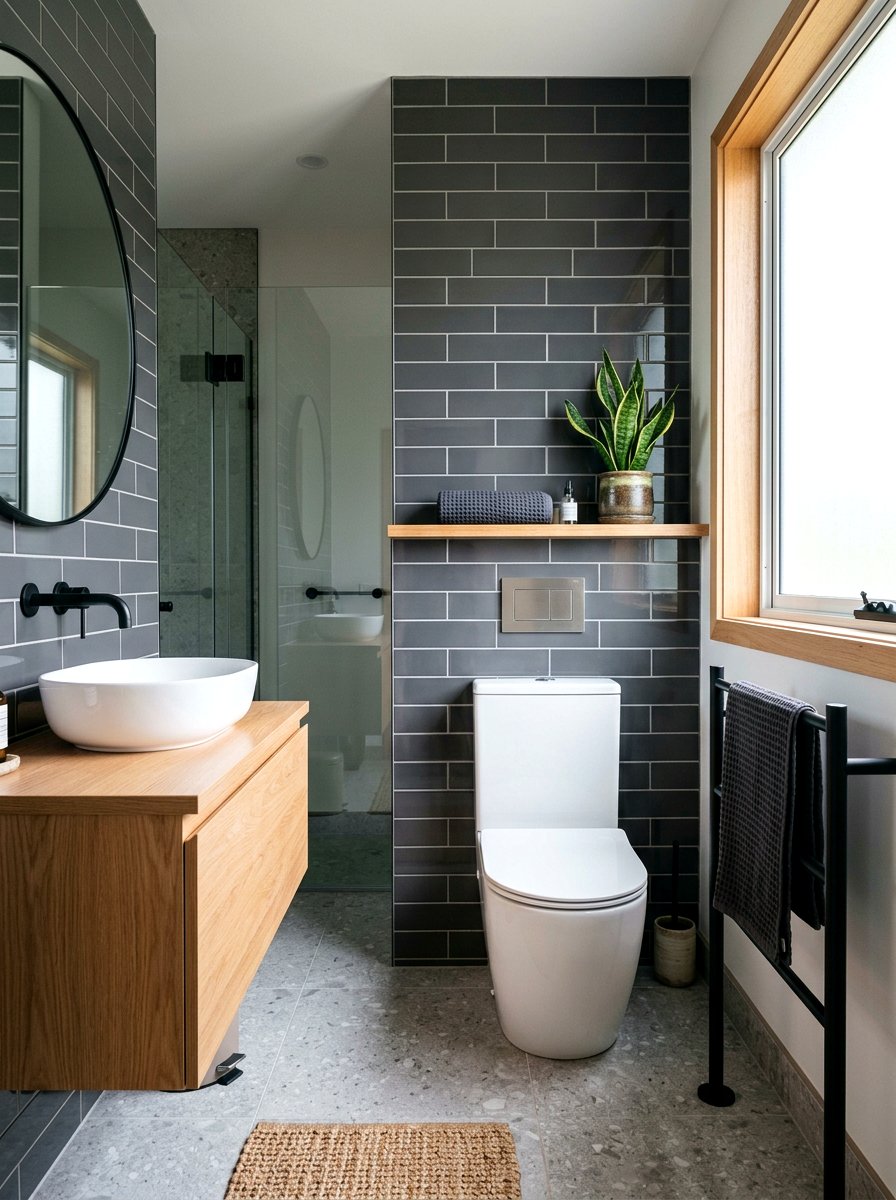
A contemporary bathroom featuring a dual flush toilet offers homeowners the flexibility to choose the appropriate water volume for liquid or solid waste. This design typically involves a sleek button interface on top of the tank or a wall-mounted panel for a hidden-tank look. Surround this fixture with matte black hardware and light gray subway tiles to achieve a modern, industrial-inspired vibe. The dual-flush technology can save an average family thousands of gallons of water each year. By selecting a high-quality ceramic model, you ensure durability and a timeless look that fits perfectly within a sustainable renovation project focused on long-term efficiency and style.
3. Aerated Faucet
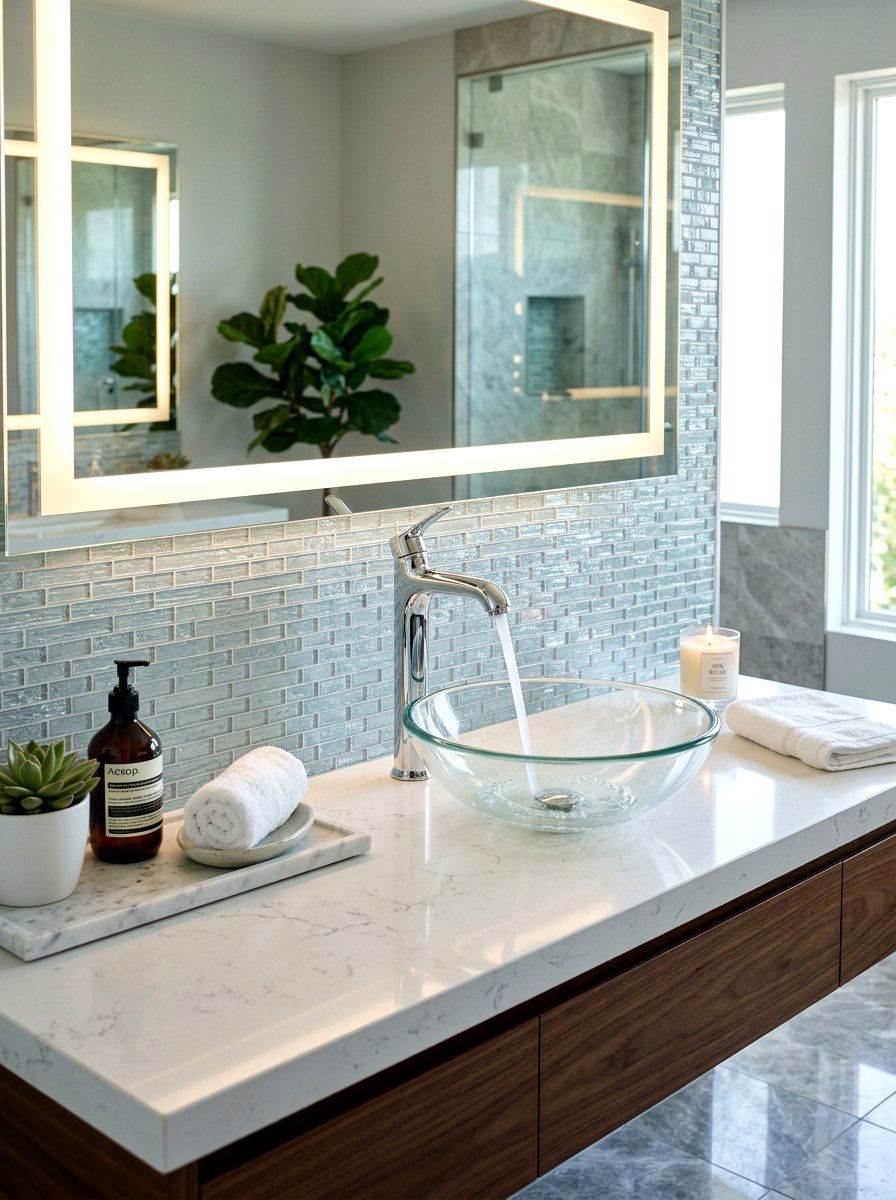
Designing a washstation around an aerated faucet is a clever way to reduce water usage while maintaining a voluminous feel. These faucets mix air into the water stream, creating a soft, non-splashing flow that feels luxurious on the skin. Position a polished chrome or brushed gold aerated tap over a floating white quartz vanity for a crisp, clean appearance. Use large, backlit mirrors to enhance the brightness of the space. This design choice effectively cuts down on the total gallons used during handwashing and tooth brushing. The constant, steady pressure provided by the aeration technology ensures that the user experience remains top-tier despite the lower overall water consumption.
4. Low Flow Showerhead
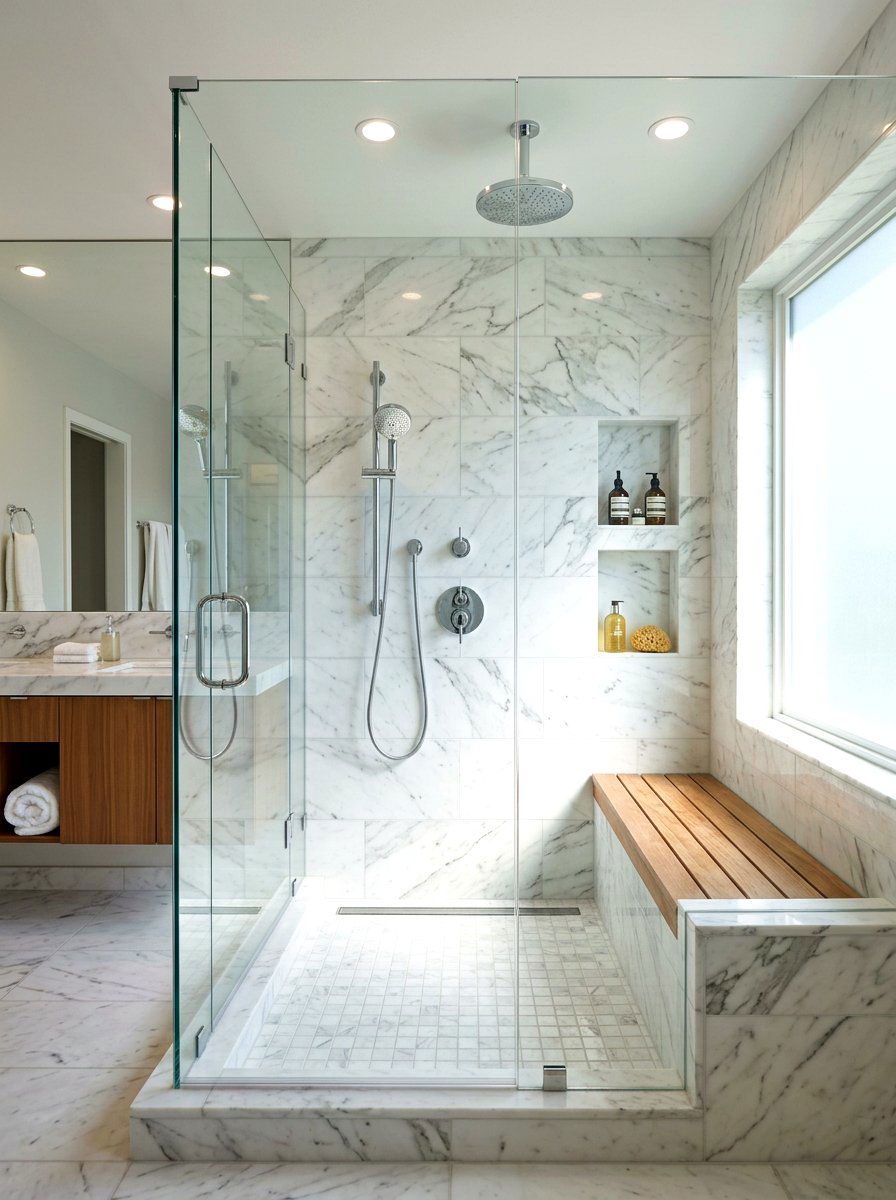
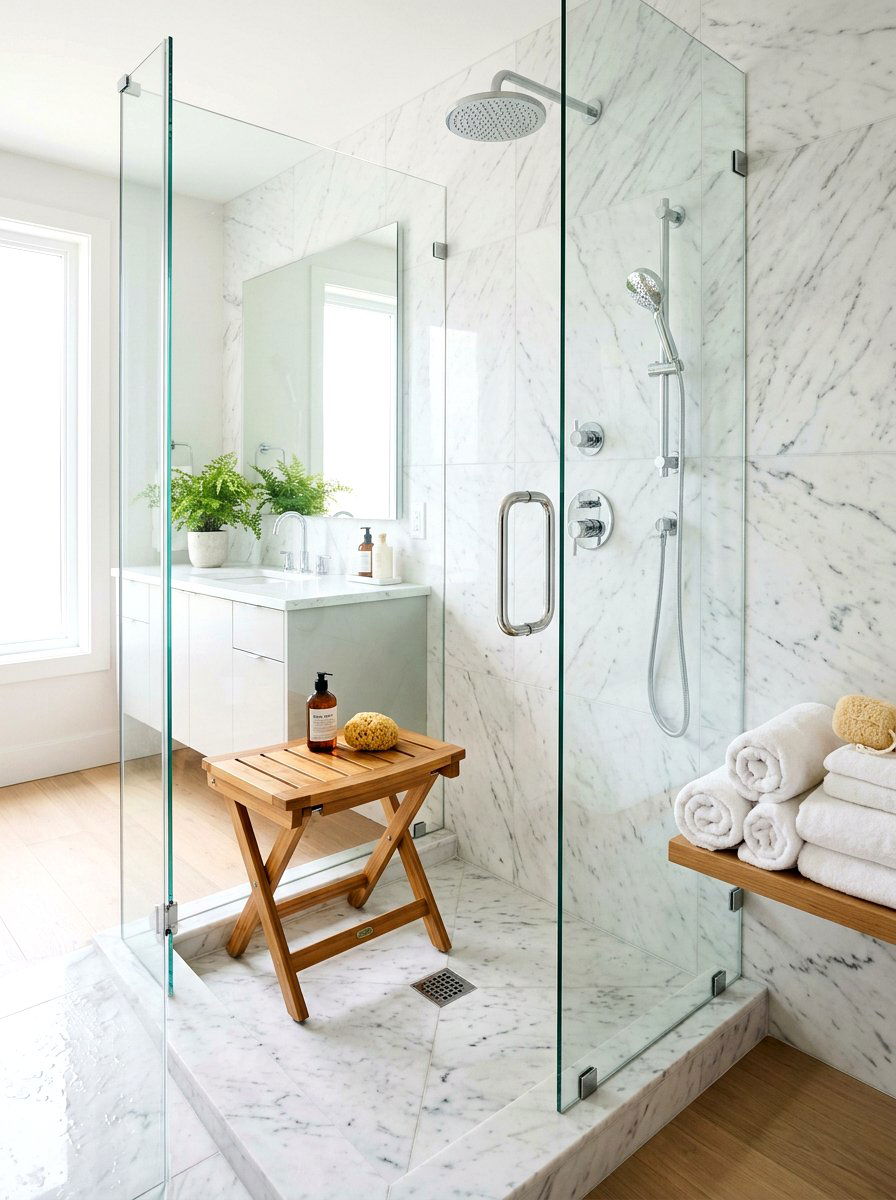
A spa-inspired master bathroom can still be incredibly water-efficient by installing a high-performance low flow showerhead as the central feature. Modern versions utilize pressure-compensating technology to deliver a strong, satisfying spray even at lower flow rates. Enclose the shower area with frameless glass panels and use large-format marble tiles to create a seamless, open environment. Add a built-in teak bench and recessed LED lighting to enhance the relaxation factor. By limiting the water output to 1. 5 gallons per minute, you save significant amounts of hot water and energy. This design proves that sustainability and a premium, indulgent showering experience can coexist beautifully in any modern home.
5. Touchless Sensor Faucet
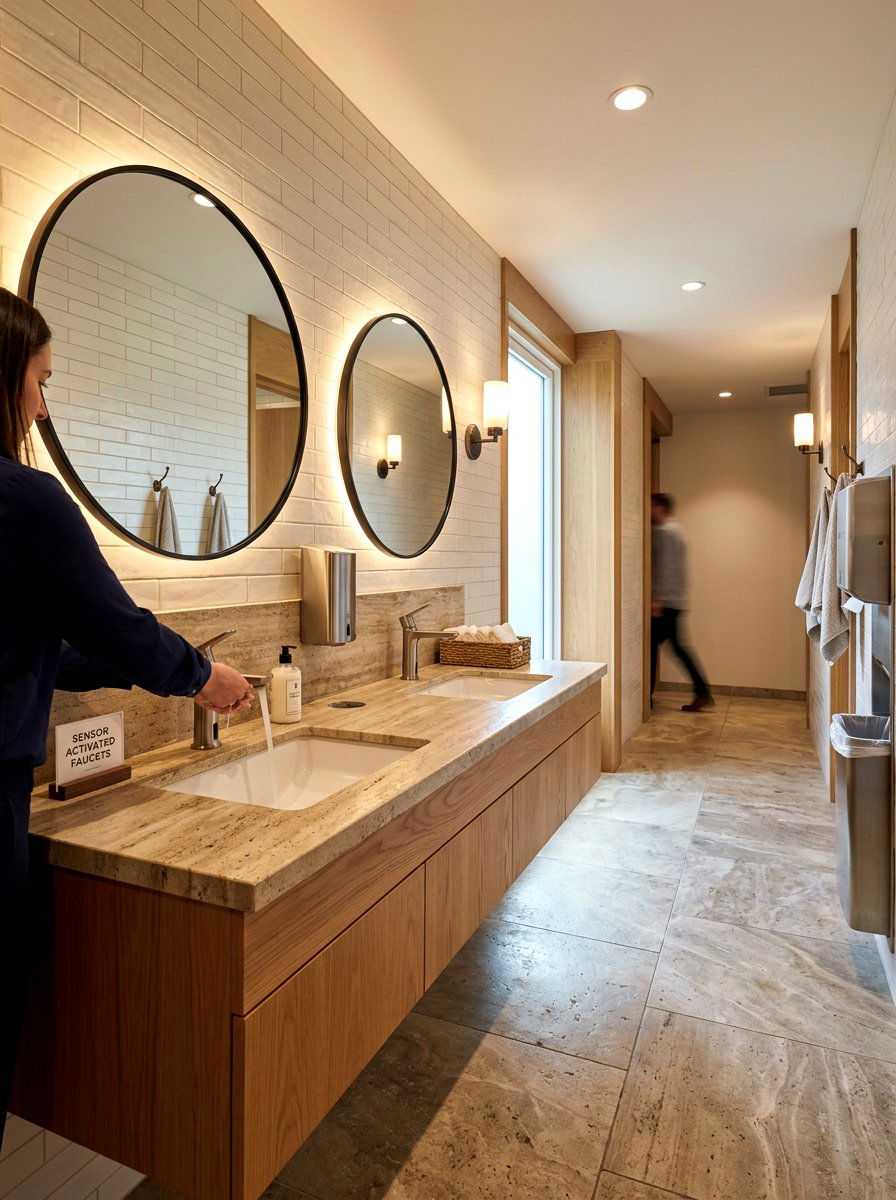
Incorporating a touchless sensor faucet into a high-traffic guest bathroom is an excellent strategy for both hygiene and water conservation. These fixtures automatically stop the flow of water as soon as hands are removed from the sensor range, preventing accidental wastage. Style the space with a vessel sink made of natural stone and a sleek, wall-mounted sensor tap for a futuristic, clutter-free look. Use warm wood cabinetry and soft ambient lighting to prevent the room from feeling too clinical. This setup is particularly effective in households with children, ensuring that faucets are never left running. It combines cutting-edge technology with practical, eco-friendly benefits for a smarter home.
6. Greywater Recycling System
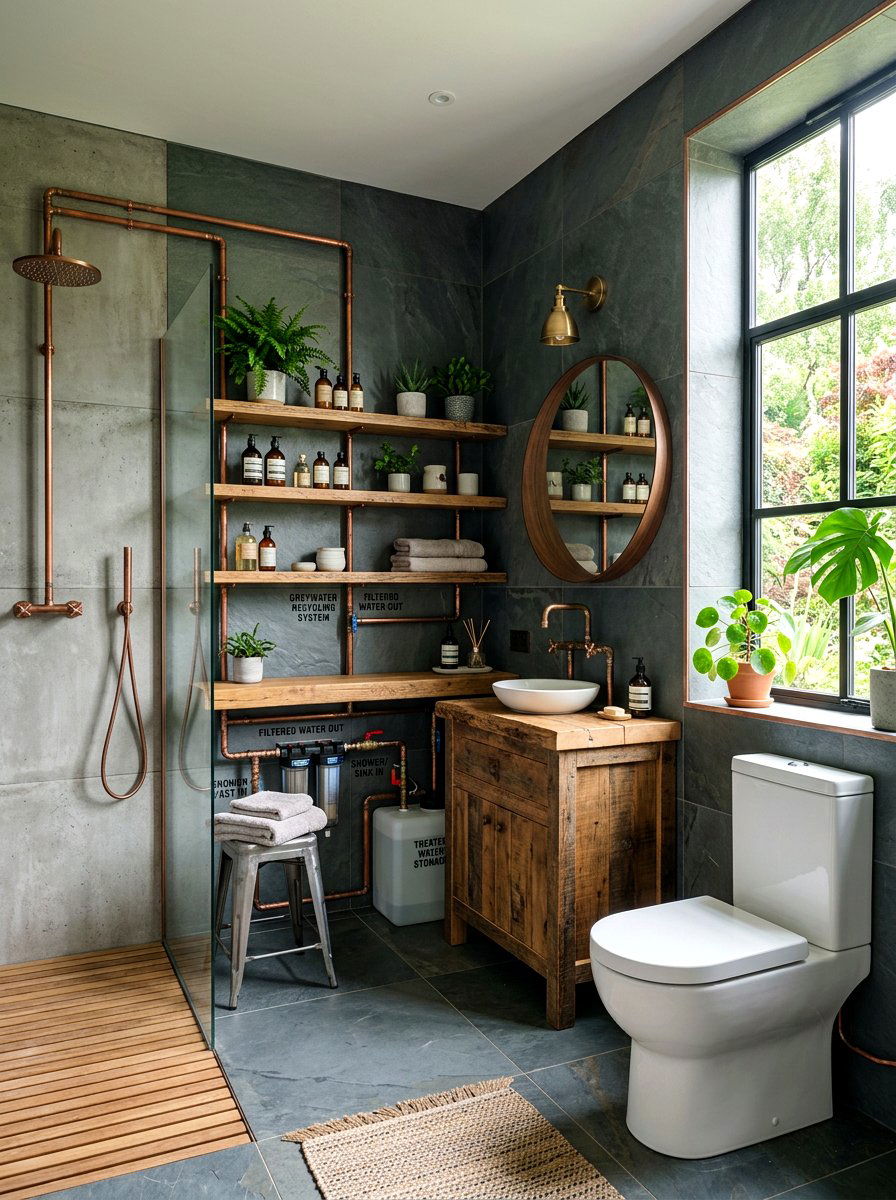
A comprehensive greywater recycling system is a sophisticated design choice for homeowners dedicated to extreme water efficiency. This system collects wastewater from sinks and showers, filters it, and repurposes it for flushing toilets or watering indoor greenery. To showcase this concept, design a utility-forward bathroom with exposed copper piping and reclaimed wood shelving to give it an "eco-industrial" feel. Use durable porcelain tiles that mimic the look of natural slate. The visible integration of sustainable technology serves as a conversation piece while drastically reducing the home's freshwater footprint. This holistic approach to plumbing ensures that every drop of water is used to its fullest potential before leaving the house.
7. Small Bathroom Basin
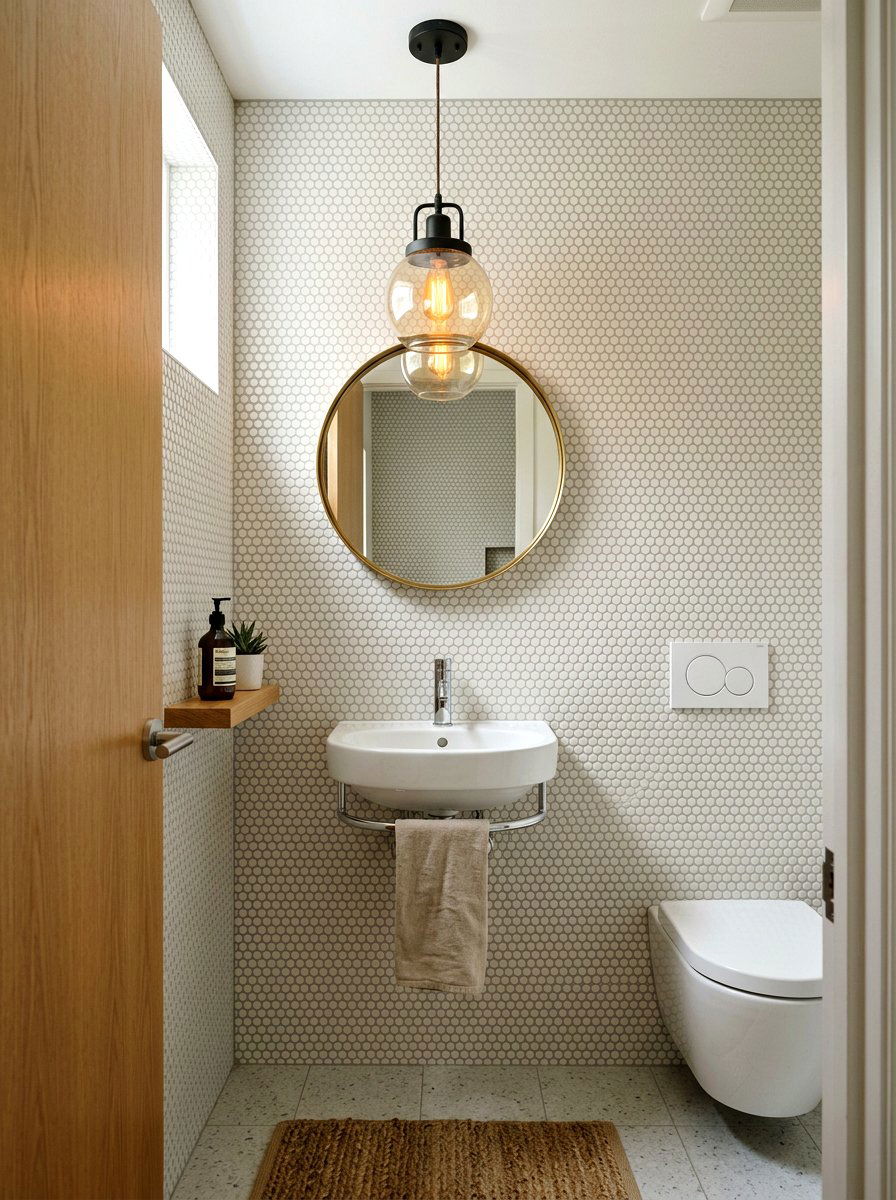
Choosing a small bathroom basin for a compact powder room or en suite is a practical design move that naturally encourages lower water usage. Smaller sinks require less water to fill and often pair well with low-flow taps. Create a stylish, space-saving layout by installing a wall-hung ceramic basin with a built-in towel bar. Use vertical striped wallpaper or light-colored penny tiles to make the small space feel larger and more inviting. Adding a singular, bold pendant light can serve as a focal point. This design strategy maximizes functionality in tight quarters while supporting a lifestyle of mindful consumption and minimalist beauty without sacrificing the room's overall decorative appeal.
8. Digital Water Monitor
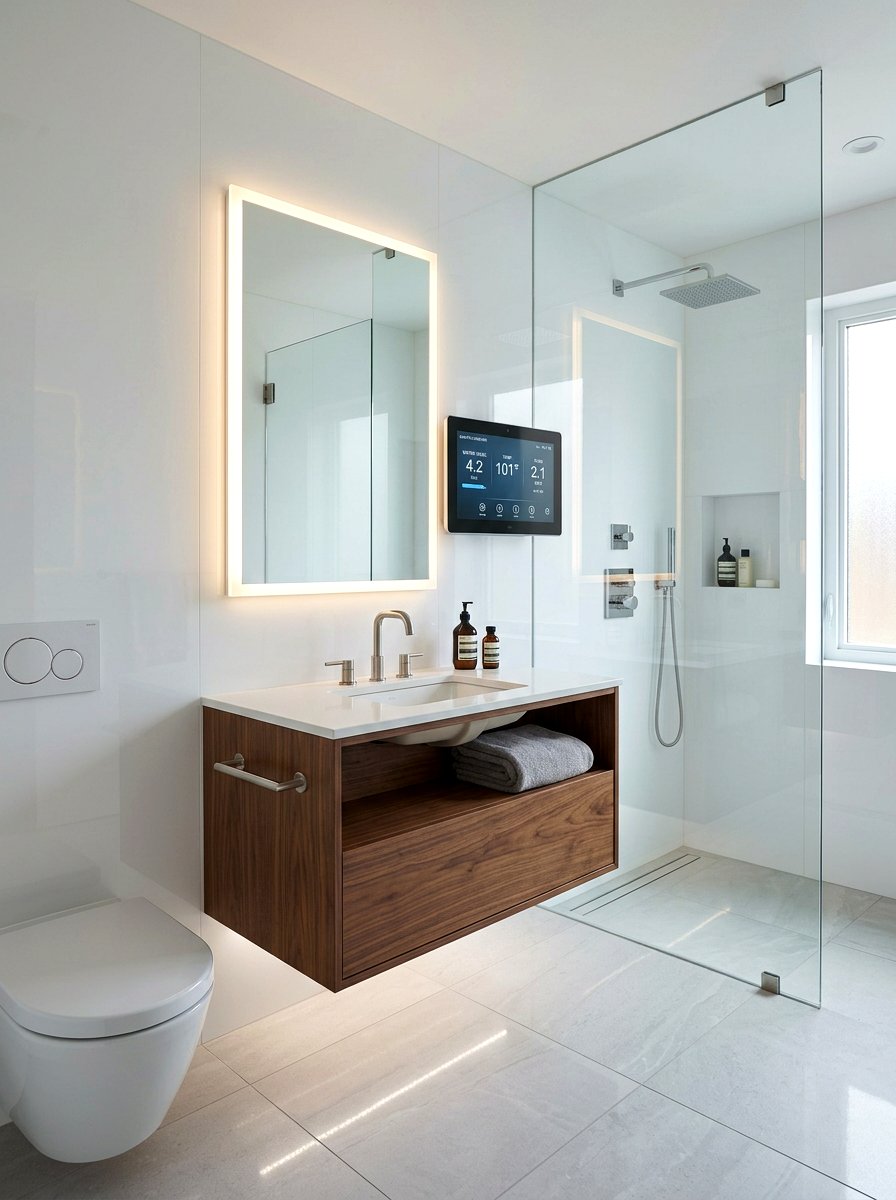
A digital water monitor can be seamlessly integrated into a smart bathroom design to provide real-time feedback on usage patterns. These devices often feature a sleek LED display that can be mounted near the vanity or shower area. Design the room with a clean, tech-forward aesthetic using high-gloss white cabinetry and polished stainless steel fixtures. The monitor helps residents stay aware of their consumption, encouraging shorter showers and more efficient habits. Pair this with smart lighting that changes color based on water temperature or duration. This data-driven approach to bathroom design empowers users to make sustainable choices while enjoying a modern, connected, and highly efficient living environment.
9. Thermostatic Mixing Valve
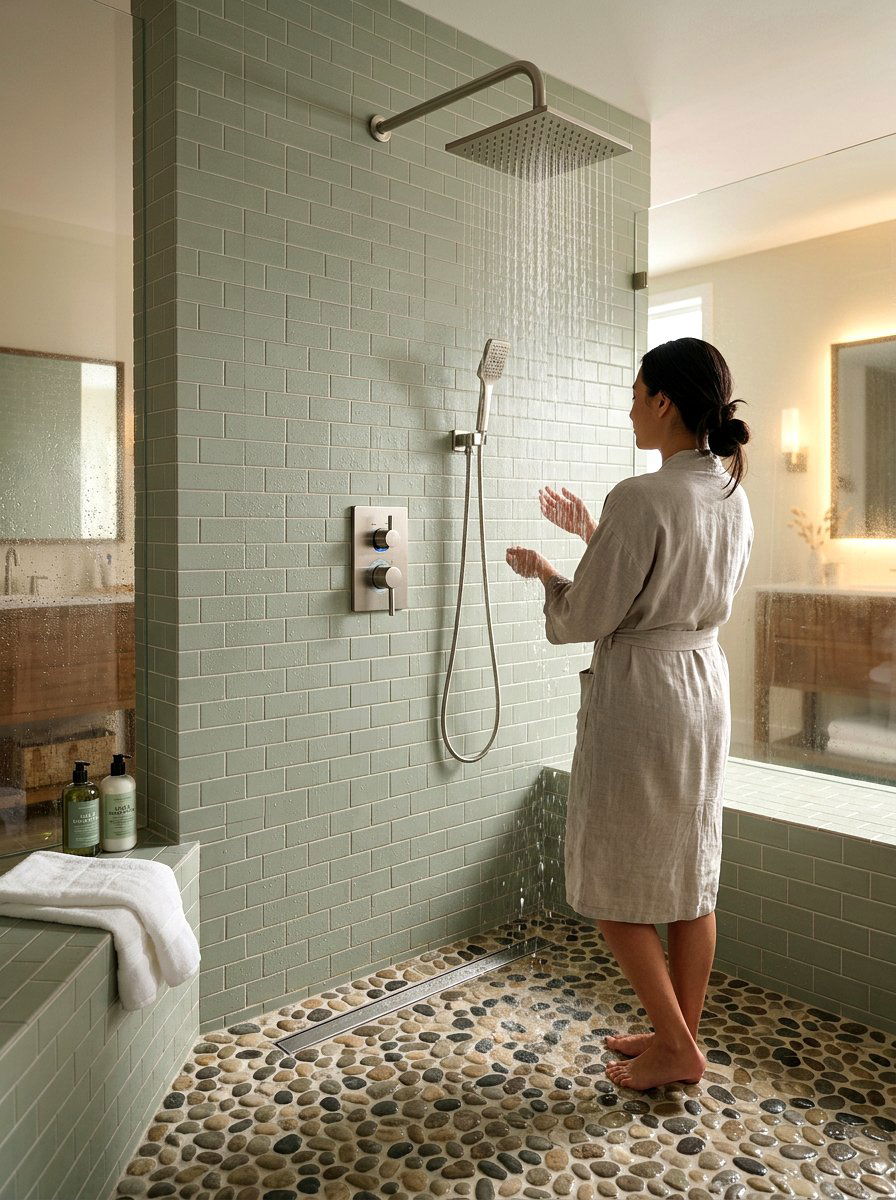
A thermostatic mixing valve is an essential component for a water-efficient shower system, as it quickly reaches and maintains the desired temperature. This prevents the common waste of letting water run while waiting for it to get hot. Design a walk-in wet room with a central rainfall head and a wall-mounted thermostatic controller in a brushed nickel finish. Use pebble stone flooring and sage green wall tiles to create an earthy, tranquil vibe. This technology ensures safety by preventing scalding while also contributing to significant water savings. It is a subtle yet powerful upgrade that enhances the comfort of your daily routine while supporting your environmental goals.
10. Tankless Water Heater
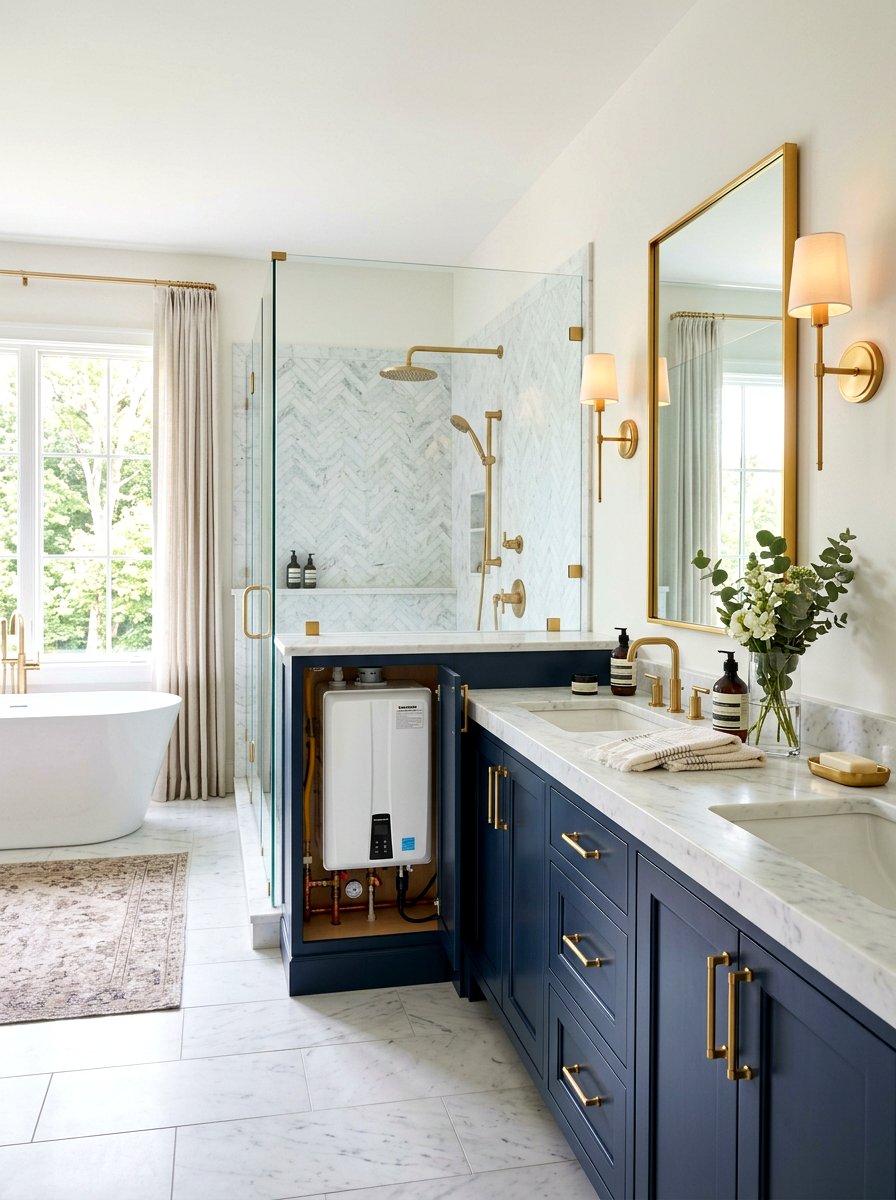
Installing a tankless water heater as part of a bathroom renovation ensures a continuous supply of hot water only when needed. This eliminates the energy and water waste associated with traditional tank heaters that keep large volumes of water hot constantly. Design the bathroom with a focus on modern luxury, using deep blue cabinetry and gold hardware. Since the heating unit is compact, you can reclaim closet space for extra storage or a larger vanity. This system works best when the unit is placed close to the bathroom, reducing the amount of cold water cleared from pipes. It represents a smart, energy-efficient upgrade for a sustainable and comfortable home.
11. Hot Water Recirculating Pump
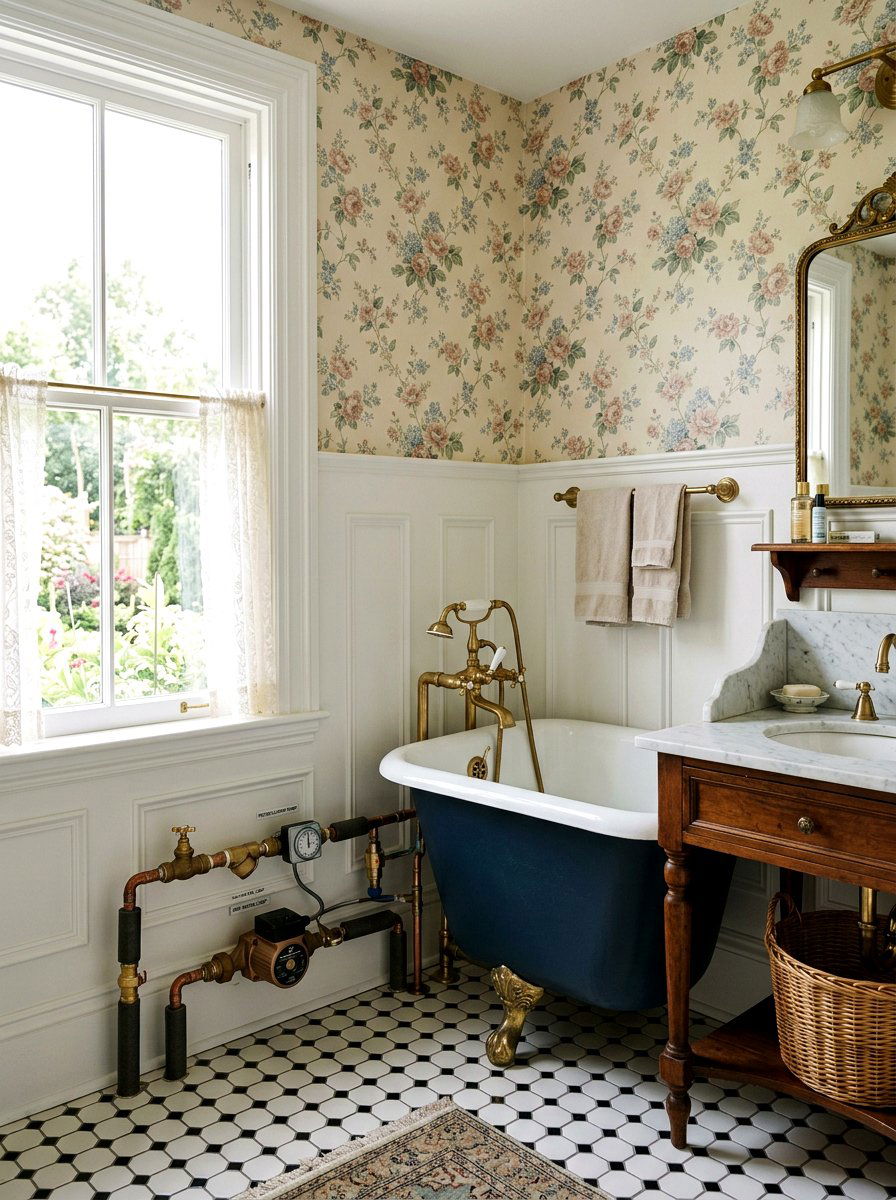
A hot water recirculating pump is a brilliant addition to a large master suite where the bathroom is far from the water heater. This device keeps hot water circulating through the pipes, so it is available instantly at the tap. To complement this high-efficiency feature, design a traditional yet eco-friendly space with a clawfoot tub and vintage-style brass fixtures. Use soft floral wallpaper and white wainscoting to create a classic, elegant look. The pump eliminates the need to run the faucet for minutes, saving hundreds of gallons per month. This design prioritizes convenience and conservation, ensuring that luxury and environmental responsibility go hand in hand.
12. Composting Toilet
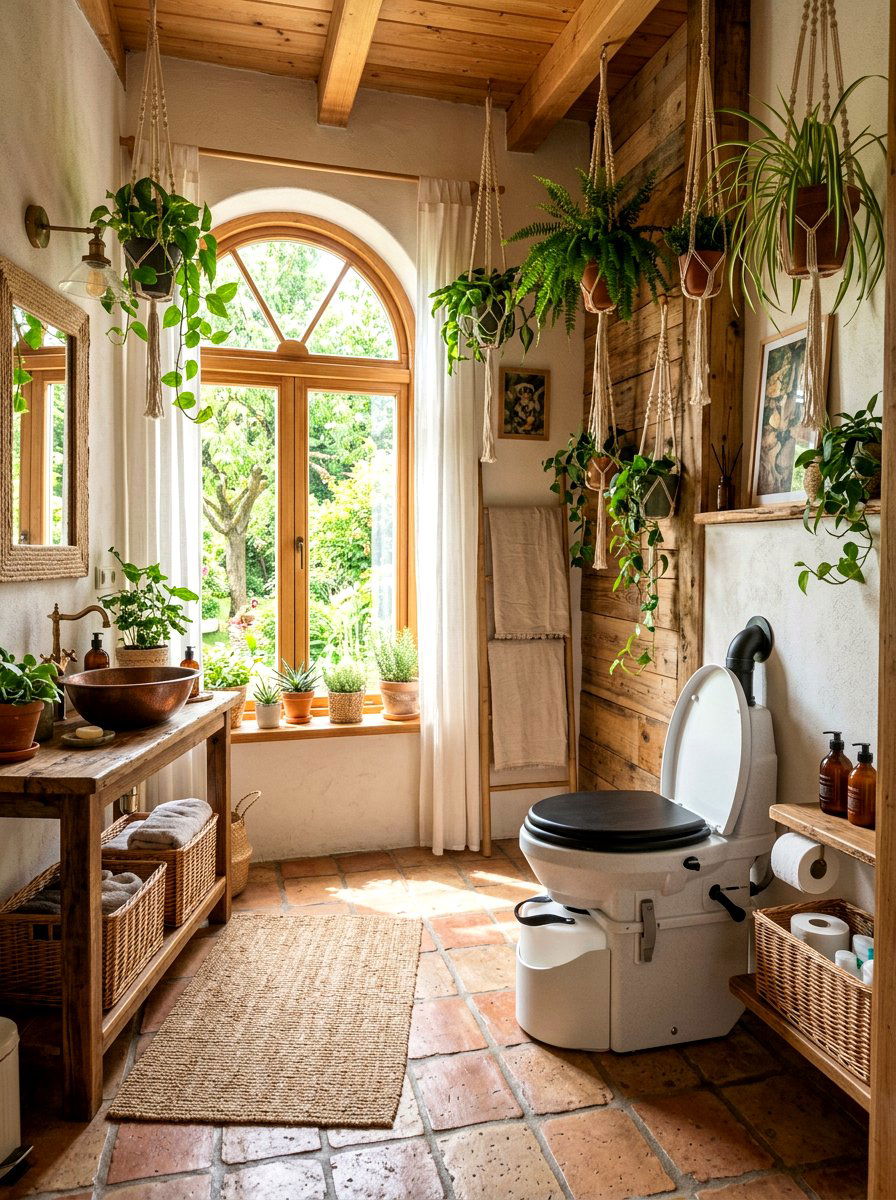
For an off-grid or ultra-sustainable bathroom, a composting toilet is a revolutionary waterless solution that completely eliminates flushing. Modern units are designed to be odorless and stylish, often resembling high-end traditional toilets. Create a rustic, bohemian-style bathroom around this fixture by using terracotta floor tiles, plenty of hanging plants, and woven wicker baskets for storage. Large windows can provide natural ventilation and light, enhancing the organic feel of the room. This bold design choice is perfect for those looking to disconnect from traditional infrastructure while creating a beautiful, nature-inspired sanctuary. It represents the pinnacle of water conservation and circular living within a residential interior.
13. High Efficiency Toilet
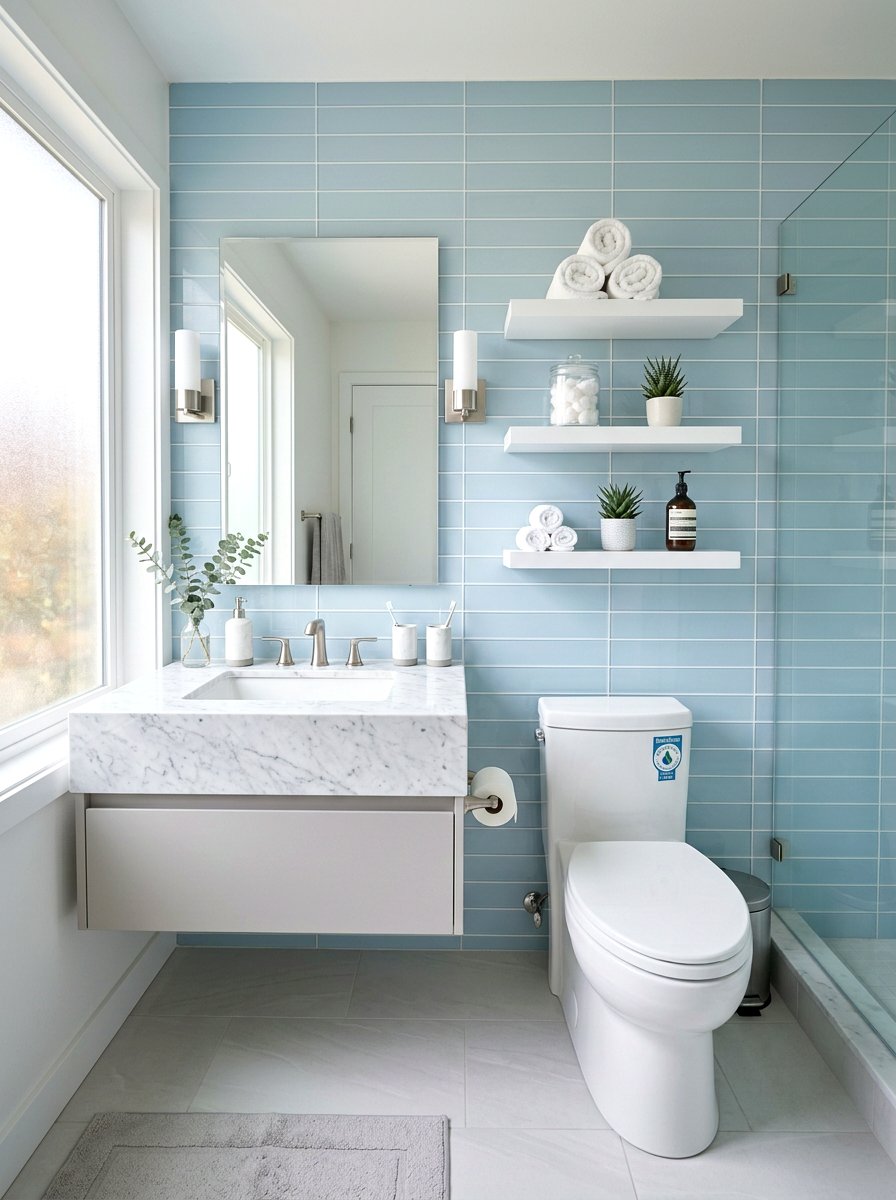
A high efficiency toilet, often designated by the WaterSense label, is the gold standard for standard residential water conservation. These units are designed to use 1. 28 gallons or less per flush, utilizing advanced trapways and jet technology. Design a bright, airy bathroom with white marble countertops and light blue glass tiles to accentuate the clean efficiency of the space. Add sleek, floating shelves for a minimalist touch. The reliable performance of these toilets ensures that sustainability does not lead to frequent clogs or maintenance issues. Choosing a high-efficiency model is an easy and effective way to modernize your home’s plumbing while significantly reducing its overall environmental impact.
14. Handheld Bidet Sprayer
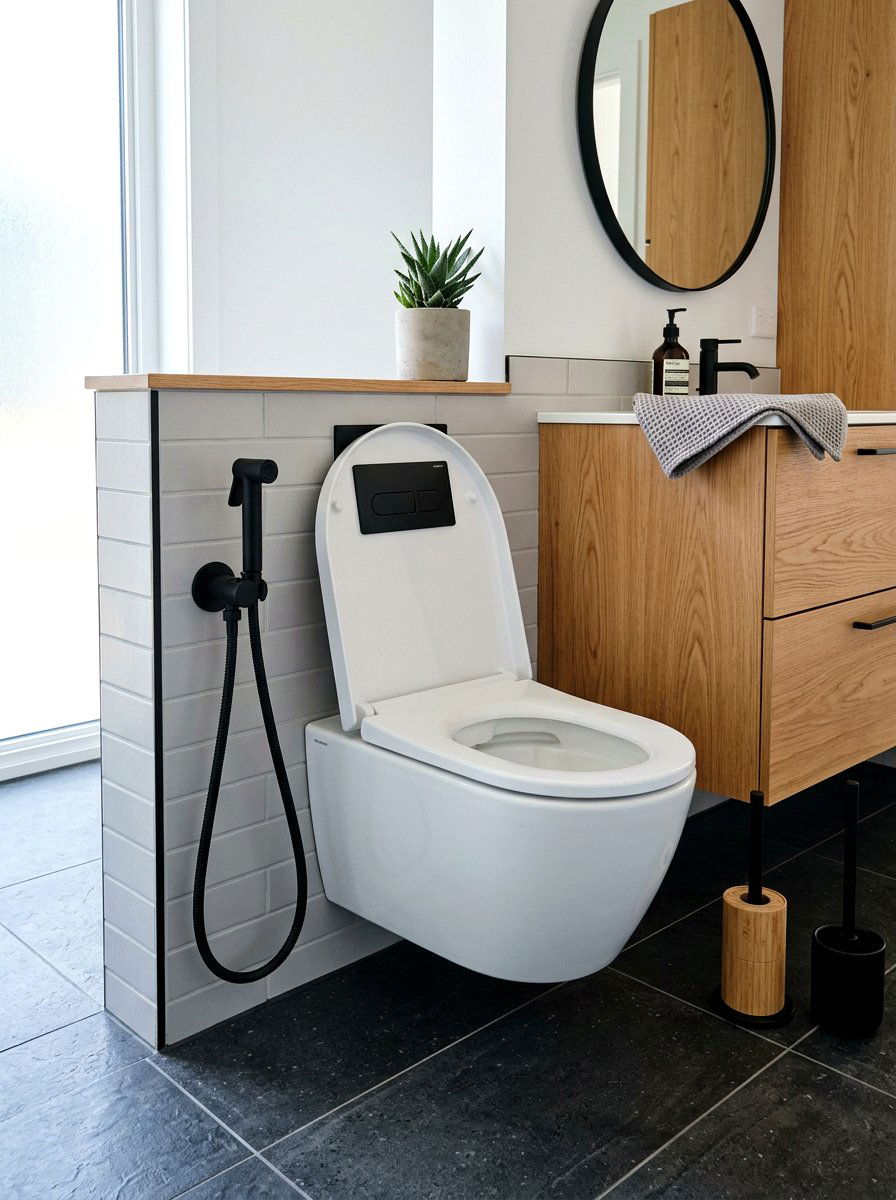
Adding a handheld bidet sprayer to a bathroom layout is an effective way to improve hygiene while potentially reducing the water-intensive production of toilet paper. These sprayers can be easily attached to existing plumbing and mounted discreetly next to the toilet. Design the area with a focus on functional elegance, using dark charcoal floor tiles and light oak cabinetry. The sprayer itself should match the finish of other bathroom hardware, such as a matte black or brushed gold. This design addition encourages a more sustainable lifestyle and provides a refreshing, clean experience. It is a low-cost, high-impact upgrade that fits perfectly into a modern, eco-conscious bathroom renovation.
15. Smart Leak Sensor
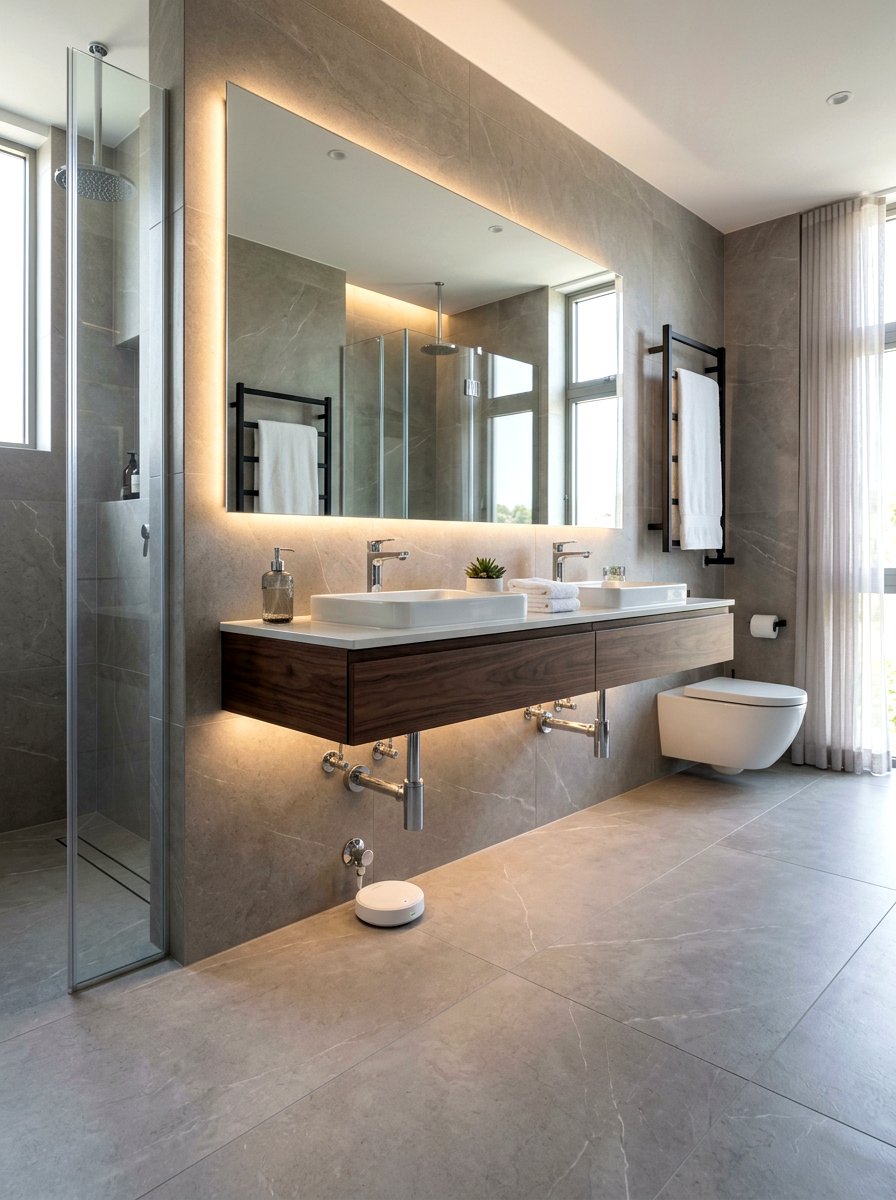
A smart leak sensor is a hidden hero in an eco-friendly bathroom, preventing massive water waste from undetected drips or bursts. These small devices can be placed under the vanity or behind the toilet and connected to your smartphone. Design a sophisticated, clutter-free bathroom with a floating vanity and integrated LED lighting to show off the clean lines of the space. Use large, neutral-toned porcelain slabs for the walls to create a high-end, seamless look. The peace of mind provided by these sensors allows you to enjoy your beautiful design without worrying about hidden damage. It is a crucial technological addition for any modern home focused on efficiency.
16. Pressure Assisted Toilet
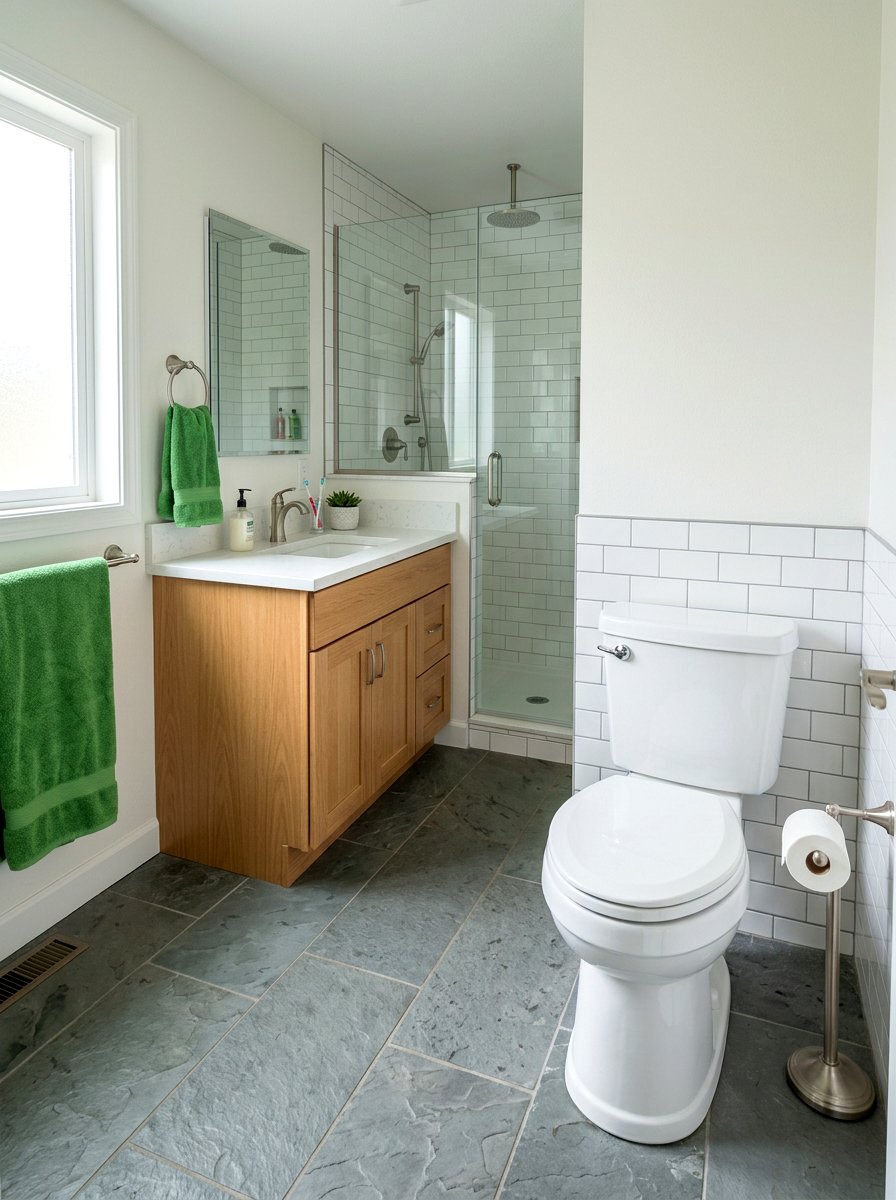
In a busy family home, a pressure assisted toilet provides superior flushing power using very little water by utilizing compressed air. This design is perfect for preventing clogs in high-use areas. Create a durable and stylish bathroom by using non-slip slate flooring and sturdy quartz countertops. Choose a toilet model with a bold, contemporary silhouette to anchor the space. Pair it with vibrant green accents or towels to bring a pop of color to the room. The audible "whoosh" of the flush signifies a powerful, efficient clean that keeps the bathroom hygienic. This functional fixture is a smart choice for those prioritizing performance and water savings.
17. Rainwater Harvesting System
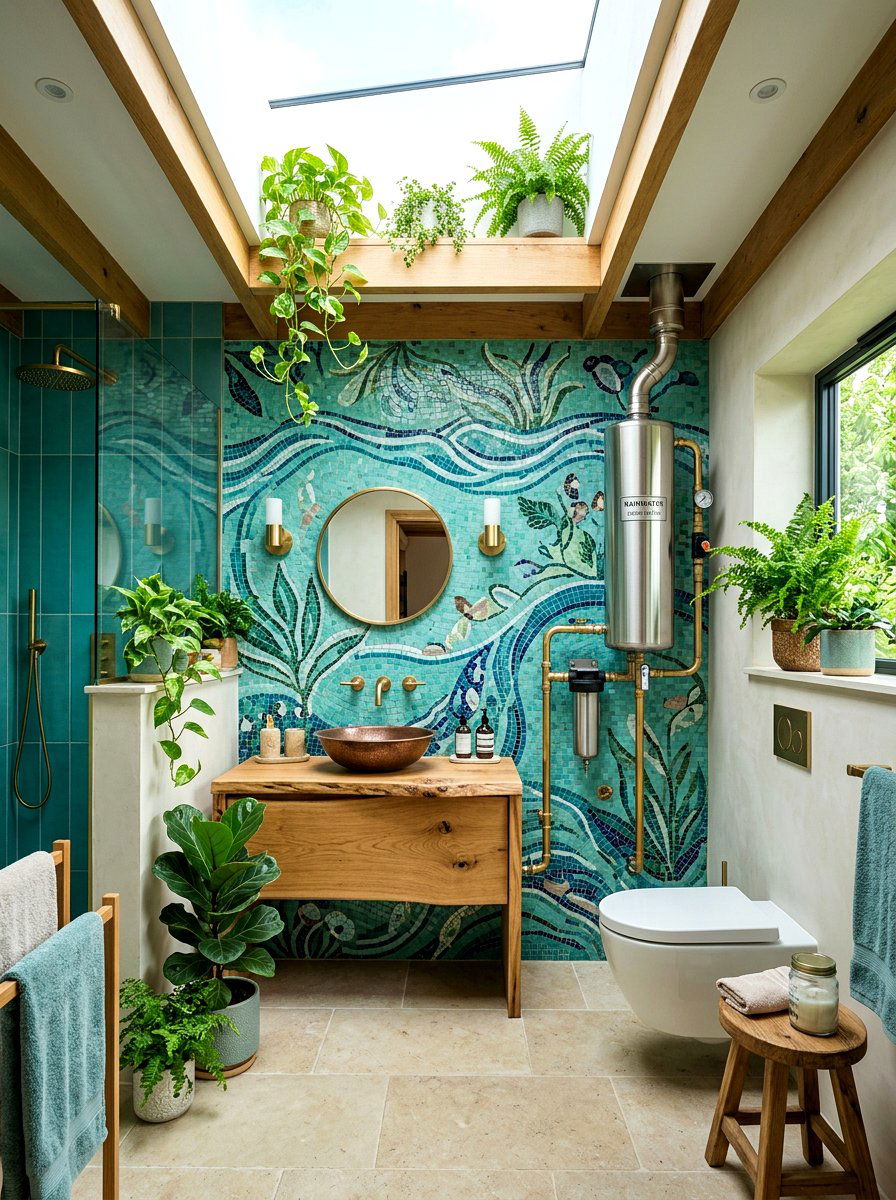
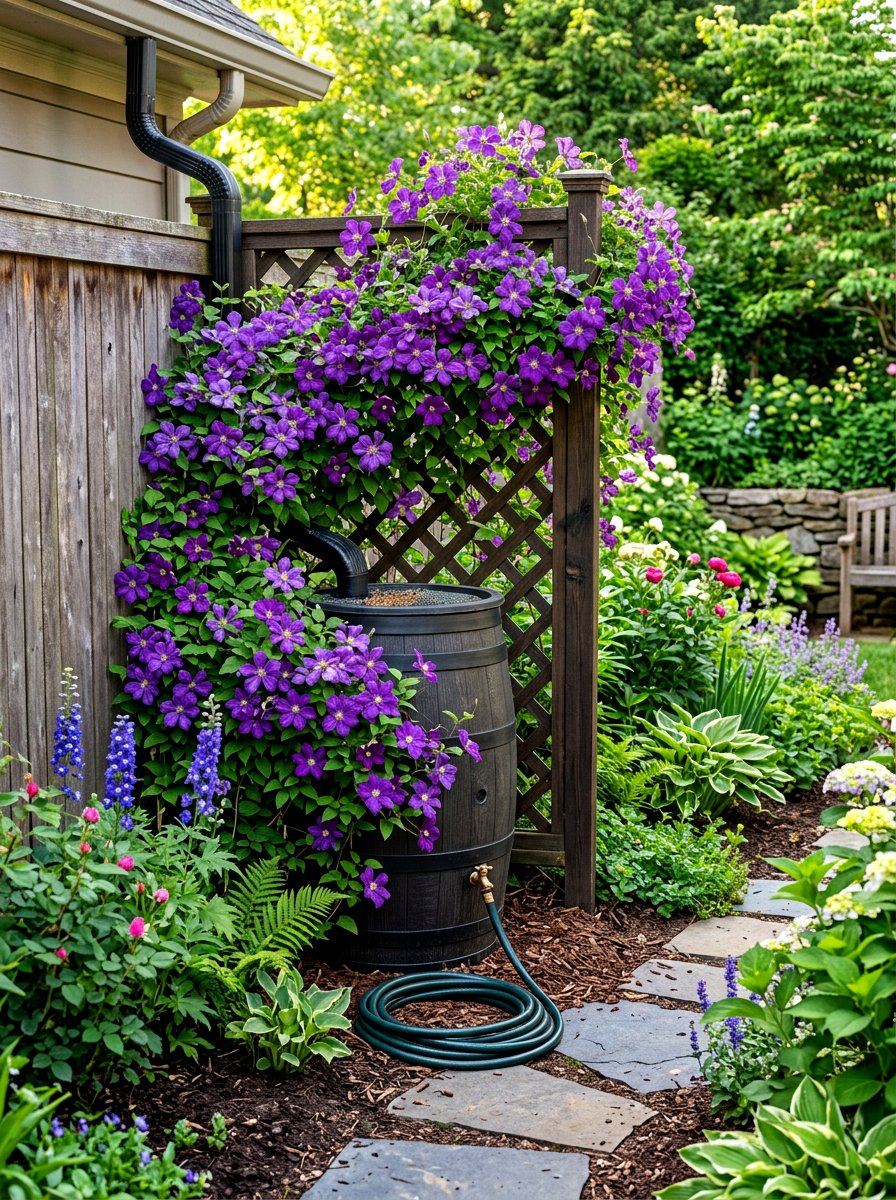
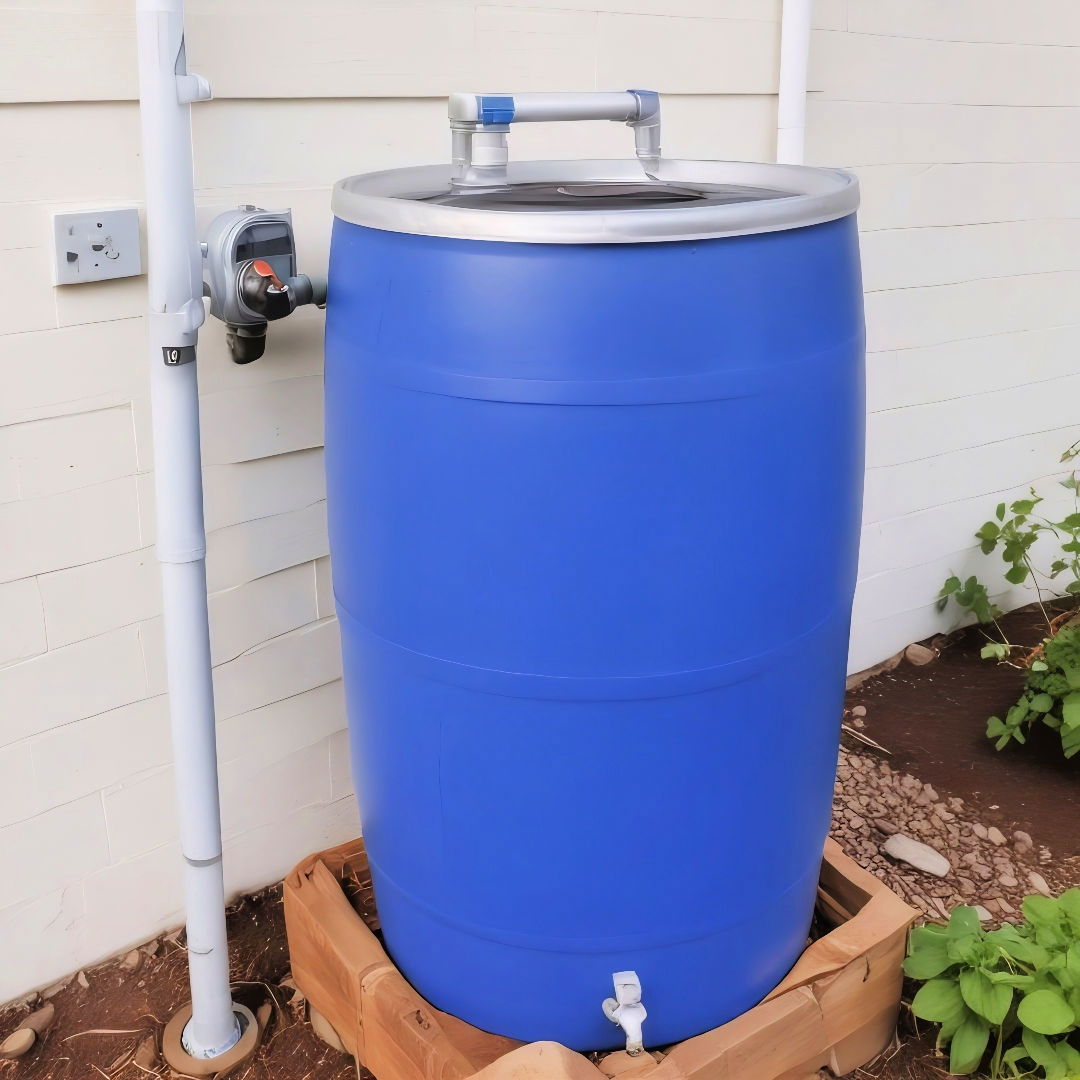
Designing a bathroom that utilizes a rainwater harvesting system for toilet flushing is a top-tier sustainability move. This involves collecting rain from the roof and piping it directly to the bathroom fixtures. To reflect this "water-centric" theme, use varying shades of blue and teal mosaic tiles to create a flowing, oceanic mural on the shower wall. Incorporate natural light through a large skylight to highlight the shimmering surfaces. The system requires specialized plumbing but offers a significant reduction in the use of treated municipal water. This design approach creates a unique, environmentally responsible home that celebrates the natural cycle of water in a beautiful way.
18. Atomizing Shower Head
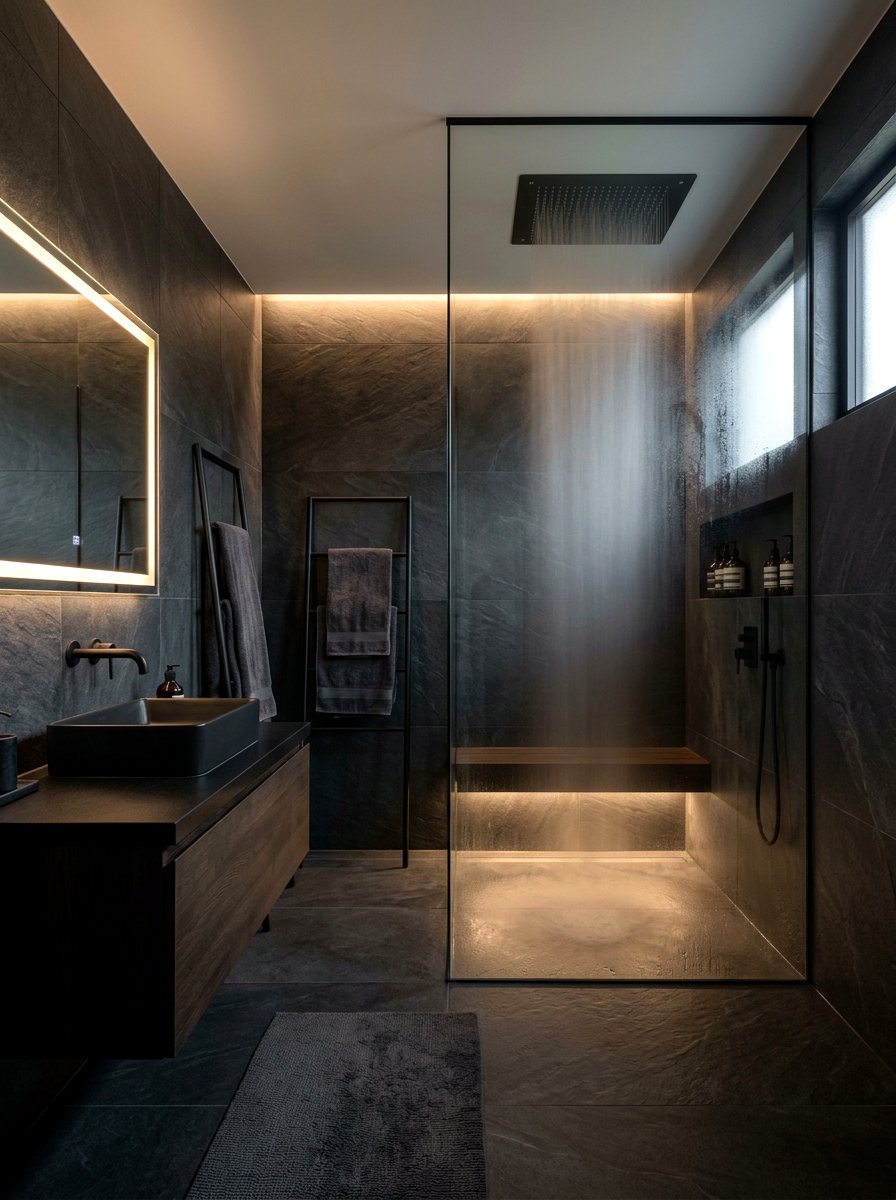
An atomizing shower head uses specialized nozzles to break water into tiny droplets, creating a dense mist that covers more surface area with less volume. This technology provides a spa-like "steam room" feel while using up to 70% less water than traditional heads. Design a modern, moody bathroom with dark textured tiles and hidden accent lighting to enhance the misty atmosphere. Use a large, walk-in shower area with no curb for a sleek, accessibility-forward layout. The fine mist is incredibly relaxing and efficient, turning a daily necessity into a luxury experience. This innovative design is perfect for homeowners who want to push the boundaries of sustainable luxury.
19. Deep Soaking Tub
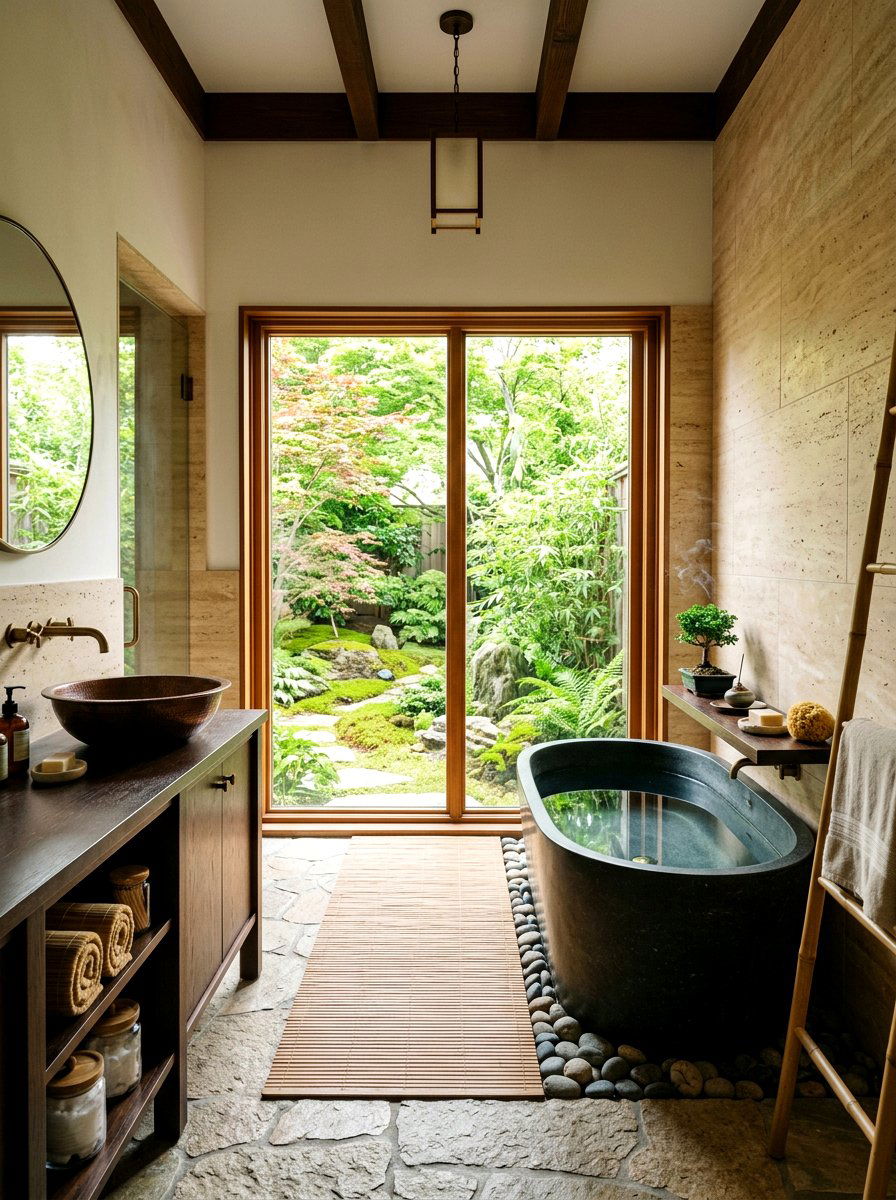
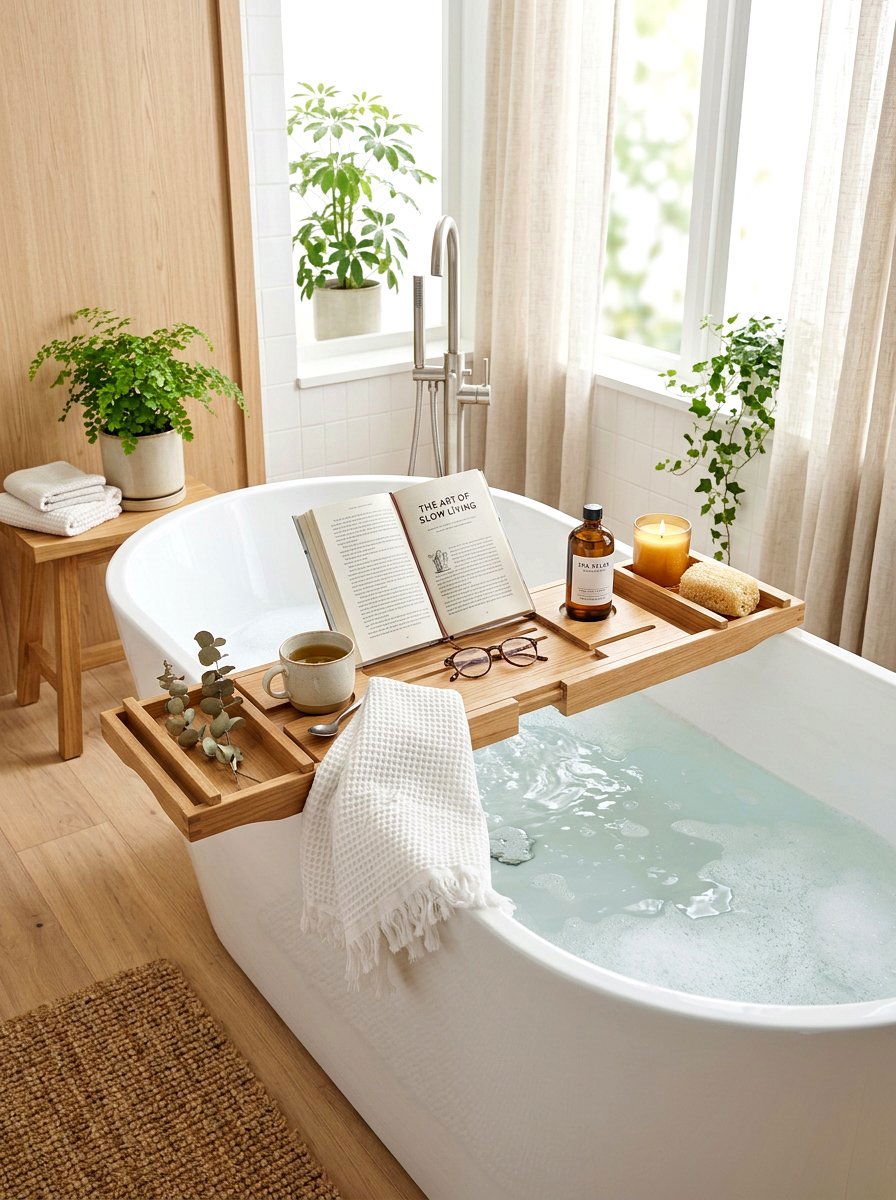
While baths generally use more water than showers, a well-designed deep soaking tub can actually be quite efficient by focusing on depth rather than length. These Japanese-inspired tubs allow for a full-body soak with a smaller overall footprint and water volume. Position the tub in a corner with a large window overlooking a private garden or courtyard. Use natural stone materials and bamboo mats to create a tranquil, Zen-like retreat. This design encourages a slower, more mindful bathing ritual while using significantly less water than a standard, long bathtub. It is a beautiful way to incorporate a luxury feature while remaining conscious of resource consumption.
20. Succulent Bathroom Garden
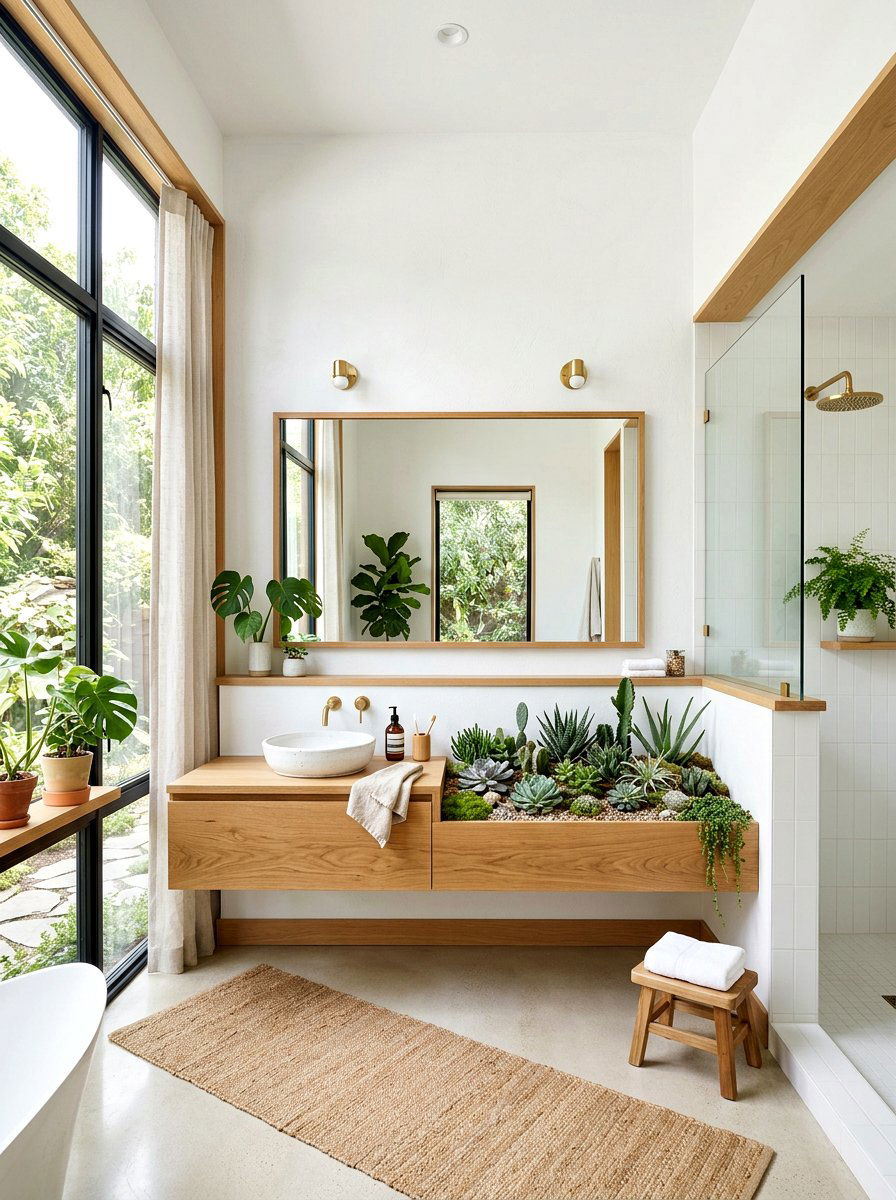
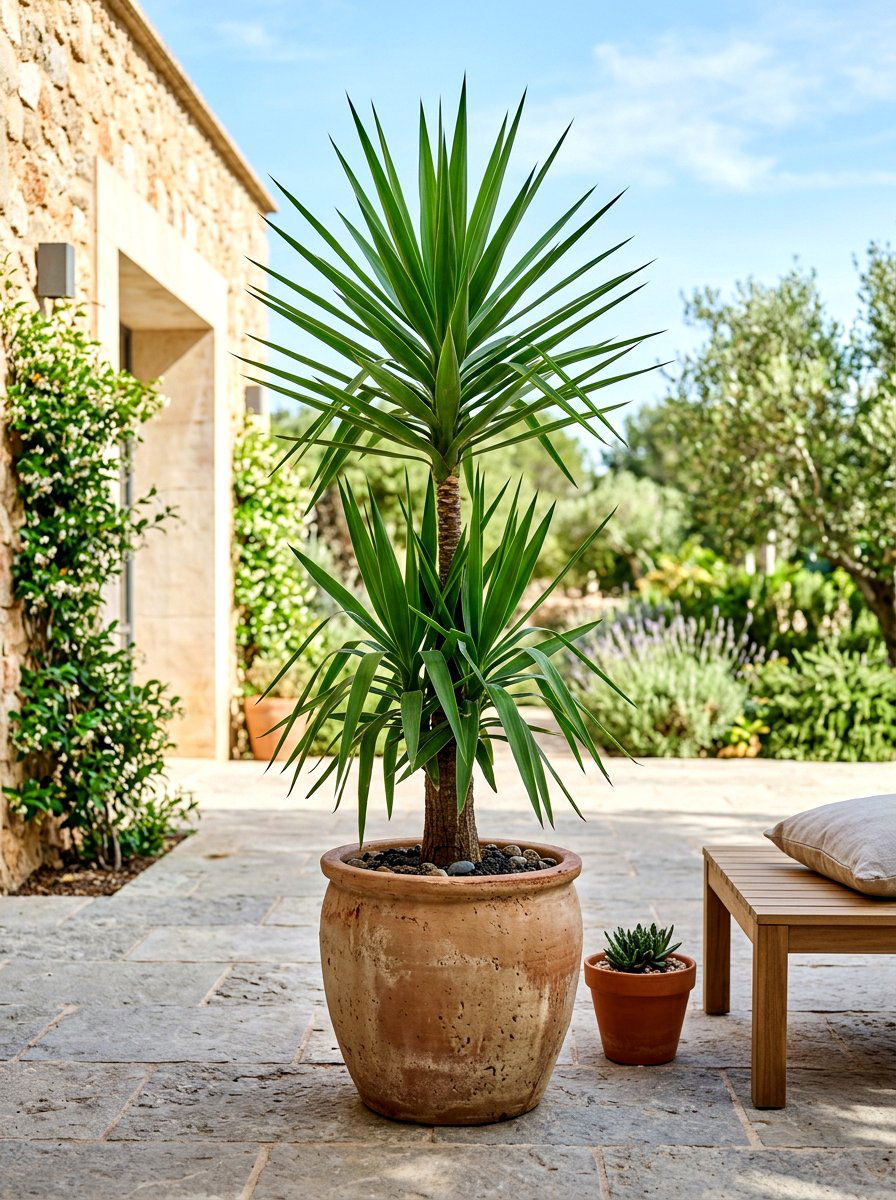
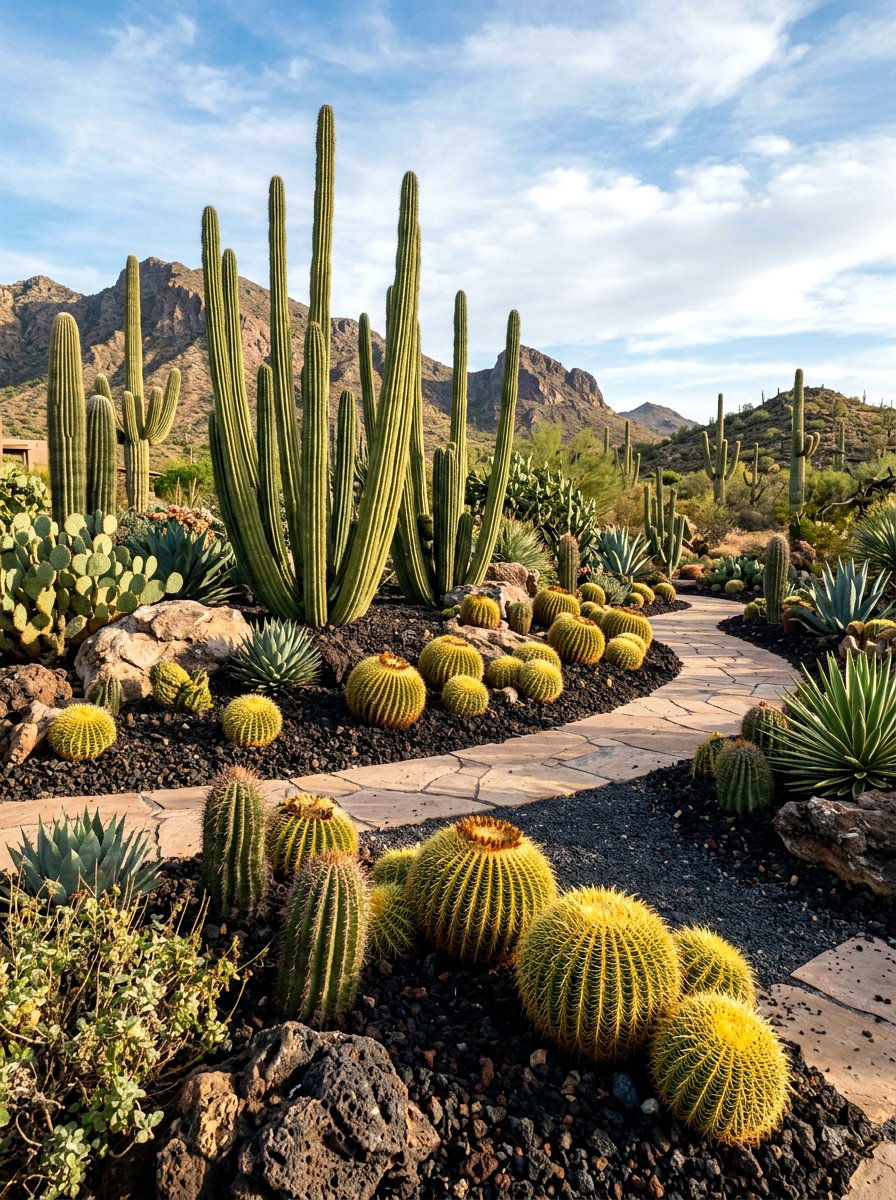
Integrating a succulent bathroom garden is a creative way to decorate without needing the extra humidity or frequent watering required by tropical plants. Succulents are naturally drought-tolerant and thrive in bright, well-ventilated spaces. Design a light-filled bathroom with large windows and a floating wooden vanity. Place a variety of succulents in minimalist ceramic pots on the windowsill or integrated wall niches. Use a neutral color palette with lots of white and light wood to let the green of the plants pop. This biophilic design approach brings nature indoors in a low-maintenance, water-efficient way, creating a serene and healthy environment for relaxation and self-care routines.
21. Mist Tap Aerator
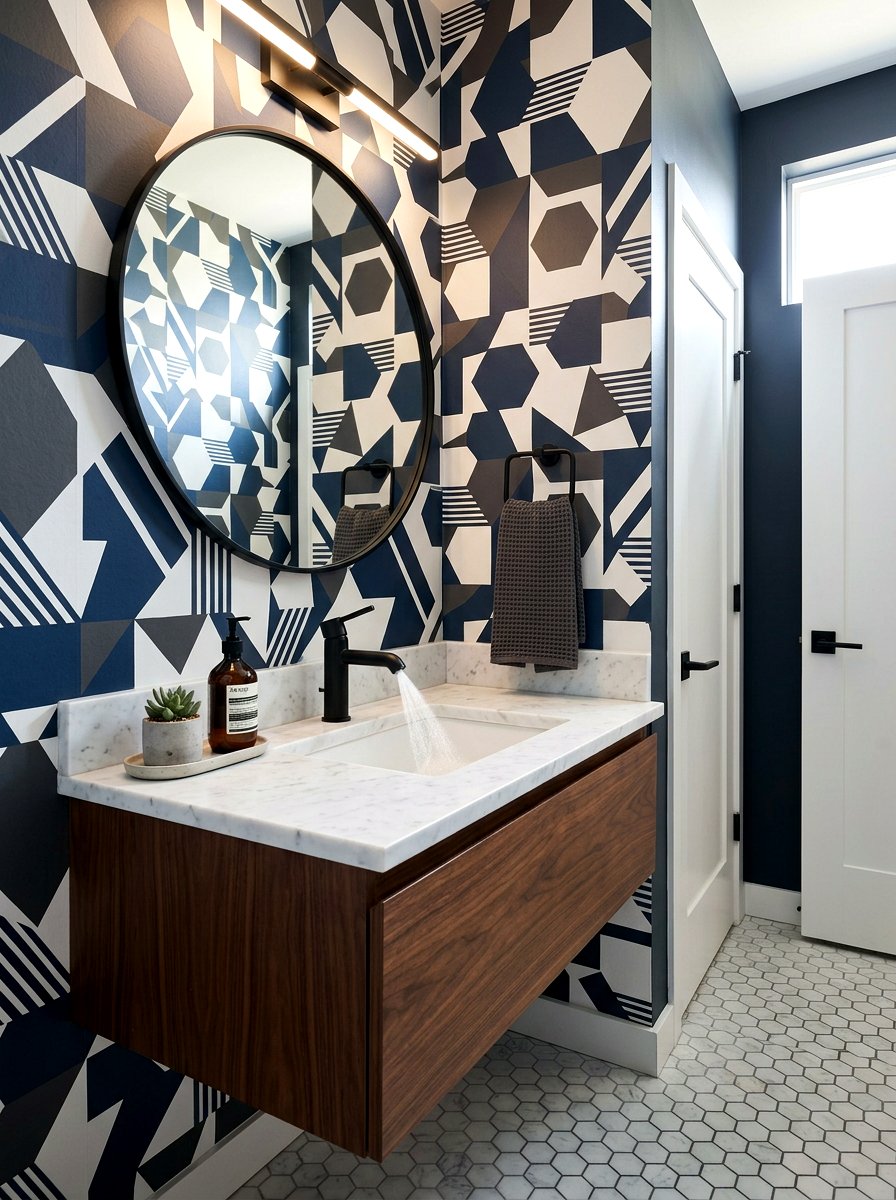
For an ultra-efficient vanity setup, a mist tap aerator can be installed on existing faucets to reduce flow to a fine spray. This is ideal for quick tasks like rinsing hands or faces without the heavy volume of a traditional stream. Design a modern powder room with bold, geometric wallpaper and a sleek, circular mirror. Choose a matte black faucet to create a strong visual contrast against a white marble sink. The mist setting is surprisingly effective and uses only a fraction of the water. This small, inexpensive upgrade can have a major impact on a home's total water usage, especially in rooms where the tap is used frequently.
22. Vacuum Flush Toilet
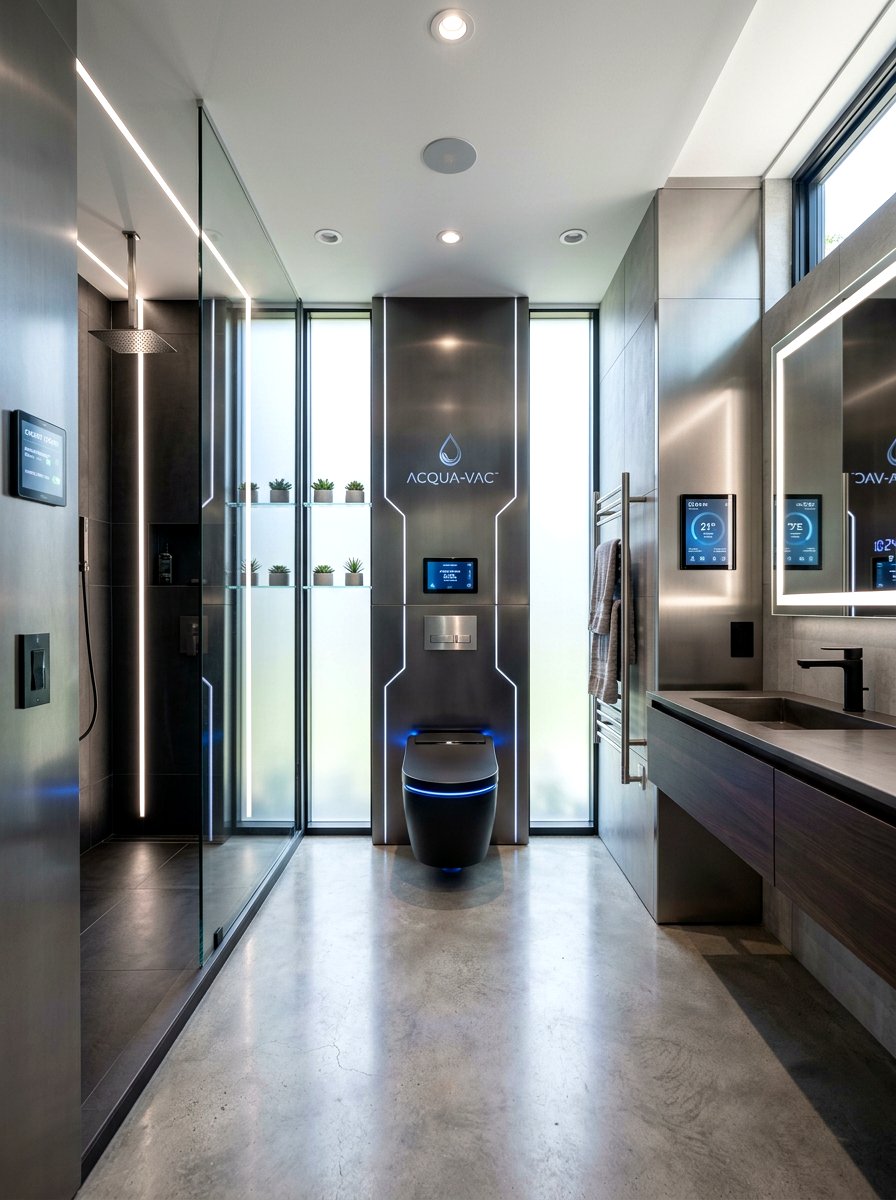
Commonly seen in airplanes and boats, vacuum flush toilets are now being adapted for high-end, eco-friendly homes due to their incredibly low water consumption. These systems use air pressure to move waste, requiring only a tiny amount of water to rinse the bowl. Design a futuristic, high-tech bathroom with metallic finishes, glass partitions, and integrated smart mirrors. The compact nature of vacuum toilets allows for more creative layouts and extra floor space. This technology is perfect for homeowners looking for the absolute latest in sustainable home innovations. It creates a clean, efficient, and modern aesthetic that stands out as a true feat of engineering and design.
23. Automatic Flow Limiter
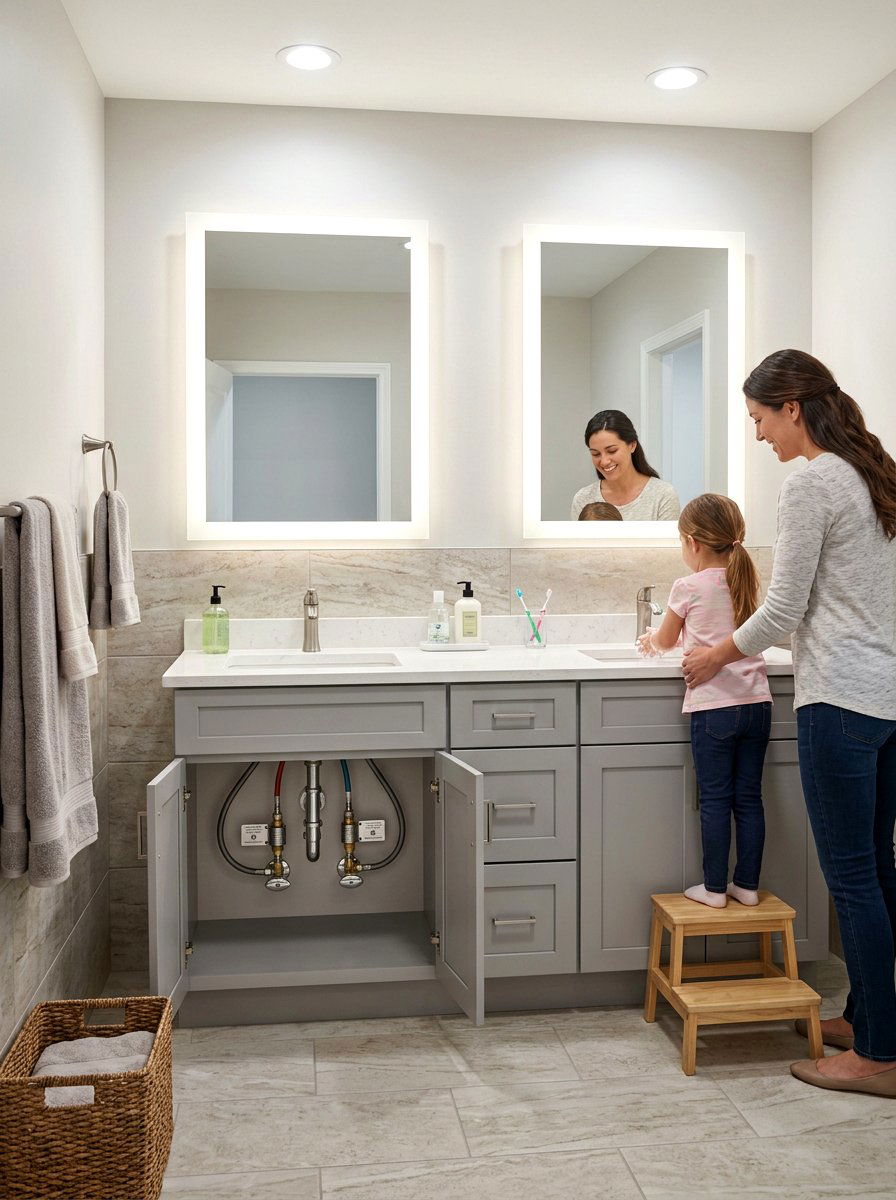
An automatic flow limiter is a simple device installed within plumbing lines to ensure that water pressure never exceeds a certain efficient level. This prevents the wasteful "gush" that often occurs in homes with high municipal water pressure. Design a functional and beautiful family bathroom with double vanities and large, backlit mirrors. Use durable porcelain floor tiles and soft gray cabinetry for a timeless look. The flow limiter works silently in the background, ensuring that every fixture operates at its peak efficiency. It is a foundational element of a water-conscious home, protecting your fixtures and your budget while maintaining a consistent and comfortable user experience.
24. Spray Faucet Insert
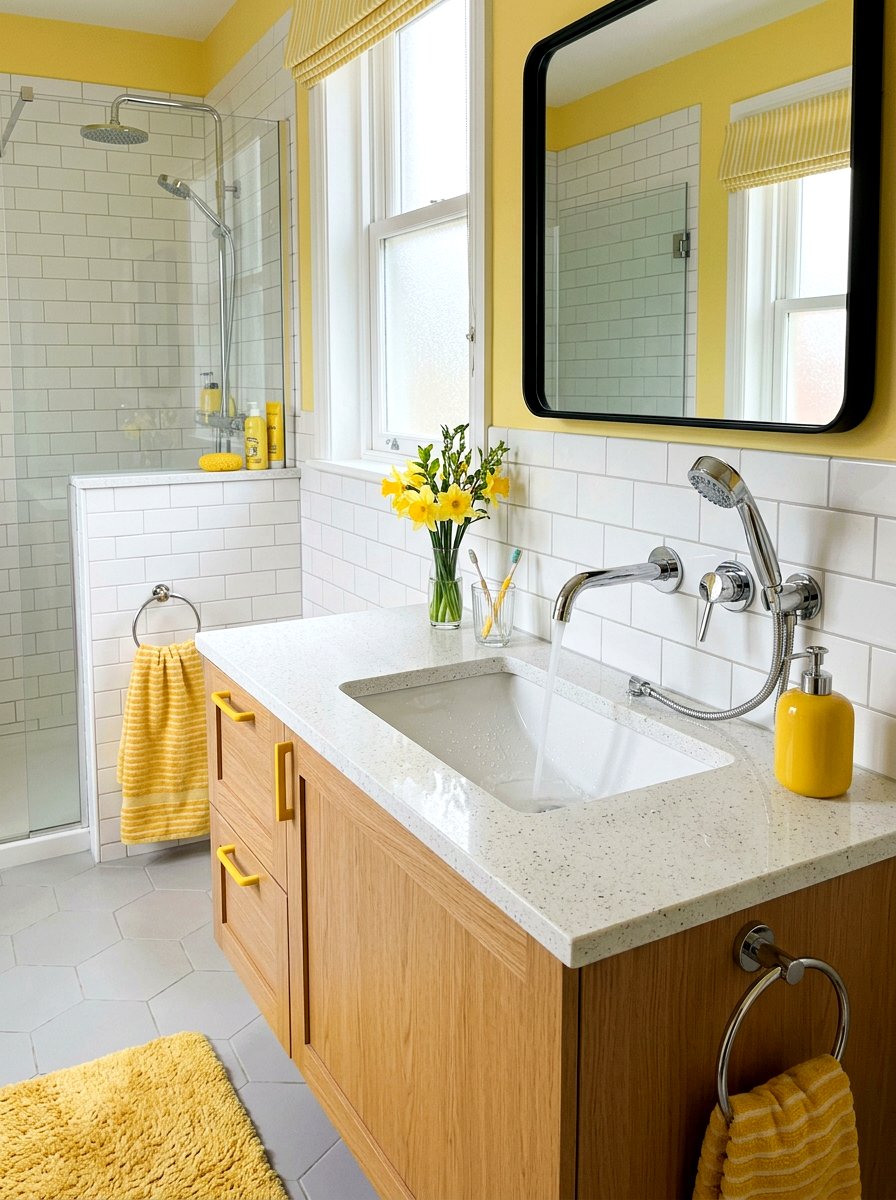
Adding a spray faucet insert to your bathroom tap can transform a standard stream into a wide, efficient spray pattern. This is particularly useful for cleaning the basin or rinsing soap away quickly. Design a bright, cheerful bathroom with yellow accents and white subway tiles. A wall-mounted faucet with a spray insert can save space and add an interesting industrial touch. This simple modification encourages faster, more efficient use of water at the vanity. Pair it with a high-quality quartz countertop for a durable and easy-to-clean surface. This design idea focuses on practical, everyday efficiency that adds up to significant savings over time without a major renovation.
25. Wall Mounted Faucet
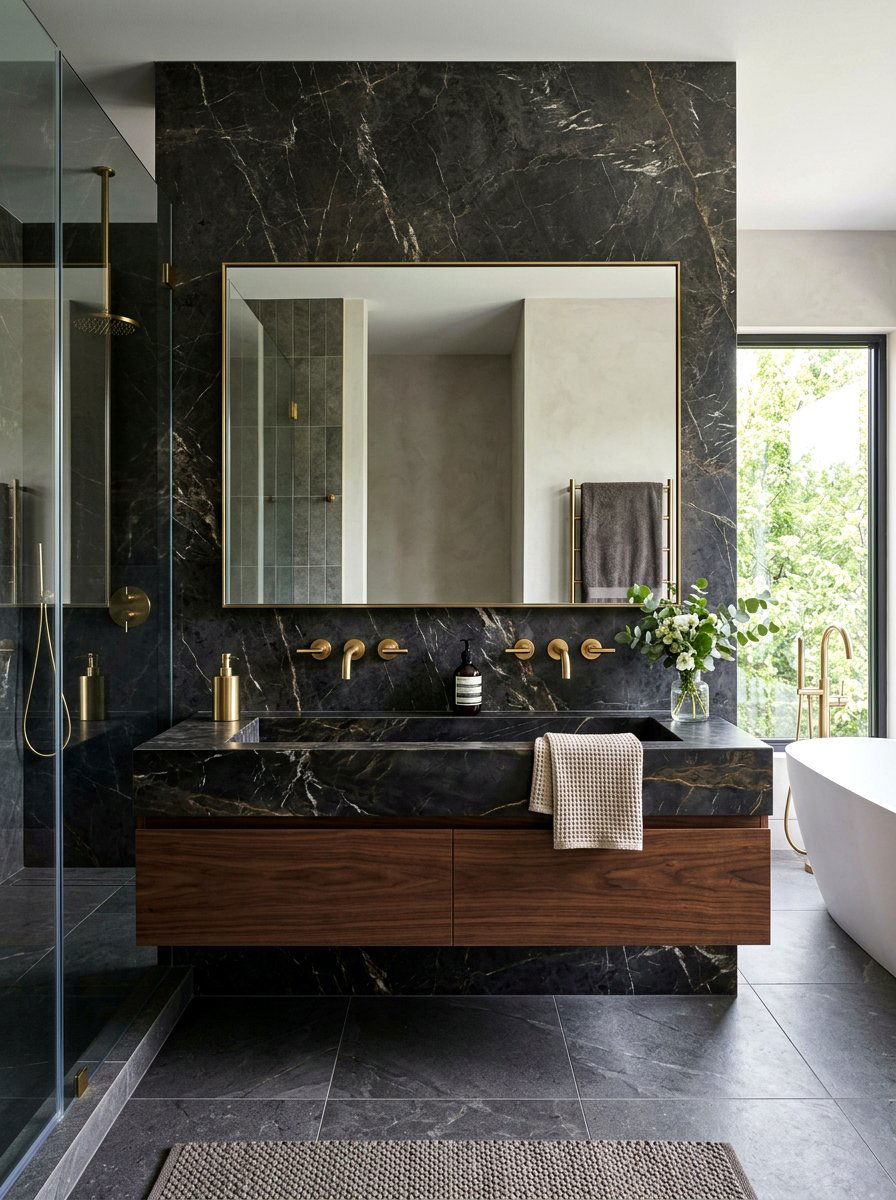
A wall mounted faucet is a stylish design choice that can also contribute to water efficiency by allowing for a more precise and intentional installation height. This setup reduces splashing and makes cleaning the vanity surface much easier. Design a luxurious master bathroom with a large, trough-style sink and twin wall-mounted taps in a brushed gold finish. Use dark marble wall slabs to create a dramatic and sophisticated backdrop. The clean look of the wall-mounted plumbing emphasizes a minimalist, eco-conscious lifestyle. It creates a sleek, unobstructed vanity area that feels more like a high-end hotel than a standard home, combining aesthetic appeal with functional, water-saving benefits.
26. Shower Start Adapter
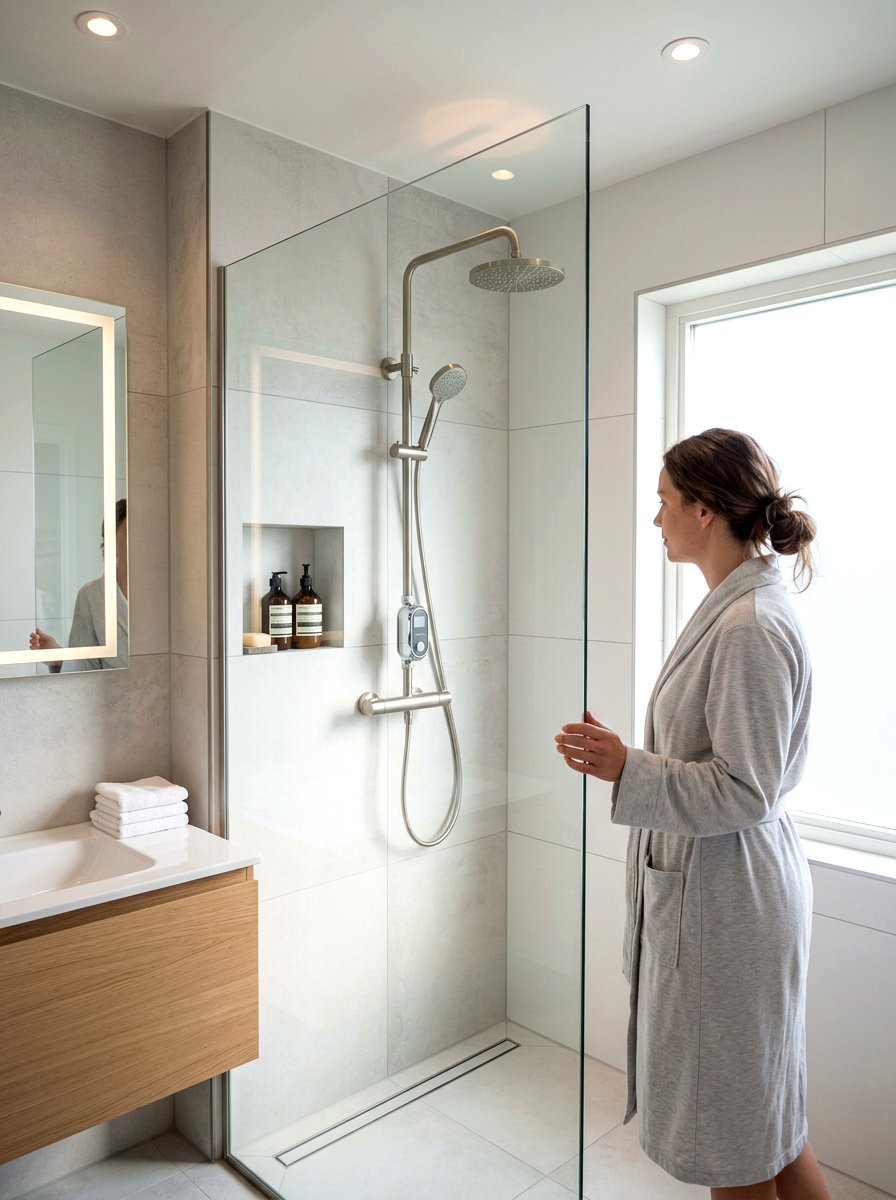
A shower start adapter is a clever valve that automatically stops the water flow once it reaches the desired temperature. This allows you to turn the shower on, walk away to finish a task, and return to find the water warm and waiting without a single drop being wasted. Design a contemporary bathroom with a large walk-in shower and a built-in niche for luxury soaps. Use light-colored tiles and glass doors to keep the space feeling open. Once you are ready to enter, you simply pull a cord or push a button to restart the flow. This technology is an easy way to eliminate a major source of daily water waste.
27. Gravity Flush Toilet
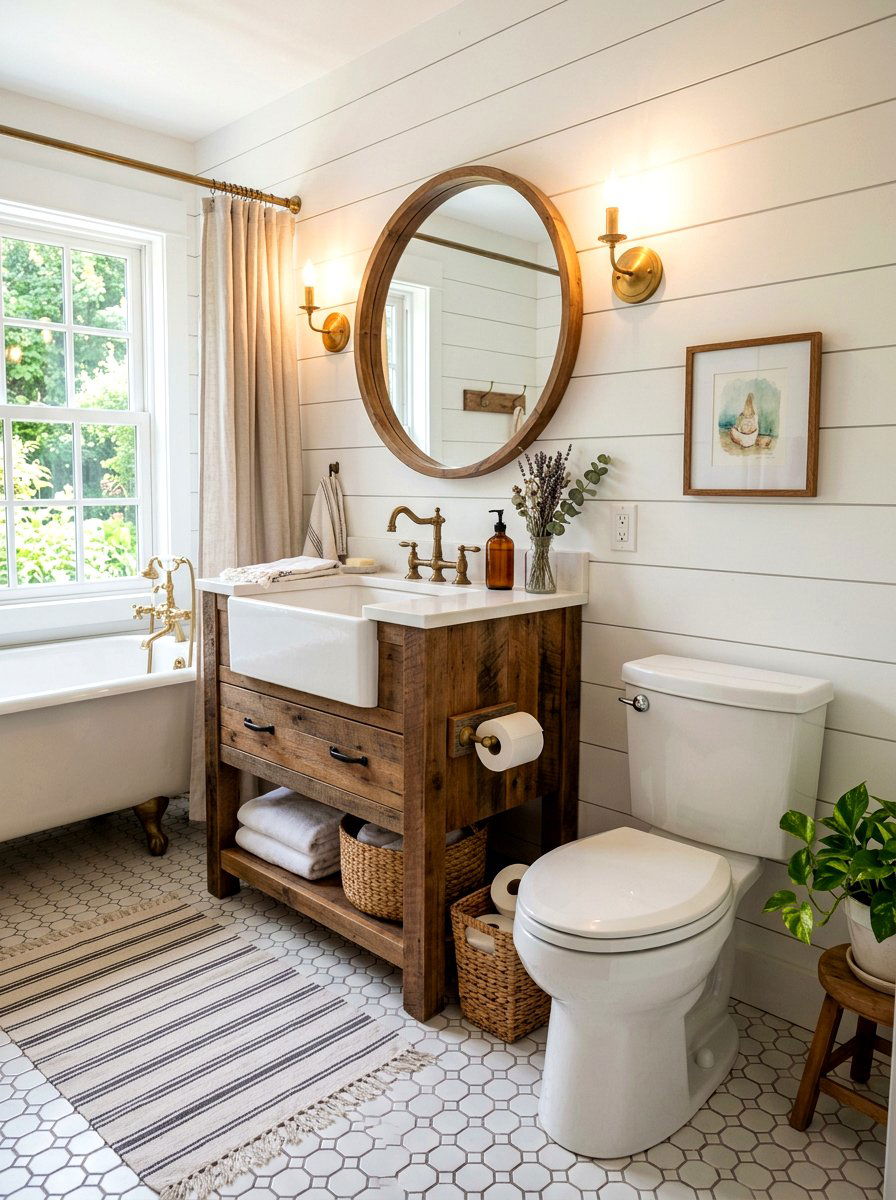
The modern gravity flush toilet has been re-engineered to provide a powerful, reliable clean using minimal water through optimized tank and bowl shapes. These fixtures are quieter and more traditional in appearance than pressure-assisted models. Design a cozy, farmhouse-style bathroom with a reclaimed wood vanity and white shiplap walls. Choose a toilet with a classic, high-profile design that complements the rustic aesthetic. The simplicity of the gravity system means fewer parts to break, ensuring long-term sustainability through durability. This design choice proves that you can have a high-performing, water-efficient bathroom that still feels warm, traditional, and incredibly inviting for the whole family.
28. Waterless Urinal
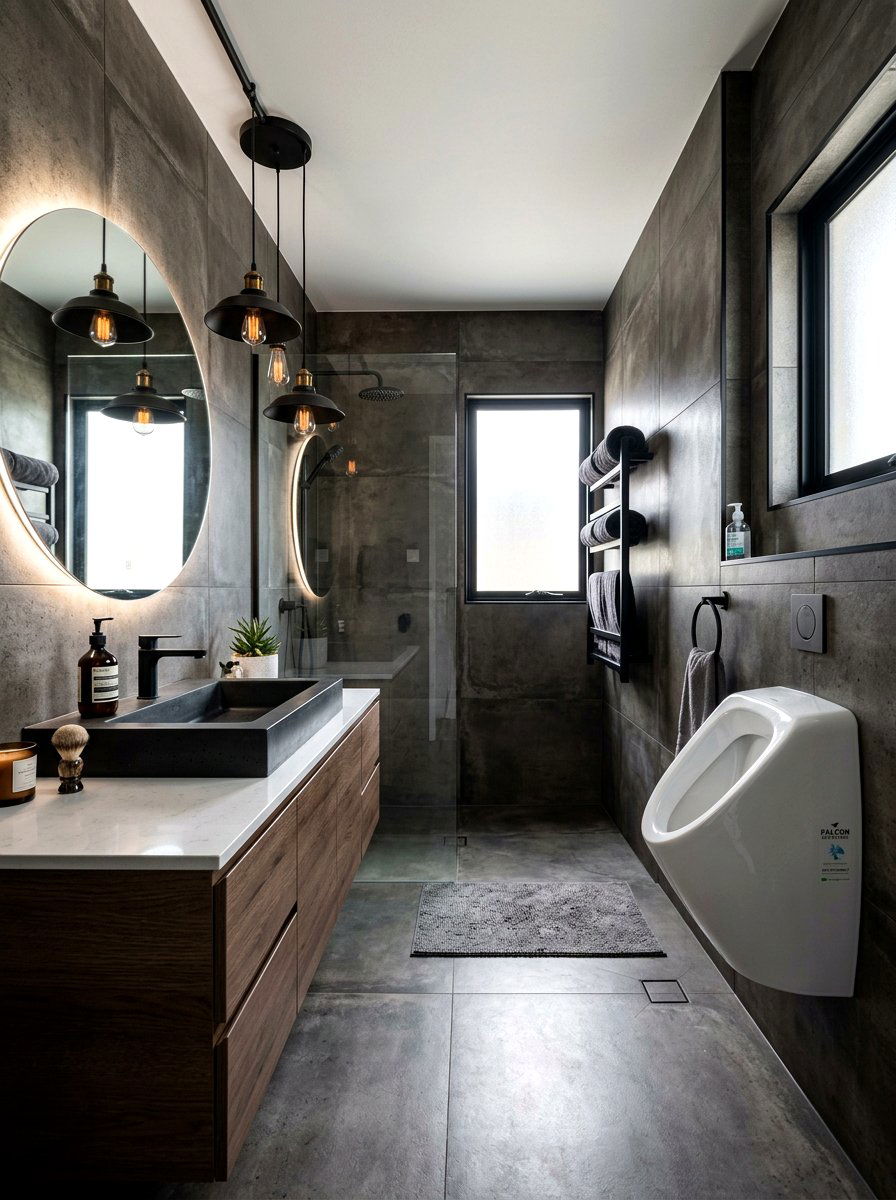
While traditionally used in commercial settings, waterless urinals are becoming a popular addition to large residential master bathrooms or basement bars for their extreme water savings. These units use a specialized trap and liquid sealant to remain odorless without ever needing a flush. Design a sleek "his and hers" bathroom layout with a dedicated area for the urinal, styled with dark masculine tones and industrial lighting. Use large-format concrete-look tiles for the walls and floor. This addition can save a household thousands of gallons of water per year. It is a bold, modern choice for homeowners who are serious about maximizing their home's efficiency and uniqueness.
29. Insulated Pex Pipe
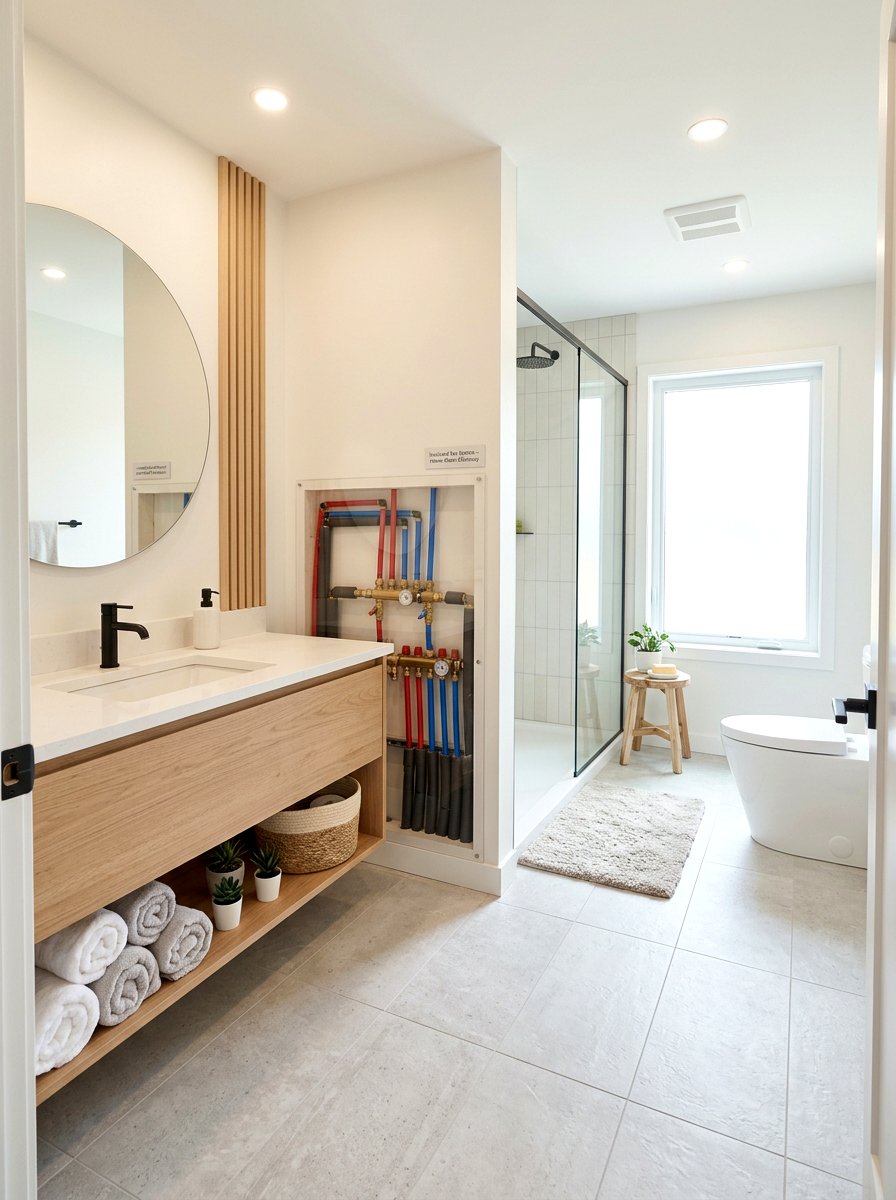
Using insulated Pex piping in your bathroom’s plumbing layout is a subtle but effective way to conserve both water and energy. The insulation keeps the water in the pipes warmer for longer, reducing the amount of time you spend waiting at the tap for hot water to arrive. Design a clean, modern bathroom with accessible plumbing features and light-toned, natural materials. Use a floating vanity to make the room feel more spacious and airy. This infrastructure-level improvement ensures that your high-efficiency fixtures perform even better. It is a smart, behind-the-scenes upgrade that supports a comfortable and sustainable home environment for years to come.
30. Smart Shower Head
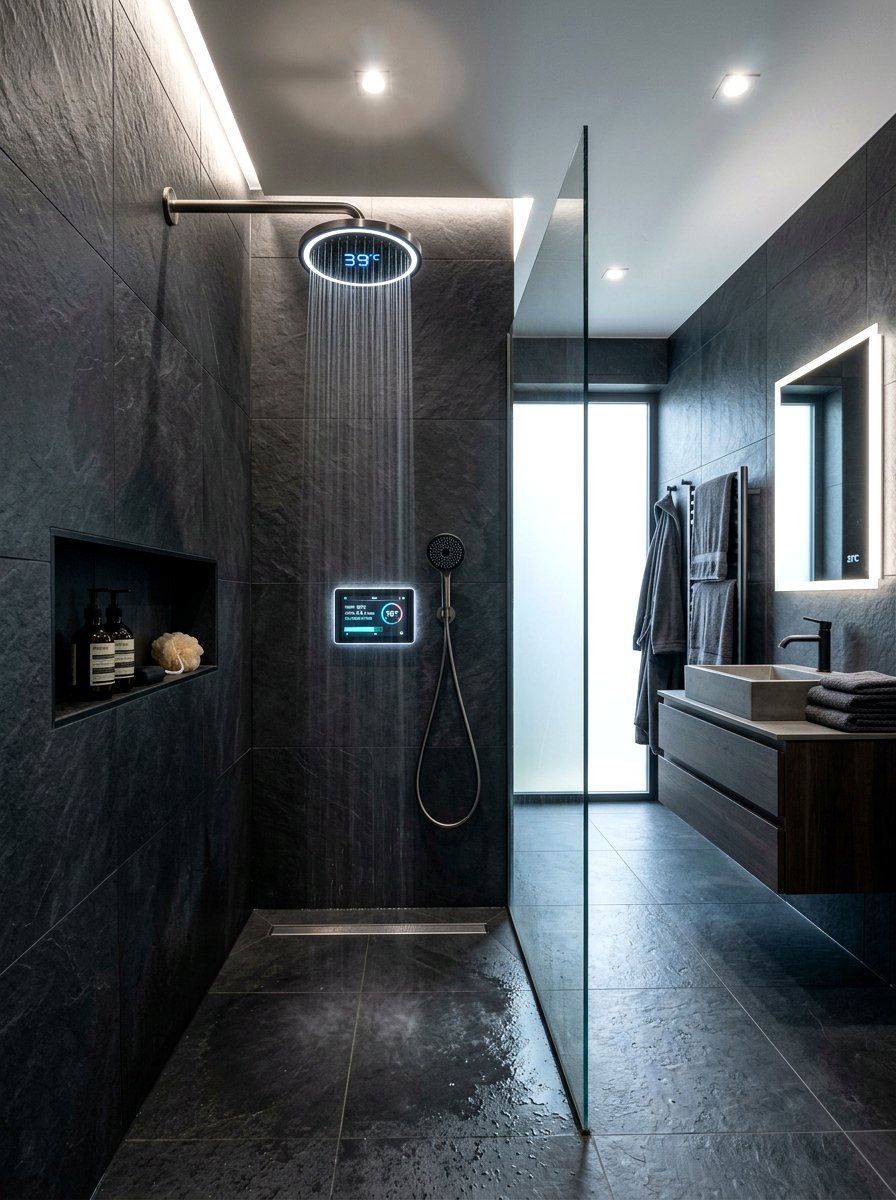
A smart shower head can be the centerpiece of a high-tech, eco-friendly bathroom, offering features like LED temperature indicators and usage tracking. These devices can even pause the water flow during lathering and restart it with a simple touch. Design a luxurious, futuristic wet room with dark textured walls and a ceiling-mounted smart rainfall head. Use a digital control panel to preset your perfect shower duration and temperature. The visual feedback provided by the LED lights helps everyone in the family become more conscious of their water habits. This design represents the perfect marriage of modern technology, high-end luxury, and responsible, water-efficient living.
Conclusion:
Transitioning to a low water bathroom is a powerful step toward a more sustainable and cost-effective lifestyle. By carefully selecting high-efficiency toilets, aerated faucets, and innovative showering technologies, you can transform a functional room into an eco-friendly oasis. These design ideas demonstrate that saving water does not mean compromising on style or the quality of your daily rituals. Whether you are performing a full renovation or simply upgrading a few fixtures, the long-term benefits for your wallet and the planet are immense. Embracing these modern solutions allows you to create a beautiful, future-proof home that reflects your commitment to environmental stewardship and sophisticated design.

Related posts: