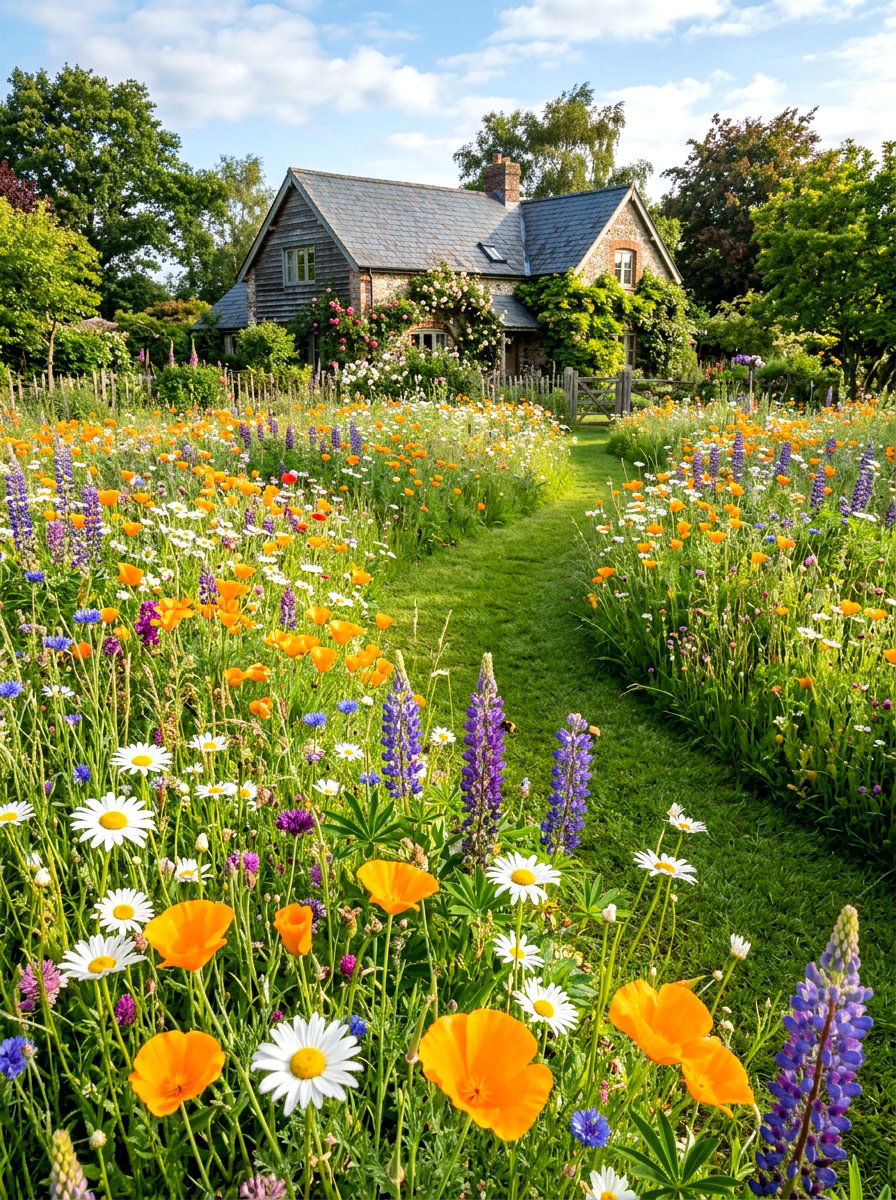
Transforming your front yard into a sustainable oasis is a smart way to boost curb appeal while saving on water costs. Many homeowners are now moving away from traditional thirsty lawns in favor of drought-tolerant alternatives that look stunning year-round. These landscapes rely on hardy plants and clever hardscaping to create a vibrant environment that thrives with minimal irrigation. By choosing native species and water-wise materials, you can create a beautiful outdoor space that respects the local climate. Whether you prefer a modern minimalist look or a lush Mediterranean feel, there are endless ways to design a front yard that is both eco-friendly and visually striking.
1. Xeriscape Landscaping
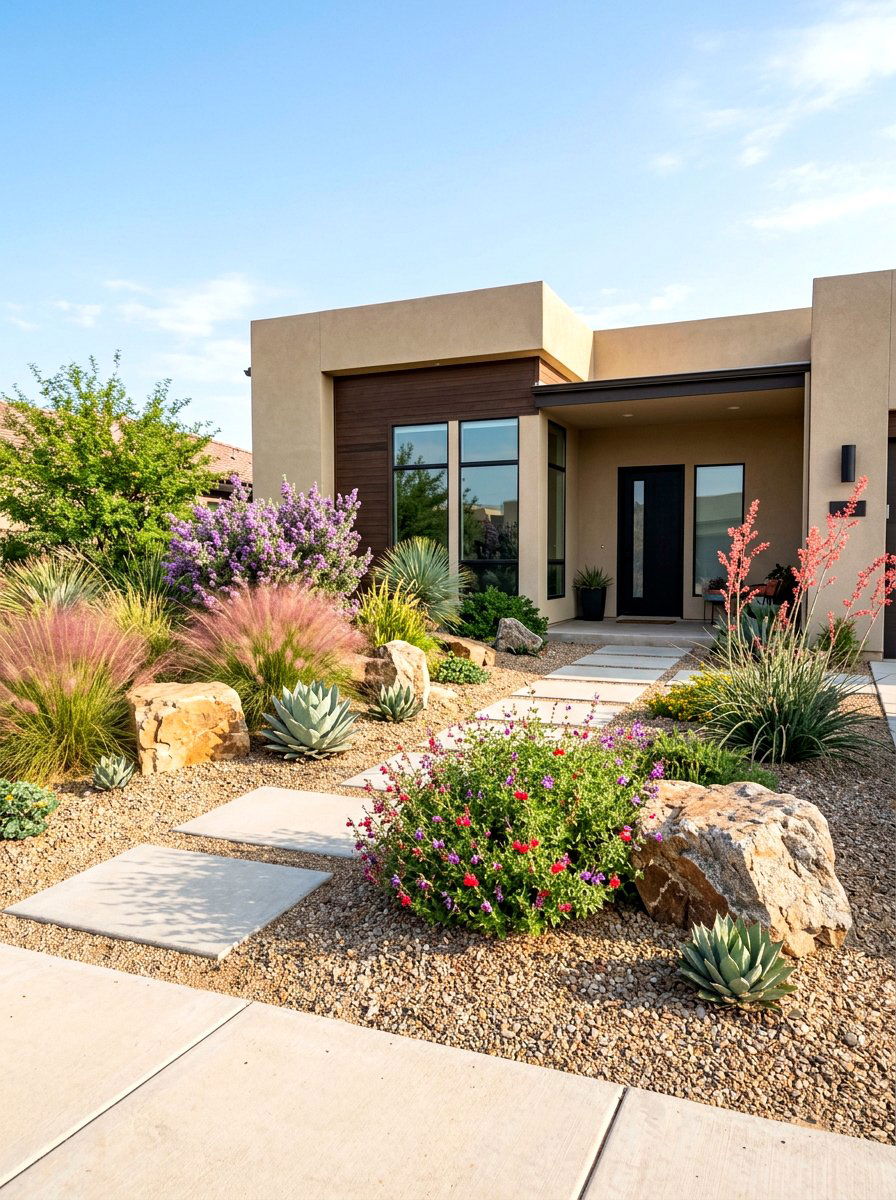
Xeriscape landscaping focuses on water conservation through the use of slow-growing and drought-resistant plants. This approach reduces the need for supplemental irrigation by grouping plants with similar water requirements. You can incorporate a variety of textures using pebbles, boulders, and organic mulch to keep the soil cool. This style often features a mix of native shrubs and perennials that provide seasonal color without the high maintenance of a lawn. It is a perfect choice for arid regions where water is a precious resource. Your front yard will look professionally designed and environmentally conscious while significantly lowering your monthly utility bills and maintenance time.
2. Gravel Walkway
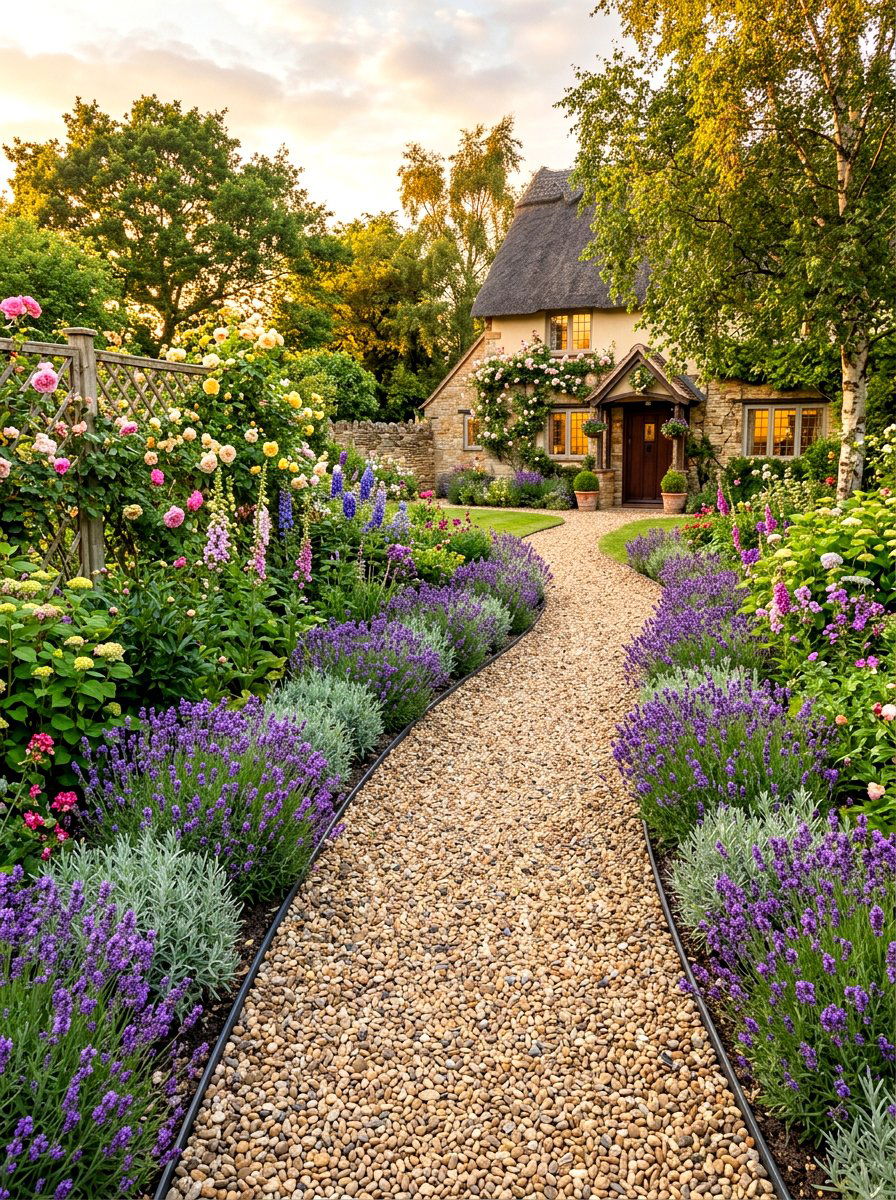
A gravel walkway offers a permeable and stylish way to navigate your front yard without using much water. Crushed stone or pea gravel creates a natural crunching sound underfoot that adds a sensory element to your landscape. You can edge the path with larger stones or metal strips to keep the gravel contained and tidy. This type of path allows rainwater to soak directly into the ground, which helps prevent runoff and erosion. Pair the walkway with low-water plants like ornamental grasses or lavender for a classic look. It provides a clean, structured appearance that complements both modern and traditional home styles perfectly.
3. Succulent Garden
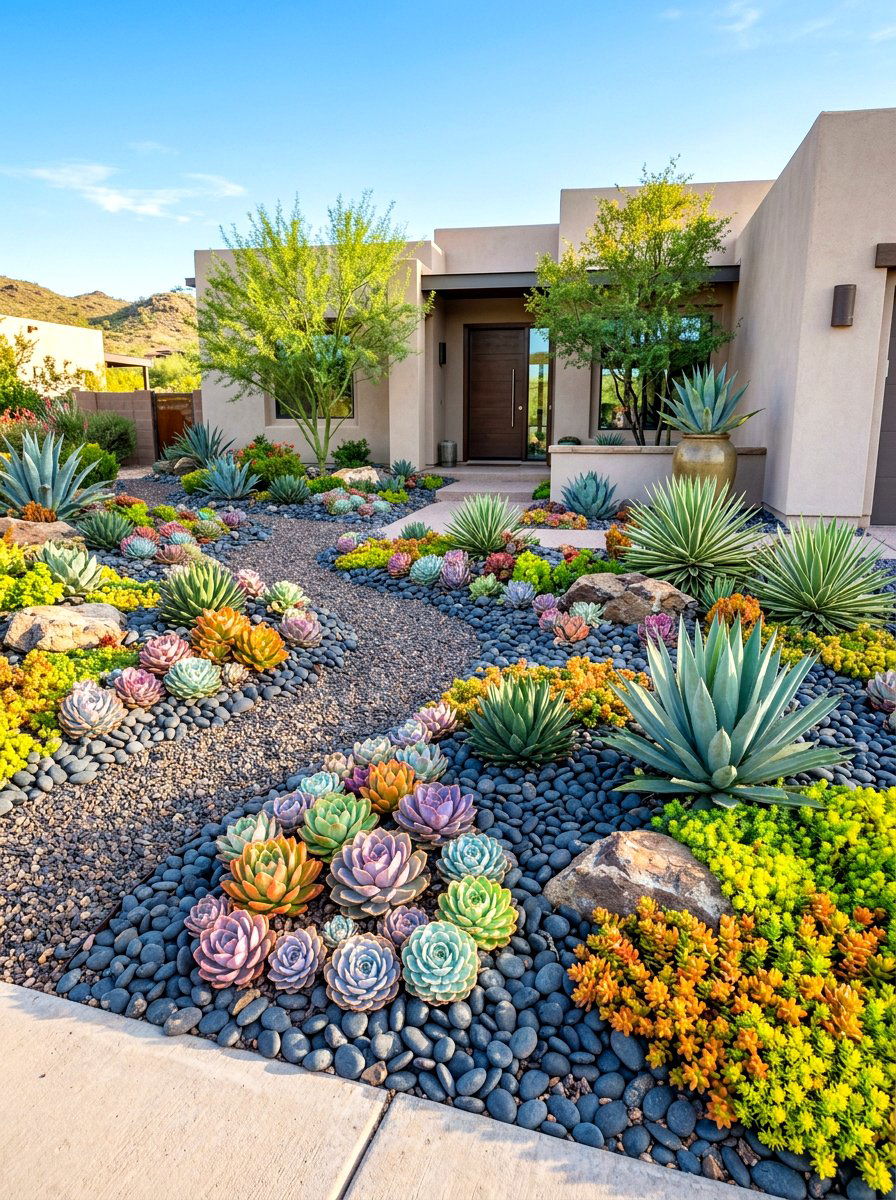
Succulent gardens are incredibly popular for their unique shapes, varied colors, and low water needs. These plants store moisture in their fleshy leaves, allowing them to survive long periods of dry weather. You can arrange different varieties such as echeveria, sedum, and aloe to create a living tapestry in your front yard. Using a mix of heights and textures adds visual depth to the space. Succulents thrive in well-drained soil and often require very little attention once they are established. They look especially beautiful when nestled among decorative rocks or placed in modern planters. This garden style offers a contemporary and sophisticated aesthetic.
4. Native Grass Lawn
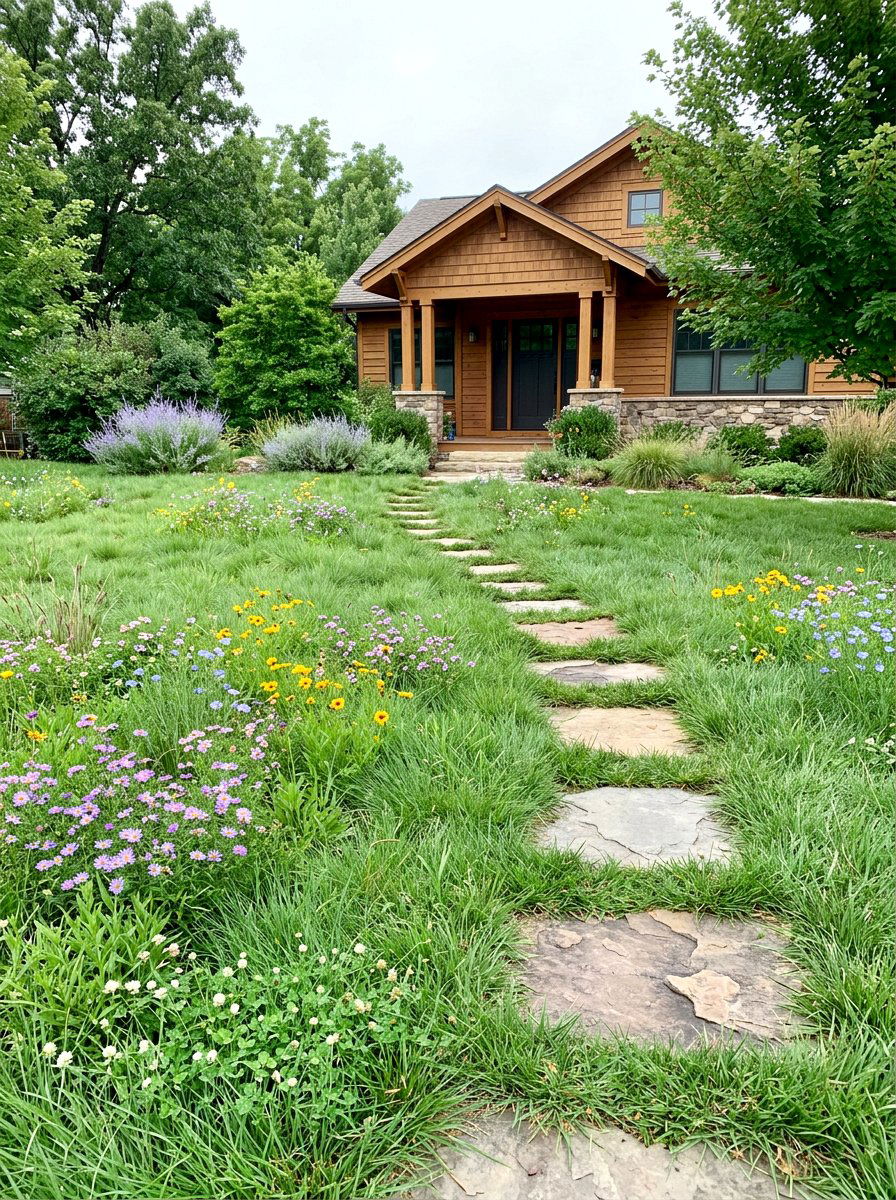
Switching to a native grass lawn is an excellent way to keep a green look while drastically reducing water use. Native grasses are naturally adapted to your local soil and climate, making them more resilient than standard turf. Varieties like buffalo grass or blue grama stay low and require much less mowing and fertilizing. These grasses often have deep root systems that help them survive heat waves and dry spells. They provide a soft, meadow-like texture that feels more natural and relaxed than a manicured lawn. Choosing native options also supports local wildlife and pollinators, making your front yard a small ecological sanctuary.
5. Rock Garden
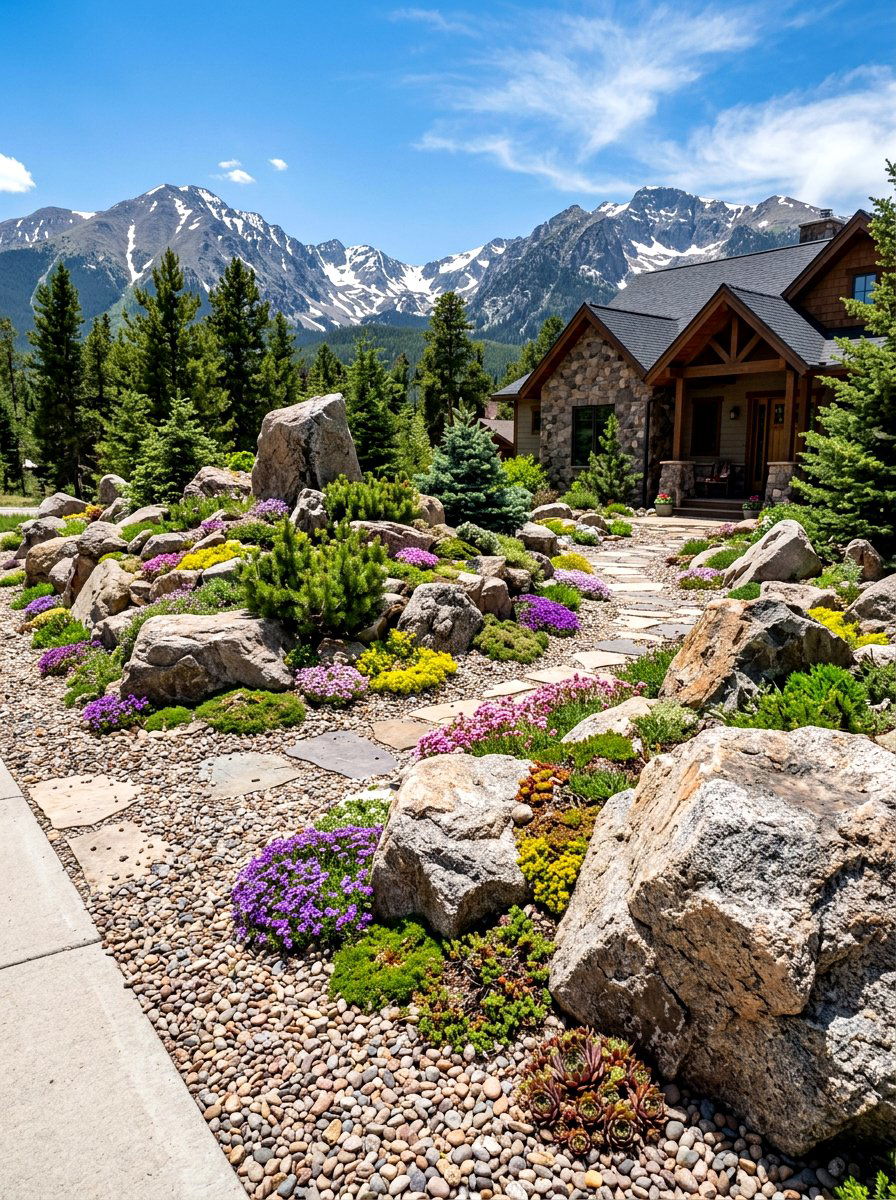
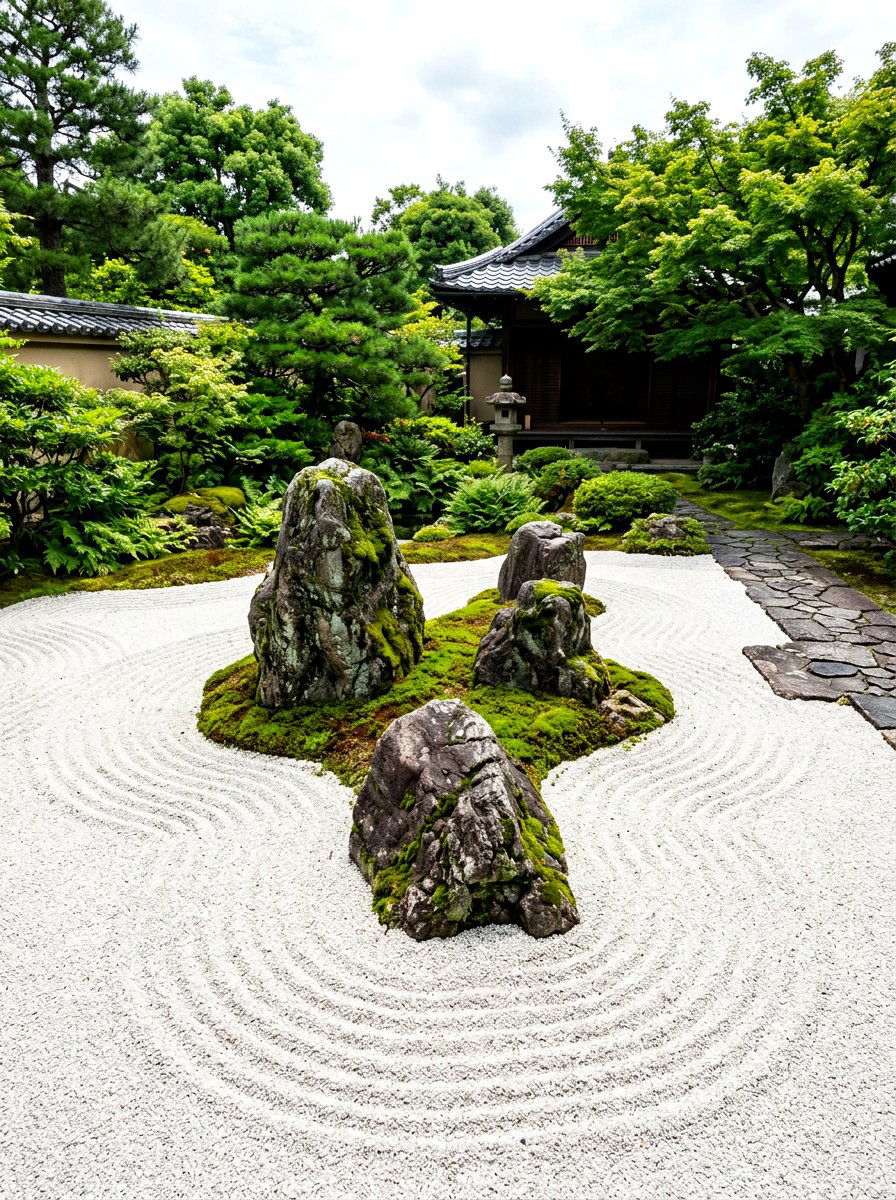
A rock garden uses natural stones and boulders as the primary structural elements of the landscape. This design mimics rugged mountain or desert environments, creating a dramatic focal point in your front yard. You can nestle small, drought-tolerant plants like alpine flowers or hardy succulents into the crevices between the rocks. The stones act as a natural mulch, helping to retain moisture in the soil beneath them. This style is virtually maintenance-free once the initial layout is complete. It provides a permanent, sculptural beauty that stays consistent throughout all seasons. Rock gardens are ideal for sloped yards where they can also help with soil stability.
6. Mediterranean Courtyard
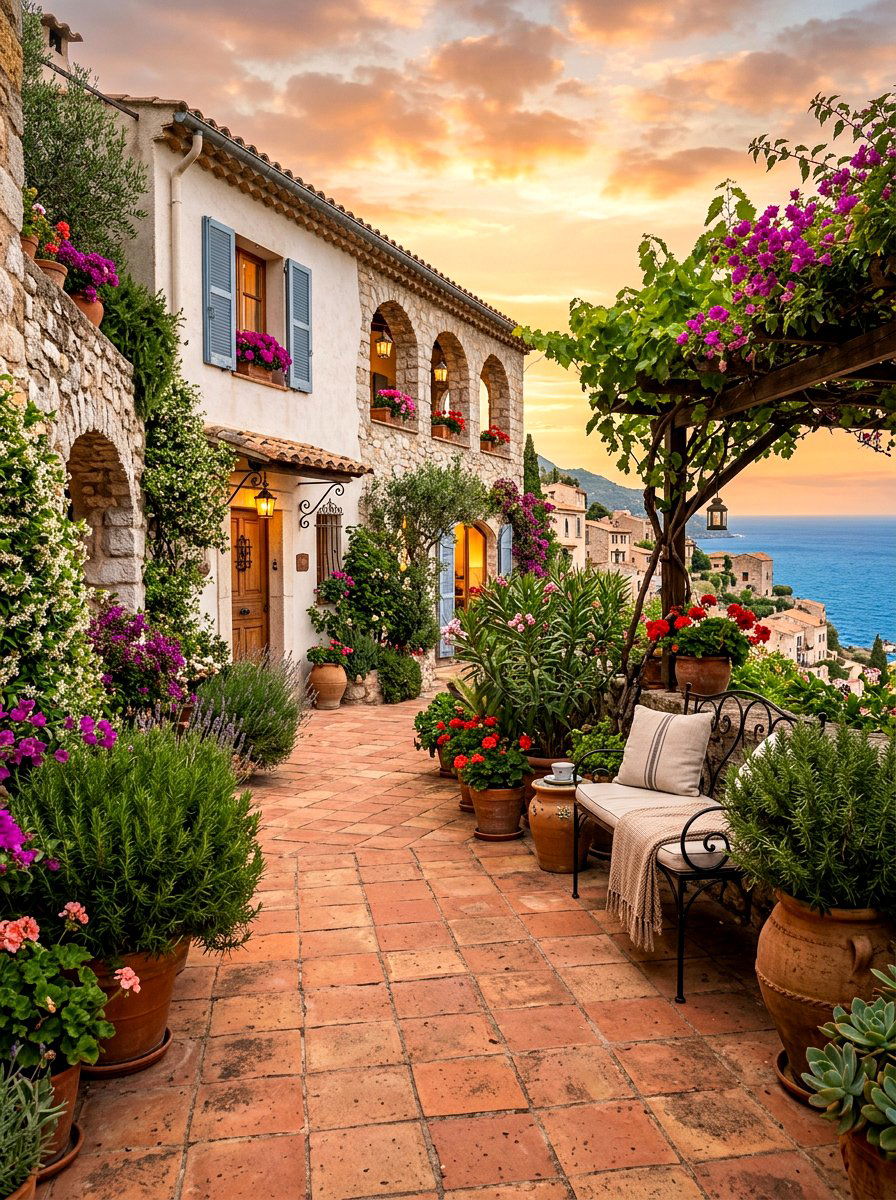
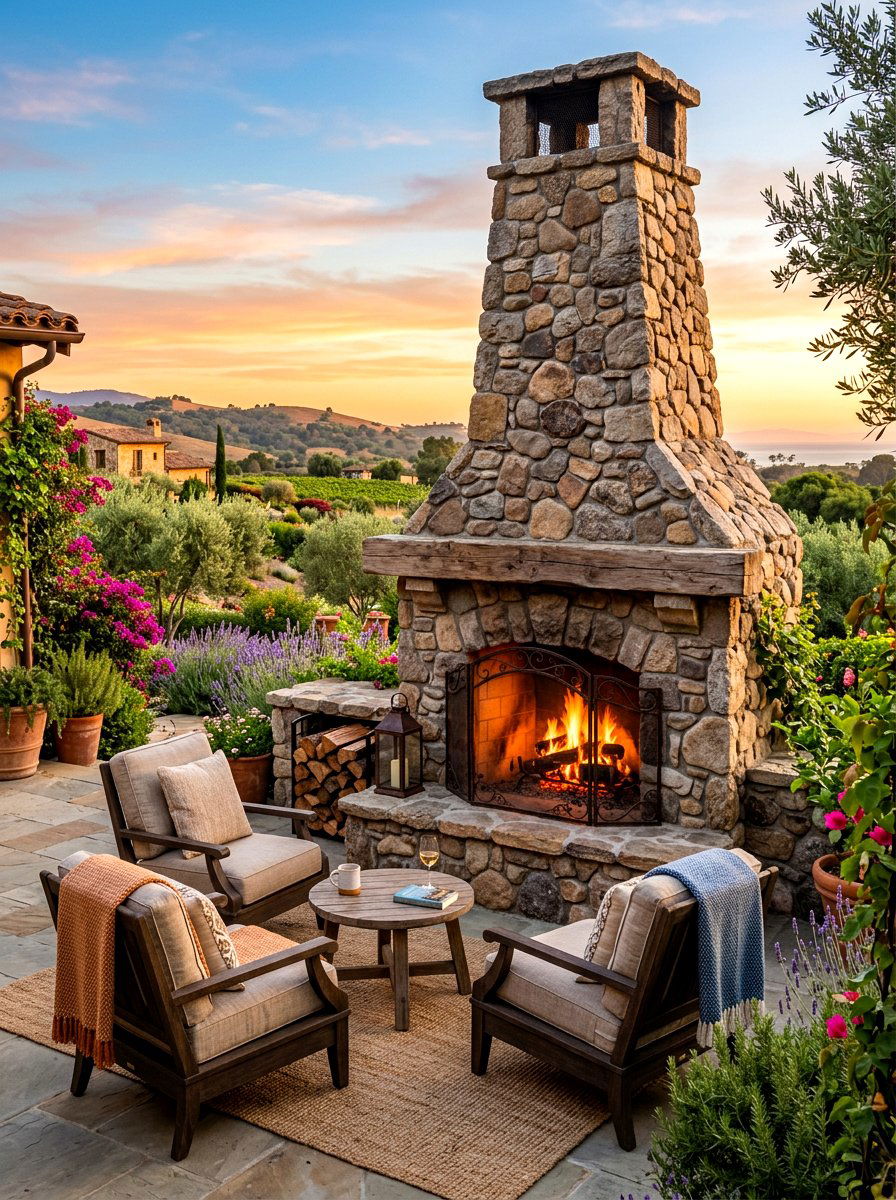
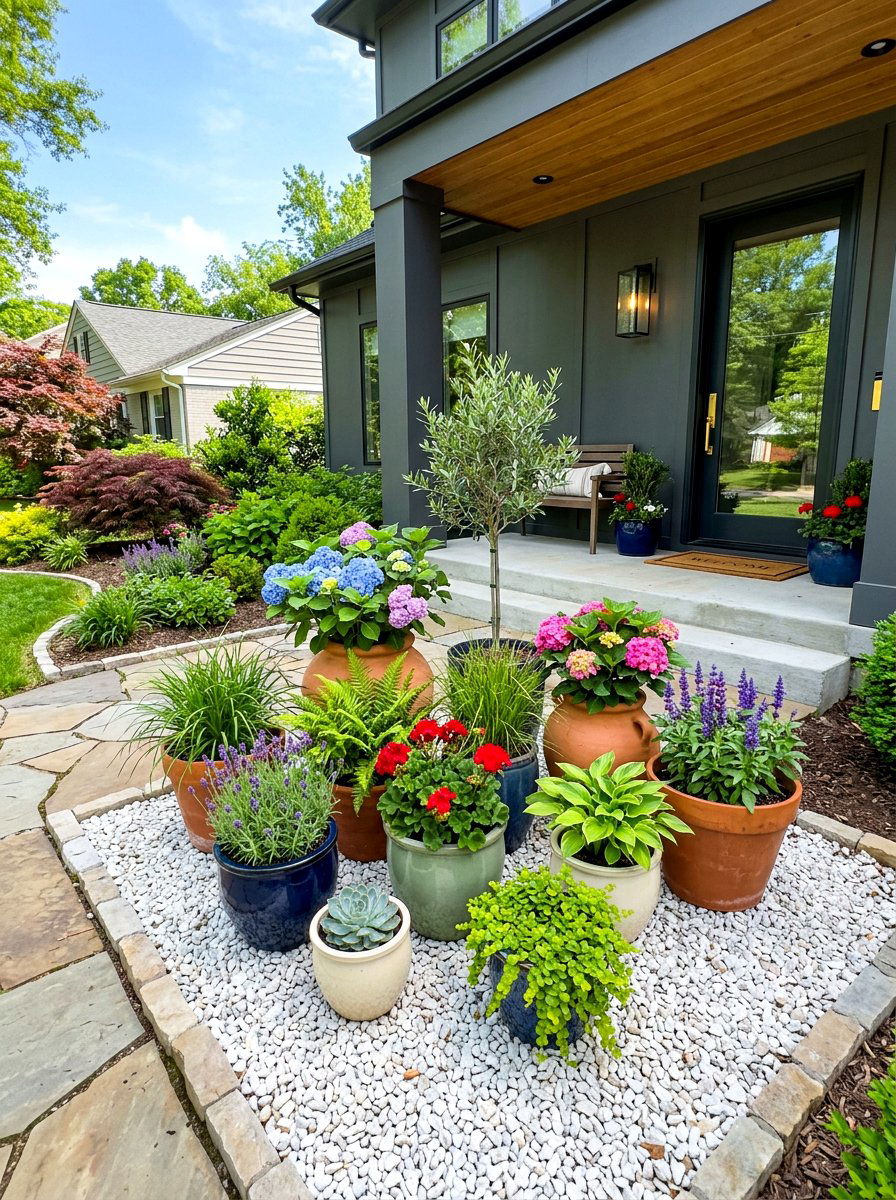
Creating a Mediterranean courtyard brings a touch of coastal charm to your home using sun-loving, drought-tolerant plants. This style often features warm-toned pavers, terracotta pots, and fragrant herbs like rosemary and thyme. You can plant olive trees or citrus varieties as focal points to add height and structure. The use of stone walls and gravel areas helps to keep the garden cool and reduces the need for a traditional lawn. Bright pops of color from bougainvillea or lavender add a vibrant, vacation-like feel to the space. It is an inviting design that encourages outdoor living while being very efficient with water usage and upkeep.
7. Desert Landscaping
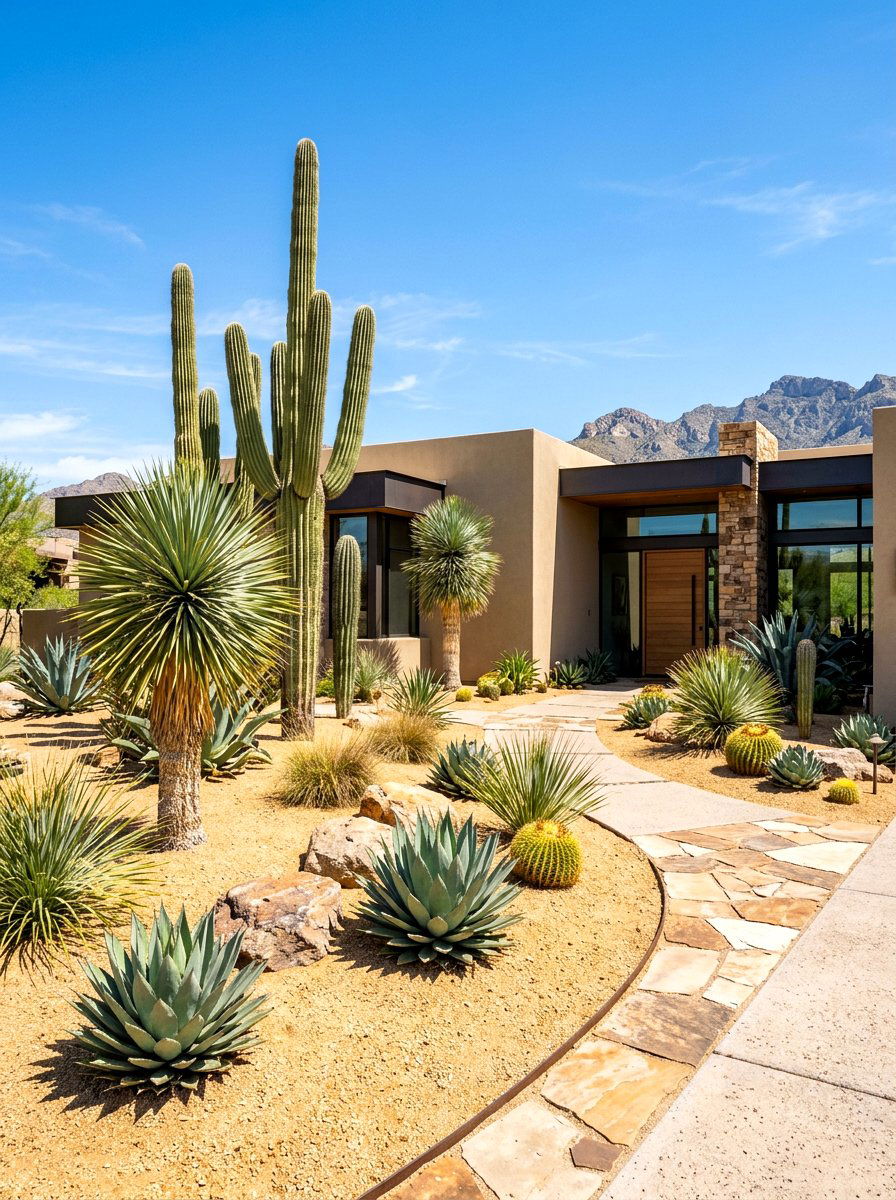
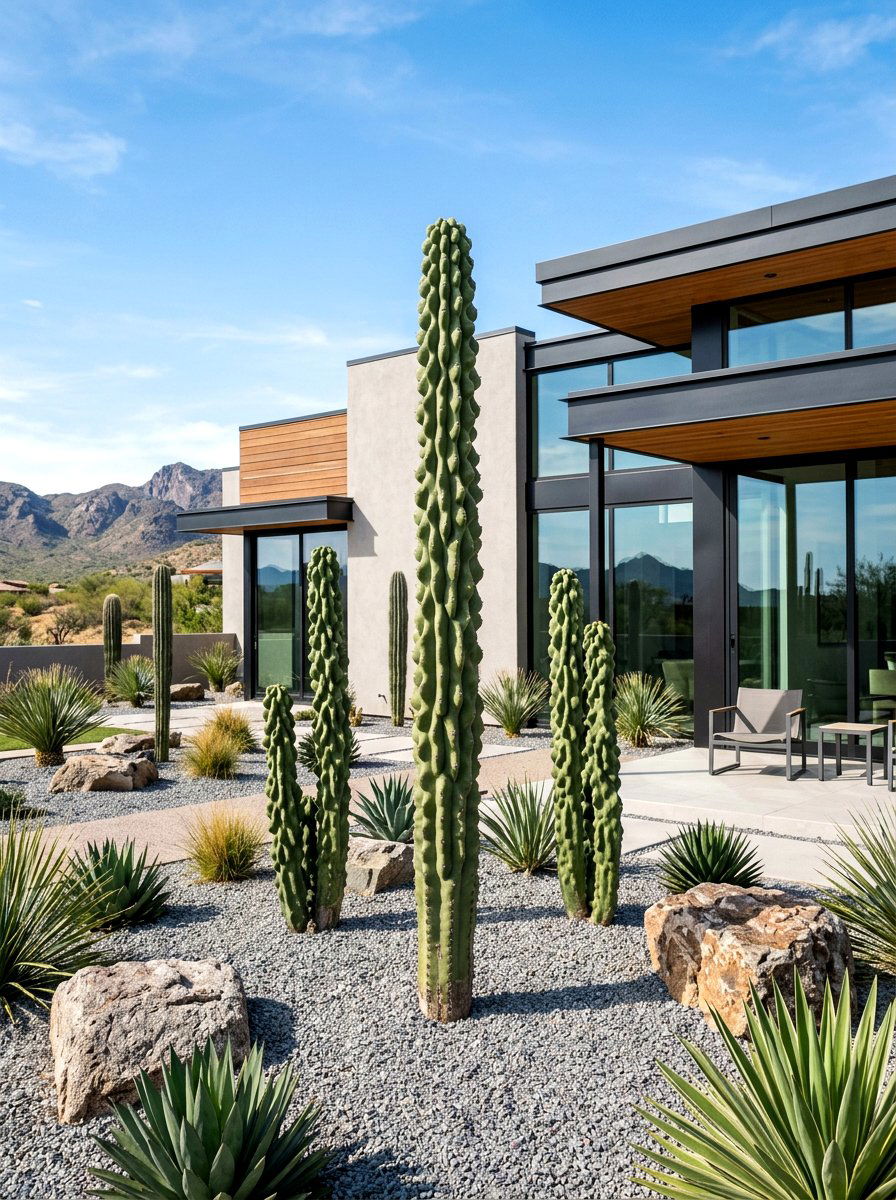
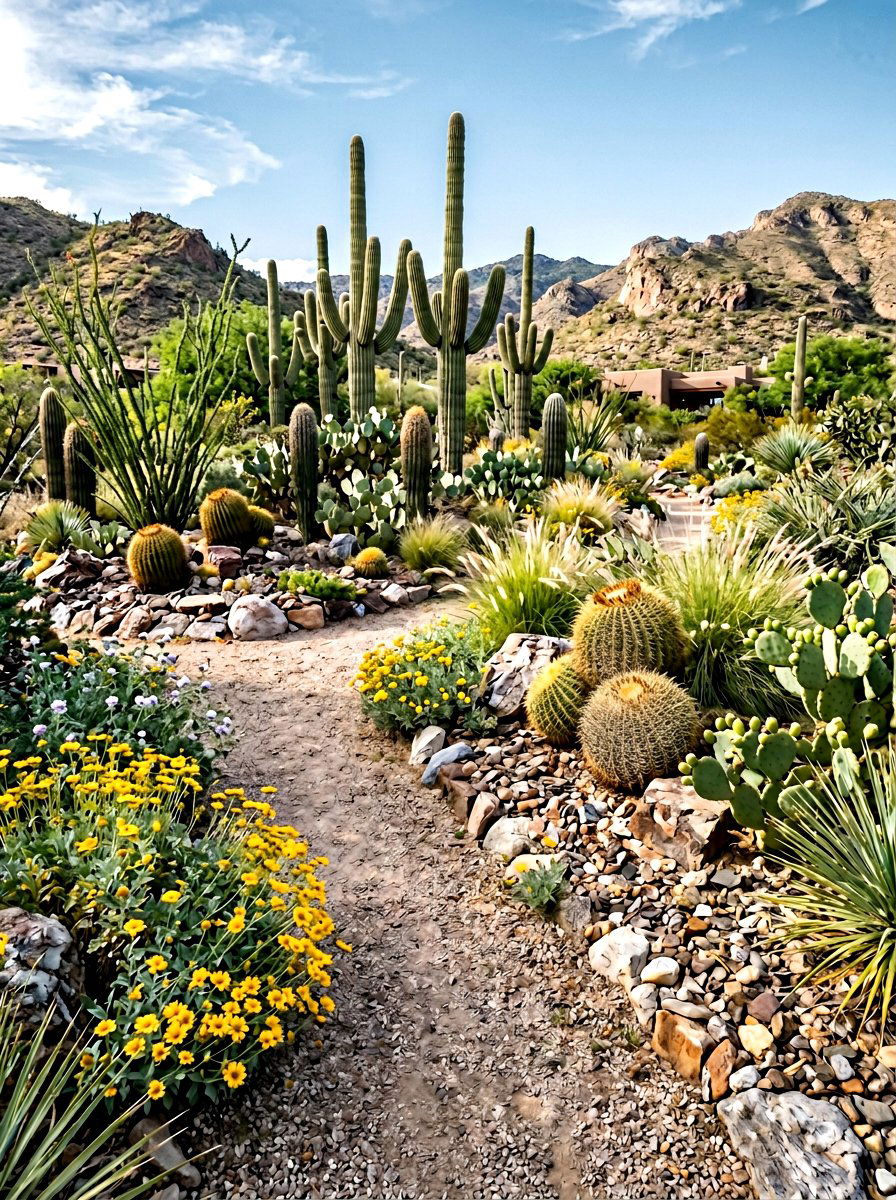
Desert landscaping embraces the natural beauty of arid environments with a focus on sand, stone, and architectural plants. This style often utilizes decomposed granite in various shades of gold or tan to create a warm ground cover. You can plant striking specimens like Joshua trees, agave, or organ pipe cacti to provide bold silhouettes against the sky. These plants are experts at surviving intense sun and minimal rainfall, making them the ultimate low-water choice. Adding a few large landscape boulders can break up the space and provide a sense of scale. It is a clean, intentional look that highlights the beauty of natural desert forms.
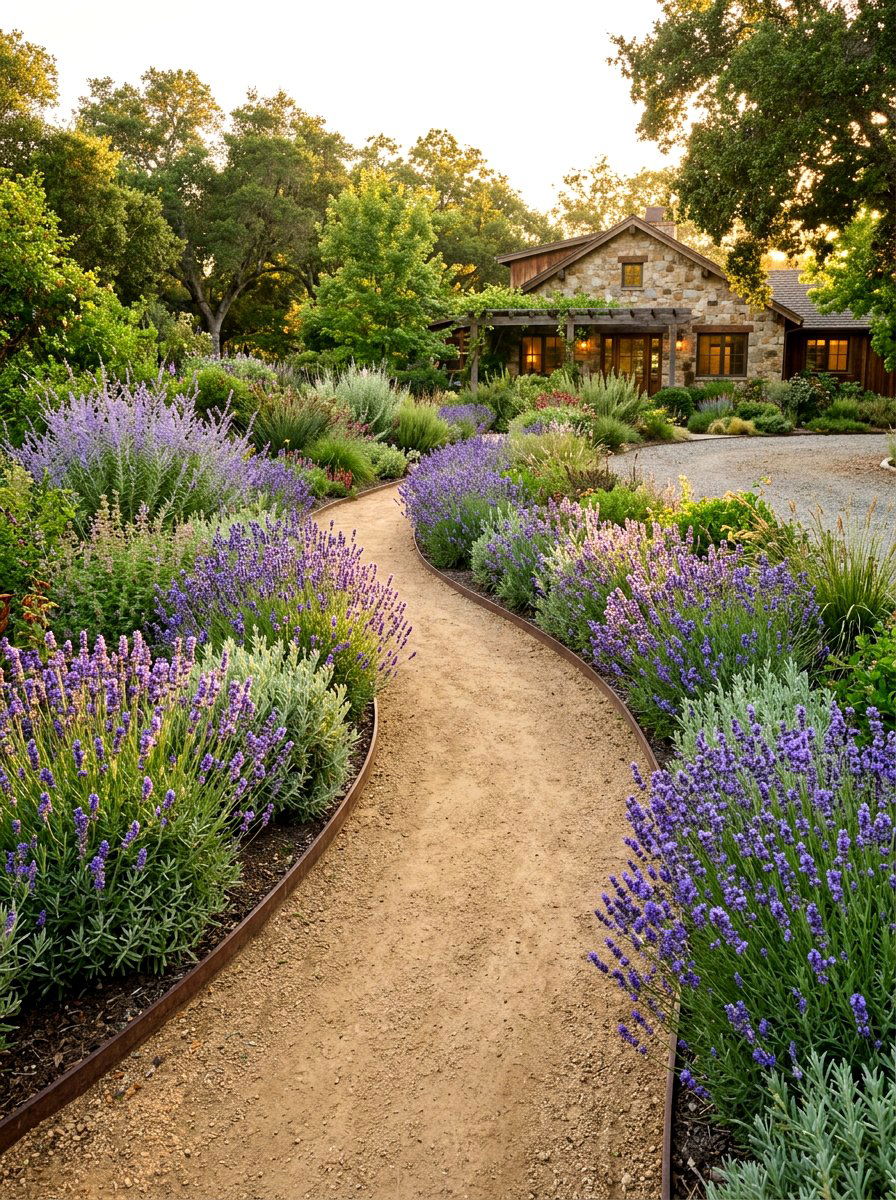
8. Lavender Garden
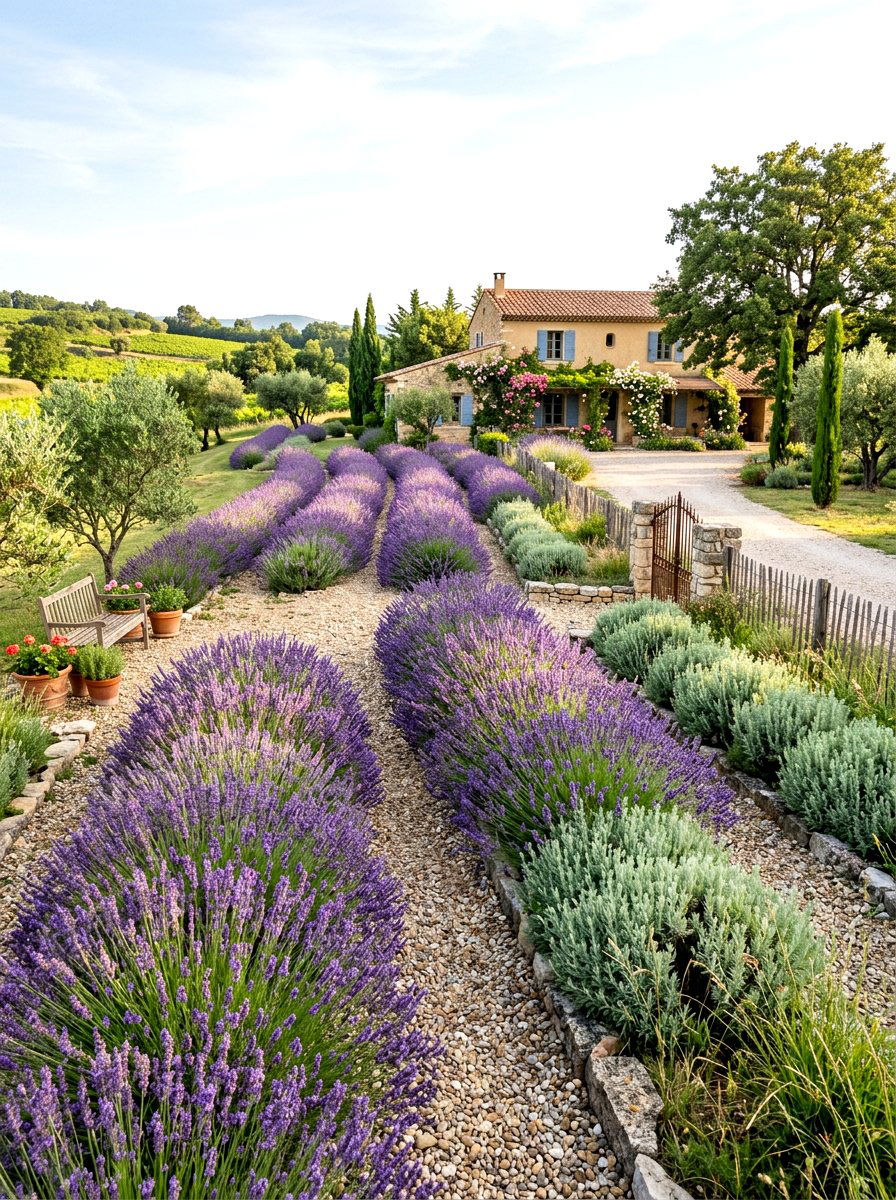
A lavender garden fills your front yard with soothing scents and beautiful shades of purple and silver. Lavender is a hardy Mediterranean plant that thrives in full sun and well-drained soil with very little water. You can plant it in long rows to create a fragrant hedge or in clusters for a more natural look. The silver-green foliage provides interest even when the plants are not in bloom. Lavender is also highly attractive to bees and butterflies, which helps support a healthy local ecosystem. This plant is very resilient to heat and can handle poor soil conditions, making it a reliable and low-maintenance choice.
9. Artificial Grass
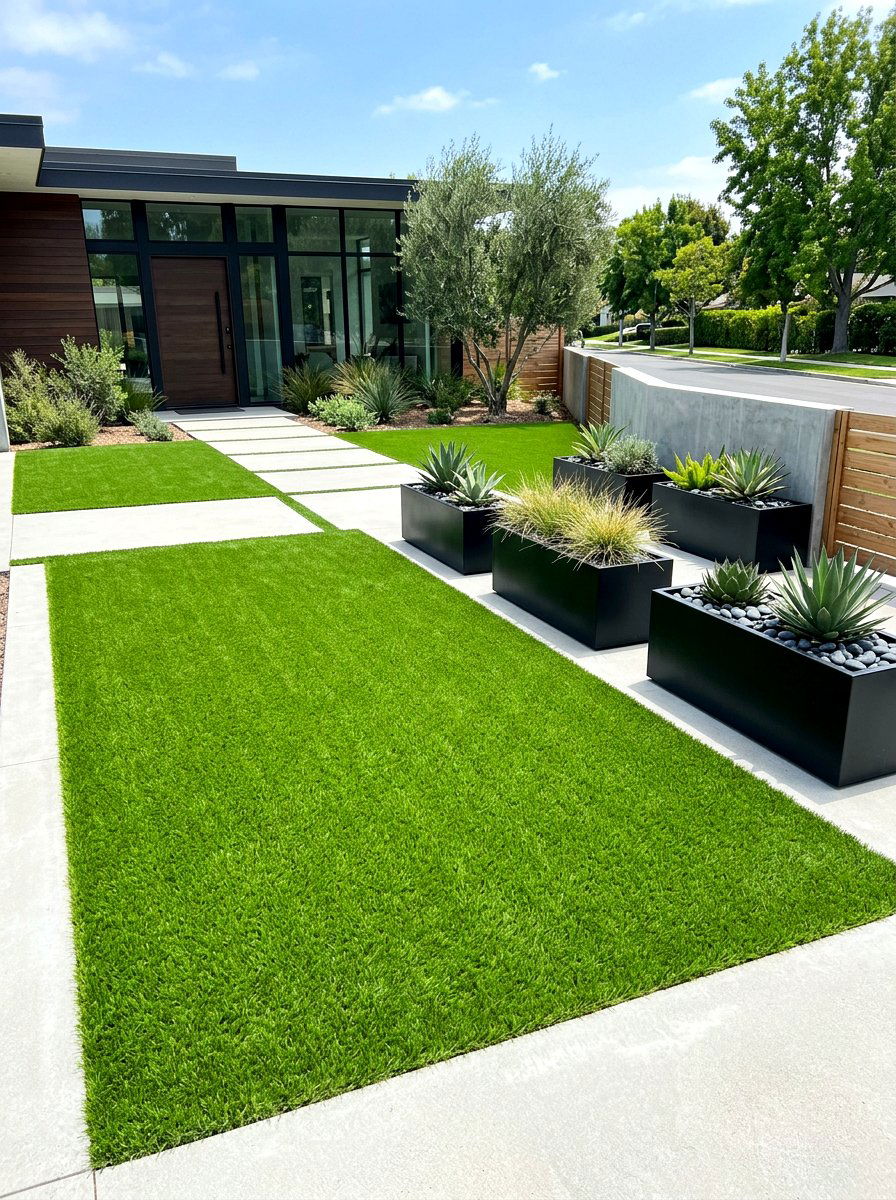
Artificial grass provides the look of a perfectly manicured green lawn without ever needing a drop of water. Modern synthetic turf is designed to look and feel remarkably like real grass, with varying blade heights and natural color tones. This is a great solution for homeowners who want the aesthetic of a lawn but live in restricted water areas. It requires no mowing, fertilizing, or weeding, which saves a significant amount of time and money. Artificial turf is also durable and stands up well to foot traffic and pets. It remains vibrant and green all year long, providing a consistent backdrop for your drought-tolerant plant beds.
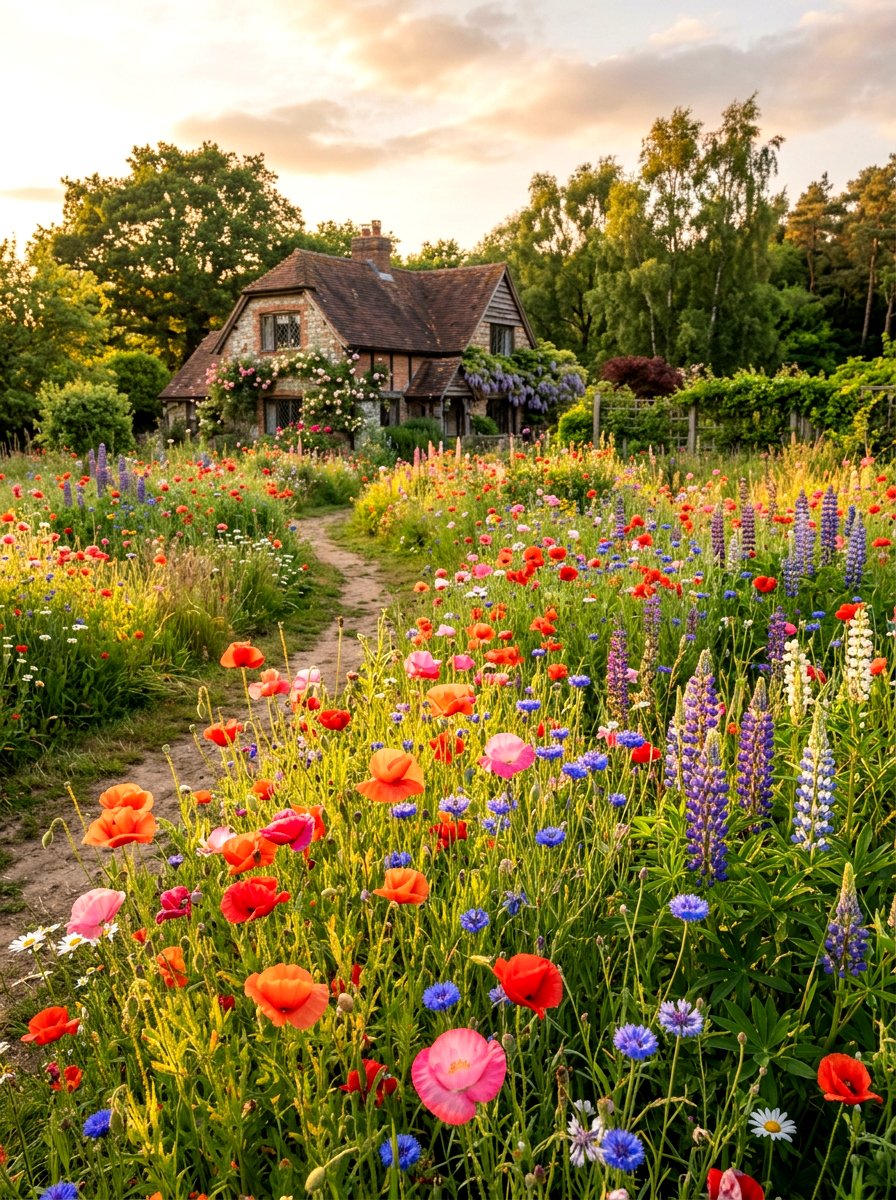
10. Ornamental Grasses
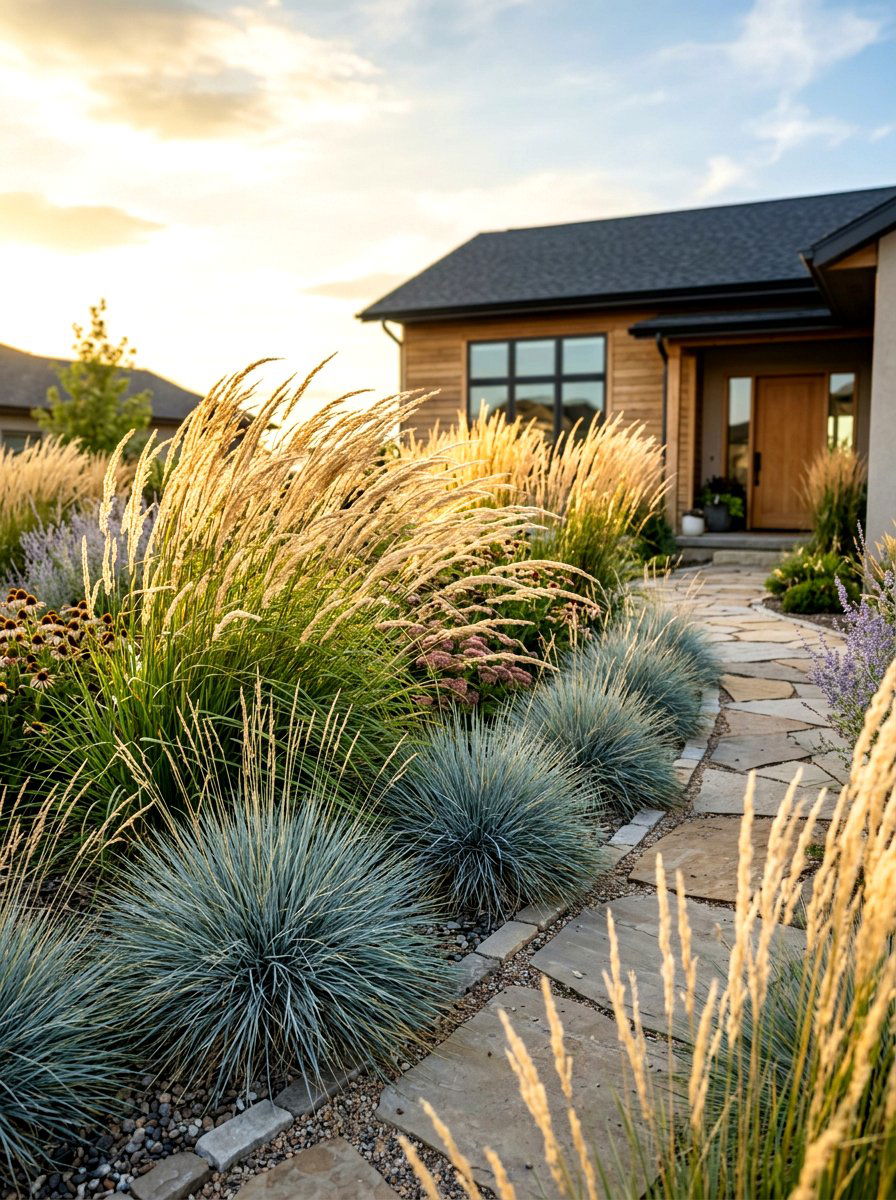
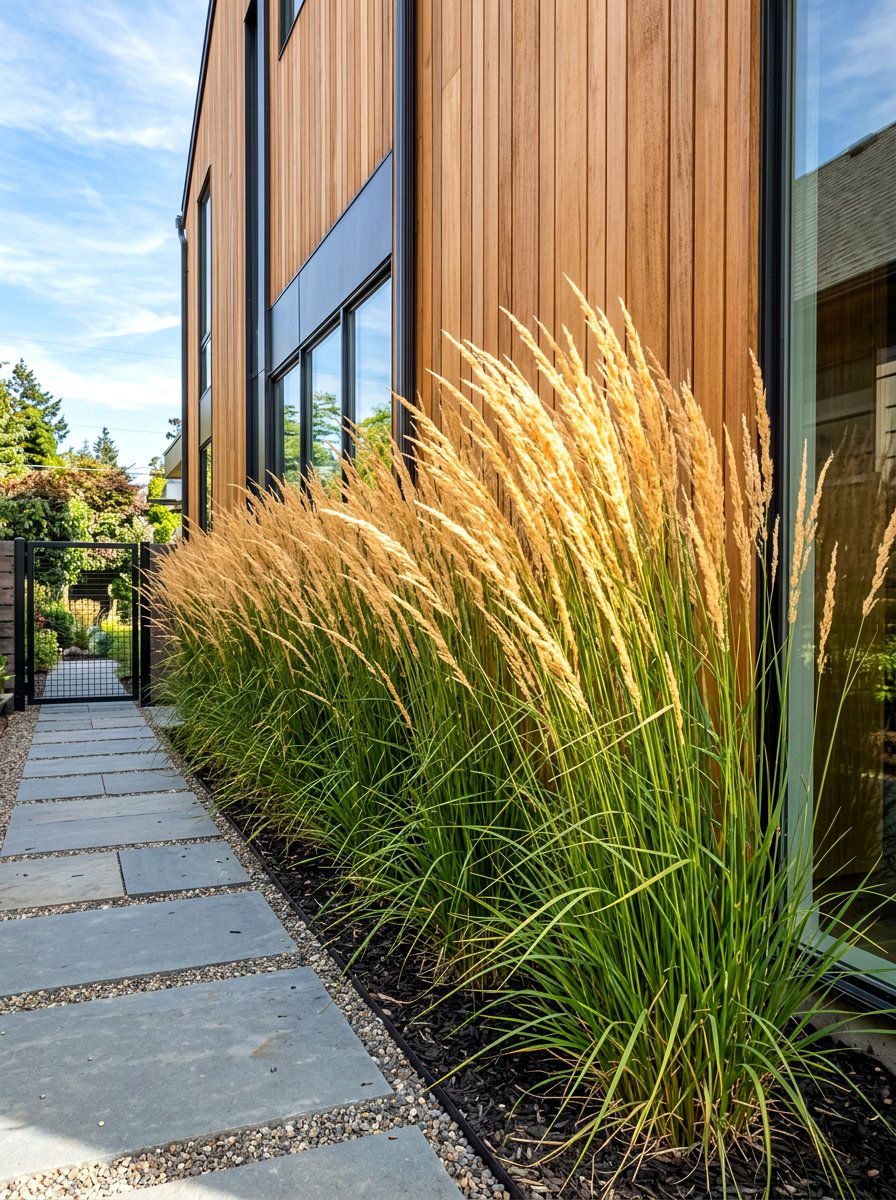
Ornamental grasses add movement, texture, and a soft rustling sound to your drought-tolerant front yard. Varieties like fountain grass, maiden grass, or blue fescue are extremely hardy and require very little supplemental water. These grasses come in a wide range of sizes, from low ground covers to tall privacy screens. They look beautiful when planted in large sweeps or used as accents among flowers and shrubs. The seed heads often provide visual interest through the autumn and winter months, adding a dynamic quality to the garden. They are very easy to care for and only need a quick trim once a year in early spring.
11. Decomposed Granite Path
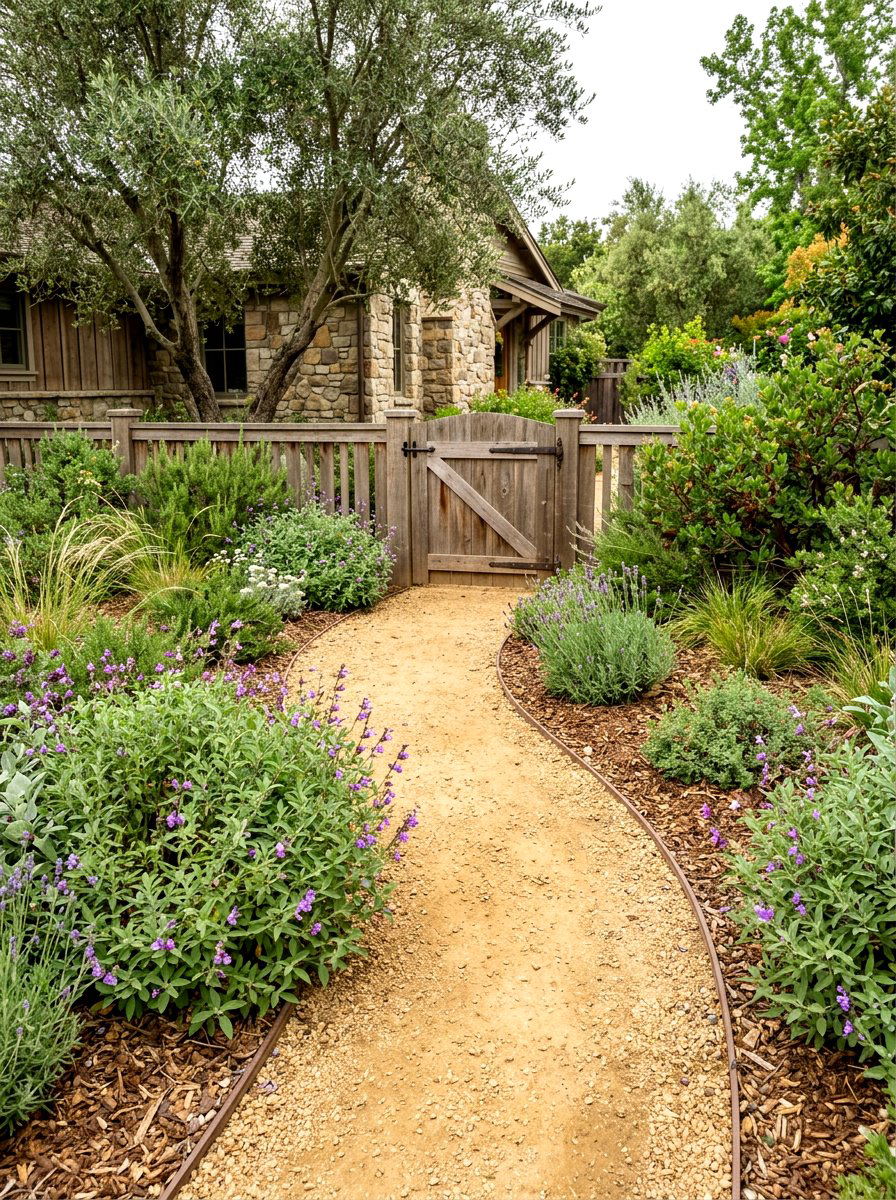
Decomposed granite is a versatile and affordable material for creating natural-looking paths and seating areas. It consists of tiny rock particles that pack down to form a stable surface that is still permeable to water. You can choose from various colors like gold, rose, or gray to match your home’s exterior. This material is perfect for a low-maintenance front yard because it prevents weed growth and stays in place well. It provides a soft, organic look that blends seamlessly with drought-tolerant plants and boulders. A decomposed granite path is an excellent way to define different zones in your yard without using thirsty grass.
12. Rain Garden
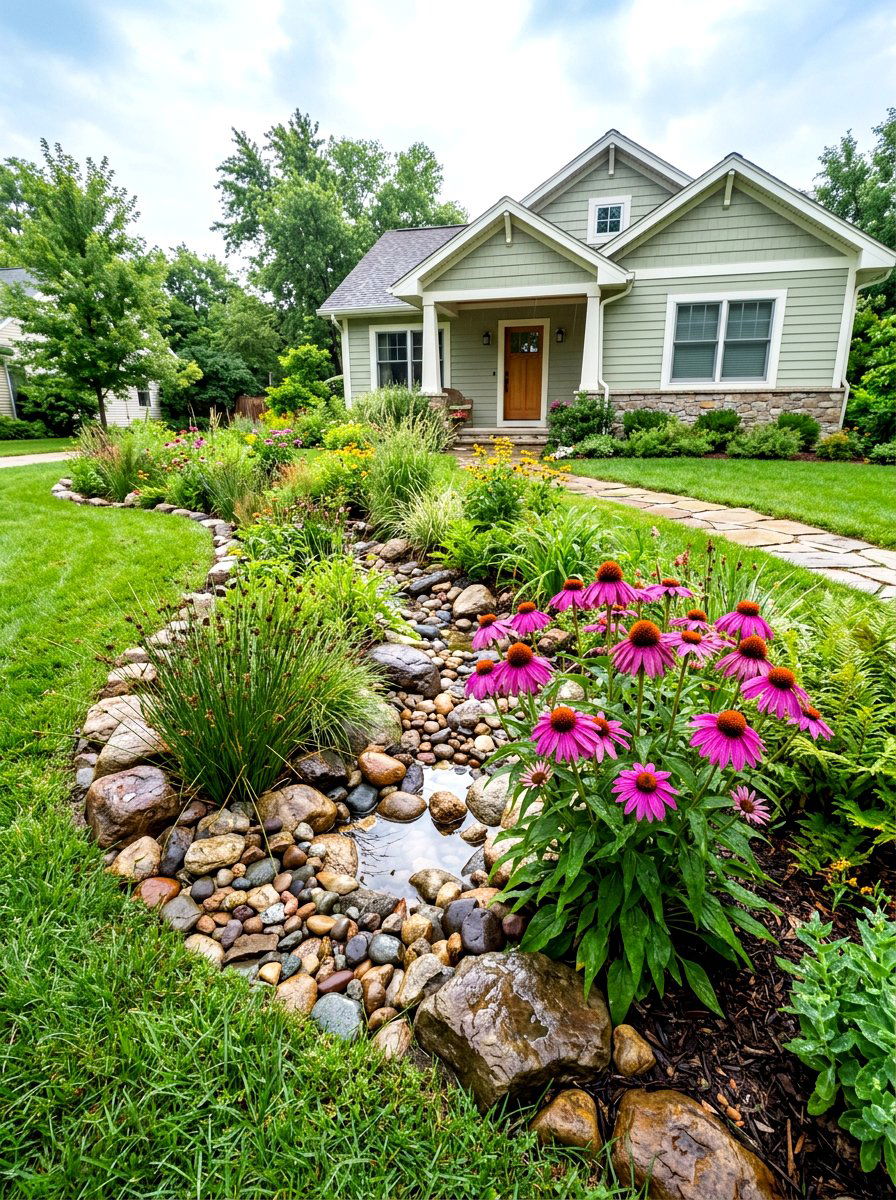
A rain garden is a clever way to manage stormwater while supporting beautiful, water-wise plants. This is a shallow depression in the yard designed to capture runoff from roofs or driveways. You can plant it with deep-rooted species that can handle both wet soil after a rain and dry conditions in between. Using native wildflowers and grasses in a rain garden creates a lush, naturalistic look that changes with the seasons. It helps to filter pollutants from the water and allows it to slowly soak back into the aquifer. This functional landscape feature is both environmentally responsible and visually appealing in a front yard setting.
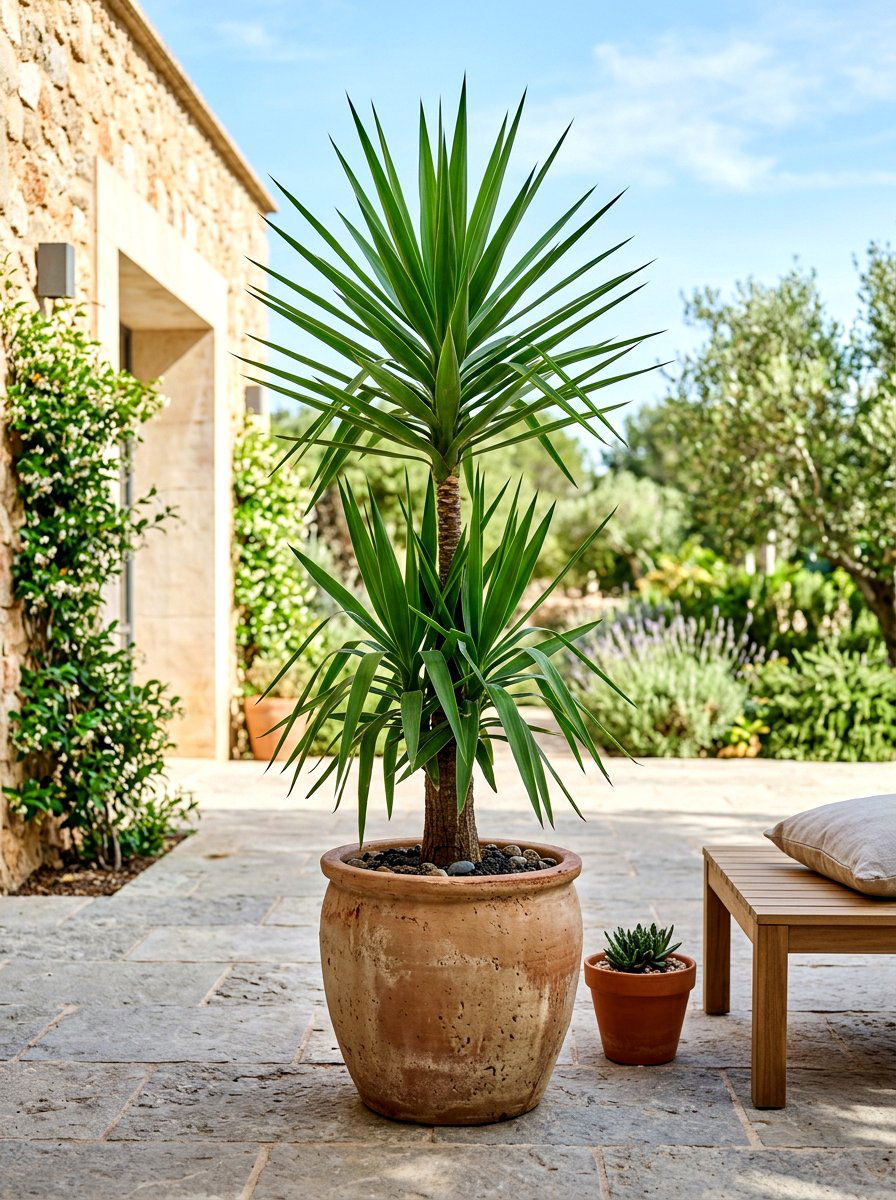
13. Yucca Plant Arrangement
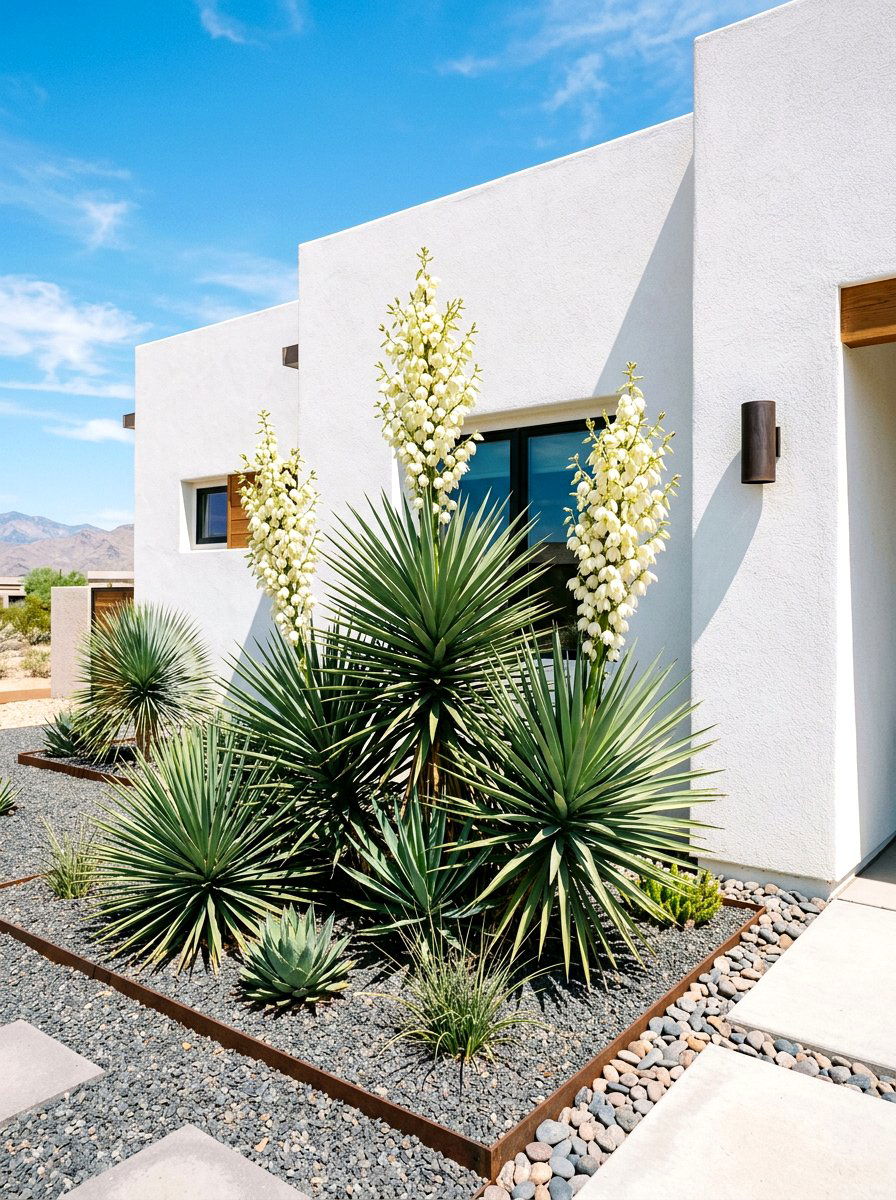
Yucca plants offer a bold, architectural look that instantly commands attention in any drought-tolerant landscape. These hardy evergreens feature sword-like leaves and tall stalks of white flowers that bloom in the summer. You can plant different varieties together to create a striking textural display near your home’s entrance. Yuccas are incredibly tough and can thrive in poor soil with almost no maintenance once they are established. Their sculptural form looks great against a backdrop of simple gravel or modern concrete walls. They provide year-round structure and greenery, making them a reliable choice for a low-water front yard that needs a focal point.
14. Agave Landscape
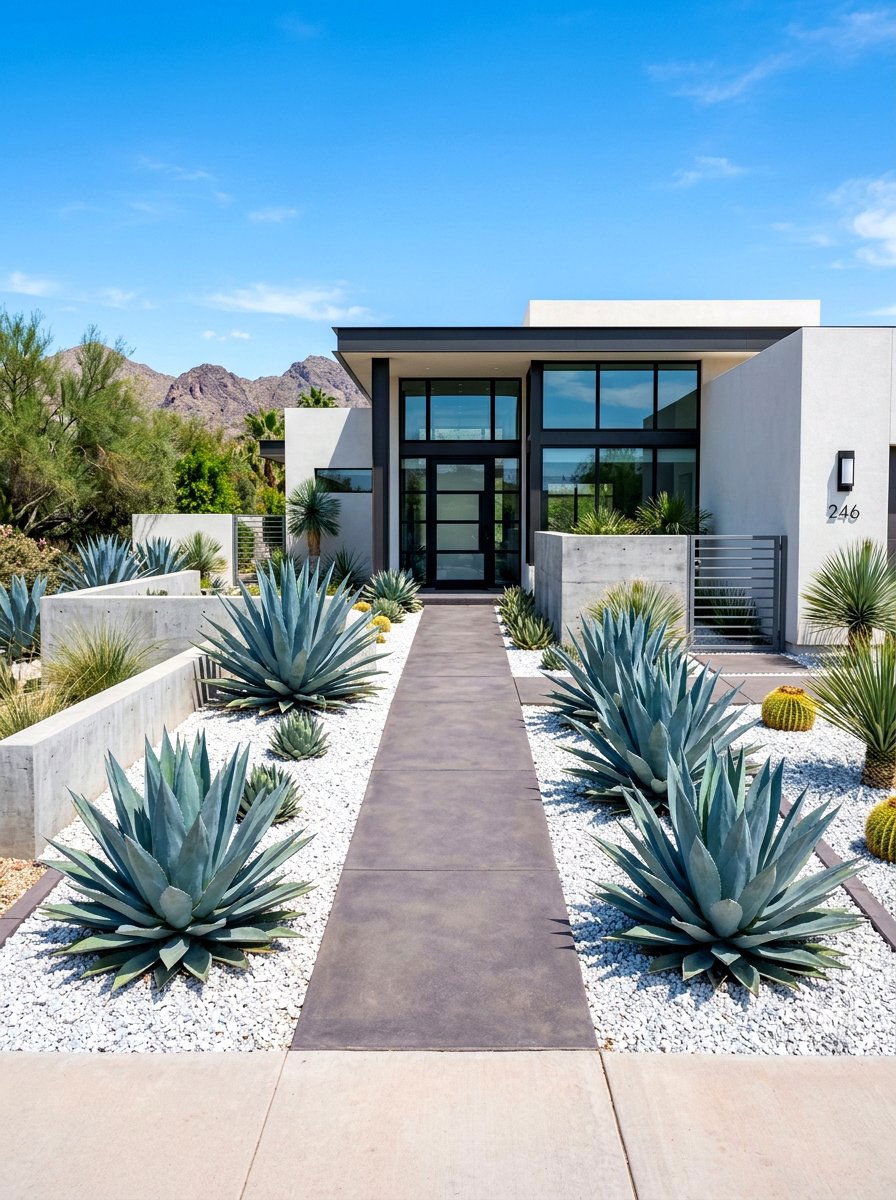
Agave plants are iconic symbols of drought-tolerant design, known for their dramatic rosettes and sharp, pointed leaves. They come in many sizes and colors, from the massive blue agave to smaller, variegated varieties. Planting agaves in a front yard creates a high-impact, modern look that requires very little water. These plants are slow-growing and maintain their shape for many years, making them a great long-term investment. They look best when surrounded by a clean layer of mulch or decorative river rocks. Because of their bold presence, even a few agaves can make a simple yard look like a professionally designed xeriscape paradise.
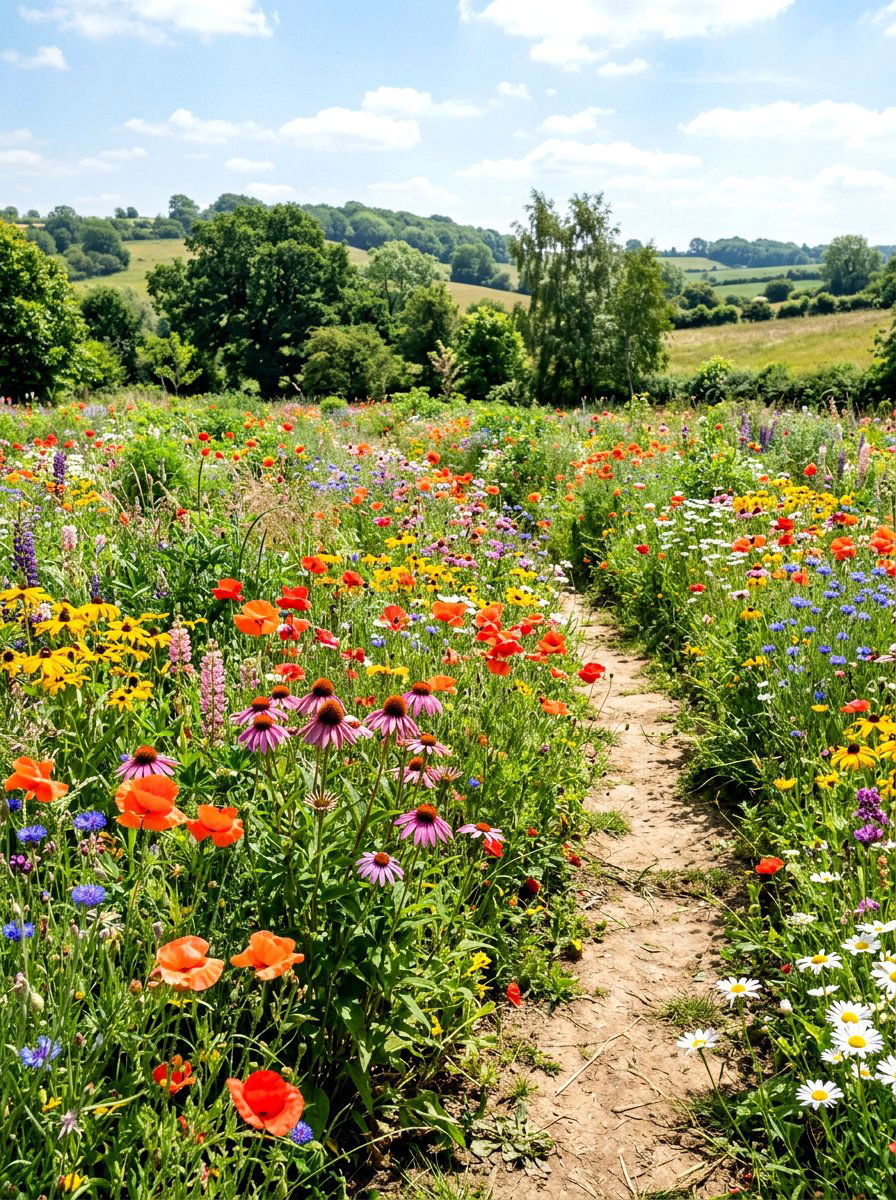
15. Wildflower Meadow
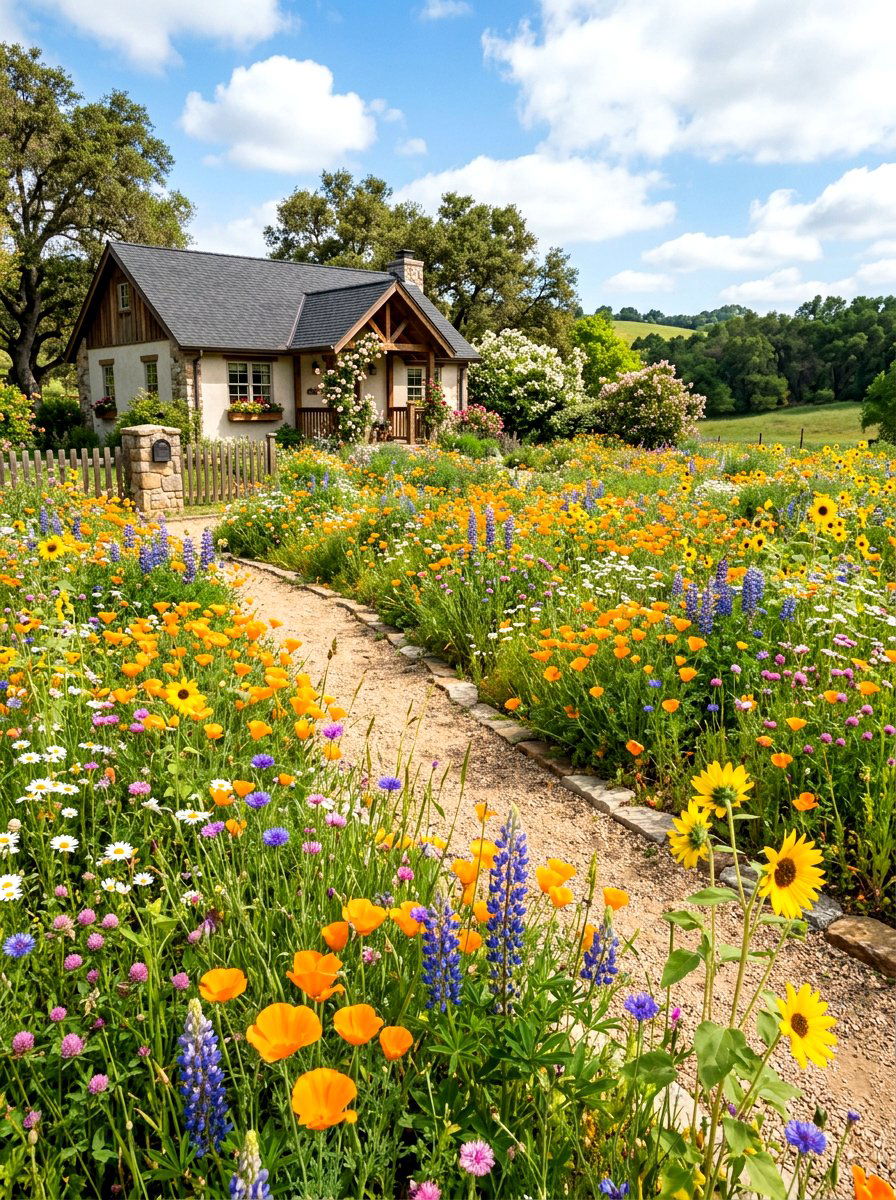
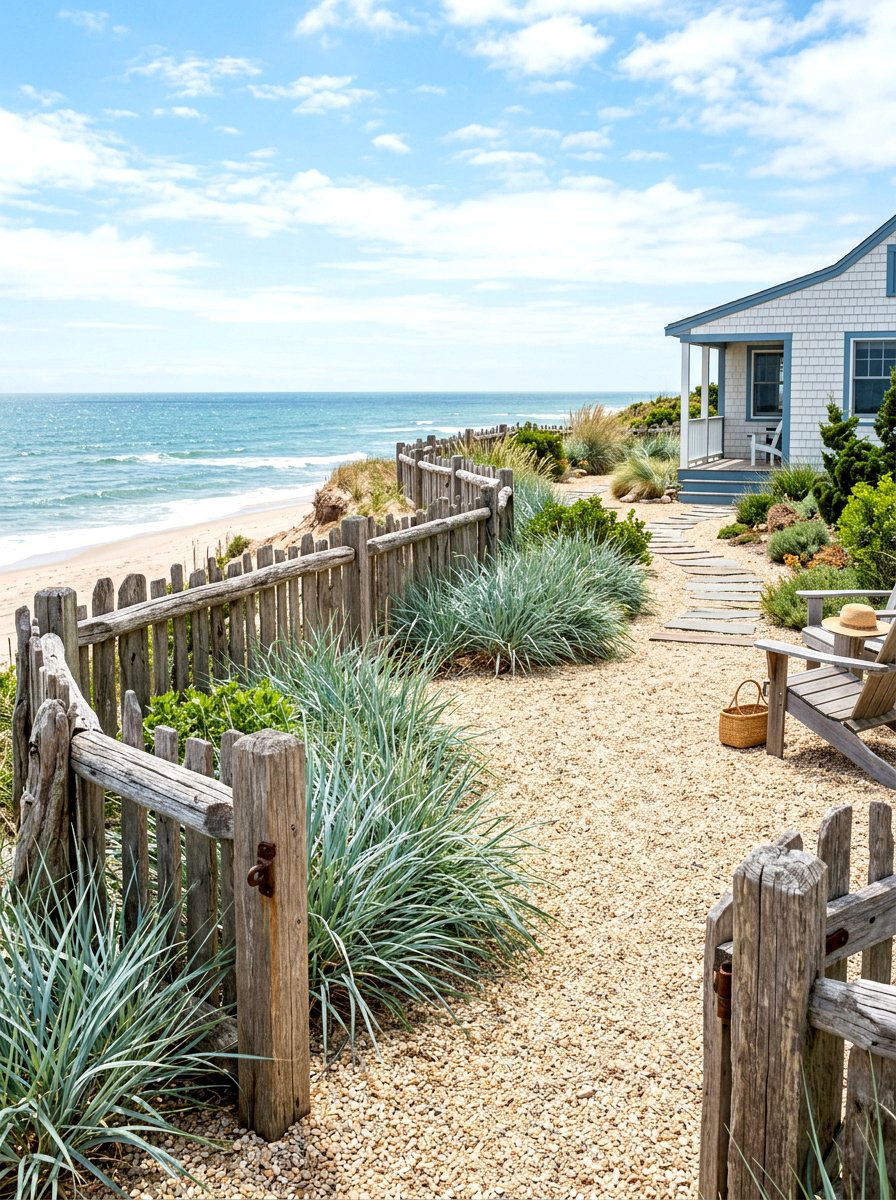
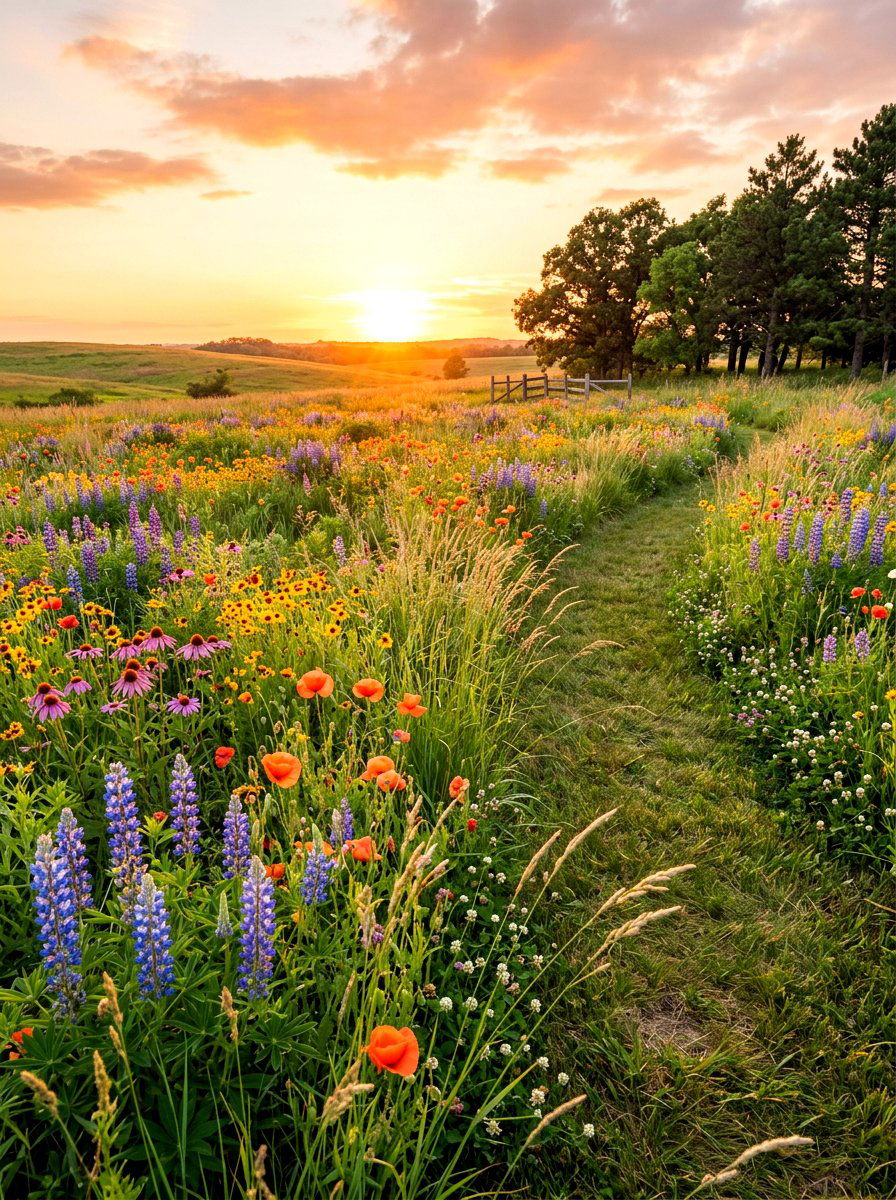
A wildflower meadow replaces a traditional lawn with a vibrant explosion of color and life. You can use a mix of native wildflower seeds that are specifically adapted to your region’s rainfall patterns. This type of landscape requires very little water once the seeds have germinated and established themselves. It provides a constantly changing display of blooms that attract birds, bees, and butterflies to your yard. A wildflower meadow is much lower maintenance than a lawn, as it only needs to be mown once or twice a year. It creates a relaxed, natural feel that celebrates the local beauty of your specific geographic area.
16. Wood Mulch Bed
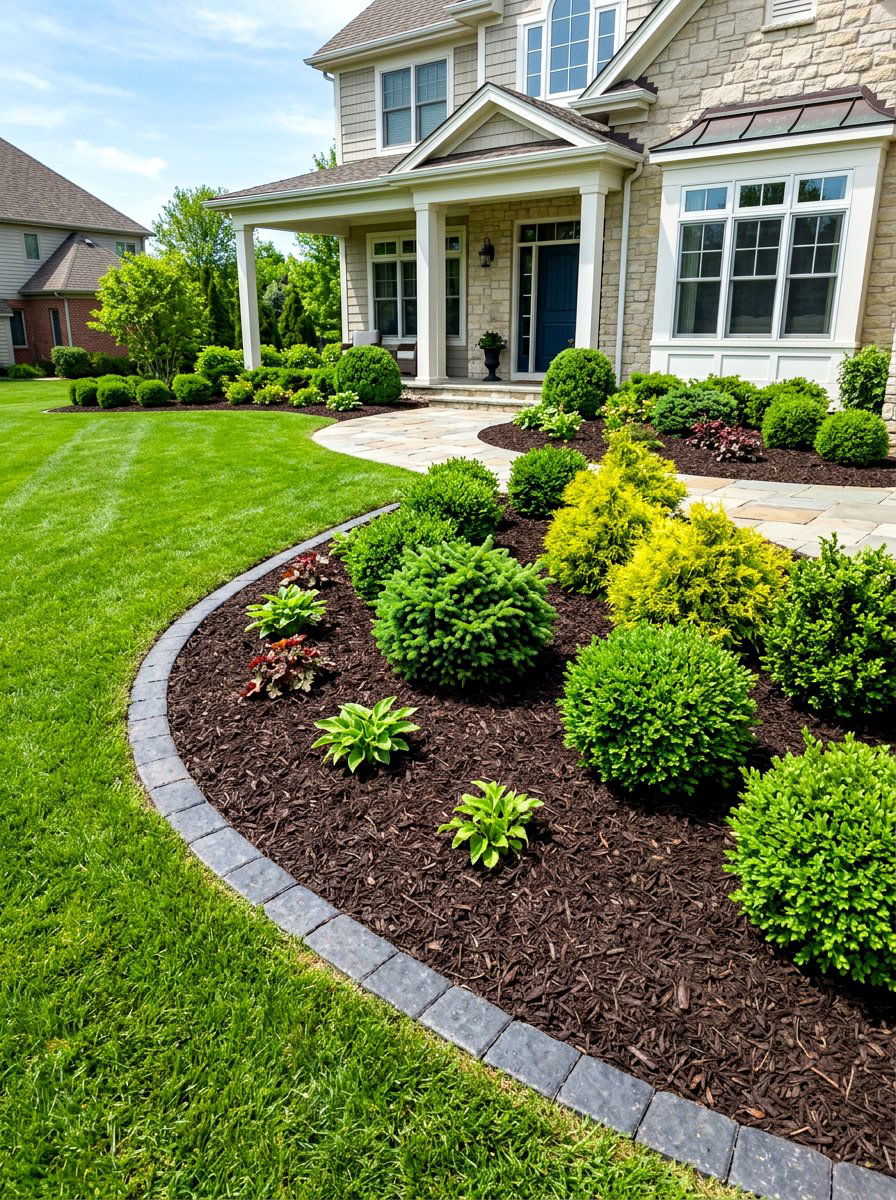
Using a thick layer of wood mulch is one of the most effective ways to conserve water in your garden. Mulch acts as a protective blanket for the soil, reducing evaporation and keeping plant roots cool during hot summer days. You can create large, sweeping mulch beds filled with drought-tolerant shrubs and perennials for a tidy, finished look. Organic mulch also breaks down over time, adding valuable nutrients back into the soil and improving its structure. It is an affordable way to cover large areas of the front yard while preventing weed growth. Choosing a dark mulch provides a beautiful contrast against bright green foliage.
17. Flagstone Patio
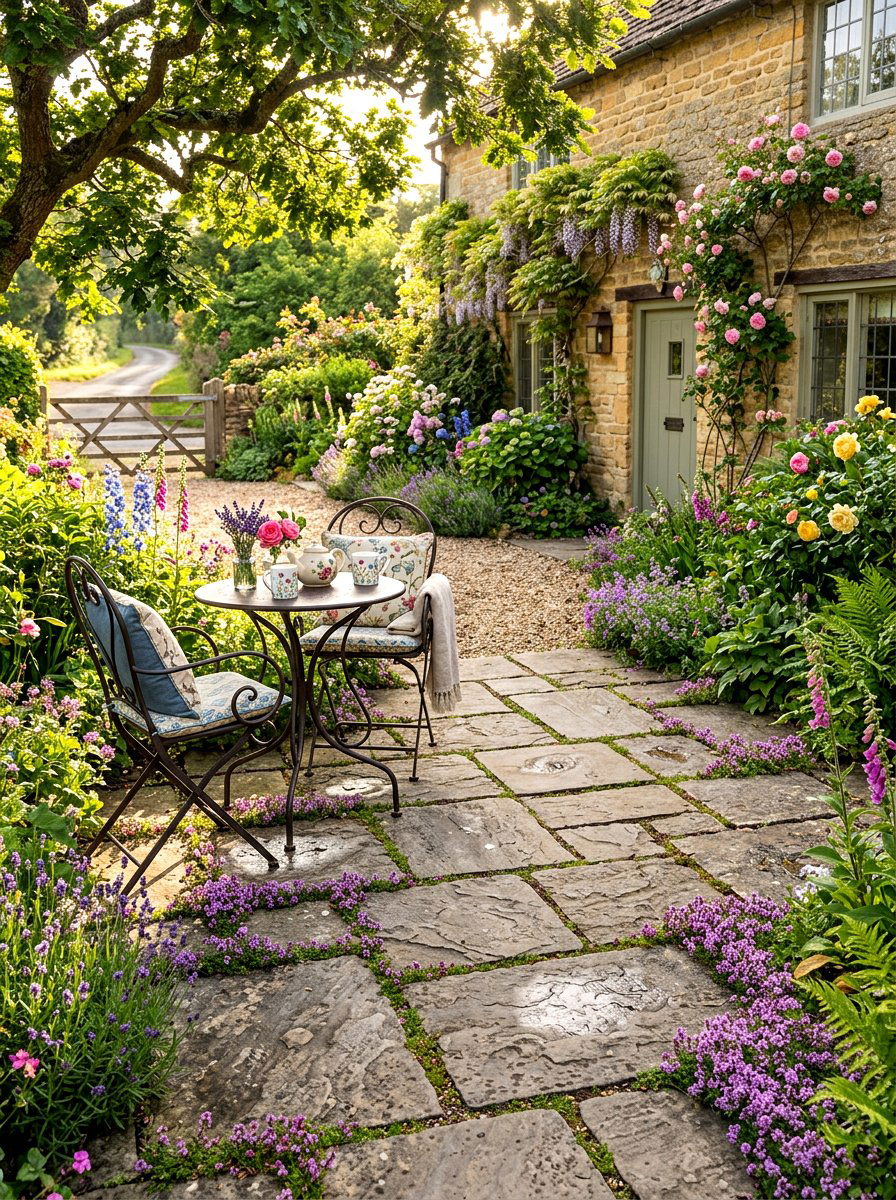
A flagstone patio provides a durable and attractive outdoor living space that requires no irrigation. Large, flat stones are laid out to create a level surface for chairs, benches, or decorative pots. You can fill the gaps between the stones with gravel or low-growing ground covers like creeping thyme. This design allows water to permeate through the cracks, which helps keep the soil healthy and reduces runoff. Flagstone has a natural, timeless quality that fits well with many different architectural styles. It is a great way to transform a portion of your front yard into a functional and water-wise social area for the neighborhood.
18. Cacti Garden
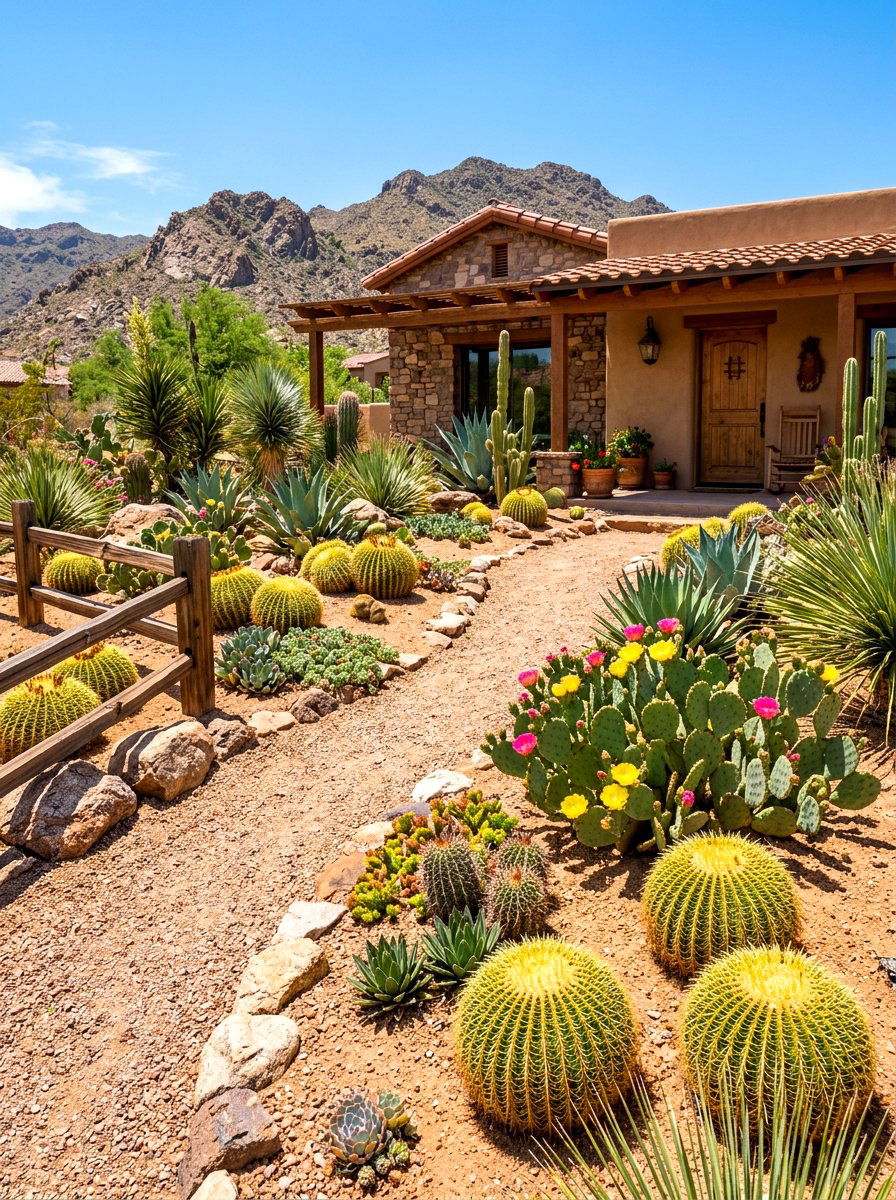
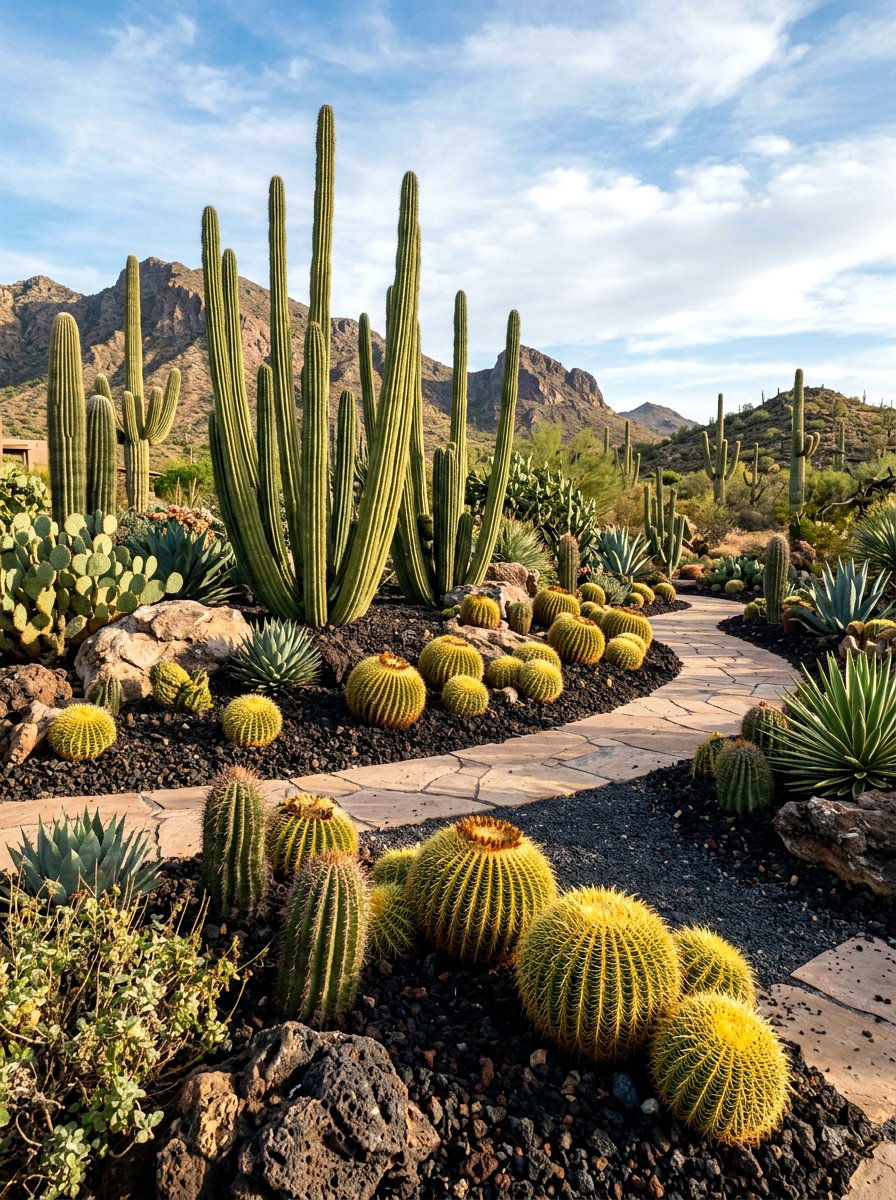
A cacti garden is the ultimate low-water landscape, featuring plants that have evolved to survive in the harshest conditions. From tall columnar types to round barrel cacti, these plants offer incredible variety in form and texture. You can arrange them in a dedicated bed with sandy soil and decorative rocks for a true desert aesthetic. Cacti require almost no supplemental water once they are established and can handle intense heat with ease. Many varieties also produce stunning, brightly colored flowers that provide a surprising contrast to their prickly exteriors. This type of garden is a bold choice that makes a unique statement in any front yard.
19. Sage Plant Border
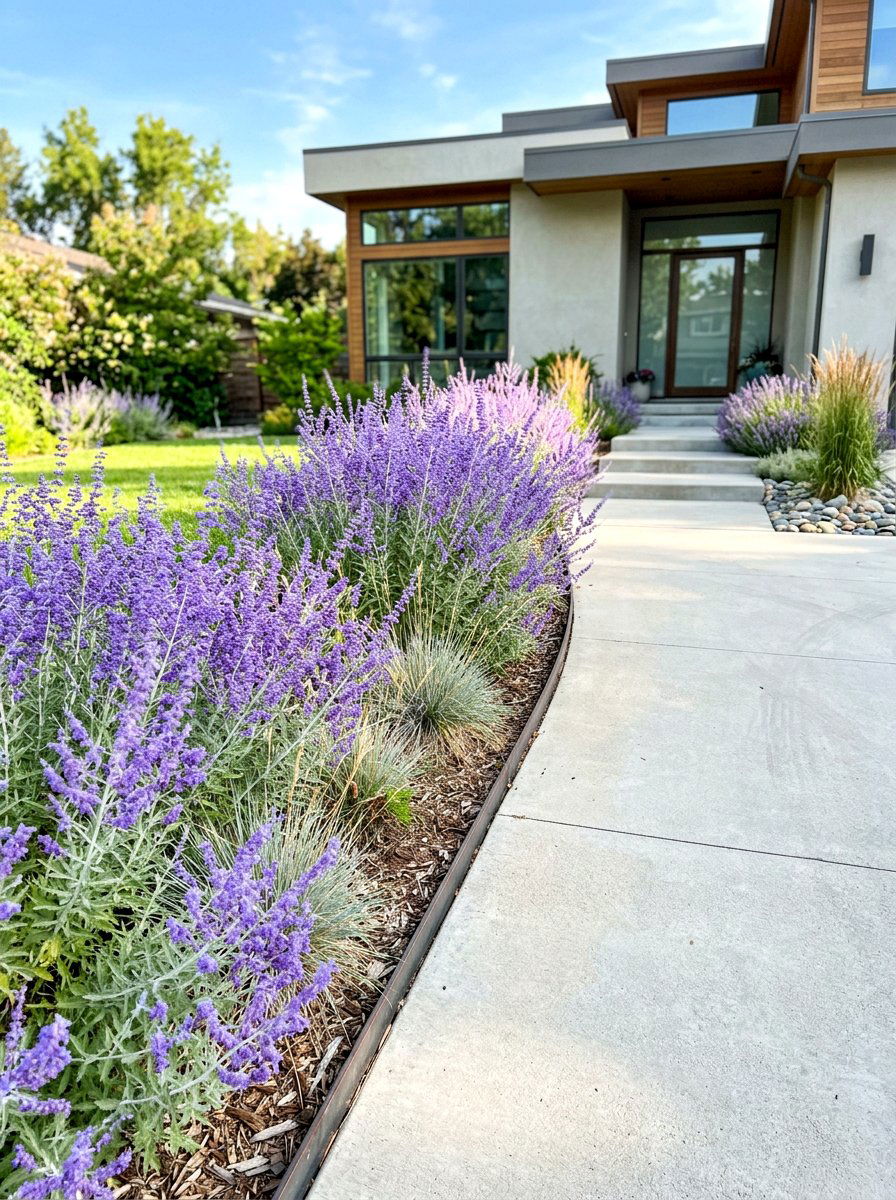
Sage plants are fantastic for creating a soft, colorful border along walkways or around the perimeter of your yard. Varieties like Russian sage or culinary sage are very drought-tolerant and produce beautiful spikes of purple or blue flowers. The silvery foliage of many sage plants adds a cool, sophisticated look to the landscape. These plants are very resilient and can thrive in hot, sunny locations with very little care. They are also known for their pleasant fragrance, which enhances the experience of walking through your front garden. Sage is a reliable performer that brings consistent color and texture to a water-wise planting scheme.
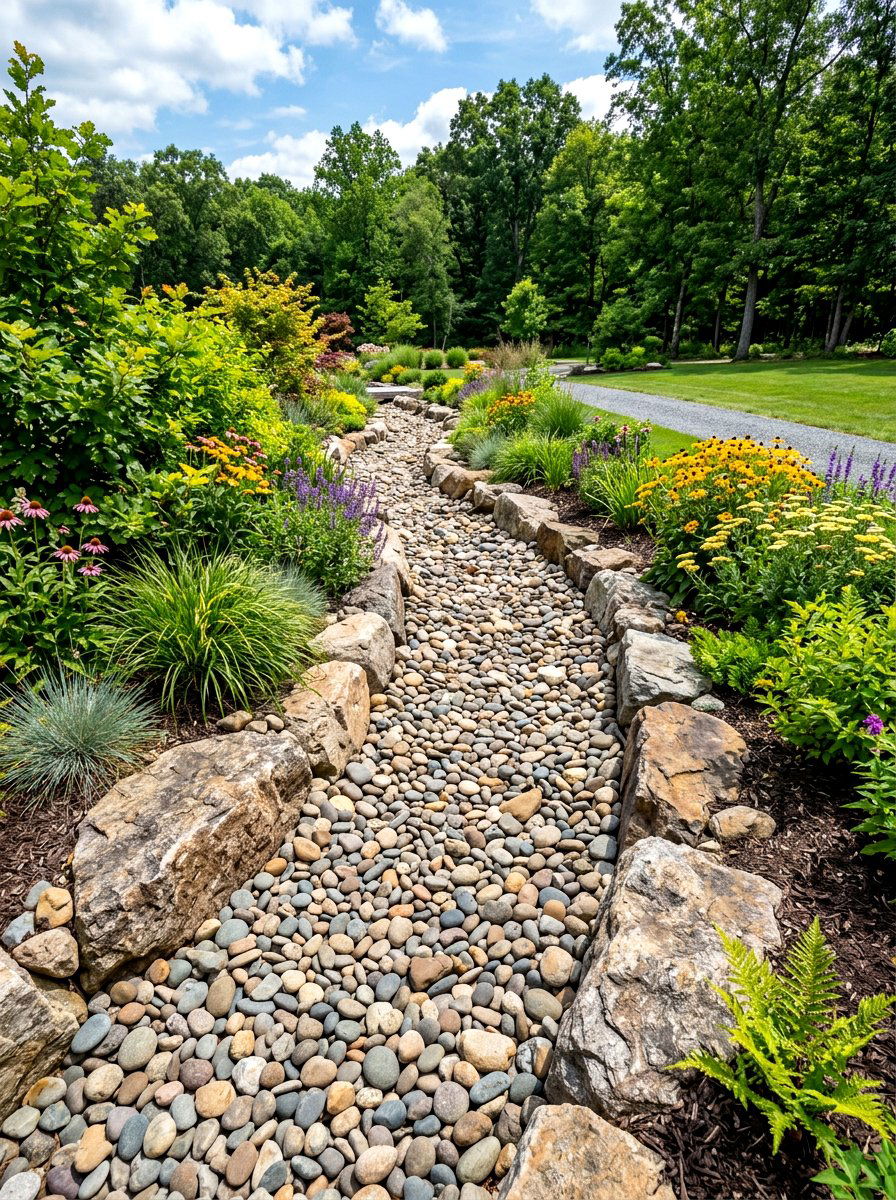
20. Dry Creek Bed
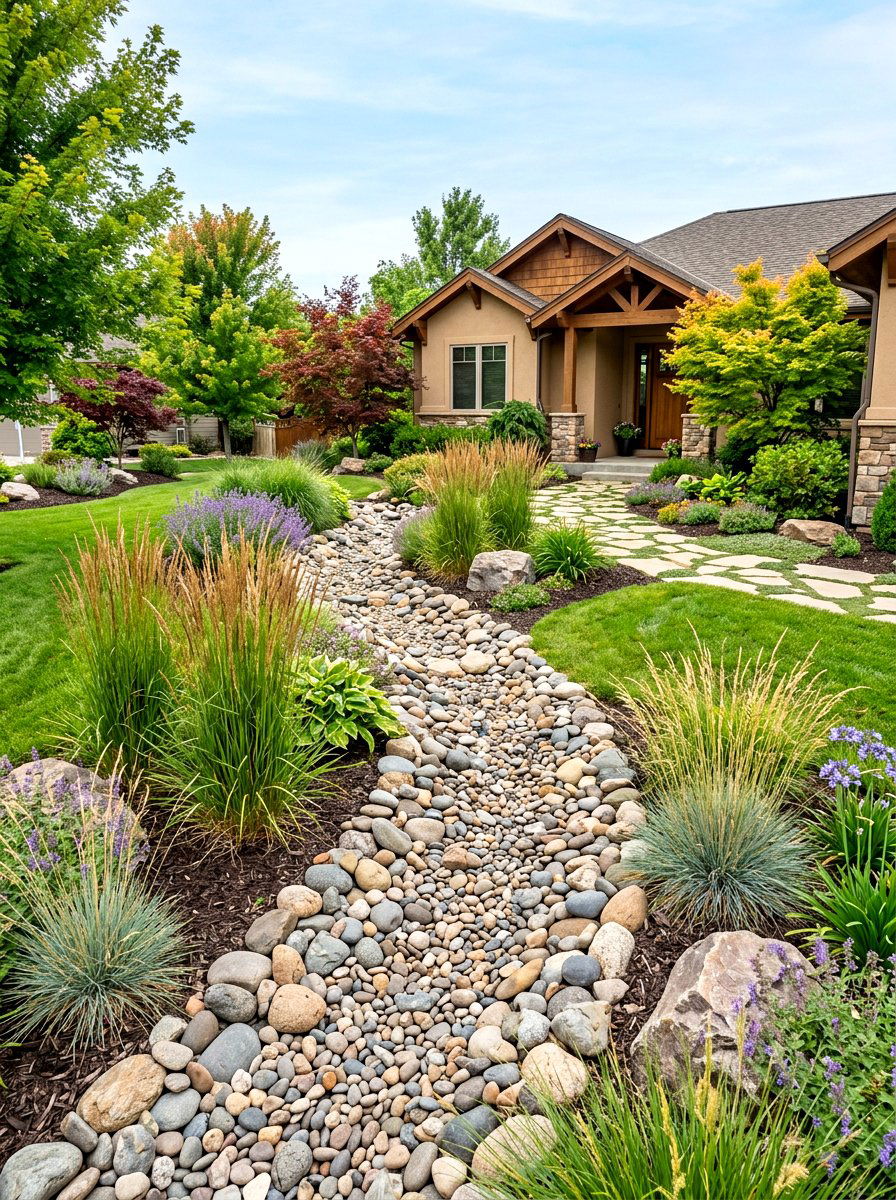
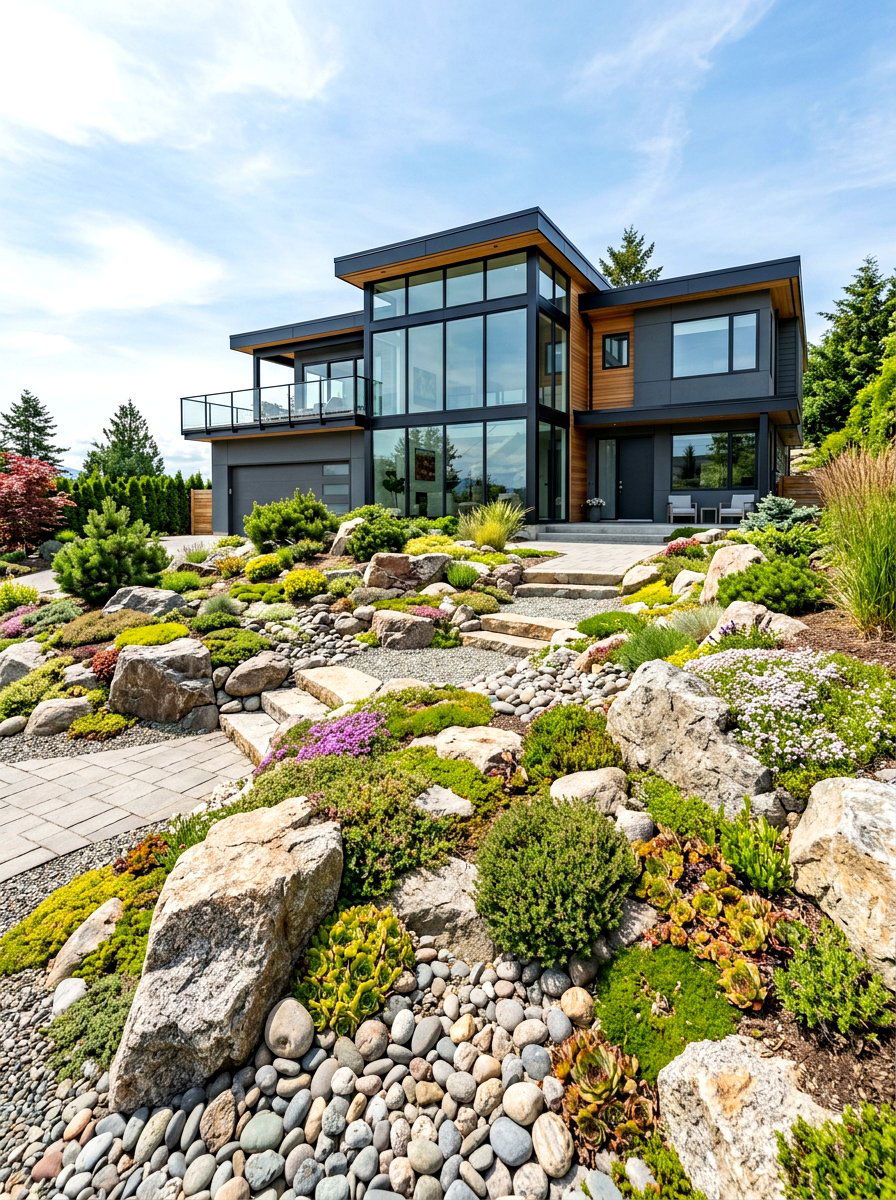
A dry creek bed is a beautiful landscape feature that mimics the look of a natural seasonal stream. You can use a mix of river rocks, pebbles, and larger boulders to create a winding path through your front yard. This design serves a dual purpose by adding visual interest and helping to direct drainage during heavy rains. You can plant drought-tolerant grasses and shrubs along the edges to soften the look of the stone. A dry creek bed is a great way to break up a large expanse of mulch or gravel. It adds a peaceful, naturalistic element to the yard that requires no water to maintain.
21. Potted Succulent Display
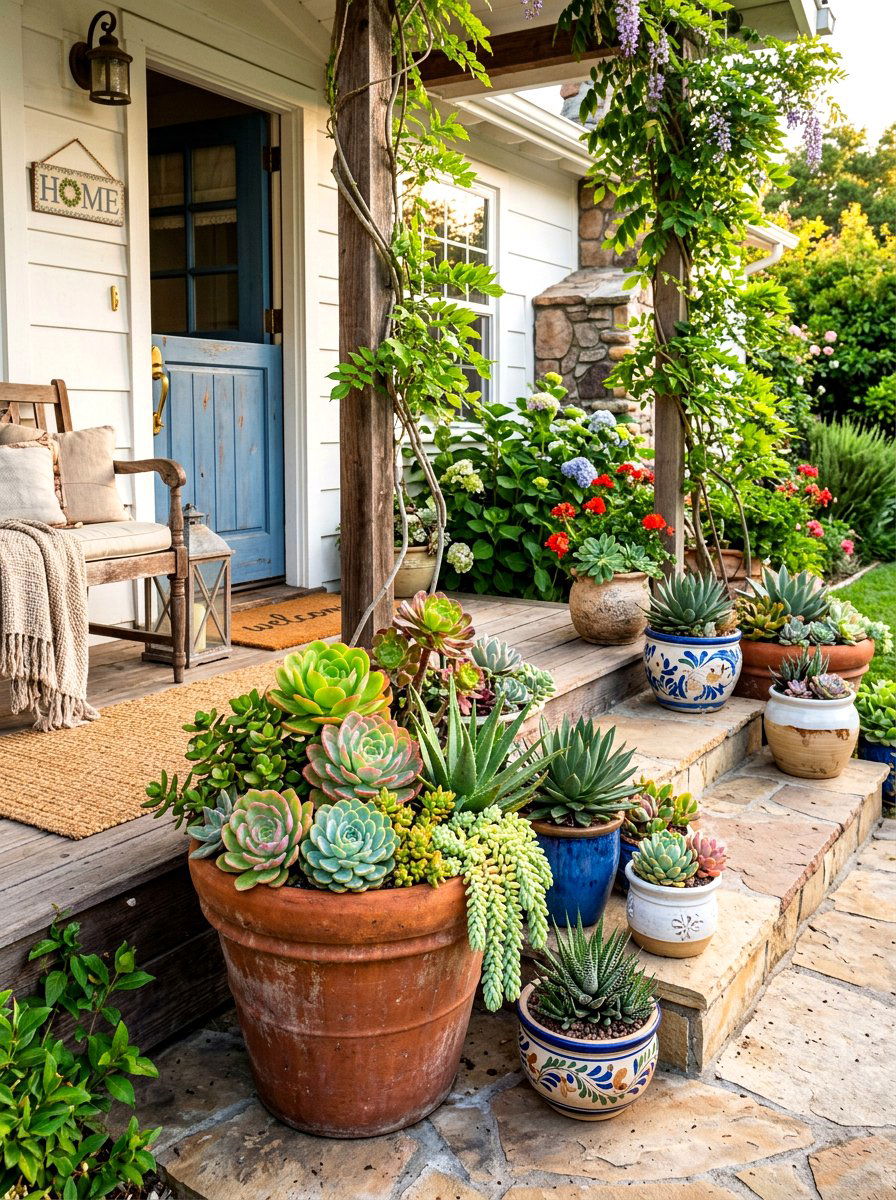
If you have a small front yard or a large porch, a potted succulent display is an excellent way to add greenery without a lawn. Using a variety of containers in different heights and materials can create a stylish and curated look. Succulents in pots are very easy to manage and can be moved around to change the design of your space. They require minimal watering and can thrive in containers for a long time due to their slow growth rate. This approach allows you to experiment with color and texture on a smaller scale. It is a perfect solution for adding life to entryways and paved areas.
22. Perennial Flower Bed
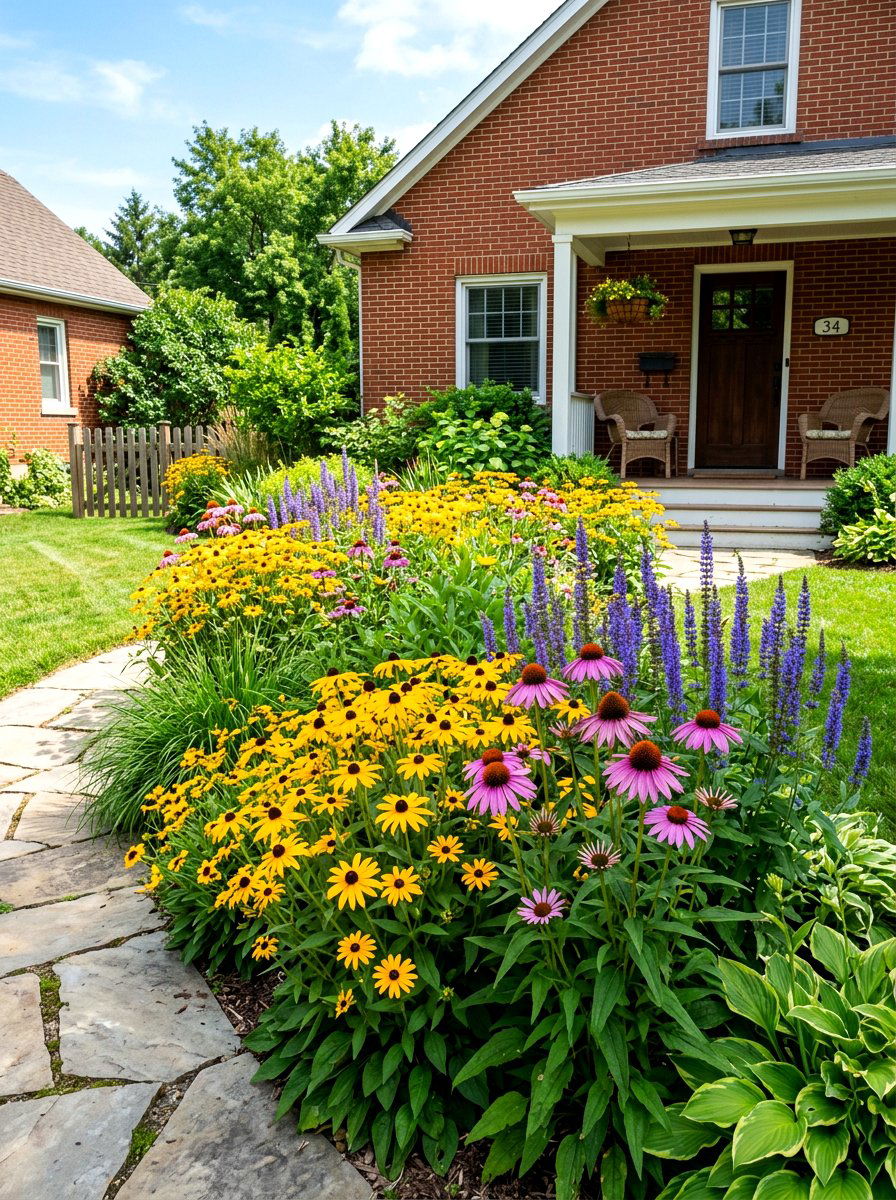
A perennial flower bed can provide year-round beauty with plants that return every season. By choosing drought-tolerant perennials like coneflowers, yarrow, or black-eyed Susans, you can have a colorful garden that survives on natural rainfall. These plants develop deep root systems that help them endure dry spells much better than annual flowers. You can layer different heights and colors to create a lush, cottage-garden feel without the high water bill. Once established, these beds require very little maintenance beyond occasional pruning and mulching. They offer a sustainable way to keep your front yard looking vibrant and welcoming throughout the spring, summer, and autumn months.
23. Stepping Stone Path
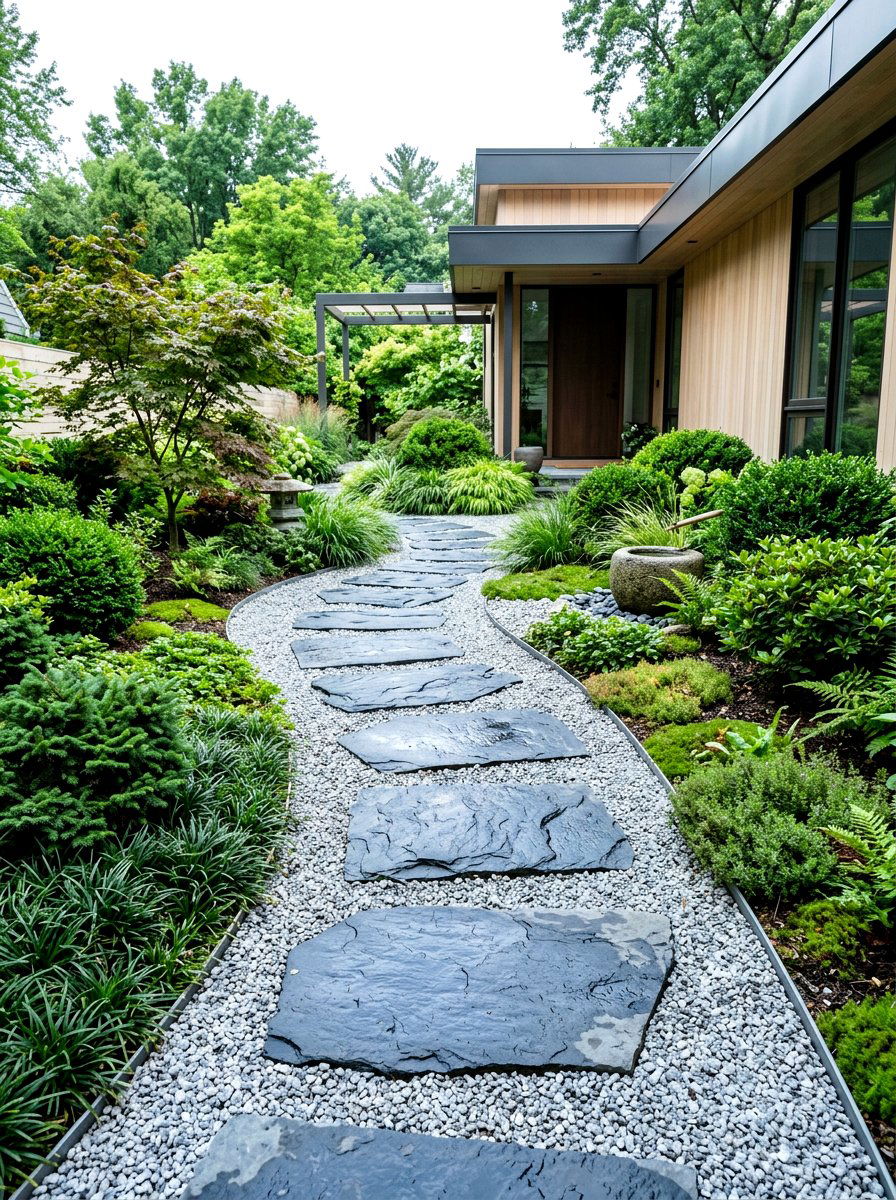
A stepping stone path is a simple and charming way to lead guests through your drought-tolerant garden. Large, flat stones are placed at comfortable walking intervals, surrounded by gravel or low-water ground cover. This type of path is very easy to install and requires no irrigation or mowing. You can use natural stone, slate, or even decorative concrete pavers to match your home’s style. The path creates a clear sense of direction while allowing plenty of space for beautiful plants to grow alongside it. It is a low-impact design choice that works well in almost any size front yard, from tiny urban plots to large suburban lots.
24. Modern Concrete Paver
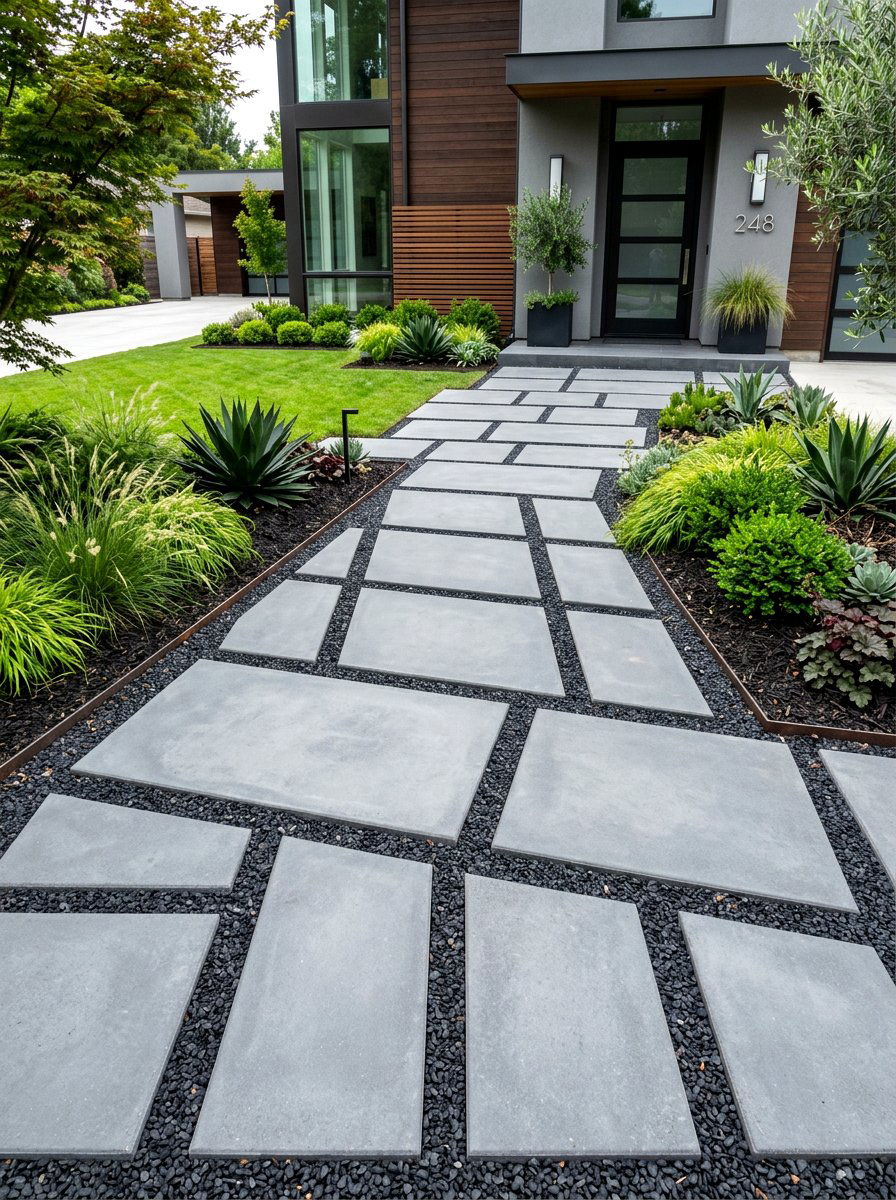
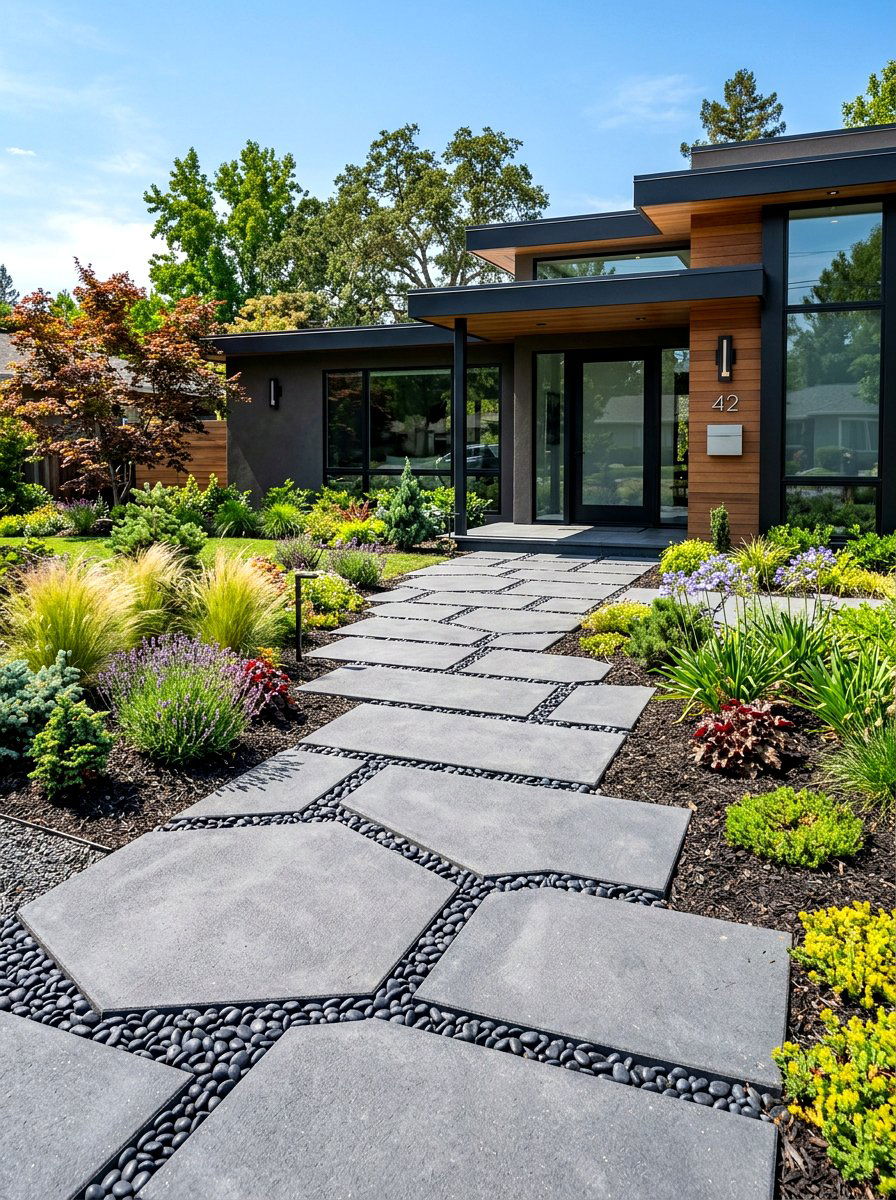
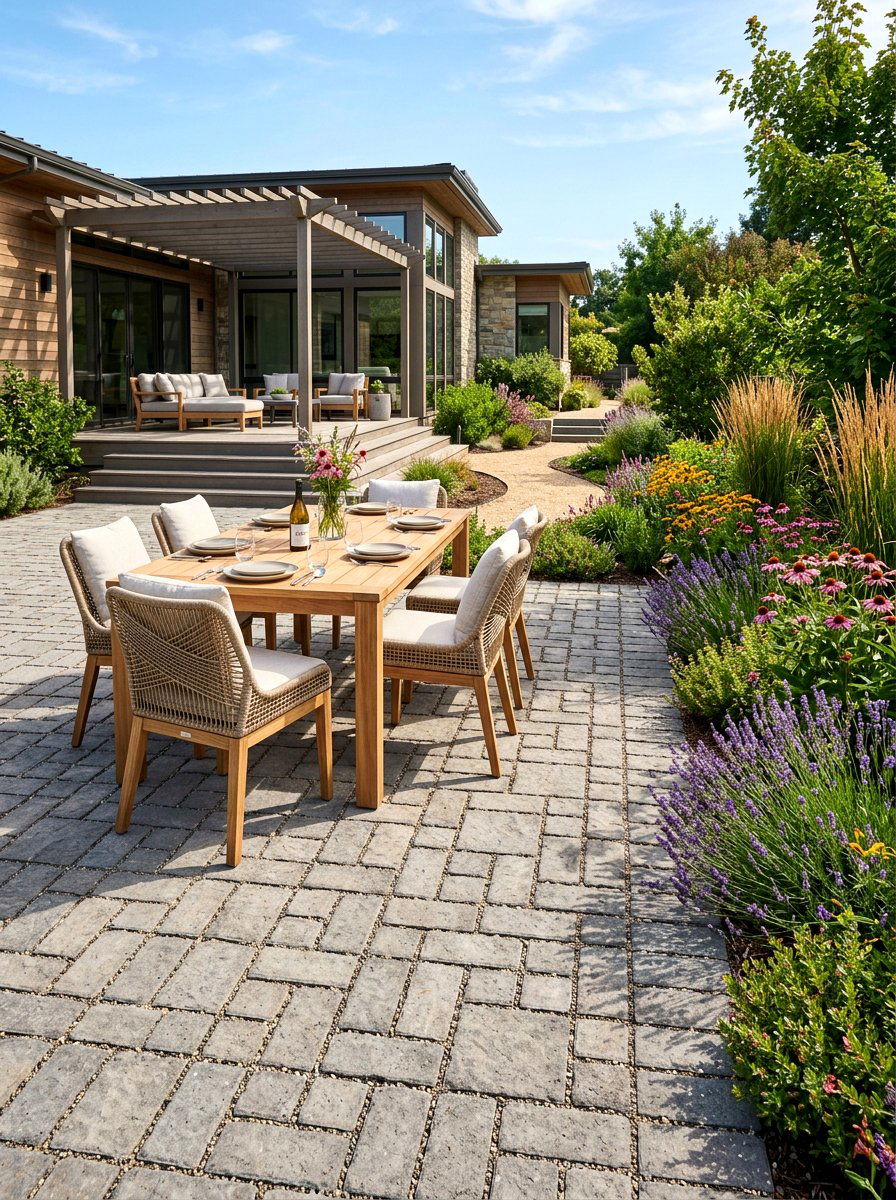
Modern concrete pavers offer a clean, geometric look that is perfect for contemporary front yard designs. You can arrange large rectangular or square pavers in a grid pattern with gravel or moss in the joints. This creates a high-end, architectural appearance that is very durable and easy to maintain. Pavers are an excellent alternative to a traditional lawn, providing a solid surface for walking and entertaining. They help to define the structure of the landscape and pair beautifully with minimalist plantings like grasses or agaves. This style emphasizes form and line, creating a sophisticated and water-wise entrance that looks polished and intentional throughout every season.
25. Bird Bath Feature
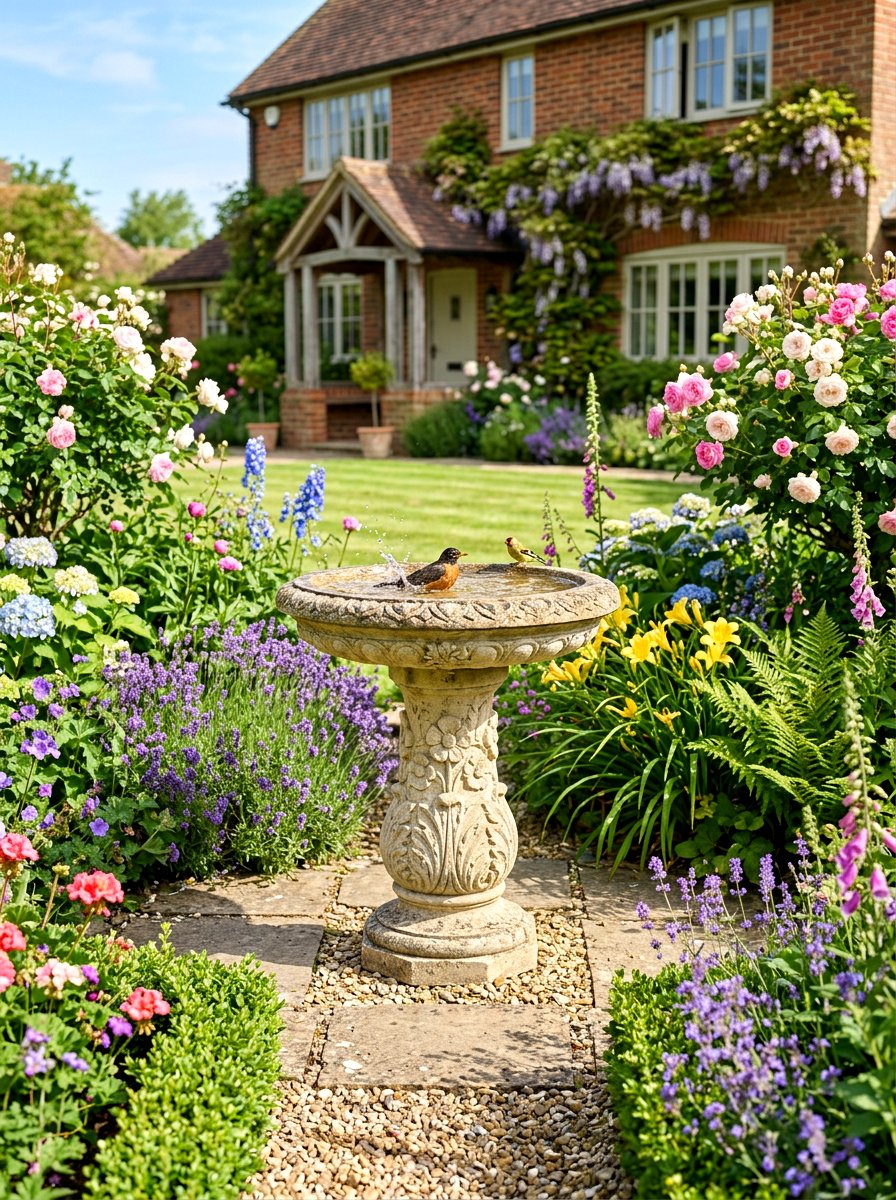
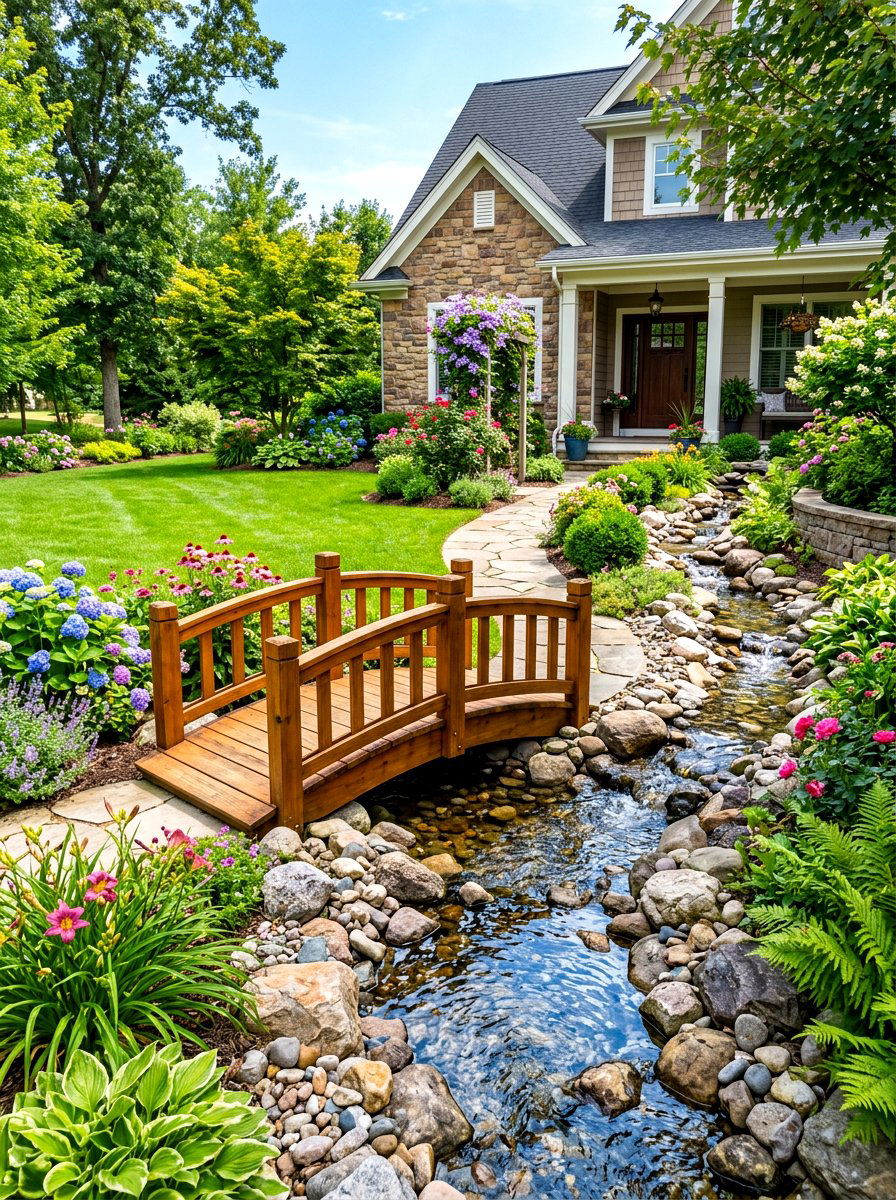
Adding a bird bath to your front yard provides a vital water source for local wildlife while serving as a beautiful focal point. In a drought-tolerant landscape, a bird bath can add a touch of elegance and movement to the space. You can choose a simple stone design or a more decorative ceramic piece that complements your garden’s aesthetic. Surrounding the bird bath with low-water plants like lavender or salvias creates a mini-habitat for birds and butterflies. It is a wonderful way to bring life into a dry garden without using excessive amounts of water. The sound and sight of birds visiting can make your yard feel more peaceful.
26. Retaining Wall Planter
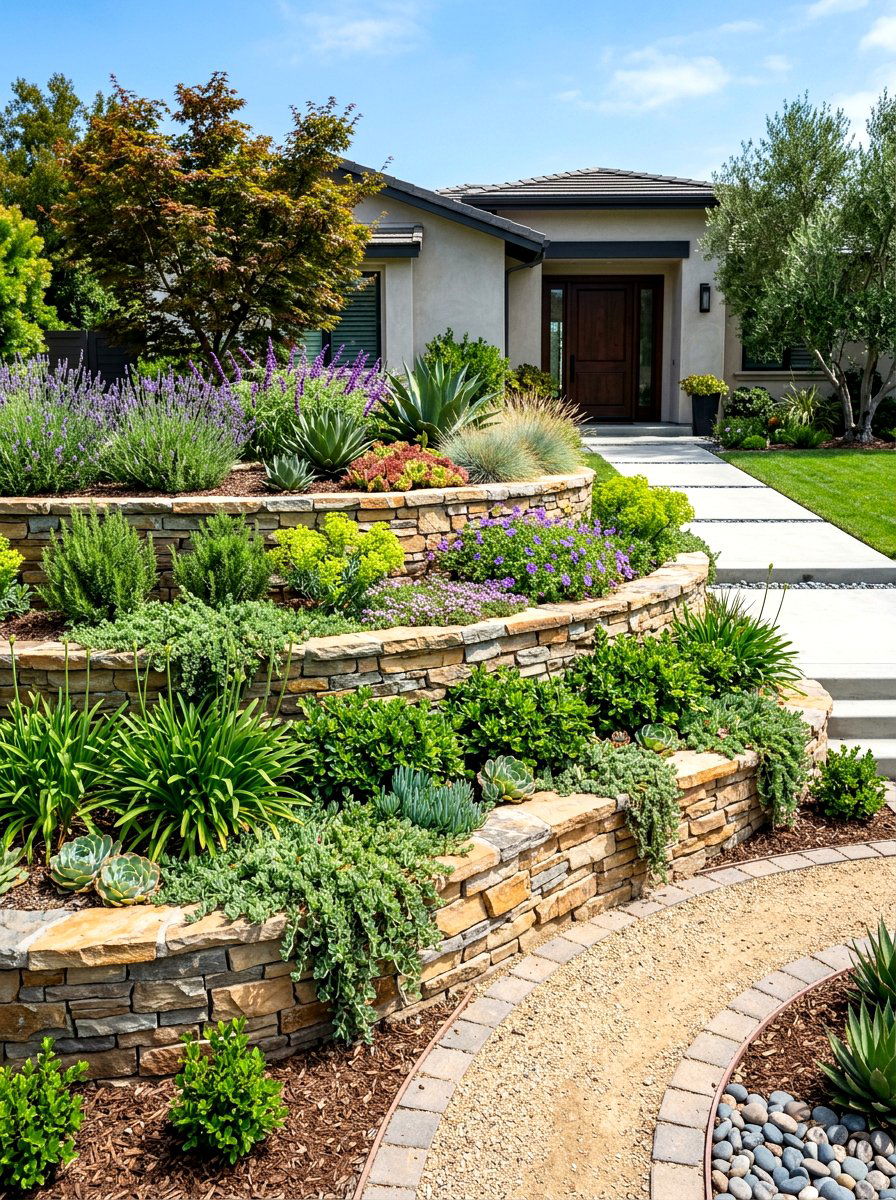
A retaining wall planter is a great way to add vertical interest and structure to a sloped front yard. You can build walls from natural stone, timber, or concrete blocks to create terraced levels for planting. These raised beds allow for better soil control and drainage, which is ideal for drought-tolerant species. You can fill the planters with cascading succulents, hardy shrubs, or colorful perennials that spill over the edges. This design helps to prevent soil erosion while maximizing the planting area in your yard. It creates a layered, professional look that enhances the architectural lines of your home while being very water-efficient.
27. Low Water Shrub
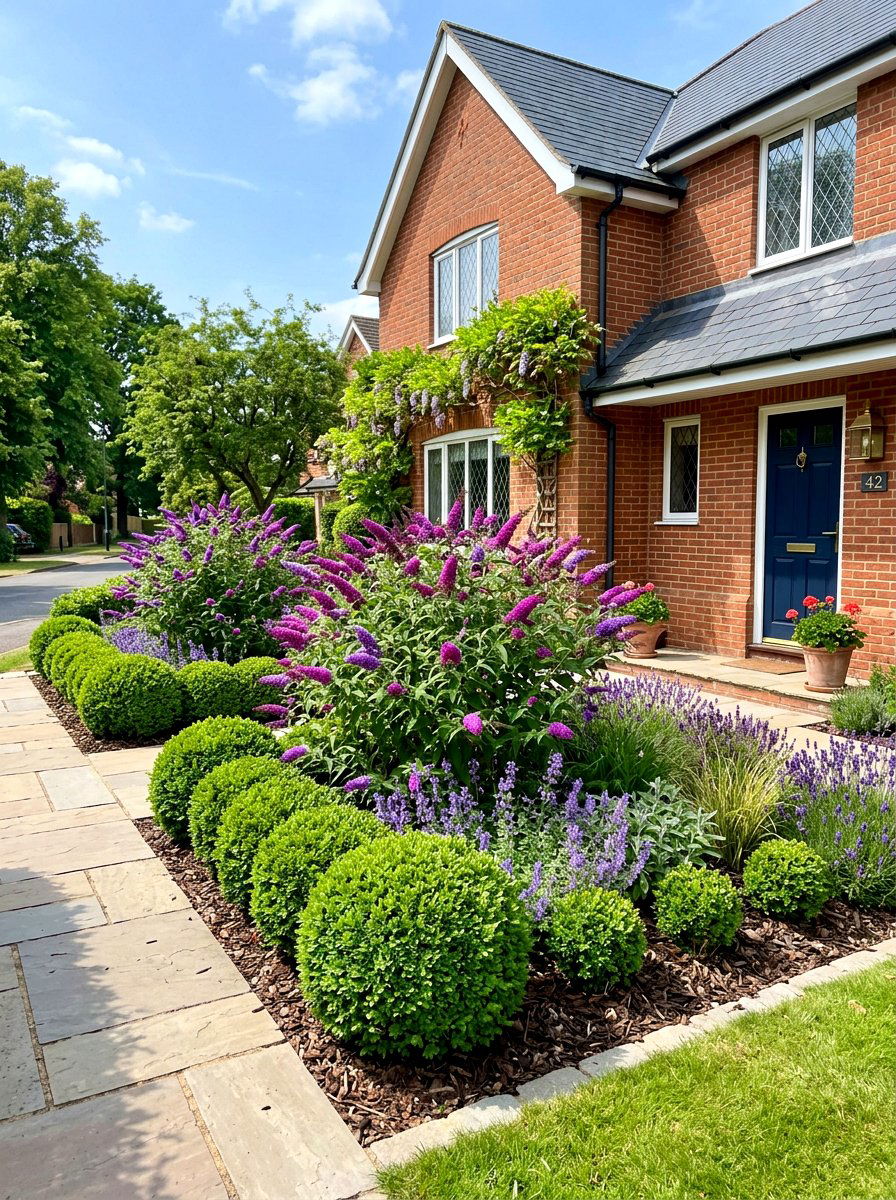
Low water shrubs are the backbone of a successful drought-tolerant front yard, providing year-round structure and privacy. Varieties like boxwood, barberry, or California lilac are very resilient and require minimal supplemental irrigation once they are established. You can use these shrubs to create foundation plantings, low hedges, or individual accents throughout the garden. Many of these plants offer beautiful foliage colors and even seasonal flowers or berries. They are generally very easy to care for and only need occasional pruning to maintain their shape. Shrubs help to fill space and add a sense of maturity and permanence to a low-maintenance landscape design.
28. Olive Tree Centerpiece
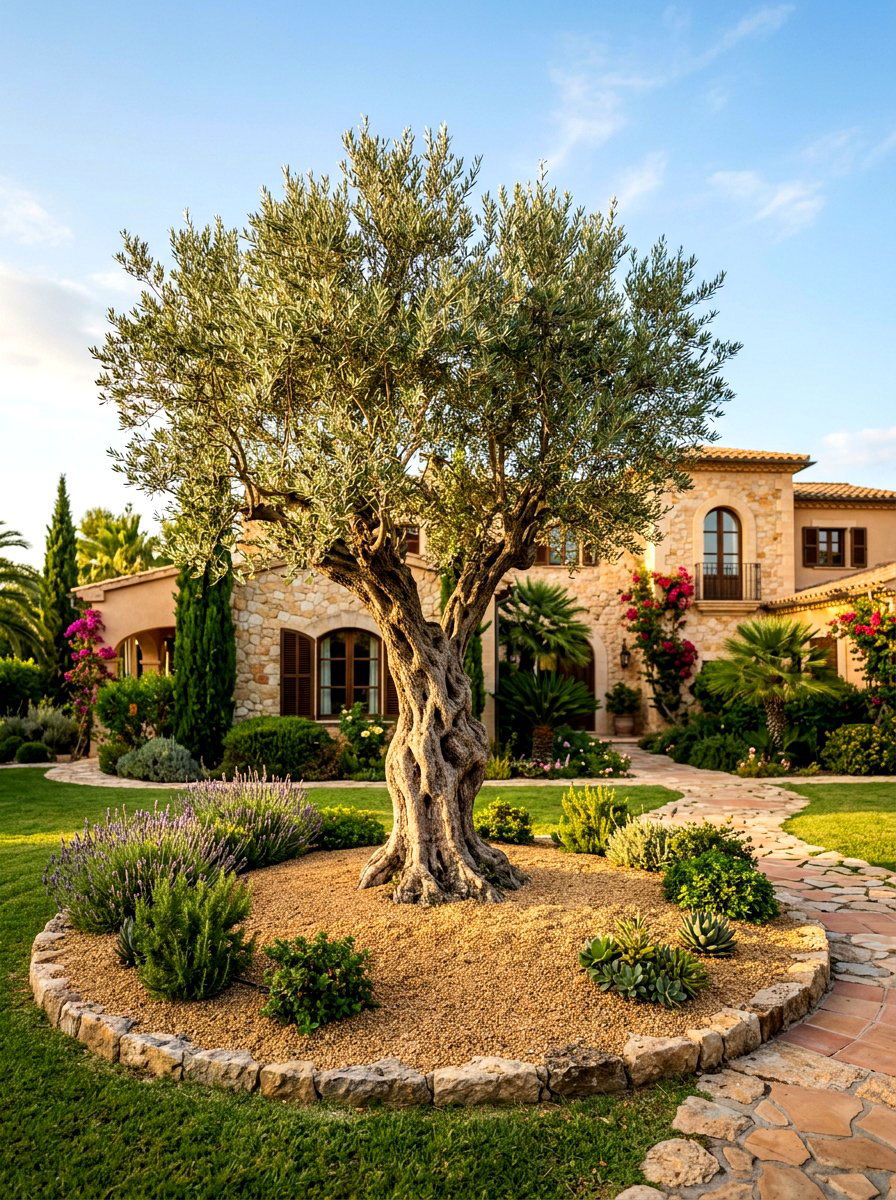
An olive tree makes a stunning and sophisticated centerpiece for a Mediterranean-style front yard. These trees are famous for their silvery-green foliage, twisted trunks, and incredible drought tolerance. They can survive in poor soil and intense sun with very little water once they have matured. An olive tree provides a sense of history and character to the landscape, looking beautiful as it ages. You can plant one in the middle of a gravel area or surround it with low-growing herbs like rosemary. It is a timeless choice that brings a touch of Old World charm to your home while being perfectly suited for modern dry climates.
29. Crushed Stone Driveway
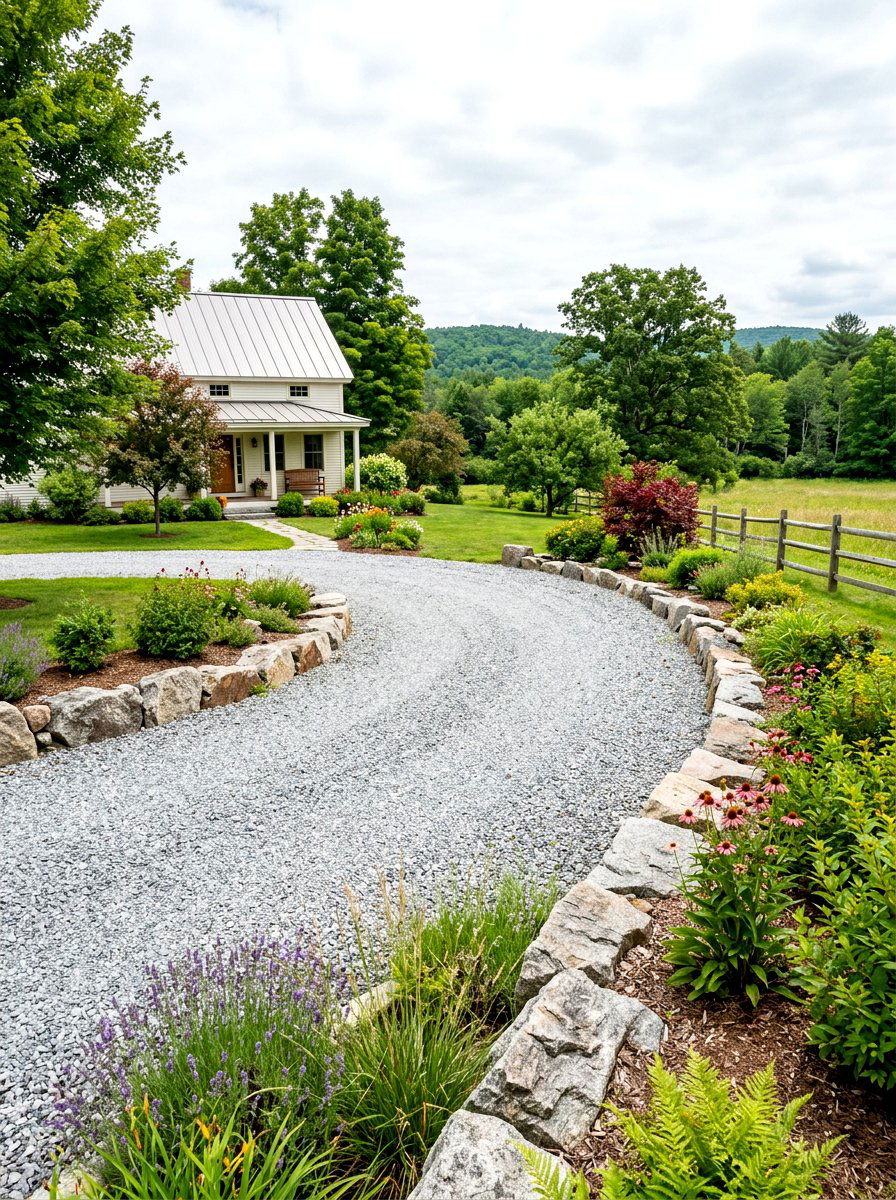
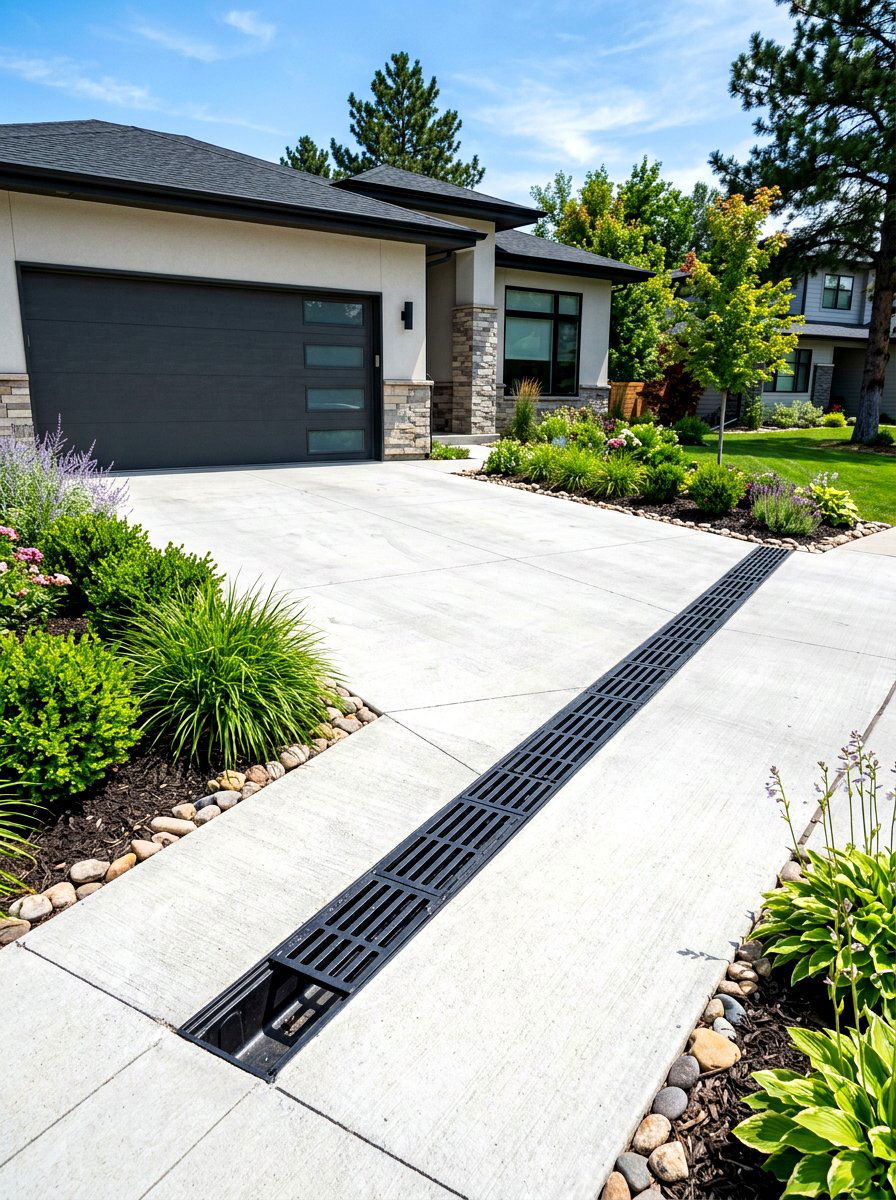
A crushed stone driveway is a practical and water-wise alternative to traditional asphalt or concrete. This permeable surface allows rainwater to soak into the ground, reducing runoff and helping to keep your yard hydrated naturally. Crushed stone comes in various colors and sizes, allowing you to customize the look to match your home’s exterior. It is an affordable option that is easy to maintain and does not require the heavy water use associated with cleaning paved surfaces. A stone driveway blends perfectly with other xeriscaping elements like boulders and drought-tolerant plants. It provides a rustic, elegant feel that enhances the overall curb appeal.
30. Drought Resistant Hedge
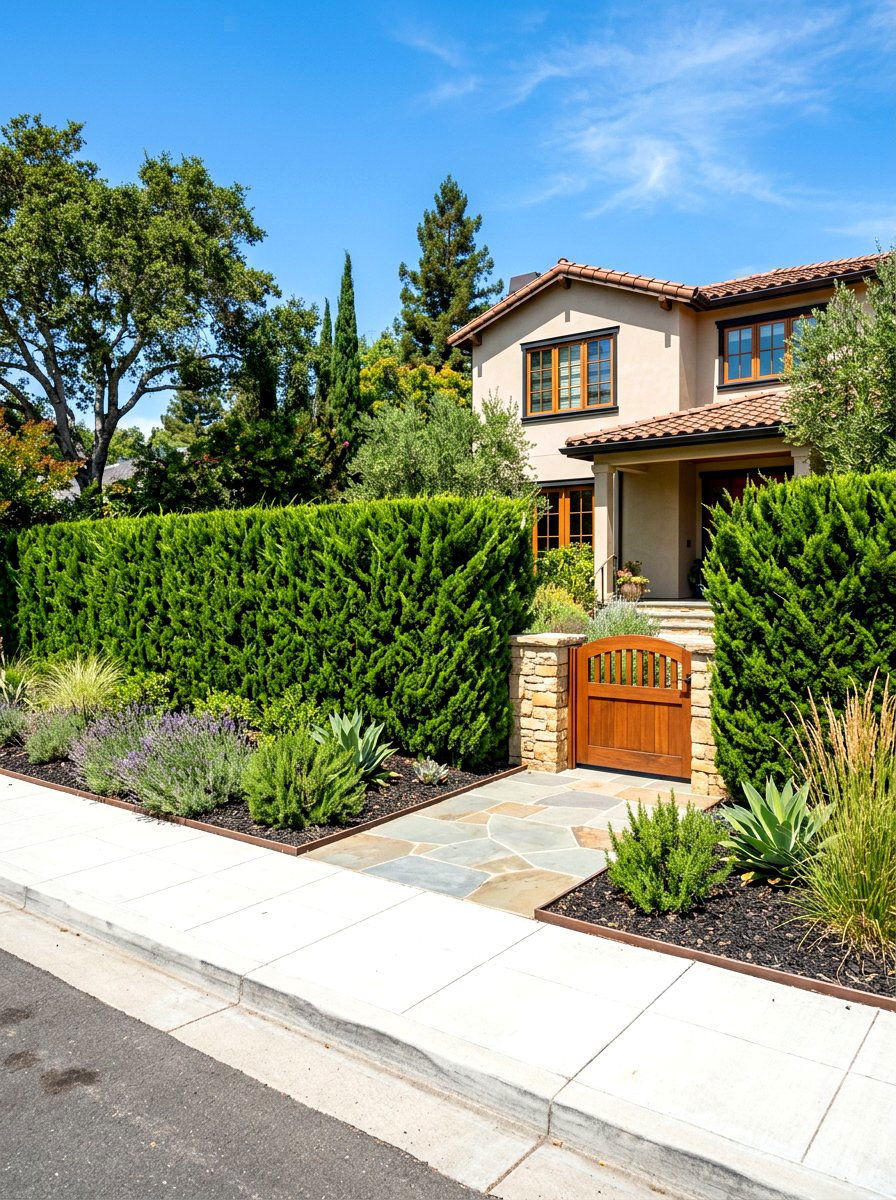
A drought-resistant hedge offers privacy and a green border without the high water demands of traditional screening plants. Varieties like privet, oleander, or certain types of juniper are excellent choices for creating a thick, living wall. These plants are very hardy and can withstand long periods of dry weather once their root systems are established. A well-maintained hedge can help define the boundaries of your front yard and provide a backdrop for smaller plants. It also acts as a windbreak and can help reduce noise from the street. Choosing water-wise hedge plants ensures your privacy screen remains healthy and green even during a drought.
Conclusion:
Investing in a drought-tolerant front yard is a rewarding project that pays off in both beauty and sustainability. By moving away from water-intensive lawns, you create a resilient landscape that can withstand the challenges of a changing climate. The variety of textures, colors, and forms available in low-water plants and hardscaping materials allows for endless creativity. Your front yard becomes more than just a patch of grass; it becomes a curated environment that supports local ecology and enhances your home's value. With careful planning and the right plant choices, you can enjoy a stunning, low-maintenance outdoor space that looks great in every season.

Related posts: