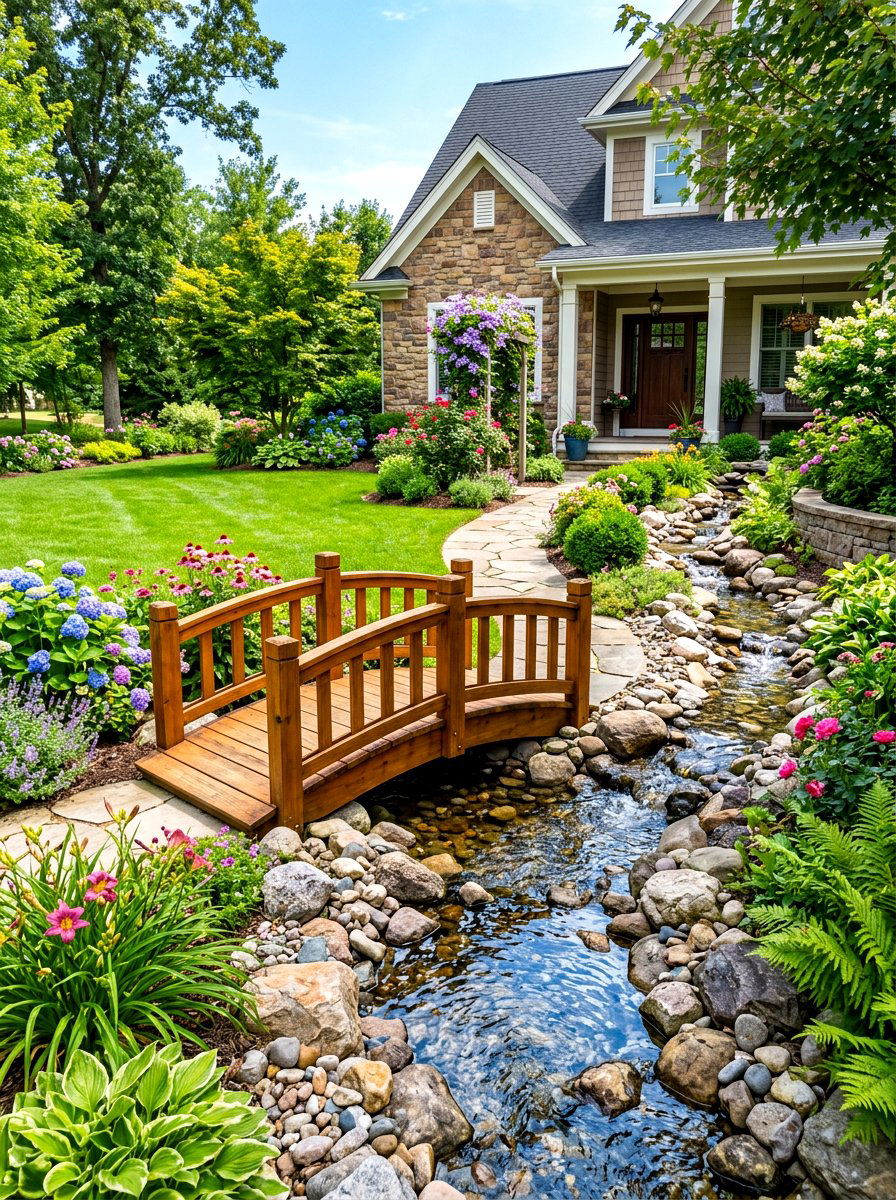
Imagine walking outside to a stunning, vibrant front yard that never needs watering or mowing. Xeriscaping has evolved from simple gravel pits into high-end architectural masterpieces that boost curb appeal while saving precious resources. This eco-friendly approach focuses on using native plants, organic mulches, and beautiful stone textures to create a lush look without the heavy water bill. Whether you live in a scorching desert climate or just want to spend less time maintaining a lawn, these concepts offer endless inspiration for a modern, sustainable home exterior. Let’s dive into a variety of textures, colors, and layouts that prove you can have a gorgeous, water-wise garden that thrives effortlessly year-round.
1. Modern Gravel Yard
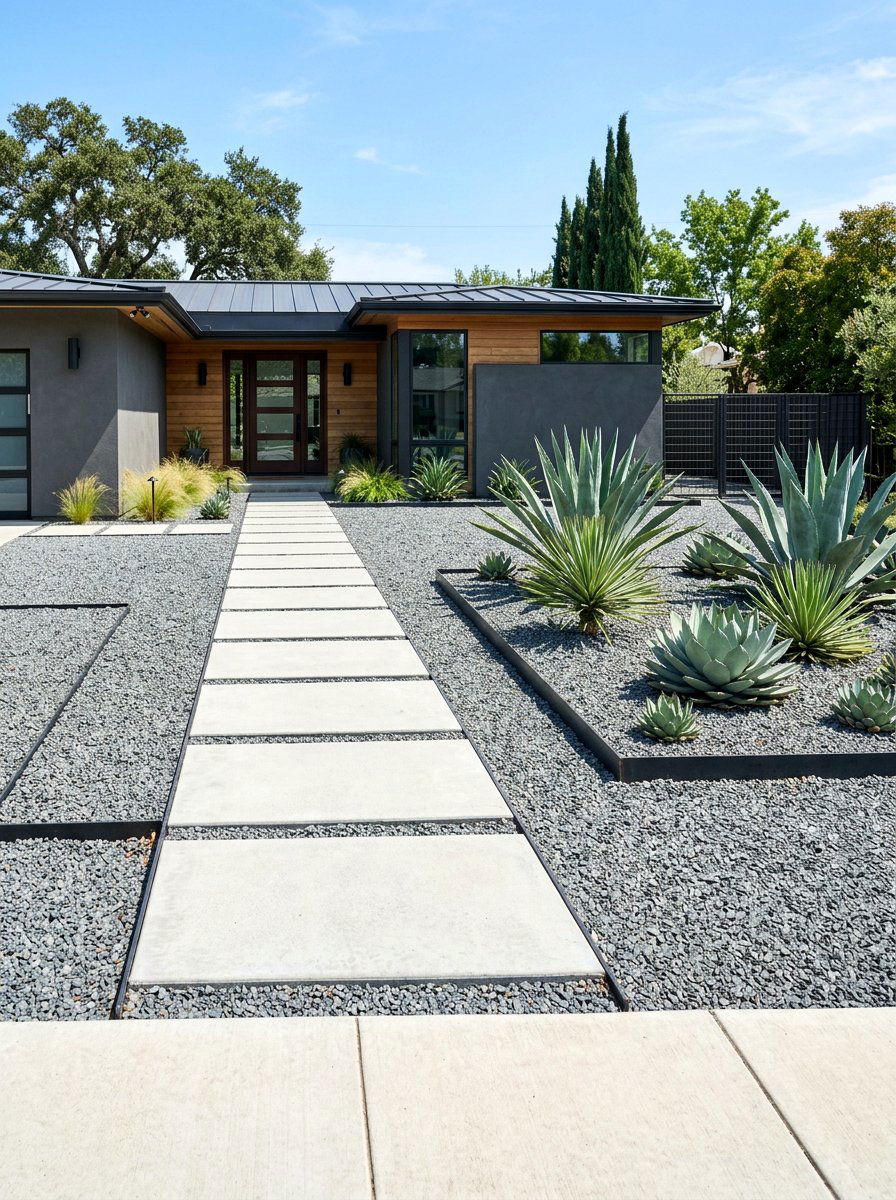
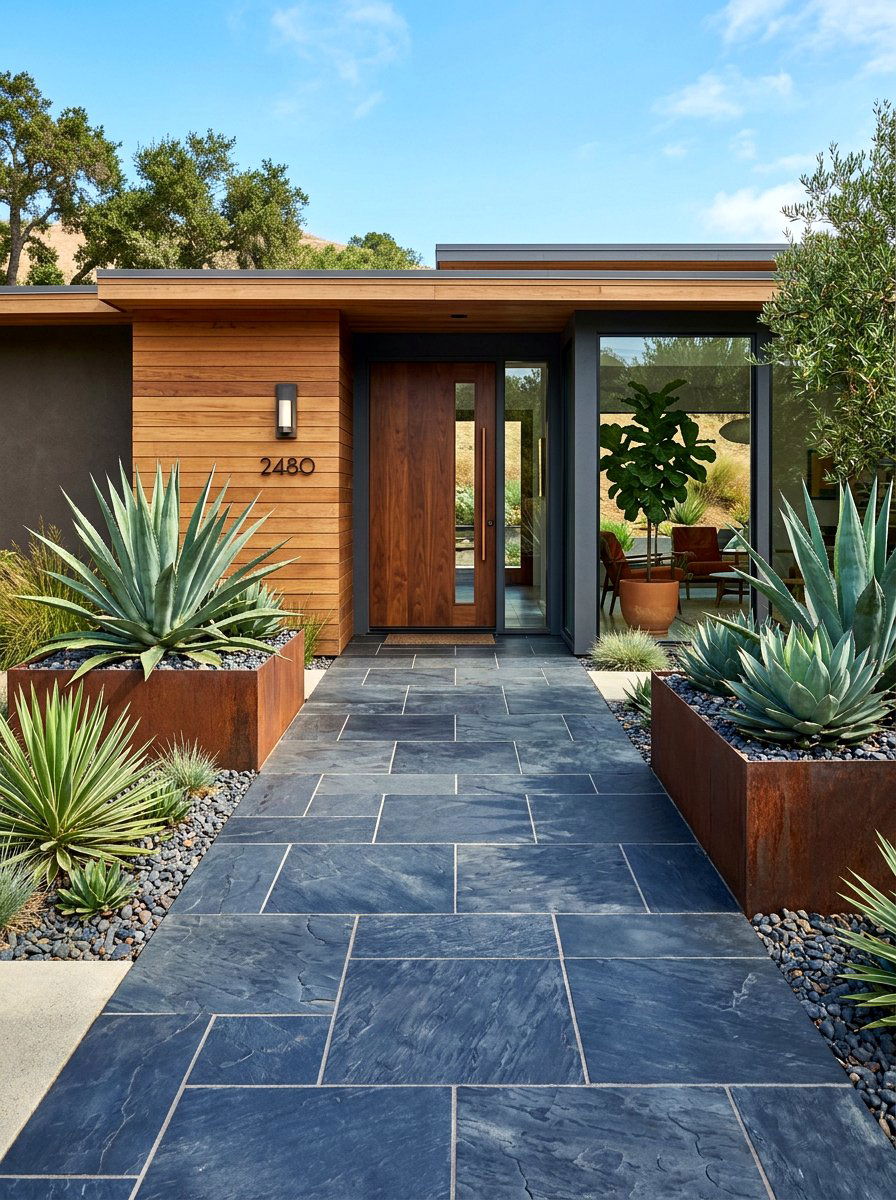
Creating a modern gravel yard starts with selecting a monochromatic color palette to achieve a sleek, high-end look. Use dark charcoal or light gray pea gravel as the primary ground cover to provide a clean and consistent base. Incorporate architectural plants like blue agave or tall ornamental grasses in structured, linear patterns to add height and visual interest. Large, flat concrete pavers can be used to create a floating walkway effect that guides guests toward the front door. This design focuses on minimalism and sharp edges, making it a perfect choice for contemporary homes. The result is a sophisticated, low-maintenance landscape that looks polished throughout every season.
2. Desert Rock Landscape
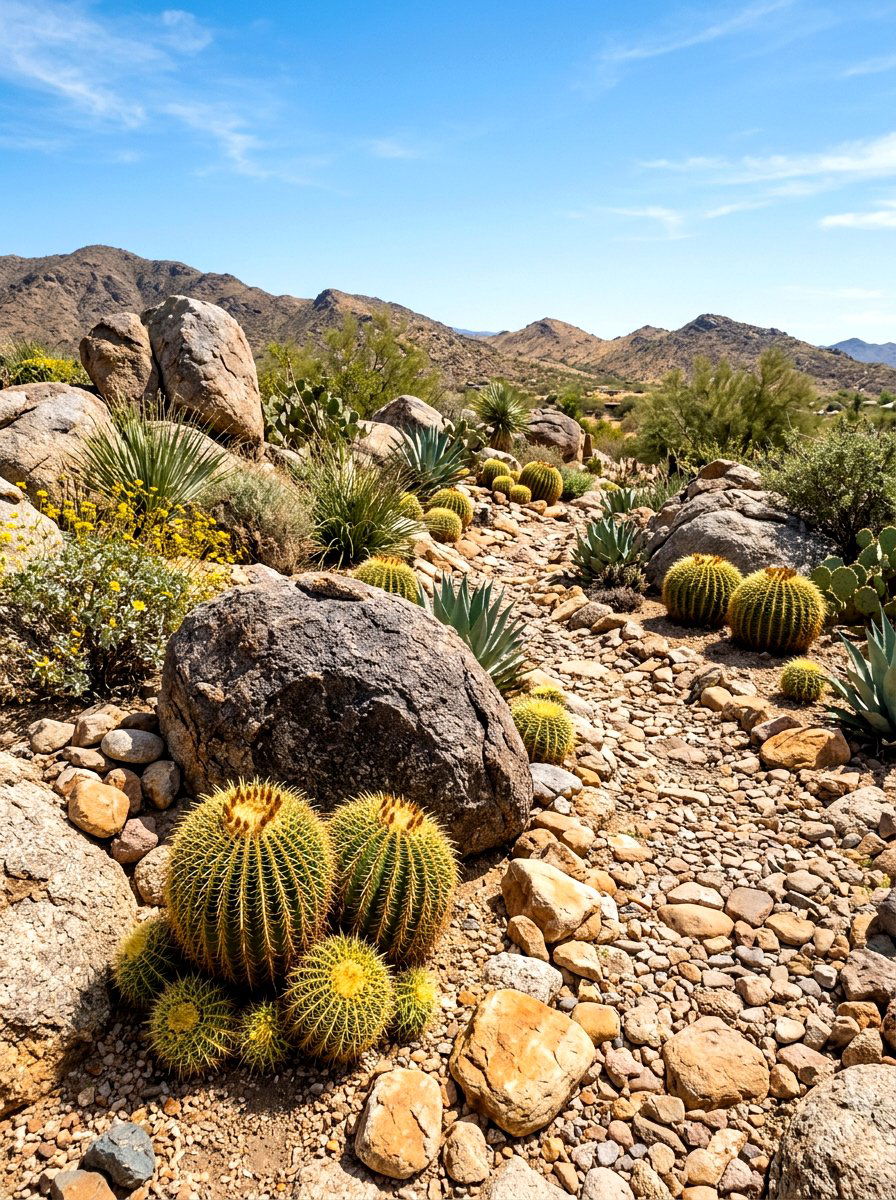
A desert rock landscape utilizes a variety of stone sizes and earthy tones to mimic the natural beauty of arid environments. Start by layering different textures, such as decomposed granite for the base and larger river stones for accented borders. Feature heat-loving plants like barrel cacti, prickly pears, and yuccas to provide a structural focal point that thrives in direct sunlight. Group these plants in clusters to create a more natural, organic feel rather than a rigid grid. This style effectively reduces water evaporation while providing a rugged, textured aesthetic. It is an excellent way to embrace local geology while maintaining a very high level of curb appeal.
3. Native Wildflower Meadow
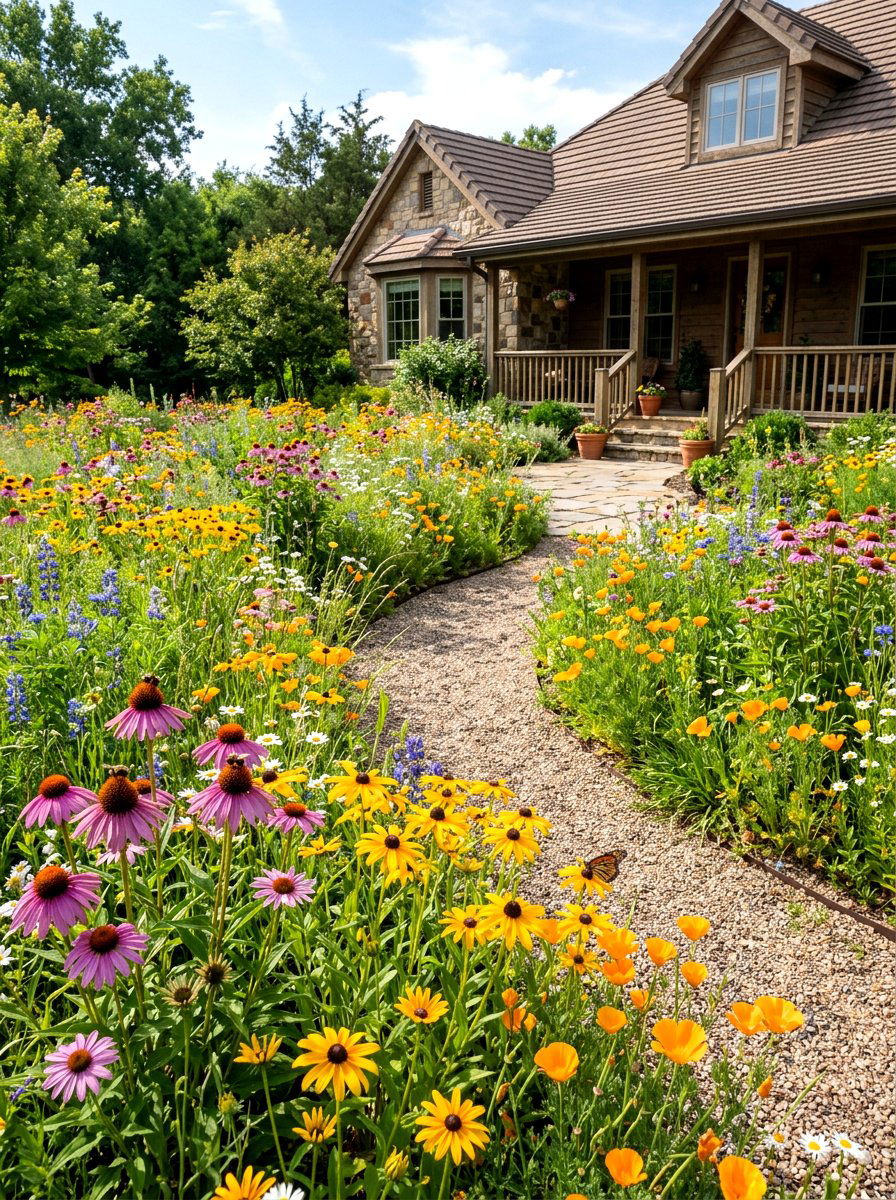
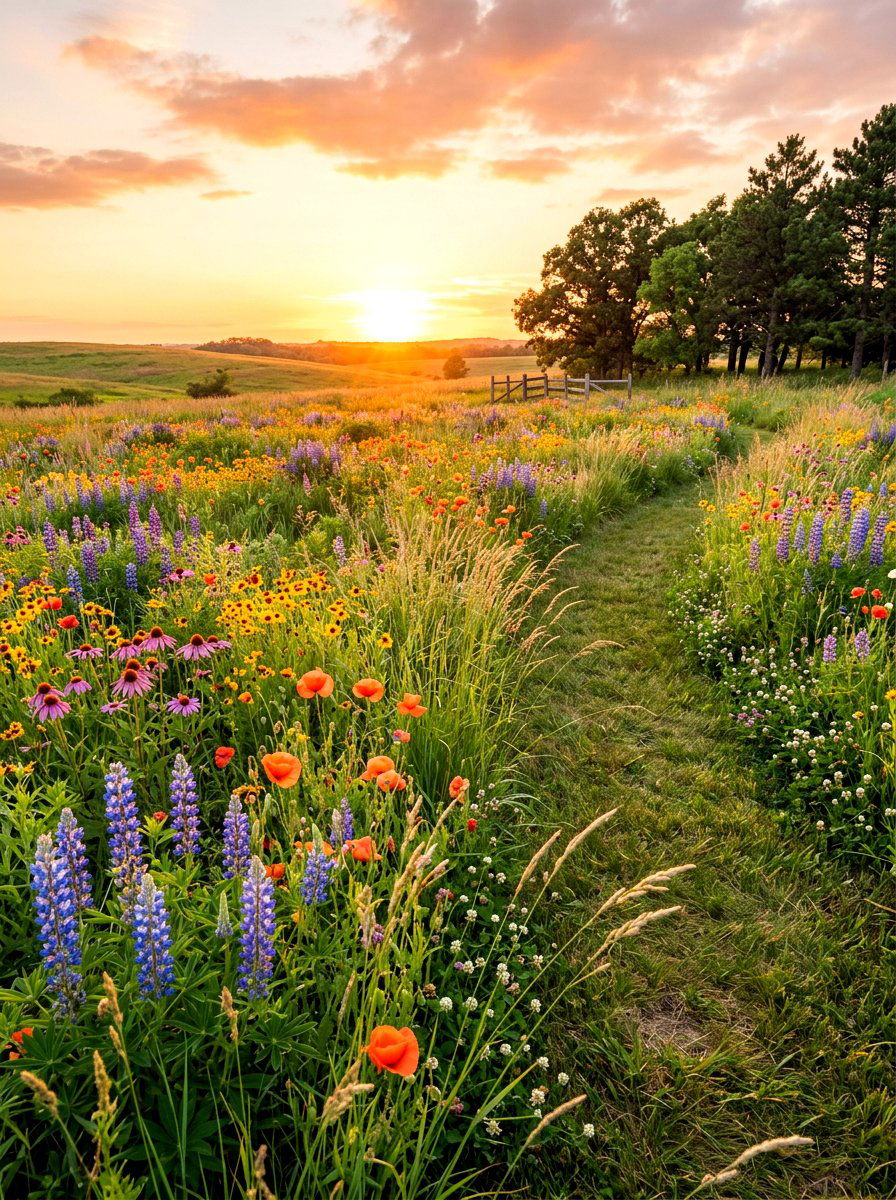
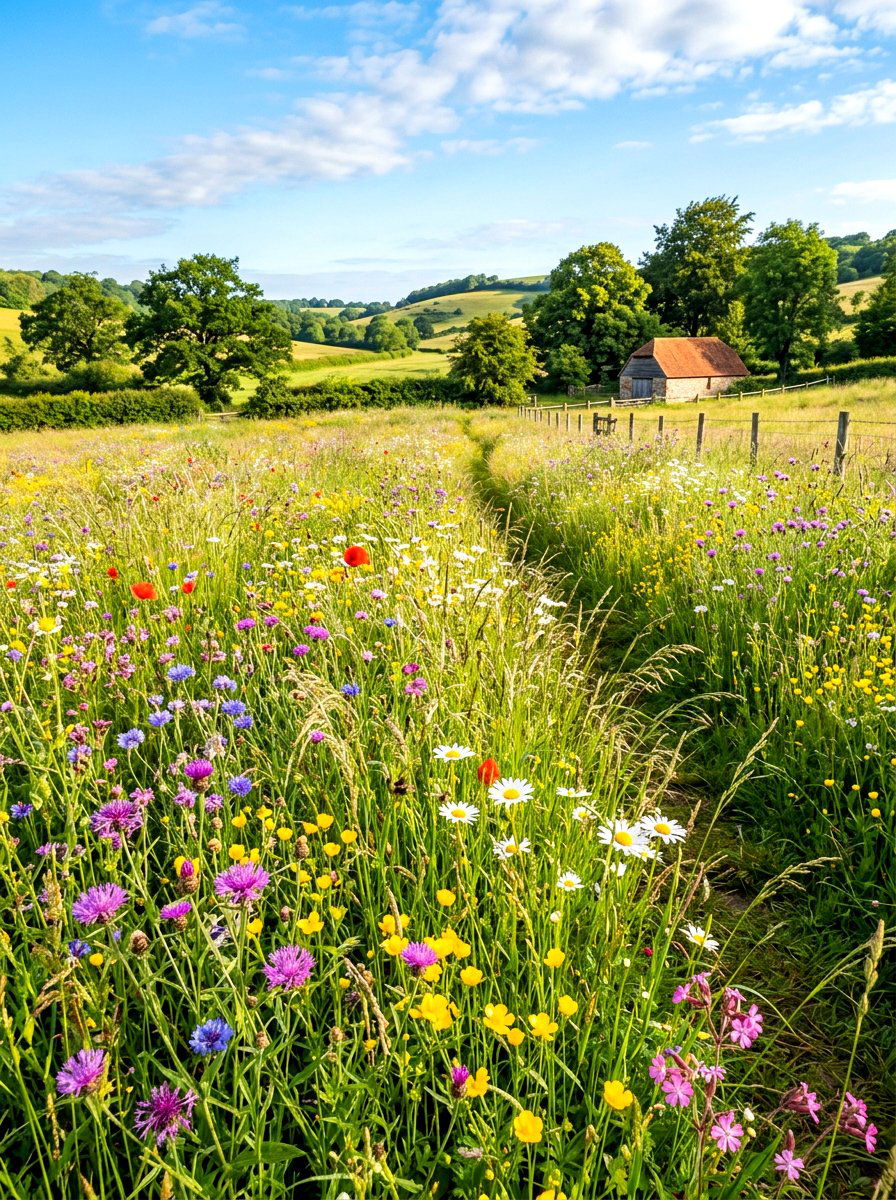
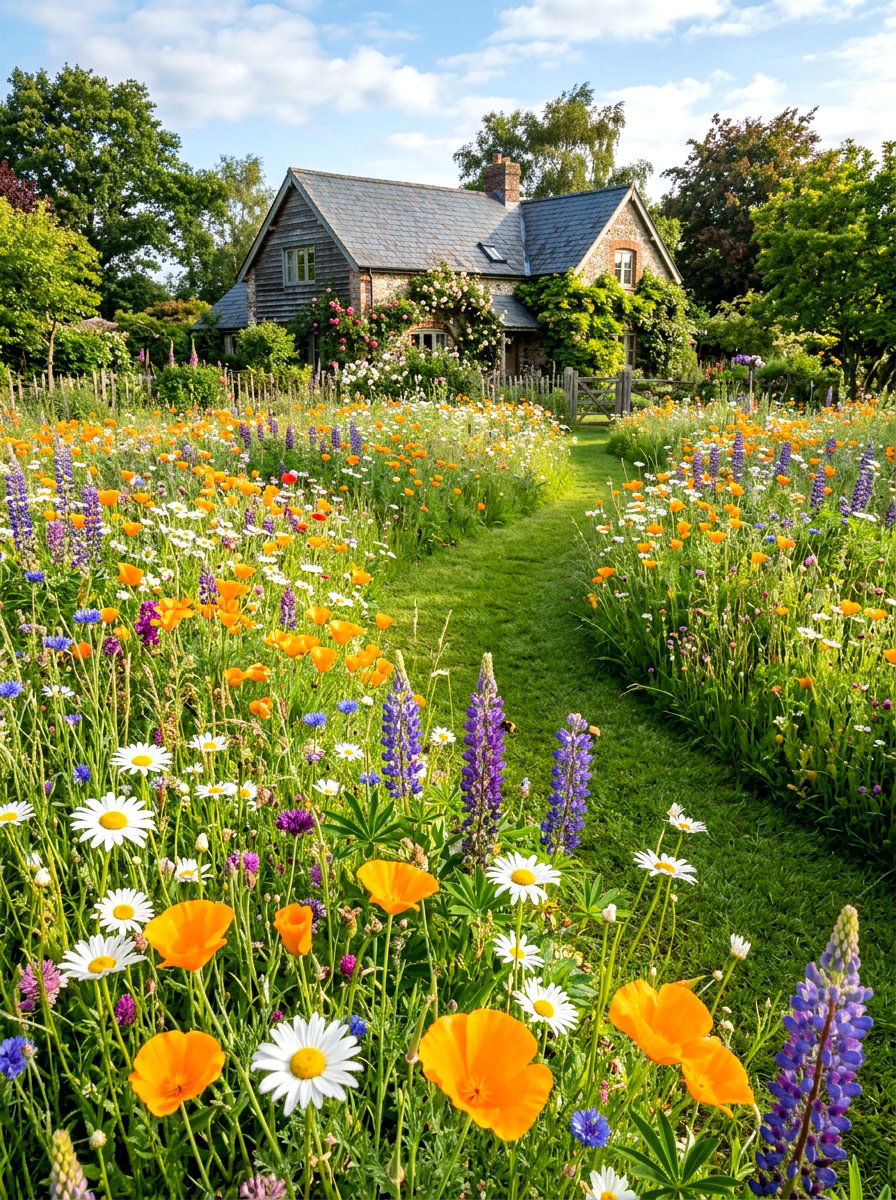
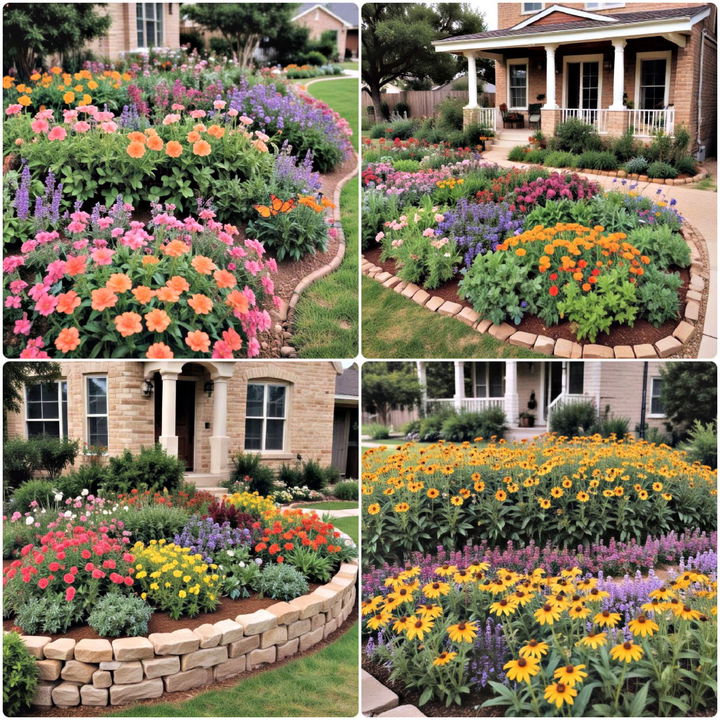
Transitioning your front yard into a native wildflower meadow is a fantastic way to support local biodiversity while enjoying seasonal colors. Focus on a mix of drought-tolerant flowers like purple coneflower, black-eyed Susans, and California poppies that are indigenous to your specific region. These plants are naturally adapted to the local climate, meaning they require very little supplemental irrigation once they are fully established. Instead of traditional turf, this meadow style creates a soft, flowing look that moves beautifully in the breeze. It provides a welcoming habitat for bees and butterflies, turning your front yard into a living ecosystem that changes beautifully with the passing seasons.
4. Succulent Front Yard
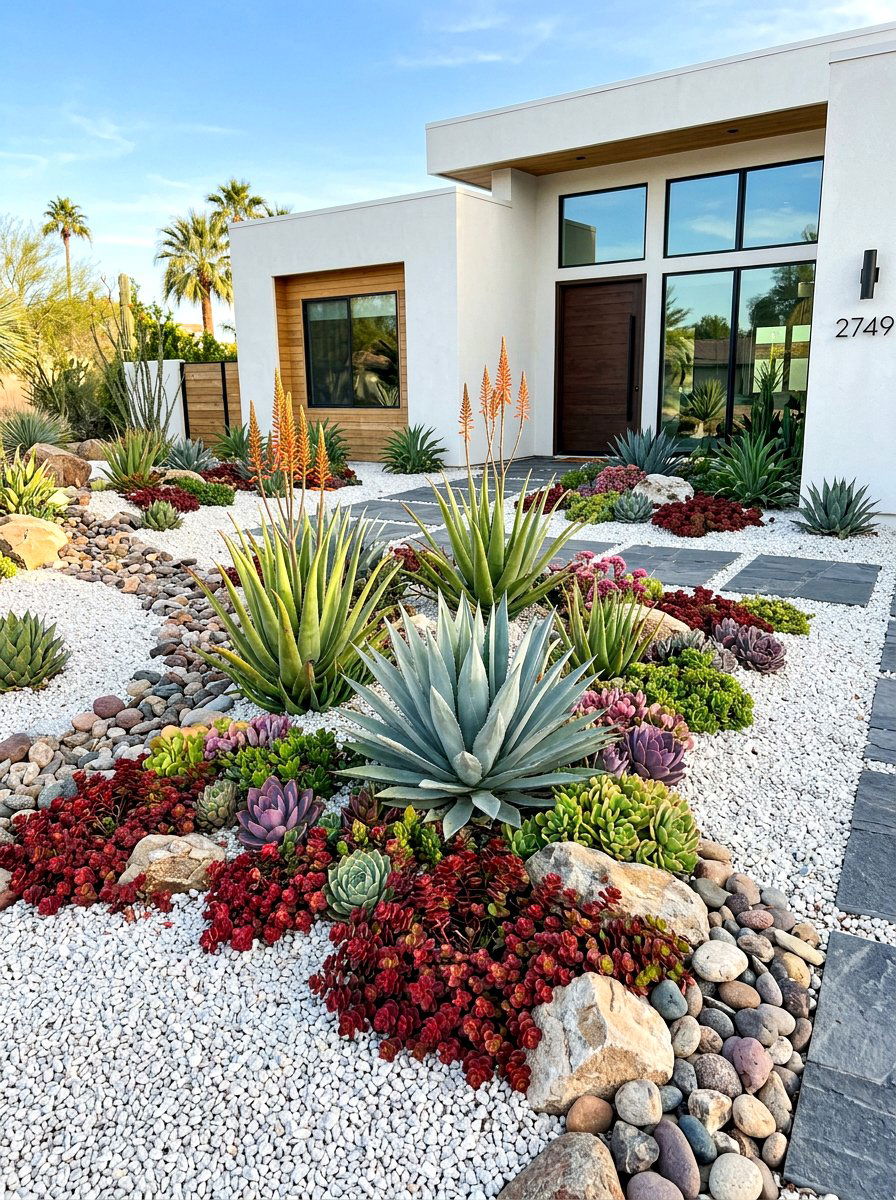
A succulent front yard offers a lush and sculptural appearance without the high water demands of a traditional lawn. Design this space by mixing different heights and colors, such as tall aloe plants alongside low-growing sedum and echeveria ground covers. Use a mix of fine gravel and larger decorative rocks to fill the gaps between the plants, which helps with drainage and prevents weed growth. The variety of leaf shapes and textures provides a unique architectural quality that looks intentional and artistic. This type of landscape is incredibly resilient and maintains its vibrant green and blue hues even during the hottest and driest months of the summer.
5. Decomposed Granite Path
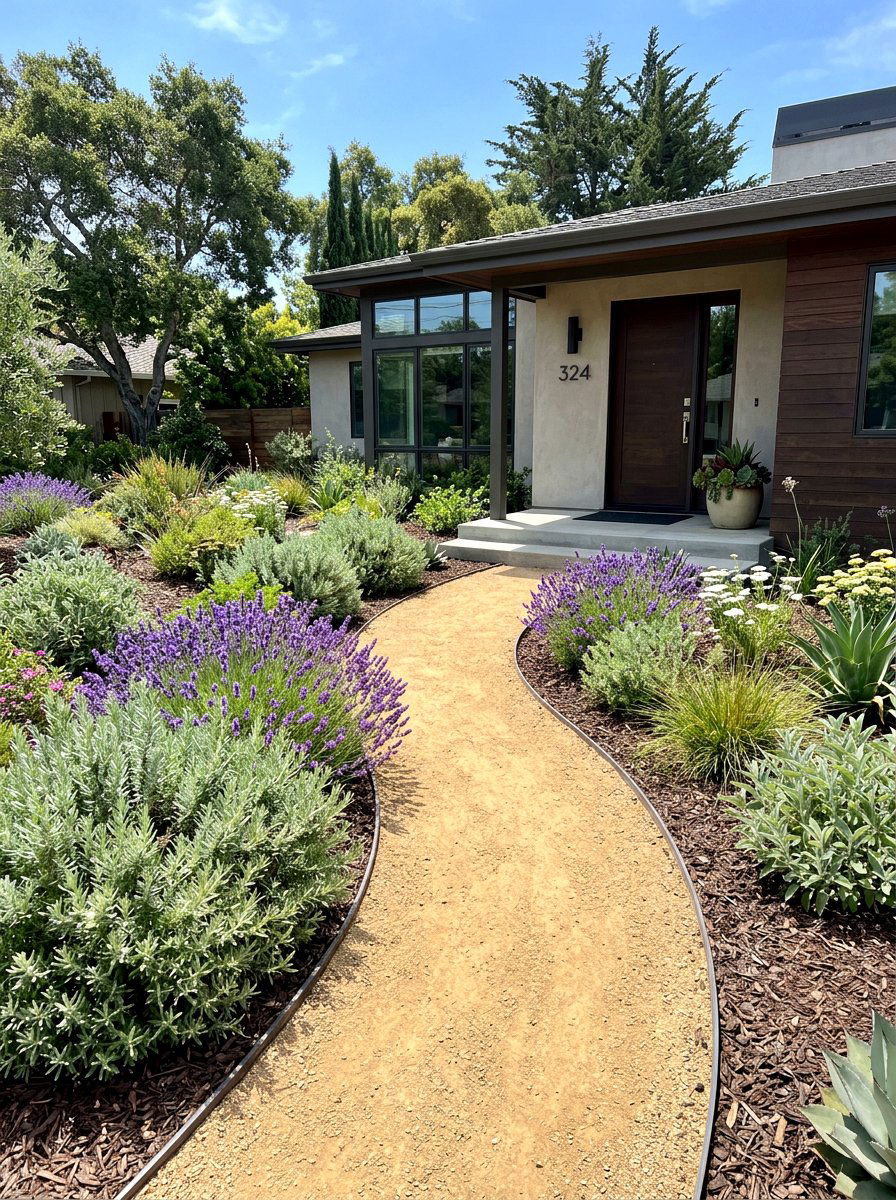
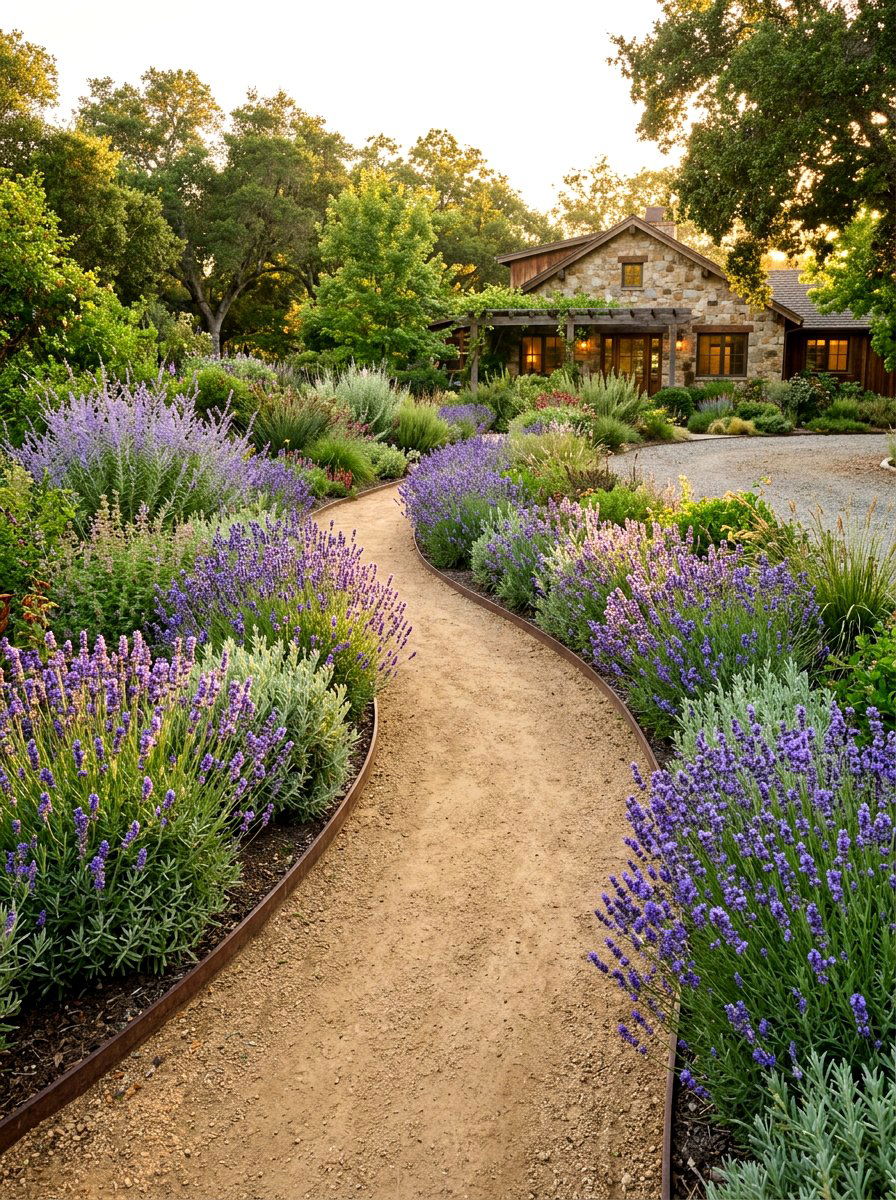
Installing a decomposed granite path is a practical and aesthetically pleasing way to define movement throughout your xeriscape design. This material provides a soft, natural look that compacts well to create a stable walking surface for residents and visitors. Frame the path with metal or brick edging to keep the granite contained and give the yard a structured, finished appearance. Surround the walkway with hardy shrubs like rosemary or lavender to add fragrance and a soft touch of greenery to the hardscape. The warm, sandy tones of the granite complement a wide range of home styles, from rustic farmhouses to modern builds, providing a timeless look.
6. Ornamental Grass Garden
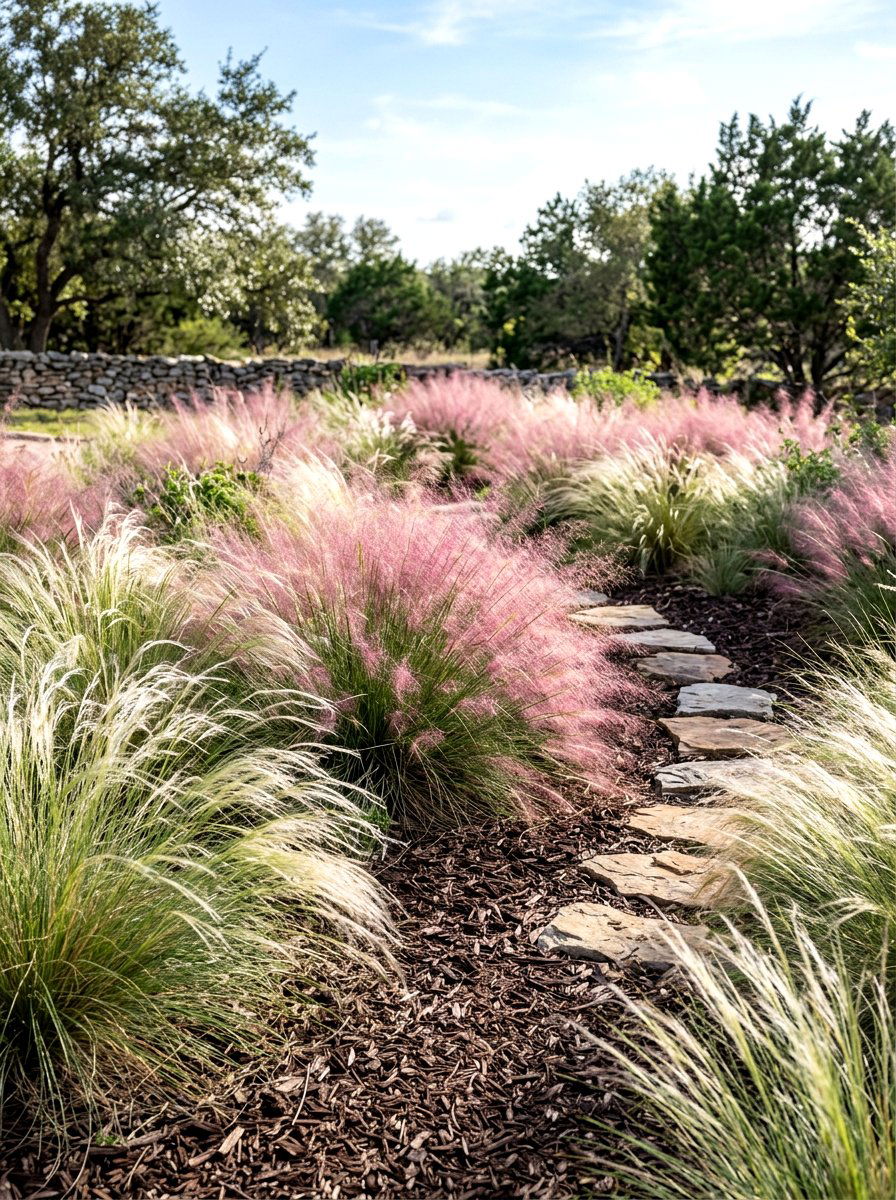
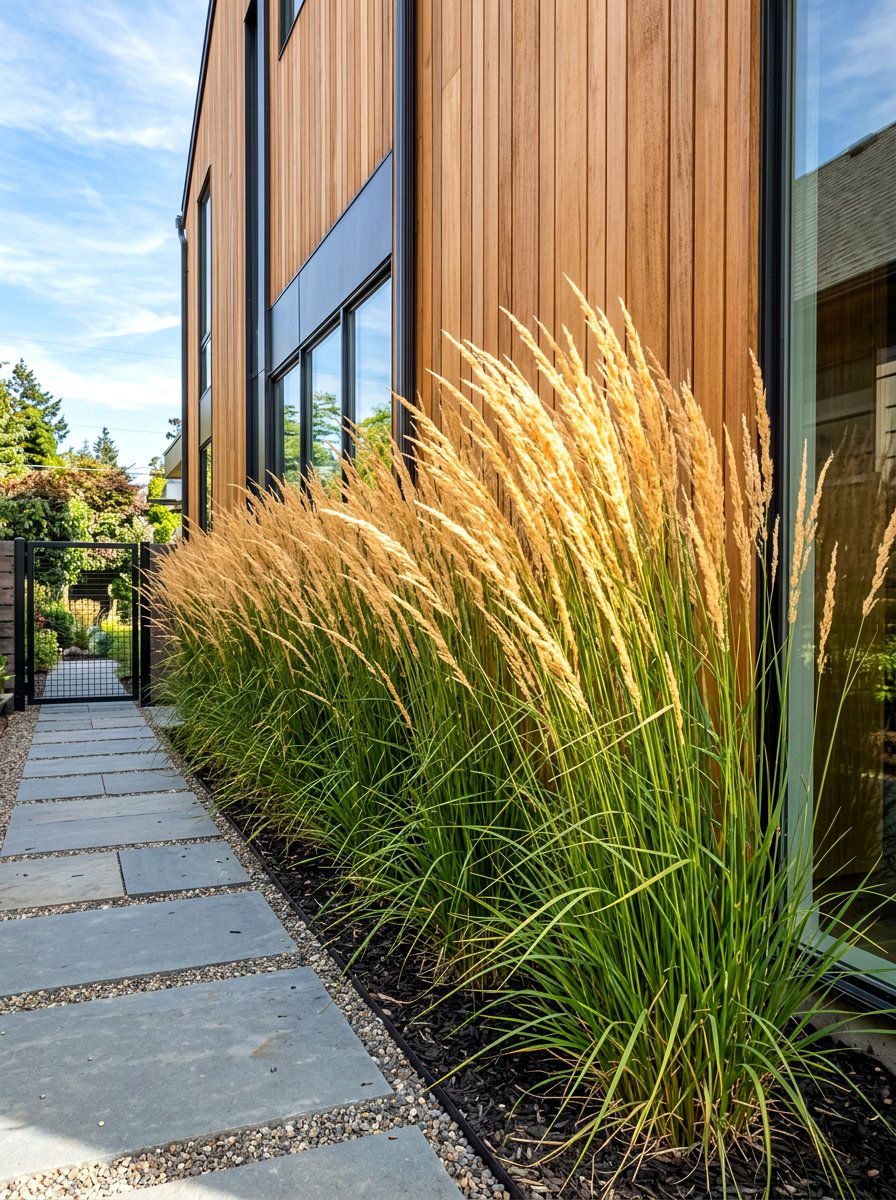
An ornamental grass garden is all about adding movement and texture to your outdoor space with very little maintenance. Choose a variety of grasses such as Mexican feather grass, pink muhly grass, or blue fescue to create layers of different heights and colors. These plants are exceptionally drought-tolerant and provide a soft, wispy contrast to hard elements like stone walls or concrete driveways. When planted in large drifts, they create a shimmering effect as they sway in the wind, adding a dynamic quality to the yard. This design is perfect for homeowners who want a full, lush look that remains attractive even during the dormant winter months.
7. Flagstone Walkway
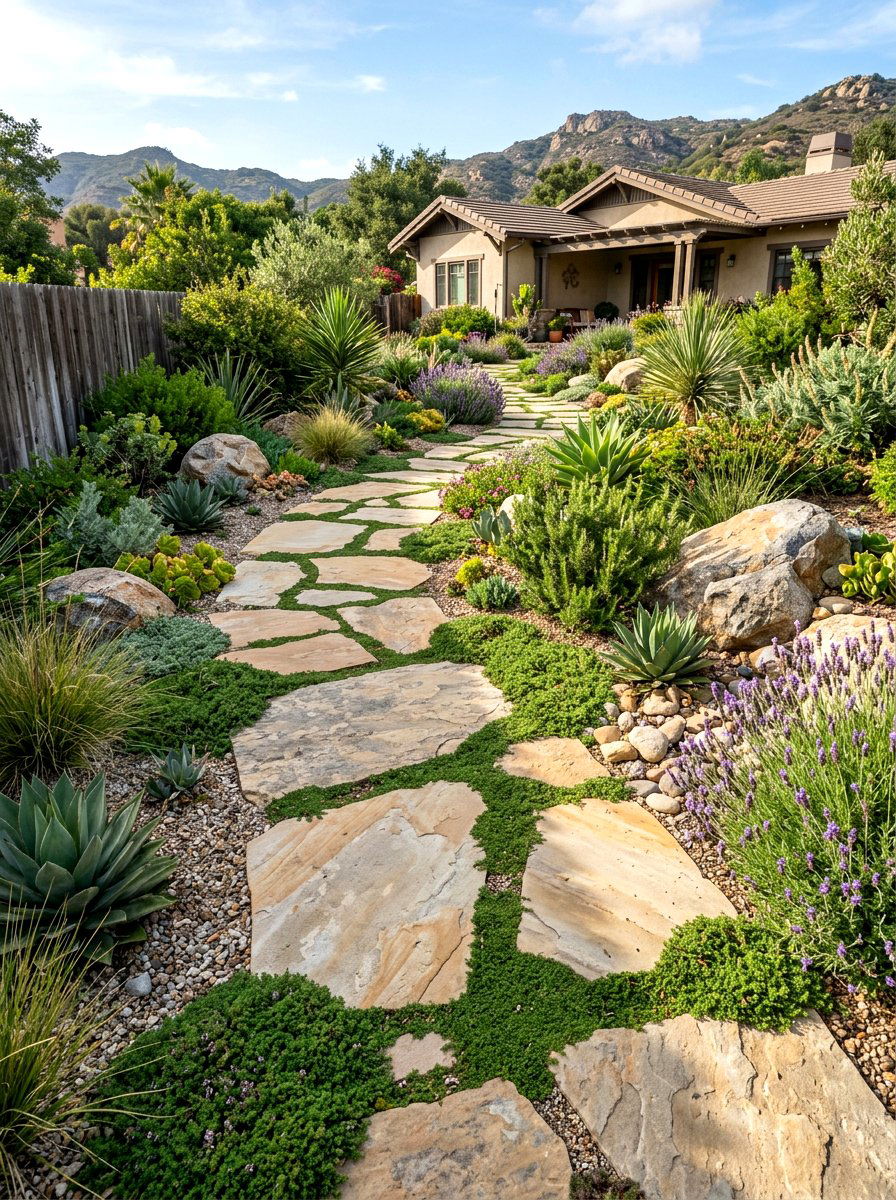
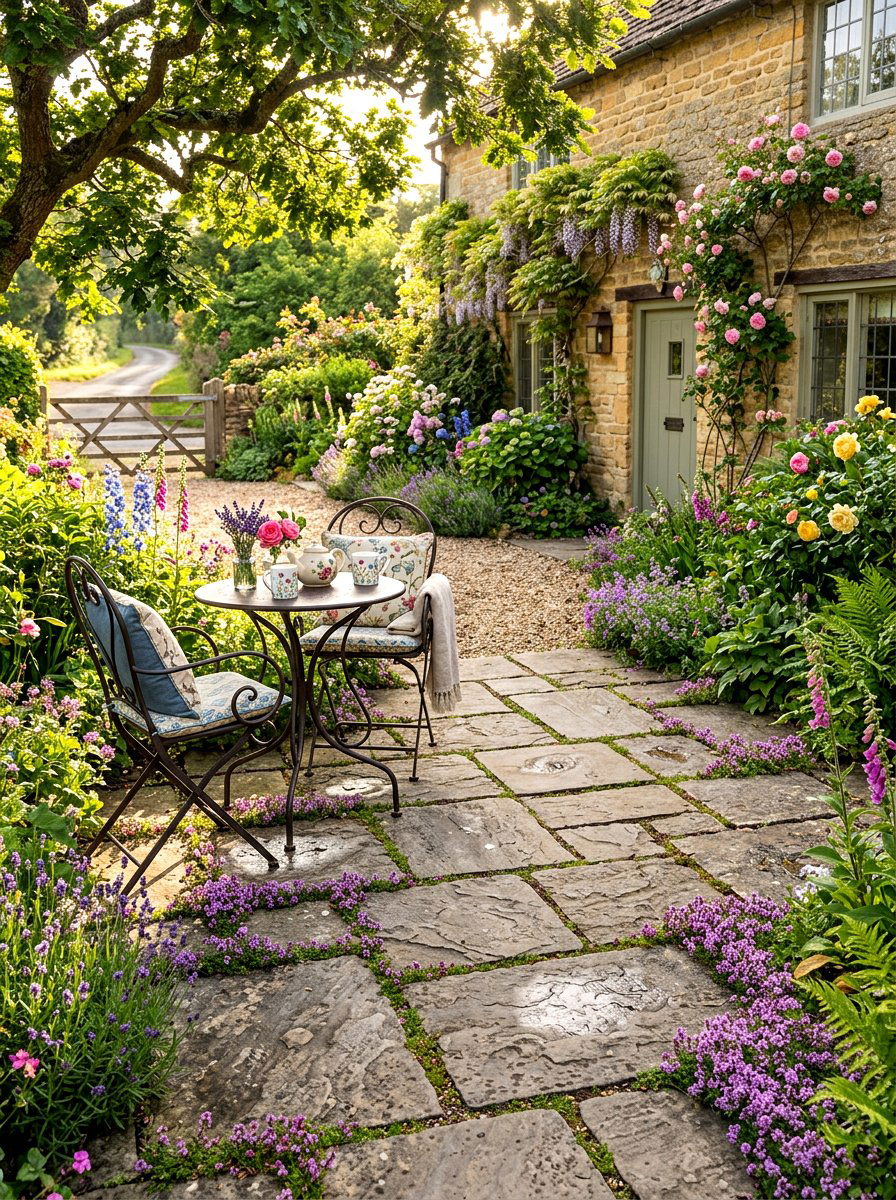
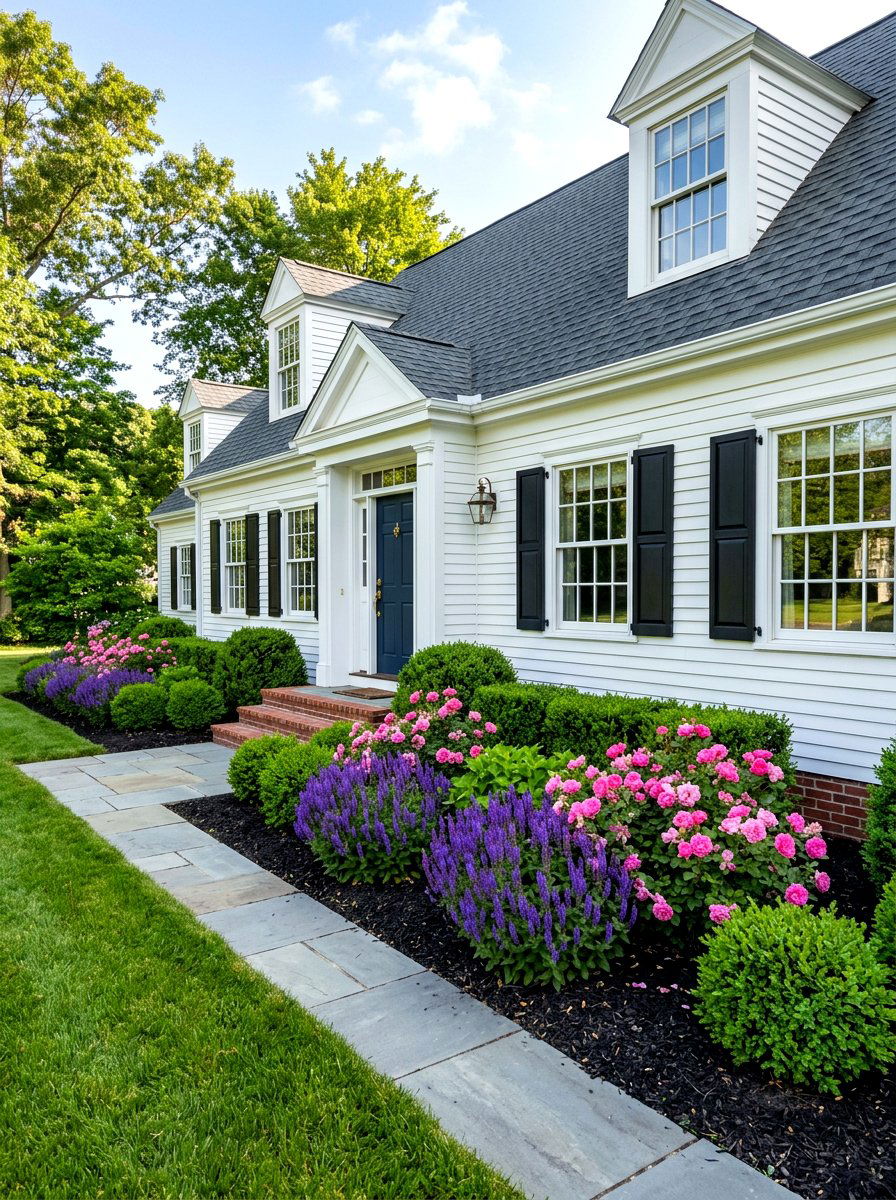
A flagstone walkway provides a classic and durable foundation for any water-wise front yard design. Use large, irregular pieces of natural stone to create a path that feels organic and integrated with the surrounding landscape. Fill the gaps between the stones with low-growing, drought-tolerant ground covers like creeping thyme or silver carpet to soften the hard edges. This combination creates a beautiful tapestry of stone and greenery that requires zero mowing and very little water. The natural variations in the stone’s color and texture add a sense of luxury and permanence to the entrance, making it a standout feature for any sustainable home.
8. Arizona Desert Landscaping
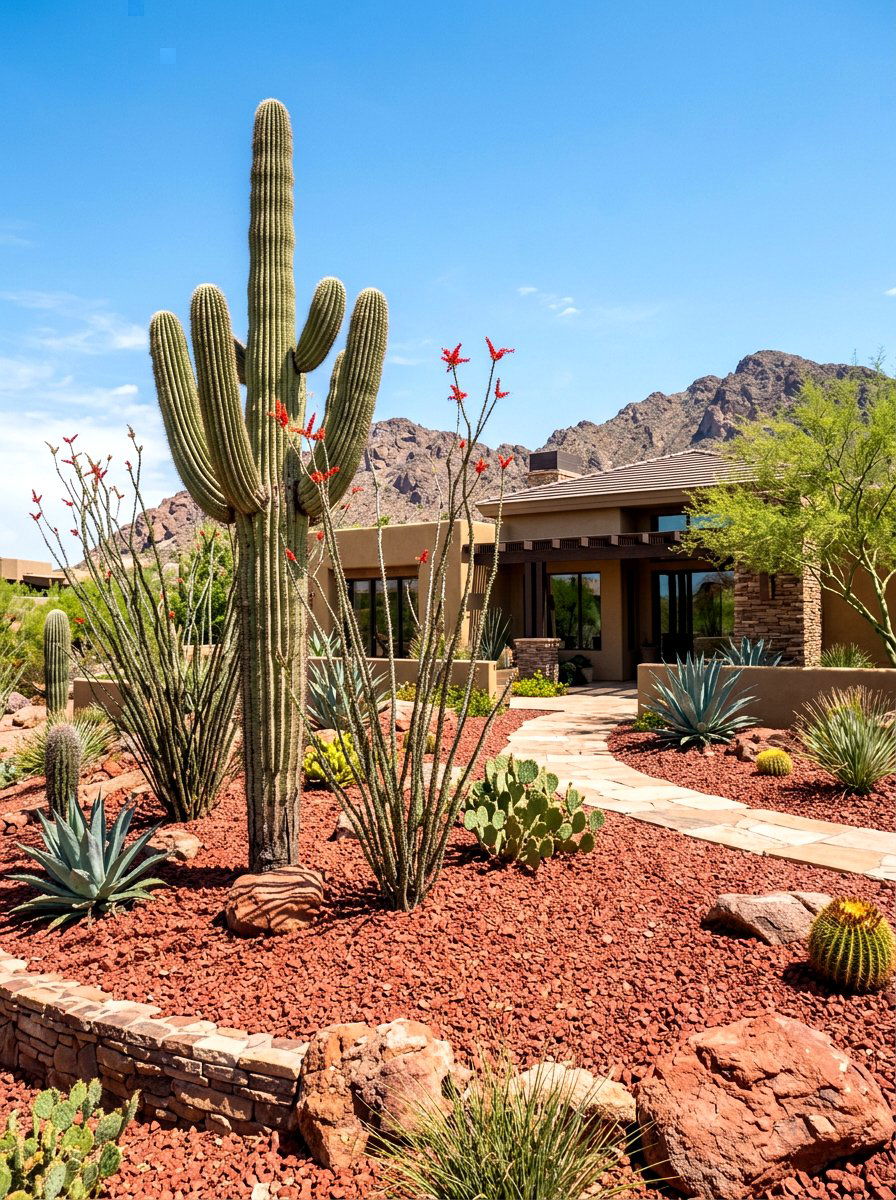
Embrace the striking beauty of the Southwest with an Arizona desert landscaping theme that highlights warmth and resilience. This style often features a base of red or gold-toned crushed rock paired with iconic desert plants like the saguaro or ocotillo. Use large boulders strategically to mimic natural mountain outcrops and provide a sense of scale to the yard. The key is to create a balance between open space and dense plant clusters to avoid a cluttered look. This design is specifically engineered to withstand extreme heat and intense sun, ensuring your front yard remains beautiful and healthy without the need for constant irrigation or professional care.
9. Mediterranean Xeriscape
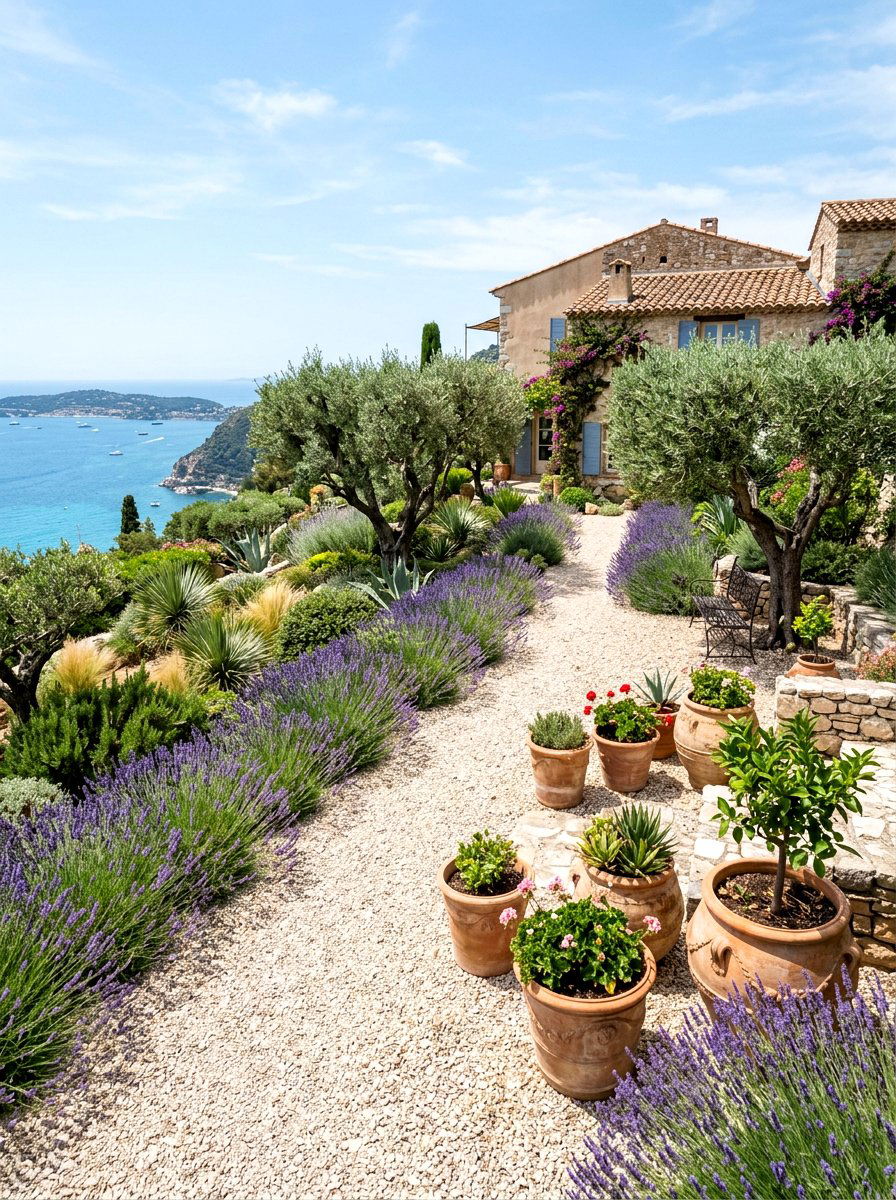
A Mediterranean xeriscape brings a touch of European elegance to your home while prioritizing water efficiency and heat tolerance. Focus on a palette of silver, gray, and dusty green by planting olive trees, lavender, and sage throughout the front yard. Use terra cotta pots or stone planters to add height and architectural interest to the layout. Gravel or crushed limestone works perfectly as a ground cover, reflecting light and keeping the soil cool during hot afternoons. This style creates a relaxed, coastal vibe that feels like a permanent vacation. It is an ideal choice for sunny climates where you want a garden that feels lush yet remains sustainable.
10. California Native Landscape
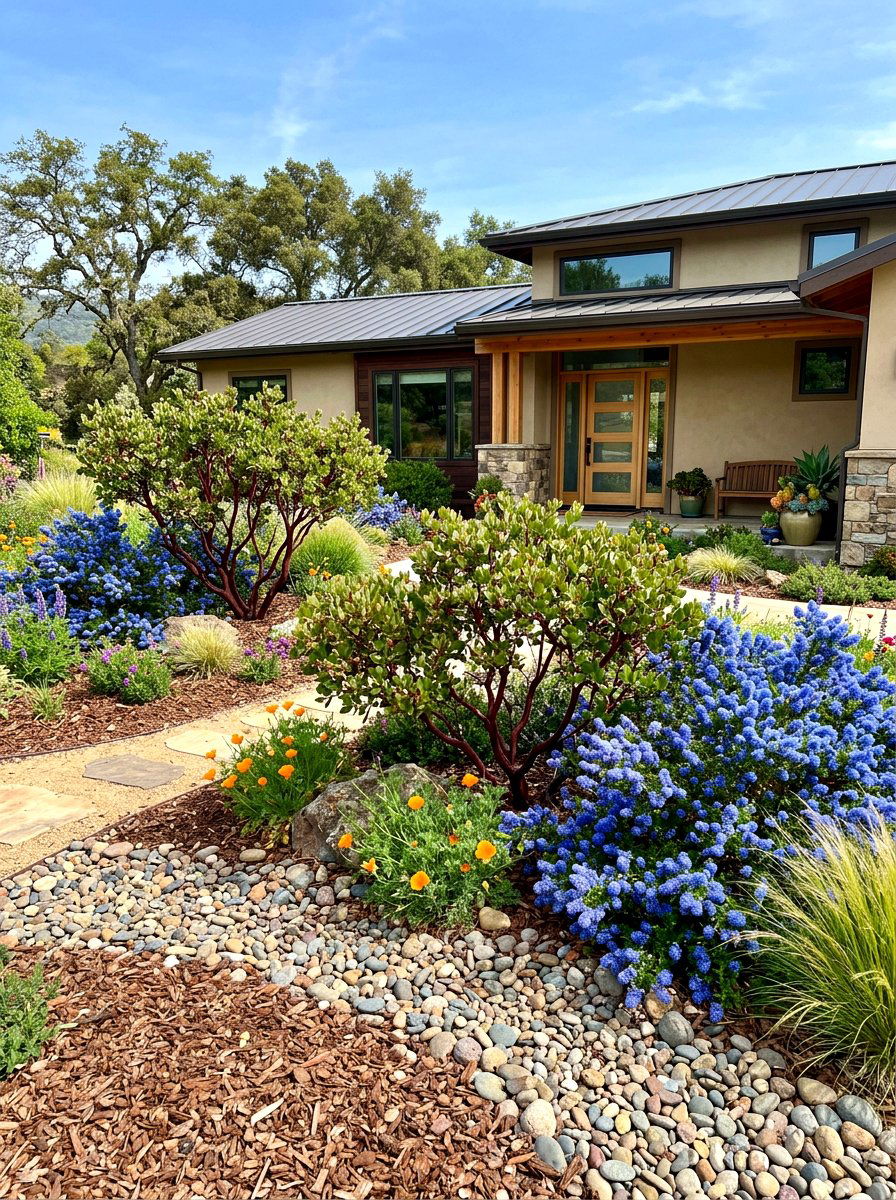
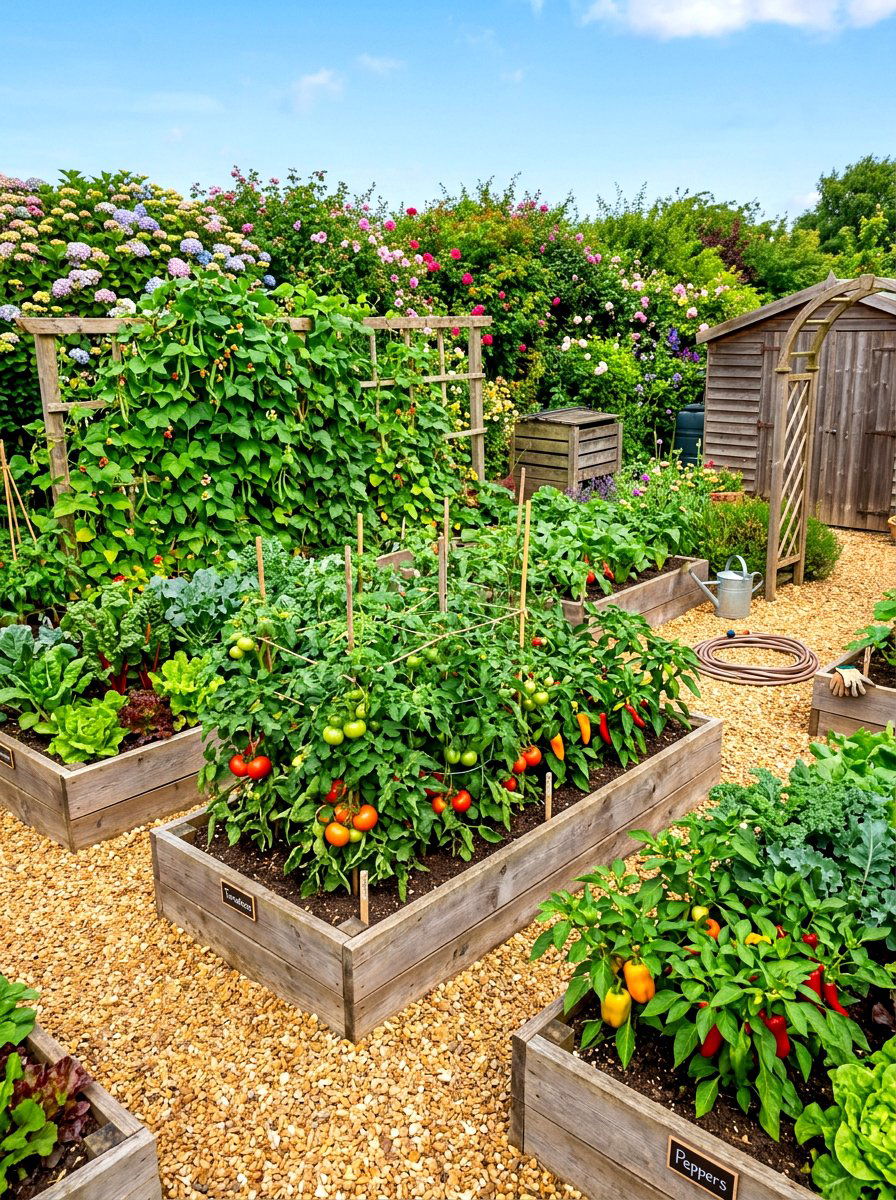
A California native landscape celebrates the diverse flora of the West Coast while drastically reducing your household's outdoor water consumption. Incorporate iconic species like manzanita, ceanothus, and Matilija poppies to create a yard that feels authentically connected to the local environment. These plants have deep root systems that help prevent erosion and require almost no water once they have been established. Use a thick layer of bark mulch or small river rocks to suppress weeds and help the soil retain its natural moisture. This design approach supports local wildlife and creates a resilient, low-maintenance garden that looks perfectly at home in any California neighborhood or similar Mediterranean climate.
11. River Rock Bed
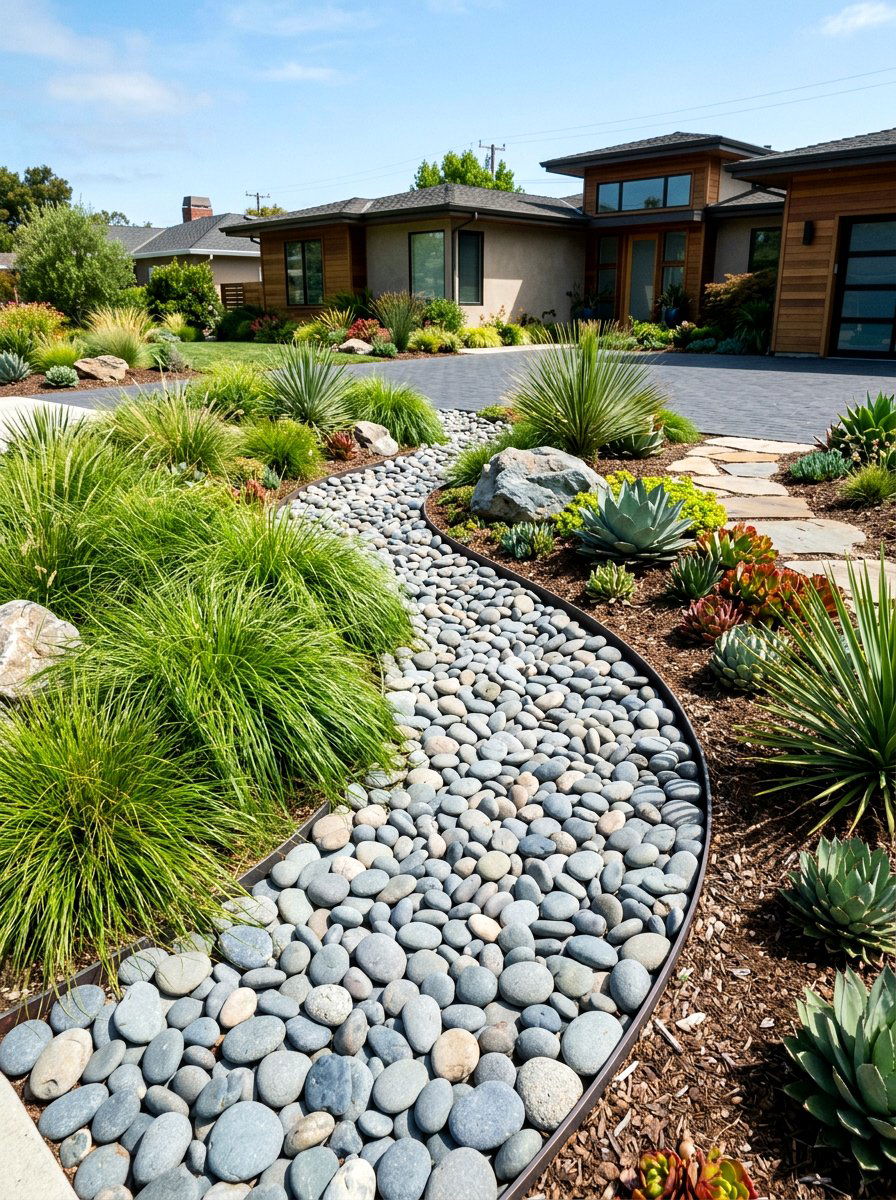
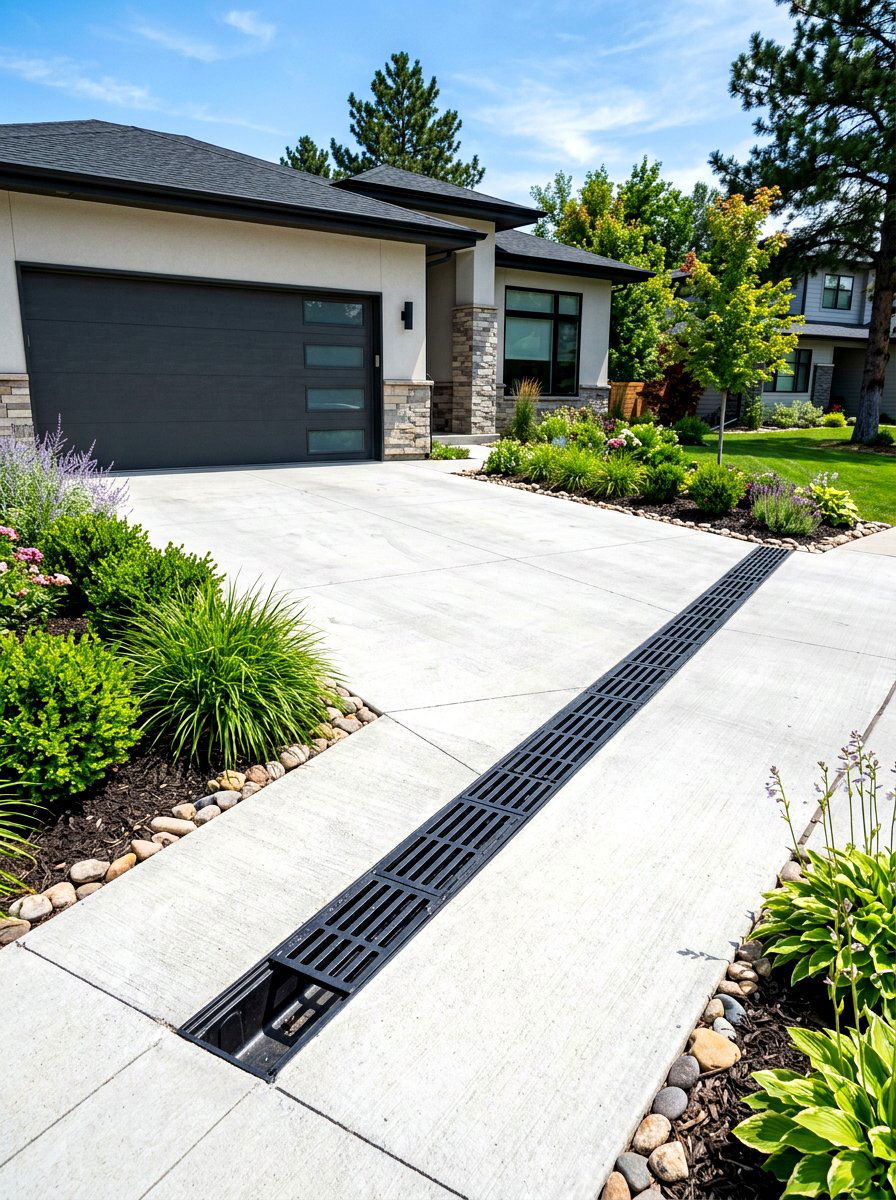
A river rock bed is a versatile design element that adds a cooling, watery aesthetic to a dry landscape. Use various sizes of smooth, rounded stones to create a faux stream or a decorative border along the edge of your property. This feature is excellent for managing drainage and preventing soil runoff during occasional heavy rainstorms. Pair the rocks with hardy, water-wise plants like ornamental grasses or succulents to soften the look and add a touch of greenery. The contrast between the dark, wet appearance of the stones and the bright foliage of the plants creates a visually stunning focal point that requires absolutely no maintenance or watering.
12. Artificial Turf Border
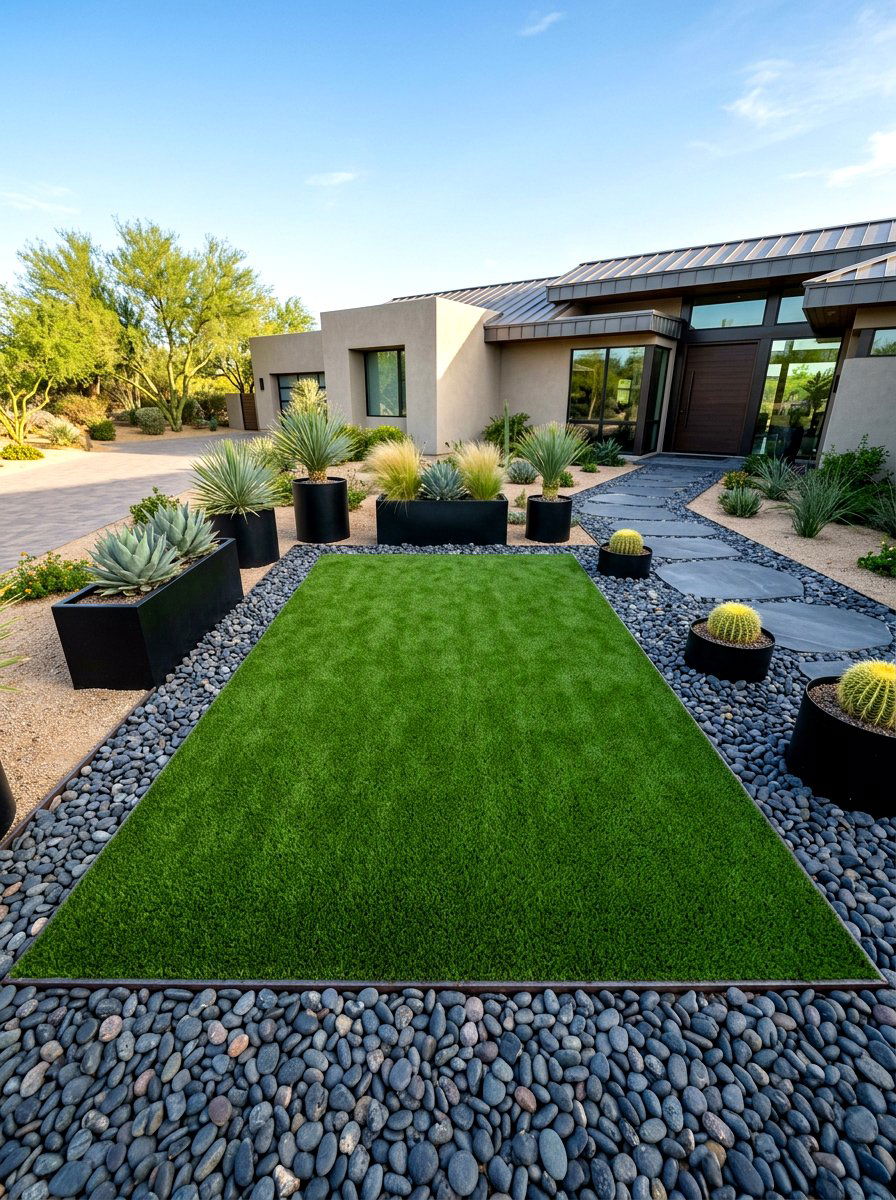
Combining an artificial turf border with xeriscape elements allows you to keep the look of a green lawn without the high maintenance. Use high-quality synthetic grass in a small, defined area near the entrance to provide a soft landing spot and a pop of color. Surround the turf with a wide border of decorative gravel, river rocks, or mulch to create a clear distinction between the "lawn" and the garden beds. This design provides the perfect balance for families who want a small play area or a clean-looking space without the need for mowing or irrigation. It creates a crisp, manicured look that stays perfectly green throughout the entire year.
13. Large Boulder Landscape
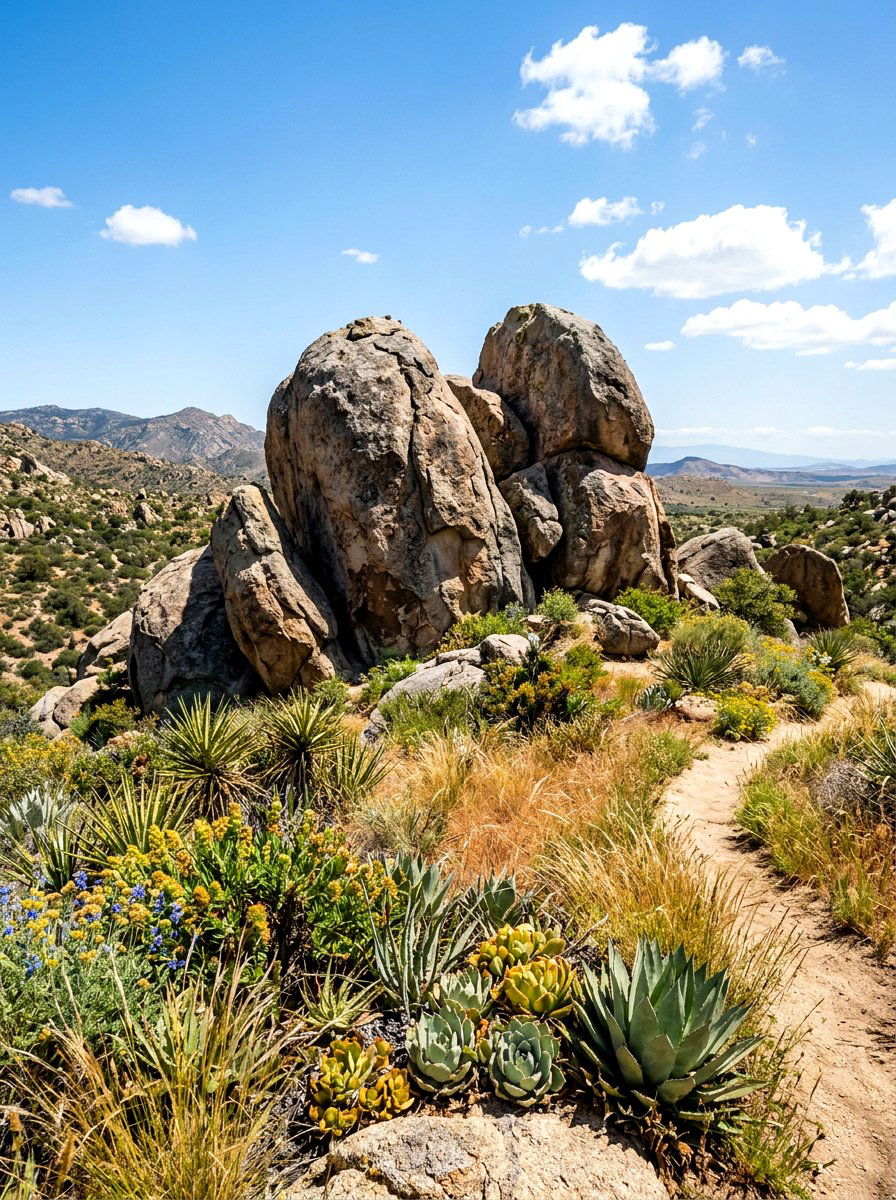
Incorporating a large boulder landscape into your front yard provides instant height, drama, and a sense of permanence to the design. Choose rocks that match the local geology to ensure the yard looks natural and integrated with its surroundings. Place the boulders in small groups of three or five to create a focal point, then surround them with drought-tolerant shrubs and ground covers. This helps to anchor the plants and gives the yard a more established, professional feel. Boulders require zero maintenance and act as a beautiful backdrop for the changing colors of your xeriscape plants, making them a smart and stylish investment for any yard.
14. Sloped Xeriscape
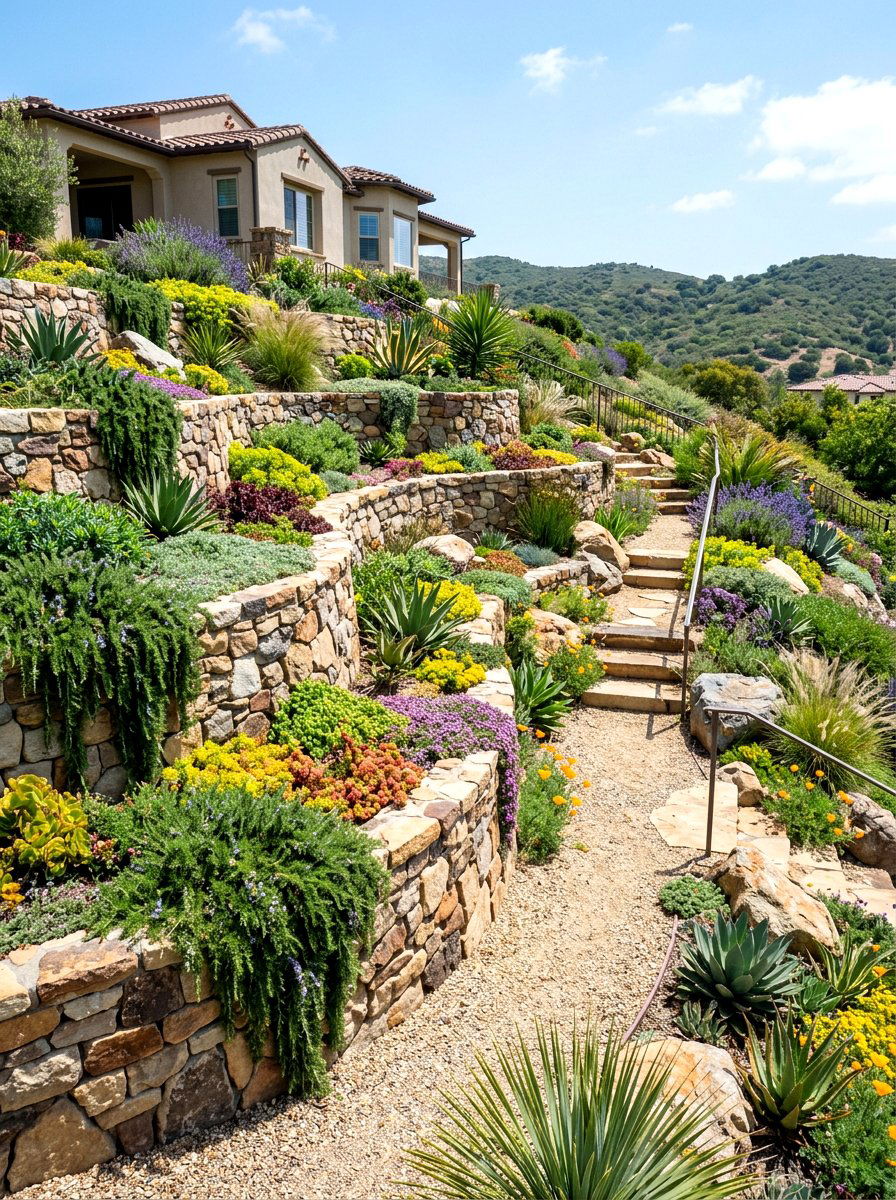
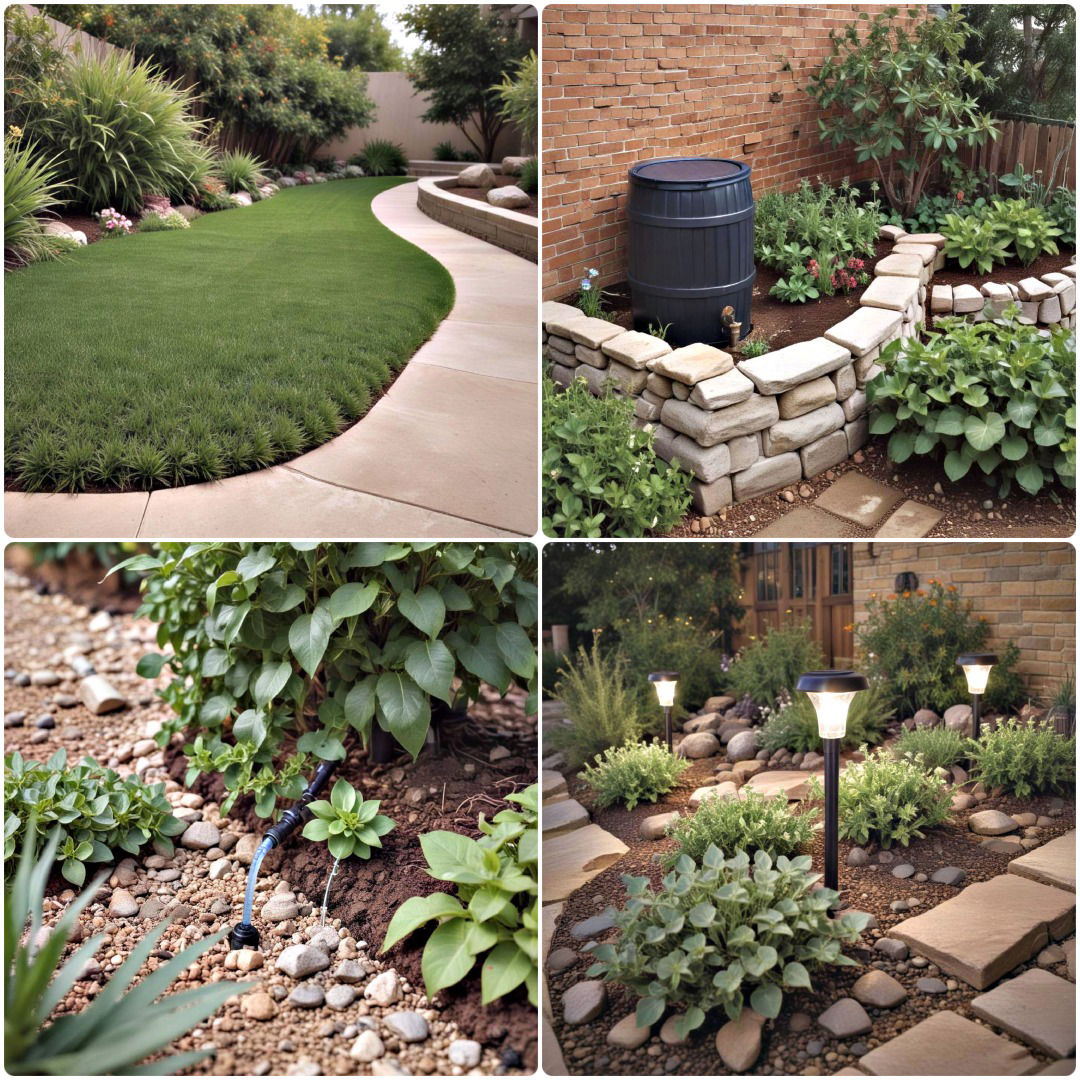
Managing a sloped xeriscape requires a combination of smart plant choices and structural elements to prevent erosion and maximize water use. Use low-growing ground covers like sedum or trailing rosemary to knit the soil together and provide a lush, green carpet across the incline. Incorporate small stone retaining walls or terraced levels to create flat planting zones and slow down any rainwater runoff. This design transforms a difficult-to-mow hillside into a beautiful, multi-dimensional garden full of texture and color. By choosing deep-rooted, drought-tolerant species, you can ensure the slope remains stable and attractive with very little effort, even in areas with challenging soil conditions or steep gradients.
15. Low Maintenance Groundcover
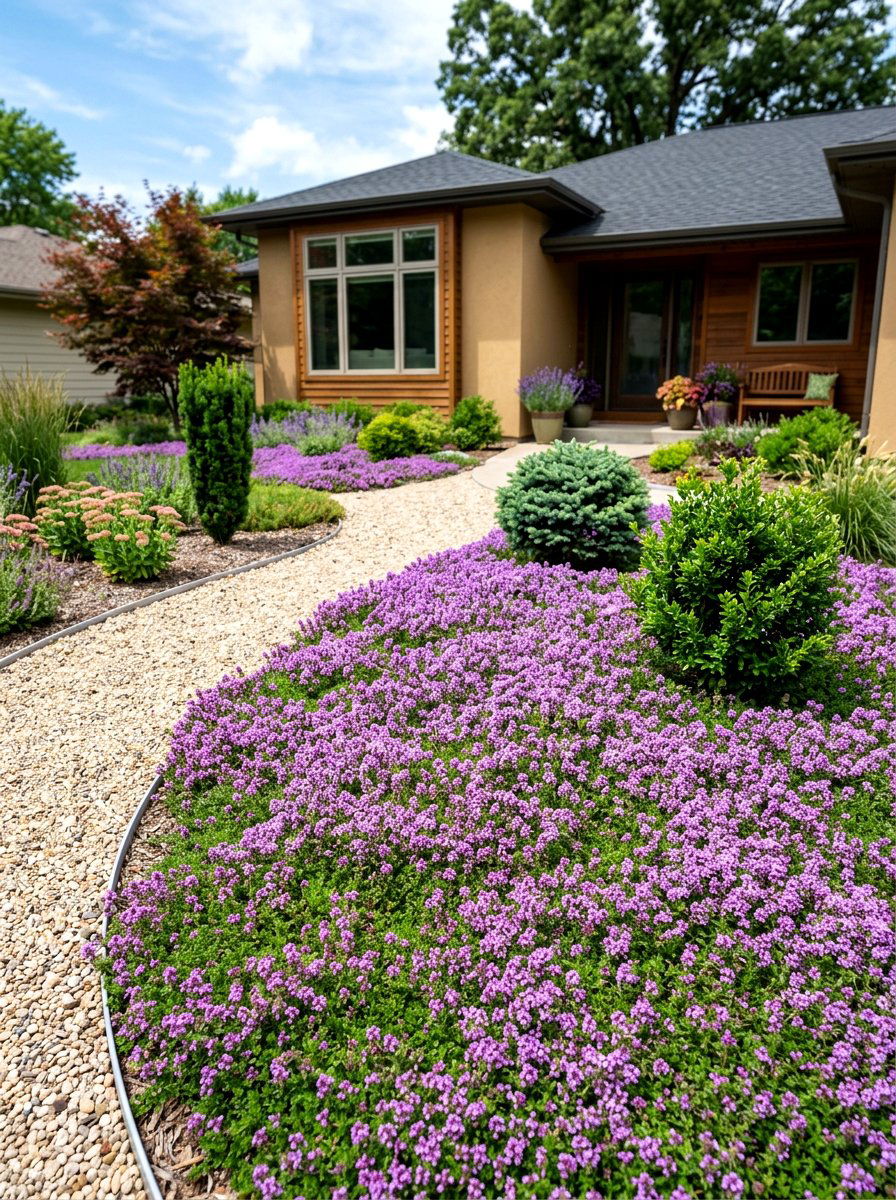
Swapping out a traditional grass lawn for low maintenance groundcover is one of the most effective ways to start a xeriscape. Plants like creeping thyme, stonecrop, or clover offer a dense, green look that can handle light foot traffic while requiring far less water. These ground covers often produce small, delicate flowers that add a layer of seasonal beauty and attract beneficial pollinators to your yard. Because they stay low to the ground, they eliminate the need for regular mowing and trimming. This design is perfect for homeowners who want a soft, inviting look in their front yard without the intense labor and high costs of maintaining a conventional turf lawn.
16. Lavender Sage Garden
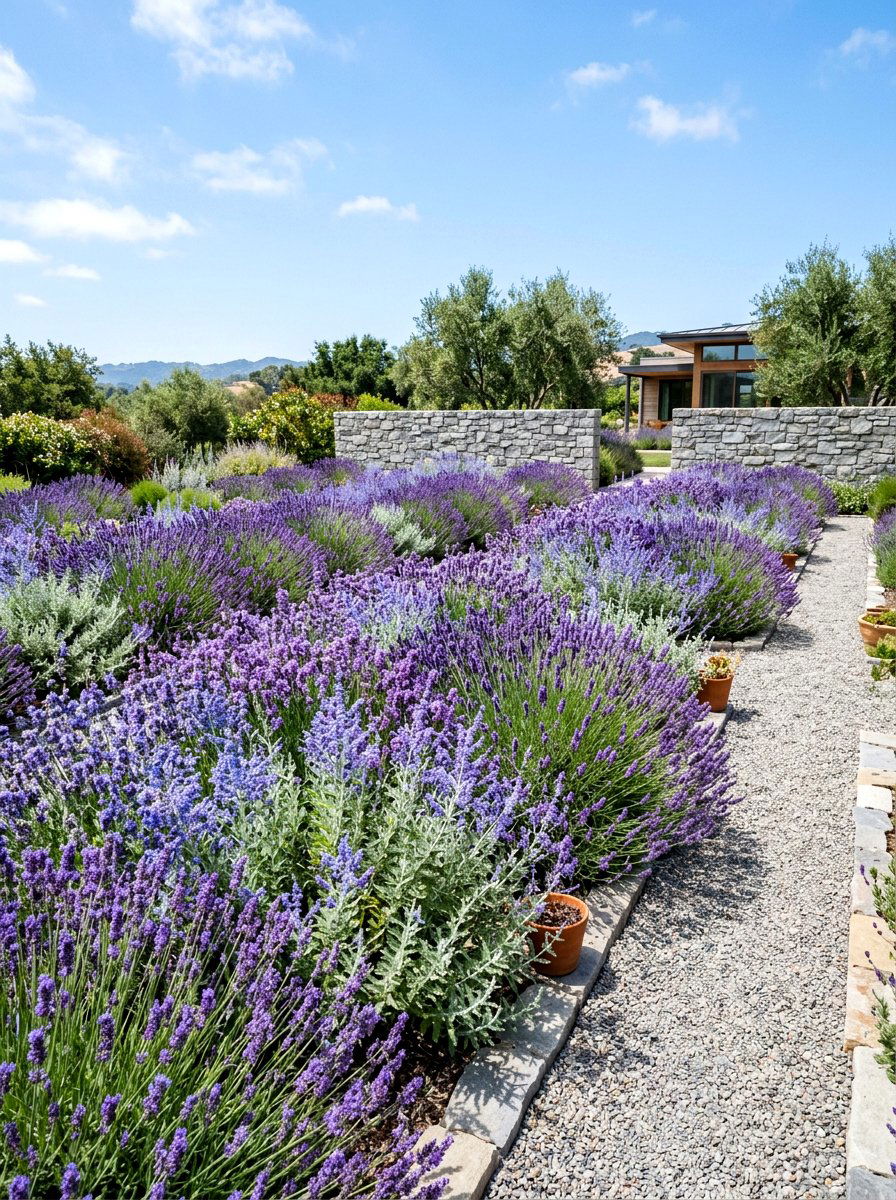
A lavender sage garden is a sensory delight that combines aromatic foliage with stunning purple and blue blooms for a serene entrance. Both lavender and sage are incredibly hardy and thrive in poor, well-draining soil with very little supplemental watering. Plant them in large clusters to create a sea of color that attracts hummingbirds and butterflies throughout the spring and summer. Use light-colored gravel or crushed stone as a mulch to reflect sunlight and highlight the silver-green leaves of these plants. This combination provides a classic, timeless aesthetic that works well with Mediterranean, cottage, or modern home styles while being exceptionally easy to care for and maintain.
17. Modern Paver Layout
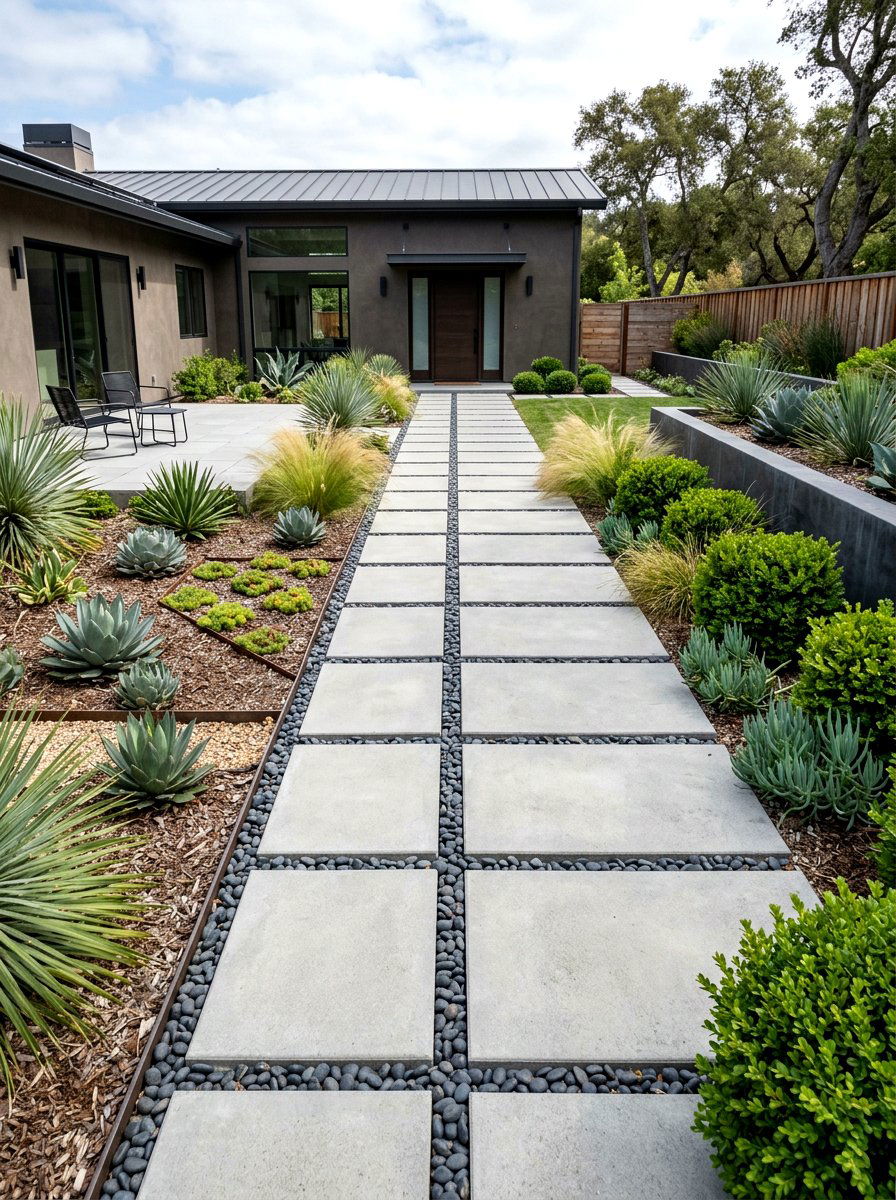
A modern paver layout uses geometric shapes and clean lines to create a structured and high-end feel in a xeriscape. Arrange large rectangular or square concrete pavers in a grid or staggered pattern, leaving space between them for decorative stones or low-growing moss. This design creates a permeable surface that allows rainwater to soak into the ground rather than running off into the street. Frame the paved areas with minimalist plantings like boxed hedges or architectural succulents to maintain the contemporary vibe. This approach is highly durable and provides a clean, clutter-free look that significantly enhances the curb appeal and modern aesthetic of any home exterior.
18. Tropical Xeriscape Yard
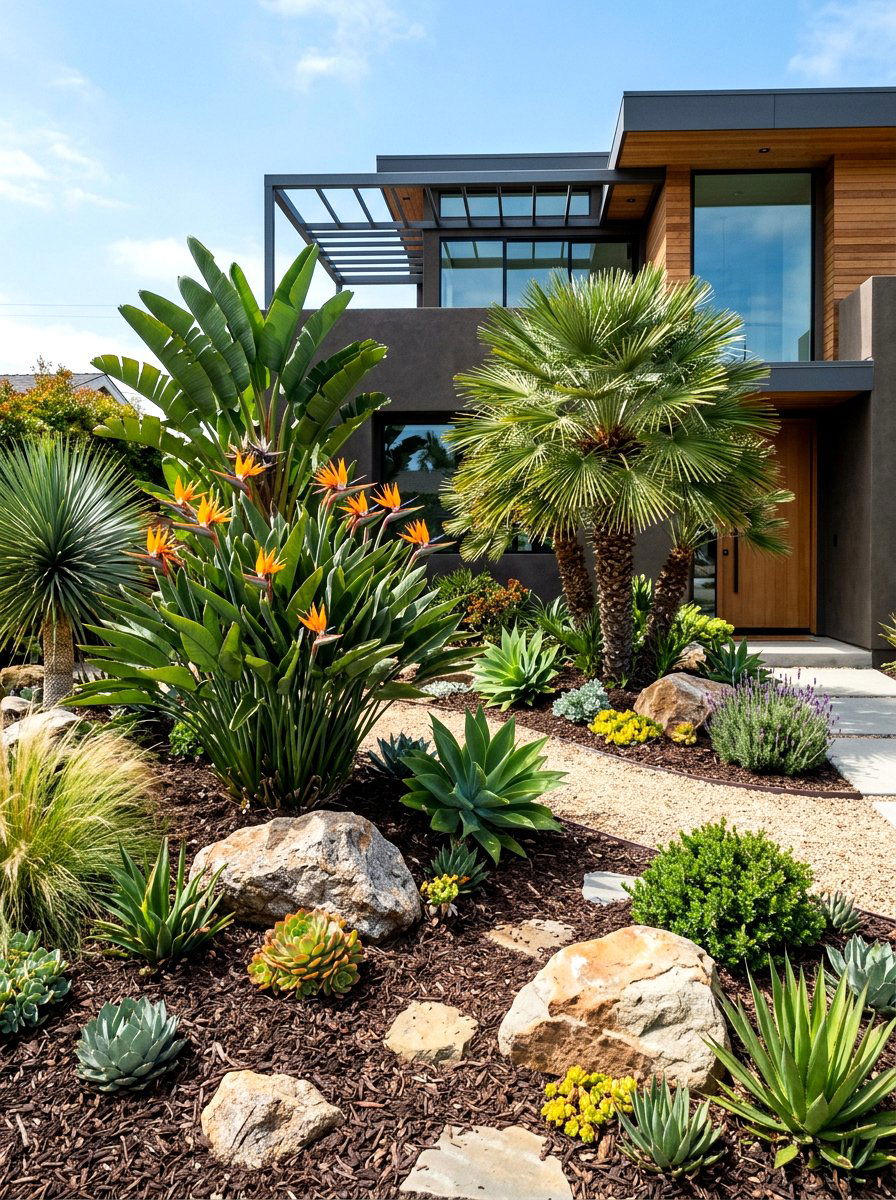
Creating a tropical xeriscape yard is possible by selecting drought-tolerant plants that have a lush, exotic appearance without the high water needs. Look for species like bird of paradise, certain palms, and agave varieties that mimic the look of a rainforest while being very resilient to dry spells. Use dark, rich mulch or large river stones to provide a contrast that makes the bright green foliage pop. Adding a small, recirculating water feature can enhance the tropical feel while still being mindful of overall water conservation. This design style proves that a water-wise yard can still feel like a lush island oasis, providing a unique and vibrant look for your home.
19. Southwest Adobe Landscape
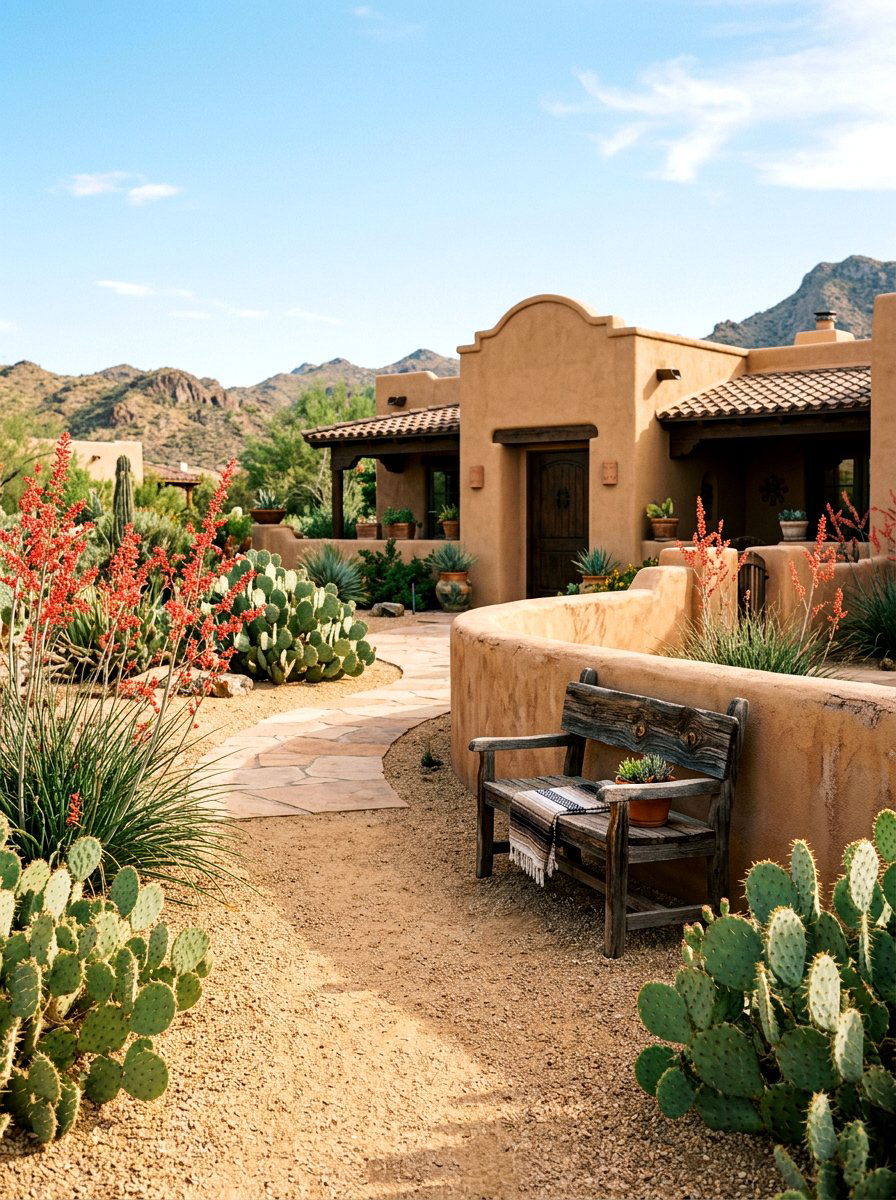
A Southwest adobe landscape draws inspiration from traditional desert architecture and uses warm, earthy tones to create a welcoming and cohesive front yard. Focus on materials like clay tiles, sand-colored gravel, and weathered wood to complement the architectural style of an adobe or Mediterranean home. Plant iconic desert species such as prickly pear, yucca, and desert marigold to add color and texture to the layout. Incorporate a small, shaded seating area with a bench or a low stone wall to encourage outdoor relaxation. This design is deeply rooted in the natural landscape of the arid West, providing a sustainable and beautiful environment that feels authentically connected to its surroundings.
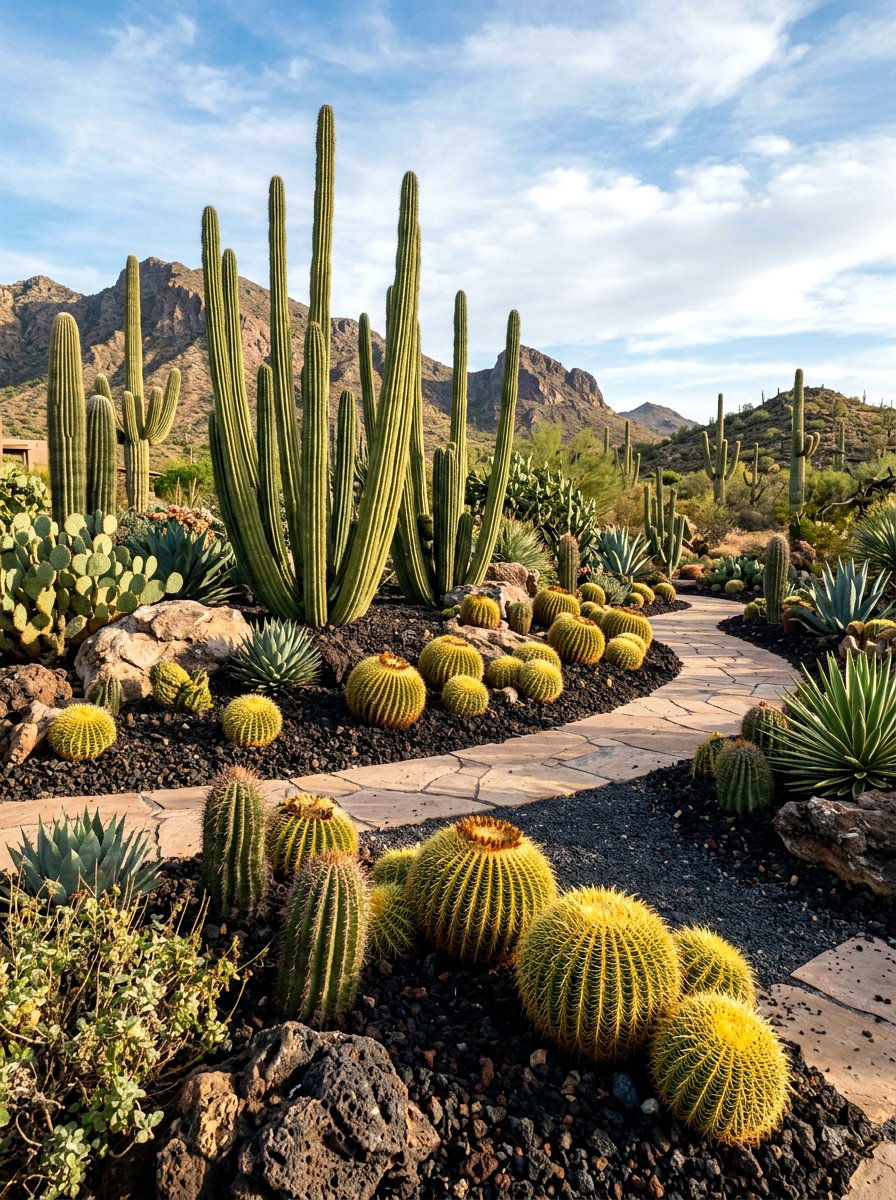
20. Zen Rock Garden
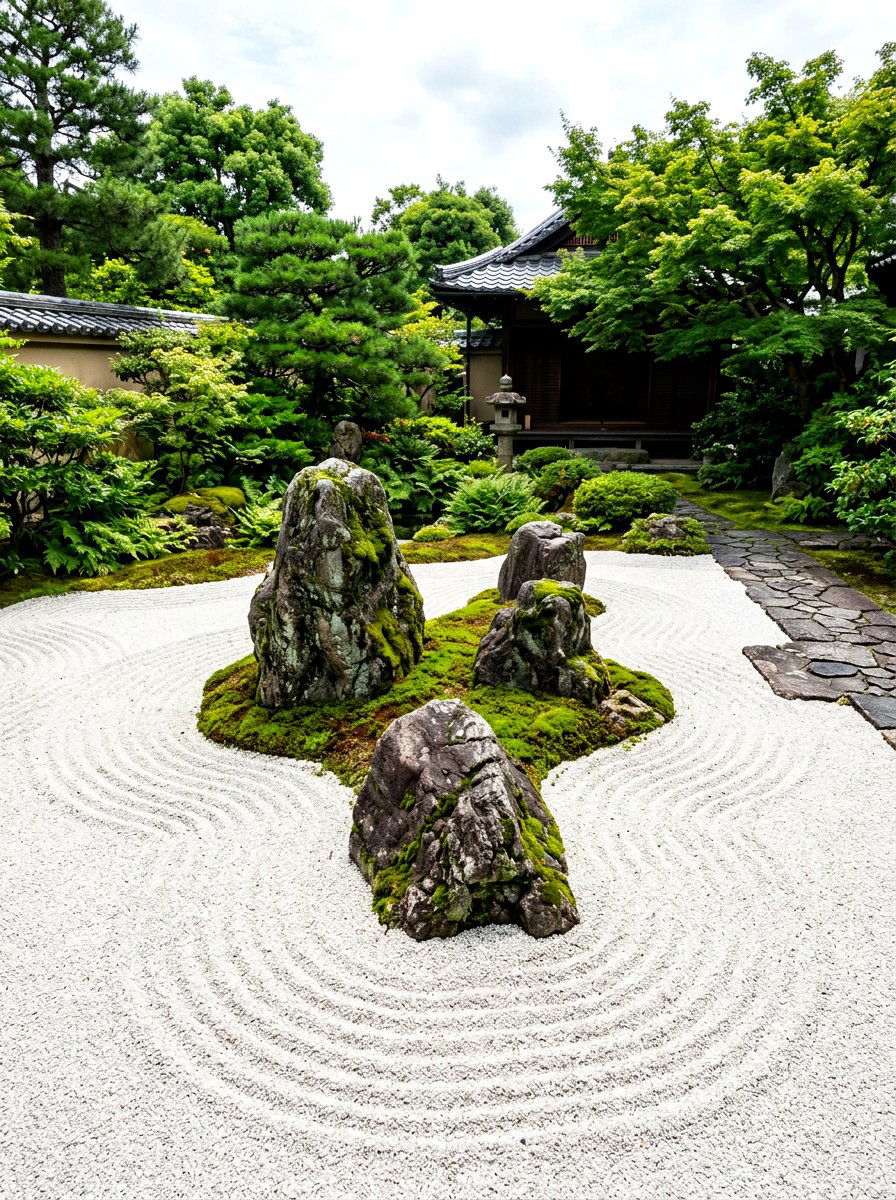
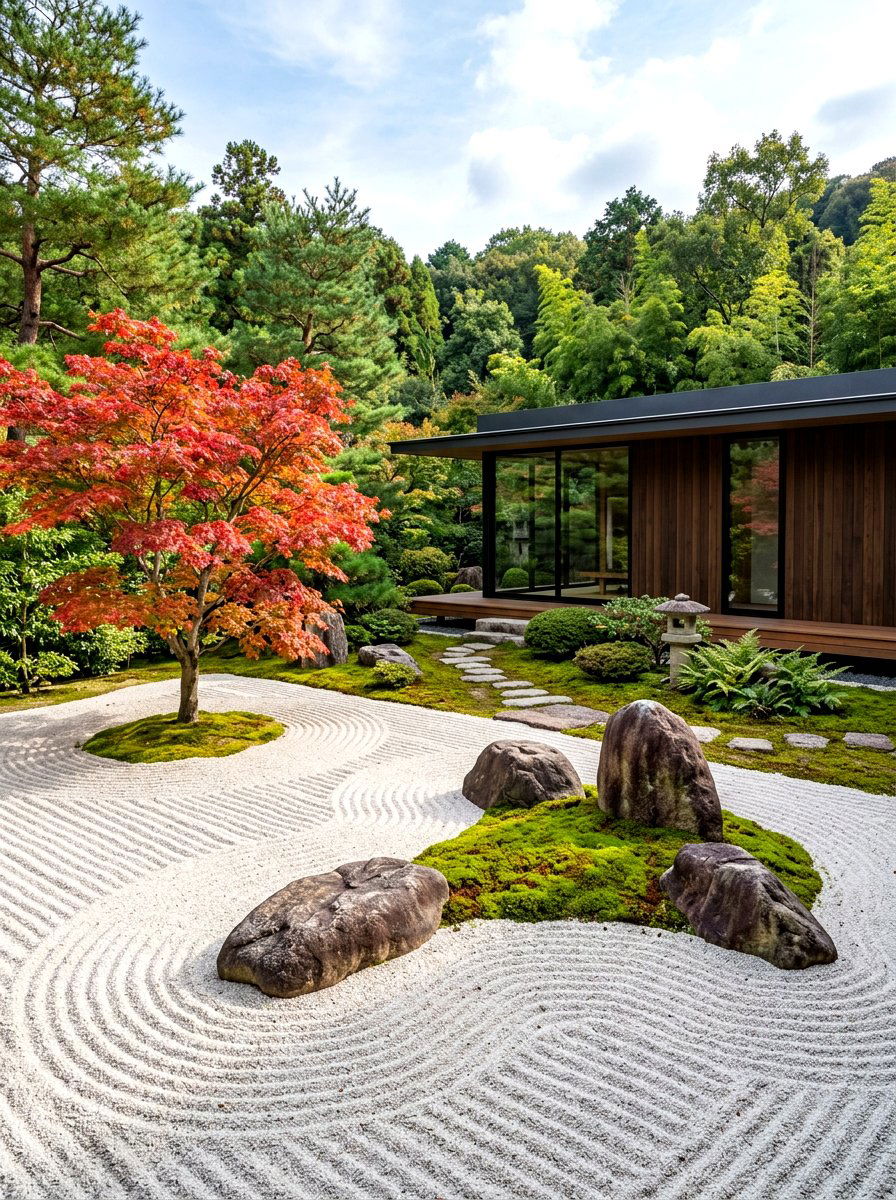
A Zen rock garden offers a peaceful and minimalist approach to xeriscaping that focuses on balance, tranquility, and deliberate simplicity. Use fine sand or light-colored gravel to represent water, then use a rake to create swirling patterns that add a sense of movement. Strategically place a few large, weathered stones to act as islands within the sand, representing mountains or permanent features. A single, well-placed drought-tolerant tree or a few clusters of bamboo can add a touch of greenery without overwhelming the minimalist aesthetic. This design is perfect for small front yards, providing a calm and meditative space that requires almost no water or maintenance to keep looking pristine.
21. Pollinator Xeriscape
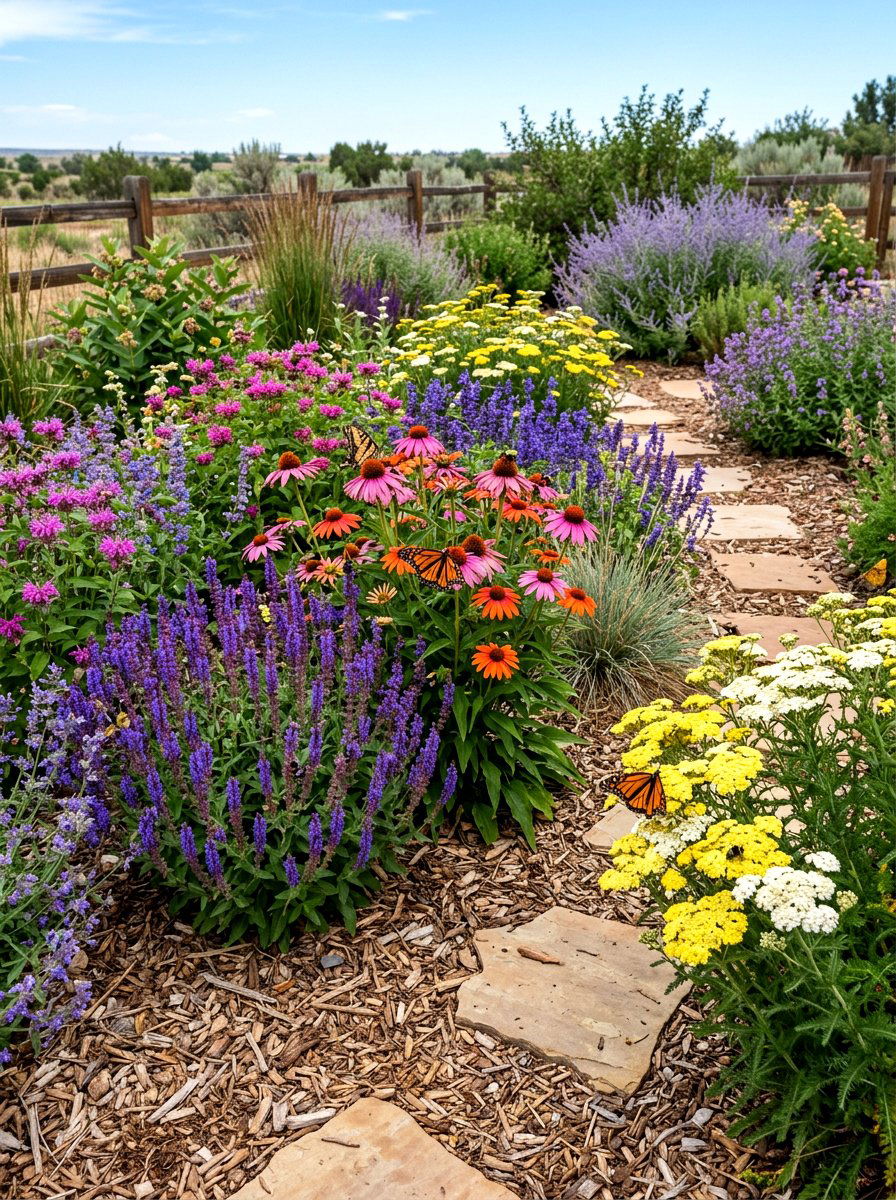
A pollinator xeriscape is a beautiful and purposeful design that focuses on providing food and habitat for bees, butterflies, and local birds. Choose a variety of flowering perennials like yarrow, salvia, and coneflower that bloom at different times throughout the year to ensure a constant food source. These plants are typically very hardy and require very little water once they have established their deep root systems. Use natural mulch and a few flat stones to provide nesting areas and resting spots for beneficial insects. This type of yard is full of life and movement, making it an engaging and eco-friendly choice that adds significant ecological value to your neighborhood and community.
22. Texas Sage Yard
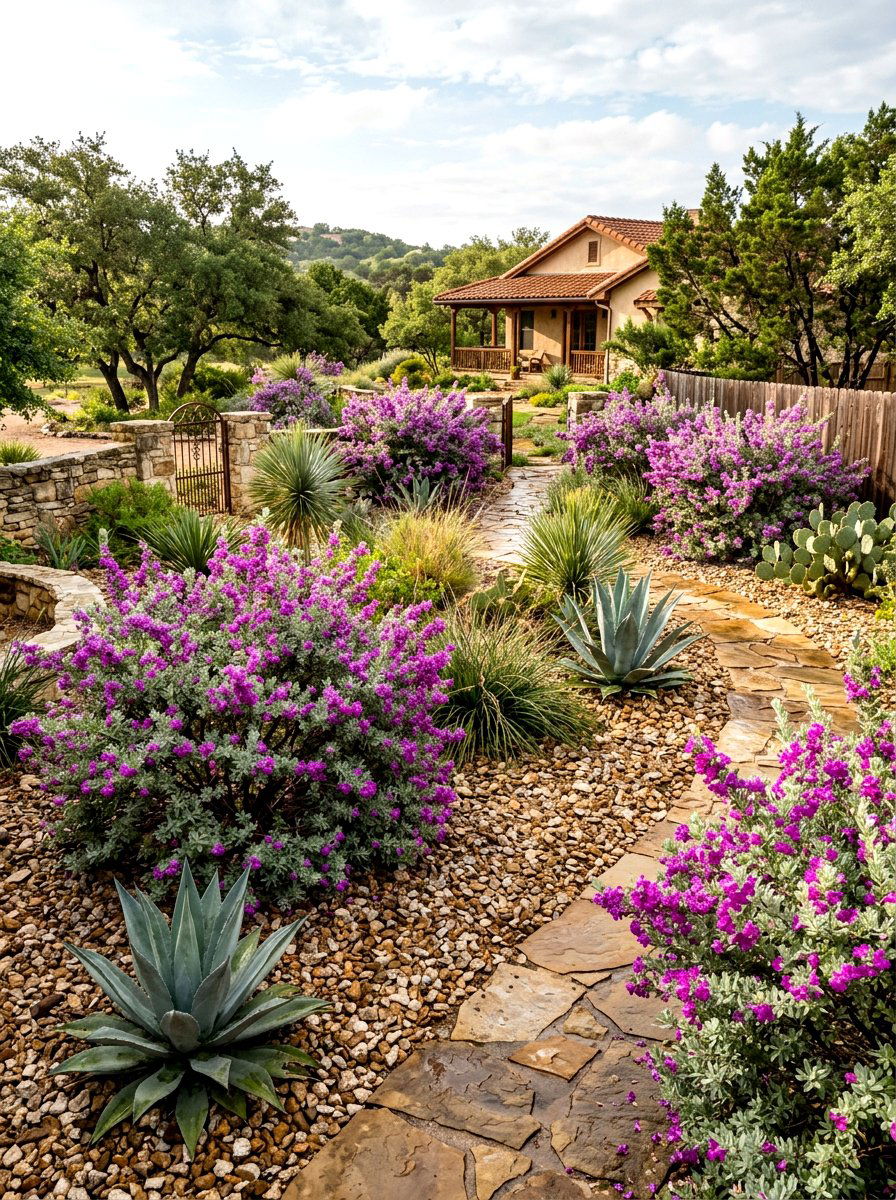
A Texas sage yard features the iconic silver-green foliage and vibrant purple blooms of this hardy, drought-tolerant shrub as the main focal point. Texas sage is incredibly resilient and can handle intense heat and rocky soil with ease, making it a staple for low-maintenance landscapes. Plant them in rows to create a soft, natural hedge or use them as individual accent pieces throughout a gravel-covered yard. When it rains, the shrubs burst into flower, providing a stunning display of color that lasts for several days. This design is both practical and beautiful, offering a classic Southwestern look that requires minimal pruning and almost no supplemental watering once the plants are established.
23. Wood Mulch Garden
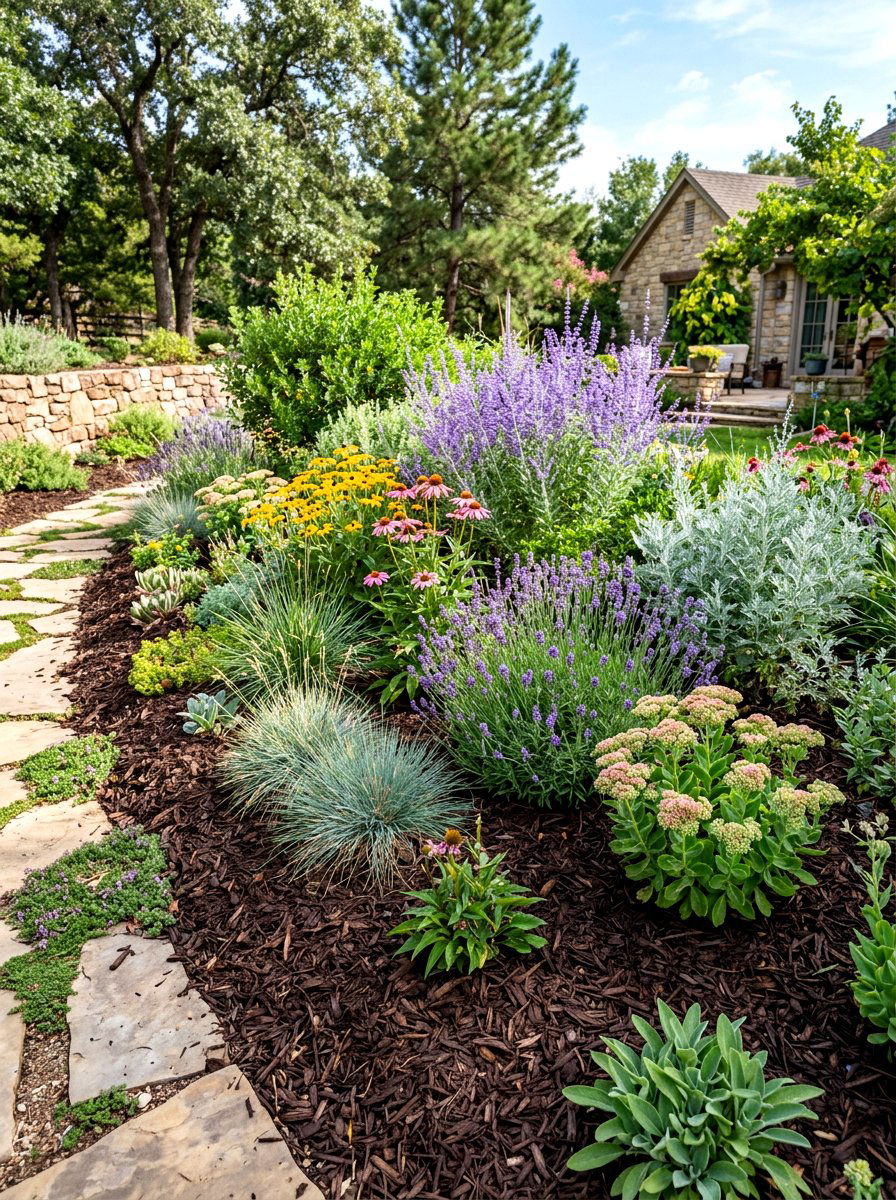
A wood mulch garden uses organic materials to create a soft, natural aesthetic while improving soil health and retaining essential moisture. Use high-quality cedar or hemlock mulch to cover large planting beds filled with drought-tolerant shrubs, perennials, and ornamental grasses. The dark brown or red tones of the mulch provide a beautiful contrast to the green and silver foliage of the plants, making the garden look professionally designed. Mulch also helps to suppress weed growth and slowly breaks down over time, adding nutrients back into the soil. This is an affordable and effective way to create a lush, filled-in look in your front yard with very little maintenance or water.
24. Stepping Stone Path
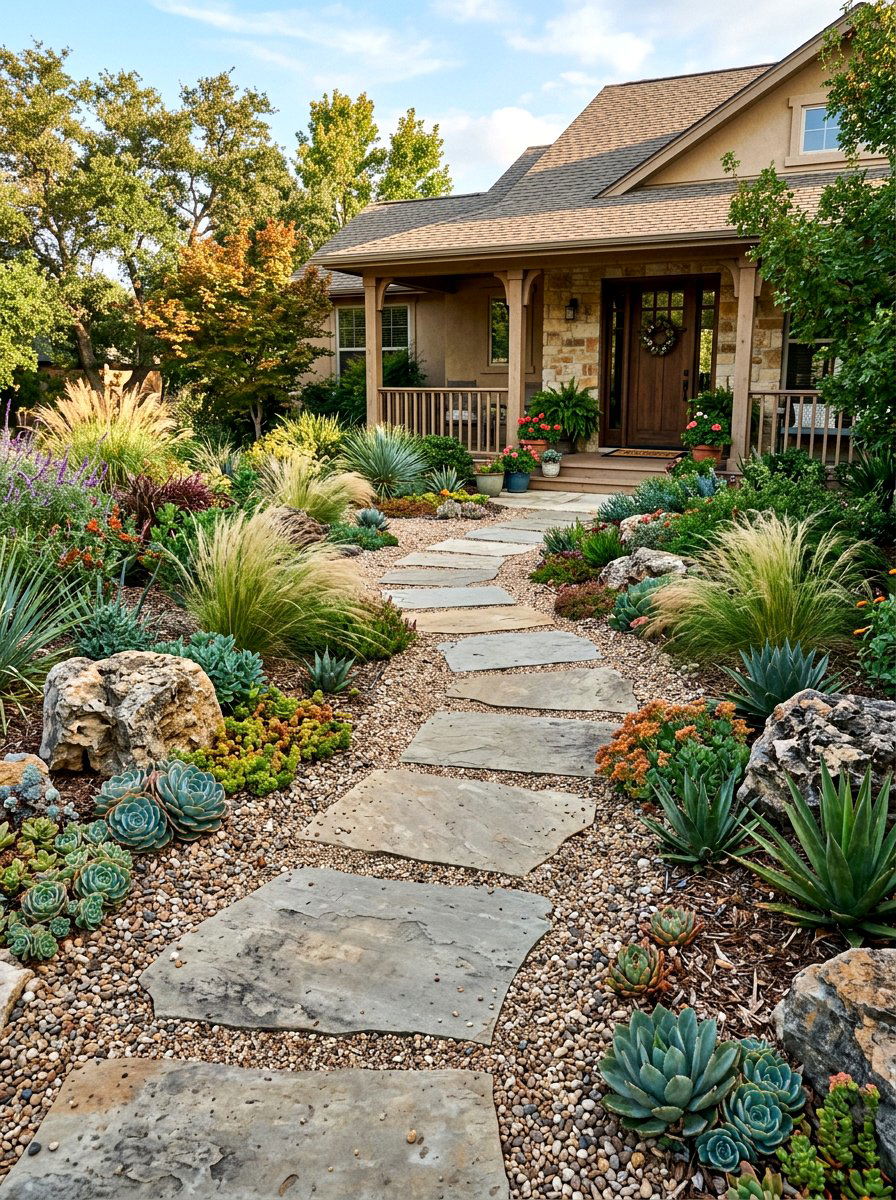
A stepping stone path is a charming and functional way to lead visitors through your xeriscape while maintaining a natural and informal feel. Use large, flat pieces of slate, flagstone, or concrete to create a winding walkway that encourages slow exploration of the garden. Surround the stones with a mix of fine gravel and low-growing, water-wise plants like woolly thyme or stonecrop to soften the transition. This design is highly adaptable and can fit into any yard size or style, from rustic to modern. It provides a stable surface for walking while allowing for maximum drainage, making it a smart and stylish addition to any sustainable front yard landscape.
25. Potted Succulent Arrangement
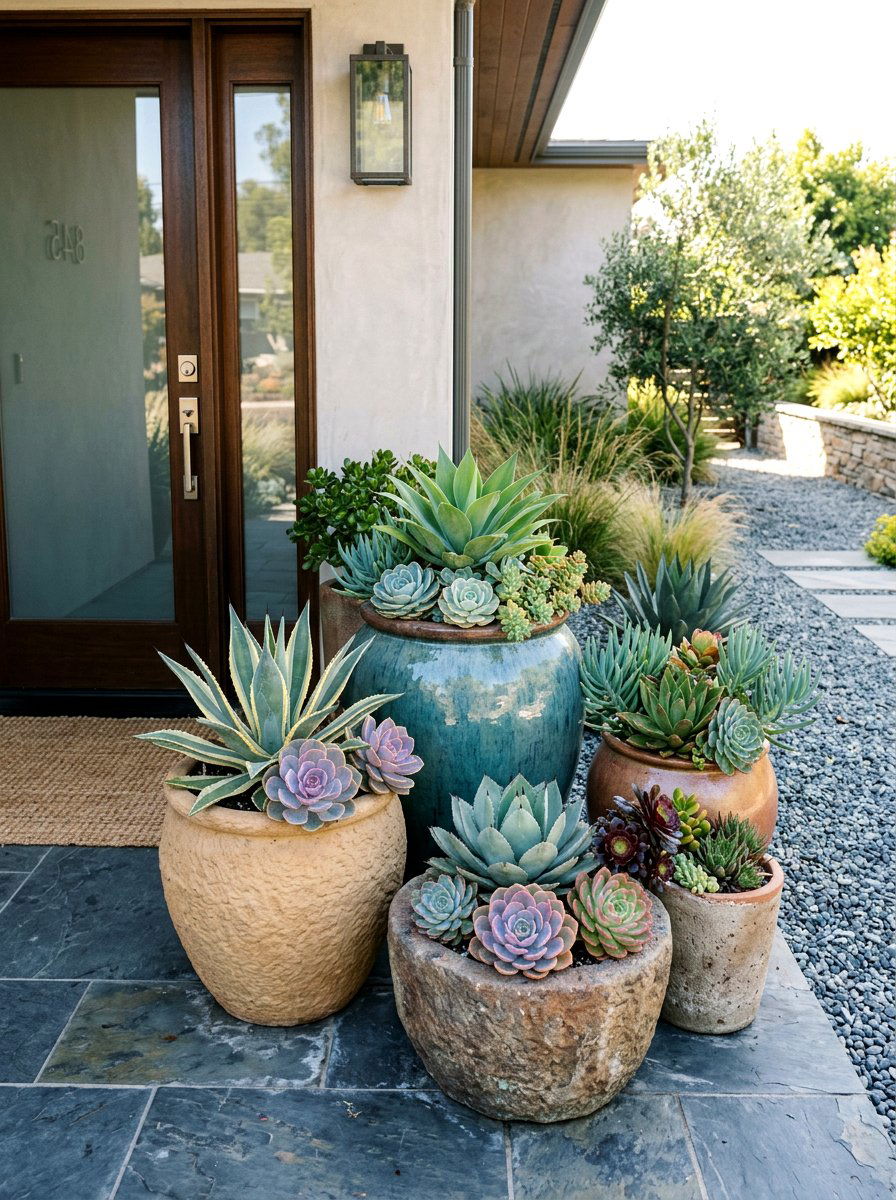
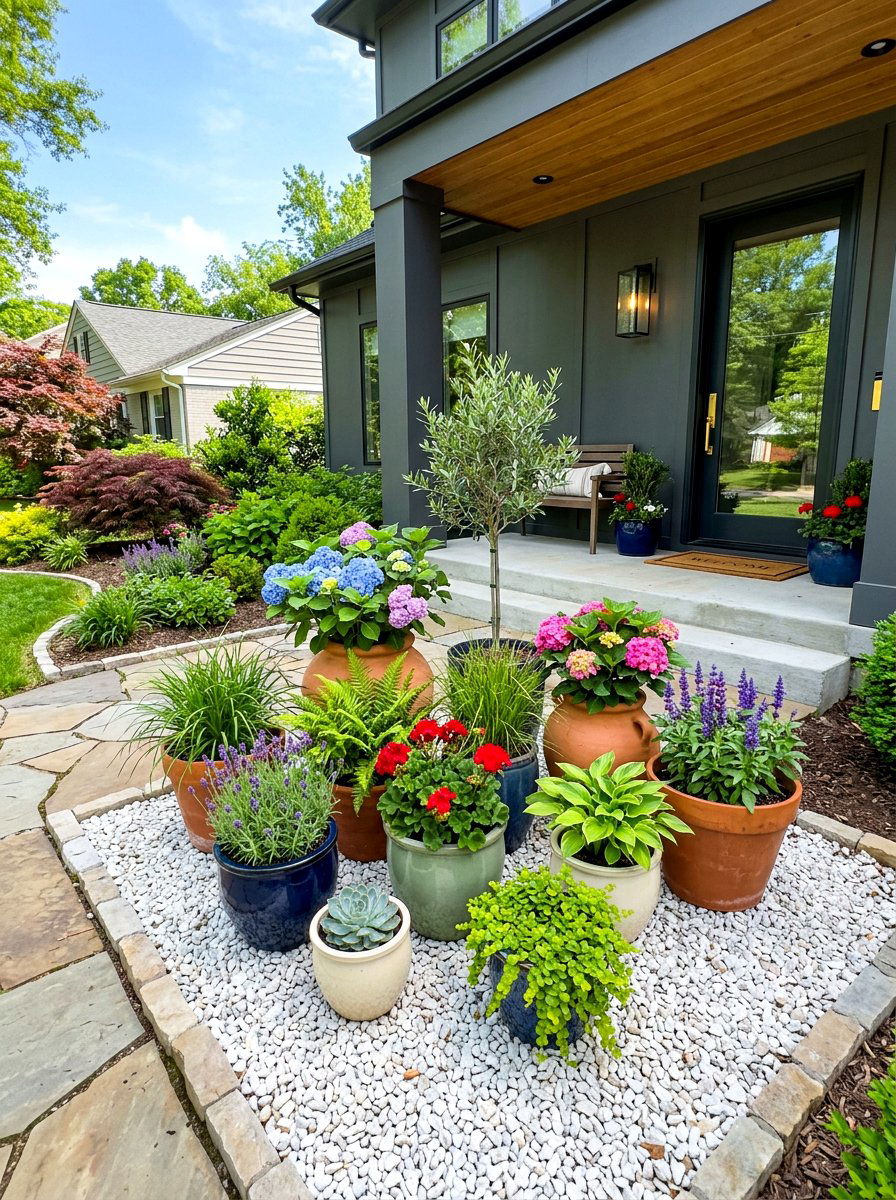
A potted succulent arrangement is a perfect solution for adding greenery and style to small front yards, porches, or entryways without a permanent garden bed. Use a variety of decorative containers in different sizes and textures to create a layered and visually interesting display. Fill the pots with a mix of architectural succulents like agave, aloe, and colorful echeveria for a lush and sculptural look. Because containers dry out faster than the ground, succulents are the ideal choice as they store water in their leaves and require very infrequent watering. This flexible design allows you to easily move plants around and change the look of your entrance whenever you want a fresh update.
26. Dry Creek Bed
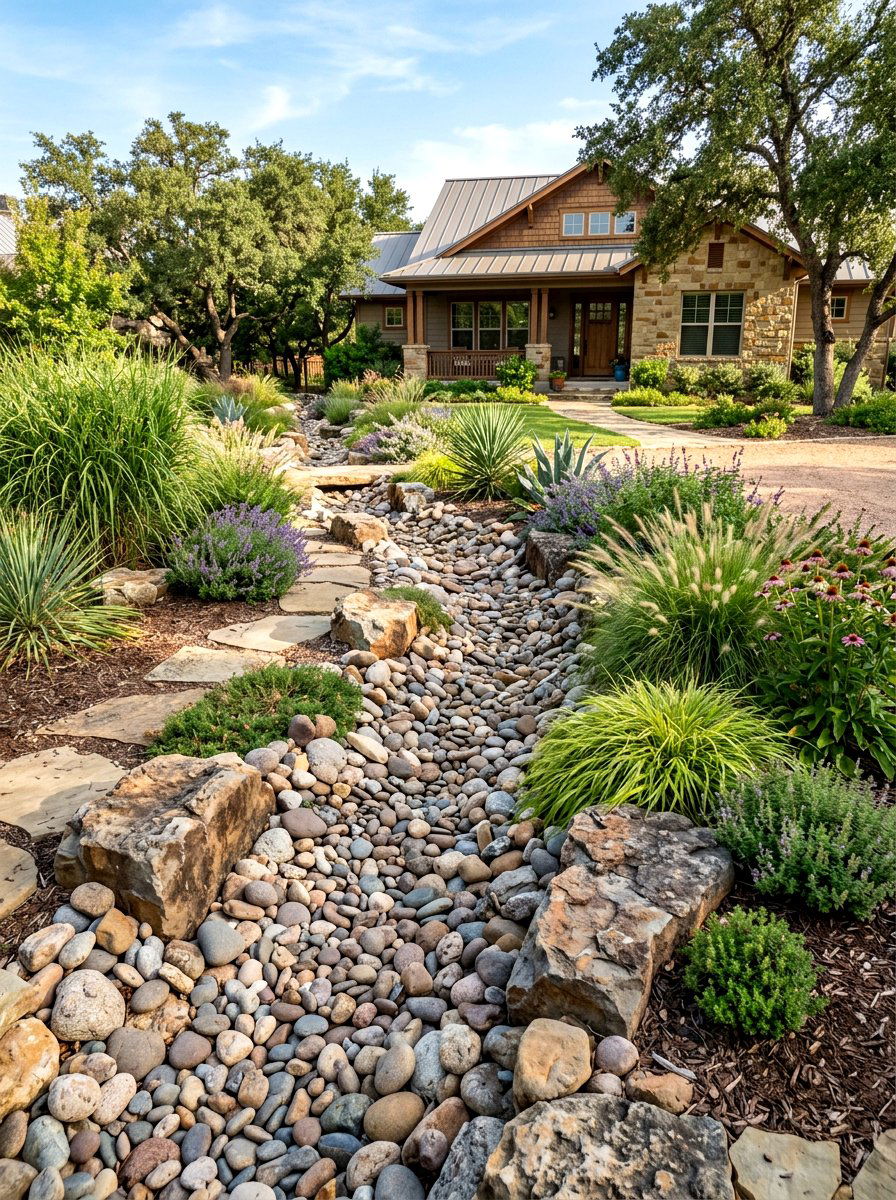
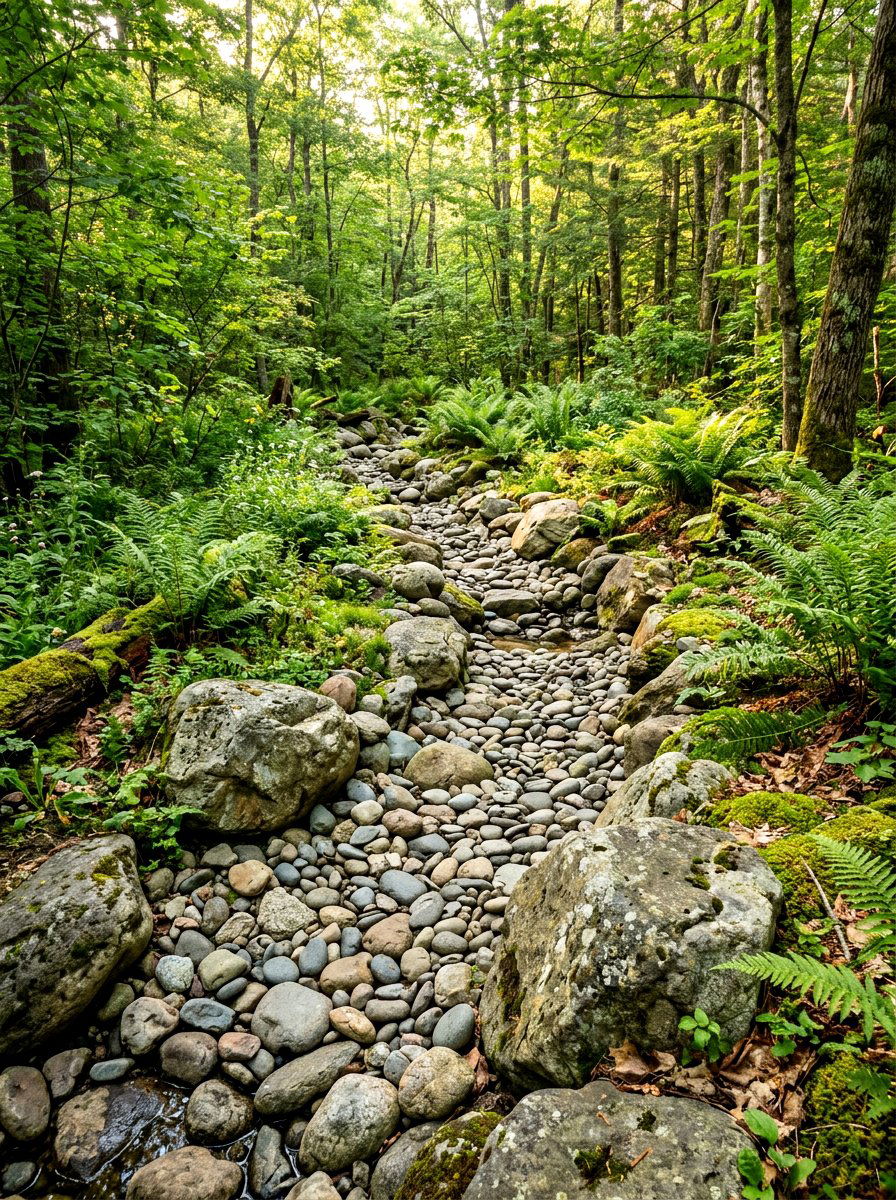
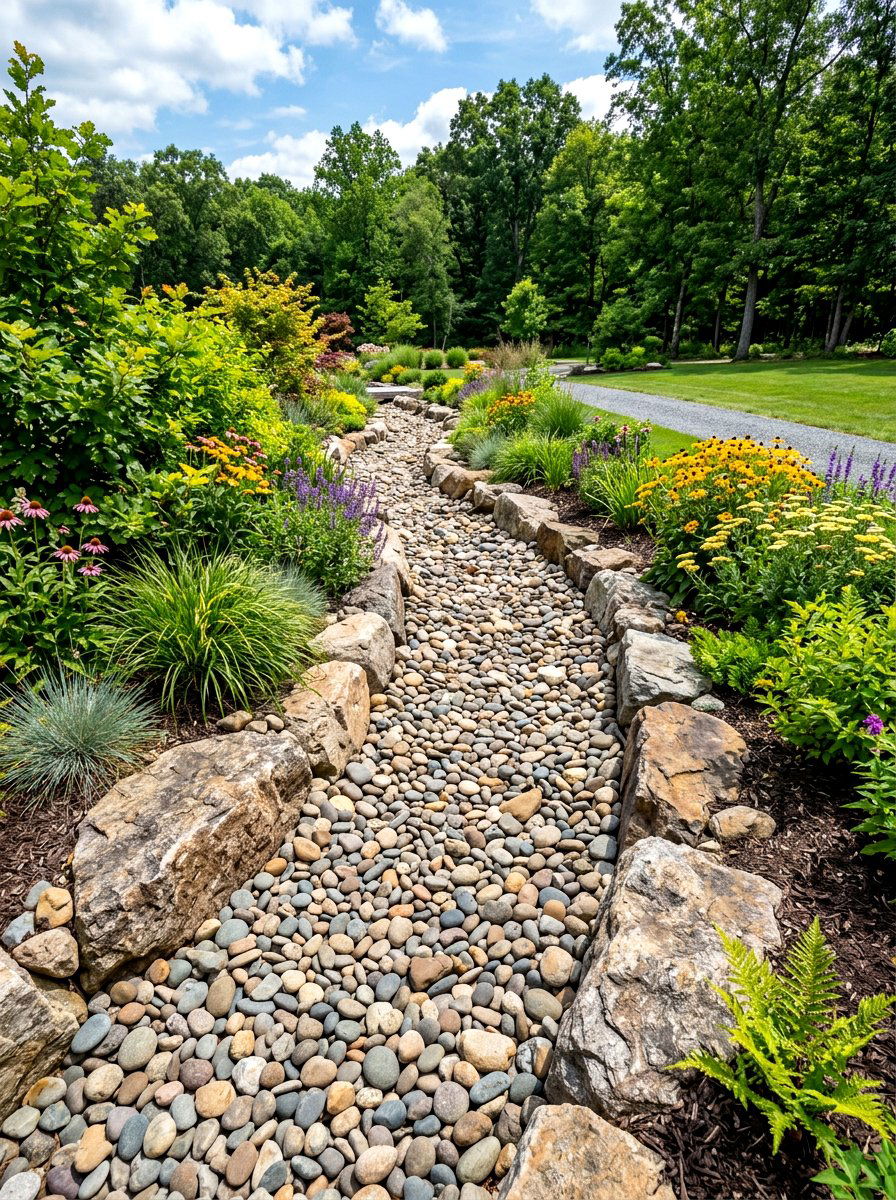
A dry creek bed is a functional and artistic feature that mimics the look of a natural waterway while helping to manage drainage in your yard. Use a mix of large river rocks, small pebbles, and medium-sized boulders to create a winding "stream" that flows through your xeriscape. This feature is particularly effective on sloped properties where it can guide rainwater away from the foundation of the house. Surround the edges of the creek with ornamental grasses and moisture-sipping plants that can handle the occasional deluge. This design adds a sense of tranquility and movement to the landscape without the need for an actual water source or any ongoing electrical maintenance.
27. Agave Yucca Landscape
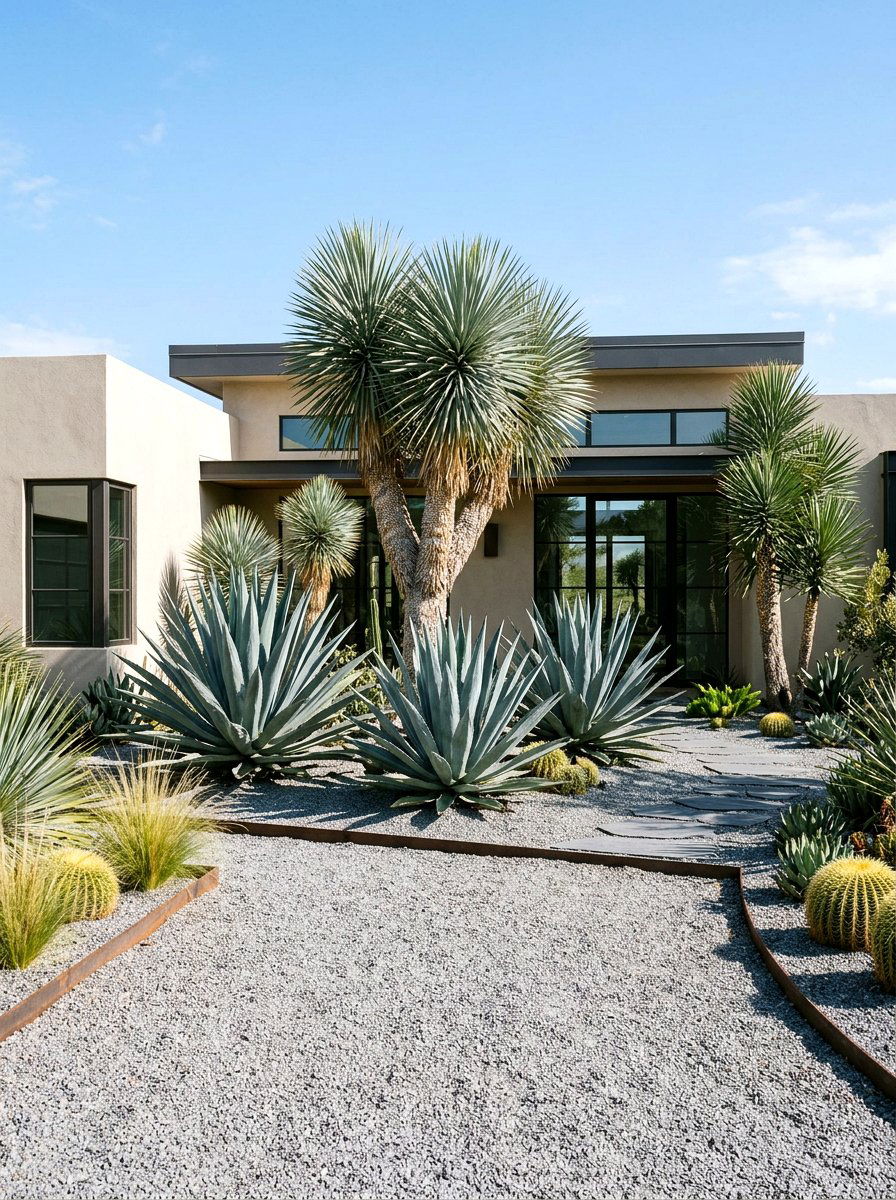
An agave yucca landscape focuses on the bold, architectural forms of these iconic desert plants to create a high-impact and low-maintenance front yard. These plants are the stars of the show, offering sharp lines and striking silhouettes that look like living sculptures. Space them out across a bed of light-colored gravel to allow their unique shapes to be the main focus of the design. Because they are extremely drought-tolerant and slow-growing, they require very little care and will look great for many years with minimal effort. This design is perfect for homeowners who want a dramatic, modern look that remains consistently beautiful regardless of the weather or water availability.
28. Coastal Xeriscape
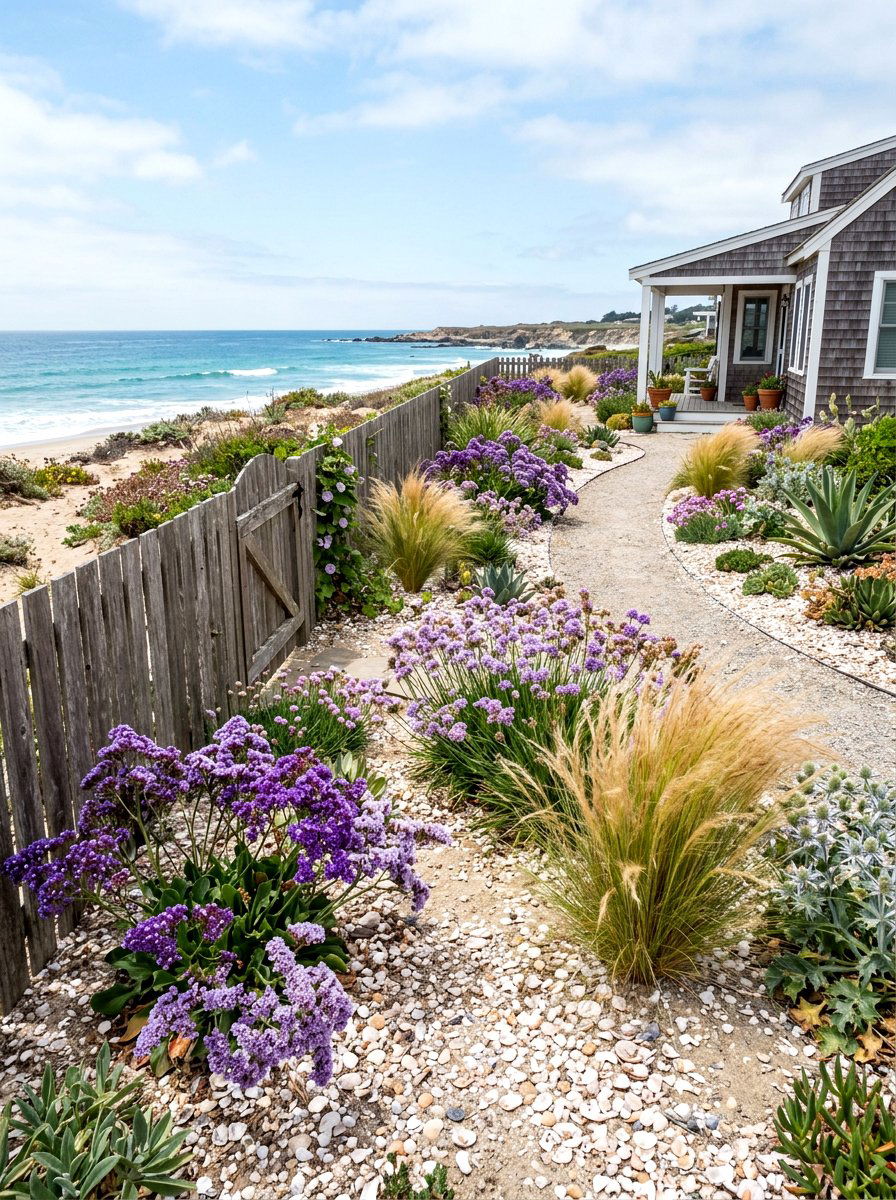
A coastal xeriscape uses plants and materials that can handle salt spray, sandy soil, and wind while requiring very little fresh water. Incorporate hardy species like sea lavender, coastal rosemary, and various ornamental grasses that naturally thrive in seaside environments. Use crushed shells or light gray gravel as a ground cover to reflect the beachy vibe and keep the soil cool. Weathered wood elements, such as a driftwood fence or a boardwalk-style path, can further enhance the coastal aesthetic. This design is both resilient and relaxing, creating a front yard that feels like a seaside retreat while being perfectly adapted to the challenges of a coastal climate and soil.
29. Shade Xeriscape
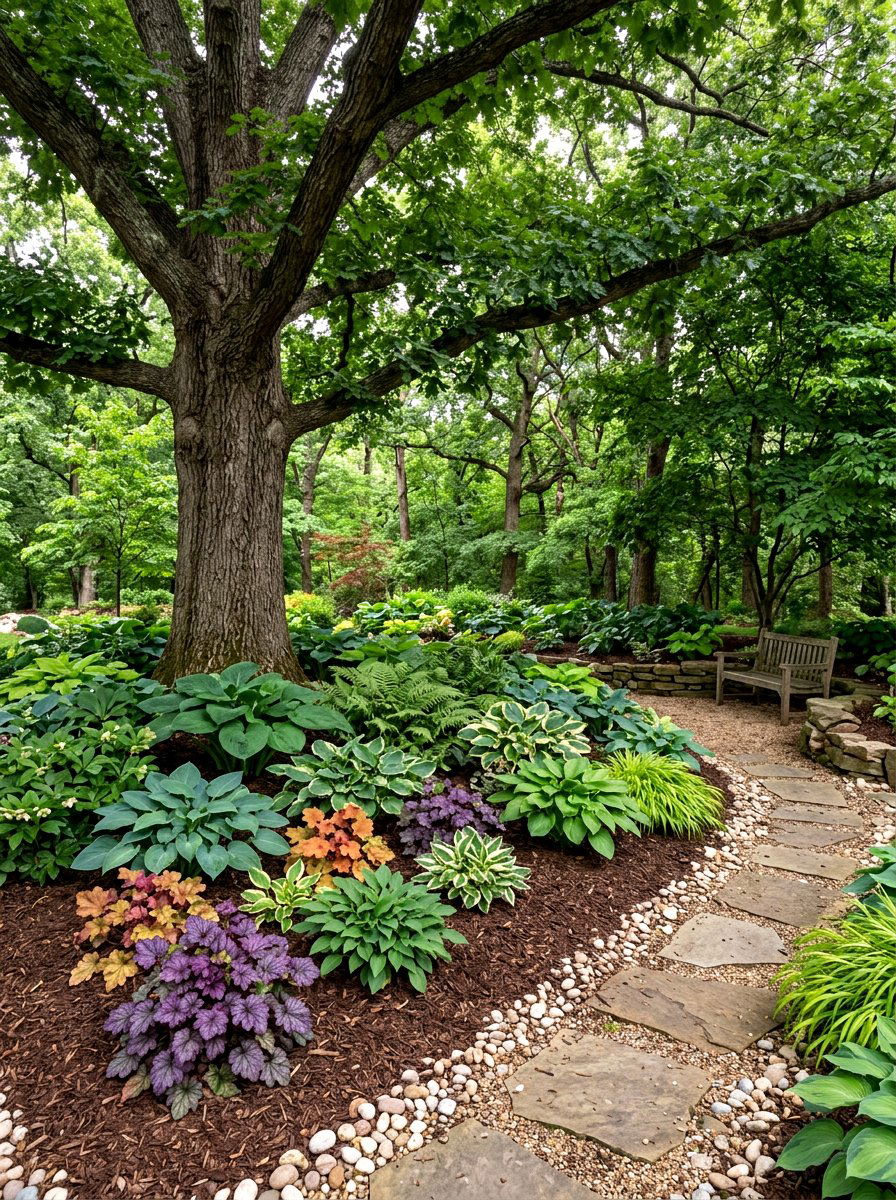
Designing a shade xeriscape requires choosing drought-tolerant plants that can thrive under the canopy of large trees or in the shadow of the house. Look for species like certain varieties of coral bells, hostas, and ferns that have adapted to live with less direct sunlight and minimal water. Use a thick layer of leaf mold or fine bark mulch to mimic the floor of a forest and help retain moisture in the soil. Incorporate light-colored stones or white gravel to help reflect what little light is available and brighten up the darker areas of the yard. This approach turns a difficult shady spot into a lush, cool sanctuary that is sustainable and beautiful.
30. Farmhouse Xeriscape
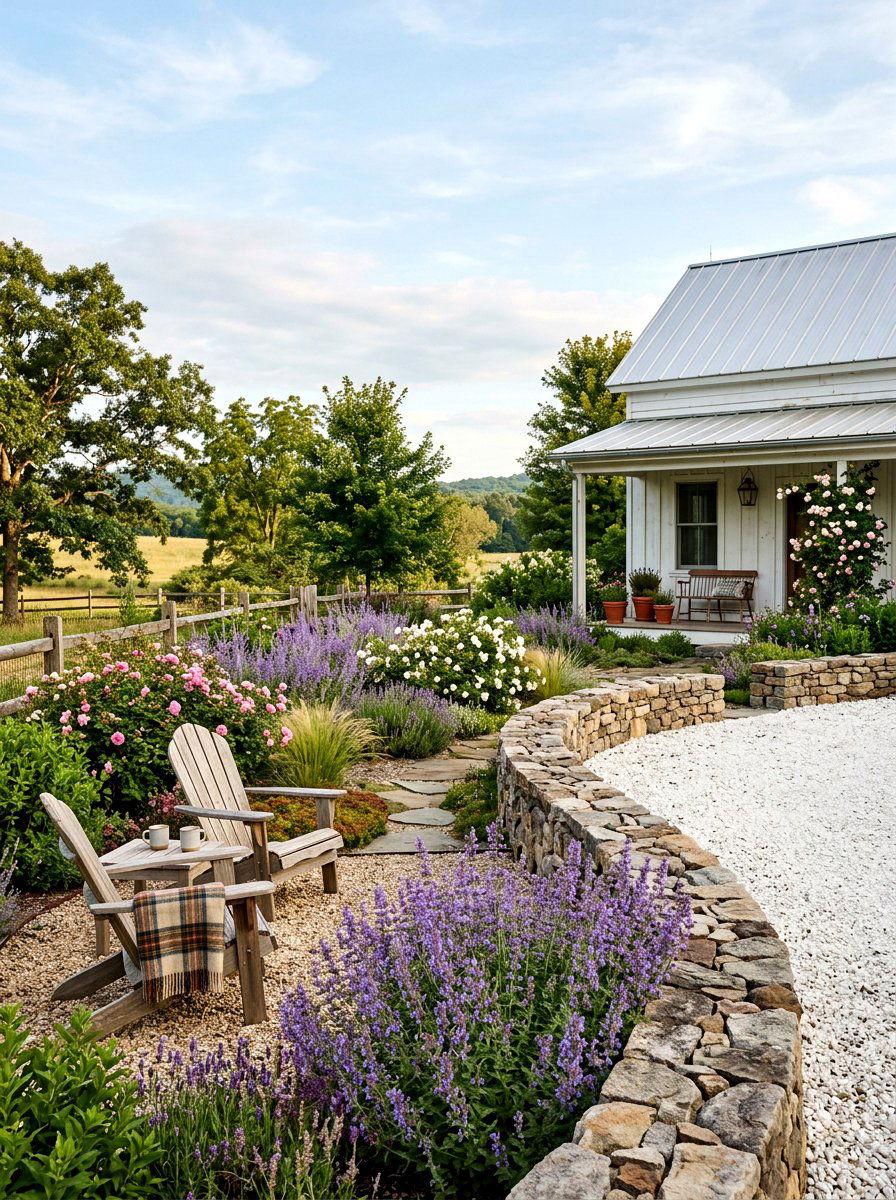
A farmhouse xeriscape combines the rustic, cozy charm of a traditional country garden with modern water-saving techniques and hardy plant choices. Use classic materials like white gravel, weathered stone walls, and wooden elements to create a sense of history and warmth. Plant drought-tolerant versions of traditional favorites, such as Russian sage instead of lavender or hardy roses that require less frequent watering. Incorporate a large, covered porch or a gravel seating area with Adirondack chairs to encourage a relaxed and social front yard environment. This design style proves that you can achieve a soft, welcoming, and traditional look while still being mindful of your environmental footprint and overall water usage.
Conclusion:
Adopting a xeriscape front yard is a powerful way to merge aesthetic beauty with environmental responsibility. By moving away from water-intensive lawns and embracing the natural textures of stone, mulch, and native plants, you create a landscape that is both resilient and stunning. These designs not only lower your utility bills and maintenance time but also provide a unique architectural character that standard turf simply cannot match. Whether you prefer the sharp lines of a modern gravel yard or the soft movement of a wildflower meadow, xeriscaping offers a solution for every home style. Invest in a sustainable future today by transforming your front yard into a water-wise masterpiece.

Related posts: