google_search{queries: [
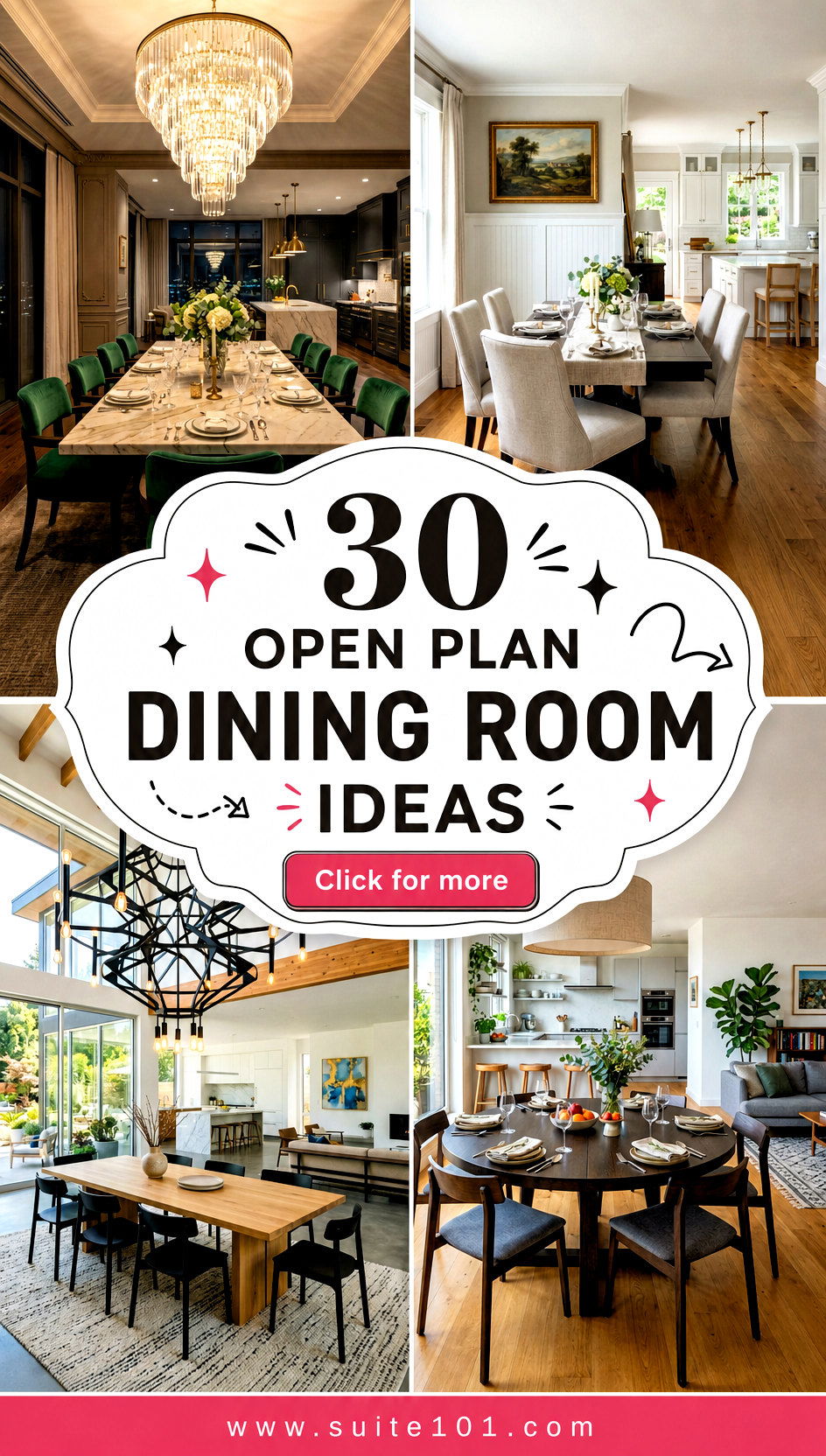
1. Modern Minimalist Kitchen Dining
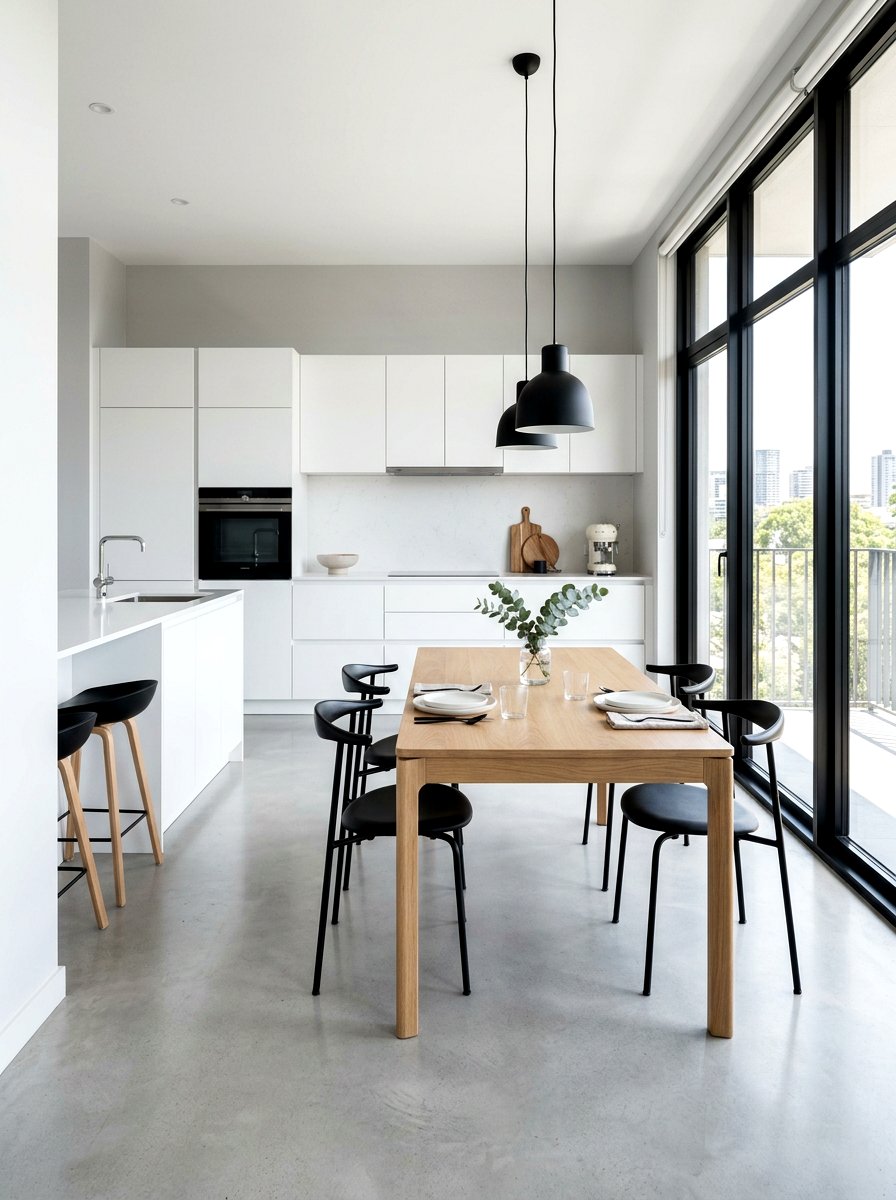
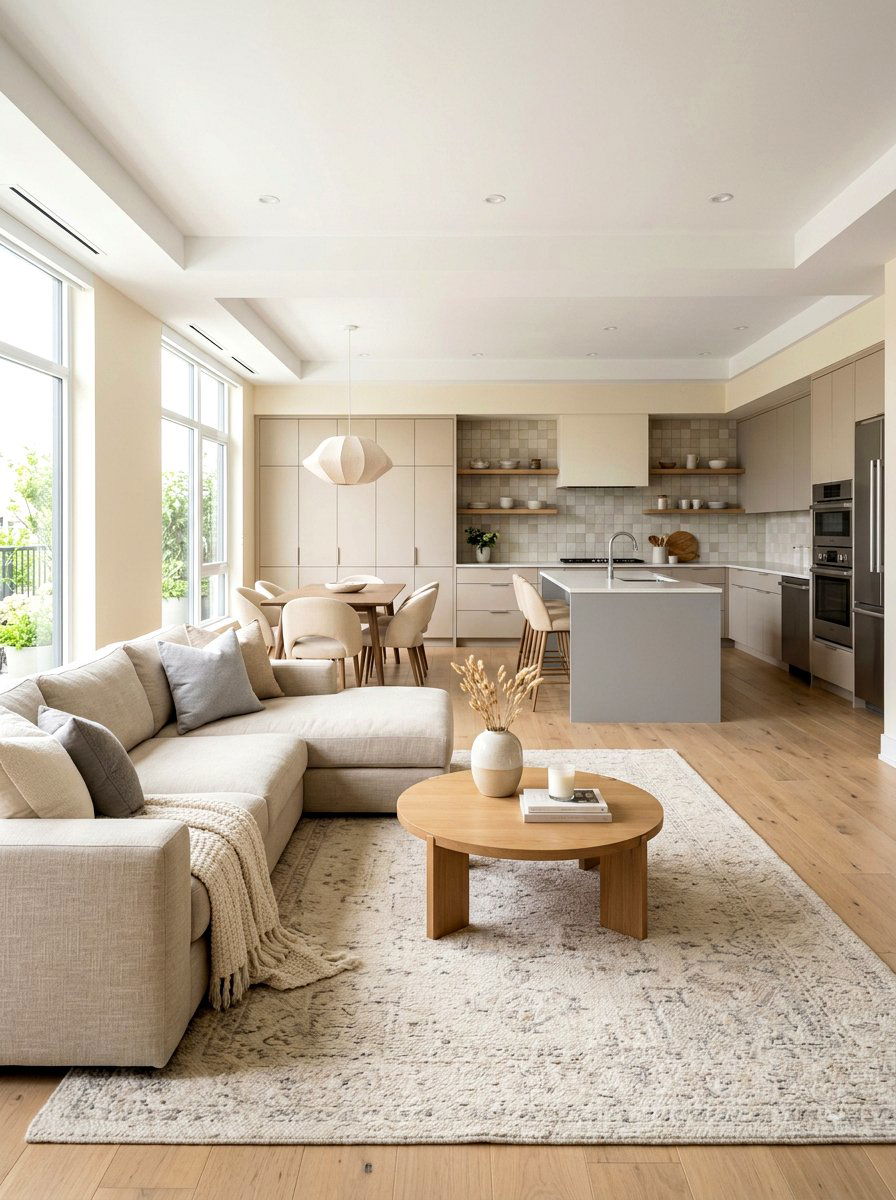
A modern minimalist kitchen dining area relies on sleek lines and a clutter-free environment to create a peaceful atmosphere. You should choose a neutral color palette consisting of soft whites, cool grays, or warm beiges to keep the space feeling light and airy. Incorporating handleless cabinetry and hidden appliances helps maintain a seamless look that does not distract from the dining table itself. Use a large, simple wooden table as the focal point to bring a touch of natural warmth to the room. This design strategy ensures that the functional cooking zone and the social eating area feel like one unified, sophisticated living space for your family.
2. Industrial Loft Open Plan
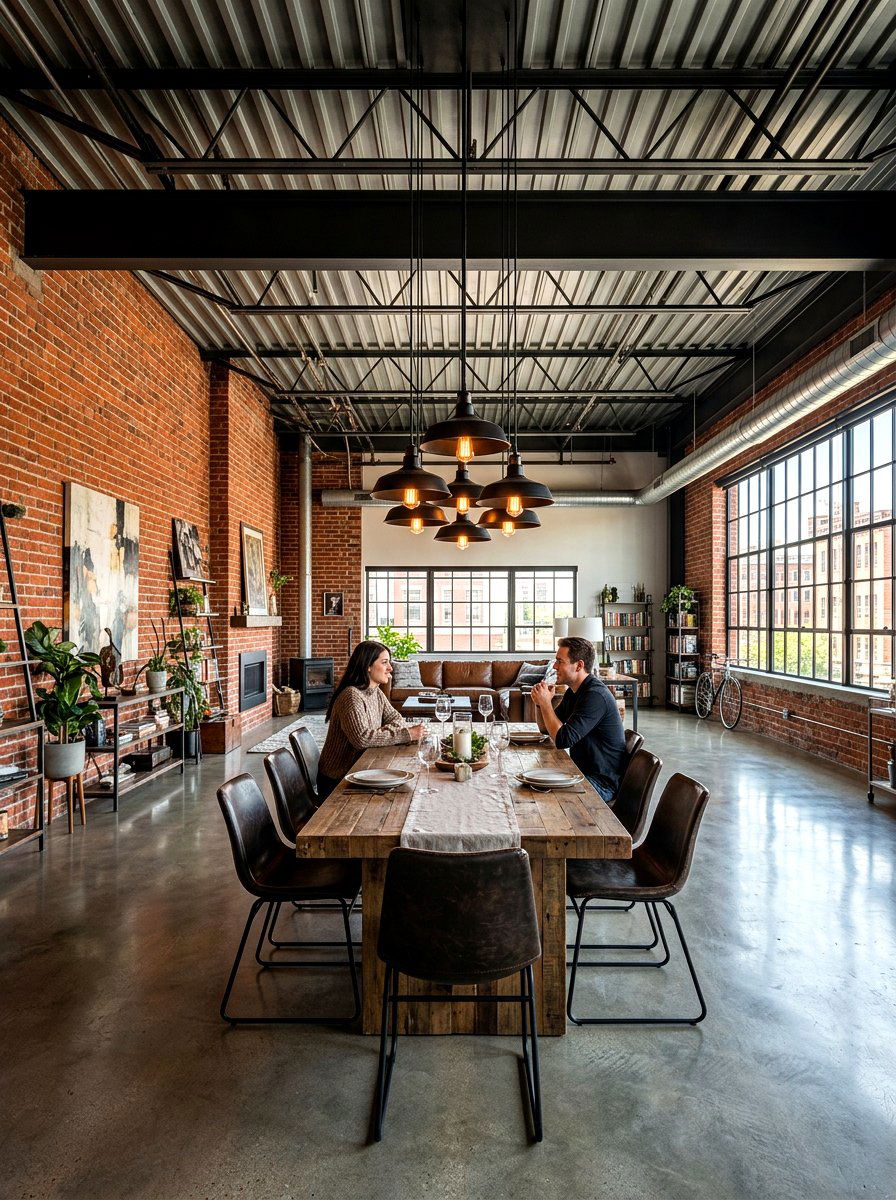
An industrial loft open plan utilizes raw materials like exposed brick, concrete floors, and metal beams to create a bold, urban vibe. To make this large space feel inviting, you can integrate oversized leather chairs and a reclaimed wood dining table that adds a sense of history. Large black-framed windows allow plenty of natural light to contrast with the darker, heavier materials found throughout the room. Pendant lights with Edison bulbs hanging from high ceilings can help define the dining zone within the larger layout. This style is perfect for those who appreciate an edgy yet functional environment that celebrates architectural structural elements and rugged textures.
3. Scandinavian Open Concept Dining
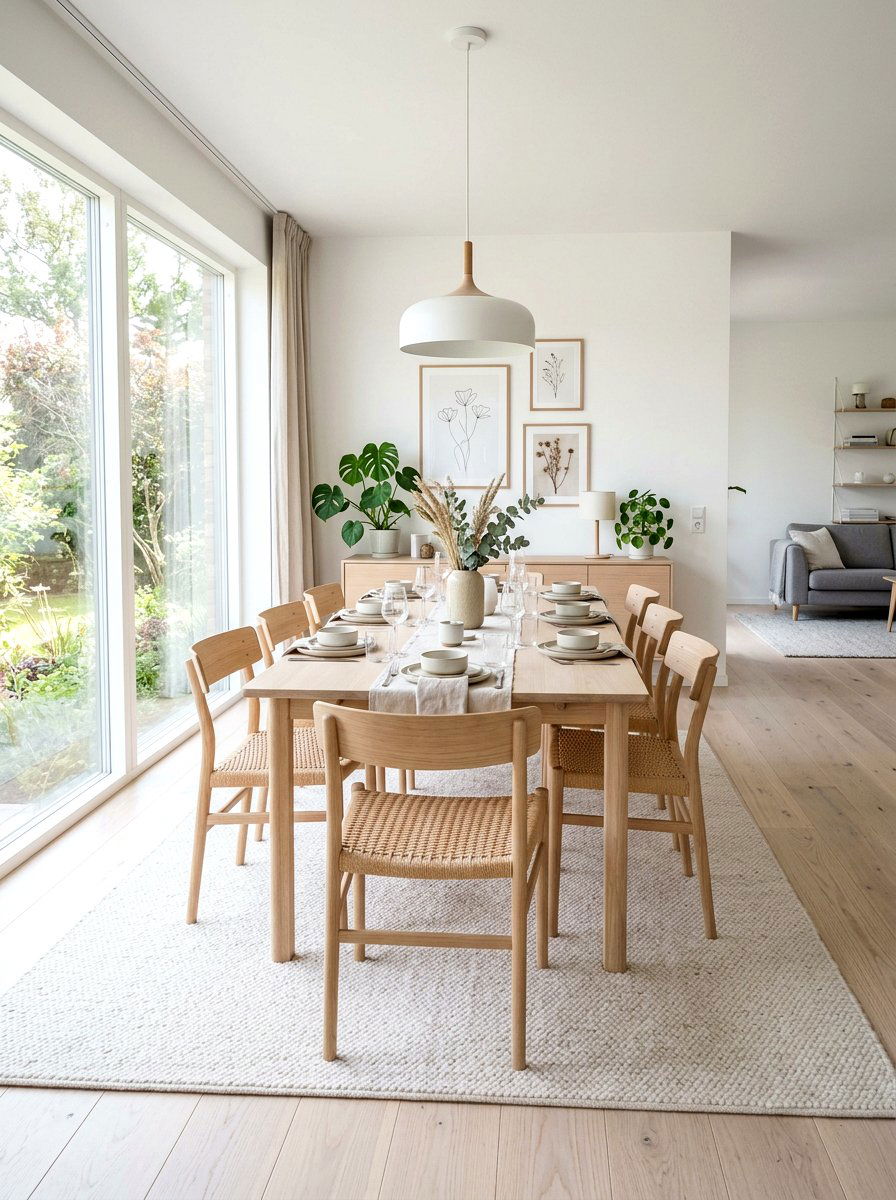
Scandinavian open concept dining focuses on functionality, simplicity, and a deep connection to nature. You can achieve this look by using light-colored woods, such as ash or pine, for your furniture and flooring choices. Keep the walls white or very light gray to maximize the reflection of natural light throughout the entire open space. Add cozy textures like sheepskin throws on chairs or a flat-weave wool rug under the table to bring warmth to the clean aesthetic. Simple, organic shapes in your furniture selection will help maintain the flow between the kitchen and living areas while keeping the overall atmosphere calm and balanced.
4. Mid Century Modern Dining
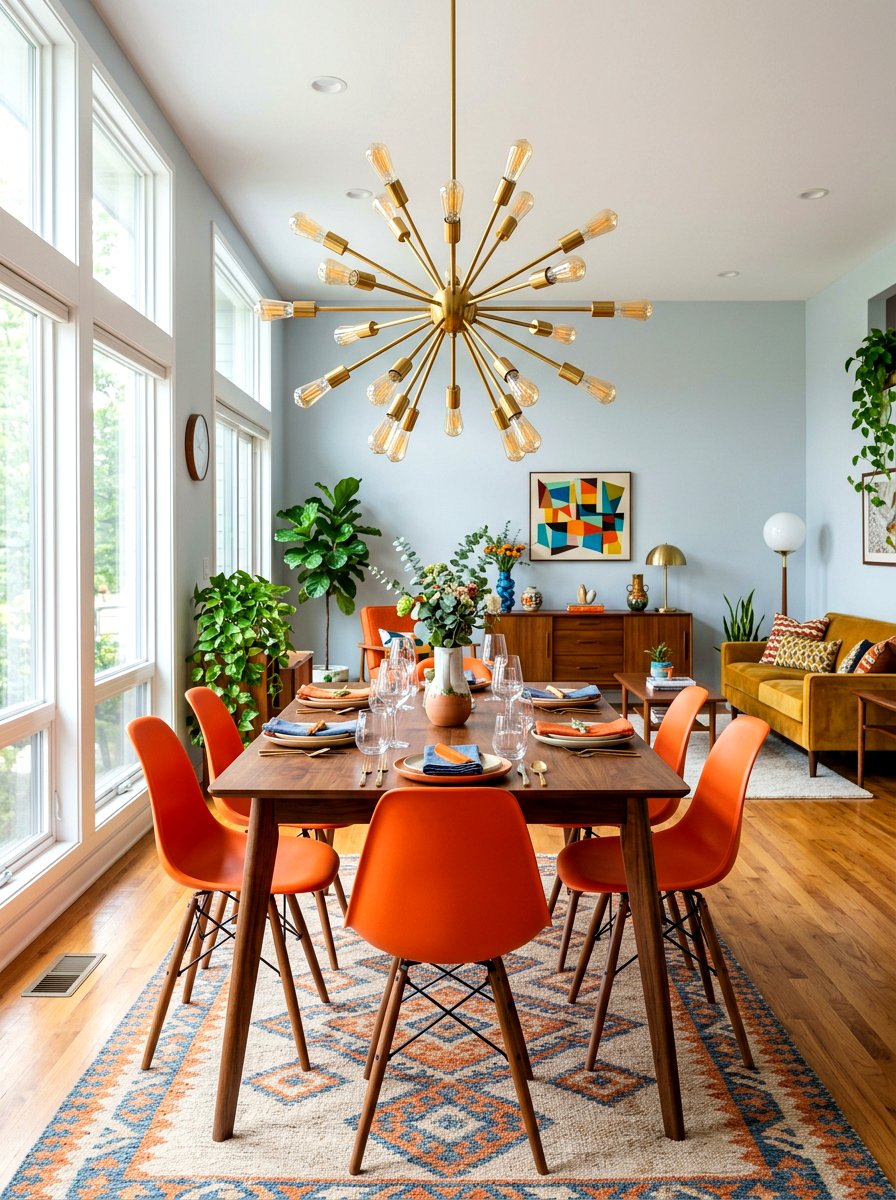
A mid century modern dining area brings a nostalgic yet timeless feel to an open plan layout through iconic furniture shapes. Look for a tapered-leg walnut table and molded plastic or plywood chairs to anchor the space with classic style. This approach often uses a mix of natural wood tones and vibrant accent colors like mustard yellow or teal to create visual interest. A starburst chandelier or a geometric pendant light serves as the perfect centerpiece to draw the eye toward the dining zone. By keeping the surrounding decor minimal, you allow the unique silhouettes of the furniture to stand out as pieces of art in the room.
5. Rustic Farmhouse Open Plan
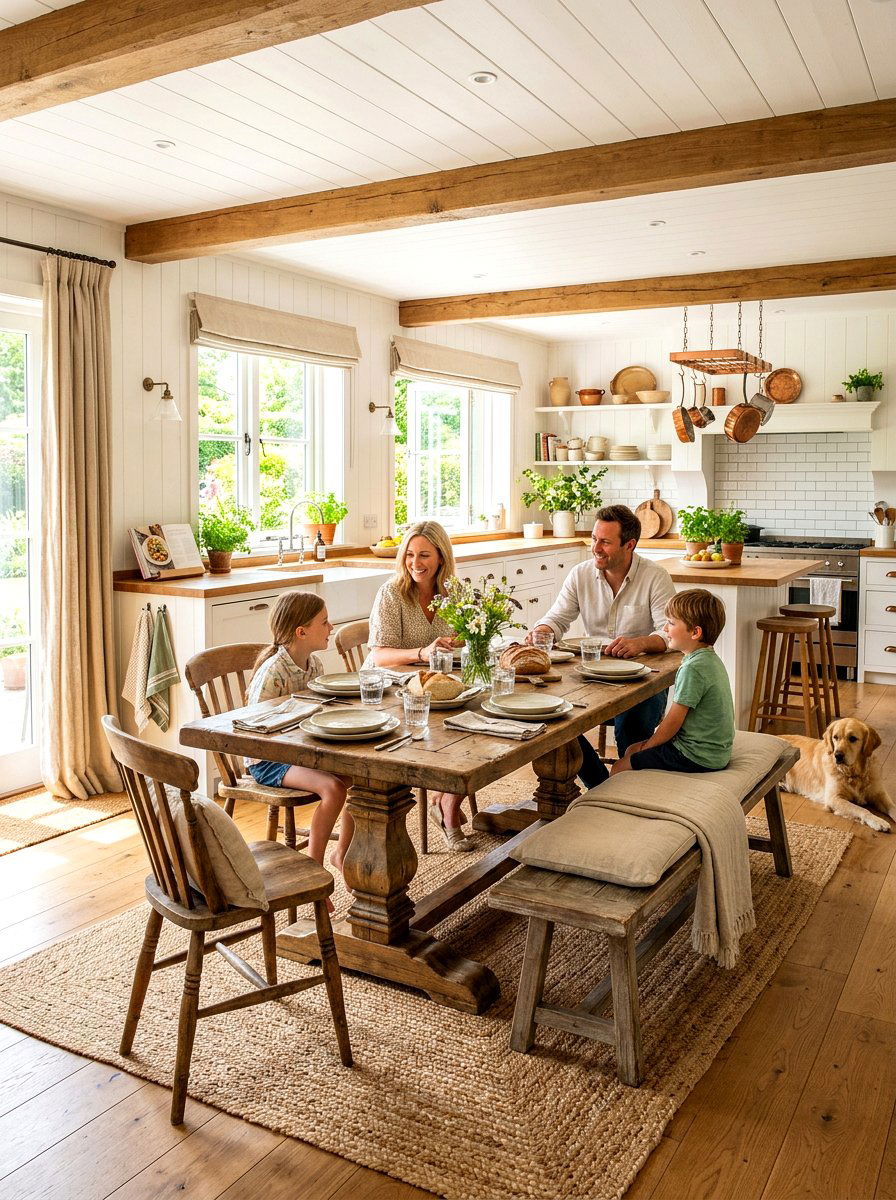
The rustic farmhouse open plan is all about creating a warm, lived-in feel that encourages family gatherings and long conversations. A heavy pedestal table made from distressed wood serves as the perfect anchor for this cozy and welcoming dining area. You can mix and match seating options, such as a wooden bench on one side and mismatched vintage chairs on the other. Incorporating natural elements like woven baskets, linen table runners, and fresh greenery helps bridge the gap between the kitchen and the dining space. This style thrives on imperfections and traditional details, making it a favorite for those seeking a comfortable, homey atmosphere.
6. Contemporary Glass Wall Dining
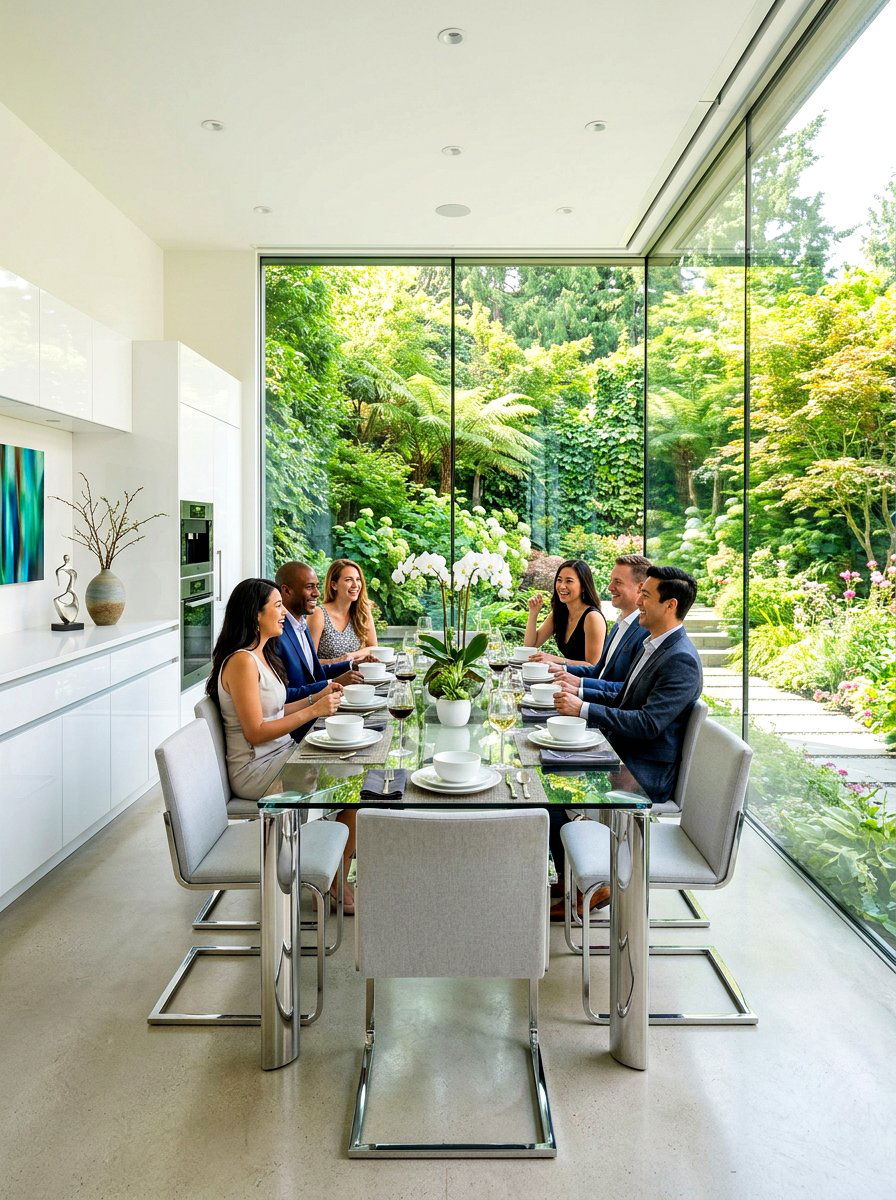
Contemporary glass wall dining is an excellent way to merge your indoor living space with the beautiful scenery of the outdoors. Installing floor-to-ceiling glass sliding doors or large windows allows for an unobstructed view and fills the open plan with sunlight. To complement this modern look, choose high-gloss finishes for your kitchen cabinets and a glass-top dining table to maintain a sense of transparency. Minimalist furniture with metallic accents can add a touch of luxury without blocking the visual flow of the room. This layout creates an expansive feeling, making your home feel much larger while providing a constant connection to the garden.
7. Small Open Living Dining
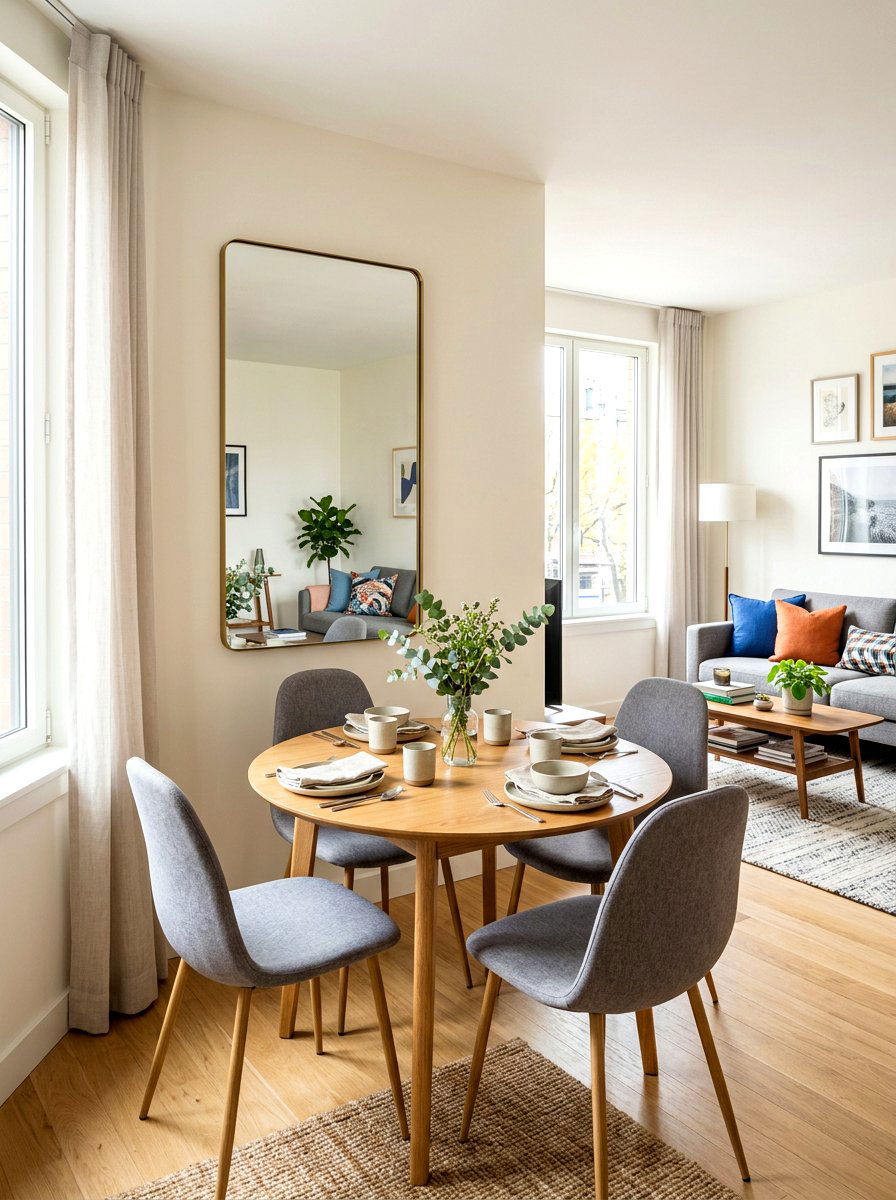
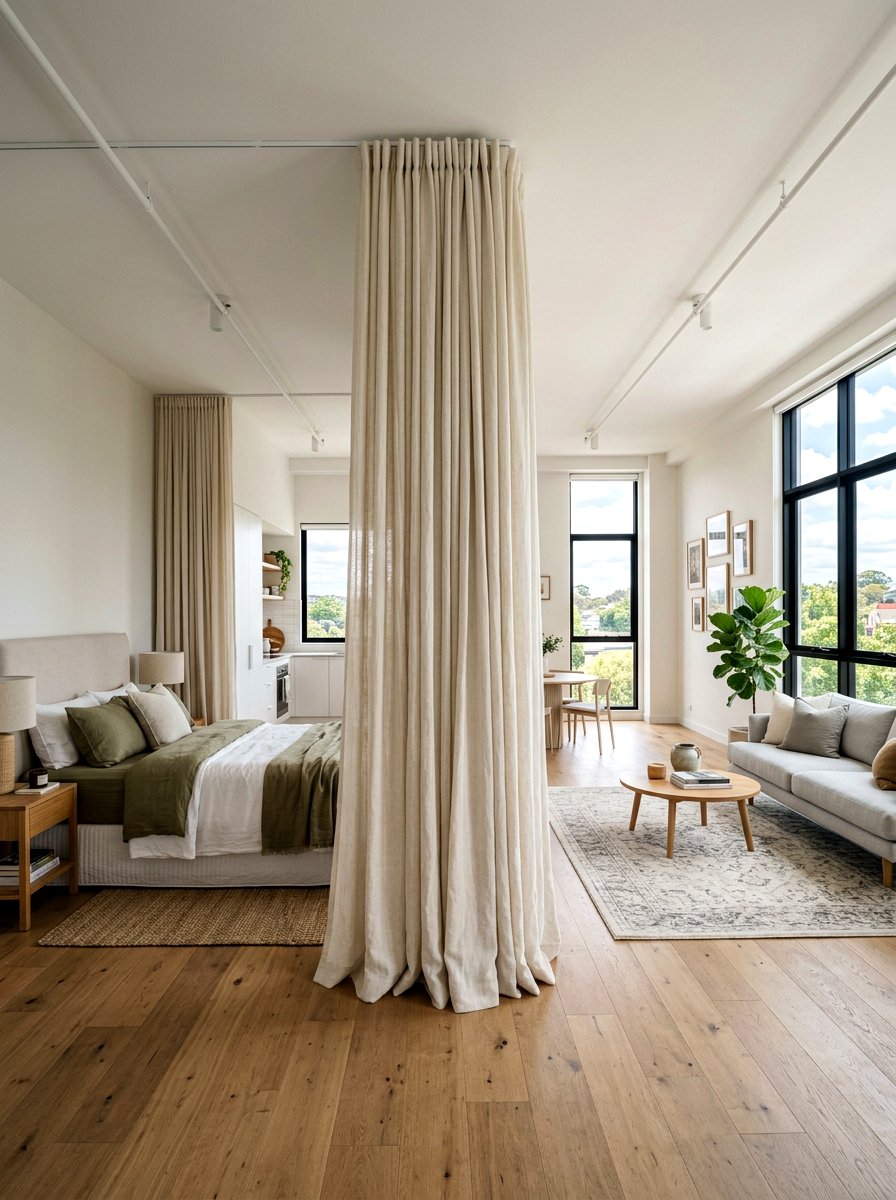
Designing a small open living dining area requires clever furniture choices to ensure the space remains functional and feels quite spacious. Using a round dining table can improve the flow of movement in tight corners compared to a rectangular or square option. Choose furniture with slim legs to create a sense of openness underneath, which helps the floor area appear much larger than it is. Light colors and mirrors can also be used to reflect light and add depth to the room's overall perspective. By keeping clutter to a minimum and selecting multi-functional pieces, you can create a highly efficient and stylish communal living zone.
8. Luxury Open Plan Dining
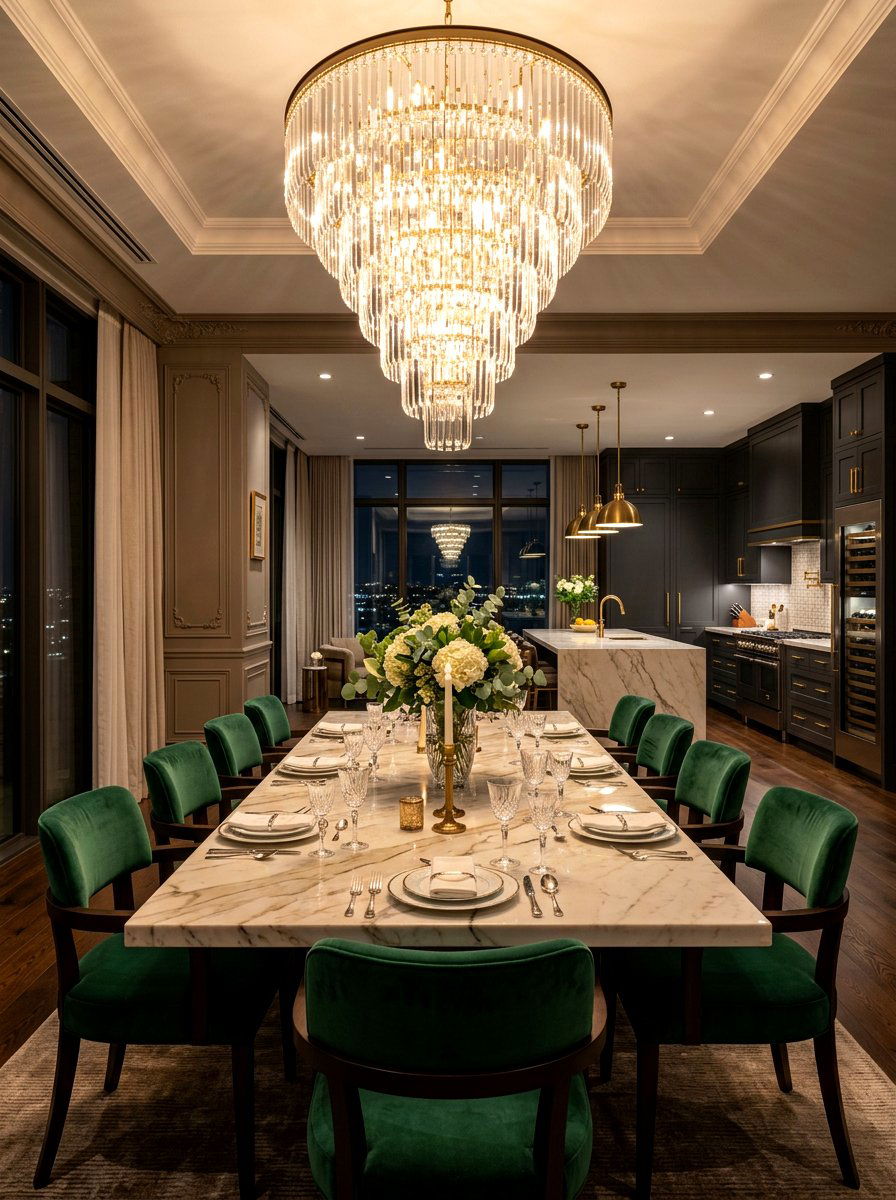
Luxury open plan dining centers on high-quality materials and sophisticated finishes to create a grand and impressive entertaining space for guests. Consider using marble for your kitchen island and extending that same stone to a large, custom-made dining table for a cohesive look. Velvet-upholstered chairs in rich jewel tones can add a layer of comfort and elegance to the social area of the home. Statement lighting, such as a large crystal chandelier or a modern sculptural piece, will define the dining zone with a sense of drama. This approach turns the open plan into a high-end sanctuary that feels both curated and exceptionally comfortable.
9. Bohemian Open Concept Dining
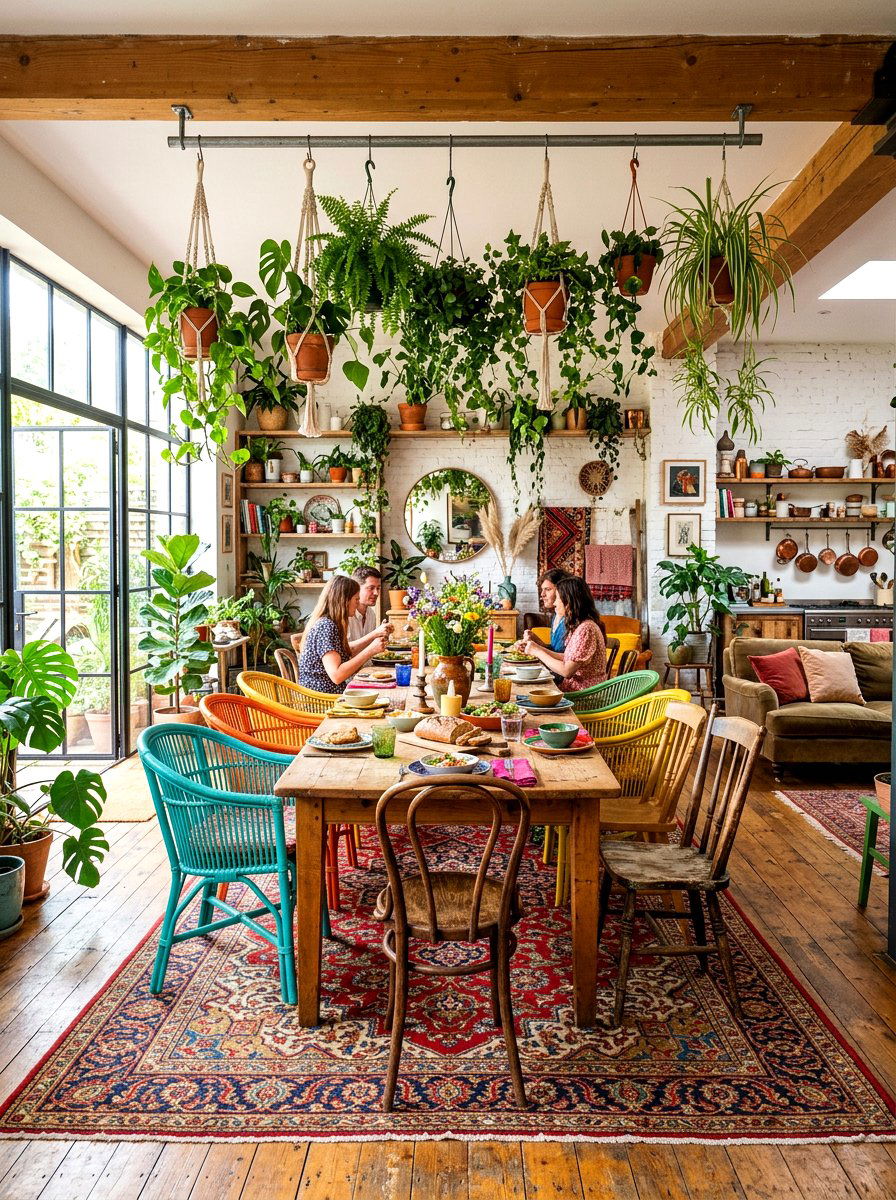
A bohemian open concept dining area is perfect for those who love a relaxed, eclectic look filled with plants and textures. You can achieve this by mixing different furniture styles, such as a vintage wooden table paired with colorful woven chairs. Layering multiple rugs with different patterns can help define the dining space while adding a sense of warmth and coziness to the floor. Hanging macramé plant holders and displaying unique pottery on open shelves will bring a personal, artistic touch to the room. This style encourages creativity and comfort, making the open plan feel like a vibrant and soulful hub for daily living.
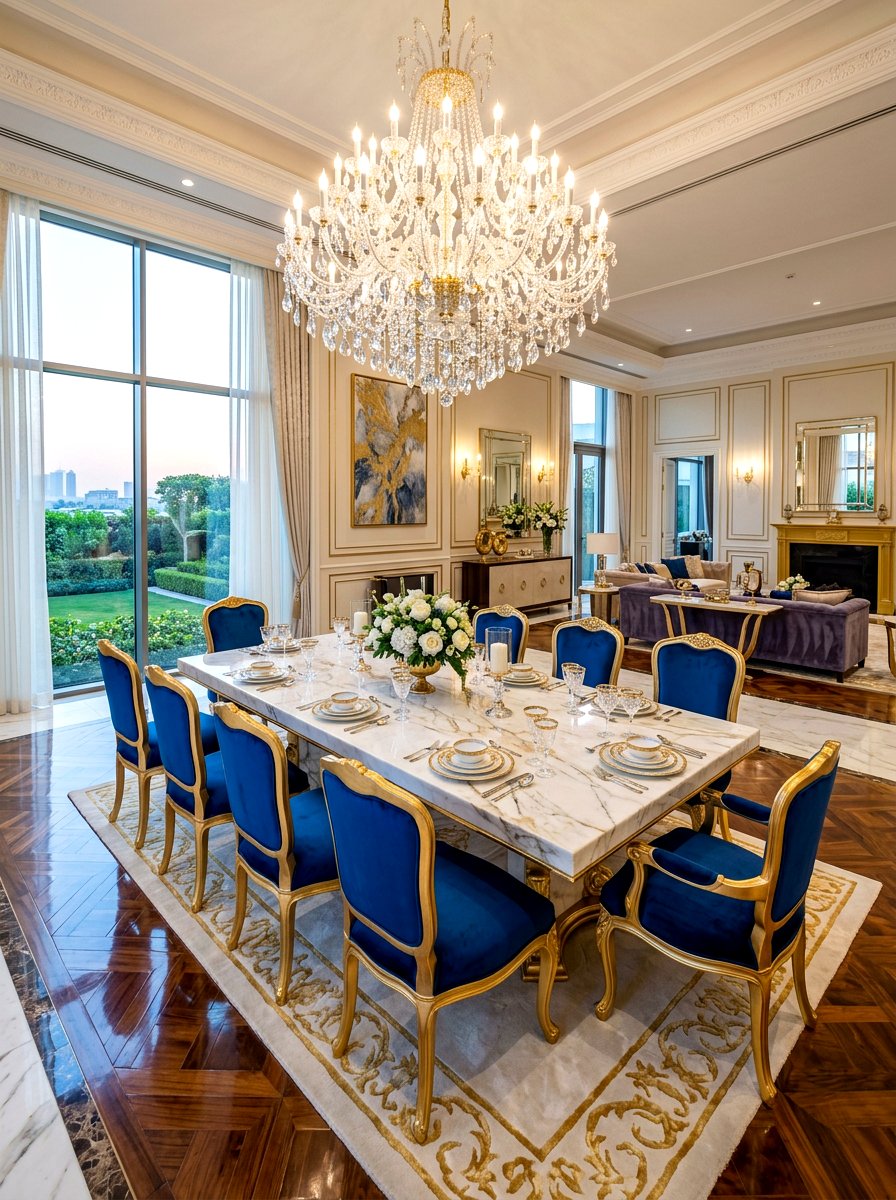
10. Transitional Open Plan Dining
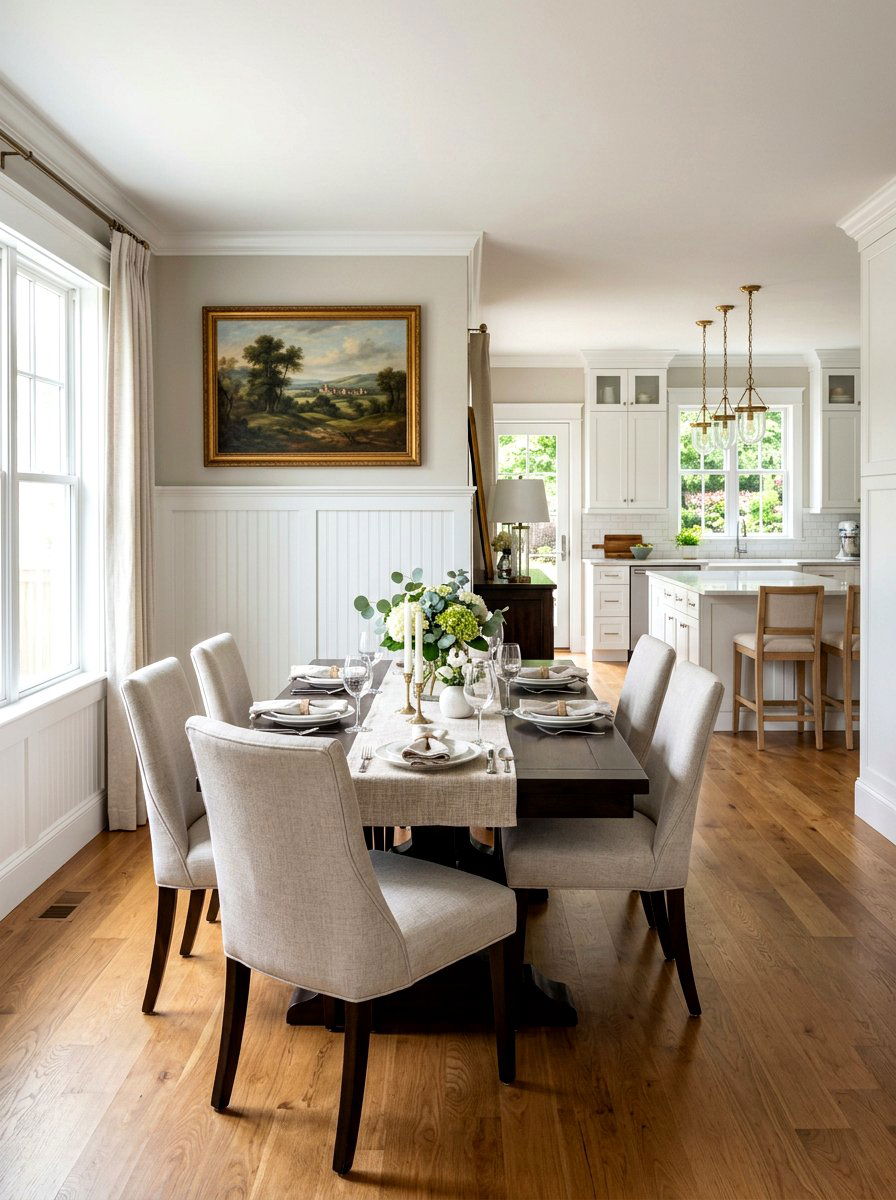
Transitional open plan dining offers a beautiful balance between traditional elegance and modern simplicity, making it a very versatile design choice. You can combine a classic dark wood dining table with contemporary upholstered chairs to create a look that feels both timeless and fresh. Neutral color palettes with soft textures like linen and cotton help unify the kitchen and living zones into one harmonious space. Subtle decorative details, such as crown molding or simple wainscoting, can add architectural interest without making the room feel overly formal or outdated. This style is ideal for homeowners who want a sophisticated space that feels current yet stays very comfortable.
11. Coastal Open Concept Dining
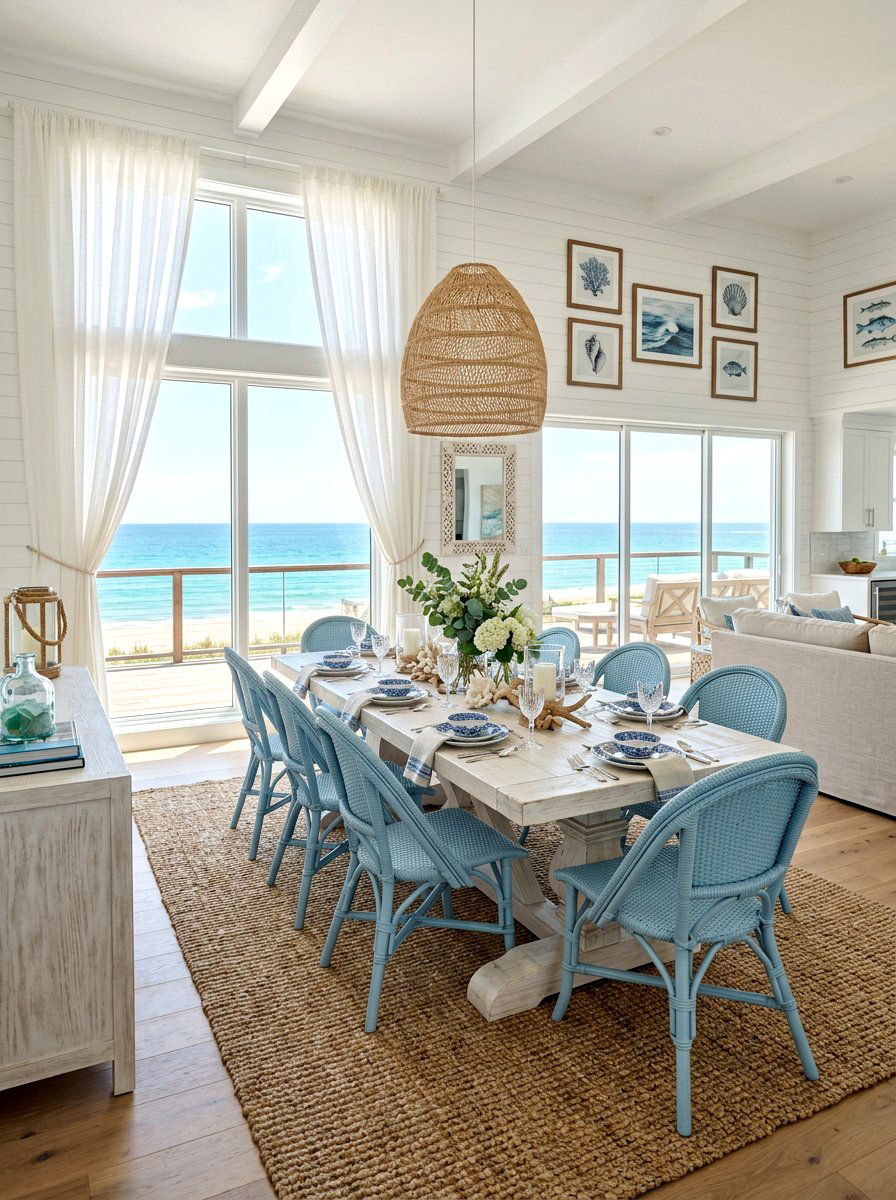
A coastal open concept dining area brings the breezy, relaxed feel of the beach right into the center of your home. Use a palette of soft blues, sandy beiges, and crisp whites to create a light and refreshing environment for your family. Wicker or rattan chairs paired with a white-washed wooden table can instantly evoke a seaside atmosphere in any open plan layout. Incorporating natural textures like jute rugs and driftwood decor pieces further enhances the organic, nautical theme of the space. Large windows and light-filtering curtains will allow the sunlight to brighten the room, making it feel like a permanent summer getaway.
12. Dark Moody Open Plan
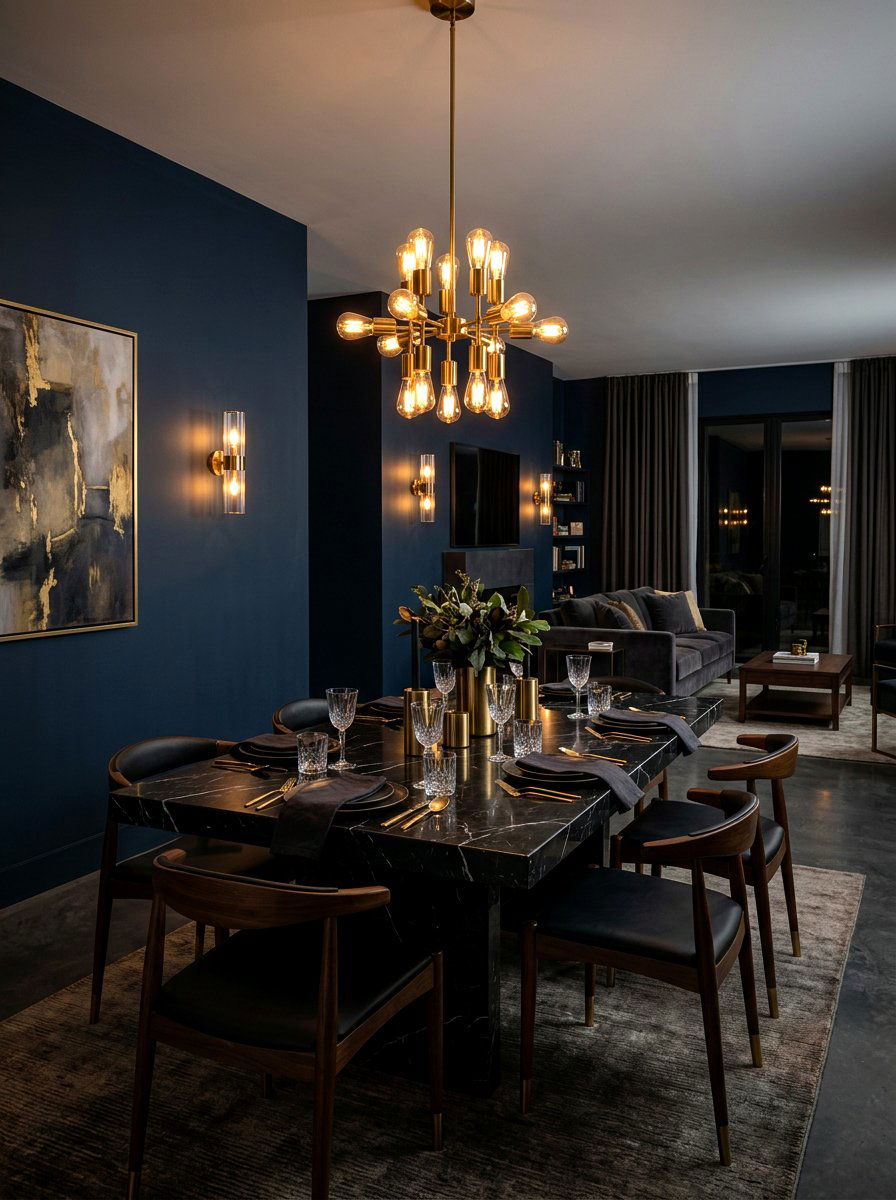
Choosing a dark moody open plan can create a sophisticated and intimate atmosphere that feels incredibly cozy during the evening hours. Deep charcoal, navy blue, or forest green walls provide a dramatic backdrop for a dark wood or black marble dining table. You can use metallic accents in gold or brass to reflect light and prevent the space from feeling too heavy or closed in. Layered lighting, including wall sconces and dimmable pendants, is essential to highlight specific areas and create a warm, inviting glow. This bold design choice works exceptionally well in large open spaces where you want to create distinct, high-contrast zones.
13. Bright White Open Concept
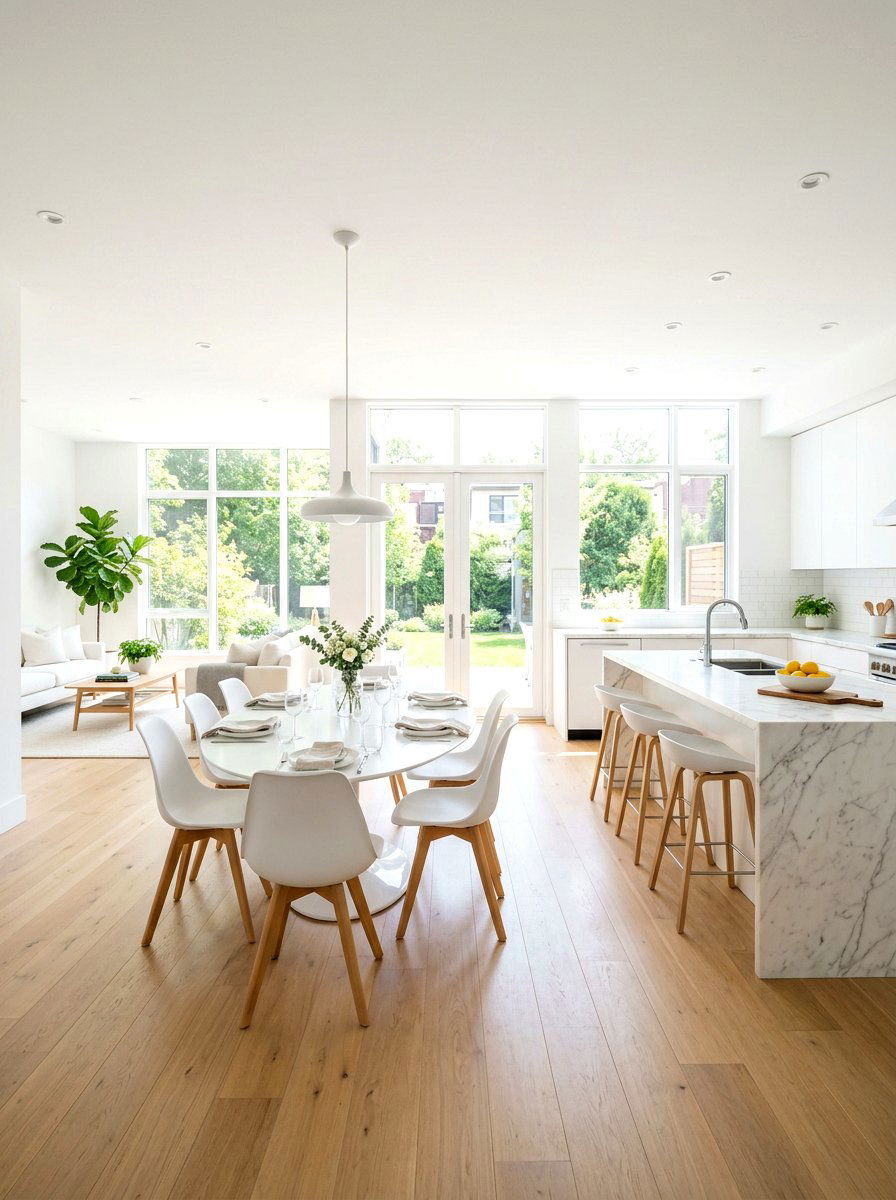
A bright white open concept is the ultimate way to make a home feel clean, modern, and exceptionally spacious at all times. By using various shades of white for the walls, cabinetry, and furniture, you create a seamless transition between different living zones. To prevent the room from feeling too sterile, incorporate different textures like a marble tabletop, a plush white rug, or light-colored wooden accents. Large windows and minimal window treatments are key to flooding the space with natural light, which enhances the airy feel of the layout. This timeless aesthetic provides a versatile canvas that allows your favorite colorful accessories to pop beautifully.
14. Multi Functional Dining Area
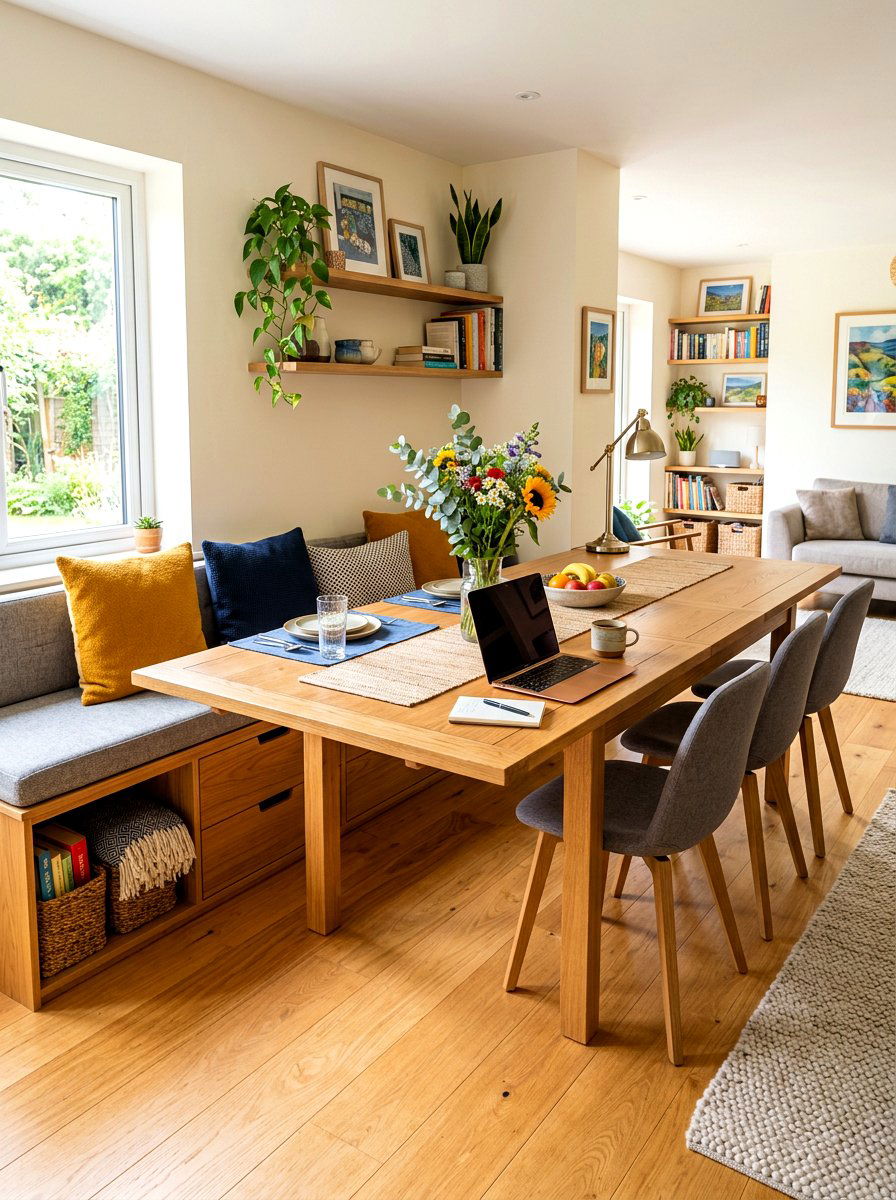
In a multi functional dining area, the space must adapt to various needs, from formal meals to working from home. Choosing an extendable dining table allows you to accommodate large groups while keeping the layout compact for your daily activities. Consider adding a built-in bench with hidden storage underneath to keep the area organized and free of unnecessary clutter during the day. Comfortable, ergonomic chairs are a must if the table is also used as a temporary desk for remote work or school projects. This approach ensures that every square foot of your open plan layout is utilized effectively for your family's modern lifestyle.

15. Open Plan Living Dining
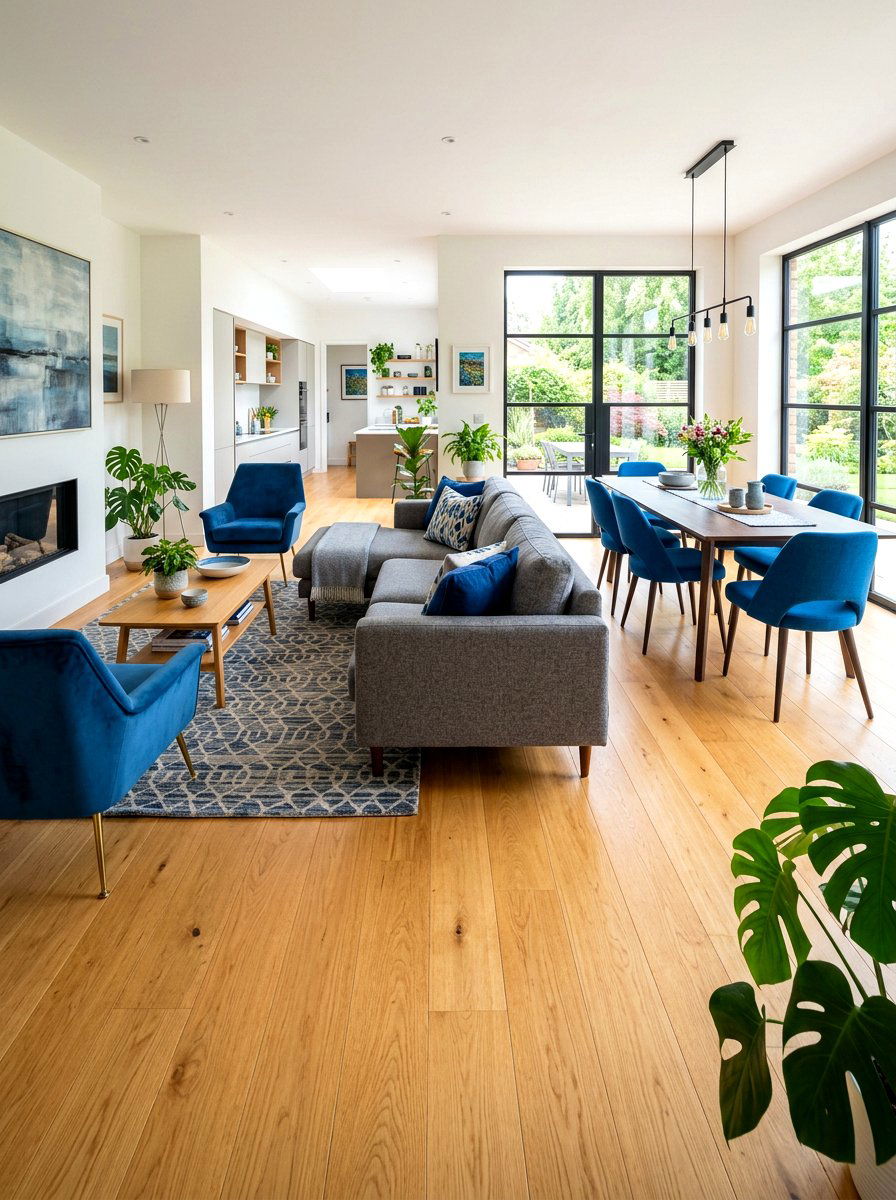
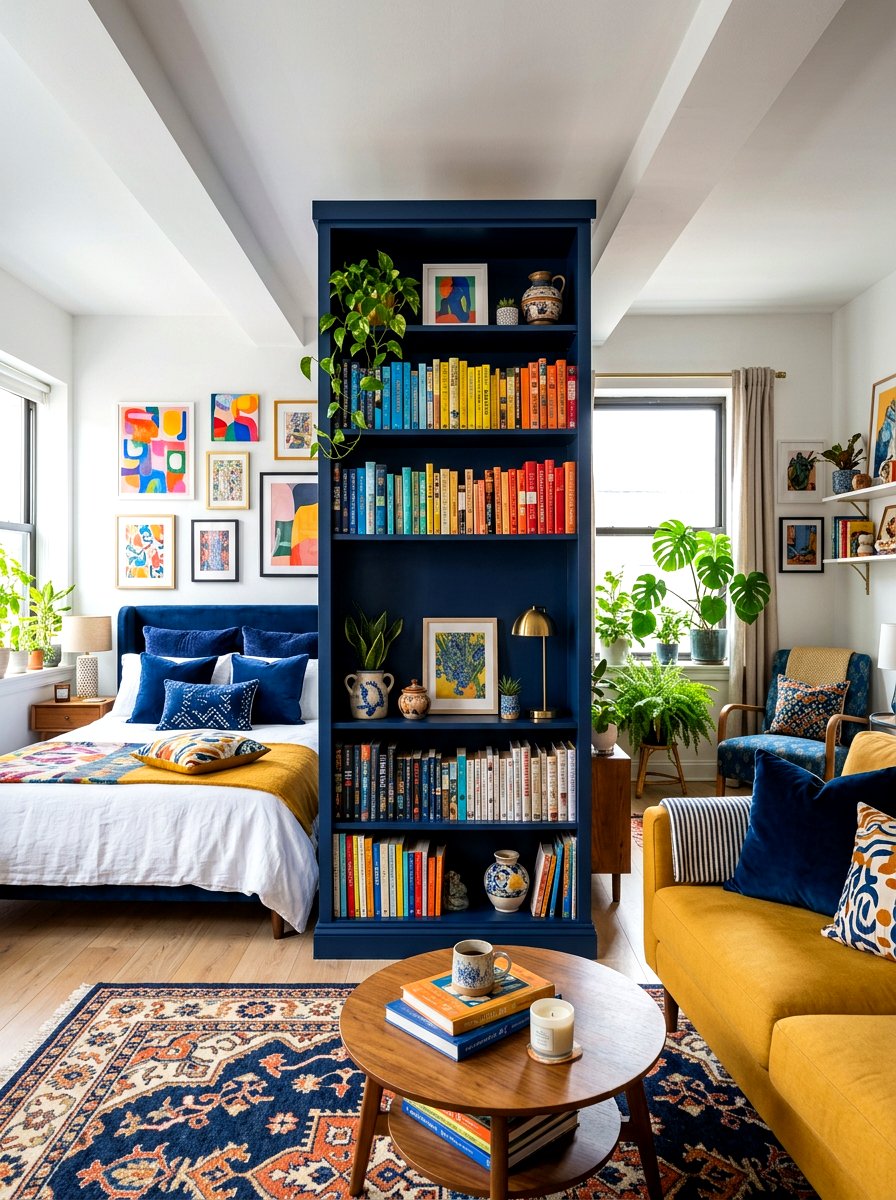
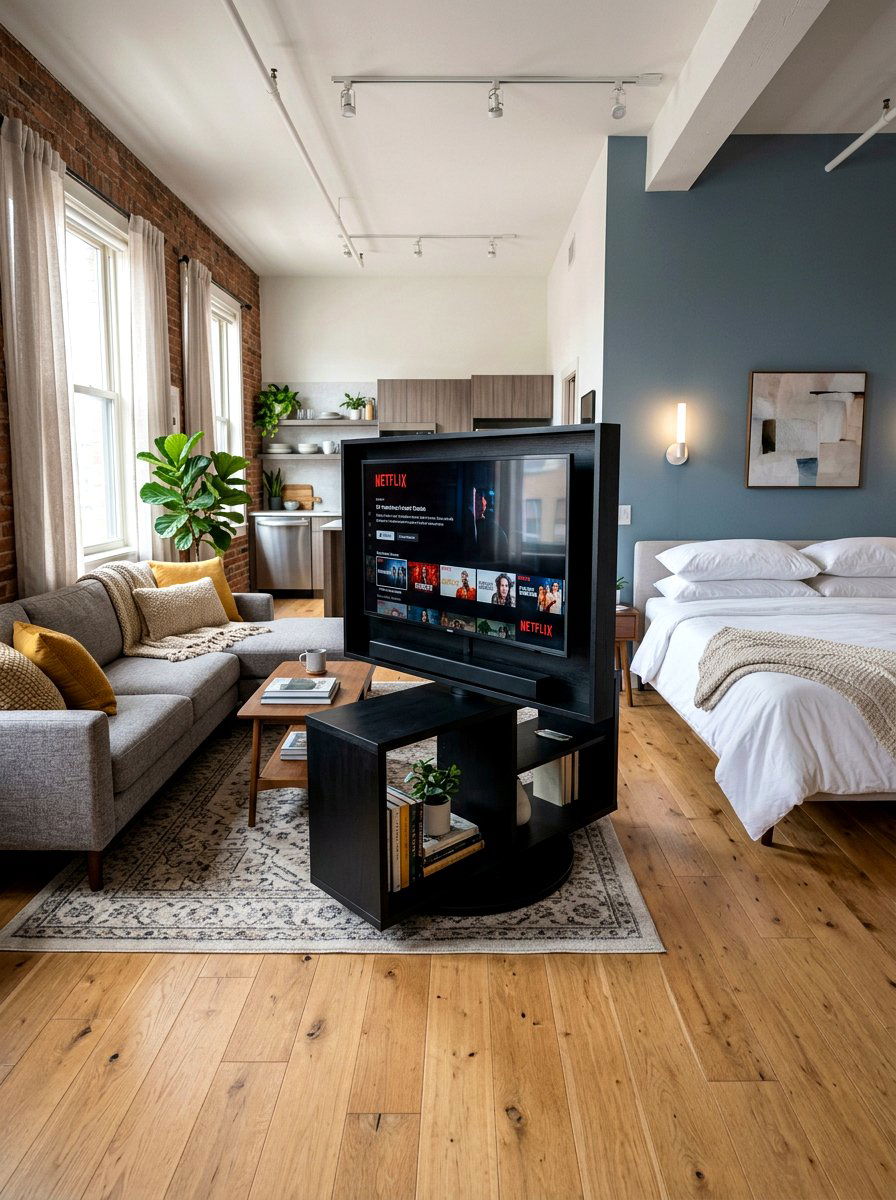
An open plan living dining layout focuses on the smooth transition between the relaxation zone and the eating area for better interaction. Positioning the sofa with its back to the dining table can act as a subtle divider that defines each zone without walls. You should use a consistent flooring material, such as hardwood or polished concrete, to tie the two different functional areas together visually. Coordinating the color of your throw pillows with the upholstery of your dining chairs can further enhance the sense of unity. This layout is perfect for hosting parties, as it allows guests to move freely between the lounge and the table.
16. Kitchen Island Dining Extension
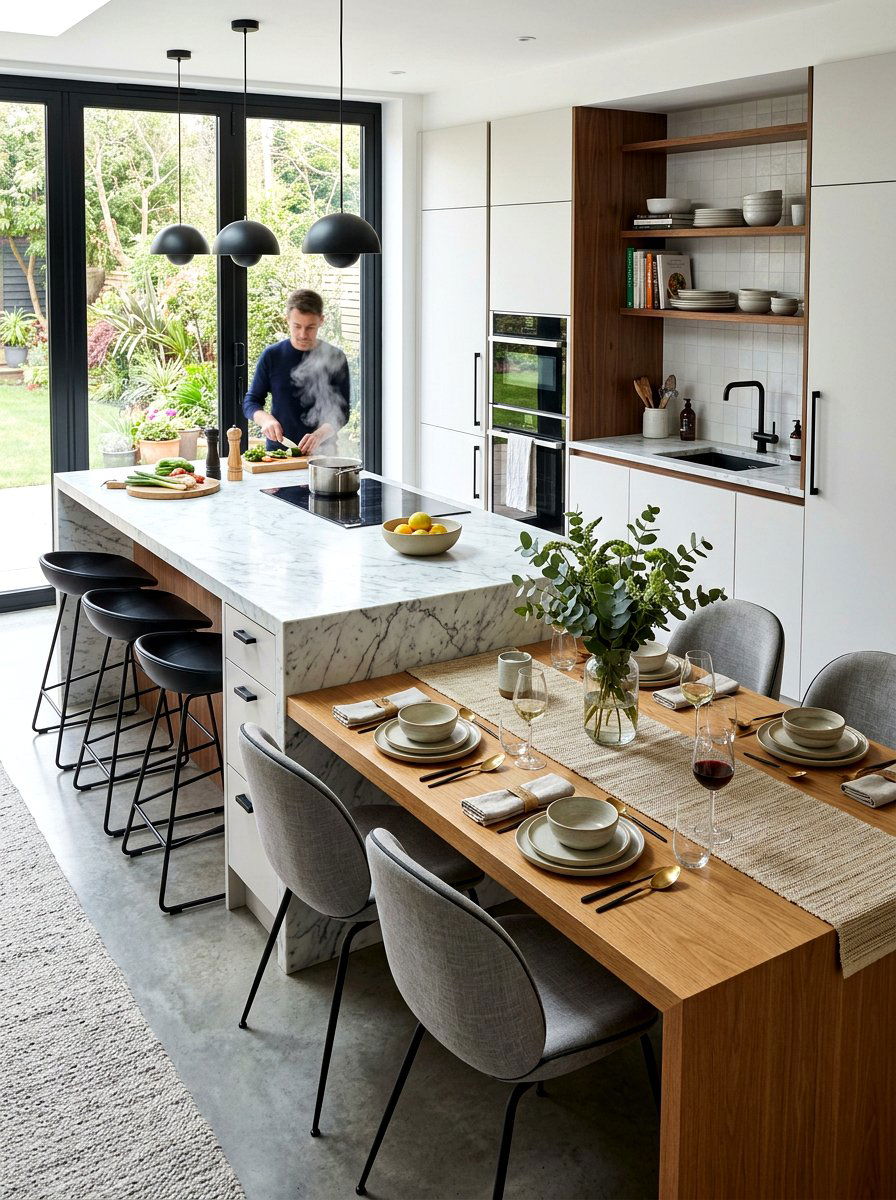
A kitchen island dining extension is a smart way to maximize space while keeping the chef connected to the rest of the group. You can design a custom island where one end lowers to a standard table height, providing a comfortable spot for everyday meals. This integrated approach saves floor space in smaller open plans by eliminating the need for a separate, standalone dining table and chairs. Use matching materials for the island countertop and the table surface to create a sleek and continuous look throughout the kitchen area. It is a highly practical solution for families who prefer casual dining and quick morning breakfasts together.
17. Split Level Open Plan
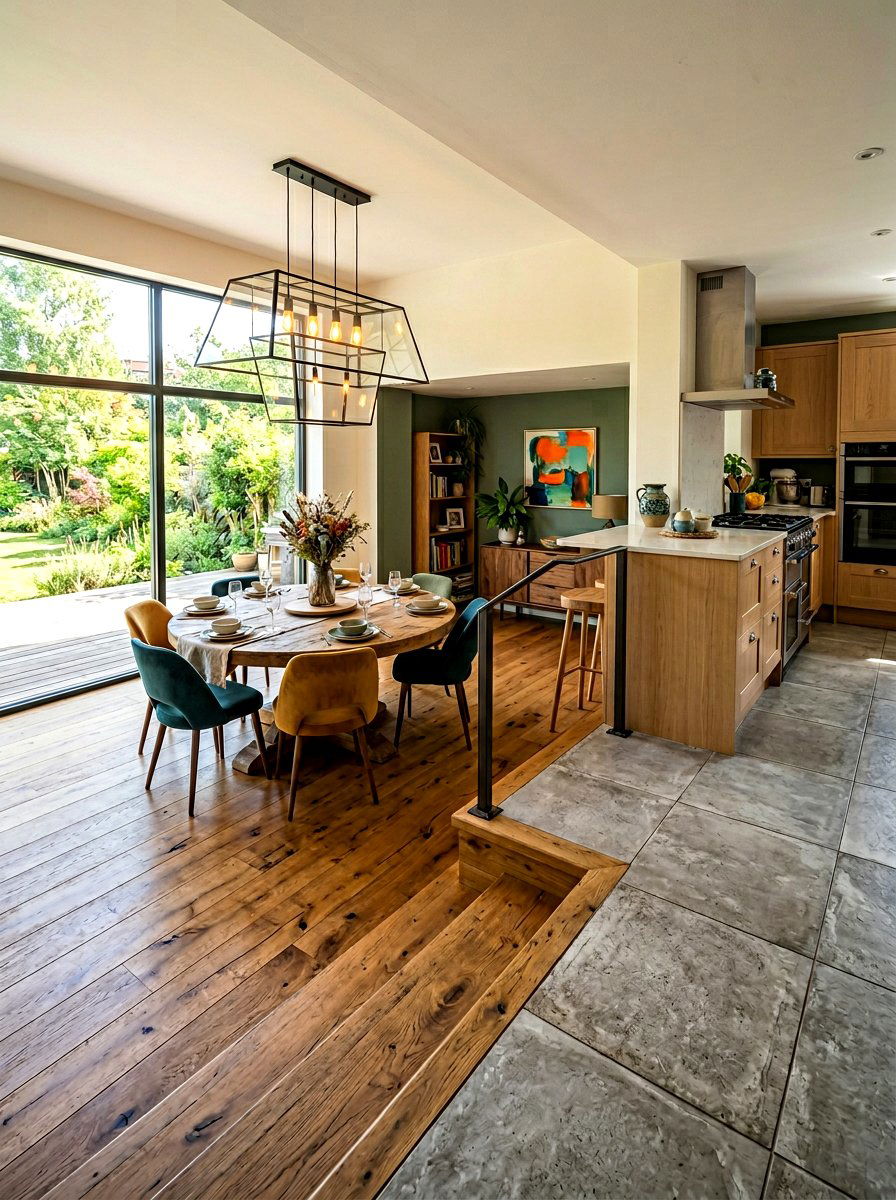
A split level open plan uses a slight change in floor height to define the dining area from the kitchen or lounge. This architectural feature creates a clear visual boundary without the need for physical walls, maintaining the overall sense of openness in the home. You can use different flooring materials, such as tile in the kitchen and wood in the dining zone, to emphasize the transition. Steps between levels can also serve as extra seating during large social gatherings, making the space feel very dynamic and versatile. This layout adds a unique sense of depth and character to the modern home's interior design structure.
18. Open Plan Dining Rug
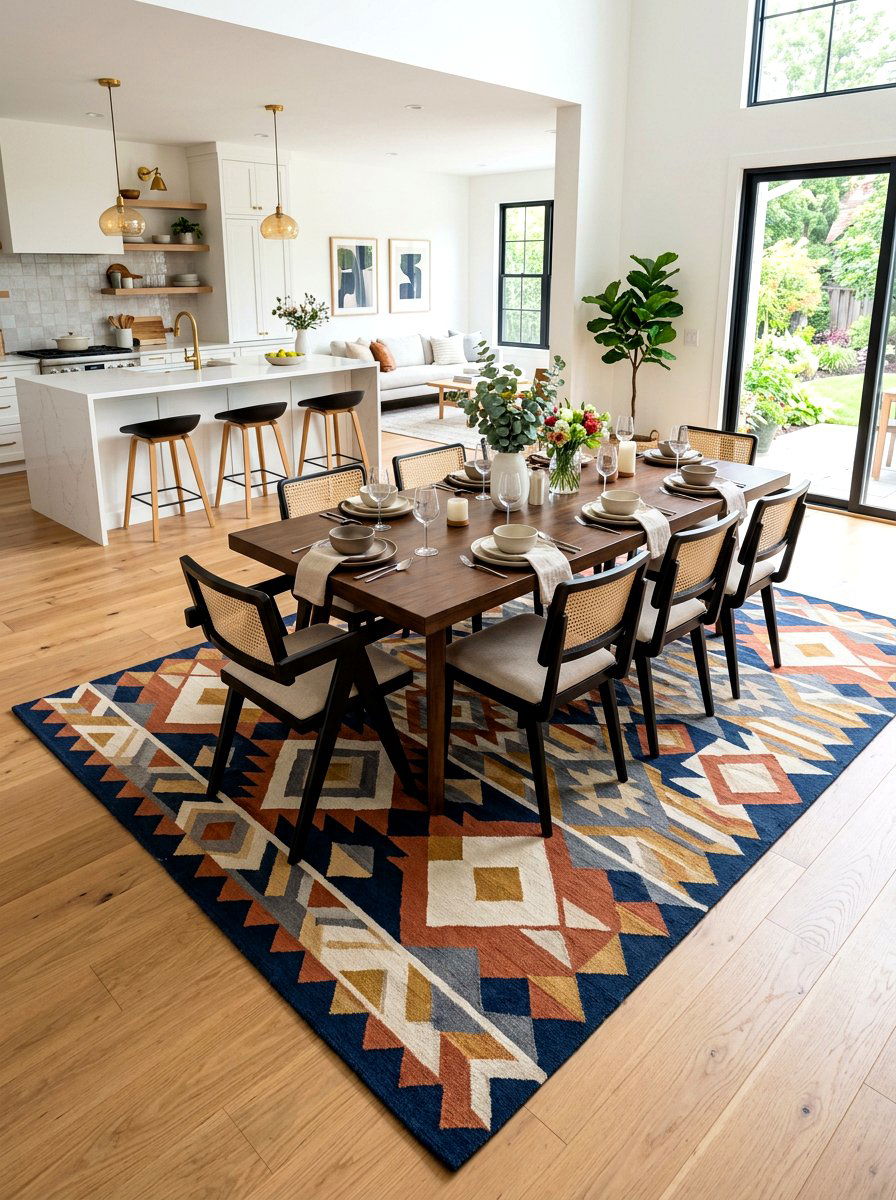
Using an open plan dining rug is one of the most effective ways to ground the furniture and define the eating zone. Choose a rug that is large enough for all chair legs to remain on it even when they are pulled out. The pattern or color of the rug can introduce a new visual element that distinguishes the dining area from the adjacent living room. Opt for low-pile or flat-weave materials that are easy to clean, especially if the dining area is used frequently for family meals. A well-chosen rug adds a layer of comfort and style while acting as an anchor for the entire space.
19. Statement Lighting Open Concept
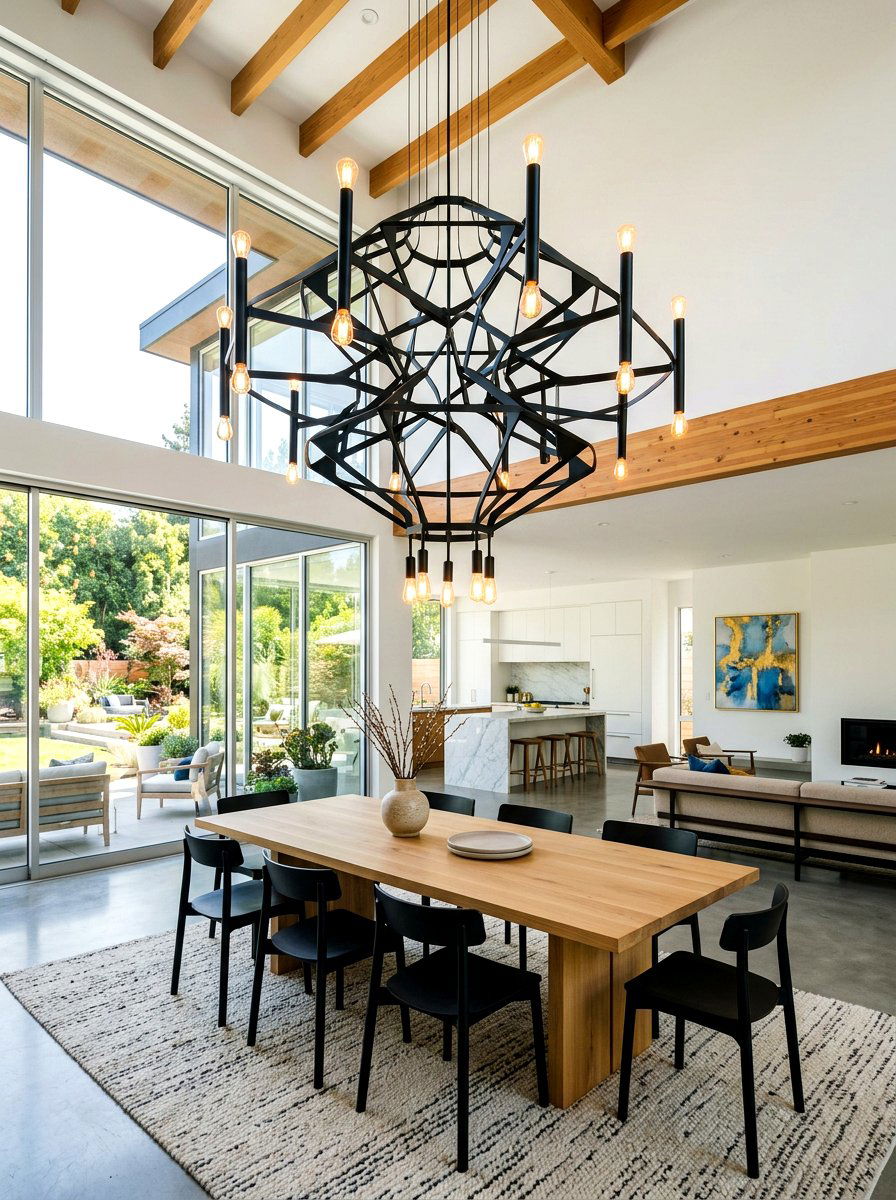
Statement lighting in an open concept layout serves as a visual anchor that draws the eye directly to the dining table. A large, sculptural pendant light or an oversized chandelier can define the zone and set the mood for the entire communal area. When selecting your fixture, consider the scale of the table and the height of the ceiling to ensure it feels perfectly balanced. You can also use matching or complementary lights over the kitchen island to create a sense of rhythm throughout the open space. This design technique adds a touch of personality and luxury while providing essential illumination for evening meals and gatherings.
20. Gallery Wall Open Plan
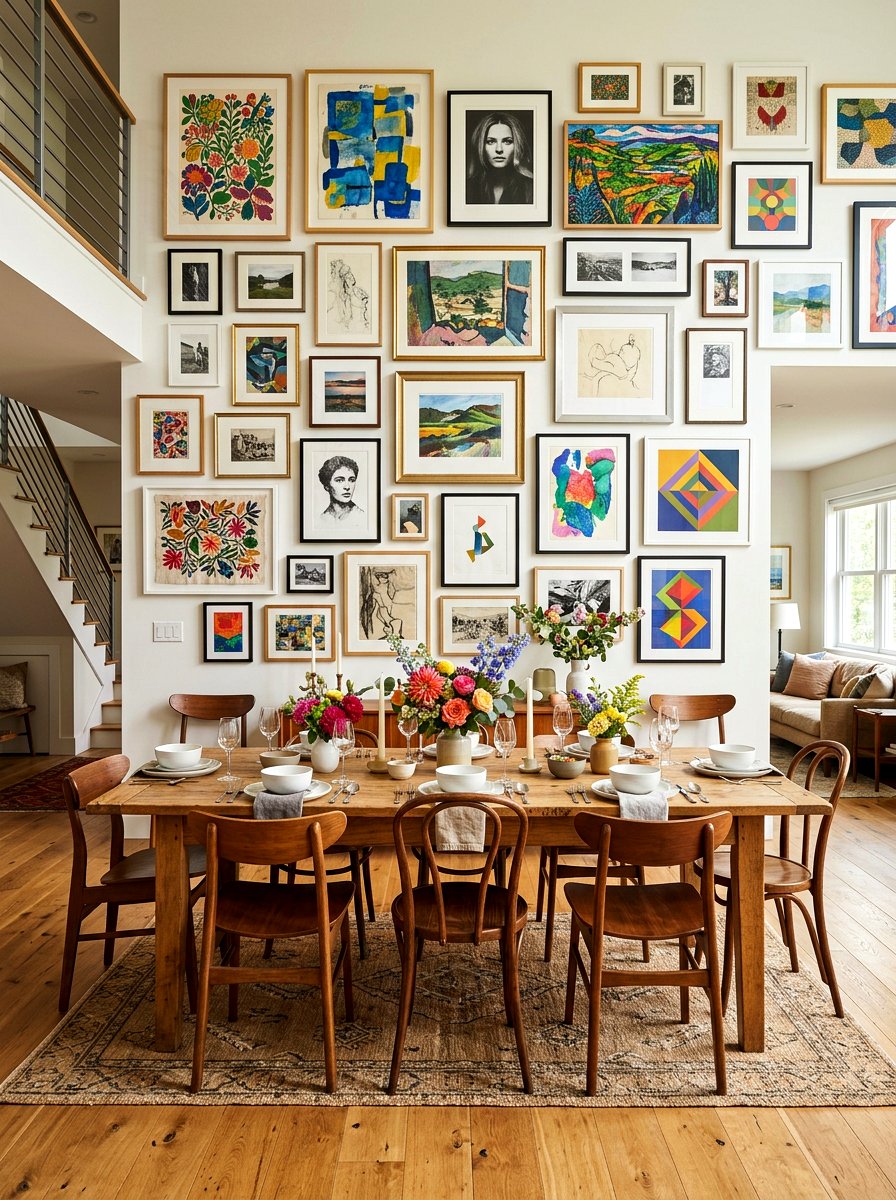
A gallery wall in an open plan dining area is a fantastic way to inject personality and color into a large space. You can display a curated collection of family photos, travel souvenirs, or contemporary art pieces on the wall behind the table. This creates a focal point that encourages conversation and adds a layer of visual interest to the shared living and eating zone. Keep the frames consistent for a more modern look, or mix different styles for an eclectic and personalized feel in your home. It is a simple yet high-impact way to make the dining area feel like a unique and special destination.
21. Indoor Outdoor Open Dining
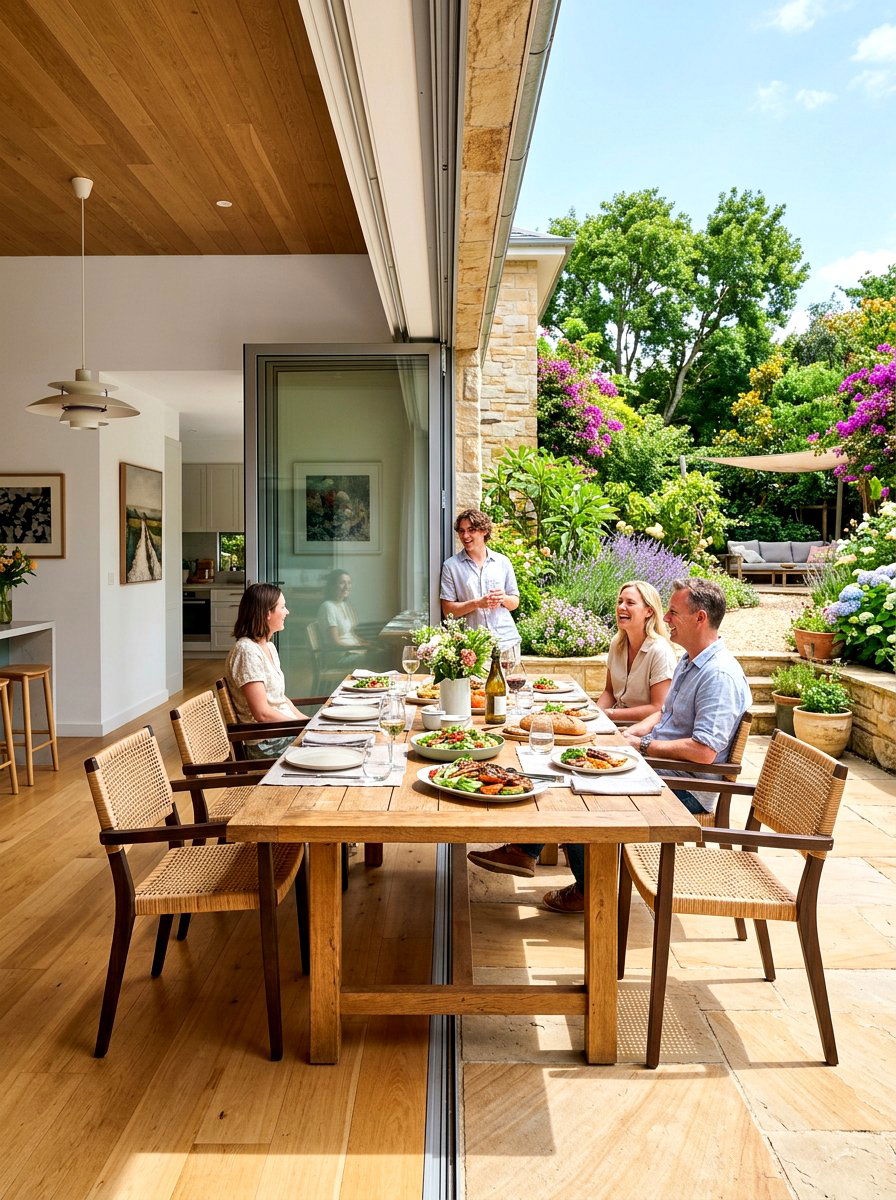
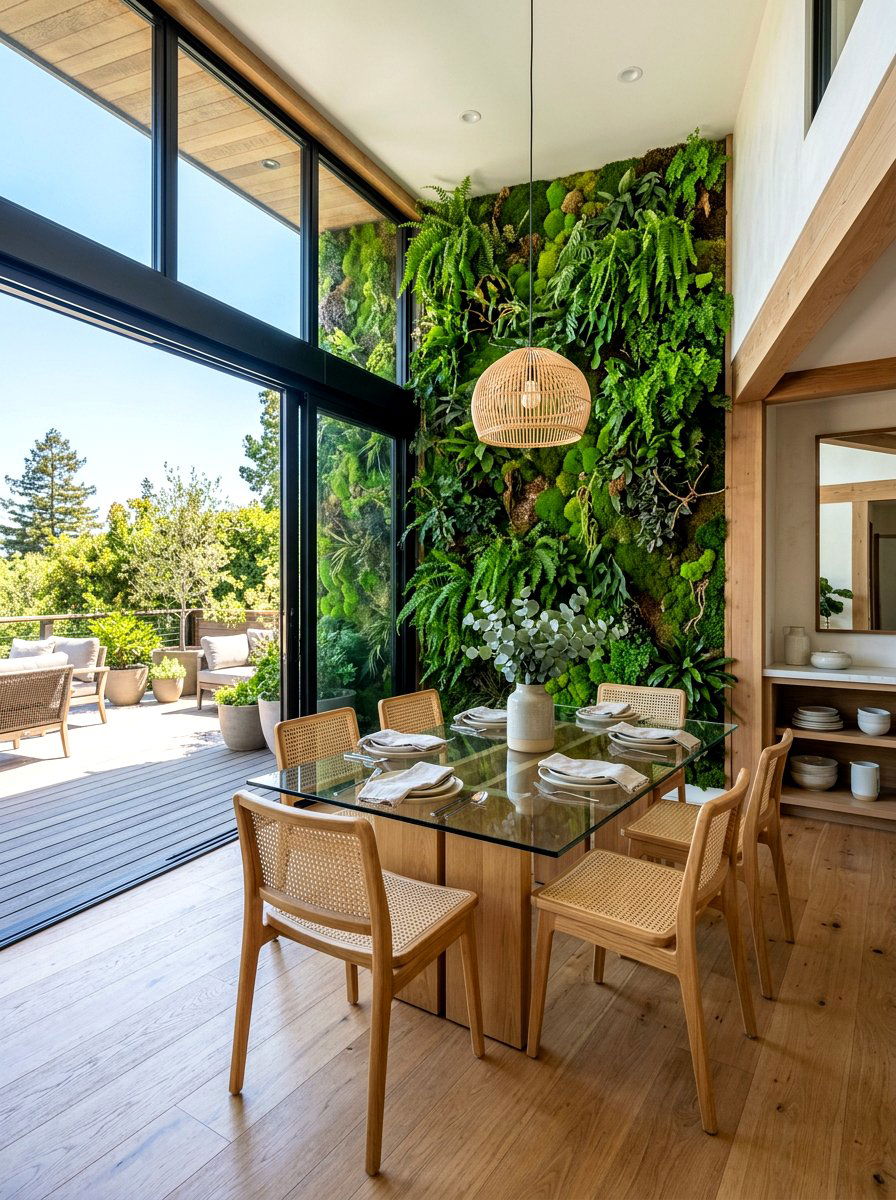
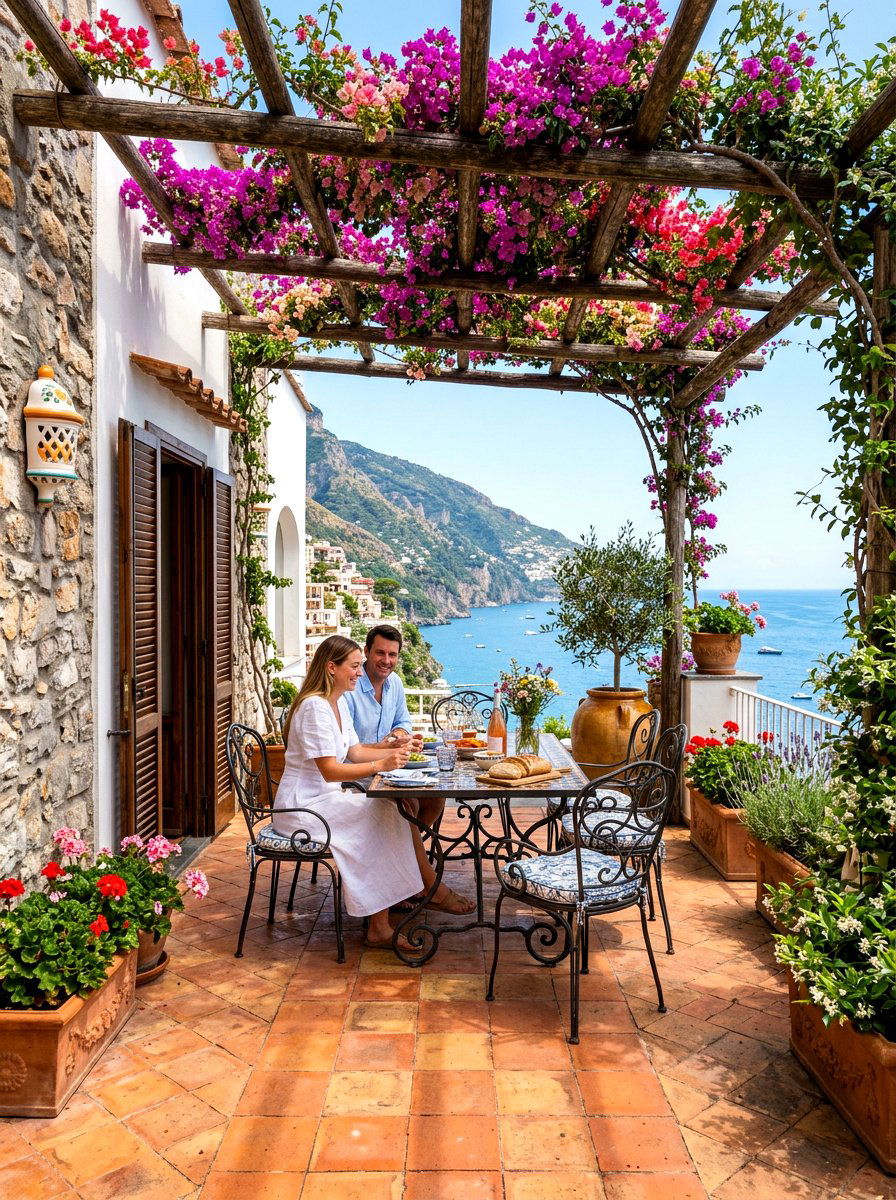
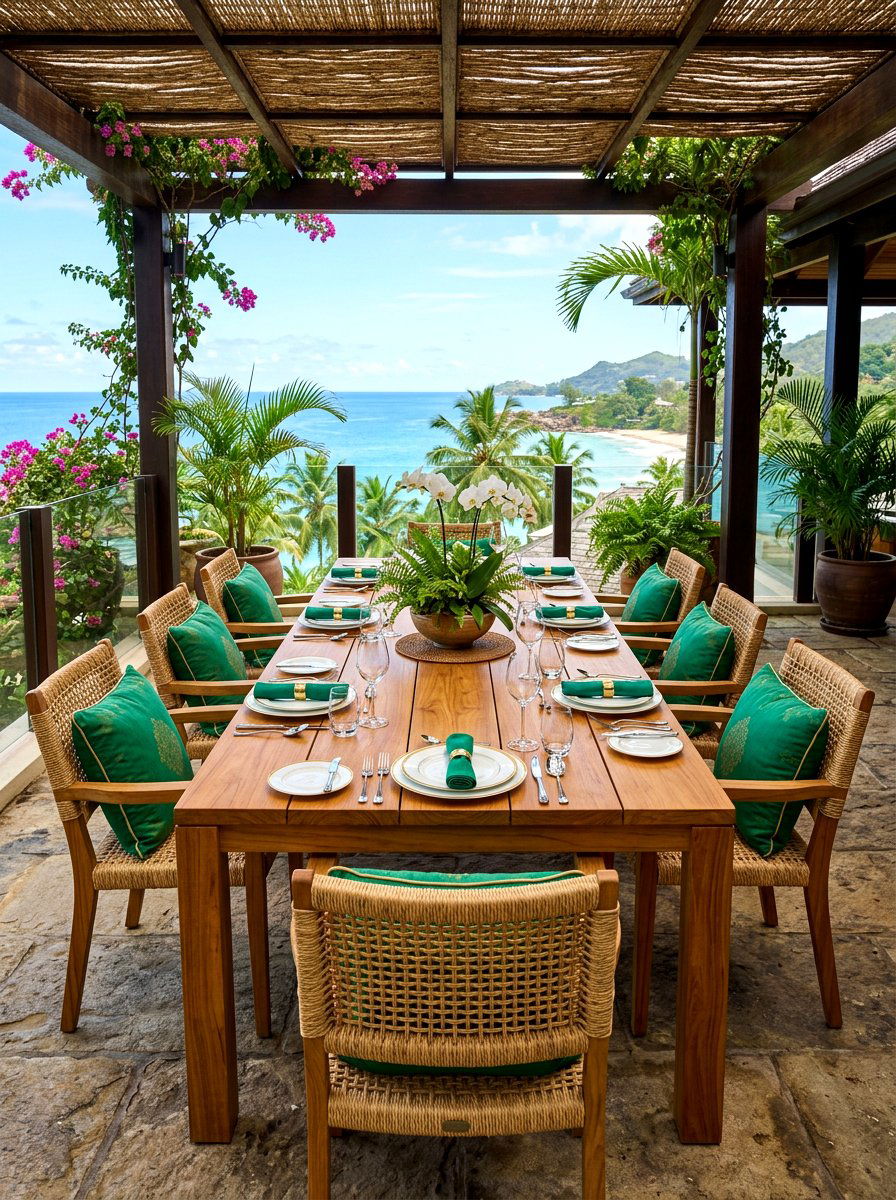
An indoor outdoor open dining layout focuses on creating a seamless connection between the interior of the home and the outdoor patio. Using large bifold or sliding glass doors allows you to open up the entire wall, effectively doubling your entertaining space during warm weather. You can use similar furniture styles and color palettes for both the indoor and outdoor areas to enhance the visual flow between them. Natural materials like stone flooring or wooden decking can be carried through from the dining room to the terrace for a unified look. This setup is ideal for those who enjoy alfresco dining and a nature-filled lifestyle.
22. Round Table Open Plan
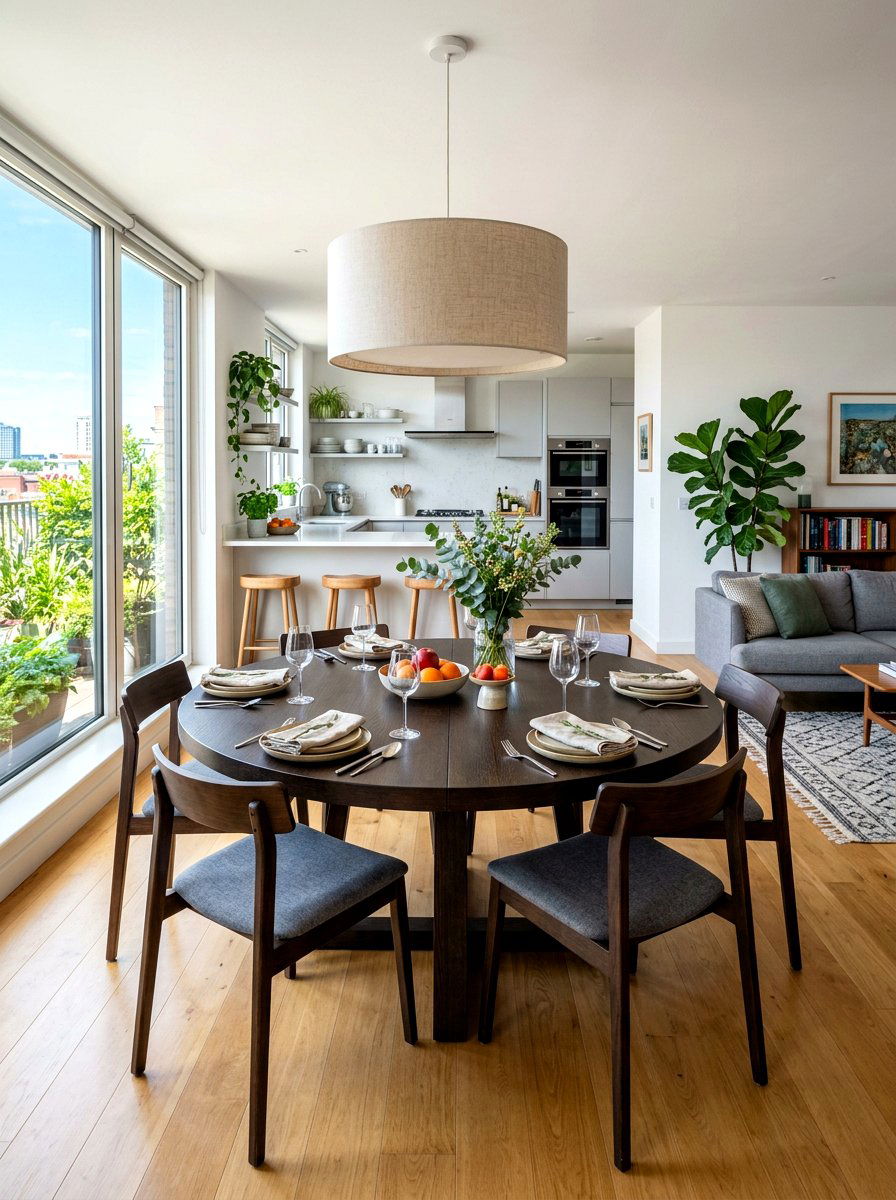
A round table in an open plan layout is a brilliant choice for fostering intimacy and improving the natural flow of movement. Because there are no sharp corners, a round table allows people to walk around the dining area more easily in a tight space. This shape also encourages better conversation among guests, as everyone is facing toward the center of the table throughout the entire meal. You can pair a round table with a circular rug and a drum-style pendant light to create a cohesive and soft visual zone. It is a versatile option that works well in both small apartments and large, expansive open homes.
23. Banquette Seating Open Concept
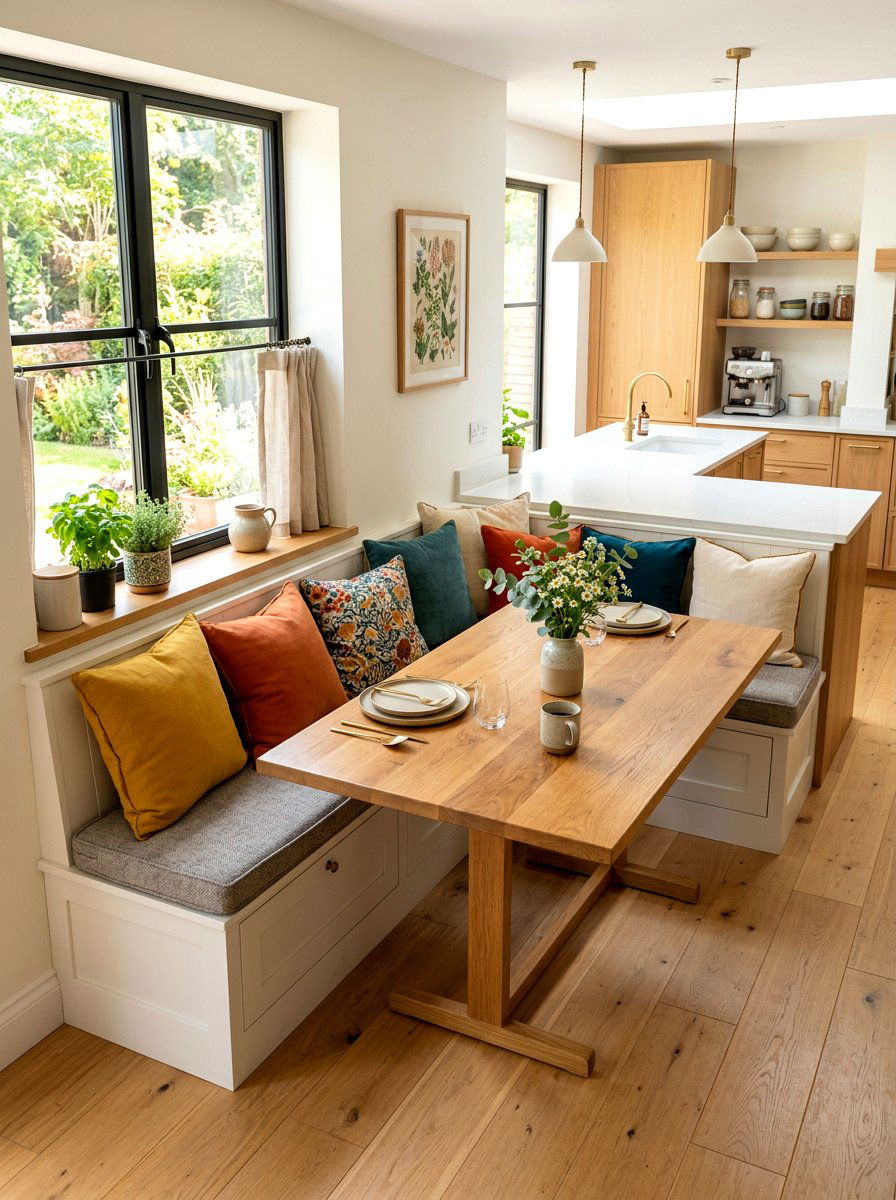
Banquette seating in an open concept is a space-saving and stylish solution that provides a cozy, cafe-like feel to your dining area. By placing a built-in bench against a wall or the back of a kitchen island, you can save valuable floor space. This arrangement allows for more seating in a smaller footprint and often includes hidden storage compartments under the seat cushions for extra utility. You can use plush fabrics and colorful pillows to make the bench feel inviting and integrated into the overall living room decor. It is a practical and charming way to create a dedicated eating nook within a larger layout.
24. Minimalist Wood Open Dining
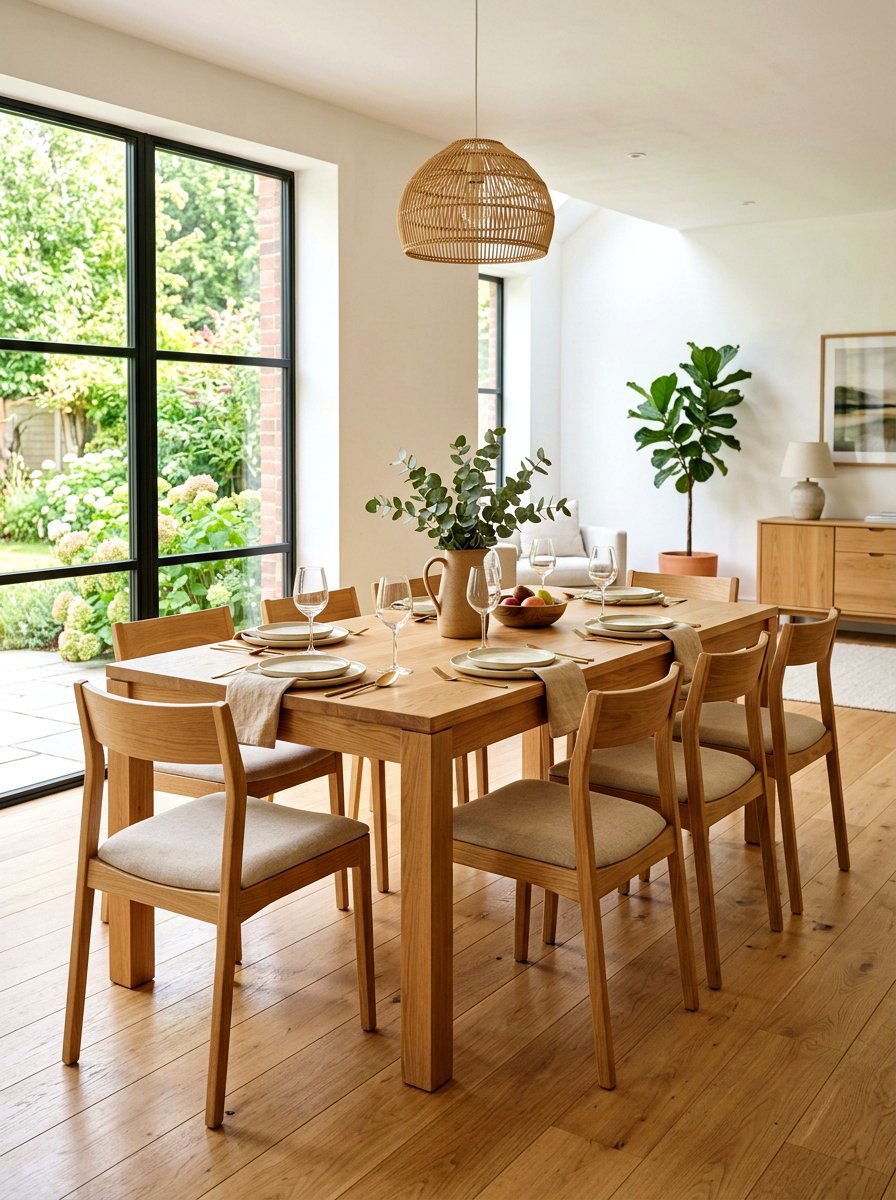
Minimalist wood open dining focuses on the natural beauty of timber to create a warm and grounded atmosphere in a modern home. Choose a solid wood table with clean, simple lines and pair it with matching wooden chairs for a very cohesive and organic look. Using different species of wood, like oak, walnut, or maple, can add subtle variations in color and grain throughout the open plan. Keep other decorative elements to a minimum to allow the texture and warmth of the wood to be the primary focus of the space. This timeless design approach brings a sense of serenity and high-quality craftsmanship to your daily life.
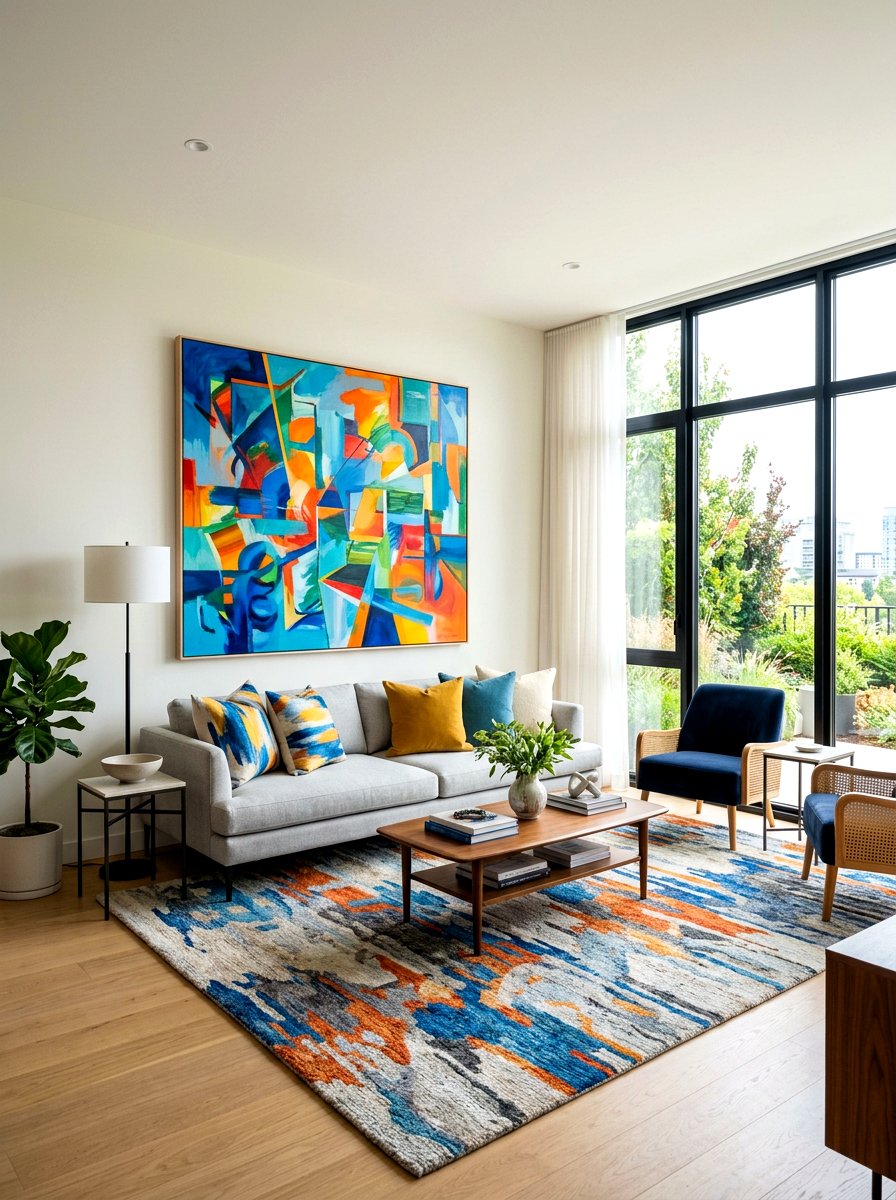
25. Colorful Open Plan Dining
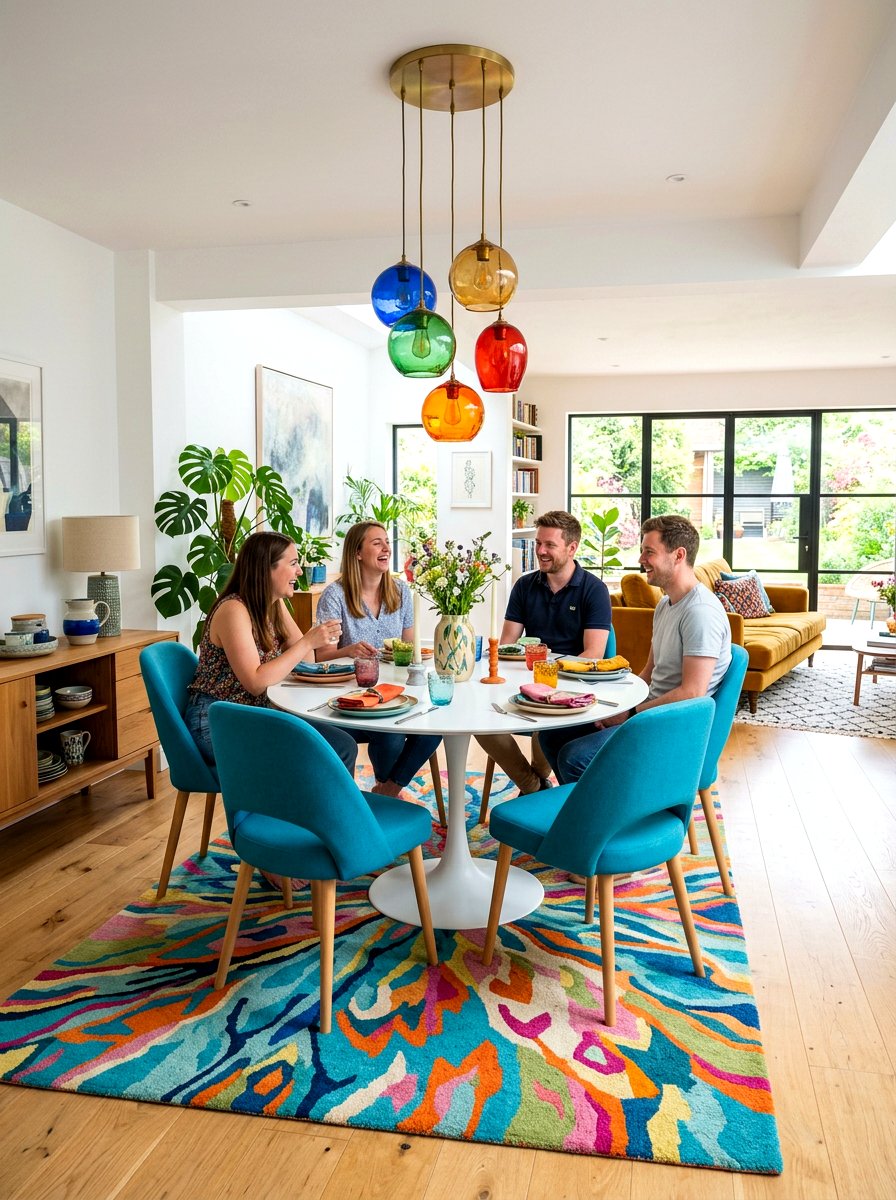
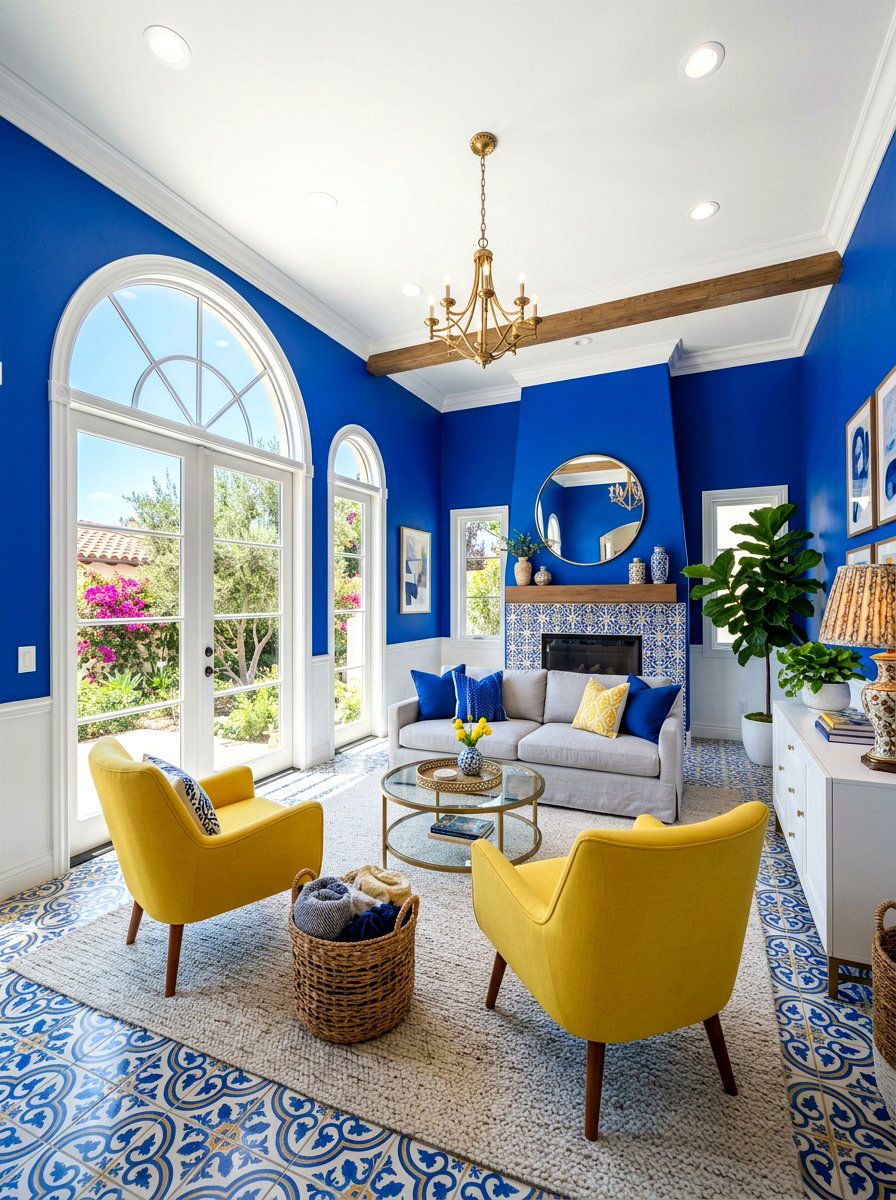
A colorful open plan dining area allows you to express your personality through bold hues and vibrant patterns in a shared space. You can choose brightly colored dining chairs or a painted accent wall to define the eating zone and make it stand out. Using a colorful rug or a set of unique, multi-toned pendant lights can also bring a sense of energy and fun to the room. To keep the look balanced, pair your bold choices with neutral walls and a simple dining table that anchors the space effectively. This approach turns the dining area into a cheerful and inviting focal point for everyone.
26. Large Family Open Concept
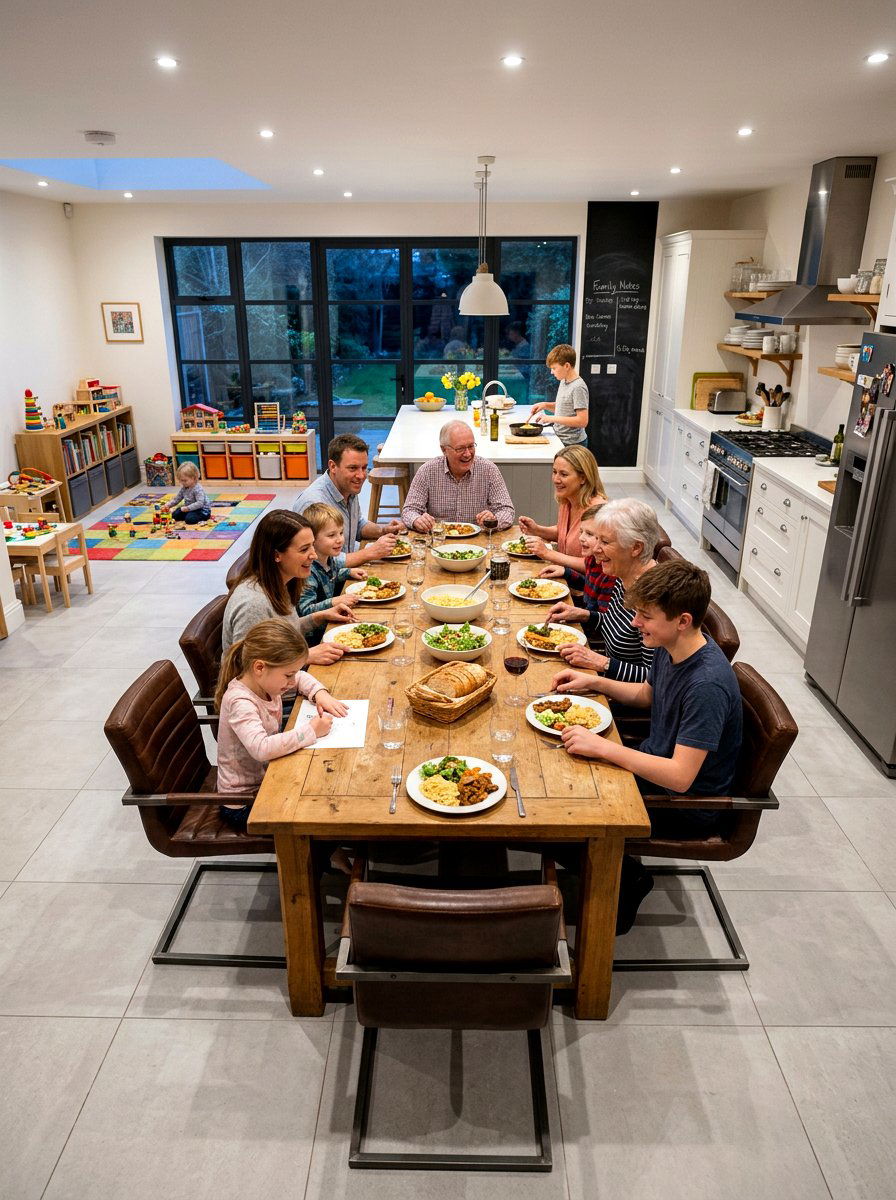
Designing a large family open concept requires a focus on durability, plenty of seating, and a layout that allows for easy movement. A long, sturdy dining table that can seat eight or more people is the essential centerpiece for this busy and active household. You should choose wipeable materials for the chair upholstery and a hard-wearing flooring option like luxury vinyl or sealed hardwood for longevity. An open layout ensures that parents can keep an eye on children in the living room while preparing meals in the kitchen. Adding a large sideboard nearby provides extra storage for dishes and table linens, keeping the space very organized.
27. Penthouse Open Plan Dining
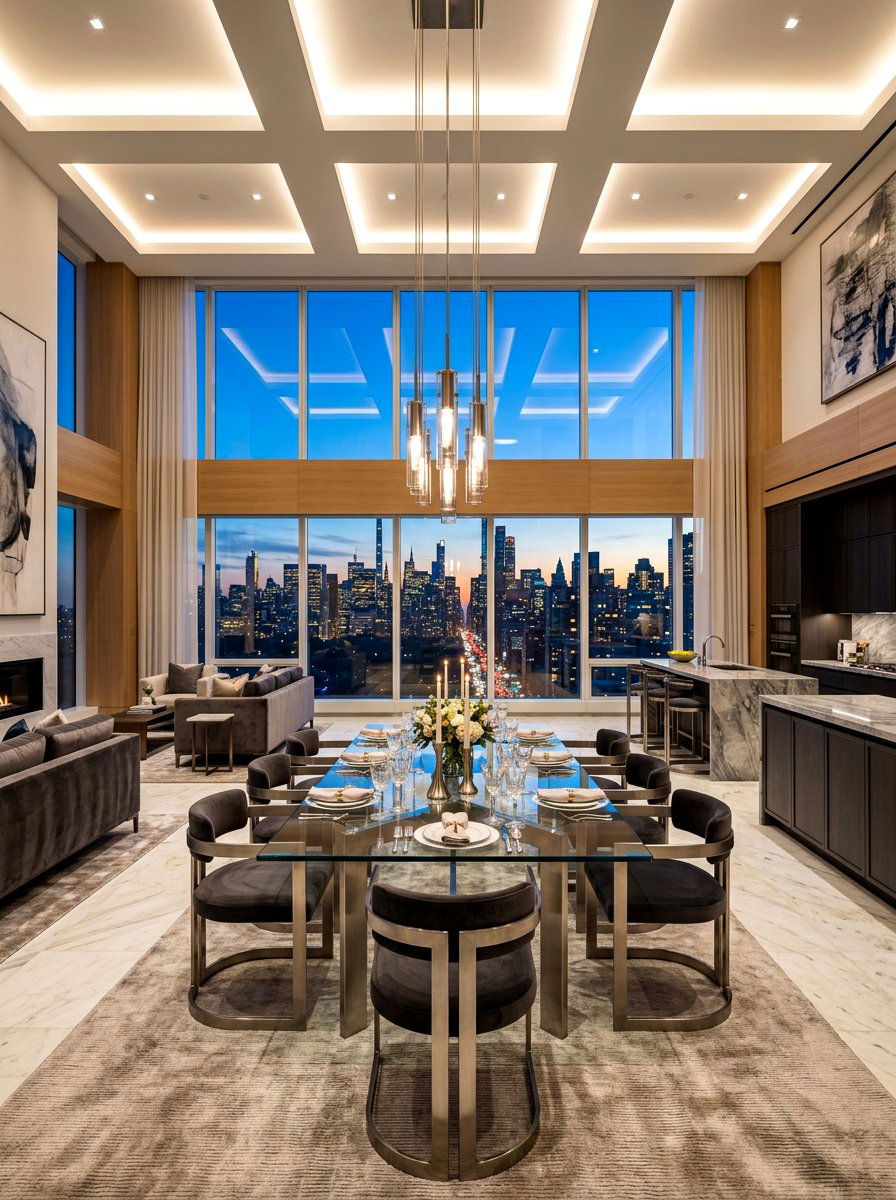
Penthouse open plan dining often features breathtaking views and high ceilings, requiring furniture that matches the grand scale of the surrounding environment. You can use floor-to-ceiling windows to frame the city skyline and keep the dining layout centered to take full advantage of the vista. A large, sophisticated dining table made of glass or polished stone will feel light and luxurious in such an elevated and airy space. Incorporating high-end lighting fixtures and sleek, contemporary furniture will enhance the modern and exclusive feel of a penthouse home. This design style focuses on transparency and luxury, creating a stunning environment for hosting high-profile dinner parties.
28. Narrow Open Plan Layout
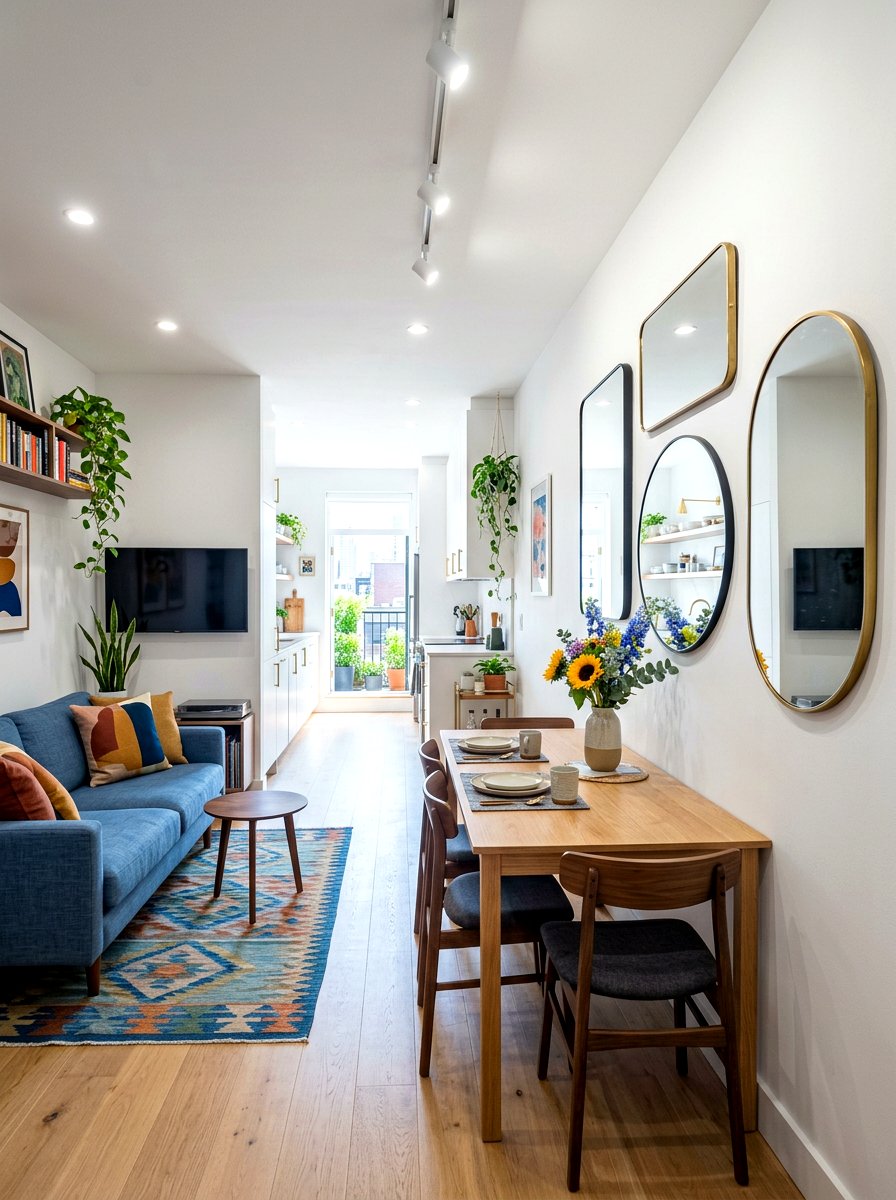
In a narrow open plan layout, the dining area must be carefully positioned to ensure that it does not block the primary walkway. Placing a rectangular table parallel to the longest wall can help maintain a clear path between the kitchen and the living room area. You might also consider using a slim bench on one side of the table that can be tucked underneath when not in use. Light-colored furniture and wall-mounted lighting can help the narrow space feel wider and more inviting for your family and guests. By focusing on slim-profile pieces, you can create a functional and stylish dining zone in even the tightest floor plans.
29. Ceiling Detail Open Concept
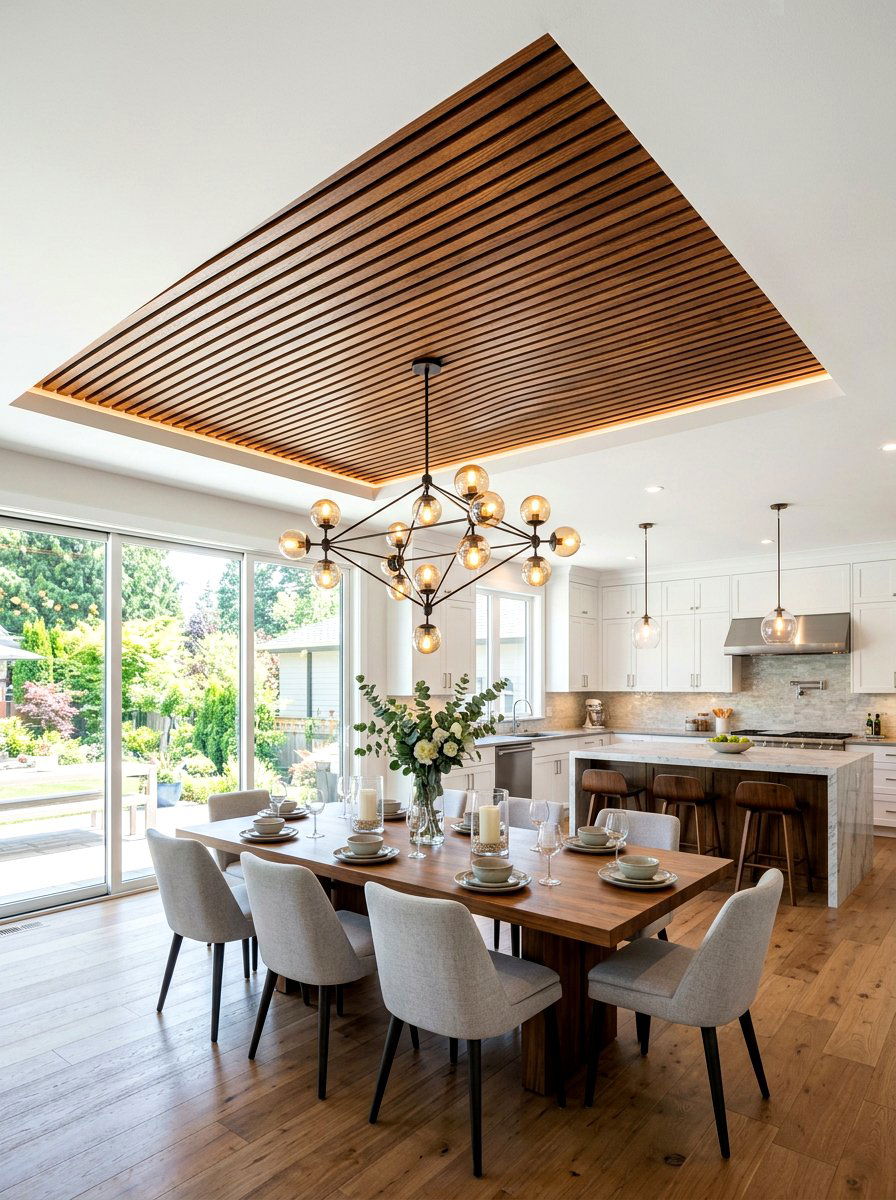
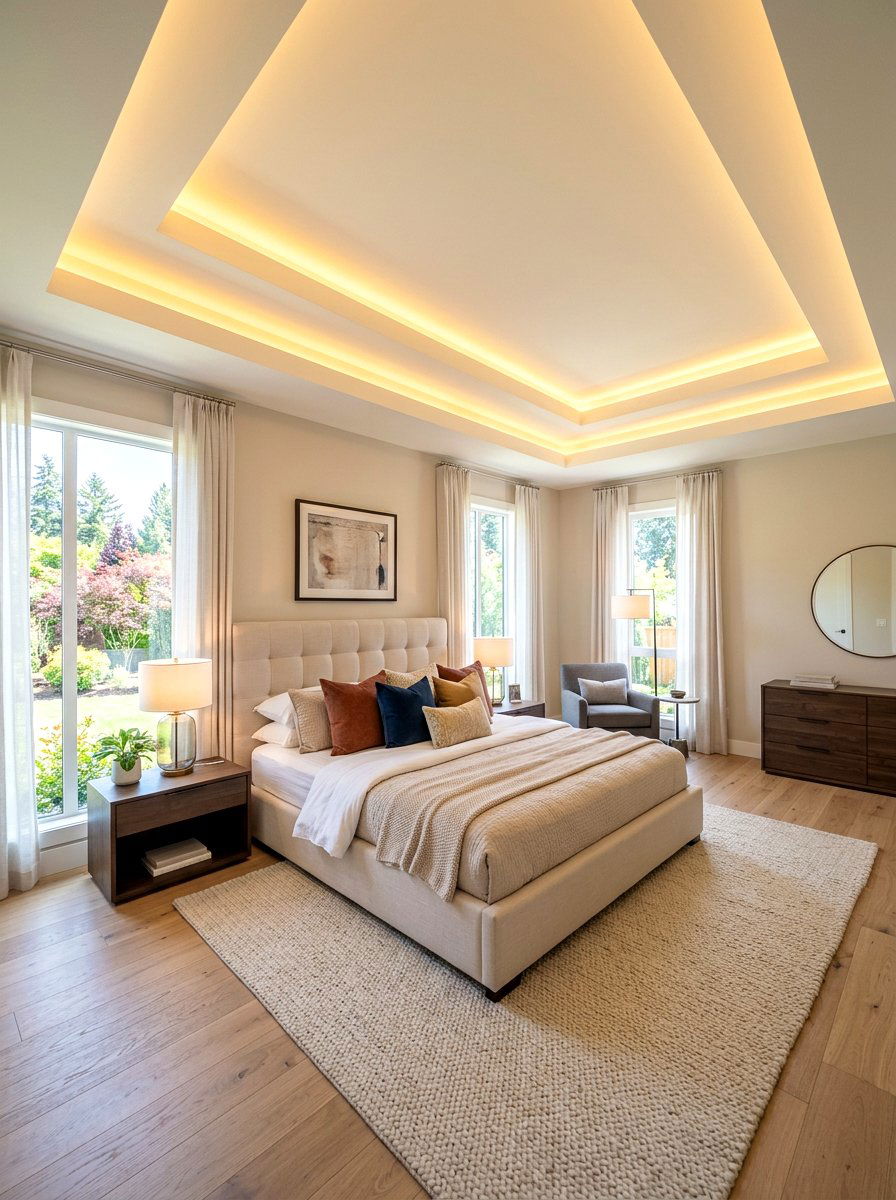
Using ceiling detail in an open concept is a sophisticated way to define the dining zone from above without using any floor space. A coffered ceiling, a wooden slat treatment, or even a simple change in paint color can mark the boundary of the eating area. This architectural approach adds a sense of height and grandeur to the room, making the dining space feel more like a formal destination. You can pair these ceiling features with a large statement chandelier to further emphasize the central focal point of the entire open plan. It is a clever design trick that provides visual structure and elegance to a large layout.
30. Built In Storage Dining
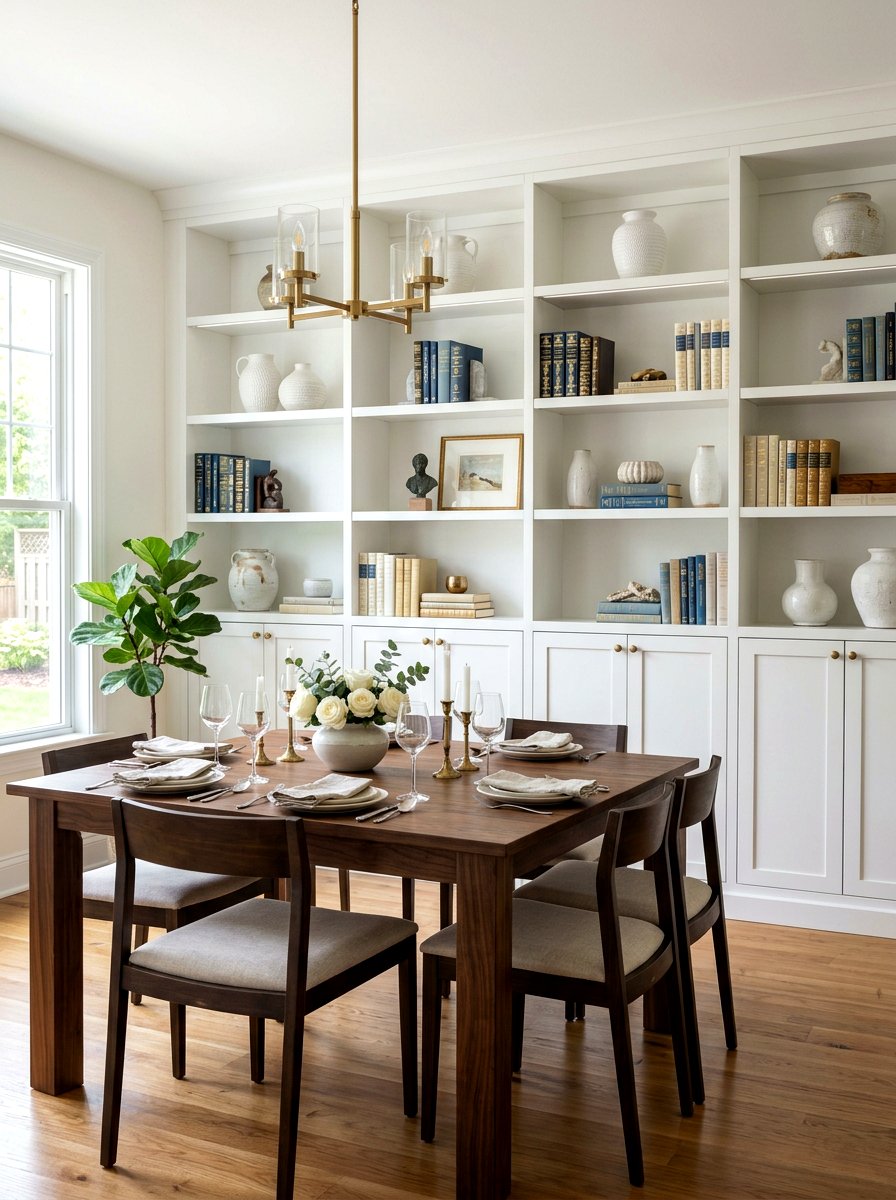
Built in storage dining areas are the ultimate solution for keeping a communal space organized while looking high-end and very well-integrated. Custom cabinetry that runs along a shared wall can hold everything from fine china to everyday electronics, keeping the dining table clear of clutter. You can use open shelving within the unit to display decorative items that bridge the style between the kitchen and the living zone. This approach maximizes floor space and provides a clean, architectural look that enhances the room’s layout. When your storage is integrated into the walls, the entire open plan feels more intentional, spacious, and carefully curated for a modern lifestyle.
Conclusion:
Wrapping up your open plan dining room journey requires a focus on how you personally move through your home every day. Whether you prefer the raw edge of industrial materials or the soft comfort of a bohemian layout, the key is balance. Zoning with rugs, lighting, and furniture placement allows you to have the best of both worlds: a large social area and a cozy spot for eating. Remember that your home should reflect your unique personality through color choices and textural details. By implementing these thoughtful design strategies, you can create a versatile and beautiful space that brings your family and friends together for many years.

Related posts: