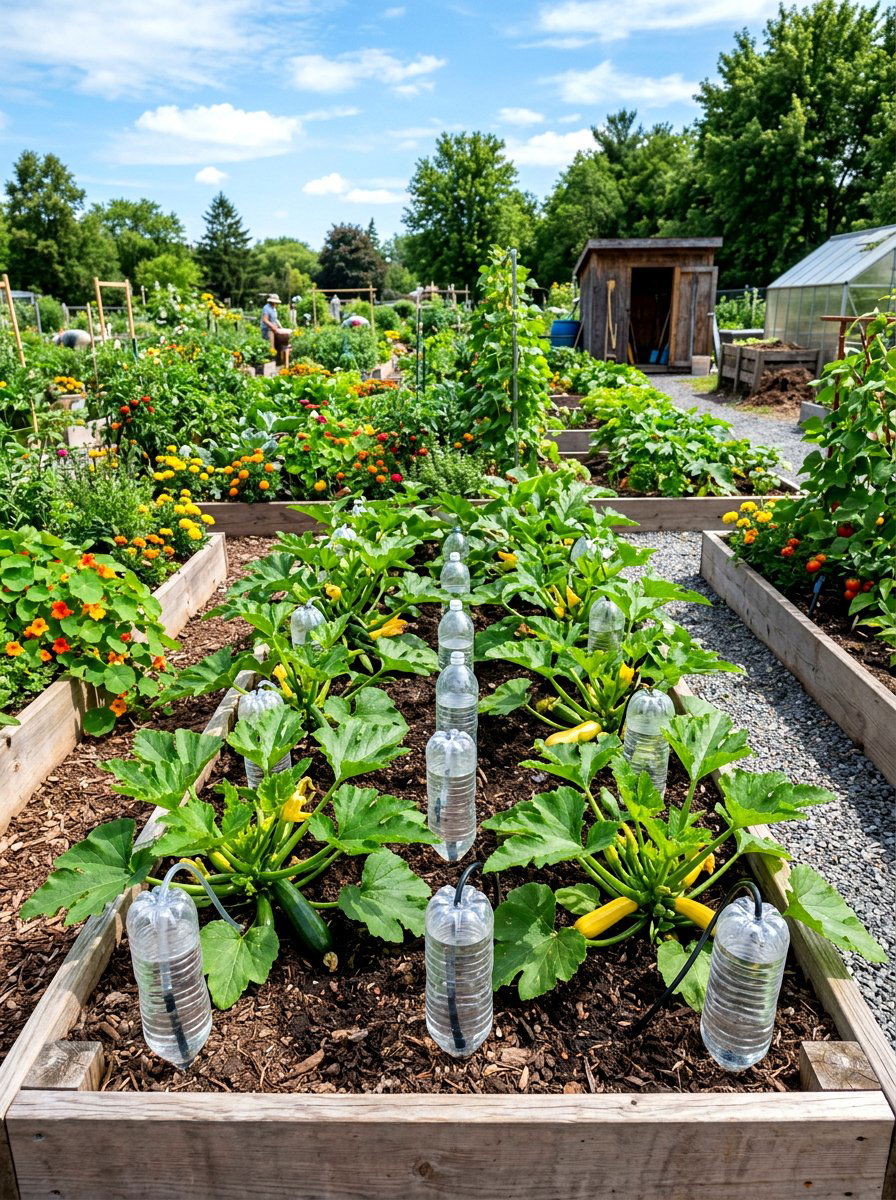
Sunflowers are the ultimate symbol of summer joy, offering a vibrant burst of gold that can transform any outdoor space into a sanctuary of warmth. Whether you are working with a sprawling countryside acreage or a tiny urban balcony, a well-planned sunflower patch serves as both a visual masterpiece and a functional habitat for local wildlife. These resilient plants come in an incredible array of sizes, from towering giants that reach for the clouds to fluffy dwarf varieties perfect for pots. Creating a patch allows you to experiment with different textures, colors, and heights, ensuring your garden remains a dynamic focal point throughout the growing season.

1. Giant Sunflower Border
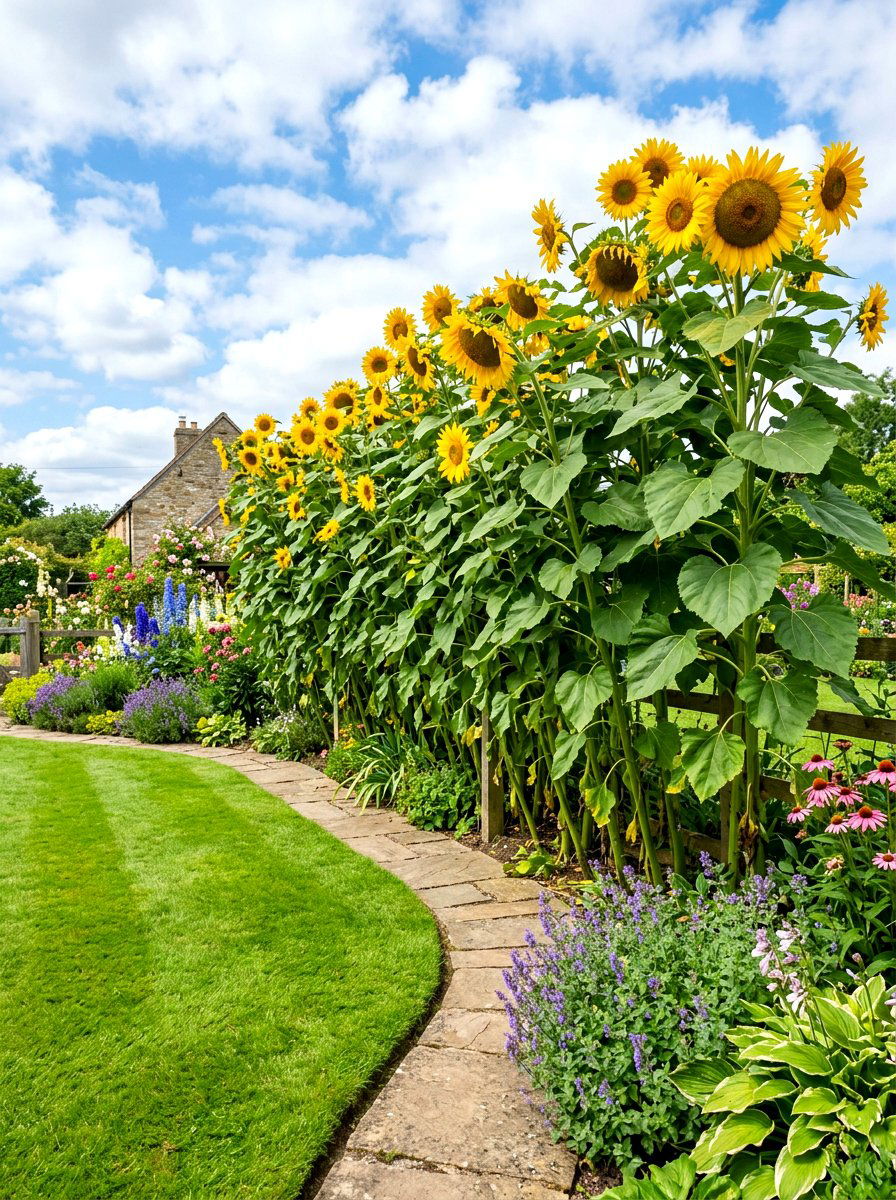
Imagine walking through a golden corridor of towering stalks that sway gently in the afternoon breeze. A giant sunflower border serves as a magnificent natural fence, offering both privacy and a stunning visual backdrop for any backyard landscape. These mammoth varieties often reach heights of ten feet or more, creating a sense of awe for anyone visiting your garden. To achieve this look, plant seeds closely along a sunny perimeter and provide sturdy support as they climb toward the sky. The result is a vibrant wall of yellow petals that anchors your outdoor space while providing a massive buffet for local birds and bees throughout the summer.
2. Dwarf Sunflower Garden
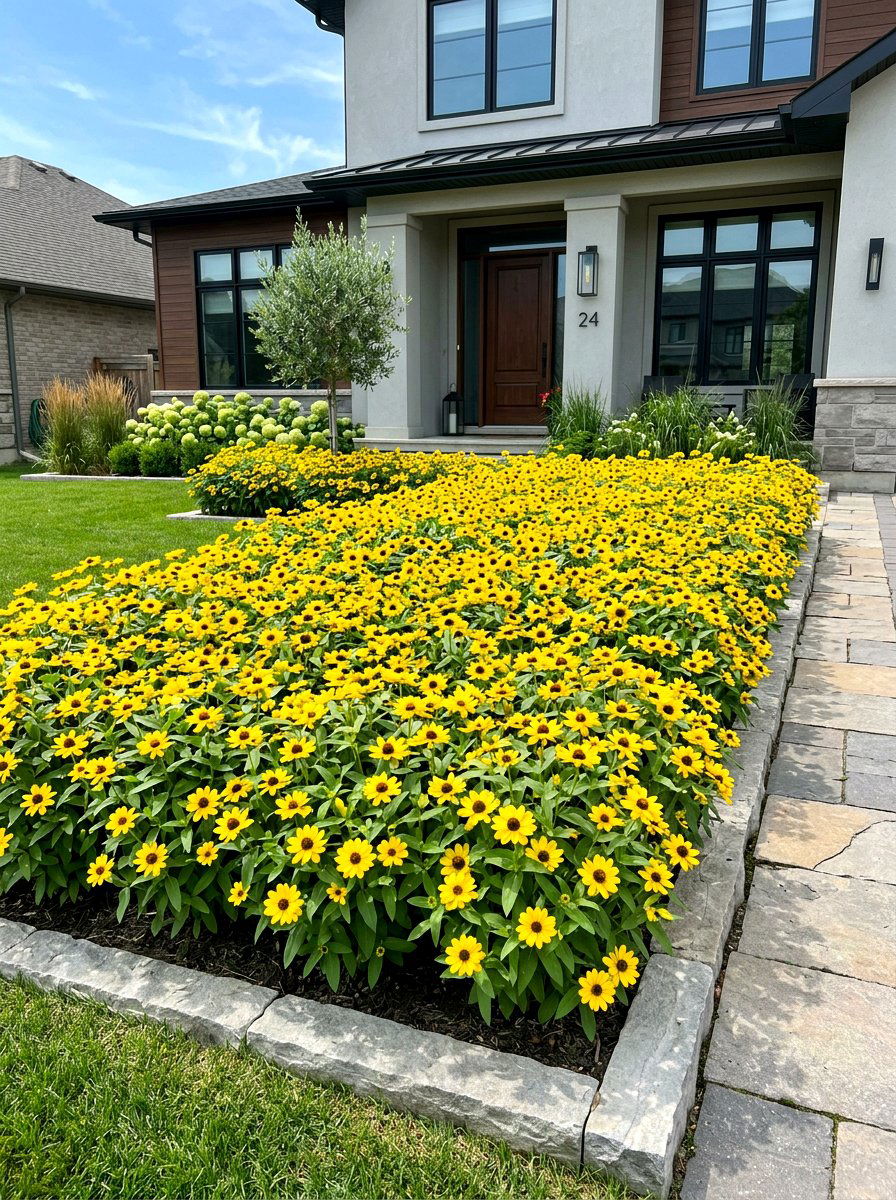
If you have limited space but still want the cheerful energy of these blooms, a dwarf sunflower garden is the perfect solution. These miniature varieties, such as Sunny Smile or Elf, typically grow between one and two feet tall, making them ideal for front-of-border placements or decorative clusters. Because they remain compact, they don't require the heavy staking that larger varieties need, making them a low-maintenance choice for busy gardeners. You can mass-plant them to create a thick carpet of yellow that stays close to the ground. This approach provides a lush, dense look that works beautifully in small suburban yards or modern urban landscapes.
3. Sunflower Garden Maze
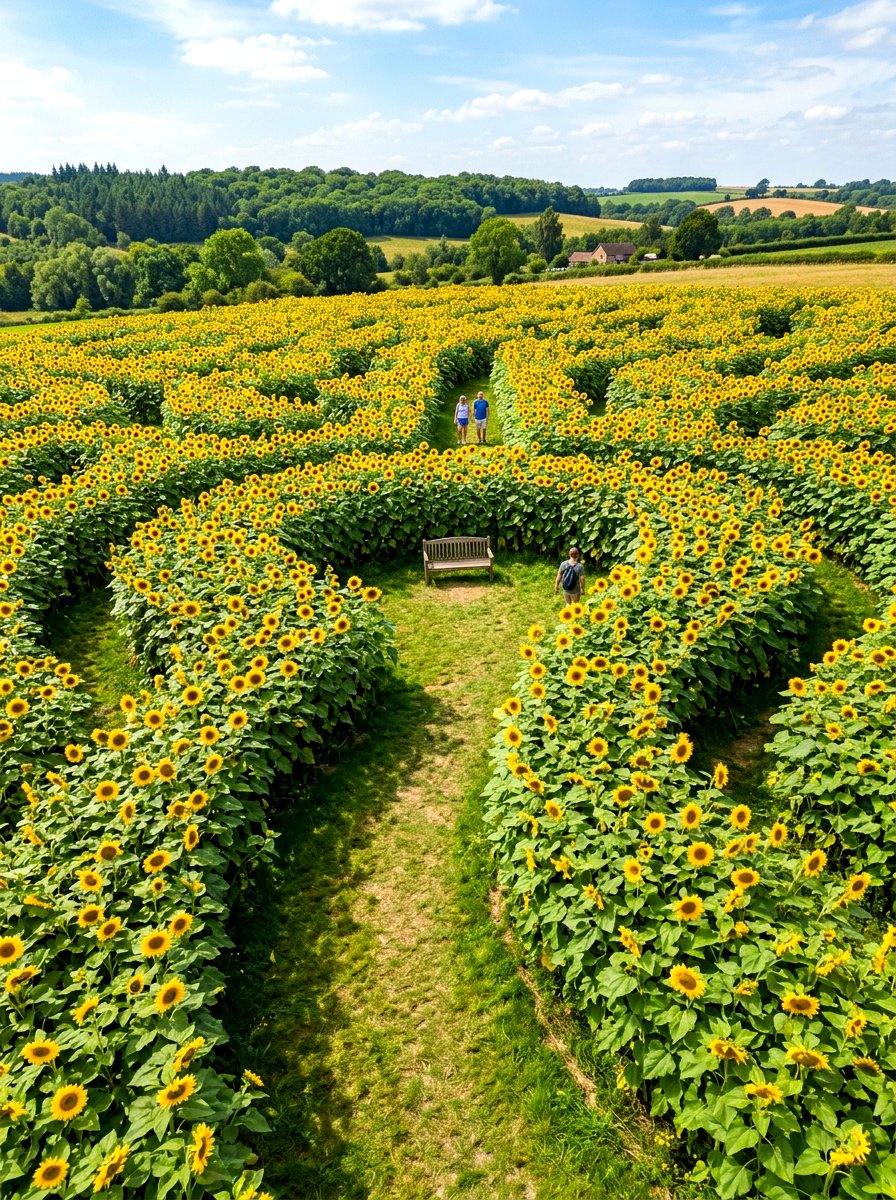
Transform your backyard into a living adventure zone by designing a sunflower garden maze that delights both children and adults. By using extra-tall varieties like Russian Mammoth, you can create intricate winding paths that lead to a central hidden clearing. This design requires careful planning on paper before sowing, ensuring the paths are at least three feet wide for easy navigation. As the stalks grow thick and tall, they form impressive living walls that offer a sense of mystery and seclusion. A maze is not just a garden; it is a seasonal destination that provides endless entertainment and unique photo opportunities for the whole family.
4. Pollinator Sunflower Garden
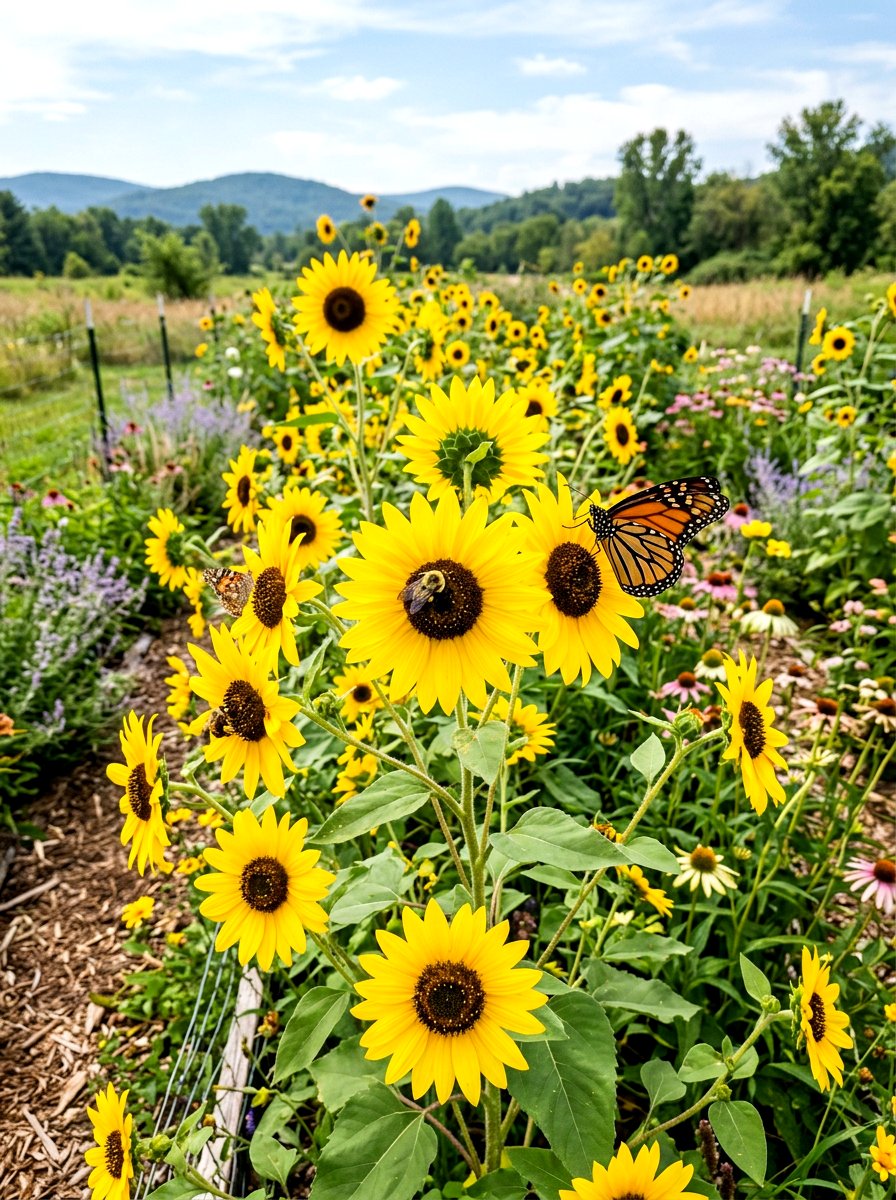
Creating a pollinator sunflower garden is a wonderful way to support your local ecosystem while enjoying a breathtaking floral display. Sunflowers are naturally attractive to bees, butterflies, and even hummingbirds, providing essential nectar and pollen during the peak of summer. To maximize the ecological impact, choose heirloom or pollen-producing varieties like Lemon Queen, which are specifically known for their high attractiveness to honeybees. By planting these in large, dense patches, you create a beacon for beneficial insects, helping to pollinate other plants in your neighborhood. This type of patch brings your garden to life with the constant, soothing hum of active nature.
5. Cottage Sunflower Patch
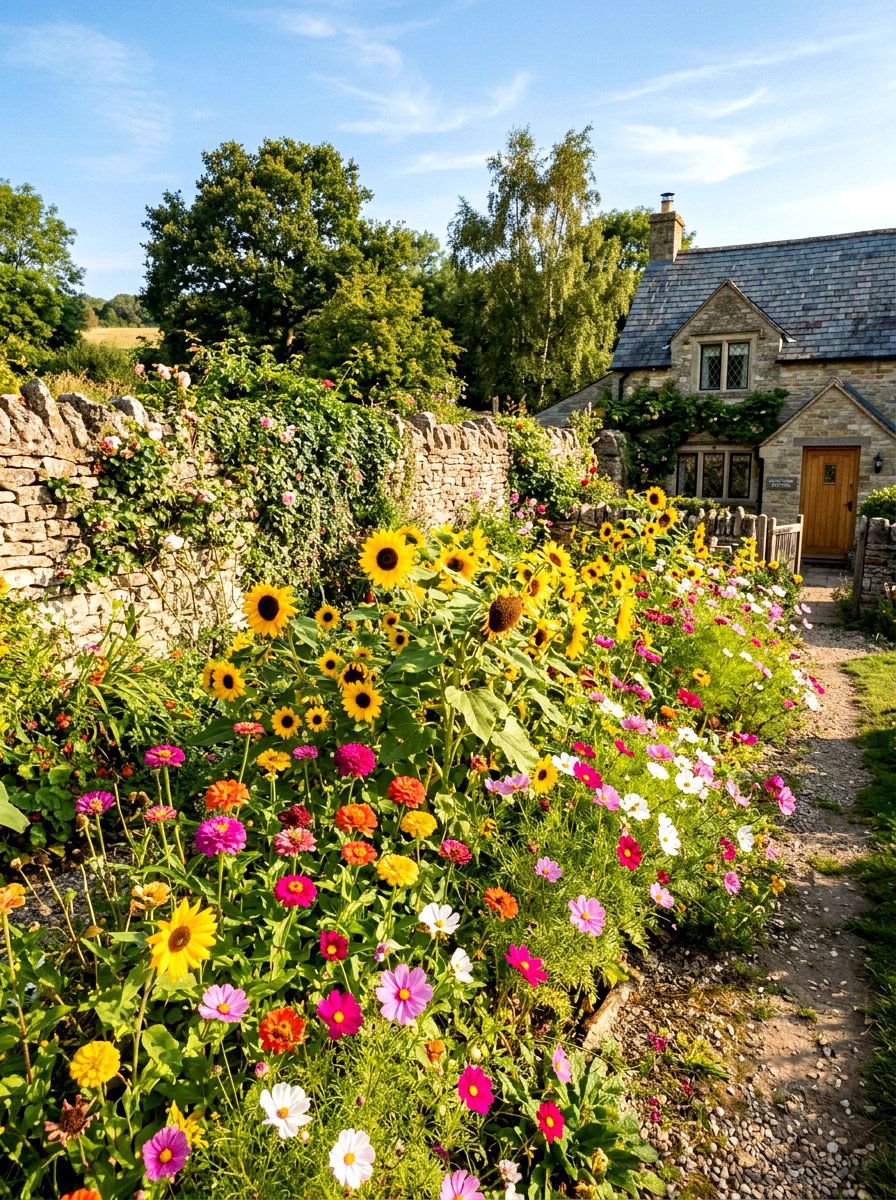
For a look that feels timeless and romantic, a cottage sunflower patch blends classic yellow blooms with an informal, slightly wild aesthetic. This style focuses on a mix of heights and colors, allowing the plants to lean and mingle with other traditional flowers like cosmos or zinnias. The key is to avoid rigid rows and instead opt for soft, flowing clusters that spill over garden edges or wooden fences. Using multi-branching varieties adds to the lush, overgrown feel, providing a continuous supply of flowers for weeks. This design approach creates a cozy, welcoming atmosphere that feels like a slice of the rustic countryside.
6. Sunflower Privacy Fence
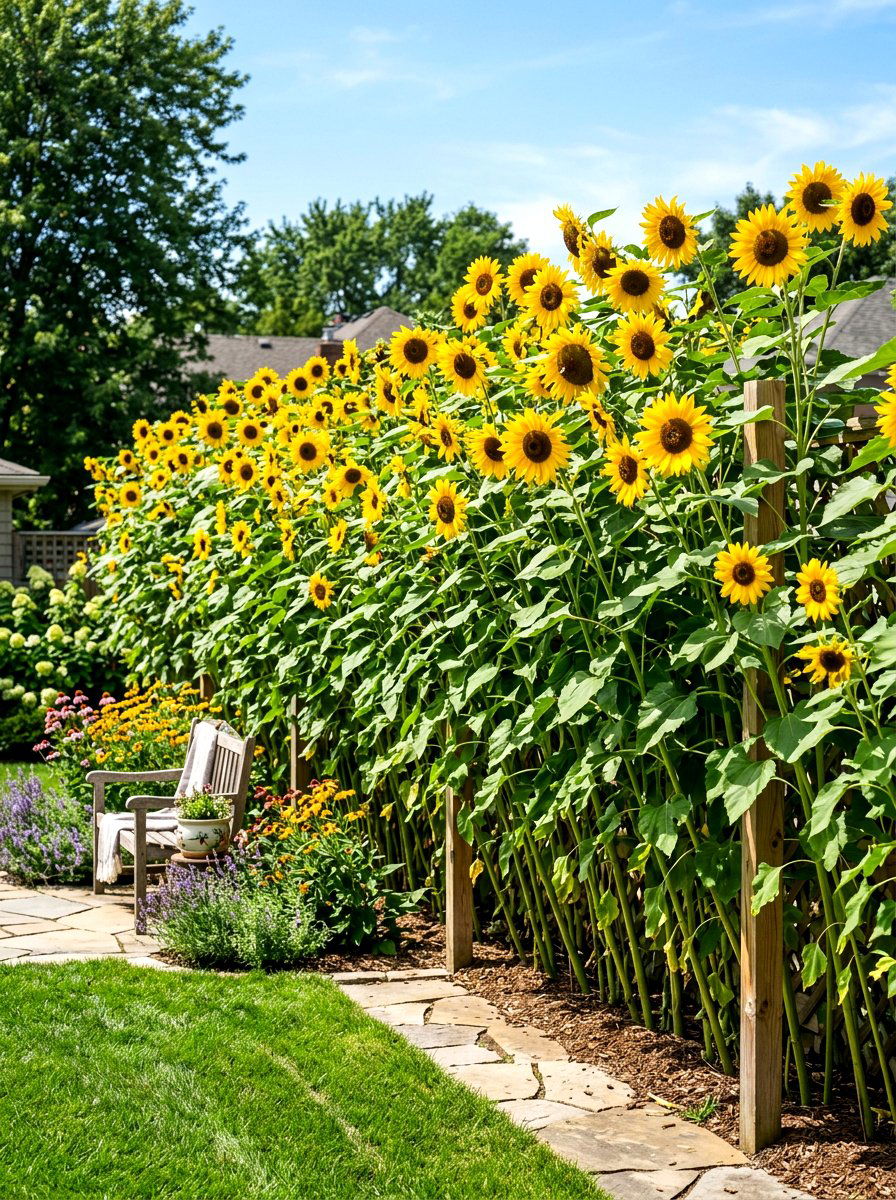
Utilizing sunflowers as a seasonal privacy fence is a clever and beautiful way to shield your outdoor living areas from prying eyes. Unlike wooden structures, a living fence changes throughout the season, starting as a low green screen and eventually erupting into a wall of brilliant color. Choose tall, non-branching varieties and space them about six inches apart to ensure the foliage is dense enough to block views. This natural barrier not only provides seclusion but also acts as a windbreak for more delicate plants in your garden. It is a cost-effective and environmentally friendly alternative to traditional fencing that adds instant curb appeal.
7. Mixed Wildflower Garden

Combining sunflowers with a variety of native wildflowers creates a diverse and resilient garden patch that thrives with minimal intervention. This approach mimics a natural meadow, where sunflowers stand as tall sentinels amidst a sea of colorful lower-growing blooms. You can broadcast a wildflower seed mix around your sunflower stalks to fill in the gaps and provide a long season of interest. This multi-layered design is excellent for soil health and prevents erosion while offering a complex habitat for various birds and insects. The result is a vibrant, ever-changing tapestry of colors and textures that requires very little upkeep once established.
8. Small Backyard Sunflower Patch
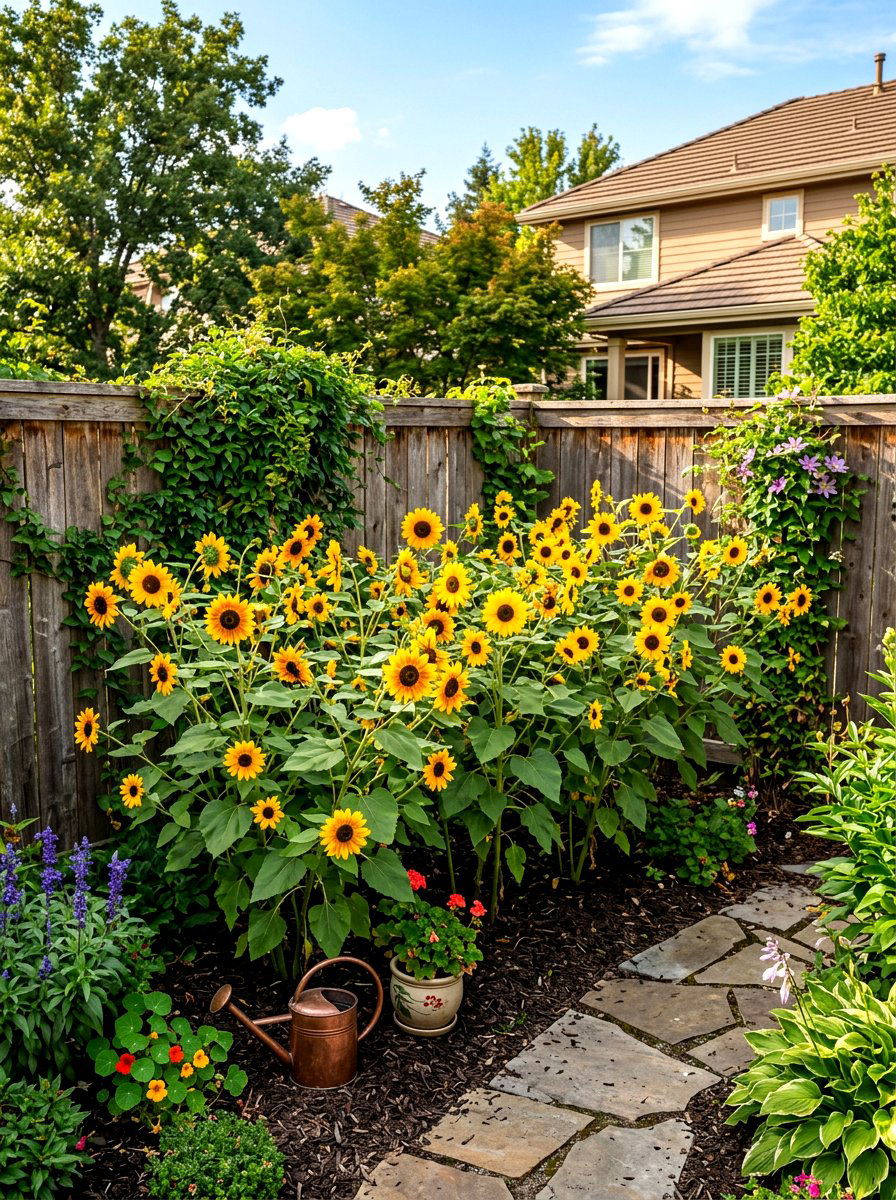
Even the smallest backyard can host a stunning sunflower patch with the right variety selection and layout. By focusing on mid-sized branching varieties, you can achieve a full, lush look without overwhelming the space or blocking too much sunlight. Use a corner of the yard or a single dedicated bed to create a high-impact focal point that draws the eye upward. Mixing in different shades, such as deep oranges and pale yellows, adds depth and makes the small patch feel more substantial. This design proves that you do not need acres of land to enjoy the majestic beauty and cheerful presence of sunflowers.
9. Farmhouse Sunflower Garden
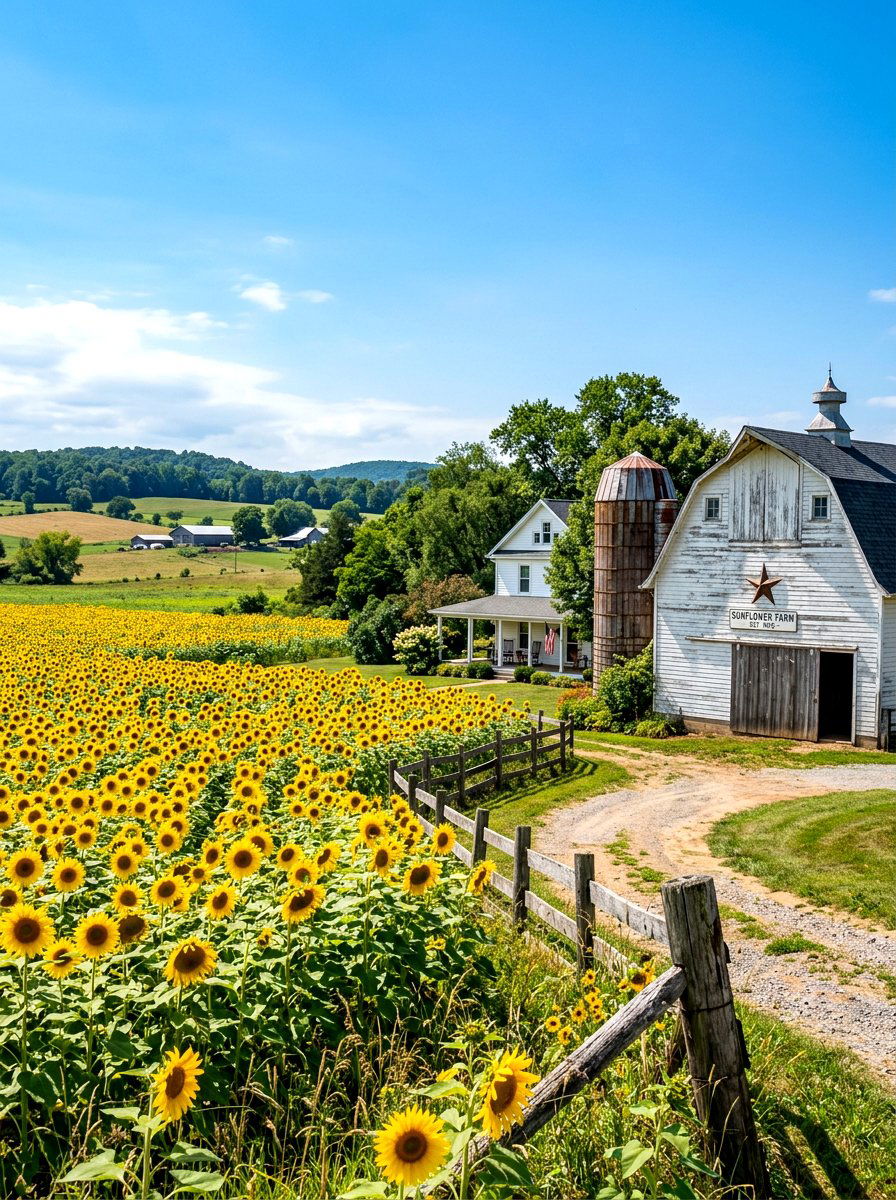
Nothing complements a farmhouse-style home like a dedicated sunflower patch growing alongside a rustic barn or white picket fence. This design emphasizes the traditional, hardworking nature of the plant, often focusing on varieties that produce large, edible seeds. Grouping them in large, organized blocks creates a sense of bounty and rural charm that feels both functional and decorative. You can use old galvanized buckets or wooden crates as nearby accents to enhance the rustic theme. The farmhouse approach is about celebrating the simplicity of the bloom, making it a perfect match for those who love a clean, classic country aesthetic.
10. Edible Sunflower Patch
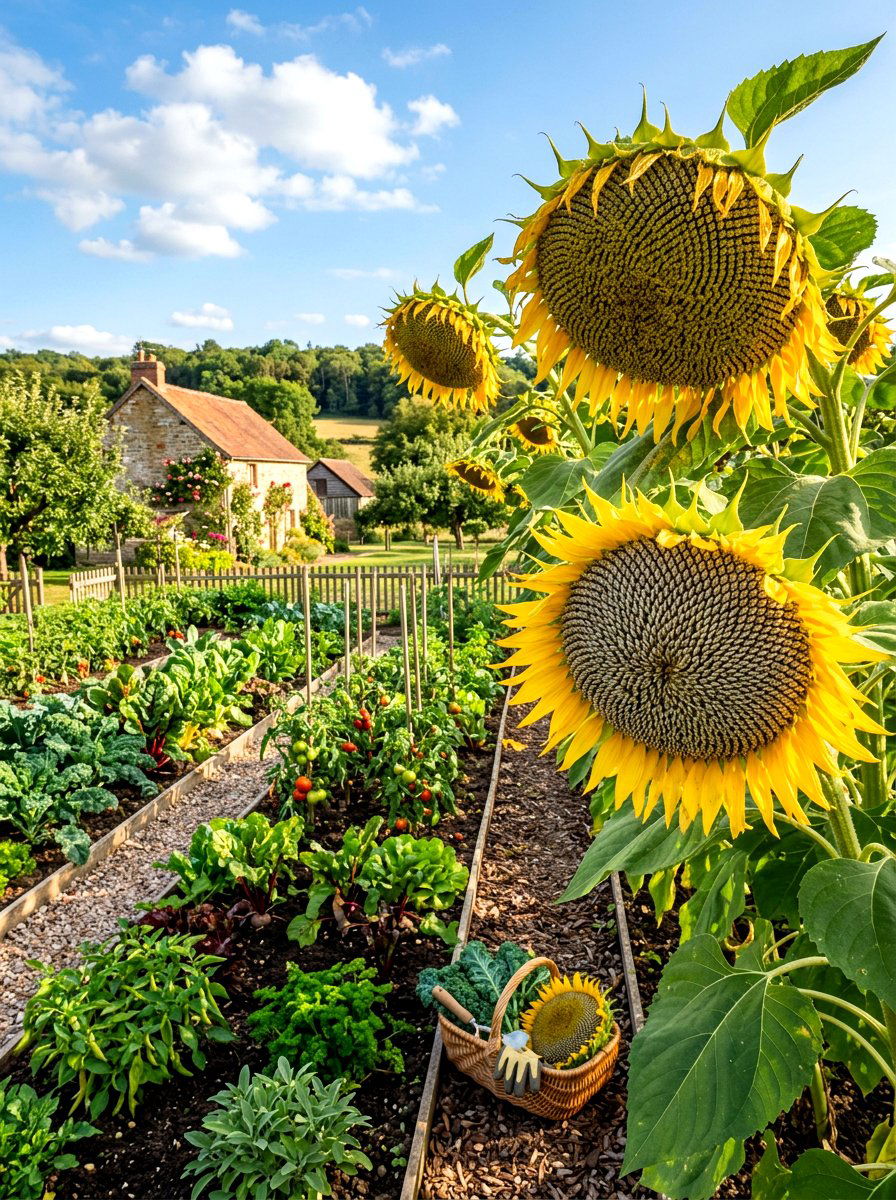
Growing an edible sunflower patch allows you to enjoy the beauty of the flowers while also harvesting a nutritious crop for your kitchen. Focus on giant varieties known for their large seed heads, which are packed with delicious kernels that can be roasted or eaten raw. To ensure a good harvest, you must protect the heads from birds as the seeds ripen, often using mesh bags or light cloth. This type of garden teaches the cycle of food production and provides a sense of satisfaction when the harvest arrives in late summer. It is a dual-purpose landscape feature that is both practical and visually stunning.
11. Fall Season Sunflower Garden
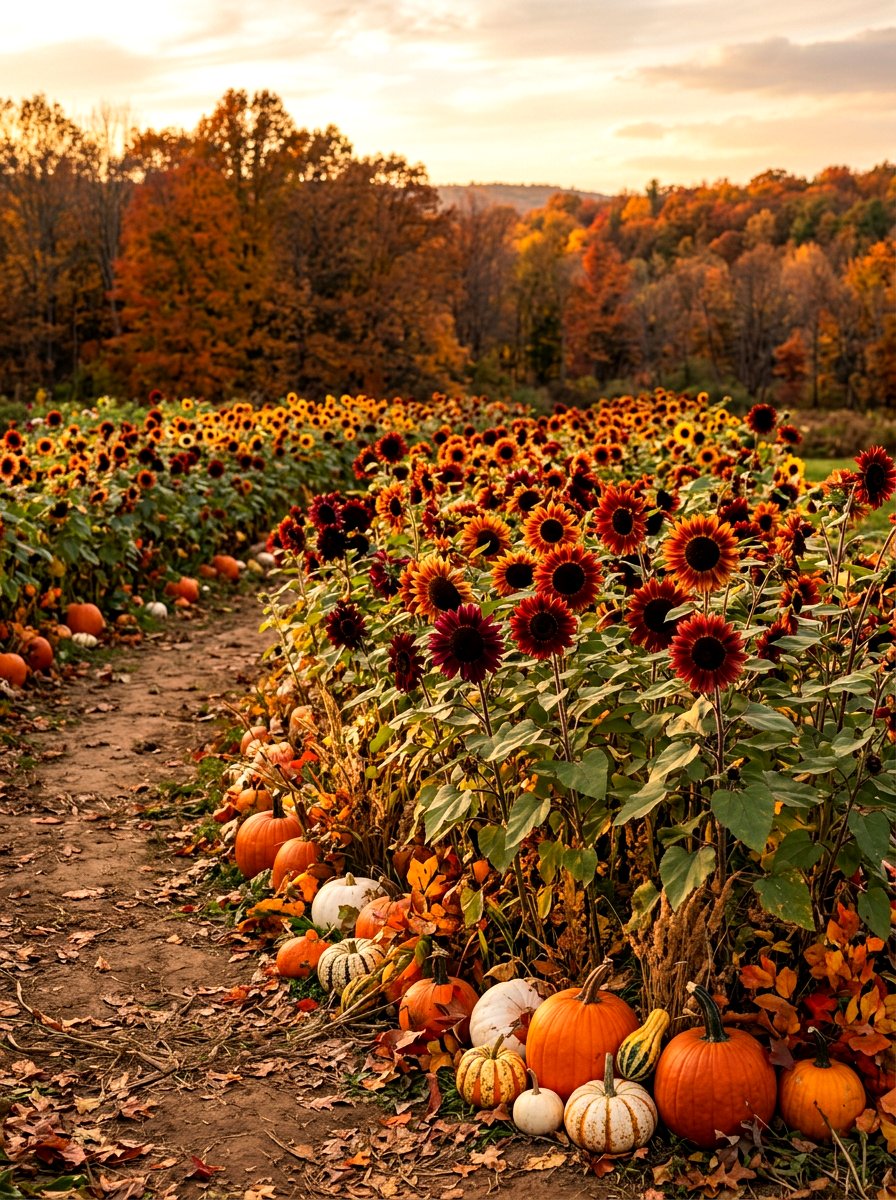
While most people think of sunflowers as summer blooms, a fall season sunflower garden focuses on late-blooming varieties that celebrate the arrival of autumn. Choose cultivars with deep burgundy, bronze, and copper tones, such as Autumn Beauty or Velvet Queen, to match the changing leaves. These darker shades provide a sophisticated and moody contrast to the bright yellows of mid-summer. Planting these in late June or early July ensures they reach their peak just as the weather begins to cool. This approach extends your garden’s beauty into the harvest season, creating a warm and inviting atmosphere for outdoor fall gatherings and festivities.
12. Circular Sunflower Bed
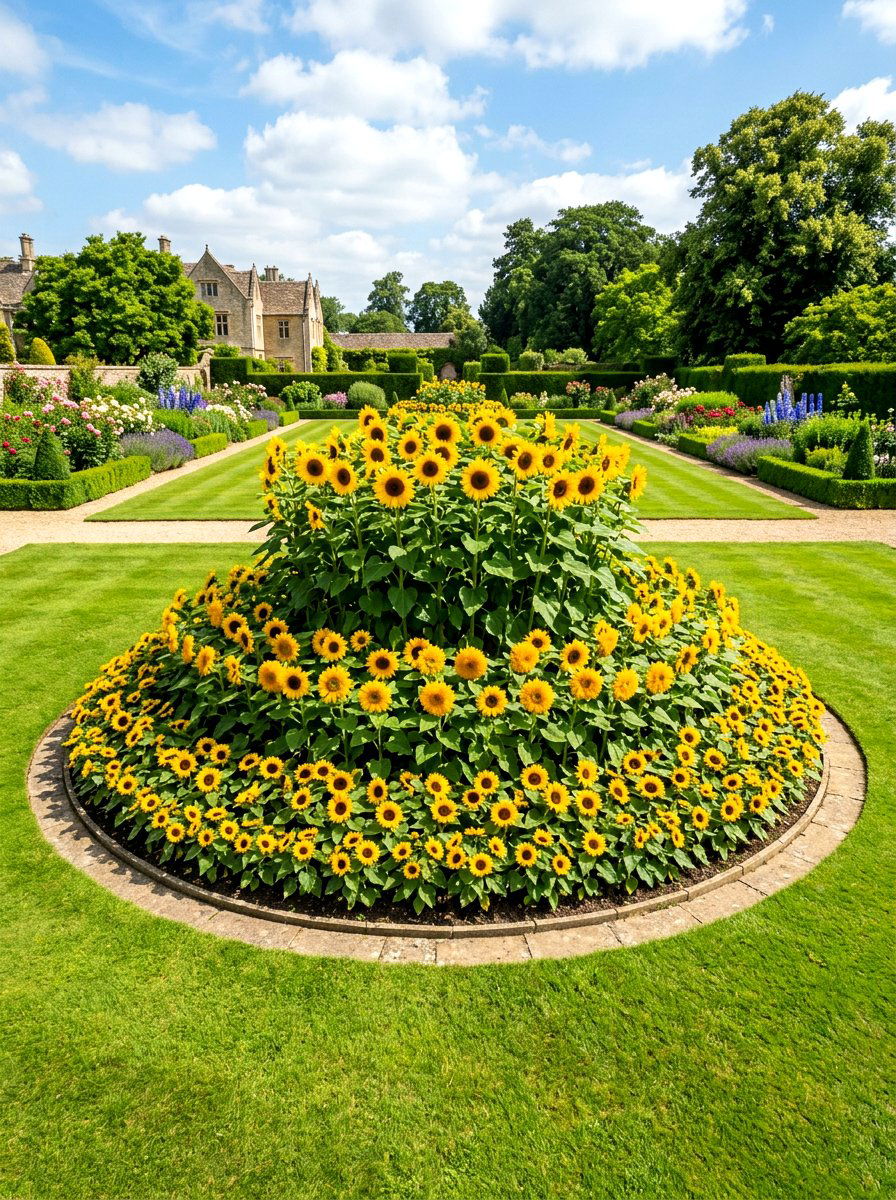
A circular sunflower bed creates a dramatic and formal focal point that works exceptionally well in the center of a lawn or at the end of a driveway. By planting the tallest varieties in the very center and gradually decreasing the height toward the edges, you create a stunning tiered effect. This 360-degree design allows you to appreciate the blooms from every angle, making it a true centerpiece of the landscape. The symmetry of the circle adds a sense of order to the garden, while the vibrant yellow petals provide a wild splash of color. It is a bold design choice that demands attention.
13. Sunflower Garden Arch
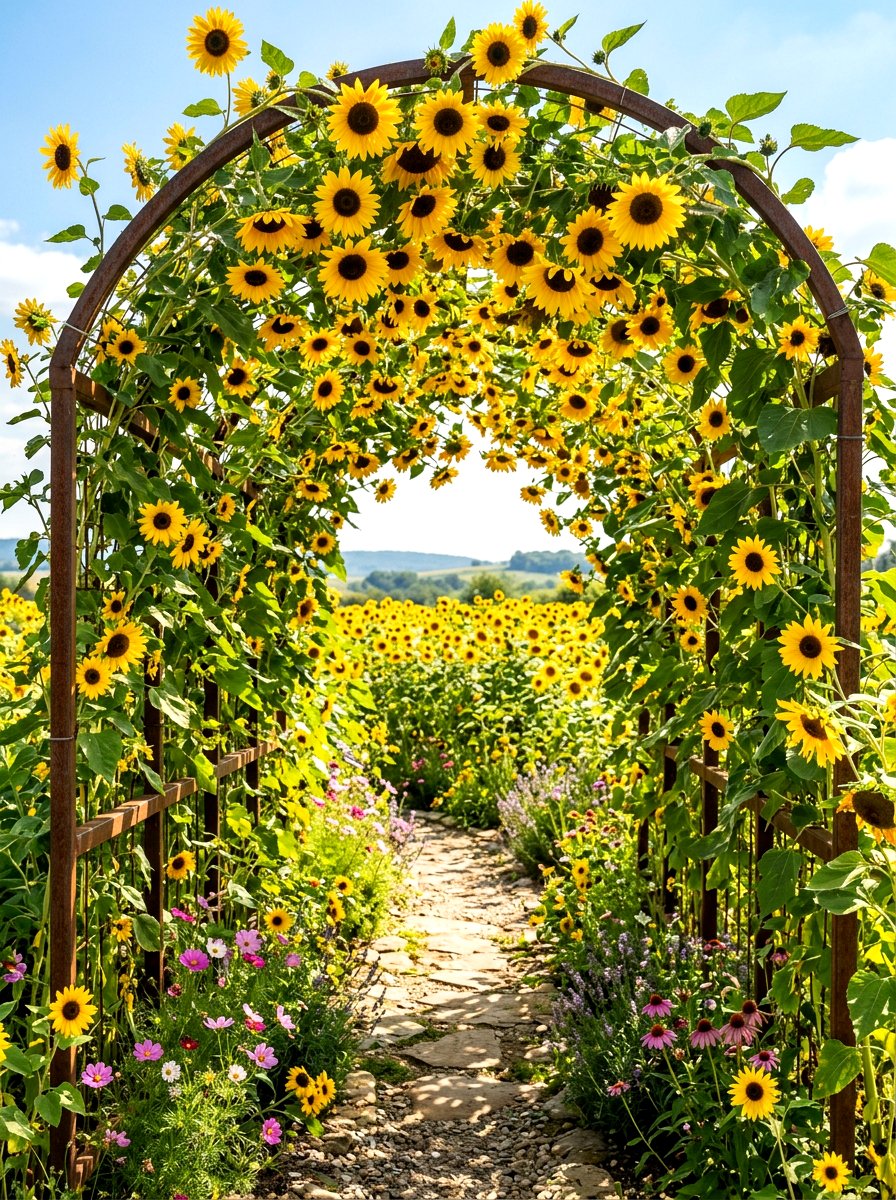
Constructing a sunflower garden arch provides a magical entryway into your backyard or vegetable patch. By using flexible supports or a sturdy metal trellis, you can train branching sunflowers to grow upward and over a walkway. As the plants reach maturity, the heavy flower heads will drapes downward, creating a literal canopy of sunshine above your head. This immersive experience is perfect for creating a sense of transition between different garden rooms. It requires consistent tying and pruning to maintain the arch shape, but the visual reward is a whimsical, fairytale-like feature that will be the envy of all your neighbors.
14. Container Sunflower Garden
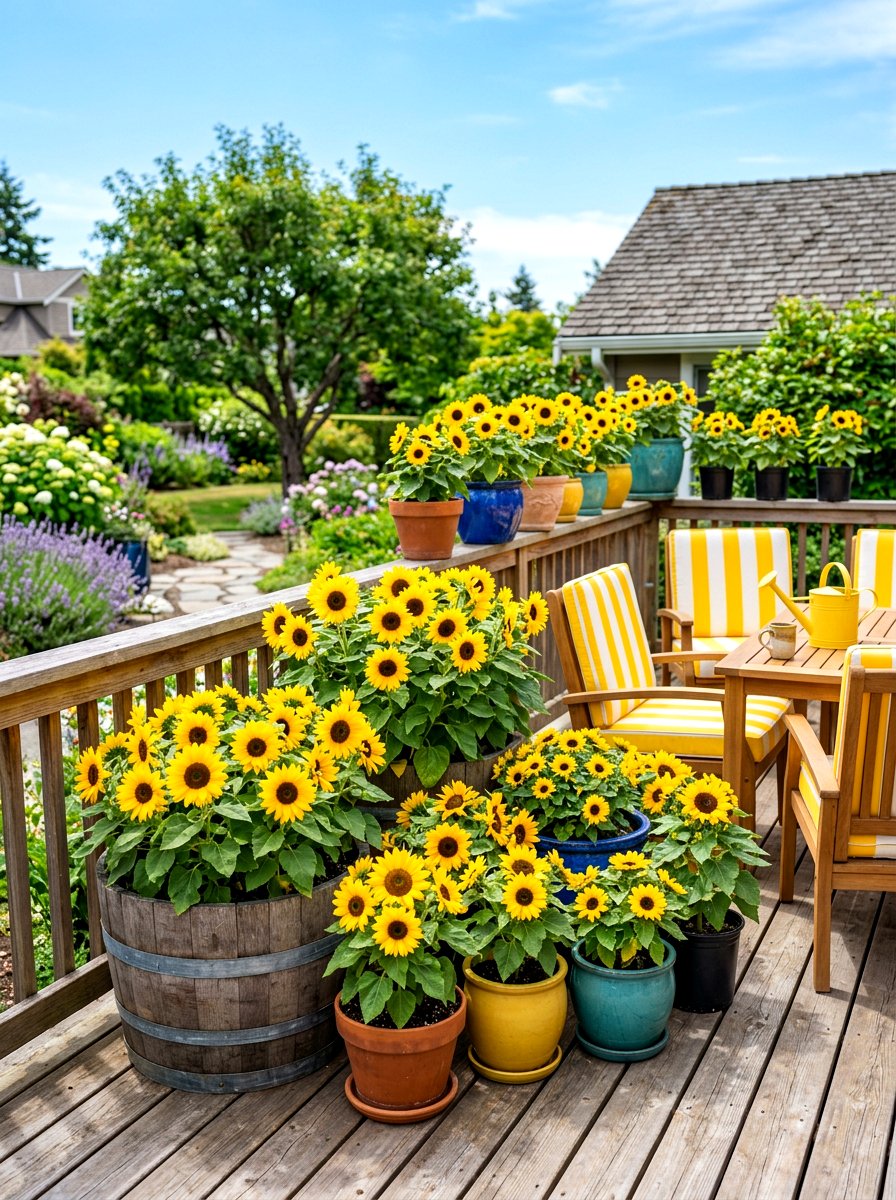
If you are limited to a patio or deck, a container sunflower garden allows you to enjoy these cheerful blooms in a controlled and portable way. Choose dwarf varieties that are specifically bred for pots, ensuring they have sturdy stems that can withstand wind. Using large, colorful ceramic pots or rustic wooden barrels adds to the visual appeal and provides enough room for the roots to thrive. Containers allow you to move your sunflowers around to follow the sun, ensuring they receive the maximum amount of light each day. This flexibility makes it easy to refresh your outdoor decor throughout the summer season.

15. Perennial Sunflower Garden

For those who want beauty that returns every year without replanting, a perennial sunflower garden is an excellent long-term investment. Varieties like the Maximilian sunflower or the Jerusalem Artichoke produce dozens of small, bright blooms on tall, bushy stalks. These plants are incredibly hardy and will spread over time, creating a massive and reliable patch of color each late summer. Because they are perennial, they establish deep root systems that help improve soil structure and sequester carbon. This low-maintenance option is perfect for naturalizing large areas or creating a permanent background for your annual flower beds and vegetable gardens.
16. Teddy Bear Sunflower Patch
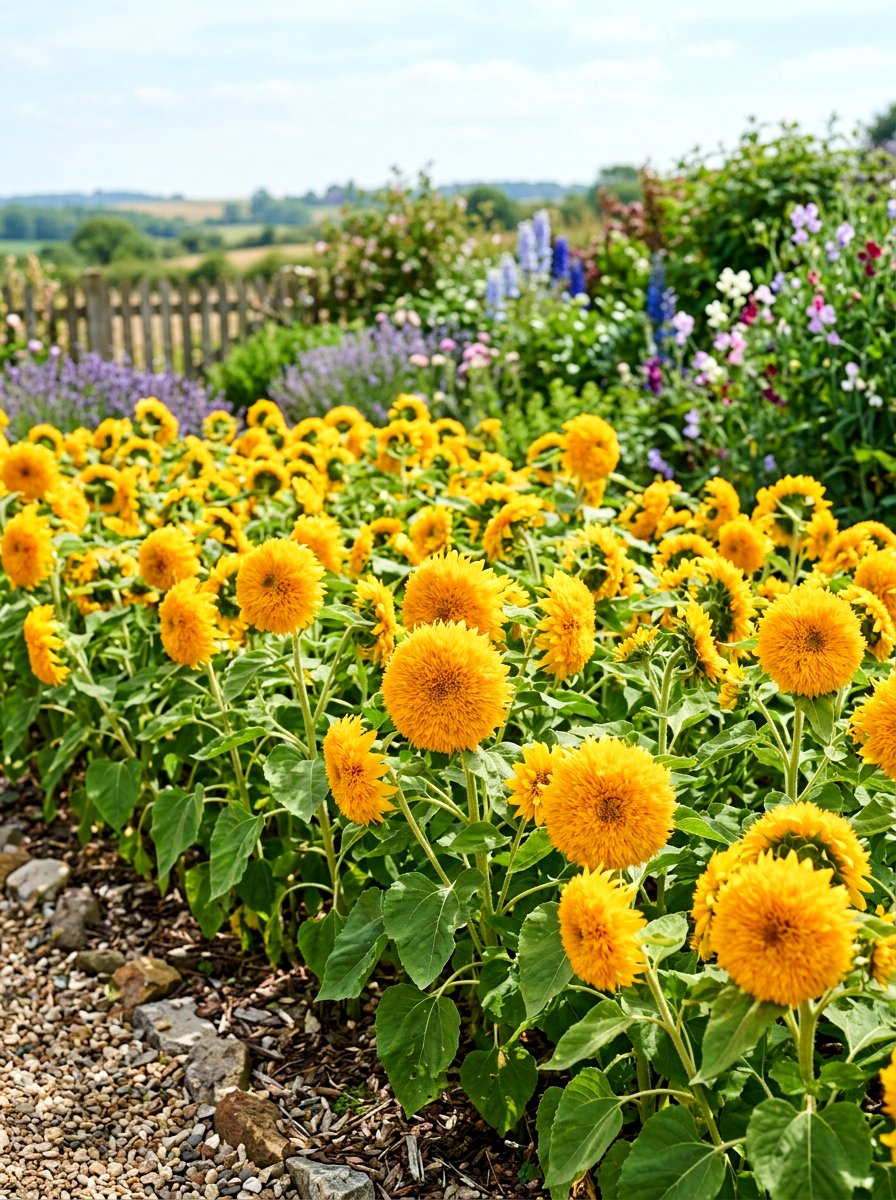
The Teddy Bear sunflower patch is a favorite for those who love unique textures and whimsical garden designs. Unlike traditional sunflowers, this variety features fluffy, double-petaled blooms that look like soft pom-poms rather than flat discs. They typically grow to a manageable height of about three feet, making them perfect for mid-border placements or decorative clusters. The lack of a large central disk gives them a softer, more delicate appearance that contrasts beautifully with sharper-edged garden plants. This variety is particularly popular with children, who are often drawn to the tactile and "cuddly" look of the densely packed, bright golden petals.
17. Red Sunflower Garden
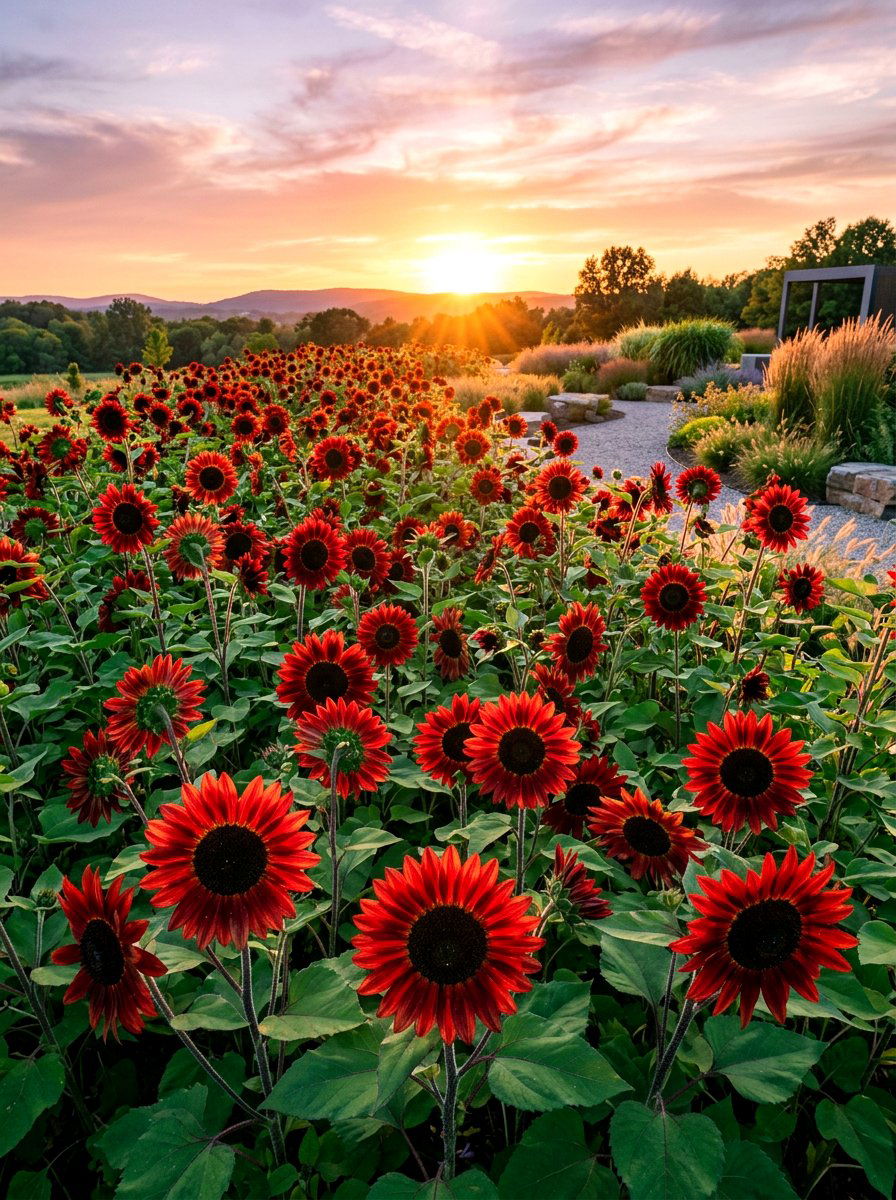
Breaking away from the traditional yellow, a red sunflower garden offers a dramatic and sophisticated look that stands out in any landscape. Varieties like Moulin Rouge or Chocolate Cherry feature deep maroon, mahogany, and burnt orange petals that create a moody, rich aesthetic. These darker blooms look incredible when backlit by the setting sun, glowing with an inner fire that yellow varieties cannot match. Planting a patch entirely of red sunflowers creates a bold statement, or you can mix them with yellow for a high-contrast display. This color palette is perfect for gardeners who want to add a touch of modern elegance.
18. Sunflower Picket Fence
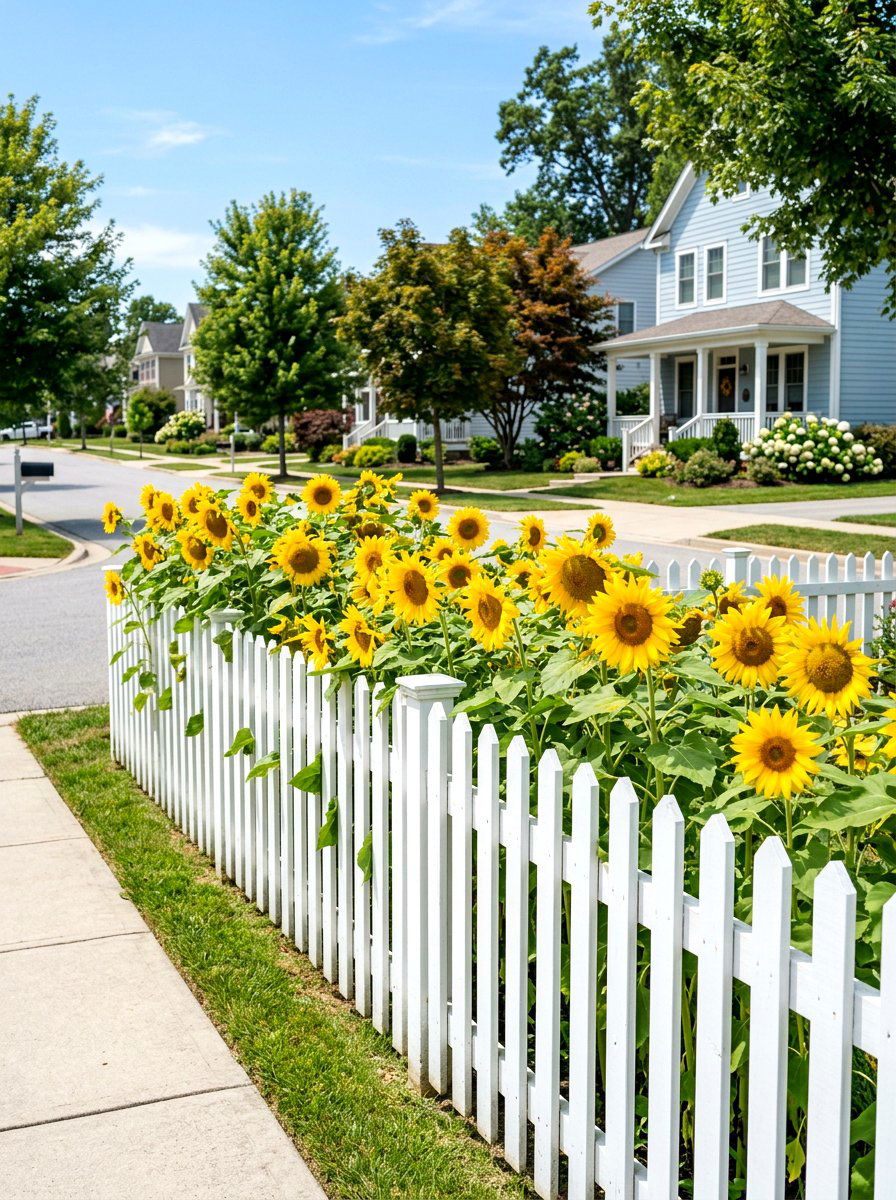
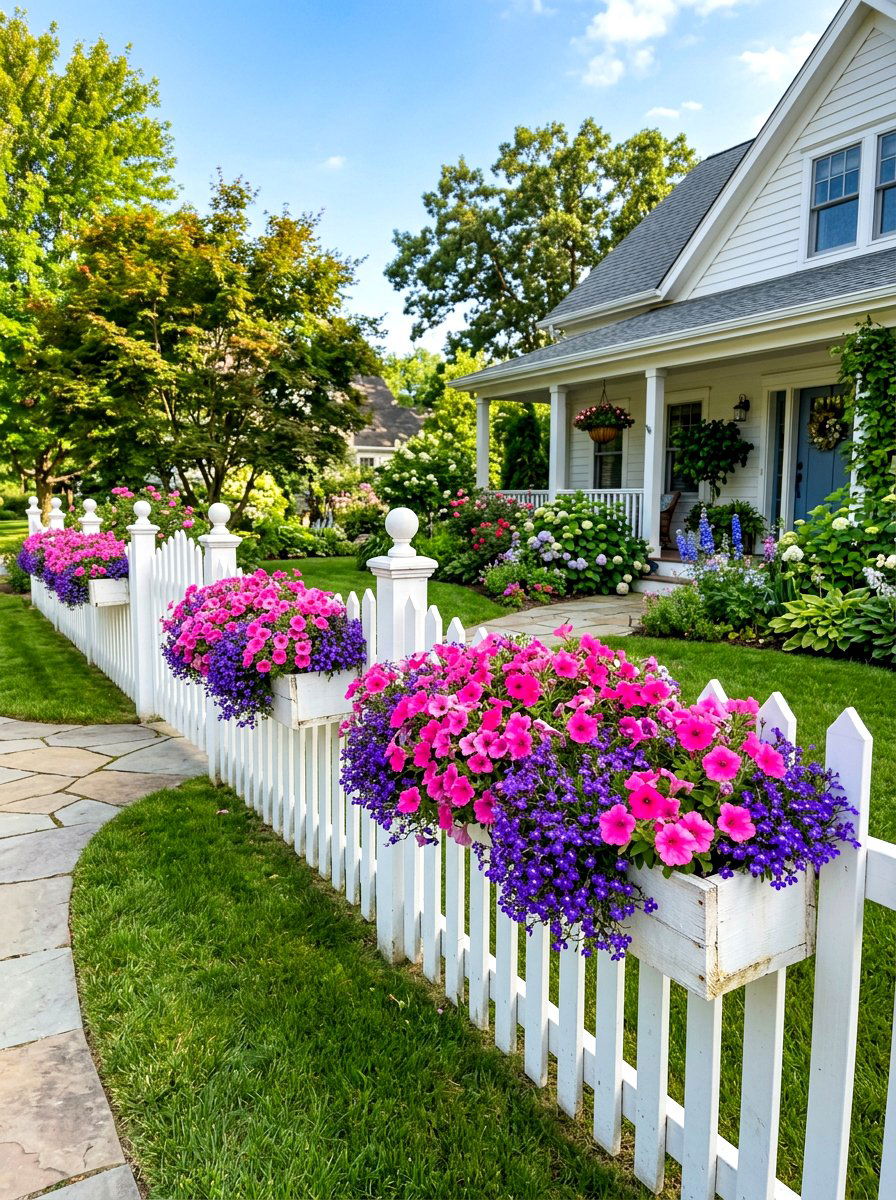
Peering over the top of a white picket fence, sunflowers create a classic image of suburban charm and summer happiness. This design involves planting a row of medium-to-tall sunflowers directly behind a fence, allowing the large heads to nod over the railing toward the street. It is a welcoming gesture that shares the beauty of your garden with passersby and neighbors. The fence provides excellent physical support for the stalks, reducing the need for individual stakes. This combination of structured wood and organic, towering blooms creates a balanced and picturesque look that enhances the architectural lines of your home.
19. Sunflower Play House
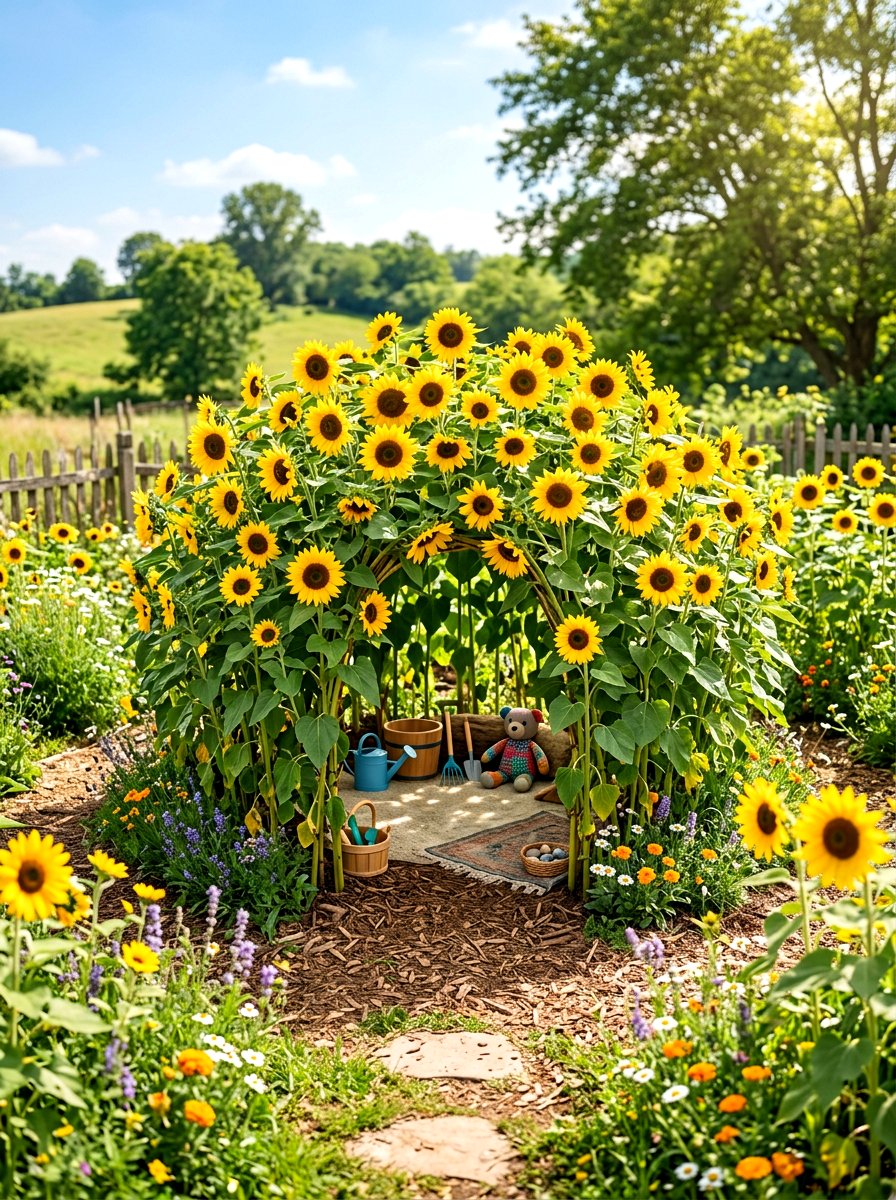
A sunflower play house is a wonderful way to create a living structure that encourages children to engage with nature. By planting tall sunflowers in a square or circular outline with a small opening for a door, you can grow a secret hiding spot over the course of the summer. As the plants reach their full height, the large leaves create a shaded and private "room" inside the patch. You can even plant climbing beans or morning glories among the sunflowers to create a living roof of vines. This interactive garden feature provides a magical space for imaginative play while teaching kids about plant growth.
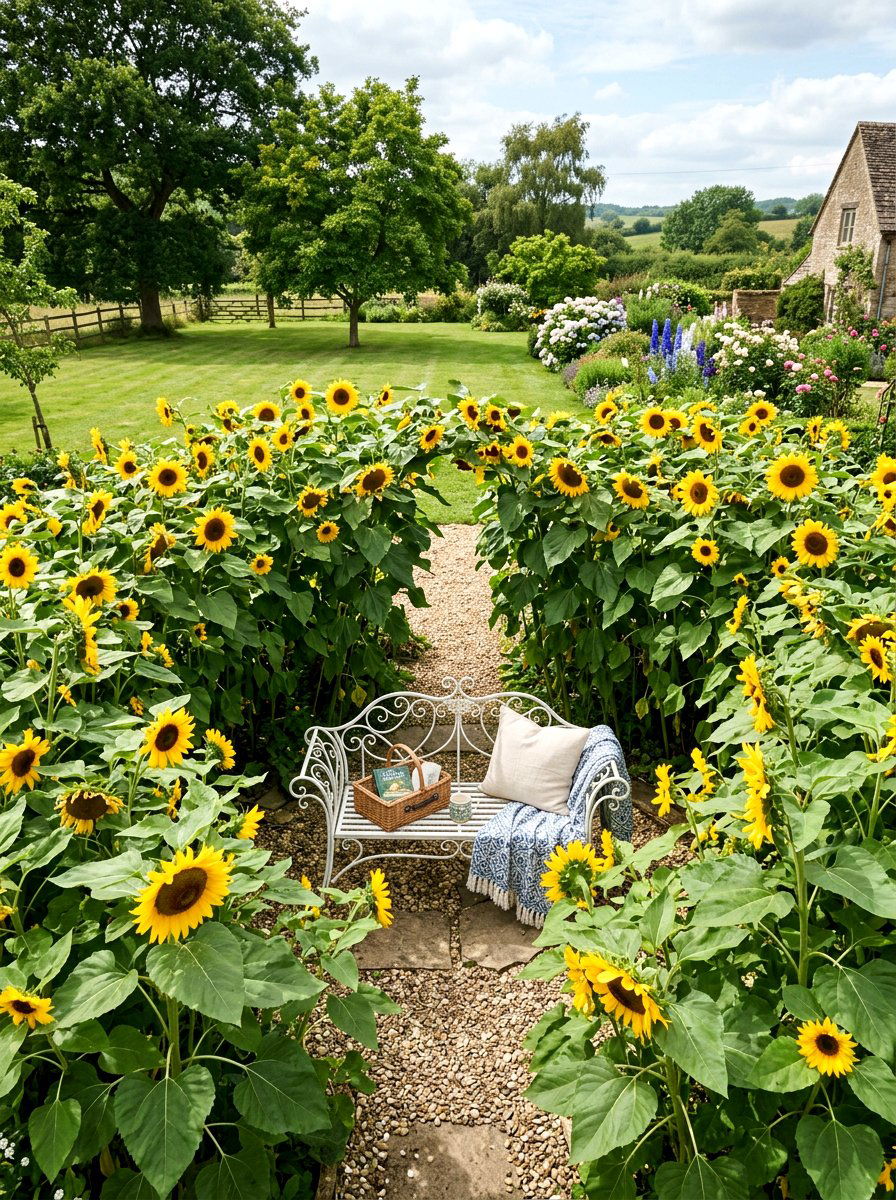

20. White Sunflower Patch
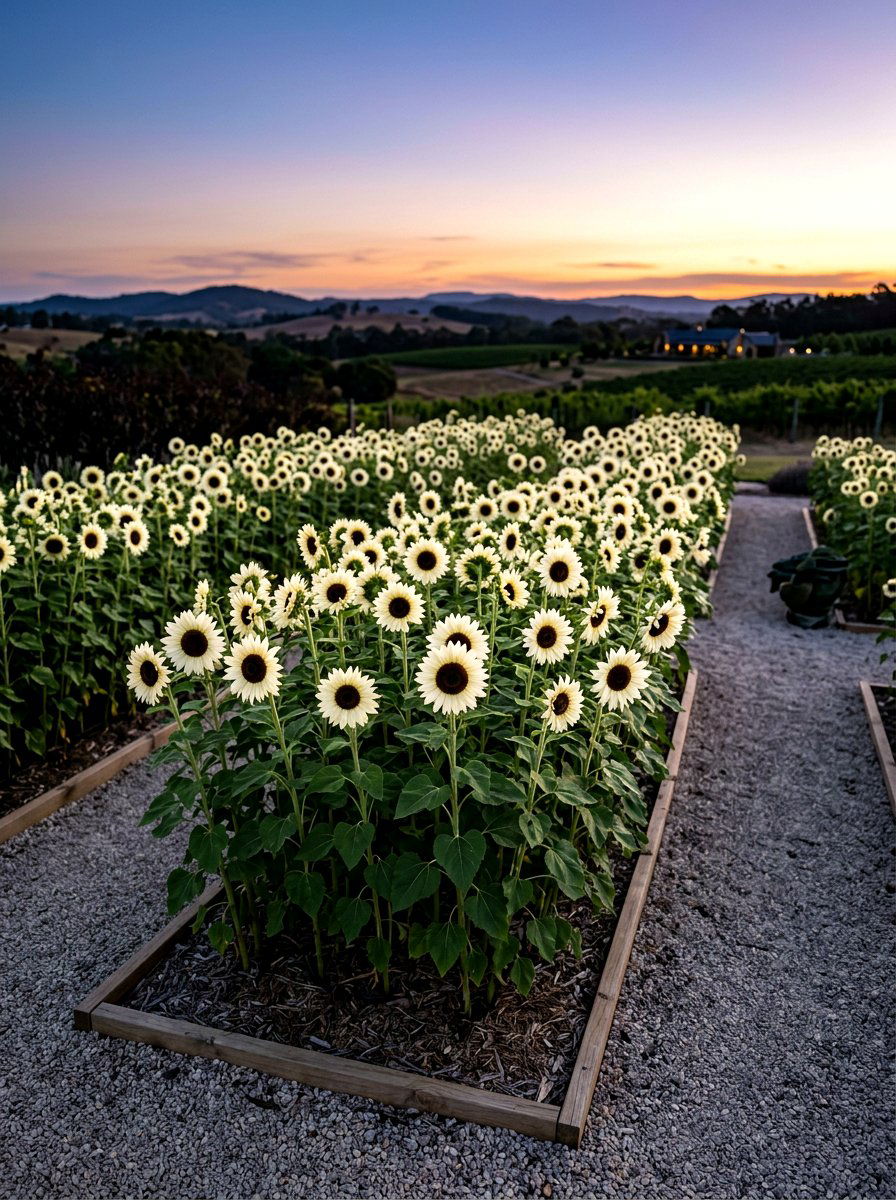
For a truly ethereal and modern garden look, a white sunflower patch features rare varieties like Italian White or ProCut White Nite. These sunflowers have creamy, pale petals that contrast sharply with dark, dramatic centers, offering a cool and sophisticated alternative to the hot yellows of summer. A patch of white sunflowers looks particularly stunning in the evening, as the light petals seem to glow in the twilight. This monochromatic approach works well in minimalist landscapes or alongside silver-foliaged plants like dusty miller. It is a refined take on the classic sunflower that brings a sense of calm and elegance to the yard.
21. Rooftop Sunflower Garden
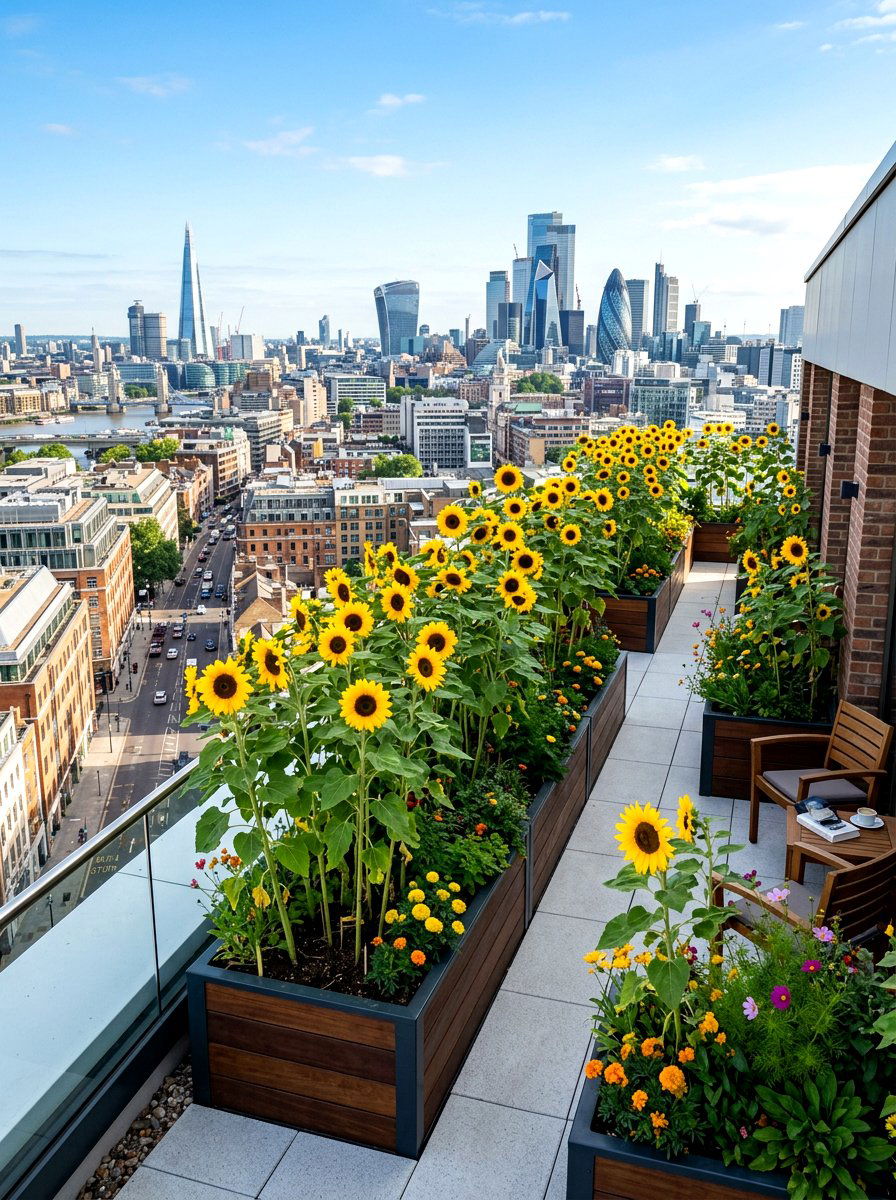
Urban dwellers can bring the brilliance of the countryside to the city with a rooftop sunflower garden. By using lightweight potting mixes and deep containers, you can create a sky-high sanctuary of gold amidst the concrete jungle. Sunflowers thrive in the intense, unobstructed sunlight found on rooftops, often growing even more vigorously than those on the ground. This patch not only provides a personal retreat but also serves as a vital resting stop for migrating birds and urban pollinators. The contrast of bright yellow blooms against a city skyline creates a breathtaking and unexpected visual that transforms an underutilized space.
22. Sunflower Cutting Patch
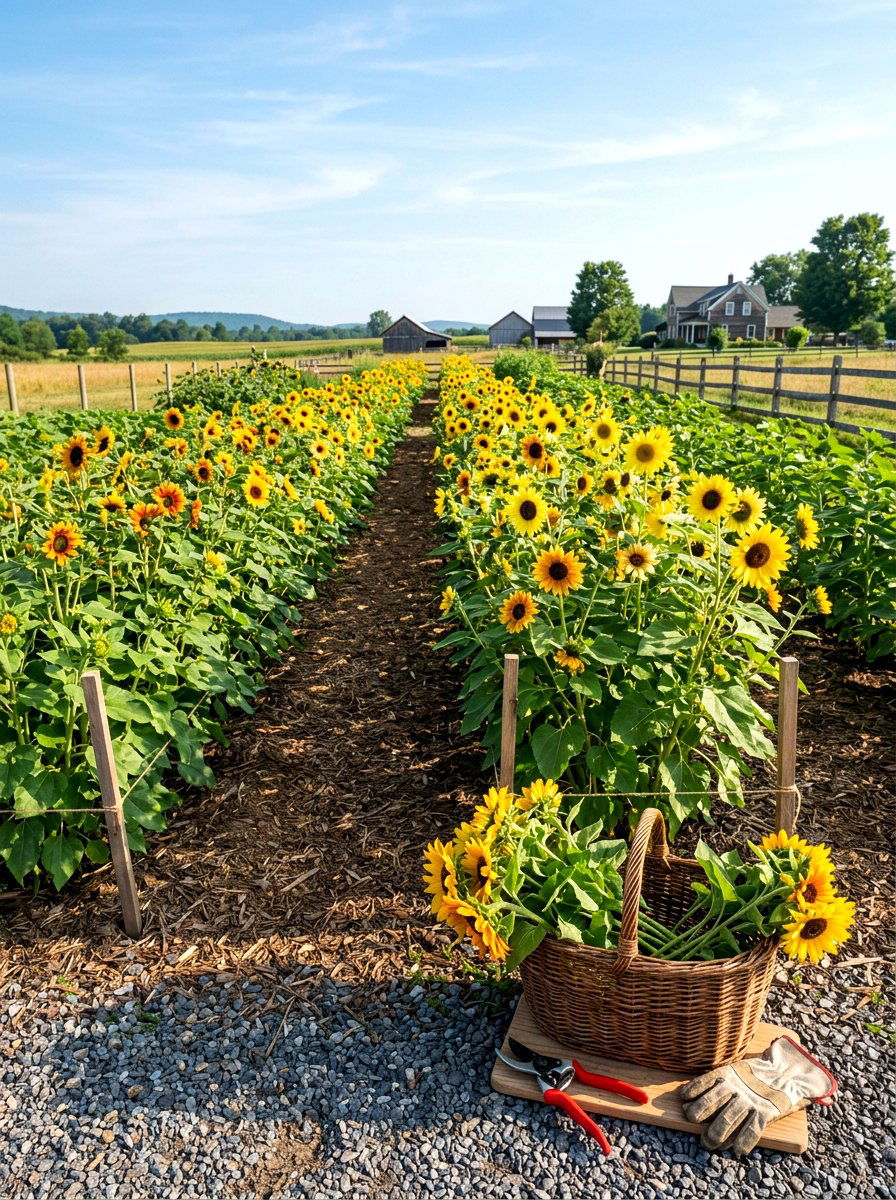
A dedicated sunflower cutting patch ensures you always have a fresh supply of cheerful blooms to brighten your home’s interior. Focus on branching varieties that produce multiple flowers per stem, as this allows you to harvest regularly without stripping the garden of its color. Planting in succession every two weeks will provide a continuous harvest from early summer until the first frost. Choose pollen-free varieties if you want to avoid messy yellow dust on your indoor furniture and tabletops. This practical garden layout is designed for utility, featuring wide rows that make it easy to walk through and select the perfect stems.
23. Sunflower Vegetable Companion
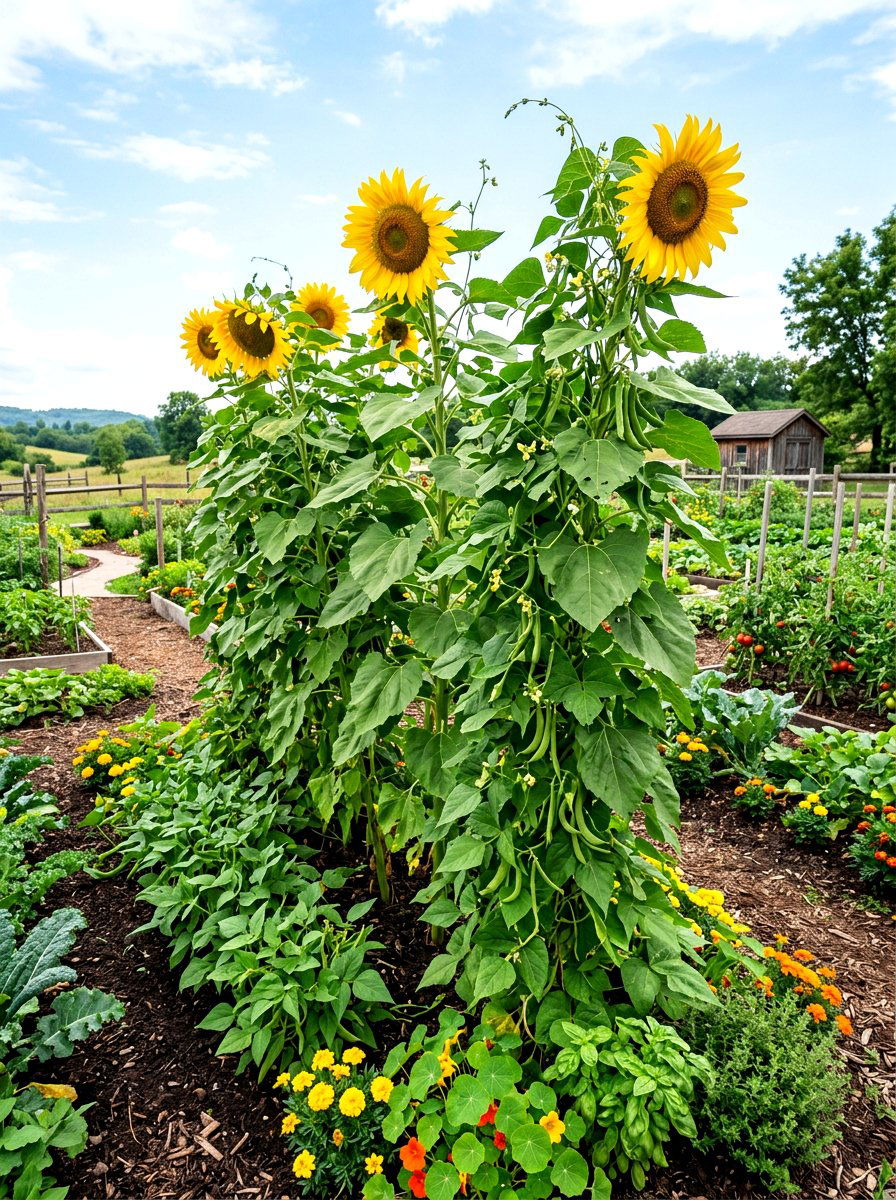
Integrating sunflowers into your vegetable garden is a smart example of companion planting that benefits your entire food crop. Sunflowers can act as a living trellis for climbing plants like peas or beans, which will happily wind their way up the sturdy stalks. Additionally, their large leaves provide necessary shade for cool-season crops like lettuce or spinach during the hottest parts of the day. The deep roots of sunflowers help break up compacted soil, allowing other vegetables to grow more easily. This multi-functional patch maximizes your growing space while creating a beautiful, diverse, and highly productive backyard ecosystem.
24. Raised Bed Sunflower Patch
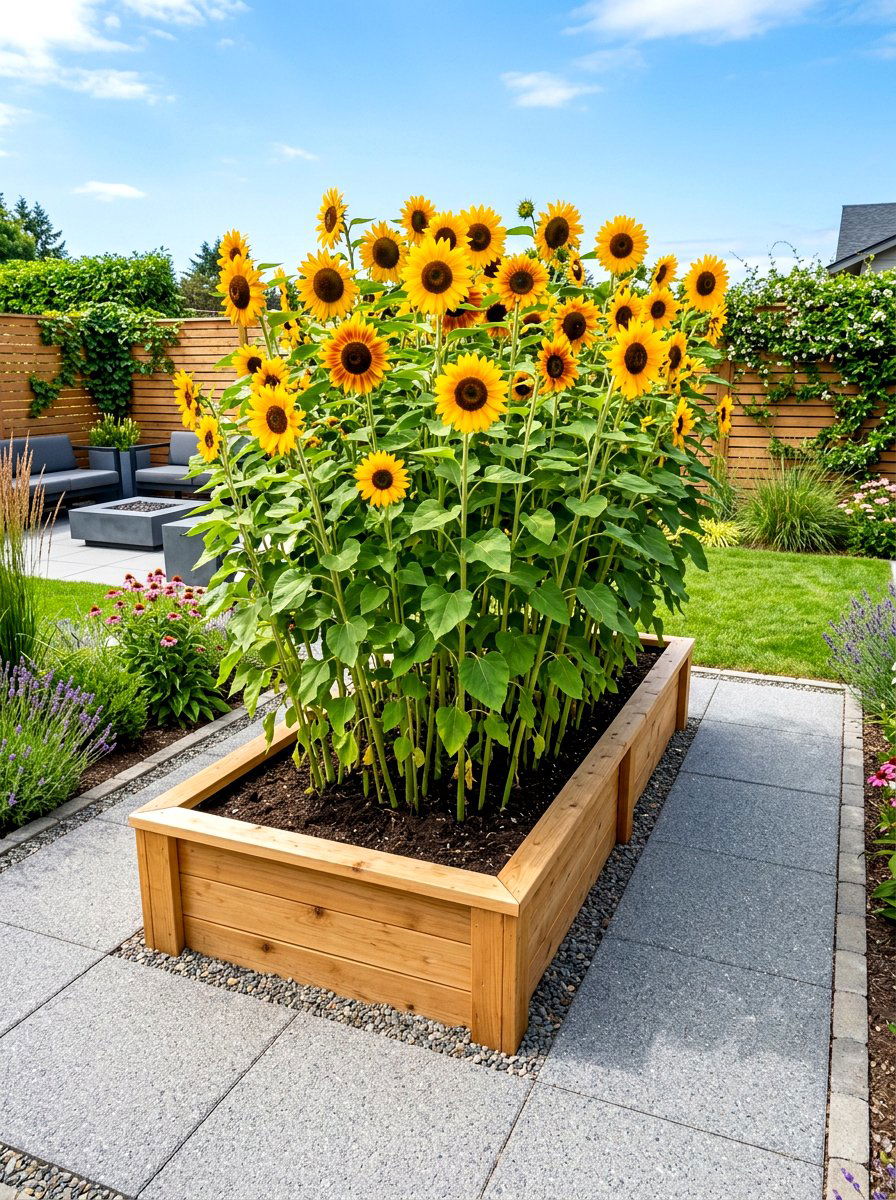
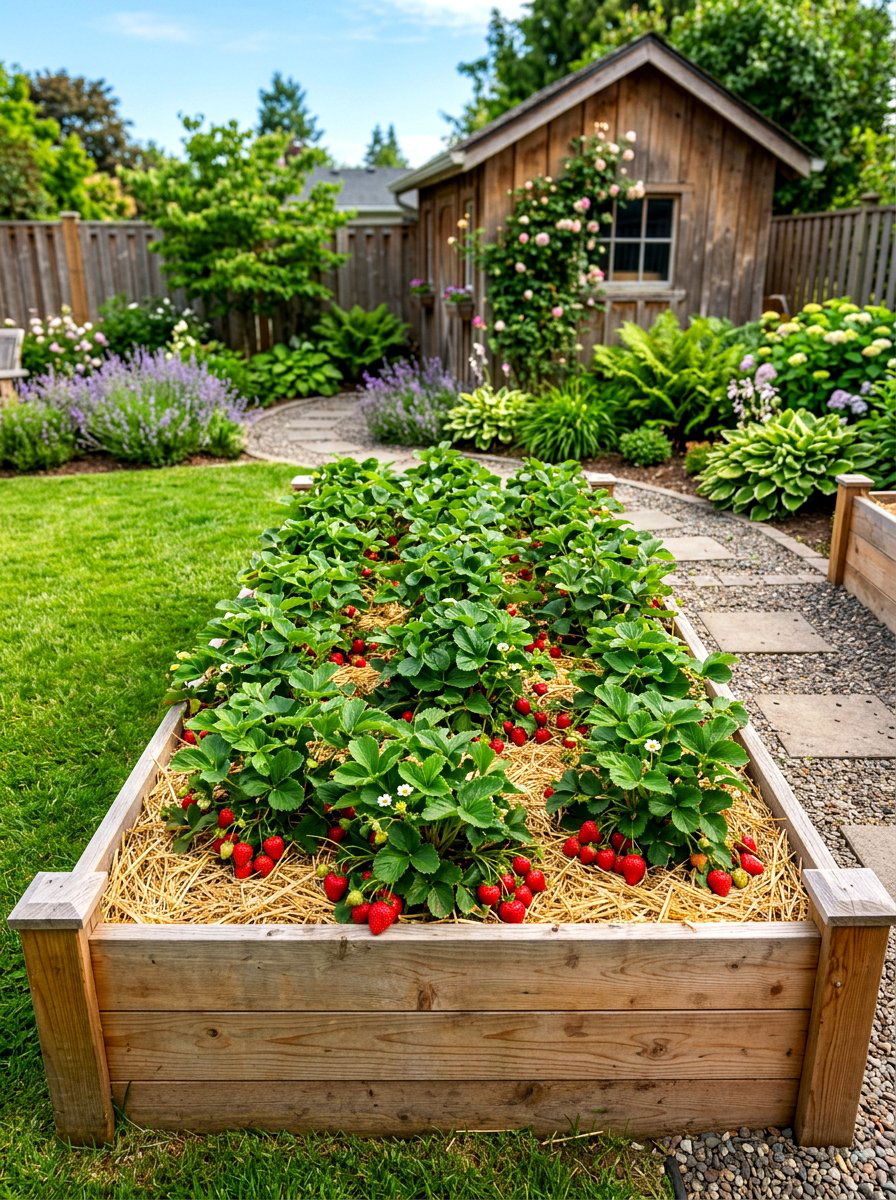
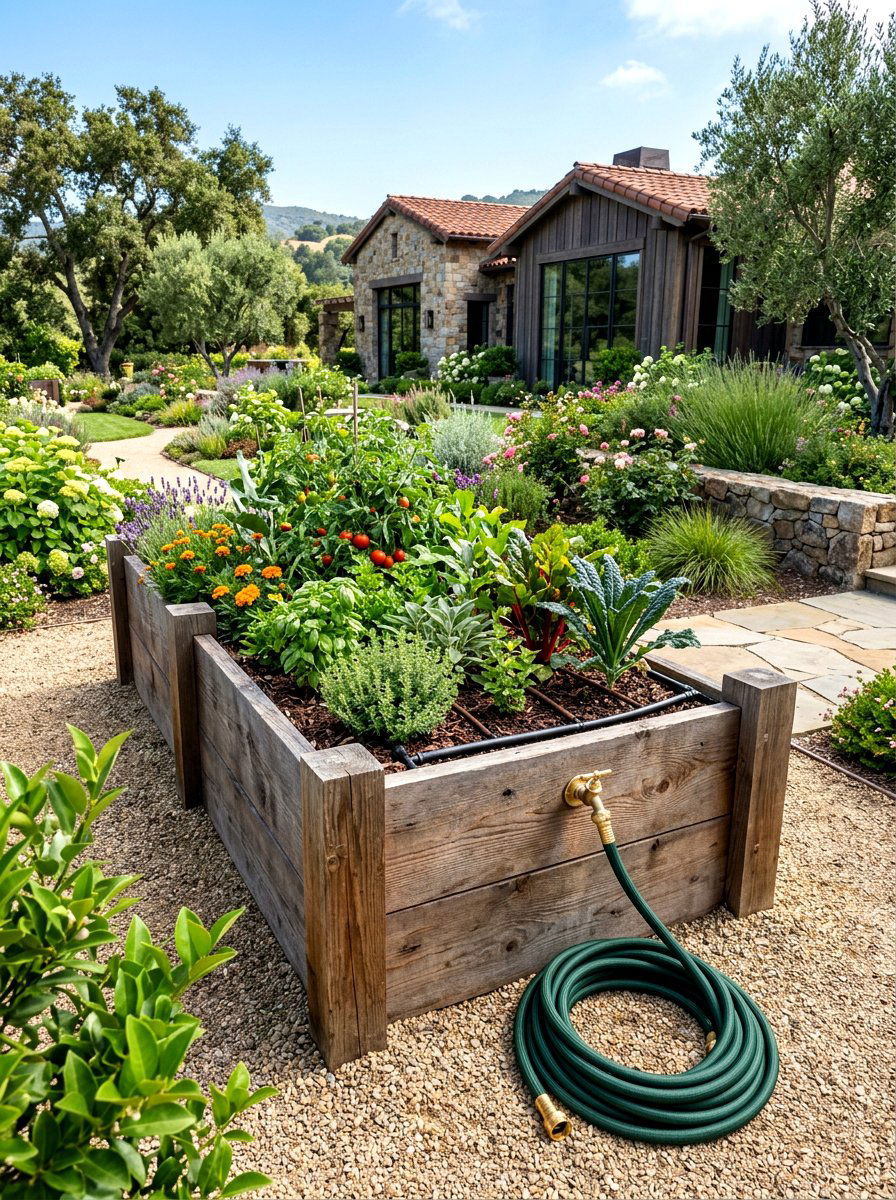
Using raised beds for your sunflower patch offers several advantages, including better soil drainage and a more organized garden appearance. The elevated height makes it easier to tend to the plants and protects them from common ground pests like rabbits or slugs during their vulnerable seedling stage. You can create a high-density "forest" of sunflowers within a single large bed, creating a vertical explosion of color that serves as a focal point. Raised beds also allow you to control the soil quality precisely, ensuring your sunflowers receive the rich nutrients they need to produce massive, healthy heads and thick, strong stalks.



25. Sunflower Lavender Garden
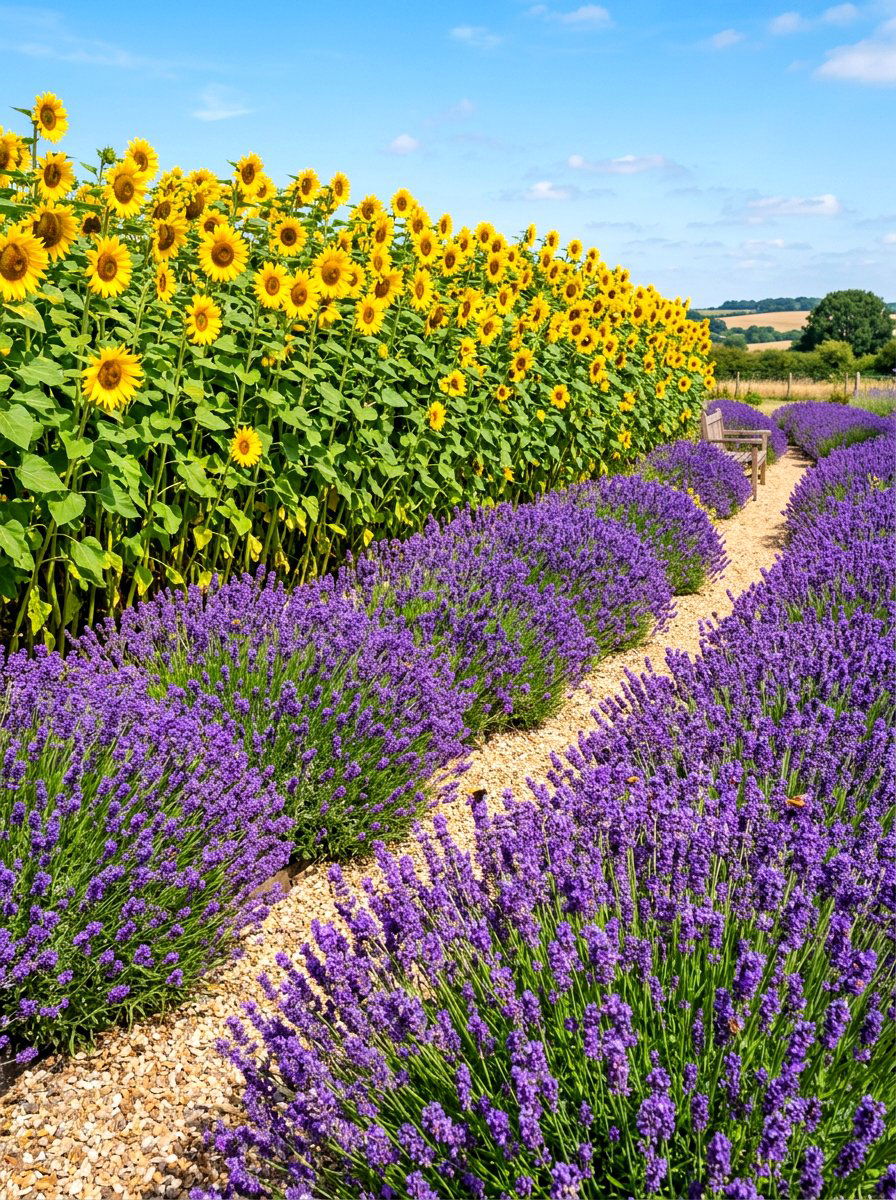
Combining the bold, vertical energy of sunflowers with the soft, fragrant mounds of lavender creates a sensory masterpiece in the garden. The bright yellow and deep purple color combination is a classic horticultural pairing that feels both vibrant and soothing. Plant the tall sunflowers in the back and the low lavender in the front to ensure both receive plenty of sunlight and air circulation. As the breeze blows, the scent of lavender will mingle with the visual cheer of the sunflowers, creating a truly immersive outdoor experience. This pairing also attracts a wide variety of beneficial insects, making it as functional as it is beautiful.
26. Double Bloom Sunflower Garden
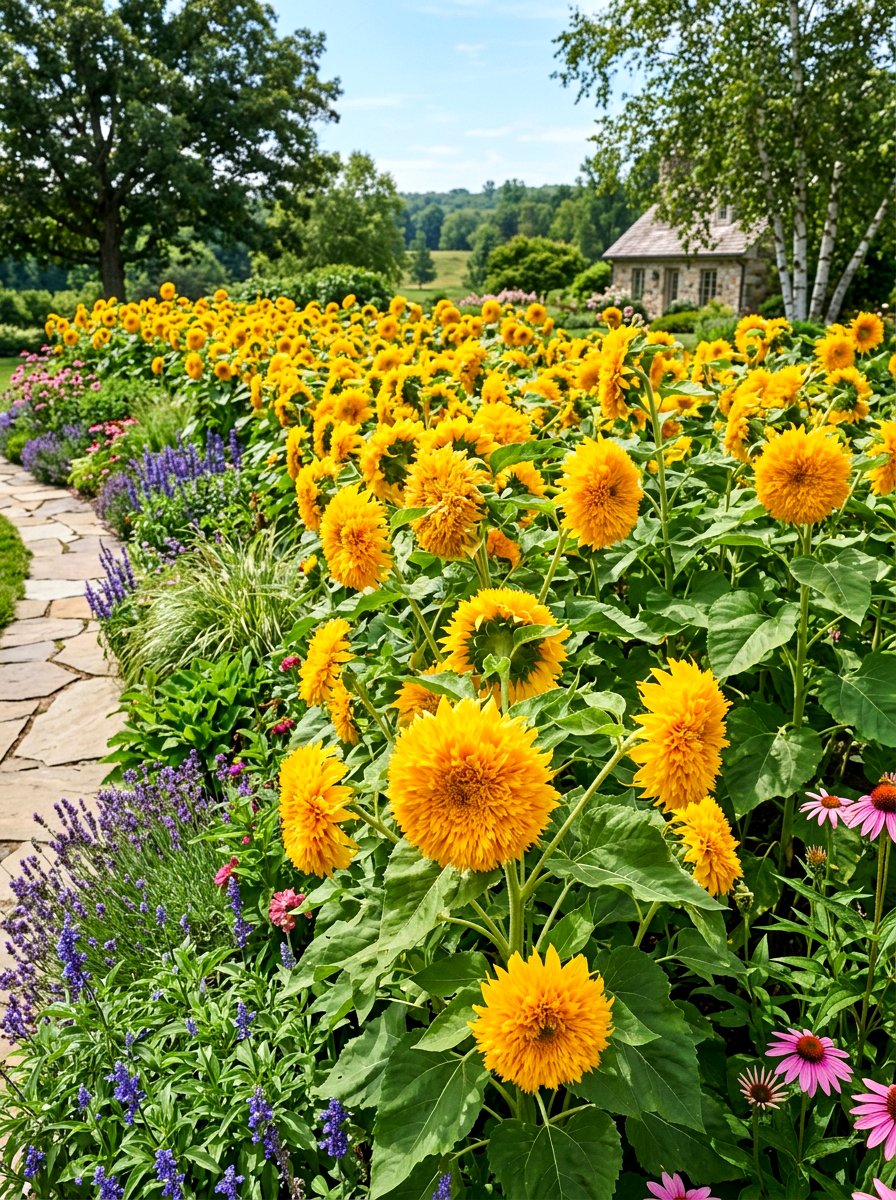
A double bloom sunflower garden focuses on varieties that feature multiple layers of petals, giving each flower a full, ruffled, and luxurious appearance. Cultivars like Teddy Bear or Goldy Double lack the traditional large dark center, replacing it with hundreds of tiny petals that create a pom-pom effect. These sunflowers often stay in bloom longer than single-petaled varieties because they do not prioritize seed production. A patch filled with these "fancy" sunflowers looks incredibly lush and provides a high-end, designer feel to your landscaping. They are perfect for those who want a romantic and highly textured look in their summer garden.
27. Sunflower Garden Path

Line a garden path with sunflowers to create a joyful journey through your outdoor space. By planting medium-height varieties on both sides of a walkway, you create a vibrant corridor that leads guests toward a patio, fire pit, or front door. As you walk through the path, the sunflowers will follow the sun, subtly shifting their positions throughout the day. This dynamic design element makes every stroll through the garden feel like a new experience. Using branching varieties ensures the path stays colorful for many weeks, as new buds open just as the older ones begin to fade away into autumn.
28. Dense Sunflower Planting
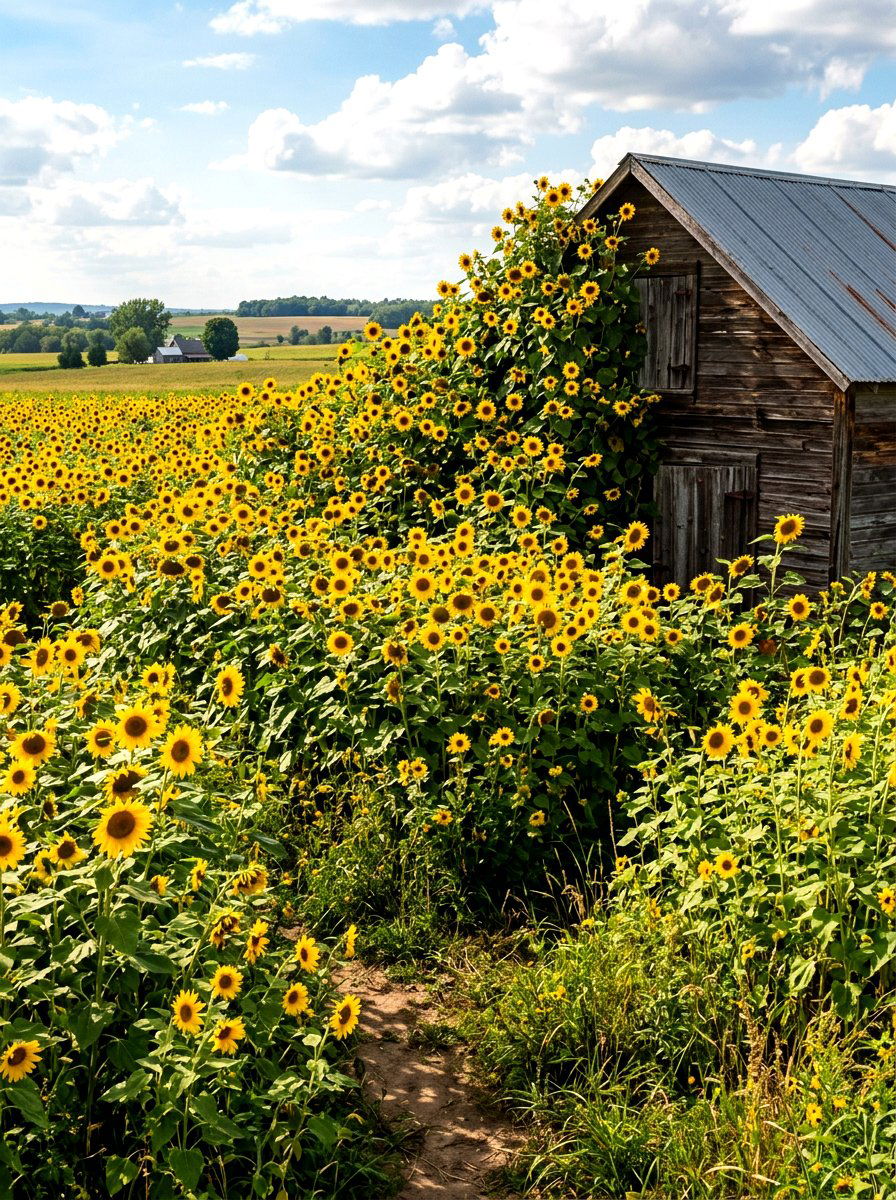
For an overwhelming impact of pure color, a dense sunflower planting technique involves sowing seeds much closer together than traditionally recommended. This results in slightly smaller flower heads but a much thicker, bushier "wall" of green and gold that looks like a wild field of sunshine. This method is excellent for covering unsightly areas of the yard, such as old sheds or compost piles, with a thick screen of beauty. The competition between the plants keeps the stalks a bit thinner, but the sheer volume of blooms creates a breathtaking mass effect that is highly effective for large-scale landscaping projects.
29. Bird Friendly Sunflower Garden
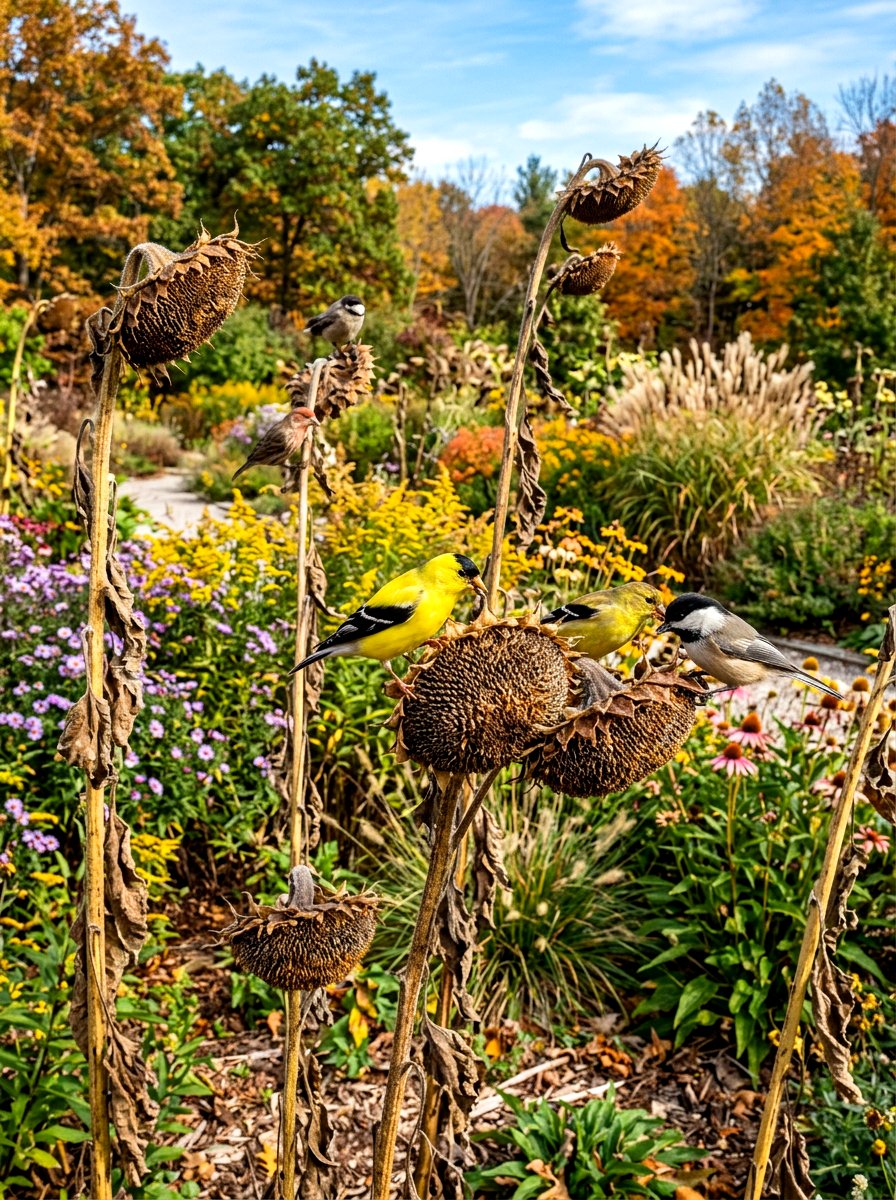
If you are a bird lover, a bird-friendly sunflower garden is the best way to attract goldfinches, chickadees, and nuthatches to your yard. Focus on varieties with massive heads and high oil content in their seeds, such as the Mammoth Grey Stripe. Instead of cutting the flowers back when they fade, leave the heads on the stalks throughout the fall and winter. The drying flower heads act as natural, high-energy bird feeders that provide essential nutrients during the colder months. Watching colorful birds perch on the heavy, nodding sunflowers is a rewarding experience that adds movement and life to your winter landscape.
30. Vertical Sunflower Wall
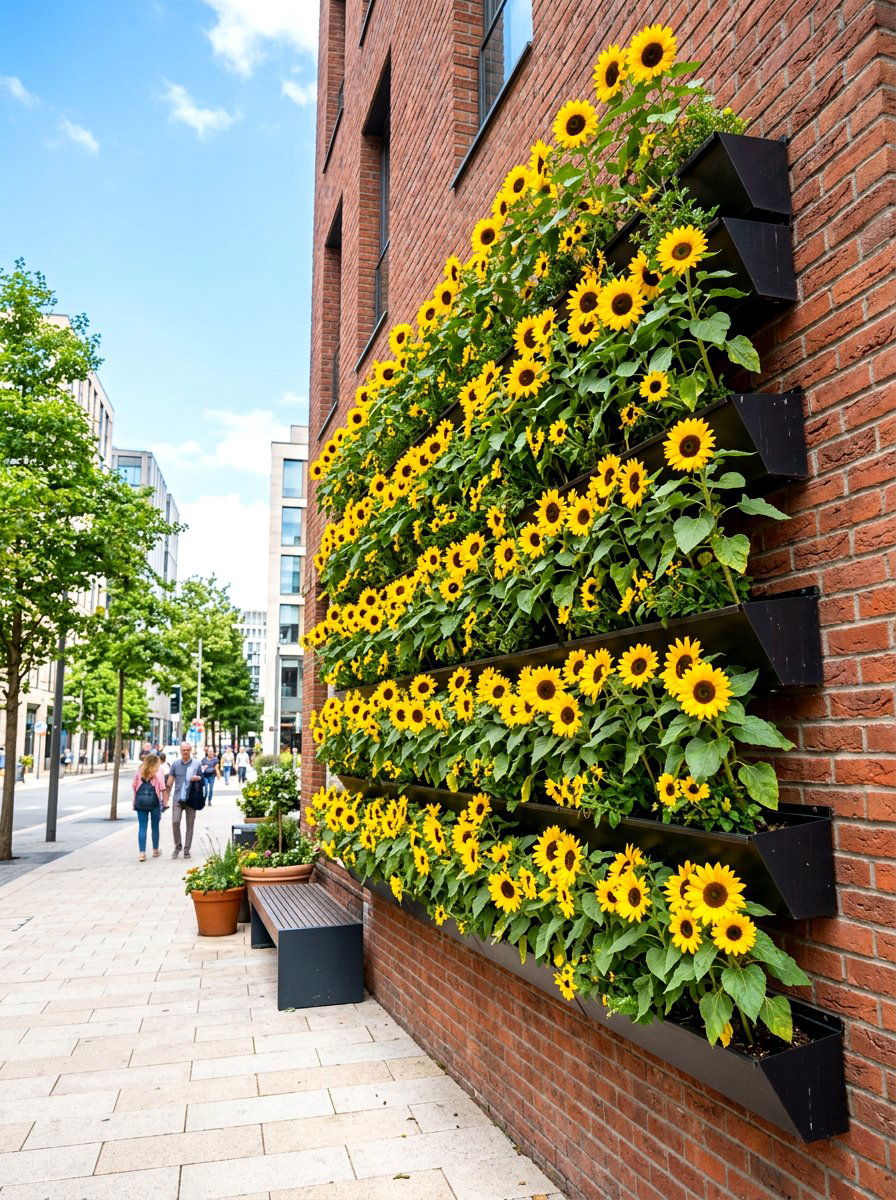
A vertical sunflower wall is a creative solution for narrow spaces where traditional gardening is difficult. By using a series of wall-mounted planters or a vertical trellis system, you can grow sunflowers upward against a brick wall or garage side. This approach turns a flat, boring surface into a living piece of art that maximizes every square inch of your property. Choose branching varieties that will spill over the edges of the planters, creating a cascading effect of green leaves and bright yellow flowers. It is an innovative way to garden that brings the beauty of nature into even the most compact urban environments.
Conclusion:
A sunflower patch is more than just a seasonal garden; it is a vibrant expression of nature’s resilience and beauty that brings joy to everyone who sees it. By choosing the right varieties and layouts, you can create a space that supports local wildlife, provides a sanctuary for relaxation, and enhances the overall aesthetic of your home. Whether you choose towering giants or soft, double-petaled dwarfs, sunflowers offer an unmatched versatility that fits any design style. Start planning your patch today to ensure your summer and fall are filled with the golden glow and cheerful energy that only sunflowers can provide.

Related posts: