Creating a productive and beautiful berry patch is a rewarding way to transform your outdoor space into an edible oasis. Whether you have a sprawling backyard or a tiny balcony, the right layout ensures your plants thrive while looking stunning for your home aesthetic. Choosing a specific design helps manage growth, improves harvest yields, and keeps pests away from your precious fruit. You can blend these functional gardens with your existing landscape to create a seamless look. From vertical towers to traditional raised beds, the options are endless for every type of gardener. This guide explores diverse structures to help you build a patch that is both efficient and visually appealing for years.
1. Backyard Strawberry Raised Bed
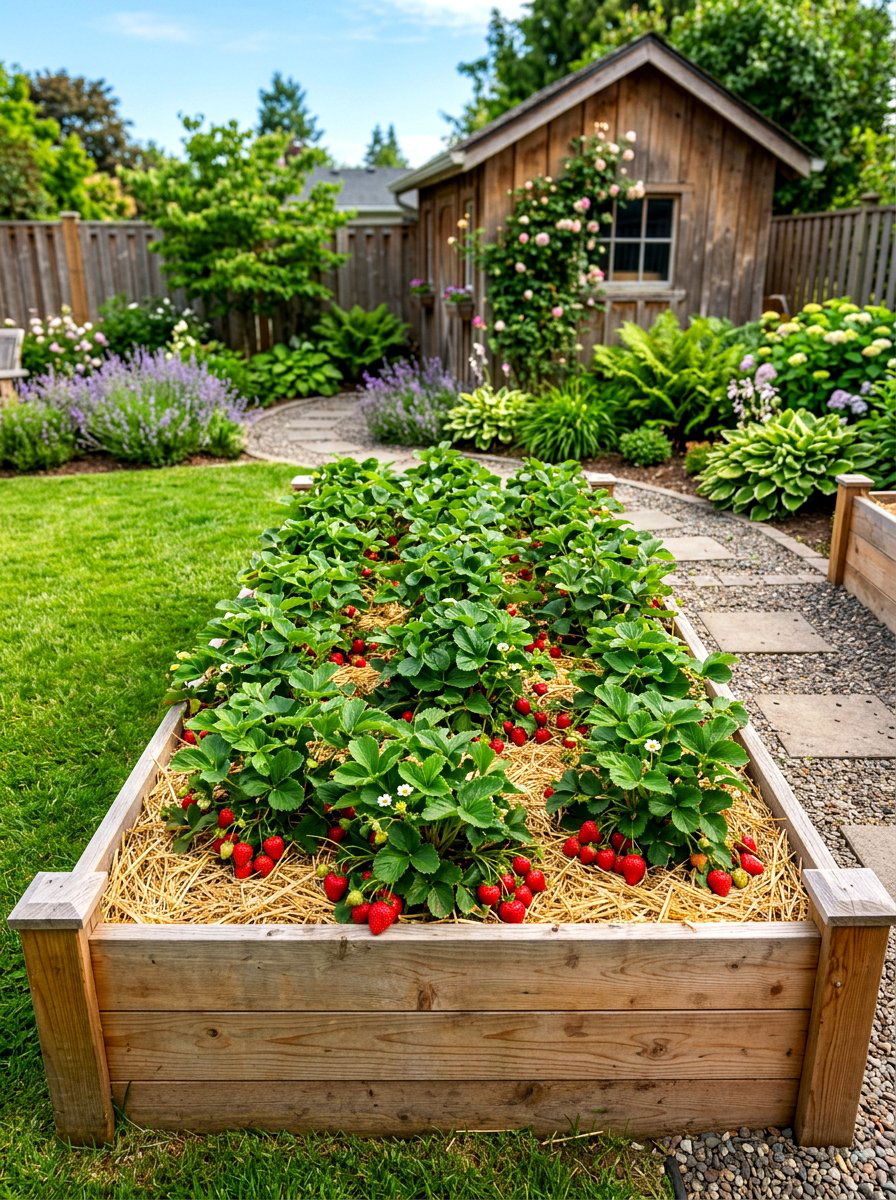
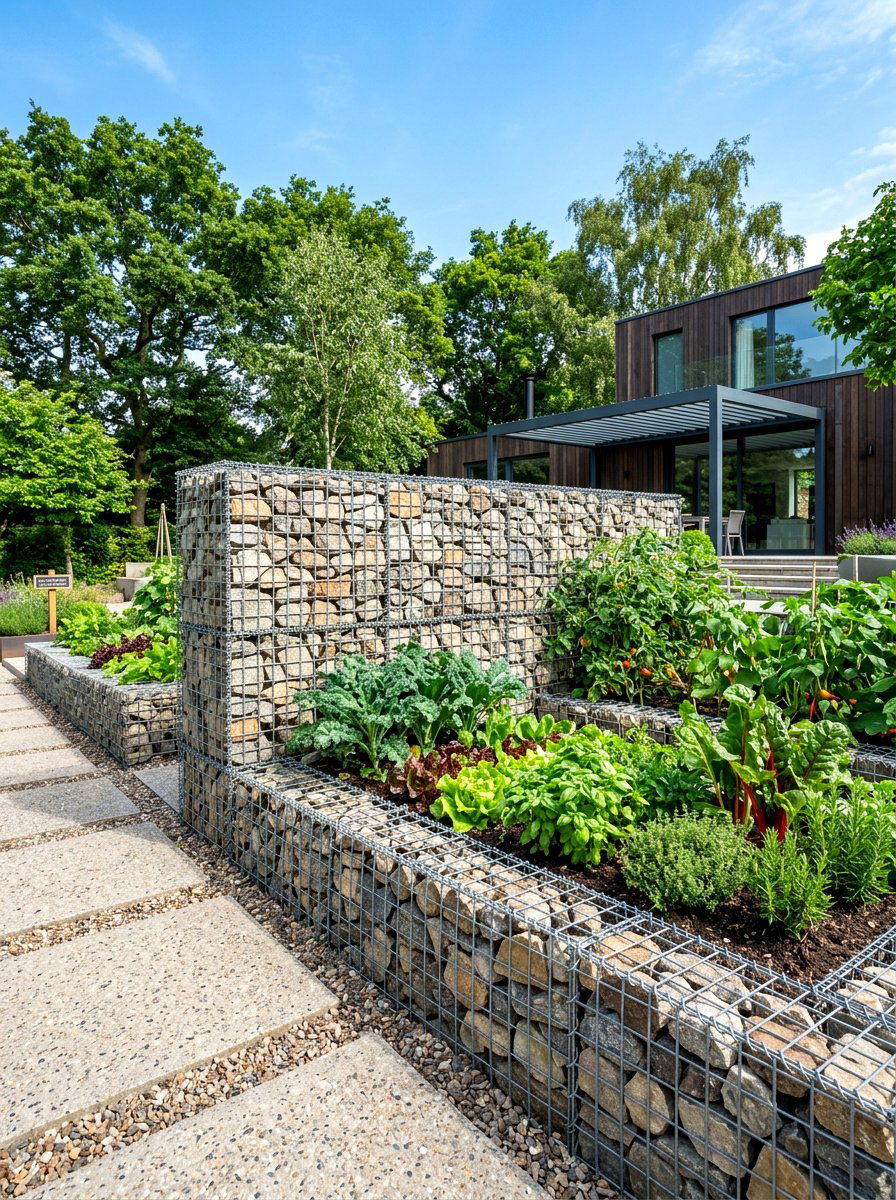
Building a dedicated raised bed for strawberries is a classic way to organize your garden. These structures provide excellent drainage and prevent soil compaction, which is vital for healthy root systems. You can use cedar or stone to match your home exterior for a cohesive look. Elevated beds also make harvesting much easier on your back since you do not have to lean over as far. This layout keeps the runners contained so the plants do not take over your entire lawn area. It creates a neat and tidy appearance that works well in any suburban backyard. Adding a layer of straw mulch will keep the fruit clean and help retain moisture during the hot summer months.
2. Large Scale Raspberry Trellis
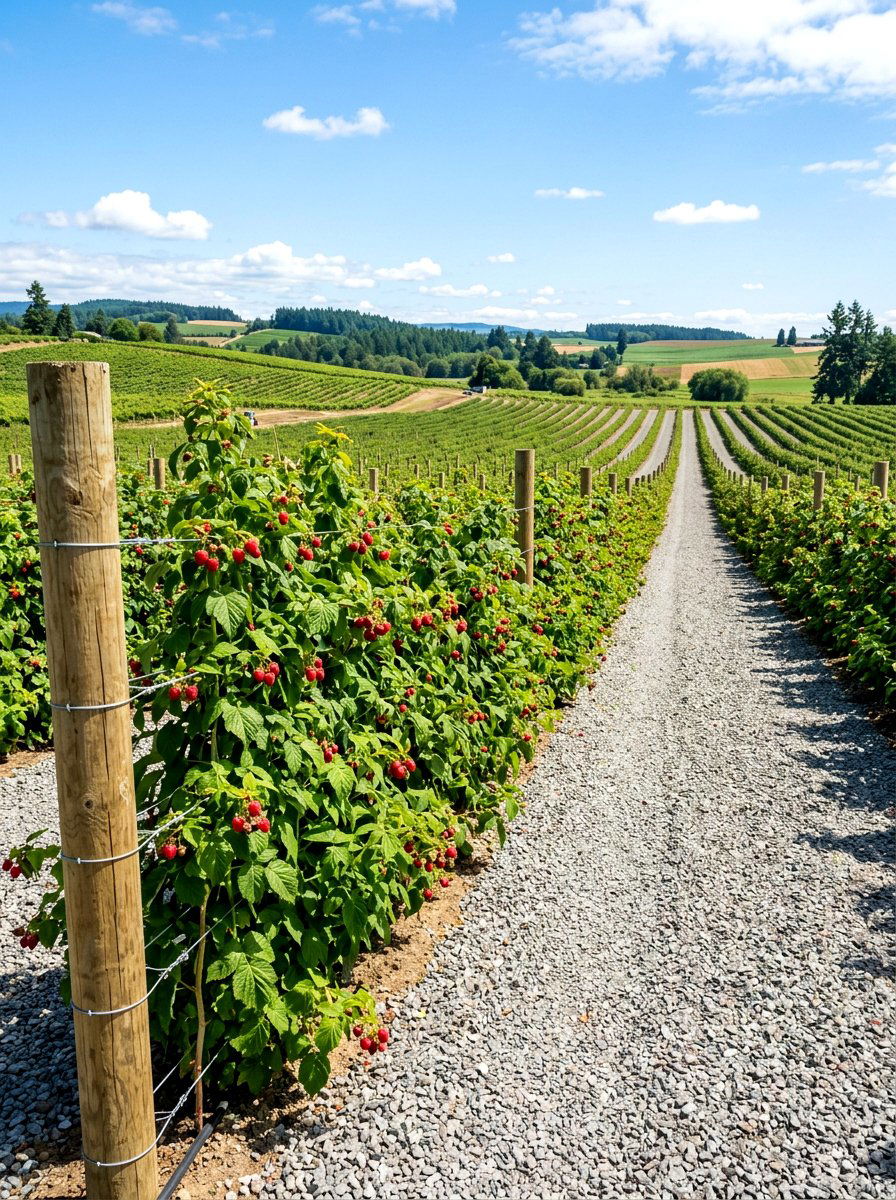
A structured trellis system is essential for managing the tall and often unruly canes of raspberry plants. This layout uses heavy-duty posts and wires to keep the plants upright and organized in long rows. By supporting the weight of the fruit, you prevent the stems from breaking or trailing on the muddy ground. This design allows for better airflow, which significantly reduces the risk of fungal diseases in damp climates. It also makes the berries much easier to spot and pick during the peak harvest season. You can place these trellises along the perimeter of your property to act as a functional and edible living fence for added privacy.
3. Front Yard Blueberry Hedge
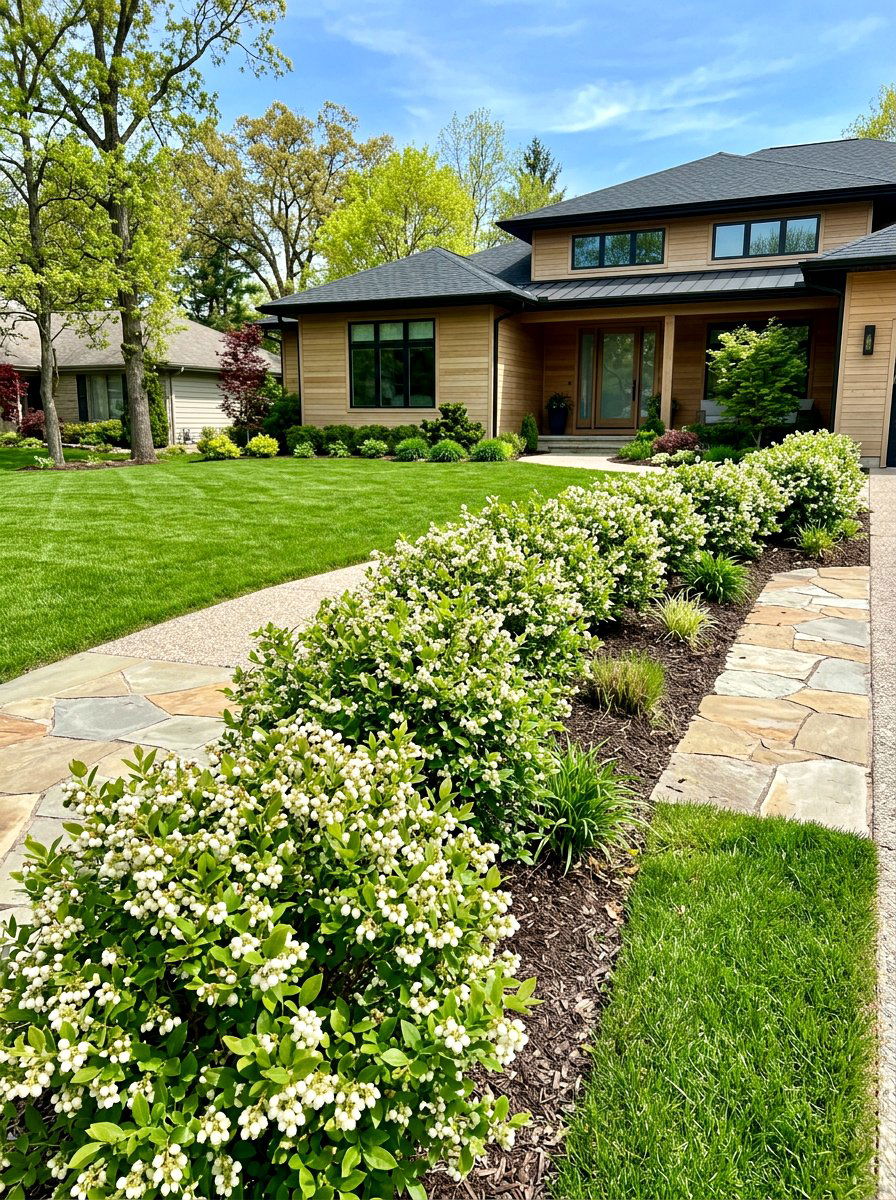
Blueberry bushes can serve a dual purpose by acting as a beautiful ornamental hedge in your front yard landscaping. They produce delicate white flowers in the spring and vibrant red foliage in the autumn months. Planting them in a straight or curved row creates a structured border that defines your property line effectively. Blueberries require acidic soil, so a dedicated hedge row allows you to manage the pH levels specifically for these plants. This layout looks intentional and high-end while providing a massive bounty of superfoods for your family. It is a perfect example of edible landscaping that adds curb appeal and value to your home without looking like a messy farm.
4. Decorative Blackberry Fence
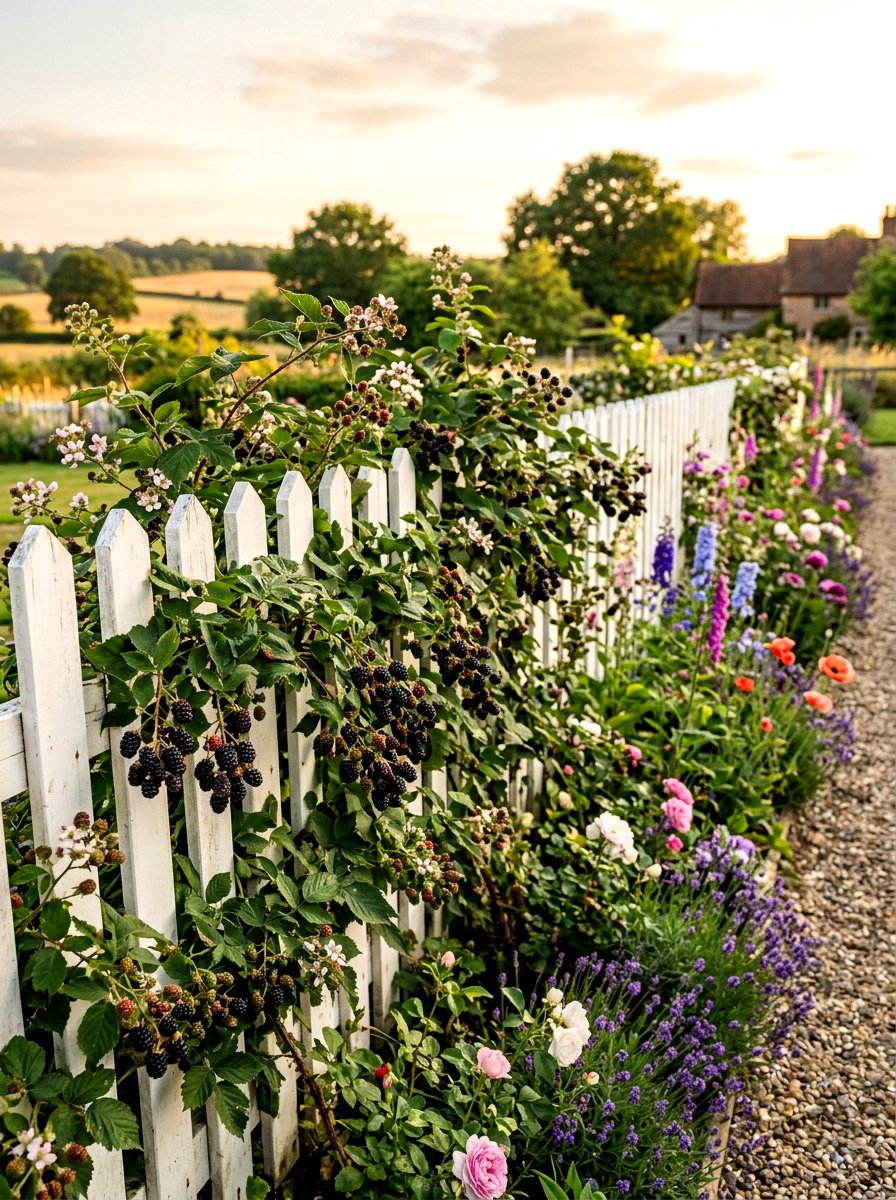
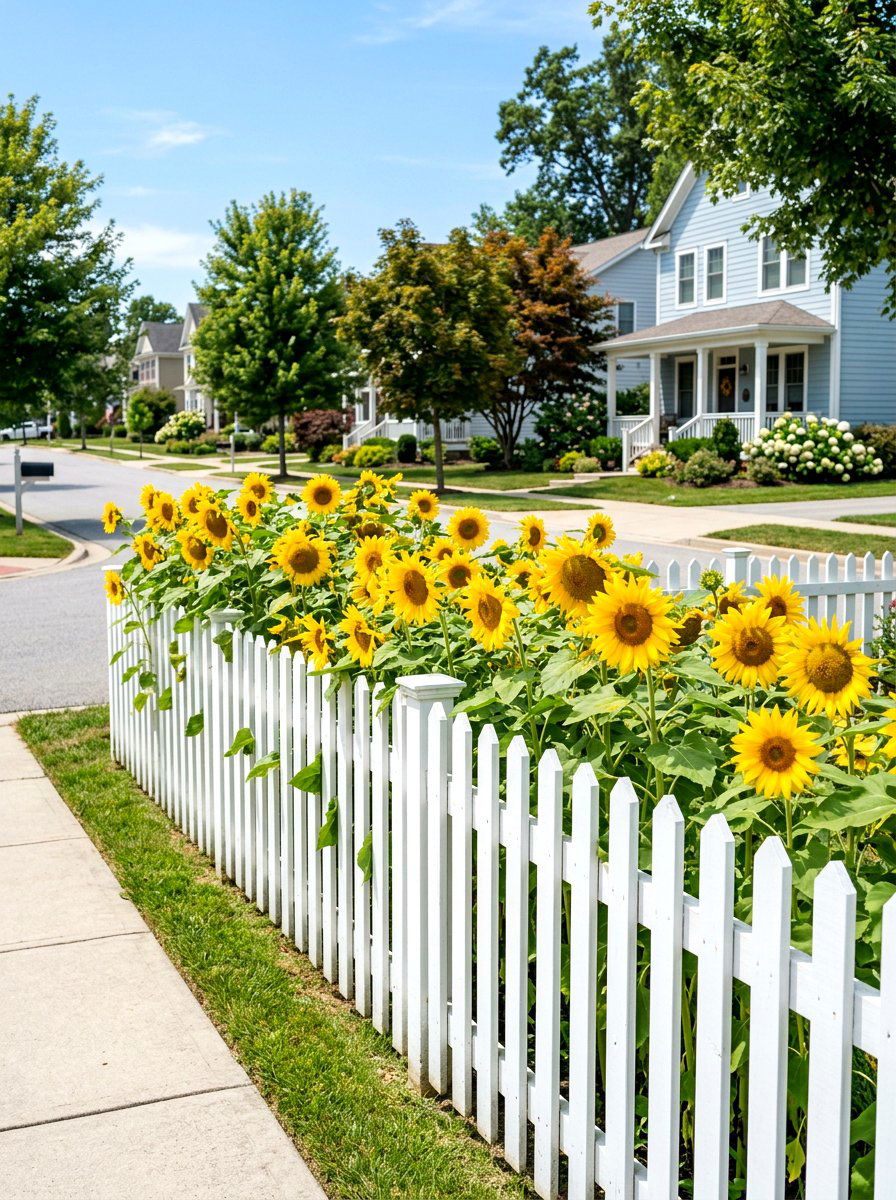
Training blackberries along a sturdy wooden or wire fence is a smart way to save space in smaller gardens. This vertical layout keeps the thorny canes off the ground and away from walkways where they might snag clothing. You can weave the long stems through the fence pickets to create a dense wall of greenery and dark fruit. This method ensures every berry gets plenty of sunlight for maximum sweetness and ripening. Using a fence also makes it much simpler to install protective netting if birds become a problem. It turns a basic boundary marker into a highly productive and attractive feature that enhances your outdoor living area throughout the growing season.
5. Urban Vertical Strawberry Tower
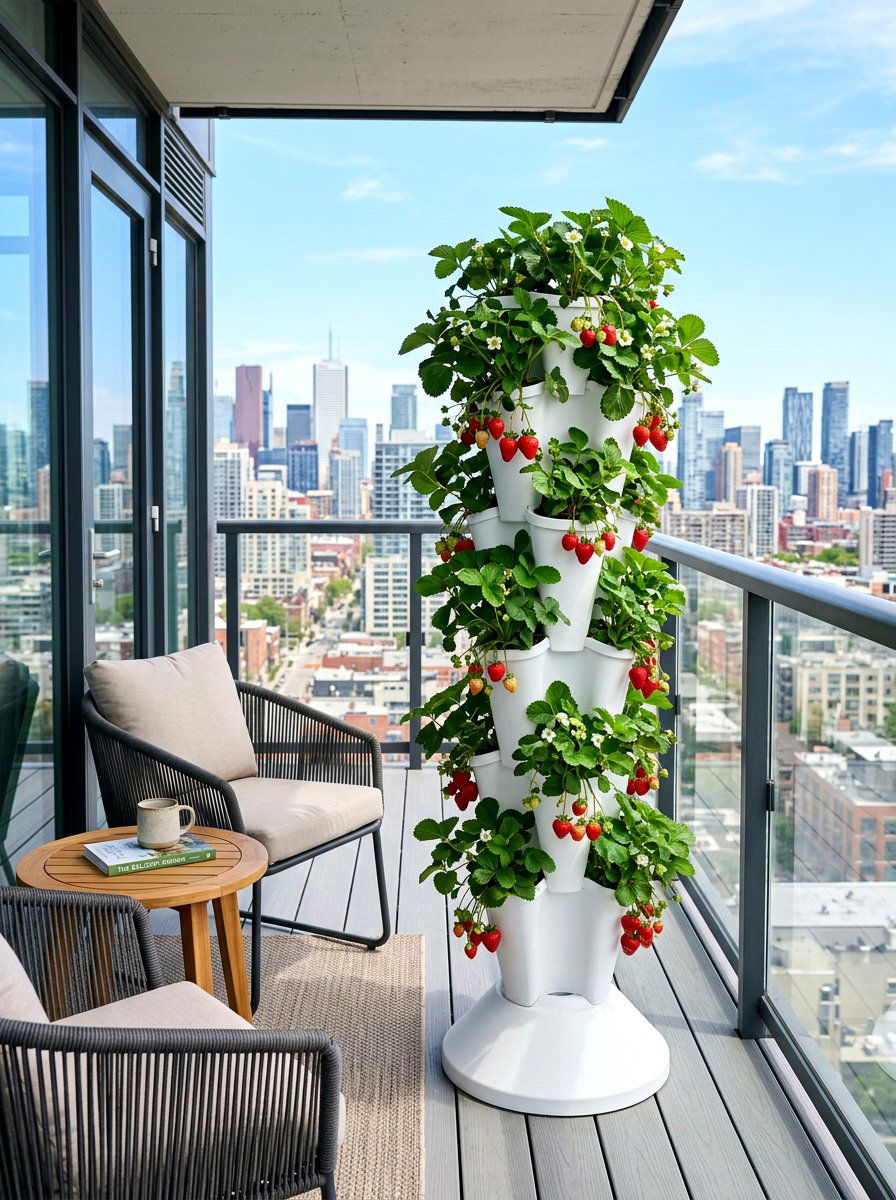
Vertical towers are the ultimate solution for urban gardeners who want to grow fresh fruit on a porch or balcony. These upright structures feature multiple planting pockets that allow you to grow dozens of strawberry plants in a tiny footprint. The cascading vines create a beautiful green pillar effect that looks like a living sculpture. Water typically flows from the top down, ensuring every plant gets the hydration it needs without wasting resources. This layout is excellent for keeping the berries away from ground-dwelling pests like slugs and snails. It is a modern and stylish way to incorporate agriculture into a contemporary outdoor setting while maintaining a very clean and organized look.
6. Family Mixed Berry Garden
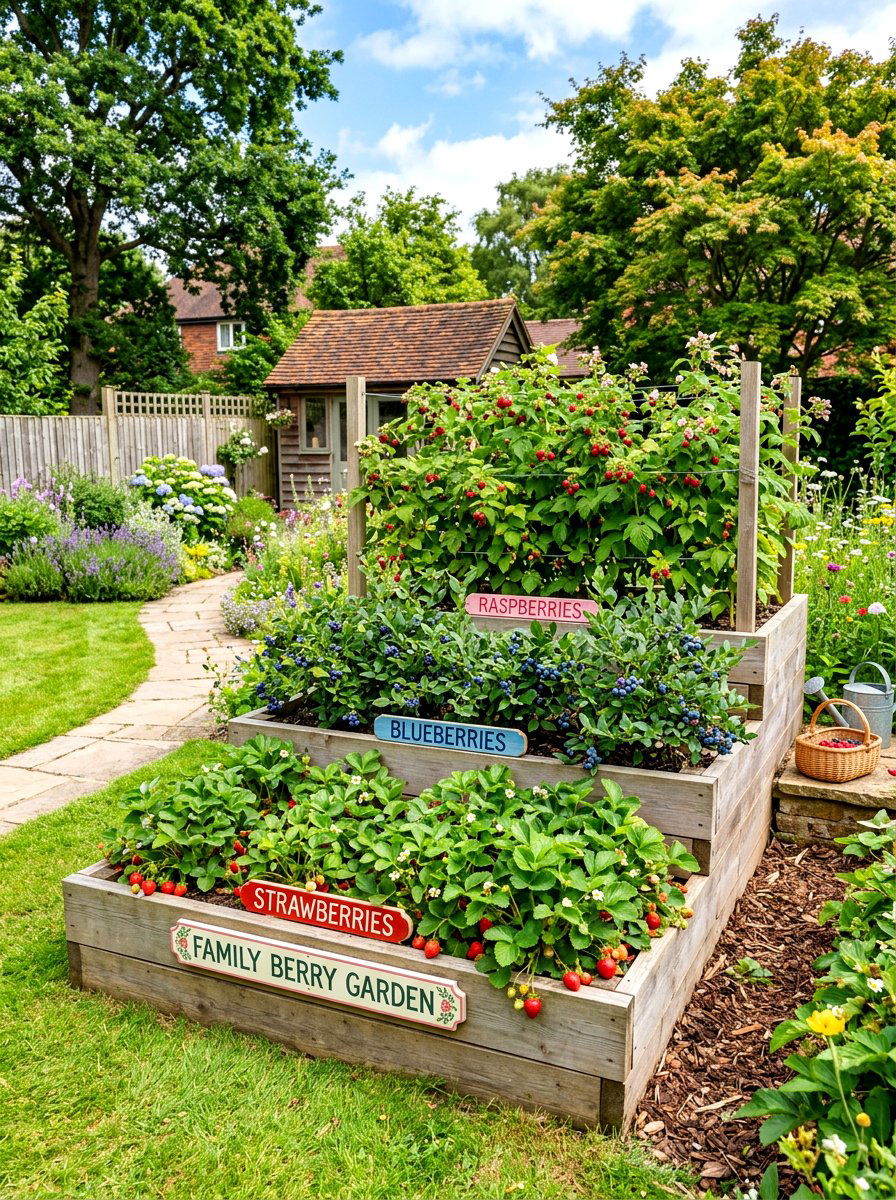
A mixed berry garden combines several types of fruit into one large and diverse growing zone for the whole family. You can plant strawberries in the front, blueberries in the middle, and tall raspberries at the back to create depth. This tiered approach ensures all plants receive adequate sunlight based on their height requirements. Using different species extends your harvest season from early summer all the way through the first frost of autumn. This layout encourages biodiversity and attracts more pollinators to your yard, which benefits all your garden plants. It serves as a wonderful educational space for children to learn about where their food comes from in a beautiful setting.
7. Rustic Stepping Stone Berry Path

Integrating a berry patch with a natural stone walkway creates an enchanting and whimsical feel in your garden. You can plant low-growing strawberries between the cracks of the stones or along the edges of the winding path. This layout invites guests to interact with the landscape as they stroll through your backyard space. The heat from the stones can actually help the berries ripen faster in cooler climates. It creates a very soft and organic look that blends perfectly with cottage-style homes or rustic landscapes. This design turns a simple functional walkway into a delightful sensory experience filled with the sweet aroma and bright colors of ripening fruit.
8. Classic Potager Berry Garden
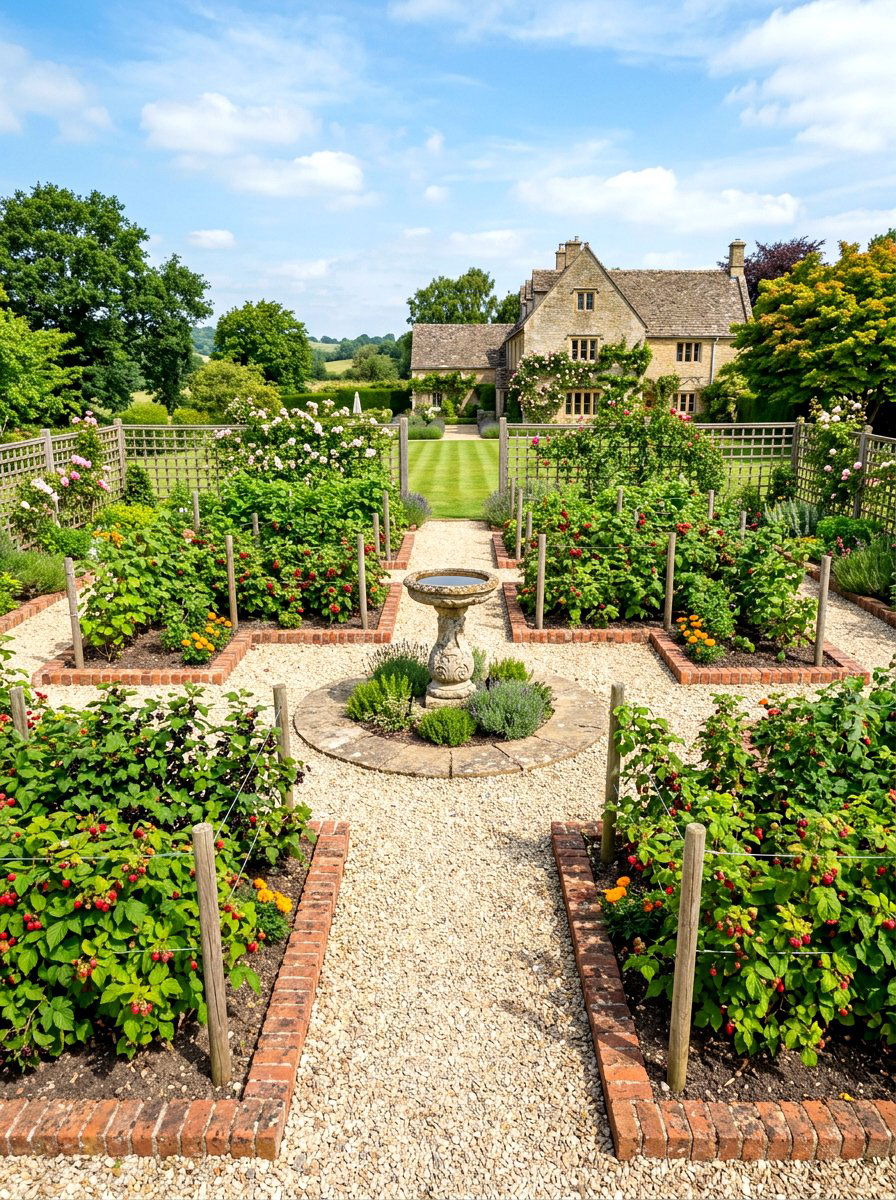
A potager is a French-style kitchen garden that prioritizes both beauty and utility in a very structured layout. You can incorporate berries into symmetrical beds bordered by low boxwood hedges or decorative bricks. This design often features a central focal point like a birdbath or a sundial to anchor the space visually. Mixing berries with herbs and flowers creates a rich tapestry of colors and textures that looks stunning year-round. This layout is perfect for homeowners who want a garden that feels like a formal outdoor room. It proves that growing food can be just as elegant as growing ornamental flowers when you use a balanced and thoughtful design plan.
9. Small Patio Blueberry Container
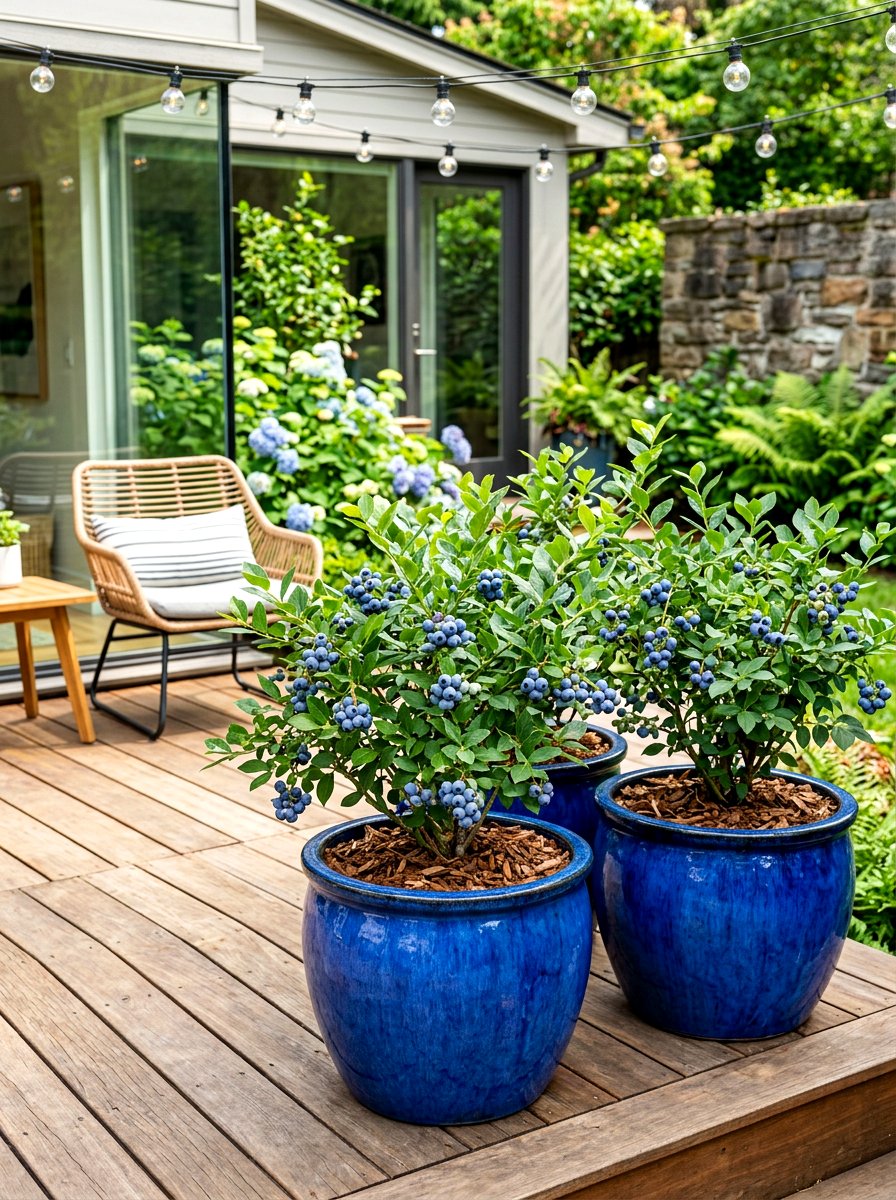
Growing blueberries in large, stylish pots is a great way to enjoy fresh fruit when you have limited ground space. This layout allows you to move the plants around to catch the best sunlight throughout the day. Containers also make it very easy to provide the specific acidic soil that blueberries need to thrive. You can choose decorative ceramic or modern resin pots that complement your patio furniture and overall outdoor decor. Grouping several containers together creates a lush and cozy atmosphere on a hardscaped surface. This approach is very manageable for beginners and keeps the garden looking neat and contained without any digging or permanent changes.
10. Orchard Style Strawberry Ground Cover
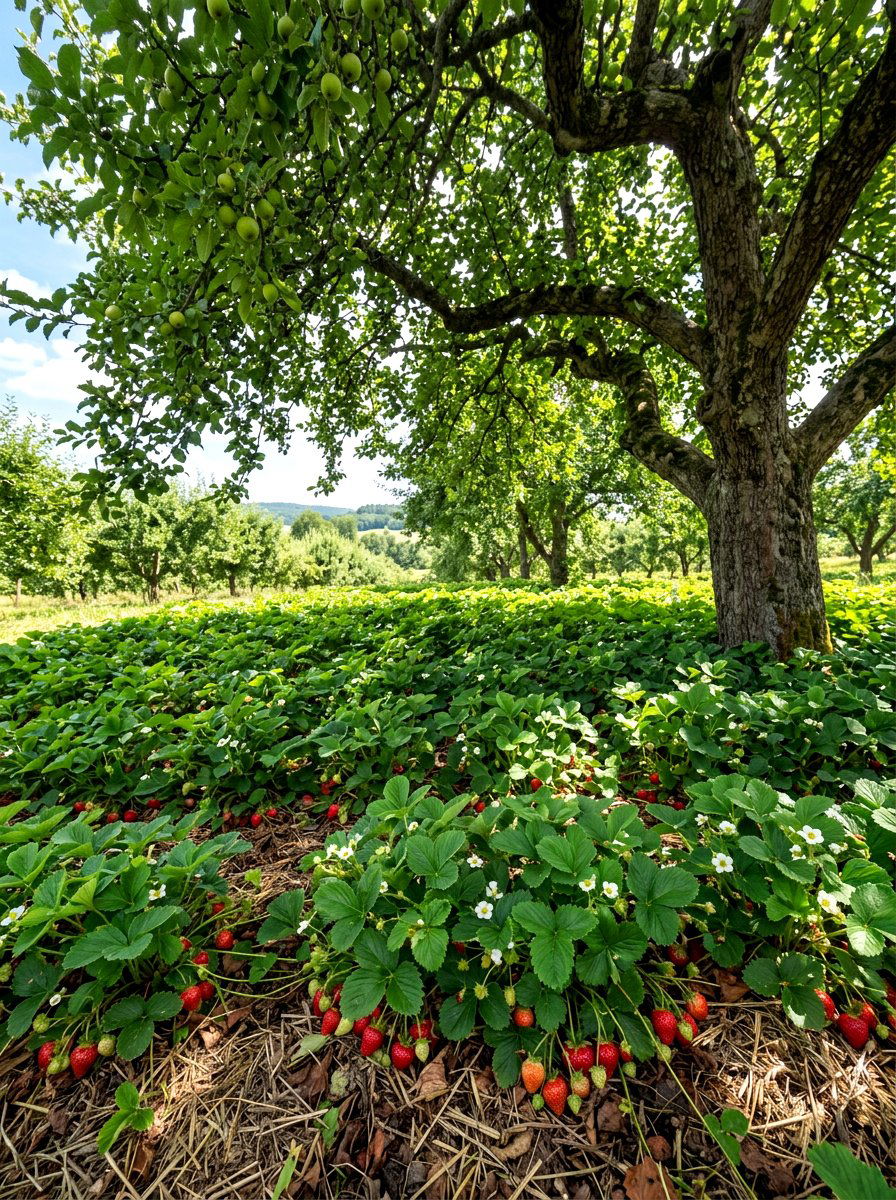
Using strawberries as a functional ground cover is an excellent way to fill empty spaces under larger fruit trees. This layout mimics a natural forest floor where low-growing plants thrive in the dappled sunlight. The strawberry runners will quickly spread to create a dense mat of green leaves that suppresses weeds effectively. This design maximizes your land use by growing food on multiple levels within the same footprint. It helps retain soil moisture and prevents erosion around the base of your trees. This semi-wild look is perfect for larger properties or permaculture-style gardens where you want to create a self-sustaining and high-yielding ecosystem with minimal maintenance.
11. Space Saving Raspberries Against Wall
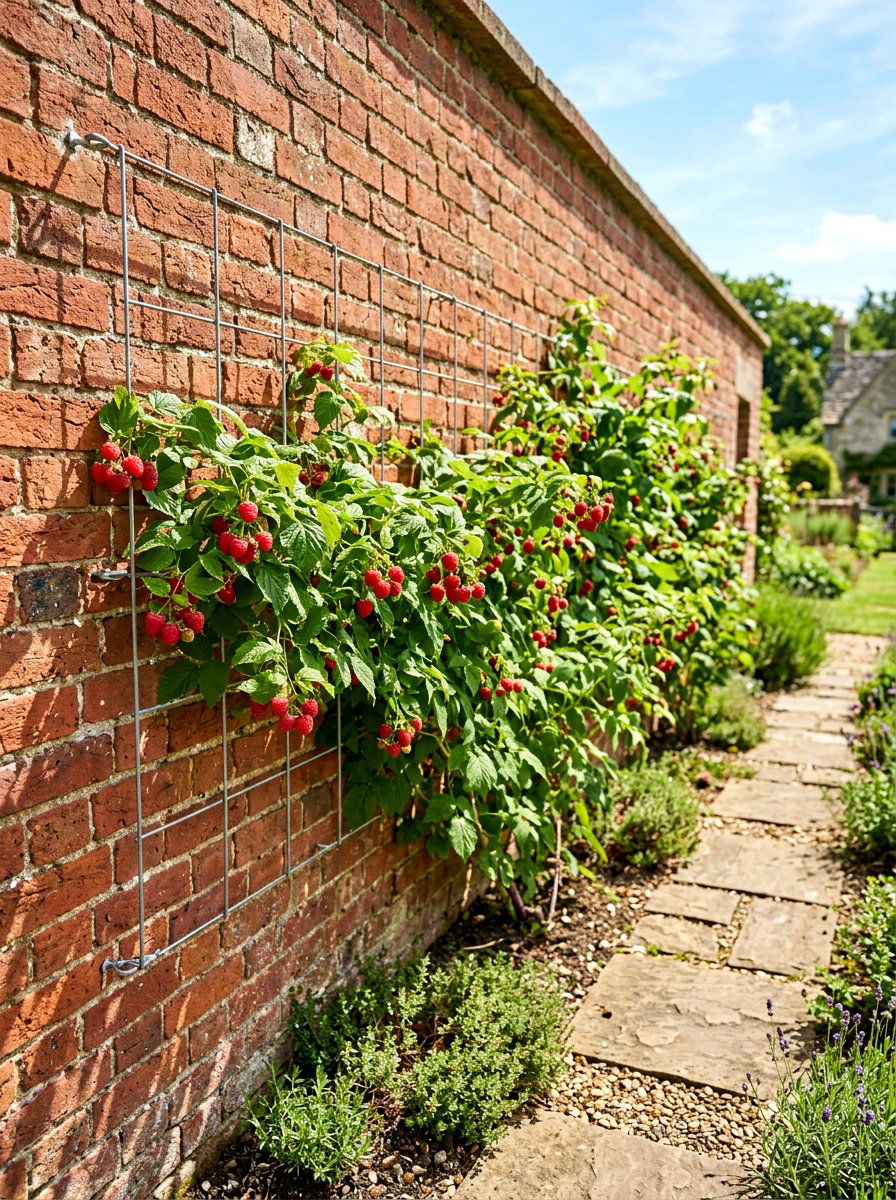
Planting raspberry canes against a sunny south-facing wall is an efficient layout for narrow side yards or small lots. The wall acts as a heat sink, absorbing warmth during the day and radiating it back to the plants at night. This can lead to an earlier harvest and sweeter fruit in many northern climates. You can install a simple wire grid or wooden trellis directly onto the wall to support the canes. This design keeps the plants tucked away so they do not obstruct paths or other garden features. It is a very clean and organized way to grow a significant amount of fruit in a space that might otherwise go unused.
12. High Yield Tiered Strawberry Garden
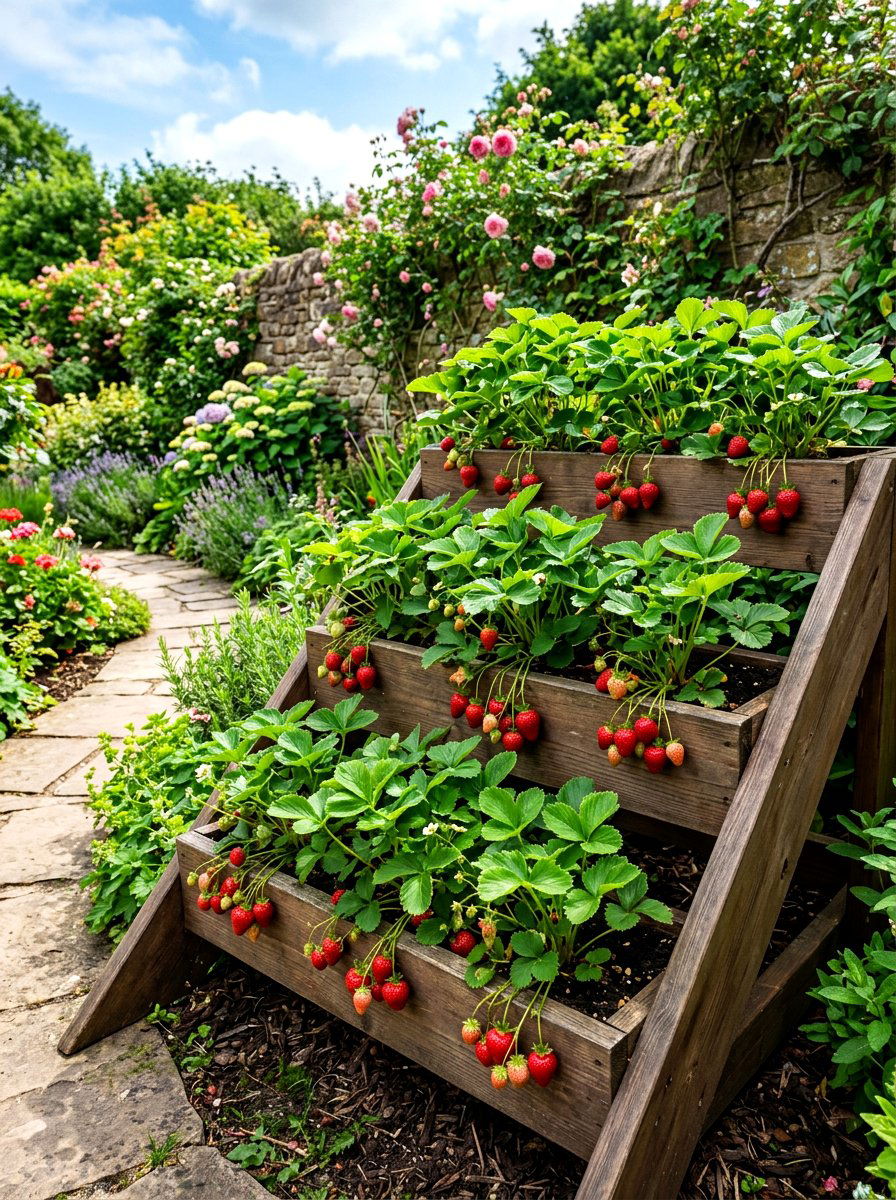
A tiered garden layout uses multiple levels to increase the planting surface area without taking up more ground space. You can build these steps out of wood, stone, or even recycled materials like pallets for a rustic look. This design allows for excellent drainage and prevents the plants at the top from shading those at the bottom. It creates a dramatic visual staircase of greenery and red berries that serves as a beautiful focal point. This layout is particularly effective for heavy harvesters because you can easily reach every plant from the sides. It is a smart engineering solution for people who want to maximize their berry production in a small area.
13. Garden Entryway Archway Berry Trellis
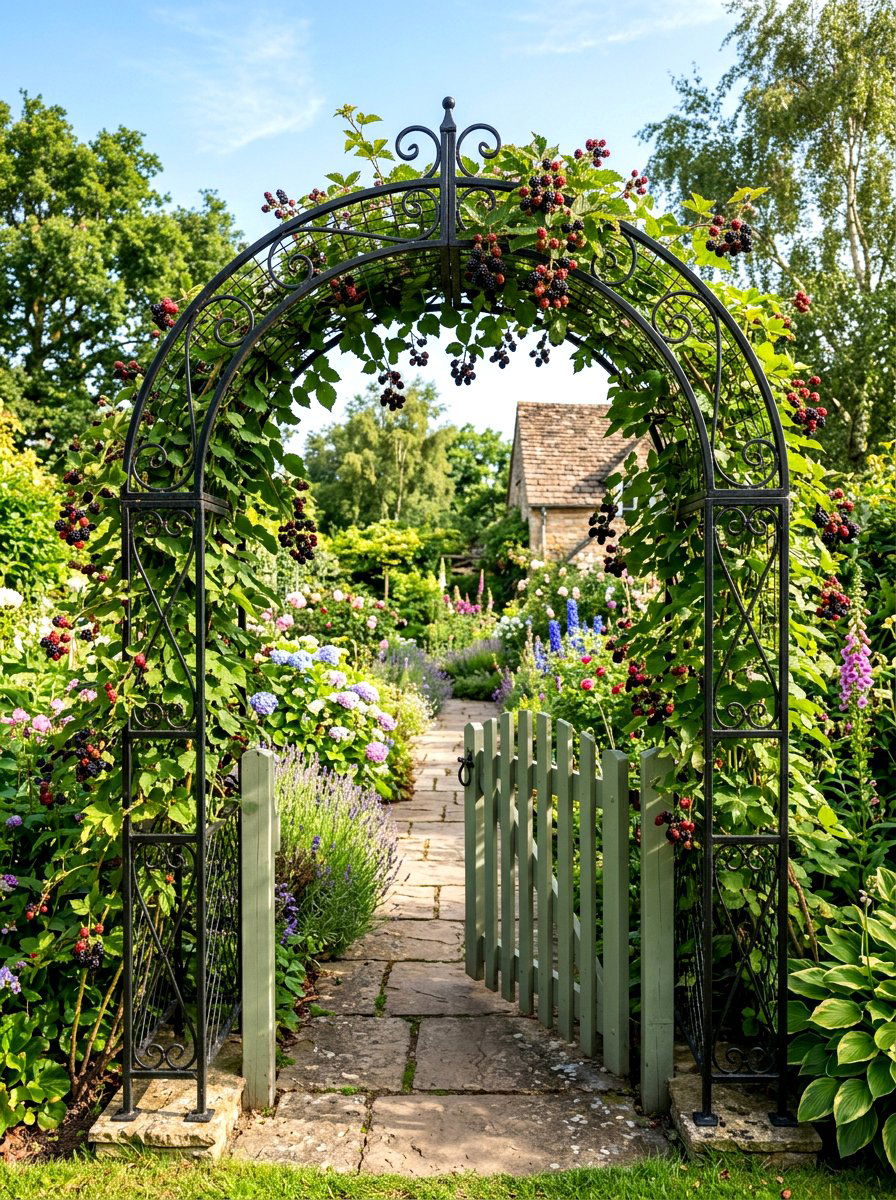
Installing an archway covered in climbing berries creates a stunning and edible entrance to your garden or backyard. Vining varieties like certain blackberries or even hardy kiwis are perfect for this vertical layout. As the plants grow over the top, the heavy fruit hangs down, making it very easy to pick as you walk underneath. This design adds height and architectural interest to your landscape while providing a unique harvesting experience. It creates a sense of transition and wonder as you move from one part of the yard to another. This layout is a favorite for Pinterest-worthy gardens because it combines romantic aesthetics with practical food production.
14. Intensive Keyhole Berry Bed
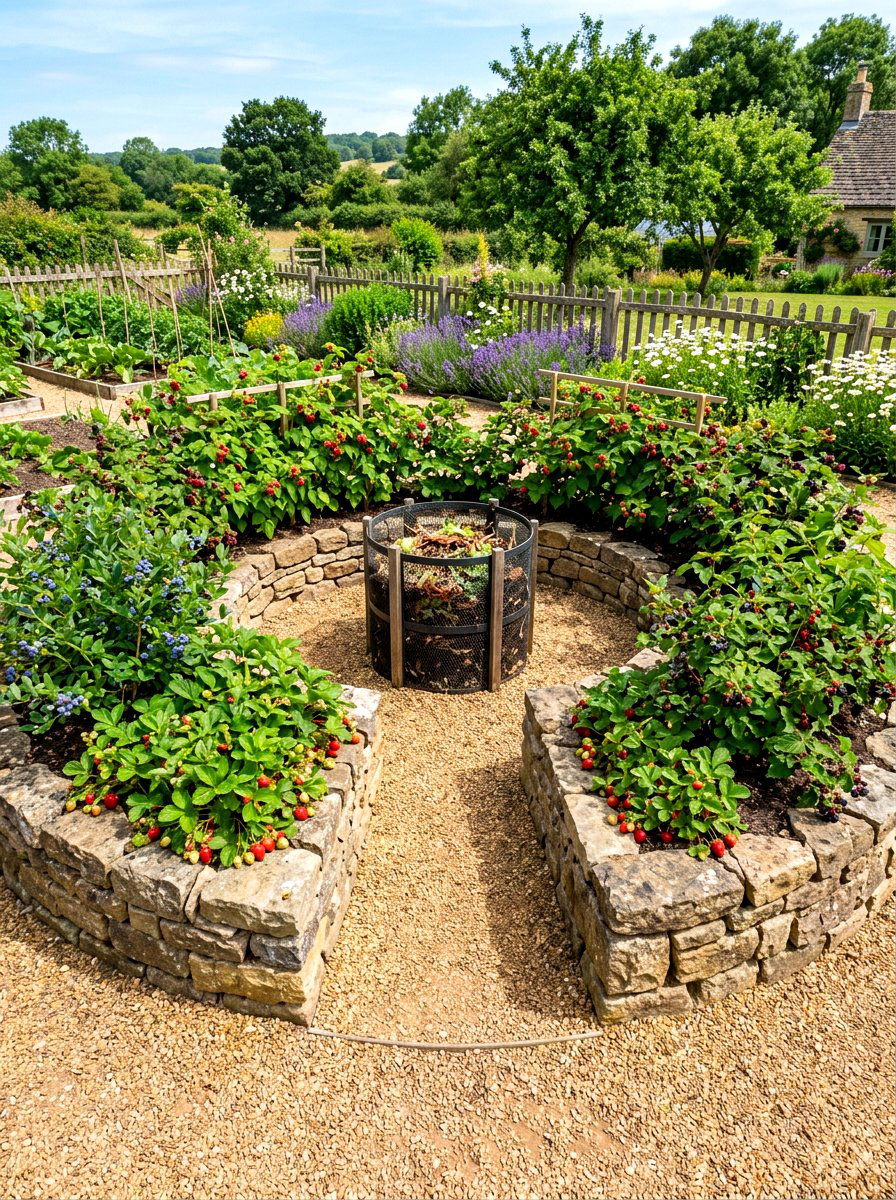
The keyhole garden is a circular raised bed with a notched pathway leading to the center for easy access. This layout is designed for maximum efficiency, allowing you to reach every plant without ever stepping on and compacting the soil. You can plant a variety of berries in concentric circles, with taller bushes in the middle and lower ones on the edges. The center often contains a composting basket that feeds nutrients directly to the roots of your berry plants. This design is highly sustainable and works perfectly in small backyards where space is at a premium. It offers a unique and interesting shape that breaks up the straight lines of traditional gardens.
15. Formal Rectangular Berry Patch
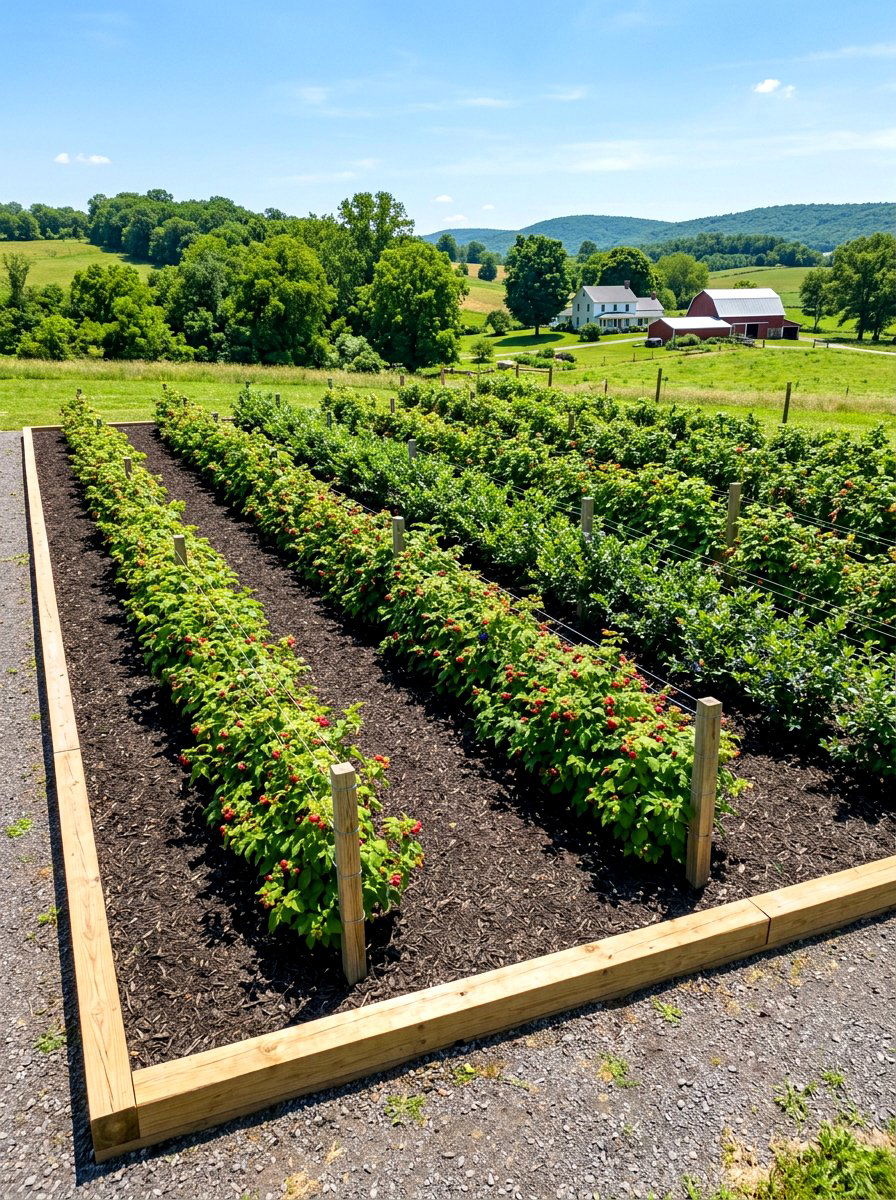
A formal rectangular layout provides a very clean and organized look that suits modern and traditional homes alike. You can define the edges with sharp timber borders or low stone walls for a polished finish. This shape makes it very easy to calculate soil needs and install irrigation systems like drip lines. It allows for clear walking paths between the beds, ensuring your feet stay dry and the garden stays tidy. You can arrange different berry types in neat sections to keep the various species separated and easy to manage. This layout is ideal for gardeners who appreciate precision and want a structured environment for their fruit production.
16. Ornamental Circular Berry Garden
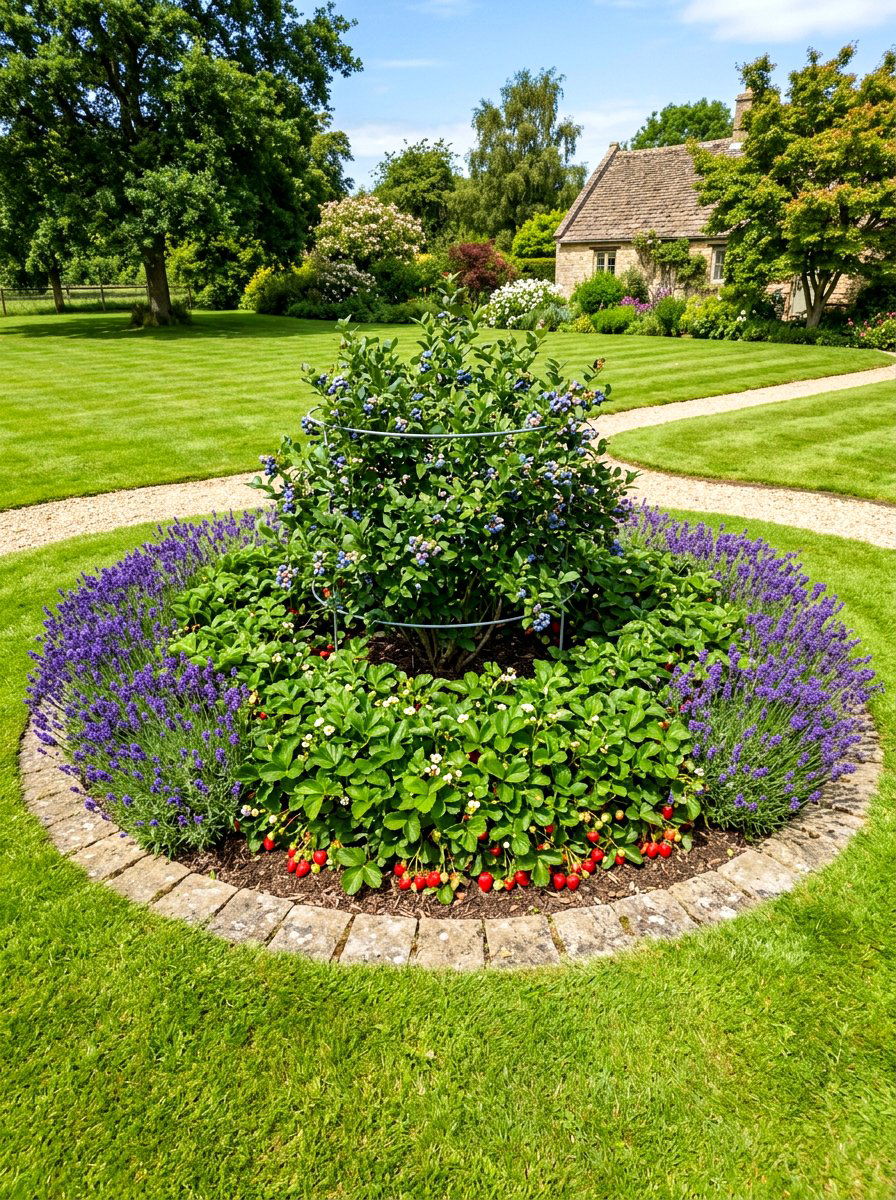
A circular berry patch breaks the monotony of traditional square gardens and adds a soft, flowing element to your landscape. You can plant a tall blueberry bush in the center and surround it with rings of strawberries and aromatic herbs. This layout creates a 360-degree viewing and harvesting experience that works well in the middle of a lawn. Using curved edges makes the garden feel more natural and integrated with the surrounding environment. It serves as a beautiful island of productivity that draws the eye and encourages exploration. This design is perfect for creating a focal point in a larger yard while still being very functional for food growth.
17. Home Orchard Dwarf Fruit Berry Patch
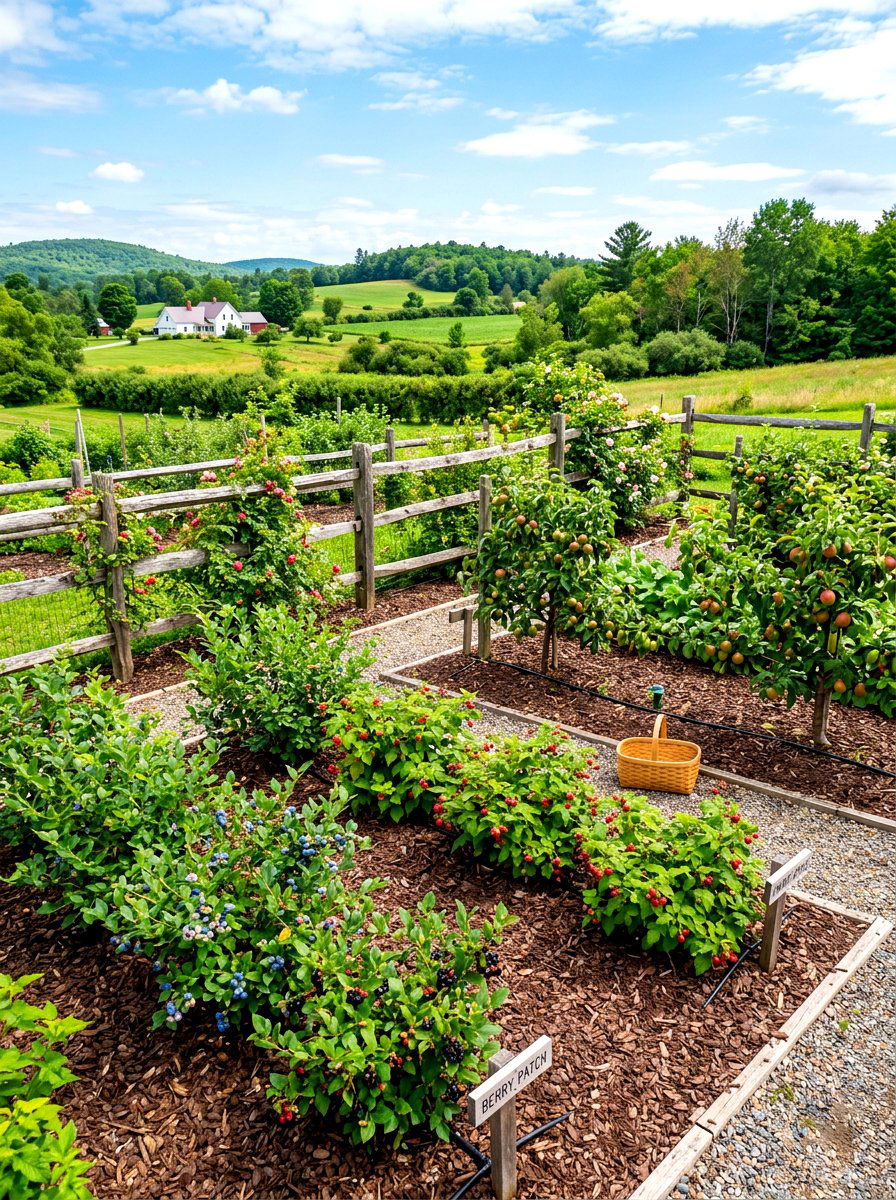
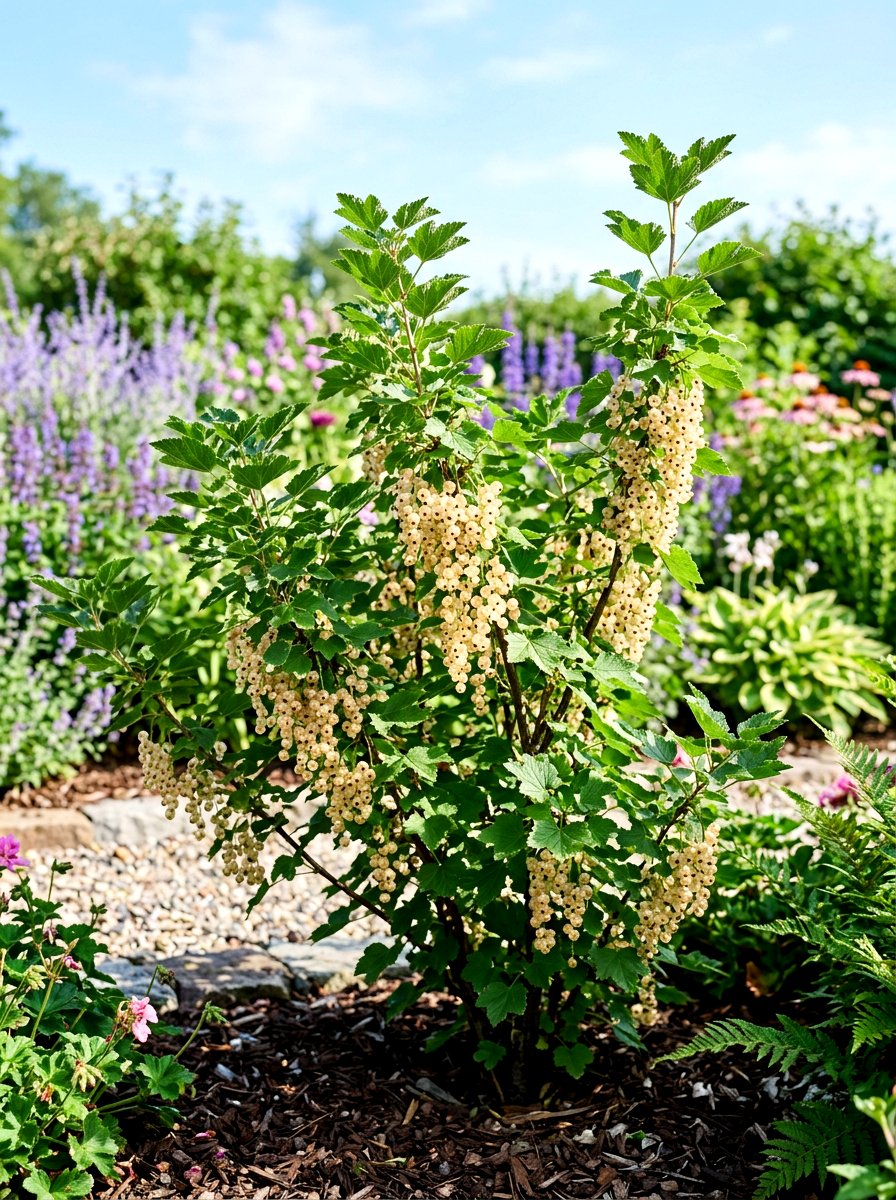
If you have a bit more space, a dwarf fruit and berry patch offers a diverse and high-yielding mini orchard. This layout focuses on smaller, manageable plants that do not require massive equipment to prune or harvest. You can mix dwarf blueberries, honeyberries, and currants in a clustered arrangement that looks lush and full. This design creates a dense thicket of food that provides a habitat for beneficial insects and birds. By choosing various heights, you ensure that every plant gets enough light while creating a beautiful layered look. This is a great way to grow a wide variety of flavors in a relatively small suburban or rural backyard.
18. Indoor Greenhouse Berry Shelving
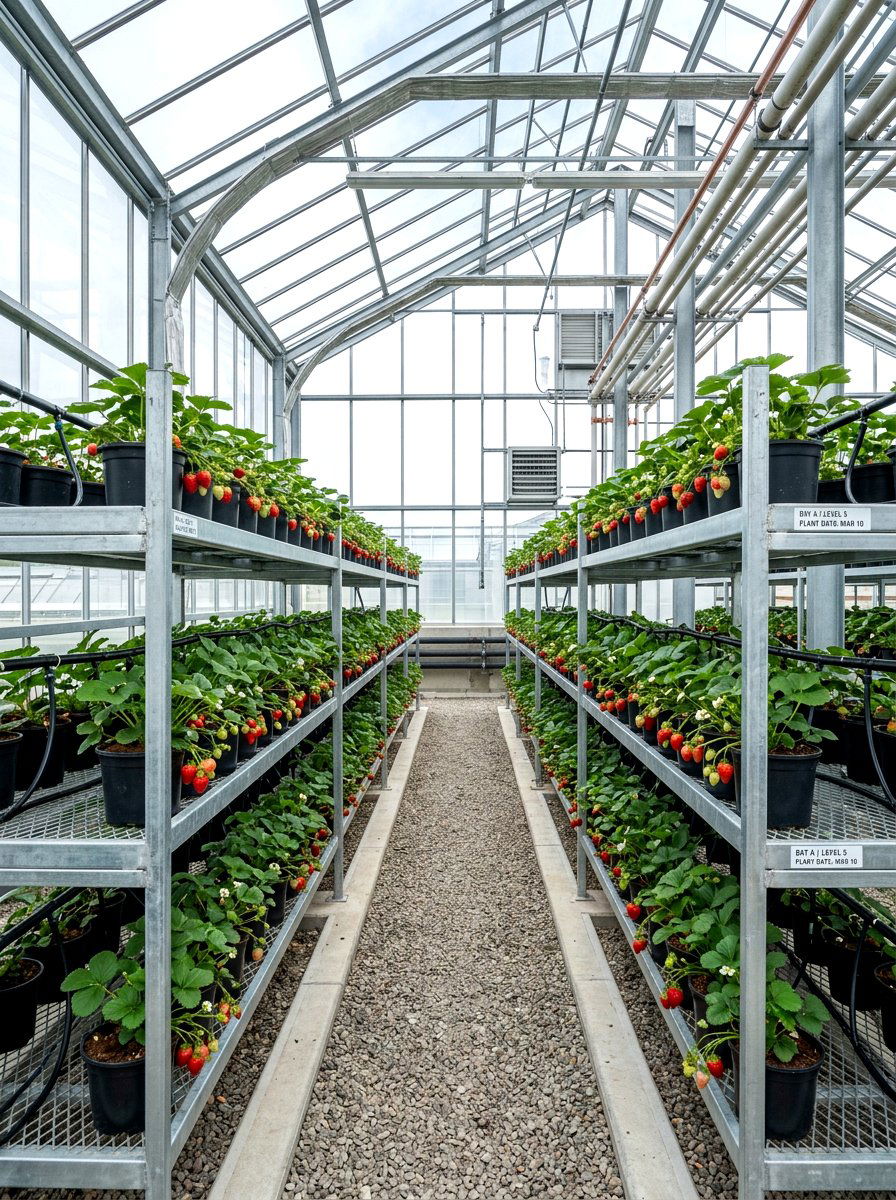
For those in cold climates or with very limited outdoor space, a greenhouse shelving layout is a game changer. You can grow strawberries and small berry bushes on vertical racks under glass or plastic covers to extend the season. This controlled environment protects the delicate plants from frost, wind, and heavy rain. Using shelves allows you to stack your garden vertically, making use of all the available light and heat. This layout is very clean and prevents soil-borne diseases and outdoor pests from reaching your fruit. It is a sophisticated way to enjoy fresh, organic berries even when the weather outside is not ideal for traditional gardening.
19. Suburban Edible Landscaping Berry Border
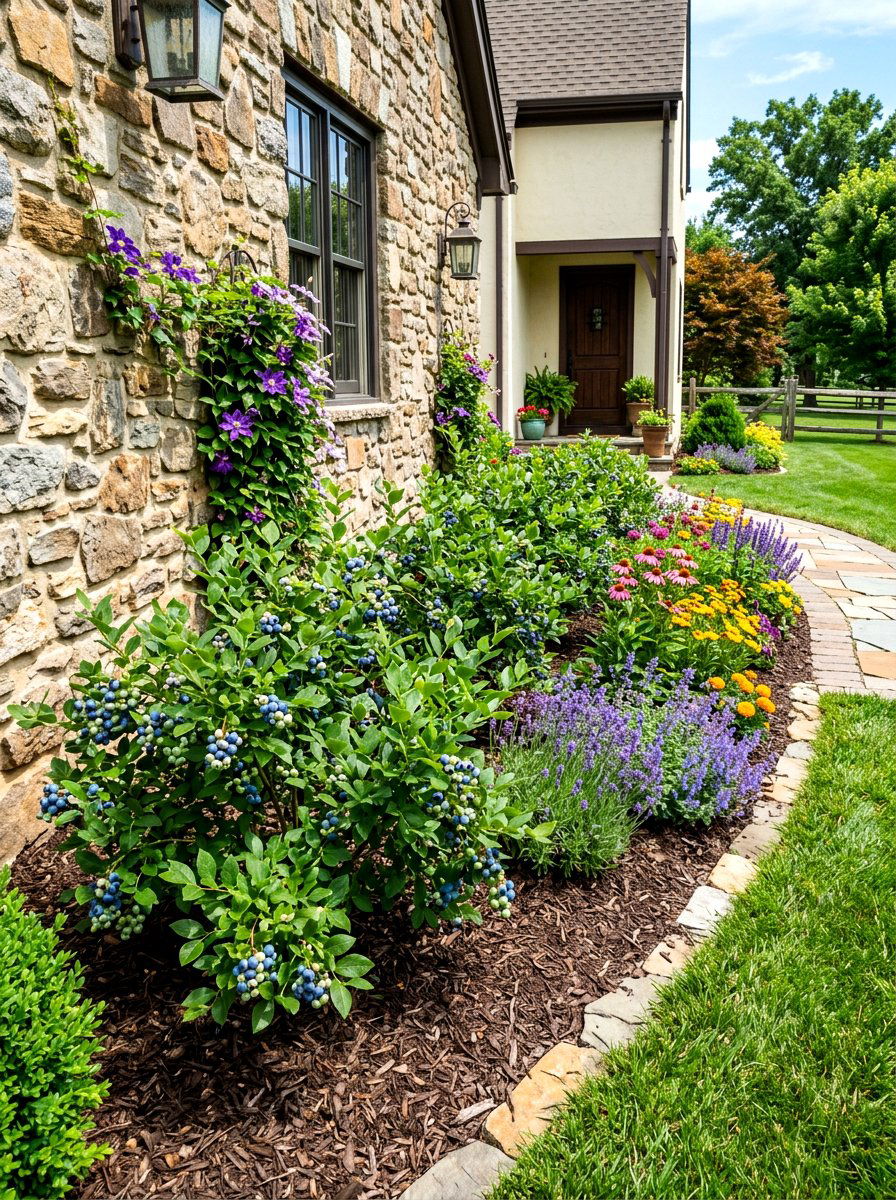
Replacing traditional ornamental shrubs with berry bushes along your house foundation is a smart way to use suburban space. This layout turns a purely decorative area into a functional food source that still looks professional and well-kept. Blueberries and currants have beautiful shapes and colors that complement most architectural styles perfectly. This design saves you time by combining your landscaping and gardening chores into one manageable task. It also makes use of the microclimate created by the house walls, which can protect plants from harsh weather. This approach is becoming increasingly popular for homeowners who want to live more sustainably without sacrificing the look of their neighborhood.

20. Protected Raised Bed With Netting
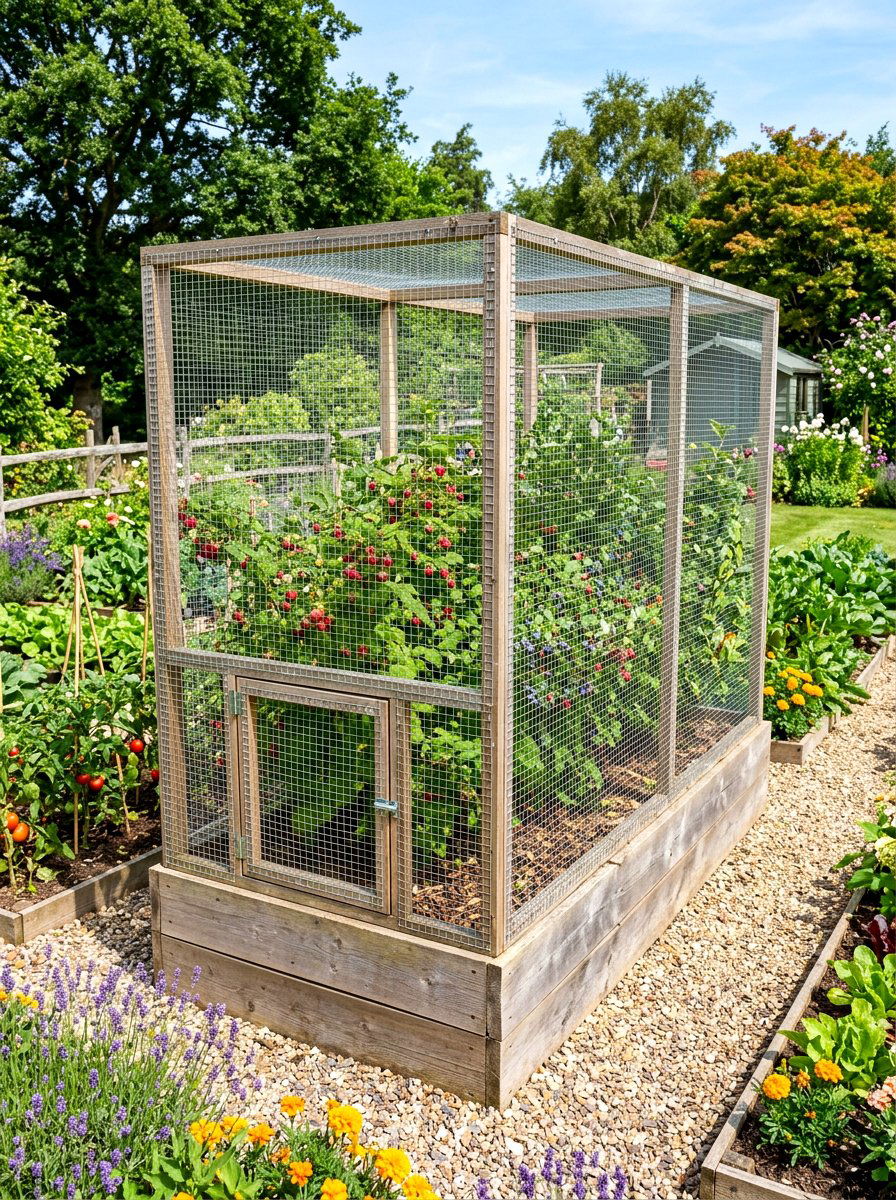
A raised bed with a built-in netting frame is the best layout for areas with heavy bird or squirrel populations. This design features a permanent structure over the berry patch that supports a fine mesh to keep intruders away from the fruit. You can build the frame out of PVC pipes or wooden stakes that attach directly to the bed. This ensures your hard work doesn't go to waste right as the berries begin to ripen. The layout remains very accessible for humans through a simple door or removable panel. It provides peace of mind and significantly increases your overall harvest by protecting every single berry from hungry wildlife.
21. Compact Corner Strawberry Bed
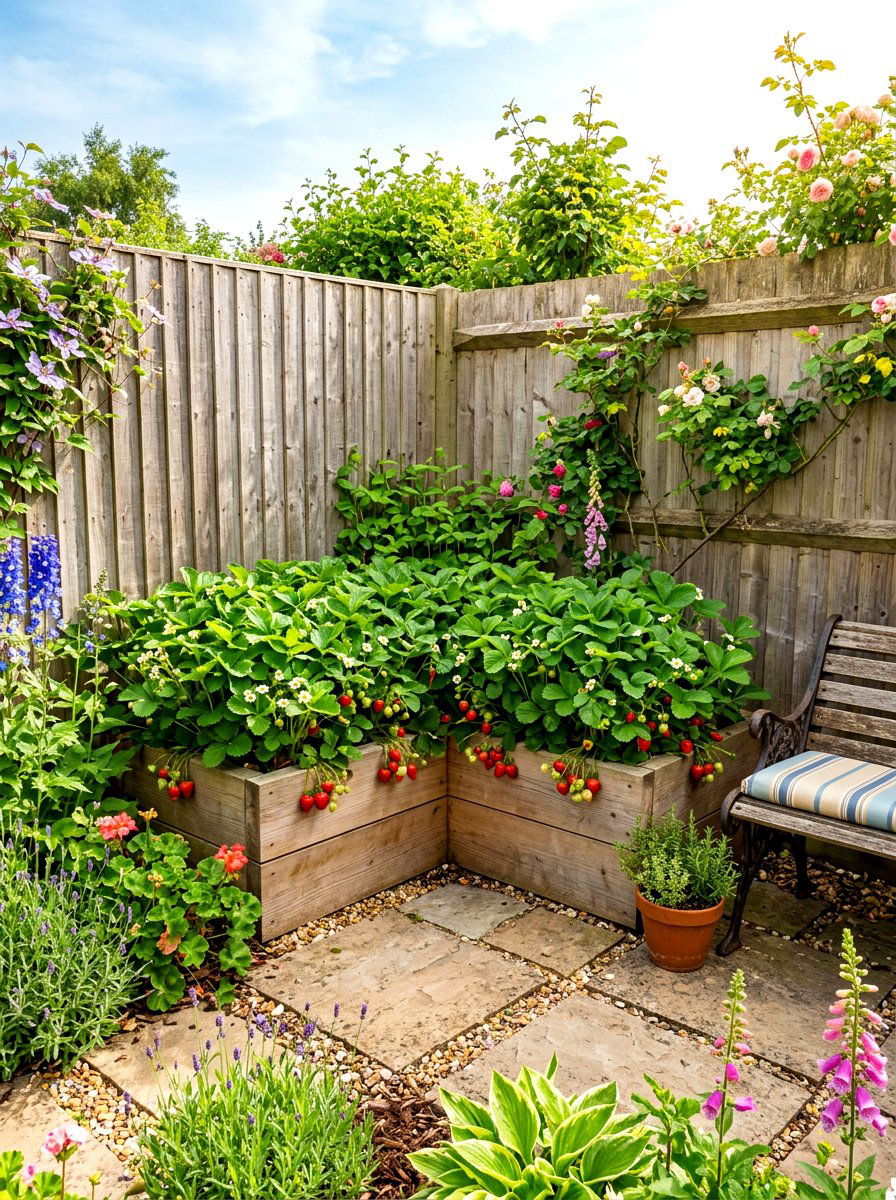
A corner berry bed is a brilliant way to utilize the often-wasted space where two fences or walls meet. This triangular or L-shaped layout fits snugly into the perimeter of your yard, leaving the center open for other activities. You can build tiered levels to add more planting space and visual interest to a flat corner. This design keeps the berries tucked away but still within easy reach for a quick snack. It is a very efficient use of land that helps define the boundaries of your outdoor living area. By adding a small bench nearby, you can turn this corner into a cozy and productive garden retreat.
22. Walk In U-Shaped Berry Garden
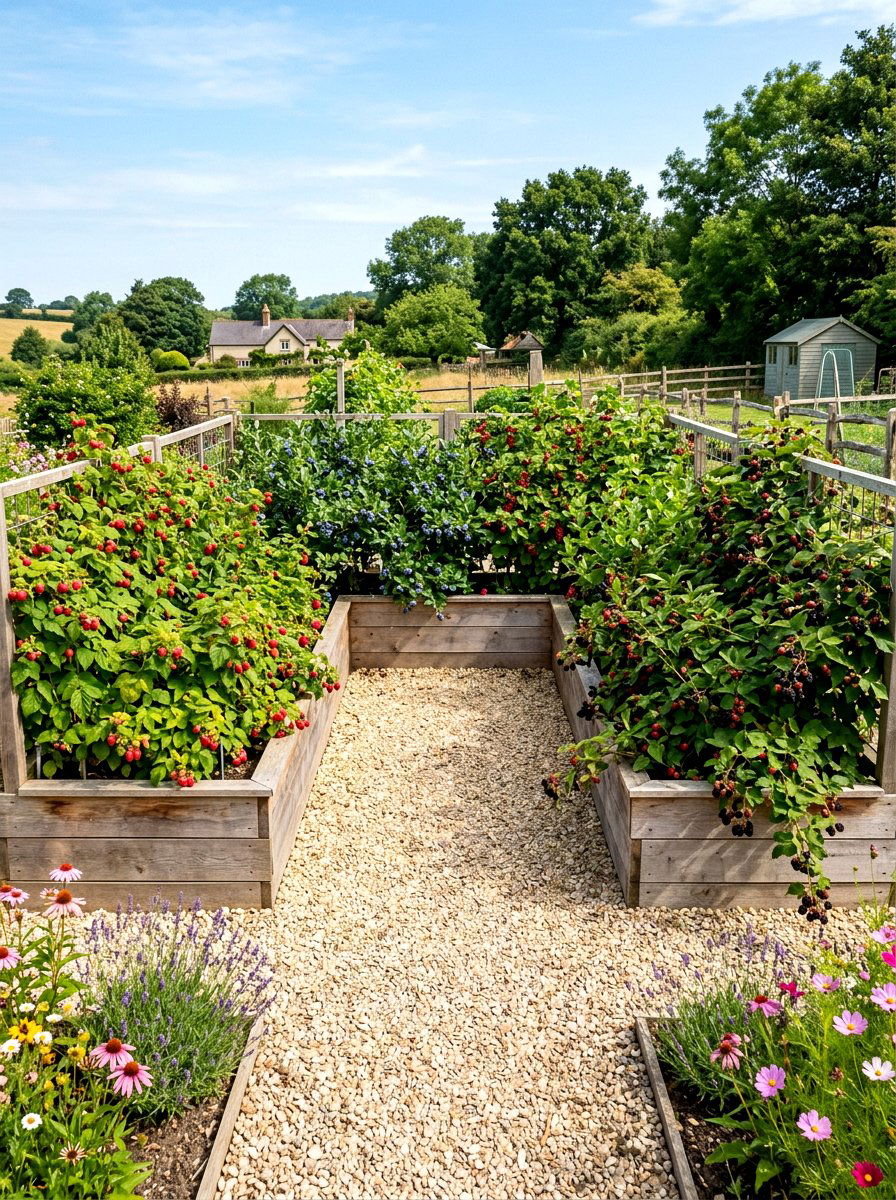
A U-shaped layout offers a massive amount of growing space while allowing you to walk right into the middle of the garden. This design is perfect for large berry patches because it minimizes the distance you have to reach to pick the fruit. You can plant different varieties on each side of the U to keep your garden organized by type or ripening time. The central path provides a comfortable area for a wheelbarrow or garden stool during heavy harvest days. This layout feels very immersive and private, creating a dedicated zone for your fruit production. It is a professional-grade design that works exceptionally well for serious home growers.
23. Shaded Pergola With Hanging Berries
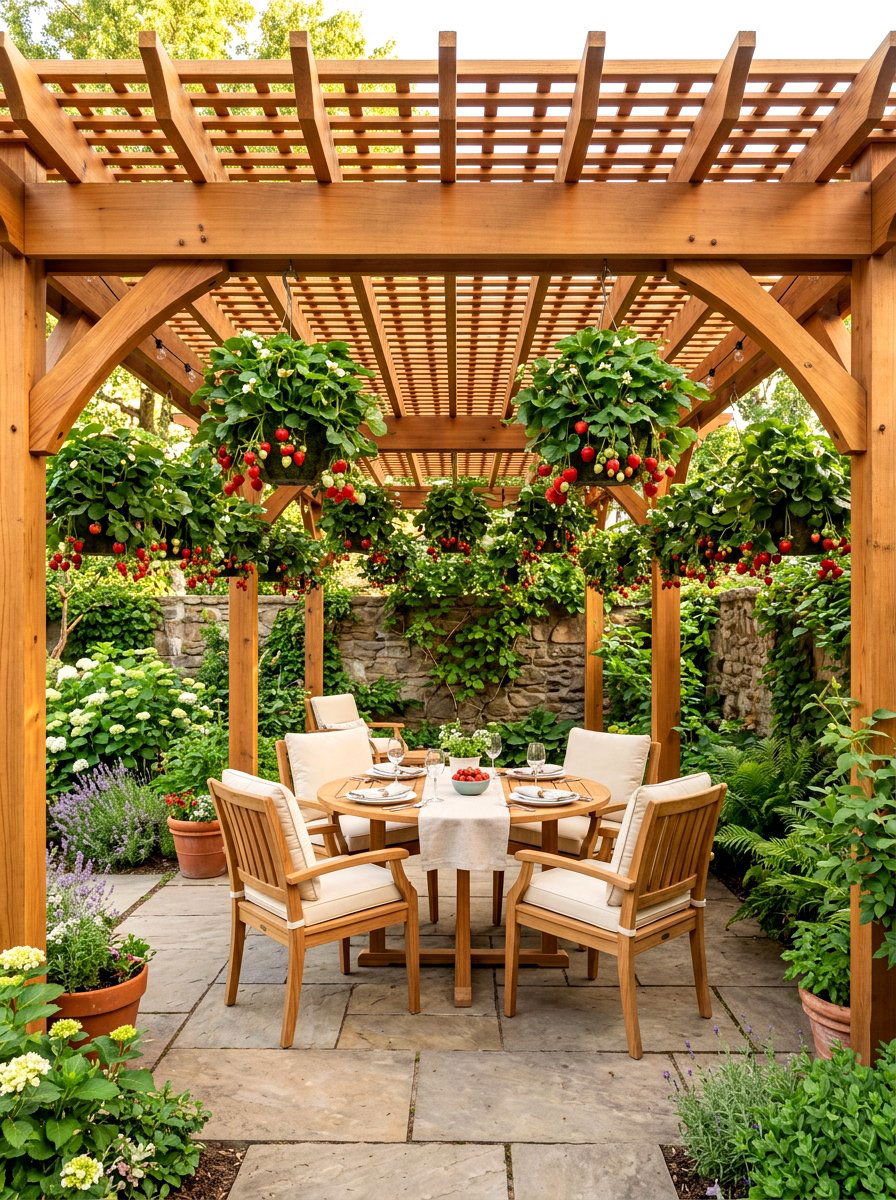
If your yard is quite sunny, a pergola with hanging strawberry baskets provides both shade and a unique way to grow food. This layout utilizes the overhead space of a patio or deck to produce fresh berries that are easy to pick at eye level. The hanging containers keep the fruit away from ground pests and provide excellent air circulation for the plants. As the vines grow, they create a beautiful living ceiling of green leaves and red fruit. This design is perfect for entertaining because it adds a lush, tropical feel to your outdoor dining area. It proves that you can grow food even in spaces primarily designed for relaxation.
24. Naturalized Wild Berry Patch
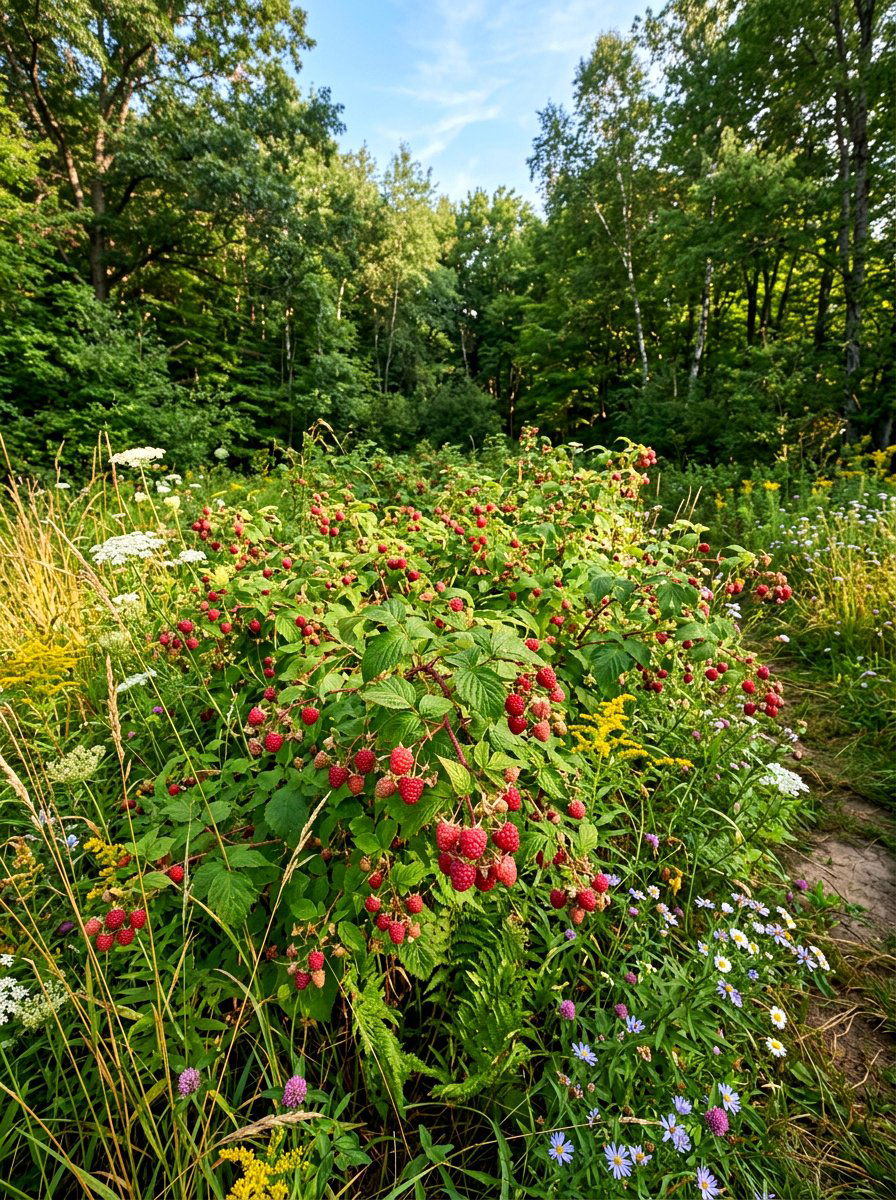
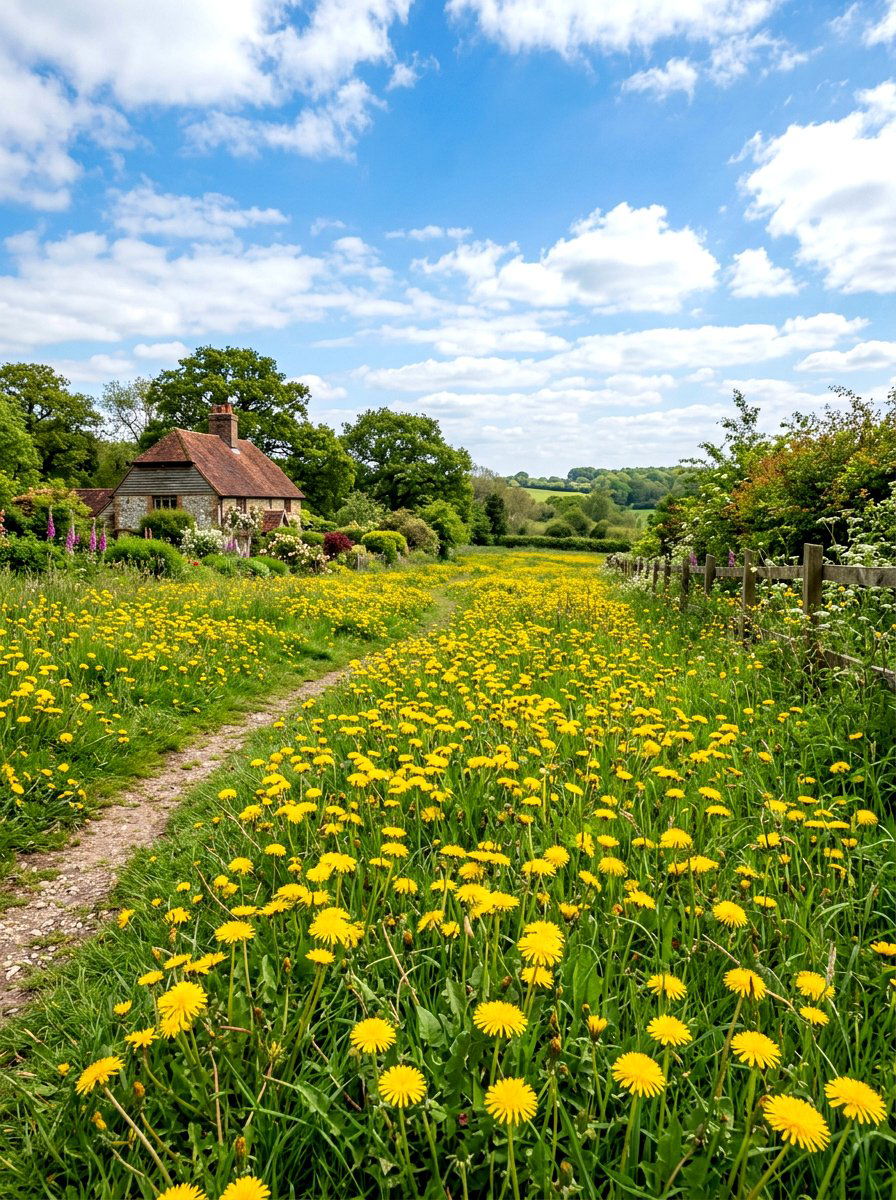
For a more relaxed and eco-friendly approach, a naturalized wild berry patch allows plants to grow in a more organic way. This layout works well in the outskirts of a property where you can let raspberries or blackberries spread naturally. You still provide basic guidance and pruning, but the overall look is soft and unscripted. This design is great for supporting local wildlife and creating a self-sustaining food source with very little intervention. It fits perfectly with woodland-themed landscapes or large rural estates. This layout feels timeless and provides a massive bounty of fruit that mimics the experience of foraging in the wild.
25. Modern Hydroponic Strawberry System
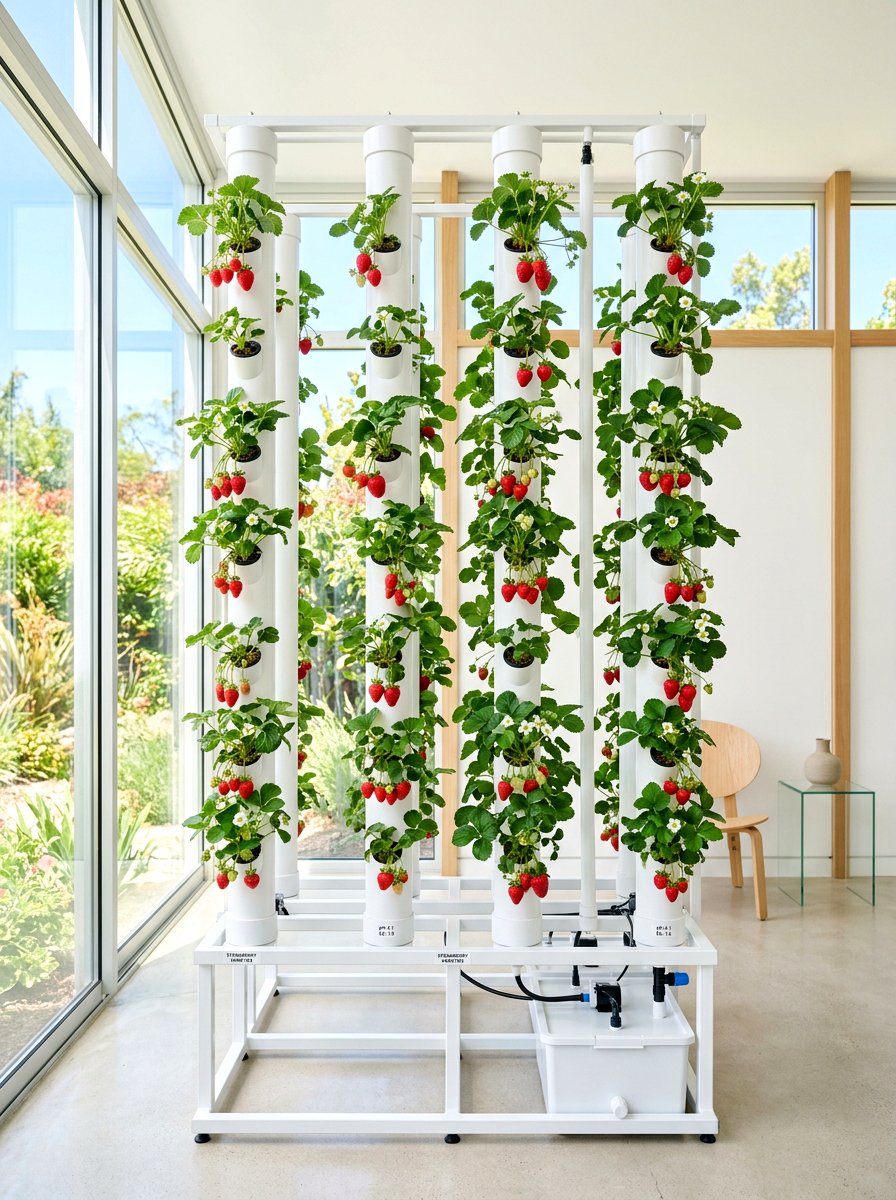
A hydroponic layout is a high-tech way to grow berries without any soil at all, using nutrient-rich water instead. These systems are often vertical and can be placed on a balcony, in a garage, or even inside a sunny kitchen. This design eliminates many of the traditional problems with gardening, such as weeding, soil-borne pests, and overwatering. The berries often grow faster and larger because they have constant access to everything they need. This layout looks very sleek and modern, appealing to people who love technology and minimalist design. It is an incredibly efficient way to produce a high volume of berries in a very clean and controlled environment.
26. Minimalist Low Maintenance Berry Patch
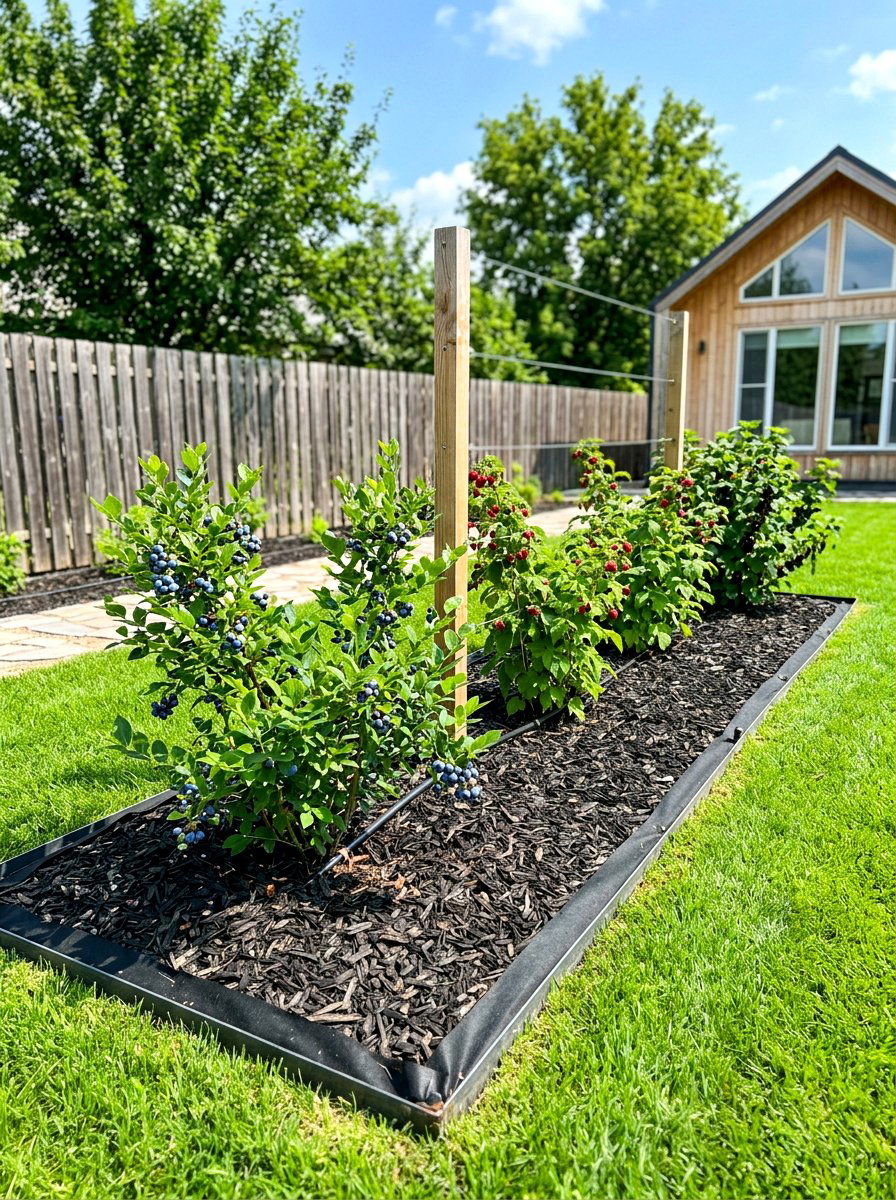
A low-maintenance berry patch focuses on a few hardy varieties planted in a simple, clean layout with heavy mulching. You can use landscape fabric and wood chips to prevent weeds, allowing you to enjoy the fruit without the constant work. This design often features sturdy, self-supporting bushes like honeyberries or specific types of blueberries that don't need trellising. The layout is straightforward and uncluttered, making it easy to mow around and keep tidy. It is the perfect choice for busy homeowners who want the benefits of fresh fruit without a huge time commitment. This practical approach ensures the garden stays beautiful and productive even with minimal weekly attention.
27. Polyculture Companion Planted Berry Bed
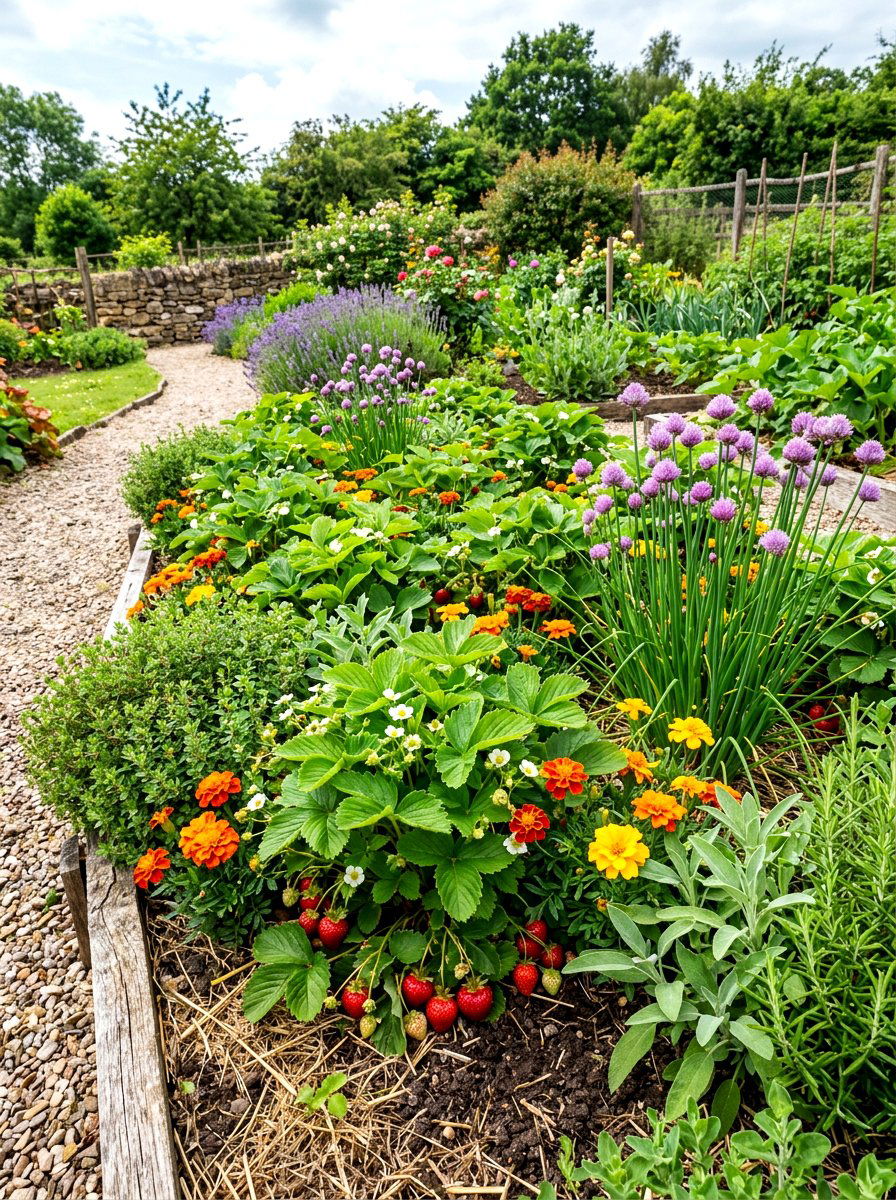
A polyculture layout involves planting berries alongside other beneficial plants like marigolds, garlic, and herbs. This design uses companion planting to naturally deter pests and improve the health of the soil. The mixture of different colors and leaf shapes creates a vibrant and diverse garden that looks like a wild meadow. This layout is very effective for organic gardeners who want to avoid using chemical pesticides in their food production. It creates a balanced ecosystem where plants help each other grow stronger and more productive. This approach is visually fascinating and provides a wide range of harvests from the same small area throughout the season.
28. Large Fruit Cage Layout
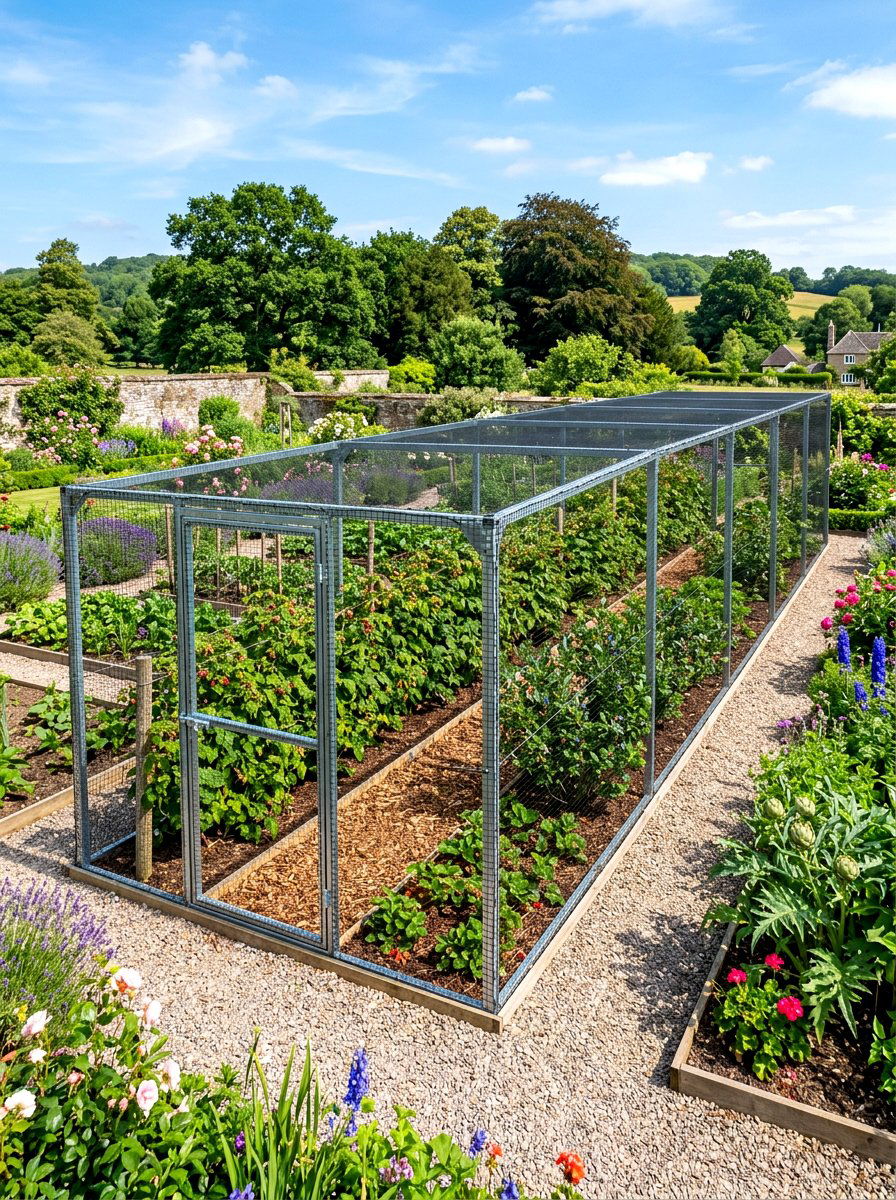
A fruit cage is a walk-in structure that completely encloses your berry patch with fine mesh or wire. This is the ultimate layout for high-value crops that need 100% protection from birds, deer, and large insects. You can build these cages out of wood or metal frames, and they can be large enough to hold several rows of different berry bushes. The interior remains easy to navigate, with plenty of room for you to stand up and move around comfortably. This professional setup ensures that every single berry you grow ends up on your table rather than being eaten by local wildlife. It is a serious investment for a serious garden.
29. Decorative Espalier Berry Fence
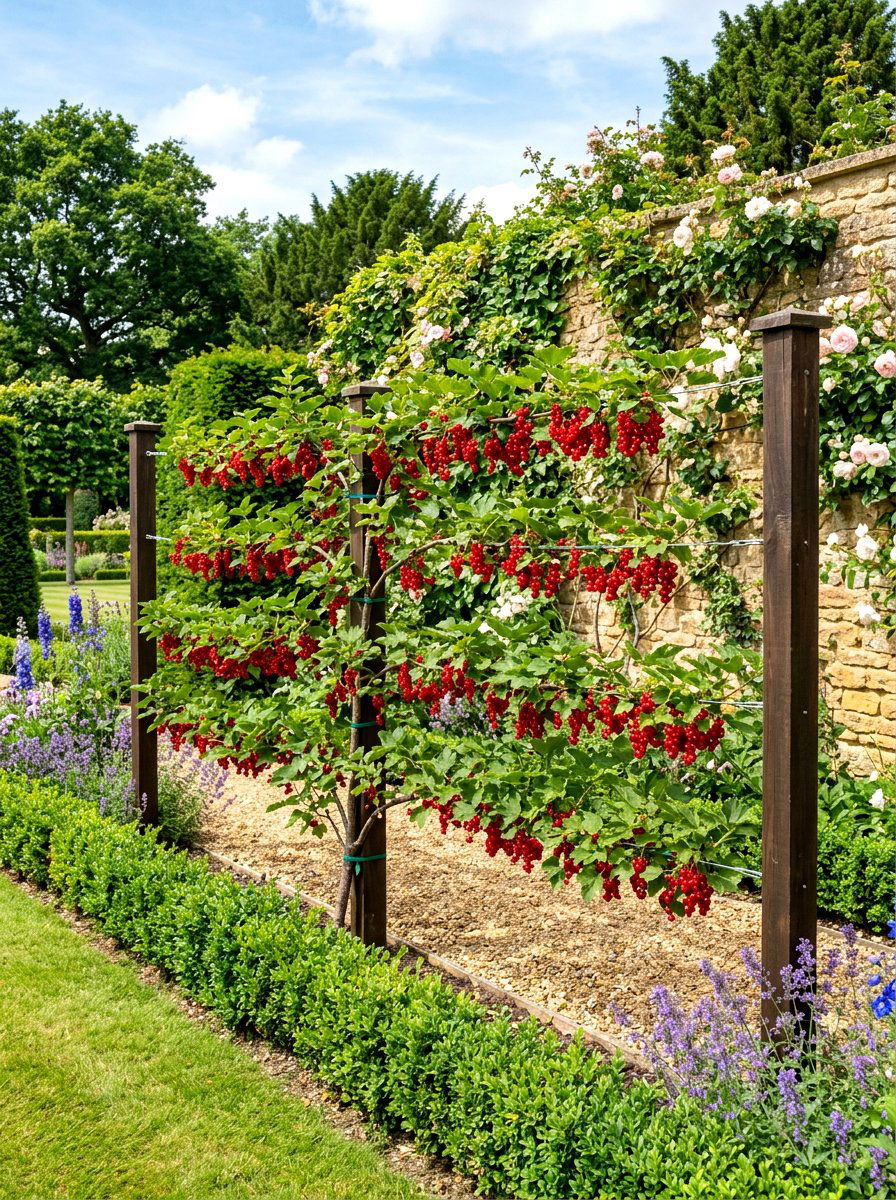
Espalier is a traditional technique where you train plants to grow flat against a support, creating a beautiful living pattern. This layout works exceptionally well with currants or gooseberries along a wall or a decorative wire fence. By keeping the branches two-dimensional, you save a significant amount of space while creating a stunning visual feature. This design allows for maximum light exposure to every part of the plant, resulting in very high-quality fruit. It requires a bit more pruning skill, but the result is a sophisticated and elegant garden element. This layout is perfect for formal gardens where you want to showcase your horticultural artistry alongside your harvest.
30. Terraced Sloped Berry Garden
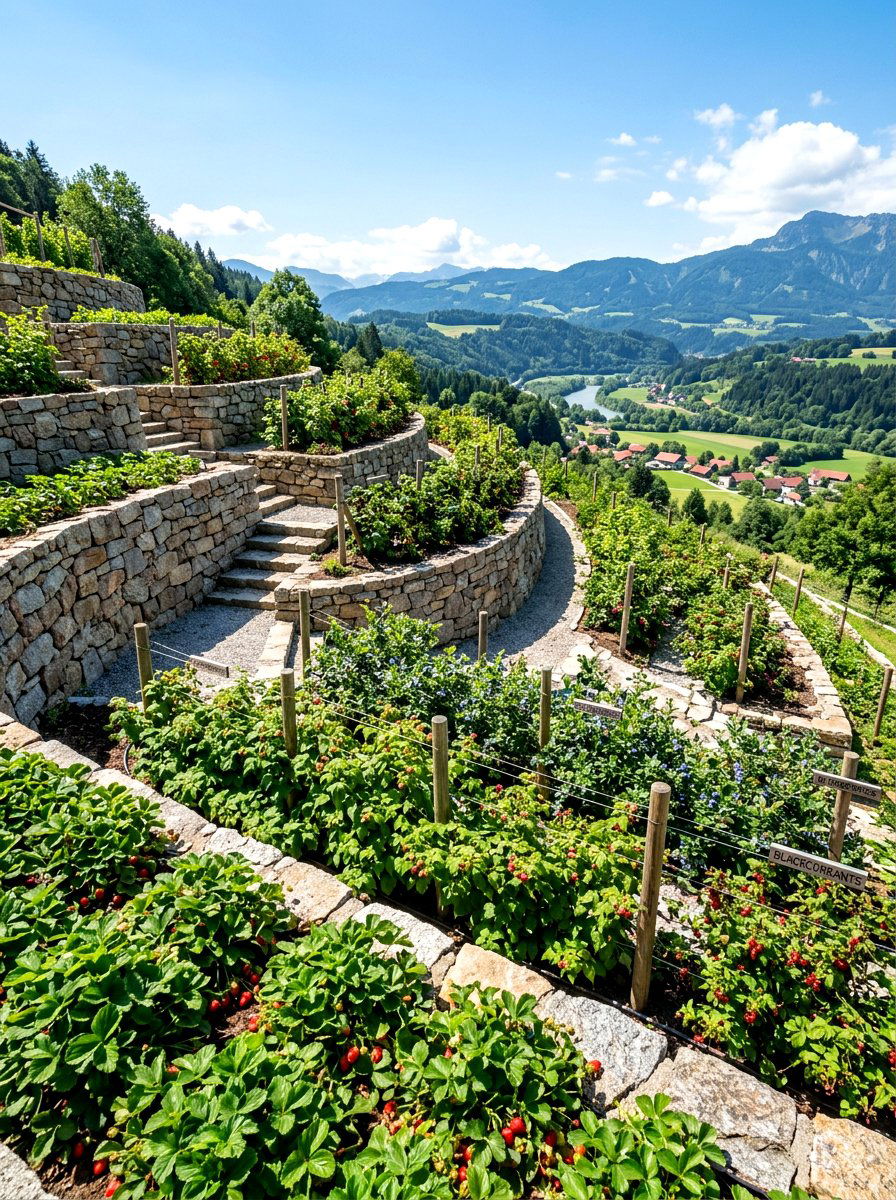
If you have a hilly yard, a terraced layout turns a difficult slope into a highly productive and beautiful berry garden. You can build series of flat steps using stone walls or heavy timbers to create level planting areas. This design prevents soil erosion and allows water to soak in rather than running off the surface. Each level can be dedicated to a different type of berry, creating a beautiful striped effect on the hillside. This layout makes use of land that might otherwise be unusable for traditional gardening. It provides a dramatic and impressive look that significantly enhances the landscape of a sloped property while providing a massive fruit harvest.
Conclusion:
Designing the perfect berry patch is an exciting journey that blends your personal style with the practical needs of nature. By choosing one of these structured layouts, you ensure your garden remains organized, productive, and beautiful for many years to come. Whether you prefer the clean lines of a formal raised bed or the whimsical feel of a wild berry path, there is a layout for every home. Remember to consider your specific climate, available space, and how much time you want to spend on maintenance. With a little bit of planning and care, your berry patch will become a cherished part of your landscape. You will enjoy the unmatched flavor of home-grown fruit while adding immense value and charm to your outdoor living area throughout the changing seasons.

Related posts: