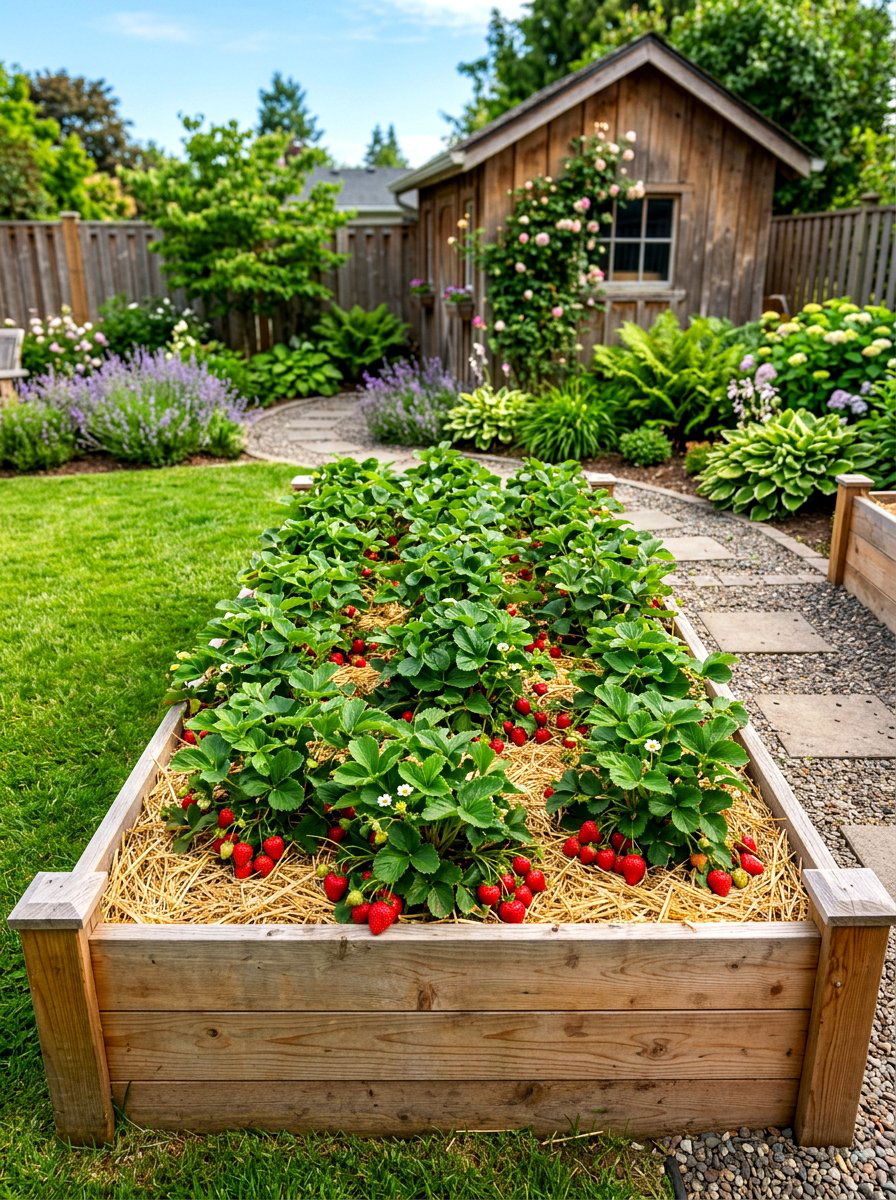
Starting a cut flower garden is one of the most rewarding ways to bring the beauty of nature directly into your home. Imagine waking up and stepping into a backyard filled with vibrant colors and sweet scents, ready to be harvested for a morning bouquet. It transforms a simple hobby into a source of constant creative expression and seasonal joy. You do not need a massive farm to enjoy fresh stems; even a small dedicated space can produce an abundance of flowers. This guide explores diverse methods to cultivate a thriving sanctuary that provides endless blooms throughout the growing season. From structured raised beds to whimsical cottage borders, these concepts help you design a productive and stunning floral retreat.
1. Raised bed flower garden
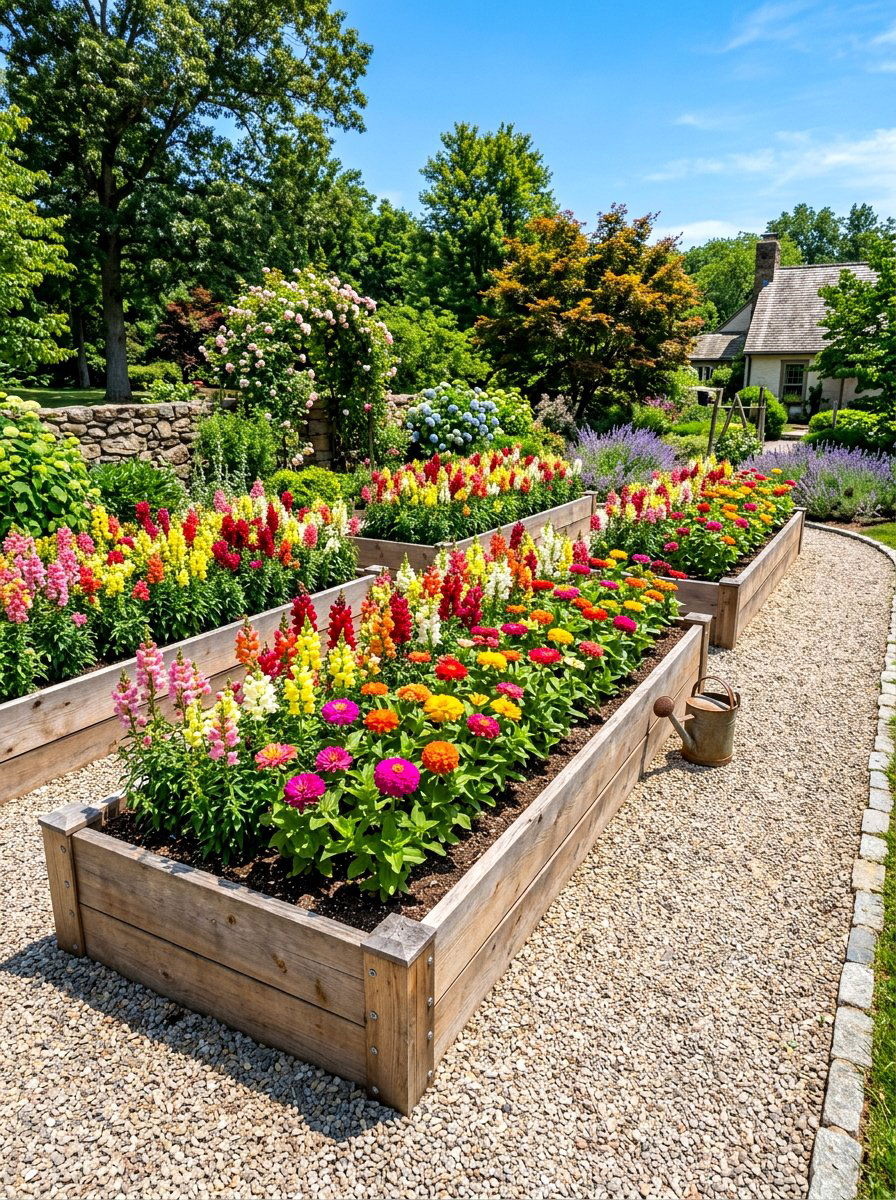
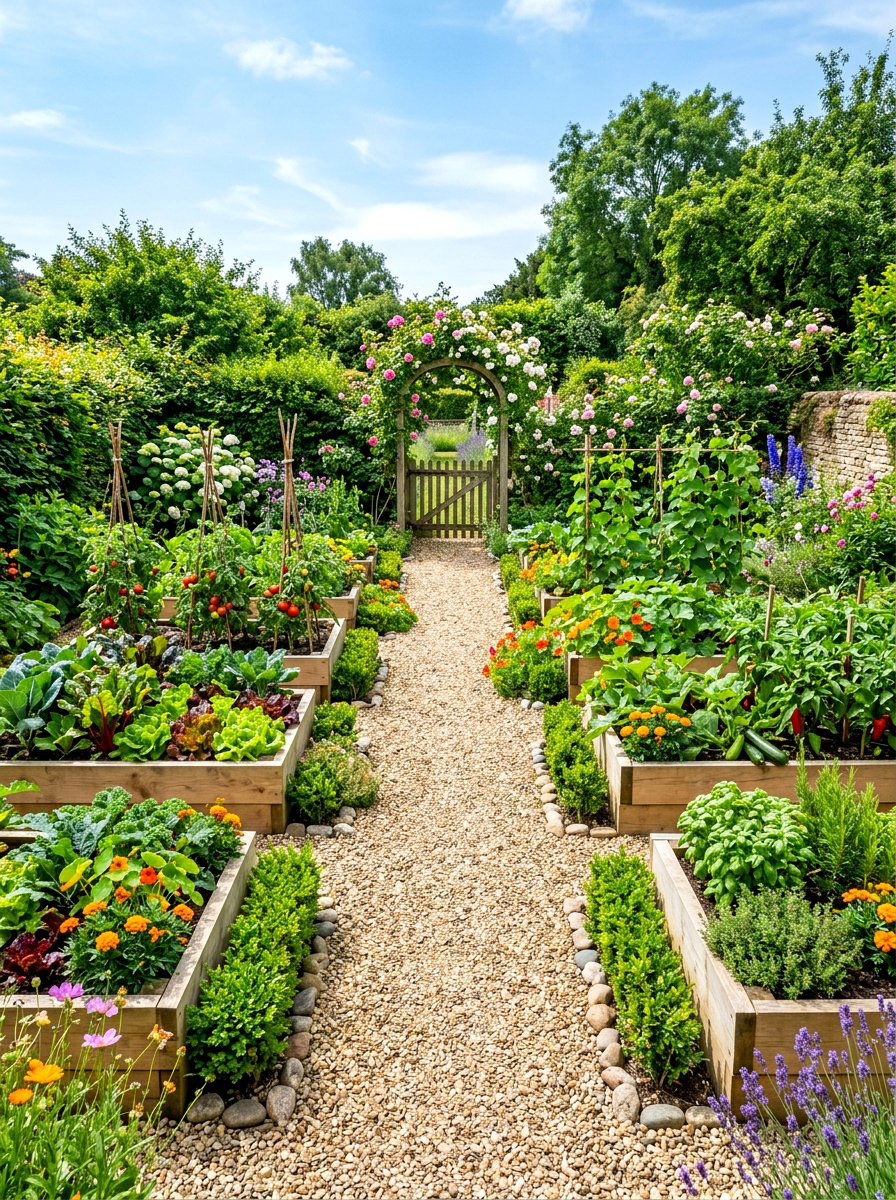
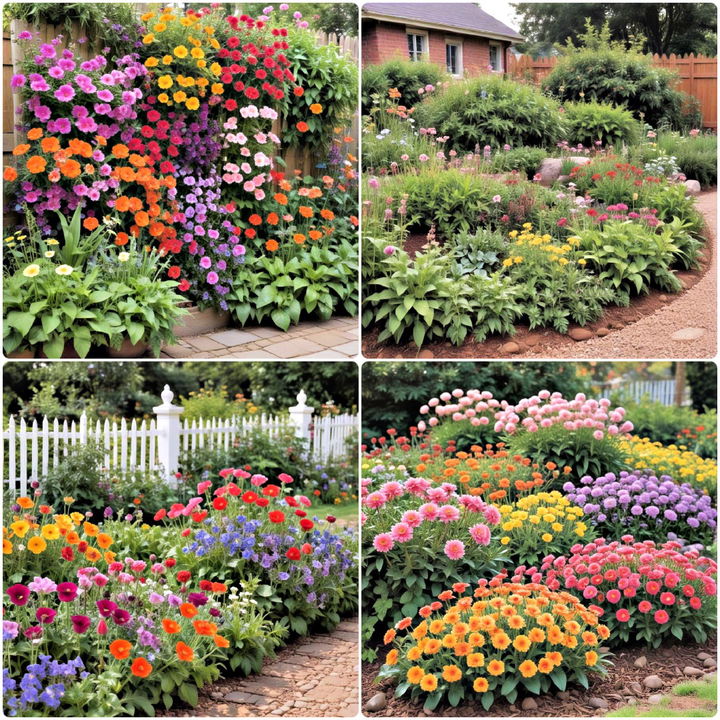
Creating a structured environment using elevated planters is a popular choice for many home gardeners today. These beds allow for superior soil control, ensuring your flowers have the nutrient-rich foundation they need to thrive. By lifting the planting area, you also improve drainage and prevent soil compaction from foot traffic. This method is particularly helpful for those with back issues, as it reduces the need for heavy bending during harvest. You can organize your rows by height, placing taller snapdragons in the back and shorter zinnias toward the front edges. Using untreated cedar or modern metal materials adds a clean, professional look to your backyard landscape while keeping everything tidy.
2. Zinnia cutting patch
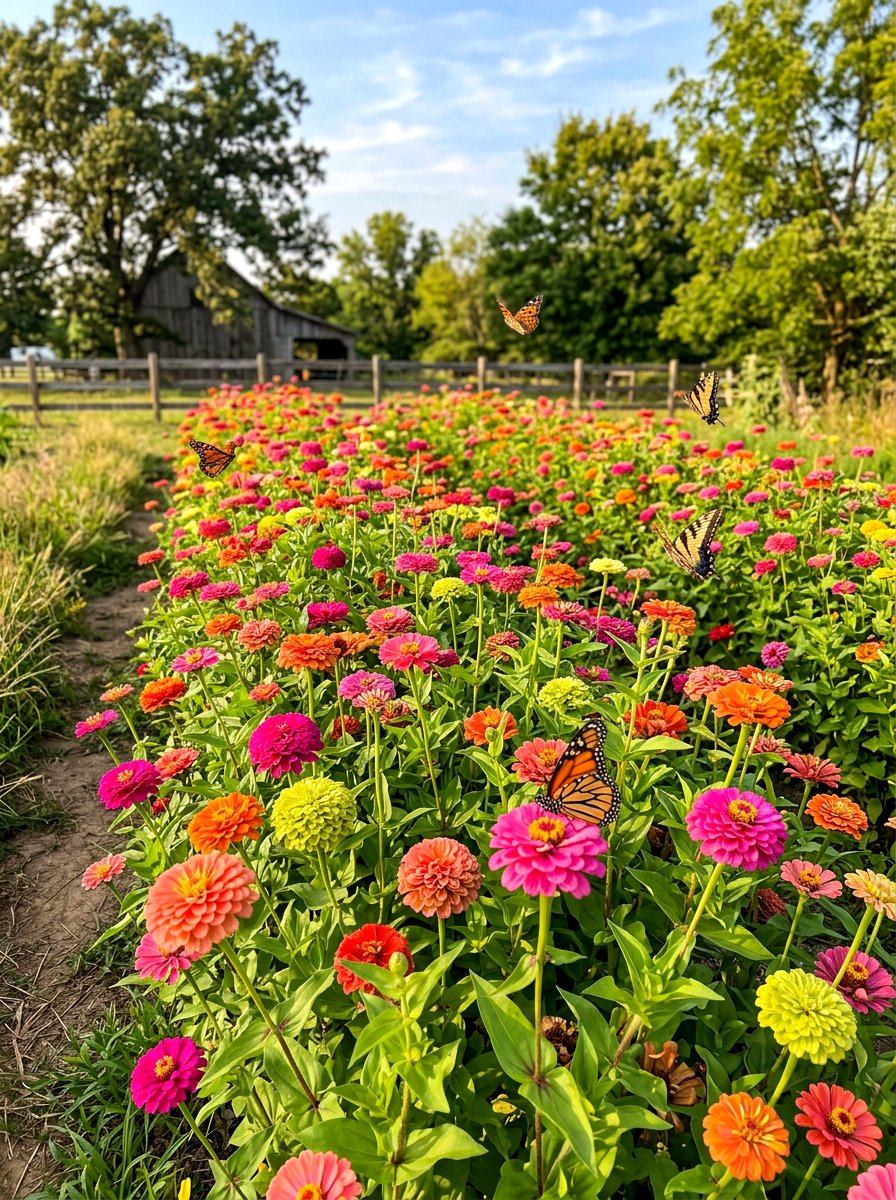
If you want a flower that provides an incredible return on investment, a dedicated patch for zinnias is essential. These hardy annuals are famous for their "cut and come again" nature, meaning the more you harvest them, the more they bloom. They come in an array of stunning colors, from neon pinks to soft limes, making them versatile for any bouquet style. Direct sowing seeds into warm soil is the easiest way to get started, and you will see results in just a few weeks. Plant them in tight rows to maximize space and provide support for their sturdy stems. Their vibrant presence attracts butterflies, adding extra life to your garden.
3. Dahlia garden bed
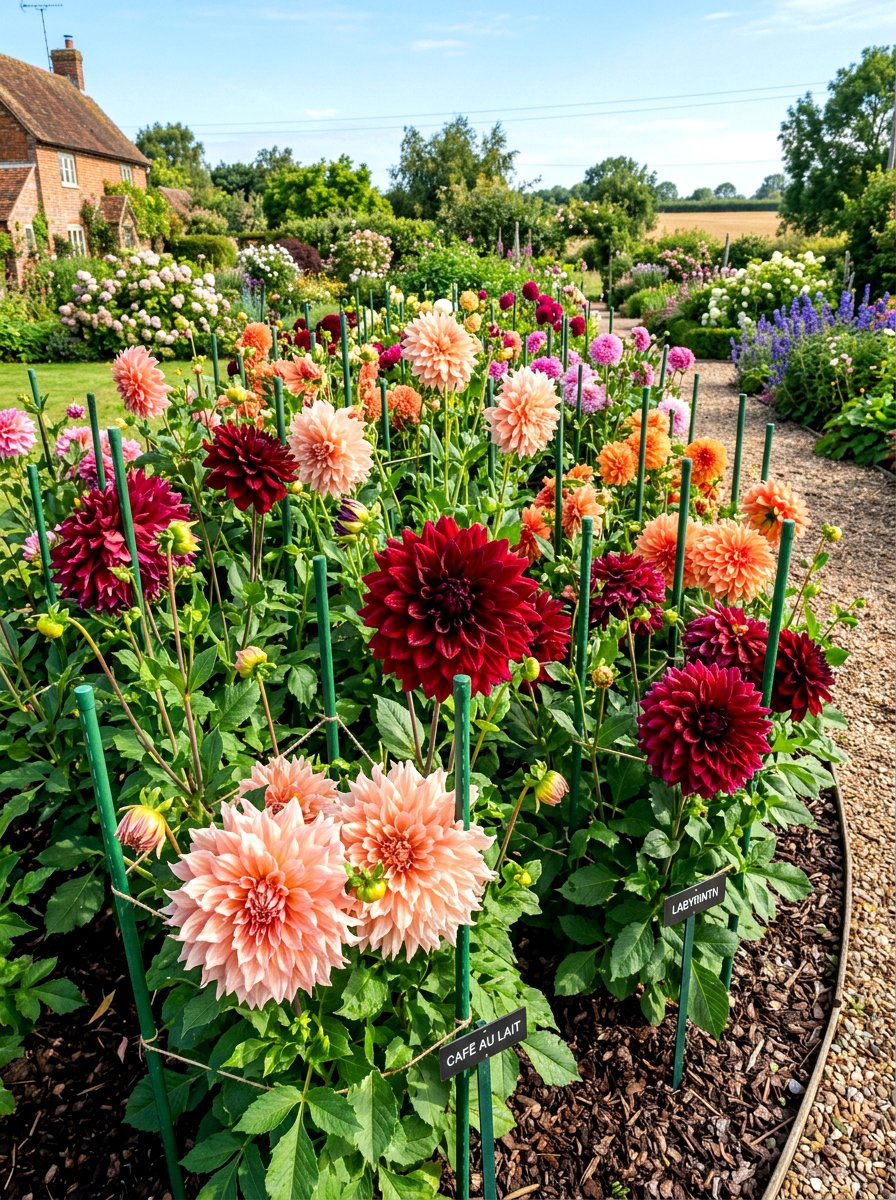
Dahlias are often considered the crown jewels of the cutting garden because of their intricate shapes and massive bloom sizes. These plants grow from tubers and offer a spectacular range of varieties, including dinner-plate types and delicate pompons. To grow them successfully, ensure they have plenty of sunlight and a sturdy staking system to support their heavy heads. They typically start blooming in mid-summer and continue until the first frost of autumn. Many gardeners group them by color to make harvesting for specific floral arrangements much faster and more efficient. Digging up the tubers in winter allows you to replant and expand your collection every single year for free.
4. Pollinator cutting garden
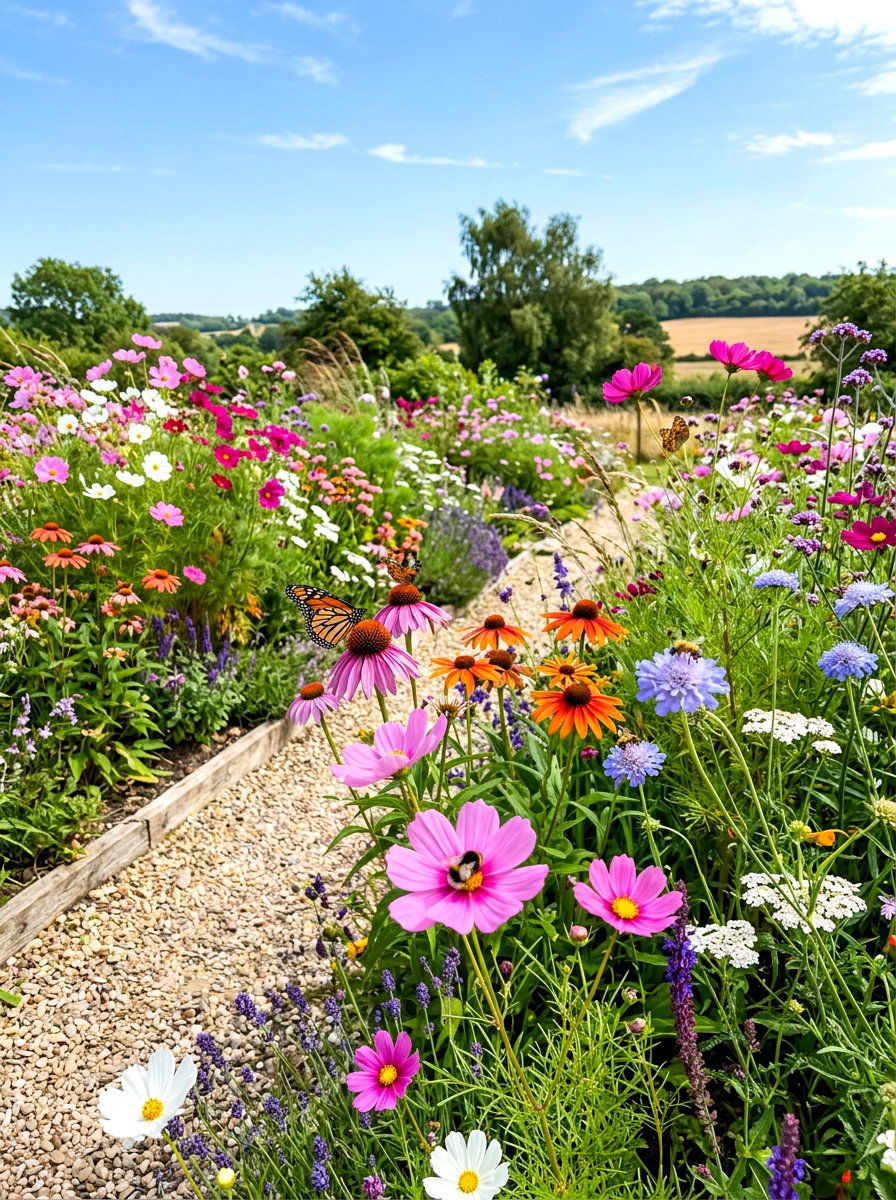
Creating a space that serves both your aesthetic needs and the local ecosystem is a wonderful way to garden. A pollinator-focused patch includes nectar-rich flowers like cosmos, scabiosa, and coneflowers that invite bees and butterflies to visit. These flowers are not only beautiful in a vase but also play a critical role in supporting local wildlife populations. By choosing varieties that bloom at different times, you provide a consistent food source for insects throughout the entire season. This type of garden often has a more relaxed and natural appearance, blending soft textures with bright pops of color. It is a win-win situation for both the environment and your indoor decor.
5. Spring bulb garden
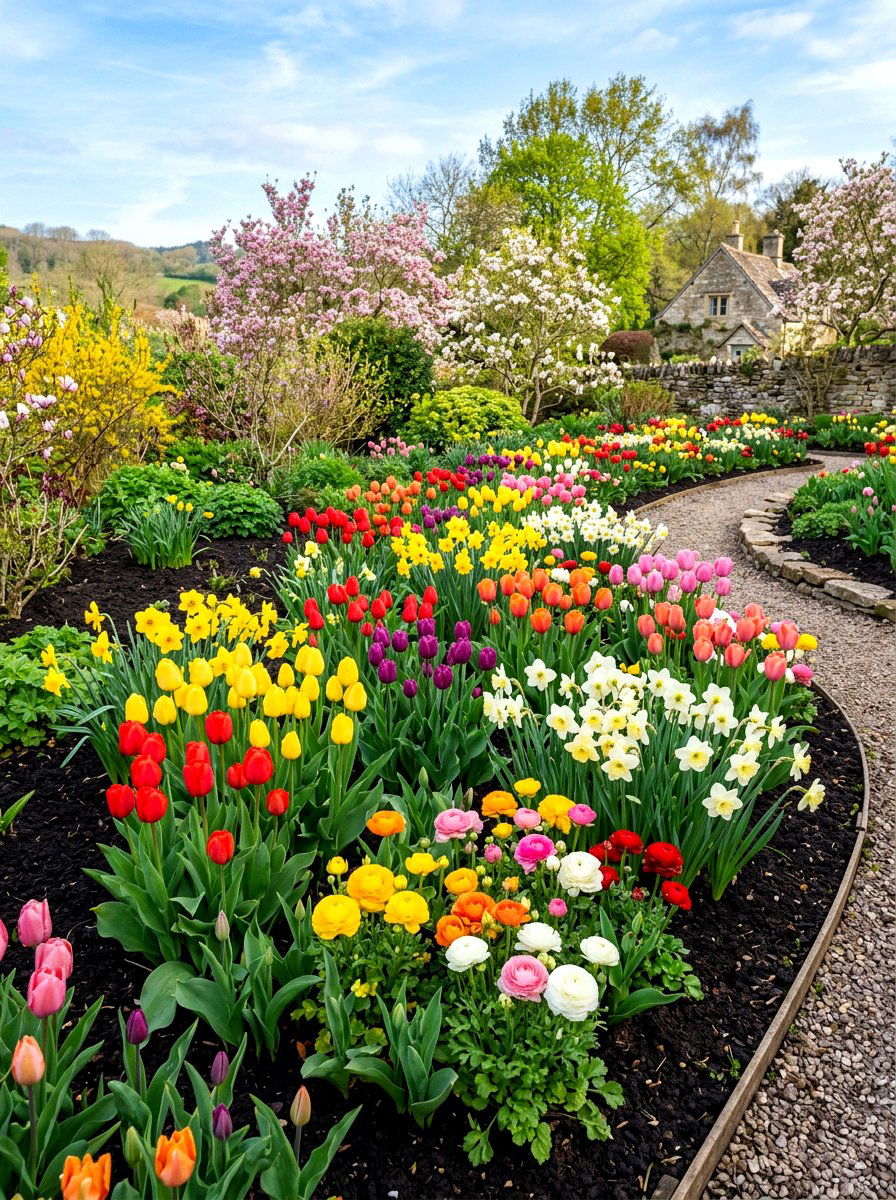
Planning ahead in the autumn allows you to enjoy an explosion of color as soon as the winter snow melts away. A garden dedicated to spring bulbs like tulips, daffodils, and ranunculus provides the very first stems of the year. These plants are incredibly easy to grow because the energy for the flower is already stored inside the bulb. You can plant them in dense clusters to create a high-impact visual display that looks professionally designed. Since many bulbs are one-and-done, consider planting them in a way that allows you to pull the entire stem and bulb together. This leaves room for summer annuals to take over the space later.
6. Sun loving flower border
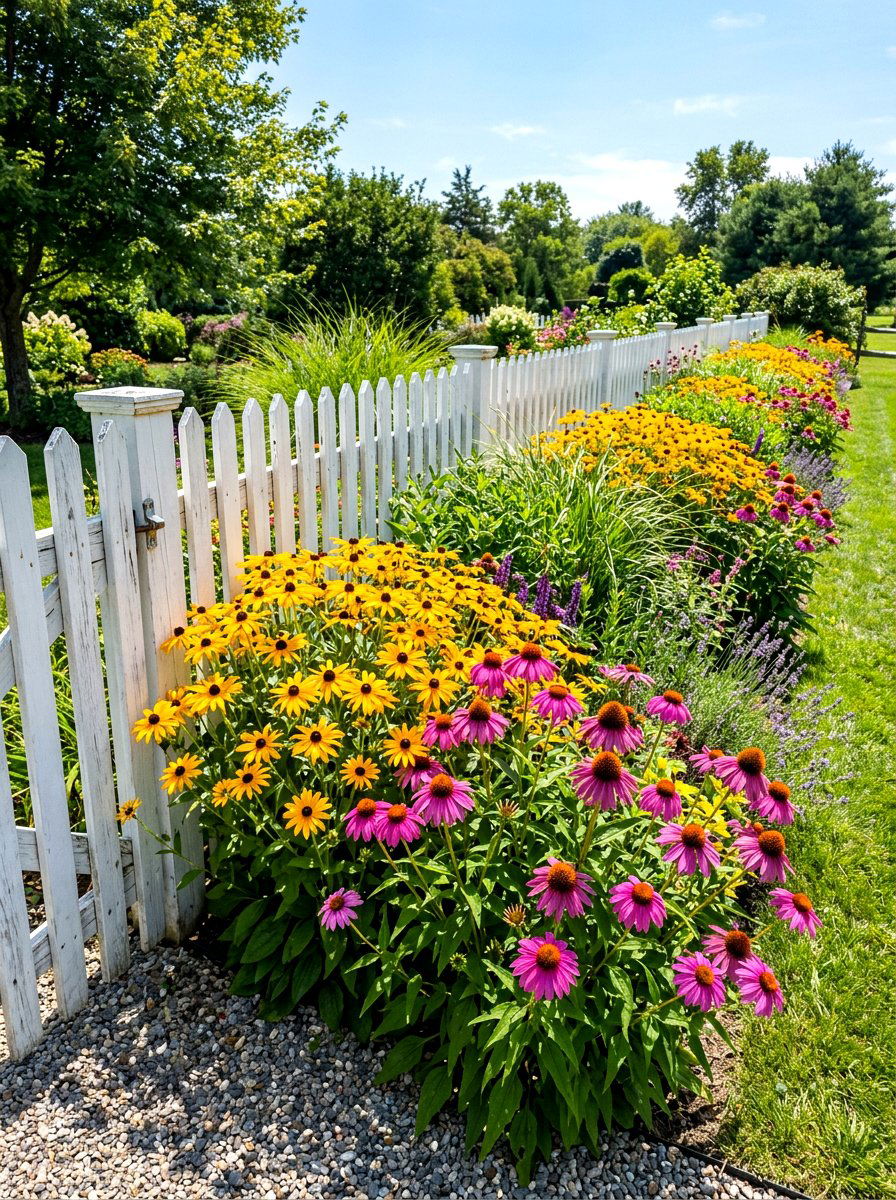
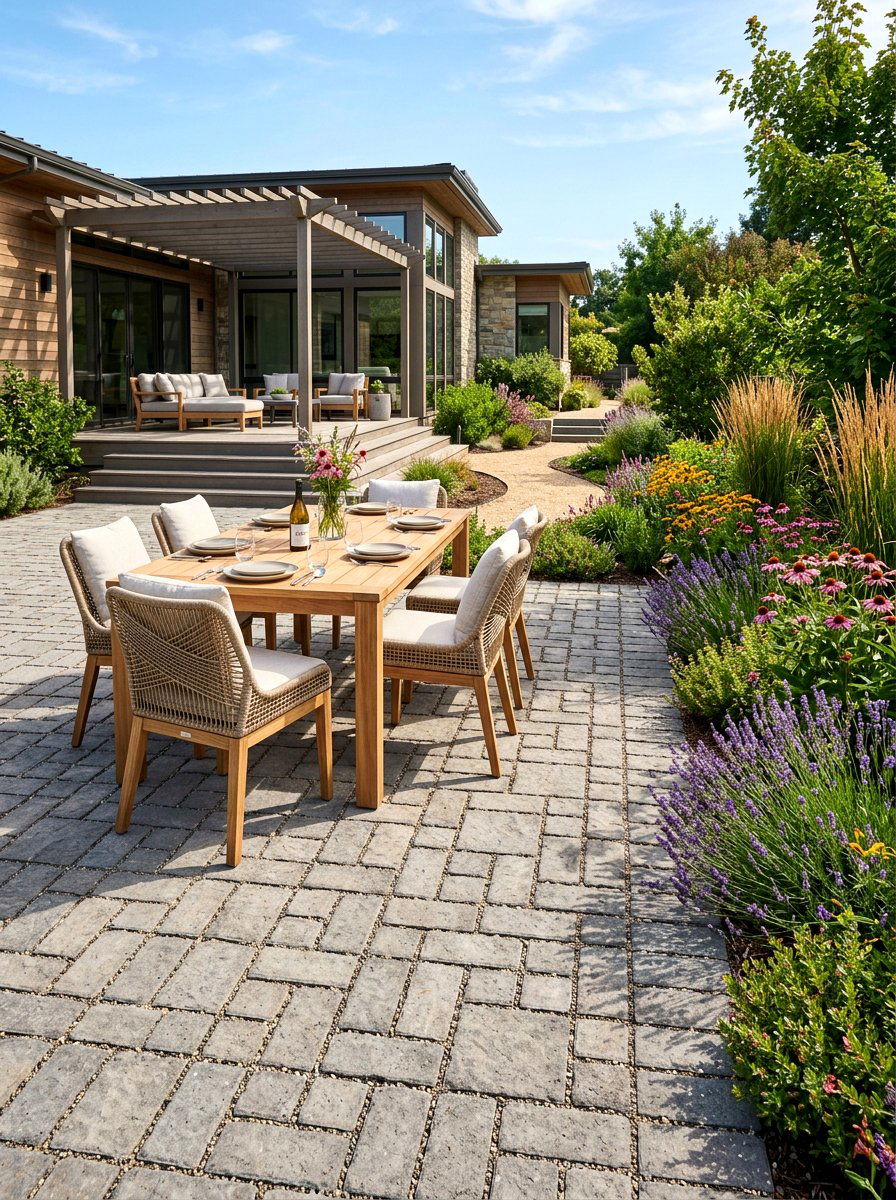
A sunny border is the perfect place to showcase heat-tolerant flowers like rudbeckia and echinacea. These plants thrive in full light and offer long, sturdy stems that are ideal for taller vase arrangements. When designing this area, consider placing the tallest varieties toward the back of the fence to create a lush backdrop. Incorporating a mix of textures, such as the spiky look of sea holly with the soft petals of marigolds, adds visual depth. These sun-worshippers are generally low-maintenance once established, requiring only regular deadheading to keep the blooms coming. They bring a cheerful energy to your outdoor space while providing reliable stems for your indoor bouquets all season.
7. Cottage style cutting garden
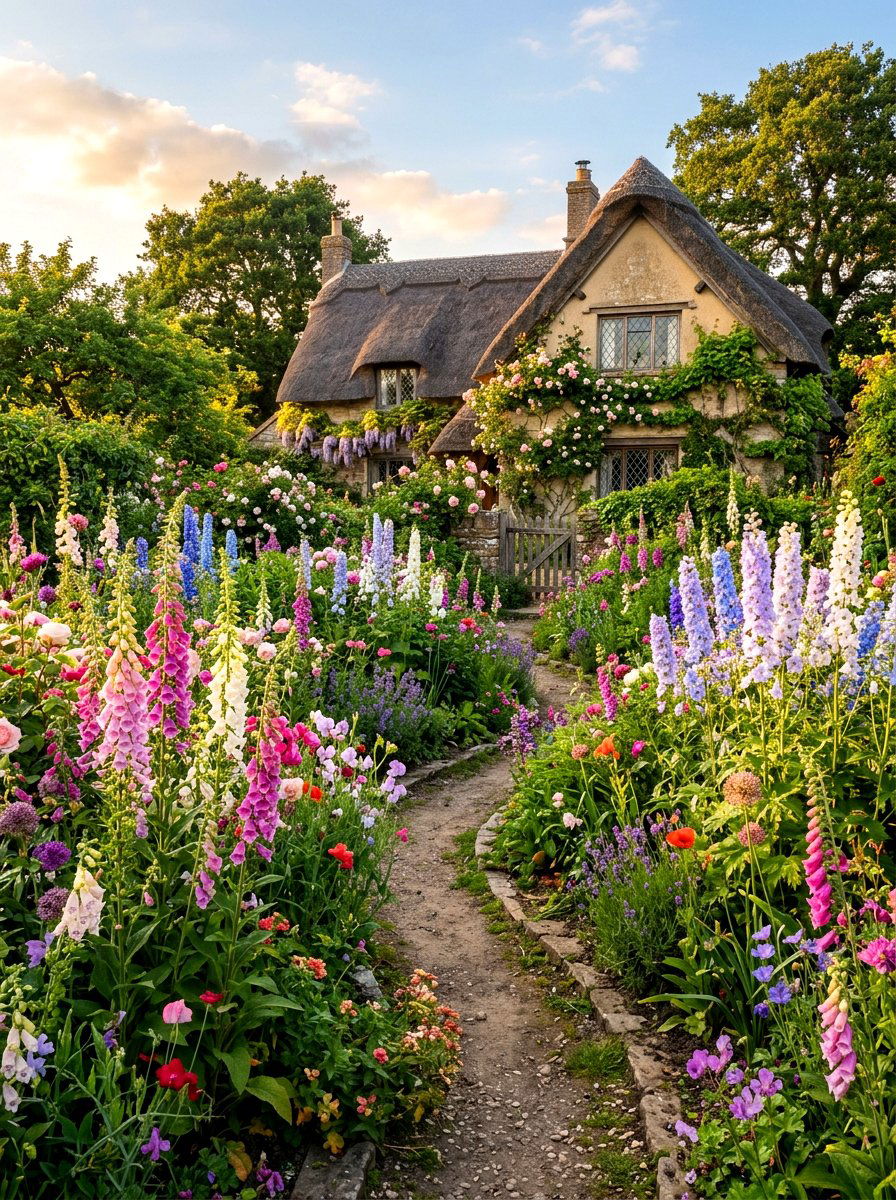
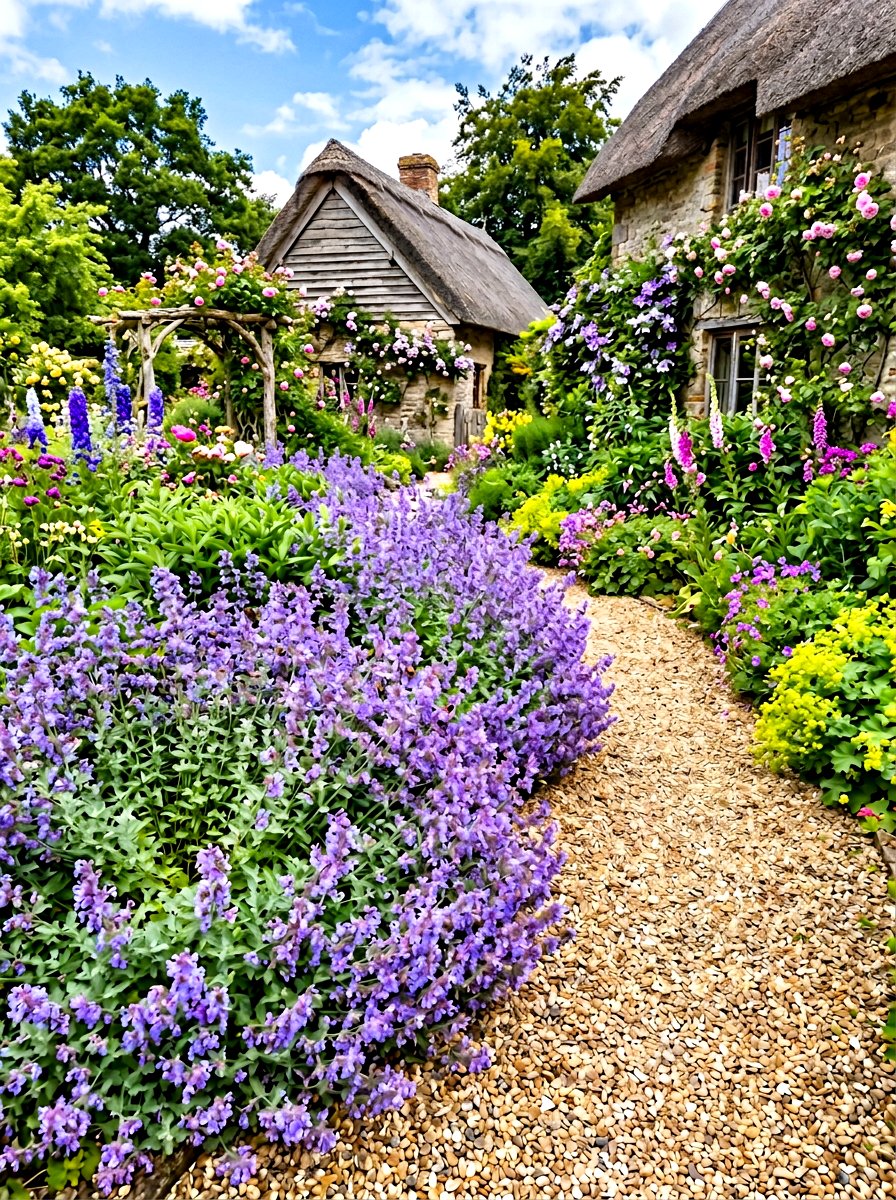
Embracing a cottage aesthetic means moving away from straight lines and allowing plants to mingle in a more natural, romantic way. This style often includes classic favorites like foxgloves, delphiniums, and hollyhocks that reach high toward the sky. The beauty of this design is that it looks intentional even when it is a bit messy and overgrown. You can mix in edible herbs and climbing roses to create a multi-sensory experience that smells as good as it looks. Winding gravel paths between the flower clumps make it easy to wander through and select the perfect stems for a rustic, hand-picked kitchen table arrangement.
8. Lavender flower row
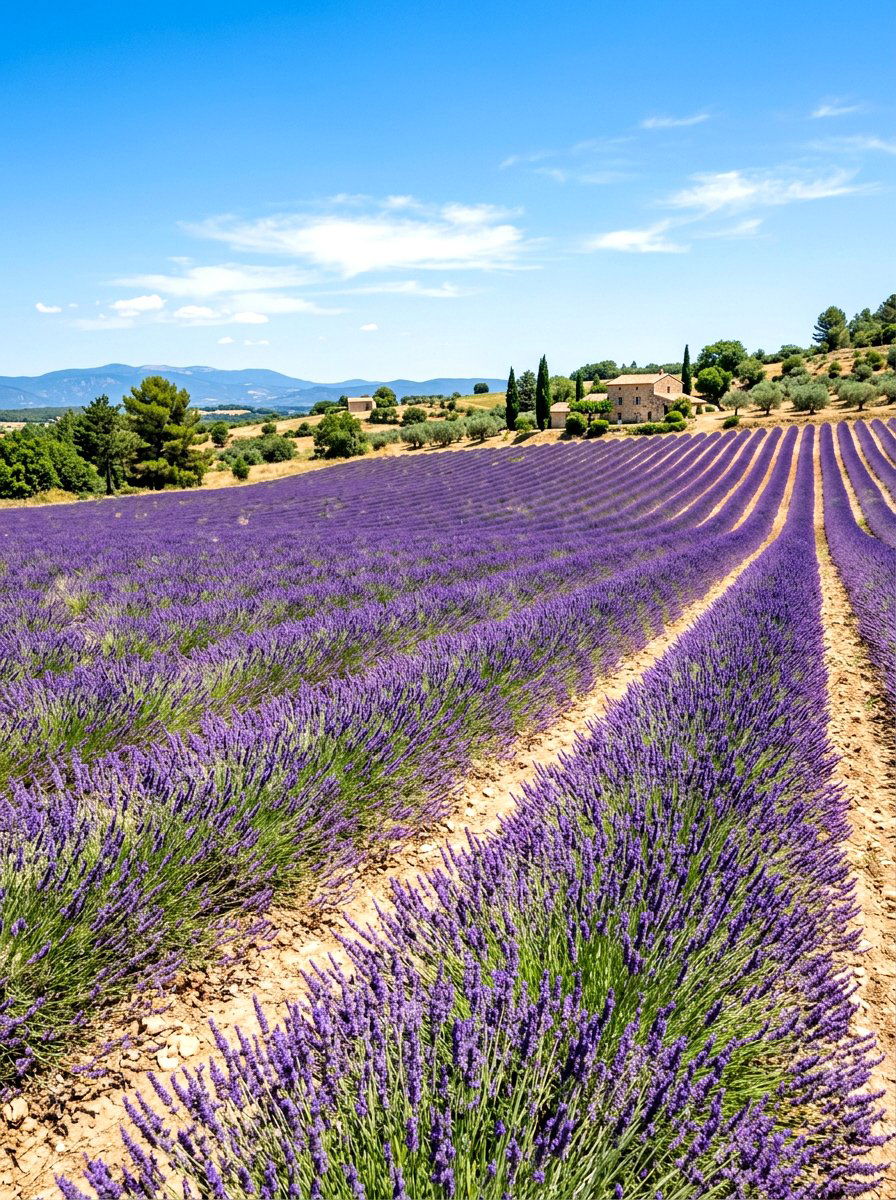
Growing lavender in dedicated rows creates a Mediterranean feel while providing a steady supply of fragrant stems for harvesting. This perennial is beloved for its calming scent and its ability to dry beautifully for long-term use in the home. It requires very well-drained soil and plenty of sun to stay healthy and productive year after year. You can use the harvested bunches for fresh floral displays or turn them into dried sachets for your linen closets. The silvery-green foliage provides a beautiful contrast to other bright garden colors even when the plant is not in full bloom. It is a timeless addition to any outdoor space.
9. Small space cutting garden
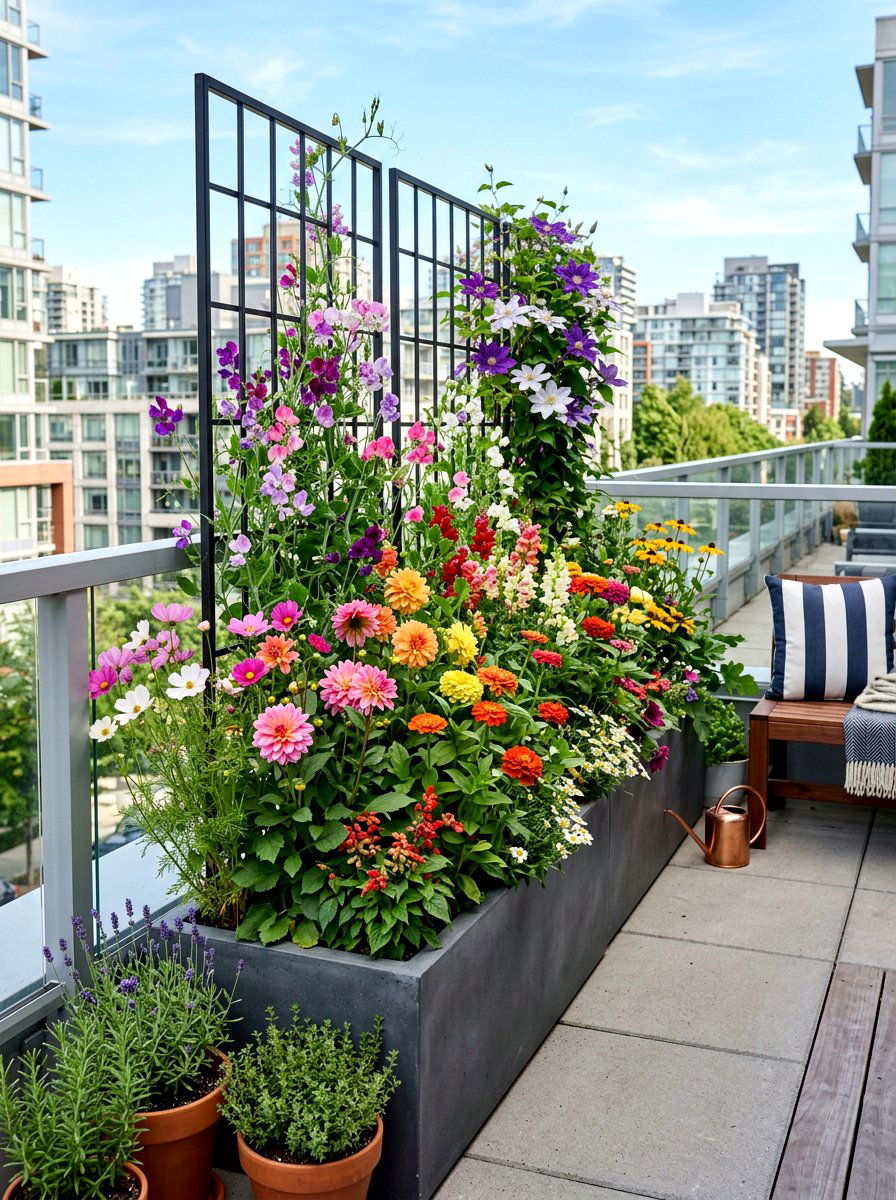
You do not need an acre of land to produce stunning bouquets if you focus on intensive planting techniques. A small space can be highly productive if you choose vertical elements and compact, high-yielding varieties. Utilizing a single dedicated bed with a grid system helps you pack in more plants without them competing for resources. Focus on "cut and come again" annuals like sweet peas or dwarf cosmos that provide many stems from a single plant. Using high-quality compost ensures that every square inch of soil is working hard to support your floral growth. This approach proves that even urban dwellers can enjoy the luxury of fresh flowers.
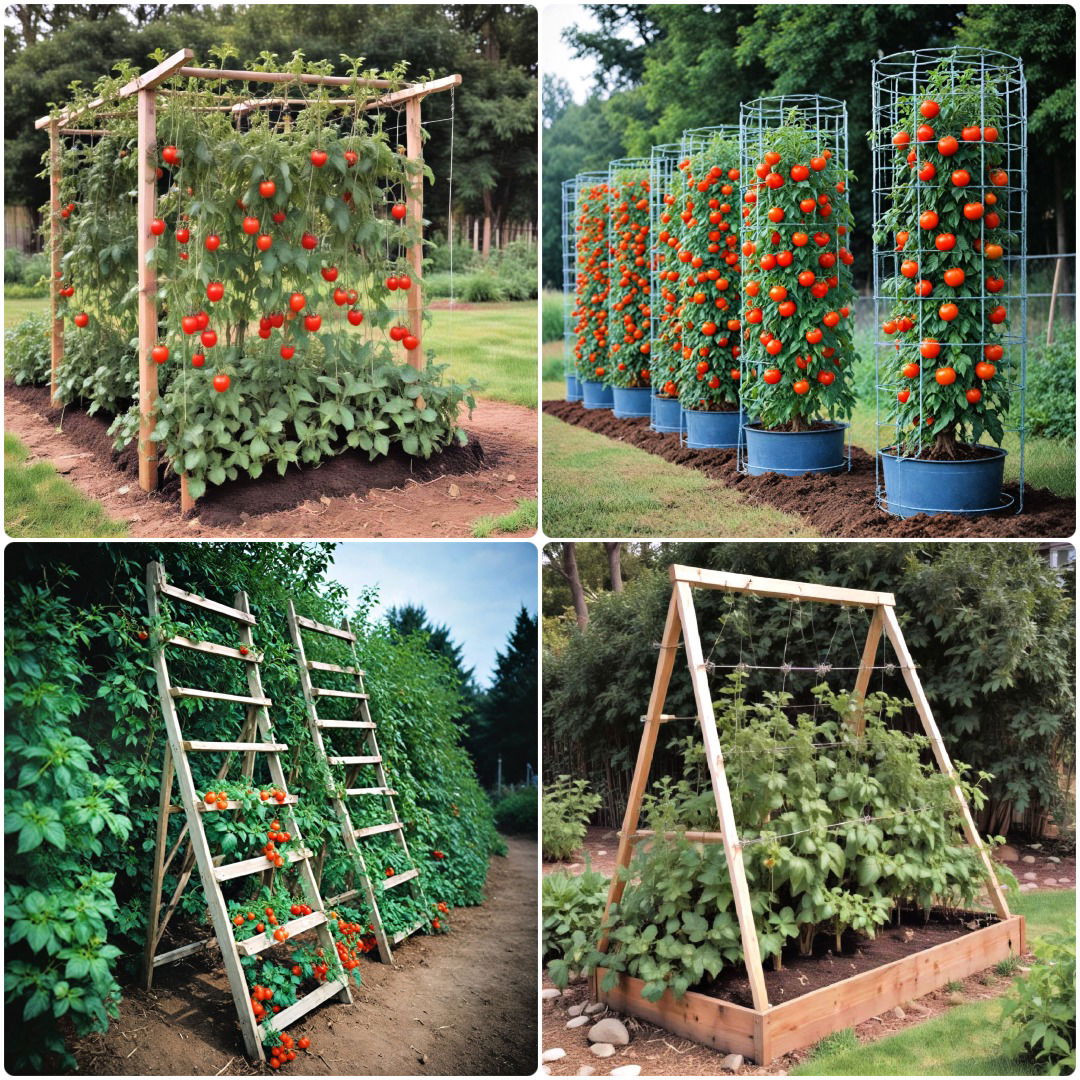
10. Wildflower meadow patch
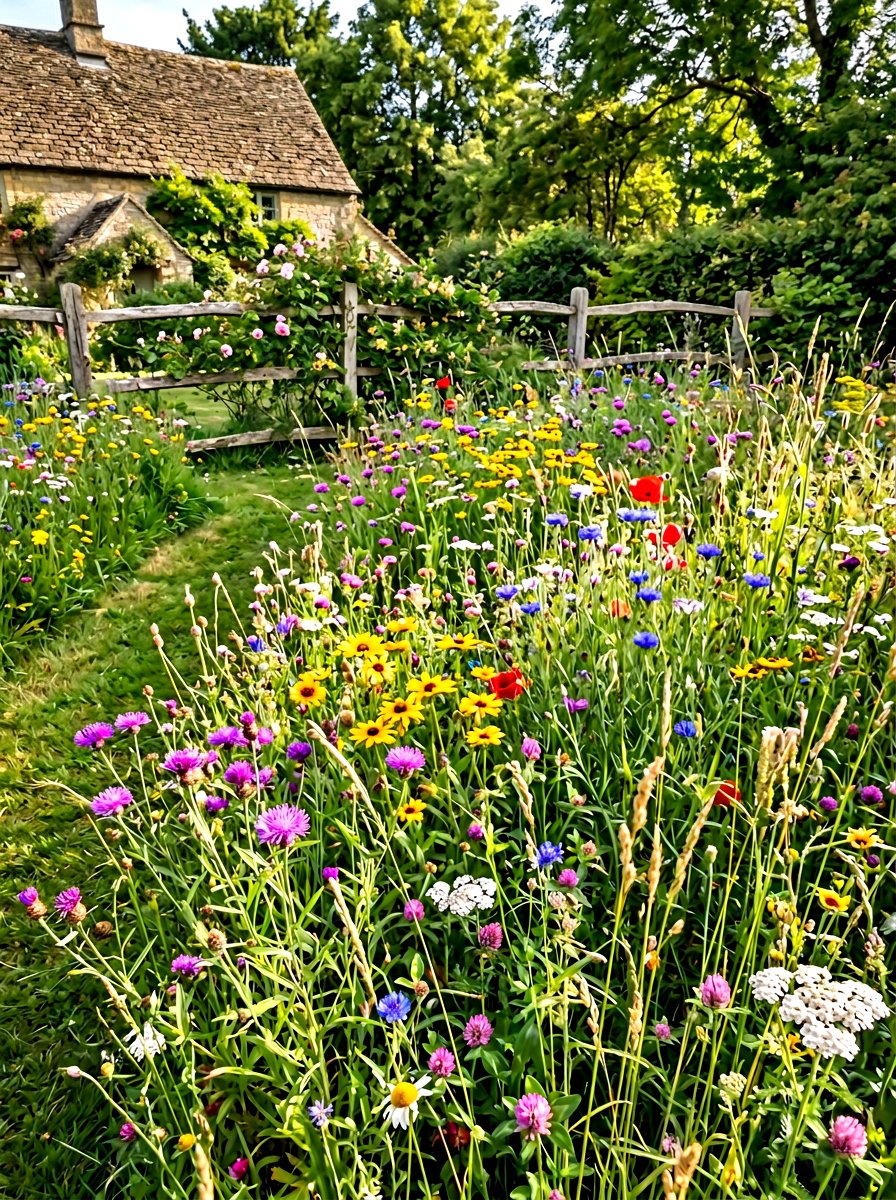
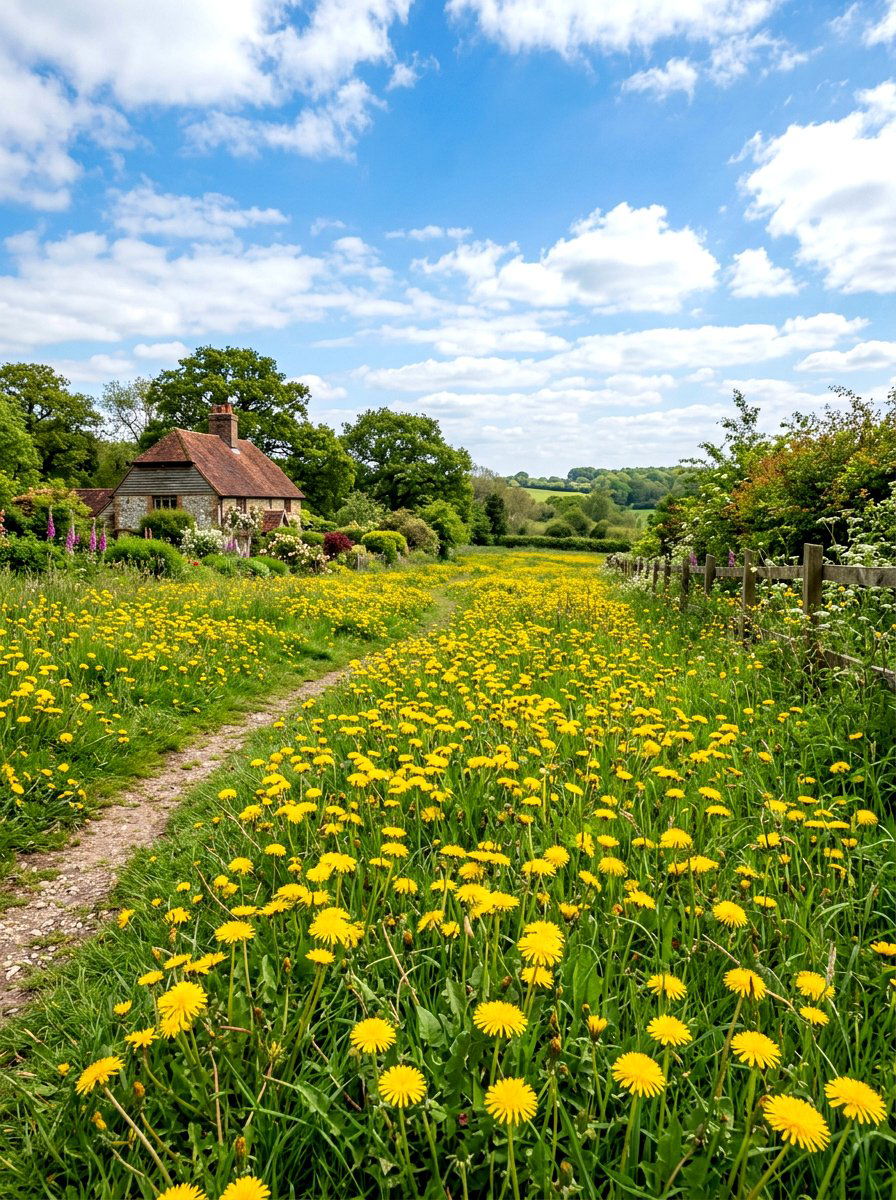
For a low-maintenance and naturally beautiful look, consider turning a portion of your yard into a mini wildflower meadow. This style uses a mix of native species that are adapted to your local climate and soil conditions. It requires very little watering or fertilizing once the seeds take hold and begin to spread. The resulting display is a whimsical tapestry of colors and textures that changes as the season progresses. These flowers often have a delicate, airy quality that makes them perfect for filler in larger arrangements or simple, standalone bouquets. It creates a peaceful retreat for you and a vital habitat for local birds and insects.
11. Rose cutting garden
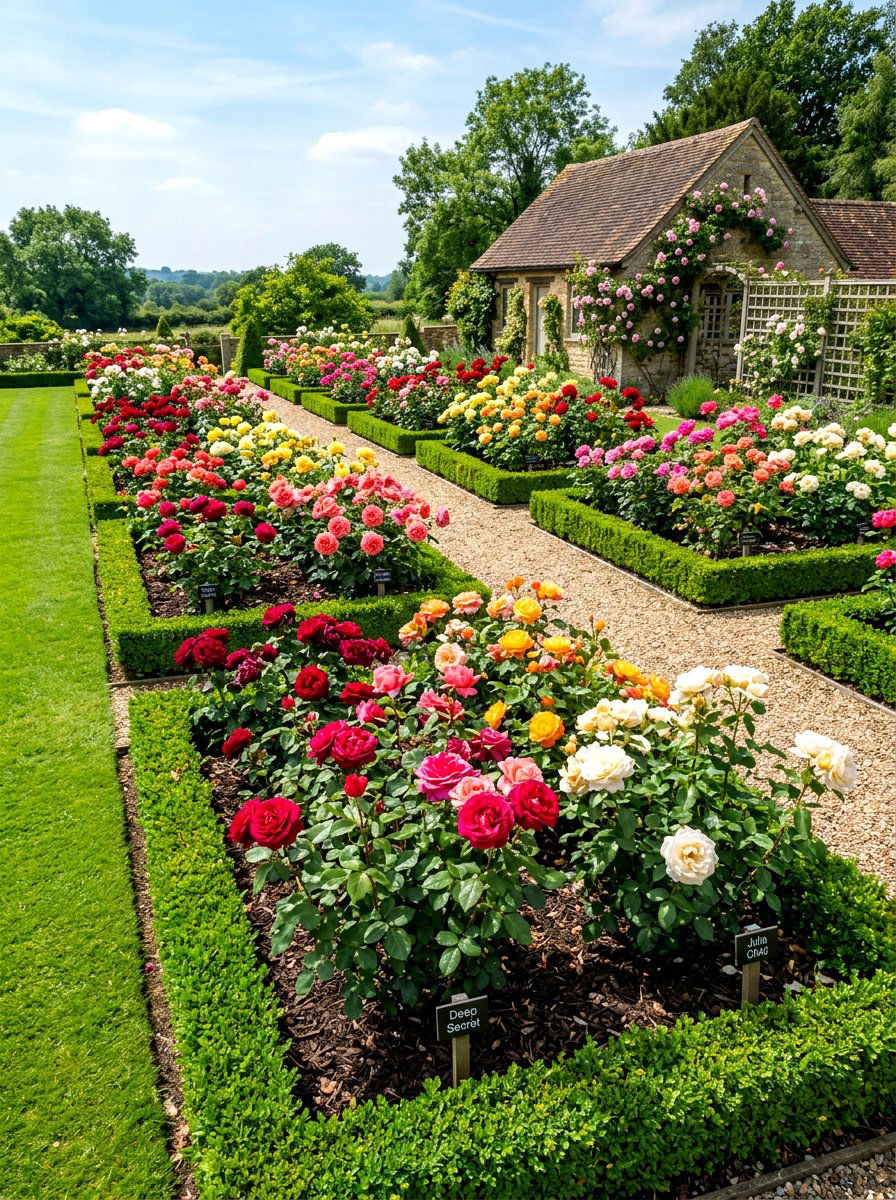
Devoting a section of your yard to roses ensures you always have the most classic and romantic flowers for your home. Choose "hybrid tea" or "grandiflora" varieties if you prefer long, straight stems and large, singular blooms for elegant vases. If you love a more relaxed look, "shrub roses" or "climbing roses" offer clusters of smaller flowers that add volume to any arrangement. Regular pruning is key to keeping these plants healthy and encouraging new growth throughout the summer. Many modern varieties are bred for disease resistance and repeat blooming, making them much easier to care for than older types. The scent alone makes this garden worth the effort.
12. Container flower garden
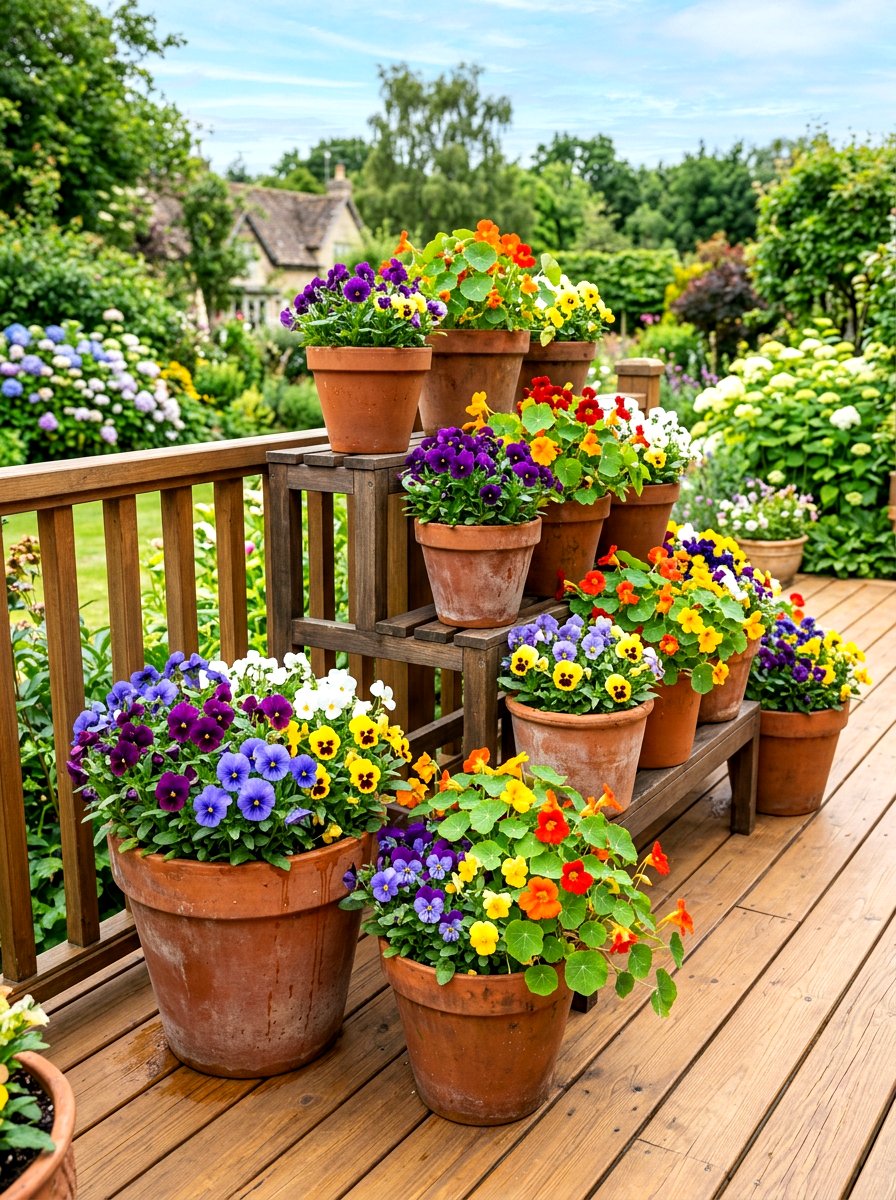
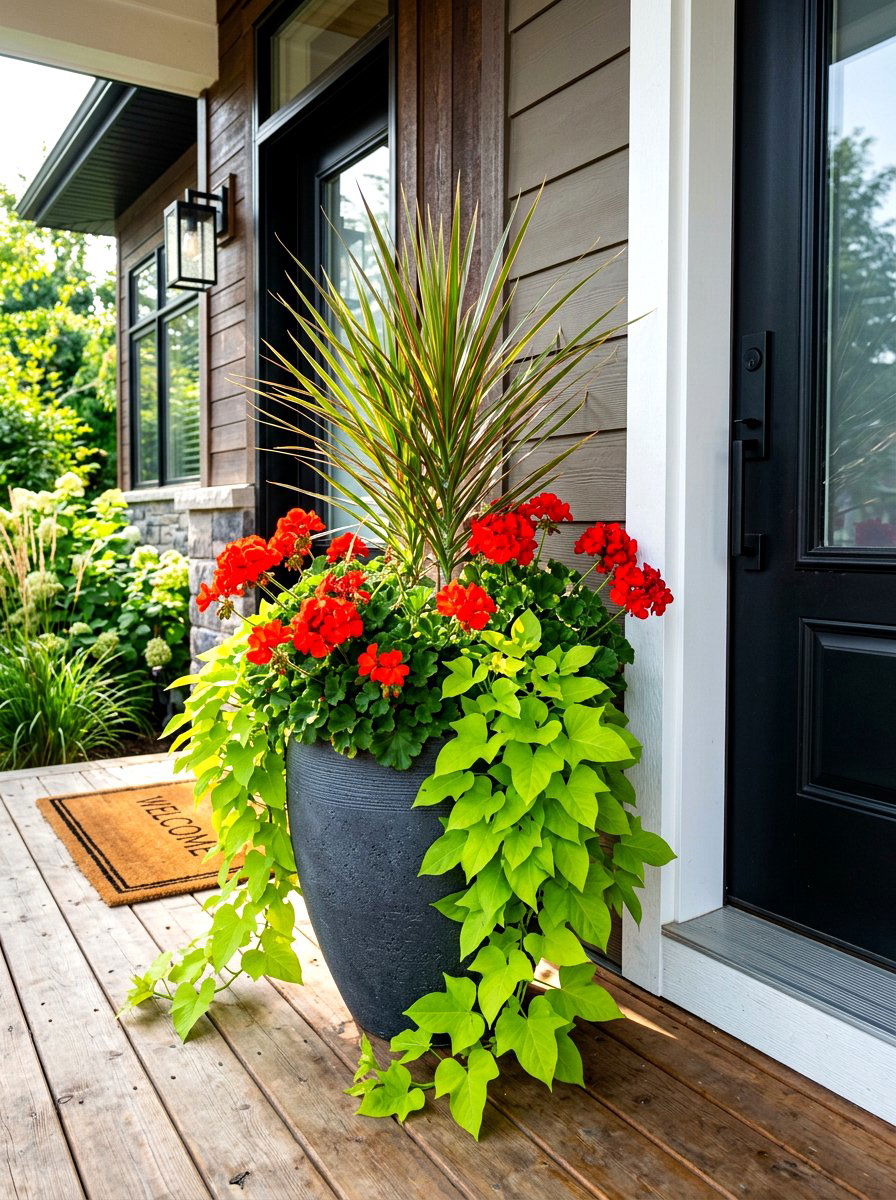
If you have a patio or balcony, you can still grow a variety of cut flowers in large decorative pots. This method allows you to move your plants around to catch the best sunlight or protect them from harsh weather. Focus on varieties that have a compact growth habit but still produce long enough stems for small bud vases. Nasturtiums, pansies, and even smaller snapdragons thrive in containers when provided with regular water and liquid fertilizer. You can create a beautiful tiered display using different pot sizes to maximize your vertical space. It is a flexible way to bring the joy of gardening to any living situation imaginable.
13. Shady flower garden
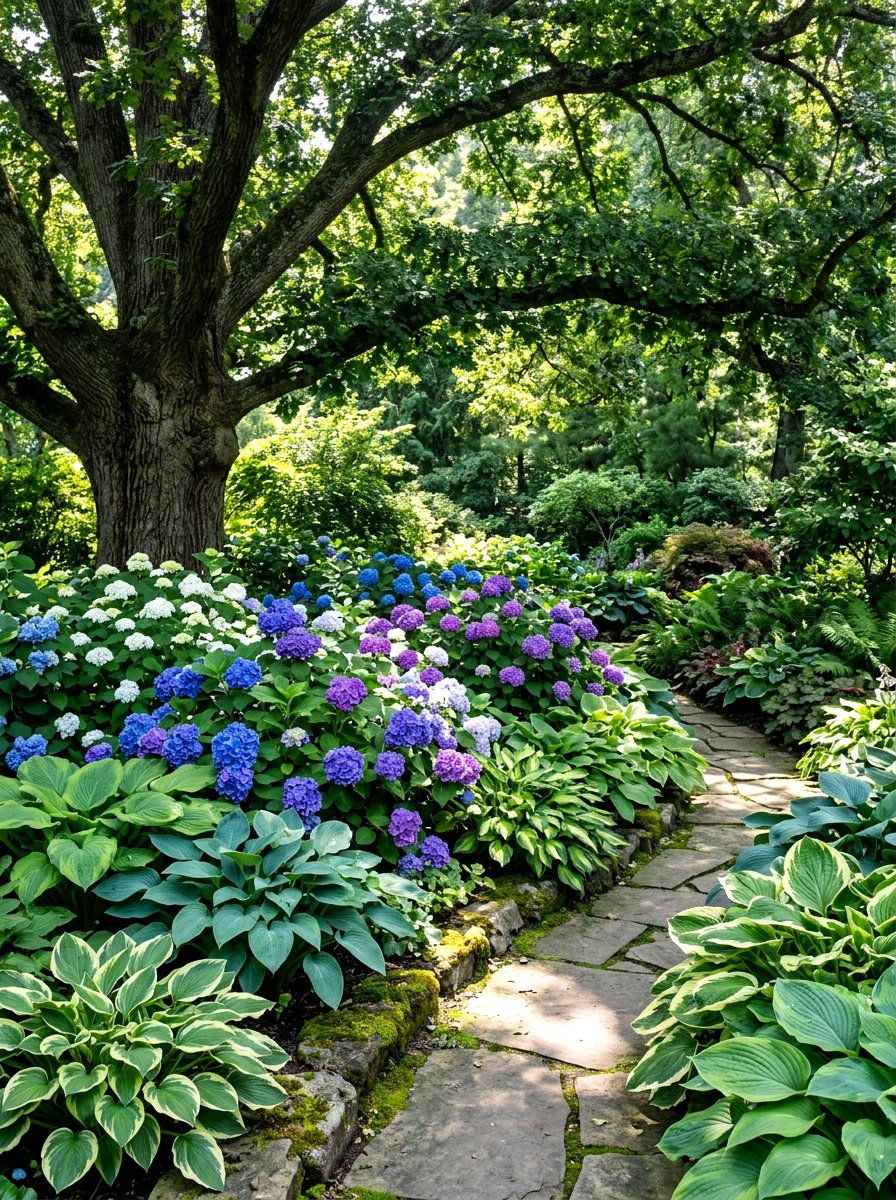
Many people think a cutting garden requires full sun, but there are several beautiful flowers that thrive in partial shade. Plants like hydrangeas, astilbe, and bleeding hearts provide unique textures and colors that sun-loving plants cannot replicate. These varieties often have larger, more delicate leaves and soft, pastel blooms that look stunning in woodland-themed arrangements. Using shade-tolerant foliage like hostas or ferns can add essential greenery and structure to your bouquets. A shady spot in the garden often feels cooler and more serene, making it a pleasant place to harvest during the heat of the day. It expands your floral possibilities into every corner of your yard.
14. Peony garden border
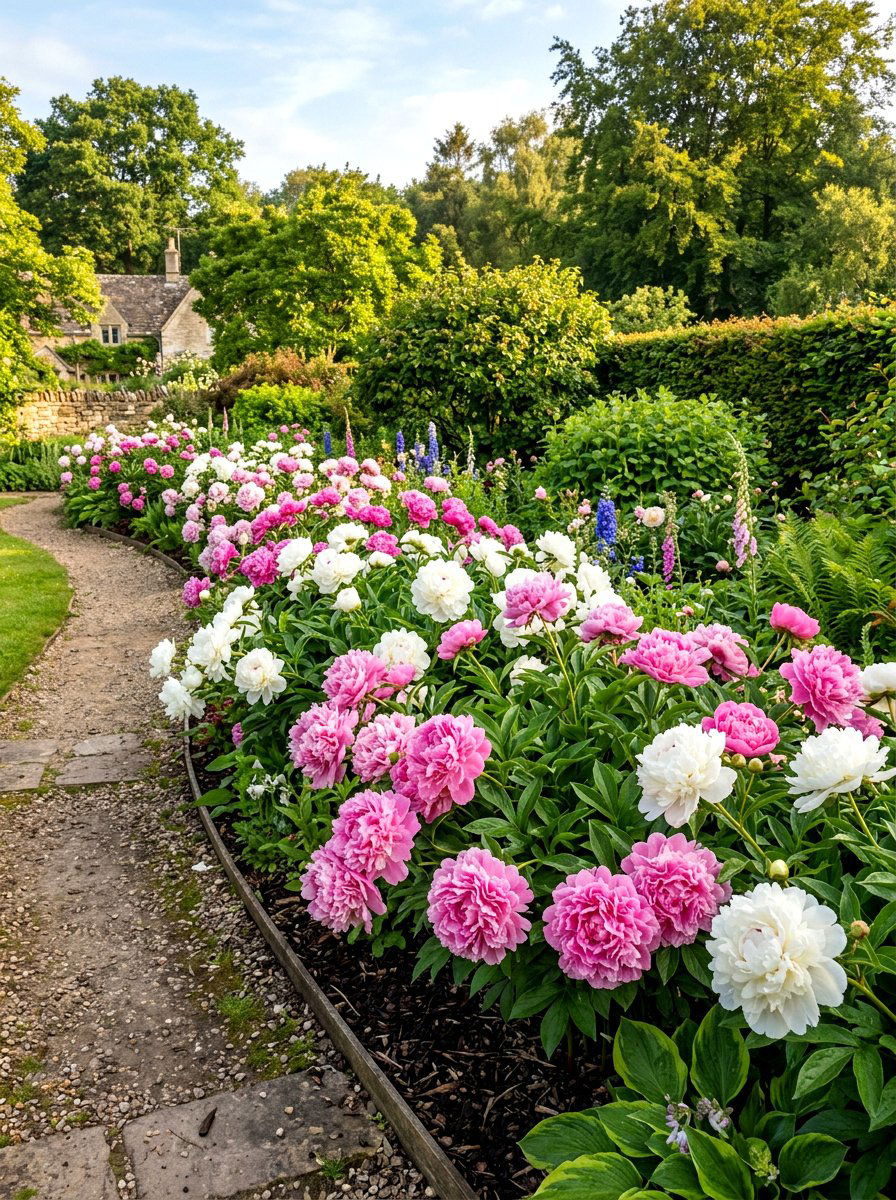
Peonies are the ultimate early summer flower, known for their massive, ruffled blooms and intoxicating fragrance. While they only bloom for a few weeks, their impact is so great that they are a staple in many cutting gardens. They are long-lived perennials that actually get better and more productive with age. You can plant them in a dedicated border where their lush green foliage remains attractive even after the flowers have faded. To extend the harvest, plant different varieties that bloom at slightly different times throughout the month of June. These flowers are so large that just one or two stems can fill an entire vase with beauty.
15. Sunflower garden row
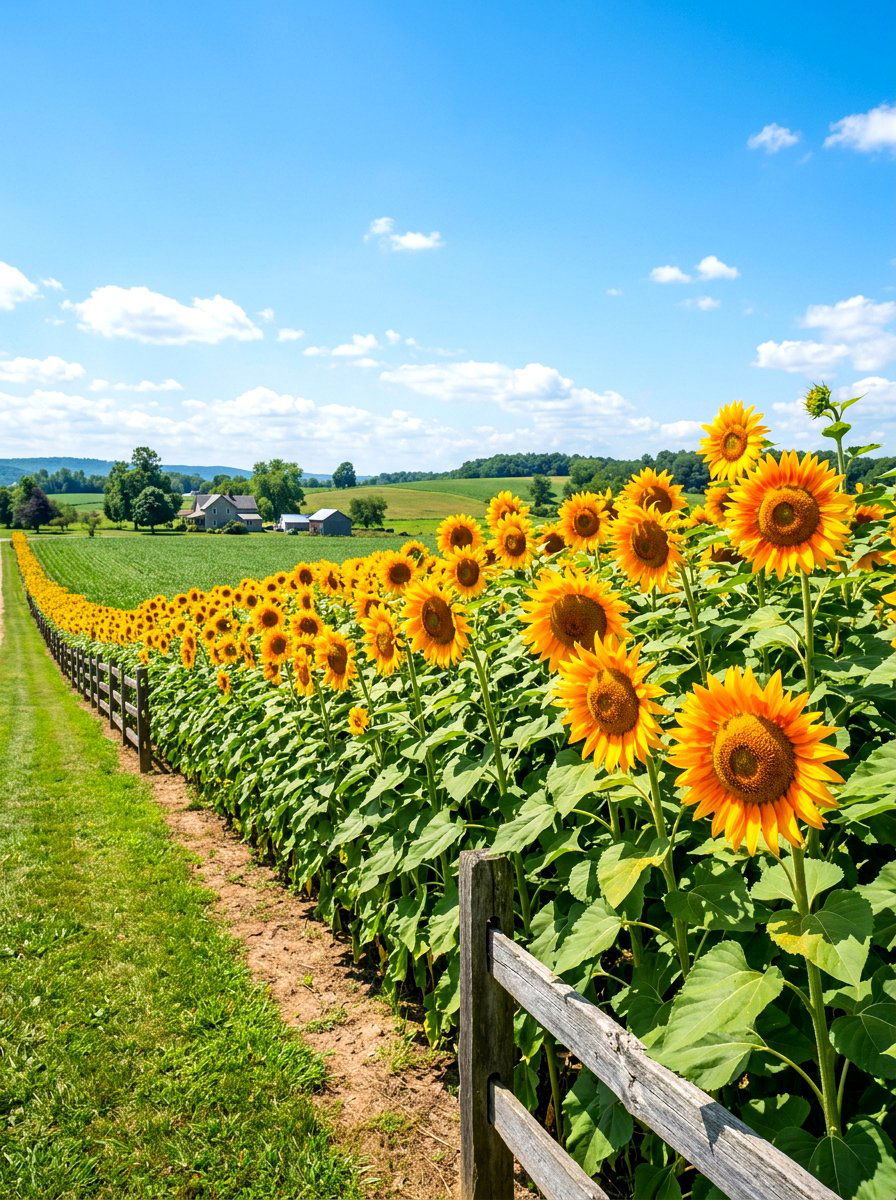
Sunflowers are the quintessential symbols of summer and are incredibly easy to grow from large seeds. If you are growing them specifically for cutting, look for "pollen-less" varieties that will not drop yellow dust on your furniture. Branching varieties are excellent because they produce multiple smaller heads on a single plant, giving you more stems to harvest. You can plant them in tall rows to act as a natural privacy screen along your property line. They come in surprising colors like deep burgundy, creamy lemon, and classic bright orange. Their sturdy stalks make them very easy to handle and arrange in large, heavy floor vases for a bold statement.
16. Scented flower garden
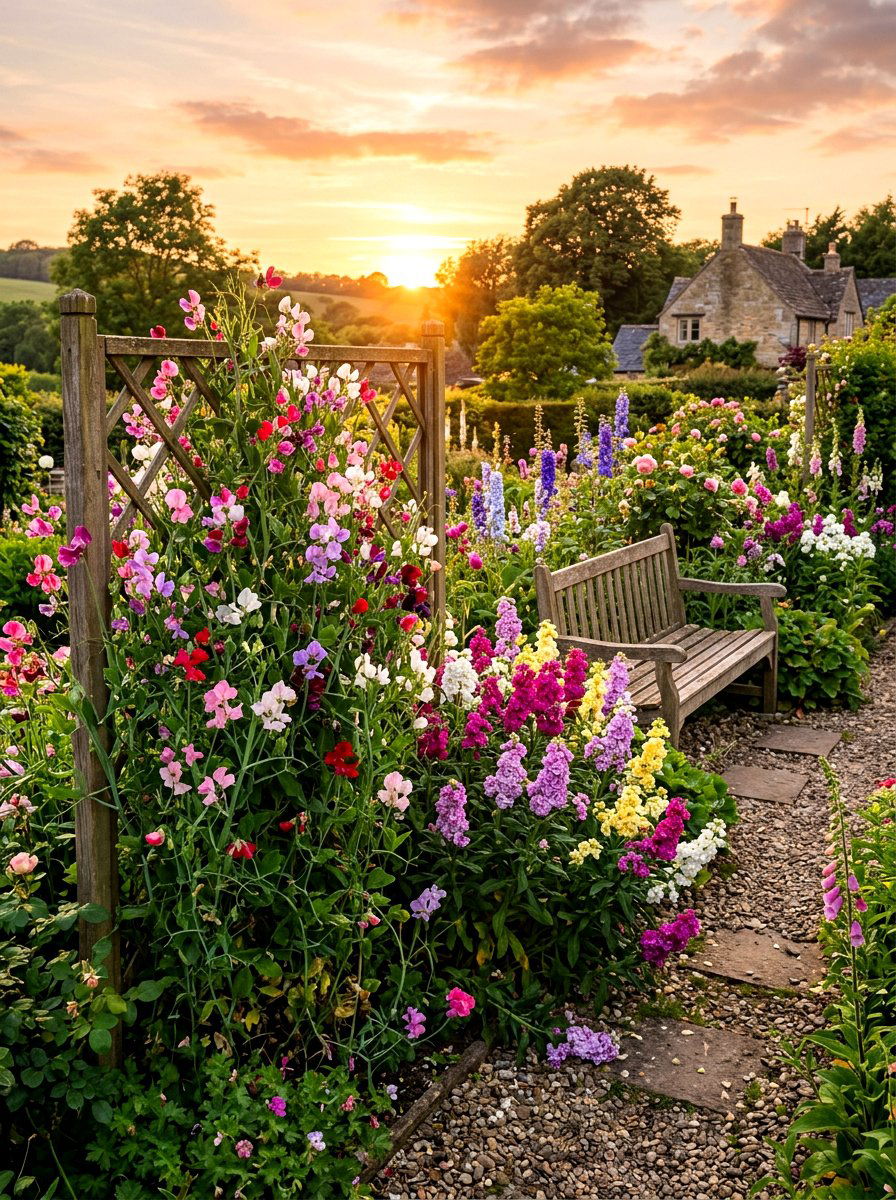
Designing a garden specifically for fragrance adds a whole new layer of enjoyment to your floral arrangements. Include plants like sweet peas, stock, and heliotrope that fill the air with sweet, spicy, or vanilla-like scents. When you bring these flowers indoors, they act as a natural air freshener for your entire home. Place this garden near an open window or a seating area so you can enjoy the aroma while you relax outdoors. Selecting flowers with varied scents creates a complex "perfume" that changes depending on the time of day. It makes the act of gathering flowers a deeply sensory experience that calms the mind and lifts the spirit.
17. Monochromatic white garden
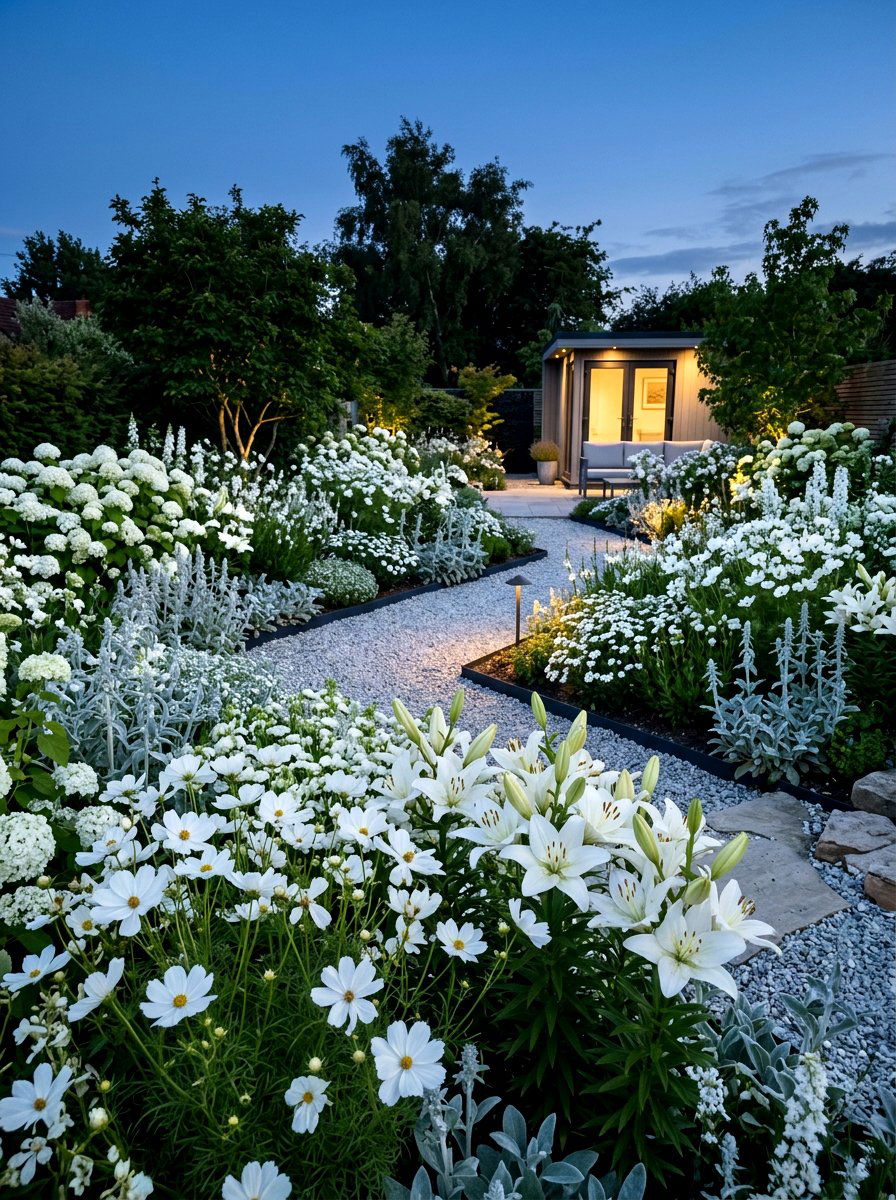
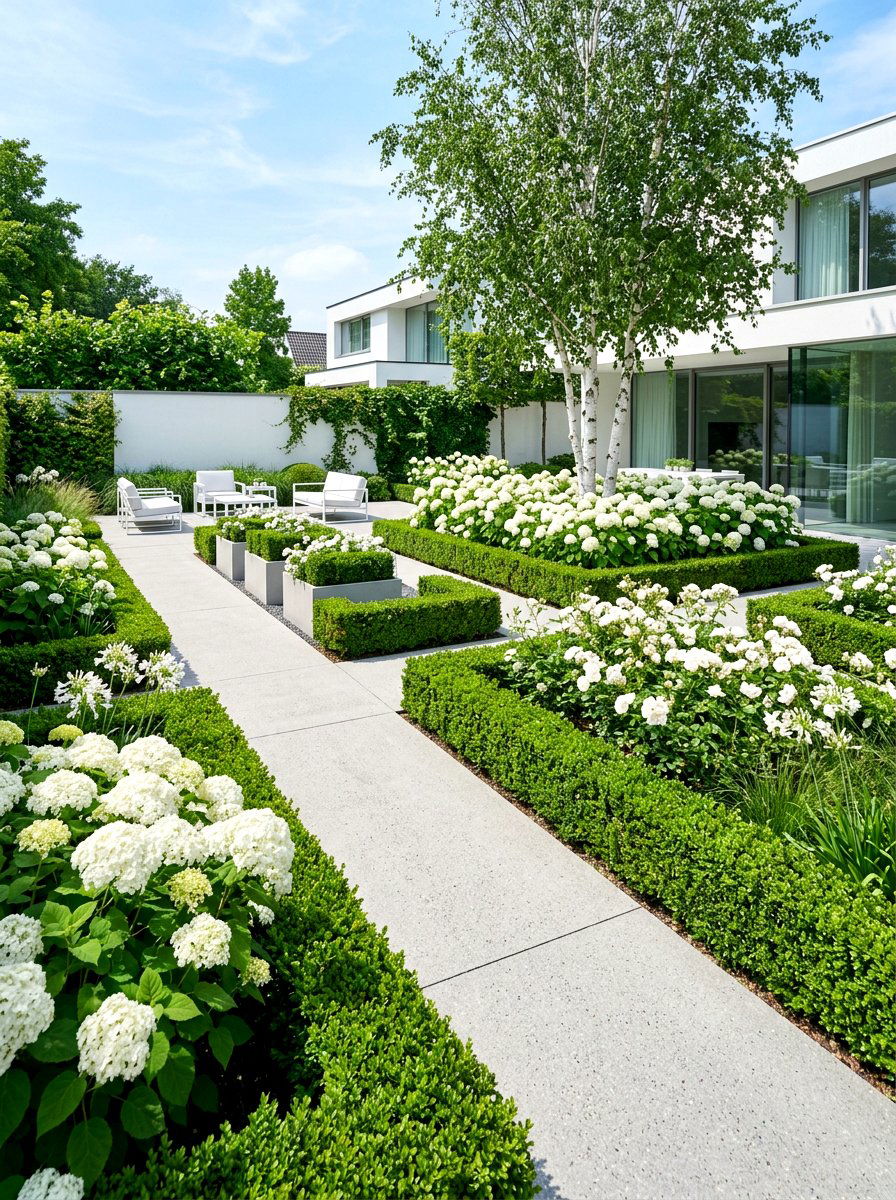
A garden filled entirely with white flowers creates a sophisticated and timeless look that is currently very popular. This "moon garden" style is especially beautiful in the evening when the white petals seem to glow in the twilight. Use a variety of textures, from the feathery look of white cosmos to the solid structure of white tulips or lilies. This restricted color palette makes it incredibly easy to create professional-looking arrangements because everything automatically matches. It feels clean, serene, and elegant both in the ground and in a vase. Adding silver-toned foliage like dusty miller or eucalyptus enhances the cool, refined aesthetic of the entire floral design.
18. Vertical flower garden
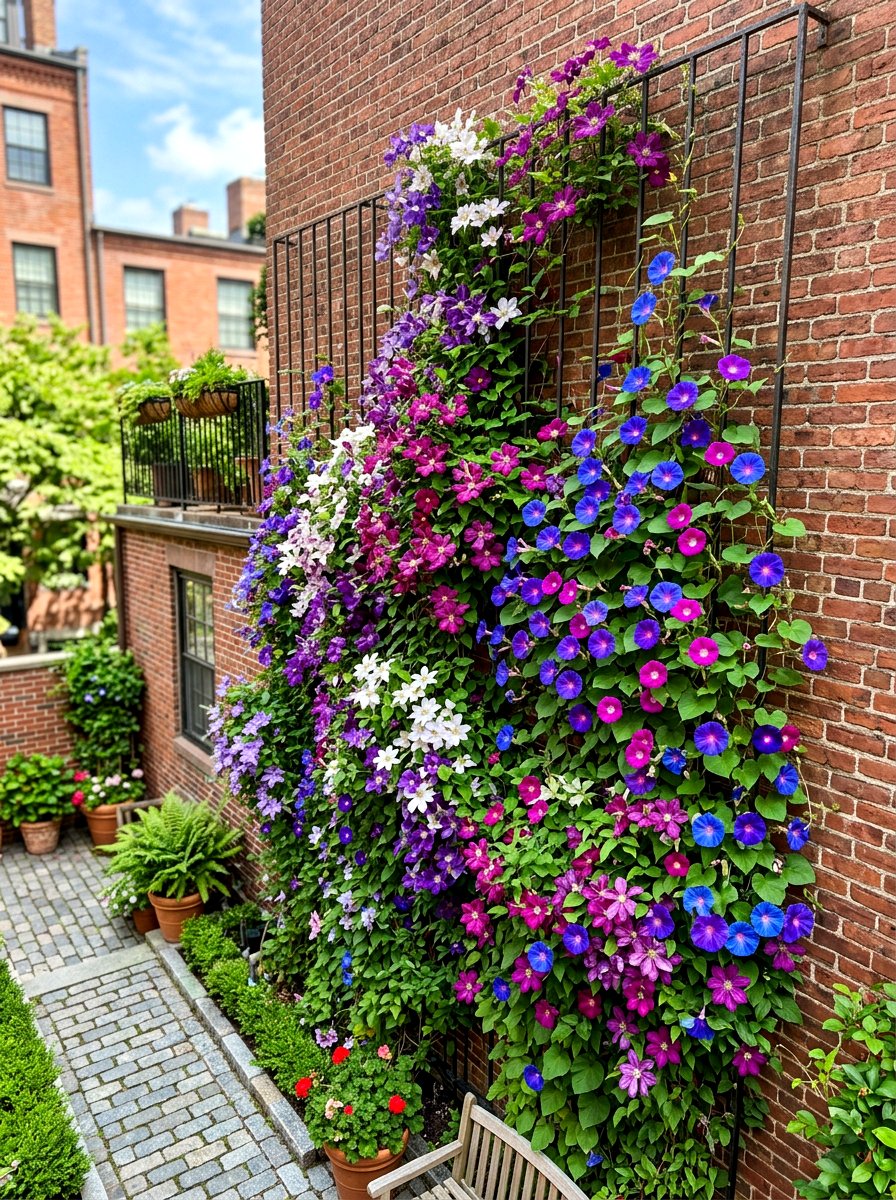
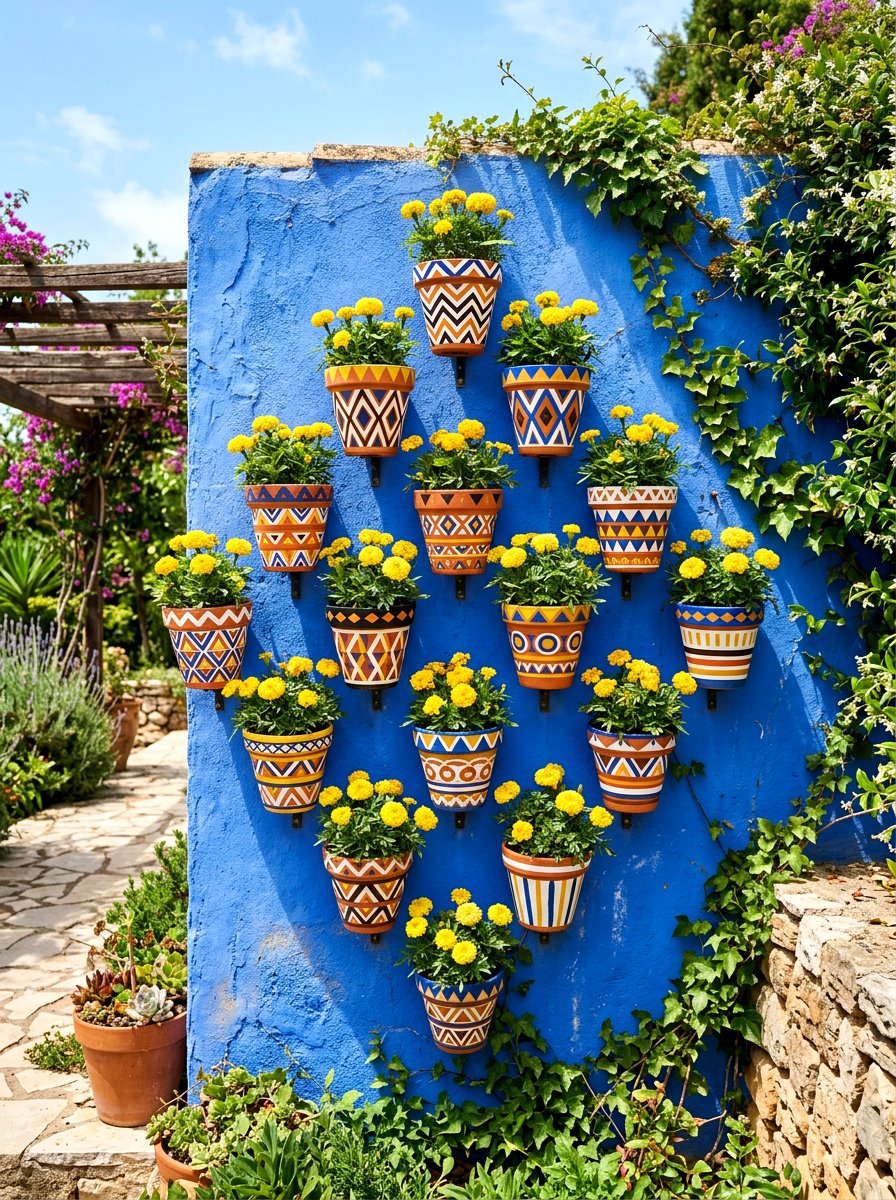
When ground space is limited, look upward and utilize trellises, fences, and wall-mounted planters for your cutting flowers. Climbing plants like sweet peas, clematis, and morning glories are perfect for adding height and drama to your garden layout. These plants naturally reach for the sun, taking up very little horizontal space while producing a large volume of blooms. You can also use vertical shelving units to hold multiple rows of small flower pots on a porch or deck. This method makes harvesting easy since the flowers are often at eye level. It turns a boring flat wall into a living work of art that provides endless stems for your home.
19. Dried flower garden
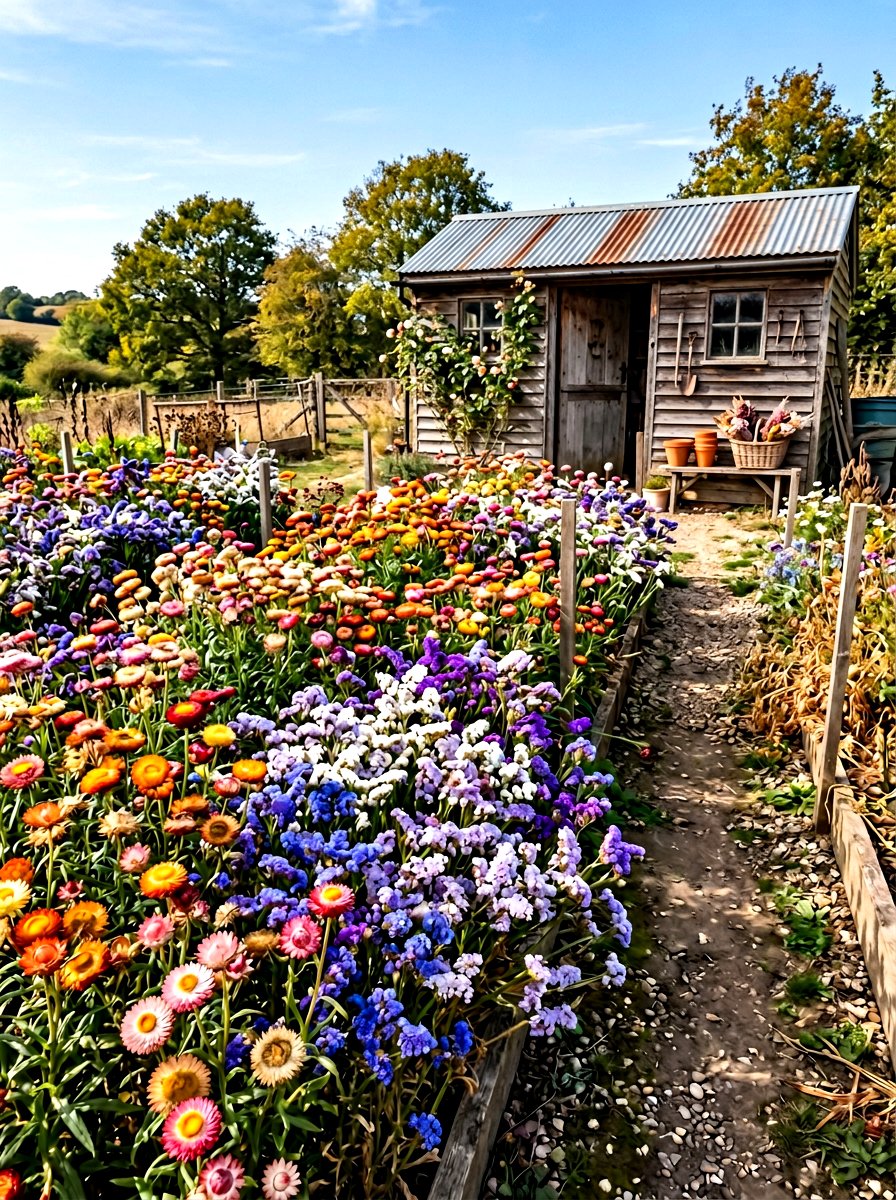
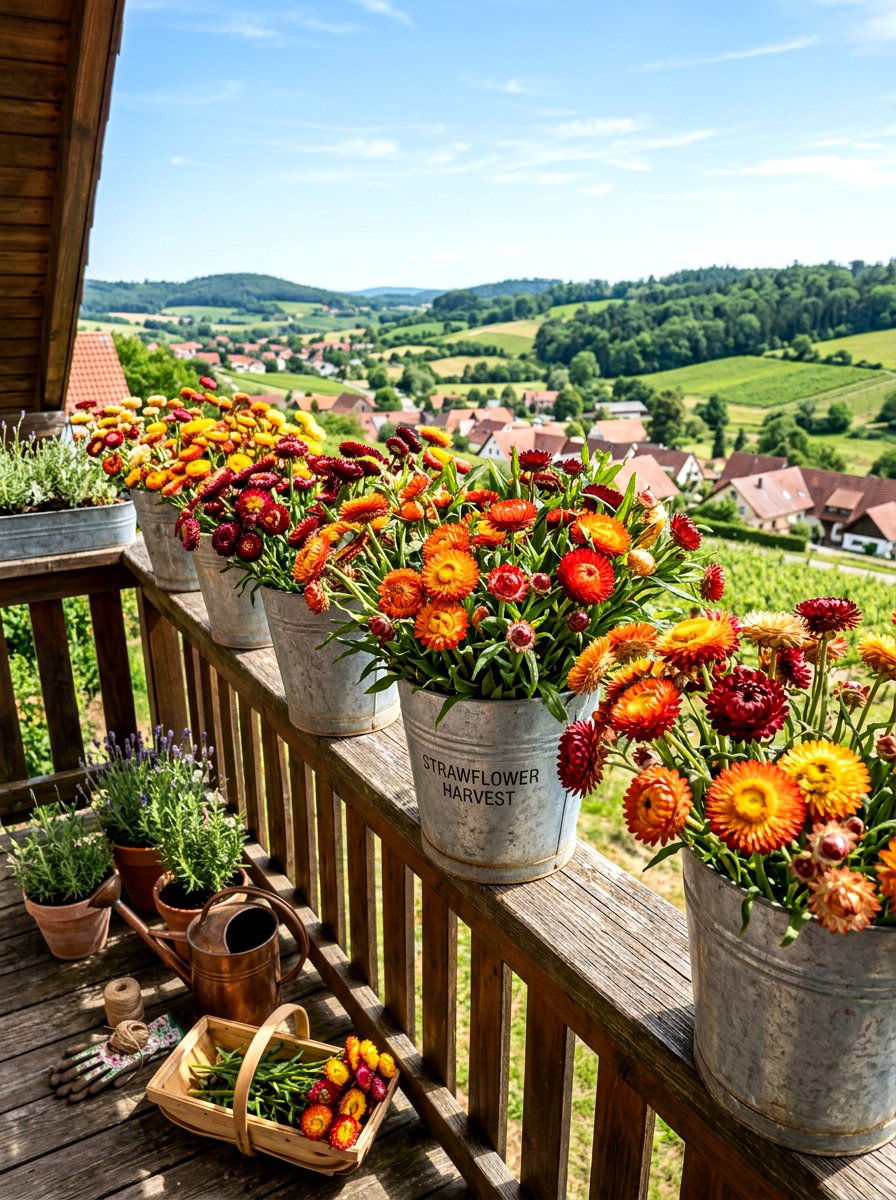
If you want to enjoy your garden all through the winter, plant varieties that hold their color and shape when dried. Strawflowers, statice, and globe amaranth are excellent choices because their petals feel like paper even when they are fresh. You can harvest these at their peak and hang them upside down in a dark, dry place to preserve them for months. These flowers are perfect for creating long-lasting wreaths, shadow boxes, or rustic dried bouquets that require zero water. It is a sustainable way to keep the beauty of summer alive in your home during the cold, gray months of the year.
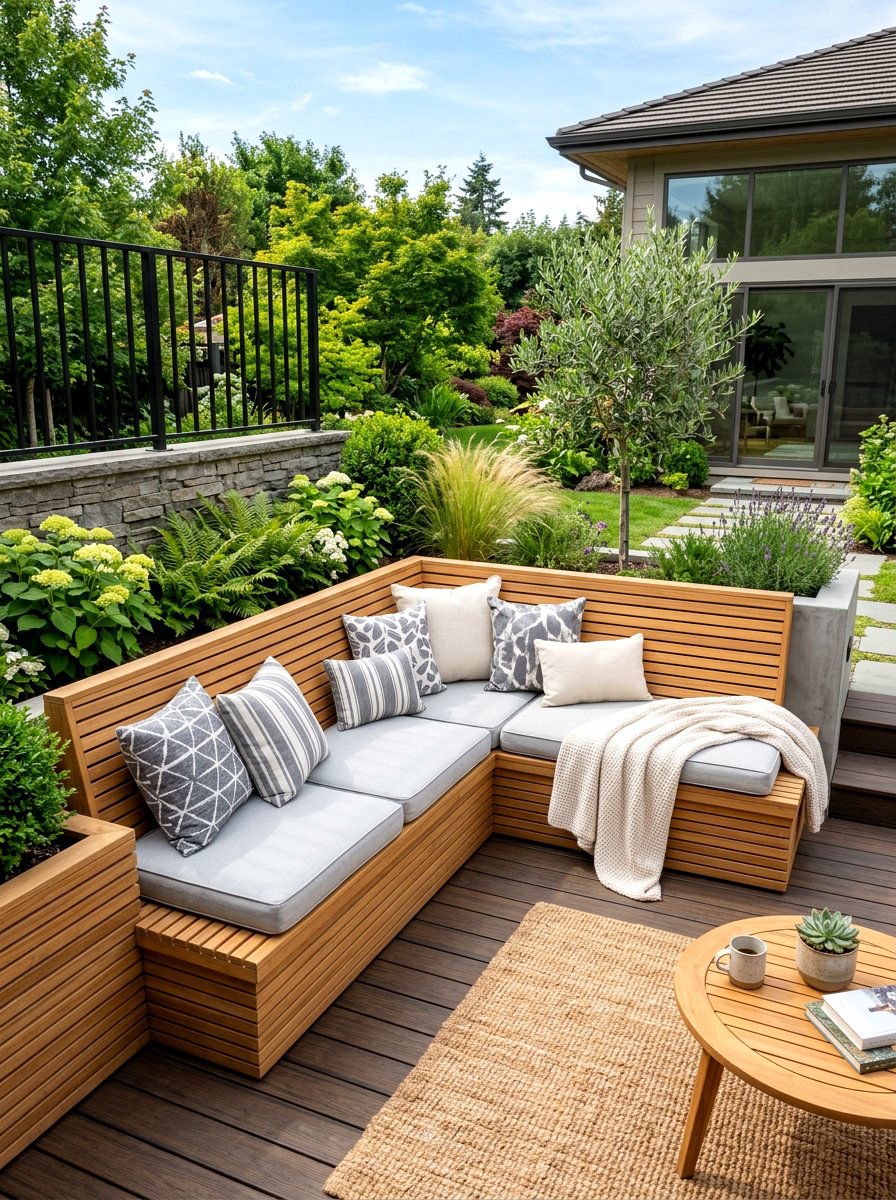
20. Perennial cutting garden
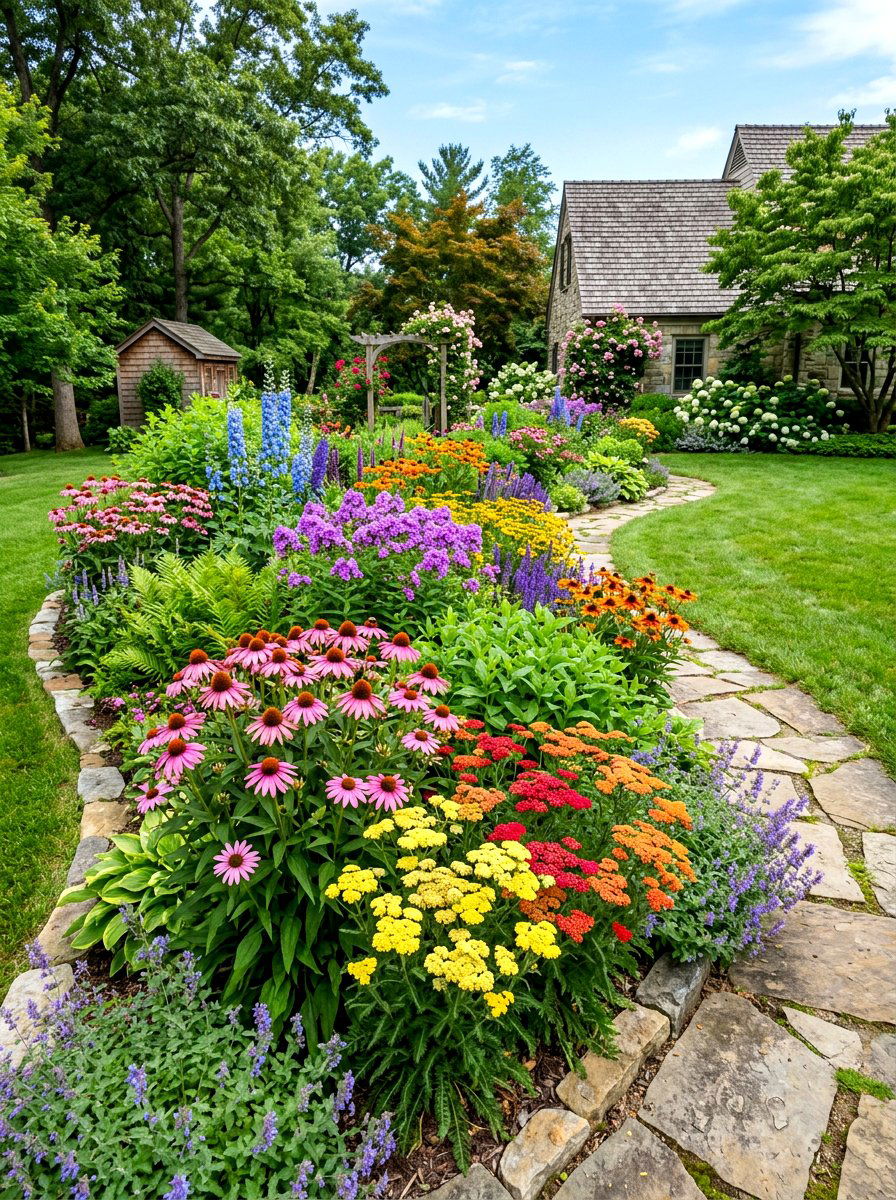
Investing in perennials means you will have a reliable source of flowers that return year after year without replanting. Plants like yarrow, coneflowers, and phlox are tough and dependable once they become established in your soil. While they might take a season or two to reach full size, they eventually provide a massive amount of stems with very little work. You can divide these plants every few years to create even more flower beds for free. This is a great "base" for any cutting garden, providing structure and consistency that annuals cannot match. It is the most cost-effective way to have a permanent floral sanctuary in your backyard.
21. Annual flower garden
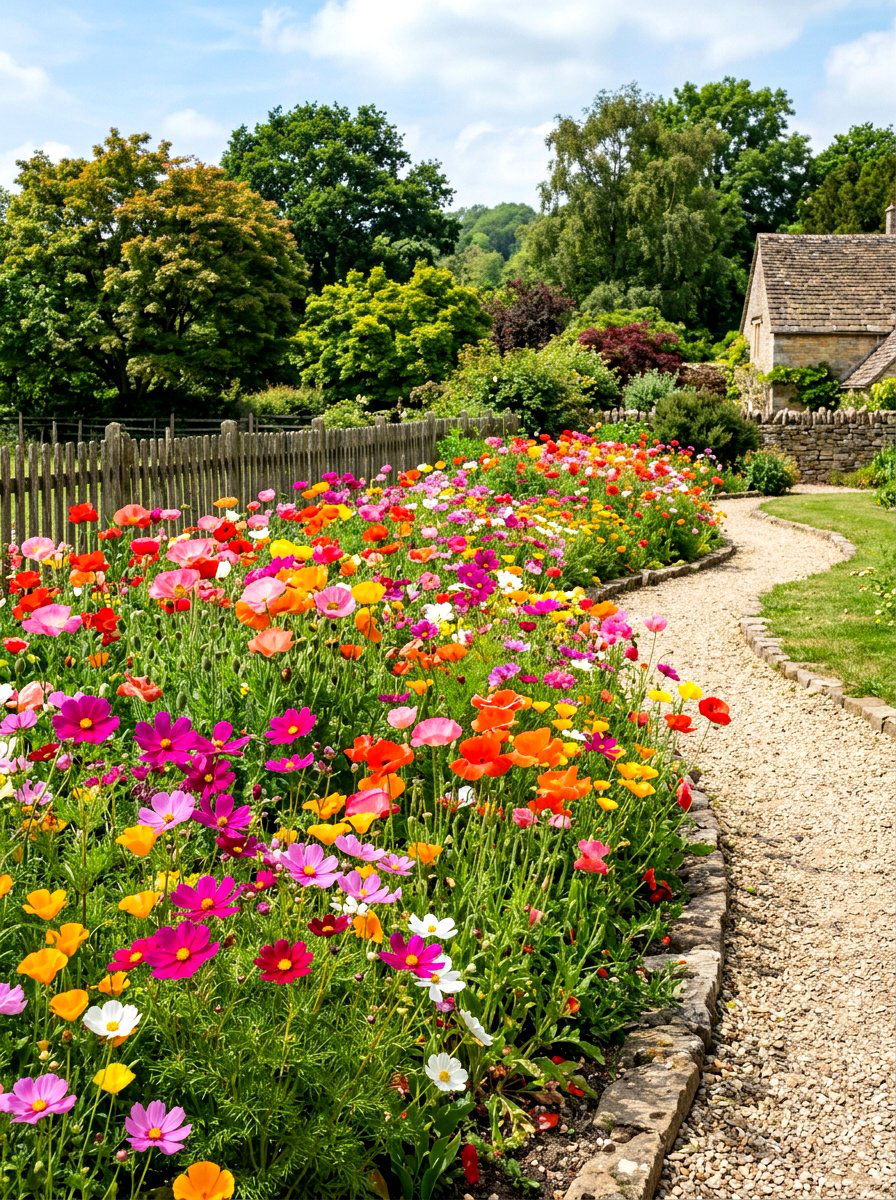
For the gardener who loves variety and change, an annual-focused garden allows you to experiment with new colors and types every single year. Annuals like cosmos, poppies, and larkspur complete their entire life cycle in one season, often producing many more blooms than perennials. They are generally easy to grow from seed and can be tucked into any empty gaps in your existing landscape. This approach allows you to follow current floral trends or try out exotic varieties without a long-term commitment. Because they grow so quickly, you can enjoy a full, blooming garden just a few months after planting. It is an exciting way to keep your hobby fresh.
22. Sweet pea trellis
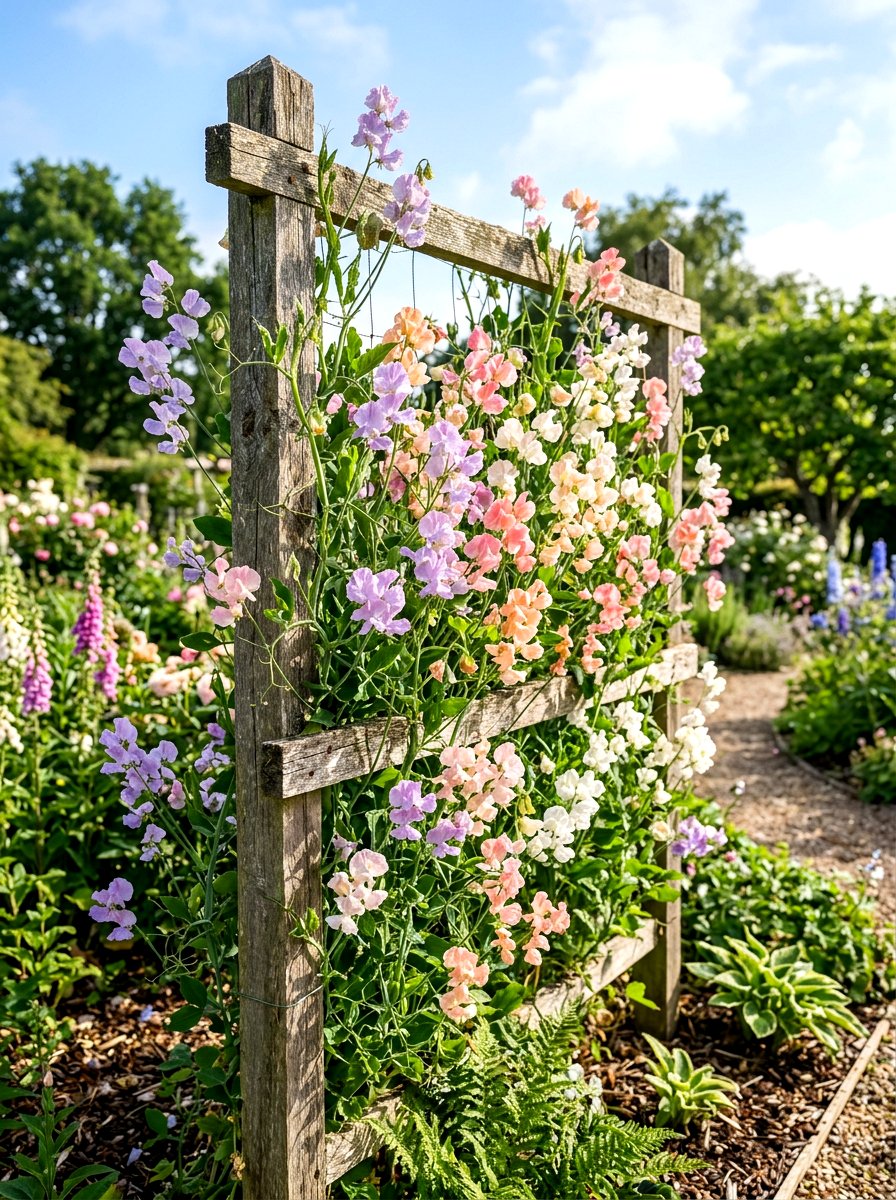
Sweet peas are beloved for their delicate, ruffled petals and their heavenly, old-fashioned fragrance. These climbing plants require a sturdy trellis or netting to grow upward, making them a beautiful vertical focal point. They prefer the cooler temperatures of spring and early summer, so it is best to get them in the ground early. The more you cut the flowers, the more the plant will produce, making them a powerhouse for home bouquets. They come in a breathtaking range of pastel and jewel tones that look beautiful when bunched together in simple glass jars. Their long, curly tendrils add a whimsical touch to any floral arrangement you create.
23. Ranunculus flower bed
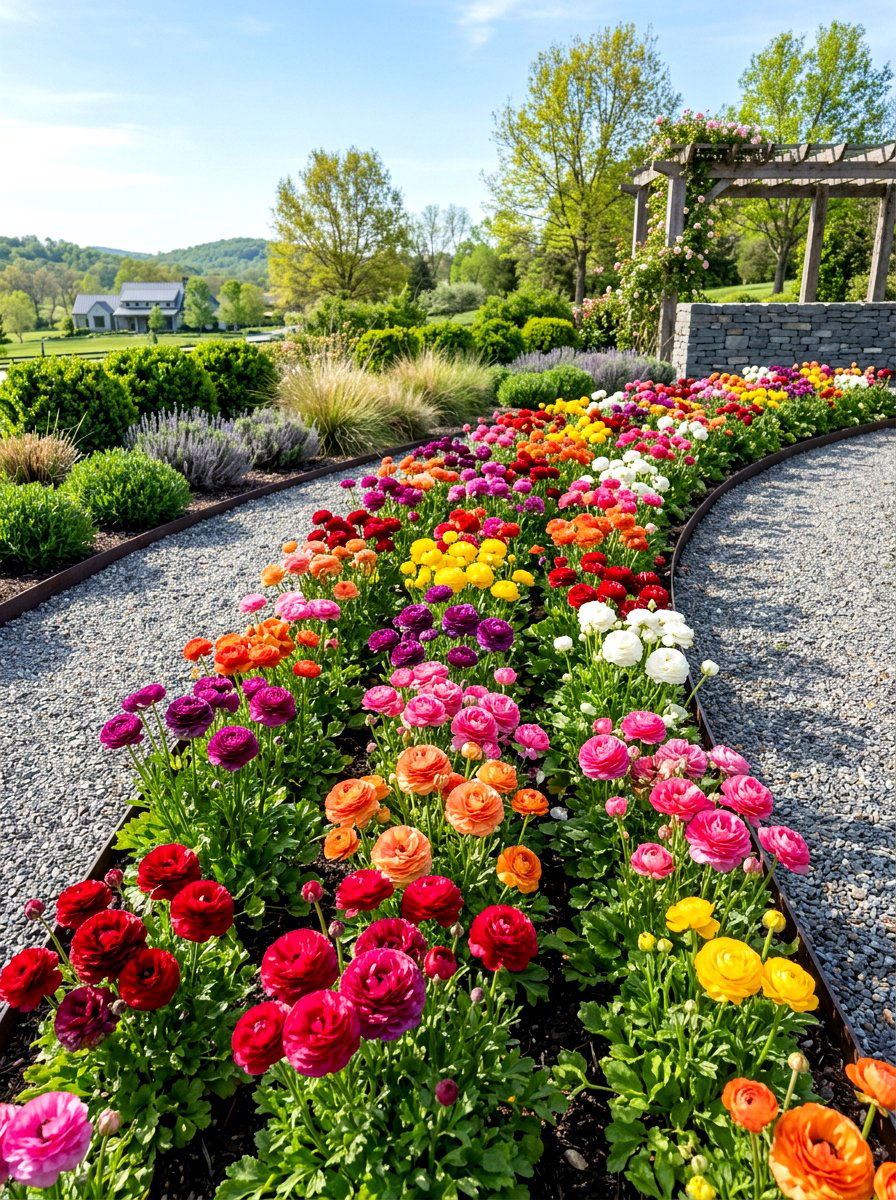
Ranunculus are famous for their paper-thin petals that look like a cross between a rose and a peony. While they can be a bit more challenging to grow than basic zinnias, the reward is well worth the extra effort. These plants grow from "corms" and prefer the cool, moist conditions of early spring. They provide an upscale, luxurious look to any bouquet and have an incredibly long vase life, often lasting over a week. Planting them in a dedicated bed allows you to monitor their moisture levels and provide the protection they need from late frosts. Their vibrant, saturated colors are some of the most beautiful in the plant world.
24. Hydrangea cutting garden
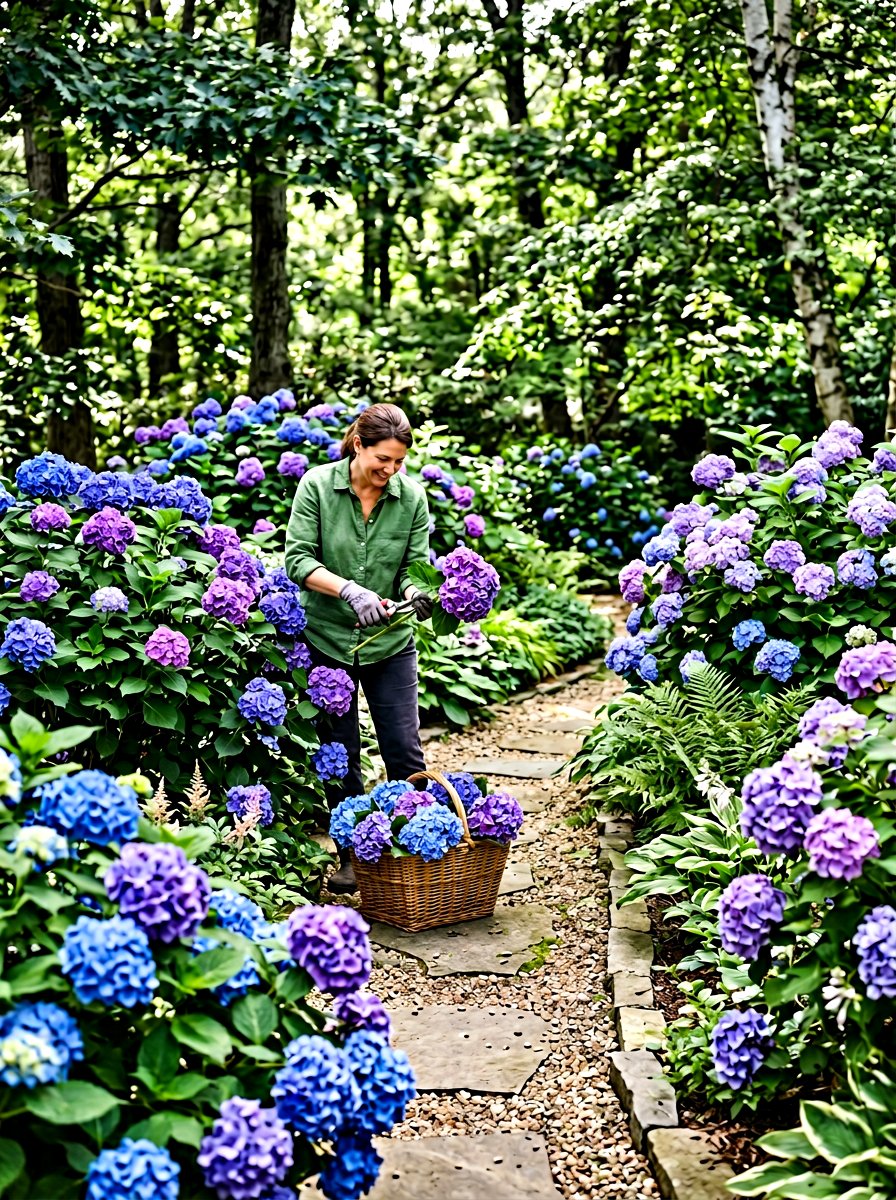
Hydrangeas are the ultimate shrub for the cutting garden, offering massive clusters of flowers that can fill a vase all on their own. Whether you prefer the classic blue mopheads or the cone-shaped panicle varieties, these plants are reliable and stunning. They transition beautifully from fresh summer blooms to antiqued autumn colors, providing interest over many months. Many varieties can even be dried successfully for winter decor. Because they are large shrubs, they also provide excellent structural foliage that serves as a perfect backdrop for other smaller flowers in an arrangement. They are a long-term investment that adds significant value and beauty to any backyard landscape or garden.
25. Organic flower garden
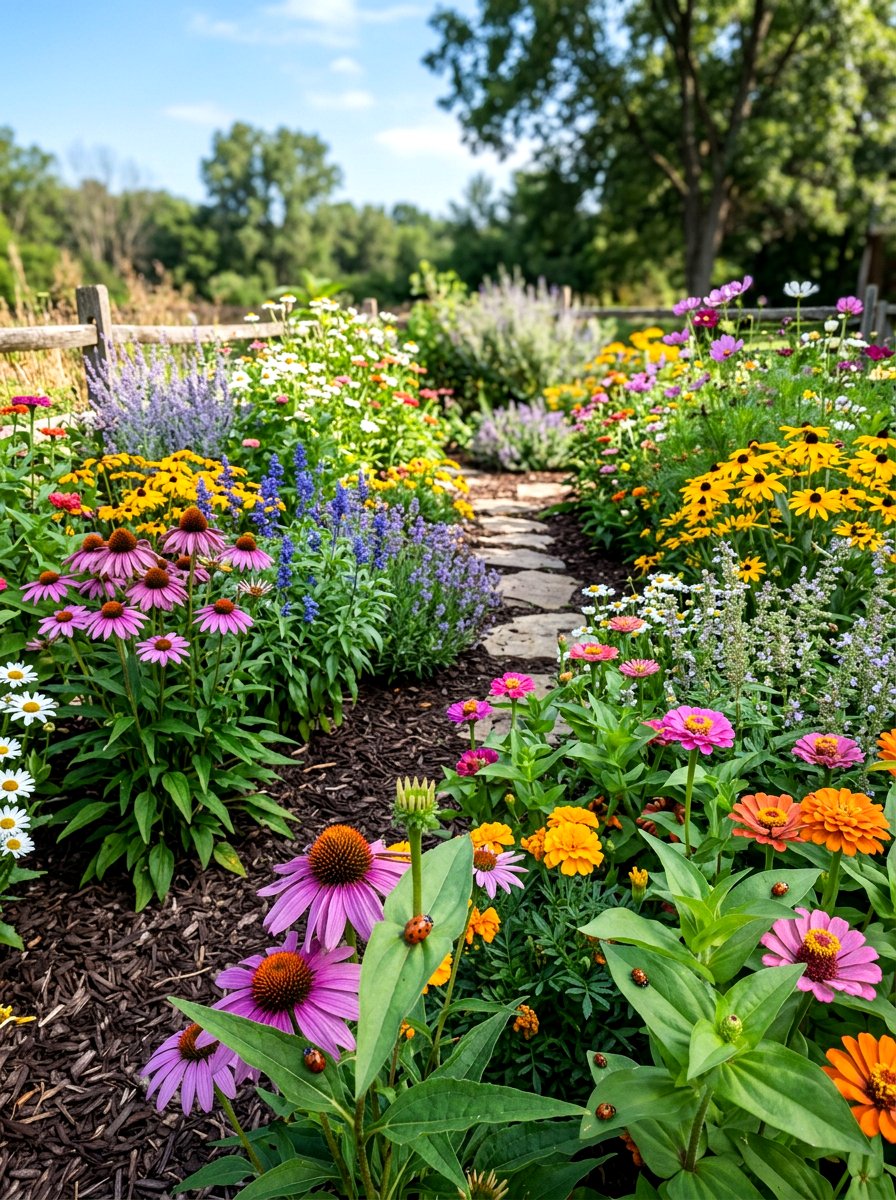
Growing your flowers without synthetic chemicals is better for you, your pets, and the local wildlife that visits your yard. An organic garden focuses on building healthy soil through composting and using natural mulch to suppress weeds. Instead of harsh pesticides, you can use companion planting and beneficial insects to manage common garden pests like aphids. This approach results in flowers that are safe to handle and bring into your home, especially if you have children or curious cats. Organic gardening fosters a deeper connection with the environment and ensures that your beautiful hobby is not harming the world around you. It is a rewarding and responsible way to cultivate beauty.
26. Edible flower garden
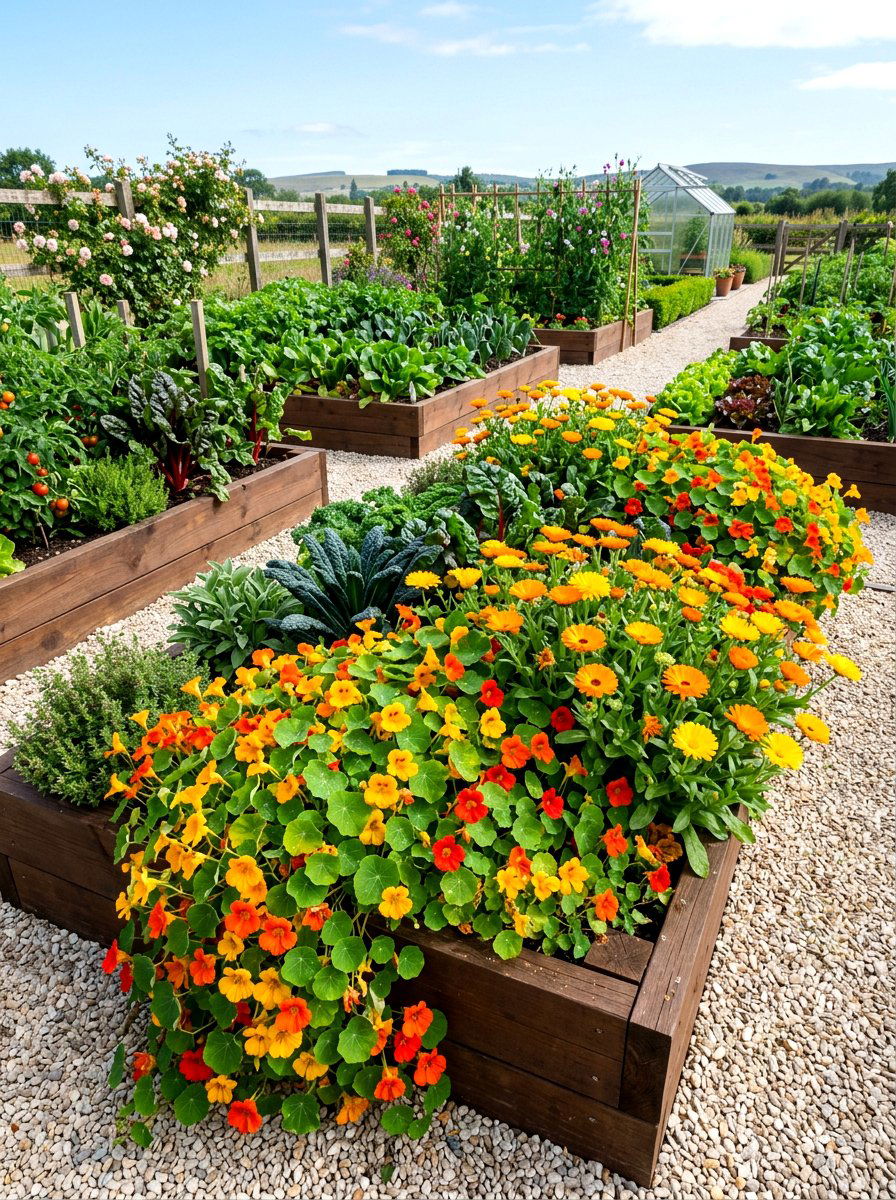
Why not grow flowers that can decorate both your vases and your dinner plates? Many popular cut flowers like nasturtiums, pansies, and calendula are entirely edible and add a gourmet touch to salads or cakes. This dual-purpose garden maximizes your space by providing both beauty and a unique harvest for the kitchen. Ensure you are using organic methods since you will be consuming these blooms. Edible flowers often have a peppery or citrusy flavor that is as interesting as their appearance. It is a fun way to impress guests and add a pop of color to your culinary creations while still enjoying a home filled with fresh floral bouquets.
27. Late summer flower garden
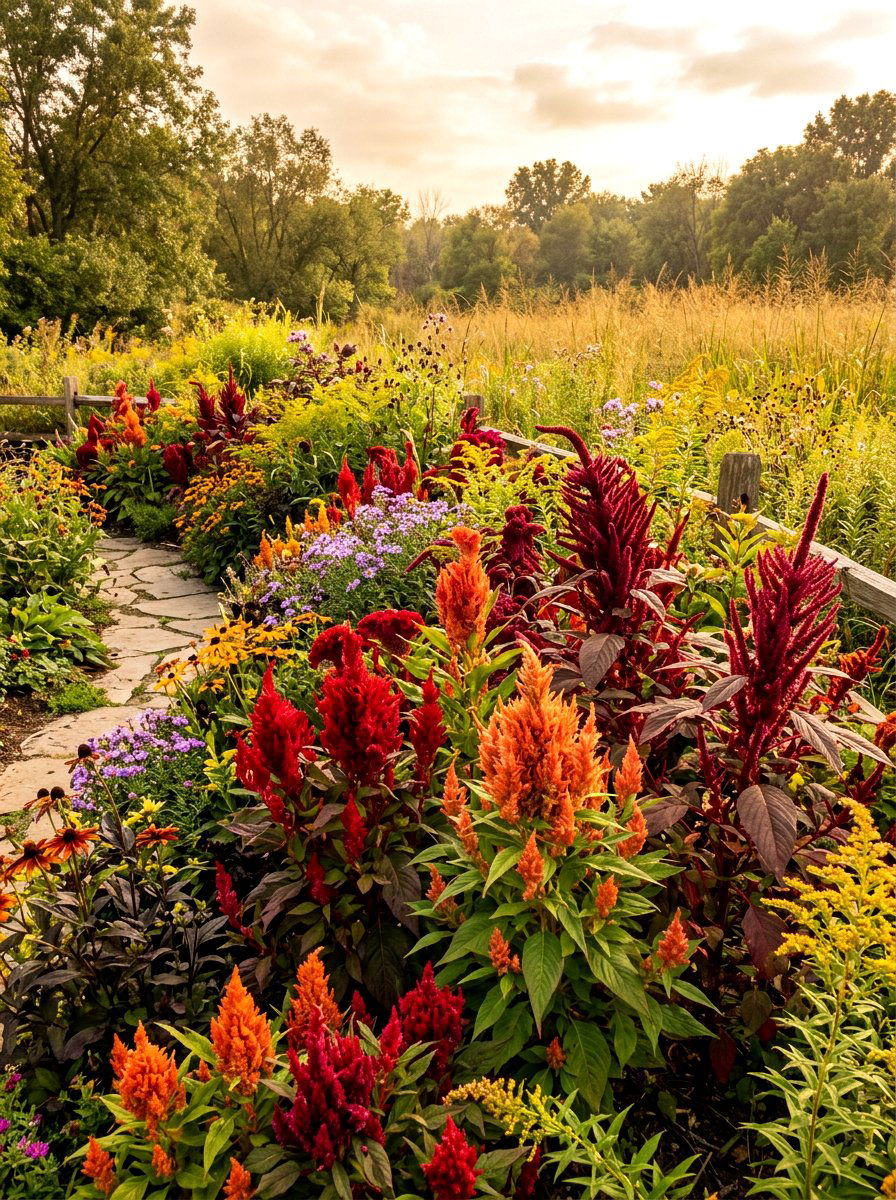
As many spring flowers begin to fade, a late summer garden keeps the color going with heat-loving plants like celosia and amaranth. these varieties are famous for their unique textures, ranging from fuzzy "brain-like" shapes to long, drooping tassels. They thrive when the temperatures rise and can stand up to the intense sun of August. These flowers add a touch of the exotic to your bouquets and often come in rich, warm tones of gold, orange, and deep red. They are typically very productive and will continue to bloom until the weather turns cold. It is the perfect way to bridge the gap between summer and fall.
28. Fall cutting garden
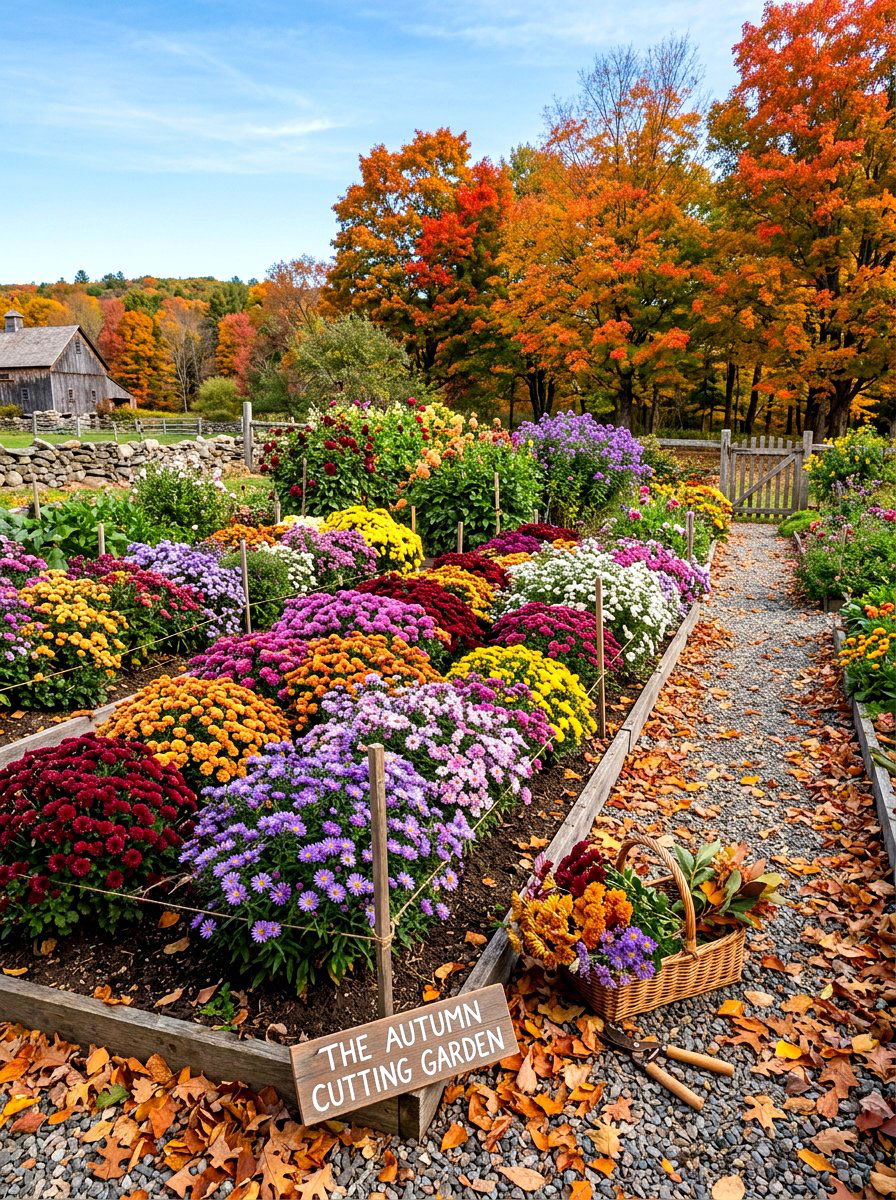
A dedicated fall garden ensures you have plenty of stems for your Thanksgiving table and autumnal decor. Focus on plants like chrysanthemums, asters, and ornamental kale that can withstand cooler nights and shorter days. These varieties offer the classic colors of the season, from burnt orange and deep purple to rustic bronze. Many fall flowers are incredibly sturdy and have a very long vase life, making them ideal for heavier arrangements. Pairing them with dried grasses or colorful seed pods creates a sophisticated look that reflects the changing landscape outside. It is a wonderful way to celebrate the end of the growing season with a final burst of color.
29. Herb cutting garden
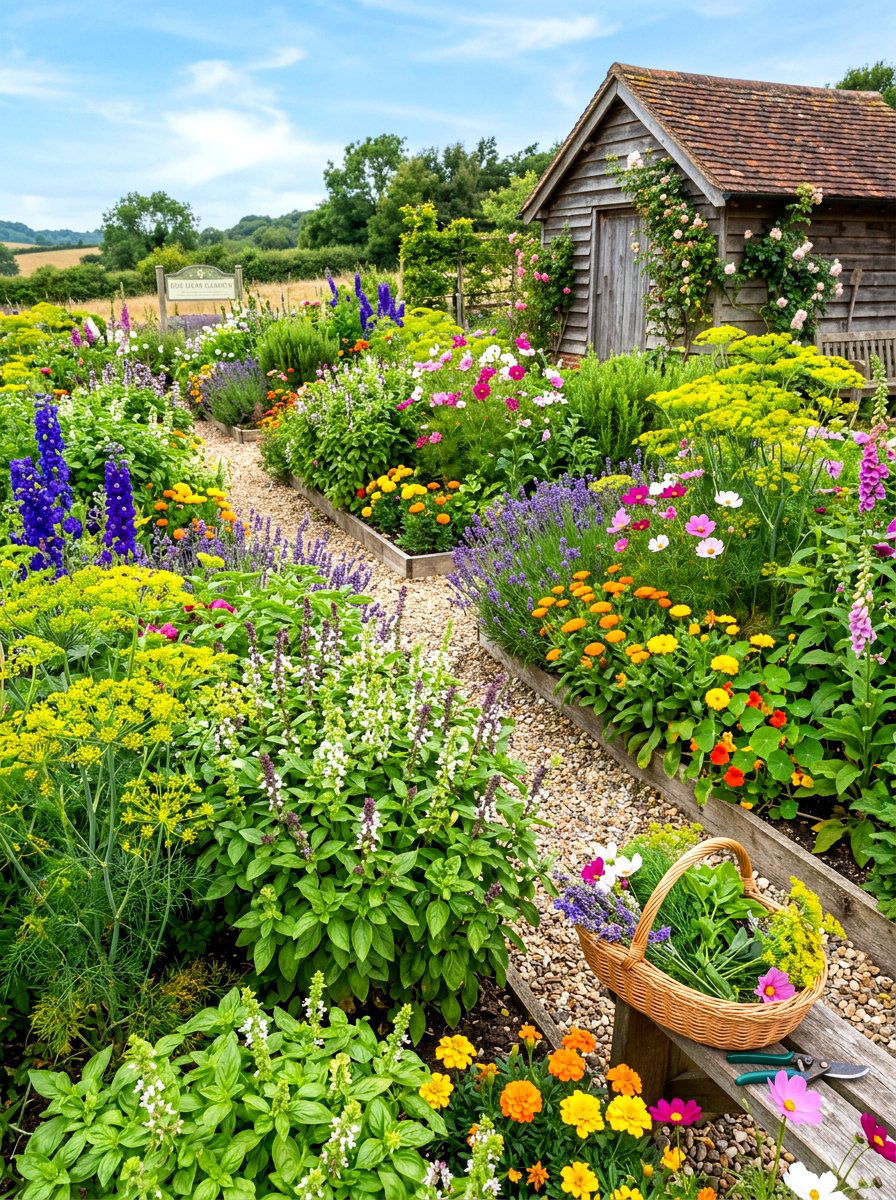
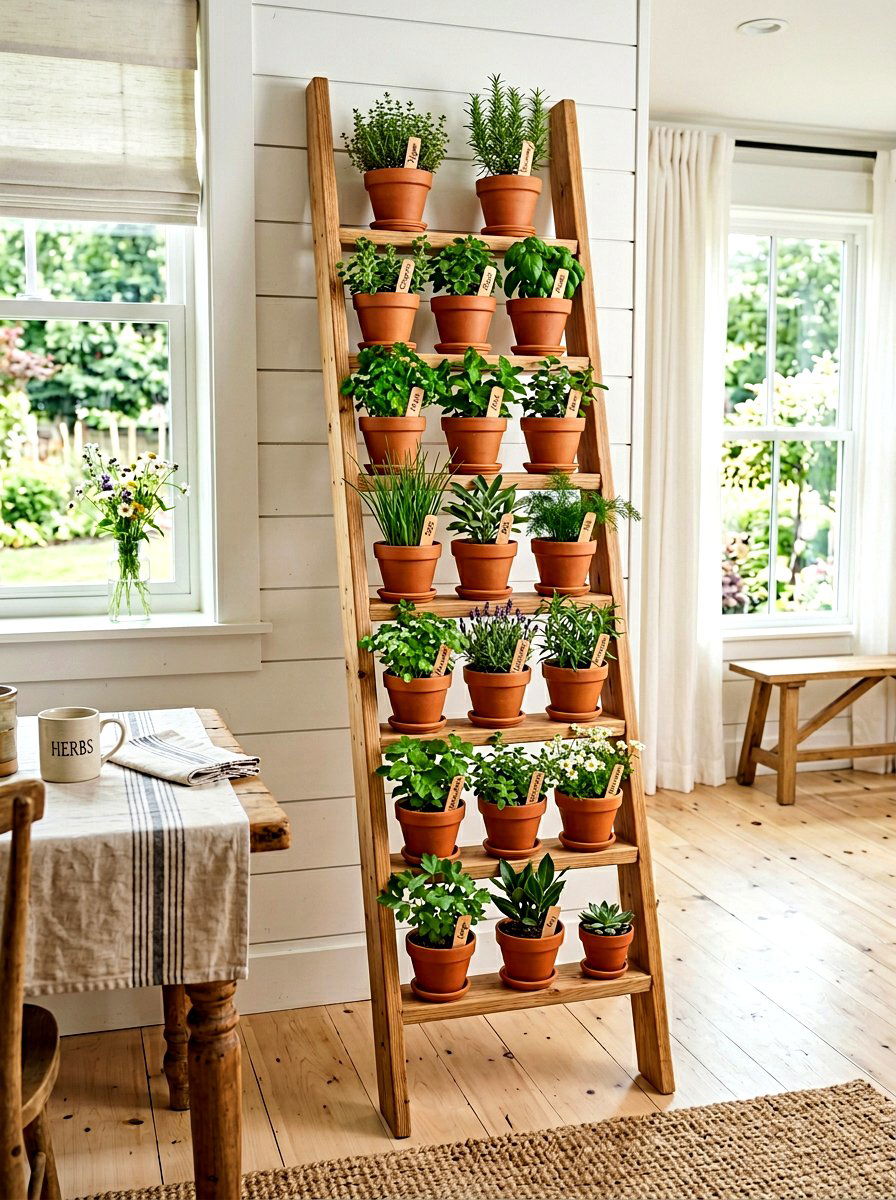
Incorporating flowering herbs into your cutting garden adds unique textures and incredible scents to your bouquets. Plants like flowering basil, dill, and mint produce beautiful, airy blooms that act as the perfect filler for more solid flowers. Their foliage is often just as attractive as their flowers, providing a lush, green base for any arrangement. The added bonus is that you can also harvest these plants for cooking throughout the season. Herbs are generally very easy to grow and attract many beneficial pollinators to your yard. Using herbs in your floral design creates a "farm-to-table" aesthetic that feels fresh, organic, and effortlessly stylish in any home.
30. Greenhouse flower garden
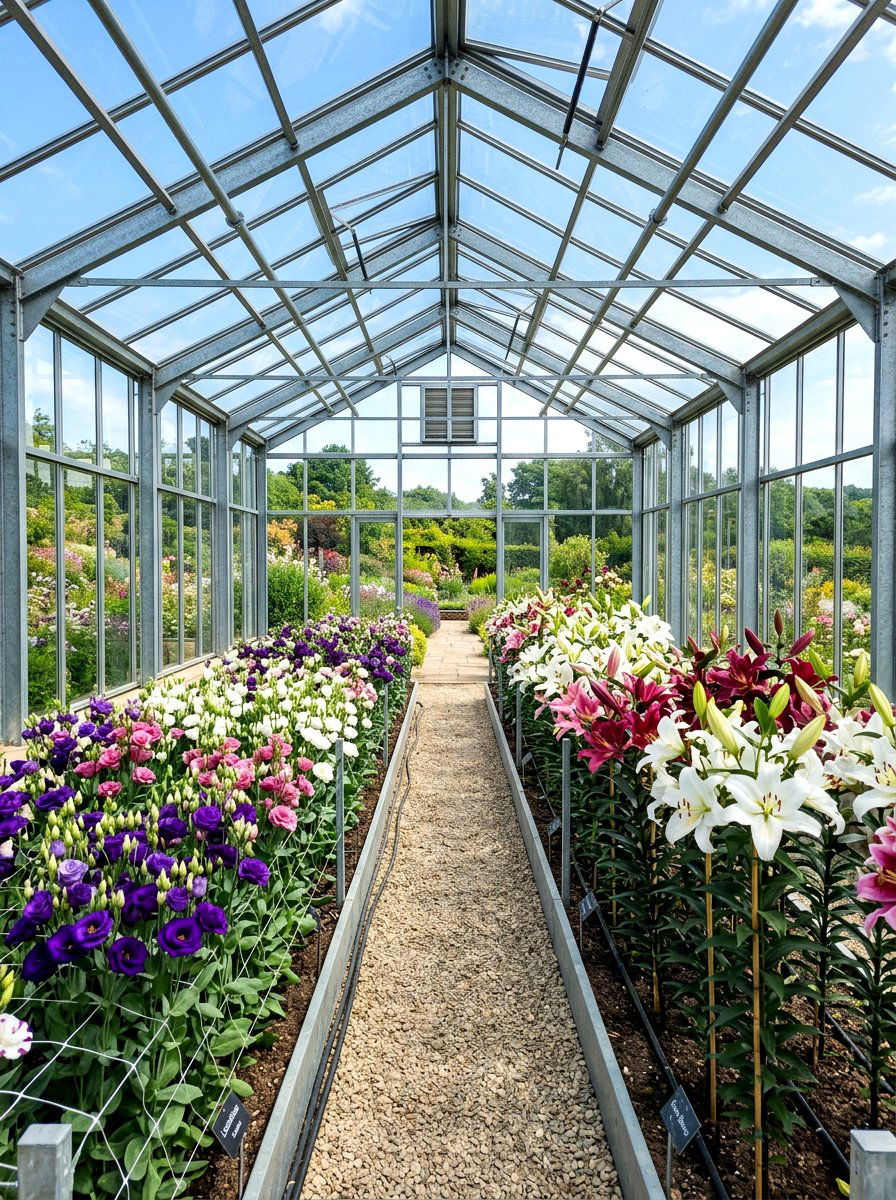
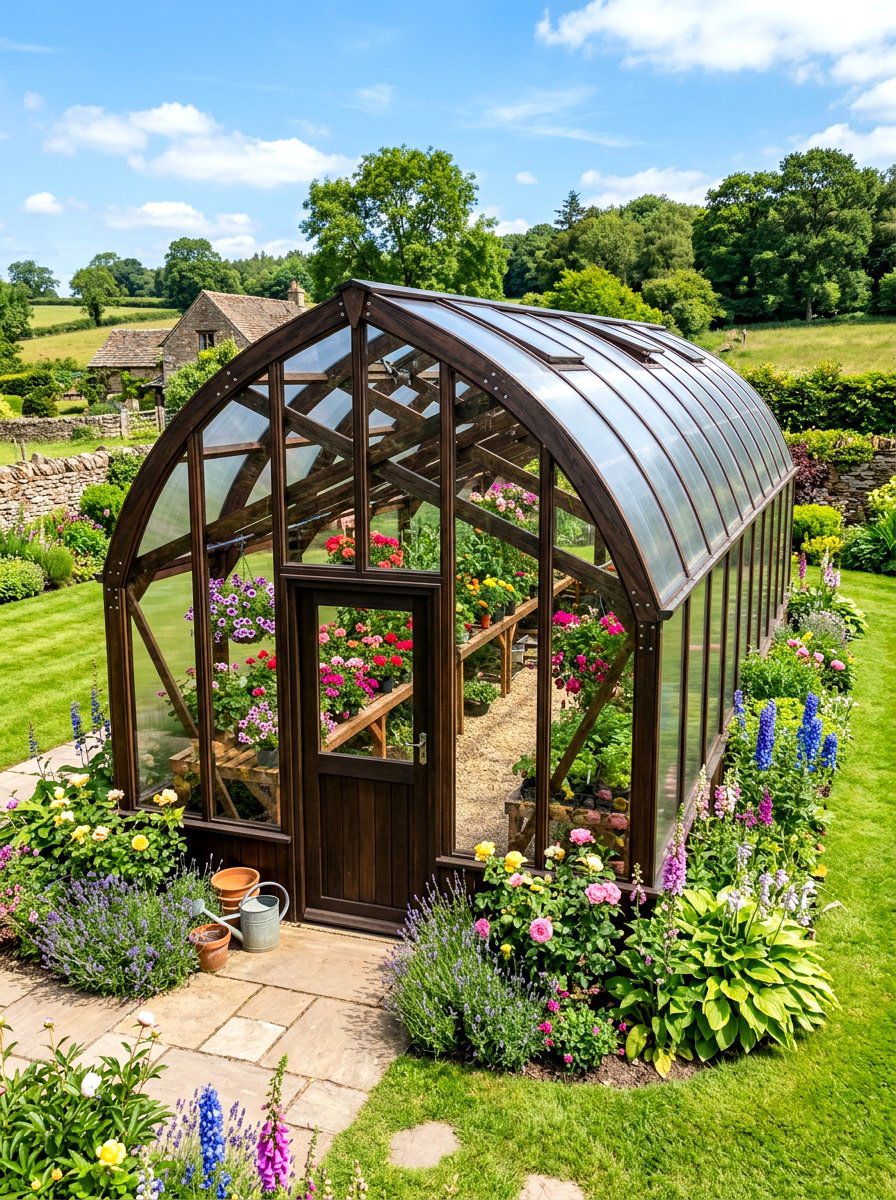
For the ultimate flower enthusiast, a greenhouse allows you to start your seeds earlier and extend your harvest late into the winter. This controlled environment protects delicate plants from wind, heavy rain, and unexpected frosts. You can grow more sensitive varieties like lisianthus or exotic lilies that might struggle in your local outdoor climate. A greenhouse provides a peaceful sanctuary where you can work on your garden regardless of the weather outside. It is the best way to ensure a consistent, year-round supply of flowers for your home. Investing in a small glass or polycarbonate structure transforms your backyard into a professional-level floral production space that inspires creativity.
Conclusion:
Cultivating a cut flower garden is a journey that connects you deeply with the rhythm of the seasons. Whether you choose a structured raised bed or a wild cottage border, the goal remains the same: to enjoy the abundance of nature. By selecting a variety of stems that bloom at different times, you ensure your home is never without a fresh bouquet. Remember that gardening is an evolving process, and each season brings new lessons on what thrives in your unique climate. Share your blooms with friends and neighbors to spread the happiness that a homegrown garden provides. Your floral sanctuary will continue to grow and inspire you for many years.

Related posts: