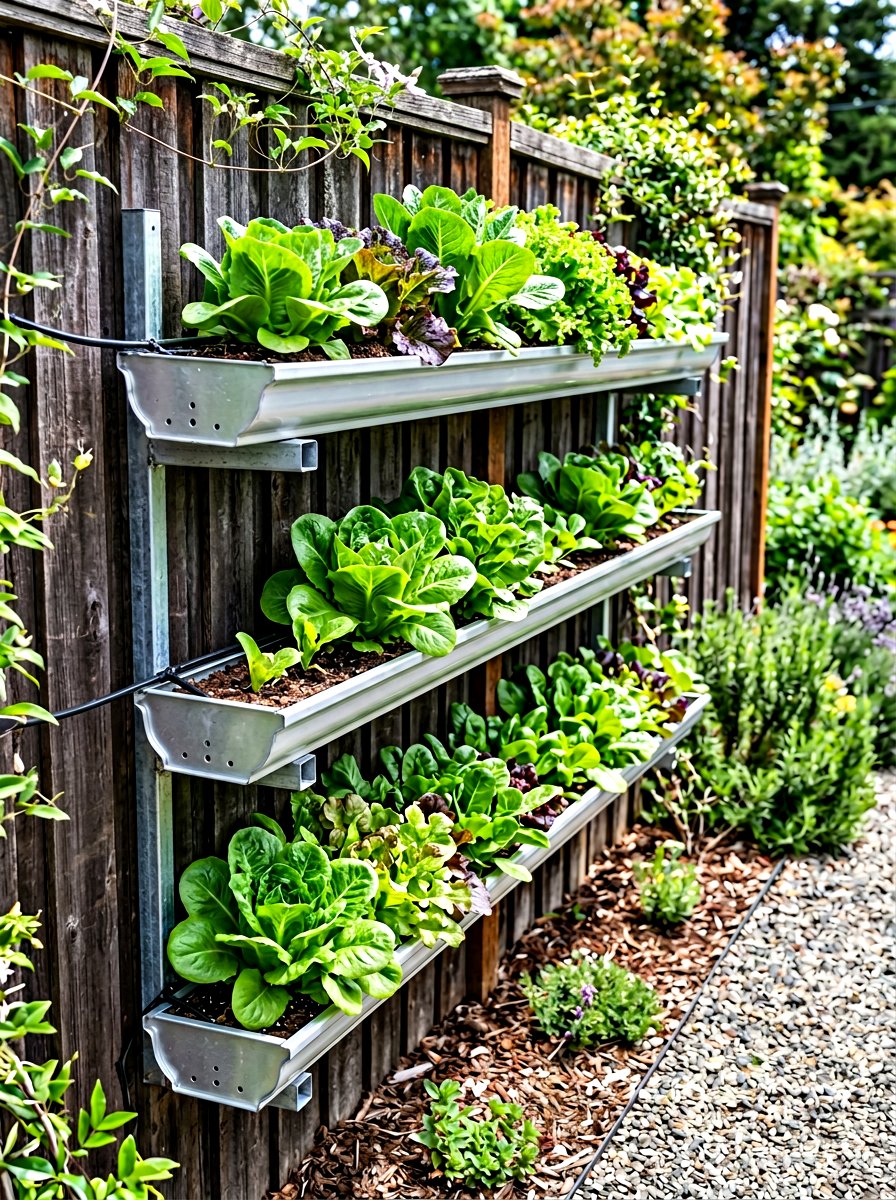
Starting a backyard vegetable garden is one of the most fulfilling projects any homeowner can undertake to improve their lifestyle and property value. Not only does it provide you with a direct source of fresh, nutrient-dense produce, but it also creates a peaceful outdoor sanctuary for relaxation and connection with nature. Whether you have a sprawling estate or a tiny urban lot, there are creative ways to integrate edible plants into your landscape. Modern gardening techniques make it easier than ever to grow your own food with minimal effort and maximum yield. This guide explores a wide variety of setups designed to inspire your next green-thumb adventure and transform your yard.
1. Raised Garden Bed
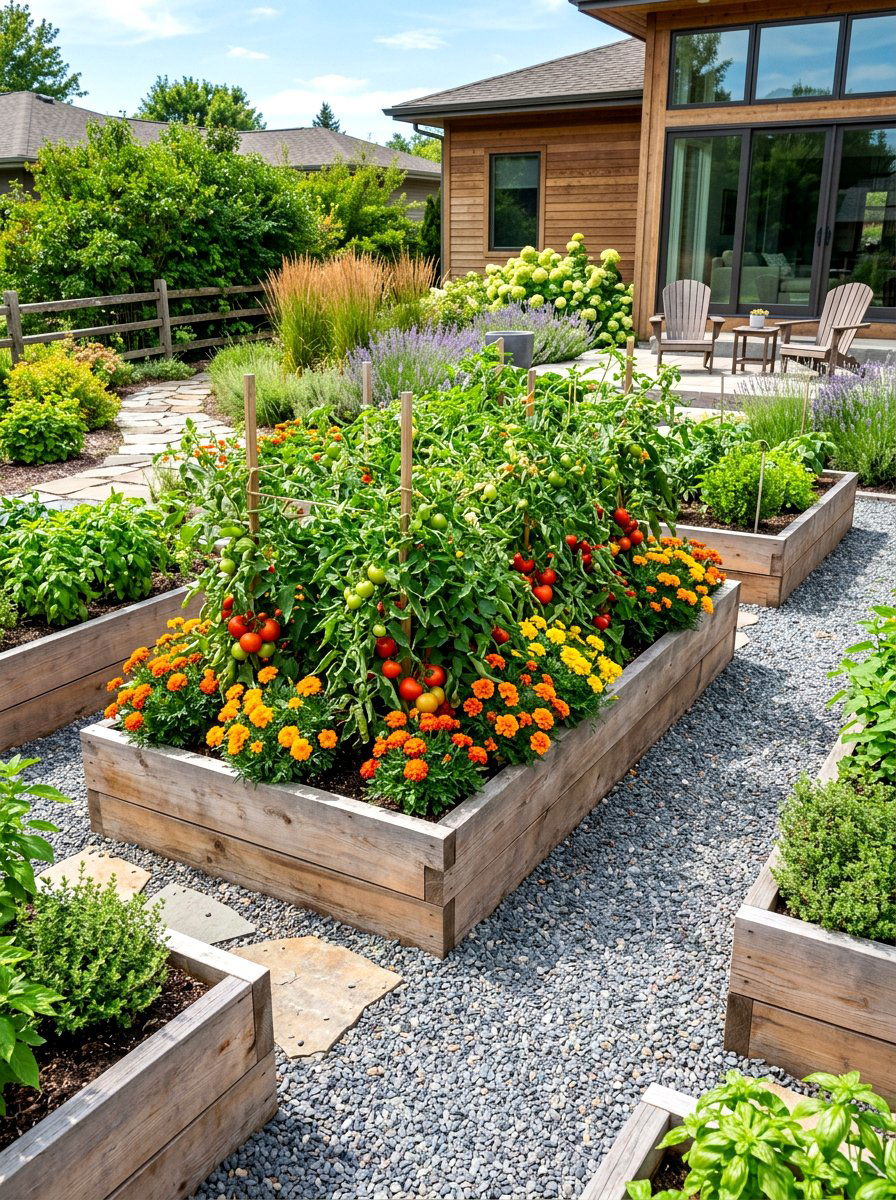
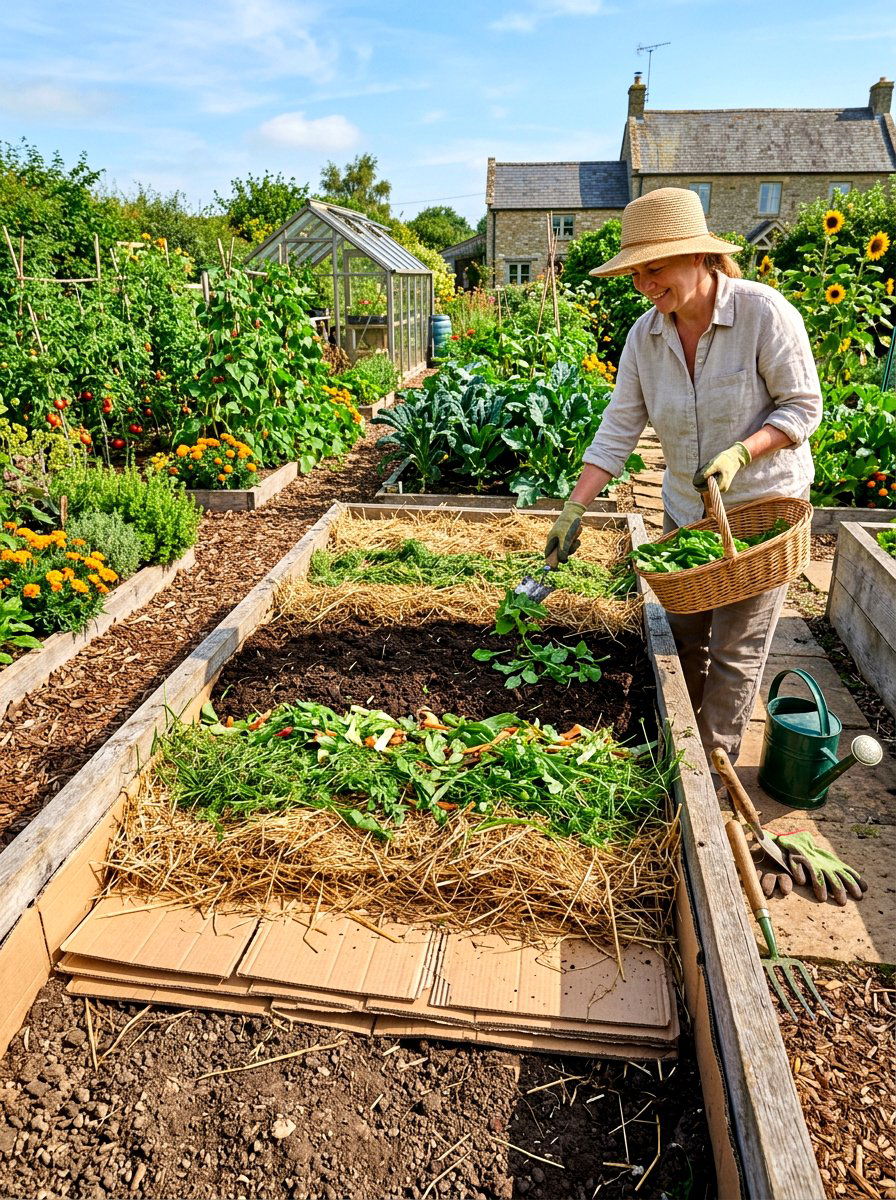
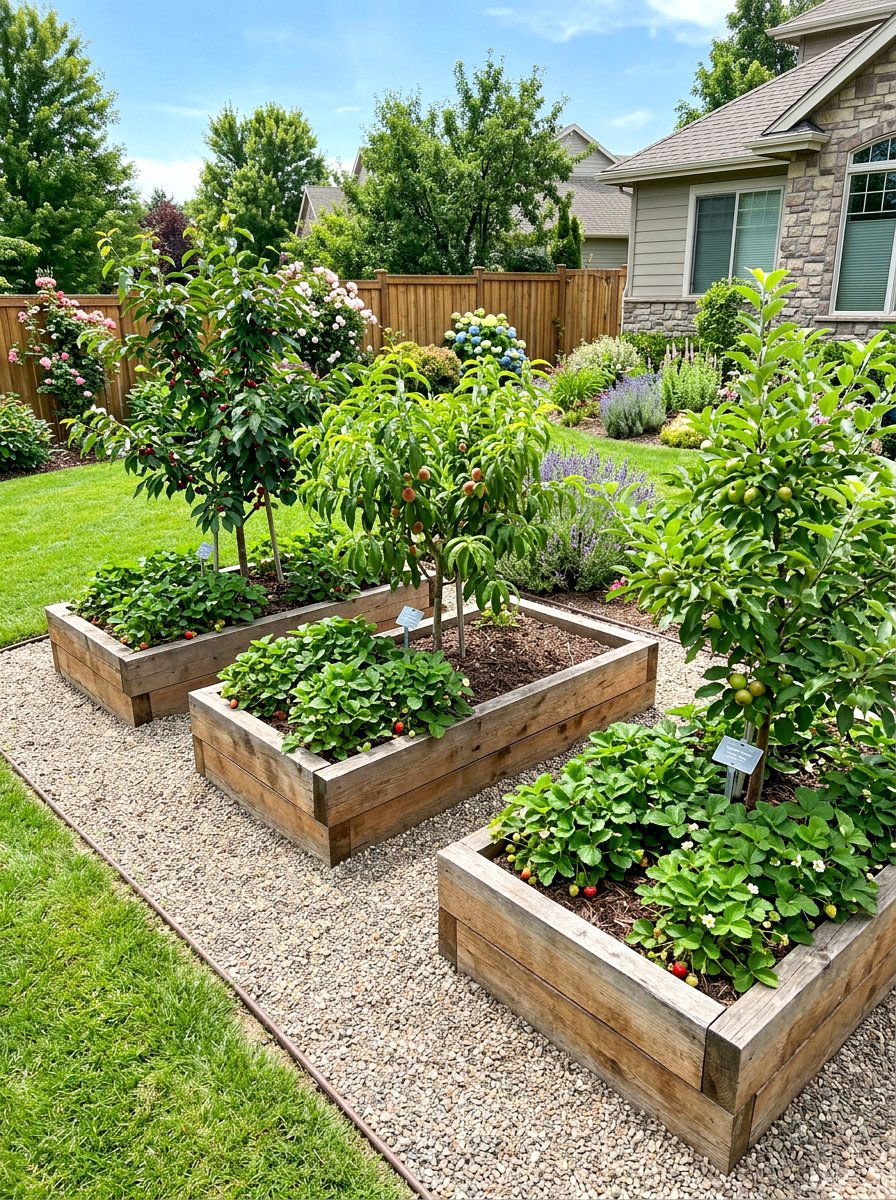
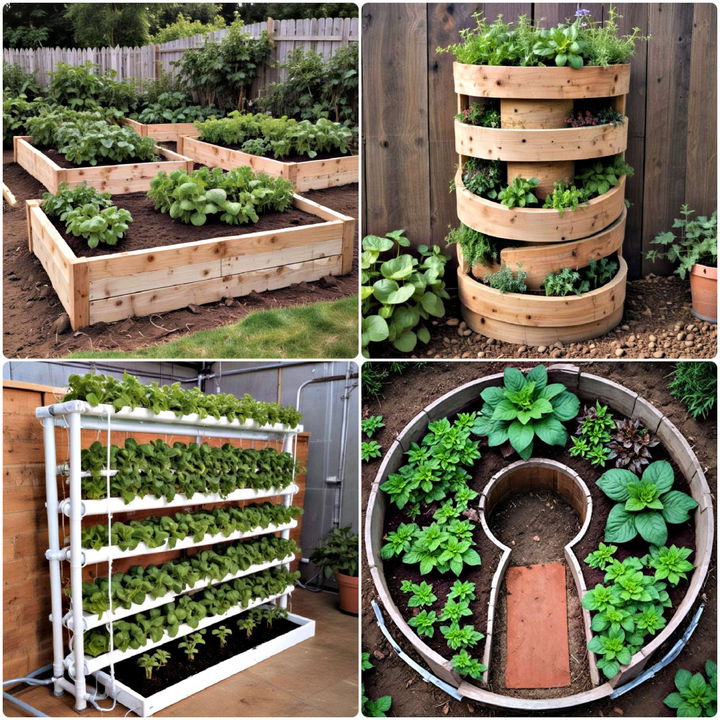
Raised garden beds are a staple for modern backyard setups because they offer superior control over soil quality and drainage. By elevating the planting area, you can bypass poor native soil and fill your beds with a specialized mix of compost and topsoil. This design also helps prevent soil compaction since you never have to step inside the growing area. Furthermore, the extra height makes maintenance much easier on your back and knees compared to traditional in-ground rows. You can build these structures from cedar, stone, or galvanized metal to match your home’s aesthetic. They effectively define the space while keeping invasive weeds and grass at bay.
2. Vertical Vegetable Garden
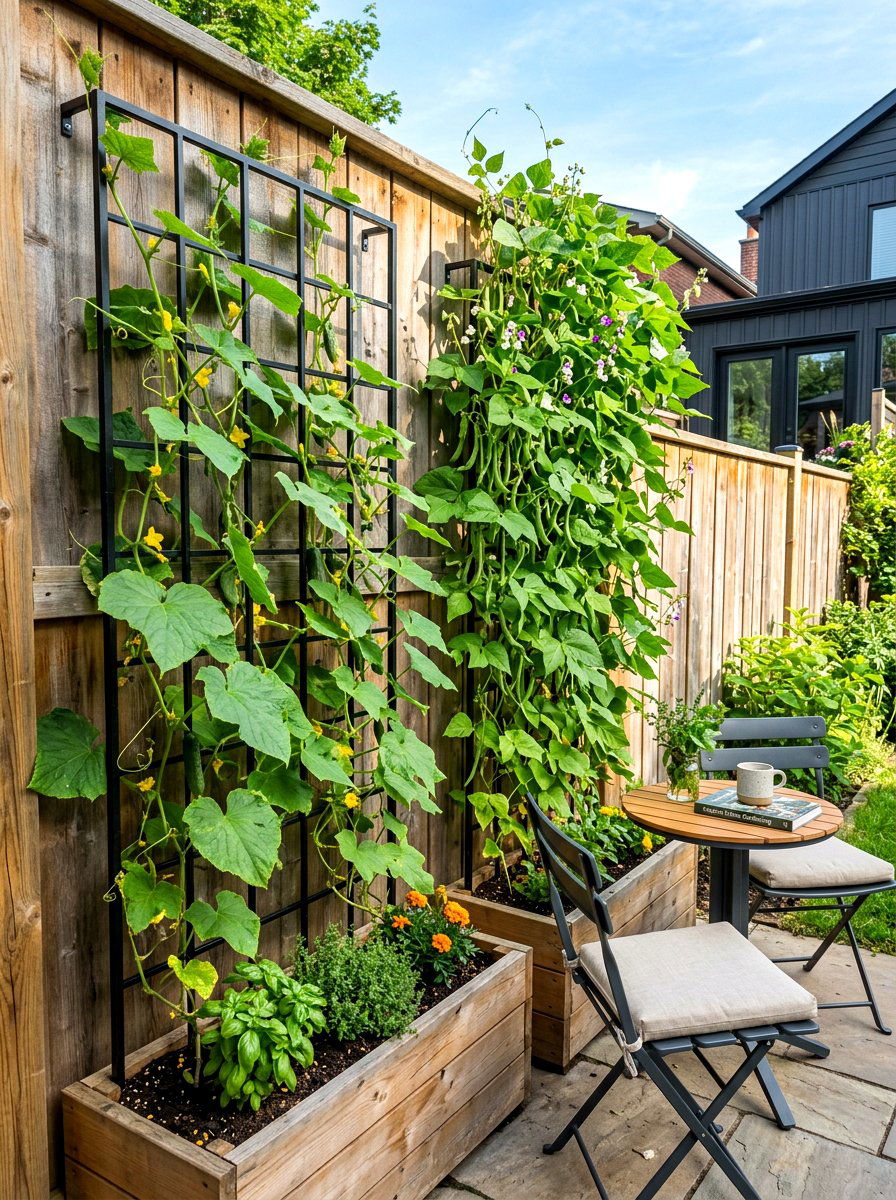
Vertical gardening is the ultimate solution for homeowners with limited ground space who still want a massive harvest. By utilizing walls, fences, and freestanding towers, you can grow climbing plants like peas, beans, and cucumbers upward instead of outward. This method not only saves space but also improves air circulation around your plants, which significantly reduces the risk of fungal diseases. Using vertical structures makes harvesting much simpler because the vegetables are at eye level rather than hidden under dense foliage. You can create a stunning living wall that doubles as a privacy screen for your patio while providing fresh snacks throughout the entire summer season.
3. Container Vegetable Garden
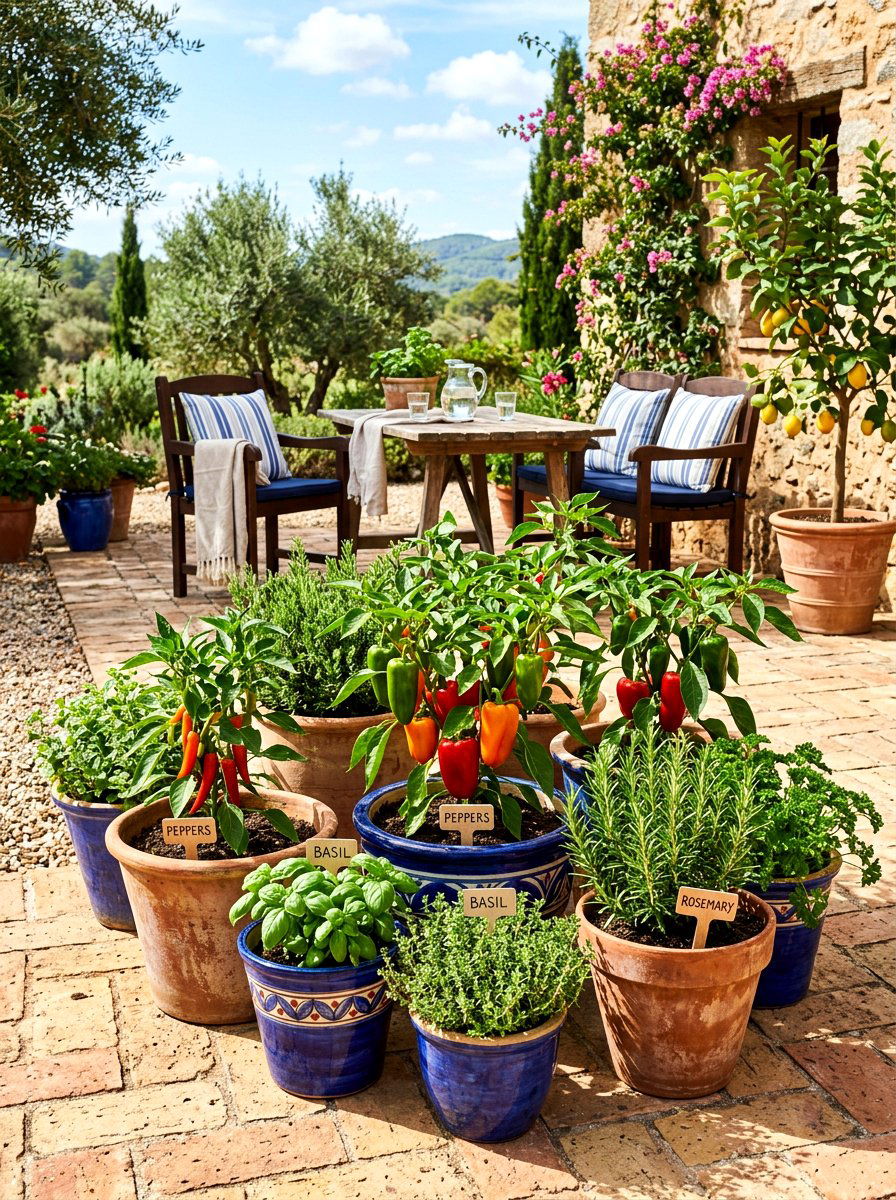
Container gardening offers incredible flexibility for beginners or those living in urban environments with only a balcony or small patio. You can grow almost any vegetable in a pot, provided it is large enough and has adequate drainage holes. This approach allows you to move your plants around to capture the best sunlight as the seasons shift across your yard. It is also an excellent way to contain invasive herbs like mint or Mediterranean plants that require very specific soil conditions. Using a variety of ceramic, terra cotta, and fabric pots can add a decorative element to your outdoor living space while keeping your food close.
4. Small Space Vegetable Garden
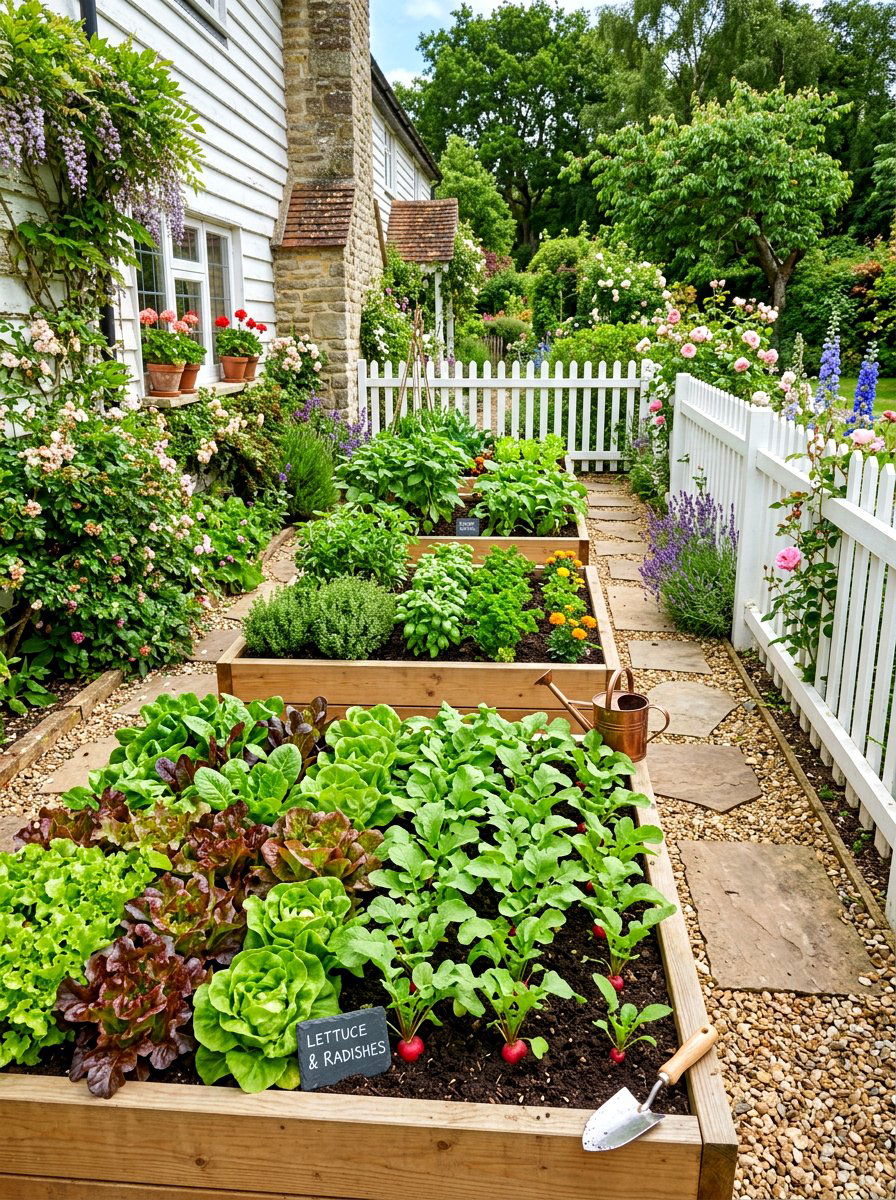
A small space vegetable garden proves that you do not need acres of land to become self-sufficient with your produce. These designs focus on high-yield, compact varieties and intensive planting methods to maximize every square inch of available soil. Intensive spacing ensures that plant leaves touch at maturity, which acts as a living mulch to retain moisture and suppress weeds naturally. You might combine dwarf varieties of peppers and eggplants with leafy greens to create a lush, productive corner in a tiny yard. Planning is crucial here, as selecting the right varieties ensures that your small footprint provides a surprisingly large amount of food for your kitchen.
5. Modern Vegetable Garden
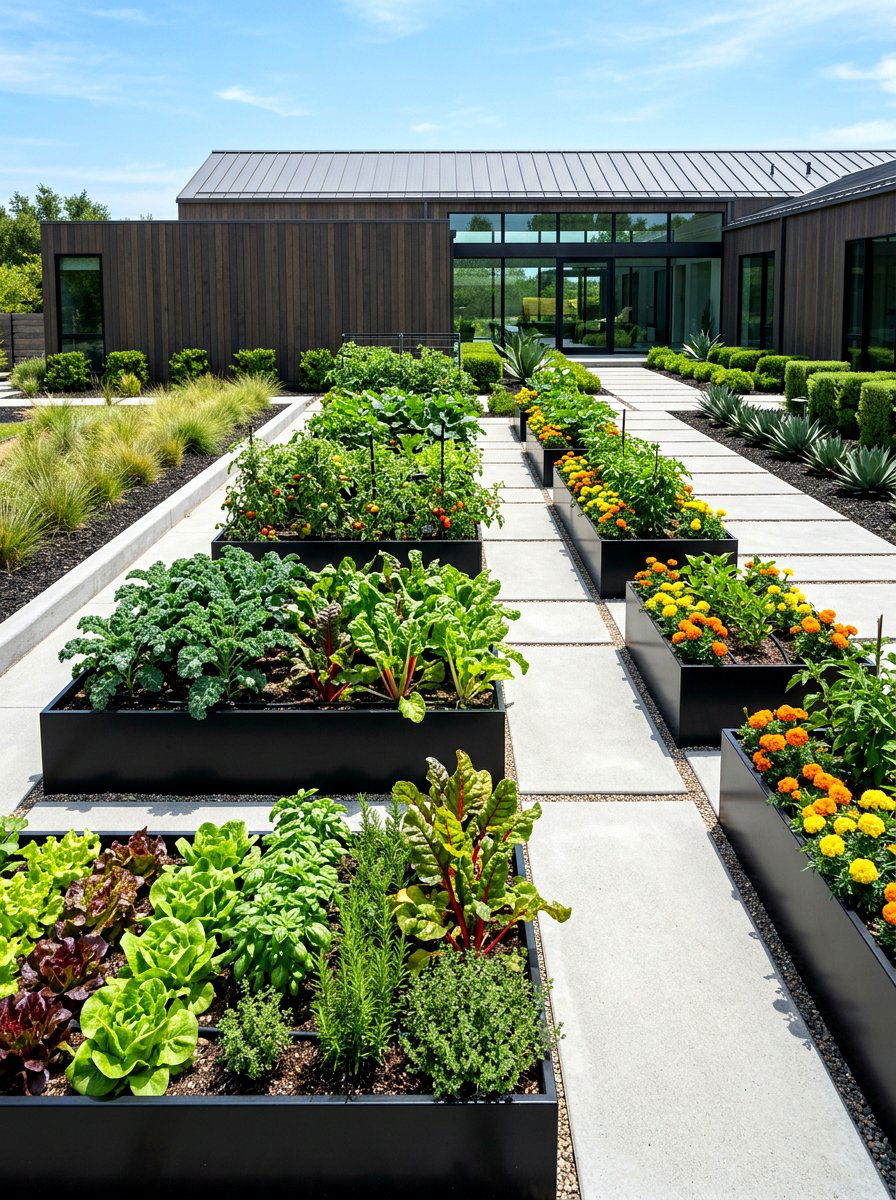
Modern vegetable garden designs prioritize clean lines, high-quality materials, and a minimalist aesthetic that blends seamlessly with contemporary architecture. These gardens often feature sleek metal troughs, geometric layouts, and organized pathways made of pea gravel or large concrete pavers. The goal is to make the garden look like a curated part of the landscape rather than a messy farm patch. Built-in irrigation systems and smart sensors are frequently integrated to ensure efficiency and ease of care. By focusing on structure and symmetry, a modern edible space becomes a sophisticated focal point that adds significant visual appeal and value to any high-end residential backyard.
6. Rustic Vegetable Garden
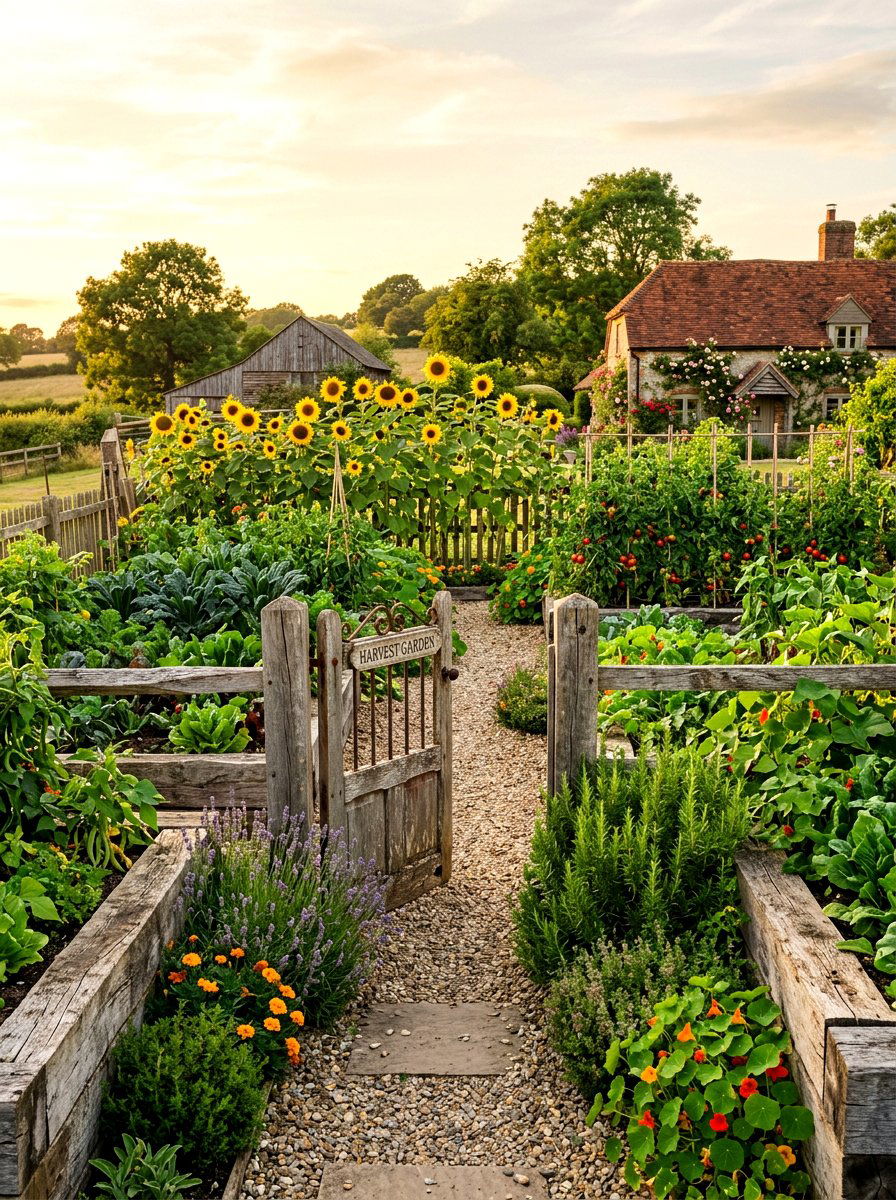
A rustic vegetable garden embraces a weathered, lived-in charm that feels timeless and cozy within a natural landscape. This style often utilizes reclaimed materials like old barn wood, antique gates, and woven willow branches to create unique garden borders and trellises. Instead of perfectly straight lines, these gardens might feature winding paths and a more relaxed, cottage-style planting arrangement. Adding vintage elements like galvanized buckets or old wheelbarrows as planters enhances the farmhouse aesthetic. This design is perfect for those who want a garden that feels integrated with the earth and tells a story through its repurposed elements and abundant, slightly wild growth.
7. Vegetable Planter Box
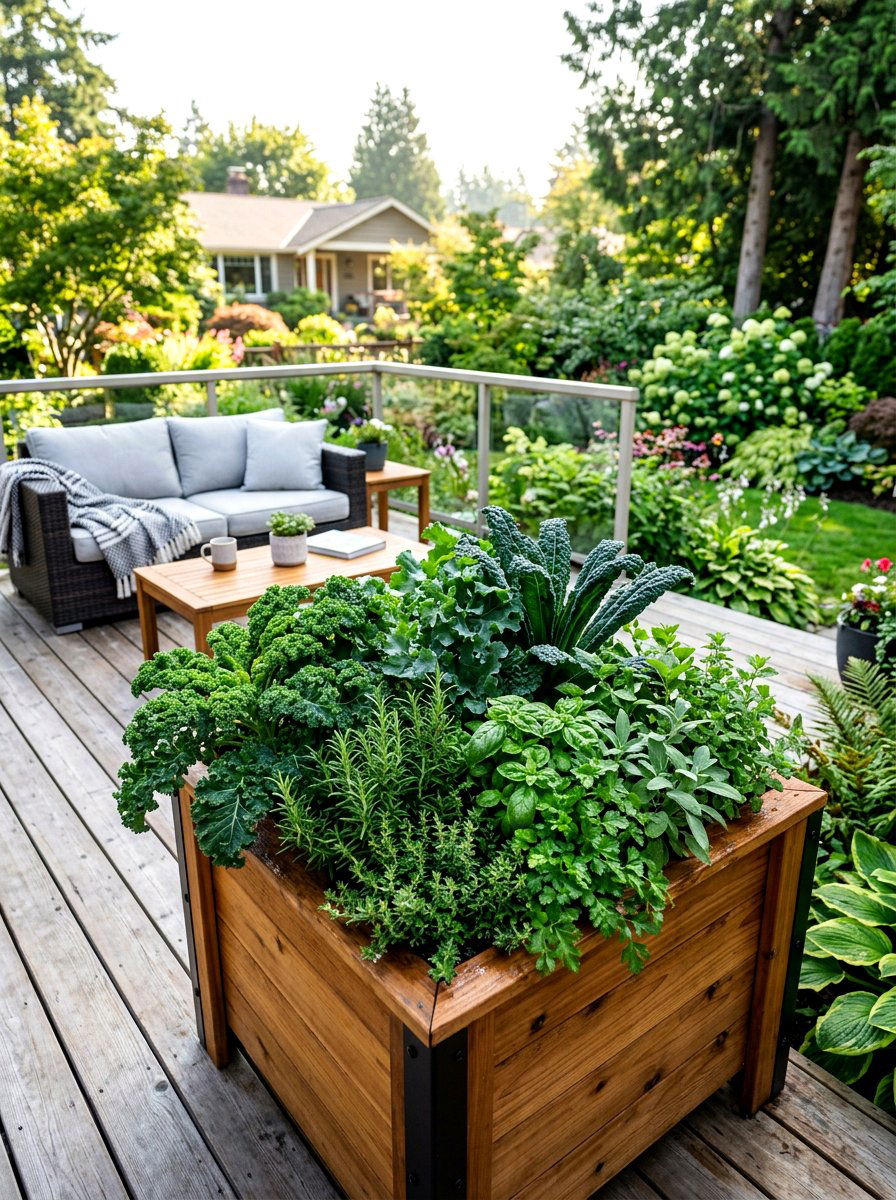
Vegetable planter boxes are versatile wooden or plastic containers that are typically deeper and more mobile than traditional raised beds. They are often built at waist height with legs, making them perfect for elderly gardeners or those with limited mobility who want to avoid bending. These boxes are ideal for growing root vegetables like carrots and radishes because you can easily manage the soil depth and texture. Placing a few planter boxes along a sunny walkway or near the kitchen door provides easy access for daily harvesting. Their self-contained nature also makes it very easy to protect your precious crops from local pests like rabbits or squirrels.
8. Urban Vegetable Garden
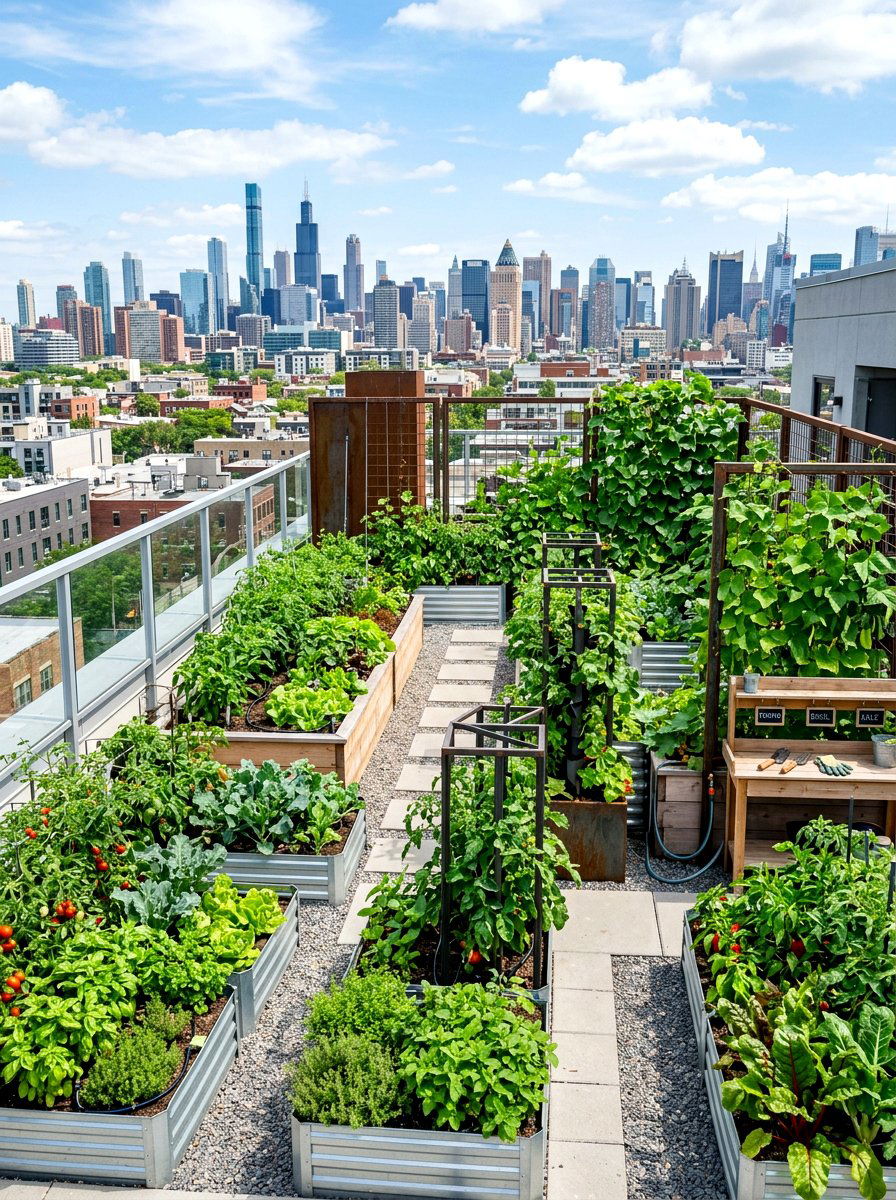
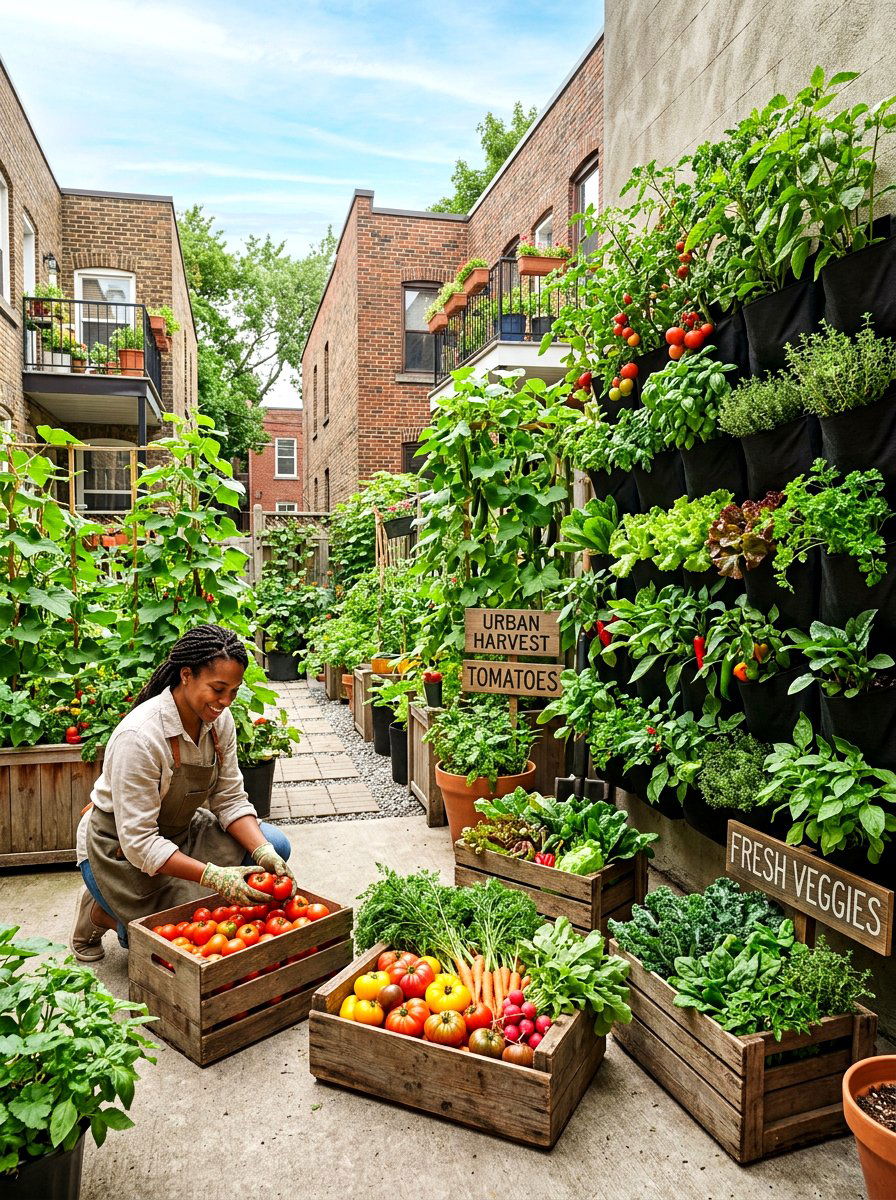
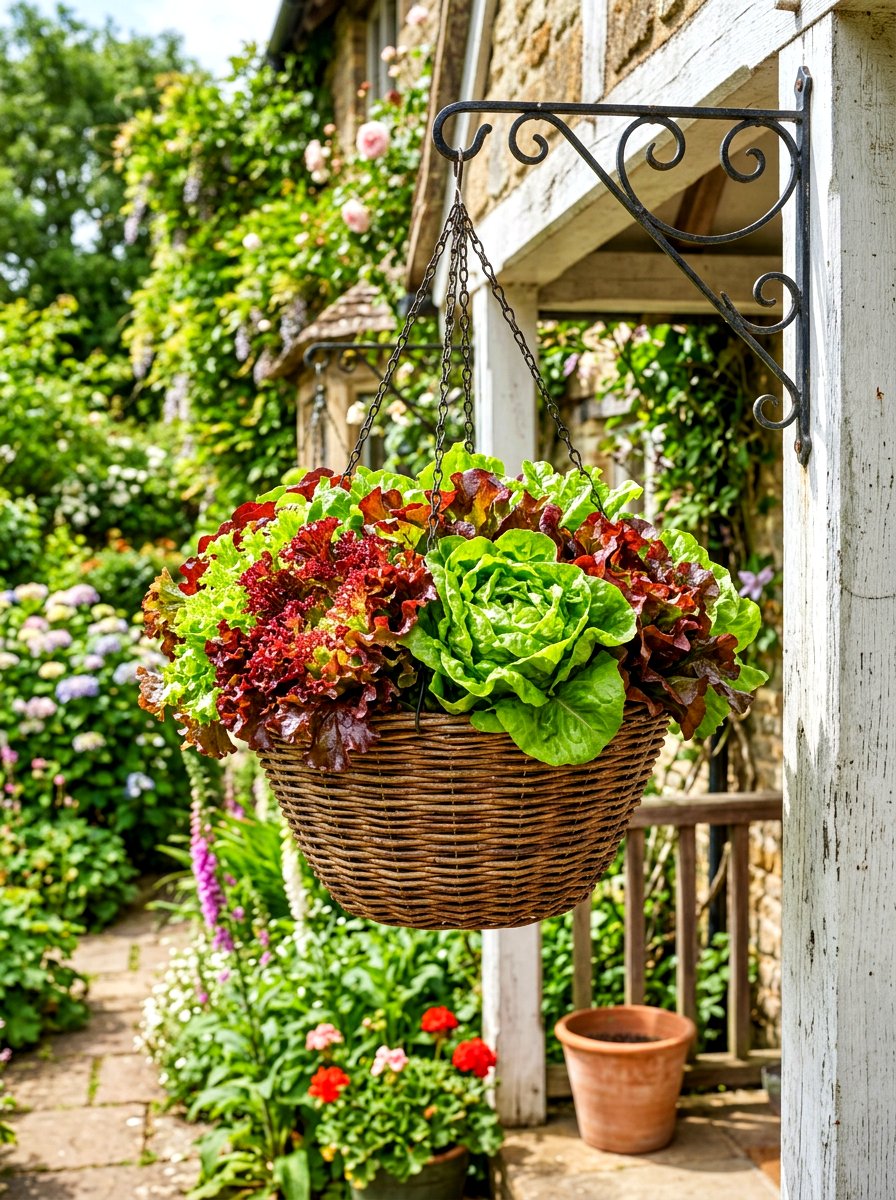
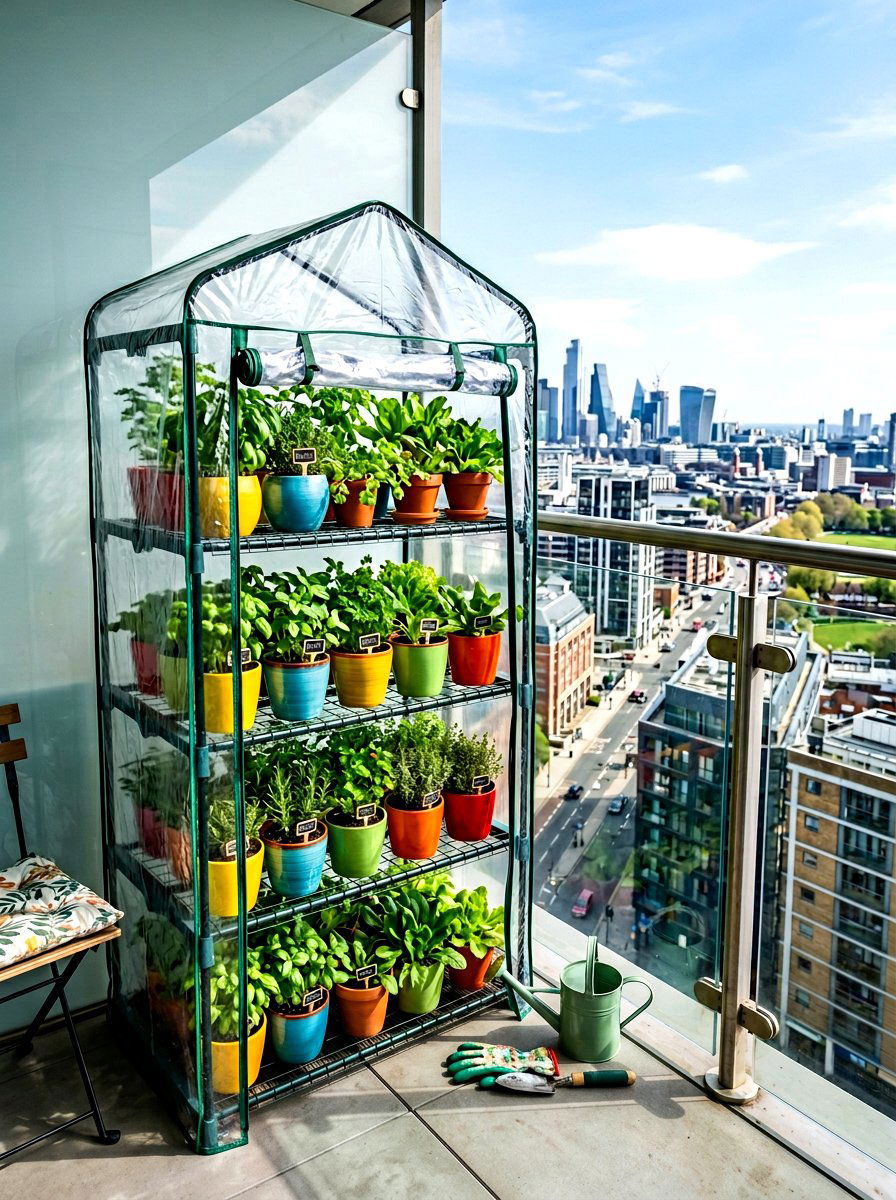
Urban vegetable gardens are designed to thrive in the heart of the city, often occupying rooftops, narrow side yards, or concrete patios. These gardens frequently rely on a mix of vertical systems and lightweight containers to avoid putting too much stress on building structures. Clever use of space is the hallmark of urban design, with many gardeners using tiered shelving or hanging baskets to increase their growing area. Hydroponic systems are also popular in urban settings for their high efficiency and lack of traditional soil requirements. Despite the industrial surroundings, these green oases provide essential cooling effects and a much-needed connection to nature for city dwellers.
9. Organic Vegetable Garden
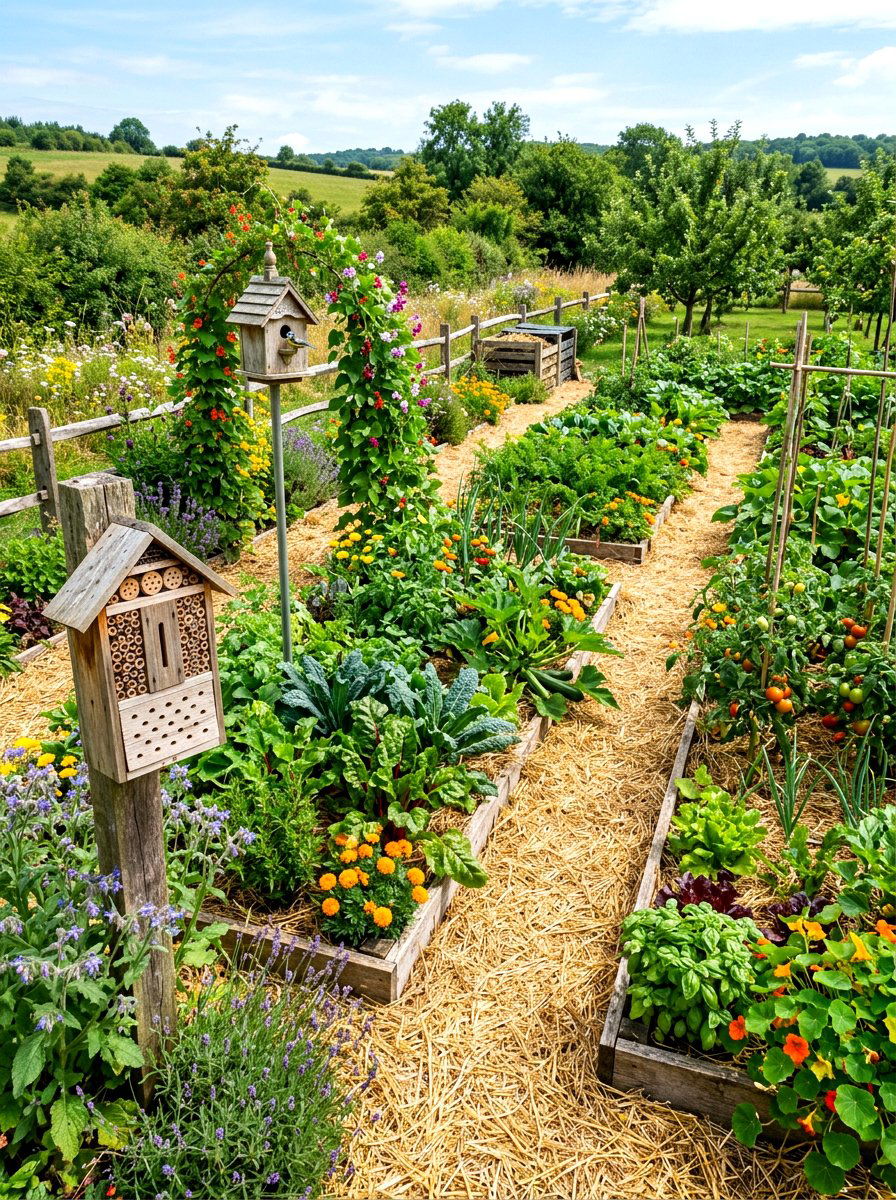
The organic vegetable garden focuses entirely on natural processes and the elimination of synthetic chemicals to grow healthy food. This design prioritizes soil health through the heavy use of homemade compost, worm castings, and organic mulches like straw or shredded leaves. Rather than using pesticides, organic gardeners encourage beneficial insects and birds to manage pest populations naturally. This approach results in produce that is safer for your family to eat and better for the local environment. By fostering a diverse ecosystem within your backyard, you create a resilient garden that thrives on its own while supporting local pollinators and building long-term soil fertility for future seasons.
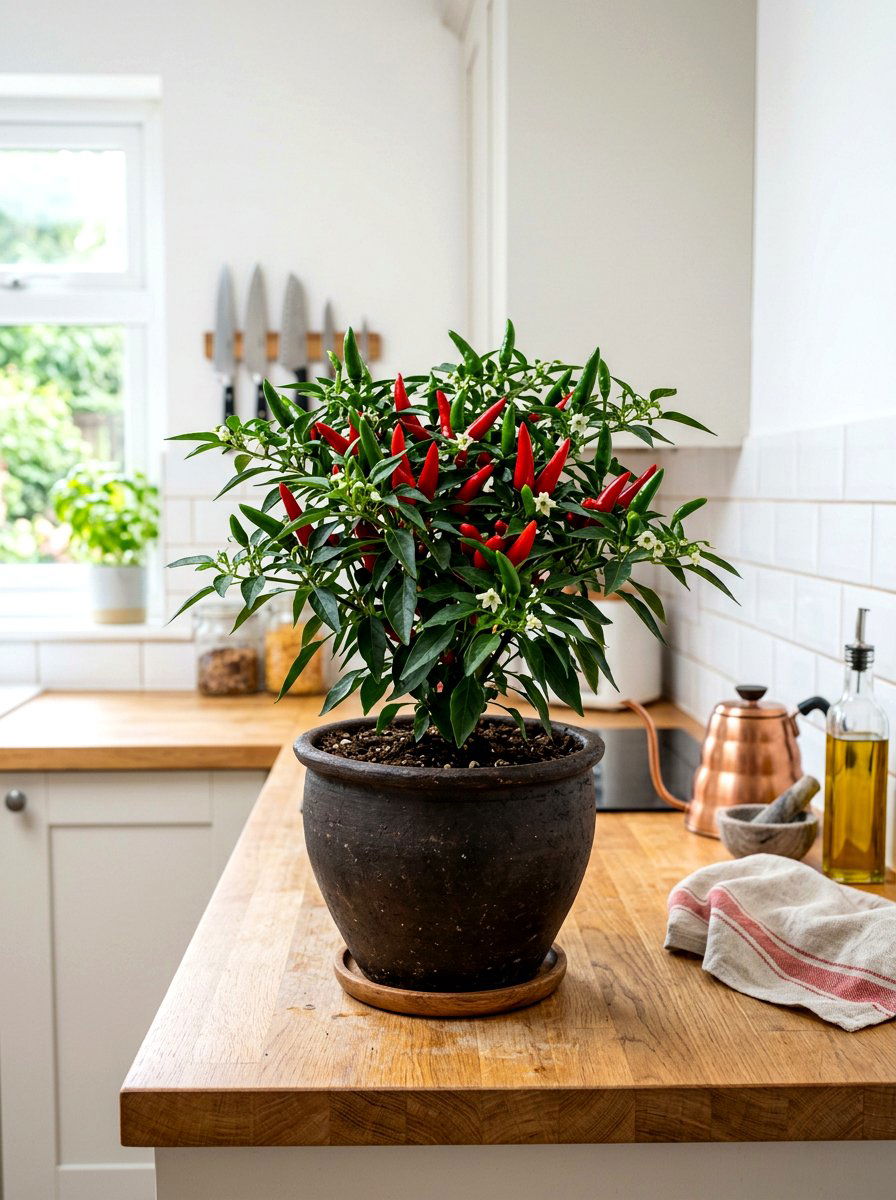
10. Greenhouse Vegetable Garden
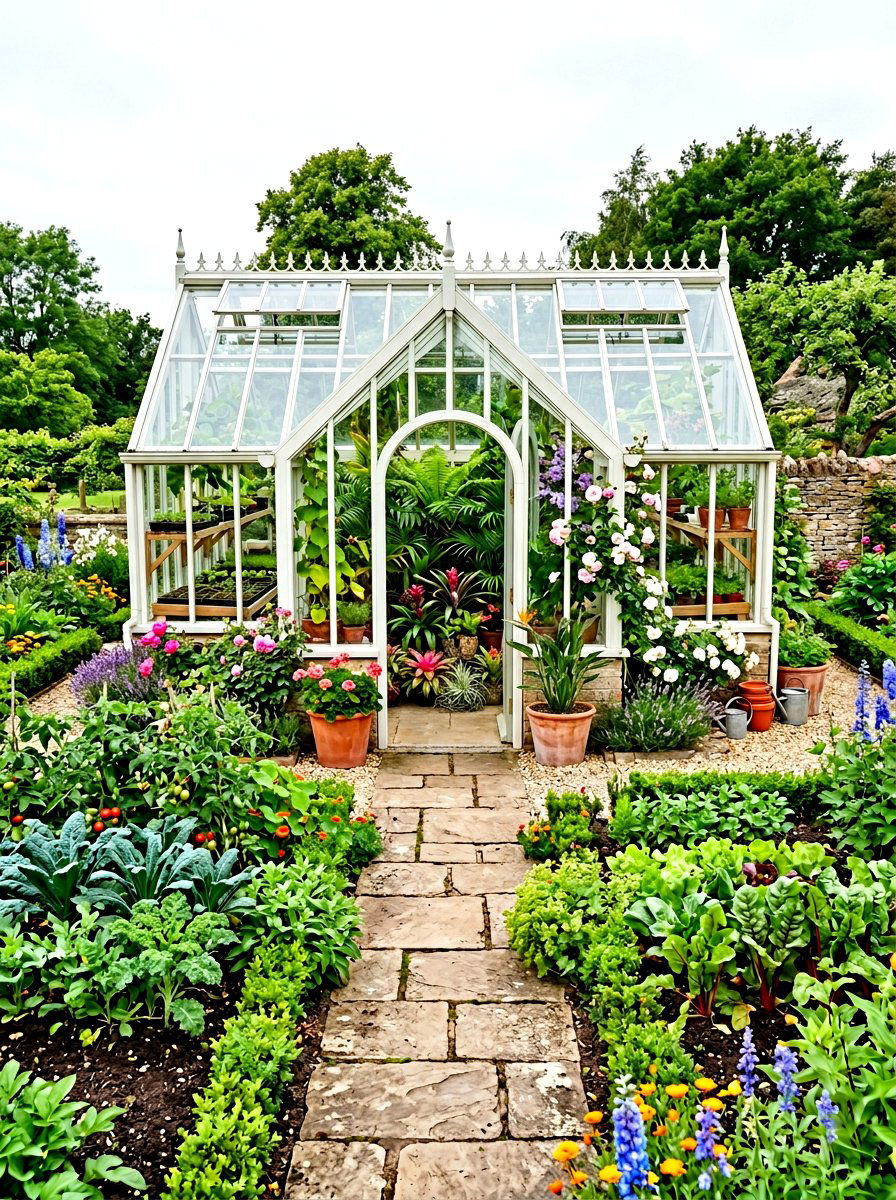
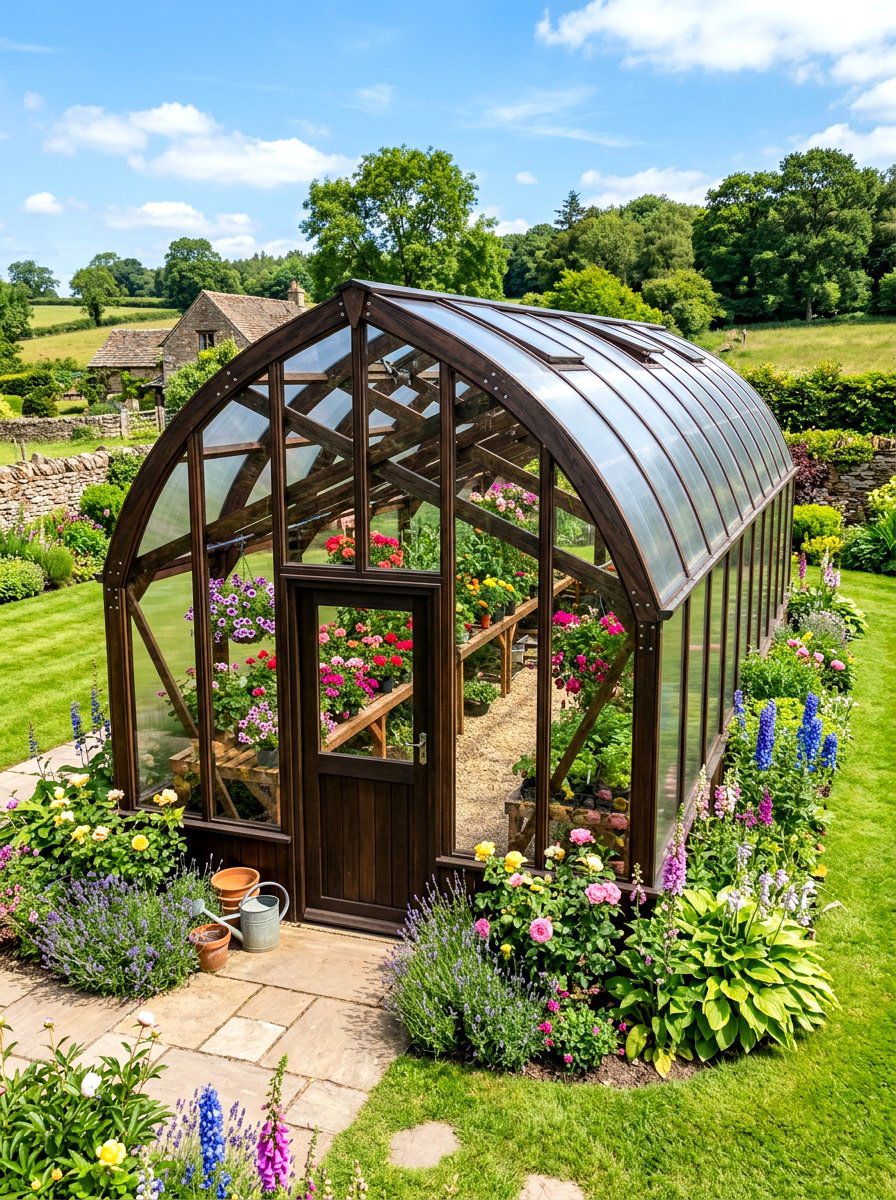
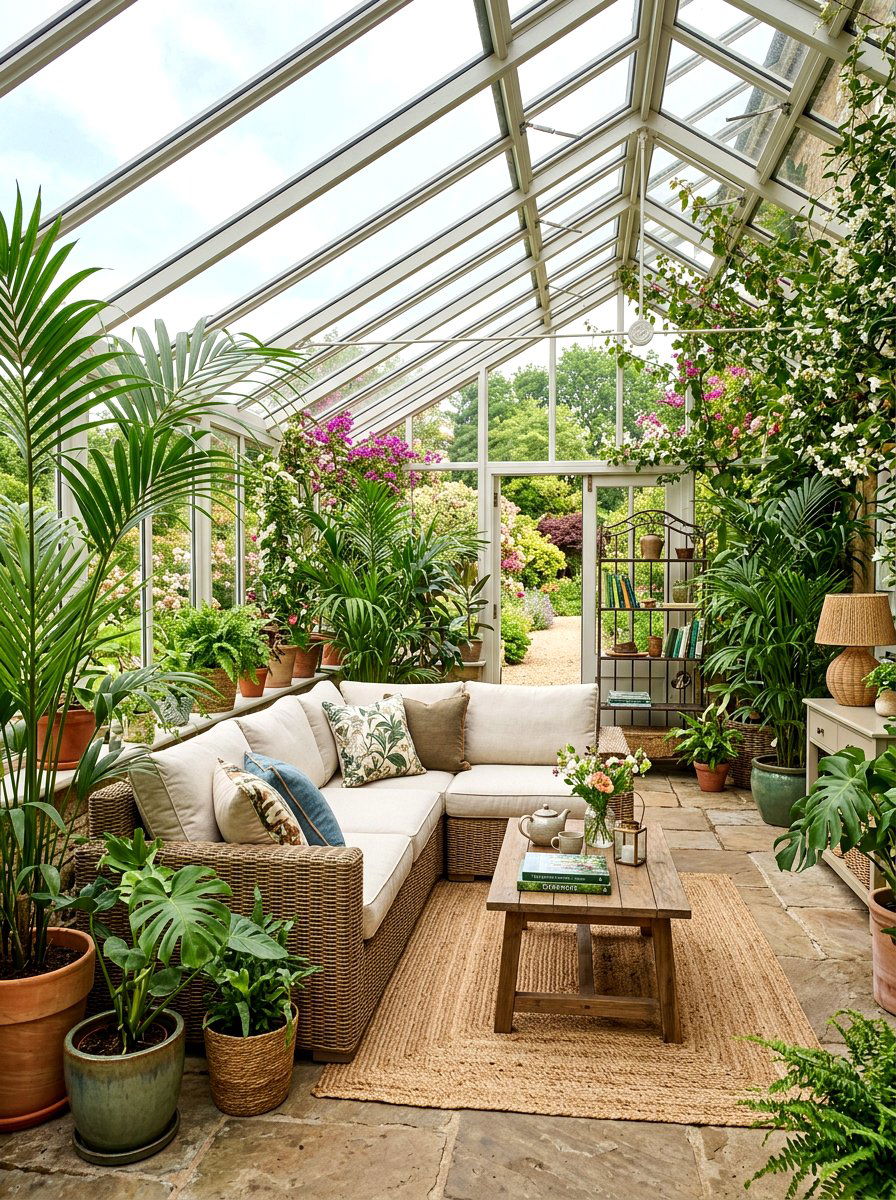
A greenhouse vegetable garden allows you to bypass the limitations of your local climate and grow fresh produce year-round. These structures trap solar heat and provide a controlled environment where delicate plants can thrive even during the coldest winter months. Greenhouses are excellent for starting seeds early in the spring or extending the harvest of heat-loving crops like tomatoes and tropical peppers into late autumn. You can choose from small hobby kits to large, permanent glass structures that serve as a beautiful architectural feature in your yard. Having a greenhouse provides a dedicated workspace for gardening tasks regardless of the wind, rain, or freezing outdoor temperatures.
11. Pallet Vegetable Garden
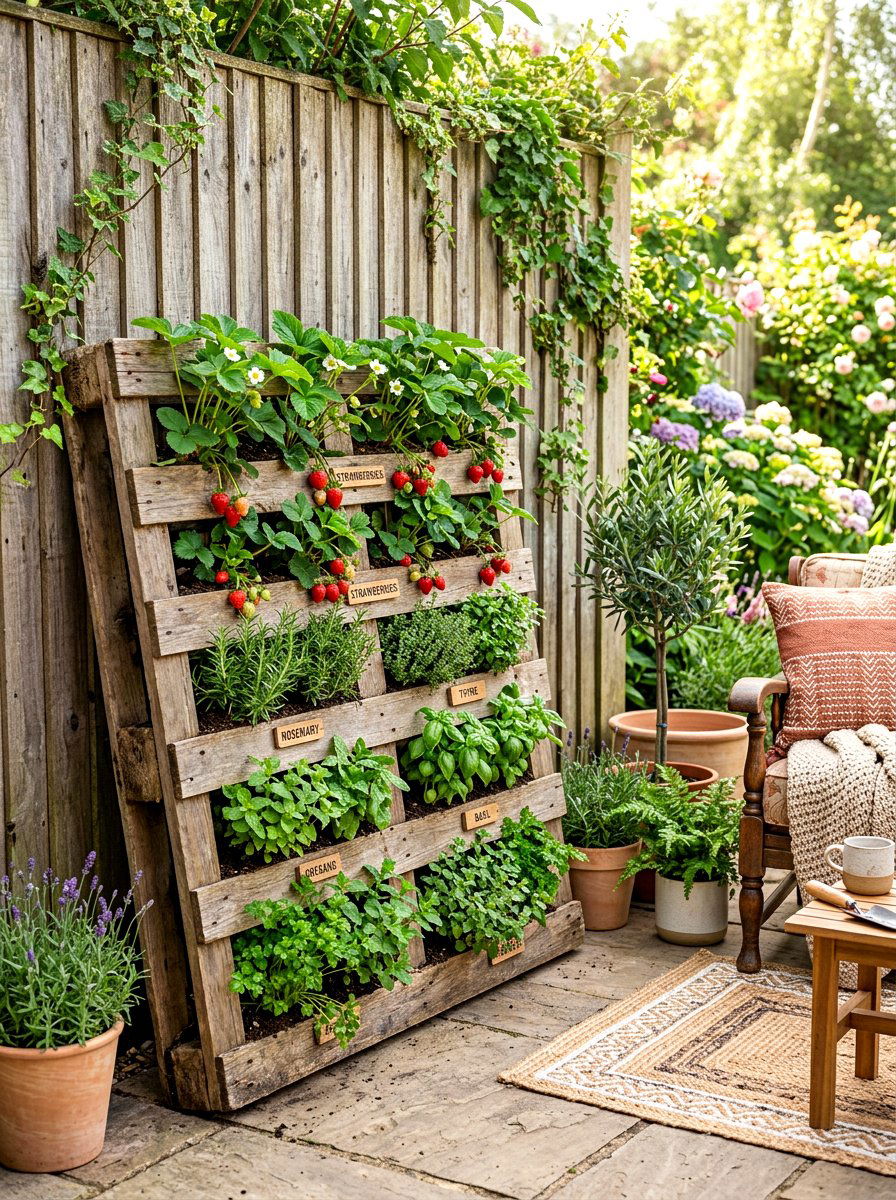
The pallet vegetable garden is a budget-friendly and creative way to recycle old shipping materials into functional vertical growing spaces. By securing landscape fabric to the back of a wooden pallet, you can create rows of shallow pockets perfect for growing lettuce, herbs, and strawberries. This design is particularly popular for small patios or as a decorative accent against a plain wooden fence. It is important to ensure that the pallets you use are heat-treated rather than chemically treated to keep your food safe. With a fresh coat of paint and some high-quality potting soil, a simple pallet can be transformed into a lush, edible art piece.
12. Herb Spiral Garden
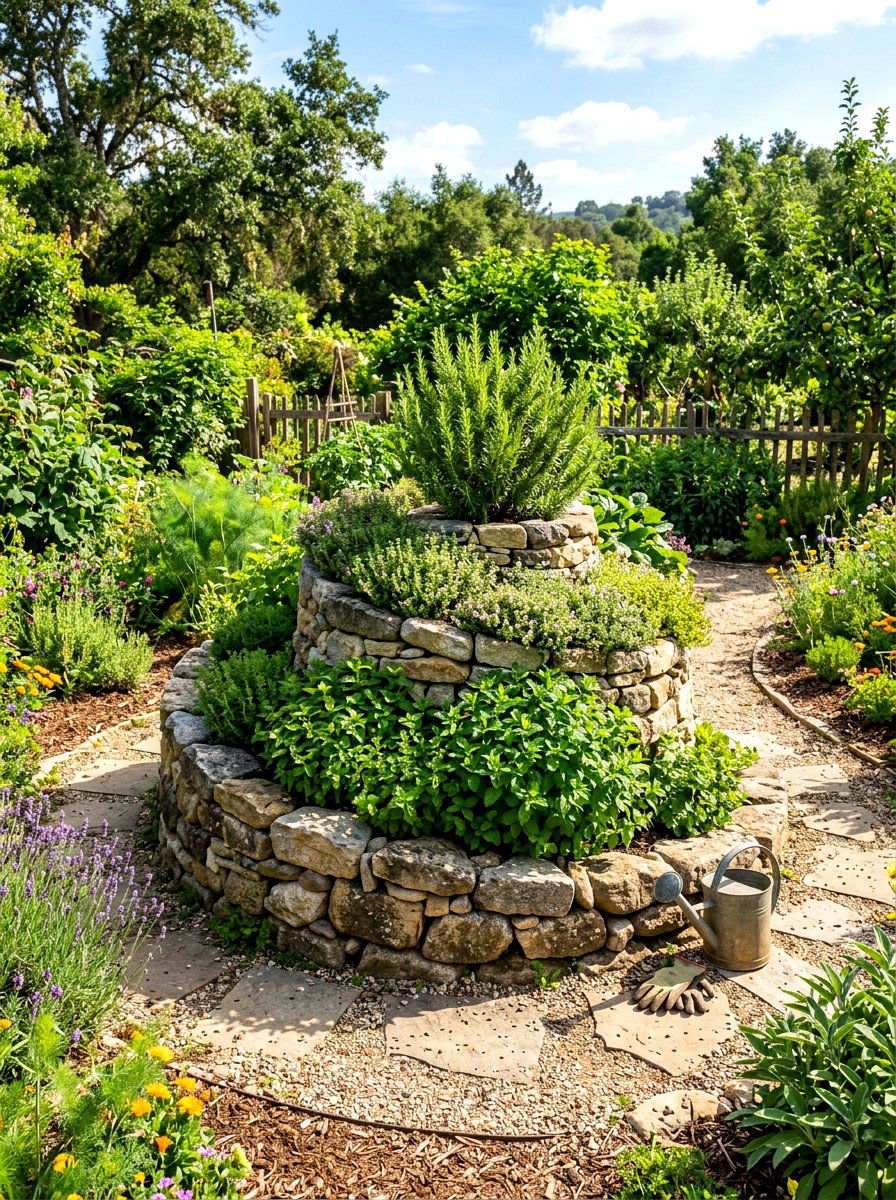
An herb spiral garden is a brilliant permaculture design that uses a mounded stone or brick structure to create different microclimates in a small area. The top of the spiral is the driest and sunniest spot, making it perfect for Mediterranean herbs like rosemary, thyme, and oregano. As the path winds downward, the soil becomes moister and more shaded, which is ideal for plants like parsley, chives, and mint. This vertical arrangement allows you to grow a vast variety of herbs in a footprint as small as five feet wide. It is a visually striking feature that adds architectural interest and incredible functionality to any backyard vegetable patch.
13. Vegetable Garden Trellis
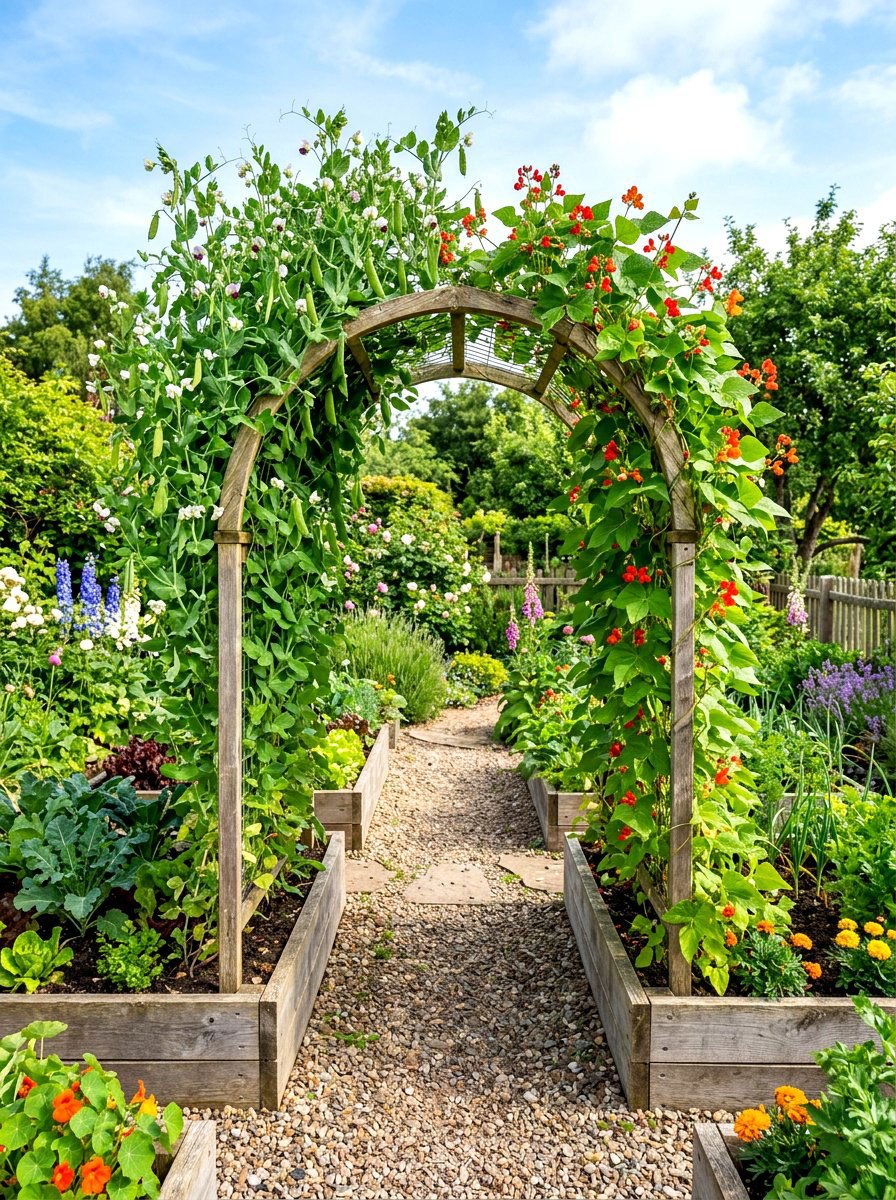
Incorporating a vegetable garden trellis is a practical way to add height and structure while supporting heavy vining crops. Trellises can be made from cattle panels, cedar lattices, or even simple twine systems to guide plants upward towards the sunlight. Using an arched trellis between two raised beds creates a stunning living tunnel that you can walk through while harvesting hanging vegetables like pole beans or small gourds. This setup keeps the fruit off the damp ground, which prevents rotting and makes it much harder for ground-dwelling pests to reach your harvest. It also adds a romantic, garden-like feel to a productive agricultural space.
14. Tiered Vegetable Garden
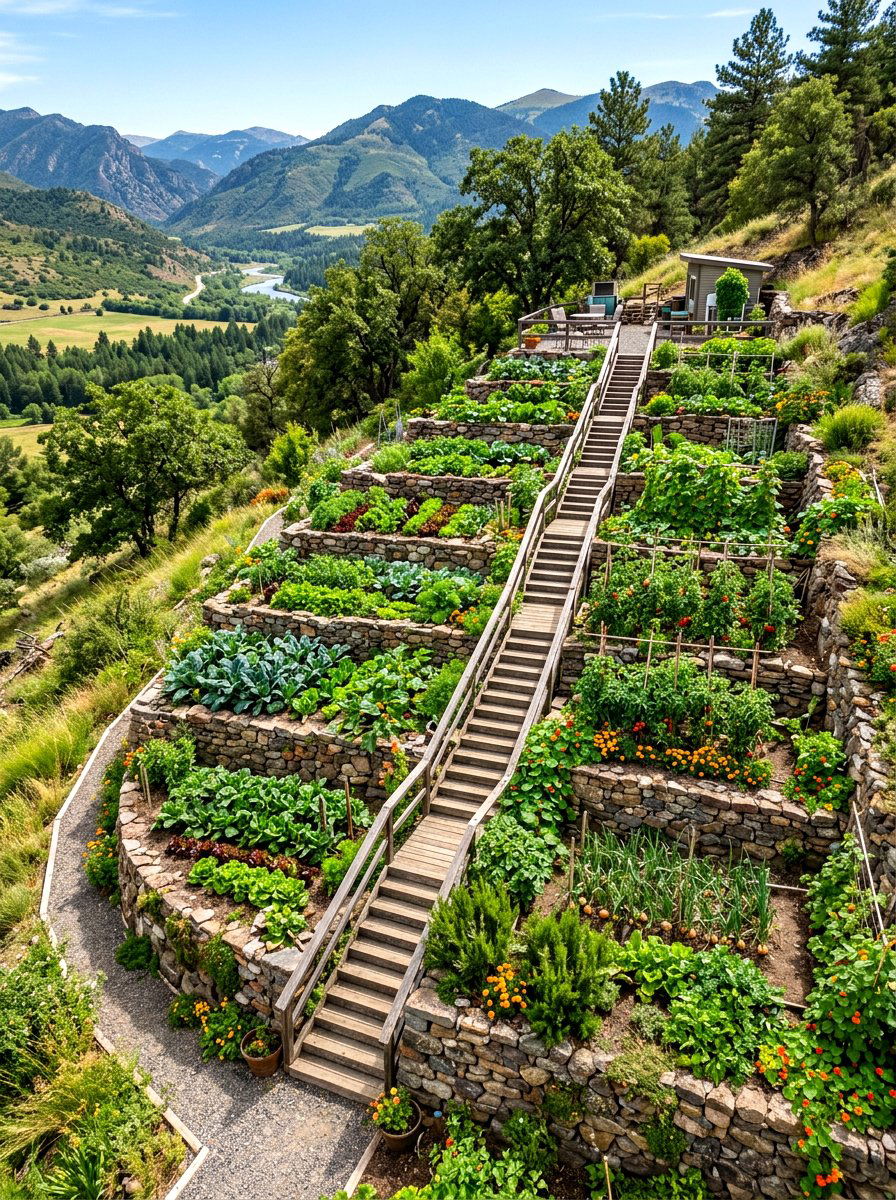
The tiered vegetable garden is the perfect solution for backyards with steep slopes or uneven terrain that might otherwise go unused. By building a series of stepped terraces, you can create flat, manageable planting areas that prevent soil erosion and water runoff. Each level can be dedicated to different types of crops, such as hardy root vegetables on the lower tiers and sun-loving peppers on the top. This design creates a dramatic visual effect, making the garden look like a lush, edible staircase rising from the ground. Using stone or heavy timber for the retaining walls ensures that the structure remains stable and beautiful for many years.

15. Vegetable Garden Fence
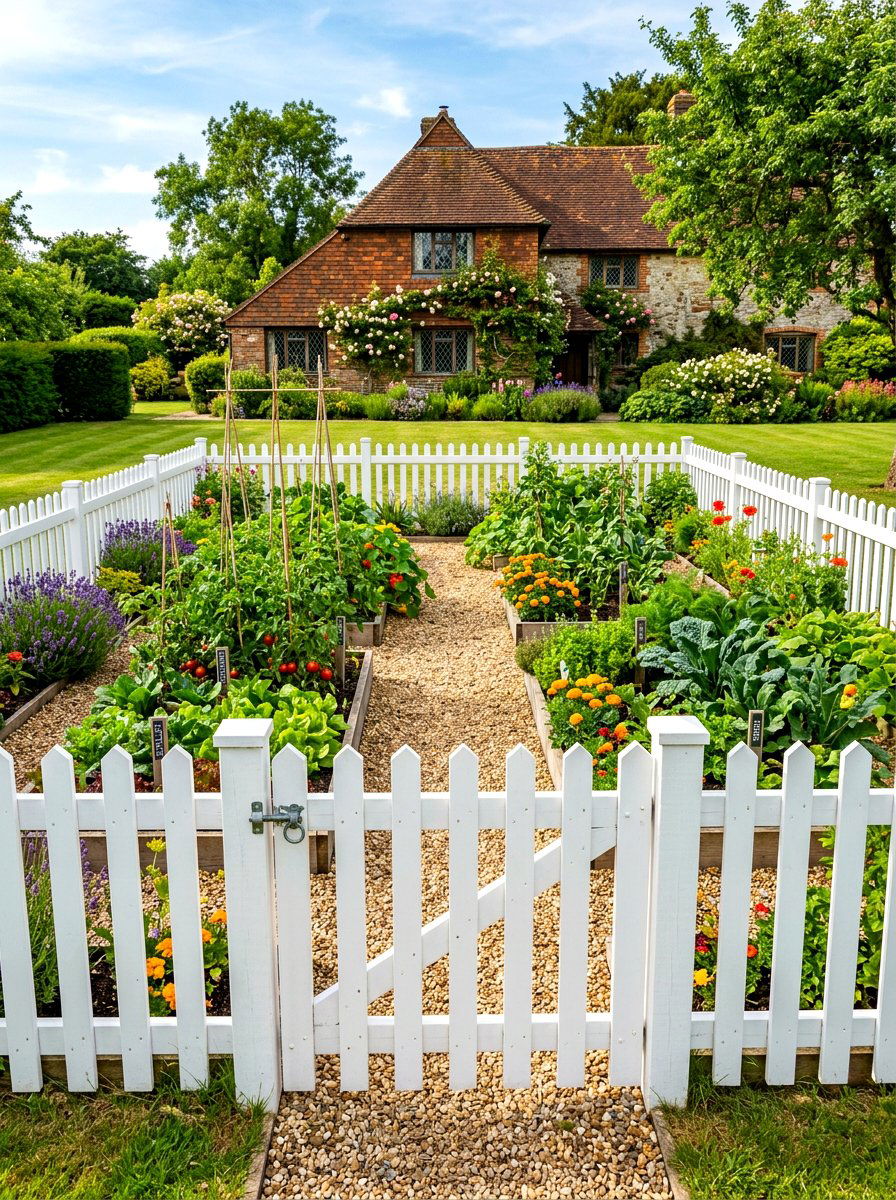
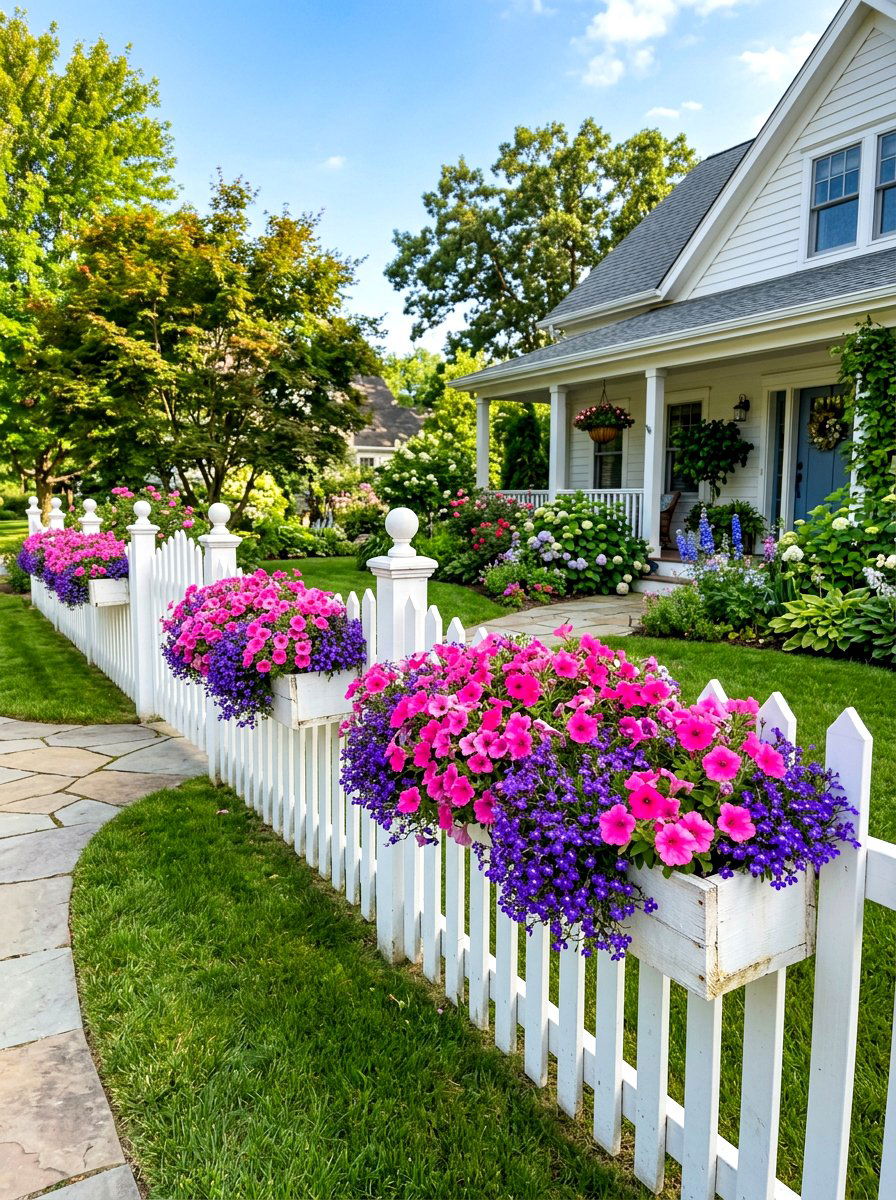
A vegetable garden fence serves two critical purposes: it defines the boundaries of your growing area and protects your crops from hungry wildlife. Many homeowners choose decorative wrought iron or classic white picket fences to give their garden a formal, polished look. For those dealing with deer or larger animals, a taller wire mesh fence may be necessary to ensure the survival of the harvest. You can even use the fence itself as a support for climbing plants like peas or blackberries to maximize your productivity. A well-designed fence turns a simple vegetable patch into an enclosed "outdoor room" that feels private, safe, and organized.
16. Edible Landscaping Garden
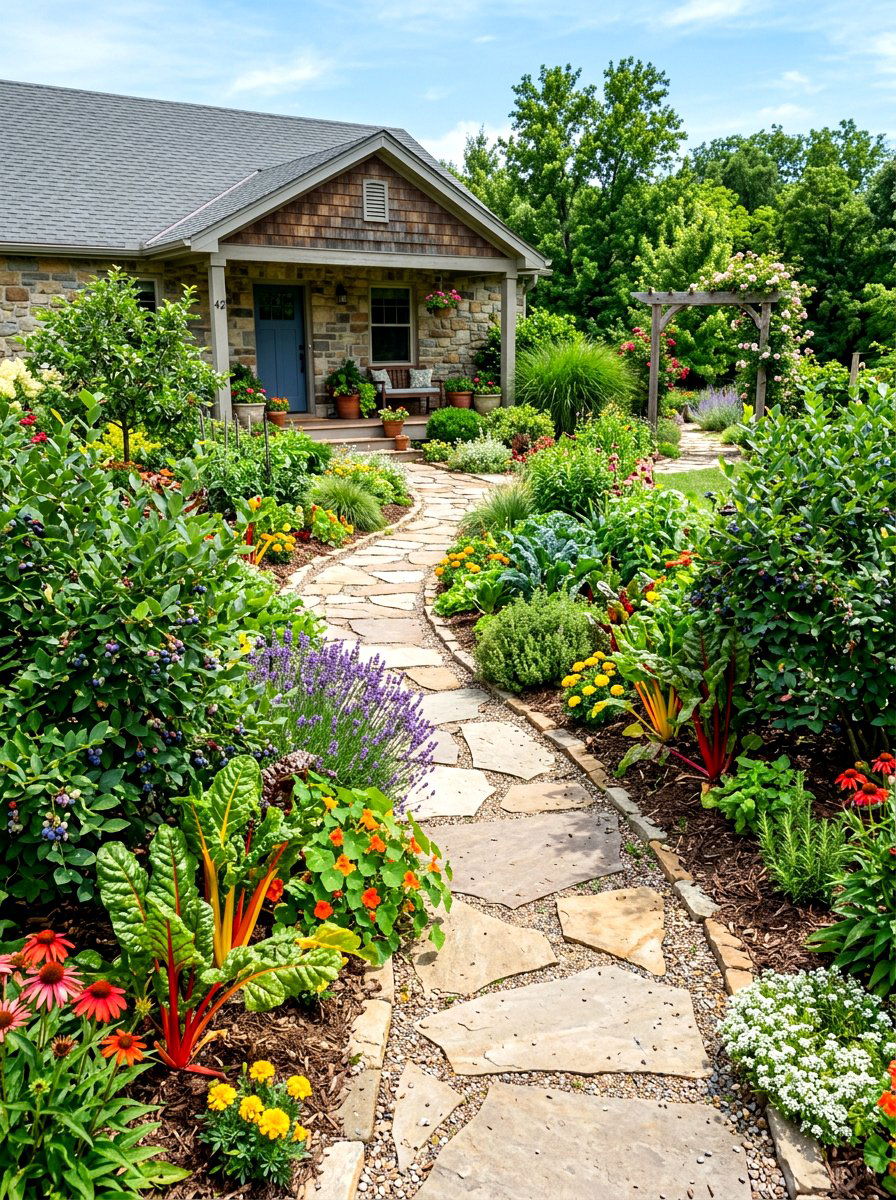
Edible landscaping is a design philosophy that replaces traditional ornamental plants with beautiful, food-producing alternatives. Instead of boxwood hedges, you might plant blueberry bushes, or swap out a standard shade tree for a productive apple or pear variety. Many vegetables, such as rainbow chard or purple kale, are stunning enough to sit right at the front of a flower border. This approach allows you to harvest fresh food without sacrificing the aesthetic appeal of a professionally landscaped front or backyard. It is a highly efficient way to utilize your entire property while reducing the need for high-maintenance lawns and strictly ornamental shrubbery.
17. Square Foot Gardening
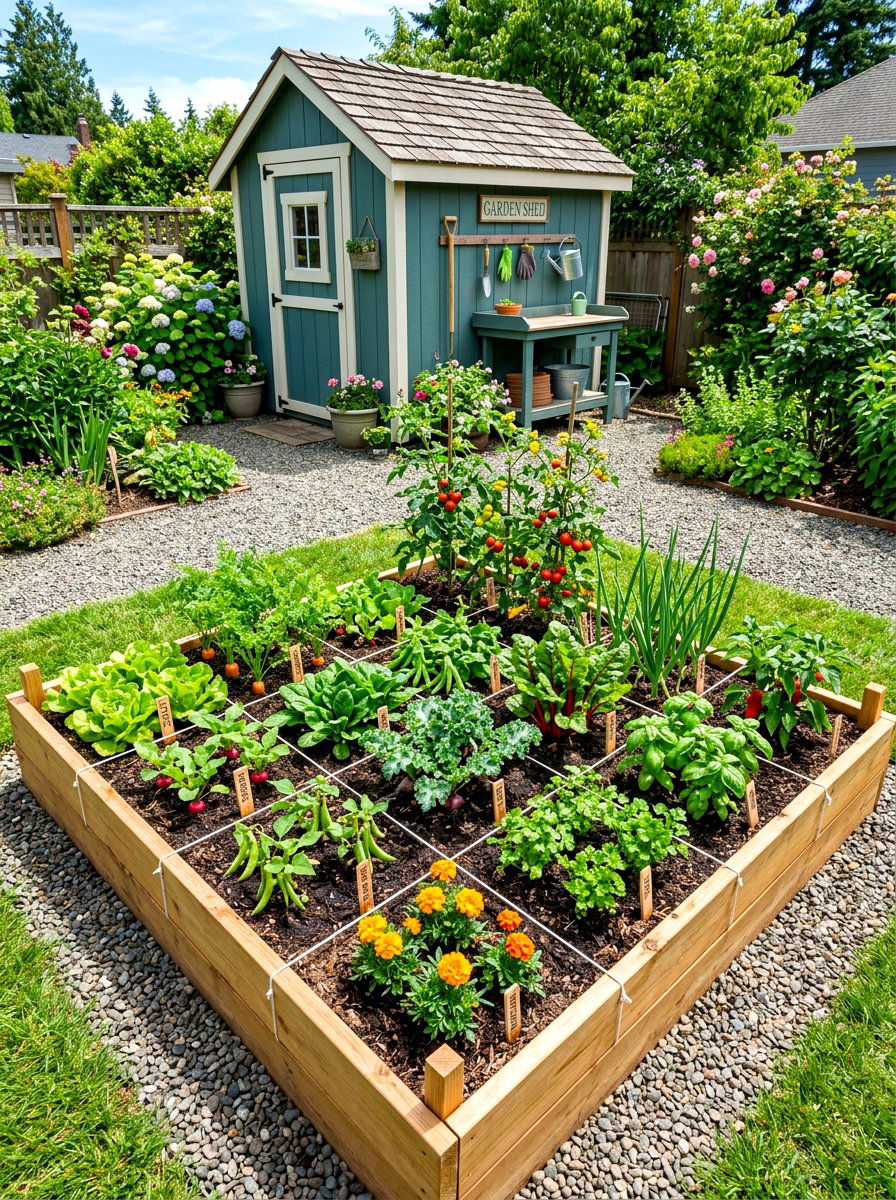
Square foot gardening is a popular method that involves dividing a garden bed into a grid of one-foot squares to manage spacing perfectly. Each square is planted with a specific number of plants based on their size, such as one tomato or sixteen radishes. This system is incredibly organized and eliminates the guesswork often associated with traditional row gardening. It is ideal for beginners because it provides a clear roadmap for what to plant and where. By focusing on intensive planting in a small area, you can produce a significant amount of food with very little weeding or watering, making it a highly efficient gardening style.
18. Hydroponic Vegetable Garden
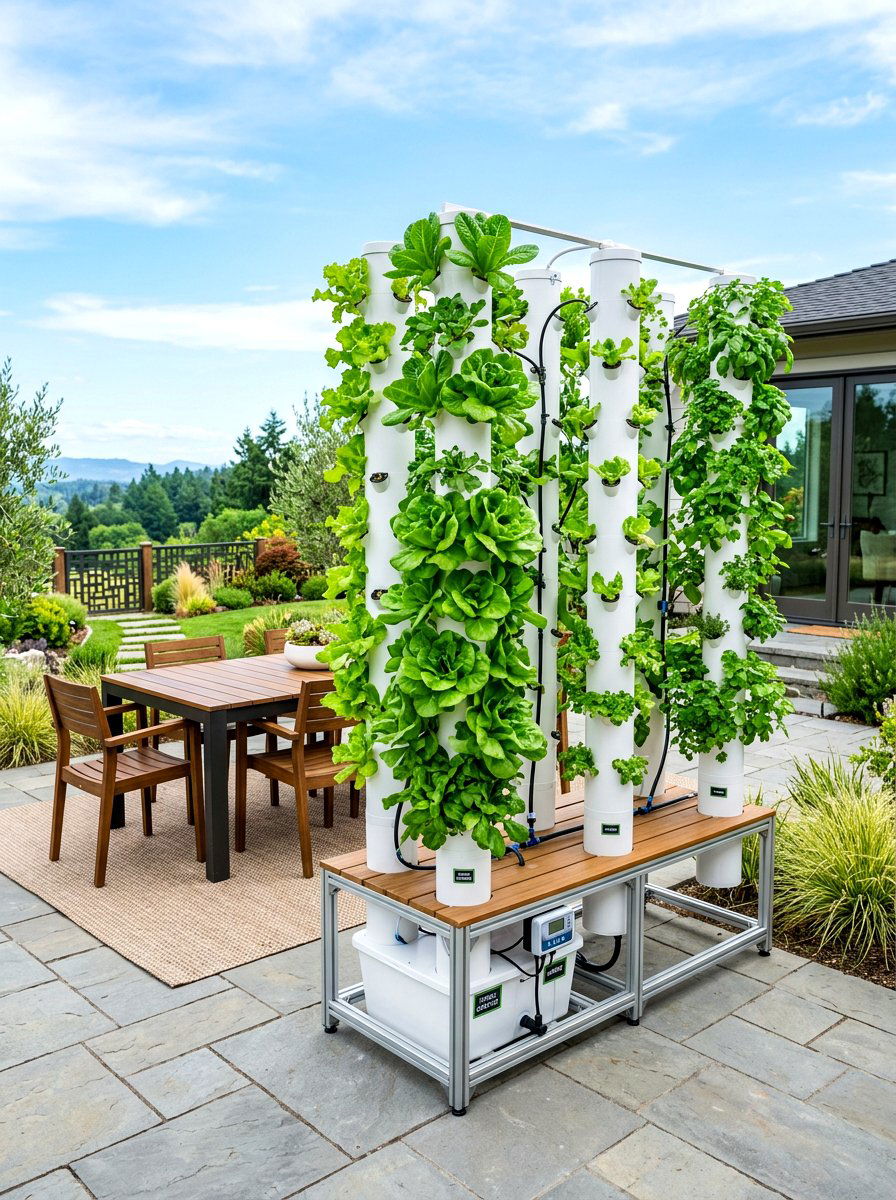
A hydroponic vegetable garden uses nutrient-rich water instead of soil to grow plants, often resulting in faster growth and higher yields. This high-tech approach is perfect for backyards with poor soil or for gardeners who want to automate their growing process. Vertical hydroponic towers can fit into very small corners and produce dozens of heads of lettuce or herbs simultaneously. Because the system is closed, it often uses significantly less water than traditional soil-based gardening, making it an eco-friendly choice for dry climates. It is a clean, modern way to garden that looks futuristic and provides incredibly crisp, clean produce right outside your backdoor.
19. Keyhole Vegetable Garden
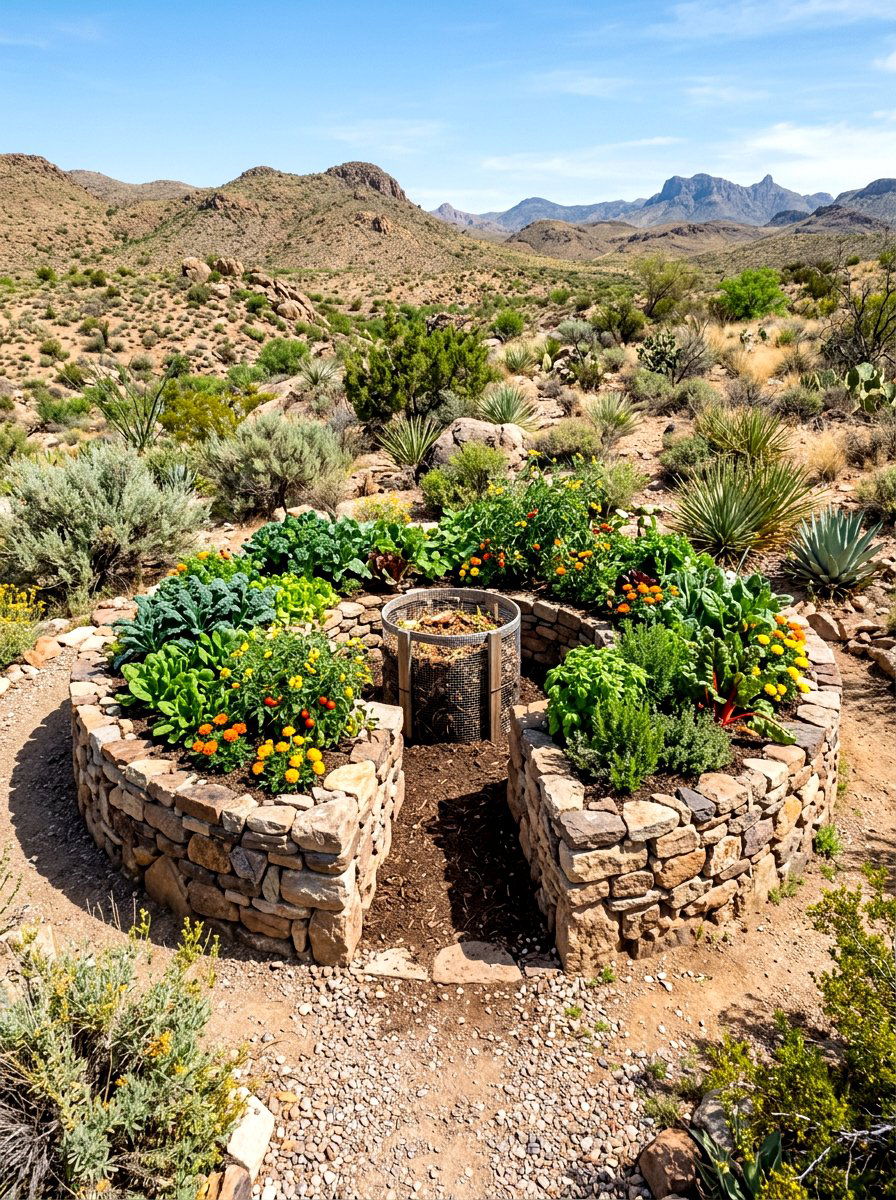
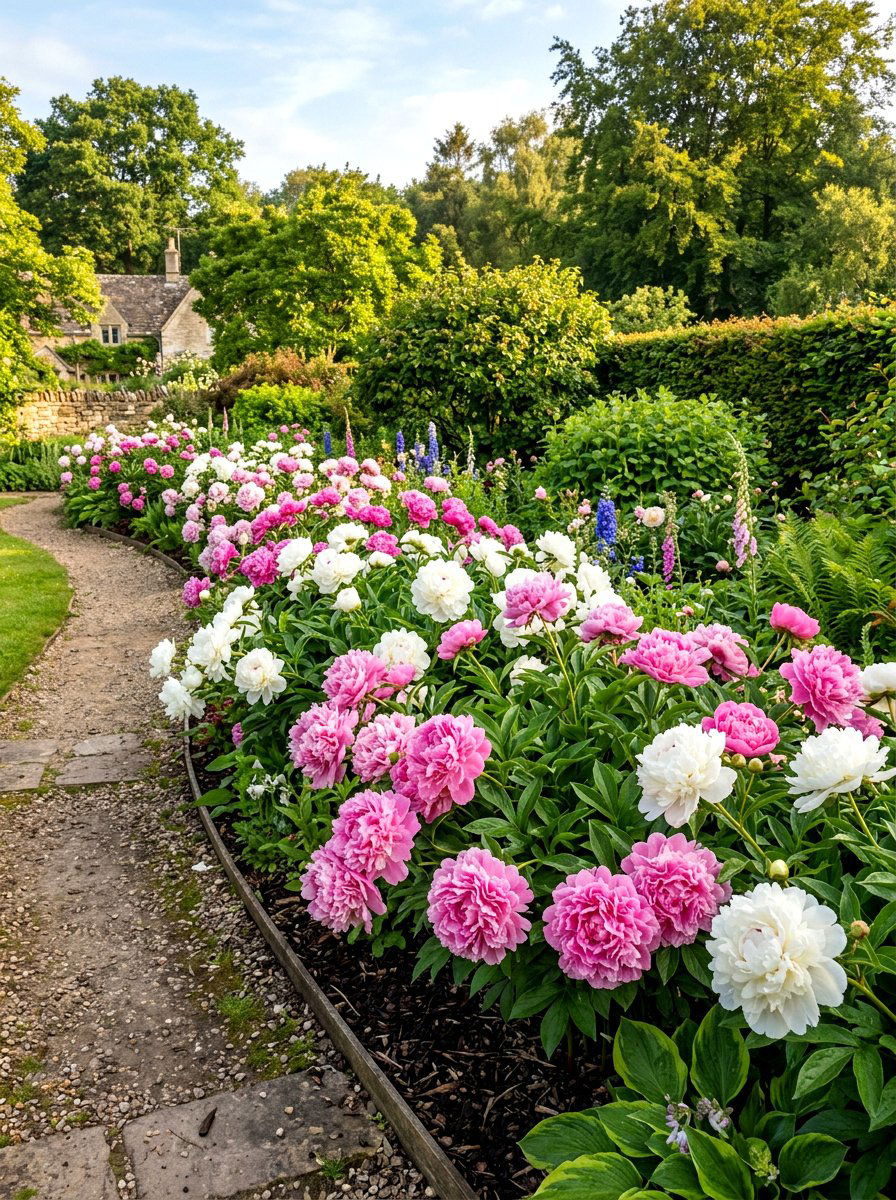
The keyhole vegetable garden is a unique circular design that features a central composting basket accessible via a small notch or "keyhole" in the side. This traditional African design allows you to add kitchen scraps directly to the center, which then break down and provide continuous nutrients to the surrounding soil. The circular shape is highly efficient for water retention and makes it easy to reach every plant from the central path without stepping on the soil. It is a sustainable, self-fertilizing system that works exceptionally well in hot, dry climates. Beyond its productivity, the unusual shape makes it a fascinating focal point in any backyard.
20. Compact Vegetable Garden
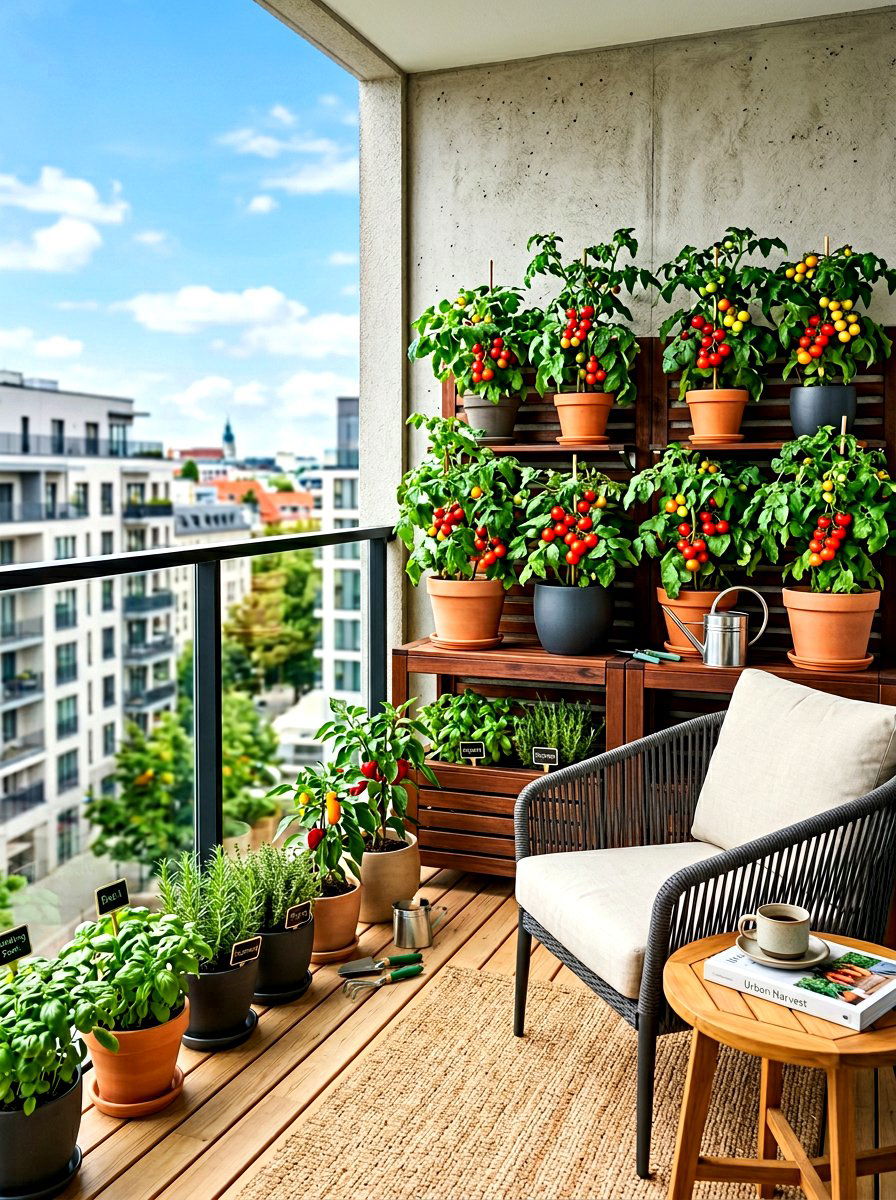
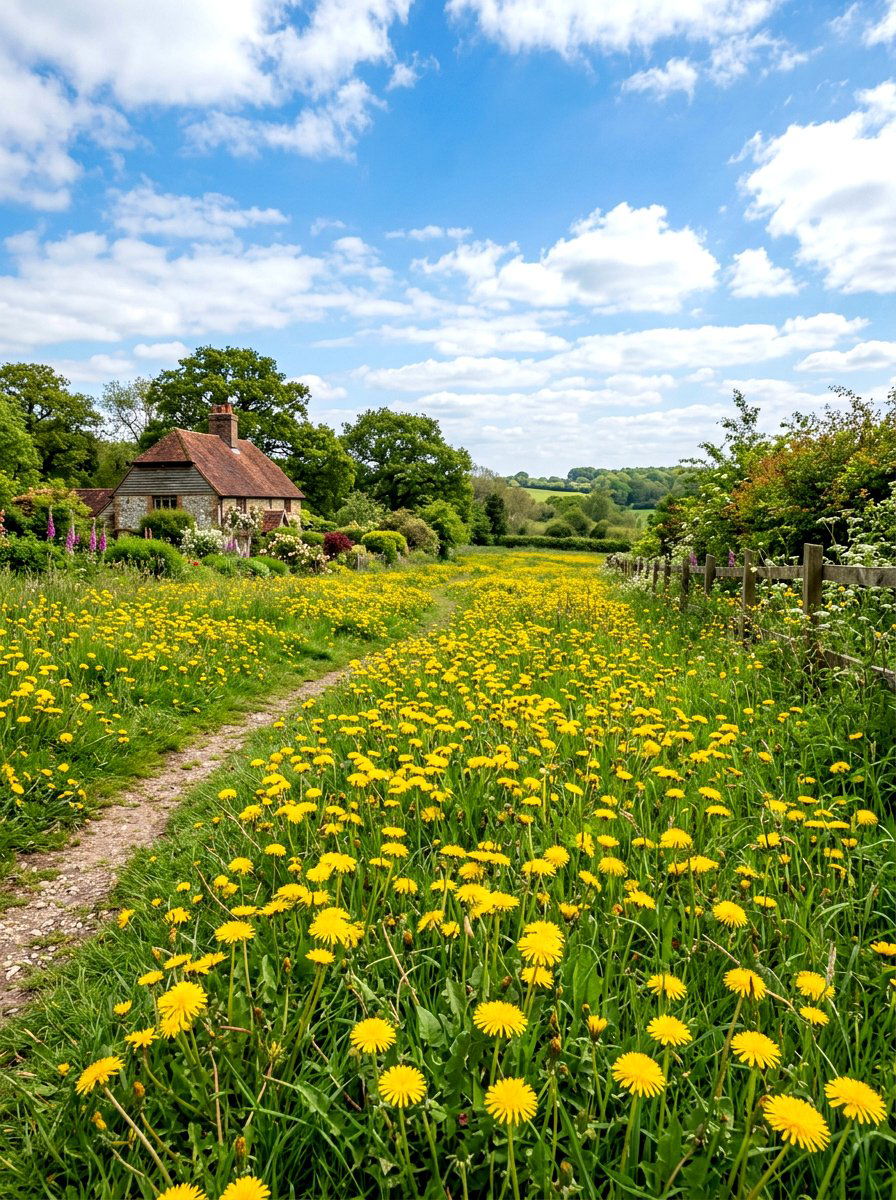
A compact vegetable garden is specifically curated to include only dwarf or bush varieties of plants that do not require massive amounts of space. These gardens are perfect for small patios, side yards, or even large containers where a full-sized plant would be overwhelming. Many seed companies now offer "patio" versions of favorites like tomatoes, cucumbers, and even zucchini that stay small while still producing a heavy crop. By selecting these specialized varieties, you can enjoy a diverse harvest without the need for large trellises or extensive garden beds. This design approach is all about choosing the right genetics to fit your specific spatial constraints perfectly.
21. Vegetable Garden Path
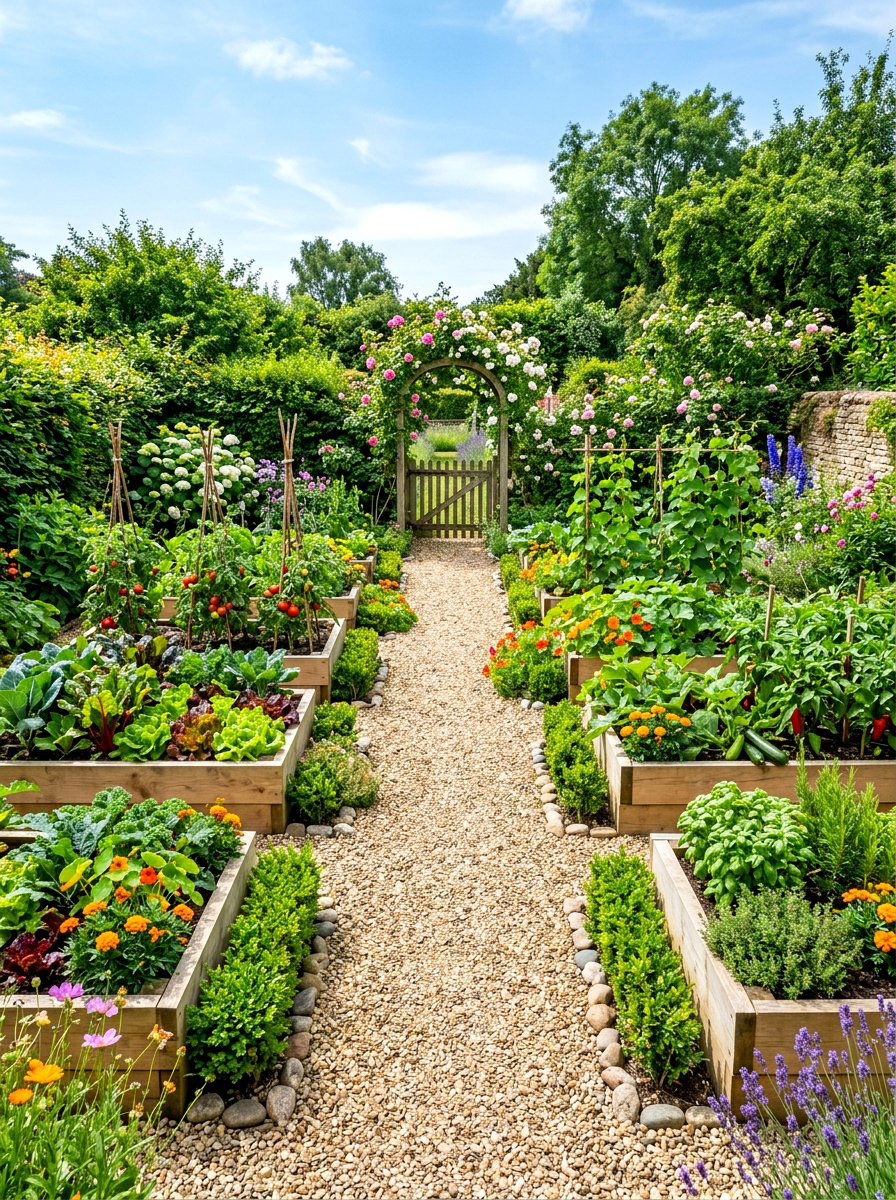
The layout of your vegetable garden path is just as important as the plants themselves for creating a functional and attractive space. Wide paths made of durable materials like cedar mulch, pea gravel, or flagstone ensure that you can easily move a wheelbarrow or harvest basket through the area. Well-defined paths prevent you from stepping on the soil and compacting it, which is essential for healthy root growth. You can design your paths in a formal grid for a classic look or use winding, organic shapes for a more natural feel. Investing in high-quality path materials keeps the garden looking tidy and accessible even after a heavy summer rainstorm.
22. Potager Vegetable Garden
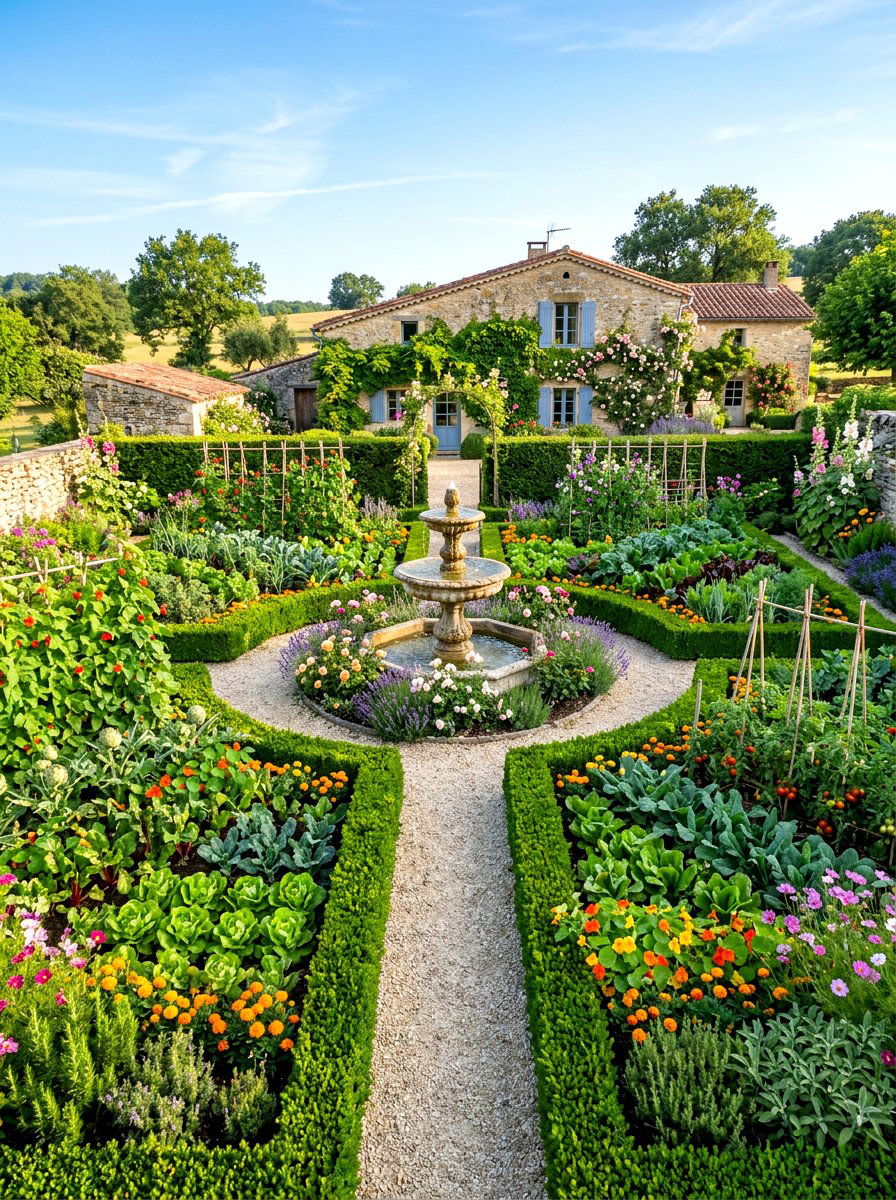
A potager vegetable garden, often called a French kitchen garden, is designed to be as beautiful as it is productive. This style integrates vegetables, herbs, and flowers in a formal, symmetrical pattern that often includes central focal points like a fountain or sundial. The goal is to create a space that provides food for the kitchen while serving as a stunning ornamental feature for the home. Companion flowers like marigolds and lavender are frequently included to attract pollinators and deter pests. Walking through a well-maintained potager feels like stepping into a living tapestry, where every plant is chosen for its flavor, fragrance, and visual contribution.
23. Self Watering Vegetable Garden
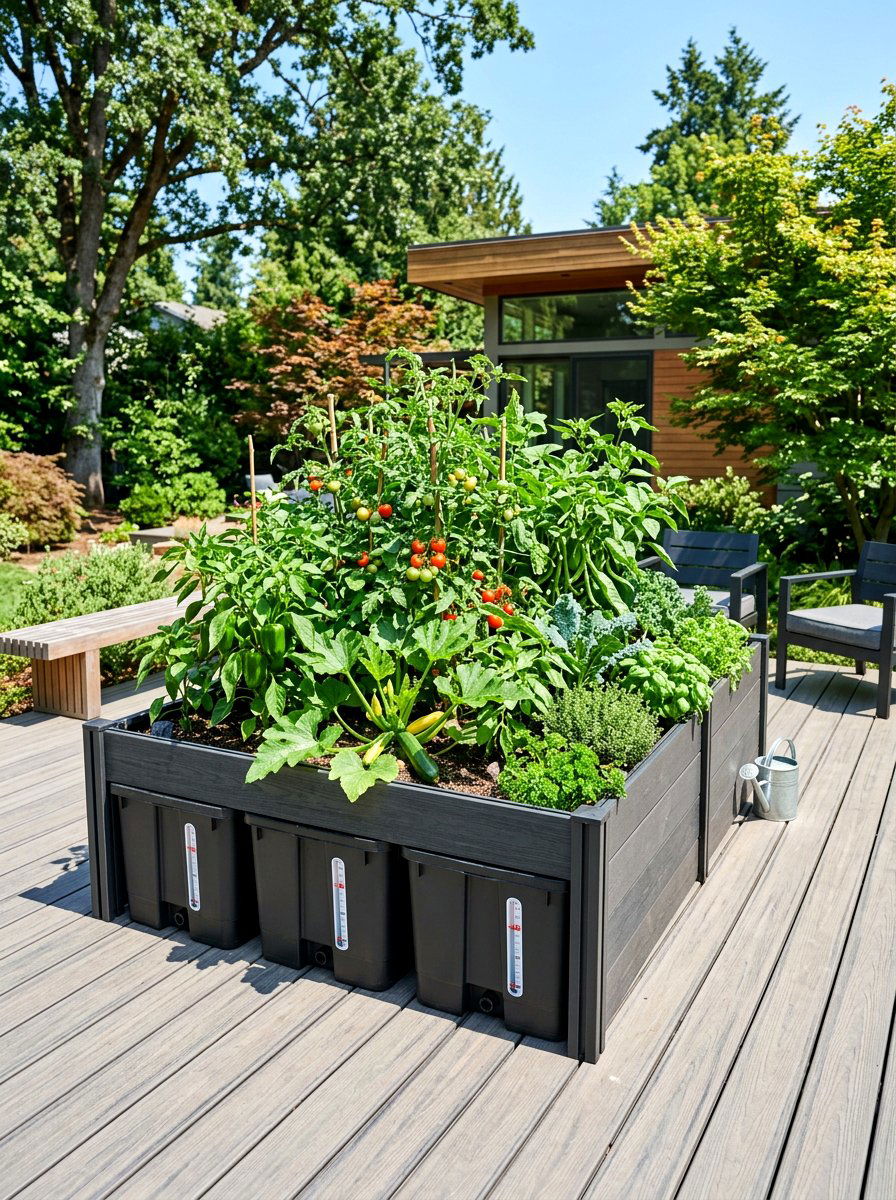
Self watering vegetable gardens utilize a reservoir system at the base of the planter to provide a consistent supply of moisture to the roots. This design is a lifesaver for busy gardeners or those living in extremely hot climates where plants can wilt within hours of being watered. The wicking action ensures that the soil stays perfectly moist without becoming waterlogged, which promotes deep and healthy root systems. Many modern self-watering beds also feature covers to prevent evaporation and keep the reservoir clean. This technology takes the guesswork out of irrigation, ensuring your vegetables stay hydrated and productive even if you are away for the weekend.
24. Window Box Vegetable Garden
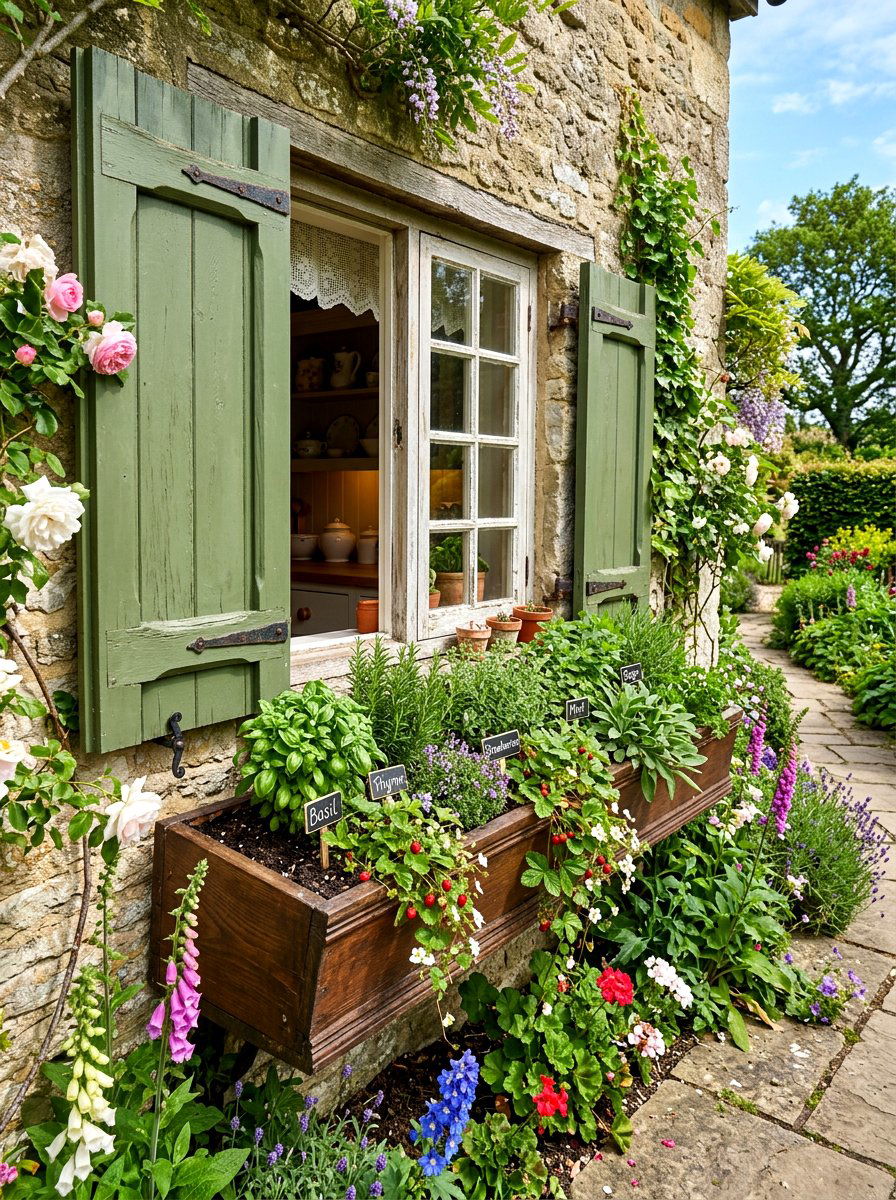
A window box vegetable garden is the perfect way to bring the harvest right to your kitchen window, literally. These long, narrow containers are mounted to the outside of the house and are ideal for growing small, frequently used items like herbs, lettuce, and radishes. They are incredibly convenient because you can simply reach out and snip what you need while you are cooking. When styled with trailing plants like nasturtiums or strawberries, window boxes add a charming, cottage-like appearance to your home’s exterior. They are a great starting point for children or beginners who want a manageable and highly visible introduction to the world of growing food.
25. Wall Mounted Garden
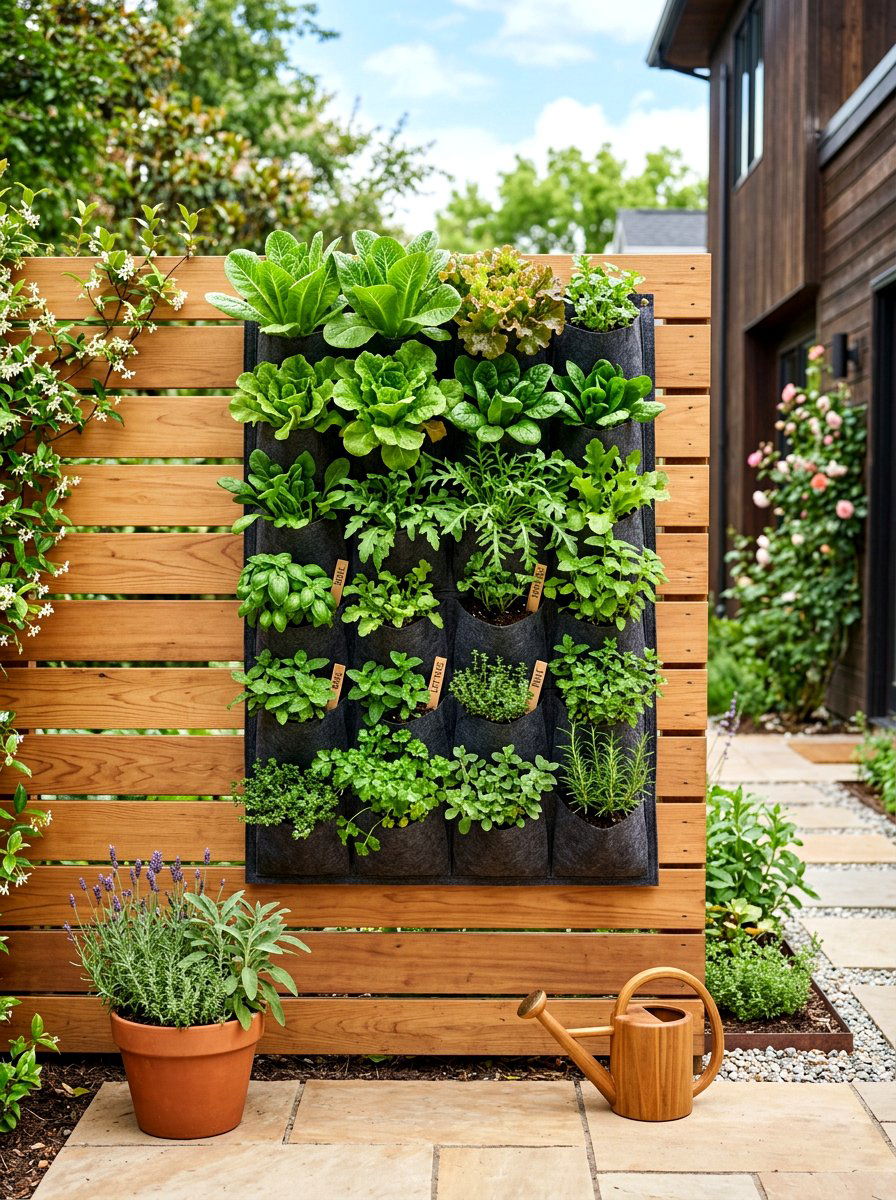
The wall mounted garden turns any vertical surface, such as a brick wall or wooden fence, into a productive growing area. This design often uses modular pockets, hanging troughs, or specialized planting panels to hold the soil and plants securely. It is an excellent way to cover an unattractive wall while adding lush greenery and fresh food to your outdoor space. These systems are particularly effective for shallow-rooted plants like succulents, leafy greens, and various culinary herbs. With the addition of a simple drip irrigation line, a wall-mounted garden becomes a low-maintenance and high-impact feature that maximizes vertical real estate in even the smallest urban yards.
26. Ladder Vegetable Garden
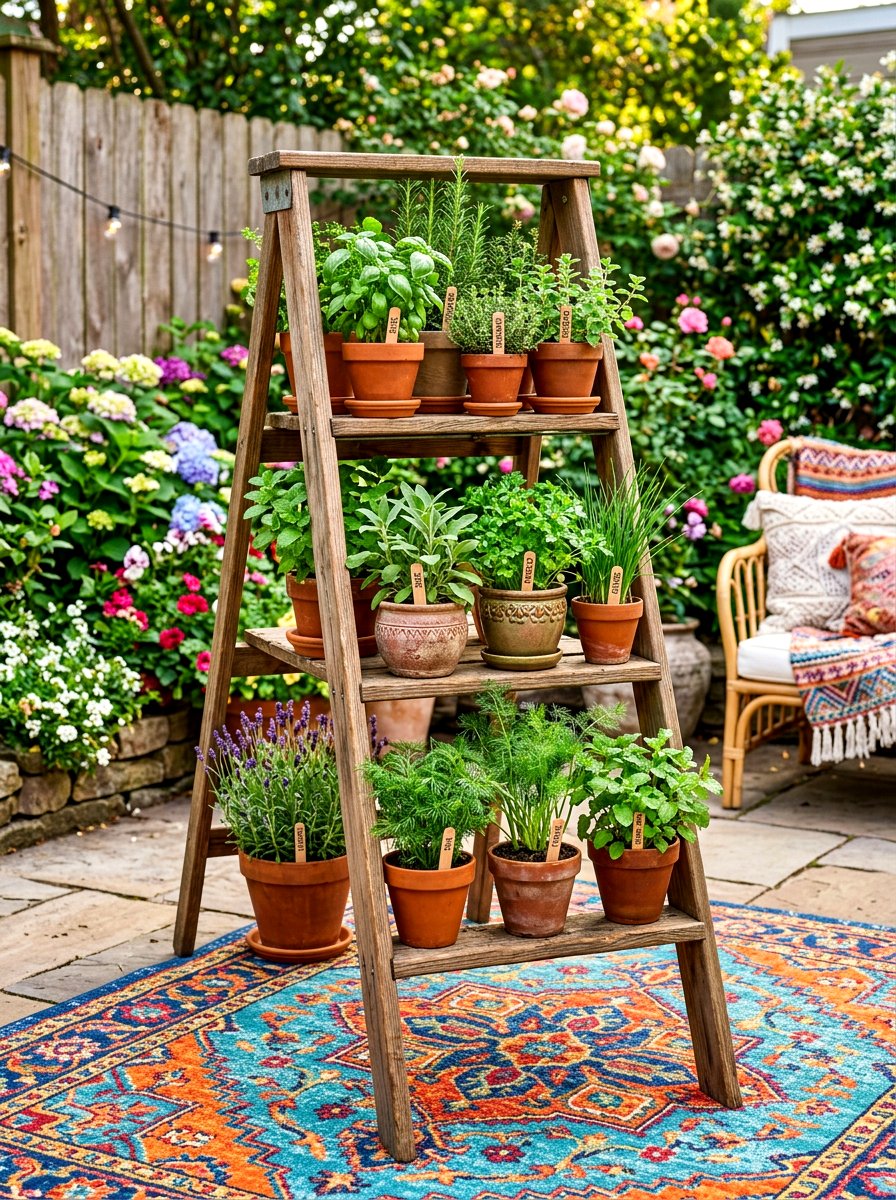
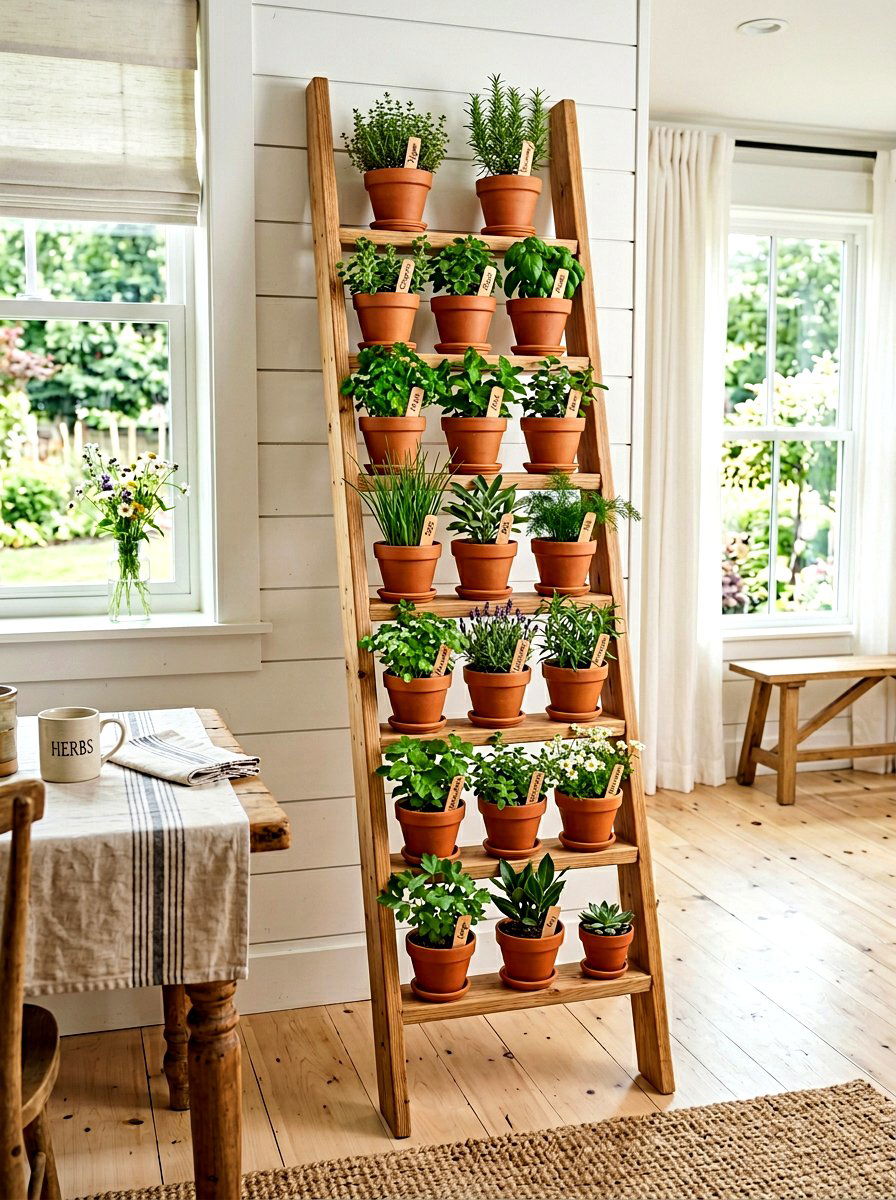
A ladder vegetable garden uses a tiered shelving unit that resembles a traditional stepladder to create vertical growing space on a small footprint. Each "step" holds a long planter box, allowing you to stack multiple rows of plants on top of each other. This design is highly portable and can be moved around your deck or patio to find the best light. It is a fantastic way to organize different categories of plants, such as one shelf for tea herbs and another for salad greens. The vertical nature of the ladder ensures that every plant gets plenty of sunlight and airflow, resulting in a healthy and abundant harvest.
27. Corner Vegetable Garden
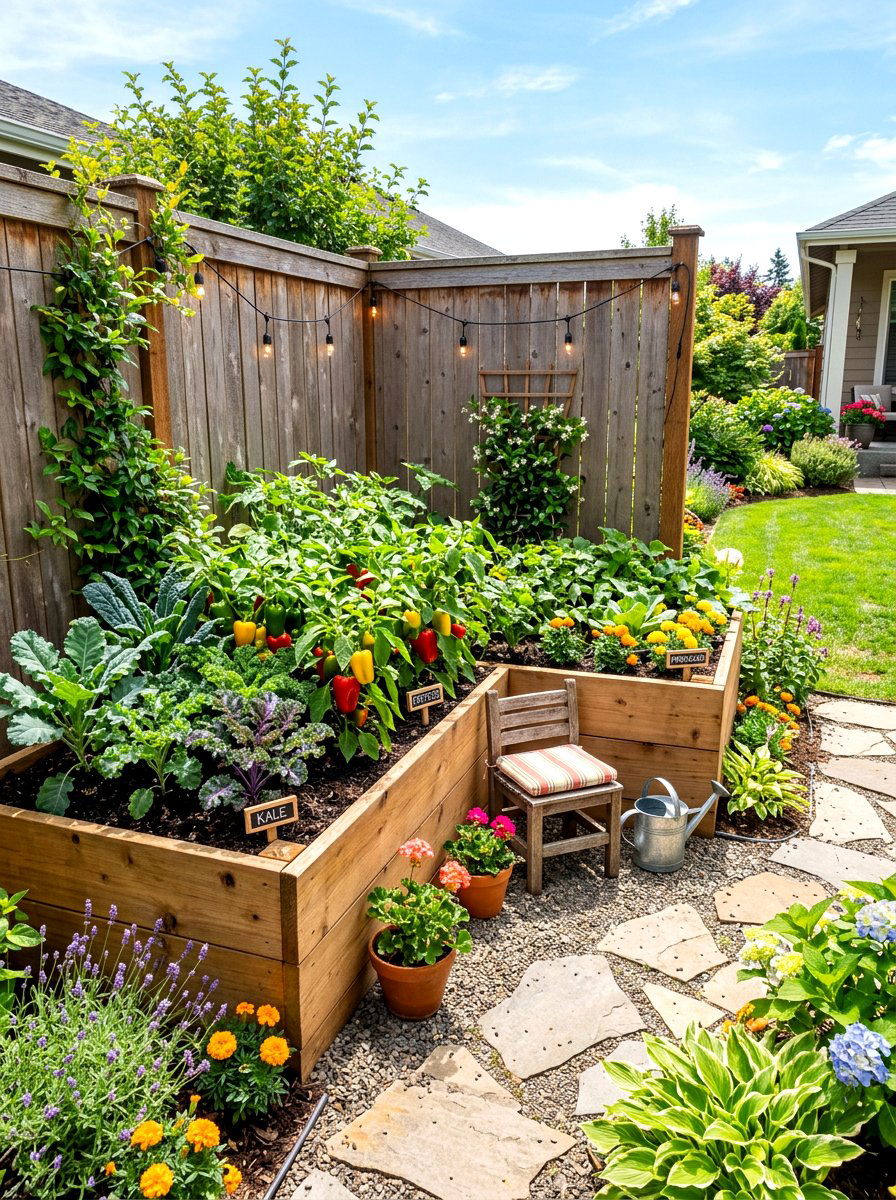
The corner vegetable garden is an efficient way to utilize the often-ignored angles of your yard or fence line. By building an L-shaped or triangular raised bed, you can transform a dead corner into a lush and productive oasis. This layout is particularly useful for smaller yards because it leaves the central lawn area open for other activities like play or entertaining. You can use the back corner for taller crops like corn or trellised beans, while keeping lower-growing herbs and greens at the front edge for easy access. A well-placed corner garden softens the hard lines of a fence and adds a beautiful, functional layer to your landscape.
28. Shade Vegetable Garden
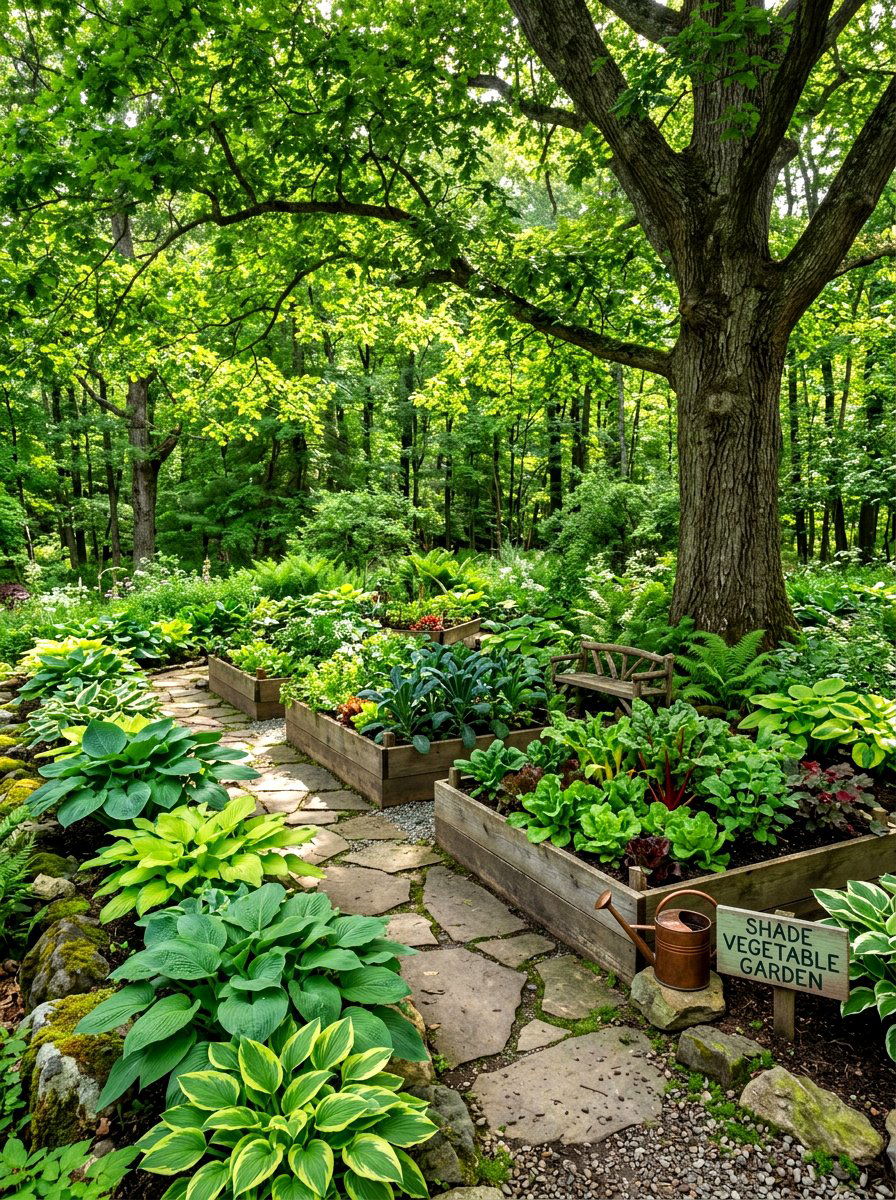
While most vegetables love full sun, a shade vegetable garden focuses on crops that can thrive in areas with limited light, such as under trees or near tall buildings. Many leafy greens like kale, spinach, and Swiss chard actually prefer partial shade, as it prevents them from bolting in the summer heat. Root vegetables like beets and carrots can also tolerate lower light levels, although they may grow more slowly than they would in full sun. Designing for shade involves choosing the right varieties and utilizing light-colored mulches or reflective surfaces to bounce as much available light as possible onto the plants for better growth.
29. Companion Planting Garden
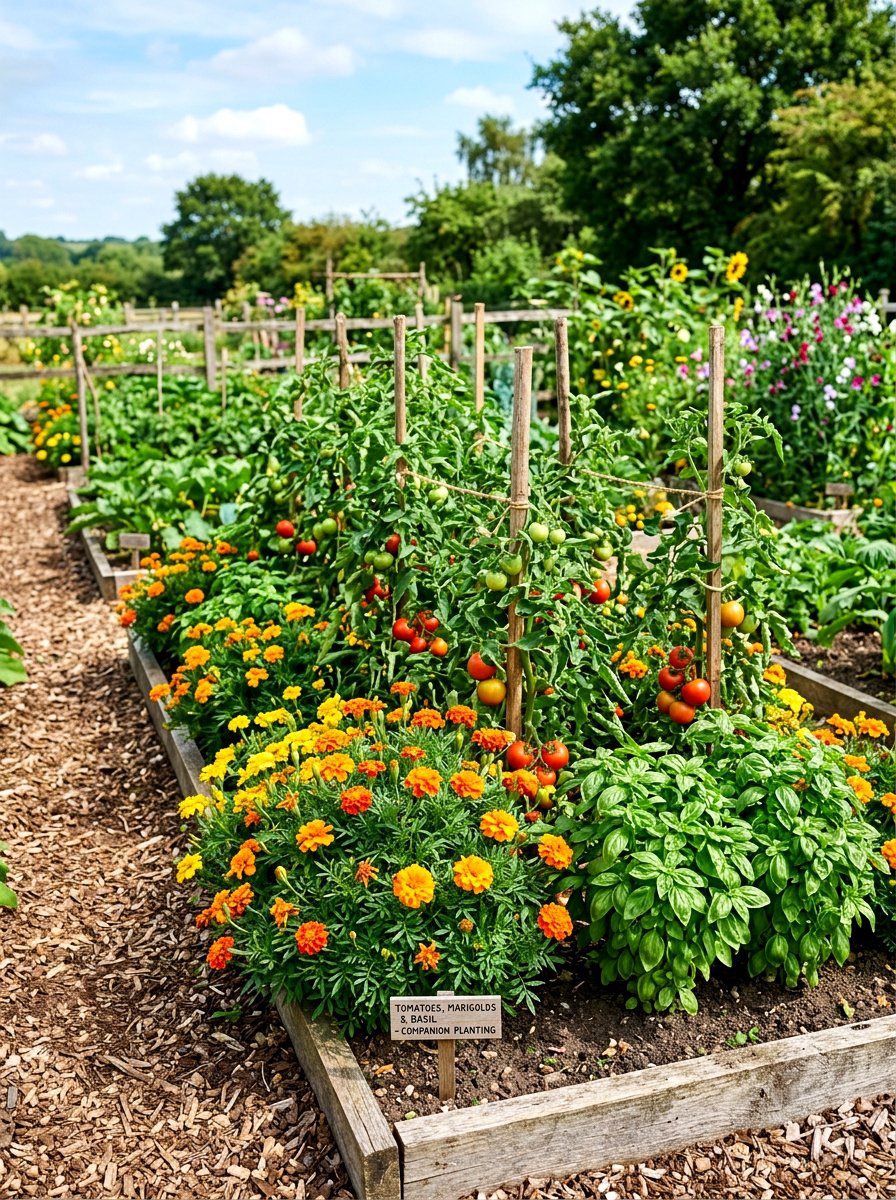
A companion planting garden is designed based on the beneficial relationships between different plant species to improve health and yield. For example, planting marigolds alongside tomatoes helps repel harmful nematodes, while growing basil nearby can actually improve the flavor of the fruit. This method uses nature’s own synergy to reduce the need for fertilizers and pesticides while maximizing space. A classic example is the "Three Sisters" garden, where corn, beans, and squash are grown together to provide structural support, nitrogen fixation, and natural weed suppression. This thoughtful approach creates a diverse and balanced ecosystem that is both highly productive and environmentally sustainable for your home.
30. Winter Vegetable Garden
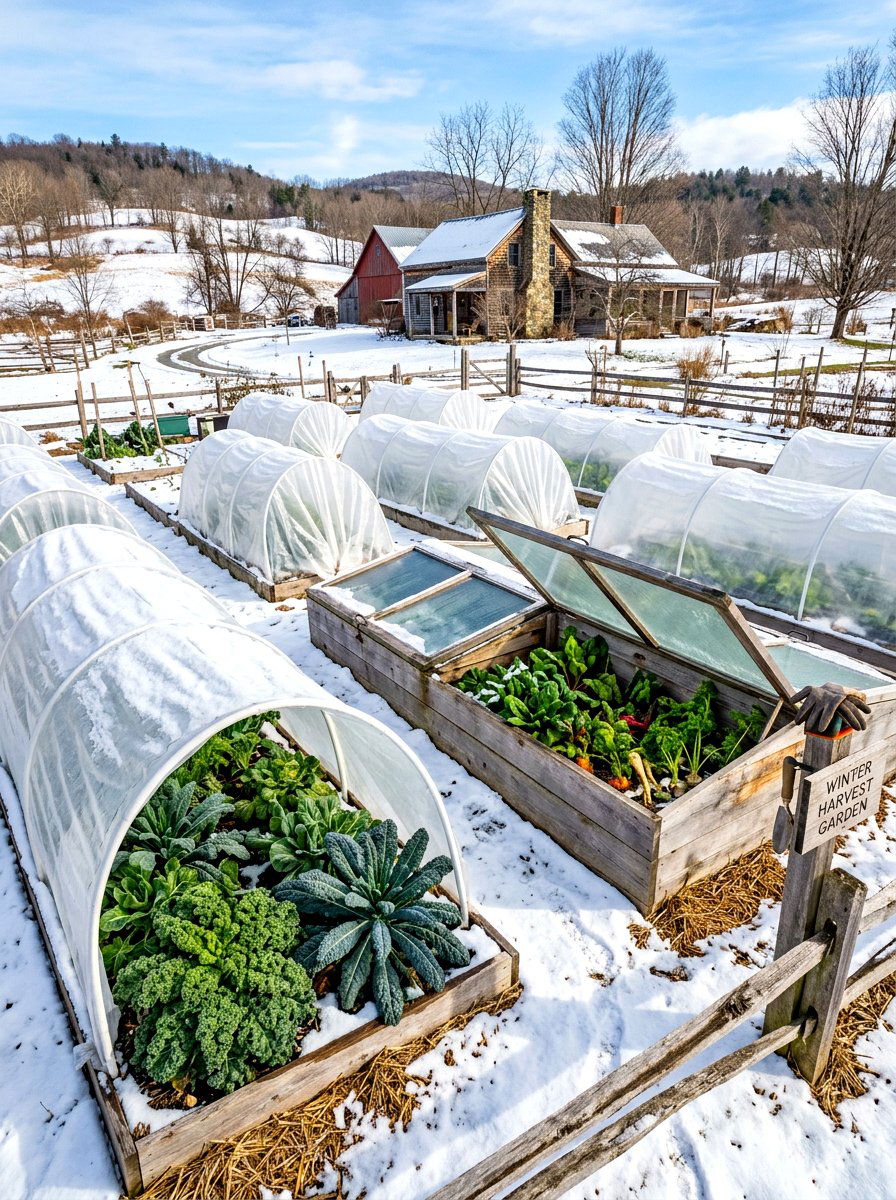
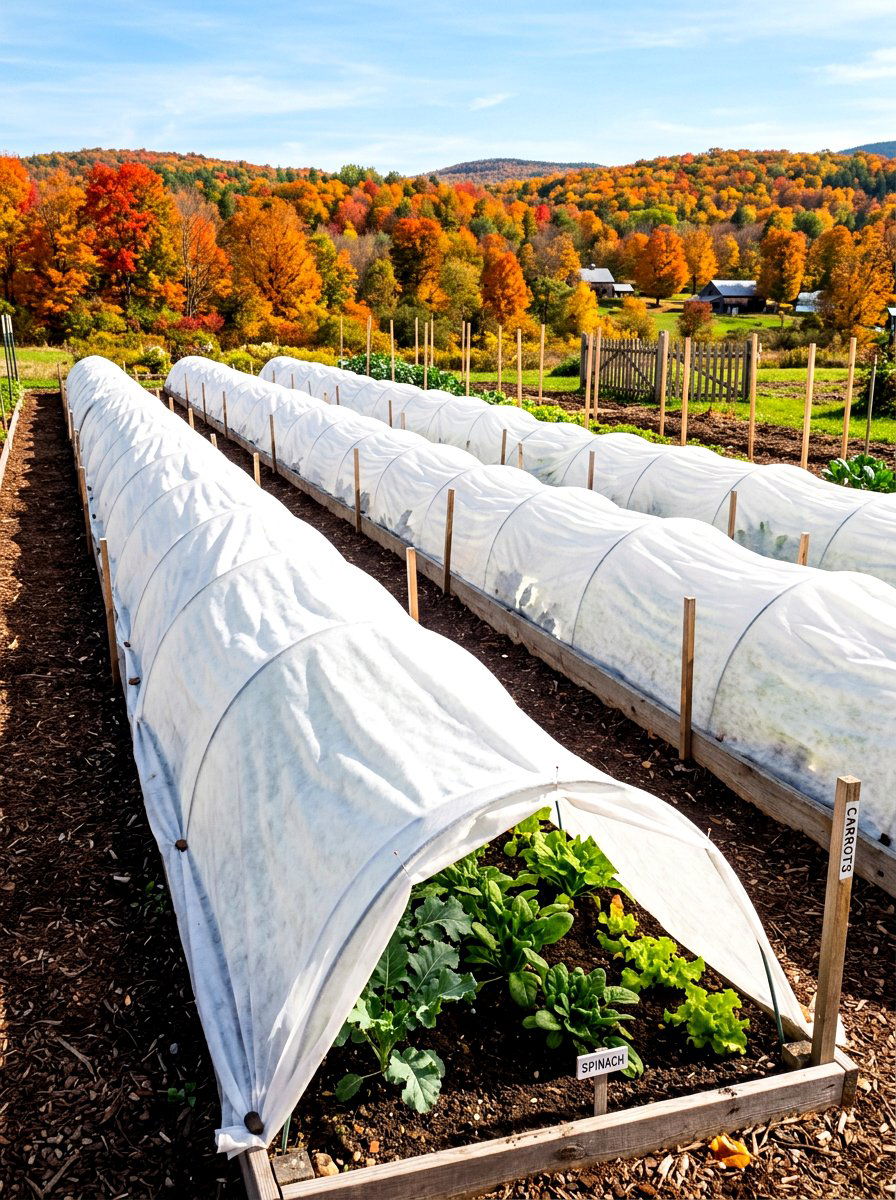
A winter vegetable garden focuses on cold-hardy crops that can survive and even thrive during the frost and snow of the colder months. By using simple protective structures like cold frames or low tunnels made of plastic sheeting, you can continue harvesting fresh carrots, leeks, and hardy greens all winter long. Some vegetables, such as Brussels sprouts and parsnips, actually taste sweeter after they have been touched by a hard frost. This design allows you to extend your self-sufficiency throughout the entire year rather than being limited to the traditional summer growing season. It turns your backyard into a year-round source of fresh, local, and nutritious food.
Conclusion:
Building a backyard vegetable garden is a transformative journey that rewards you with fresh flavors, physical activity, and a deeper connection to the food you eat. From the structural elegance of modern raised beds to the space-saving genius of vertical towers, there is a design for every home and skill level. By choosing a style that fits your lifestyle and environment, you create a sustainable resource that benefits your health and the local ecosystem. Whether you start small with a few window boxes or go big with a full-scale potager, the joy of harvesting your own produce is an unmatched experience. Happy gardening!

Related posts: