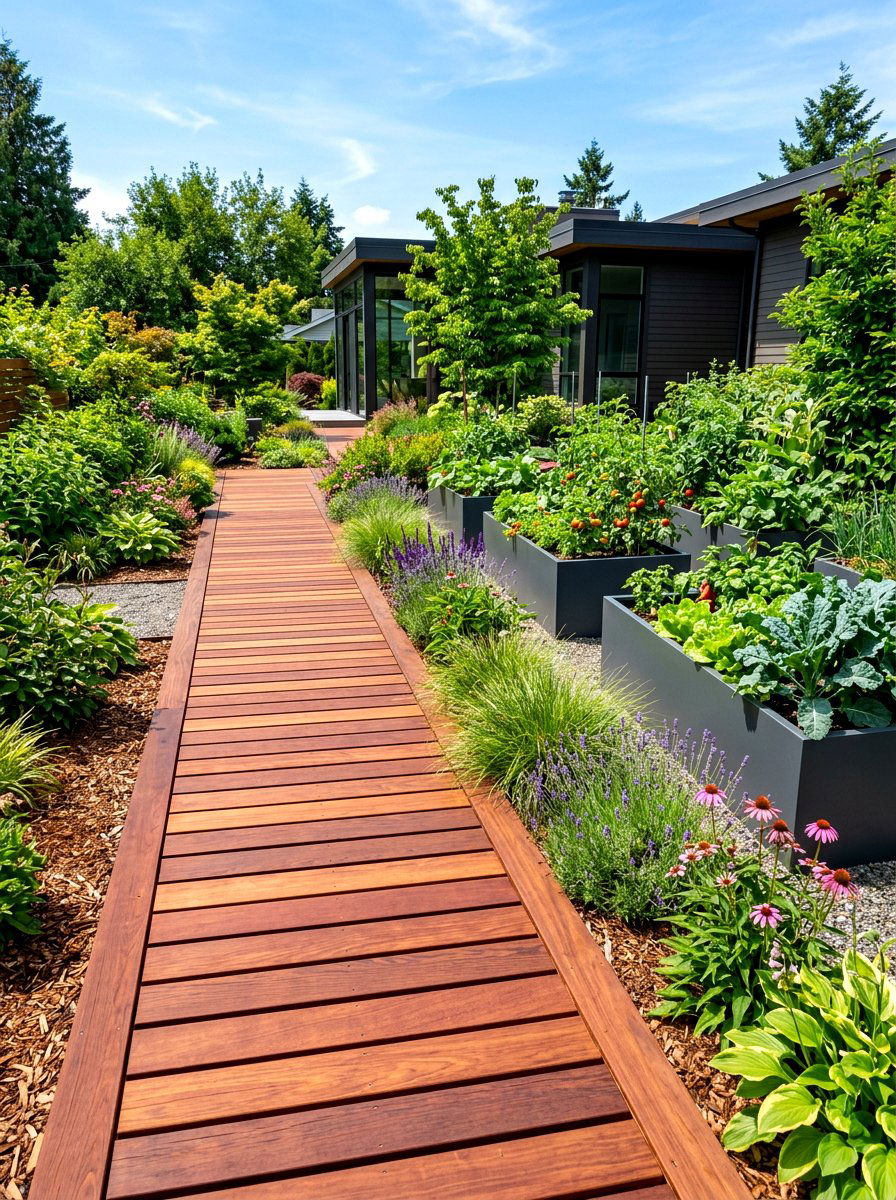
Starting a vegetable garden doesn't require a massive bank account or a sprawling country estate to be successful. Many homeowners and renters are discovering that growing fresh produce at home can be incredibly affordable when you use a bit of creativity and resourcefulness. By repurposing everyday items like wooden pallets, plastic buckets, or even old furniture, you can create a high-yielding food source right in your own backyard or on a small balcony. This guide explores thirty practical and budget-friendly ways to jumpstart your gardening journey without overspending. Whether you want to reduce your grocery bill or enjoy a new hobby, these strategies provide a clear path toward a lush, productive, and cost-effective vegetable sanctuary.
1. Raised Bed Vegetable Garden
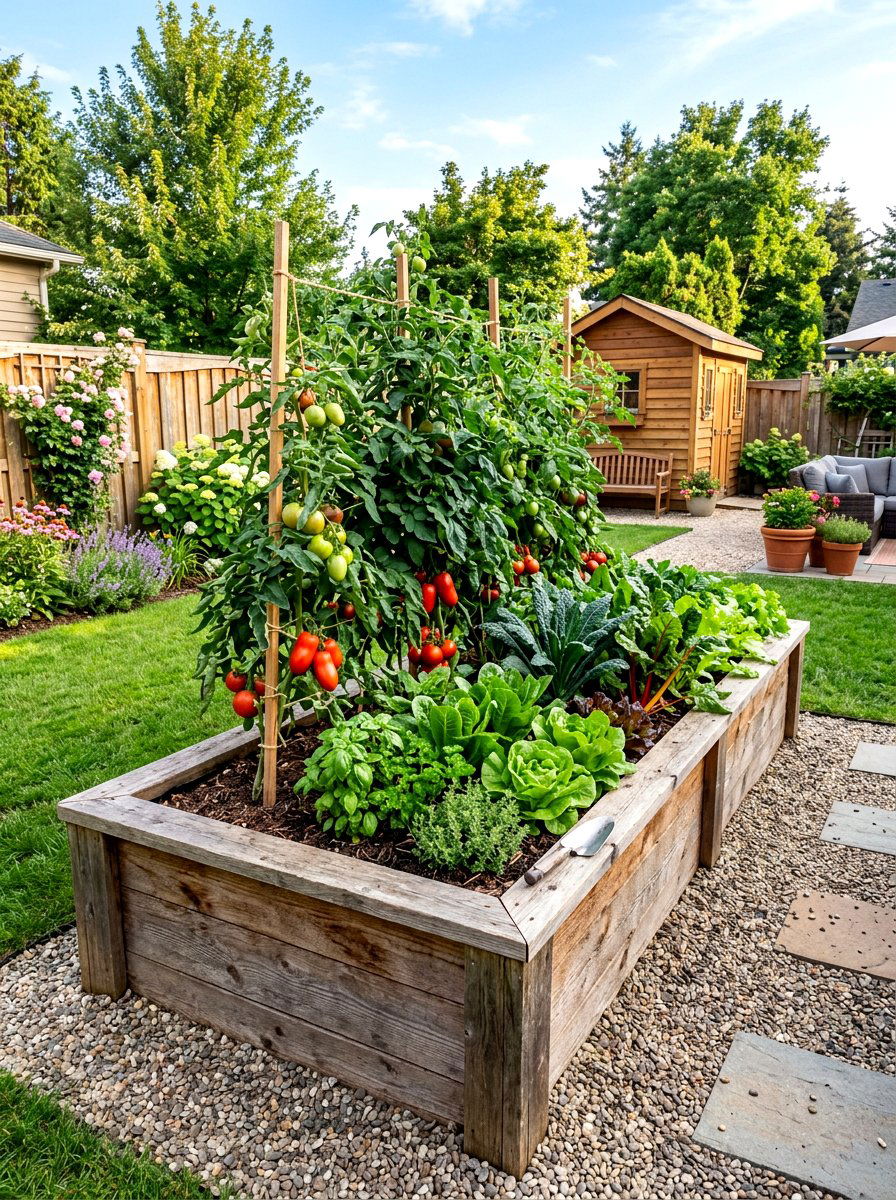
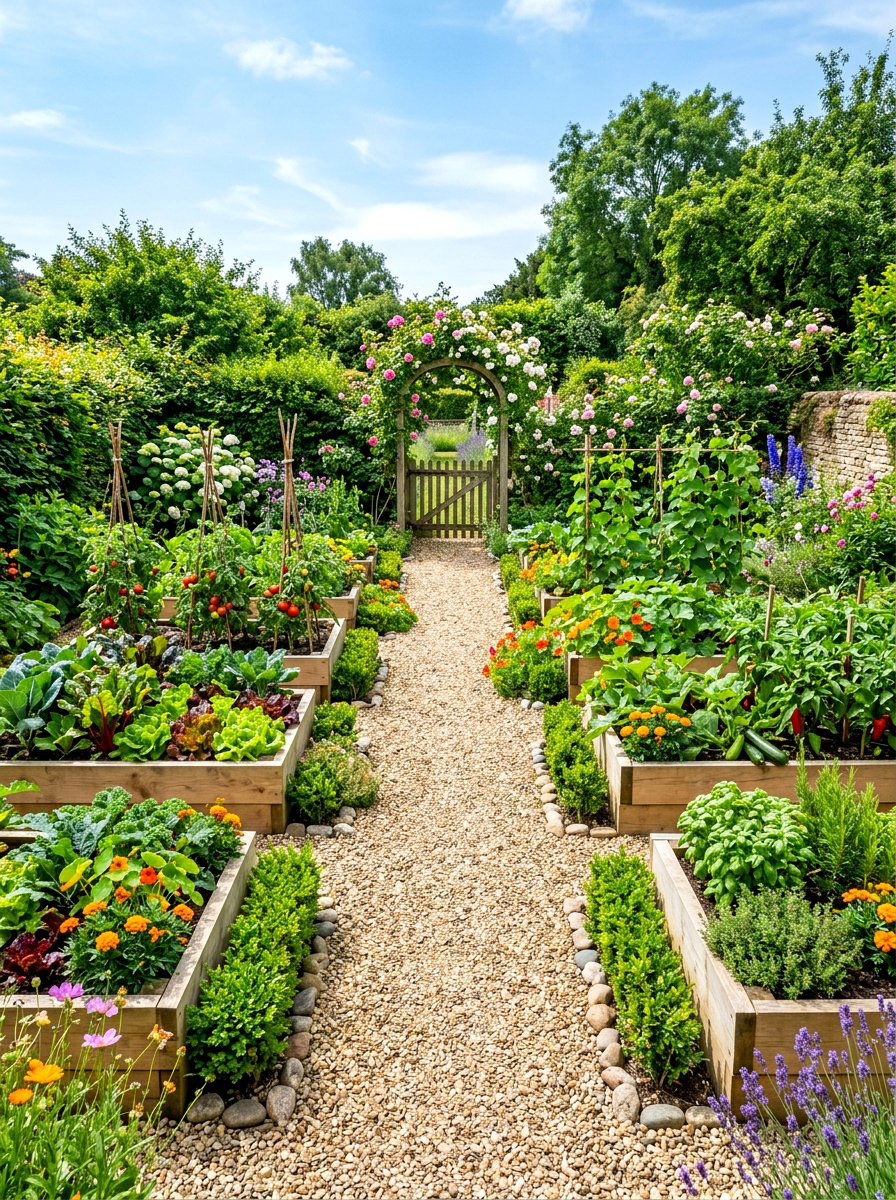
Building your own raised beds is one of the most efficient ways to manage soil quality and drainage without spending a fortune on professional landscaping. You can easily construct these structures using reclaimed cedar, heat-treated pallets, or even scrap wood from previous home projects. These elevated plots keep the soil loose and aerated, which encourages strong root growth for heavy-feeding plants like tomatoes and peppers. By controlling the environment within the frame, you reduce the risk of soil-borne diseases and prevent aggressive grass from encroaching on your crops. To keep costs low, fill the bottom of the bed with organic debris like branches and dried leaves before adding your topsoil.
2. Pallet Vegetable Garden
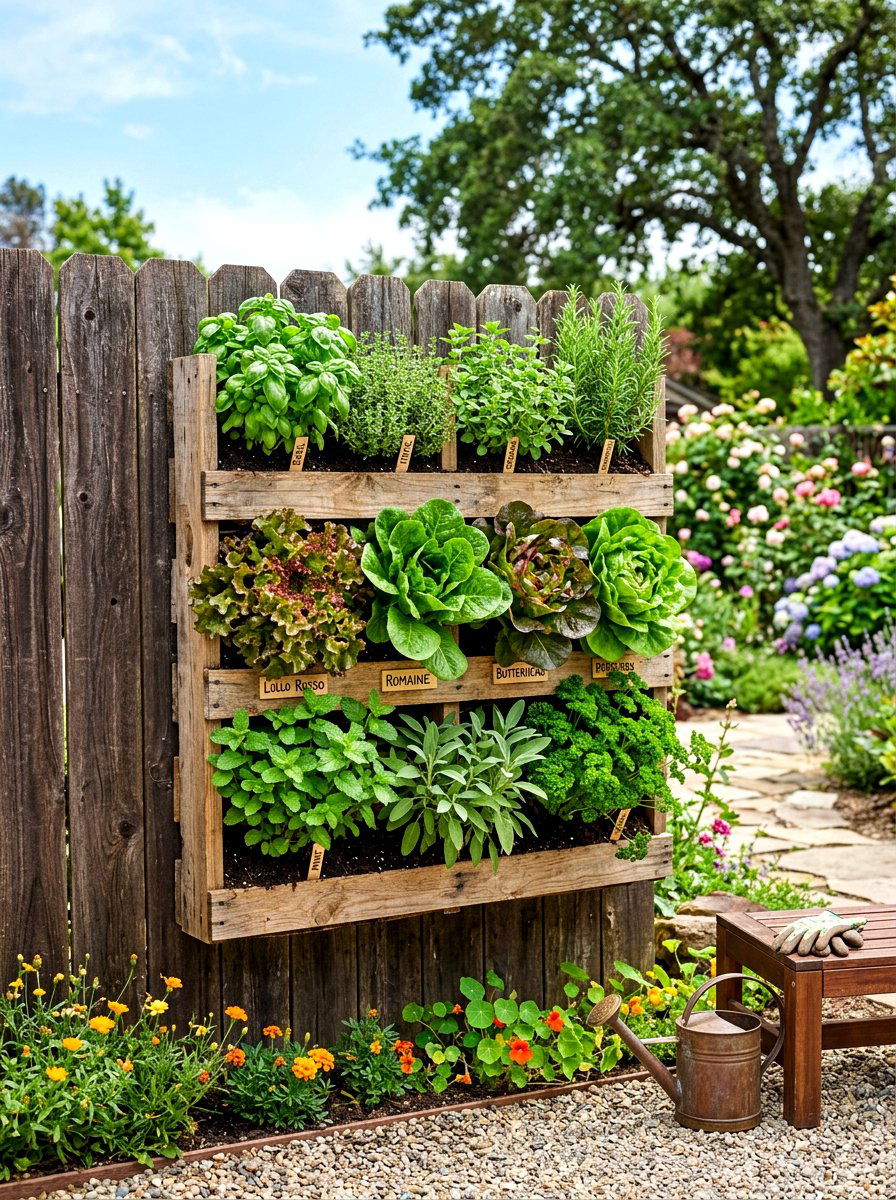
Vertical growing is a fantastic solution for those with limited ground space who still want a diverse harvest throughout the summer months. Upcycling a wooden pallet into a standing garden allows you to grow leafy greens, herbs, and small root vegetables against a sunny wall or fence. It is essential to ensure the pallet is heat-treated rather than chemically preserved to keep your food safe for consumption. Simply staple landscape fabric to the back and bottom to hold the soil in place before tucking your seedlings into the slats. This method minimizes weeding and keeps plants away from ground-dwelling pests while creating a stunning visual display.
3. Container Vegetable Garden
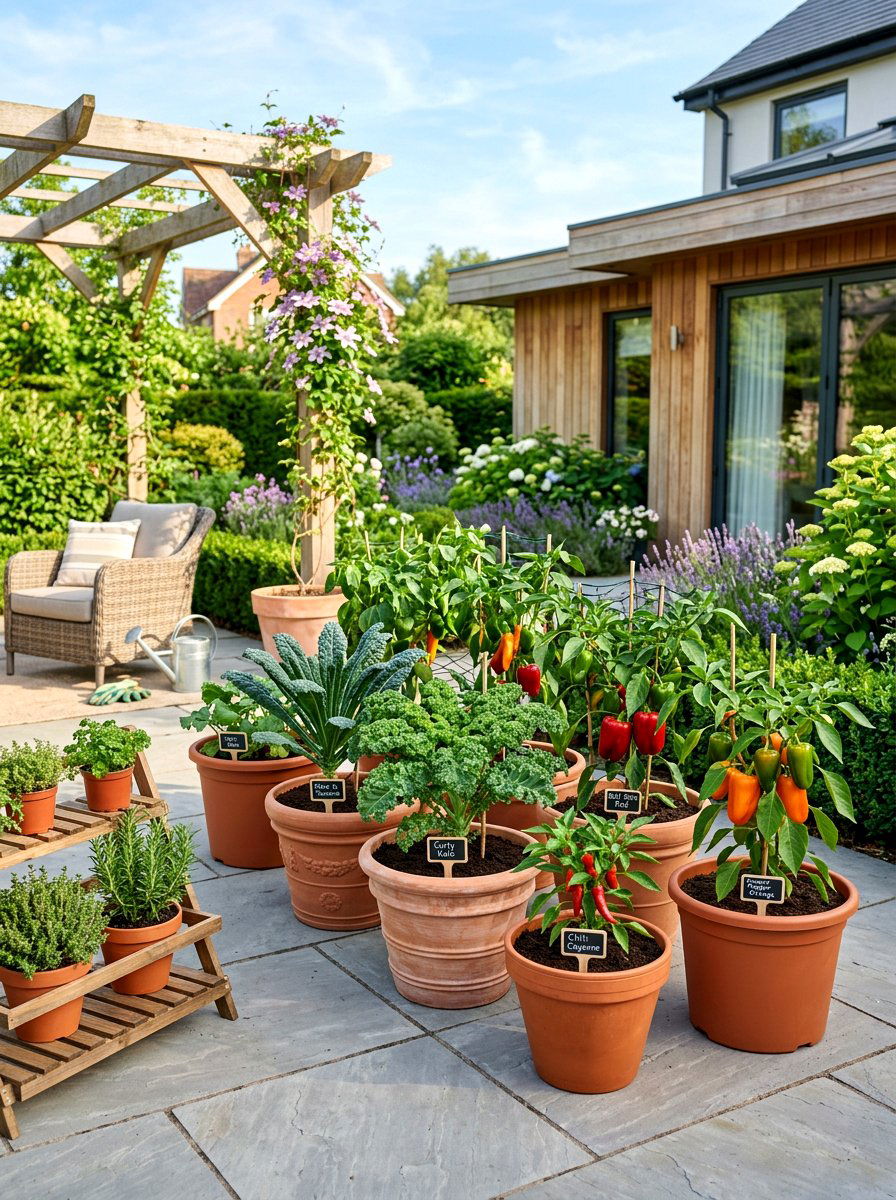
Utilizing miscellaneous containers is a smart way to begin a garden without committing to a permanent landscape change or expensive stone masonry. You can use old plastic storage bins, large nursery pots, or even heavy-duty bags to house your vegetables on a patio or deck. The flexibility of container gardening allows you to move your plants to follow the sun or protect them from harsh weather conditions. To ensure success, make sure every container has adequate drainage holes drilled into the bottom to prevent root rot. Growing in containers also allows you to use specific potting mixes tailored to the needs of each plant, ensuring maximum nutrient absorption.
4. Seed Starting Setup
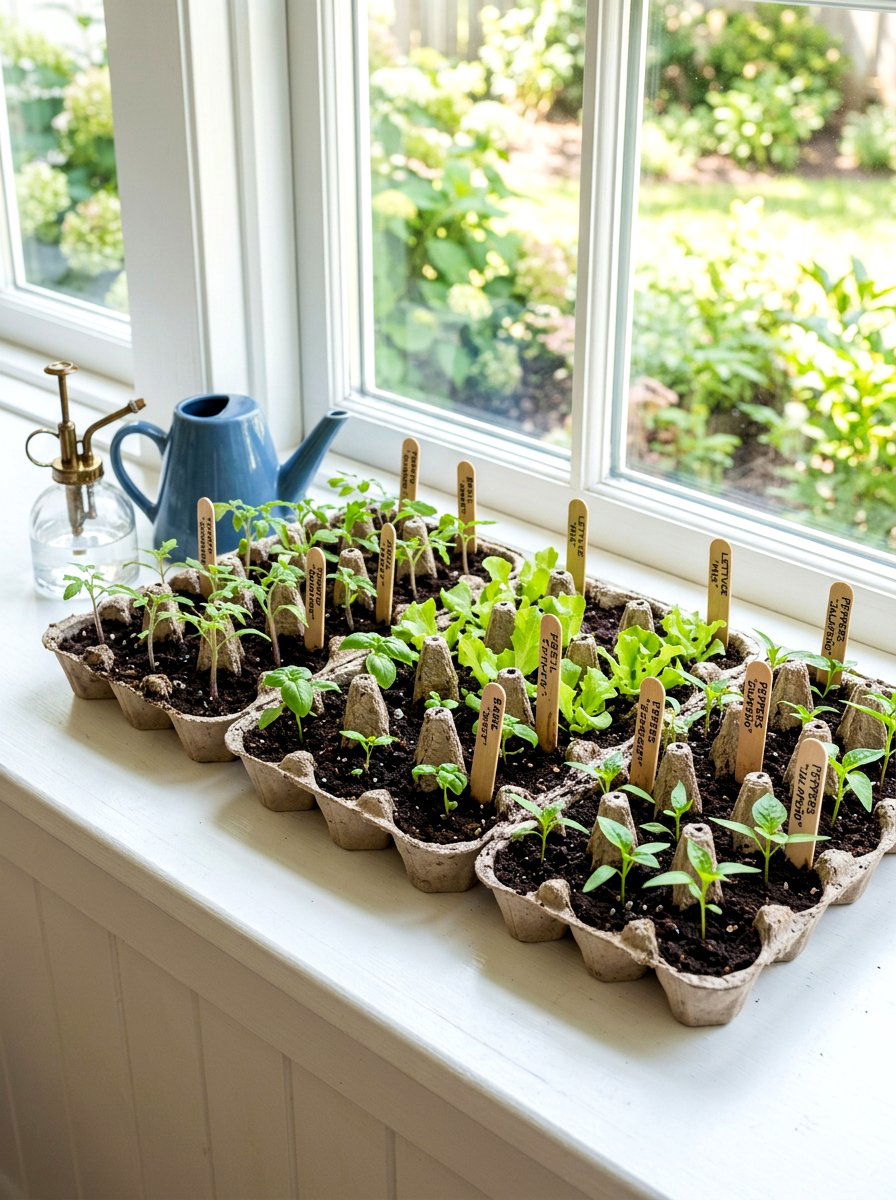
Buying established plants from a nursery can become expensive, but starting your own vegetables from seeds is a highly cost-effective alternative. You can create a simple indoor setup using recycled egg cartons, yogurt cups, or newspaper pots to house your tiny seedlings. A sunny windowsill often provides enough light to get your plants started before the outdoor growing season officially begins. By choosing heirloom or organic seeds, you can even save seeds from your own harvest to use for the following year. This self-sustaining cycle eliminates the need to purchase new starts every spring, saving you a significant amount of money over time.
5. Cinder Block Vegetable Garden
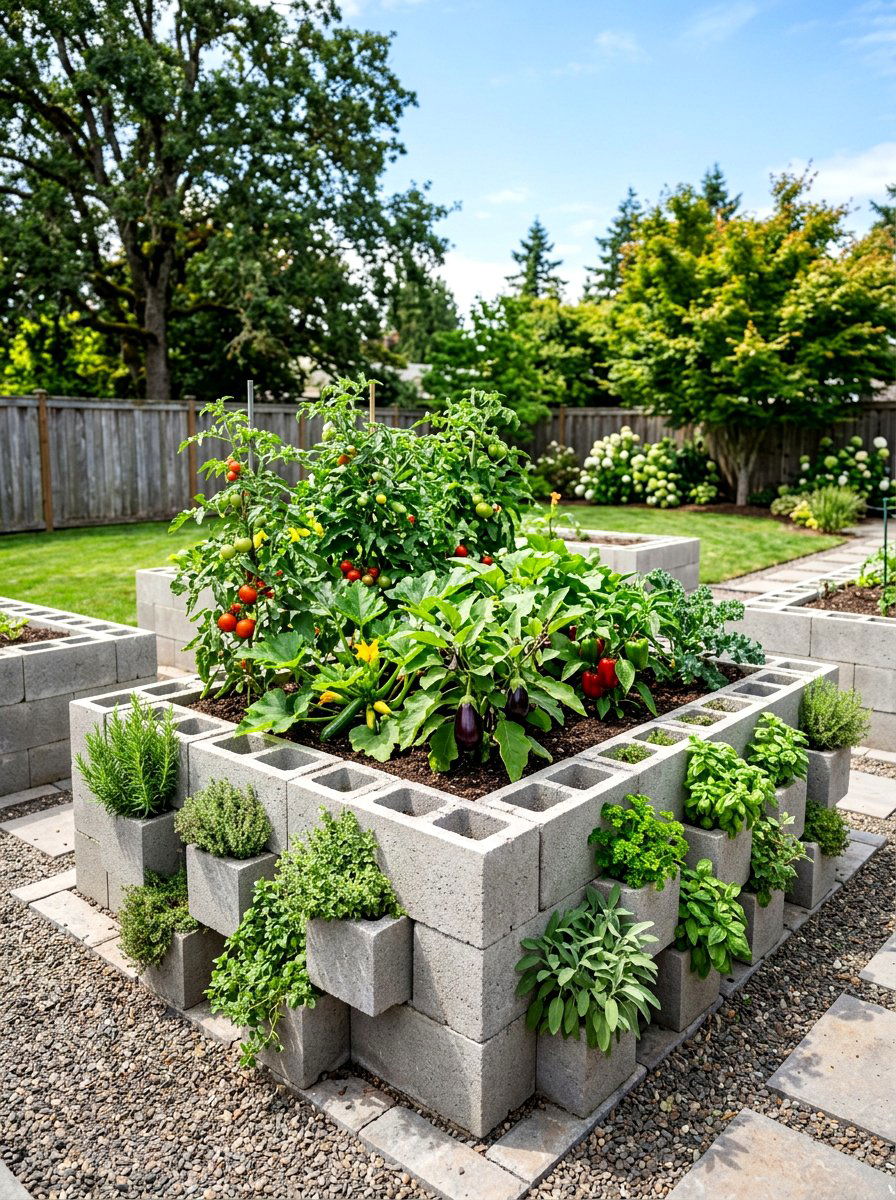
Concrete cinder blocks are incredibly affordable and provide a sturdy, modular way to build a functional and modern-looking vegetable garden in your yard. You can stack these blocks to create raised beds of any height or configuration that perfectly fits your available outdoor space. The hollow centers of the blocks serve as individual planting pockets, which are ideal for growing small herbs or trailing flowers to attract pollinators. This layout is perfect for maintaining organized rows and makes it easy to reach every plant without stepping on the soil. The heavy blocks also absorb heat during the day, keeping the soil warmer during cooler spring nights.
6. Straw Bale Vegetable Garden
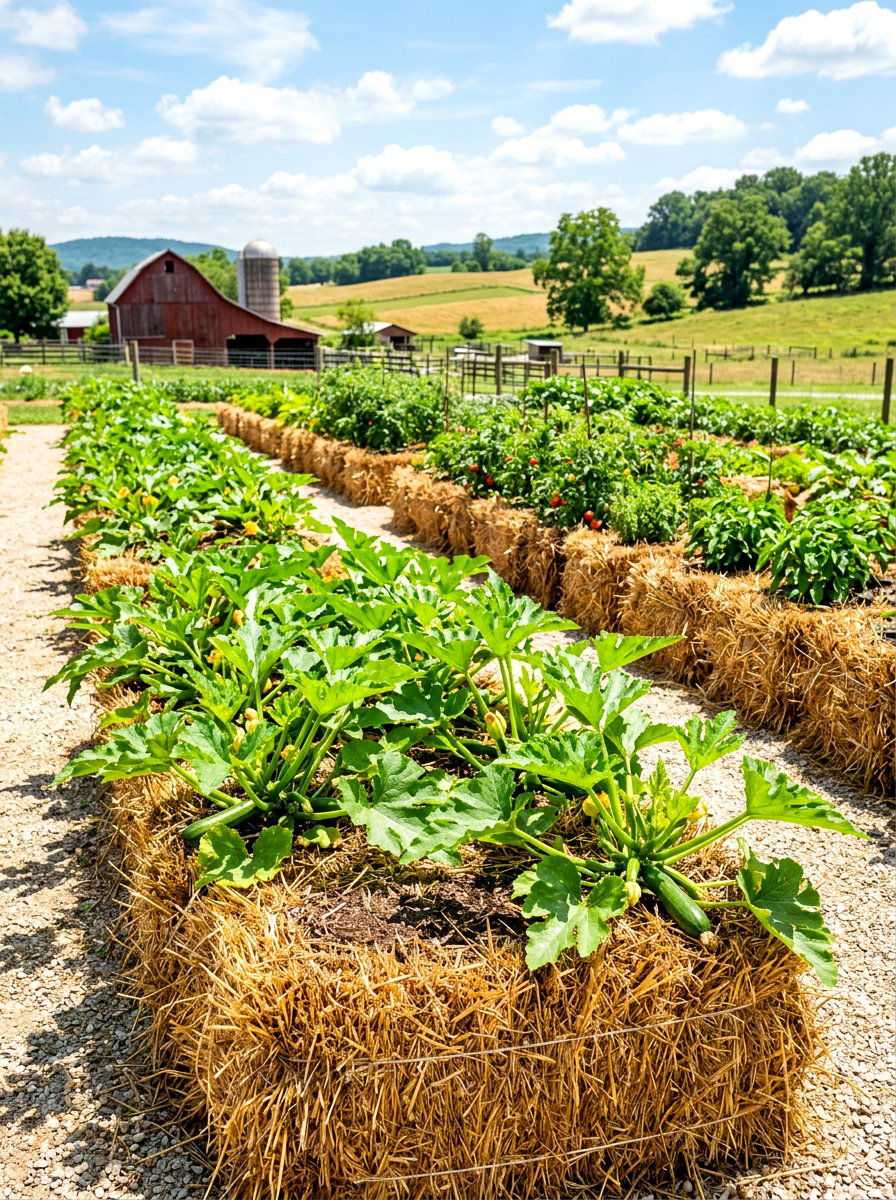
Conditioning straw bales to act as a growing medium is a unique and low-cost method that completely eliminates the need for digging. This technique is particularly useful if you have poor soil quality or heavy clay that is difficult to work with by hand. As the straw slowly decomposes, it releases nutrients and generates heat, which can actually help your vegetables grow faster in the early season. You can plant everything from zucchini to potatoes directly into the top of the bale once it has been properly prepped. At the end of the year, the spent straw becomes excellent mulch or compost for your other garden areas.
7. Herb Spiral Garden
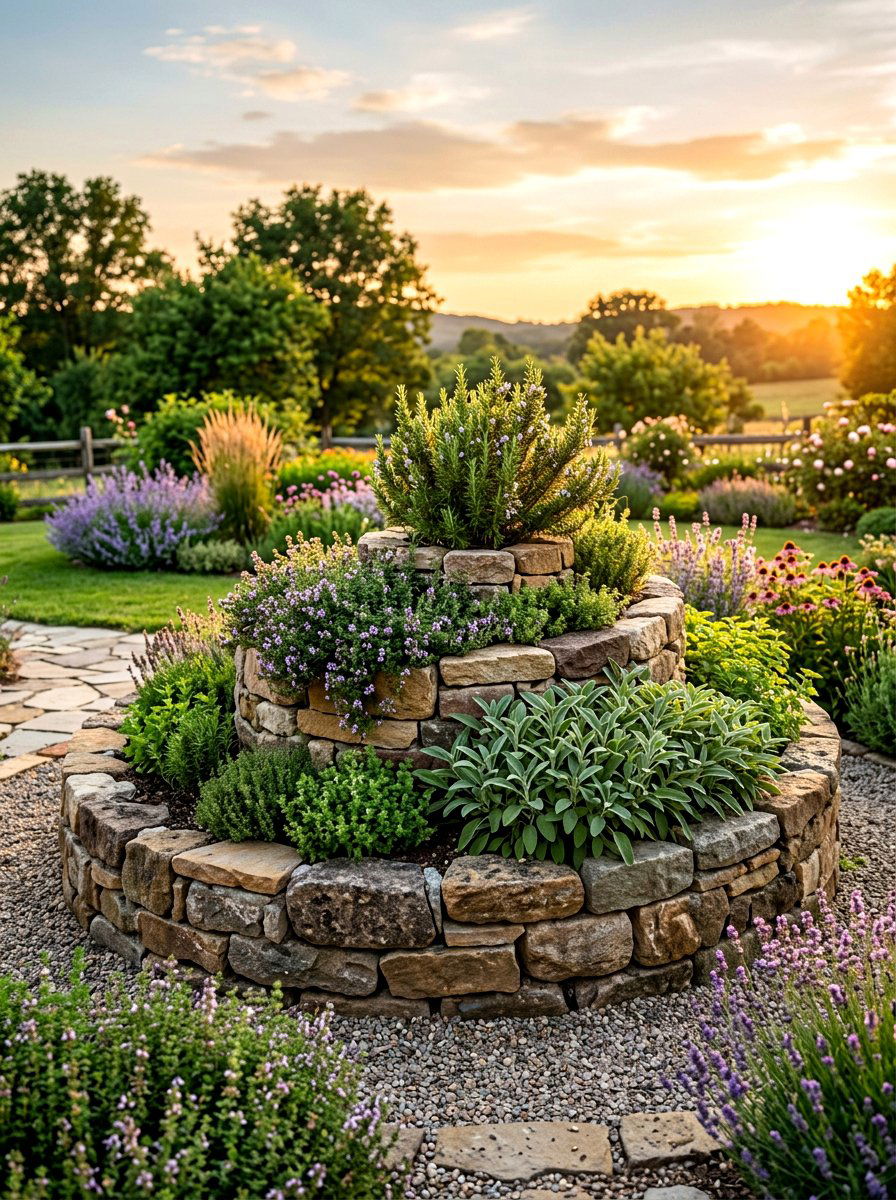
Designing a spiral herb garden allows you to grow a wide variety of culinary plants in a very small footprint using leftover stones. The vertical nature of the spiral creates different microclimates, with the top being dryer for Mediterranean herbs and the bottom staying more moist for others. This architectural feature adds visual interest to your landscape while keeping your most-used herbs conveniently located near the kitchen door. You can build the structure using scavenged rocks, old bricks, or even broken pieces of concrete found around your property. It is a highly productive design that utilizes gravity to distribute water evenly throughout the entire circular system.
8. Vertical Vegetable Trellis
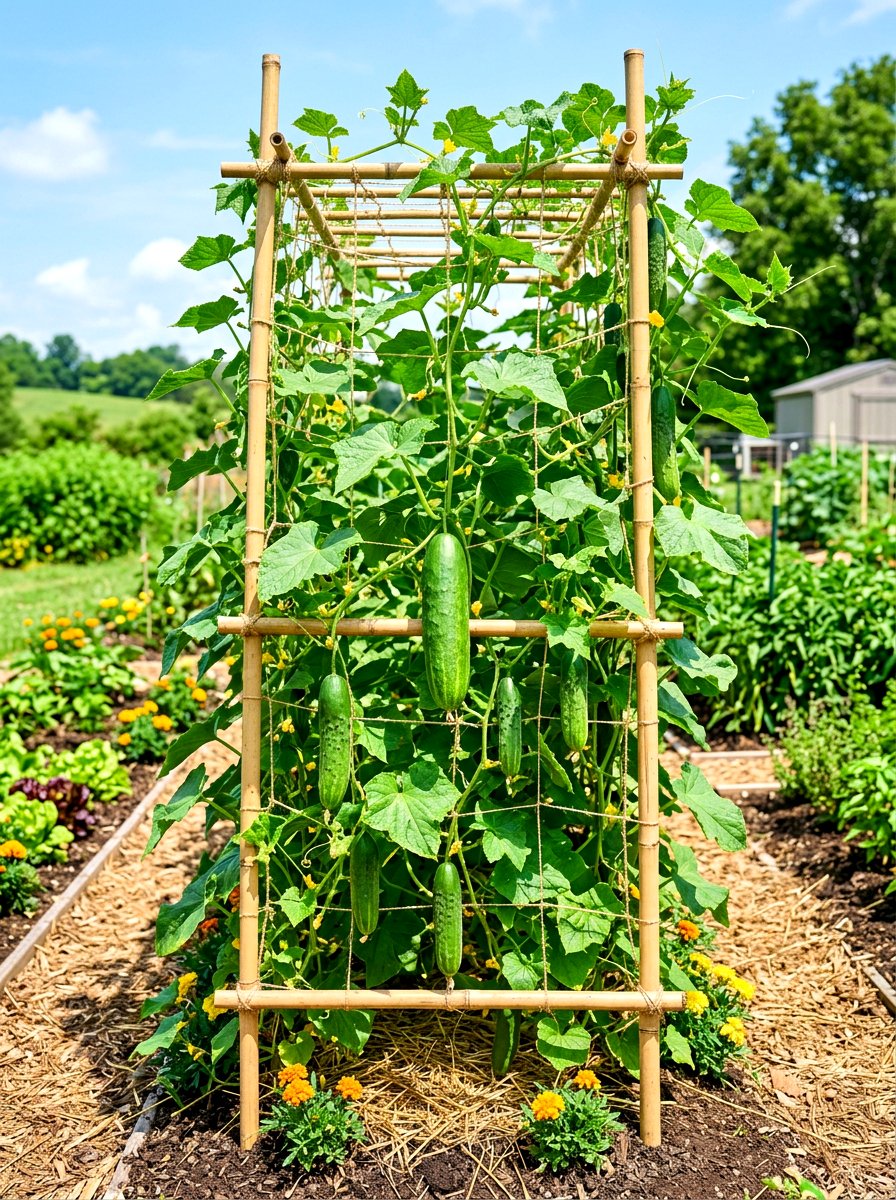
Installing a vertical trellis is a clever way to expand your growing area by encouraging vining plants to grow upward instead of outward. You can construct a budget-friendly trellis using bamboo poles, cattle panels, or even simple twine strung between two wooden stakes. This method is perfect for growing cucumbers, pole beans, and small melons, as it keeps the fruit off the ground and improves air circulation. Better airflow significantly reduces the chances of powdery mildew and other common fungal issues that often plague ground-growing vines. Additionally, harvesting becomes much easier when your produce is hanging at eye level rather than hidden under dense foliage.
9. Window Box Vegetable Garden
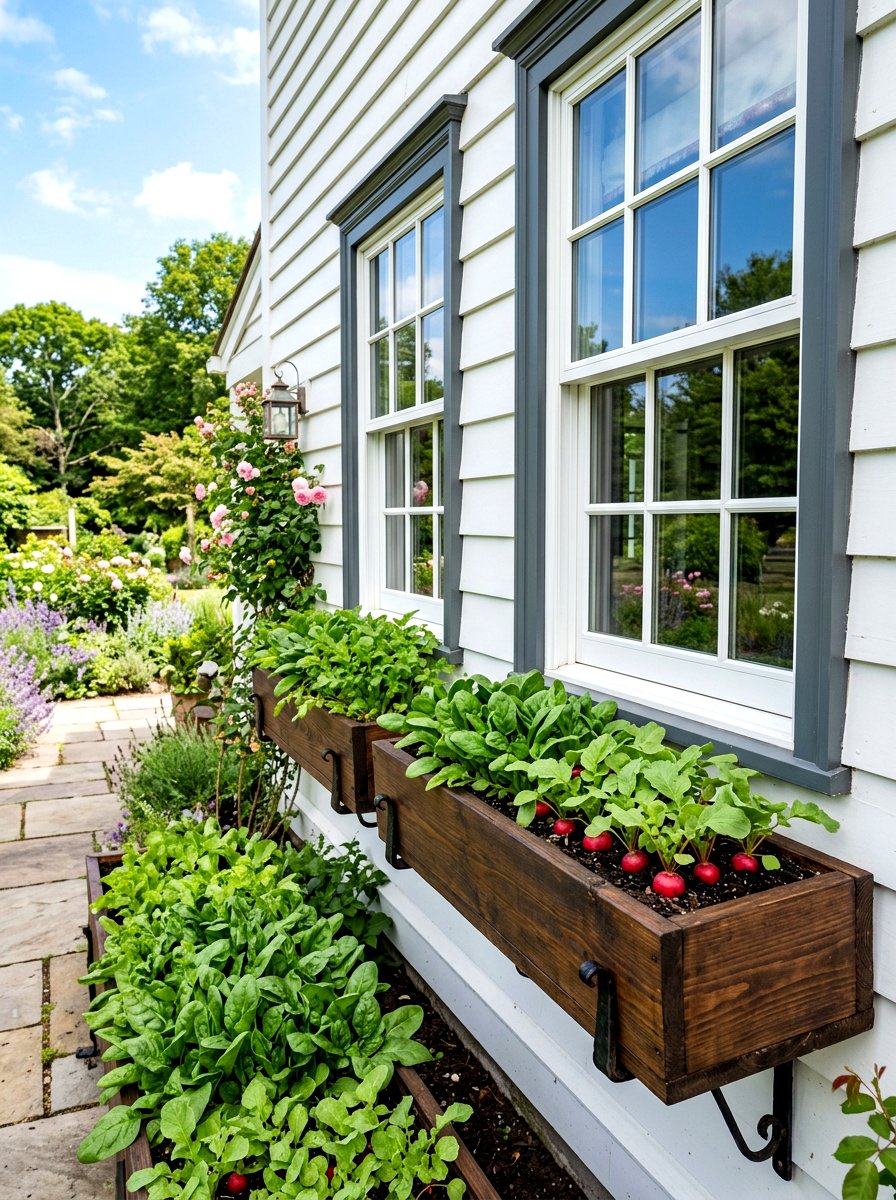
Small-scale gardening is easily achieved by attaching simple window boxes to your home’s exterior or placing them on a narrow apartment balcony. These compact planters are perfect for growing "cut and come again" salad greens, radishes, and various compact herb varieties for daily use. You can often find affordable window boxes at thrift stores or build your own using cedar fence pickets for just a few dollars. Keeping your vegetables close to the house makes it much more likely that you will harvest them regularly and notice any pest issues early. It is an excellent way to add edible greenery to even the most urban environments.
10. Shoe Organizer Vegetable Garden
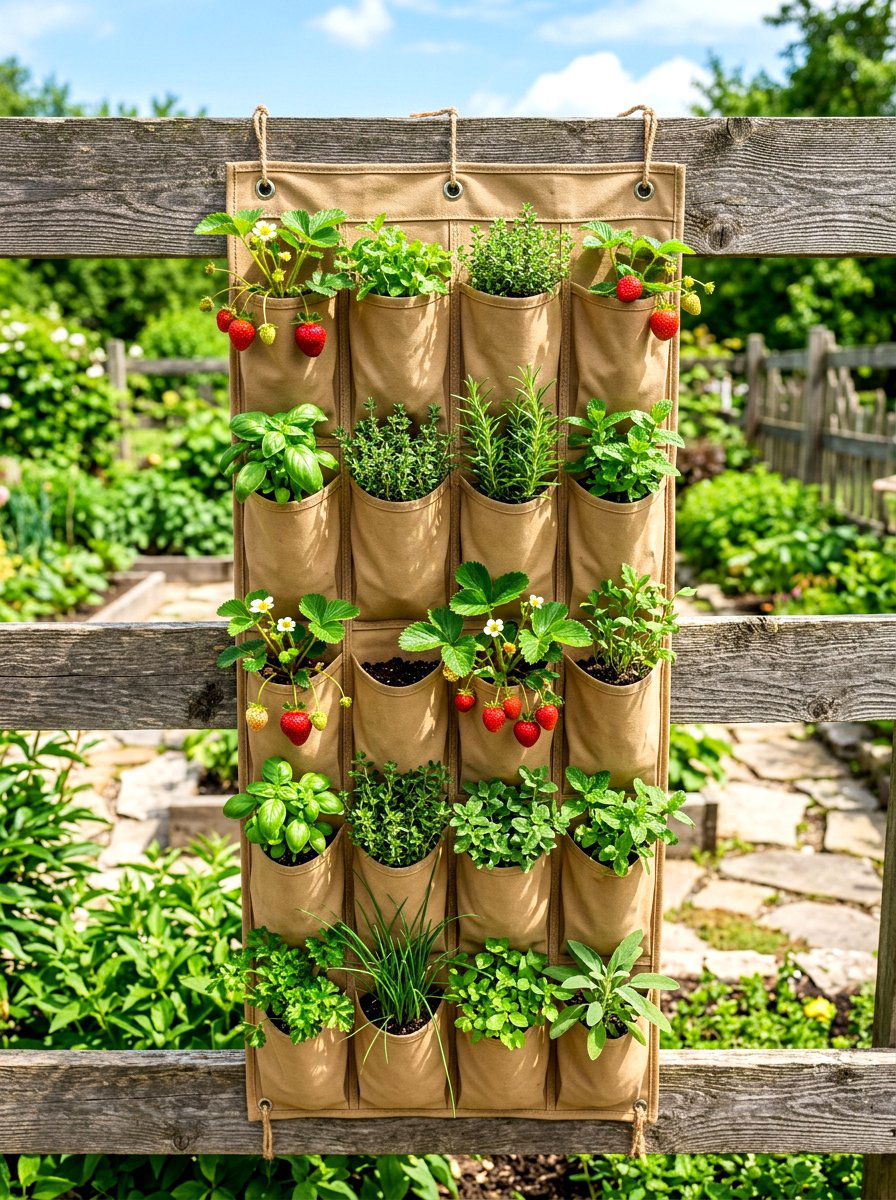
Repurposing an over-the-door fabric shoe organizer is a viral gardening hack that provides a vertical home for dozens of small vegetable plants. The individual pockets are the perfect size for growing loose-leaf lettuce, strawberries, and various herbs without taking up any floor space. You can hang the organizer on a sunny fence or a sturdy wall where it can receive at least six hours of light. Be sure to use a fabric version that allows for proper drainage and aeration so the roots do not become waterlogged and rot. This setup is particularly popular for families as it places the plants at a reachable height for children.
11. Self Watering Vegetable Planter
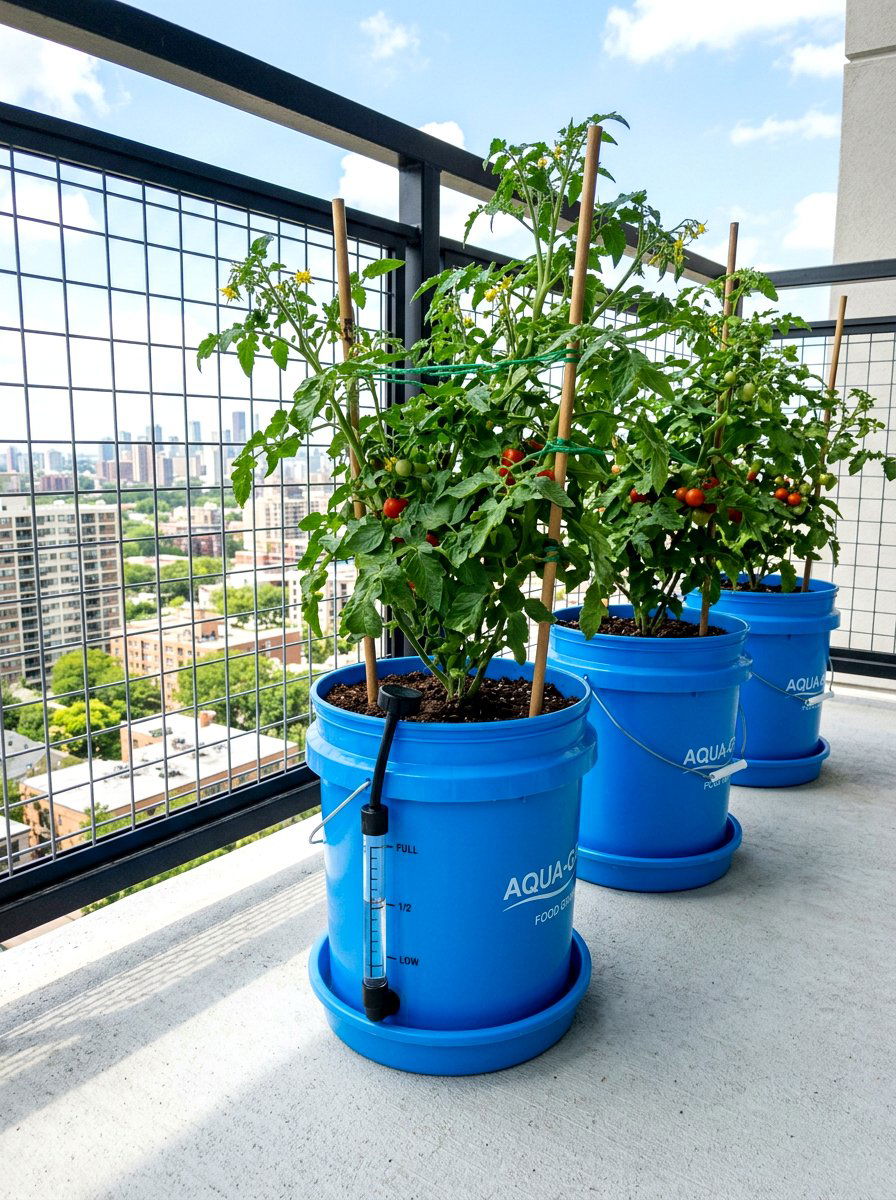
Creating a self-watering system from recycled plastic buckets is a brilliant way to ensure your vegetables stay hydrated during the hottest summer days. By using a two-bucket system, you create a reservoir at the bottom that wicks moisture up into the soil as the plant needs it. This constant supply of water prevents the stress that often leads to blossom end rot in tomatoes and bitter flavors in cucumbers. You can often source five-gallon buckets for free from local bakeries or restaurants, making this an almost zero-cost project. It is the perfect solution for busy gardeners who might forget to water their plants every single day.
12. Backyard Compost Bin
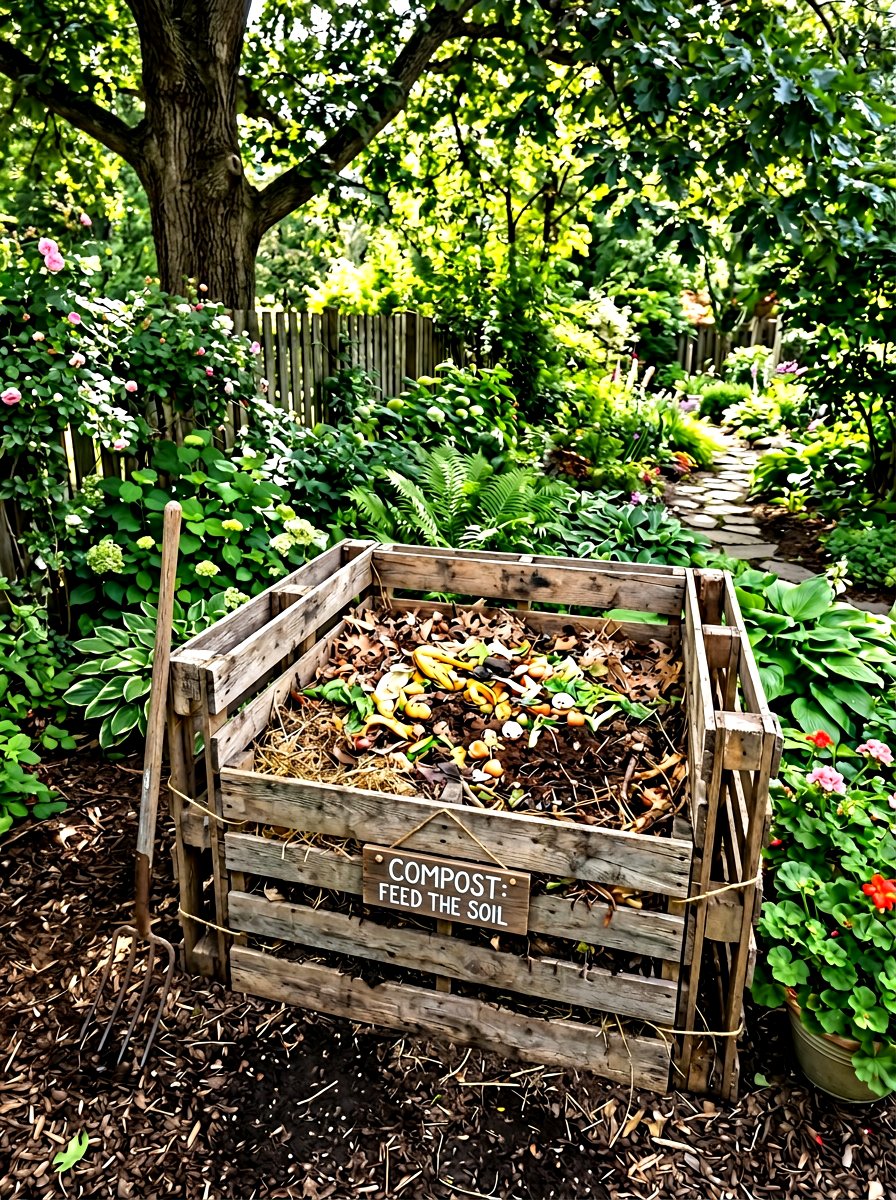
One of the most effective ways to save money in the garden is by making your own nutrient-rich soil using a DIY compost bin. Instead of buying expensive bagged fertilizers, you can turn your kitchen scraps and yard waste into "black gold" for your vegetable plants. A simple bin can be constructed from old wooden pallets, wire mesh, or even a large plastic trash can with holes drilled in it. Composting reduces your household waste while providing a sustainable source of organic matter that improves soil structure and moisture retention. Regularly adding this compost to your garden beds will result in healthier plants and much higher yields.
13. Grow Bag Vegetable Garden
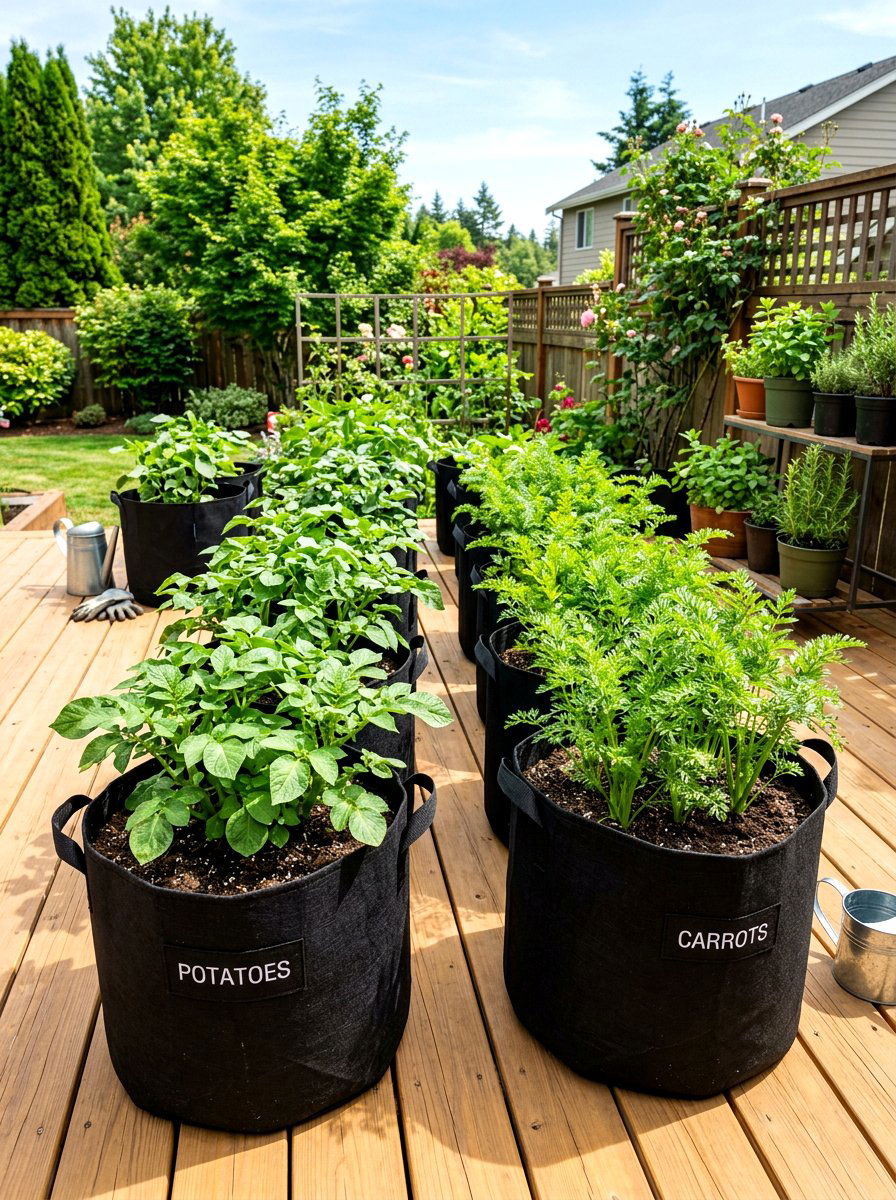
Fabric grow bags are an affordable and portable alternative to traditional ceramic pots, offering excellent root aeration and preventing plants from becoming root-bound. These breathable bags are perfect for growing root crops like potatoes and carrots, as they allow for easy harvesting by simply emptying the bag. You can purchase these bags in bulk or even make your own using heavy-duty landscape fabric and a basic sewing machine. Because they are lightweight, you can easily rearrange your garden layout to take advantage of shifting sunlight patterns throughout the growing season. When the winter arrives, they can be emptied, folded, and stored in a very small space.
14. Hanging Vegetable Garden
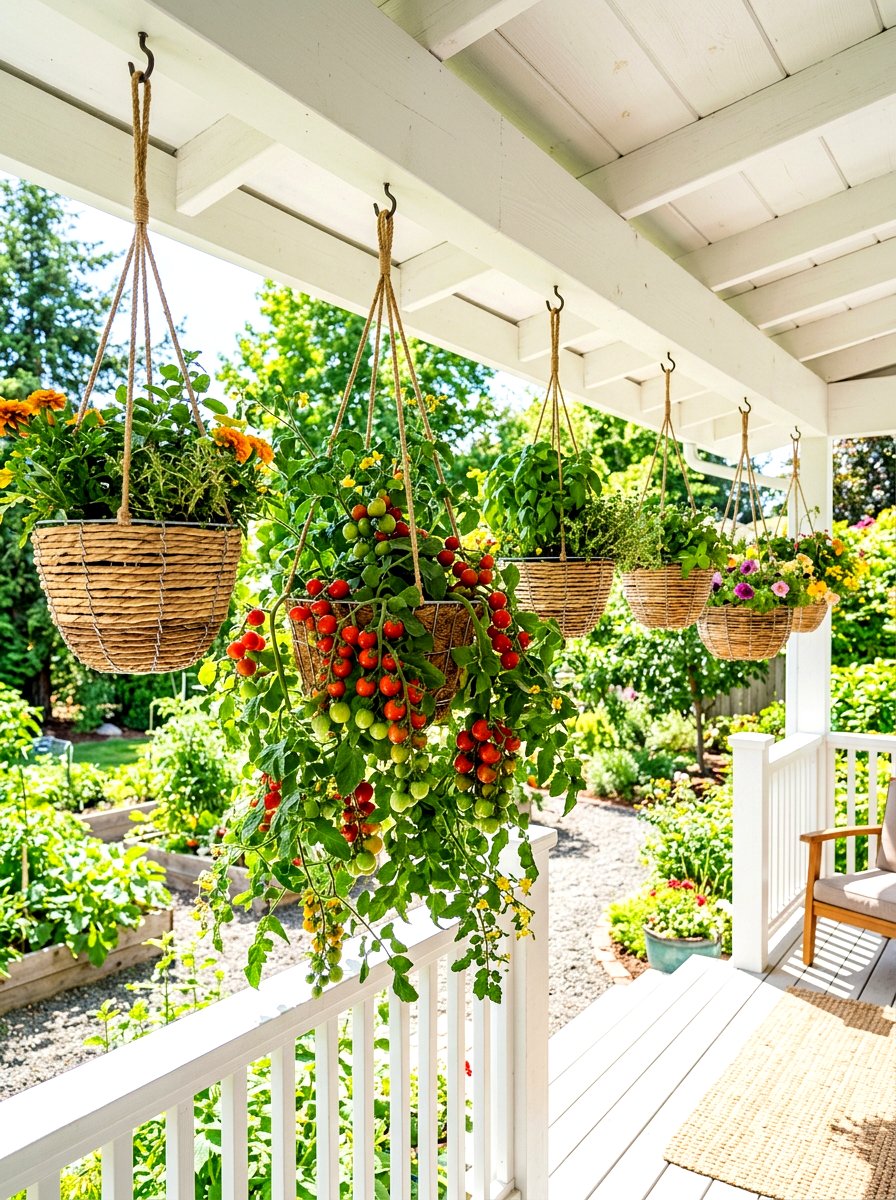
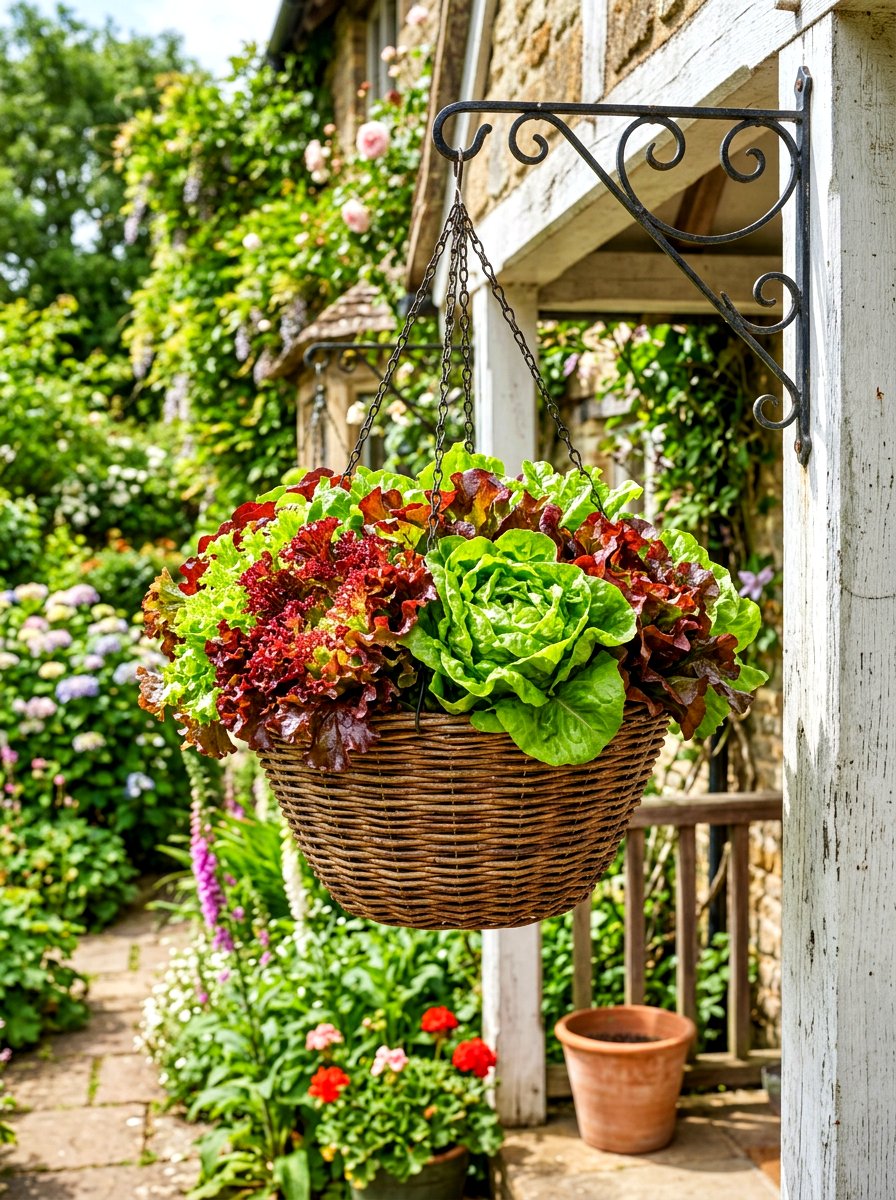
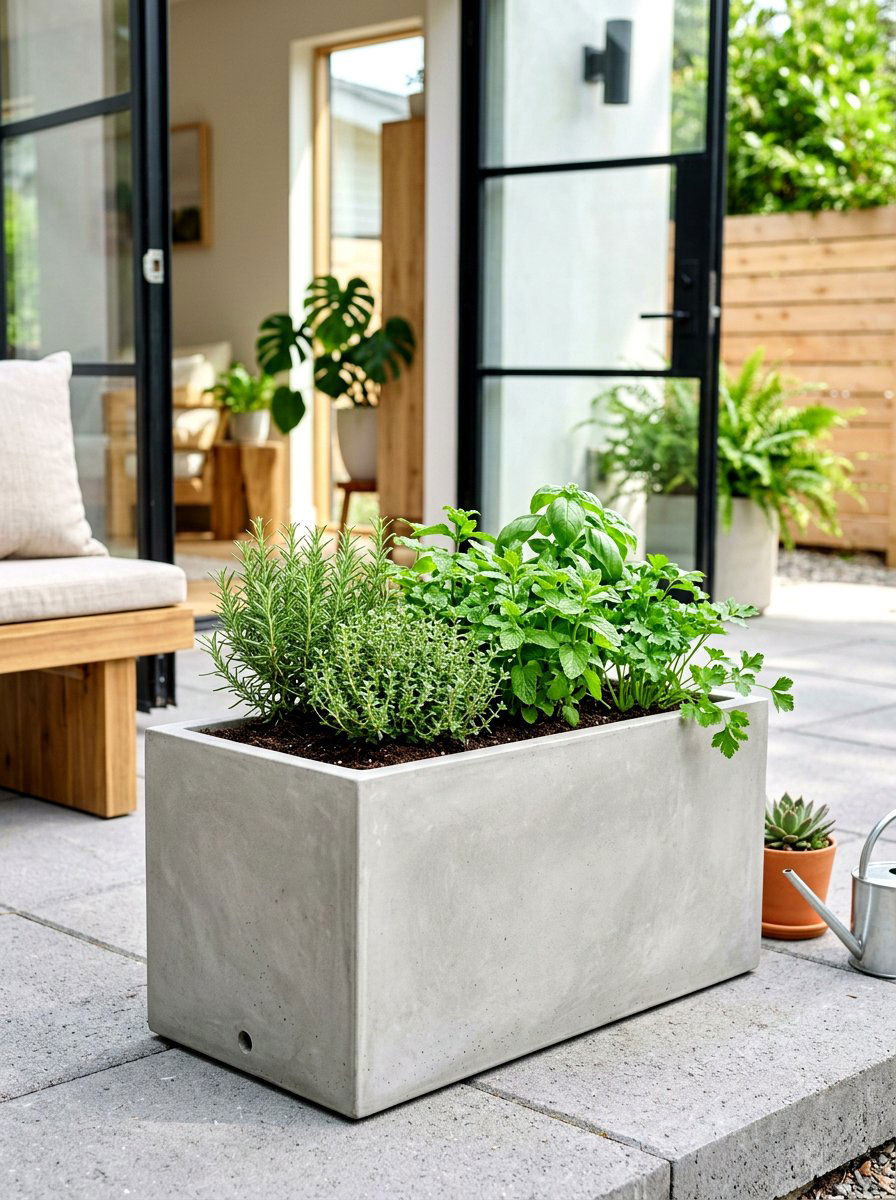
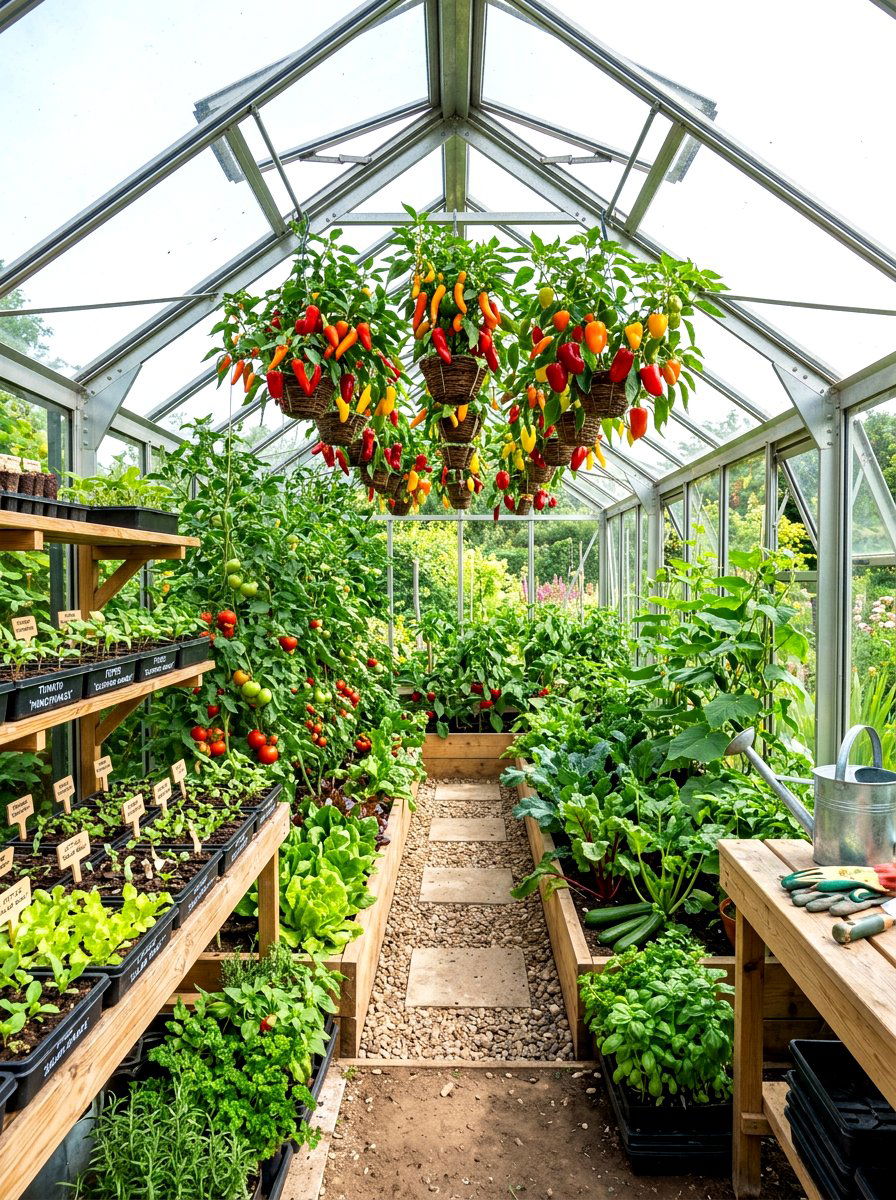
Utilizing the air space above your patio or porch with hanging baskets is a great way to grow cherry tomatoes and peppers. Many varieties of small vegetables are specifically bred for hanging containers, featuring a trailing habit that looks beautiful while remaining highly productive for the kitchen. Hanging your plants keeps them away from many common pests like slugs and rabbits that often feast on ground-level gardens. This method also takes advantage of vertical space that would otherwise go unused, making it ideal for those with tiny outdoor areas. Just remember to check the moisture levels frequently, as hanging baskets tend to dry out faster than ground-level pots.
15. Kiddie Pool Vegetable Garden
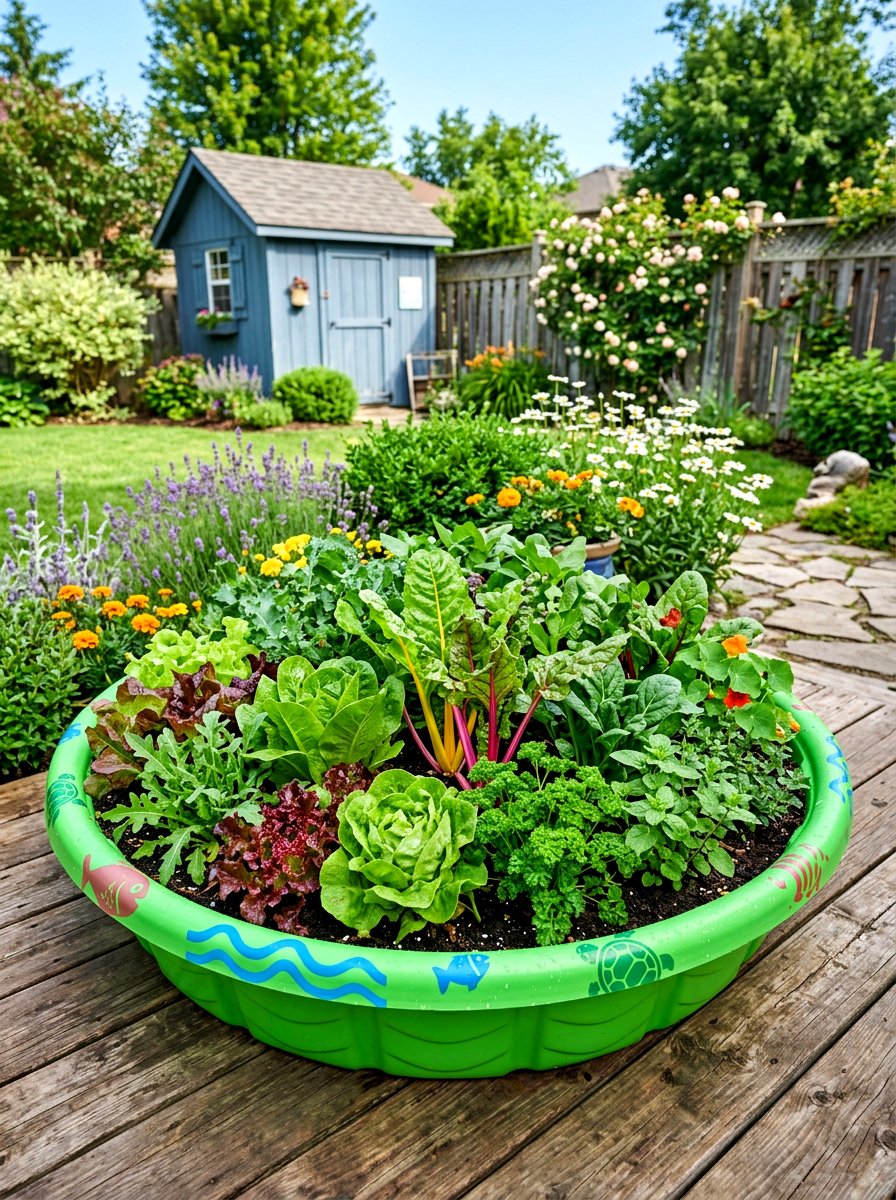
An old plastic kiddie pool can be easily converted into a large, shallow raised bed that is perfect for growing greens and herbs. This is one of the most cost-effective ways to create a large planting area, as these pools are often found for free or cheap. Simply drill several drainage holes in the bottom and fill the pool with a mix of garden soil and compost for the best results. The wide, circular shape provides plenty of room for a diverse range of shallow-rooted vegetables like spinach, arugula, and green onions. It is a whimsical yet practical solution that works well on both grass and concrete surfaces.
16. Gutter Vegetable Garden
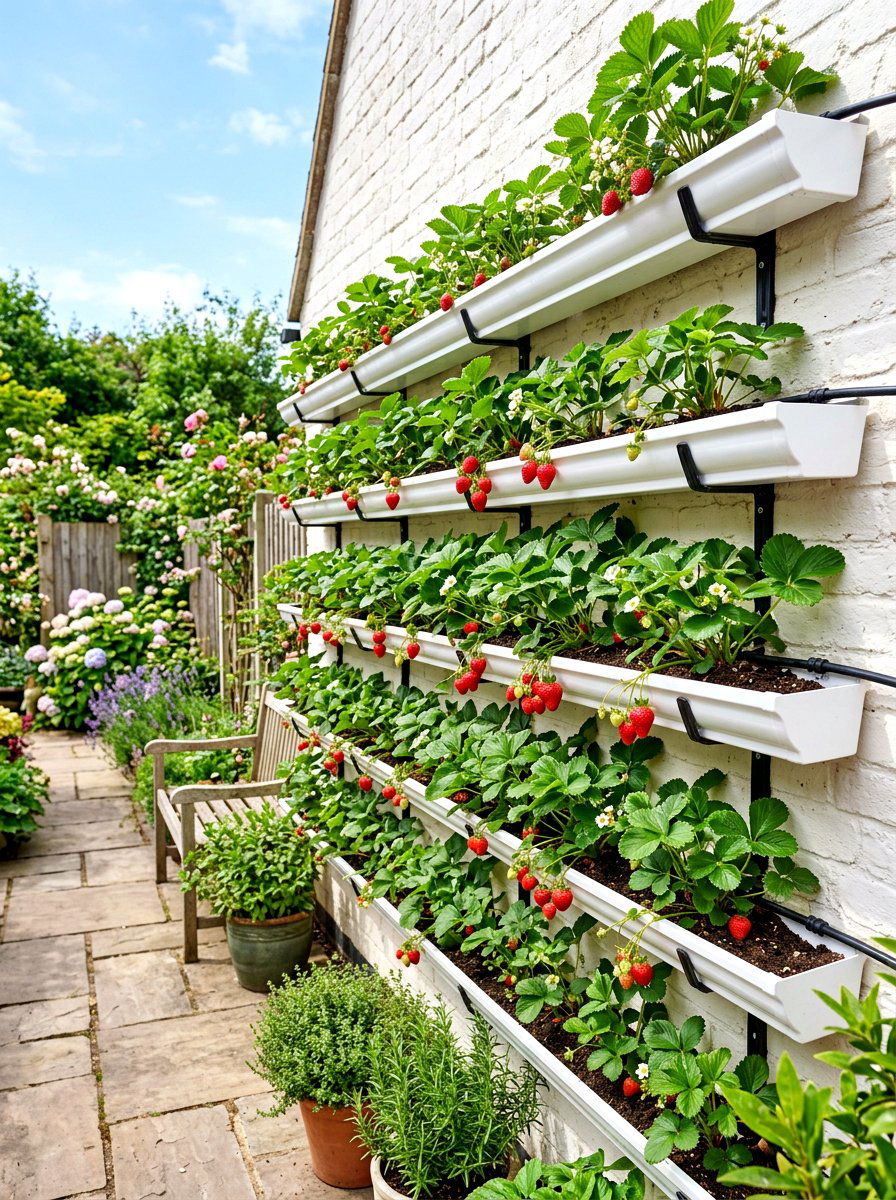
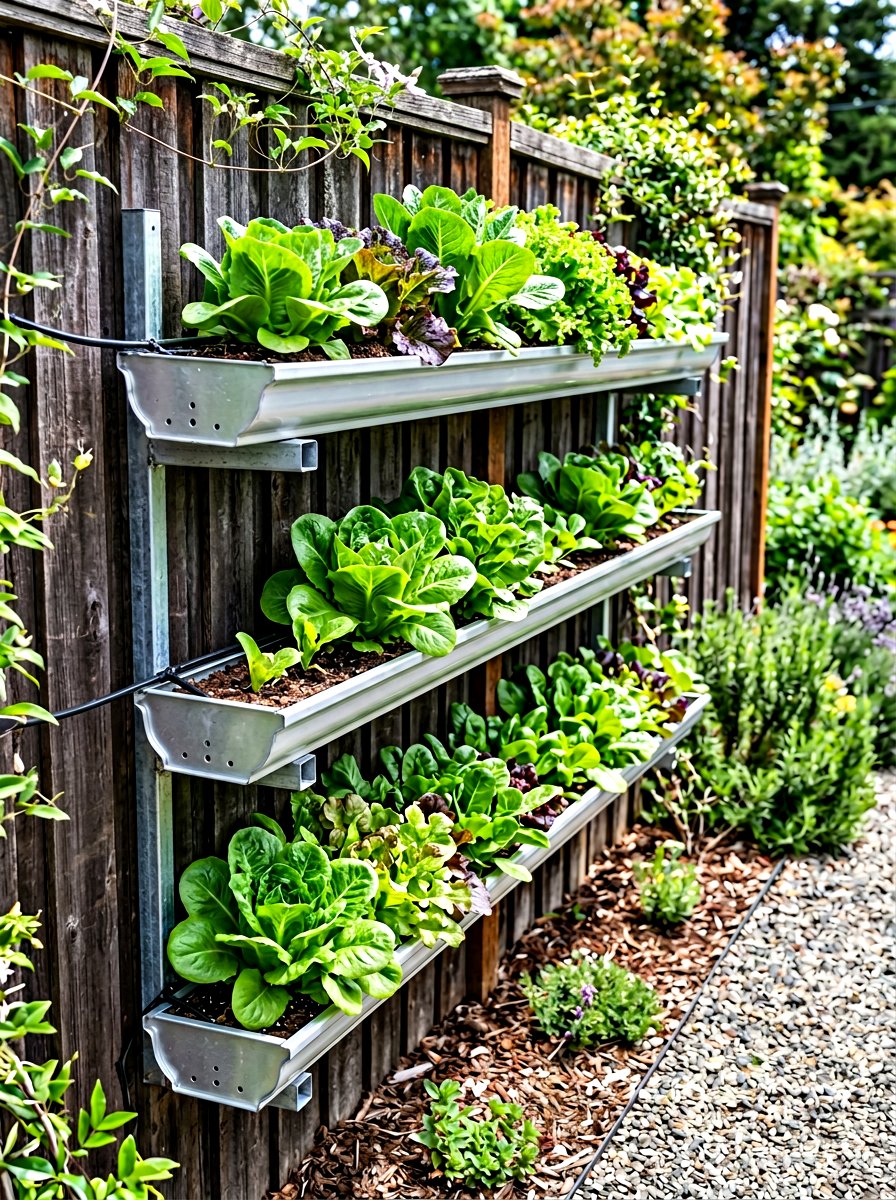
Mounting sections of vinyl or aluminum rain gutters to a sunny wall or fence creates a sleek and space-saving vegetable garden. These long, narrow troughs are ideal for growing shallow-rooted crops like strawberries, lettuce, and small herbs in a very organized fashion. You can stack multiple rows of gutters vertically to create a productive living wall that produces a surprisingly large amount of food for its size. This setup is easy to water and harvest since the plants are elevated and neatly arranged in a line. It is a modern-looking DIY project that adds a professional touch to your outdoor space without a high price tag.
17. Five Gallon Bucket Garden
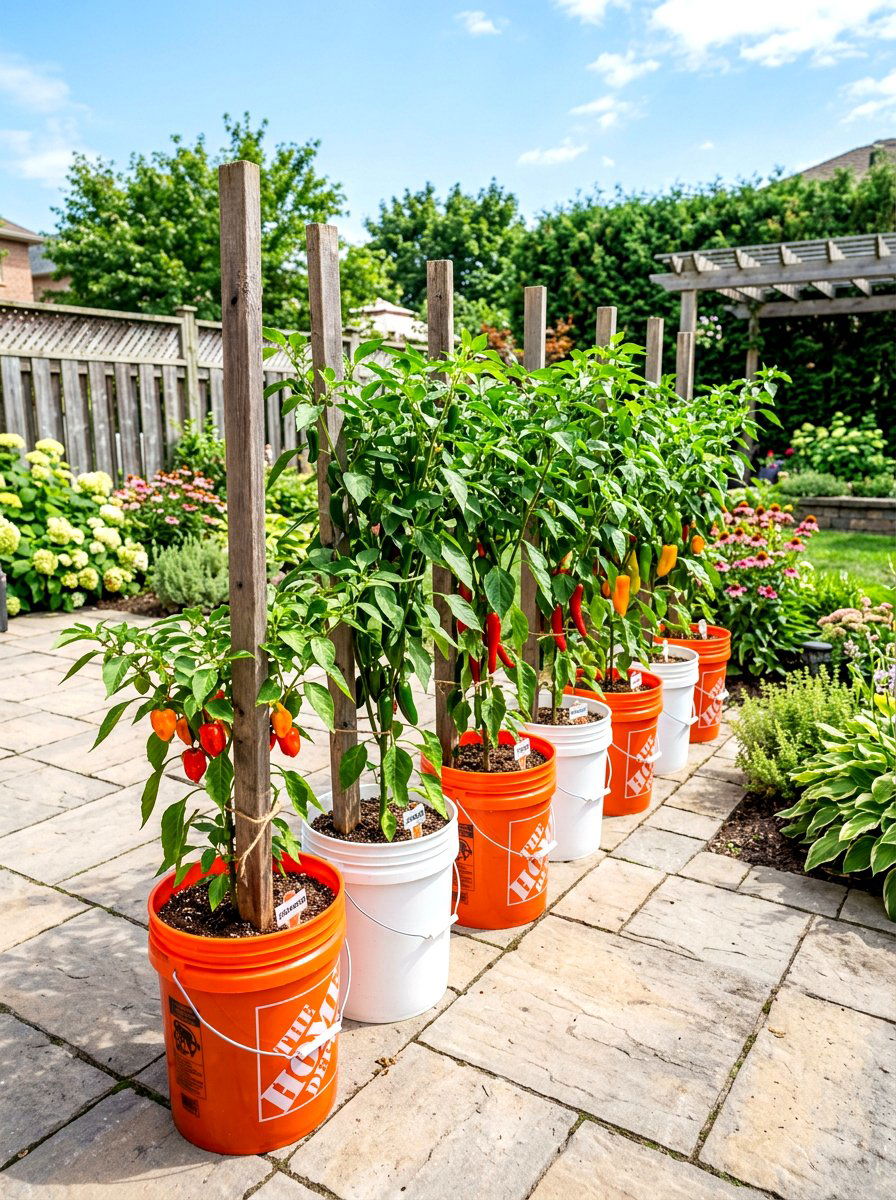
Using standard five-gallon buckets is a classic and highly effective way to grow large vegetable plants like tomatoes, eggplants, and peppers individually. These buckets are durable, easy to move, and provide plenty of depth for healthy root development in a controlled environment. You can often find these containers for free or at a very low cost at home improvement stores or local food businesses. Adding a layer of mulch to the top of the soil helps retain moisture and prevents the soil from splashing onto the leaves during watering. This simple approach is perfect for beginners who want to try their hand at gardening without a large initial investment.
18. Wicking Bed Vegetable Garden
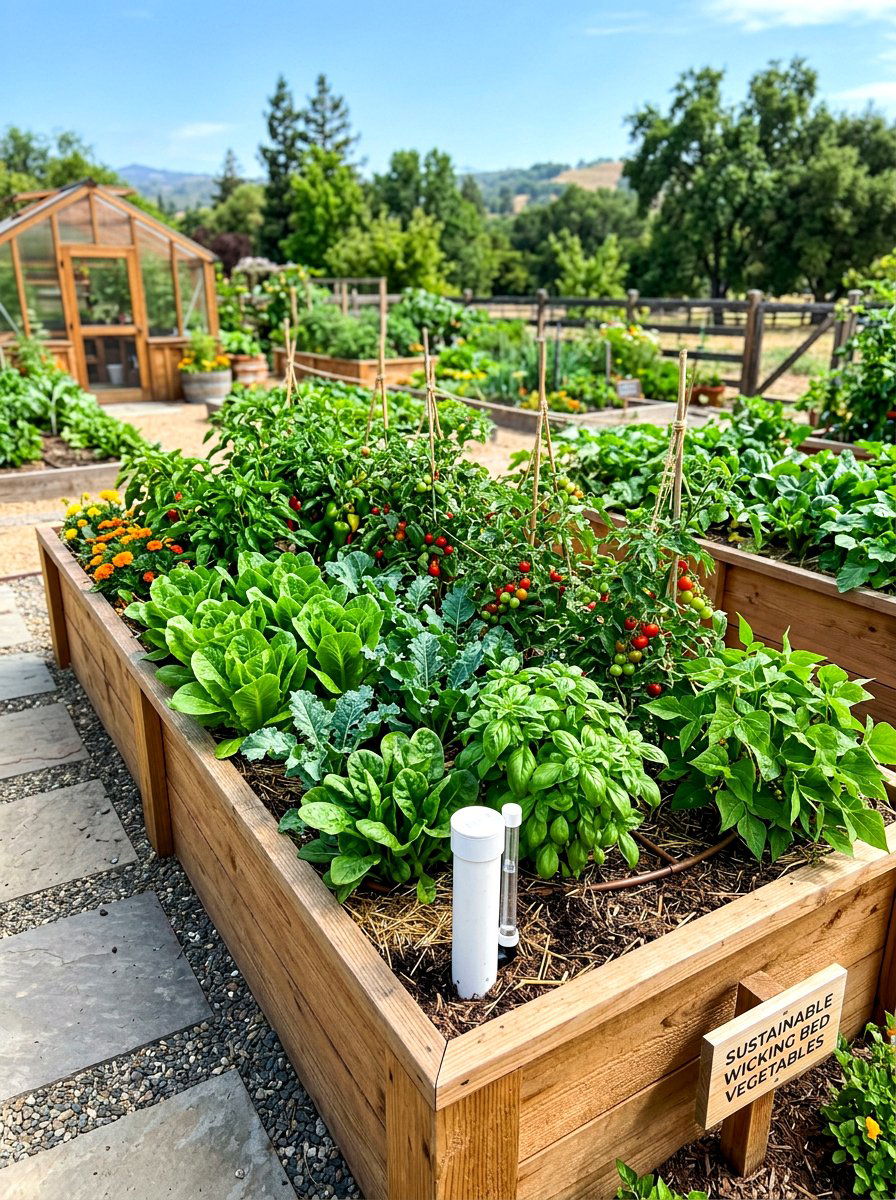
A wicking bed is a high-efficiency garden system that uses an underground reservoir to provide water directly to the roots of your plants. This design is incredibly effective in dry climates as it minimizes evaporation and ensures that your vegetables have a consistent moisture supply. You can build these beds using large plastic liners, old bathtubs, or repurposed shipping crates fitted with a waterproof membrane. While it requires a bit more effort to set up initially, the long-term water savings and reduced maintenance make it a very smart budget choice. It is a self-contained system that helps your garden thrive even during a period of drought.
19. In Ground Vegetable Bed
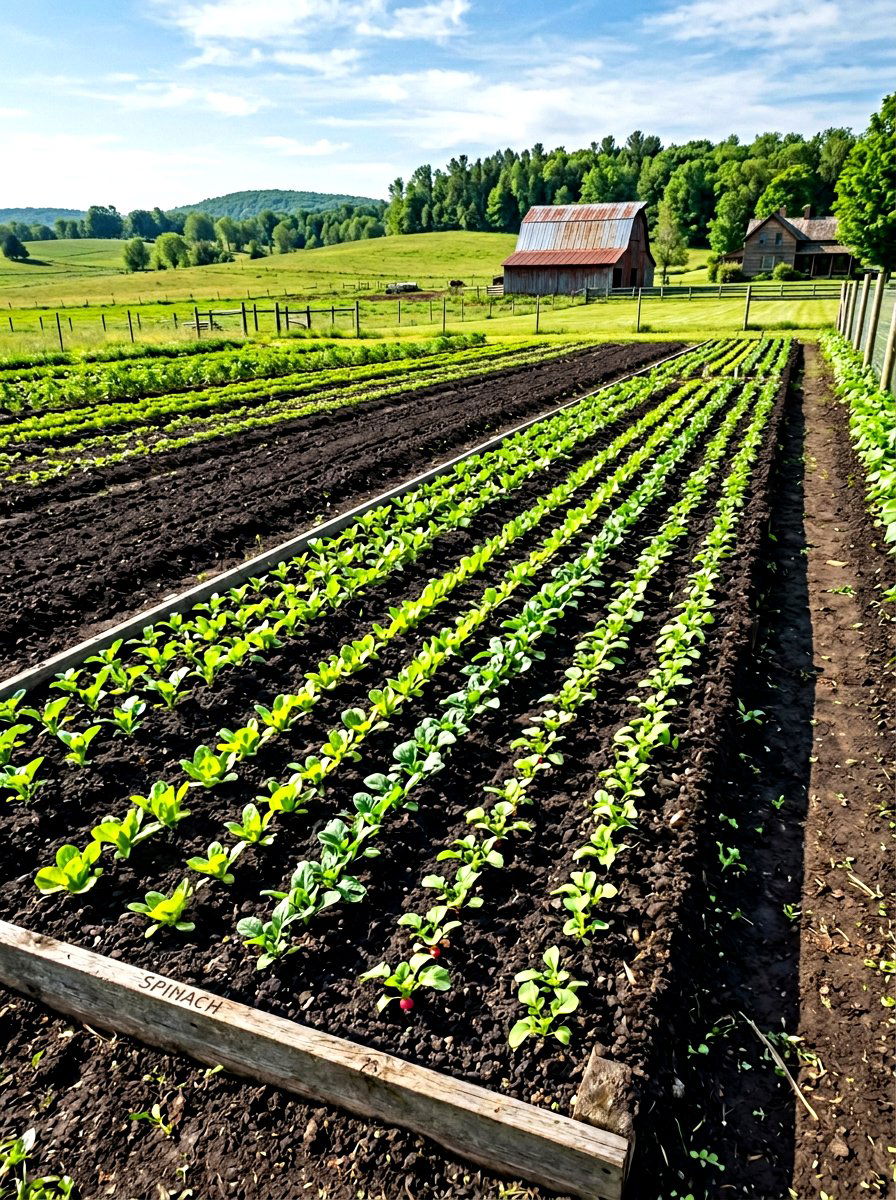
The most traditional and budget-friendly way to start a garden is simply by preparing a patch of earth directly in your backyard. By removing the grass and tilling in organic matter, you create a natural growing space that costs nothing more than a bit of physical labor. In-ground beds allow for deep root penetration and utilize the natural minerals present in your local soil without the need for expensive frames. You can define the edges of your garden using found materials like logs, stones, or even a simple trench to keep the lawn at bay. This method is highly scalable and allows you to expand your garden each year.
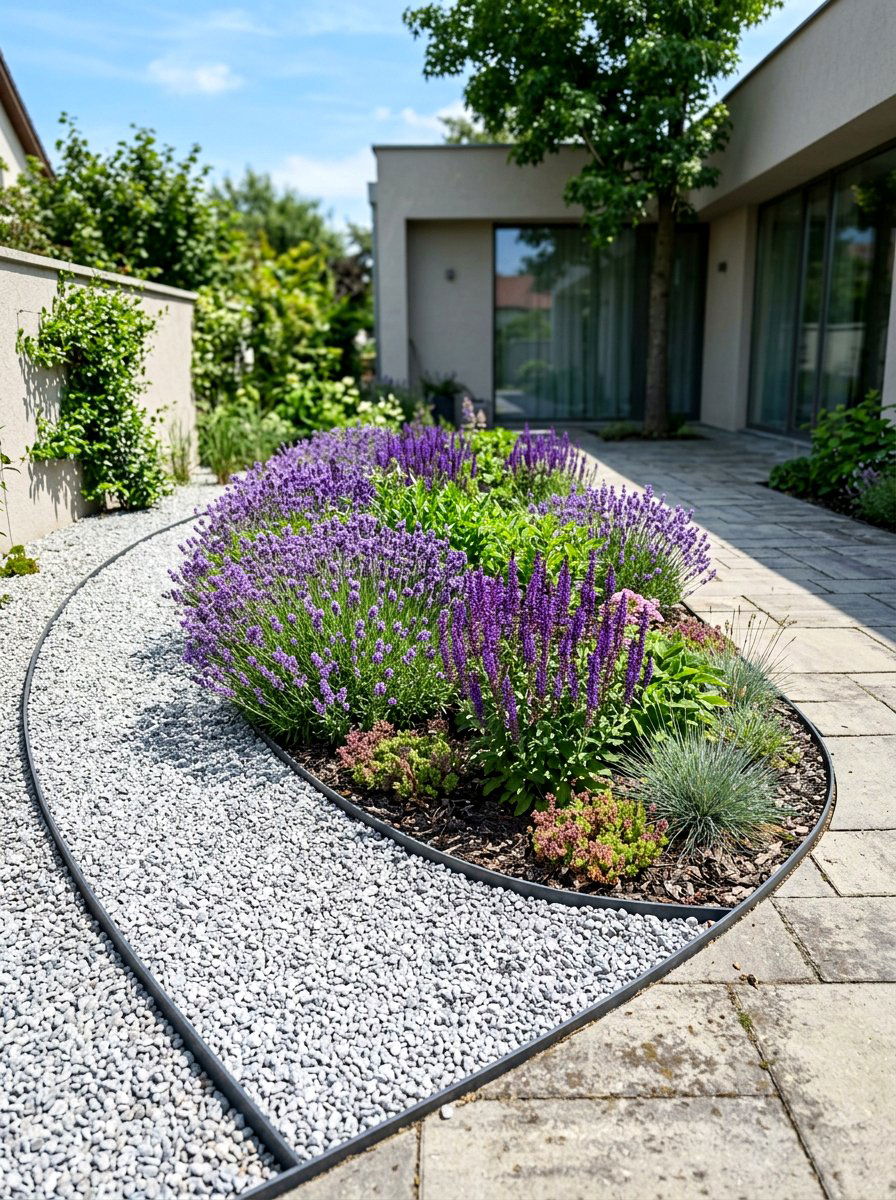

20. Lasagna Vegetable Garden
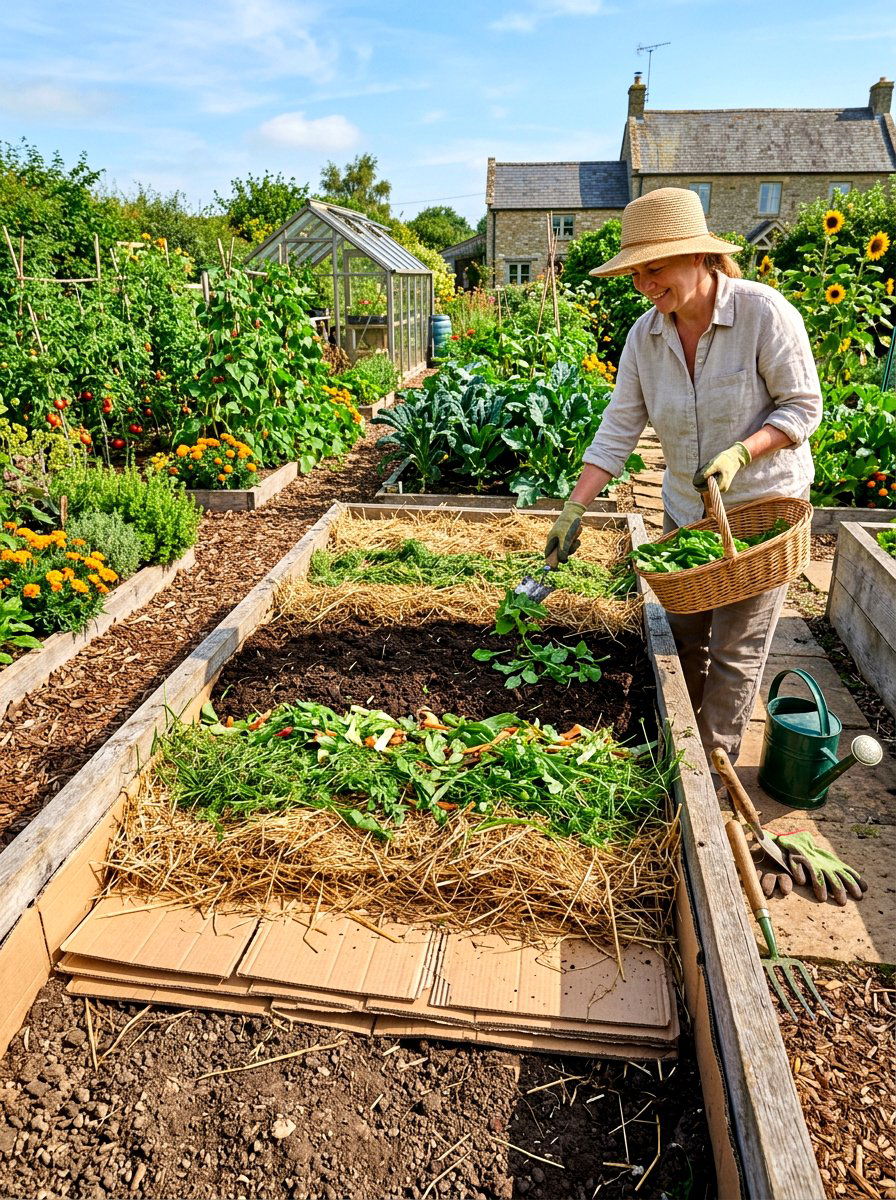
Lasagna gardening, also known as sheet mulching, is a no-dig method that involves layering organic materials to create rich soil over time. You start by placing cardboard or newspaper over a grassy area and then adding alternating layers of brown and green organic matter. As these layers decompose, they smother the weeds and create a nutrient-dense environment that is perfect for planting your favorite summer vegetables. This technique saves you the back-breaking work of tilling and uses free materials like grass clippings, fallen leaves, and straw. It is a slow-building process that results in some of the most fertile and easy-to-manage garden soil imaginable.
21. Hugelkultur Vegetable Garden
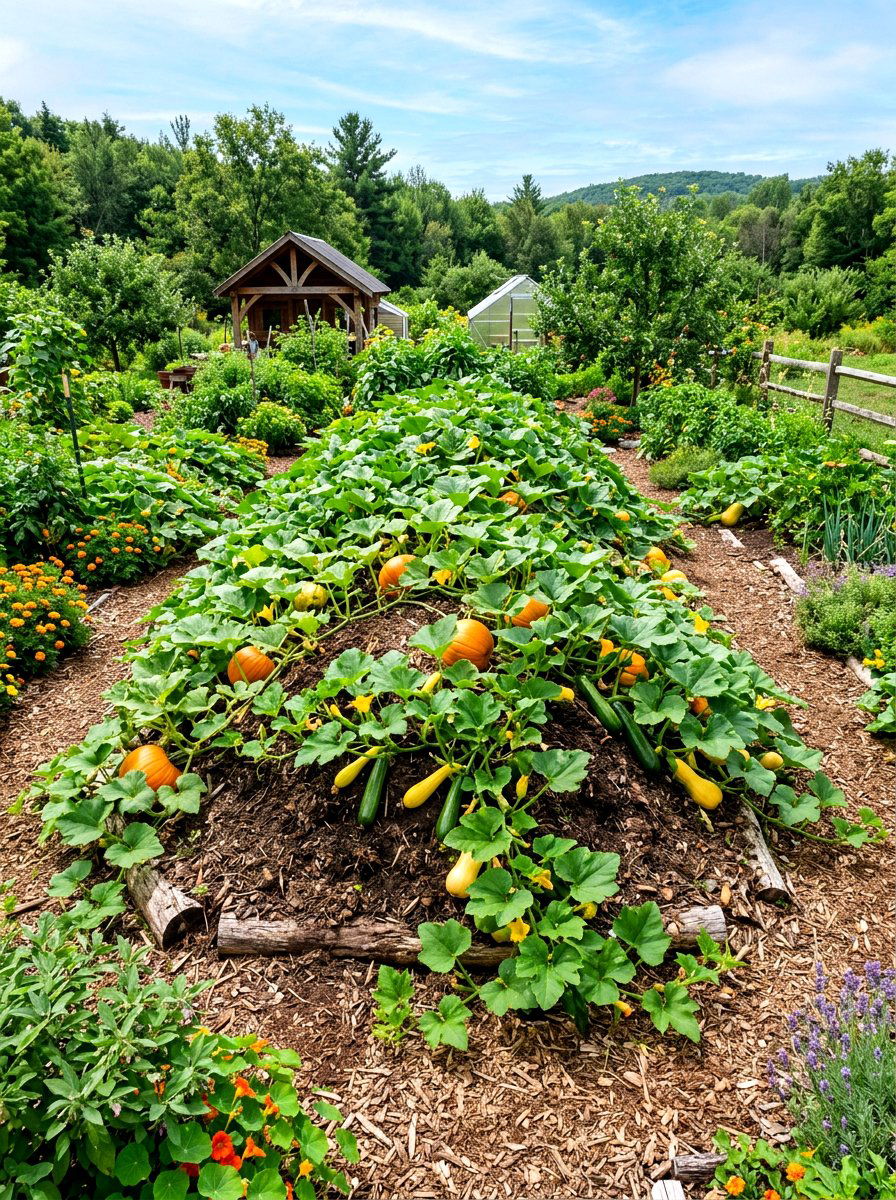
Hugelkultur is an ancient German gardening technique that involves building a mound over a base of rotting logs and woody debris. This buried wood acts like a sponge, soaking up rainwater and slowly releasing it to the plants above as the wood decays over years. This method is completely free if you have access to fallen branches and logs, and it creates a self-fertilizing bed that requires very little water. The resulting mounds provide a massive surface area for planting, allowing you to grow a diverse range of crops in a small space. It is a sustainable way to recycle yard waste while building an incredibly productive garden.
22. Keyhole Vegetable Garden
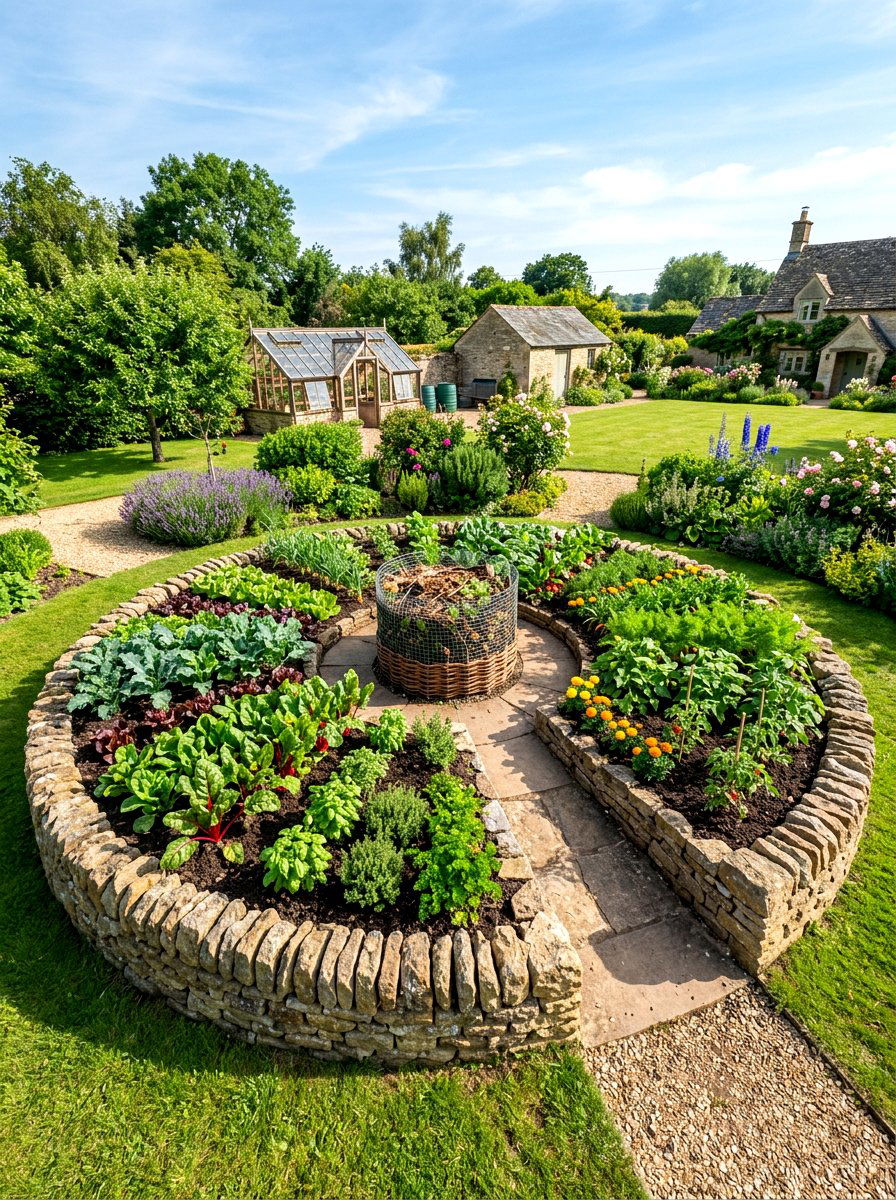
The keyhole garden is a circular raised bed with a central composting basket that provides nutrients and moisture directly to the surrounding plants. This clever design features a small notch, or "keyhole, " that allows the gardener to walk into the center to add kitchen scraps to the compost. As you water the central basket, the nutrients leach out into the soil, naturally fertilizing the vegetables without any extra cost or effort. You can build the outer walls from cheap materials like stacked stones, bricks, or even recycled wood planks. It is a highly efficient system that is perfect for dry areas where every drop of water counts.
23. Square Foot Vegetable Garden
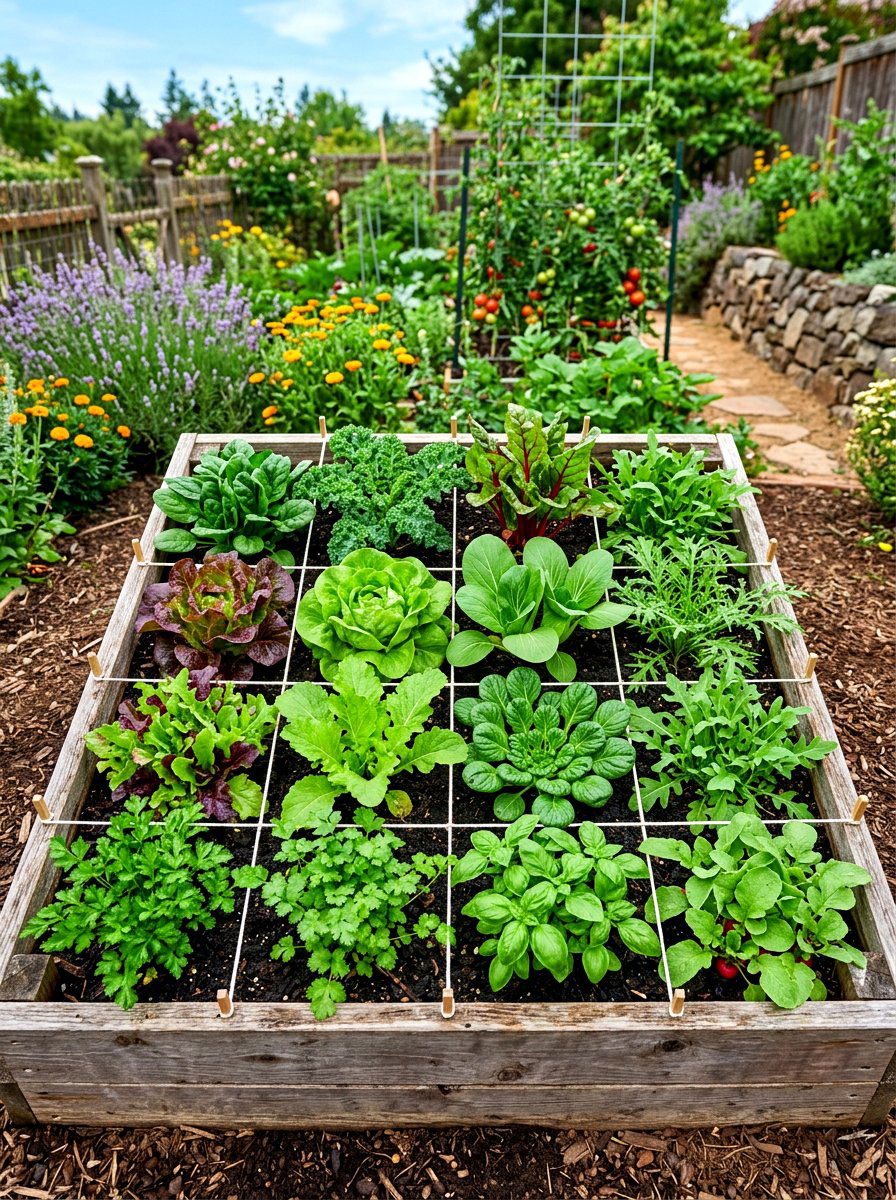
Square foot gardening is a systematic approach that involves dividing your planting area into a grid of one-foot squares to maximize productivity. By planting a specific number of vegetables in each square based on their size, you prevent overcrowding and ensure that no space is wasted. This method is incredibly easy for beginners to manage and results in a very organized and visually appealing garden layout. You can use simple string or thin wood laths to create the grid over your existing raised beds or in-ground garden plots. This intensive planting technique reduces the need for weeding and ensures a high yield from a very small area.
24. Metal Raised Vegetable Bed
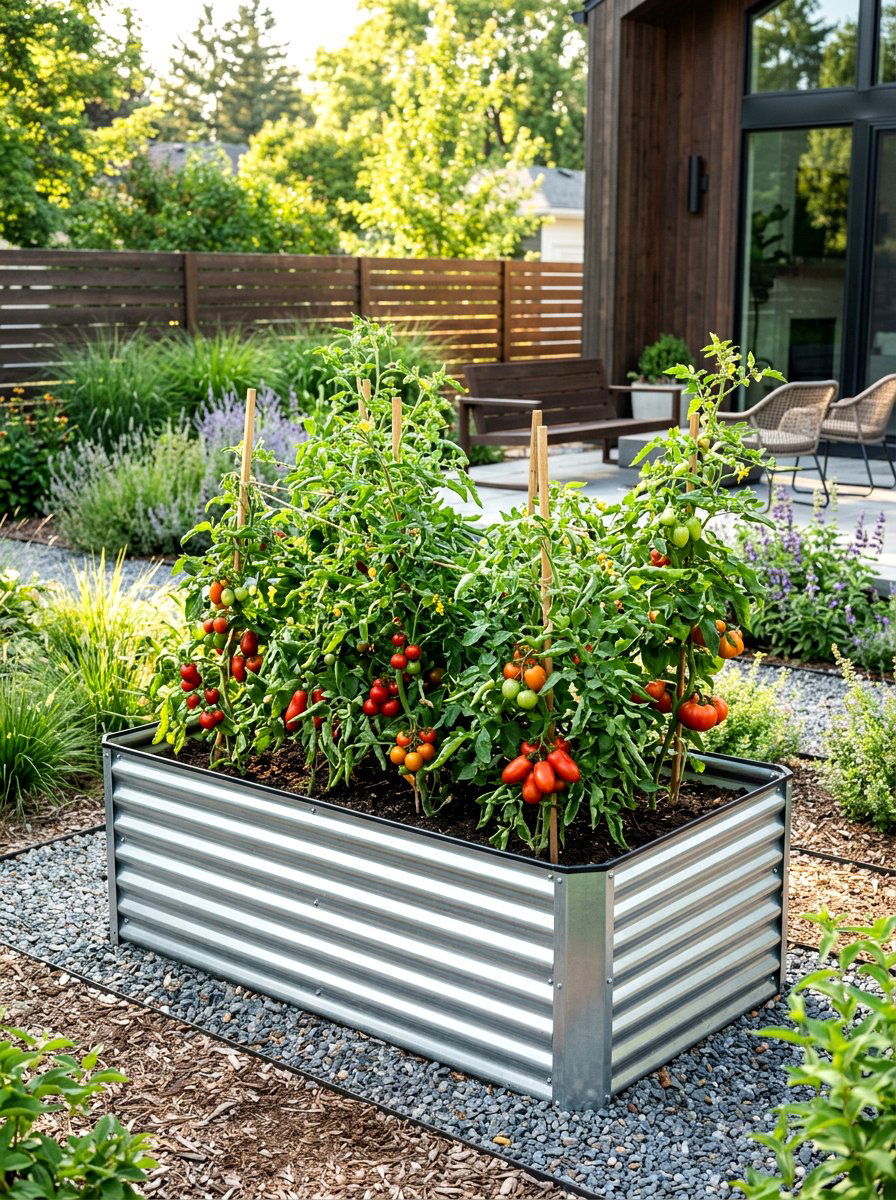
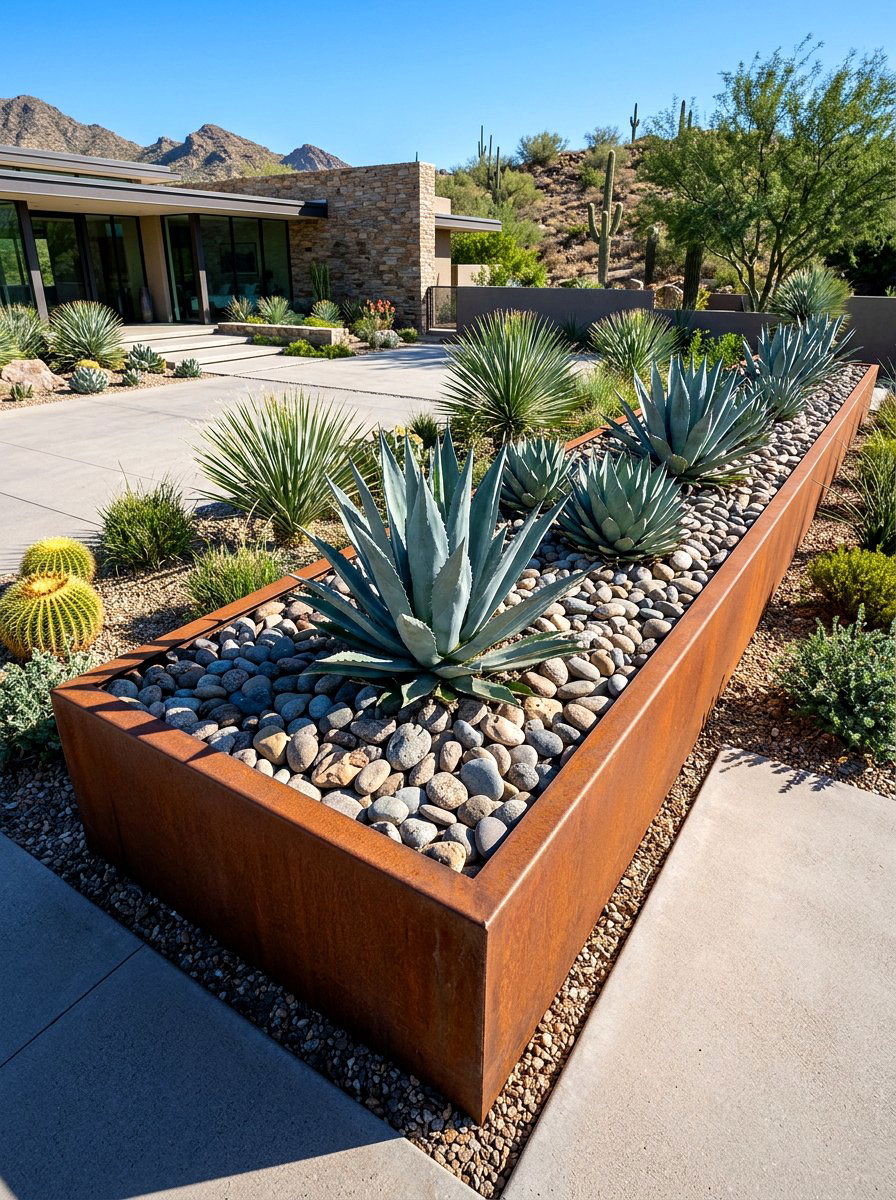
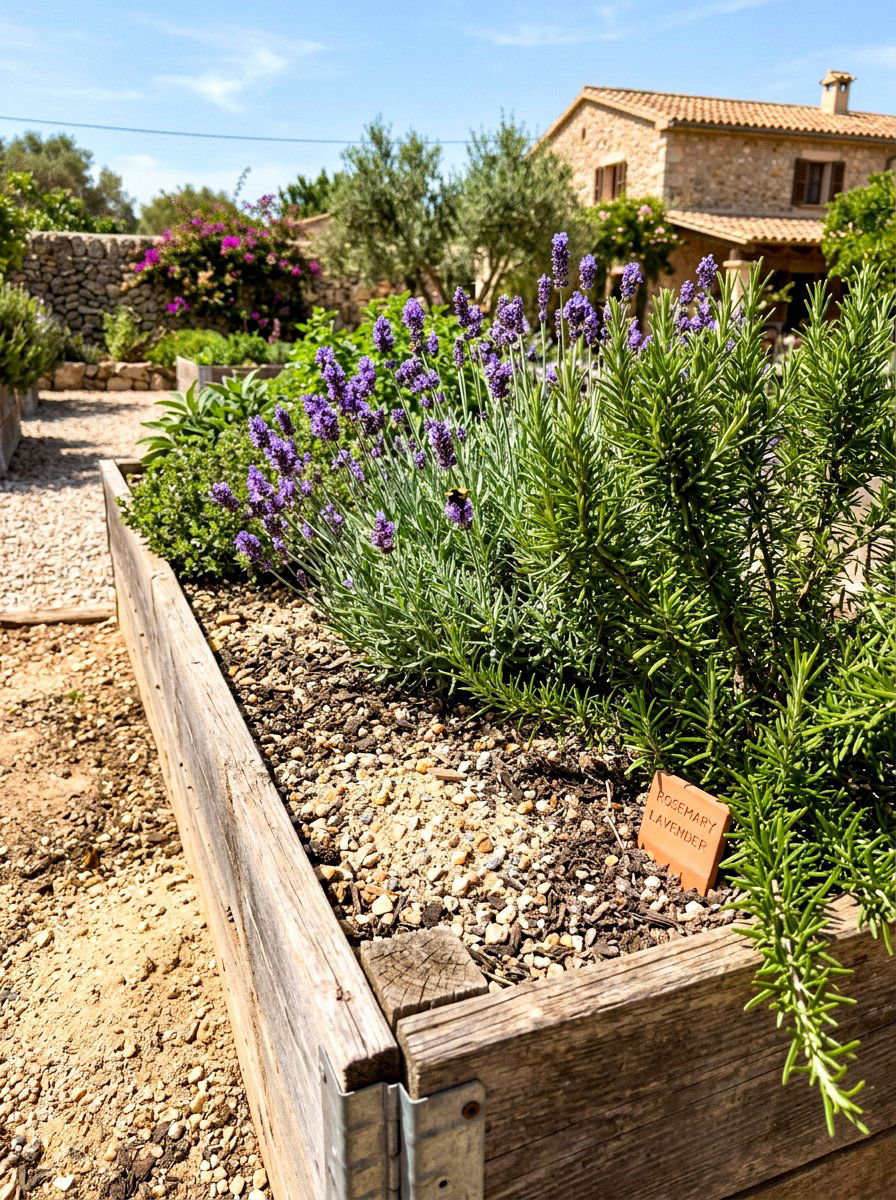
Repurposing corrugated metal sheets or old stock tanks is a trendy and durable way to create industrial-style raised beds for your backyard. These metal structures are rot-resistant and can last for decades, making them a very cost-effective long-term investment for a serious vegetable gardener. The metal helps warm the soil early in the spring, which can give your heat-loving plants like peppers and tomatoes a significant head start. You can often find used metal roofing or siding at salvage yards for a fraction of the cost of new cedar boards. This style adds a unique architectural element to your garden while providing a clean and organized growing space.
25. Plastic Bottle Vegetable Garden
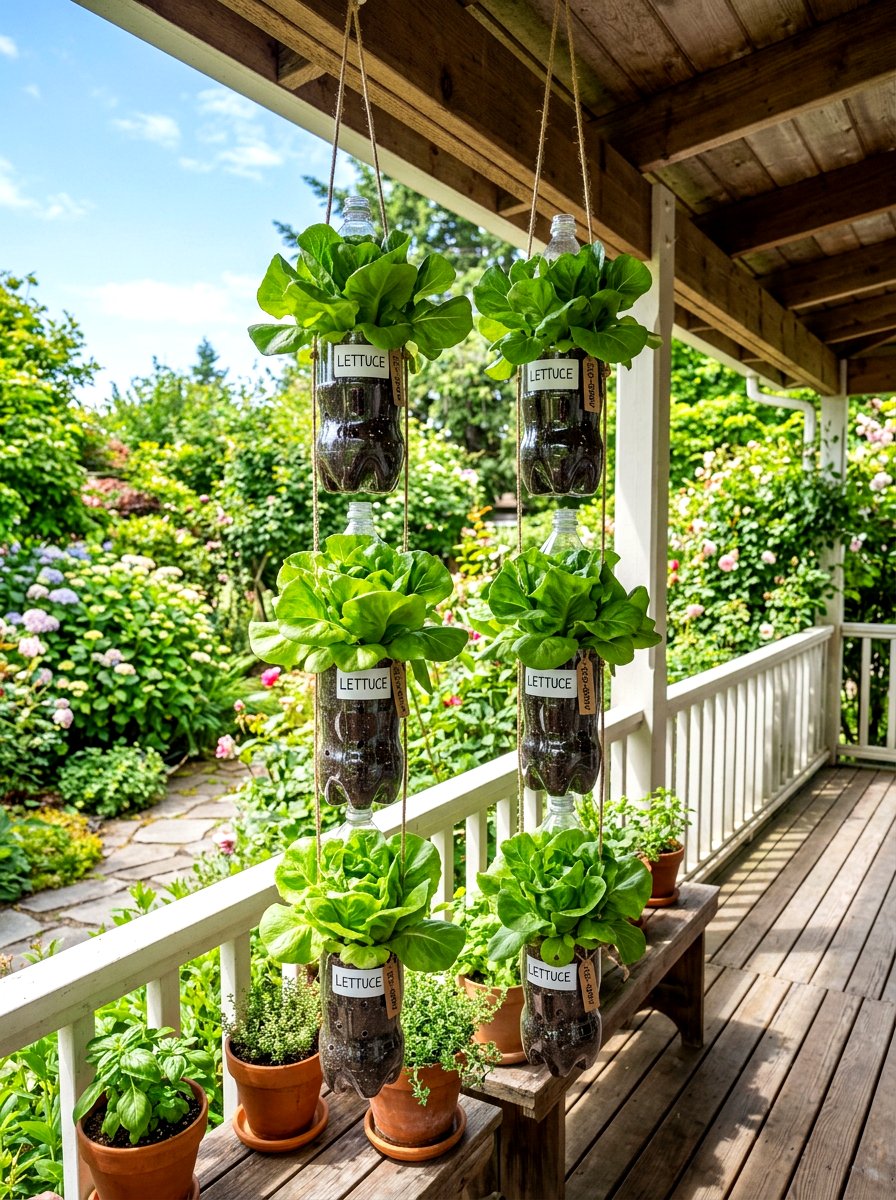
Using recycled plastic bottles to create a vertical garden or individual planters is a nearly free way to start growing food. You can cut the sides out of large soda bottles and string them together to create a hanging system that is perfect for small leafy greens. This is an excellent project for teaching children about recycling and biology while producing fresh snacks for the family to enjoy. The bottles act like mini-greenhouses, protecting young seedlings from wind and extreme temperatures during their early stages of growth. It is a lightweight and flexible system that can be hung from balconies, fences, or even indoor window frames.
26. Mason Jar Herb Garden
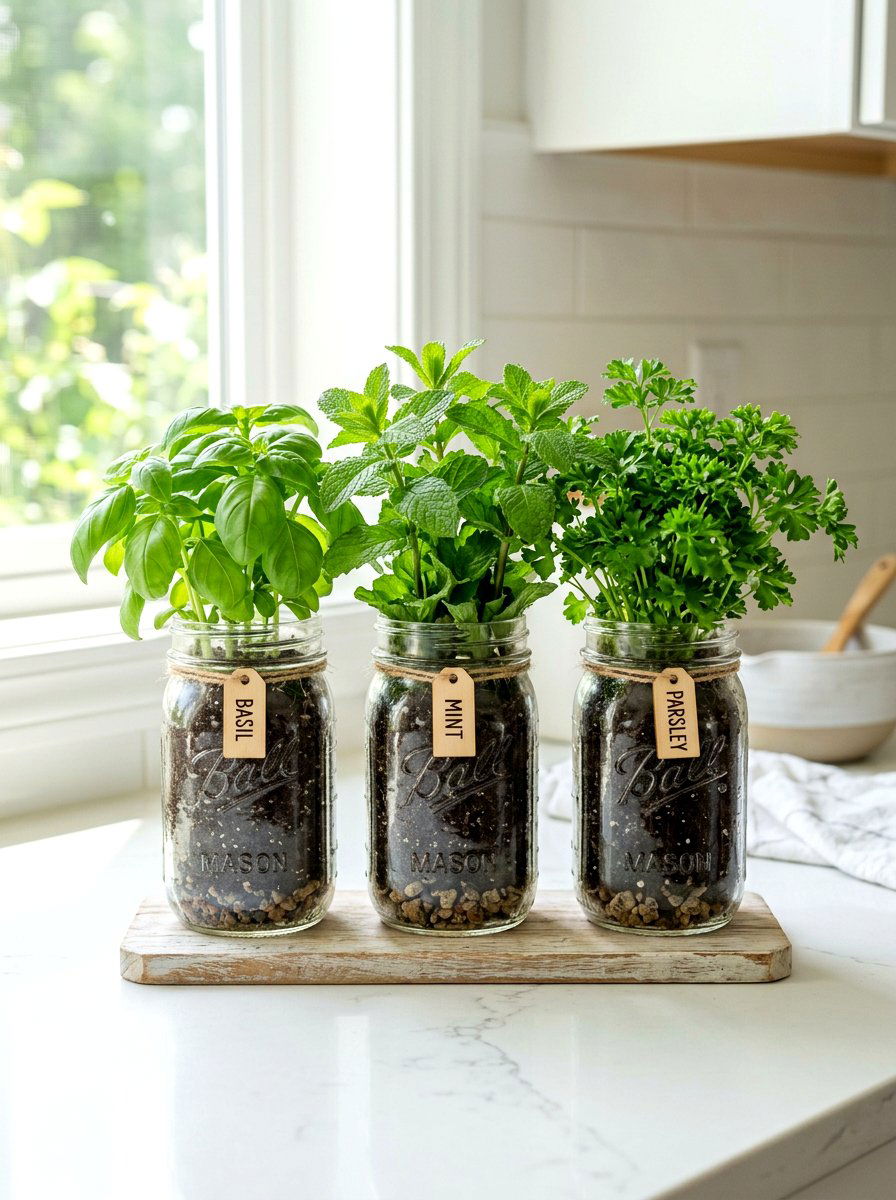
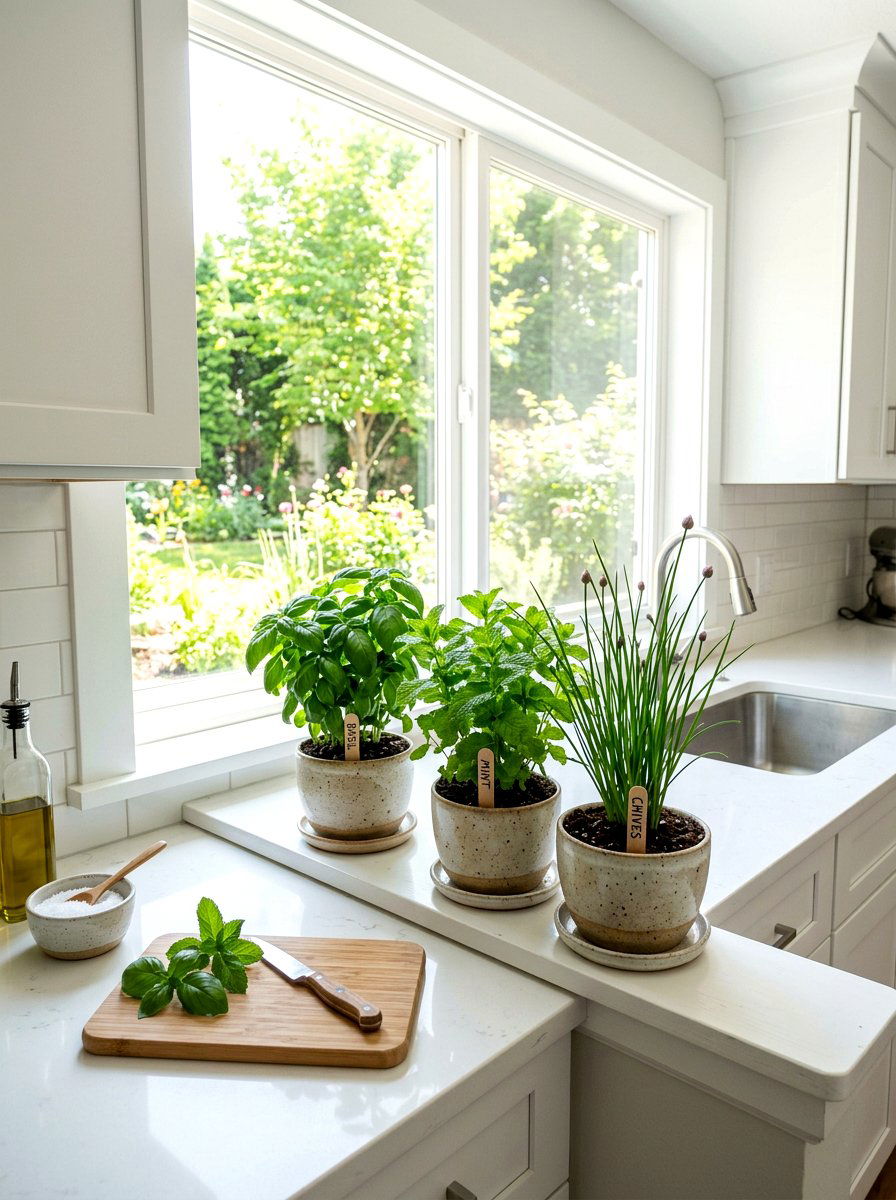
Growing a small selection of herbs in mason jars on a sunny kitchen windowsill is a great way to have fresh flavors. This indoor setup is perfect for those who do not have any outdoor space or want to keep gardening throughout the cold winter. While it requires a bit more care to prevent overwatering, adding a layer of small pebbles at the bottom can help with drainage. You can use old glass jars from the pantry to create a beautiful and functional display that looks great in any kitchen. Fresh basil, mint, and cilantro are all easy to grow in these compact and budget-friendly glass containers.
27. Cold Frame Vegetable Garden
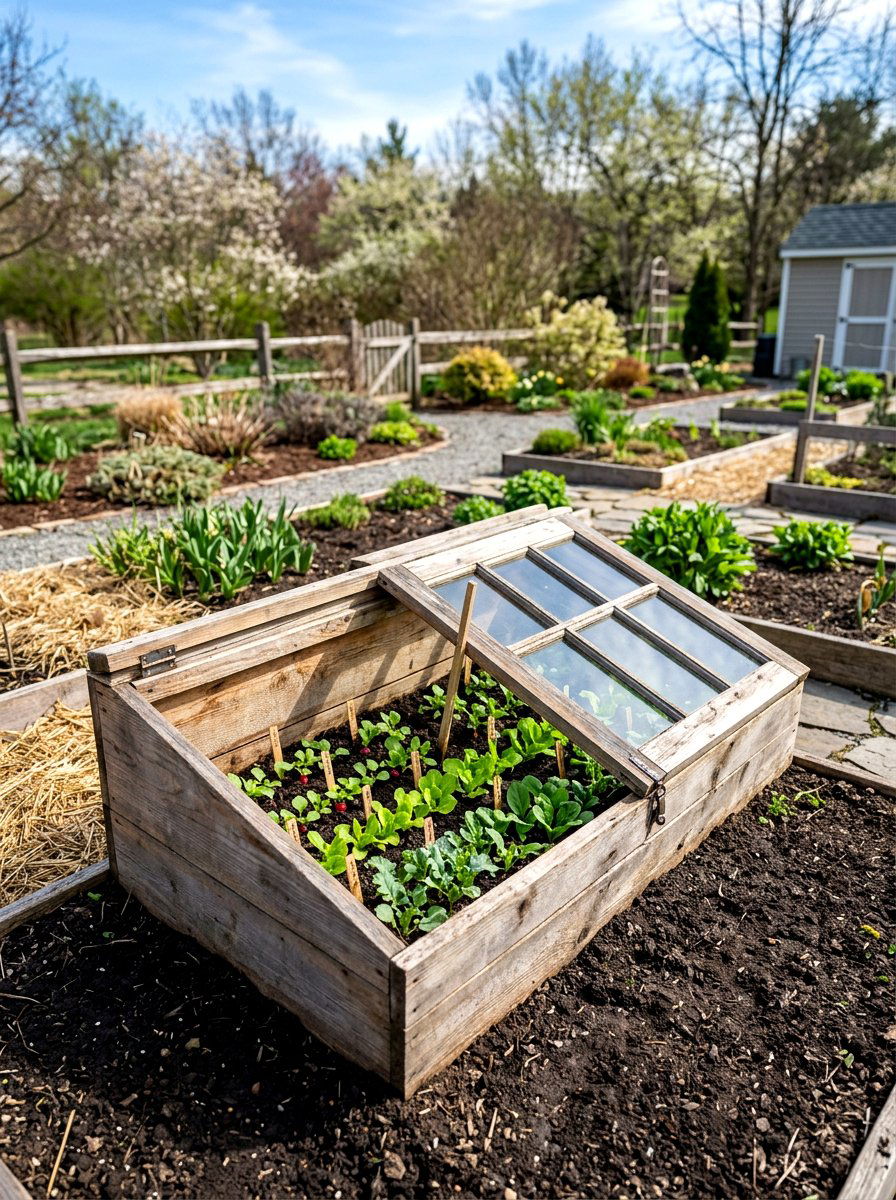
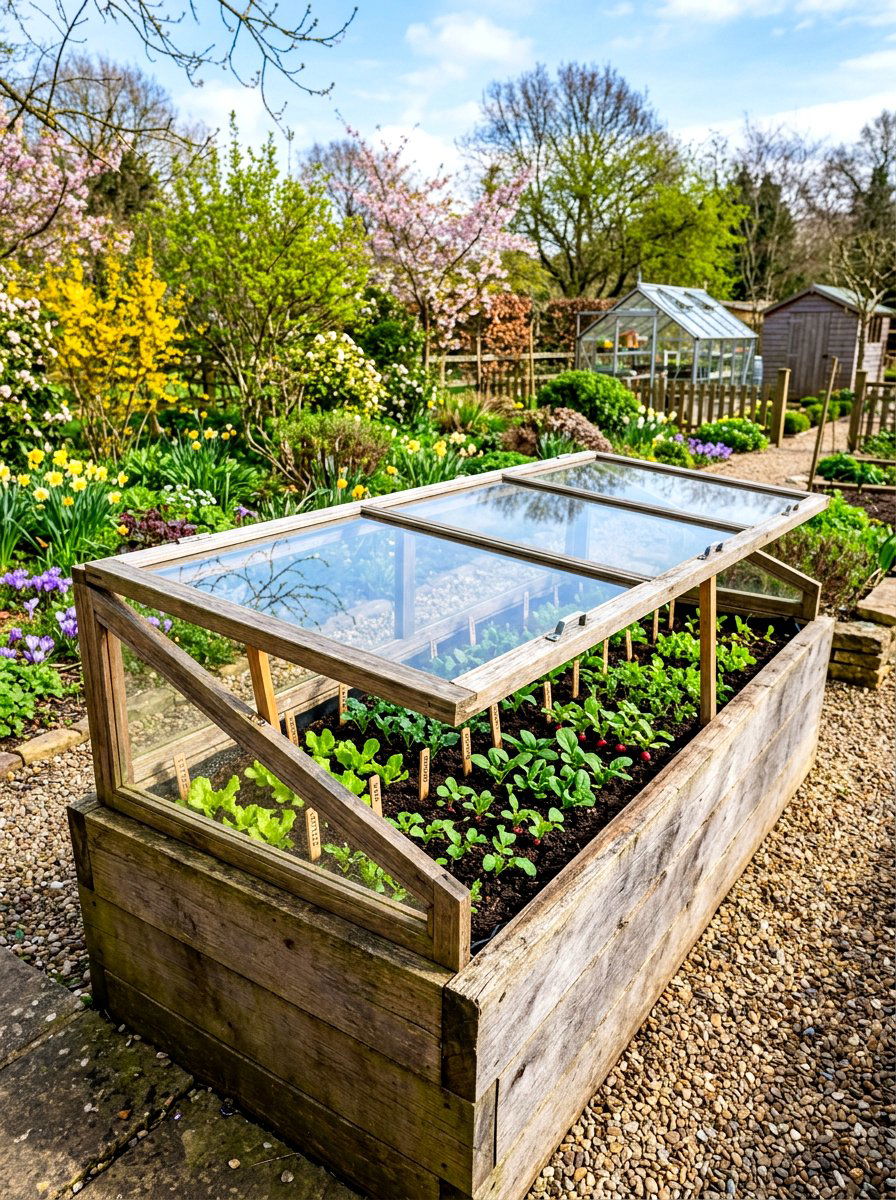
A cold frame is a simple bottomless box with a transparent top that acts like a miniature greenhouse for your outdoor garden. By using an old glass window or a piece of clear plastic over a wooden frame, you can protect plants from frost. This setup allows you to start your vegetable season several weeks early and extend it well into the autumn for a longer harvest. You can build a cold frame for almost nothing by repurposing discarded materials found around your home or at a local construction site. It is a vital tool for the budget gardener who wants to maximize their food production throughout the year.
28. Milk Crate Vegetable Garden
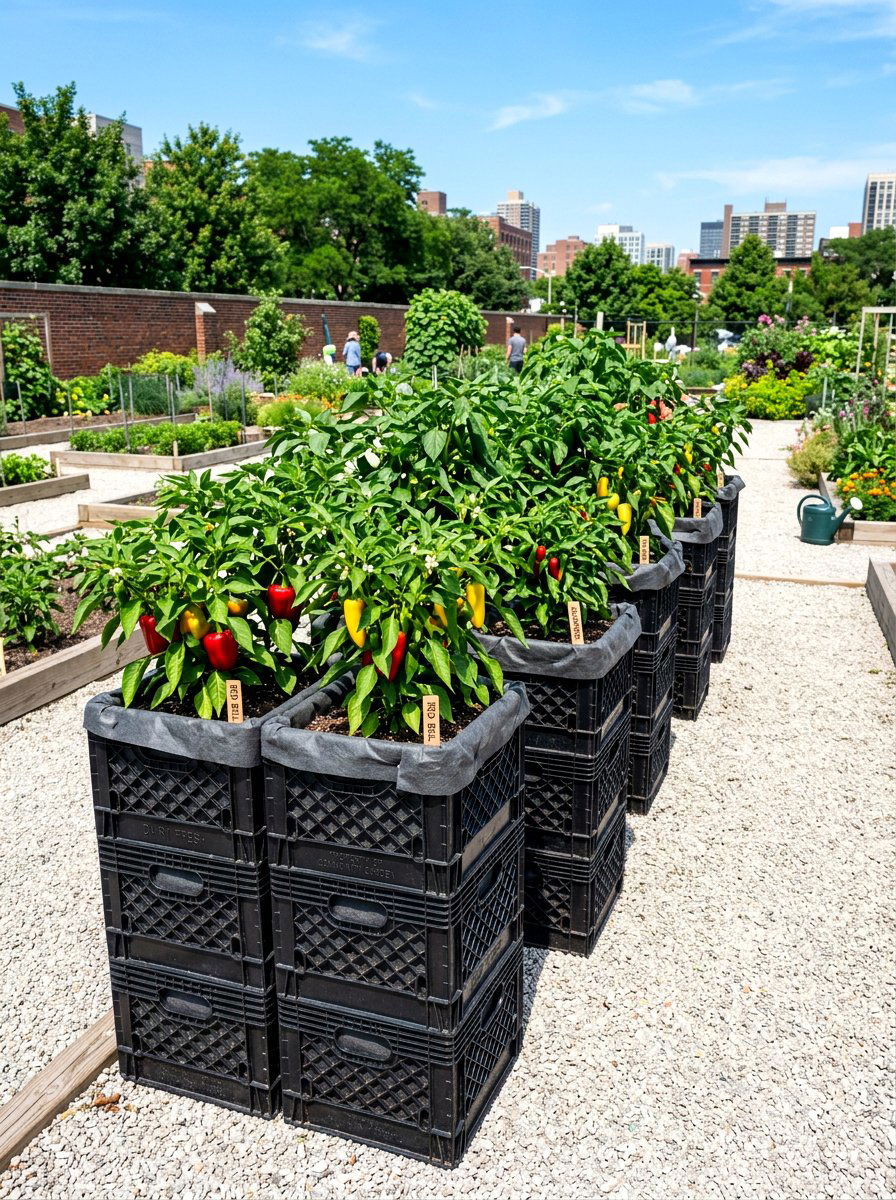
Plastic milk crates lined with landscape fabric make excellent, heavy-duty planters that are easy to move and stack as needed. These crates provide plenty of depth for growing large vegetables and feature built-in handles that make rearranging your patio garden a simple task. Because they are designed to be stacked, you can create tiered displays that maximize your vertical space and provide different light levels. Many businesses are happy to give away old or damaged crates, making this a very affordable option for urban gardeners on a tight budget. They are nearly indestructible and will last through many seasons of heavy use in various weather conditions.
29. Repurposed Furniture Vegetable Garden
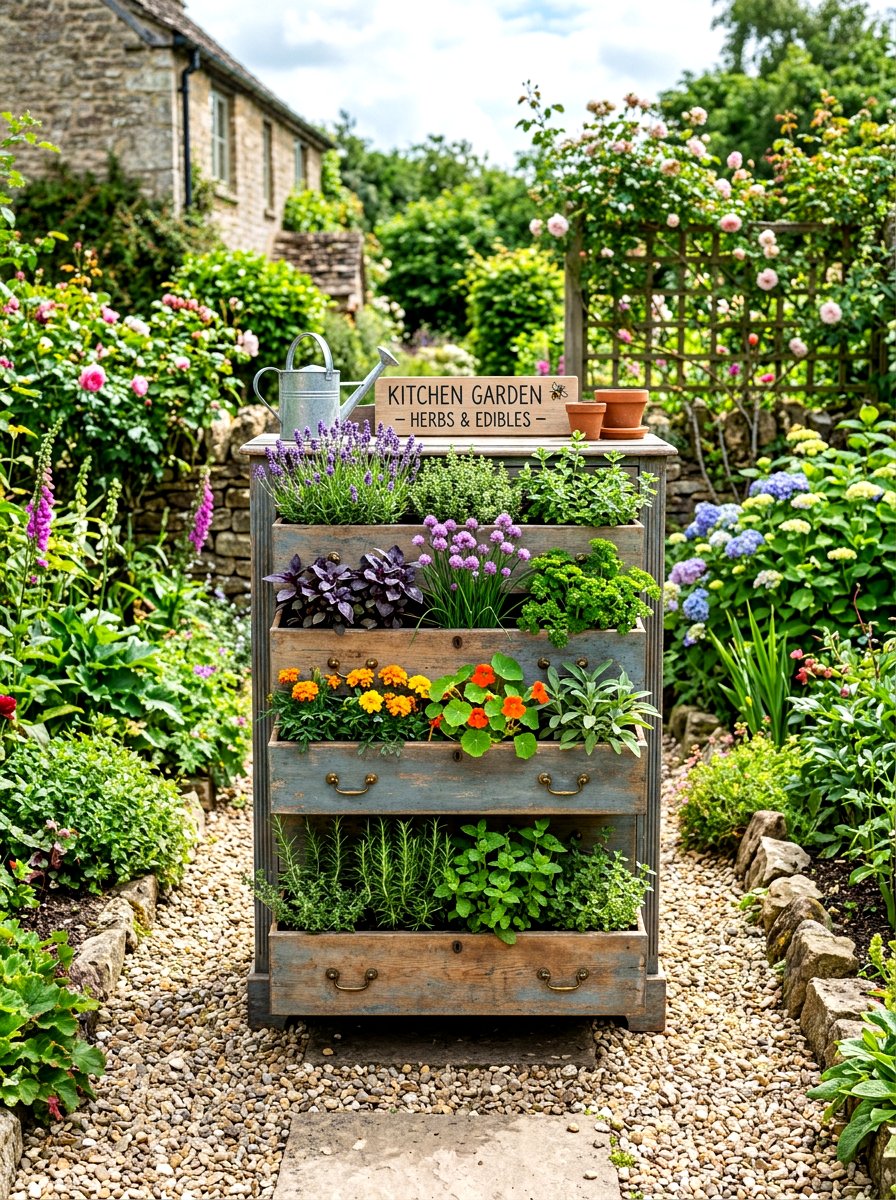
Old dressers, desks, and even wooden chairs can be given a second life as unique and charming planters for your vegetables. By removing the drawers or using the seat area as a frame, you can create a whimsical garden feature that costs nothing. It is important to line any wooden furniture with plastic or landscape fabric to protect the wood from moisture and ensure a longer lifespan. This creative approach allows you to express your personality in the garden while keeping useful items out of the local landfill. It is a perfect way to add a touch of vintage style to your edible landscape without any expense.
30. Stock Tank Vegetable Garden
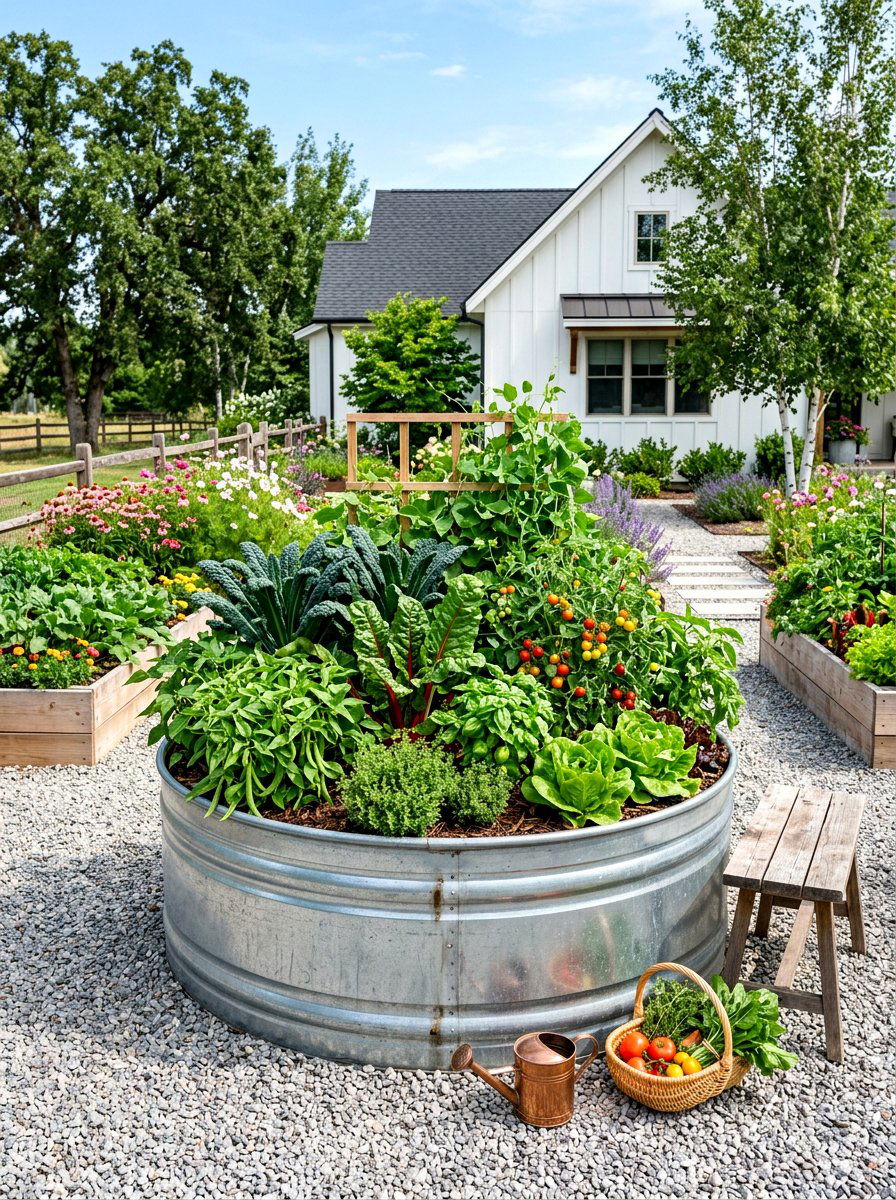
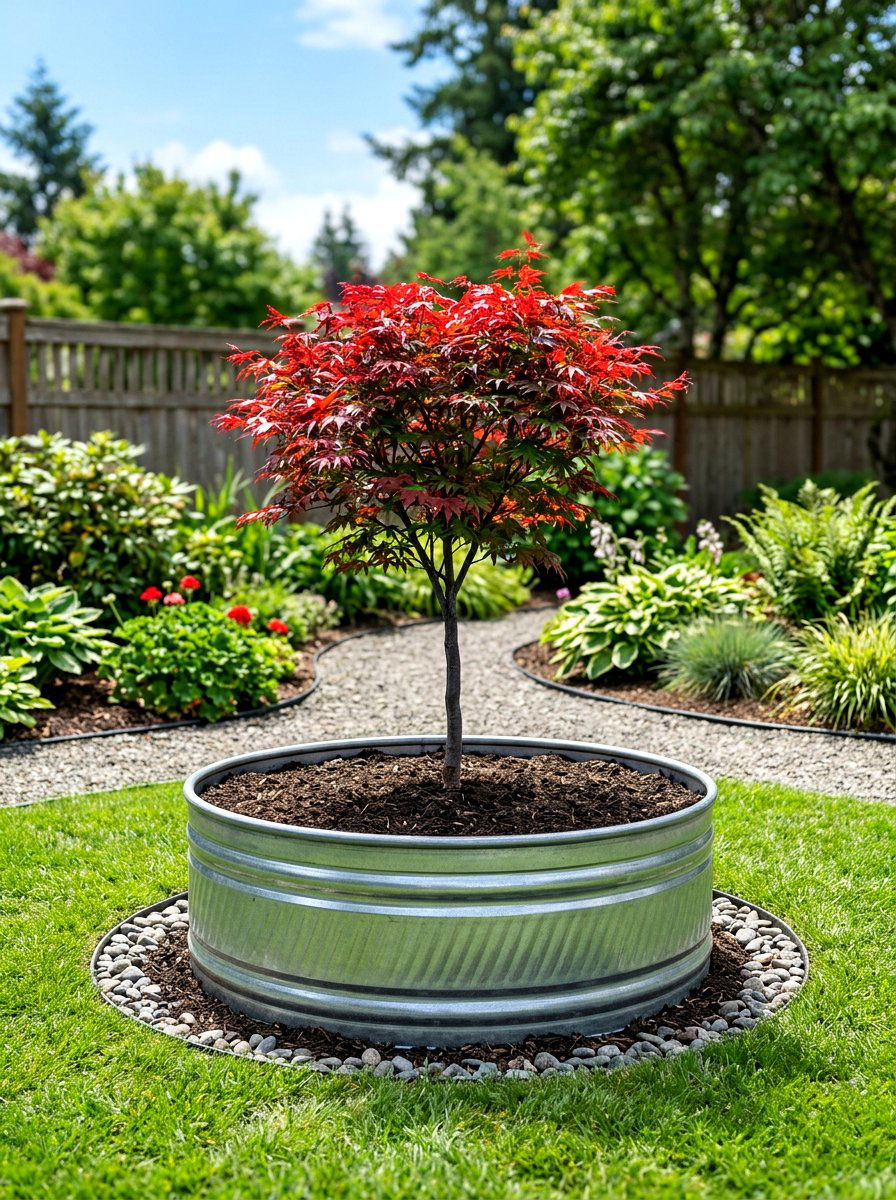
Galvanized steel stock tanks are a popular and stylish choice for creating large, durable raised beds that require almost no assembly. While buying new tanks can be an investment, finding used ones with small leaks can save you a significant amount of money. These containers are the perfect height for comfortable gardening without bending over, making them accessible for everyone to enjoy throughout the year. The large volume of soil inside helps regulate temperatures and provides a stable environment for even the largest vegetable plants to thrive. Their modern, clean lines make them a focal point in any backyard while providing an incredibly productive space for growing food.
Conclusion:
Starting a budget-friendly vegetable garden is an empowering journey that combines creativity with a love for fresh, homegrown produce. By looking at common household items and yard waste through a new lens, you can build a productive ecosystem without a large financial commitment. From vertical pallet gardens to the rich soil of a lasagna bed, these thirty ideas prove that anyone can become a successful gardener regardless of their budget or space. Embracing these resourceful techniques not only saves money at the grocery store but also fosters a deeper connection to the food you eat and the environment around you.

Related posts: