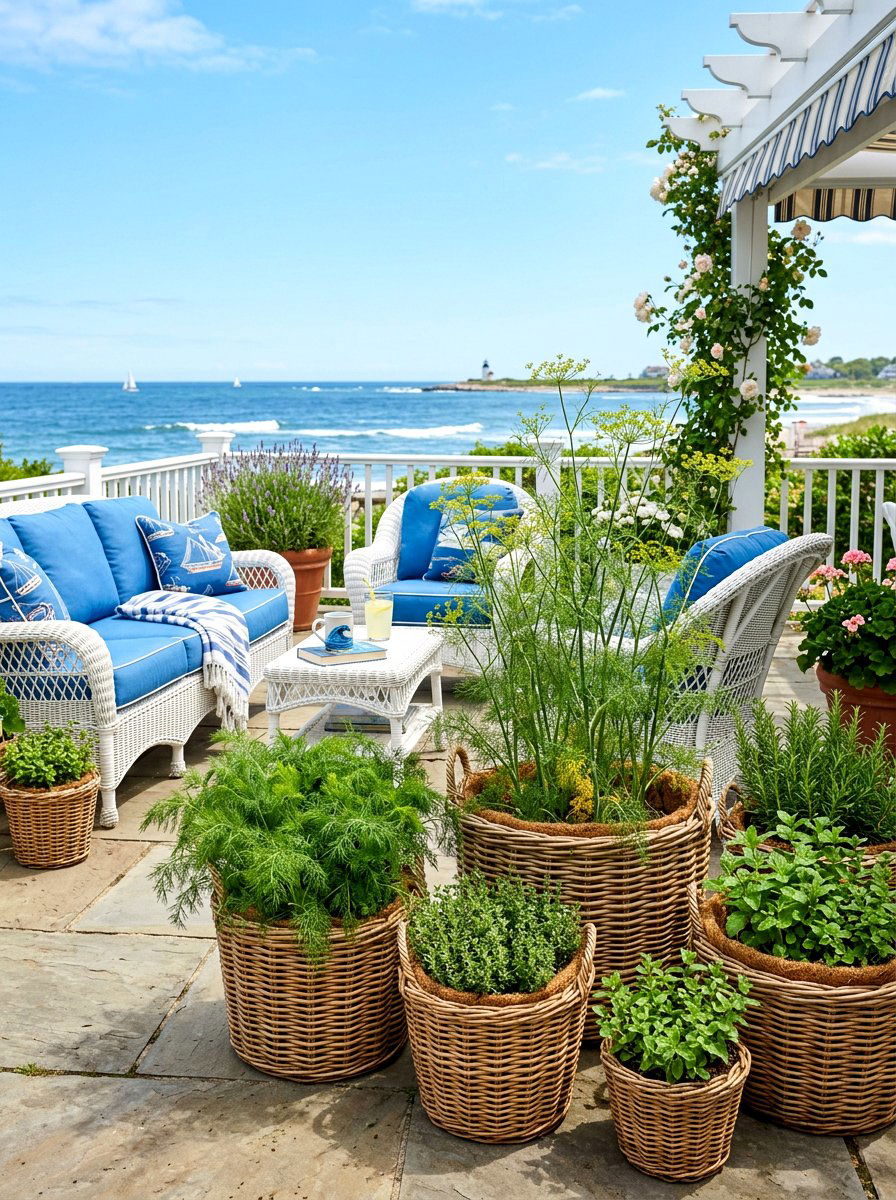
Starting a kitchen garden is one of the most rewarding ways to transform your home and lifestyle simultaneously. Imagine stepping outside your door and plucking fresh herbs, crisp lettuce, or sun-ripened tomatoes for your evening meal. Beyond the culinary perks, a well-designed vegetable patch adds incredible visual interest and structure to your outdoor or indoor living spaces. Whether you have a sprawling backyard or a tiny apartment balcony, there are endless ways to integrate edible plants into your daily routine. This guide explores creative and functional designs that prioritize both productivity and aesthetic beauty, helping you cultivate a thriving oasis that nourishes your body and soul while enhancing your home.
1. Raised Bed Garden
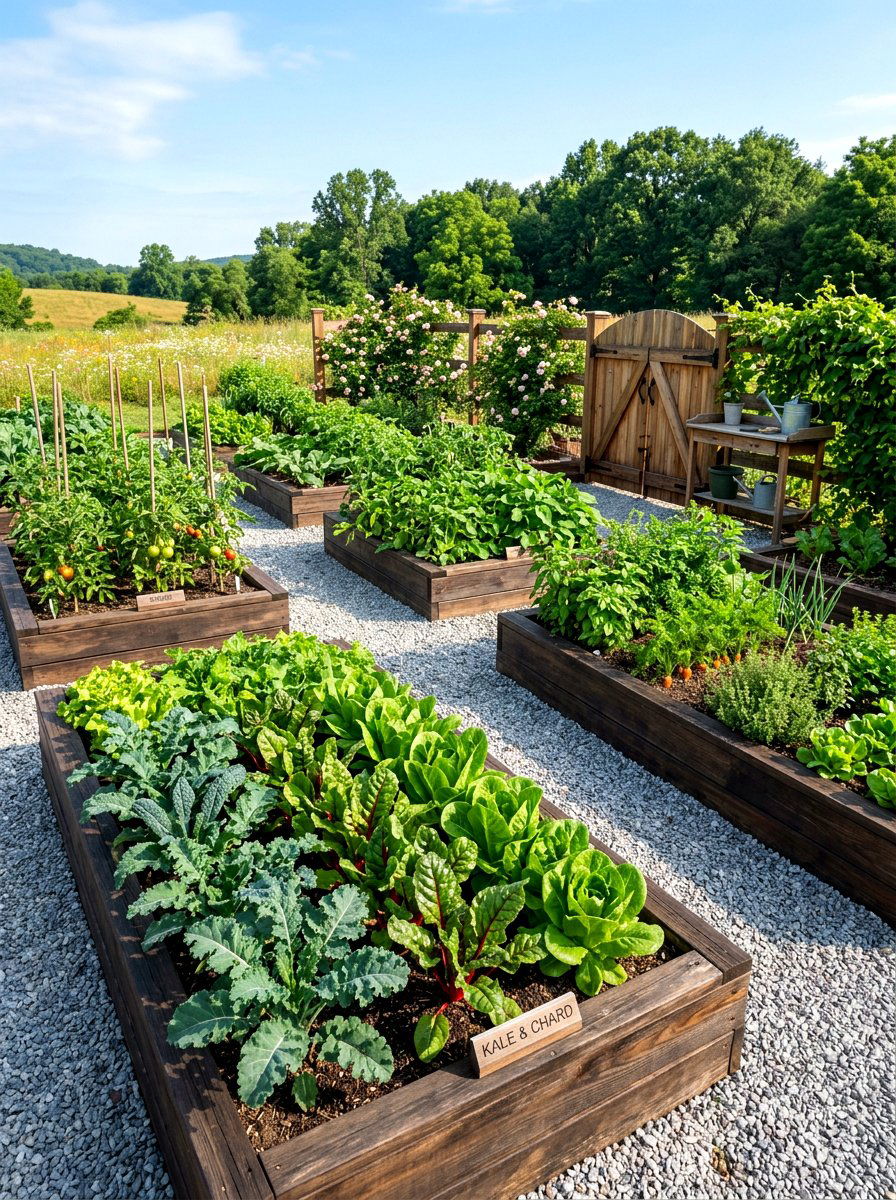
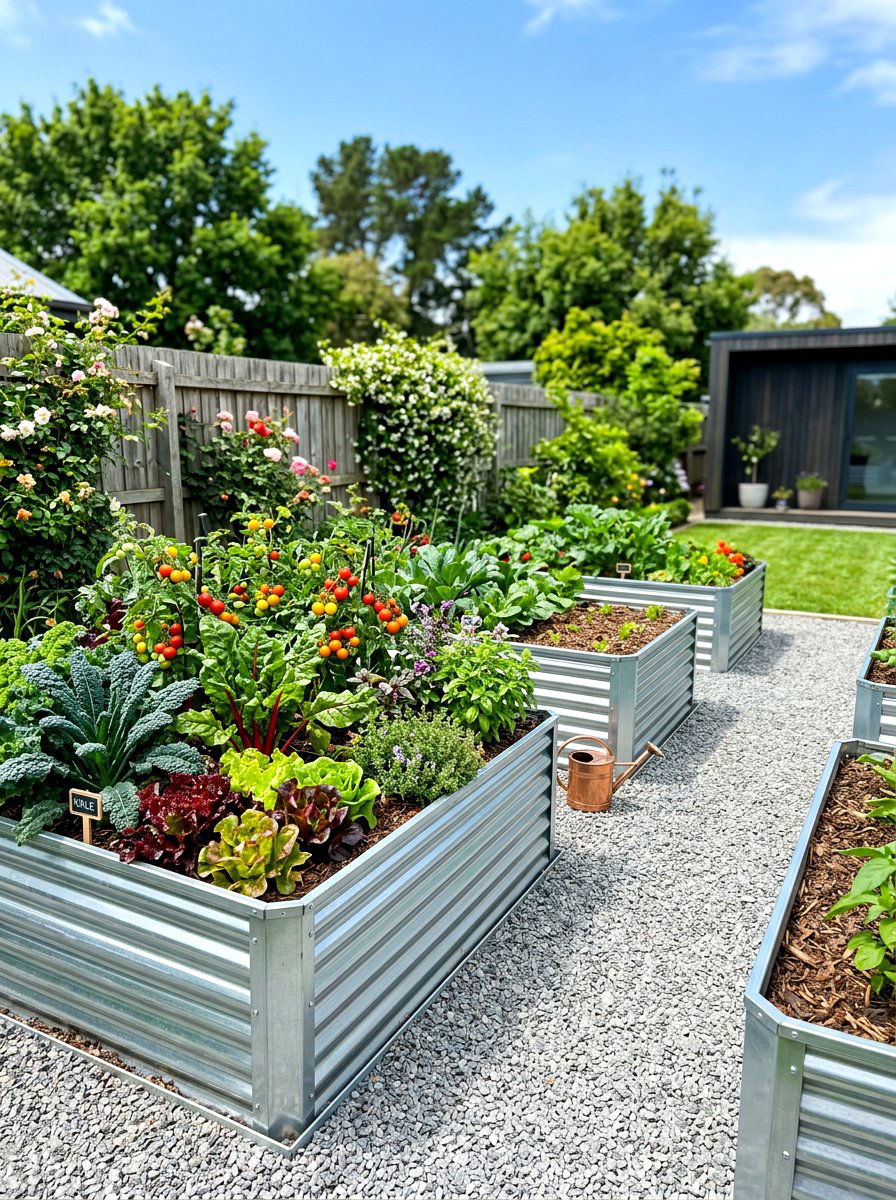
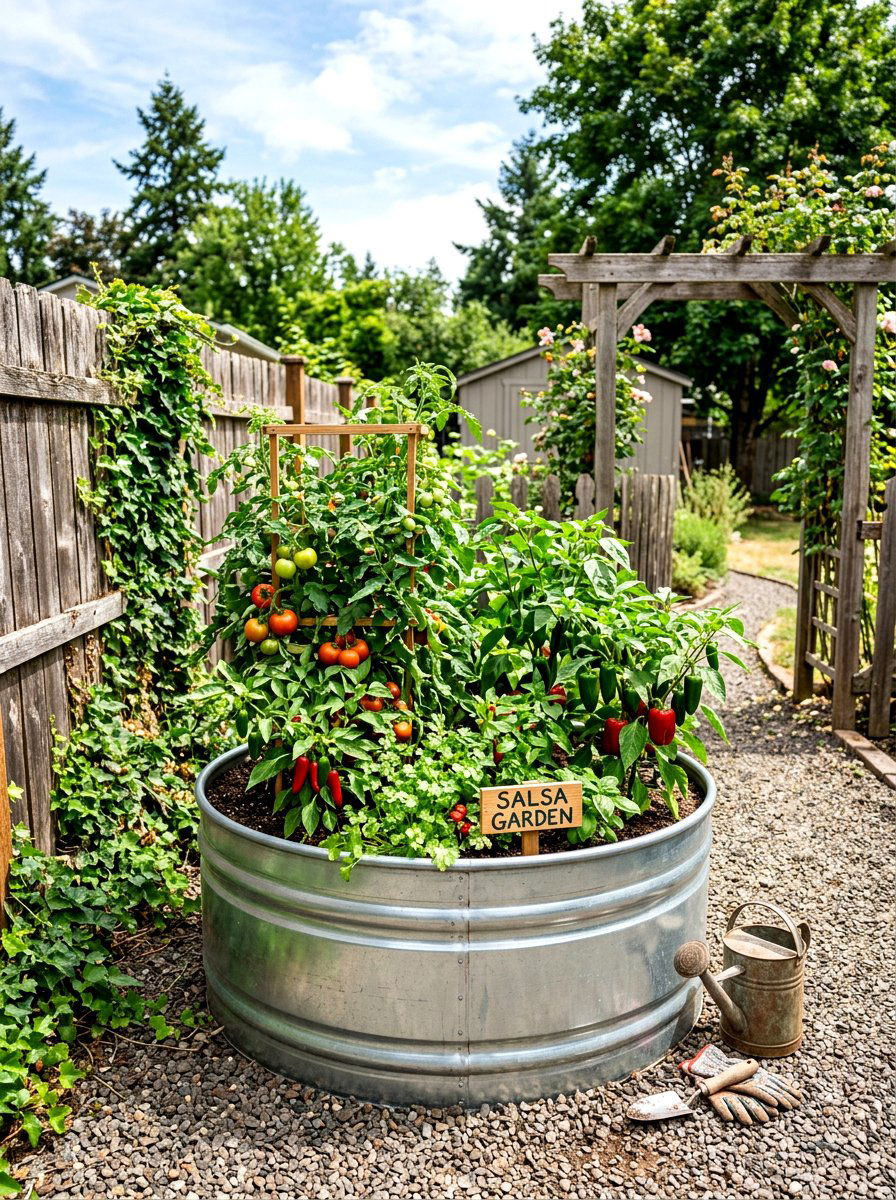
Growing a kitchen garden in raised beds is a fantastic way to control your soil quality and drainage from the start. These structures elevate your plants, making it much easier on your back while preventing soil compaction from foot traffic. You can build these beds using cedar, stones, or even metal troughs to match your home’s exterior style perfectly. Many gardeners love how organized and tidy a raised bed garden looks, especially when paths are filled with gravel or wood chips. It provides a dedicated space where vegetables can thrive without competing with lawn grass or stubborn weeds. This setup is ideal for high-yield harvests throughout the year.
2. Vertical Herb Wall
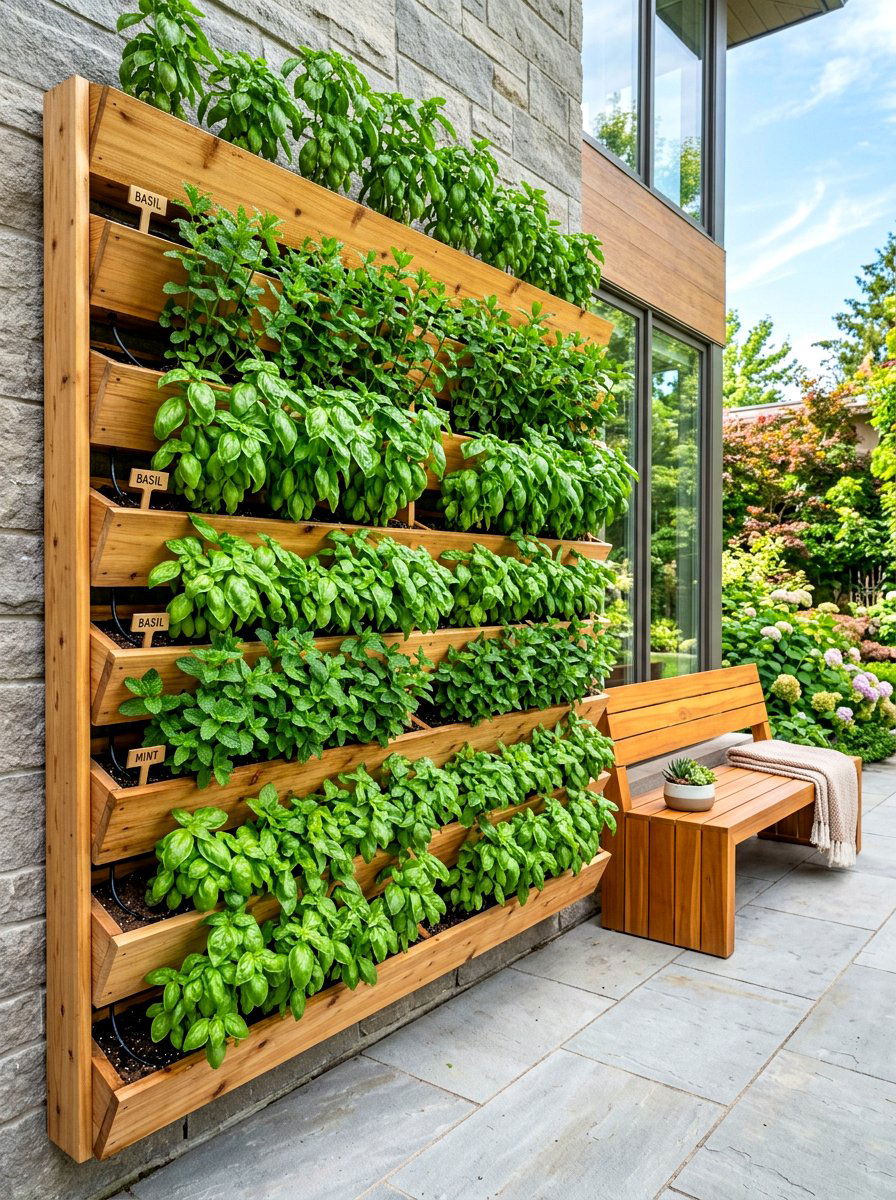
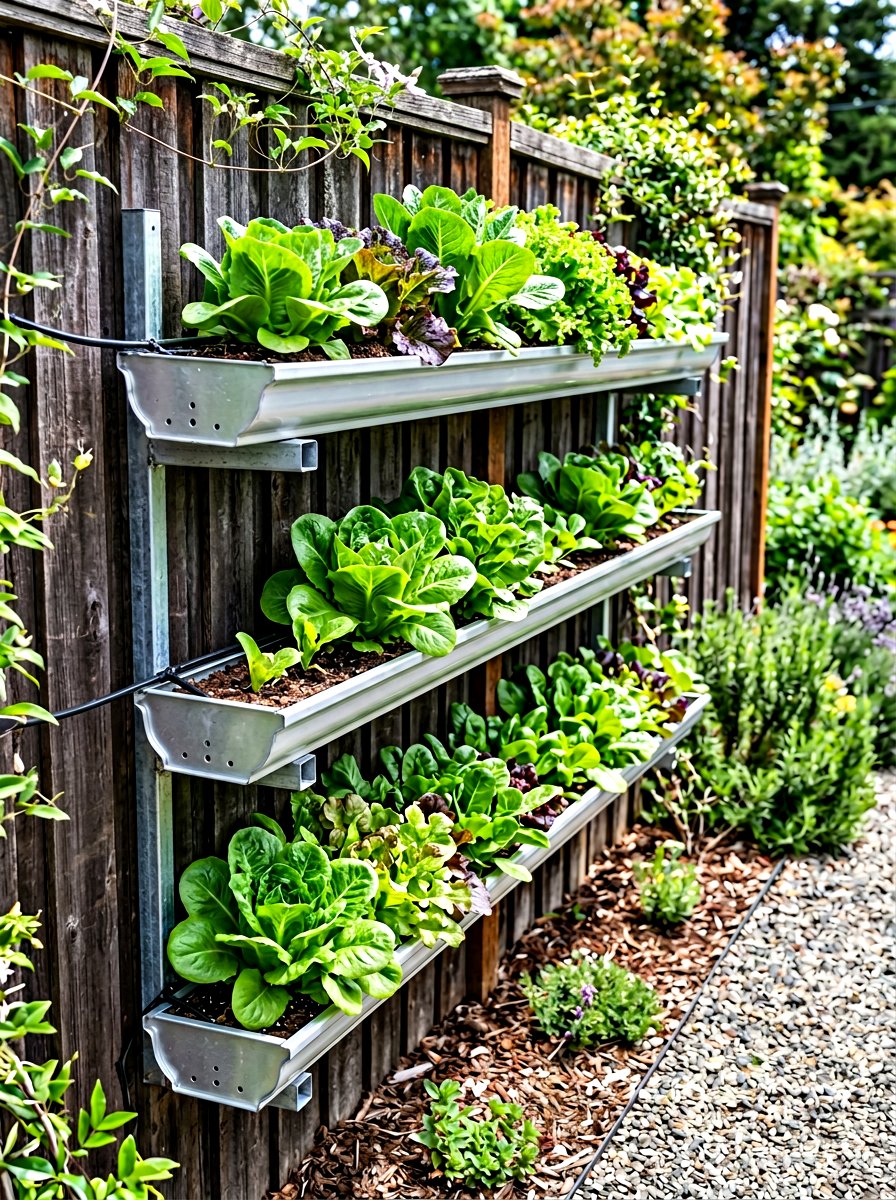
A vertical herb wall is the perfect solution for homeowners with limited ground space who still want a lush garden. By utilizing wall-mounted planters or a trellis system, you can grow a massive variety of culinary herbs right at eye level. This design not only saves floor space but also acts as a stunning living piece of art for your patio or kitchen exterior. Vertical gardens help with air circulation, which reduces the risk of fungal diseases in your plants. You can easily reach for fresh basil, mint, or rosemary while cooking. It creates a lush, green backdrop that makes any outdoor seating area feel more private.
3. Container Vegetable Garden
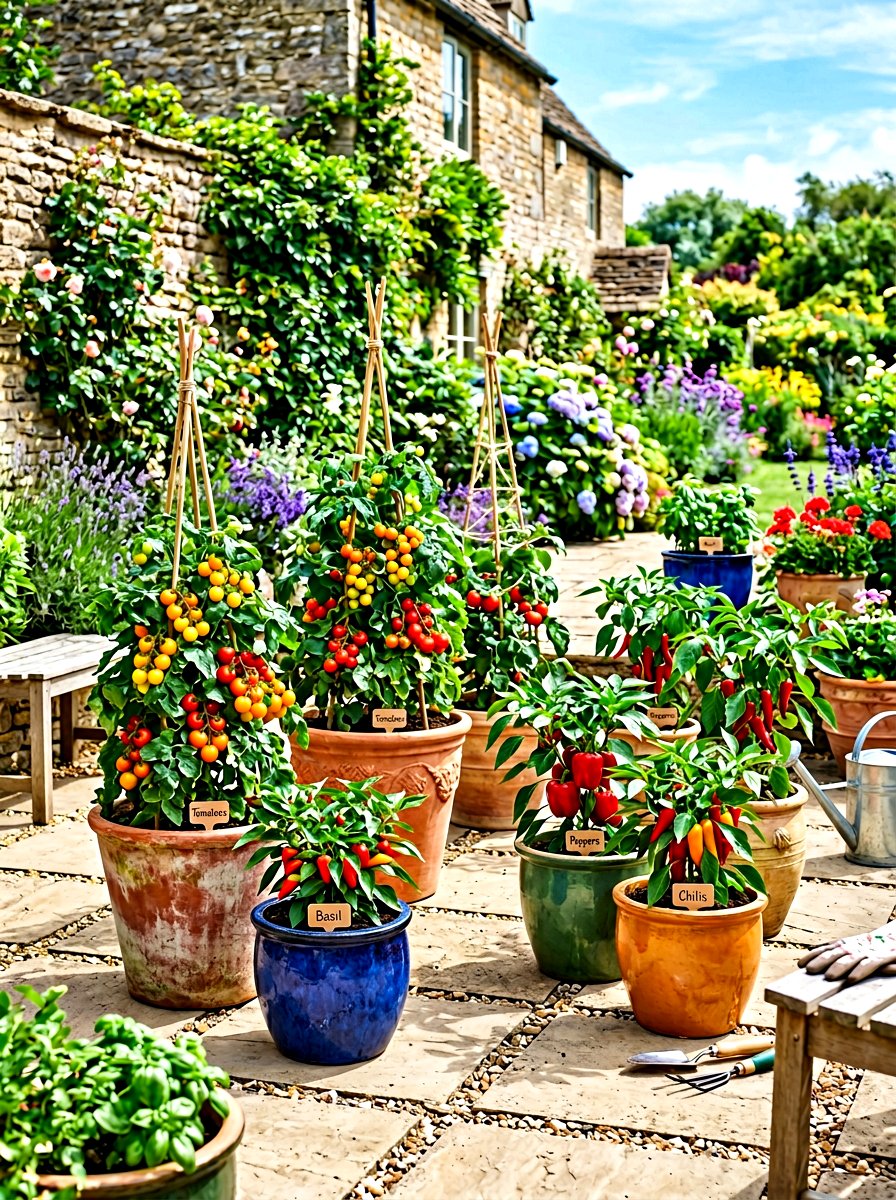
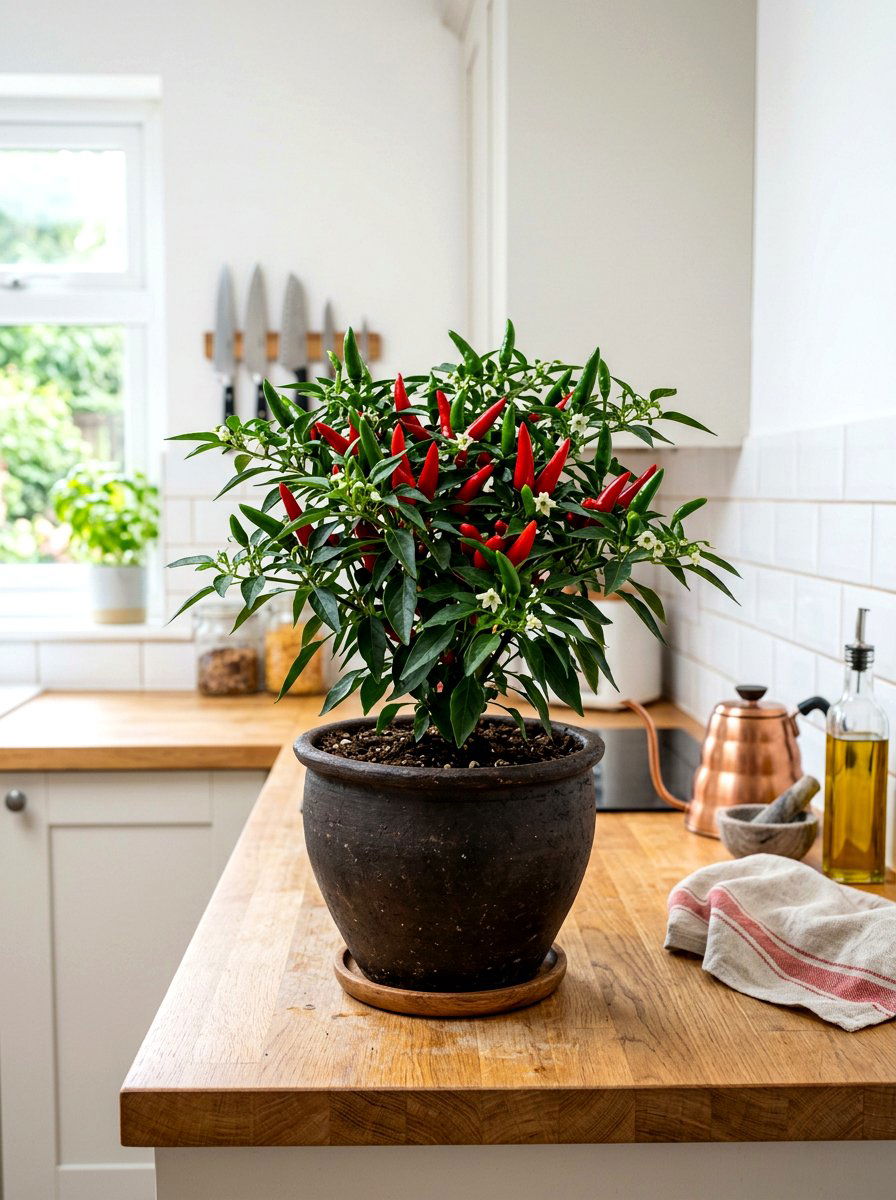
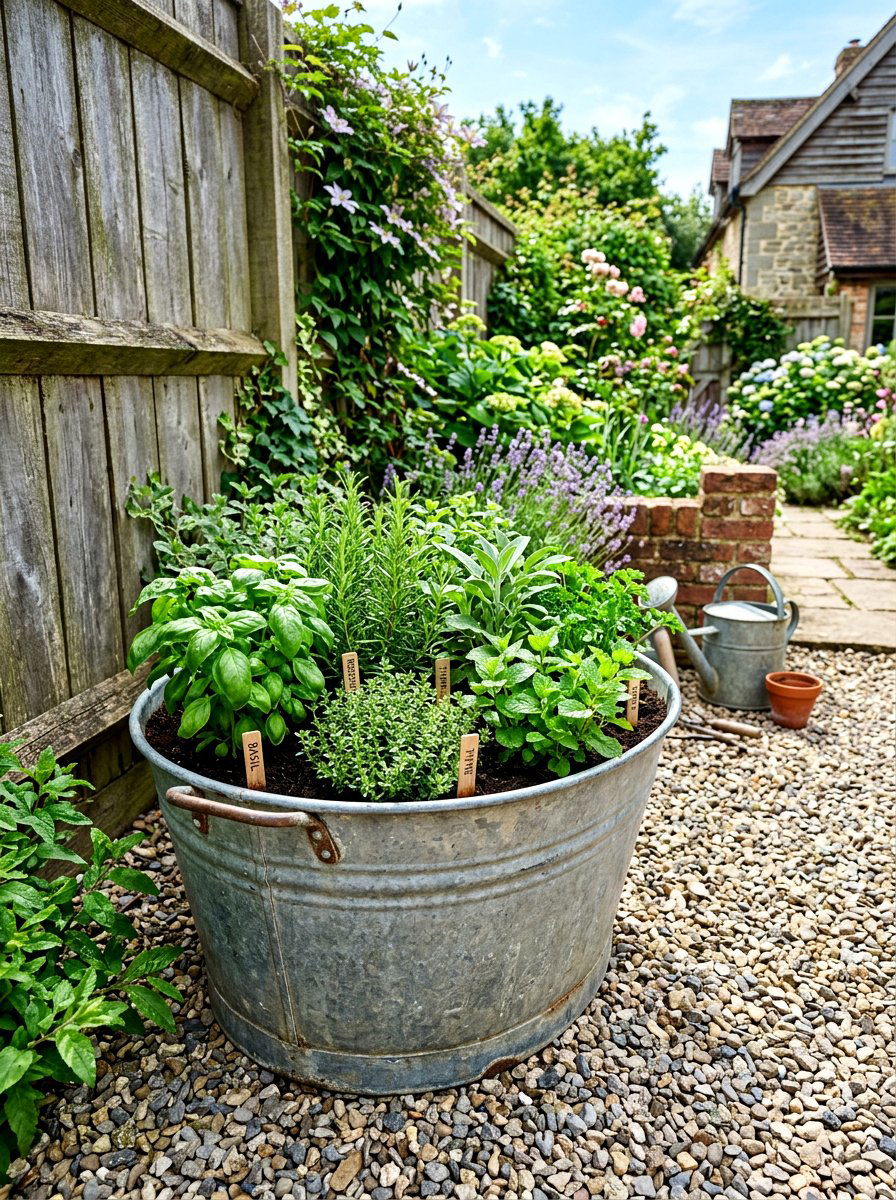
Container gardening offers ultimate flexibility for anyone who wants to grow food but lacks a traditional yard. You can move your pots around to follow the sun or bring them indoors during unexpected cold snaps. Using a mix of large ceramic pots, terracotta containers, and fabric grow bags creates a layered and visually interesting look. This design allows you to experiment with different soil mixes tailored to specific vegetable needs, such as heavy feeders like tomatoes or light-loving peppers. It is an excellent choice for renters because the entire garden can move with you. Properly grouped containers can create a beautiful, productive focal point on any porch.
4. Small Backyard Garden
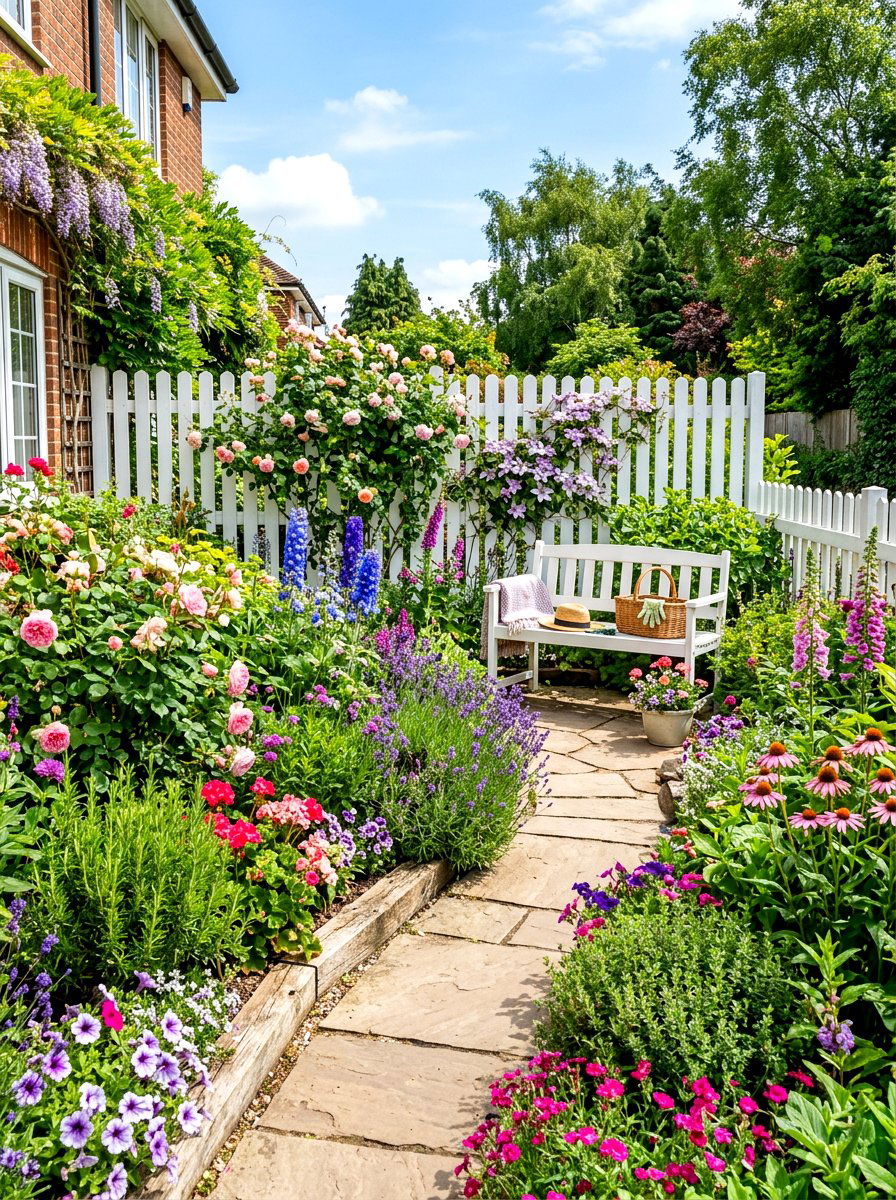
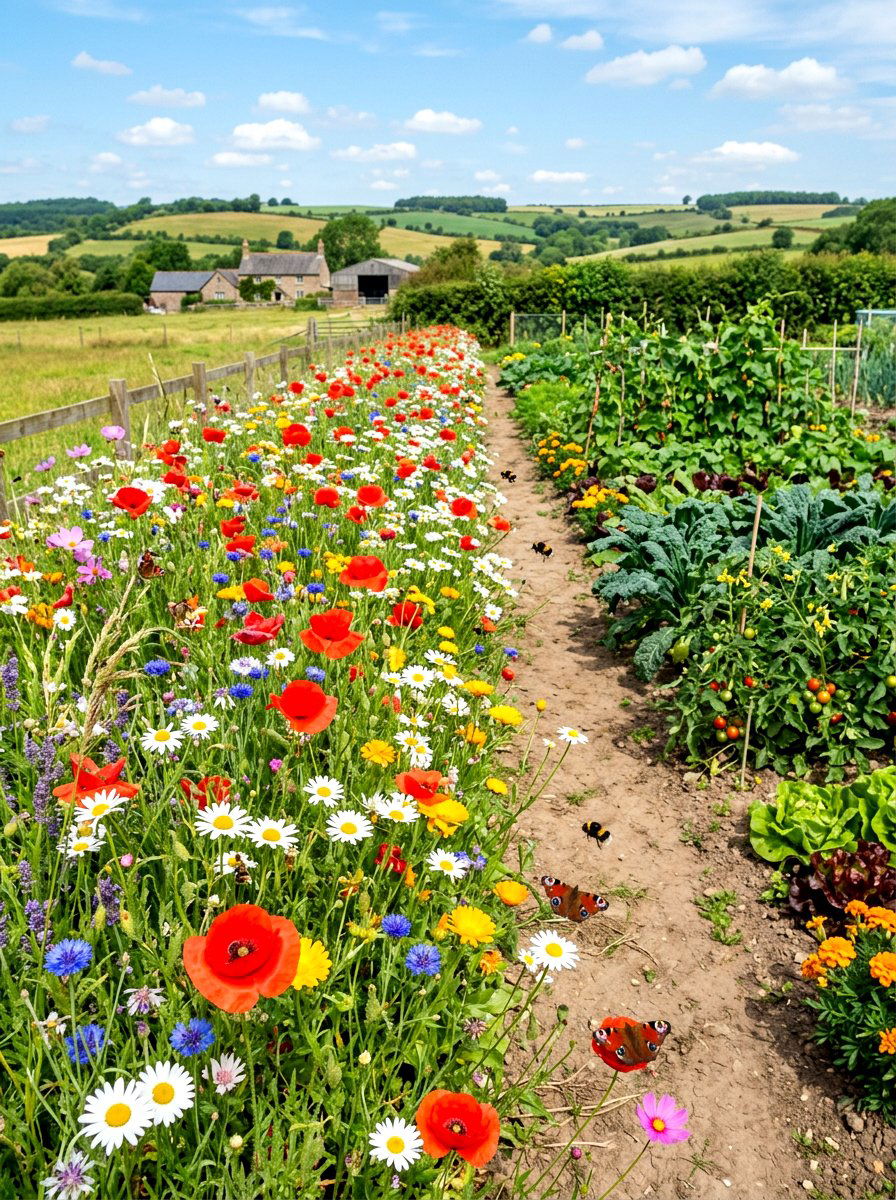
Designing a small backyard garden requires smart planning to maximize every square inch of available soil. By blending traditional rows with intensive planting techniques, you can grow a surprisingly large amount of food in a tiny area. Integrating flowers like marigolds or zinnias helps attract pollinators while adding a splash of color to the greenery. Use narrow paths to maintain easy access without sacrificing precious growing space. A well-organized small garden often feels like a secret sanctuary, providing a peaceful retreat from the hustle and bustle of daily life. It proves that you do not need acres of land to enjoy a bountiful harvest.
5. Greenhouse Vegetable Garden
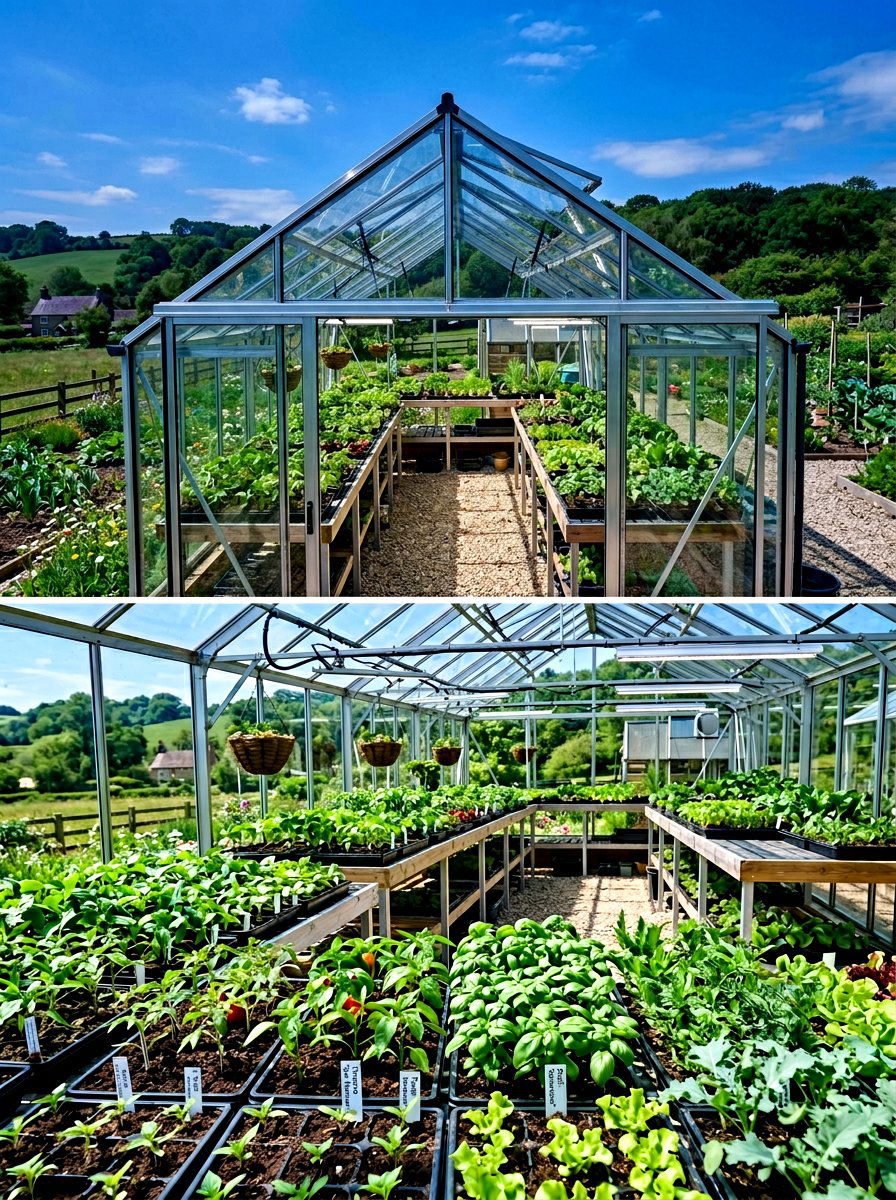
A greenhouse vegetable garden is the gold standard for dedicated growers who want to extend their season into the winter months. These structures provide a controlled environment that protects delicate seedlings from harsh winds, heavy rain, and frost. Inside, you can create a beautiful layout with potting benches, shelving for trays, and in-ground beds for larger crops. The warmth and humidity of a greenhouse allow for the cultivation of exotic peppers or heat-loving melons that might struggle elsewhere. It also serves as a cozy workspace where you can enjoy gardening regardless of the weather outside. The glass or polycarbonate walls create a striking architectural feature.
6. Raised Planter Box
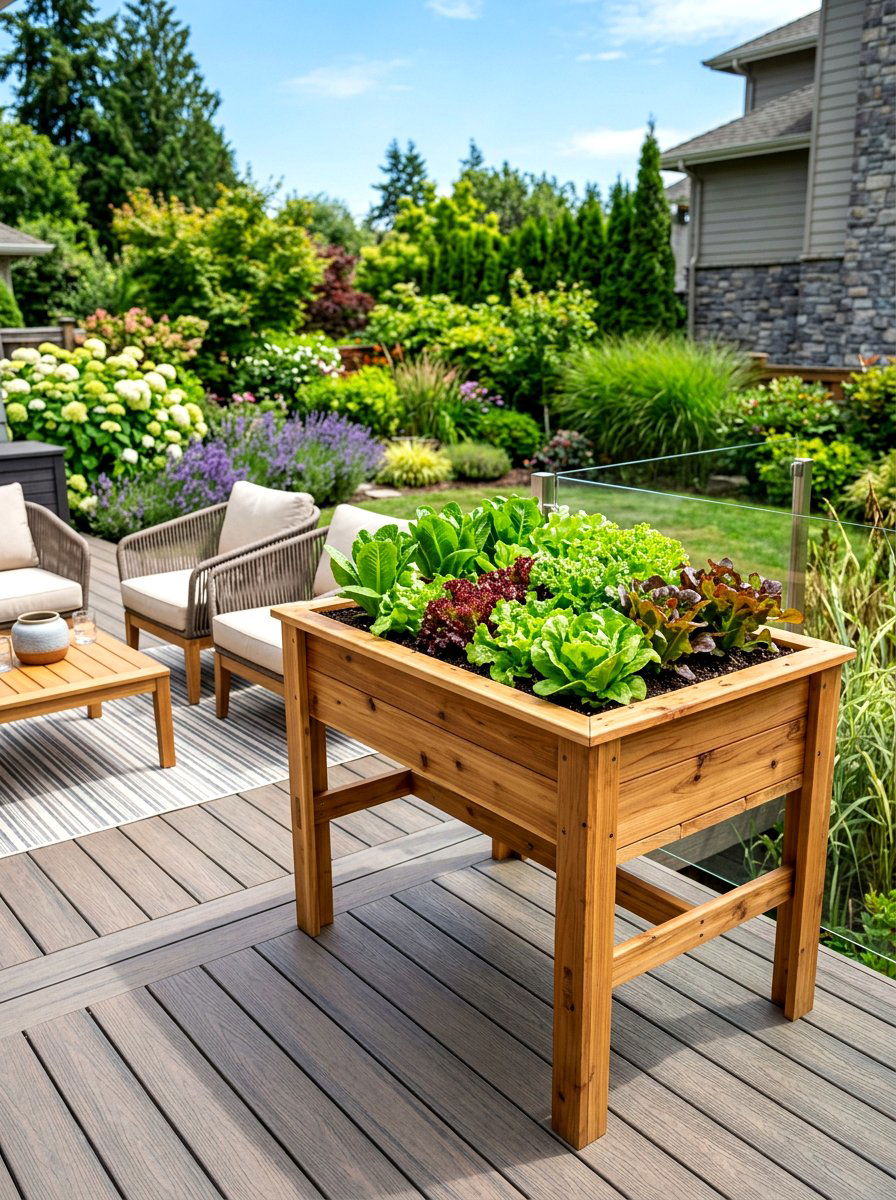
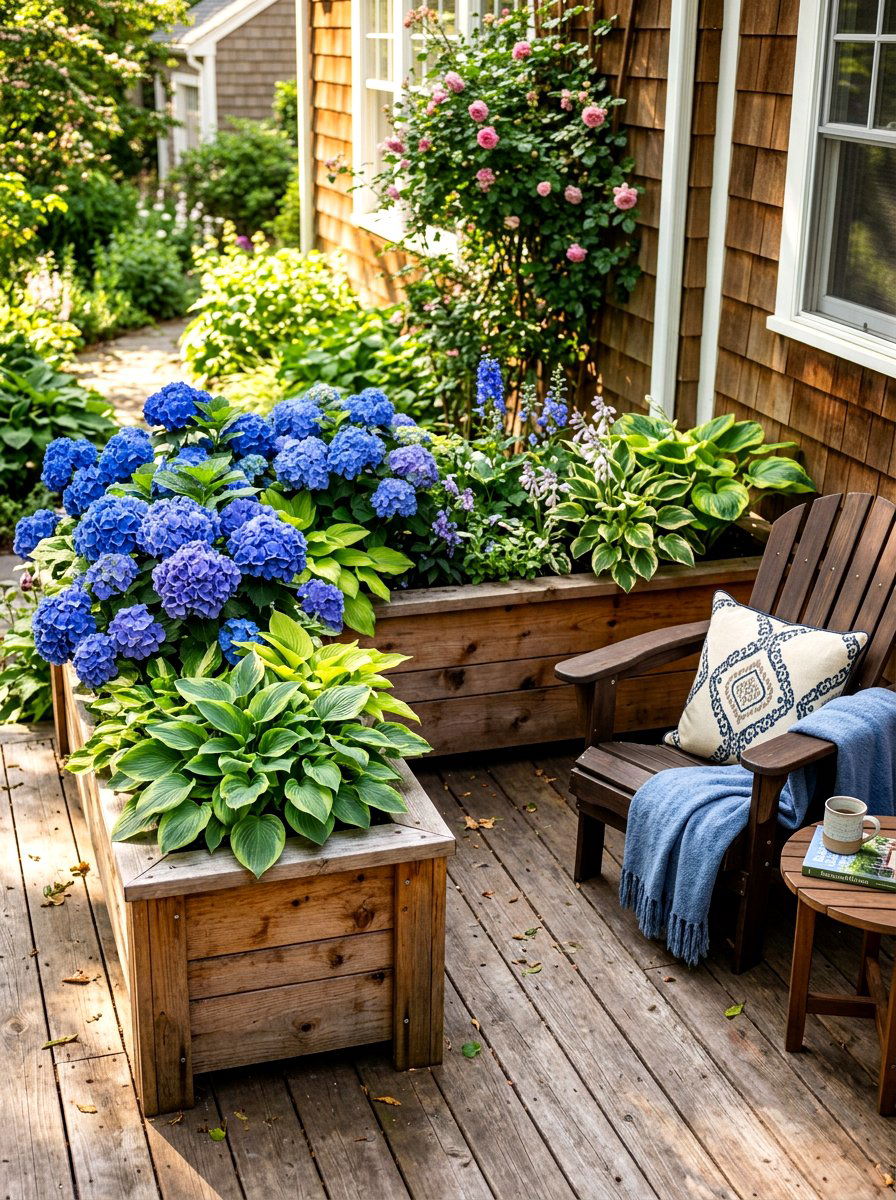
Raised planter boxes are a stylish and ergonomic choice for modern kitchen gardens, especially on decks or paved patios. These elevated containers often sit on legs, bringing the garden to waist height and completely eliminating the need for bending or kneeling. They are perfect for growing shallow-rooted crops like salad greens, radishes, and bush beans. Many models come with built-in drainage systems to ensure your plants never sit in water-logged soil. You can choose sleek wooden designs or industrial metal finishes to complement your outdoor furniture. Placing these boxes near your grill area makes it incredibly convenient to harvest fresh toppings for your summer meals.
7. Window Box Garden
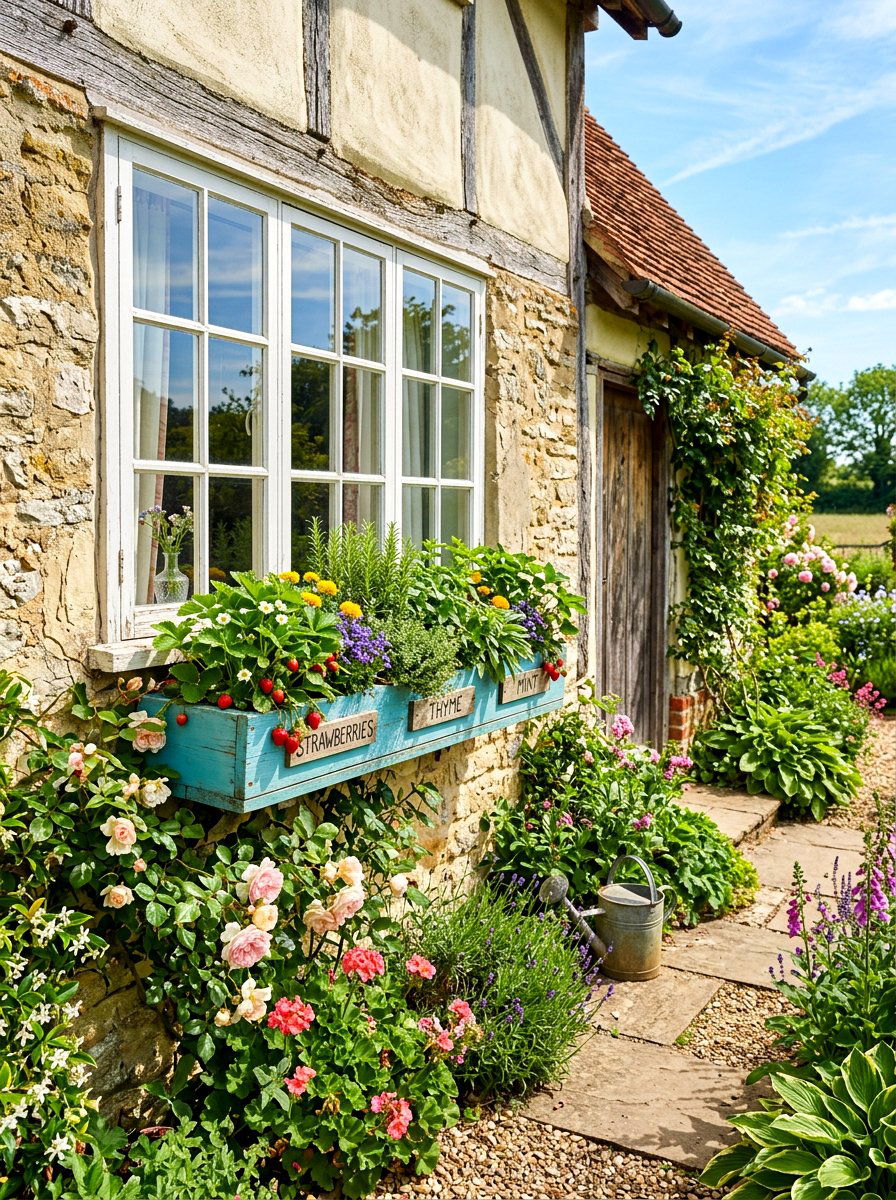
Installing a window box garden allows you to enjoy the beauty and aroma of fresh produce from both inside and outside your home. These compact planters are ideal for small vegetables like micro-greens, strawberries, or various types of thyme and oregano. When positioned outside a kitchen window, they provide instant access to ingredients while you are preparing food indoors. The cascading foliage and vibrant colors of ripening fruit add a charming, cottage-style aesthetic to your home’s facade. Window boxes are very easy to maintain and can be swapped out seasonally to keep your display looking fresh. They are a great way to utilize often-overlooked vertical space.
8. Urban Balcony Garden
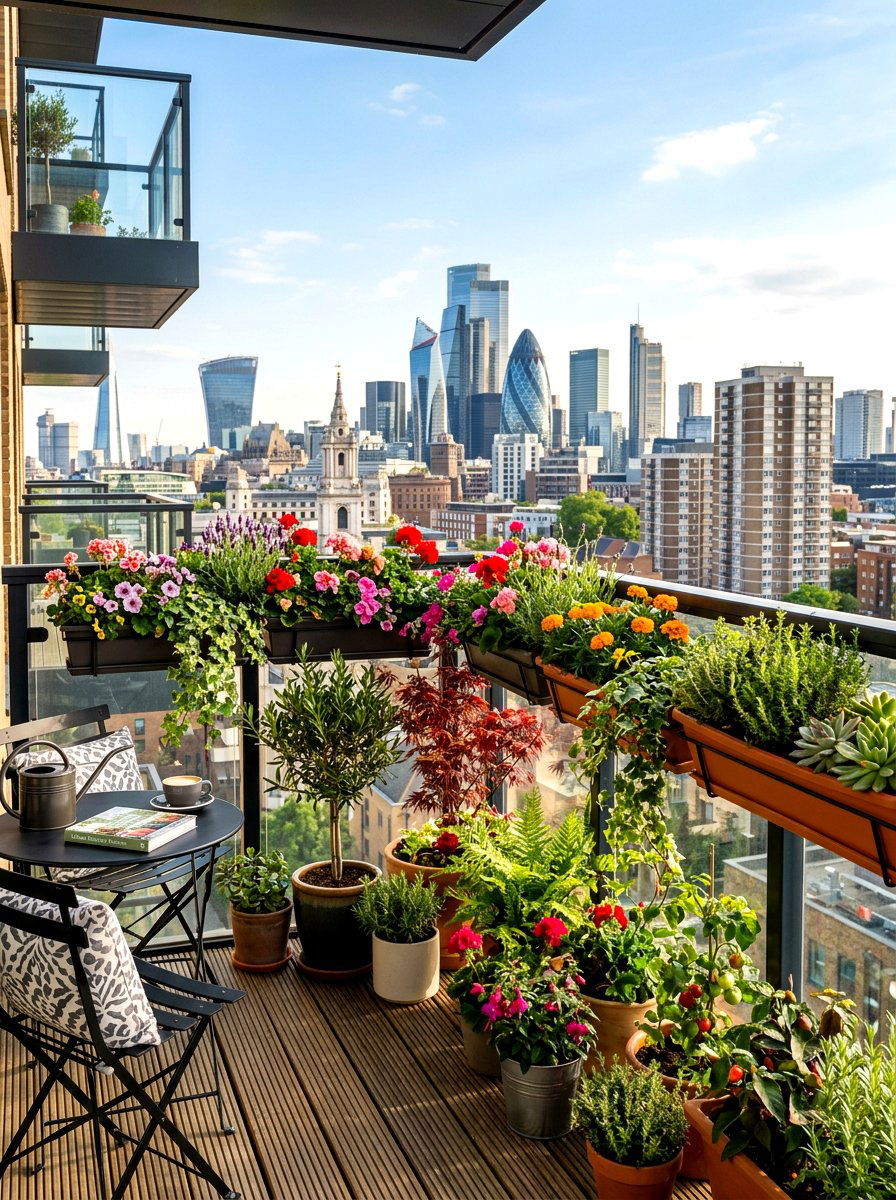
An urban balcony garden transforms a concrete ledge into a productive green oasis using specialized railing planters and hanging baskets. To make the most of a small balcony, focus on dwarf varieties of vegetables that are specifically bred for compact spaces. Using lightweight pots and vertical shelving units helps keep the weight manageable while increasing your total planting area. This design provides much-needed greenery in city environments and offers a sense of accomplishment as you grow your own snacks. Adding a small bistro set among the plants creates a wonderful spot for morning coffee. It turns a functional outdoor space into a lush, edible retreat high above the streets.
9. Modern Vegetable Garden
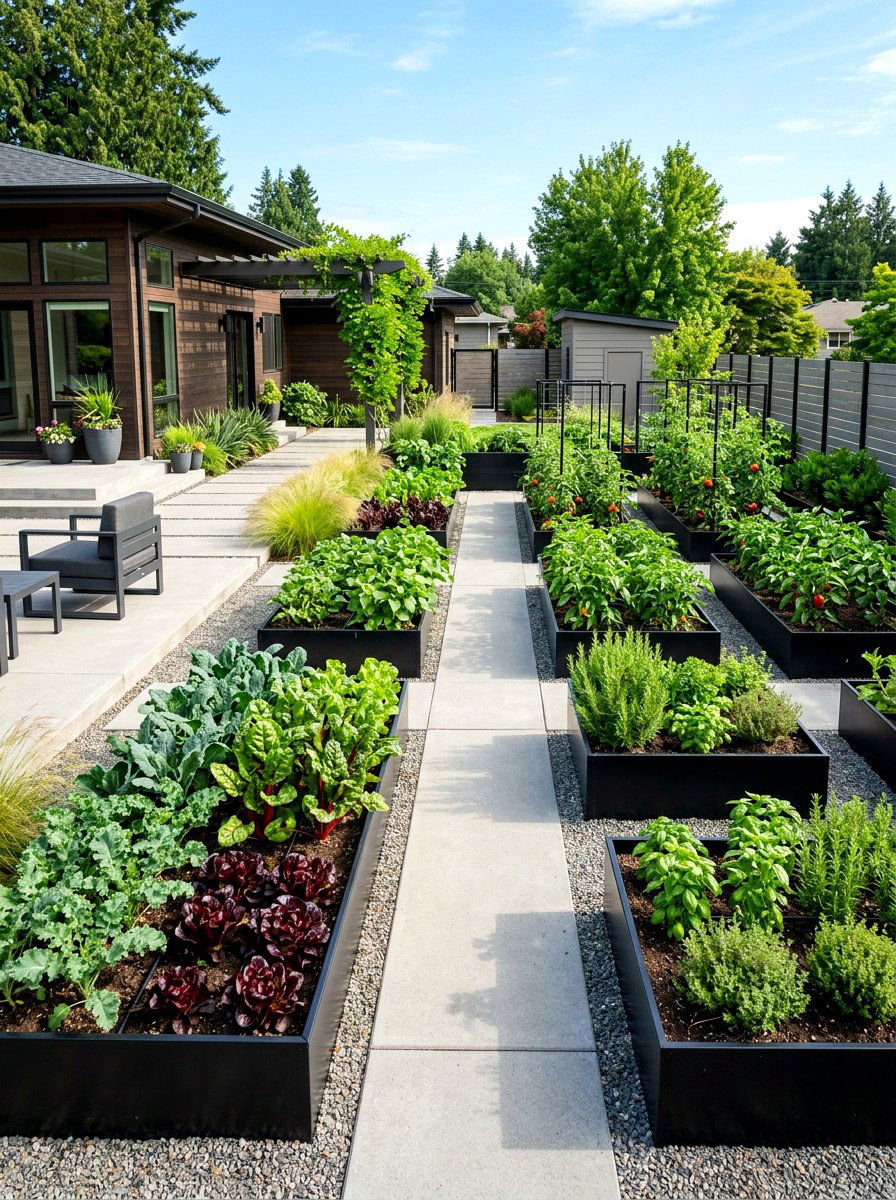
A modern vegetable garden focuses on clean lines, high-quality materials, and a minimalist aesthetic that integrates seamlessly with contemporary architecture. Instead of messy patches, these gardens often feature geometric beds made of polished concrete, black metal, or dark-stained wood. The plant selection is usually very intentional, with a focus on structural vegetables like kale, chives, and neatly trellised vines. Using a monochromatic color palette for the hardscaping allows the vibrant green of the vegetables to take center stage. Incorporating smart irrigation systems and hidden lighting ensures the garden looks pristine day and night. It is the perfect choice for homeowners who value sophisticated, high-end outdoor design.
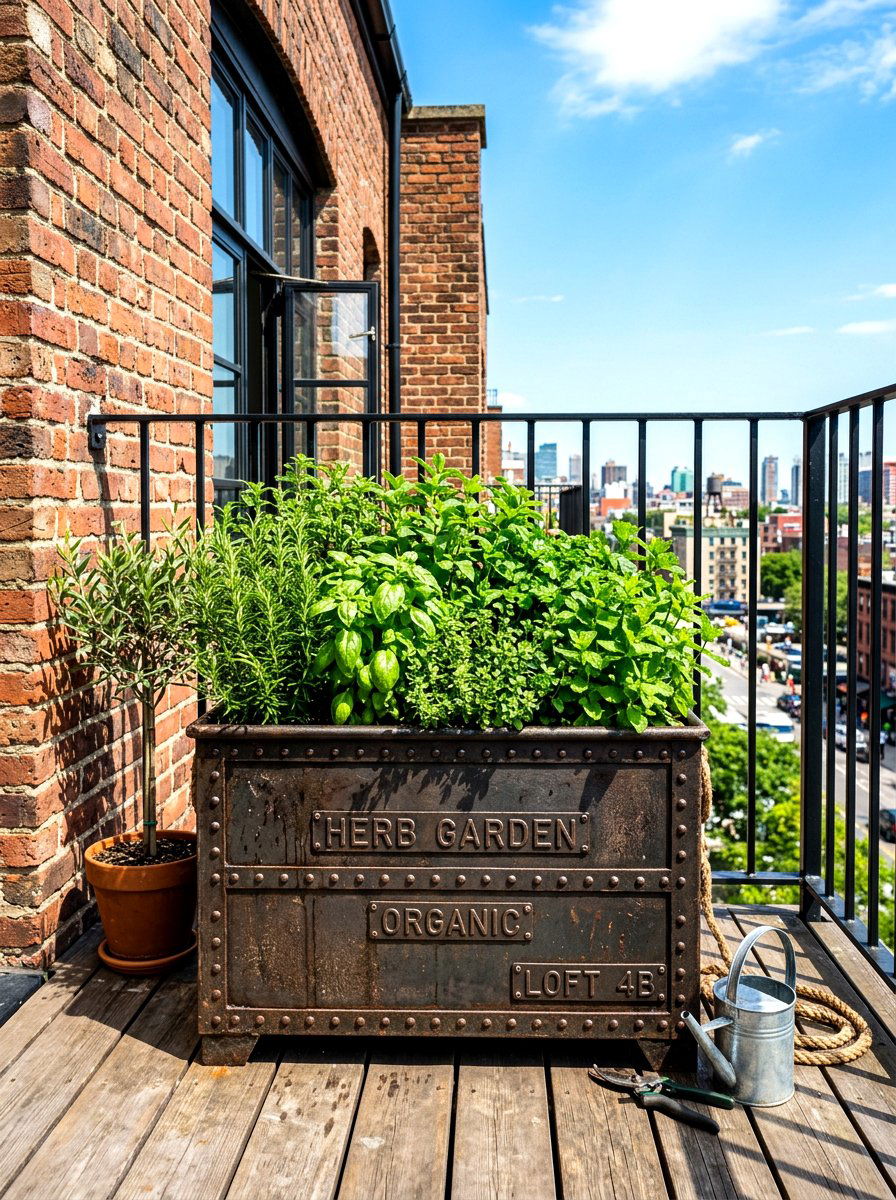
10. Rustic Potager Garden
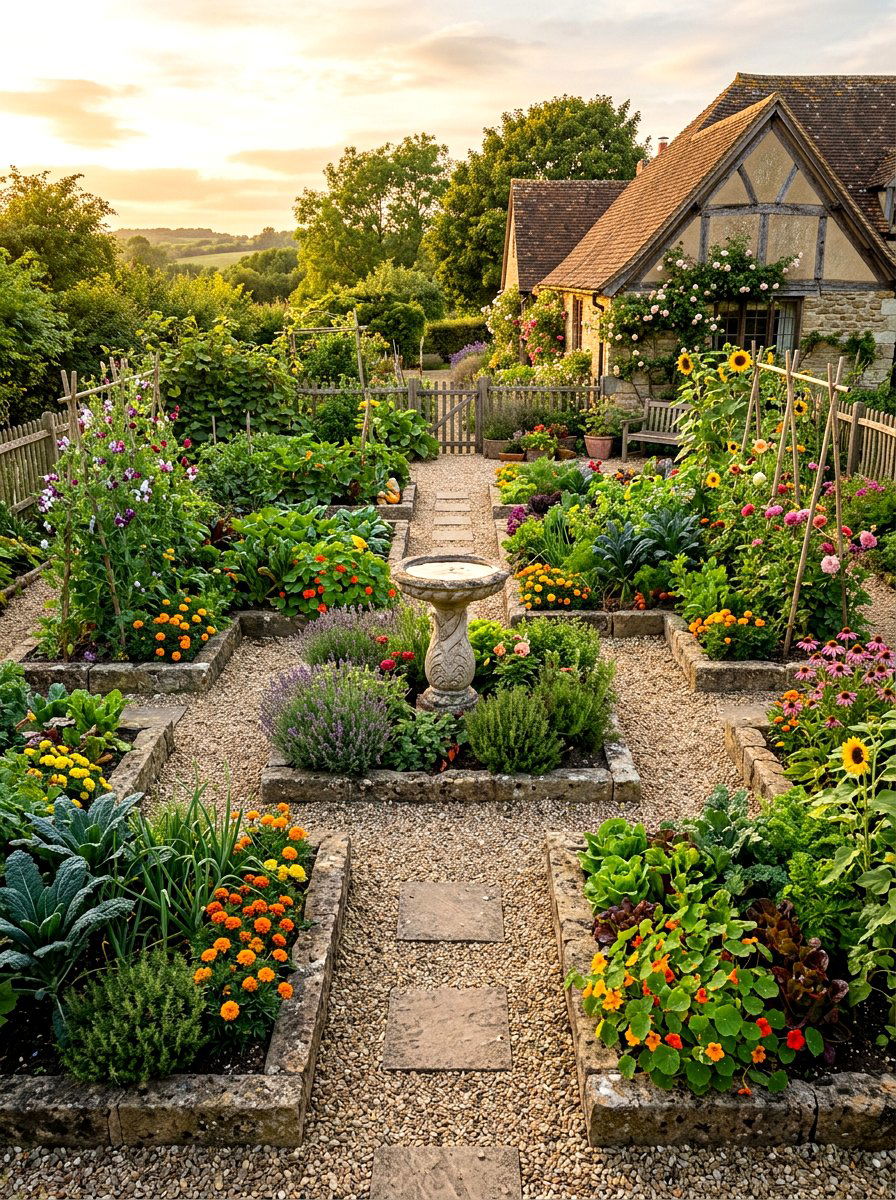
The rustic potager garden is a traditional French-style kitchen garden that prioritizes both beauty and utility in a romantic, informal way. This design typically mixes vegetables with edible flowers and fruit trees in a symmetrical or geometric pattern. Decorative elements like willow hurdles, stone edgings, and central birdbaths add to the charming, old-world feel of the space. It is meant to be a sensory experience, where the scent of roses mingles with the earthy aroma of ripening tomatoes. A potager is designed to be lived in, often featuring small benches where you can sit and admire the lush growth. It celebrates the harmony between nature and human cultivation.
11. Pallet Herb Garden
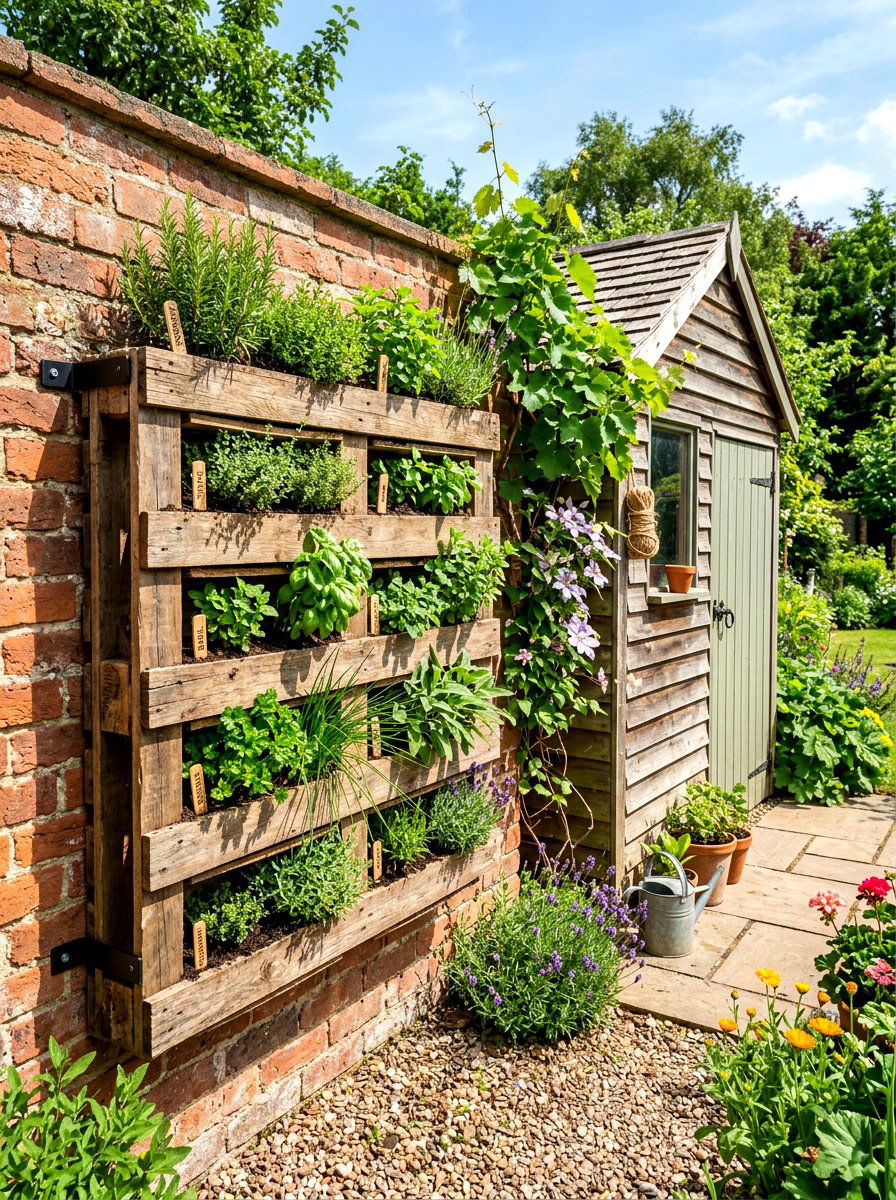
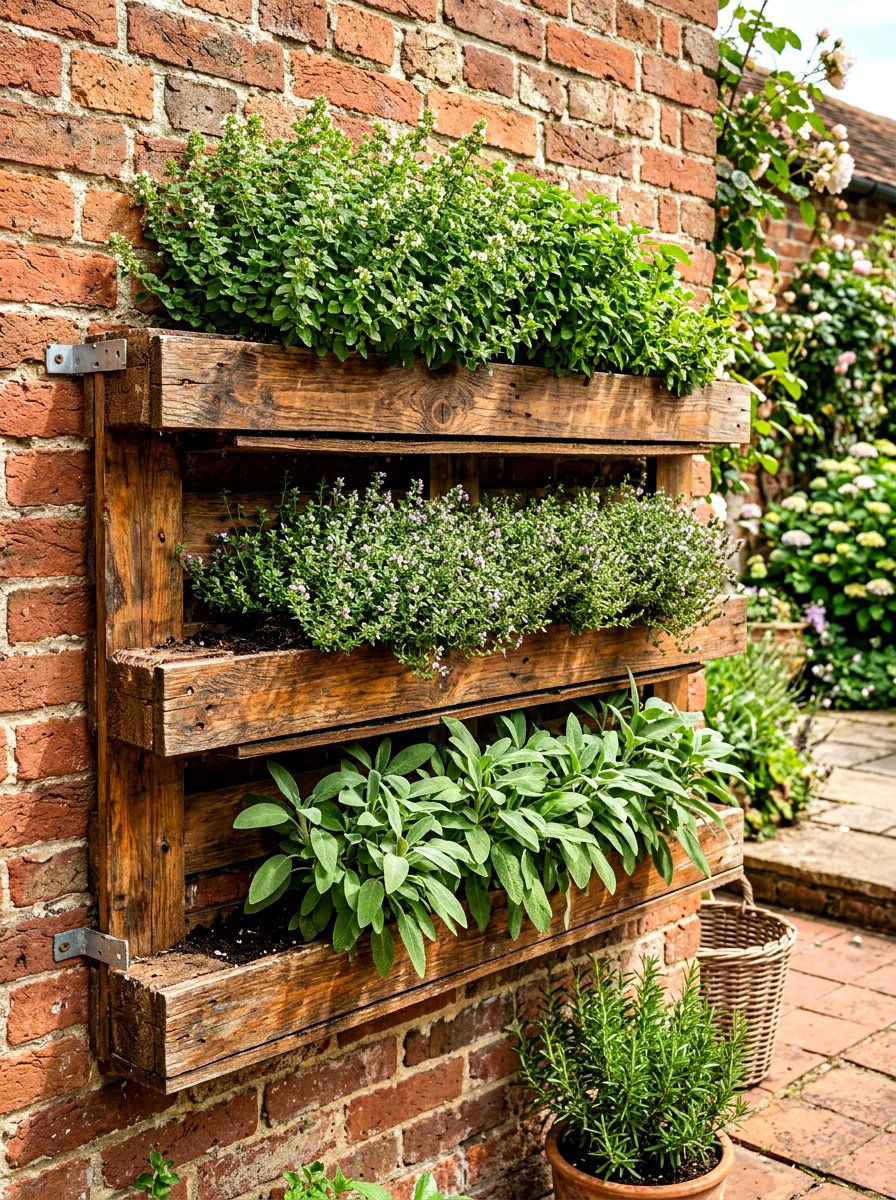
Creating a pallet herb garden is a popular DIY project that repurposes old wooden pallets into a functional, rustic planting wall. By sealing the bottom of the slats with landscape fabric, you can create rows of pockets for various aromatic herbs to thrive. This setup is incredibly cost-effective and adds a rugged, handmade character to your patio or garden shed wall. It is especially useful for keeping invasive herbs like mint contained so they do not take over your entire garden bed. You can paint or stain the wood to match your exterior decor or leave it natural for a weathered look. It is a brilliant example of upcycling.
12. Tiered Vegetable Garden
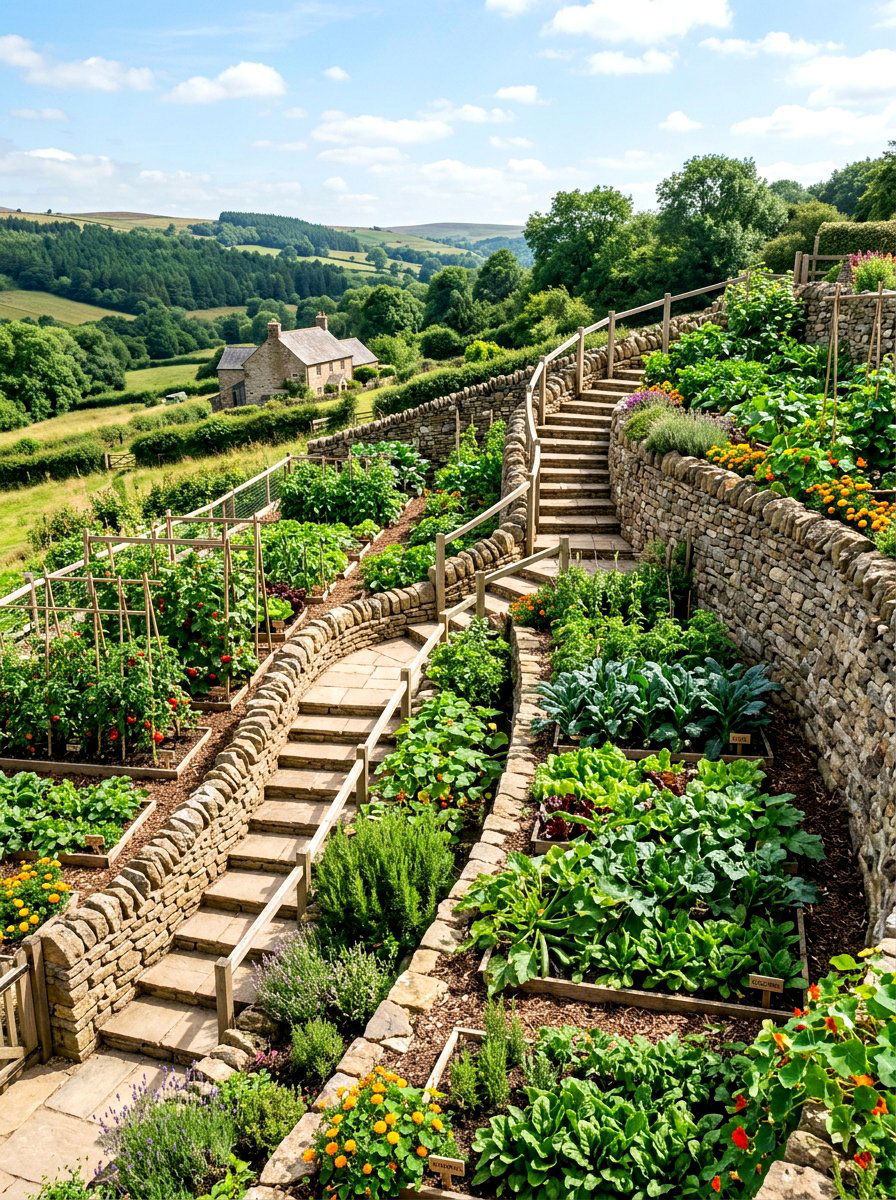
A tiered vegetable garden is the ultimate solution for sloping yards where traditional flat beds are not an option. By building a series of stepped levels, you create flat planting surfaces that prevent soil erosion and manage water runoff effectively. This design adds incredible depth and dimension to your landscaping, making the garden feel much larger than it actually is. You can use different tiers for different plant groups, such as root vegetables on the bottom and sun-loving vines on the top. The cascading effect of greenery flowing over the edges of the tiers is visually stunning. It turns a challenging terrain into a highly productive and attractive feature.
13. Tiered Herb Planter
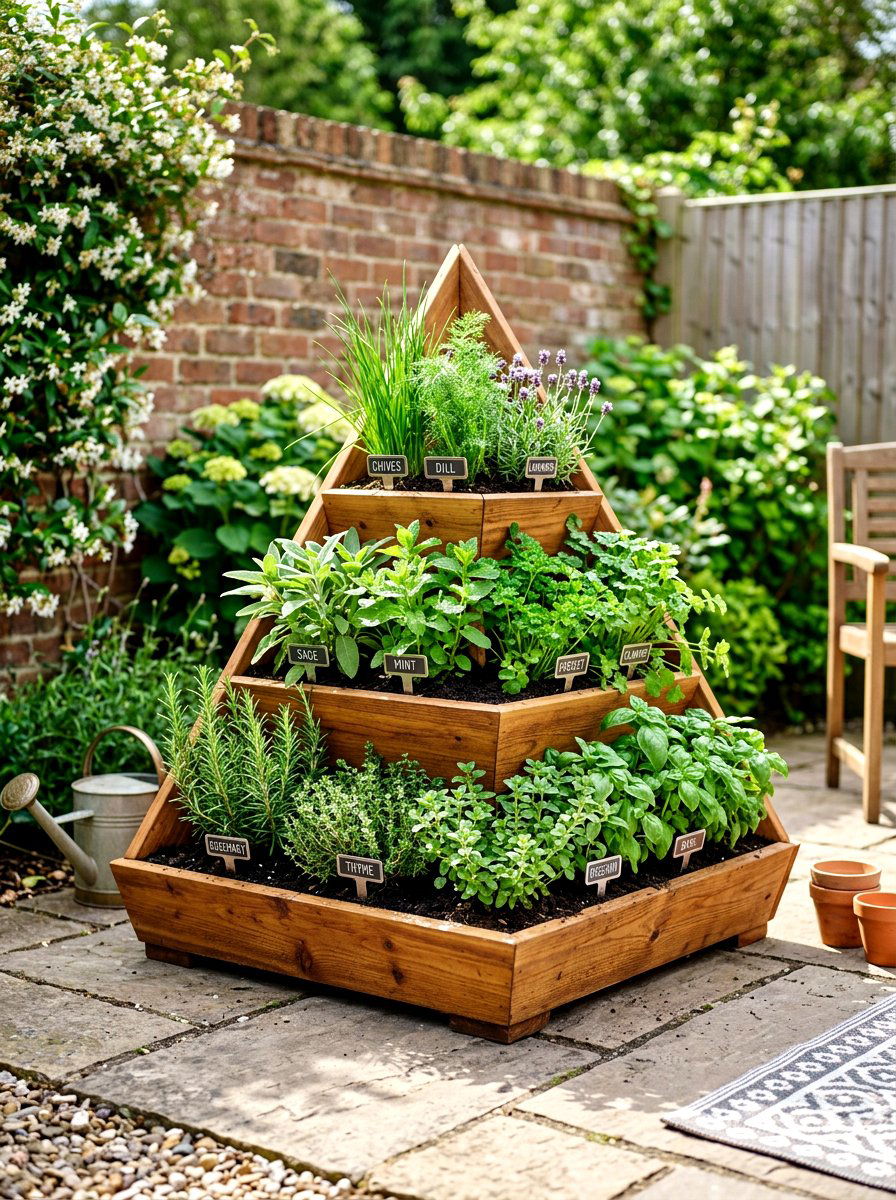
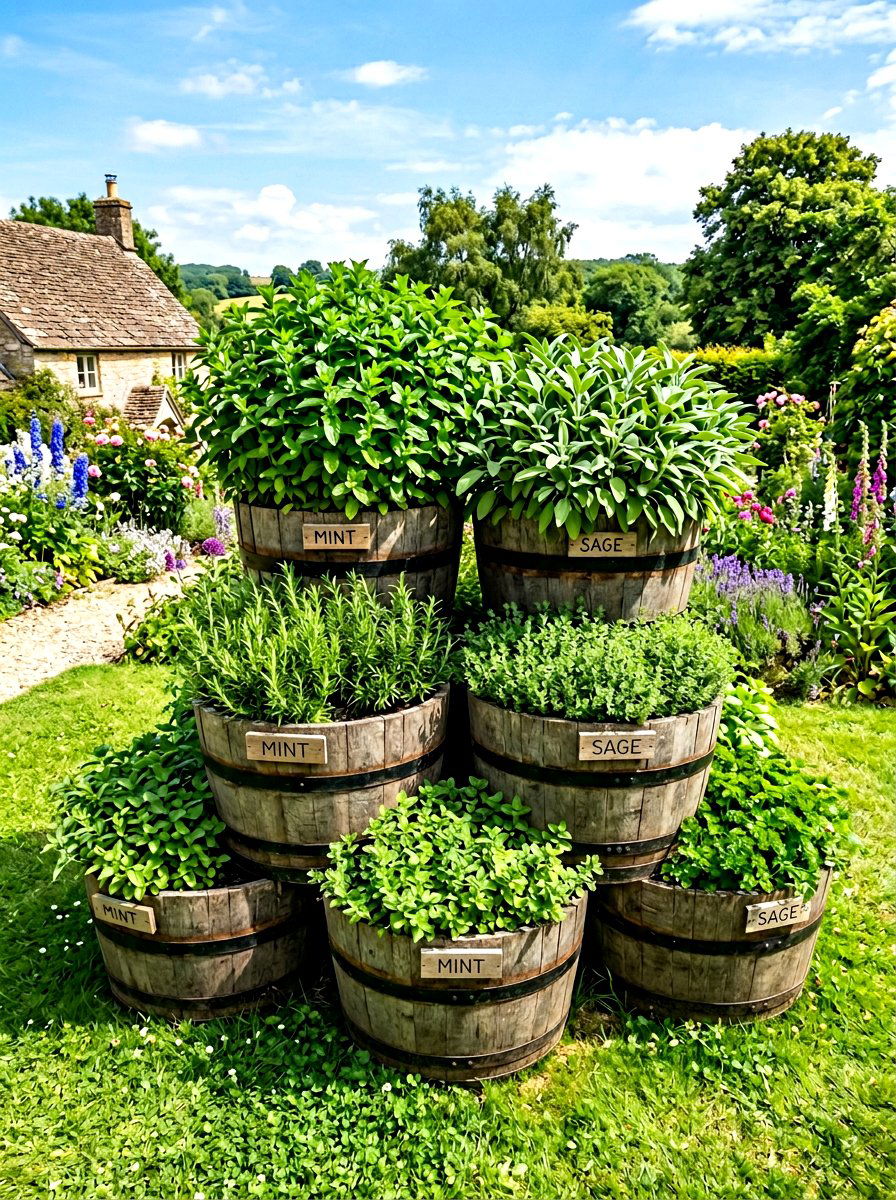
A tiered herb planter is a compact, multi-level container system that allows you to grow several varieties of herbs in a very small footprint. These planters often feature a fountain-like design where smaller pots sit on top of larger ones. This setup is perfect for placing right next to your back door or on a sunny kitchen counter. It ensures that water from the top tiers trickles down to the bottom, making maintenance more efficient. The variety of textures and leaf shapes creates a beautiful green pyramid that serves as a living centerpiece. It is an excellent way to keep your most-used seasonings organized and within easy reach.
14. Hydroponic Kitchen Garden
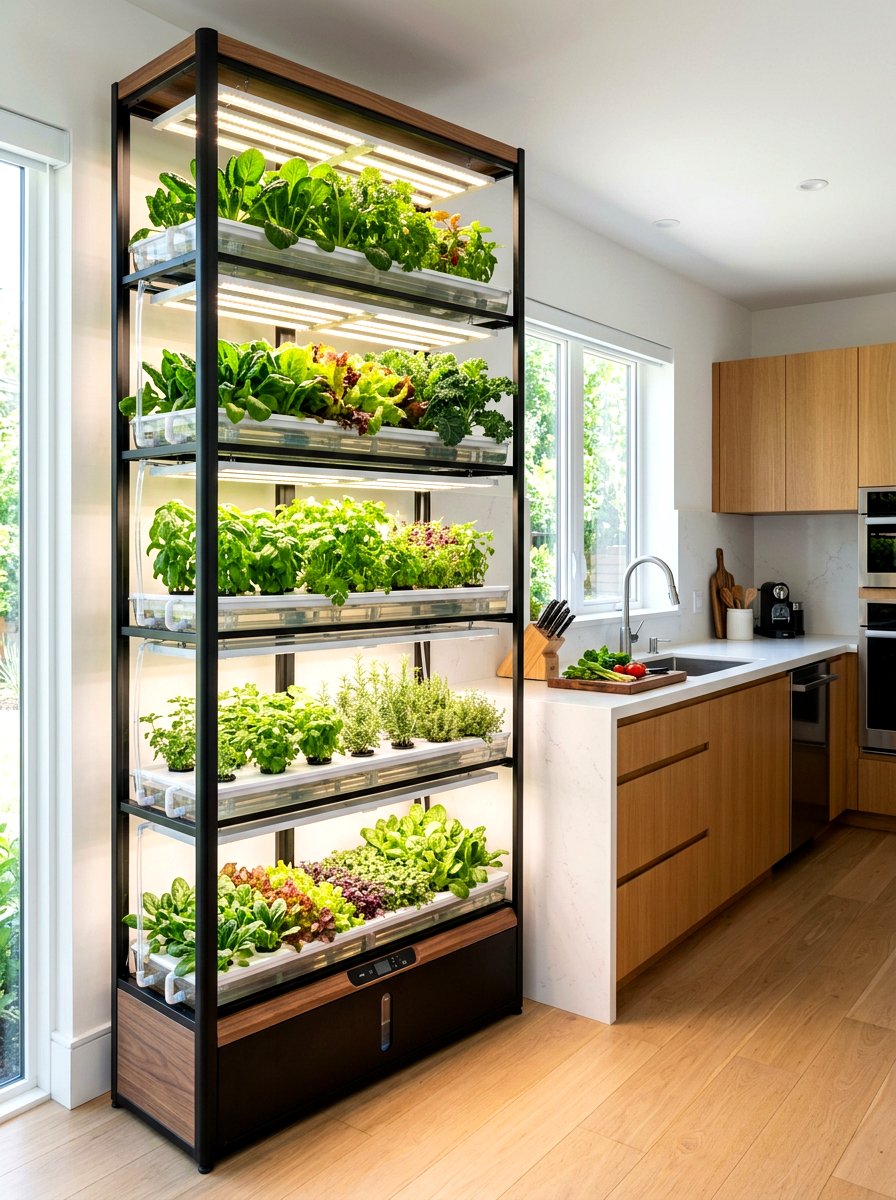
Embracing a hydroponic kitchen garden allows you to grow fresh vegetables indoors without the need for traditional soil. These high-tech systems use nutrient-rich water and LED grow lights to produce crops at a much faster rate than outdoor gardens. Modern hydroponic units are designed to be sleek and attractive, looking more like a piece of high-end furniture than a science experiment. They are ideal for growing leafy greens, herbs, and even small peppers year-round, regardless of the outdoor climate. Because the system is self-contained, there is very little mess and almost no risk of soil-borne pests. It represents the future of sustainable, home-based food production.
15. Indoor Vegetable Garden
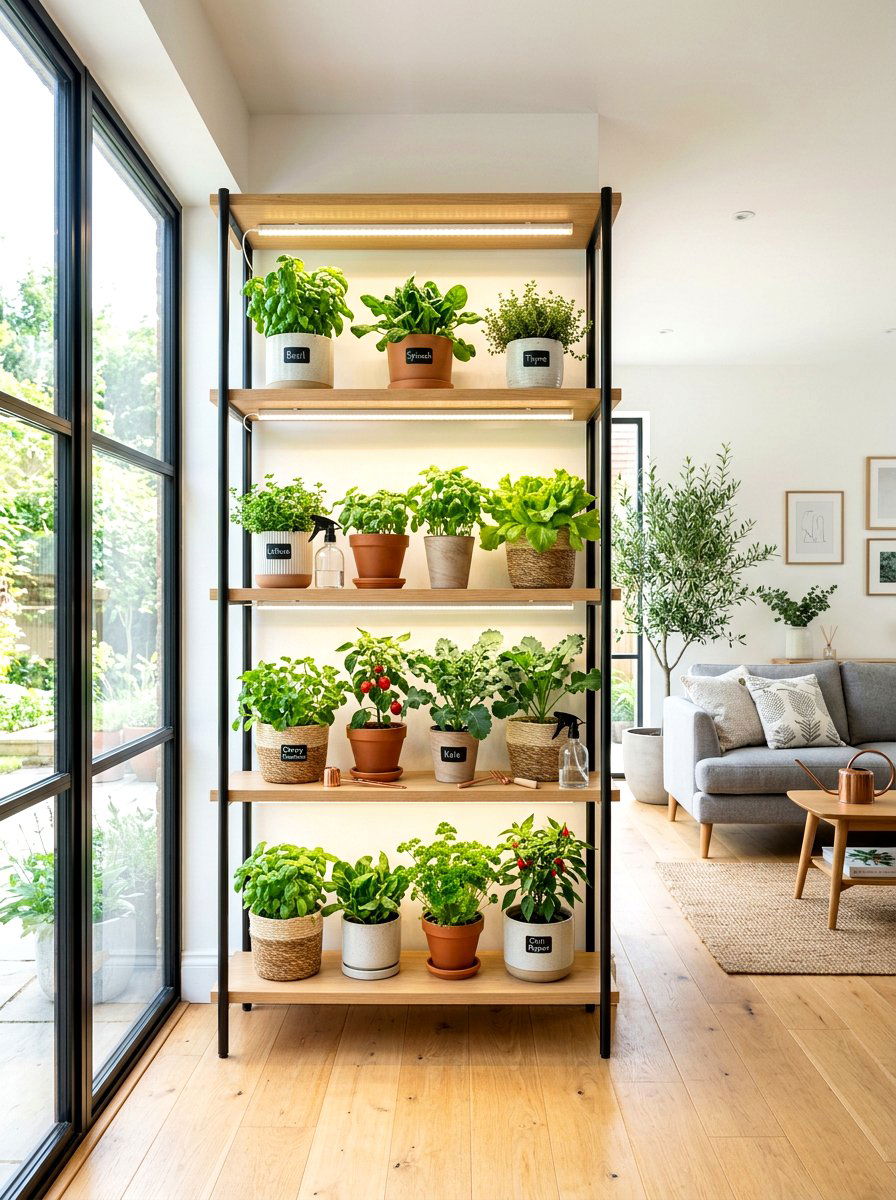
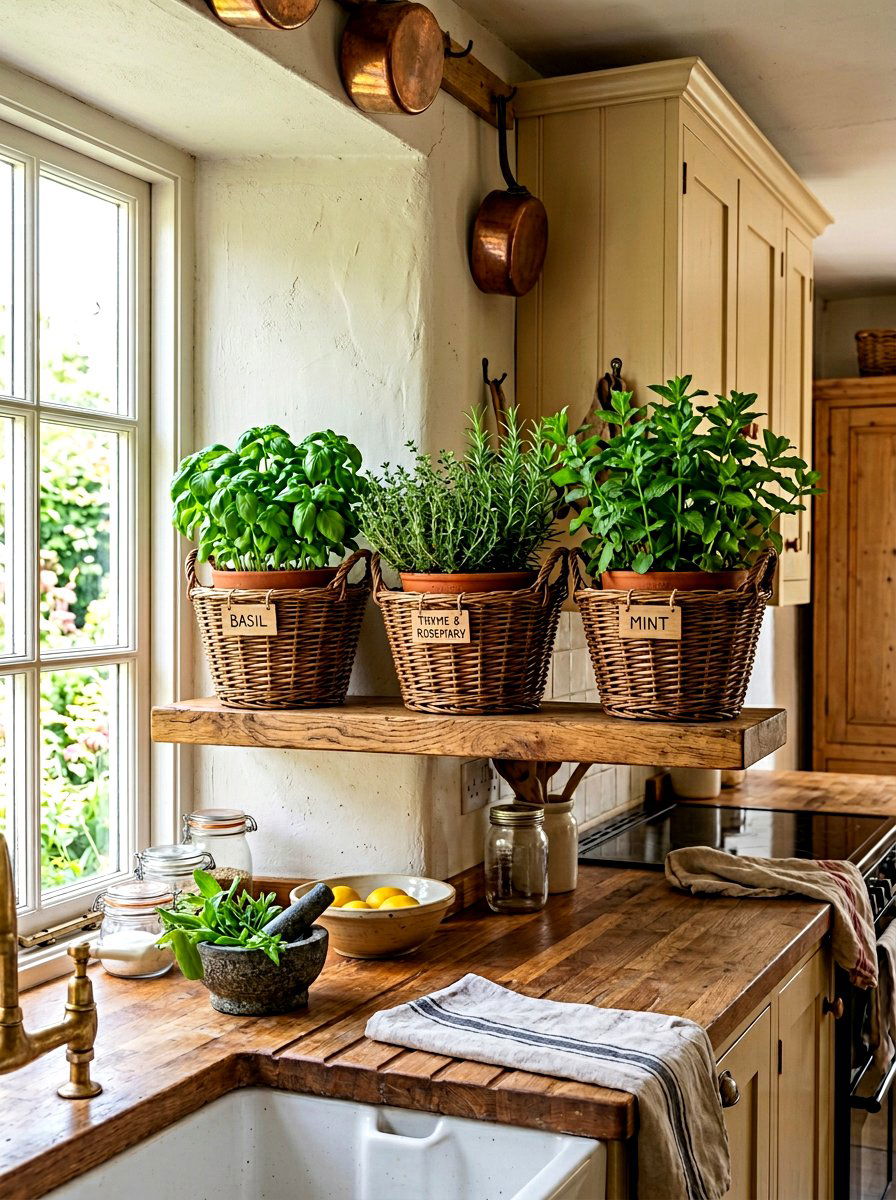
An indoor vegetable garden brings the freshness of the outdoors directly into your living space using shelving, grow lights, and stylish pots. This design is perfect for those who live in apartments or have very short growing seasons outside. Focus on plants that thrive in indoor conditions, such as micro-greens, sprouts, and heat-tolerant herbs like basil. Using a dedicated plant stand with integrated lighting ensures your crops get the full spectrum of light they need to grow strong and healthy. It adds a vibrant, life-affirming energy to your home decor and improves indoor air quality. Growing food inside makes the process accessible every single day.
16. Edible Landscaping
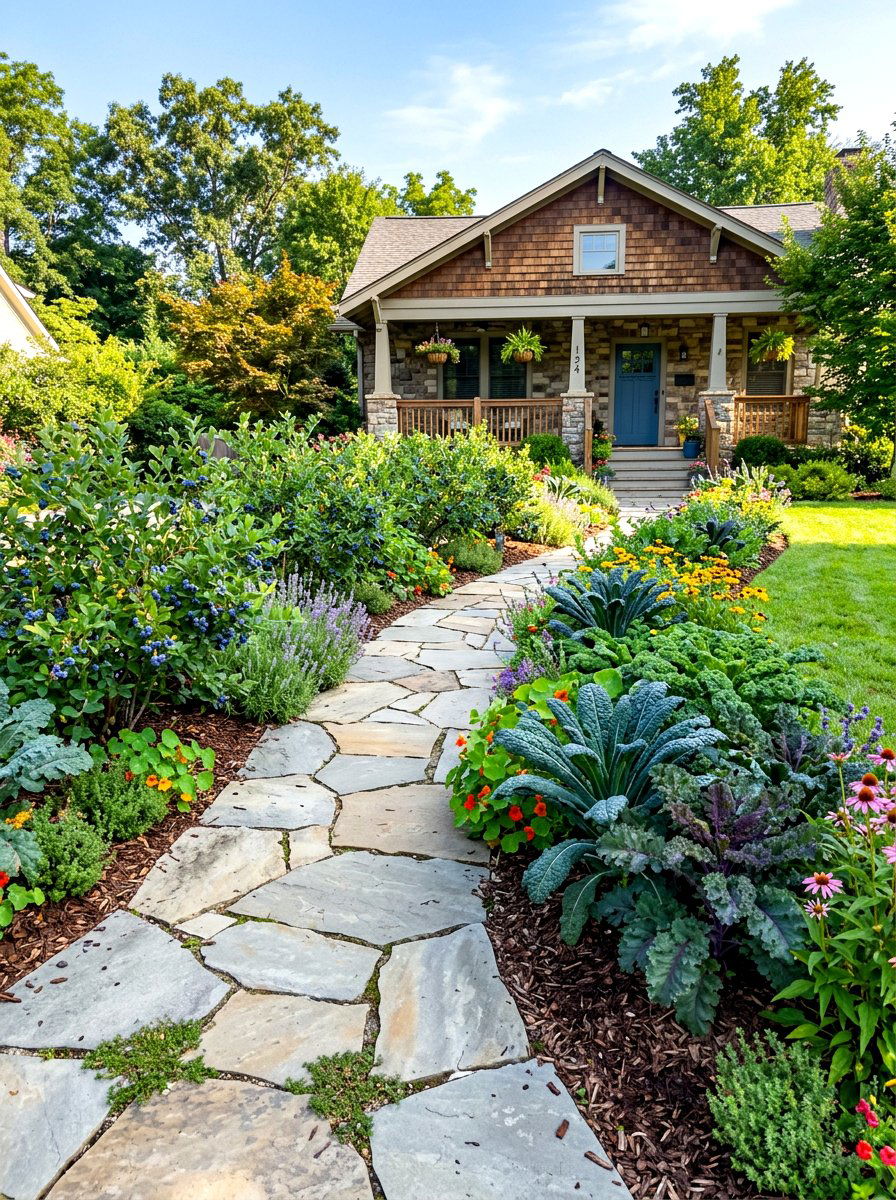
Edible landscaping is the art of replacing traditional ornamental plants with beautiful, productive vegetables and fruits throughout your front and backyard. Instead of a standard boxwood hedge, you might plant blueberry bushes or rosemary shrubs that offer both structure and a harvest. Swiss chard and kale can serve as stunning foliage plants in flower beds due to their vibrant colors and interesting textures. This approach maximizes your land’s potential without requiring a dedicated, fenced-off garden area. It creates a lush, diverse ecosystem that supports local pollinators while feeding your family. Edible landscapes prove that a yard can be both aesthetically pleasing and incredibly functional at the same time.
17. Vegetable Garden Fence
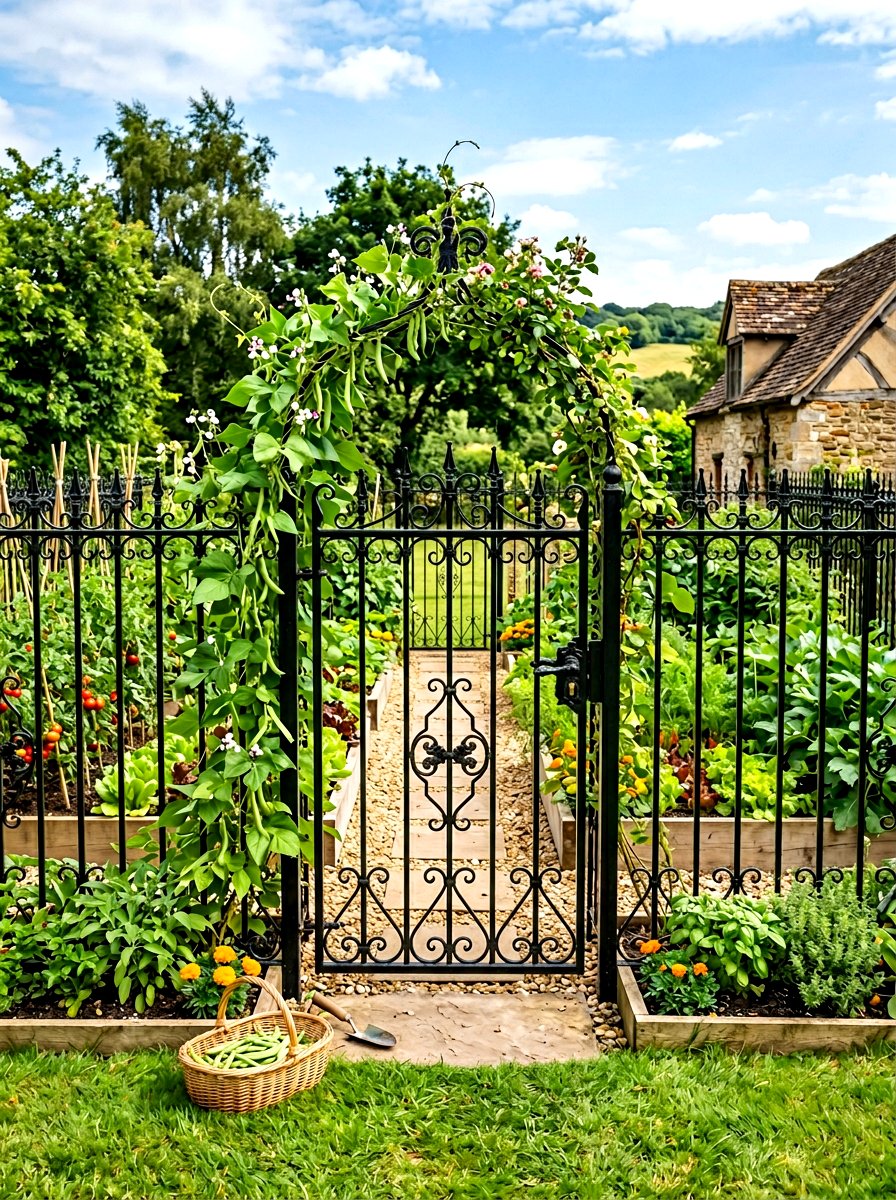
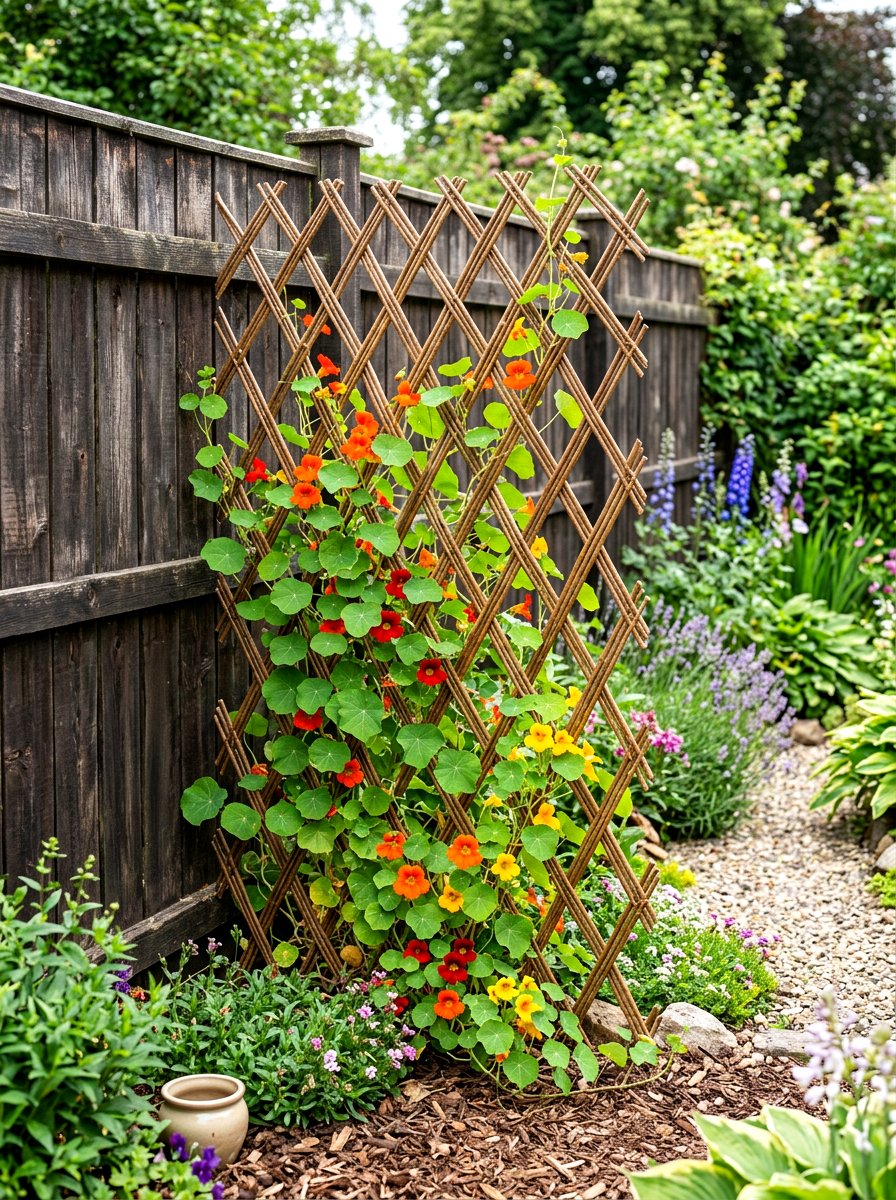
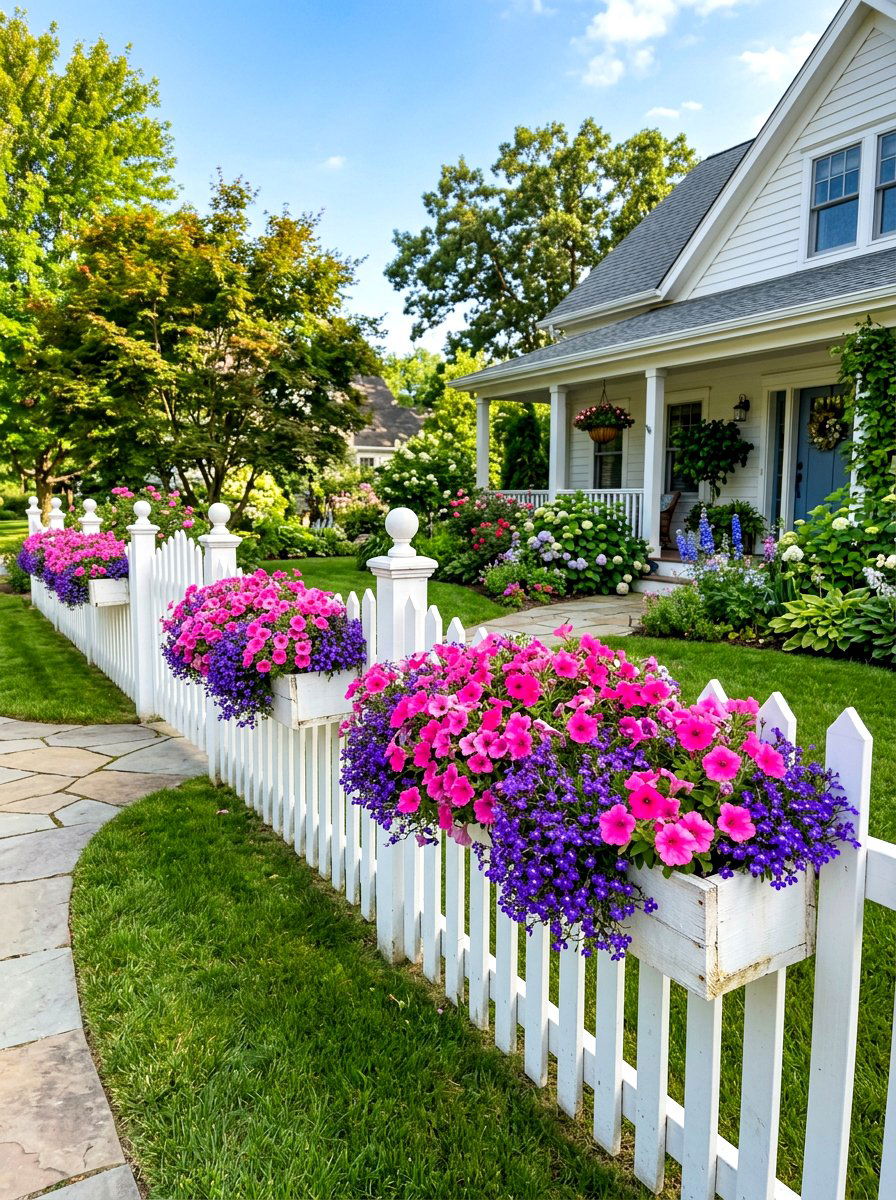
A vegetable garden fence serves a dual purpose by protecting your precious crops from local wildlife while providing a sturdy support for climbing plants. You can design a beautiful enclosure using cedar pickets, black iron, or decorative wire mesh to match your home’s architecture. By training peas, beans, and cucumbers to grow up the fence, you significantly increase your vertical growing space. Adding a charming gate with climbing roses or clematis makes the entrance to your garden feel like a special destination. This structure helps define the boundaries of your kitchen garden, keeping it tidy and separate from the rest of the lawn or play areas.
18. Hanging Vegetable Basket
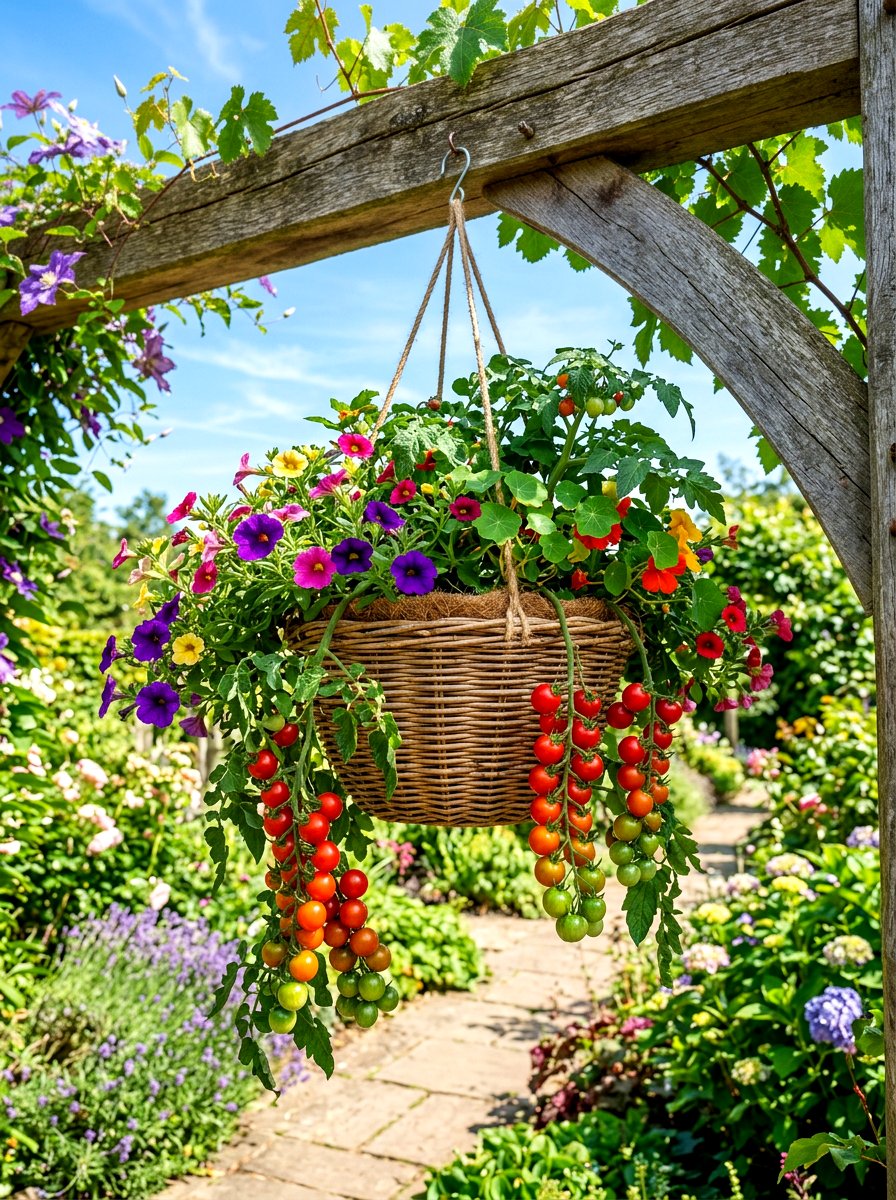
Hanging vegetable baskets are a wonderful way to add greenery and food production to porches, balconies, and pergolas without taking up any floor space. Certain varieties of cherry tomatoes and strawberries are specifically bred to trail beautifully over the edges of hanging containers. This design keeps the fruit off the ground, reducing the risk of rot and making harvesting as easy as reaching up. You can mix in trailing flowers like lobelia or petunias to create a stunning, multi-colored display that brightens up any outdoor ceiling. They are easy to water and can be moved around to ensure they get the perfect amount of afternoon sunlight.
19. Keyhole Garden Bed
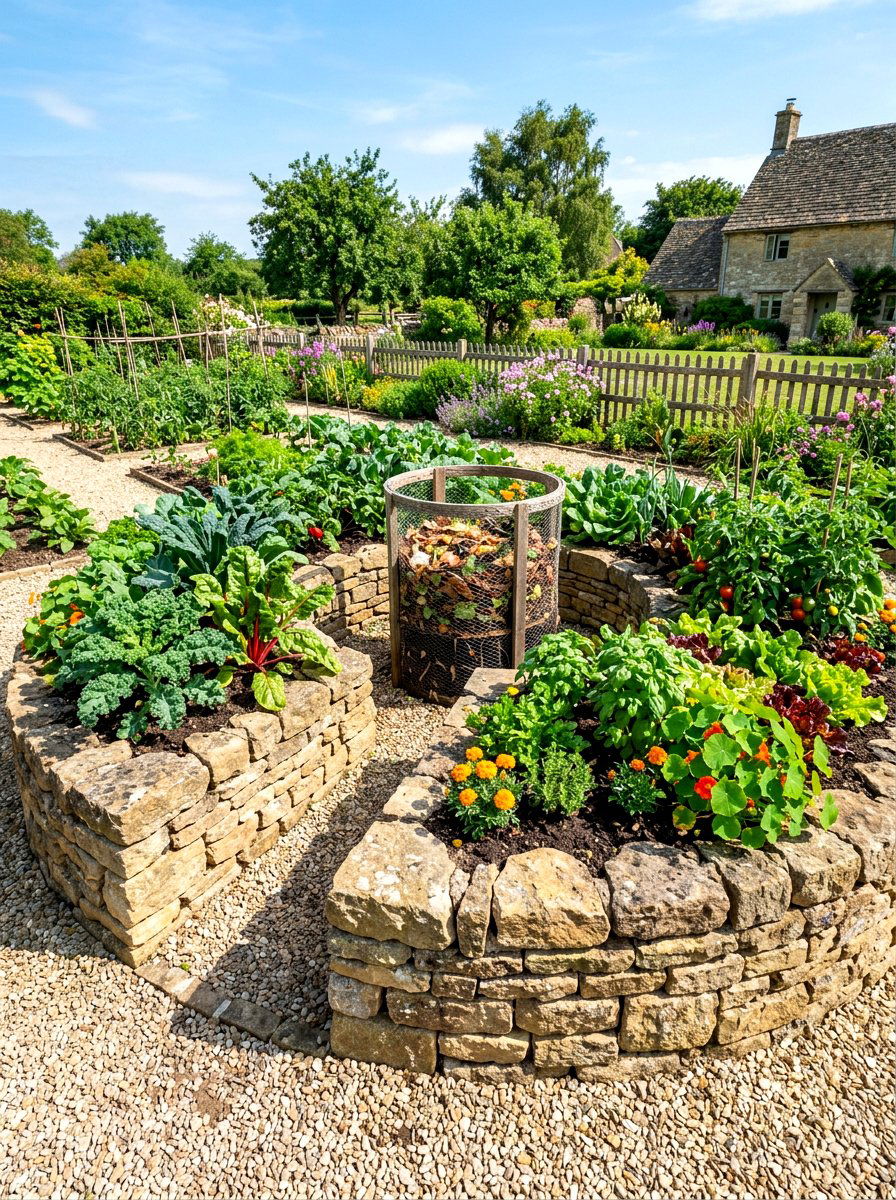
The keyhole garden bed is a circular, raised garden design with a recessed path leading to a central composting basket. This ingenious layout allows you to feed your plants directly with kitchen scraps and gray water, creating a self-sustaining nutrient cycle. The circular shape is incredibly space-efficient and allows you to reach every plant from the central path without stepping on the soil. It is often built with stone or brick walls, which help retain heat and moisture for the plants inside. This design is especially popular in dry climates but works beautifully in any backyard as a unique, sustainable focal point for organic growing.
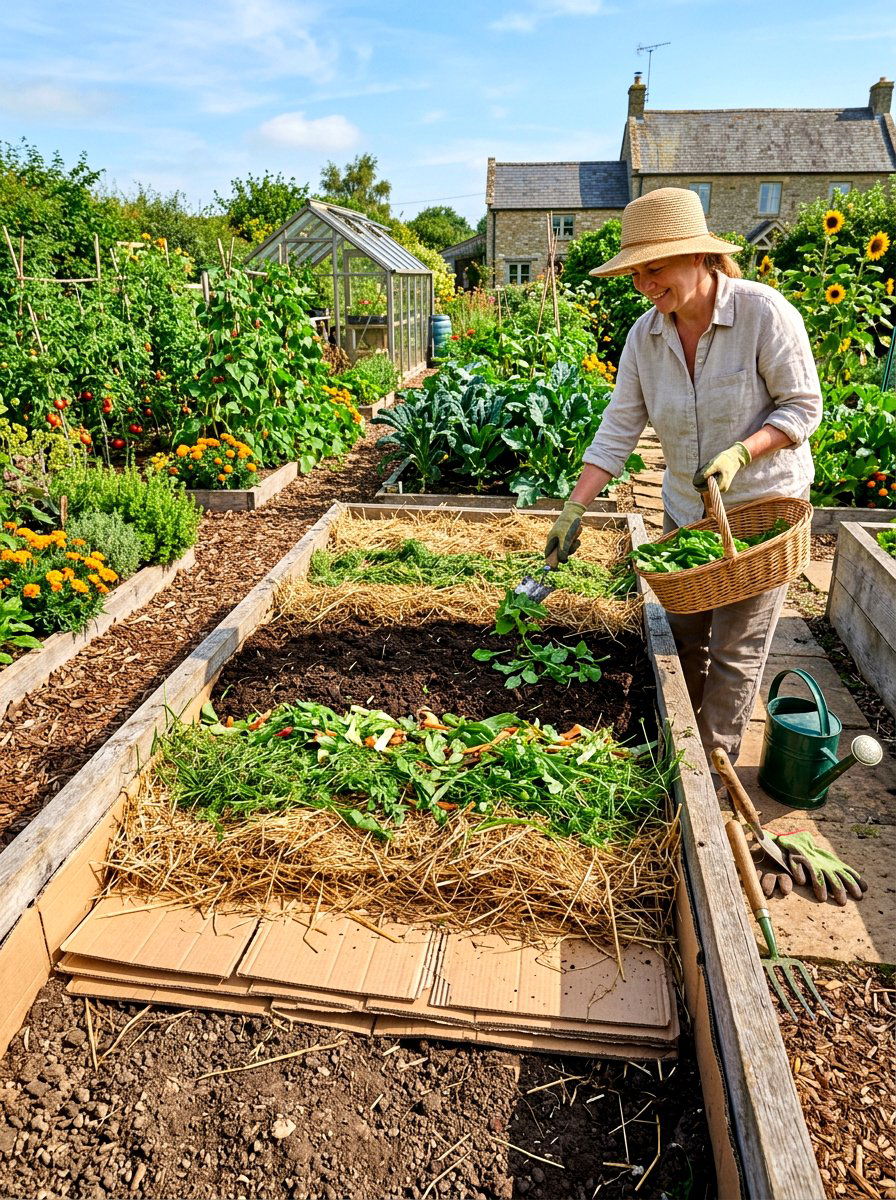
20. Compact Garden Tower
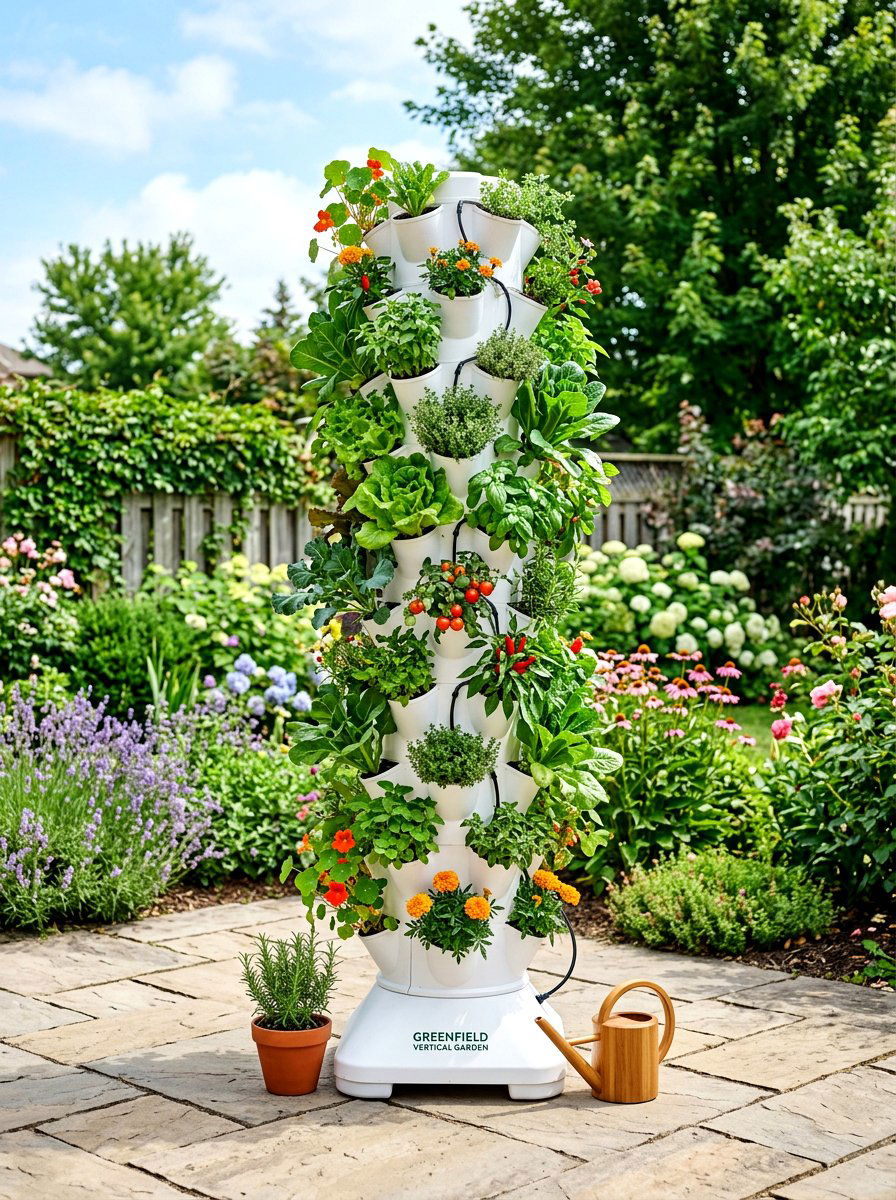
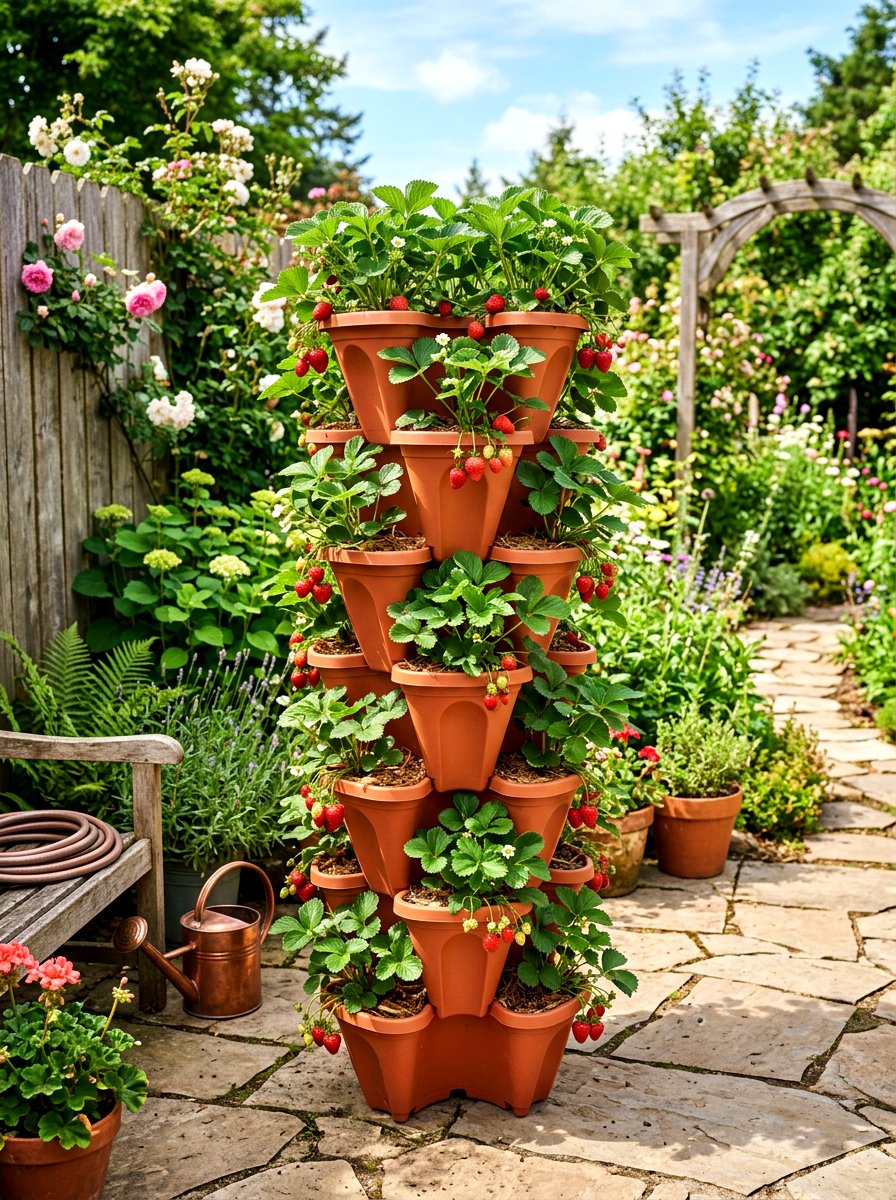
A compact garden tower is a vertical growing system that allows you to stack dozens of plants in a footprint no larger than a standard flower pot. These towers often feature internal watering systems or central compost tubes that provide consistent hydration and nutrients to every level. They are perfect for growing a massive variety of salad greens, strawberries, and herbs in a very small area. The vertical design makes it easy to monitor for pests and ensures that every plant receives adequate airflow. This setup is highly productive and serves as a striking vertical element on a patio or deck. It is gardening simplified for the modern homeowner.
21. Potted Tomato Garden
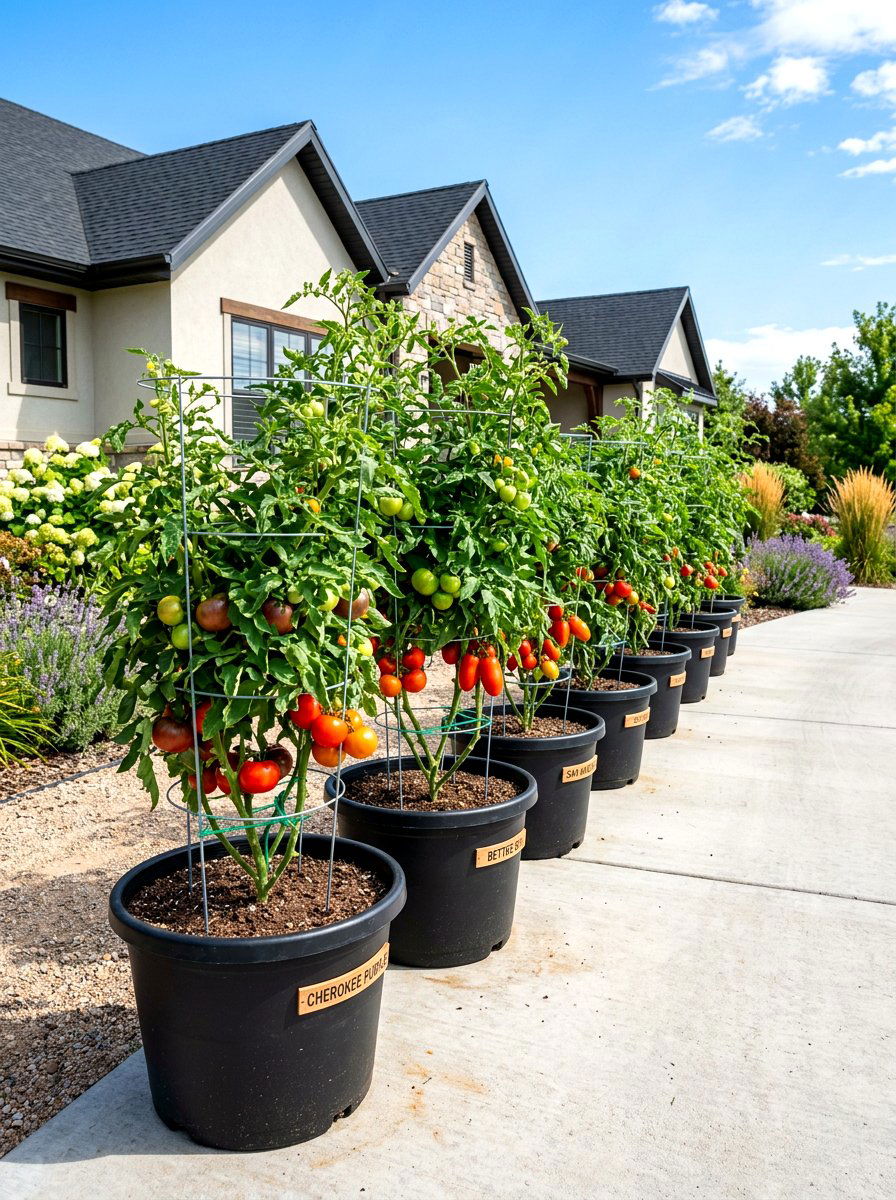
A potted tomato garden is a classic choice for beginners and experienced gardeners alike who want big harvests from a small area. By selecting high-quality, large containers and sturdy cages, you can grow massive, productive plants on a sunny patio or driveway. This design allows you to use premium potting soil that is free from the diseases often found in ground soil. You can group different varieties together, from tiny yellow pear tomatoes to heavy beefsteak types, for a colorful and varied harvest. Placing your pots in a sunny, sheltered spot helps the fruit ripen faster. It is an easy way to enjoy the unmatched taste of homegrown tomatoes.
22. Kitchen Garden Path
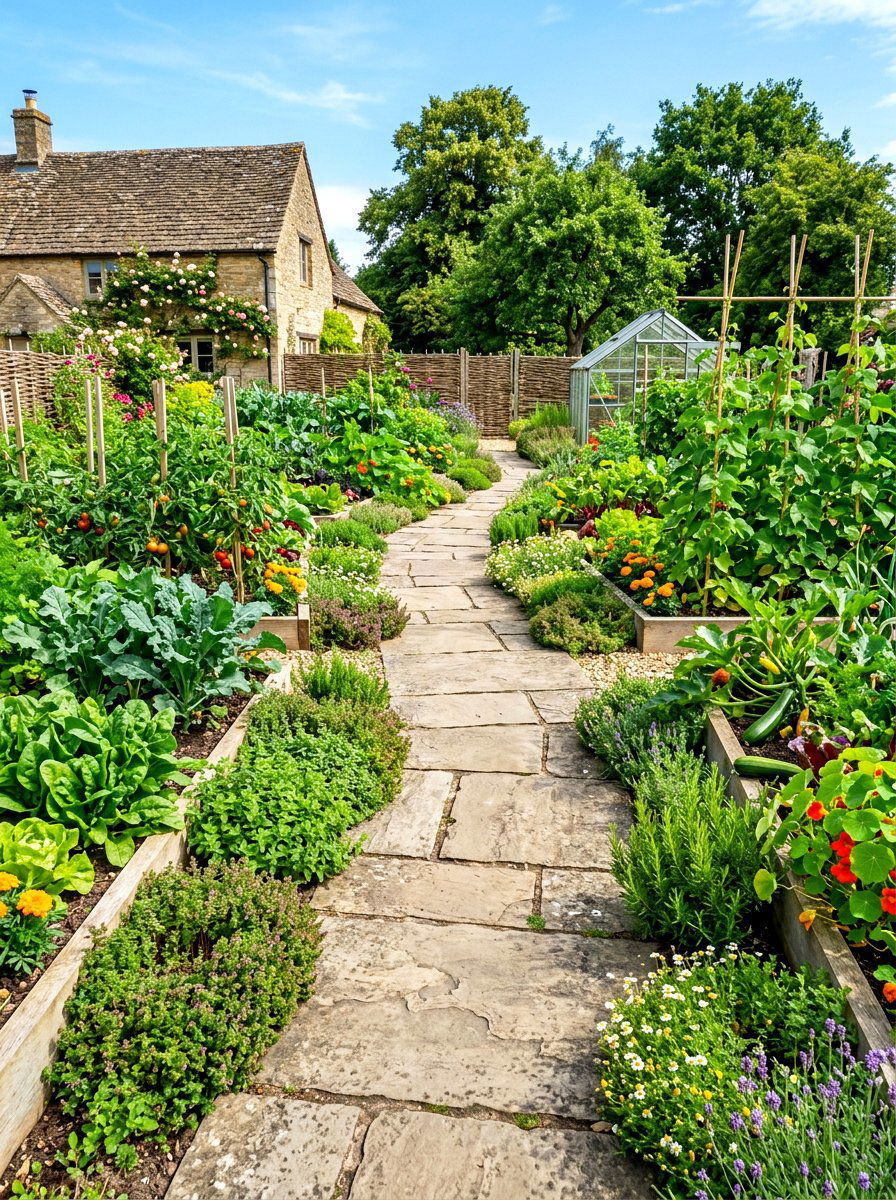
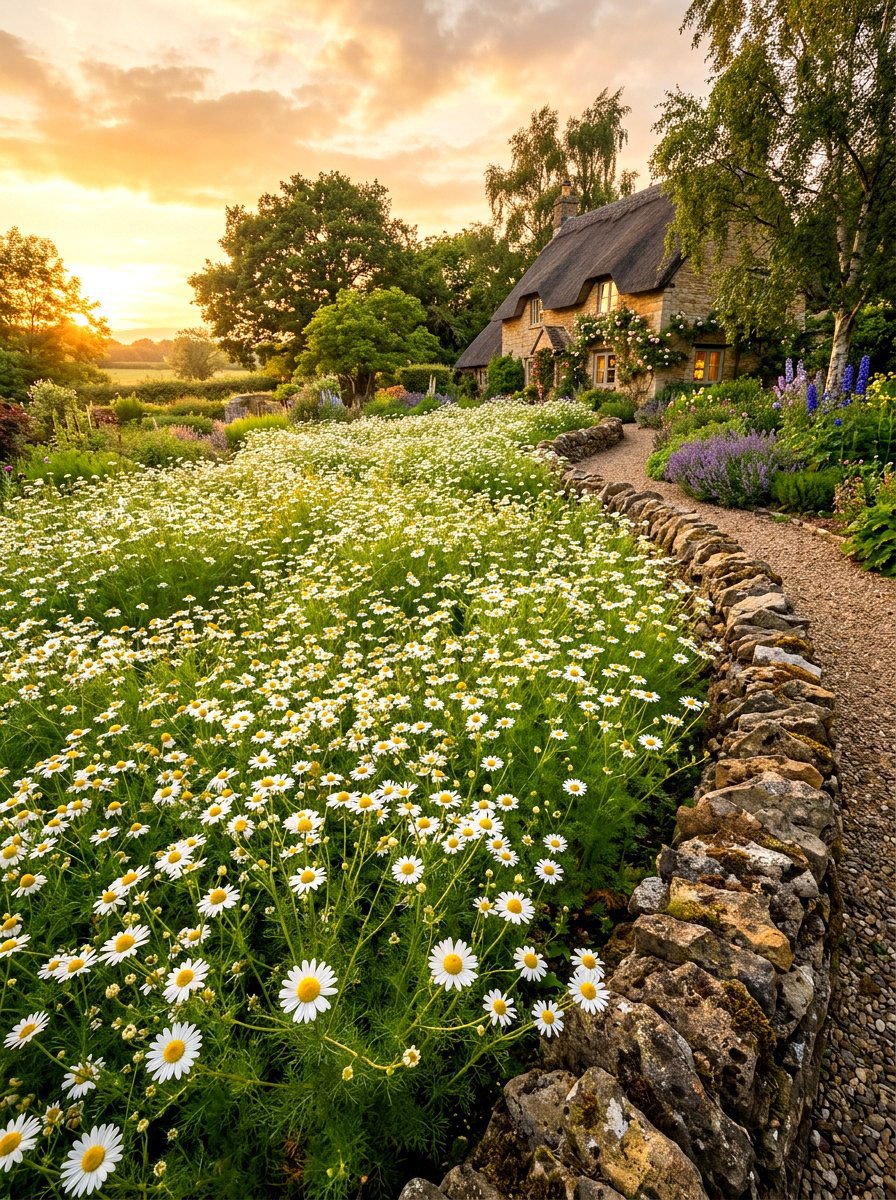
A well-designed kitchen garden path is essential for keeping your growing area accessible and organized throughout the seasons. Using materials like pea gravel, flagstone, or even recycled brick creates a permanent, mud-free walkway between your vegetable beds. These paths define the structure of the garden and make it much easier to move tools and wheelbarrows around without damaging your plants. You can line the edges with low-growing herbs like creeping thyme or chamomile that release a pleasant aroma when stepped on. A beautiful path turns a simple vegetable patch into a sophisticated landscape feature that invites you to walk through and explore the ripening crops every day.
23. Vegetable Garden Arch
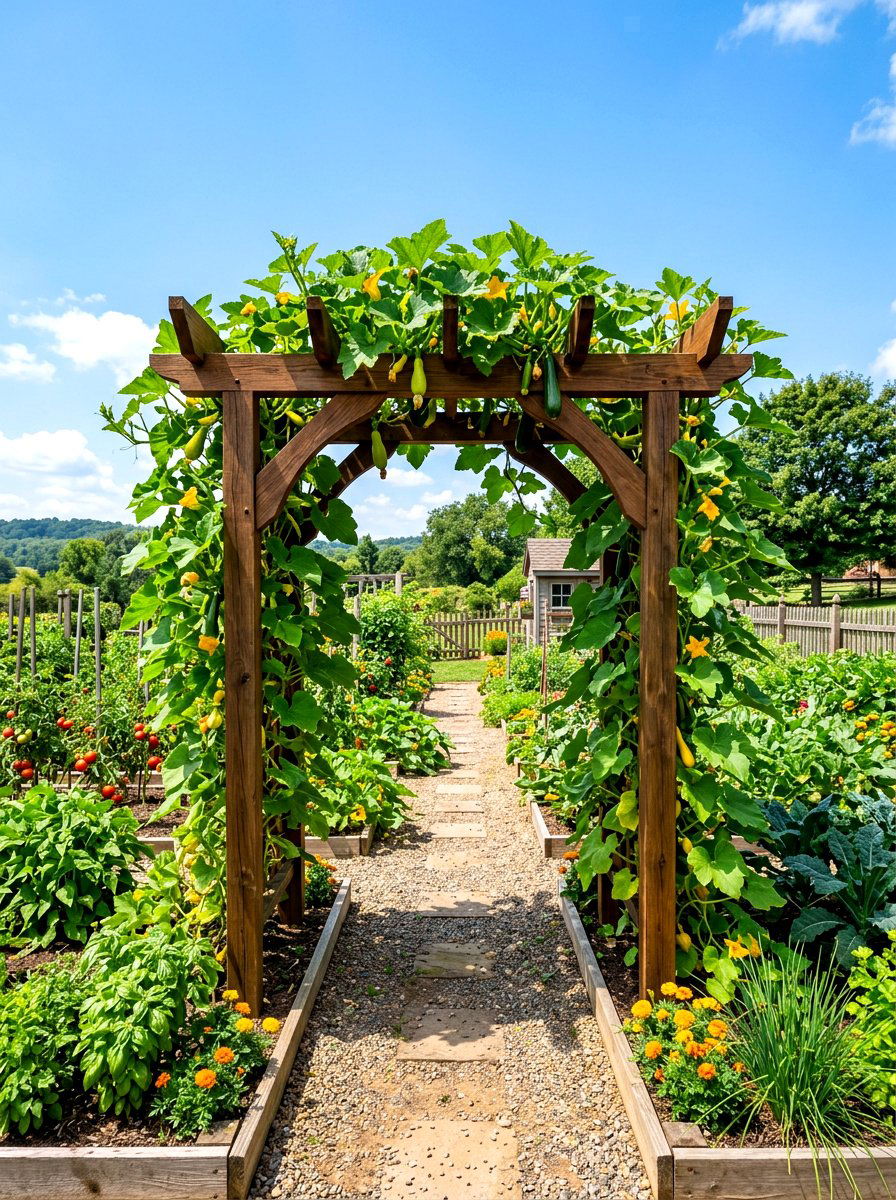
Incorporating a vegetable garden arch adds a stunning vertical element and a sense of architectural grandeur to your kitchen garden. These sturdy metal or wooden structures are perfect for supporting heavy climbing crops like squash, melons, or pole beans. Walking under a canopy of dangling vegetables creates a magical, immersive experience as you harvest your dinner from above. The arch provides excellent air circulation for the vines, which helps prevent mildew and other common garden diseases. It also creates a beautiful entrance or focal point that draws the eye upward and adds height to your landscape. It is a brilliant way to save ground space for other vegetables.
24. Sunroom Vegetable Garden
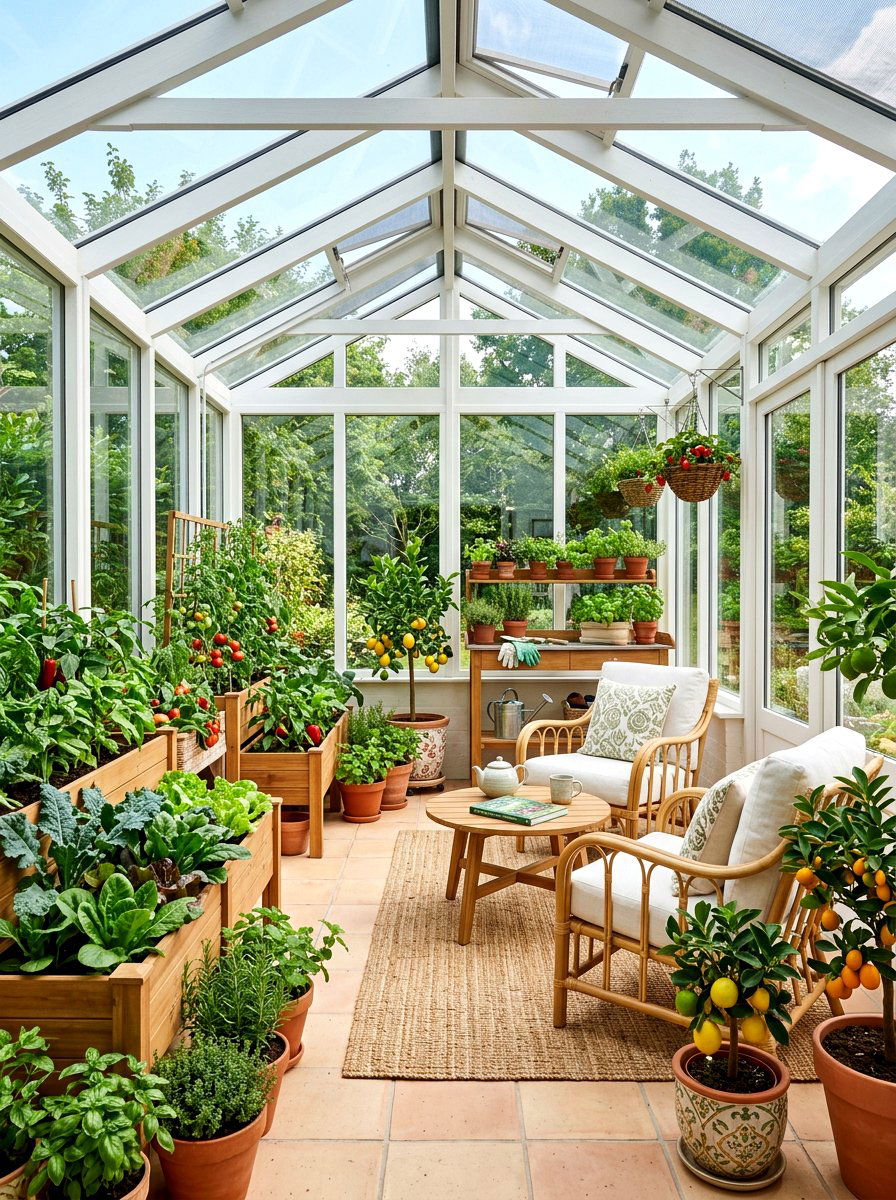
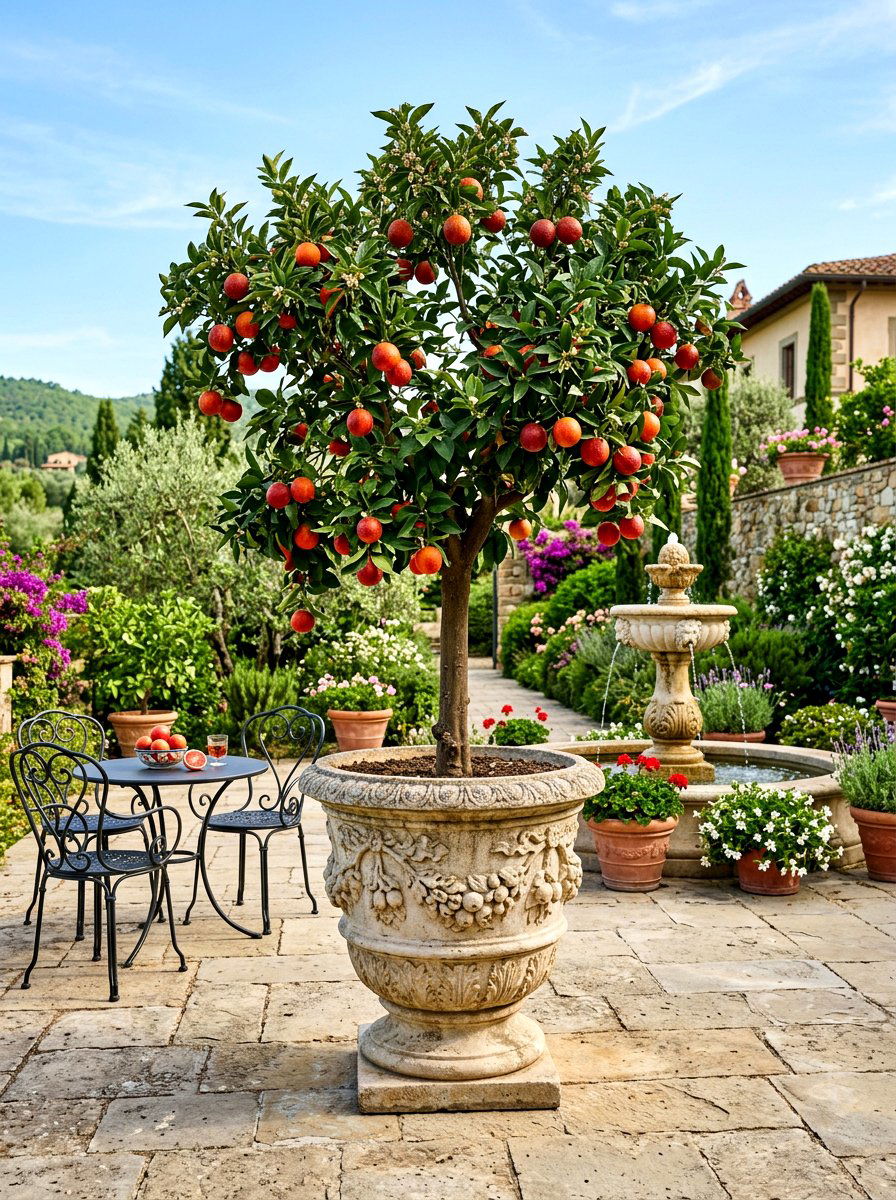
A sunroom vegetable garden allows you to grow food in a bright, sheltered environment that bridges the gap between indoors and outdoors. With floor-to-ceiling glass, these spaces provide the perfect conditions for a wide range of vegetables to thrive throughout the year. You can set up large planters, vertical shelving, and even small citrus trees in pots to create a lush, tropical atmosphere. The sunroom protects your plants from extreme temperatures while allowing them to soak up maximum natural light. It serves as a beautiful, green extension of your living area where you can relax among your thriving crops even when it is raining or cold outside.
25. Raised Cedar Bed
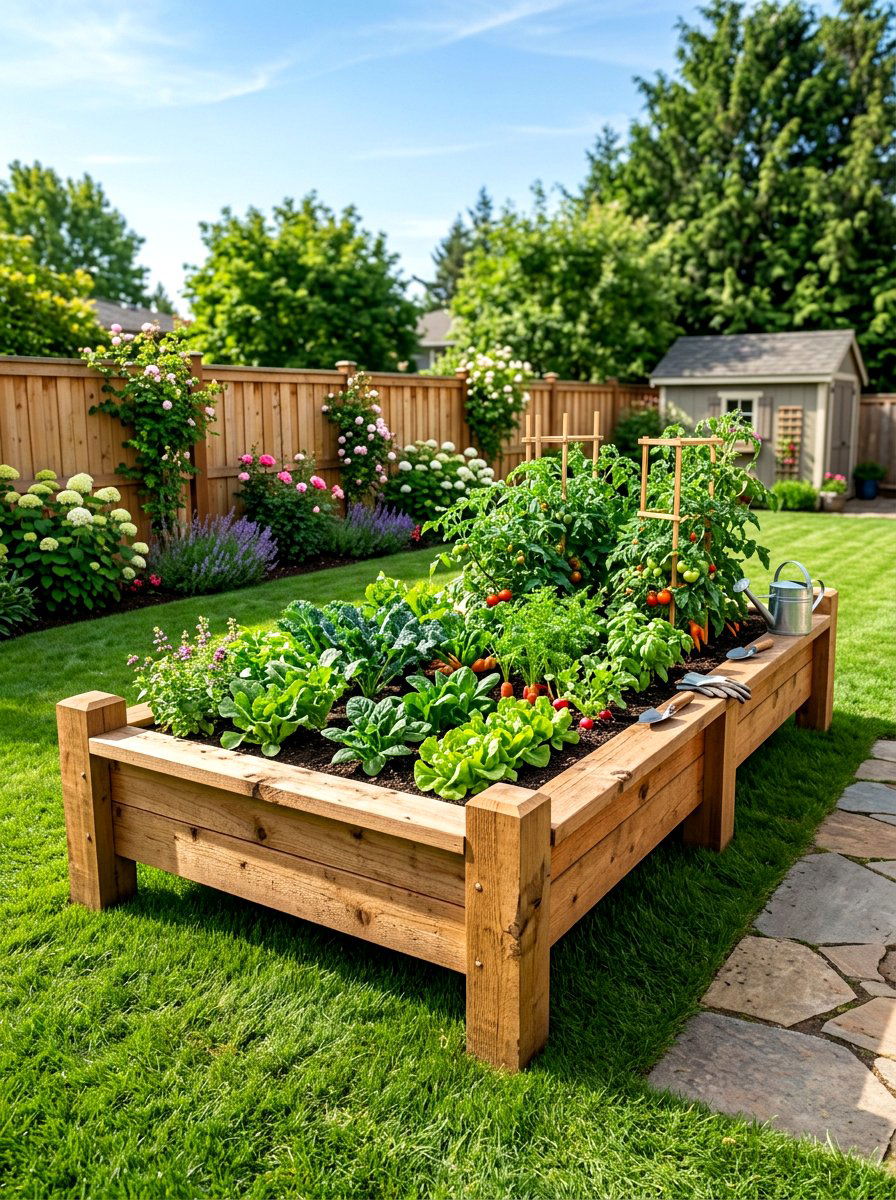
A raised cedar bed is a premium choice for kitchen gardens due to the wood’s natural resistance to rot and insect damage. These beds offer a beautiful, warm aesthetic that ages gracefully over time into a soft silver-gray patina. Building your beds with thick cedar planks ensures they will last for many years, providing a stable environment for your organic vegetables. You can customize the height and shape of the beds to fit your specific yard layout, creating a clean and professional look. The smell of fresh cedar combined with the scent of damp earth and growing herbs is a true delight for any gardener. It is a timeless, high-quality design.
26. Minimalist Kitchen Garden
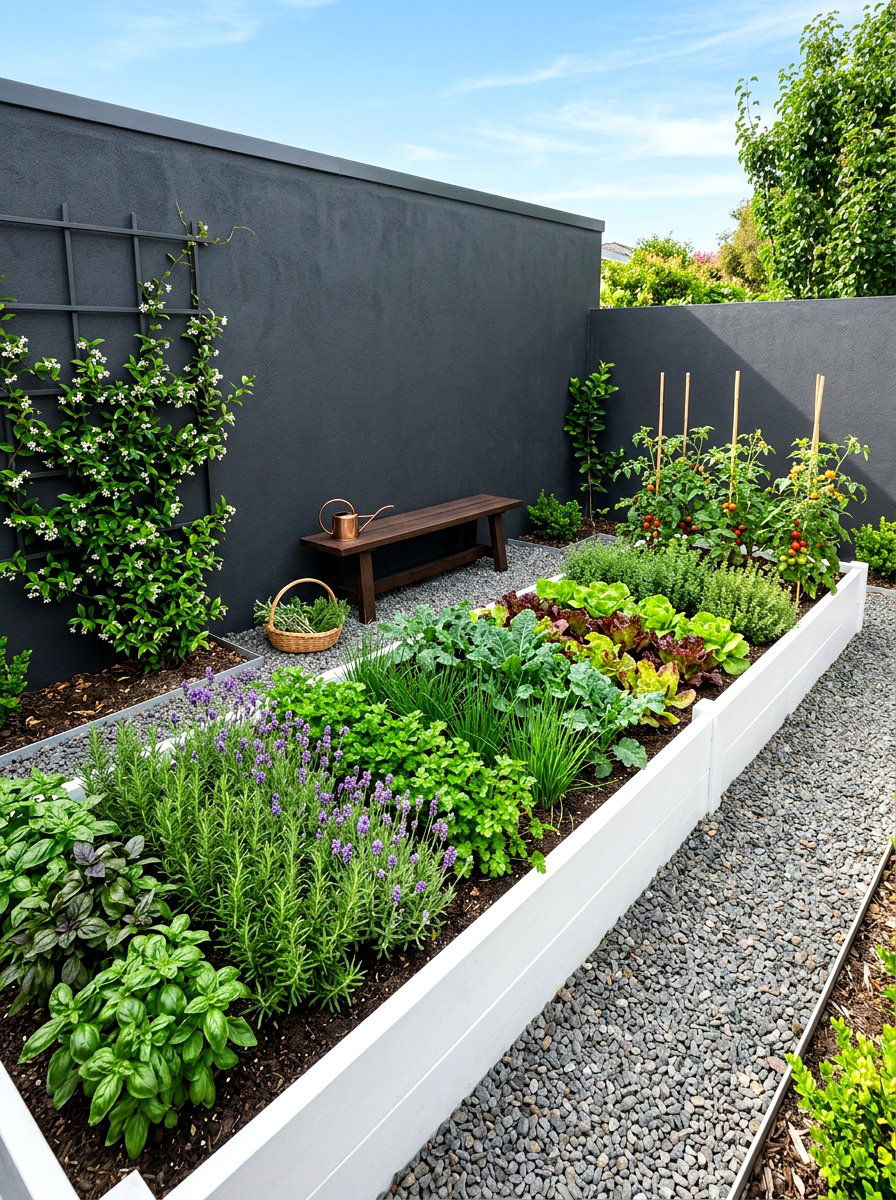
A minimalist kitchen garden focuses on simplicity, functionality, and the beauty of the plants themselves without any unnecessary clutter. This design often features a single, large raised bed or a perfectly straight row of matching containers against a clean wall. The color palette is usually restricted to greens and natural wood tones to create a sense of calm and order. By choosing a few high-yield, high-impact vegetables, you can maintain a productive garden with very little effort. This approach is perfect for busy homeowners who want the benefits of fresh food without the complexity of a large-scale farm. It emphasizes quality over quantity in a modern way.
27. Organic Vegetable Patch
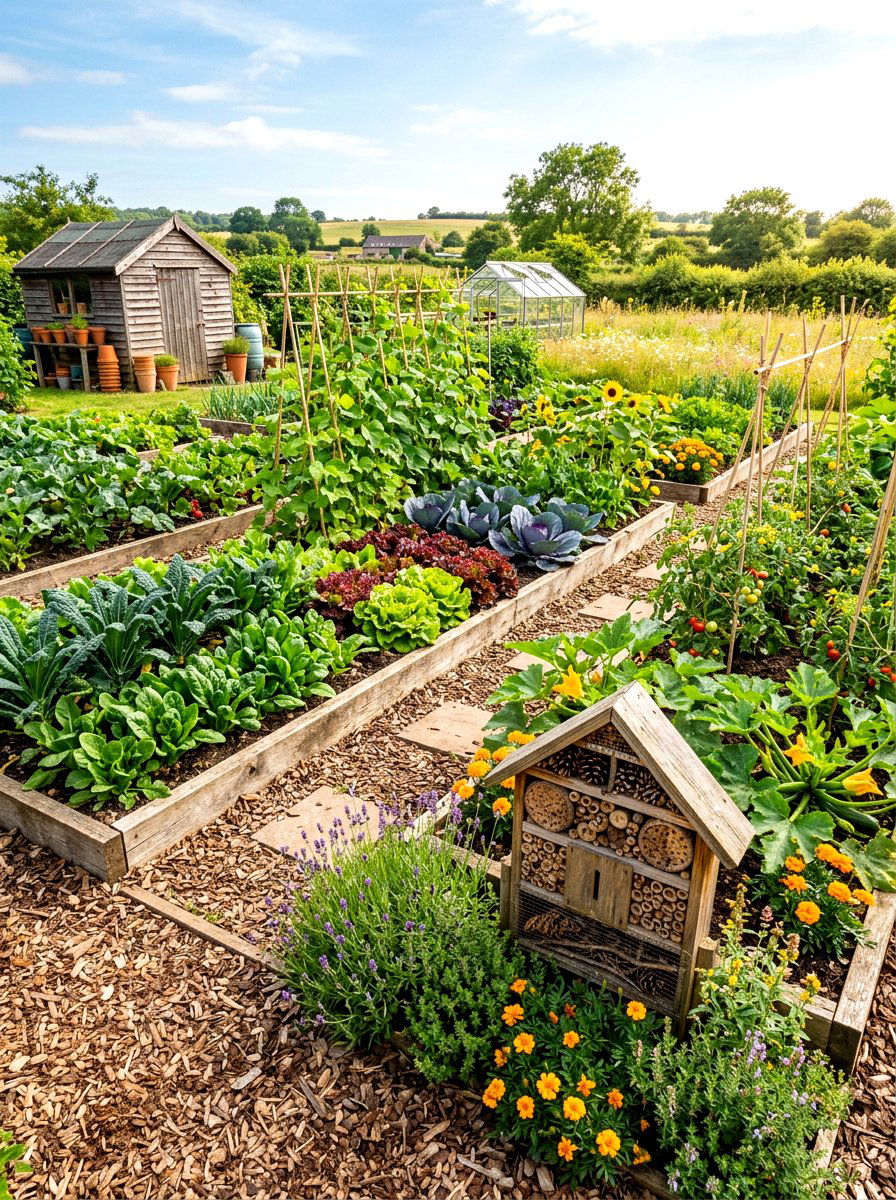
An organic vegetable patch is designed to work in harmony with nature, using sustainable practices to grow healthy, chemical-free food. This garden often includes a mix of diverse crops, companion planting, and natural mulch to build rich, living soil over time. You might see birdhouses, toad habitats, and insect hotels integrated into the design to encourage natural pest control. The layout is often more fluid and natural-looking than traditional rows, mimicking a small ecosystem. Growing organically ensures that the food you harvest is as nutritious and safe as possible for your family. It is a rewarding way to connect with the environment while producing a bountiful, healthy harvest.
28. Cold Frame Garden
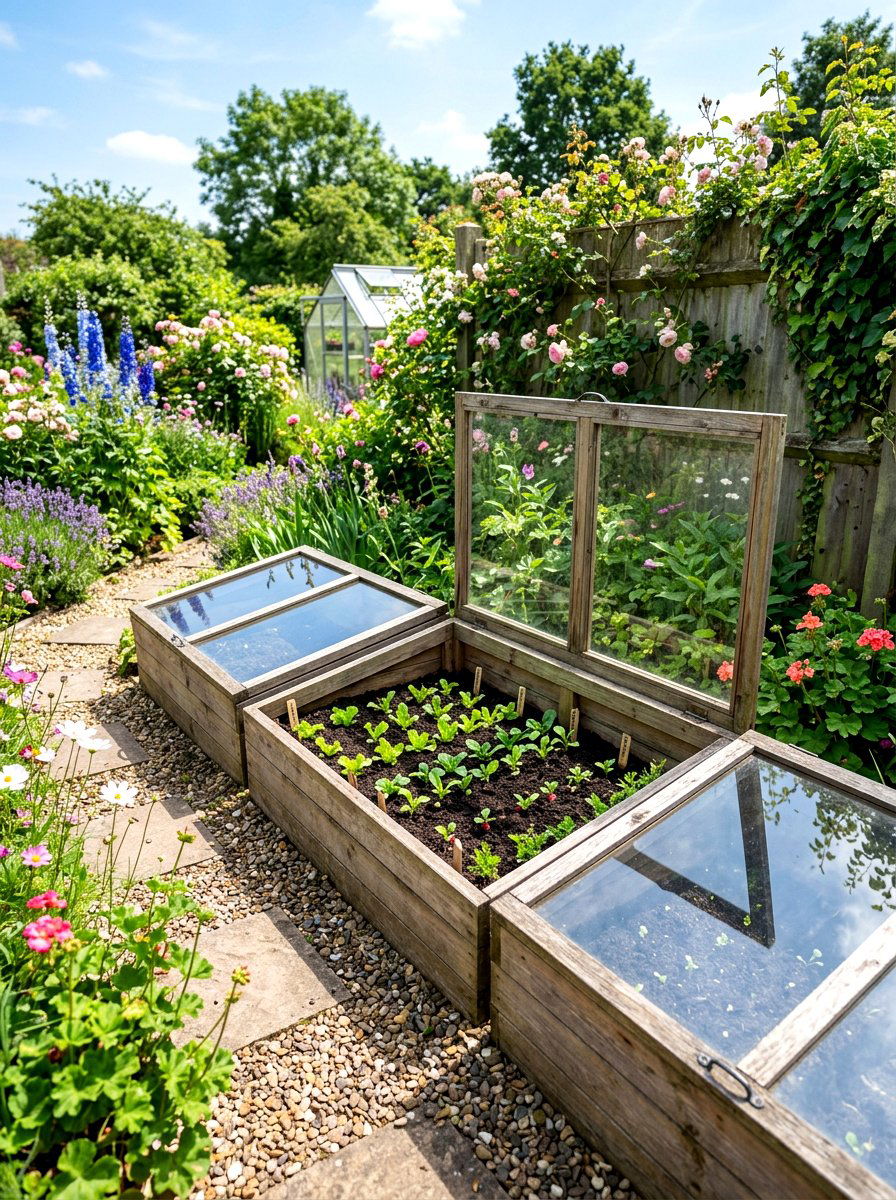
A cold frame garden is a simple yet effective way to protect your vegetables from late spring frosts and early autumn chills. These low-profile boxes with clear glass or plastic tops act like mini-greenhouses, trapping heat and shielding plants from the wind. They are perfect for starting seeds early or keeping hardy greens like spinach and kale growing deep into the winter. You can build them to sit directly on the ground or on top of your existing raised beds. The transparent lid can be propped open on sunny days to provide ventilation. It is an essential tool for any kitchen gardener looking to maximize their annual production.
29. Self Watering Garden
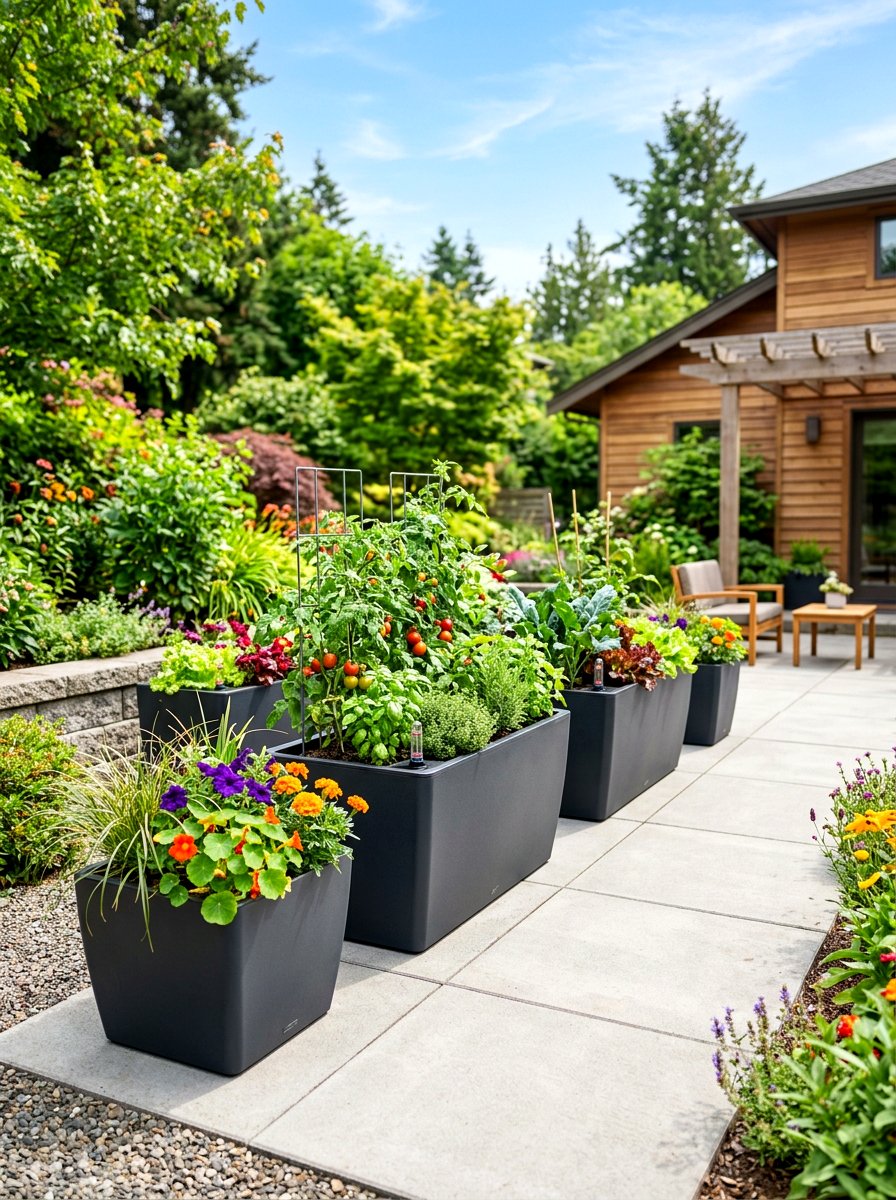
A self-watering garden uses specialized containers with built-in reservoirs to provide consistent moisture to your plants without daily effort. This design is perfect for busy people or those who live in hot climates where soil dries out quickly. The plants draw up exactly the amount of water they need through capillary action, which prevents both over-watering and under-watering. You only need to fill the reservoir every few days, making it an incredibly low-maintenance way to grow lush, healthy vegetables. These systems are available in many styles, from modern planters to large-scale beds. It ensures your kitchen garden stays vibrant and productive even when you are away.
30. Rooftop Vegetable Garden
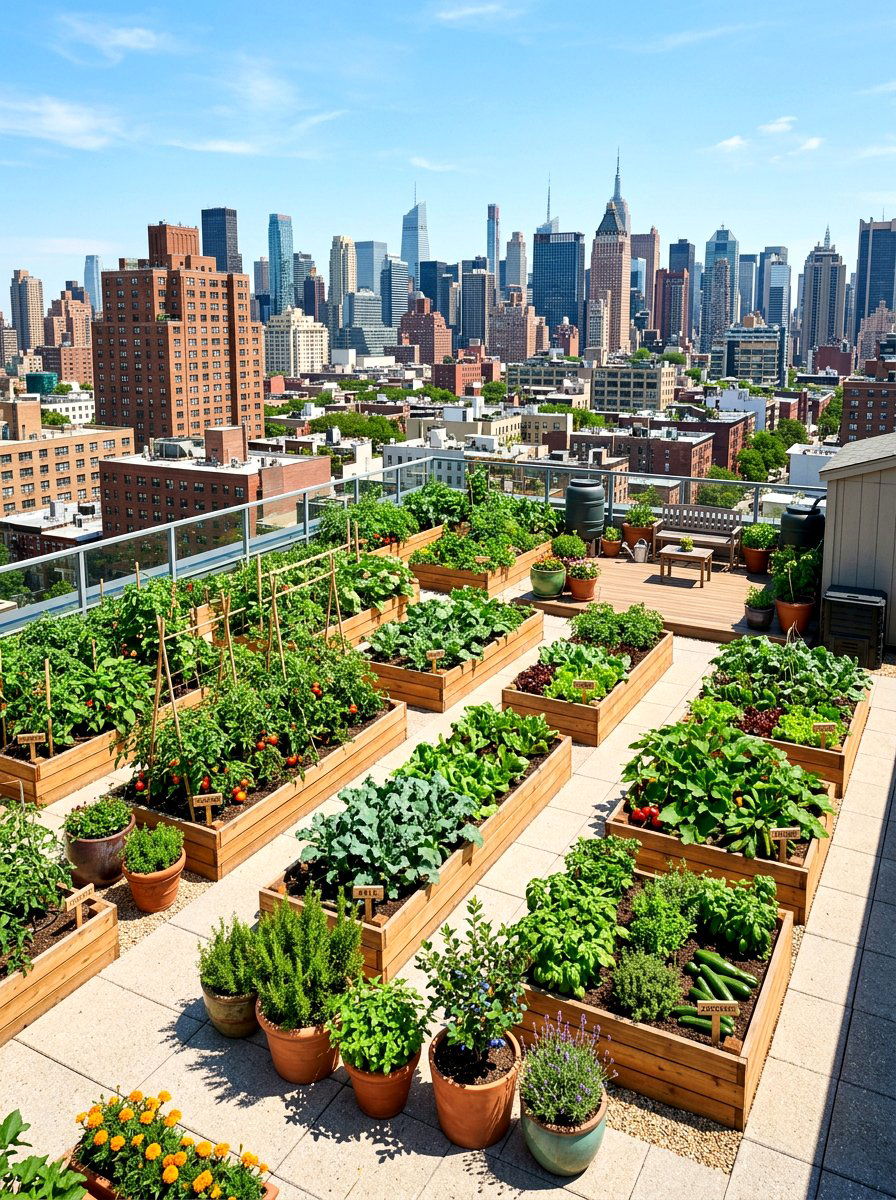
A rooftop vegetable garden is a brilliant way to utilize unused space on top of garages or urban apartment buildings. By using lightweight containers and raised beds, you can create a high-altitude sanctuary with excellent access to sunlight. This design often incorporates windbreaks and irrigation systems to manage the unique challenges of growing at height. Rooftop gardens help insulate the building below and reduce urban heat islands while providing fresh produce in the heart of the city. The view from a lush, green rooftop is truly spectacular, making it a wonderful place for entertaining. It turns a flat, gray surface into a vibrant and productive living landscape.
Conclusion:
Creating a kitchen vegetable garden is a life-changing project that brings freshness, beauty, and health directly to your doorstep. Whether you choose a structured modern layout or a romantic, rustic potager, the act of growing your own food fosters a deeper connection to the seasons and your environment. These thirty ideas demonstrate that regardless of your space or style, there is a perfect gardening solution waiting for you. By combining smart design with a little bit of patience, you can transform any area into a thriving edible oasis. We hope this guide inspires you to start your own gardening journey and enjoy the incredible rewards of a homegrown harvest.

Related posts: