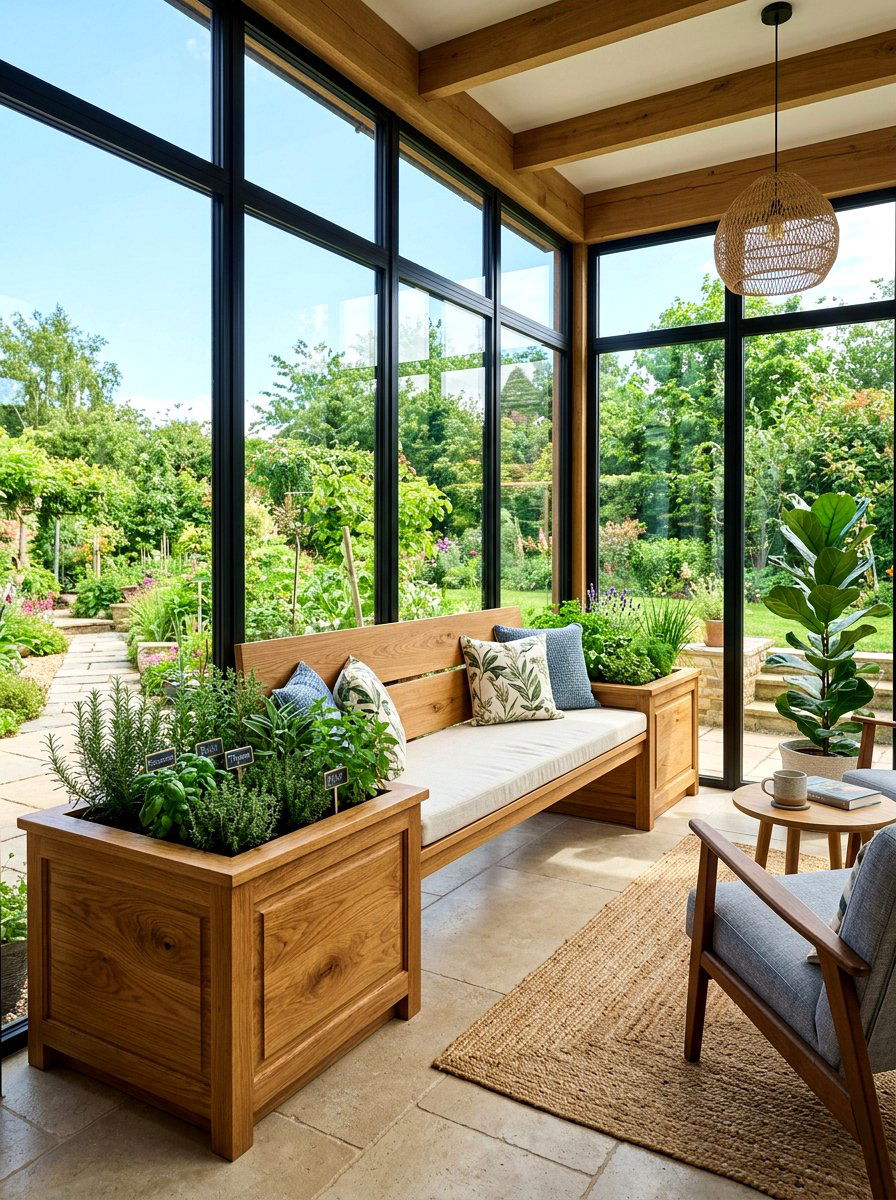
Growing a fresh herb garden directly in your kitchen is one of the most rewarding ways to elevate your daily cooking experience and home aesthetic. Imagine the convenience of reaching over while preparing a meal to snip fresh basil, cilantro, or rosemary that you grew yourself. These indoor gardens do more than just provide flavor; they act as living decor that brings vibrant green energy into your living space. Whether you have a sprawling culinary space or a compact apartment kitchen, there is a perfect solution for every layout. From modern high-tech systems to charming DIY projects, these concepts ensure that you have access to organic, aromatic ingredients all year round.
1. Window sill herb garden
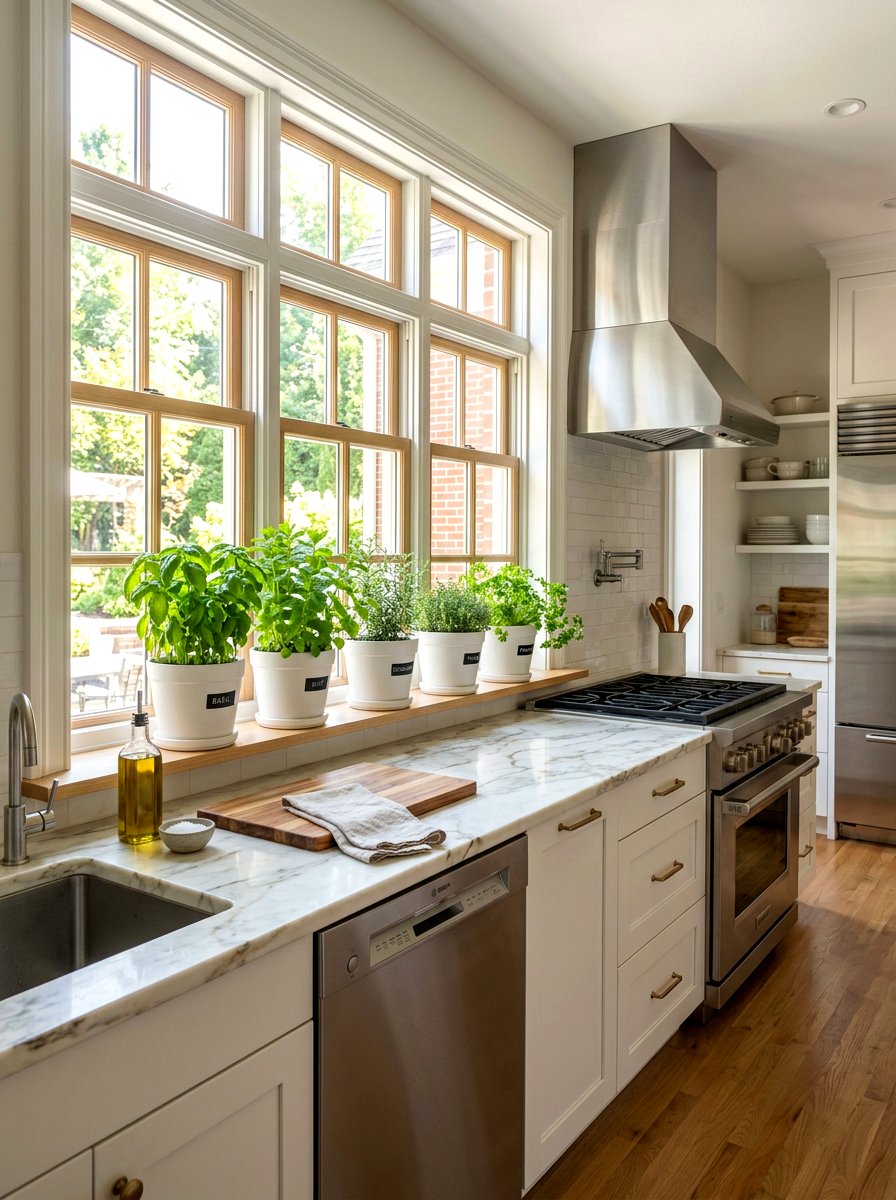
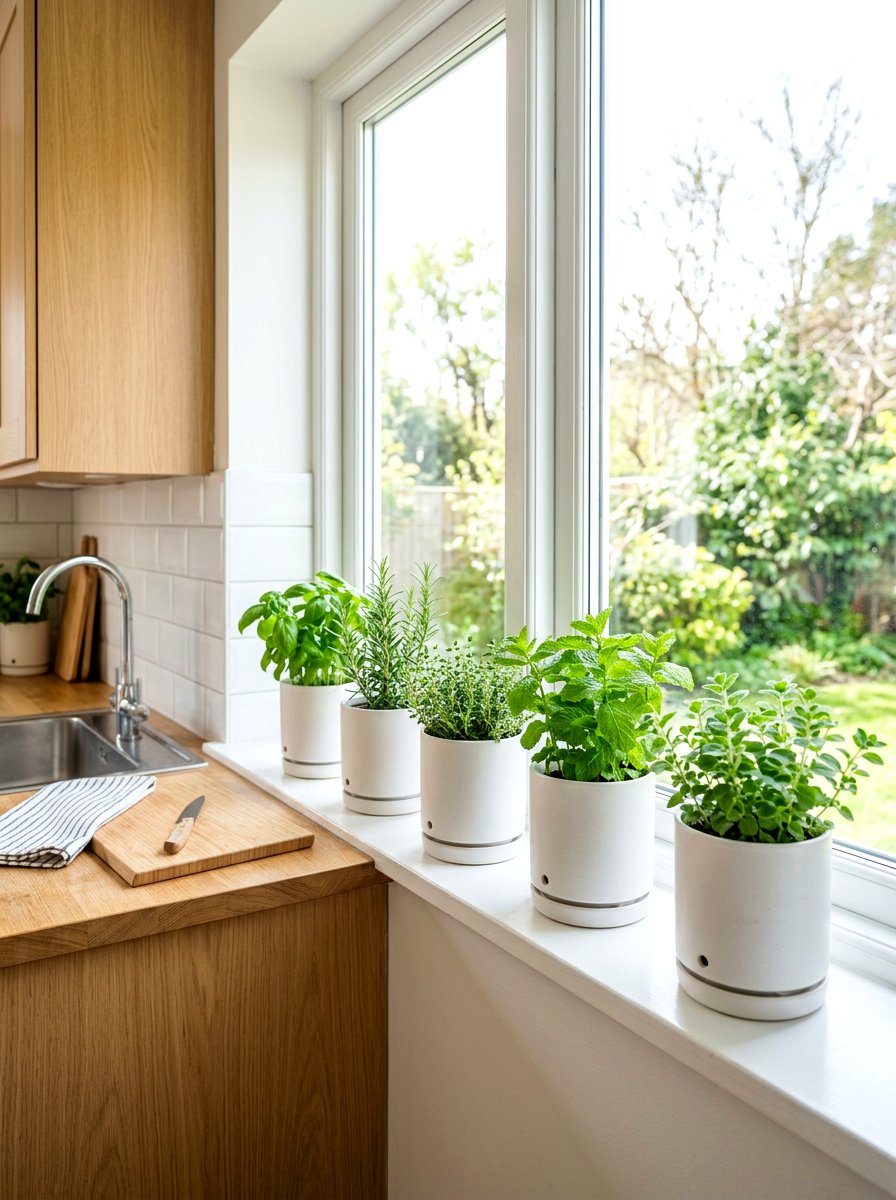
Having a window sill herb garden is one of the easiest ways to bring life into your kitchen. You simply place a variety of small pots along the ledge where the sun hits most directly throughout the day. This setup allows your basil, parsley, and cilantro to thrive with natural light while staying within arm's reach while you cook. It creates a beautiful green border against the glass that brightens the entire room. You can choose matching ceramic pots for a clean look or mix and match vintage containers for more character. It is a practical solution that saves counter space while providing fresh ingredients for every meal.
2. Vertical wall herb planter
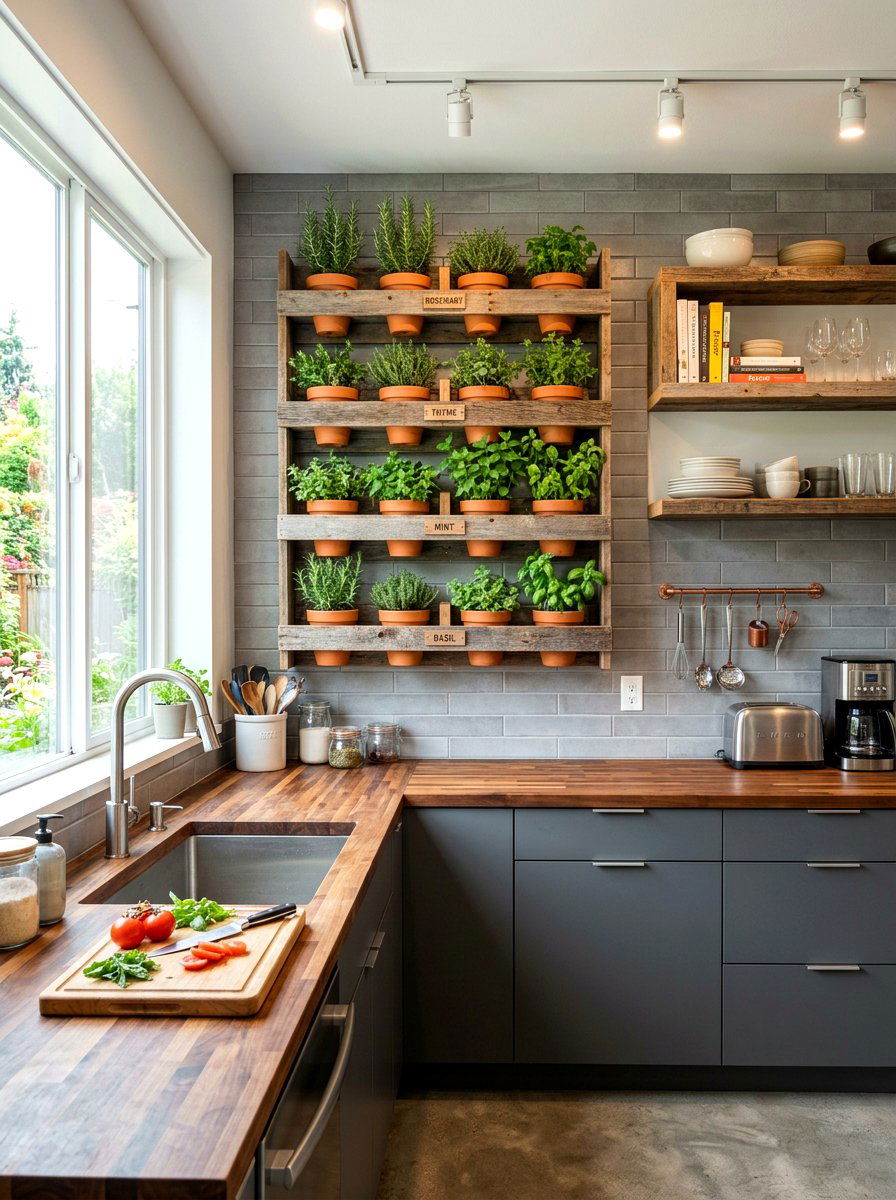
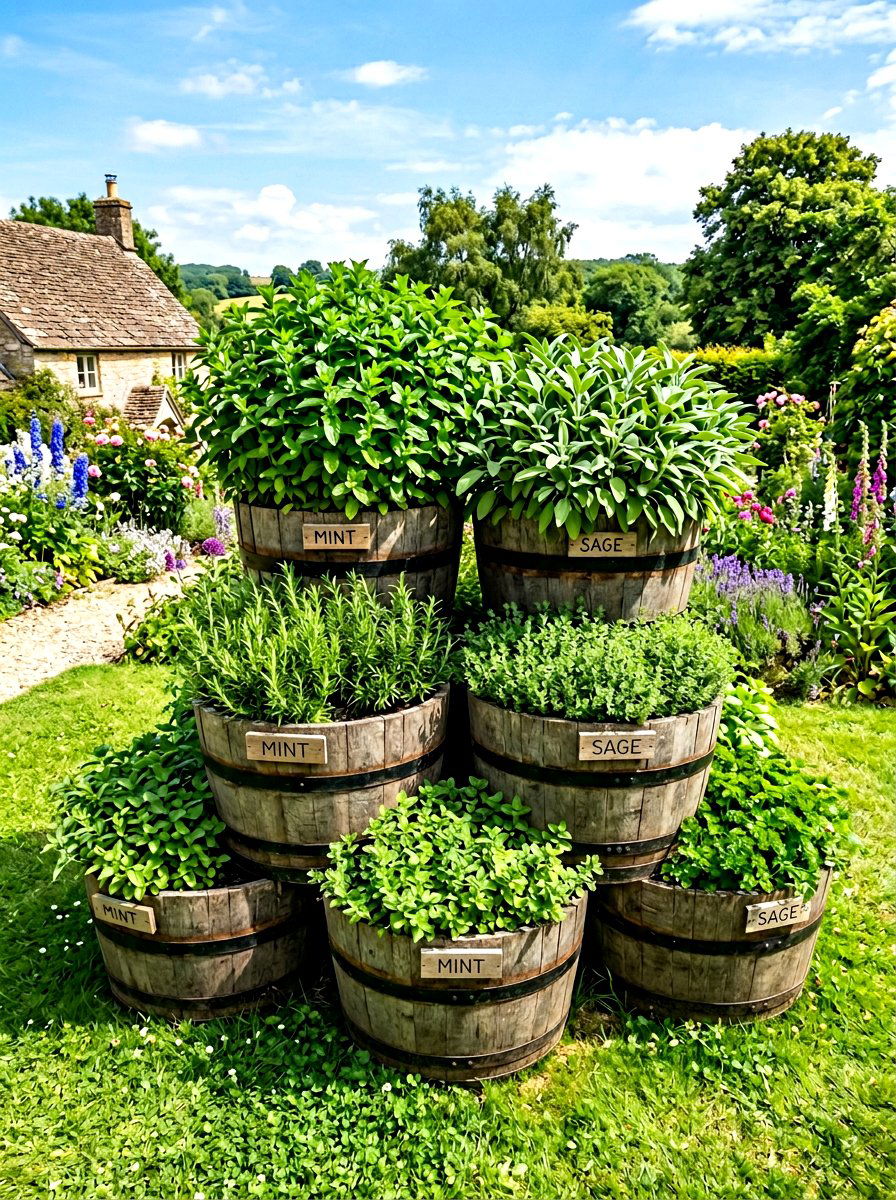
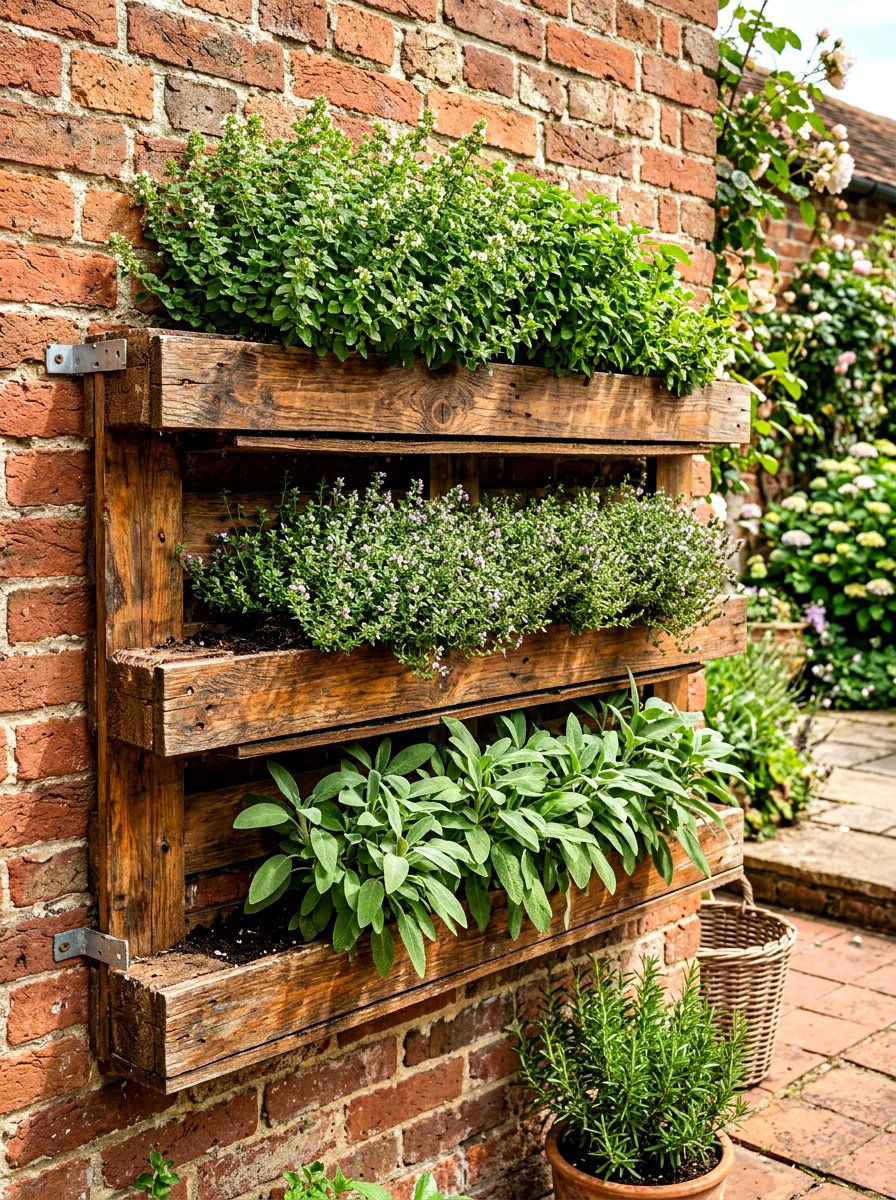
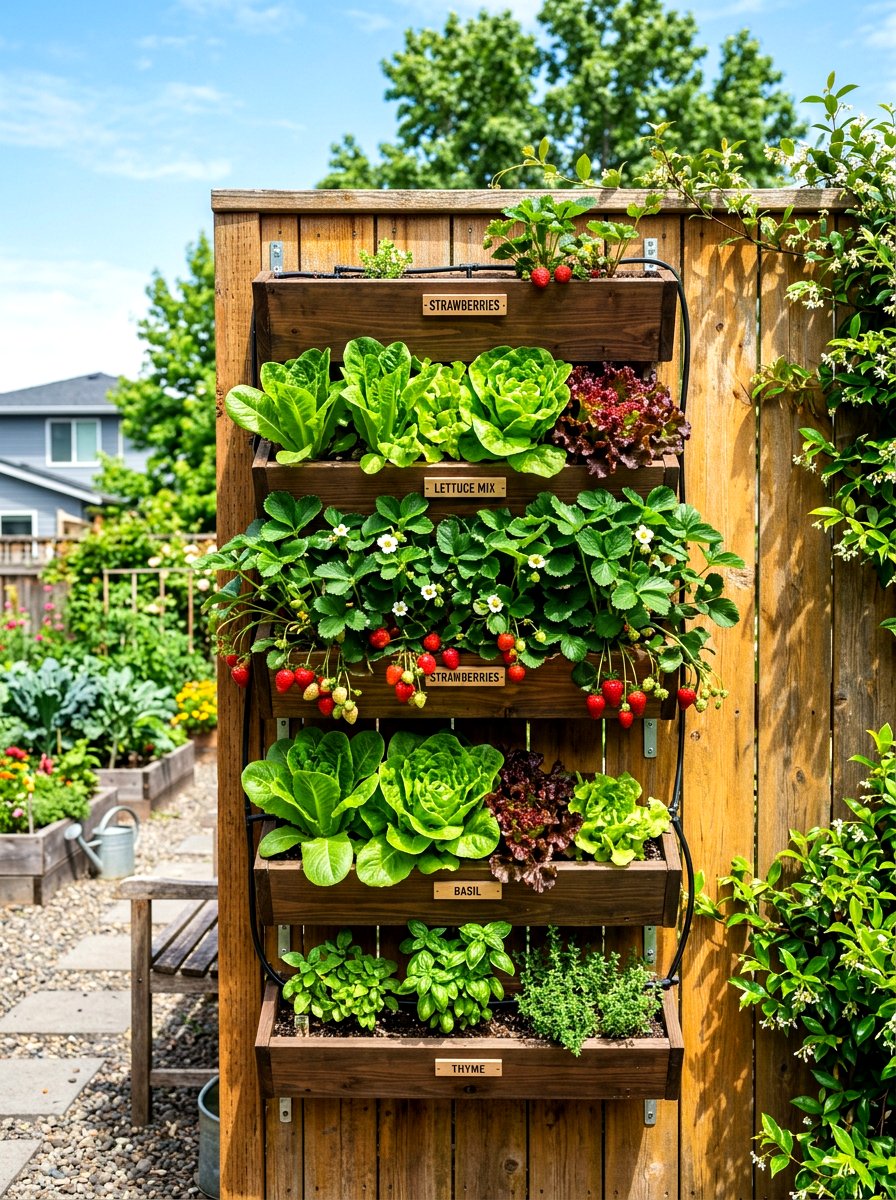
A vertical wall herb planter is a fantastic space-saving solution for smaller kitchens where counter surfaces are limited. By mounting a series of containers directly onto the wall, you turn a blank surface into a lush and edible art piece. This design typically uses wooden backing or metal frames to hold multiple pots in rows, creating a tiered effect that is visually stunning. It allows you to grow a wide variety of herbs without cluttering your workspace. Watering is often managed through a drip system or by simply removing the individual pots. This vertical approach makes the most of your room’s height and adds modern texture.
3. Hanging macrame herb pots
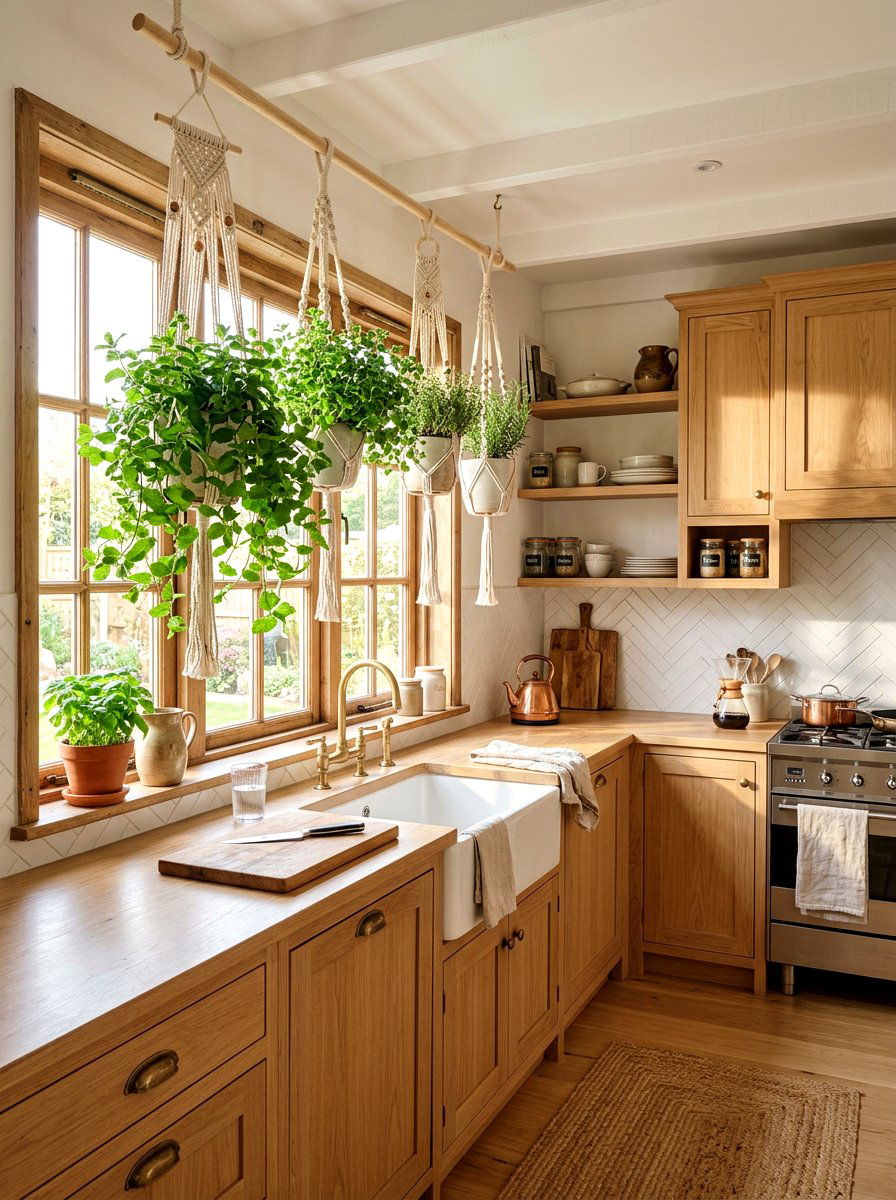
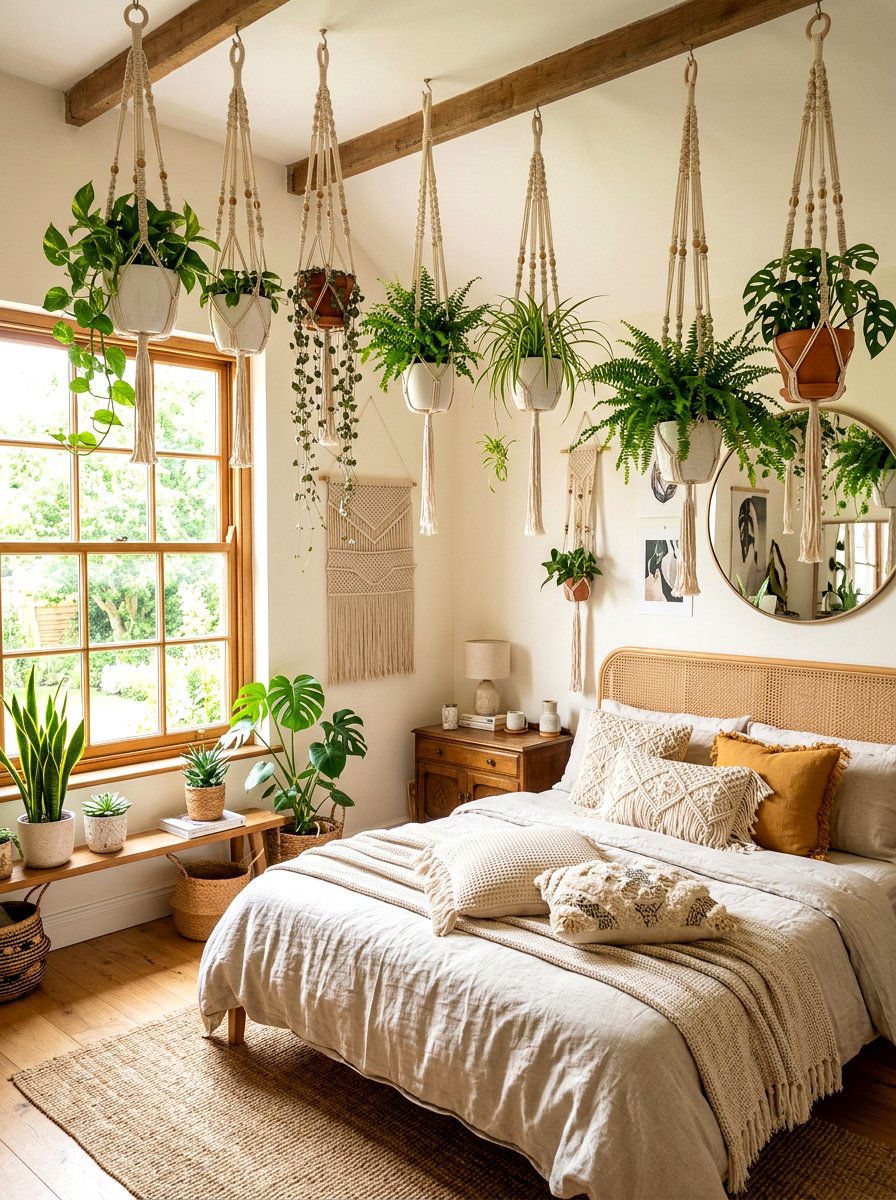
Hanging macrame herb pots add a soft and bohemian touch to any kitchen layout. These woven plant hangers can be suspended from the ceiling or a sturdy wall hook, keeping your herbs safely off the countertops. This method is particularly effective near a bright window where the plants can get plenty of indirect sunlight. Using trailing herbs like mint or creeping thyme looks especially beautiful as they spill over the edges of the pots. The knotted cords provide a unique textural element that contrasts well with sleek kitchen appliances. It is an artistic way to incorporate greenery while maintaining an open and airy feel in the room.
4. Tiered herb garden stand
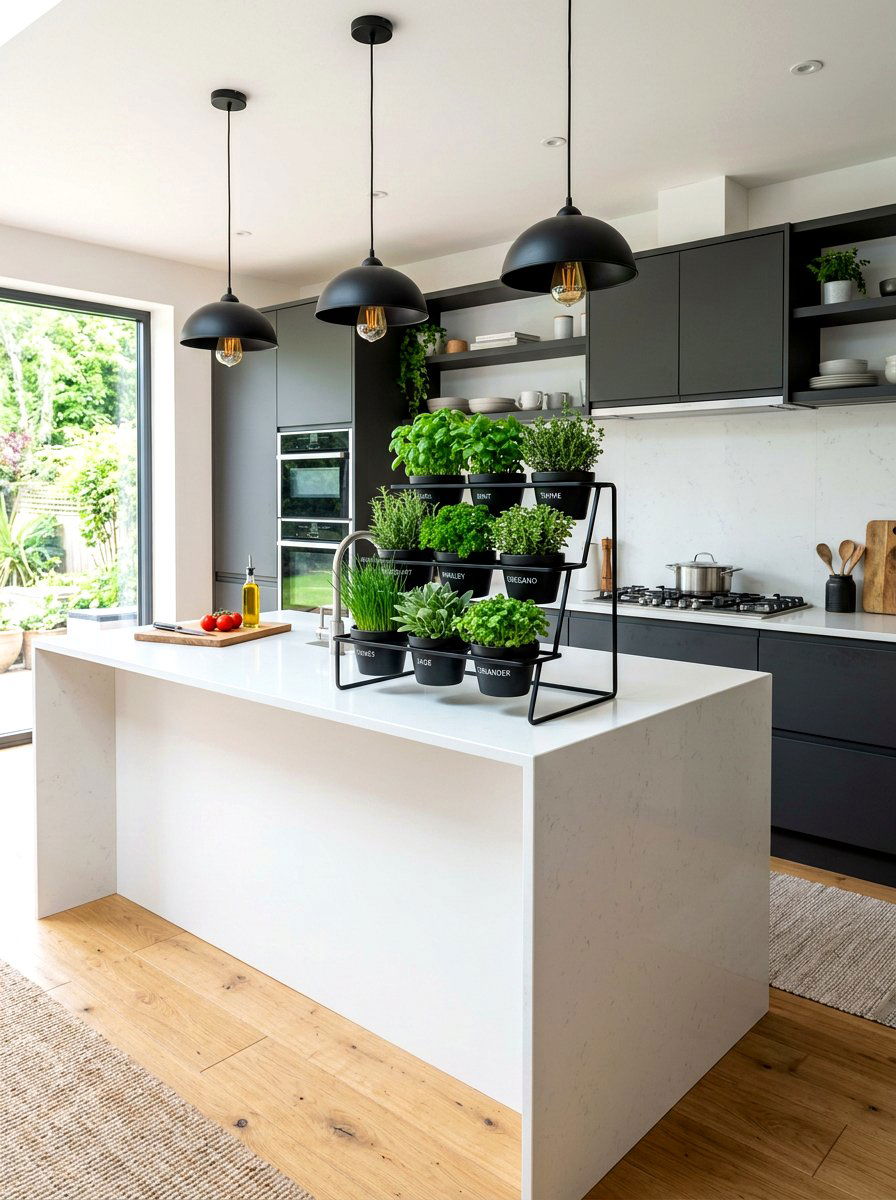
A tiered herb garden stand is an excellent choice for organizing multiple plants in a compact footprint. These stands often feature two or three levels, allowing you to stack your herbs vertically on a floor or countertop. This arrangement makes it much easier to categorize your plants, perhaps keeping savory herbs on one level and tea herbs on another. The height of the stand ensures that even the plants on the bottom receive enough light and air circulation to grow healthy. You can find stands in various materials like rustic wood or industrial metal to match your specific kitchen style. It keeps everything neat and accessible.
5. Magnetic fridge herb jars
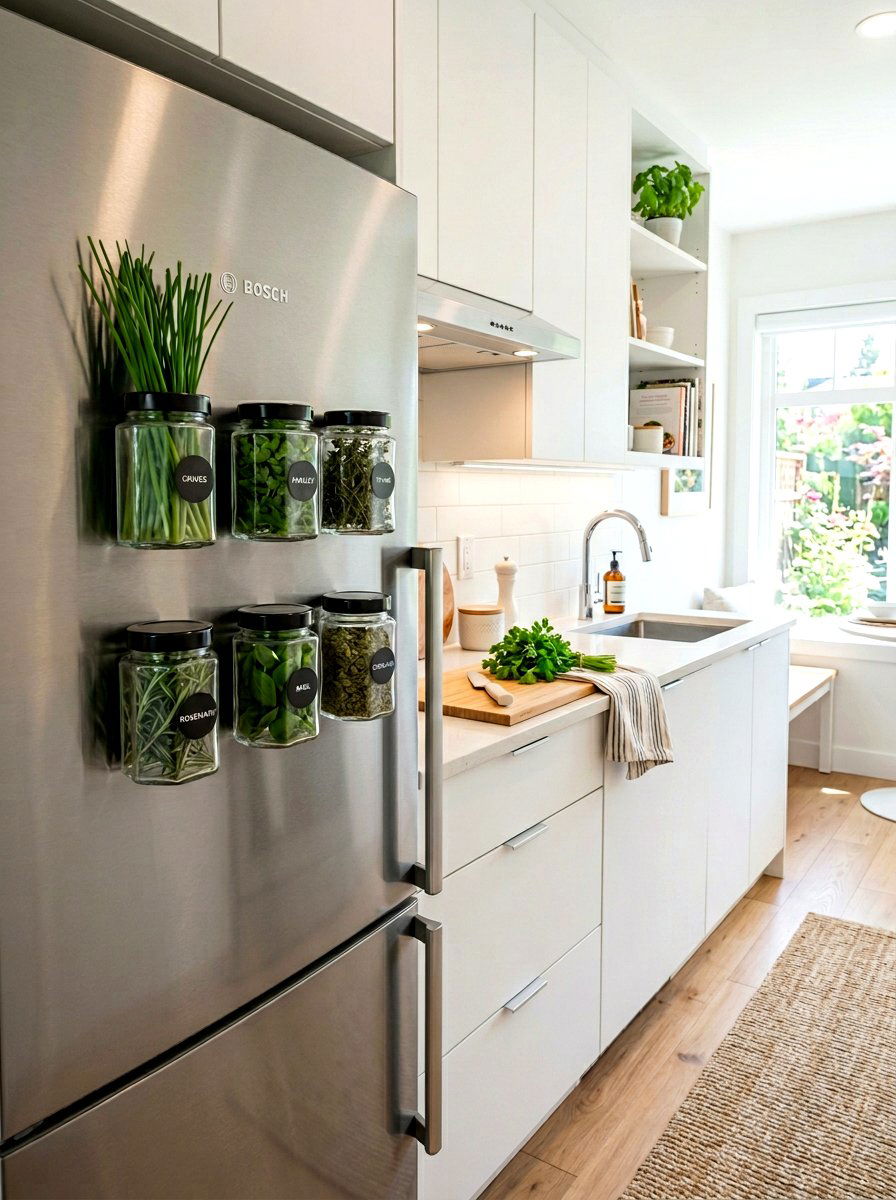
Magnetic fridge herb jars offer a clever and modern way to use the side of your refrigerator for growing greens. Small lightweight containers with strong magnets on the back can be filled with soil and young herb plants. This turns your appliance into a functional vertical garden that doesn't take up any floor or shelf space. It is a perfect idea for kitchens with limited natural light near windows, as you can easily move the jars to different sunny spots if needed. Ensure the jars have proper drainage or a layer of pebbles at the bottom. This quirky setup is always a great conversation starter for guests.
6. Mason jar herb garden
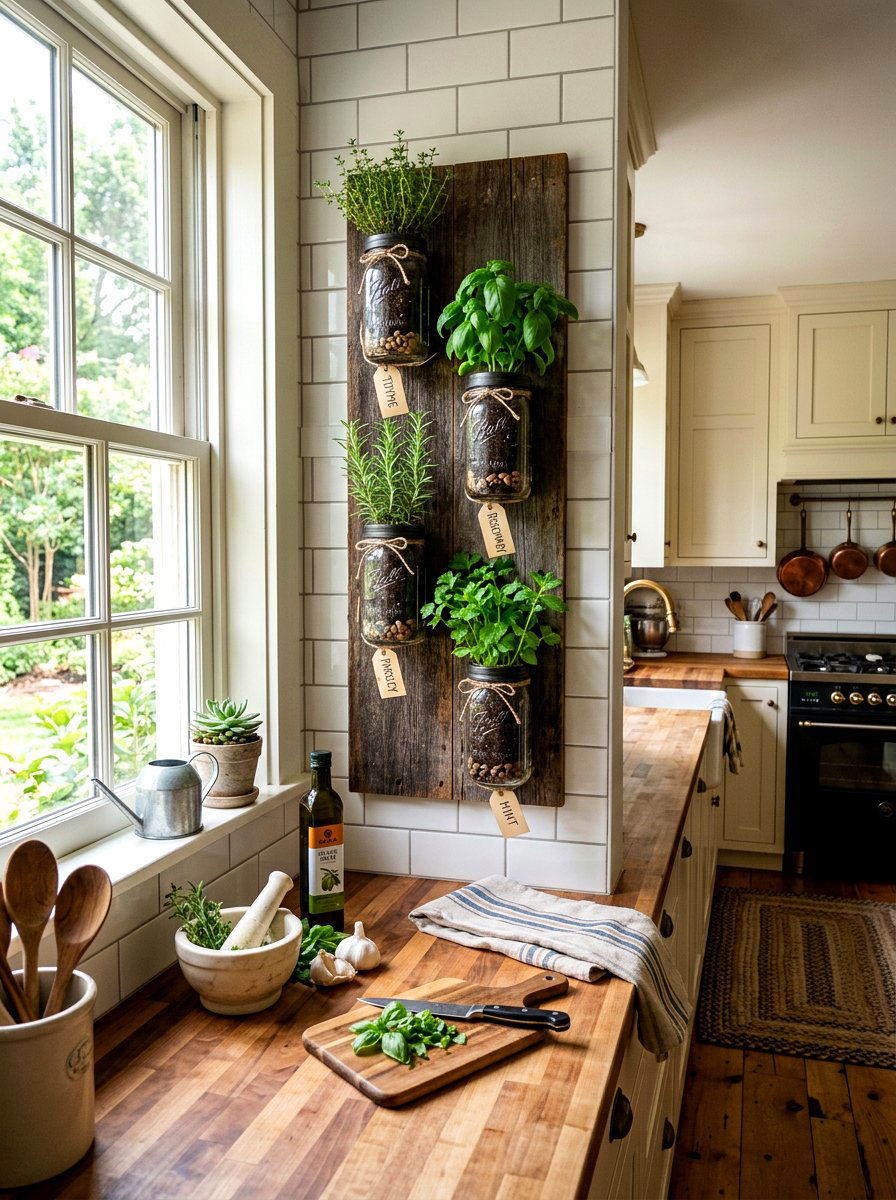
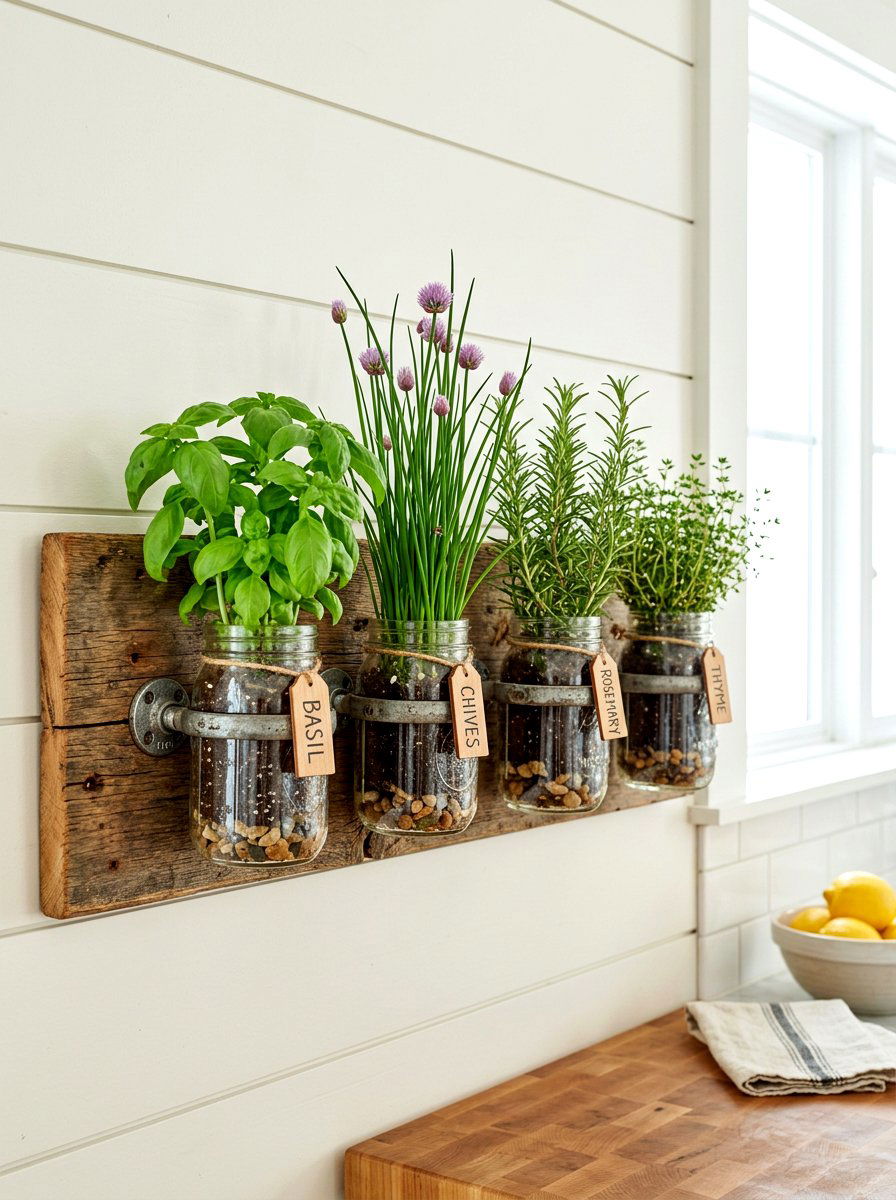
A mason jar herb garden brings a classic farmhouse aesthetic to your kitchen interior. You can mount these glass jars to a wooden board or simply line them up on a sunny shelf. Since glass jars do not have drainage holes, it is essential to place a layer of small rocks at the bottom to prevent root rot. The clear glass allows you to see the soil moisture levels and the root growth, which can be quite fascinating. You can label each jar with twine or chalkboard paint for a personalized look. This budget-friendly project is simple to set up and looks incredibly charming.
7. Floating shelf herb garden
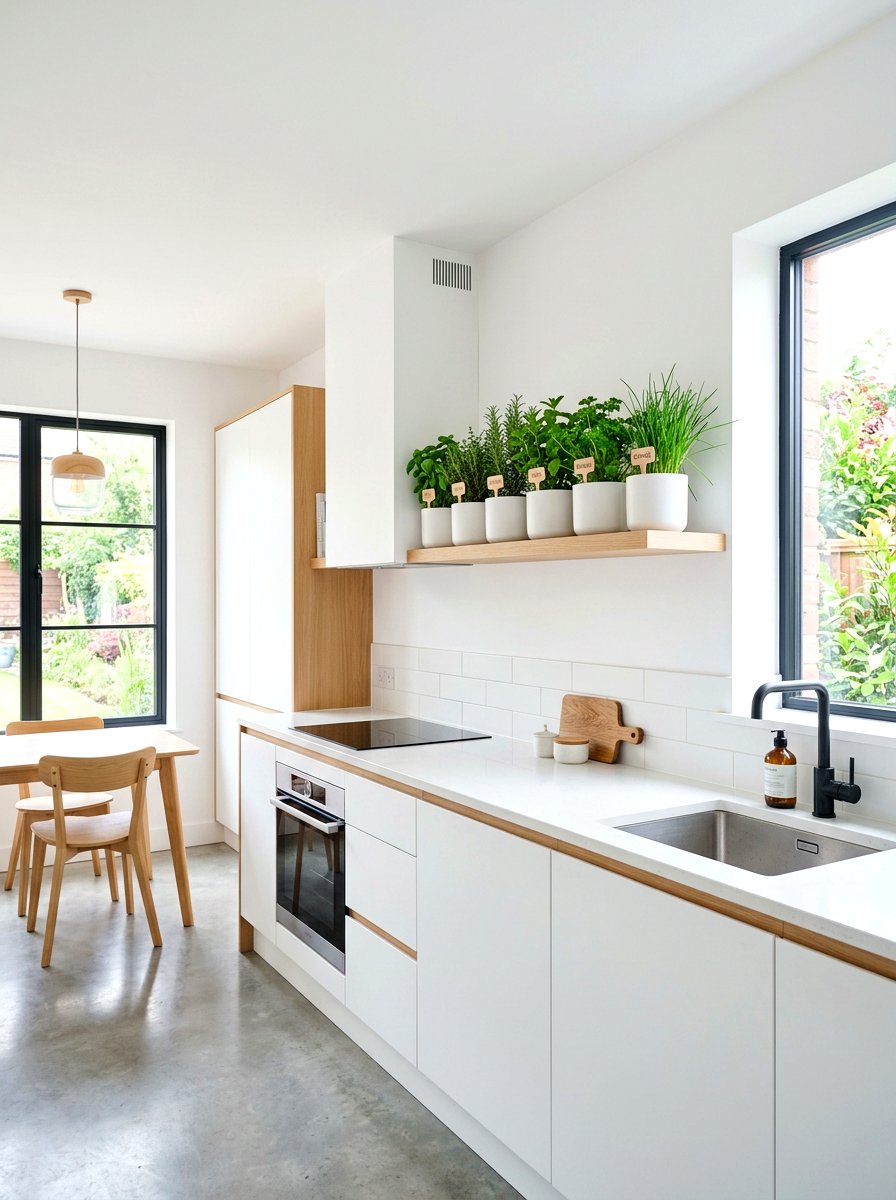
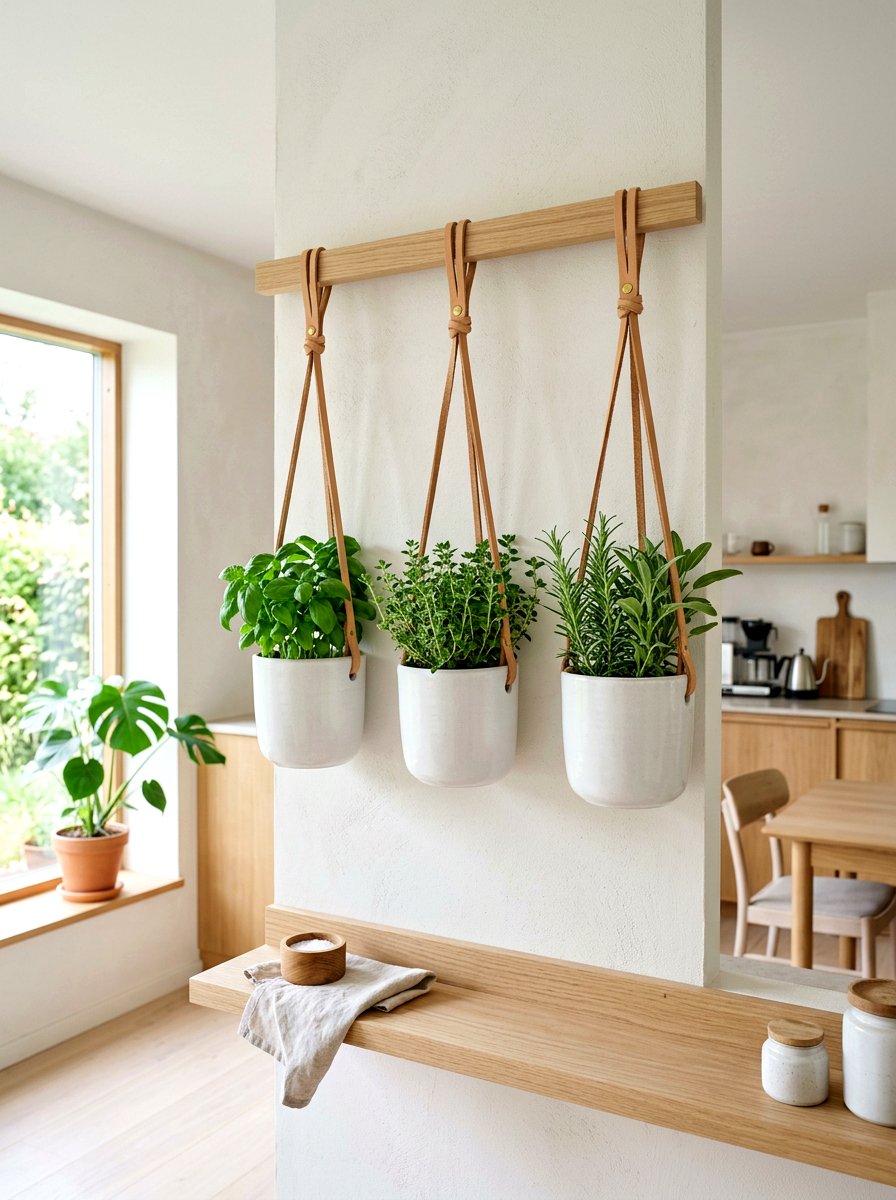
Installing a floating shelf herb garden is a sleek and minimalist way to display your favorite culinary plants. These shelves can be placed at various heights on your kitchen wall, keeping the surfaces below clear for food preparation. By using uniform pots in a single color, you can create a very clean and modern appearance that complements contemporary cabinetry. The lack of visible brackets gives the illusion that your herbs are part of the wall itself. This setup works beautifully for herbs that stay relatively small, like chives or thyme. It transforms a functional growing space into a sophisticated design element in your home.
8. Hydroponic indoor herb system
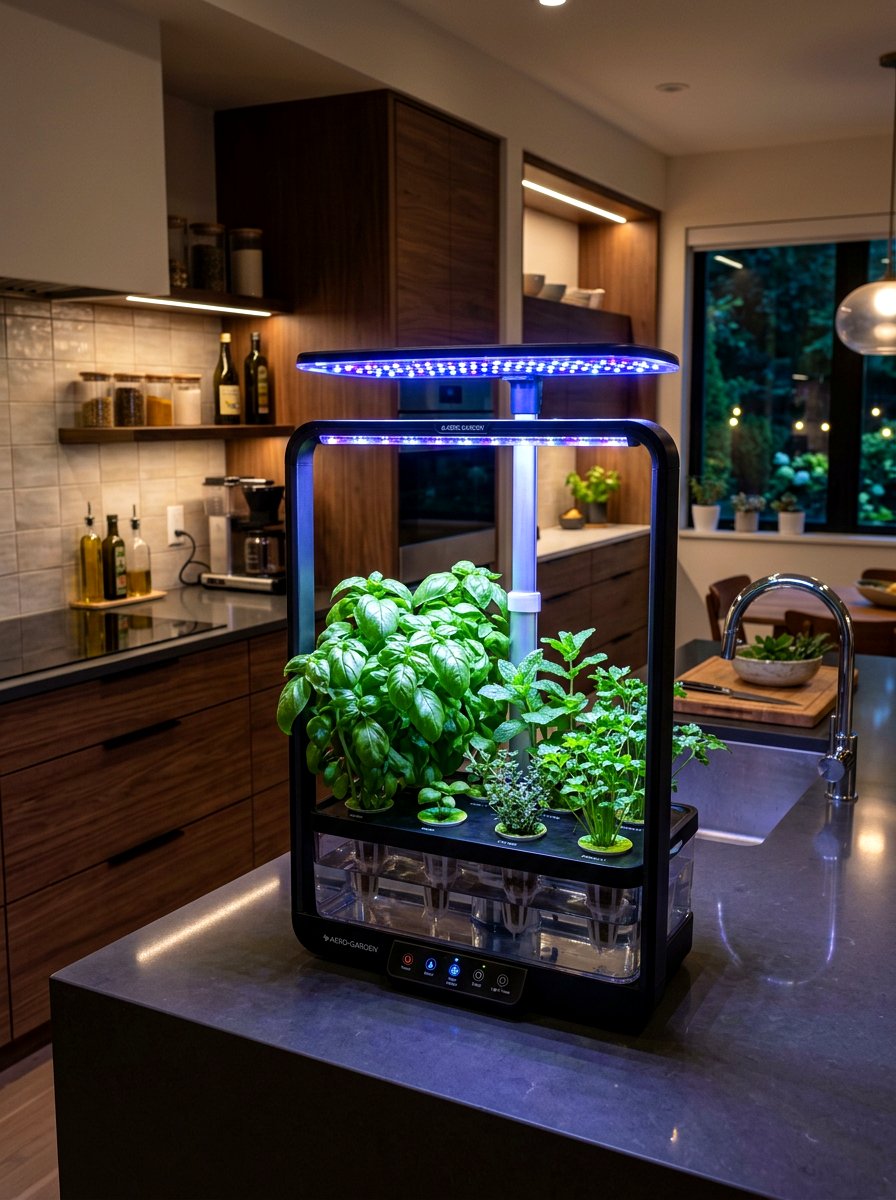
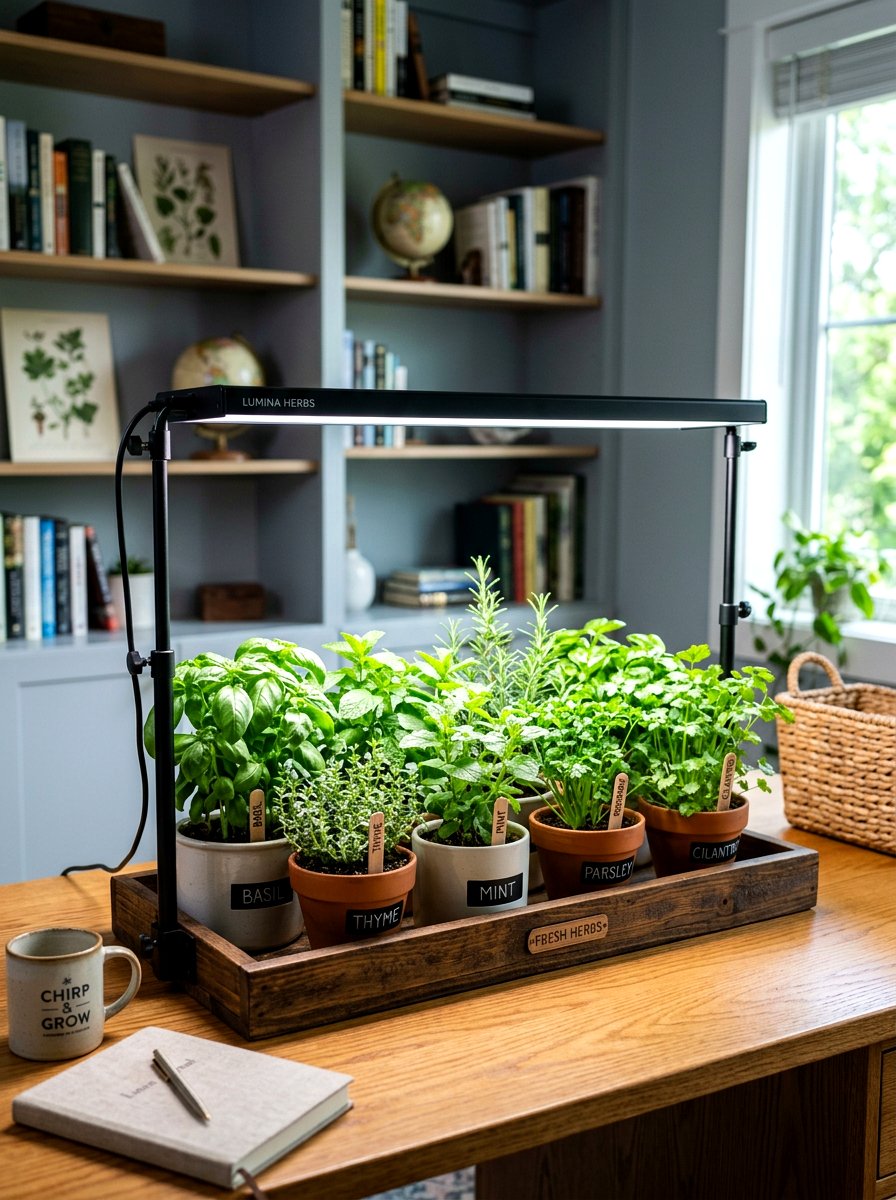
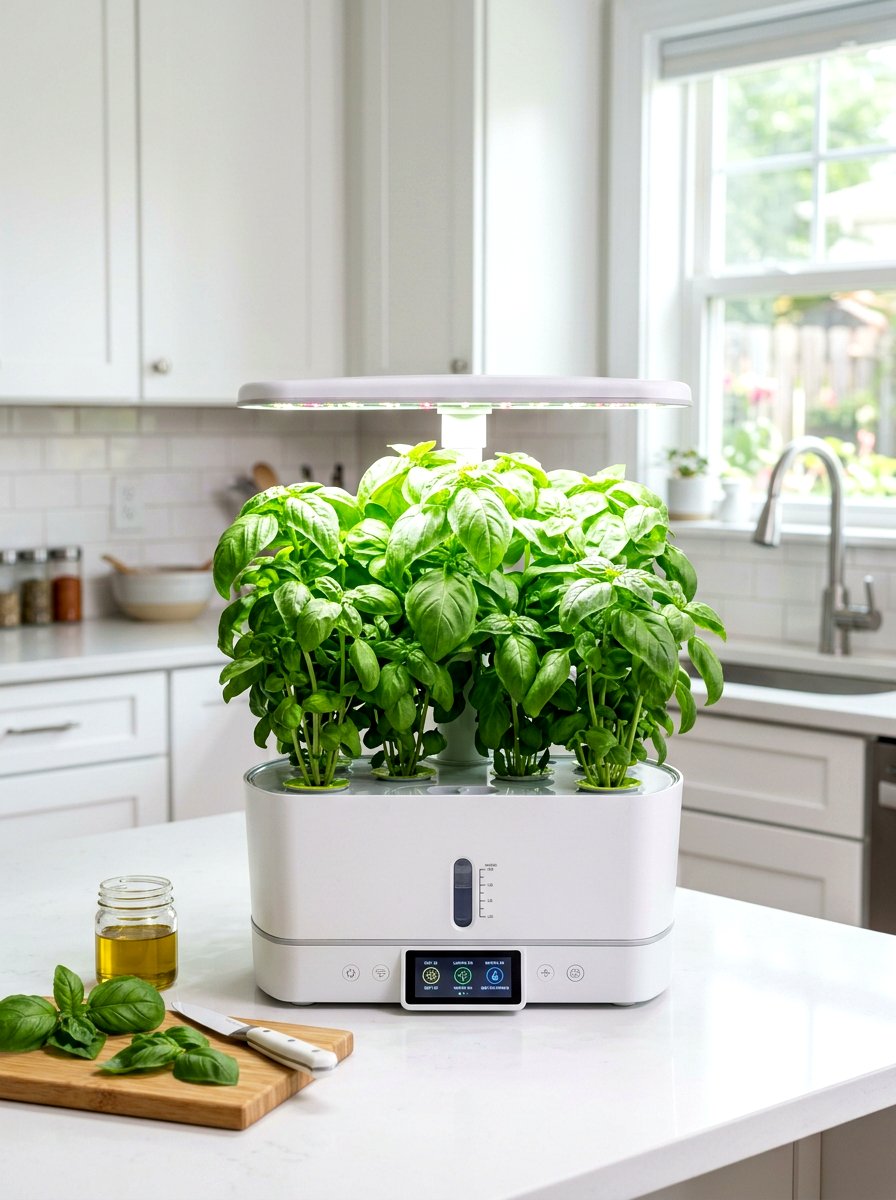
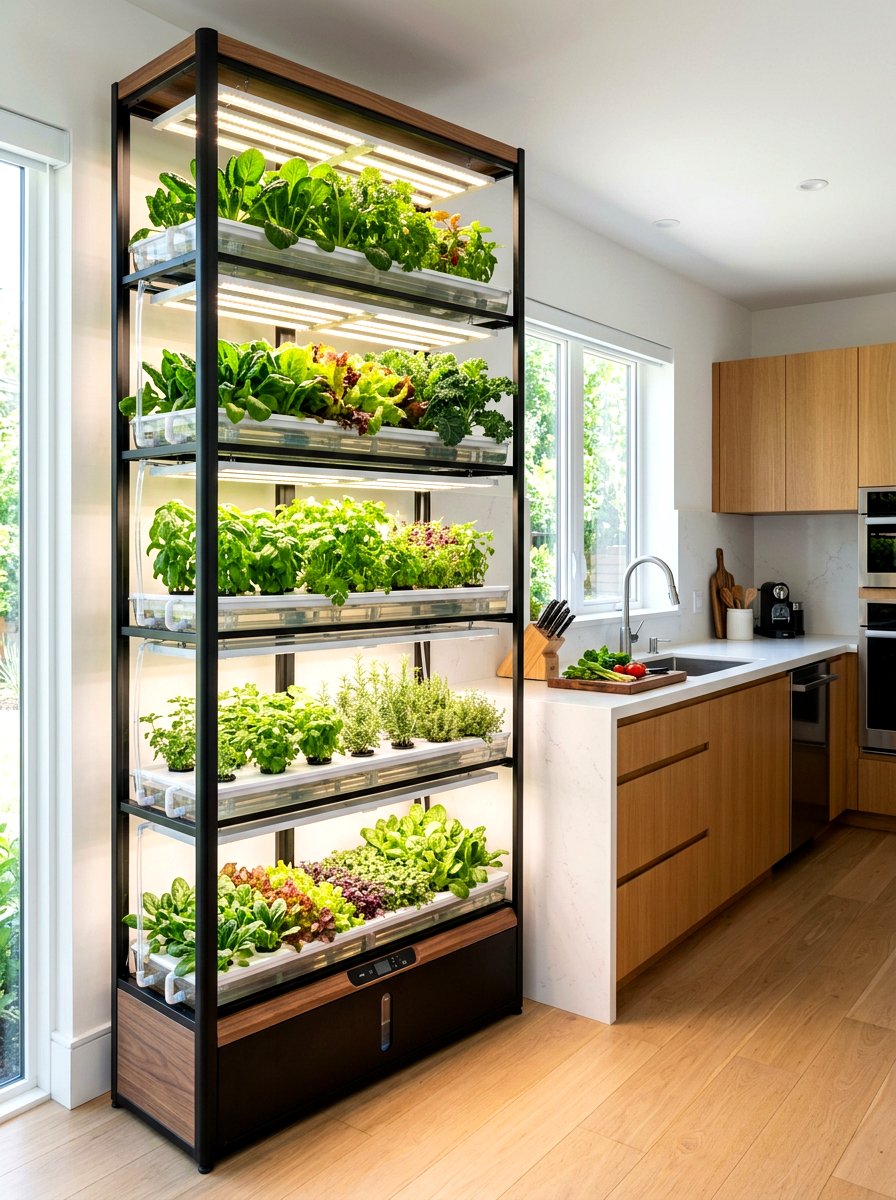
A hydroponic indoor herb system is the ultimate high-tech solution for people who want fresh herbs with minimal effort. These systems use water and nutrient solutions instead of traditional soil, which often results in faster growth and less mess. Most units come with built-in LED grow lights that automatically turn on and off, ensuring your plants get the perfect amount of light regardless of the weather outside. They are typically compact enough to sit on a countertop or island. This is a foolproof way to grow difficult herbs and maintain a constant supply of greens throughout the winter months. It looks very futuristic.
9. Recycled tin can herb pots
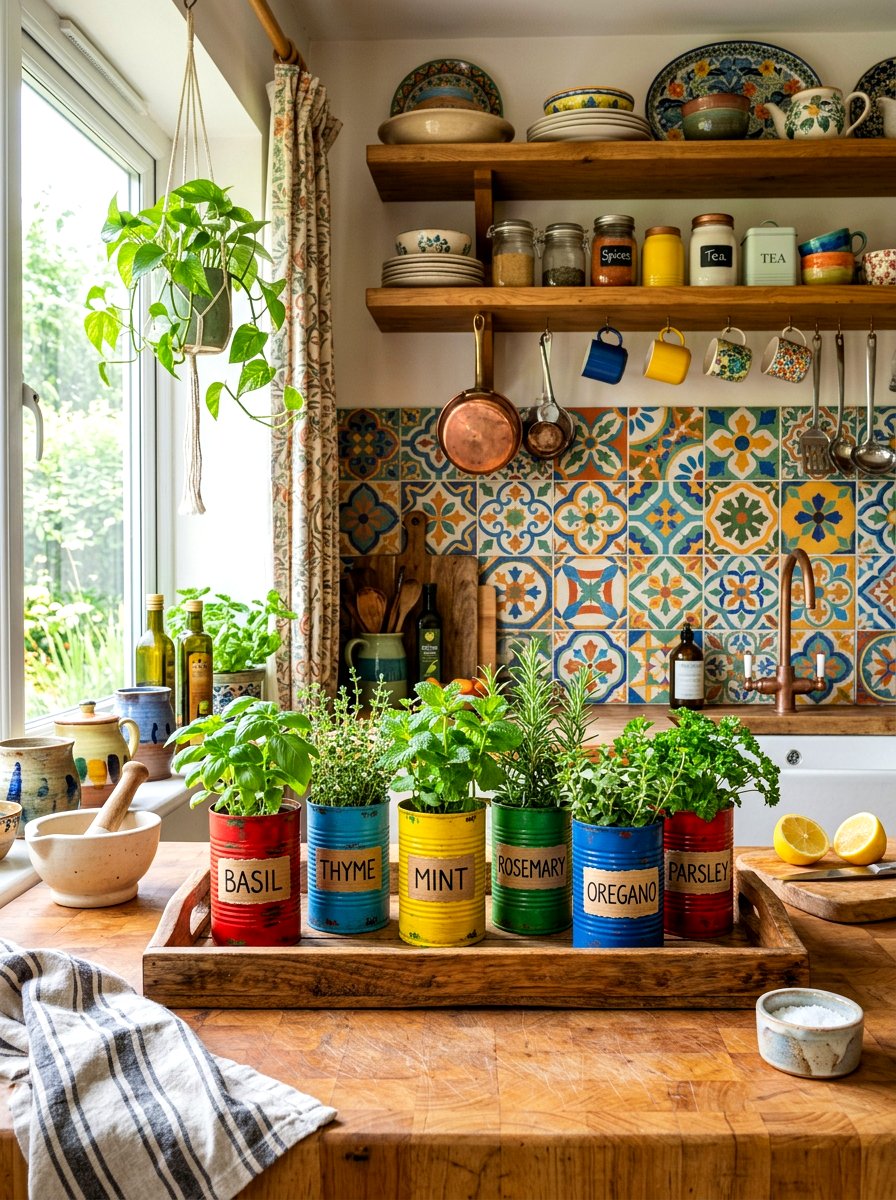
Creating herb pots from recycled tin cans is an eco-friendly and stylish way to upcycle household waste. After cleaning out old soup or coffee cans, you can paint them in bold colors or leave them with a metallic finish for an industrial look. Be sure to punch a few drainage holes in the bottom before adding your soil and plants. These small containers are the perfect size for individual herbs and can be grouped together on a tray. This project is not only cost-effective but also adds a playful and lived-in feel to your kitchen. It is a great way to personalize your space.
10. Copper pipe herb rail
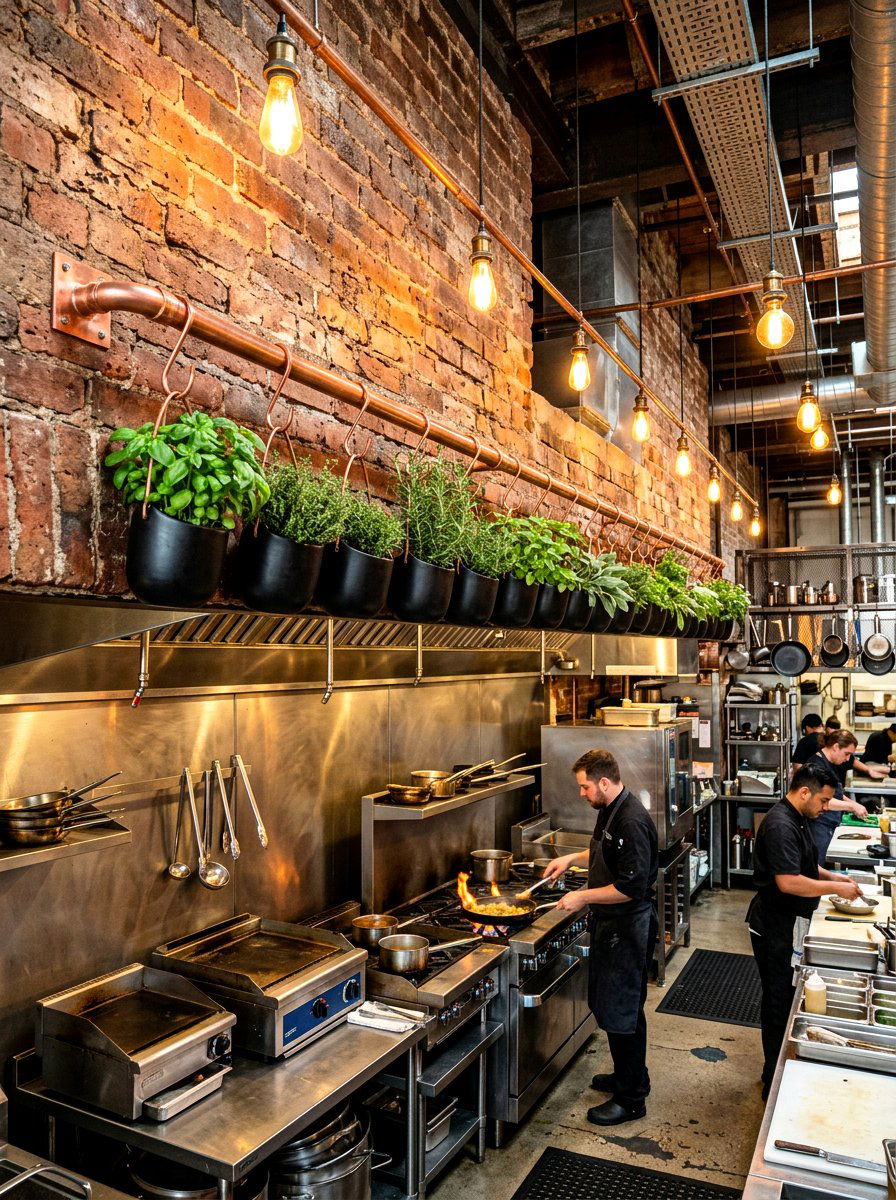
A copper pipe herb rail is a trendy and industrial way to hang your plants along a kitchen backsplash. By mounting a sturdy copper rod above your counter, you can use "S" hooks to hang small pots with handles. This keeps your herbs organized and creates a beautiful metallic accent that pairs well with wooden or marble surfaces. The copper will develop a lovely patina over time, adding character to your kitchen design. It allows you to slide the pots along the rail to move them into better light or closer to your cooking area. It is both functional and very visually appealing.
11. Ladder herb garden shelf
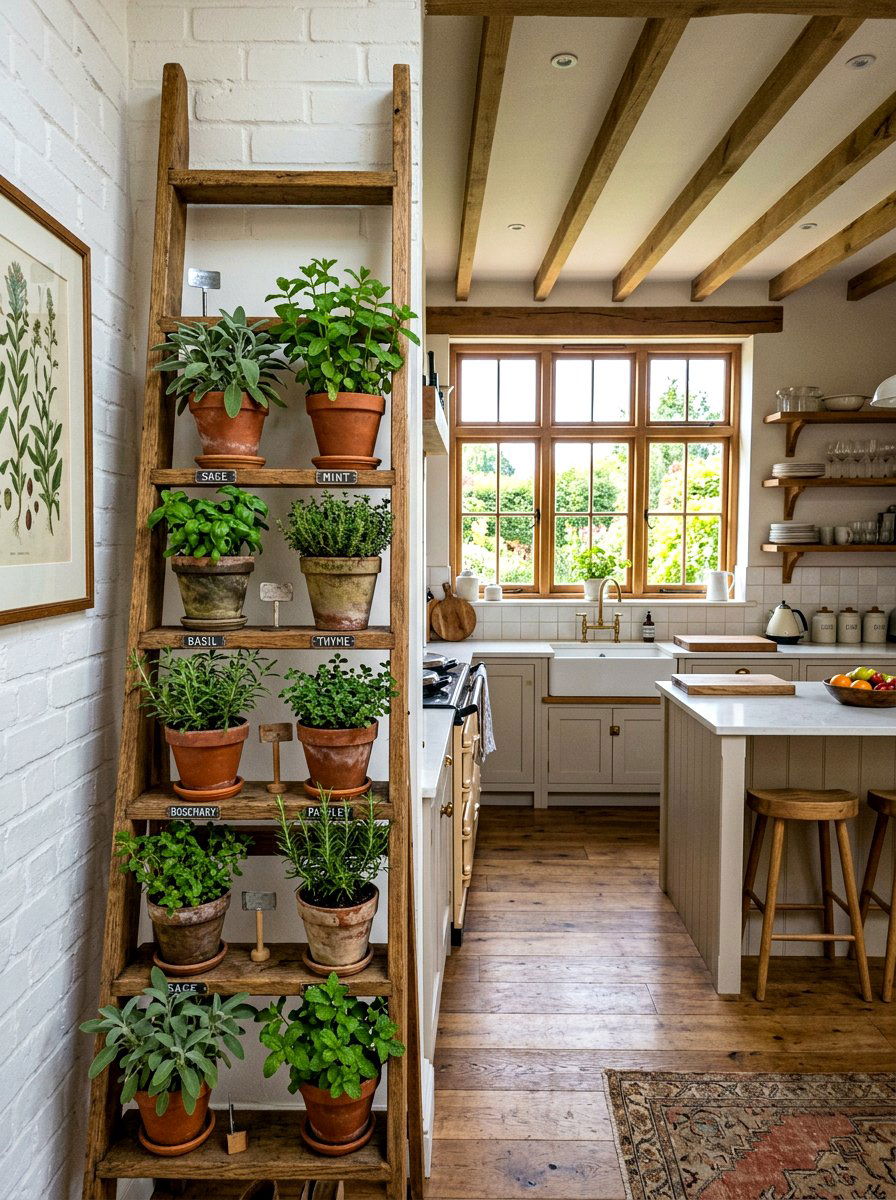
A ladder herb garden shelf is a versatile and rustic way to display a large collection of plants. You can lean a wooden ladder against a wall or use a freestanding step ladder to hold various pots on each rung. This design provides plenty of space for different herb varieties and even some small vegetables or flowers. The vertical orientation makes it easy to see and reach every plant without having to bend over. It works well in a corner of the kitchen or near a glass door that lets in plenty of sunlight. It adds a cozy and organic feel to the room.
12. Wooden crate herb garden
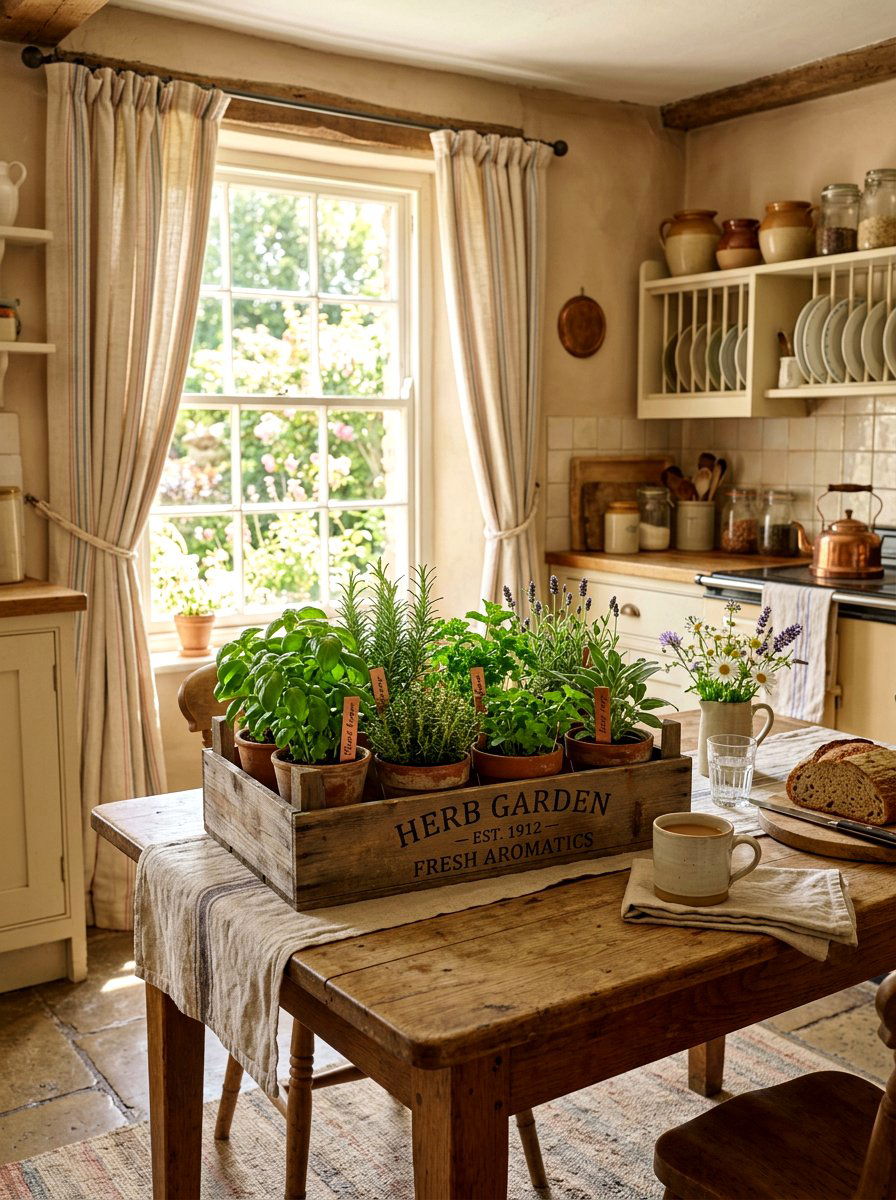
Using a wooden crate herb garden is a simple way to create a contained and portable growing area. You can fill a vintage-style crate with several small pots of herbs like oregano, sage, and mint. The crate keeps the pots organized and makes it easy to move the entire garden to a different spot if you need to clear the counter. It adds a warm and natural texture to the kitchen, especially when paired with white or neutral decor. You can even line the crate with plastic and plant directly into it for a more integrated look. It feels very grounded and authentic.
13. Self watering herb planter
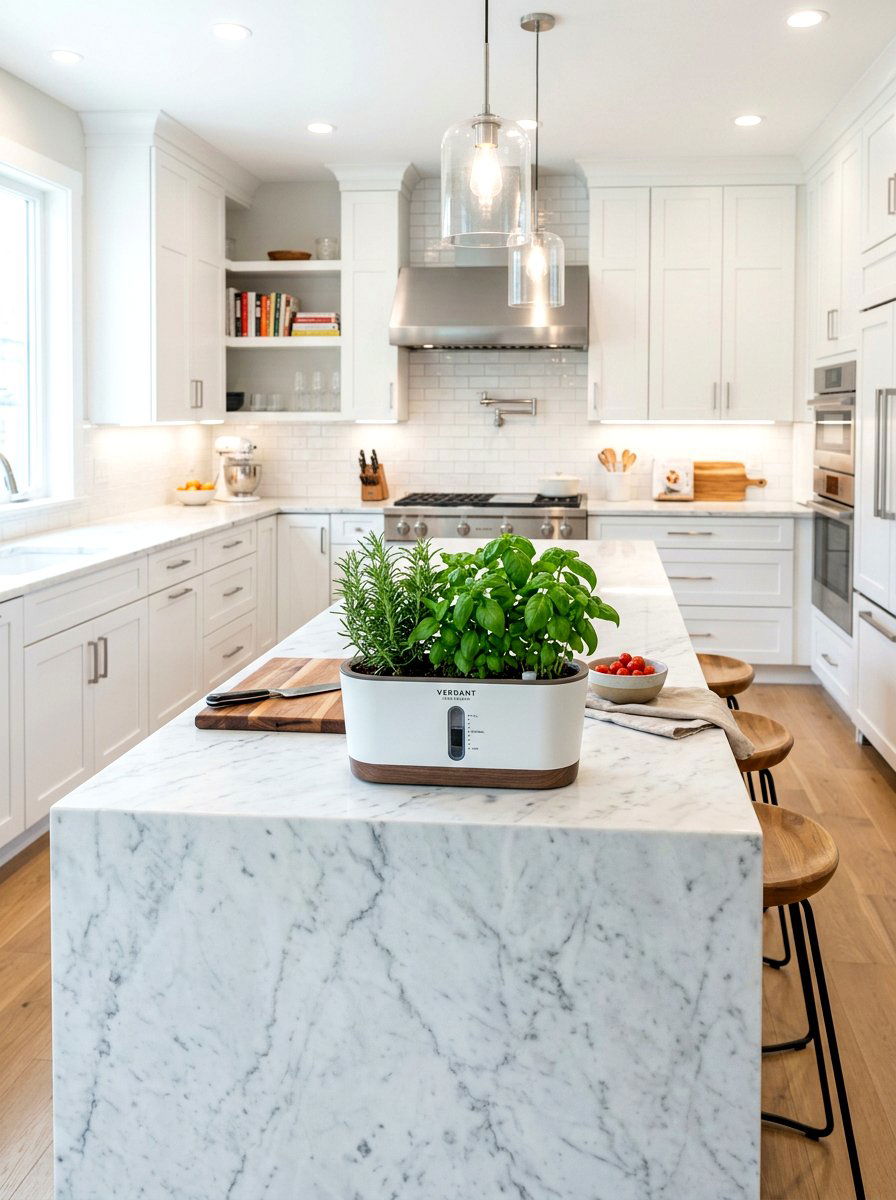
A self watering herb planter is a lifesaver for busy home cooks who might forget to water their plants regularly. These containers feature a reservoir at the bottom that allows the soil to wick up moisture as needed. This ensures that your herbs receive consistent hydration, which prevents wilting and helps them grow more vigorously. Many designs also include a water level indicator so you know exactly when to refill the tank. They come in many stylish shapes and colors that fit perfectly on a kitchen island or table. This practical tool makes indoor gardening accessible to everyone, even those without a green thumb.
14. Chalkboard herb garden pot
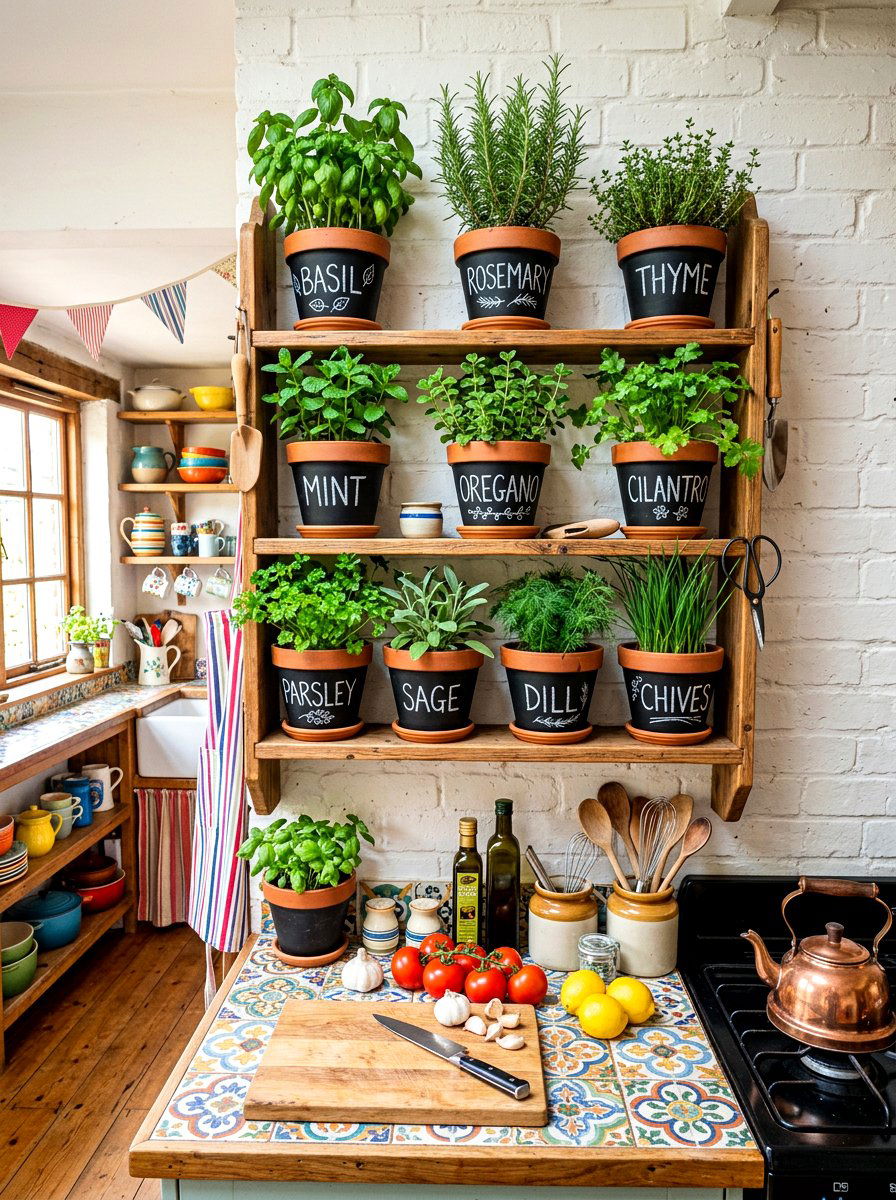
Chalkboard herb garden pots allow you to label your plants in a fun and creative way. By painting your pots with chalkboard paint, you can write the name of the herb directly on the container. This is particularly helpful if you are growing several similar-looking greens like flat-leaf parsley and cilantro. You can also use the space to write notes about when you last watered or fertilized the plant. The black matte finish of the paint provides a sharp contrast against the bright green leaves of the herbs. It is a practical and artistic project that adds a custom touch to your kitchen.
15. Rolling herb garden cart
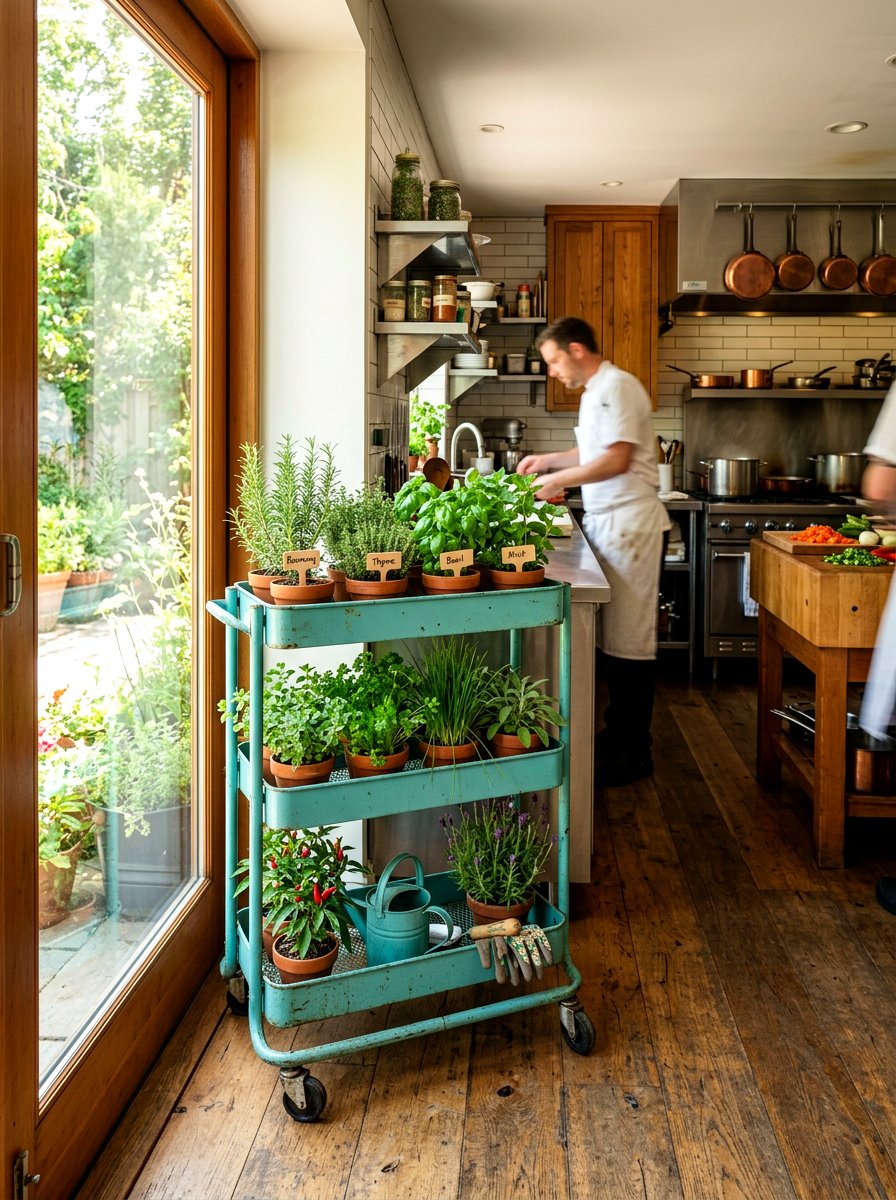
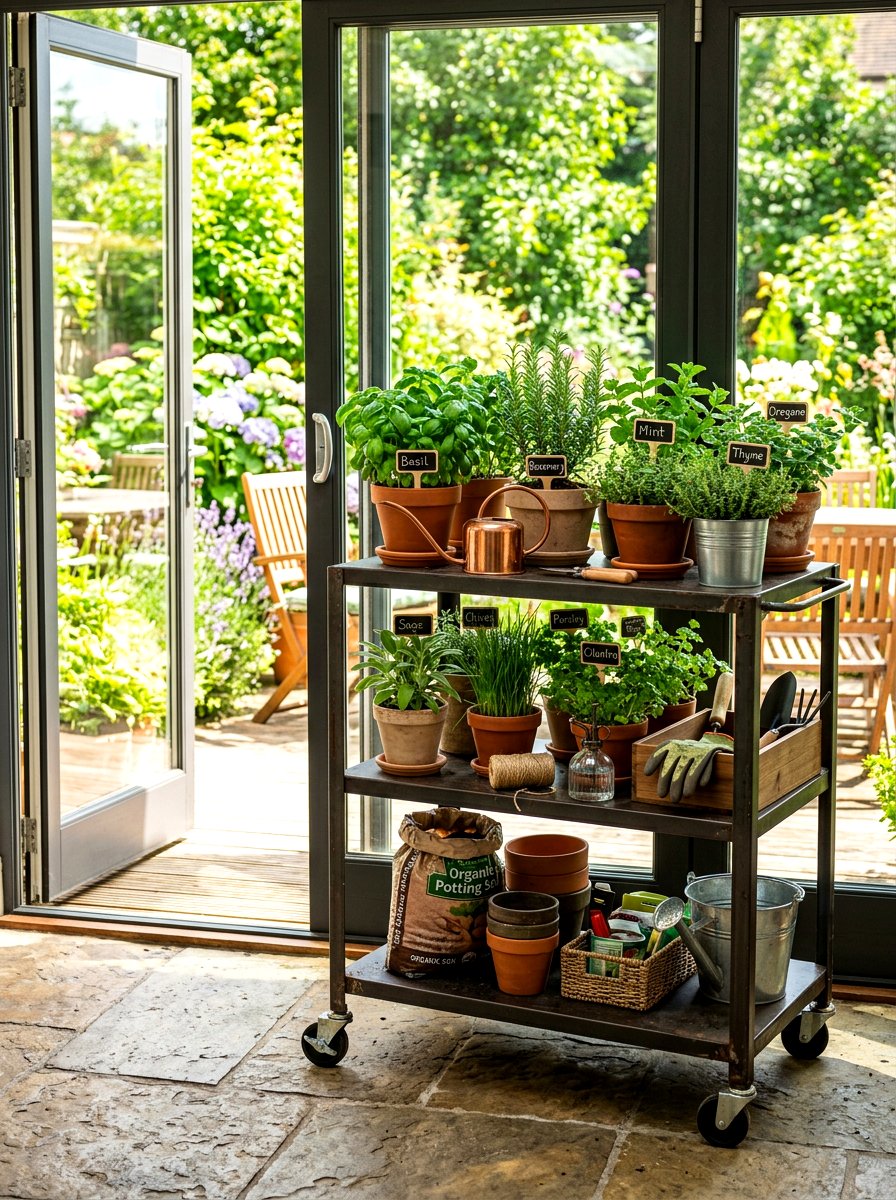
A rolling herb garden cart offers the ultimate flexibility for indoor plant care. By using a tiered metal or wooden cart on wheels, you can easily move your entire herb collection into the sunniest spot of the day. When you are ready to cook, you can simply wheel the cart over to your stove or prep area to harvest what you need. This is a great solution for larger kitchens or for people who like to rearrange their space frequently. The multiple shelves provide ample room for pots, watering cans, and gardening tools. It keeps everything you need for herb gardening in one mobile place.
16. Herb garden cabinet insert
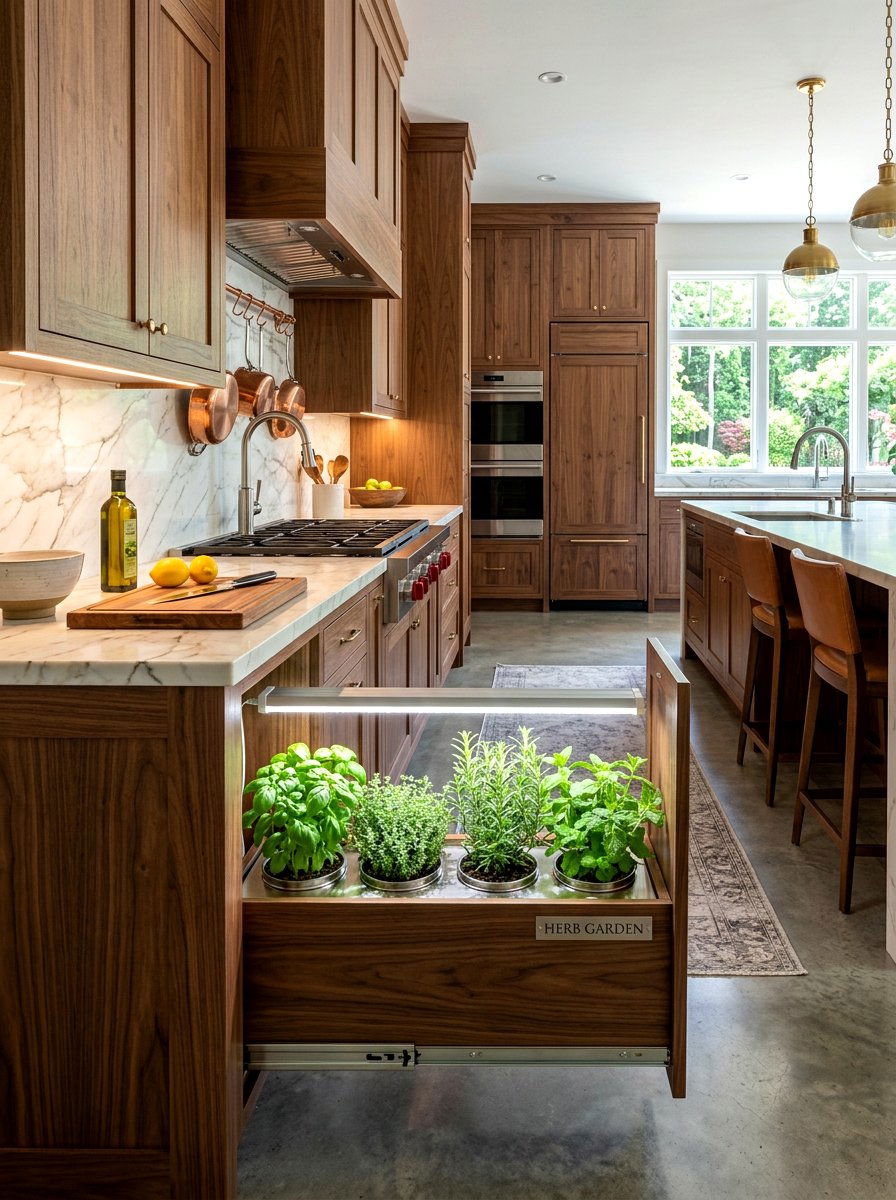
A herb garden cabinet insert is a high-end design choice that integrates your greenery directly into your kitchen cabinetry. This involves creating a dedicated pull-out shelf or a recessed area within your island that is specifically for plant pots. Some custom designs even include integrated grow lights and drainage systems to make maintenance effortless. This setup keeps the herbs hidden when not in use, maintaining a very clean and streamlined kitchen look. It is a sophisticated way to have fresh ingredients right where you need them most. This luxury feature is becoming increasingly popular in modern kitchen renovations for a seamless appearance.
17. Tea cup herb garden
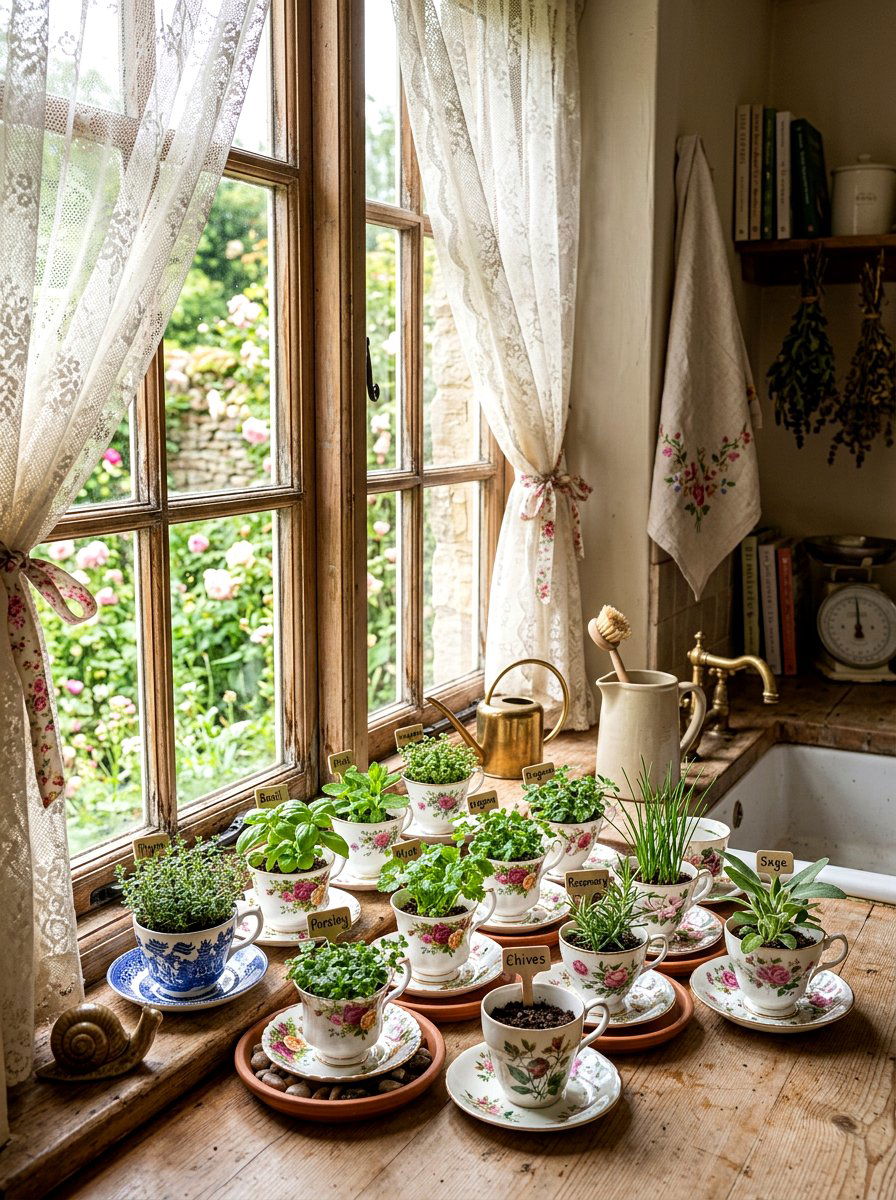
A tea cup herb garden is a delicate and charming way to grow small herbs on a windowsill or breakfast nook. You can use mismatched vintage tea cups or a set of matching porcelain mugs to hold individual plants like chives or thyme. These tiny containers are perfect for people who only need a small amount of herbs at a time. Because they lack drainage, it is important to be careful with watering and use a small layer of gravel at the bottom. The dainty aesthetic of the cups adds a touch of elegance and whimsy to your kitchen. It is a lovely way to repurpose old dishes.
18. Pockets herb wall planter
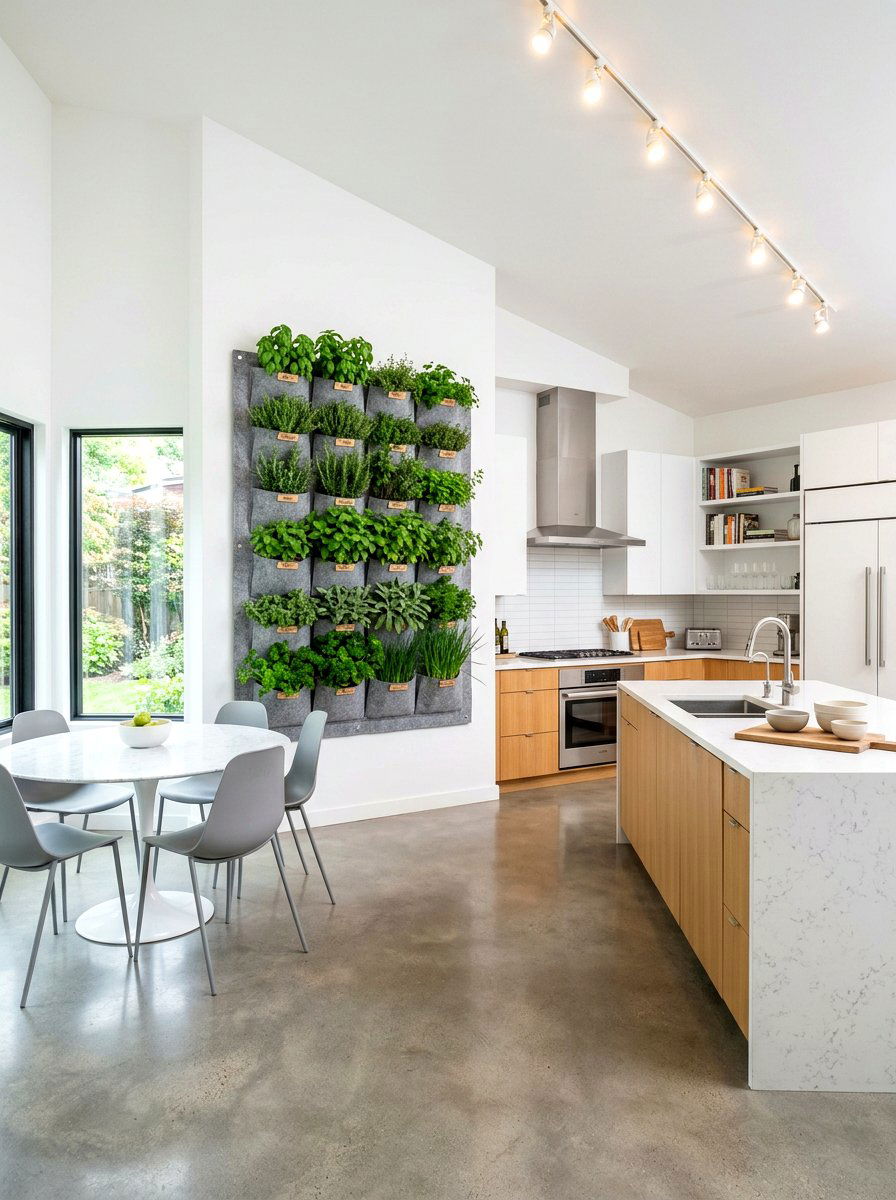
A pockets herb wall planter uses soft fabric or felt pouches to hold your plants against a vertical surface. These breathable pockets allow for excellent air circulation around the roots, which helps prevent overwatering and rot. The fabric absorbs moisture and releases it slowly, creating a healthy environment for your herbs. You can hang a large panel of pockets on a kitchen wall to create a dense and lush green backdrop. This lightweight solution is easy to install and can be moved if needed. It provides a soft and organic look that contrasts beautifully with hard kitchen surfaces like tile or stone.
19. Gutter herb garden wall
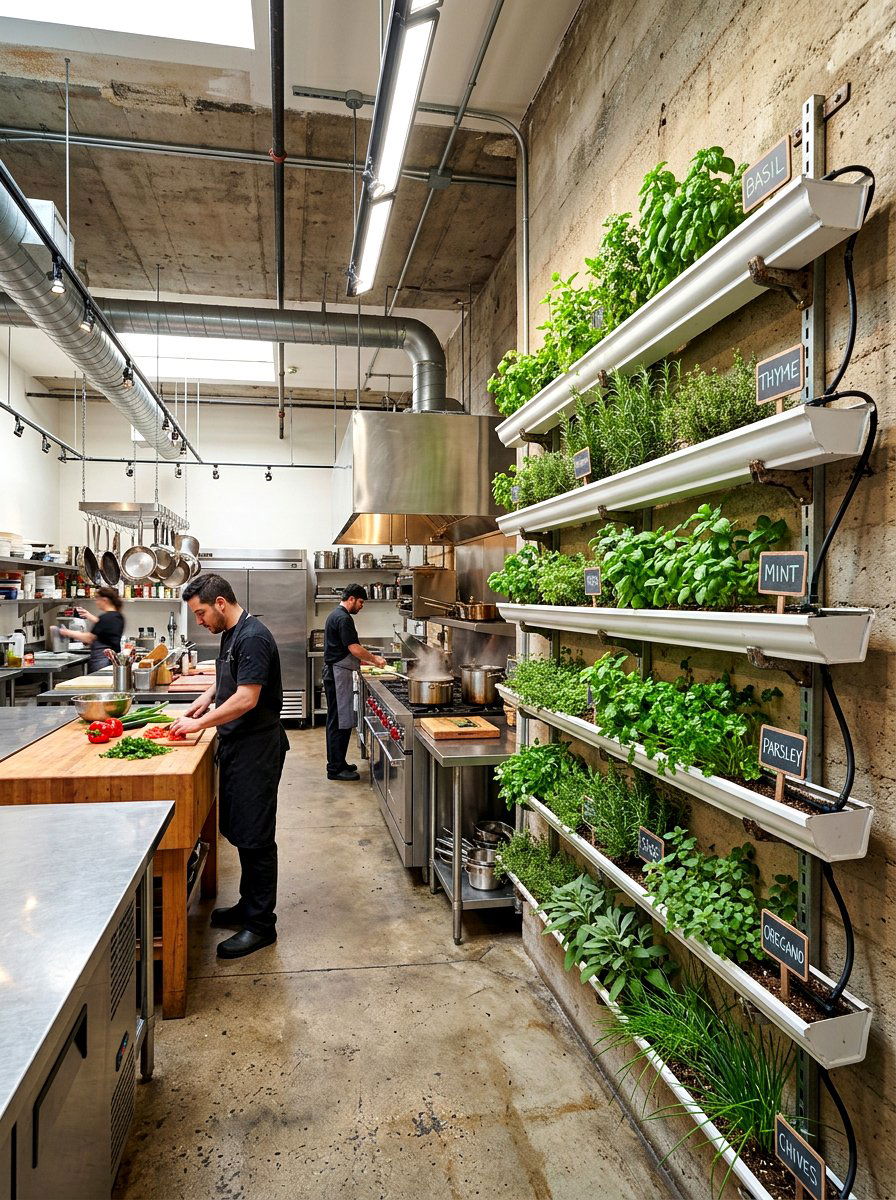
A gutter herb garden wall is a clever DIY project that uses sections of metal or plastic rain gutters mounted to the wall. These long horizontal troughs provide plenty of space for a row of herbs to grow side by side. By stacking several rows of gutters above each other, you can create a massive amount of growing space in a very narrow area. It is a very cost-effective way to build a large-scale vertical garden. The sleek lines of the gutters give the kitchen a modern and industrial edge. Ensure the ends are capped and there is a way for excess water to drain.
20. Island bench herb planter
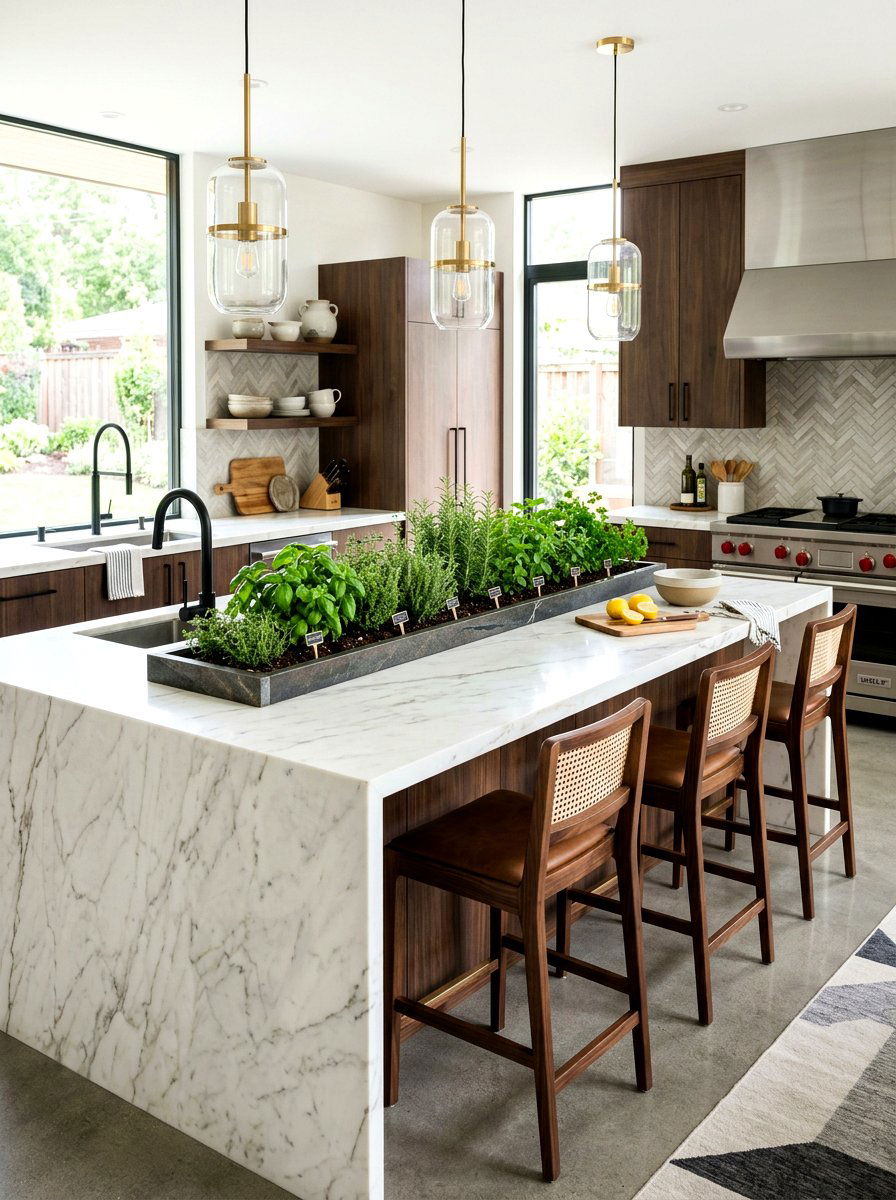
An island bench herb planter involves a sunken trough built directly into the center of your kitchen island. This puts your fresh herbs at the very heart of your food preparation area, making harvesting incredibly easy. The plants act as a living centerpiece that adds color and fragrance to the room while you entertain guests. You can fill the trough with a variety of textures and heights to create a dynamic display. This design usually requires professional installation to ensure proper waterproofing and drainage within the cabinetry. It is a stunning architectural feature that blends nature and utility in a very modern way.
21. Geometric wall herb garden
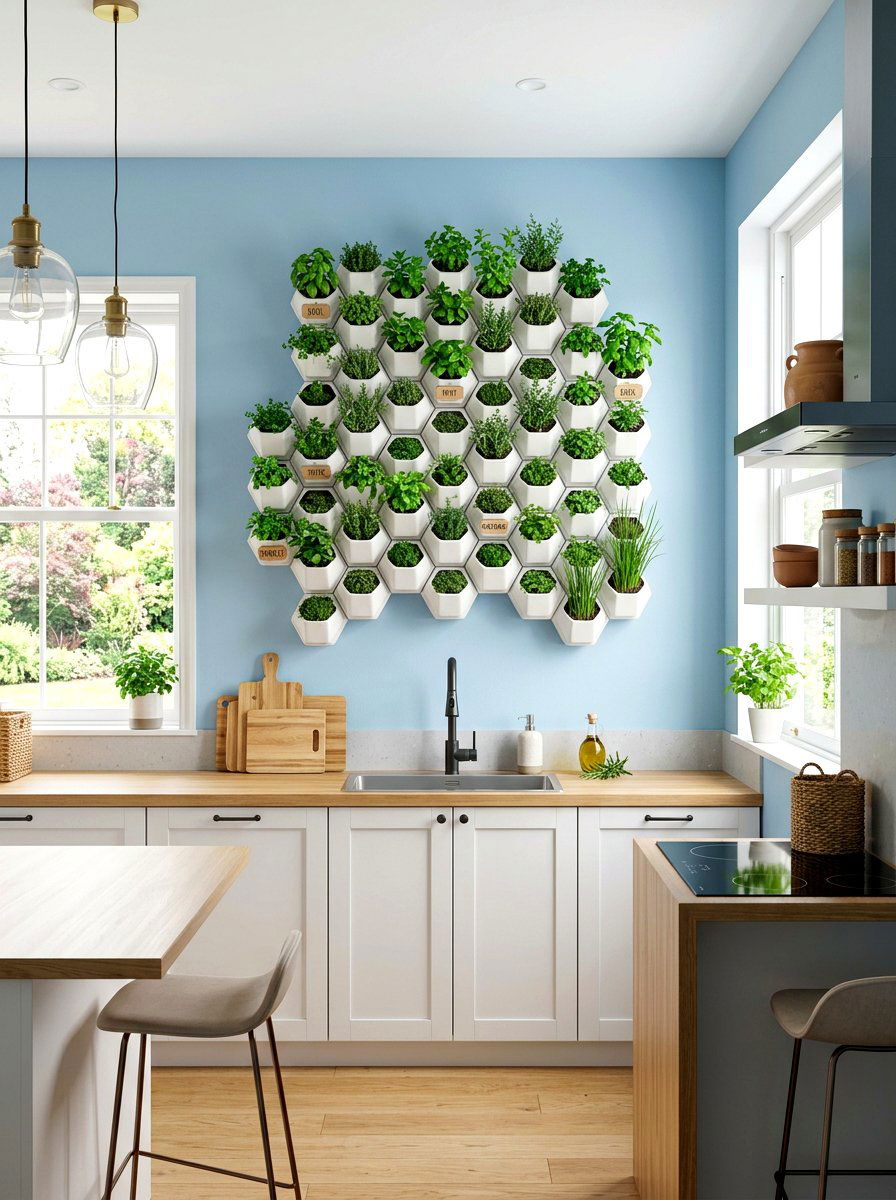
A geometric wall herb garden uses hexagonal or triangular pots arranged in a pattern on the wall. This creates a highly stylized and artistic look that functions as both a garden and a piece of decor. You can play with different colors and finishes to match your kitchen’s palette. The modular nature of these planters allows you to start small and add more units as your herb collection grows. It is perfect for a contemporary kitchen that values clean lines and interesting shapes. This setup keeps your herbs organized while adding a sophisticated and modern touch to the vertical space of your room.
22. Apothecary jar herb display
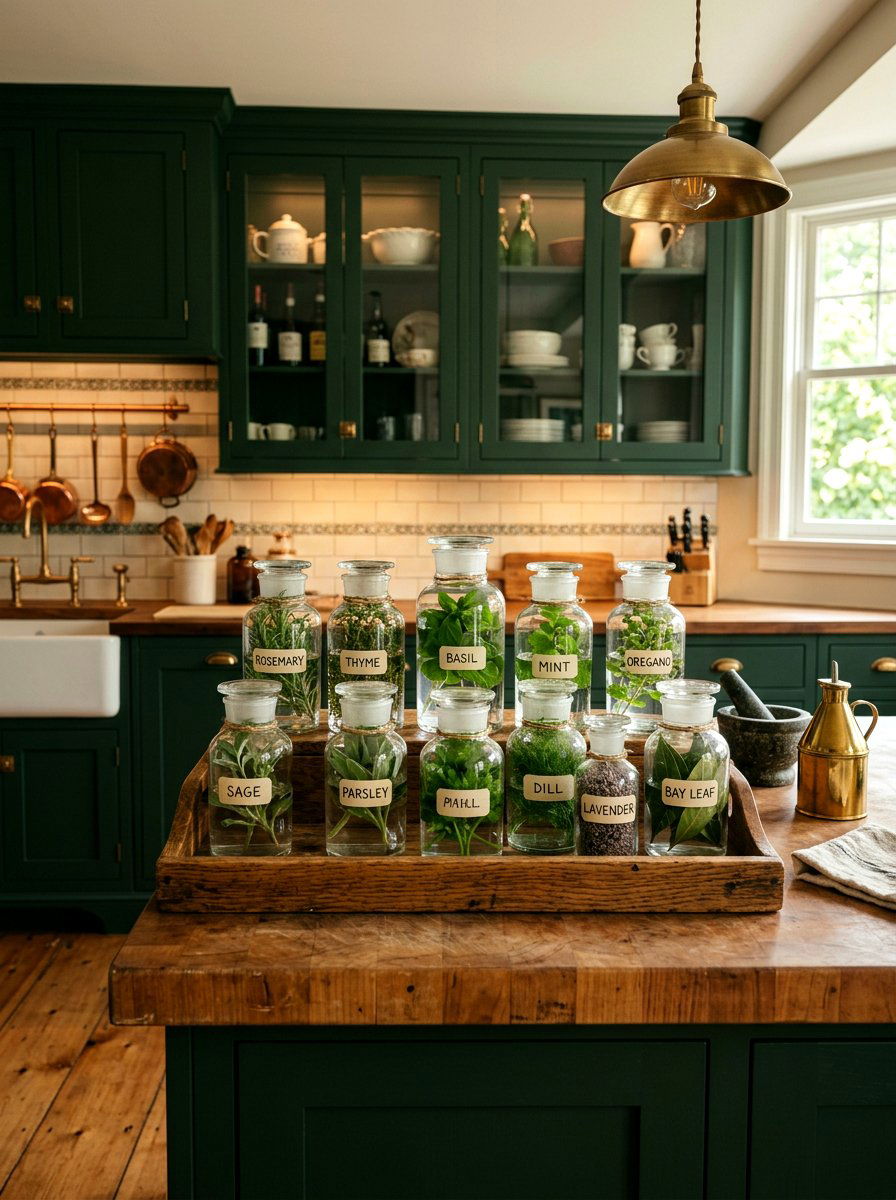
Using an apothecary jar herb display brings a vintage and scientific feel to your kitchen counter. These glass jars with lids can be used to grow herbs hydroponically in water or with a small amount of soil at the bottom. The varying heights and shapes of the jars create a visually interesting arrangement that looks like a beautiful collection. Since the jars are often enclosed, they help maintain humidity for moisture-loving herbs like mint. You can leave the lids off for air circulation or keep them slightly ajar. This elegant setup is perfect for displaying your herbs as if they were precious botanical specimens.
23. Railing herb garden balcony
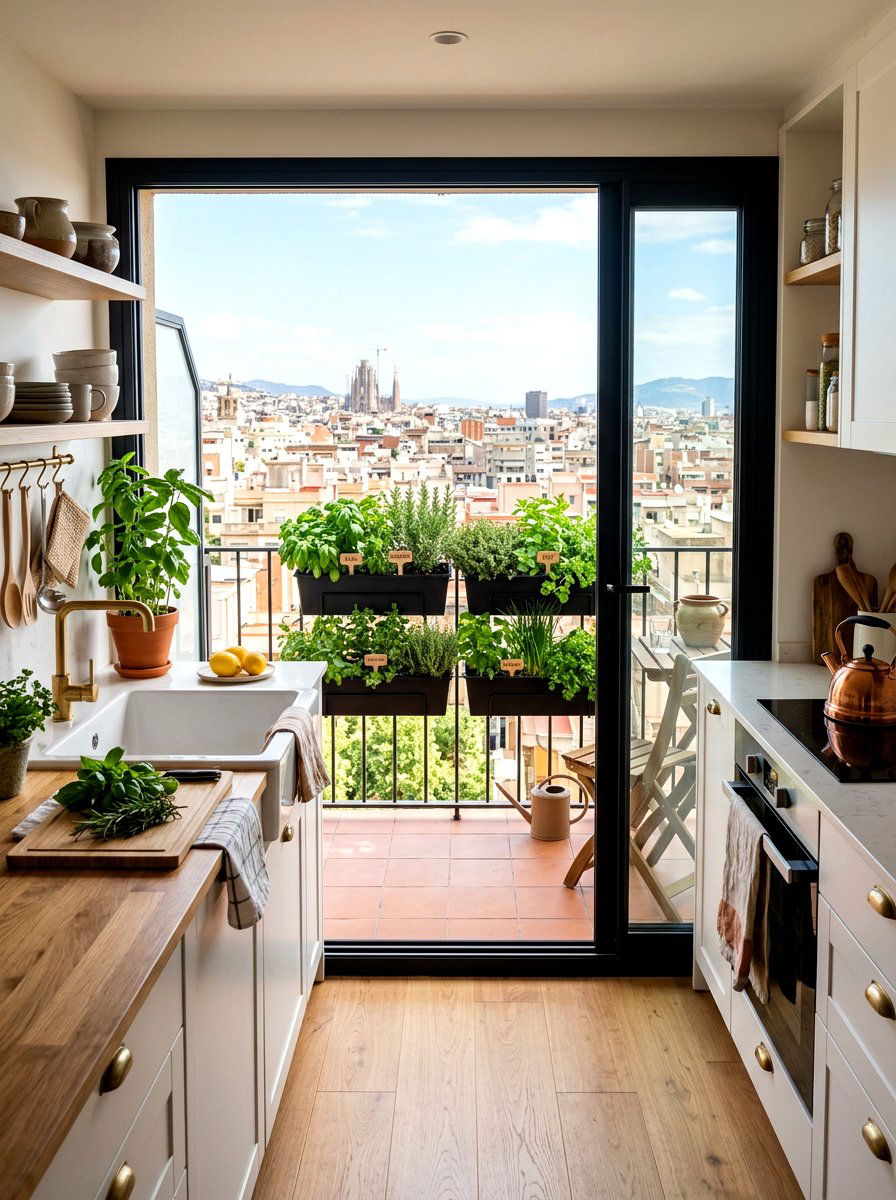
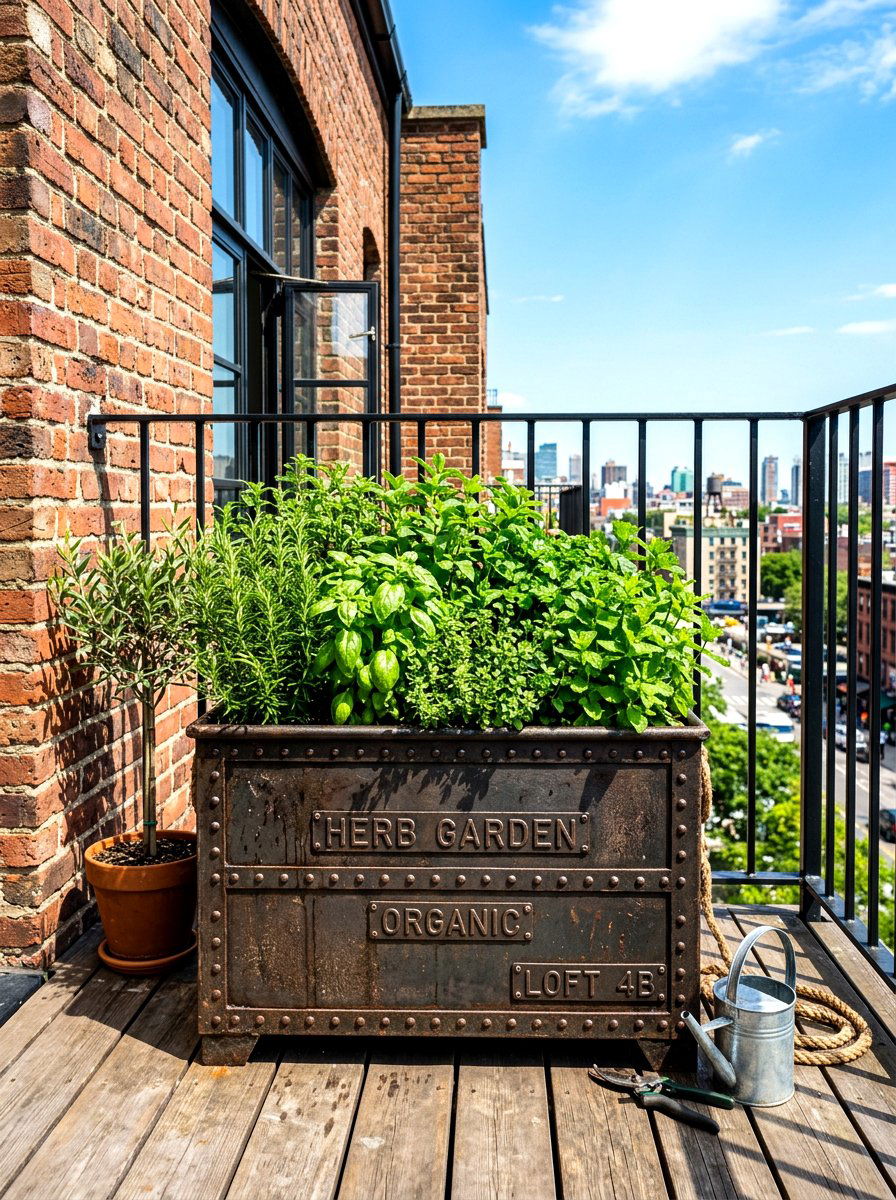
A railing herb garden balcony is an ideal solution if your kitchen opens onto a small outdoor space. By attaching long planters to the railing, you can grow a large variety of herbs just steps away from your stove. This allows the plants to get full sun and fresh air, which often leads to more robust growth than indoor setups. It keeps your kitchen interior clear while still providing the convenience of fresh ingredients. You can choose from various railing-mounted containers made of metal, plastic, or wood. This transition between indoor and outdoor spaces creates a lovely and productive connection with nature.
24. Minimalist ceramic herb pots
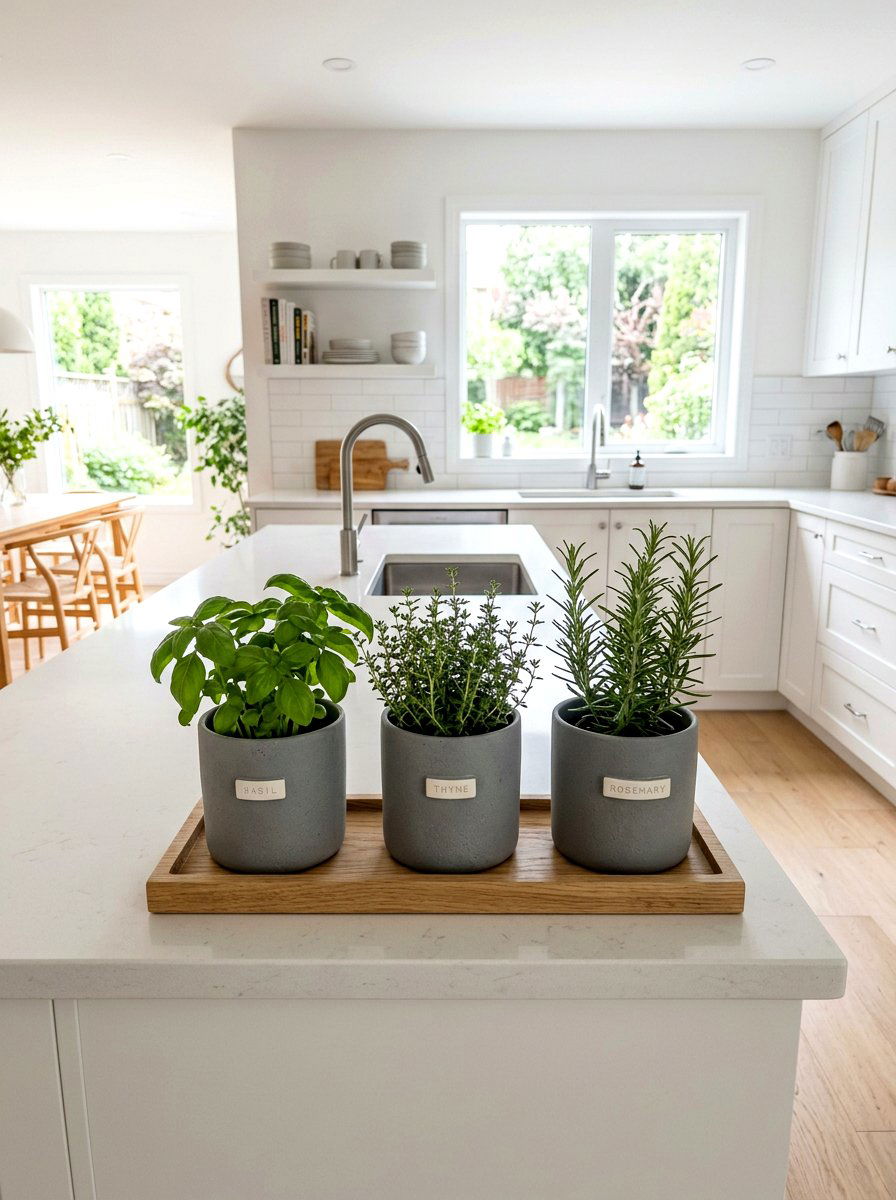
Minimalist ceramic herb pots are perfect for those who prefer a clean and uncluttered kitchen aesthetic. These pots often feature simple shapes, matte finishes, and neutral colors like white, grey, or black. By grouping a few of these pots together on a tray, you create a cohesive and calm display of greenery. The focus remains on the vibrant color and texture of the herbs themselves rather than the containers. High-quality ceramic provides a stable environment for roots and helps regulate temperature. This timeless look fits into almost any design style, from Scandinavian to modern farmhouse, and always looks very sophisticated.

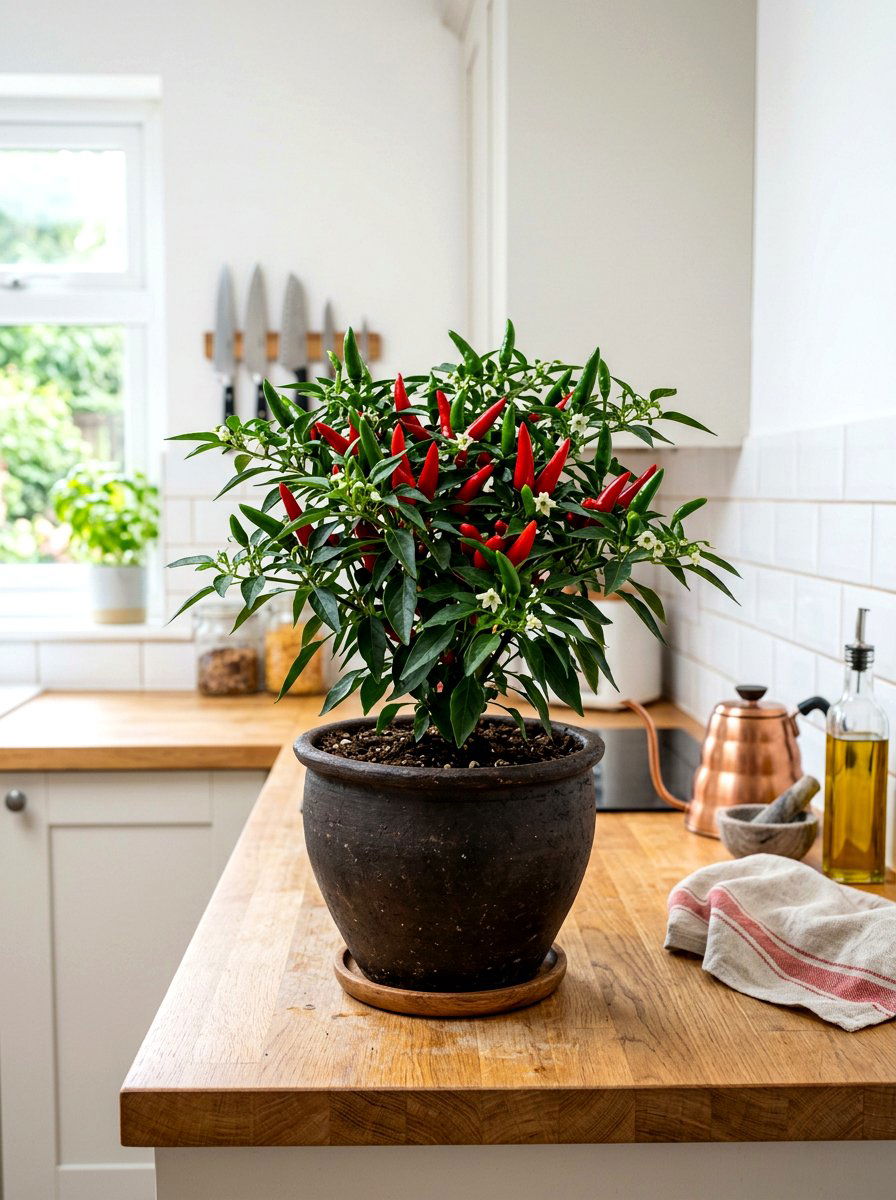
25. Terrarium herb garden indoor
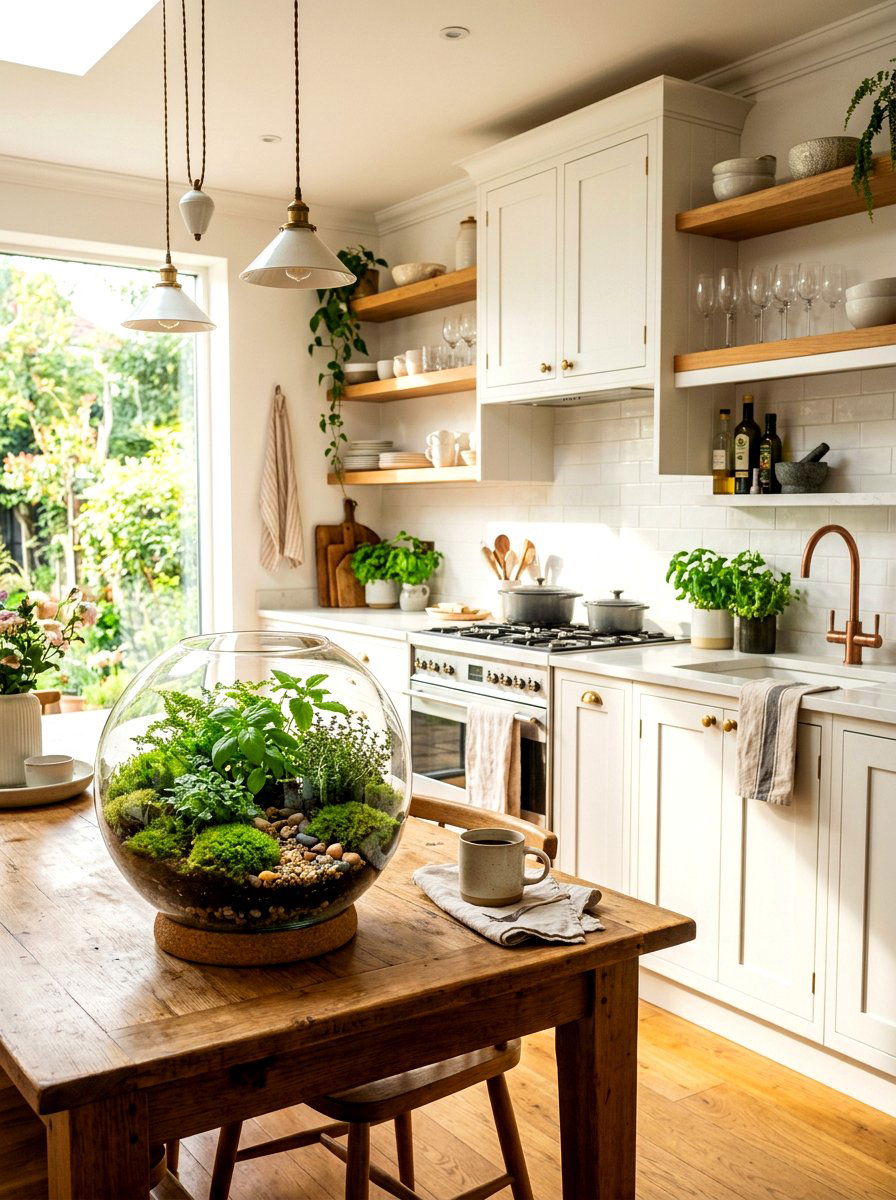
A terrarium herb garden indoor setup uses a large glass vessel to create a mini-ecosystem for your plants. While traditional terrariums are for decorative plants, you can adapt the concept for herbs that thrive in high humidity like parsley or mint. The glass helps trap moisture, reducing the frequency of watering. Using a wide-mouthed container allows you to easily reach in and snip what you need for cooking. You can layer charcoal, pebbles, and soil to create a healthy environment for the plants. This beautiful display acts as a piece of living art on your kitchen table or a sunny shelf in the room.
26. Farmhouse wooden herb box
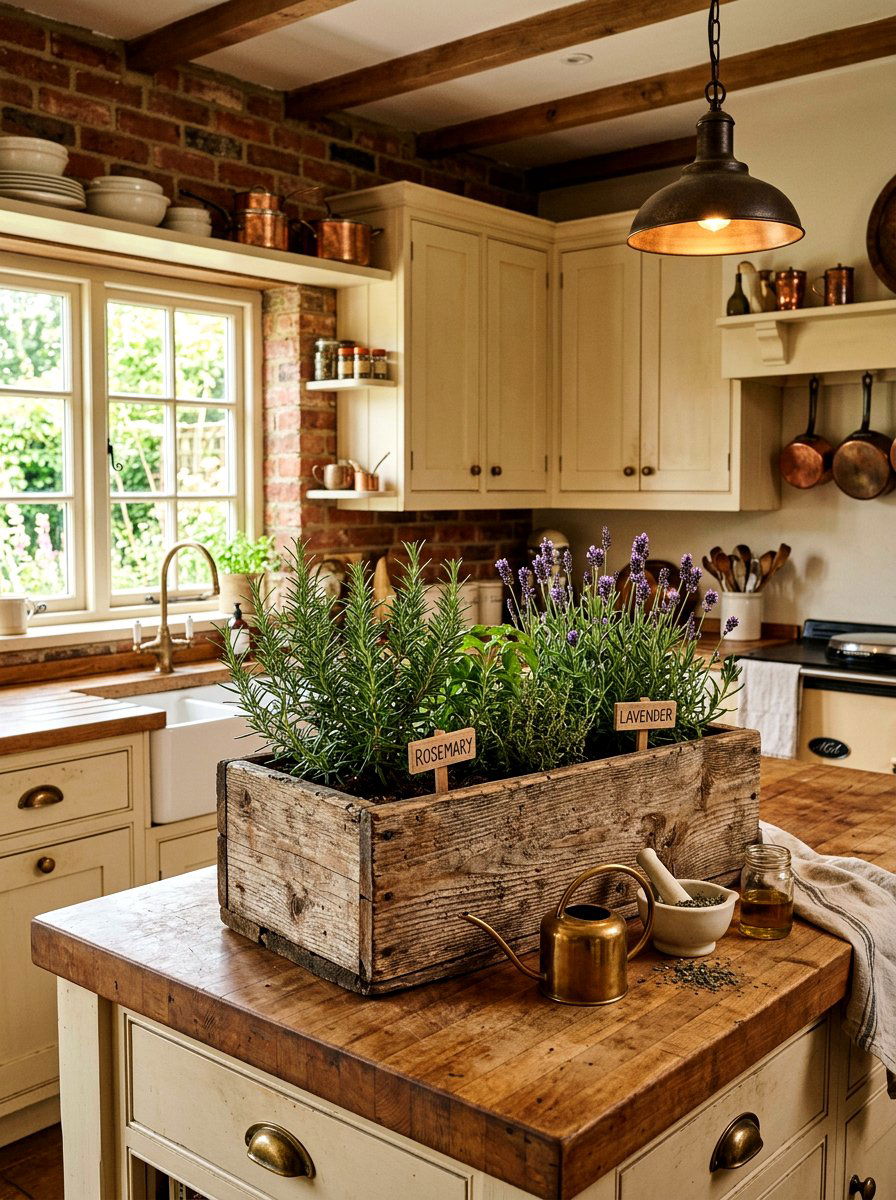
A farmhouse wooden herb box is a classic and cozy way to keep your plants organized on a kitchen counter. These boxes are often made from reclaimed or distressed wood, giving them a rustic and lived-in appearance. You can place several individual pots inside the box to keep them contained and prevent water from spilling onto your surfaces. Some boxes feature handles for easy transport to the sink for watering. This traditional style adds warmth and character to the kitchen, making it feel more like a country home. It is a simple yet very effective way to style your culinary herb collection.
27. Industrial pipe herb rack
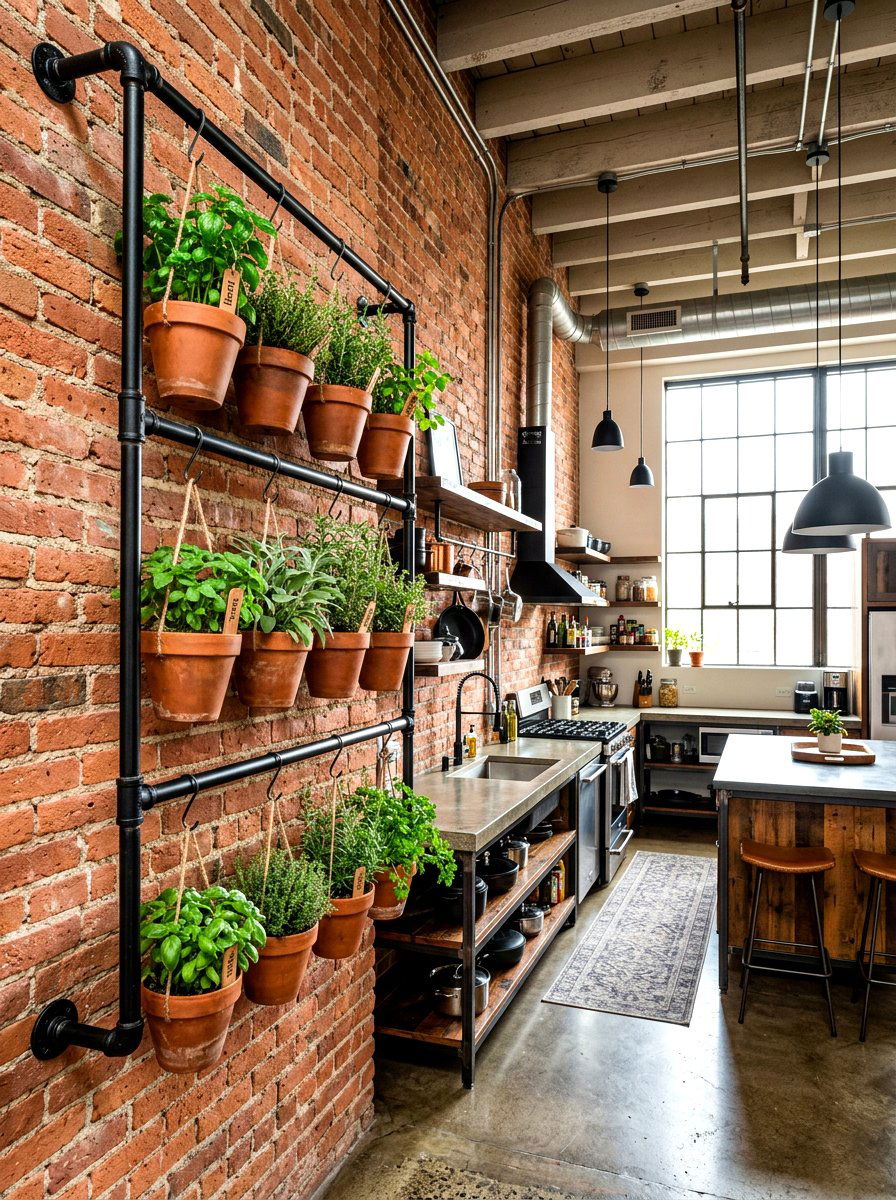
An industrial pipe herb rack uses black iron or galvanized steel pipes to create a sturdy frame for hanging pots. This look is perfect for kitchens with an urban or loft-style design. You can mount the pipes to the wall or ceiling and use chains or hooks to suspend your herb containers. The dark metal provides a striking contrast to the soft green leaves of the plants. This setup is incredibly durable and can hold a significant amount of weight, allowing for larger pots. It is a bold design choice that adds a rugged and functional feel to your indoor gardening area.
28. Birdcage herb garden decor
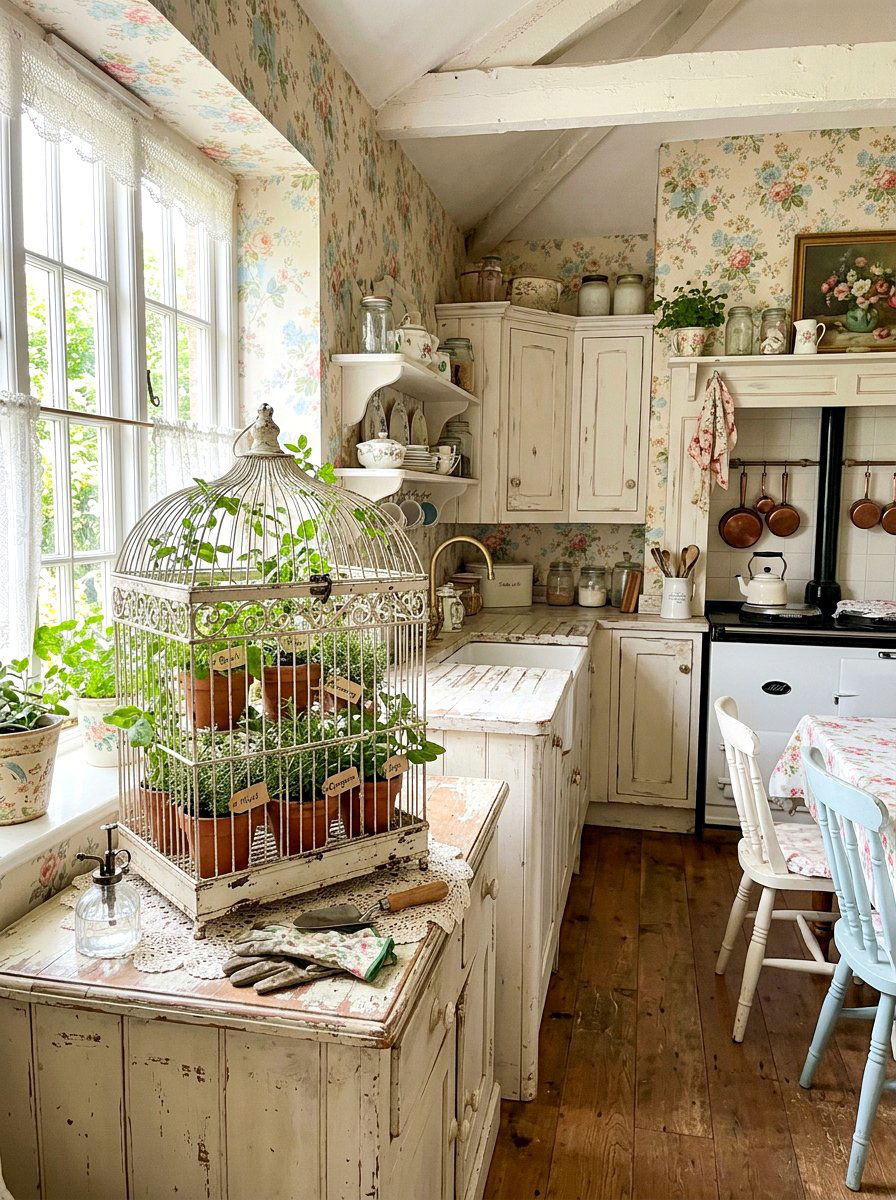
Using a vintage birdcage herb garden decor piece is a whimsical and creative way to house your plants. You can place a few small pots inside an open birdcage and hang it from a hook or set it on a stand. The wire structure provides plenty of light and air for the herbs while creating a unique visual frame. This is a great way to add a touch of romance or Shabby Chic style to your kitchen. You can even weave some of the herb vines through the bars of the cage for a more integrated look. It is an unexpected and very artistic design.
29. Wicker basket herb garden
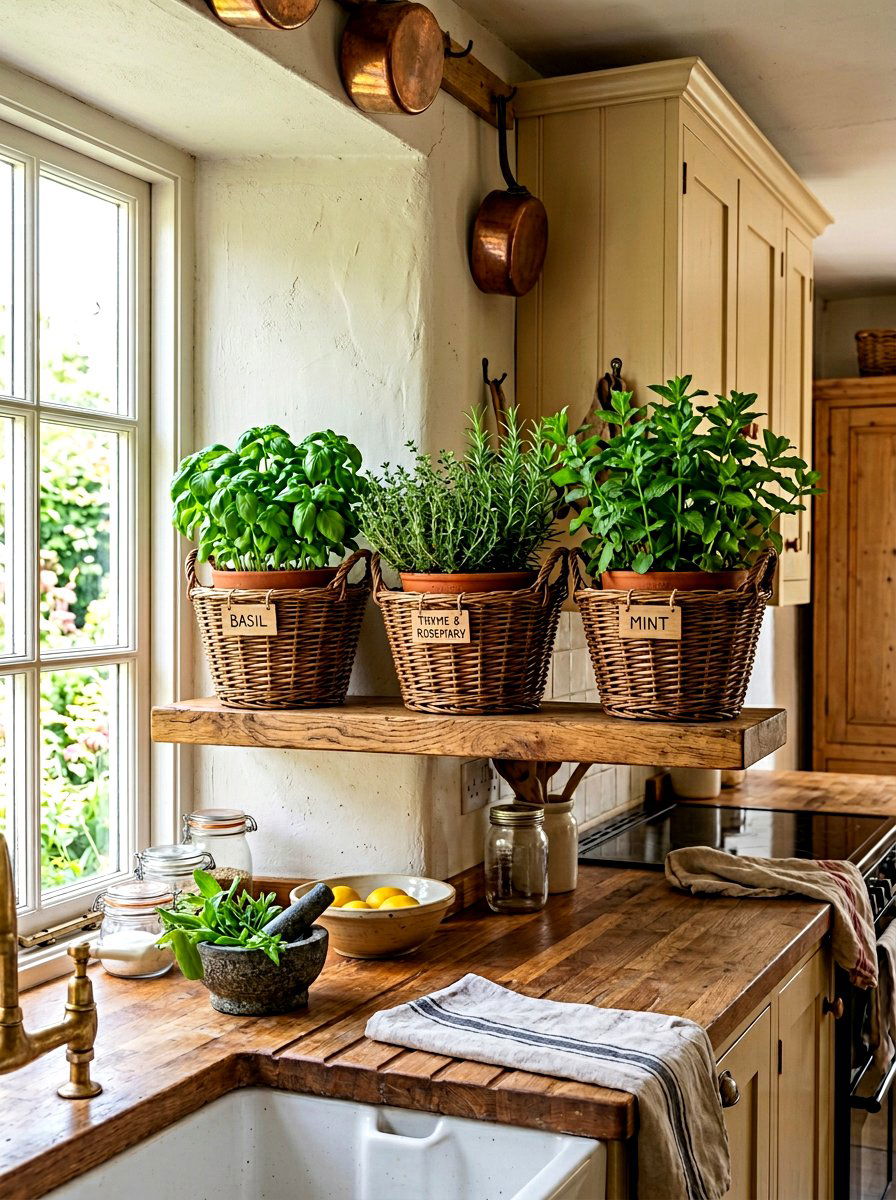
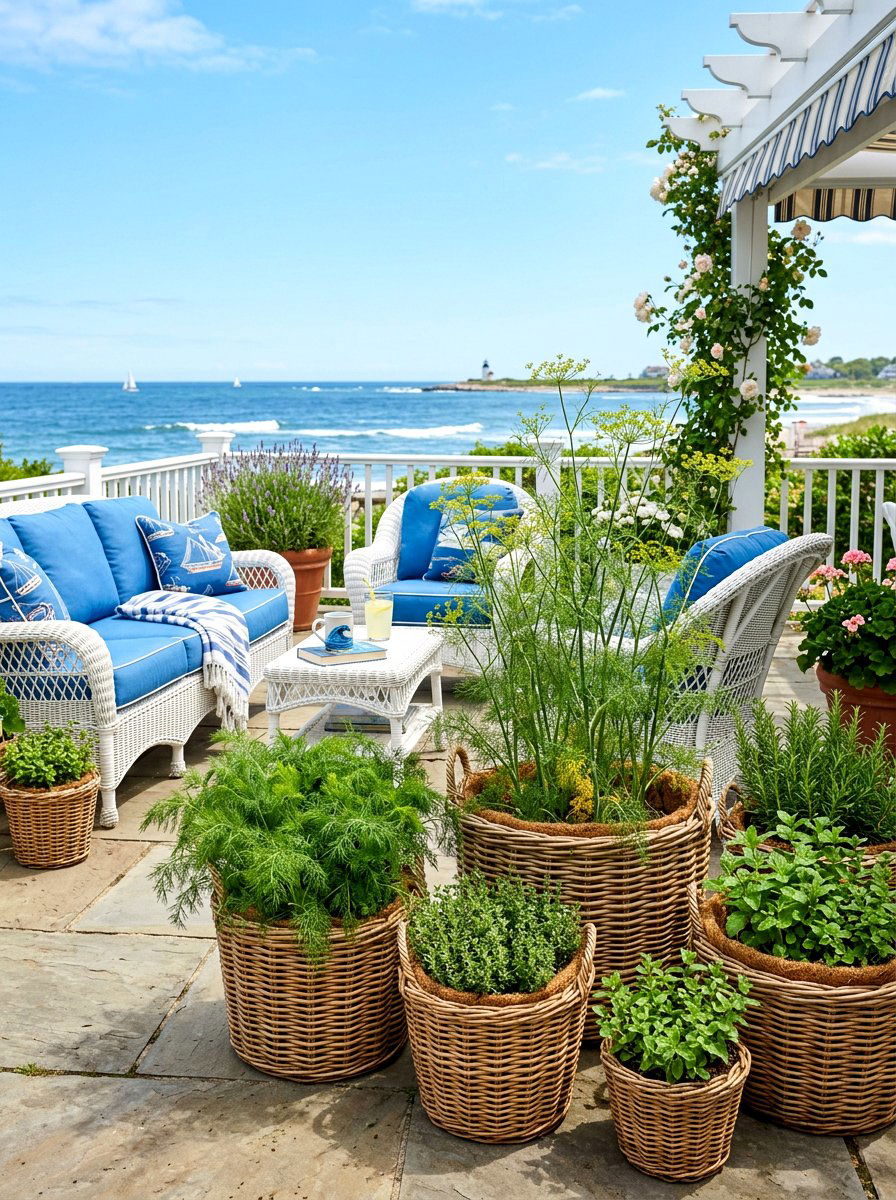
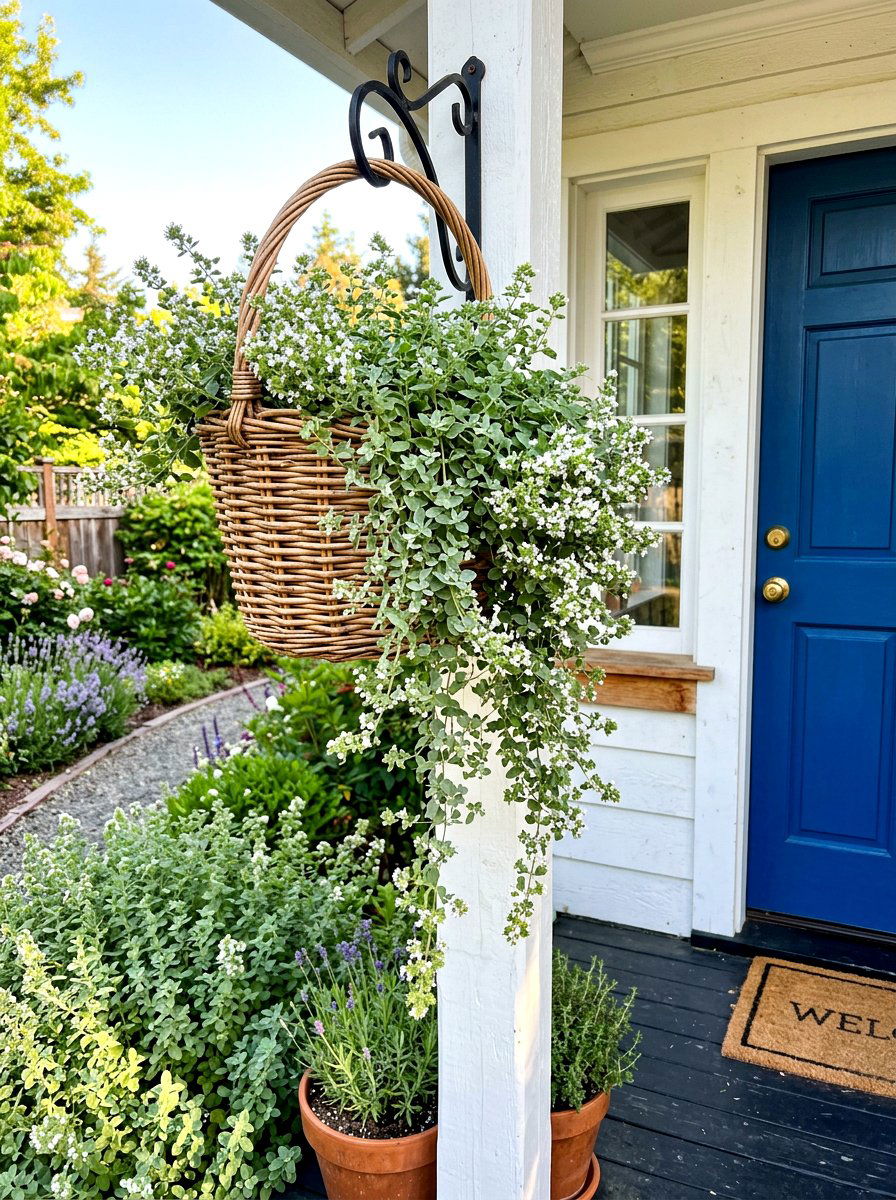
A wicker basket herb garden adds a soft, natural, and textured element to your kitchen decor. You can line a sturdy basket with plastic to hold your herb pots, creating a beautiful grouped display. The woven material brings an organic feel that complements other natural elements like wooden cutting boards or stone counters. Baskets are lightweight and easy to move, making them a practical choice for a tabletop or shelf. This style of herb garden feels very relaxed and approachable, perfect for a cozy family kitchen. It is an easy way to hide mismatched pots while creating a very unified and charming look.
30. Sink side herb garden
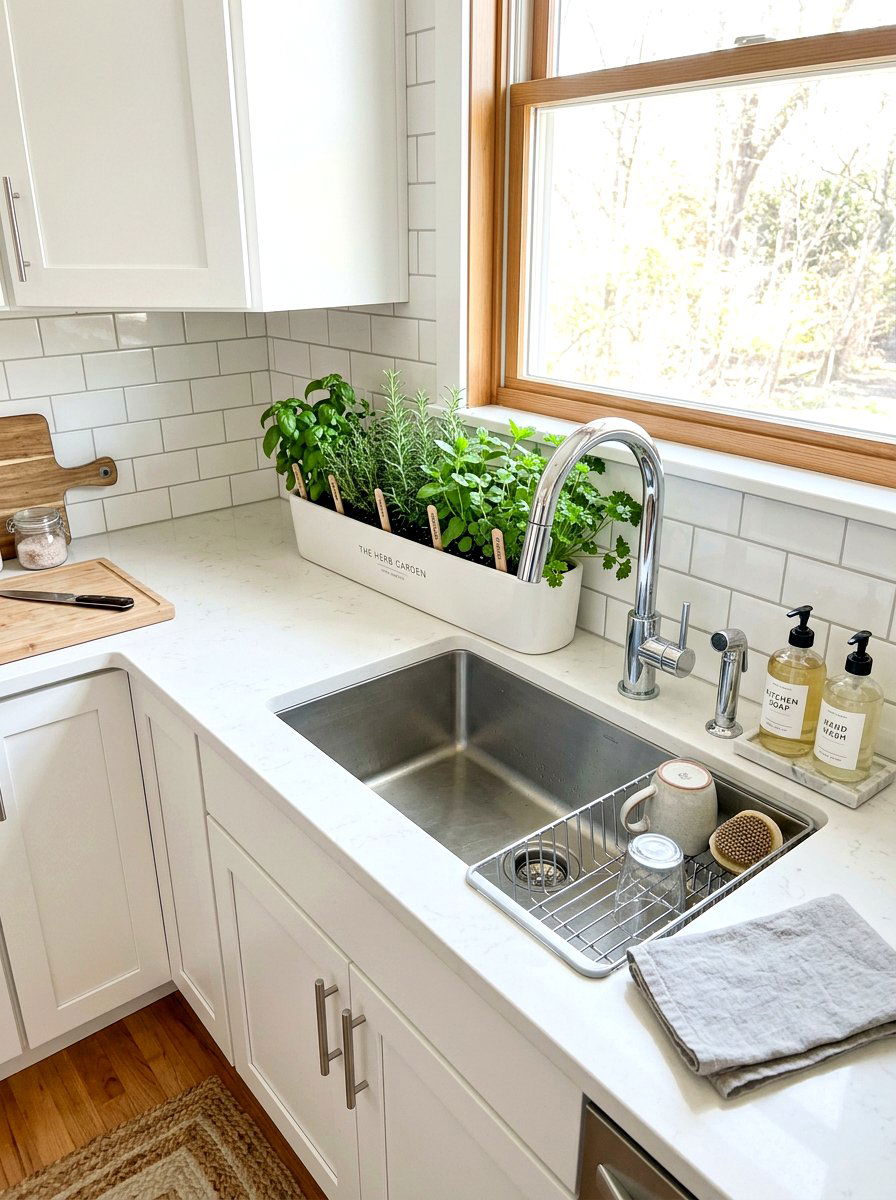
A sink side herb garden places your plants in the most convenient spot for maintenance and harvesting. By using a specialized tray or a narrow planter that fits behind or next to your faucet, you can easily water the herbs whenever you are at the sink. This area often gets good indirect light and stays slightly more humid due to the running water, which many herbs enjoy. It makes it effortless to rinse your fresh clippings before adding them to your recipes. This clever use of often-wasted space ensures that your greenery is always front and center in your daily kitchen routine.
Conclusion:
Setting up a kitchen herb garden is a wonderful way to combine functionality with home styling. Whether you choose a high-tech hydroponic system or a simple window sill arrangement, the presence of fresh greenery will transform the atmosphere of your cooking space. Having these aromatic plants nearby encourages healthier eating and more creative cooking by providing instant access to flavorful ingredients. It is a sustainable practice that reduces food waste and brings a piece of the outdoors into your home. With so many diverse options available, anyone can find a way to incorporate a thriving herb garden into their unique kitchen layout today.

Related posts: