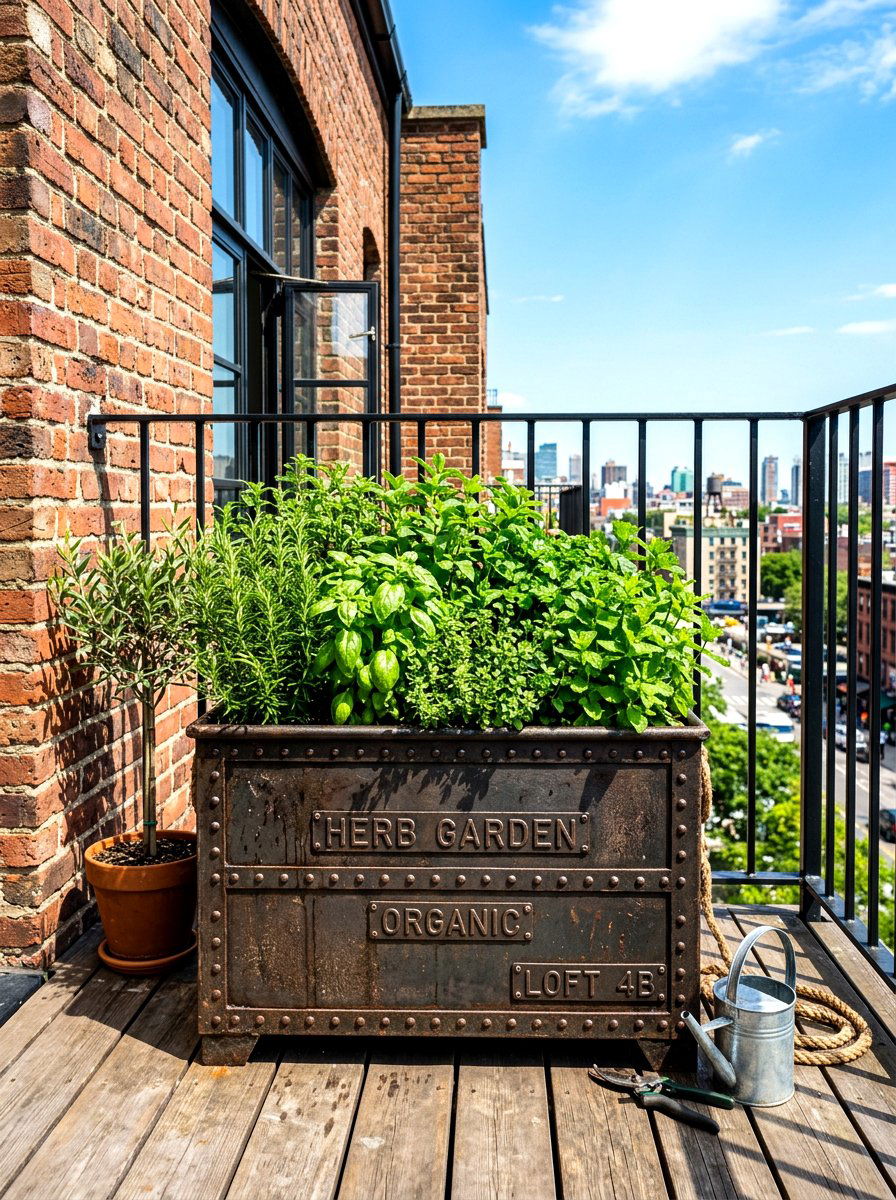
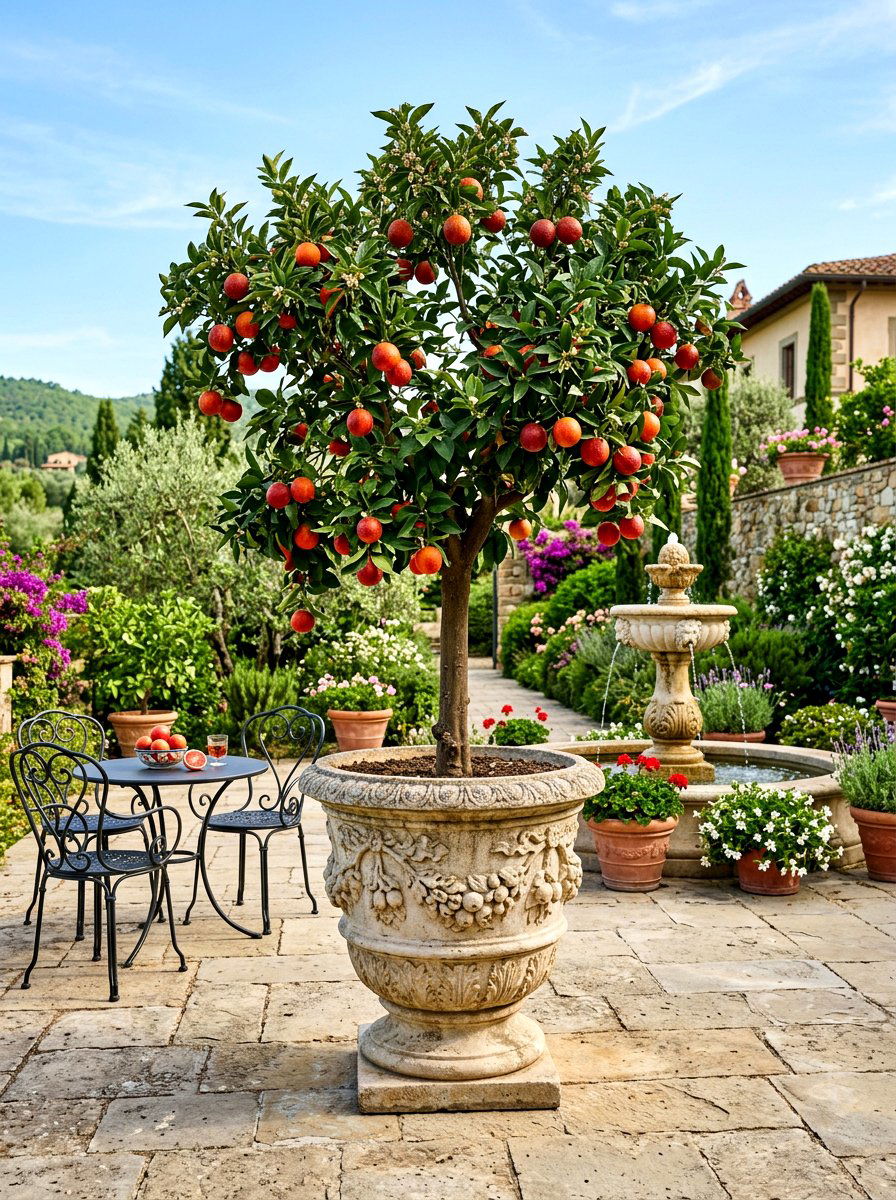
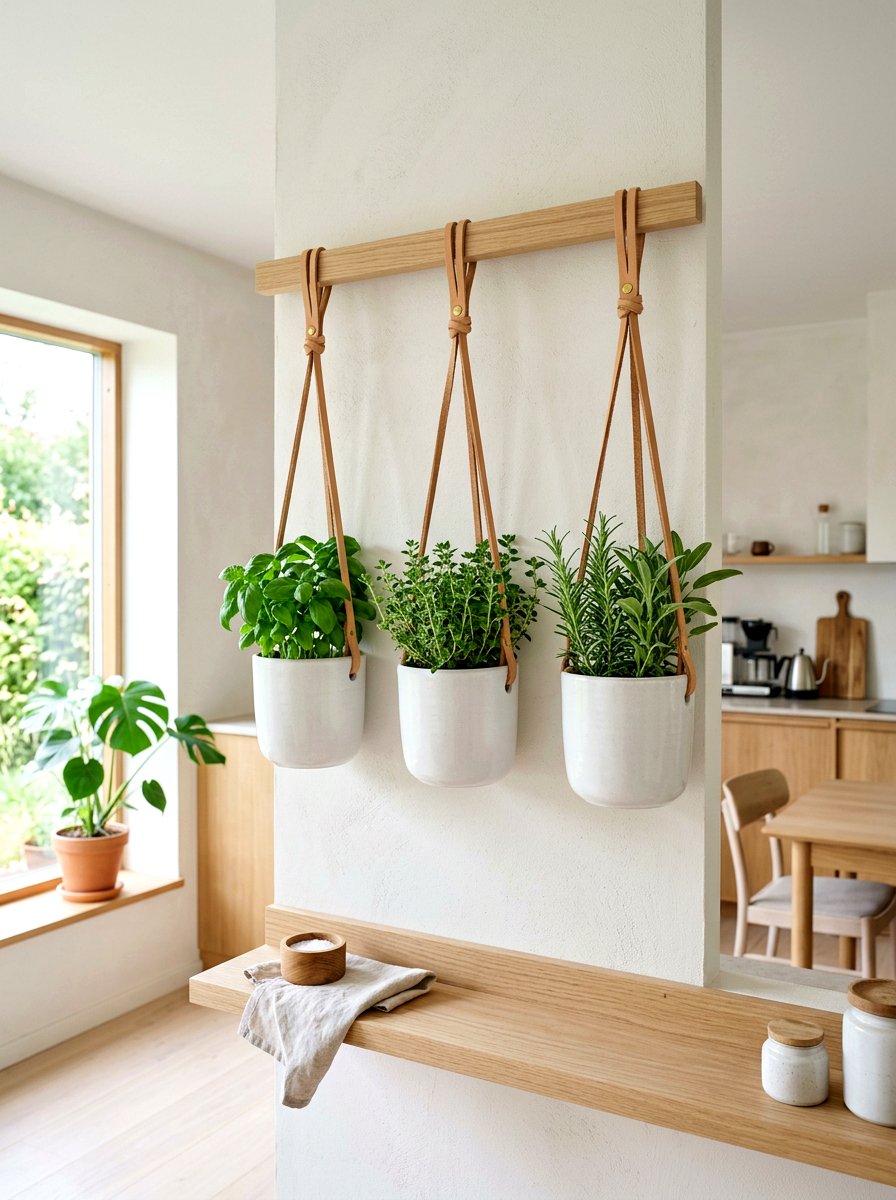
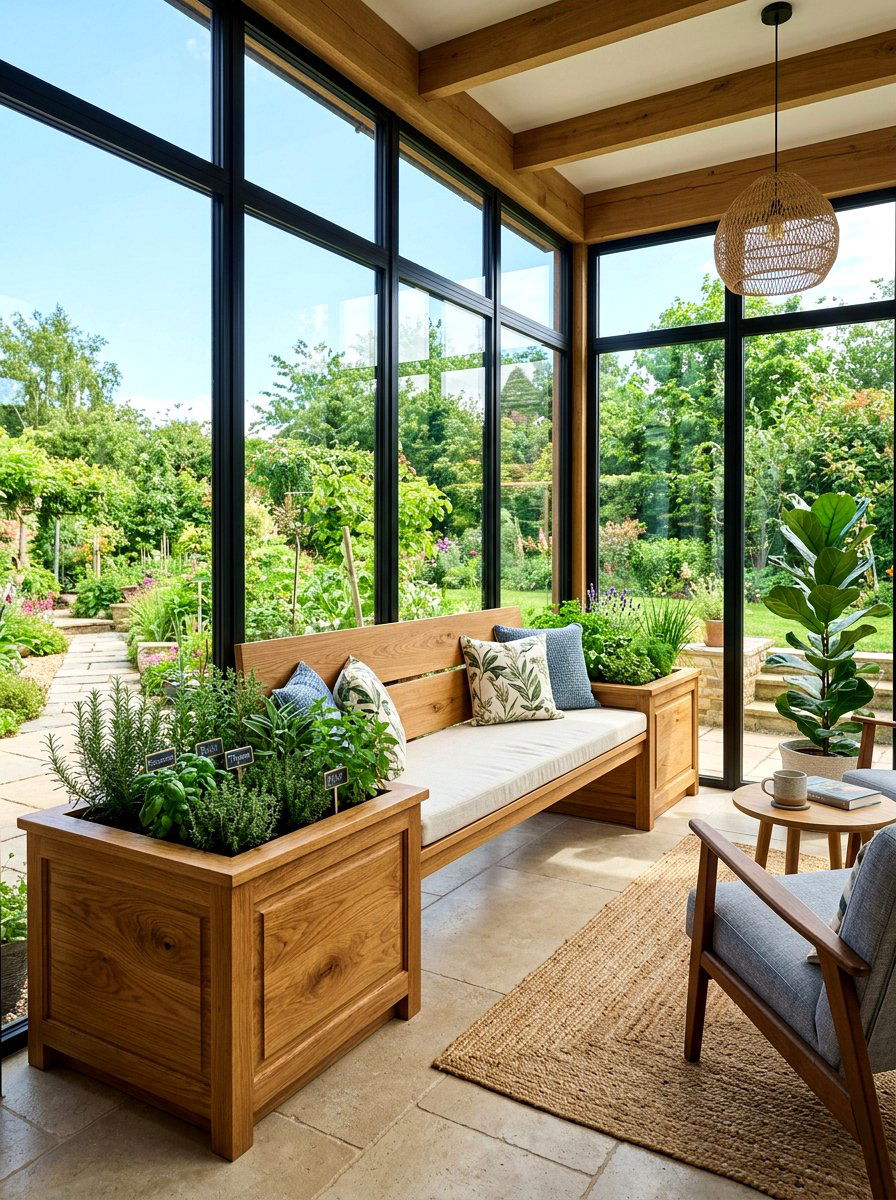
Creating a rustic herb garden is one of the most rewarding ways to blend functional culinary needs with timeless aesthetic appeal. Imagine walking into a sun-drenched kitchen or onto a breezy porch where the scent of fresh basil, rosemary, and mint fills the air. These gardens offer more than just ingredients; they provide a tangible connection to nature and a sense of country-inspired tranquility. Whether you are working with a sprawling backyard or a tiny apartment balcony, rustic styling relies on natural materials like weathered wood, aged metal, and textured stone to create a cozy, lived-in atmosphere. This approach turns simple plants into beautiful focal points that celebrate imperfection and charm.
1. Mason Jar Herb Garden Wall
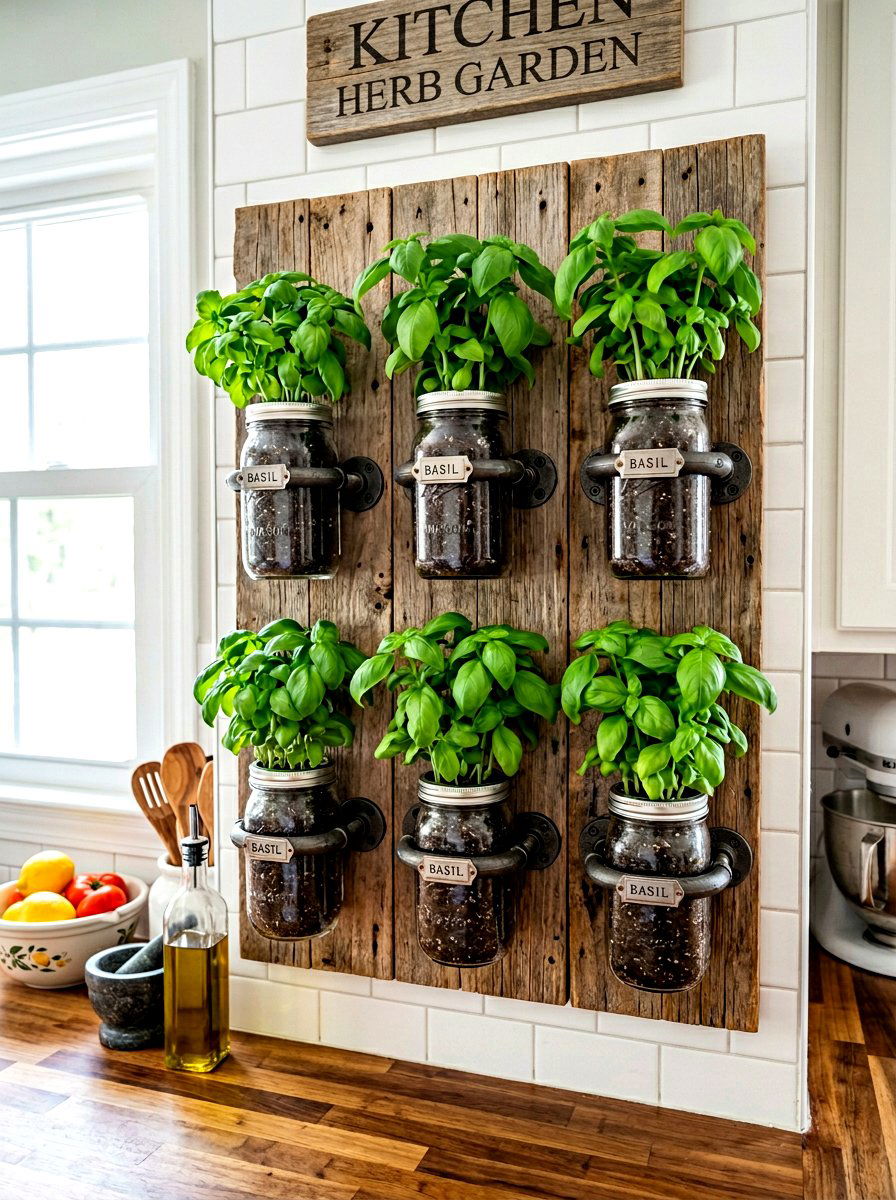
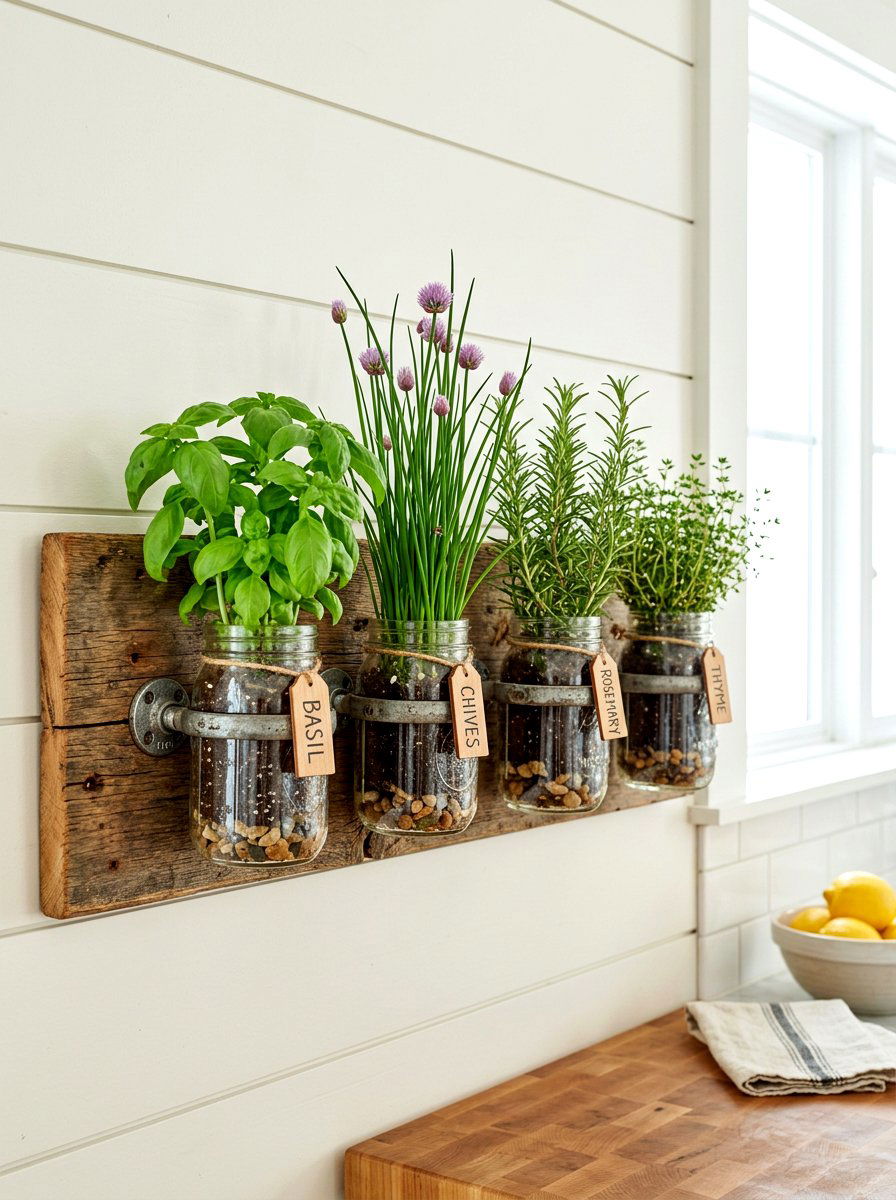
Transforming a blank wall into a living pantry is easily achieved with a mounted mason jar herb garden. This setup uses reclaimed wood boards as a sturdy backing, where glass jars are securely attached using metal pipe clamps. The transparency of the jars allows you to see the dark soil and roots, which adds to the natural, earthy aesthetic. Position this display near a kitchen window to ensure your plants receive plenty of bright, indirect sunlight. It is a perfect solution for small-space living where floor area is limited. Growing basil, parsley, and chives this way makes them incredibly easy to snip while cooking dinner.
2. Cedar Vertical Herb Planter
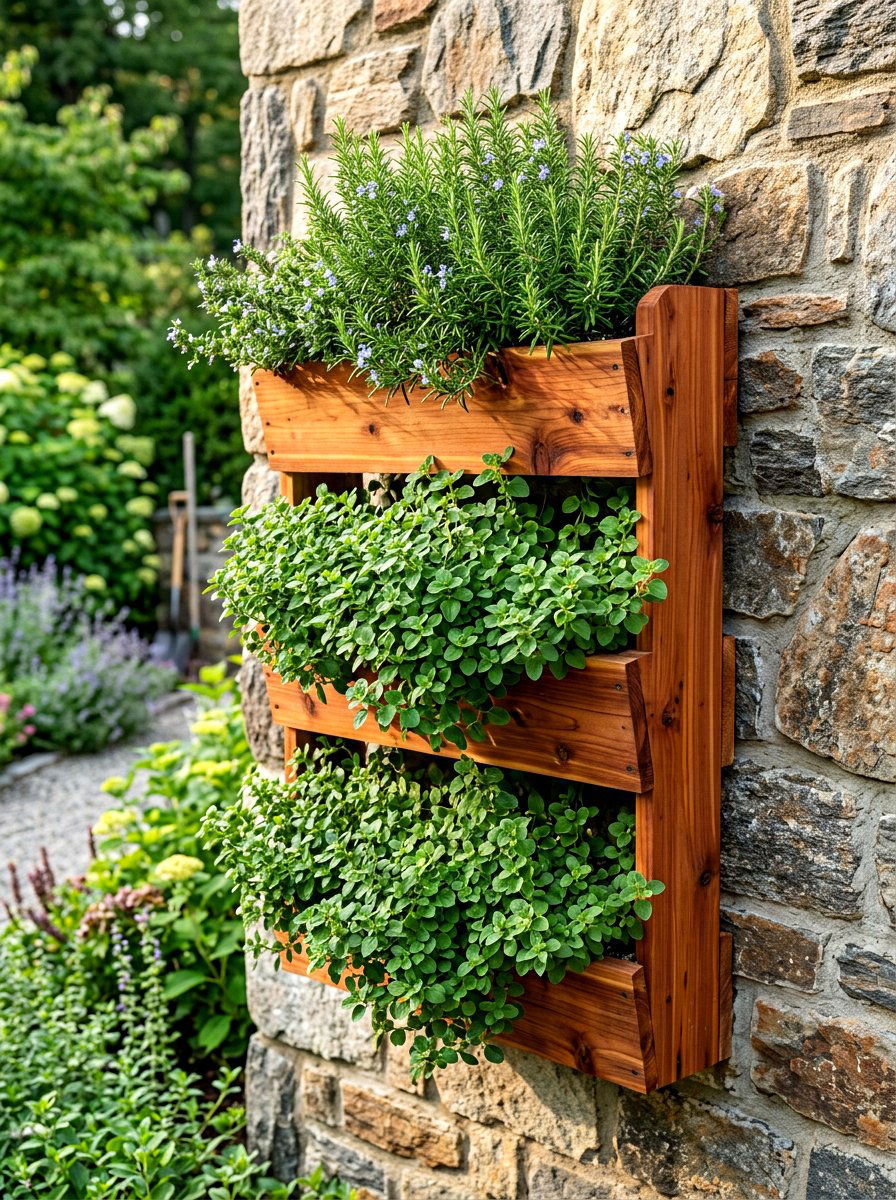
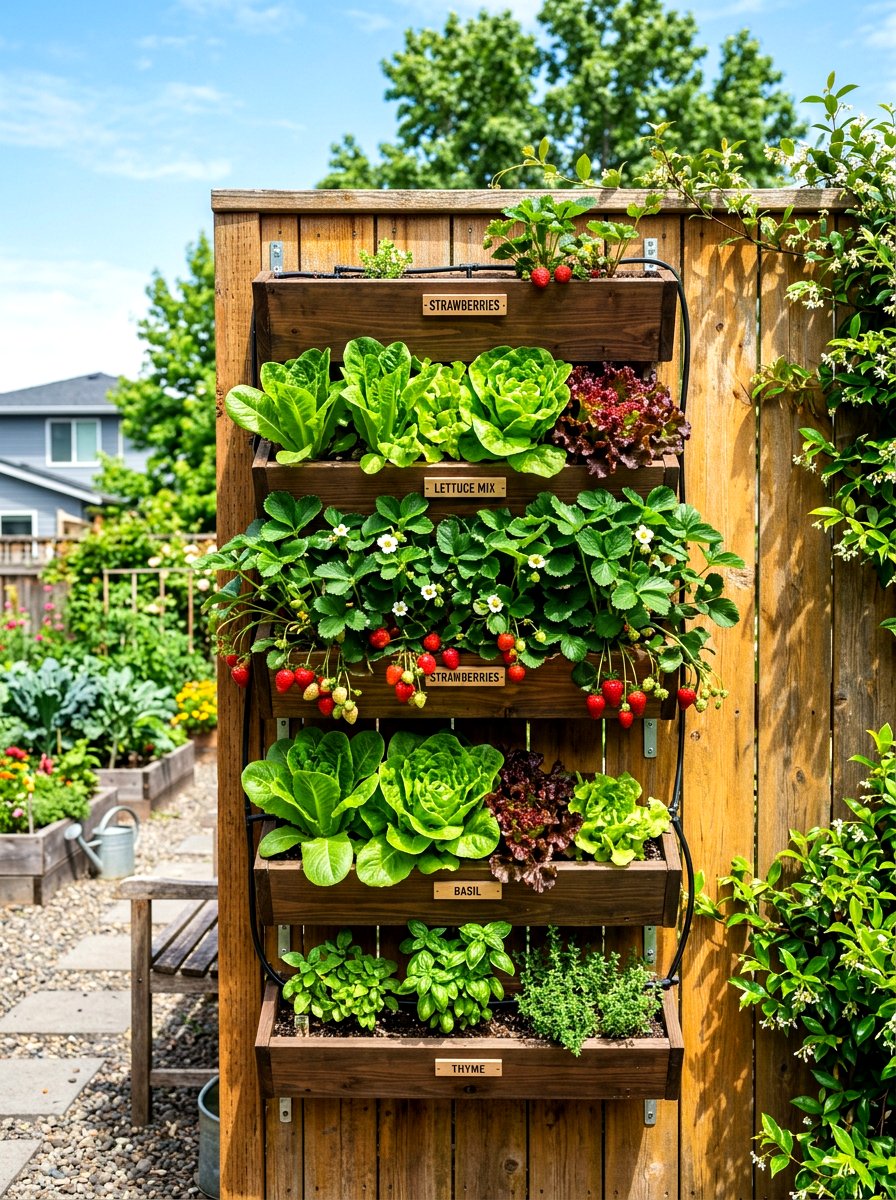
A cedar vertical herb planter is a classic choice for those who value durability and natural beauty. Cedar wood is naturally resistant to rot and insects, making it an ideal material for outdoor gardening structures. By building a tall, multi-tiered frame, you can maximize your growing space without taking up a large footprint on your patio. The warm, reddish tones of the wood complement the vibrant greens of herbs like sage and oregano beautifully. As the wood weathers over time, it develops a silvery-gray patina that enhances the rustic feel. This structure provides excellent drainage and keeps your herbs organized and accessible.
3. Galvanized Bucket Herb Garden
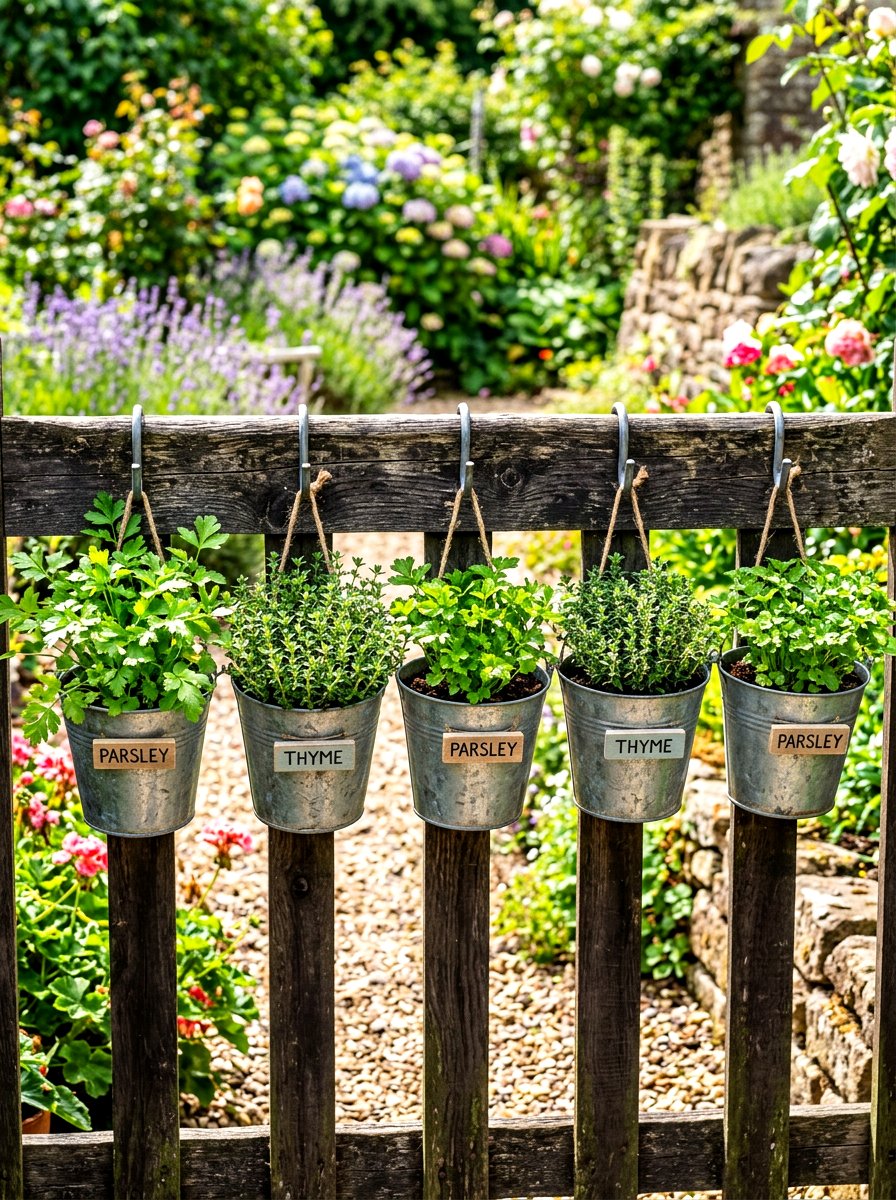
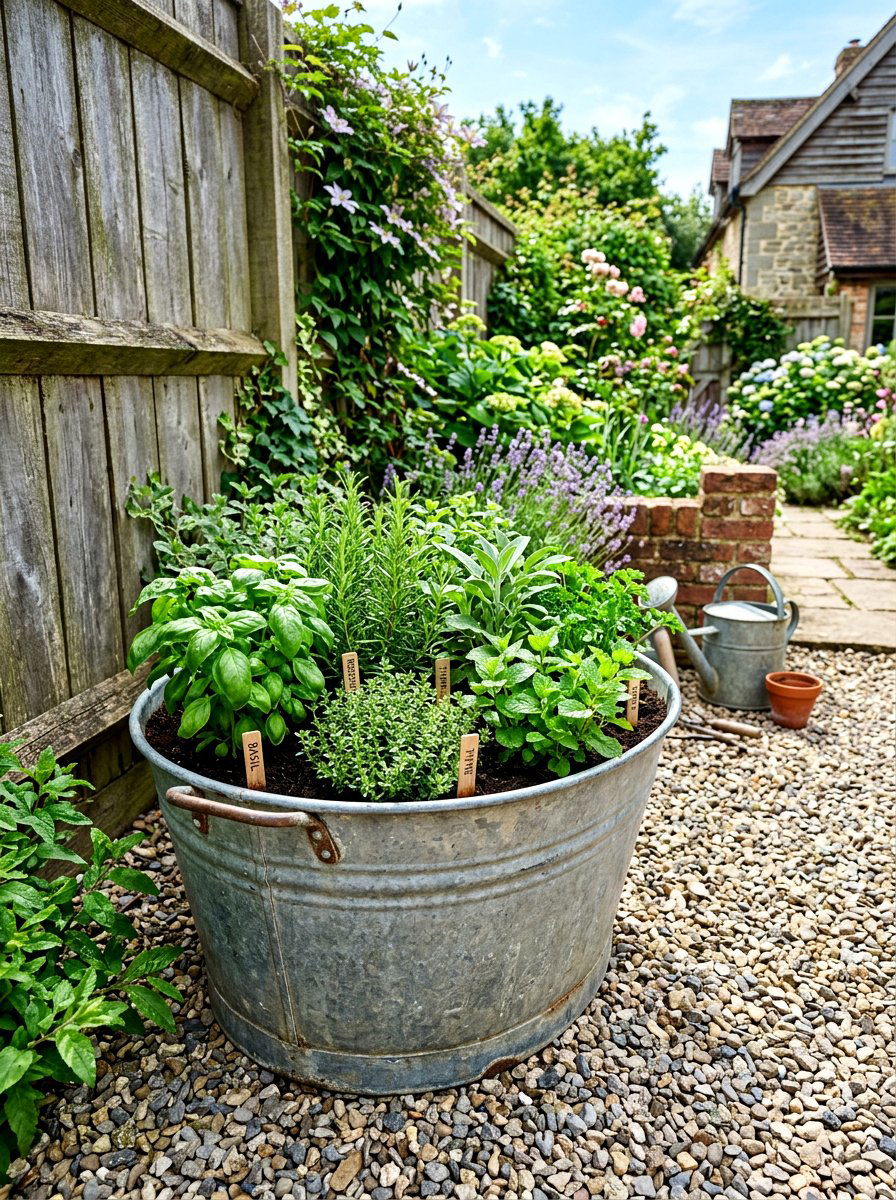
Using galvanized steel buckets for your herb garden creates an instant farmhouse vibe that is both practical and stylish. These containers are incredibly durable and come in various sizes, allowing you to create a dynamic and tiered arrangement. You can line them up on a wooden bench or hang them from a sturdy fence to save space. To ensure your herbs thrive, always remember to drill several drainage holes in the bottom of each bucket. The cool, metallic finish of the galvanized steel provides a striking contrast against the soft textures of Mediterranean herbs like lavender and thyme, creating a professional look.
4. Reclaimed Wood Herb Ladder
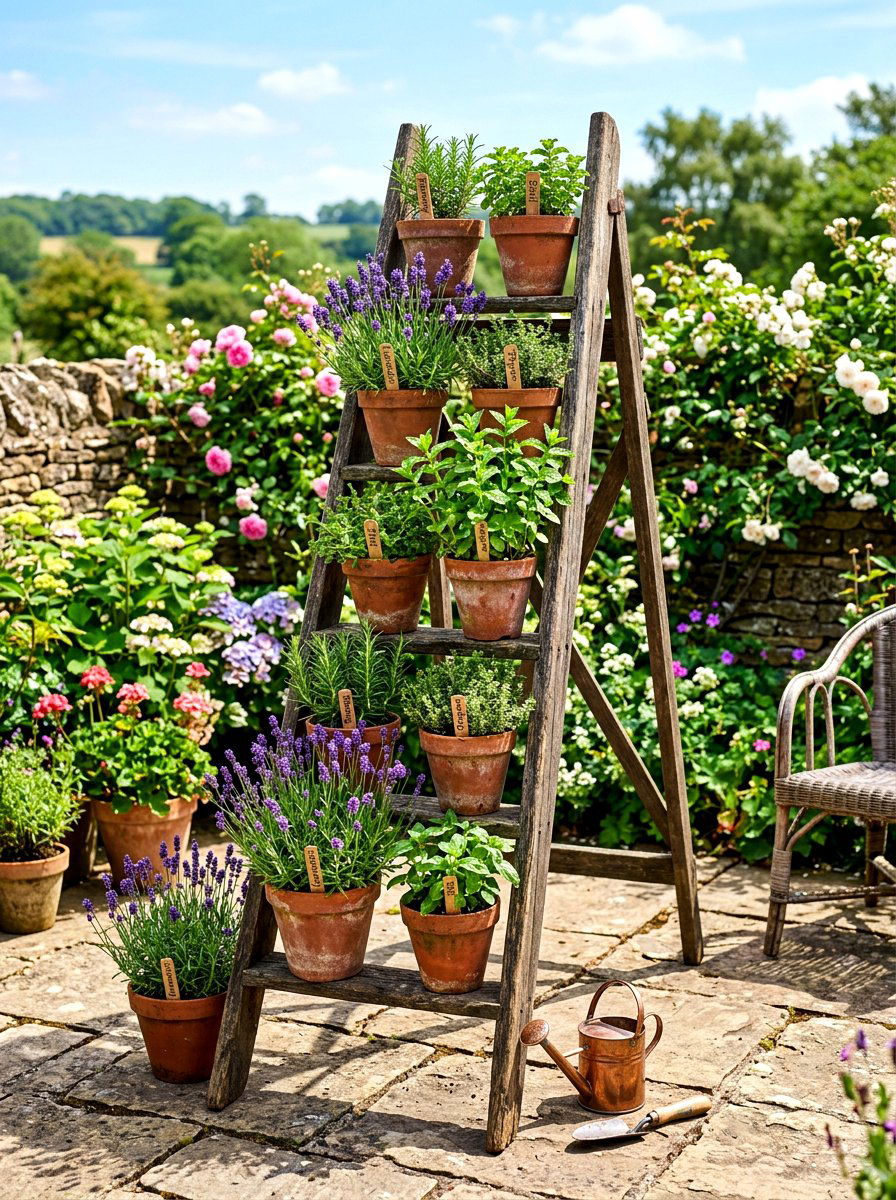
A reclaimed wood herb ladder offers a charming and portable way to display your collection of aromatic plants. You can repurpose an old wooden ladder or build a new one using salvaged timber to achieve that authentic, weathered appearance. Each rung serves as a shelf for individual pots, allowing you to organize your herbs by their sunlight or water requirements. This vertical arrangement makes it easy to tend to each plant without bending over, which is great for ergonomics. Placing this ladder in a sunny corner of your porch creates a lush, green focal point that feels both curated and naturally effortless.
5. Terra Cotta Pot Herb Tower
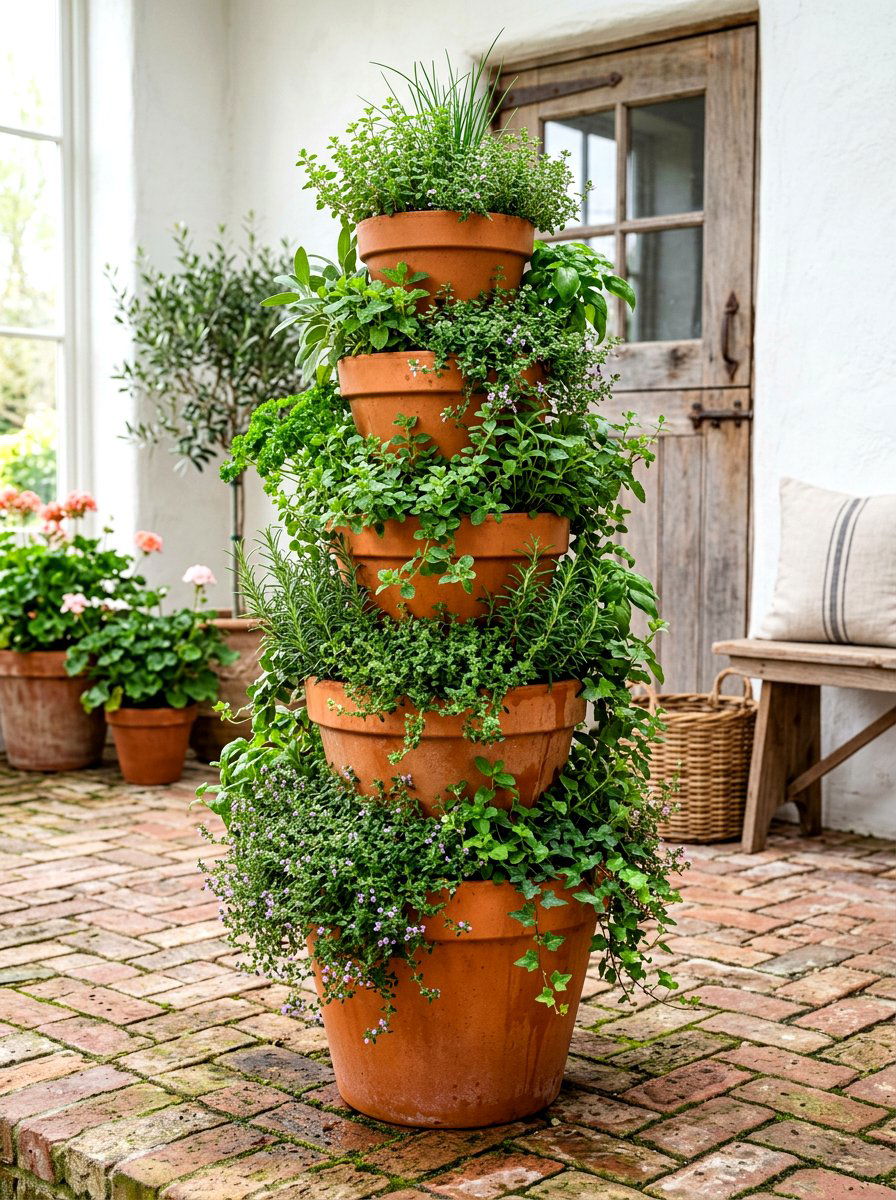
Creating a terra cotta pot herb tower is a clever way to add height and visual interest to a small garden corner. By stacking pots of decreasing sizes on top of one another, you create a cascading effect of greenery and flowers. The porous nature of terra cotta allows the soil to breathe, which is particularly beneficial for herbs that prefer drier conditions, such as rosemary or sage. You can leave the pots in their natural orange-brown hue for a traditional look or lightly distress them with white paint for a French country feel. This tower becomes a sculptural element in your landscape.
6. Hanging Herb Basket Display
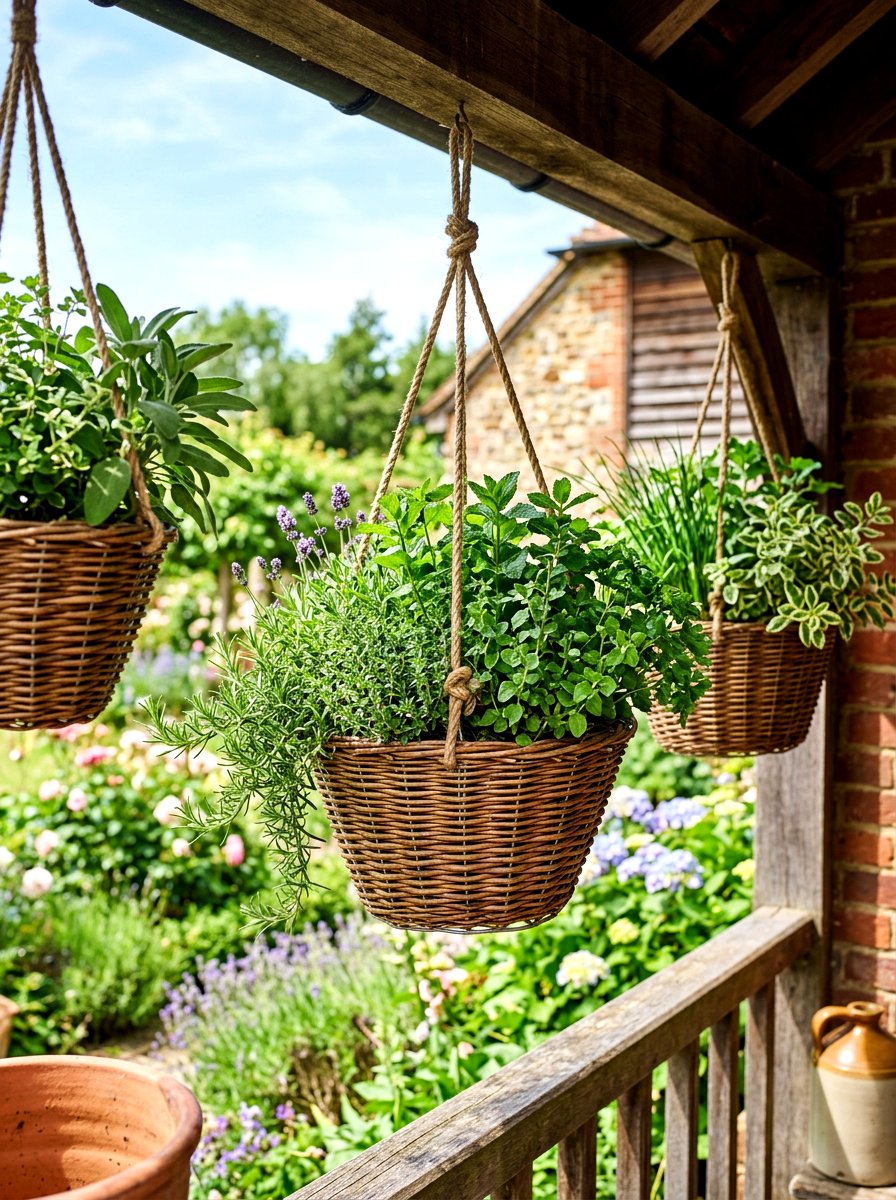
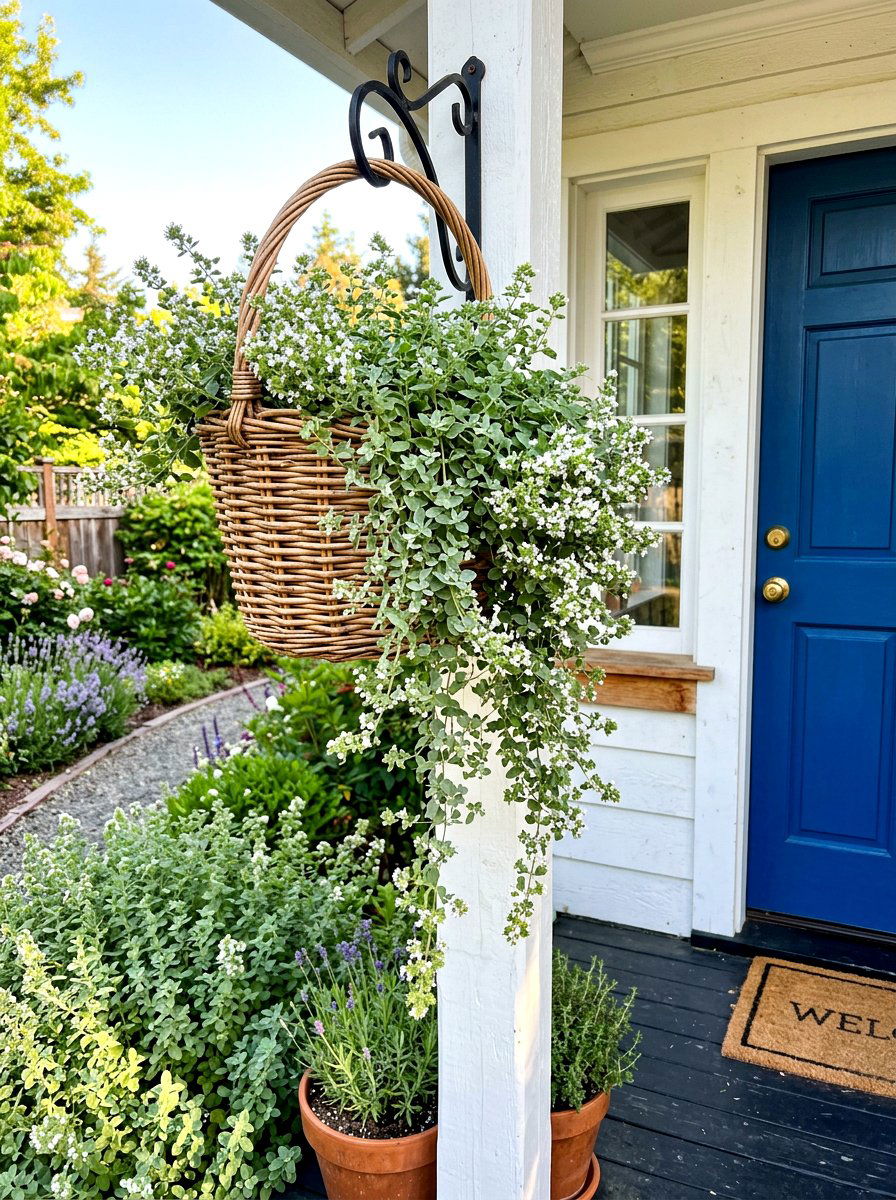
A hanging herb basket display is a wonderful way to utilize overhead space on a porch or balcony. Using woven willow or wire baskets lined with coco coir creates a soft, organic look that fits perfectly into a rustic theme. These baskets are ideal for trailing herbs like creeping thyme or nasturtiums, which will spill over the edges in a beautiful display of foliage. Hanging them at different heights adds depth to your outdoor area and keeps the plants away from ground-dwelling pests. The movement of the baskets in the breeze adds a dynamic, living energy to your quiet garden sanctuary.
7. Vintage Wooden Crate Herb Garden
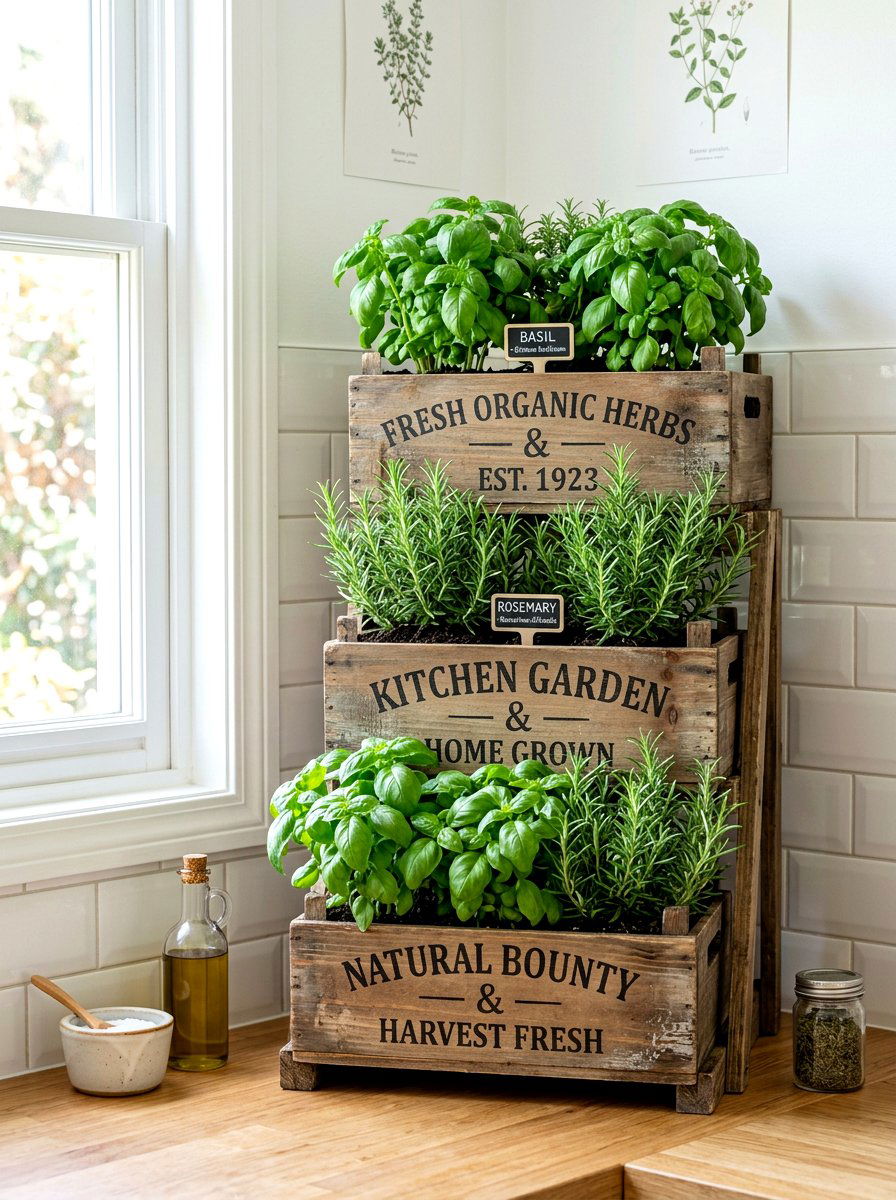
Repurposing vintage wooden crates is a fantastic way to give your herb garden a sense of history and character. Look for old fruit or soda crates with original typography to add a unique, graphic element to your display. These crates can be grouped together on the ground or stacked to create a modular gardening system. They provide a deep enough space for root systems to flourish, making them suitable for larger herbs like rosemary bushes or mint. The rough-hewn texture of the wood serves as a perfect backdrop for the delicate leaves of cilantro and dill, creating a beautiful visual balance.
8. Window Box Herb Planter
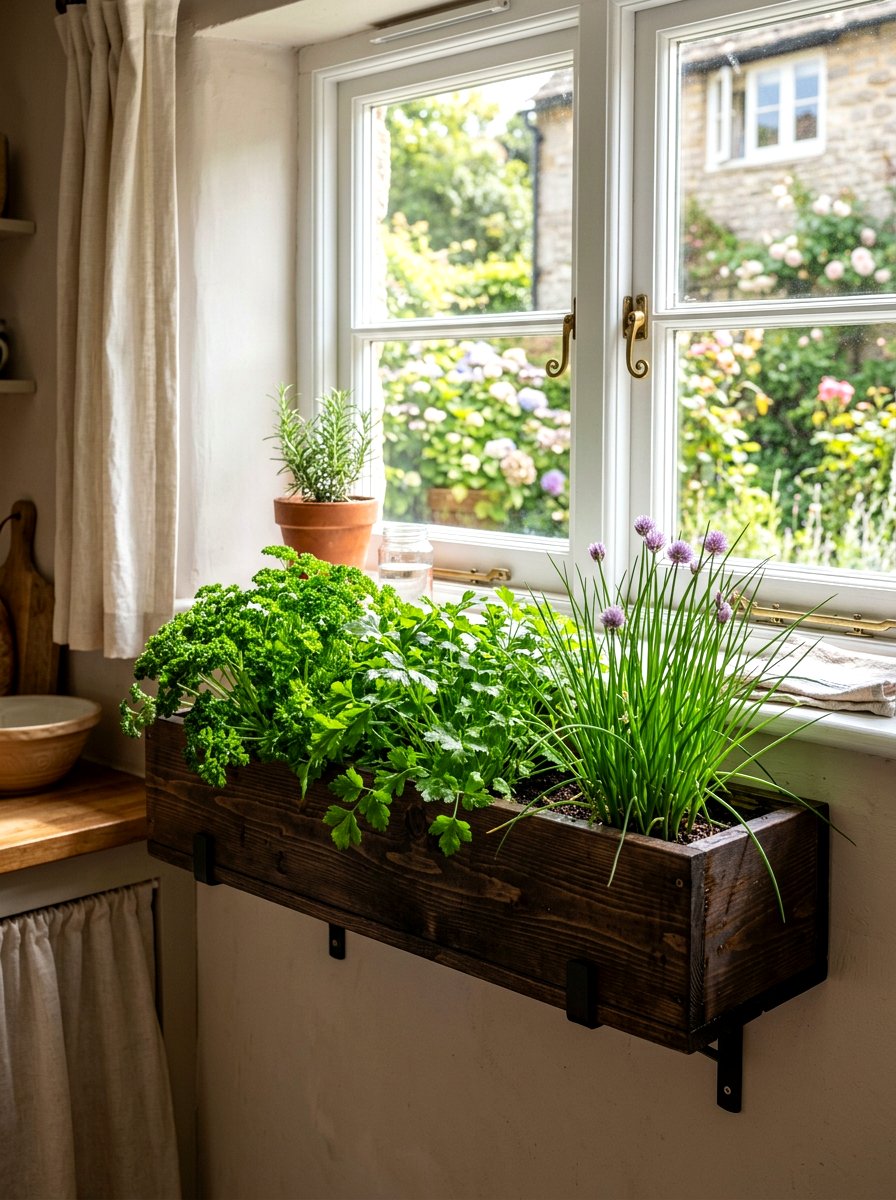
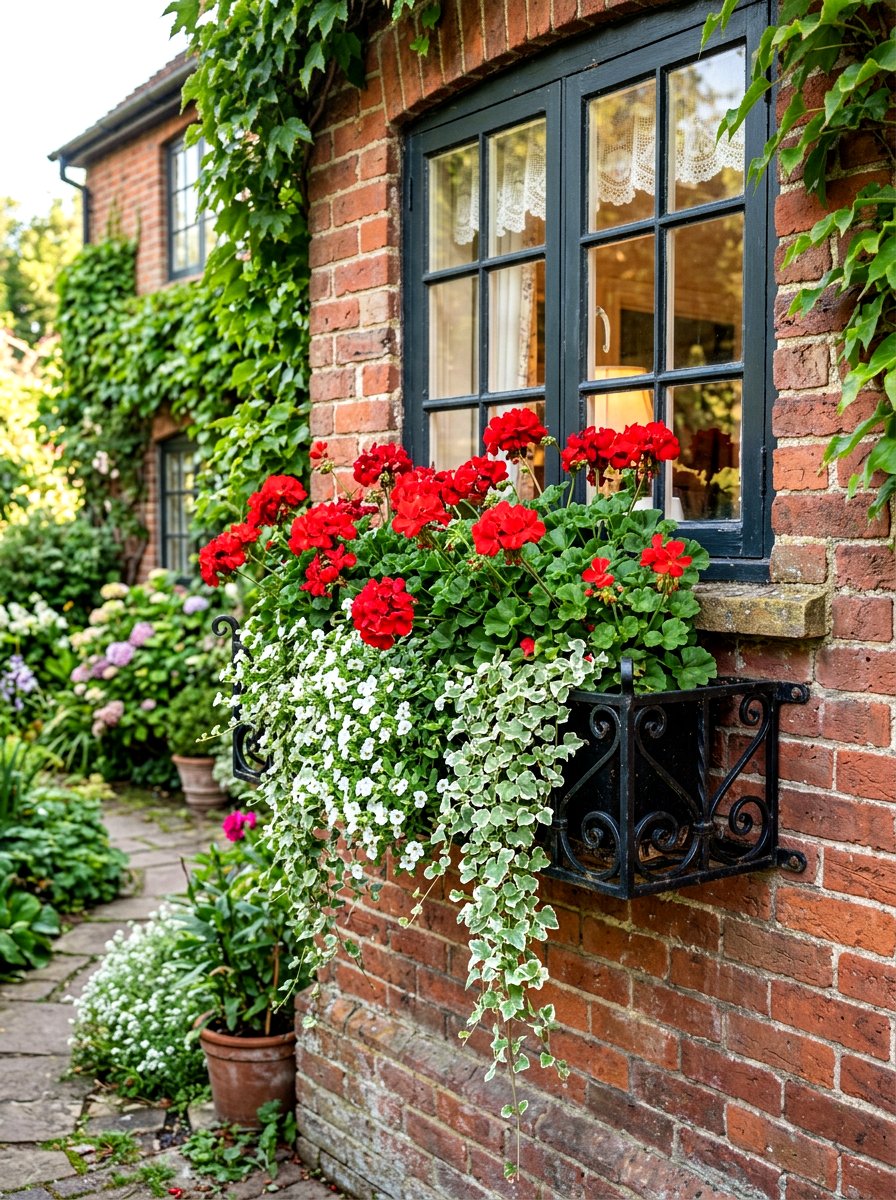
A window box herb planter brings the garden right to your fingertips, making it easy to harvest fresh greens throughout the year. Choosing a design made from dark-stained wood or hammered metal can help you achieve a sophisticated rustic look. These boxes look best when mounted directly under a kitchen window where the aroma can waft inside whenever the sash is open. Planting a mix of upright and trailing herbs ensures the box looks full and lush from every angle. It is an excellent way to boost your home’s curb appeal while maintaining a highly functional and accessible culinary herb garden.
9. Chalkboard Painted Herb Pots
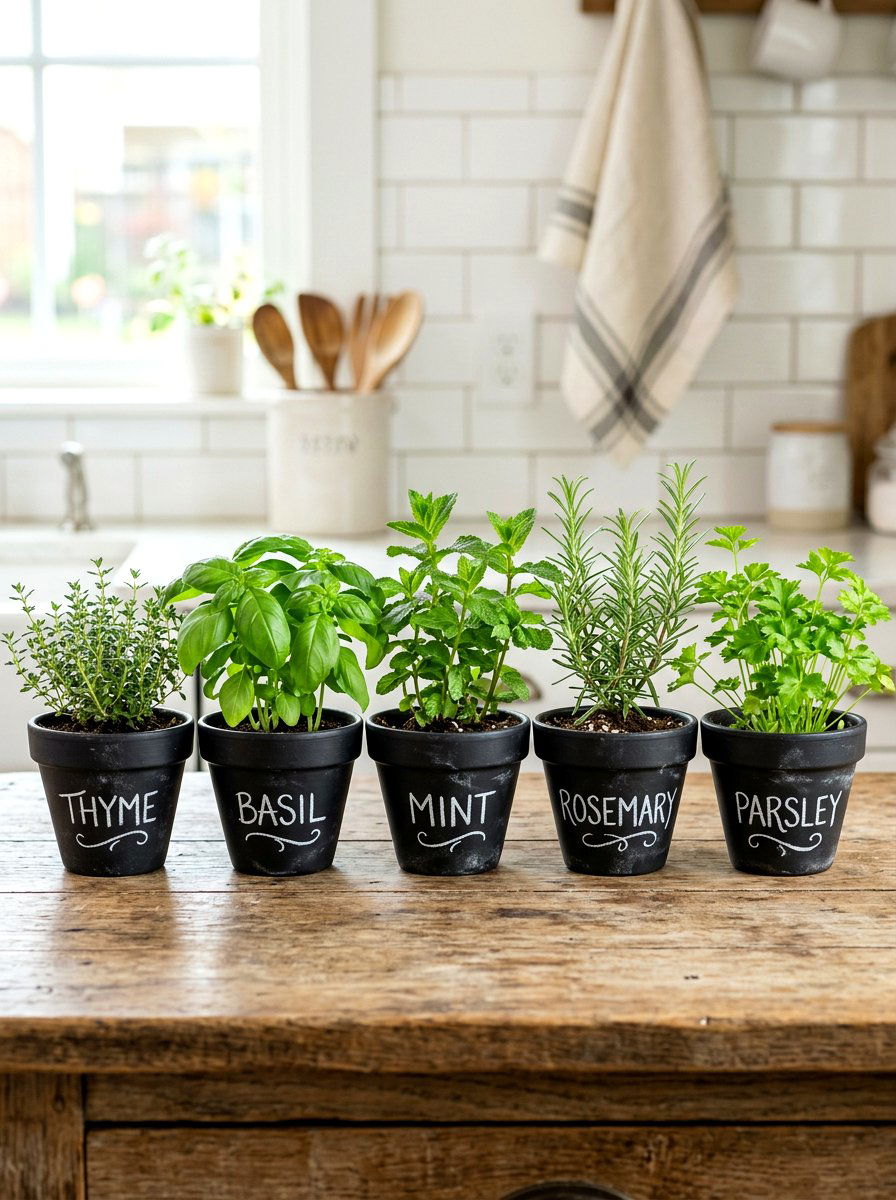
Chalkboard painted herb pots offer a playful and highly organized way to manage your indoor or outdoor garden. By coating simple ceramic or plastic pots with chalkboard paint, you create a surface where you can easily label each plant with its name or care instructions. This is especially helpful if you are growing several varieties of similar-looking herbs, like different types of basil or mint. The matte black finish of the paint provides a modern yet rustic contrast to the bright green foliage. Using white chalk to write labels adds a handcrafted, artisanal touch that looks great in a farmhouse-style kitchen.
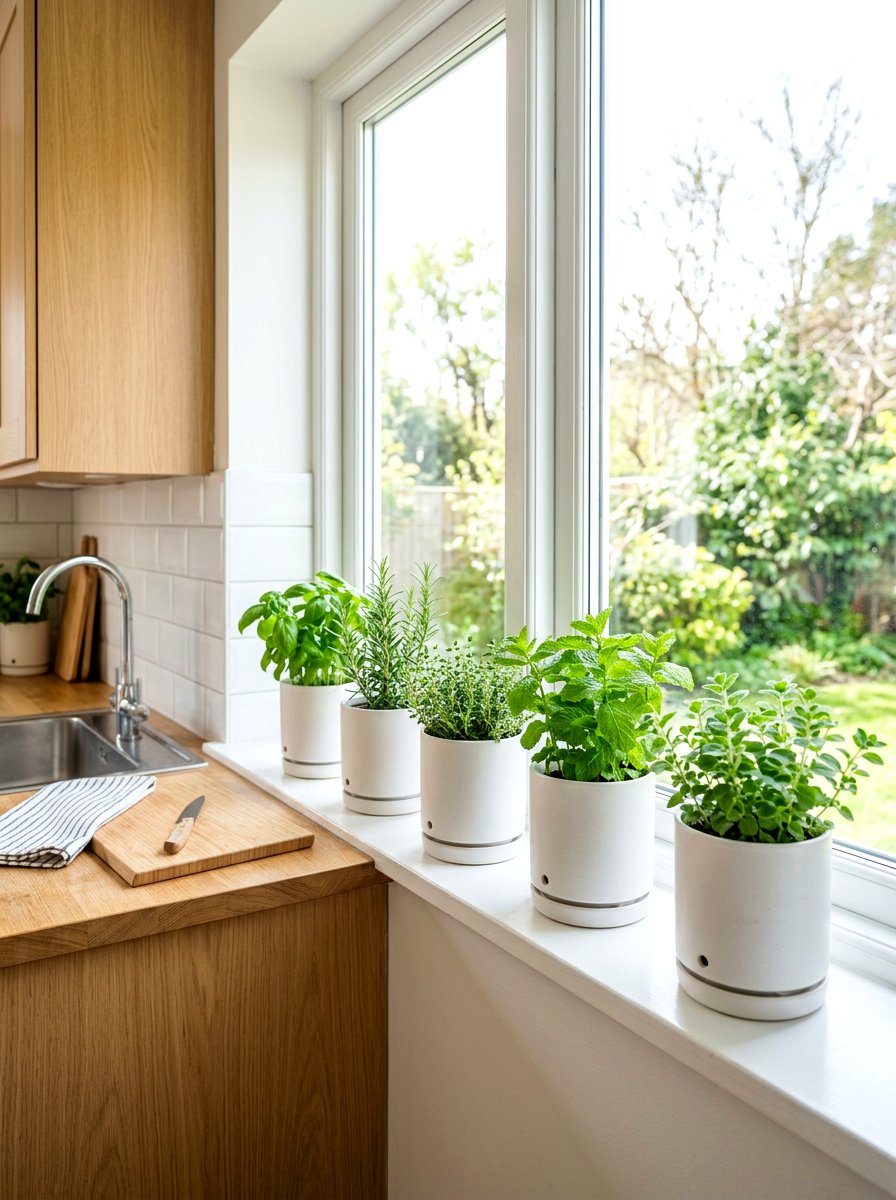
10. Stacked Herb Garden Barrels
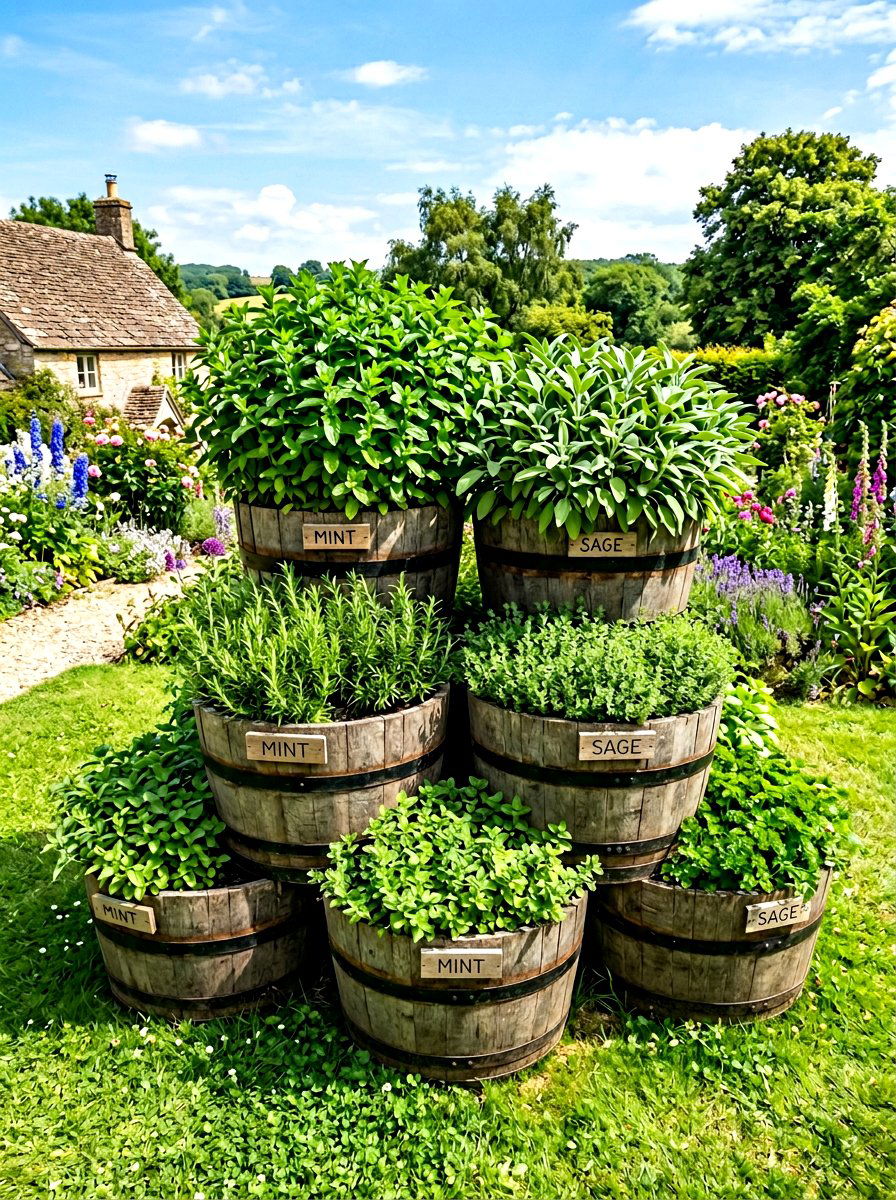
Stacked herb garden barrels are perfect for creating a large-scale, high-impact garden in a relatively small area. Using half-barrels made of oak or pine gives the garden a heavy, substantial feel that anchors your outdoor space. You can stack them in a staggered fashion to create multiple planting levels, which is ideal for separating invasive plants like mint from more delicate varieties. The wide surface area of the barrels allows for dense planting, resulting in a lush and overflowing appearance. Over time, the wood will age and stain, adding to the rugged, natural beauty of your backyard or patio landscape.
11. Herb Garden Pallet Wall
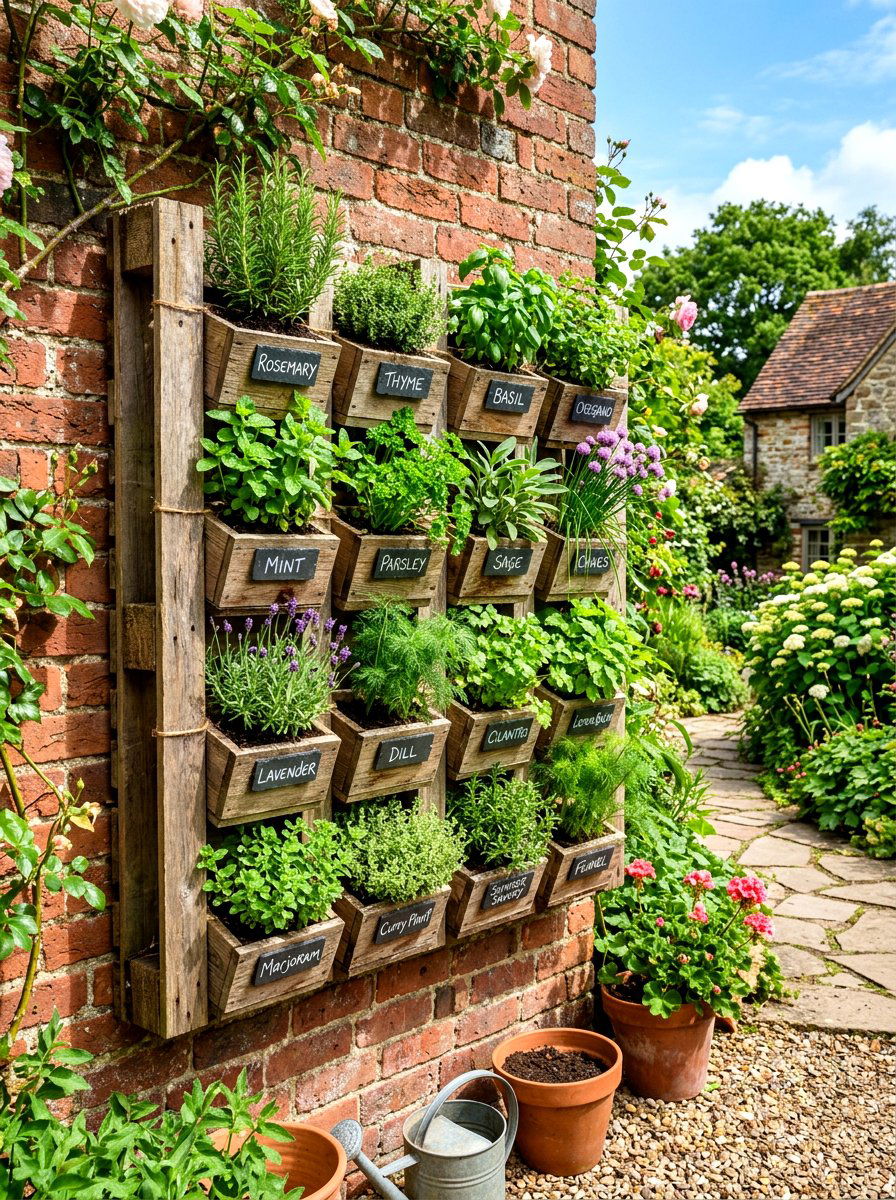
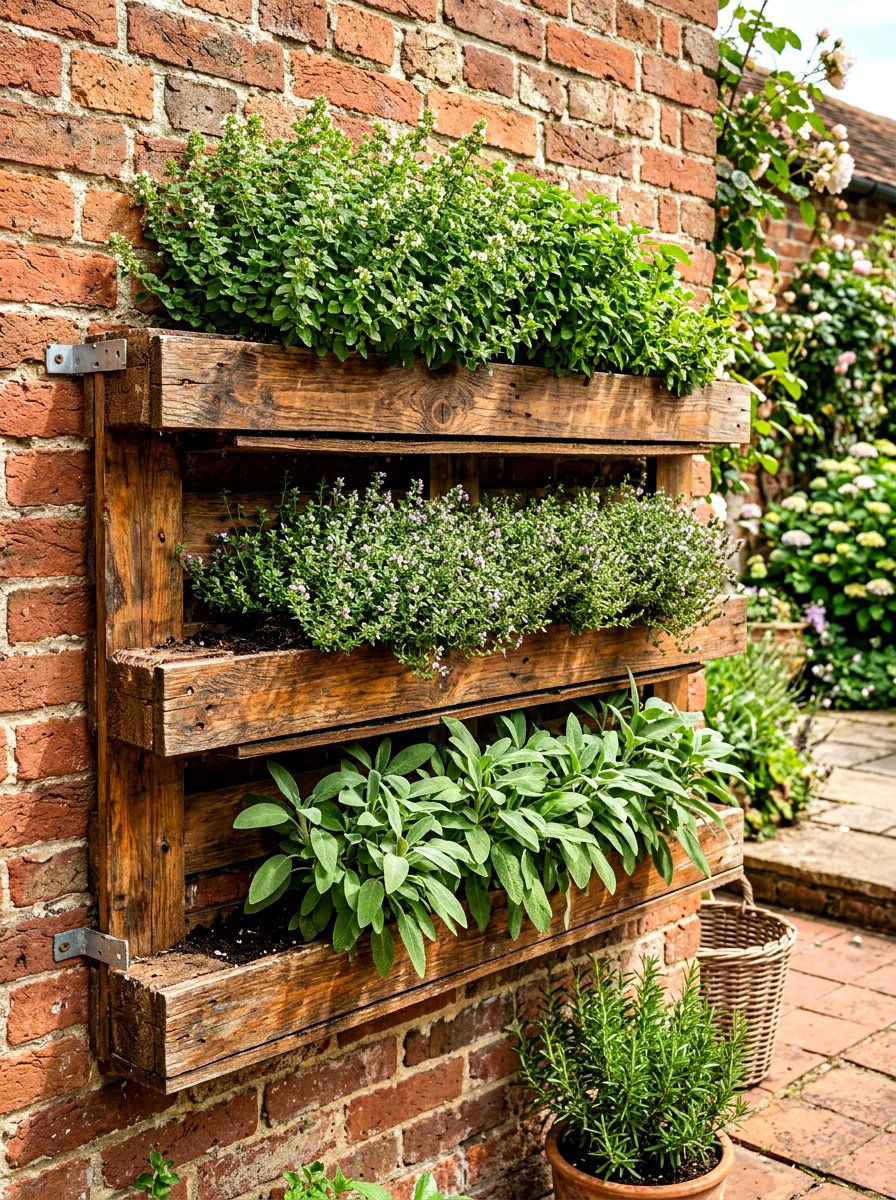
Building an herb garden pallet wall is an eco-friendly way to repurpose shipping materials into a functional vertical garden. By attaching landscape fabric to the back and bottom of the pallet slats, you create individual pockets for soil and plants. This design is perfect for covering a boring fence or a plain brick wall with a tapestry of edible greens. You can sand and stain the wood to match your existing outdoor furniture or leave it raw for a more industrial-rustic look. It is a cost-effective project that provides a massive amount of growing space for a variety of small herbs.
12. Recycled Tin Can Herb Garden
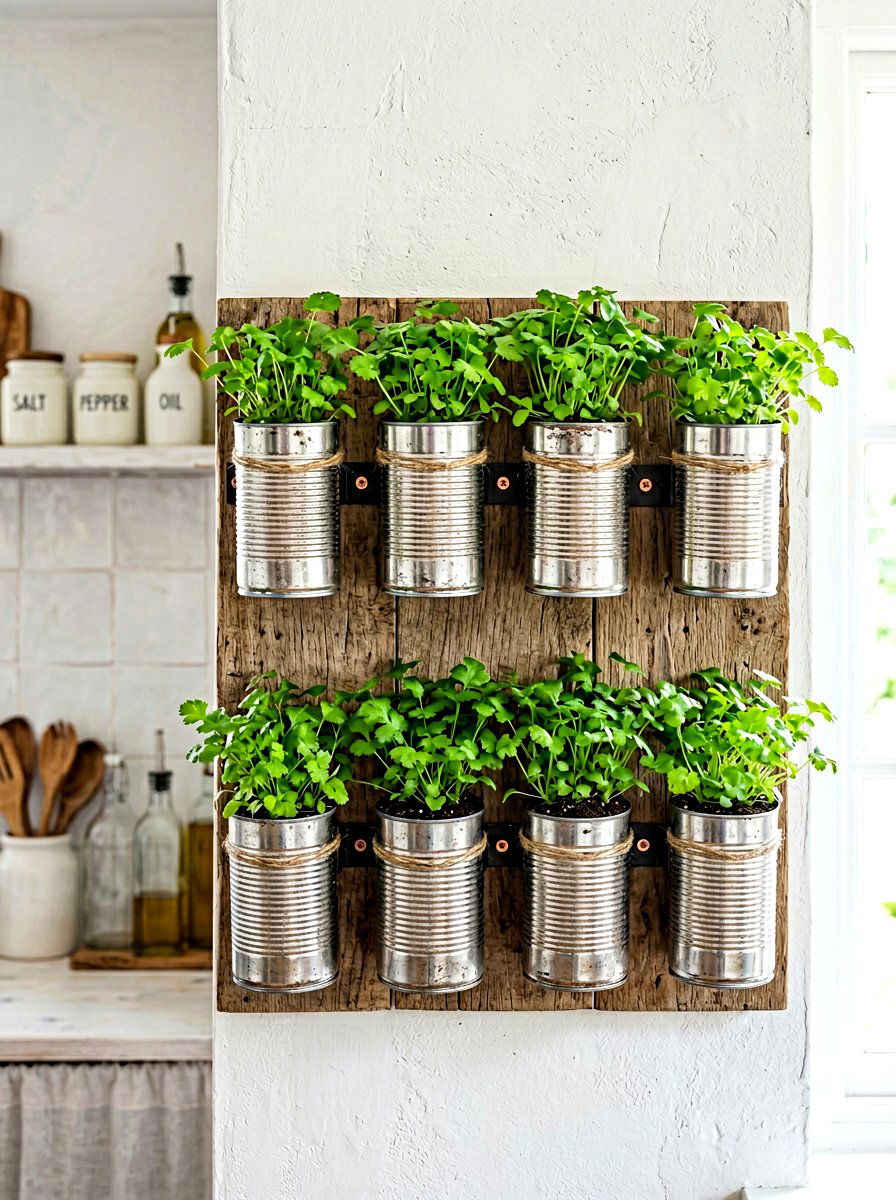
A recycled tin can herb garden proves that you don't need a big budget to create something beautiful and sustainable. By cleaning out old soup or coffee cans and removing the labels, you can create a charming set of uniform or mismatched planters. You can leave the metal shiny for a modern rustic look or let them sit outside to develop a natural rust patina. Mounting these cans to a wooden board or a wire grid creates a neat, organized display that fits perfectly in a small kitchen. It is a great way to reduce waste while enjoying the luxury of fresh herbs.
13. Wrought Iron Herb Rack
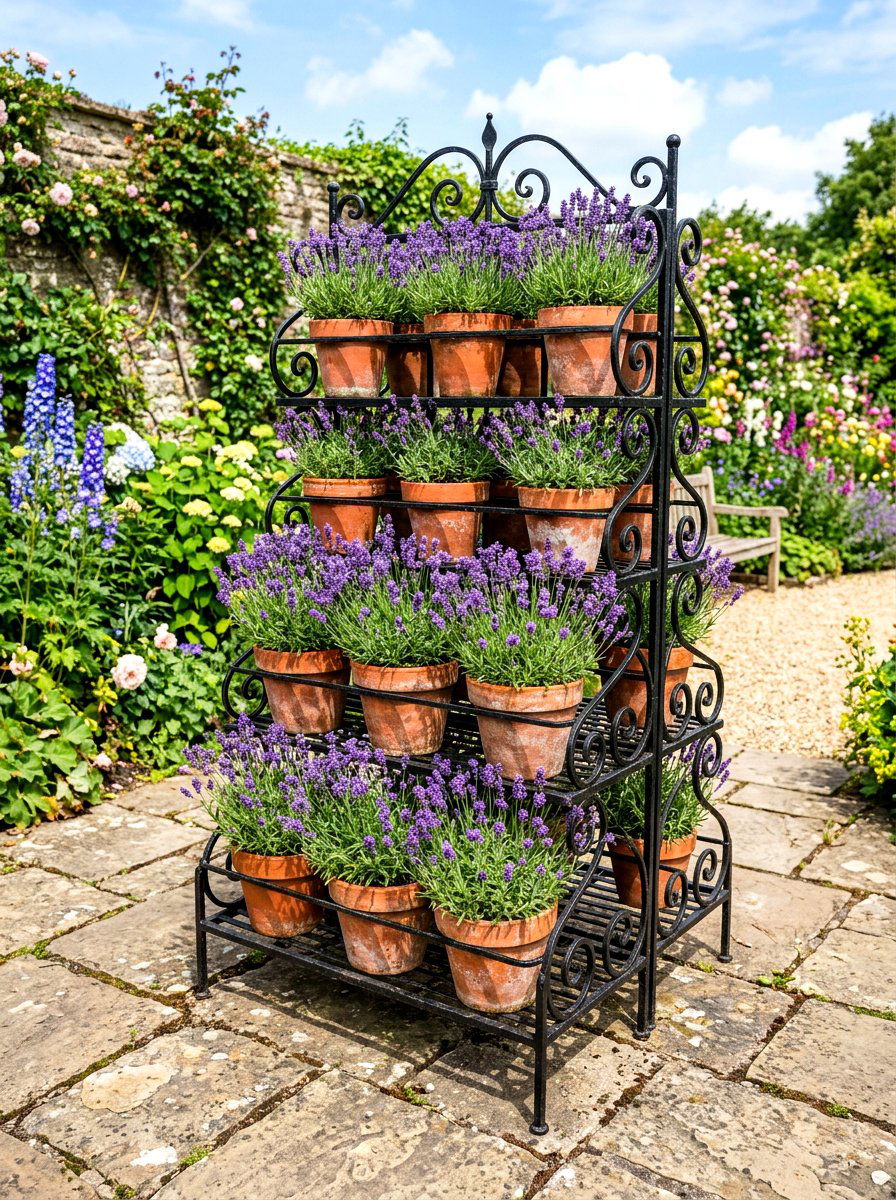
A wrought iron herb rack adds a touch of old-world elegance and durability to your garden or patio. The dark, heavy metal provides a sturdy framework that can hold several heavy pots without sagging or tipping. Many of these racks feature decorative scrolls or leaf patterns that complement the organic shapes of your plants. This type of stand is particularly useful for moving your herbs into the sun or shade as the seasons change. The contrast between the cold, hard iron and the soft, fragrant herbs creates a timeless look that feels both established and well-cared for in any outdoor setting.
14. Stone Border Herb Garden Bed
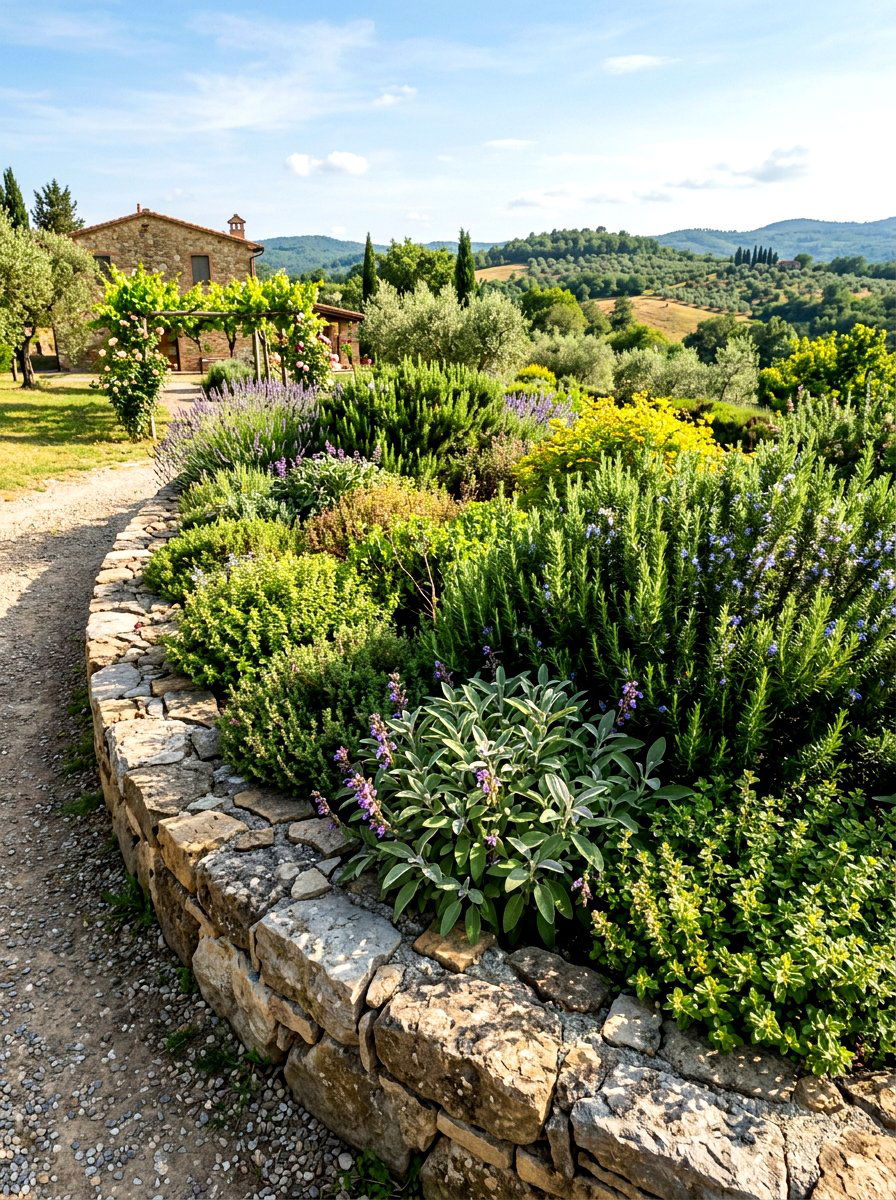
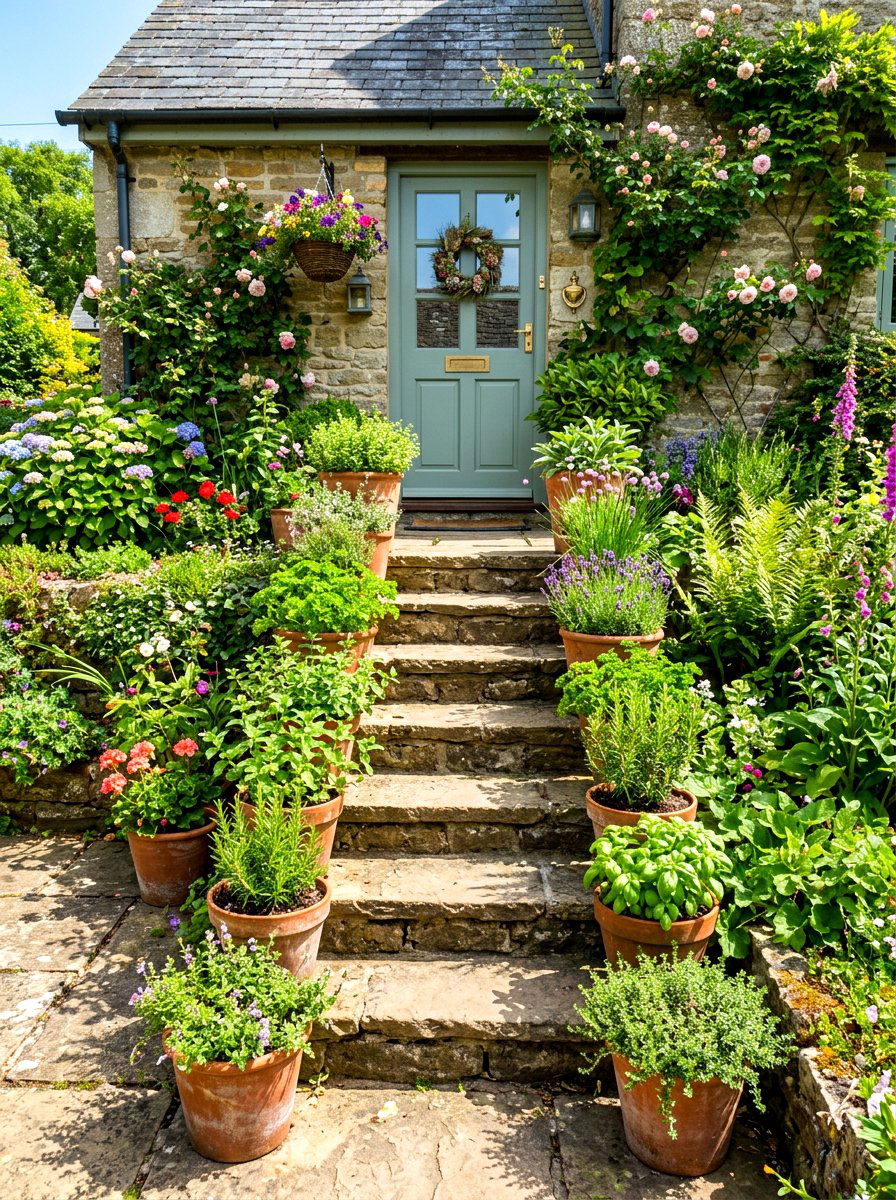
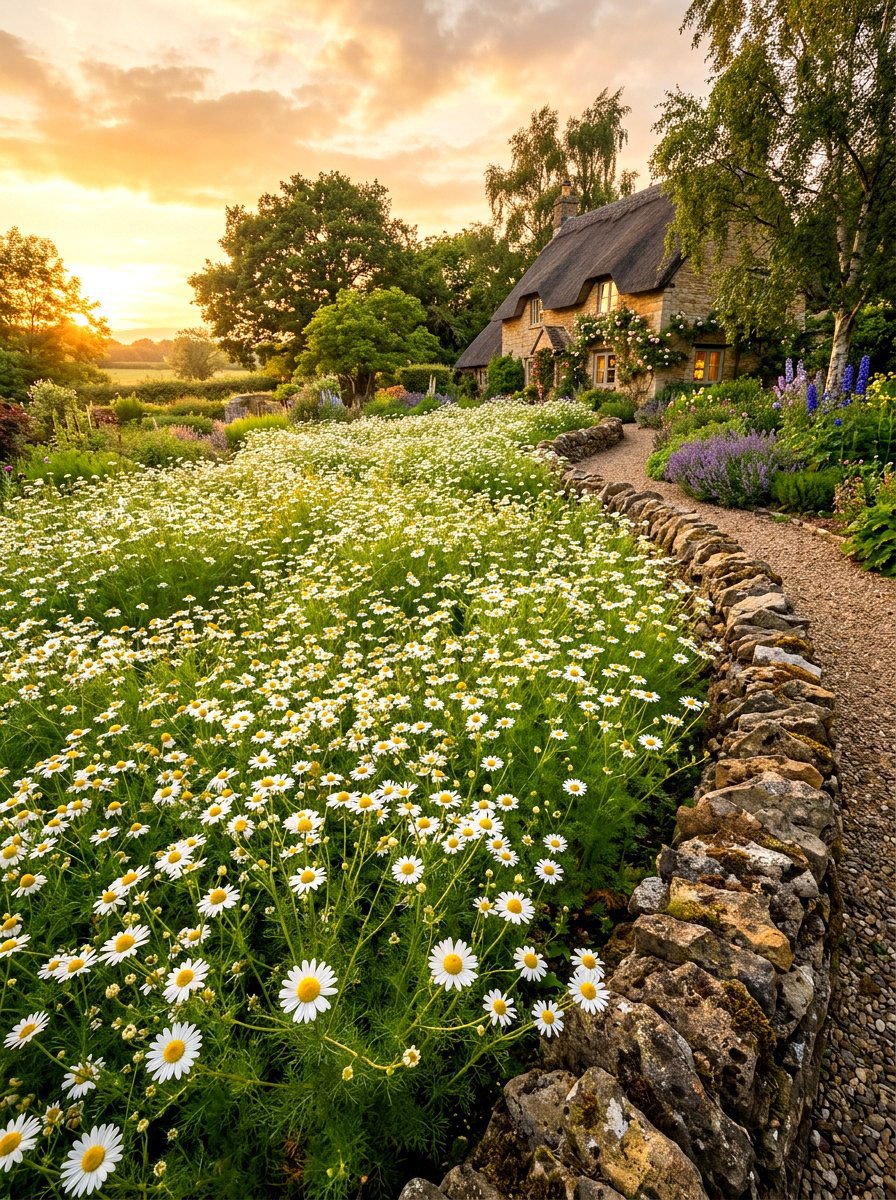
A stone border herb garden bed is the ultimate way to integrate your herbs directly into your landscape architecture. By using natural fieldstones or stacked slate to define your planting area, you create a permanent and rugged structure that feels like part of the earth. These stones help to retain heat, which can benefit Mediterranean herbs that enjoy warm soil conditions. The uneven shapes and varied colors of the stones provide a beautiful, textured frame for soft herbs like lavender, rosemary, and sage. This type of garden bed is low-maintenance and ages beautifully, blending into the surrounding natural environment.
15. Copper Pipe Herb Hanger
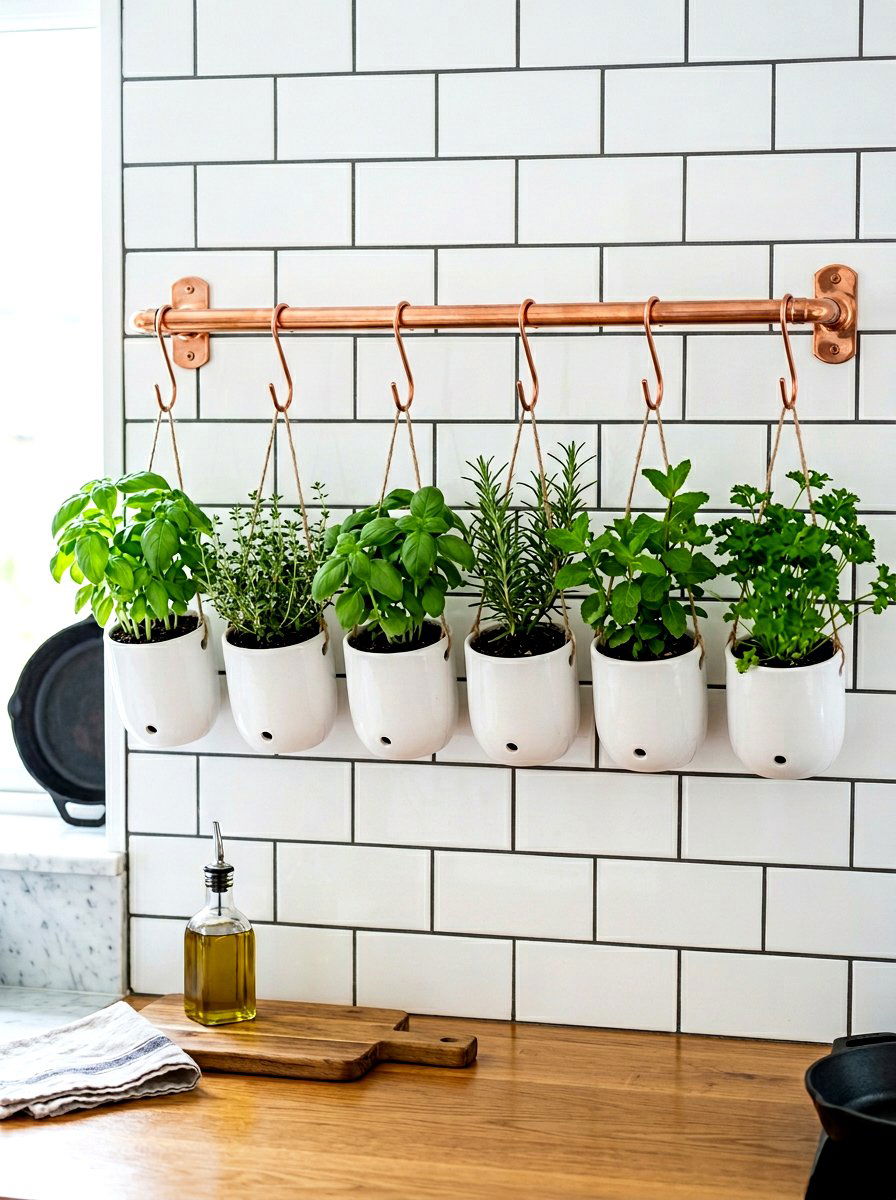
A copper pipe herb hanger combines industrial materials with rustic charm for a sleek, modern-farmhouse look. By using standard copper plumbing pipes and fittings, you can create a custom rail system to hang small pots from S-hooks. Over time, the copper will develop a beautiful verdigris patina, or you can keep it polished for a bright, warm glow. This setup works exceptionally well in a kitchen, mounted above a window or island, where space is at a premium. The metallic shine of the copper draws the eye and highlights the vibrant green colors of your fresh herbs, making them a centerpiece.
16. Driftwood Herb Planter
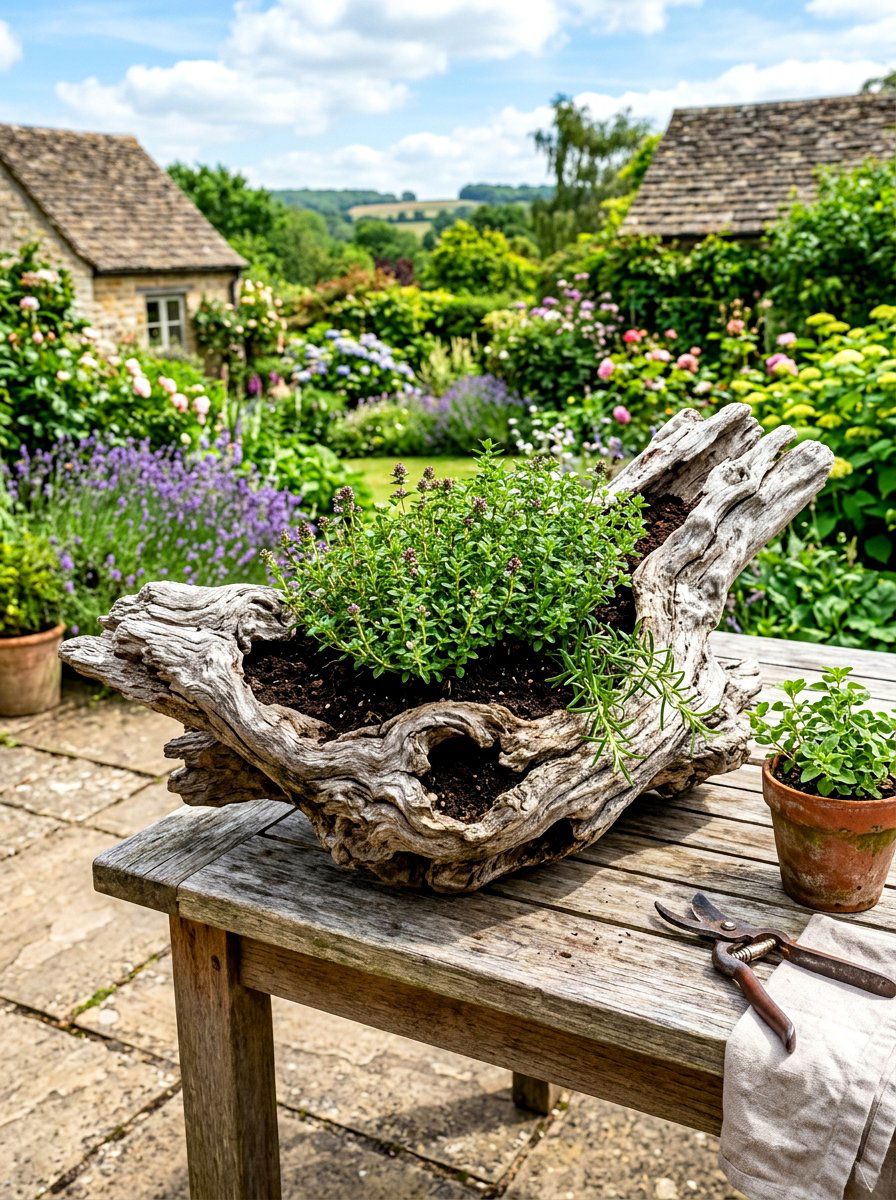
Using a large piece of driftwood as an herb planter creates a one-of-a-kind, sculptural garden piece that feels truly organic. You can find pieces with natural hollows or carefully carve out small sections to hold soil and plants. This type of planter is perfect for air plants or hardy succulents, but it also works well for small, drought-tolerant herbs like thyme. The sun-bleached wood and twisted shapes provide a dramatic contrast to the delicate leaves of your plants. Placing a driftwood planter on a patio table or garden wall adds a coastal-rustic element that is both calming and visually fascinating.
17. Old Ladder Herb Display
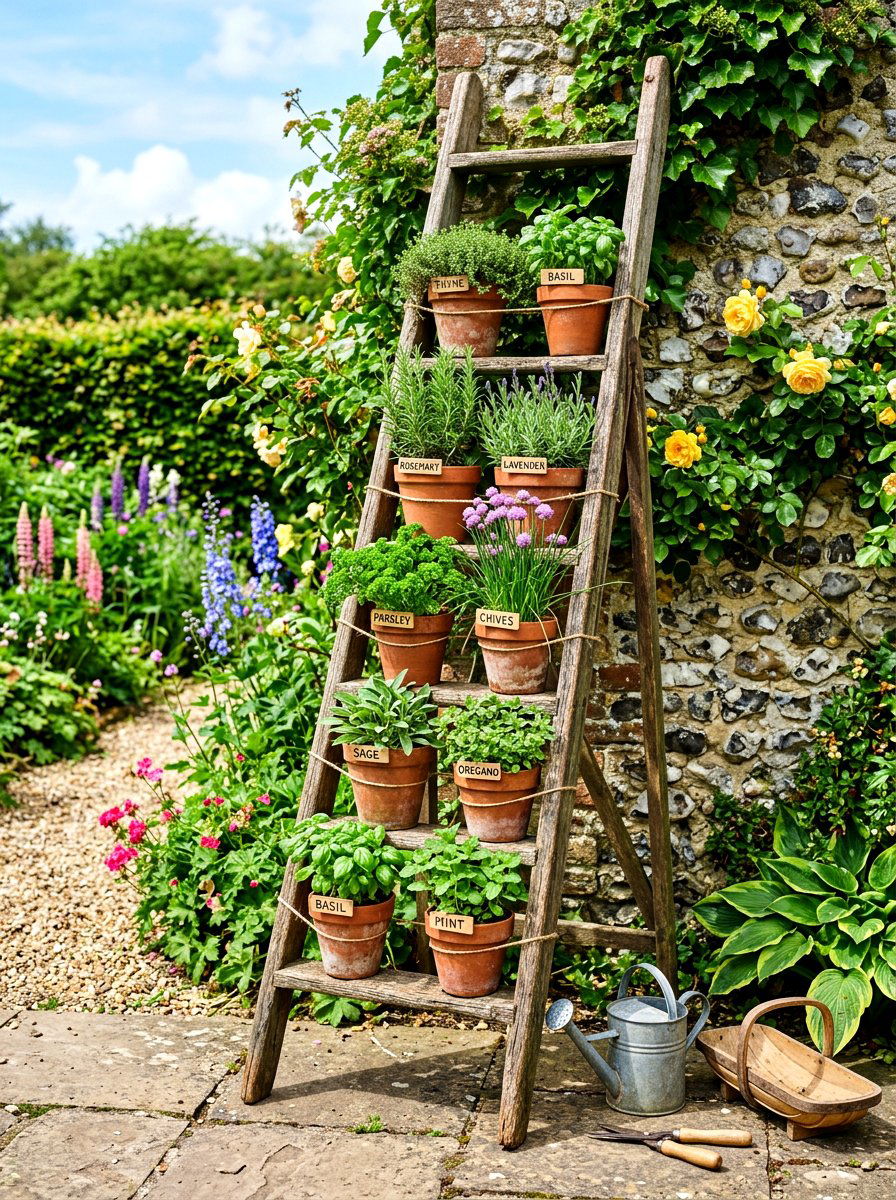
An old ladder herb display is a classic rustic decor choice that offers both height and versatility. Whether it is an old wooden stepladder or a long extension ladder leaned against a wall, it provides the perfect framework for a variety of pots and baskets. You can drape trailing plants like mint or ivy over the rungs while placing upright herbs like basil and rosemary on the steps. This arrangement allows for excellent airflow around each plant, which helps to prevent mold and pests. The weathered wood and occasional paint splatters on an old ladder tell a story and add character.
18. Metal Watering Can Herb Planter
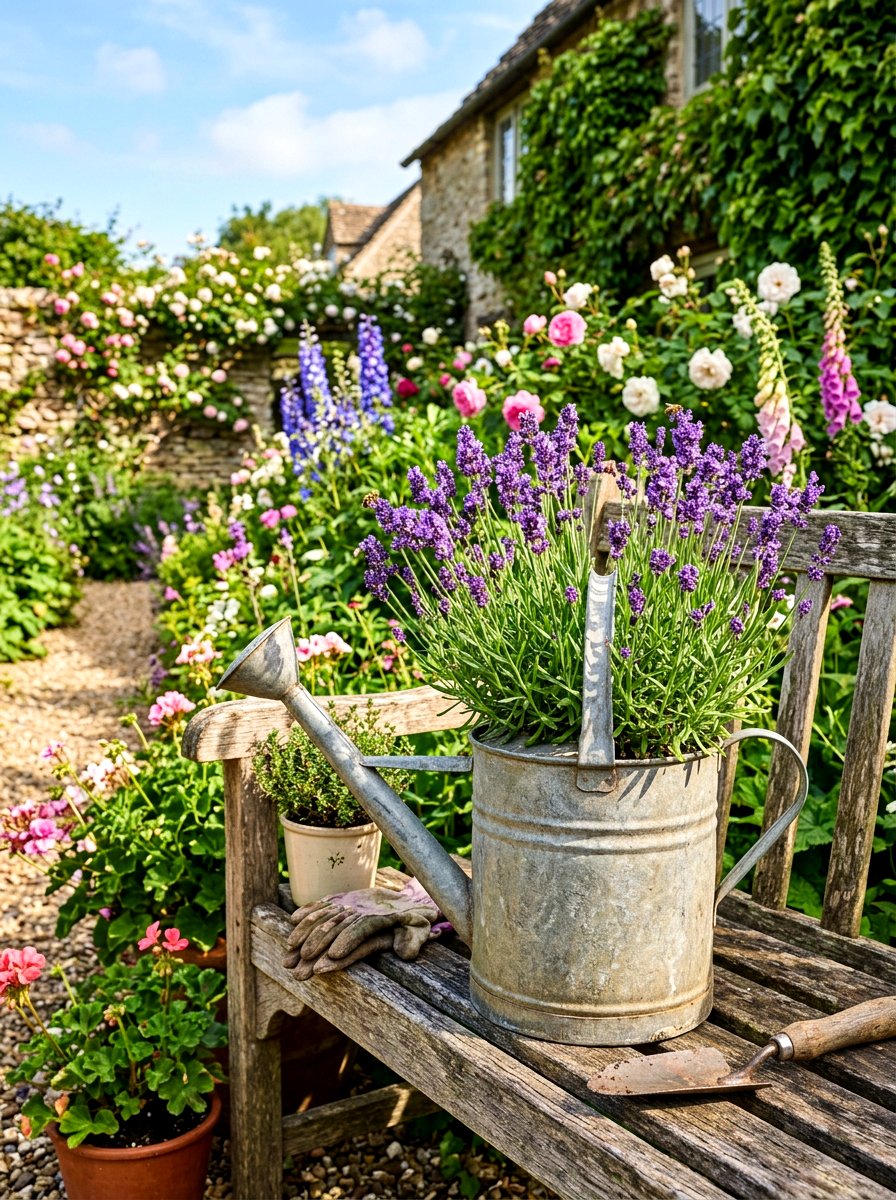
Repurposing a vintage metal watering can as an herb planter is a whimsical way to add personality to your garden. These cans often have a beautiful, aged finish that fits perfectly into a rustic theme. You can plant a single large herb, like a flowering lavender, or a mix of smaller plants that spill out of the top. The spout can even be used to grow small trailing varieties for an unexpected touch. Placing these cans on steps, benches, or garden tables creates a charming focal point that celebrates the tools of the trade. It is a simple, creative way to upcycle.
19. Tiered Herb Garden Stand
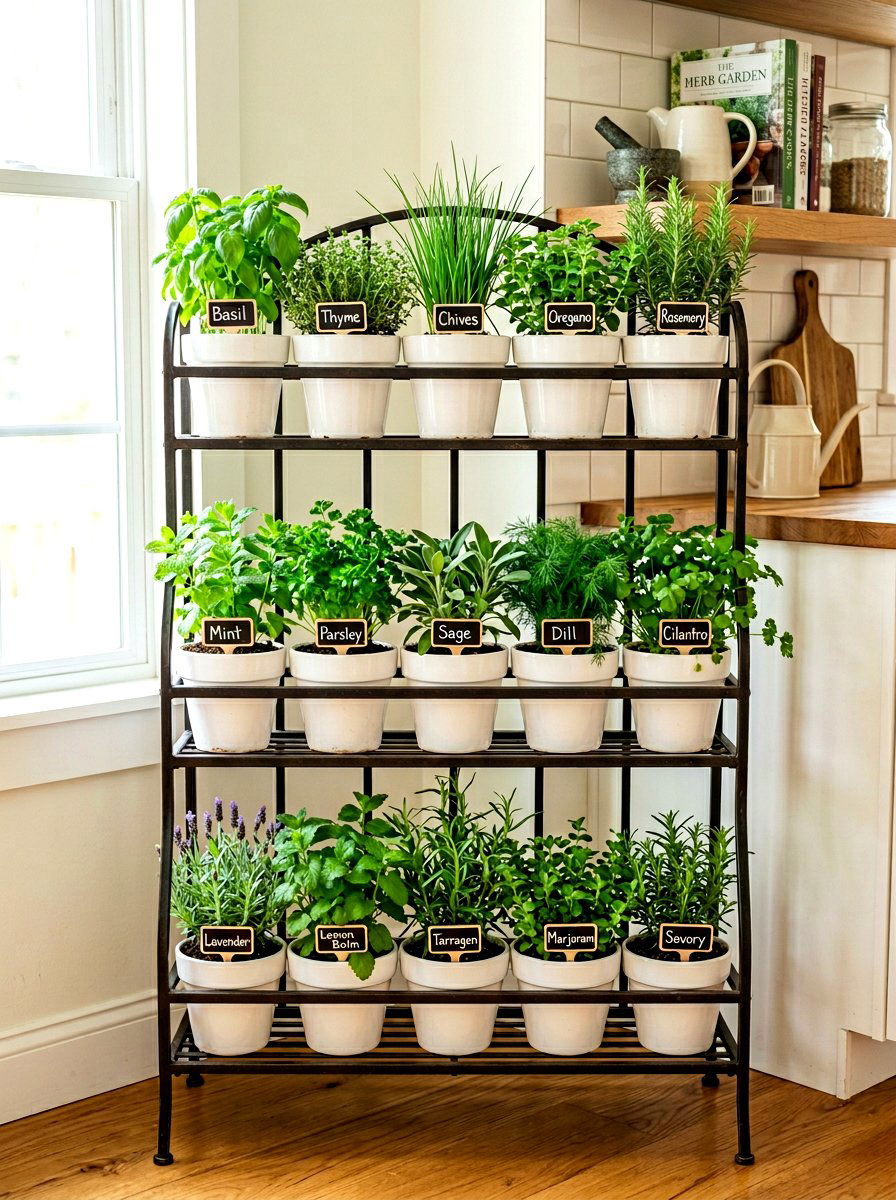
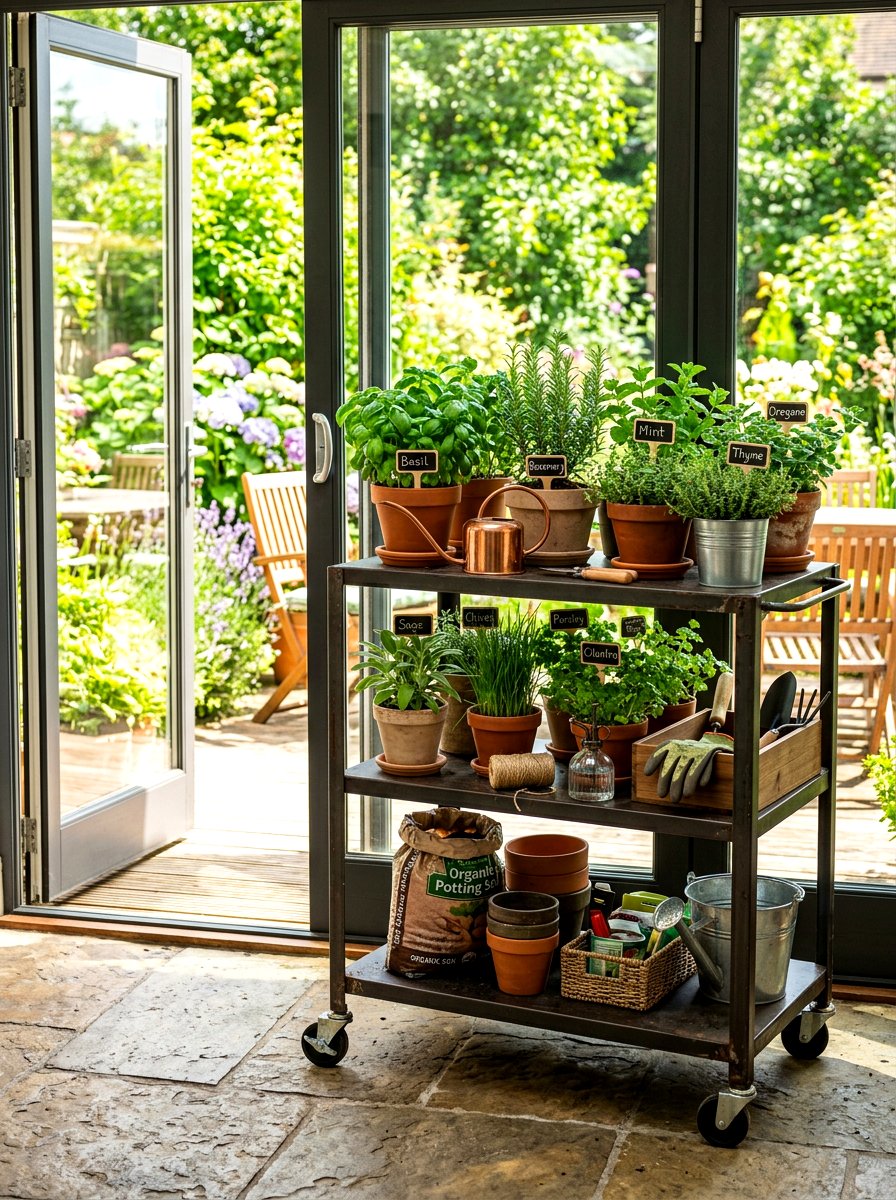
A tiered herb garden stand is an efficient way to display a large collection of plants in a compact footprint. These stands often feature three or four levels, allowing you to give each herb the specific amount of sunlight it needs. You can choose a stand made from dark metal or distressed wood to maintain a rustic aesthetic throughout your space. This type of organization makes watering and harvesting much easier, as everything is neatly arranged and visible. A tiered stand works equally well in a sunny kitchen corner or on a small apartment balcony, providing a lush wall of green herbs.
20. Brick Herb Spiral
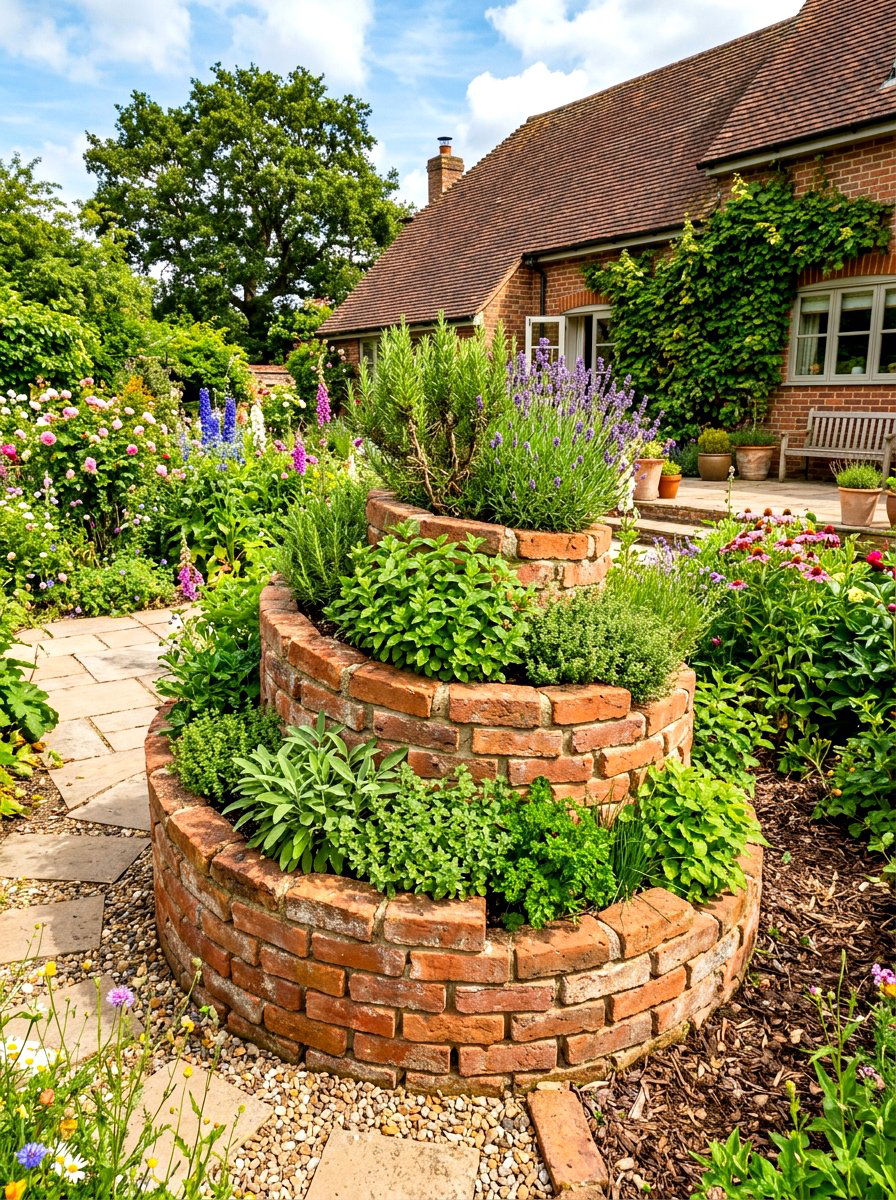
A brick herb spiral is a functional and visually striking garden feature that uses vertical space and microclimates. By stacking bricks in a rising spiral shape, you create different levels of drainage and sun exposure for your plants. The top of the spiral is the driest and sunniest spot, perfect for rosemary and thyme, while the bottom stays cooler and more moist for parsley and mint. This design is rooted in permaculture and looks incredibly beautiful when built with reclaimed or antique bricks. It becomes a permanent, architectural element in your backyard that provides a diverse harvest in a small area.
21. Hanging Clay Pot Garden
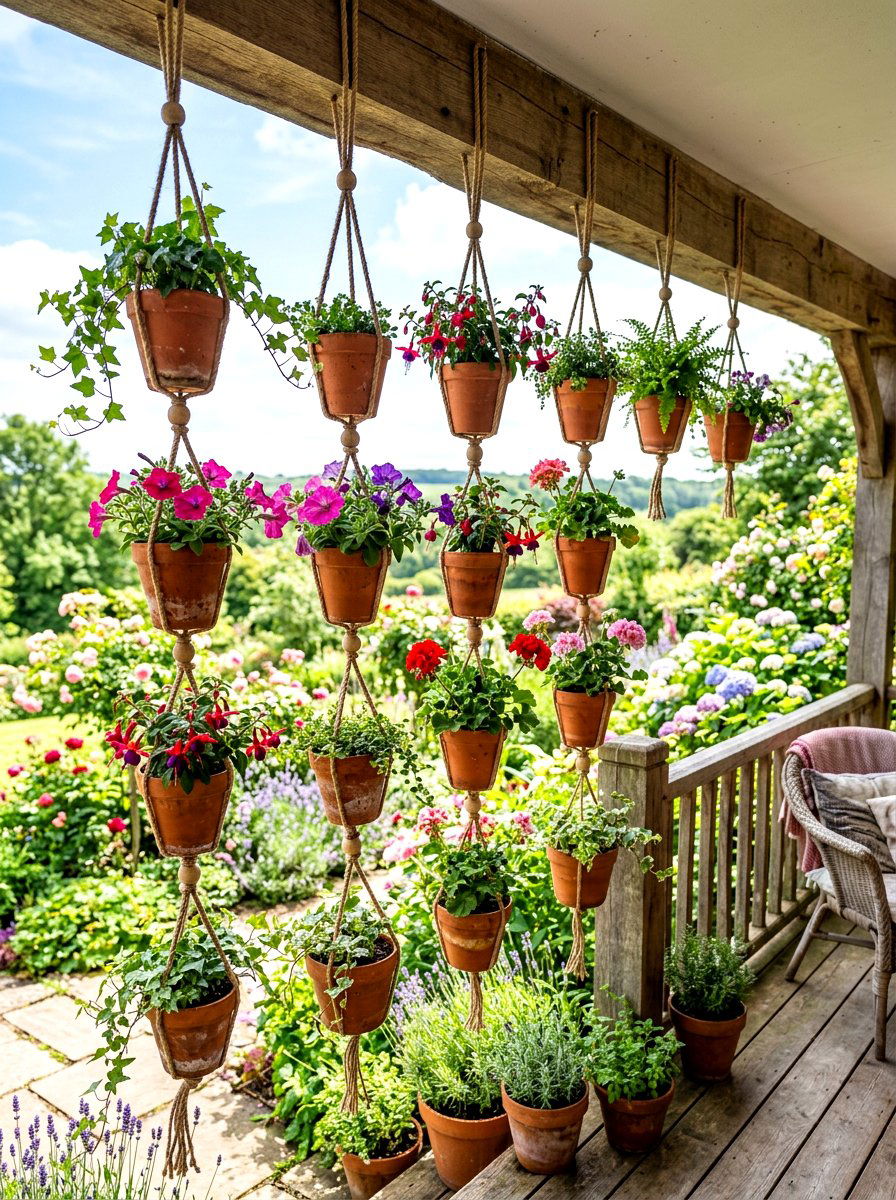
A hanging clay pot garden uses simple materials to create a stunning vertical display of aromatic herbs. By threading sturdy rope or wire through the drainage holes of traditional terra cotta pots, you can create a chain of plants that hangs from a porch beam or a wall bracket. The warm, earthy tones of the clay complement the green foliage, creating a cohesive and natural look. This method keeps your herbs at eye level, making it easy to check on their health and snip what you need. It also protects your plants from pets and ground-level pests while adding a unique visual.
22. Vintage Tea Tin Herb Garden
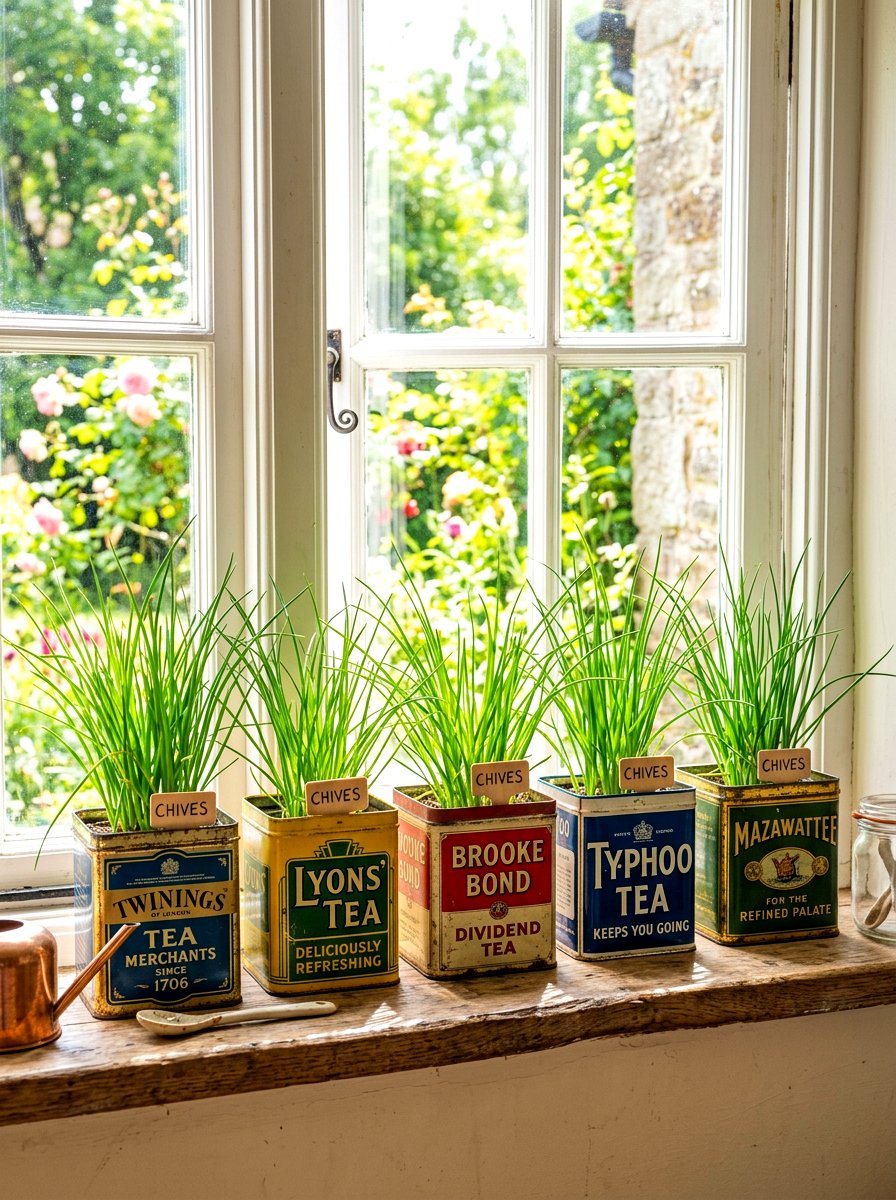
Using vintage tea tins as herb planters is a delightful way to bring a sense of nostalgia and color to your kitchen windowsill. These tins often feature beautiful old-fashioned illustrations and typography that add an artisanal feel to your herb garden. Because they are smaller, they are perfect for starting seeds or growing compact herbs like chives and small-leaf basil. To prevent the tins from rusting too quickly, you can place a small plastic liner inside or simply embrace the weathered look that develops over time. They make for a great conversation piece and a thoughtful, handmade gift for any home cook.
23. Rustic Wheelbarrow Herb Garden
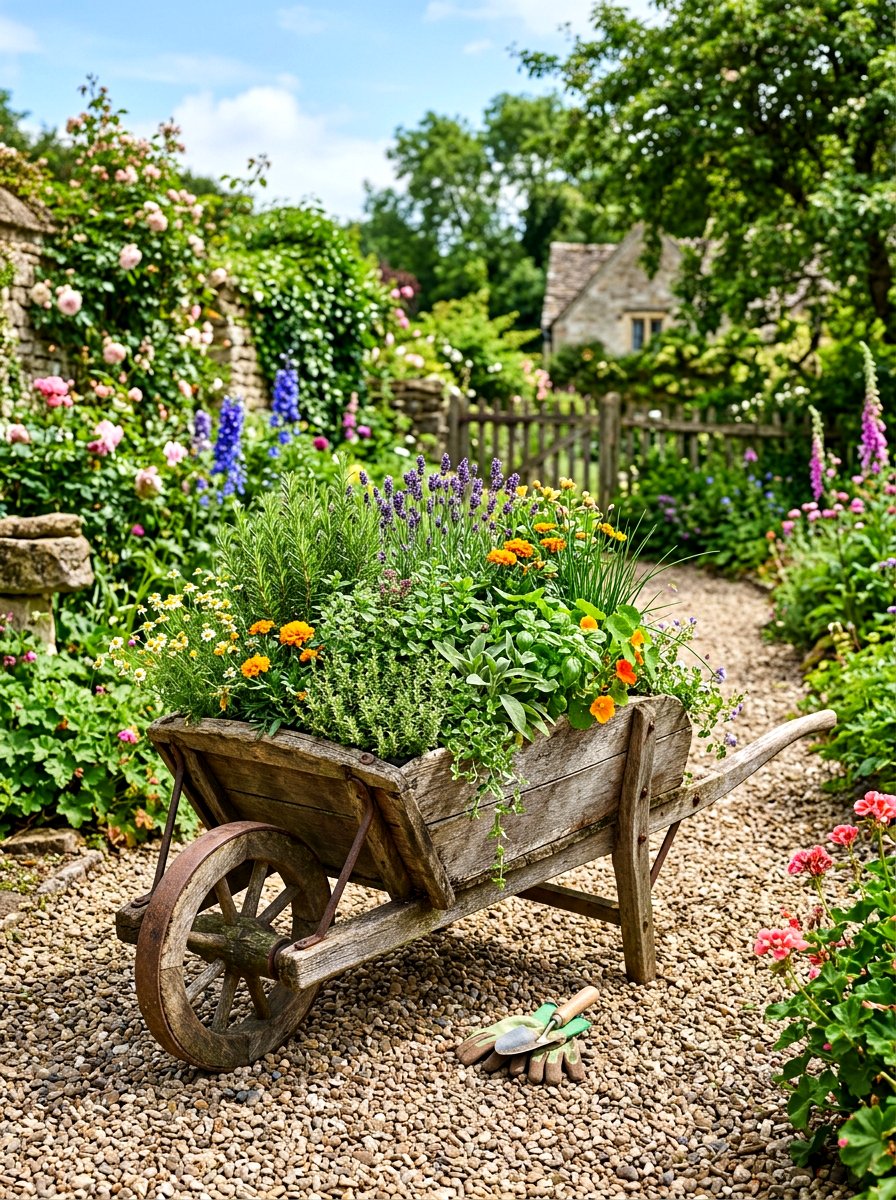
A rustic wheelbarrow herb garden is a mobile and high-impact way to add greenery to your landscape. An old wooden or metal wheelbarrow filled with high-quality potting soil provides a deep and spacious environment for a variety of herbs to thrive. You can plant tall herbs like fennel in the center and surround them with lower-growing varieties like oregano and marjoram. The ability to move the wheelbarrow allows you to chase the sun throughout the seasons, ensuring your herbs always get optimal light. This oversized "container" adds a playful, farmhouse-inspired touch to any lawn or garden path you choose.
24. Herb Garden Cloche Display
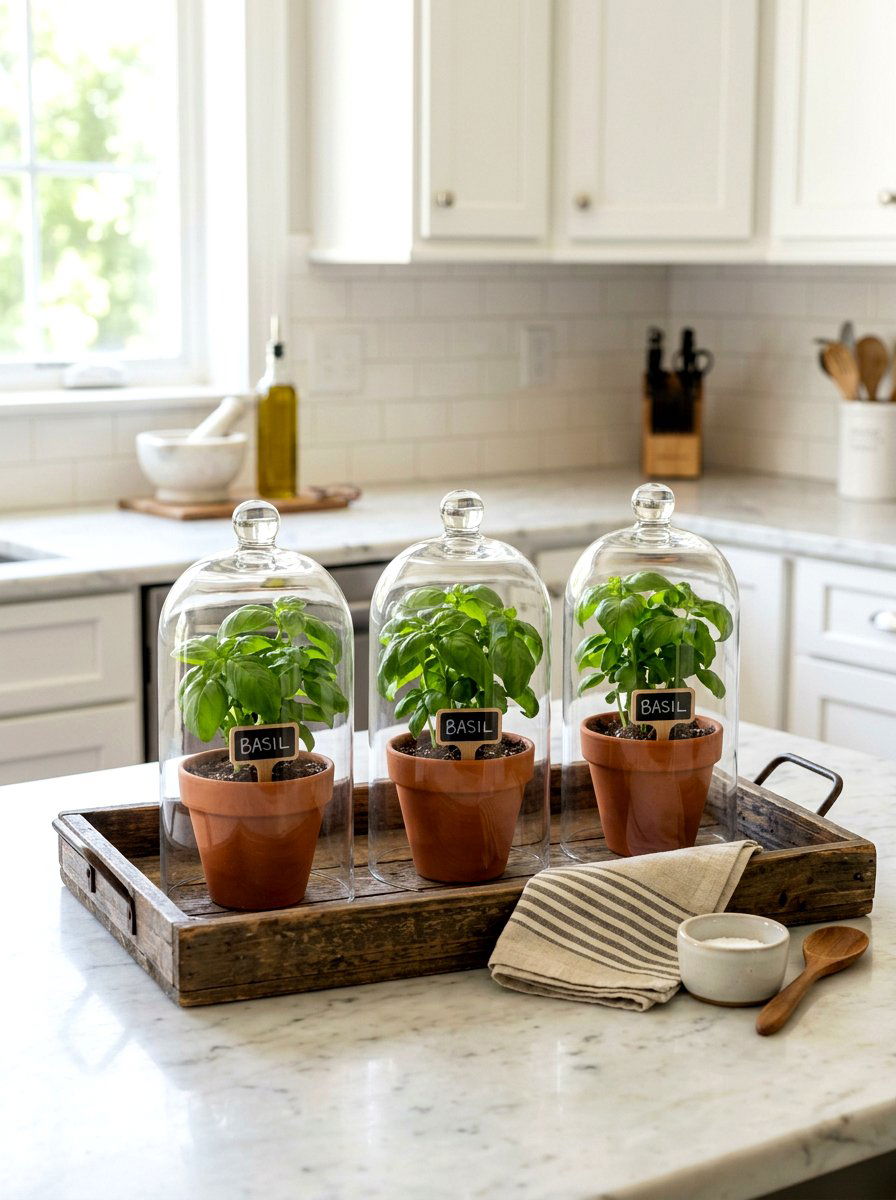
Using glass cloches over individual herb pots adds a touch of Victorian elegance to a rustic garden theme. These glass domes create a mini-greenhouse environment that can help young or sensitive herbs get a strong start. When placed on a wooden tray or a stone countertop, the cloches look like a curated museum display of living specimens. This approach is particularly effective for herbs that love humidity or for protecting plants from sudden drafts indoors. The combination of clear glass, dark soil, and bright green leaves creates a sophisticated and polished look that still feels connected to the traditional garden roots.

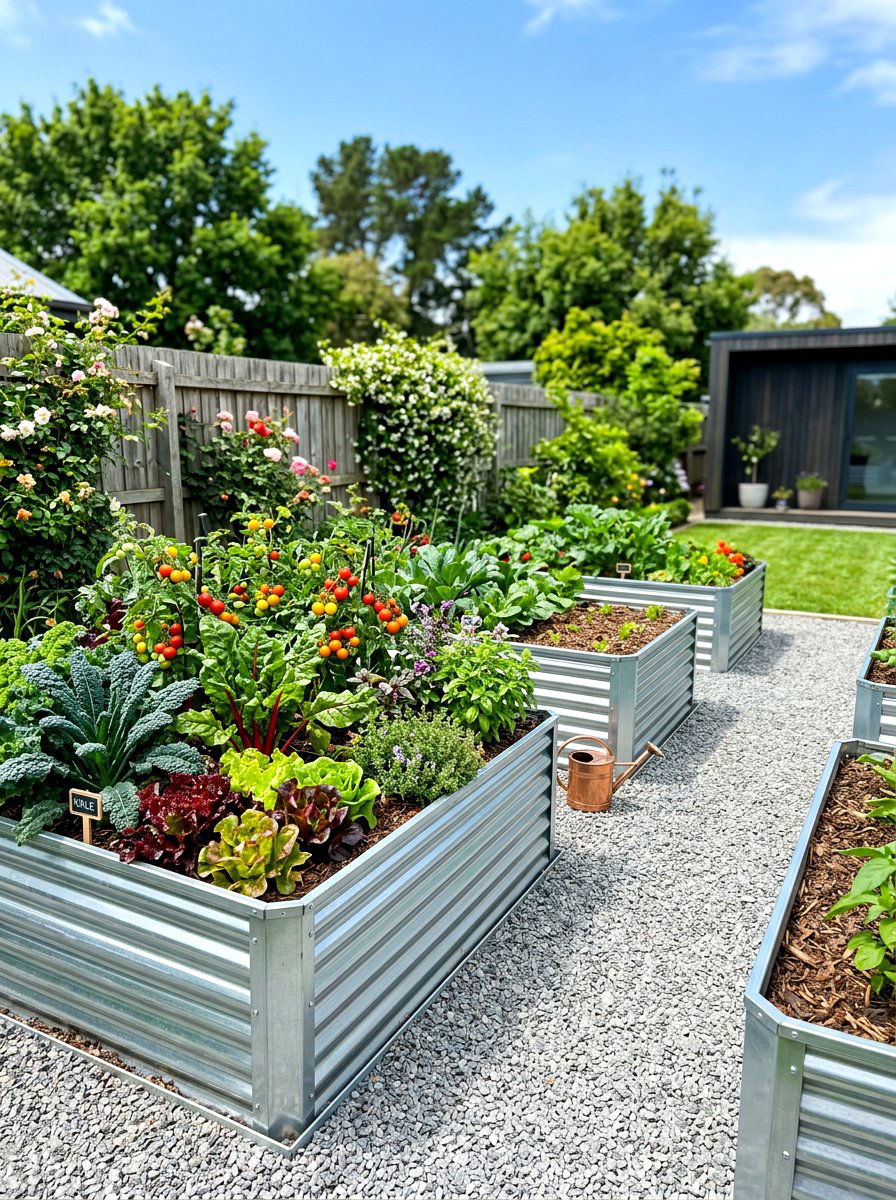
25. Wood Log Herb Planter
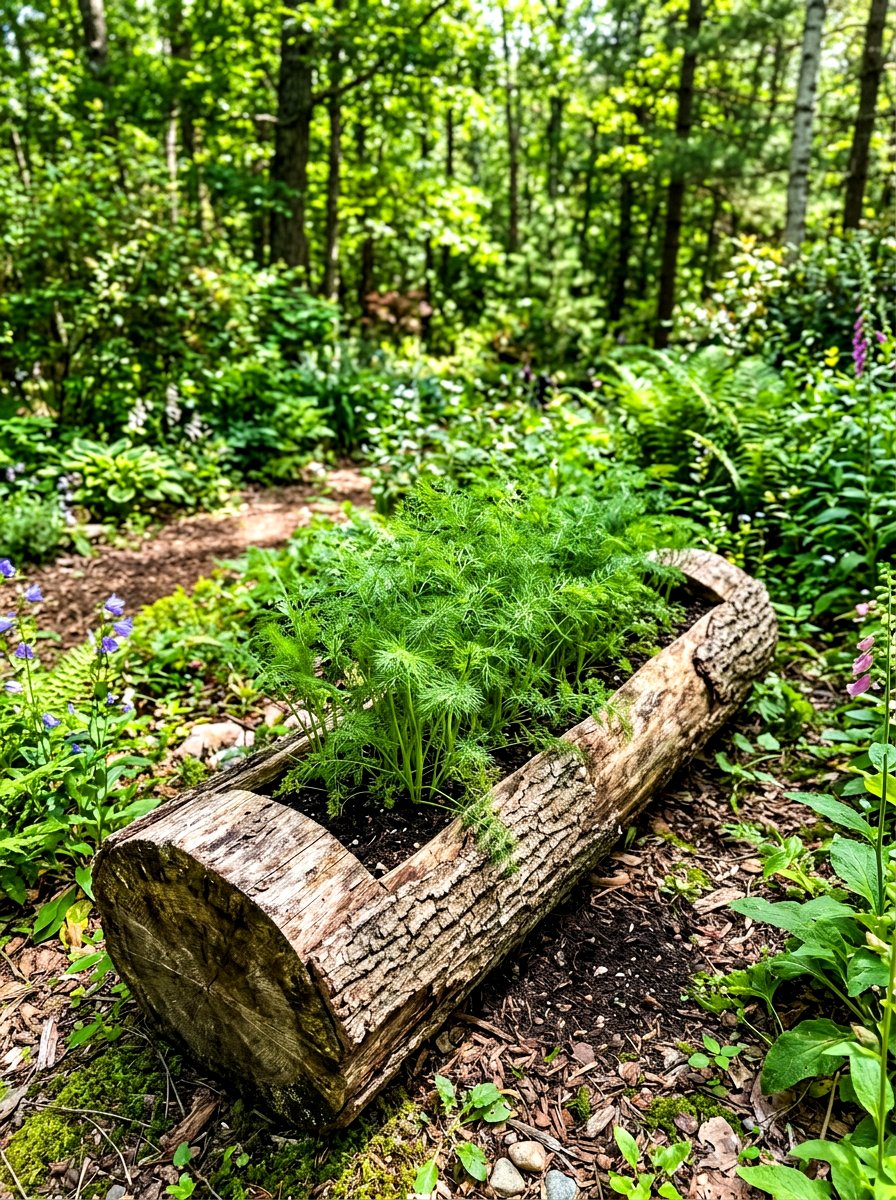
A wood log herb planter is the ultimate expression of natural, rustic design. By hollowing out a fallen log or a thick branch, you create a completely organic vessel for your herbs. This type of planter looks best when placed directly on the ground or on a low stone wall, where it can blend into the surrounding landscape. The rough bark and natural grain of the wood provide a stunning contrast to the soft, feathery texture of herbs like dill or cilantro. As the log slowly decomposes over many years, it will continue to provide nutrients back to the soil and plants.
26. Farmhouse Herb Garden Countertop
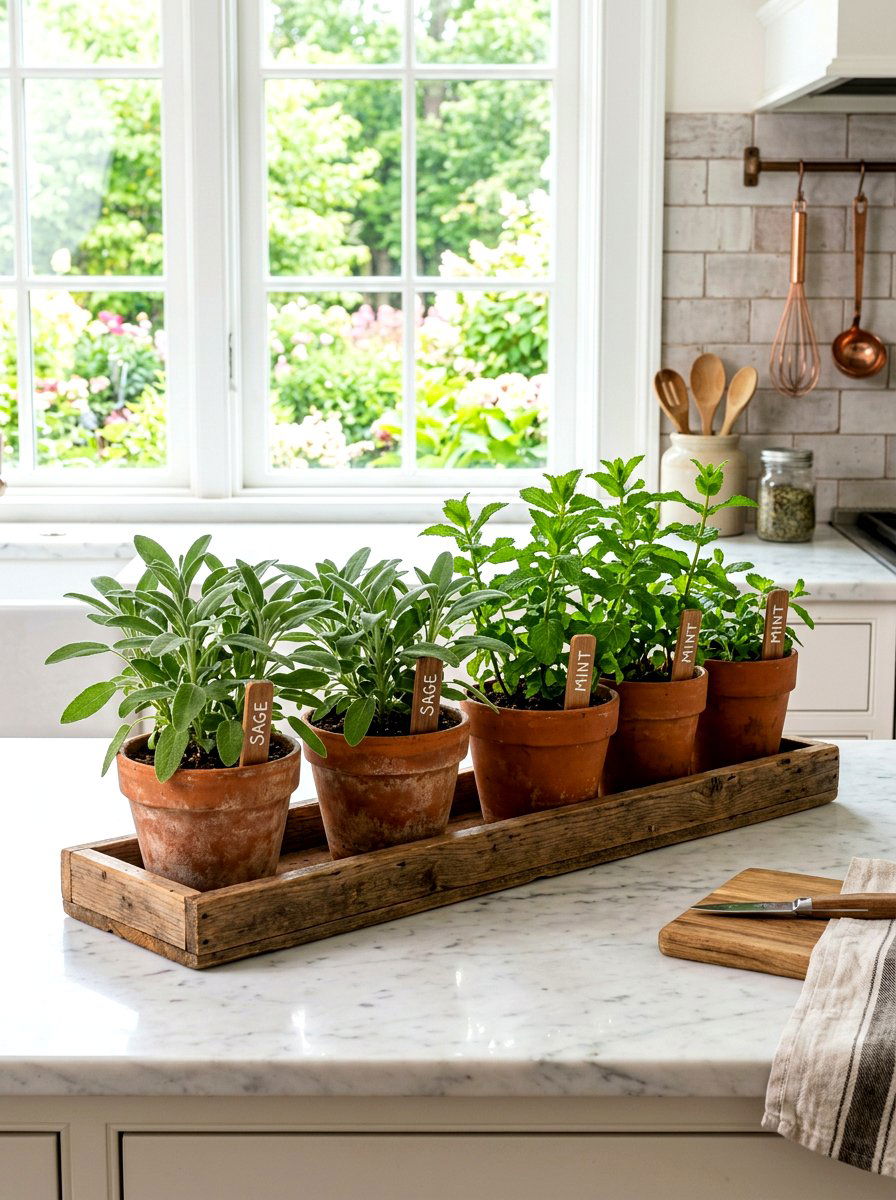
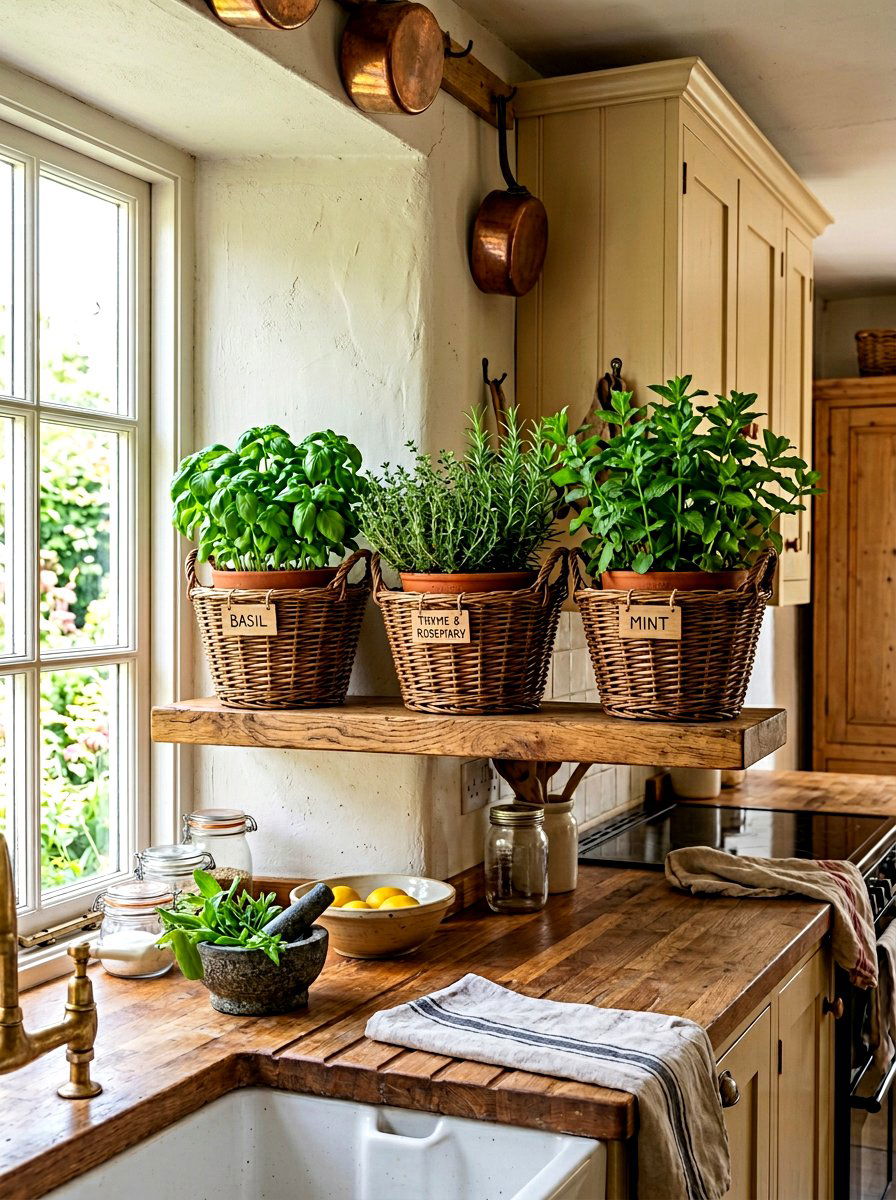
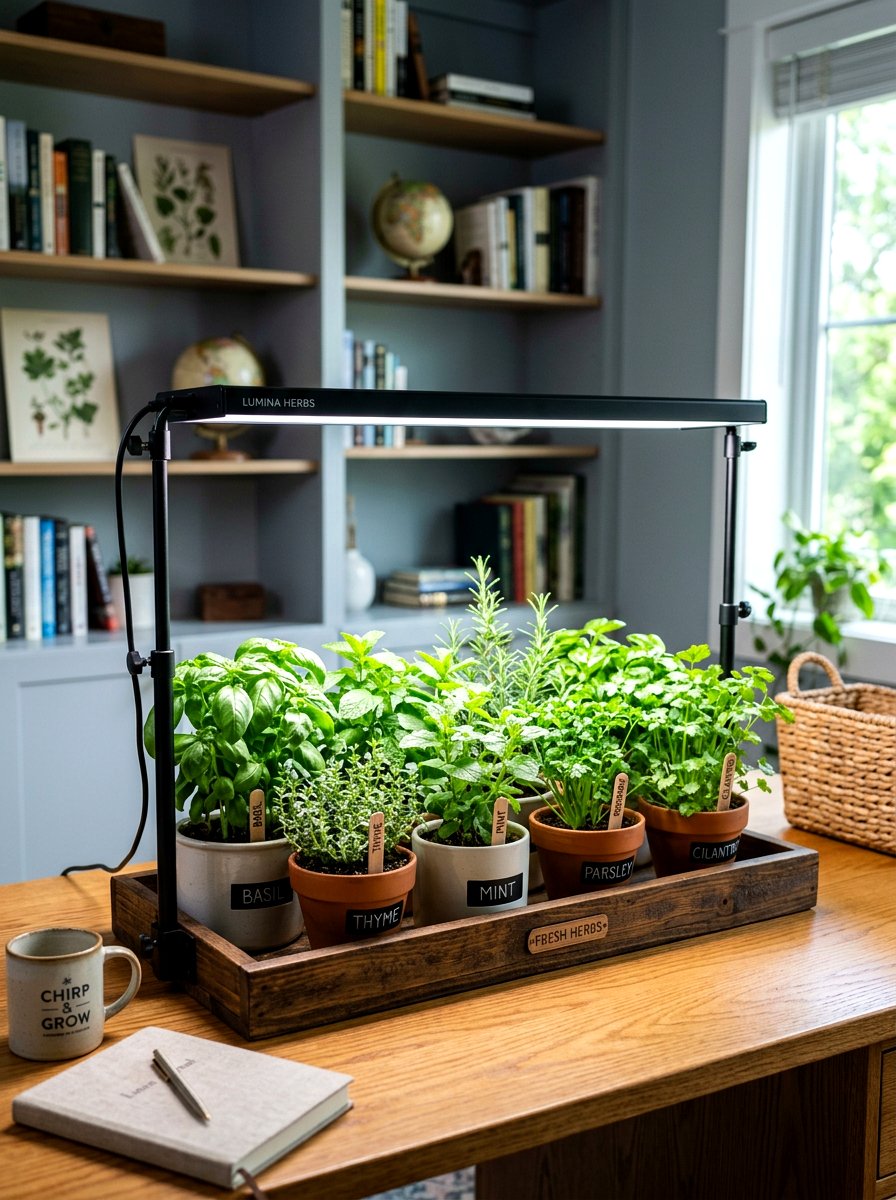
A farmhouse herb garden countertop setup keeps your most-used ingredients exactly where you need them. Using a large, shallow wooden tray or a stone basin to hold several small pots creates a unified and organized look. This prevents individual pots from cluttering your workspace while making it easy to move the entire collection to the sink for watering. Choosing pots in a consistent color palette, like cream, gray, or terracotta, helps to maintain a clean and intentional aesthetic. This functional decor element ensures that the sight and smell of fresh herbs are a constant part of your daily cooking routine.
27. Wire Basket Wall Herb Garden
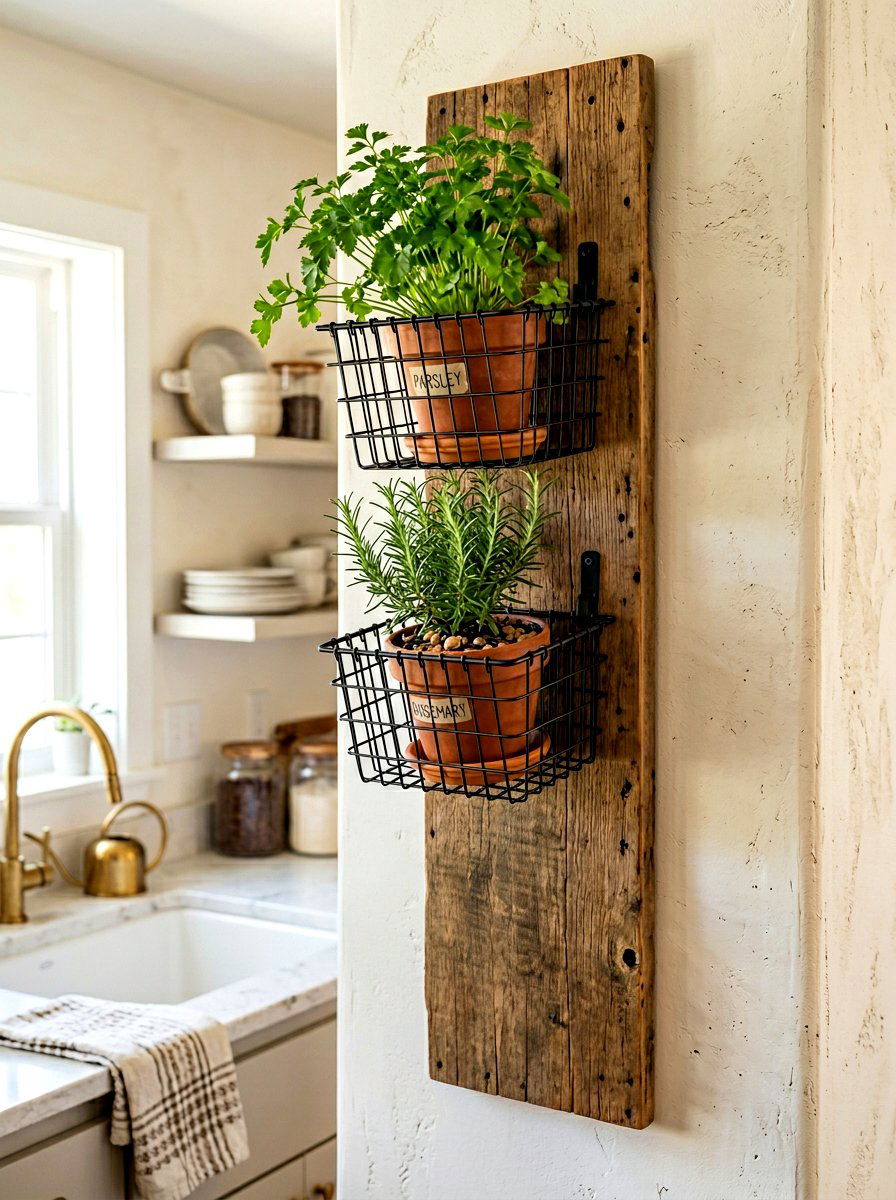
A wire basket wall herb garden offers a vintage, industrial-rustic look that is perfect for vertical spaces. By mounting sturdy wire baskets to a wooden board or directly to a wall, you create breathable "shelves" for your potted herbs. The open weave of the baskets allows for excellent air circulation, which helps prevent root rot and keeps the plants healthy. You can line the baskets with moss or coconut husks to hold the soil directly, or simply place finished pots inside for a cleaner look. This setup is ideal for a mudroom or a covered patio where space is limited but style is essential.
28. Repurposed Shutter Herb Garden
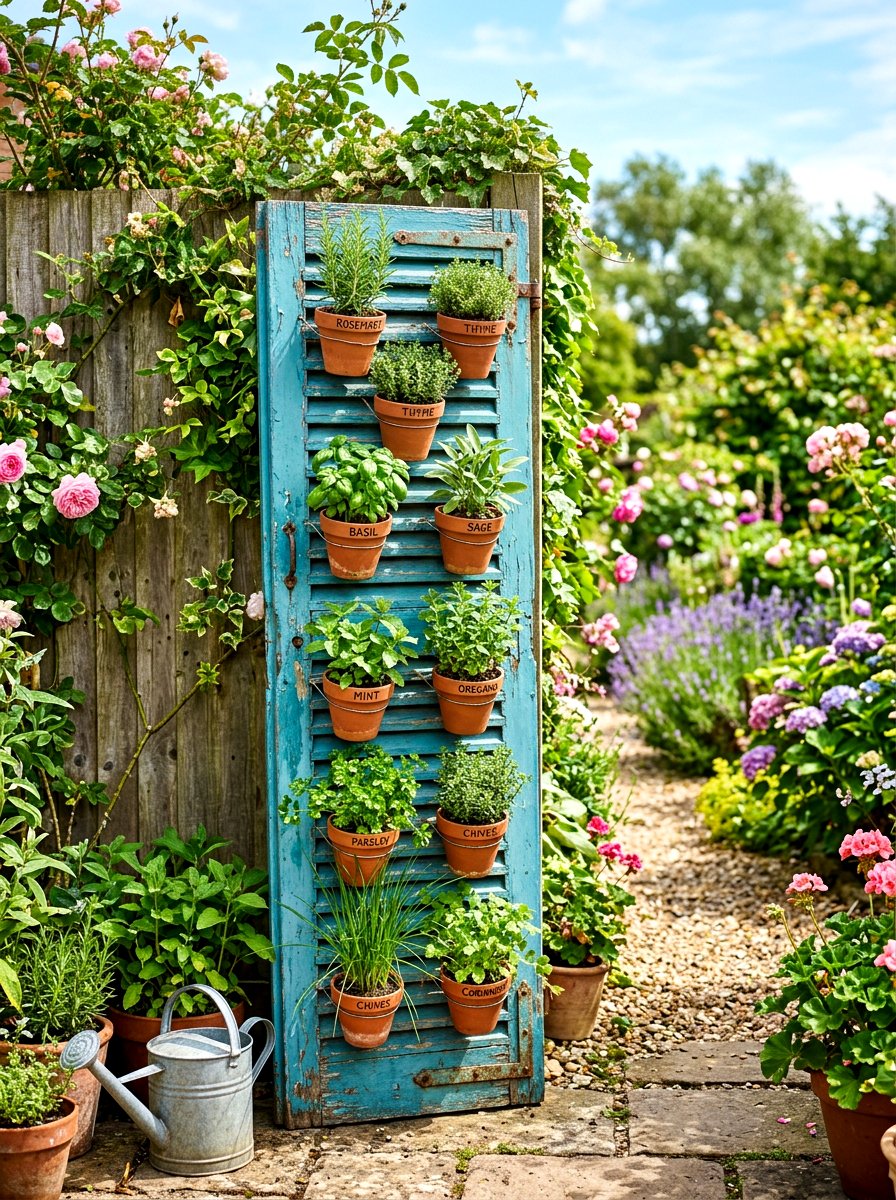
A repurposed shutter herb garden is a creative way to turn architectural salvage into a beautiful and functional planter. By tilting the slats or attaching small containers to the front of an old wooden shutter, you can create multiple levels for growing small herbs. Leaning the shutter against a wall or mounting it horizontally creates a unique focal point that adds height and texture to your space. The chipped paint and weathered wood of the shutter provide a perfect backdrop for the lush, green leaves of thyme, mint, and oregano. It is a simple DIY project that yields huge visual results.
29. Rustic Herb Garden Bench
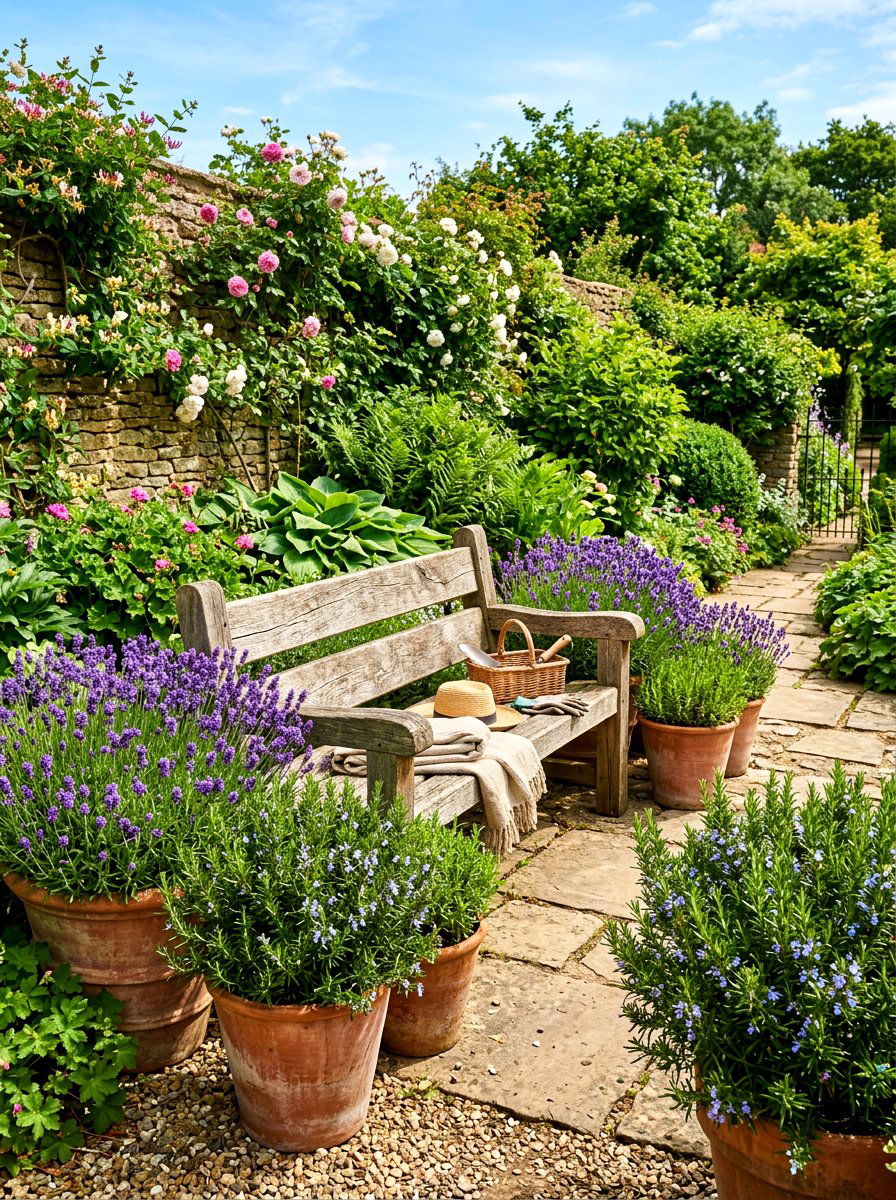
A rustic herb garden bench serves as both a place to rest and a beautiful display for your favorite plants. By choosing a bench with a wide seat or integrated planters, you can surround yourself with the fragrance and color of herbs while you enjoy your garden. This type of furniture is often made from heavy timber or cast iron, providing a solid and timeless look. Placing a few large pots of rosemary or lavender at either end of the bench creates a natural, aromatic frame. It is the perfect spot for a morning coffee or an evening spent reflecting in your quiet sanctuary.
30. Concrete Herb Trough
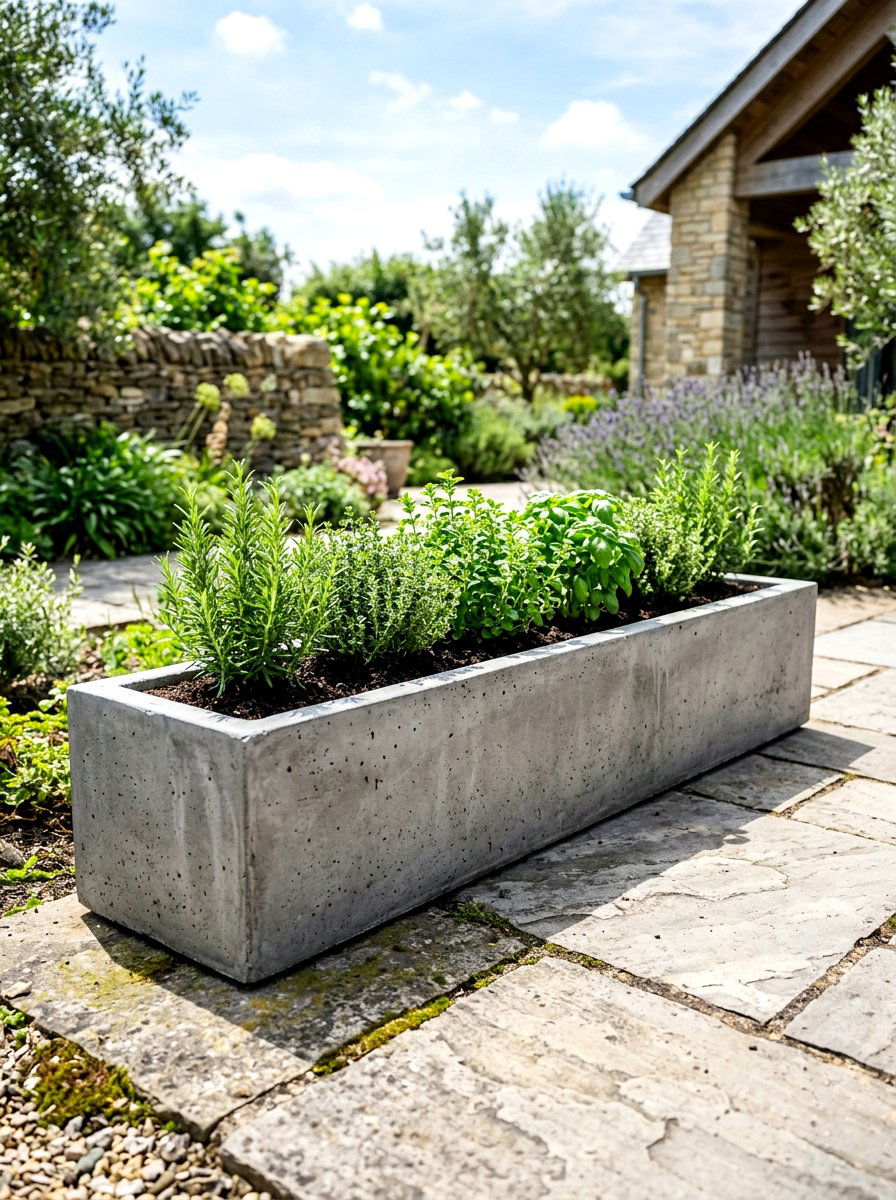
A concrete herb trough provides a modern-rustic aesthetic that is incredibly durable and weather-resistant. The heavy, gray stone-like material offers a neutral background that makes the vibrant greens and purples of your herbs truly pop. These troughs are often long and shallow, making them ideal for a "row" of different herbs on a patio or along a walkway. Concrete also has great thermal mass, which can help to insulate the roots of your plants against extreme temperature changes. This minimalist design feels solid and permanent, providing a sophisticated anchor for a rustic-themed outdoor living area or contemporary garden space.
Conclusion:
Designing a rustic herb garden is a beautiful way to enhance your lifestyle with fresh flavors and natural beauty. By using reclaimed materials, timeless textures, and creative layouts, you can transform any space into a thriving sanctuary. These thirty ideas demonstrate that herb gardening is accessible to everyone, regardless of their space or experience level. Each concept focuses on the harmony between the organic growth of the plants and the rugged charm of rustic containers. Whether you choose a vertical wall or a permanent stone bed, your garden will provide a sensory experience that enriches your home. Start your journey today and enjoy the harvest.

Related posts: