Transforming your sunny kitchen window into a thriving source of fresh produce is one of the most rewarding home projects you can undertake this year. A windowsill vegetable garden allows you to enjoy the unparalleled flavor of homegrown greens and herbs without needing a backyard or extensive land. This micro-gardening movement is gaining massive popularity because it combines functional sustainability with a refreshing, organic aesthetic that breathes life into any interior space. Whether you live in a high-rise apartment or a cozy suburban cottage, these small-scale setups prove that you can harvest nutritious food year-round. Beyond the practical benefits of having ingredients within arm's reach while cooking, these miniature gardens act as natural decor, softening hard kitchen lines with lush textures and vibrant shades of green.
1. Herb Garden In Kitchen Window
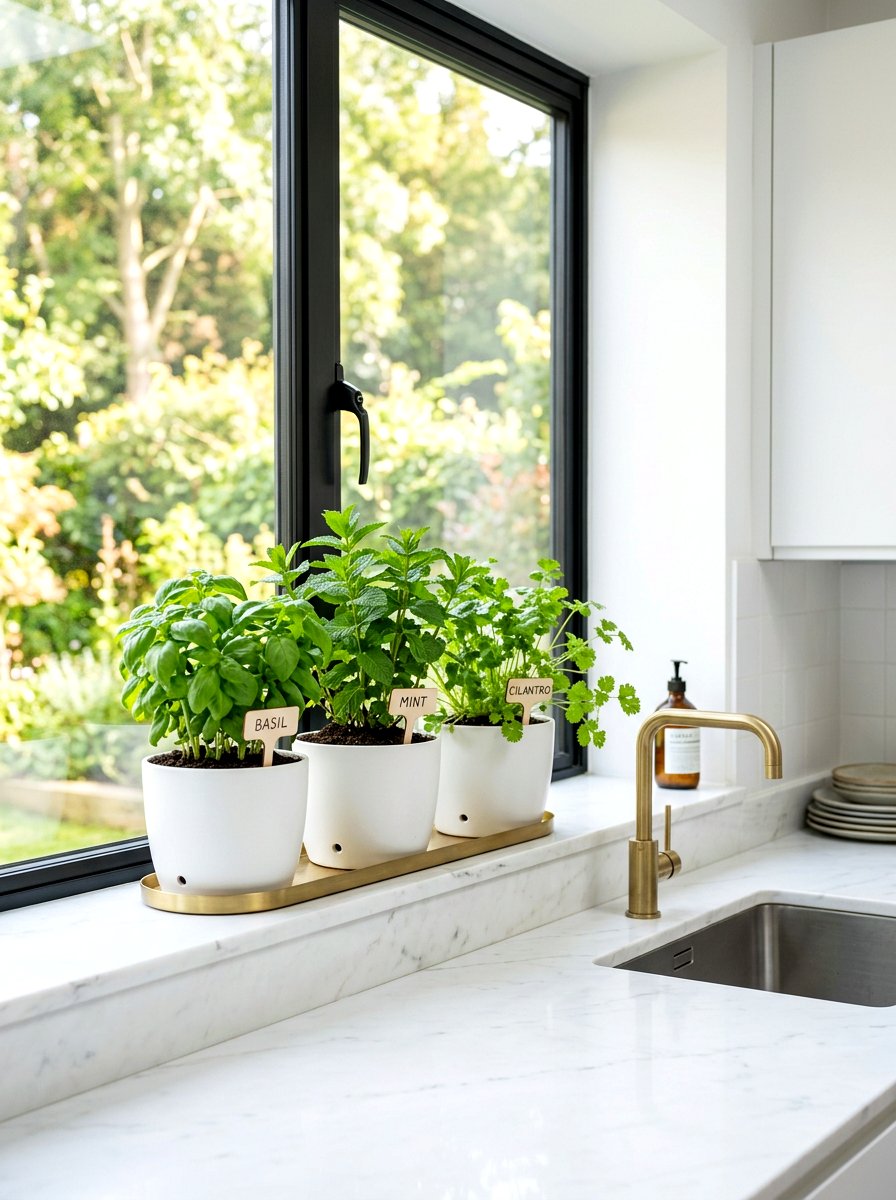
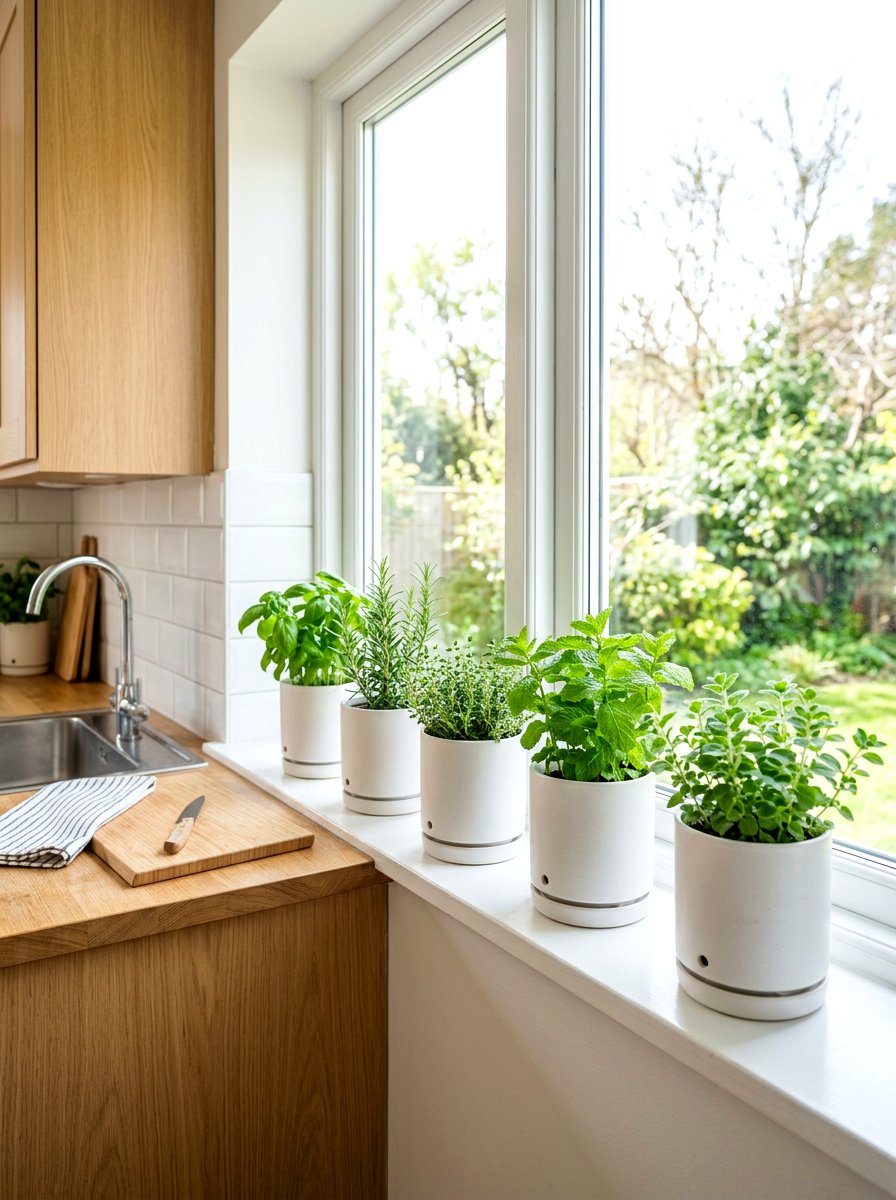
Cultivating a dedicated herb garden in your kitchen window is the ultimate way to elevate your culinary game while beautifying your cooking space. Basil, mint, and cilantro are excellent starters because they thrive in the bright, indirect light typically found near sinks. You should choose high-quality potting soil and containers with proper drainage to ensure the roots remain healthy and rot-free. Placing these aromatic plants in a spot that receives at least six hours of sunlight will keep them lush and productive. Regular pruning encourages bushier growth and provides you with a steady supply of fresh garnishes for every meal. The visual appeal of varied leaf textures adds a sophisticated, organic touch to your windowsill.
2. Microgreens Tray On Windowsill
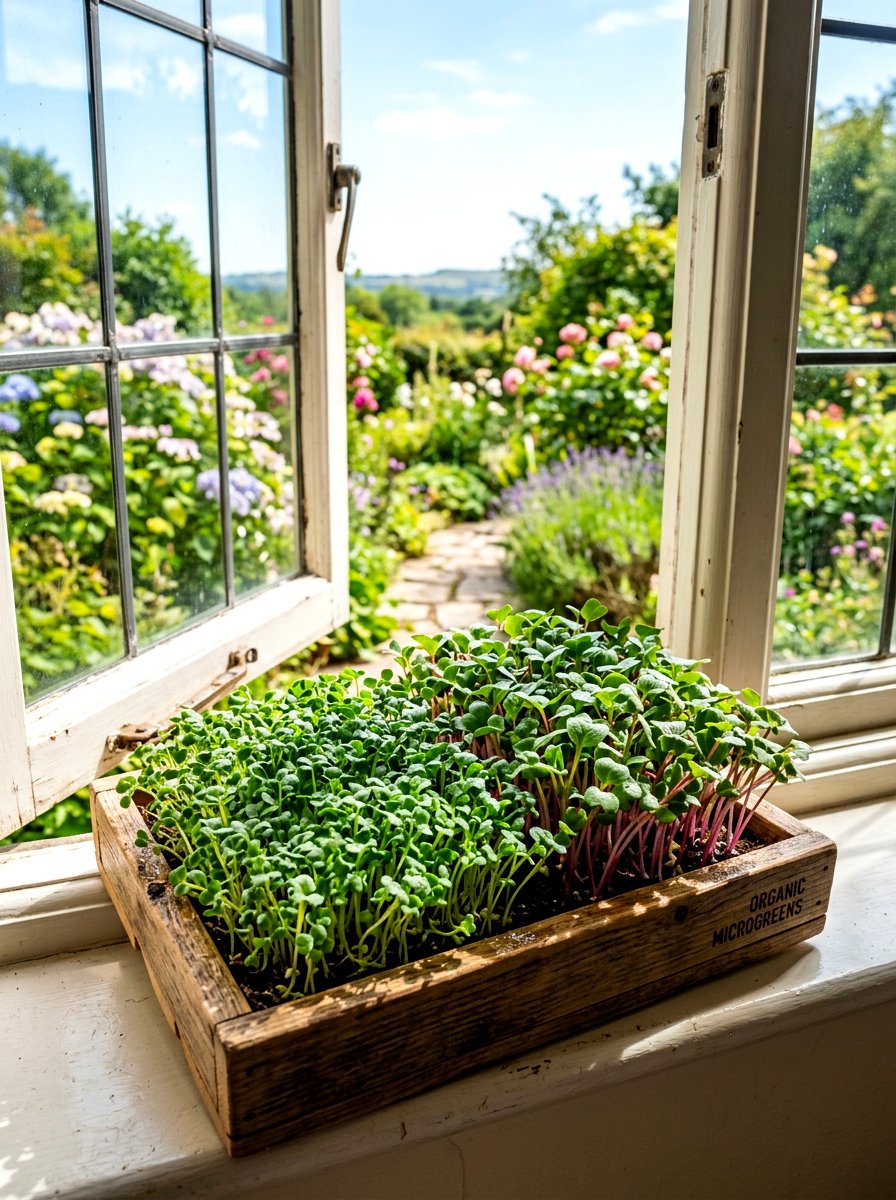
Growing microgreens in a shallow tray is a fantastic option for those who want high-nutrient yields in a very short timeframe. These tiny greens, like broccoli, radish, or sunflower shoots, are harvested just as the first true leaves appear, often within ten days of planting. You only need a thin layer of soil or a hemp mat to get started, making it a clean and efficient indoor project. Keeping the tray on a sunny windowsill ensures the sprouts develop vibrant colors and concentrated flavors. Because they grow so quickly, you can rotate different varieties every week to maintain a fresh supply for salads, sandwiches, and smoothies throughout the entire year.
3. Scallion Regrowth In Glass Jar
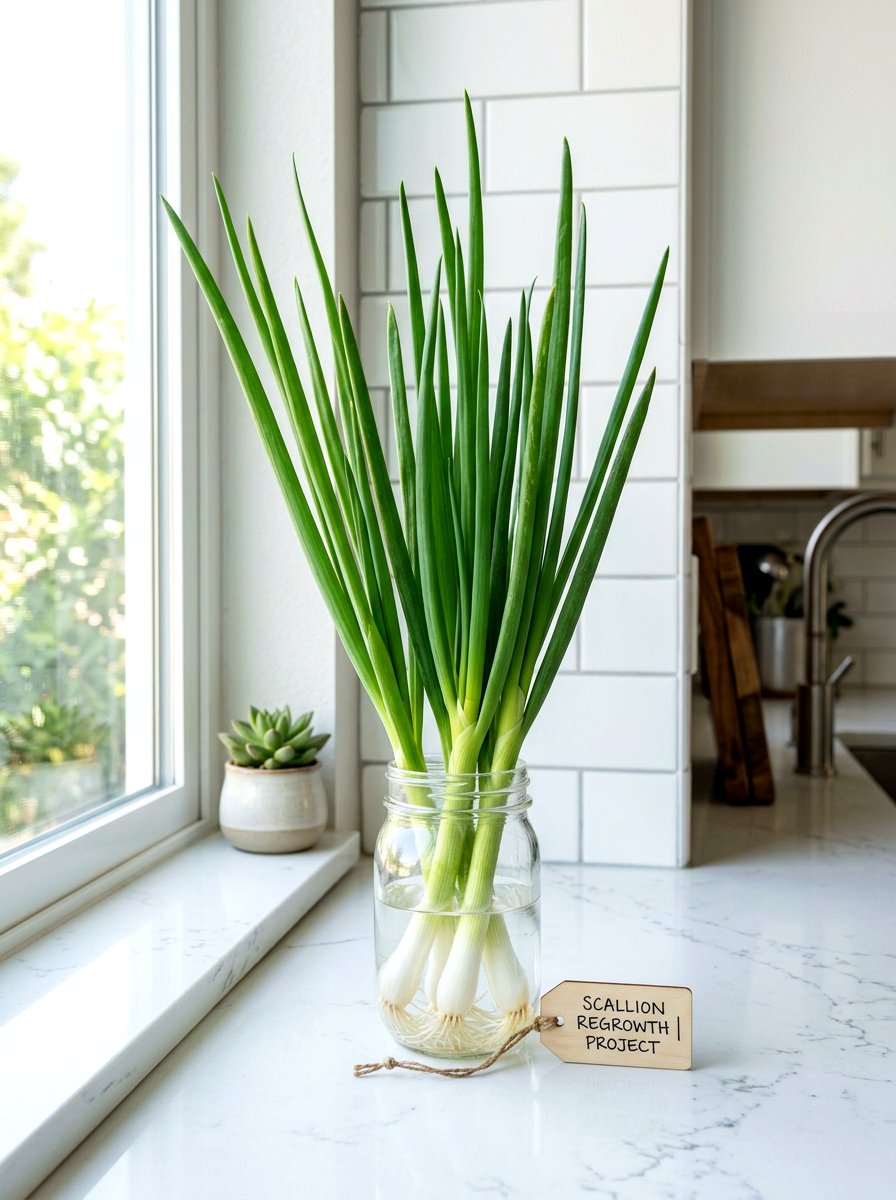
Starting a scallion regrowth project in a simple glass jar is an incredibly easy and sustainable way to reduce kitchen waste. Instead of throwing away the white root ends of your store-bought green onions, place them in a small jar with enough water to cover the roots. Within just a few days, you will notice new green shoots emerging from the center, reaching for the sunlight on your windowsill. It is important to change the water every couple of days to keep it fresh and prevent any odors. Once the stalks are tall enough, you can snip the tops for cooking, and the plant will continue to grow back multiple times.
4. Cherry Tomato Plant In Sunny Window
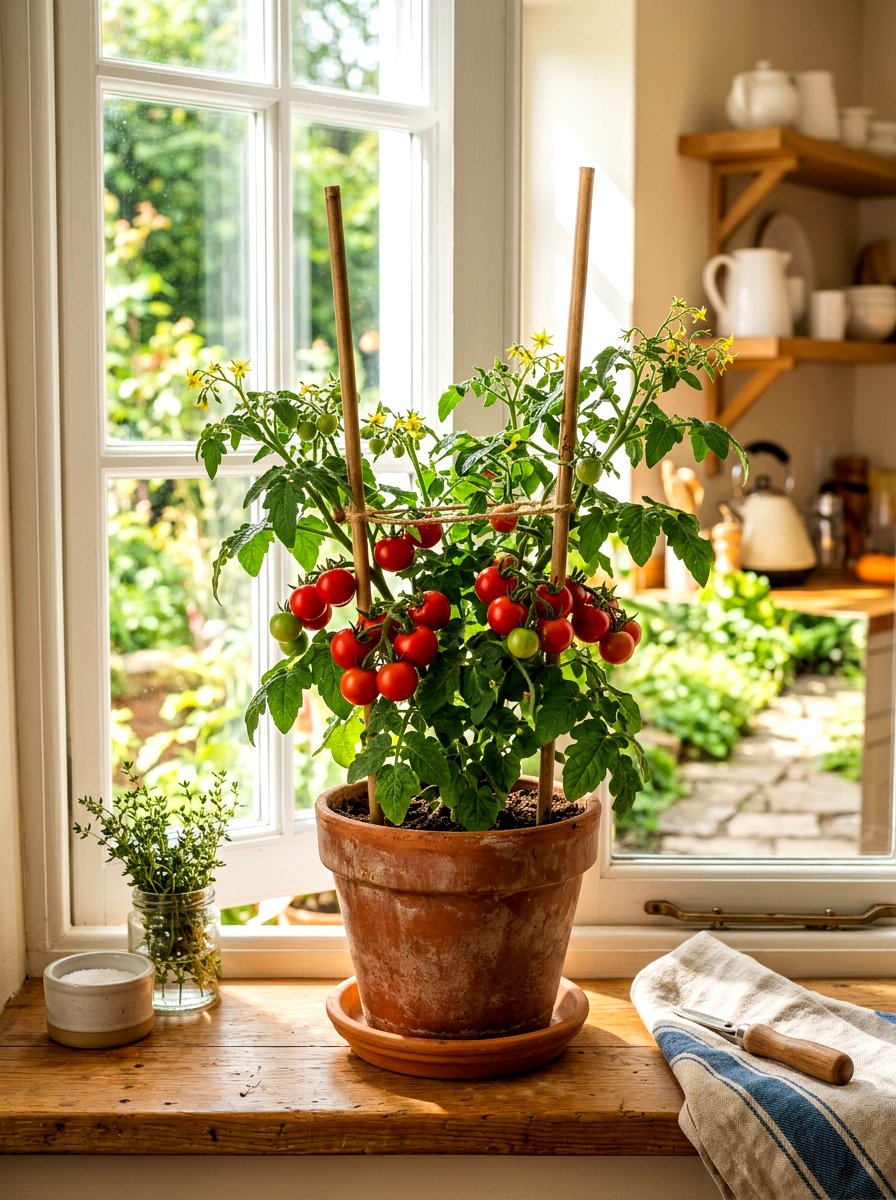
Nurturing a cherry tomato plant in a sunny window brings a burst of color and sweetness directly into your indoor living area. For windowsill success, you must select dwarf or "micro-tom" varieties specifically bred for small containers and compact spaces. These plants stay small but produce an abundance of tiny, flavorful fruits that love the warmth of a south-facing window. Providing a small trellis or stakes helps support the heavy clusters of tomatoes as they ripen into bright reds and yellows. Regular feeding with an organic fertilizer and consistent watering are the keys to a successful harvest. Watching the transition from yellow blossoms to ripe fruit is a truly delightful daily experience.
5. Chili Pepper Pot In Small Space
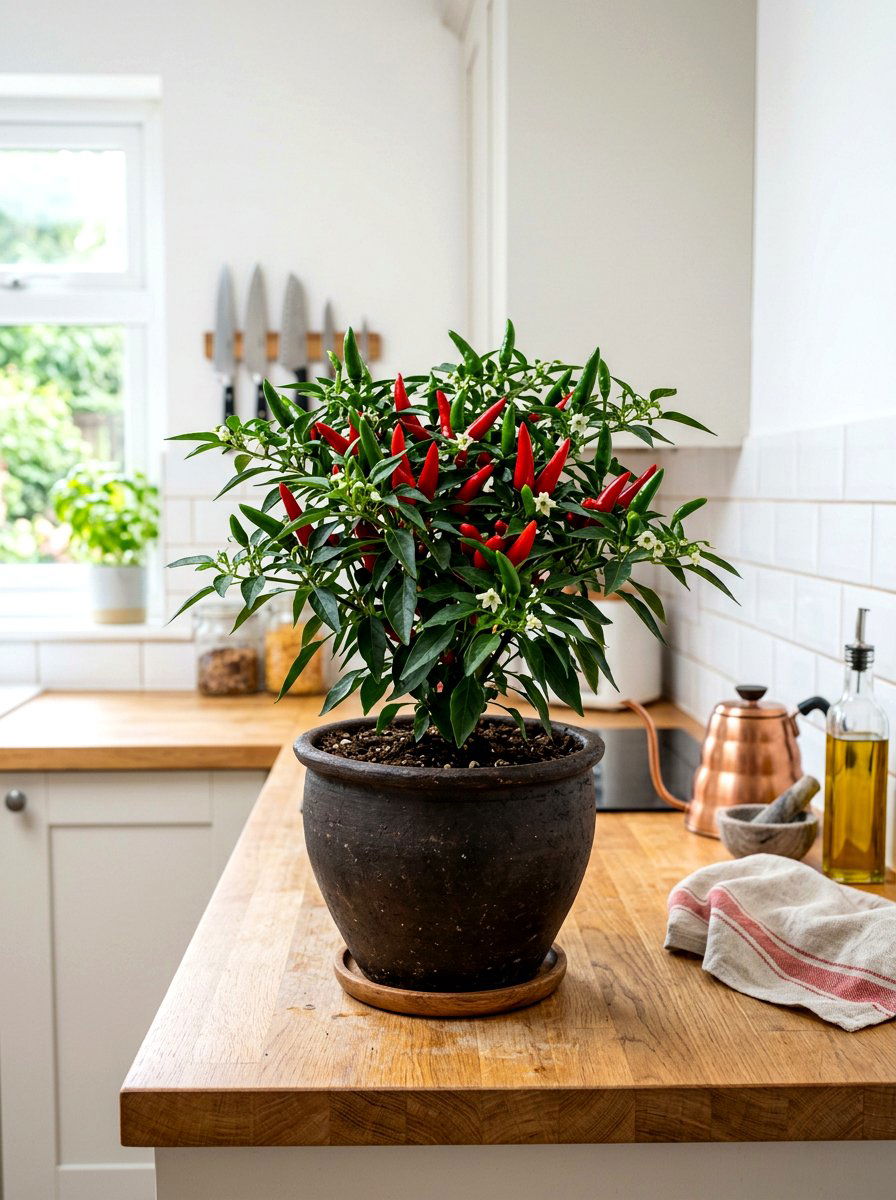
Adding a chili pepper pot to your small windowsill setup provides both a fiery kick to your recipes and a stunning ornamental display. Compact pepper varieties like "Thai Hot" or "Apache" produce many small, upright fruits that transition through a beautiful spectrum of colors as they mature. These plants crave heat and direct sunlight, so a bright, warm spot is essential for fruit production. The glossy green leaves and vibrant peppers create a bold visual statement against a simple kitchen backdrop. Beyond their beauty, having fresh peppers available means you can customize the spice level of your dishes instantly. Ensure the soil stays moist but not soggy to keep the plant thriving.
6. Lettuce Growing In Recycled Container
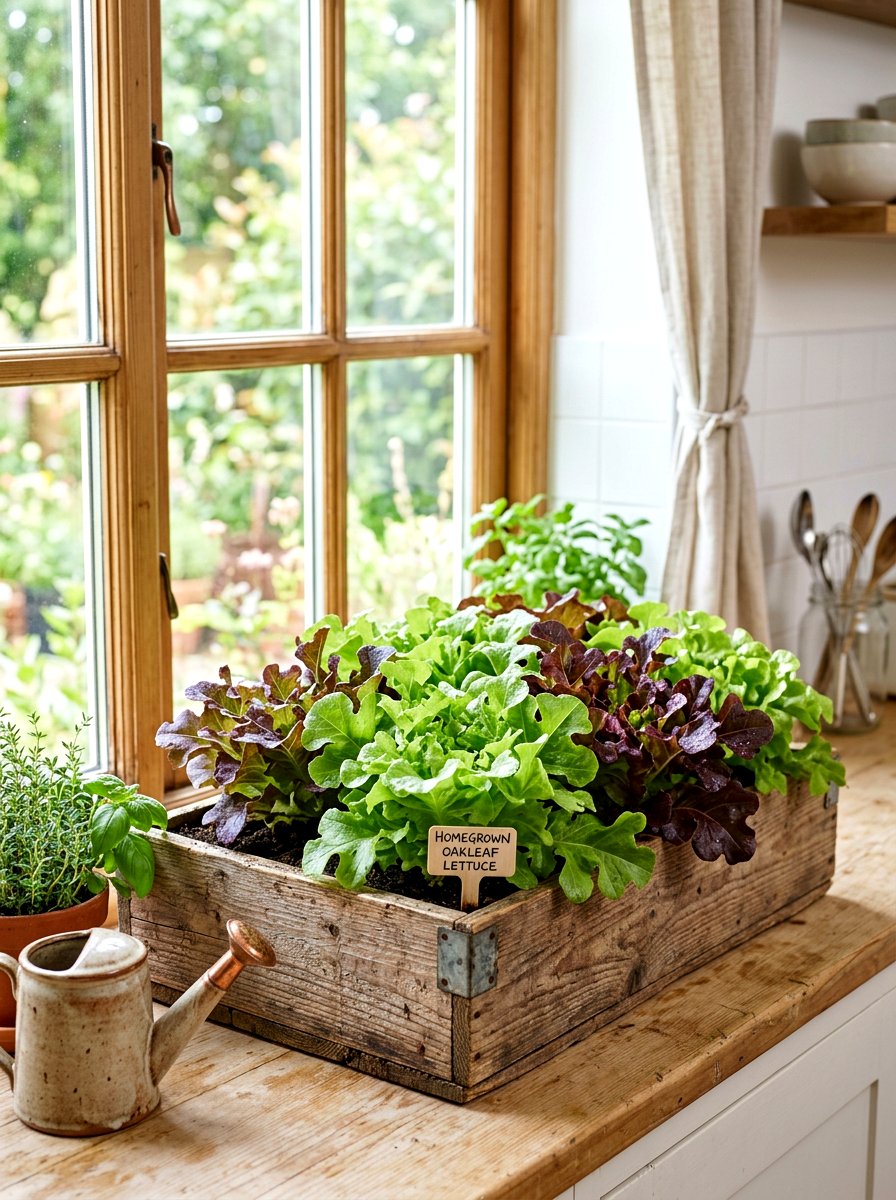
Growing lettuce in a recycled container is a brilliant way to enjoy crisp, fresh salads while practicing eco-friendly gardening habits. Shallow plastic tubs or old wooden crates work perfectly for leafy greens because their root systems do not require much depth. Varieties like "Tom Thumb" or loose-leaf mixes are ideal for windowsills as they can be harvested using the "cut and come again" method. This technique allows you to snip the outer leaves while the center continues to produce new growth for weeks. Position your containers in a spot that receives morning sun to prevent the delicate leaves from wilting in the intense afternoon heat.
7. Spinach Cultivation In Ceramic Planter
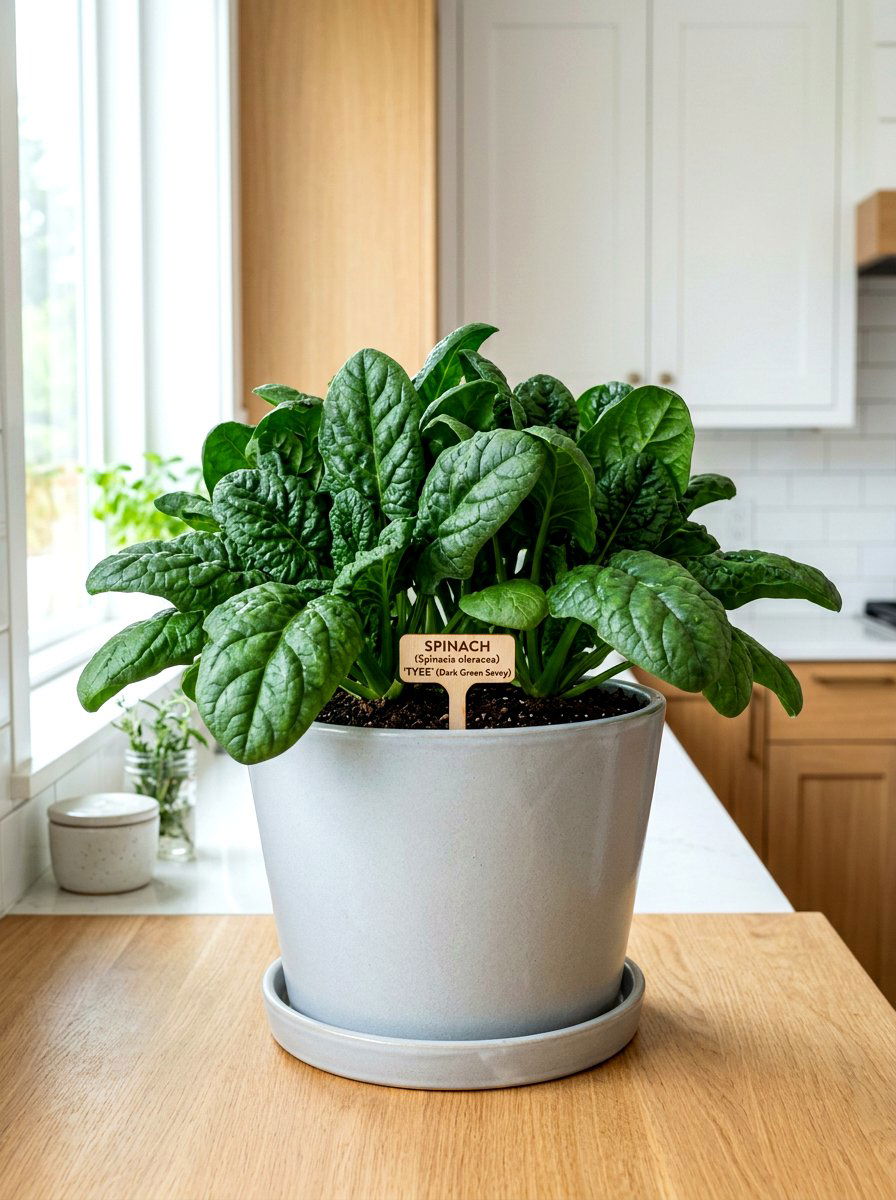
Cultivating spinach in a stylish ceramic planter adds a touch of elegance to your functional indoor garden while providing nutrient-dense leaves. Spinach prefers slightly cooler temperatures than many other vegetables, making it a great choice for windowsills that might get a bit drafty in the winter. Use a high-quality, nitrogen-rich soil to encourage lush, dark green foliage that is perfect for sautéing or fresh salads. Because spinach has a relatively shallow root system, it fits comfortably in long, narrow planters that sit perfectly on a standard ledge. Regular harvesting of the larger leaves ensures the plant stays productive and prevents it from bolting too quickly in the spring heat.
8. Radish Growth In Shallow Window Box
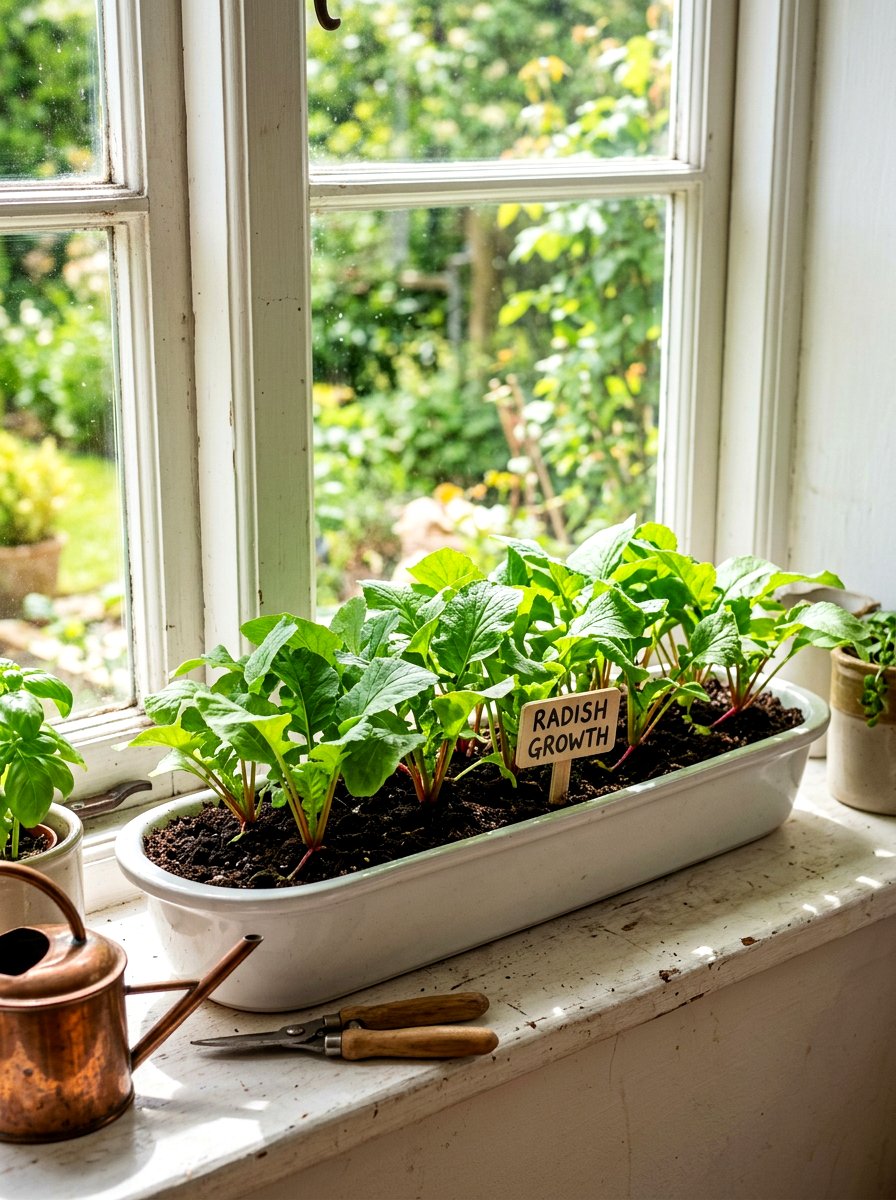
Radishes are one of the fastest and most satisfying vegetables to grow on a windowsill, often maturing in less than a month. Because they have small, shallow roots, they are perfectly suited for long, narrow window boxes that don't take up much room. Varieties like "French Breakfast" or "Cherry Belle" are popular for their crisp texture and peppery flavor. You should sow the seeds about an inch apart and keep the soil consistently moist to ensure the roots grow round and tender rather than woody. The vibrant red tops peeking out of the soil provide a charming, rustic look that signals a successful harvest is just days away.
9. Garlic Greens Sprouting In Soil
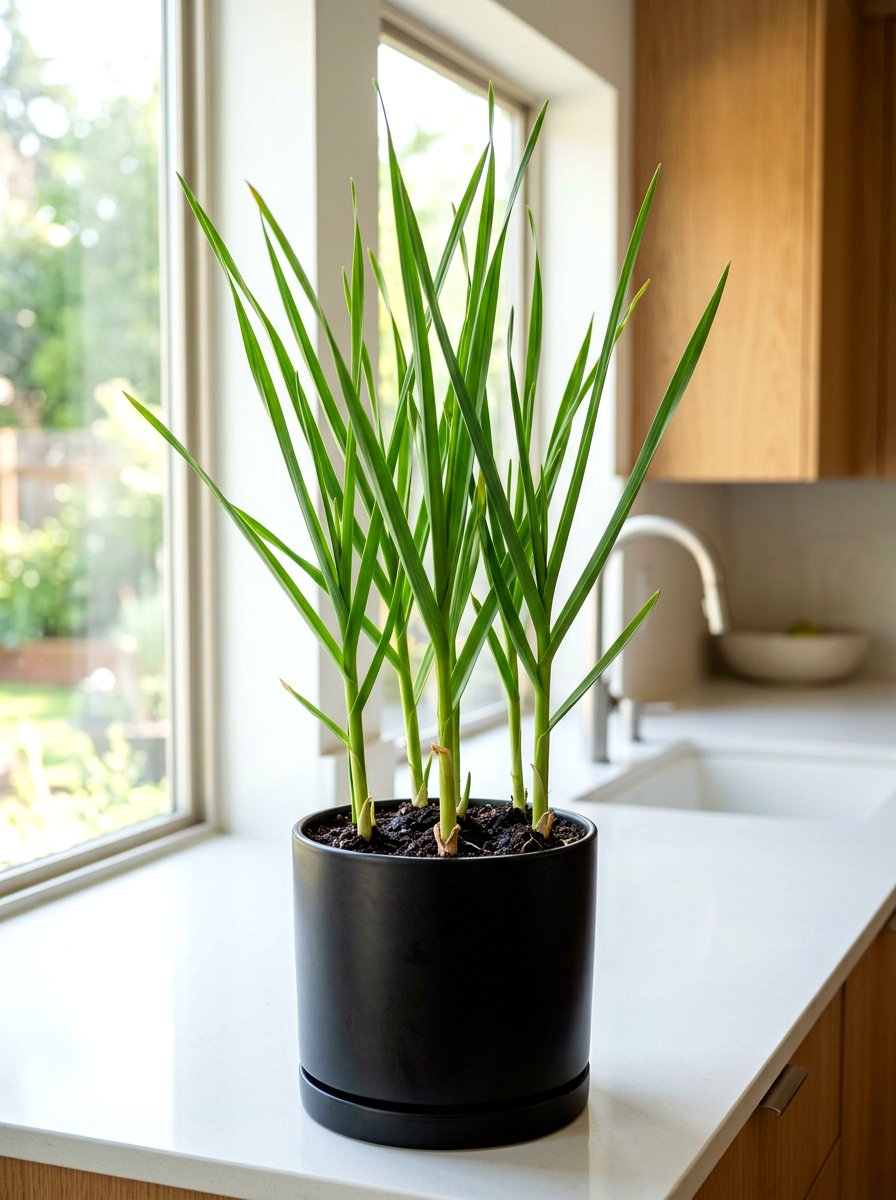
Sprouting garlic greens in a small pot of soil is a clever way to utilize those old garlic cloves that have started to turn green in your pantry. Instead of tossing them, plant the cloves about an inch deep with the pointed end facing up. Within a week, long, slender green shoots will emerge, offering a mild and delicate garlic flavor that is wonderful in stir-fries or as a baked potato topping. These greens are much easier to grow indoors than full garlic bulbs, as they require far less time and space. The tall, architectural spikes of the garlic greens add a modern, vertical element to your windowsill garden collection.
10. Wheatgrass Growing In Minimalist Tray
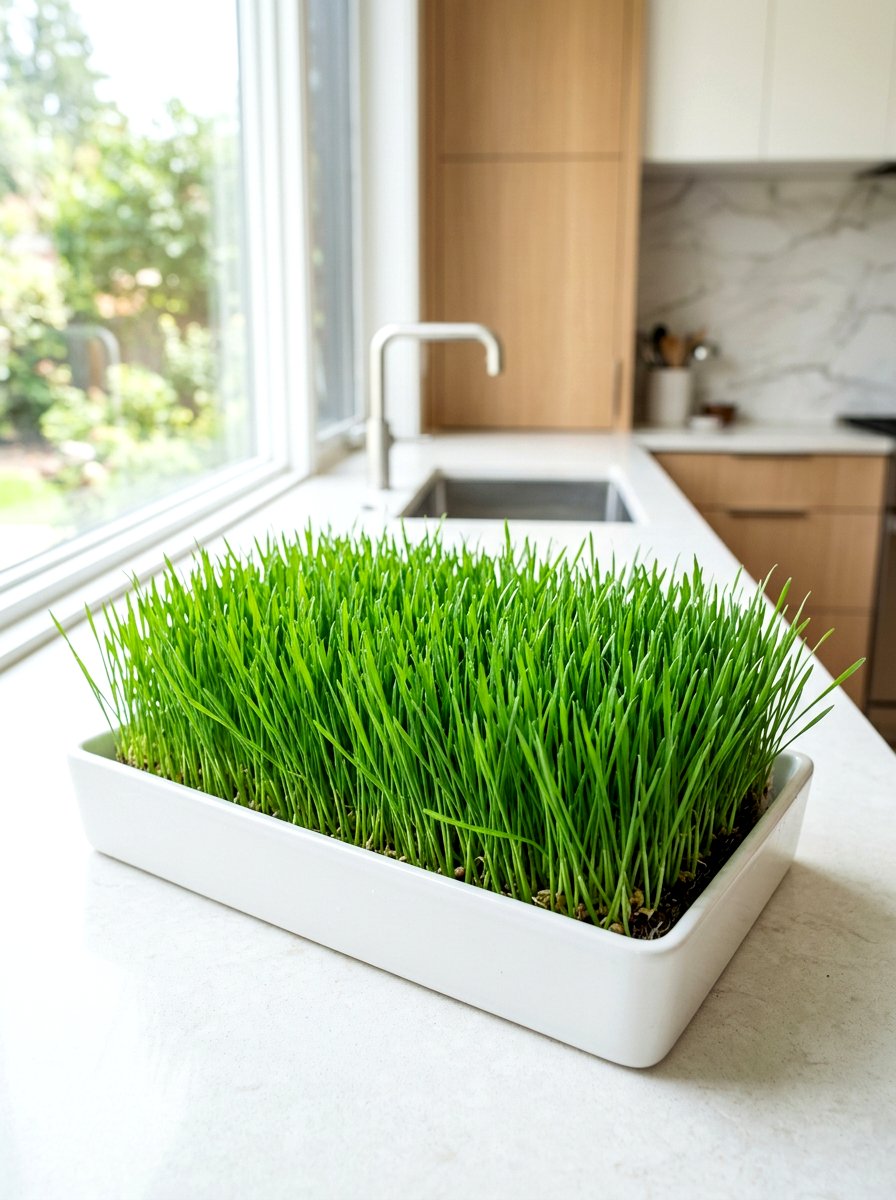
Growing wheatgrass in a minimalist tray is a favorite for health enthusiasts who enjoy fresh shots of juice or adding greens to their pets' diets. This vibrant, bright green grass grows incredibly fast and looks stunning when arranged in clean, modern containers on a sunlit ledge. You simply soak the seeds overnight, spread them thickly over a thin layer of compost, and keep them moist with a spray bottle. Within seven to ten days, you will have a thick carpet of grass ready for harvesting. The dense, emerald-green blades provide a refreshing pop of color that makes any kitchen feel more alive and connected to nature.
11. Kale Seedlings In Indoor Garden
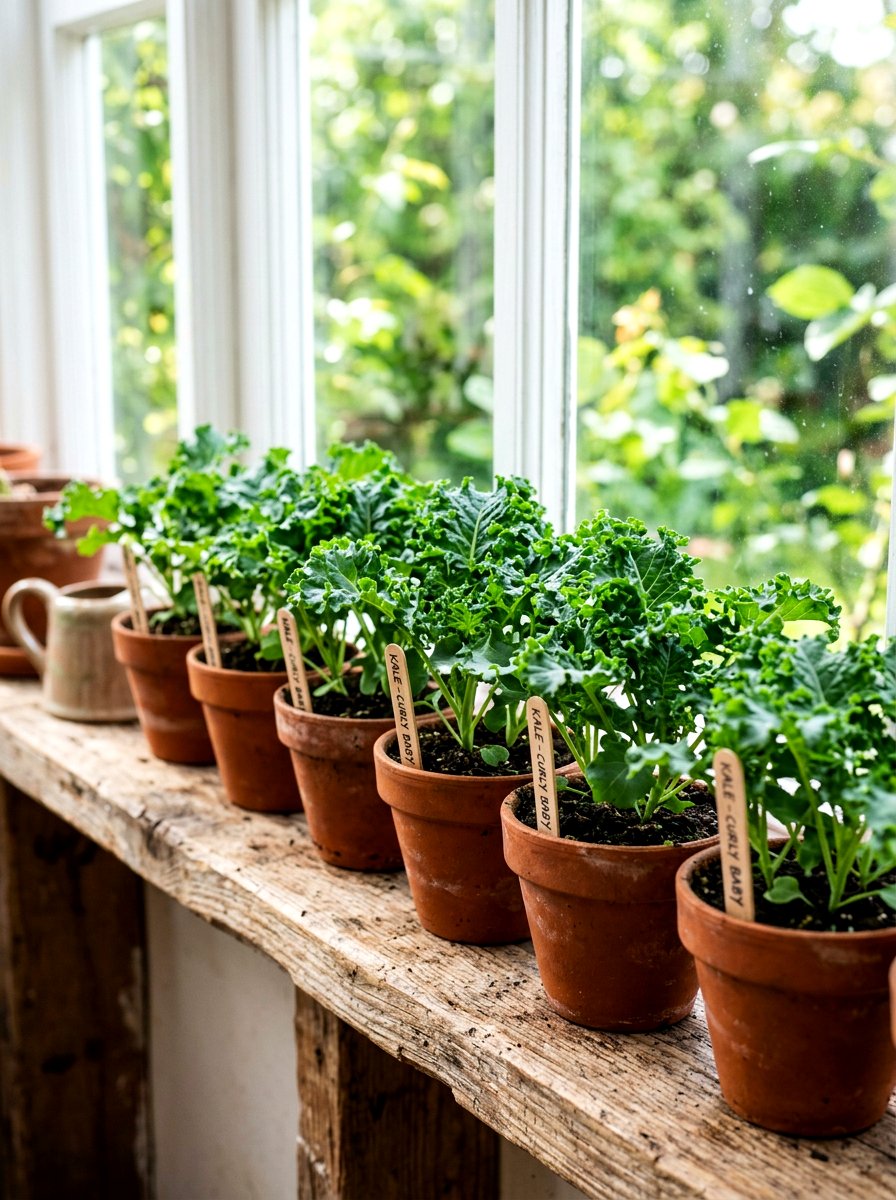
Starting kale seedlings on your windowsill is a practical way to ensure a steady supply of this superfood even in the middle of winter. While kale can grow quite large outdoors, keeping it in smaller pots indoors allows you to harvest tender baby leaves that are much milder in flavor. These young leaves are perfect for blending into smoothies or tossing into light salads. Kale is remarkably hardy and can tolerate the fluctuating temperatures often found near windows. The ruffled, textured leaves of varieties like "Lacinato" or "Curly Kale" create a beautiful, decorative contrast when nestled among smoother-leaved plants like spinach or basil.
12. Swiss Chard In Colorful Pot
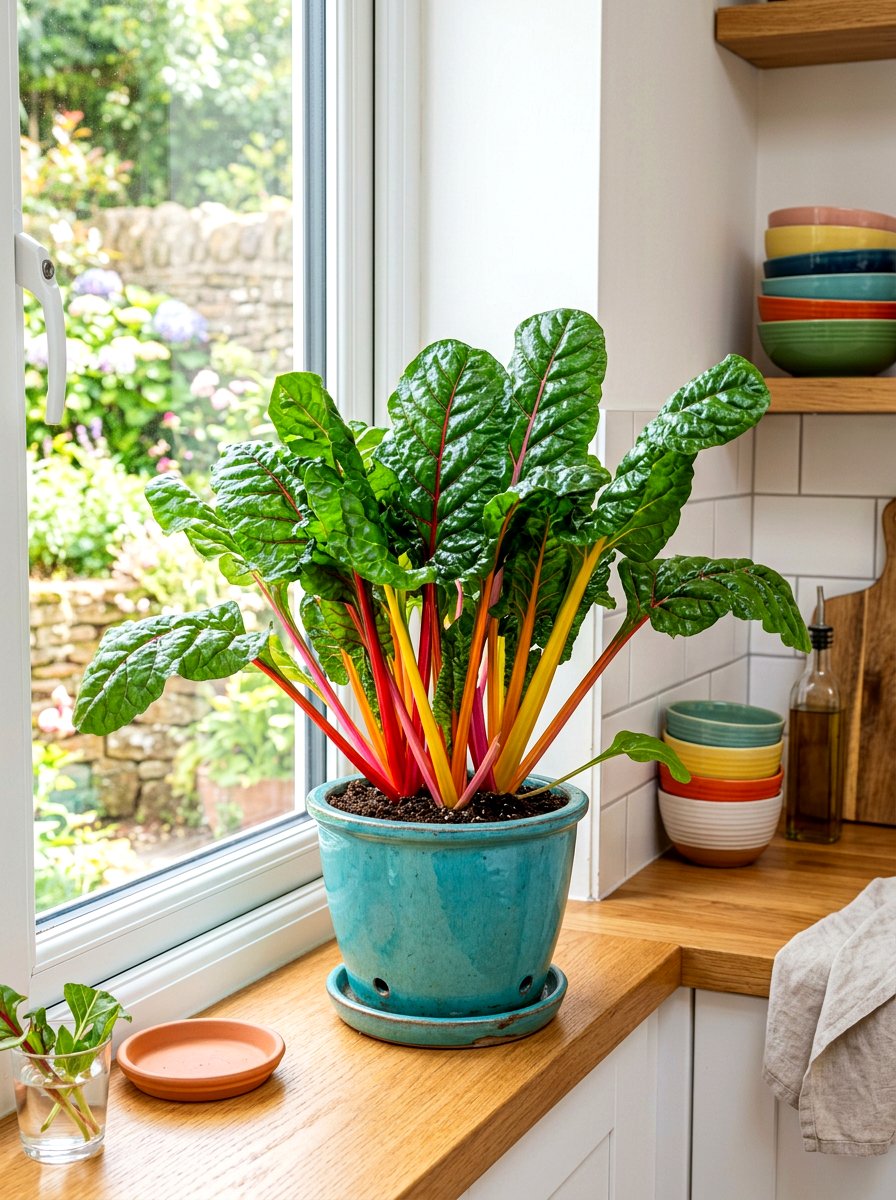
Swiss chard is an exceptional choice for a windowsill garden because of its stunning, multi-colored stems that look like natural art. When grown in a colorful ceramic pot, varieties like "Bright Lights" feature stalks in shades of ruby red, bright yellow, and neon orange. These plants are as beautiful as they are edible, making them a dual-purpose addition to your home decor. Chard is quite resilient and will continue to produce new leaves from the center as you harvest the outer ones. The large, glossy leaves provide a substantial harvest even from a relatively small container, making it an efficient use of limited indoor space.
13. Pea Shoots In Mason Jar
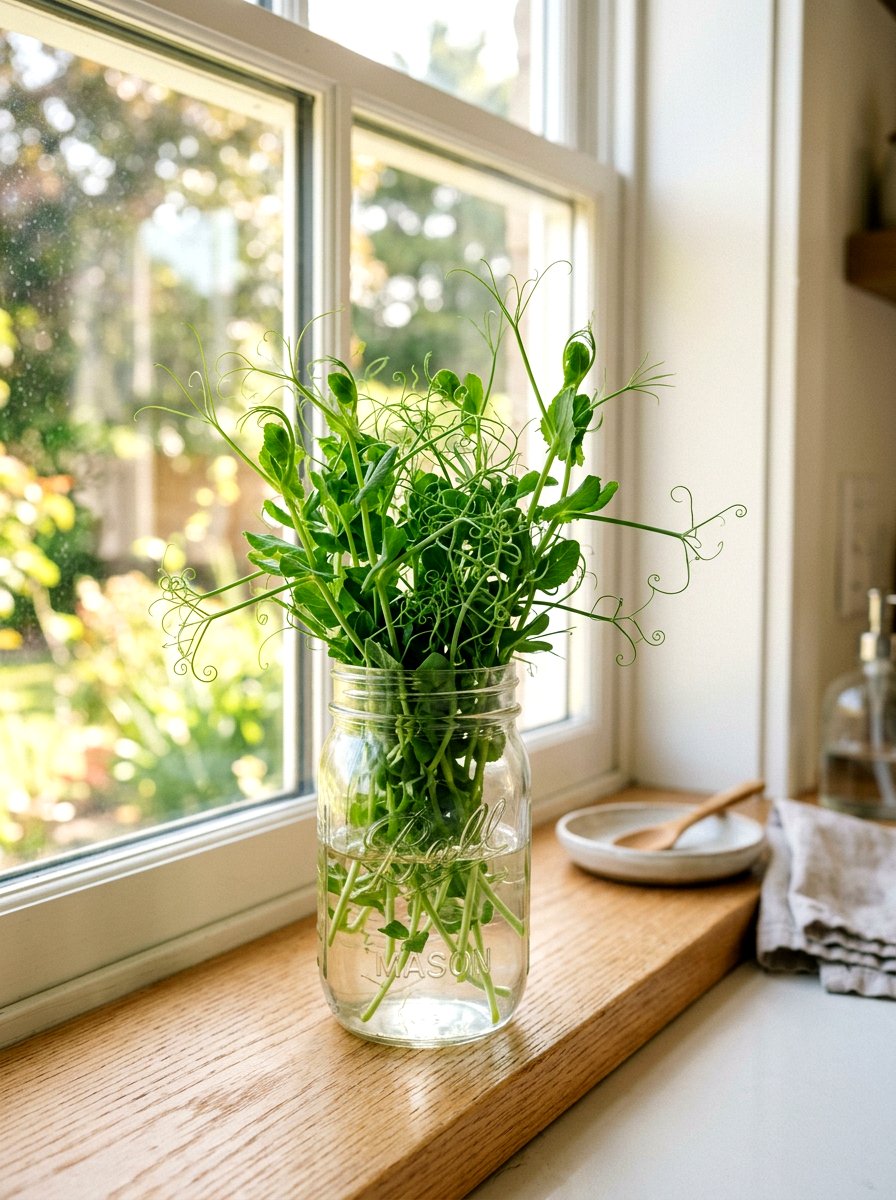
Growing pea shoots in a simple mason jar is a charming and effortless way to add a sweet, nutty crunch to your daily meals. You can use dried marrowfat peas from the grocery store, soaking them first to kickstart the germination process. Place them in a jar with a little soil or even just damp paper towels if you plan to harvest them very young. The delicate, curling tendrils of the pea plants are incredibly decorative, looking like fine lace against the window glass. Harvest the top few inches of the shoots once they reach about six inches tall for a fresh, garden-sweet flavor that tastes just like spring.
14. Mint Plant In Hanging Window Basket
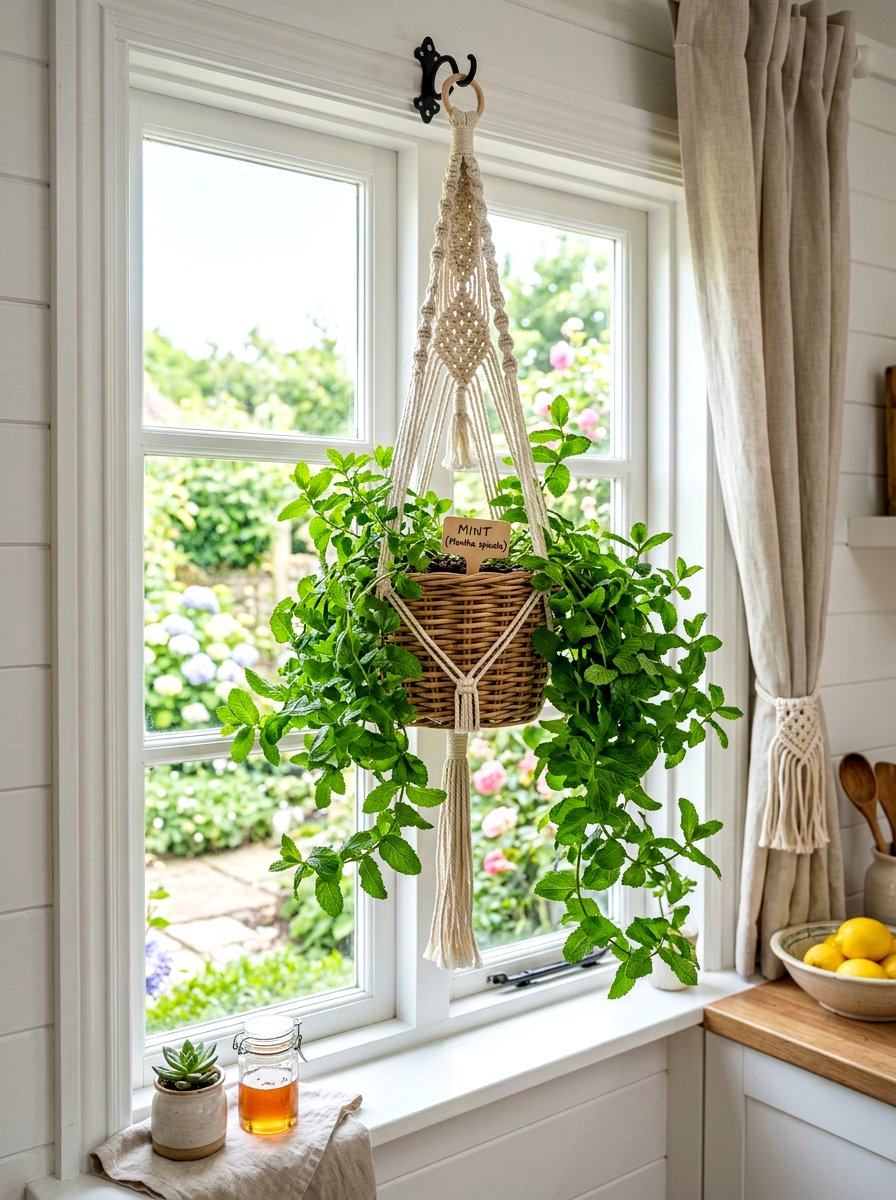
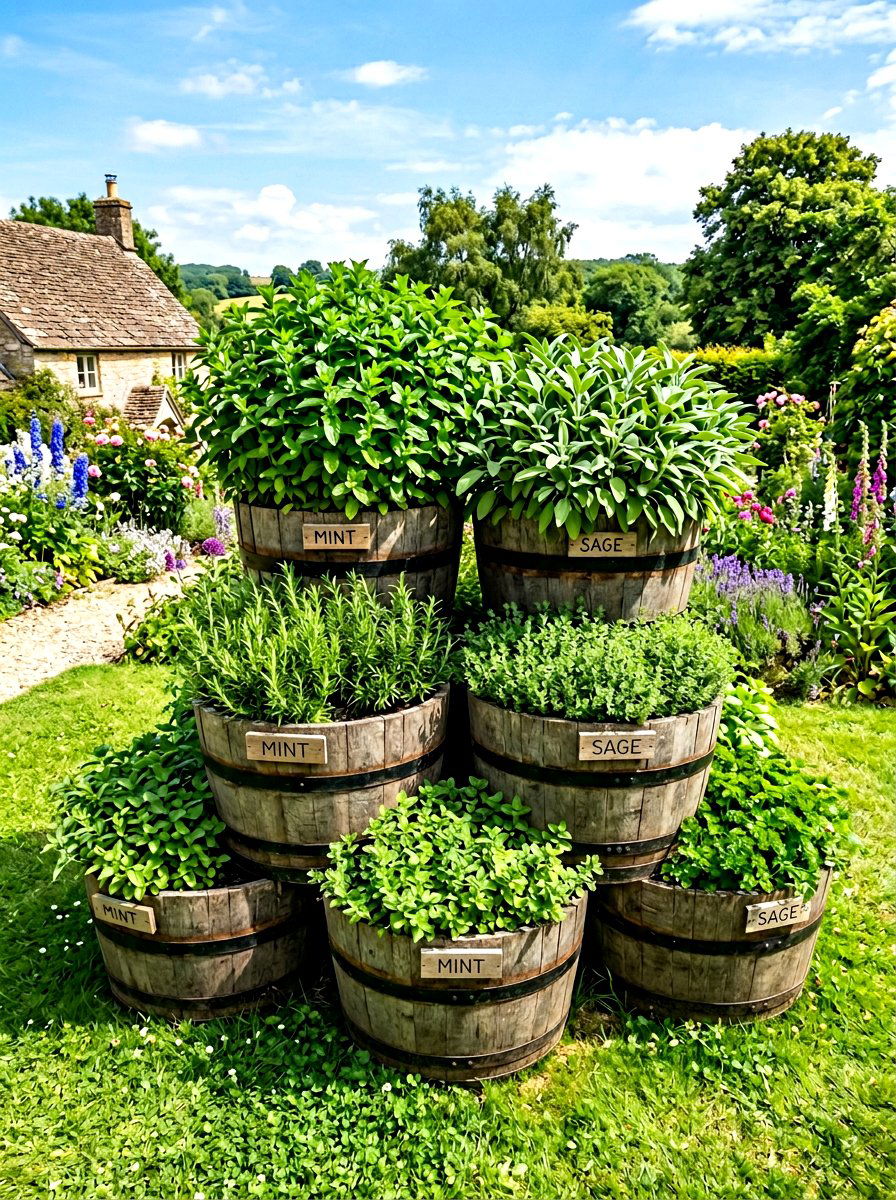
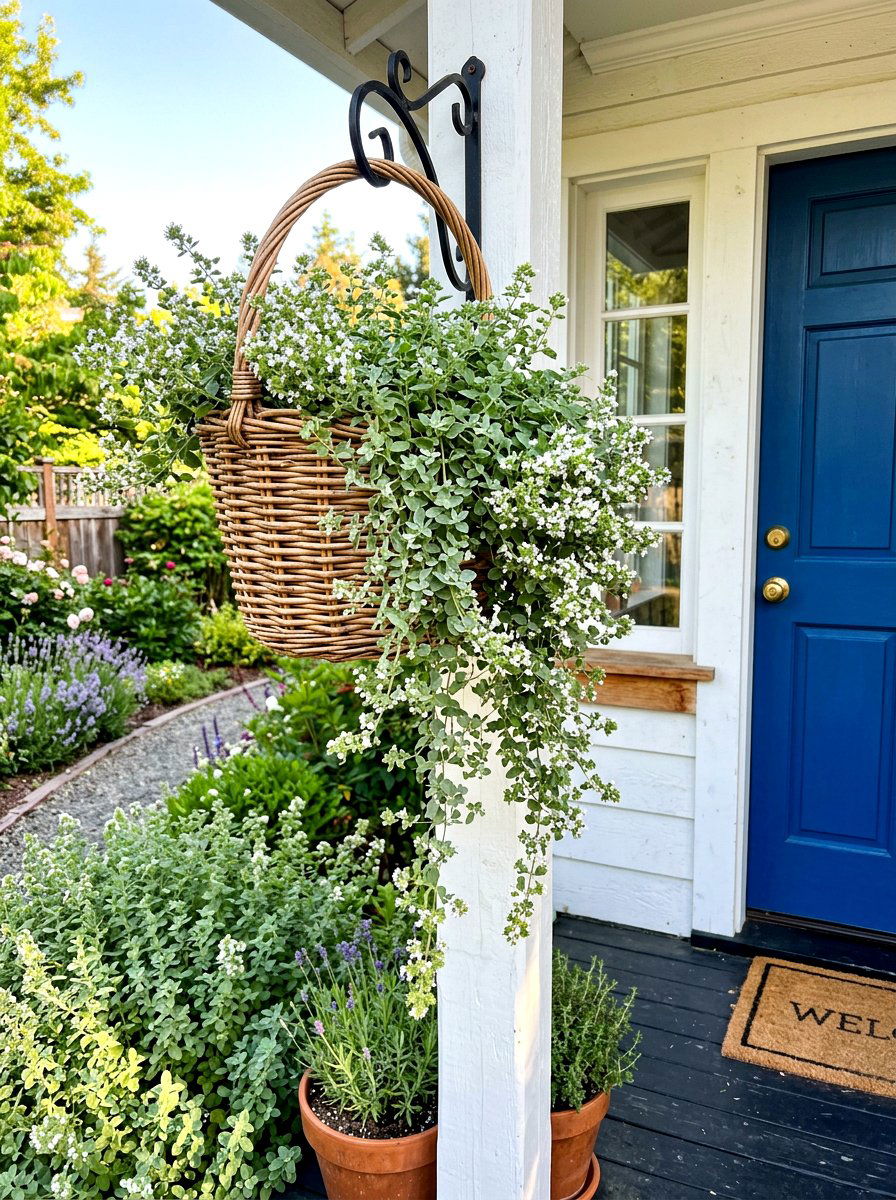
A mint plant tucked into a hanging window basket is a smart way to maximize vertical space while keeping this vigorous grower contained. Mint is notorious for taking over garden beds, but in a dedicated indoor pot, it stays perfectly behaved and within reach for teas and cocktails. Hanging the plant allows the long, fragrant stems to trail beautifully down the side of the window, creating a lush, green curtain. Mint thrives in the moist environment of a kitchen and enjoys the bright light found near a window. The refreshing scent of the leaves is naturally invigorating and helps keep your kitchen smelling clean and fresh.

15. Basil Variety In Terracotta Pot
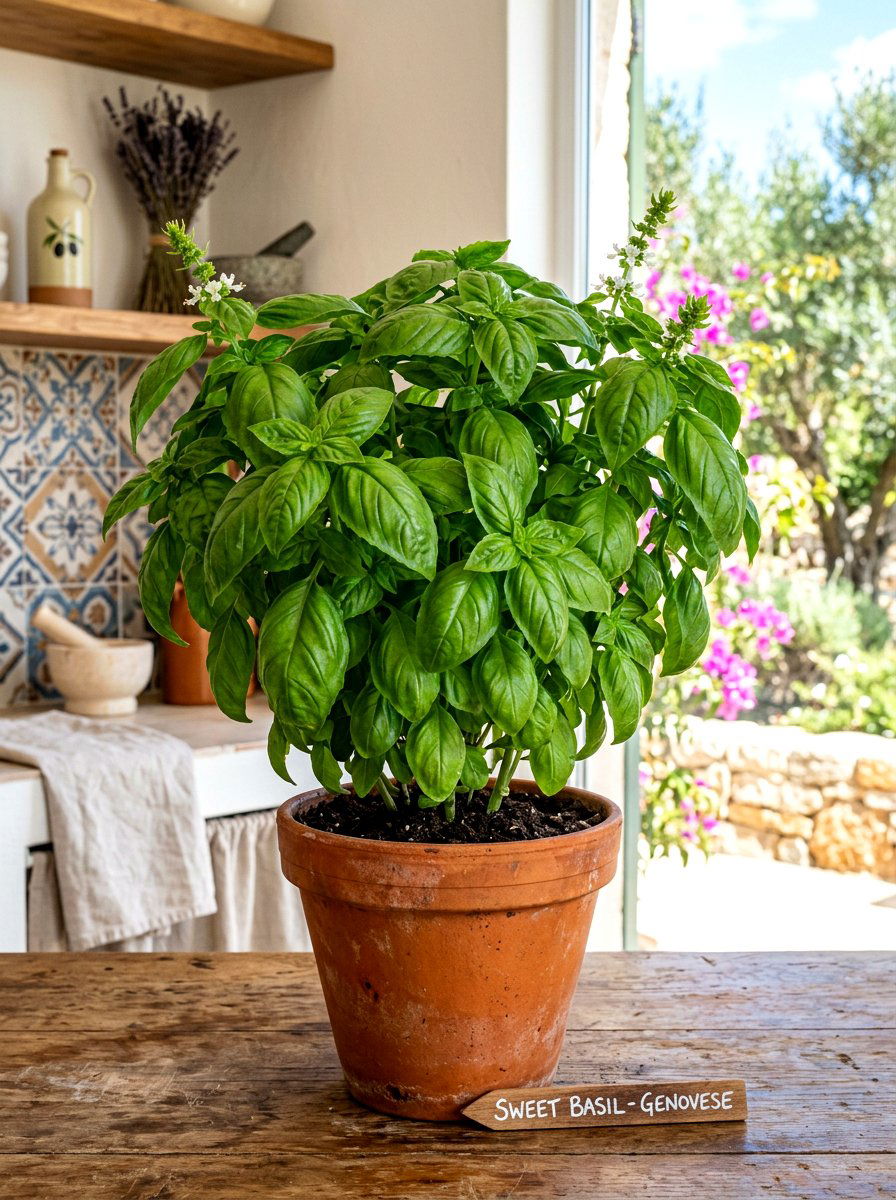
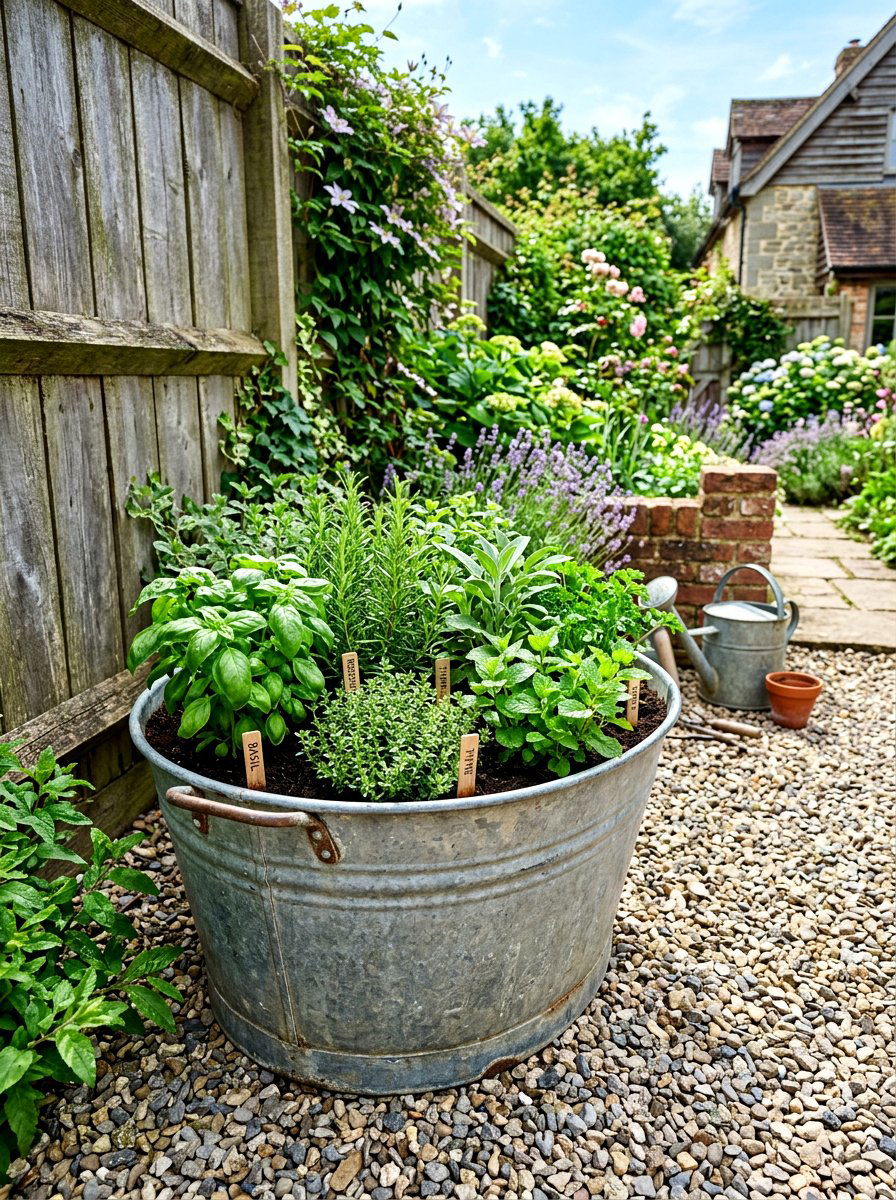
There is nothing quite as classic and appealing as a bushy basil plant thriving in a traditional terracotta pot on a sunny ledge. Terracotta is an ideal material for basil because it is porous, allowing the soil to breathe and preventing the roots from becoming waterlogged. Whether you choose "Sweet Genovese" for pesto or "Thai Basil" for spicy dishes, these plants love at least six to eight hours of direct sunlight. Pinching off the top leaves regularly prevents the plant from flowering and encourages it to grow wide and full. The rich green leaves against the warm orange clay provide a timeless, Mediterranean aesthetic to your kitchen.
16. Parsley Growth In Self Watering System
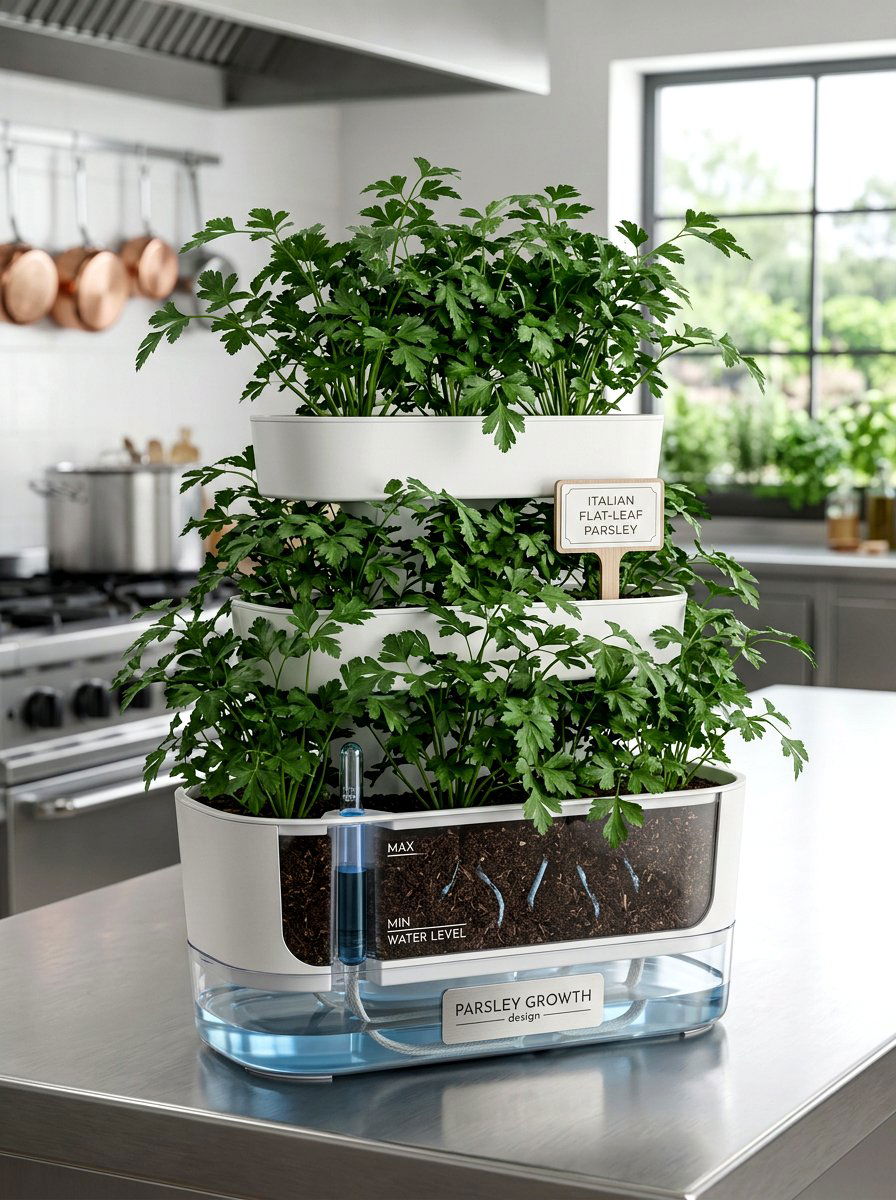
Growing parsley in a self-watering system is a game-changer for busy homeowners who want fresh herbs without the daily maintenance. Parsley can be a bit slow to germinate and prefers consistent moisture, which these specialized containers provide perfectly through a bottom-fed reservoir. This ensures the plant never dries out, even if you forget to water it for a few days. Both flat-leaf and curly varieties grow exceptionally well indoors and provide a wealth of vitamins in every sprig. The deep green, feathery foliage stays compact and tidy, making it an ideal companion for other windowsill vegetables in a multi-plant display.
17. Cilantro Harvest In Urban Kitchen
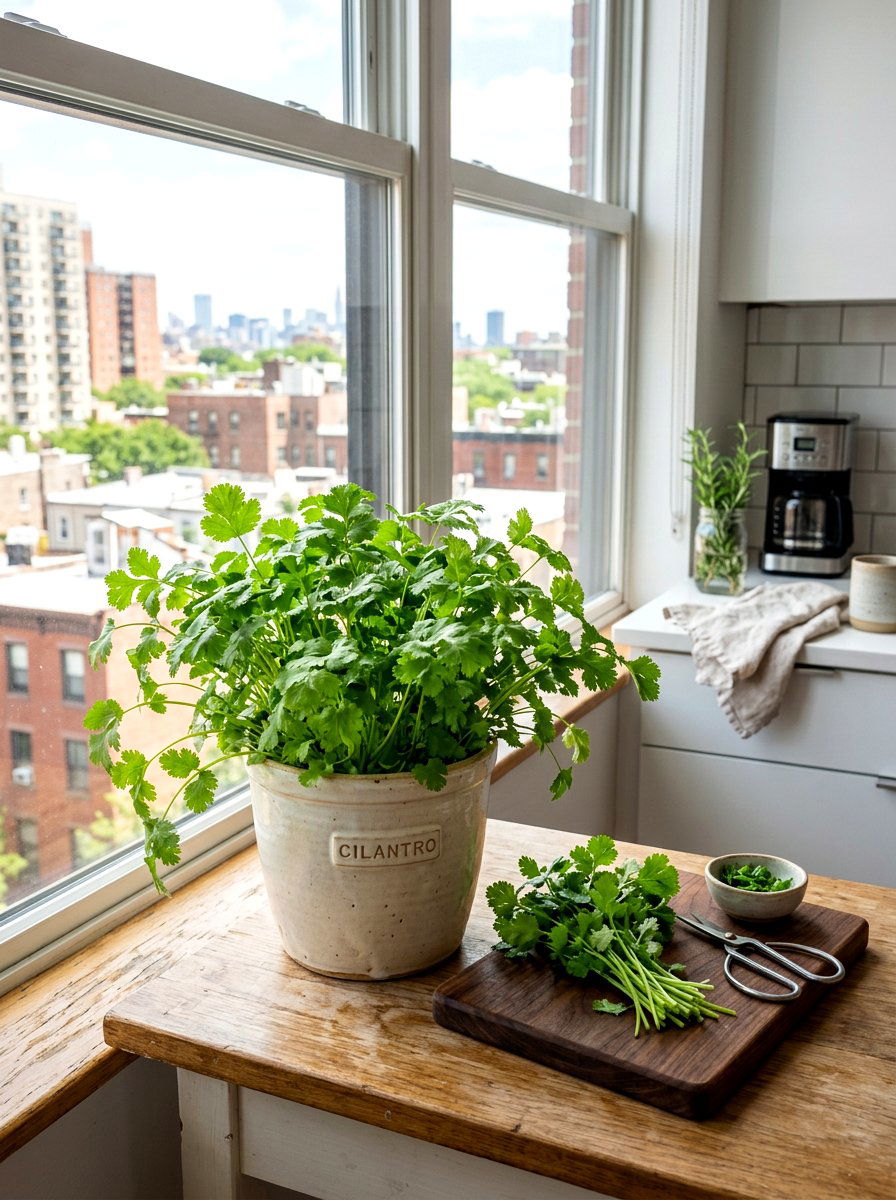
Cilantro is a staple for many global cuisines, and harvesting it fresh from your urban kitchen windowsill ensures the best possible flavor. This herb can be somewhat finicky as it tends to bolt or go to seed quickly in hot weather, so a bright but cool windowsill is its favorite spot. Growing it from seed every few weeks in small batches ensures you always have young, tender leaves ready for salsas and curries. The delicate, bright green leaves add a soft, airy texture to your indoor garden. Having a pot of cilantro nearby means you never have to worry about store-bought bunches wilting in the fridge again.
18. Rosemary Shrub In Stone Planter
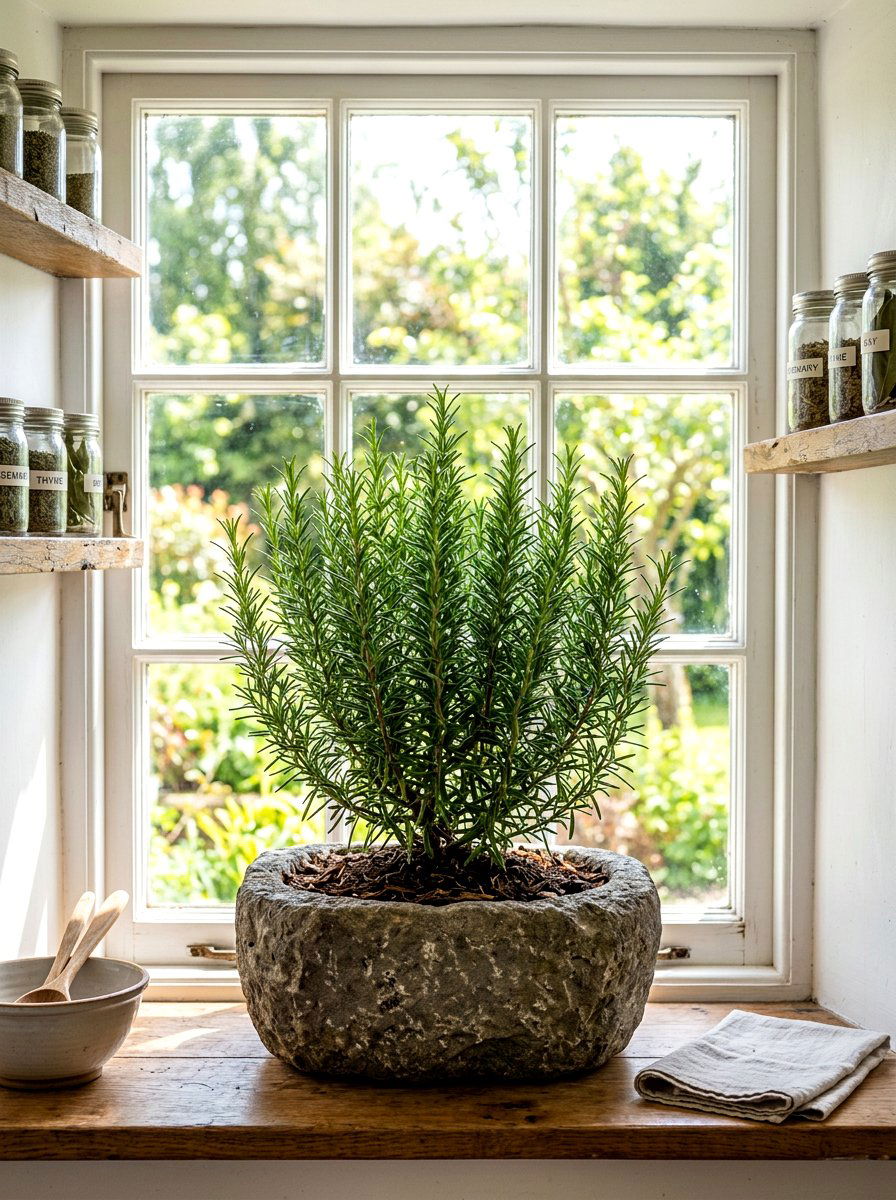
A rosemary shrub planted in a heavy stone planter brings a sense of permanence and rugged beauty to your indoor windowsill garden. Rosemary is a hardy, woody perennial that appreciates the excellent drainage provided by stone or concrete containers. It loves a very sunny spot and thrives on a bit of neglect, as it prefers its soil to dry out completely between waterings. The needle-like leaves release a wonderful, piney fragrance whenever you brush against them, acting as a natural room freshener. Its upright, architectural form provides a nice structural contrast to the softer, trailing plants in your collection, creating a balanced and professional look.
19. Thyme Growing In Wooden Crate
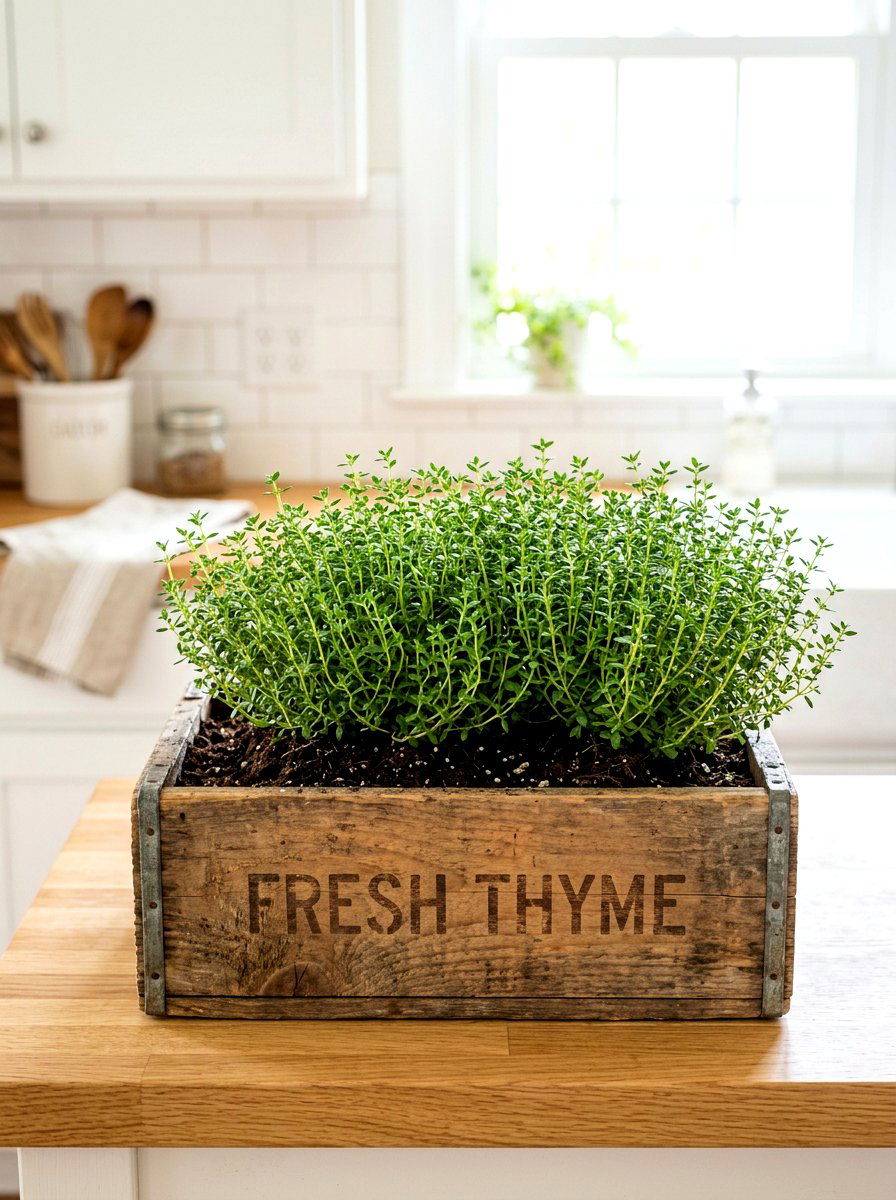
Thyme is a delightful, low-growing herb that looks perfectly at home when planted in a rustic wooden crate on a sunny ledge. This herb is incredibly versatile and hardy, featuring tiny, fragrant leaves that pack a massive flavor punch. Because it stays low to the ground and has a spreading habit, it fills in the gaps of a container beautifully, creating a dense mat of greenery. Thyme is drought-tolerant and prefers well-draining soil, making it a low-maintenance choice for beginners. The weathered wood of the crate complements the earthy, herbal tones of the plant, adding a cozy, farmhouse-style charm to your kitchen window.
20. Sage Plant In Clay Pot
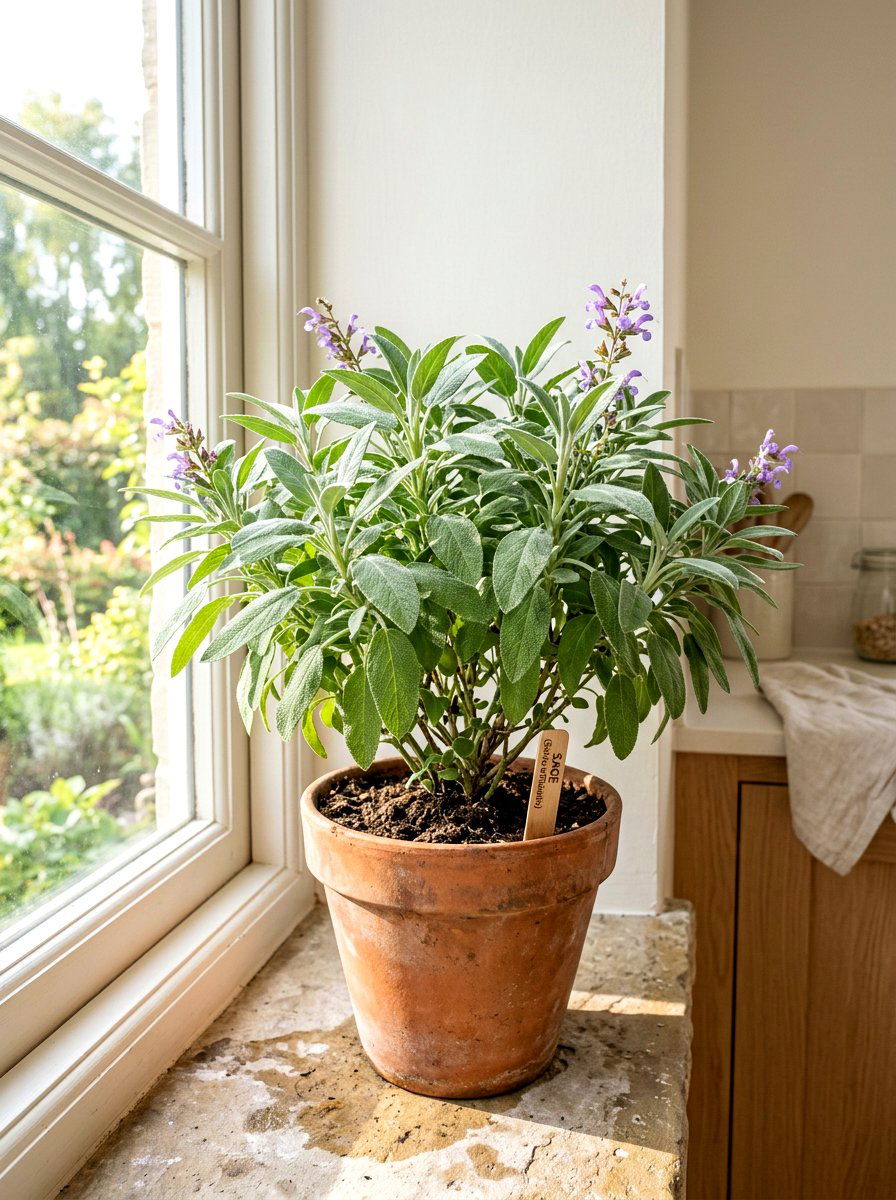
A sage plant in a classic clay pot is a stunning addition to any windowsill due to its unique, velvety gray-green leaves. Sage is a Mediterranean herb that thrives in the warm, dry air often found in kitchens and loves a spot with plenty of direct sunlight. The textured, silver-toned foliage provides a sophisticated color palette that pairs beautifully with more vibrant greens. Sage is a slow grower indoors, which means it will stay at a manageable size for your windowsill for a long time. Using the fresh, fuzzy leaves in brown butter sauces or roasted dishes adds a depth of flavor that dried sage simply cannot match.
21. Oregano In Tiered Window Rack
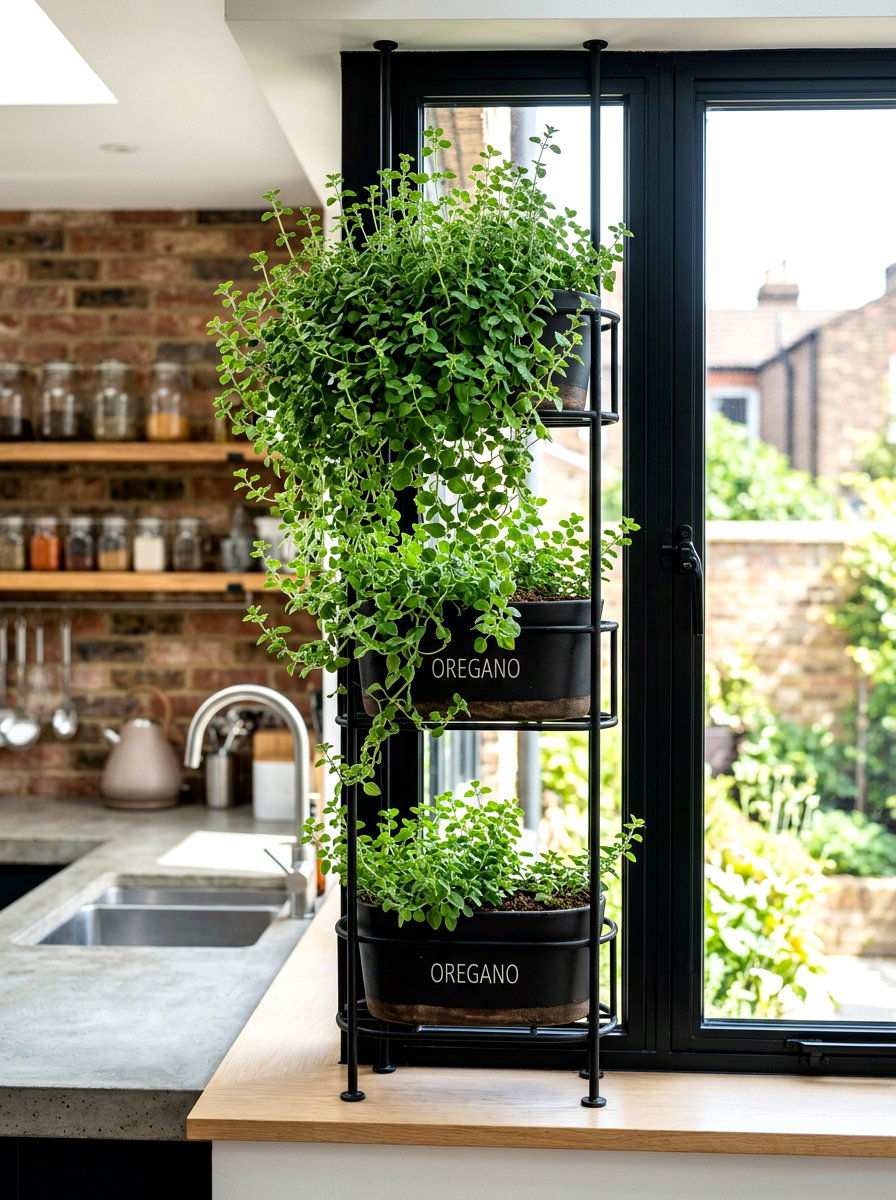
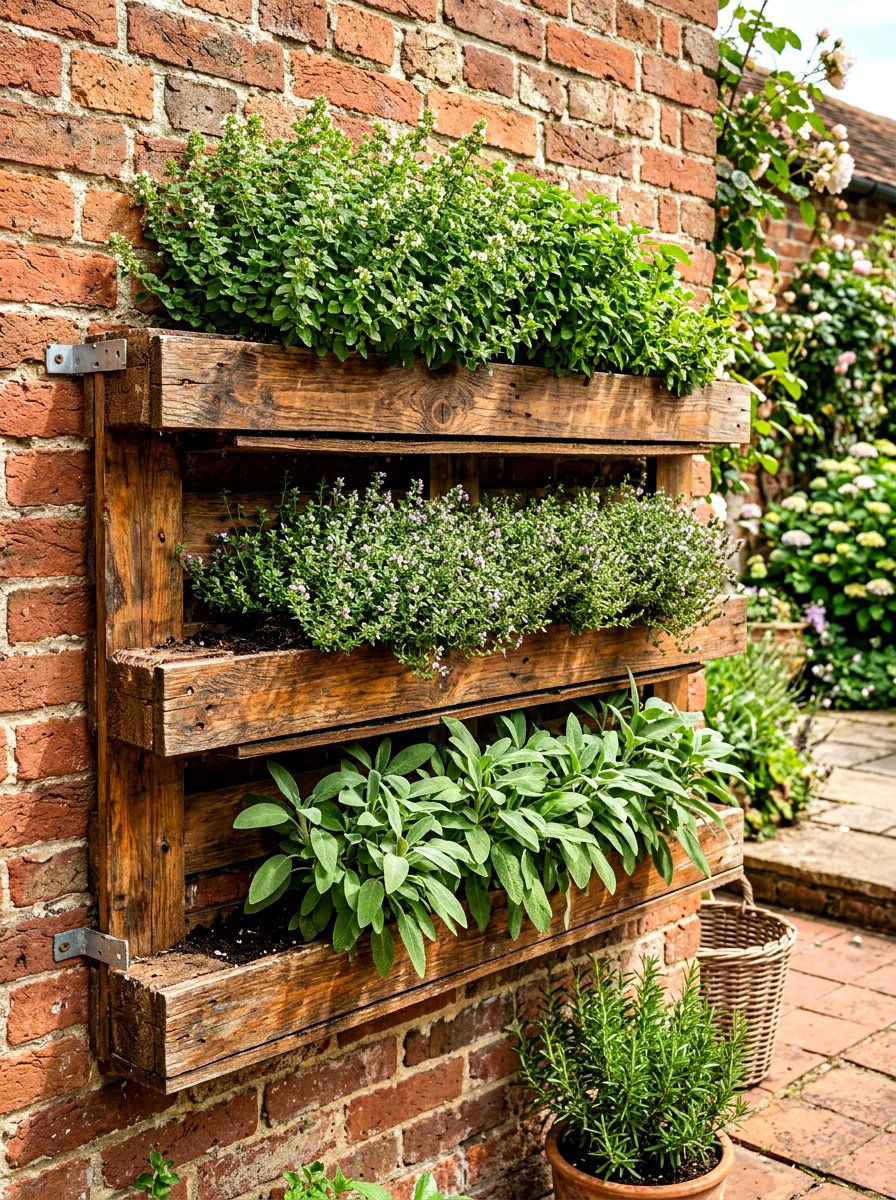
Utilizing a tiered window rack for your oregano allows you to grow several varieties of this flavorful herb in a very small footprint. Oregano has a lovely trailing habit that looks beautiful as it spills over the edges of its pots, creating a waterfall effect of green leaves. By using a vertical rack, you can catch the maximum amount of sunlight for each plant while keeping your windowsill clutter-free. Oregano is very easy to grow from cuttings and requires minimal care once established. The spicy, pungent aroma of the leaves is a constant reminder of the delicious Italian and Greek dishes you can create with your harvest.
22. Chive Growth In Modern Planter
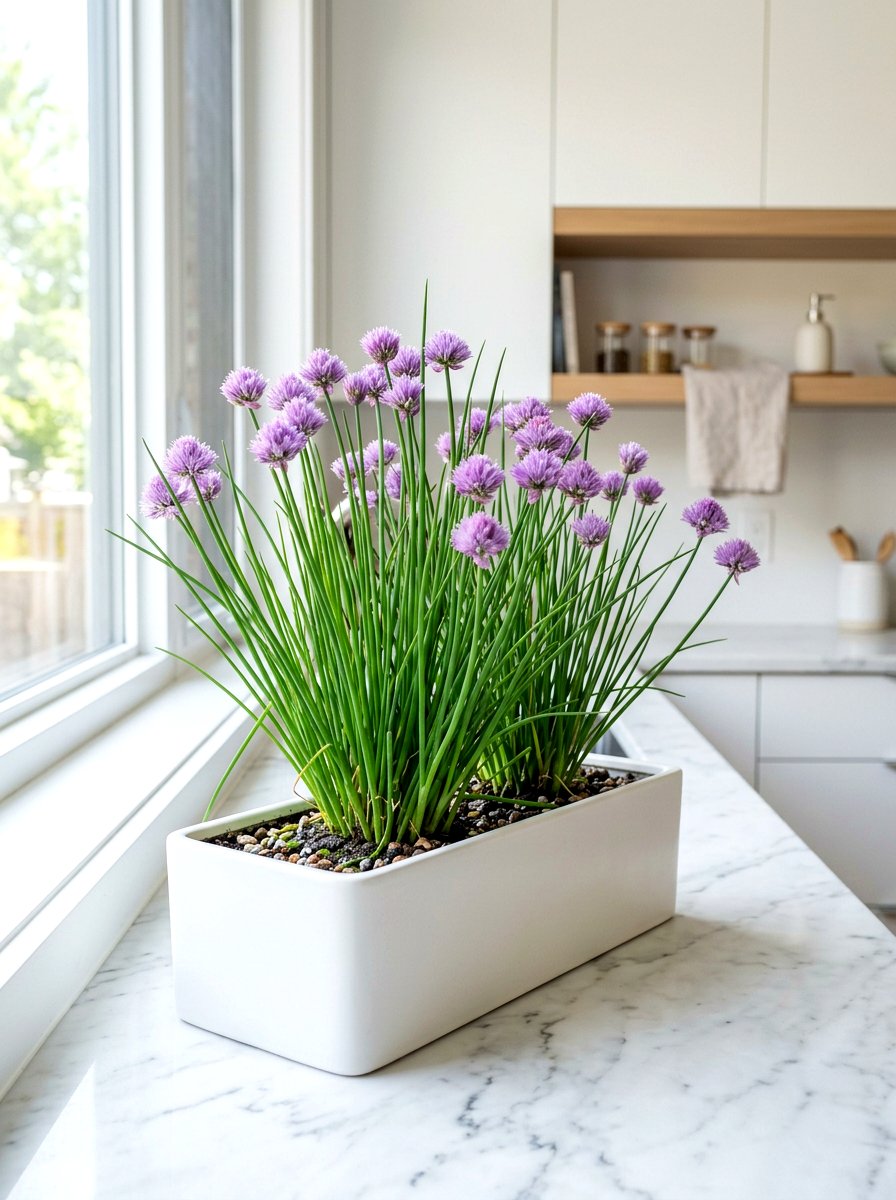
Chive growth in a sleek, modern planter offers a clean and minimalist look that fits perfectly in contemporary kitchen designs. Chives are incredibly resilient and produce thin, grass-like leaves that add a mild onion flavor to everything from omelets to baked potatoes. One of the best parts about growing chives is their beautiful purple globe-like flowers, which are also entirely edible and make a stunning garnish for salads. These plants are perennials, meaning they will continue to grow back year after year with very little effort. Their upright, vertical growth habit makes them an excellent choice for narrow spaces where wide plants might struggle.
23. Bok Choy In Hydroponic Starter
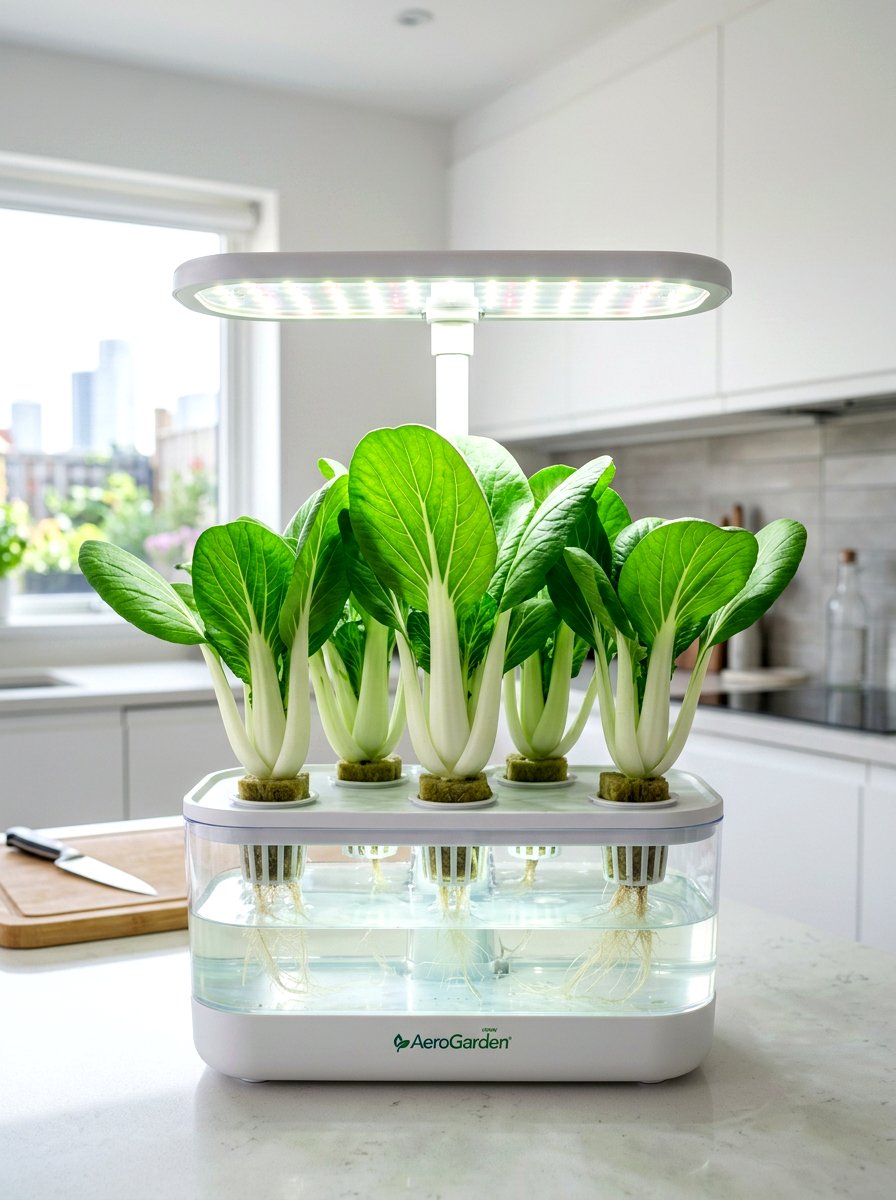
Growing bok choy in a simple hydroponic starter kit is a high-tech and fascinating way to produce large amounts of leafy greens without any soil. These kits often sit right on the windowsill and use a nutrient-rich water solution to feed the plants, resulting in incredibly fast and clean growth. Bok choy thrives in this environment, producing crisp white stems and dark green leaves that are perfect for quick stir-fries. This method is ideal for those who want to avoid the potential mess of soil in the kitchen while still enjoying a productive garden. The translucent water containers allow you to see the fascinating root systems as they develop.
24. Arugula In Plastic Seedling Tray
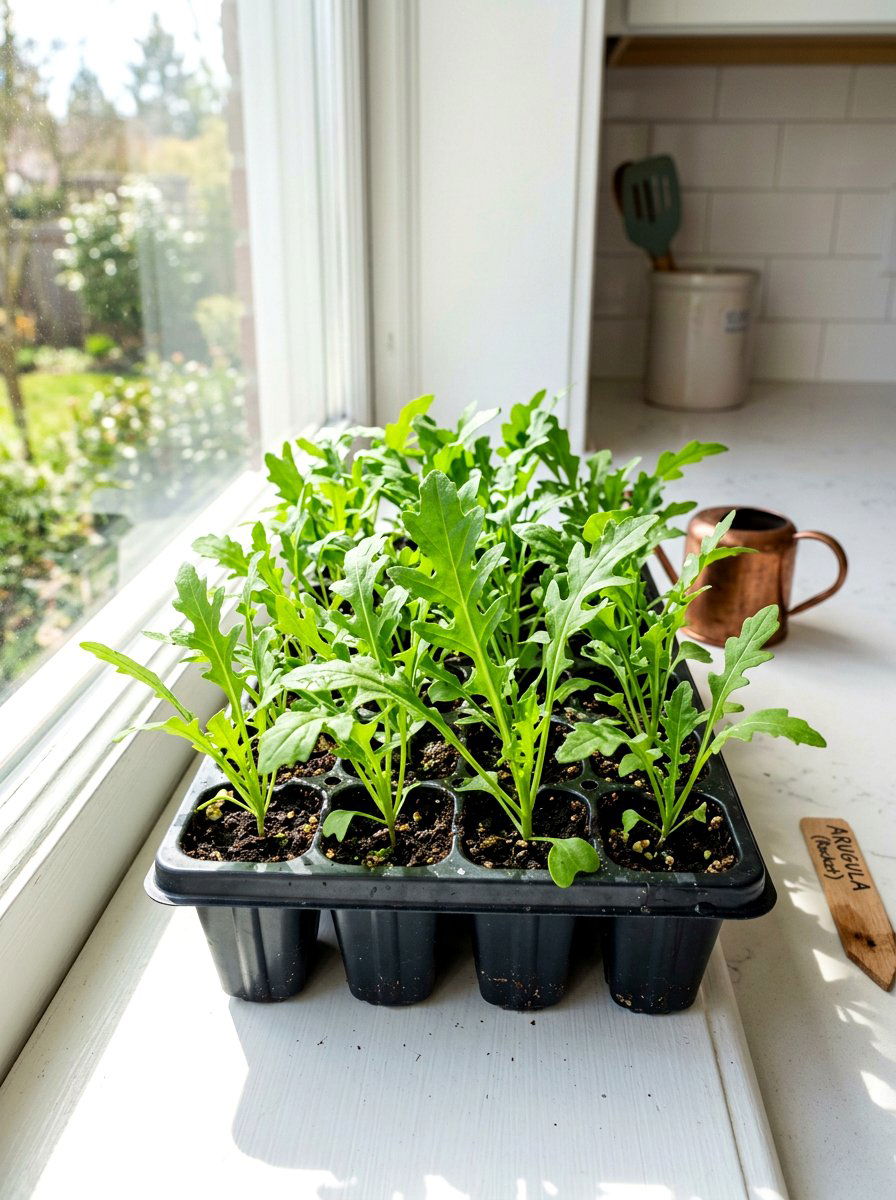
Arugula is a spicy, peppery green that is exceptionally easy to grow in a basic plastic seedling tray on your windowsill. Because it grows so rapidly, you can harvest baby arugula in as little as three weeks from sowing the seeds. It doesn't require deep soil, so these lightweight trays are perfect for keeping the garden mobile and organized. The jagged, dark green leaves add a bold flavor profile to your meals and look wonderful when mixed with other windowsill greens. For the best taste, harvest the leaves while they are still small and tender, as larger leaves can become overly bitter when grown indoors.


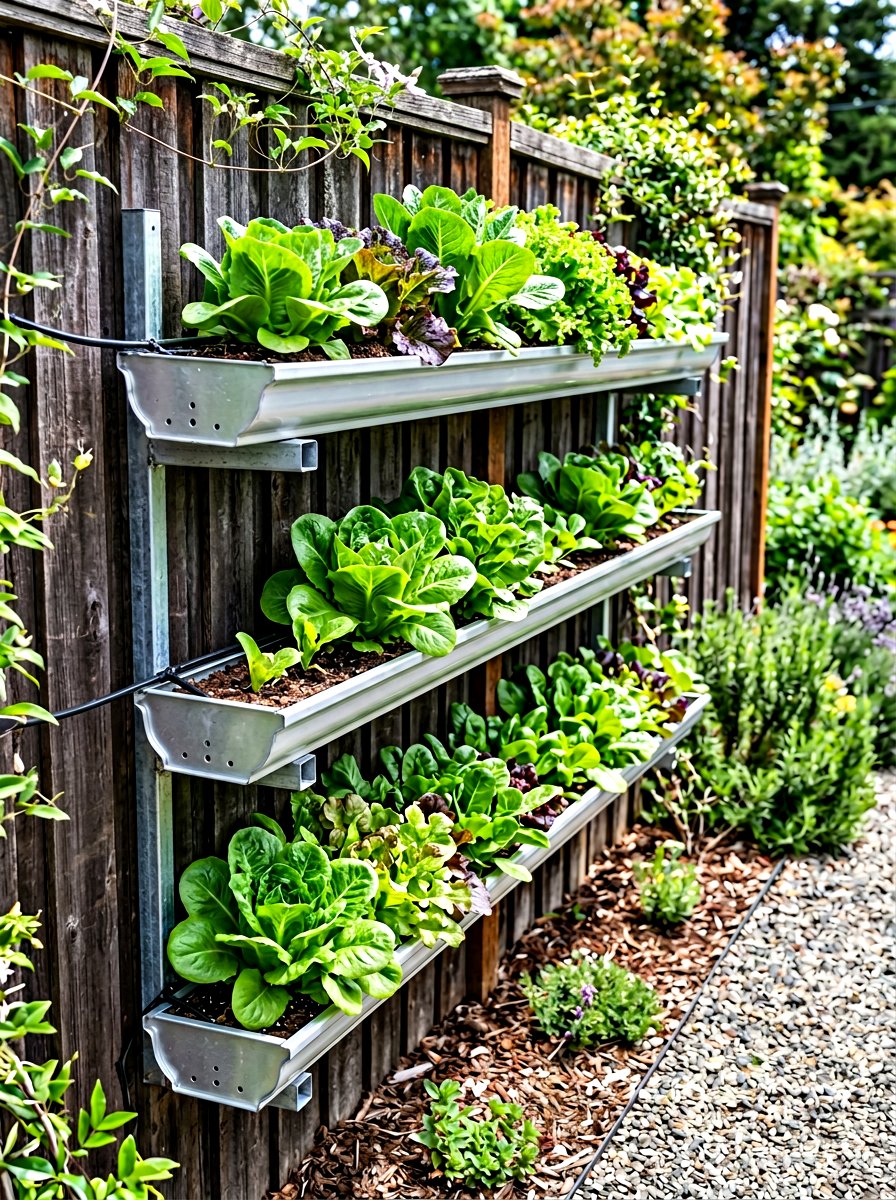
25. Mustard Greens In Window Trough
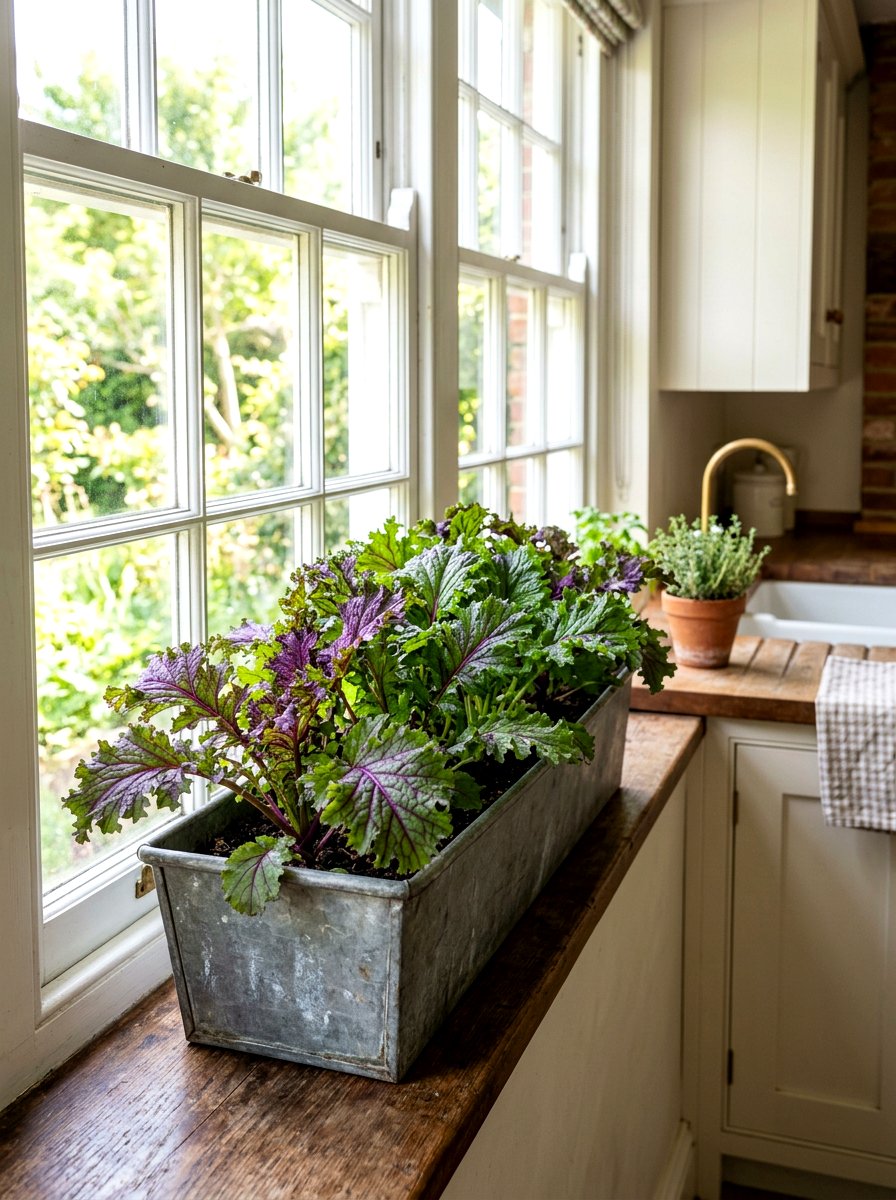
Mustard greens are a fantastic choice for a long window trough because they add a beautiful variety of colors and textures to your indoor display. Many varieties feature frilly, curled edges or deep purple hues that look as ornamental as any houseplant. These greens have a sharp, zesty flavor that mellows out when cooked or adds a nice bite to fresh sandwiches. They are very fast growers and enjoy the consistent light of a bright window. Planting them in a long trough allows you to sow seeds in succession, ensuring that you always have a fresh crop ready to harvest as you use the older ones.
26. Beet Greens In Deep Pot
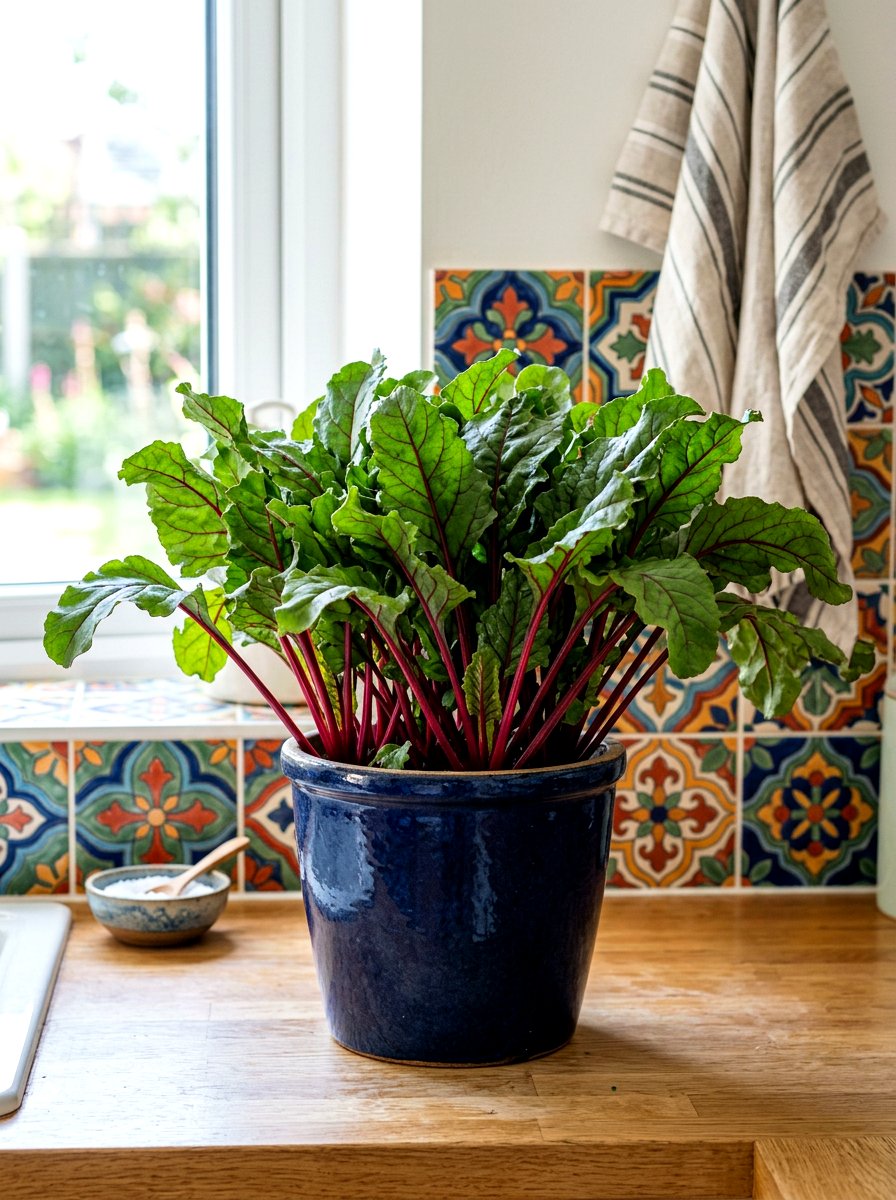
While growing full-sized beet roots might be a challenge on a narrow windowsill, growing them in a deep pot for their nutritious greens is highly successful. Beet greens are often overlooked but are actually more nutrient-dense than the roots themselves, tasting very similar to spinach or Swiss chard. The stems are a vibrant, deep red that looks striking against the dark green leaves, adding a rich splash of color to your kitchen. You will need a slightly deeper pot than you would for lettuce to accommodate the beet's taproot, but a six-inch container is usually sufficient for a healthy harvest of tender, flavorful baby leaves.
27. Carrot Sprouts In Clear Container
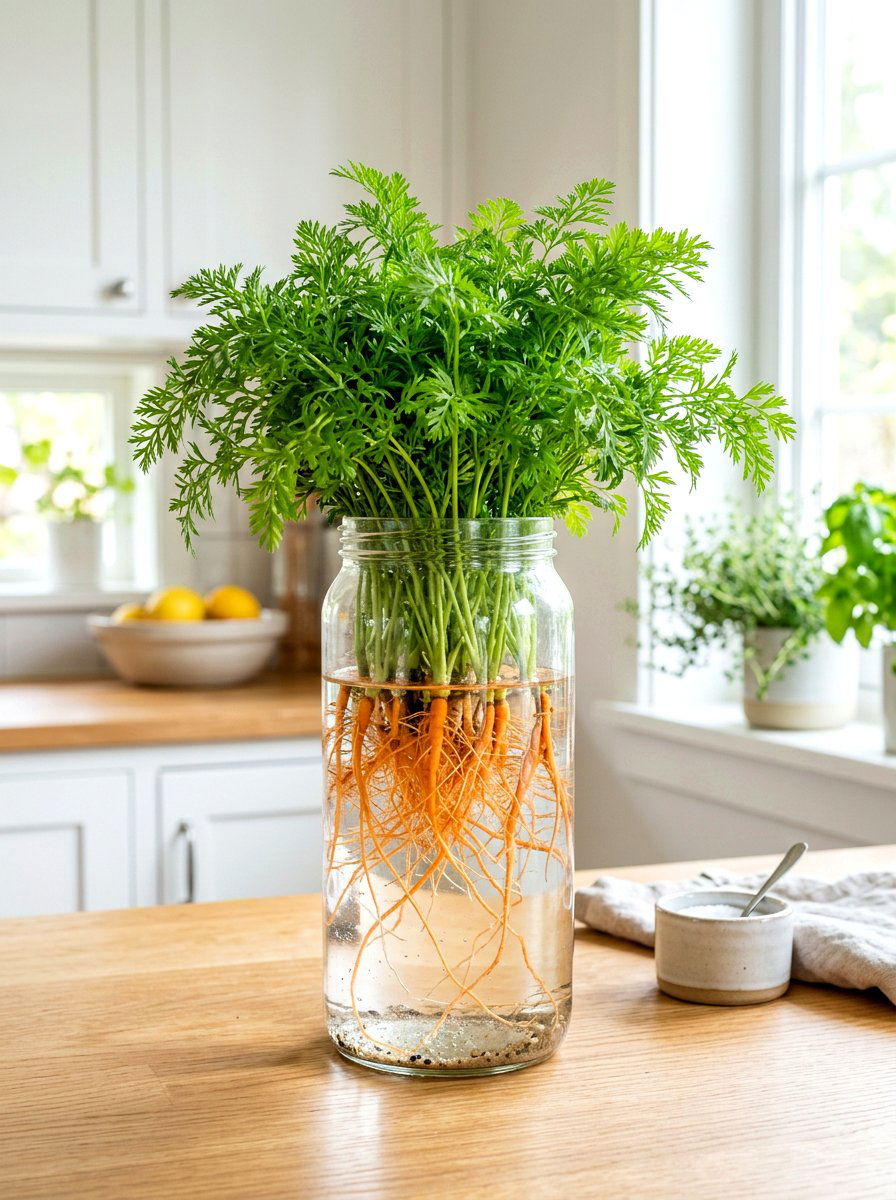
Growing carrot sprouts in a clear container is a fun and educational project that allows you to see the growth happening both above and below the soil. While you should choose "mini" or "round" carrot varieties for the best results in small spaces, the fern-like green tops are also edible and have a delicate carrot flavor. Using a clear glass or plastic container allows you to watch the orange roots develop, which is especially engaging for children. Carrots require deep, loose soil and consistent moisture to grow straight and sweet. The feathery foliage provides a soft, whimsical look that contrasts beautifully with more structured indoor plants.
28. Ginger Root Growing In Indoor Pot
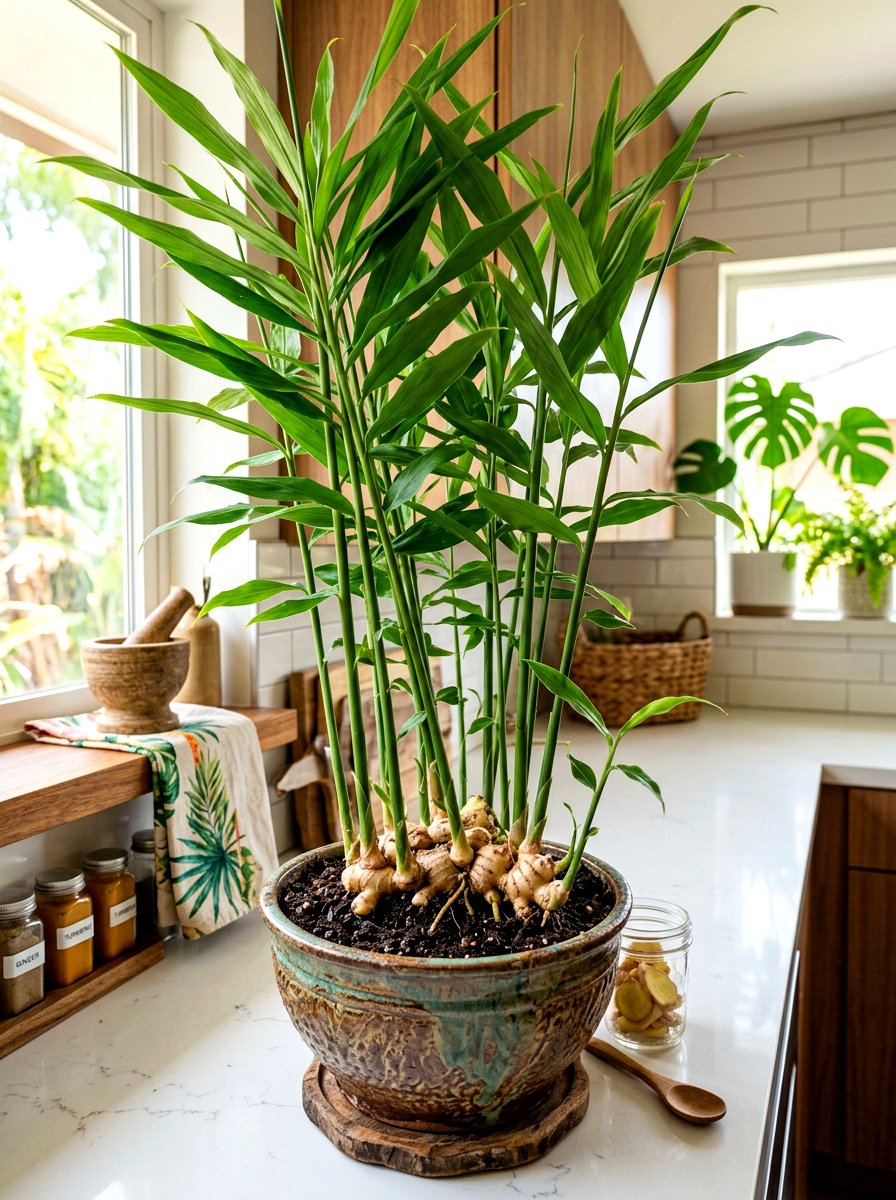
Starting a ginger root in an indoor pot is a unique windowsill project that provides both a beautiful tropical plant and a useful harvest. You can simply take a piece of fresh ginger from the store that has "eyes" or small buds and plant it just below the surface of the soil. Over time, it will send up tall, graceful green shoots that resemble bamboo, adding a tropical flair to your kitchen decor. Ginger loves warmth and humidity, making it a perfect candidate for a sunny spot near the sink. While it takes several months to produce a new root, the stunning foliage makes it a worthwhile long-term resident.
29. Turmeric Plant In Sunny Sill
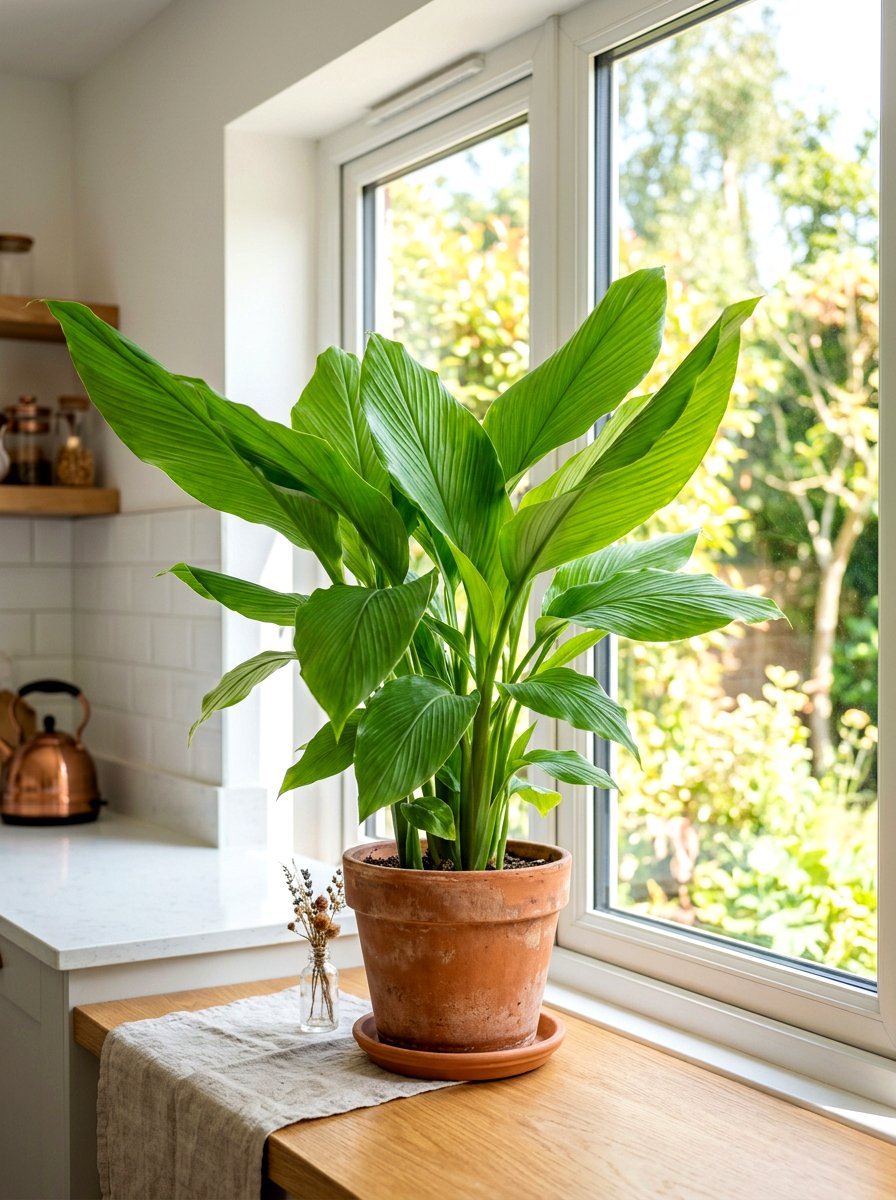
The turmeric plant is a relative of ginger and offers a similar tropical aesthetic with its broad, lush green leaves. Growing turmeric on a sunny windowsill is a great way to have fresh, vibrant orange roots for health tonics and flavorful curries. The plant itself is quite dramatic and can become a focal point of your indoor garden due to its large, paddle-shaped foliage. It requires a warm environment and moist, well-draining soil to thrive throughout the year. Harvesting your own turmeric allows you to experience the intense, earthy flavor of the fresh root, which is significantly more potent than the dried, powdered version found in stores.
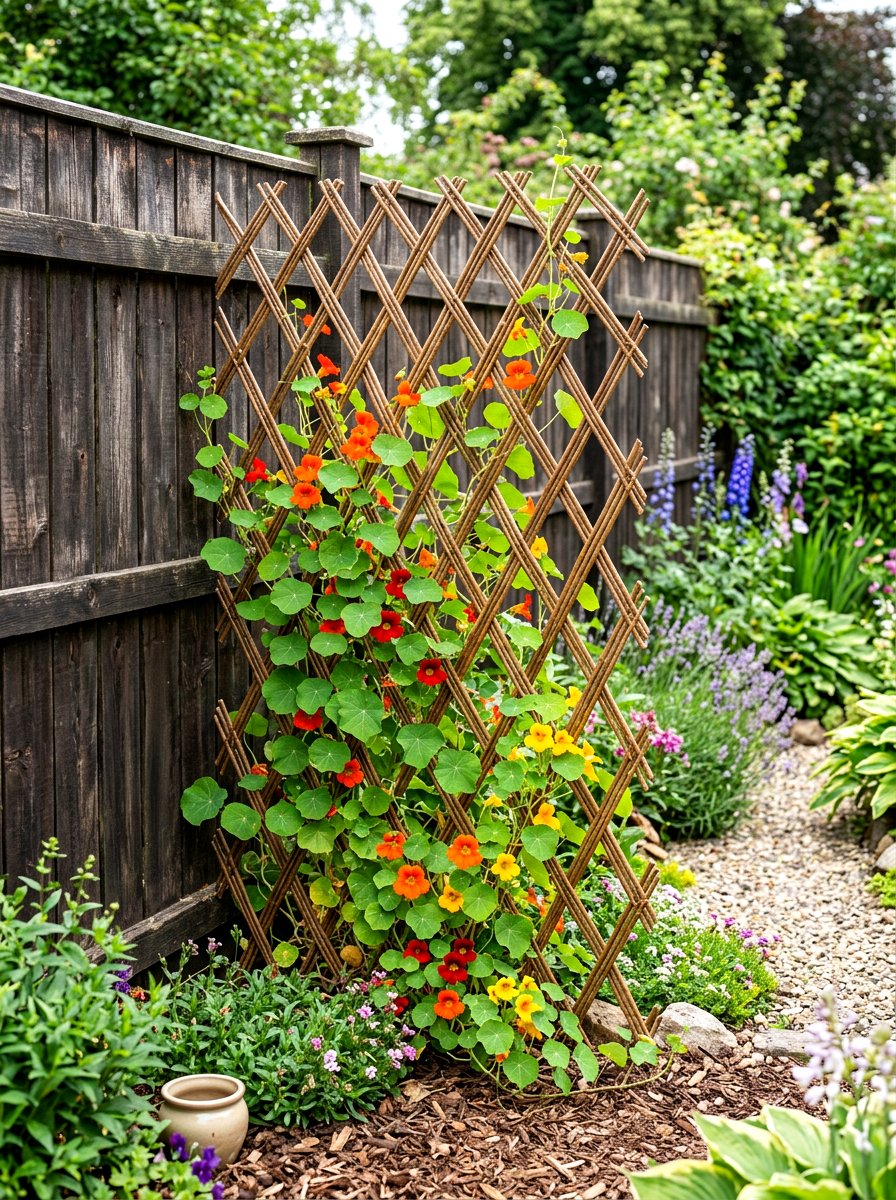
30. Edible Flower Growing In Window Area
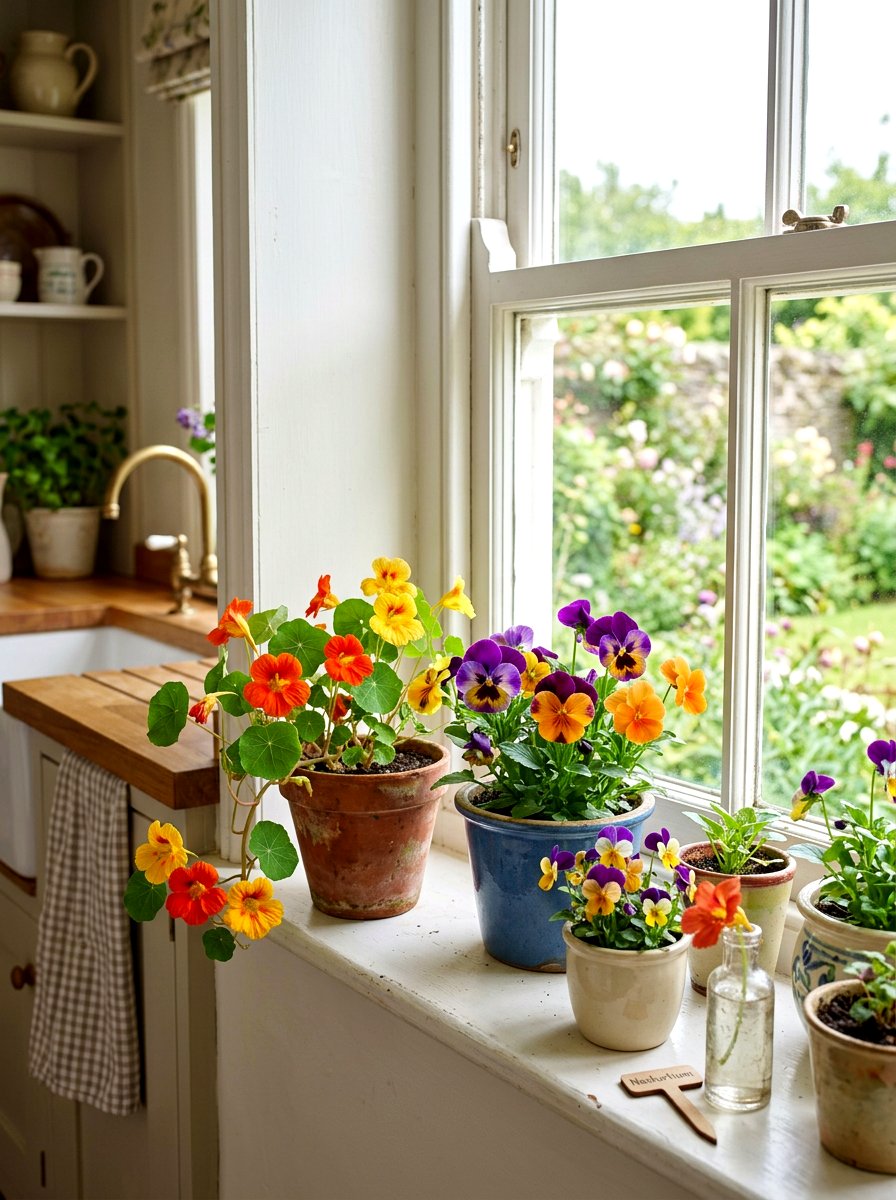
Adding edible flowers to your window area is the perfect finishing touch for a viral-worthy Pinterest garden. Pansies, nasturtiums, and violas are all easy to grow in small pots and produce a stunning array of colors that brighten up the entire room. These flowers aren't just for show; they can be used to decorate cakes, salads, and cocktails, adding a sophisticated and gourmet feel to your home cooking. Most edible flowers enjoy plenty of sunlight and regular deadheading to keep the blooms coming all season long. The combination of vibrant petals and lush green leaves creates a joyful and inviting atmosphere in your kitchen sanctuary.
Conclusion:
Setting up a windowsill vegetable garden is a simple yet transformative way to bring the beauty and utility of nature into your daily life. By selecting the right varieties and providing them with adequate light and care, you can create a productive oasis that serves as both a source of nutrition and a source of joy. These small-scale gardens encourage us to slow down, observe the growth process, and appreciate the incredible flavor of truly fresh ingredients. As you experiment with different herbs, greens, and vegetables, your windowsill will evolve into a personalized reflection of your culinary tastes and design style. Start small, be patient, and enjoy the rewarding journey of indoor gardening.

Related posts: