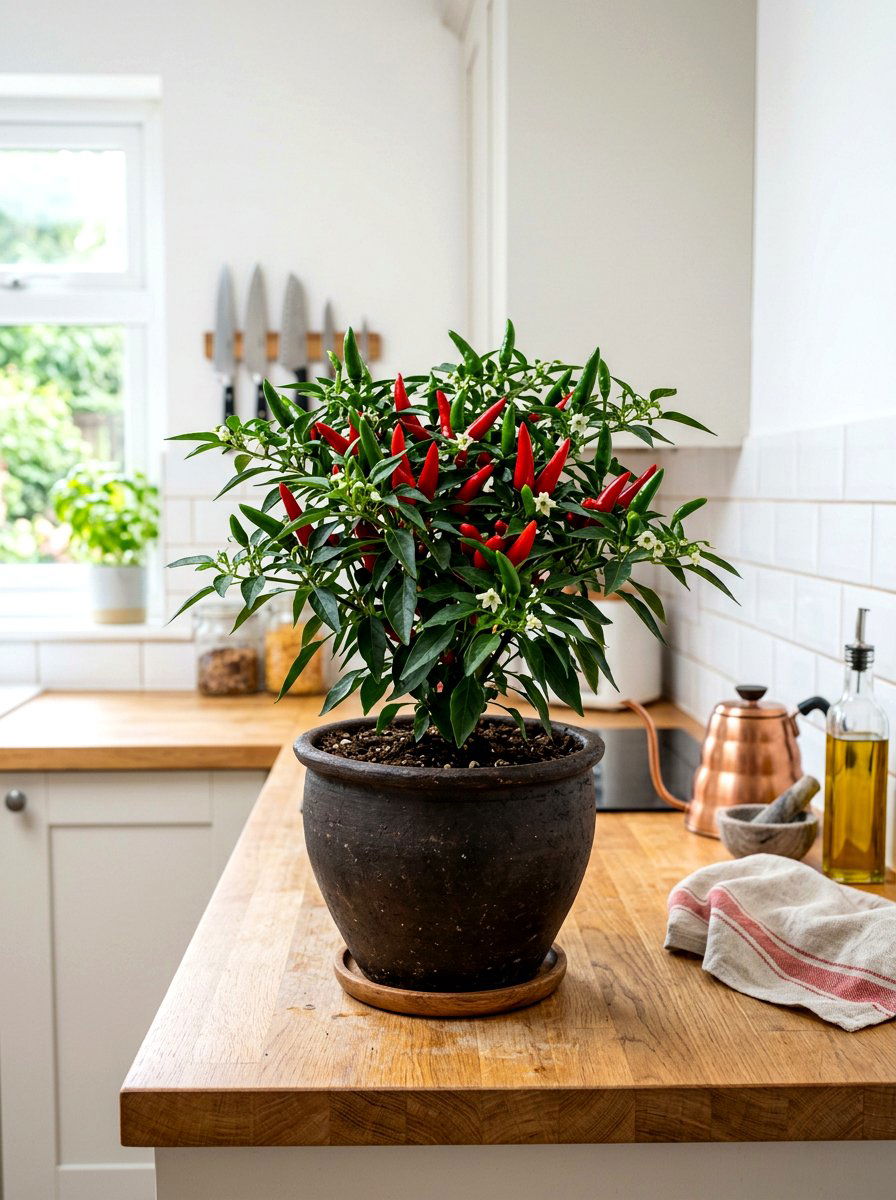
Creating a functional and beautiful kitchen garden in your backyard is one of the most rewarding home projects you can undertake today. Imagine walking just a few steps from your back door to harvest fresh basil, crisp lettuce, or sun-ripened tomatoes for your evening meal. A well-planned kitchen garden combines utility with aesthetic appeal, transforming an ordinary lawn into a productive oasis that provides healthy food for your family throughout the seasons. Whether you have a sprawling estate or a tiny urban patio, there are countless ways to integrate edible plants into your landscape. From raised beds to vertical systems, these gardens encourage sustainable living and a deeper connection to nature.
1. Raised bed vegetable garden
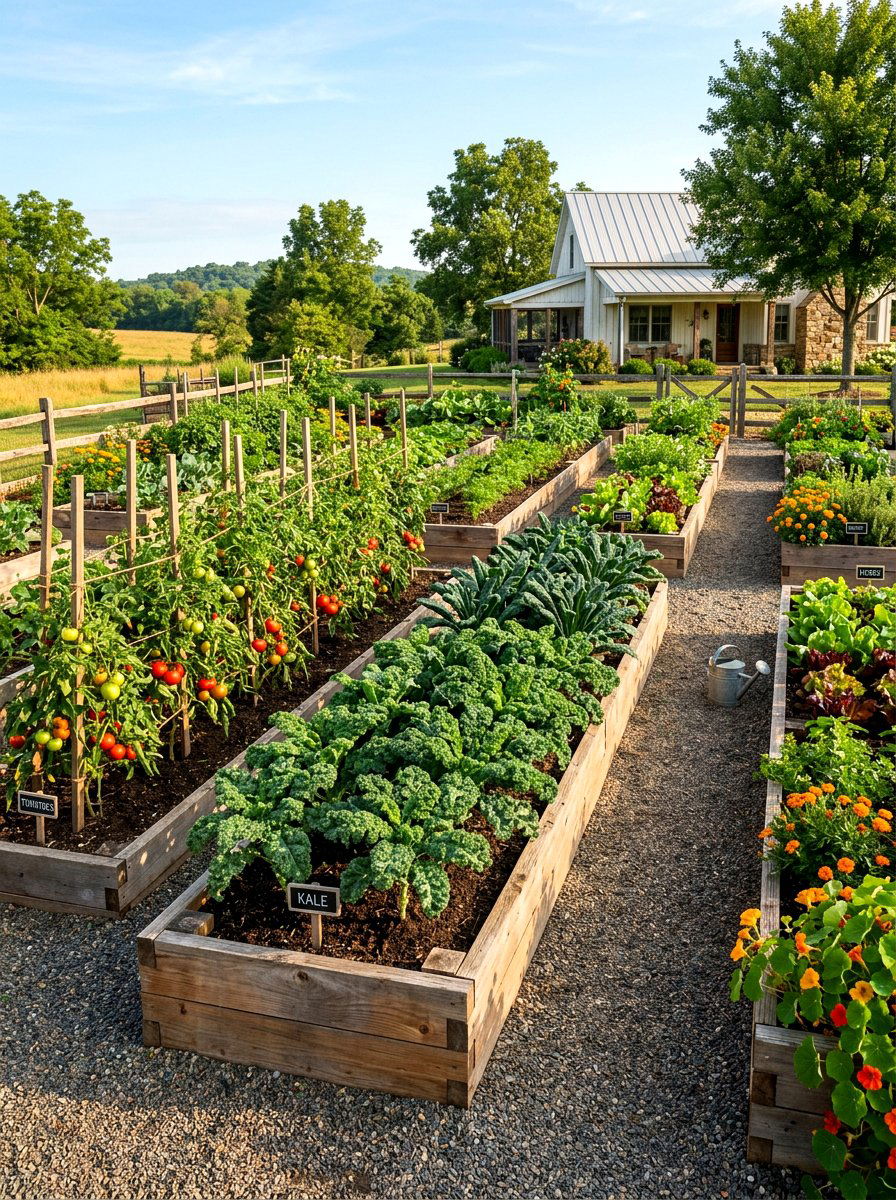
Imagine the earthy scent of damp soil as you step into a backyard filled with neatly organized raised bed vegetable gardens. These elevated structures are perfect for beginners because they offer exceptional drainage and allow you to control the soil quality from the very start. You can build these beds using rot-resistant cedar or durable composite materials to match your home’s exterior style. By lifting the plants off the ground, you also protect your precious vegetables from common pests and reduce the physical strain of bending over. These beds create a structured, clean look that keeps your backyard organized while producing an abundance of fresh, healthy produce for your kitchen.
2. Vertical herb wall
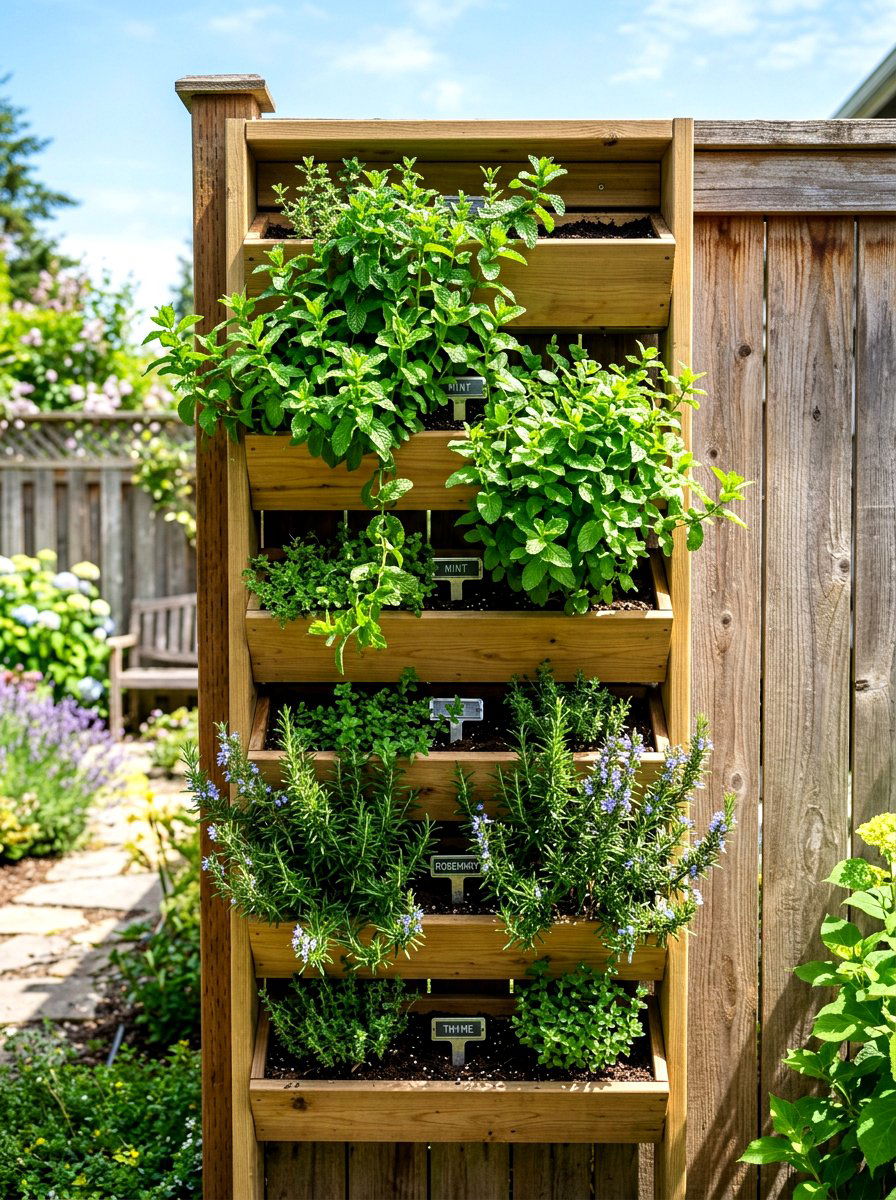
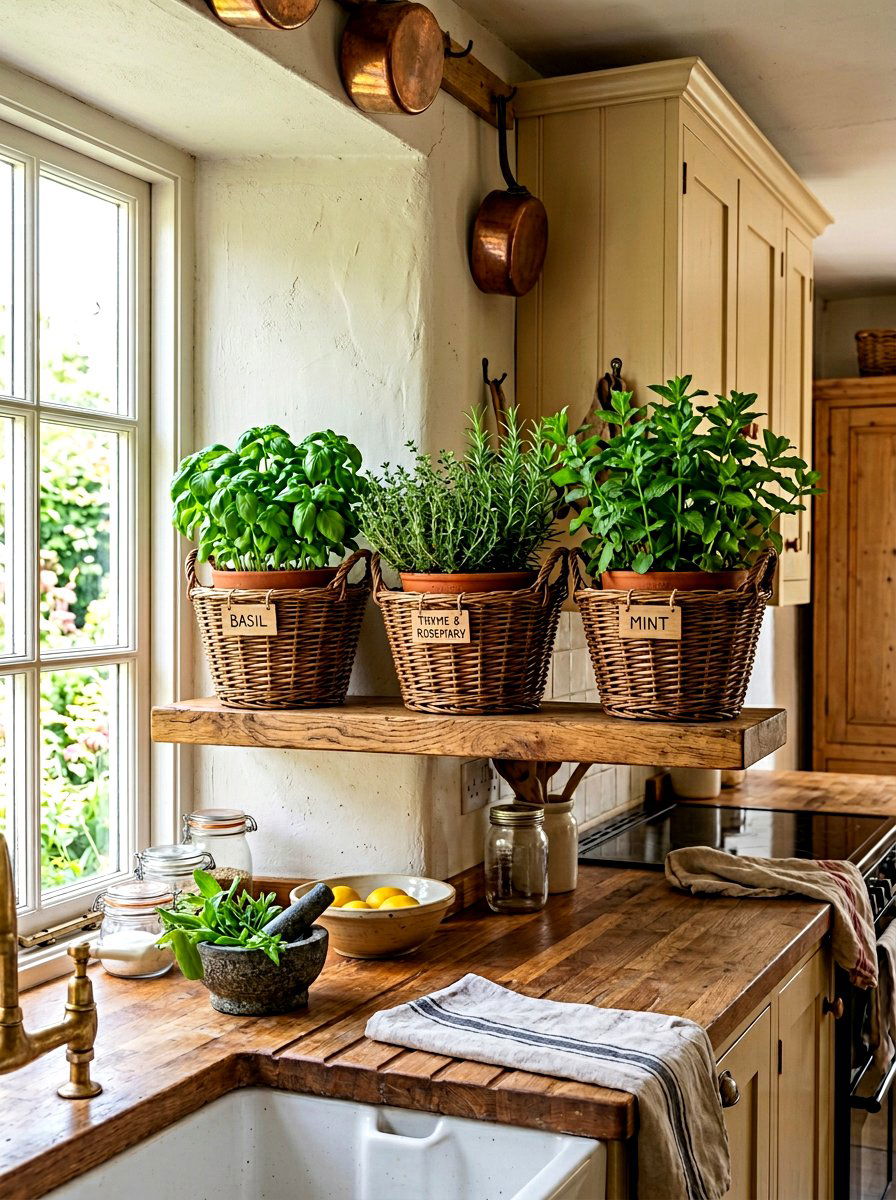
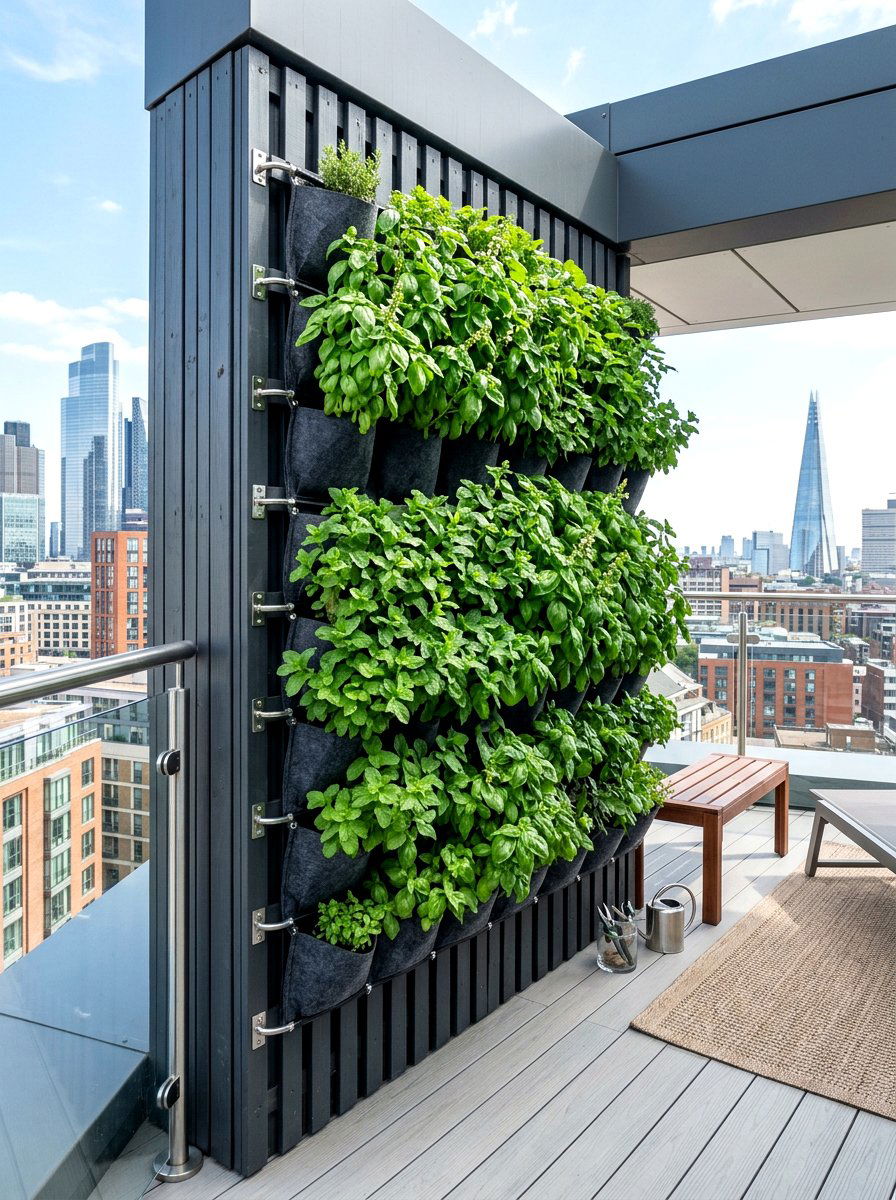
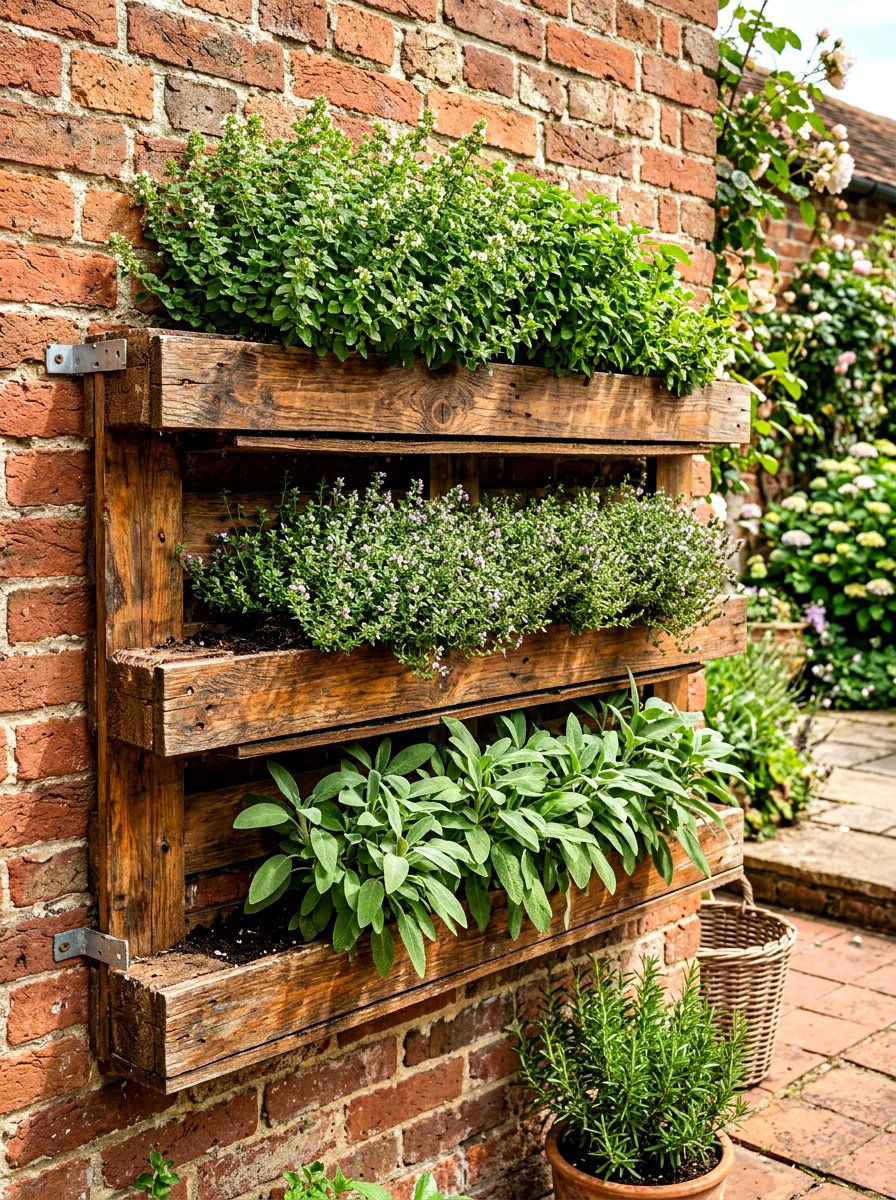
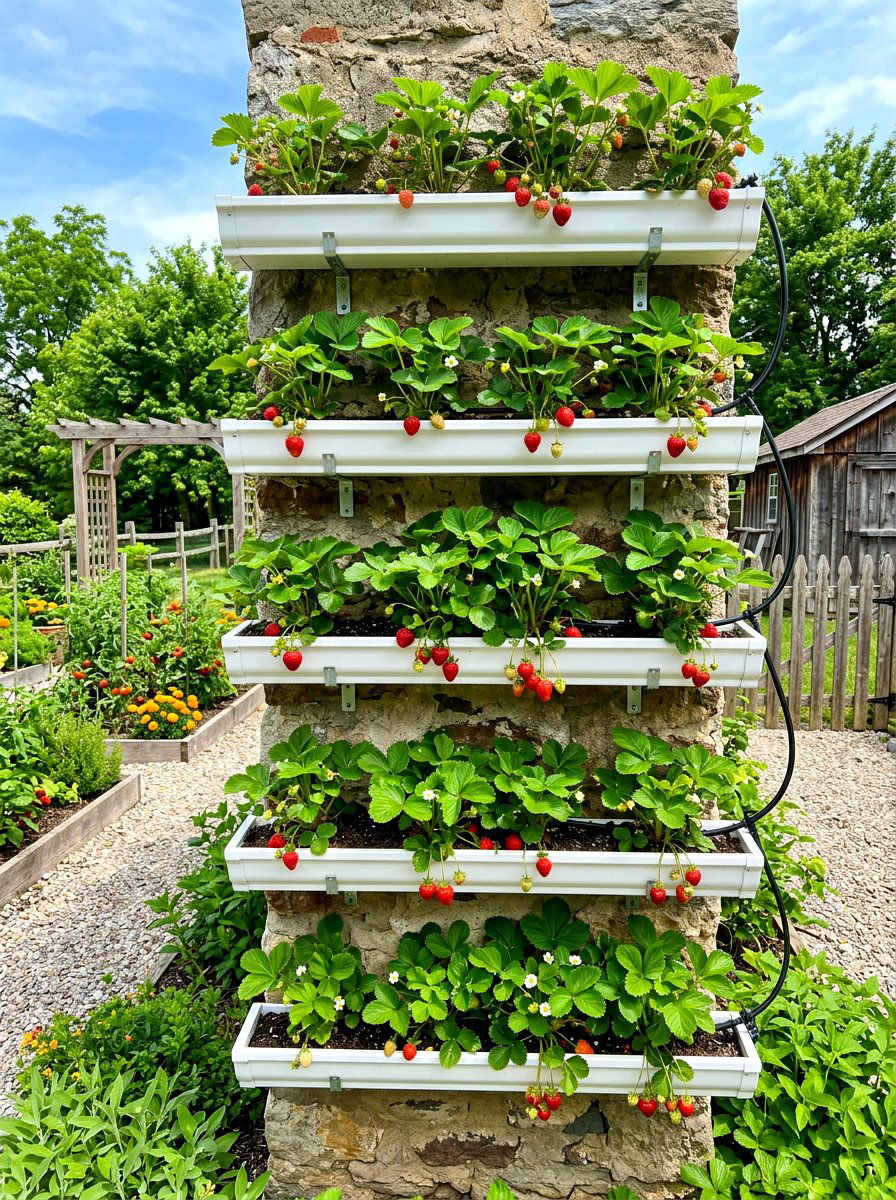
Have you ever considered using your backyard walls to grow fresh ingredients for your favorite recipes? A vertical herb wall is a fantastic solution for homeowners with limited ground space who still want to enjoy a lush kitchen garden. You can mount various planters or a tiered wooden rack against a sunny fence to house mint, rosemary, and thyme. This setup not only saves space but also serves as a beautiful living wall that adds texture and greenery to your outdoor living area. Watering becomes much simpler with a drip system, and harvesting is incredibly convenient since everything is at eye level and easy to reach.
3. Container vegetable garden
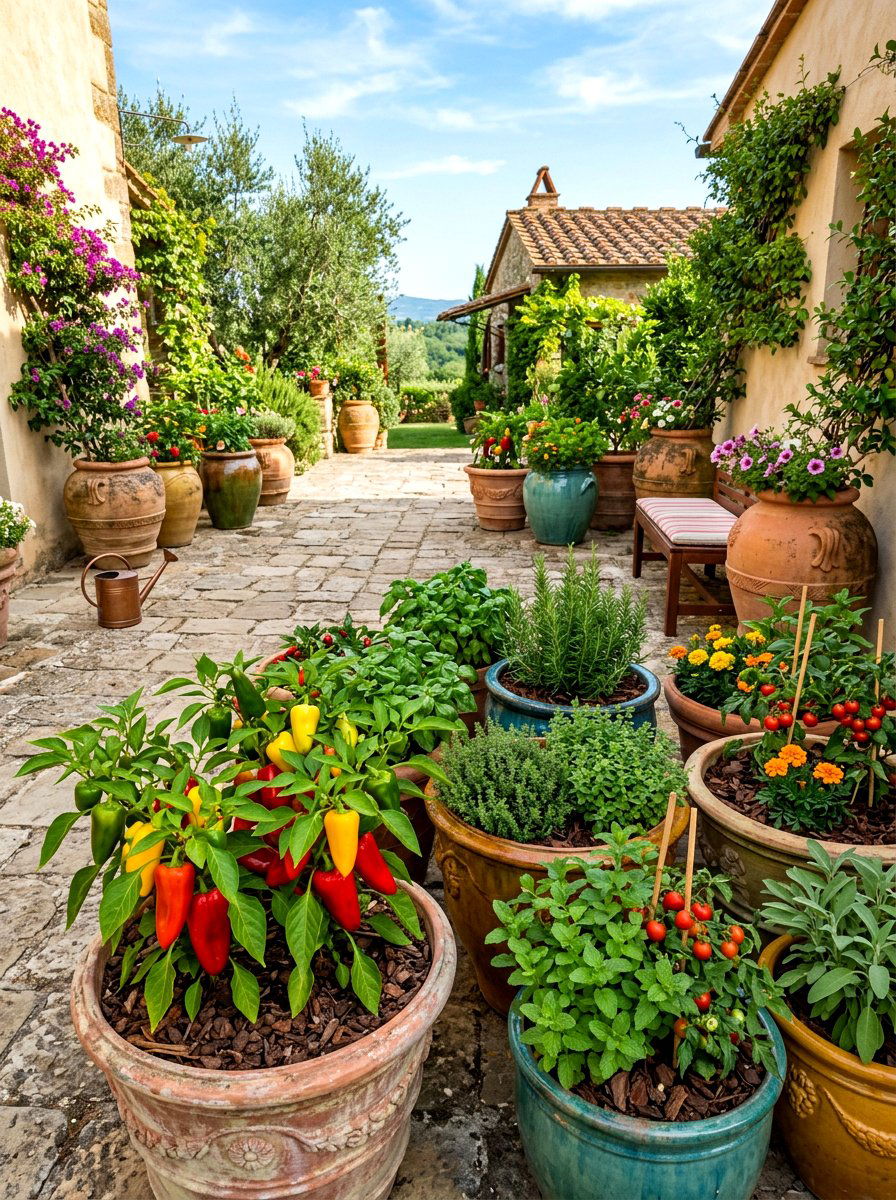
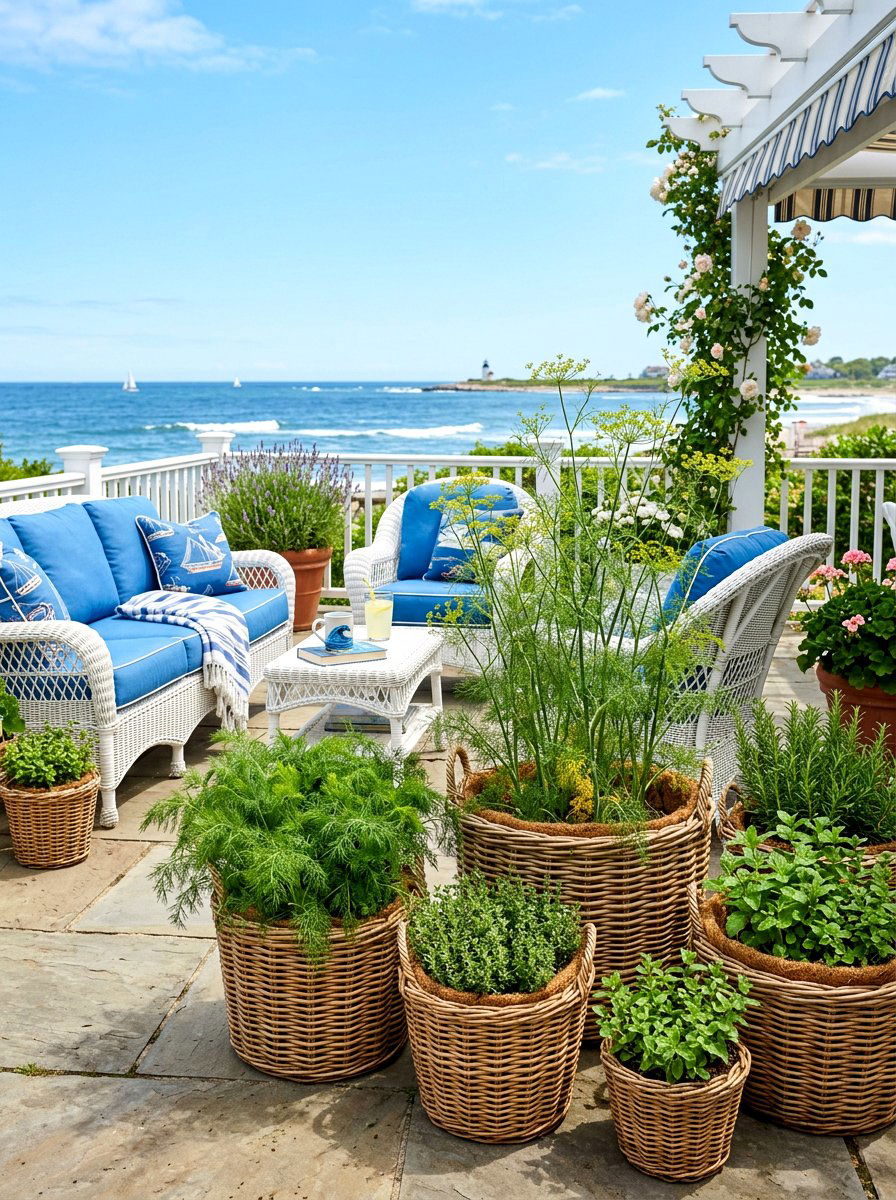
Does your backyard consist mostly of a paved patio rather than an open grassy lawn? A container vegetable garden allows you to grow plenty of food without ever needing to dig into the ground. You can use a variety of pots, from large ceramic basins to lightweight fabric bags, to house everything from tomatoes to peppers. This flexibility means you can move your plants around to follow the sun throughout the day for optimal growth. Using different heights and styles of containers creates visual interest and makes your backyard feel like a curated sanctuary. It is an approachable way to start gardening without a massive commitment.
4. Raised planter boxes
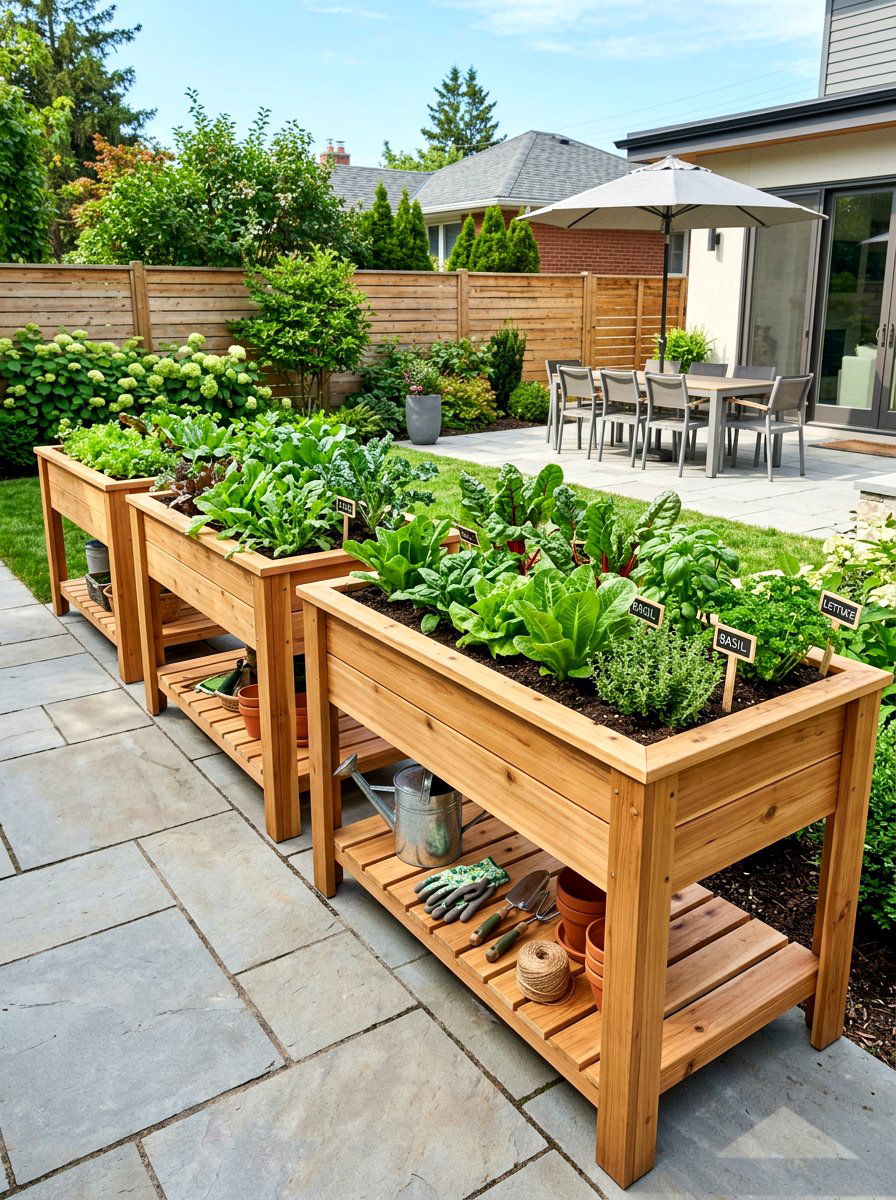
Walking through a yard filled with stylish raised planter boxes feels like visiting a high-end botanical display right at home. These freestanding units are often waist-high, making them the ultimate choice for gardeners who want to avoid back pain and knee strain. You can arrange them in rows to create clear pathways or place them strategically to define different zones in your backyard. Many modern designs include bottom shelves for storing tools and watering cans, keeping your space tidy and functional. These boxes are ideal for growing leafy greens and root vegetables because they provide deep, loose soil that allows roots to expand easily.
5. In-ground edible garden
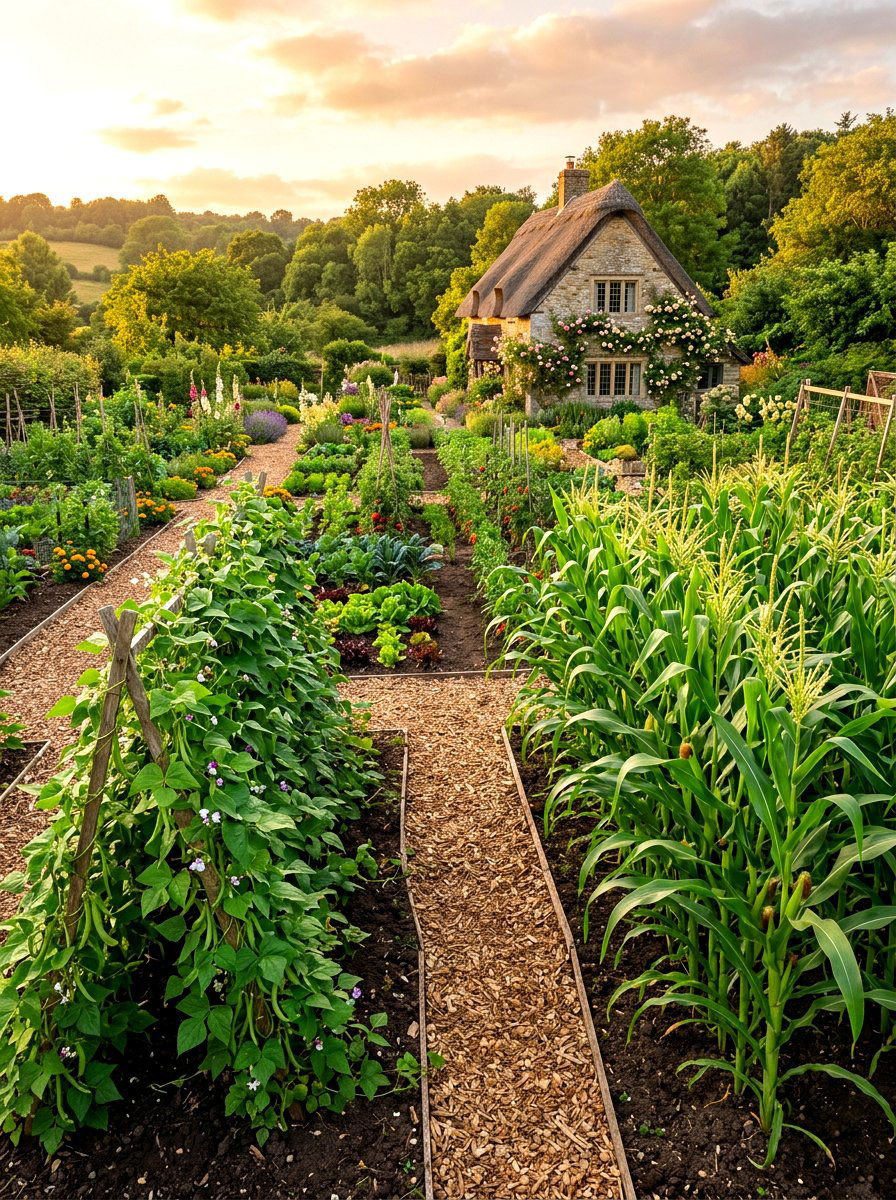
There is something deeply traditional about planting an in-ground edible garden directly into the rich earth of your own backyard. This method is often the most cost-effective way to start a large-scale kitchen garden since you do not need to purchase lumber or expensive containers. You can create long, straight rows of corn, squash, and beans, reminiscent of classic farmhouse landscapes that have fed families for generations. To keep things looking tidy, you might use wood chips or gravel to define the walking paths between your crops. This style allows for the most natural root growth and integrates perfectly with the existing flora of your property.
6. Tiered vegetable garden
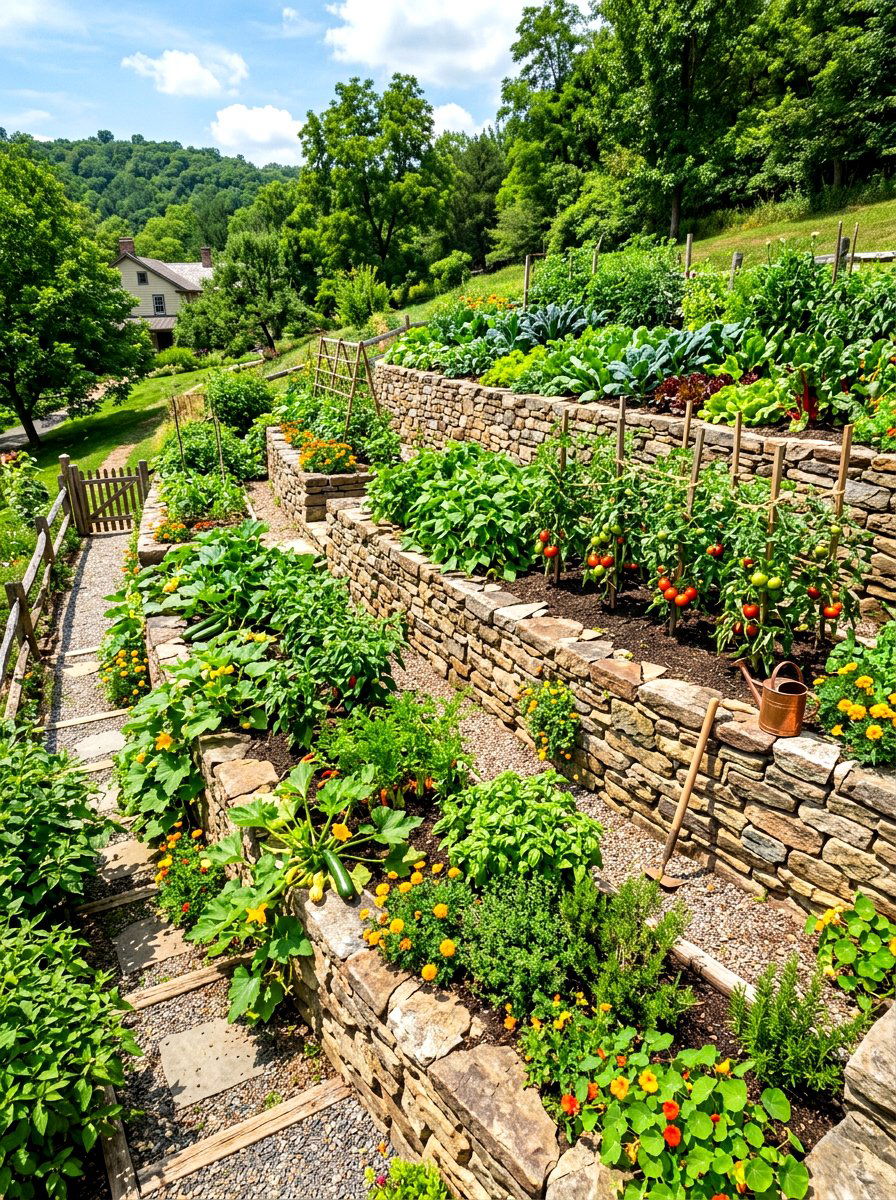
If your backyard has a significant slope, a tiered vegetable garden can turn a challenging landscape into a stunning focal point. By building retaining walls or stepped platforms, you create multiple levels of planting space that prevent soil erosion and manage water runoff effectively. Each tier can be dedicated to a specific type of crop, such as heavy feeders on the bottom and sun-loving herbs at the top. This vertical layering adds incredible depth and dimension to your backyard, making it feel much larger than it actually is. It also provides a unique opportunity to install a cascading irrigation system that flows naturally downward.
7. Greenhouse kitchen garden
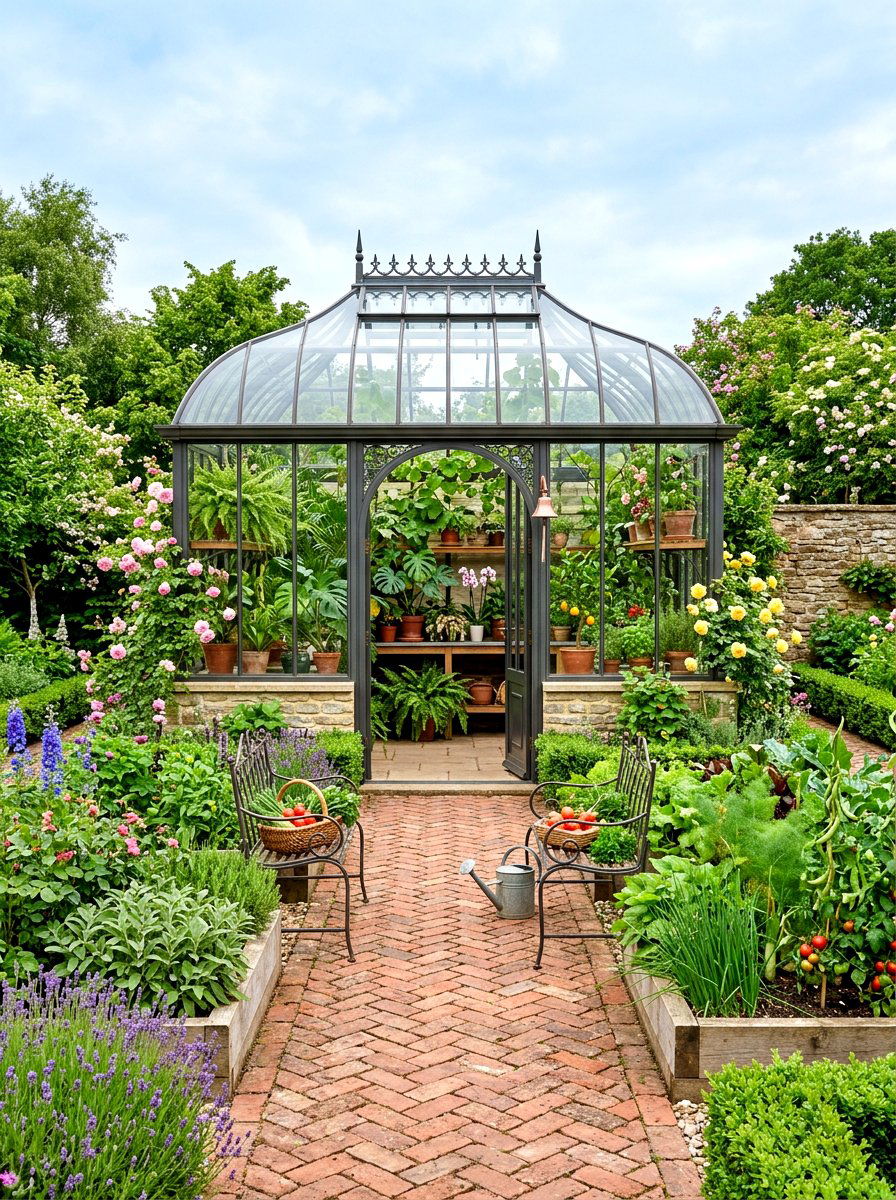
Would you love to harvest fresh greens even when the winter frost has settled over the rest of your backyard? A greenhouse kitchen garden provides a controlled environment that extends your growing season throughout the entire year. These structures range from small DIY cold frames to large, elegant glass houses that serve as an outdoor room for both plants and people. Inside, you can nurture delicate tropical herbs or start your summer vegetable seeds much earlier than your neighbors. The warm, humid atmosphere of a greenhouse creates a peaceful retreat where you can connect with nature regardless of the weather conditions outside your door.
8. Patio herb garden
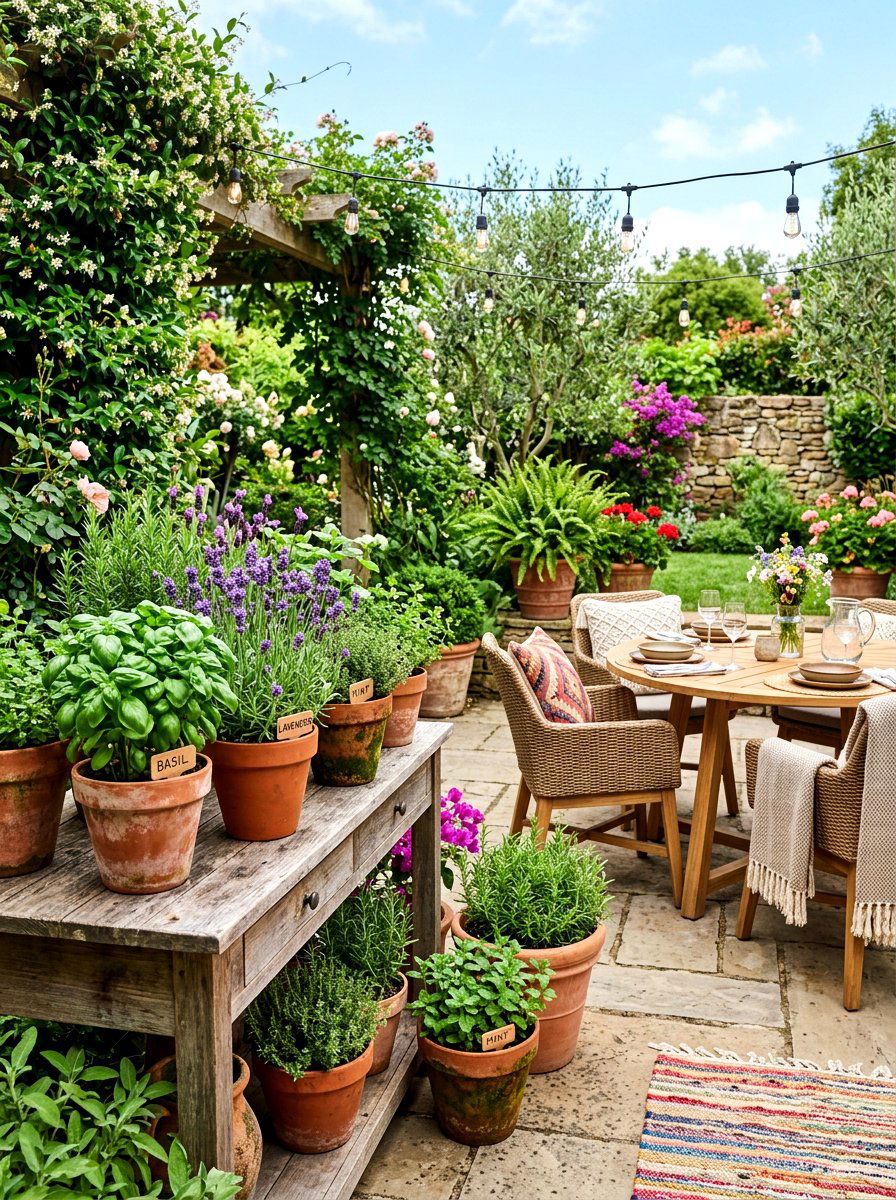
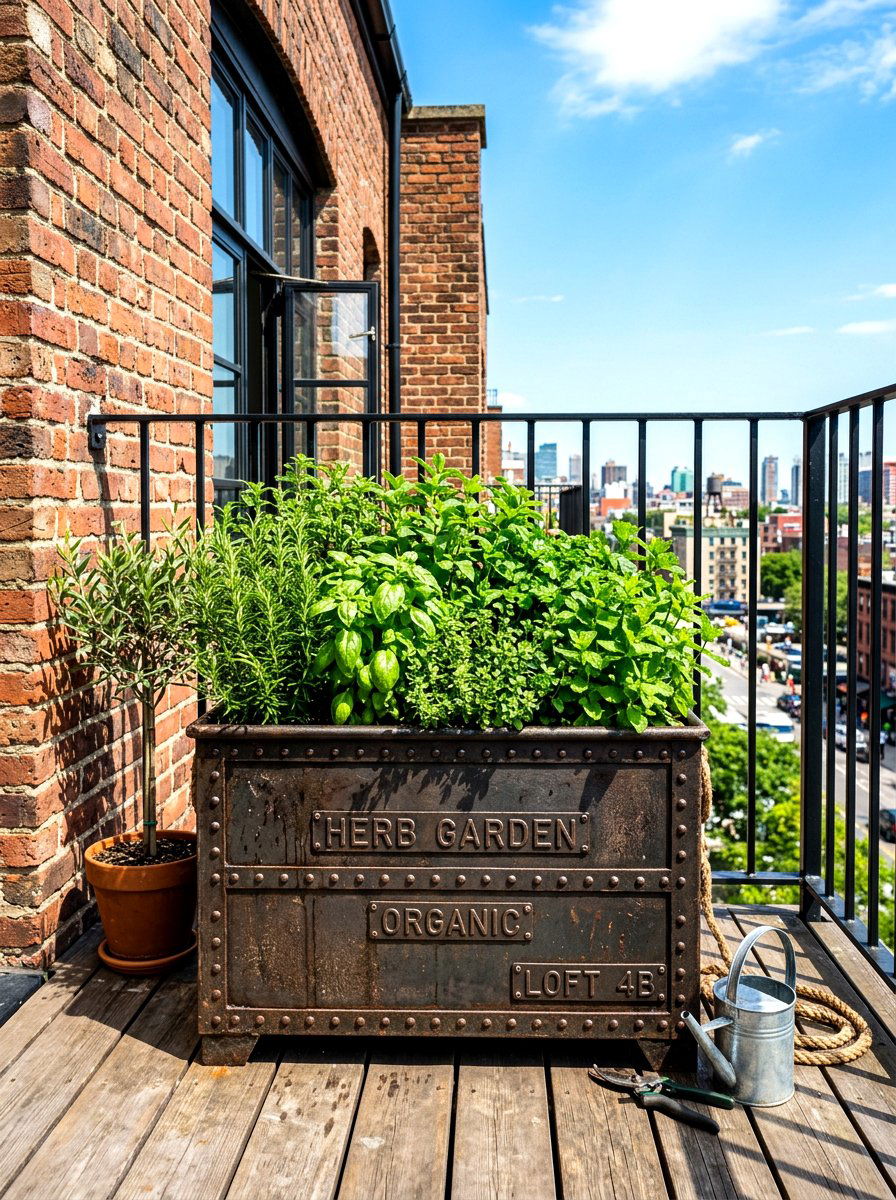
A patio herb garden is the perfect way to bring the functionality of a kitchen garden right to your outdoor seating area. By placing fragrant pots of lavender, basil, and oregano near your grill or dining table, you create a sensory experience for guests. These herbs are not only useful for seasoning your meals but also act as natural pest repellents to keep mosquitoes away while you eat. Using decorative terracotta or glazed ceramic pots ensures that your garden matches your patio furniture and overall decor style. This setup makes it incredibly easy to snip a few leaves for a fresh cocktail or garnish.
9. Small space kitchen garden
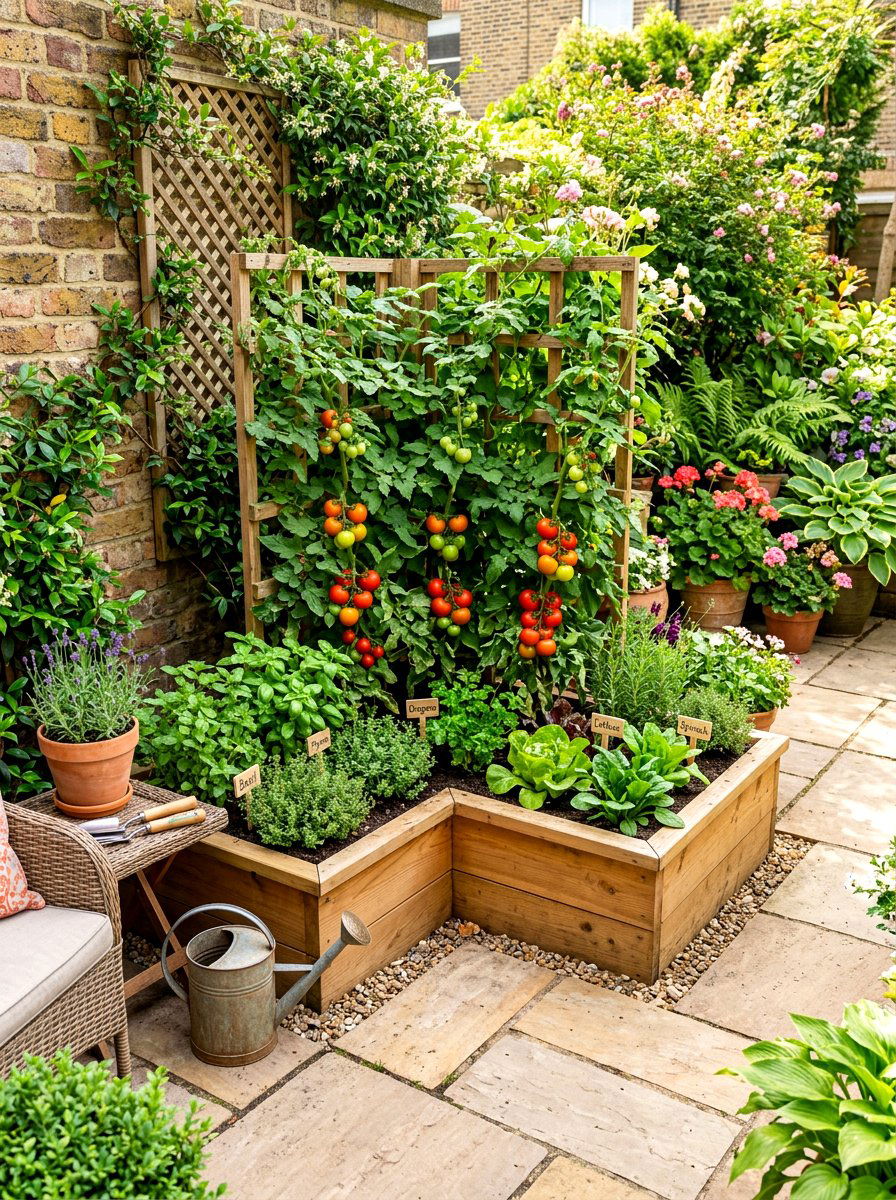
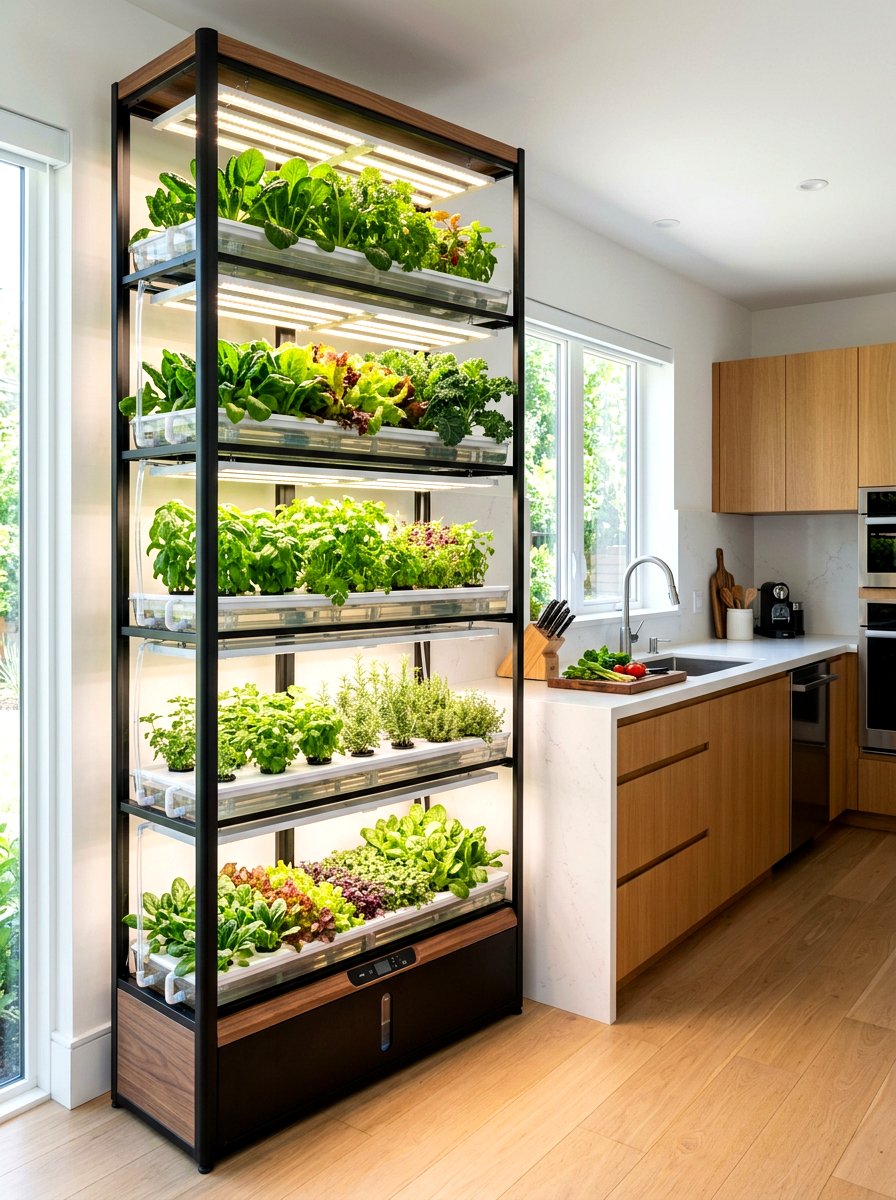
Having a compact backyard does not mean you have to give up on your dream of growing your own food. A small space kitchen garden utilizes every available inch, from windowsills to the corners of your deck, to maximize your harvest. You can use square-foot gardening techniques to pack a variety of vegetables into a single small bed without overcrowding them. Choosing dwarf varieties of common vegetables like tomatoes and cucumbers ensures they stay manageable in a tighter environment. With careful planning and a bit of creativity, even the smallest backyard can become a highly productive and visually appealing source of fresh, organic ingredients.
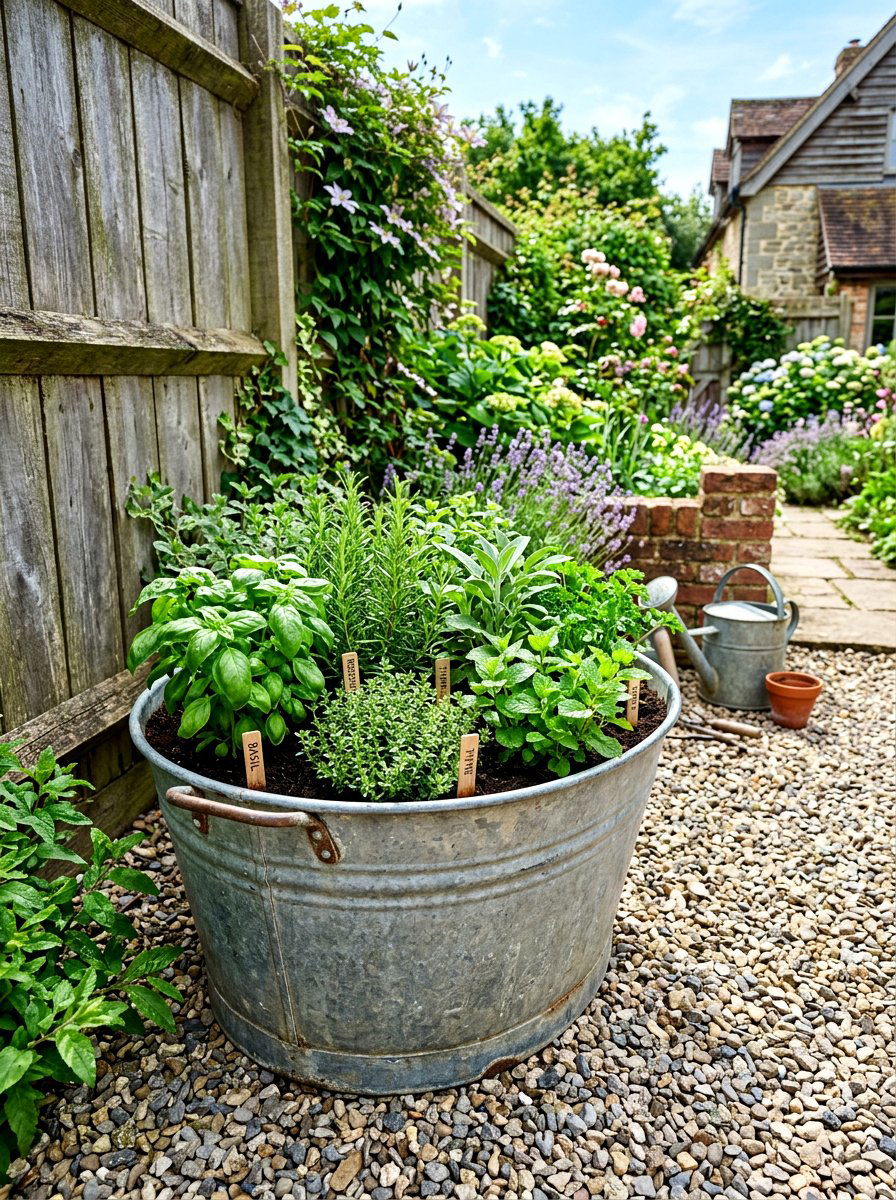
10. Modern kitchen garden
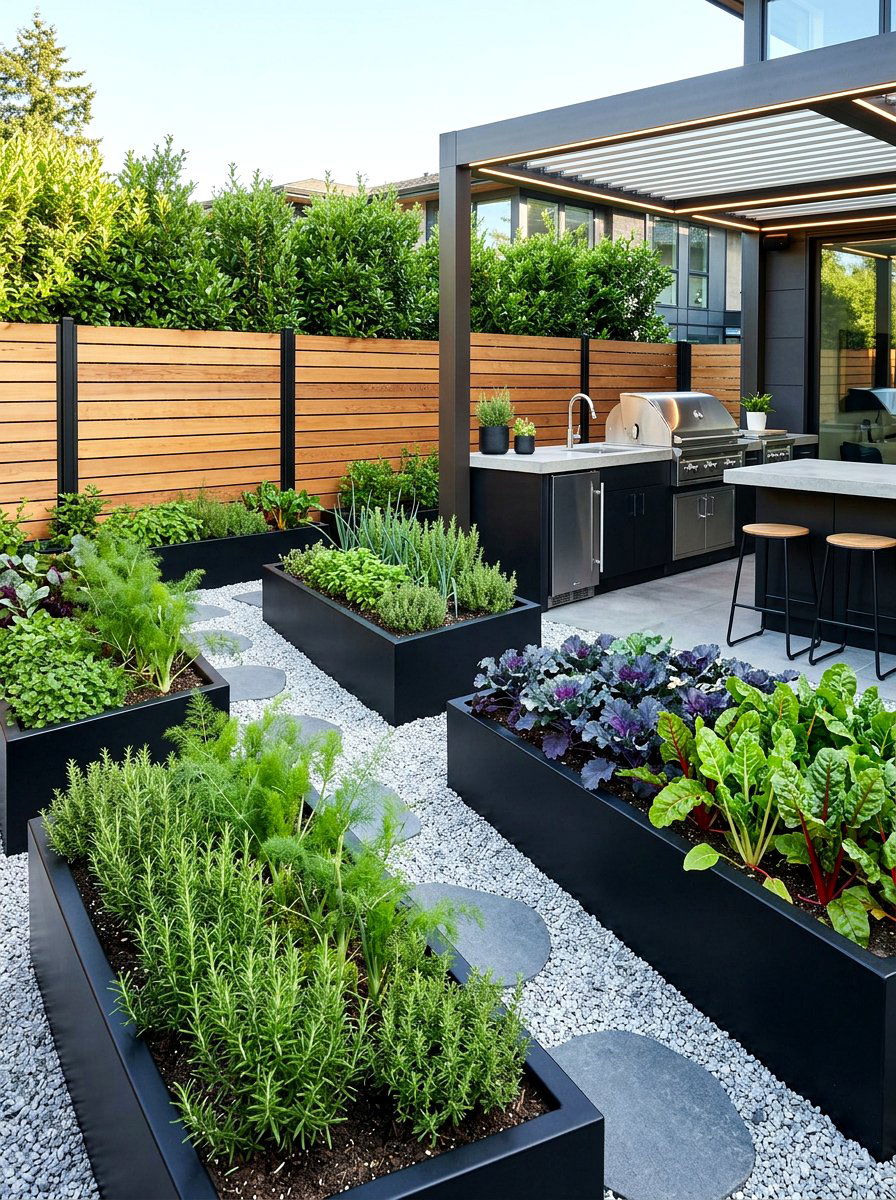
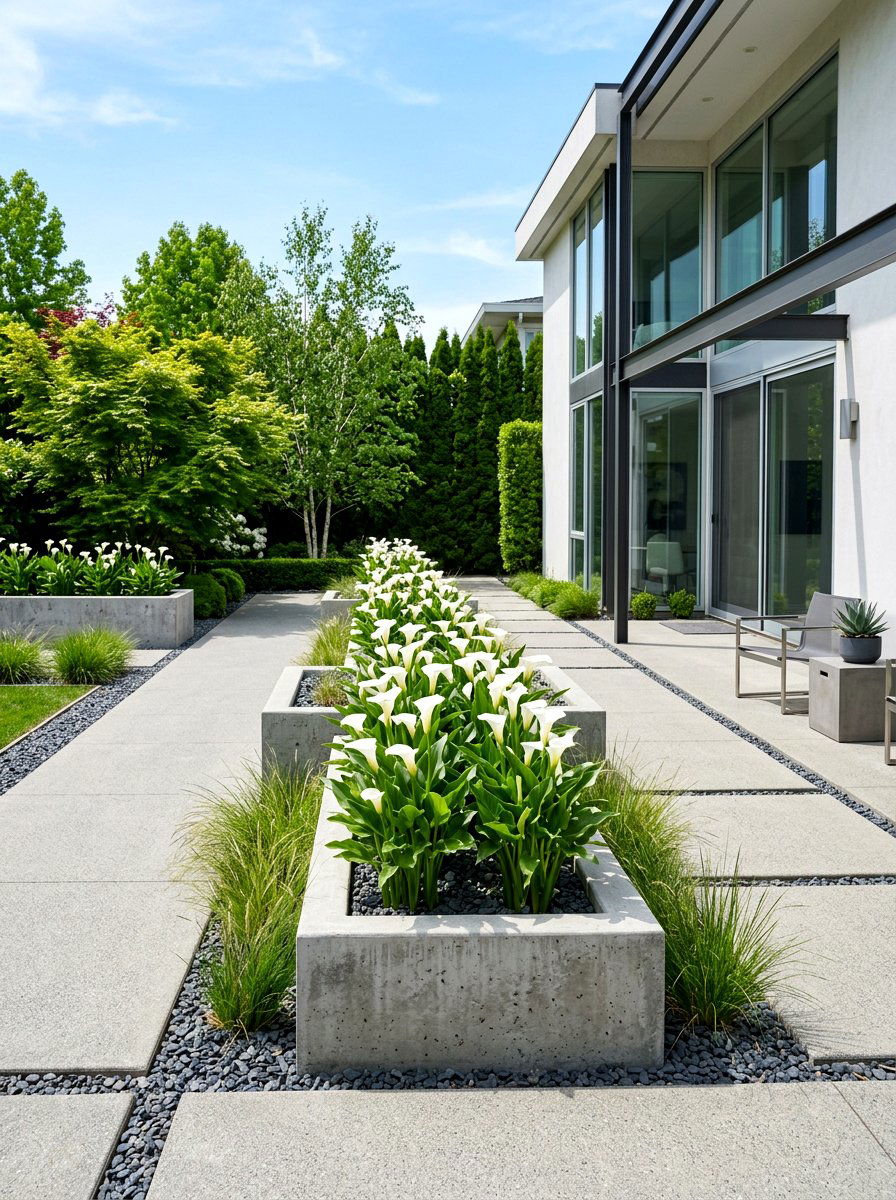
A modern kitchen garden focuses on clean lines, minimalist materials, and a highly organized layout that complements contemporary home architecture. You might see sleek black metal garden beds paired with light gray gravel paths for a high-contrast and sophisticated look. This style often incorporates built-in seating or automated smart irrigation systems that make maintenance almost effortless for busy homeowners. Instead of the wild look of a traditional garden, plants are often grouped in blocks to create a bold, graphic effect. This approach proves that growing food can be just as stylish and aesthetically pleasing as any other high-end landscape design feature in your backyard.
11. Rustic potager garden
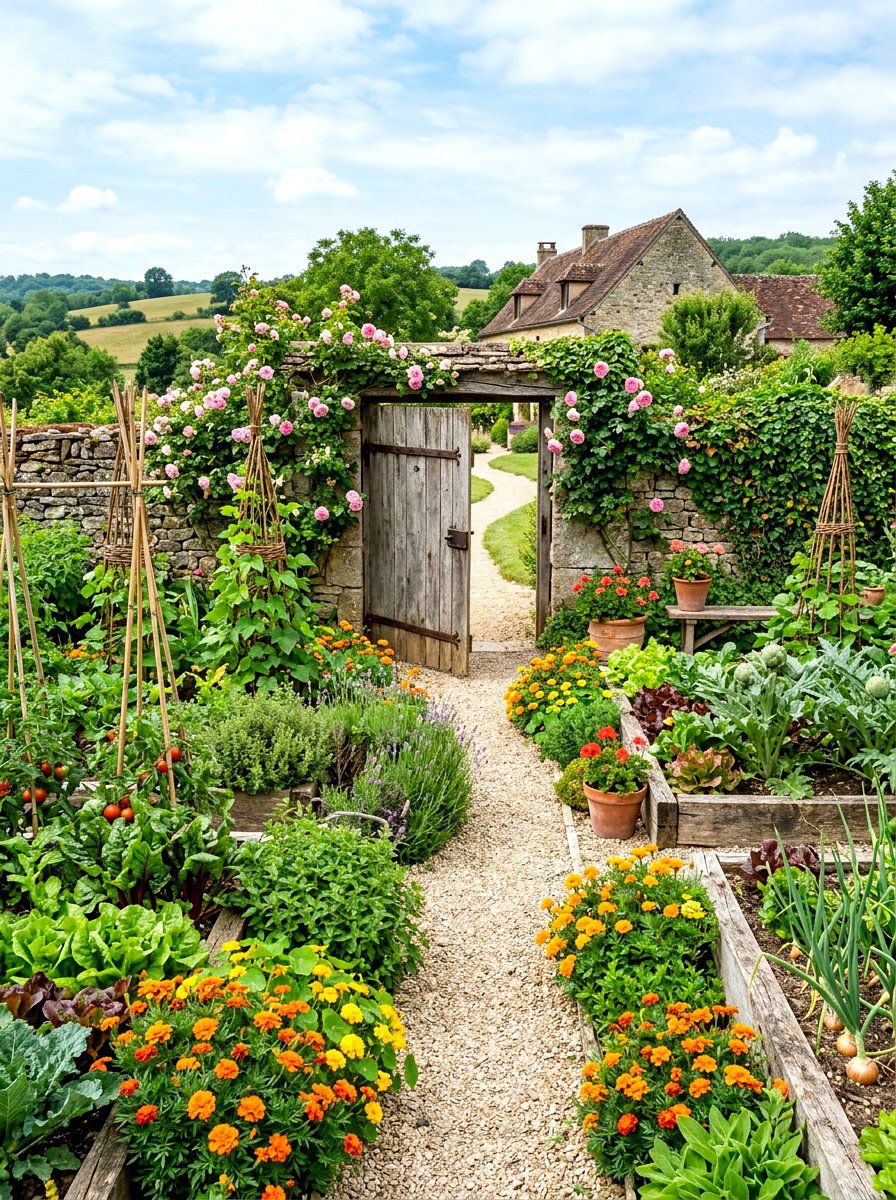
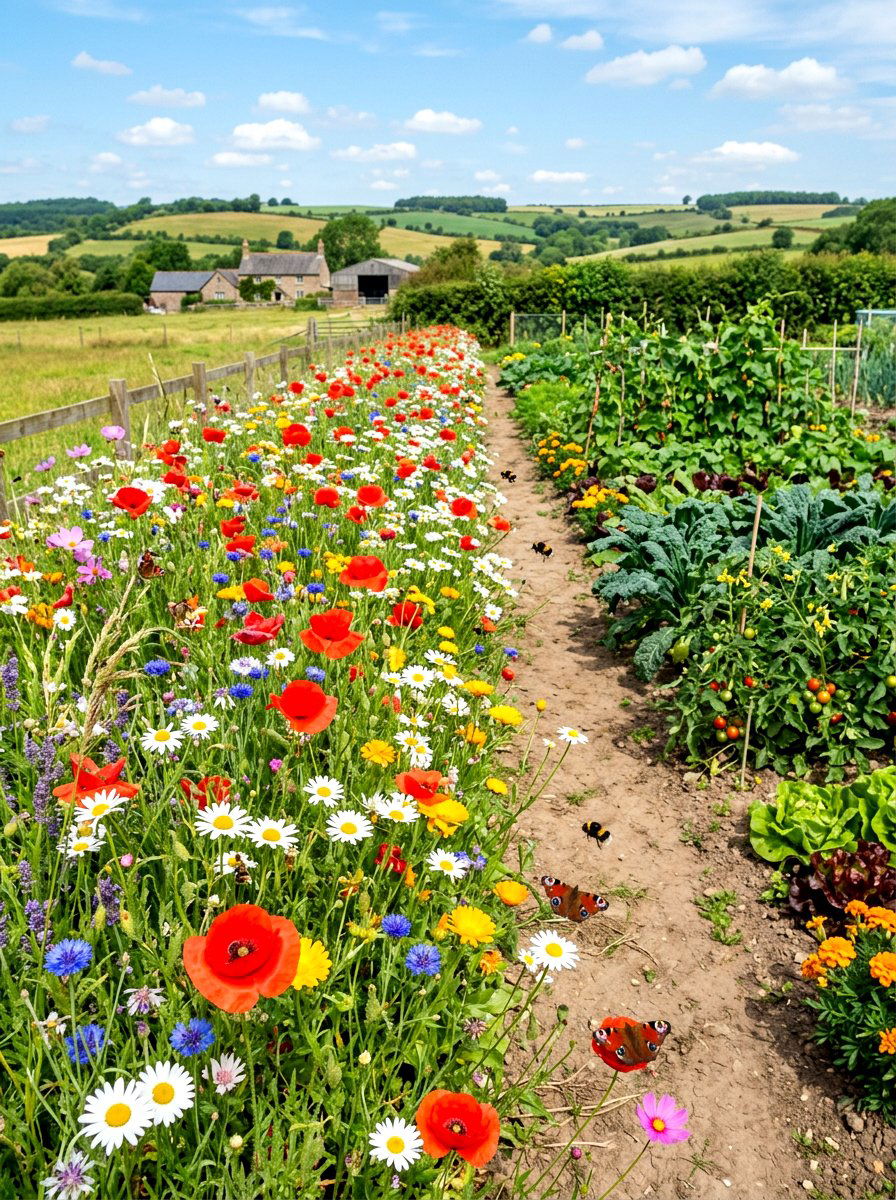
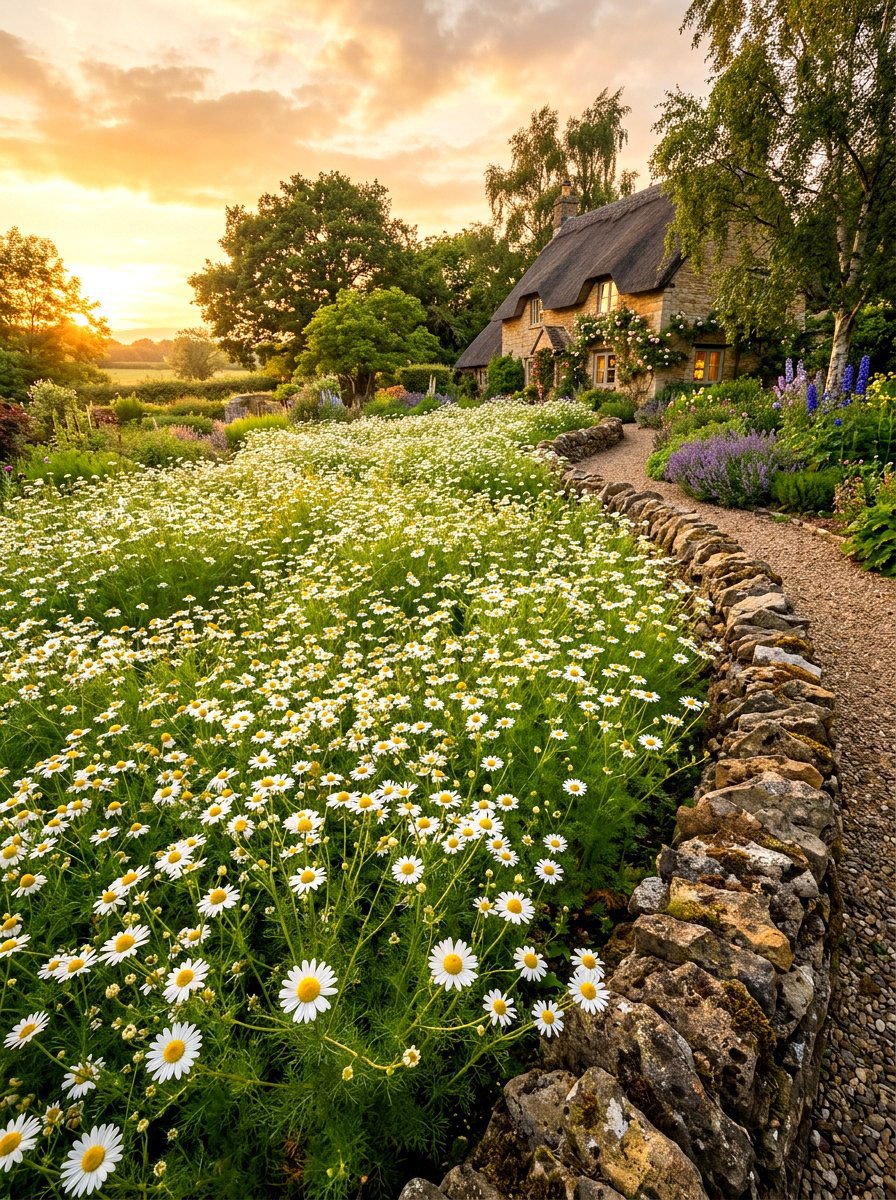
Stepping into a rustic potager garden feels like being transported to a charming cottage in the French countryside. This style of kitchen garden prioritizes a beautiful mix of vegetables, fruits, and flowering herbs all growing together in a seemingly effortless way. You can use reclaimed wood, vintage gates, and weathered stone to give the space an established and lived-in feel. The inclusion of edible flowers like marigolds and nasturtiums not only adds pops of bright color but also helps with natural pest control. It is a whimsical and romantic approach to gardening that celebrates the natural beauty of plants in a relaxed, informal setting.
12. Walk-through archway garden
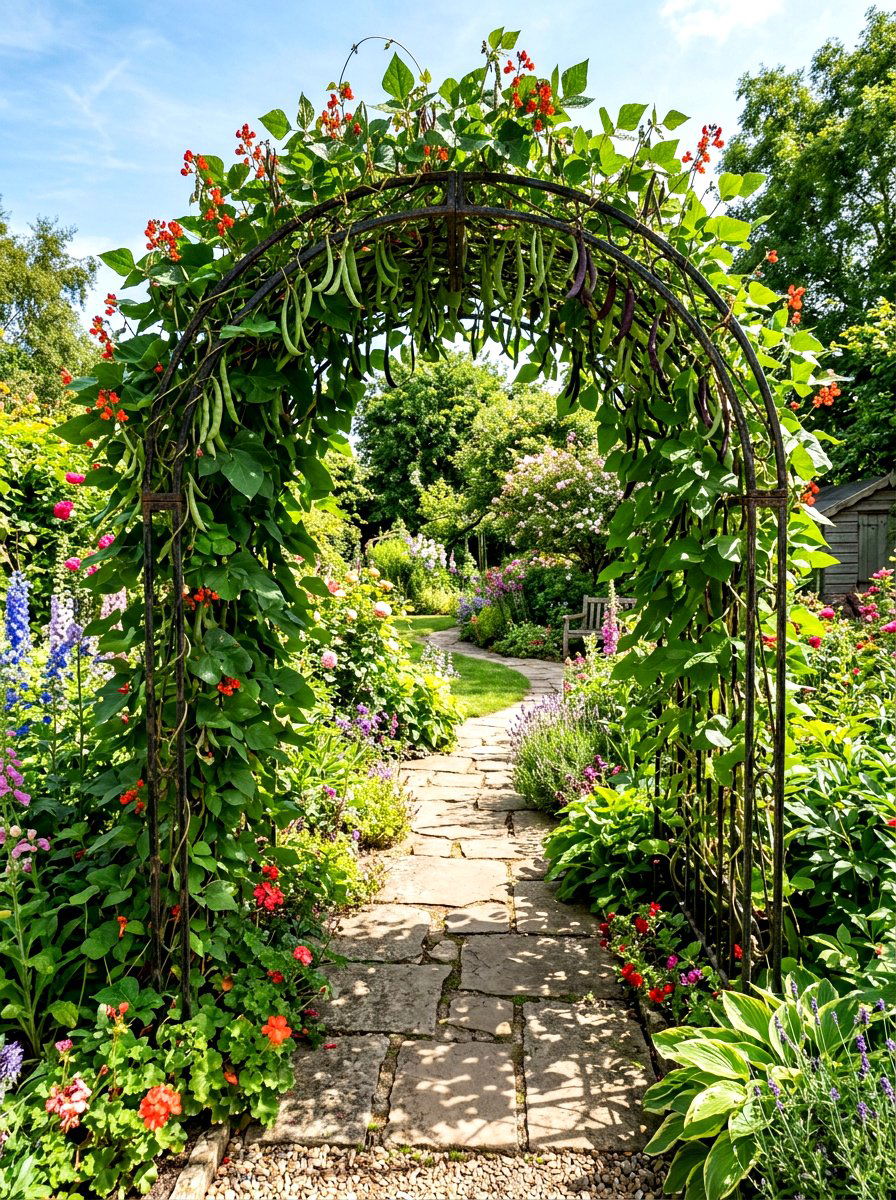
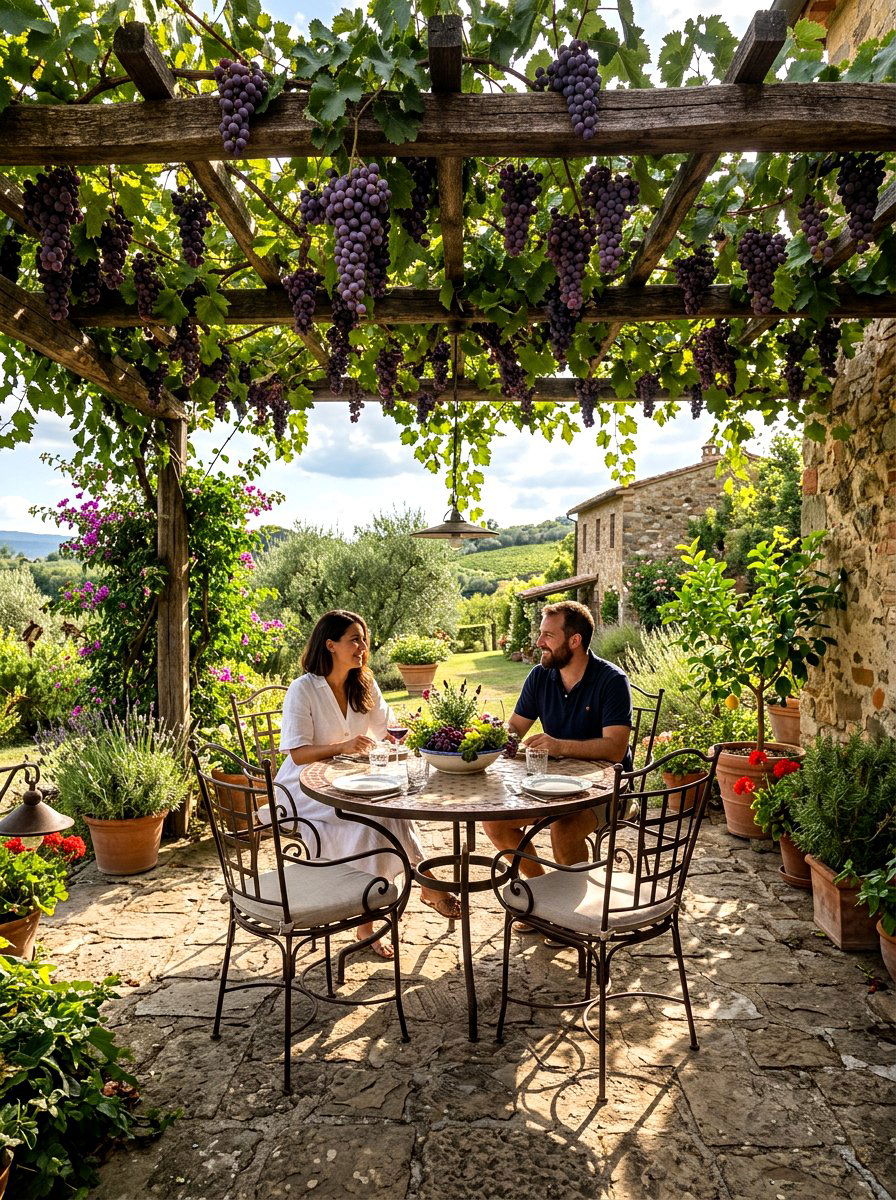
Imagine walking through a lush tunnel of greenery where heavy clusters of grapes or long beans hang just above your head. A walk-through archway garden uses sturdy trellises or cattle panels to encourage climbing plants to grow upward and over a central path. This design is an incredible space-saver because it utilizes vertical real estate that would otherwise go to waste in your backyard. It creates a magical, shaded transition between different areas of your yard while providing a bountiful harvest at the same time. These structures also add architectural height and interest, serving as a stunning backdrop for outdoor photos and gatherings.
13. Backyard raised garden beds
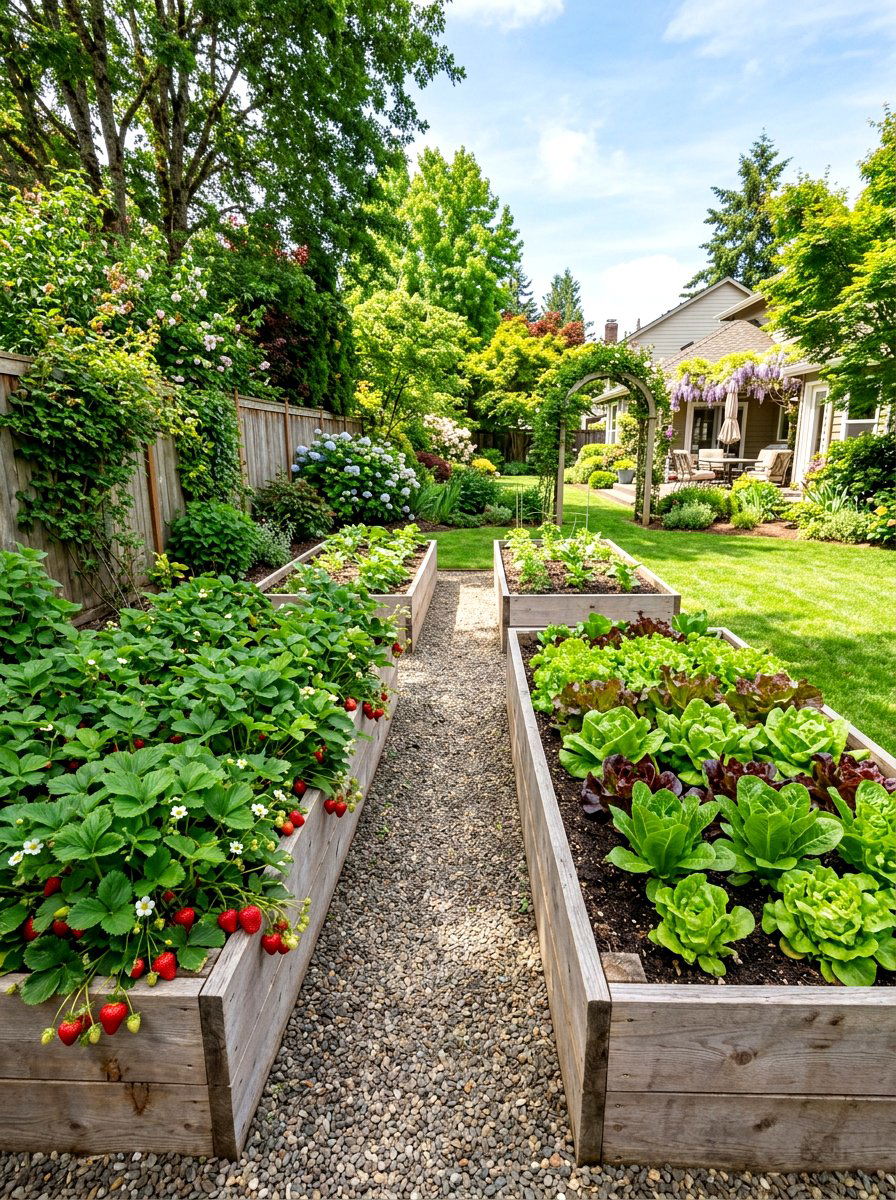
Backyard raised garden beds are the gold standard for those who want a productive and tidy growing space without a lot of fuss. These beds are usually constructed at a height that makes weeding and harvesting much easier on the body than traditional ground gardening. You can customize the dimensions of each bed to fit the specific footprint of your yard, ensuring no space is wasted. Filling them with a custom blend of organic compost and topsoil guarantees that your plants have the nutrients they need to thrive. The clear boundaries of these beds help keep grass and weeds from encroaching on your vegetable plants.
14. Multi-level vegetable garden
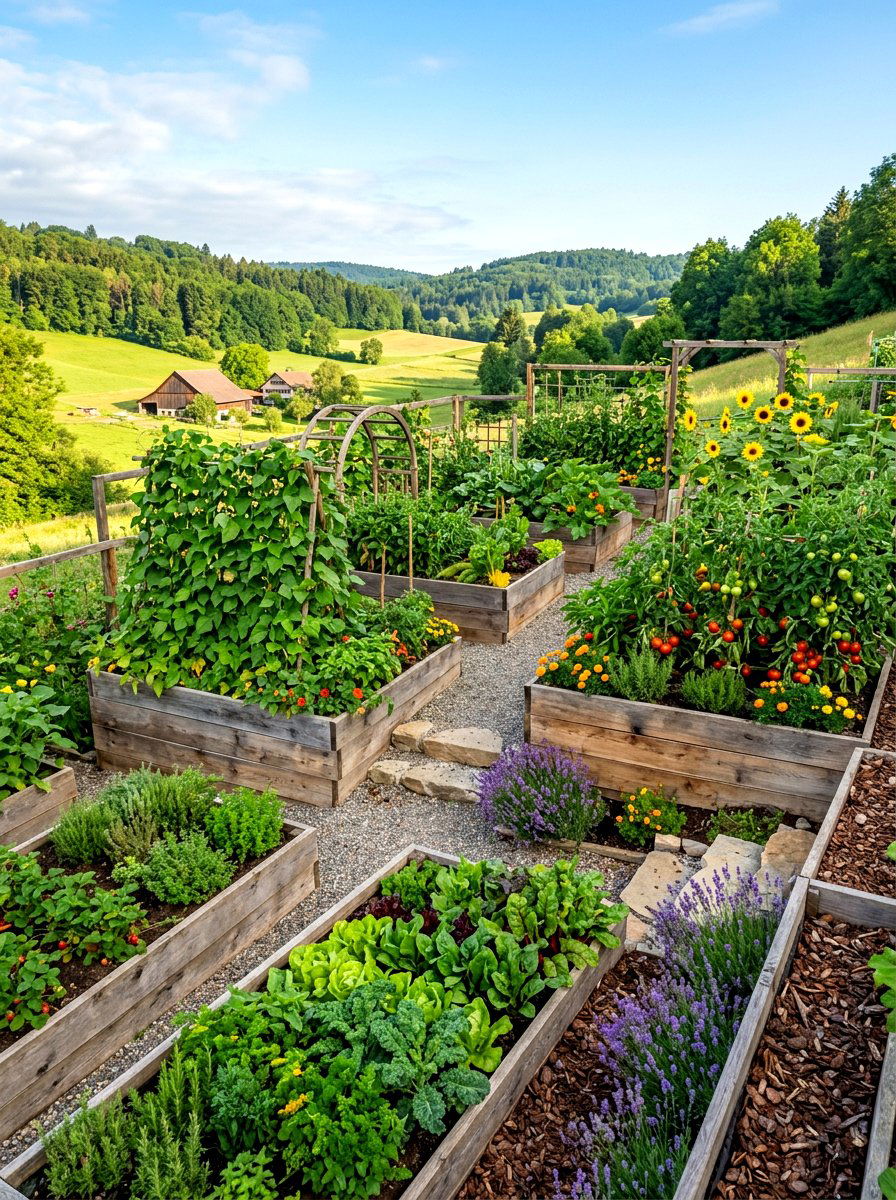
A multi-level vegetable garden is a clever way to add visual interest and maximize planting surface area in a standard backyard. By combining tall raised beds with lower ground-level plots and even some hanging baskets, you create a dynamic landscape that draws the eye upward. This arrangement allows you to place taller plants like corn in the back while lower-growing greens stay accessible in the front. It creates a lush, tiered effect that feels abundant and full of life, making your backyard look like a professional farm. This variety of heights also helps with airflow and sun exposure for different types of edible crops.
15. Compact kitchen garden
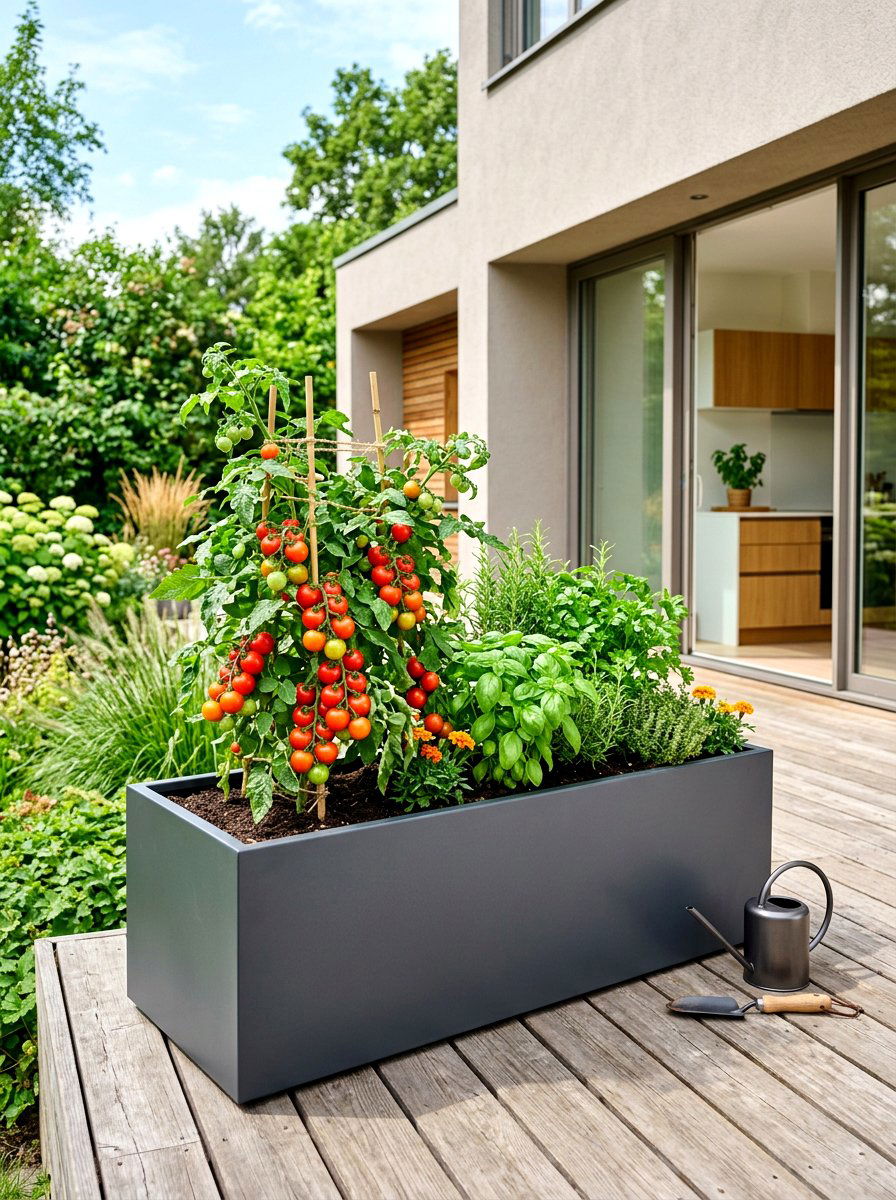
For those who prefer a minimalist lifestyle, a compact kitchen garden provides just enough fresh produce without becoming an overwhelming weekend chore. You can focus on growing a few high-yield staples, like salad greens and cherry tomatoes, that provide the most value for your kitchen. This type of garden often fits into a single large planter or a small corner of a flower bed, making it very easy to manage. Despite its smaller size, a compact garden can still be incredibly beautiful when styled with high-quality materials and healthy plants. It is the perfect entry point for anyone curious about the joys of home gardening.
16. Backyard fruit tree garden
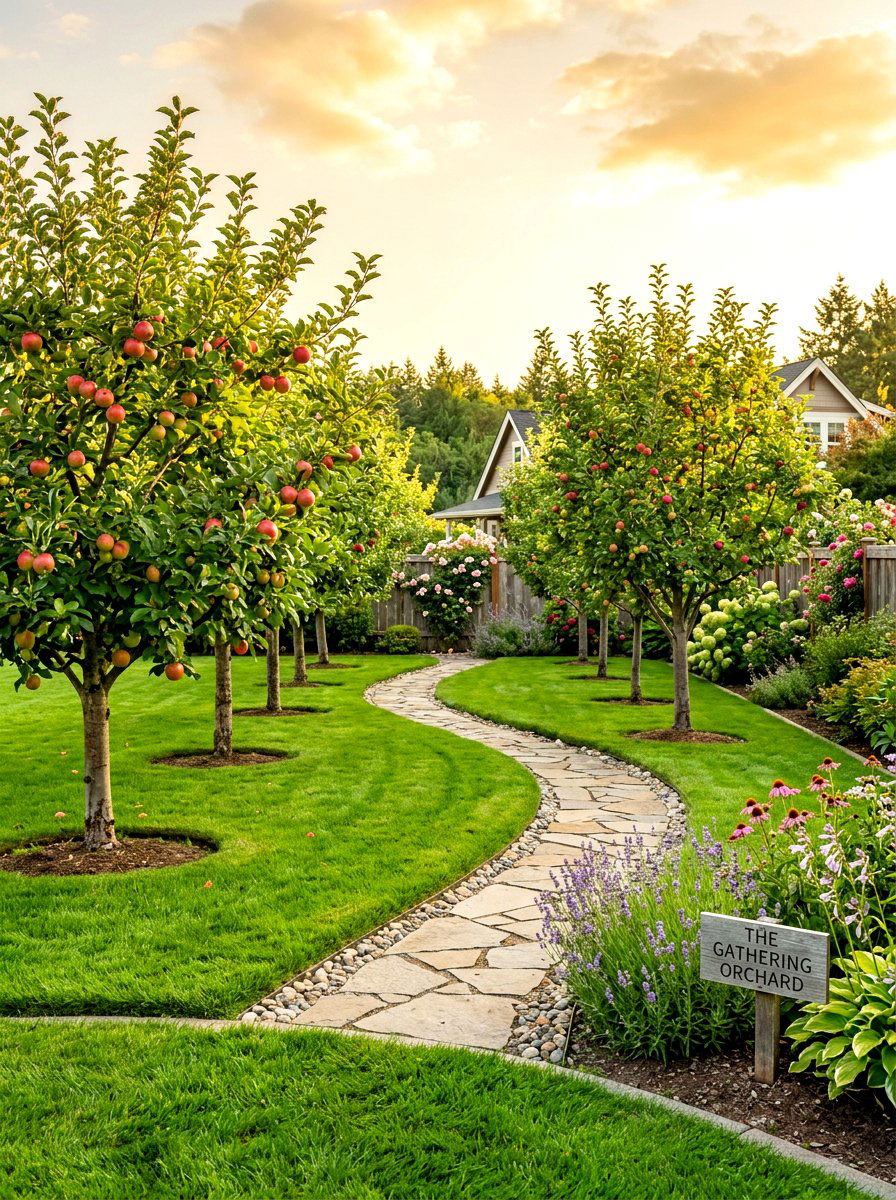
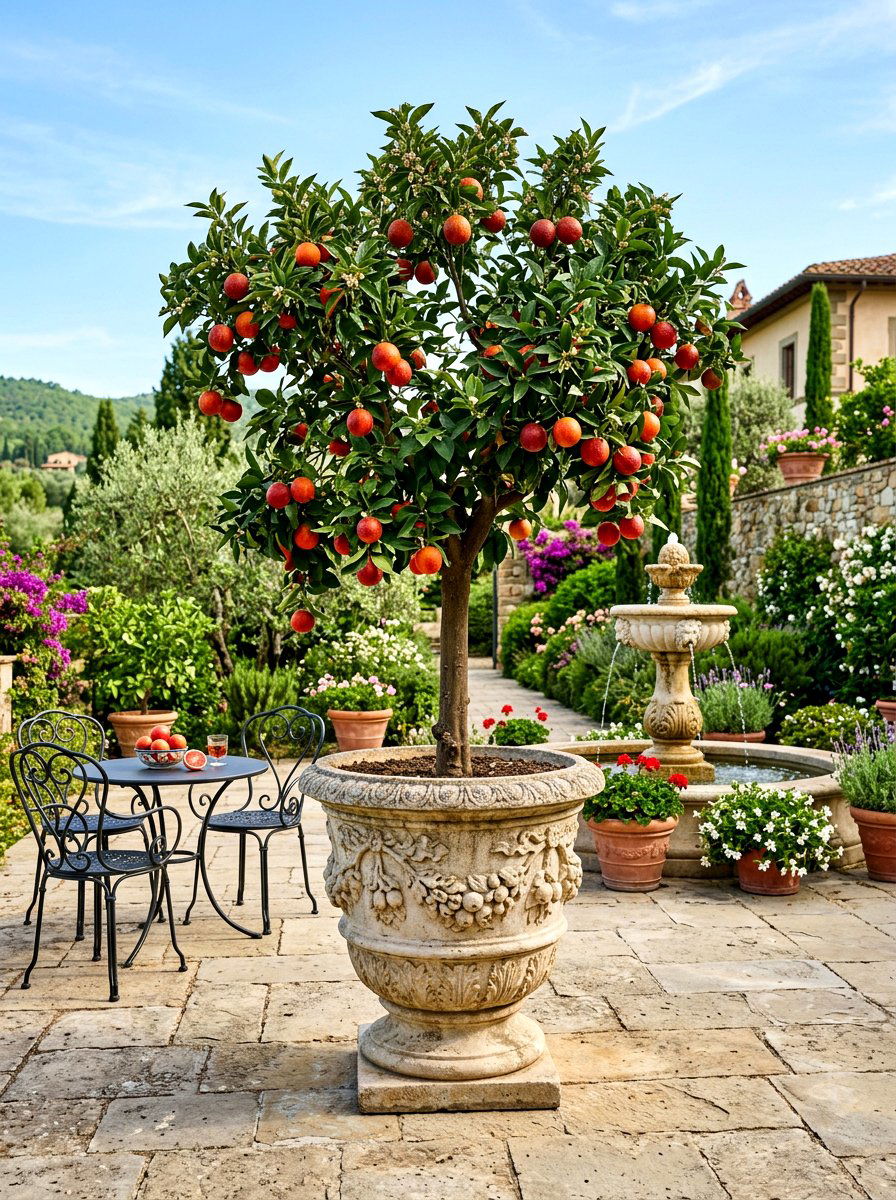
Have you ever dreamed of picking a fresh apple or peach right from a tree in your own backyard? A backyard fruit tree garden adds a permanent and productive element to your landscape that only gets better with every passing year. You can choose semi-dwarf or columnar varieties that stay small enough for typical residential yards while still producing large amounts of fruit. These trees provide beautiful spring blossoms and cooling summer shade, making them multi-functional additions to your outdoor living space. Planting a few different types of fruit ensures you have a rotating harvest throughout the summer and autumn months for your family.
17. Companion planting garden
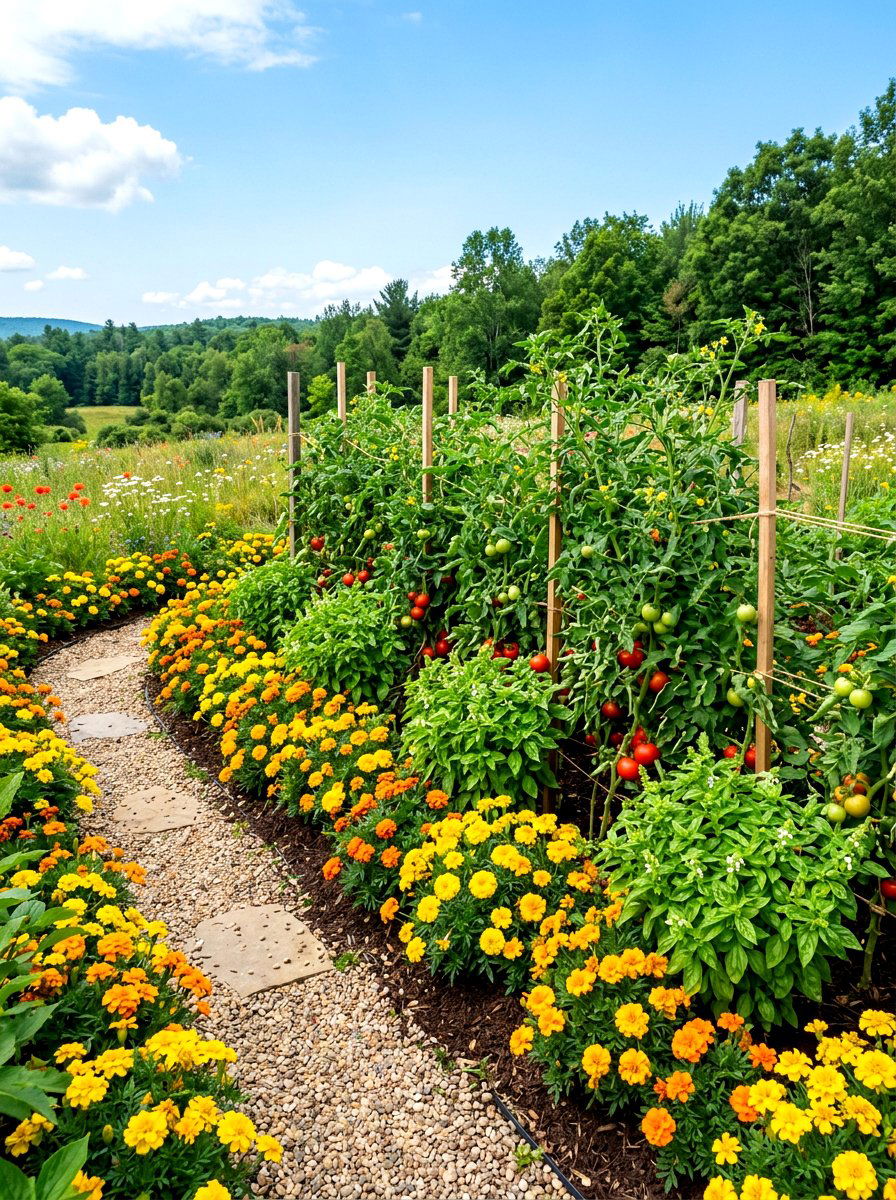
A companion planting garden is a smart and sustainable way to grow food by grouping plants that naturally benefit one another. For example, planting tall sunflowers next to delicate lettuce provides much-needed shade, while aromatic marigolds can help deter pests from your tomato plants. This method reduces the need for chemical fertilizers and pesticides, resulting in a healthier and more organic backyard ecosystem. The diverse mix of shapes, colors, and textures makes the garden look more like a natural meadow than a rigid vegetable patch. It is a fascinating way to learn about the relationships between different plants while enjoying a diverse harvest.
18. Self-watering garden beds
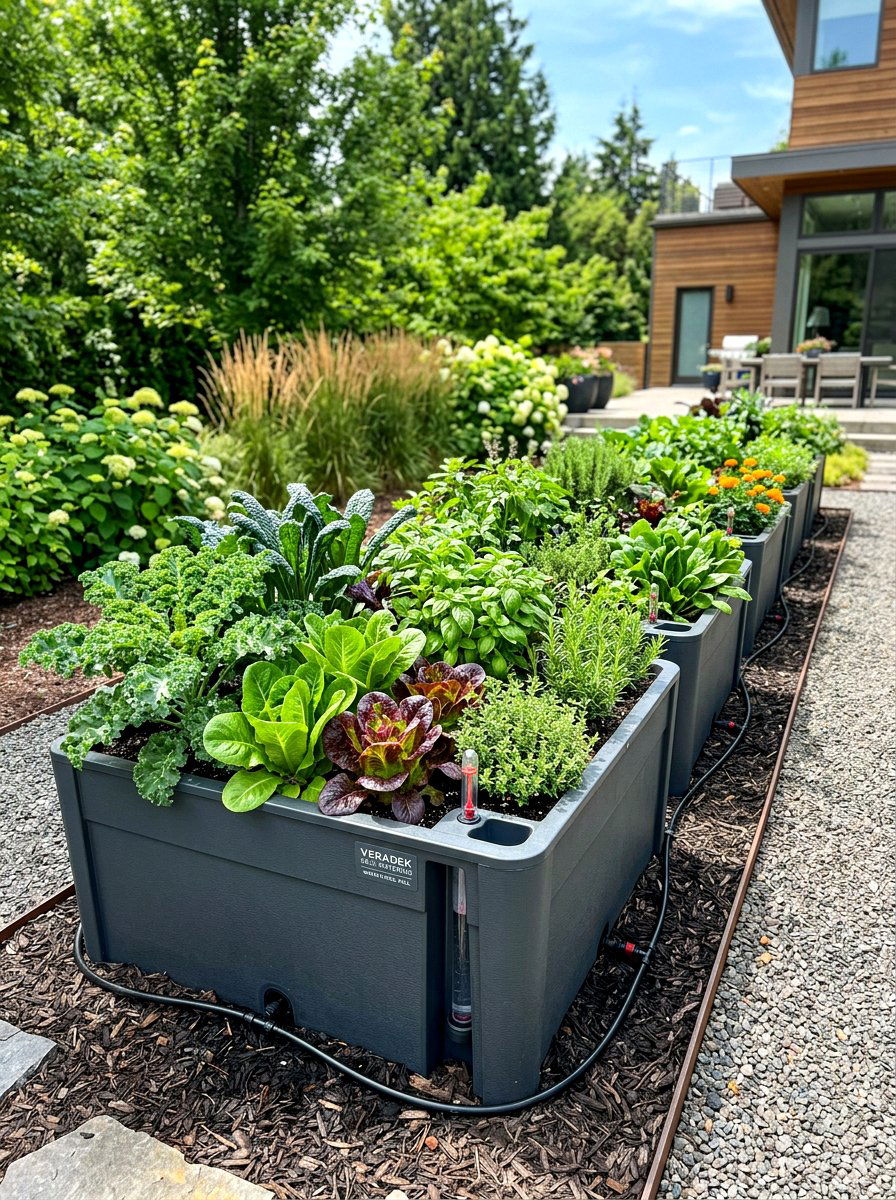
If you have a busy schedule or live in a dry climate, self-watering garden beds are a total game-changer for your backyard. These innovative systems feature a built-in reservoir at the bottom that provides a consistent supply of moisture directly to the roots of your plants. This prevents the cycle of overwatering and underwatering that often leads to stressed or dying vegetables during the hot summer months. You can find these systems in various styles, from modern plastic units to DIY versions built into traditional wooden frames. They allow you to enjoy a lush kitchen garden with much less daily maintenance and significantly less water waste.
19. Walled kitchen garden
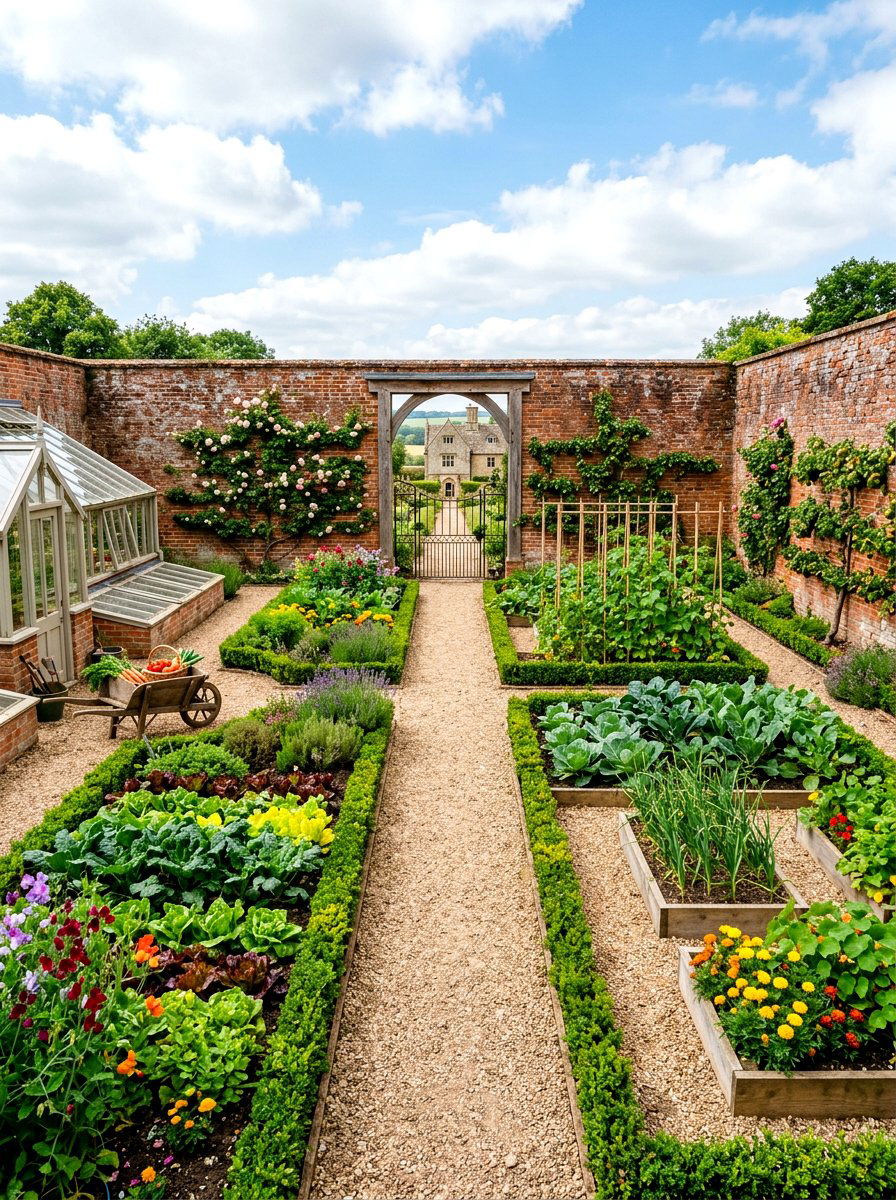
A walled kitchen garden offers a sense of privacy and protection that makes your growing space feel like a secret sanctuary. You can use brick, stone, or even modern horizontal slat fencing to enclose your vegetable beds and protect them from wind and local wildlife. These walls also absorb heat during the day and radiate it back at night, creating a warmer microclimate that helps your plants grow faster. This style is inspired by traditional English estates and provides a formal, timeless look that adds significant value to your property. It is an ideal setup for creating a dedicated and focused area for food production.
20. L-shaped garden beds
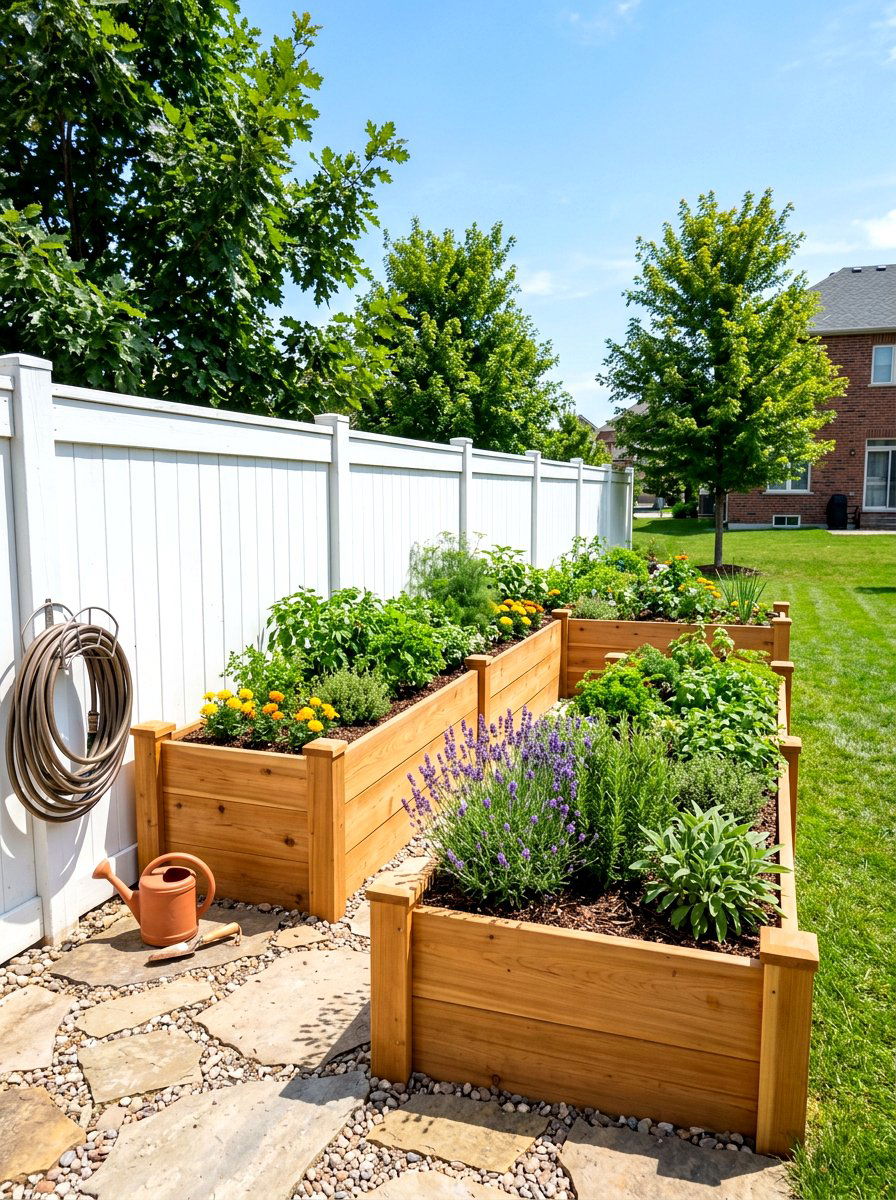
L-shaped garden beds are an excellent choice for maximizing the corners of your backyard where traditional rectangular beds might not fit. This layout allows you to wrap your kitchen garden around a patio or along the edges of a fence line, leaving the center of your yard open for other activities. The shape makes it easy to reach all parts of the bed without ever having to step on the soil, which helps prevent compaction. You can use the corner of the "L" as a focal point for a large trellis or a beautiful ceramic birdbath to add extra charm. It is a practical and space-efficient design choice.
21. U-shaped raised garden
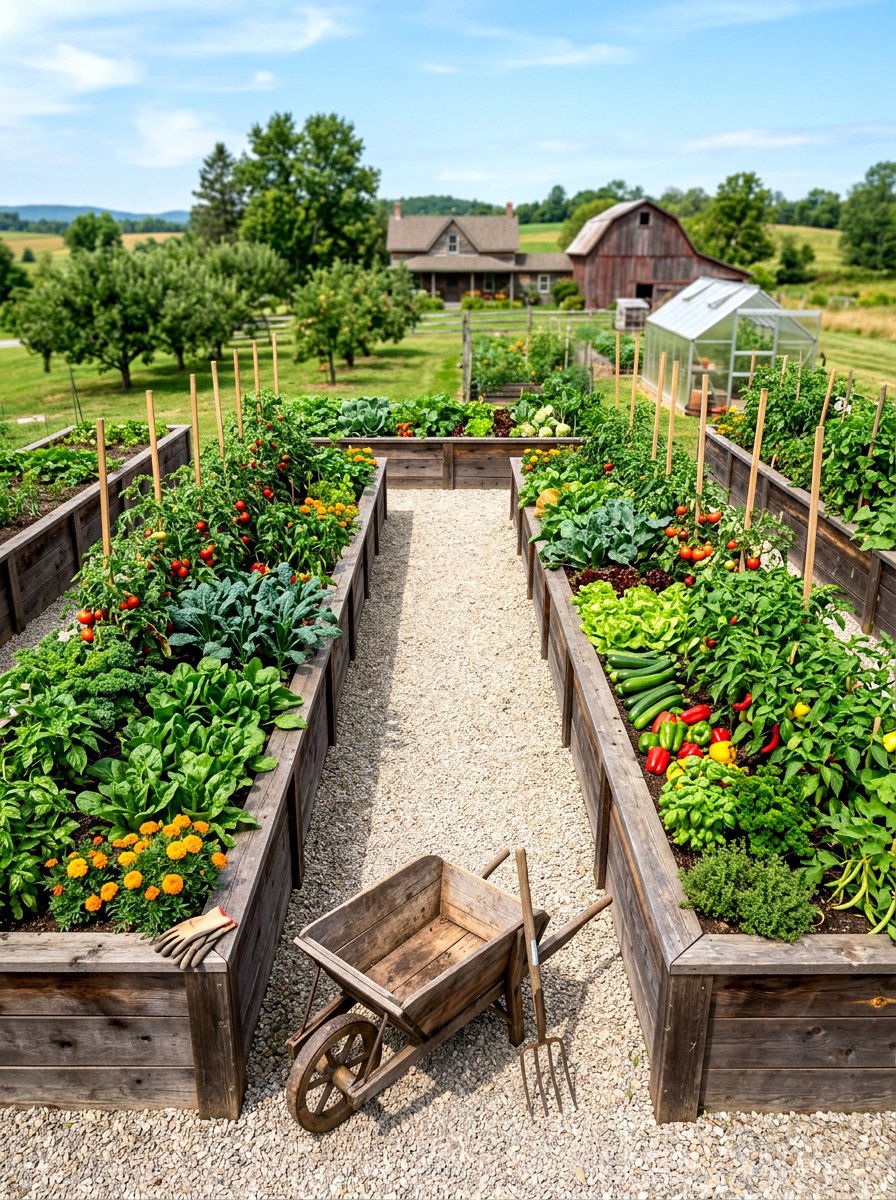
A U-shaped raised garden creates an immersive experience where you are literally surrounded by your growing plants as you stand in the center. This layout is highly efficient because it minimizes the amount of path space needed while maximizing the actual planting area in your backyard. You can easily access three sides of the garden from one central standing spot, making harvesting and weeding incredibly quick and easy. This design also looks very intentional and architectural, often serving as a major focal point in a backyard landscape. It is perfect for those who want to grow a large volume of food in a dedicated space.
22. Cedar wood garden beds
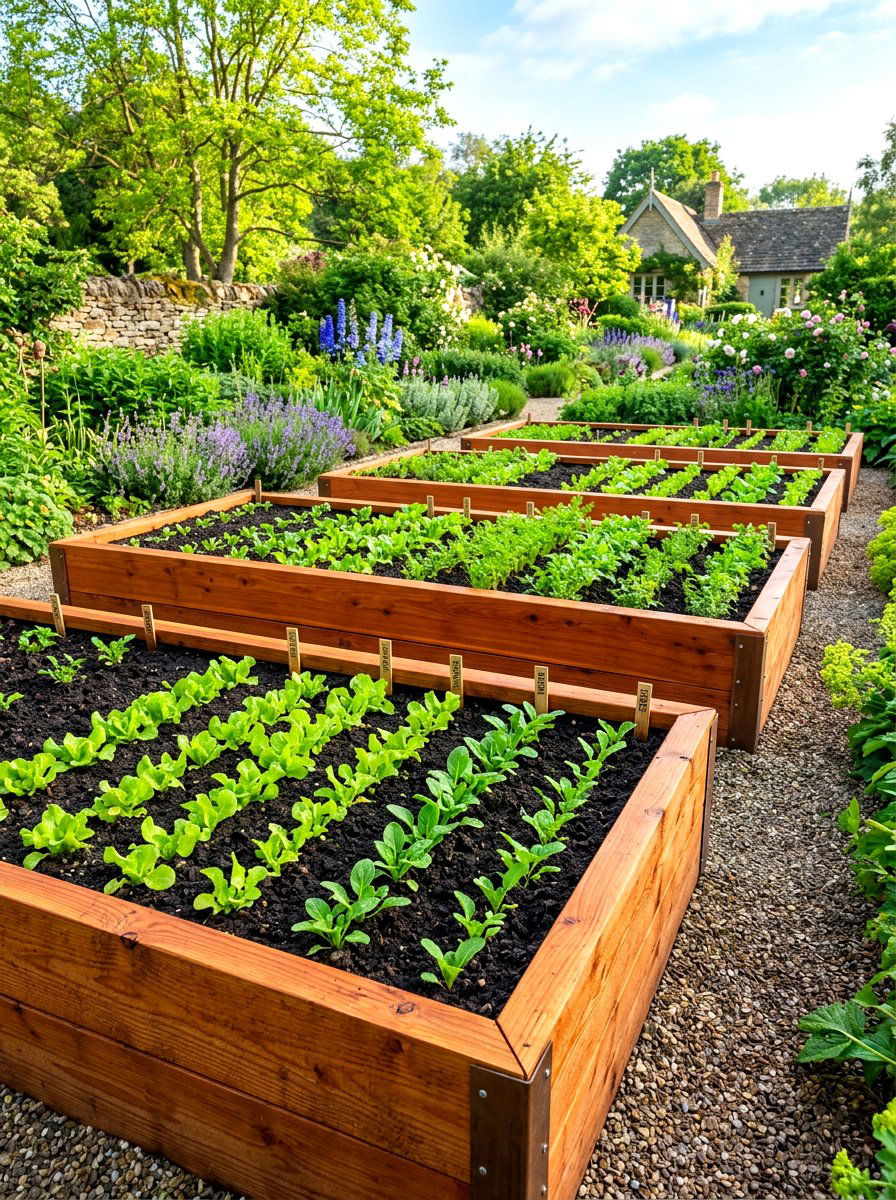
Using cedar wood garden beds is a classic choice for backyards because this natural material is beautiful, durable, and naturally resistant to rot and insects. The warm, reddish tones of the wood provide a stunning contrast to the vibrant green leaves of your vegetable plants and herbs. Over time, cedar weathers to a graceful silvery-gray that blends seamlessly with many different home styles and landscape themes. Because it is a natural product, you don't have to worry about harmful chemicals leaching into your soil or your food. These beds are a long-term investment that brings a high-quality, organic look to your outdoor kitchen garden.
23. Metal raised garden beds
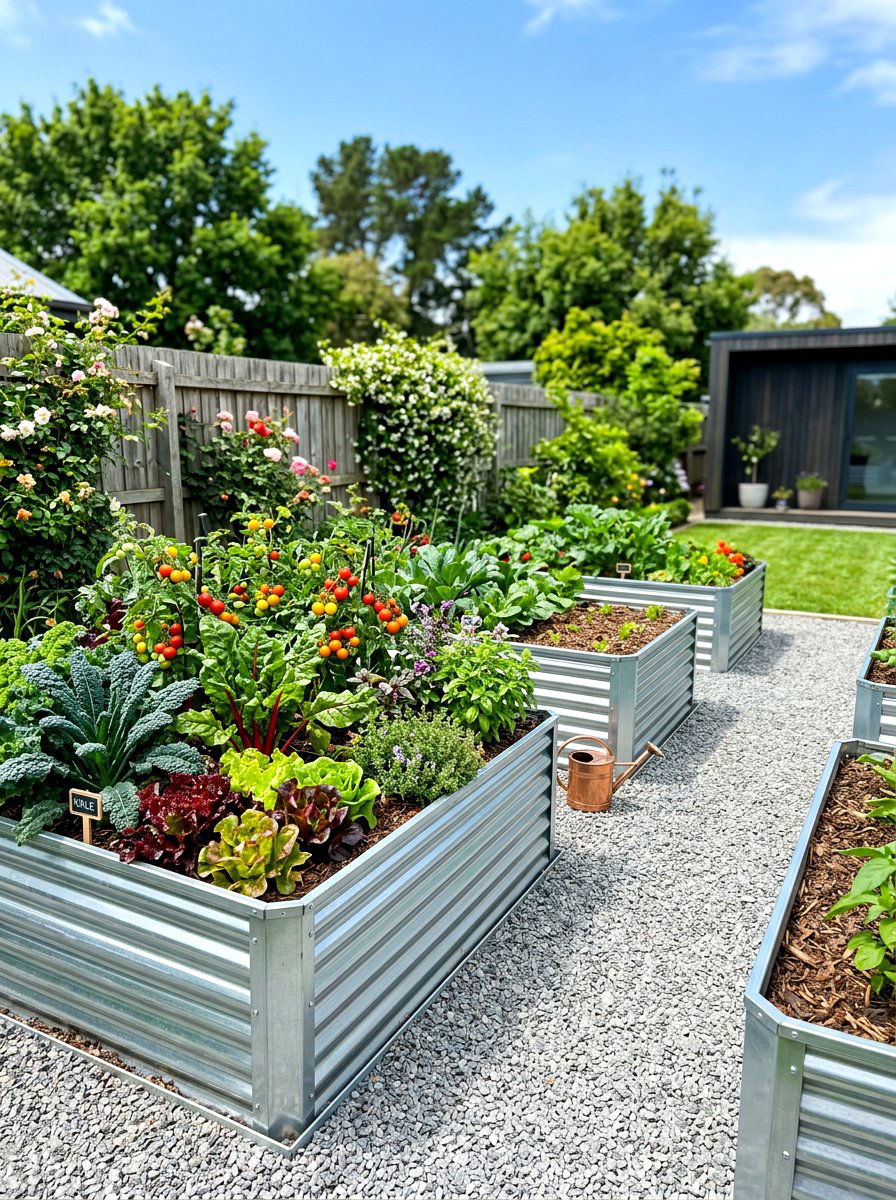
Metal raised garden beds have become incredibly popular in recent years due to their sleek, industrial look and extreme durability in various weather conditions. Often made from galvanized steel or corrugated metal, these beds offer a modern aesthetic that works well with both urban and farmhouse-style backyards. They are easy to assemble and hold their shape for decades without the risk of rotting or warping over time. The reflective surface can even help warm the soil slightly in the early spring, giving your seedlings a head start. These beds come in many different heights, allowing you to choose the one that is most comfortable for your gardening.
24. Stone border kitchen garden
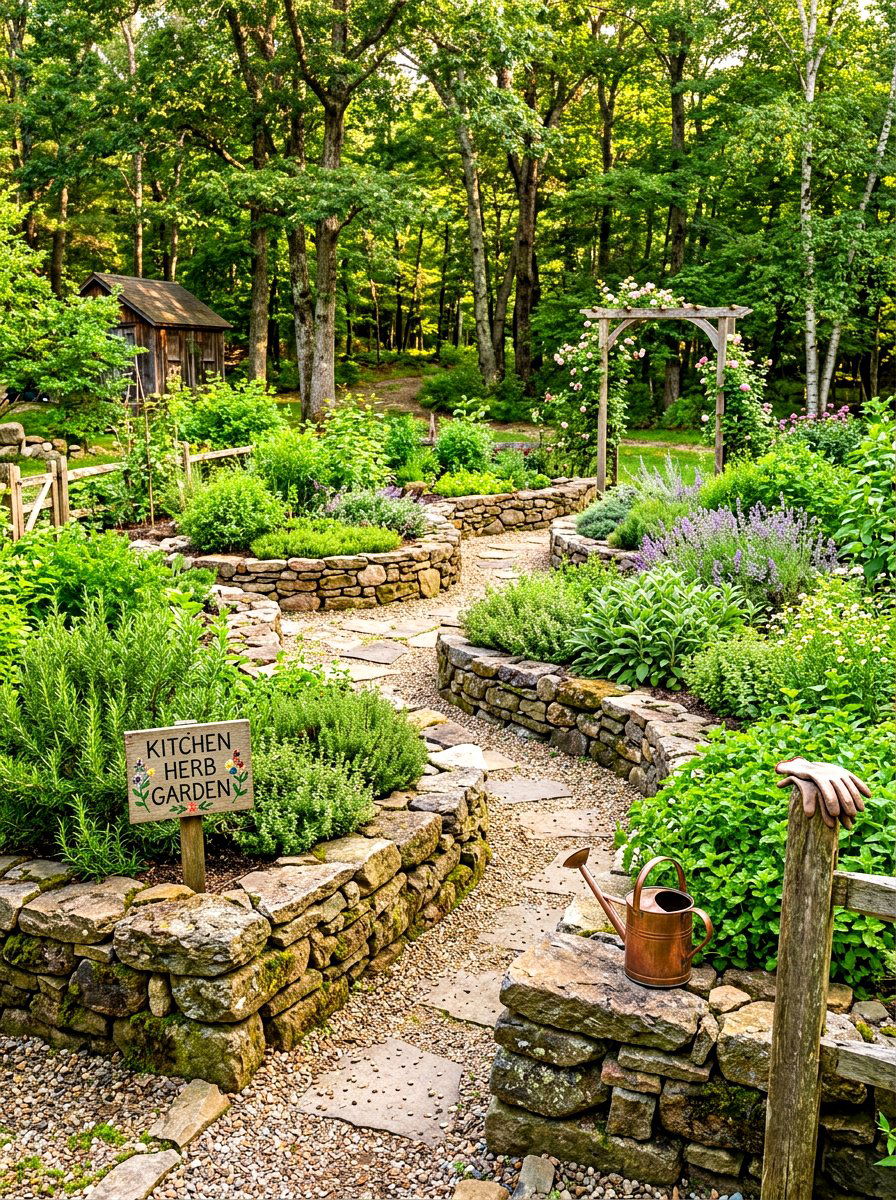
A stone border kitchen garden uses natural rock or stacked pavers to create a permanent and grounding edge for your backyard vegetable beds. This material adds a sense of history and weight to the landscape, making the garden feel like it has always been a part of the property. Stone is incredibly low-maintenance and will not degrade over time, providing a reliable boundary that keeps your soil and mulch exactly where they belong. You can match the stone to your home’s foundation or patio for a cohesive and professionally designed look. It is a beautiful way to blend high-end hardscaping with the softness of an edible garden.
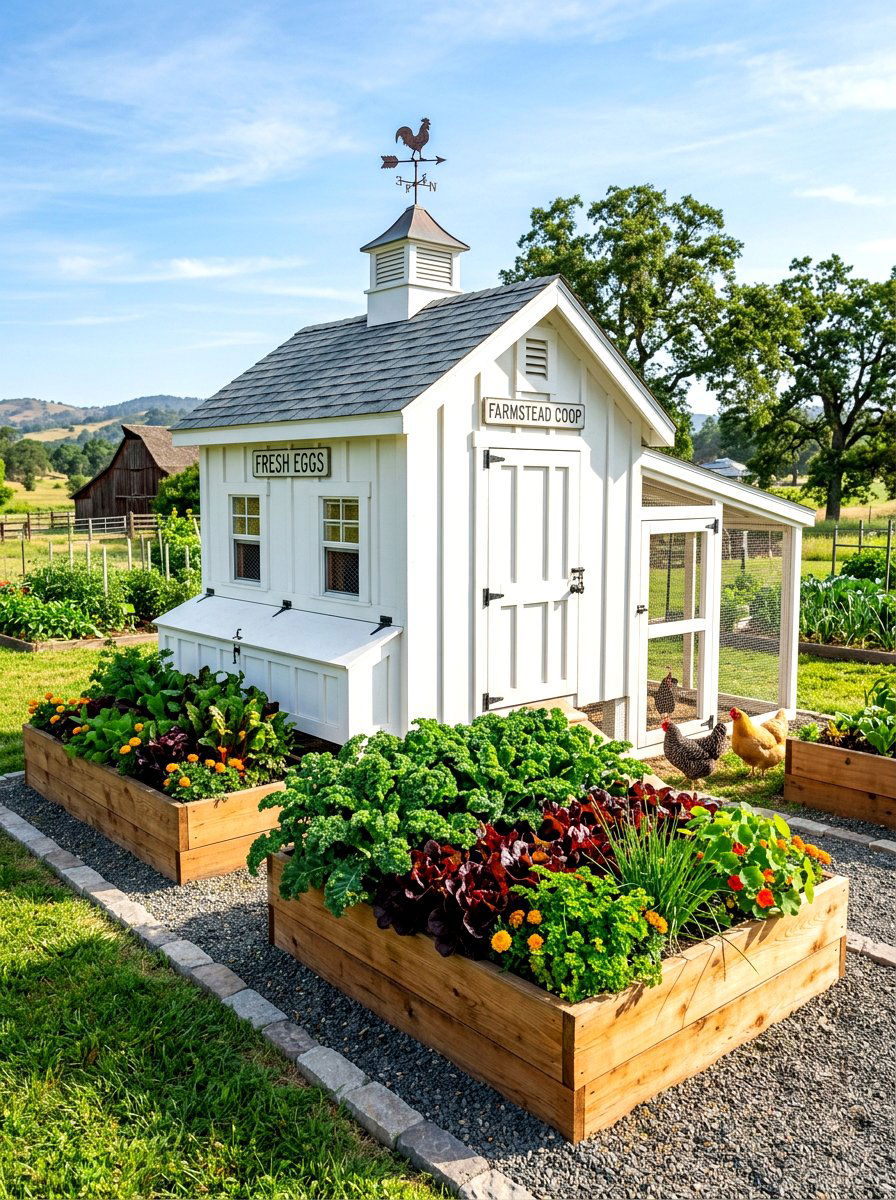
25. Picket fence kitchen garden
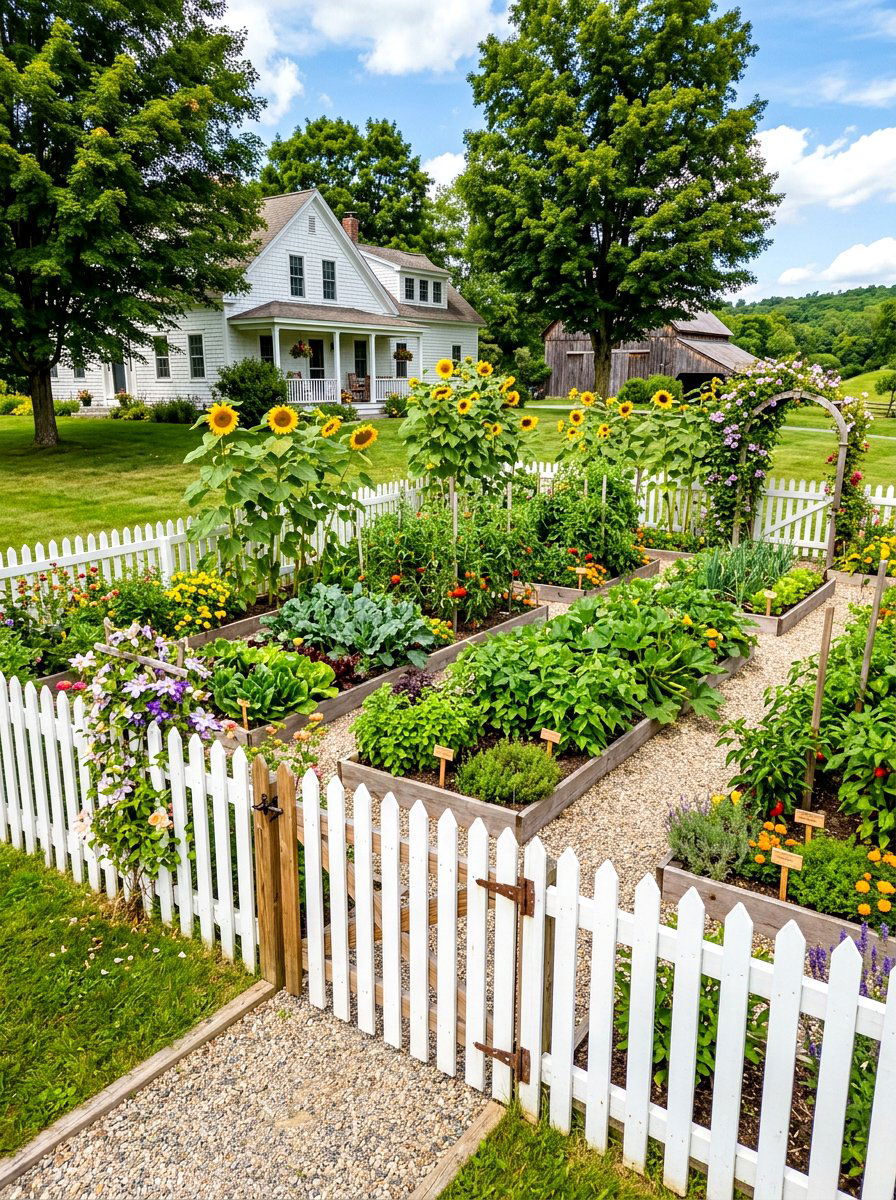
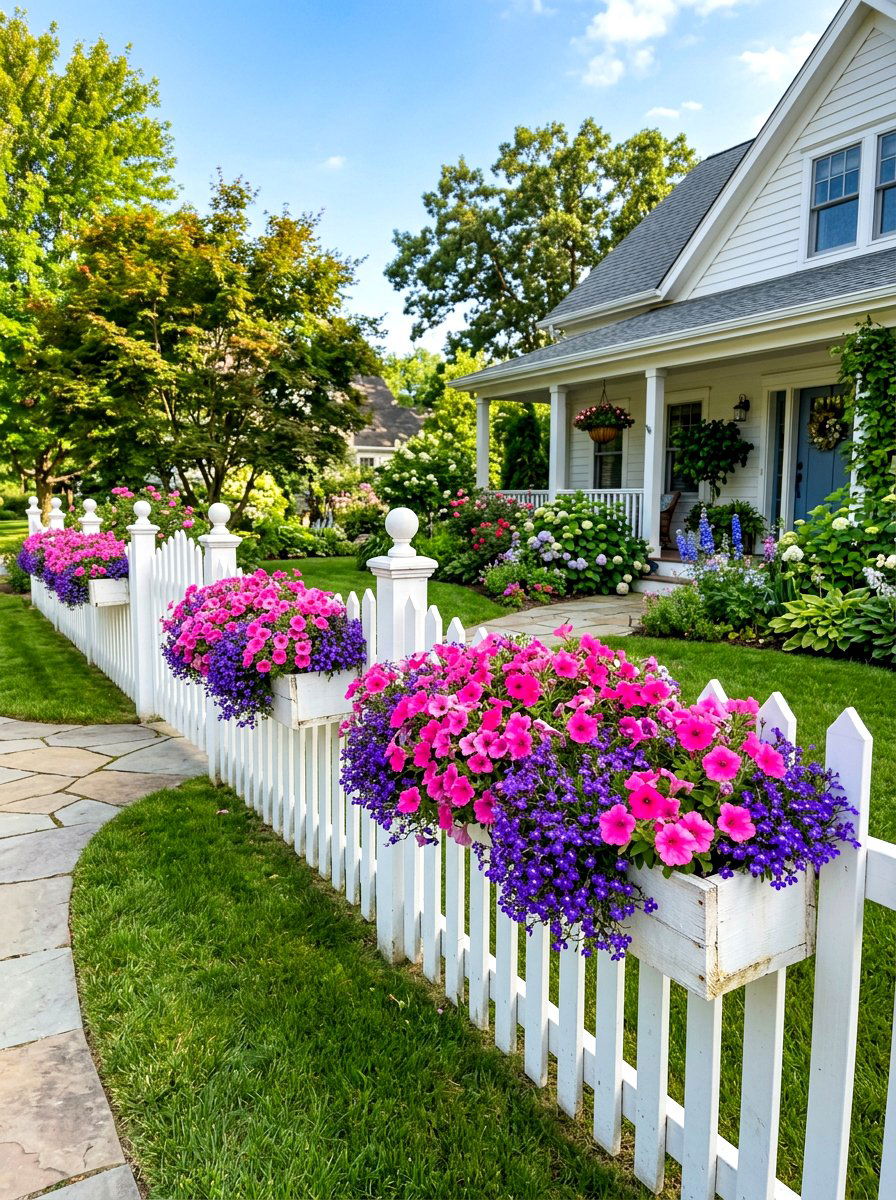
Adding a picket fence around your kitchen garden brings an instant sense of nostalgia and classic Americana charm to your backyard. This short, decorative fence serves a dual purpose by clearly defining the garden area while also acting as a physical barrier against pets or young children. You can paint the fence a crisp white for a traditional look or leave it as natural wood for a more rustic, cottage-style feel. Planting tall flowers like hollyhocks or climbing roses along the fence line adds extra beauty and attracts beneficial pollinators to your vegetables. It is a quintessential look that makes any backyard feel more inviting.
26. Hanging herb garden
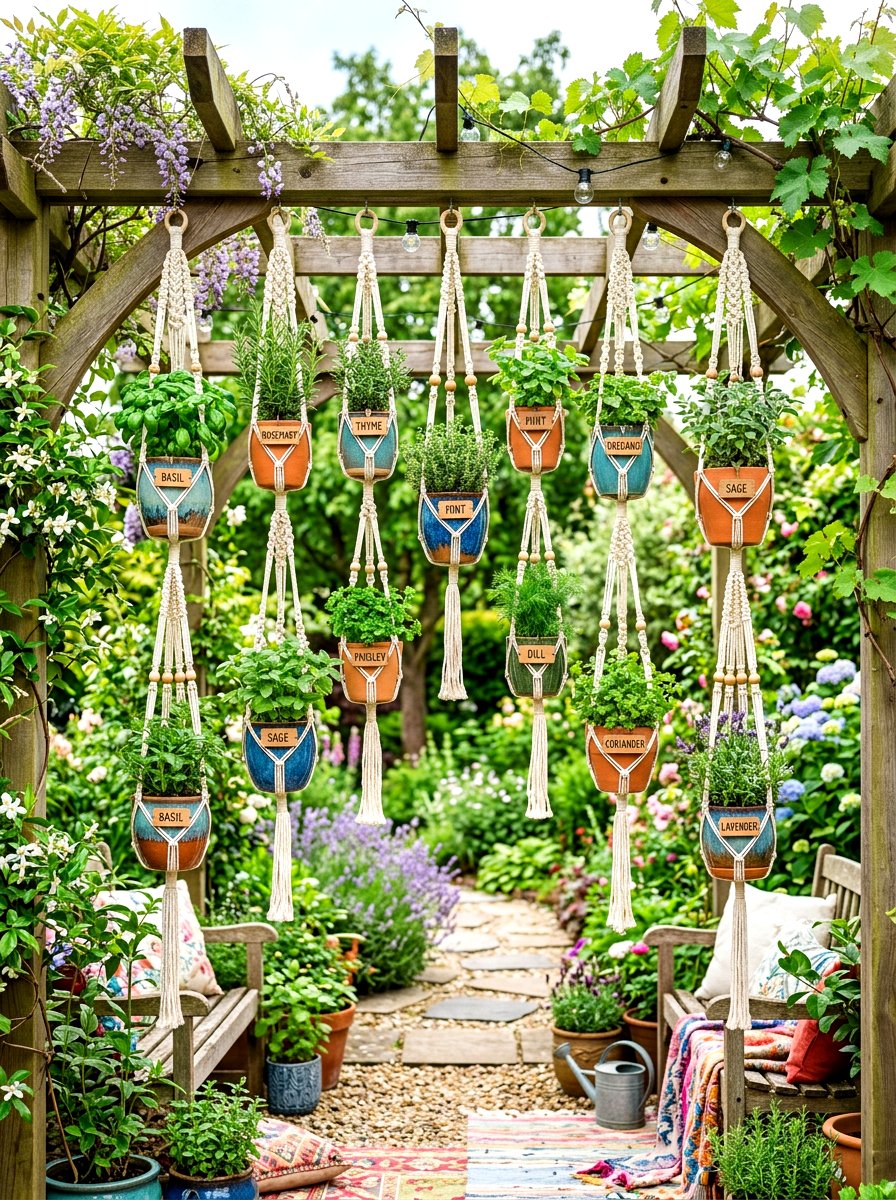
A hanging herb garden is a brilliant way to use vertical space on a porch, pergola, or the side of your house for fresh ingredients. By suspending various pots at different heights, you create a floating canopy of greenery that adds a unique visual element to your backyard. This setup is particularly useful for herbs that tend to spread quickly, like mint, as the pots keep their roots contained. It also keeps your most-used herbs safe from ground-dwelling pests and makes them very easy to snip while you are cooking outside. Using colorful cords or modern macrame hangers can further customize the look to fit your style.
27. Rooftop kitchen garden
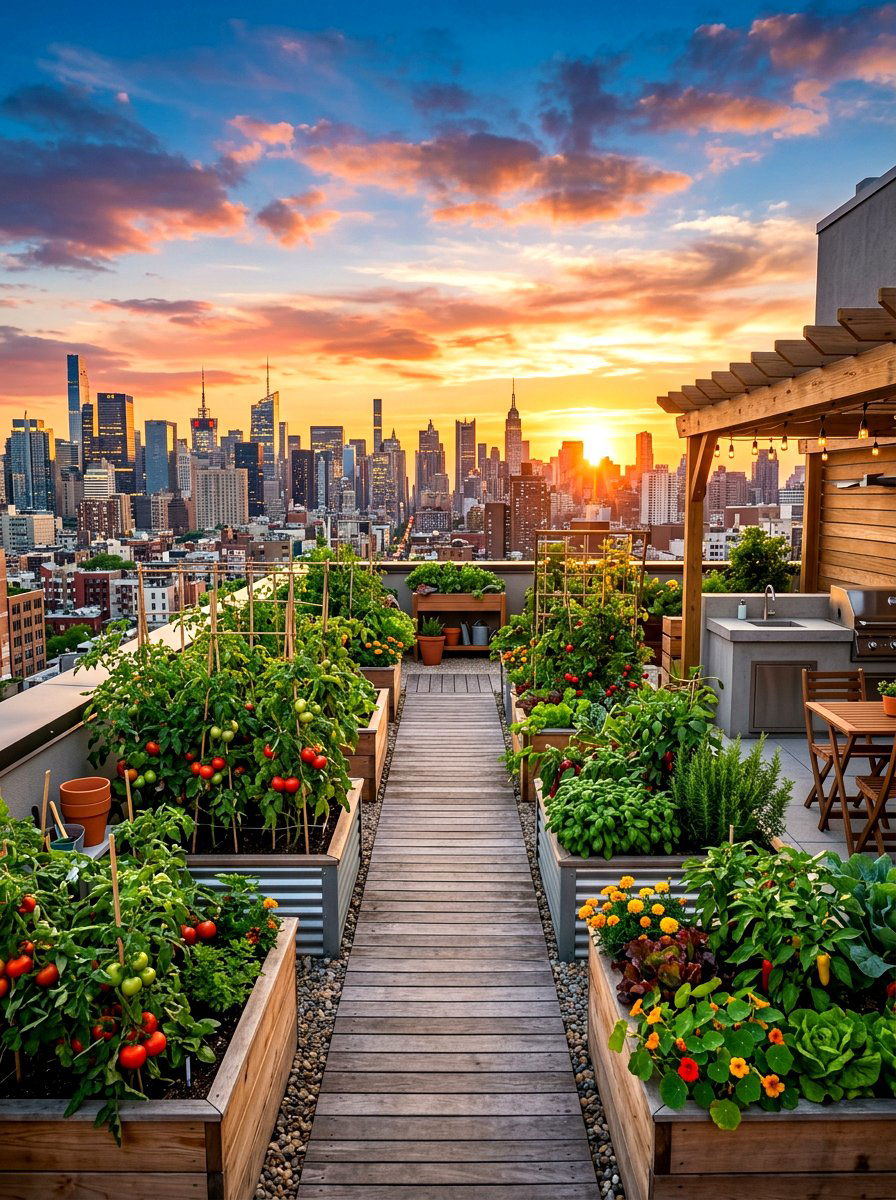
If you live in a dense urban area where a traditional backyard is a luxury, a rooftop kitchen garden can be your private escape. Using lightweight containers and specialized soil mixes, you can transform a flat roof into a productive space for vegetables and herbs. The intense sun found on rooftops is perfect for heat-loving plants like peppers, eggplants, and tomatoes that might struggle in shadier ground-level yards. This type of garden also helps insulate your building and reduces the urban heat island effect, making it an eco-friendly choice. It offers a stunning view while you tend to your plants high above the city.
28. Courtyard edible garden
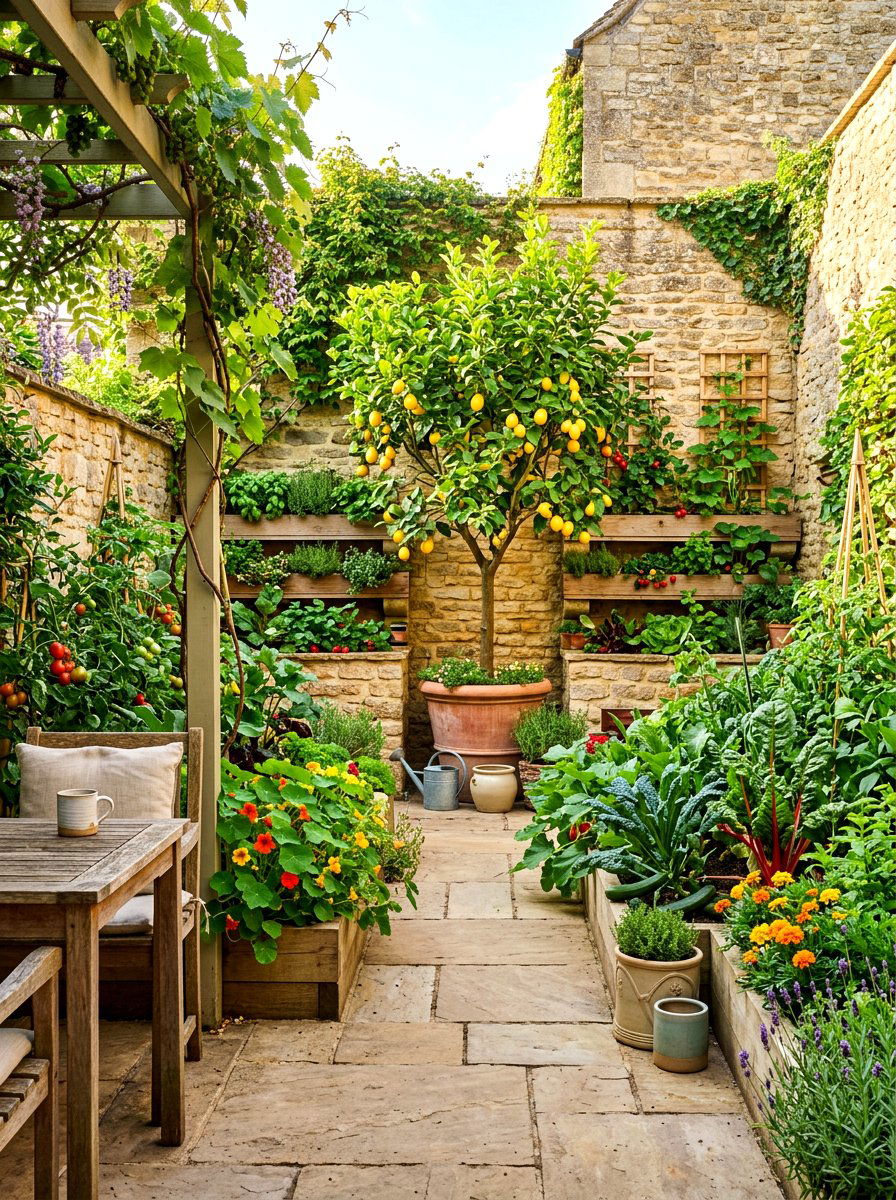
A courtyard edible garden creates an intimate and sheltered space where you can grow food in a protected, central area of your home. These spaces often benefit from reflected light and warmth from the surrounding walls, creating an ideal environment for more delicate herbs and vegetables. You can use a mix of wall-mounted planters, decorative pots, and small in-ground beds to create a lush, layered look in a small footprint. Adding a small bistro set in the middle of the garden allows you to enjoy your morning coffee surrounded by the fresh scents of rosemary and citrus. It is a truly luxurious backyard feature.
29. Geometric kitchen garden
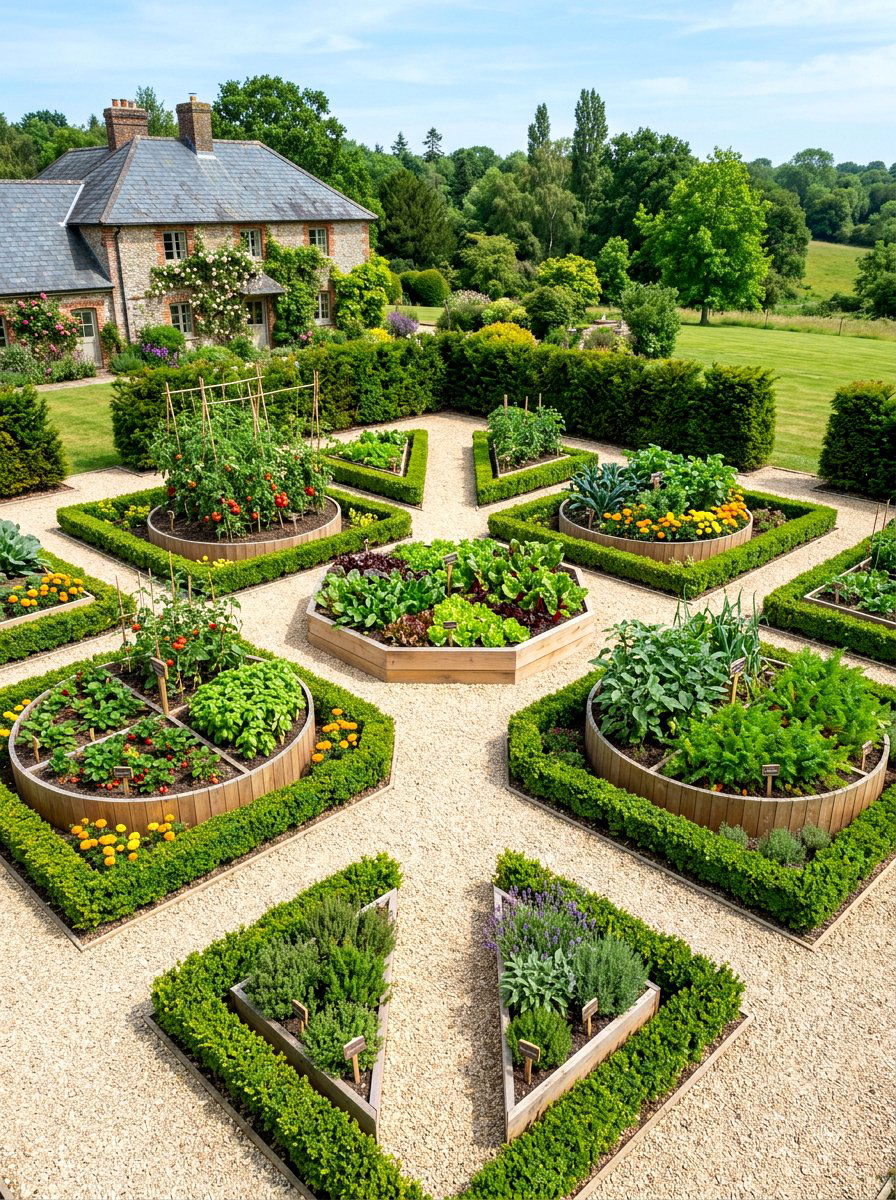
A geometric kitchen garden uses precise shapes like circles, triangles, or hexagons to create a highly structured and artistic layout in your backyard. This approach treats the garden as a piece of living art, where the arrangement of the beds is just as important as the plants inside them. You can use distinct edging materials to highlight the shapes and create clean, sharp lines that look beautiful even in the winter months. This style works exceptionally well in formal landscapes where symmetry and balance are the primary design goals. It is a sophisticated way to organize a wide variety of different crops in one cohesive space.
30. Pergola covered garden
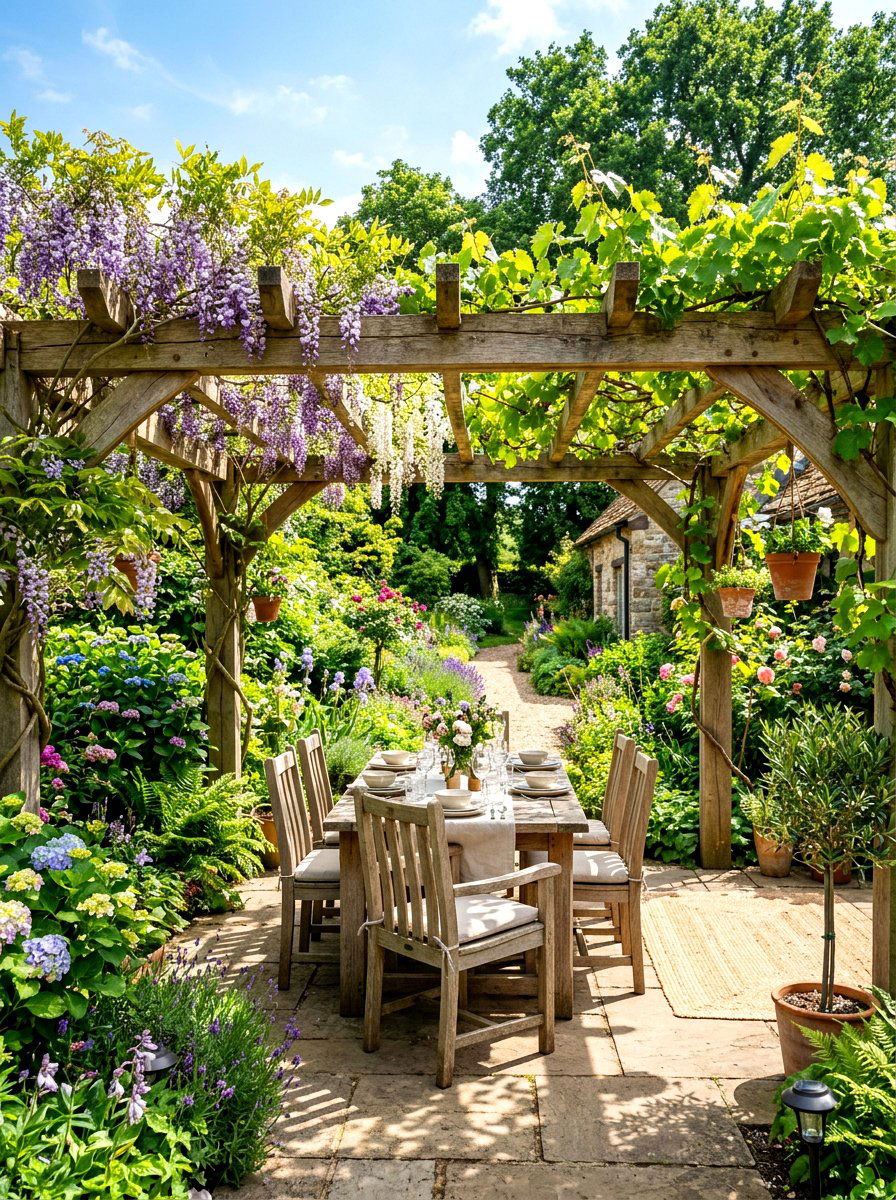
A pergola covered garden provides a beautiful architectural framework that offers partial shade for both you and your more sensitive vegetable plants. You can grow climbing vines like beans or cucumbers up the posts and over the rafters to create a living ceiling that drops down into your garden area. This setup creates a comfortable, filtered light environment that is perfect for cool-season crops like spinach and lettuce during the height of summer. Placing a dining table or bench under the pergola allows you to fully immerse yourself in the garden's beauty. It is the ultimate combination of backyard structure and productive edible landscaping.
Conclusion:
Designing a kitchen garden for your backyard is a journey that blends the joy of outdoor living with the practical benefits of sustainability. Whether you choose the structured look of raised beds, the whimsy of a rustic potager, or the efficiency of a vertical wall, your garden will become a cherished part of your daily routine. Beyond the fresh food, these spaces offer a peaceful place to unwind and reconnect with the natural world right at home. By selecting the right layout and materials for your specific space, you create an enduring landscape feature that provides beauty, health, and happiness for many years to come.

Related posts: