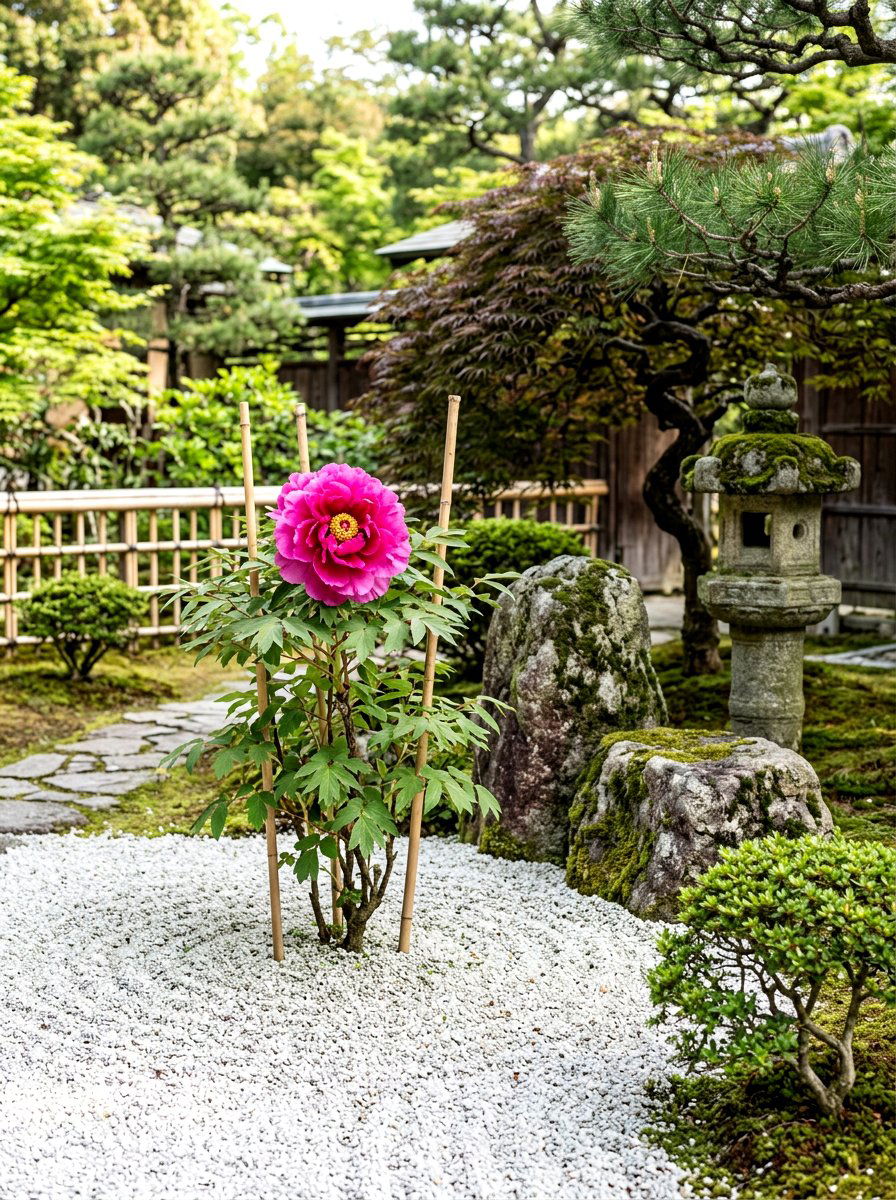
Starting a home cutting garden is one of the most rewarding projects a homeowner can undertake. Imagine walking out your back door to find a lush sanctuary filled with vibrant blooms ready to be gathered into beautiful bouquets. A well-planned layout is essential for ensuring your plants thrive while remaining easy to manage throughout the growing season. Whether you have a sprawling backyard or just a tiny sunny balcony, there is a perfect configuration to suit your needs. By organizing your flowers into thoughtful arrangements, you maximize your harvest and create a stunning visual landscape. This guide explores thirty distinct ways to set up your personal flower oasis for success and lasting beauty.
1. Raised Bed Cutting Garden
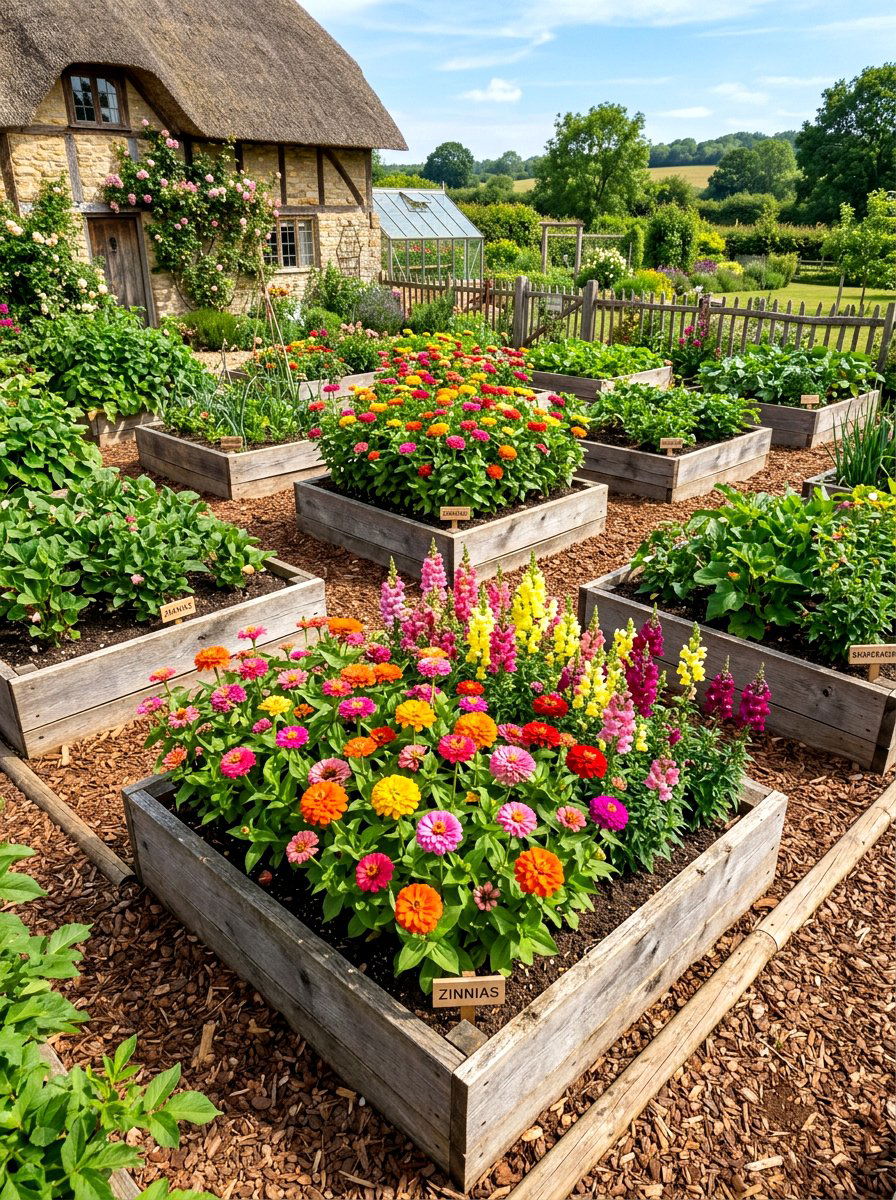
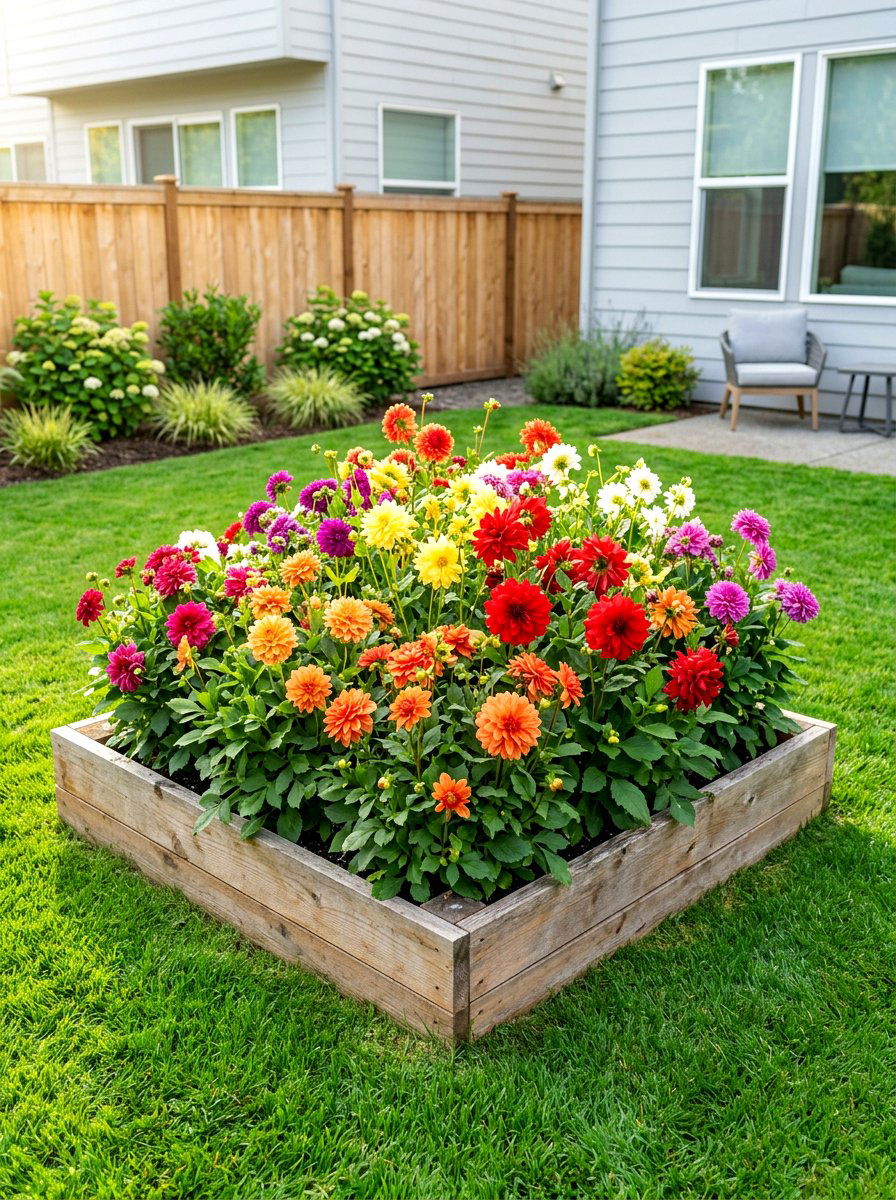
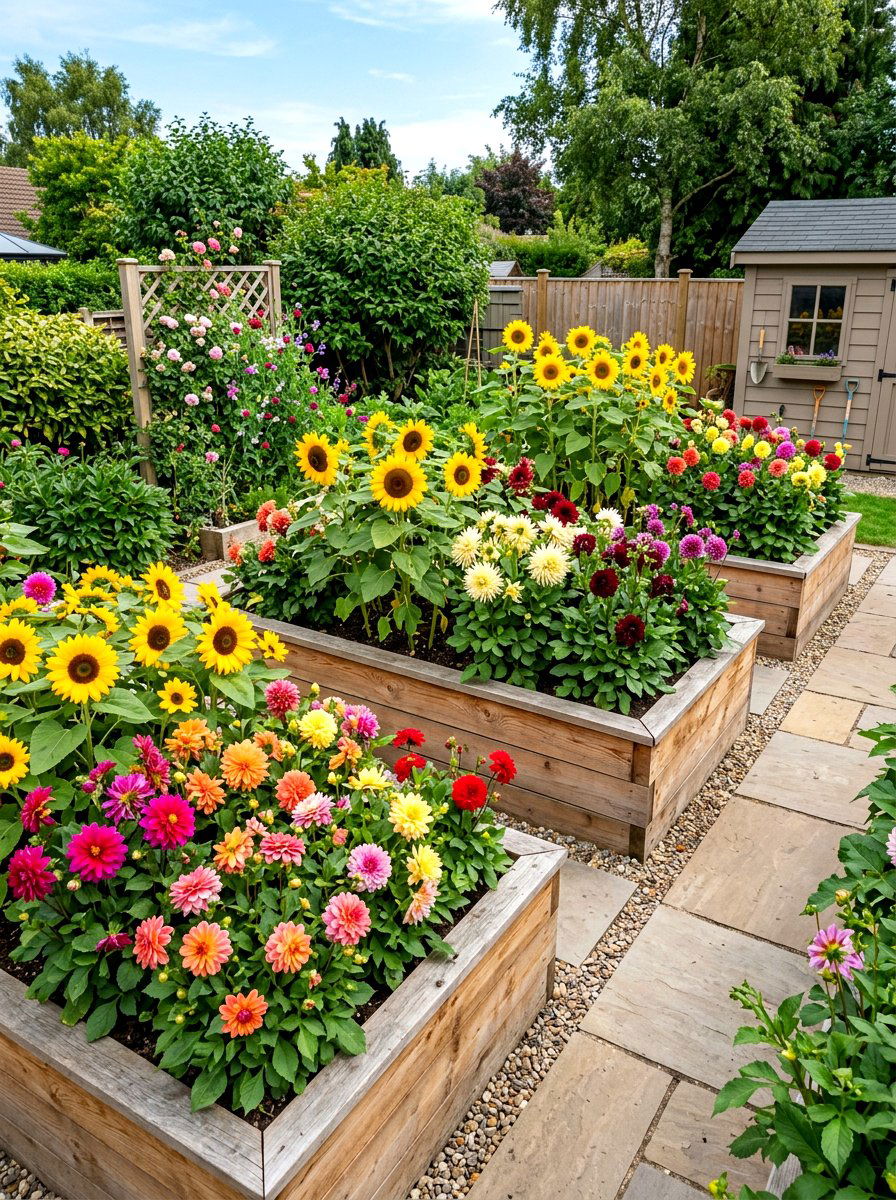
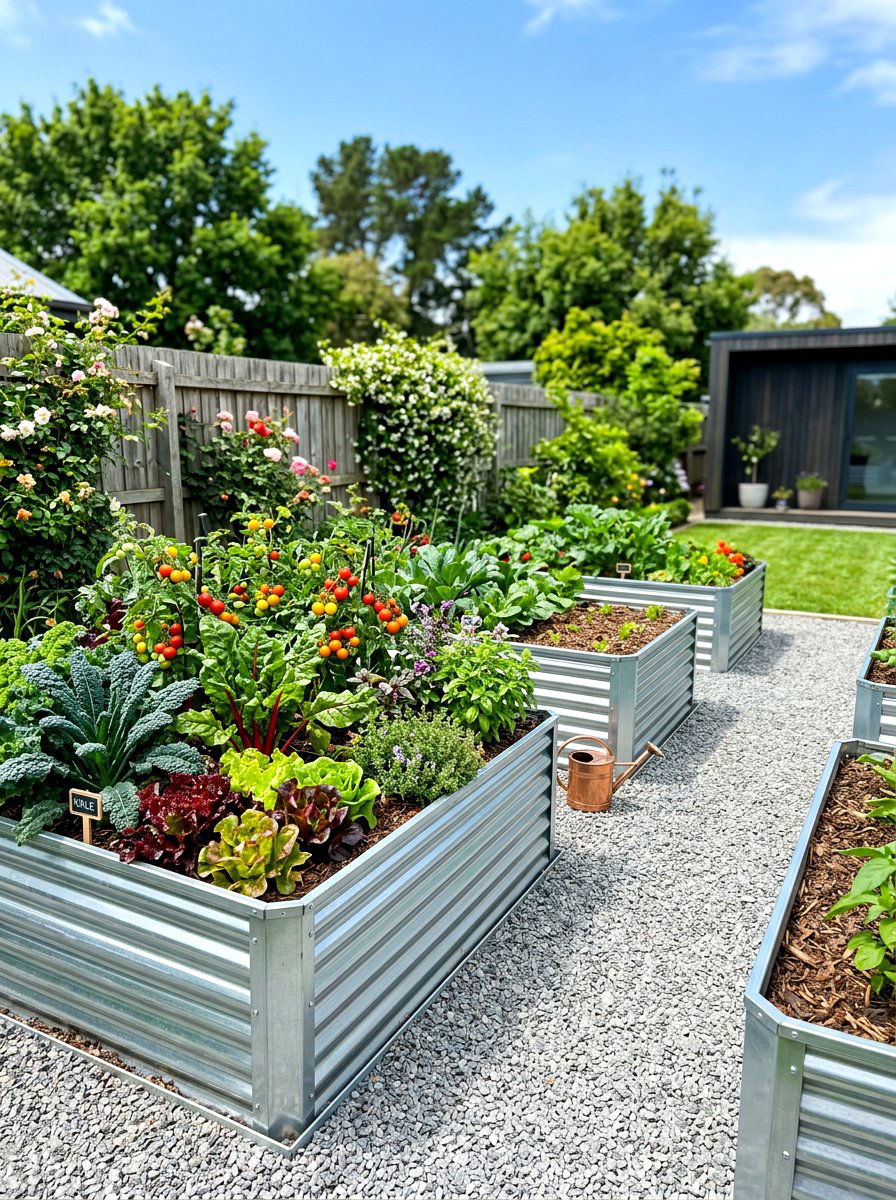
Have you ever considered the convenience of growing your floral harvest in elevated structures? Raised beds are a favorite choice for many enthusiasts because they offer superior drainage and better soil control. When you build these beds, you can fill them with a custom mix of high-quality compost and topsoil tailored for blooming plants. The height of the beds also makes planting, weeding, and harvesting much easier on your back. You can arrange several rectangular boxes in a neat grid to create a professional-looking space. This organized approach helps you track different species and manage their unique watering needs without stepping on the delicate soil.
2. Rectangular Flower Bed Layout
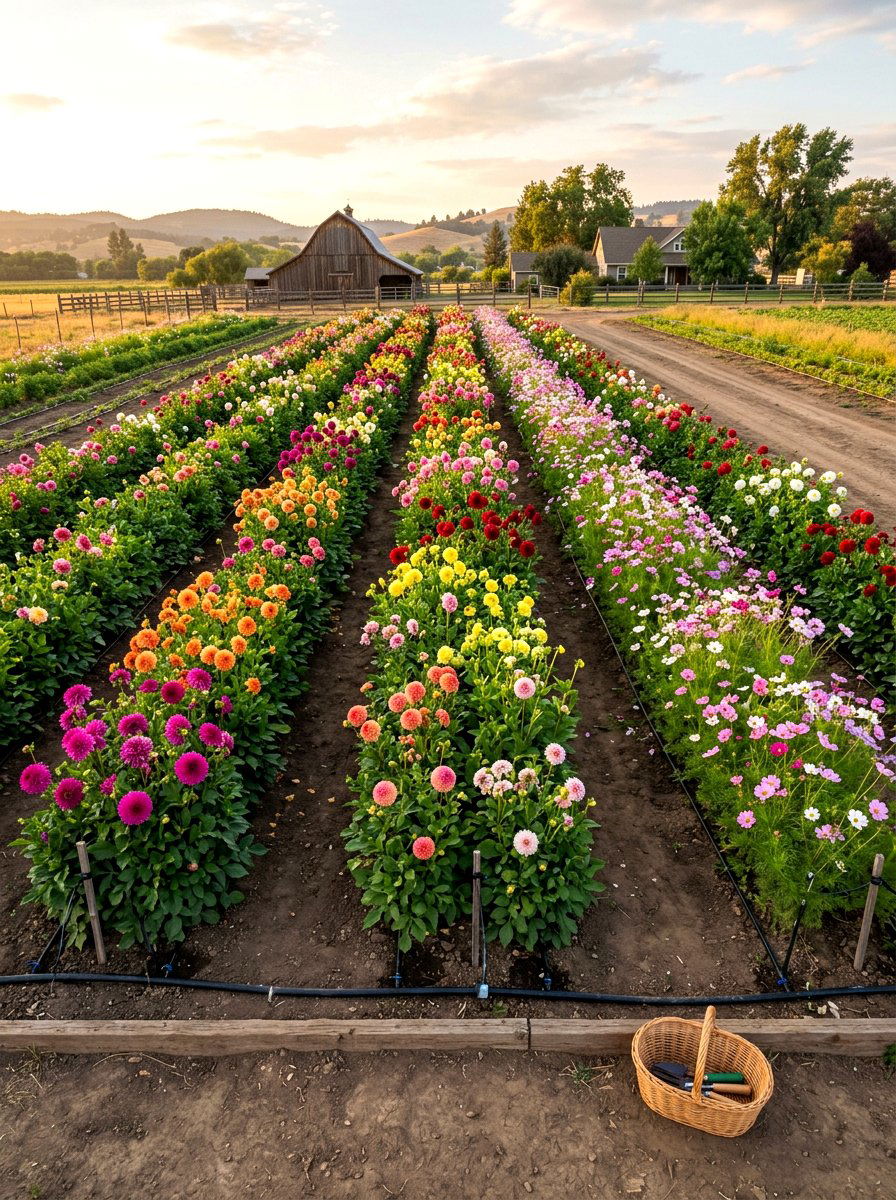
Linear designs are often the most practical choice for gardeners who want to maximize their output. A rectangular layout allows you to plant in straight rows, which simplifies the process of installing irrigation lines and applying mulch. This traditional setup makes it very easy to walk between rows and reach every single bloom without stretching or risking damage to the plants. You can group flowers by their height, placing the tallest varieties like sunflowers at one end and shorter ones like pansies at the other. This ensures that every plant gets plenty of sun and air circulation throughout the warm growing months.
3. Circular Flower Garden Layout
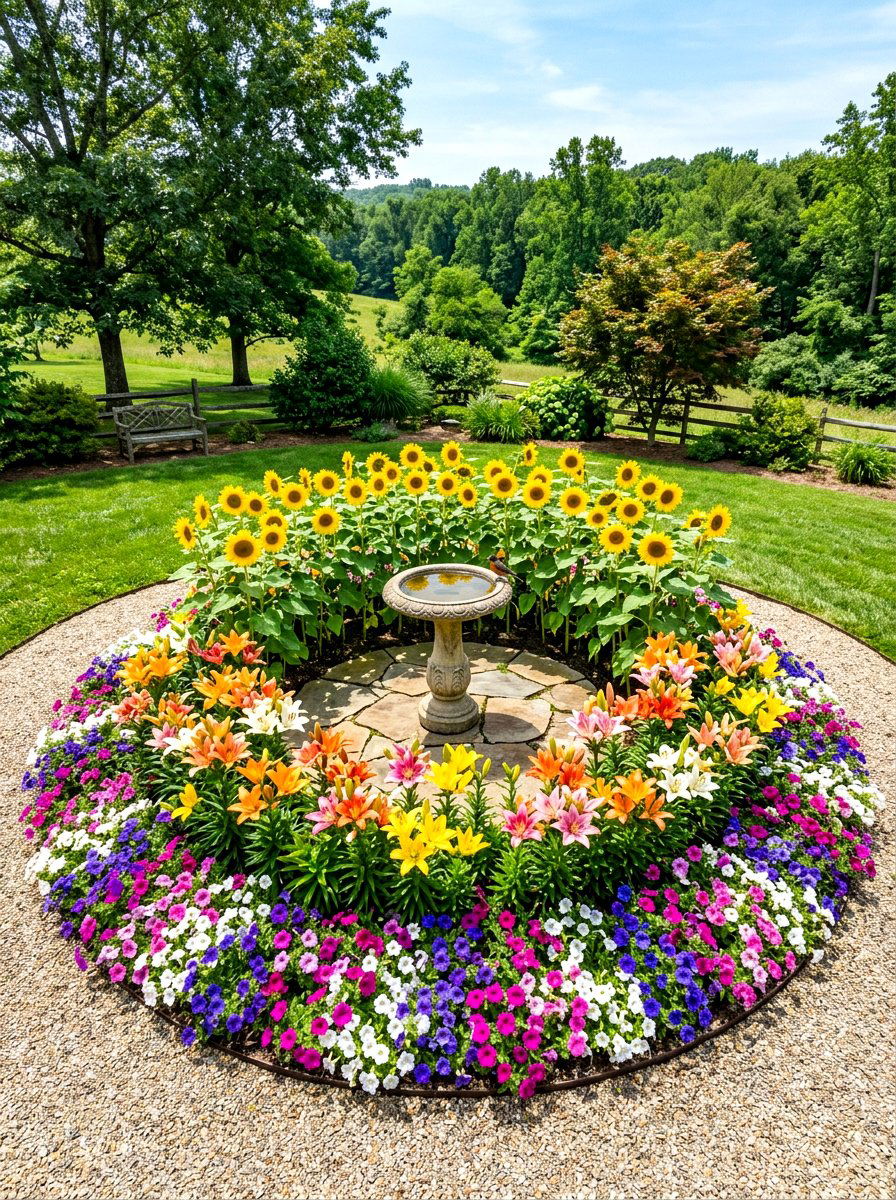
Why stick to straight lines when a rounded shape can add such a soft, organic feel to your landscape? A circular layout serves as a stunning focal point in any backyard, drawing the eye inward toward a central feature like a birdbath or a tall flowering shrub. You can plant your blooms in concentric rings, placing the tallest varieties in the middle and shorter ones near the edge. This arrangement ensures that every plant receives adequate sunlight without being shaded by its neighbors. It also creates a beautiful walk-around experience where you can enjoy the fragrance and color from every possible angle.
4. English Cottage Flower Garden
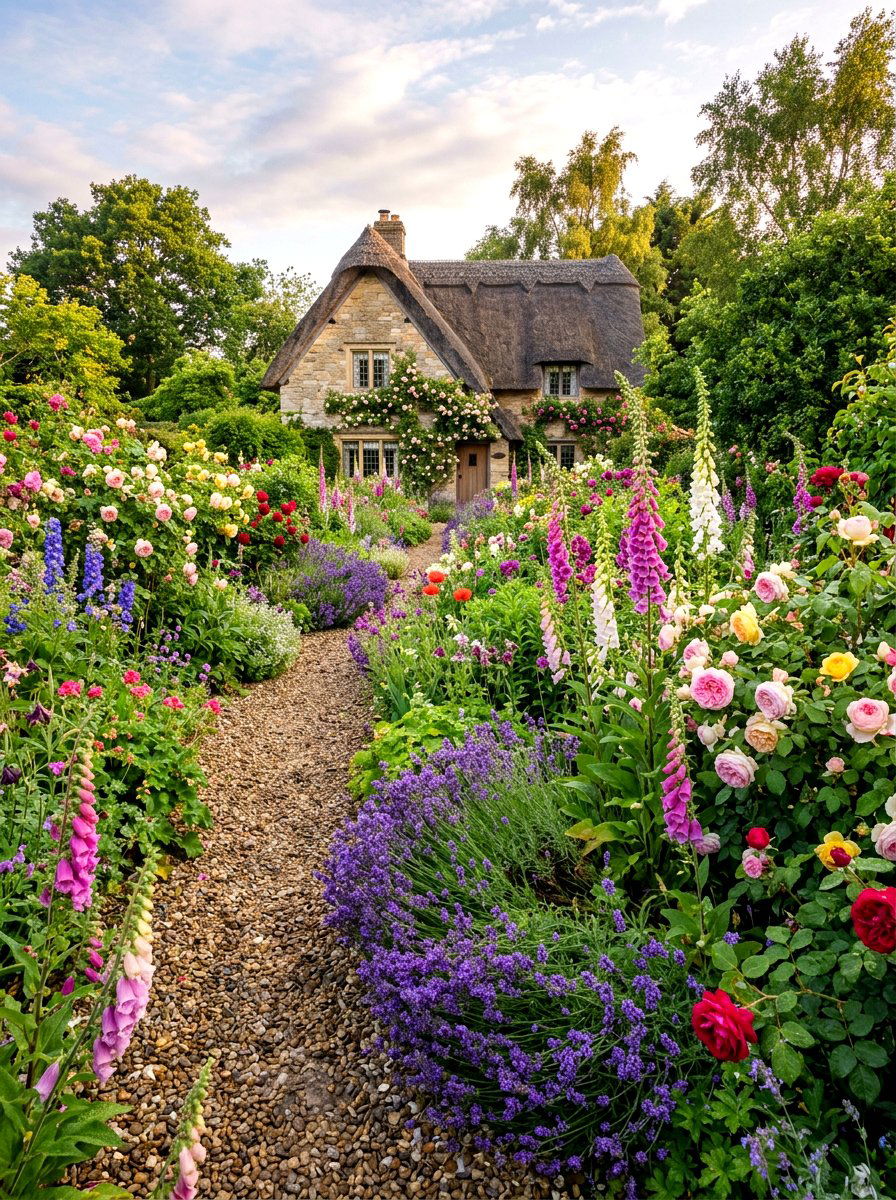
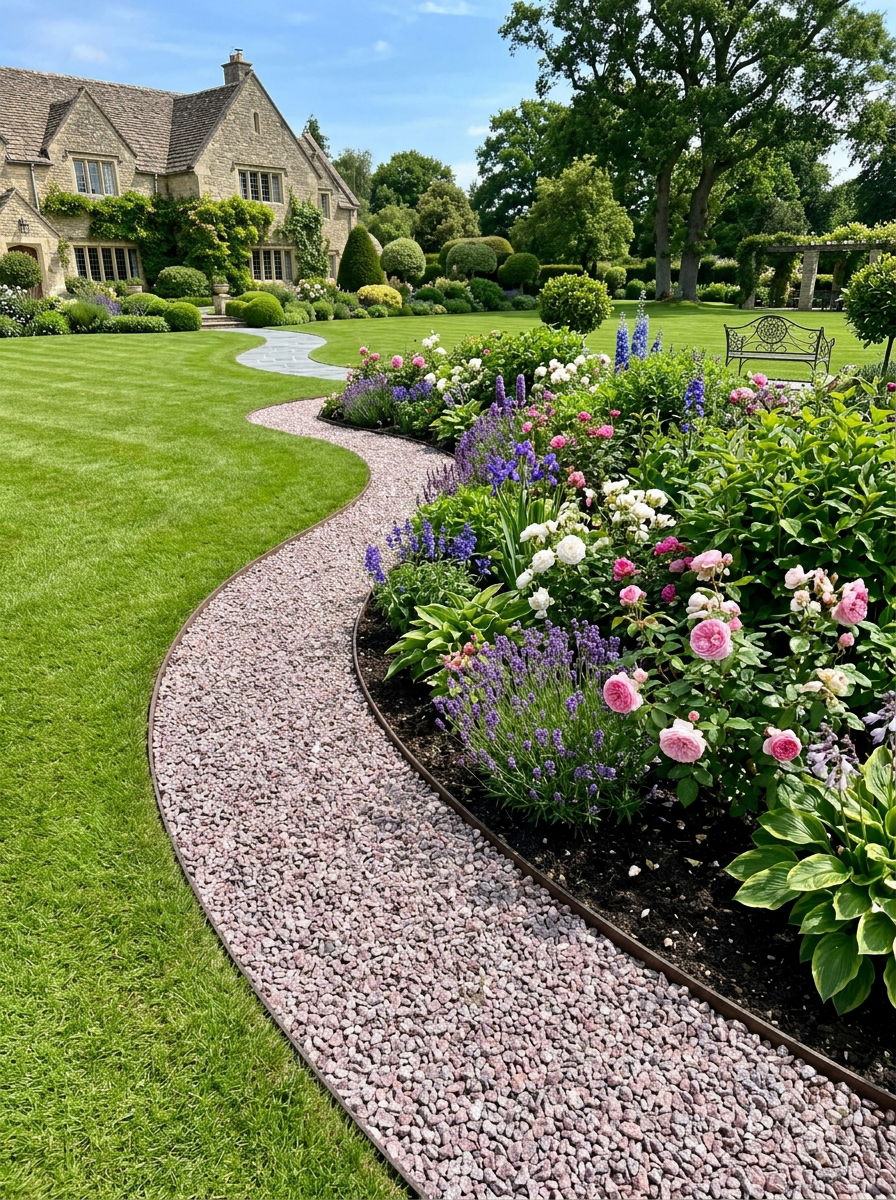
Do you dream of a romantic and slightly wild-looking space filled with traditional blooms? An English cottage style focuses on a dense and informal planting scheme that creates a sense of abundance. This layout often uses winding gravel paths that lead through a sea of foxgloves, roses, and lavender. Instead of neat rows, flowers are allowed to spill over the edges and intermingle naturally. This approach not only looks enchanting but also provides a continuous supply of diverse textures for your bouquets. It is a wonderful way to blend your cutting garden seamlessly into your overall home landscape design.
5. Small Backyard Cutting Garden
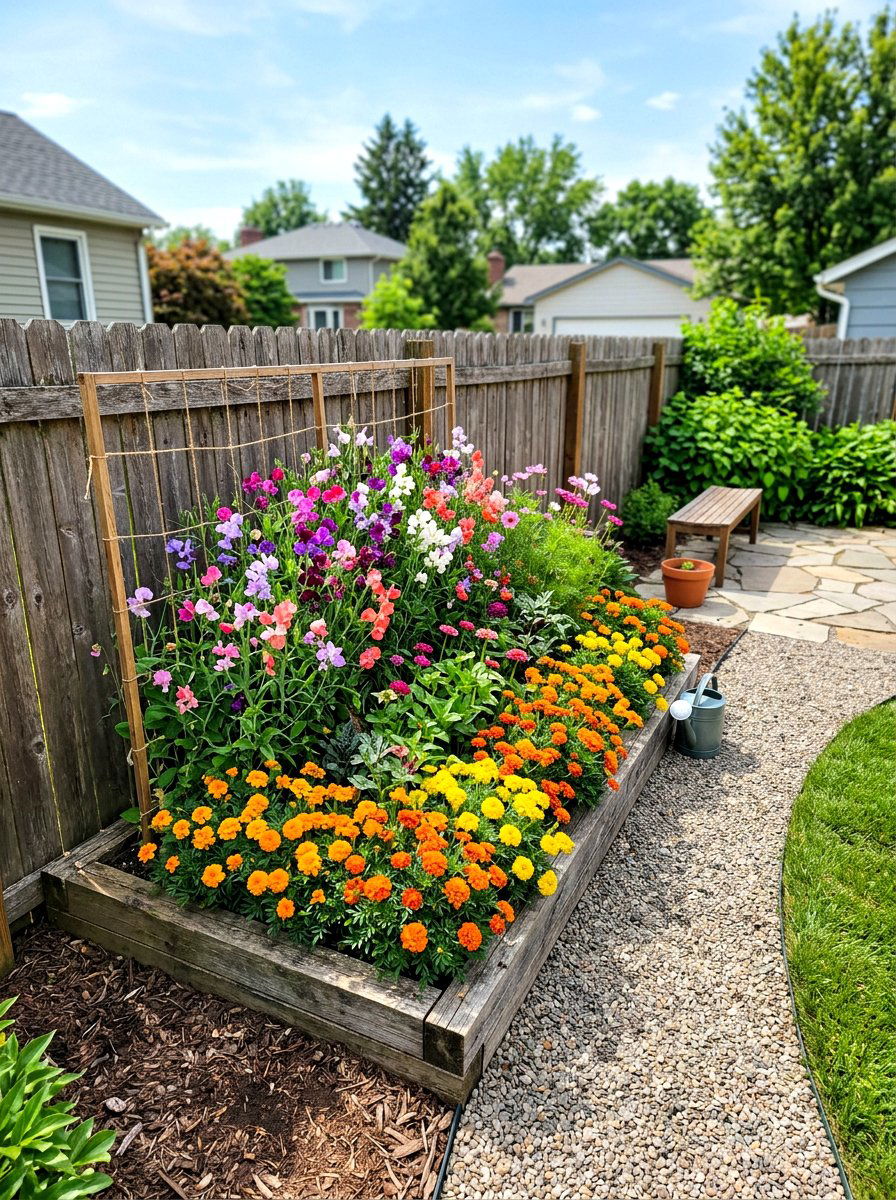
Limited space should never stop you from enjoying a fresh supply of beautiful flowers for your home. Even a tiny corner of a suburban backyard can be transformed into a highly productive cutting patch. The secret lies in choosing compact varieties and utilizing every inch of available sunlight. You can use a single large bed or a series of smaller planters to grow your favorites like zinnias and snapdragons. By selecting 'cut and come again' varieties, you ensure that even a small area produces a surprising amount of blooms. This compact layout is easy to maintain and perfect for beginners.
6. Vegetable And Flower Garden
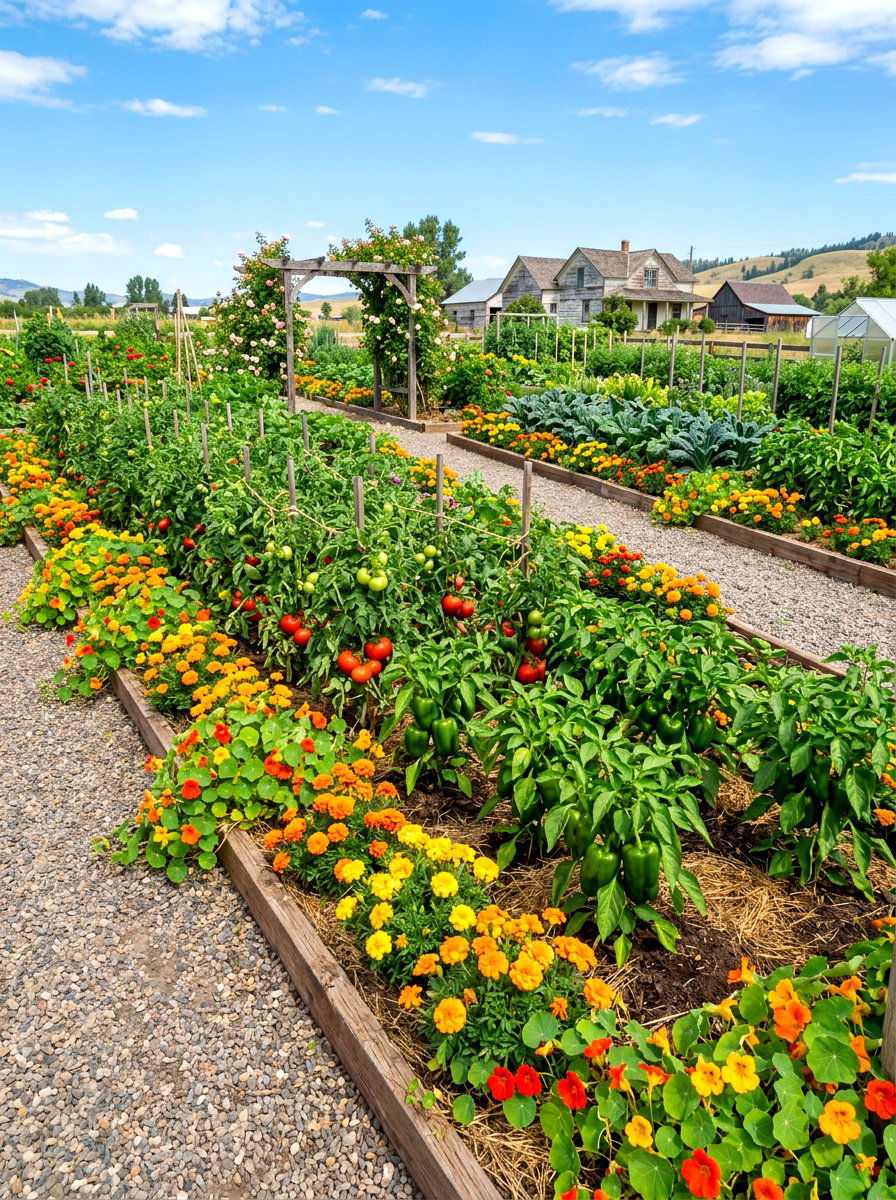
Have you thought about the benefits of mixing your favorite flowers right alongside your summer vegetables? This integrated layout is a fantastic way to maximize a single sunny plot while encouraging natural pest control. Many flowers, such as marigolds and nasturtiums, help protect your edible crops by attracting beneficial insects. Meanwhile, the bright blooms add a splash of color to the functional rows of tomatoes and peppers. This combined approach makes harvesting your dinner and your centerpiece a single, enjoyable task. It creates a diverse ecosystem that is both beautiful to look at and highly productive for your kitchen.
7. Picket Fence Flower Border
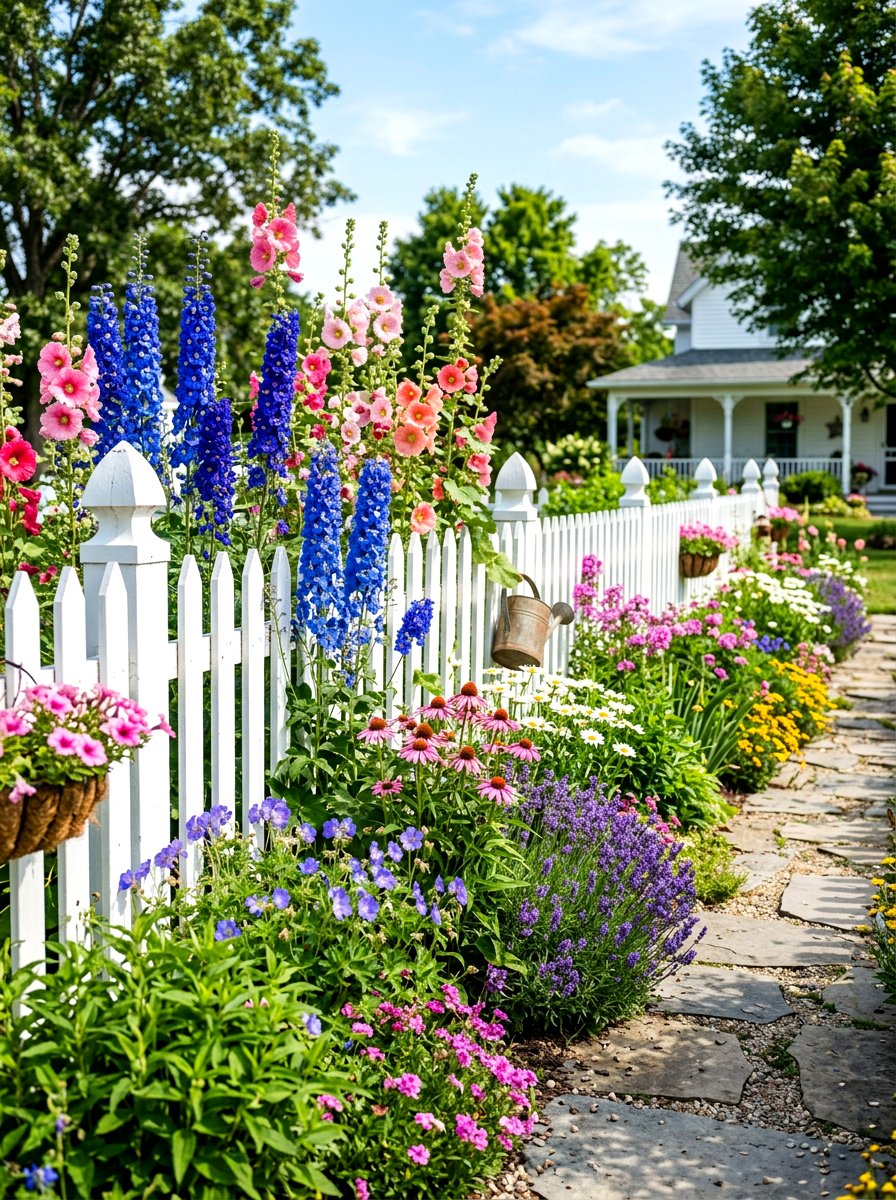
There is something incredibly classic about a row of colorful blooms swaying against a white wooden fence. A picket fence border layout is a charming way to define the edges of your property while growing flowers for cutting. You can plant taller perennials like hollyhocks and delphiniums against the fence for support, then layer shorter annuals in front. This tiered effect looks beautiful from the street and provides a structured backdrop for your floral harvest. The fence also offers a bit of protection from wind and curious pets, ensuring your delicate stems grow straight and strong all season.
8. Cutting Garden Trellis
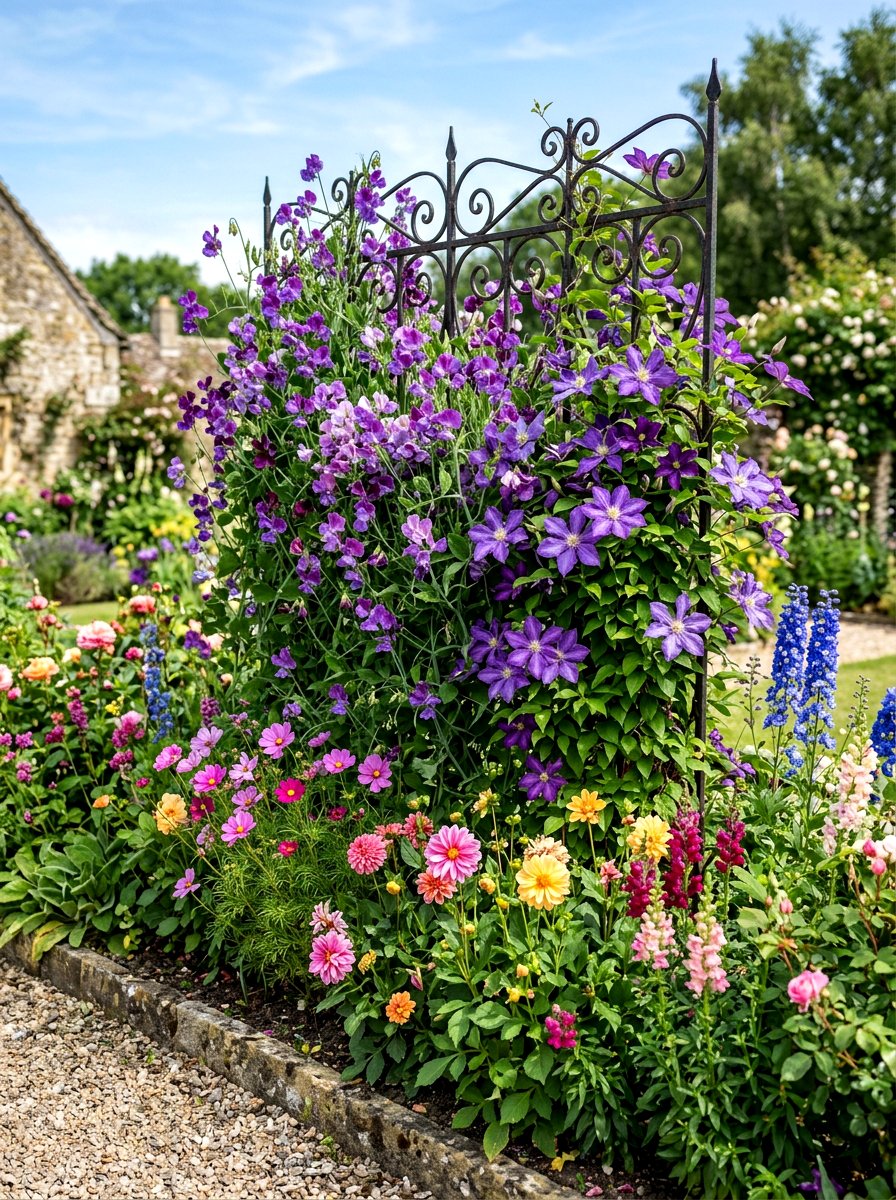
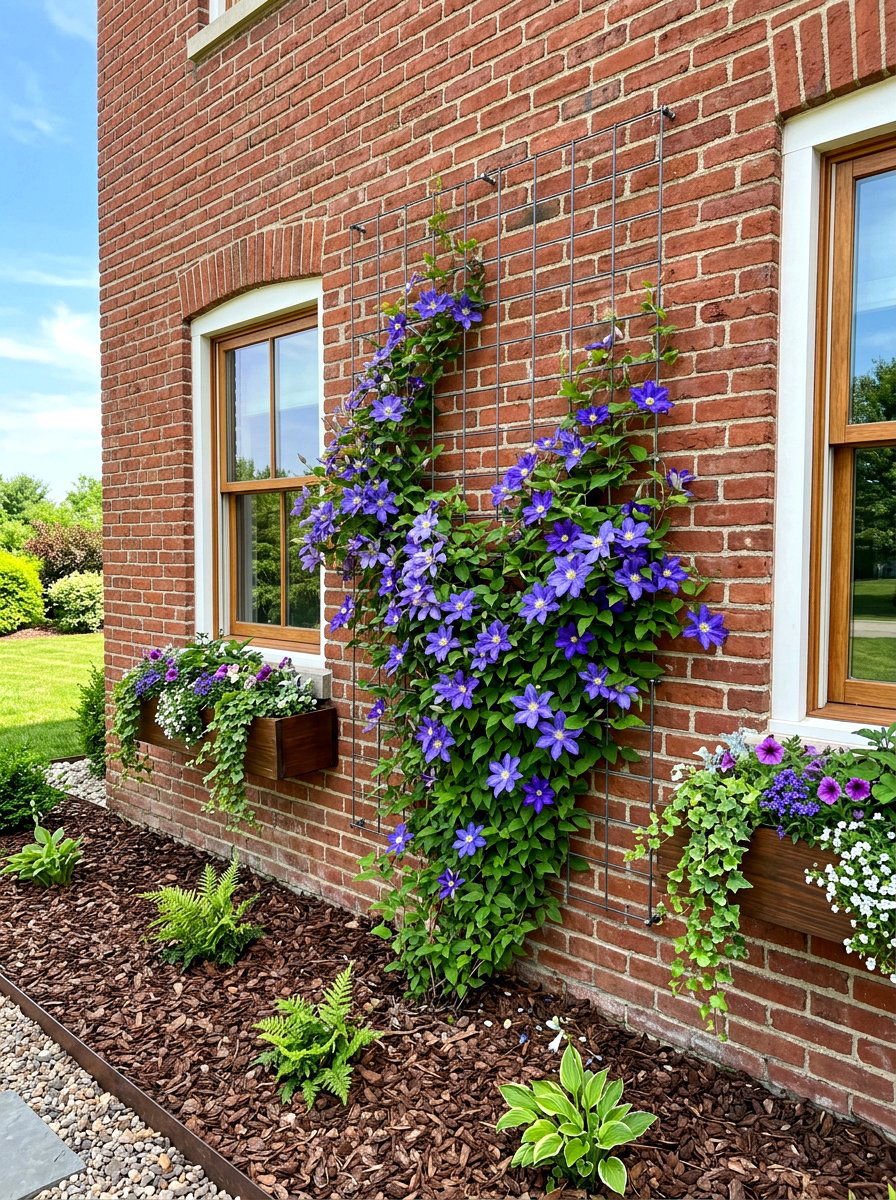
Vertical elements are a game-changer for anyone looking to add height and interest to their flower garden. Incorporating a sturdy trellis into your layout allows you to grow climbing flowers like sweet peas and clematis. These vertical blooms add a unique dimension to your bouquets that you simply cannot get from ground-growing varieties. Placing a trellis at the back of a garden bed creates a beautiful green wall of foliage and flowers. It also saves precious ground space, making it an excellent strategy for smaller yards. Watching vines slowly climb and bloom is a truly rewarding part of the gardening process.
9. Greenhouse Flower Production
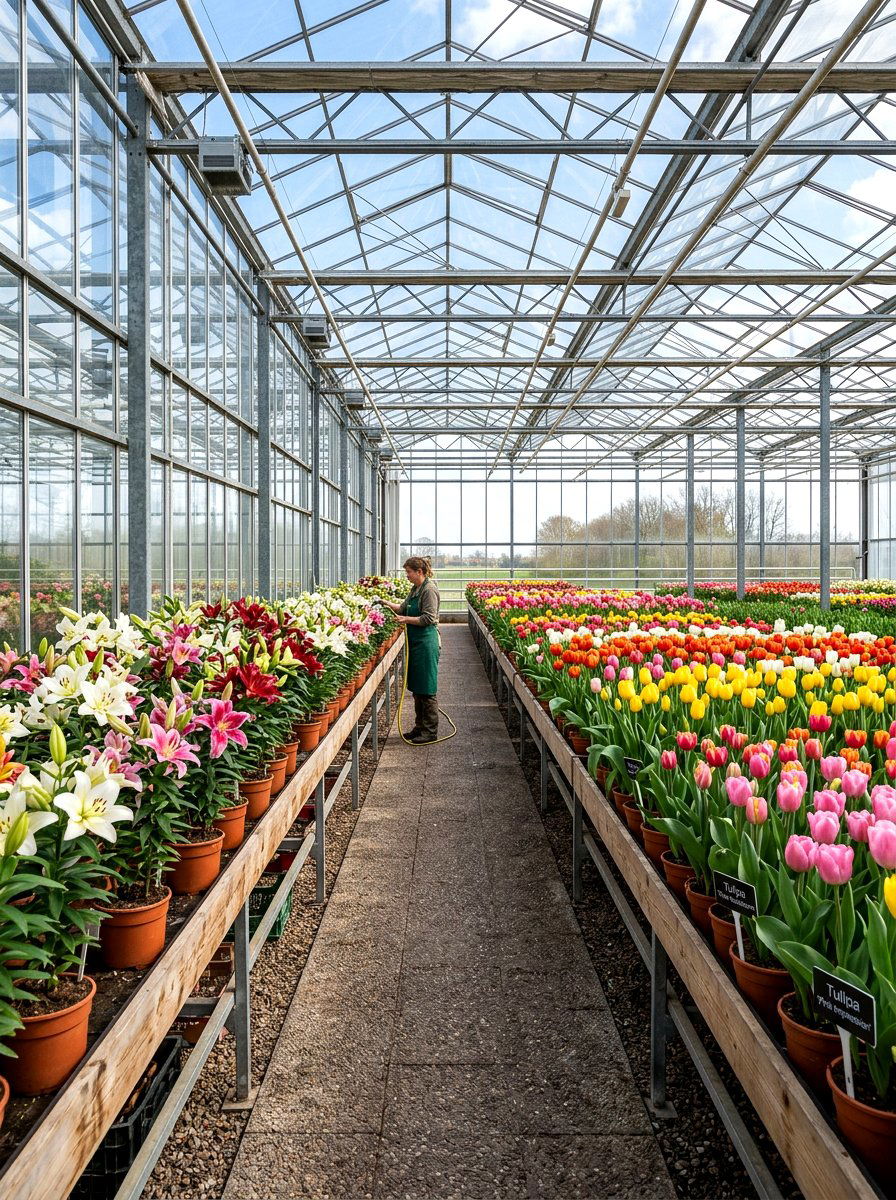
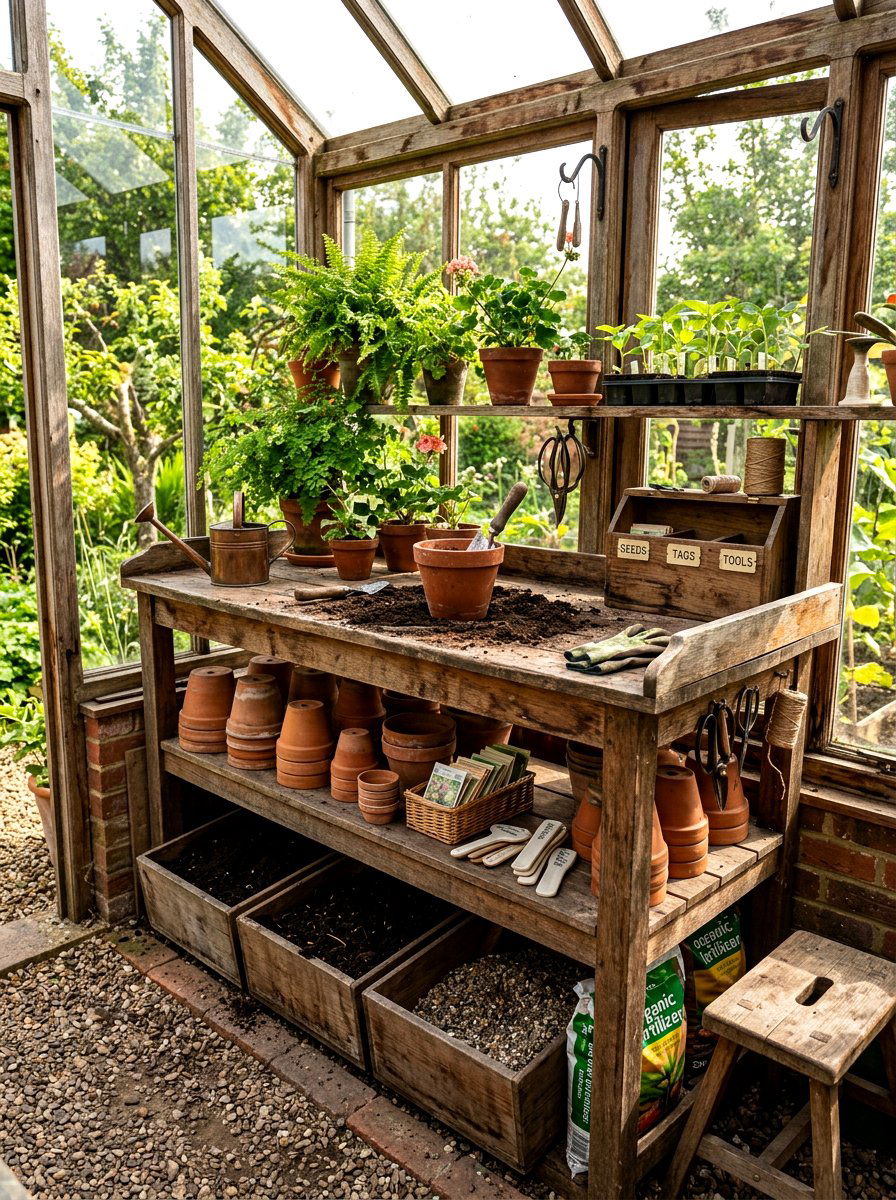
If you want to extend your growing season and protect delicate plants, a greenhouse layout is an excellent investment. This controlled environment allows you to start seeds much earlier in the spring and keep flowers blooming well into the autumn. Inside the greenhouse, you can arrange benches or floor-level beds to organize your crops by their temperature and light requirements. This setup is perfect for growing exotic or sensitive flowers that might struggle in your local outdoor climate. A greenhouse provides a dedicated workspace for potting and arranging, making it a true sanctuary for any dedicated flower lover and home gardener.
10. Wildflower Meadow Layout
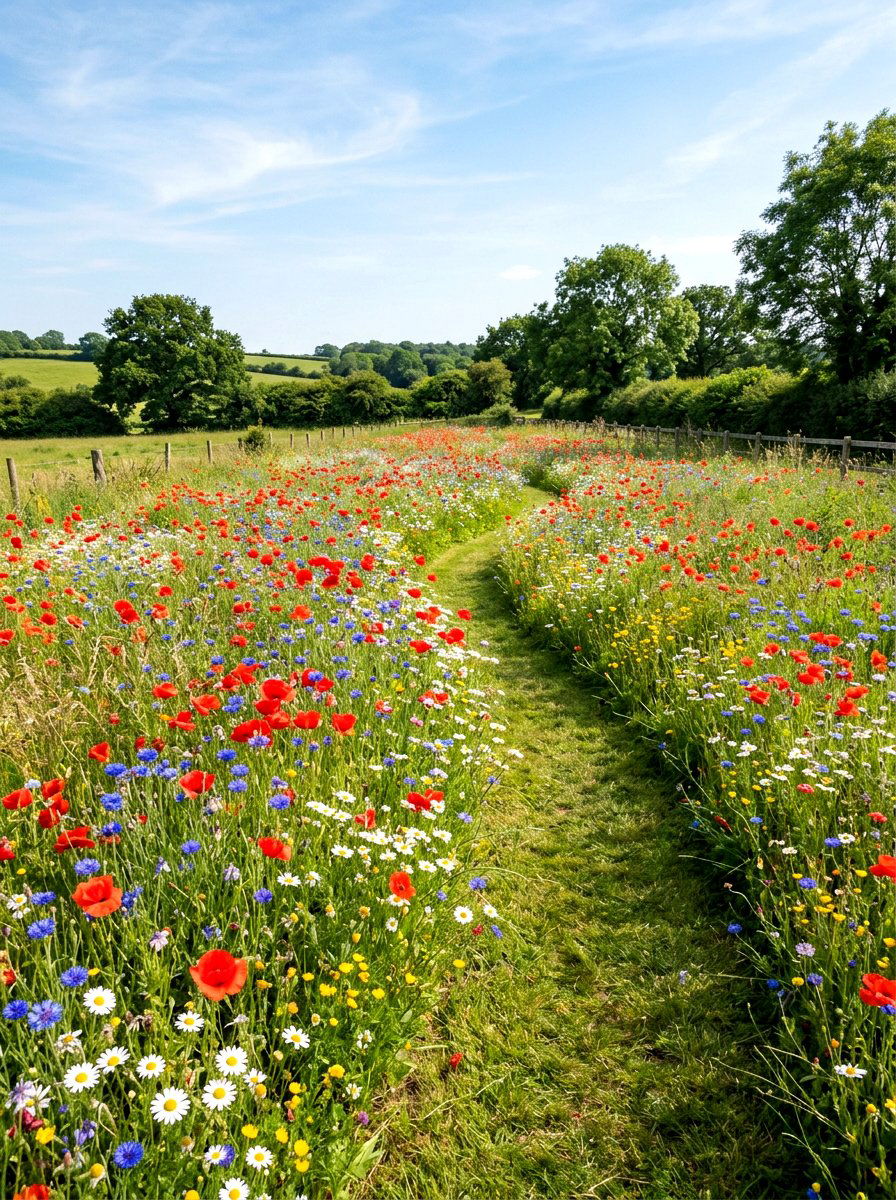
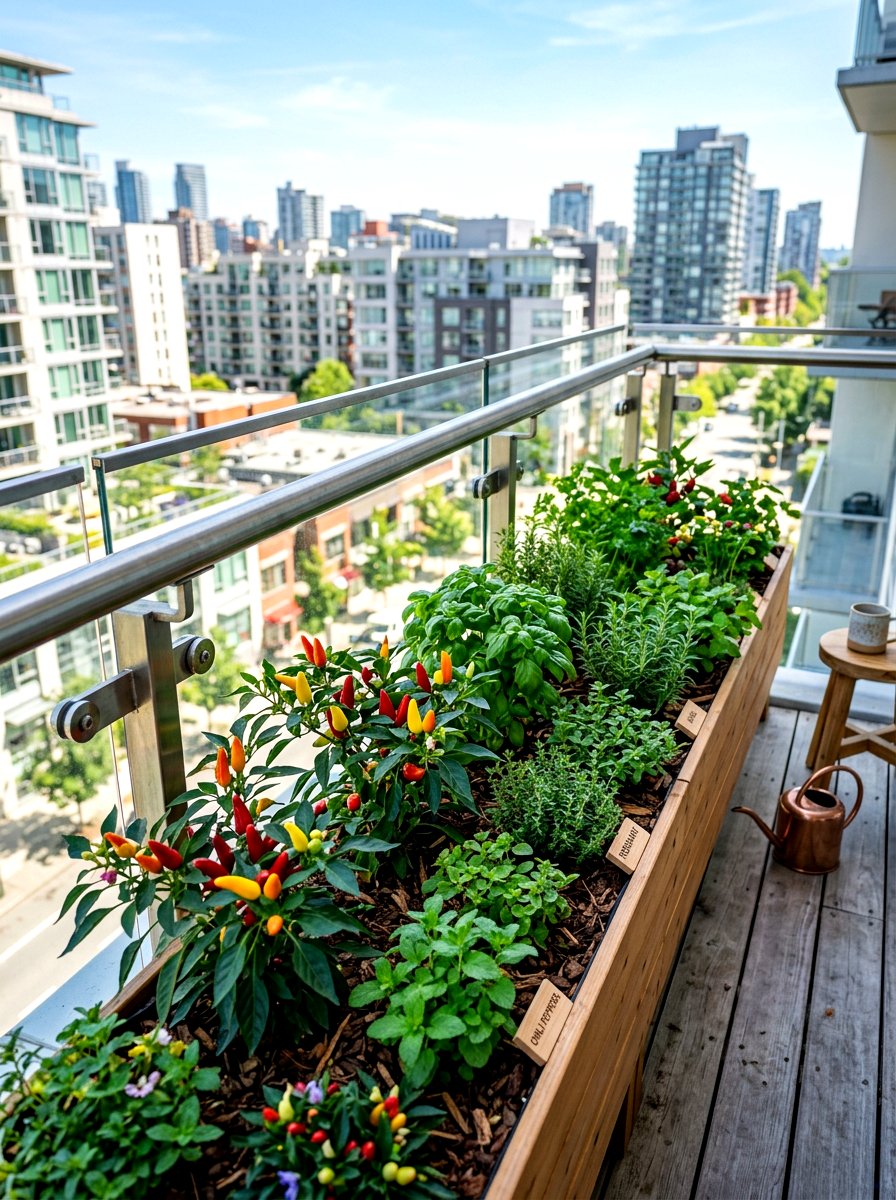
Imagine looking out over a sea of native blooms that change and evolve with the passing weeks. A wildflower meadow layout is a low-maintenance way to fill a large area with flowers perfect for casual, rustic bouquets. Instead of structured beds, you sow a mix of seeds across a broad space to create a naturalistic look. This layout is incredibly beneficial for local bees and butterflies, turning your yard into a thriving habitat. You can mow simple paths through the meadow to allow for easy access when you want to gather a few stems for a fresh table centerpiece.
11. Formal Parterre Flower Garden
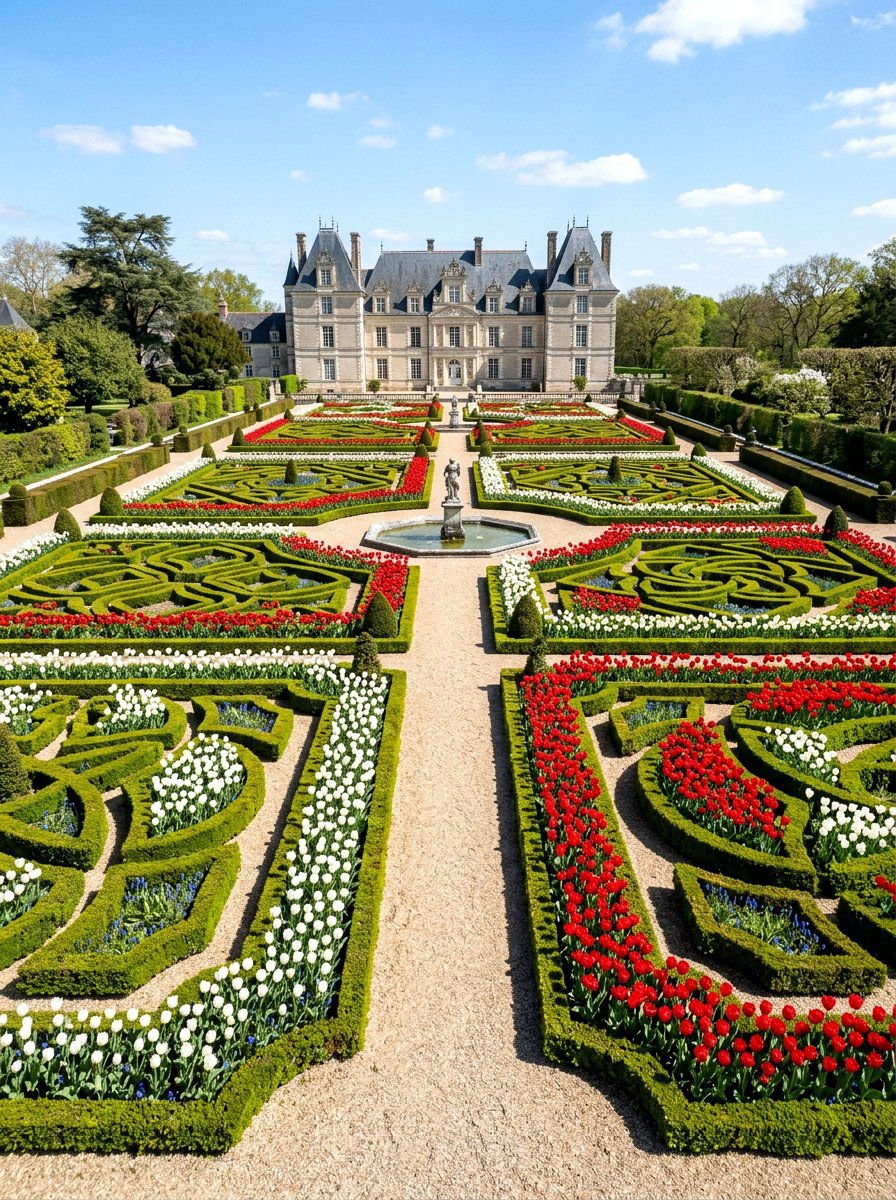
Are you drawn to the elegant and structured look of traditional European gardens? A formal parterre layout uses low hedges, often boxwood, to create symmetrical patterns and geometric shapes filled with flowers. This classic design brings a sense of order and sophistication to your cutting garden. Within each defined section, you can plant a single variety of flower for a bold, uniform look or mix several for a colorful tapestry. This layout requires a bit more maintenance to keep the hedges tidy, but the visual impact is absolutely worth the effort. It transforms your backyard into a grand estate-inspired landscape.
12. Flower Garden Path
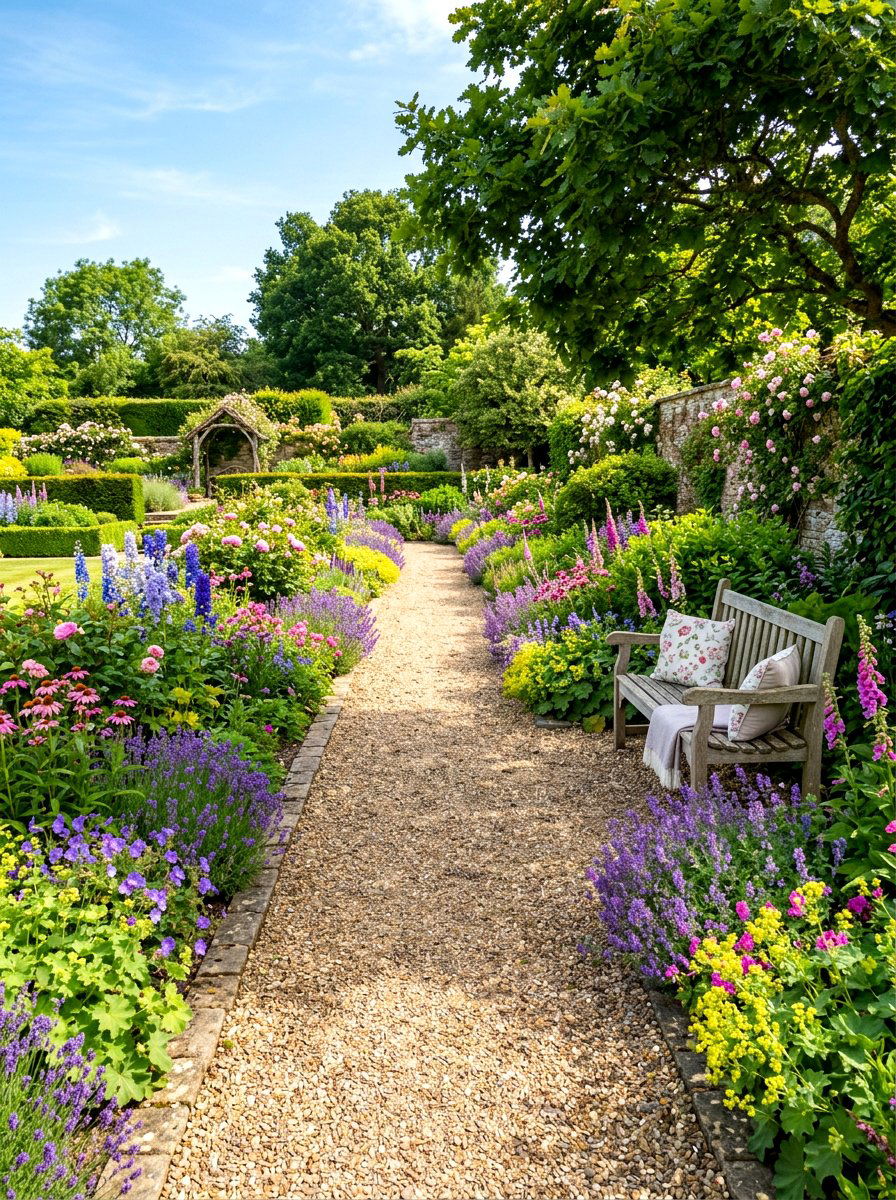
The way you move through your garden is just as important as the plants you choose to grow. A well-defined flower garden path layout ensures that you can reach every corner of your cutting patch without trampling your hard work. You can use materials like gravel, mulch, or even stepping stones to create clear walkways between your flower beds. Wide paths allow you to bring a wheelbarrow or a large bucket through the space during the peak harvest season. These paths also provide a beautiful structural element that helps to define the different zones of your blooming flower sanctuary.
13. Shade Cutting Garden Layout
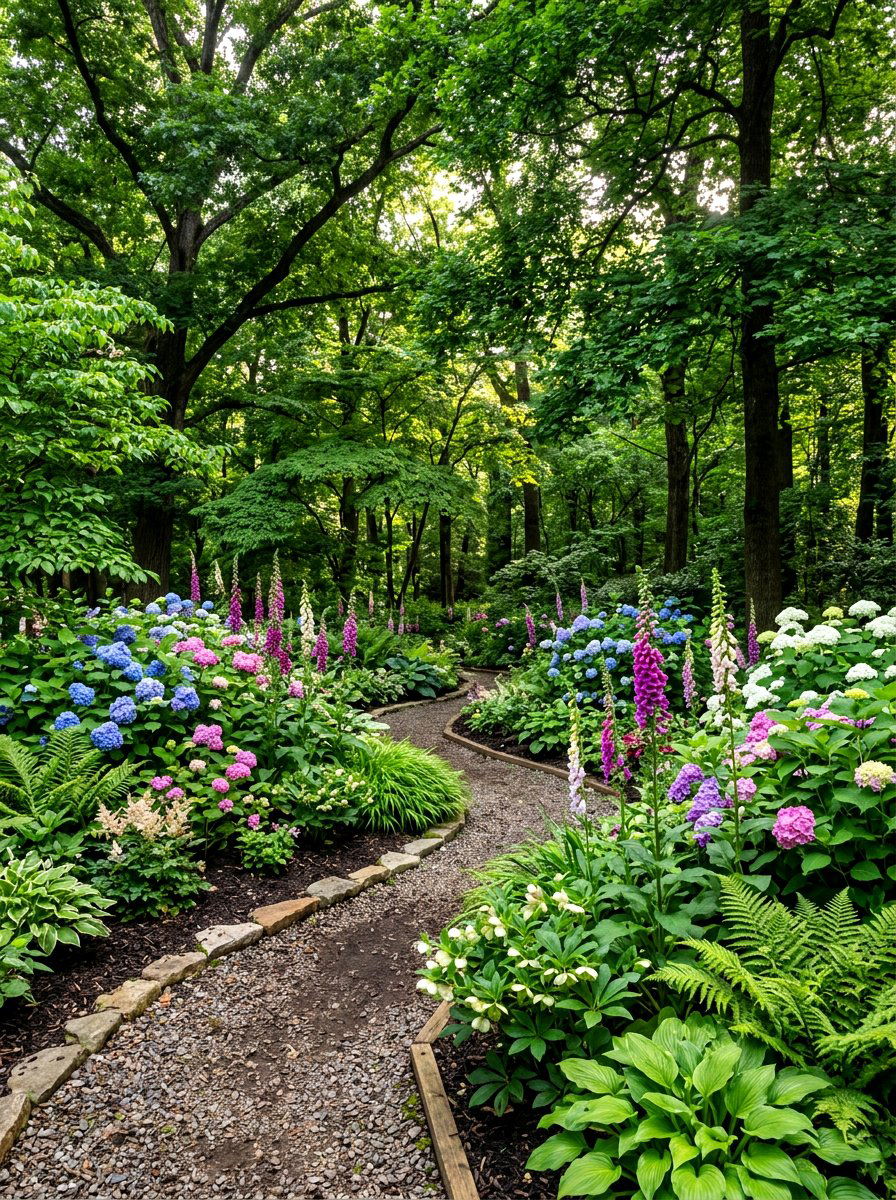
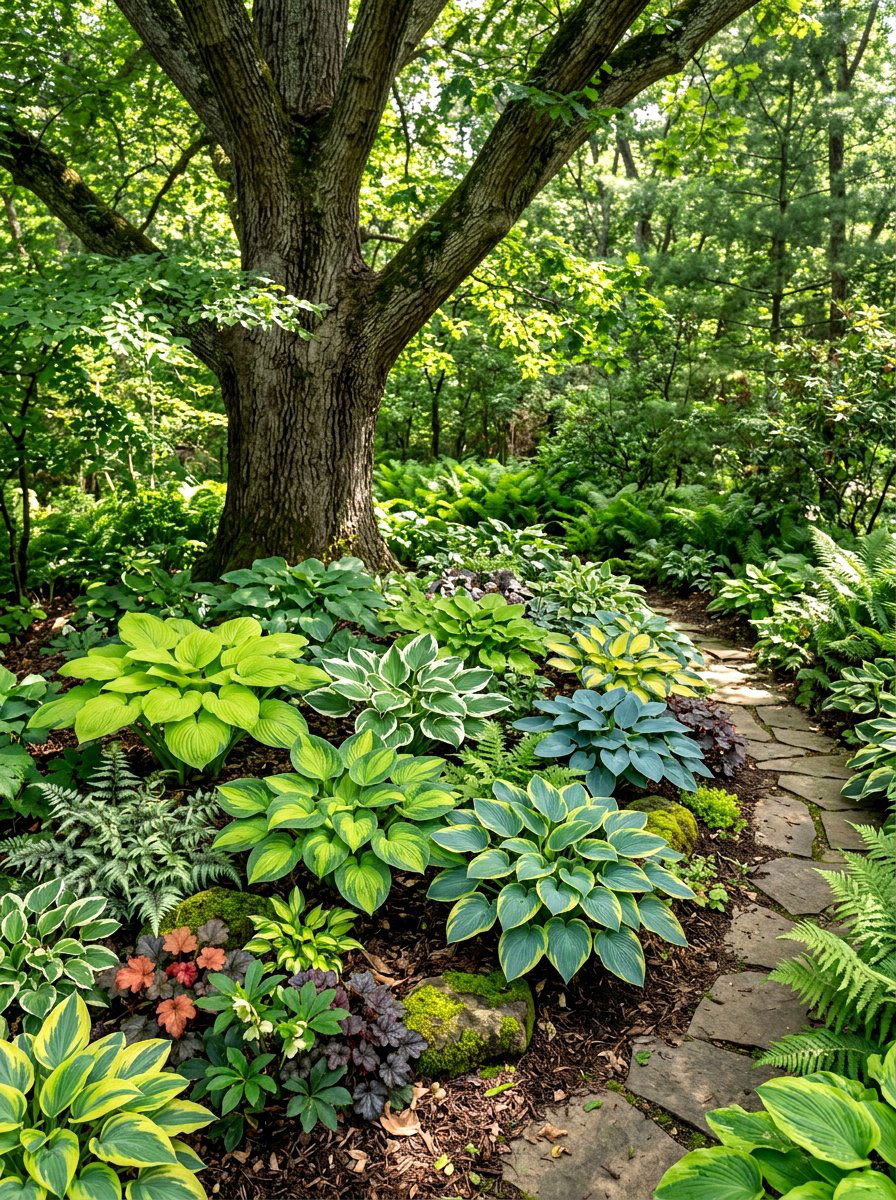
Do you have a corner of your yard that receives very little direct sunlight throughout the day? You can still grow a beautiful cutting garden by choosing plants that thrive in cooler, shadier conditions. A shade-focused layout often features delicate blooms like foxgloves, astilbes, and hydrangeas. These plants provide unique textures and soft colors that add a sophisticated touch to your indoor floral arrangements. By layering these shade-loving varieties under a canopy of trees or along a north-facing wall, you can utilize every part of your landscape. This creates a lush, woodland-inspired retreat that stays cool and vibrant all summer.
14. Drought Tolerant Flower Bed
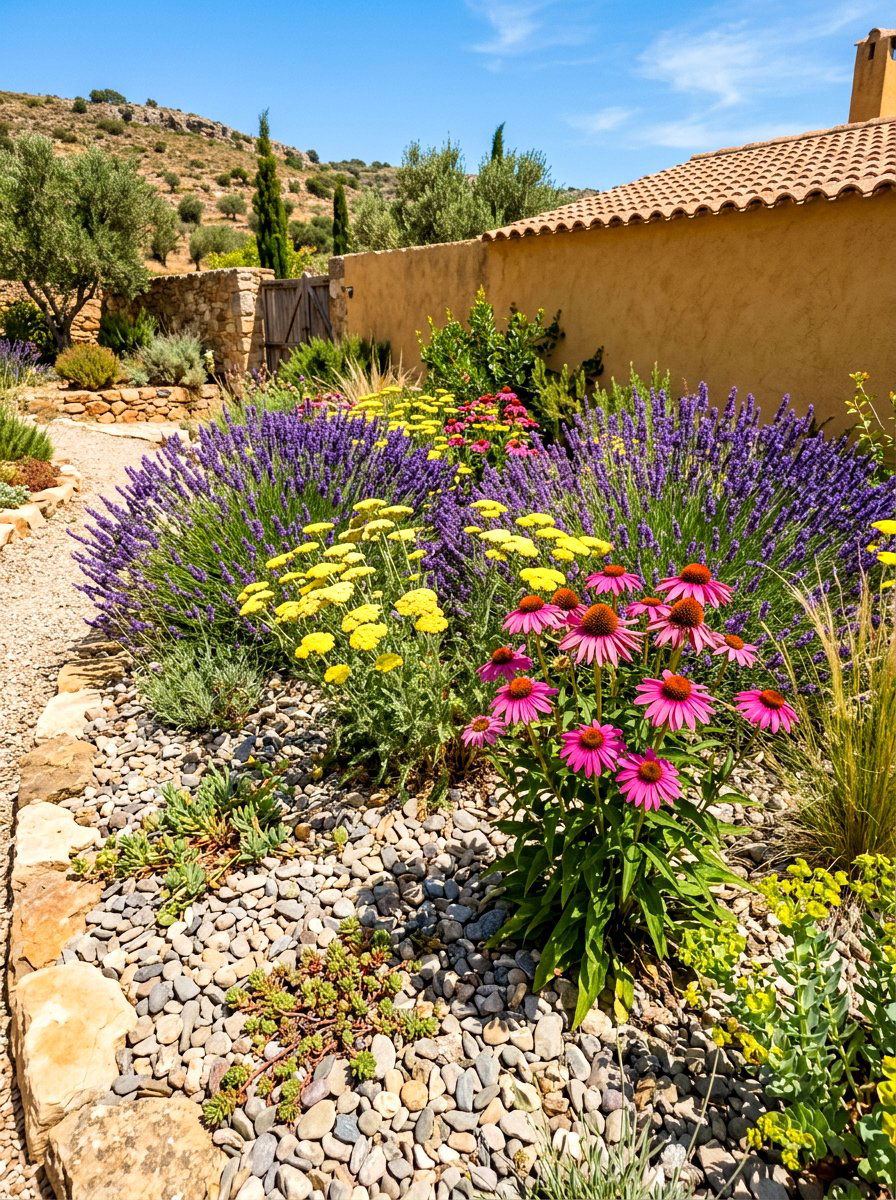
If you live in a region with limited rainfall, a water-wise layout is both practical and environmentally friendly. A drought-tolerant cutting garden focuses on resilient plants like lavender, yarrow, and echinacea that can handle the heat. These flowers often have sturdy stems and long-lasting blooms, making them ideal for cutting and displaying in your home. By grouping these plants together, you can create a low-maintenance space that requires minimal irrigation once established. Using a thick layer of organic mulch helps to retain soil moisture and keeps the roots cool. This layout proves that a beautiful garden can also be sustainable.
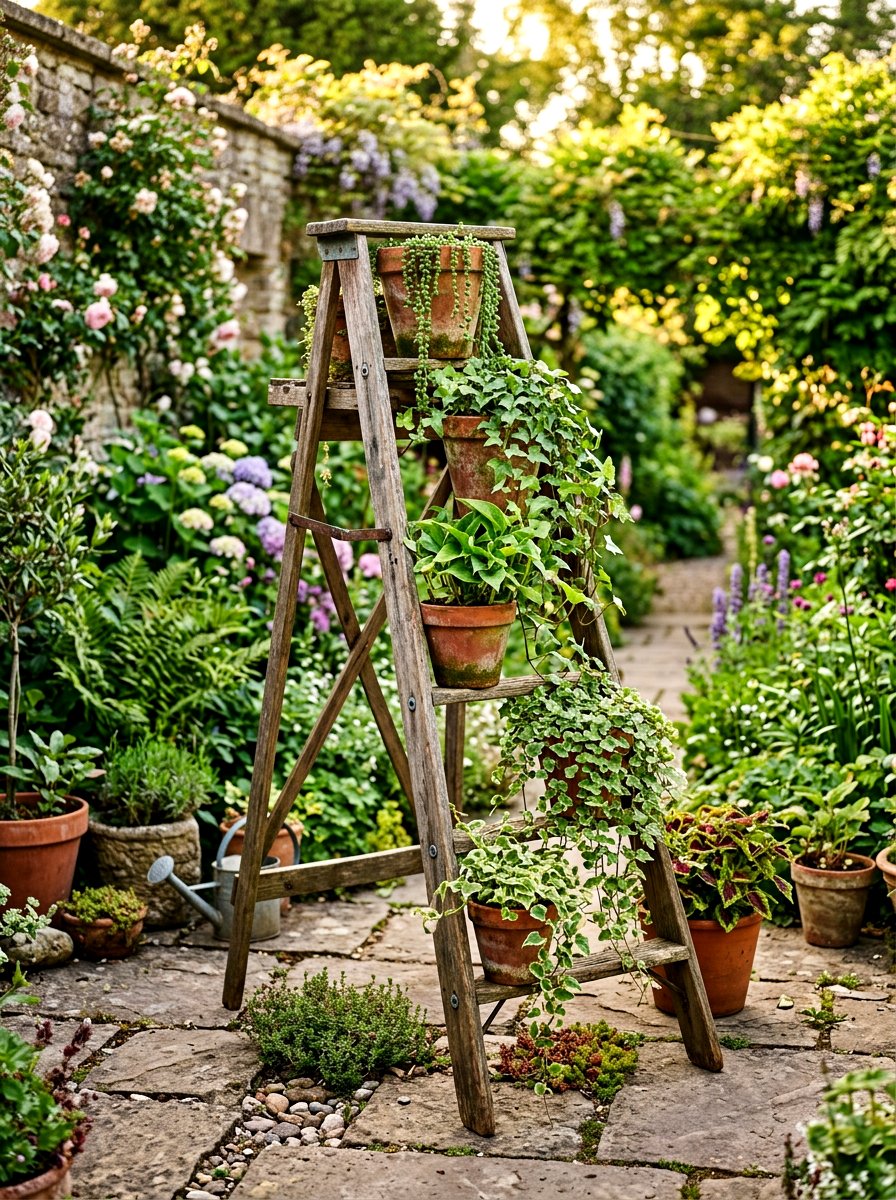
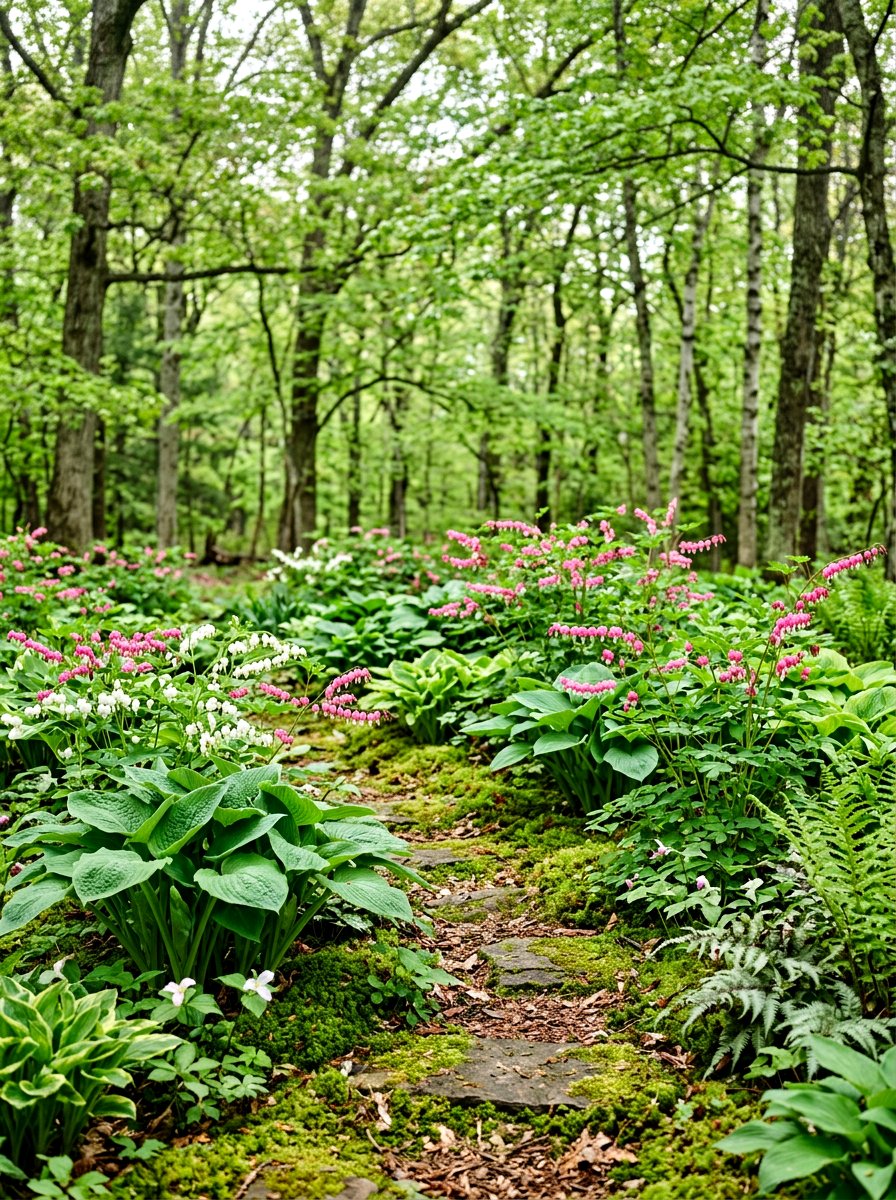
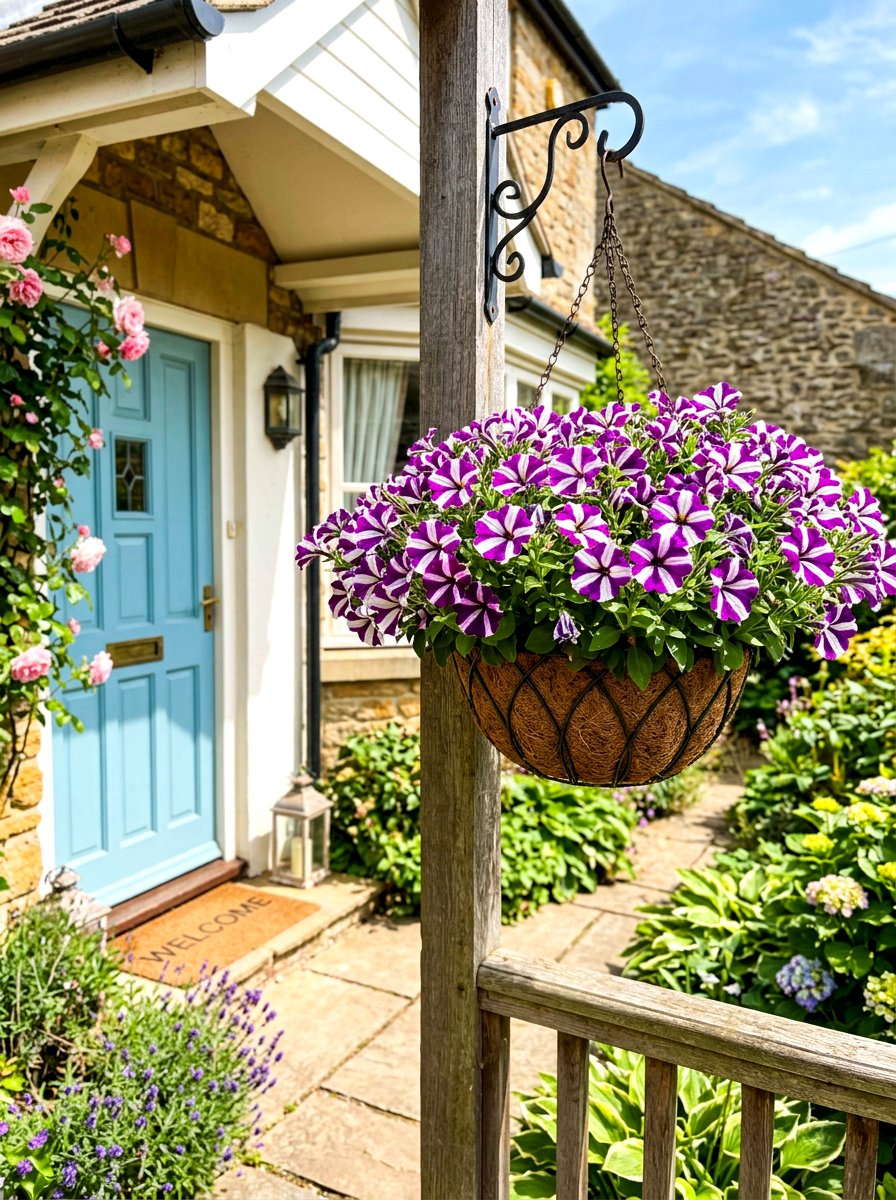
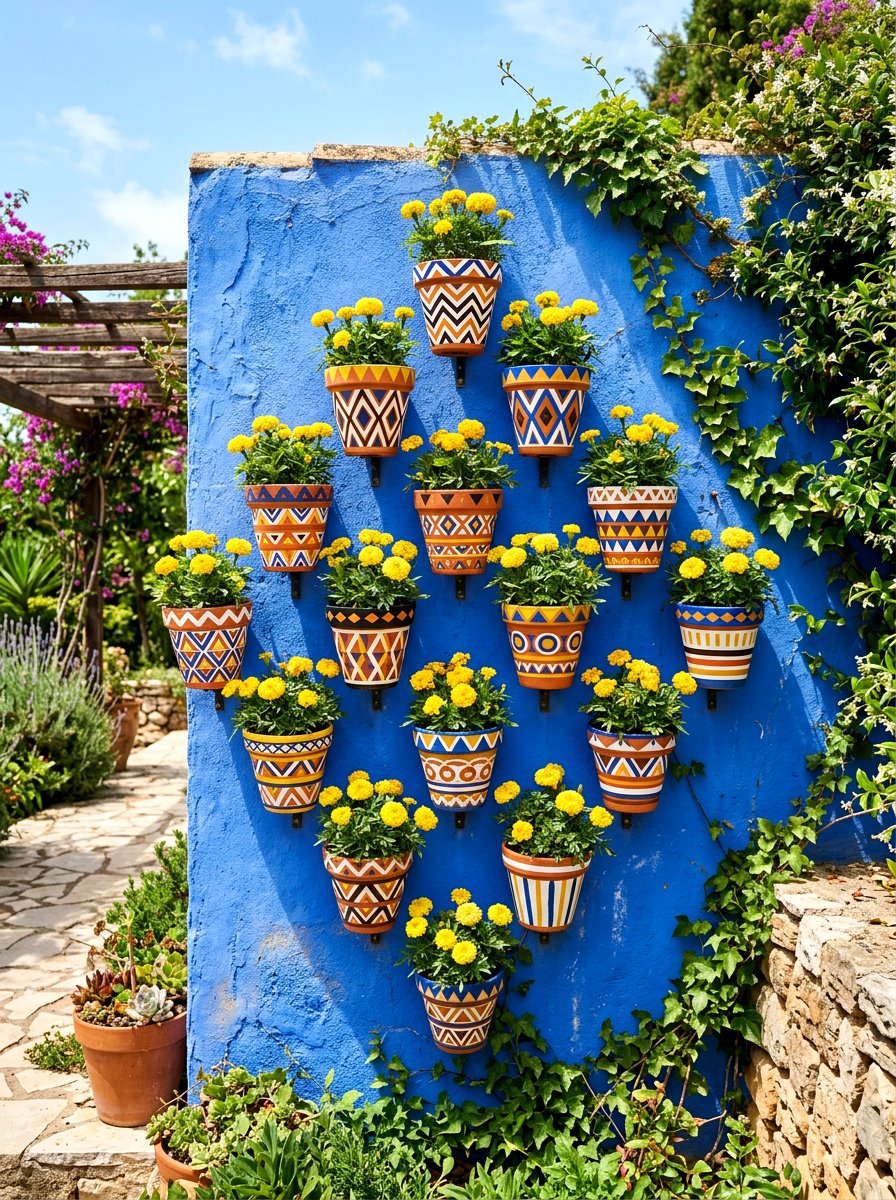
15. Side Yard Flower Garden
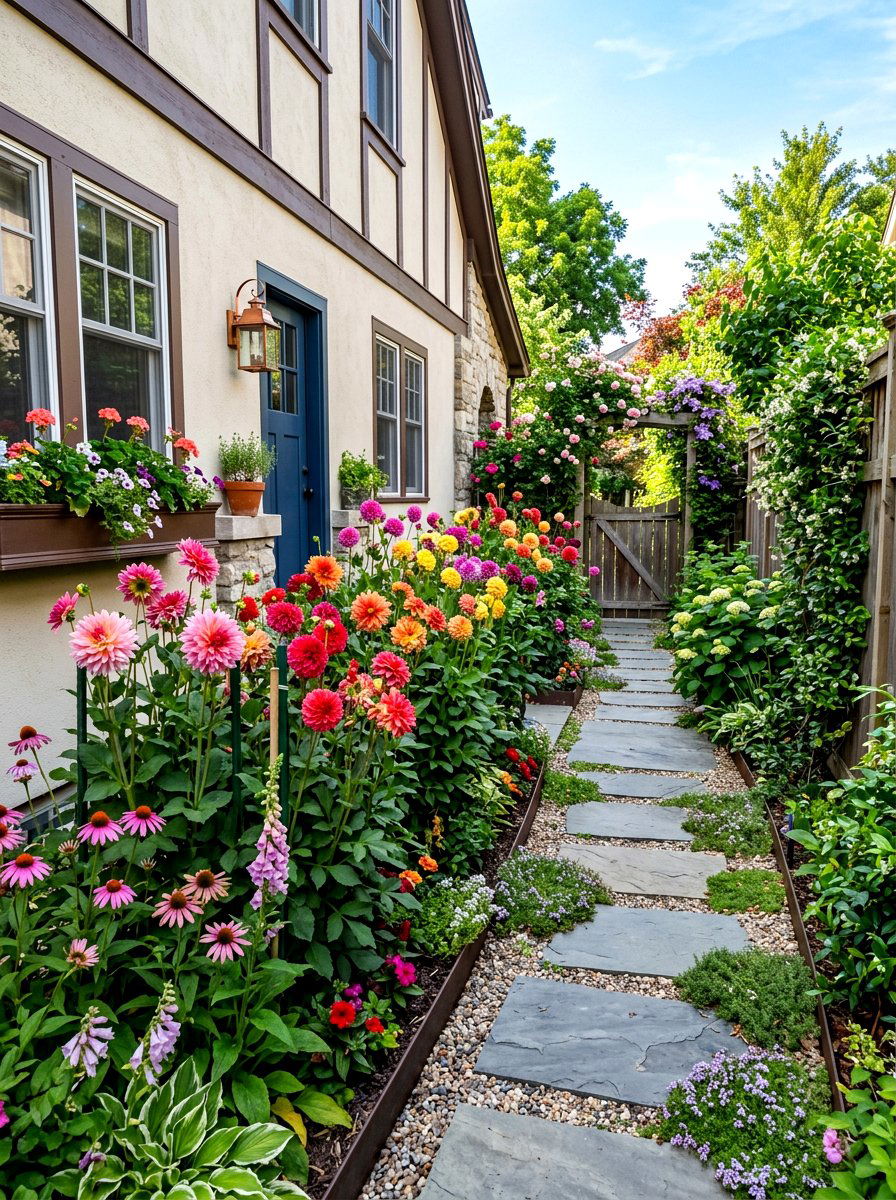
Narrow spaces along the side of a house are often overlooked, but they can be perfect for a row of flowers. A side yard layout makes excellent use of what might otherwise be wasted ground between your home and the property line. Because these areas are often protected from the wind, they can be ideal for growing tall, top-heavy flowers like dahlias. You can install a long, narrow garden bed and a simple walkway to create a private corridor of color. This hidden garden is a delightful surprise for anyone walking around your home and provides plenty of fresh floral stems.
16. Tiered Flower Garden
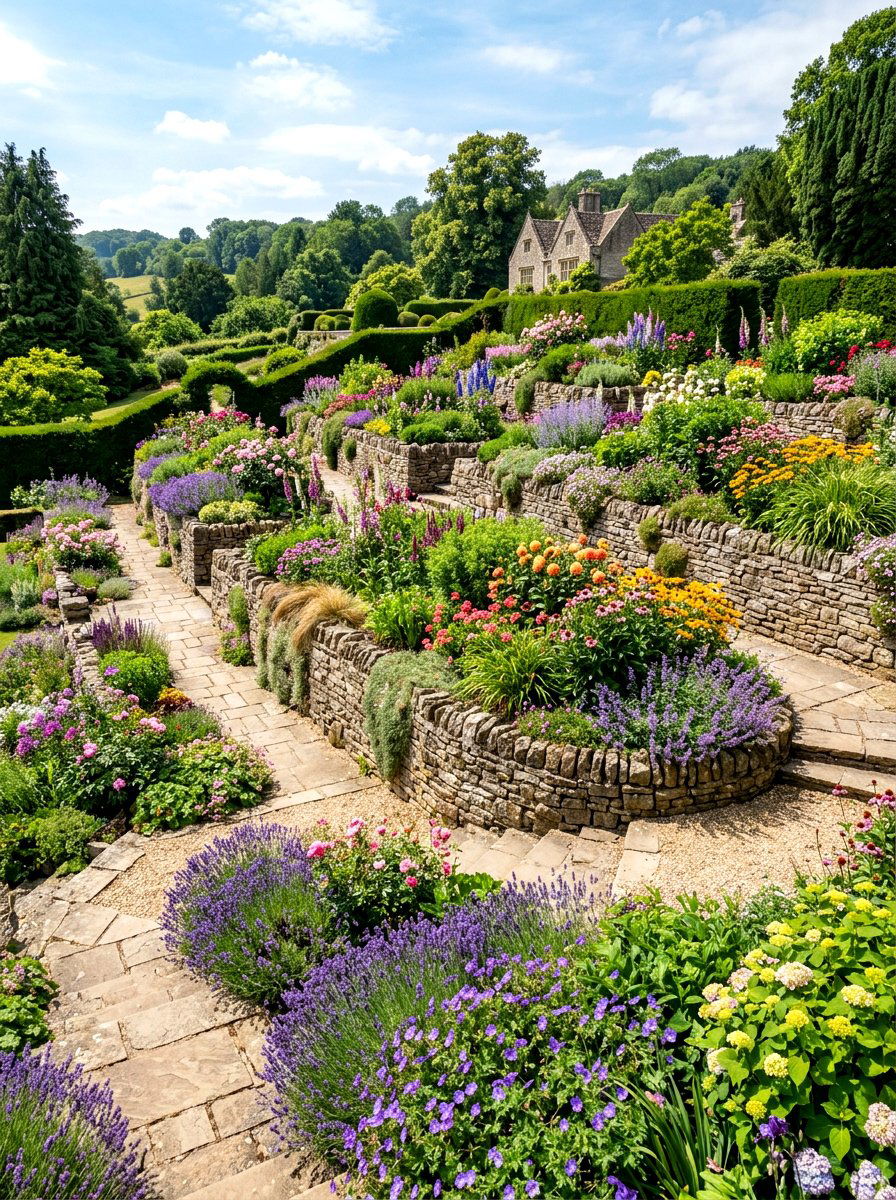
Working with a sloped landscape offers a unique opportunity to create a stunning tiered flower garden. By building several levels of retaining walls, you can create flat planting areas that are easy to manage and harvest. This layout allows you to plant different varieties on each level, creating a cascading waterfall of color and texture. Taller flowers can be placed on the higher tiers to create a dramatic backdrop, while smaller blooms sit closer to eye level. A tiered design also helps with drainage and prevents soil erosion, making it a functional and beautiful solution for hilly backyard landscape spaces.
17. Square Foot Flower Garden
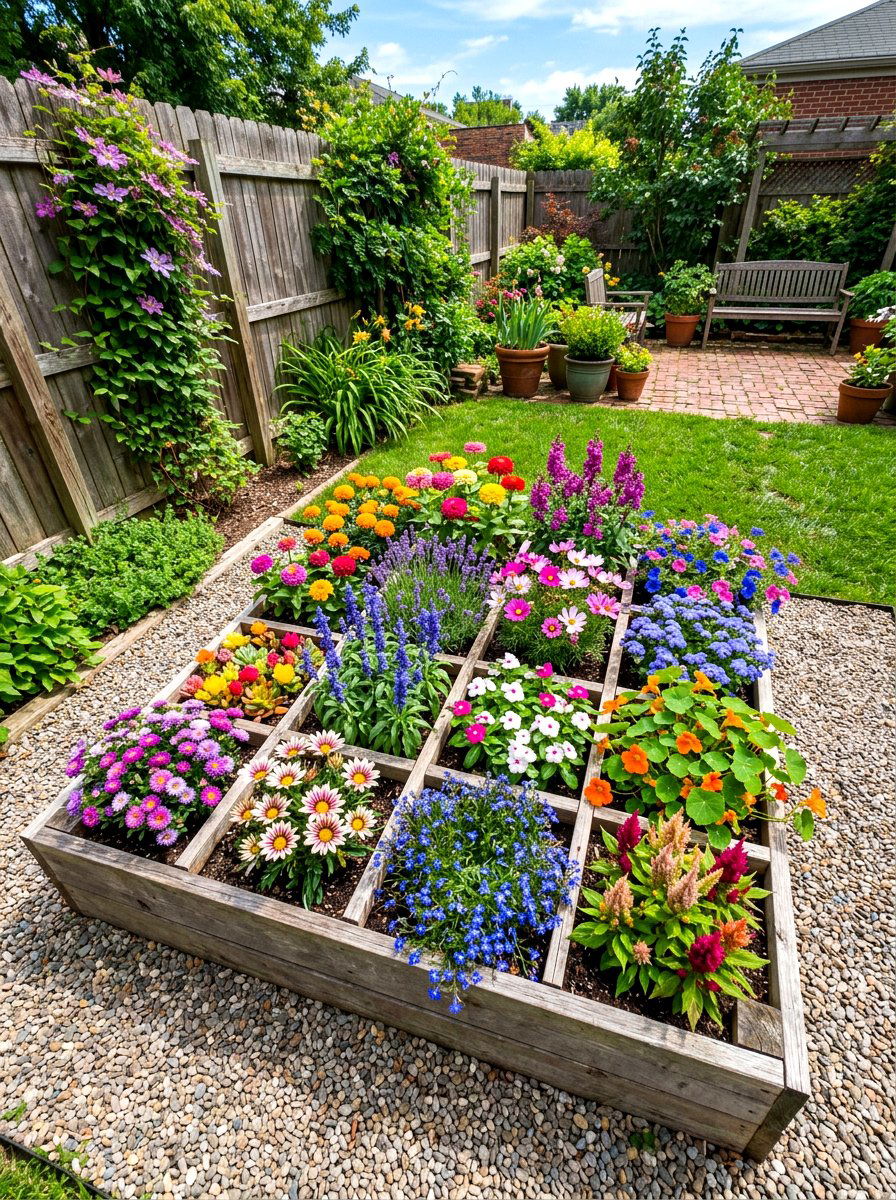
Efficiency is the main goal of a square foot gardening layout, making it a popular choice for urban flower growers. By dividing a raised bed into small, equal squares, you can precisely plan where every single plant will go. This high-density planting method allows you to grow a wide variety of flowers in a very small footprint. You can easily keep track of different species and ensure that each one has the exact amount of space it needs to thrive. This organized system is perfect for anyone who wants a productive cutting garden without the guesswork of a traditional sprawling layout.
18. Container Cutting Garden Layout
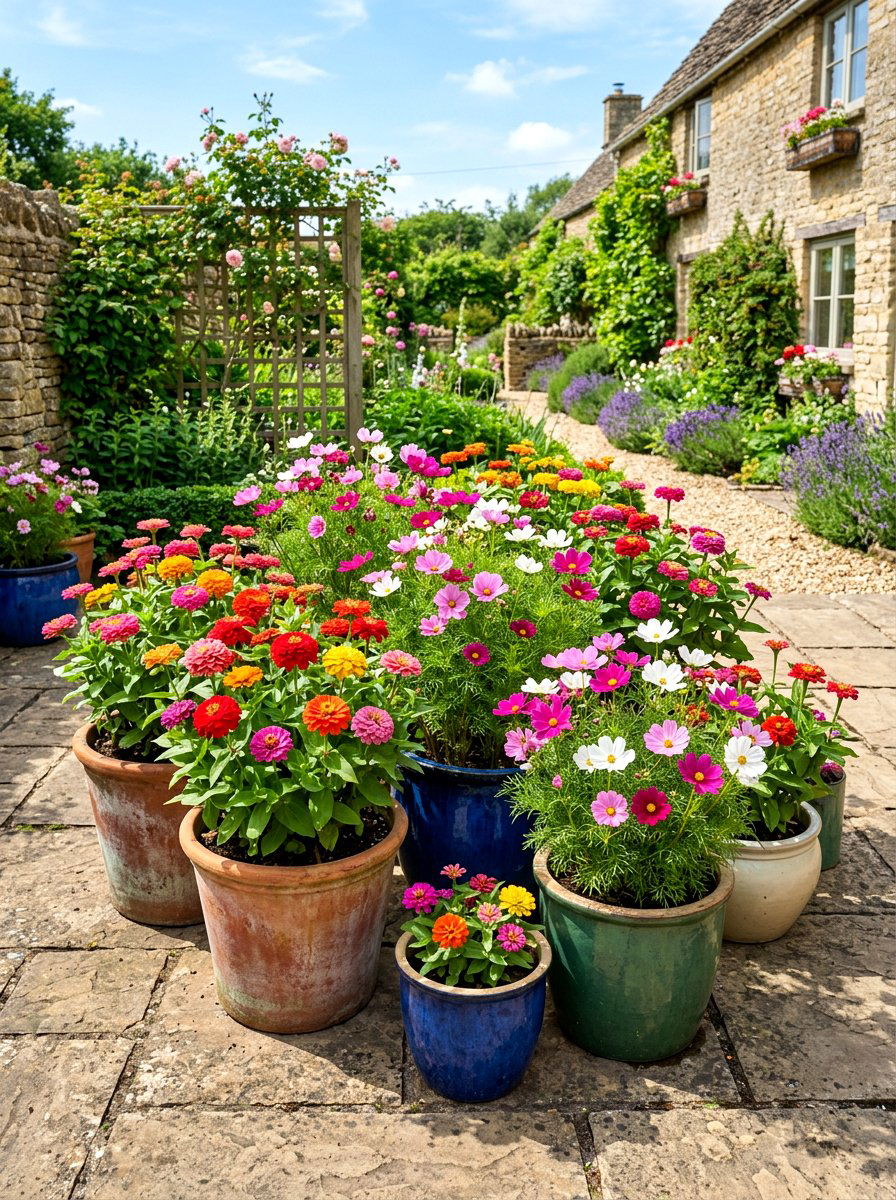
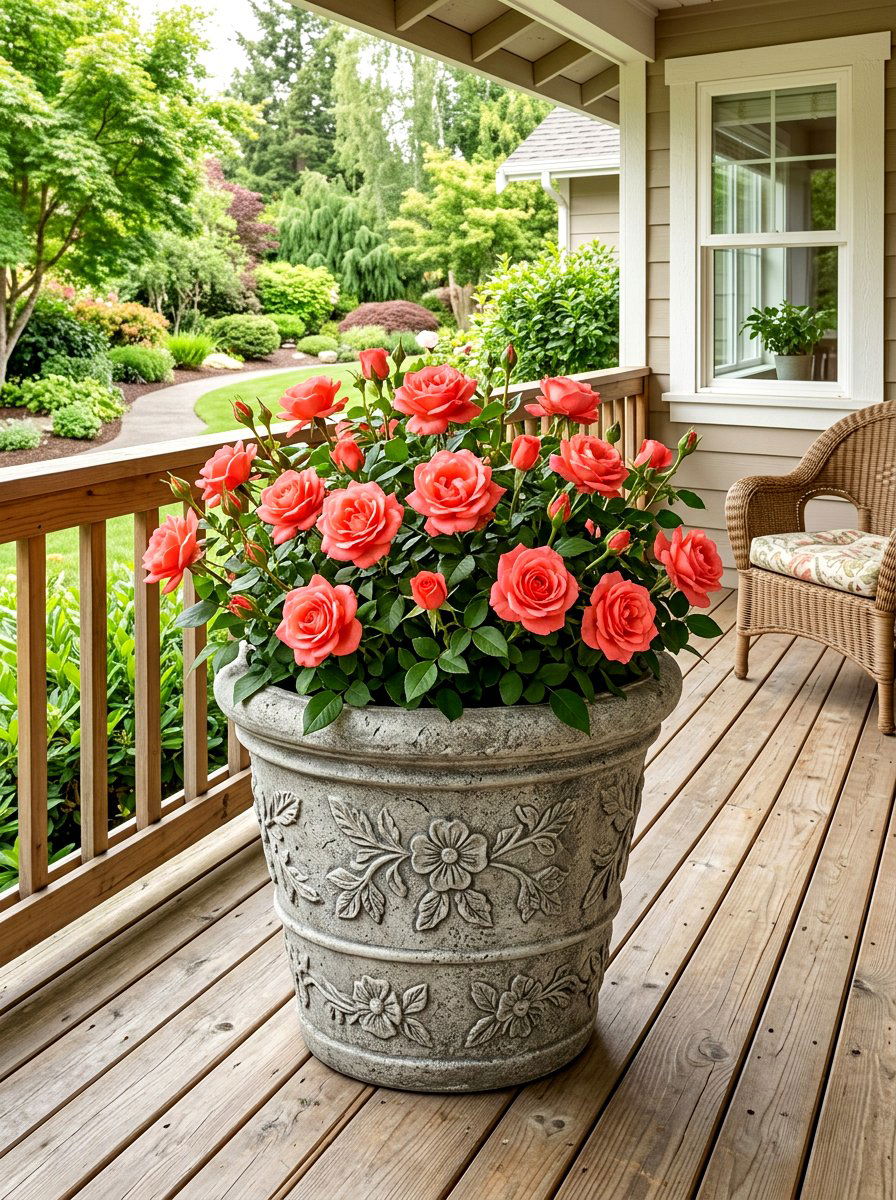
You do not need a large plot of land to grow enough flowers for several beautiful indoor bouquets. A container layout is the perfect solution for apartment dwellers or those with only a small paved patio. By grouping several large pots and planters together, you can create a mobile and versatile flower garden. This approach allows you to move your plants to follow the sun or protect them from harsh weather. You can choose a variety of container sizes and styles to add visual interest and height to your outdoor space. It is a flexible and accessible way to start gardening.
19. Pollinator Cutting Garden
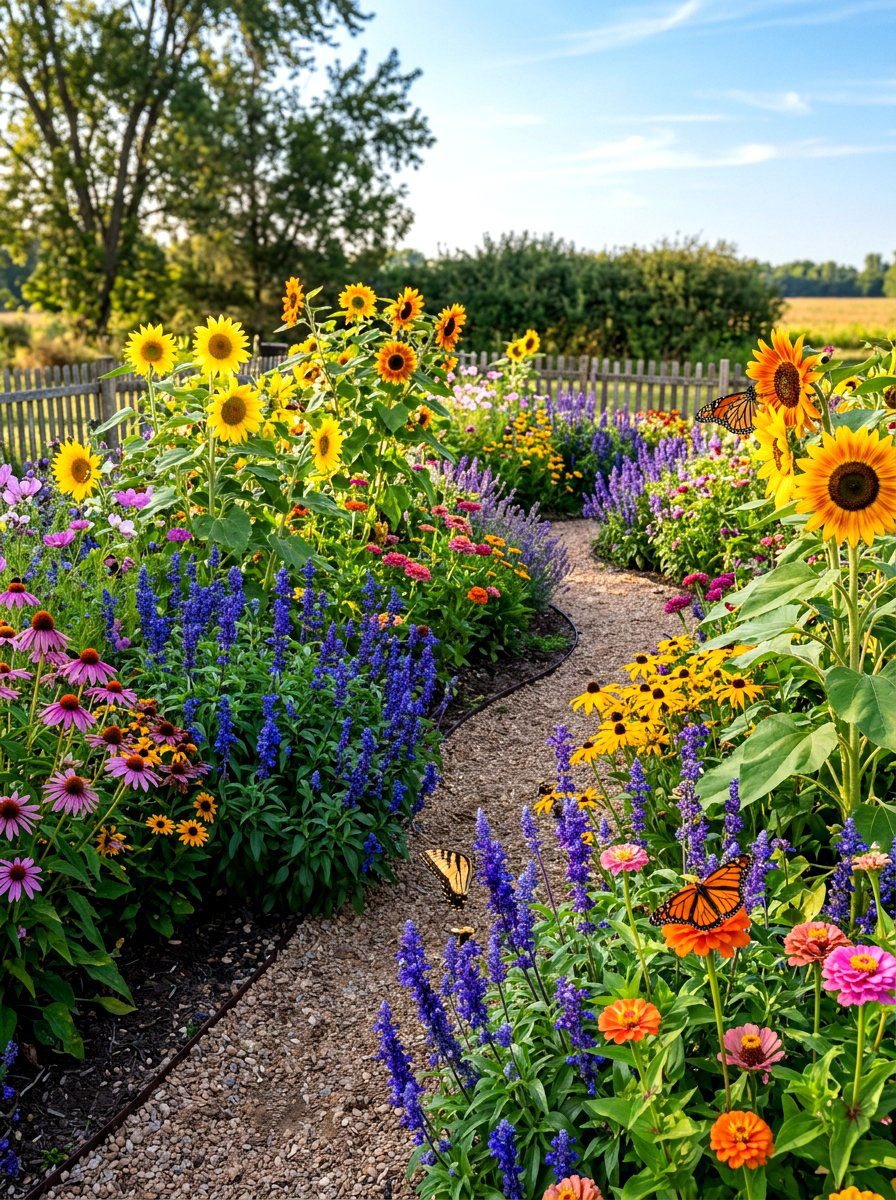
Creating a space that serves both your home and the local environment is a wonderful gardening goal. A pollinator-focused layout prioritizes flowers that are rich in nectar and pollen, attracting bees, butterflies, and hummingbirds. By planting varieties like zinnias, salvia, and sunflowers, you ensure a steady supply of blooms for your vases while supporting nature. This type of garden is often filled with activity and movement, making it a joy to spend time in during the day. This layout encourages a healthy ecosystem in your backyard, which often leads to stronger plants and more abundant flowers for your harvest.
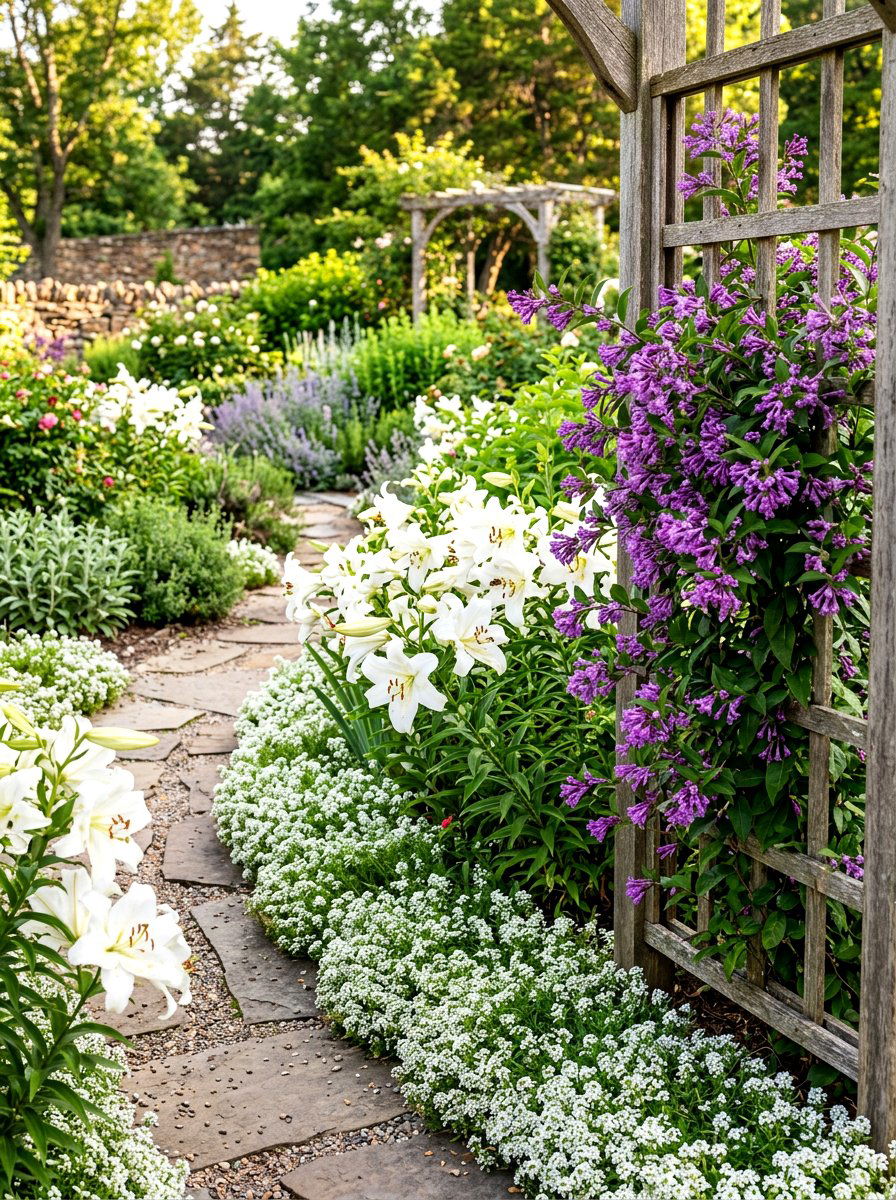
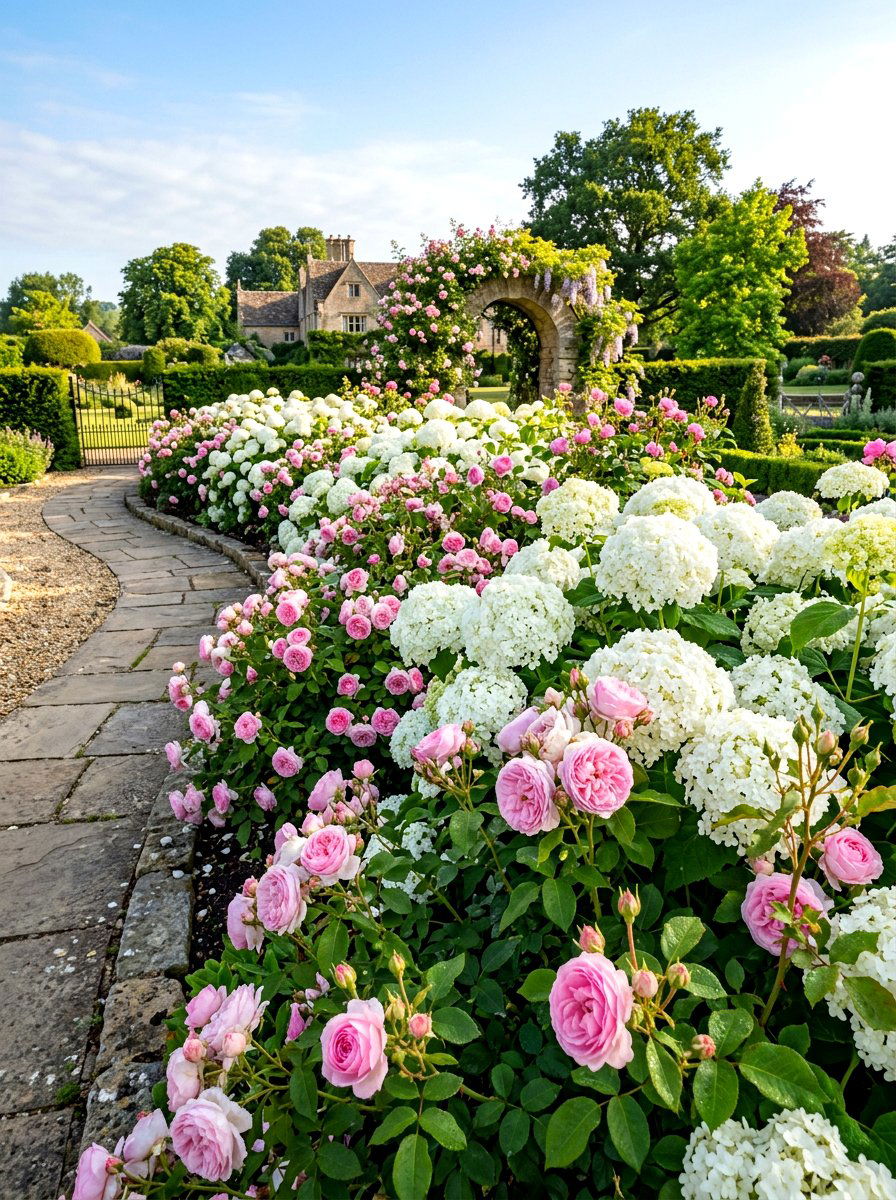
20. Monochromatic Flower Garden
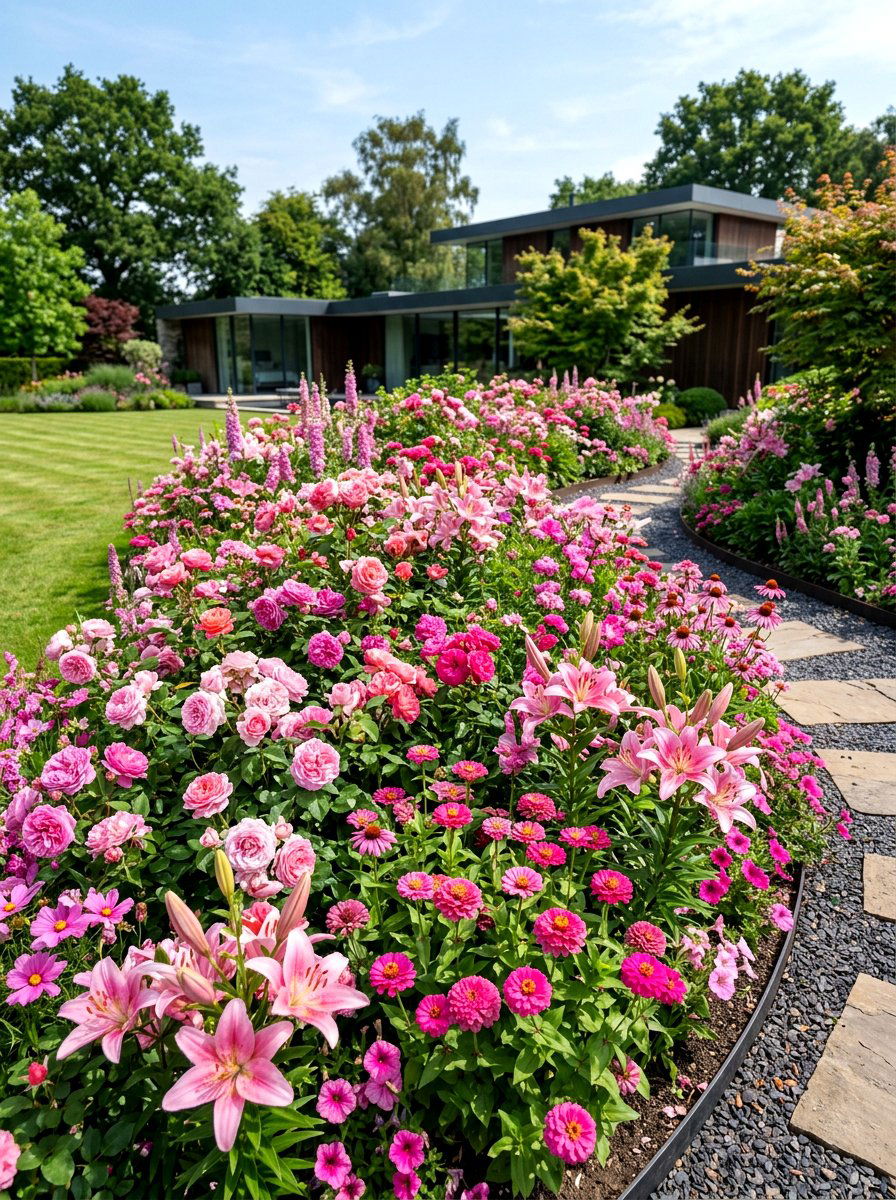
Have you ever considered the visual impact of a garden bed filled with many different flowers in a single color? A monochromatic layout creates a sophisticated and calming atmosphere in your backyard landscape. You can choose a favorite hue, like serene white or vibrant pink, and select various species that bloom in that specific shade. By playing with different flower shapes and textures, you can create a rich and interesting design that feels very intentional. These monochromatic blooms look stunning when gathered into a single-color bouquet for your dining table. It is a modern and stylish approach to cutting garden planning.
21. All Season Flower Garden
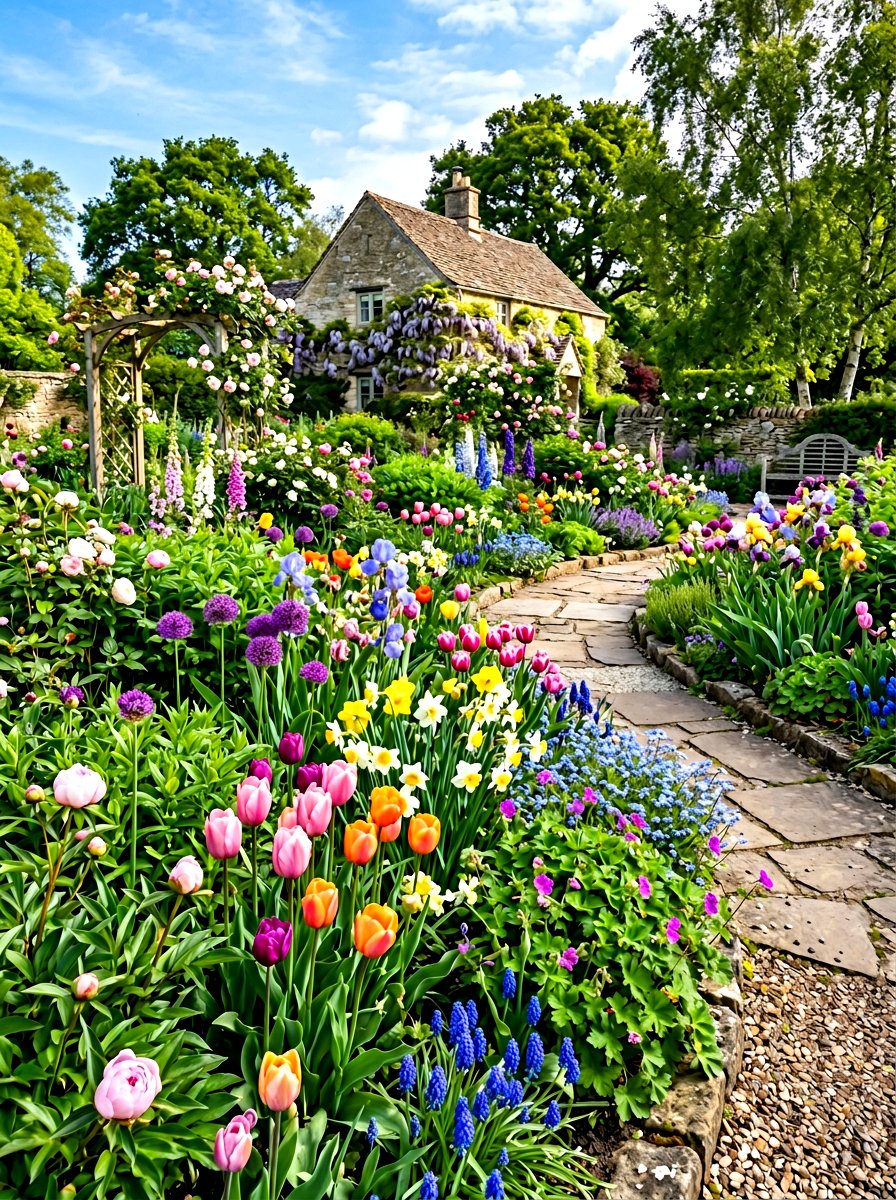
A well-designed layout can provide you with fresh flowers from the first days of spring until the hard frosts of autumn. An all-season cutting garden requires careful planning to ensure there is always something coming into bloom as another variety fades. You can start the year with early bulbs like tulips and daffodils, followed by summer annuals and late-season perennials like asters. This continuous cycle of growth means your home will never be without a fresh centerpiece. By layering plants with different peak blooming times, you maximize the productivity of your garden space and enjoy a constantly changing landscape.
22. Low Maintenance Flower Garden
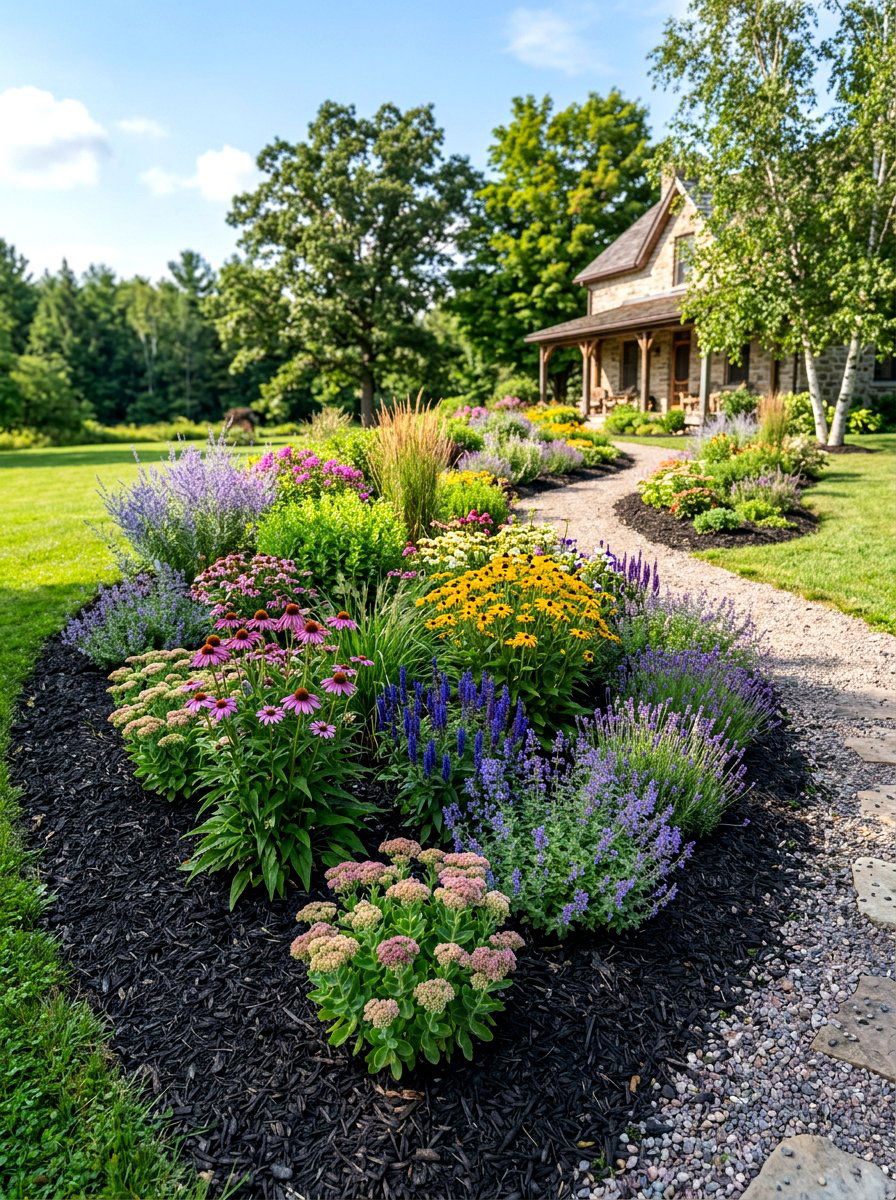
Not everyone has hours each day to dedicate to weeding and pruning their flower beds. A low-maintenance layout focuses on hardy perennials and self-seeding annuals that require very little intervention to look their best. By choosing plants that are well-suited to your local climate and soil, you can spend less time working and more time enjoying the harvest. Using a heavy layer of mulch and installing a simple drip irrigation system can further reduce the amount of care needed. This practical approach allows you to have a beautiful cutting garden that fits easily into a busy modern lifestyle.
23. Modern Minimalist Flower Garden
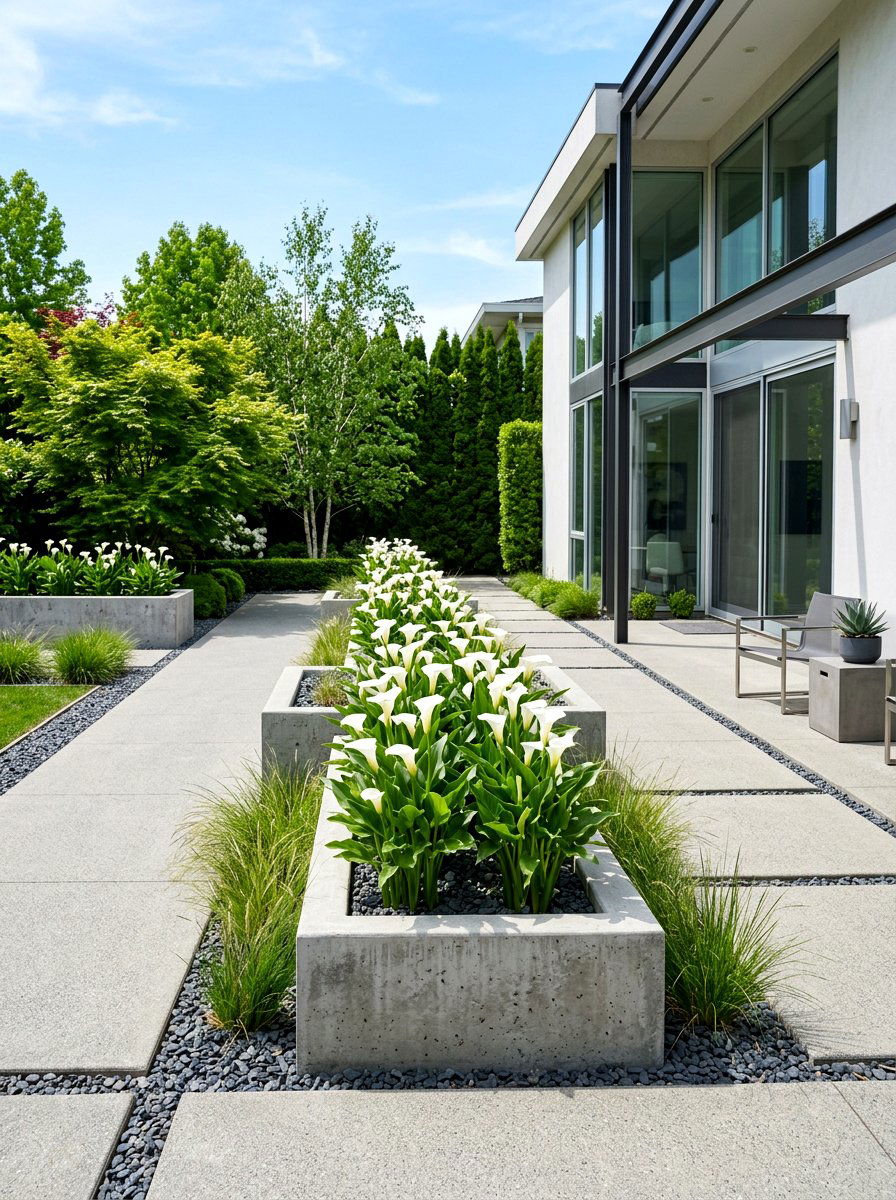
Simplicity and clean lines define the aesthetic of a modern minimalist cutting garden layout. This design often features large, open spaces and a limited palette of both plants and materials. Instead of a crowded jumble of blooms, you might choose a few striking varieties and plant them in bold, architectural groups. The use of sleek materials like concrete or weathered steel for garden edges and containers adds to the contemporary feel. This layout is perfect for homeowners who want a cutting garden that complements the clean architecture of their house while providing a few high-impact stems for a minimalist ceramic vase.
24. Organic Cutting Garden Layout
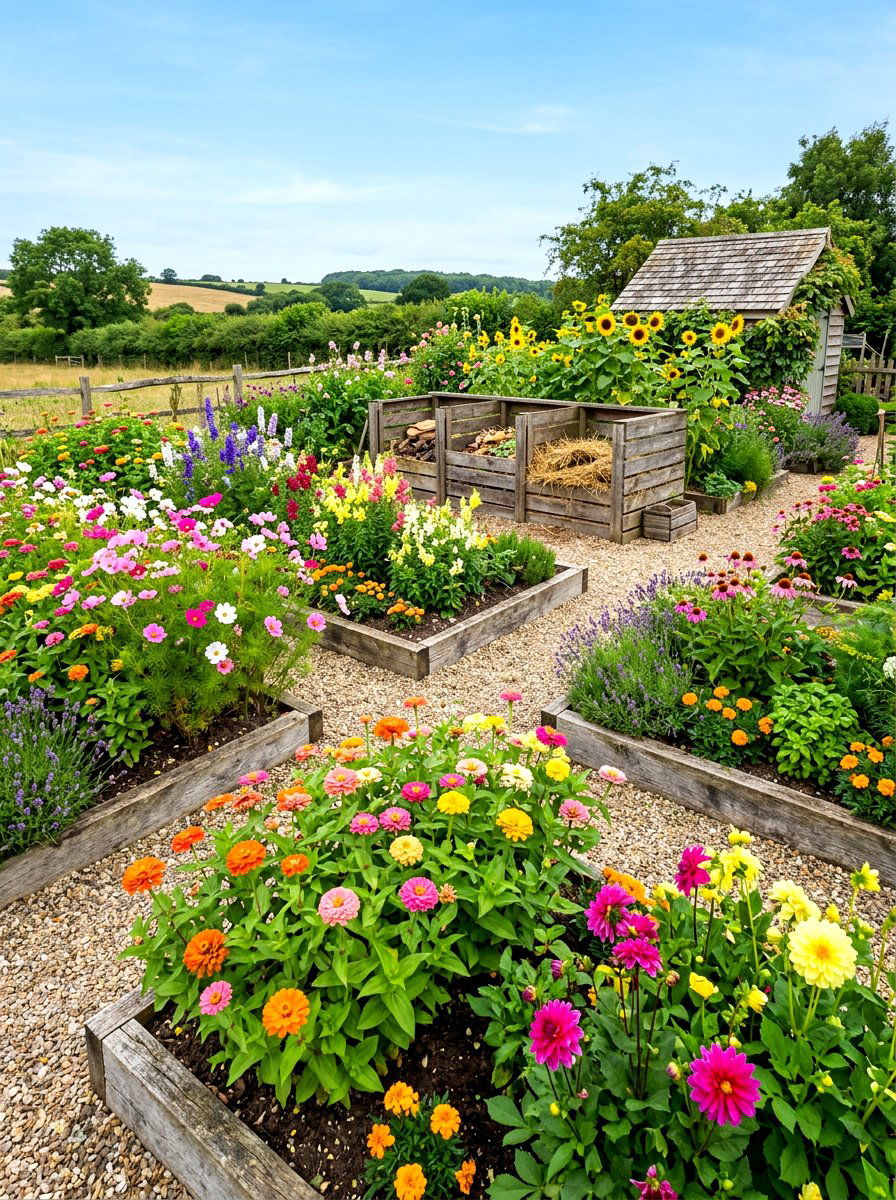
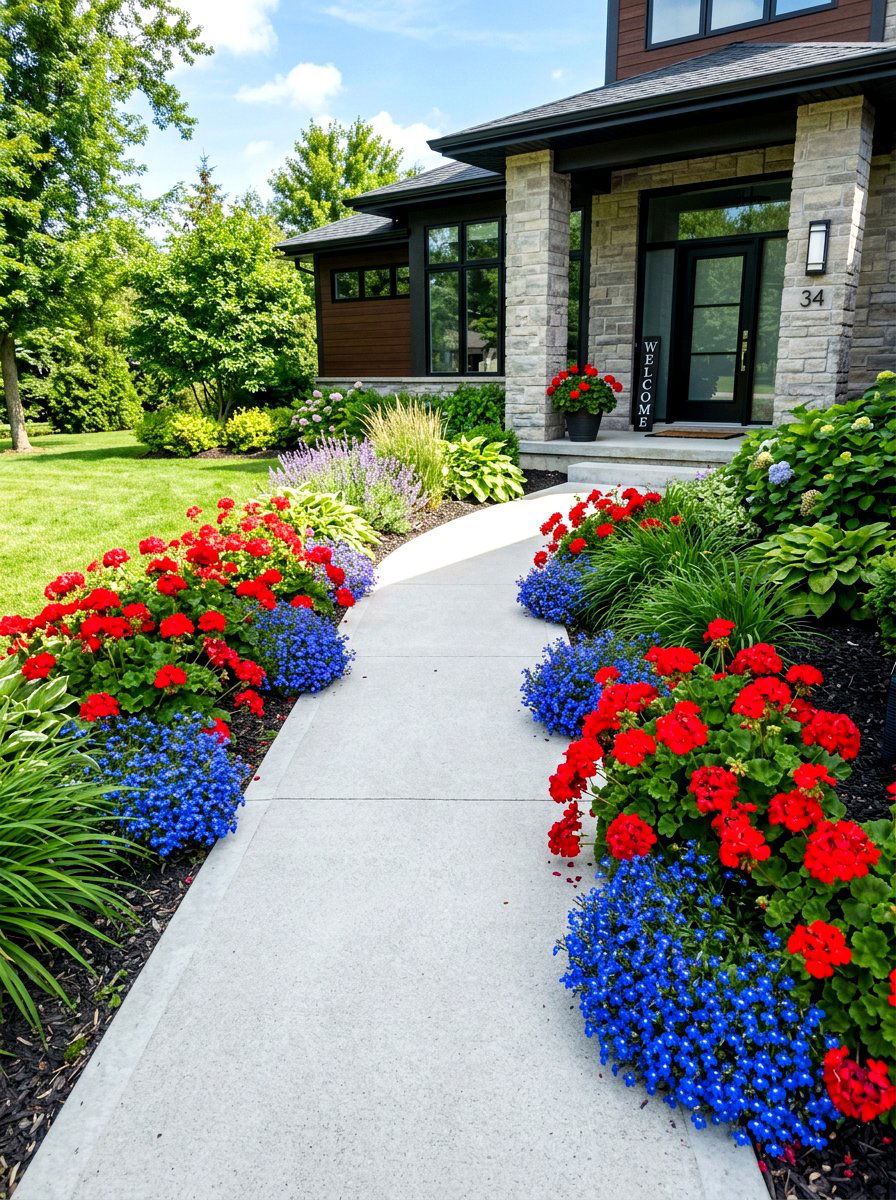
Growing your flowers without the use of synthetic chemicals is better for you, your pets, and the local wildlife. An organic layout focuses on building healthy soil through composting and natural amendments to grow strong, disease-resistant plants. You can incorporate companion planting to naturally deter pests and encourage beneficial insects to visit your blooms. This approach ensures that the flowers you bring into your home are safe and natural. By working with nature rather than against it, you create a sustainable and healthy environment. An organic garden often feels more alive, producing flowers that are truly beautiful.
25. Perennial Cutting Garden
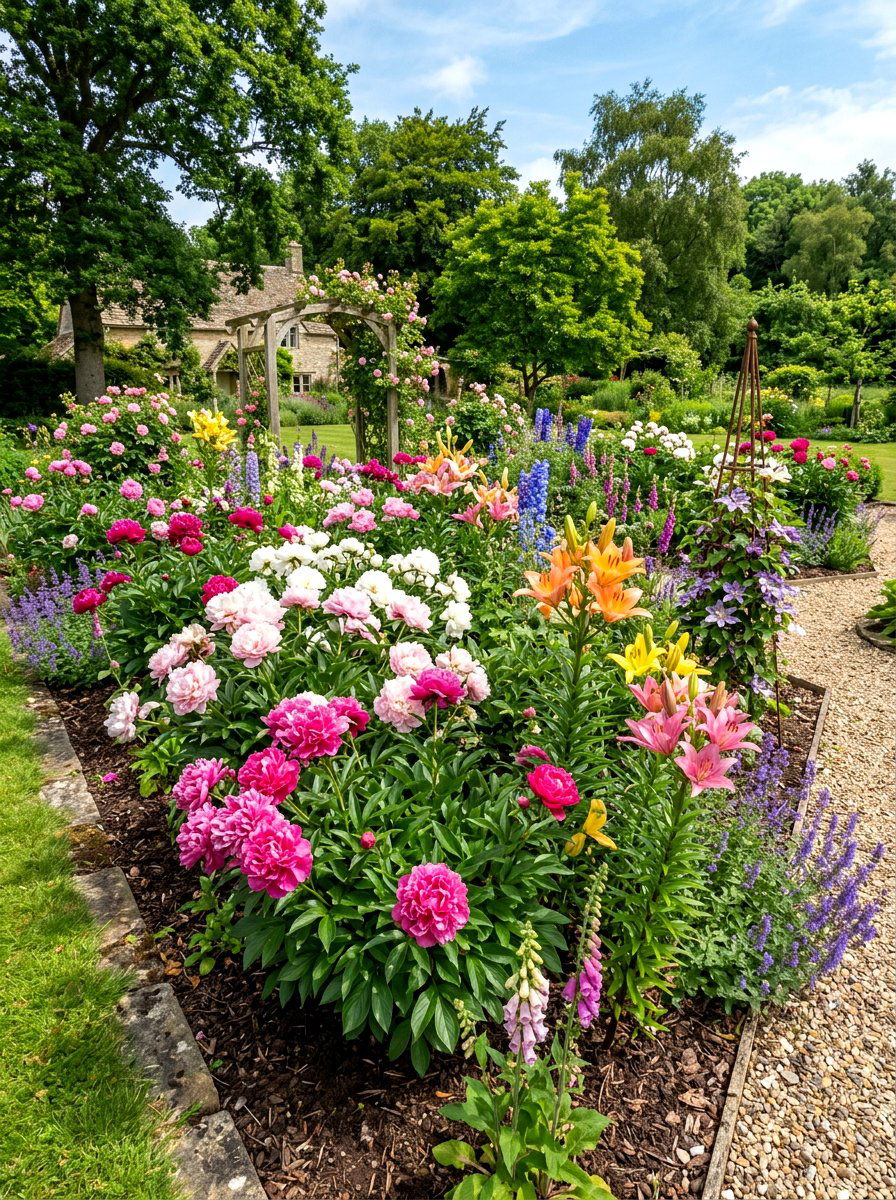
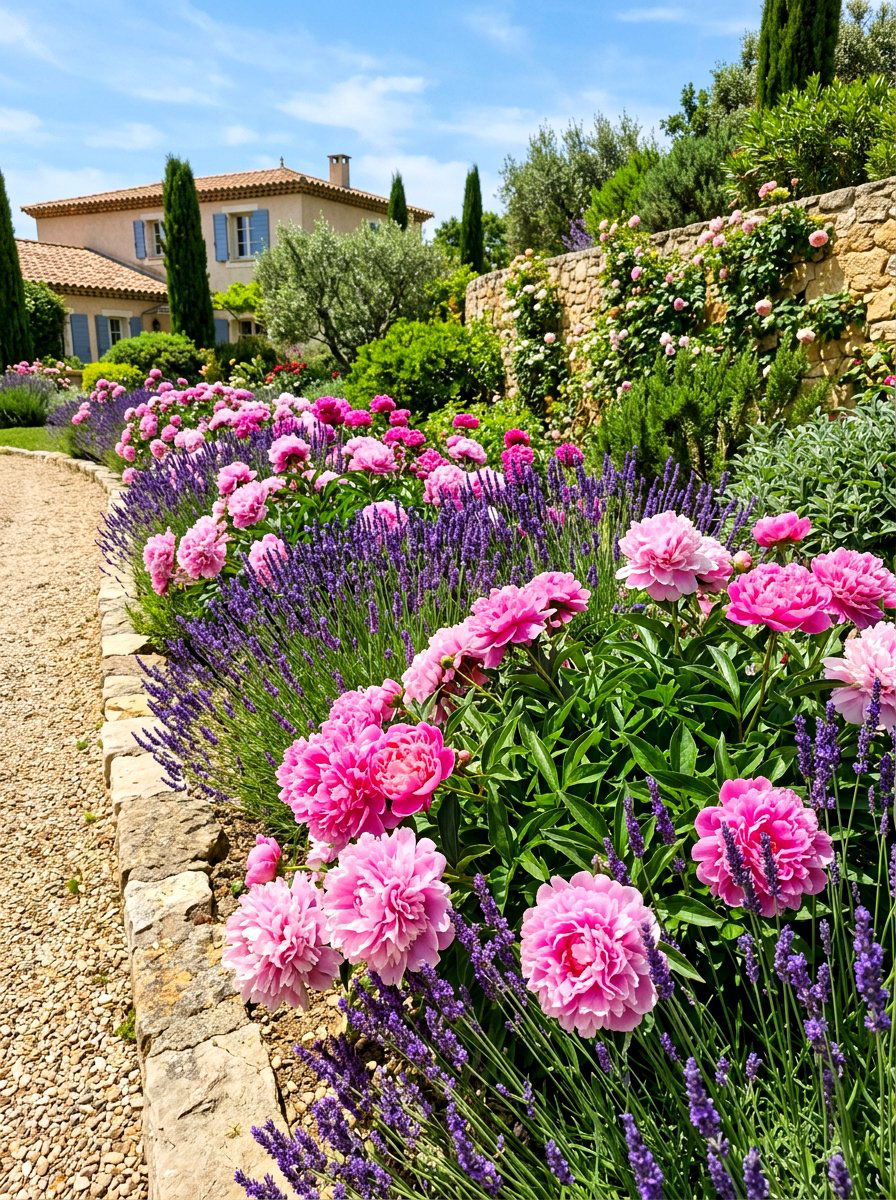
If you want a garden that returns with more beauty every year, a perennial-focused layout is the way to go. Unlike annuals that must be replanted each spring, perennials like peonies, lilies, and coneflowers become more established and productive over time. This layout provides a reliable backbone for your cutting garden and requires less work in the long run. You can intersperse these long-lived plants with a few annuals to fill in the gaps and add seasonal variety. Watching your favorite perennials emerge from the soil each spring is one of the most exciting moments for any home gardener and flower enthusiast.
26. Annual Flower Garden Layout
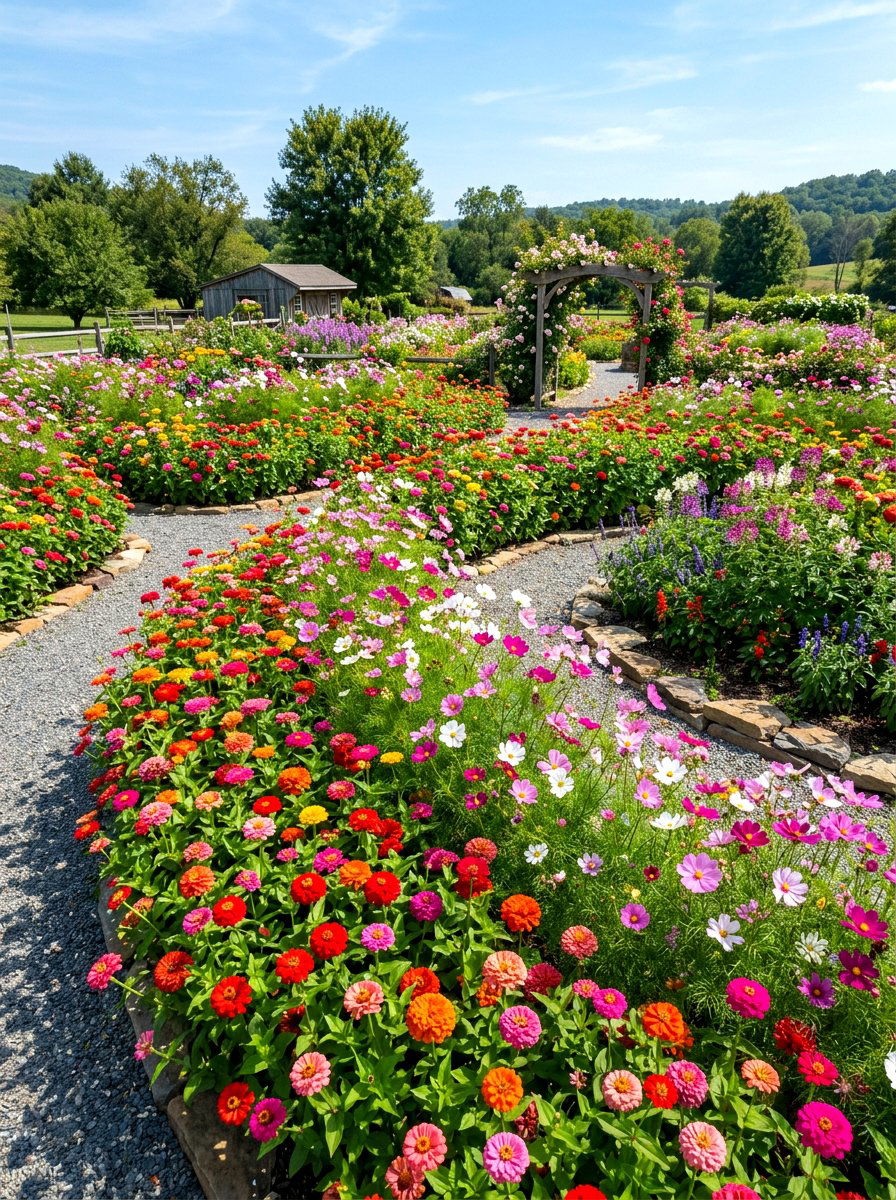
Annuals are the true workhorses of the cutting garden because they provide a massive amount of blooms in a single season. An annual-focused layout allows you to change your garden's look and color scheme completely every single year. You can experiment with different varieties and arrangements without making a long-term commitment to any specific plant. Popular choices like zinnias, cosmos, and sunflowers grow quickly from seed and produce stems all summer long. This layout is perfect for someone who loves variety and wants to constantly try new things. It offers a fast and incredibly rewarding way to garden.
27. Backyard Flower Farm Layout
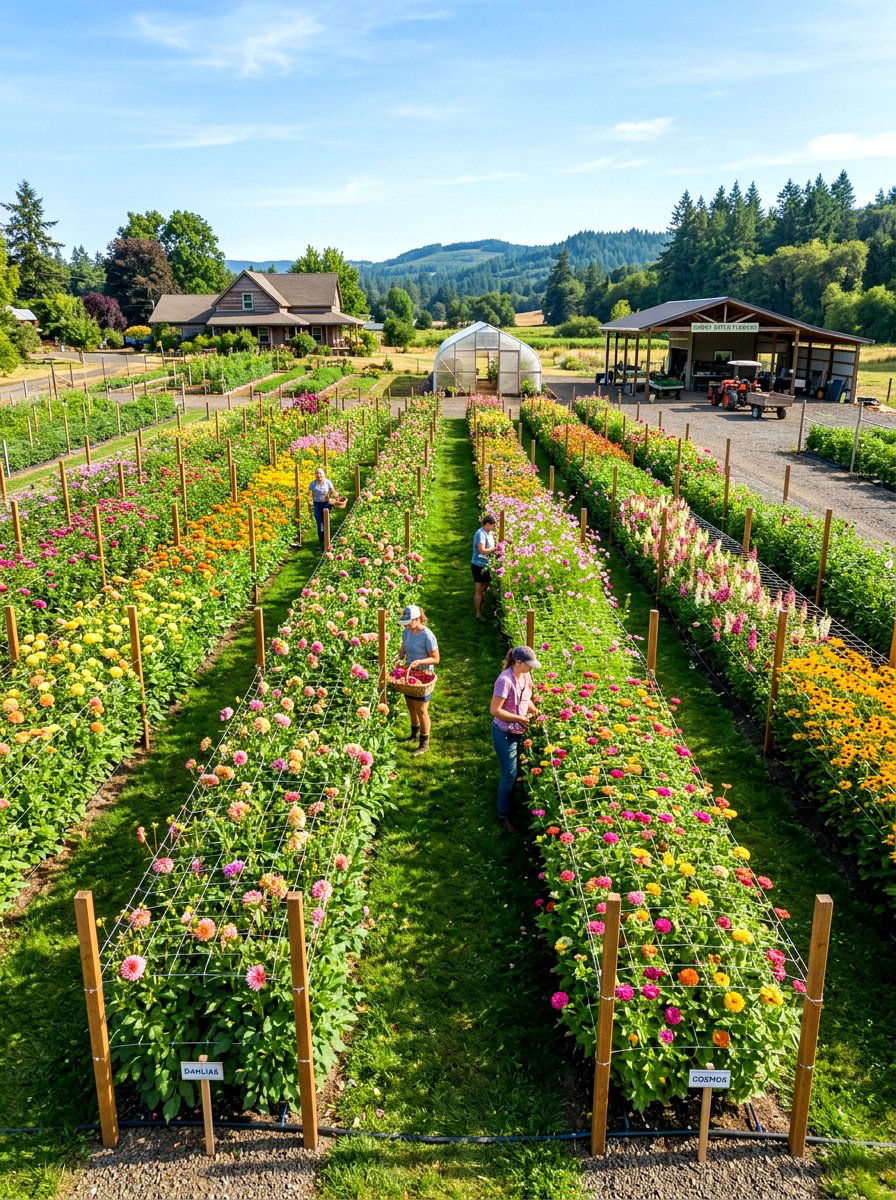
For those who want to grow a massive volume of flowers, a farm-style layout is the most efficient choice. This design often uses long, wide rows with narrow paths in between to maximize the planting area. It prioritizes function and ease of harvest, allowing you to move through the space quickly with large buckets and tools. You might include support structures like netting or cattle panels to keep long-stemmed flowers from falling over. This layout is perfect for anyone who wants to sell bouquets at a local market or simply loves having an abundance of flowers to share with neighbors.
28. Sun Drenched Flower Garden
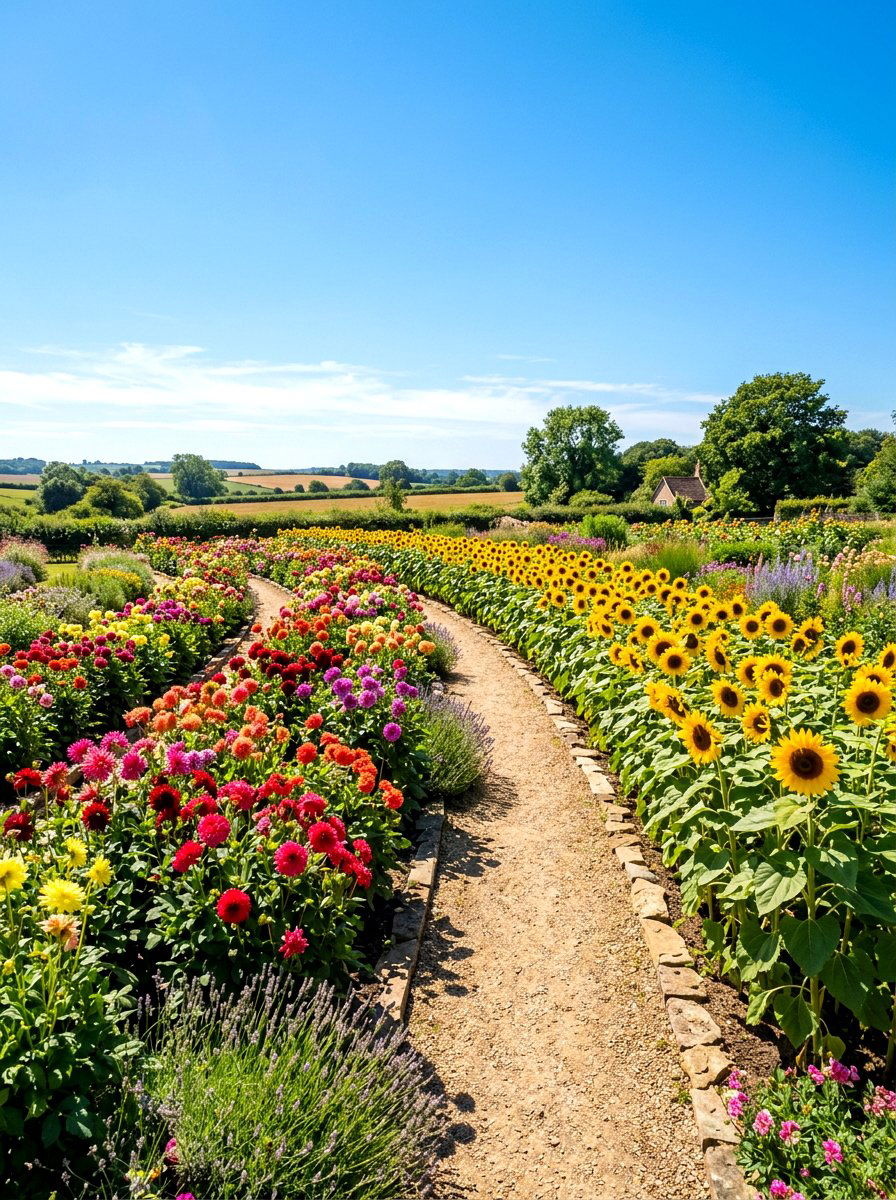
Most of the classic flowers used for cutting absolutely love soaking up at least six to eight hours of direct sunlight. A sun-drenched layout should be located in the brightest part of your yard to ensure your plants grow strong and produce many blooms. Flowers like sunflowers, dahlias, and zinnias thrive in these conditions and will reward you with vibrant colors and thick stems. When planning this space, consider the movement of shadows throughout the day to ensure no plants are left in the dark. A sunny garden is a warm and inviting place that feels full of life.
29. Sensory Flower Garden Layout
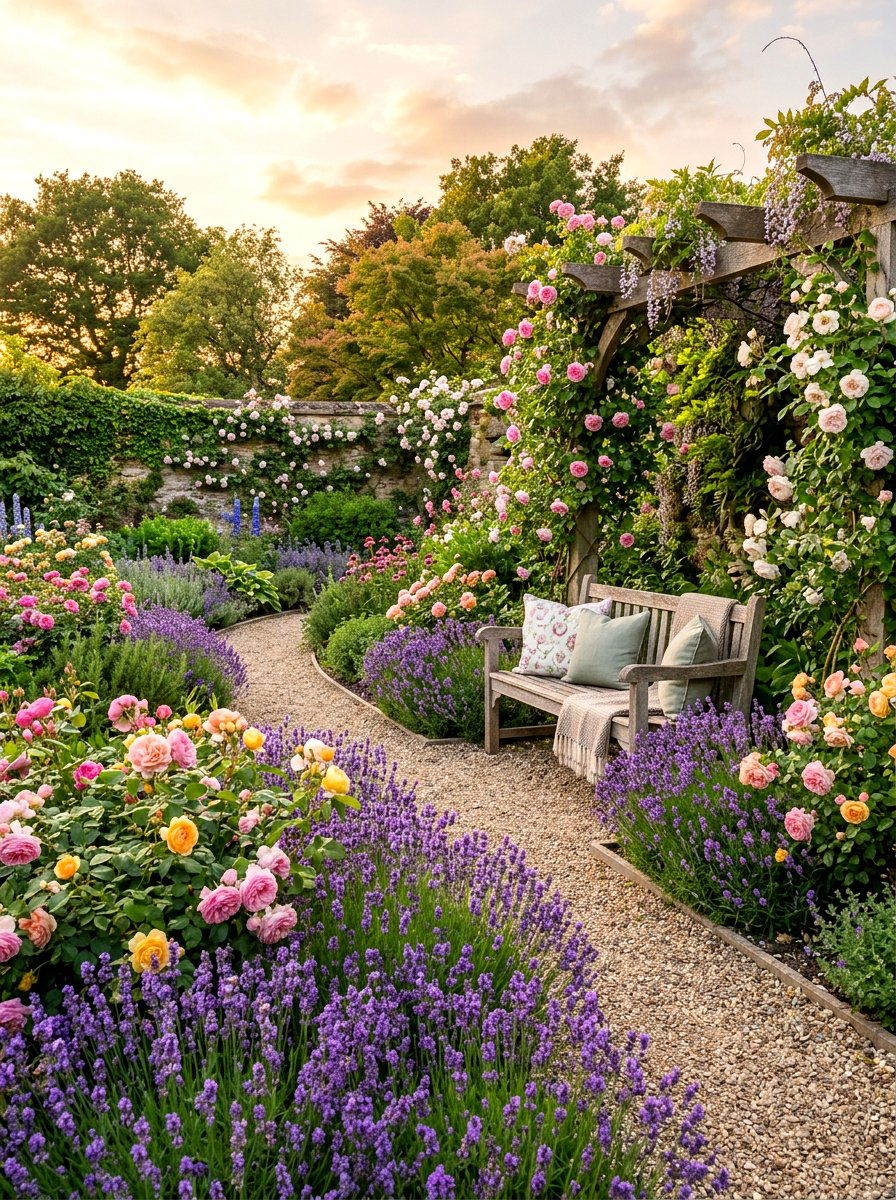
Gardening is an experience that should engage all of your senses, not just your sight. A sensory layout prioritizes flowers with intoxicating scents, interesting textures, and even those that make a soft rustling sound in the wind. You can plant fragrant sweet peas and roses near a garden bench where you can sit and enjoy their perfume. Varieties with soft, fuzzy leaves or delicate, airy petals add a tactile element to your harvest and your bouquets. This thoughtful approach creates a deeply relaxing and therapeutic space where you can escape the stress of daily life and connect with nature.
30. Vertical Cutting Garden
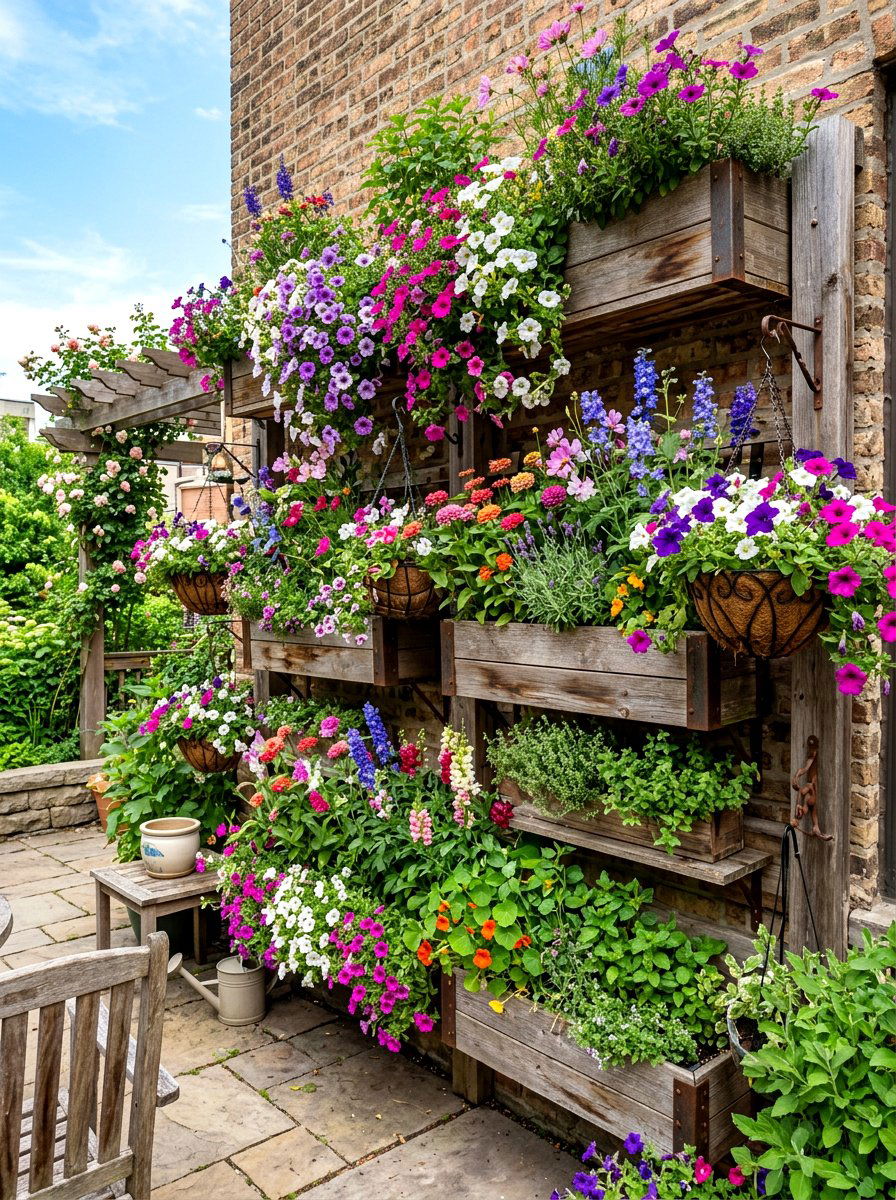
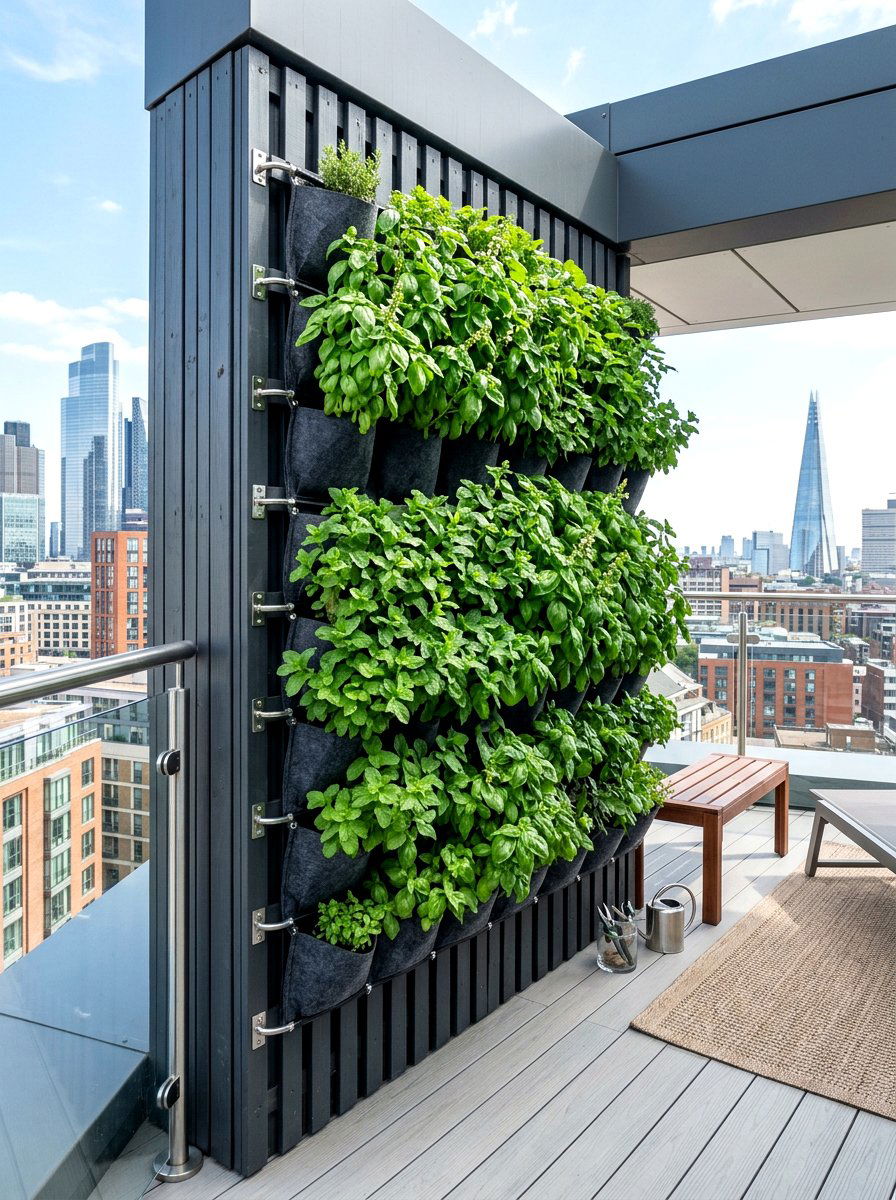
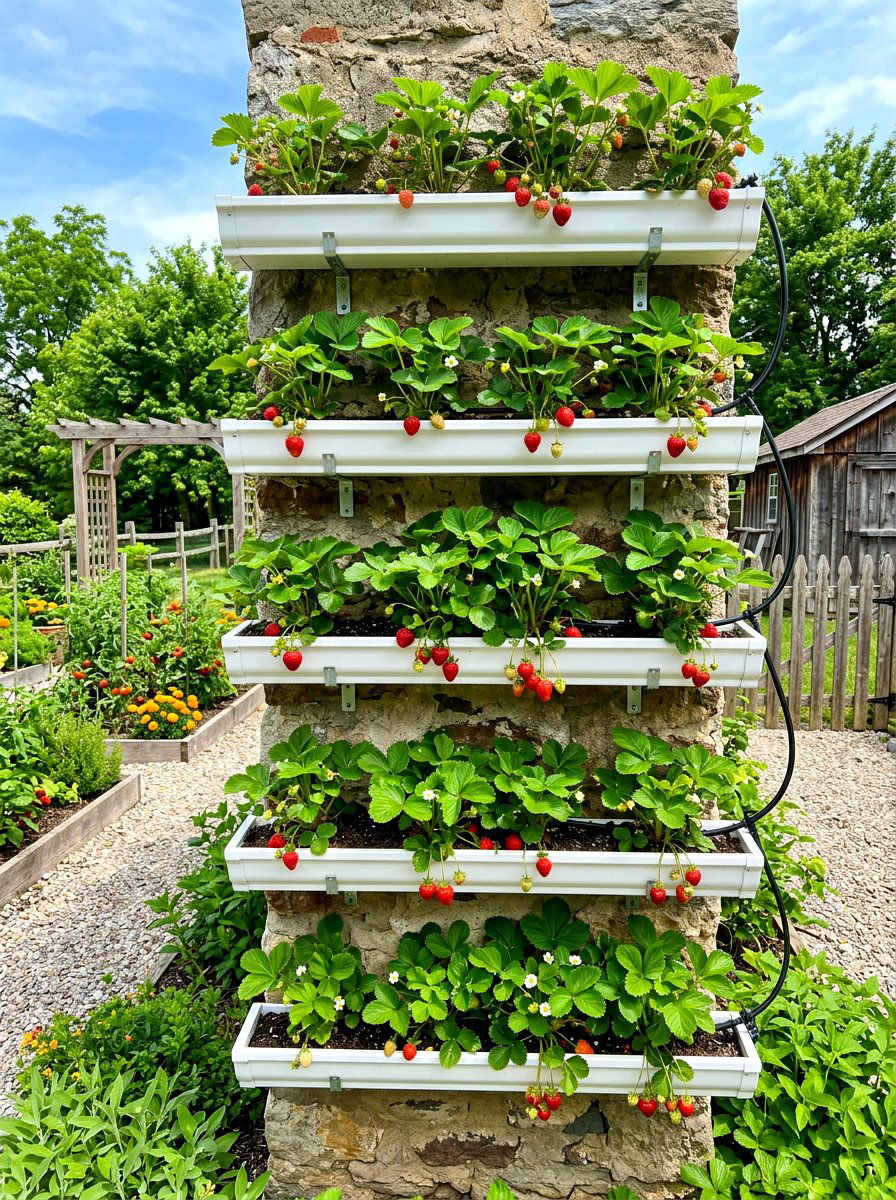
When ground space is at a premium, looking upward is the smartest way to expand your flower production. A vertical layout uses wall-mounted planters, hanging baskets, and stacked shelving to create layers of blooms. This is an excellent strategy for small patios or balconies where traditional garden beds simply will not fit. You can grow trailing flowers that spill over the edges, creating a beautiful living wall of color. This approach also keeps your flowers at a convenient height for pruning and harvesting without any bending. A vertical garden is a creative and space-saving solution that adds a modern touch.
Conclusion:
Designing the perfect cutting garden is a deeply personal journey that combines your love for flowers with the unique characteristics of your home landscape. Whether you choose the structured look of raised beds or the wild charm of a cottage border, the goal remains the same: to create a productive and beautiful space. By considering factors like sunlight, accessibility, and plant variety, you can build a garden that brings joy to your life every single day. We hope these thirty layout ideas inspire you to pick up a shovel and start planting your own floral sanctuary. There is nothing quite like the feeling of bringing a fresh, hand-picked bouquet into your home.

Related posts: