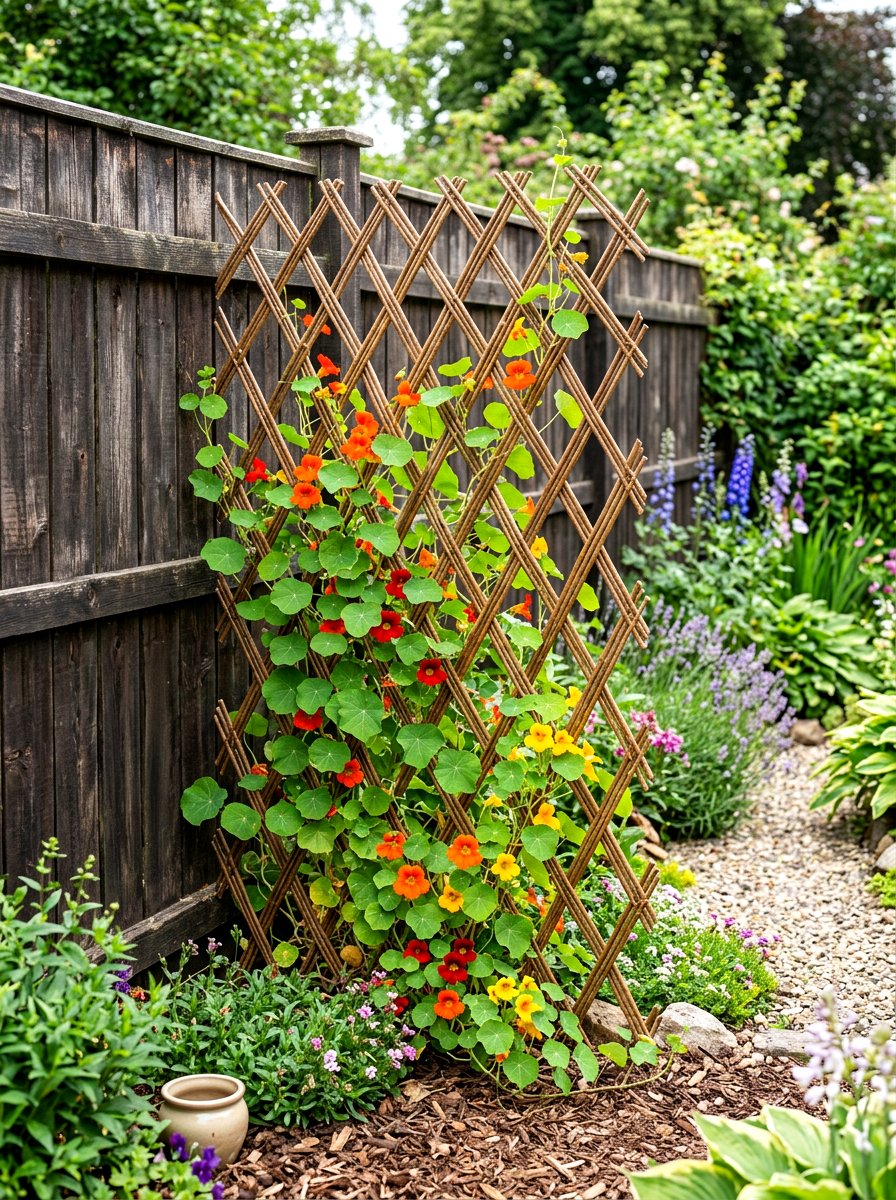
Clematis plants are the true "Queen of Climbers" because they offer a stunning variety of colors and bloom shapes for every season. These graceful vines bring life to vertical spaces, but they need the right support to showcase their full beauty. Unlike some heavy vines, clematis stems are delicate and climb by wrapping their leaf stalks around thin structures. This means choosing a trellis with the right thickness is essential for the plant to thrive. From rustic wooden frames to sleek modern metal grids, the right support can transform a simple garden into a vertical masterpiece. Let's explore thirty unique ways to elevate your backyard landscaping with these ideas.

1. Wooden fan trellis
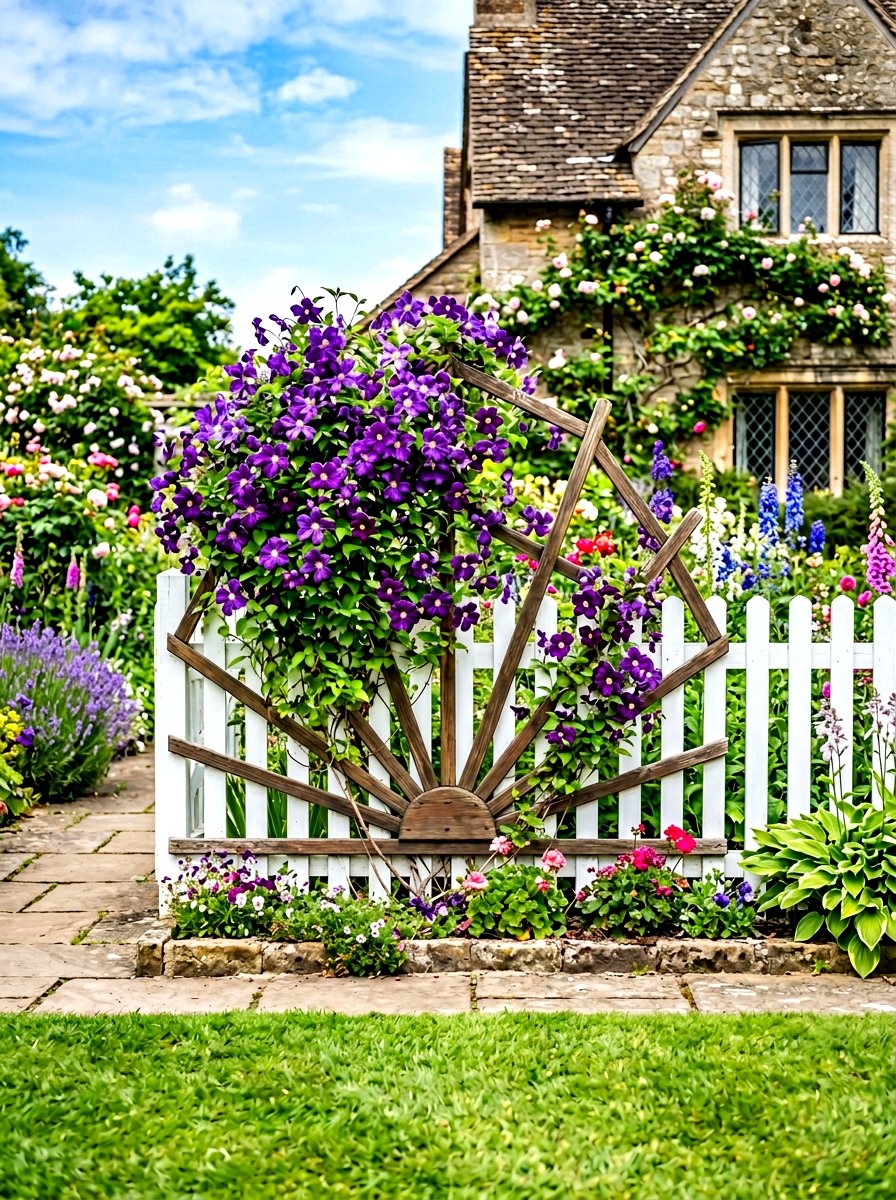
A wooden fan trellis is a classic choice for traditional cottage gardens or rustic backyard settings. This design features narrow slats that fan out from a single point at the base, creating a wide top for flowers. This specific shape allows the clematis to spread its foliage evenly, which improves sunlight exposure and air circulation for better health. You can mount these directly onto a brick wall or let them stand independently against a fence. Because clematis stems are thin, they easily wrap around the wooden slats. The natural wood finish complements the green leaves and vibrant petals perfectly in any outdoor layout.
2. Metal obelisk trellis
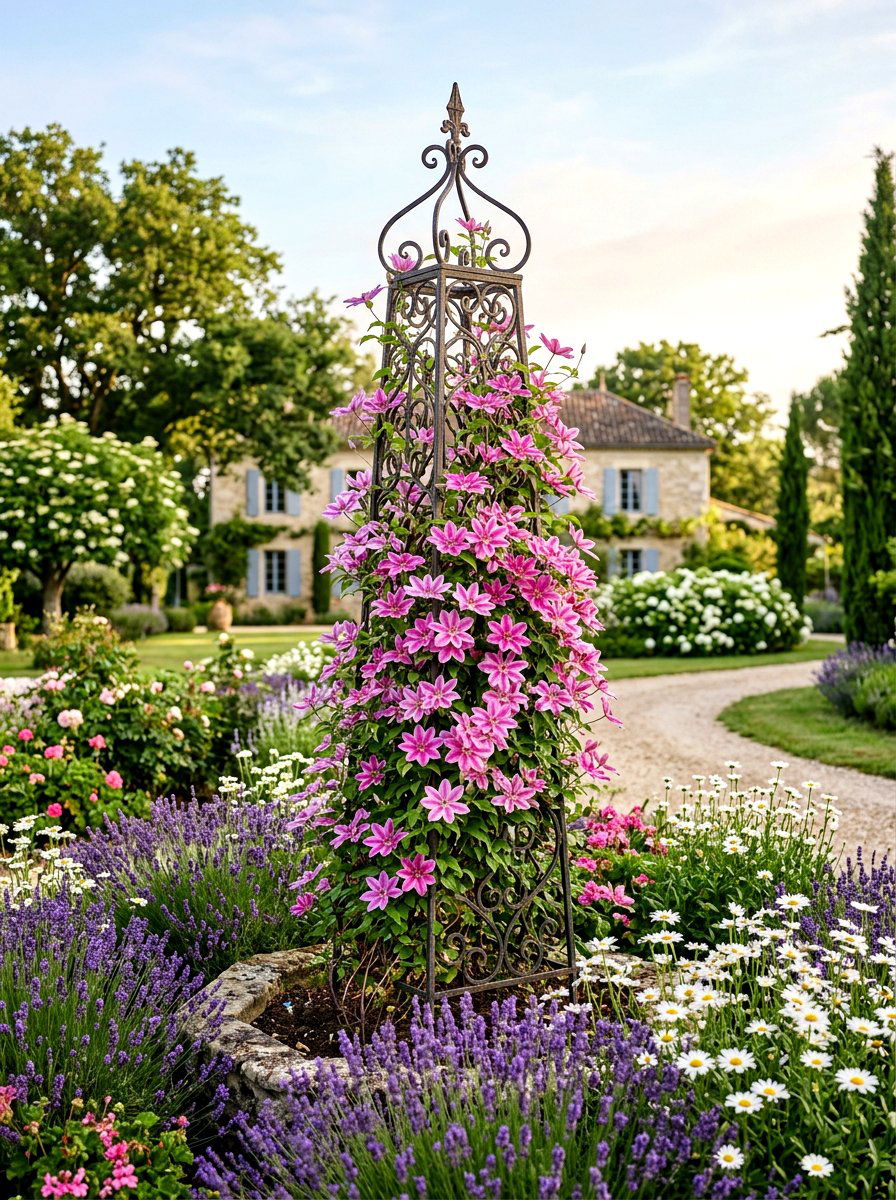
Adding a metal obelisk trellis to your garden creates a sophisticated focal point that works well in both large and small spaces. These tall, four-sided structures taper at the top, mimicking the look of classic French garden architecture. A metal obelisk provides a sturdy framework that can handle the weight of vigorous clematis varieties without bending. You can place these in the center of a flower bed or inside a large patio pot for vertical interest. The dark metal finish looks particularly striking when covered in light-colored blooms like white or pale pink. It is a durable, low-maintenance solution for any yard.
3. Garden arch arbor
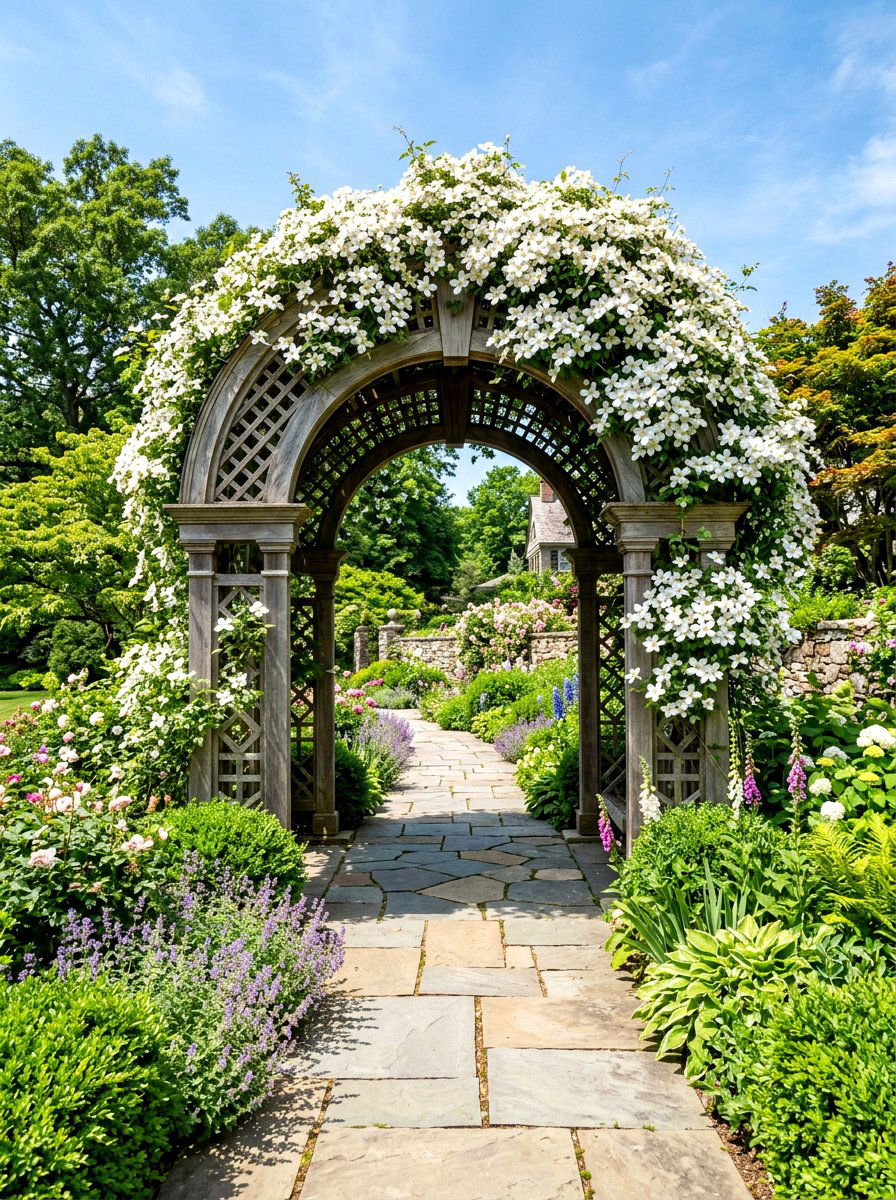
Installing a garden arch arbor provides a grand entrance to your backyard while offering massive space for climbing vines to grow. As the clematis reaches the top of the arch, it creates a blooming canopy that visitors can walk directly under. You can choose from wooden arbors for a rustic look or metal ones for a more delicate, airy feel. This design is perfect for connecting different sections of your garden or framing a picturesque view. For the best effect, plant two different clematis varieties on either side so they eventually meet and mingle at the very top of the structure.
4. Wall wire trellis
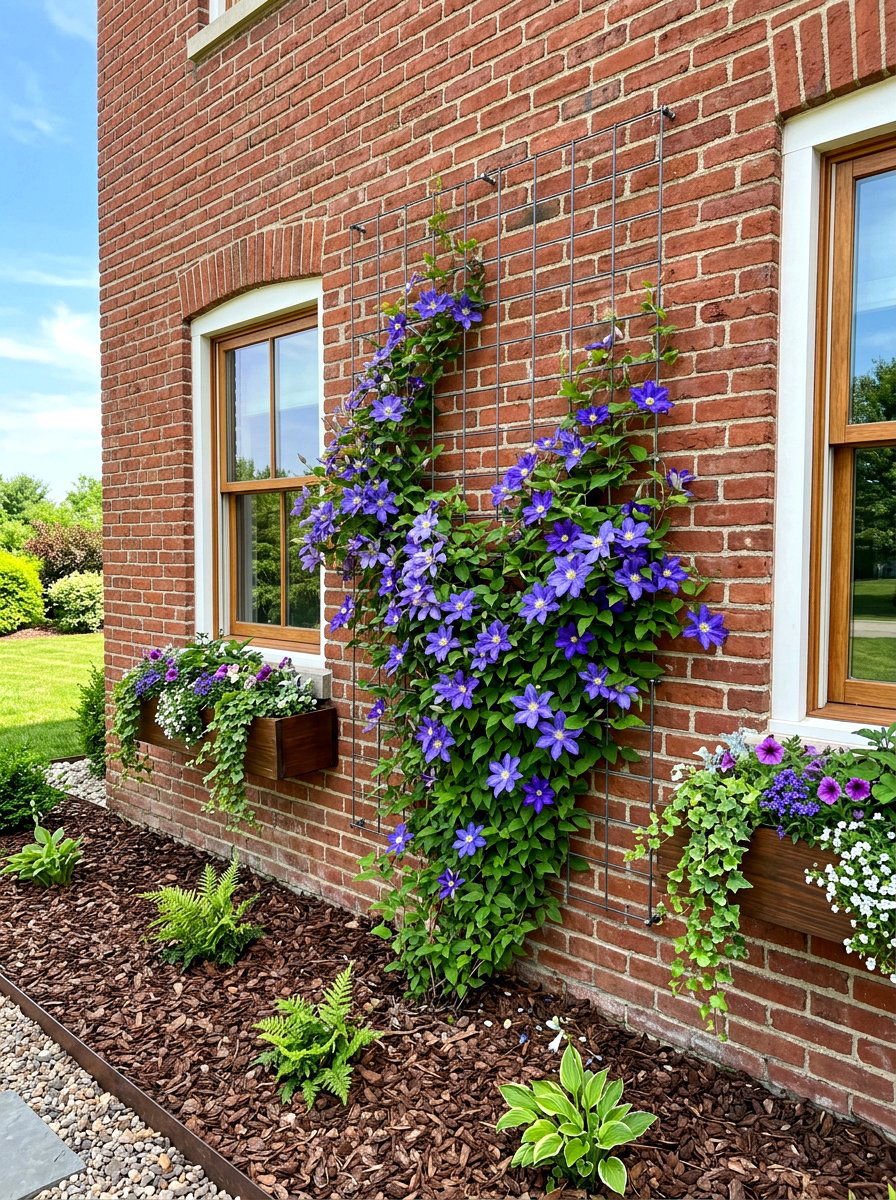
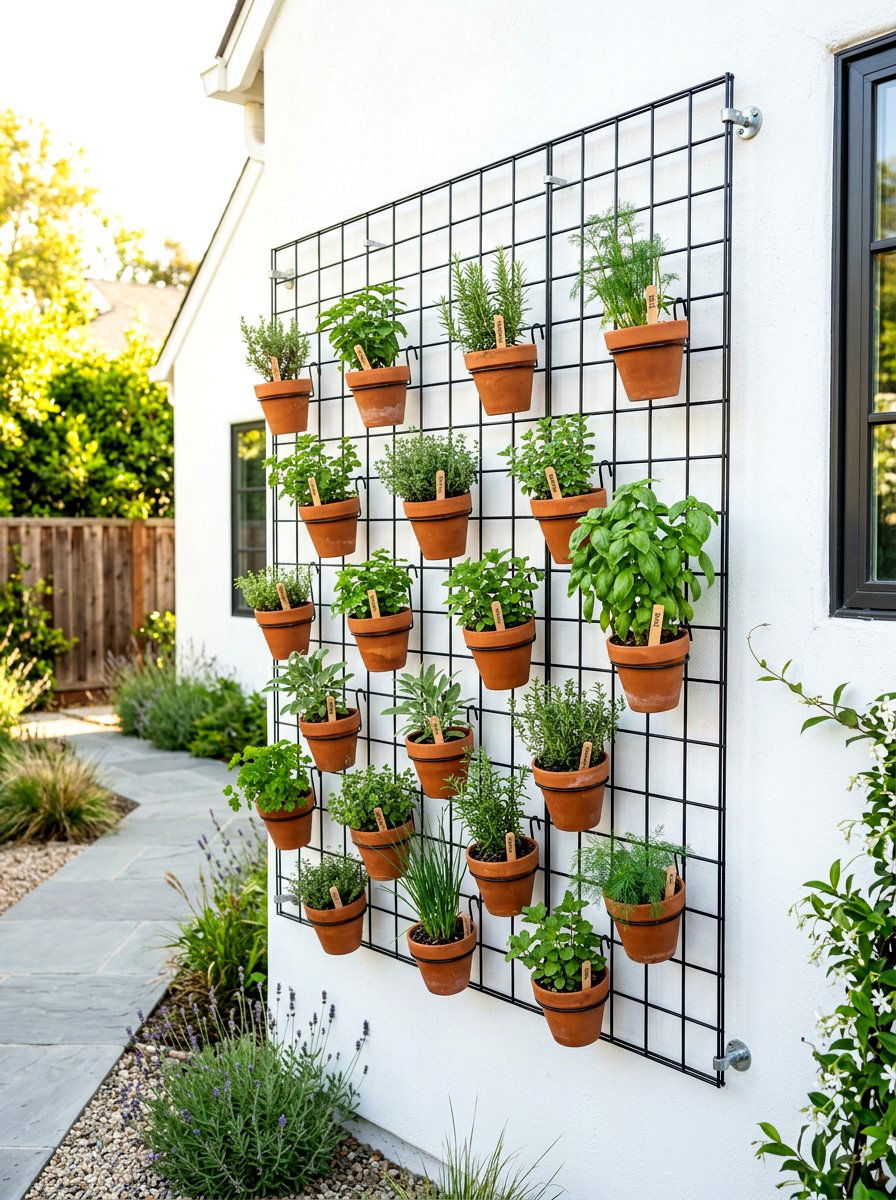
A wall wire trellis is a modern and nearly invisible way to support your climbing plants against a house or garage. By using thin galvanized wires and eye hooks, you can create a custom grid pattern that fits your specific wall dimensions perfectly. This minimalist approach allows the flowers to look like they are floating against the siding or brickwork. It is an excellent choice for contemporary homes where a bulky wooden structure might feel out of place. The thin wires are also ideal for clematis, as their small leaf stems can easily grip the narrow diameter of the metal lines.
5. Lattice fence panel
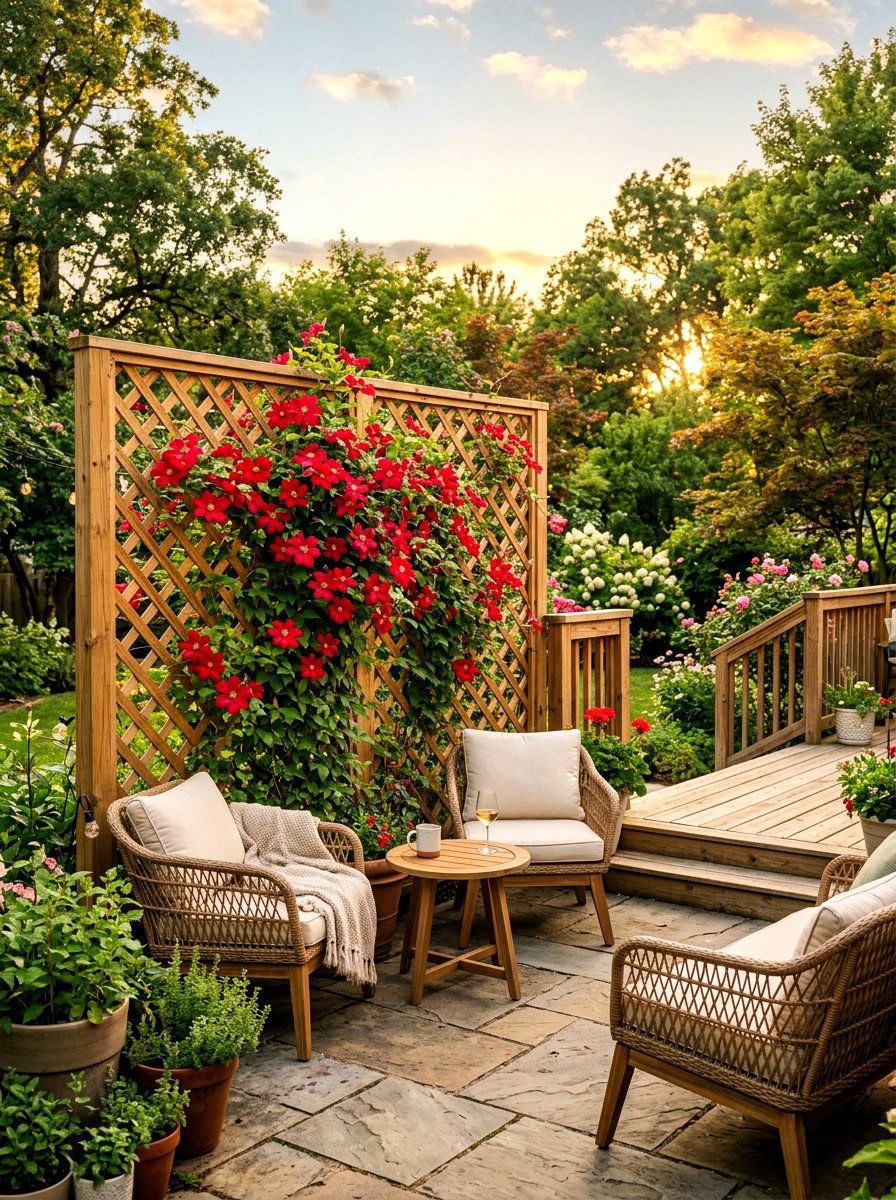
Using a lattice fence panel is a practical and beautiful way to add privacy while supporting your favorite flowering vines. These panels feature a diamond or square grid pattern that provides hundreds of tiny attachment points for a clematis to climb. You can attach these panels to the top of an existing fence or use them to create a freestanding privacy screen. The dense network of slats ensures that the vine is supported at every stage of its growth. Painting the lattice a bright white can make deep purple flowers pop, while a dark green finish helps the structure blend into the background.
6. Copper pipe trellis
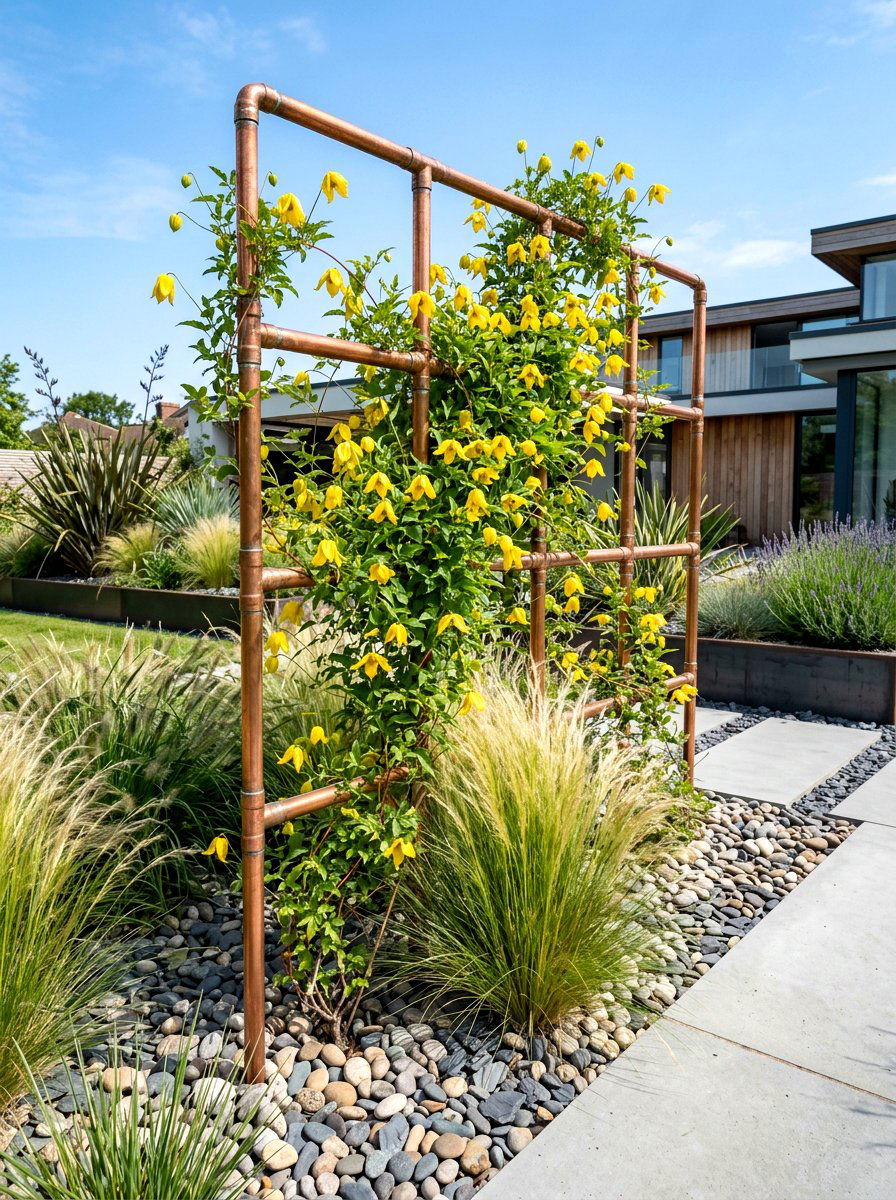
For those who love a touch of industrial style, a copper pipe trellis offers a unique and shiny alternative to traditional wood. You can easily build this structure using standard plumbing pipes and elbow joints to create a sleek, geometric frame. Over time, the copper will develop a beautiful green patina that looks stunning against the natural foliage of the garden. This type of trellis is extremely durable and will not rot or rust like other materials might. The smooth surface of the pipes provides a clean look, while the narrow diameter remains perfect for the clematis to wrap its stems around.
7. Bamboo tripod trellis
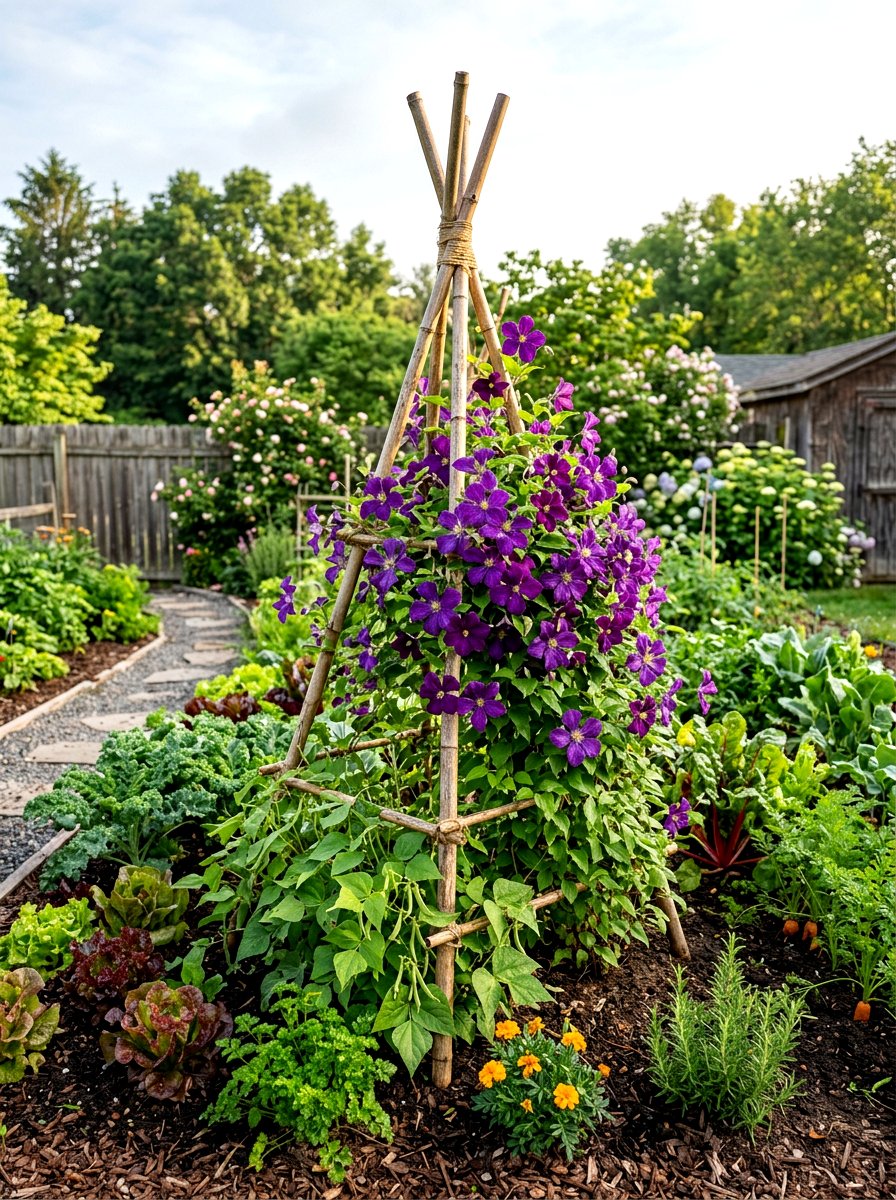
A bamboo tripod trellis is an eco-friendly and inexpensive way to add height to your flower beds or container gardens. By lashing three tall bamboo poles together at the top, you create a stable pyramid shape that is perfect for summer-blooming vines. This rustic design fits beautifully into informal or Japanese-style gardens where natural materials are preferred. Bamboo is surprisingly strong and can easily support the weight of a full-grown clematis throughout the season. Because they are lightweight, you can move these tripods around your garden as needed to fill gaps or provide temporary support for new young plants.
8. Wrought iron trellis
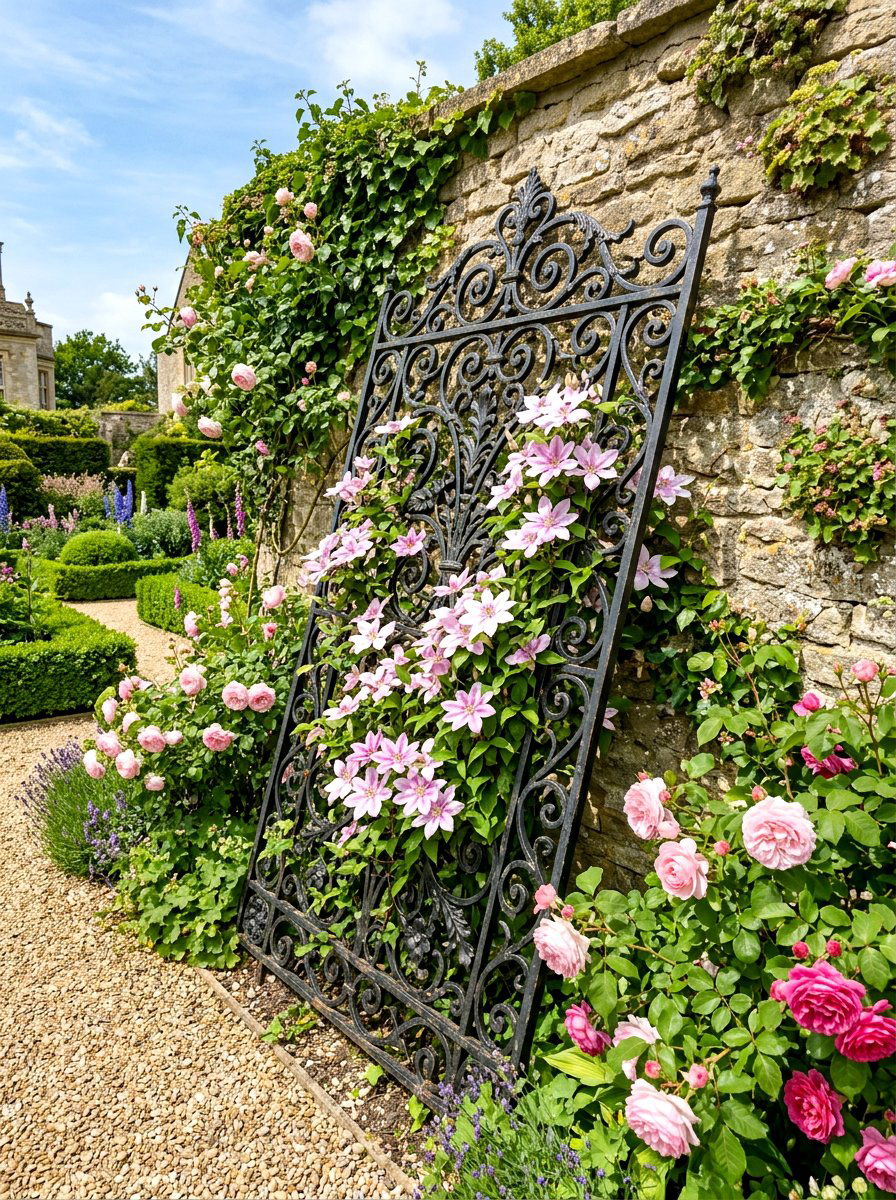
A wrought iron trellis brings a sense of timeless elegance and heavy-duty strength to your outdoor landscaping. These structures often feature intricate scrollwork and decorative finials that look like pieces of art even during the winter months. The weight of the iron ensures the trellis remains stable during heavy winds, making it a great choice for open areas. Many homeowners choose to lean these against a patio wall or secure them into a large planter box. The dark, textured surface of the iron provides a high-contrast backdrop for bright clematis blooms, creating a very luxurious and polished garden appearance.
9. Pergola post trellis
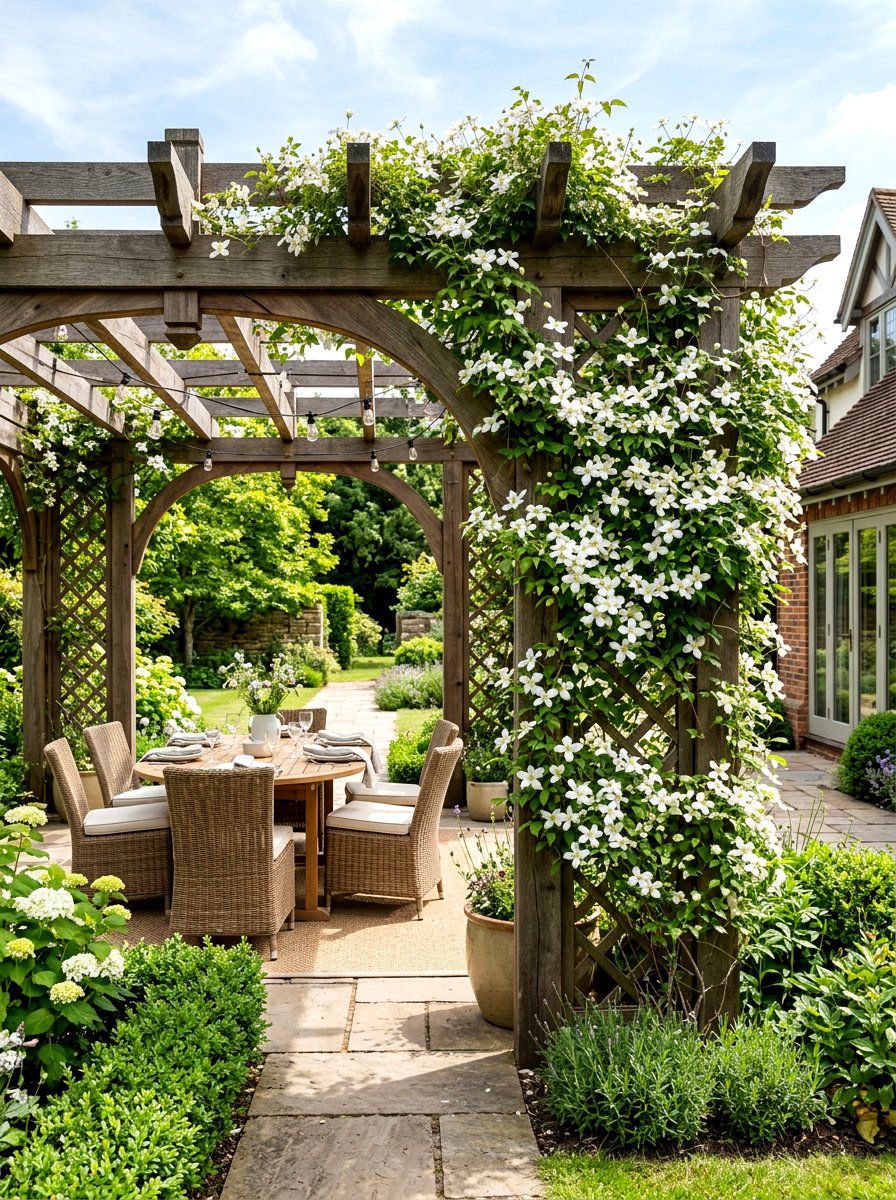
Transforming a simple pergola post into a pillar of flowers is a fantastic way to utilize existing structures in your backyard. By wrapping a bit of wire mesh or attaching a thin trellis to the support beams, you give your clematis a clear path to climb. This design helps soften the hard lines of the architecture and integrates the structure into the natural surroundings. As the vine reaches the top of the post, it can begin to sprawl across the rafters, providing extra shade and beauty for your seating area. It is a clever way to maximize vertical space in a small footprint.
10. Deck railing trellis
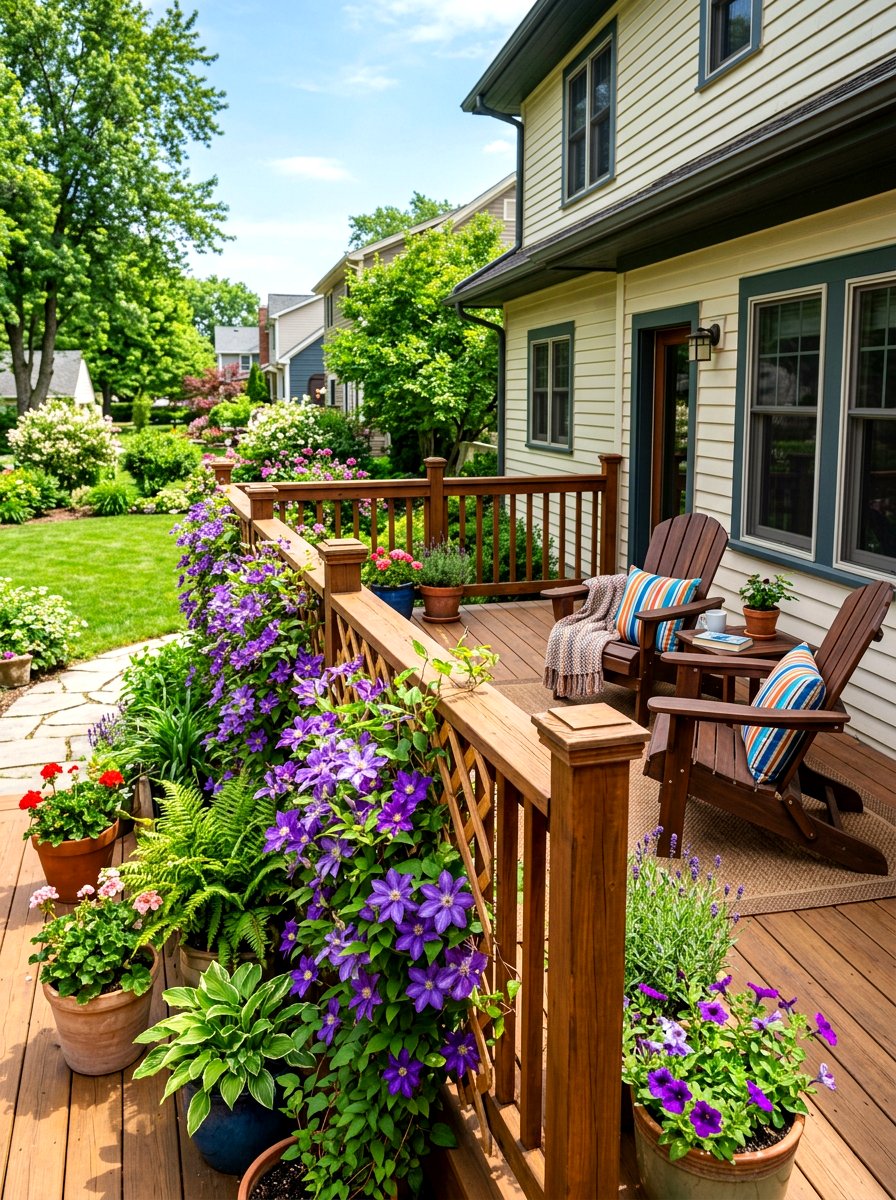
Adding a deck railing trellis is a smart solution for homeowners who want to enjoy their flowers up close while relaxing on the porch. You can attach small lattice panels or horizontal wires between the railing posts to create a living wall of color. This setup provides a sense of enclosure and privacy without blocking the cooling breeze. It also allows you to easily maintain and prune your clematis since it is at eye level. This design works particularly well with scented varieties, as the fragrance will waft directly onto the deck area where you spend your time with family.
11. Cedar pyramid trellis
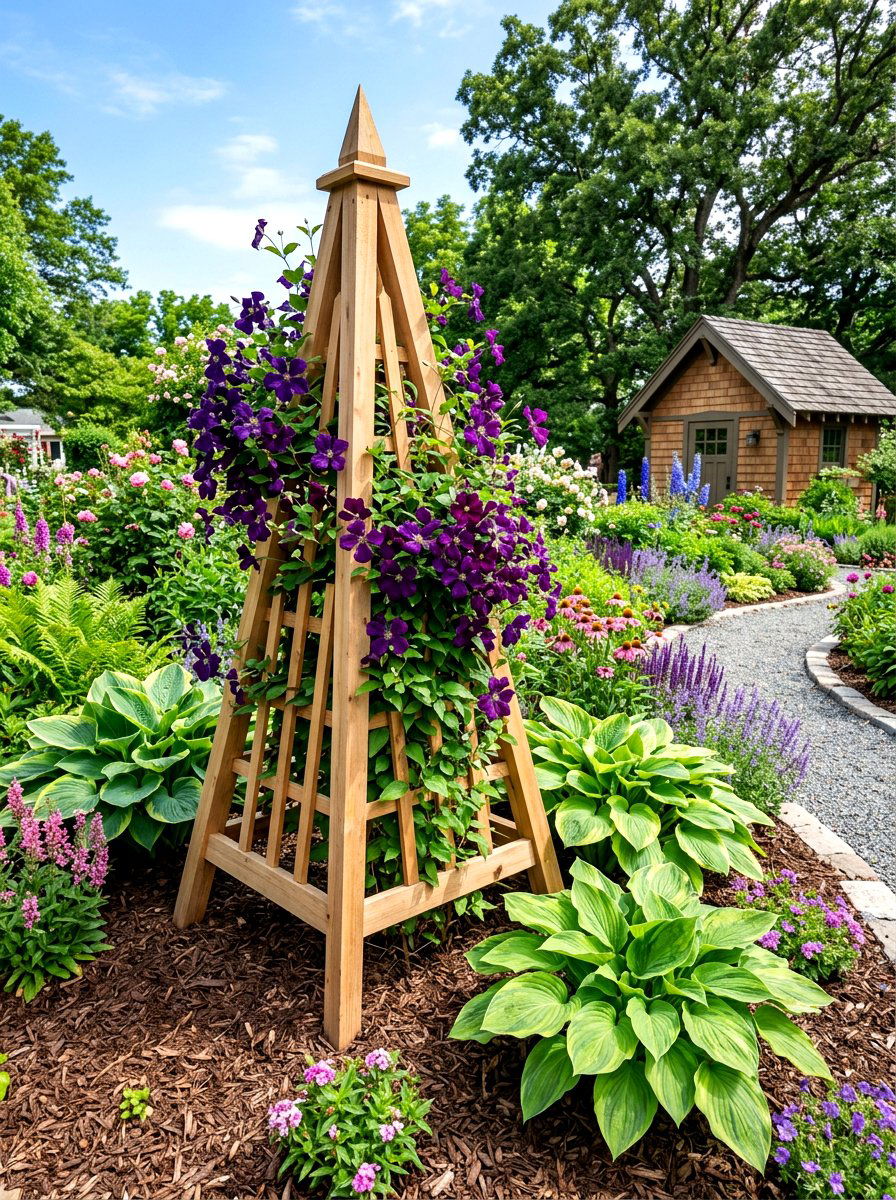
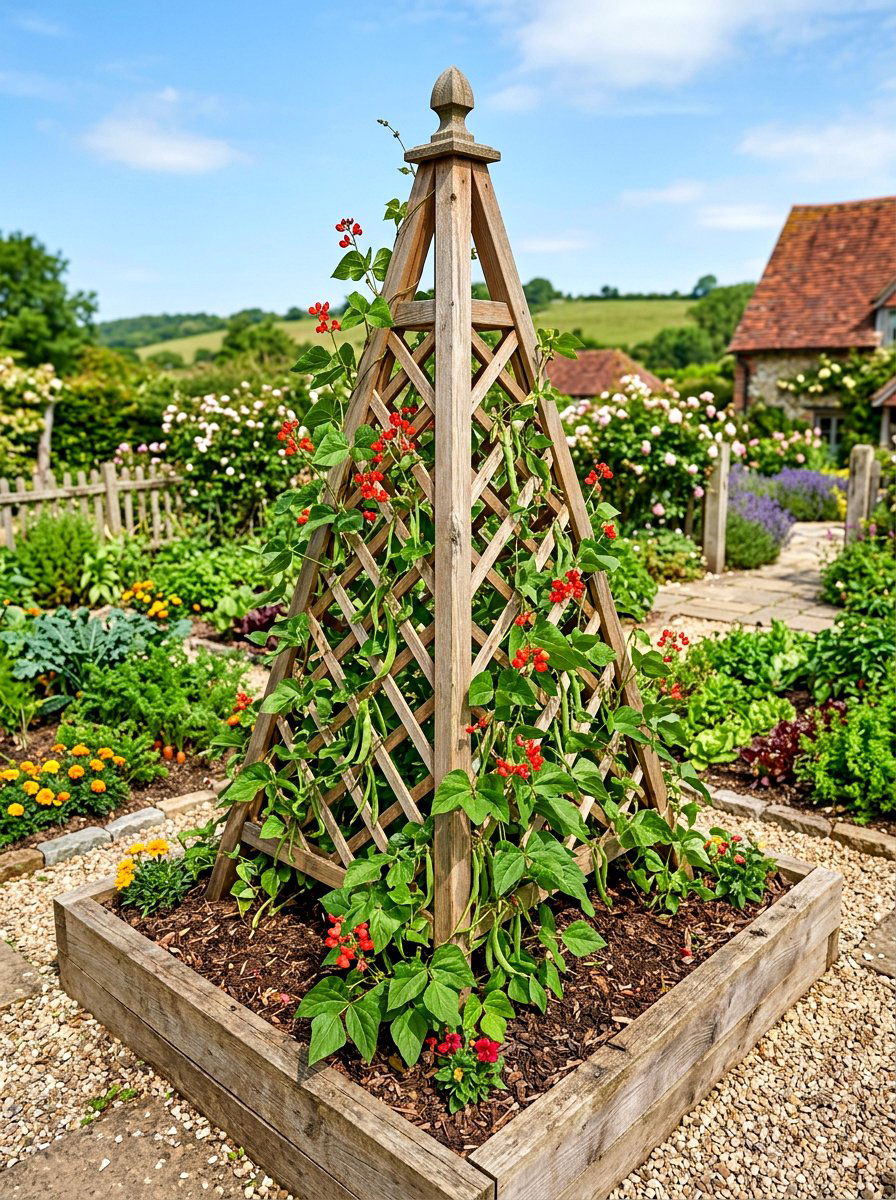
A cedar pyramid trellis is a sturdy and rot-resistant option that adds a touch of architectural charm to any garden bed. Cedar is a preferred wood for outdoor use because it naturally resists insects and moisture, ensuring your support lasts for many years. The pyramid shape offers a wide base for the roots and tapers upward, encouraging the vine to grow vertically. You can leave the cedar untreated to age into a soft silver color or stain it to match your home’s exterior. This freestanding structure looks great as a standalone feature or in pairs at the end of a pathway.
12. Chevron wood trellis
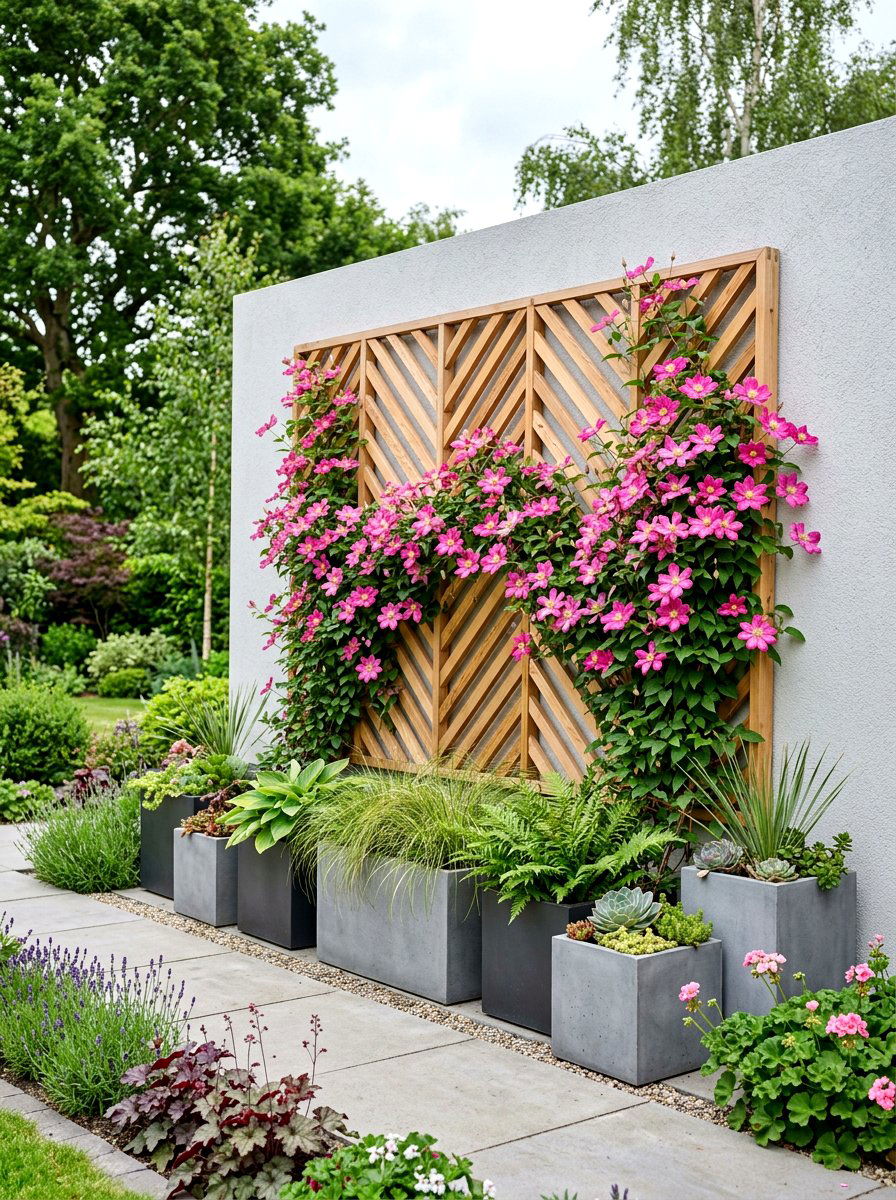
If you want a more decorative and modern look, a chevron wood trellis provides a striking pattern that catches the eye. This design uses slats arranged in a V-shape to create a dynamic visual effect that looks great even when the plant is dormant. The angled slats provide plenty of different heights for the clematis to attach itself as it moves upward. This style works beautifully on a large, empty wall where you want to add both texture and color. By spacing the slats closely together, you ensure that the vine always has a nearby point to grip and continue its ascent.
13. Black metal trellis
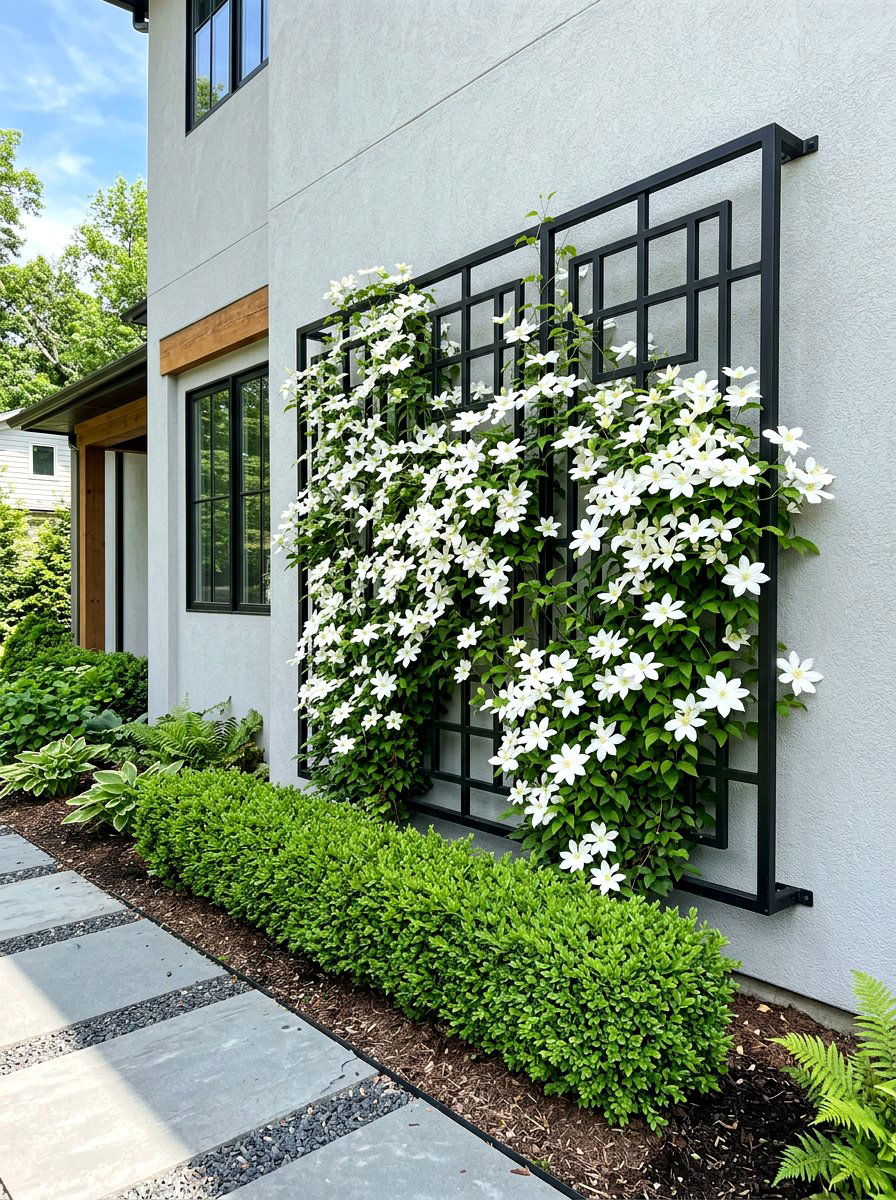
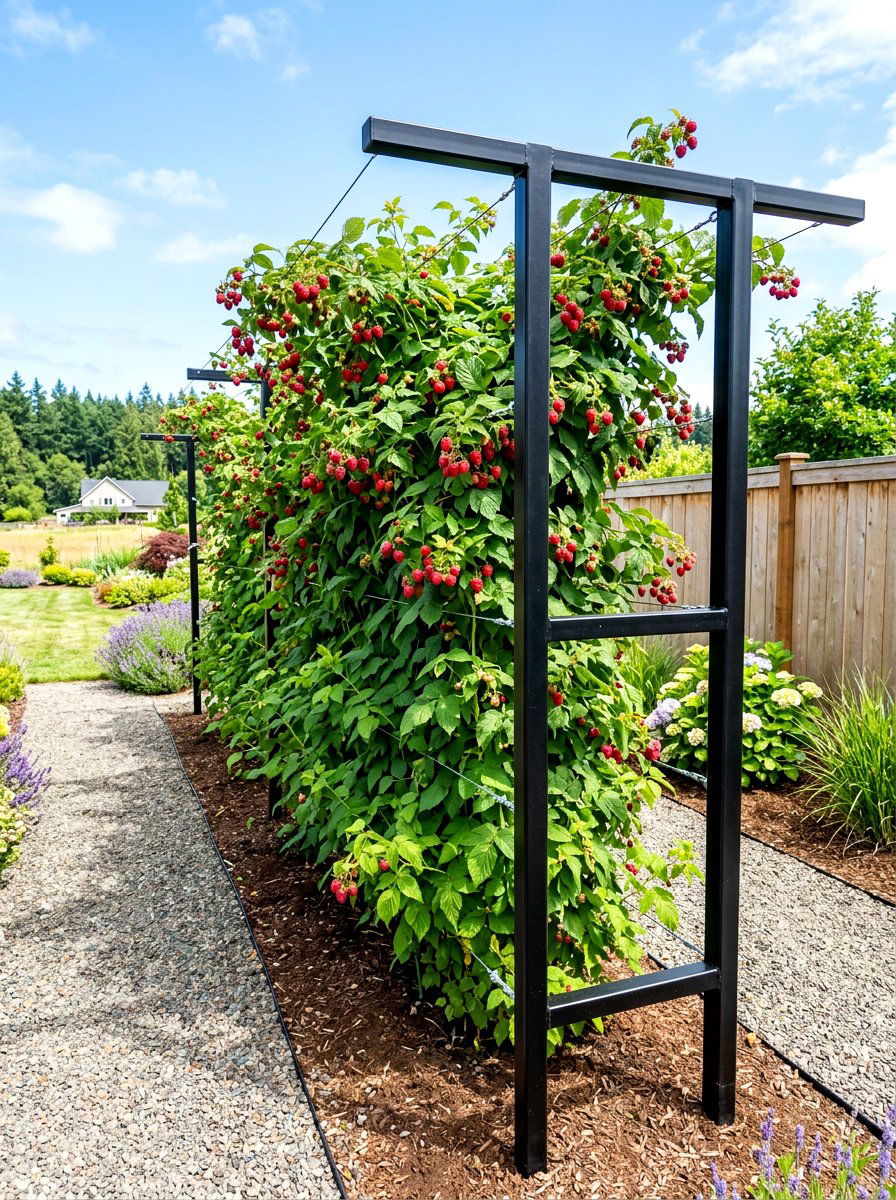
A black metal trellis offers a sleek and contemporary look that fits perfectly with modern home designs. The dark color creates a sharp contrast against the bright green leaves of the clematis, making the entire plant look more vibrant. These trellises are typically made of powder-coated steel, which prevents rust and keeps the finish looking new for years. You can find them in various shapes, from simple rectangular grids to more complex geometric patterns. They are very easy to install and provide a slim profile that doesn't overwhelm smaller garden spaces. It is a durable and very stylish support choice.
14. Wire grid trellis
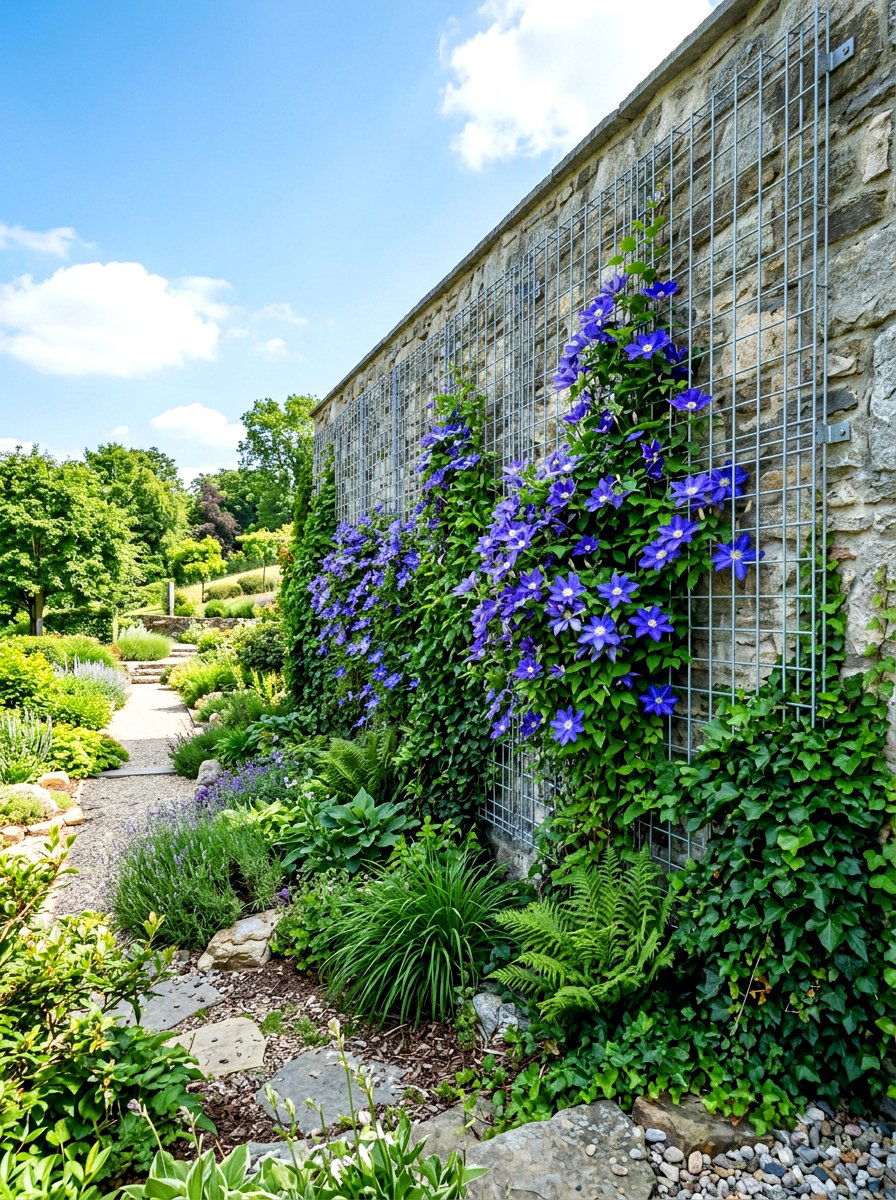
A wire grid trellis is a versatile and cost-effective way to cover a large area with climbing vines. You can use prefabricated wire panels or create your own grid using sturdy horizontal and vertical wires. This design provides a very uniform look and allows the clematis to grow in a neat, organized fashion. It is especially useful for covering unsightly fences or blank concrete walls. Because the grid is so open, it allows for maximum airflow, which is crucial for preventing common fungal diseases in clematis plants. The thin wires are easy for the vine's leaf stems to grasp and hold onto.
15. Garden ladder trellis
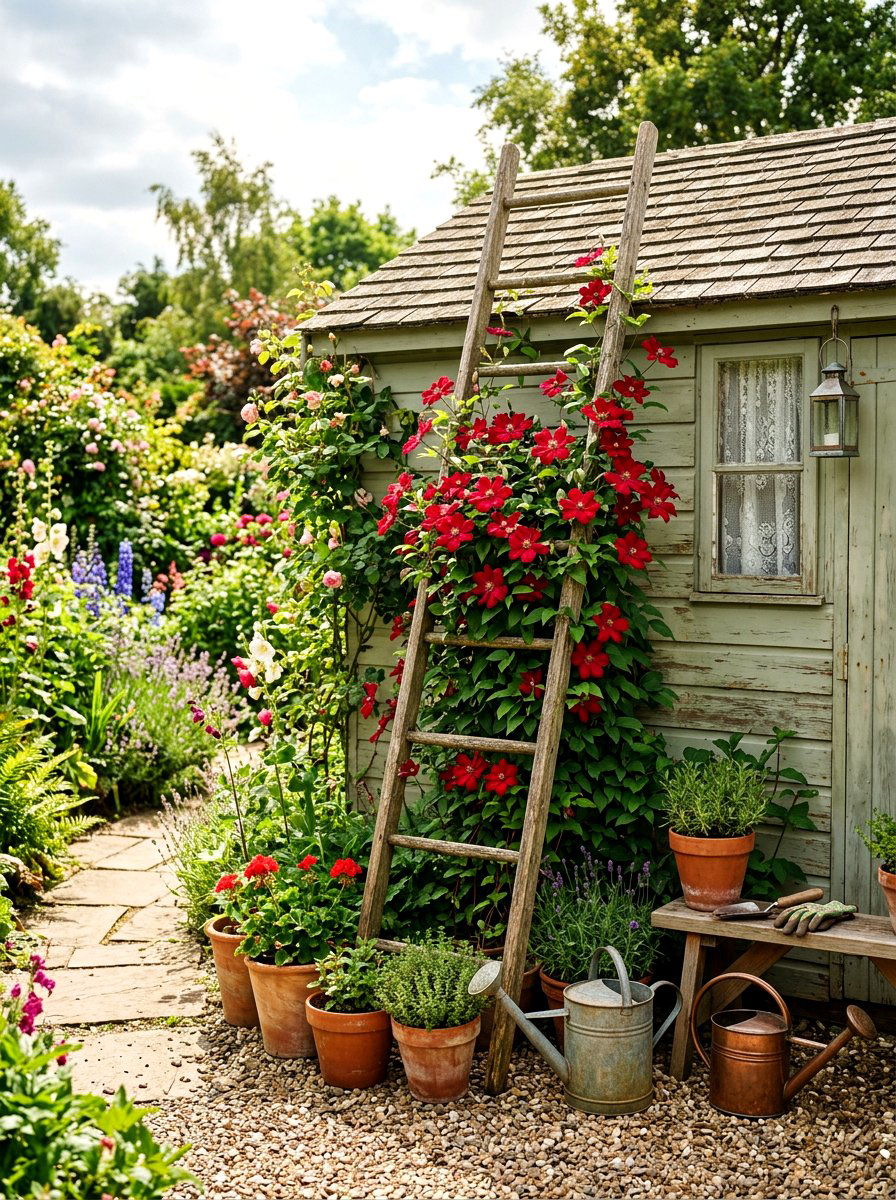
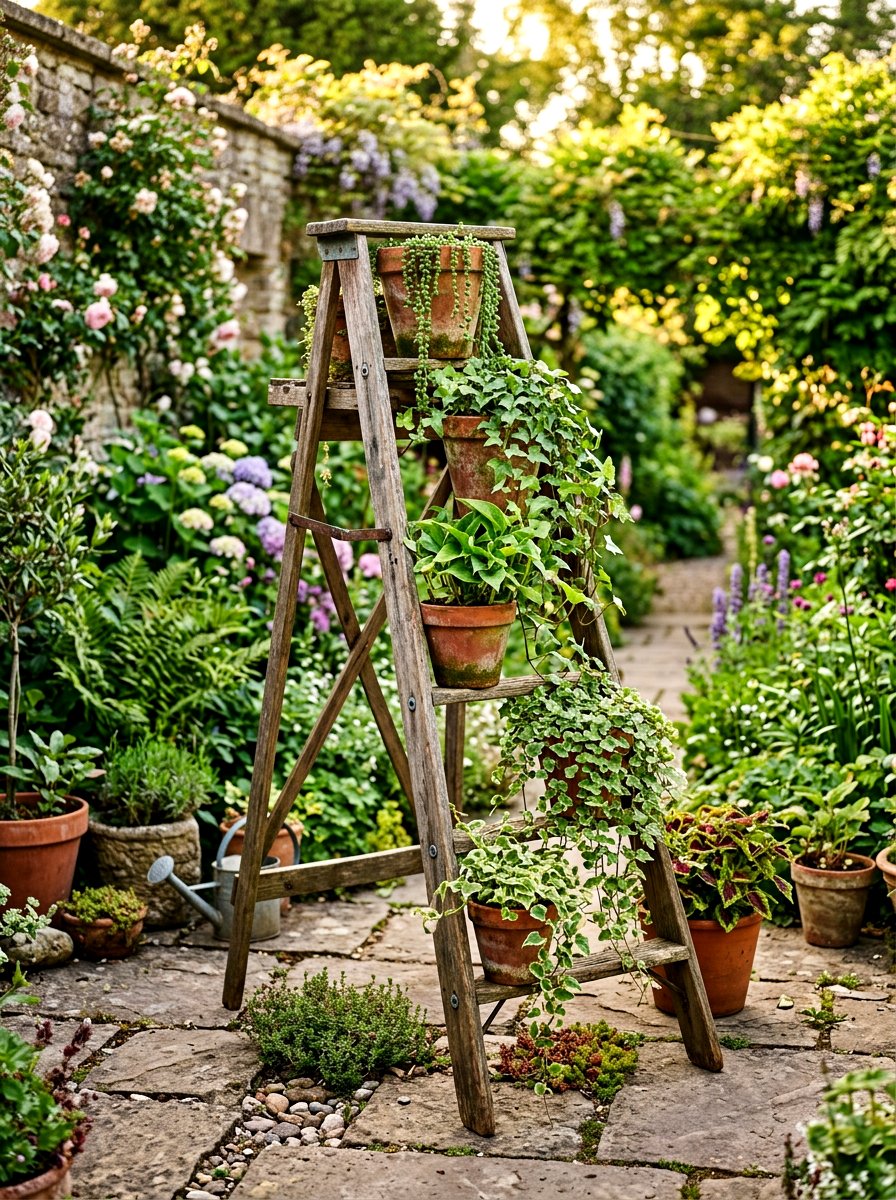
Repurposing an old garden ladder trellis is a charming way to add a vintage or farmhouse feel to your backyard. Whether you use an actual antique ladder or build a new one out of reclaimed wood, the rungs provide perfect horizontal supports for the vine. This design allows the clematis to weave in and out of the steps, creating a dense and textured display of flowers. You can lean the ladder against a shed, a tree, or even the side of your house. It is a playful and creative way to add vertical interest while giving your garden a unique and lived-in personality.
16. Wall grid trellis
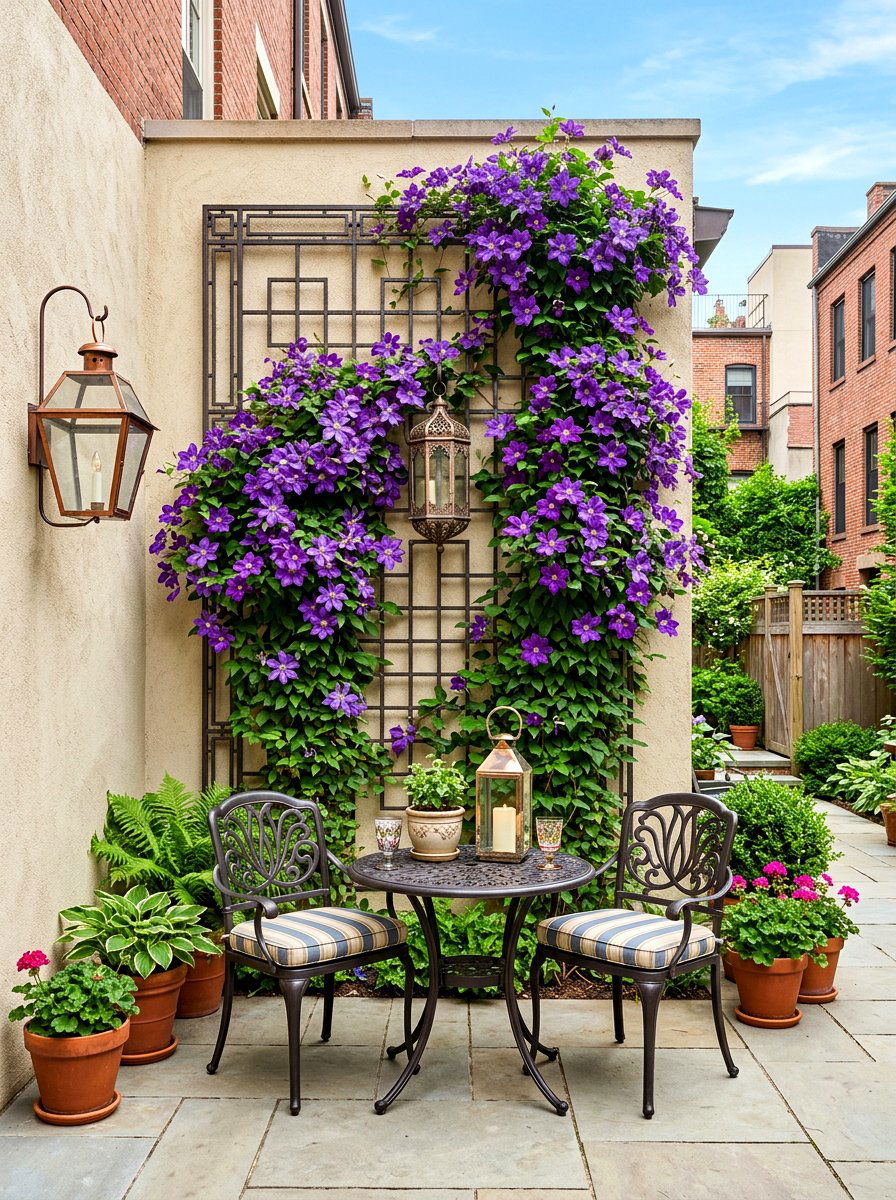
A wall grid trellis is a clean and functional design that turns any flat surface into a vertical garden. These grids are often made of wood or plastic and feature small squares that provide ample support for climbing plants. Mounting the grid a few inches away from the wall is a great trick because it allows air to circulate behind the plant. This keeps the foliage dry and healthy while preventing the wall from holding onto excess moisture. The repetitive pattern of the grid creates a sense of order and symmetry that looks very professional in a well-manicured suburban landscape.
17. Garden tunnel trellis
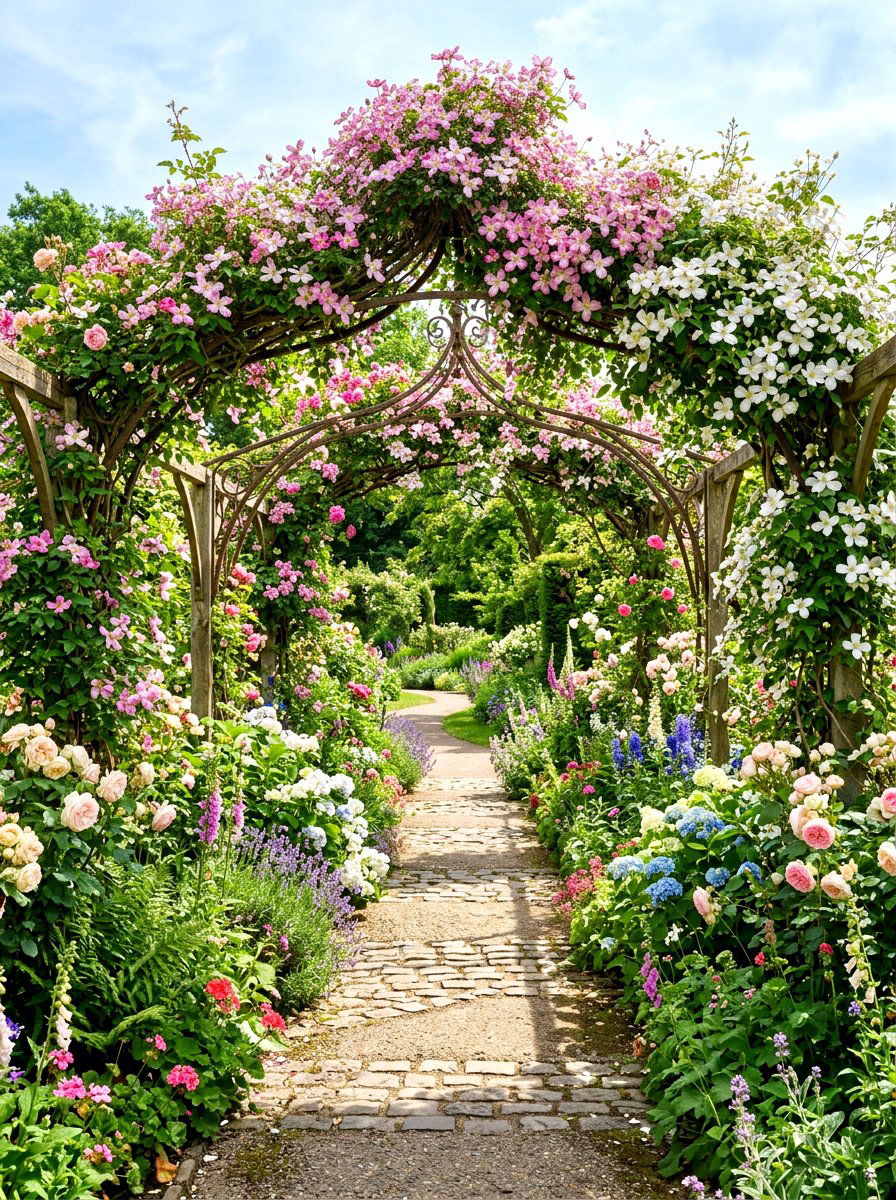
For a truly magical garden experience, a garden tunnel trellis creates a long walkway covered in lush vines and flowers. This structure consists of several metal arches connected by horizontal bars, forming a long corridor for the clematis to cover. Walking through a blooming tunnel provides a sensory experience with colors and scents surrounding you on all sides. This design is best for large properties where you have enough room for a significant architectural feature. It creates a stunning destination within your yard and provides a wonderful place for photography or quiet evening strolls during the peak blooming season.
18. Mailbox post trellis
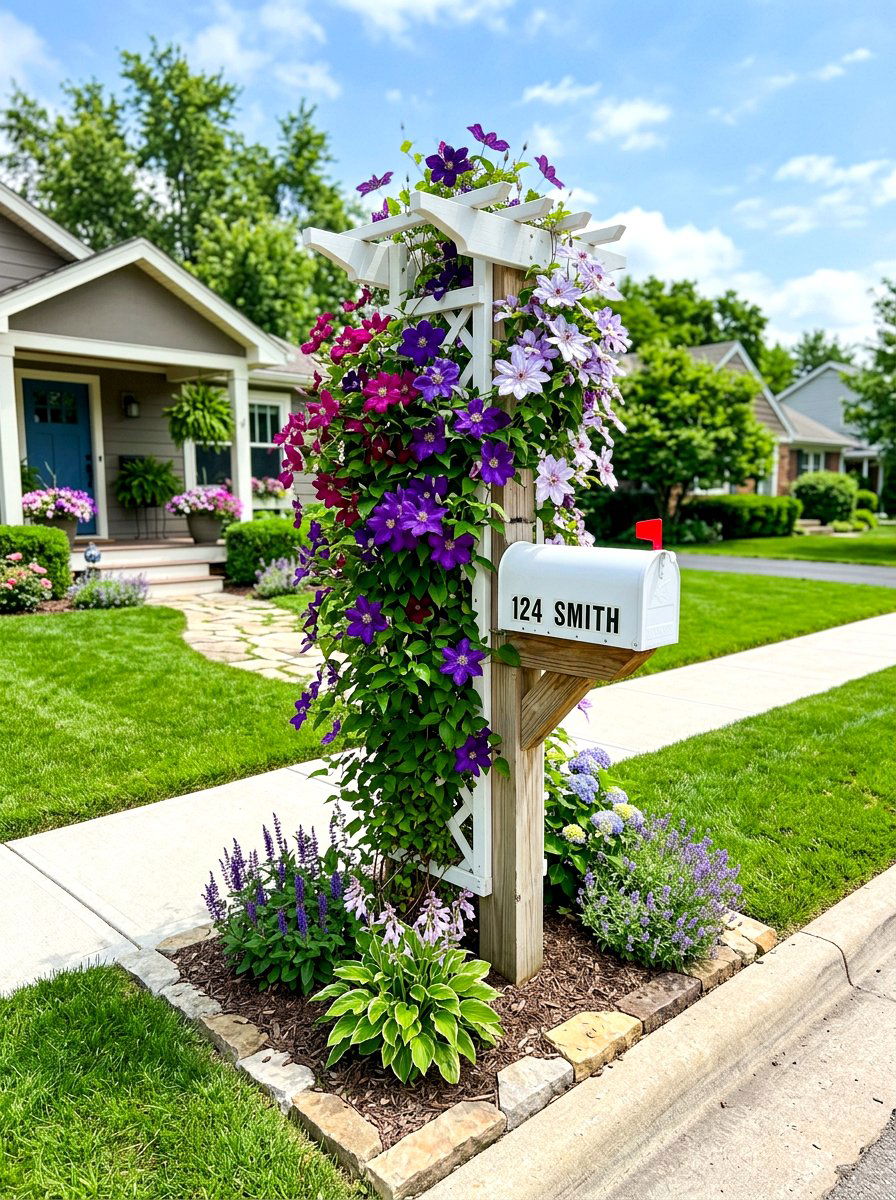
A mailbox post trellis is a clever way to add curb appeal to the front of your home with very little effort. By wrapping a small amount of poultry netting or a narrow wooden trellis around your mailbox post, you create a beautiful vertical display for a clematis. This welcomes visitors and mail carriers with a burst of color right at the edge of your property. Since many mailboxes are in sunny spots, they provide the perfect environment for a flowering vine to flourish. It is a small detail that makes a big impact on the overall look of your front yard.
19. Privacy screen trellis
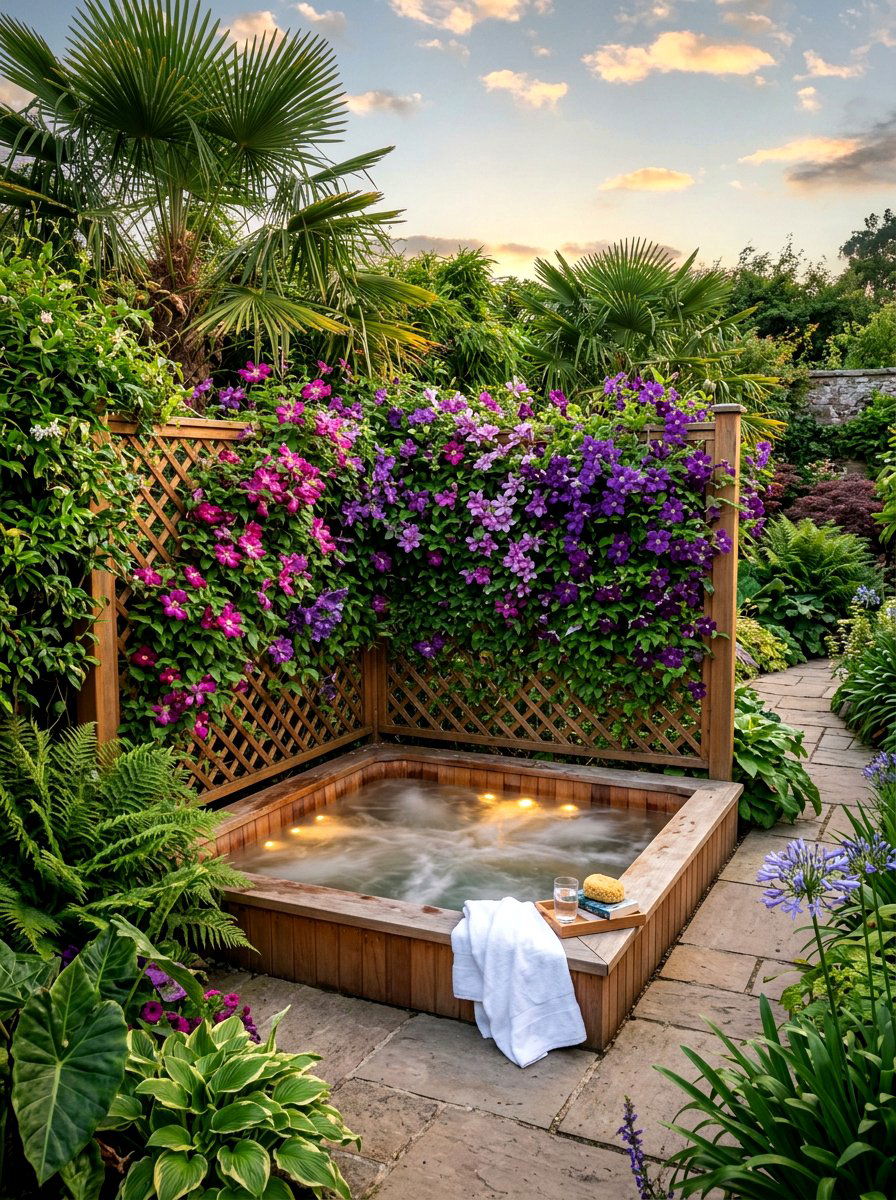
Using a privacy screen trellis is a functional way to block unwanted views from neighbors while adding a lush garden feel. These tall, wide structures are specifically designed to be opaque once they are covered with climbing foliage. A clematis with dense leaves can create a solid wall of greenery that keeps your patio or hot tub area private. You can choose a screen with a built-in planter box at the base for a completely self-contained unit. This is an excellent solution for urban dwellers with small balconies or patios who want to create their own private and quiet outdoor sanctuary.
20. Corner garden trellis
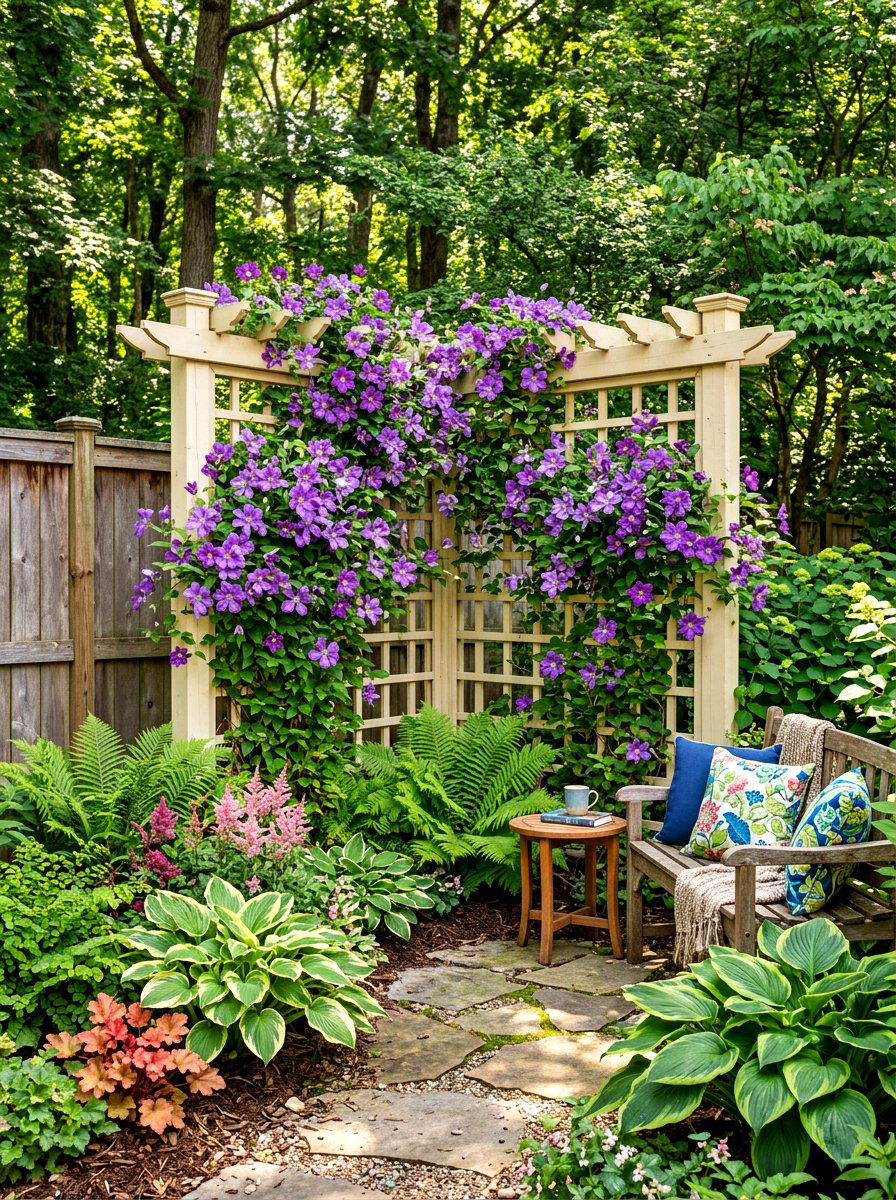
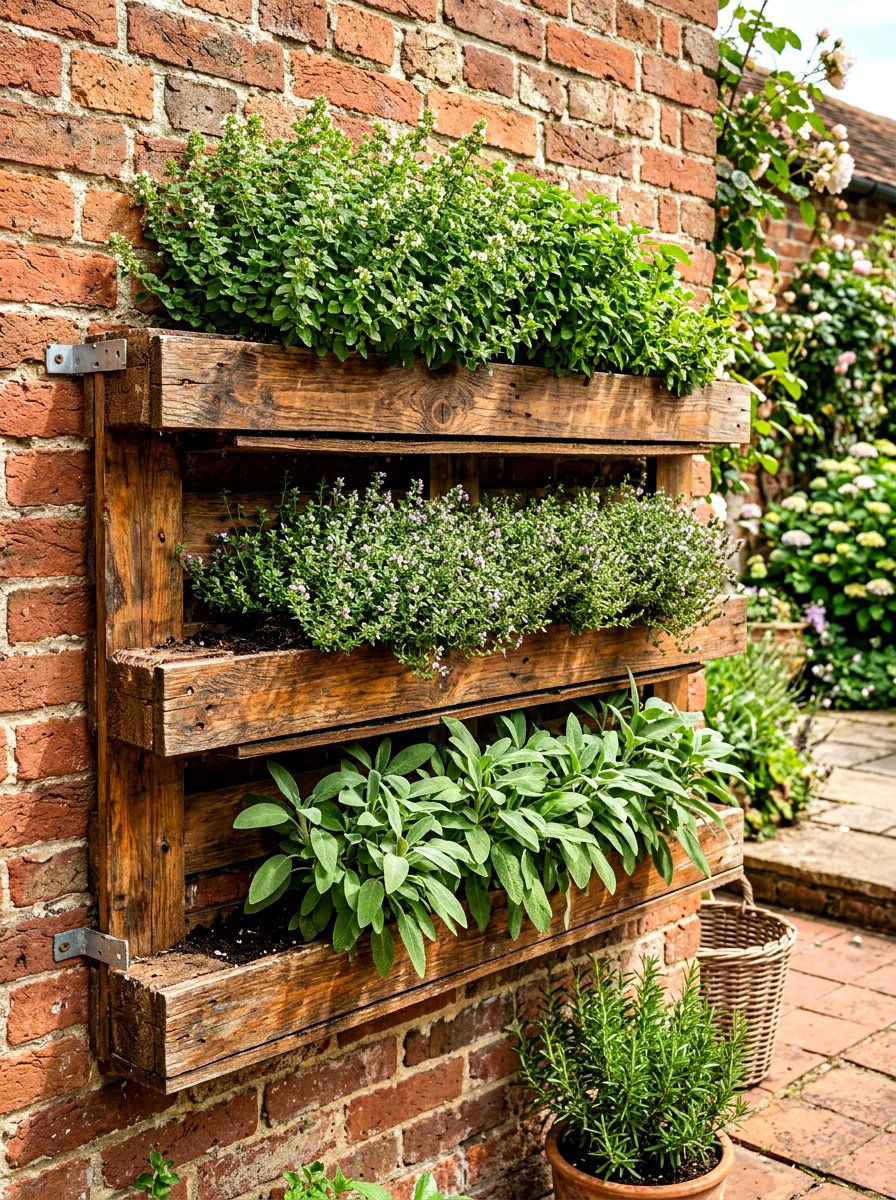
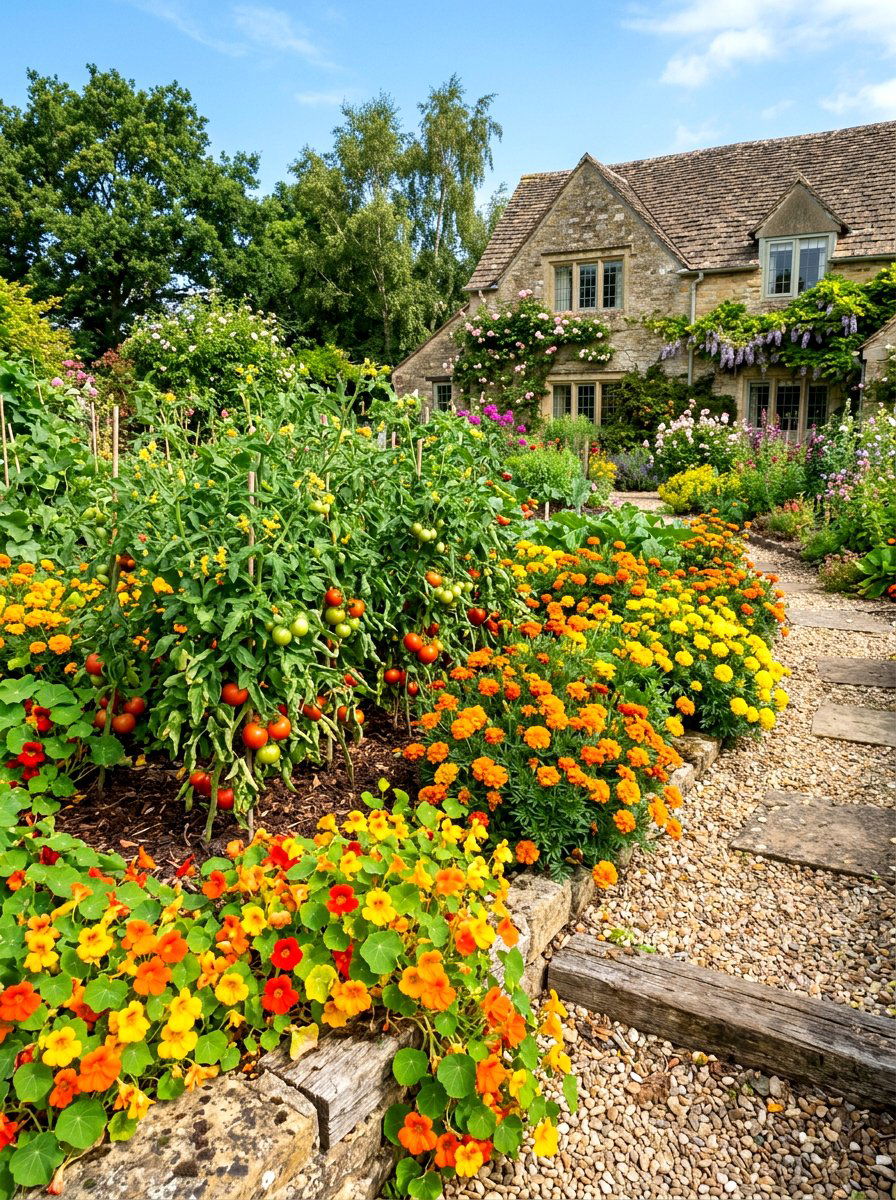
A corner garden trellis is a space-saving design that fits perfectly into the neglected corners of your yard or patio. These trellises usually consist of two panels joined at a ninety-degree angle, allowing them to stand securely in a corner. This structure helps soften the sharp lines of a fence or a building and brings life to a previously empty space. It is a great way to add vertical height without taking up much ground space in the middle of your garden. You can plant a clematis at the base and watch it fill both sides of the corner with blooms.
21. Tree branch trellis
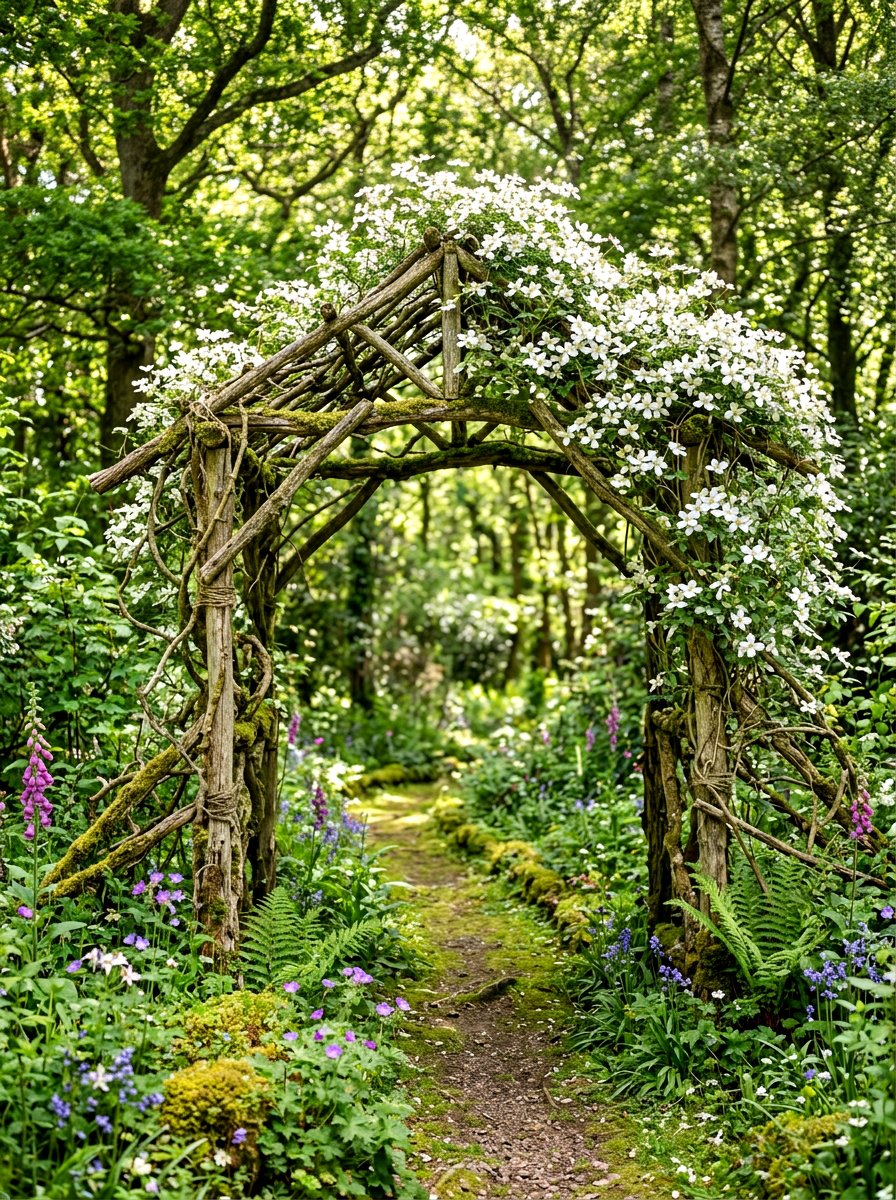
For a completely natural and organic look, a tree branch trellis uses found materials to support your climbing vines. You can use sturdy branches or tall twigs stuck firmly into the ground to create a rustic framework. This design blends seamlessly into woodland gardens or informal landscapes where manufactured materials might look out of place. The irregular shapes of the branches provide a variety of textures and paths for the clematis to explore. This is also a very sustainable option as it uses recycled garden waste. It provides a charming, fairy-tale aesthetic that feels very grounded and peaceful in any setting.
22. Vintage door trellis
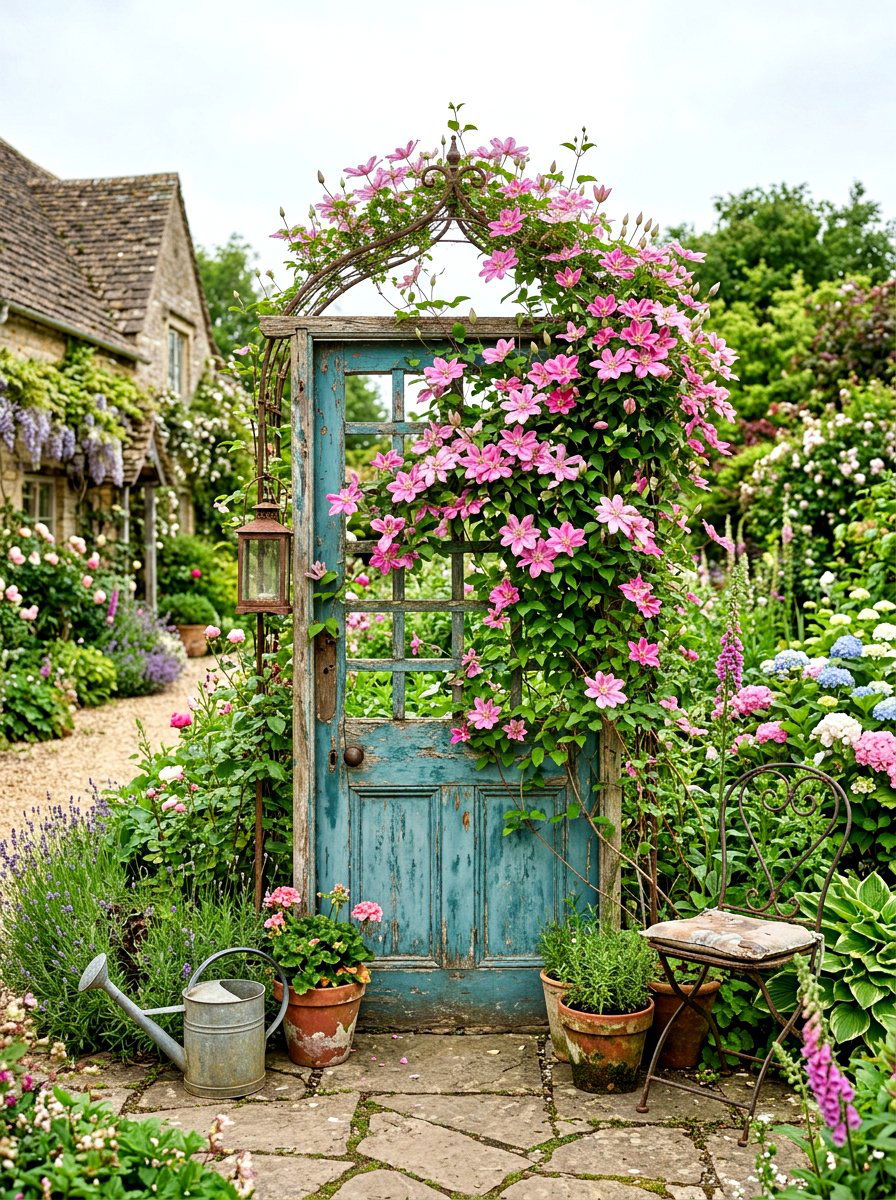
A vintage door trellis is a creative upcycling project that adds a whimsical and artistic touch to your backyard. By removing the glass or wooden panels from an old door and replacing them with wire mesh, you create a unique support for your vines. Leaning the door against a fence or a shed creates an instant focal point that tells a story. This design works particularly well in shabby-chic or eclectic gardens. The frame of the door provides a bold outline, while the clematis fills in the middle with soft colors and delicate flowers for a very beautiful contrast.
23. Window frame trellis
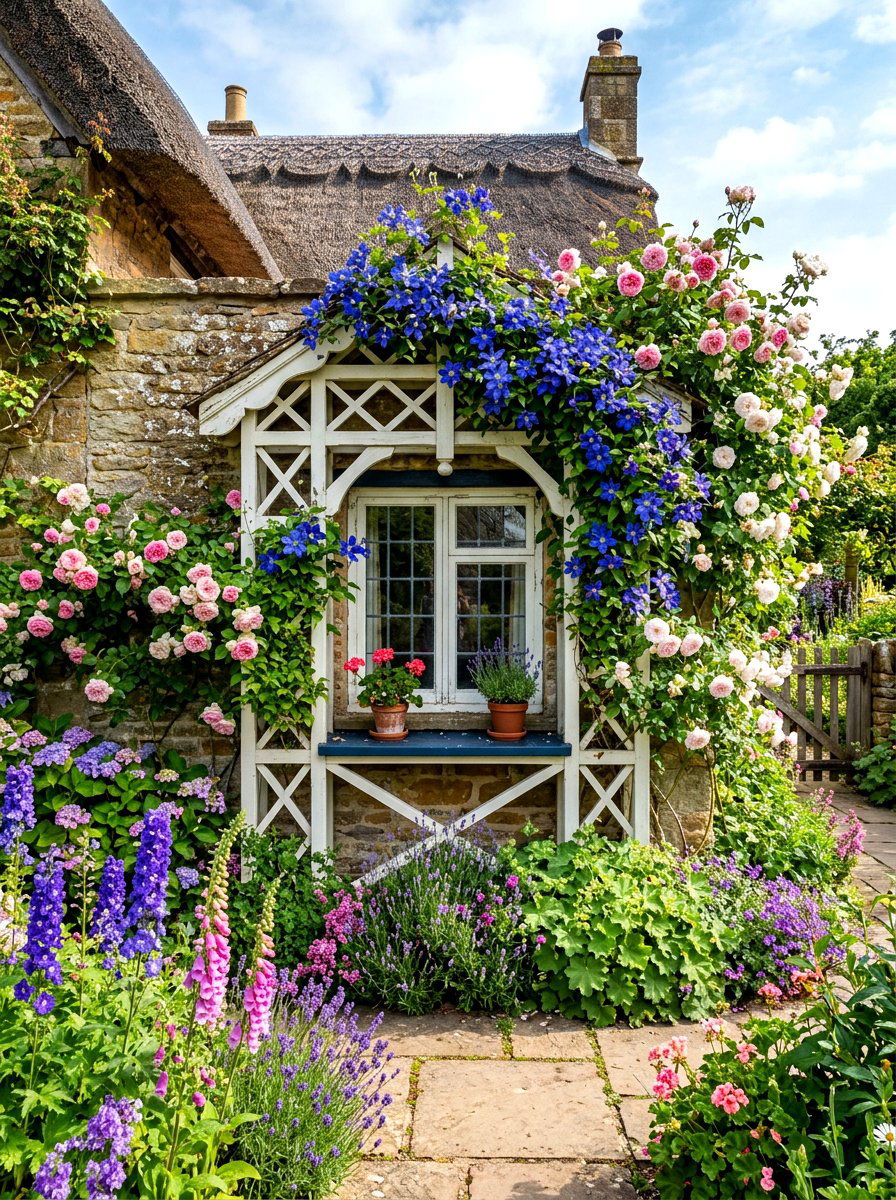
Similar to the door idea, a window frame trellis uses an old window to create a decorative garden accent. You can hang the frame on a wall or mount it on posts to act as a freestanding screen. Replacing the glass with a thin wire grid gives the clematis a place to climb while allowing you to see through the "window" into the rest of the garden. This creates a sense of depth and mystery in your landscape. It is a fantastic way to recycle old building materials while providing a functional and very stylish home for your favorite climbing flowering plants.
24. Wood slat trellis
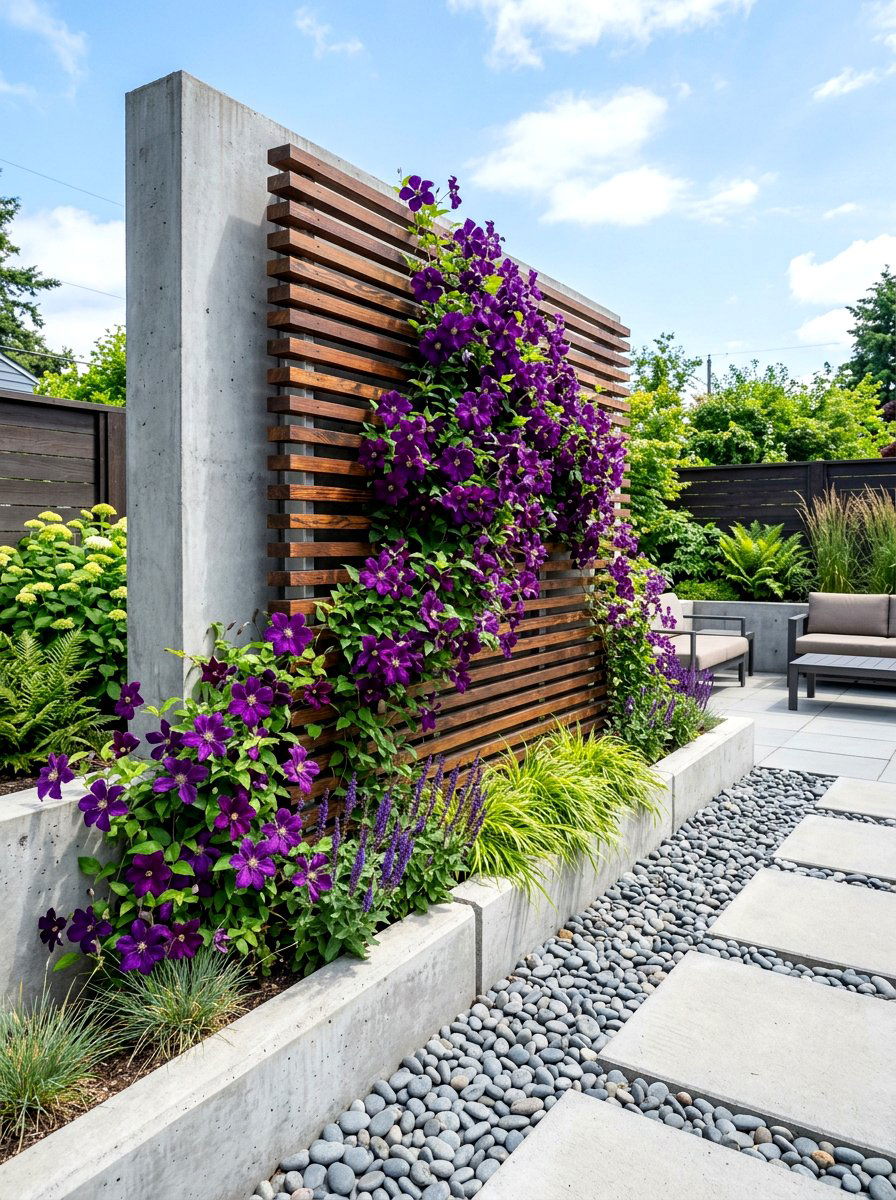
A wood slat trellis features horizontal or vertical boards spaced closely together for a clean and contemporary look. This style is often used in modern landscape design to create a sleek backdrop for minimalist gardens. The flat surfaces of the slats are easy to maintain, and the gaps between them provide the necessary airflow for the clematis. This design looks particularly high-end when made from premium woods like mahogany or ipe. It provides a sturdy and permanent structure that can support even the largest and heaviest clematis varieties for many years without losing its beautiful shape or its structural integrity.

25. Metal hoop trellis
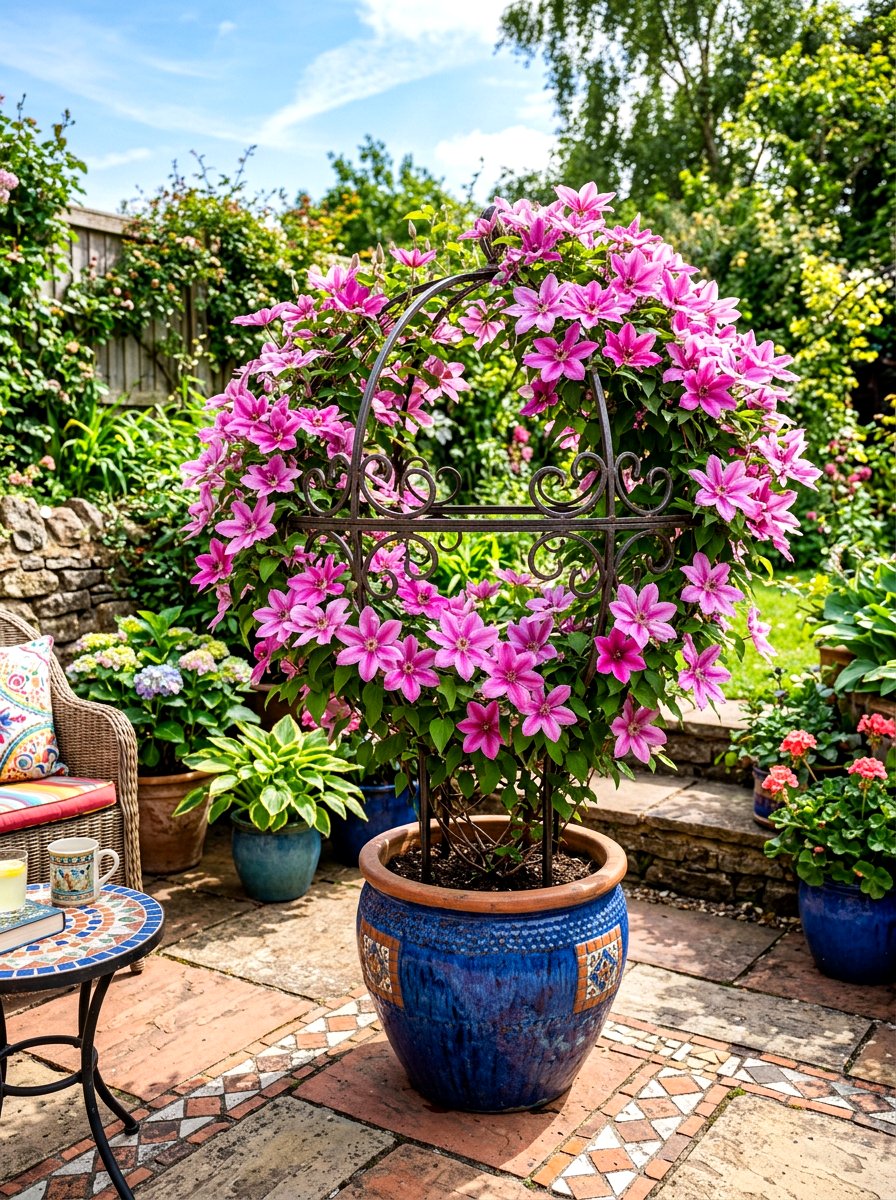
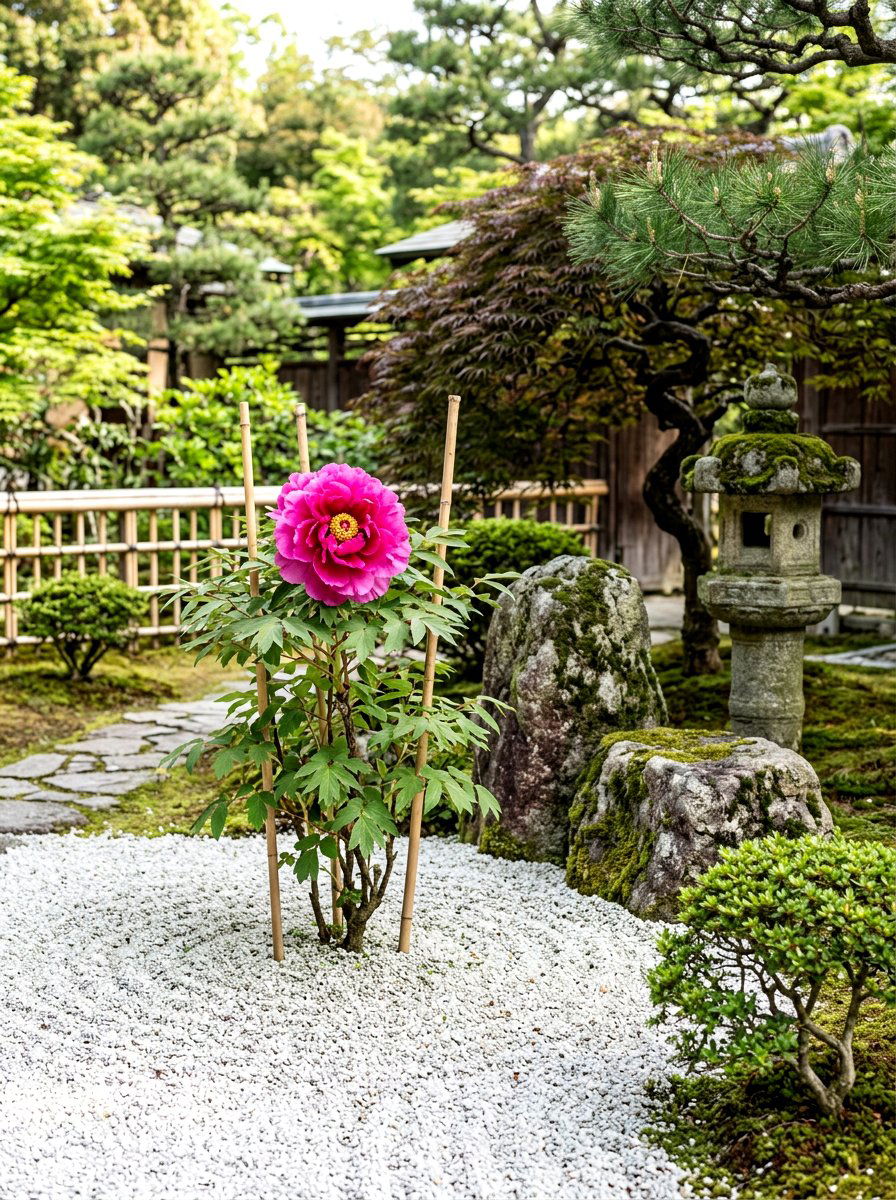
A metal hoop trellis offers a unique circular shape that adds soft curves to an otherwise linear garden. These trellises are often used in large containers or at the front of a flower border to create a globe of flowers. As the clematis grows around the hoop, it forms a stunning wreath-like display that looks beautiful from every angle. This design is perfect for smaller clematis varieties that don't grow too tall. It adds a playful and artistic element to your outdoor space and is a great way to break up the straight lines of a traditional garden bed or patio.
26. House wall trellis
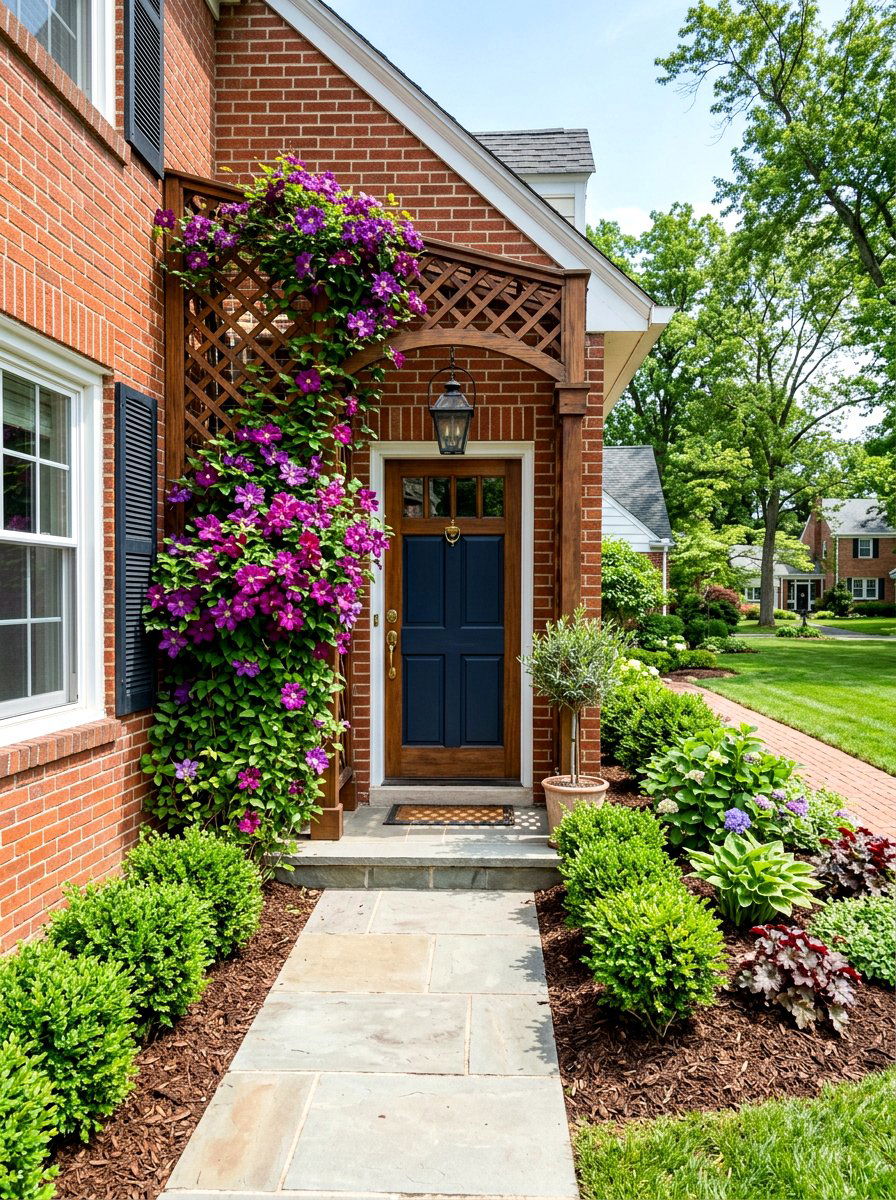
Mounting a house wall trellis is the best way to decorate the exterior of your home with living color. These trellises are designed to be attached directly to the siding, creating a vertical garden that enhances your home’s architecture. You can choose a design that matches the trim of your house for a cohesive look. It is important to use spacers when mounting these to ensure there is a gap for air to flow between the plant and the house wall. This prevents moisture buildup and keeps both your plant and your home in excellent condition while looking absolutely beautiful and vibrant.
27. Fence topper trellis
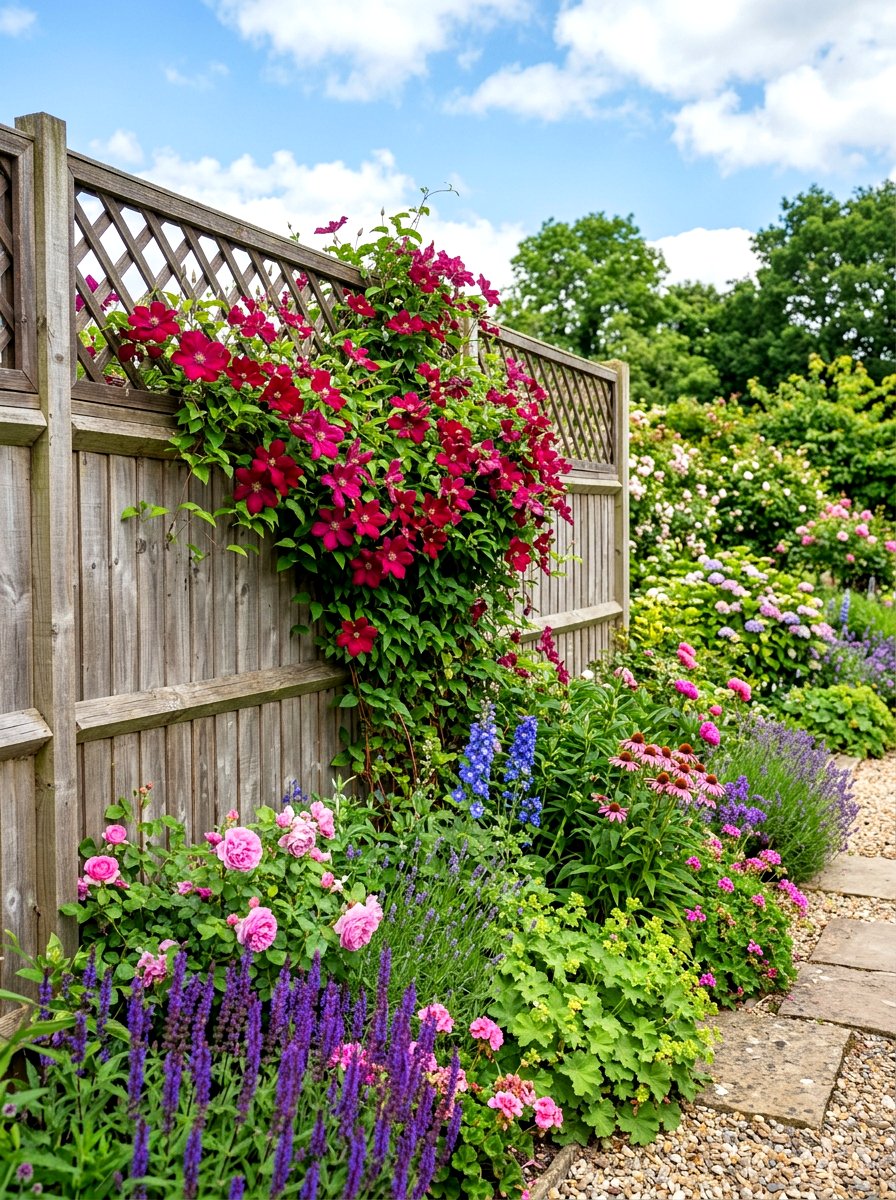
A fence topper trellis is a simple addition that increases the height of your existing fence while providing a place for vines to grow. These are usually small lattice or wire sections that attach to the very top of a wooden or metal fence. This is a great way to add extra privacy and beauty to your property line without building a completely new structure. As the clematis grows across the top of the fence, it creates a blooming border that softens the hard edge of the yard. It is a cost-effective and very efficient way to expand your gardening space.
28. Industrial pipe trellis
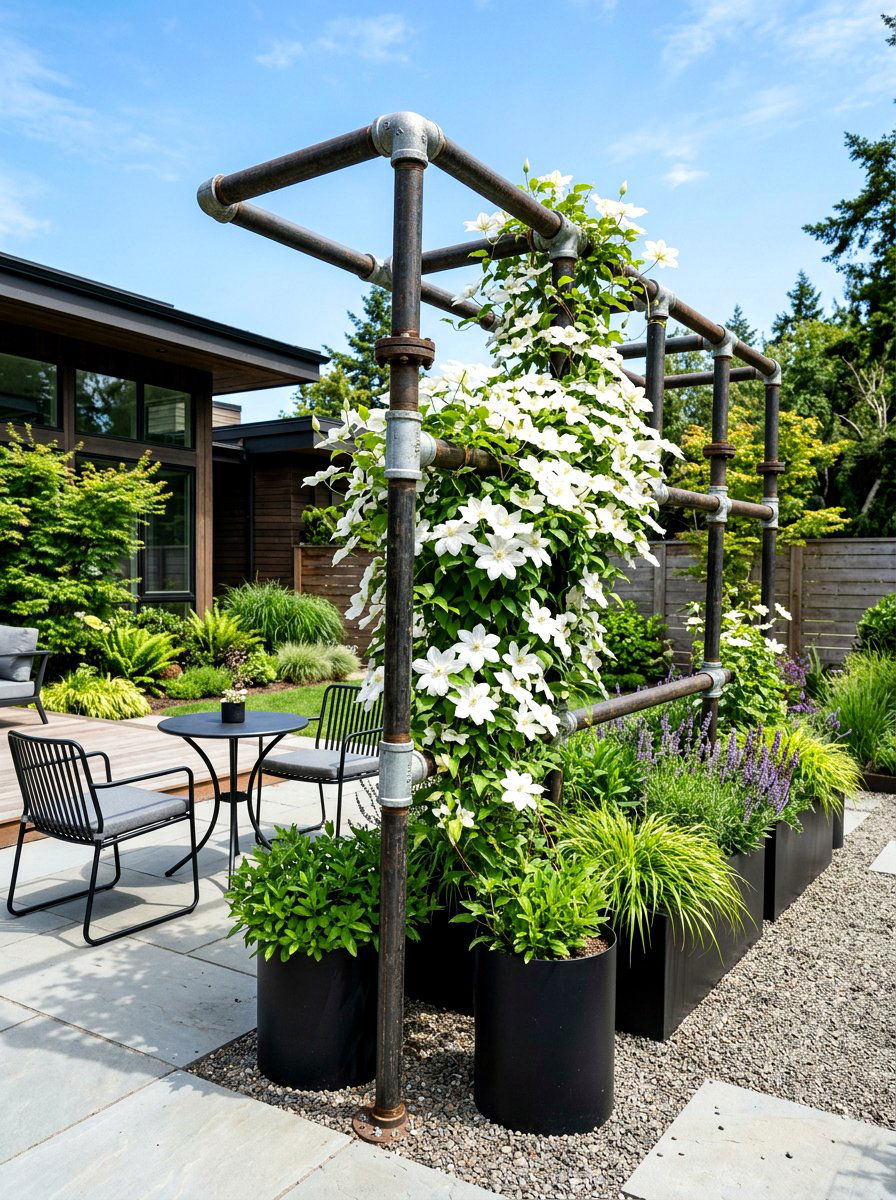
An industrial pipe trellis uses black steel or galvanized pipes to create a bold and rugged support system for your plants. This style is incredibly strong and can handle the most vigorous climbing vines with ease. The dark, heavy look of the pipes provides a cool contrast to the delicate and colorful clematis flowers. You can build these in any size or shape using standard pipe fittings from a hardware store. It is a great project for DIY enthusiasts who want a custom look that will last a lifetime. This design is perfect for urban lofts or modern industrial-style backyard spaces.
29. Honeycomb garden trellis
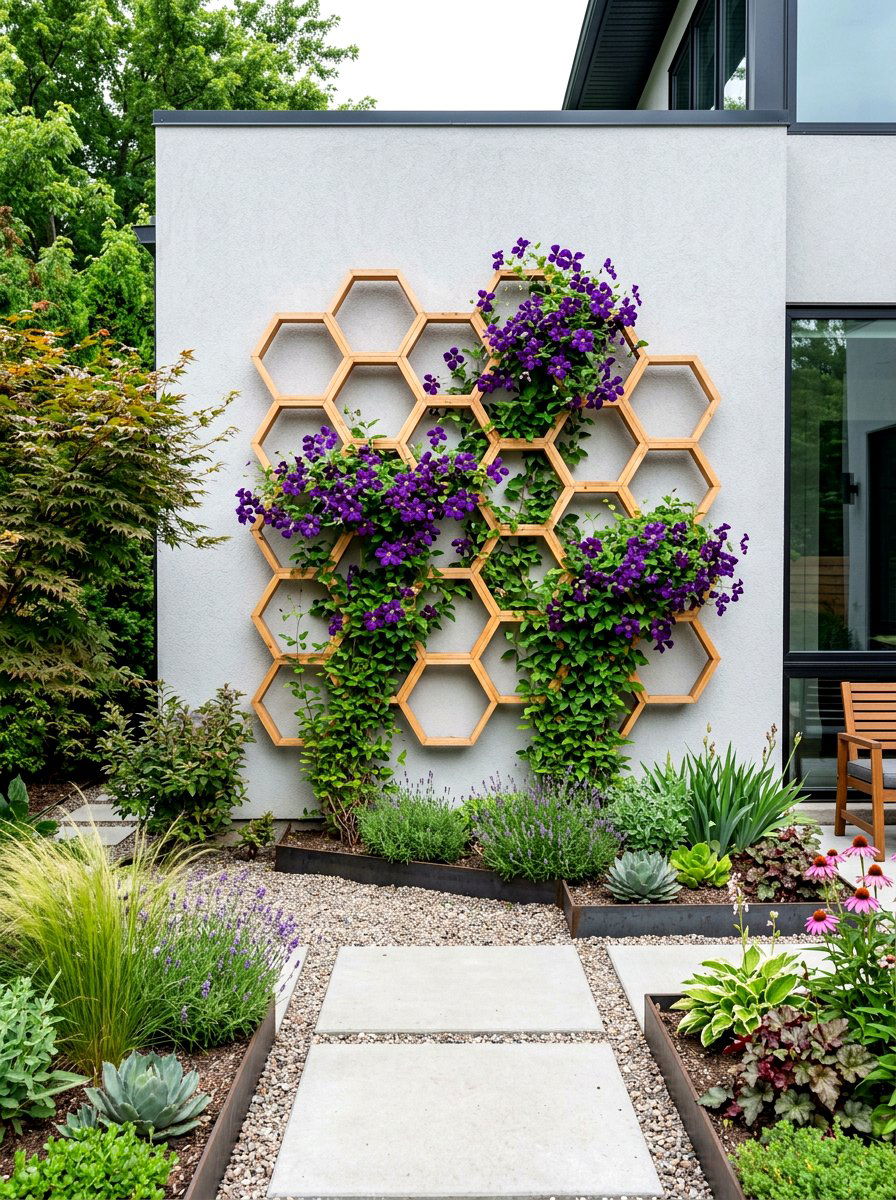
A honeycomb garden trellis features a series of hexagonal shapes that create a modern and geometric look. This pattern is not only stylish but also very functional, as it provides a dense network of supports for the vine to grip. The repetitive nature of the honeycomb design creates a beautiful visual texture that stands out even when the plant is not in bloom. You can find these made from wood, metal, or even 3D-printed plastic. This style is perfect for homeowners who want to incorporate trendy patterns into their outdoor decor while still providing a very practical support for their plants.
30. Willow twig trellis
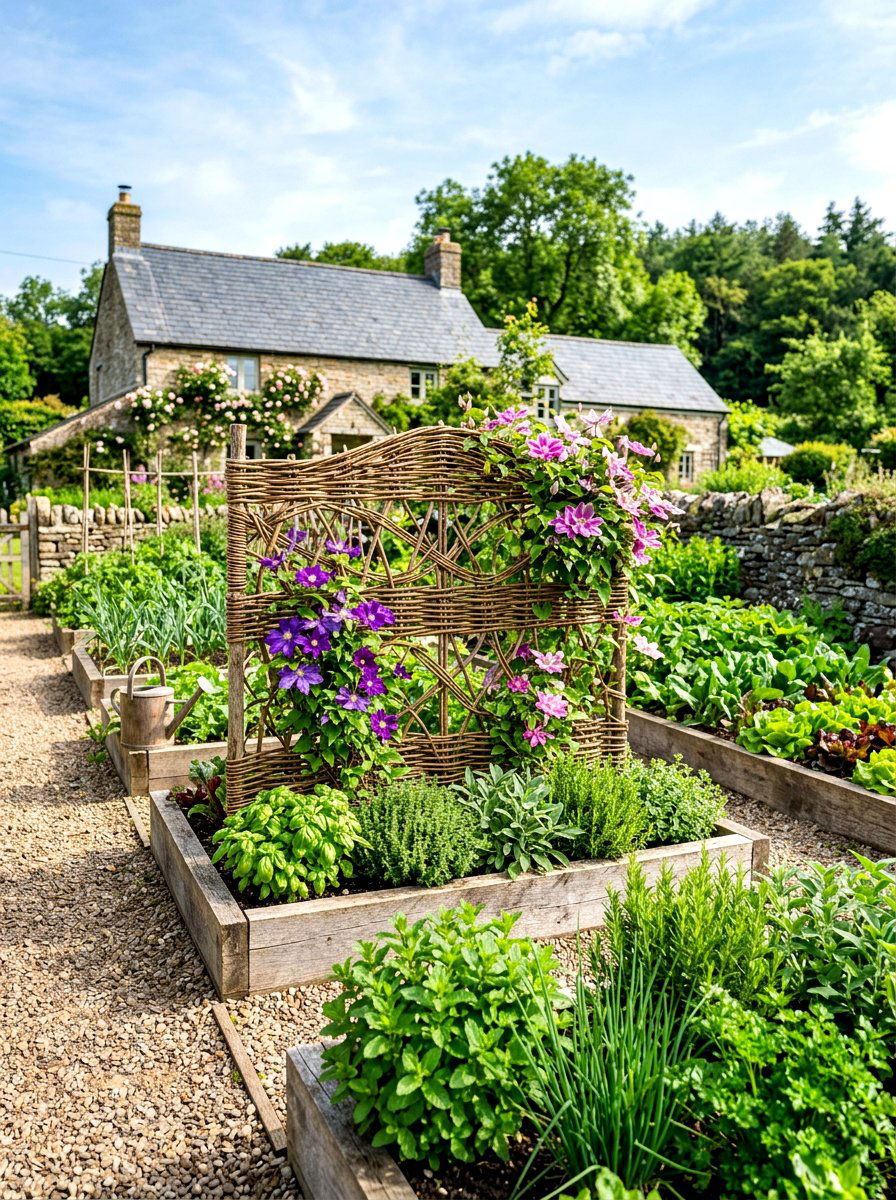
A willow twig trellis is a traditional and rustic option that is often handmade using flexible willow branches. These trellises have a natural, woven appearance that fits perfectly into cottage or kitchen gardens. Willow is naturally pliable, allowing it to be bent into arches, fans, or intricate woven patterns. Over time, the twigs will weather and blend into the landscape, making the flowers the true star of the show. This is a very eco-friendly choice that adds a touch of hand-crafted charm to your yard. It provides a soft and gentle support that is ideal for the delicate stems of a clematis.
Conclusion:
Selecting the perfect trellis for your clematis is an exciting way to enhance your garden's vertical beauty while providing the necessary support for your plants. Whether you choose the timeless elegance of a wrought iron obelisk or the creative charm of a repurposed ladder, your climbing vines will thank you for the sturdy framework. Remember to consider the mature size of your specific clematis variety and the amount of sunlight your chosen spot receives. By matching the right structure with the right plant, you can create a stunning floral display that will delight you and your neighbors for many years to come. Enjoy your beautiful garden!

Related posts: