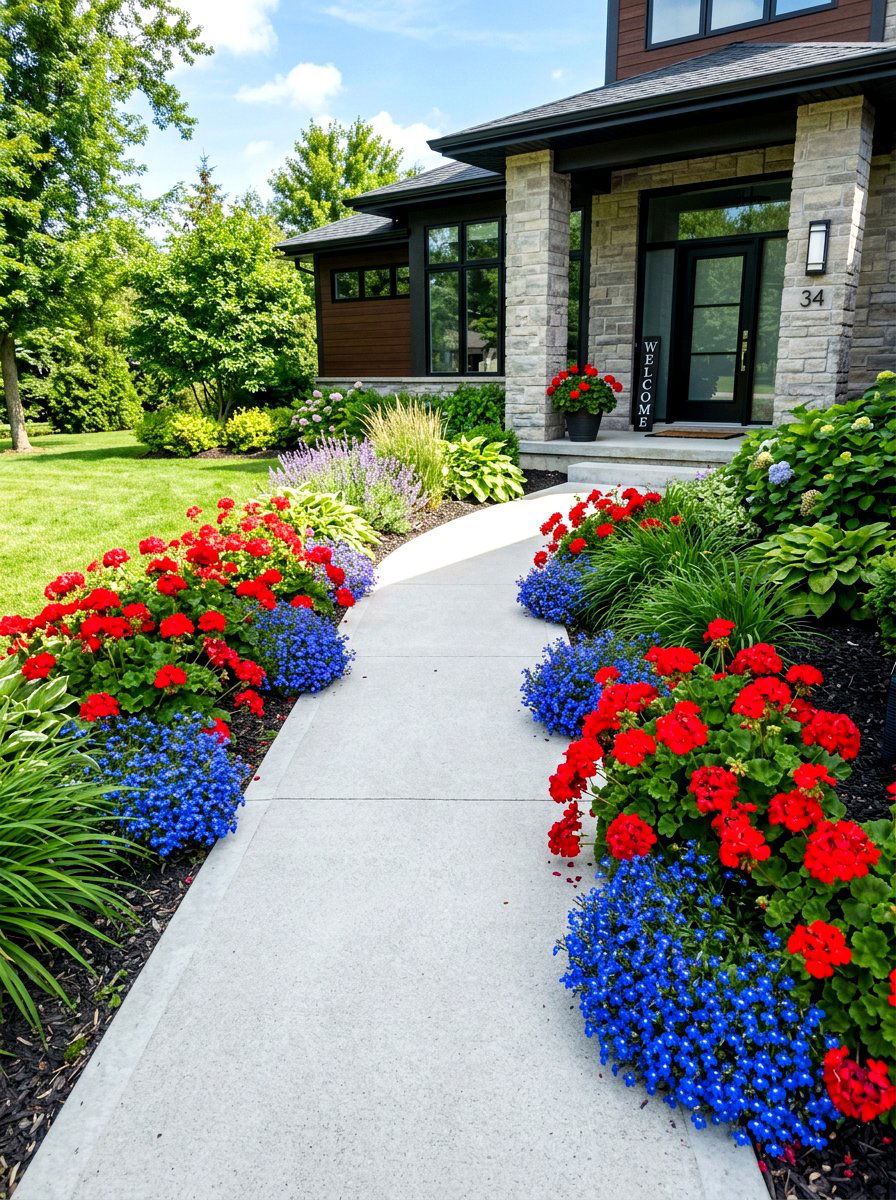
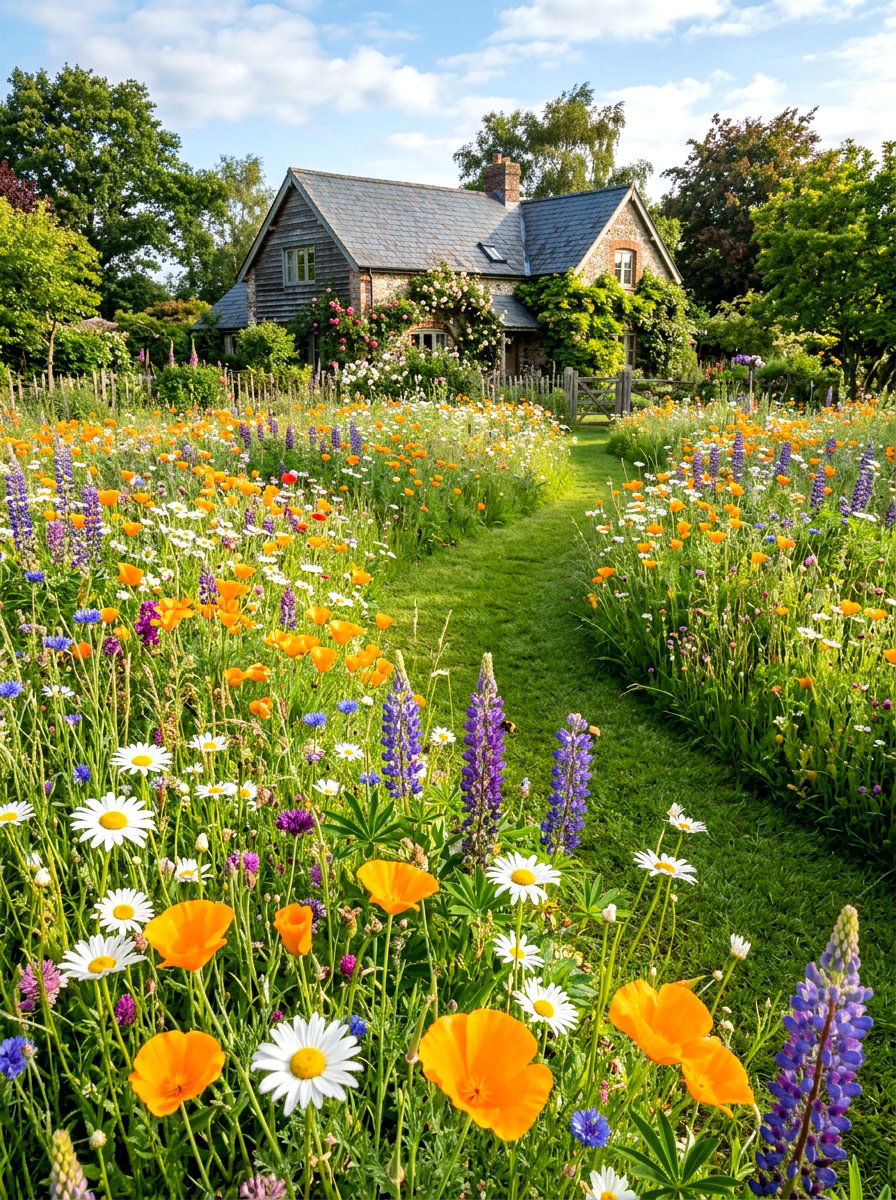
Transforming your home’s curb appeal starts with a thoughtful approach to your front yard flower bed. A well-designed garden space does more than just host plants; it frames your architecture and creates a welcoming atmosphere for guests. Whether you are looking for a low-maintenance solution or a vibrant, colorful display, the right arrangement can significantly increase your property value. Modern trends are shifting away from rigid, boxy hedges toward more fluid, naturalistic designs that blend seamlessly with the environment. By selecting the right combination of perennials, shrubs, and textures, you can create a Pinterest-worthy sanctuary that reflects your personal style while remaining functional throughout the year.

1. Foundation Planting
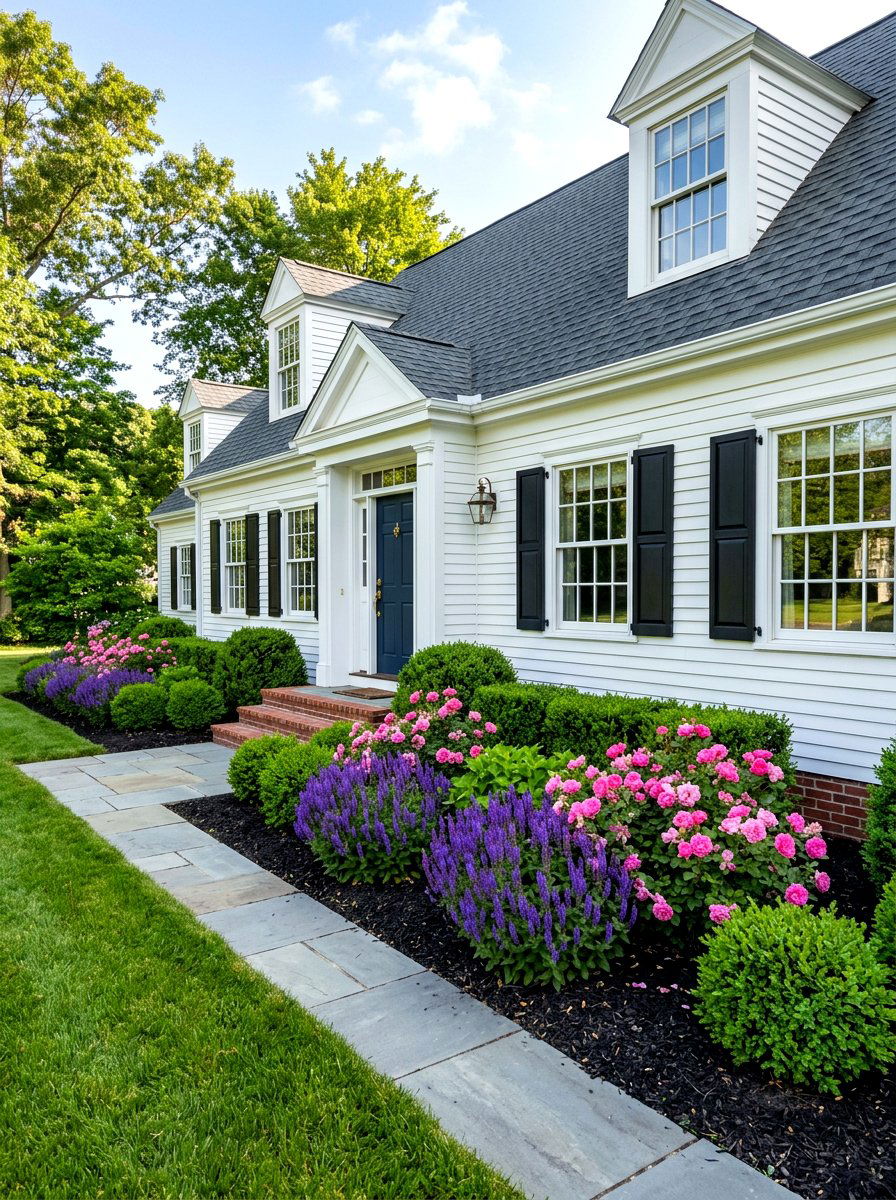
Foundation planting is the most traditional way to anchor your house to the landscape. A successful design uses a mixture of heights and textures to soften the transition between the ground and the siding. You should aim for evergreen shrubs as the structural backbone so the bed remains attractive even during the winter months. Incorporating colorful perennials in front of these shrubs adds seasonal interest and prevents the layout from looking too stagnant. It is essential to choose plants that will not grow so large that they obscure your windows or overwhelm the entryway. This balanced approach ensures your home looks established and inviting from the sidewalk.
2. Raised Stone Bed
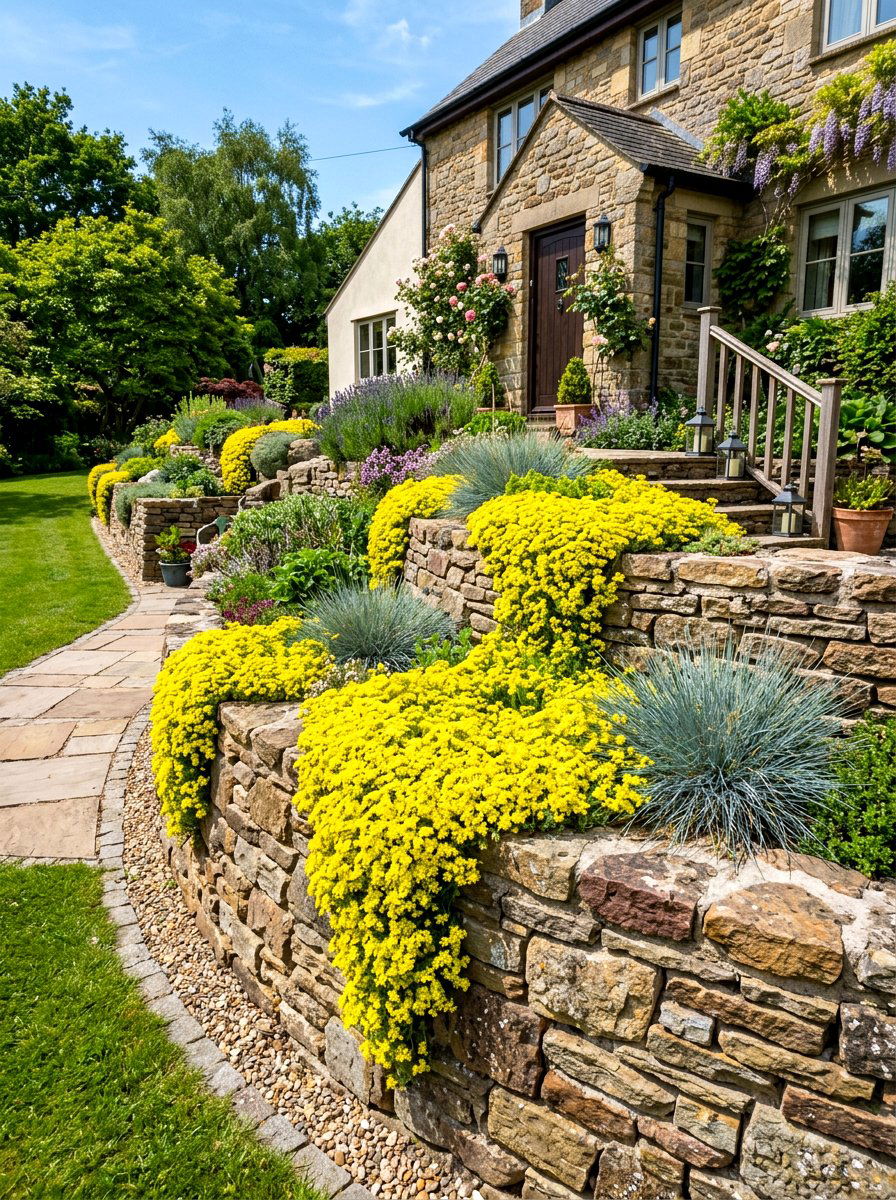
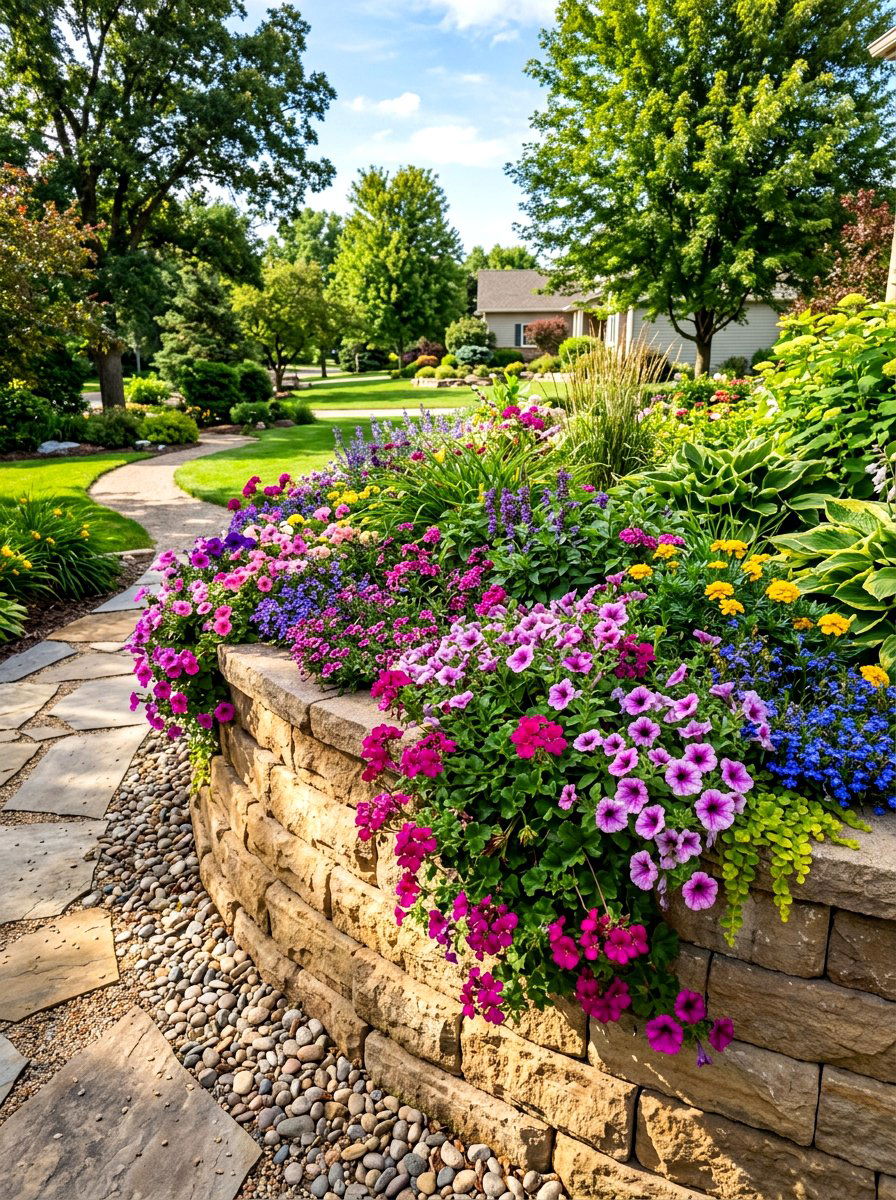
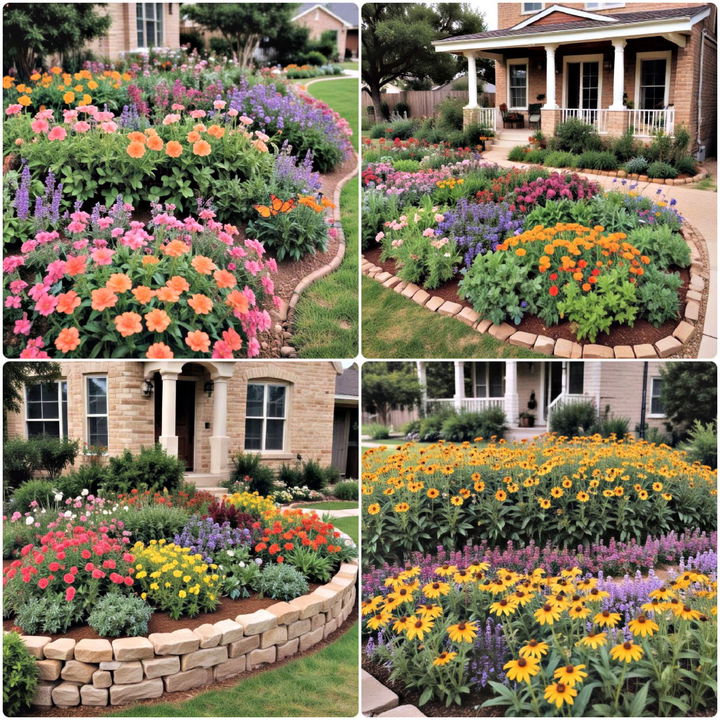
A raised stone bed provides a clean, architectural look that instantly upgrades a front yard. Using natural stone or stacked pavers allows you to create defined levels, which is particularly useful for flat properties needing visual depth. These beds also offer better drainage for your plants and make maintenance easier by bringing the soil level closer to your hands. You can fill these structures with a variety of trailing flowers like petunias or creeping phlox that will gracefully spill over the edges. The contrast between the rugged texture of the stone and the soft foliage of the flowers creates a high-end, professionally landscaped appearance that lasts.
3. Cottage Garden
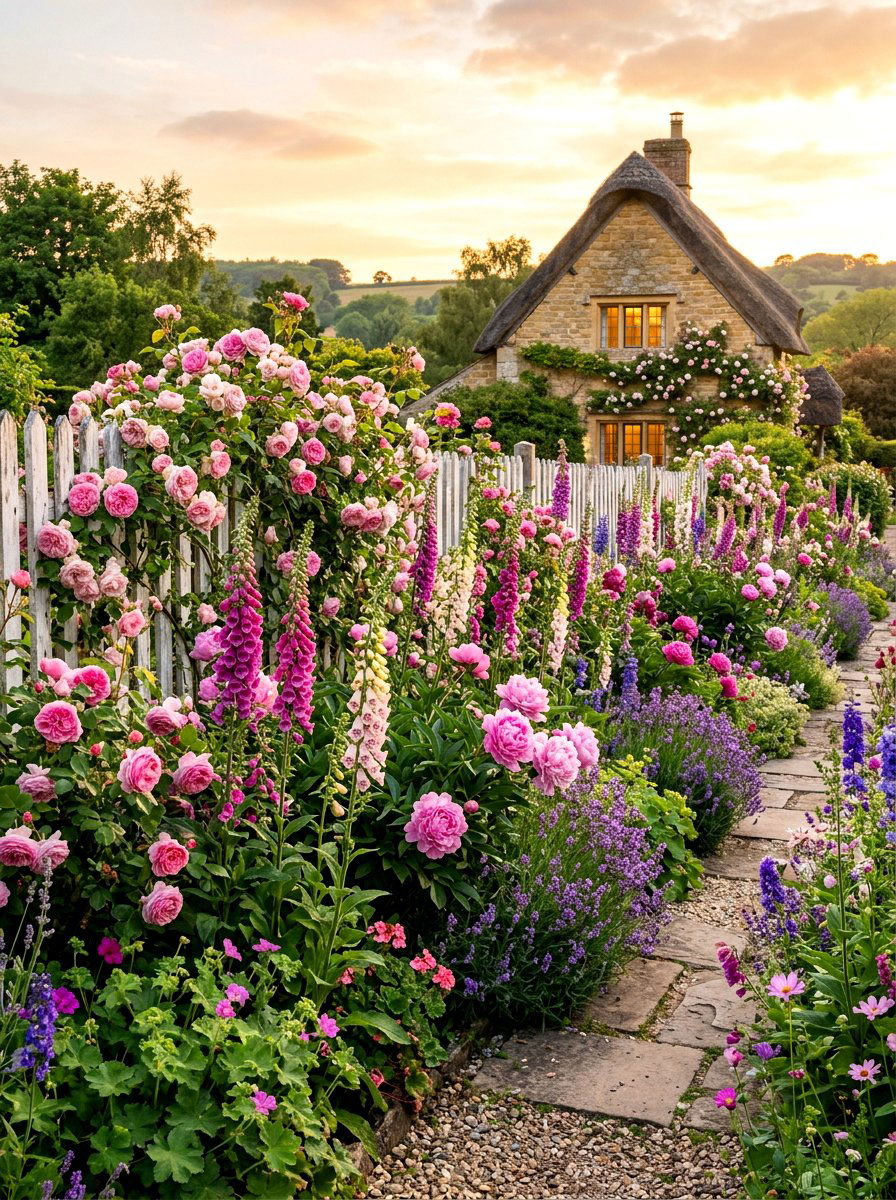
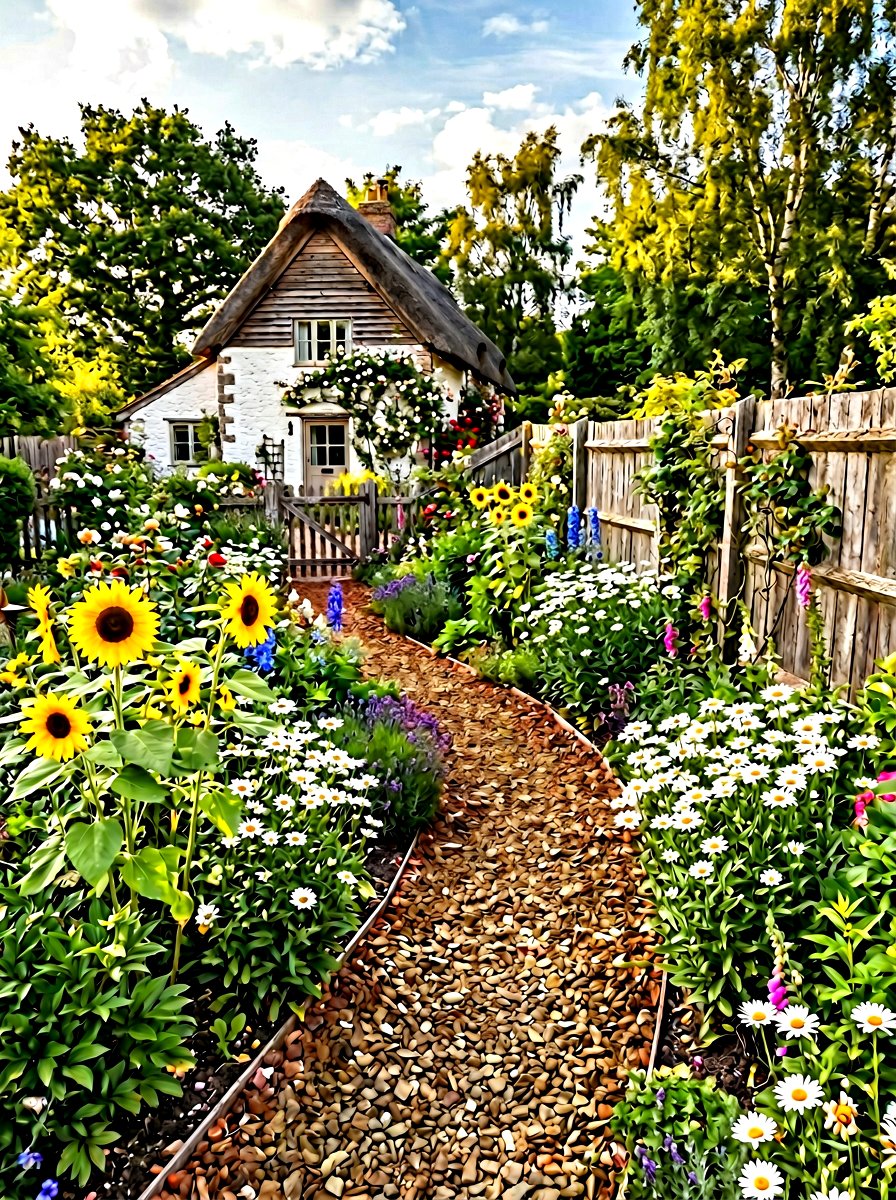
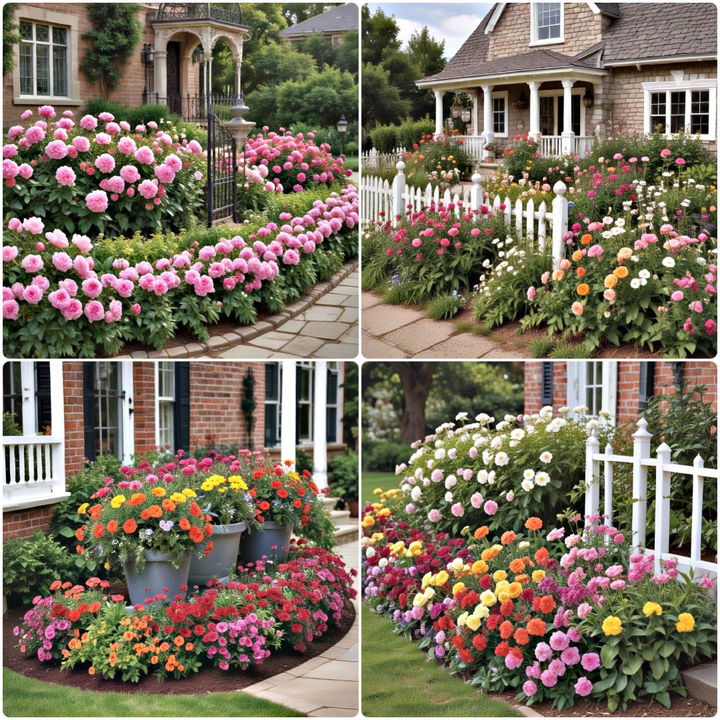
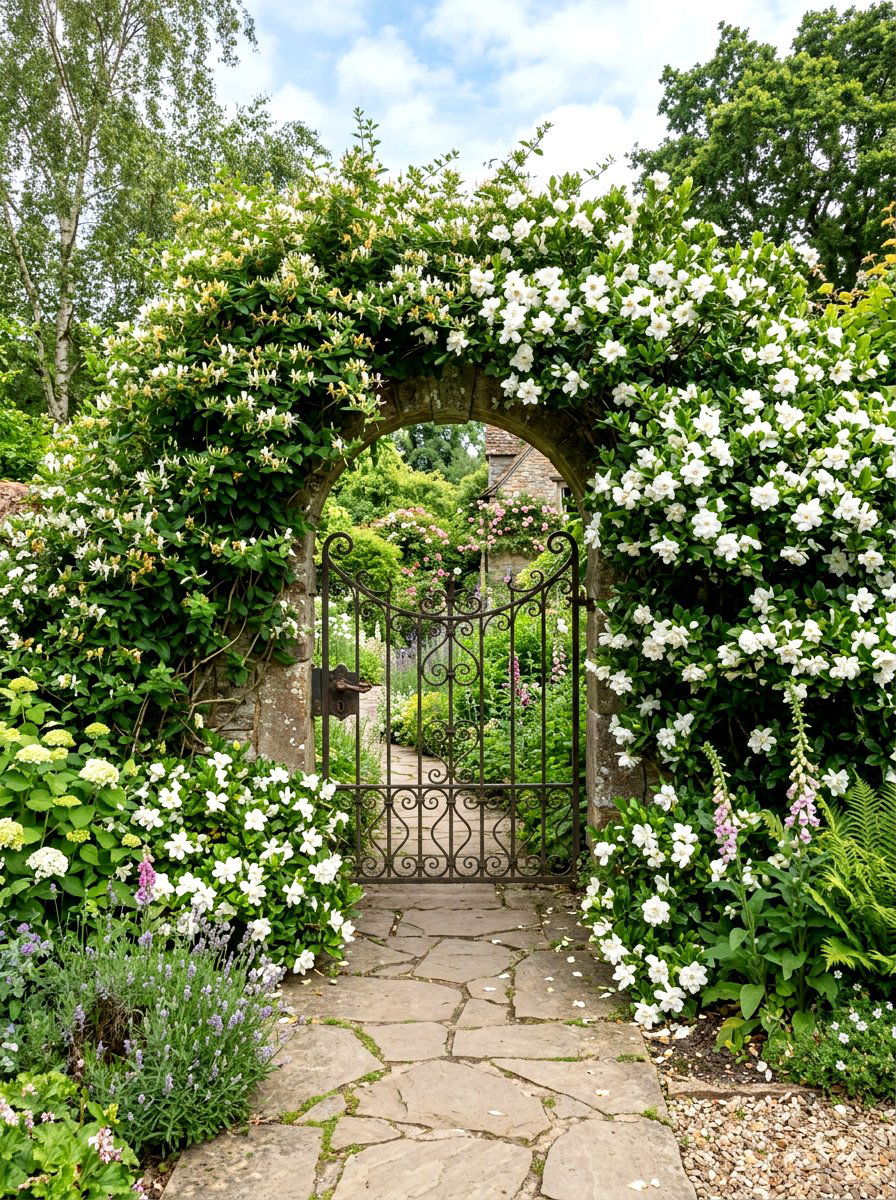
The cottage garden style is perfect for those who love a romantic, informal look filled with abundance. This design focuses on a dense mixture of traditional flowers like roses, foxgloves, and delphiniums packed closely together. Unlike formal beds, the cottage style encourages plants to intermingle and spill over walkways, creating a lush and lived-in feel. It is a fantastic choice for boosting curb appeal with a burst of color and fragrance that changes throughout the spring and summer. To keep it organized, you might include a simple wooden fence or a gravel path to provide a subtle framework for the beautiful, wild chaos of the blooms.
4. Wildflower Meadow
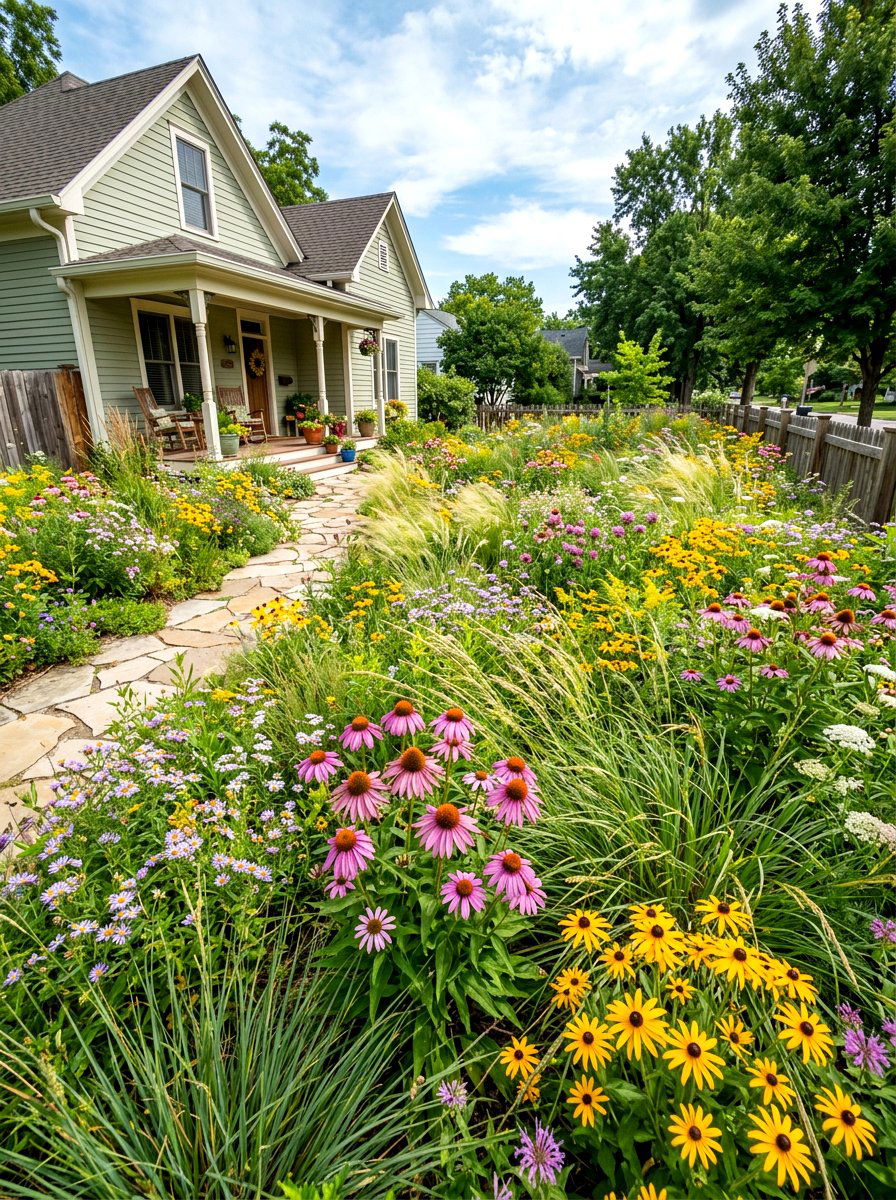
Switching to a wildflower meadow is an eco-friendly way to bring natural beauty and biodiversity to your front yard. This design replaces traditional lawn space with a vibrant mix of native grasses and flowering plants like coneflowers and black-eyed Susans. It requires much less water and mowing than a standard grass lawn, making it an excellent sustainable option. Beyond the low maintenance, a meadow bed provides a vital habitat for birds and butterflies, adding movement and life to your landscape. The result is a soft, swaying sea of color that feels much more intentional and artistic than a simple patch of mowed turf.
5. Modern Minimalist Bed
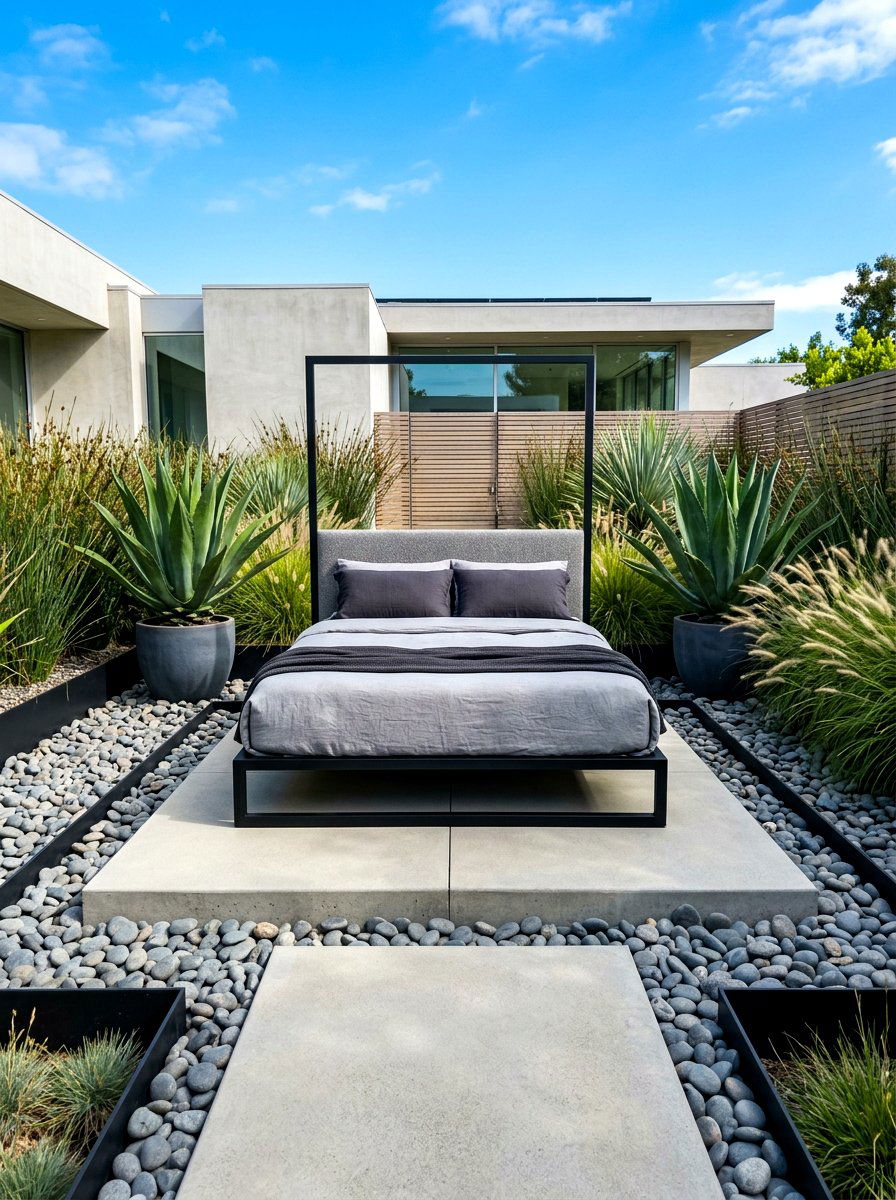
A modern minimalist bed focuses on clean lines, symmetry, and a restricted color palette to create a sophisticated look. This style often utilizes sharp metal edging and large-scale pavers to define the space clearly. Instead of a crowded mix of flowers, you might choose a single species planted in a repeating pattern, such as architectural grasses or sculptural hostas. The negative space, often filled with dark mulch or light river stones, is just as important as the plants themselves. This high-contrast approach highlights the architectural features of contemporary homes and offers a sleek, low-clutter aesthetic that is incredibly easy to keep looking sharp.
6. Pollinator Garden
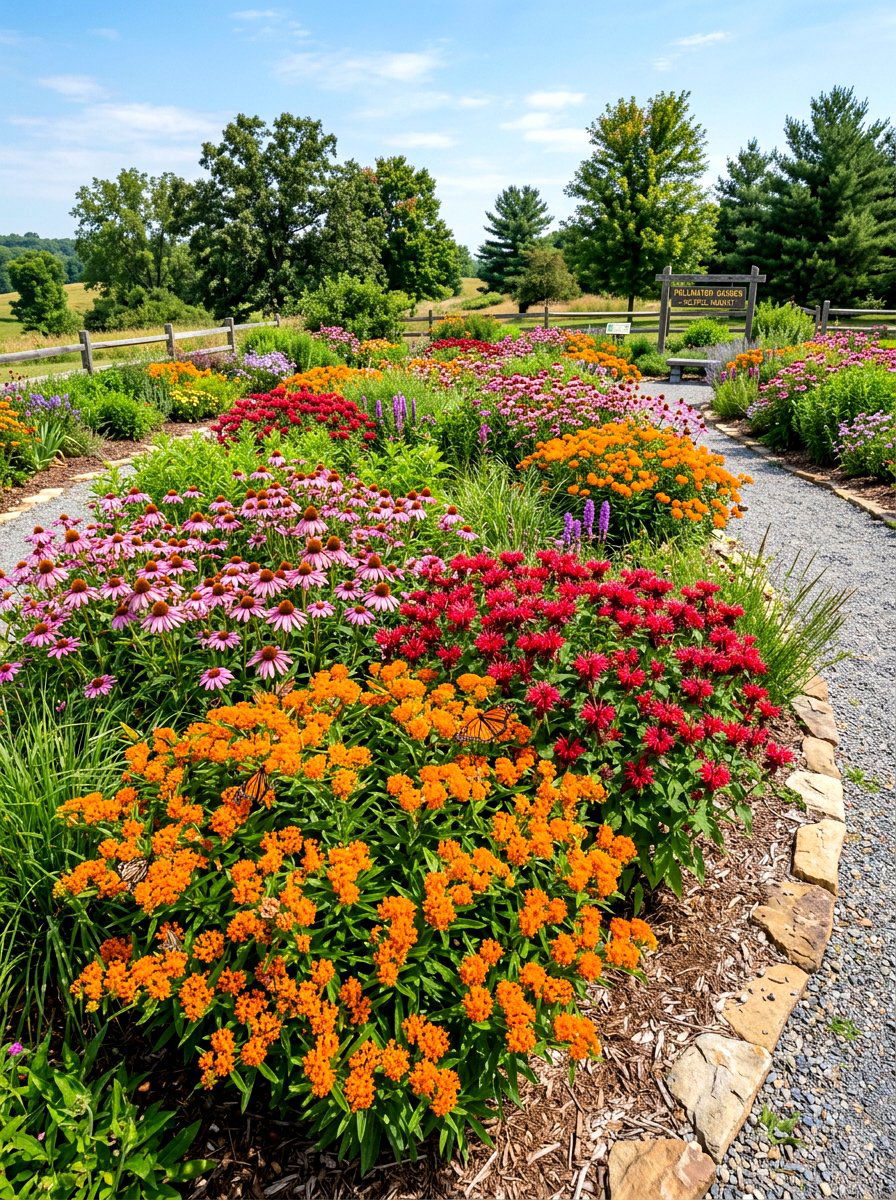
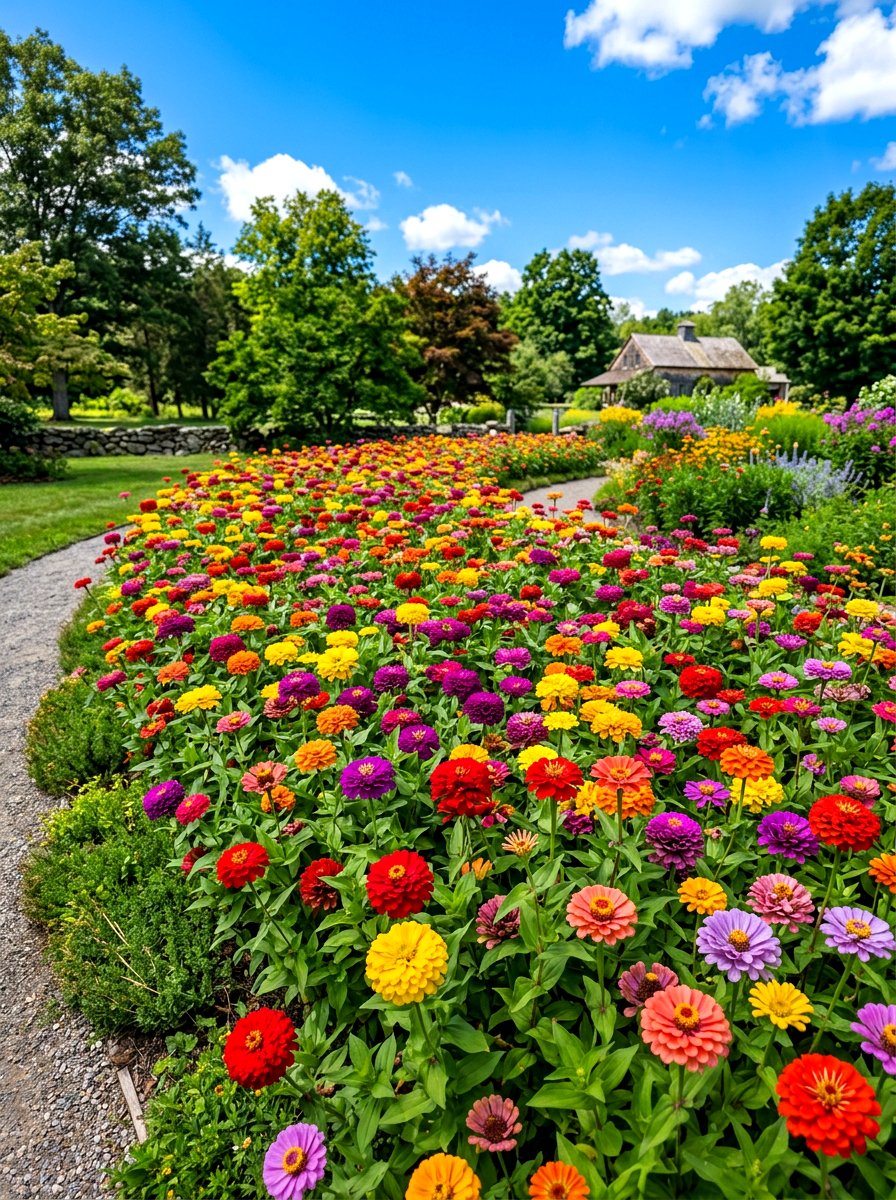
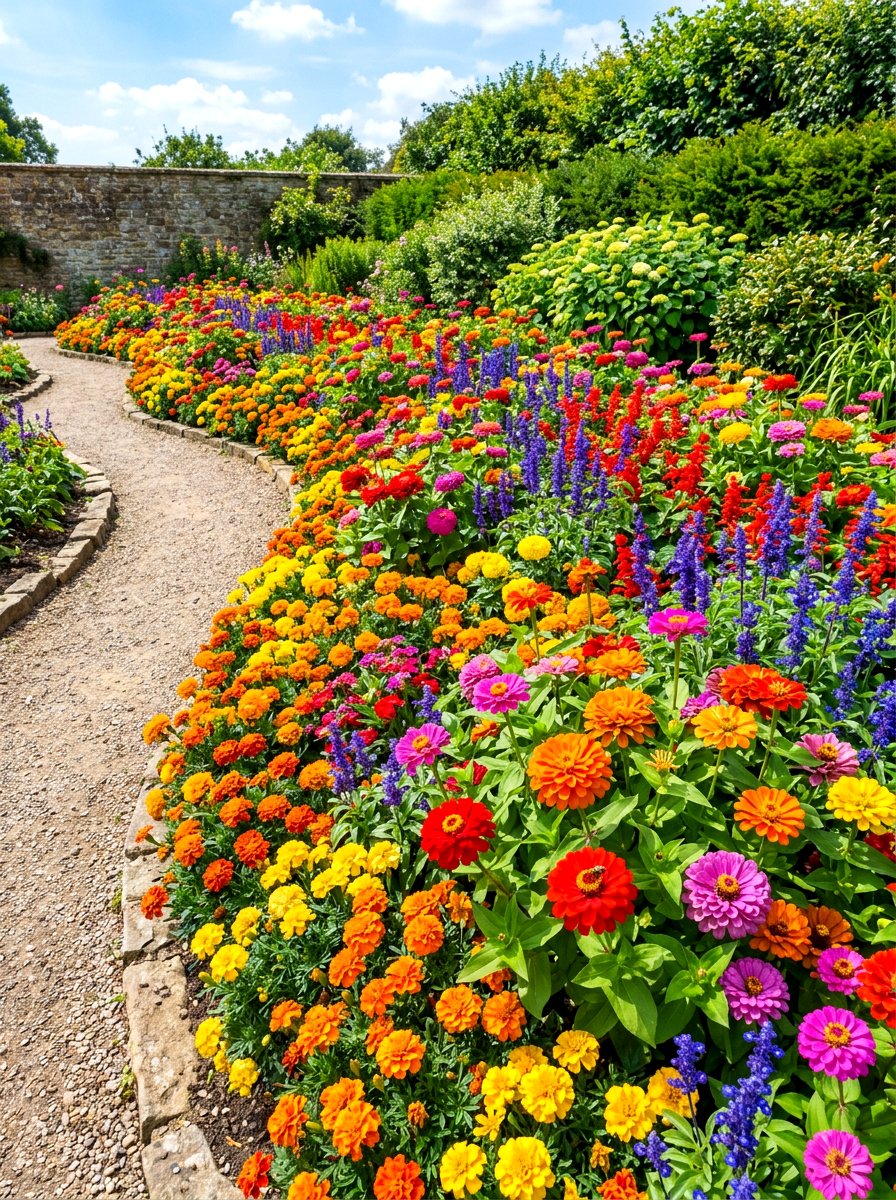
A pollinator garden is designed with a specific purpose: to attract and support bees, butterflies, and hummingbirds. By selecting a variety of nectar-rich flowers like bee balm, milkweed, and zinnia, you can turn your front yard into a thriving ecosystem. It is best to plant in large drifts of the same color, as this makes it easier for pollinators to spot the flowers from a distance. Choosing plants that bloom at different times throughout the year ensures that your local wildlife has a consistent food source. This type of flower bed is not only beautiful but also provides an educational and rewarding experience for homeowners.
7. Rock Garden
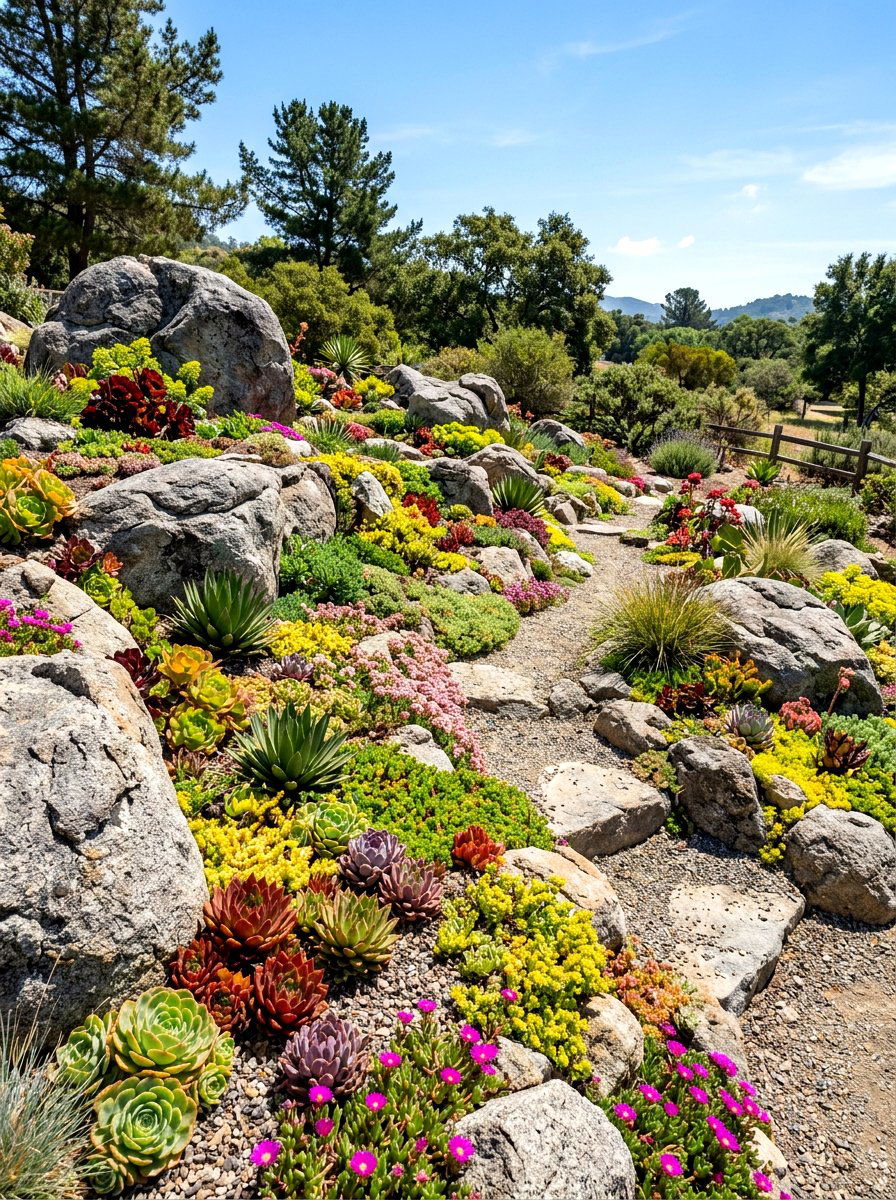
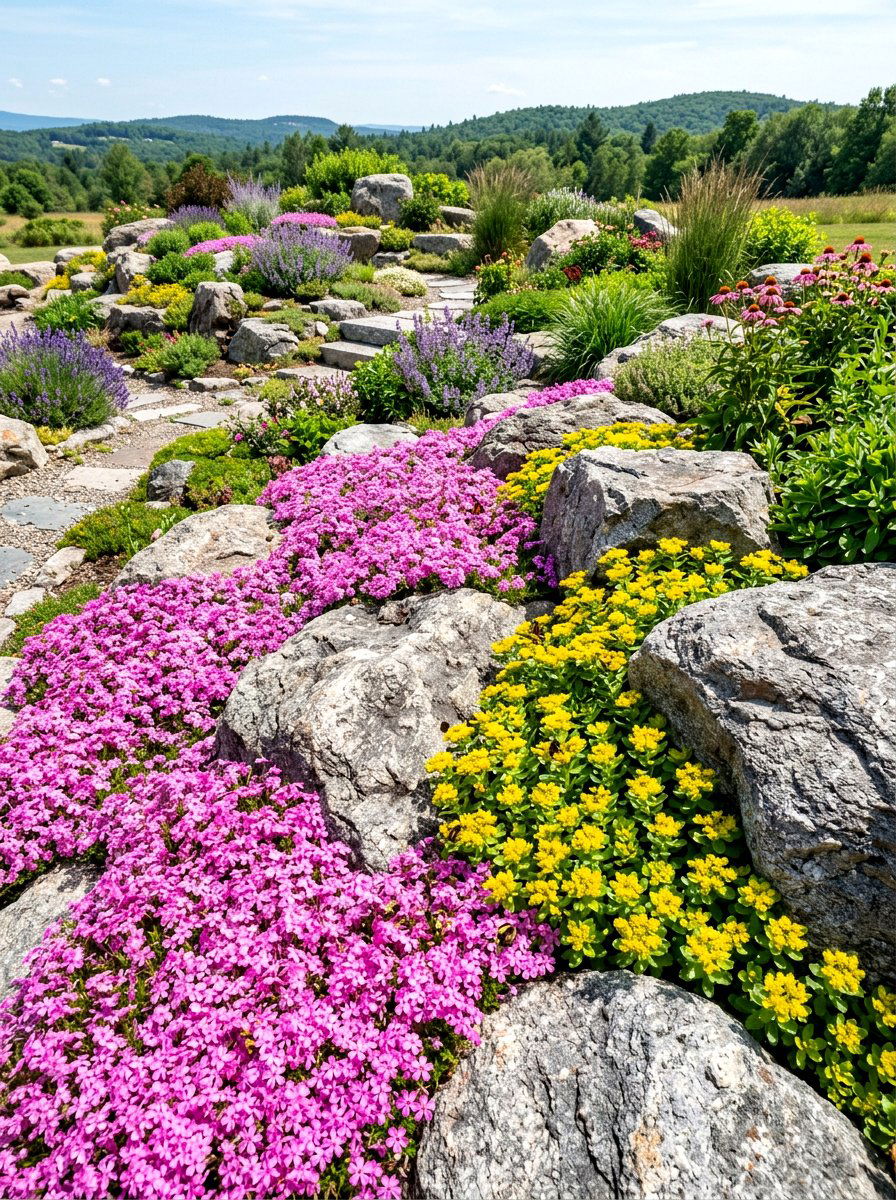
If you have a dry or sloped front yard, a rock garden is a durable and visually striking solution. This design incorporates large boulders and smaller gravel to mimic a natural alpine or desert landscape. Succulents, sedums, and hardy alpines are the stars here, as they thrive in the well-drained soil between the stones. The combination of static, heavy rocks and delicate, low-growing plants creates a fascinating contrast that requires very little water. Because the rocks provide year-round structure, the bed never looks empty, even in the middle of winter. It is a rugged yet refined way to add character to your outdoor space.
8. Drought Tolerant Landscaping
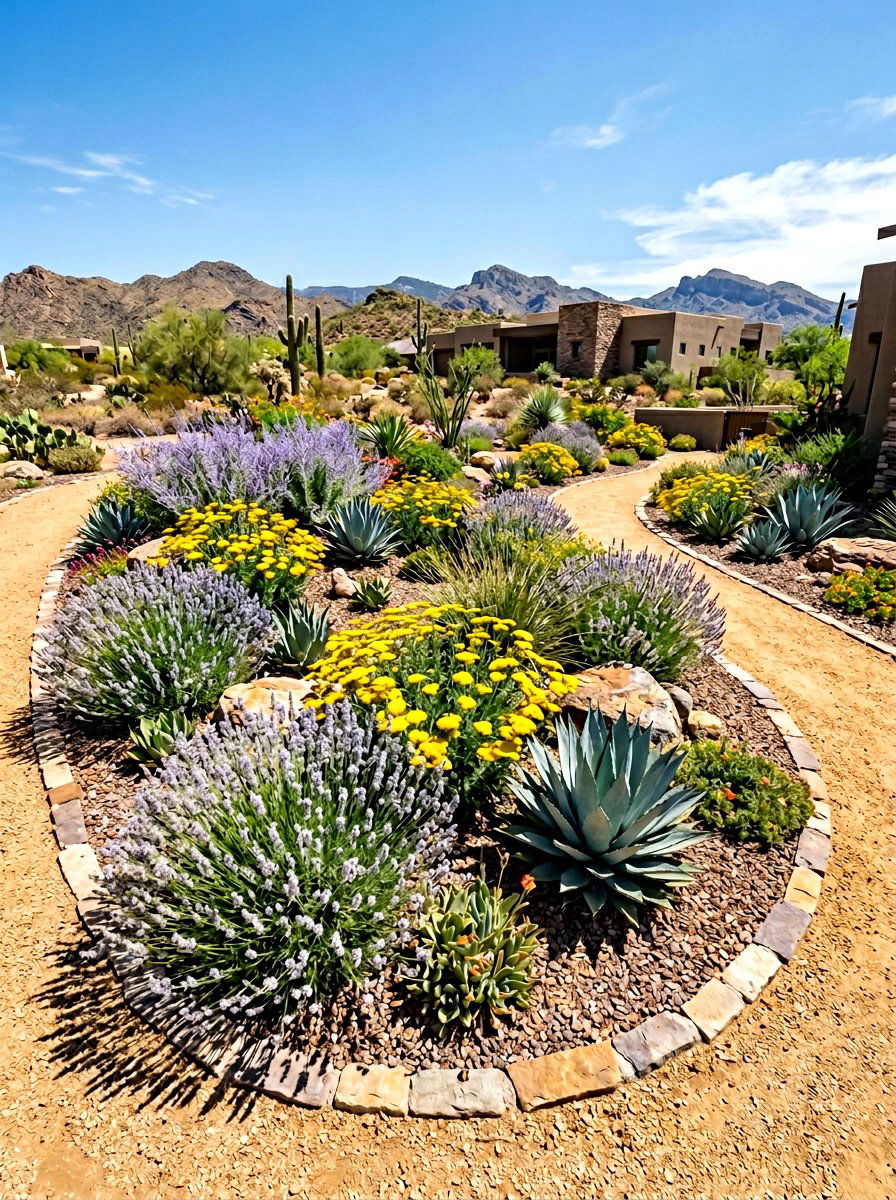
Drought tolerant landscaping is a smart choice for regions with limited rainfall or for homeowners who want to reduce their water bill. This design features resilient plants like lavender, agave, and yarrow that can withstand long periods of heat without wilting. By using a deep layer of mulch or decorative gravel, you can help retain soil moisture and suppress weeds simultaneously. These beds often focus on unique foliage shapes and silvery-green tones rather than just bright blooms, providing a subtle and sophisticated color story. Designing with water conservation in mind is a modern necessity that does not require sacrificing any beauty or curb appeal.
9. Layered Perennial Bed
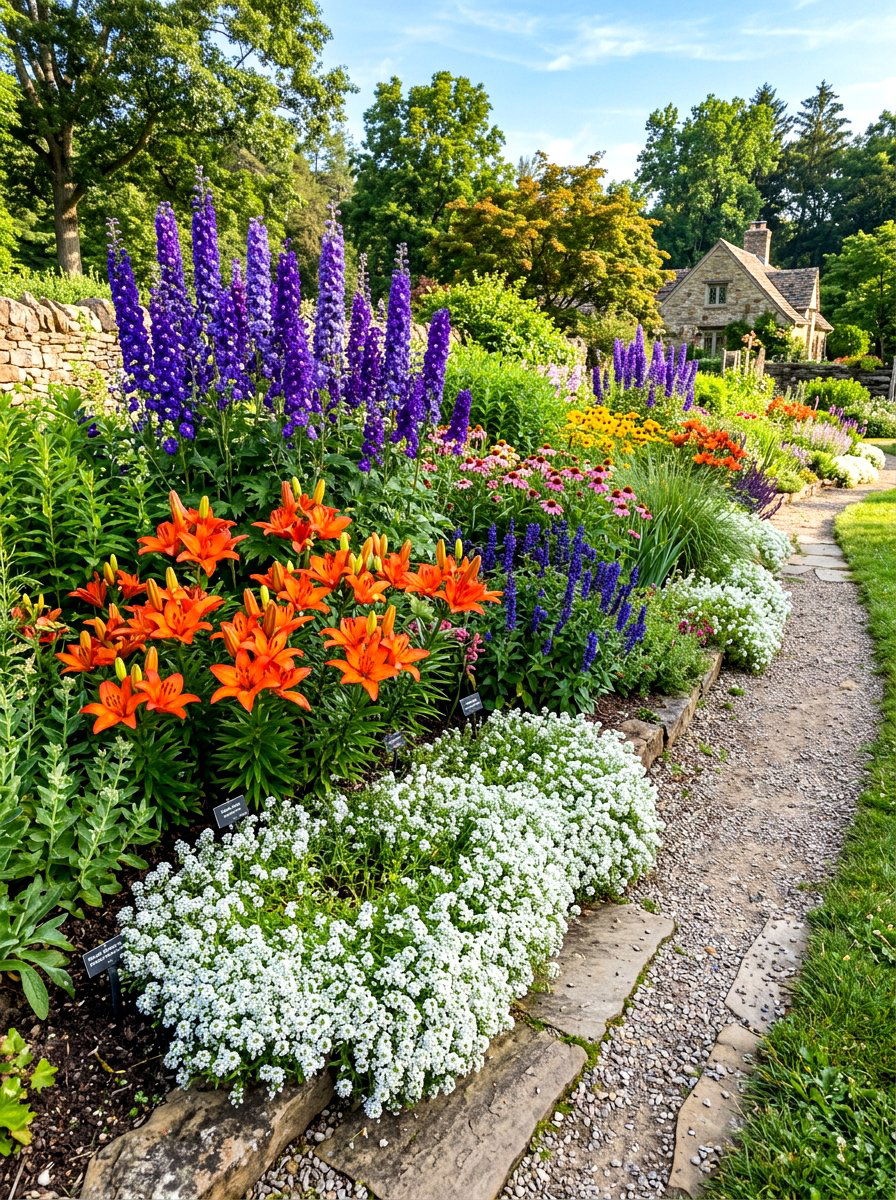
A layered perennial bed is all about creating depth and visual interest through height variation. You start by placing tall plants like ornamental grasses or hollyhocks at the back, followed by mid-sized flowers like peonies in the center. The front edge is reserved for low-growing varieties like candy tuft or creeping thyme. This "stadium seating" arrangement ensures that every plant is visible and receives adequate sunlight. Using perennials means that once established, the garden will return year after year, saving you time and money on replanting. This structured approach creates a lush, professional-looking border that frames your lawn or walkway with ease.
10. Low Maintenance Bed
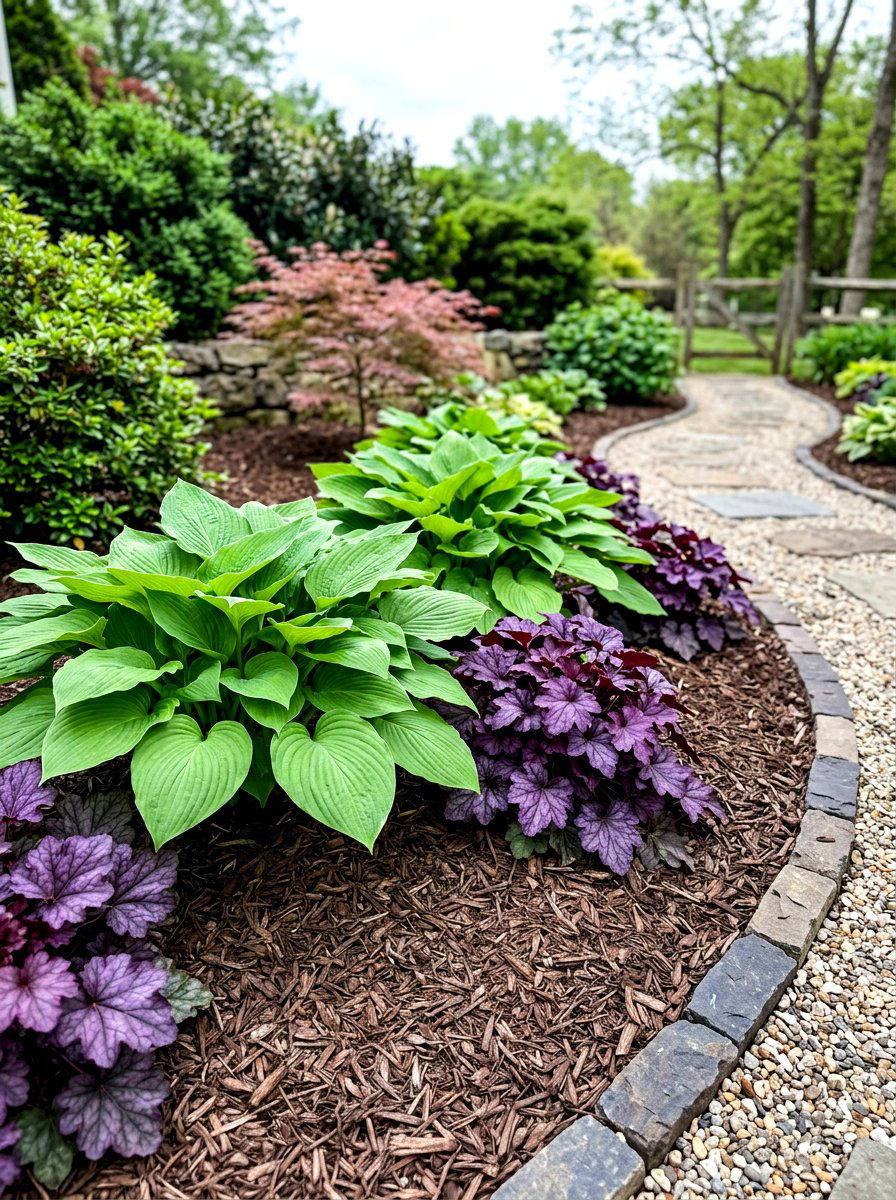
For busy homeowners, a low maintenance bed is the ultimate landscaping goal. This design prioritizes hardy shrubs and long-lived perennials that do not require constant deadheading or pruning. Slow-growing evergreens combined with weed-suppressing groundcovers like pachysandra or vinca can keep the area looking tidy with minimal effort. Choosing the right plant for the right place is the secret to success; if a plant is happy in its environment, it will look great without your intervention. Incorporating a heavy layer of wood chips or a permanent stone border also helps prevent grass from encroaching, keeping your flower bed edges crisp and clean year-round.
11. Hydrangea Border
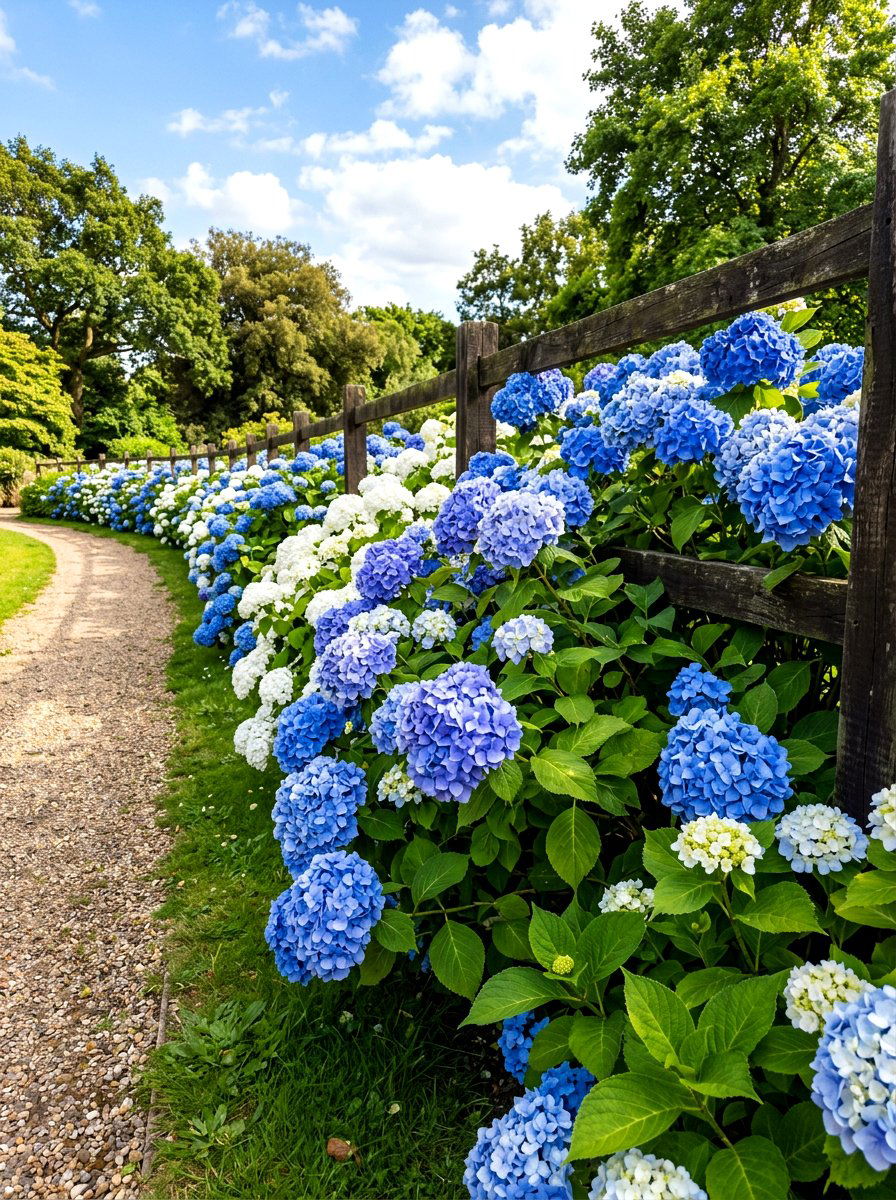
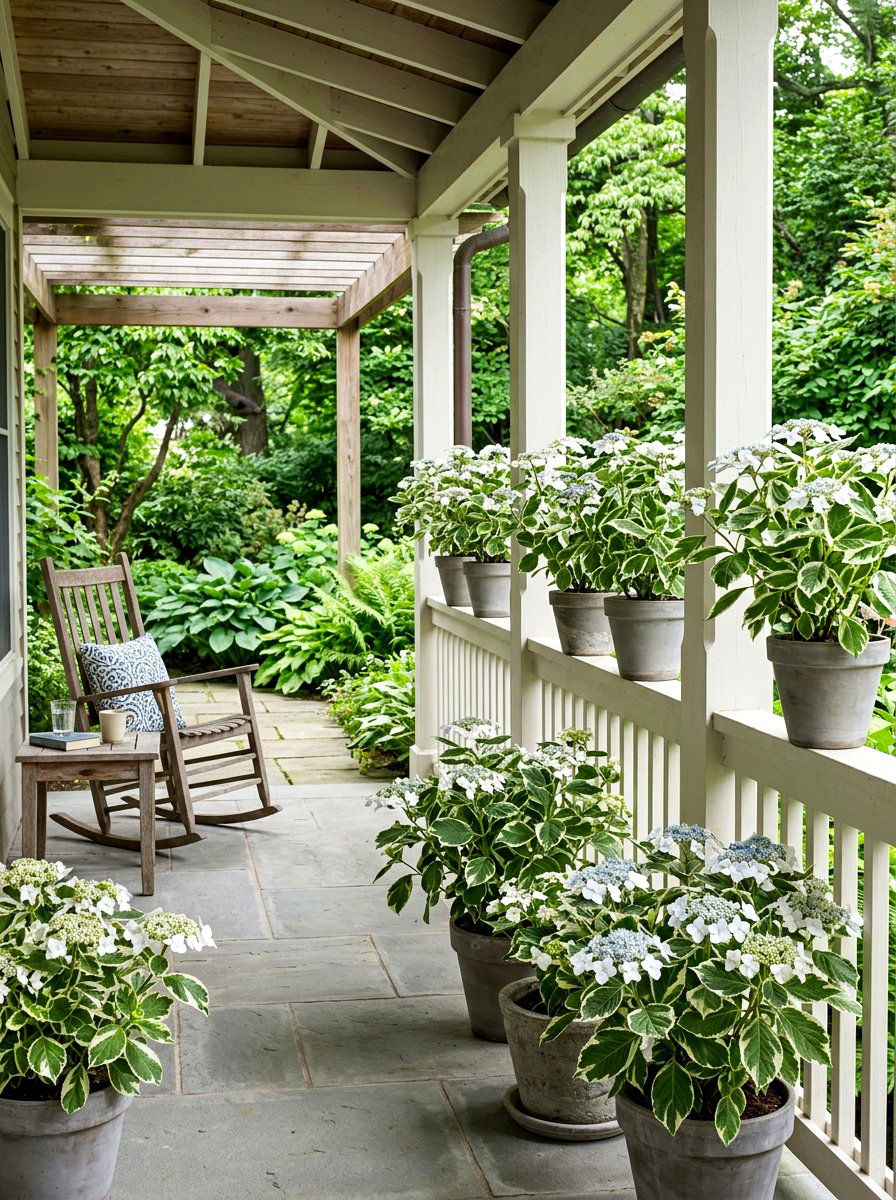
Creating a hydrangea border is a classic way to achieve a high-impact, romantic look in your front yard. These shrubs are beloved for their massive, long-lasting flower clusters that can range from crisp white to deep blue or pink. Planting them in a row along a fence or the side of a house creates a soft, billowing wall of color that feels incredibly luxurious. Hydrangeas are particularly effective for shady front yards where other flowering plants might struggle to bloom. Because they have large leaves, they also do a great job of filling space and hiding the foundation of your home with lush greenery.
12. Lavender Walkway
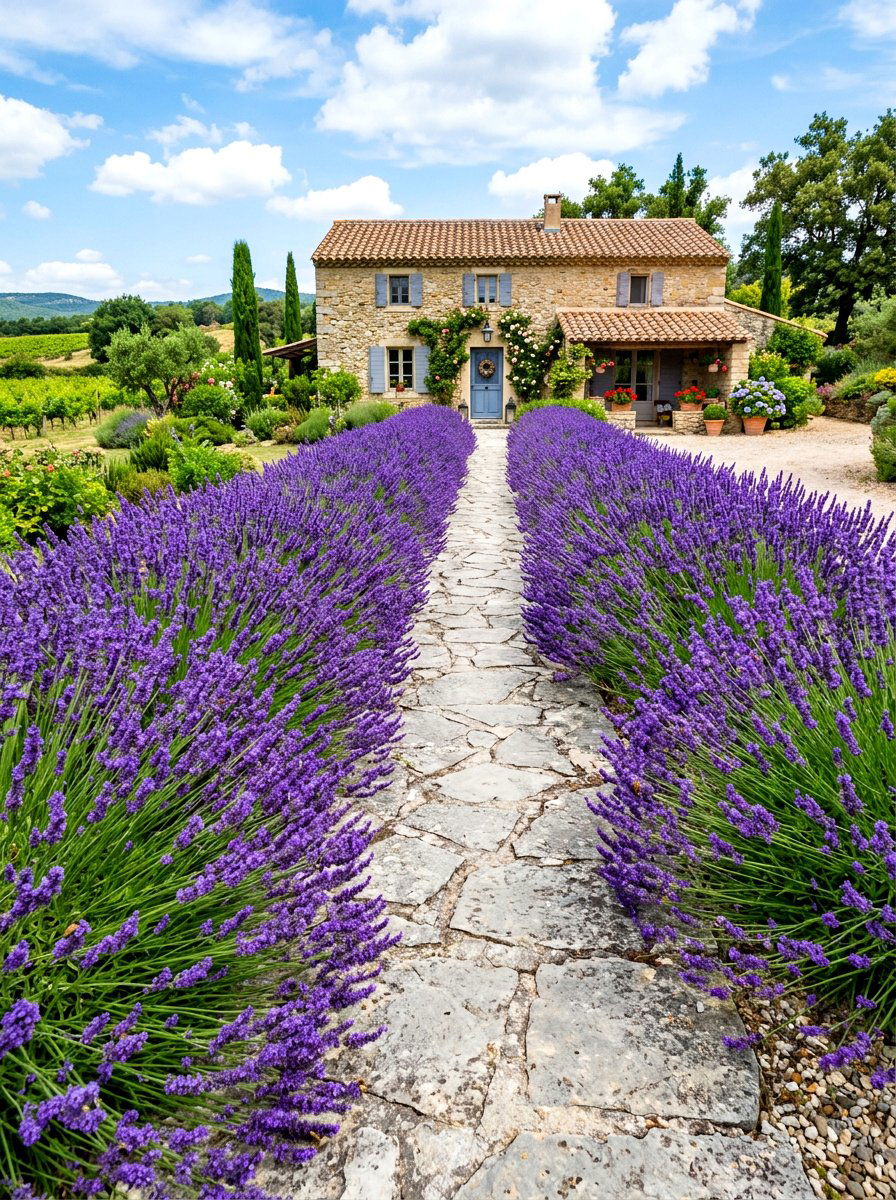
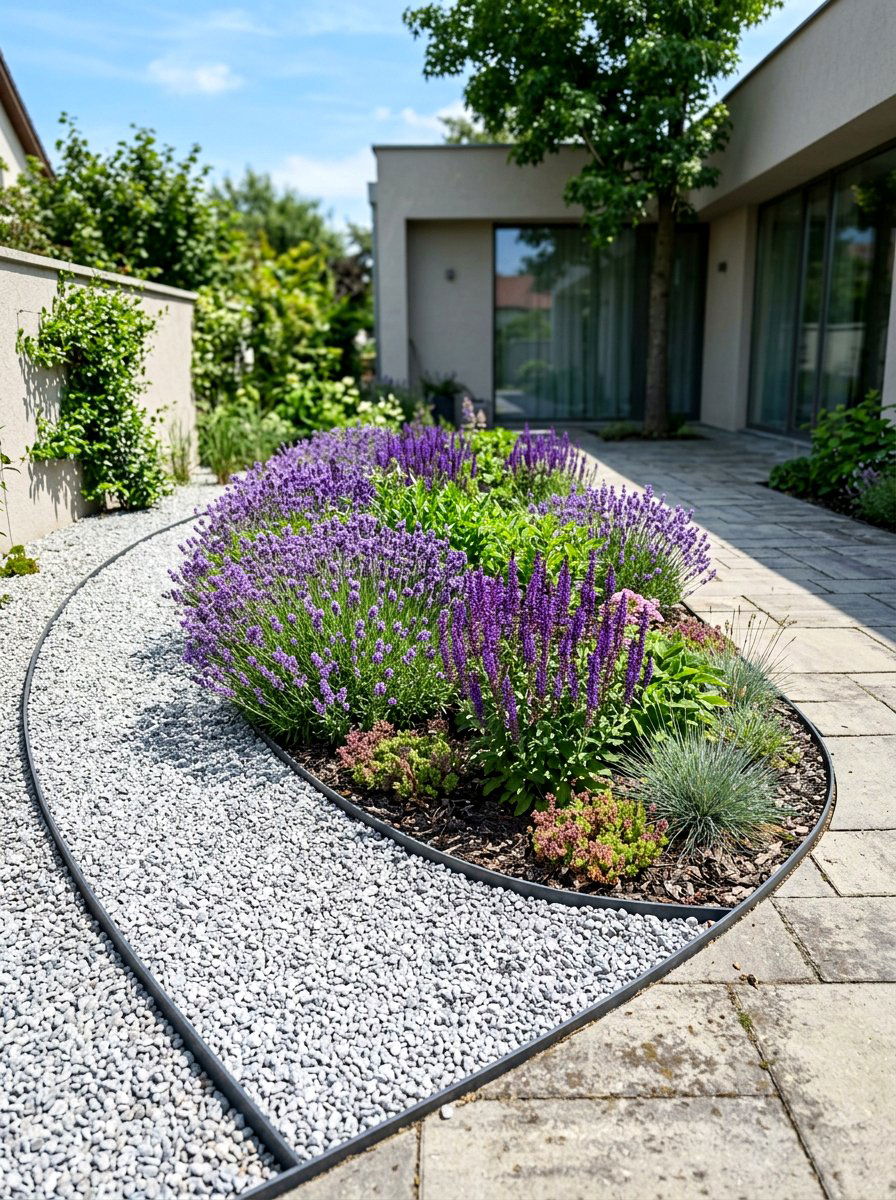
A lavender walkway transforms a simple path into a sensory journey every time you come home. Planting rows of lavender on either side of a sidewalk provides a structured, Mediterranean feel that is both tidy and fragrant. When you brush against the plants while walking, they release a calming scent that enhances the experience of your outdoor space. Lavender is also highly drought-tolerant and thrives in full sun, making it perfect for south-facing front yards. Its silvery foliage and purple spikes offer a cool, sophisticated color palette that pairs beautifully with stone pavers or classic brickwork, ensuring your entrance always looks elegant.
13. Succulent Garden
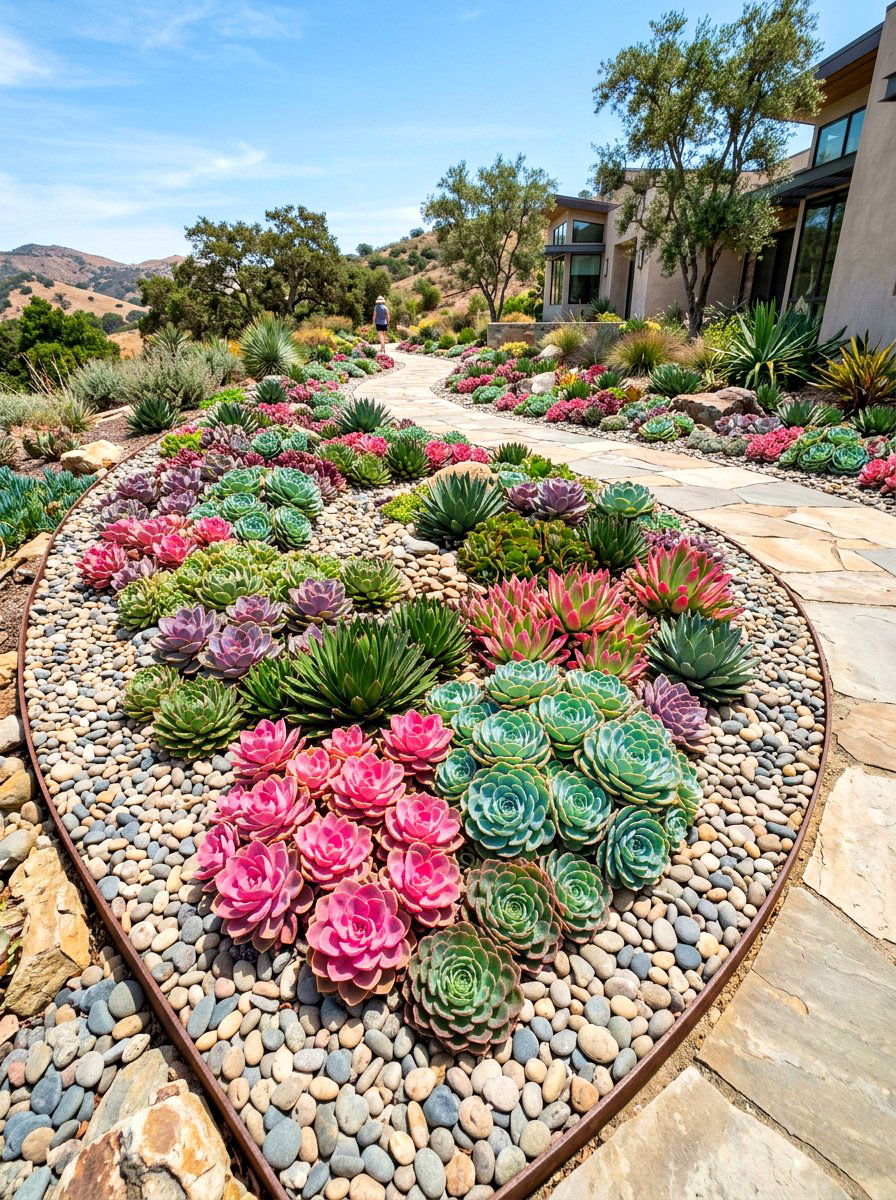
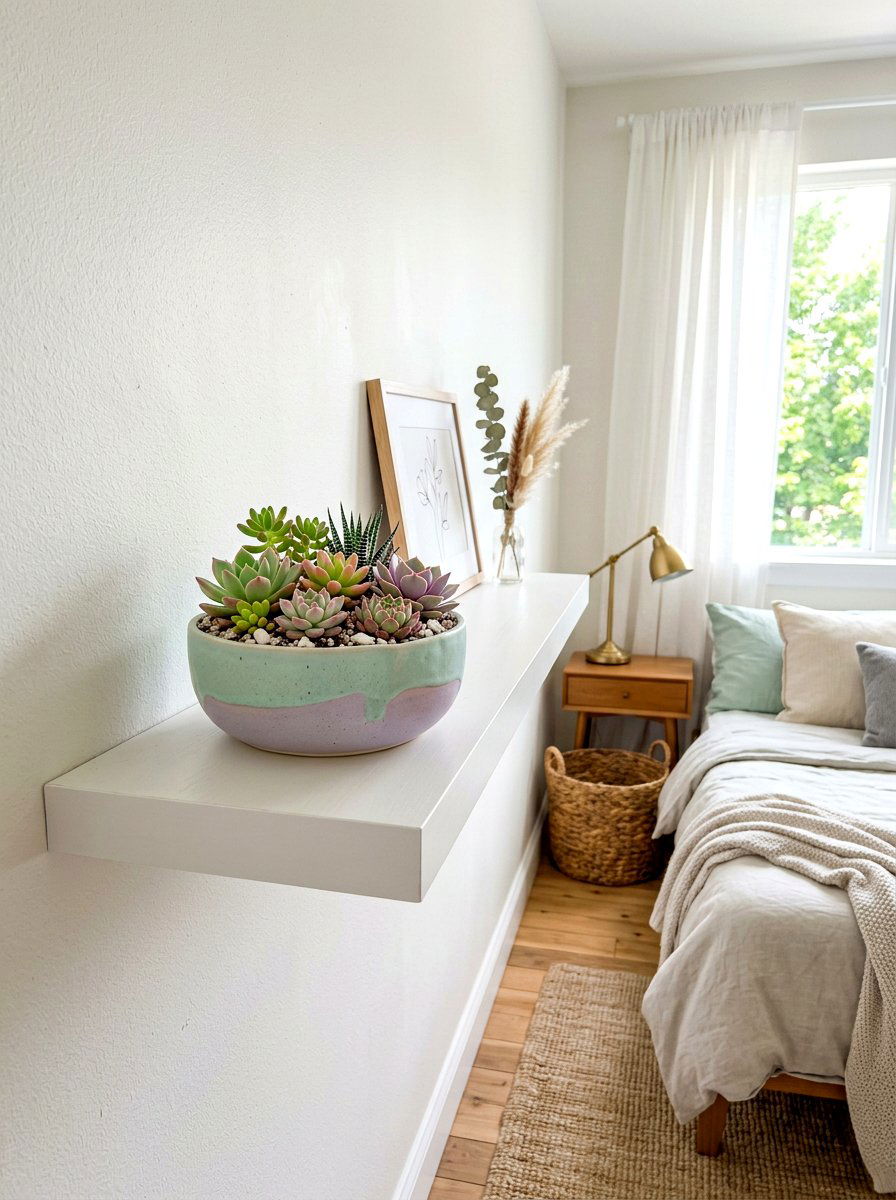
A succulent garden is a modern and artistic choice that works exceptionally well in smaller front yards. These plants come in an incredible array of shapes, sizes, and colors, from the tight rosettes of echeveria to the tall, dramatic spikes of aloe. Because succulents store water in their leaves, they are extremely resilient and require very little care once they are settled. You can arrange them in patterns or mix them with decorative pebbles to create a living tapestry on the ground. This style of flower bed is perfect for those who want a unique, low-profile look that feels like a piece of contemporary art.
14. Shade Garden
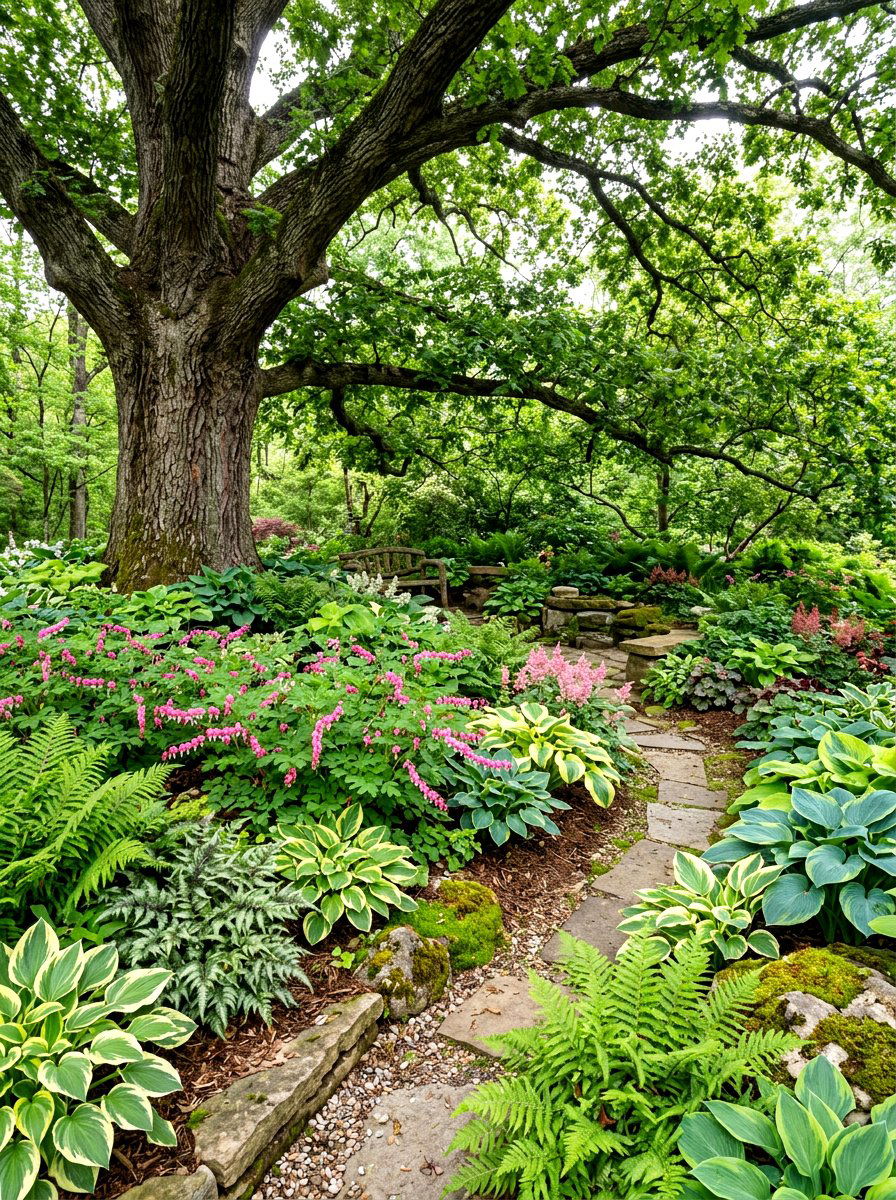
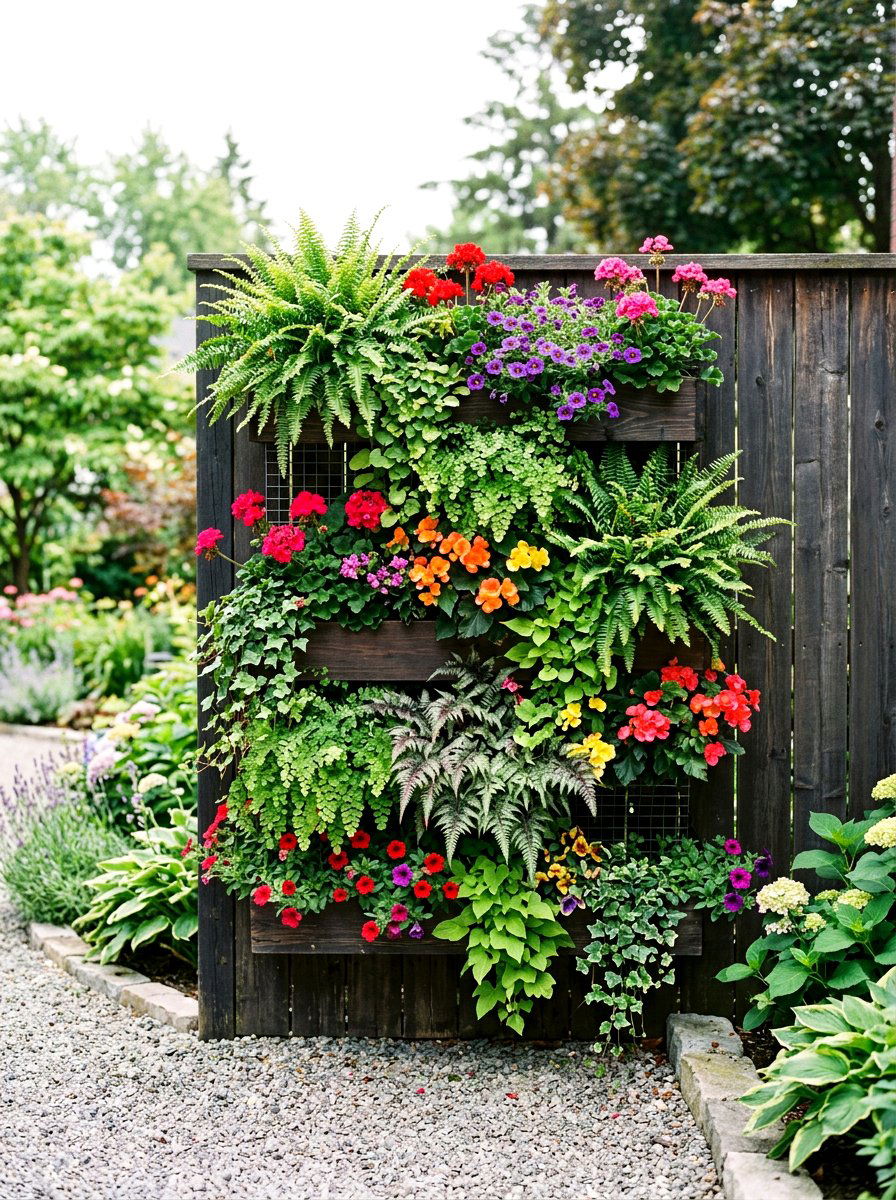
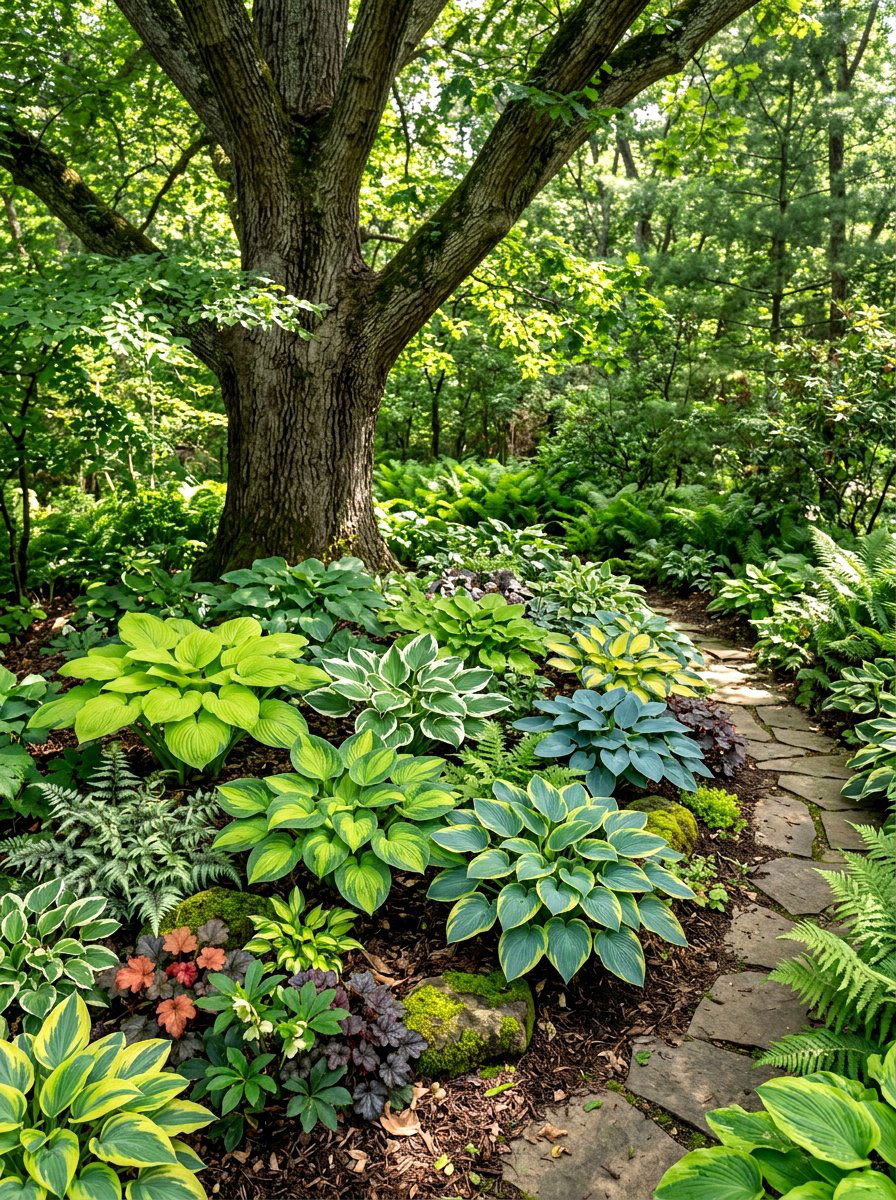
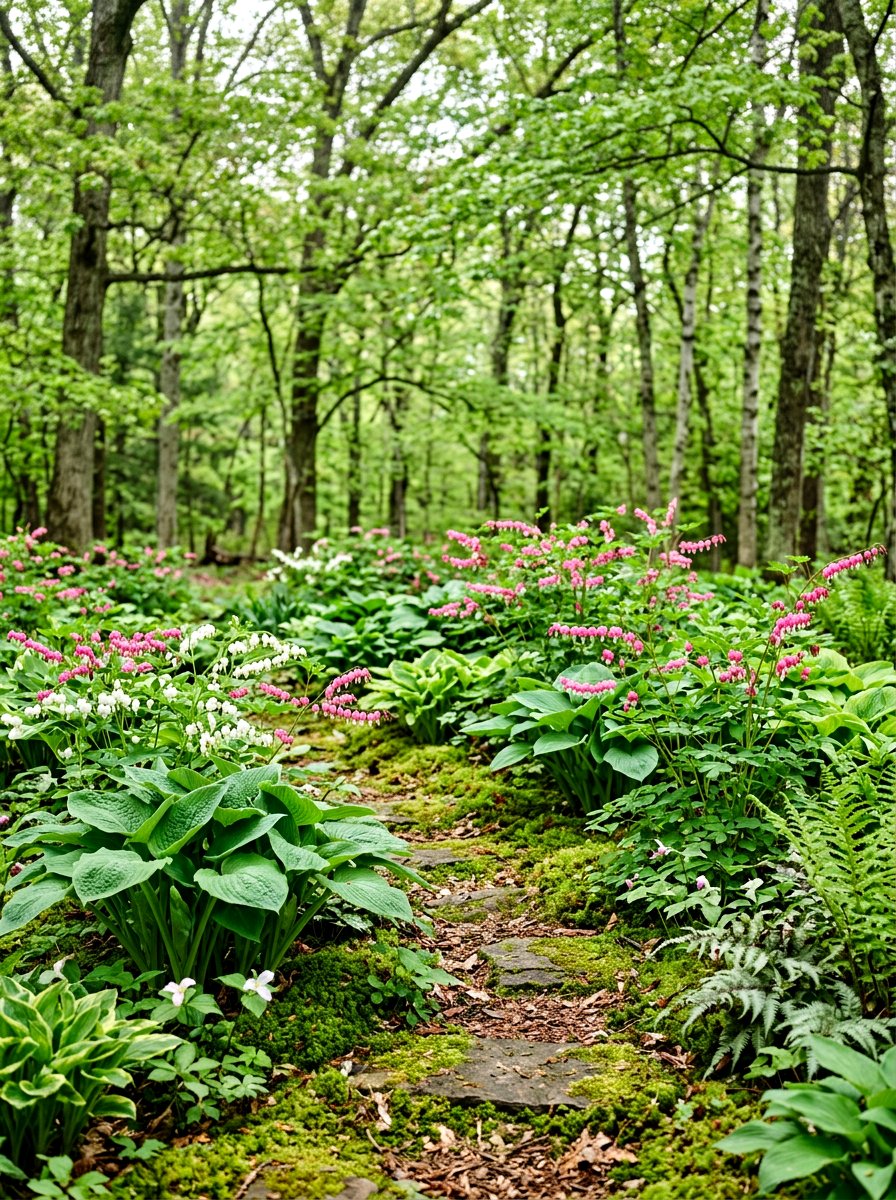
A shade garden is the perfect solution for front yards tucked under large trees or blocked by tall buildings. Instead of fighting the lack of sun, this design embraces it with lush, leafy plants like hostas, ferns, and bleeding hearts. These varieties thrive in low-light conditions and offer a wide range of green and variegated tones that brighten up dark corners. You can add pops of color with shade-loving flowers like astilbe or impatiens to create a cool, woodland retreat. A well-designed shade bed feels peaceful and serene, providing a refreshing contrast to the bright, hot sun often found in many typical front landscapes.
15. Tropical Flower Bed
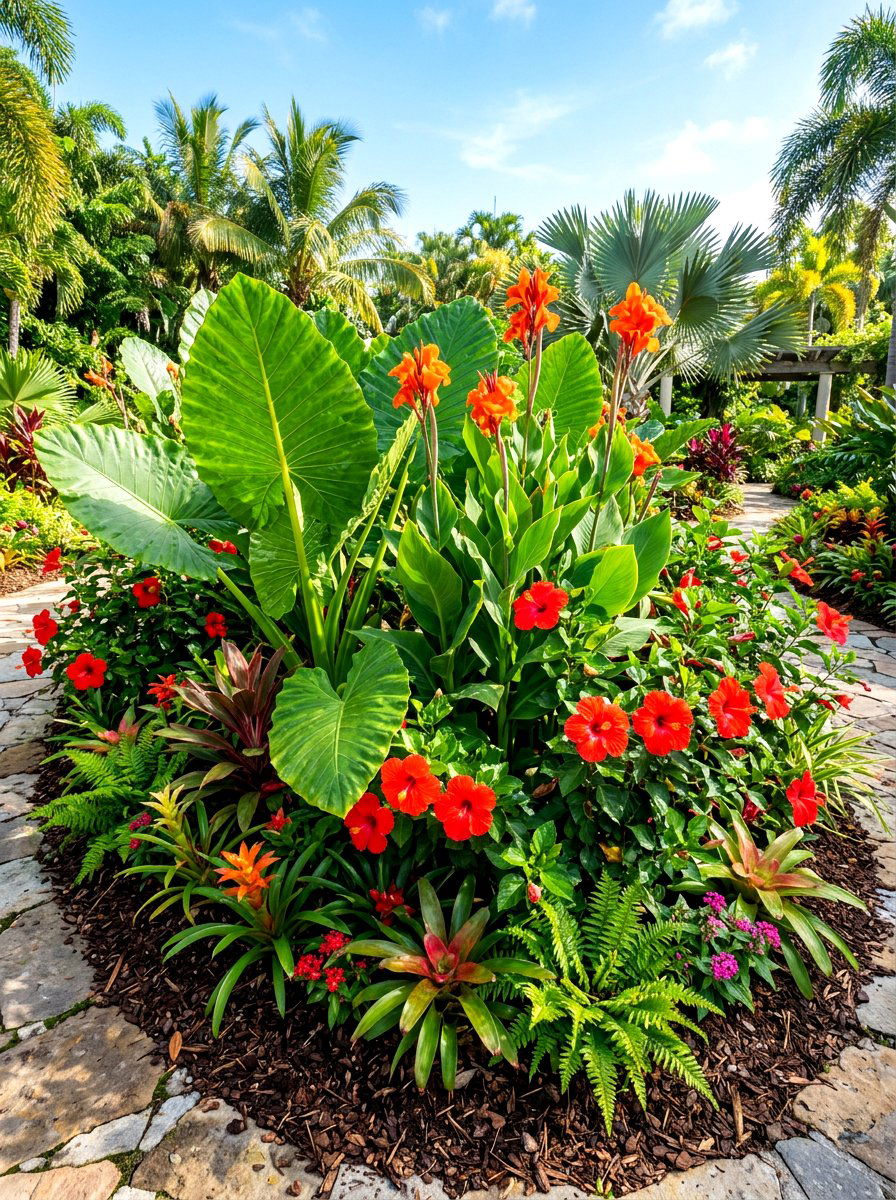
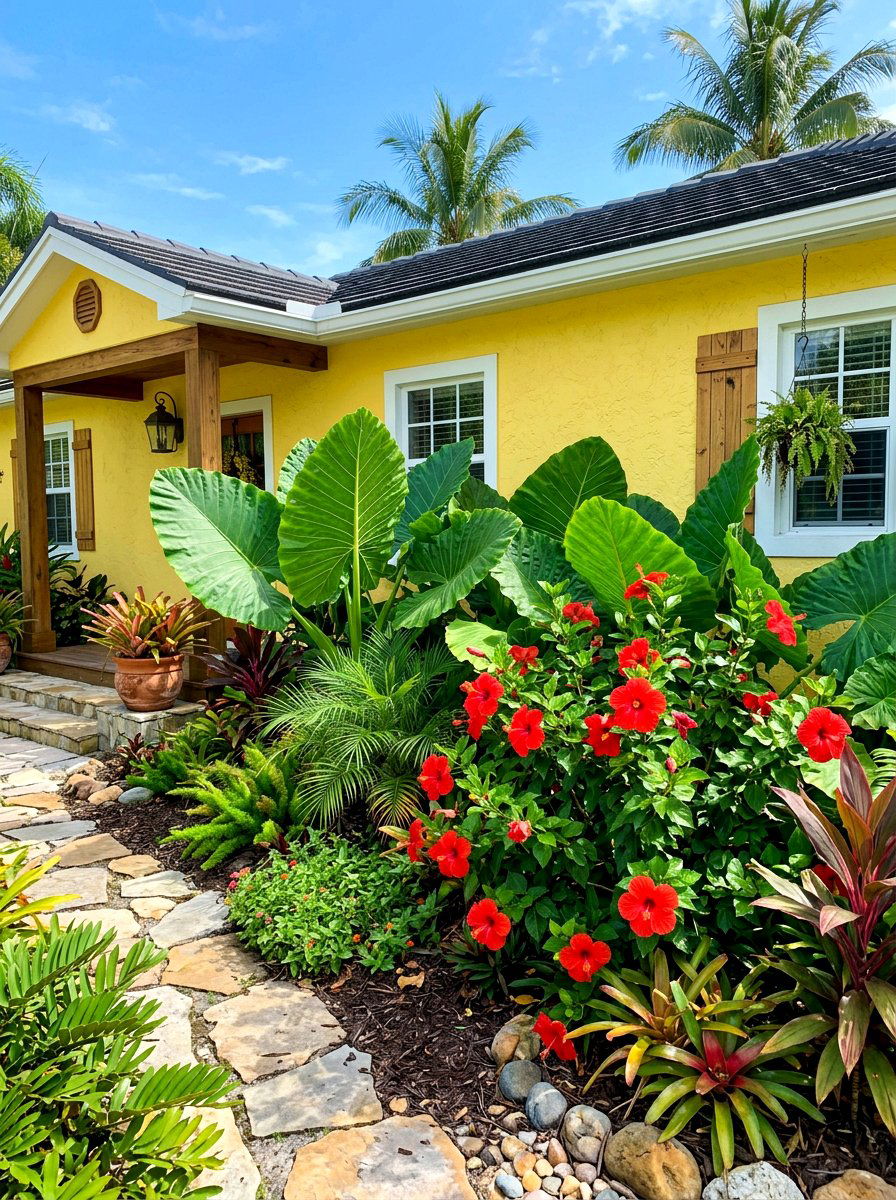
A tropical flower bed can give your home a permanent vacation vibe, even if you do not live in a warm climate. By using large-leafed plants like canna lilies, hibiscus, and elephant ears, you can create a bold and dramatic look that stands out. These plants are known for their vibrant, saturated colors and exotic textures that add a sense of luxury and adventure to your curb appeal. In cooler regions, some of these can be treated as annuals or brought indoors for the winter. The sheer scale and intensity of a tropical design make it a show-stopping choice for anyone wanting to make a big statement.
16. Native Plant Garden
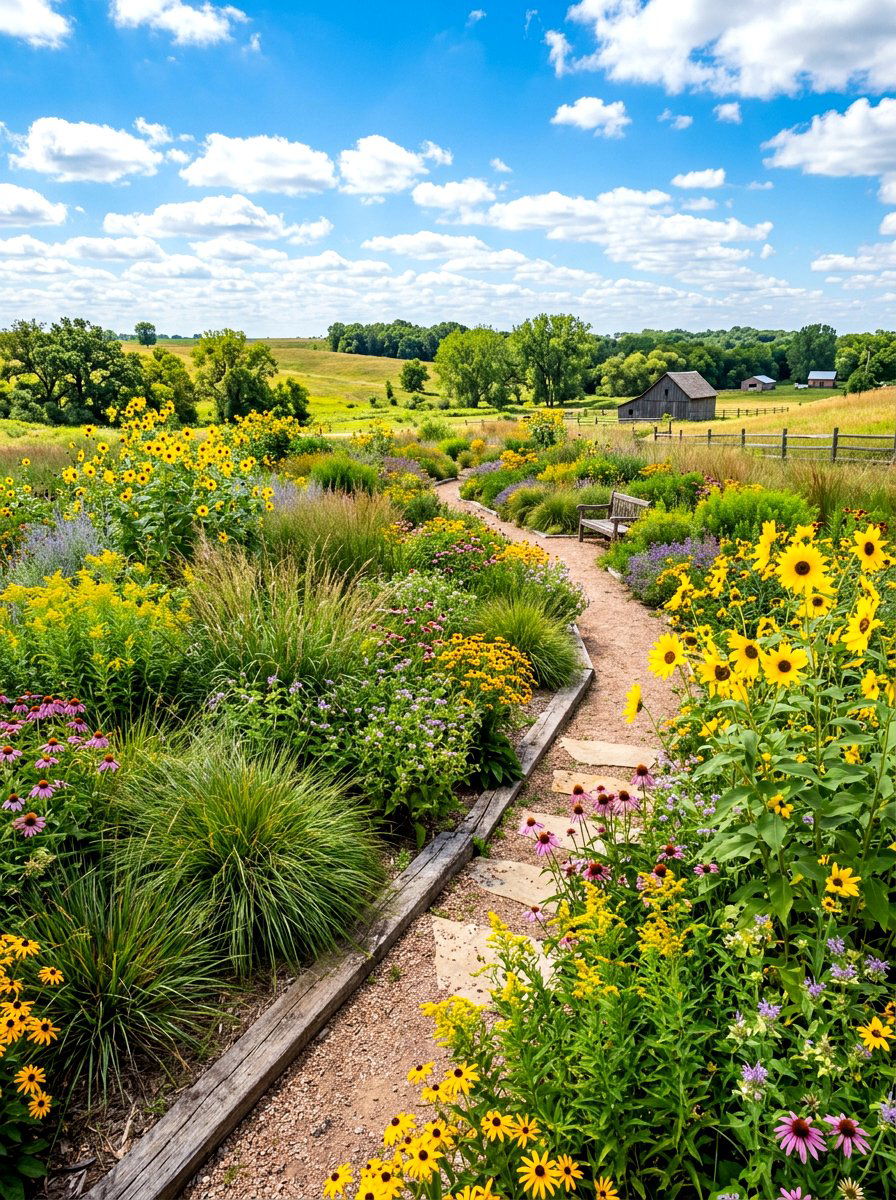
A native plant garden is a beautiful way to support your local environment while creating a resilient landscape. Because these plants have evolved to thrive in your specific soil and weather conditions, they generally require less fertilizer and water than non-native species. They also provide the best food and shelter for local birds and insects, helping to restore ecological balance in your neighborhood. From local sunflowers to regional grasses, a native bed has a sense of place that makes your home feel deeply rooted in its surroundings. This design approach is increasingly popular as homeowners look for ways to be more environmentally conscious.
17. Corner Flower Bed
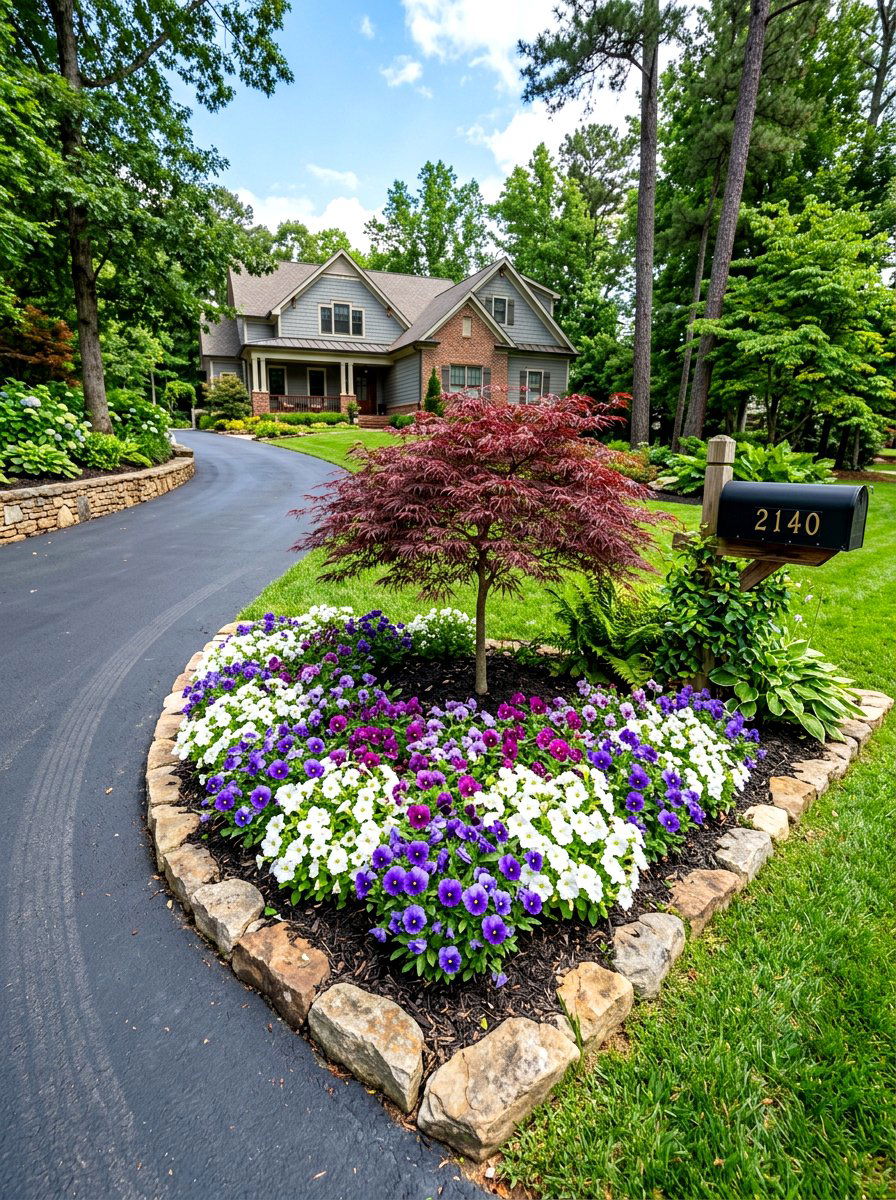
A corner flower bed is a strategic way to soften the sharp angles of a property or a driveway. By creating a curved or triangular bed at the intersection of two paths, you can add a welcoming focal point that draws the eye. These beds are often anchored by a small specimen tree or a large ornamental shrub, with smaller perennials and annuals radiating outward. This layout is particularly effective for large lawns, as it breaks up the expanse of green with a splash of color and texture. A well-placed corner garden makes your entire property feel more finished and thoughtfully designed from every viewing angle.
18. Curved Flower Bed
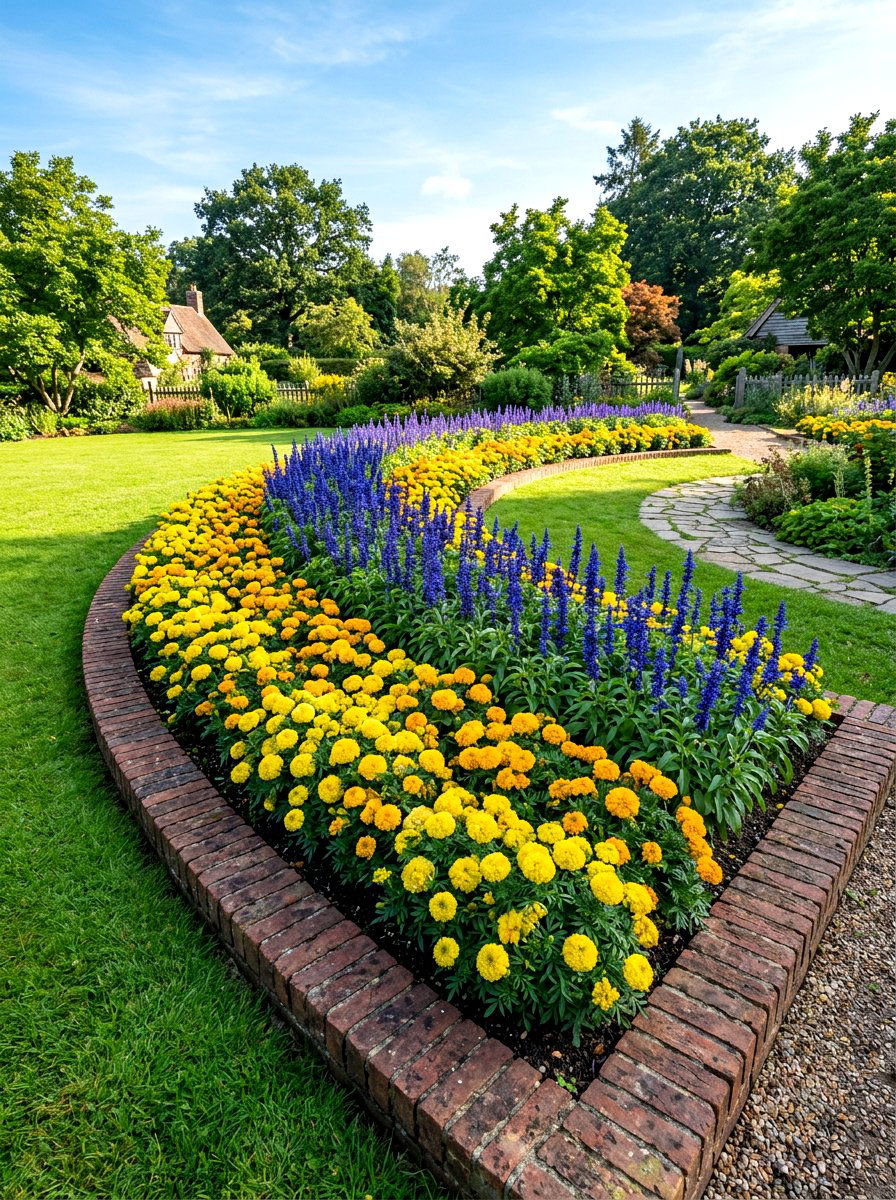
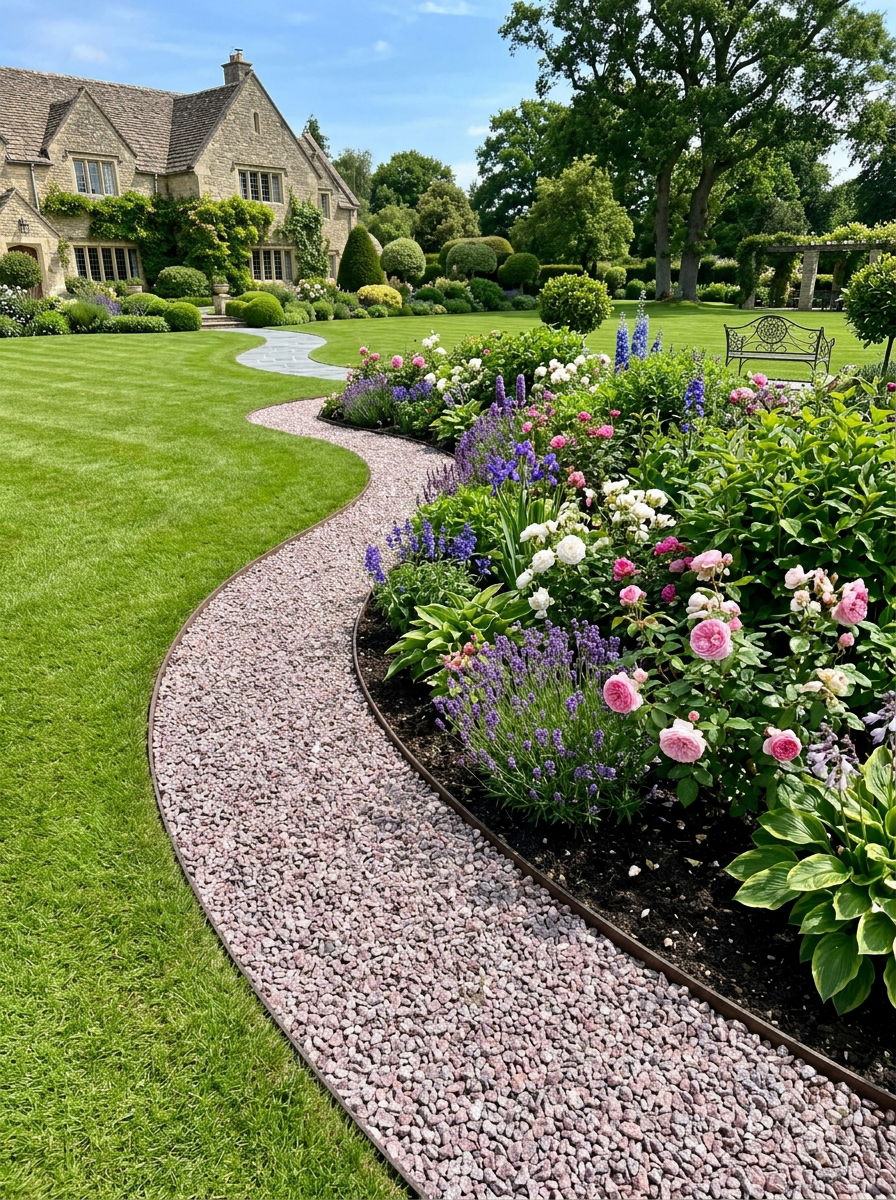
A curved flower bed adds a sense of flow and movement that straight lines simply cannot achieve. By designing your garden with soft, organic arcs, you can lead the eye toward the front door or highlight a specific architectural feature. This style mimics the natural world and feels much more relaxing and inviting than rigid geometric shapes. To create a professional look, you can use a garden hose to lay out the curves before digging to ensure they are smooth and balanced. Filling these beds with a mix of mounding plants and upright flowers emphasizes the fluid shape, making your front yard feel larger and more dynamic.
19. Multi Level Flower Bed
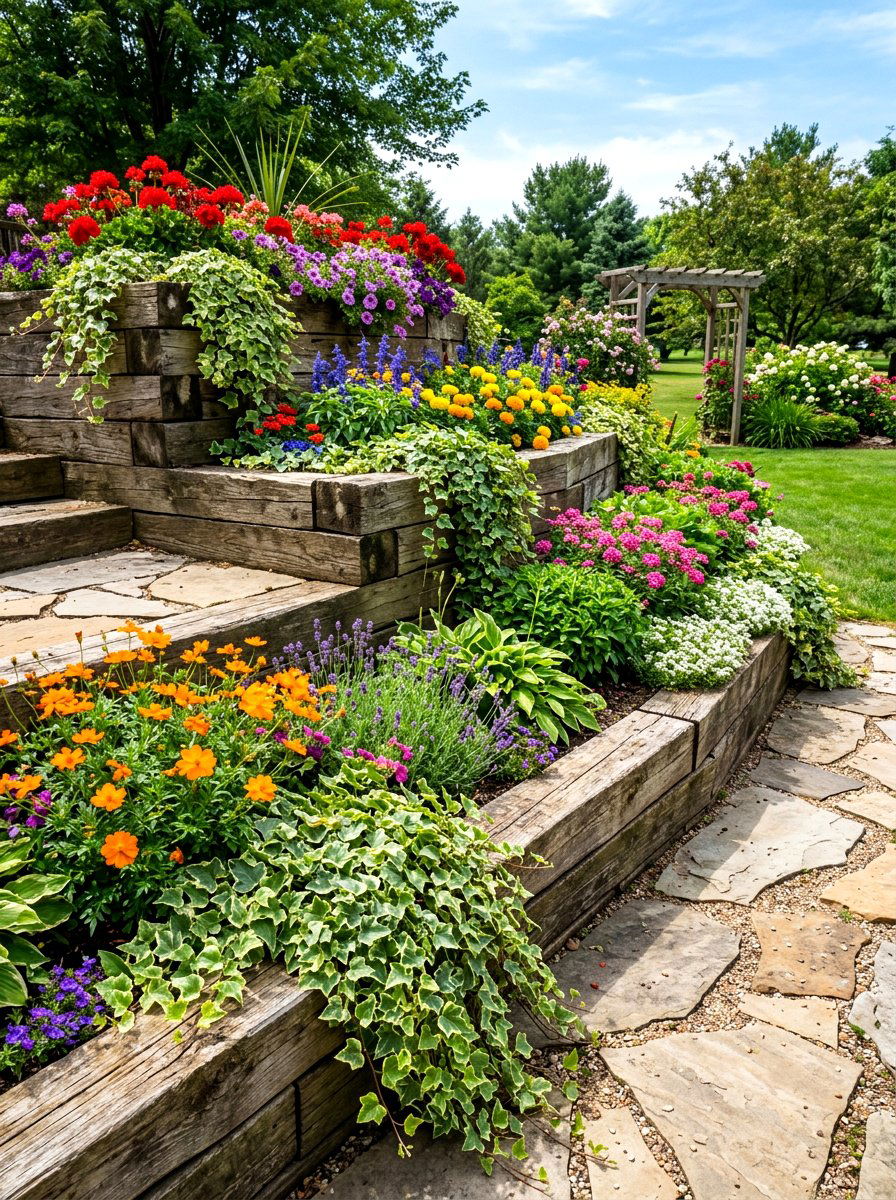
A multi level flower bed is an excellent way to handle a sloped front yard or to create architectural interest on a flat lot. By using retaining walls made of timber, brick, or stone, you can build tiers that provide different planting environments. This allows you to group plants with similar water needs together while creating a dramatic vertical display of color. Cascading flowers on the lower levels can soften the hard edges of the walls, while taller shrubs on the upper levels provide privacy or a backdrop for the rest of the garden. The result is a complex, high-end landscape that feels custom-built.
20. Tree Ring Bed
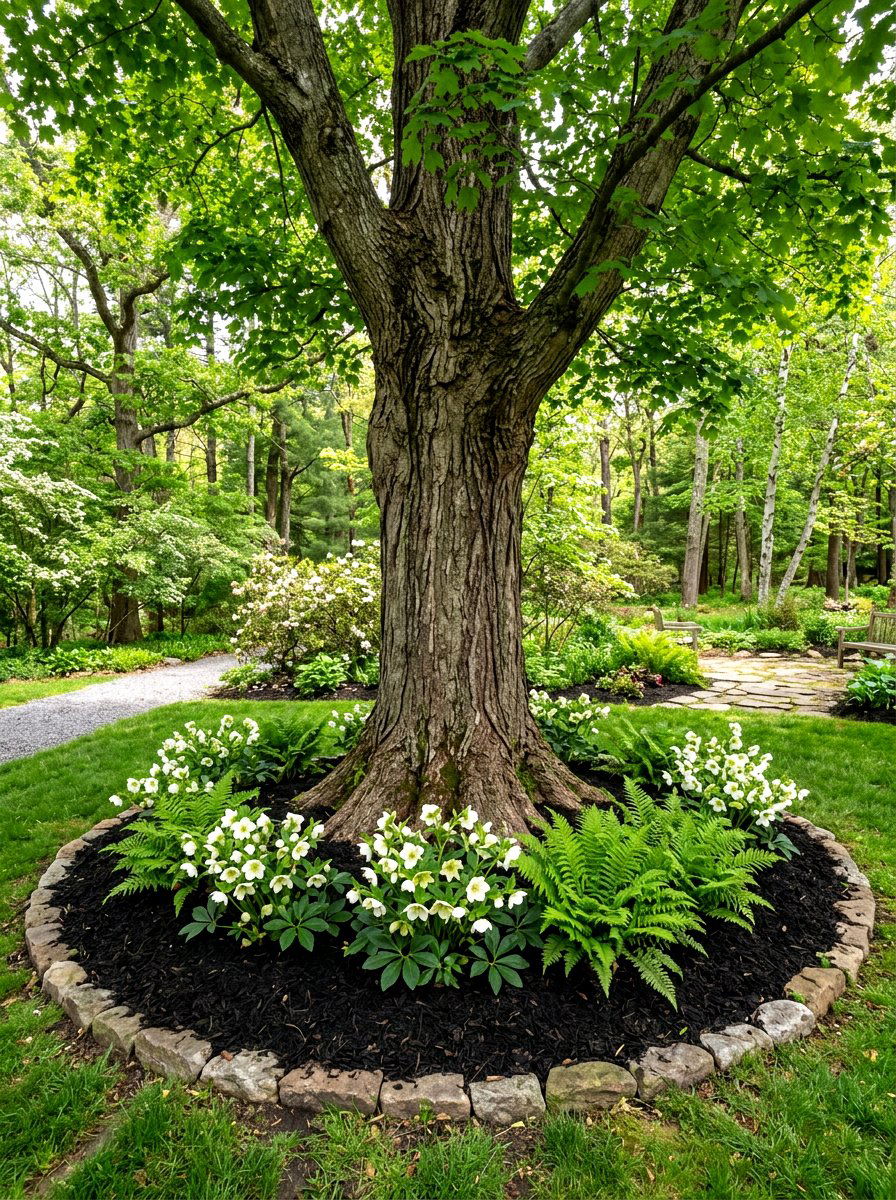
A tree ring bed is a clever way to utilize the space under a mature tree while adding a decorative element to your yard. Instead of struggling to grow grass in the shade and competition of tree roots, you can create a defined mulch bed filled with shade-tolerant flowers. Using low-growing perennials like hellebores or vinca ensures that you do not damage the tree's root system with deep digging. It is important to leave a small gap around the trunk to prevent rot and allow the tree to breathe. This design turns a potentially barren spot into a beautiful focal point that enhances the overall health of your tree.
21. Mailbox Garden
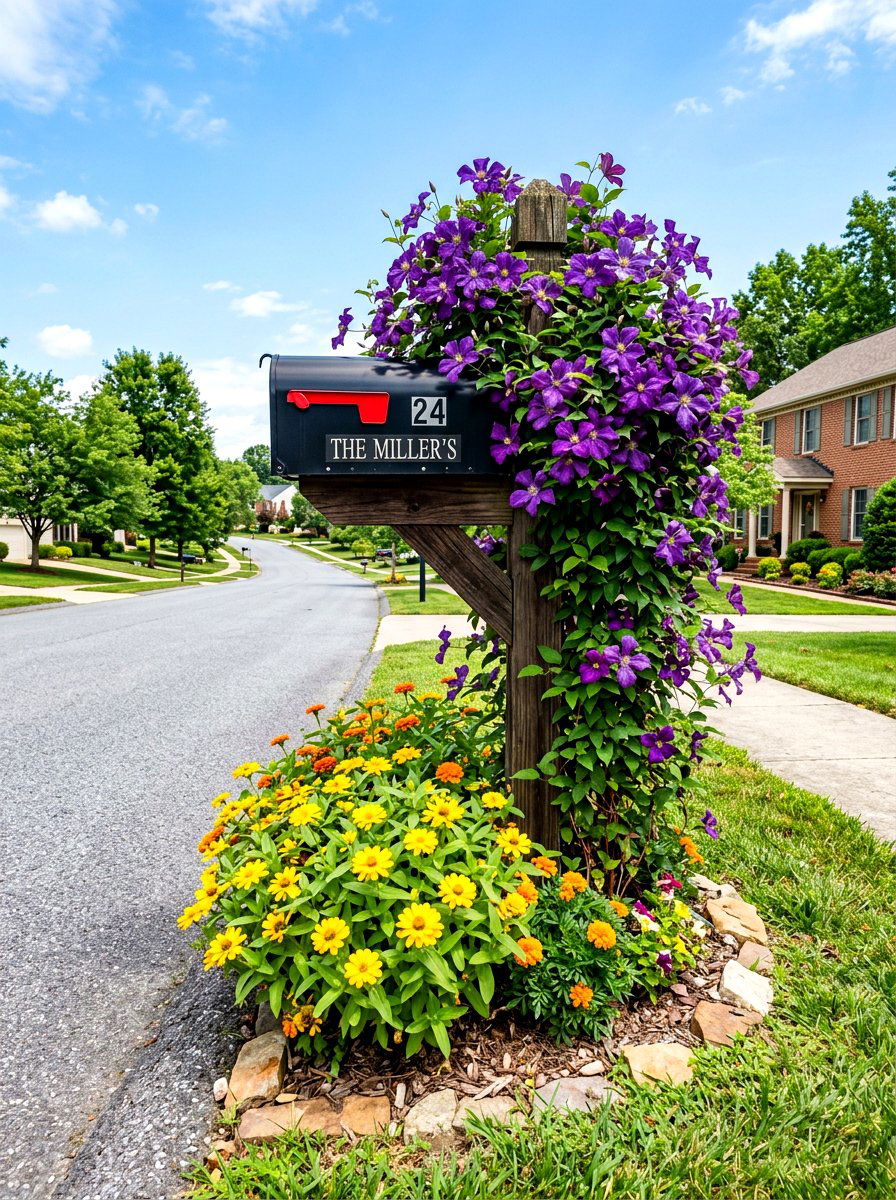
A mailbox garden is a small but mighty way to boost your curb appeal at the very edge of your property. By planting a small bed of flowers around the base of your mailbox post, you create a cheerful greeting for anyone passing by. You can use climbing plants like clematis to wrap around the post or stick to a mix of sturdy annuals and perennials that can handle the heat reflecting off the road. Since this area is often far from a water source, choosing drought-tolerant varieties is a practical move. This tiny garden adds a touch of personality and charm that makes your home stand out.
22. Front Porch Garden
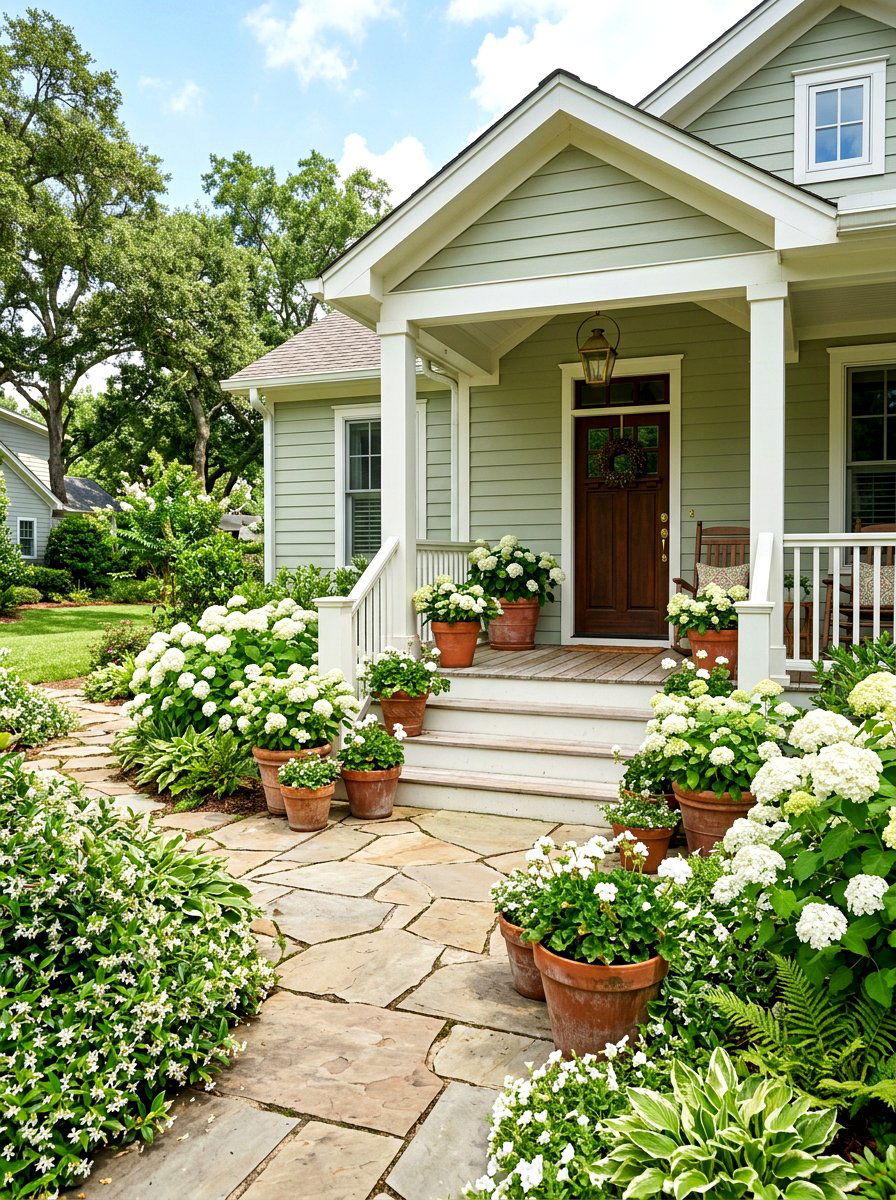
A front porch garden bridges the gap between your home’s architecture and the rest of the yard. This design focuses on planting directly in front of the porch or steps to create a seamless transition. You might use a mix of container gardens and ground-level beds to create layers of color that are visible from both the street and while sitting on the porch. Scented flowers like jasmine or gardenias are perfect here, as their fragrance can be enjoyed during warm evenings. This approach makes the entrance to your home feel lush and private, turning your porch into a cozy outdoor room surrounded by nature.
23. White Flower Garden
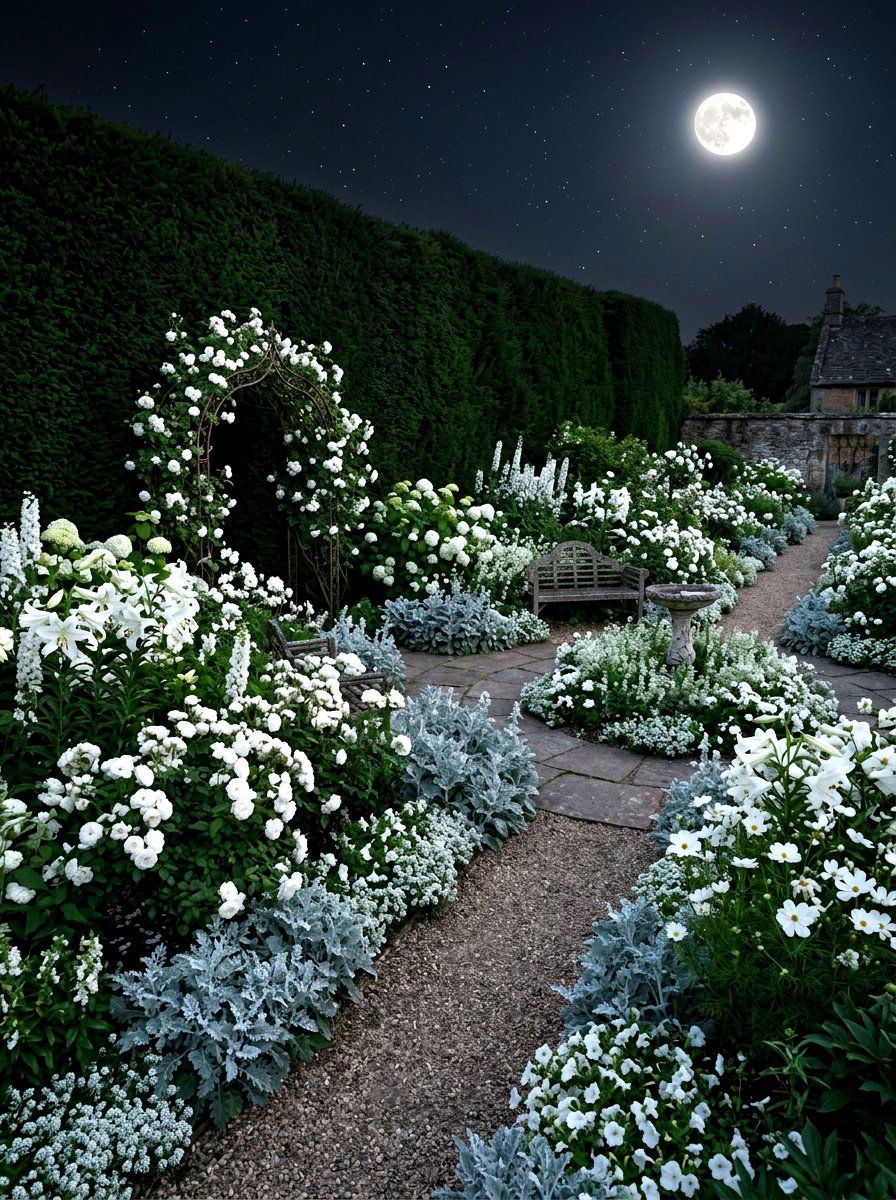
A white flower garden, often called a "moon garden, " offers a sophisticated and luminous look that shines during the day and glows at night. By focusing on white blooms and silver foliage, you create a high-contrast aesthetic that looks incredibly clean and modern. Plants like white roses, hydrangeas, lilies, and dusty miller work together to create a peaceful and elegant atmosphere. This color scheme is also great for making small front yards feel larger and brighter. At dusk, the white flowers catch the moonlight, creating a magical and serene setting that is perfect for enjoying after a long day at work.
24. Evergreen Foundation
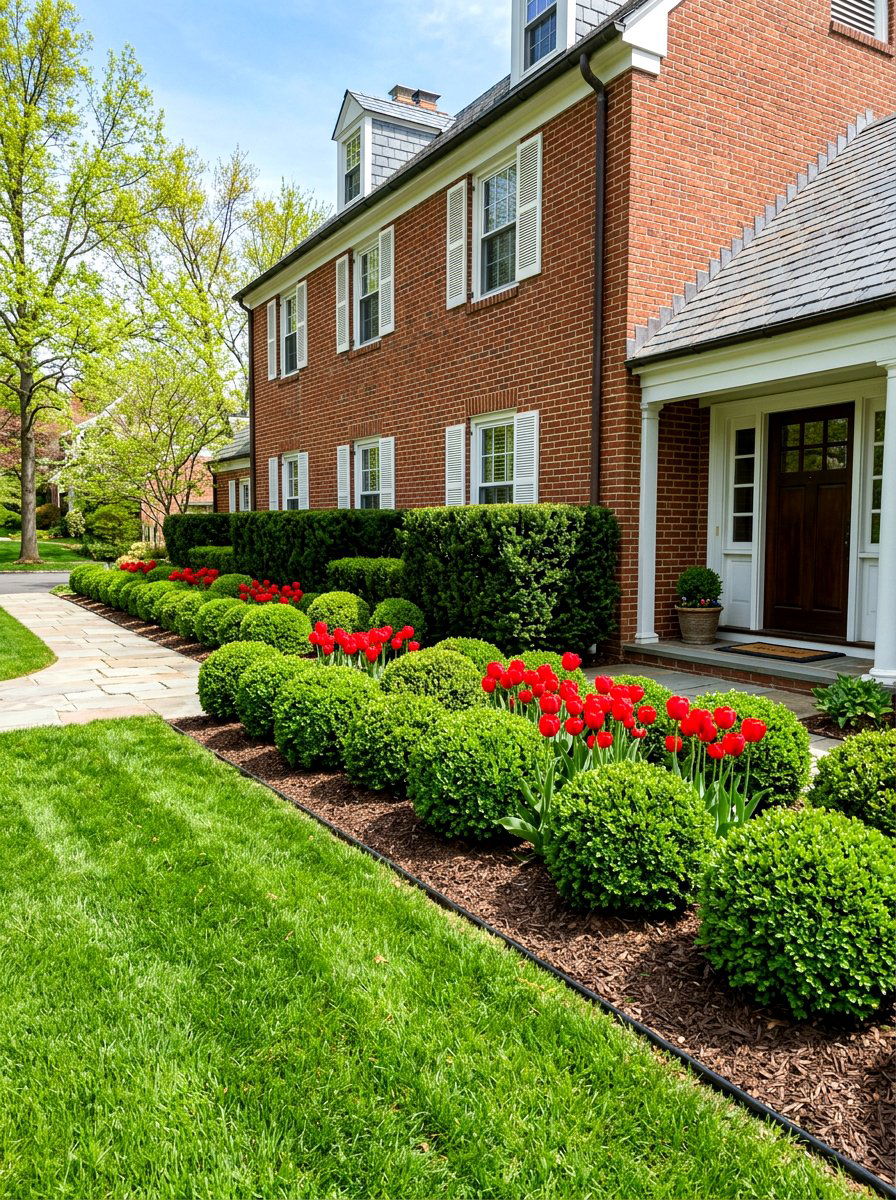
An evergreen foundation is the secret to a front yard that looks beautiful 365 days a year. By using shrubs like boxwood, yew, or juniper as the primary elements of your bed, you ensure that there is always green structure, even when other plants go dormant. These evergreens can be pruned into formal shapes for a classic look or left to grow naturally for a more relaxed feel. You can then tuck seasonal flowers in between the shrubs to add pops of color throughout the spring and summer. This "backbone" approach provides a permanent, tidy frame for your home that requires very little seasonal cleanup.
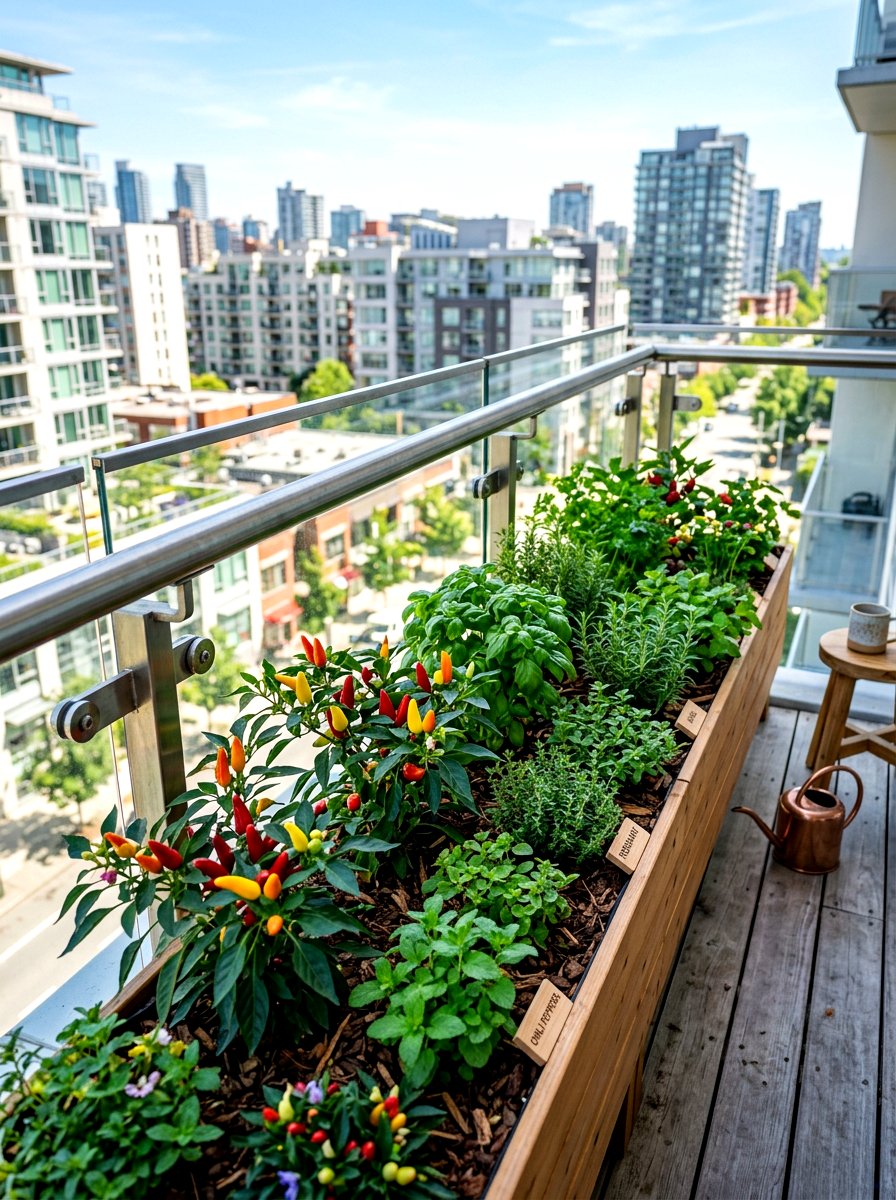
25. Ornamental Grass Bed
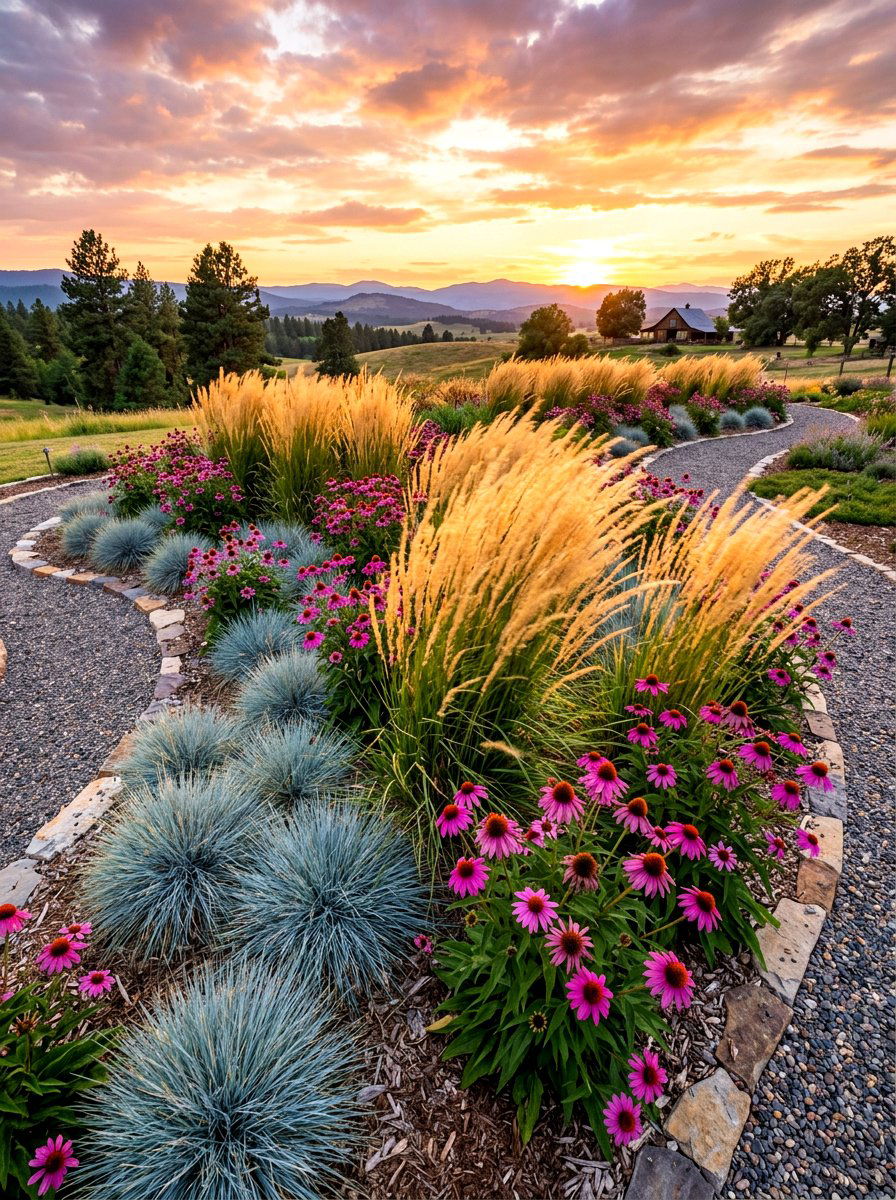
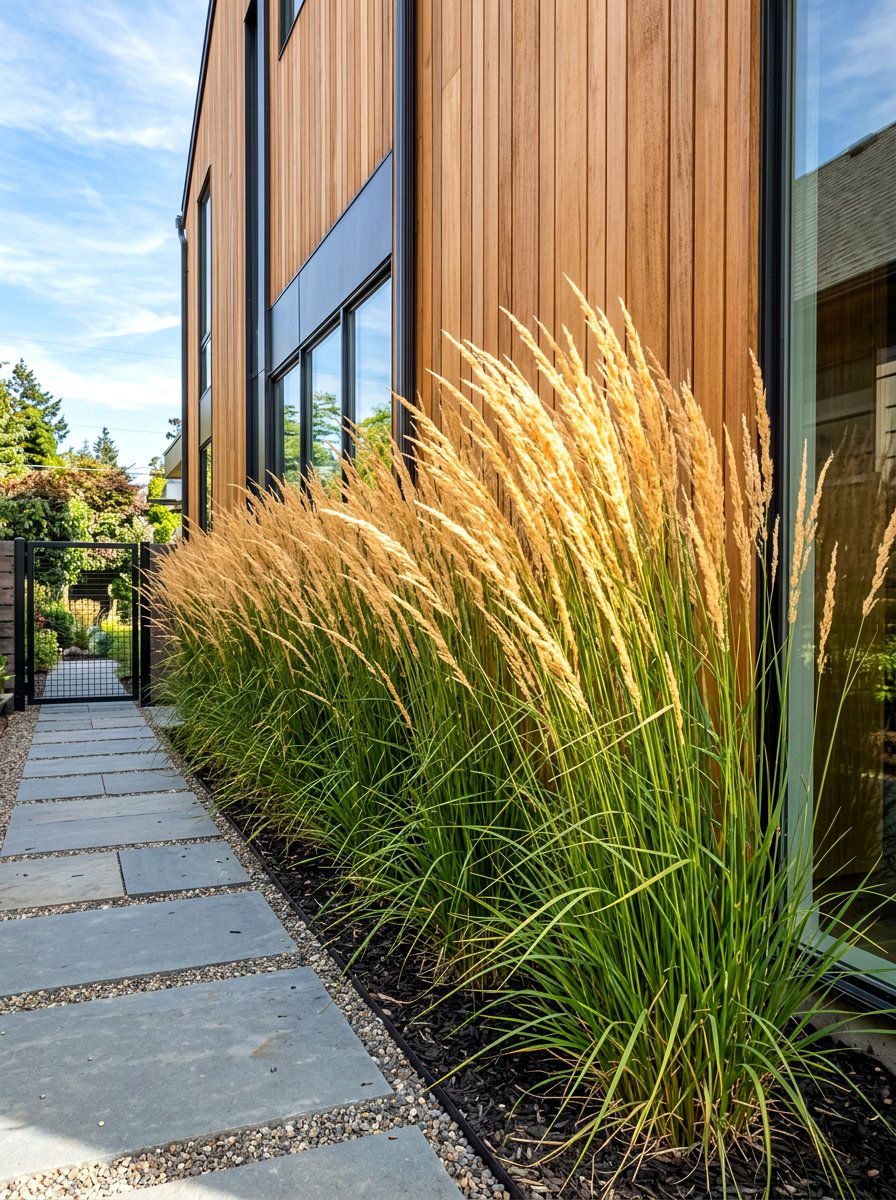
An ornamental grass bed provides a modern, tactile, and low-maintenance alternative to traditional flower gardens. Grasses like feather reed grass, fountain grass, and blue fescue add a unique vertical element and beautiful movement to the landscape as they sway in the wind. They also offer interest throughout the fall and winter, as their dried plumes and golden stalks remain standing long after most flowers have faded. When paired with a few structural perennials like coneflowers or sedum, ornamental grasses create a sophisticated, textured look that is incredibly resilient. This style is perfect for homeowners who want a contemporary, effortless aesthetic that changes beautifully with the seasons.
26. Sloped Front Yard Garden
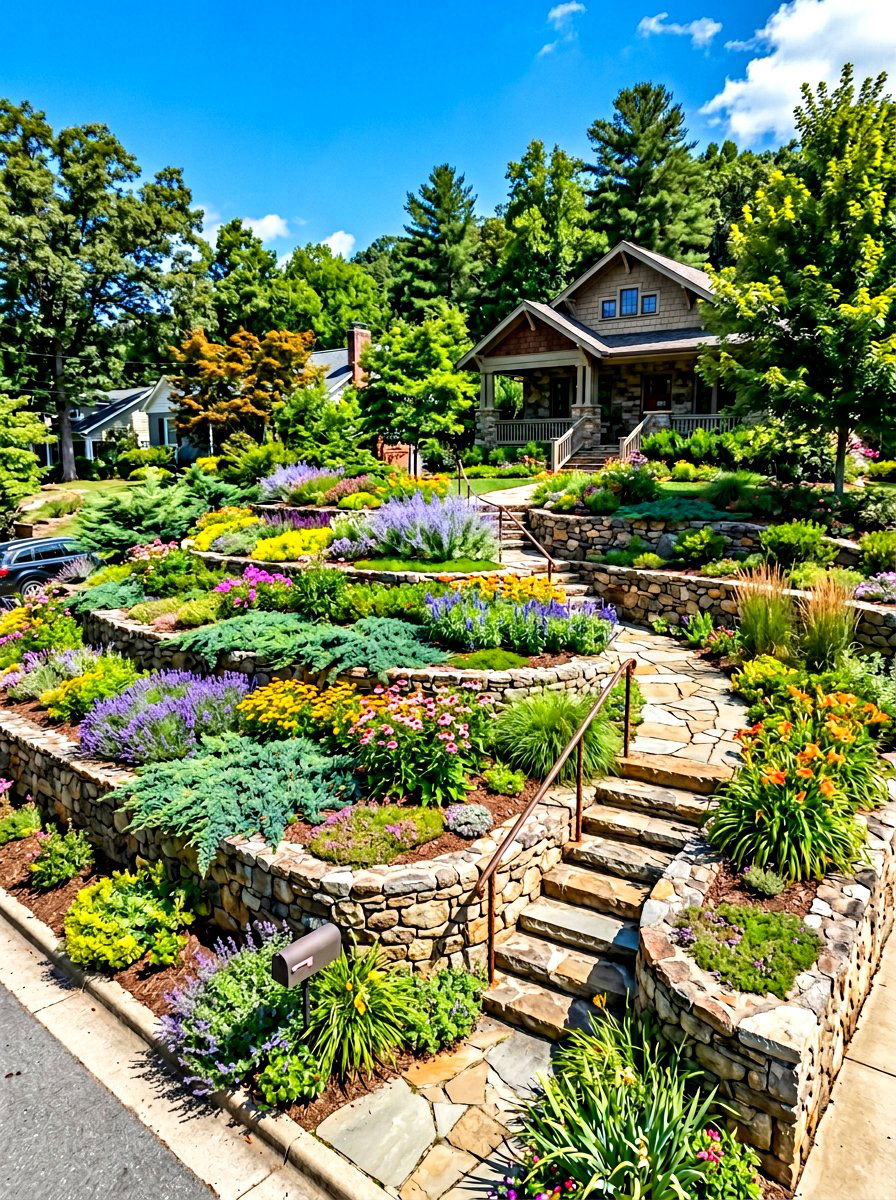
Managing a sloped front yard can be challenging, but turning it into a terraced flower bed is a brilliant solution. Instead of a difficult-to-mow lawn, you can create a series of level planting areas that prevent soil erosion and manage water runoff effectively. Using large rocks or timber beams to create the steps provides a rugged, natural look that anchors the hillside. You can fill the tiers with a variety of groundcovers and shrubs that thrive in the well-drained conditions of a slope. This transformation turns a problematic area into a dramatic, multi-dimensional garden that makes your home look much more impressive from the street.
27. Edible Flower Bed
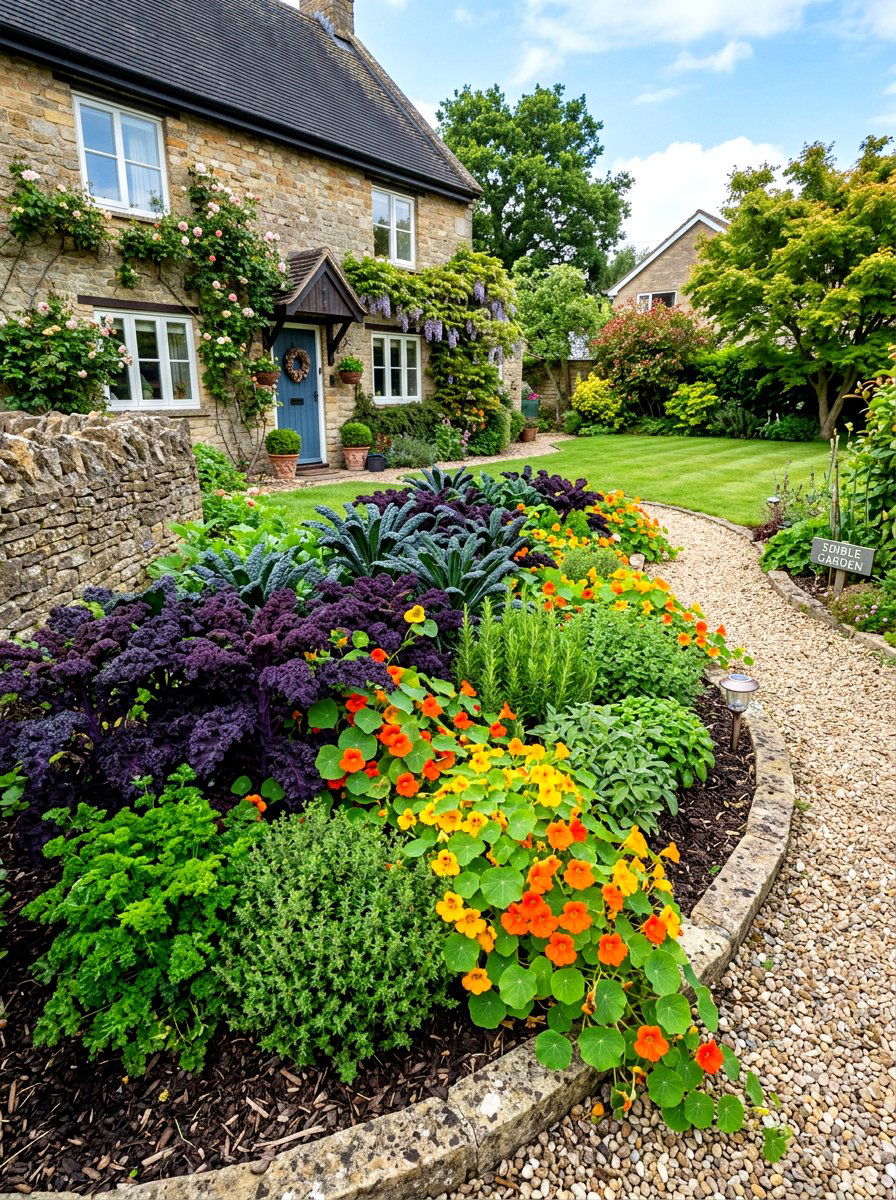
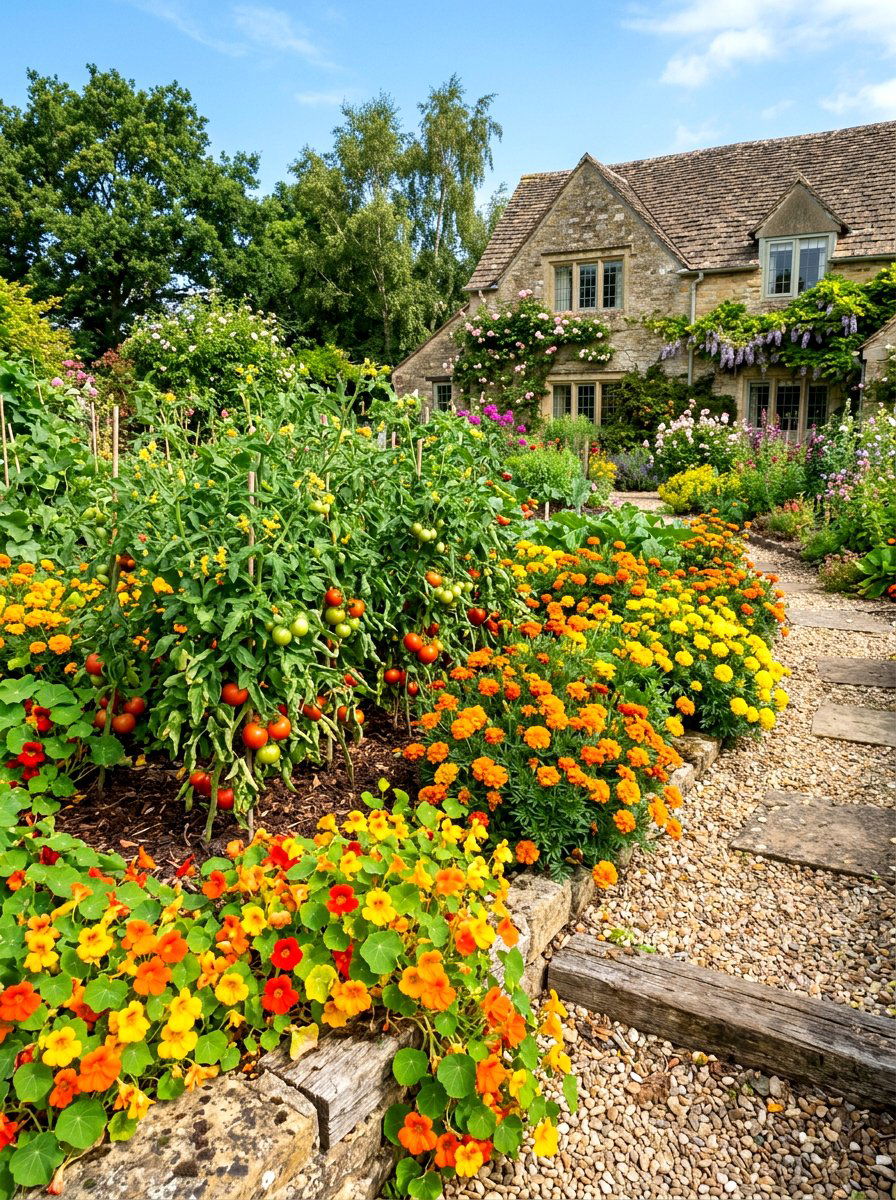
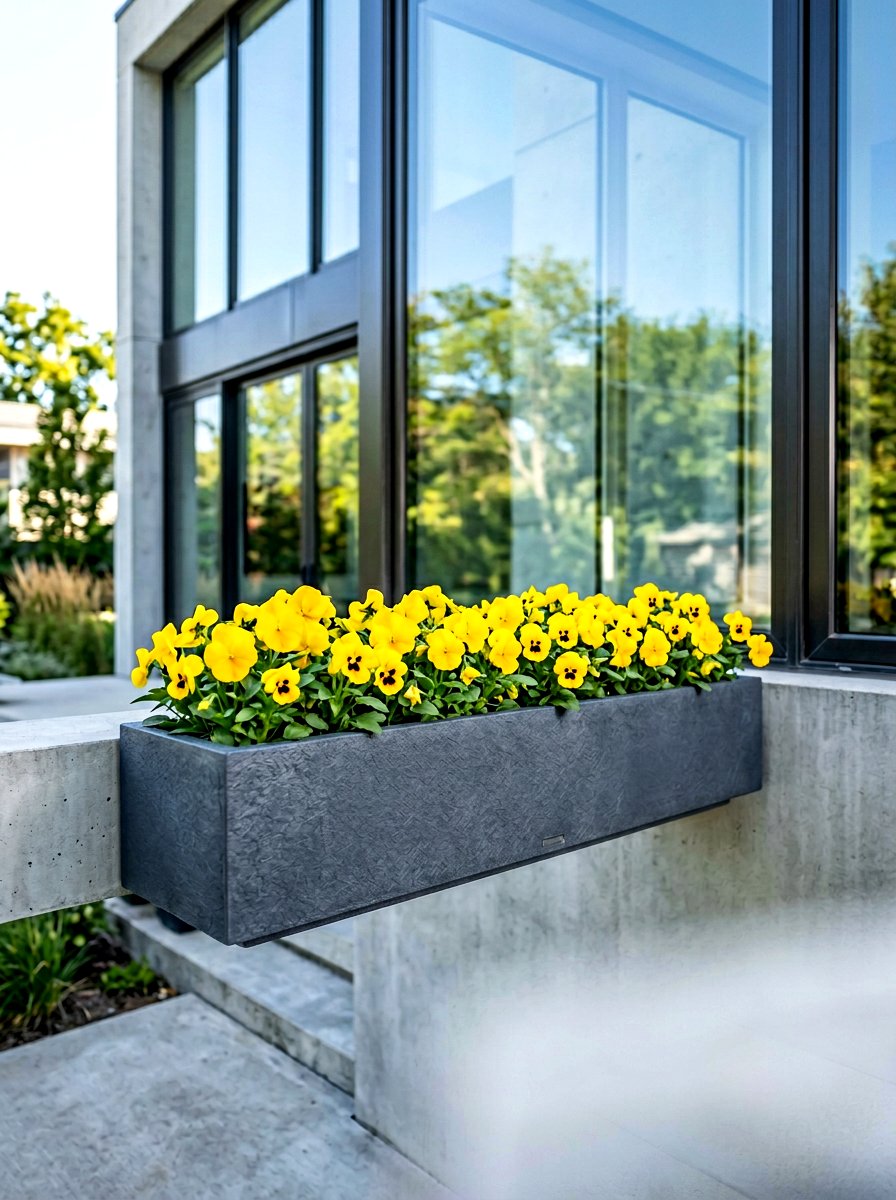
An edible flower bed is a functional and beautiful way to combine a kitchen garden with your front yard landscaping. By mixing edible flowers like nasturtiums, pansies, and lavender with herbs and colorful vegetables like Swiss chard or kale, you create a "potager" style garden. This approach is perfect for small yards where space is at a premium and you want to grow your own food without sacrificing curb appeal. Many edible plants have stunning foliage and blossoms that rival traditional ornamental flowers. This garden design is not only practical but also serves as a great conversation starter for neighbors and guests alike.
28. Japanese Zen Garden
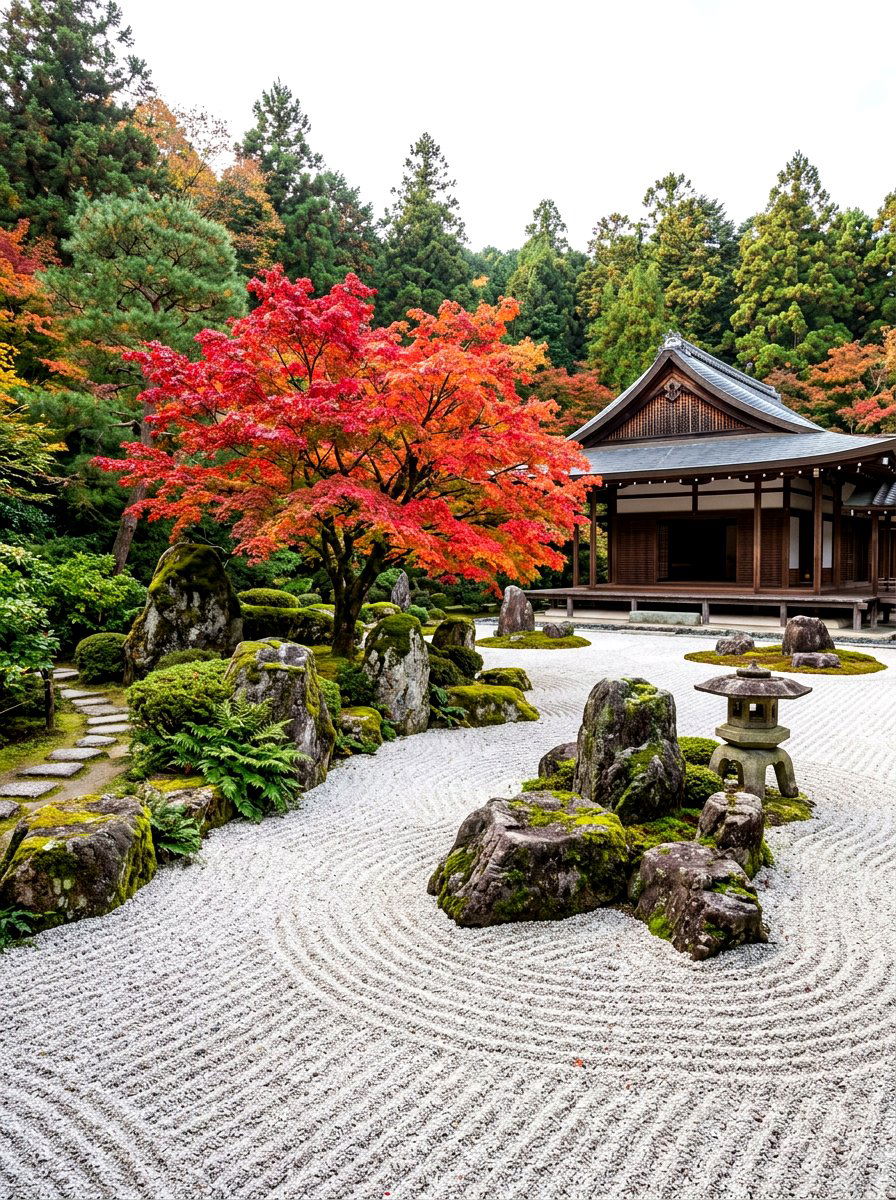
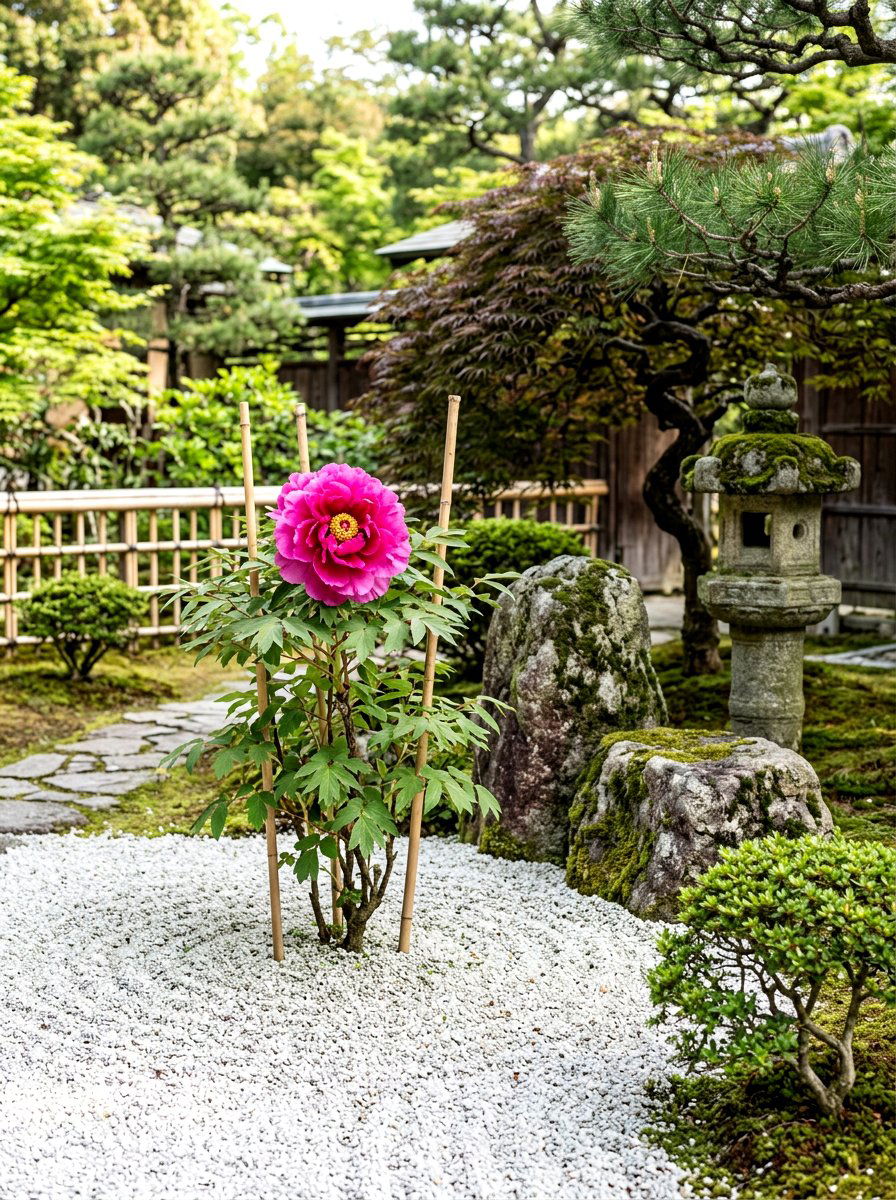
A Japanese zen garden brings a sense of peace, balance, and intentionality to your front entrance. This design typically features a minimalist selection of plants, such as Japanese maples, azaleas, and moss, arranged around carefully placed stones and raked gravel. The focus is on the beauty of individual forms and the spaces between them, creating a meditative atmosphere. This style works exceptionally well for small front yards where a few high-quality elements can make a big impact. A zen garden is a low-maintenance way to achieve a high-end, artistic look that feels like a quiet sanctuary right in front of your home.
29. Gravel Flower Bed
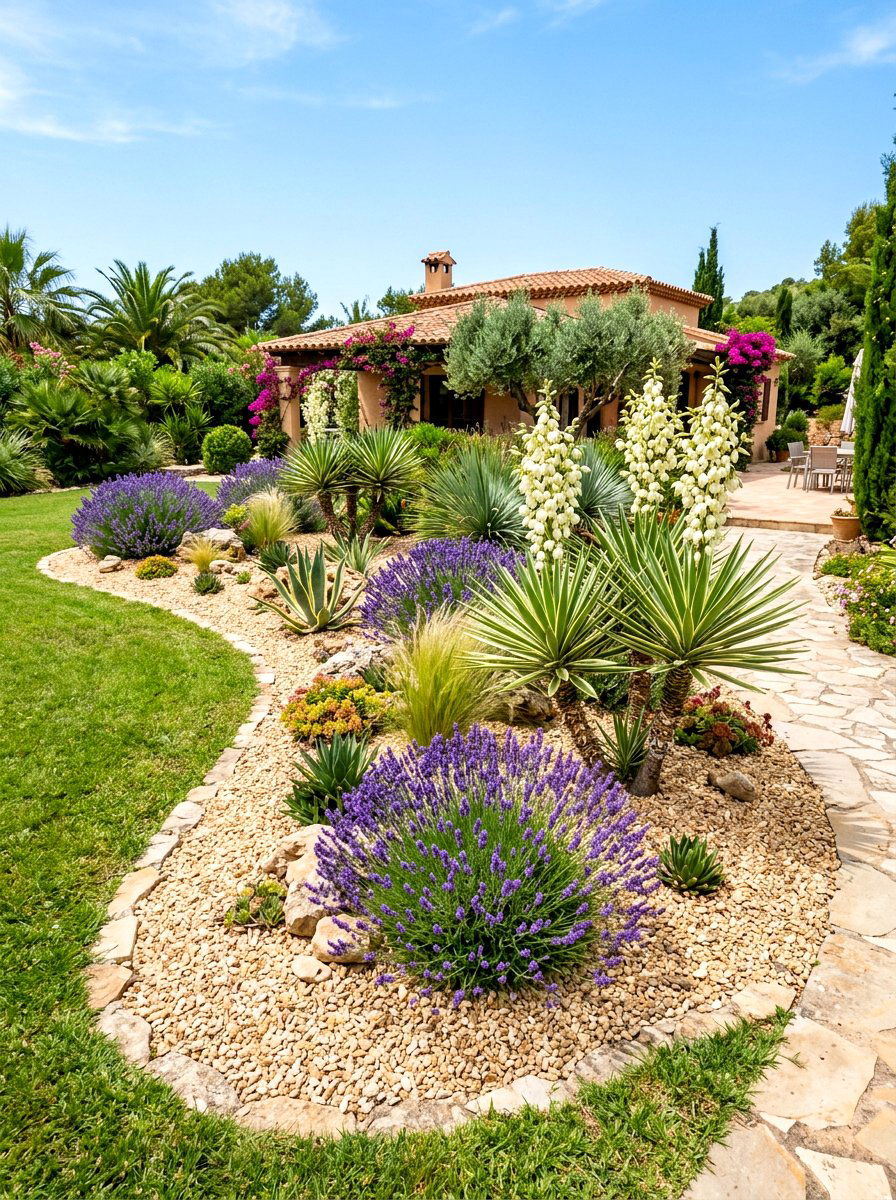
A gravel flower bed is a chic and practical choice for creating a clean, modern look while reducing maintenance. By using pea gravel or crushed stone as a mulch substitute, you create a high-drainage environment that is perfect for Mediterranean and desert-style plants. This setup prevents weeds from taking root and keeps the soil cool and moist underneath. Plants like agave, ornamental grasses, and hardy perennials look stunning popping out of the neutral-toned stones. The contrast between the organic shapes of the plants and the uniform texture of the gravel provides a sophisticated, architectural feel that stays tidy with almost no effort.
30. Seasonal Bulb Bed
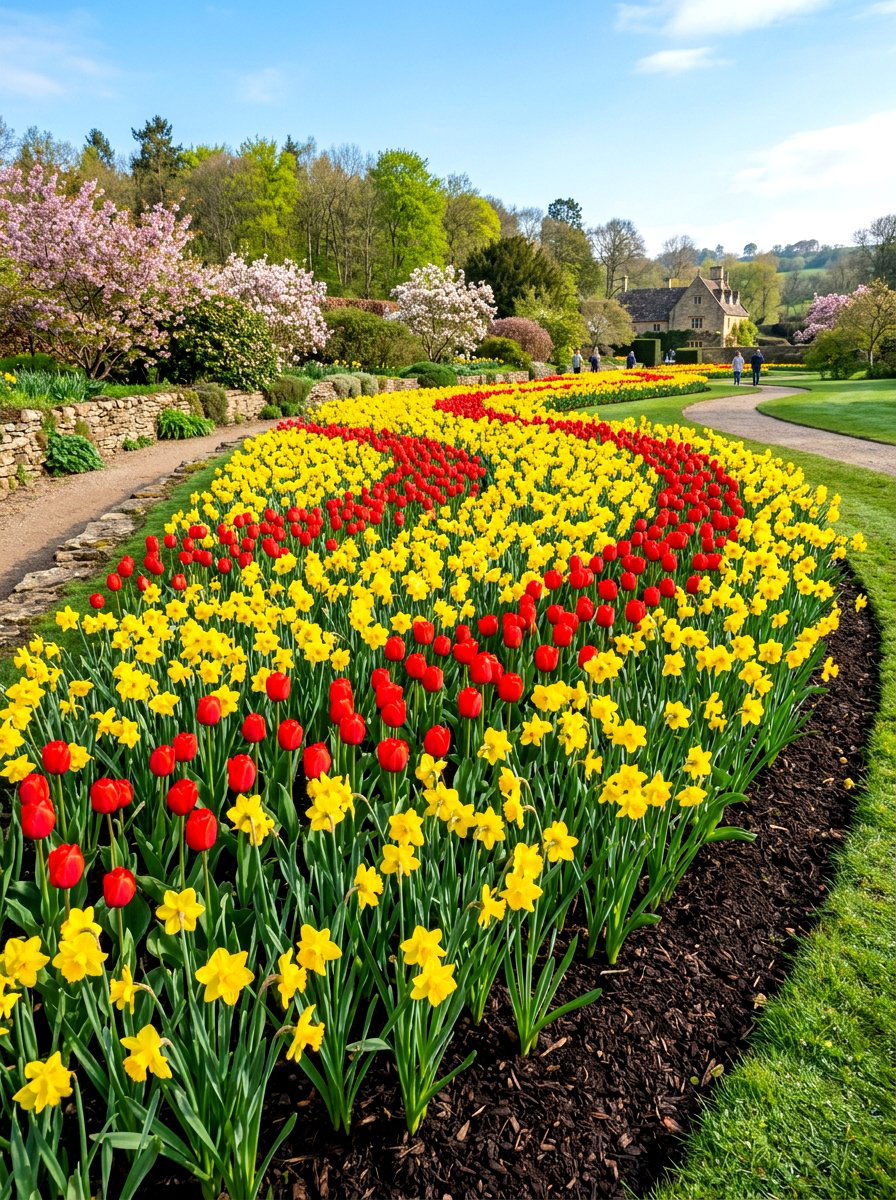
A seasonal bulb bed is the best way to ensure your front yard is the first to bloom every spring. By planting large quantities of tulips, daffodils, and crocuses in the fall, you guarantee a spectacular burst of color as soon as the snow melts. You can layer these bulbs under your existing perennials so that as the bulbs fade, the other plants grow in to cover the dying foliage. This "lasagna planting" technique maximizes your space and ensures continuous interest for several months. There is nothing more welcoming than a front yard filled with the bright, cheerful colors of spring after a long winter.
Conclusion:
Planning your front yard flower bed is an exciting opportunity to showcase your personality and improve your home’s aesthetic. From the romantic chaos of a cottage garden to the sleek precision of a minimalist modern layout, the possibilities are nearly endless. By considering factors like sunlight, soil type, and maintenance preferences, you can create a sustainable and stunning landscape that thrives year-round. Remember that the best designs often combine structural evergreens with seasonal color to ensure lasting appeal. Whether you choose to attract pollinators or create a drought-tolerant sanctuary, a well-maintained flower bed will provide joy for you and your neighbors for many years.

Related posts: