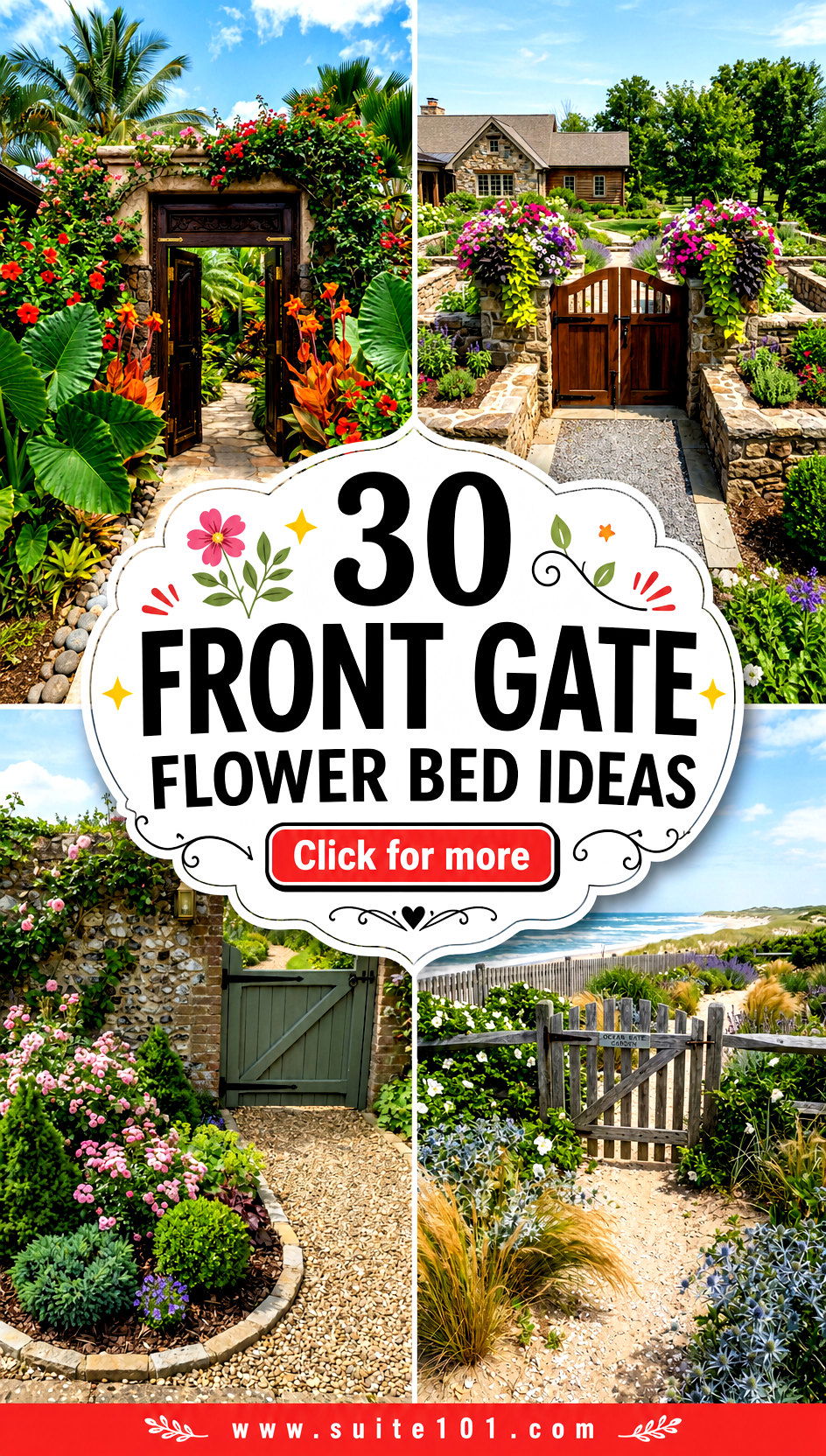
The entrance to your home serves as the primary handshake between your personal sanctuary and the outside world. Designing a front gate flower bed is one of the most effective ways to elevate curb appeal while providing a warm welcome for guests. Whether you prefer the structured elegance of formal hedges or the whimsical charm of a cottage garden, your gate area offers a unique opportunity to showcase your personality. A well-planned garden bed near the gate doesn 't just look beautiful; it creates a transition that defines the boundary of your property. By carefully selecting plants that complement your home' s architecture, you can turn a simple gate into a stunning focal point.
1. Cottage Garden Gate
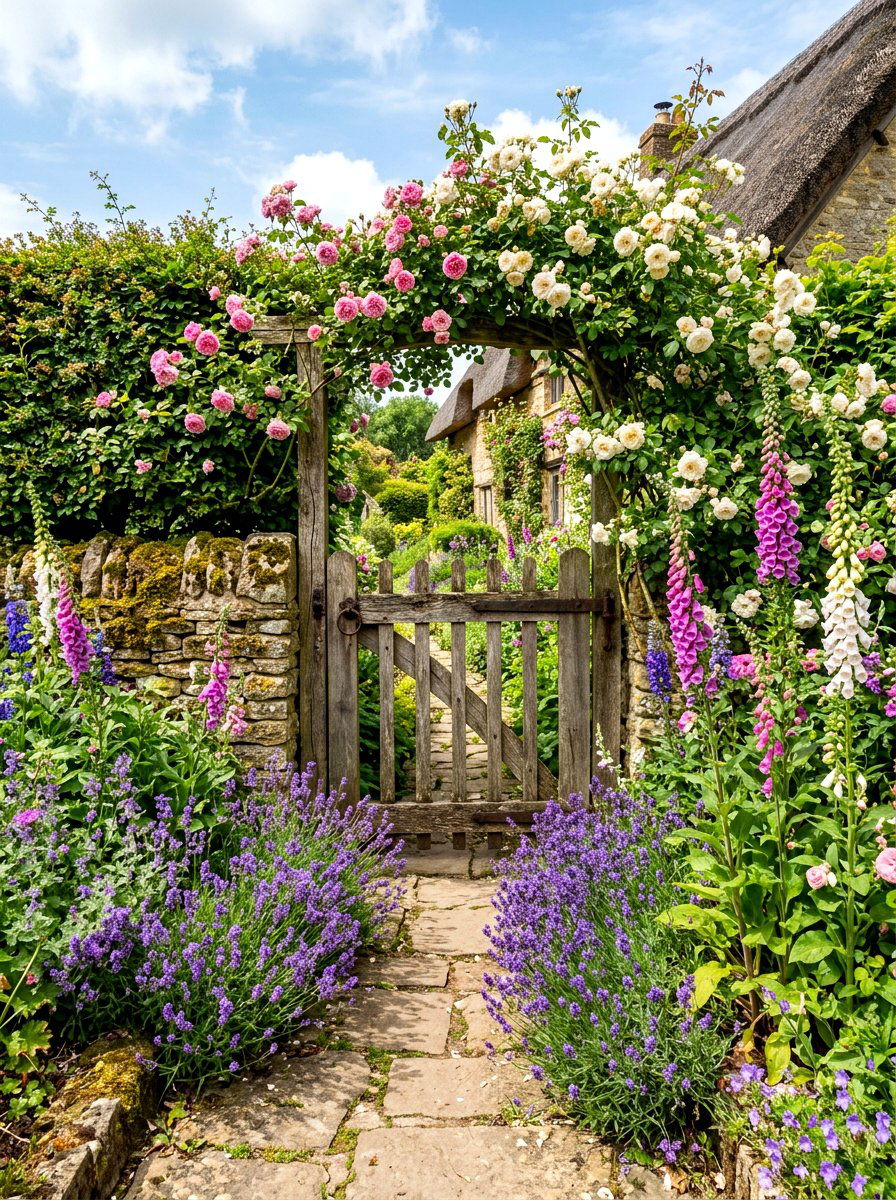
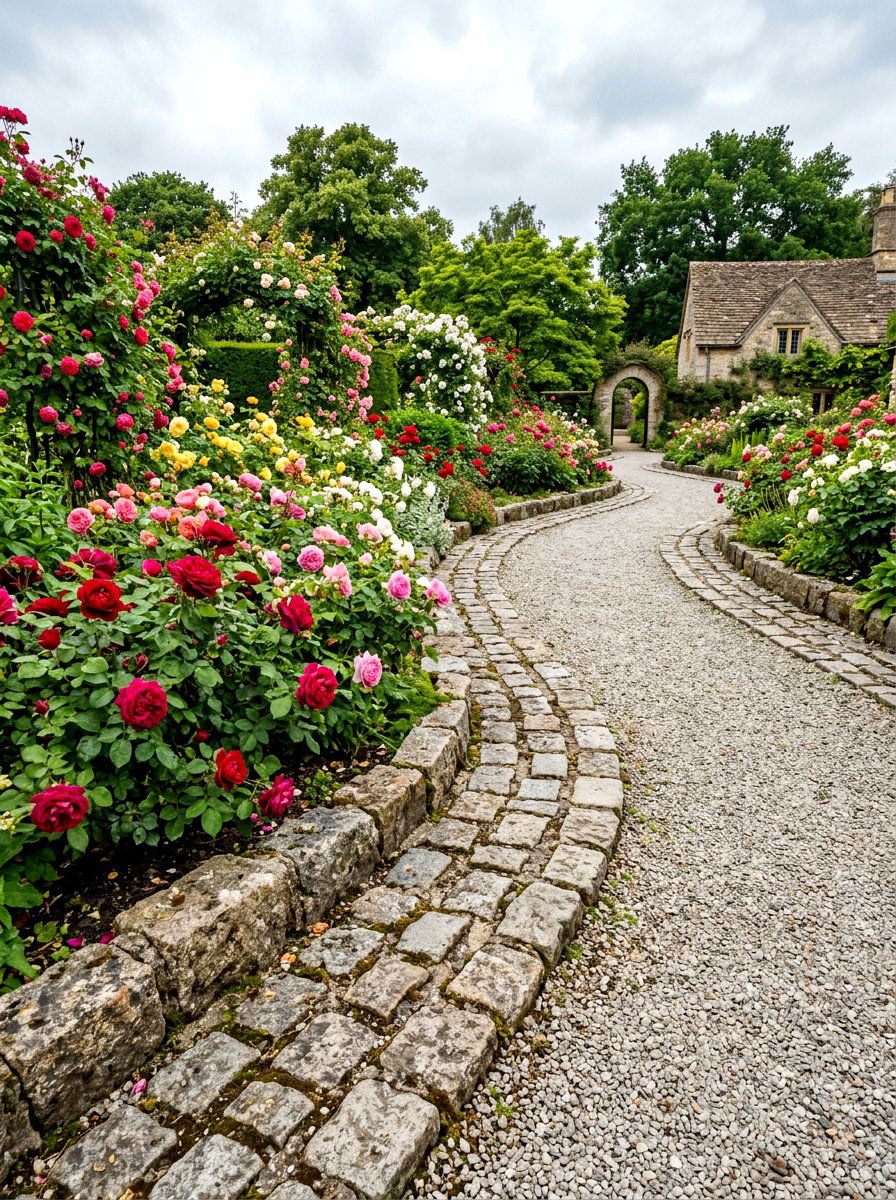
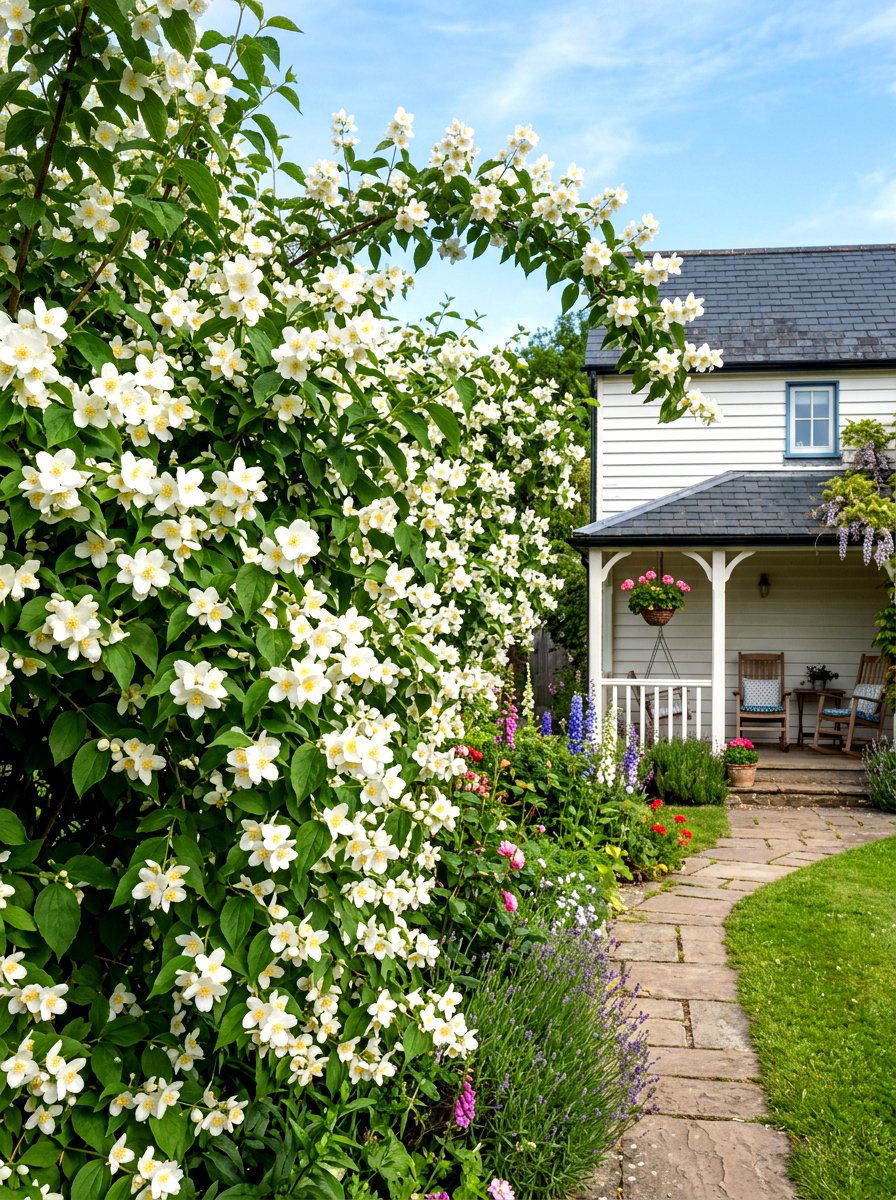
Creating a cottage garden gate flower bed involves embracing a delightful sense of organized chaos. This style focuses on lush, dense plantings that spill over edges and fill every available space with color and texture. You can start by planting tall foxgloves or delphiniums toward the back to provide height against the gate structure. In the middle, incorporate repeat-blooming shrub roses and fragrant lavender to engage the senses of everyone who enters. For the front edge, soft catmint or hardy geraniums work beautifully to blur the lines between the garden bed and the walkway. This layered approach ensures a romantic, timeless look that feels incredibly inviting throughout the spring and summer.
2. Modern Gate Landscaping
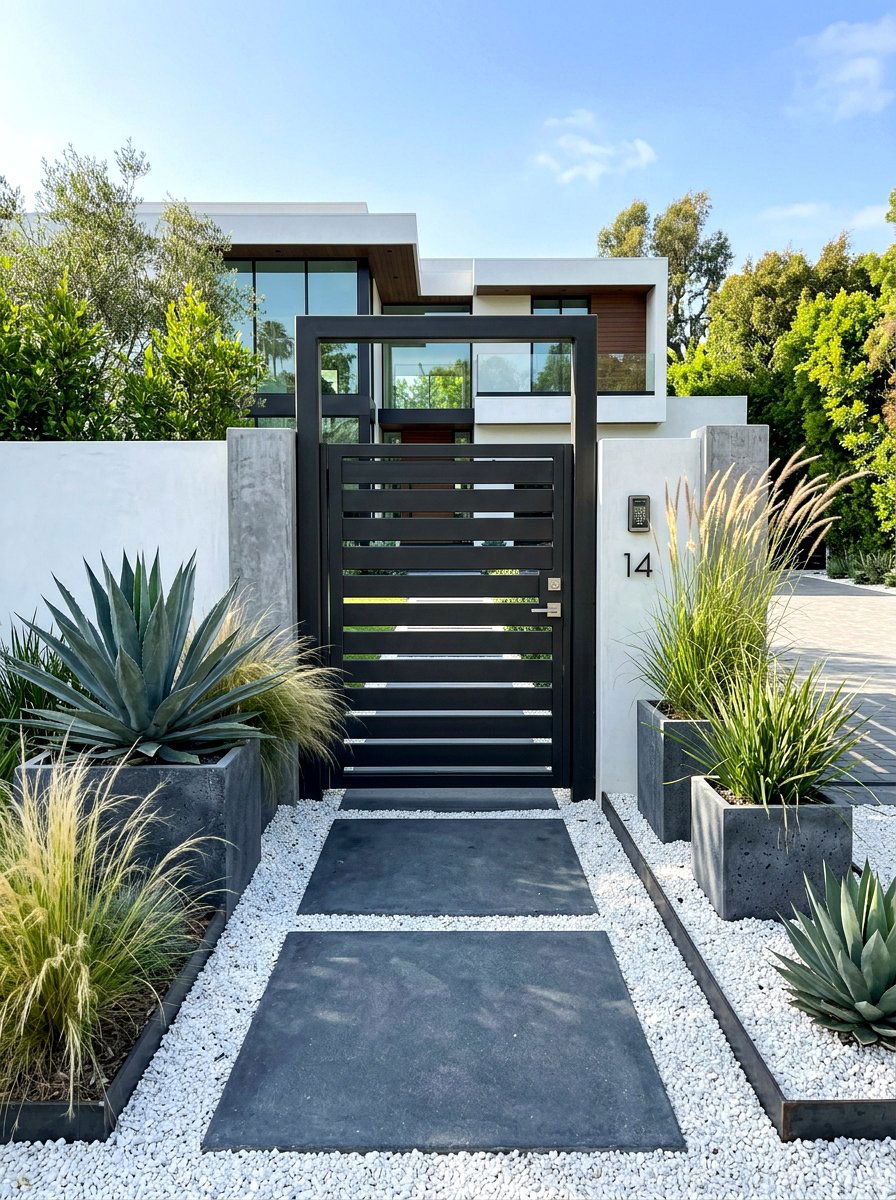
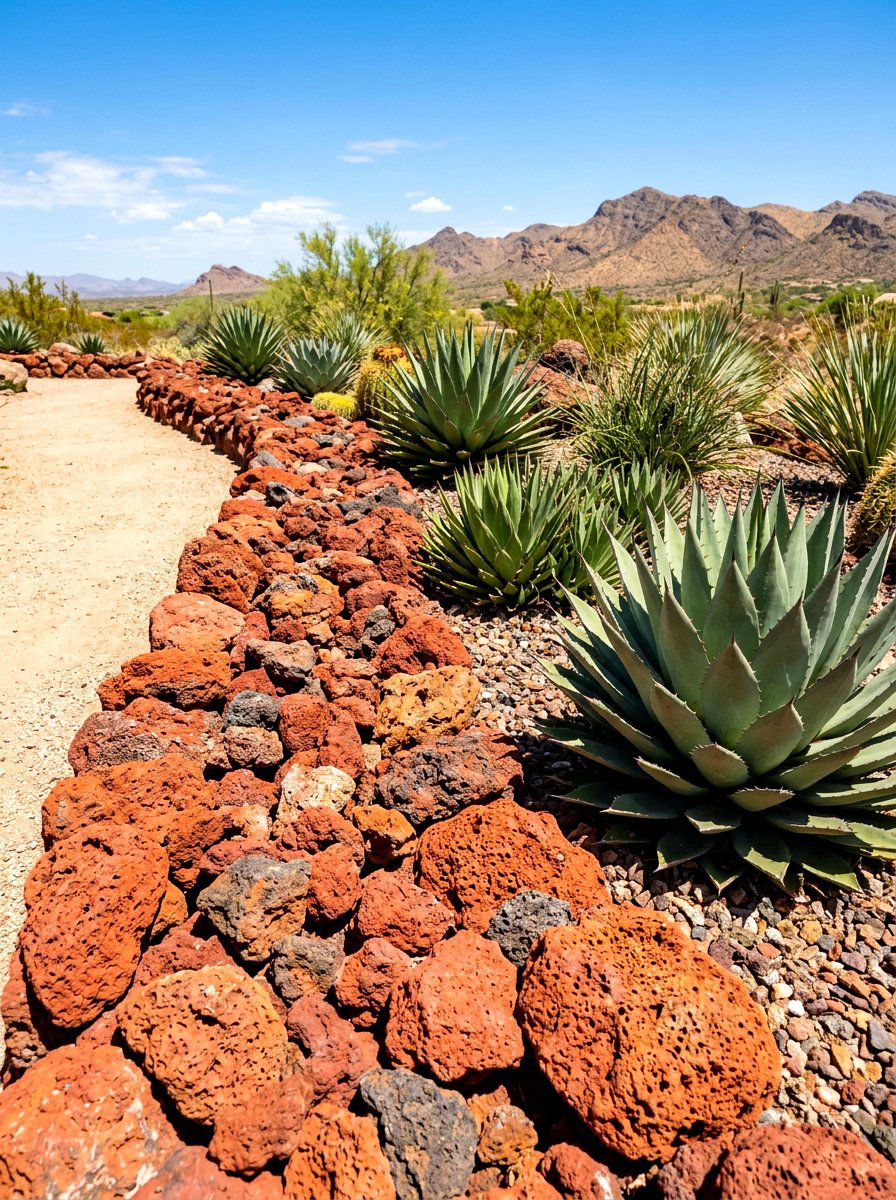
Modern gate landscaping focuses on clean lines, structural plants, and a minimalist color palette. This design often utilizes architectural plants like ornamental grasses, agave, or yucca to create a sharp and sophisticated look. You can frame the gate with poured concrete planters or sleek metal edging to define the space clearly. Using mass plantings of a single species, such as Mexican feather grass, provides movement and texture without cluttering the visual field. The contrast between organic green foliage and hard materials like steel or stone creates a professional aesthetic. This style works exceptionally well for contemporary homes that prioritize simplicity and a high-end, clutter-free outdoor appearance.
3. Rose Gate Arbor
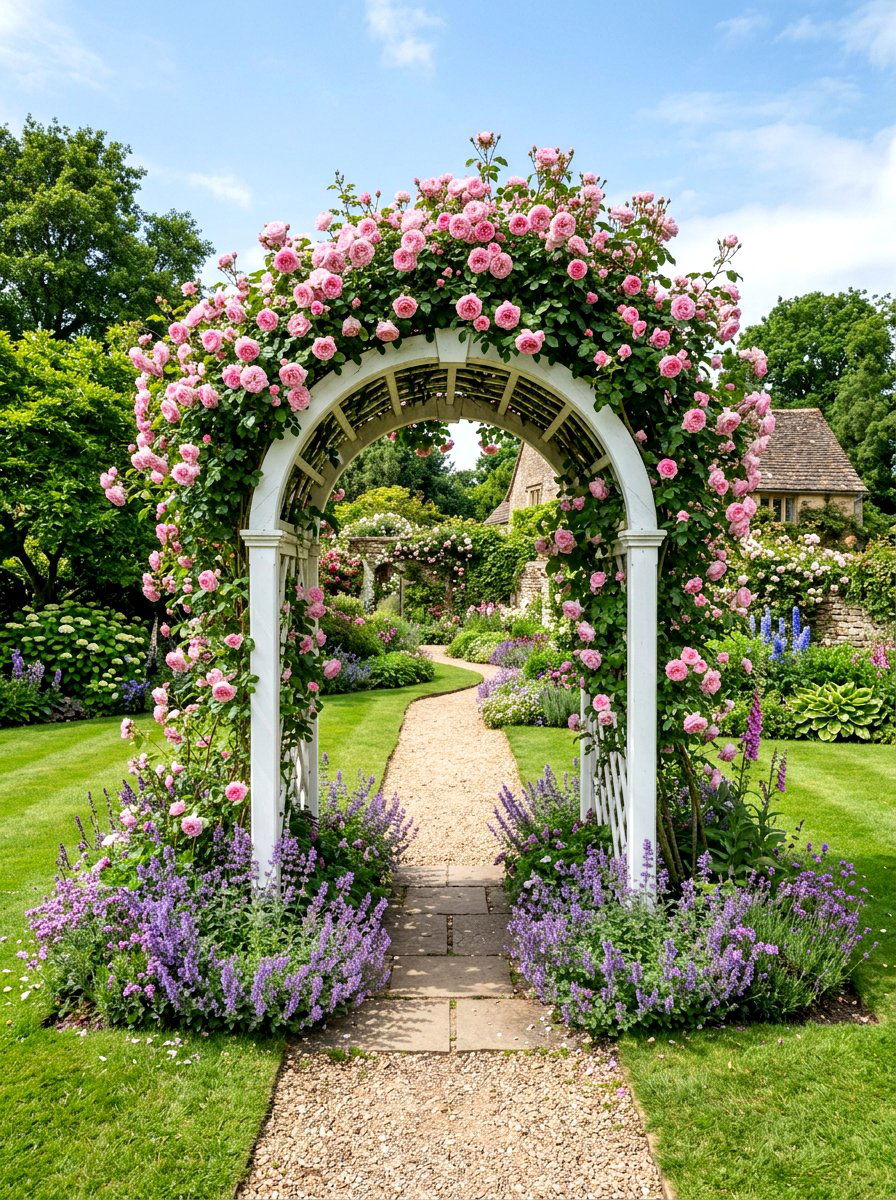
A rose gate arbor is a classic choice that adds vertical interest and a touch of traditional romance to any entrance. Climbing roses are the star here, trained to grow over a wooden or metal archway that frames the gate perfectly. At the base of the arbor, you can plant complementary perennials like salvia or nepeta to hide the woody stems of the roses. This full-design concept creates a tunnel of color and fragrance that makes passing through the gate a memorable experience. Choose disease-resistant varieties to ensure the foliage stays healthy and green all season. The combination of height and blooms makes this a stunning focal point.
4. Stone Gate Pillars

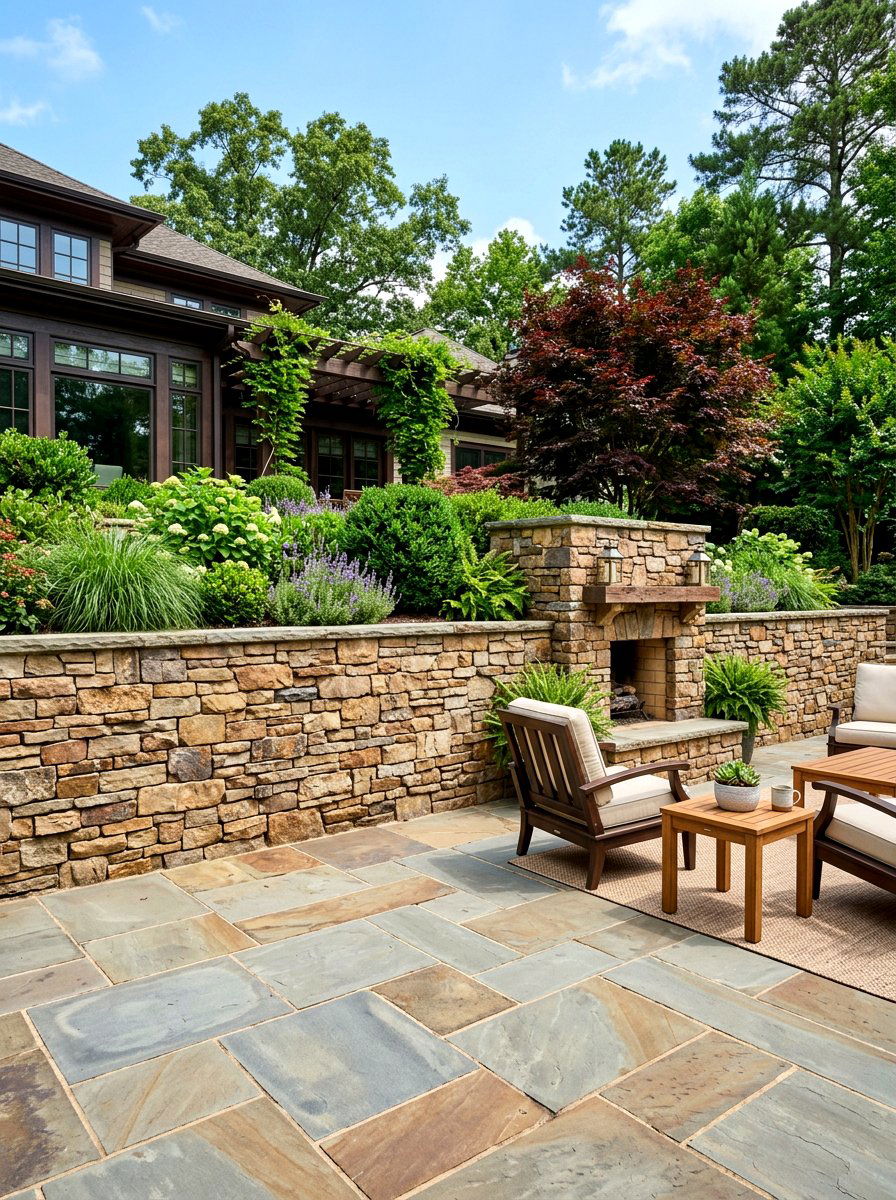
Using stone gate pillars provides a sense of permanence and grandeur to your home's entrance. You can design flower beds that wrap around the base of these pillars to soften the hard edges of the masonry. Consider using evergreen shrubs like boxwood or dwarf yew to provide year-round structure and greenery. Intersperse these with seasonal color from pansies or petunias to keep the entryway looking fresh and vibrant. The weight of the stone paired with the softness of the plants creates a balanced, estate-like feel. This approach is ideal for homeowners who want a durable and low-maintenance design that still offers significant visual impact.
5. Lavender Gate Walkway
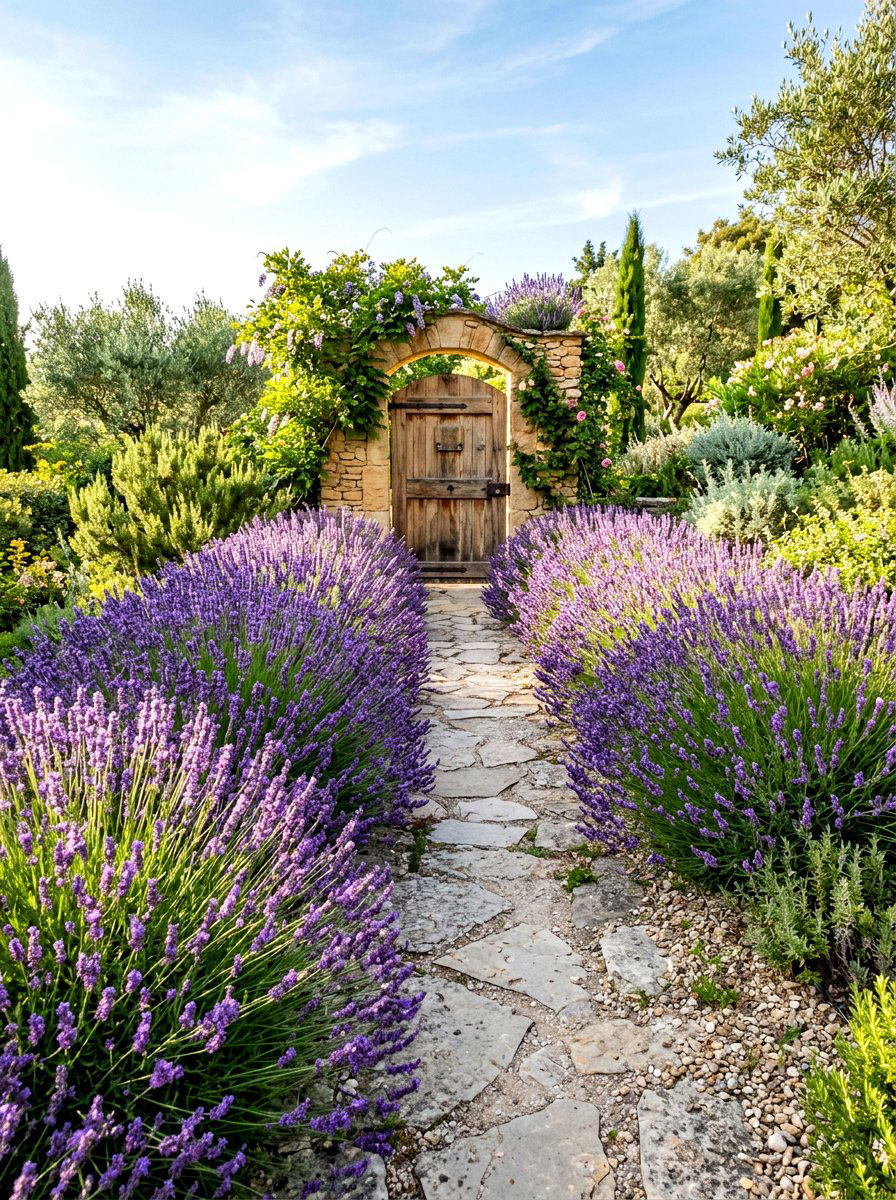
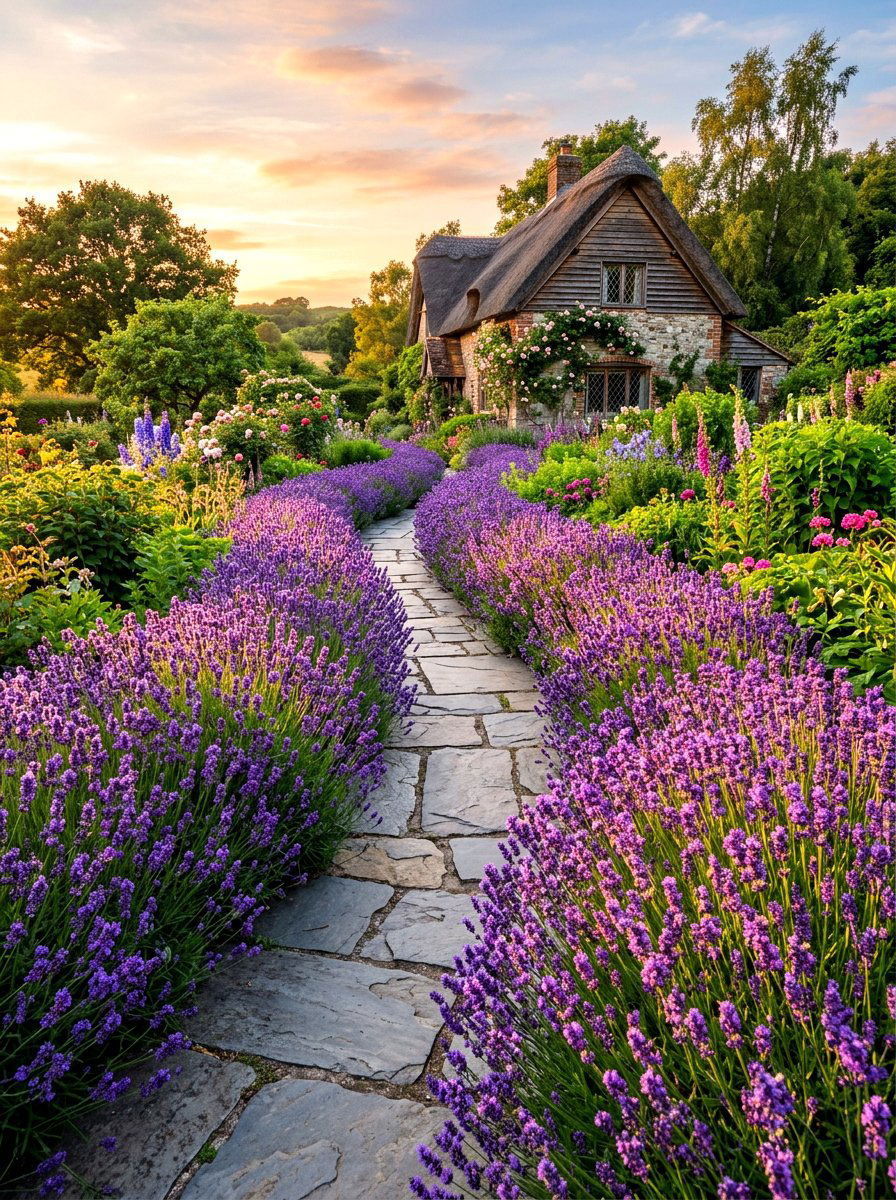
A lavender gate walkway is perfect for those who want a sensory garden experience right at their doorstep. Planting dense rows of English or French lavender along the path leading to the gate creates a beautiful purple border. The silvery-green foliage remains attractive even when the plants are not in full bloom. This design requires well-draining soil and plenty of sunlight to thrive throughout the year. As guests brush against the plants, the calming scent of lavender is released into the air, creating a relaxing atmosphere. Pairing lavender with white roses or ornamental grasses adds layers of texture that enhance the overall Mediterranean-inspired garden theme.
6. Shade Gate Garden
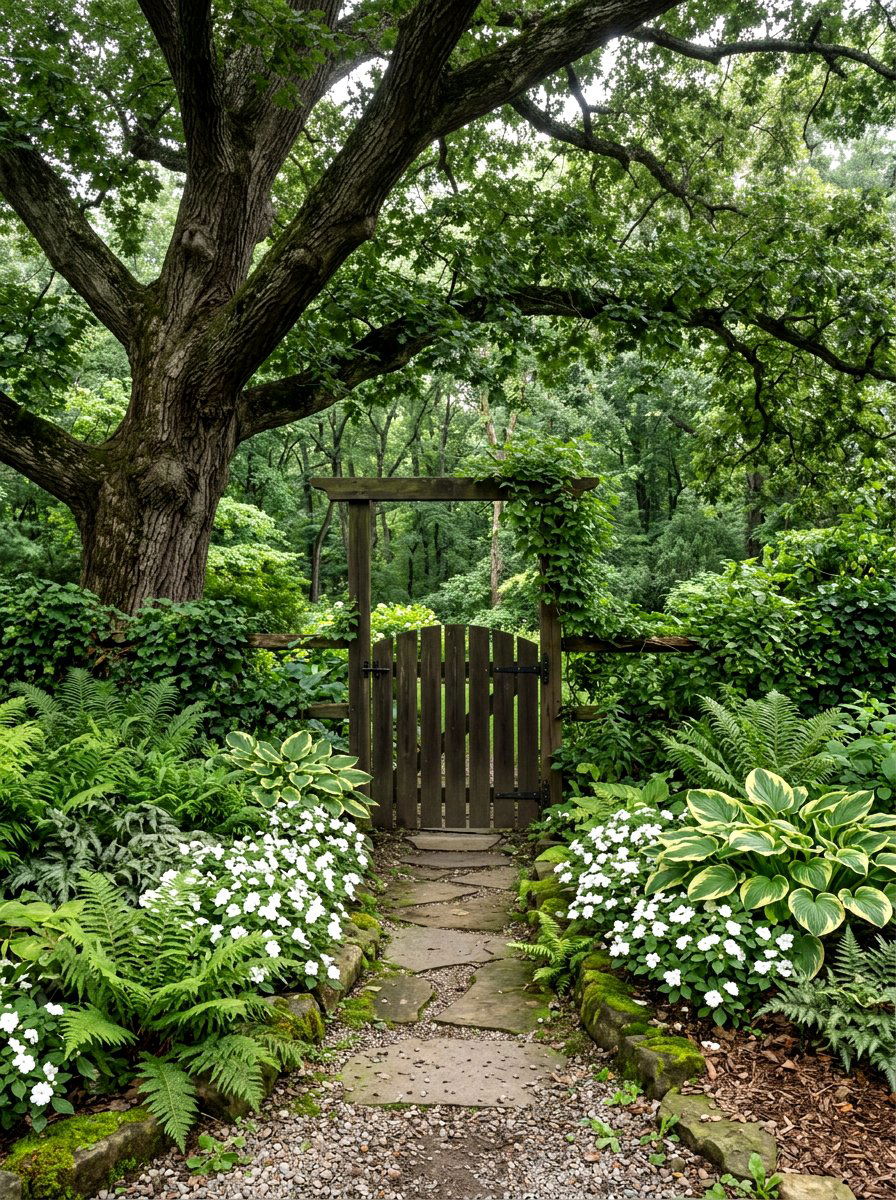
Designing a shade gate garden is essential for homes with large overhanging trees or north-facing entrances. You can utilize a variety of textures and leaf colors to create interest without relying solely on bright sun-loving flowers. Hostas, ferns, and astilbes are excellent choices for filling the space with lush greenery and delicate textures. To add a pop of color, incorporate shade-tolerant annuals like impatiens or begonias along the front border. Use light-colored gravel or stone mulch to brighten the darker areas and make the plants stand out. This cool, serene design provides a refreshing welcome and thrives in areas where traditional flower beds might struggle.
7. Rock Garden Gate
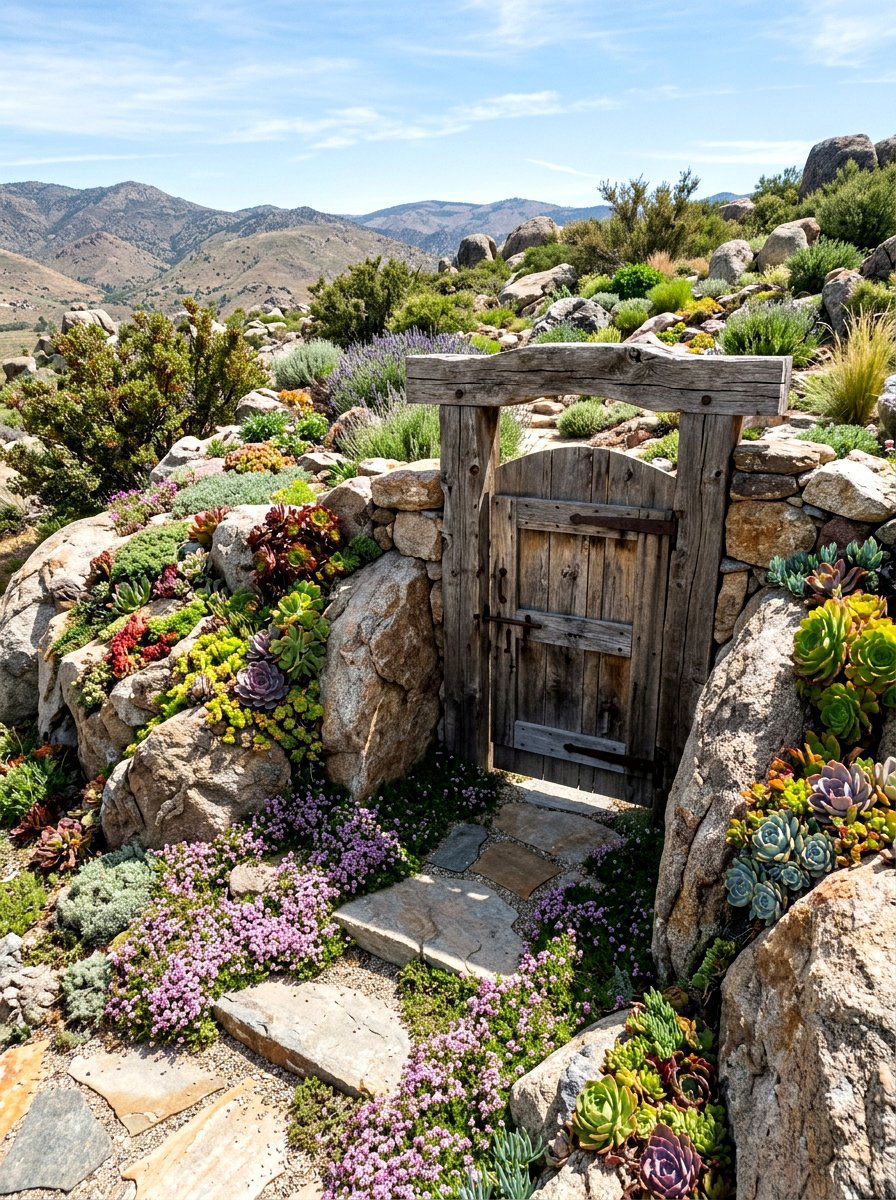
A rock garden gate design combines natural stone elements with hardy, low-growing plants for a rugged yet refined look. You can arrange boulders of varying sizes to create a naturalistic landscape that feels integrated with the earth. Nestling succulents, creeping thyme, and sedum between the rocks adds splashes of color and interesting geometric shapes. This type of flower bed is exceptionally low-maintenance and drought-tolerant once established. The contrast between the static, heavy stones and the delicate, living plants creates a dynamic visual balance. It is an excellent choice for sloped entryways where soil erosion might be a concern for traditional garden bed designs.
8. Evergreen Gate Border
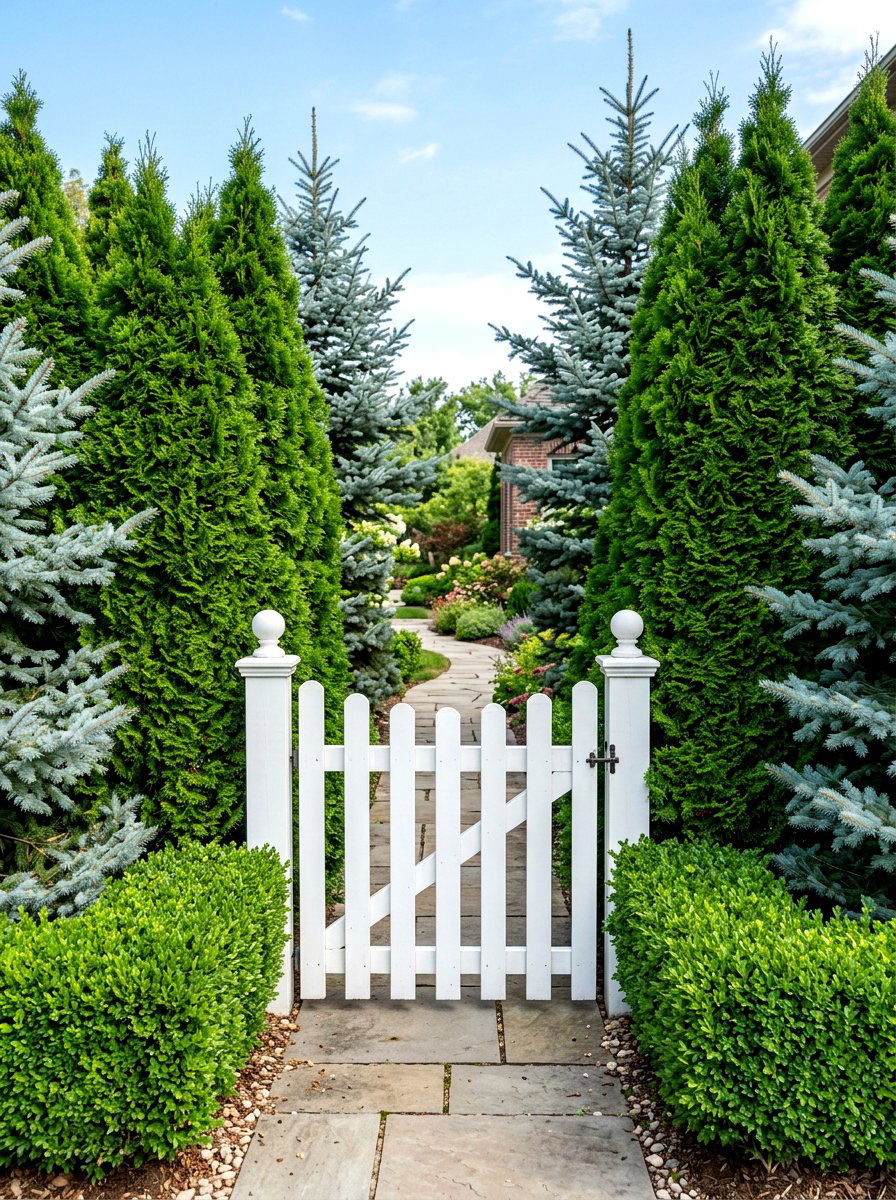
An evergreen gate border ensures that your home’s entrance remains attractive even during the cold winter months. By using a mix of different evergreen species, you can create a tapestry of shades like deep green, blue-gray, and golden-yellow. Consider incorporating pyramidal arborvitae for height, rounded boxwoods for structure, and spreading junipers for ground cover. This permanent framework provides a solid backdrop for seasonal flowers that you can swap out throughout the year. The consistent green foliage offers privacy and a sense of enclosure that makes the front gate feel like a secure and established part of the property. It is a very practical choice.
9. Tropical Gate Garden
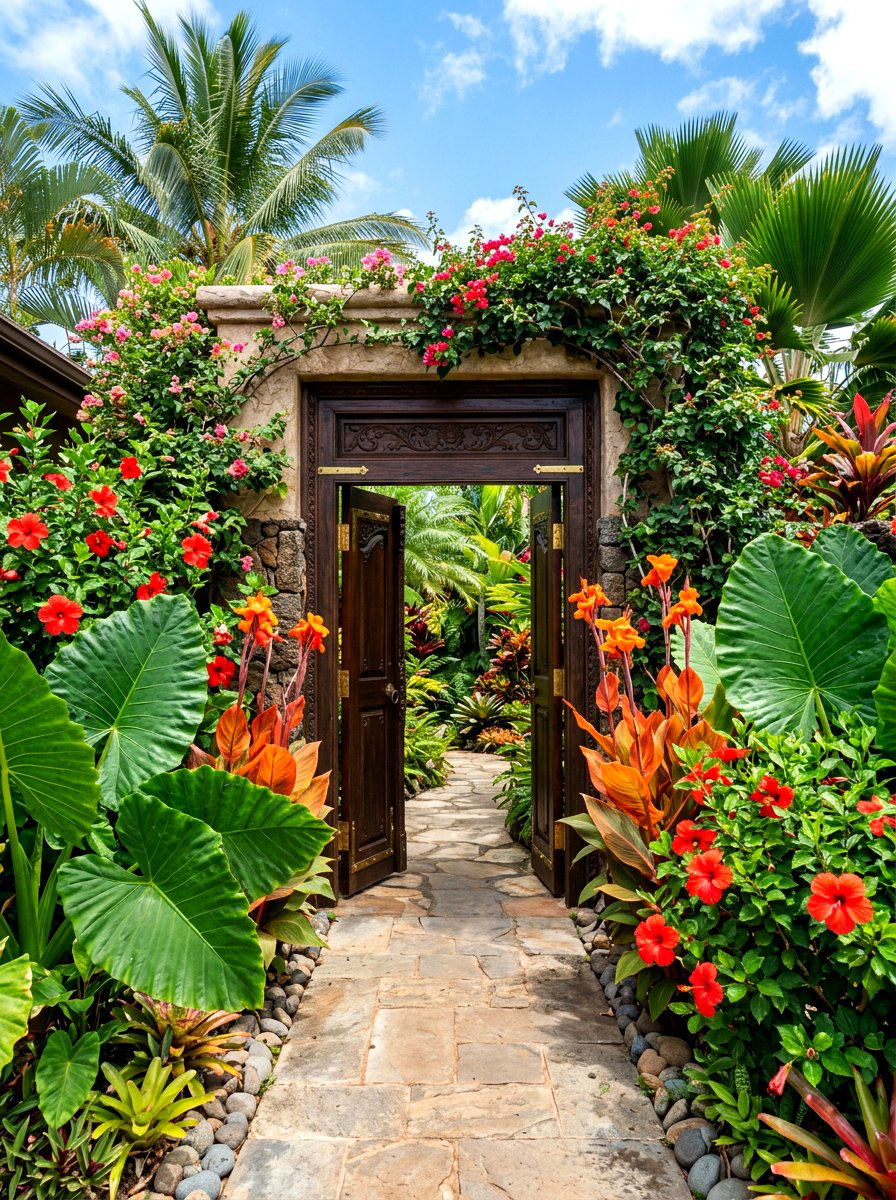
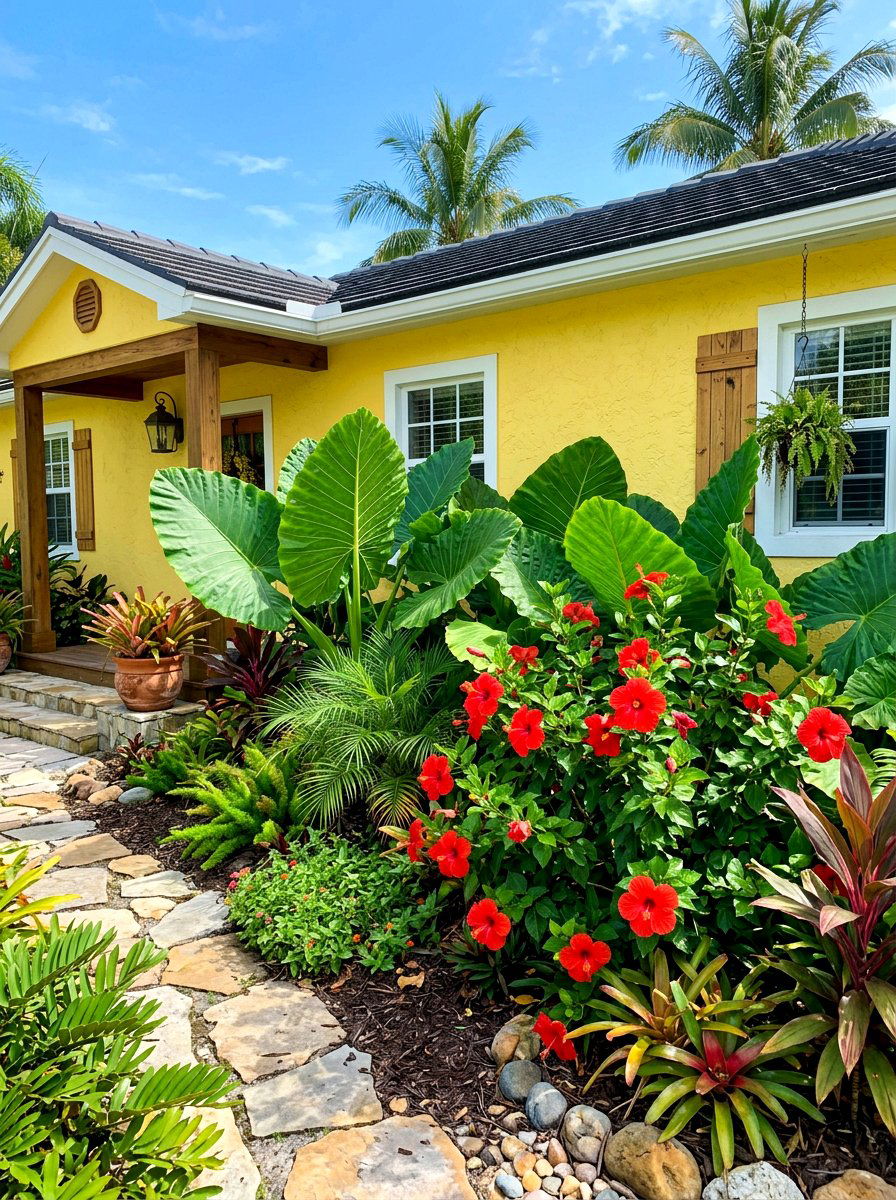
Bringing a tropical gate garden to your entrance can make every homecoming feel like a vacation. This design features bold, oversized foliage plants like canna lilies, elephant ears, and hibiscus. Vibrant colors such as bright orange, hot pink, and deep red are essential to achieving this exotic look. You can use mulch made of dark bark or cocoa shells to make the bright green leaves pop even more. If you live in a cooler climate, many of these plants can be grown in large containers and moved indoors during winter. The dramatic scale and intense colors create a high-impact entrance that is sure to turn heads.
10. Raised Bed Gate
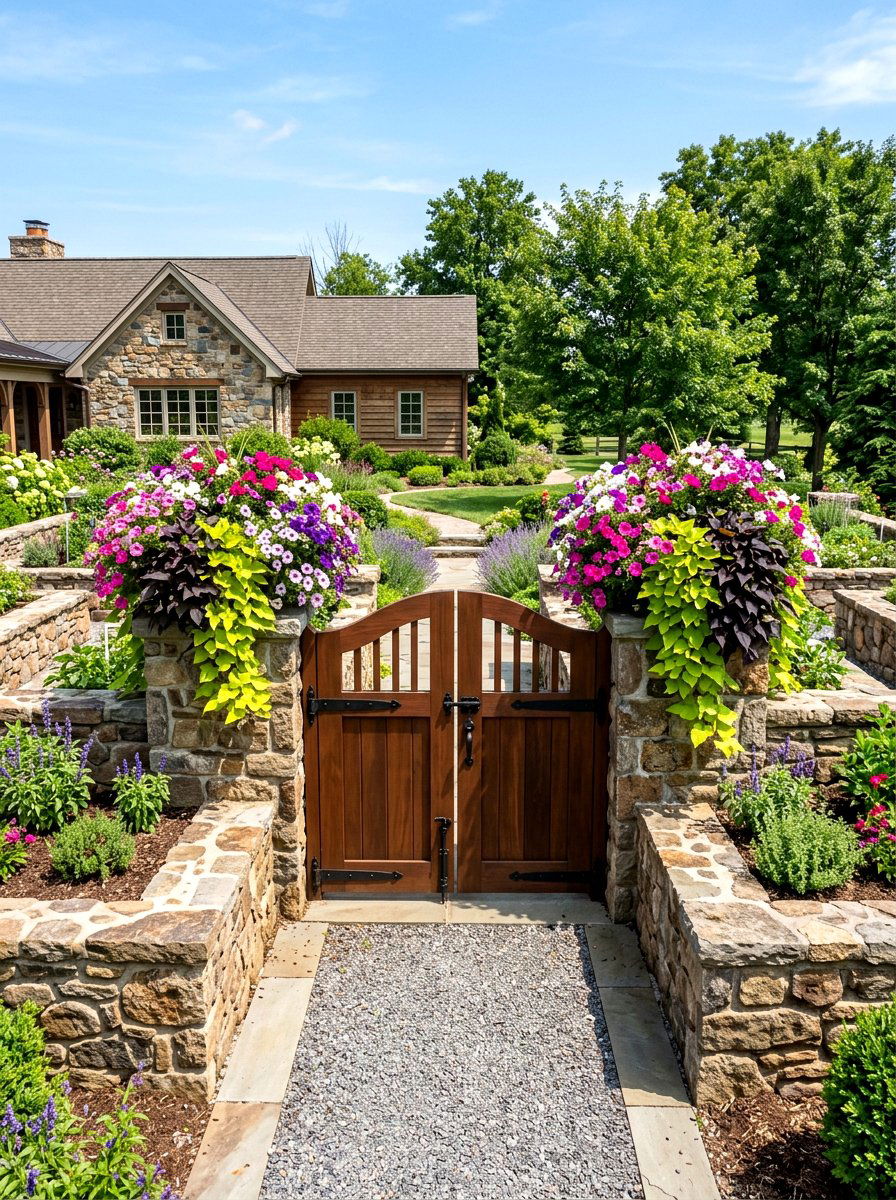
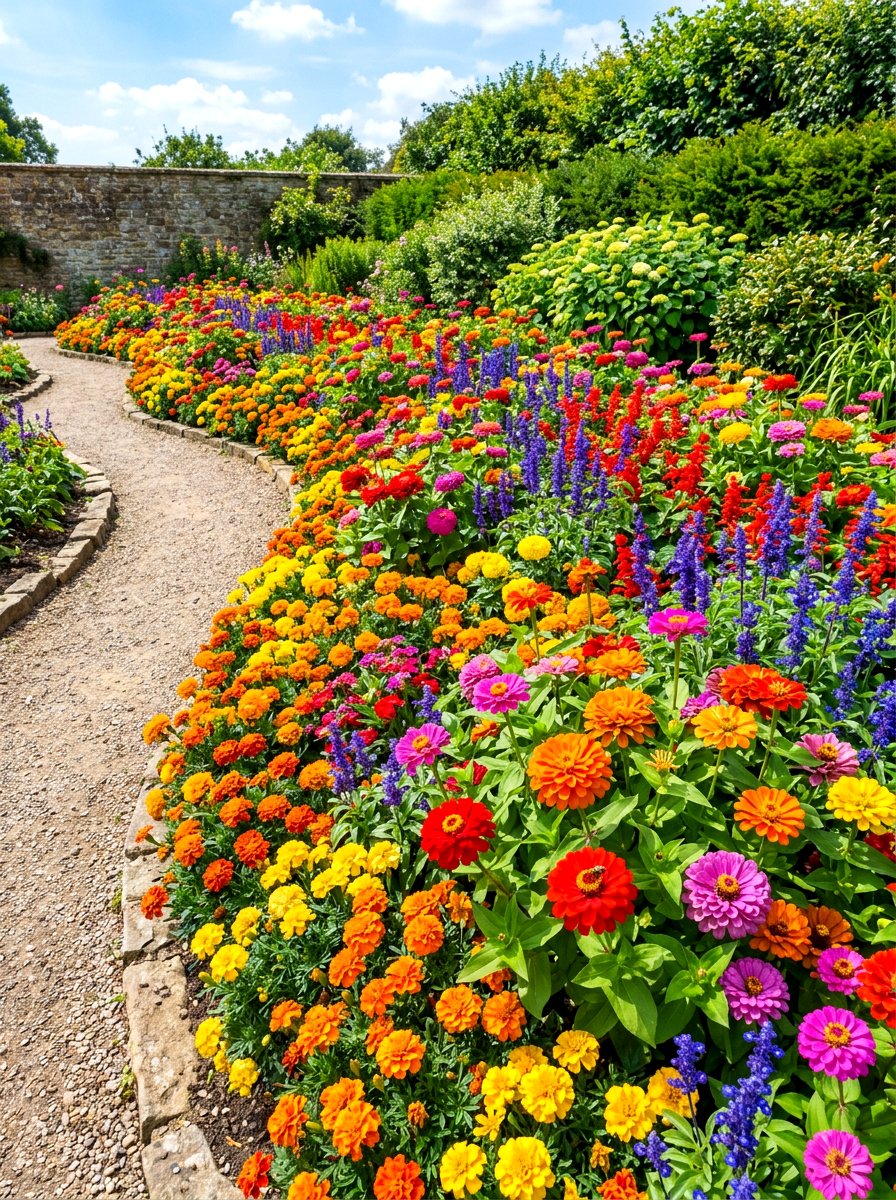
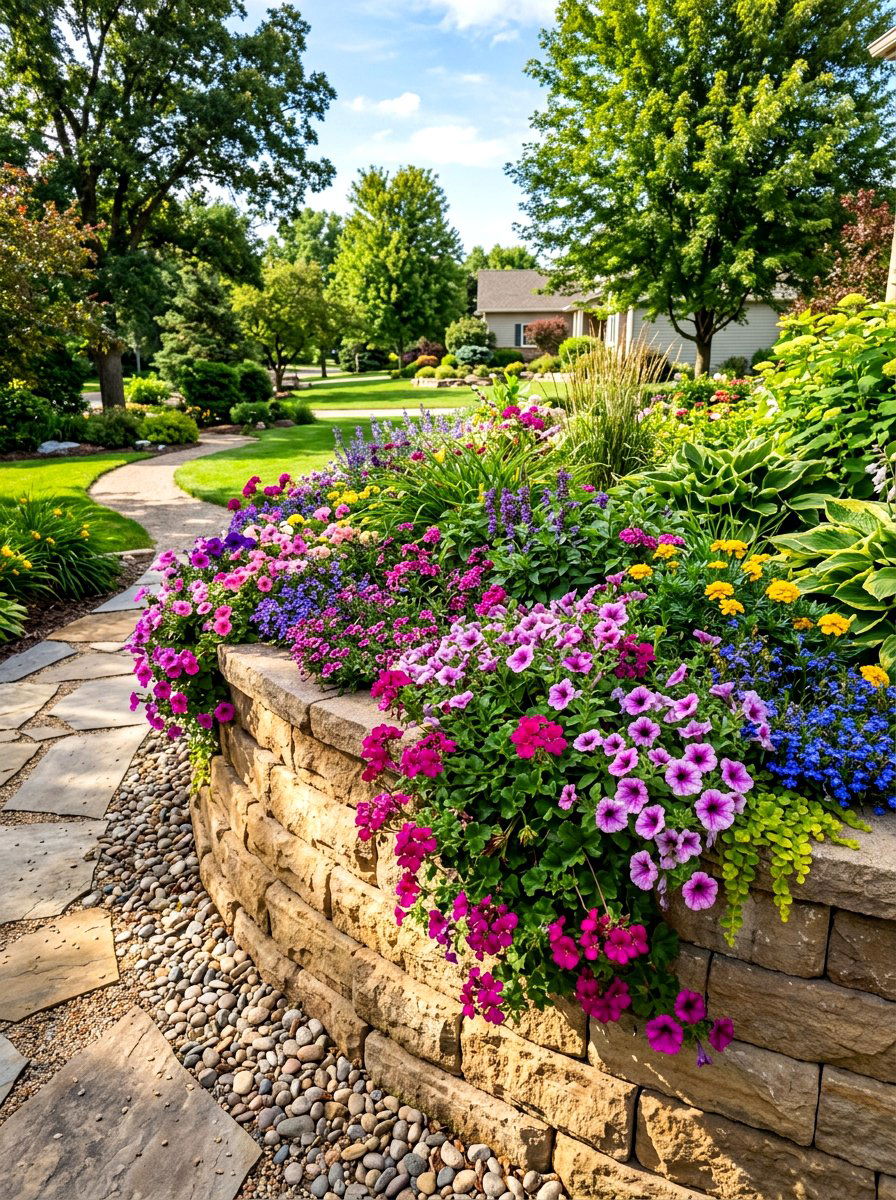
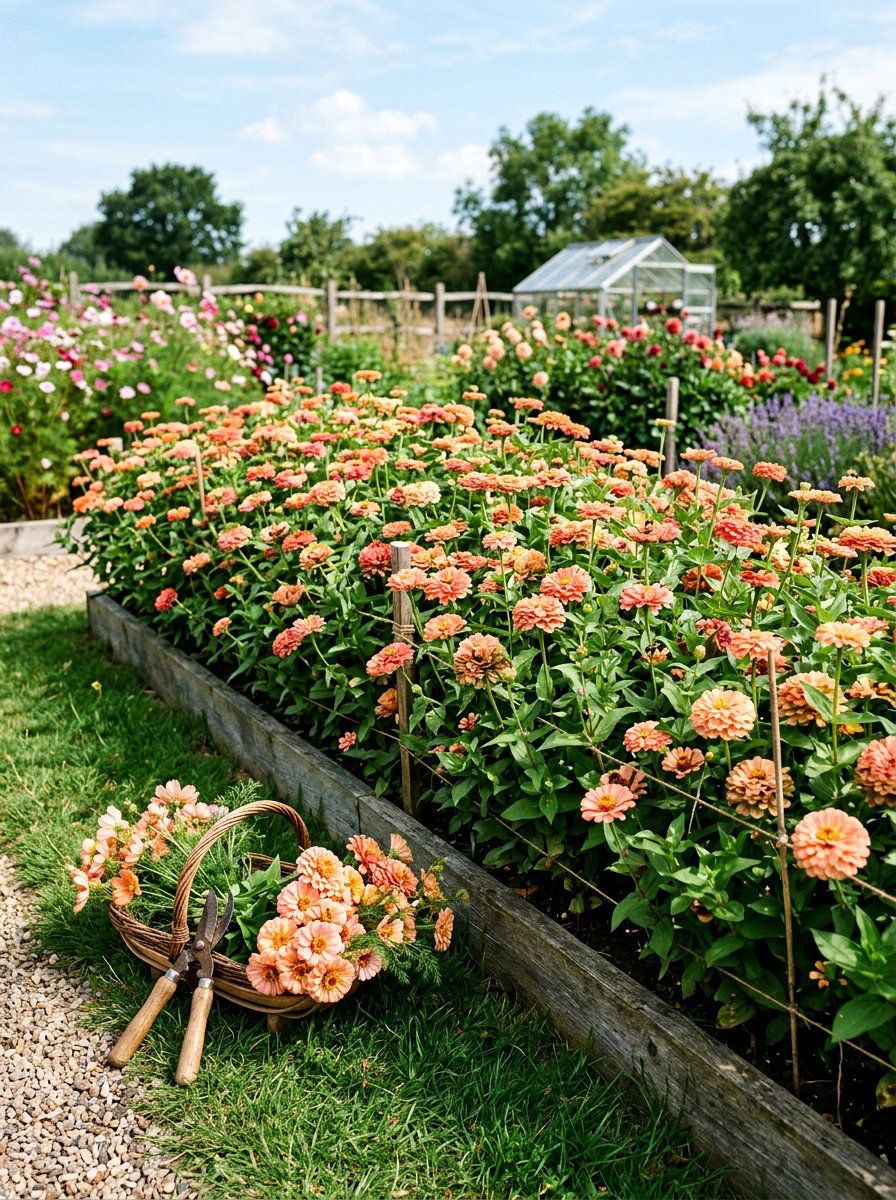
A raised bed gate design is both functional and aesthetically pleasing, offering a tidy way to manage your landscaping. Built from wood, stone, or brick, these elevated planters bring the flowers closer to eye level and provide excellent drainage. You can fill the beds with a mix of trailing plants like sweet potato vine and upright flowers like zinnias for a full, overflowing effect. Raised beds also act as a physical barrier, protecting your plants from foot traffic or stray pets near the gate. This structured approach allows for better soil control and makes gardening tasks much easier on your back. It creates a very organized look.
11. Ornamental Grass Gate
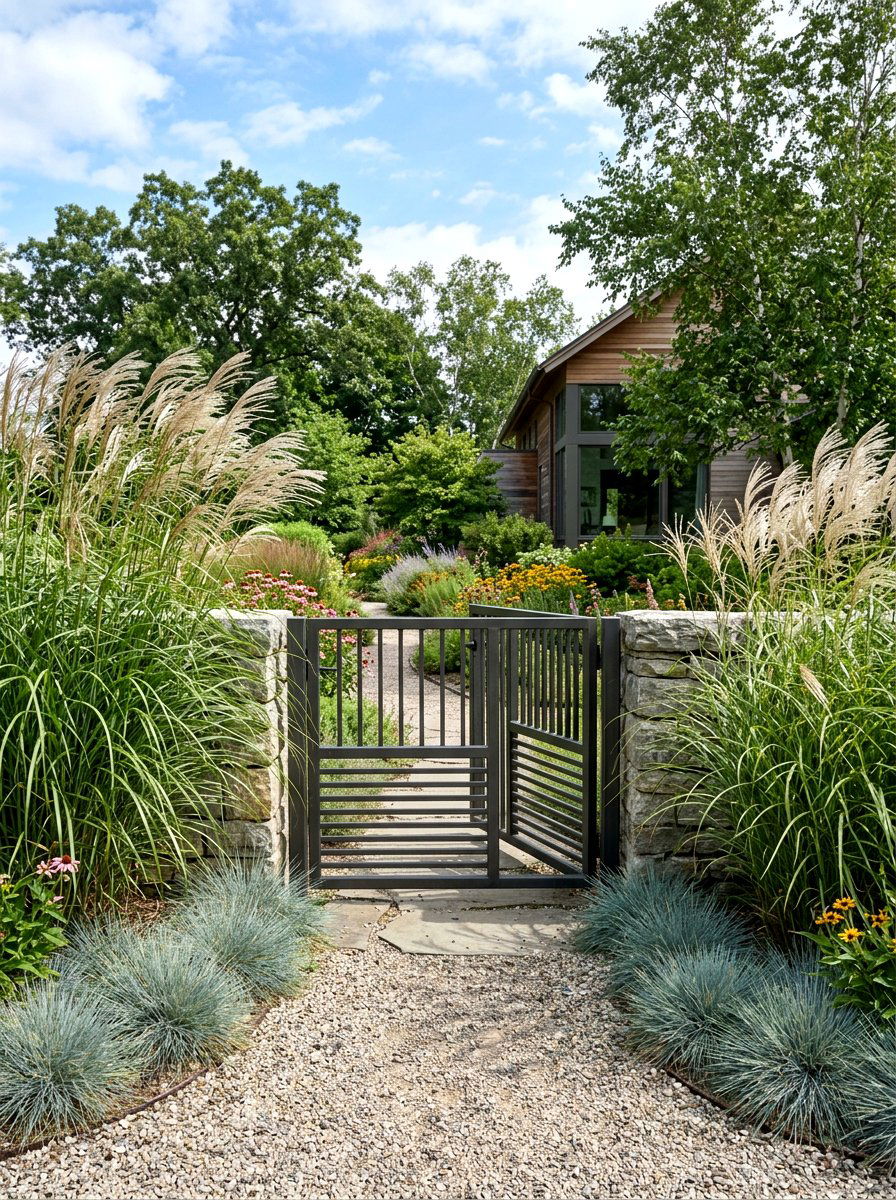
Using ornamental grass in your gate flower bed adds movement, sound, and a naturalistic feel to the entrance. Taller varieties like Miscanthus or Switchgrass provide a soft screen that sways gently in the breeze. Lower-growing grasses like Blue Fescue or Mondo Grass are perfect for edging the walkway and defining the path. These plants are generally very low-maintenance and offer interest through all four seasons, especially when their seed heads dry in the autumn. The fine texture of the grass blades contrasts beautifully with broad-leafed perennials or hardscaping elements like metal gates. This design style feels modern, organic, and incredibly sophisticated for any suburban home.
12. White Fence Gate
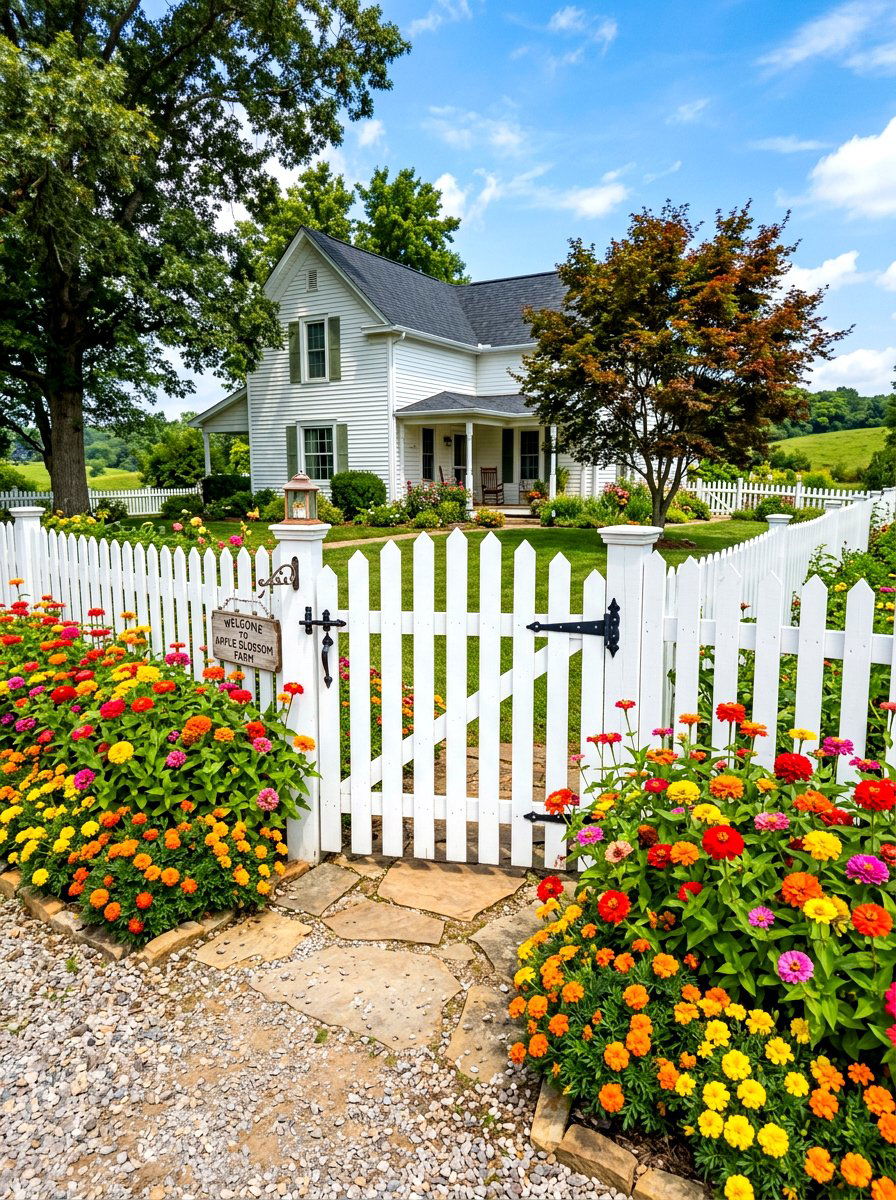
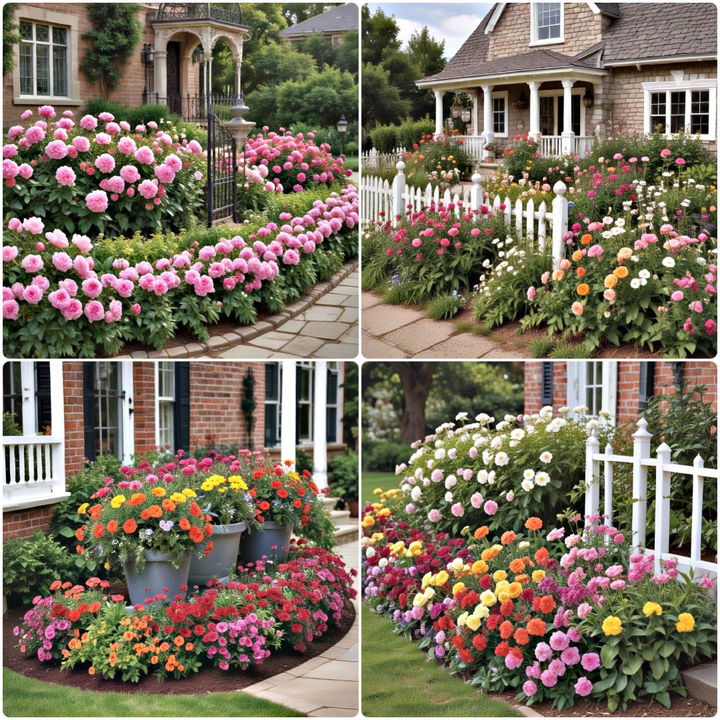
A white fence gate paired with a colorful flower bed is the epitome of classic curb appeal. This bright backdrop makes any flower color look more vivid and saturated. You can plant a mix of sun-loving annuals like petunias and marigolds for a cheerful, traditional appearance. For a more sophisticated look, consider a monochromatic white garden featuring white hydrangeas, lilies, and alyssum. The clean lines of the white fence provide a sense of order, while the plants add softness and life. This combination is particularly effective for cottage-style or farmhouse-inspired homes where a welcoming, friendly atmosphere is the primary goal of the landscape.
13. Succulent Gate Bed
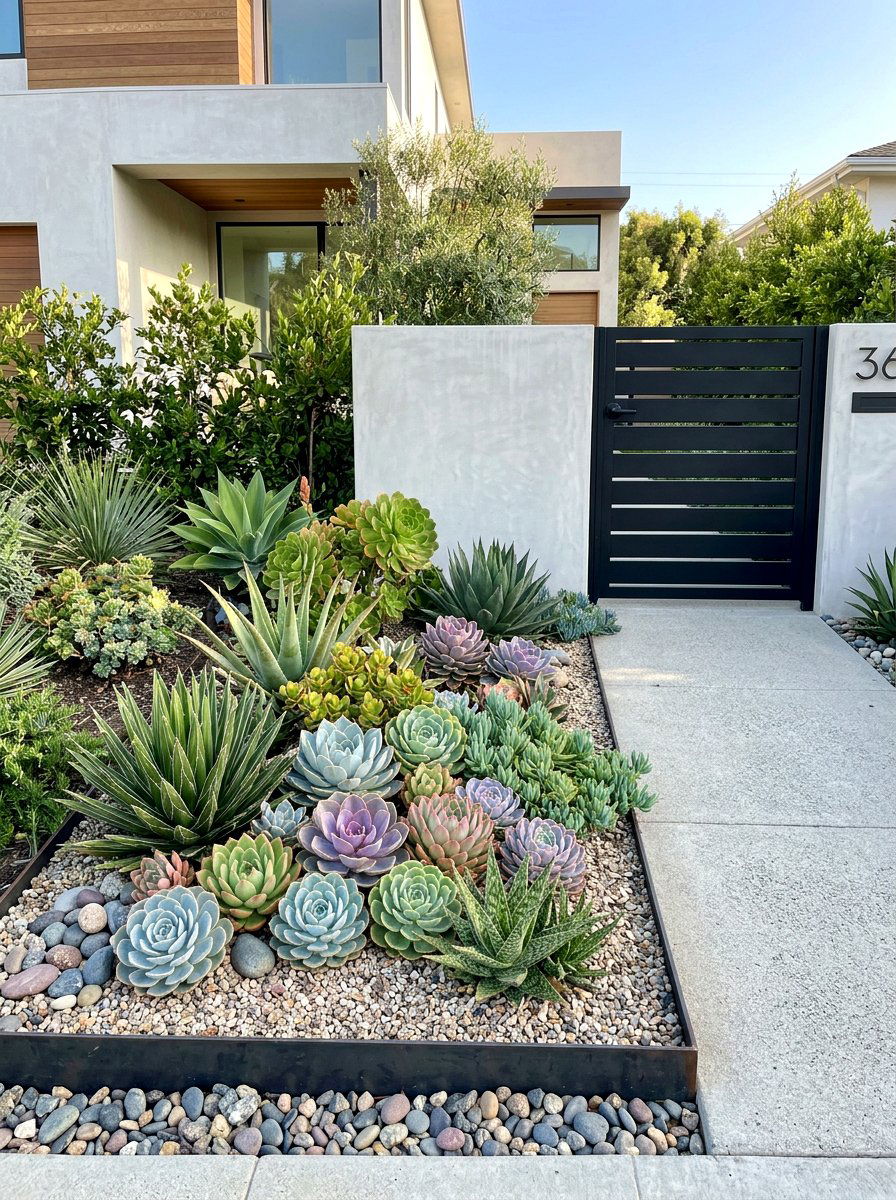
A succulent gate bed is a perfect solution for hot, dry climates or for homeowners who prefer a low-maintenance lifestyle. These plants come in an incredible array of shapes, sizes, and colors, from the rosettes of Echeveria to the tall spikes of Aloe. Arranging them in a bed with decorative gravel or crushed glass creates a modern, artistic look that requires very little water. Because succulents grow slowly, the design remains tidy and structured for a long time without needing constant pruning. This water-wise approach is environmentally friendly and offers a unique, architectural beauty that stands out from more traditional, thirsty flower beds.
14. Perennial Gate Border
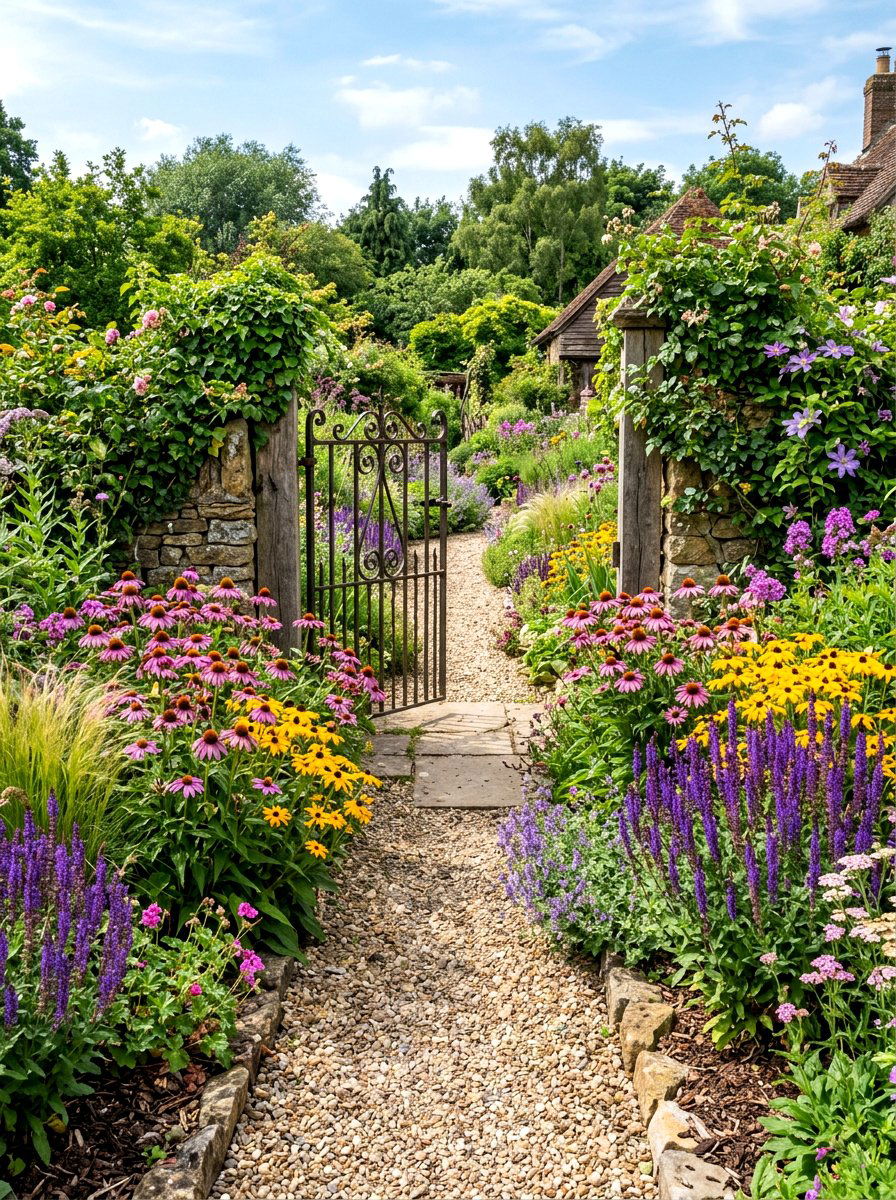
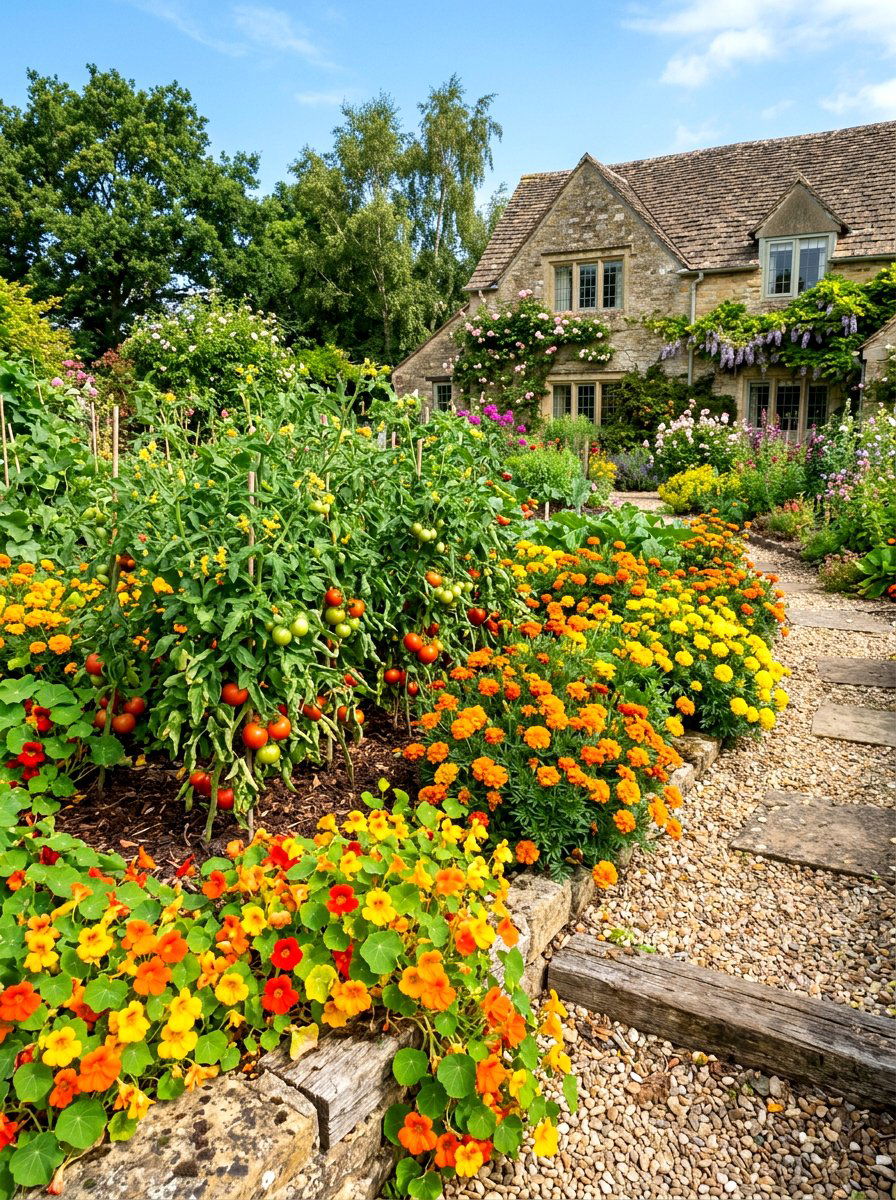
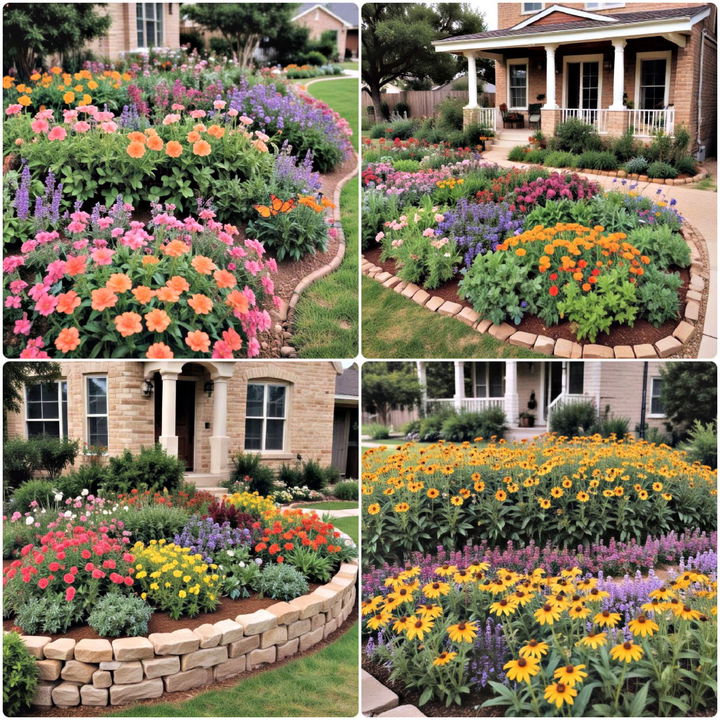
A perennial gate border is a smart long-term investment that provides beauty year after year with minimal replanting. By choosing a variety of plants with staggered bloom times, you can ensure there is always something flowering near your gate. Mix sun-loving favorites like coneflowers, black-eyed Susans, and coreopsis for a vibrant and hardy display. These plants often attract pollinators like butterflies and bees, adding life and movement to your front yard. As the perennials mature, they fill in the space, reducing the need for mulch and helping to suppress weeds. This sustainable gardening choice results in a lush, established look that improves with age.
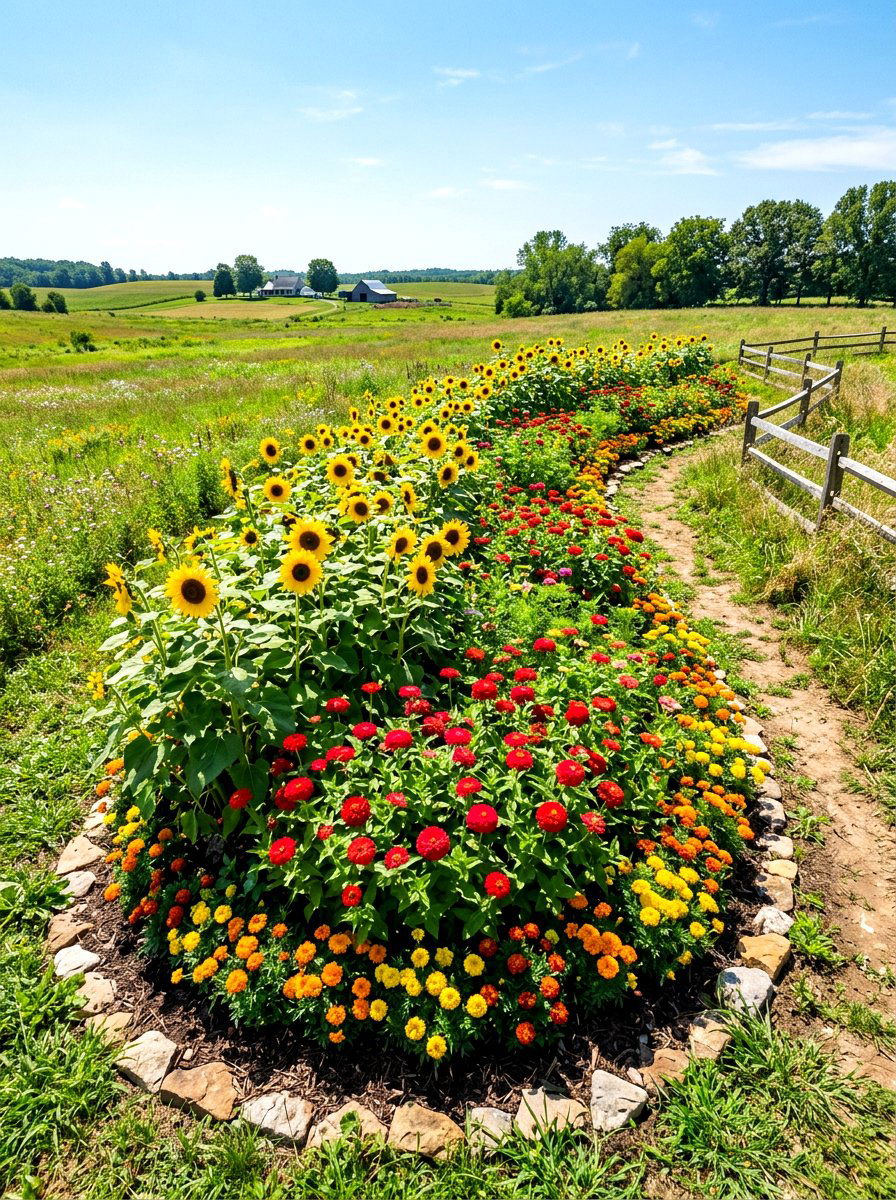

15. Boxwood Gate Hedge
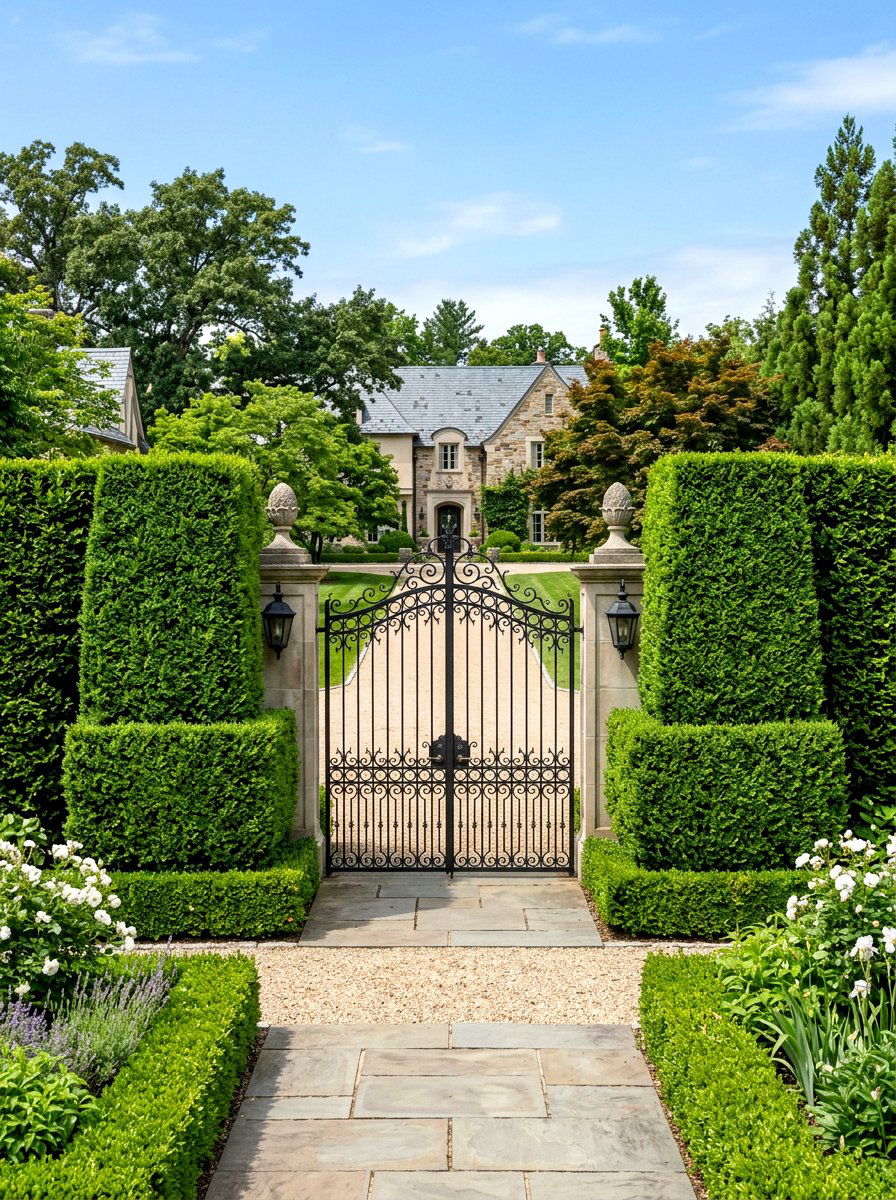
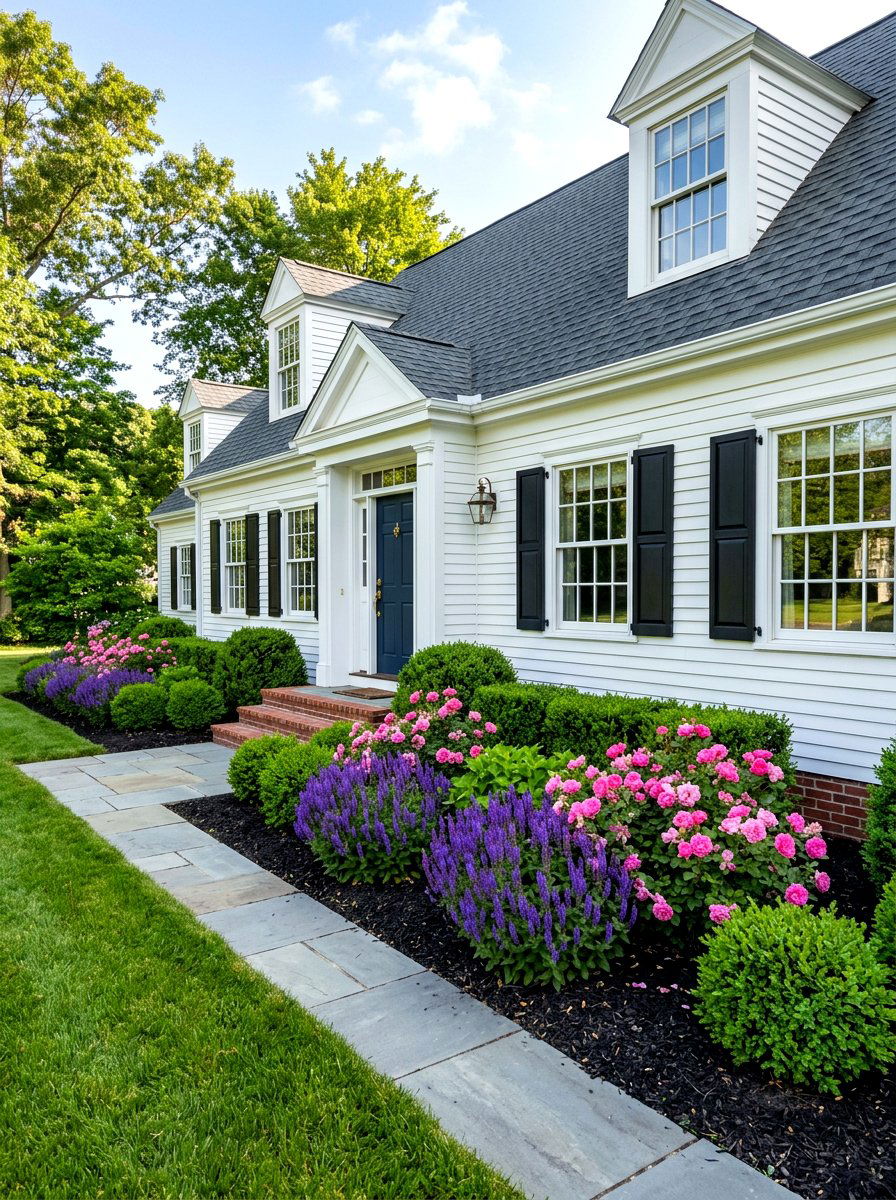
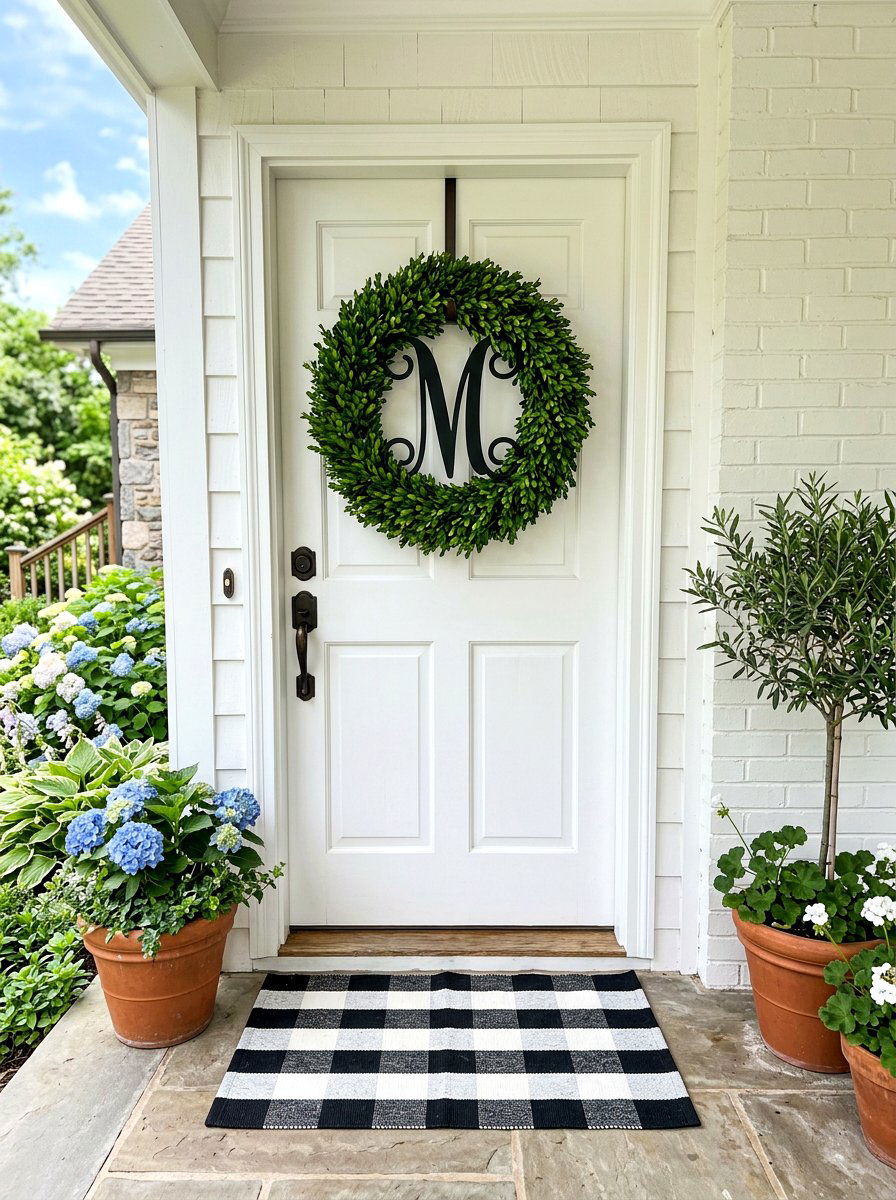
A boxwood gate hedge offers a formal and timeless look that complements almost any architectural style. These versatile evergreens can be pruned into sharp, geometric shapes or allowed to grow into soft, rounded mounds. Placing them on either side of the gate creates a sense of symmetry and deliberate design. You can plant a low boxwood hedge as a border and fill the space behind it with taller flowering shrubs like azaleas or roses. This layered effect provides structure and depth, making the entrance feel more substantial. The dense foliage stays green all year, ensuring your gate area looks polished even in the middle of winter.
16. Hydrangea Gate Bush
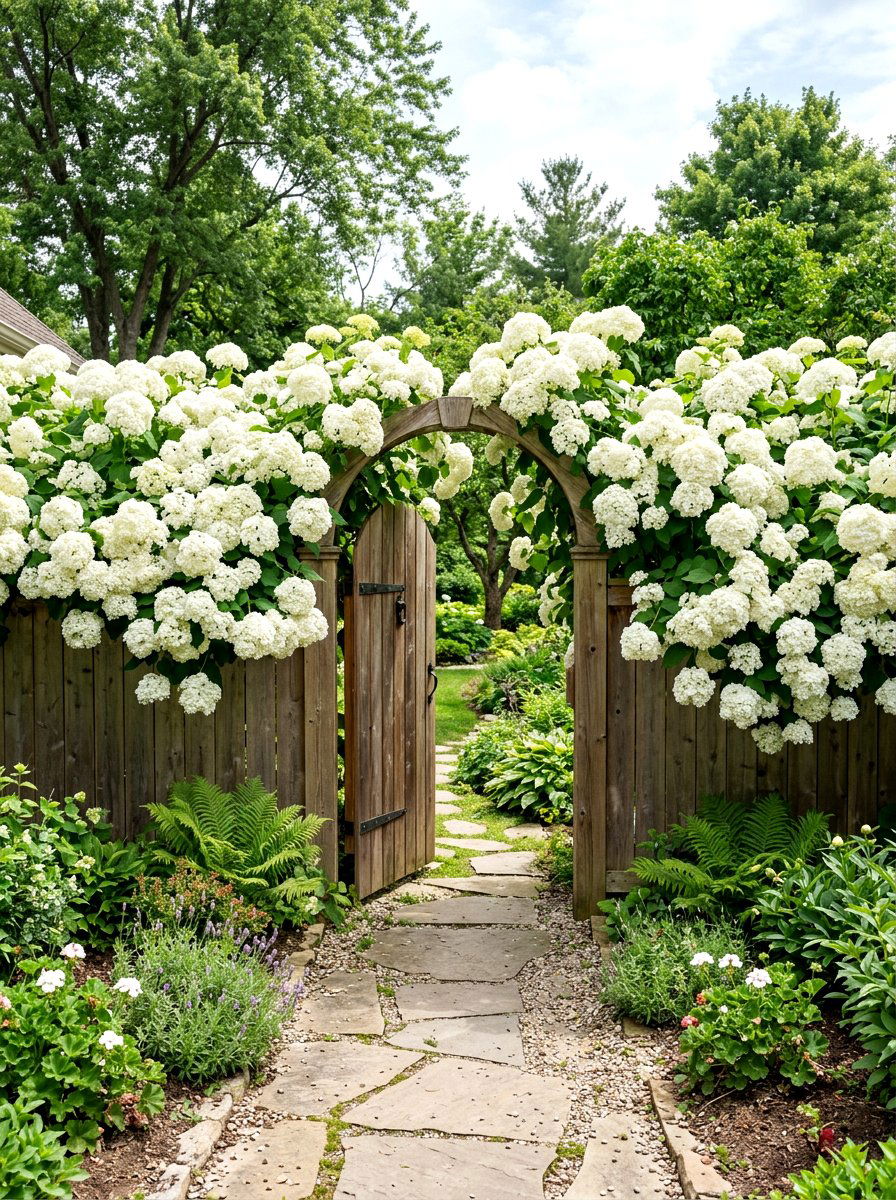
Hydrangeas are a favorite for gate flower beds because they provide massive clusters of blooms and large, lush leaves. Planting a row of Annabelle or Limelight hydrangeas along the fence line creates a stunning wall of flowers that lasts for months. These shrubs are particularly effective at softening the look of a heavy wooden or iron gate. Because they can grow quite large, they are perfect for filling big spaces quickly and providing a sense of abundance. The flowers often change color as they age, offering a shifting palette of whites, greens, pinks, or blues. This classic garden choice adds a high-end feel to any entryway.
17. Japanese Gate Garden
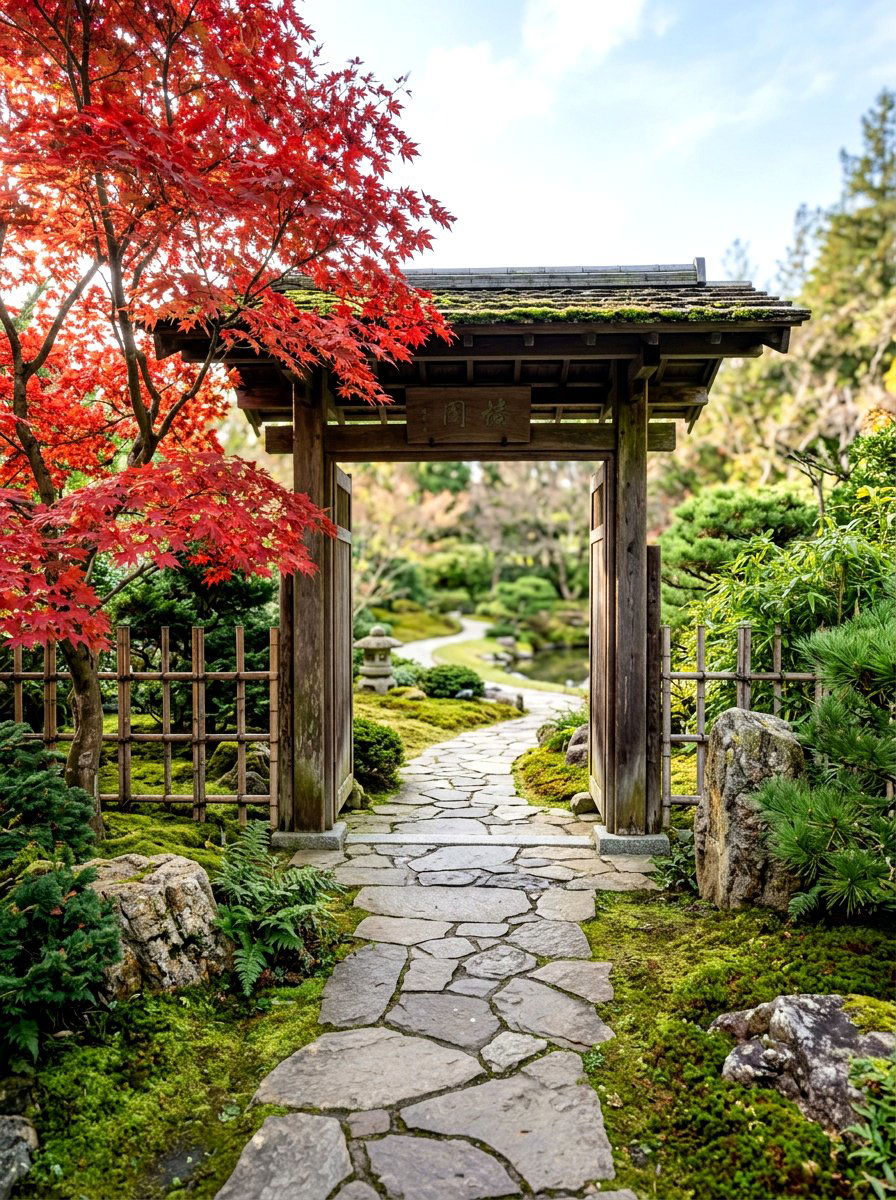
A Japanese gate garden focuses on tranquility, balance, and the beauty of natural materials. This design often incorporates a simple wooden gate, mossy rocks, and carefully pruned specimen plants like Japanese maples or cloud-pruned pines. Water elements, such as a small stone basin, can be placed near the entrance to enhance the peaceful atmosphere. Use fine-textured ground covers like dwarf mondo grass to create a carpet-like effect around the stepping stones. The goal is to create a space that feels like a miniature landscape, inviting visitors to slow down and appreciate the details. This aesthetic is perfect for creating a calm and sophisticated first impression.
18. Wildflower Gate Meadow
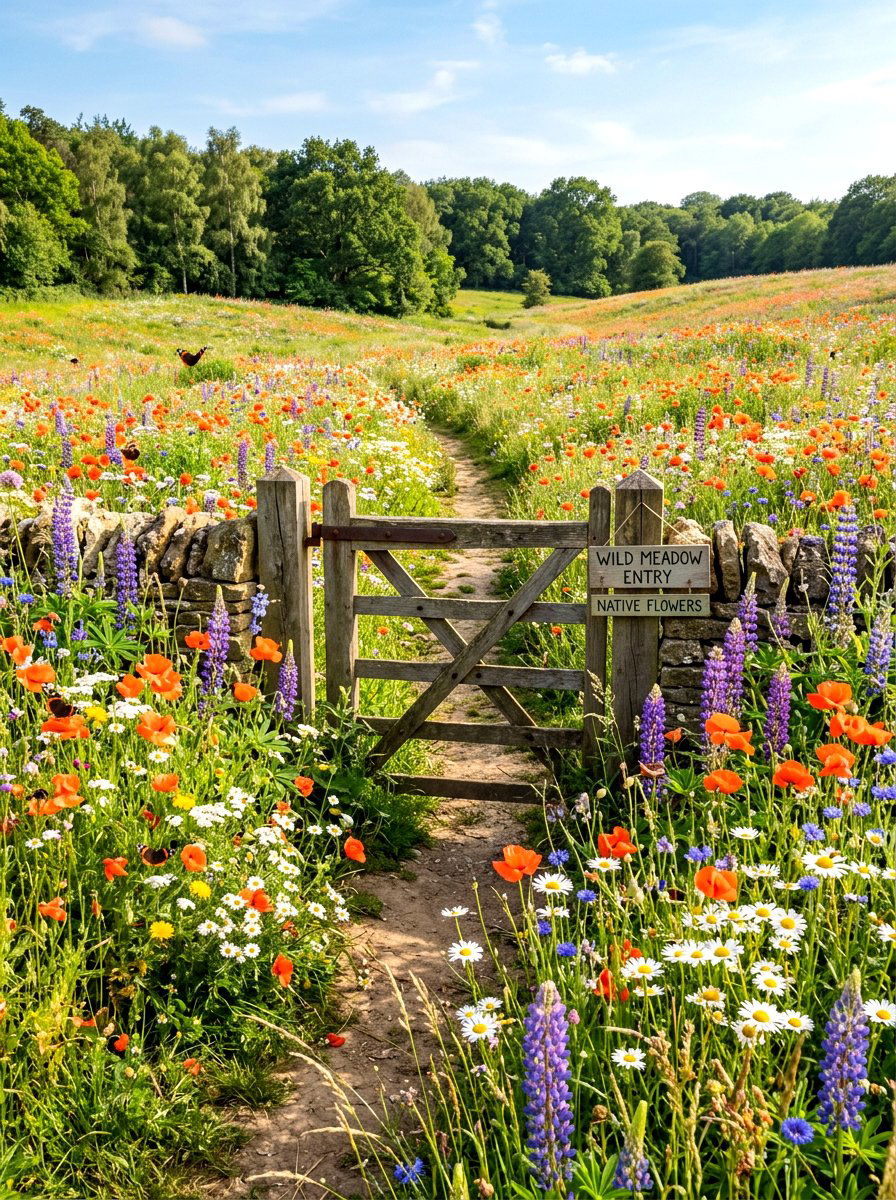
For a more natural and eco-friendly approach, consider a wildflower gate meadow. This design involves planting a mix of native flowering plants that require very little intervention once established. The result is a vibrant, bustling ecosystem that supports local birds, bees, and butterflies right at your entrance. Species like milkweed, lupine, and poppies create a colorful and informal look that changes beautifully throughout the seasons. This style works best for rural properties or for homeowners who want to embrace a more relaxed, "wild" garden aesthetic. It reduces the need for chemicals and excessive watering, making it a sustainable choice that celebrates the beauty of local flora.
19. Vertical Gate Garden
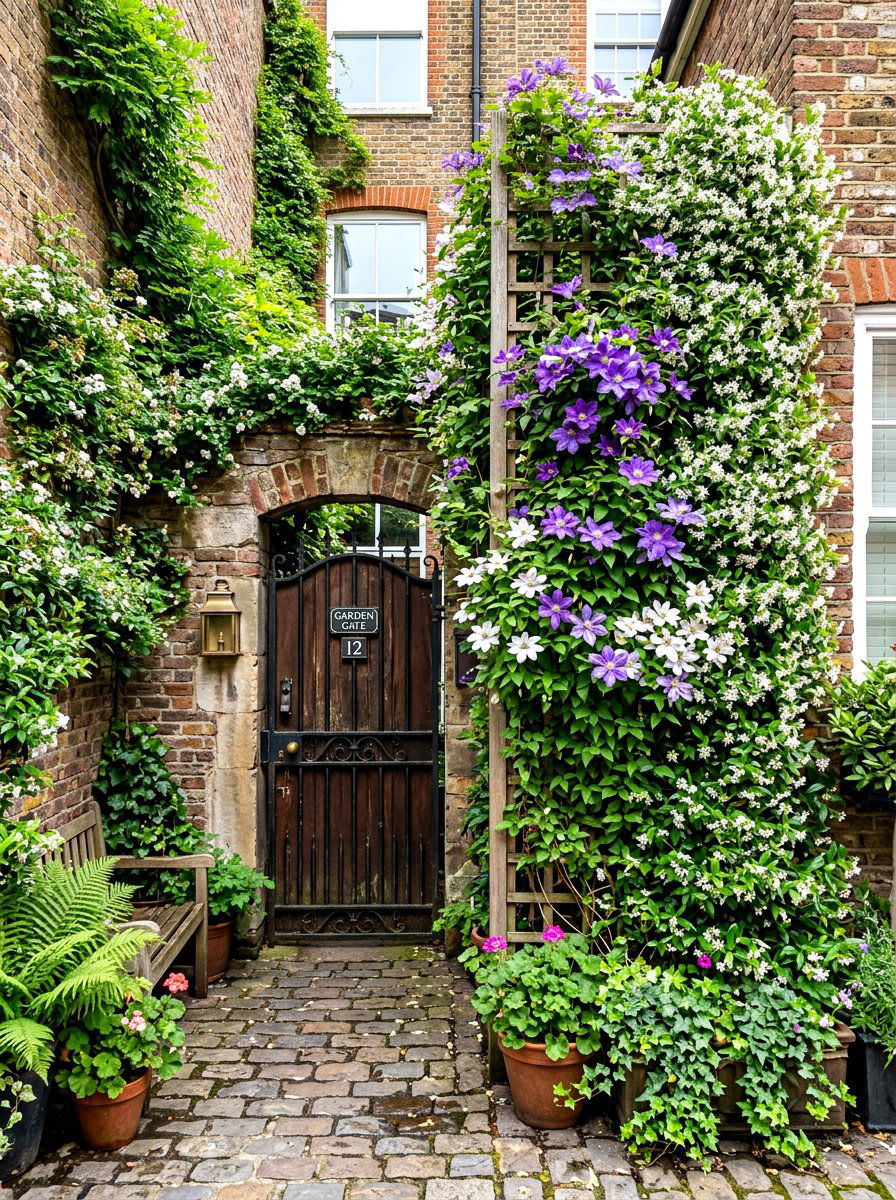
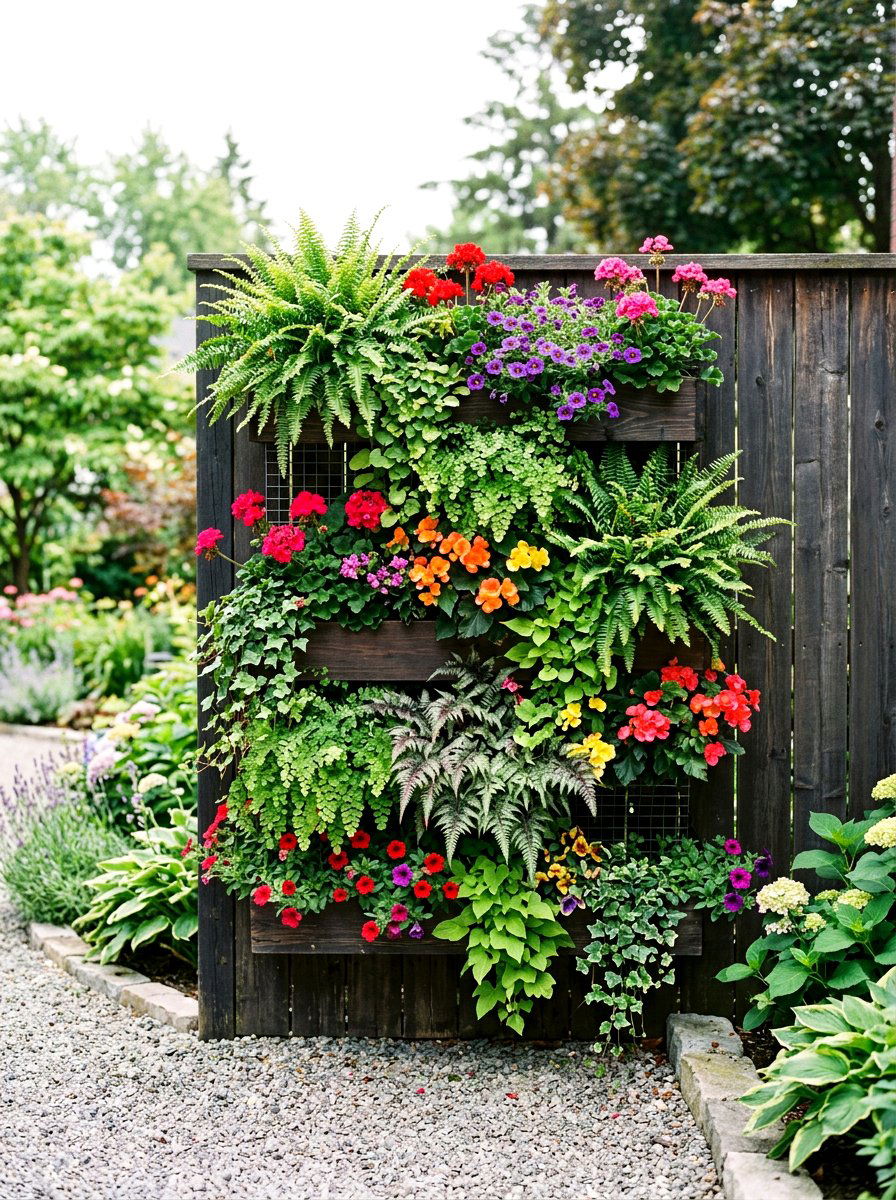
When space is limited near the entrance, a vertical gate garden is an ingenious way to add greenery without taking up much ground space. You can use trellises, wall-mounted planters, or even a living wall system installed on the fence next to the gate. Climbing vines like clematis or jasmine are perfect for adding height and fragrance to the structure. This approach allows you to layer plants vertically, creating a lush look even in a narrow entryway. It is particularly effective for urban homes or townhouses where every square inch of garden space counts. The vertical greenery acts as a living tapestry that welcomes guests.
20. Brick Gate Bed
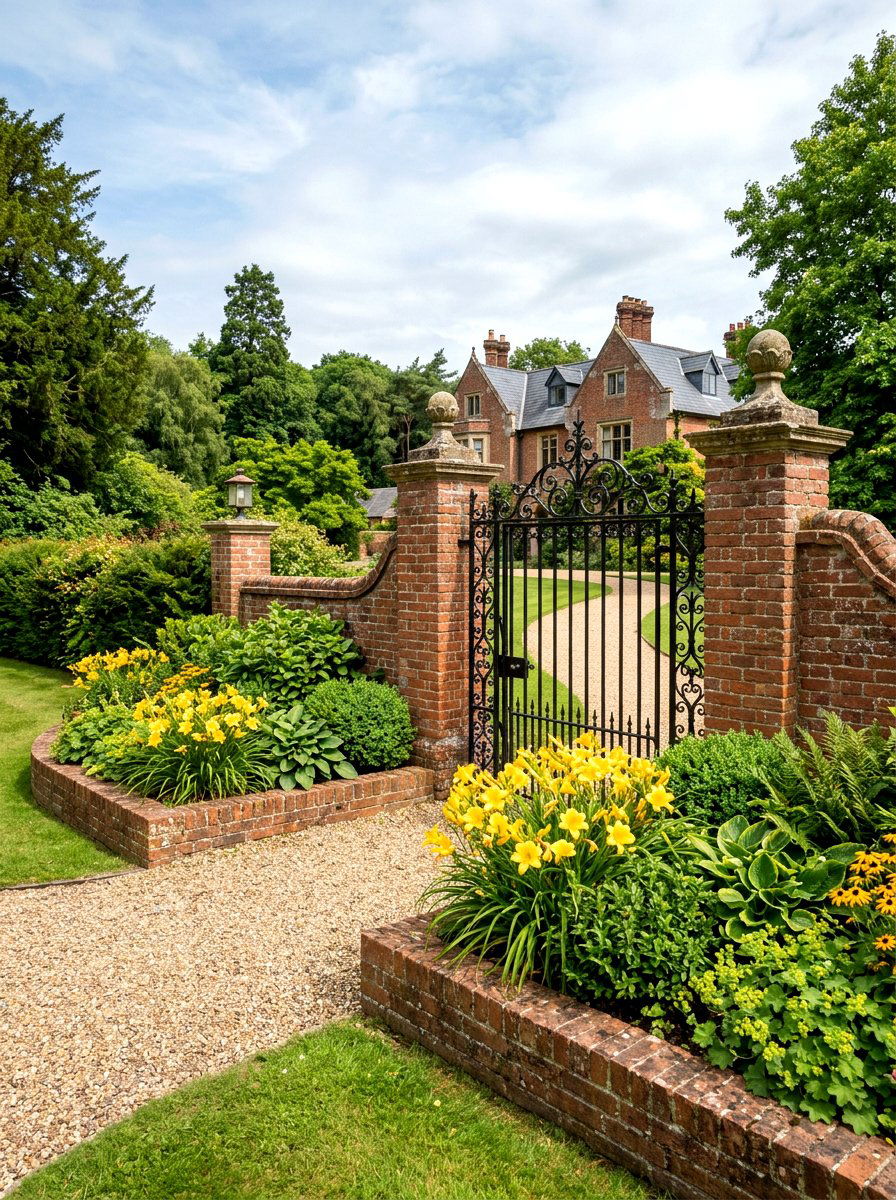
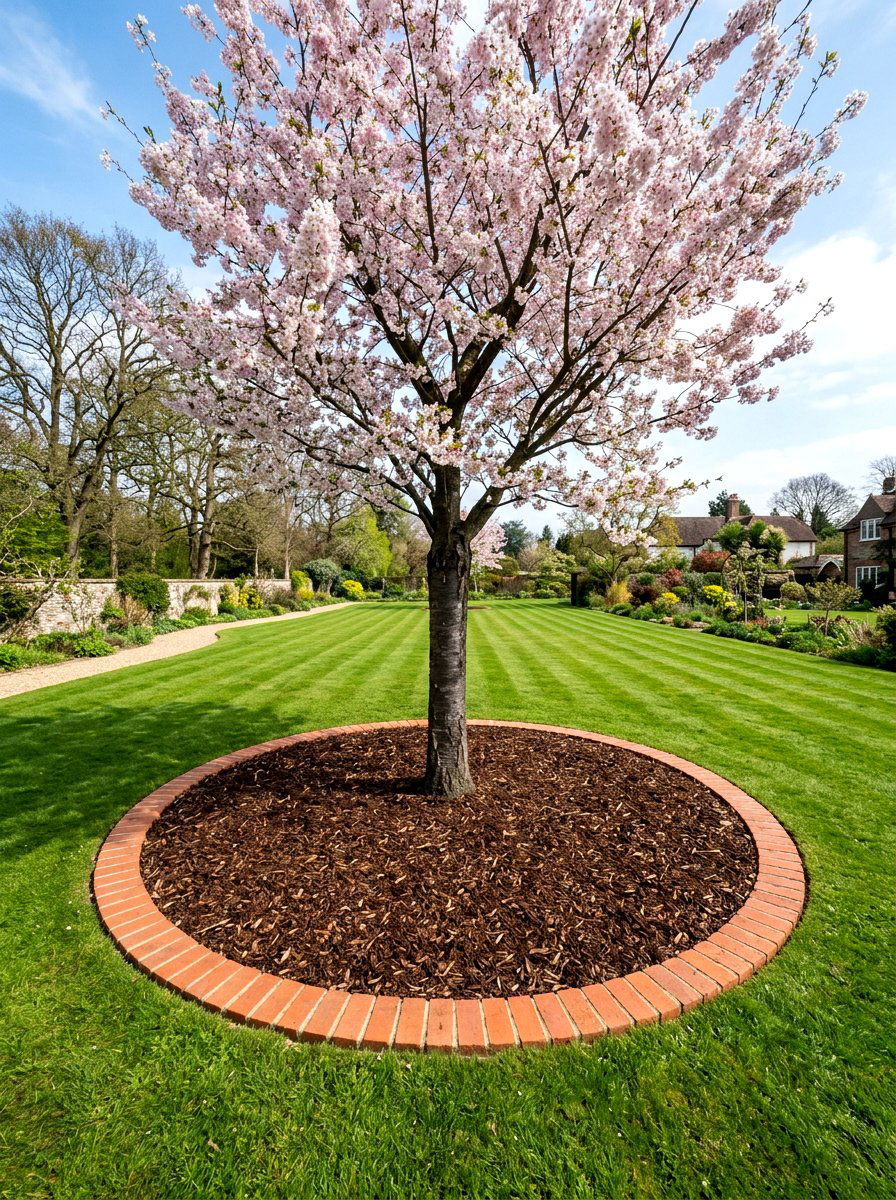
A brick gate bed provides a classic and durable framework for your landscaping that matches traditional home designs. The warm tones of the brick contrast beautifully with green foliage and bright flower colors. You can build low retaining walls out of brick to create tiered levels, allowing for a more dynamic planting scheme. This structure helps to define the boundaries of the flower bed clearly and keeps the soil contained. Brick is also an excellent material for incorporating built-in lighting or seating near the gate. This cohesive design approach makes the garden feel like an architectural extension of the house itself, providing a very polished look.
21. Small Gate Flower Bed
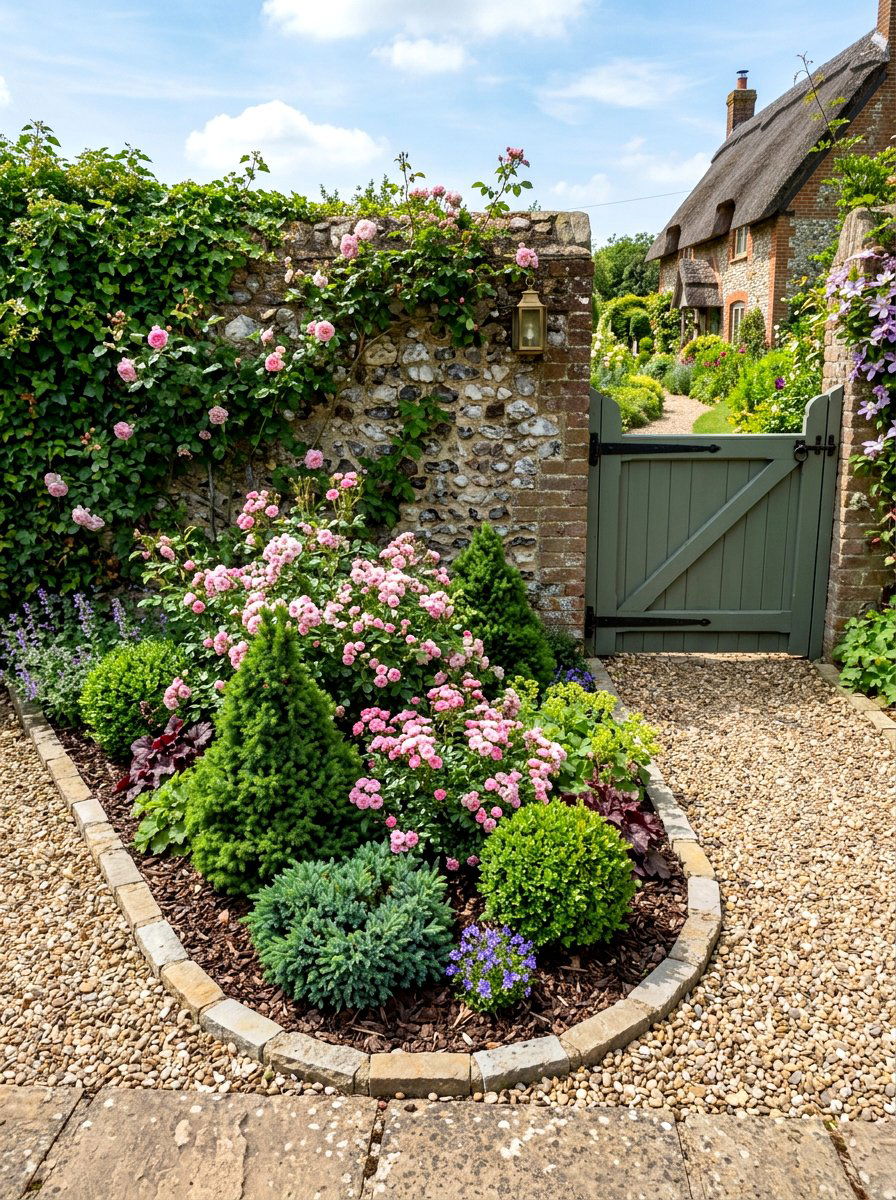
Designing a small gate flower bed requires careful plant selection to maximize impact in a limited area. Focus on using dwarf varieties of popular plants, such as miniature roses or compact evergreens, to keep the scale appropriate. You can use a "thriller, filler, and spiller" technique in a small space to ensure visual interest at every level. A single focal point, like a colorful ceramic pot or a small garden statue, can make a tiny bed feel more intentional. By keeping the color palette simple and using fine-textured plants, you can make the entryway feel larger and more inviting without overcrowding the physical path.
22. Fragrant Gate Garden
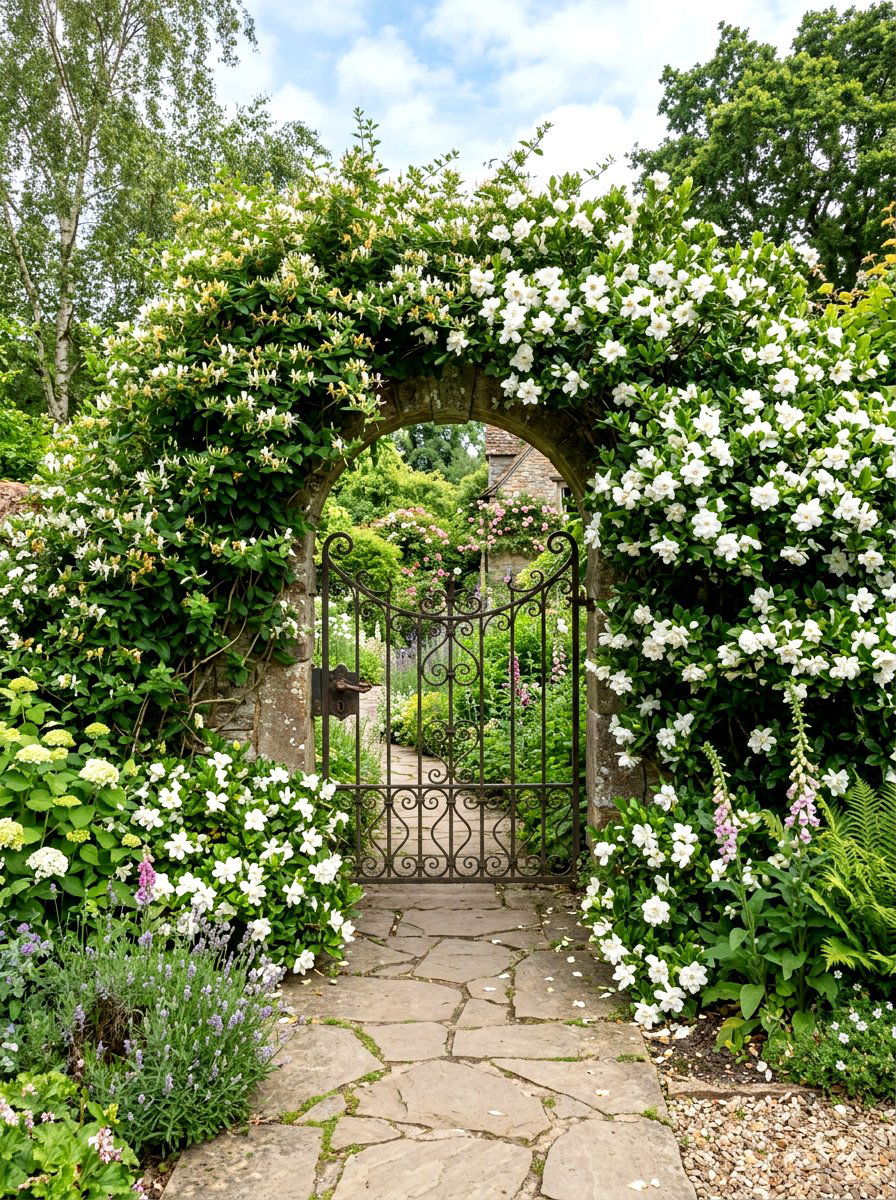
A fragrant gate garden creates a sensory experience that begins the moment someone approaches your home. By planting aromatic species like gardenias, honeysuckle, or sweet alyssum near the gate, you fill the air with wonderful scents. This is especially effective in the evening when some flowers, like night-blooming jasmine, are most potent. The scent acts as an invisible welcome, making the transition from the street to the home feel special and memorable. Combine these with visual beauties like peonies or lilies to ensure the garden is as stunning to look at as it is to smell. It adds a layer of luxury to the entry.
23. Coastal Gate Garden
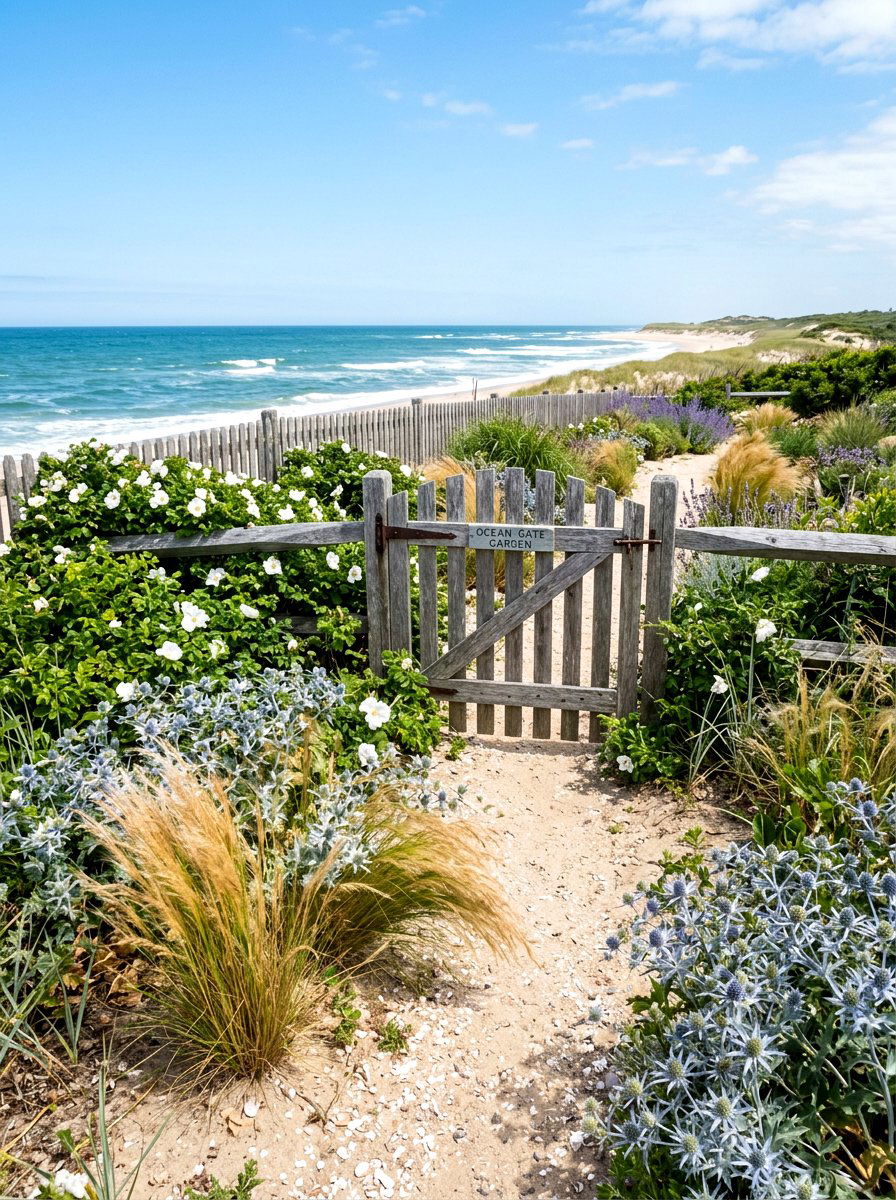
A coastal gate garden is designed to withstand salty air and sandy soil while looking breezy and relaxed. This style often features a palette of whites, blues, and sandy tans to reflect the seaside environment. Plants like sea holly, beach roses, and ornamental grasses like sea oats are excellent choices for their resilience and texture. You can use weathered wood for the gate and incorporate seashells or smooth river stones as mulch to enhance the beachy theme. This type of landscaping feels light and airy, providing a cheerful and low-maintenance welcome that perfectly complements a coastal or nautical-style home and its surroundings.
24. Mediterranean Gate Border
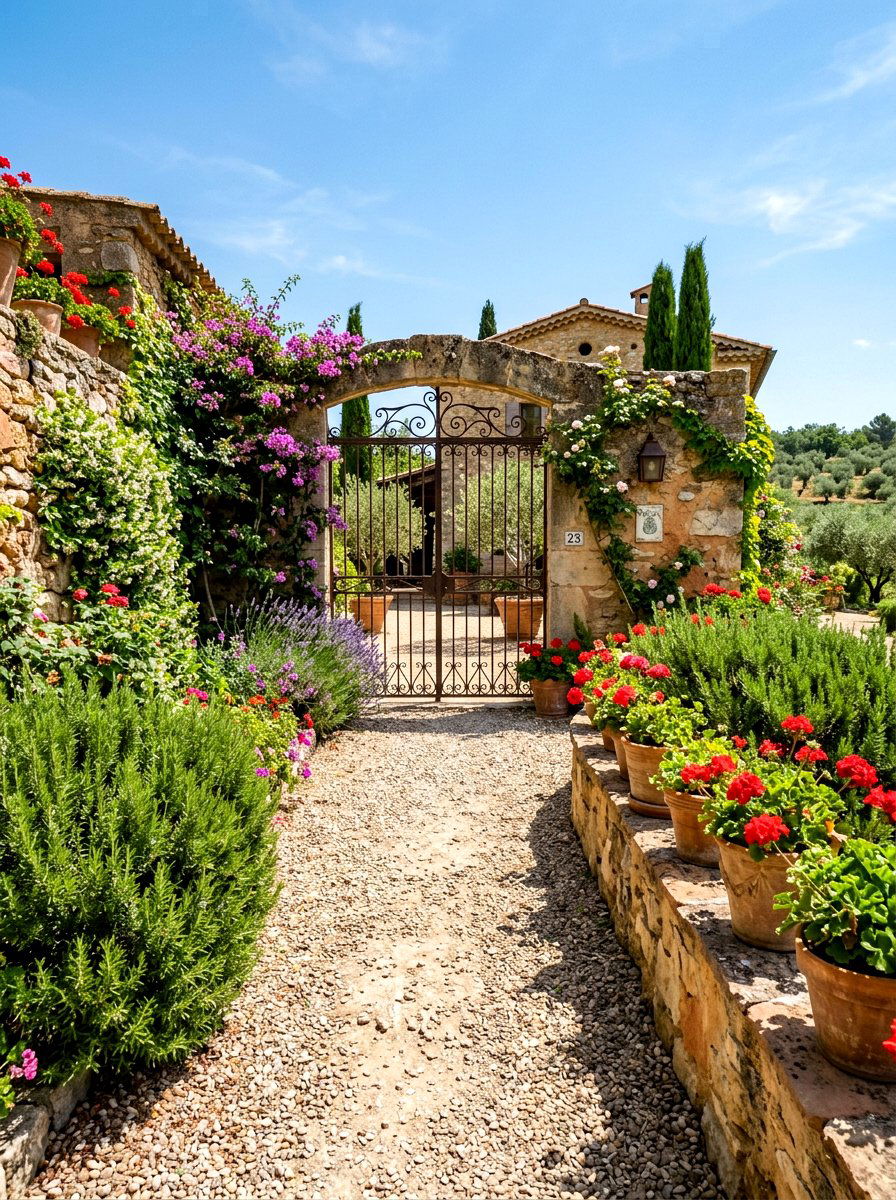
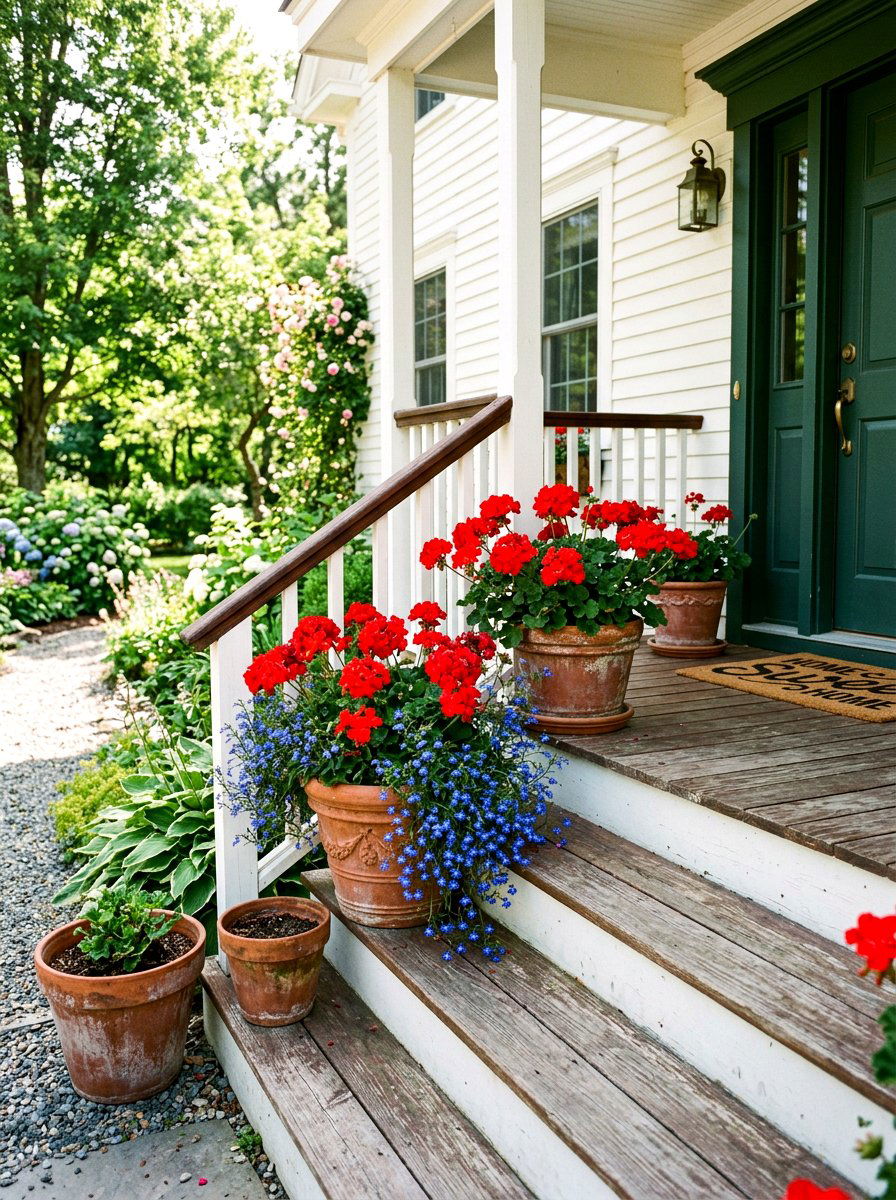
The Mediterranean gate border is characterized by sun-baked colors, terracotta accents, and drought-tolerant plants. This design often features gravel pathways, olive trees, and herbs like rosemary and thyme that double as ornamental greenery. A wrought-iron gate serves as a beautiful focal point against the earthy tones of the plants and soil. You can add pops of bright color with bougainvillea or geraniums in classic clay pots. This style is not only beautiful but also very practical for hot, dry climates where water conservation is a priority. The combination of rustic textures and vibrant life creates a warm, inviting, and highly sophisticated entrance for any home.
25. Potted Gate Plants
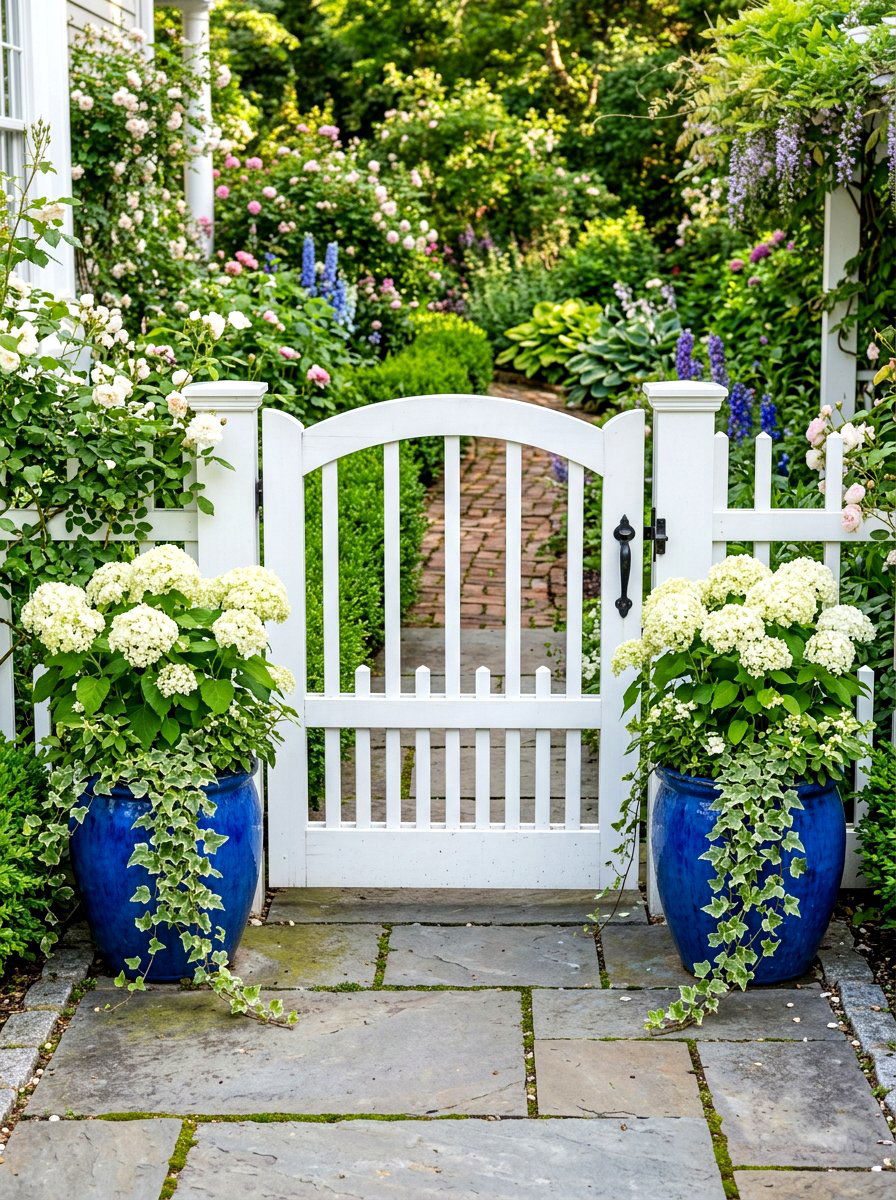
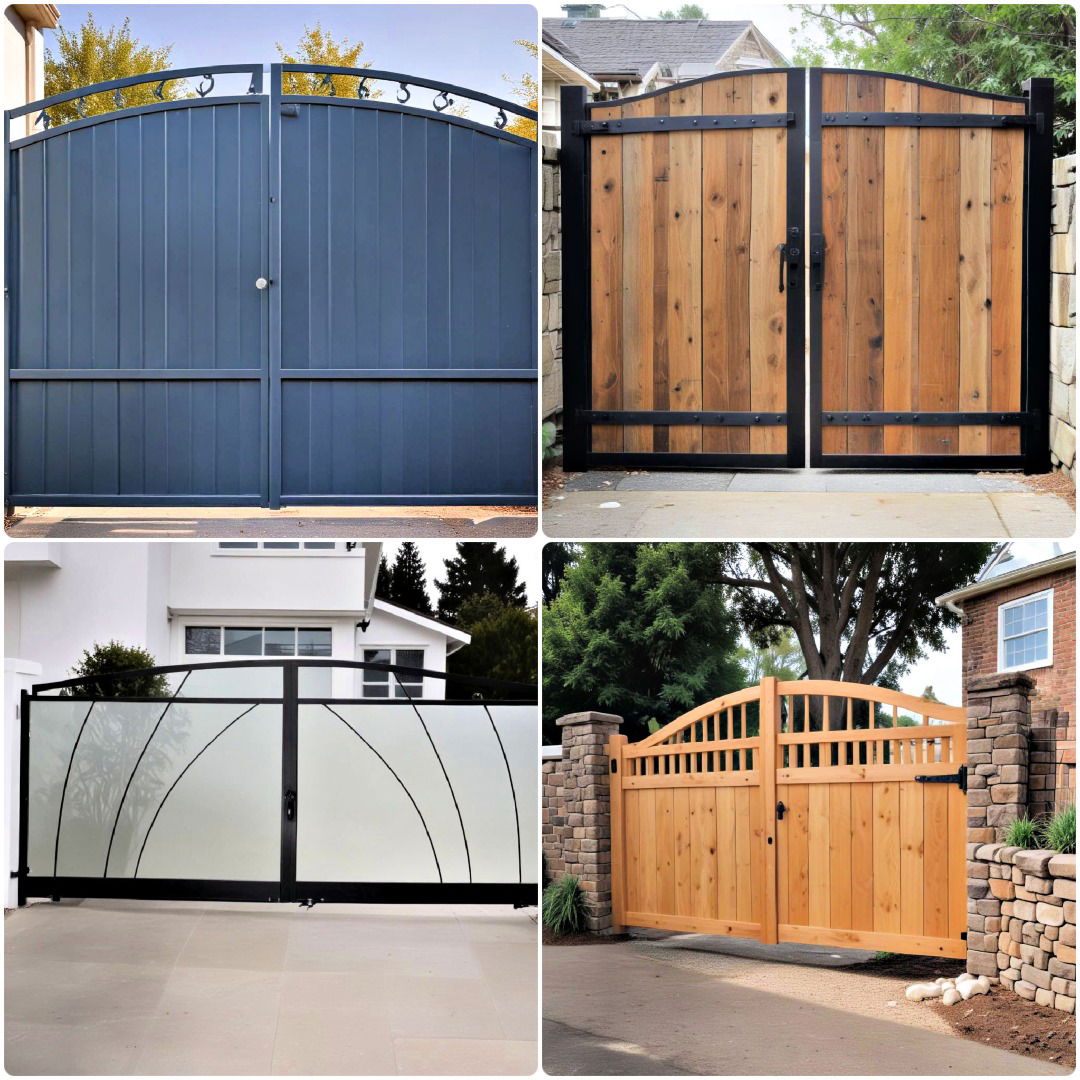
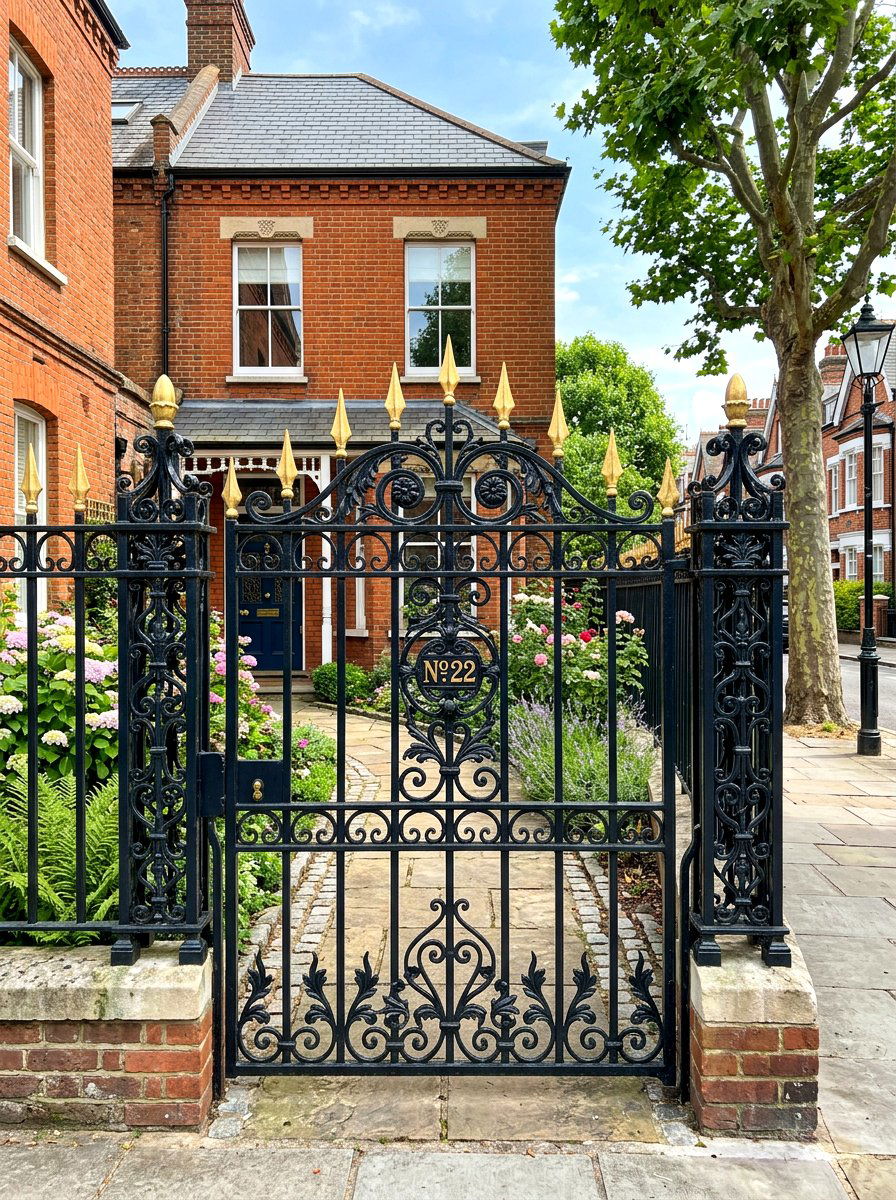
Using potted gate plants is a versatile way to add color and structure to an entrance without committing to permanent ground beds. Large, statement containers can be placed symmetrically on either side of the gate to create a formal look. The beauty of this approach is the ability to change the plants with the seasons, from spring tulips to autumn chrysanthemums. Pots also allow you to control the soil quality and provide perfect drainage for finicky plants. You can choose containers that match your home's exterior, whether they are sleek modern metal or traditional ornate concrete. This mobile garden is perfect for renters or those with paved entries.
26. Contemporary Gate Landscaping
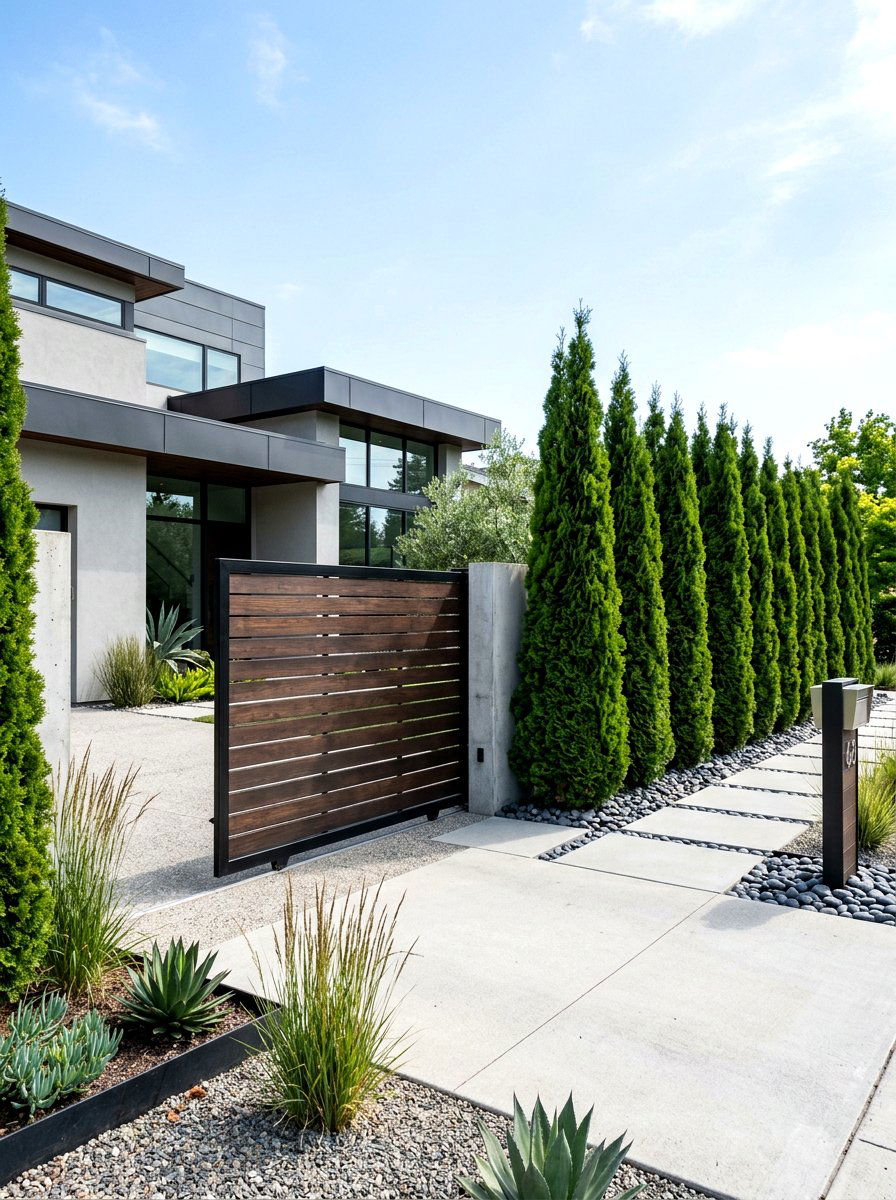
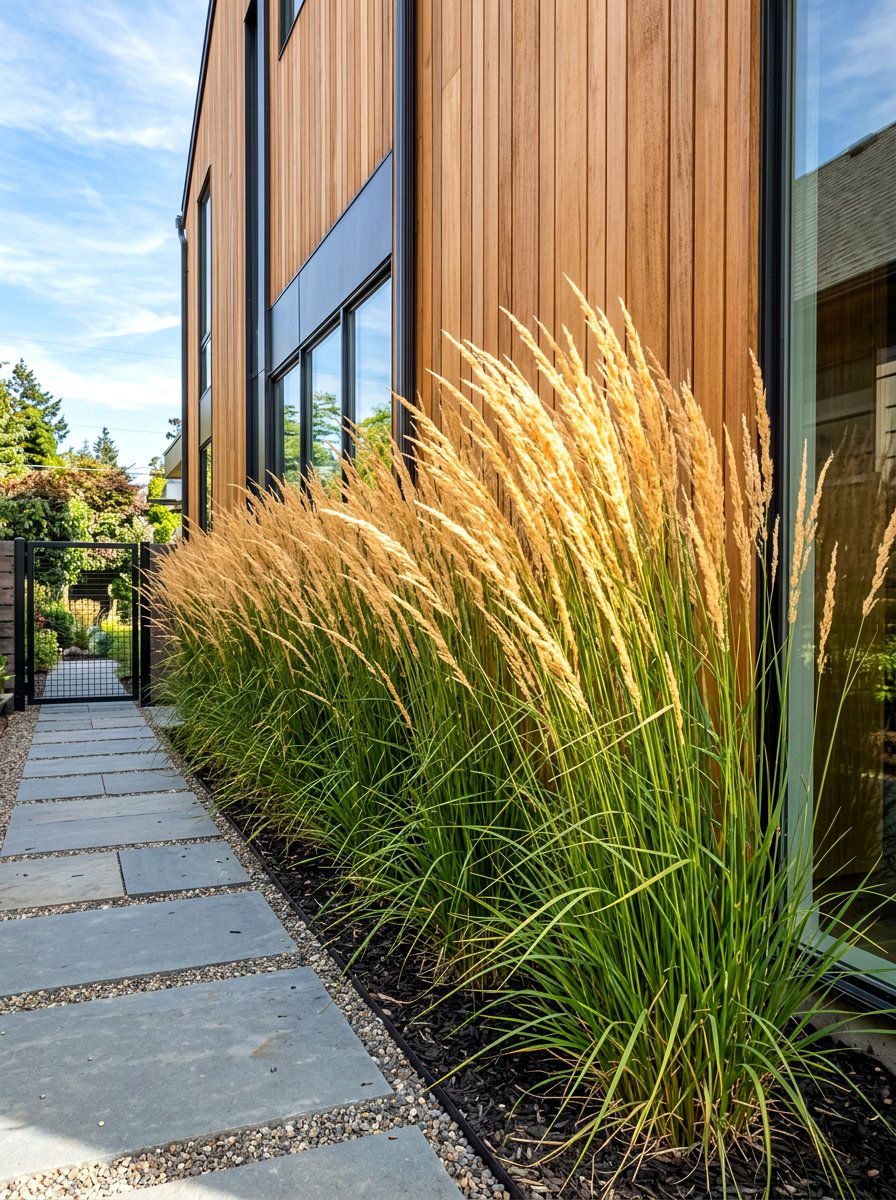
Contemporary gate landscaping emphasizes bold geometric shapes and a sophisticated, monochromatic look. This design often uses structural evergreens, like pencil hollies or horsetail reed, to create vertical lines that echo modern architecture. You might see a mix of materials such as slate tiles, dark wood, and steel accents within the flower bed area. The plants are typically arranged in clean rows or clusters to maintain a sense of order and precision. This high-contrast style is perfect for making a strong architectural statement. It feels professional and upscale, offering a tidy and low-maintenance solution for homeowners who appreciate the "less is more" philosophy in their garden.
27. Classic Gate Arbor
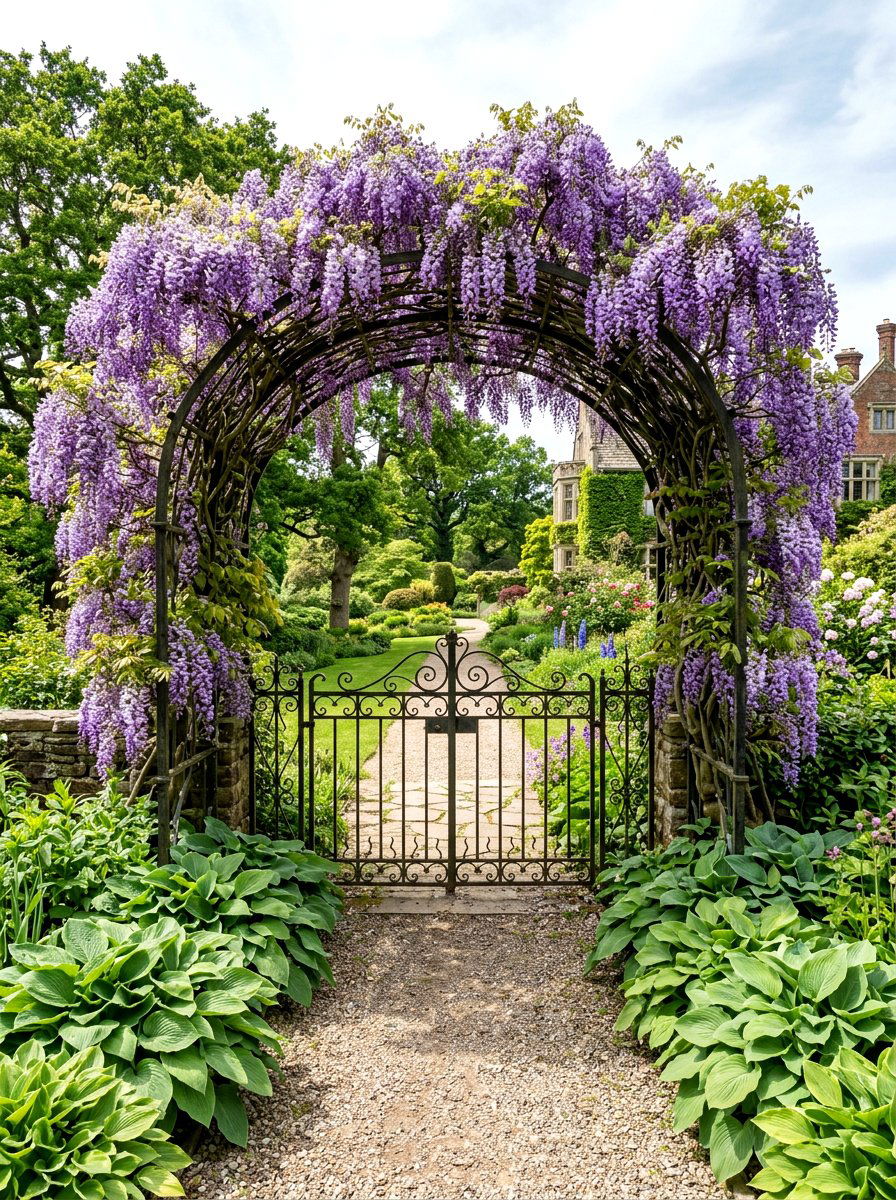
A classic gate arbor serves as a grand portal into your private world, offering both structure and vertical beauty. Traditional arbors are often made of white-painted wood or dark wrought iron and are designed to support heavy climbing vines. Plants like wisteria or trumpet vine can be trained over the top to create a lush, living canopy that blooms spectacularly. At the base, you can plant shade-loving perennials like hostas to fill the space and provide a soft transition to the ground. This design adds a sense of history and charm to the property, making the simple act of walking through the gate feel like an event.
28. Tiered Gate Bed
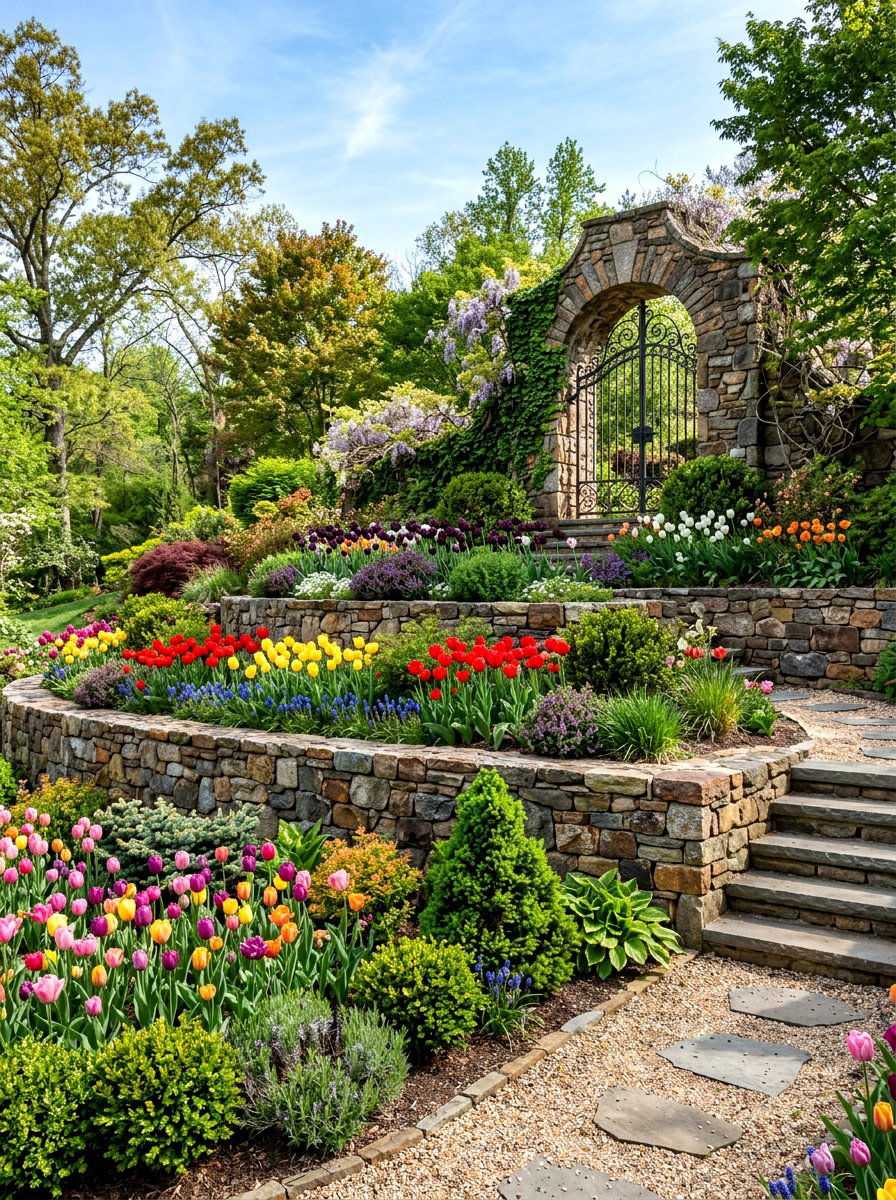
A tiered gate bed is an excellent solution for sloped front yards or for adding depth to a flat space. By using retaining walls of different heights, you can create multiple levels of planting that make the entryway feel more dynamic. The highest tier can hold taller shrubs for privacy, while the middle tier features colorful perennials, and the lowest tier is reserved for trailing ground covers. This layering ensures that every plant is visible and creates a lush, wall-of-green effect. Tiered beds also help with water management on slopes, preventing runoff and ensuring that each level of the garden receives the moisture it needs to thrive.
29. Low Maintenance Gate Garden
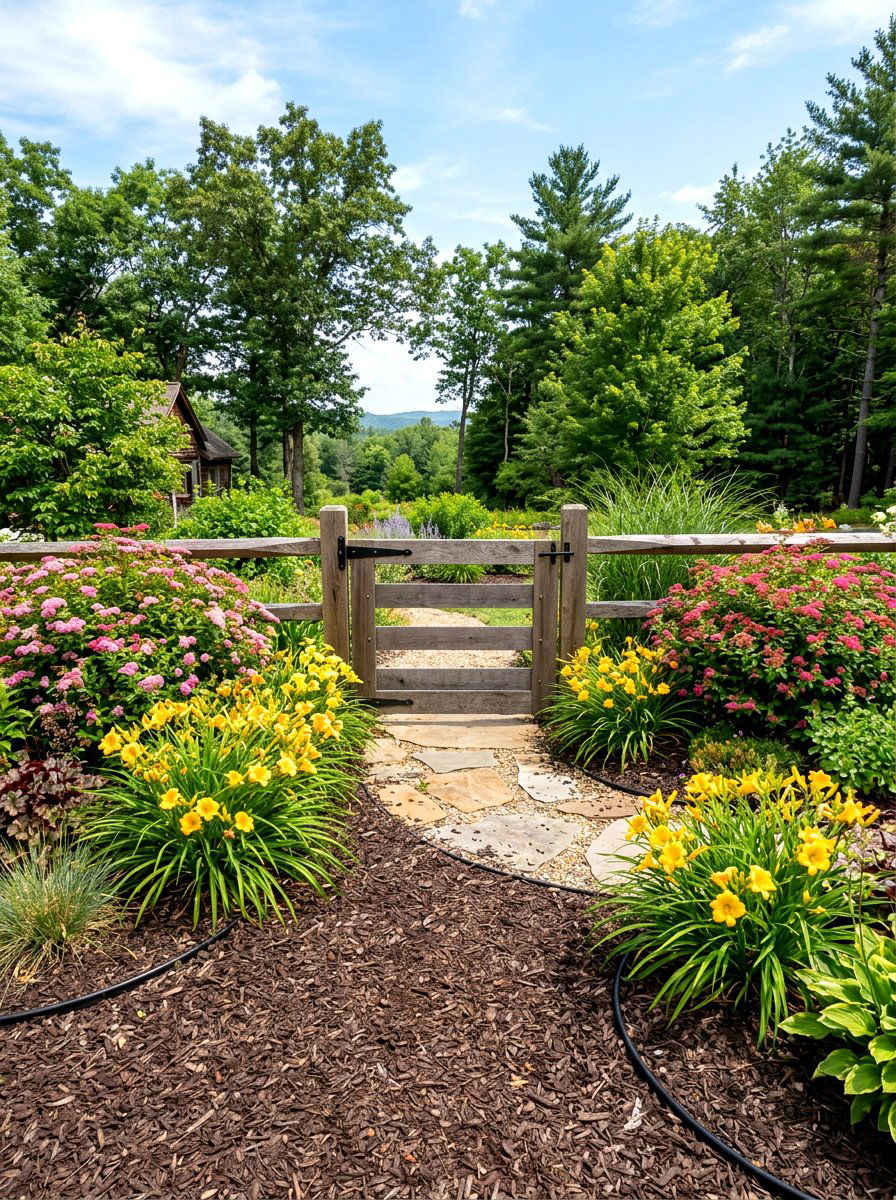
The low maintenance gate garden is designed for busy homeowners who want maximum curb appeal with minimum effort. This design relies heavily on hardy shrubs, long-lived perennials, and thick layers of mulch to suppress weeds. Plants like daylilies, ornamental grasses, and spireas are excellent choices because they require very little pruning or specialized care. By choosing native species that are well-adapted to the local climate, you reduce the need for supplemental watering and chemical treatments. The result is a clean, green, and healthy-looking entrance that stays beautiful throughout the year with only a few hours of maintenance each season. It is a very practical approach.
30. Seasonal Gate Flowers
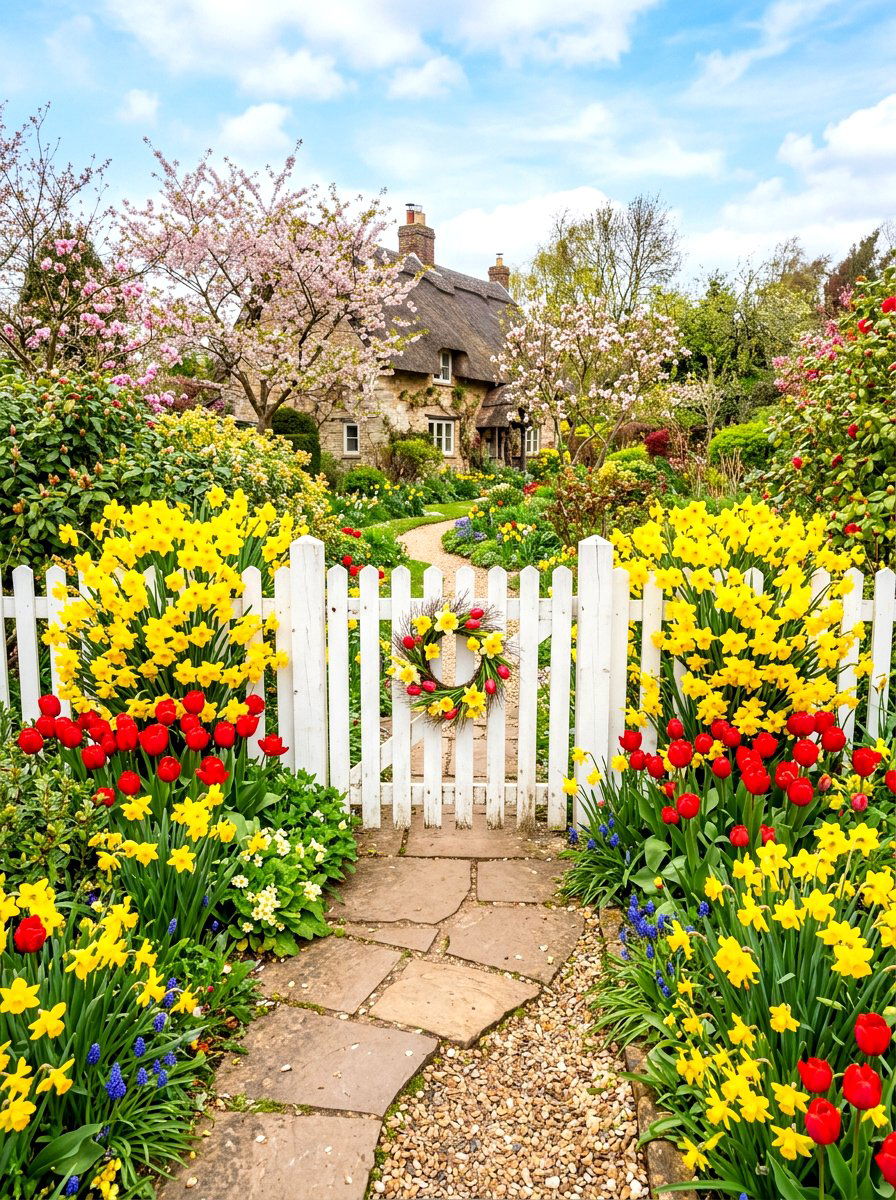
Focusing on seasonal gate flowers ensures that your home’s entrance is always celebrating the current time of year. This approach involves a permanent foundation of shrubs with open spaces left for rotating annuals. In the spring, you can plant bulbs like daffodils and tulips; in the summer, move to heat-loving petunias and marigolds. Autumn brings the rich colors of mums and ornamental kale, while winter can be brightened with pansies or evergreen boughs. This dynamic design keeps the entryway looking fresh and exciting for neighbors and guests alike. It allows you to experiment with different color schemes and plant varieties throughout the changing months.
Conclusion:
A well-designed flower bed near your front gate is the ultimate way to boost your home's curb appeal and create a welcoming atmosphere. Whether you choose the structured elegance of a boxwood hedge or the vibrant, free-flowing beauty of a wildflower meadow, your entrance sets the tone for the rest of your property. By considering factors like sunlight, soil type, and your home’s architectural style, you can create a garden that thrives and brings joy for years to come. Remember that landscaping is a journey, and your gate area is the perfect place to start expressing your unique personal style and love for nature.

Related posts: