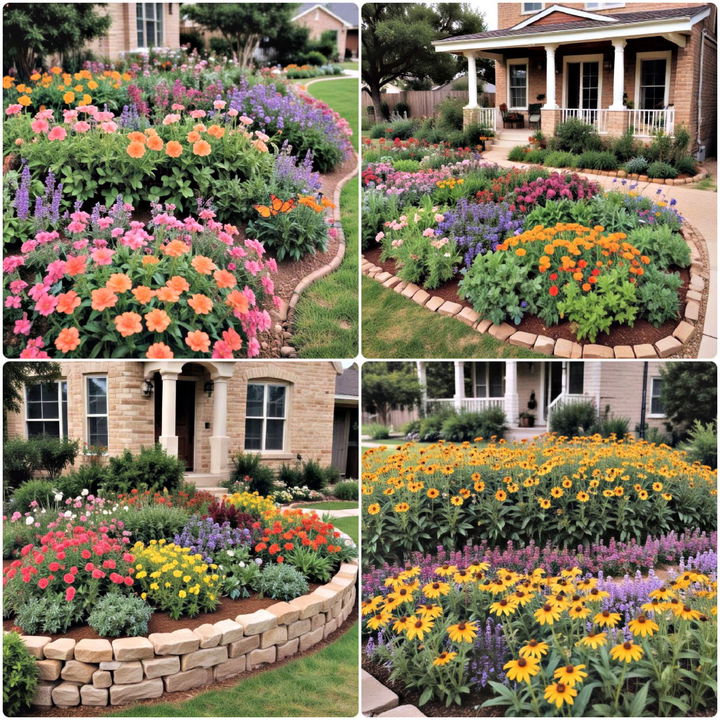
Transforming your outdoor space does not require a massive budget or a professional landscaping crew when you focus on simple flower bed layouts that pack a massive visual punch. A well-designed garden bed serves as a living frame for your home, highlighting architectural features while bringing the vibrant energy of nature right to your doorstep. Whether you are working with a sprawling backyard or a tiny urban strip, the right combination of colors and textures can create a true sanctuary of peace and beauty. These projects offer a perfect way to express your personal style through various plant choices and decorative borders. By following these straightforward concepts, you can easily achieve a professional-looking landscape that remains manageable throughout every season.
1. Front Yard Curb Appeal
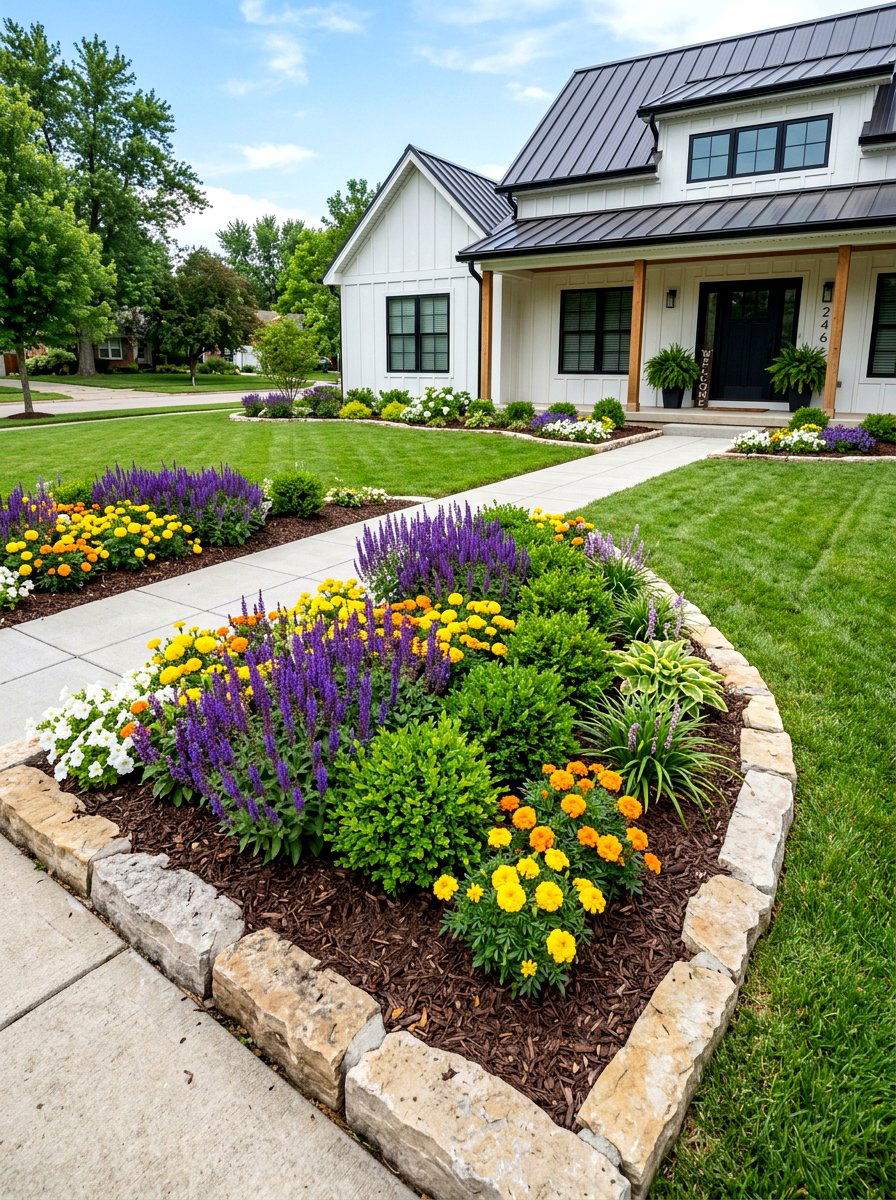
Have you ever noticed how a few well-placed plants can completely change the vibe of your home’s entrance? Creating a welcoming front yard curb appeal setup involves more than just plopping a few flowers in the dirt; it is about creating a cohesive look that matches your architecture. You might start by defining a clear border with clean lines that guide the eye toward your front door. Using a mix of evergreen shrubs for year-round structure and vibrant seasonal blooms for pops of color ensures the space never looks dull. A neatly mulched bed acts as a dark backdrop that makes the green foliage stand out vividly. This simple project instantly boosts your home's value.
2. Raised Garden Bed
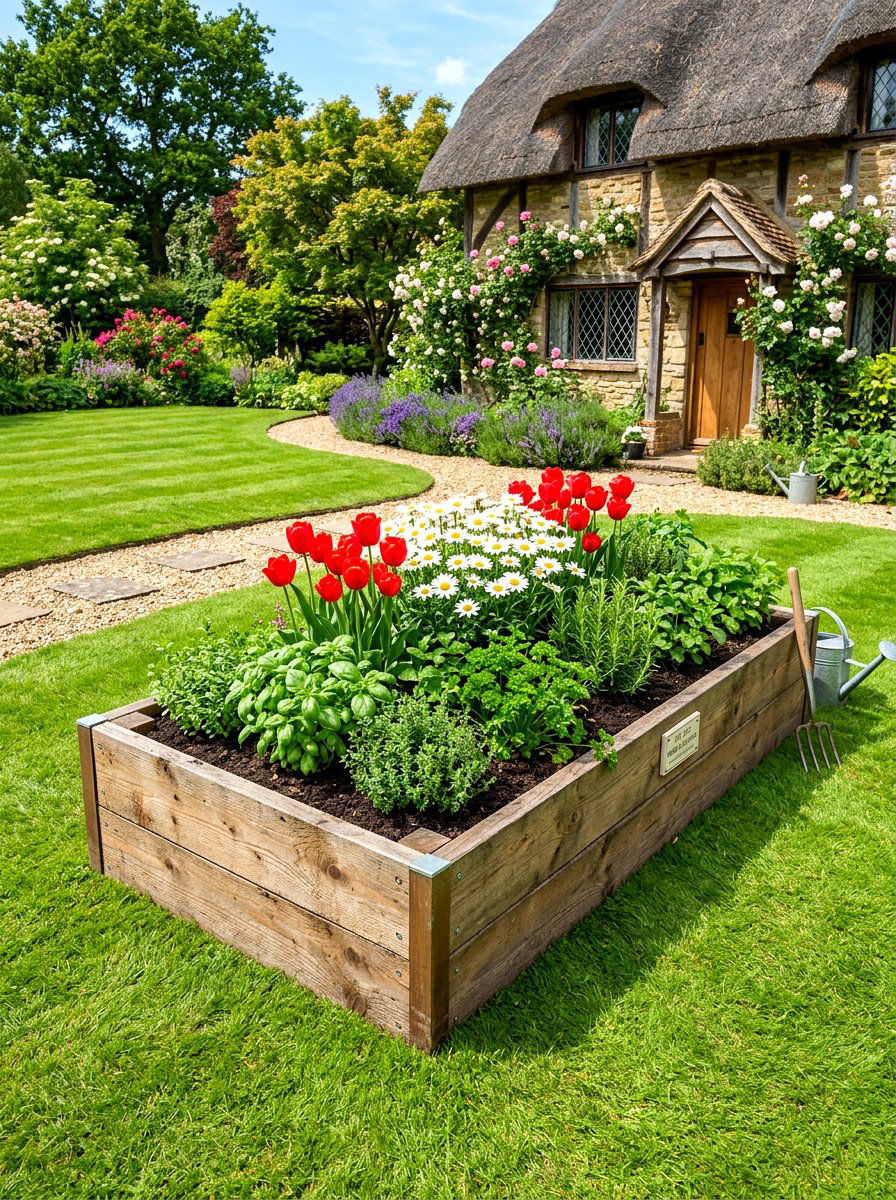
Building a raised garden bed is an excellent solution for anyone dealing with poor soil quality or back strain from traditional gardening. These elevated structures provide perfect drainage and allow you to control the soil composition from the very beginning. You can construct them using cedar planks, stone blocks, or even recycled materials for a more rustic look. The height of the bed creates a natural focal point in the yard, making your floral display feel intentional and organized. Because the soil stays warmer in a raised environment, your flowers may even bloom earlier in the spring. It is a practical and stylish way to keep your garden looking neat and contained.
3. Stone Border Edge
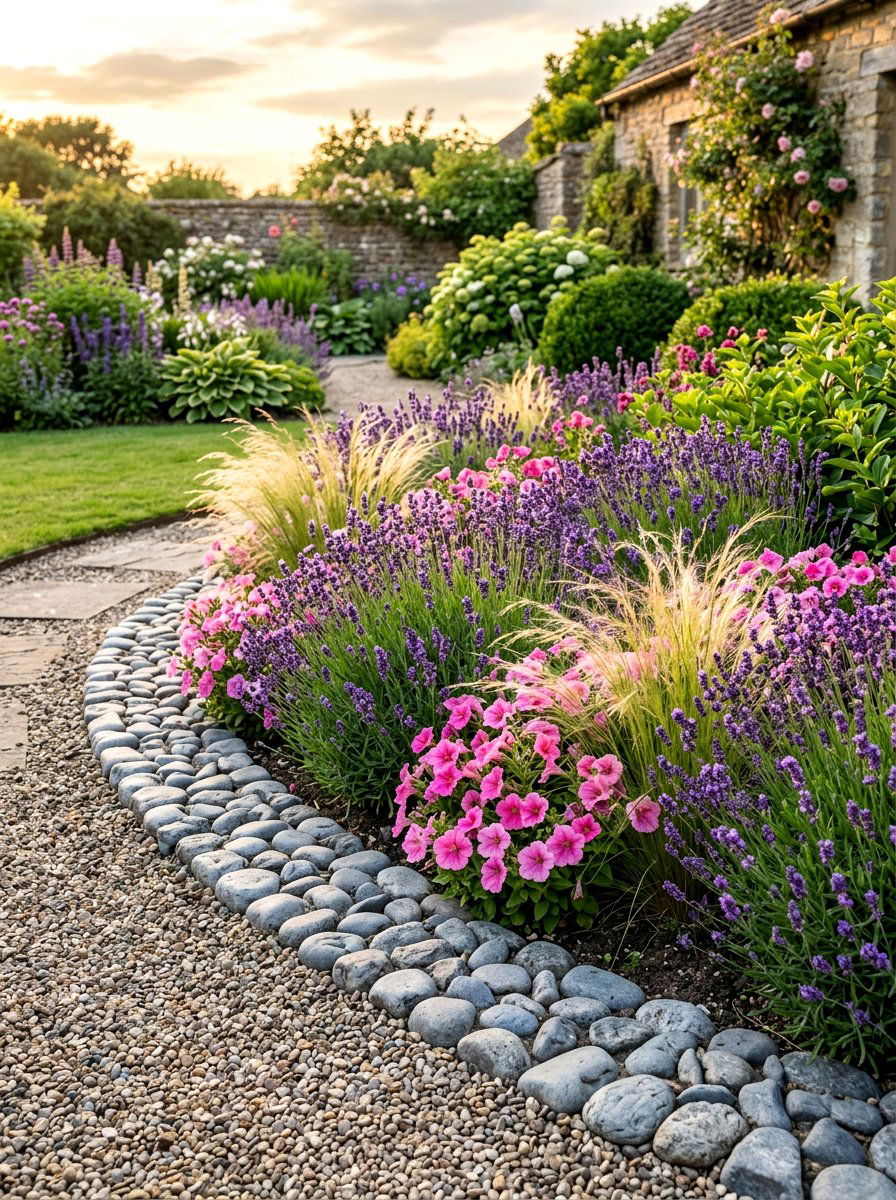
Adding a stone border edge is one of the quickest ways to give your flower beds a polished and professional finish. Natural stones, such as river rocks or flat flagstones, create a beautiful texture that contrasts against soft petals and green leaves. This design choice serves a dual purpose by looking great and keeping grass from creeping into your planting area. You can stack the stones for a low wall effect or lay them flat for a subtle transition between the lawn and the garden. The heavy weight of the stones ensures they stay in place during heavy rain, providing a durable and timeless boundary for your favorite backyard floral arrangements.
4. Perennial Flower Bed
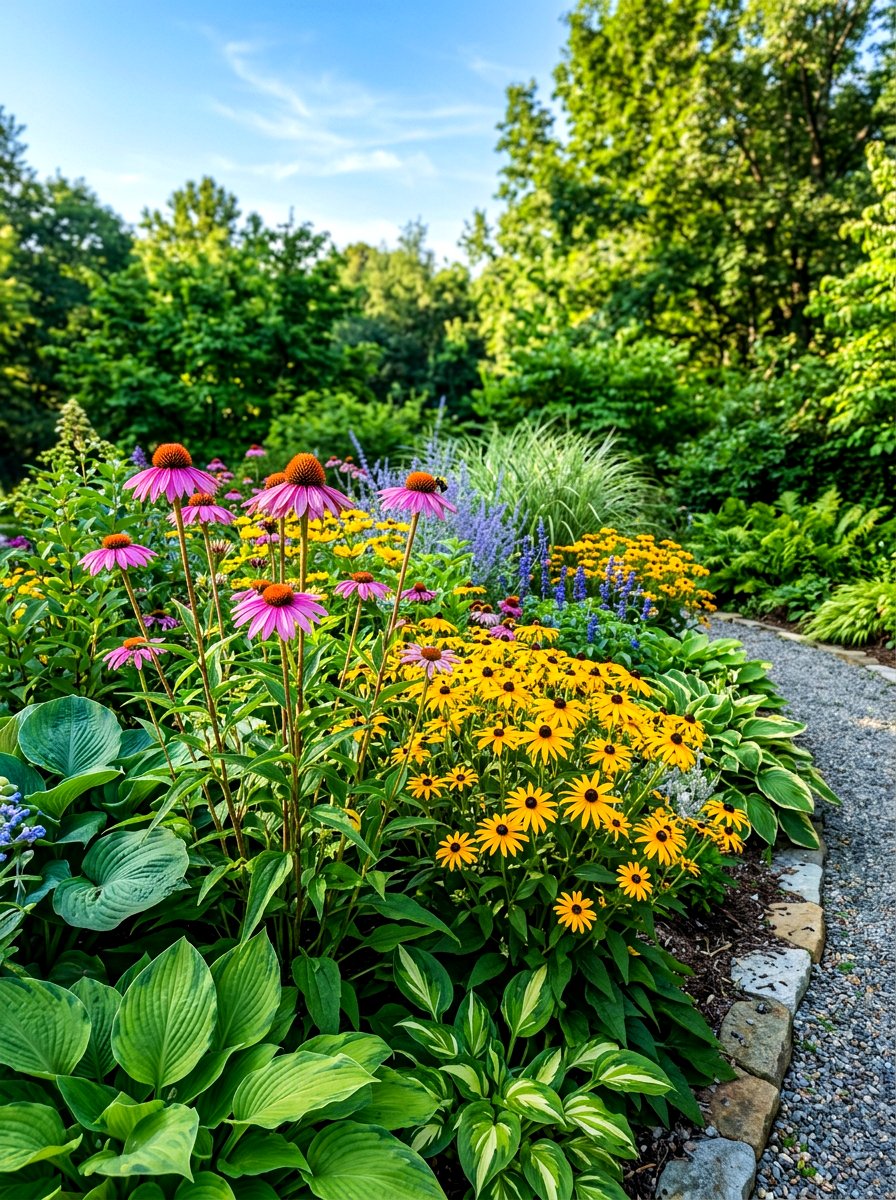
A perennial flower bed is the ultimate gift to your future self because these plants return year after year with minimal effort. Designing this type of space requires thinking about bloom times so that something is always in flower from spring through autumn. You can mix different heights, placing taller varieties like coneflowers in the back and shorter groundcovers near the front edge. Once these plants are established, they require very little watering and maintenance compared to annuals. The dense root systems also help prevent soil erosion and keep weeds at bay naturally. It is a sustainable and cost-effective way to maintain a lush, beautiful garden for many years to come.
5. Low Maintenance Landscape
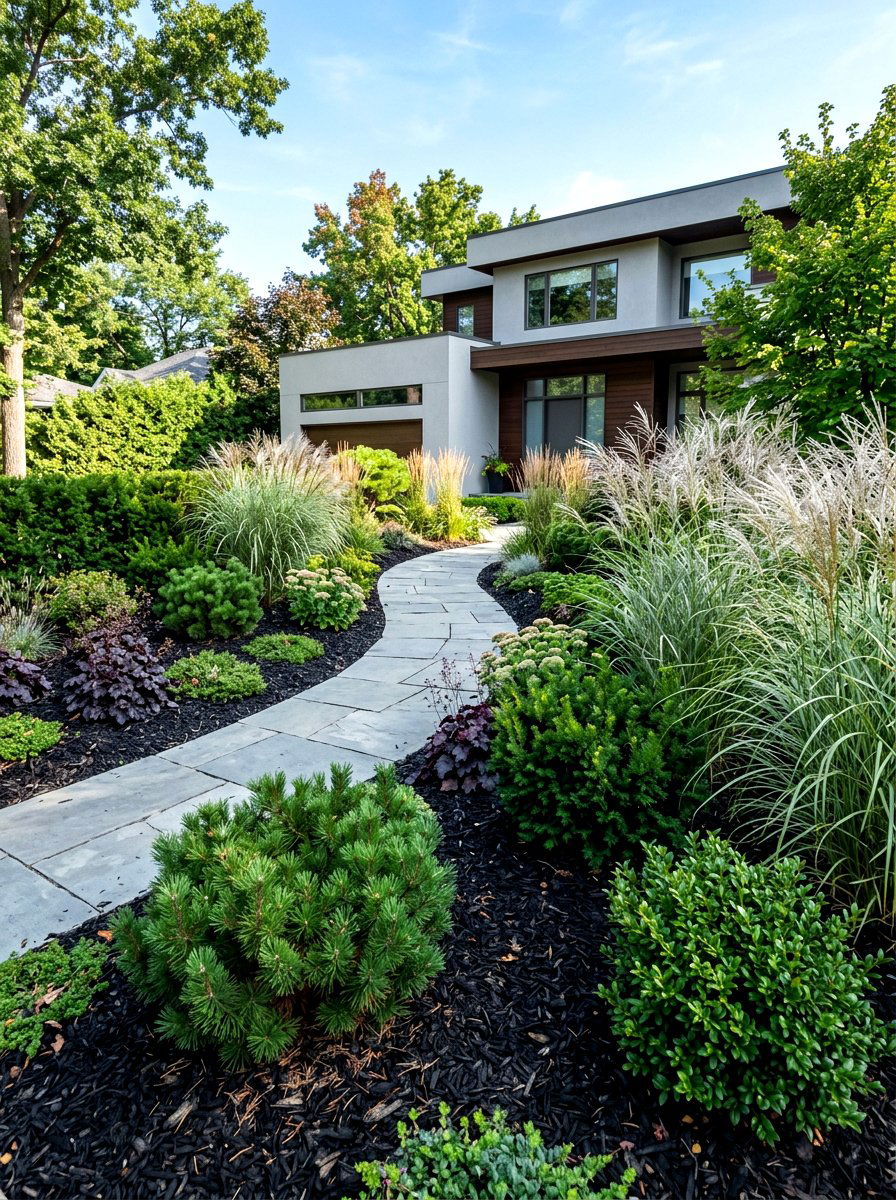
Creating a low maintenance landscape is the perfect goal for busy homeowners who still want a beautiful outdoor environment. The secret lies in choosing hardy plants that thrive in your local climate without needing constant pruning or fertilization. Incorporating a thick layer of high-quality wood mulch helps retain moisture and prevents pesky weeds from taking over your beds. You might choose slow-growing shrubs and decorative grasses that provide visual interest without requiring weekly attention. This design approach allows you to spend more time relaxing in your garden rather than working in it. It proves that you do not need a green thumb or endless free time to have a stunning yard.
6. Corner Flower Bed
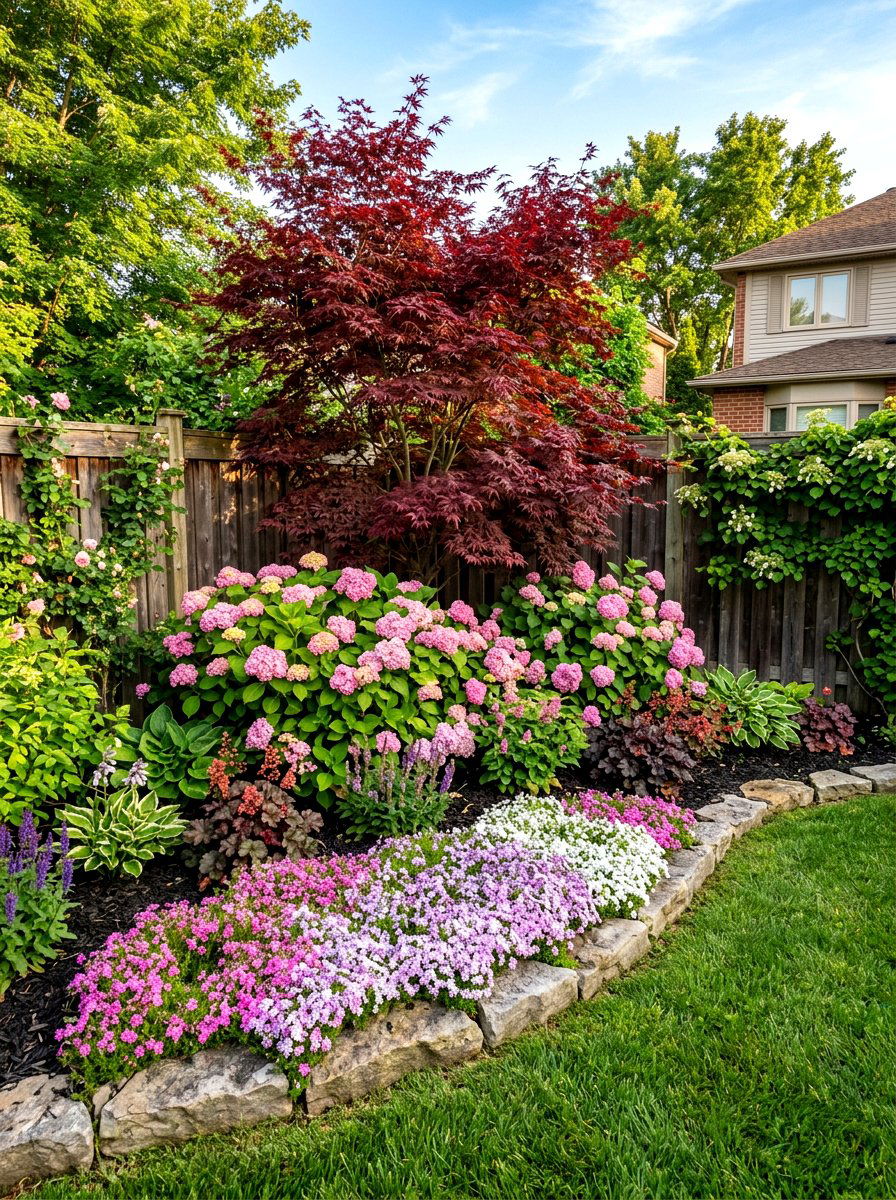
Utilizing a corner flower bed is a smart way to soften the sharp edges of your house or fence line. These triangular or curved designs turn overlooked areas into vibrant focal points that draw the eye. You can create a sense of depth by planting a tall ornamental tree or large shrub in the very back corner. Working forward, you can add layers of medium and short flowers to create a lush, tiered effect that feels full and abundant. This layout is particularly effective in small yards where every square foot counts toward the overall aesthetic. It transforms a boring patch of grass into a charming nook filled with life and seasonal color.
7. Small Space Garden
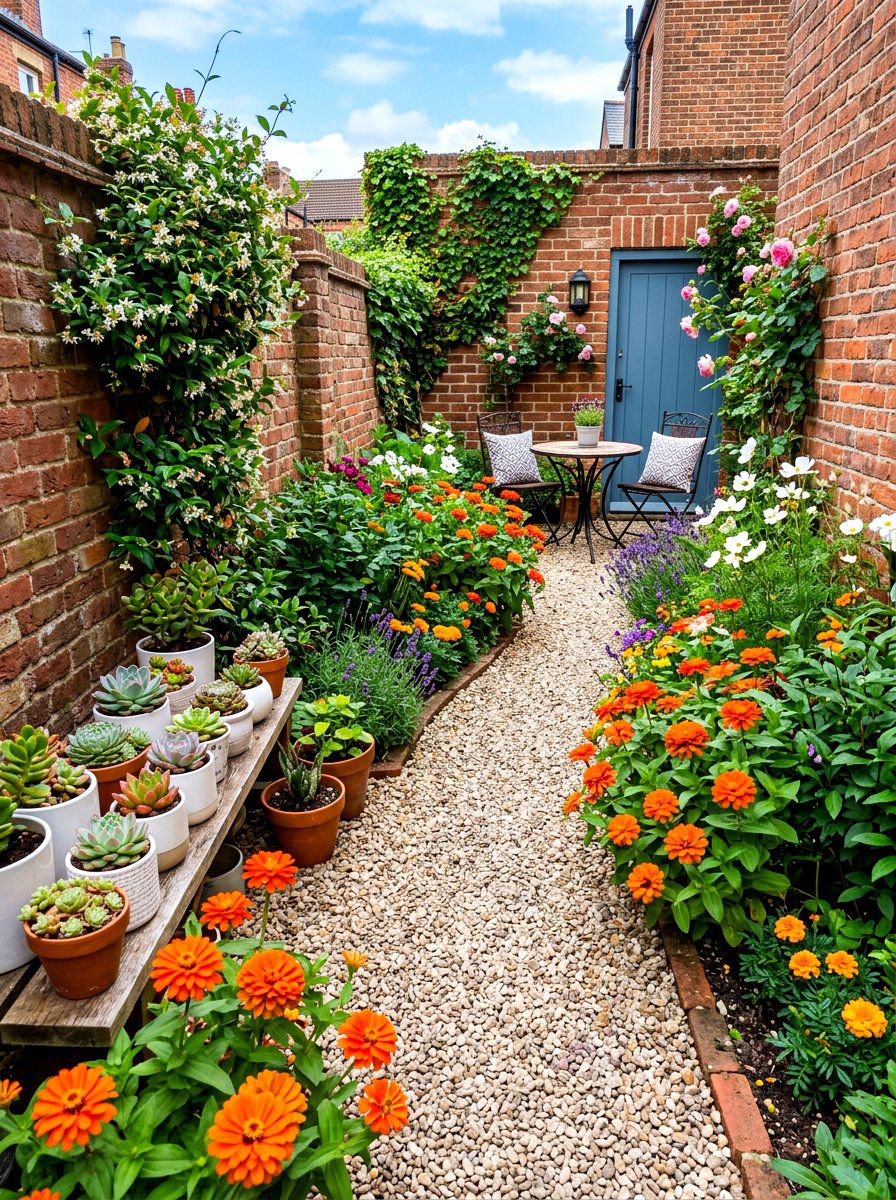
Even if you only have a tiny patio or a narrow side yard, a small space garden can still offer a big impact. The key is to use vertical elements and compact plant varieties that do not overwhelm the limited area. You might choose slender, upright flowers or even incorporate a few beautiful pots within a small dug bed to add varied heights. Keeping the color palette simple, perhaps sticking to two or three complementary shades, makes the space feel organized rather than cluttered. Light-colored stones or bright mulch can also help the area feel larger and more open. Small gardens are easy to manage and provide a quick win for beginners.
8. Walkway Flower Border
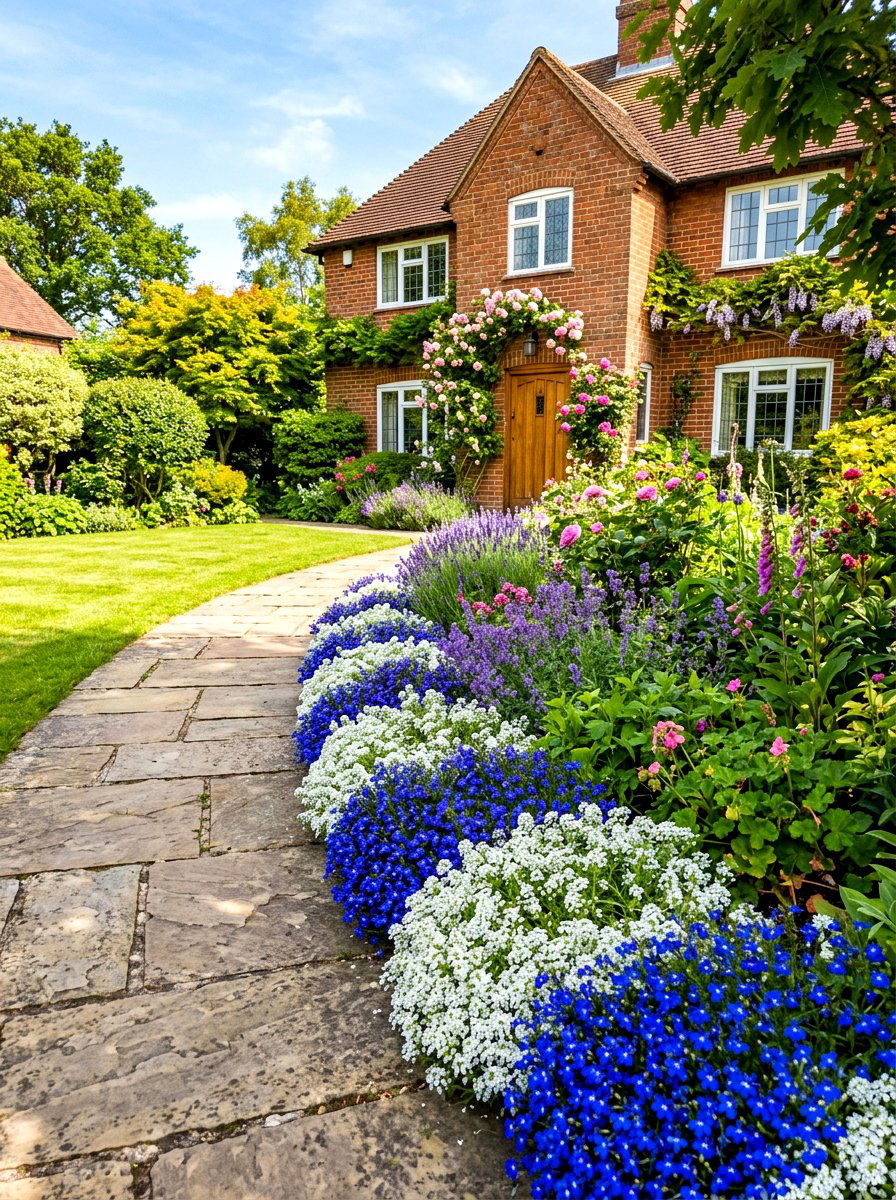
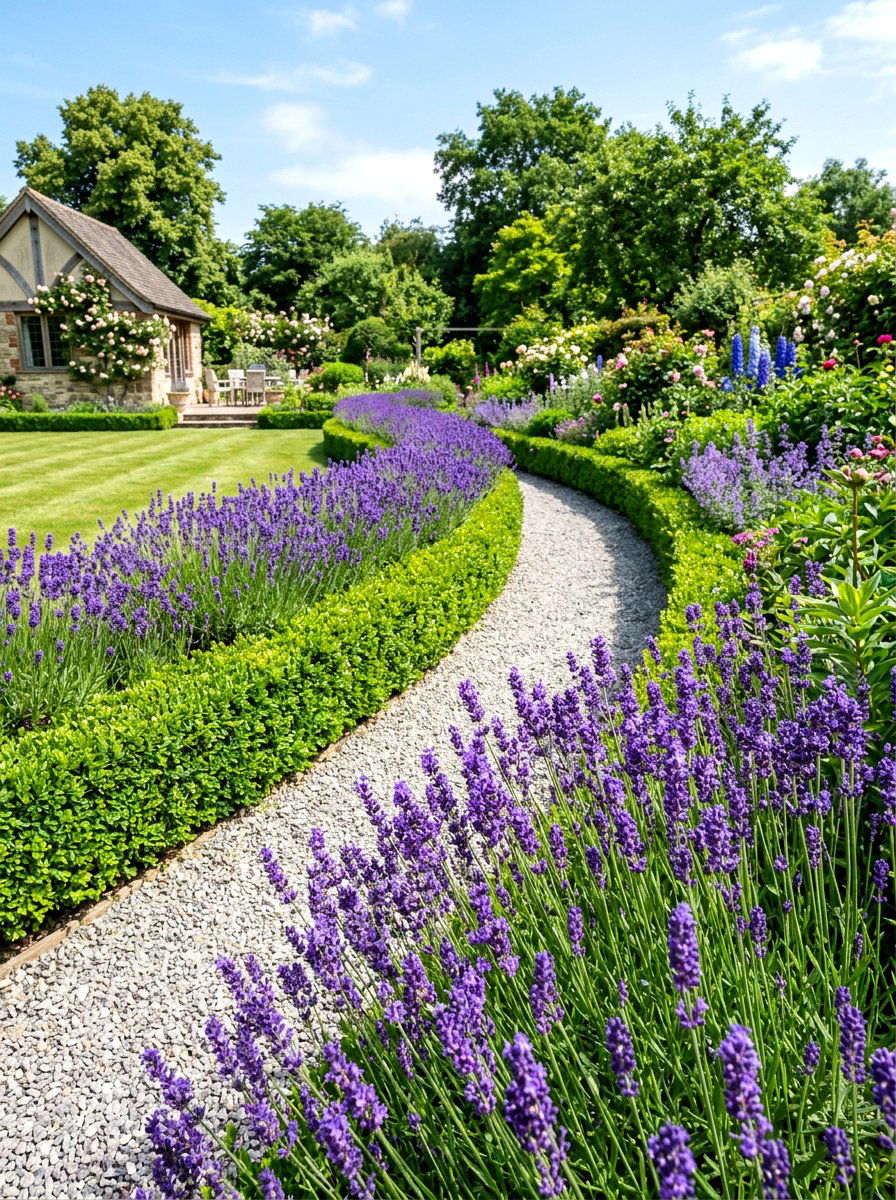
A walkway flower border creates a charming path that leads guests toward your home with a sense of wonder. Planting low-growing flowers like creeping phlox or sweet alyssum along the edges of a stone or brick path softens the hard surfaces. This design makes a walk through the yard feel like a stroll through a professional park or botanical garden. You should choose fragrant varieties that release a pleasant scent as people pass by, enhancing the sensory experience. Keeping the plants trimmed away from the actual walking surface ensures the path remains safe and accessible. It is a classic landscaping technique that adds instant elegance to any property layout.
9. Shade Garden Bed
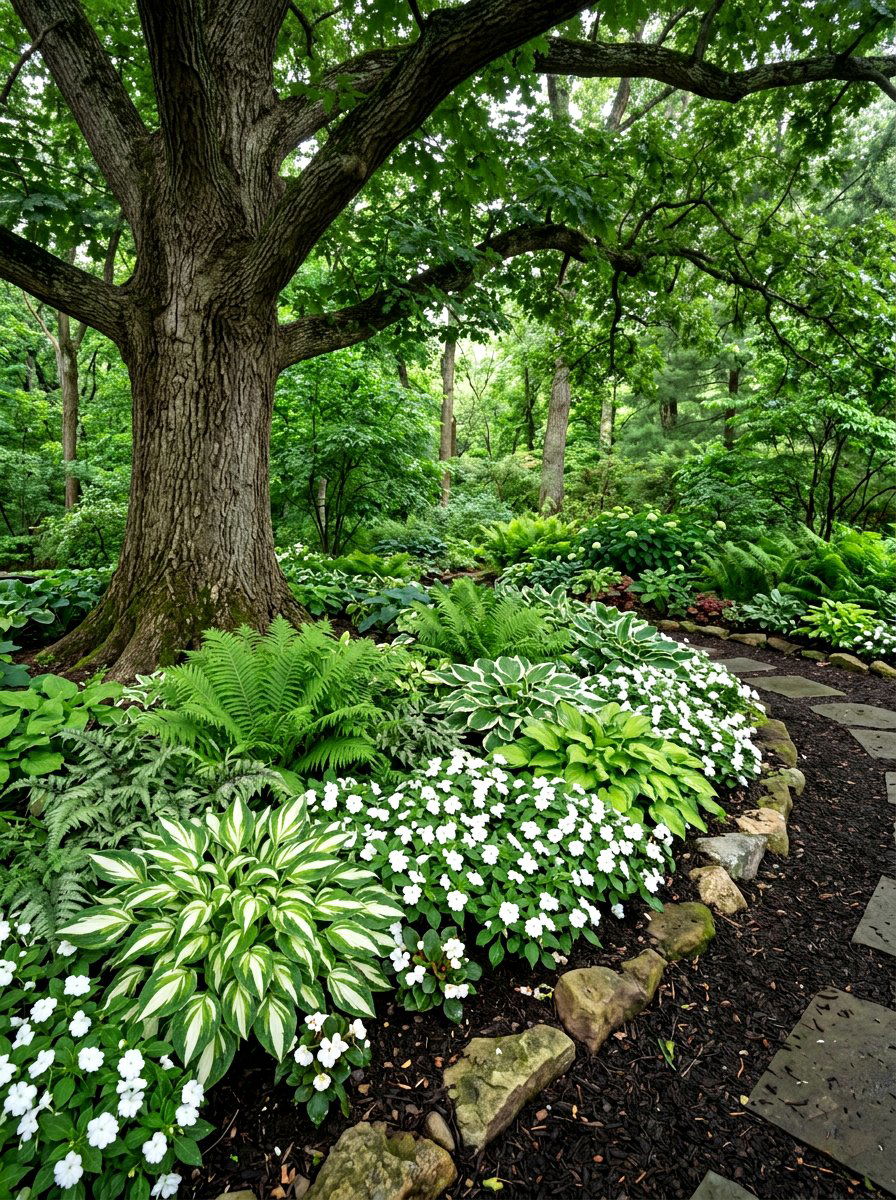
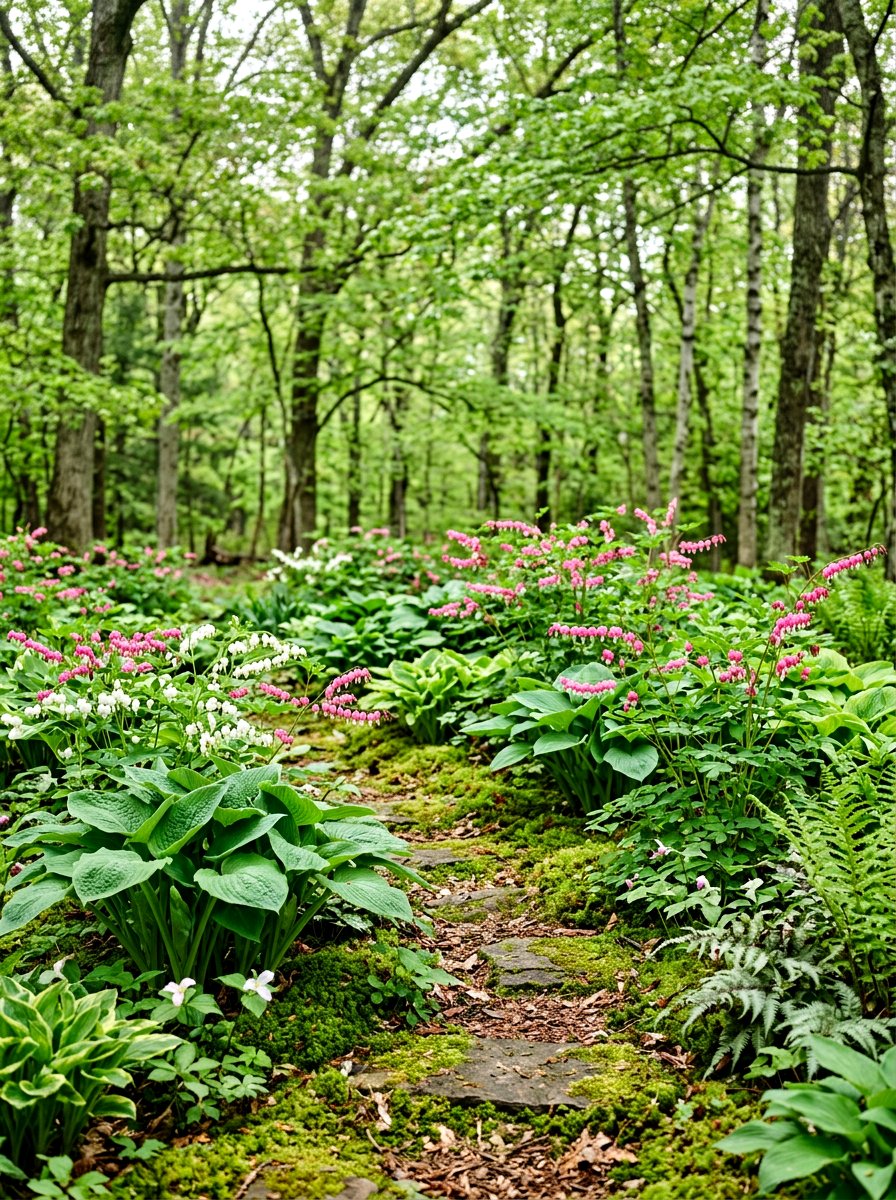
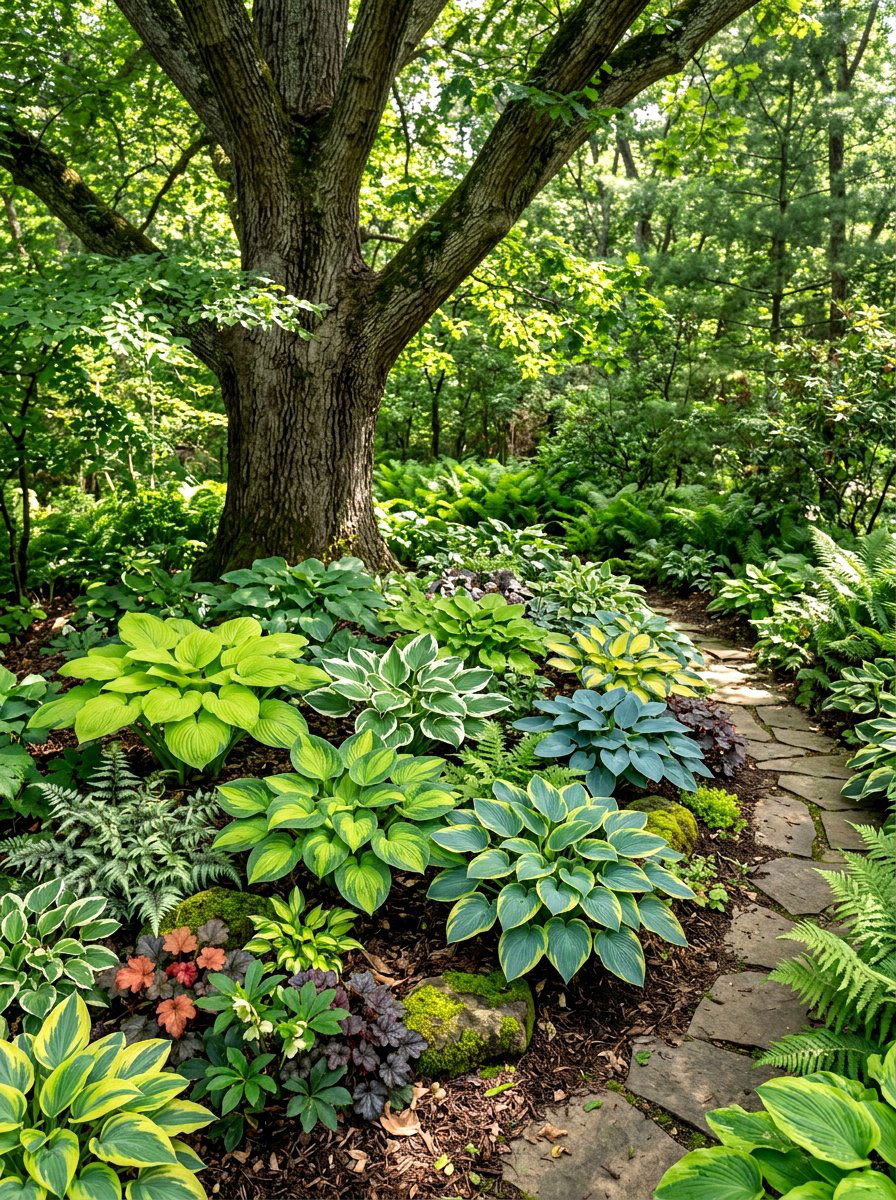
Transforming a dark corner under a large tree into a shade garden bed is a rewarding challenge for any homeowner. While many flowers crave the sun, varieties like hostas, ferns, and bleeding hearts thrive in lower light conditions. These plants often feature stunning foliage with various textures and shades of green, silver, and gold. You can add a few white-flowered plants to brighten up the shadows and create a cool, refreshing atmosphere during the hot summer months. Using light-colored gravel or a pale mulch can further reflect what little light reaches the ground. This design turns a formerly barren spot into a lush, tranquil retreat for quiet relaxation.
10. Full Sun Flower Bed
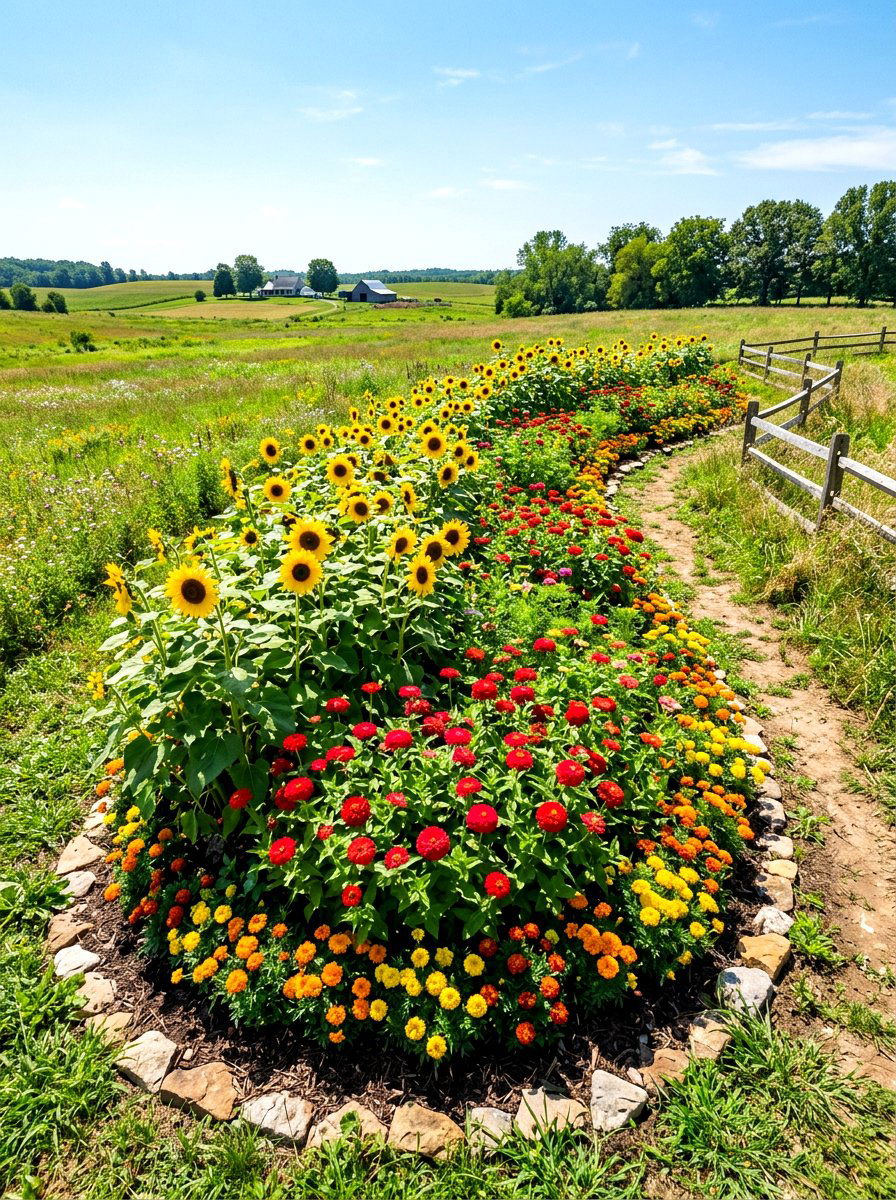
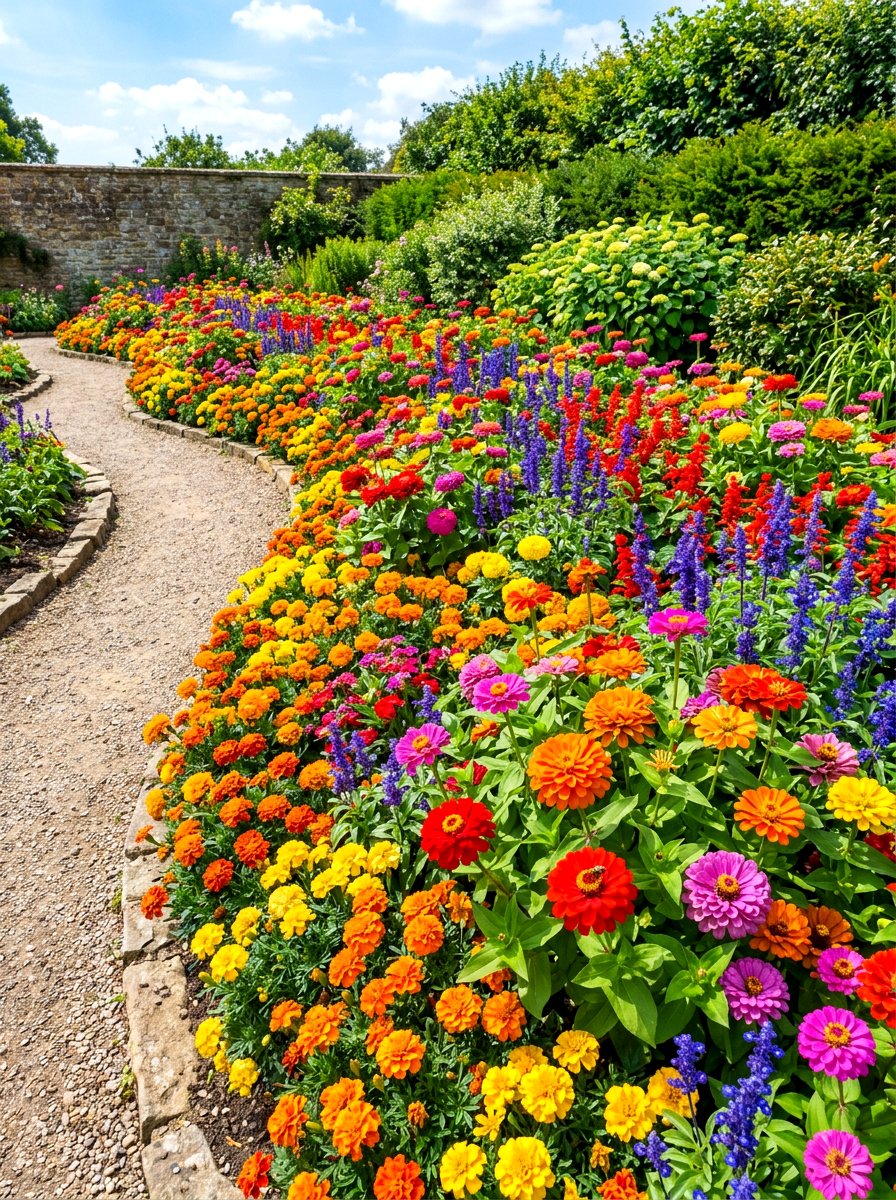
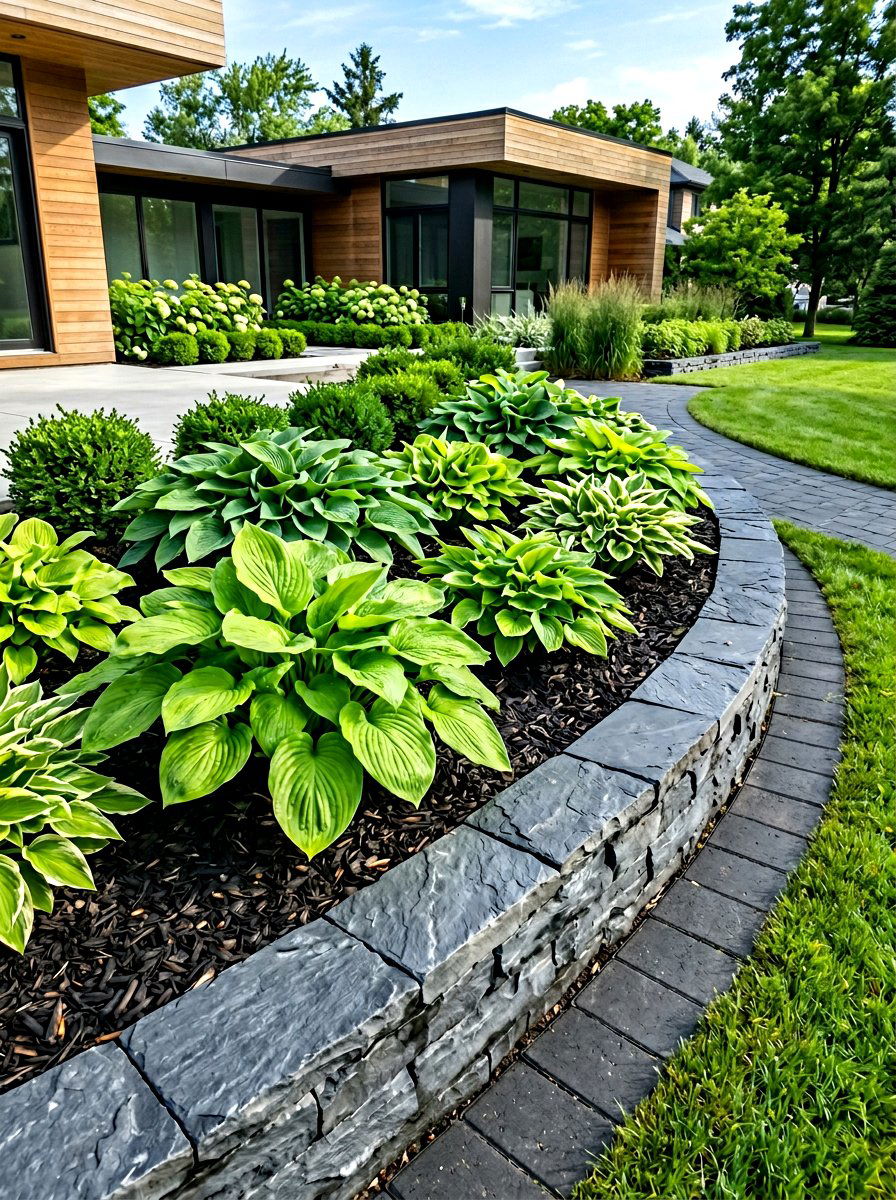
If your yard is drenched in light, a full sun flower bed is the perfect place to showcase bright and bold colors. Sun-loving plants like zinnias, sunflowers, and marigolds flourish in high-heat environments and produce a constant stream of blooms. To keep these beds looking their best, it is important to choose drought-tolerant varieties that can handle long afternoons without wilting. Adding a decorative birdbath or a sundial can serve as a central focal point among the tall, swaying stems. The high energy of a sunny garden attracts butterflies and bees, making your yard feel like a living ecosystem. It is a joyful space that celebrates the peak of the summer season.
11. Native Plant Garden
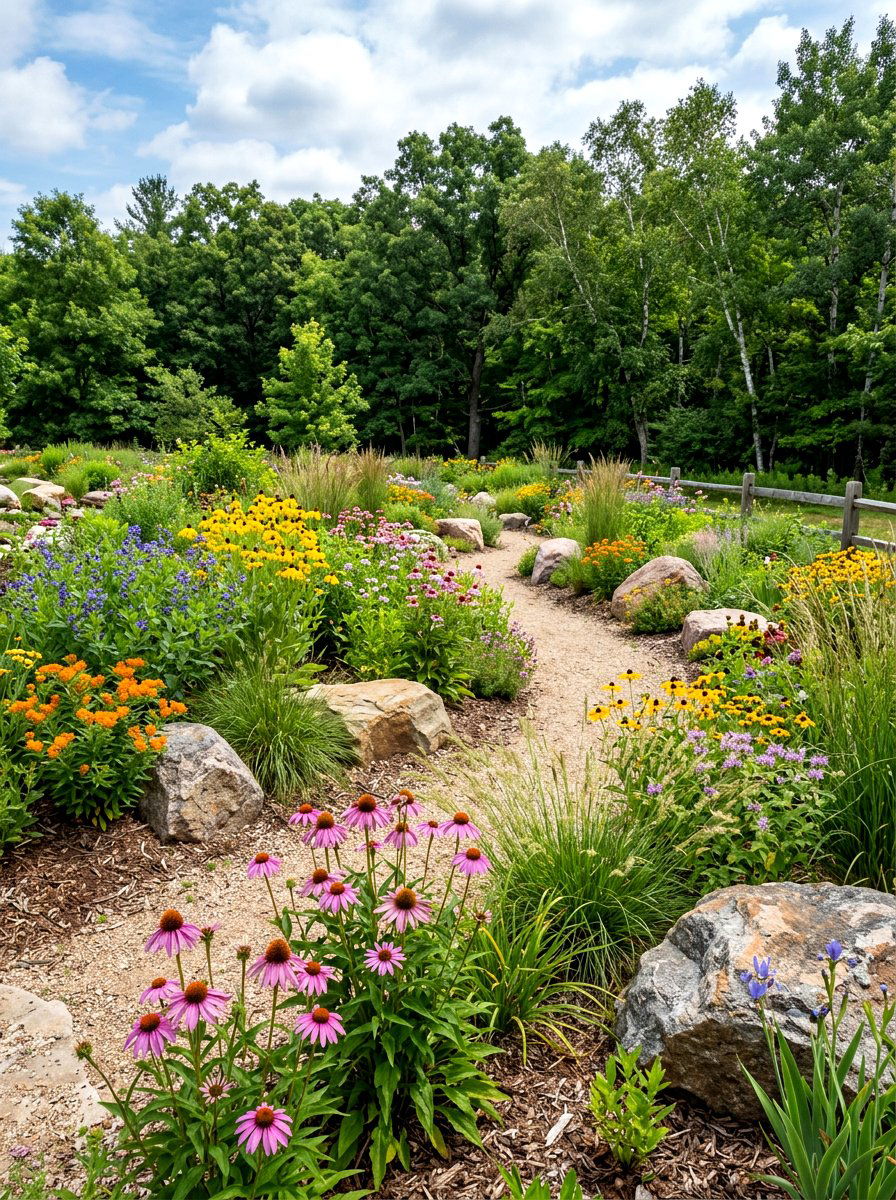
Building a native plant garden is a wonderful way to support your local environment while creating a resilient landscape. Native species are already adapted to your specific soil and weather patterns, meaning they need less water and fewer chemicals to stay healthy. These plants provide essential food and habitat for local birds and beneficial insects that have lived in the area for centuries. You can create a beautiful bed that looks like a natural meadow or a more structured garden depending on your personal preference. Using local stones and mulch further enhances the authentic feel of the design. It is a rewarding project that gives back to nature while looking absolutely stunning.
12. Pollinator Garden
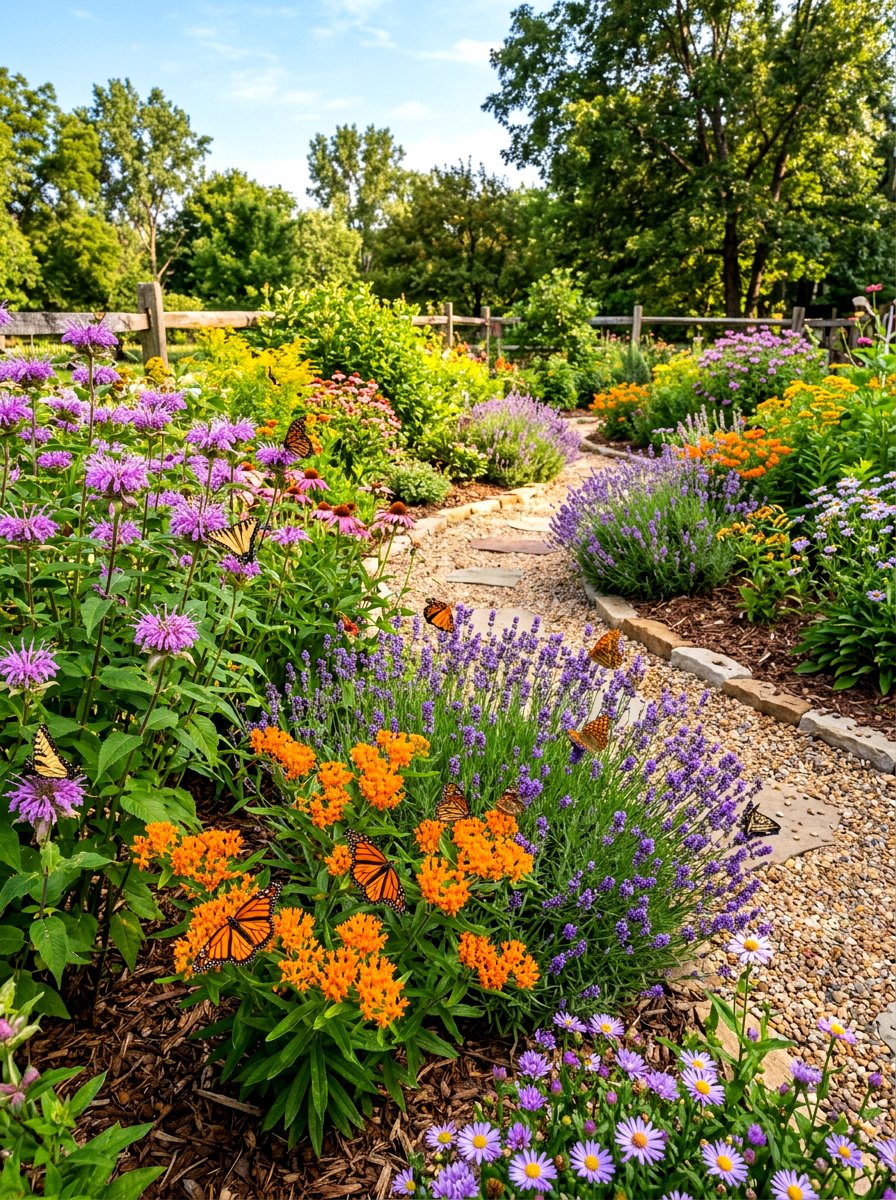
A pollinator garden is designed specifically to attract and nourish bees, butterflies, and hummingbirds. By planting a variety of nectar-rich flowers like lavender, bee balm, and milkweed, you create a buzzing sanctuary in your own backyard. It is helpful to plant these flowers in large clumps of the same color to make them easier for pollinators to spot from a distance. Including a small, shallow water source or a flat stone for butterflies to rest on adds to the functionality of the space. This type of flower bed is not only beautiful to look at but also educational for children and guests. Watching the local wildlife enjoy your garden adds a deep sense of purpose.
13. Wood Mulch Flower Bed
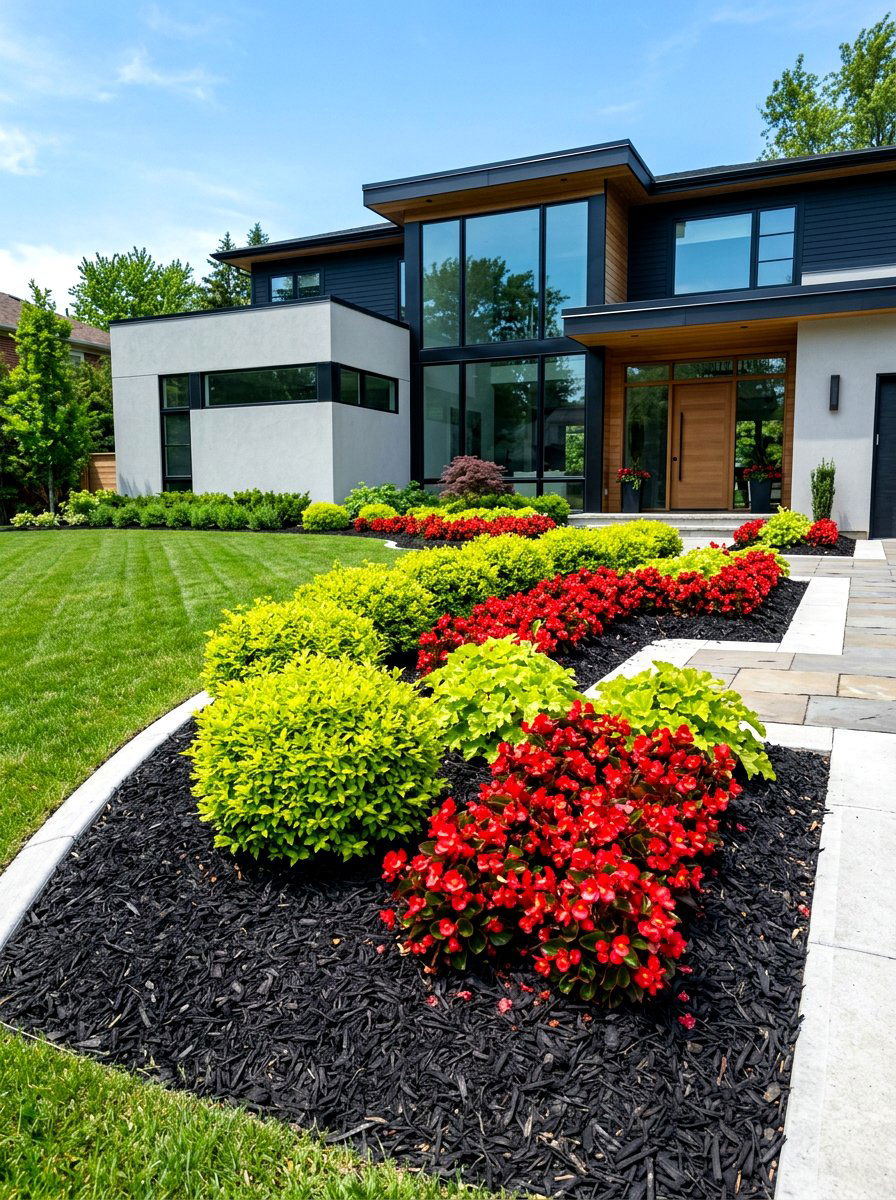
Using a wood mulch flower bed design is a classic choice that offers both aesthetic and practical benefits for your plants. Mulch acts as a protective blanket, keeping the soil cool and moist while significantly reducing the number of weeds you have to pull. You can choose from various colors, like dark brown, black, or natural cedar, to complement your home's exterior paint. As the mulch breaks down over time, it adds valuable organic matter back into the soil, feeding your flowers naturally. The clean, uniform look of a freshly mulched bed provides a high-contrast background that makes every leaf and petal pop. It is an affordable way to achieve a professional finish.
14. Rock Garden Bed
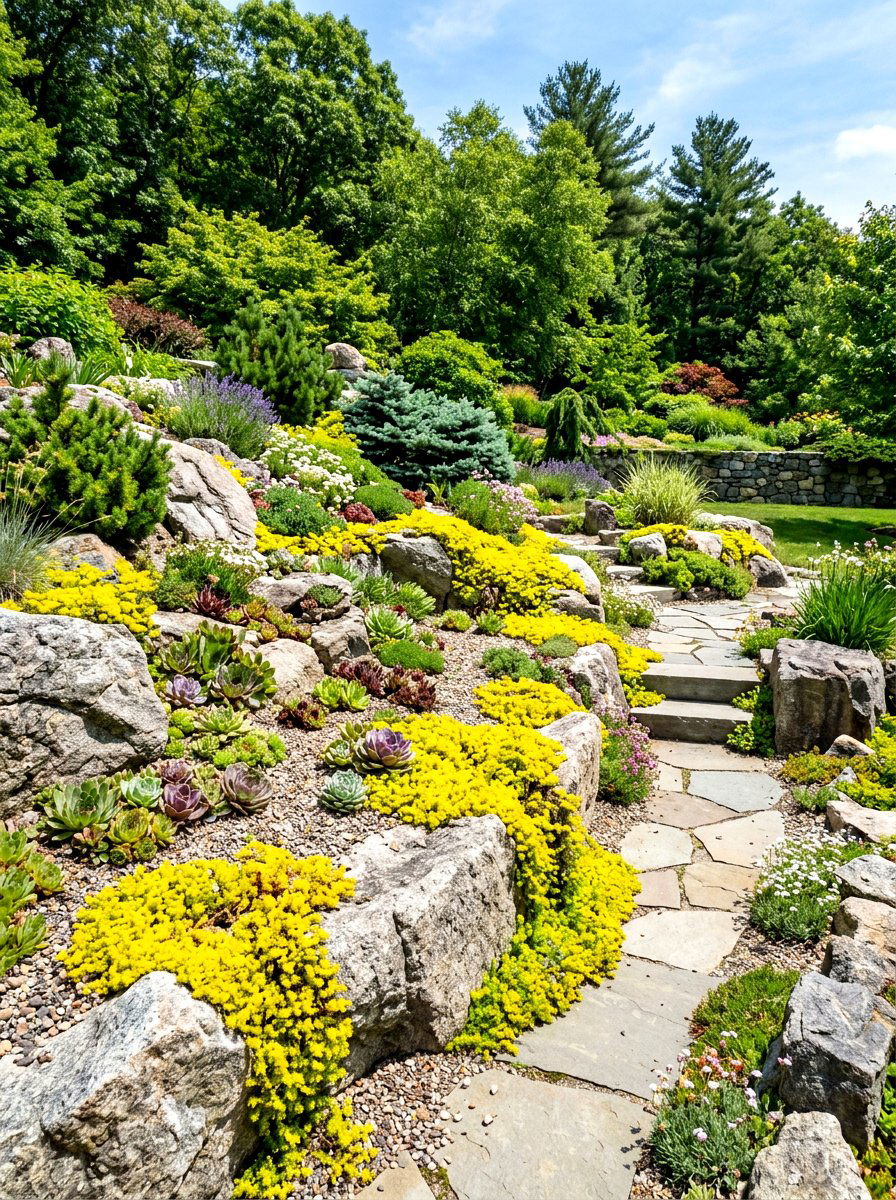
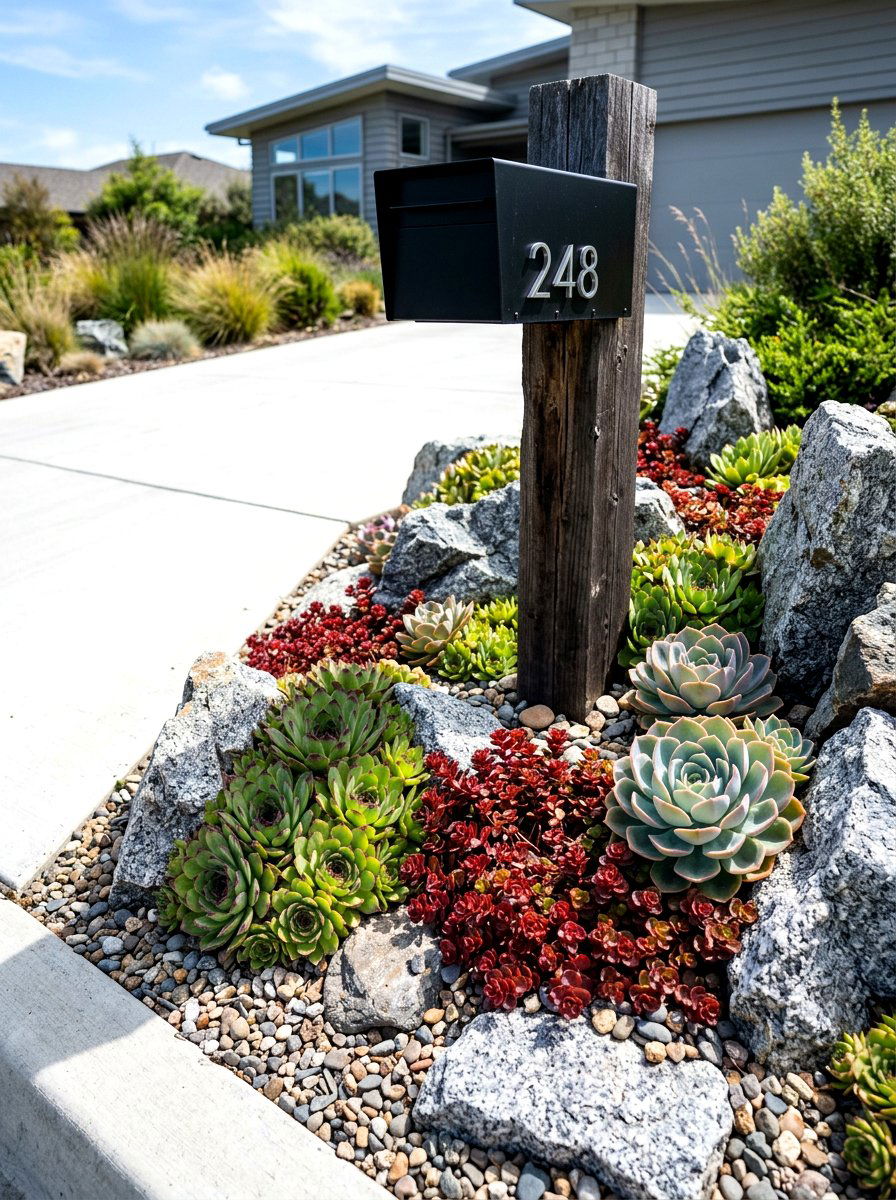
A rock garden bed combines the rugged beauty of natural stones with the soft elegance of mountain-style flowers and groundcovers. This design is perfect for sloped areas or spots where the soil is naturally sandy or rocky. You can arrange large boulders to create structure and then tuck smaller plants like sedum or rock cress into the crevices between them. The stones retain heat during the day and release it slowly at night, which can help certain delicate plants survive cooler evenings. This type of bed requires very little water once established, making it an eco-friendly choice. It offers a unique, textured look that stands out from more traditional, soil-based flower garden layouts.
15. Modern Minimalist Garden
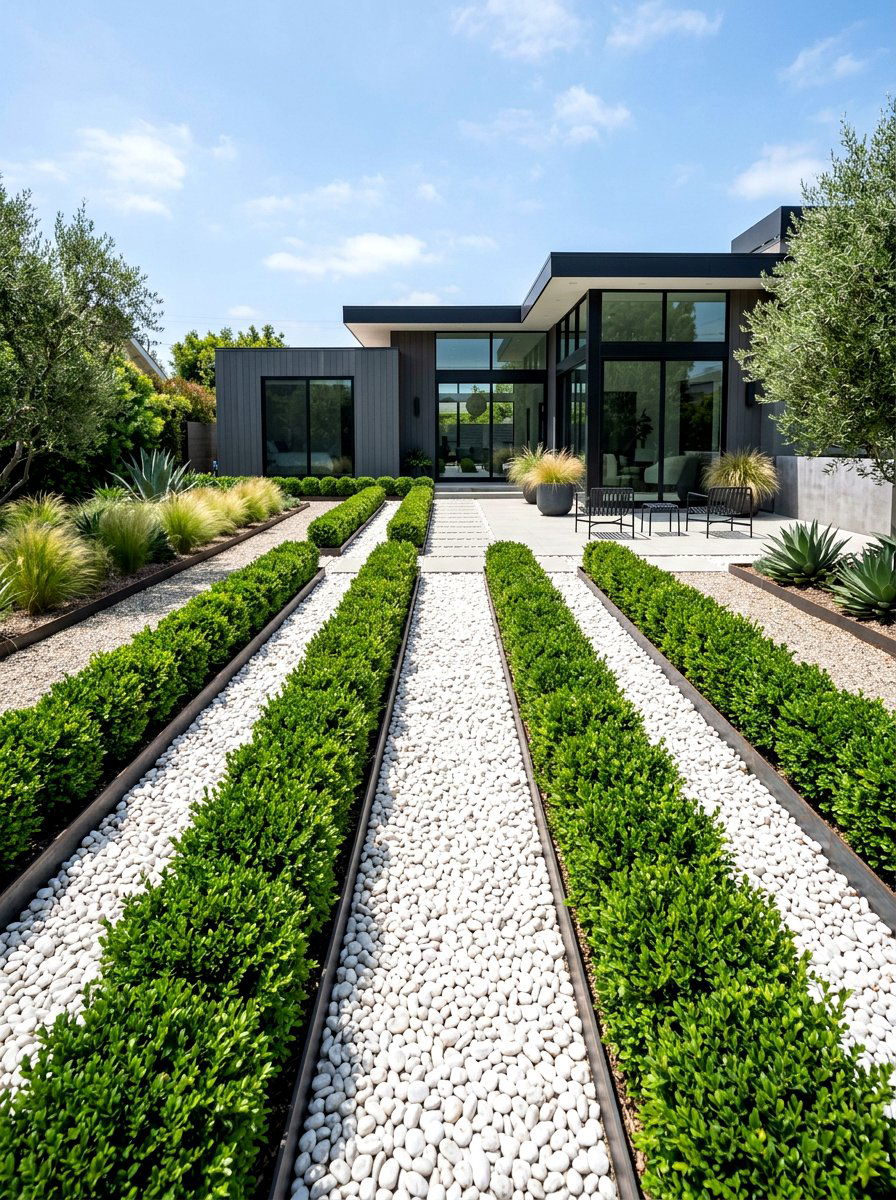
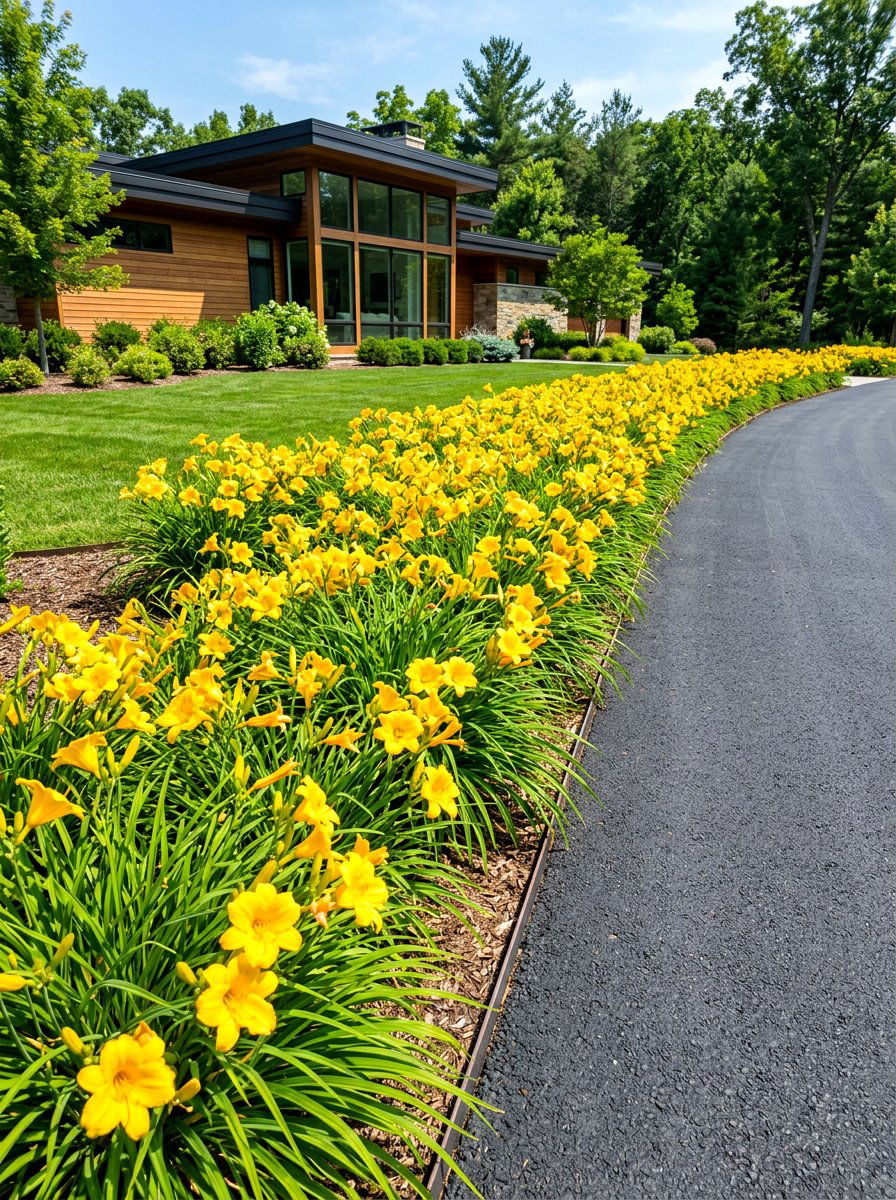
A modern minimalist garden focuses on clean lines, a limited color palette, and a sense of calm order. Instead of a riot of different flowers, this design might feature a single species of grass or a few architectural shrubs repeated in a geometric pattern. Using sleek metal edging or smooth concrete borders enhances the contemporary feel of the space. The emphasis is on the shape and texture of the plants rather than just their blooms. This approach works exceptionally well with modern home designs and offers a sophisticated, uncluttered look. It is a great choice for those who appreciate simplicity and want a yard that feels like an extension of a modern interior.
16. Cottage Garden Style
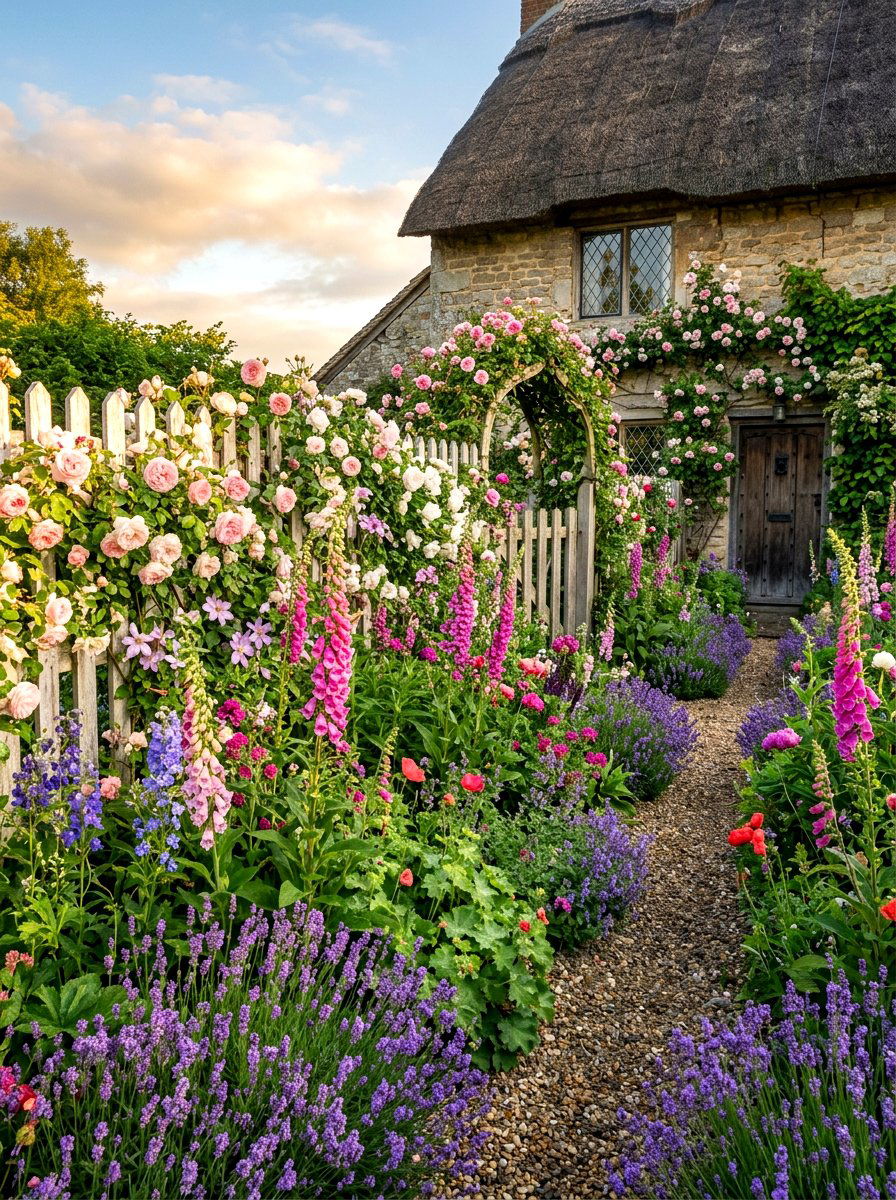
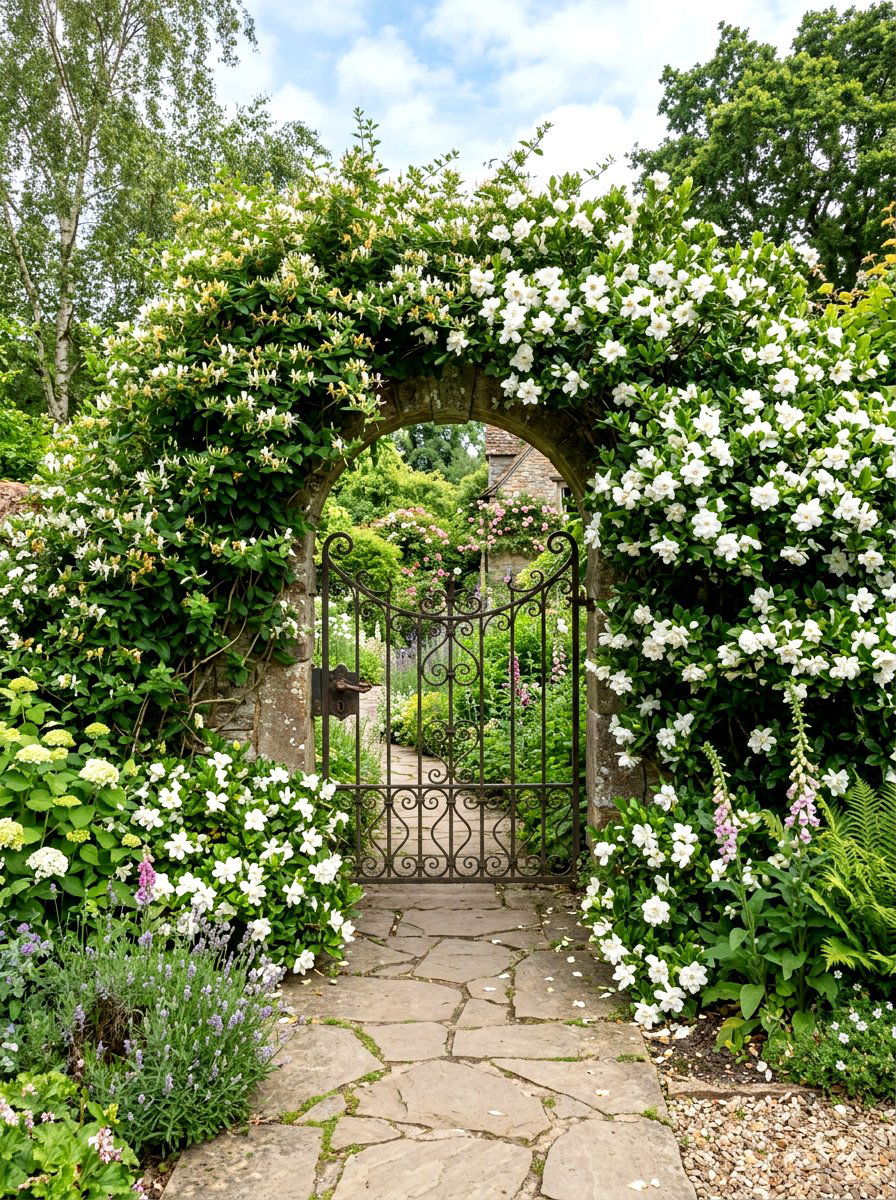
Embracing a cottage garden style means letting go of strict rules and allowing plants to grow in a lush, informal jumble. This traditional look features a romantic mix of tall hollyhocks, fragrant roses, and spilling lavender that creates a sense of nostalgic charm. You can incorporate rustic elements like a weathered wooden gate or a small picket fence to frame the beautiful chaos. The goal is to make the garden look as if it grew naturally over many years, with flowers self-seeding and filling every available gap. This style is perfect for those who love a variety of colors and want a garden that feels lived-in, cozy, and filled with old-fashioned beauty.
17. Succulent Garden Bed
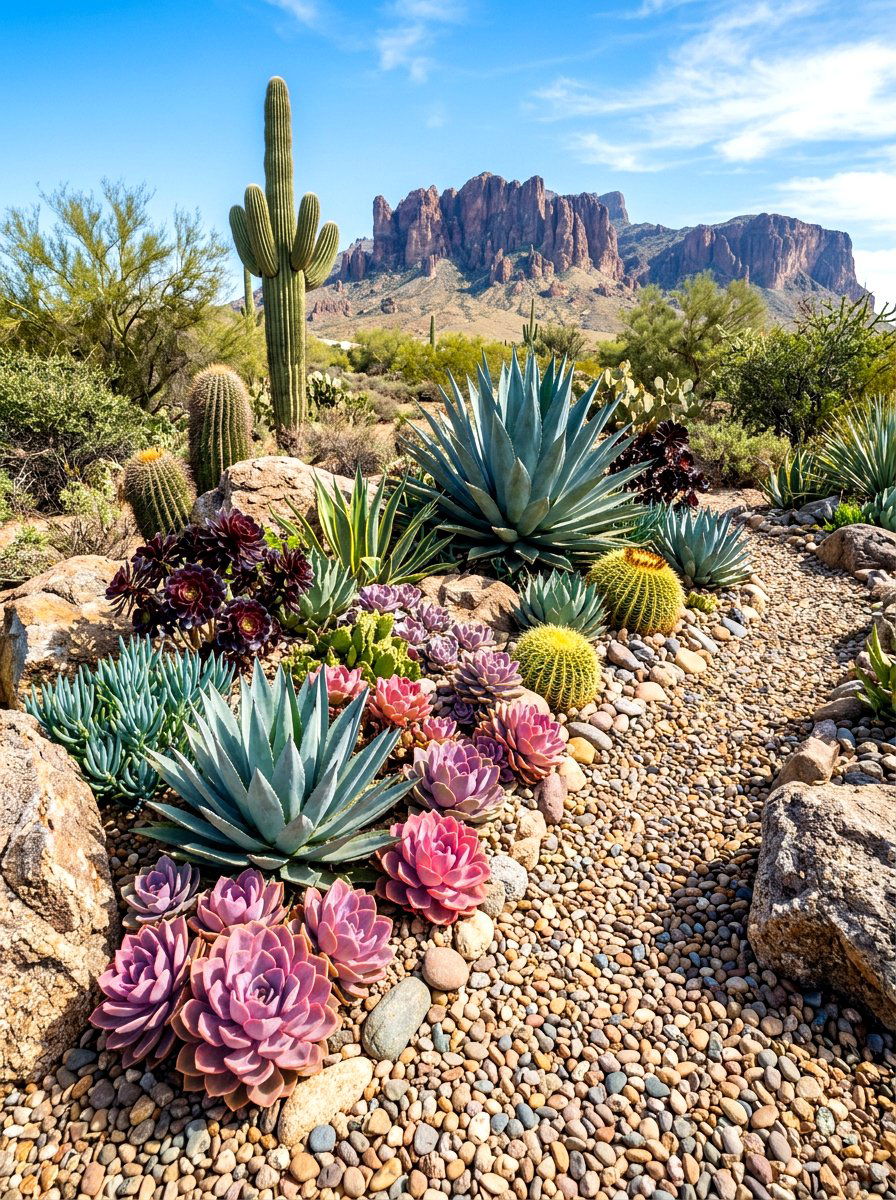
If you live in a dry climate or simply want a unique look, a succulent garden bed is a fantastic option. These water-storing plants come in incredible shapes, sizes, and colors, ranging from deep purples to bright oranges. You can arrange them in a bed with well-draining sandy soil and decorative gravel to prevent rot and highlight their geometric forms. Succulents are incredibly low maintenance and can survive for long periods without rain, making them the ultimate choice for water-wise landscaping. Mixing in a few larger agave or aloe plants adds height and drama to the arrangement. This design brings a touch of desert elegance to any home's exterior and looks great year-round.
18. Layered Flower Bed
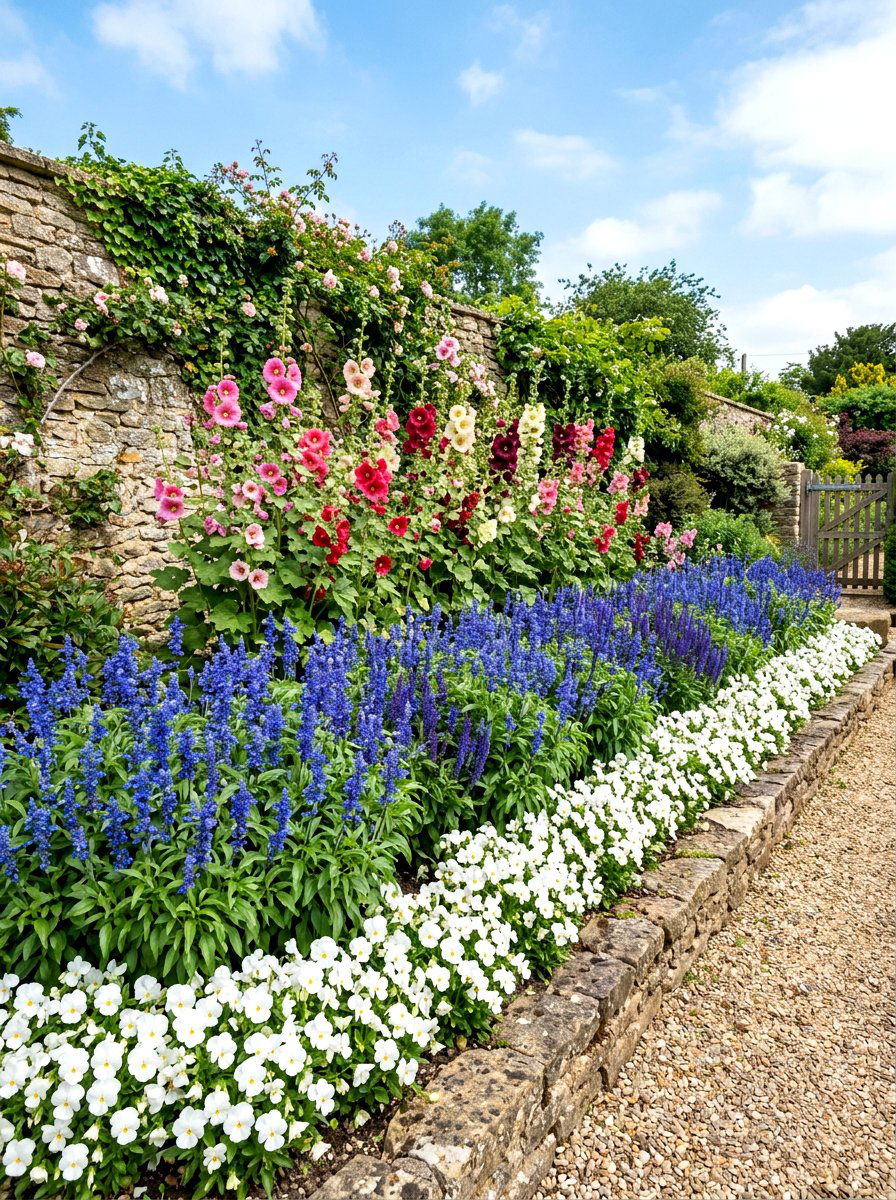
A layered flower bed is a design technique that creates a sense of depth and abundance by arranging plants by height. You start by placing the tallest varieties in the back, followed by a middle row of bushy shrubs, and finishing with low-growing groundcovers in the front. This step-like arrangement ensures that every plant is visible and receives adequate sunlight. Using contrasting colors in each layer can make the entire bed look more dynamic and professionally planned. This method works well along a fence or the side of a house where you have plenty of room to build forward. It is a foolproof way to ensure your garden looks full, organized, and balanced.
19. Circular Flower Bed
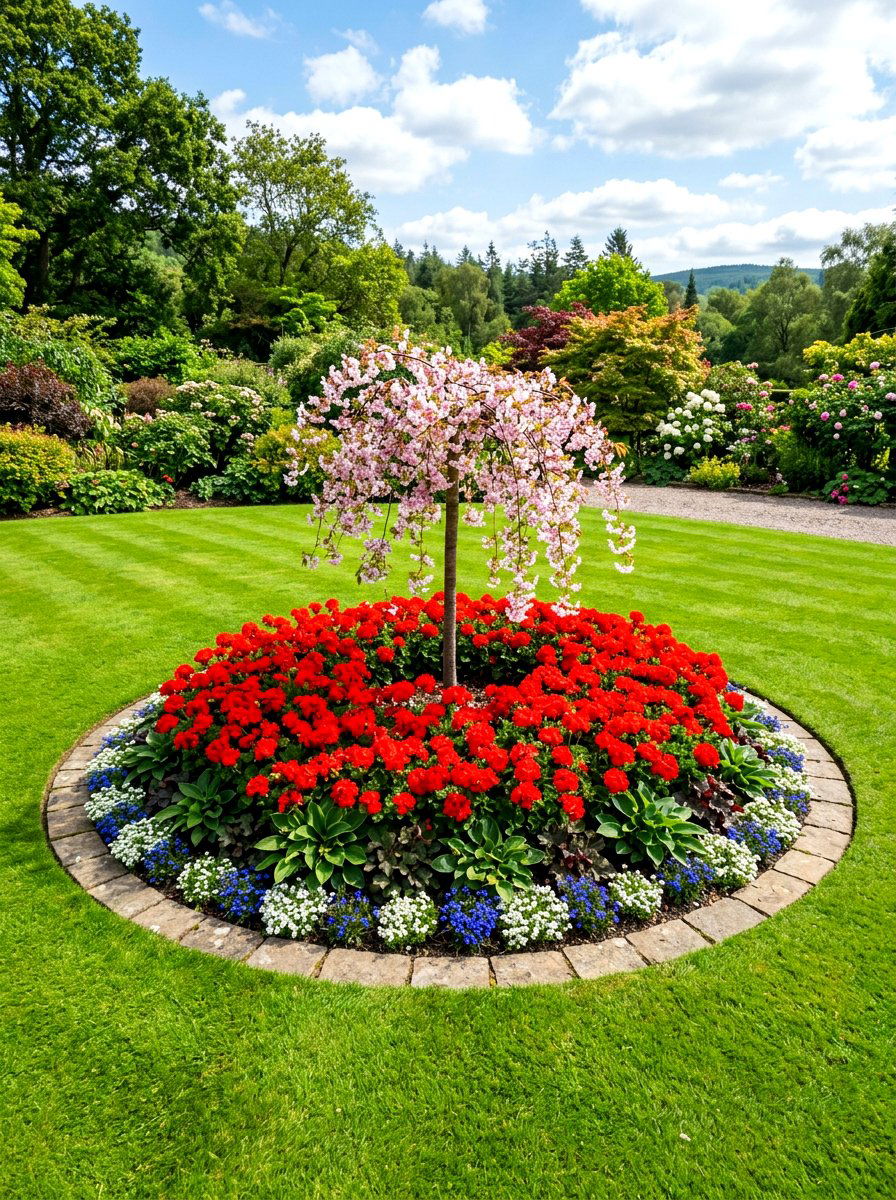
Creating a circular flower bed in the middle of a lawn adds a beautiful focal point that breaks up the monotony of flat grass. This island-style design can be seen from all sides, making it a perfect spot for your most prized or colorful specimens. You might plant a small ornamental tree in the very center to provide height and then surround it with concentric rings of different flowers. Using a flexible edging material helps you maintain a perfect circle, giving the bed a clean and intentional look. This layout invites people to walk around and admire the plants from different angles. It is a classic landscape feature that adds a touch of elegance.
20. Window Box Planter
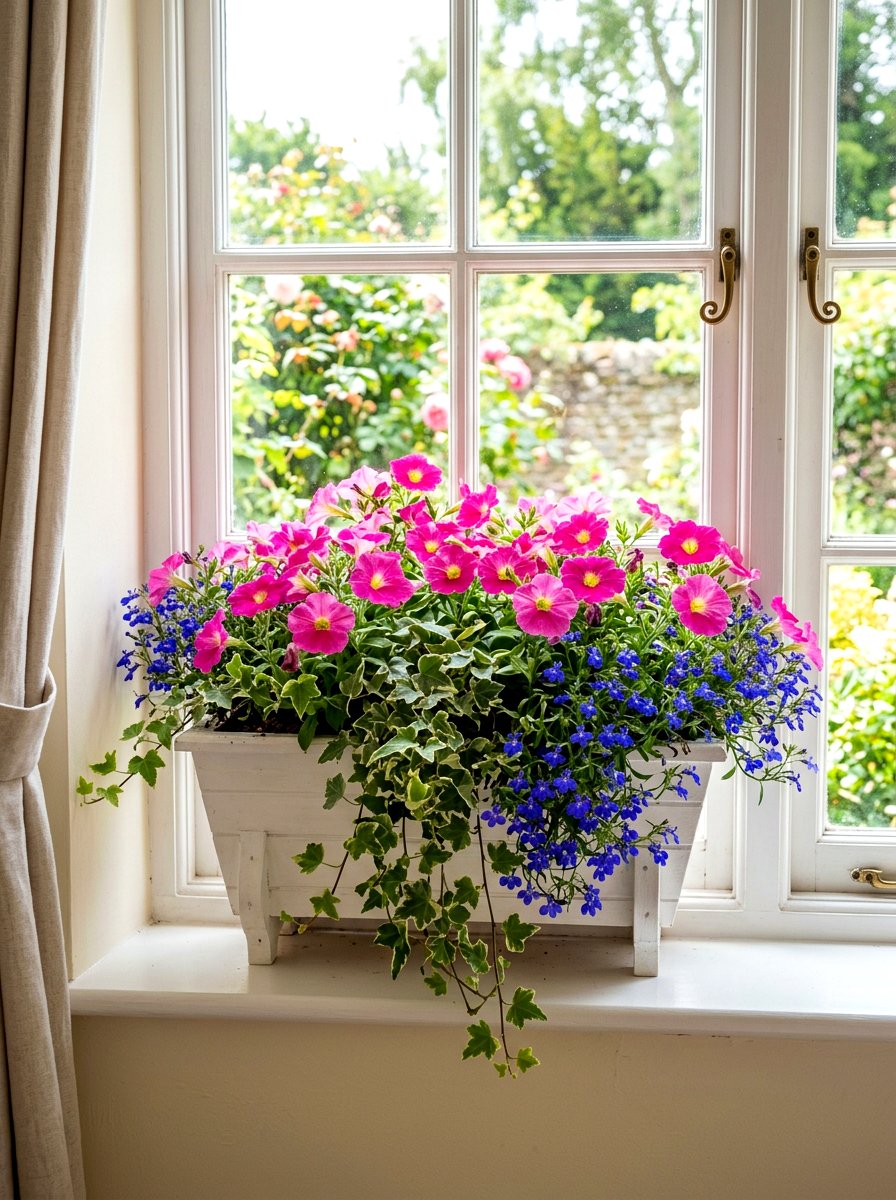
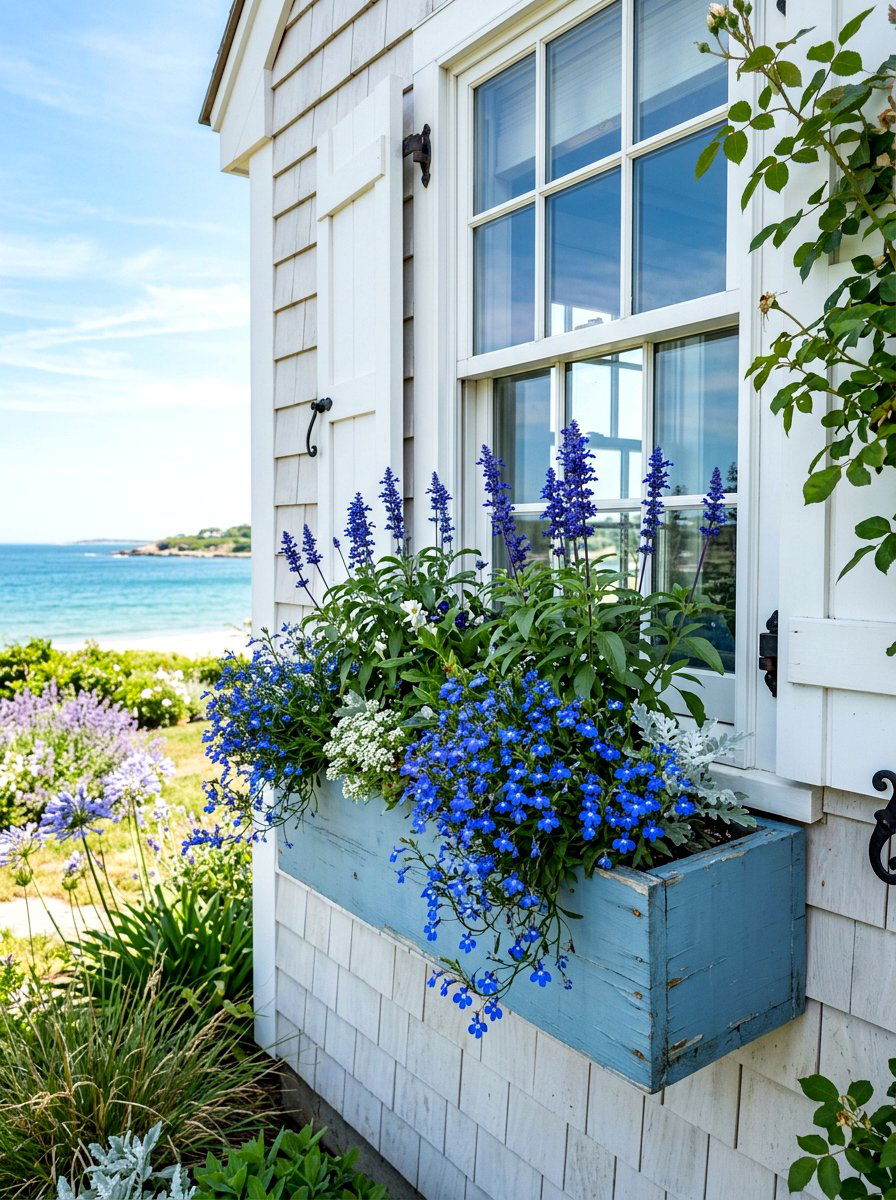
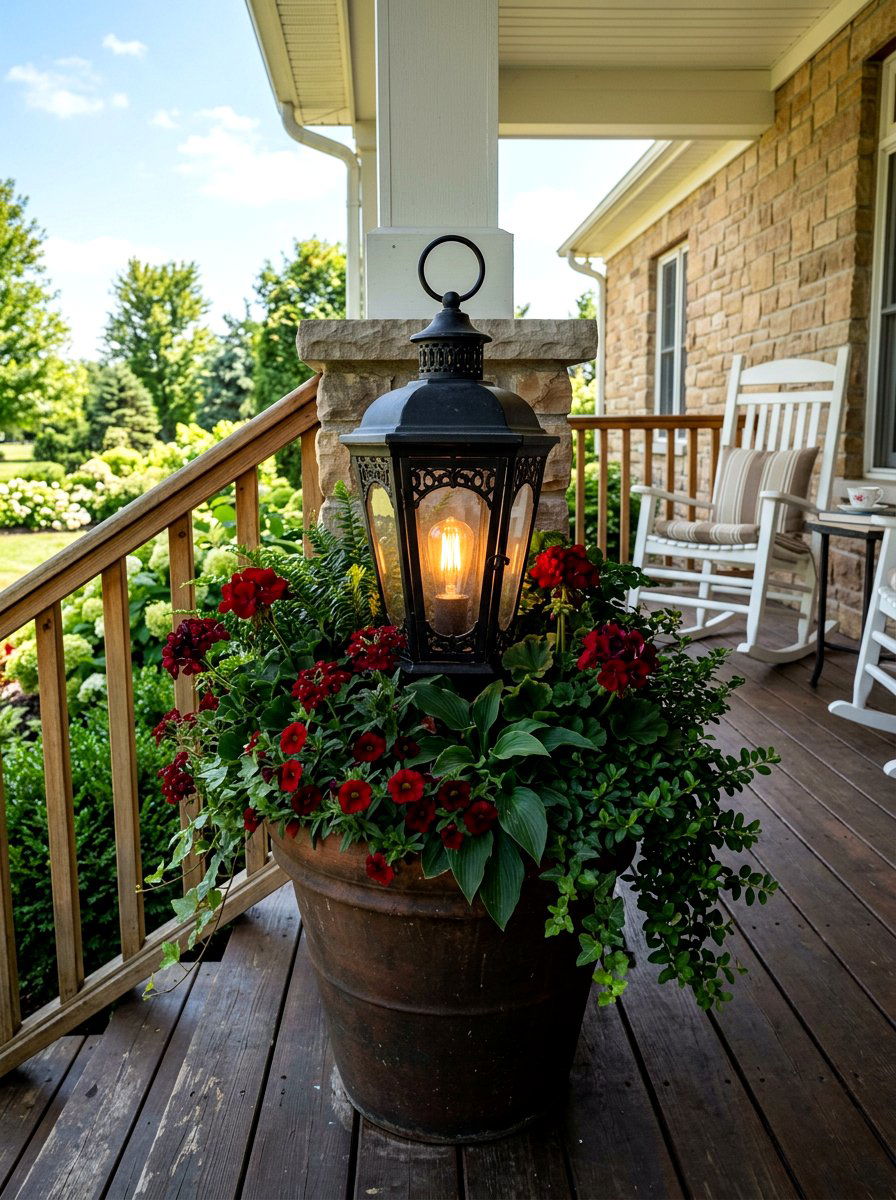
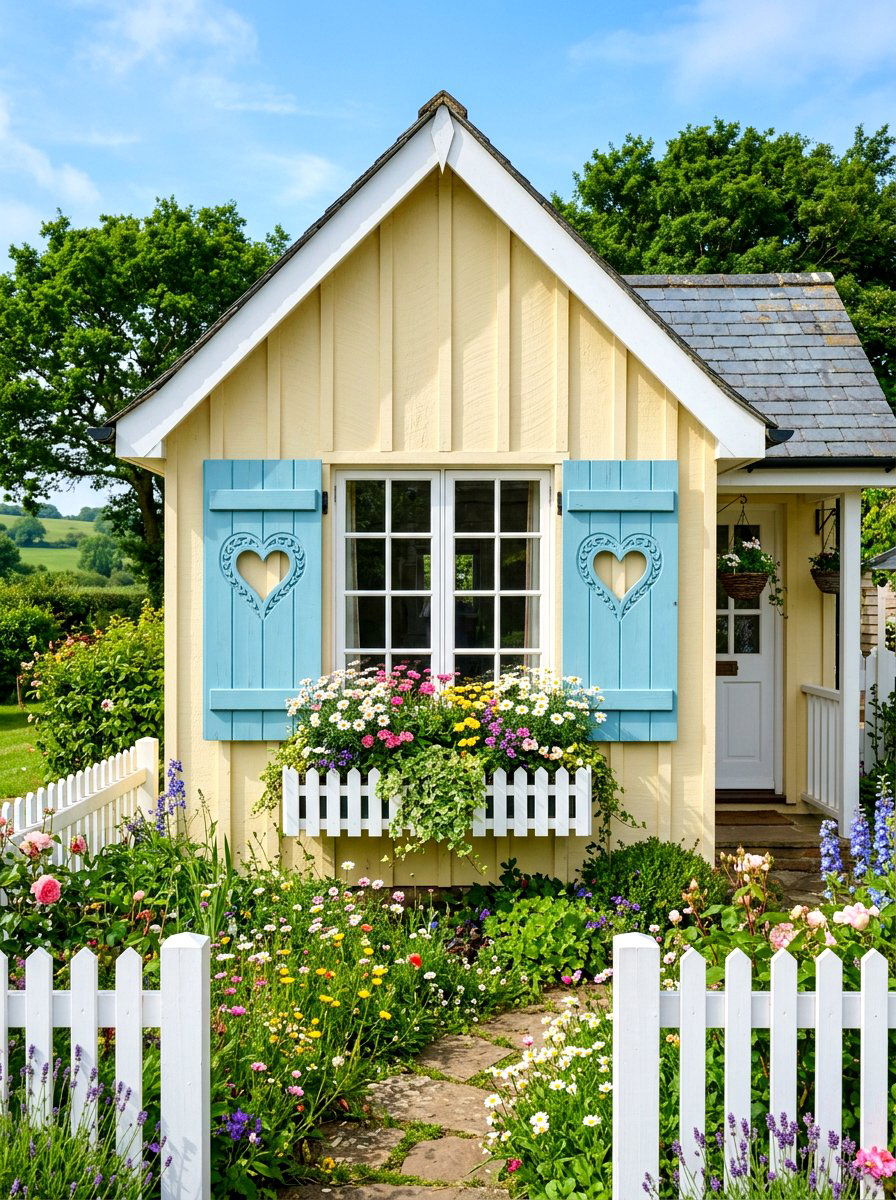
A window box planter brings the beauty of a flower bed right up to your home’s windows, creating a stunning view from both inside and out. These small but mighty containers allow you to experiment with different plant combinations every season without digging up the entire yard. You can follow the classic recipe of using a thriller, a filler, and a spiller to create a balanced and overflowing look. Choosing flowers that match your shutters or front door can tie your entire exterior design together beautifully. Because they are elevated, window boxes are easy to maintain and provide a quick burst of color to any home. They are a perfect solution for limited ground space.
21. Tree Ring Garden
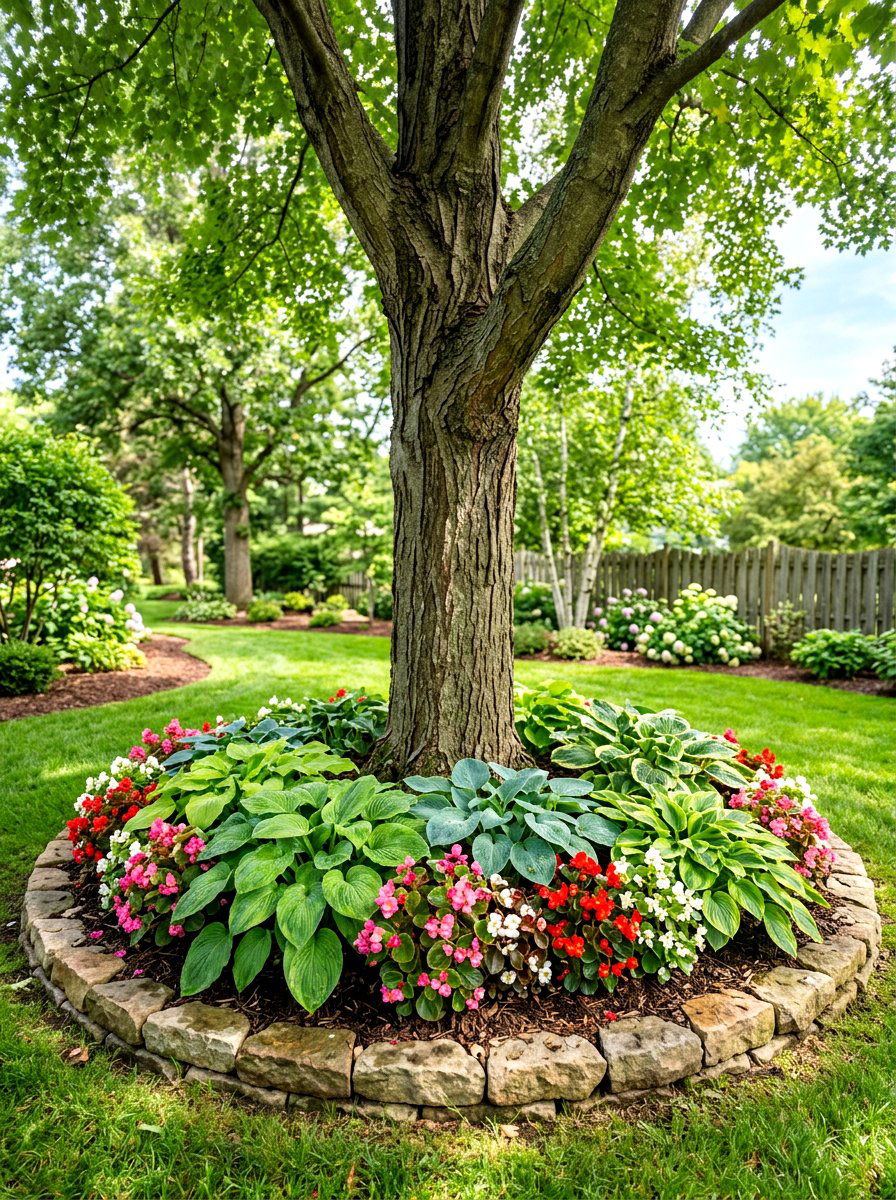
A tree ring garden is a clever way to beautify the area at the base of a large tree where grass often struggles to grow. By creating a defined circle around the trunk and filling it with shade-tolerant flowers, you turn a problematic spot into a highlight. It is important to avoid piling soil too high against the tree bark to keep the tree healthy and thriving. Using mulch and shallow-rooted perennials ensures that the flowers do not compete too much with the tree for water. This design protects the tree roots from lawnmower damage while adding a layer of texture and color to your yard. It is a simple and effective landscape upgrade.
22. Colorful Annual Bed
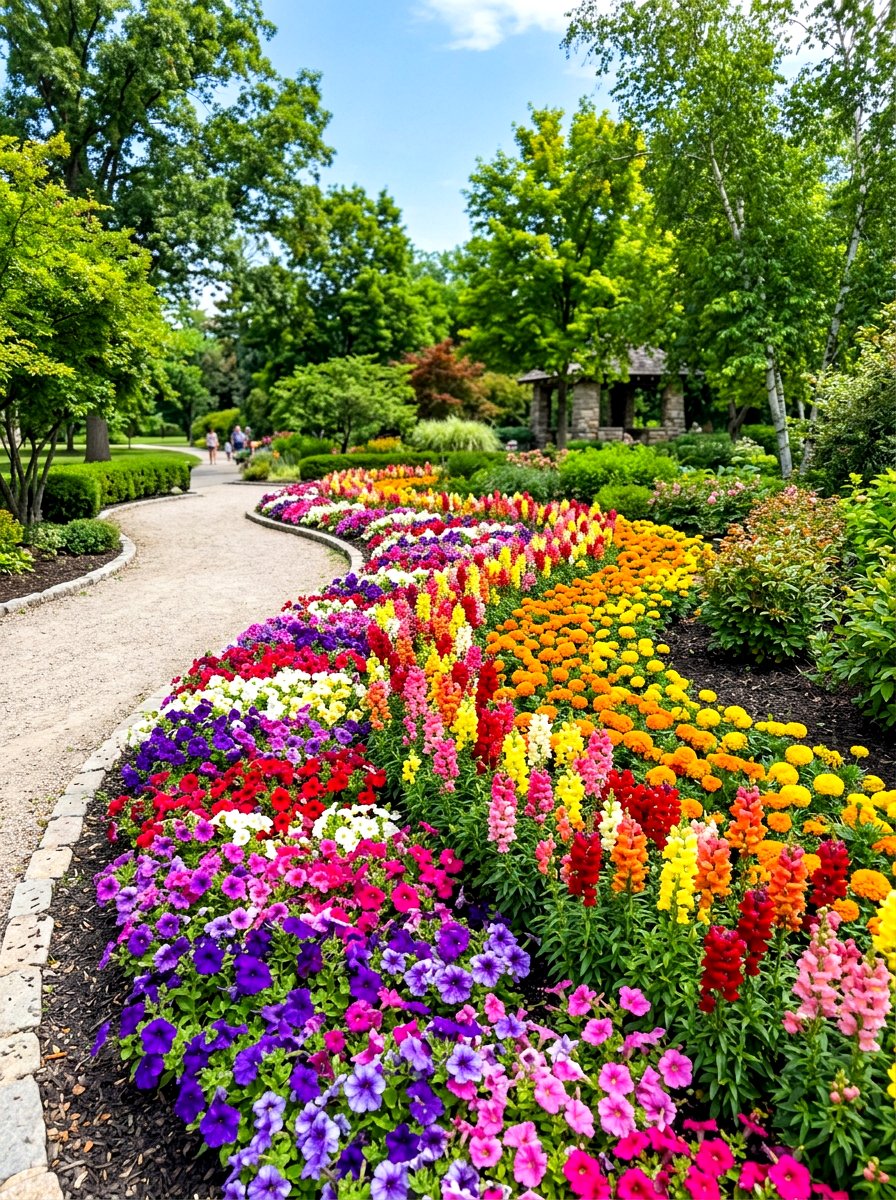
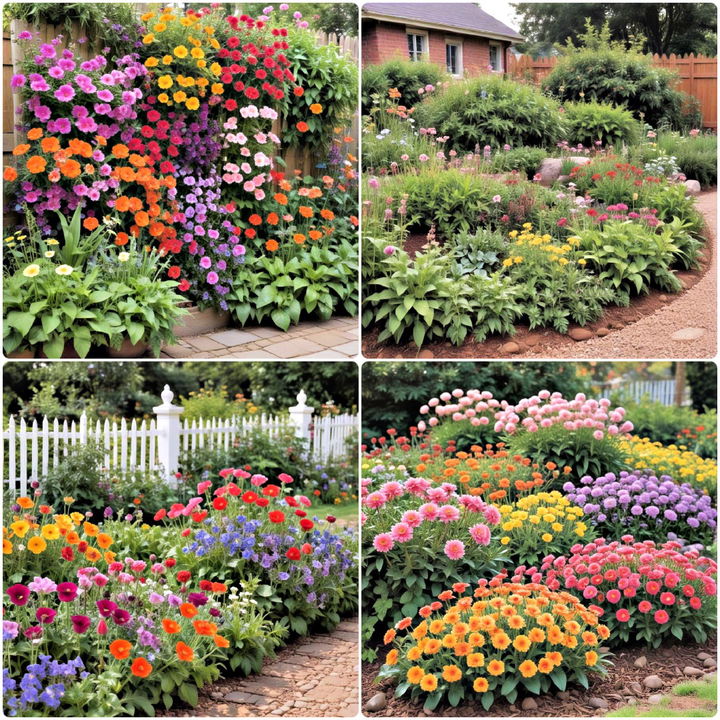
If you love a garden that changes its look every year, a colorful annual bed is the perfect creative outlet for you. Unlike perennials, annuals live for only one season, which gives you the freedom to experiment with new color schemes and plant varieties every spring. You can create bold patterns or even spell out words using different types of low-growing flowers like pansies or petunias. These plants typically bloom more prolifically and for a longer period than many perennials, providing a constant show of color. While they require more frequent watering and replanting, the sheer intensity of the floral display makes the effort worth it. It is a high-impact choice.
23. Vertical Flower Garden
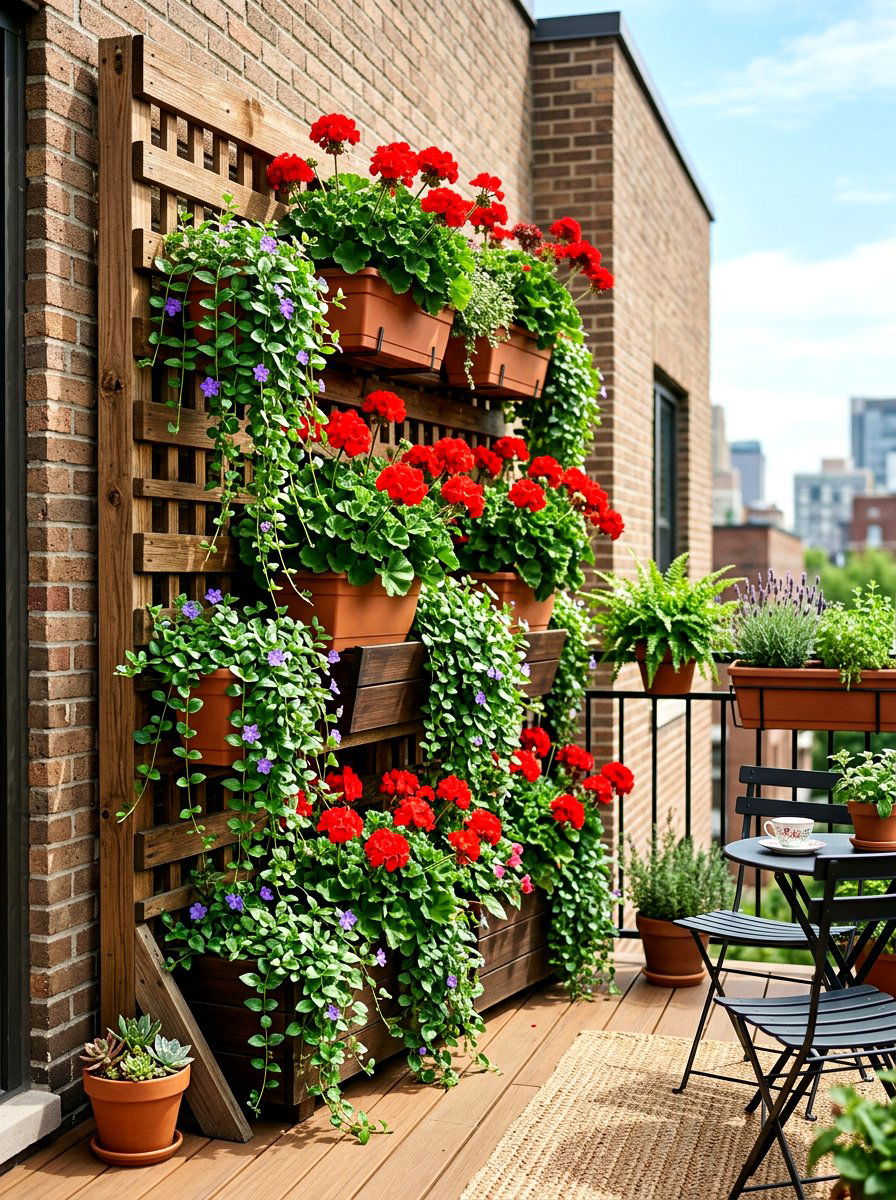
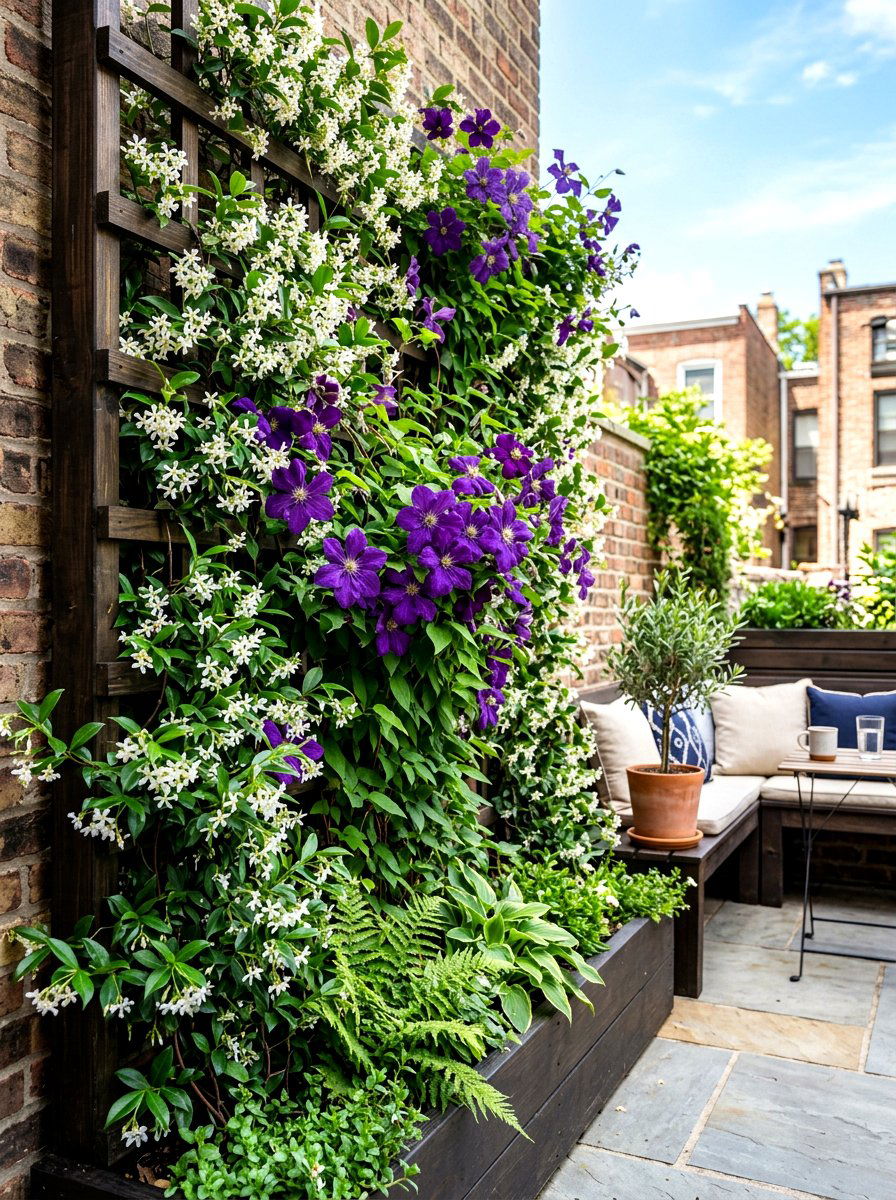
A vertical flower garden is a brilliant solution for urban dwellers or anyone with limited ground space. By using trellises, wall-mounted pockets, or stacked planters, you can grow a lush carpet of flowers upward instead of outward. Climbing plants like sweet peas or morning glories are perfect for this style, as they naturally reach for the sky. This design adds dimension to your outdoor space and can even be used to hide an unsightly fence or wall. Vertical gardens are also easier on the back, as most of the plants are at eye level or within easy reach. It is a modern and space-saving way to bring nature into a small courtyard.
24. Drought Tolerant Landscape
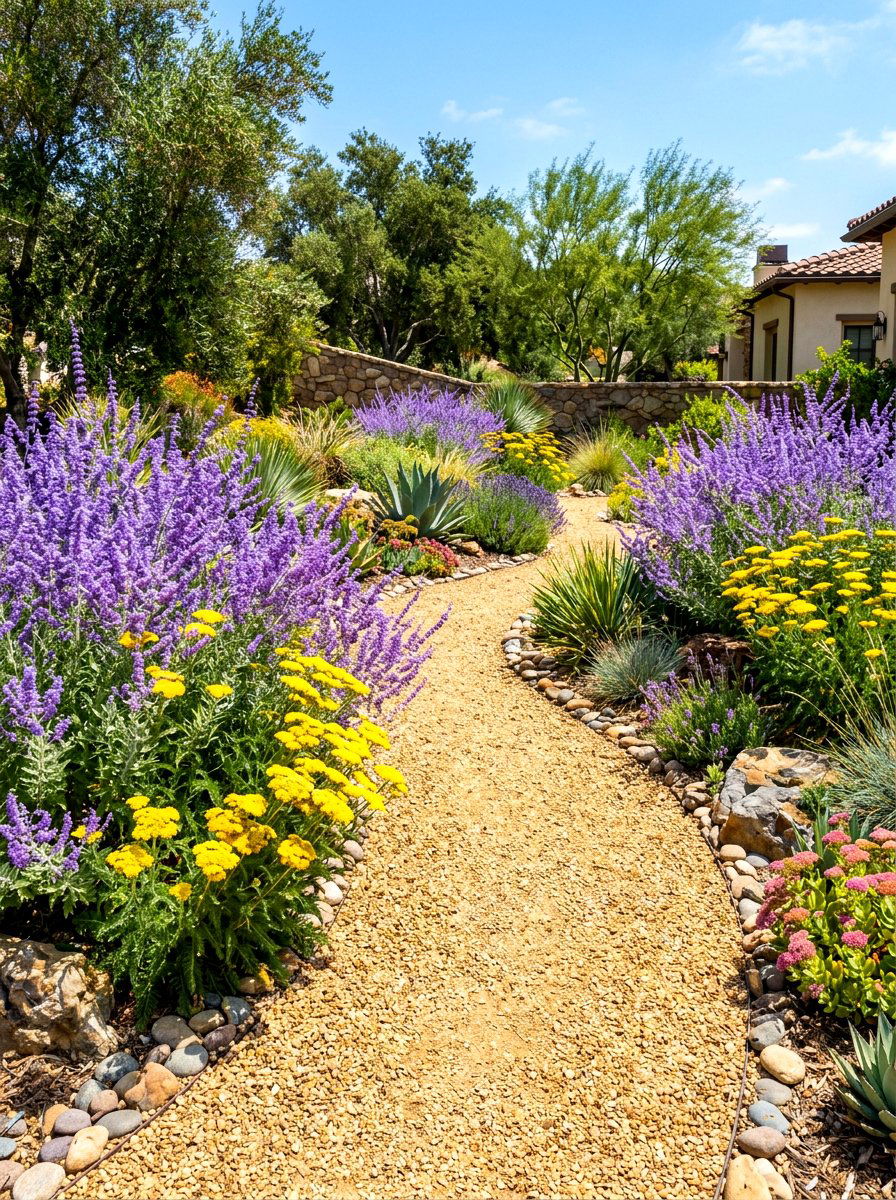
Designing a drought tolerant landscape is a smart move for homeowners who want to save water and reduce their environmental footprint. By choosing plants like yarrow, sage, and lavender, you can create a beautiful flower bed that stays vibrant even during long, dry summers. These plants often feature silvery foliage and deep root systems that help them survive with very little supplemental irrigation. Using a layer of inorganic mulch like pea gravel or crushed stone further helps retain soil moisture and adds a clean look. This type of garden is not only sustainable but also very low maintenance once the plants have become established. It proves that eco-friendly gardens can be incredibly beautiful.
25. Edible Flower Bed
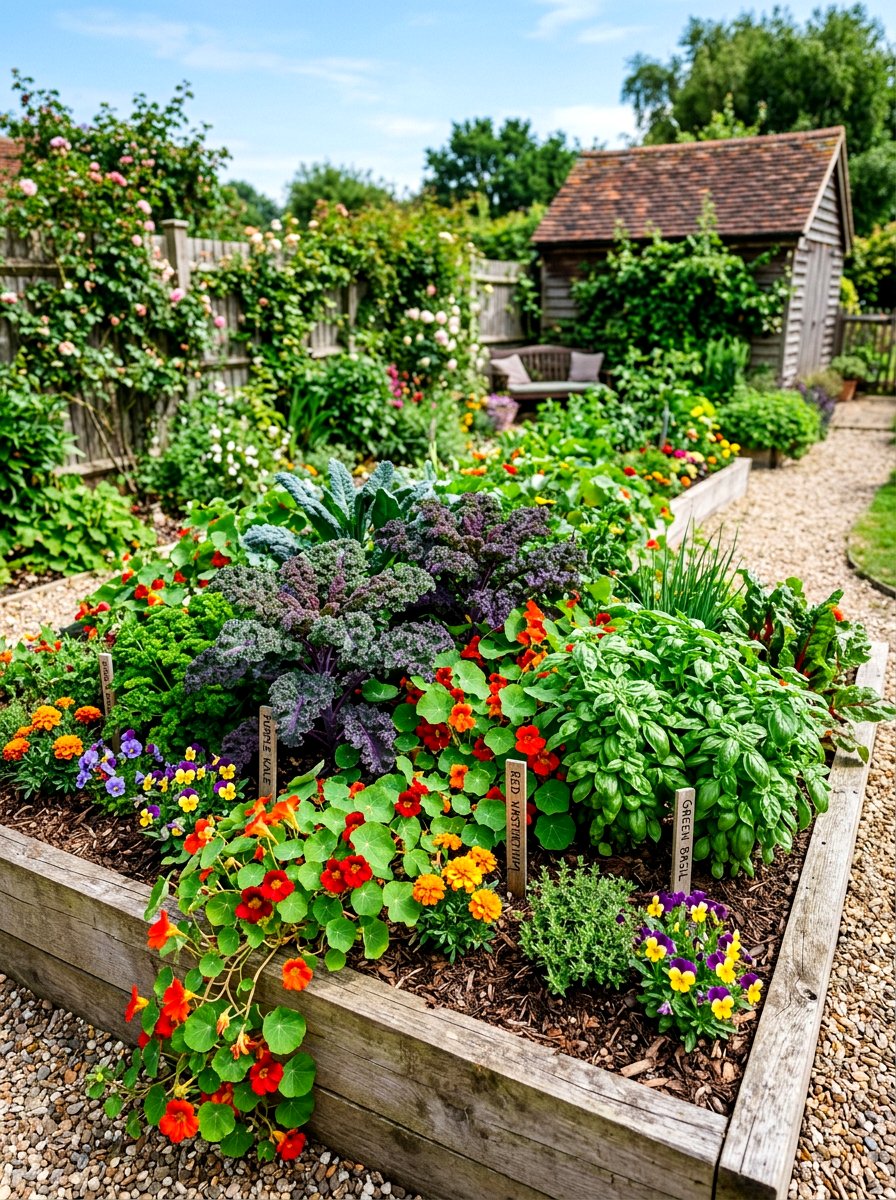
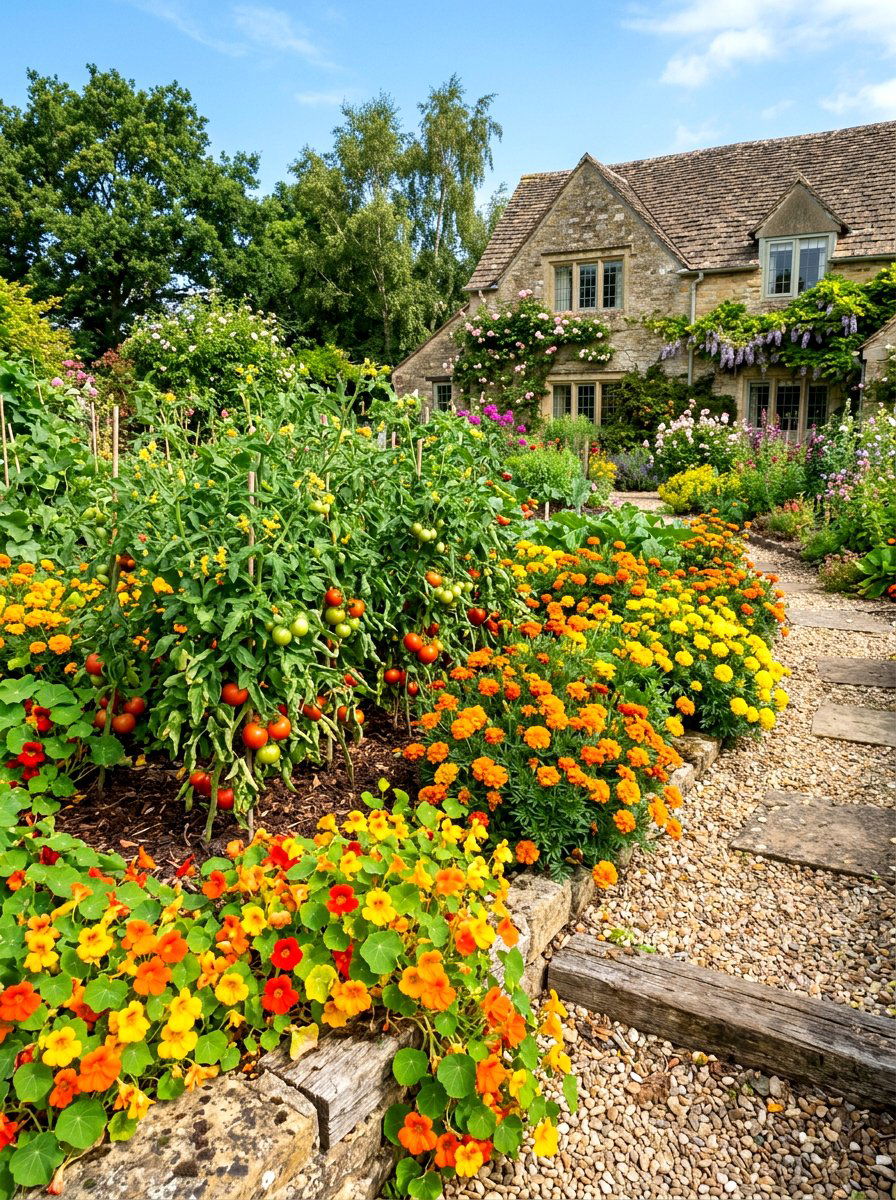
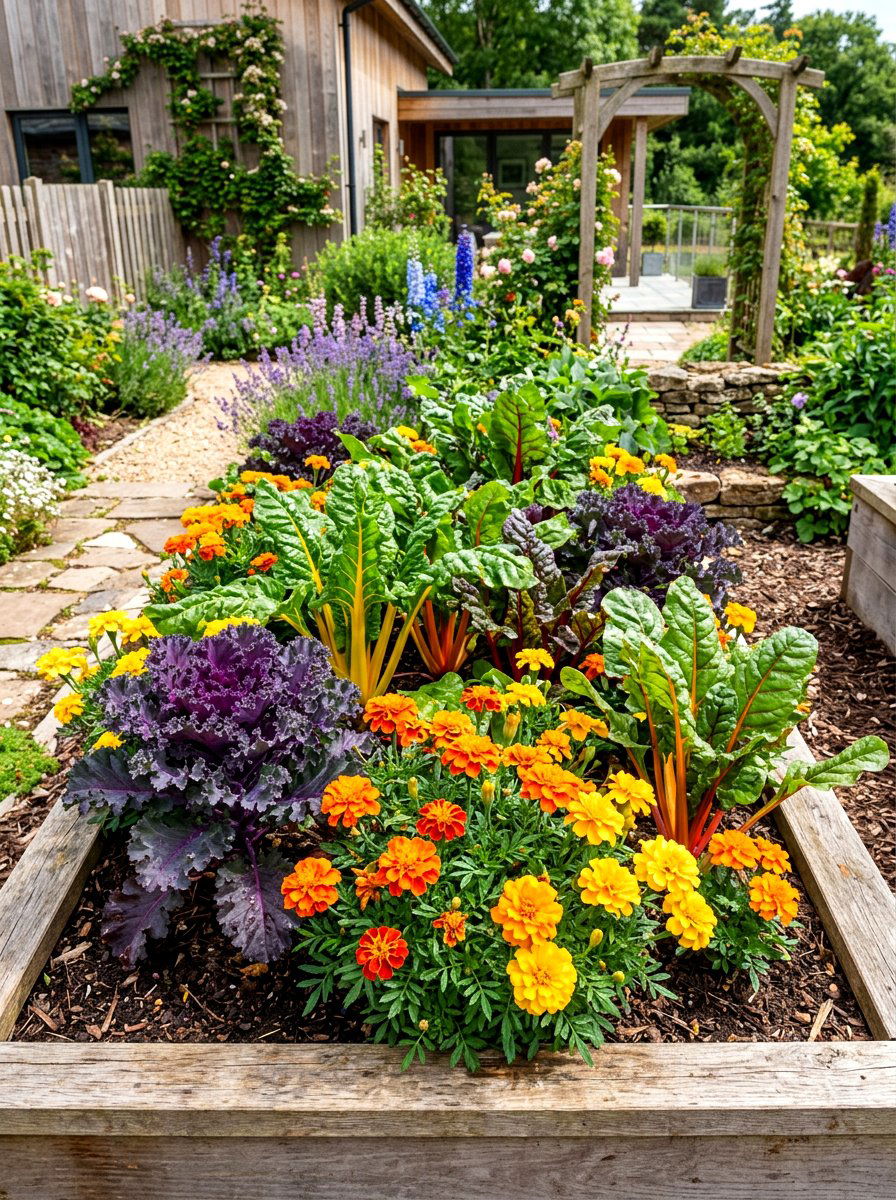
An edible flower bed blends beauty and functionality by mixing ornamental flowers with herbs and vegetables. This concept, often called "edimental" gardening, allows you to pick fresh ingredients for your kitchen while enjoying a stunning floral display. You might plant nasturtiums and pansies alongside kale, basil, and rosemary for a colorful and fragrant arrangement. Many edible plants feature beautiful textures and colors that rival traditional garden flowers, making them a great addition to any landscape. This design encourages you to interact with your garden every day as you harvest fresh snacks. It is a productive and charming way to make the most of your sunny backyard spots.
26. Wildflower Patch
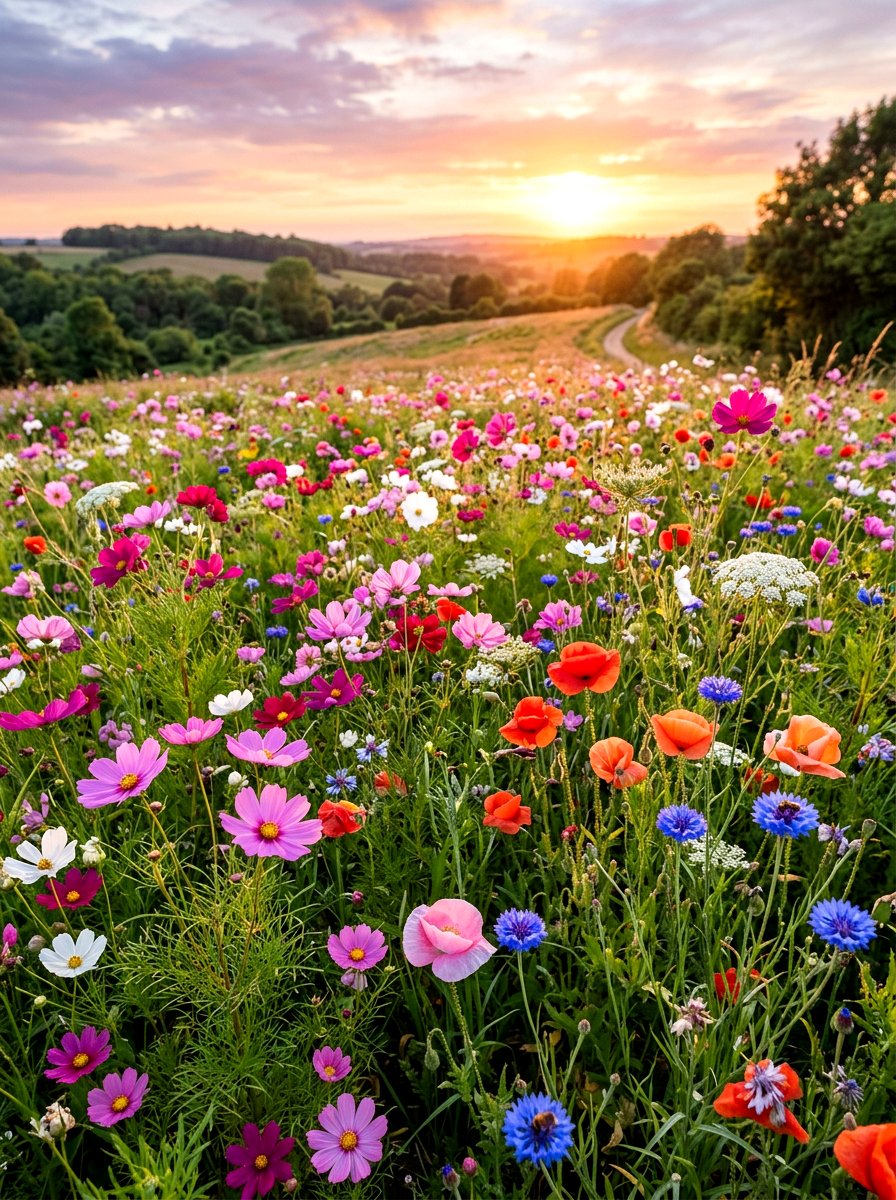
A wildflower patch is the perfect choice for someone who wants a low-effort garden that looks like a slice of natural meadow. You can simply clear a patch of soil, scatter a mix of native wildflower seeds, and let nature take its course. This design is incredibly beneficial for local pollinators and requires almost no maintenance once the seeds have sprouted and taken root. The variety of colors and heights creates a whimsical, unstructured look that changes beautifully throughout the growing season. In the fall, you can leave the dried seed heads for birds to enjoy, providing a winter food source. It is a sustainable and carefree way to add natural beauty.
27. Privacy Hedge Flower Bed
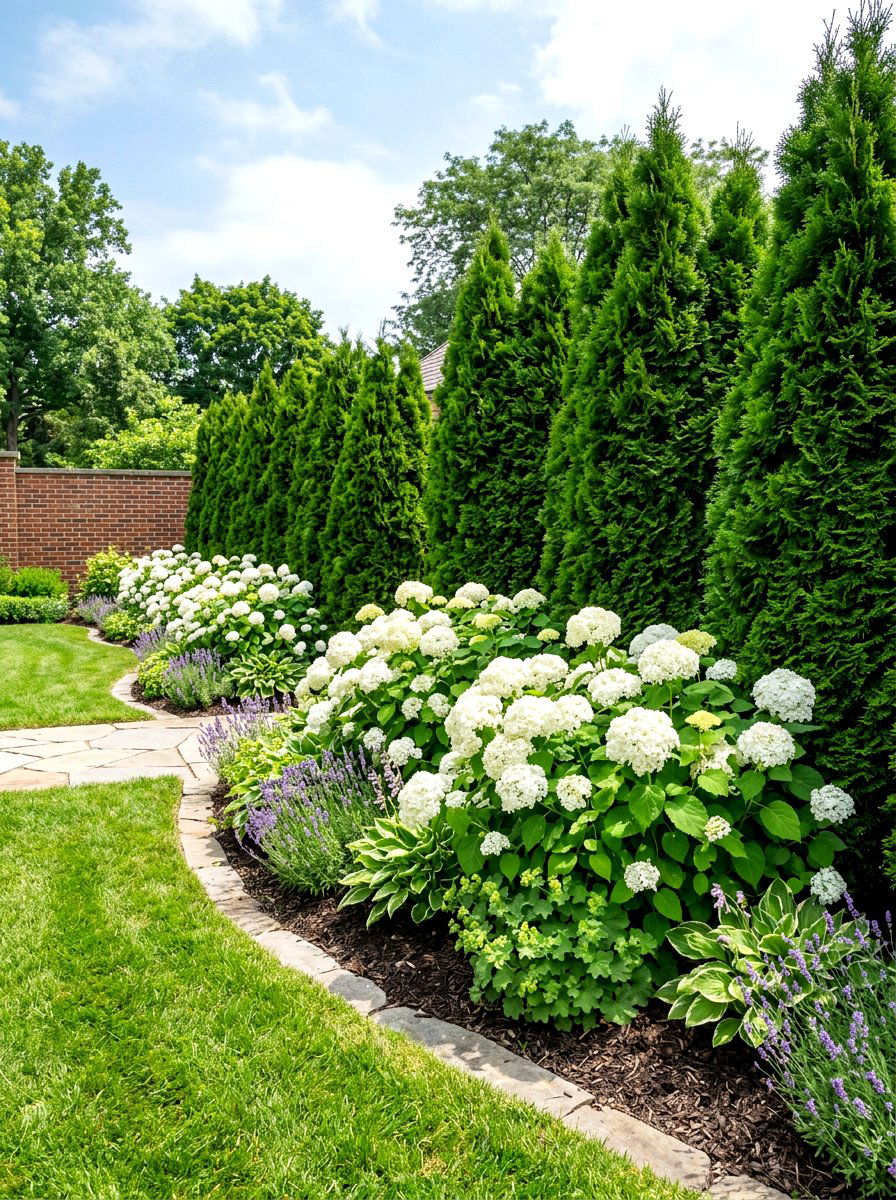
Using a privacy hedge flower bed is a great way to define your property lines while adding a soft, living screen. Instead of a boring wooden fence, you can plant a row of tall, dense shrubs or flowering bushes like hydrangeas or lilacs. Adding smaller flowers along the base of the hedge softens the look and provides a multi-layered barrier against noise and prying eyes. This design creates a cozy, secluded feel in your backyard, making it the perfect spot for private gatherings or quiet relaxation. Choosing evergreen varieties ensures that your privacy remains intact even during the winter months. It is a functional and attractive landscaping solution for many homeowners.
28. Retaining Wall Planter
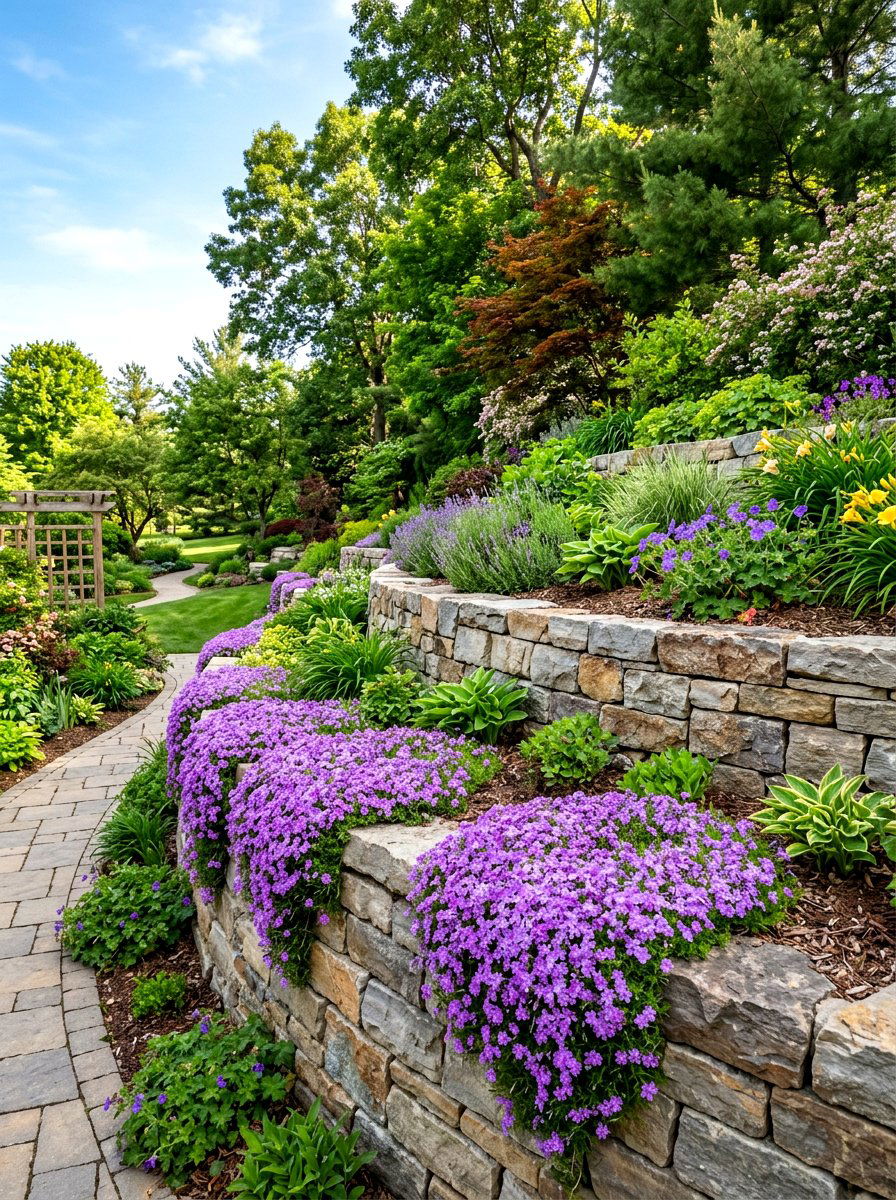
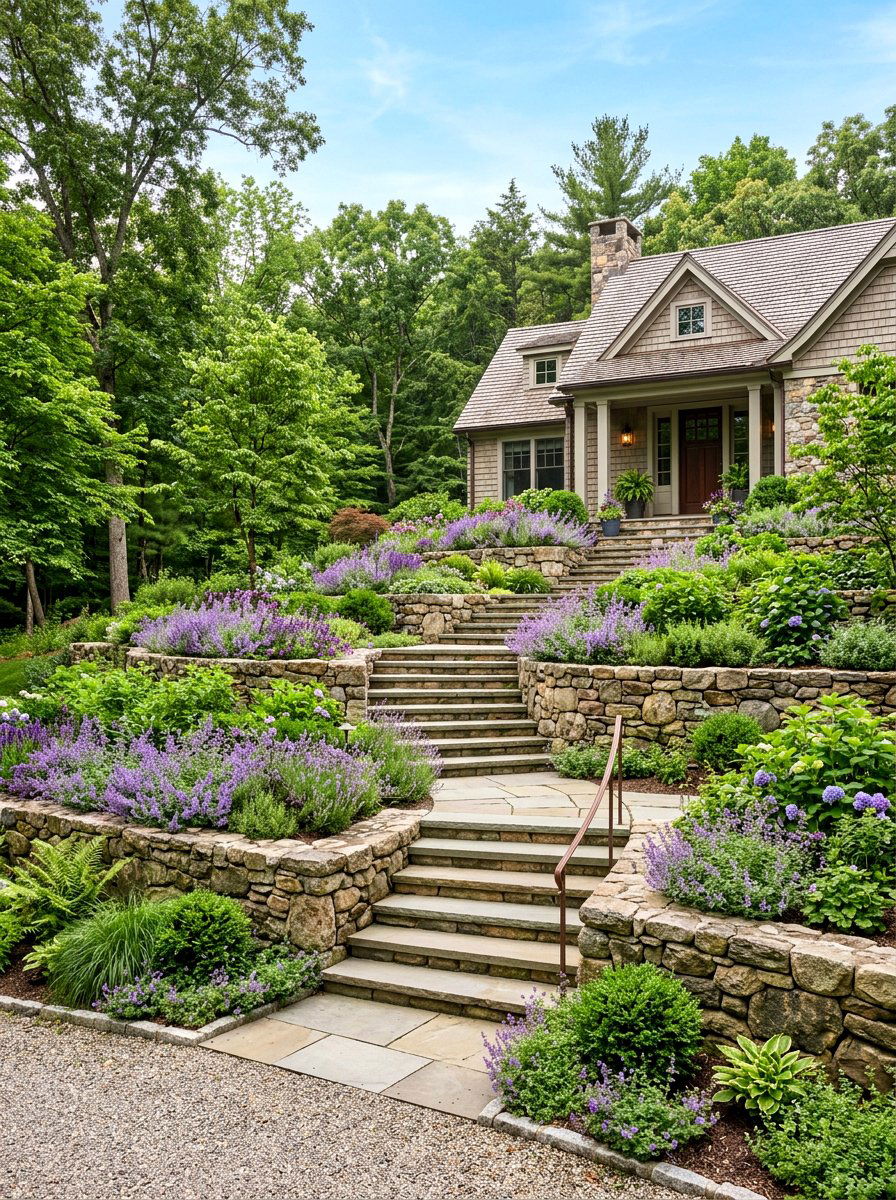
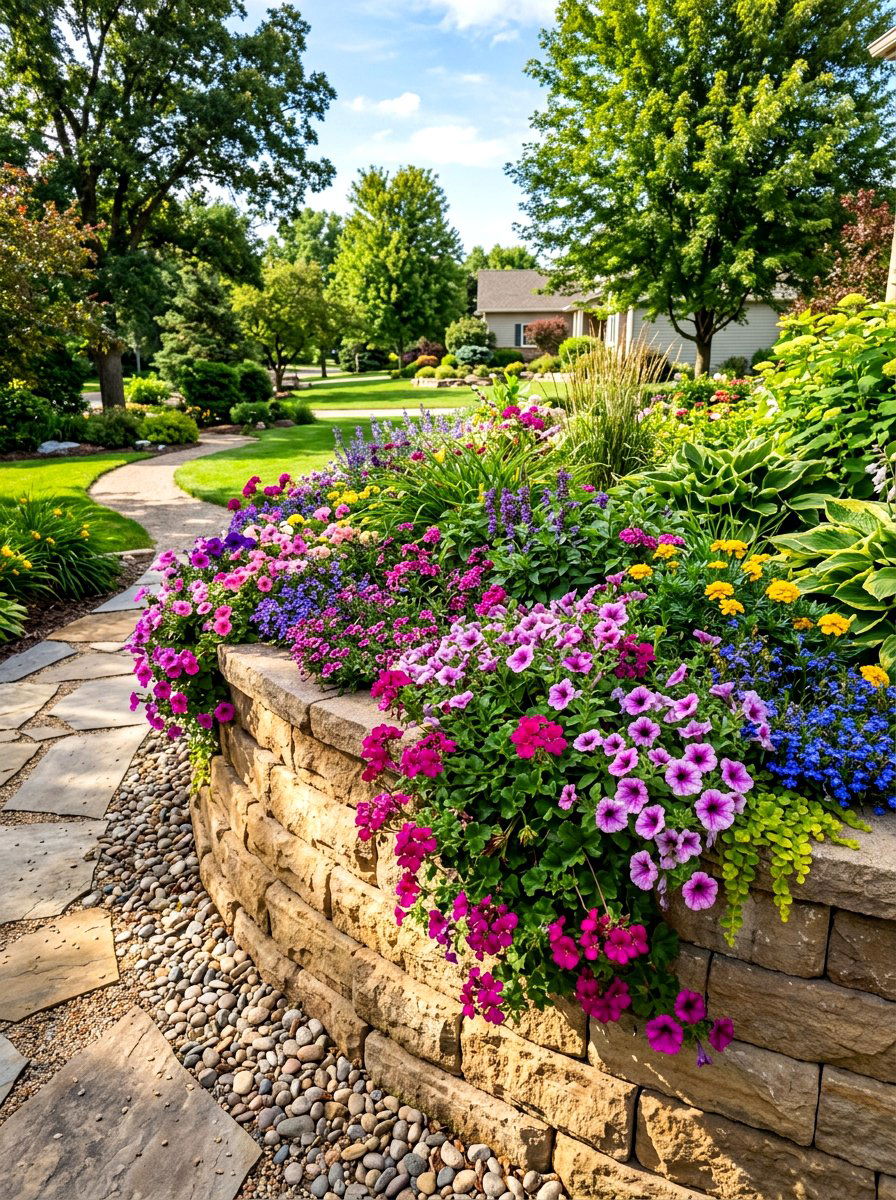
A retaining wall planter turns a necessary structural element into a stunning tiered garden feature. If your yard has a slope, building a stone or timber wall allows you to create flat, level beds for planting various flowers. This design prevents soil erosion and adds a sense of architectural grandeur to your property. You can plant cascading flowers like trailing lobelia or ivy that spill over the edges of the wall, softening the hard lines of the stone. The different levels provide a great opportunity to separate plants by their light or water needs. It is a professional-looking way to handle difficult terrain while maximizing your total planting area for flowers.
29. Tropical Flower Bed
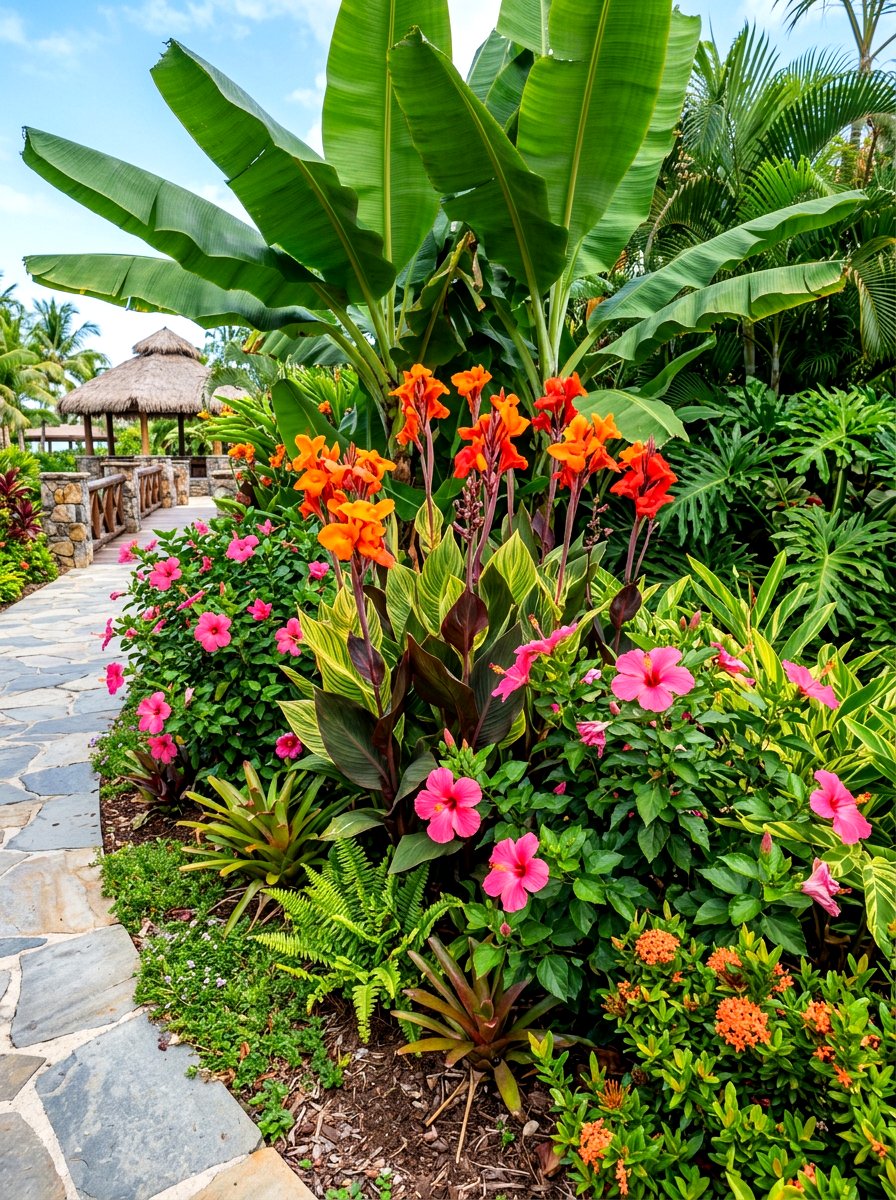
If you want to feel like you are on vacation every time you step outside, a tropical flower bed is the way to go. This design features large, bold foliage and intensely bright flowers like hibiscus, canna lilies, and bird of paradise. Even in cooler climates, you can achieve this look by using certain hardy perennials or by bringing potted tropicals indoors during the winter. The lush, jungle-like feel of a tropical bed creates a high-energy atmosphere that is perfect for summer entertaining. Adding a few decorative palms or large ferns can further enhance the exotic vibe. It is a dramatic and exciting style that makes a big statement in any yard.
30. Mailbox Flower Bed
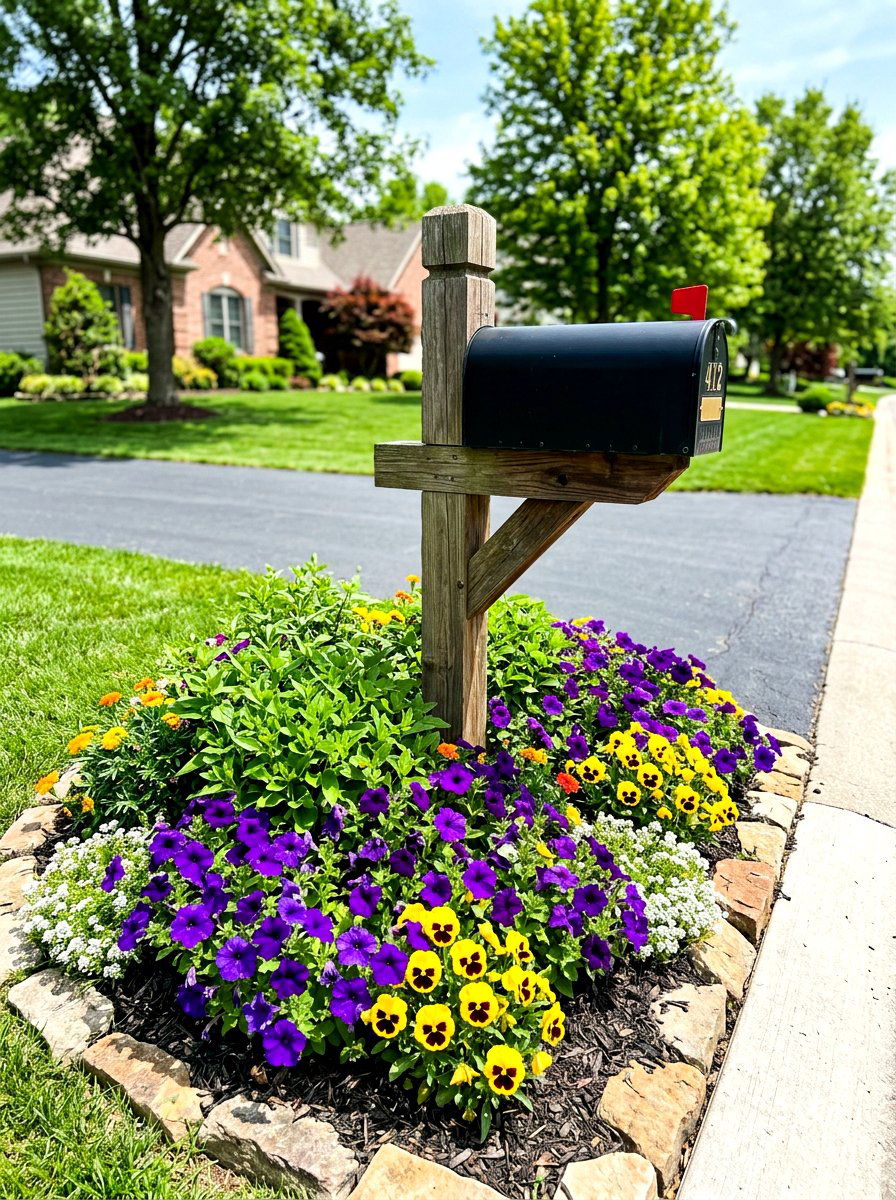
A mailbox flower bed is a small but highly effective way to improve your home’s street presence and greet visitors. By planting a small garden around the base of your mailbox post, you turn a functional utility into a charming landscape feature. It is best to choose hardy, salt-tolerant plants that can handle the heat from the road and potential winter treatments. Mixing colorful annuals with a few low-growing perennials ensures the area looks great throughout the year. Adding a small border of bricks or stones keeps the bed looking tidy and prevents grass from invading. It is a quick weekend project that adds a surprising amount of character to your property.
Conclusion:
Designing and maintaining a simple flower bed is one of the most rewarding ways to personalize your outdoor environment and enhance your home's overall aesthetic. Whether you prefer the structured look of a modern minimalist layout or the whimsical charm of a cottage-style garden, there is a concept that fits your lifestyle. By choosing the right plants for your specific sunlight and soil conditions, you can create a thriving sanctuary that brings beauty to your life every day. These small projects prove that you do not need a vast amount of space or money to make a significant impact on your landscape. Start small and enjoy the journey of gardening.

Related posts: