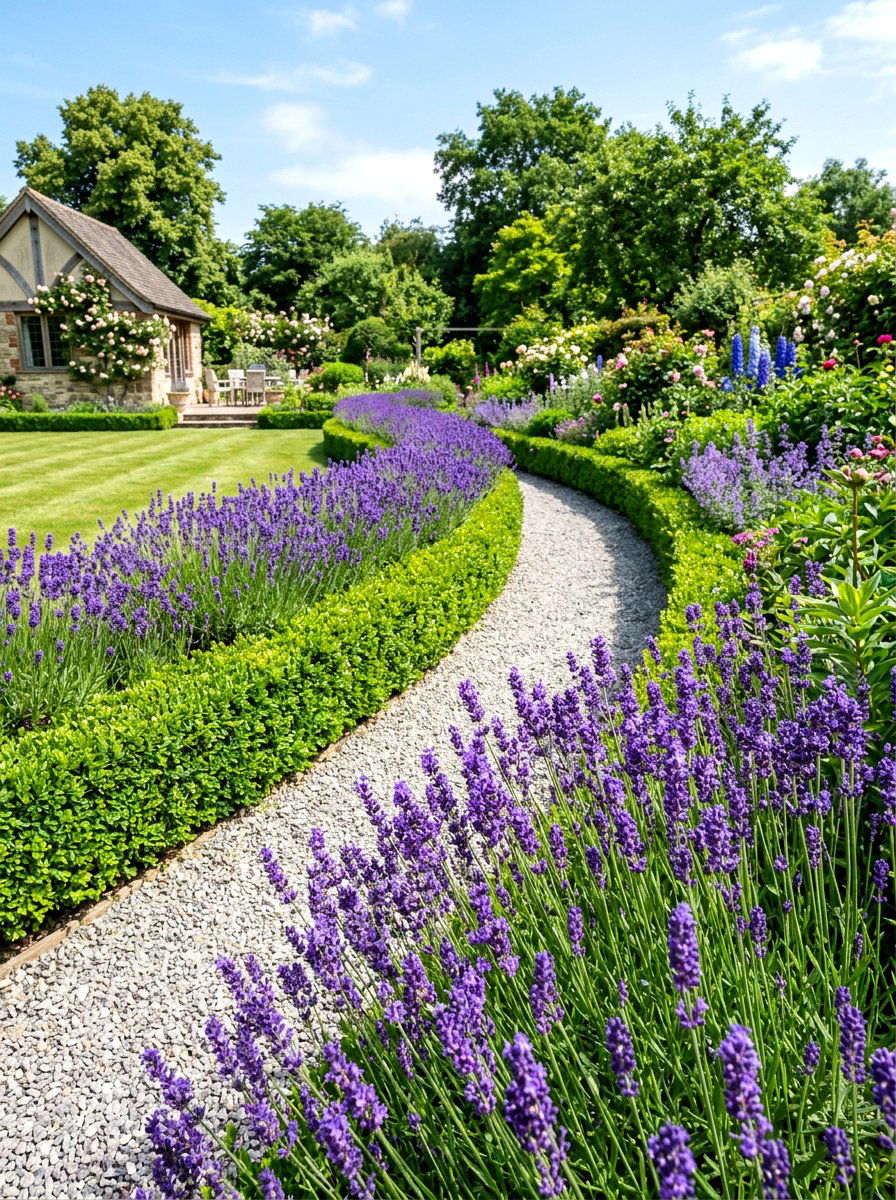
Your home’s first impression begins long before guests reach the front door, making a well-planned entrance essential for curb appeal. A thoughtful landscape design not only increases property value but also creates a warm, welcoming atmosphere that reflects your personal style. Whether you prefer a sleek modern look or a lush cottage garden, the right combination of plants and hardscaping can transform an ordinary yard into a stunning focal point. By focusing on layout, lighting, and texture, you can guide visitors along a clear path while highlighting your home’s architectural features. These diverse concepts offer inspiration for every climate and budget to help you achieve a polished exterior.
1. Modern Front Walkway
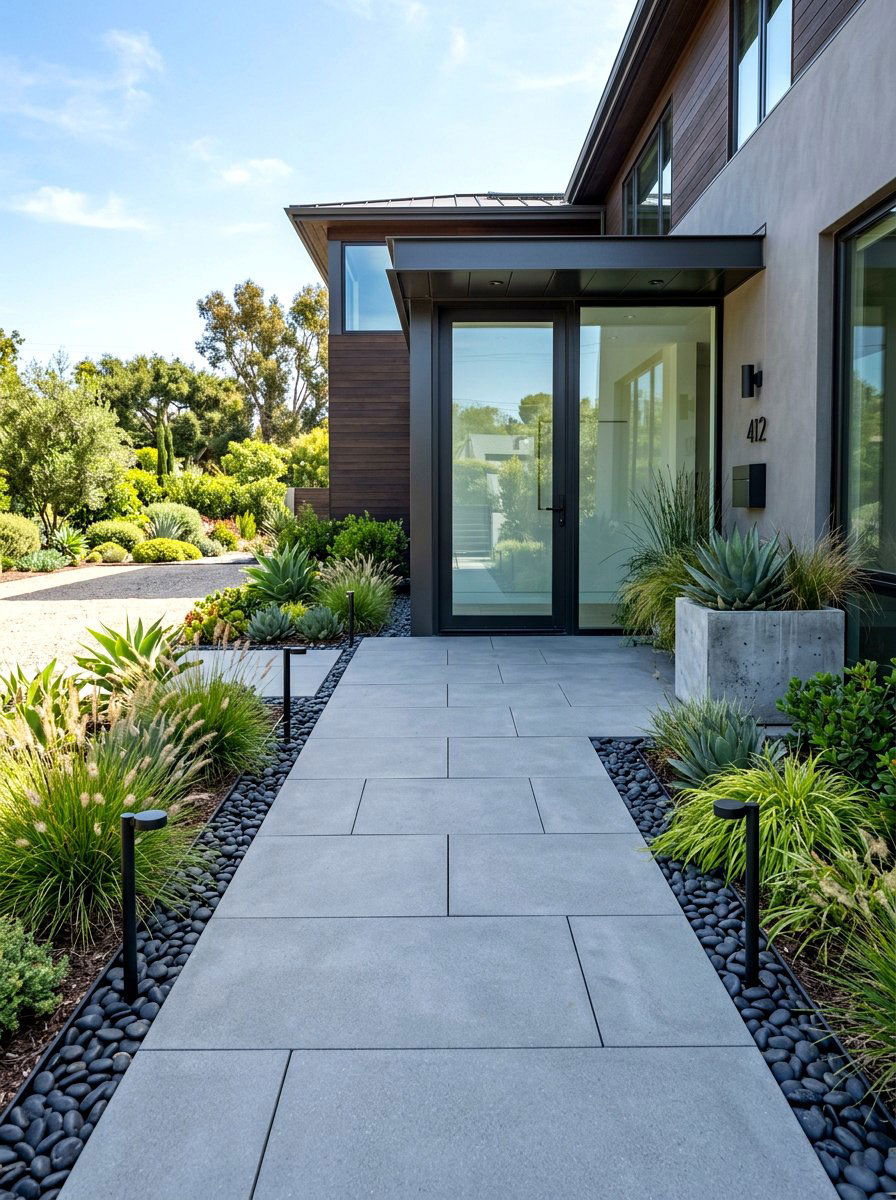
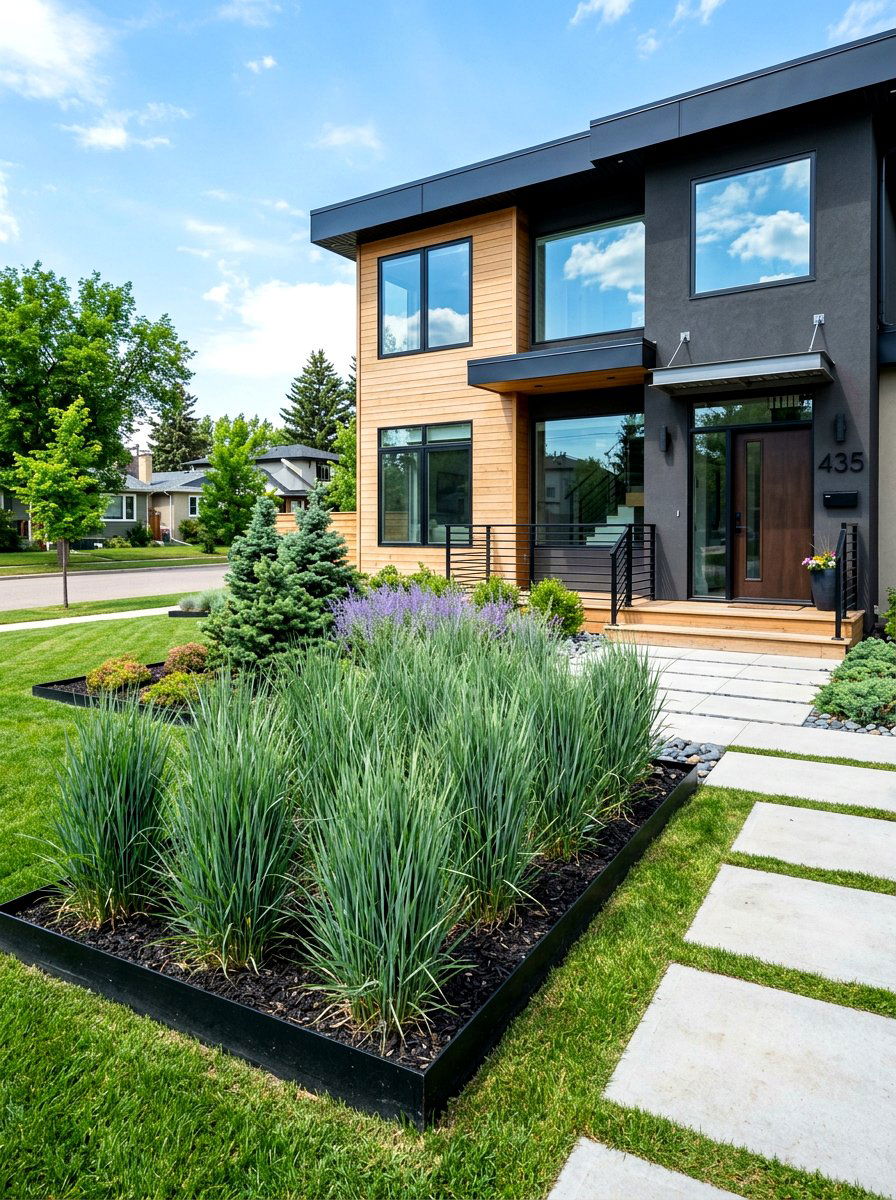
A modern front walkway emphasizes clean lines and geometric shapes to create a sophisticated first impression. You can achieve this by using oversized rectangular concrete pavers spaced evenly with dark river rock or soft moss filling the gaps between them. This structured layout provides a high-contrast look that guides the eye directly toward your front entry. To enhance the architectural feel, consider adding low-profile LED path lights along the edges for safety and evening appeal. Modern landscaping often relies on a limited but impactful plant palette, such as tall ornamental grasses or structural boxwoods. This approach transforms a functional path into a striking design feature that perfectly complements contemporary home architecture and minimalist styles.
2. Small Front Porch Garden
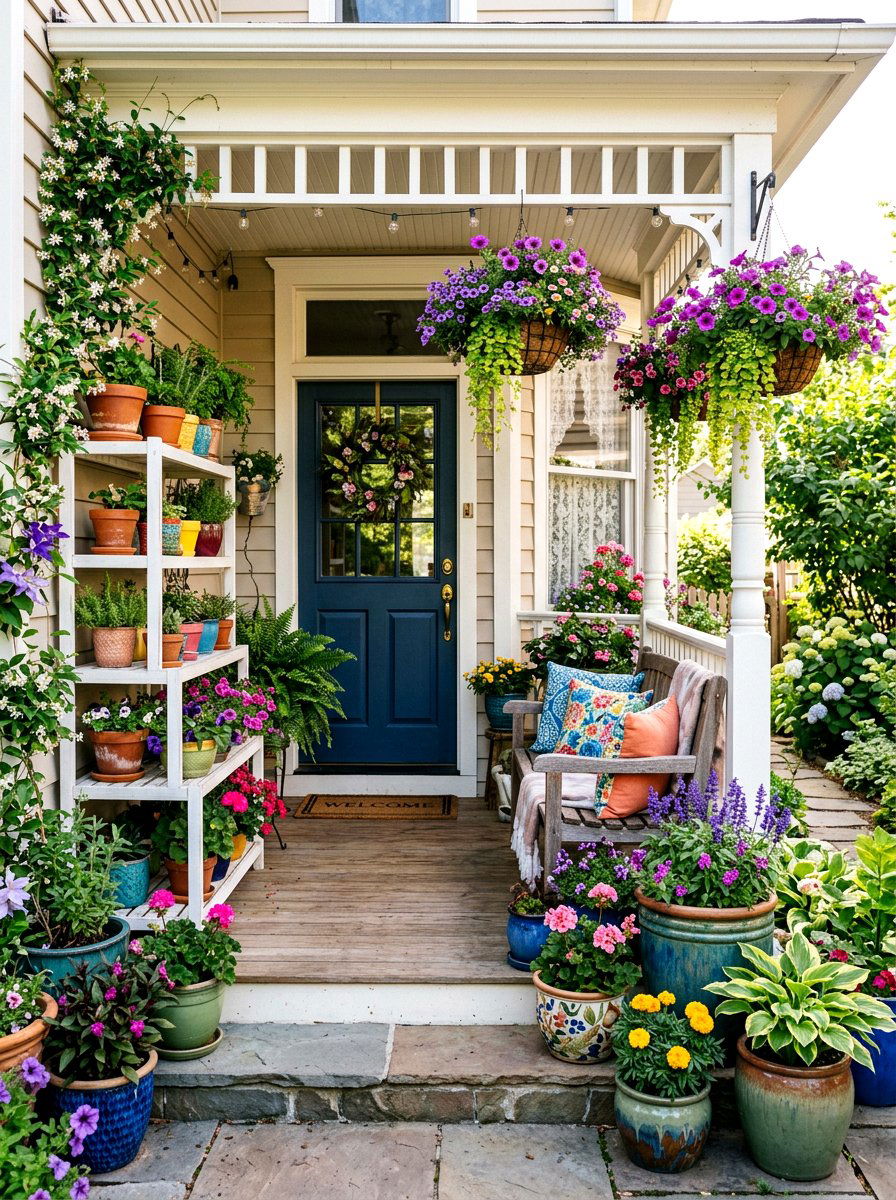
Maximizing a small front porch garden requires a strategic use of vertical space and compact plant varieties to create depth. You can use tiered shelving or hanging baskets to introduce greenery at multiple heights without overcrowding the floor area. Large, colorful ceramic pots placed near the steps can hold focal plants like Japanese maples or flowering shrubs to draw attention. Using a consistent color scheme for both the containers and the flowers helps the space feel organized rather than cluttered. Adding a small, stylish bench or a single bistro chair provides a functional spot to relax while making the entry feel more lived-in. This intimate setup proves that even the tightest spaces can offer massive curb appeal.
3. Low Maintenance Curb Appeal
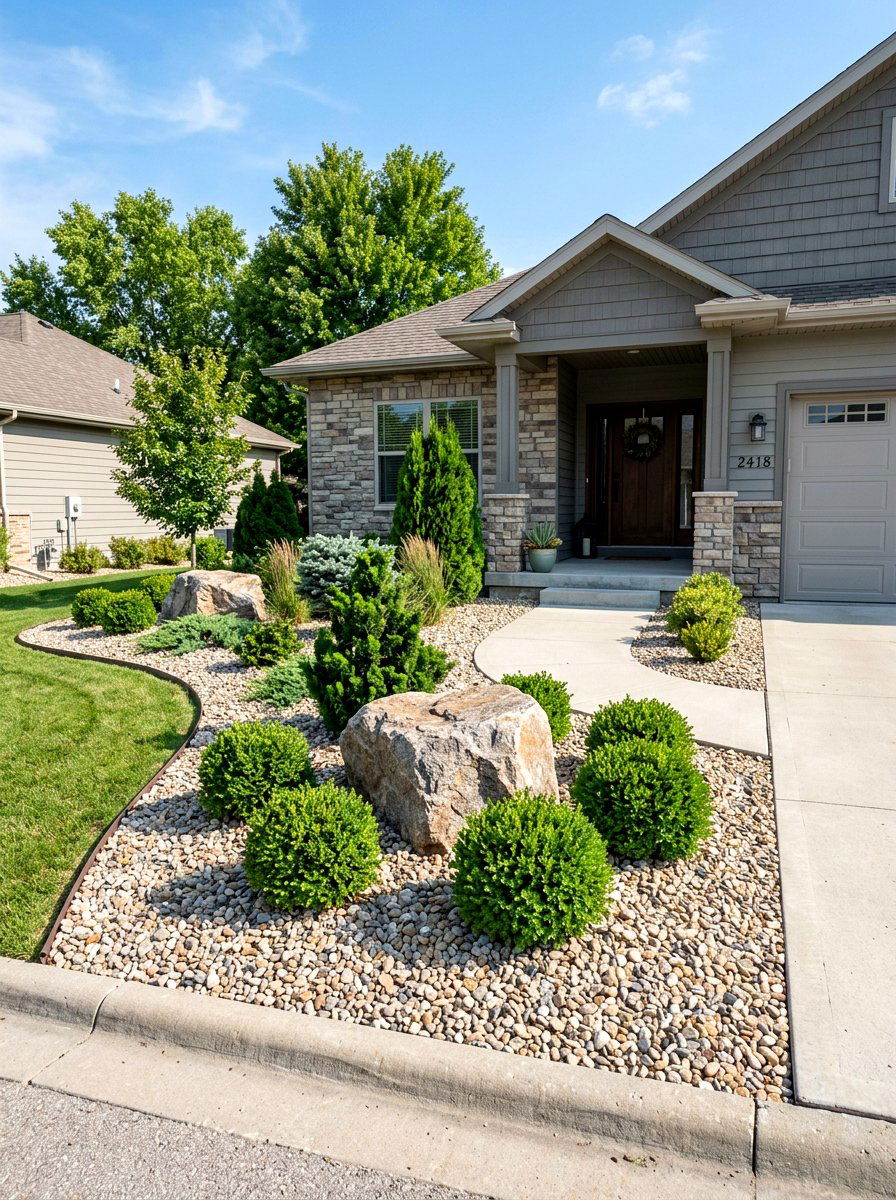
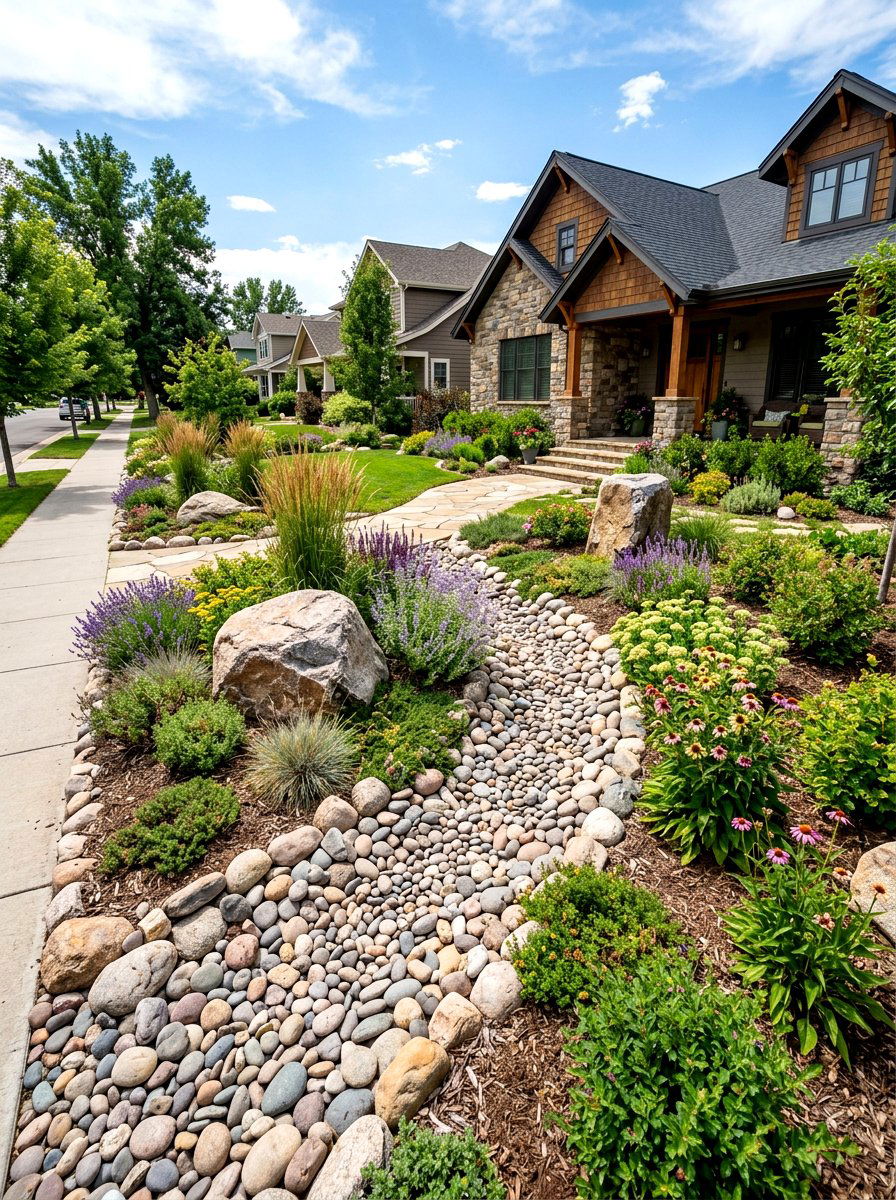
Achieving low maintenance curb appeal involves choosing hardy plants and durable materials that look great throughout the year with minimal effort. You should focus on slow-growing evergreens, such as dwarf conifers or boxwoods, which provide structure and color in every season without constant pruning. Replacing high-maintenance grass with decorative gravel or high-quality mulch reduces the need for mowing and watering while keeping the area tidy. Using native plants is another excellent strategy, as they naturally thrive in your local climate and resist common pests. Incorporating large boulders or stone edging adds permanent texture and visual interest that never wilts. This functional approach ensures your front entry remains beautiful even during your busiest weeks of the year.
4. Stone Path Entryway
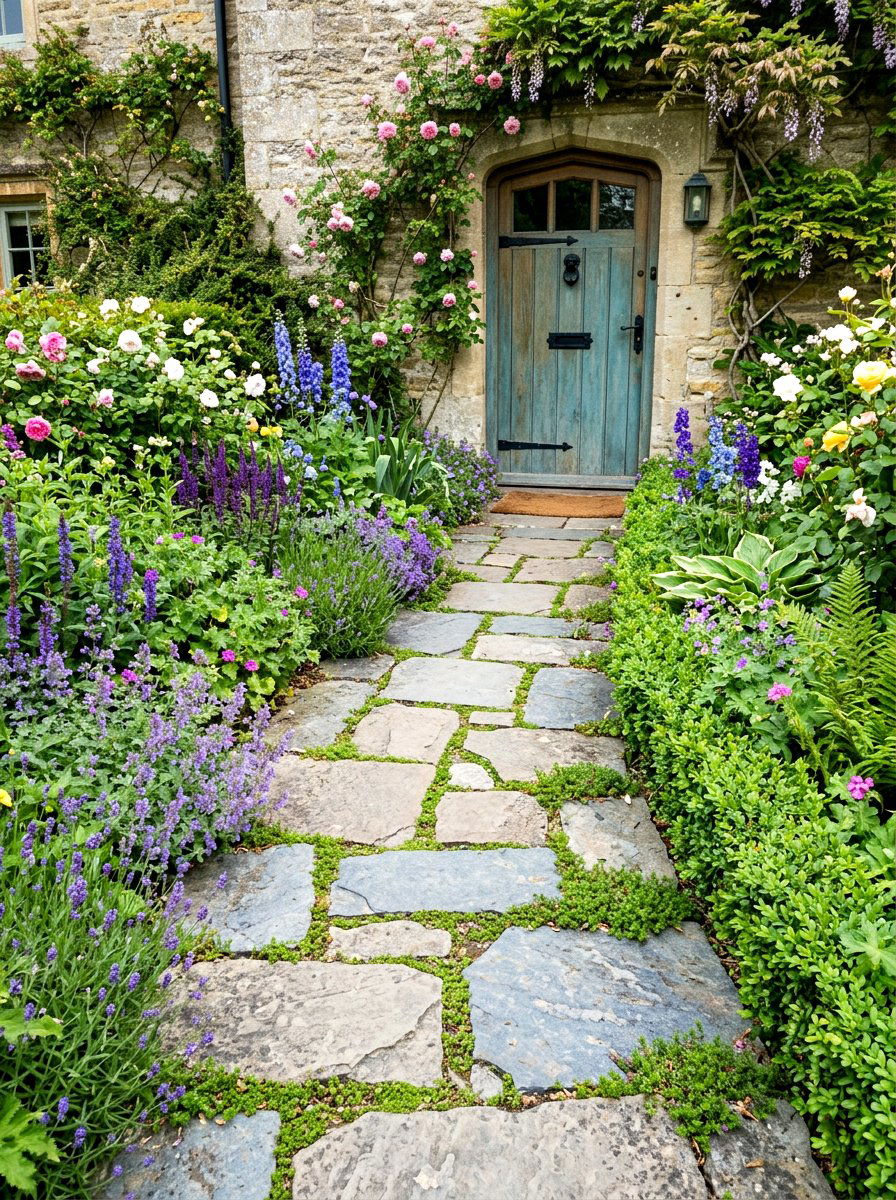
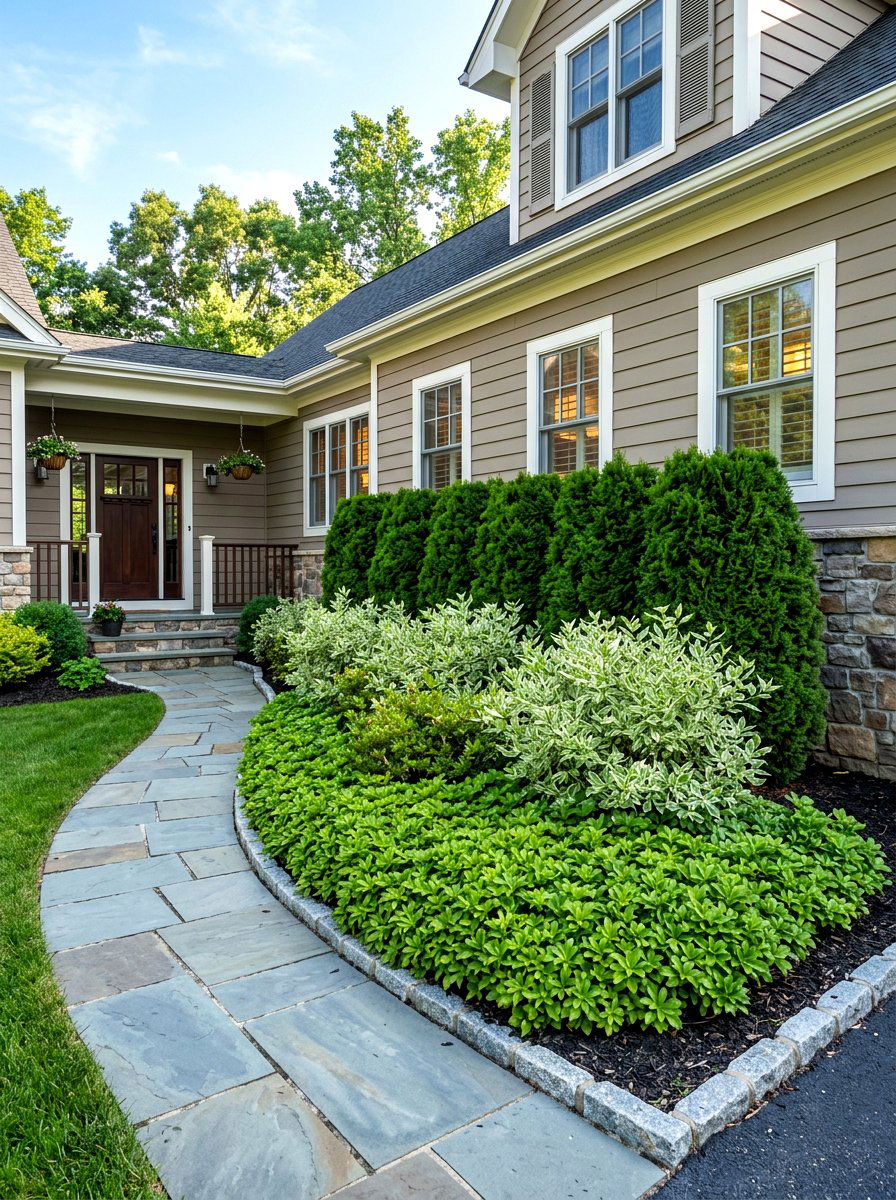
A stone path entryway offers a timeless, natural look that blends seamlessly with various architectural styles, from rustic to traditional. Using irregular flagstone or bluestone creates an organic feel that mimics the beauty of a woodland trail leading to your door. You can soften the hard edges of the stones by planting creeping thyme or Irish moss in the crevices, which adds a lush, green carpet effect. Surrounding the path with layered perennials ensures a rotating display of color and texture as the seasons change. This type of pathway is durable and provides excellent traction, making it as practical as it is beautiful. The natural variations in the stone ensure that every entrance is unique and full of character.
5. Flower Bed Foundation Planting
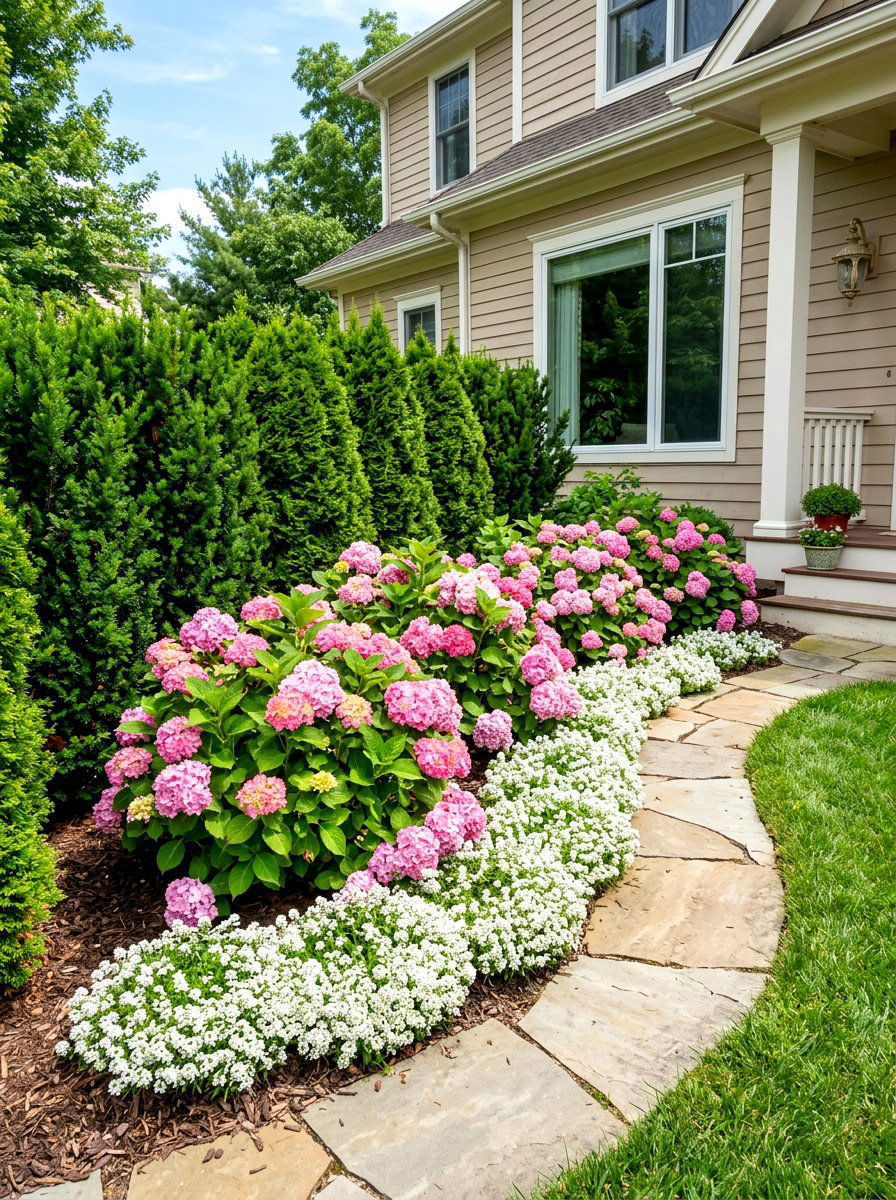
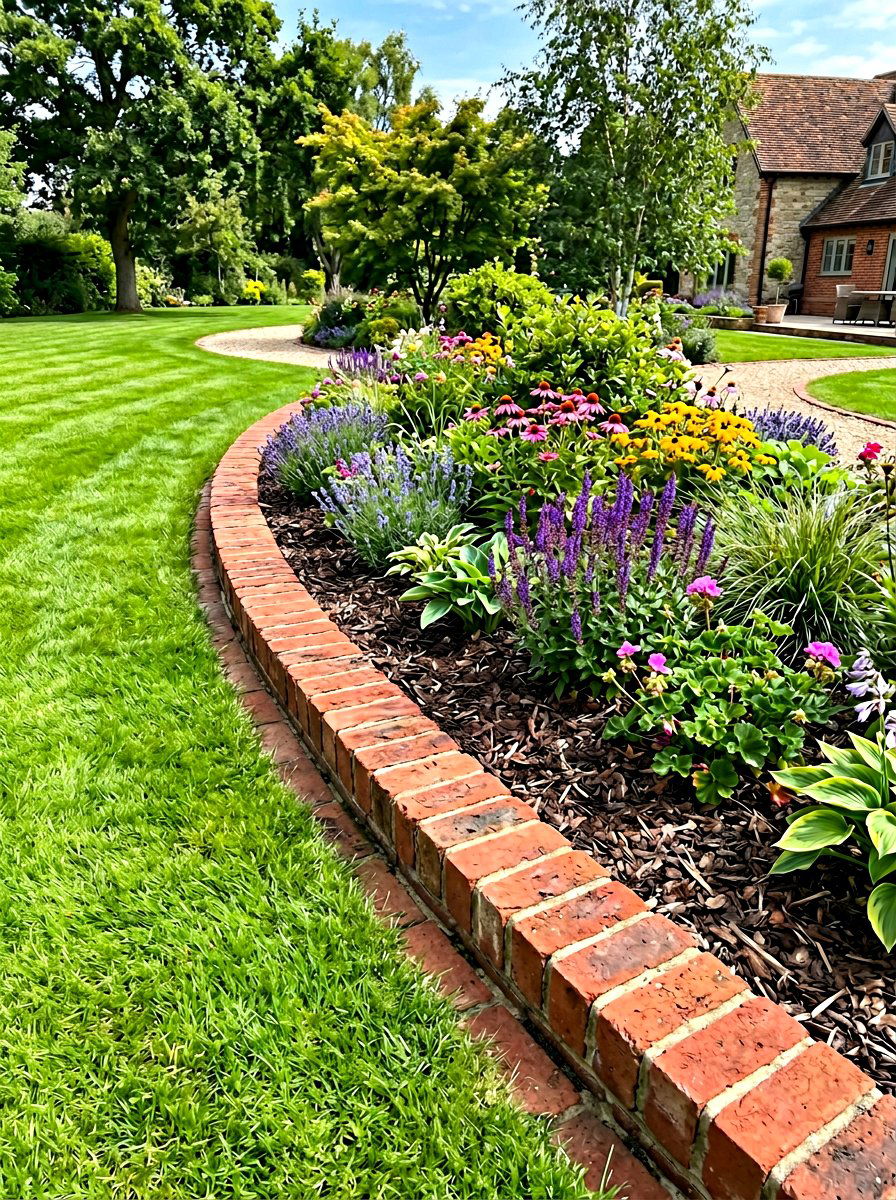
Designing effective flower bed foundation planting helps soften the transition between your home’s siding and the ground, creating a more cohesive look. Start by placing taller shrubs or small trees at the back near the house to establish a green backdrop. In the middle layer, add medium-height flowering perennials like hydrangeas or roses to provide seasonal color and volume. Finish the front edge with low-growing groundcovers or annuals that spill over the border for a soft, finished appearance. Using a curved bed line rather than a straight one can make your yard feel larger and more organic. This layered technique hides foundation walls and ensures your home looks nestled into a lush, vibrant landscape.
6. Modern Minimalist Landscape
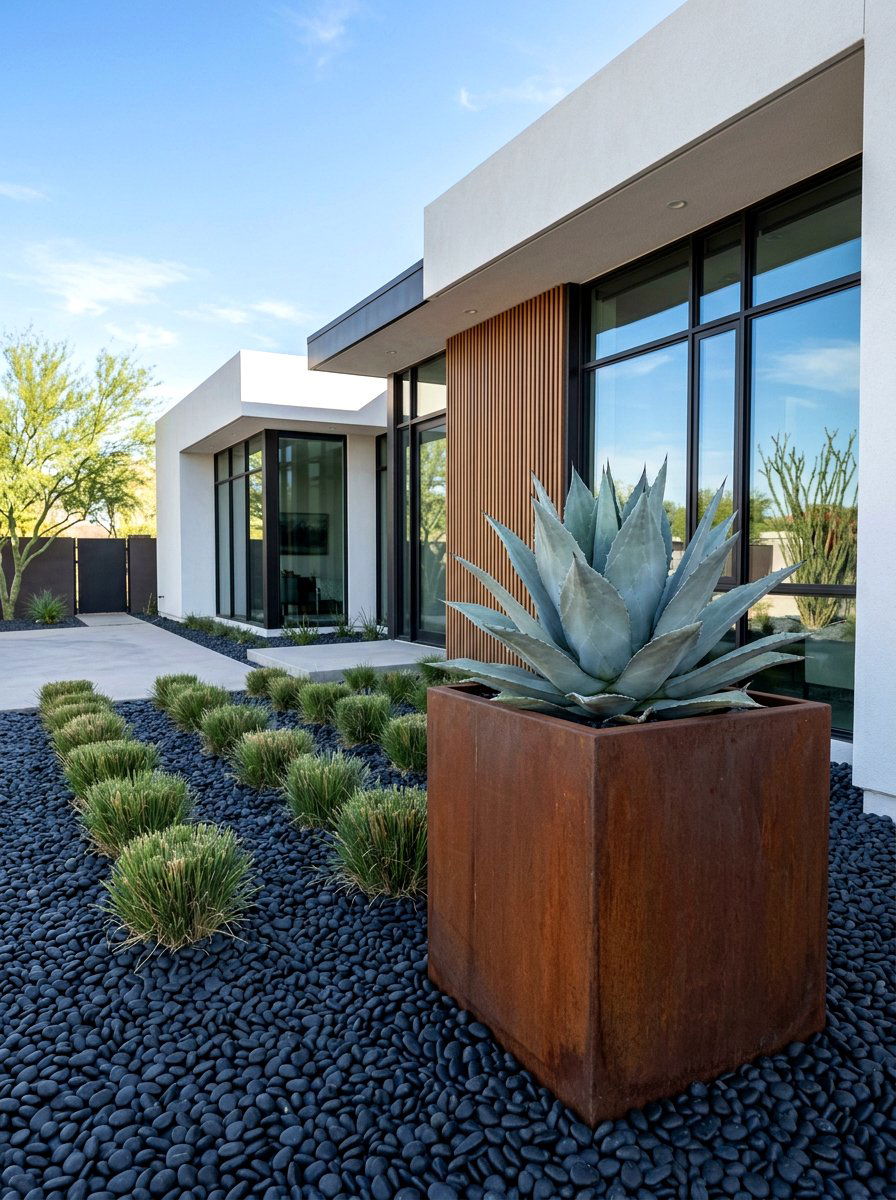
A modern minimalist landscape focuses on "less is more, " using a restrained palette of plants and materials to make a bold statement. You can use a single type of ornamental grass planted in neat rows to create a sense of movement and rhythm. Incorporating sleek materials like Cor-Ten steel edging or smooth black pebbles provides a clean, industrial contrast to the organic greenery. Focus on high-quality specimen plants, such as a single sculptural agave or a perfectly shaped topiary, to serve as a visual anchor. This style is particularly effective for highlighting the clean lines of modern architecture. By avoiding clutter, you allow the individual textures and shapes of each element to shine with clarity and elegance.
7. Cottage Style Front Yard
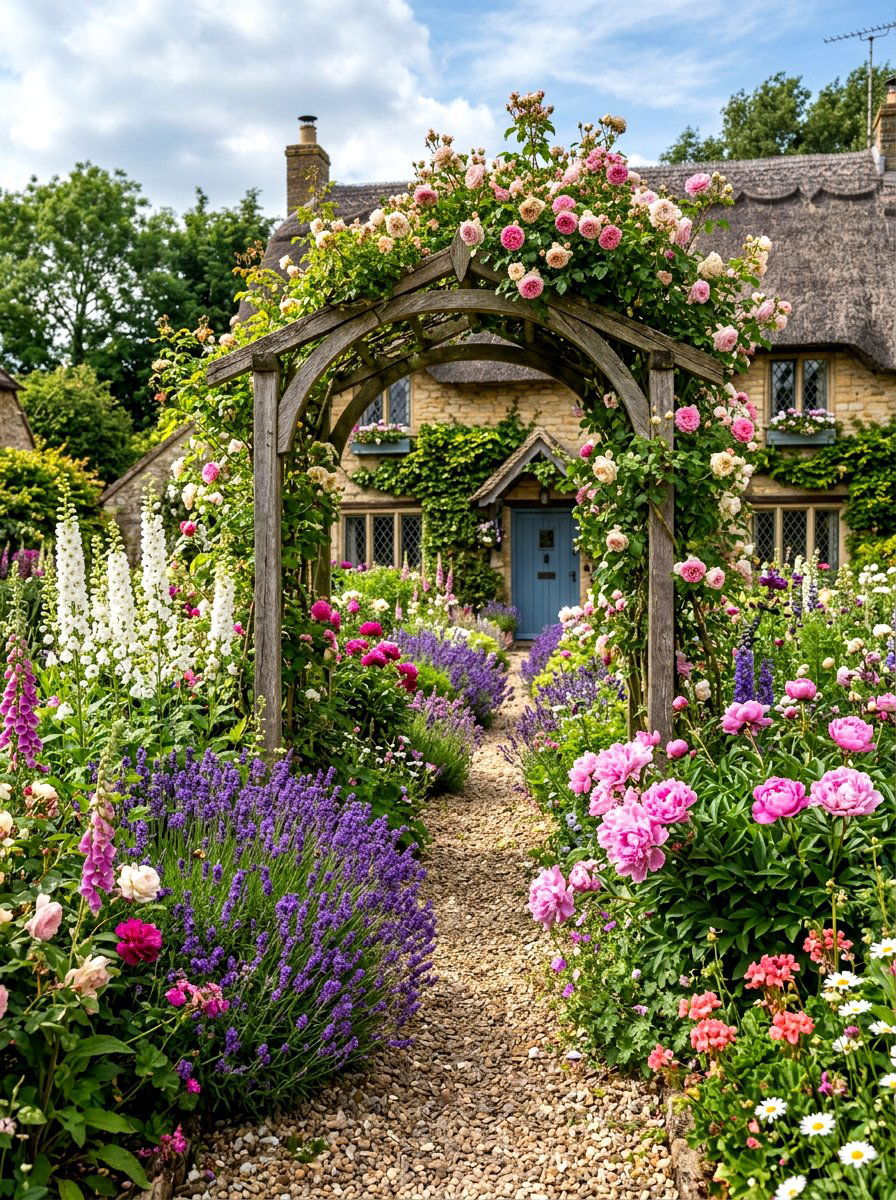
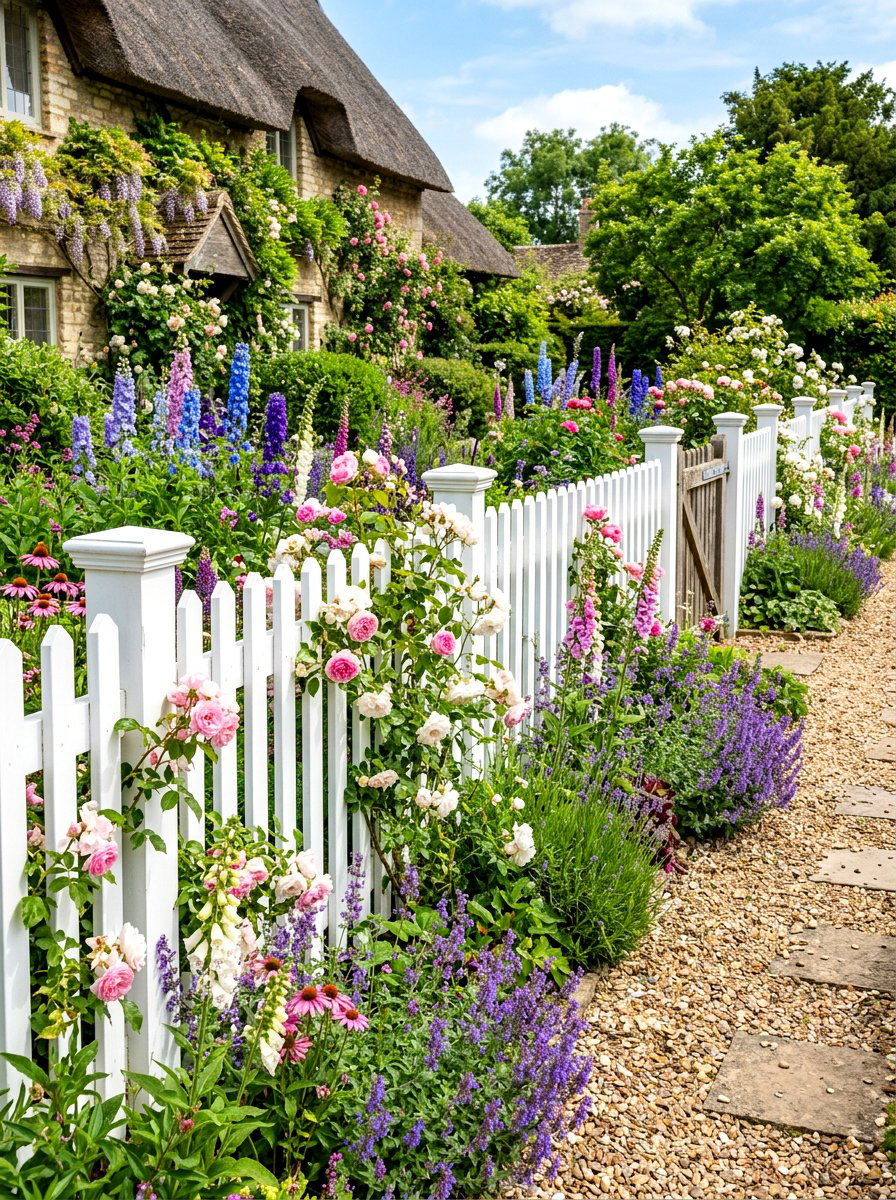
The cottage style front yard is defined by a charming, intentional mess of colorful blooms and fragrant herbs. You can achieve this romantic look by planting a dense mix of traditional favorites like peonies, lavender, and delphiniums that overflow onto the walkway. Using a white picket fence or a rustic wooden arbor provides the perfect structure for climbing roses or clematis to grow upward. This design encourages biodiversity, attracting butterflies and bees to your doorstep throughout the spring and summer. Instead of a perfectly manicured lawn, opt for gravel paths that wind through the flower beds to create a sense of discovery. It is a whimsical approach that makes any home feel cozy, inviting, and full of life.
8. Contemporary Paver Walkway
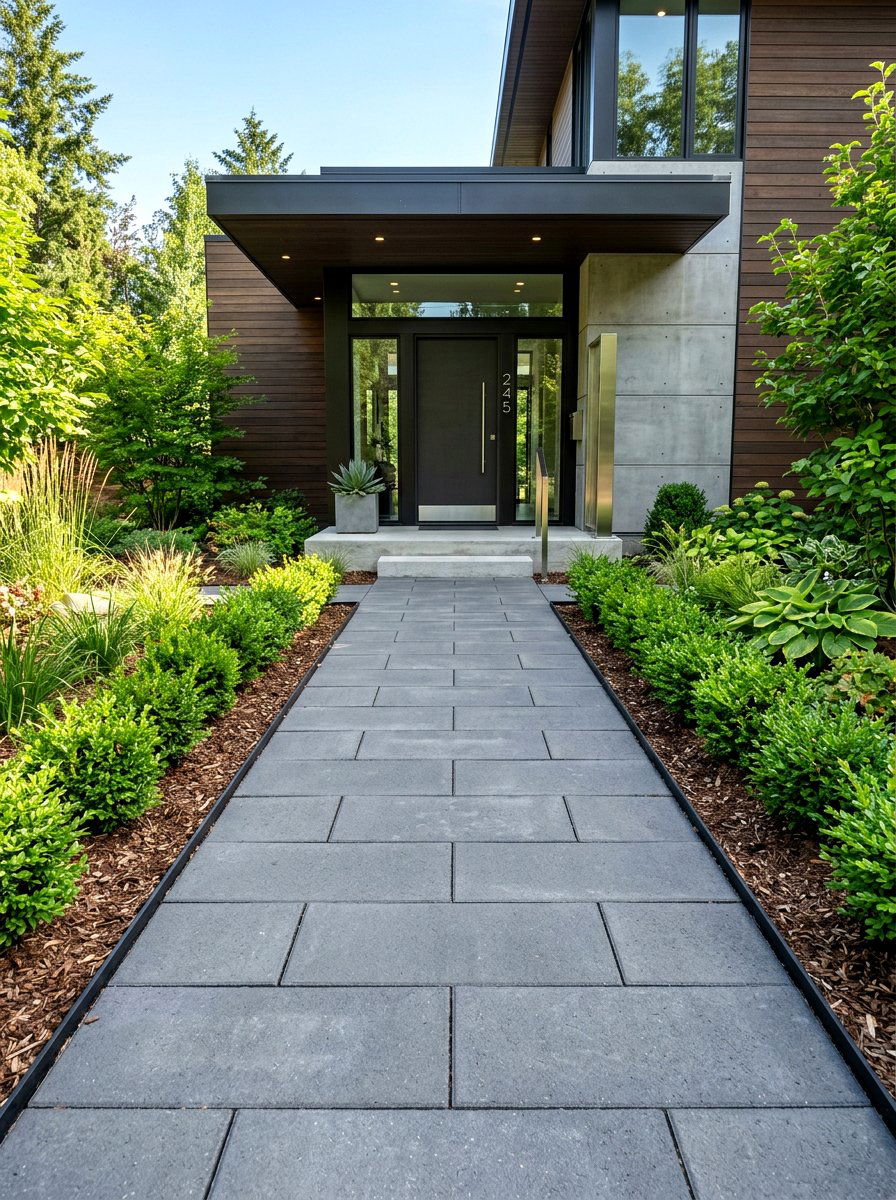
A contemporary paver walkway uses high-quality materials like smooth concrete or natural stone tiles to create a sharp, updated look. You can choose large-format pavers in cool gray or charcoal tones to provide a neutral base that makes your lawn look greener. Arranging them in a sleek running bond or a custom herringbone pattern adds subtle visual interest without being overwhelming. To keep the look clean, use hidden metal edging to prevent grass from encroaching on the path. Combining these pavers with low-profile landscape lighting creates a safe and stylish passage for evening guests. This design is highly durable and easy to clean, making it a practical choice for high-traffic areas near the main entrance.
9. Symmetrical Planter Arrangement
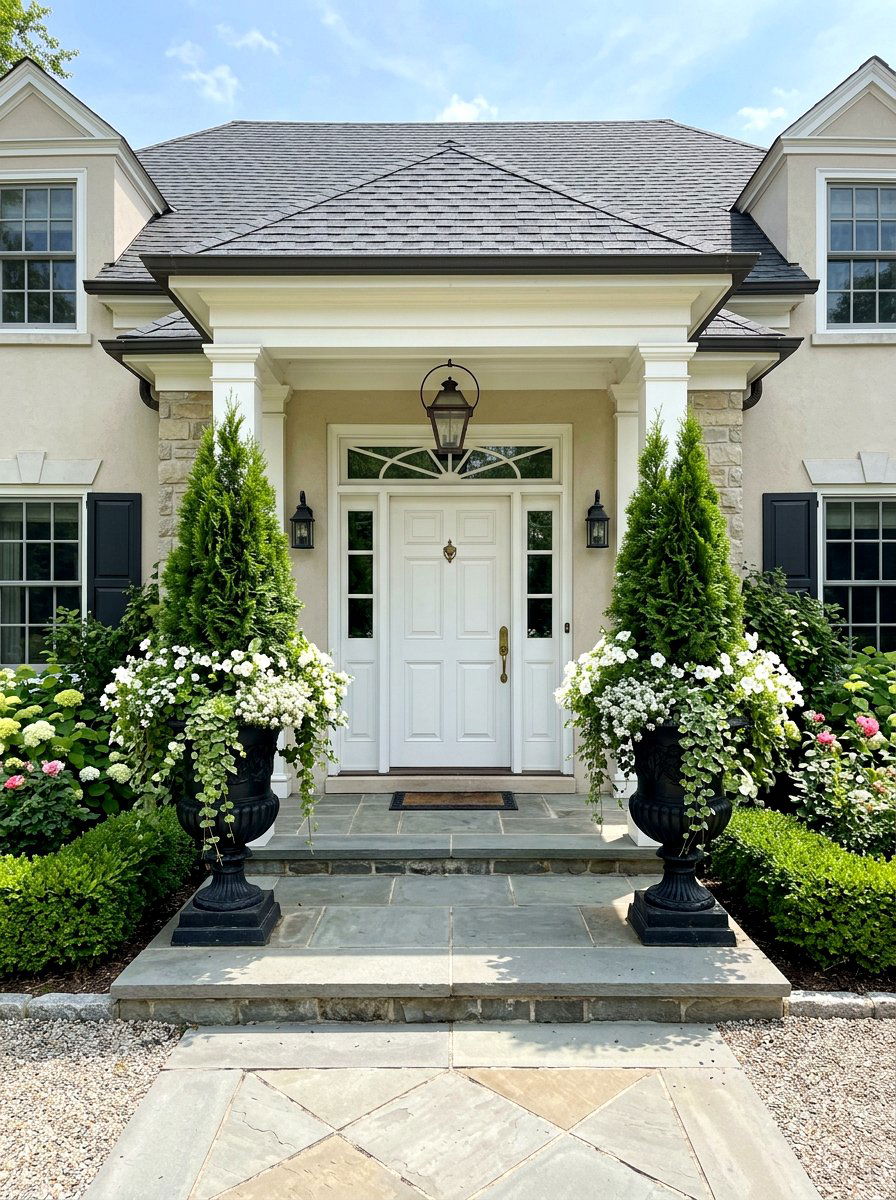
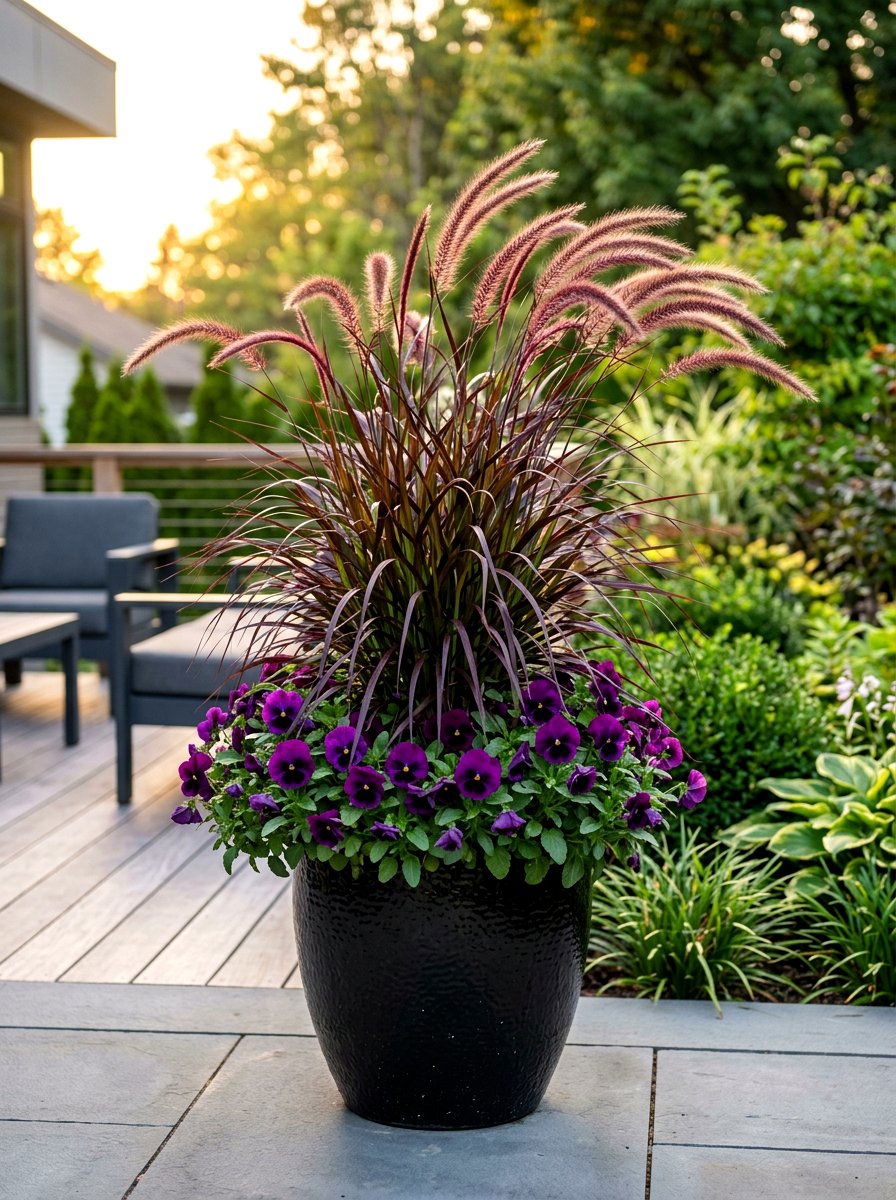
Using a symmetrical planter arrangement is a classic design trick that instantly makes any front entry look more formal and expensive. You can place two identical, large-scale urns or modern square pots on either side of the front door to frame the entrance perfectly. Fill these containers with a mix of "thriller, filler, and spiller" plants, such as a tall cedar tree surrounded by colorful petunias and trailing ivy. This balanced look creates a sense of order and prestige that appeals to many homeowners. If you have a wide porch, you can repeat this symmetry with smaller pots along the steps. It is a simple yet effective way to add architectural weight and seasonal color to your home’s facade.
10. Drought Tolerant Front Yard
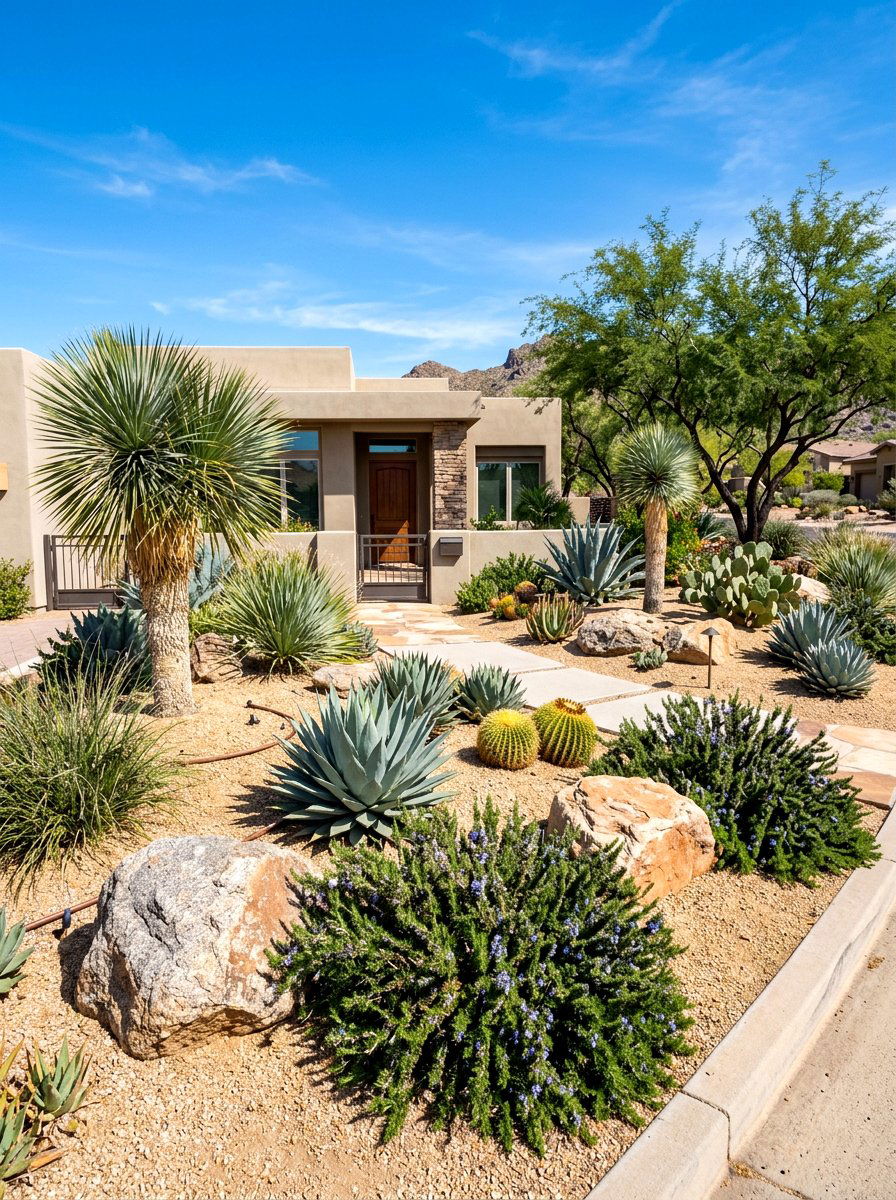
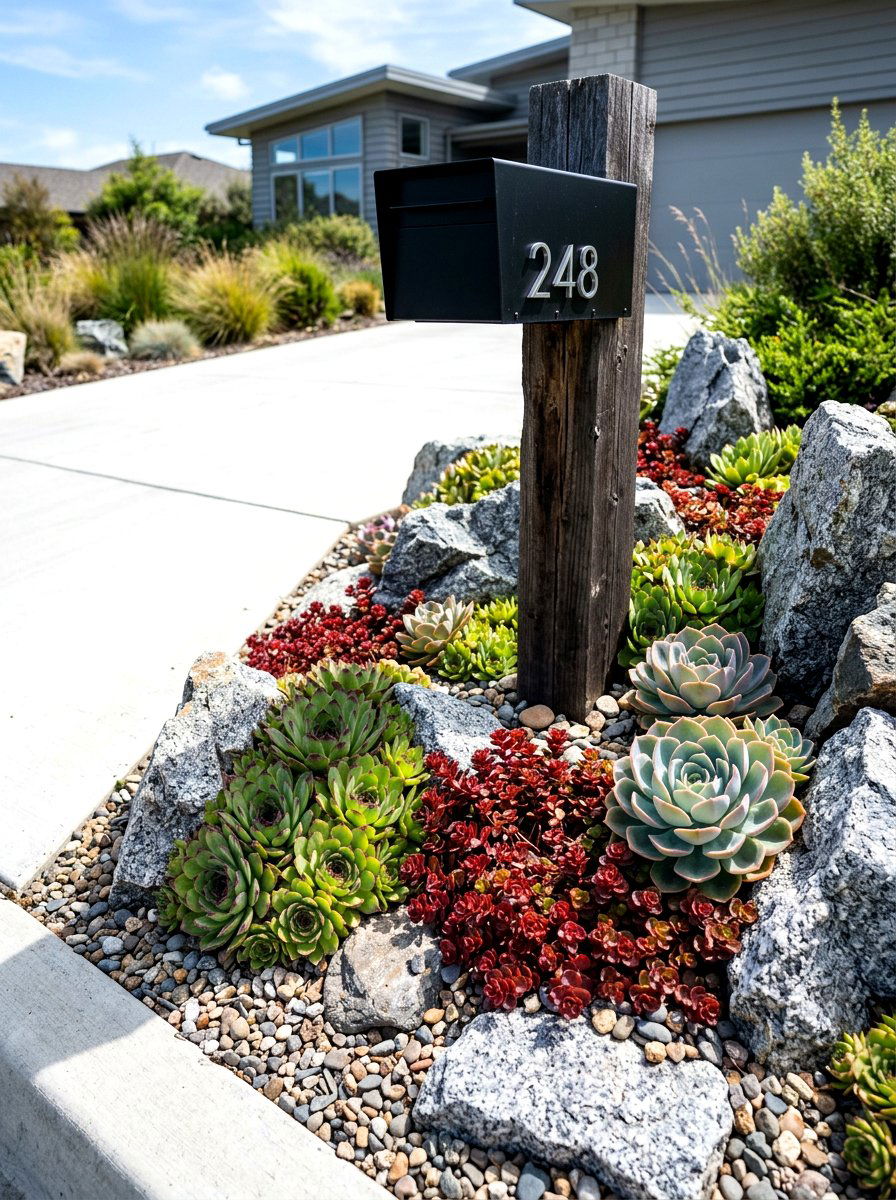
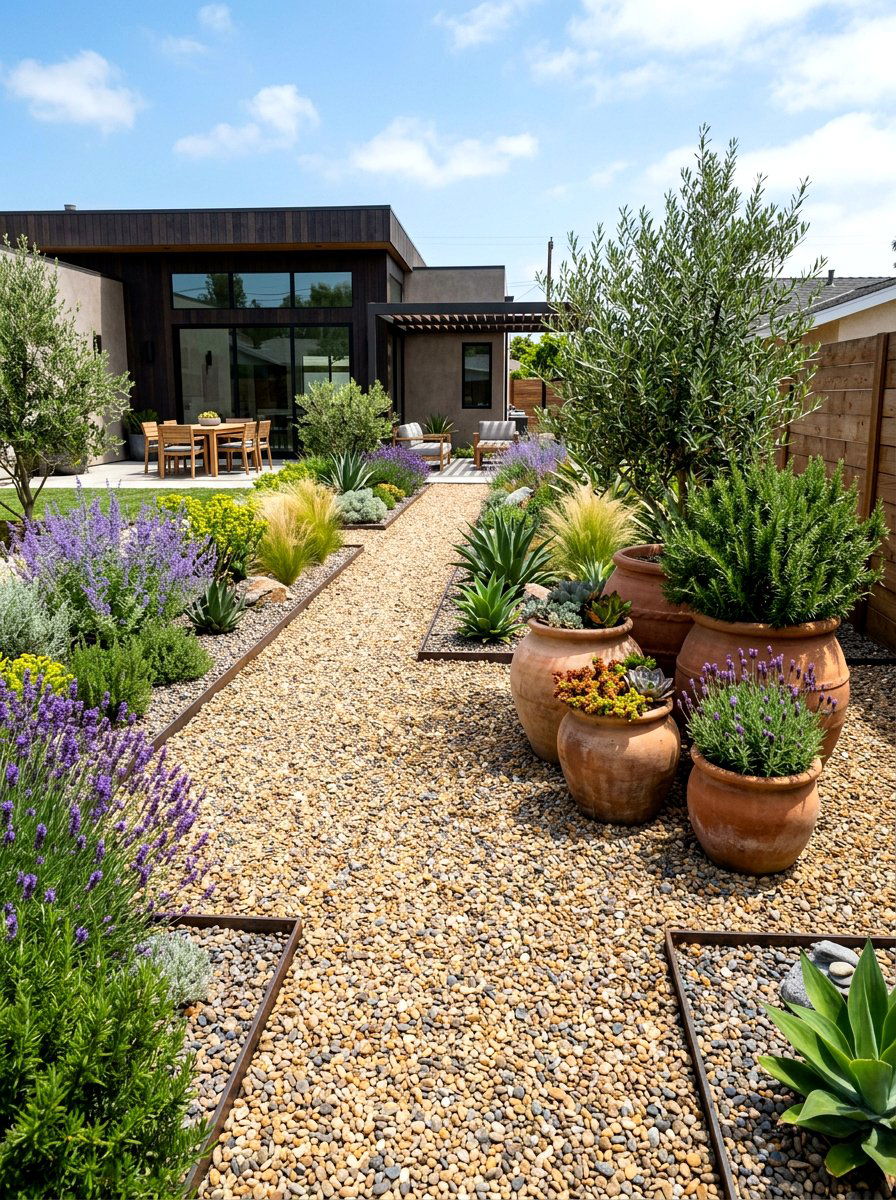
Designing a drought tolerant front yard is an eco-friendly way to maintain curb appeal in arid climates without wasting water. You can replace thirsty turf with a variety of succulents, yuccas, and hardy Mediterranean herbs like rosemary that thrive in the heat. Using different sizes of crushed rock and pea gravel as mulch helps retain moisture in the soil while providing a clean, textured look. Incorporating a few large ornamental grasses adds height and movement as they sway in the breeze. This type of landscape is incredibly resilient and requires very little maintenance once the plants are established. It proves that sustainability can be beautiful, offering a vibrant, low-water alternative to the traditional green lawn.
11. Tropical Entryway Garden
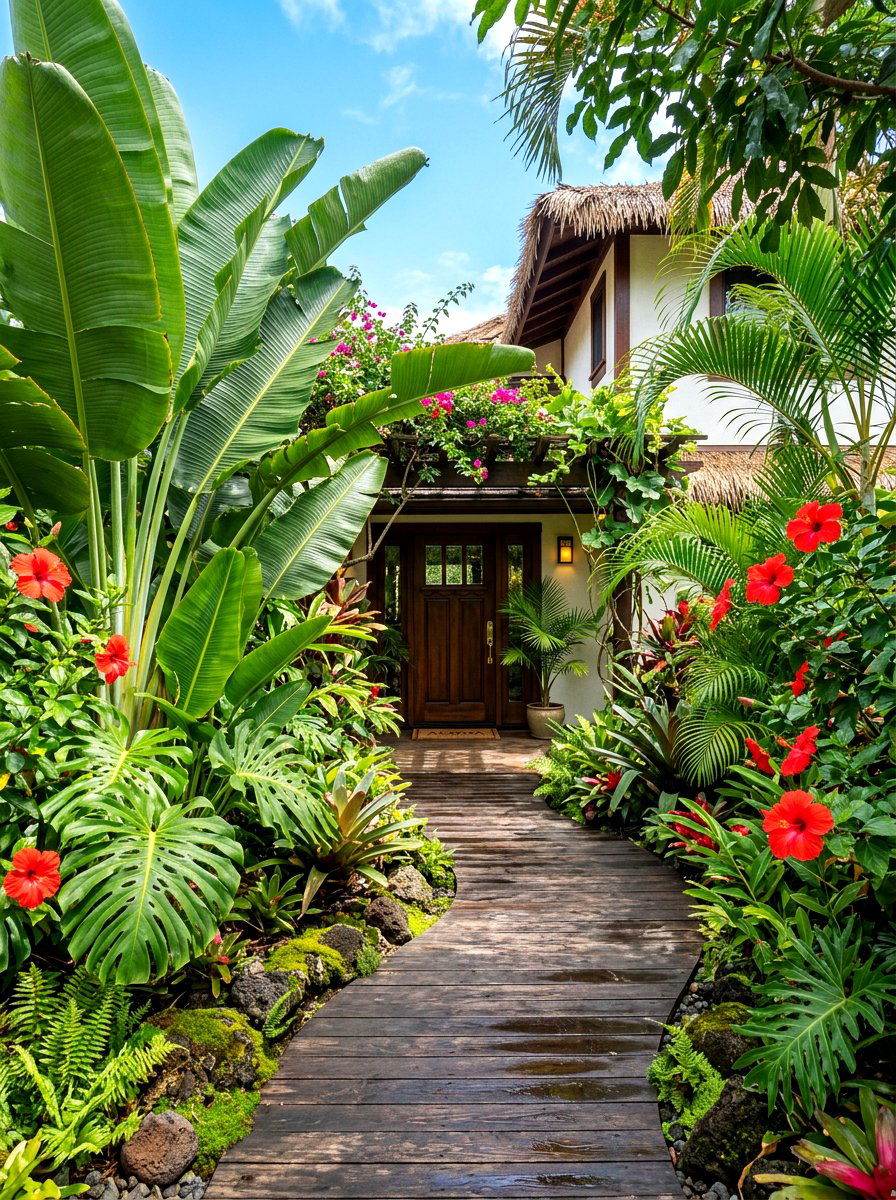
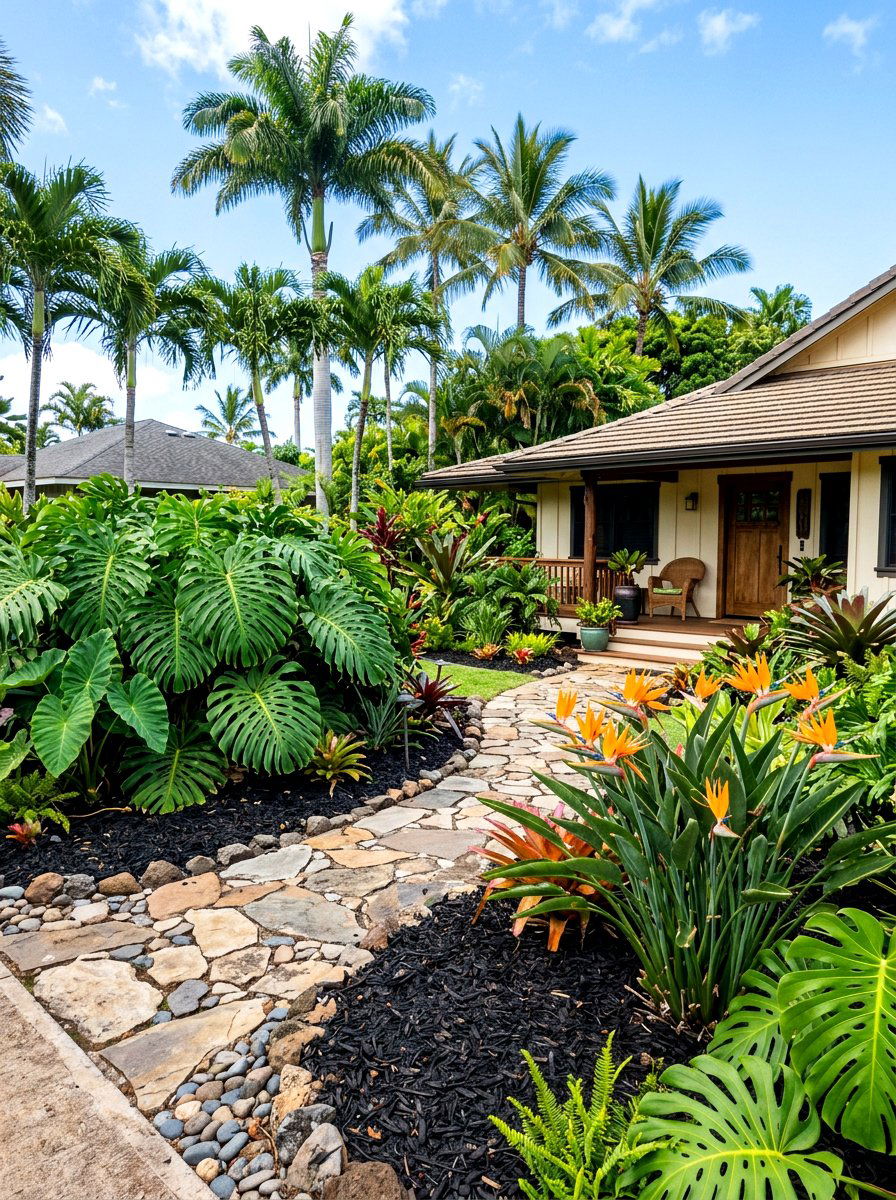
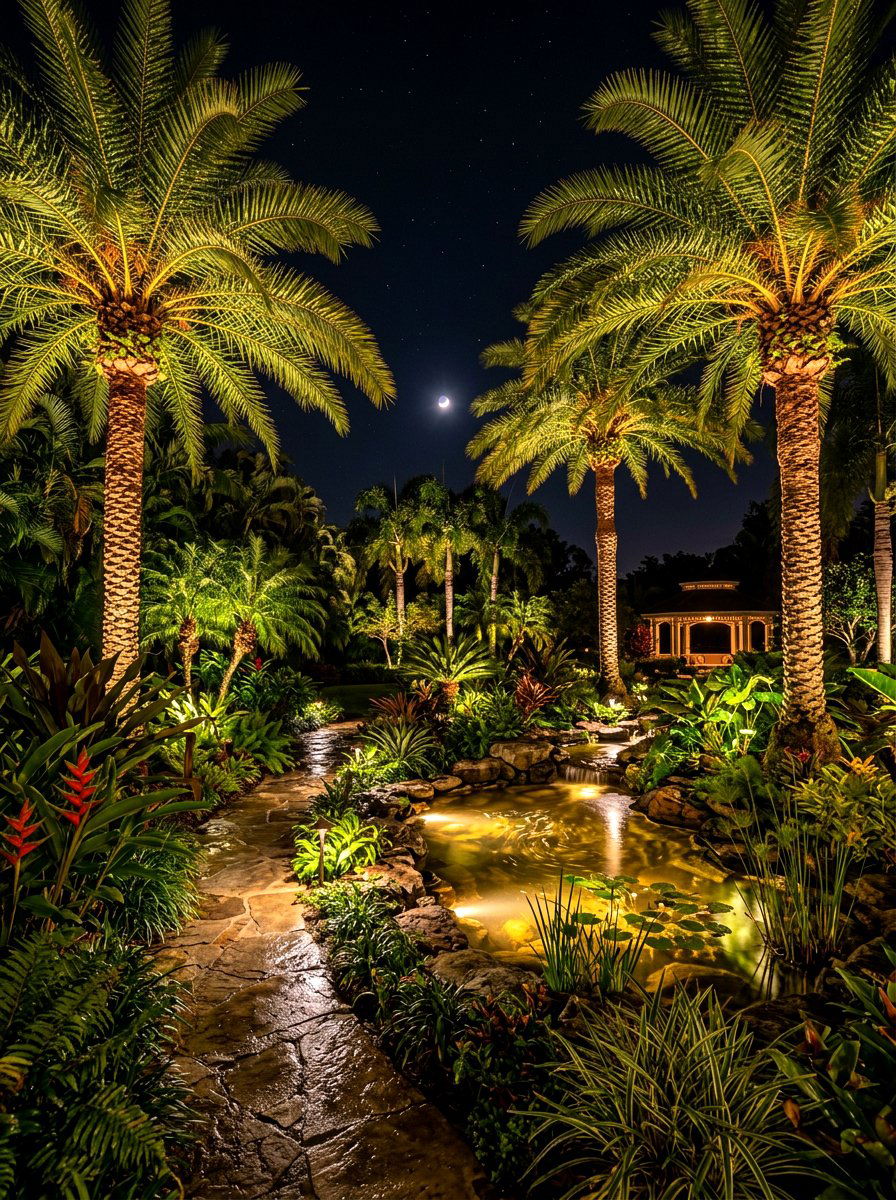
A tropical entryway garden brings a lush, vacation-like vibe to your home by using oversized foliage and vibrant, exotic colors. You can plant large-leafed varieties like bird of paradise or elephant ears to create a sense of drama and privacy near the porch. Incorporating flowering plants such as hibiscus or mandevilla adds splashes of bright red, pink, and yellow that pop against the deep green background. Using dark wood decking or bamboo accents for the walkway enhances the island feel of the space. Adding a small, bubbling water feature nearby provides the soothing sound of moving water to complete the atmosphere. This dense, layered approach creates a private sanctuary right at your front door.
12. Desert Landscaping Front Entry
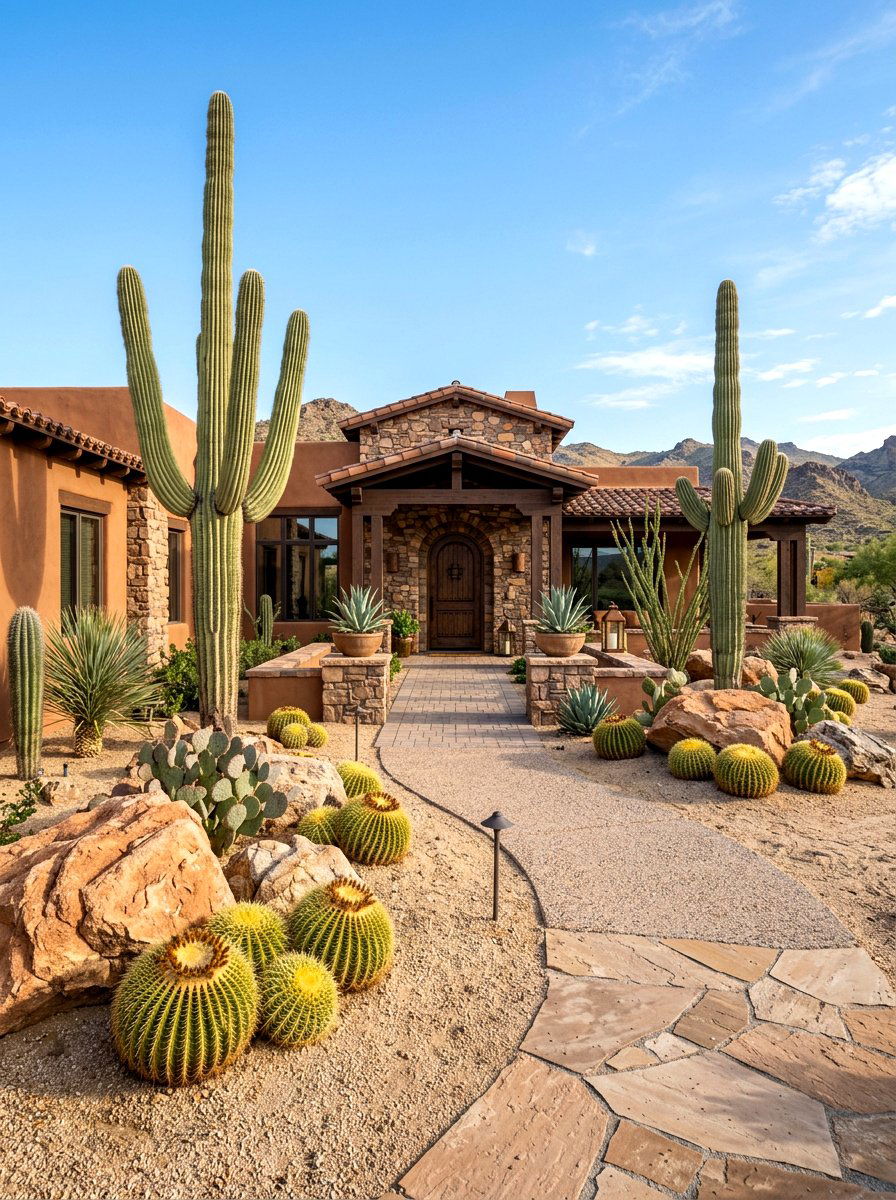
Desert landscaping for the front entry utilizes the natural beauty of arid environments by focusing on striking shapes and earthy tones. You can use a mix of saguaro cacti, agave plants, and golden barrel cactus to create an architectural look that requires almost no water. Covering the ground with decomposed granite in shades of tan or terracotta provides a clean, natural backdrop for the plants. Adding a few large, weathered boulders helps ground the design and gives it a more established, prehistoric feel. To prevent the space from looking too sparse, group plants of varying heights together in clusters. This style is not only extremely low-maintenance but also celebrates the unique, rugged beauty of the desert.
13. Boxwood Hedge Front Border
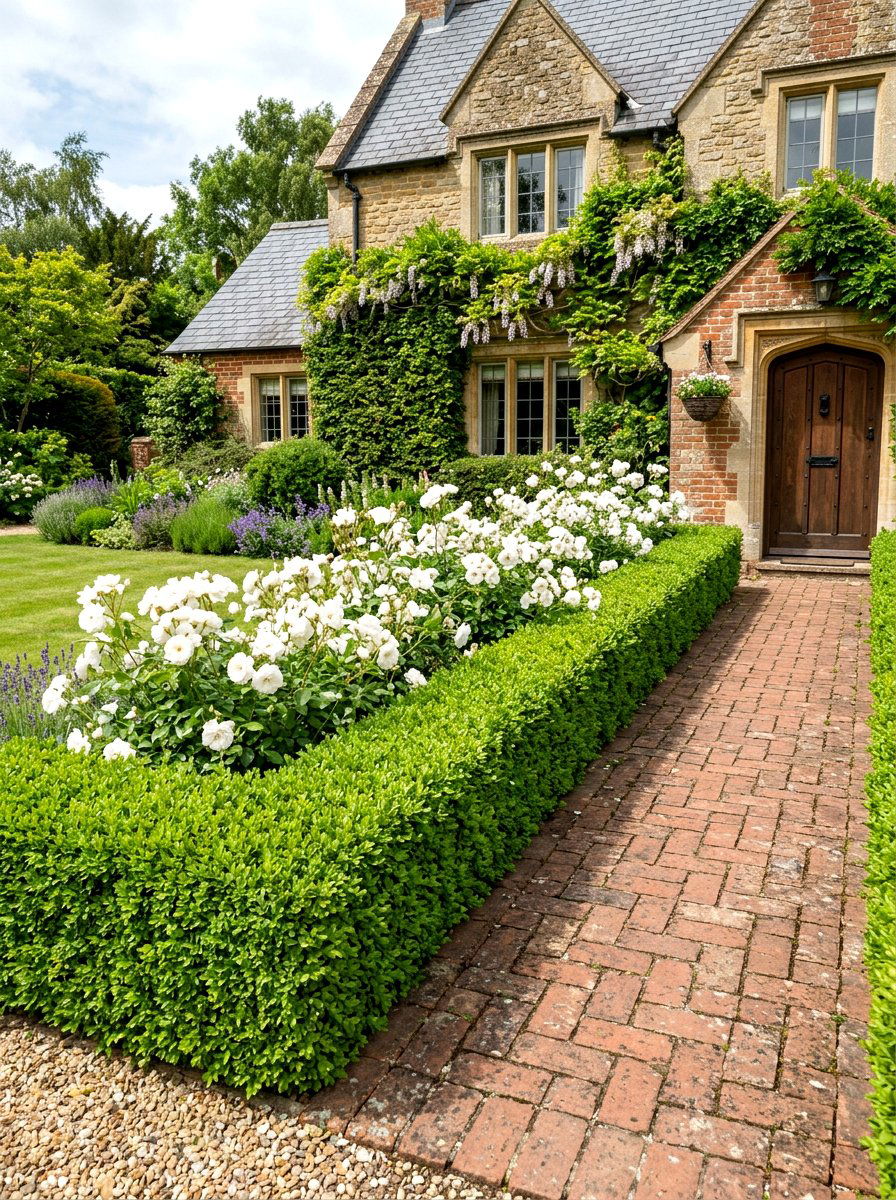
Creating a boxwood hedge front border is the ultimate way to add structure and a sense of permanence to your landscaping. You can trim these versatile evergreens into crisp, low walls that define the edges of your driveway or walkway with classic elegance. This formal look works exceptionally well for traditional, colonial, or French-country style homes. To keep the design from feeling too rigid, you can plant softer, flowering perennials like hydrangeas or white roses behind the hedge. The deep green foliage of the boxwoods remains vibrant throughout the winter, ensuring your home never looks bare during the colder months. It is a timeless choice that provides a high-end, manicured appearance with very little year-round effort.
14. Multi Level Front Terrace
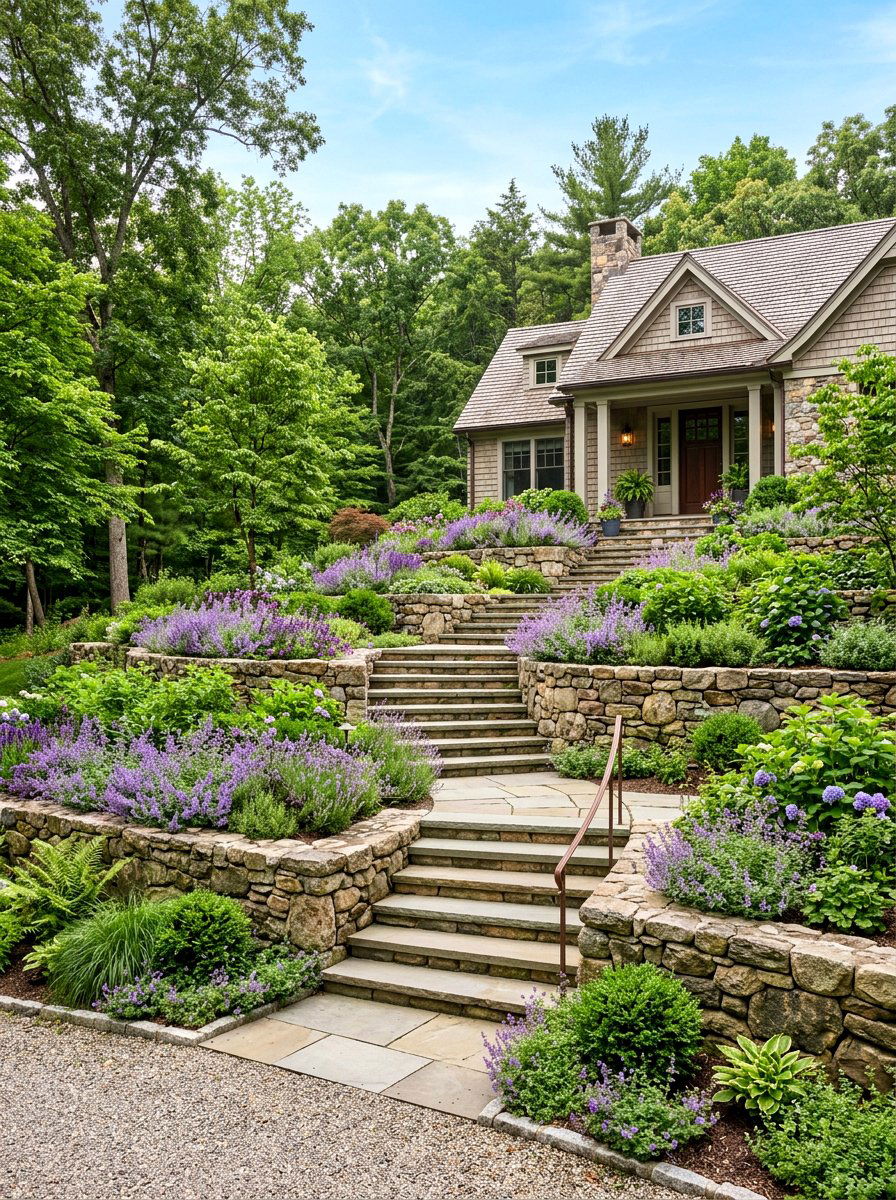
A multi level front terrace is an excellent solution for homes with sloped yards, turning a difficult incline into a functional design feature. You can build retaining walls using natural stone or modern concrete blocks to create flat planting beds at different heights. This tiered approach allows you to showcase a wider variety of plants, from cascading groundcovers on the lower levels to taller shrubs at the top. Integrating wide stone steps into the terrace provides a grand and safe path to the front door. Lighting each level with small spotlights creates a dramatic, layered effect during the night. This design adds significant depth and architectural interest, making your home stand out from the rest of the street.
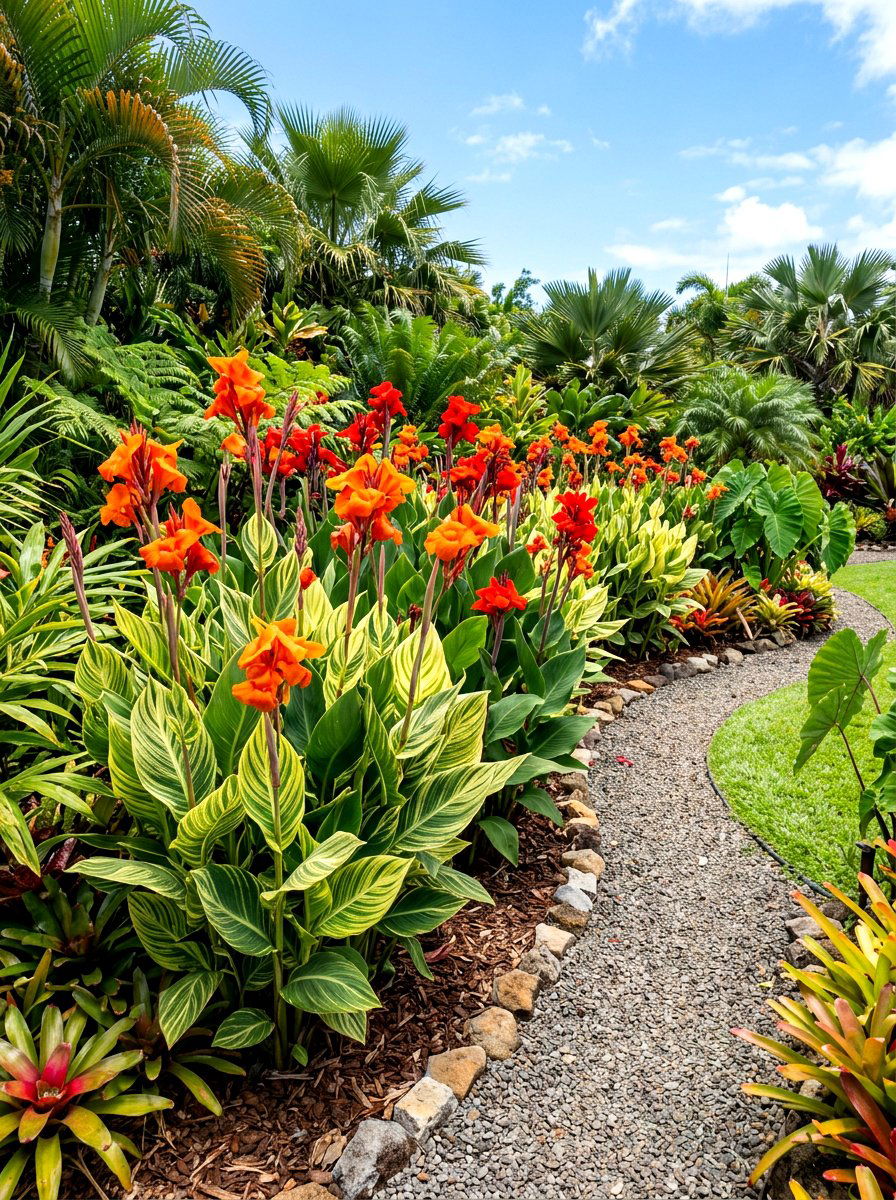
15. Front Door Container Garden
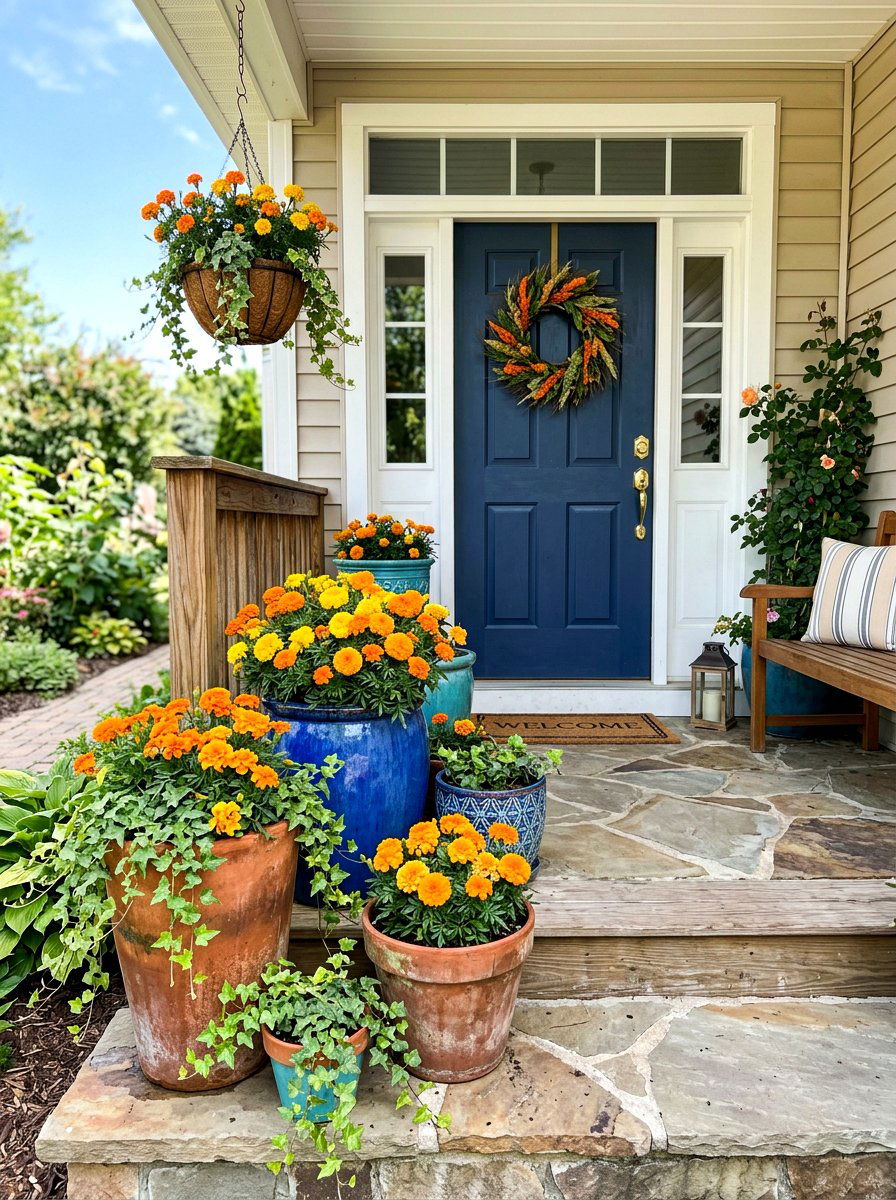
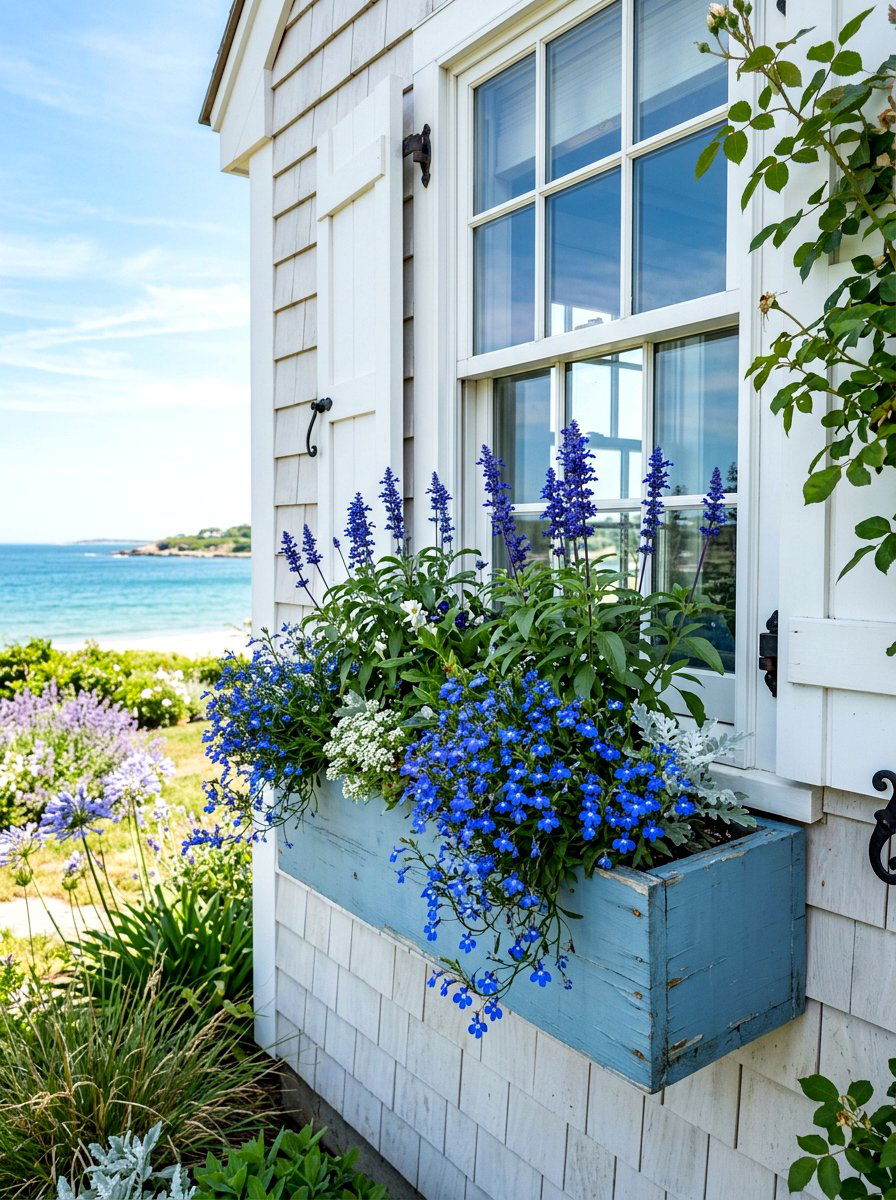
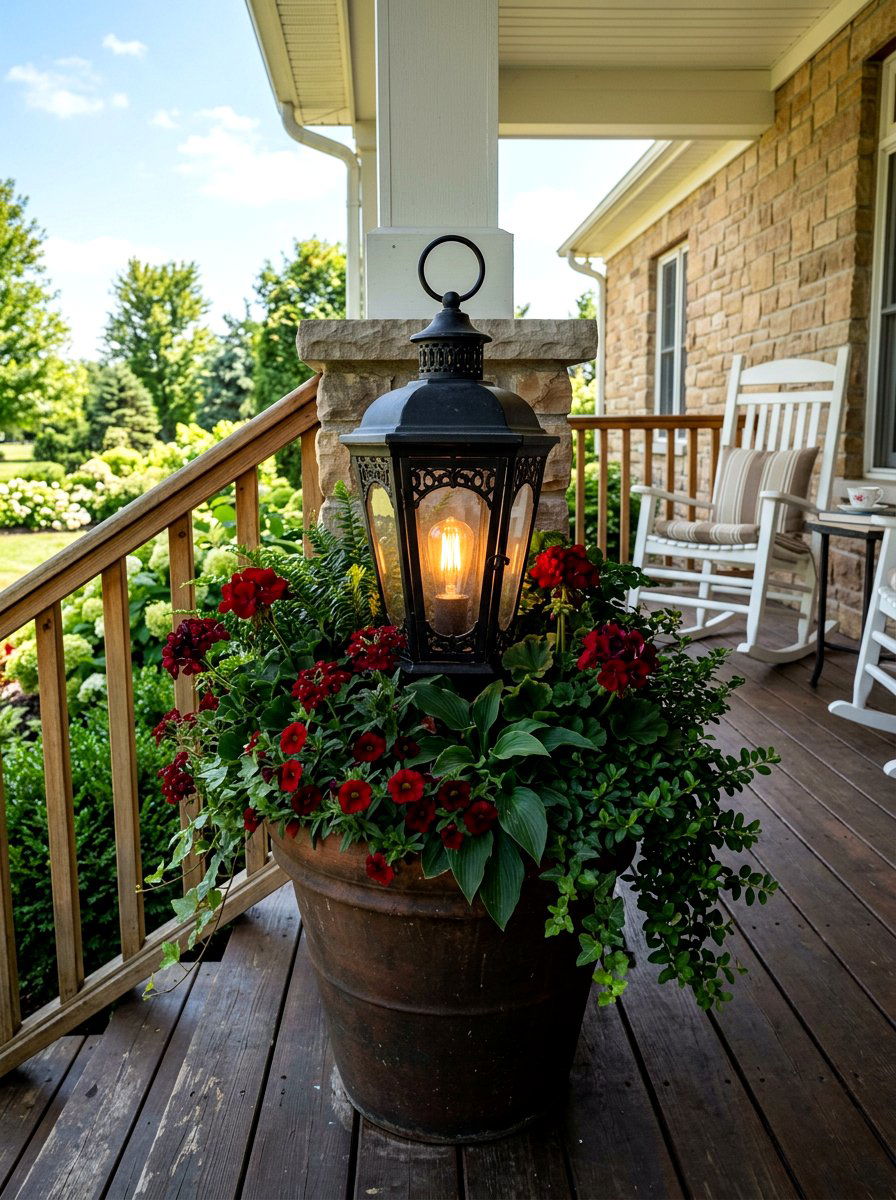
A front door container garden is the fastest way to refresh your home’s look and add seasonal personality to the entryway. You can mix and match pots of different heights, materials, and colors to create a curated, eclectic display that greets every guest. In the spring, fill them with tulips and pansies, then switch to heat-loving geraniums and sweet potato vines for the summer months. Using high-quality potting soil and ensuring proper drainage will keep your plants looking lush and healthy all season long. Grouping the pots in odd numbers, like three or five, creates a more natural and visually pleasing arrangement. This flexible gardening style allows you to experiment with new colors and textures every single year.
16. Shade Garden Front Entry
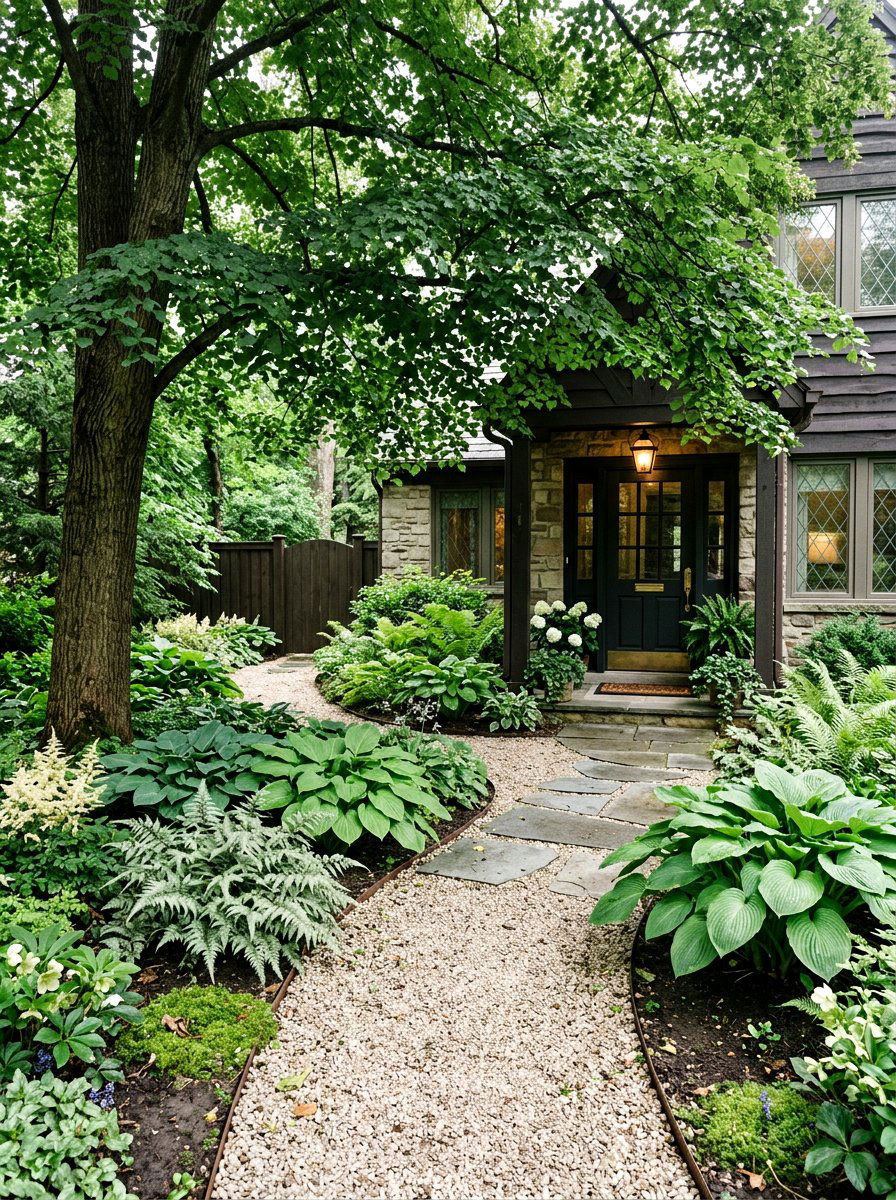
If your home has large trees or faces north, a shade garden front entry can turn a dark corner into a cool, lush retreat. You should focus on plants that thrive in low light, such as hostas with their large, variegated leaves or delicate ferns that add a soft texture. Incorporating white-flowering plants like impatiens or bleeding hearts can help brighten up the shadows and make the space feel more open. Using light-colored gravel or pale stone for the walkway also reflects more light into the area. This type of garden often feels peaceful and serene, providing a refreshing contrast to the bright sun. It is a great way to utilize often-overlooked spaces while adding sophisticated greenery.
17. Native Plant Curb Appeal
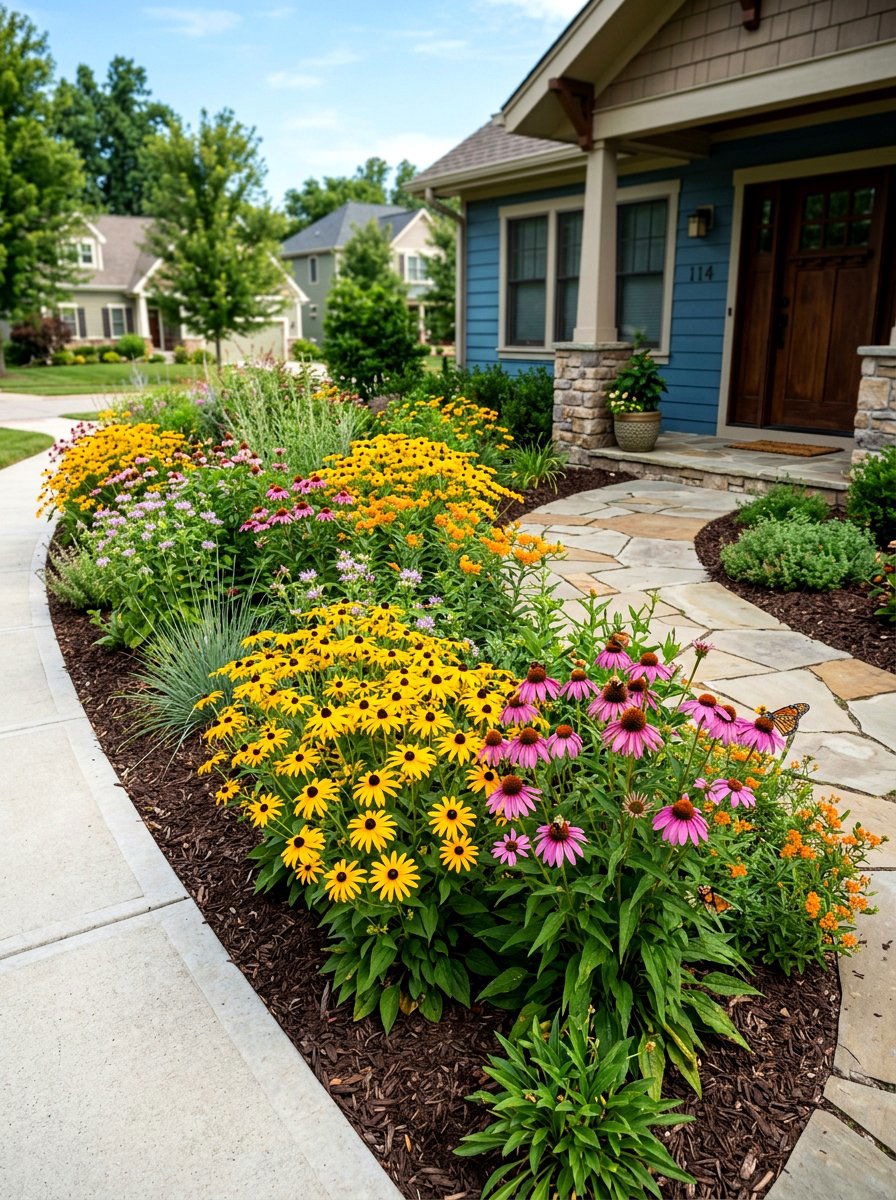
Focusing on native plant curb appeal is a smart way to create a beautiful entrance that supports the local ecosystem. By selecting flowers, shrubs, and trees that are indigenous to your region, you ensure that your garden is naturally adapted to the local soil and rainfall patterns. This means you will spend less time on artificial irrigation and fertilizers, making your yard more sustainable. Native plants often attract local songbirds and butterflies, adding life and movement to your front yard. You can arrange these plants in a structured way to maintain a polished look while still celebrating the wild beauty of your area. It is a responsible and rewarding approach to modern home landscaping.
18. Zen Style Entryway
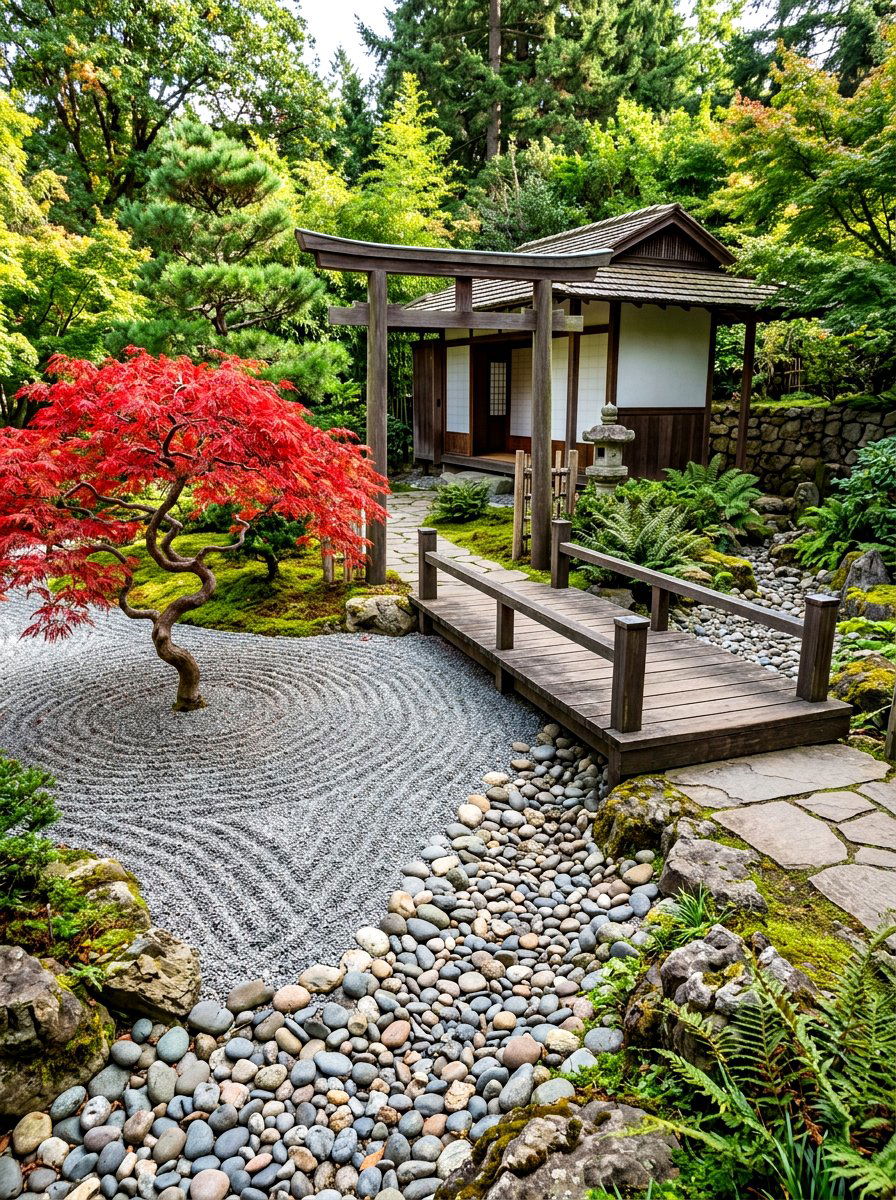
A Zen style entryway promotes a sense of calm and order from the moment you step onto the property. You can achieve this by using minimalist elements like a raked gravel area, a single well-placed Japanese maple, and smooth river stones. Incorporating a simple wooden bridge over a dry creek bed adds a traditional Asian-inspired touch that feels very intentional. The color palette should remain neutral, focusing on varying shades of green, gray, and brown to avoid overstimulation. Adding a small stone basin or a quiet bamboo fountain provides a gentle auditory element that masks neighborhood noise. This clean, balanced design creates a peaceful transition from the busy outside world into the sanctuary of your own home.
19. Layered Perennial Flower Bed
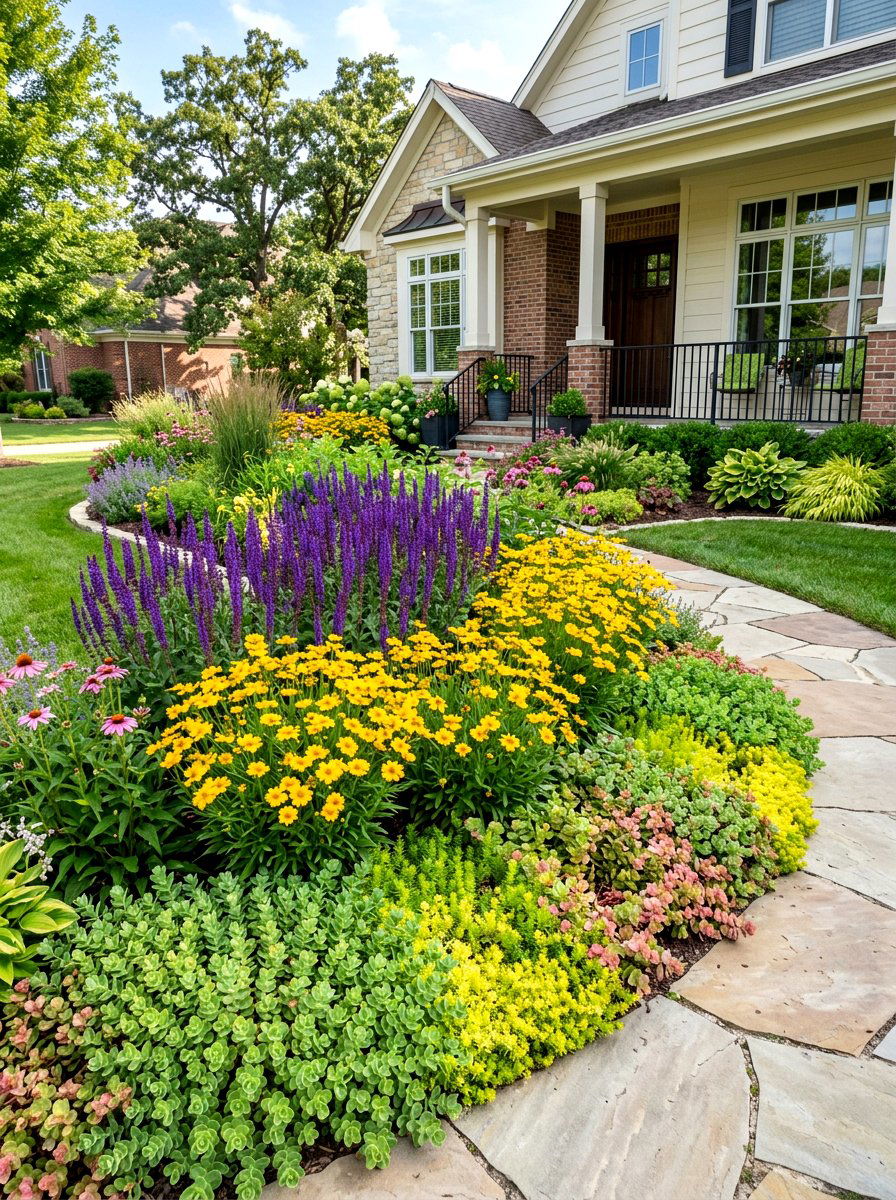
A layered perennial flower bed ensures that your front yard is constantly changing and offering new visual rewards throughout the growing season. You can plant tall, late-blooming varieties like coneflowers or ornamental grasses in the back to provide a steady structure. In the middle, use medium-height plants like salvia or coreopsis that offer bright colors during the peak of summer. The front border can be filled with low-growing sedum or creeping phlox that blankets the ground in spring. Because these plants return every year, your landscape becomes more established and beautiful with age. This strategy maximizes the use of your planting space, creating a full, professional-looking garden that requires less replanting over time.
20. White Flower Front Landscape
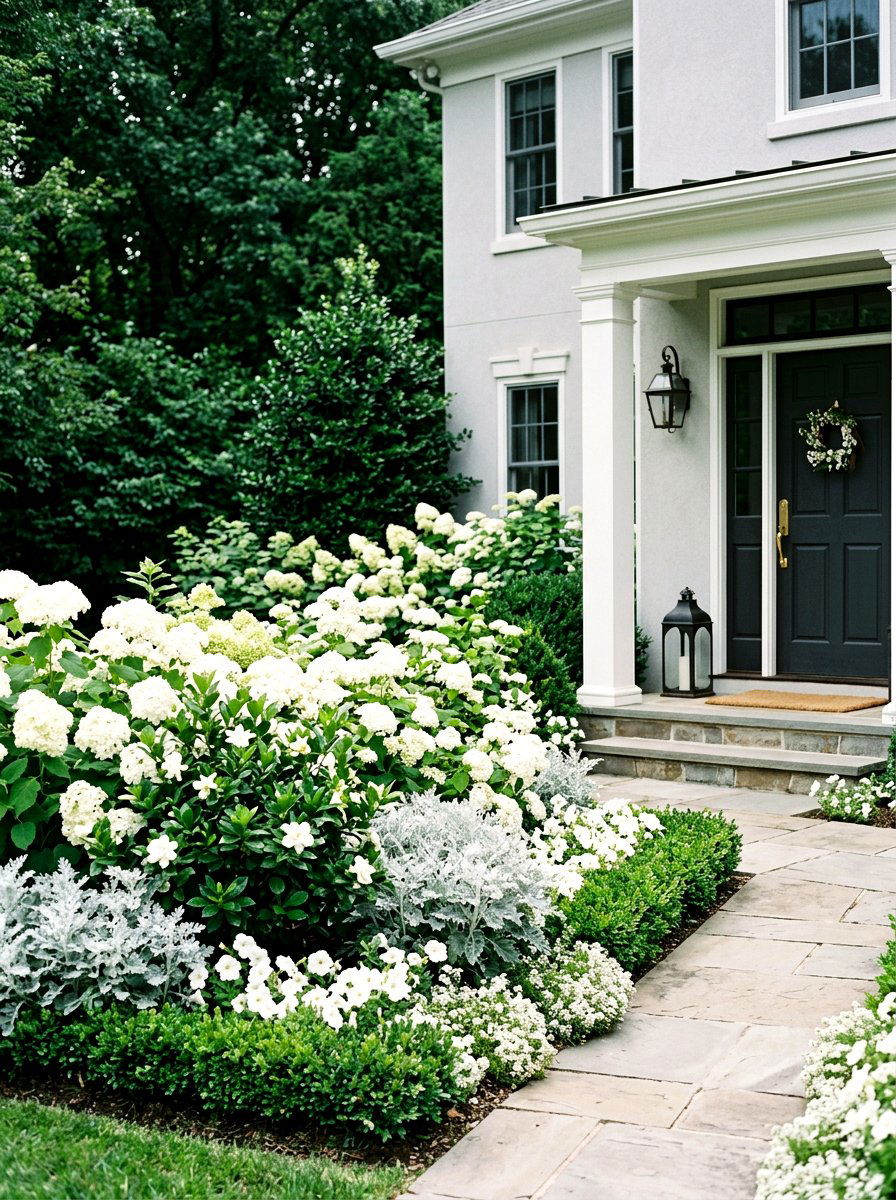
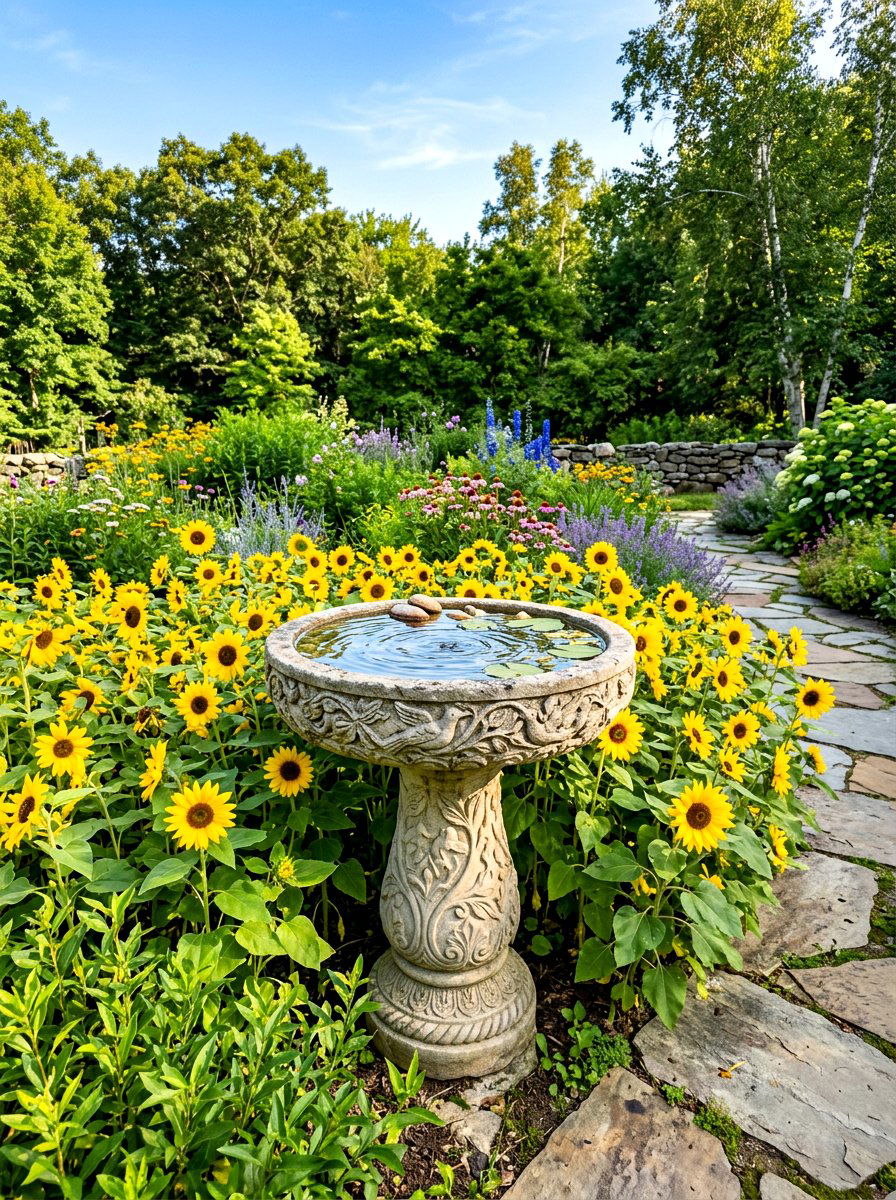
A white flower front landscape creates a "moon garden" effect that looks incredibly elegant during the day and glows under the porch light at night. You can use a variety of white-blooming plants like hydrangeas, gardenias, and white roses to create a cohesive and sophisticated color scheme. Pairing these bright white flowers with silvery-green foliage, such as dusty miller or lamb's ear, adds a soft, ethereal quality to the entryway. This monochromatic approach feels very high-end and can make a small front yard appear larger and more open. It is a timeless choice that never goes out of style and looks particularly striking against dark-colored homes or deep green evergreen backdrops.
21. Modern Stepping Stone Path
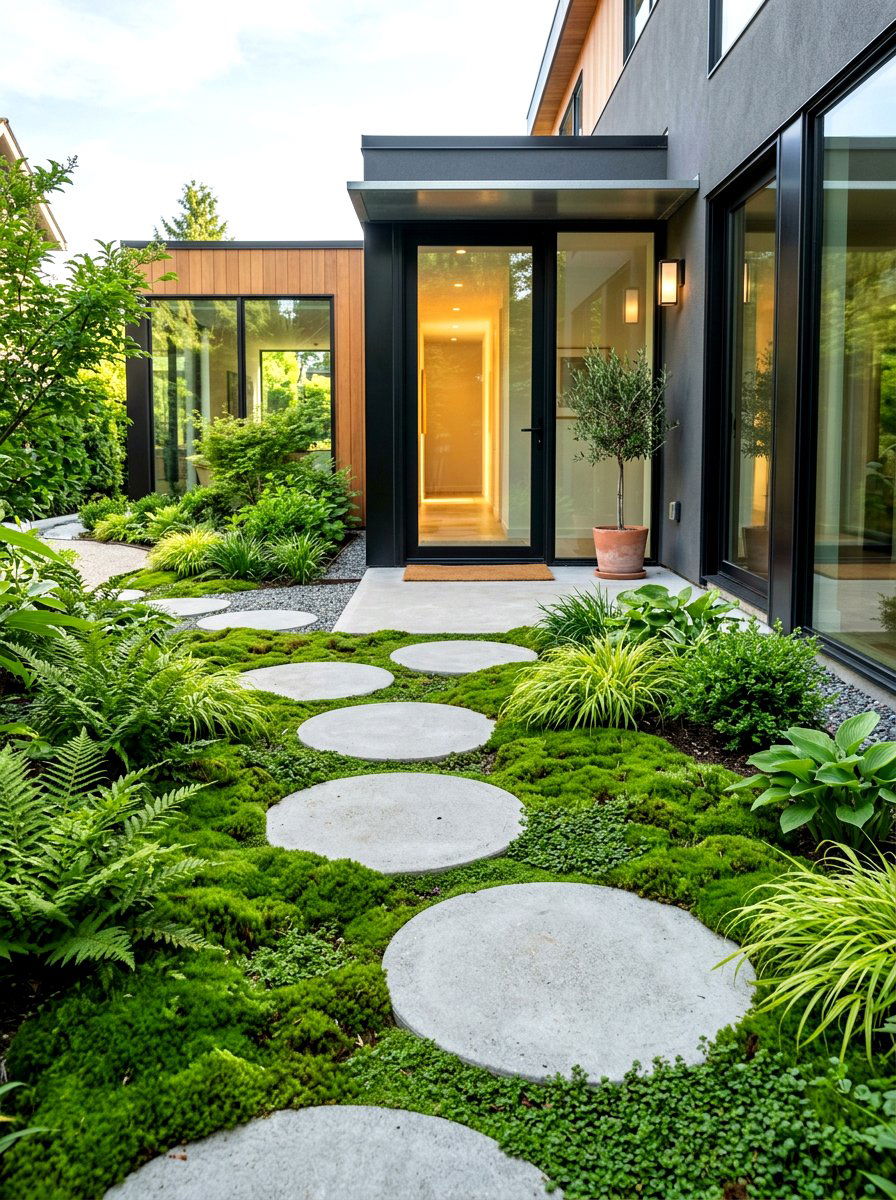
A modern stepping stone path offers a playful yet structured way to navigate through your front yard toward the entrance. You can use large circular or square stones set into a bed of uniform groundcover, such as dwarf mondo grass or vibrant green moss. This "floating" effect creates a whimsical feel while maintaining the clean lines associated with contemporary design. The spacing between the stones should be comfortable for a natural walking stride to ensure the path is practical for daily use. This style works perfectly for minimalist homes or yards where you want to preserve as much green space as possible. It is a low-impact landscaping solution that adds significant architectural character.
22. Coastal Front Entry Garden
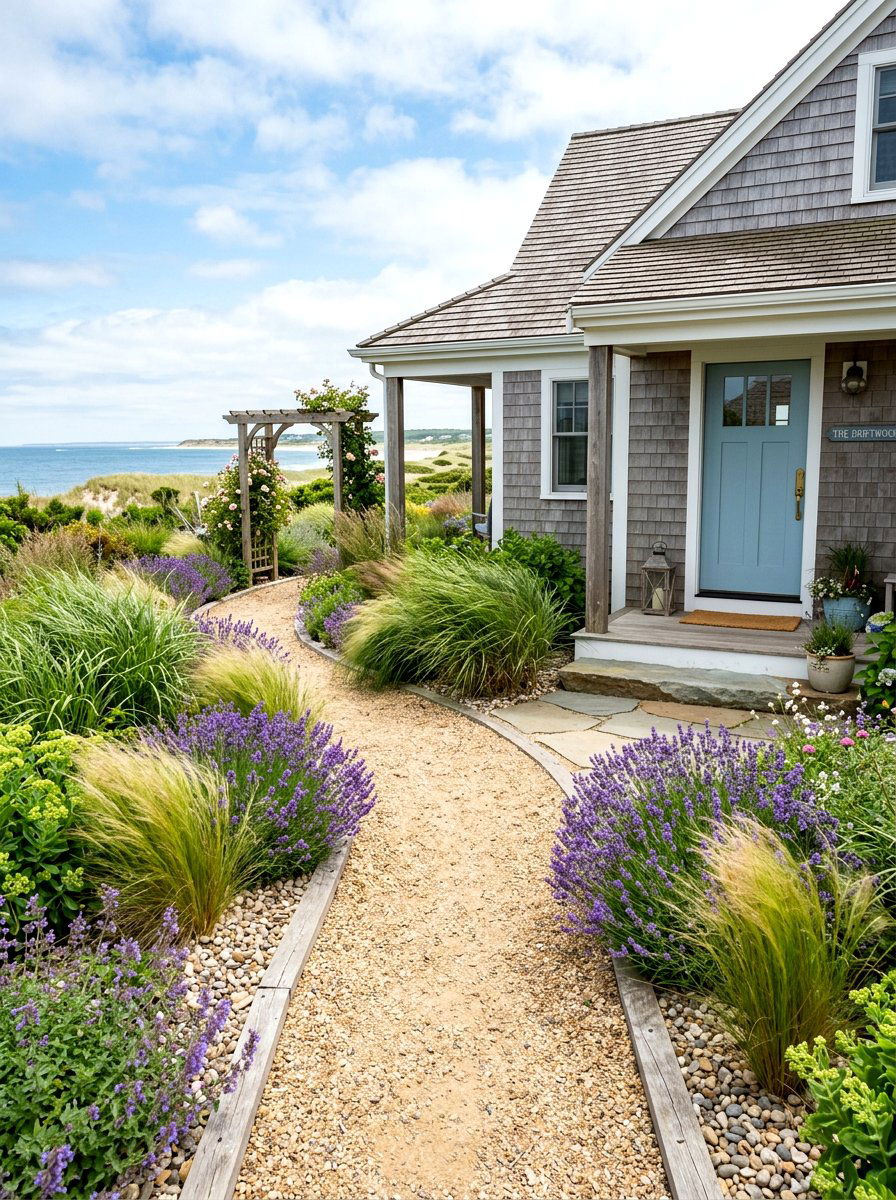
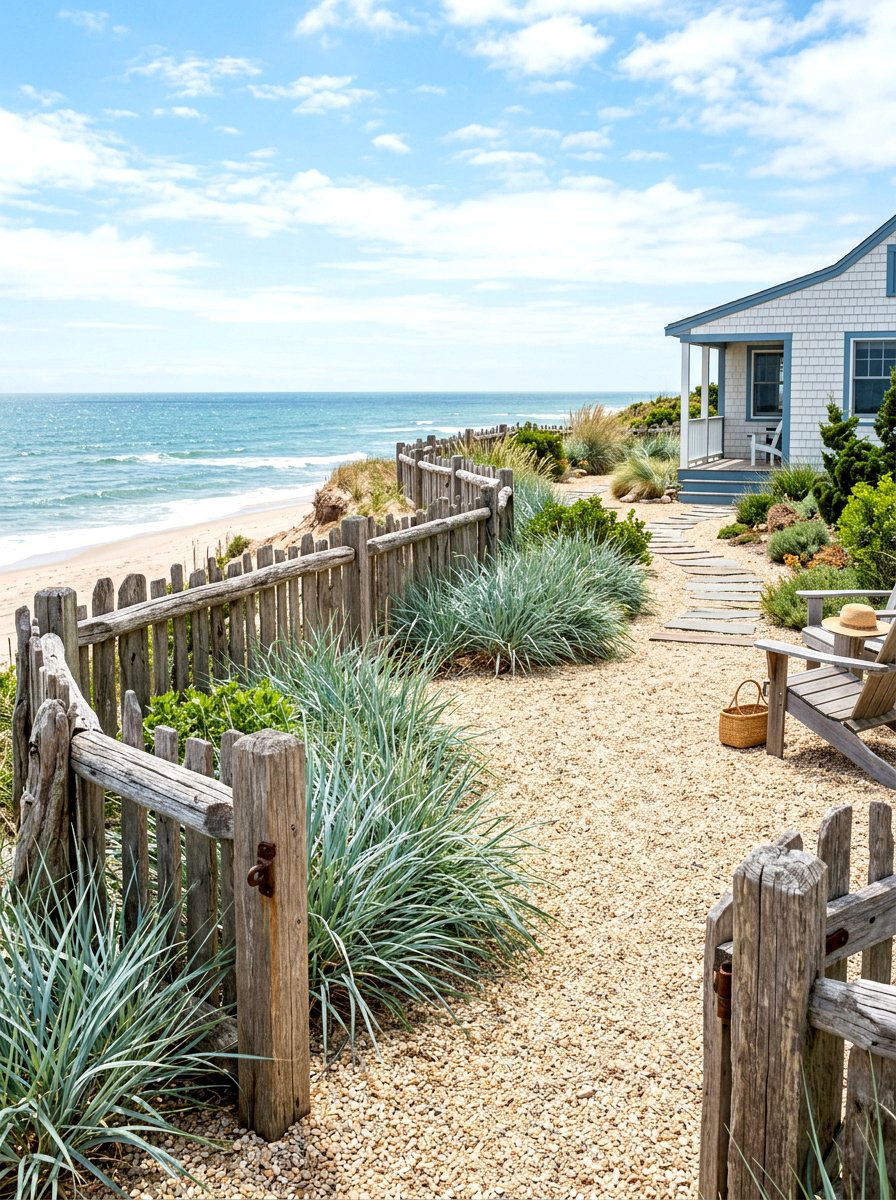
A coastal front entry garden captures the breezy, relaxed atmosphere of the seaside using hardy plants that can handle salt and wind. You can use ornamental grasses like sea oats or fountain grass that dance in the wind to provide a sense of movement. Incorporating pale blue or sandy-toned gravel for the walkways mimics the appearance of a beach path. Adding weathered wood elements, such as a driftwood sculpture or a cedar fence, enhances the nautical theme without feeling kitschy. Plants like lavender and rosemary thrive in sandy soil and offer a fresh, clean scent as you walk to the door. This design creates a permanent vacation vibe that makes coming home feel like a getaway.
23. Traditional Brick Walkway
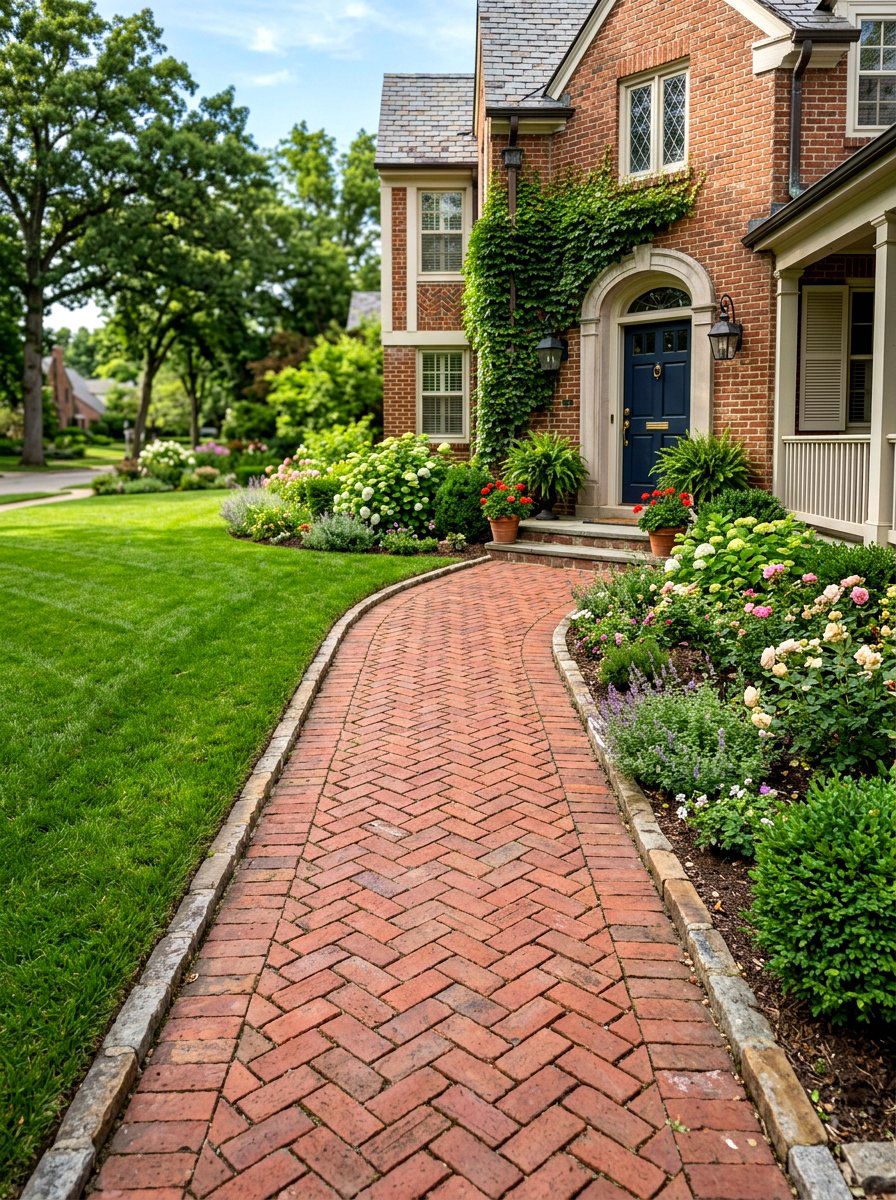
The traditional brick walkway is a classic choice that adds warmth and a sense of history to any home’s exterior. You can lay the bricks in a classic herringbone or basketweave pattern to create a visually rich surface that feels solid and dependable. The deep red or burnt orange tones of the brick provide a beautiful contrast against green lawns and white trim. Over time, the bricks develop a slight patina that only adds to the charm and character of the entrance. This material is incredibly durable and easy to repair if individual pieces become cracked. It is an enduring design choice that pairs perfectly with colonial, craftsman, or farmhouse style architecture.
24. Ornamental Grass Front Border
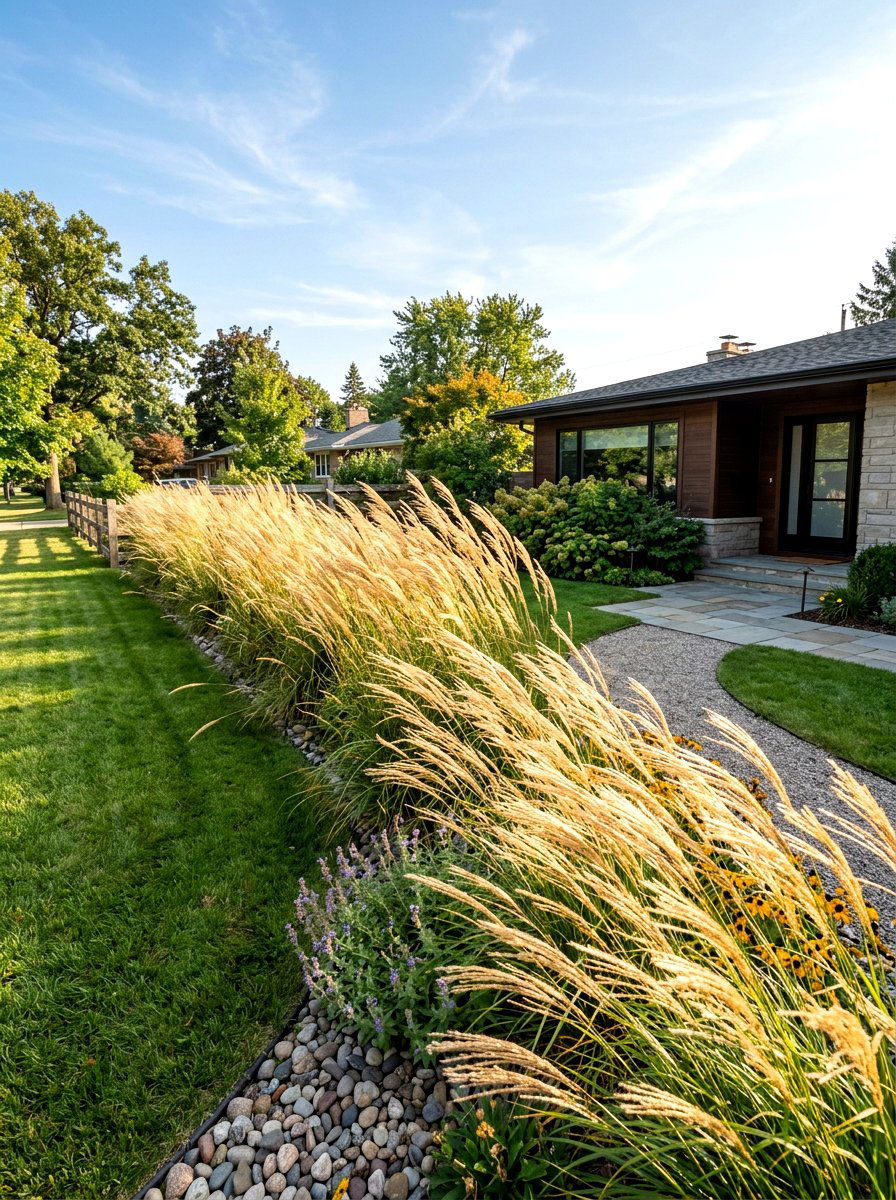
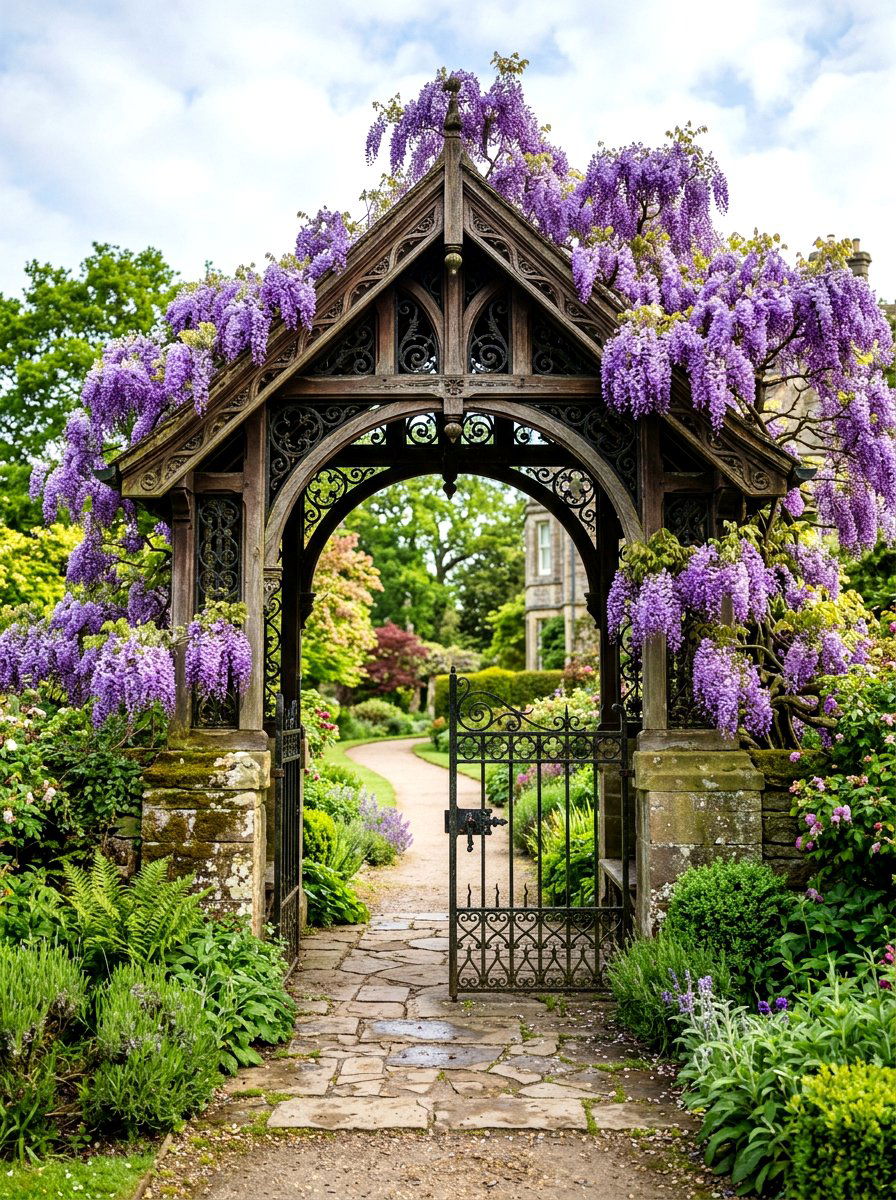
Using an ornamental grass front border is a great way to add height, texture, and a sense of privacy without the heaviness of a solid fence. You can choose varieties like miscanthus or switchgrass that grow several feet tall, creating a soft, feathered screen along the edge of your property. These grasses are particularly beautiful in the fall when they change color and produce delicate seed heads that catch the golden light. Because they sway with every breeze, they add a dynamic element of movement that static shrubs simply cannot provide. They are also incredibly low-maintenance, requiring only a single cutback in late winter to prepare for new growth.
25. Privacy Screen Entryway
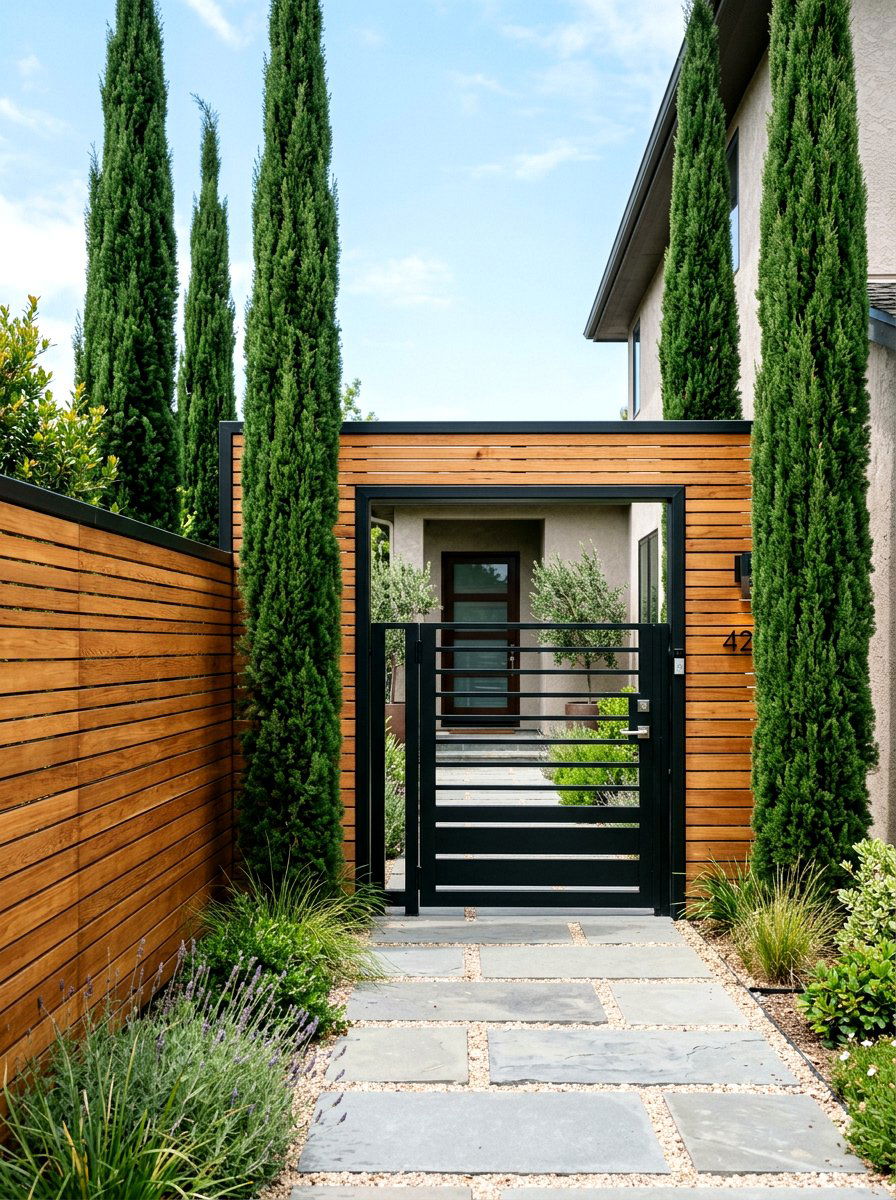
A privacy screen entryway helps create a secluded transition space between the public street and your private front door. You can use a combination of modern horizontal wooden slats and tall, narrow evergreens like Italian cypress to block the view without feeling closed in. Incorporating a gated courtyard within this screened area allows you to have a small, private garden or seating spot right at your entrance. This design is particularly useful for homes located on busy streets or in dense urban neighborhoods. By using attractive materials like stained cedar or frosted glass panels, the privacy screen becomes a decorative architectural feature rather than just a functional barrier.
26. Rock Garden Front Yard
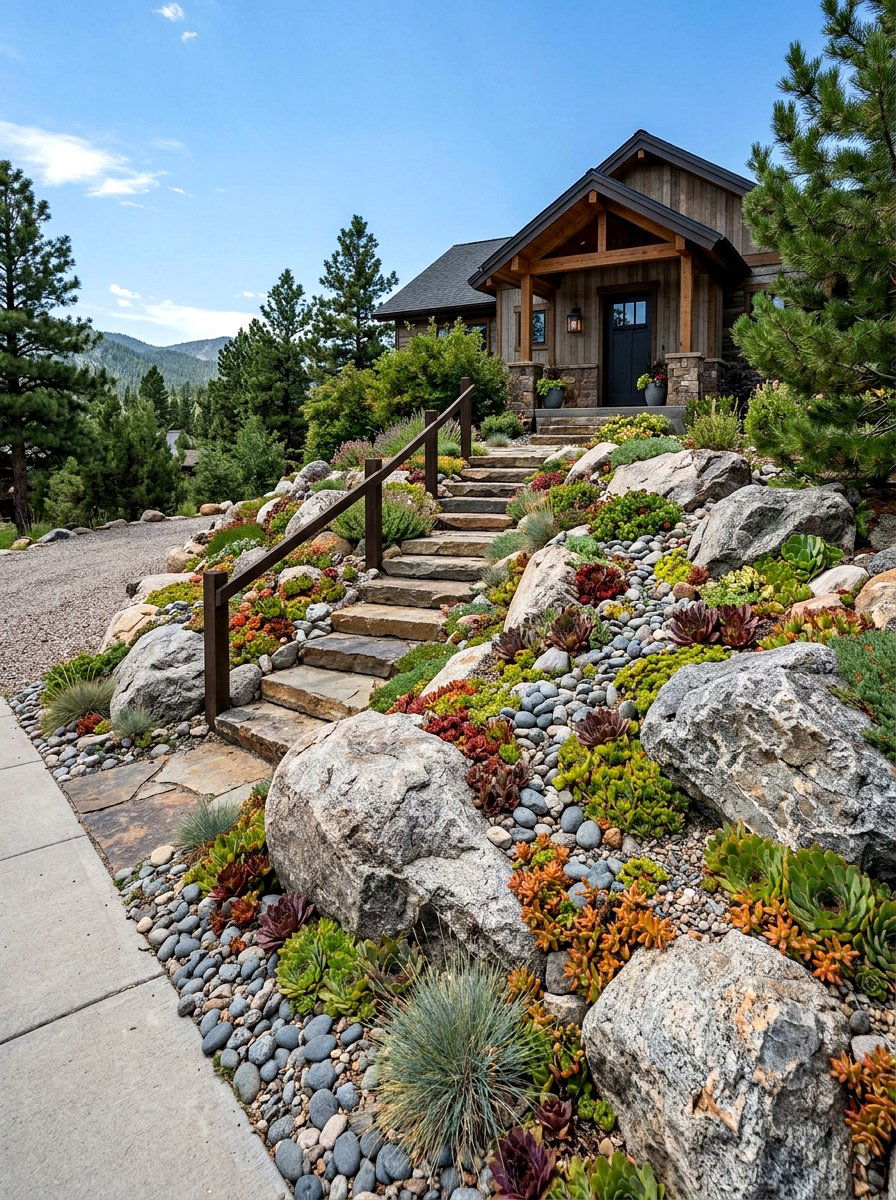
A rock garden front yard utilizes natural stones and hardy alpine plants to create a rugged, low-maintenance landscape that looks beautiful year-round. You can arrange large boulders to create natural-looking outcrops, then fill the spaces between them with smaller river rocks and gravel. Planting low-growing succulents or creeping herbs among the stones adds splashes of color and softens the hard surfaces. This style is excellent for yards with poor soil or steep slopes where traditional gardening is difficult. The rocks act as a natural mulch, keeping the roots of the plants cool and moist. It is a sustainable and visually interesting alternative that brings a piece of the mountains to your doorstep.
27. Farmhouse Style Front Porch
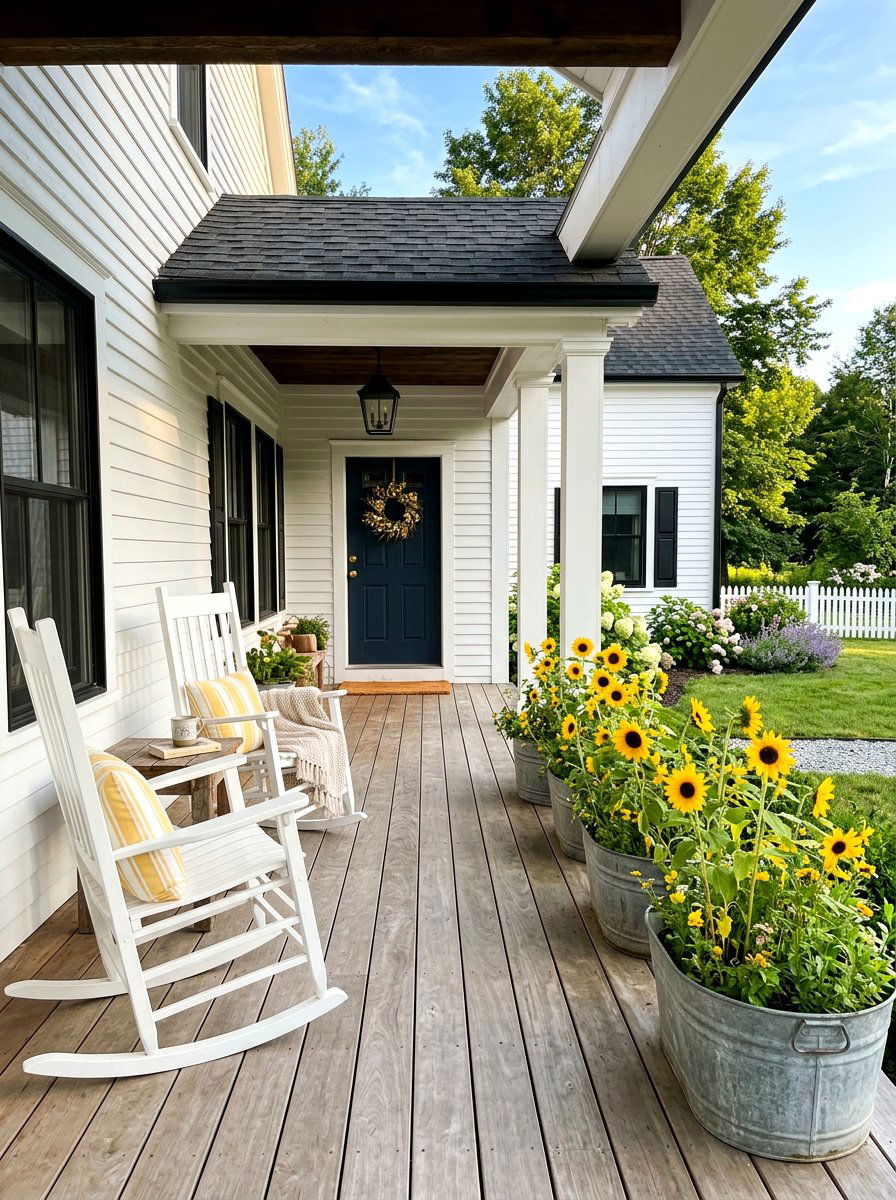
Achieving a farmhouse style front porch involves a mix of rustic materials and cozy, welcoming decor that feels timeless. You can use oversized wooden rocking chairs and a large, natural fiber doormat to set the tone for relaxation. Surround the seating area with large galvanized metal buckets filled with seasonal flowers like sunflowers or hydrangeas. Incorporating a vintage-style hanging porch light and a simple wooden railing enhances the traditional country feel. Using a neutral color palette with black accents for the hardware provides a modern twist on the classic farmhouse aesthetic. This design is all about creating a space where neighbors feel comfortable stopping by for a chat on a sunny afternoon.
28. Mediterranean Front Entry
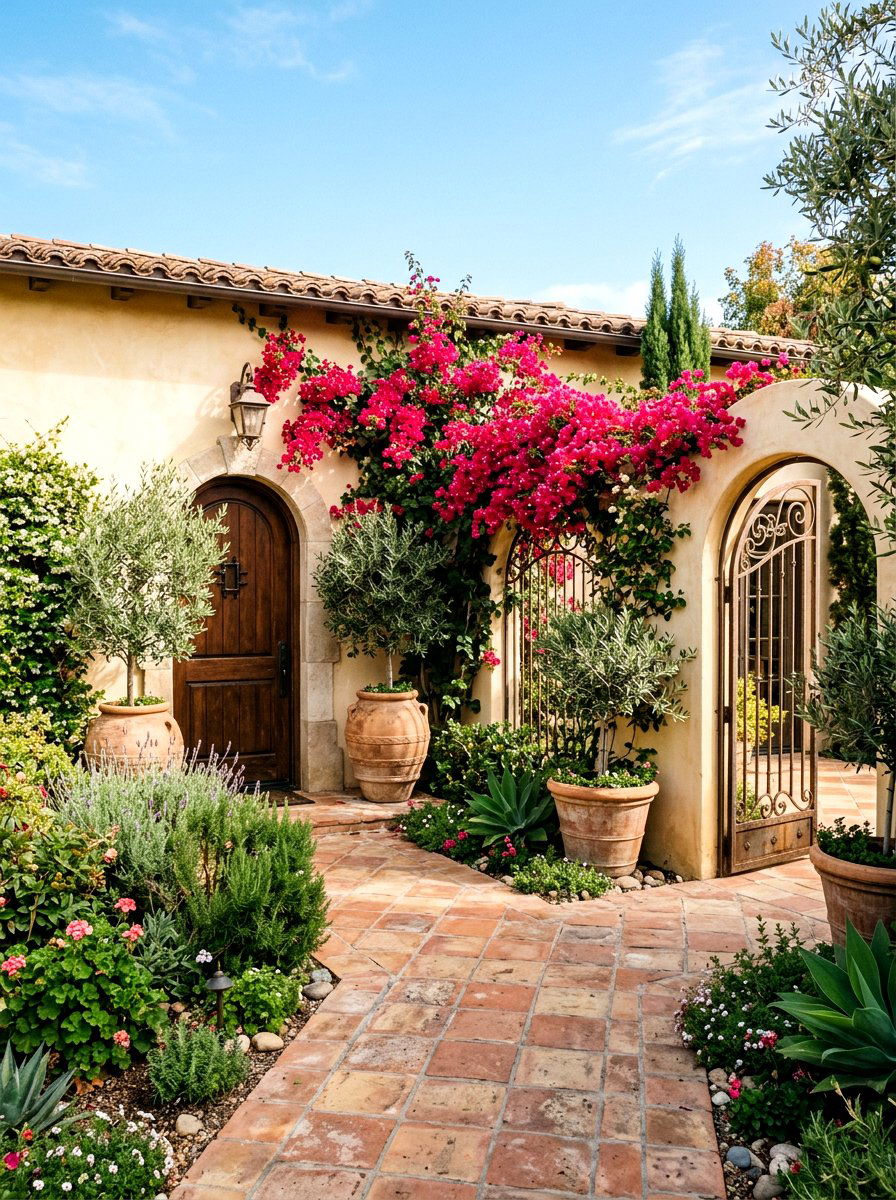
The Mediterranean front entry emphasizes warmth, texture, and a love for outdoor living using sun-drenched materials and aromatic plants. You can use terracotta tiles or warm-toned stone for the walkway to create an inviting, earthy foundation. Incorporate plants like olive trees, lavender, and bougainvillea to provide the classic scents and colors of the Italian or Spanish countryside. Adding a small wrought iron gate or a decorative wall fountain provides an elegant focal point that feels historic and refined. This style is perfect for hot, sunny climates where drought-tolerant plants can truly thrive. It creates a sophisticated, sun-soaked atmosphere that makes your home feel like a European villa.
29. Evergreens For Front Yard
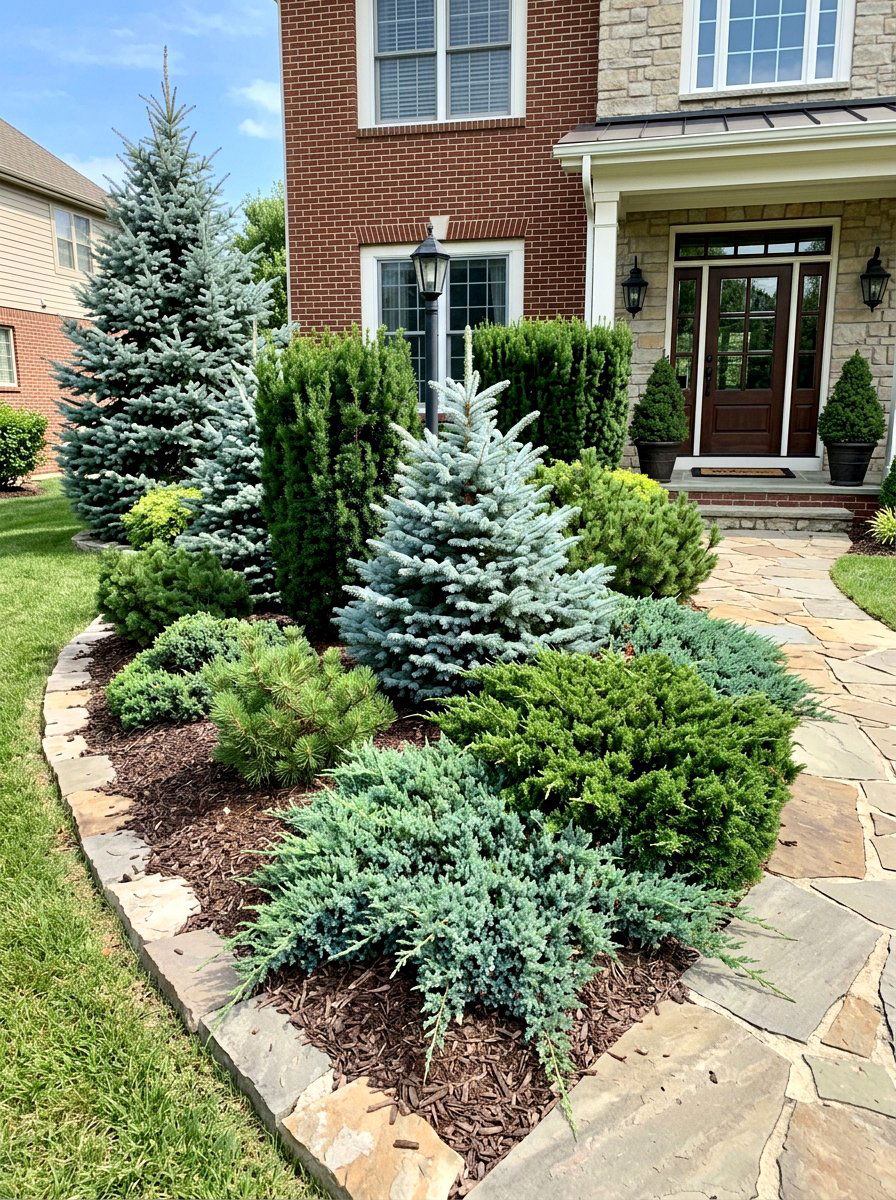
Using evergreens for the front yard ensures that your home has a consistent, professional look throughout all four seasons. You can mix different types of conifers, such as blue spruce, yew, and juniper, to provide a variety of colors ranging from silvery-blue to deep forest green. These plants provide a solid "bone" structure for your landscape, ensuring the yard doesn't look empty when the winter snow falls. By choosing varieties with different growth habits, like upright pillars and low-spreading groundcovers, you can create a diverse and interesting garden without any flowers. Evergreens also act as excellent windbreaks and noise mufflers, making your entryway feel more protected and quiet.
30. Sloped Front Yard Landscaping
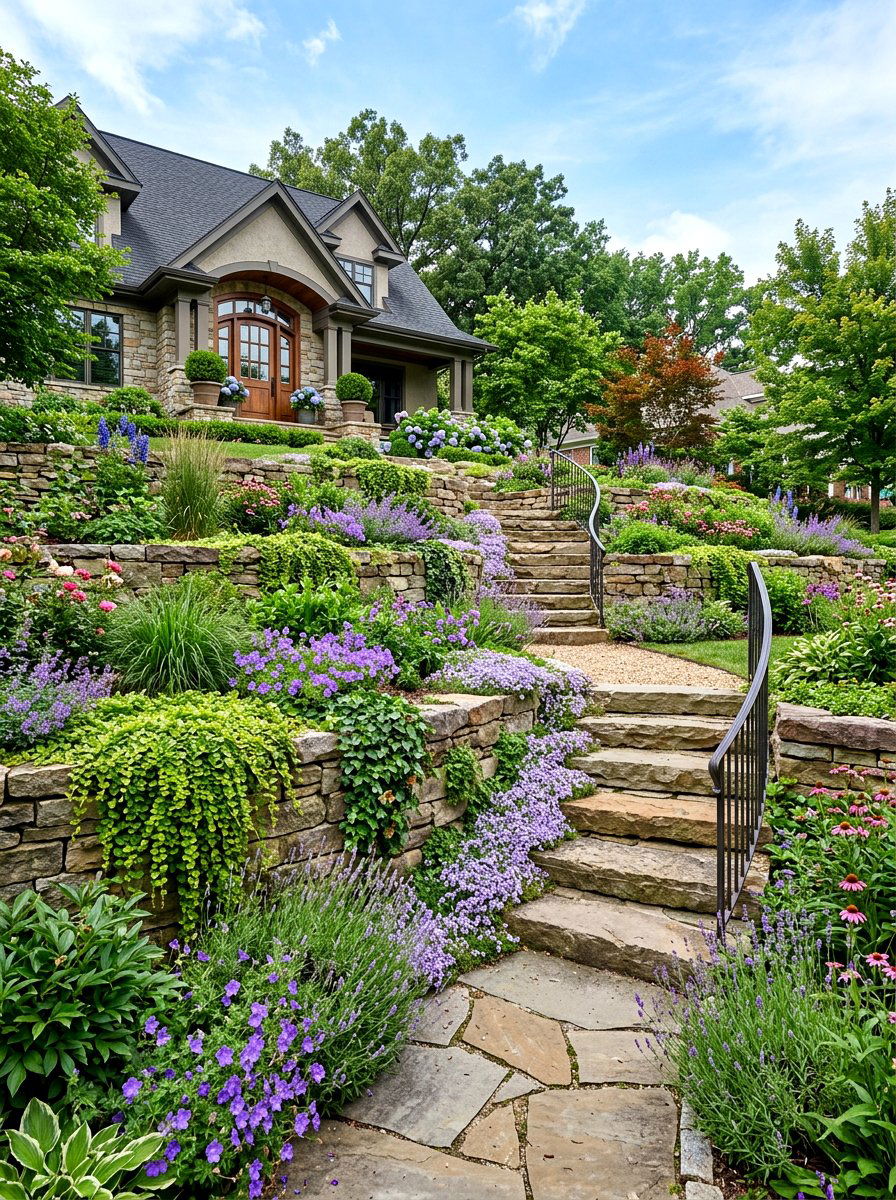
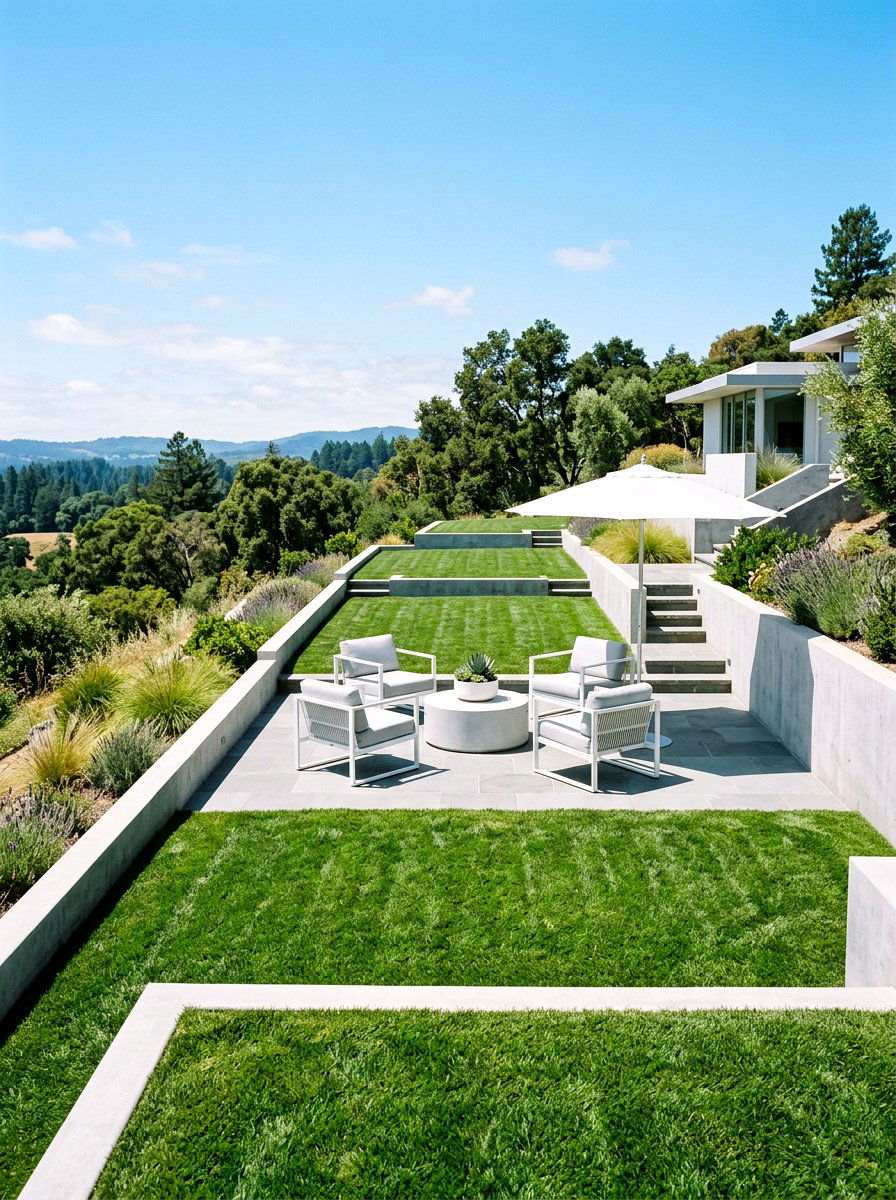
Managing sloped front yard landscaping requires a combination of engineering and aesthetics to prevent erosion while improving curb appeal. You can install a series of timber or stone retaining walls to create a "staircase" of flat garden beds that are easy to maintain. Planting these tiers with a mix of trailing vines that spill over the edges and sturdy shrubs that anchor the soil helps stabilize the hillside. Integrating a winding path with wide, shallow steps makes the climb to the front door feel effortless and grand. This approach turns a challenging terrain into a magnificent vertical garden that showcases your home from a much more dramatic and impressive perspective.
Conclusion:
Investing time into your front entry landscaping is one of the most rewarding home improvement projects you can undertake. A well-designed entrance does more than just look pretty; it sets a positive tone for your entire living space and makes coming home a daily joy. From the structured elegance of modern pavers to the wild, fragrant beauty of a cottage garden, there are endless ways to express your personality through your yard. By considering factors like maintenance levels, local climate, and architectural style, you can create a sustainable and stunning first impression. Your front yard is the gateway to your sanctuary, so make it truly unforgettable.

Related posts: