Boxwood shrubs are the undisputed backbone of elegant landscapes, offering a timeless structure that keeps your outdoor space looking lush and green throughout every single season. Whether you are aiming for a classic English manor aesthetic or a sleek modern courtyard, these versatile evergreens provide the perfect foundation for any garden project you can imagine. From neatly trimmed low hedges that line your walking paths to whimsical topiary shapes that serve as living art, the possibilities are truly endless when working with such a resilient plant. In this guide, we will explore thirty creative ways to incorporate boxwoods into your landscape to boost curb appeal and value.
1. Low Boxwood Hedge
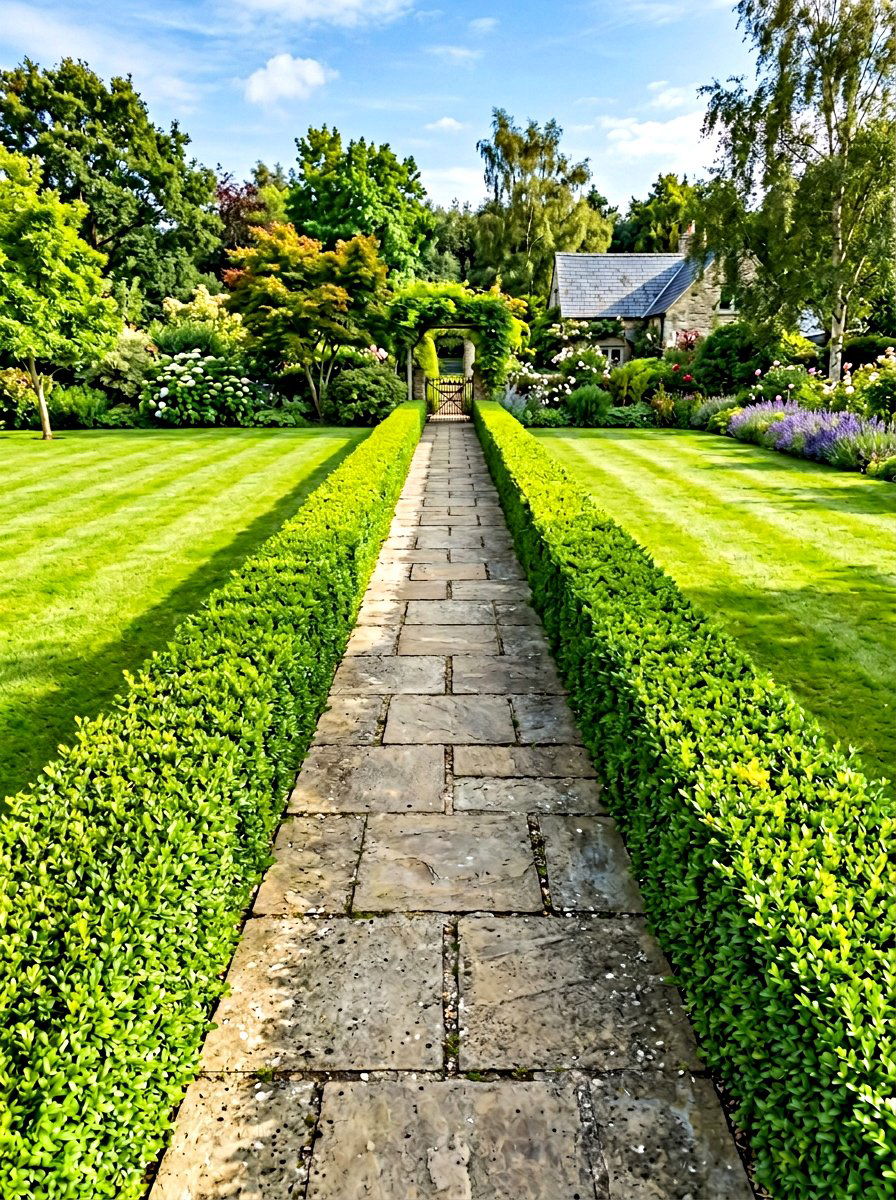
Imagine walking down a perfectly manicured stone path where the edges are defined by a crisp, low-growing boxwood hedge that guides your feet. This classic landscaping technique is perfect for creating clear transitions between different zones of your outdoor space, such as separating a lush lawn from a colorful perennial flower bed. By keeping the hedge trimmed to a uniform height of about twelve inches, you maintain a sense of order without obstructing the view of taller plants behind it. This structure provides a green framework that looks just as beautiful under a dusting of winter snow as it does in the bright summer sun.
2. Boxwood Globe Planters
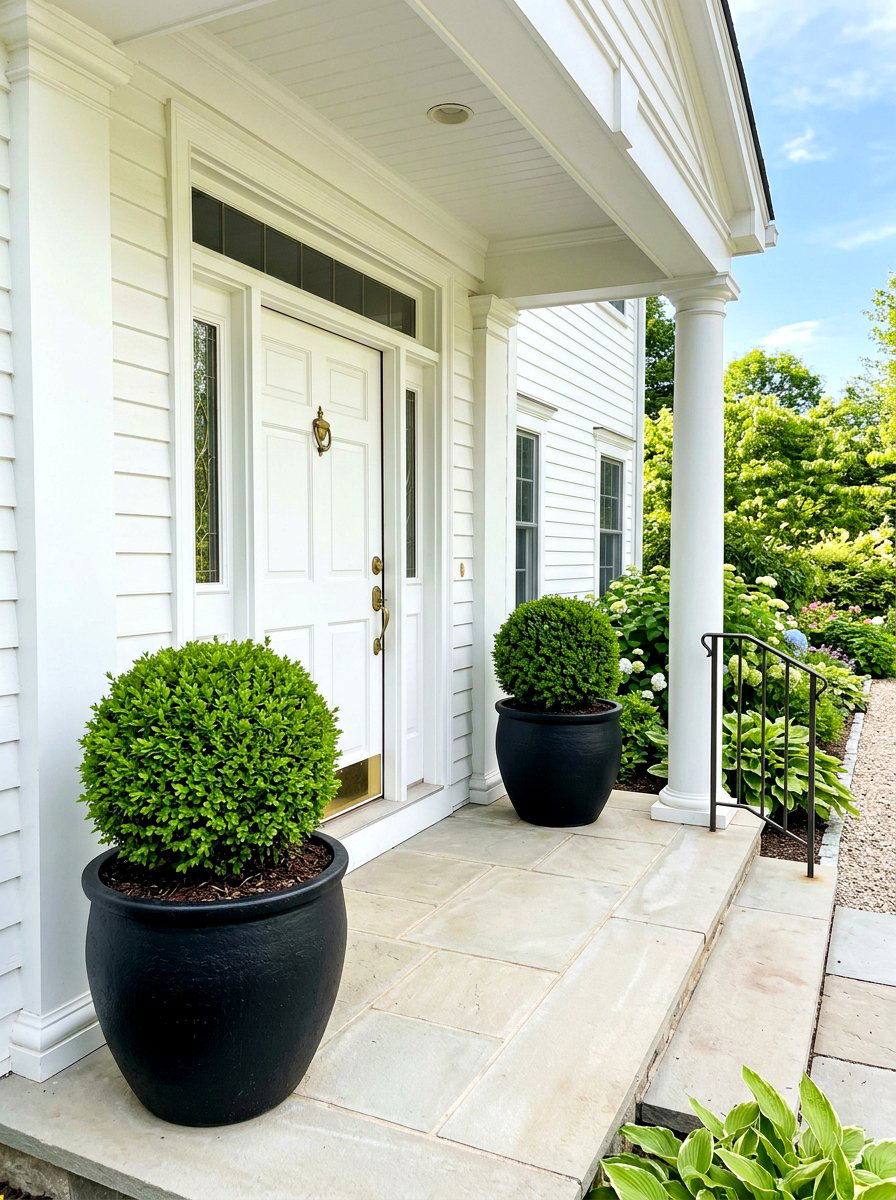
Using boxwood globes in large, decorative planters is a fantastic way to add immediate sophistication to your front porch or patio area. These spherical evergreens offer a clean, geometric look that works exceptionally well in symmetrical pairs flanking an entryway or a set of garden stairs. You can choose classic terracotta pots for a Mediterranean feel or sleek black metal containers for a more contemporary vibe. Because boxwoods are slow-growing, they are very easy to manage in containers, requiring only occasional shearing to maintain their perfect round shape. They provide a high-end look with very little effort for busy homeowners.
3. Formal Parterre
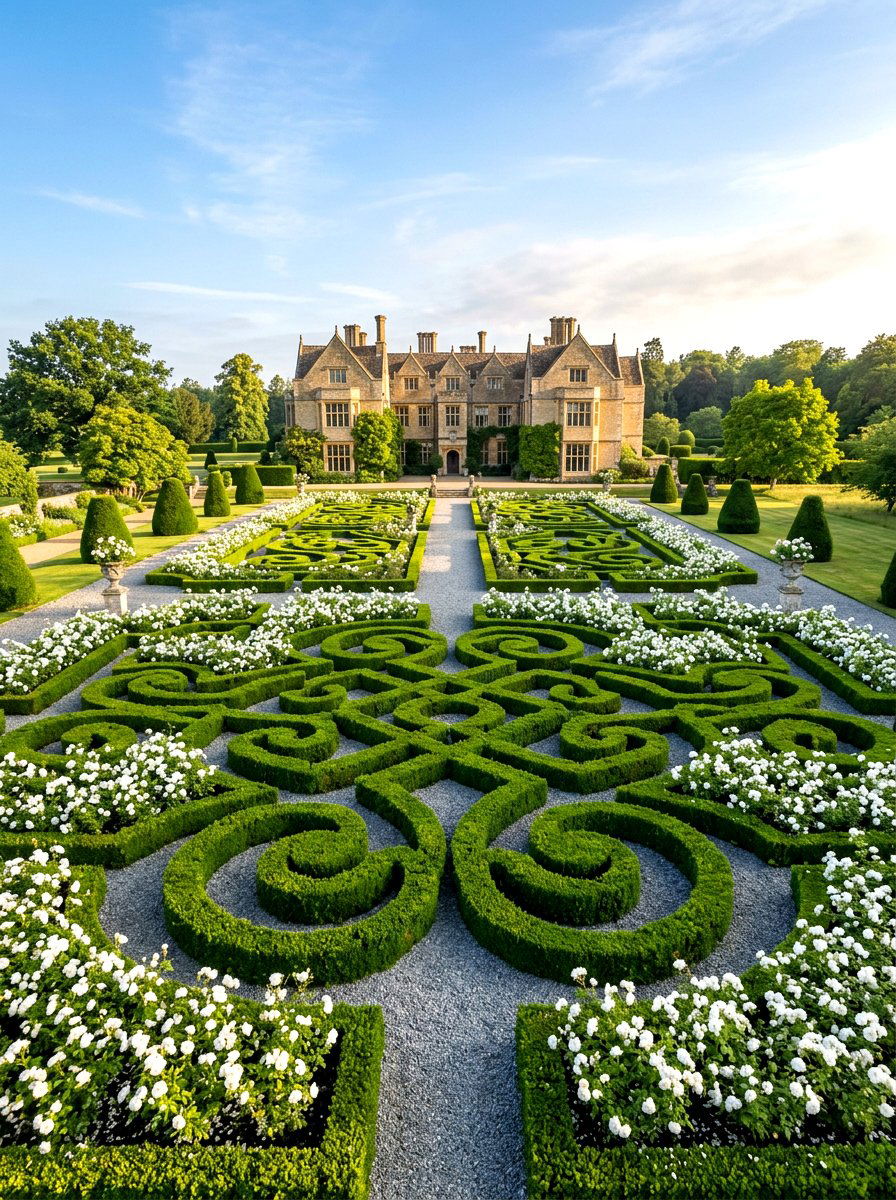
A formal parterre is a traditional French garden design that uses low boxwood hedges to create intricate geometric patterns on the ground level. These patterns are often filled with colorful annual flowers, aromatic herbs, or decorative gravel to create a stunning visual tapestry when viewed from above. This design style brings a sense of grand history and architectural precision to any backyard, making it feel like a private estate. While it requires regular maintenance to keep the lines sharp and clear, the result is a breathtaking focal point that defines the entire character of your landscape and impresses every guest.
4. Boxwood Hydrangea Border
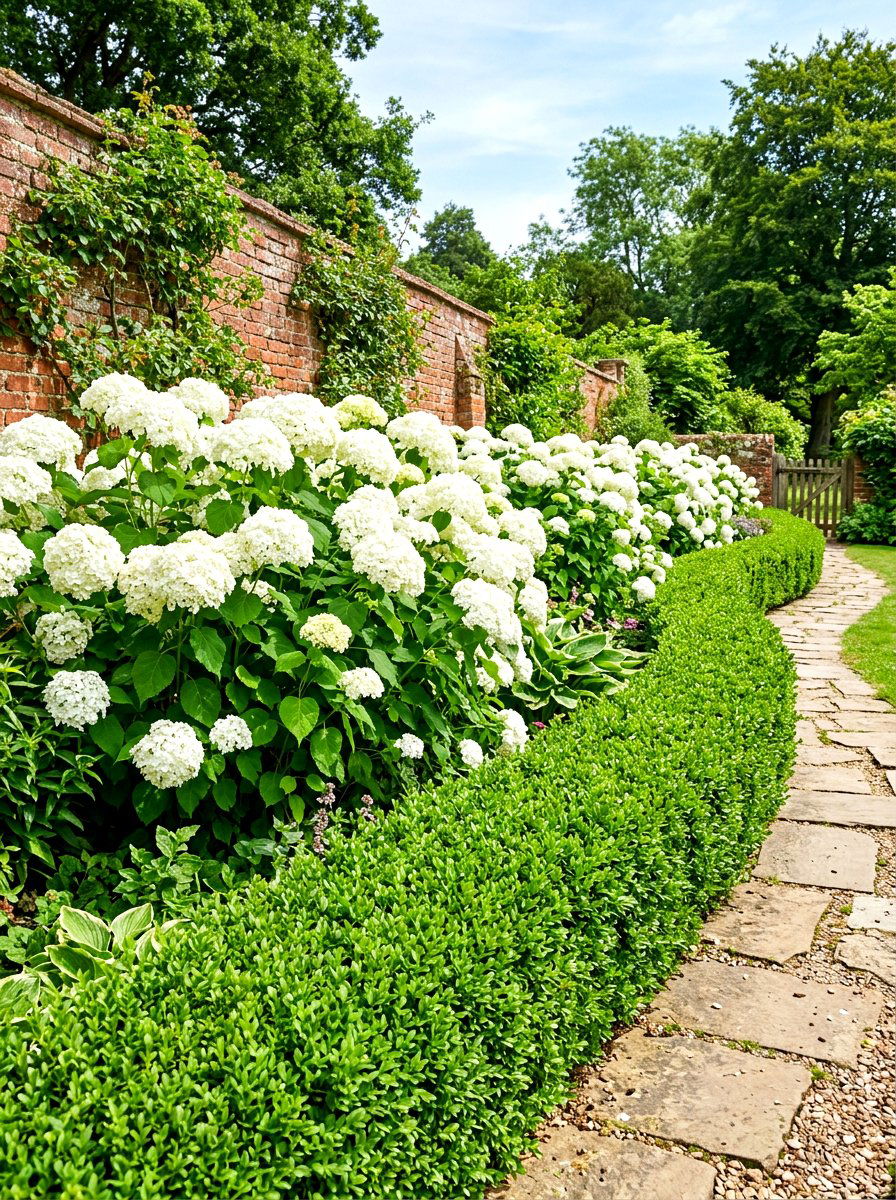
Combining the structured evergreen texture of boxwoods with the soft, voluminous blooms of hydrangeas creates a spectacular contrast that is a favorite in cottage-style landscapes. In this design, the low boxwood hedge serves as a neat "collar" at the base of the taller, floppier hydrangea bushes. This prevents the flowering shrubs from looking messy when they are heavy with summer blooms and provides a green framework during the winter when the hydrangeas are dormant. The deep green leaves of the boxwood perfectly highlight the vibrant whites, blues, or pinks of the hydrangea flower heads for a truly professional look.
5. Cloud Pruned Boxwood
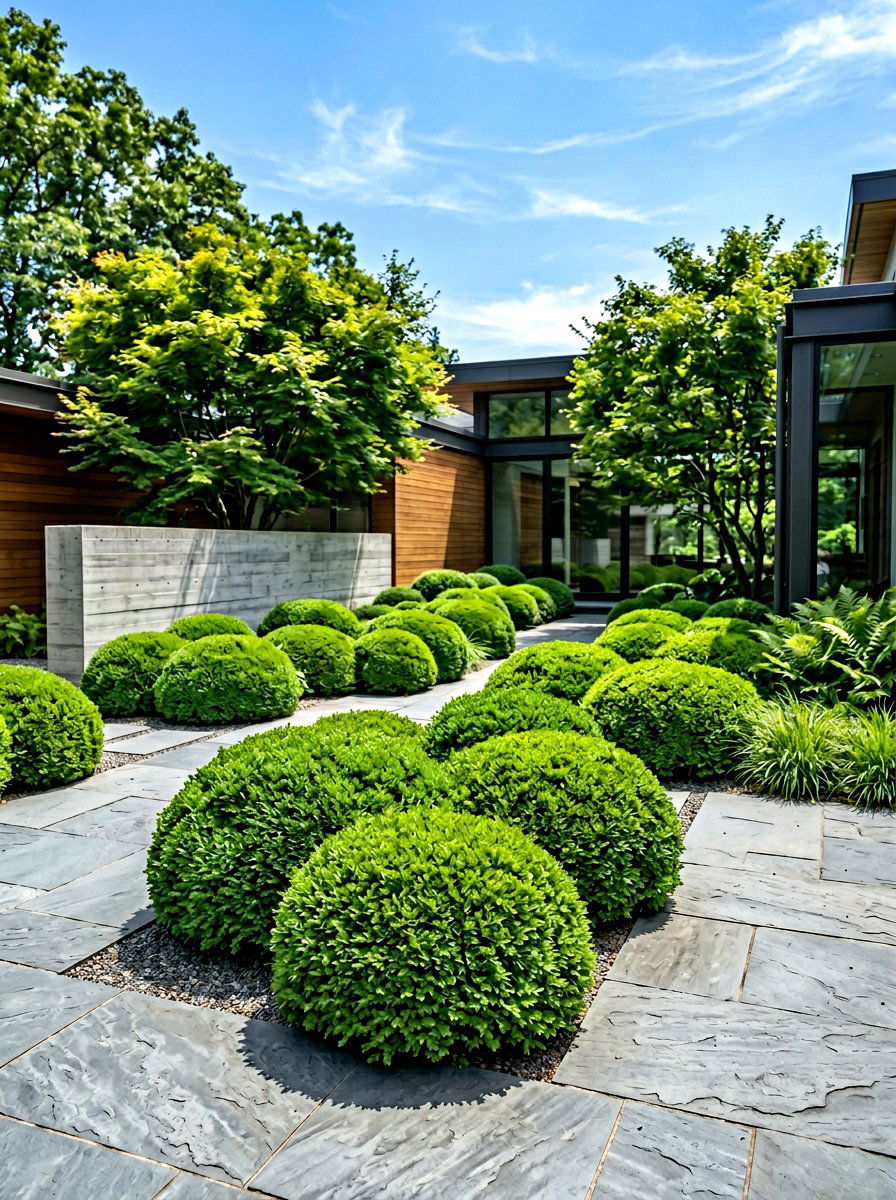
For a more modern and artistic approach to landscaping, consider cloud pruning your boxwoods to create soft, undulating mounds that resemble floating clouds. This technique involves trimming multiple shrubs into different heights and overlapping shapes rather than a single flat surface. It creates a highly sculptural and organic feel that pairs beautifully with minimalist architecture or Japanese-inspired garden designs. The play of light and shadow on the rounded surfaces adds depth and movement to the landscape. It is an excellent way to break away from rigid formality while still maintaining the clean, evergreen structure that boxwoods are known for.
6. Spiral Topiary Entrance
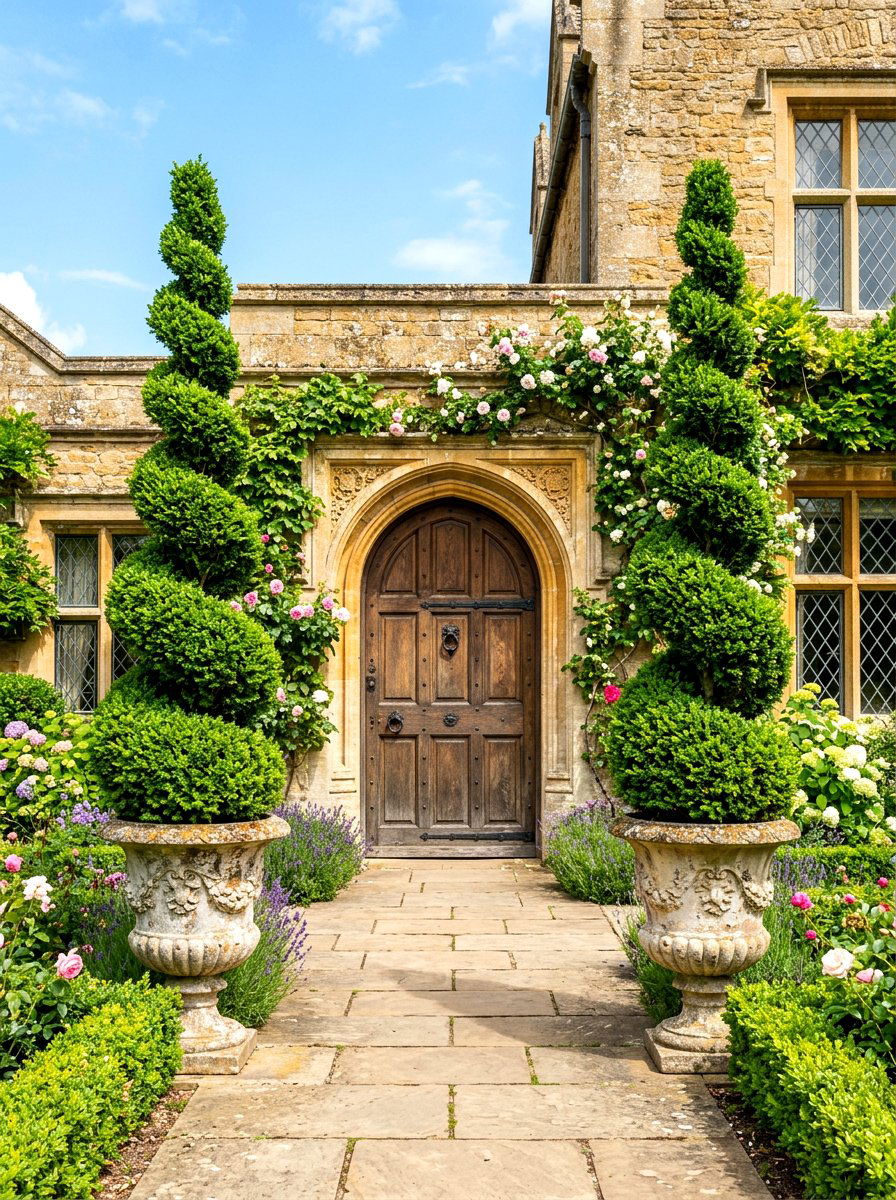
Nothing says luxury quite like a pair of tall, spiraling boxwood topiaries standing guard at your front door or garden gate. These vertical elements add a sense of drama and height to your home's exterior, drawing the eye upward and making the entrance feel more important. You can grow these directly in the ground or in tall, stately urns to elevate them even further. While they look complex, you can easily maintain the spiral shape using a simple guide wire or by following the natural growth patterns of the plant. They provide year-round greenery and a touch of whimsical elegance to any driveway.
7. Gravel Path Boxwood Edging
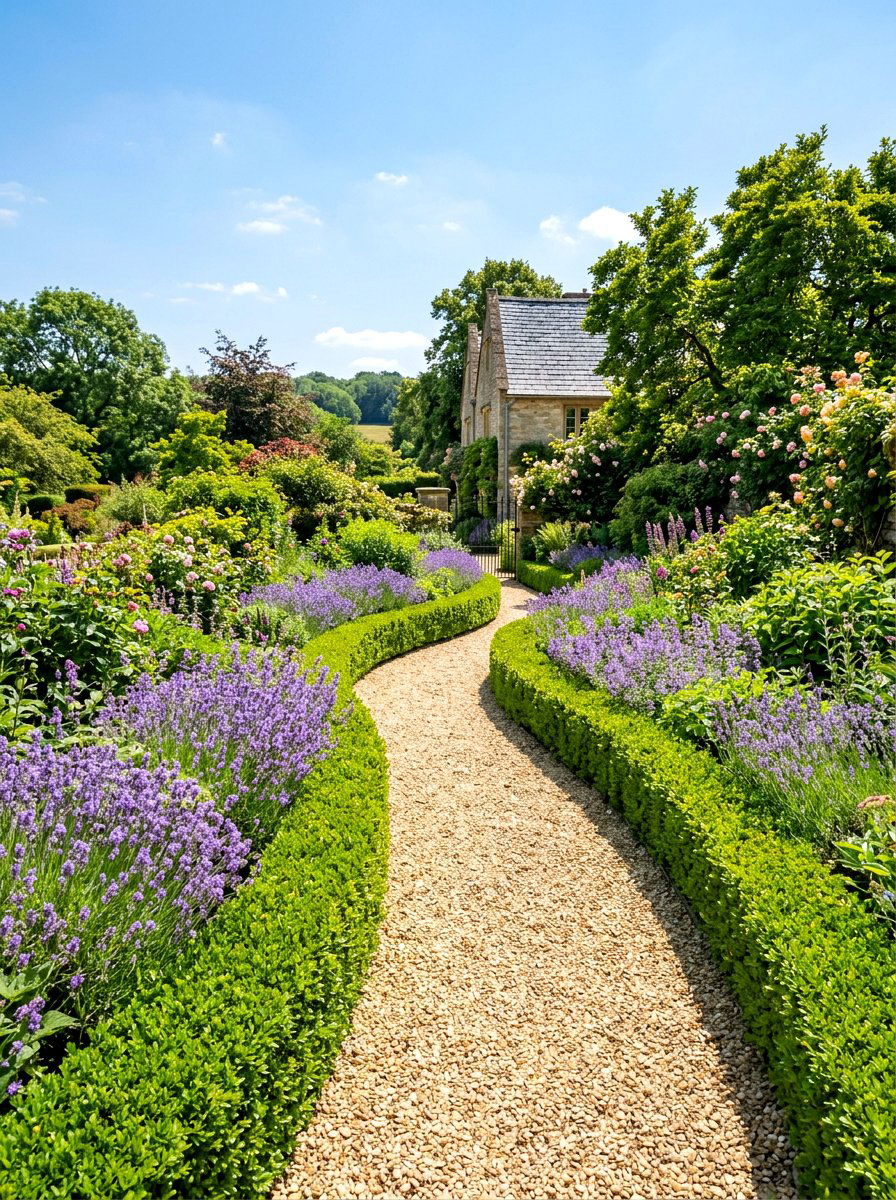
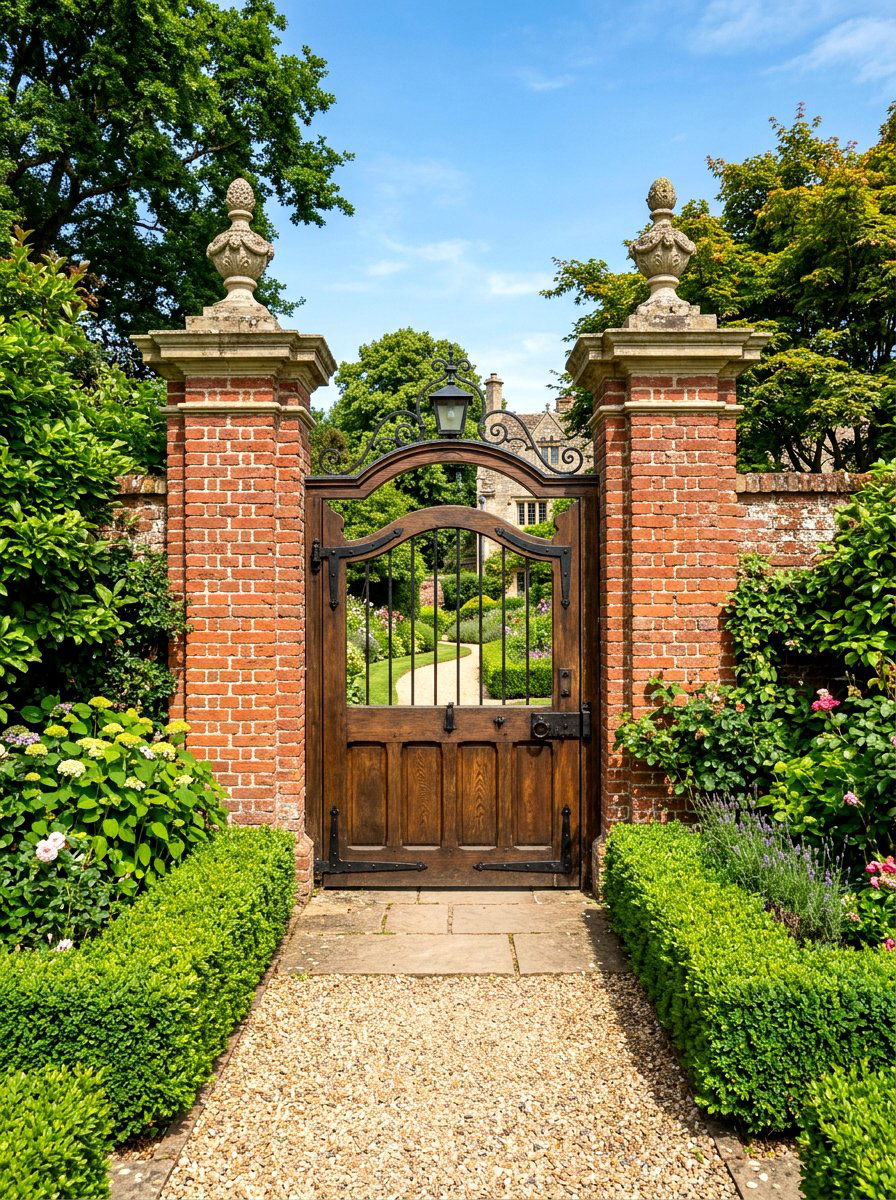
Pairing the crunchy texture of a pea gravel path with the smooth, clipped surface of a boxwood border is a classic design choice that never fails. The dark green foliage of the shrubs creates a sharp, clean line against the light-colored stones, making the walkway stand out as a primary design feature. This setup is particularly effective in side yards or narrow garden passages where you want to create a sense of destination. The boxwoods help keep the gravel contained within the path, reducing maintenance while providing a lush, living frame that softens the hard edges of the stone and masonry.
8. Round Shrub Flower Bed
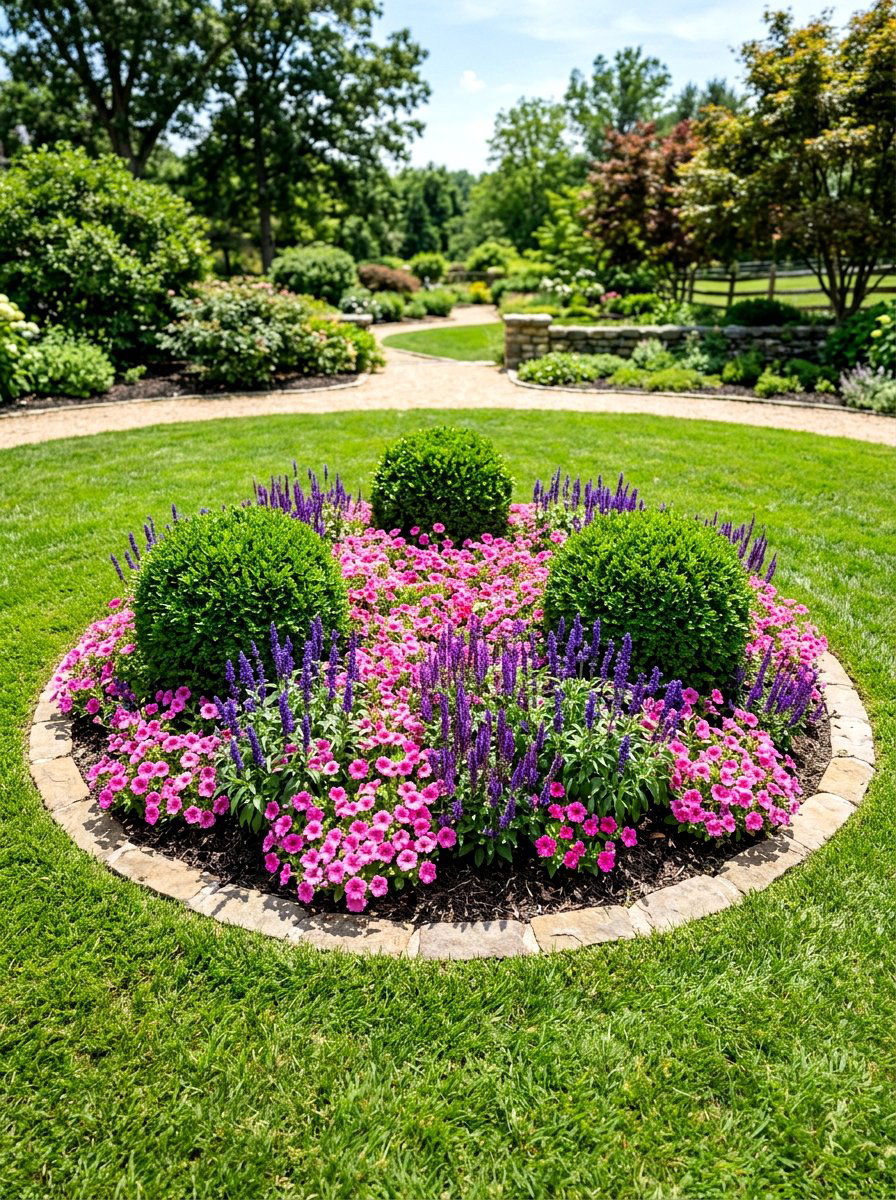
Using individual boxwood globes as structural anchors within a circular flower bed creates a sense of rhythm and balance that lasts all year. By spacing three or five rounded boxwoods evenly throughout a bed of seasonal perennials, you ensure the garden has "bones" even when the flowers fade in autumn. This prevents the planting area from looking like a patch of bare dirt during the winter months. You can surround these green spheres with low-growing groundcovers like creeping thyme or vibrant annuals to create a layered effect that feels full, intentional, and expertly designed for maximum visual impact.
9. Small Yard Boxwood Layout
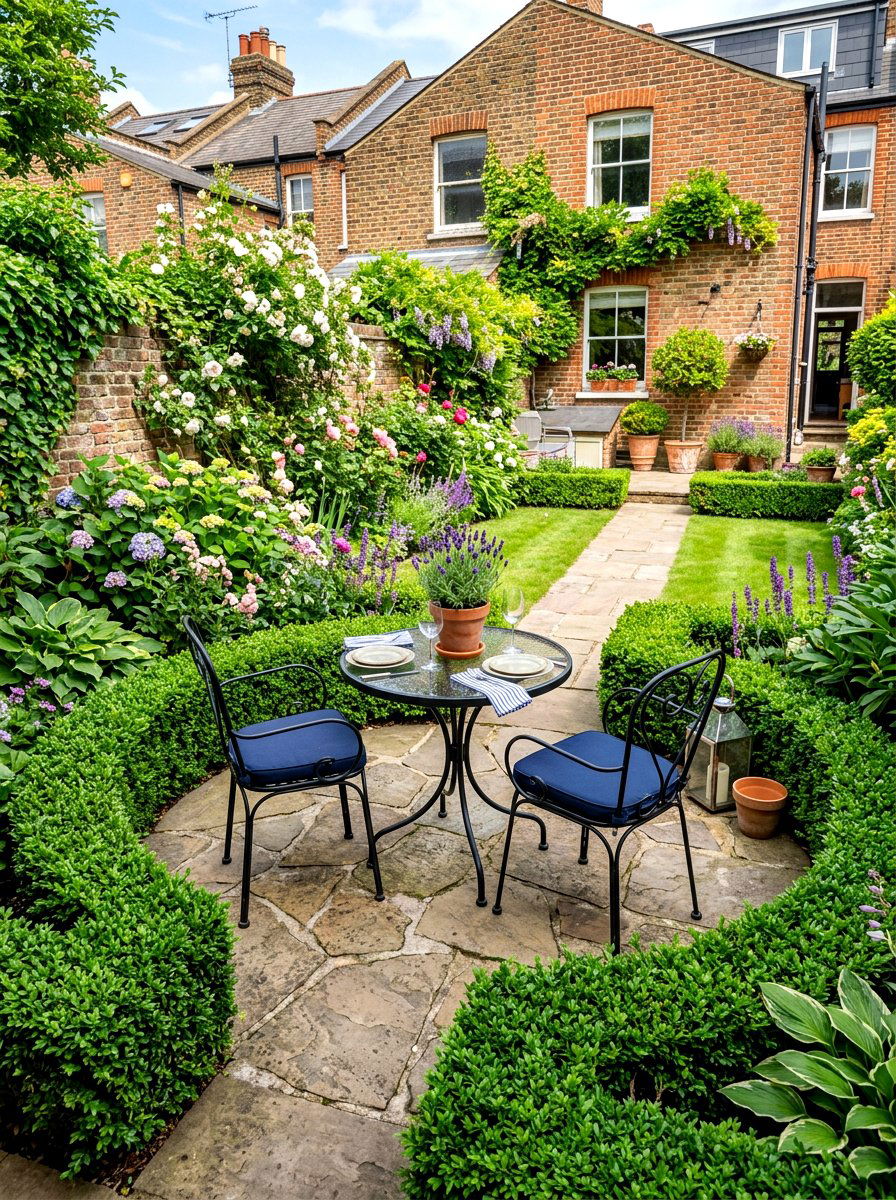
In a small urban backyard, every inch of space counts, and boxwoods are the perfect tool for creating a sense of organization without overwhelming the area. You can use narrow boxwood hedges to define small "rooms, " such as a tiny dining nook or a quiet reading corner. Because they can be kept very slim, they provide the benefits of a wall or fence without the heavy, closed-in feeling of wood or stone. This layout allows you to maximize your greenery in a tight footprint, creating a lush, private sanctuary that feels much larger and more sophisticated than its actual square footage.
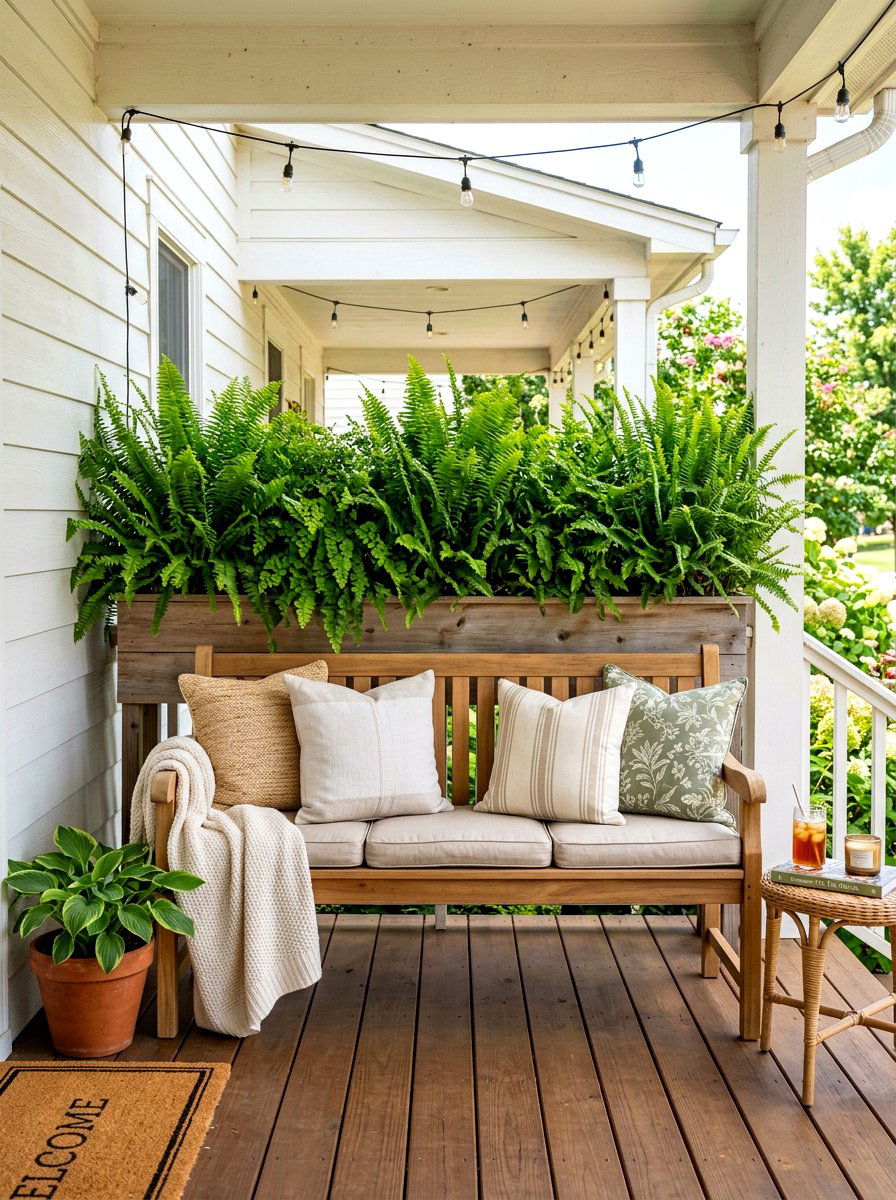
10. Privacy Screen Hedge
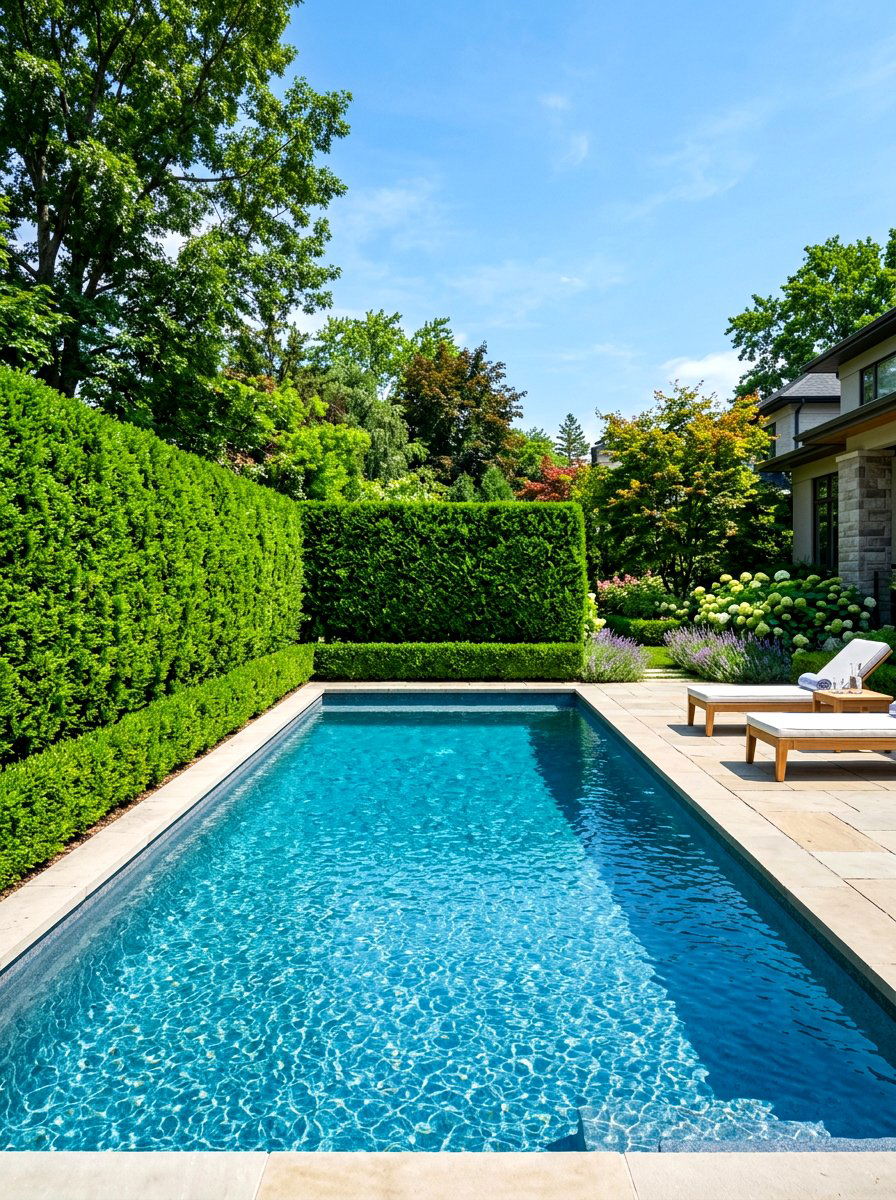
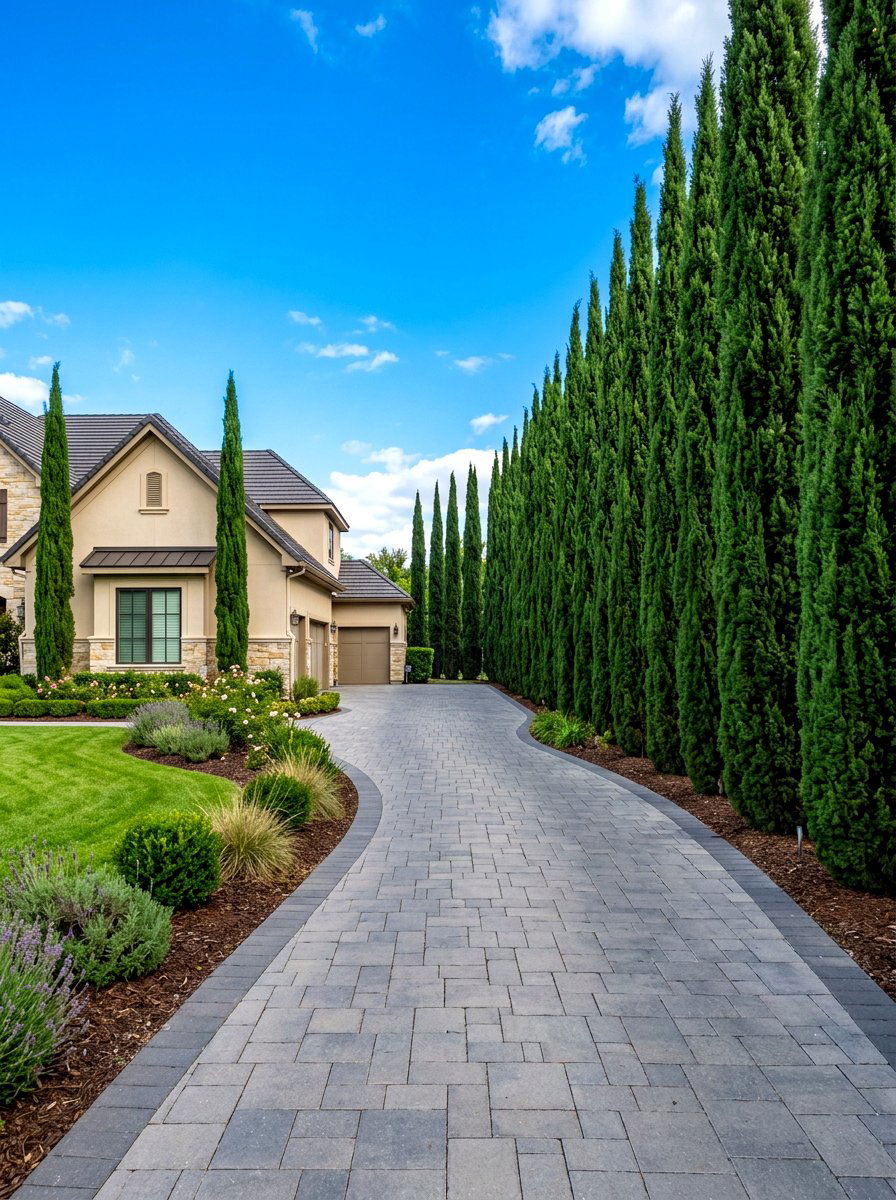
While often used for low borders, certain boxwood varieties can be allowed to grow taller to create a dense, emerald-green privacy screen. A tall boxwood hedge is an excellent alternative to traditional fencing, offering a softer and more natural look that muffles street noise and blocks prying eyes. Because the foliage is so thick, it provides a solid wall of green that stays vibrant all year long. This is a perfect solution for screening out a neighbor’s driveway or creating a secluded area around a swimming pool. It requires patience as it grows, but the resulting living wall is worth the wait.
11. Boxwood Lavender Border
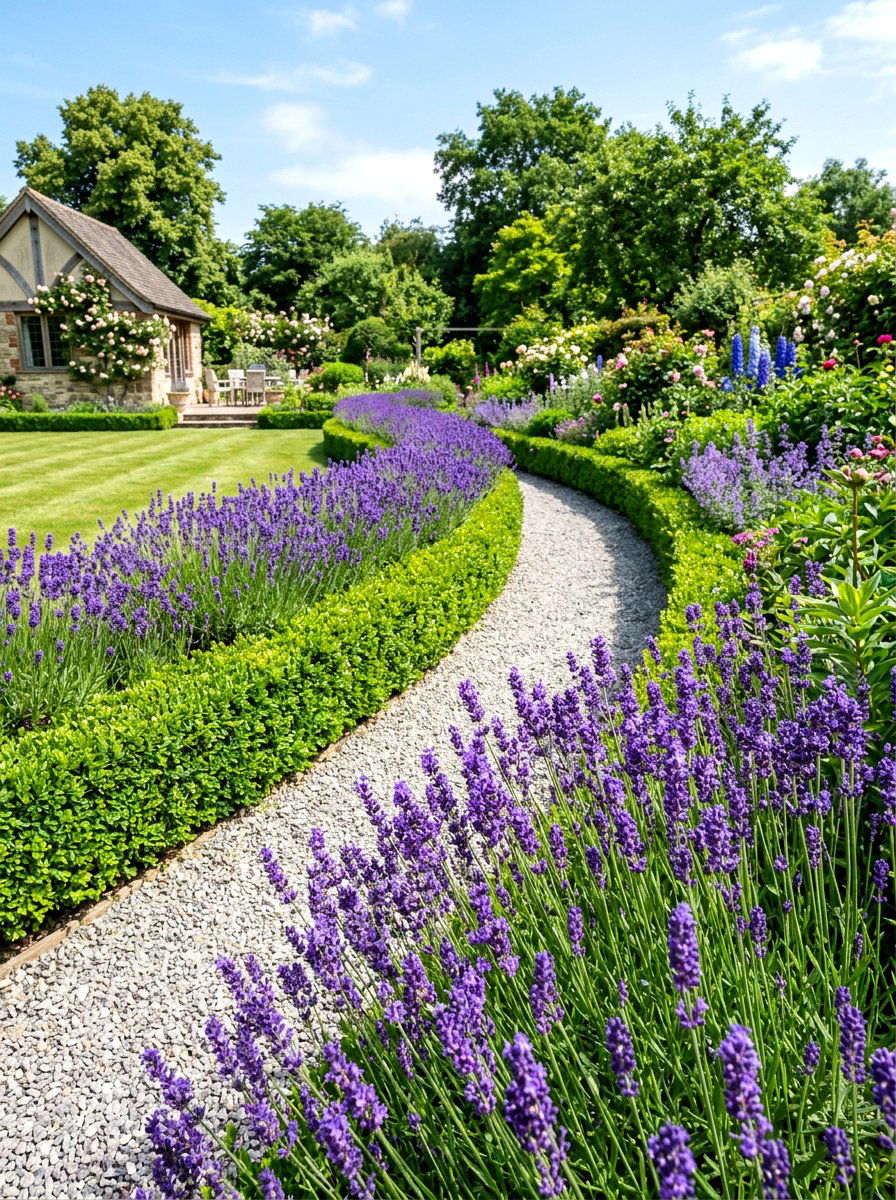
If you want to add both color and fragrance to your garden, try interplanting a boxwood hedge with spikes of purple lavender. The silver-green foliage and soft purple flowers of the lavender look stunning when nestled against the dark, glossy leaves of the boxwood. This combination is a staple of Mediterranean and French country designs, offering a sensory experience every time you walk by. The boxwood provides the permanent structure, while the lavender adds a seasonal burst of color and a relaxing scent. This pairing is also quite drought-tolerant once established, making it a practical and beautiful choice for sunny borders.
12. Pyramid Topiary
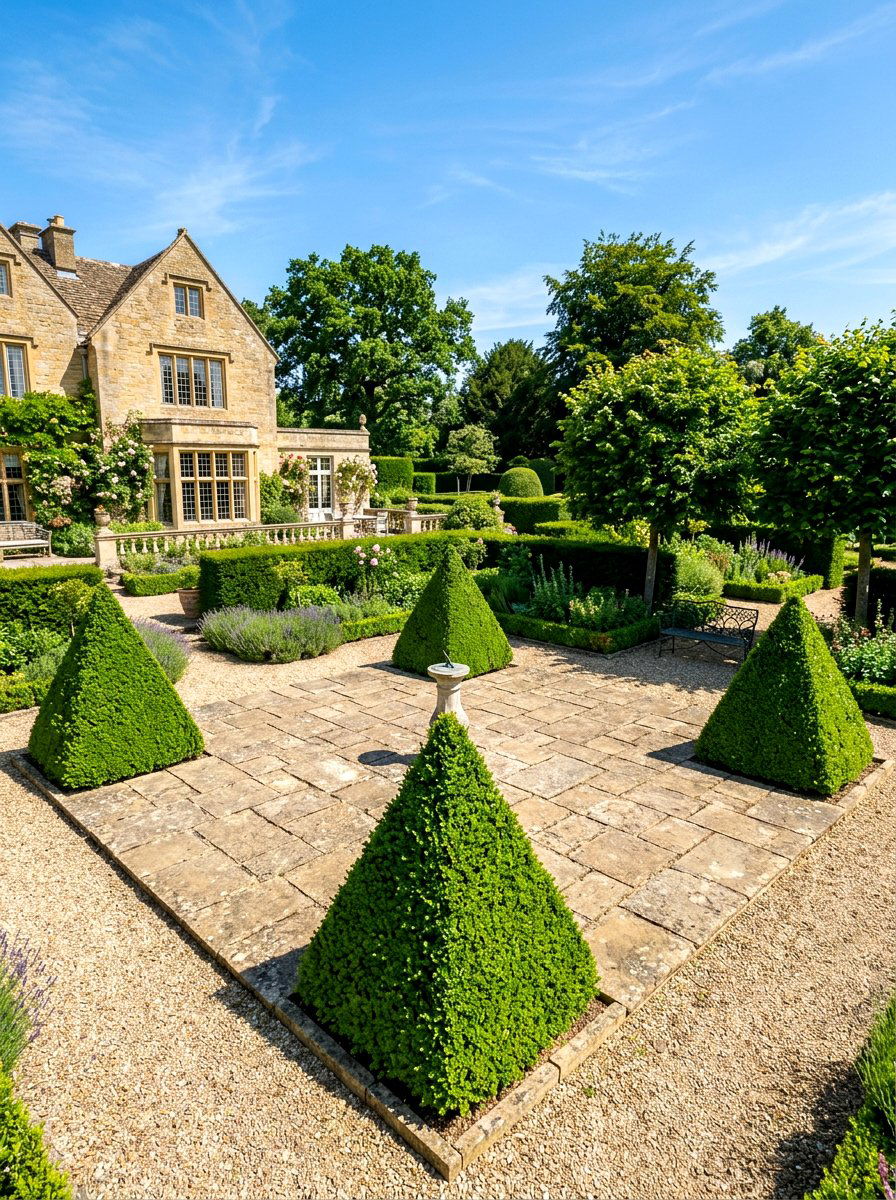
Clipped into sharp, four-sided pyramids, boxwoods become architectural masterpieces that add a sense of tradition and order to your landscape. These pointed shapes work best as focal points at the ends of a path or as corner accents in a square garden bed. The geometric precision of a pyramid provides a strong contrast to the loose, flowing shapes of most other garden plants, making the space feel more disciplined and designed. Whether placed in the ground or in large square containers, these topiaries act as living sculptures that maintain their impressive, formal appearance through every season with just a few trims.
13. Square Knot Garden
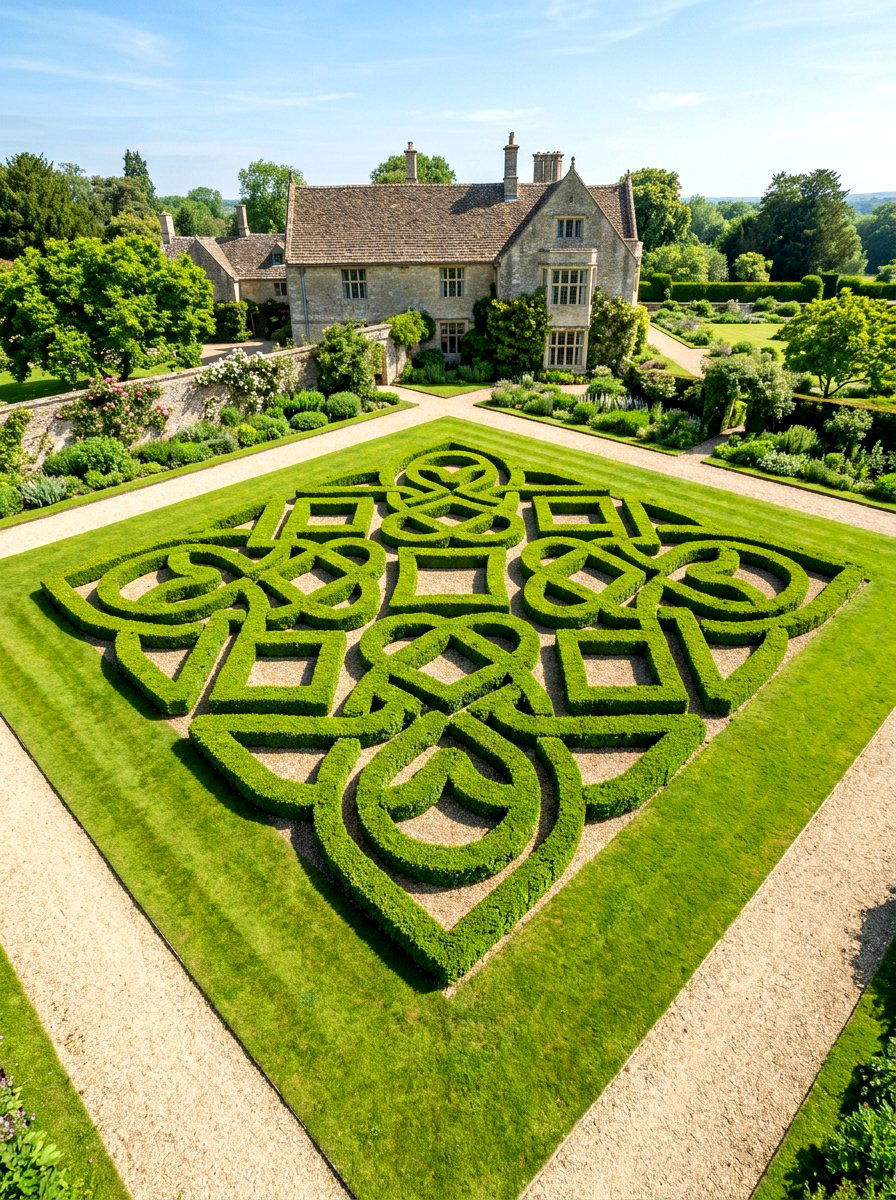
A knot garden is a historic design where different types of low hedges are planted to overlap and "weave" under and over each other like a piece of embroidery. Using boxwood for these intricate loops and squares creates a high-contrast pattern that is mesmerizing to look at. This style is best suited for flat areas where the pattern can be fully appreciated from a porch or an upper-story window. While it is one of the more labor-intensive boxwood ideas, the sheer artistry of a well-maintained knot garden is unmatched. It turns a simple patch of ground into a complex work of landscape art.
14. Front Yard Foundation Planting
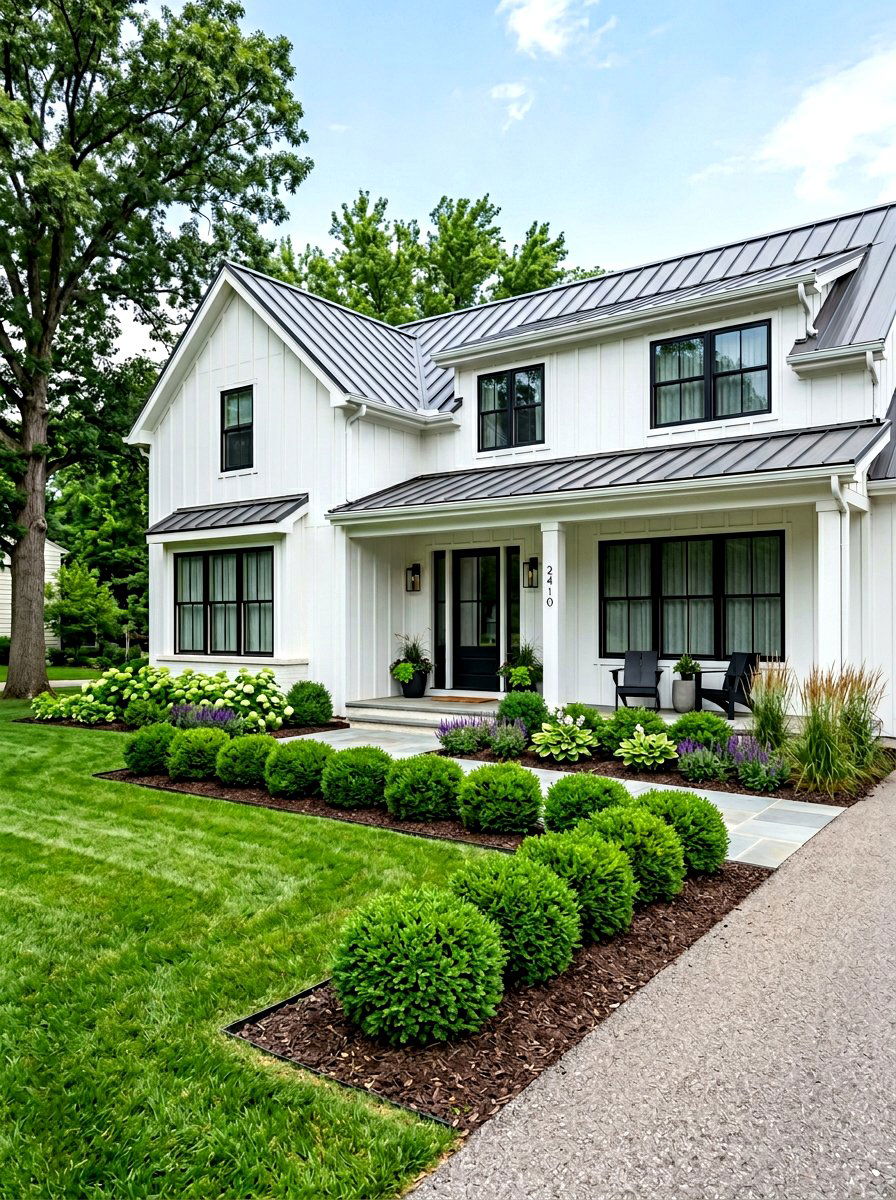
Replacing overgrown, messy foundation shrubs with a tidy row of boxwoods can instantly transform your home's curb appeal from dated to timeless. Planting boxwoods along the base of your house provides a clean green line that hides the foundation while highlighting the architectural details of your home. You can mix different heights, placing taller conical boxwoods at the corners and lower rounded ones under windows. This creates a layered, professional look that requires very little pruning to stay neat. The consistent green color provides a beautiful backdrop for seasonal porch decor, such as autumn pumpkins or bright spring flower pots.
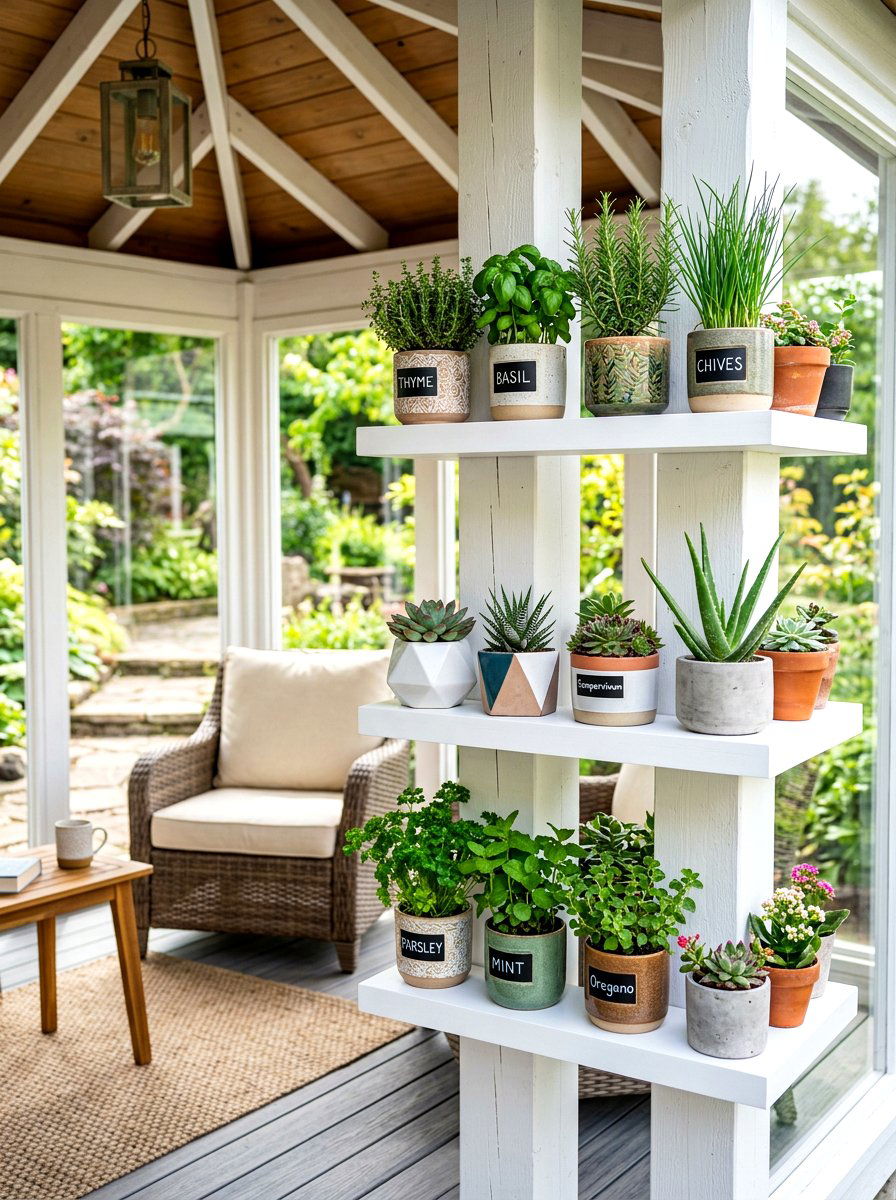
15. Animal Topiary Sculpture
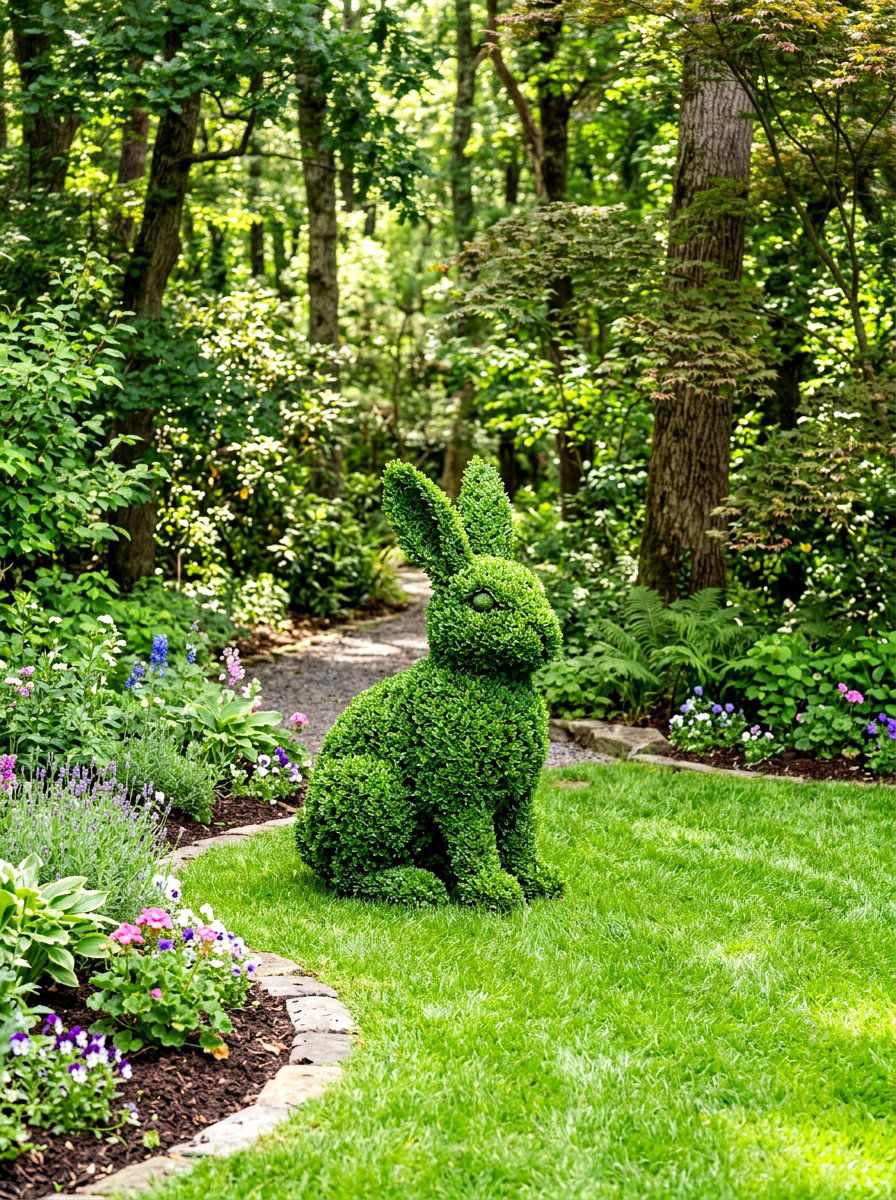
For those who want to add a touch of personality and fun to their landscape, boxwoods can be trained over wire frames into various animal shapes. From simple birds and rabbits to more complex shapes like dogs or dolphins, these living sculptures become instant conversation pieces in any garden. This idea is particularly popular in family gardens or as a surprising element hidden along a woodland path. It does require regular "haircuts" to keep the animal's features recognizable, but the joy it brings to children and guests makes it a rewarding project. It turns your garden into a whimsical, living gallery.
16. Boxwood Rose Garden
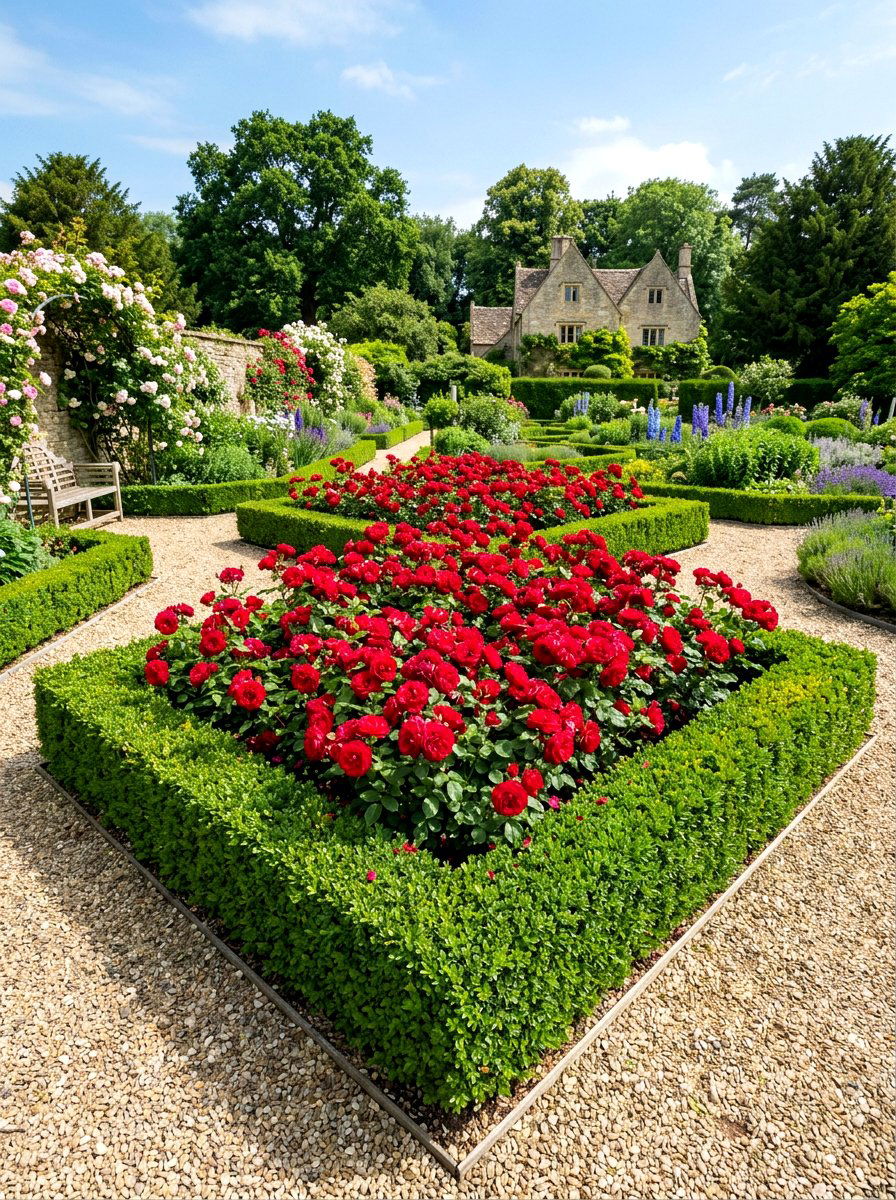
There is no partnership more classic than a formal rose garden enclosed by a low boxwood hedge. The boxwood acts as a sturdy green frame that holds the sometimes leggy and thorny rose bushes in place, making the entire bed look more cohesive. When the roses are in full bloom, the green hedge provides a neutral background that makes the flower colors pop. When the roses are pruned back in the winter, the boxwood remains as a permanent structure so the garden doesn't look empty. This combination epitomizes the elegance of a traditional English garden and adds significant value to your property.
17. Modern Minimalist Courtyard
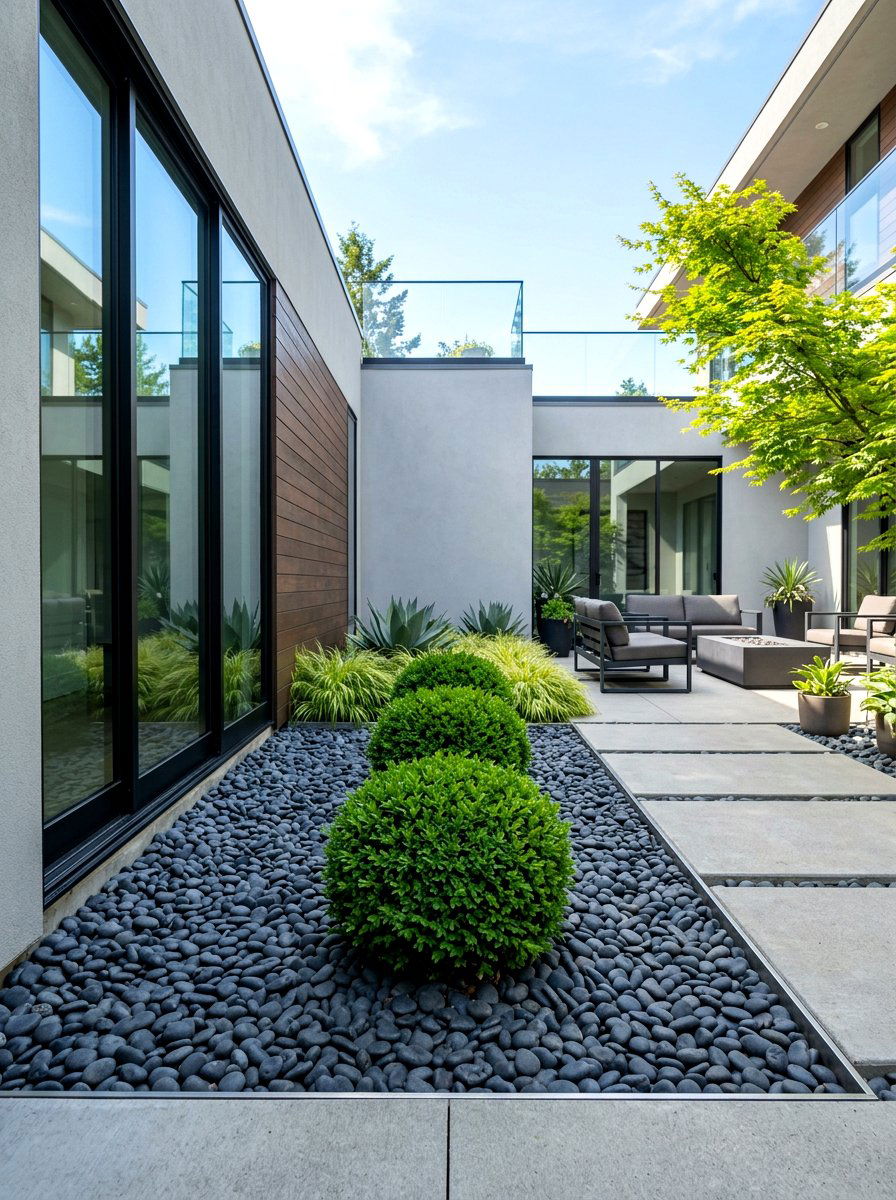
In a modern courtyard design, boxwoods are often used as singular, bold elements against a backdrop of concrete, steel, or dark wood. Imagine three perfectly identical boxwood globes planted in a straight line within a bed of black basalt rocks. This minimalist approach emphasizes form and texture over a riot of color, creating a peaceful and sophisticated atmosphere. The clean lines of the shrubs complement modern architecture and provide a sense of calm. This style is perfect for homeowners who want a high-impact, low-maintenance outdoor space that feels like an extension of their interior design and contemporary lifestyle.
18. Tiered Garden Beds
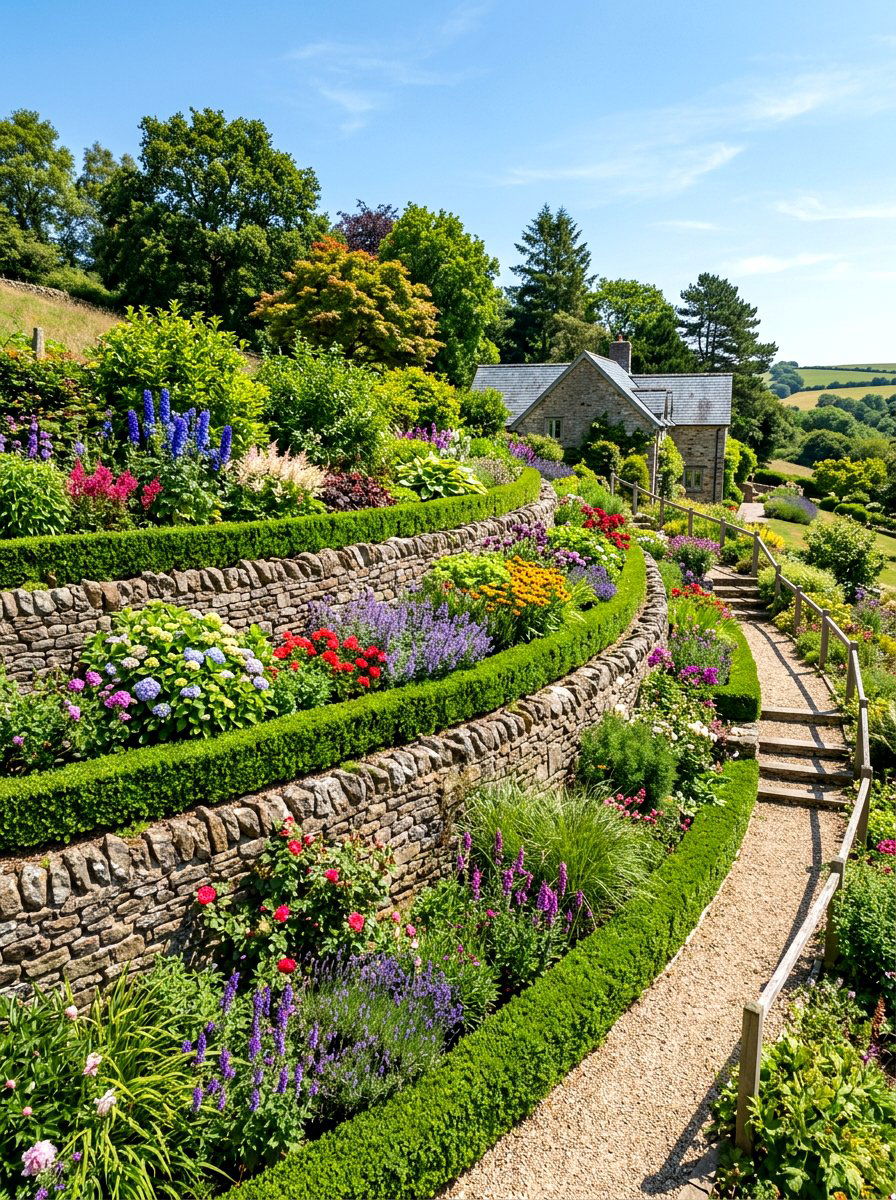
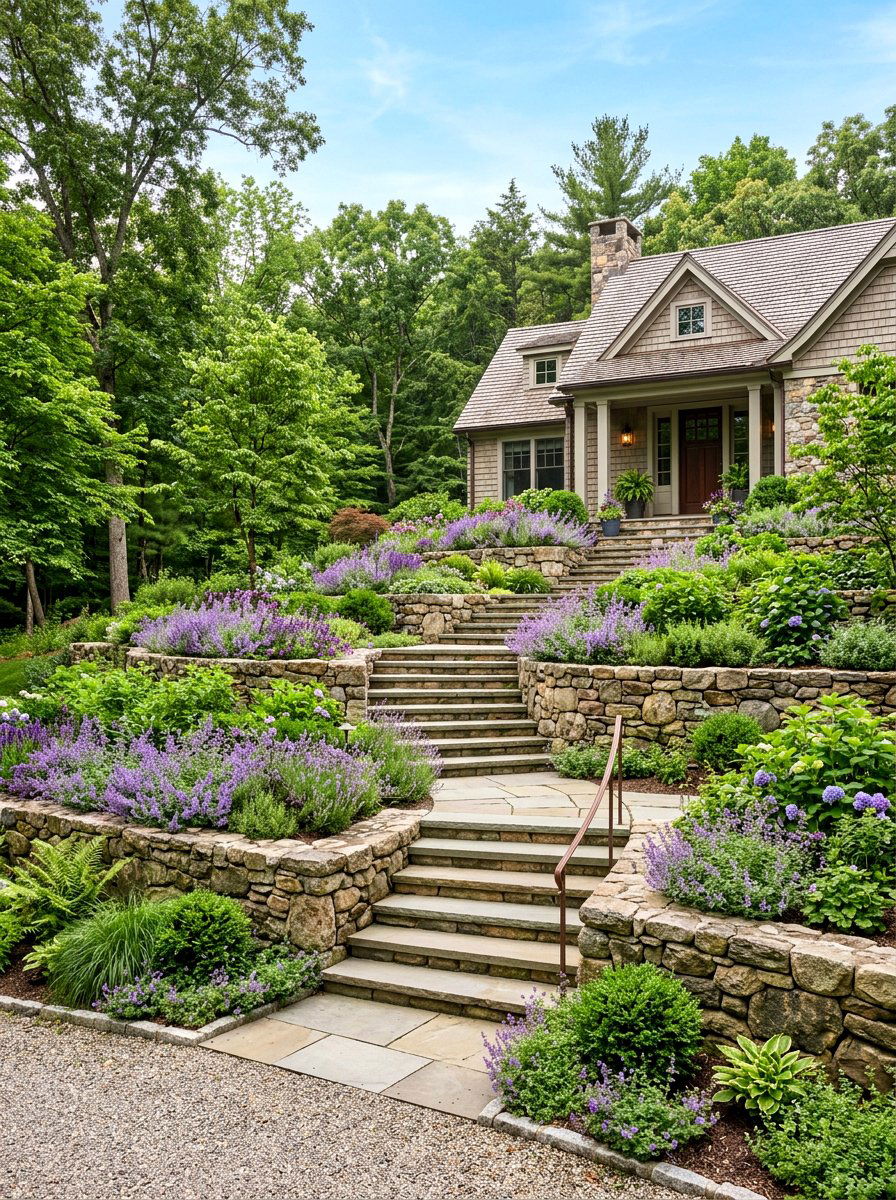
If your yard has a slope, you can use boxwood hedges to define and support a series of tiered garden beds. By planting a row of boxwoods along the edge of each level, you create a beautiful "staircase" of greenery that helps prevent soil erosion while adding a sense of grandeur to the hillside. This technique makes a difficult landscape look intentional and architectural. You can fill the flat areas between the hedges with different textures, such as soft grasses or colorful flowers, to create a multi-layered effect. The repeating green lines tie the entire sloping area together into one unified design.
19. Boxwood Balls In Lawn
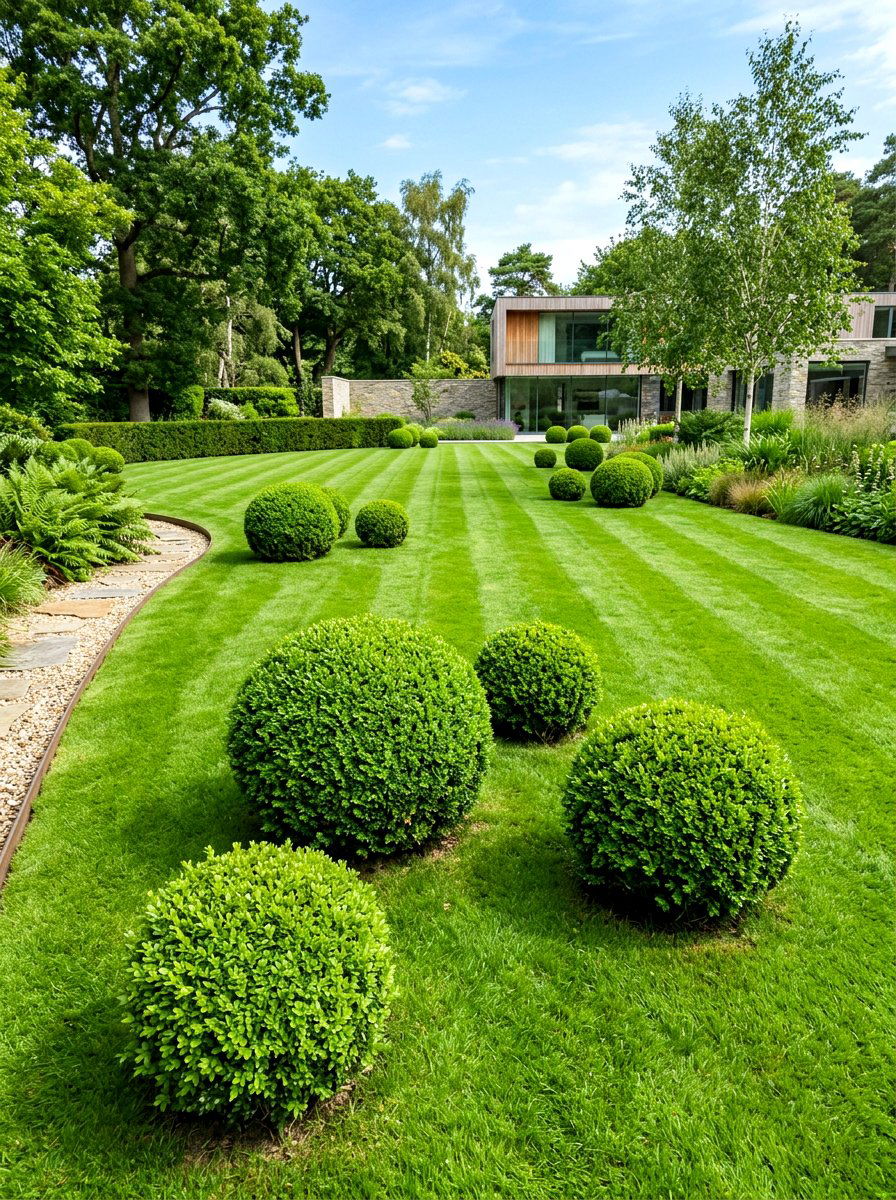
For a playful and avant-garde look, try planting boxwood globes of varying sizes directly into a flat expanse of green lawn. This creates a surreal, "bouncing ball" effect that adds immediate interest to an otherwise plain grassy area. You can group them in a cluster near a corner or scatter them across the lawn to lead the eye toward a specific view. This design works best when the grass is kept neatly mown, allowing the dark green spheres to stand out as distinct shapes. It is a simple yet effective way to add character and modern flair to a traditional backyard space.
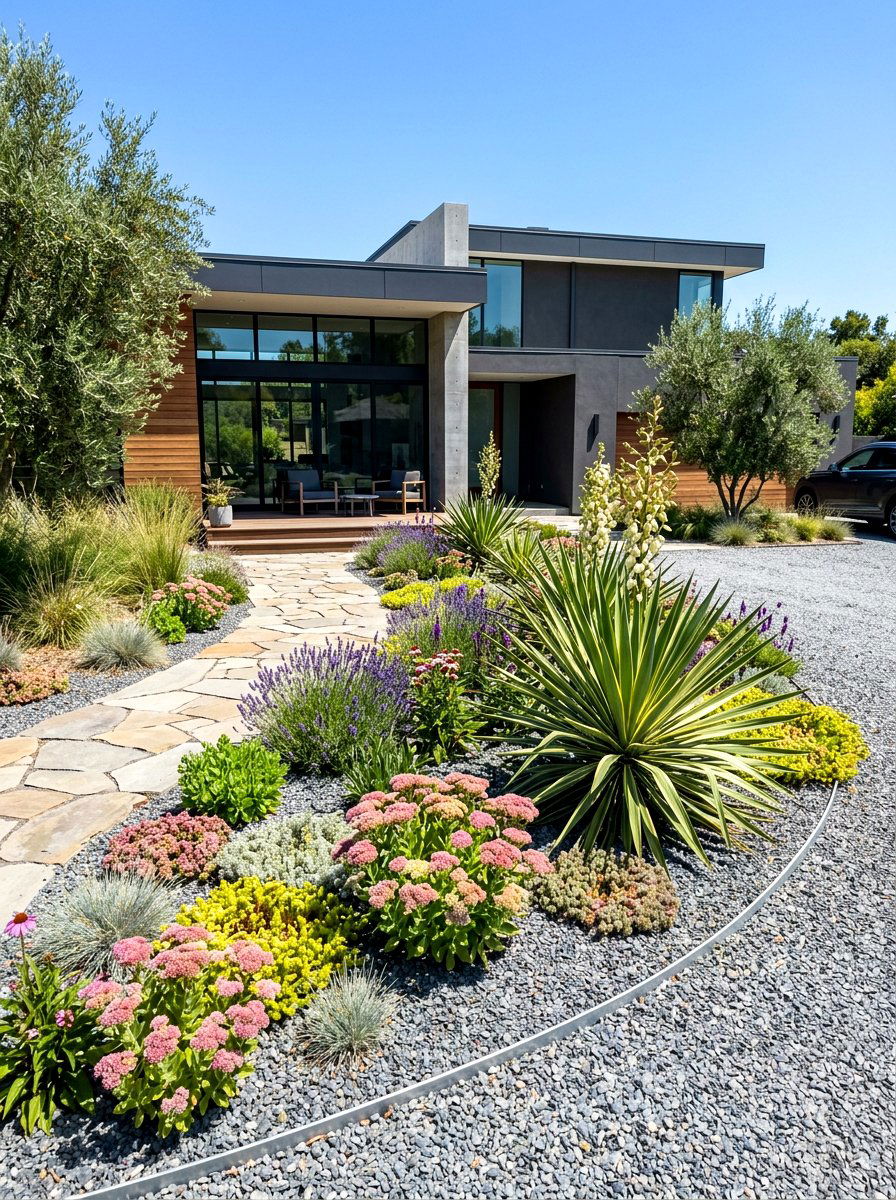
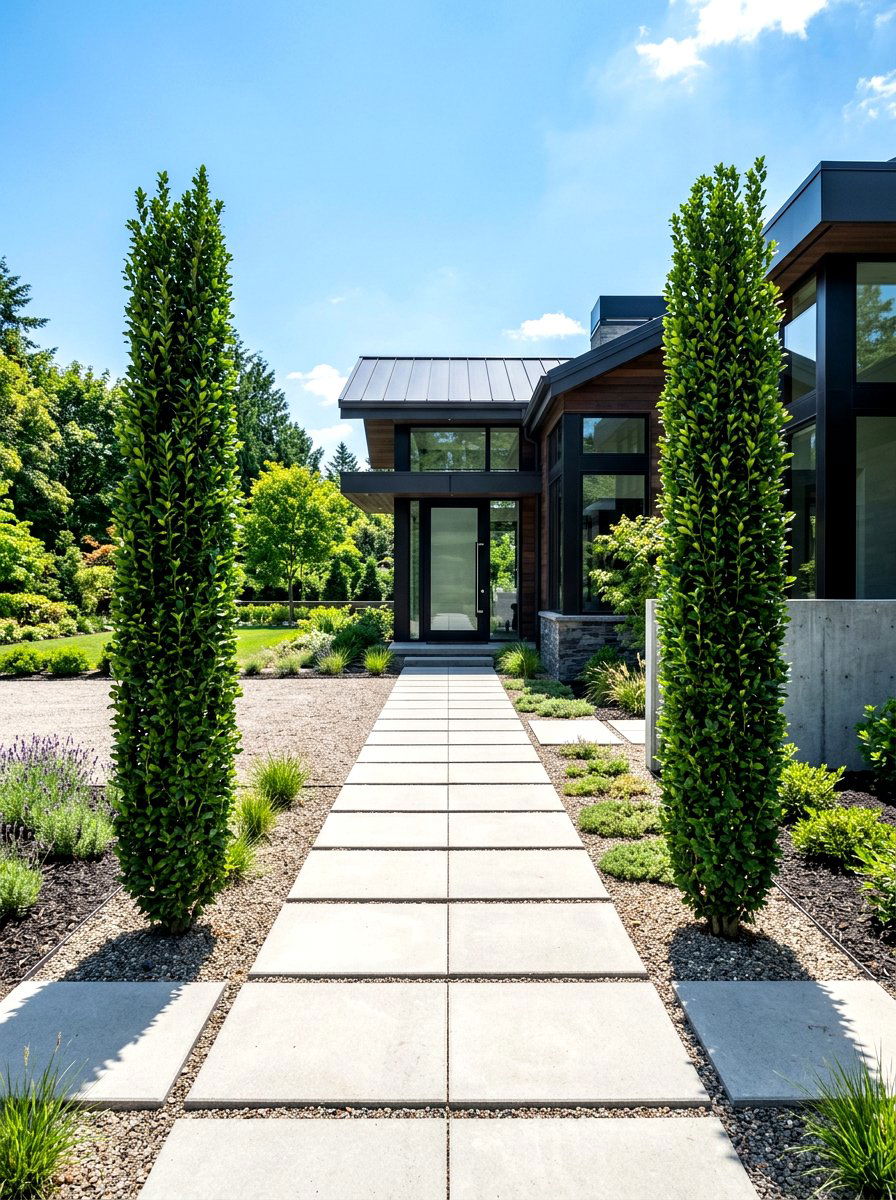
20. White Pebble Garden
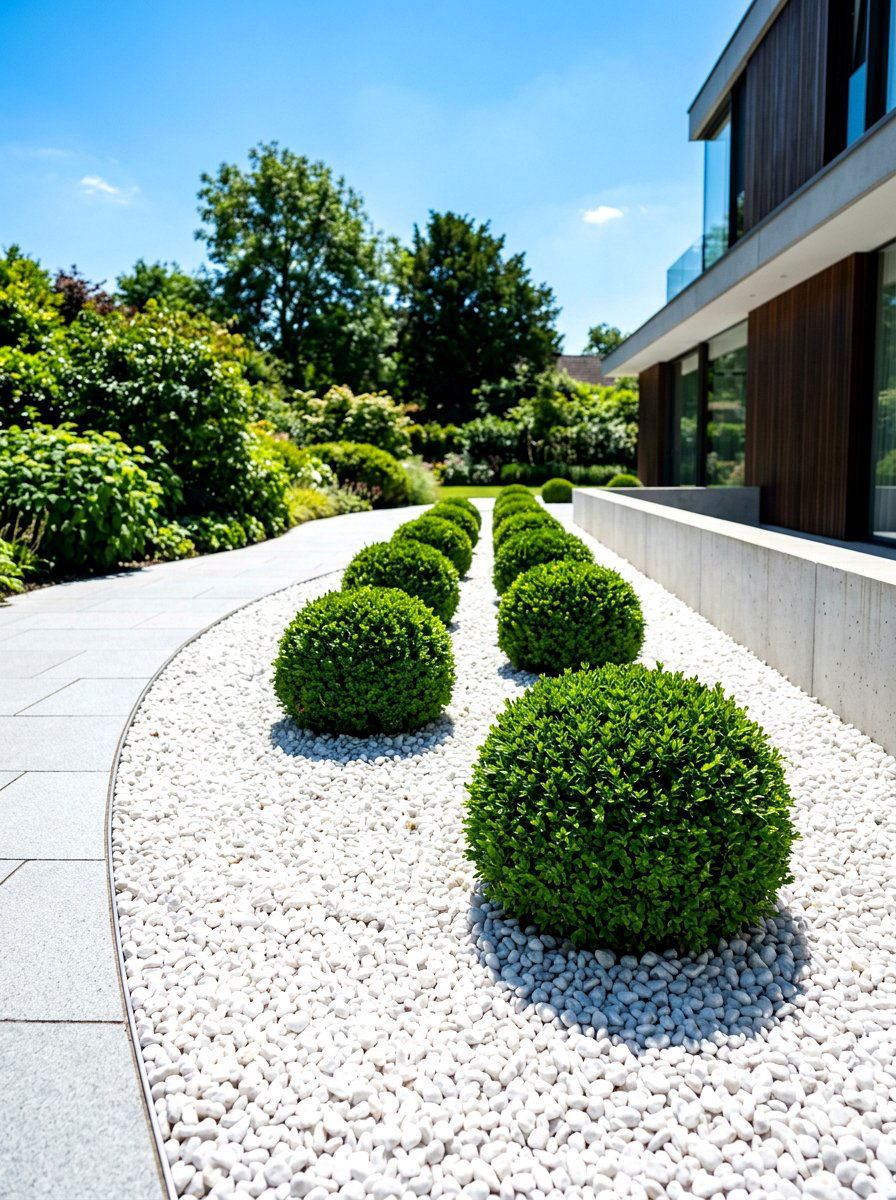
Create a striking, high-contrast landscape by planting dark green boxwoods in a bed of bright white pebbles. This combination is frequently seen in upscale modern designs because of its clean, clinical, and luxurious appearance. The white stones reflect light onto the shrubs, making the green foliage look even more vibrant and lush. This setup is also incredibly low-maintenance, as the pebbles act as a permanent mulch that suppresses weeds. You can use this look for a small side garden, a modern entryway, or even a rooftop terrace where you want a polished look that requires very little water or upkeep.
21. English Cottage Borders
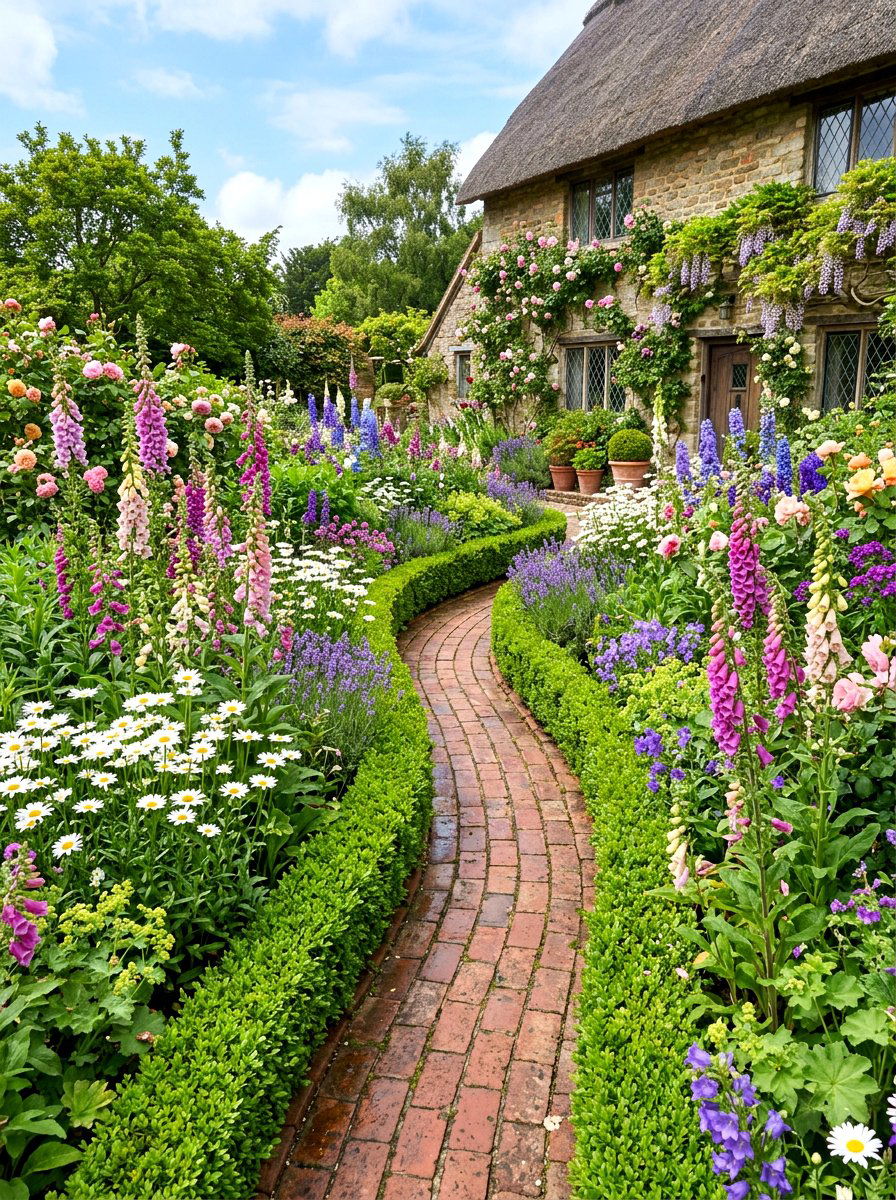
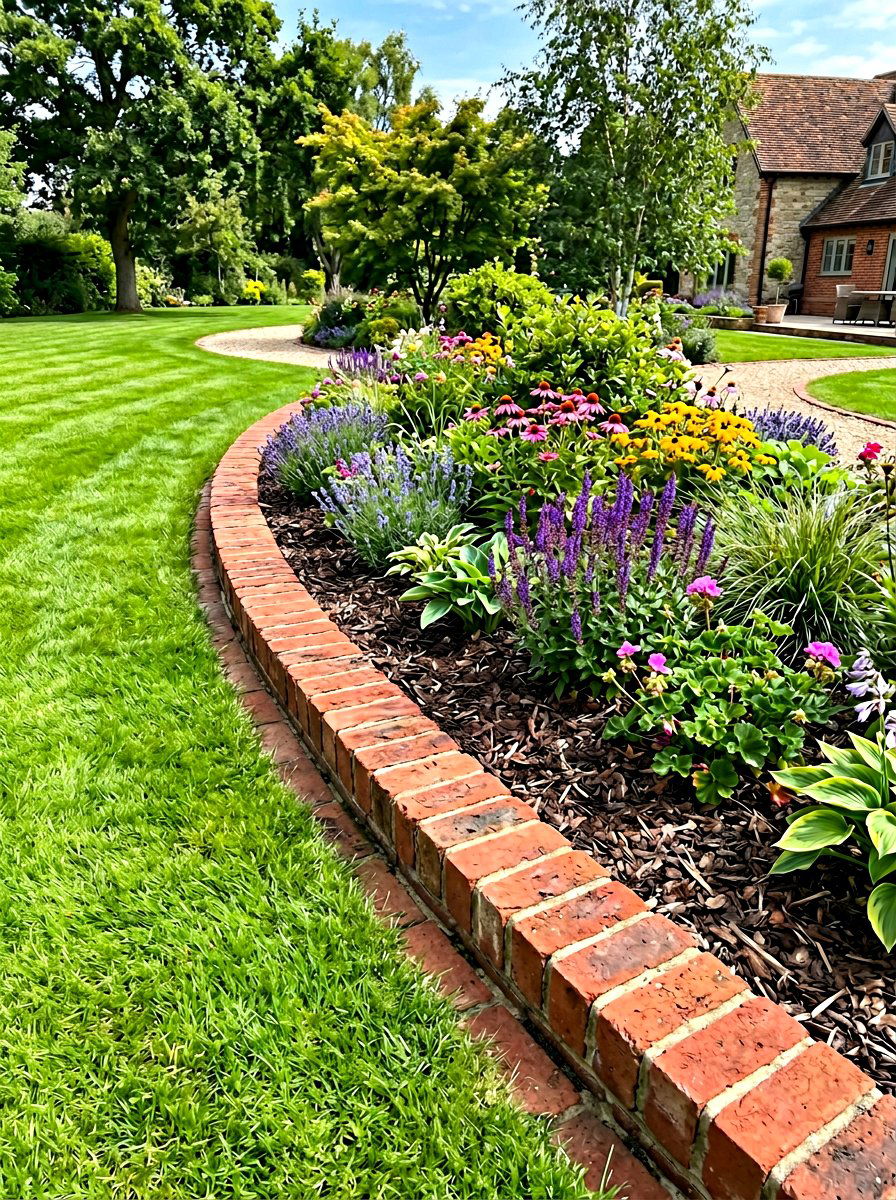
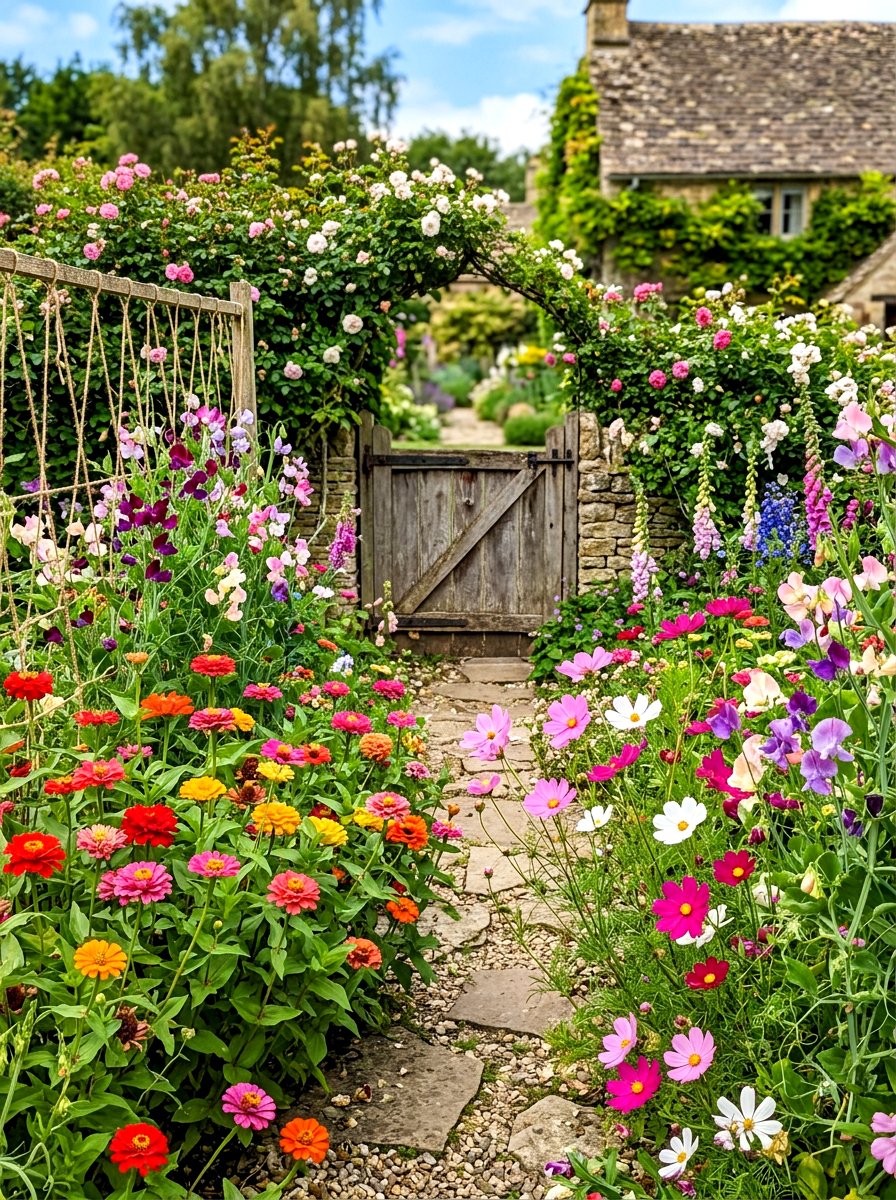
In a traditional English cottage garden, boxwoods are used to provide a sense of order amidst the chaotic and beautiful mix of wildflowers and perennials. By using low boxwood hedges to edge the winding dirt or brick paths, you can keep the taller, floppier flowers from falling over and blocking the walkway. This "contained chaos" is the secret to a successful cottage look, as the straight green lines of the boxwood provide a visual rest for the eye. It allows you to grow a wide variety of plants while still ensuring the garden feels like a well-planned and cared-for space.
22. Boxwood Maze Garden
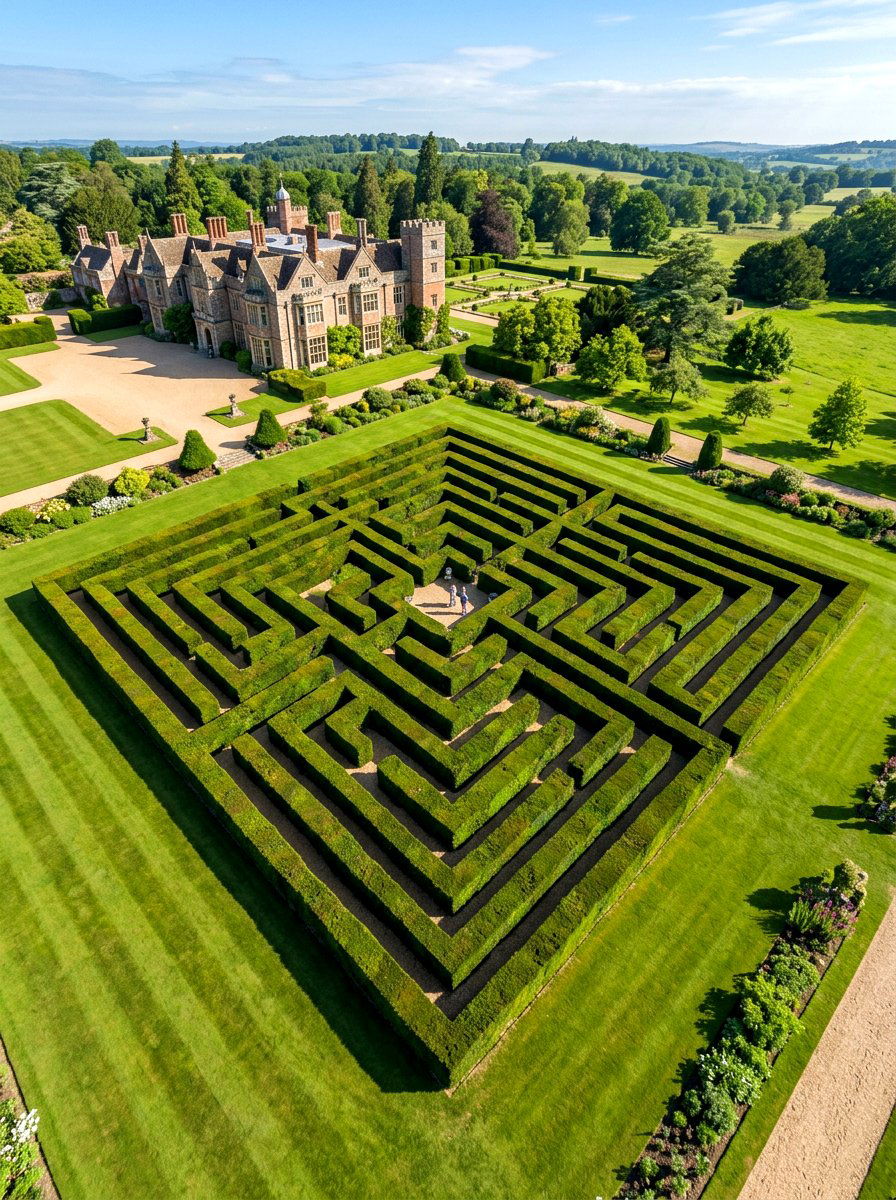
If you have a large amount of flat land, a boxwood maze can be a spectacular and fun addition to your estate. While a full-sized maze requires many years to grow and significant maintenance, even a small, decorative "labyrinth" can be a charming feature. Use a variety of boxwood that is known for its height and density to create solid walls that children can play in. This becomes a permanent architectural feature that adds a sense of mystery and exploration to your property. It is a long-term commitment, but a boxwood maze is a unique landmark that defines a truly world-class garden design.
23. Pot Cluster On Patio
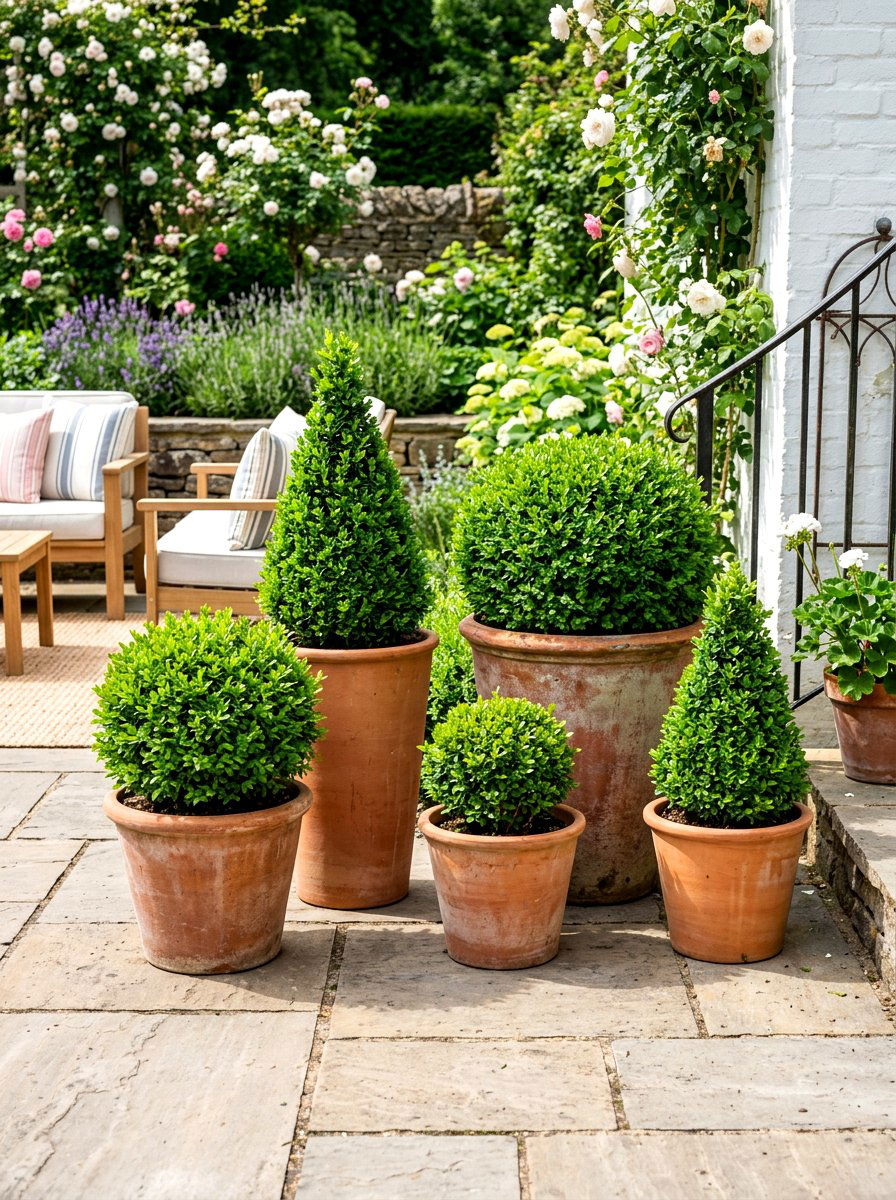
You don't need a huge yard to enjoy the beauty of boxwoods; a simple cluster of different-sized pots on a patio can be just as effective. By mixing boxwood globes, pyramids, and natural-shaped shrubs in a group of coordinating containers, you create a lush "mini-garden" in a very small footprint. This arrangement adds height and texture to your outdoor living area, making it feel more like a cozy room. Because the plants are in pots, you can rearrange them whenever you want a fresh look or move them to catch the best light. It is the ultimate flexible garden solution for balconies.
24. Perennial Garden Mix
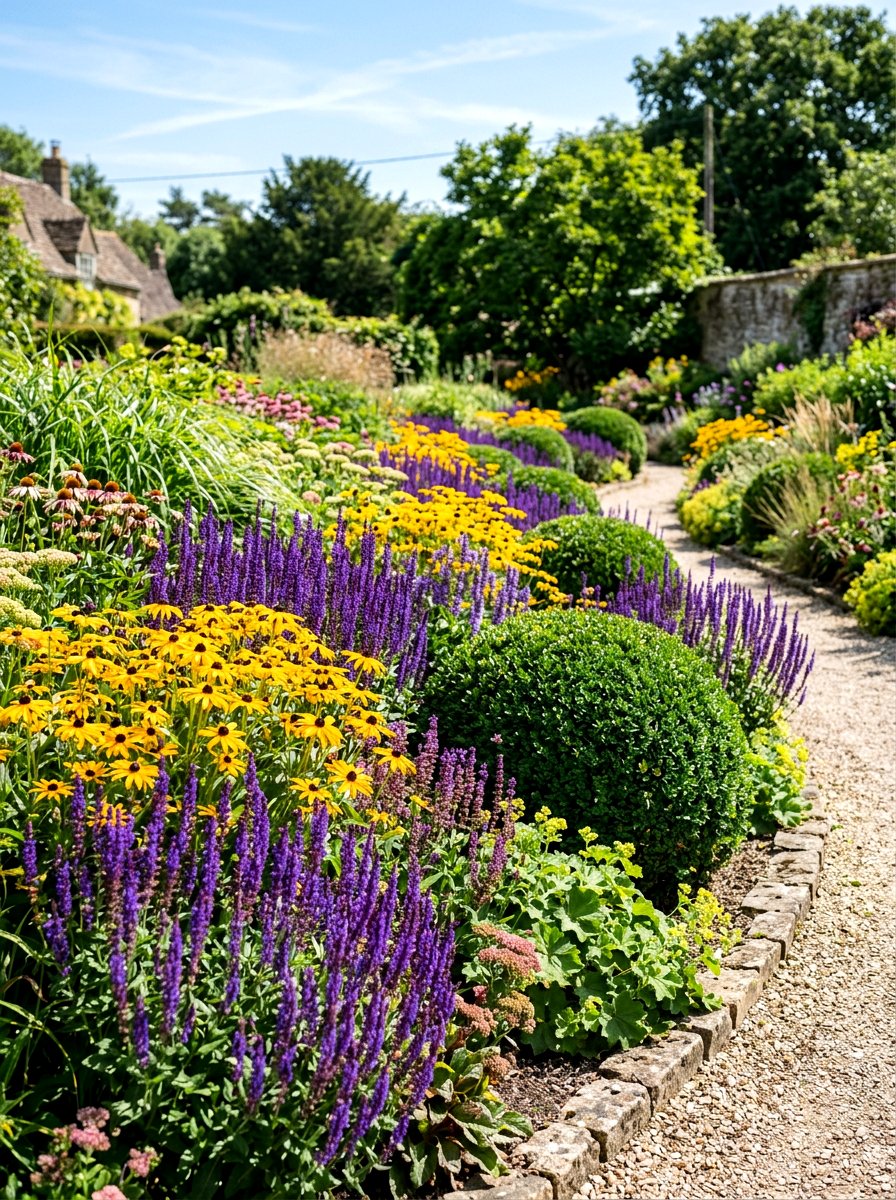
Boxwoods are the perfect "glue" for a diverse perennial garden, providing year-round structure that holds the design together as different flowers bloom and fade. You can use boxwoods as individual accent plants, placing one at the end of a row of salvia or nestling a rounded shrub among tall ornamental grasses. Their consistent green color acts as a neutral base that harmonizes the different colors and textures of your perennial collection. This prevents the garden from looking messy during the "in-between" times of the growing season. The result is a professional-looking garden that feels lush and established from spring through winter.
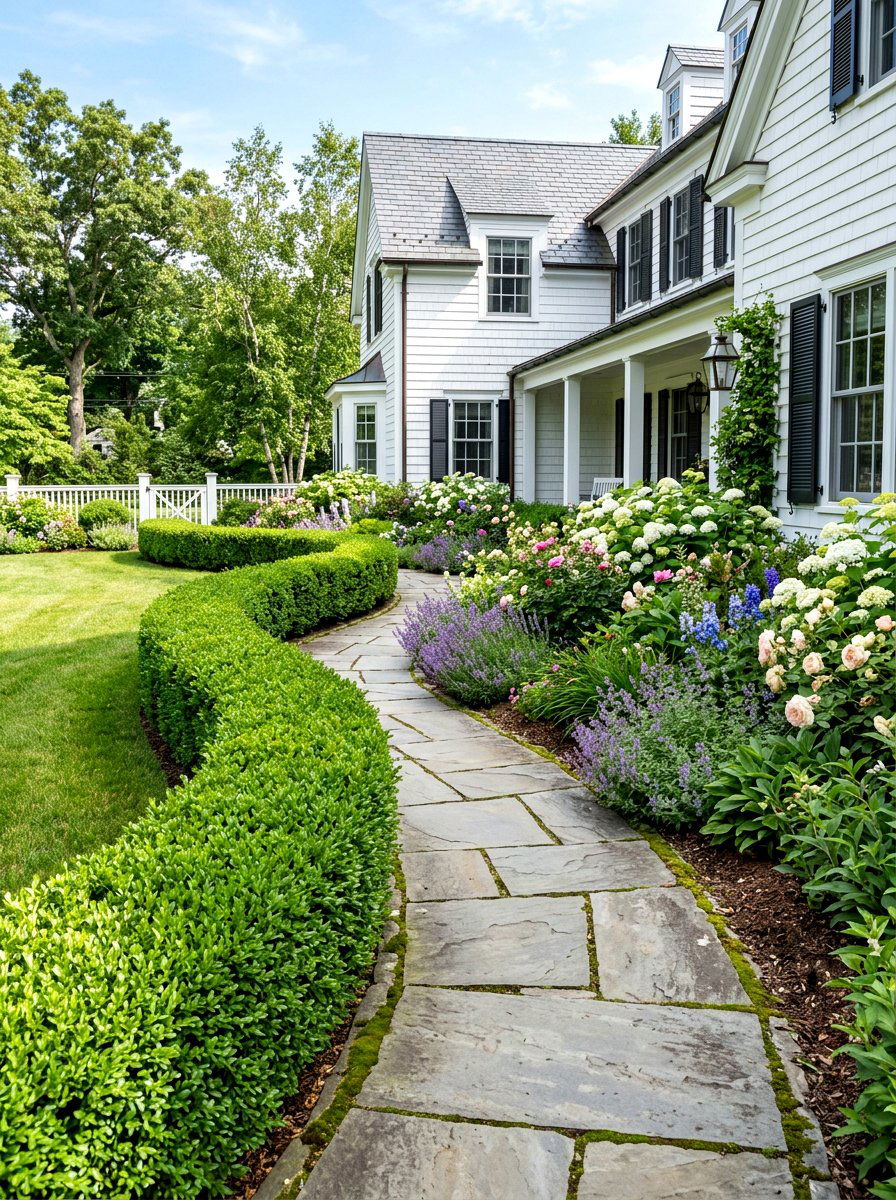
25. Layered Hedge Fencing
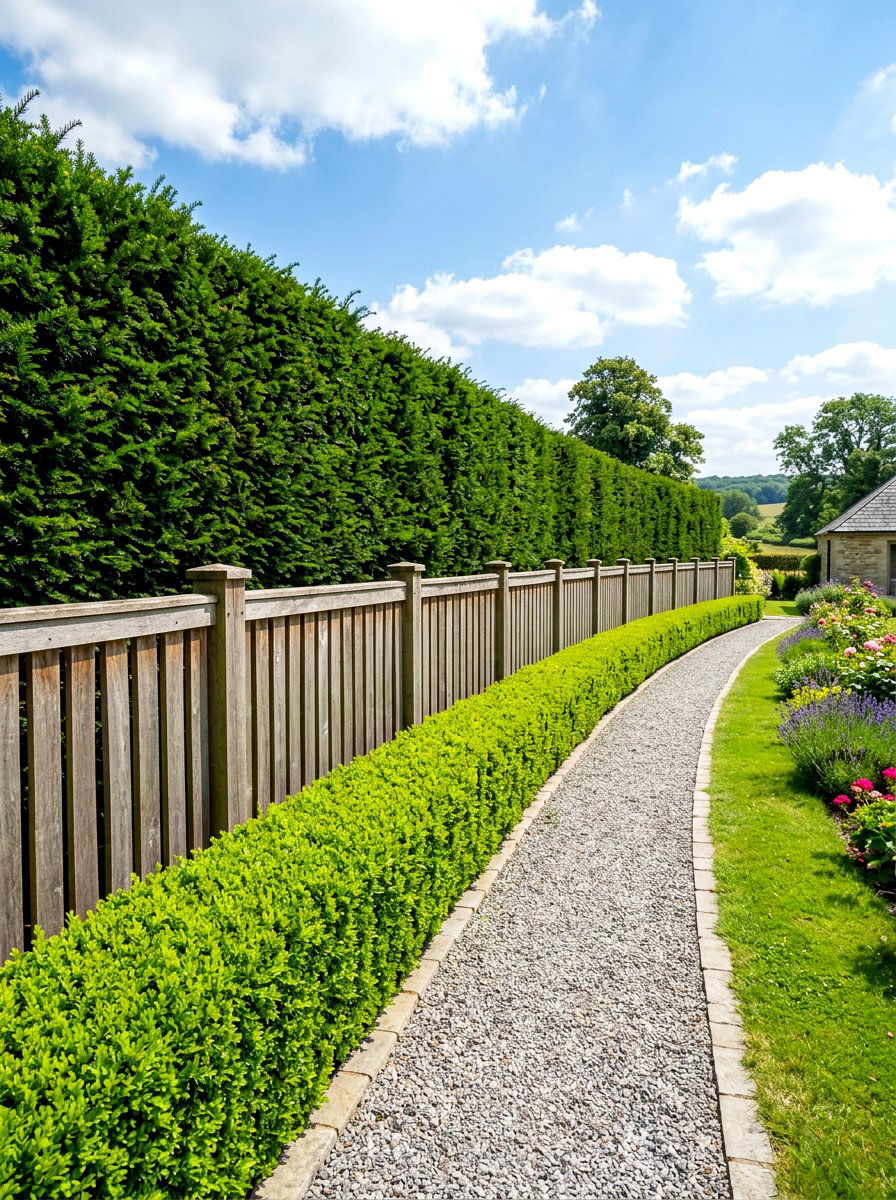
For a sophisticated look along your property line, try creating a layered hedge by planting a taller boxwood variety behind a row of shorter ones. This creates a "stair-step" effect that adds depth and visual interest to your perimeter. You can even mix boxwood with other evergreens, such as a tall yew hedge in the back with a low boxwood border in the front. This layering technique provides better privacy and wind protection while looking much more high-end than a single-species hedge. The different shades of green and textures of the leaves create a rich, tapestried wall that frames your entire property beautifully.
26. Stone Wall Landscape
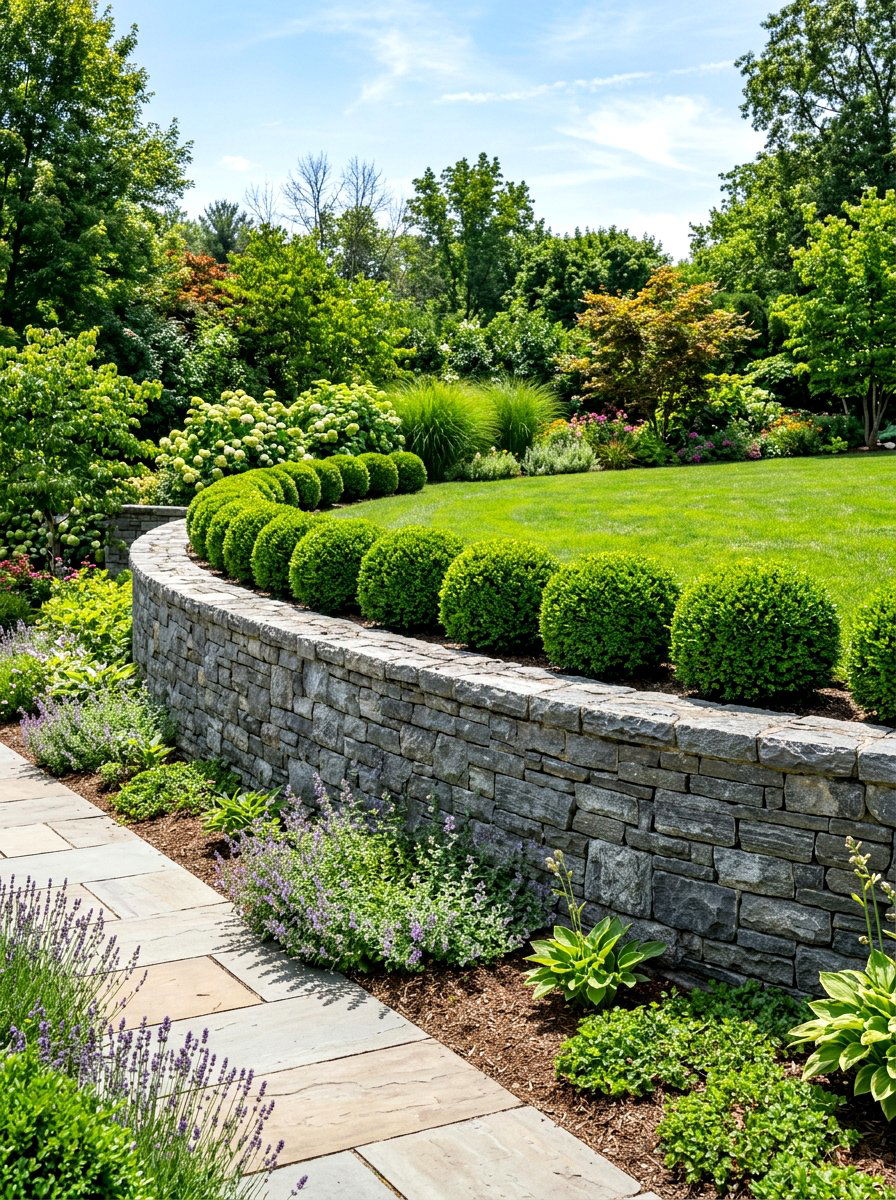
Softening the look of a cold stone wall with the lush greenery of boxwood is a brilliant landscaping move. You can plant a row of identical boxwood globes along the top of a retaining wall to add height and a "crown" of green. Alternatively, planting a low hedge at the base of the wall helps ground the masonry and makes it feel like it has always been part of the landscape. The combination of hard, gray stone and soft, green foliage is a classic aesthetic that works in both rustic farmhouses and sleek modern estates, providing a timeless sense of permanence and quality.
27. Circular Garden Feature
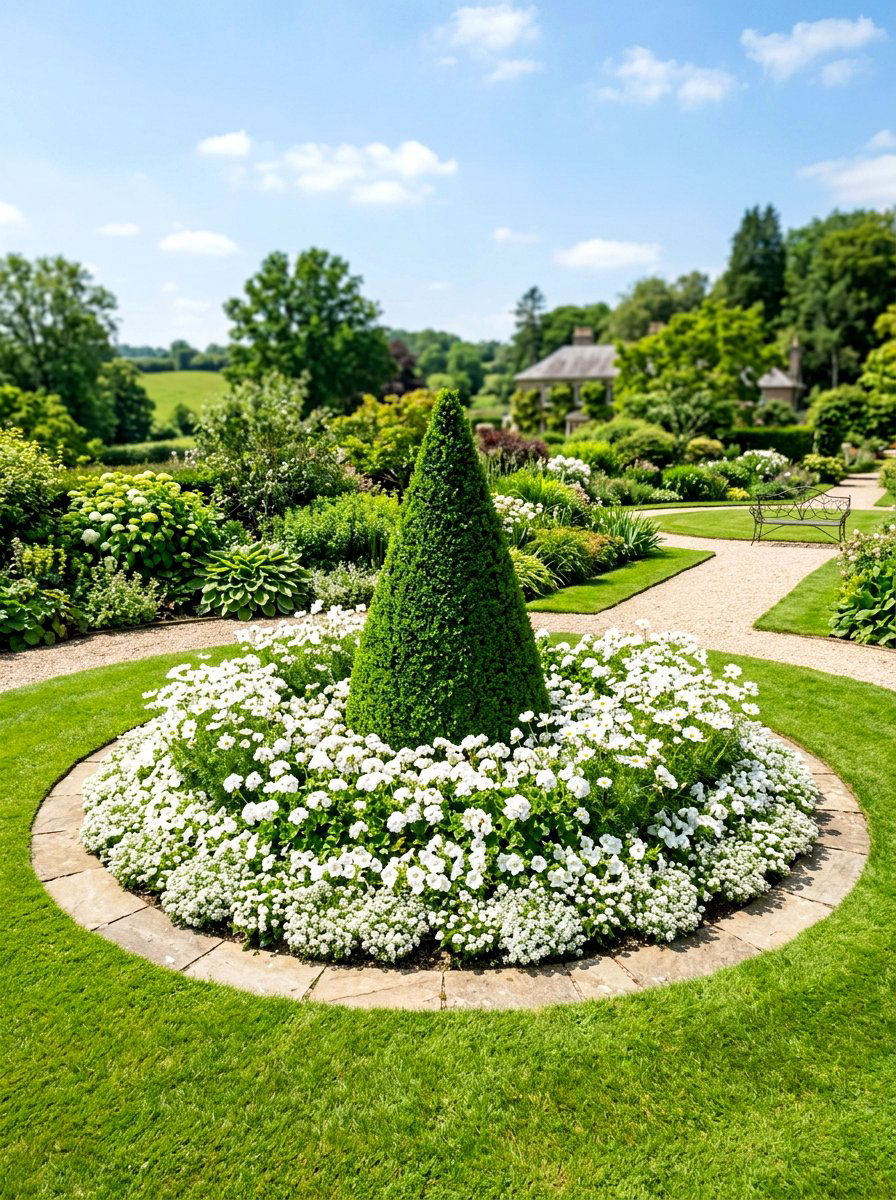
Creating a circular garden feature anchored by a central boxwood topiary can turn a boring patch of lawn into a stunning focal point. You can design a round bed with a tall cone-shaped boxwood in the center, surrounded by rings of colorful flowers and finished with a low boxwood edge. This "target" design is very pleasing to the eye and draws attention to the middle of the yard. It is a great way to break up a large rectangular space and add a sense of movement. The circular shape feels organic and welcoming, making your garden feel more balanced and intentionally designed.
28. Fountain Focal Point
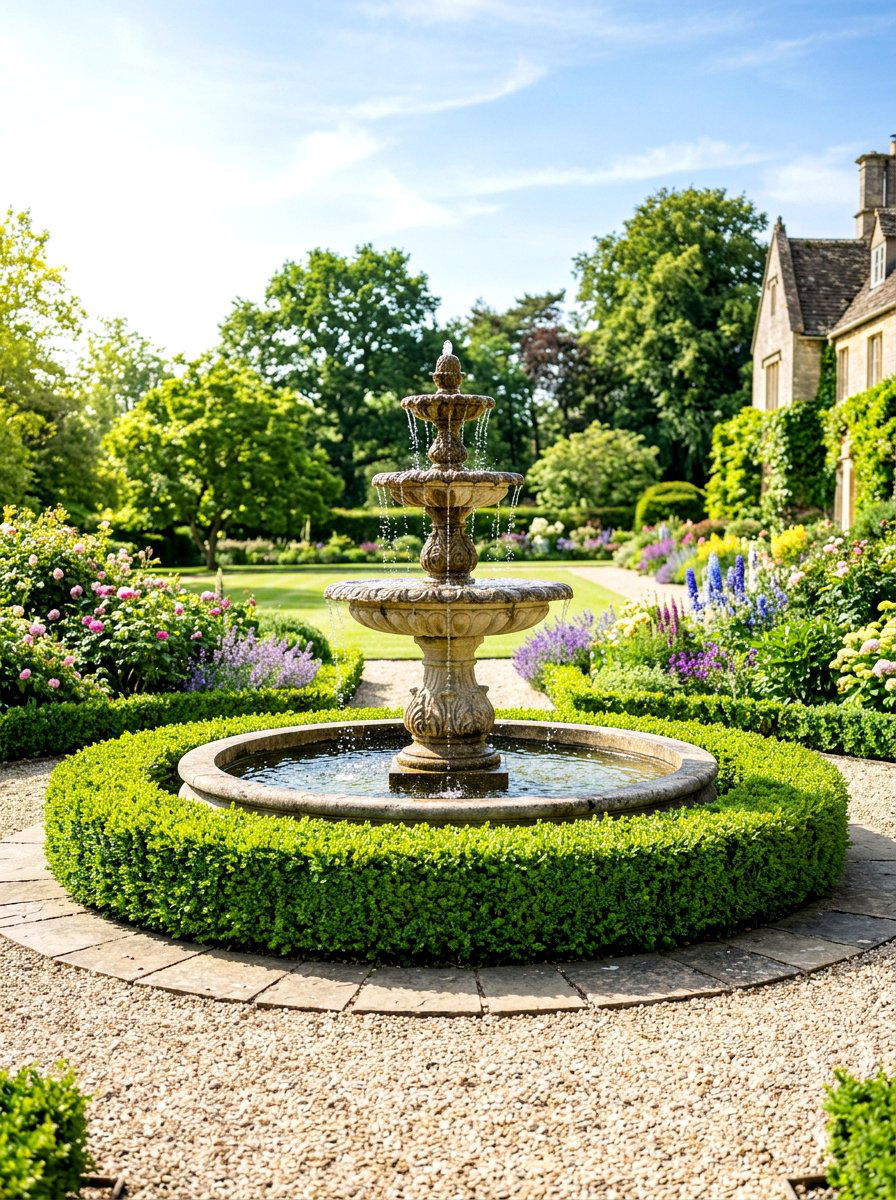
A water fountain surrounded by a perfectly trimmed boxwood hedge is the height of luxury and tranquility in garden design. The low hedge creates a "frame" for the water feature, making it look like a permanent piece of architecture rather than an afterthought. The sound of splashing water paired with the sight of lush green leaves creates a sensory retreat in your own backyard. You can use a square hedge for a formal look or a circular one to echo the shape of a round basin. This setup creates a peaceful destination where you can relax and enjoy the beauty of nature.
29. Winter Garden Landscape
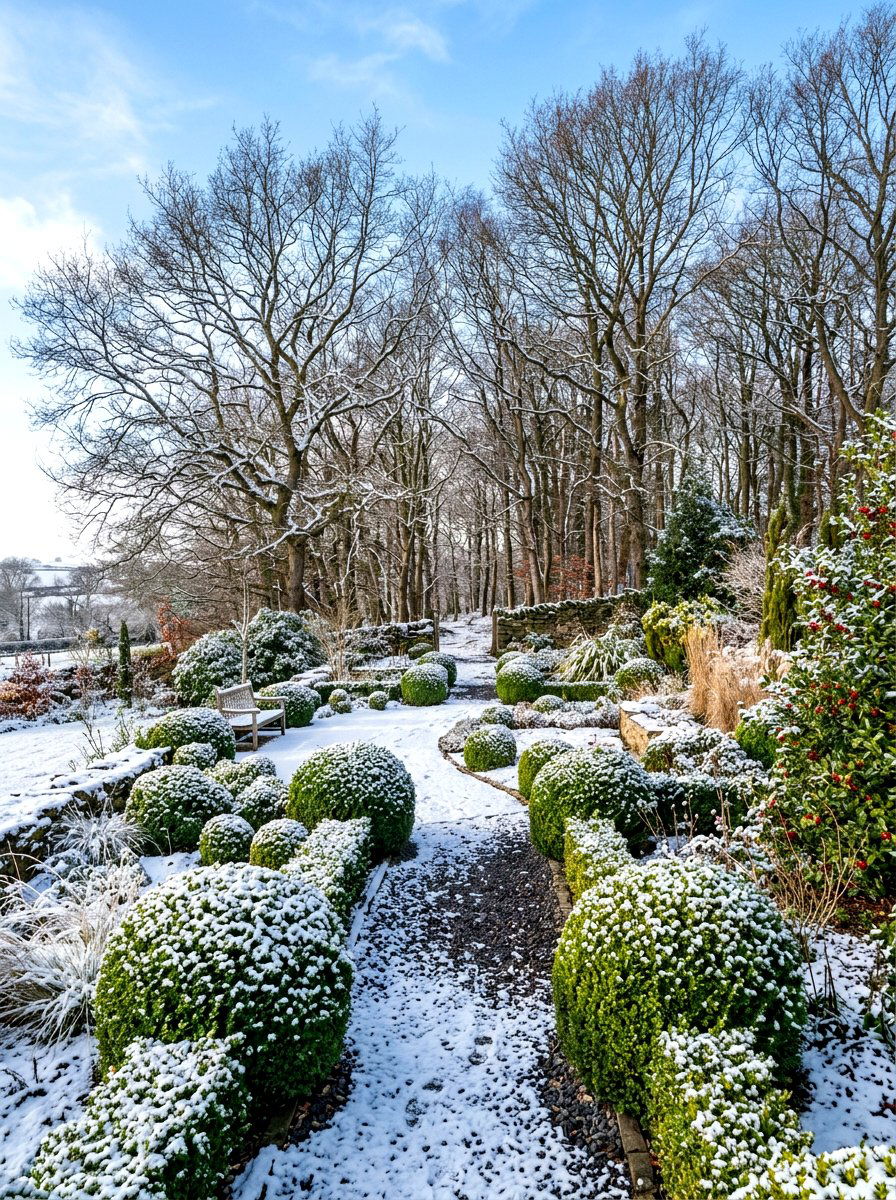
One of the biggest advantages of boxwoods is their ability to provide structure and color during the "dead" months of winter. While other plants turn brown and go dormant, boxwoods remain a vibrant, deep green, providing a beautiful contrast to bare branches and gray skies. If you live in a snowy climate, the sight of snow sitting on top of a perfectly rounded boxwood globe is incredibly picturesque. By planning your garden around these evergreens, you ensure that your view from the window is always pleasant, even on the coldest days of the year. They are the ultimate year-round landscape investment.
30. Bench Surround Garden
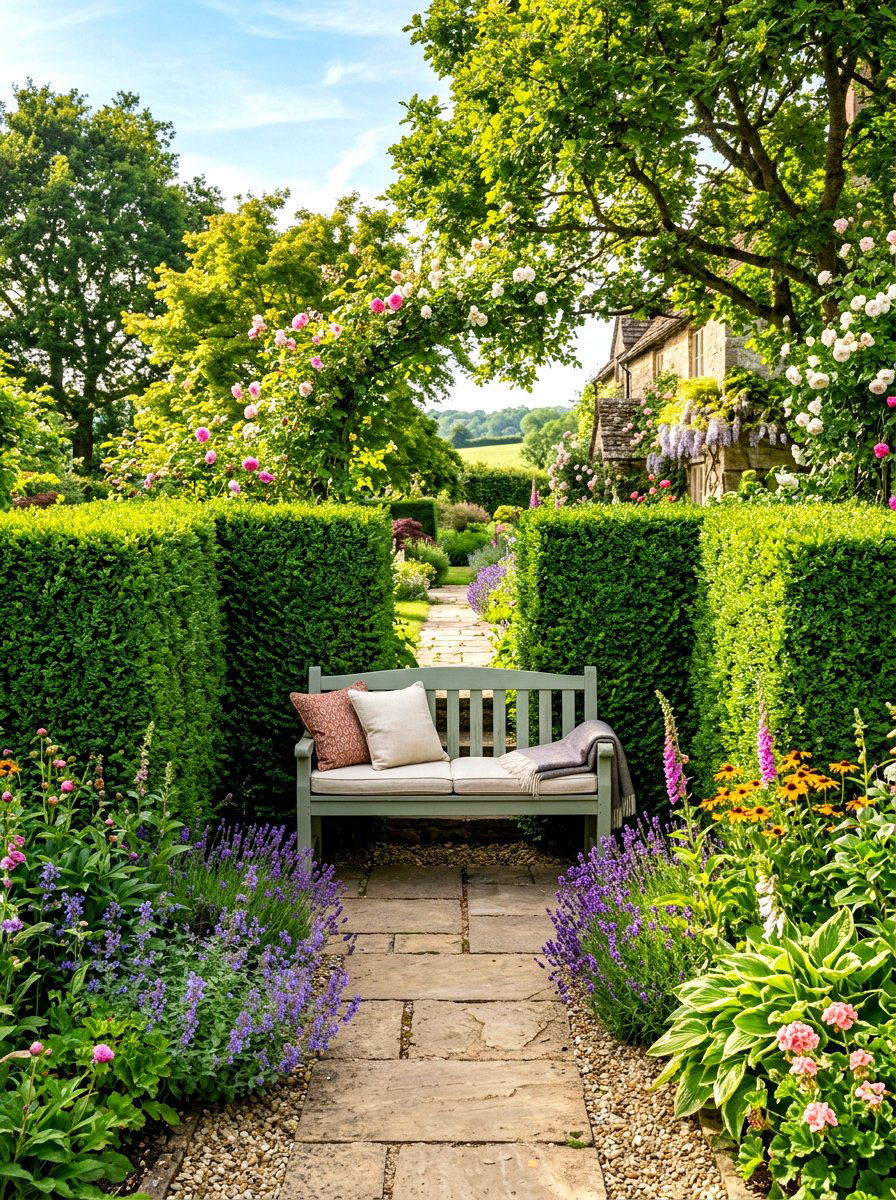
Creating a cozy seating nook by surrounding a garden bench with a tall boxwood hedge is a wonderful way to add a sense of privacy and intimacy. The hedge acts as a living "backrest" and side walls, making the bench feel like a secluded outdoor room. This setup is perfect for a quiet corner where you want to read a book or have a private conversation. The green walls provide a sense of security and shield you from wind, while the scent of the garden surrounds you. It turns a simple piece of furniture into a destination that invites you to linger and enjoy your outdoor space.
Conclusion:
Boxwoods are truly the most versatile and reliable plants in the landscaping world, offering a unique blend of structural elegance and year-round beauty. Whether you choose to create a formal parterre, a whimsical animal topiary, or a simple low hedge for your walkway, these evergreens provide a sense of permanence and polish to any outdoor space. Their ability to be shaped into almost any form makes them a favorite for both traditionalists and modernists alike. By incorporating some of these thirty boxwood ideas into your yard, you can create a landscape that is not only beautiful today but will continue to grow and impress for many years to come.

Related posts: