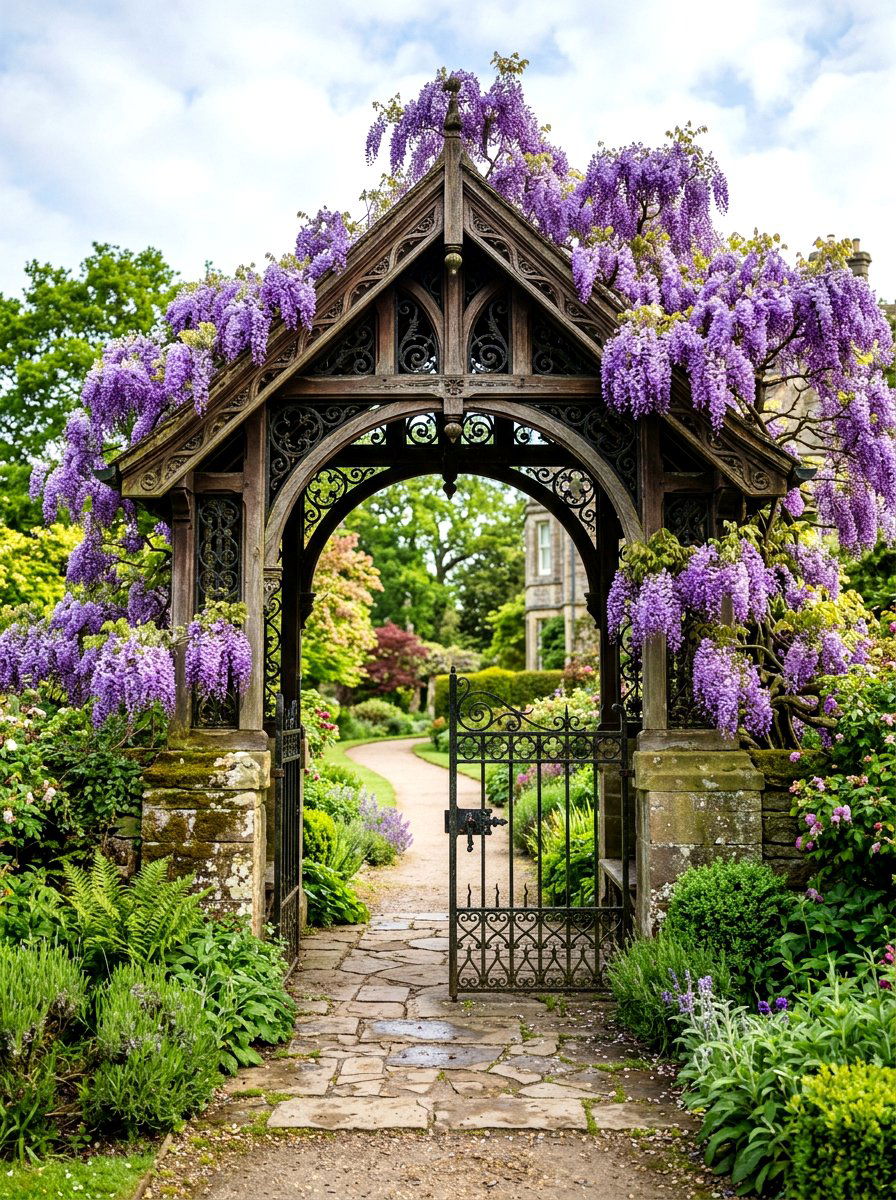
Transforming your outdoor space into a blooming sanctuary starts with a clear vision and a passion for nature. Flower gardens offer a unique opportunity to express your personal style while creating a habitat for local wildlife. Whether you have a sprawling backyard or a tiny balcony, there is always room for a few vibrant petals. Planning your layout requires considering sunlight, soil quality, and water access to ensure your plants thrive through the seasons. This guide explores a wide variety of styles to help you find the perfect match for your home. Let these concepts inspire you to dig into the dirt and start planting today. By choosing the right varieties, you can ensure a beautiful display all year long.
1. English Cottage Garden
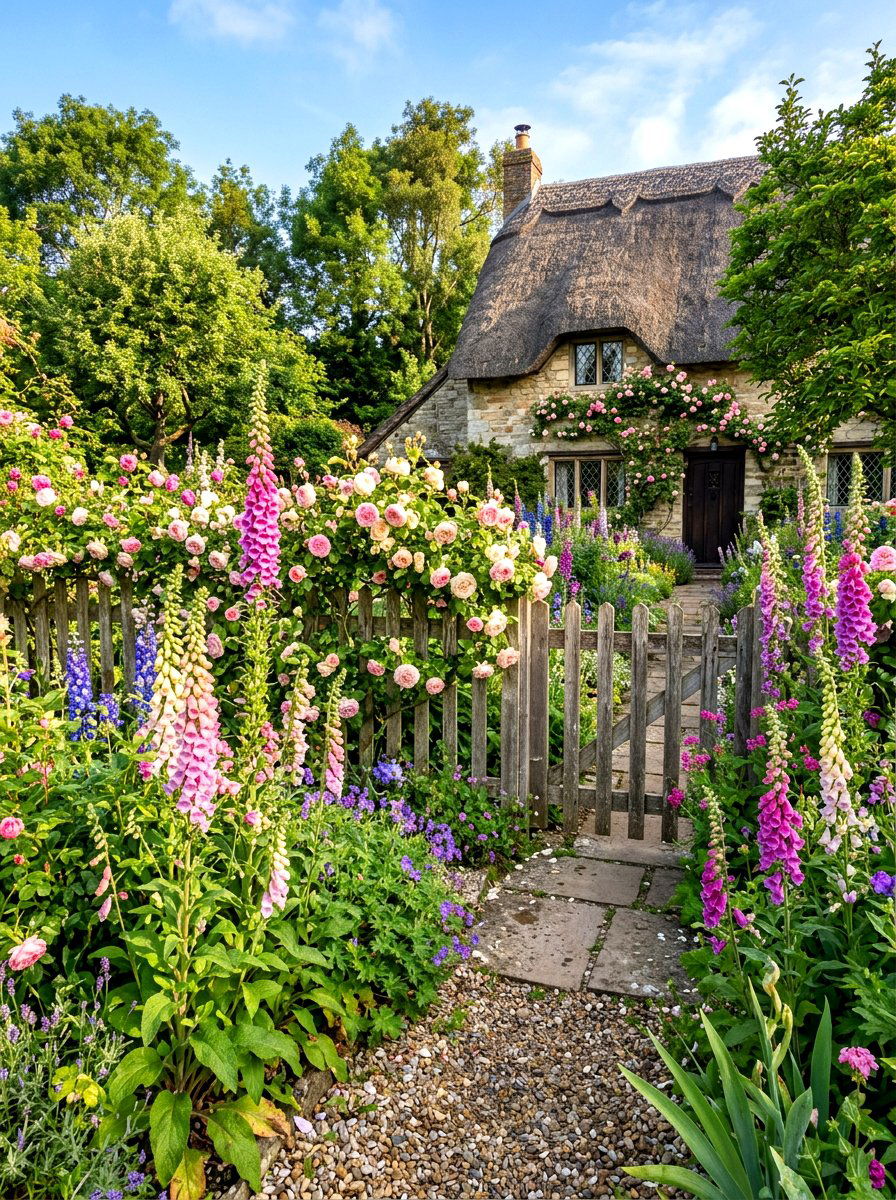
Creating an English cottage garden brings a sense of whimsical charm and informal beauty to any property. This style is characterized by its dense planting and lack of rigid structure. You often see traditional favorites like tall foxgloves, fragrant roses, and delicate delphiniums spilling over rustic wooden fences. The goal is to make the space look naturally overgrown yet intentional. Soft pastel colors dominate the palette, creating a soothing atmosphere for afternoon walks. Adding a winding gravel path helps lead the eye through the lush greenery. This design works best when you mix different heights and textures to create a rich, layered look that feels truly timeless and inviting for visitors.
2. Raised Bed Flower Garden
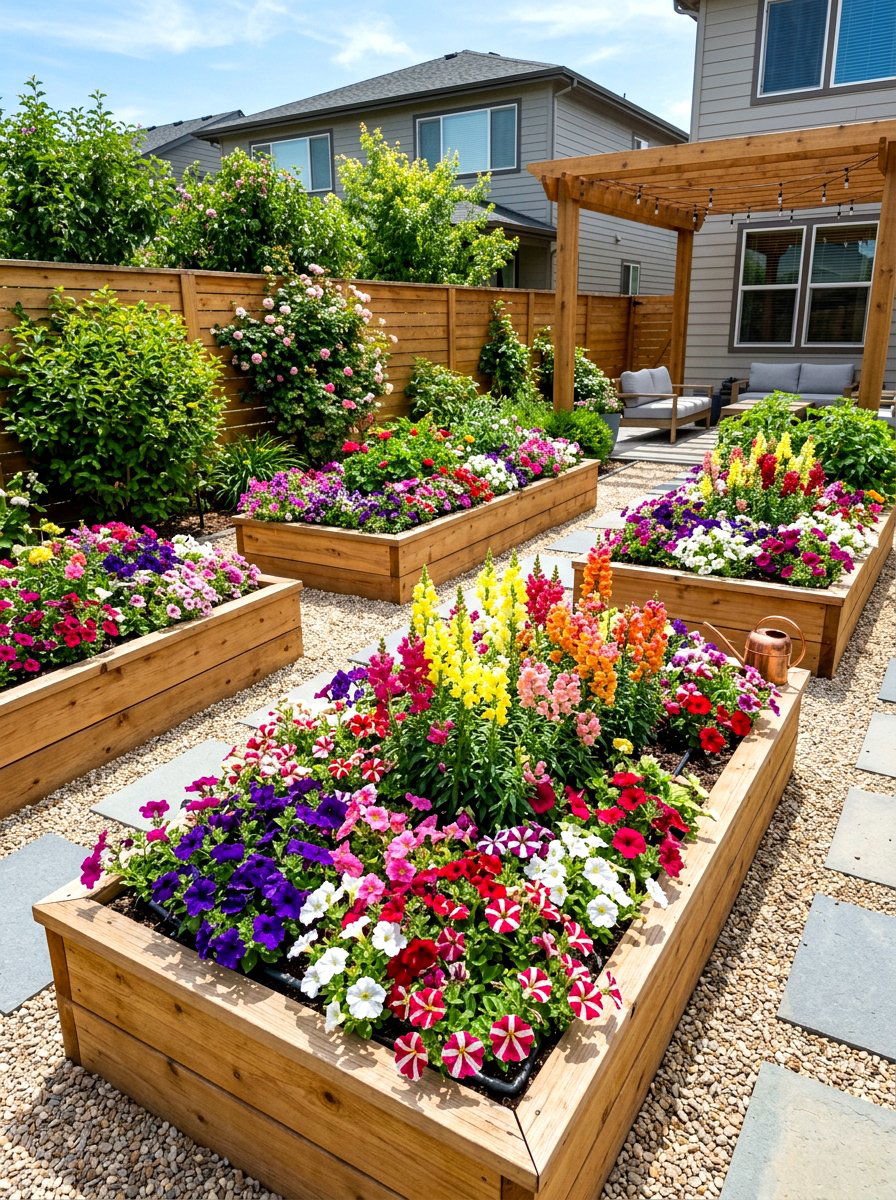
Utilizing raised beds for your flower garden is a fantastic way to control soil quality and improve drainage. These structured boxes create clean lines and make gardening much easier on your back. You can fill them with a mix of trailing petunias and upright snapdragons for a dynamic visual effect. Using natural wood or modern metal for the frames allows you to match the garden to your home’s architecture. This method is particularly effective for preventing invasive weeds from taking over your favorite blooms. Many gardeners love how these elevated platforms keep the space organized while providing a perfect stage for vibrant annuals and hardy perennials to grow.
3. Perennial Flower Border
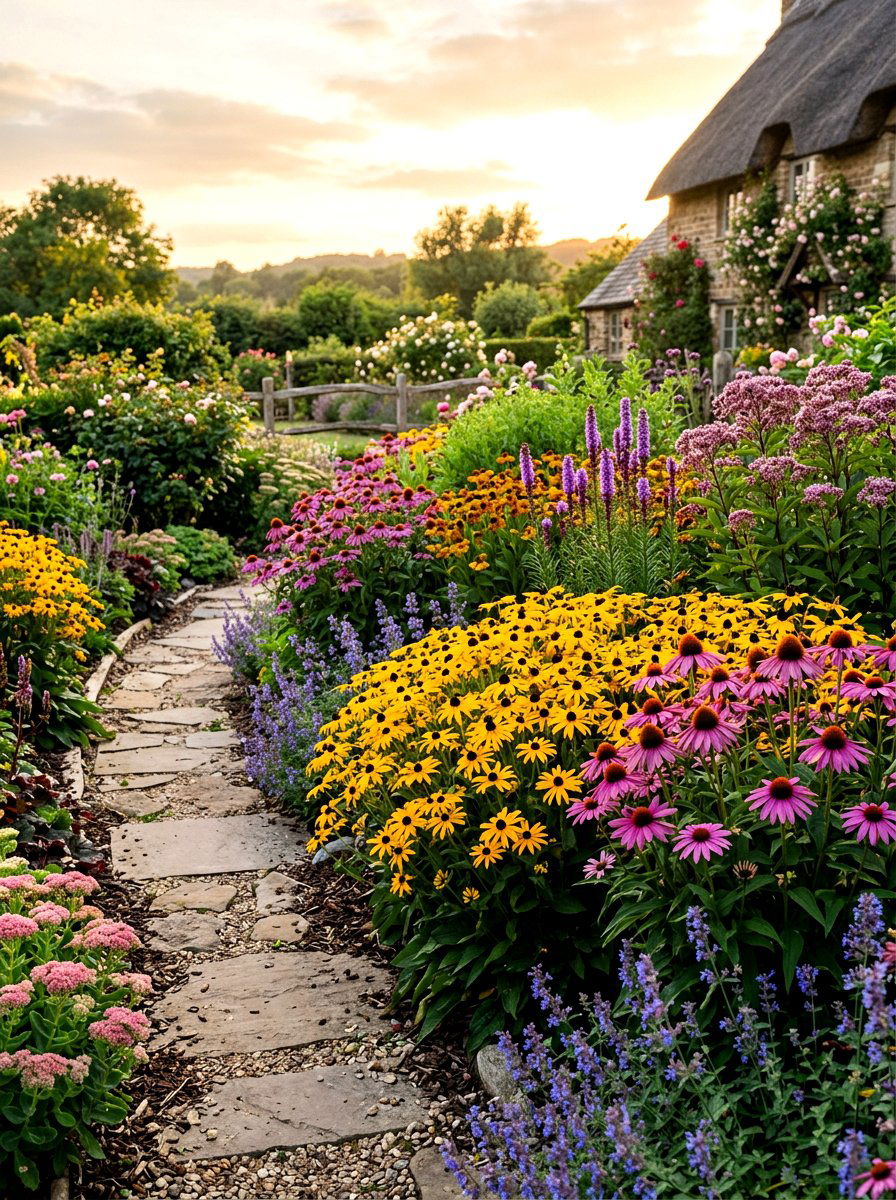
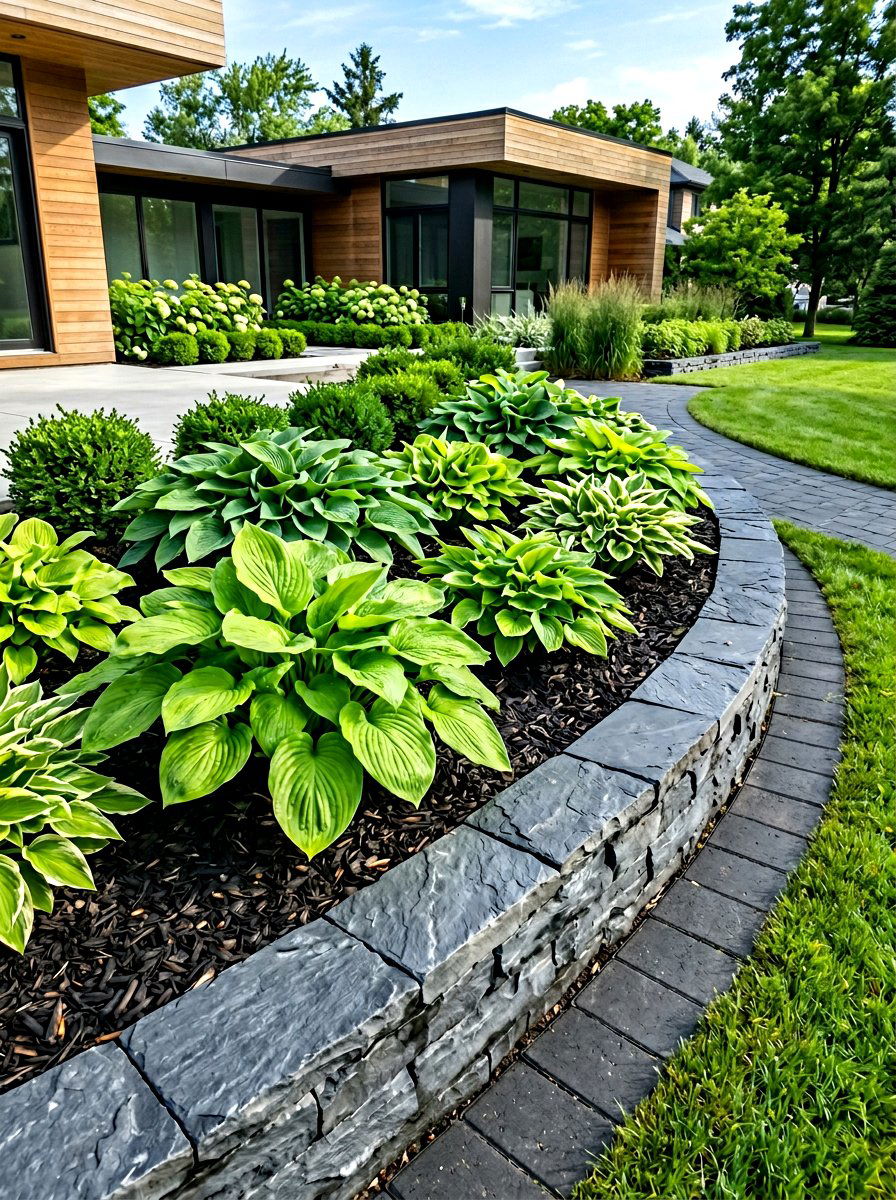
A perennial flower border provides a reliable splash of color year after year with minimal replanting. By choosing plants that return every spring, you create a sustainable and low-maintenance landscape. Focus on grouping varieties like coneflowers, black-eyed Susans, and hostas to build a lush wall of foliage along your property line. It is important to consider the blooming schedule so that something is always in flower from spring through autumn. Layering shorter plants in the front and taller ones in the back creates a professional depth. This approach ensures your garden remains a permanent feature of your outdoor living space while requiring less effort over the long term.
4. Wildflower Meadow
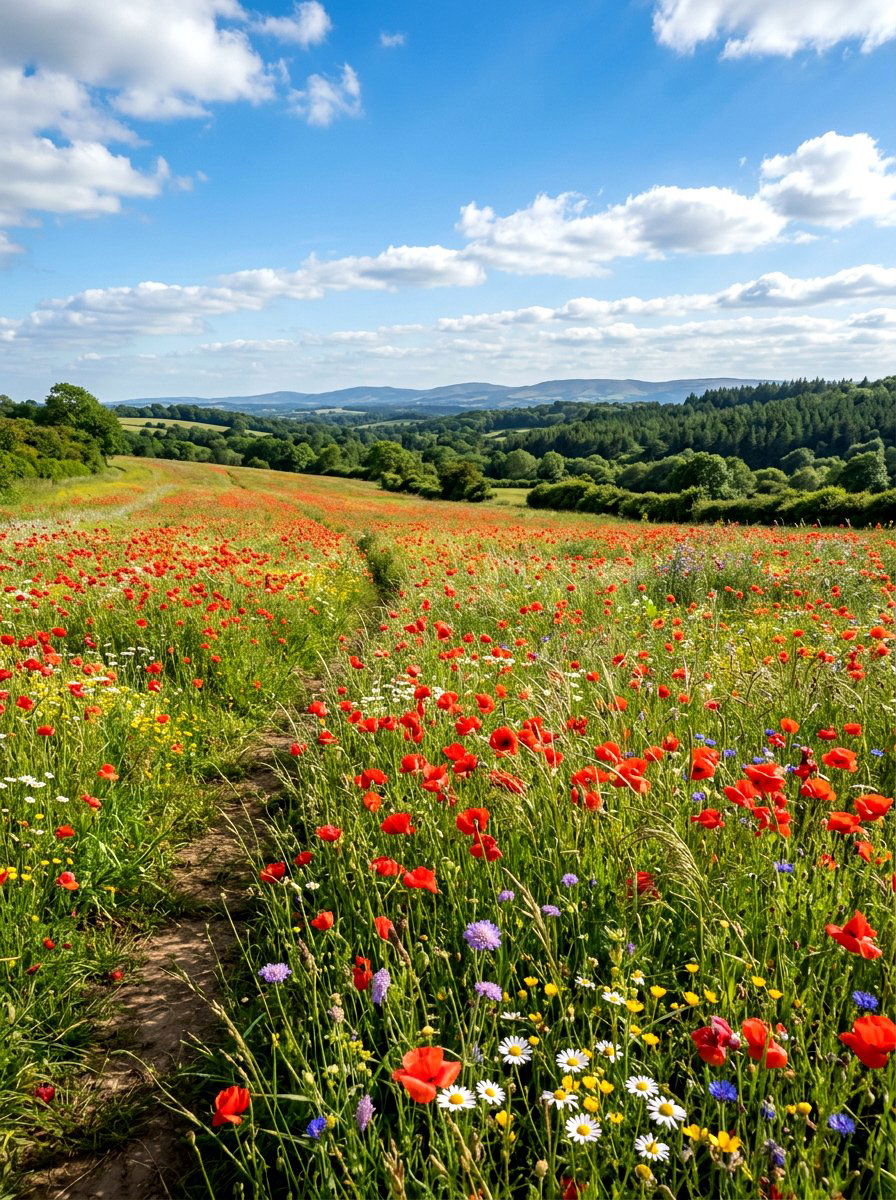
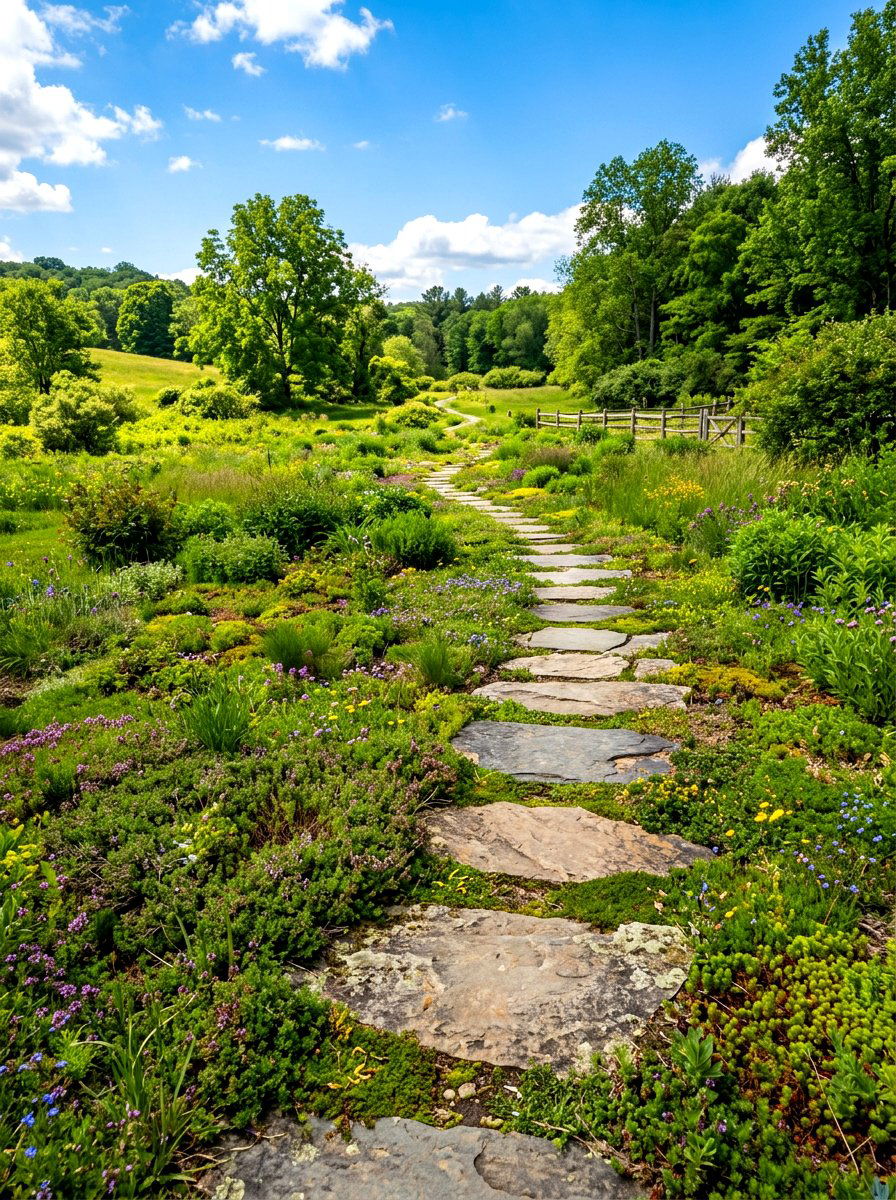
Embracing a wildflower meadow design allows you to support local biodiversity while enjoying a natural, rugged aesthetic. This style replaces traditional manicured lawns with a sea of native grasses and colorful blossoms like poppies and lupines. It is an excellent choice for large, open areas where you want to minimize mowing and watering. Butterflies and bees will naturally flock to these areas, making your yard a bustling hub of activity. The key is to select a seed mix that is native to your specific region to ensure the plants are resilient. This low-intervention approach results in a stunning, ever-changing landscape that celebrates the raw beauty of nature.
5. Modern Minimalist Garden
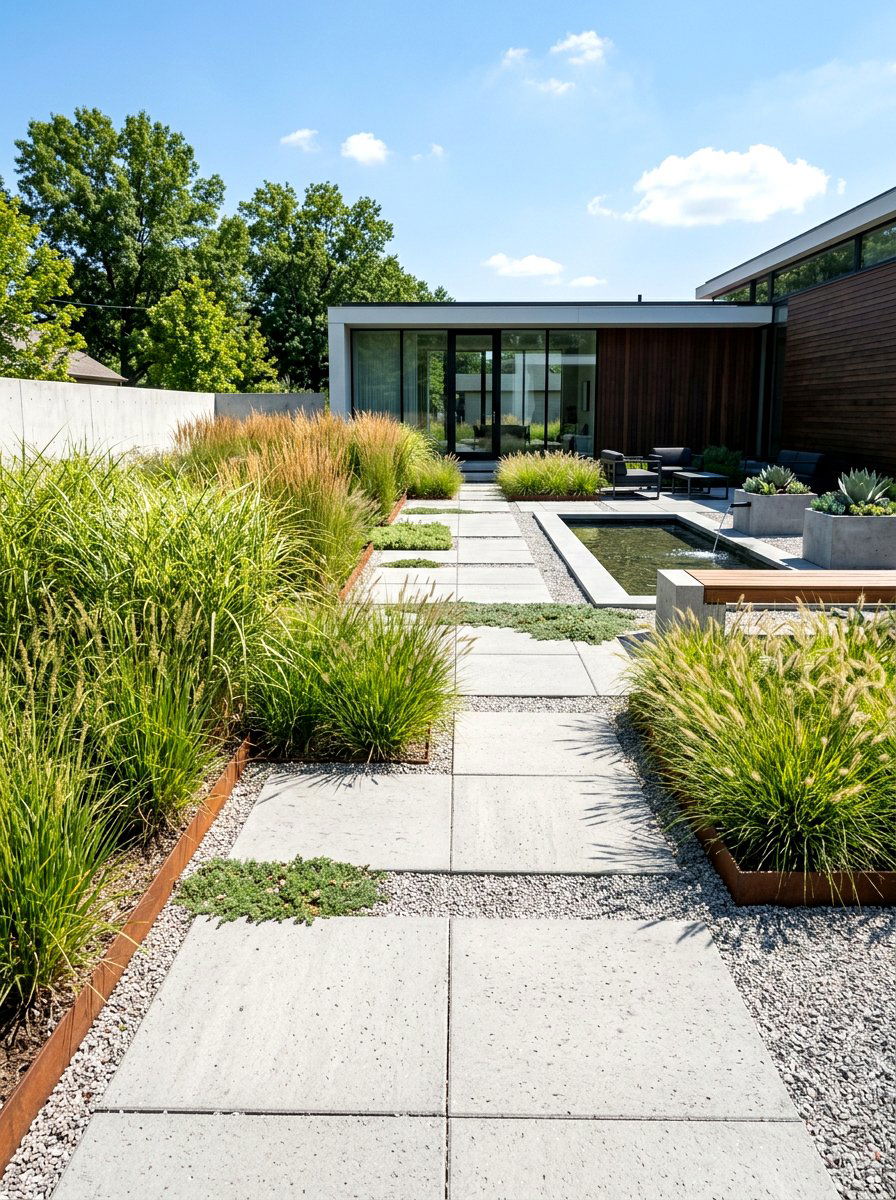
A modern minimalist garden focuses on clean lines, neutral colors, and a limited plant palette to create a sophisticated look. Instead of a riot of color, this design uses structural plants like ornamental grasses and architectural alliums to provide interest. Large pavers and smooth stones often define the pathways, emphasizing geometric shapes over organic curves. This style works perfectly for contemporary homes where the garden acts as an extension of the indoor living space. By keeping the design simple, you highlight the unique form of each individual plant. It is a peaceful, uncluttered choice for those who appreciate order and elegance in their outdoor environment.
6. Vertical Flower Wall
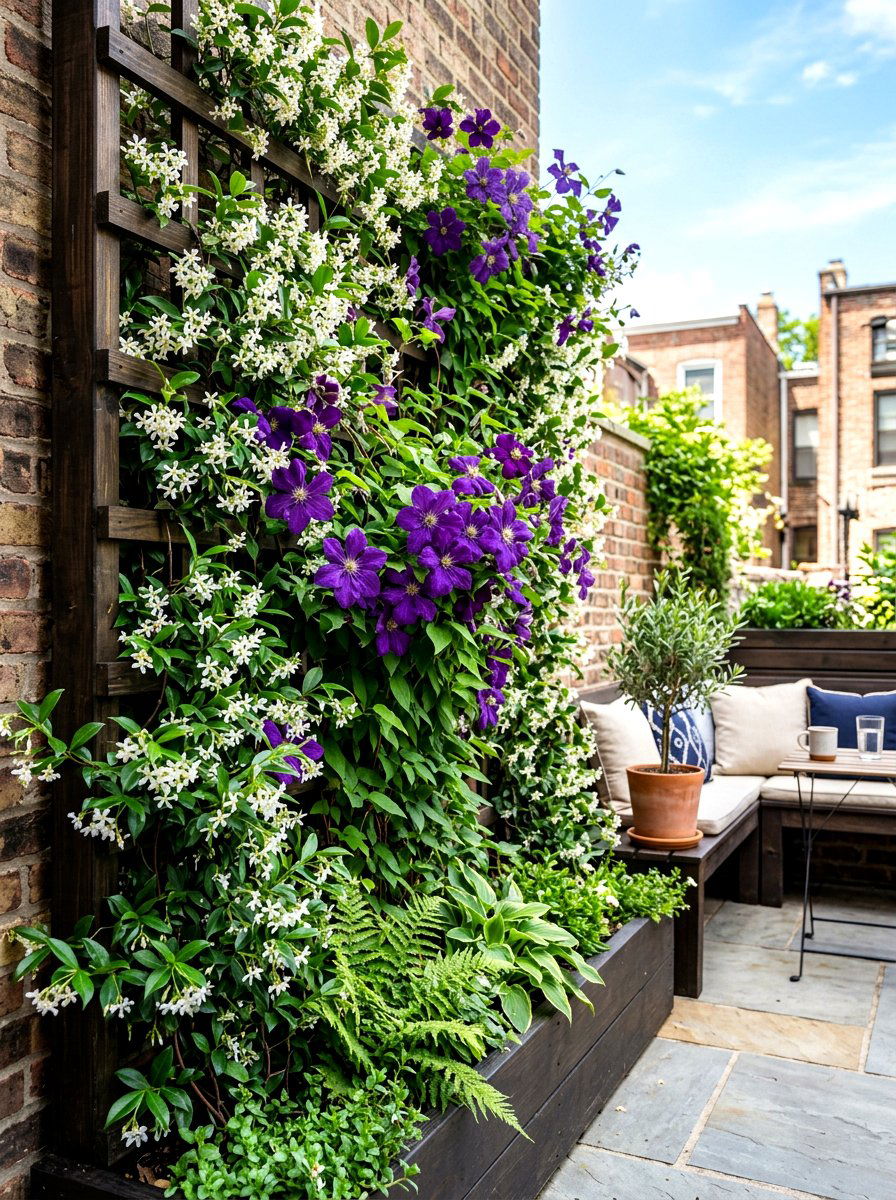
If you are working with a small urban space, a vertical flower wall is the perfect solution to maximize greenery. By utilizing fences, trellises, or specialized wall planters, you can grow a lush carpet of blooms upwards instead of outwards. Climbing plants like clematis, jasmine, and morning glories are ideal for covering vertical surfaces with vibrant color and sweet scents. This design not only saves floor space but also acts as a natural privacy screen for your patio. You can mix different textures of ferns and trailing flowers to create a living tapestry. It is a creative way to bring life to dull walls and narrow walkways.
7. Pollinator Garden
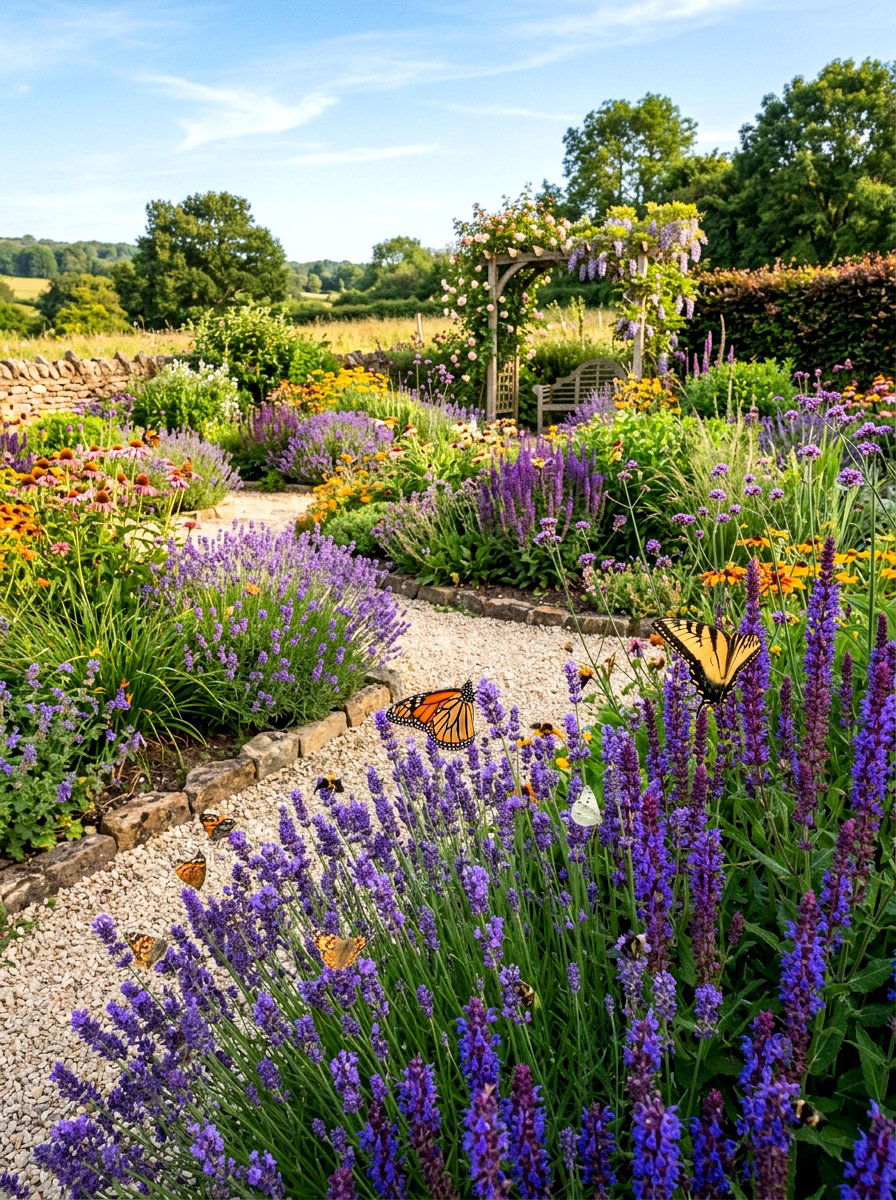
Designing a pollinator garden is a rewarding way to help the environment while enjoying a yard full of movement. By selecting nectar-rich flowers like milkweed, lavender, and salvia, you provide essential food sources for bees, butterflies, and hummingbirds. Avoid using pesticides to ensure the space remains safe for these beneficial visitors. Grouping plants of the same species together makes it easier for pollinators to find them. This type of garden is often filled with bright, warm colors that catch the light beautifully during the golden hour. It is a functional and educational landscape that brings you closer to the natural cycles of your local ecosystem every day.
8. Shade Garden
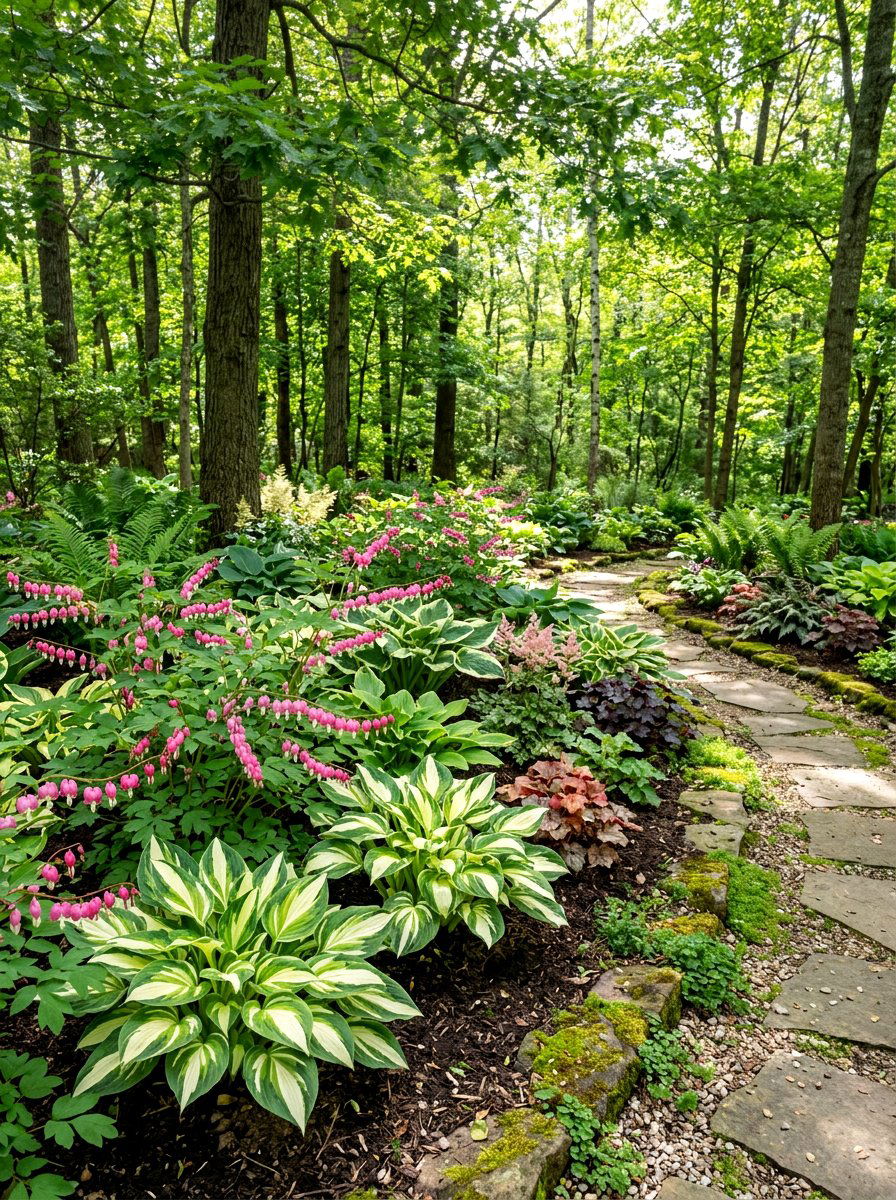
A shade garden allows you to bring life to those dark corners under large trees or beside tall buildings. While many flowers crave sun, varieties like bleeding hearts, astilbe, and impatiens thrive in cooler, low-light conditions. Focus on incorporating plants with interesting foliage, such as variegated hostas or lacy ferns, to add texture without relying solely on blooms. Light-colored flowers or silver-toned leaves can help brighten up the shadows, making the space feel more open. This design creates a cool, refreshing retreat during the hot summer months. It proves that even the dimmest areas of your yard can be transformed into a lush and leafy oasis.
9. Rock Garden
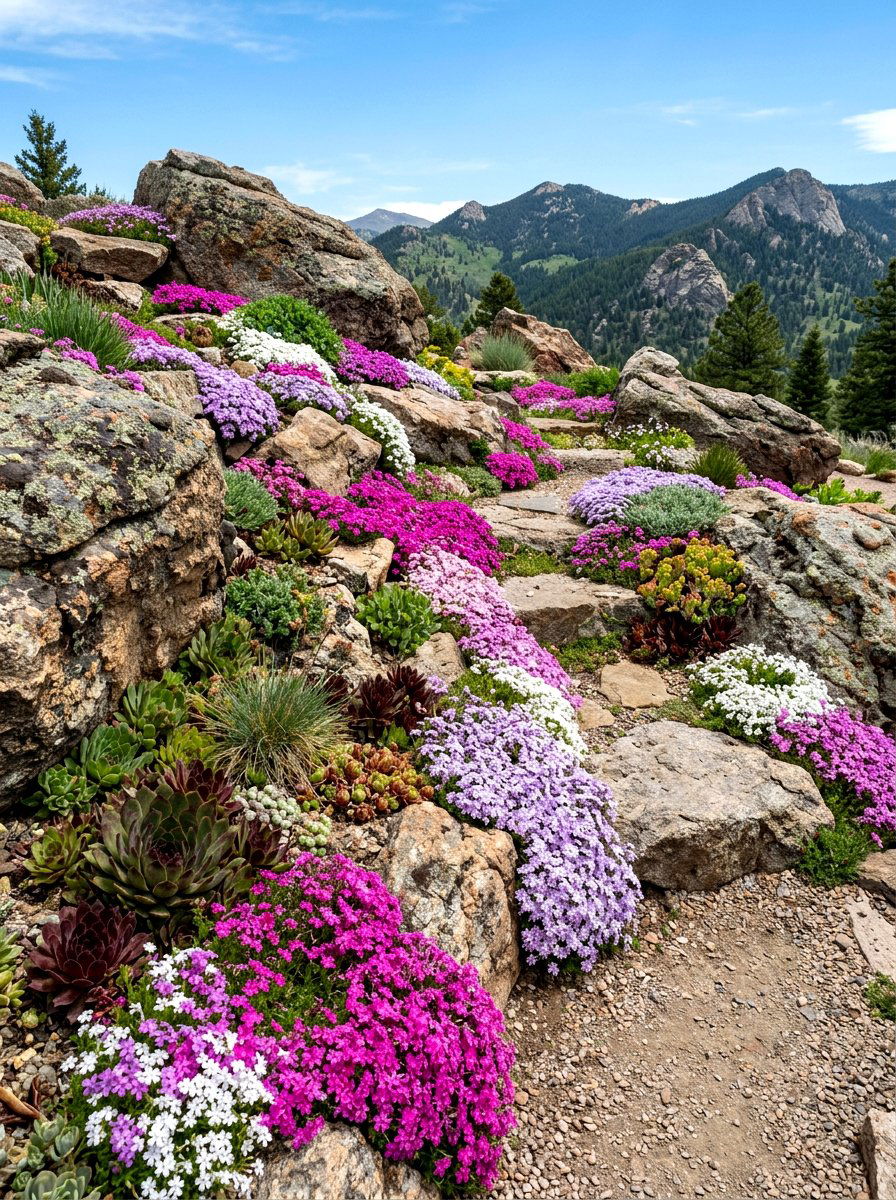
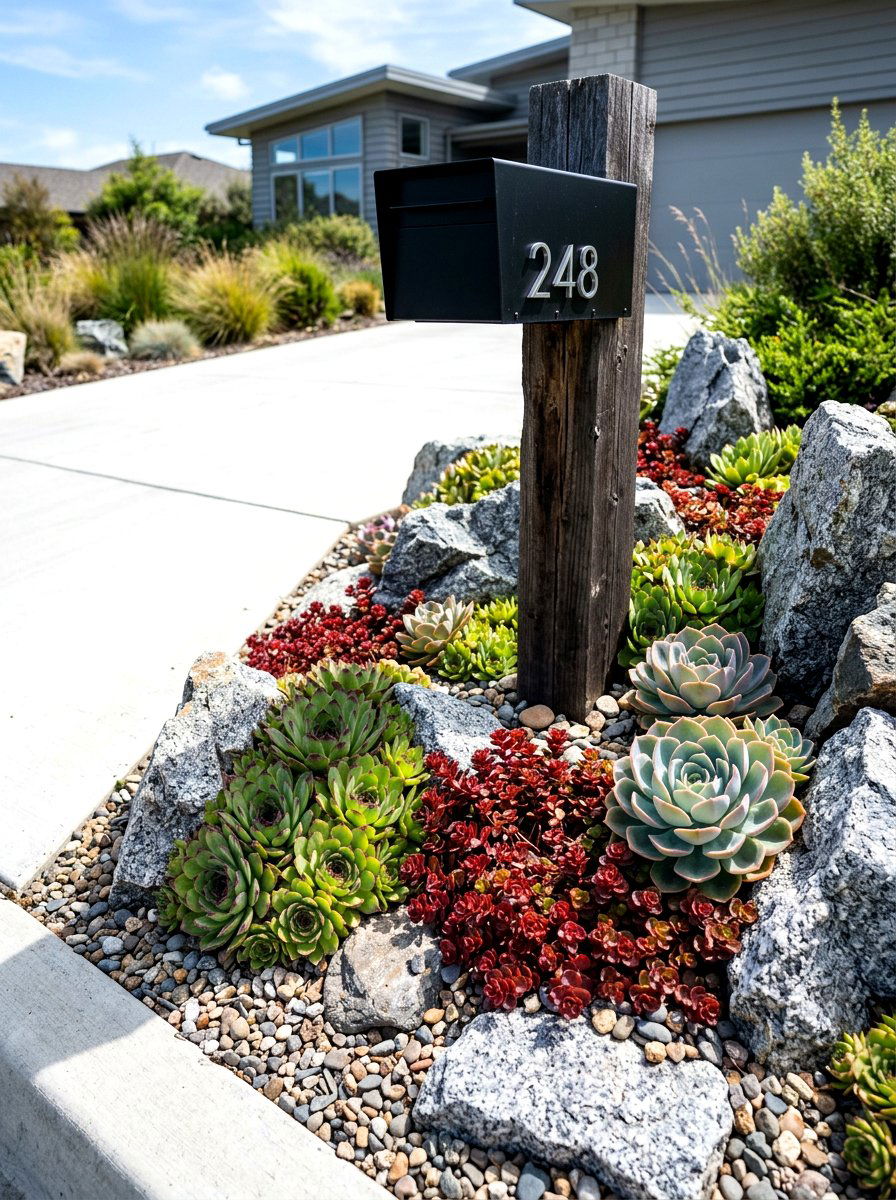
Integrating flowers into a rock garden adds a soft, organic touch to a rugged and textural landscape. This style uses large boulders and smaller stones to create a naturalistic mountain-inspired setting. Drought-tolerant plants like creeping phlox, sedum, and alpine pinks tuck into the crevices between the rocks, creating pops of color. This is an ideal solution for sloped yards where soil erosion might be a concern. The stones absorb heat during the day and release it at night, helping certain plants stay warm. It is a low-maintenance design that looks great year-round, offering a unique architectural quality that sets your home apart from traditional grassy yards.
10. Container Flower Garden
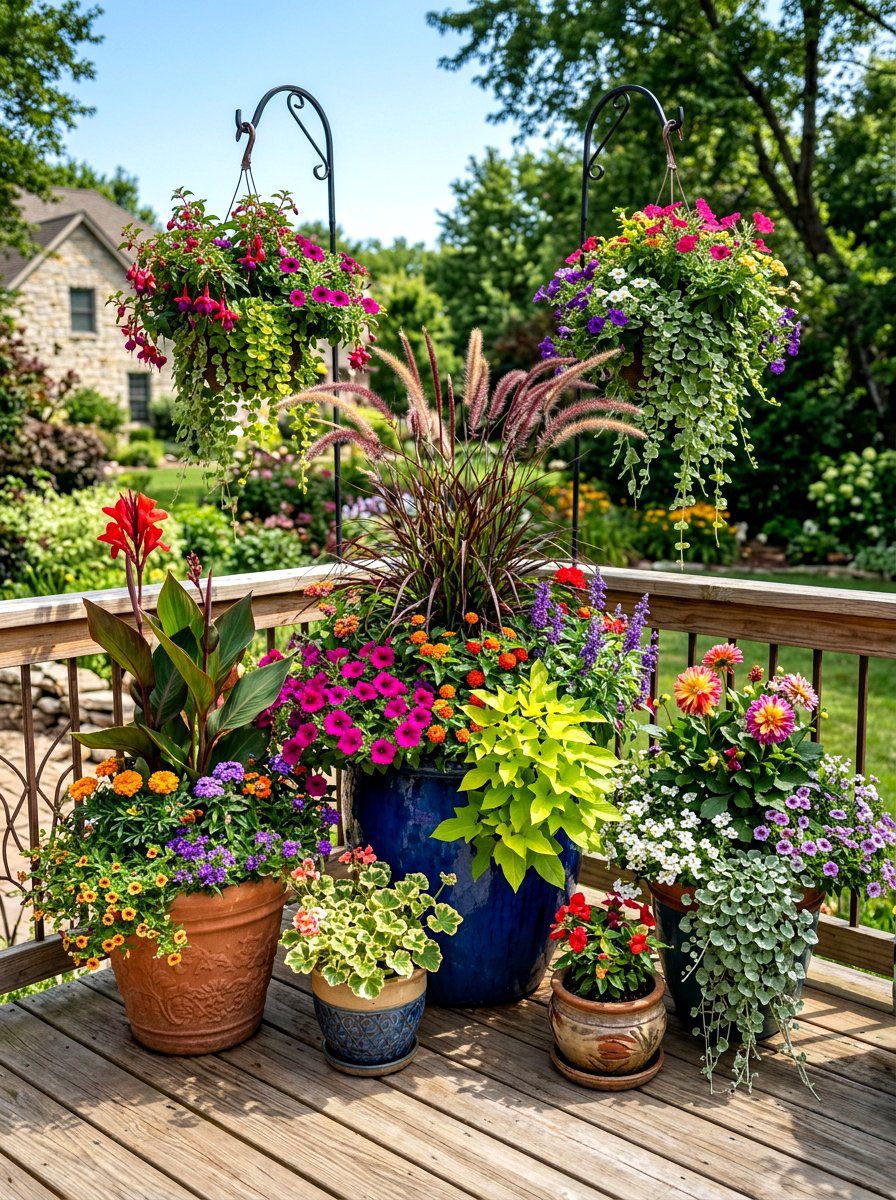
A container flower garden offers maximum flexibility for renters or those with limited garden beds. By using various pots, barrels, and hanging baskets, you can move your plants around to follow the sun or change your decor. Focus on the "thriller, filler, spiller" method to create professional-looking arrangements in every vessel. Combine upright grasses with bushy geraniums and trailing lobelia for a balanced look. Containers also allow you to grow plants with specific soil needs that might not match your yard's natural earth. This mobile gardening style makes it easy to refresh your porch or patio with seasonal blooms throughout the entire year without much digging.
11. Cutting Garden
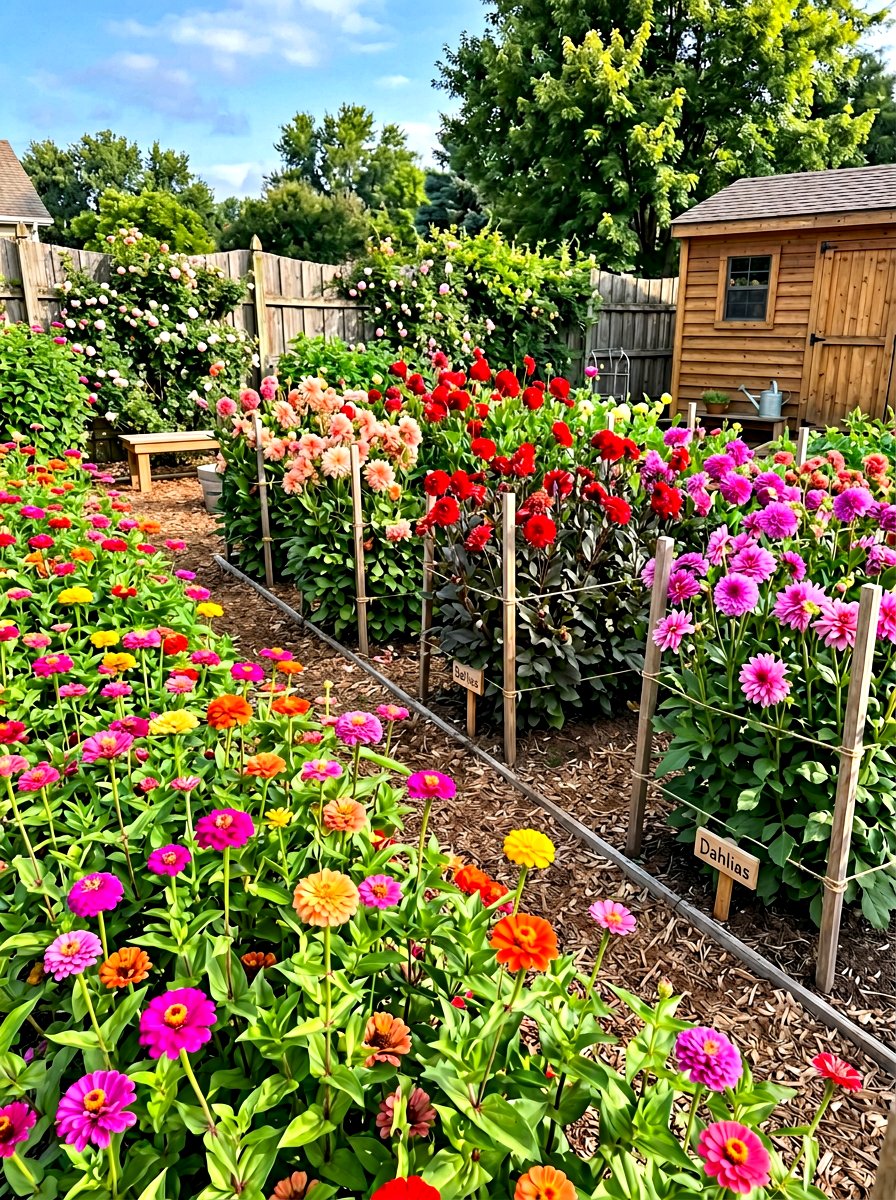
Growing a cutting garden allows you to bring the beauty of your outdoor space indoors with fresh floral arrangements. This design prioritizes high-yield flowers with long, sturdy stems like zinnias, dahlias, and gladiolus. Instead of focusing on a perfect landscape look, these beds are often organized in rows for easy harvesting. Planting in succession ensures you have a steady supply of blooms to fill vases throughout the summer. Choosing a wide variety of colors and textures will give you endless options for creating unique bouquets for friends and family. It is a productive hobby that turns your backyard into a personal flower shop filled with seasonal joy.
12. Fragrant Flower Garden
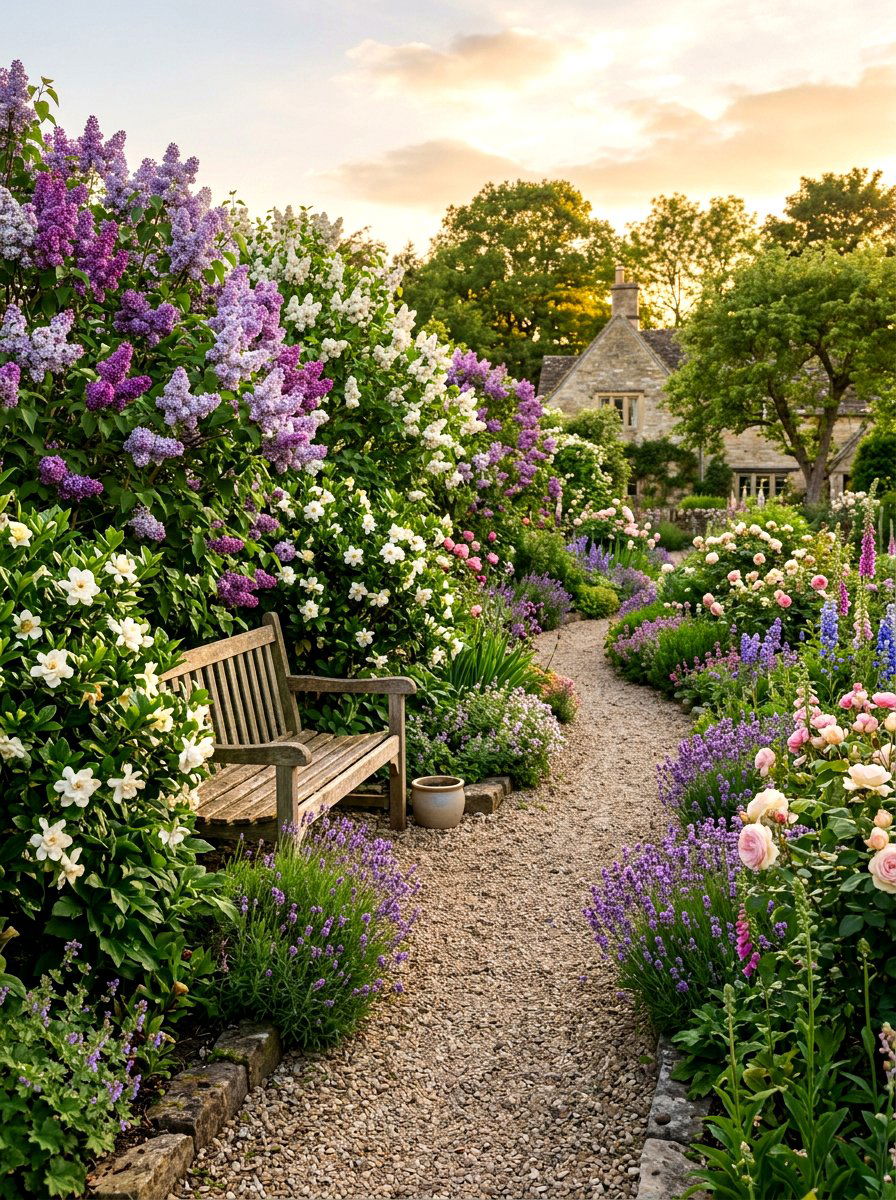
A fragrant flower garden engages the senses by filling the air with intoxicating scents from dawn until dusk. Strategic placement near windows, doorways, or seating areas ensures you can enjoy the perfume as you relax. Include classic aromatic plants like lilac, gardenia, and sweet pea to create a layer of scent that shifts with the breeze. Some flowers, like jasmine or evening primrose, release their strongest fragrance at night, making them perfect for late-evening strolls. This sensory-focused design adds an invisible dimension of beauty to your home. It creates a memorable atmosphere that leaves a lasting impression on anyone who walks through your outdoor living space.
13. Tropical Flower Garden
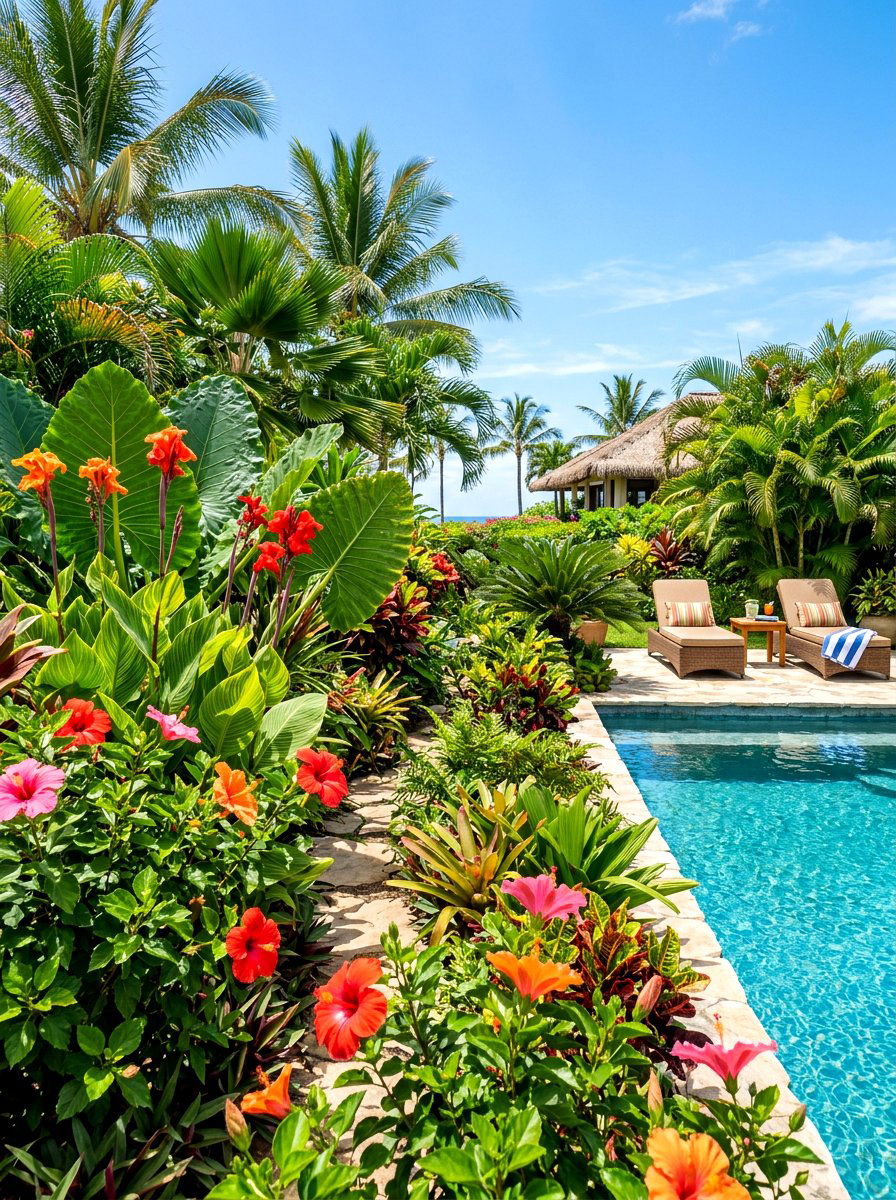
Transforming your yard into a tropical flower garden brings a vacation-like atmosphere right to your doorstep. This style features large, dramatic foliage and bold, saturated colors like fiery orange and bright pink. Use plants with exotic shapes such as hibiscus, canna lilies, and bird of paradise to anchor the design. Layering different heights and leaf patterns creates a dense, jungle-like feel that offers excellent privacy. Even in cooler climates, you can use large pots to bring these heat-loving plants indoors during the winter. This vibrant and energetic theme is perfect for around swimming pools or sunny decks, providing a lush backdrop for summer entertaining and relaxation.
14. Drought Tolerant Garden
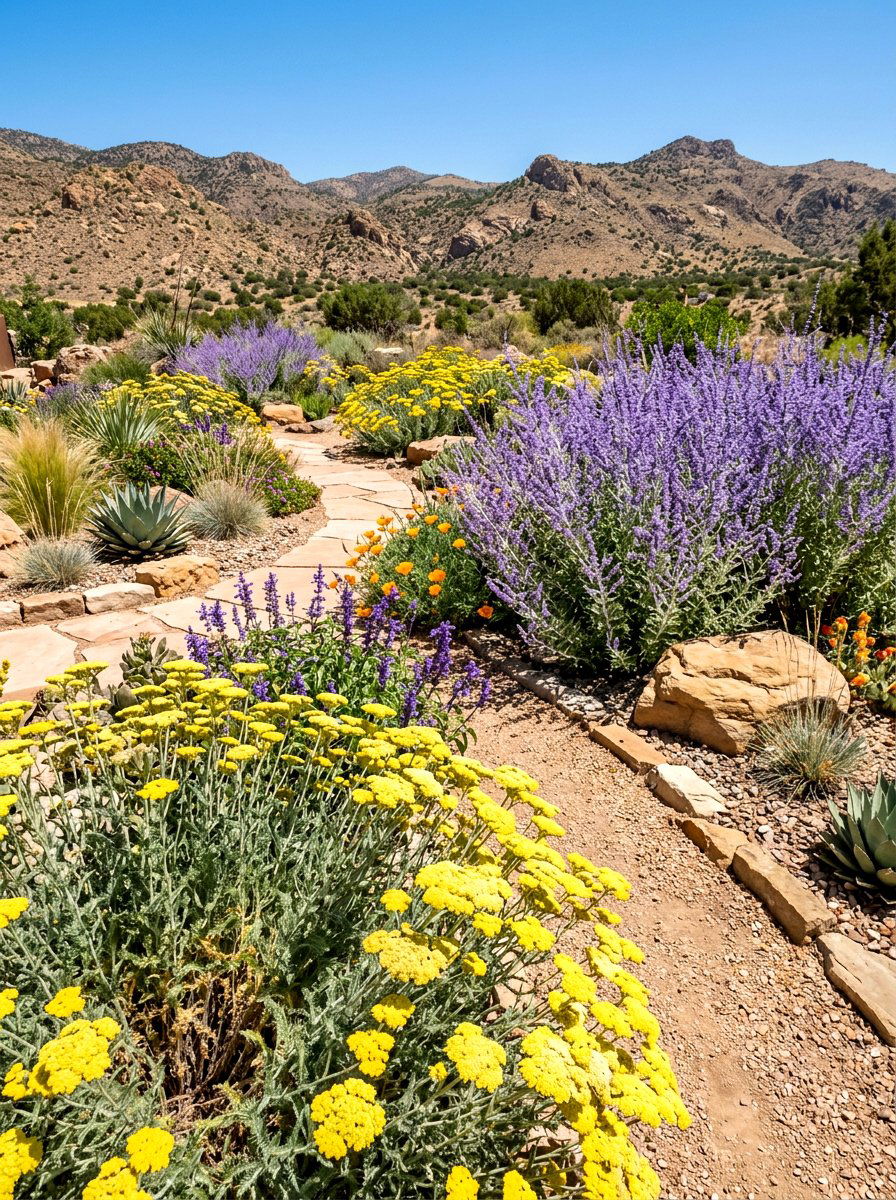
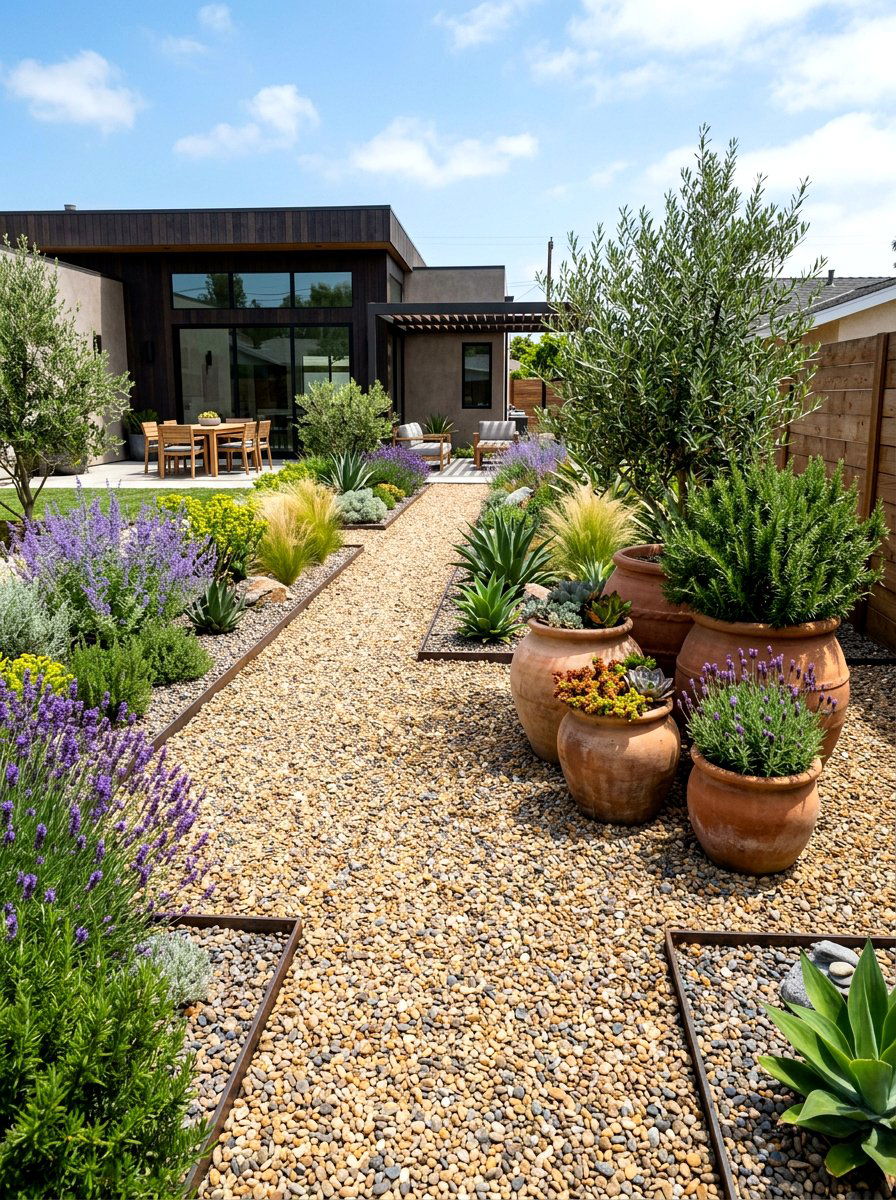
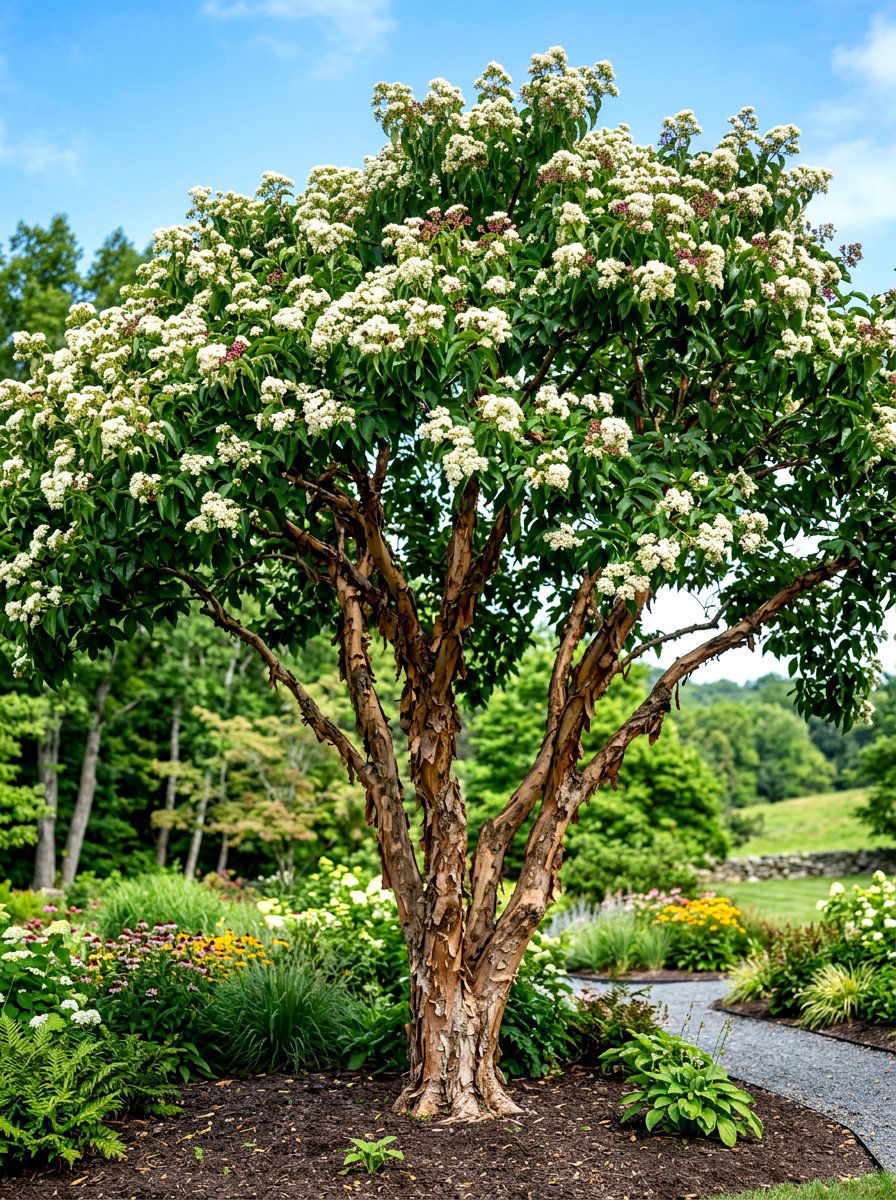
Creating a drought-tolerant garden is a smart and sustainable way to maintain a beautiful yard with minimal water usage. This design utilizes resilient plants like yarrow, Russian sage, and various succulents that can withstand long periods of dry weather. Mulching heavily helps retain soil moisture and keeps roots cool during intense heatwaves. By selecting native species, you ensure the garden is perfectly adapted to your local climate. This approach not only saves money on utility bills but also reduces the time spent on maintenance. A well-designed dry garden can be just as lush and colorful as a traditional one, proving that sustainability and style can go hand-in-hand.
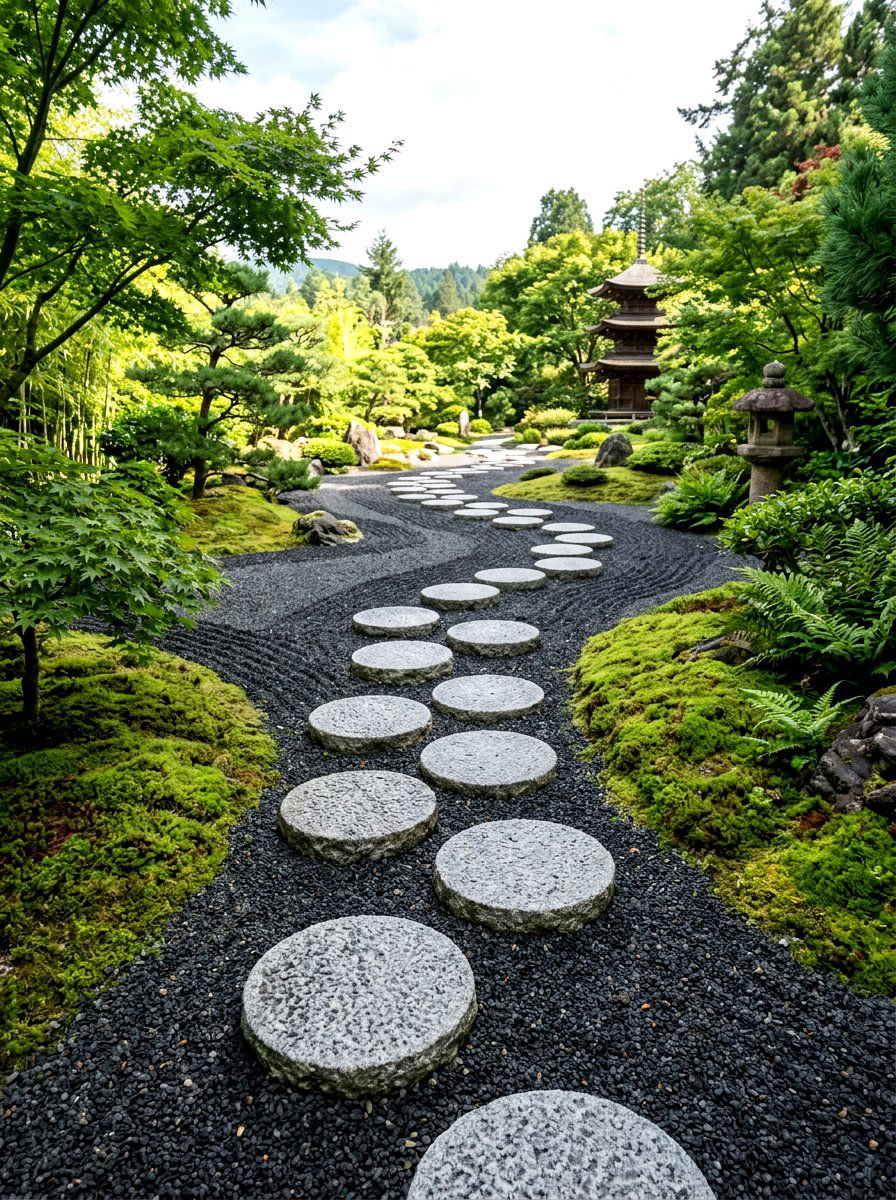
15. Victorian Flower Garden
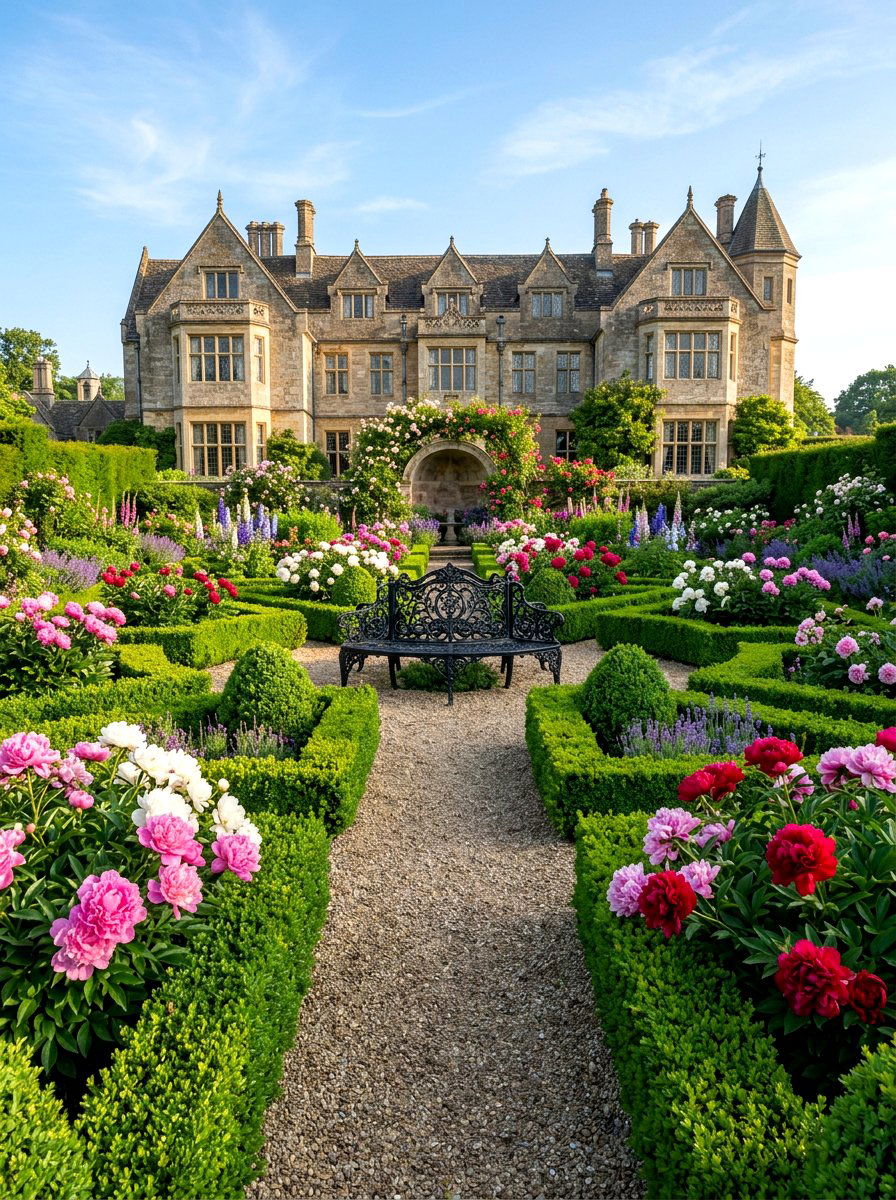
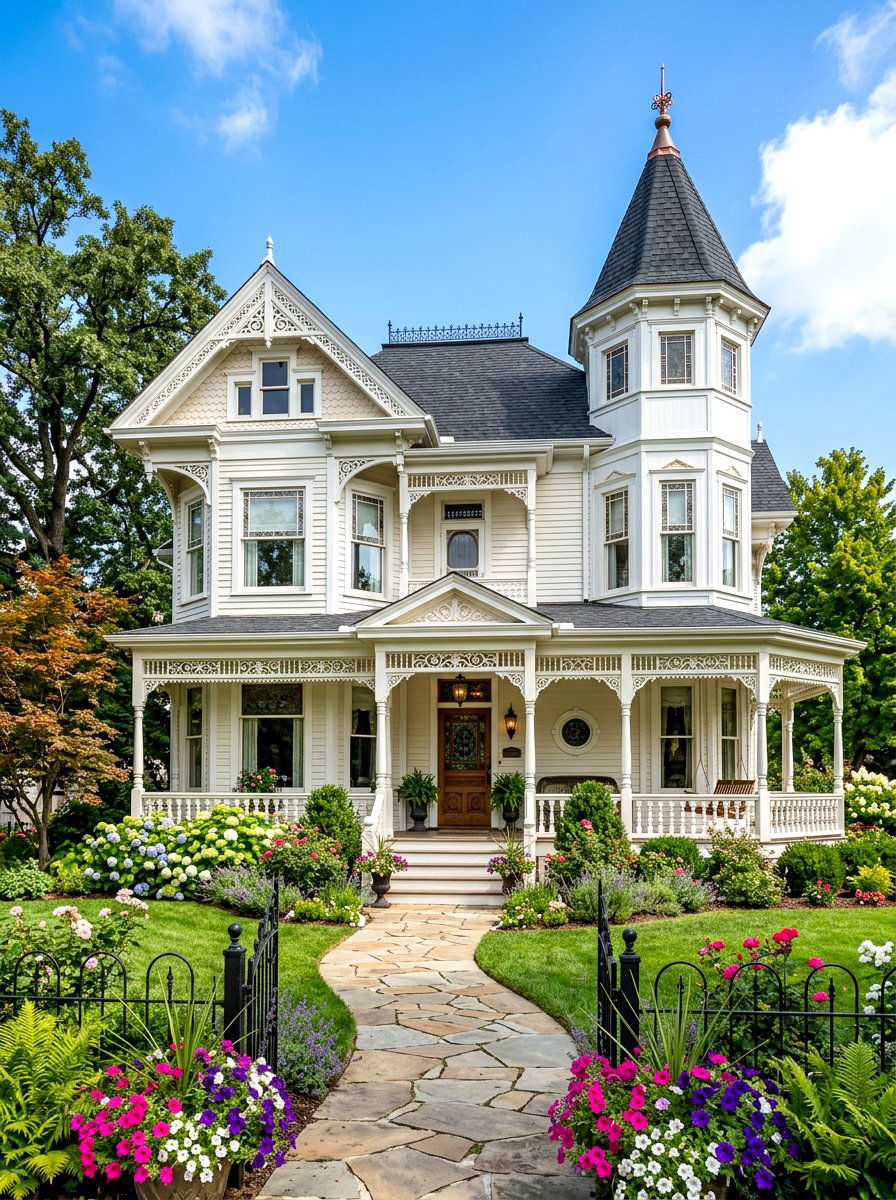
A Victorian flower garden emphasizes elegance, symmetry, and a romantic aesthetic that feels like a step back in time. This style often features ornate iron benches, classical statues, and neatly trimmed boxwood hedges that frame circular flower beds. Soft, romantic blooms like peonies, hydrangeas, and heirloom roses are staples of this traditional look. The use of repeating patterns and formal borders creates a sense of grandeur and sophistication. This design is perfect for historic homes or anyone wanting to add a touch of old-world class to their landscape. It encourages a slower pace of life, inviting you to sit and enjoy the refined beauty of a bygone era.
16. Zen Flower Garden
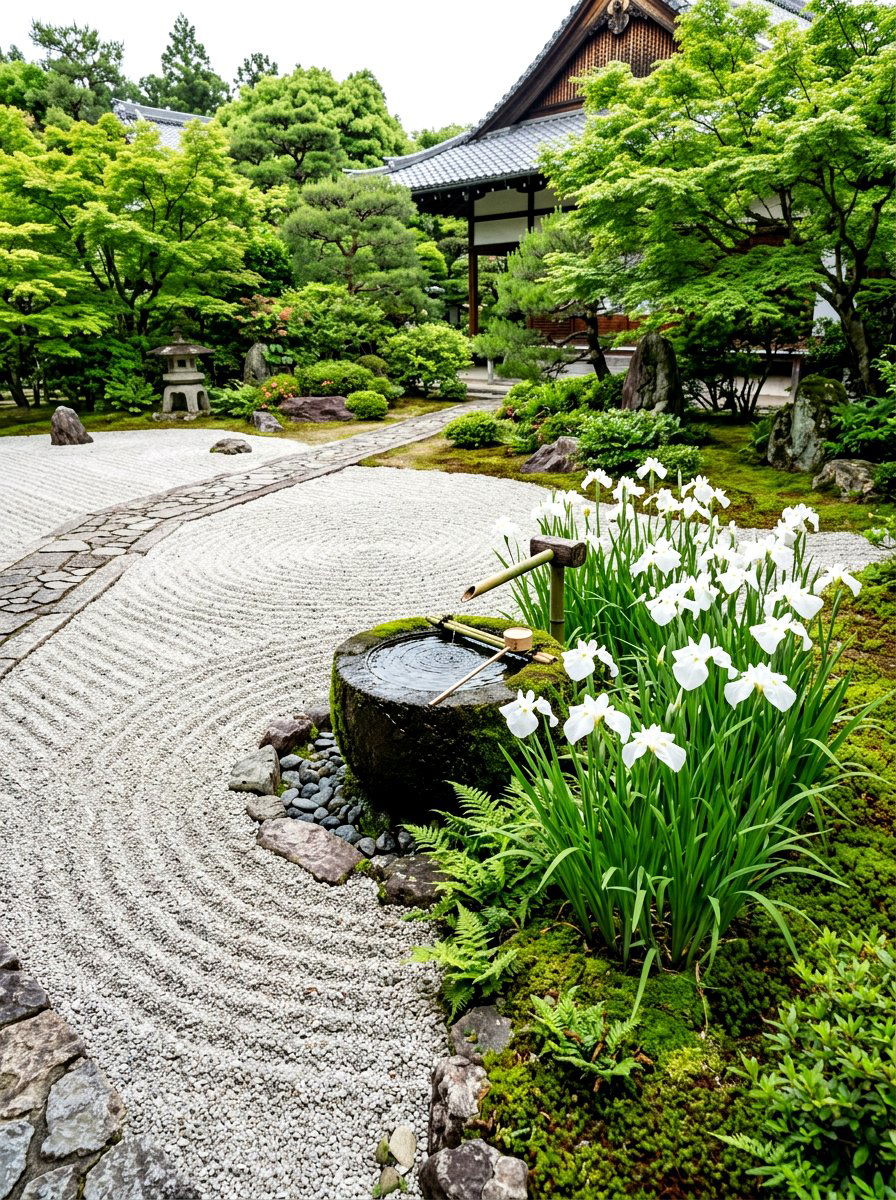
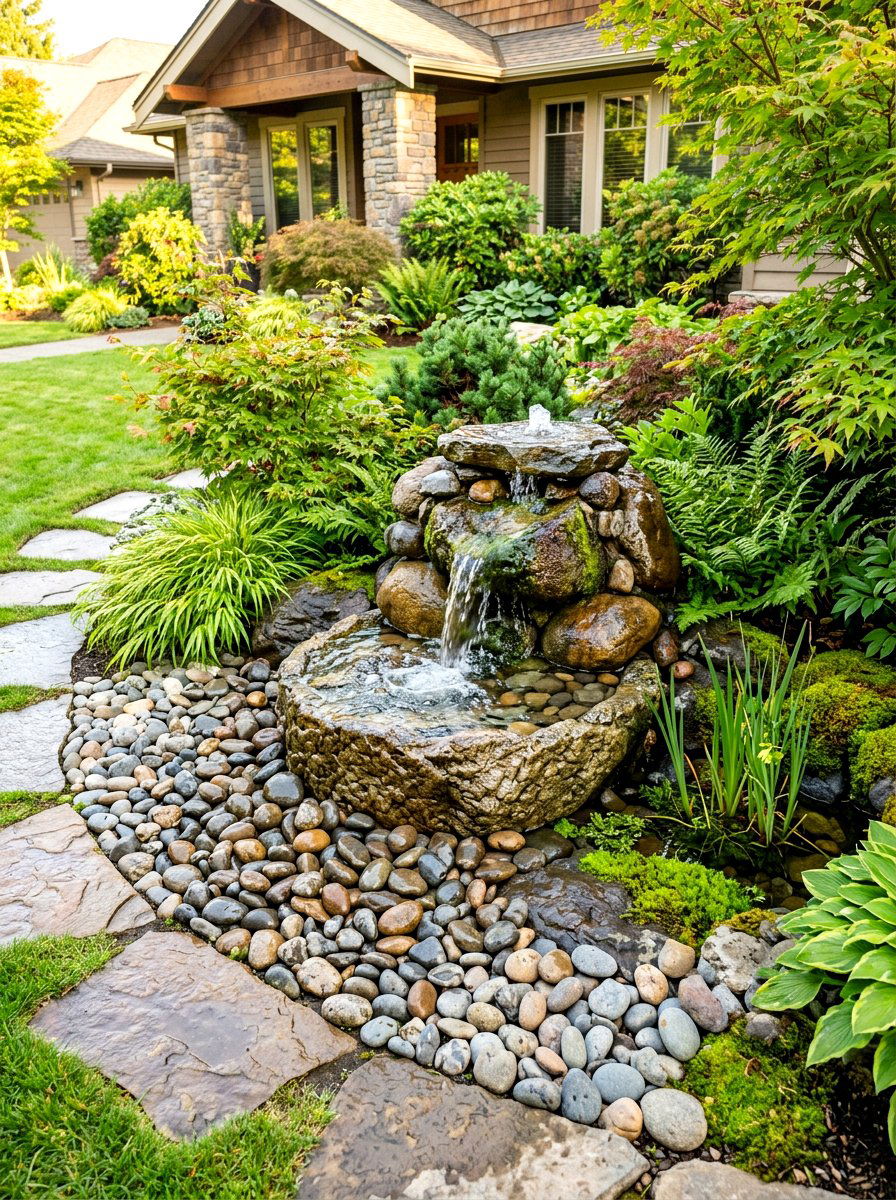
A Zen flower garden focuses on tranquility, balance, and simplicity to provide a meditative escape from the stresses of daily life. This style uses a limited color palette, often featuring whites, soft blues, and plenty of soothing green foliage. Incorporate elements like raked gravel, smooth river stones, and a simple water feature to enhance the peaceful atmosphere. Choose subtle flowers like Japanese irises or orchids that offer beauty without being overwhelming. The layout should feel open and airy, allowing the mind to rest. By creating a space that prioritizes harmony and stillness, you transform your backyard into a private sanctuary for reflection and quiet contemplation.
17. Moon Garden
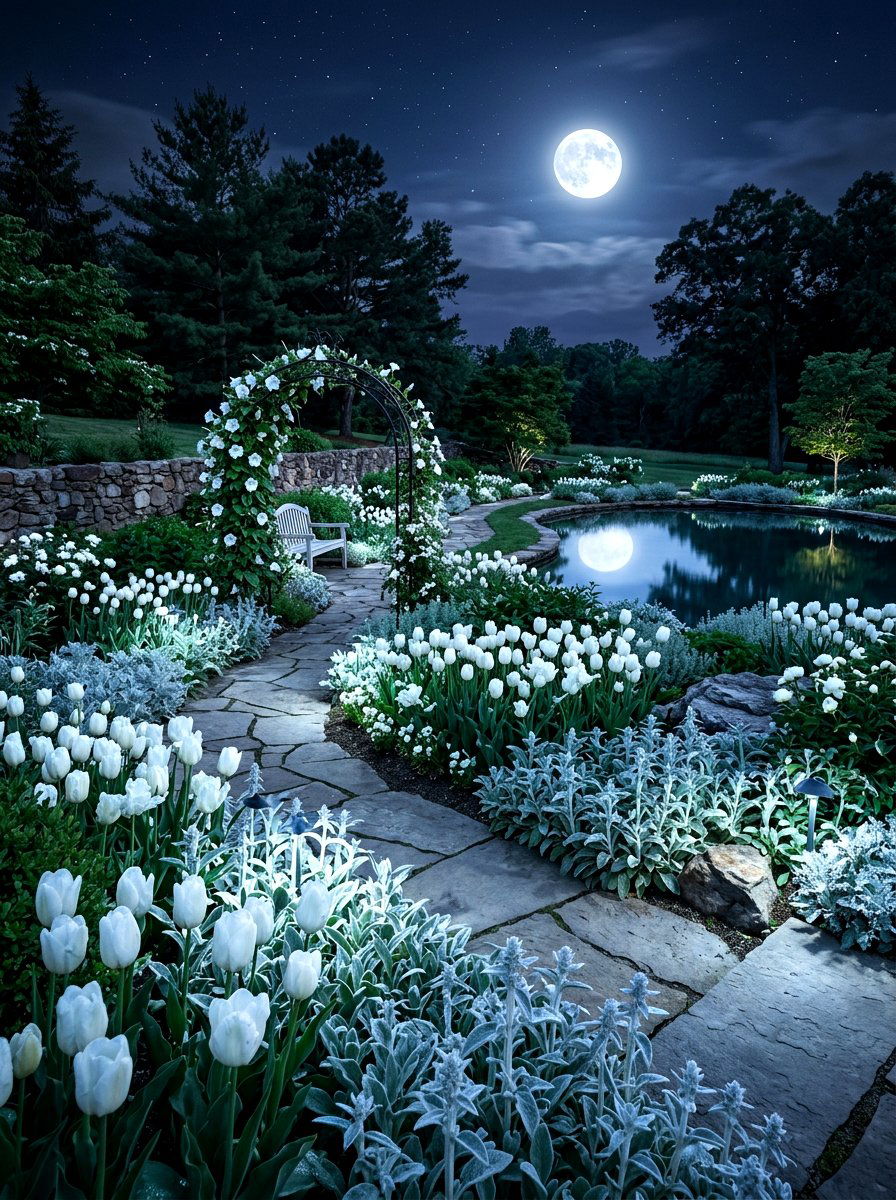
Designing a moon garden allows you to enjoy your outdoor space even after the sun goes down. This unique concept focuses on plants with white or silver foliage and blooms that reflect moonlight, making the garden glow in the dark. Use varieties like white tulips, night-blooming jasmine, and silver dusty miller to create a luminous effect. Many of these flowers also release their strongest scents at night, attracting nocturnal pollinators like moths. Adding soft, solar-powered lighting or a fire pit can further enhance the magical ambiance. This is a perfect choice for busy professionals who mostly spend time in their gardens during the evening hours.
18. Butterfly Garden
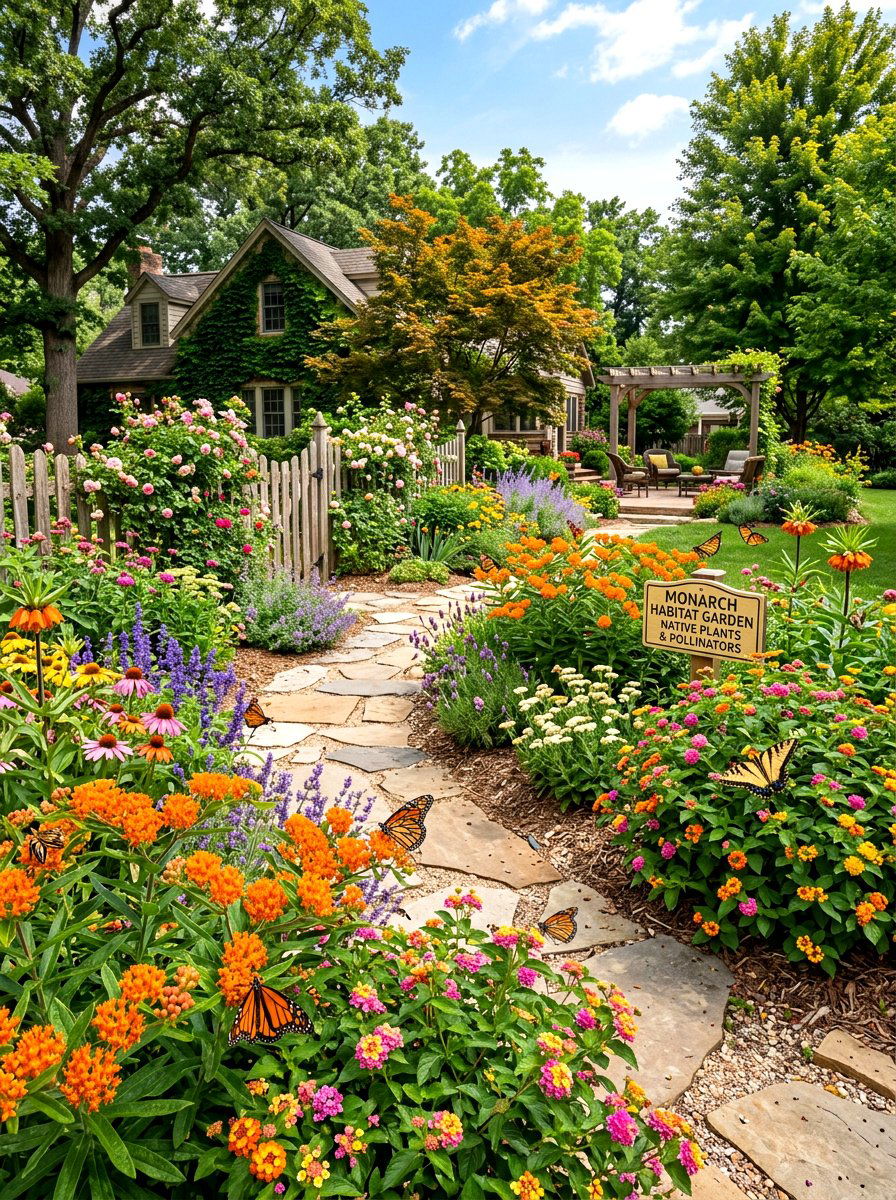
A butterfly garden is a delightful way to attract these winged jewels to your backyard while supporting their life cycle. Focus on planting both nectar sources for adults and host plants for caterpillars, such as parsley or milkweed. Brightly colored flowers like lantana, coneflower, and butterfly bush are known favorites that provide easy access to food. Providing a flat stone in a sunny spot gives butterflies a place to warm their wings, while a small puddling station offers necessary minerals. This active and educational garden design is perfect for families with children. It turns your yard into a living classroom where you can observe nature’s transformations up close.
19. Rose Garden
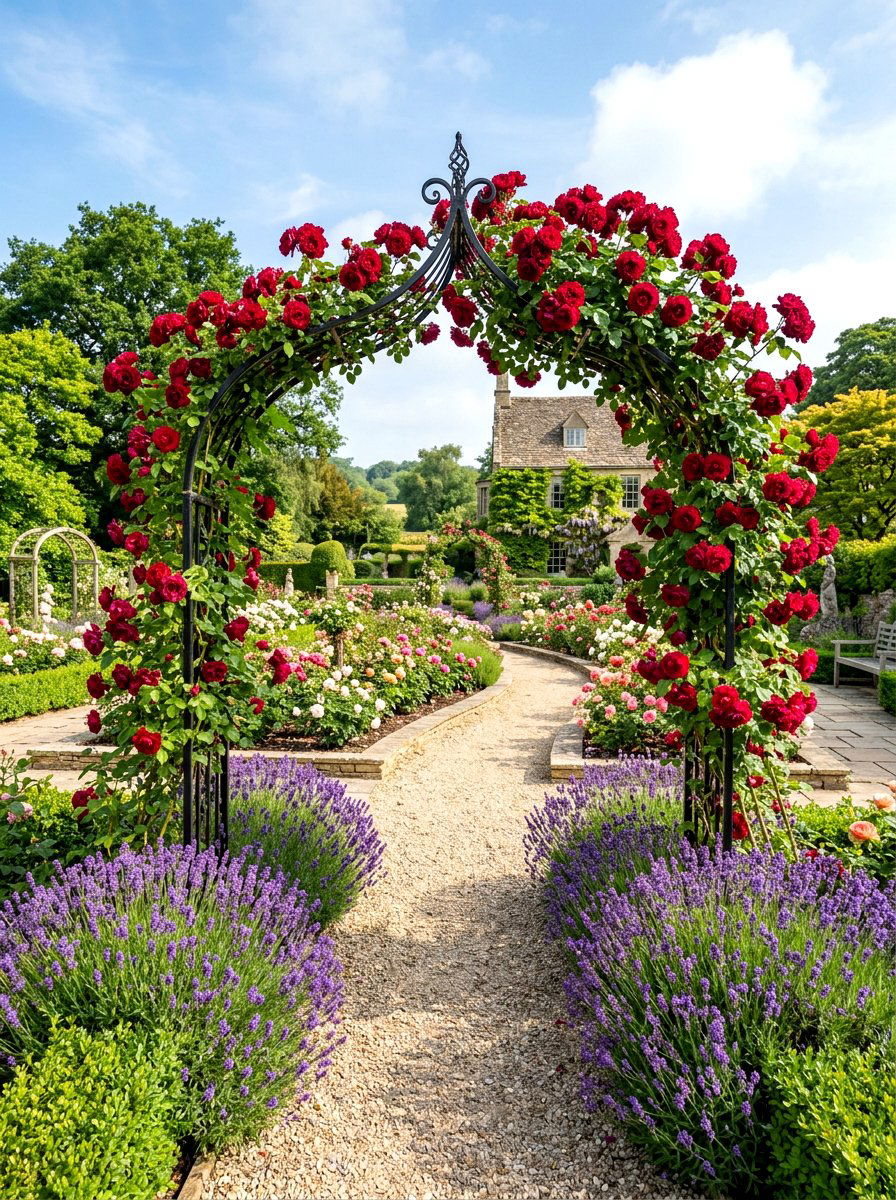
A dedicated rose garden is the ultimate symbol of classic beauty and horticultural passion. Whether you prefer climbing roses on a trellis or neat rows of tea roses, this design offers unmatched fragrance and elegance. Incorporating different varieties ensures a long blooming season and a diverse range of colors, from deep crimson to soft cream. Proper pruning and sunlight are essential for keeping these plants healthy and productive. Mixing in smaller perennials like lavender or catmint can help hide the thorny stems and provide a lush ground cover. This timeless garden style adds significant value and a sense of luxury to any home, making it a favorite among enthusiasts.
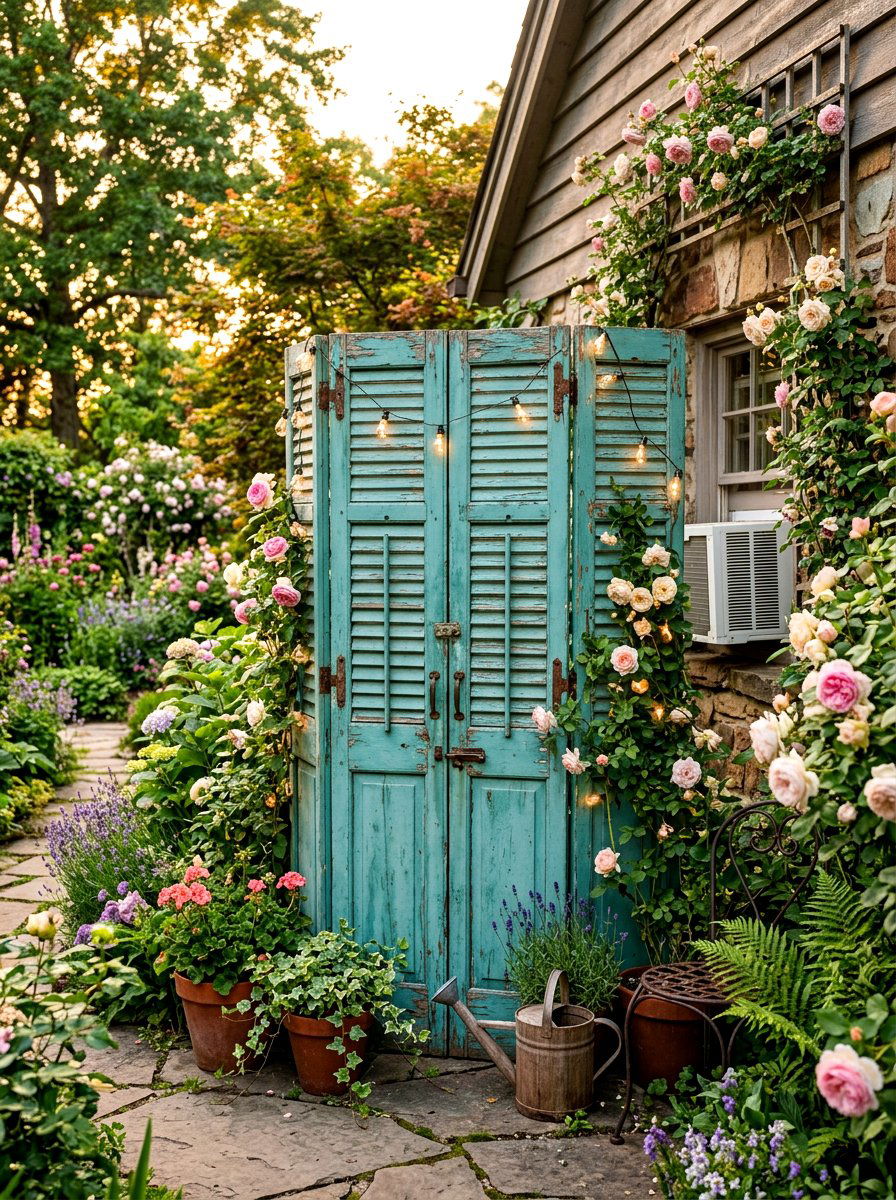
20. Lavender Field Garden
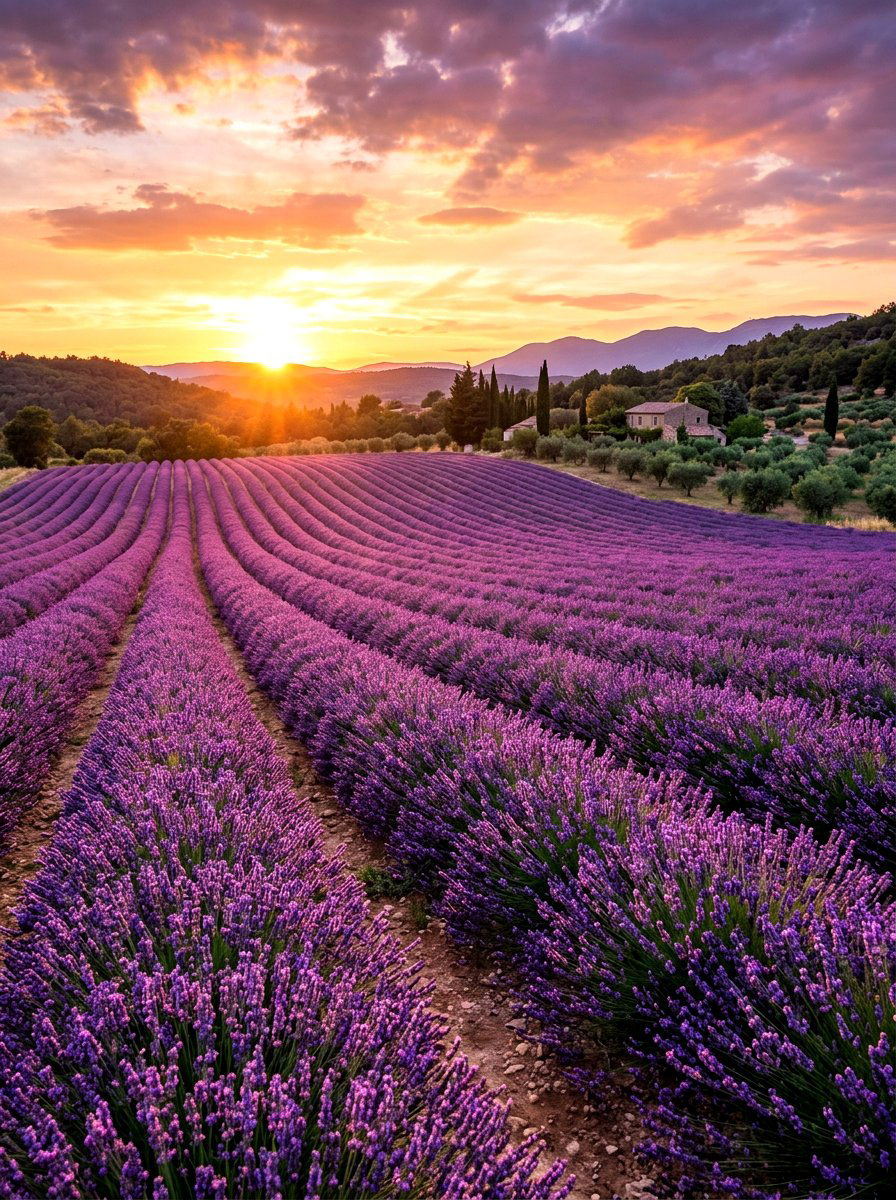
Inspired by the rolling hills of Provence, a lavender field garden brings a Mediterranean feel and a calming scent to your yard. Planting lavender in large, uniform rows creates a stunning visual impact that looks like a purple sea when in full bloom. This hardy plant loves sunny spots and well-draining soil, making it perfect for rocky or sandy areas. Not only is it beautiful, but the dried flowers can also be used for sachets, teas, and essential oils. The silvery-green foliage remains attractive even when the plant is not flowering. This design is excellent for creating a low-maintenance, drought-resistant border that smells absolutely divine.
21. Sunflower Garden
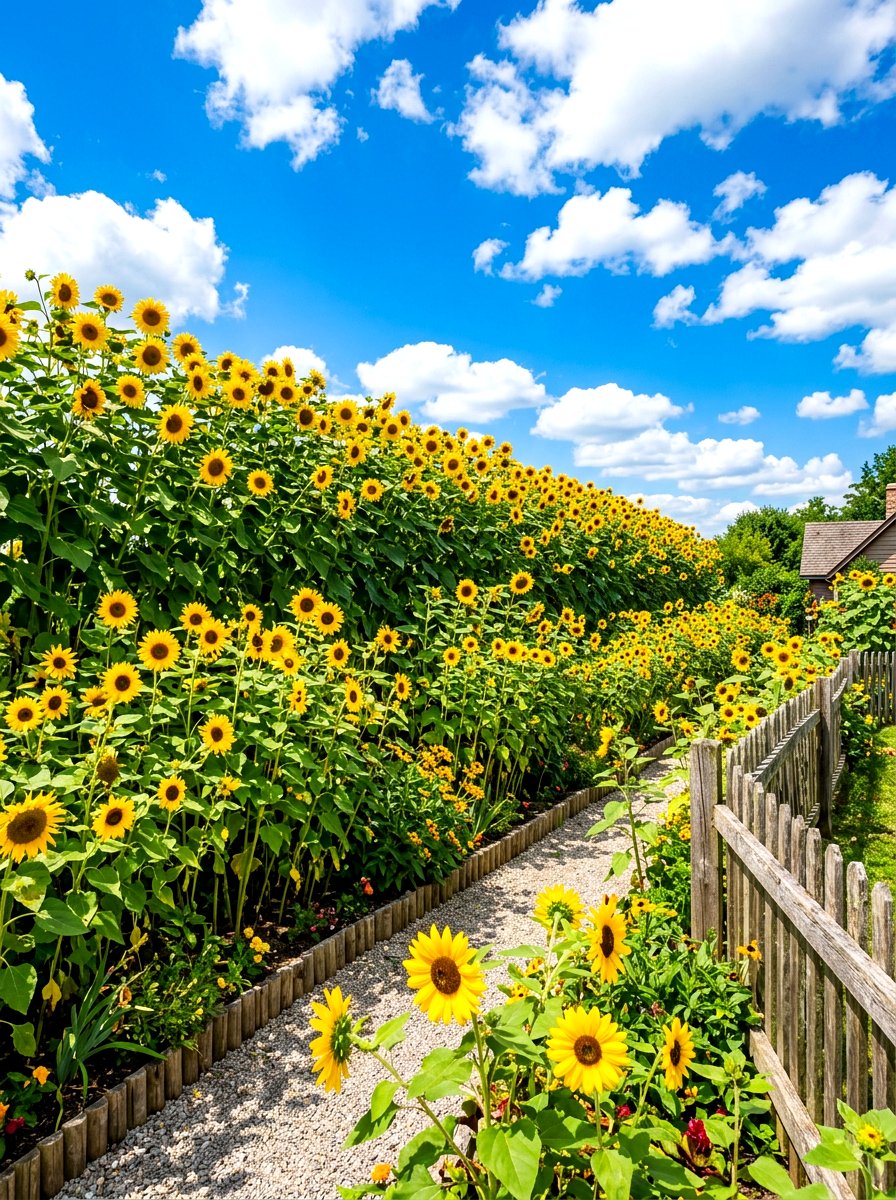
A sunflower garden brings instant joy and a sense of summer fun to any outdoor area. These tall, cheerful giants can be used to create temporary living fences or backdrops for shorter flower beds. With varieties ranging from tiny dwarfs to massive ten-foot tall types, there is a sunflower for every space. Their bright yellow faces follow the sun across the sky, providing a dynamic element to your landscape. After the blooms fade, the seeds provide a natural feast for local birds. This is an easy-to-grow option that is perfect for beginners and children. A wall of sunflowers creates a bold, rustic look that captures the essence of a happy garden.
22. Hydrangea Garden
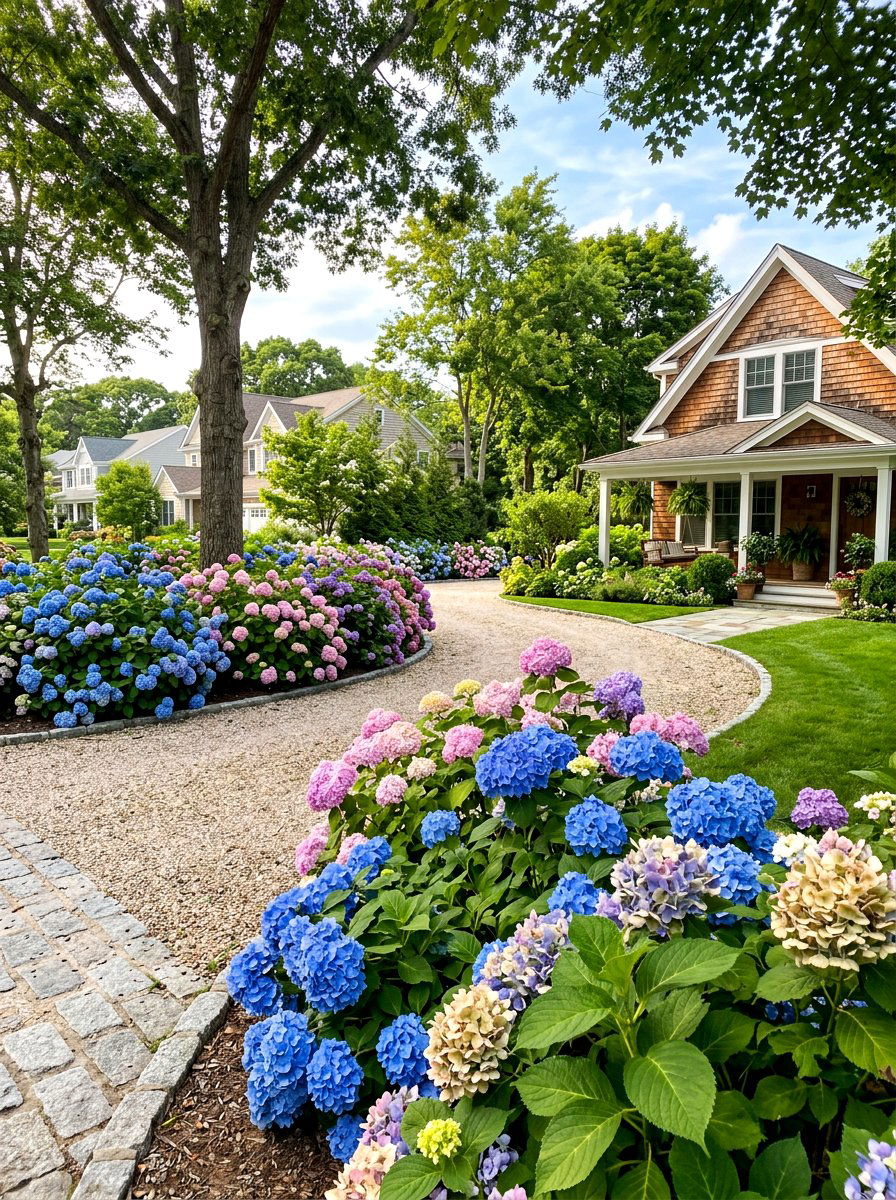
A hydrangea garden is perfect for creating soft, billowy clouds of color in partially shaded areas of your yard. Known for their massive flower heads, these shrubs offer a long season of interest that lasts from mid-summer into the fall. You can find varieties in shades of blue, pink, white, and even deep purple, depending on your soil’s acidity. Planting them in groups creates a lush, full look that is perfect for lining a driveway or framing a porch. Their dried flower heads also provide winter interest when left on the bush. This classic choice adds a romantic, suburban charm that feels both sophisticated and incredibly cozy.
23. Woodland Garden
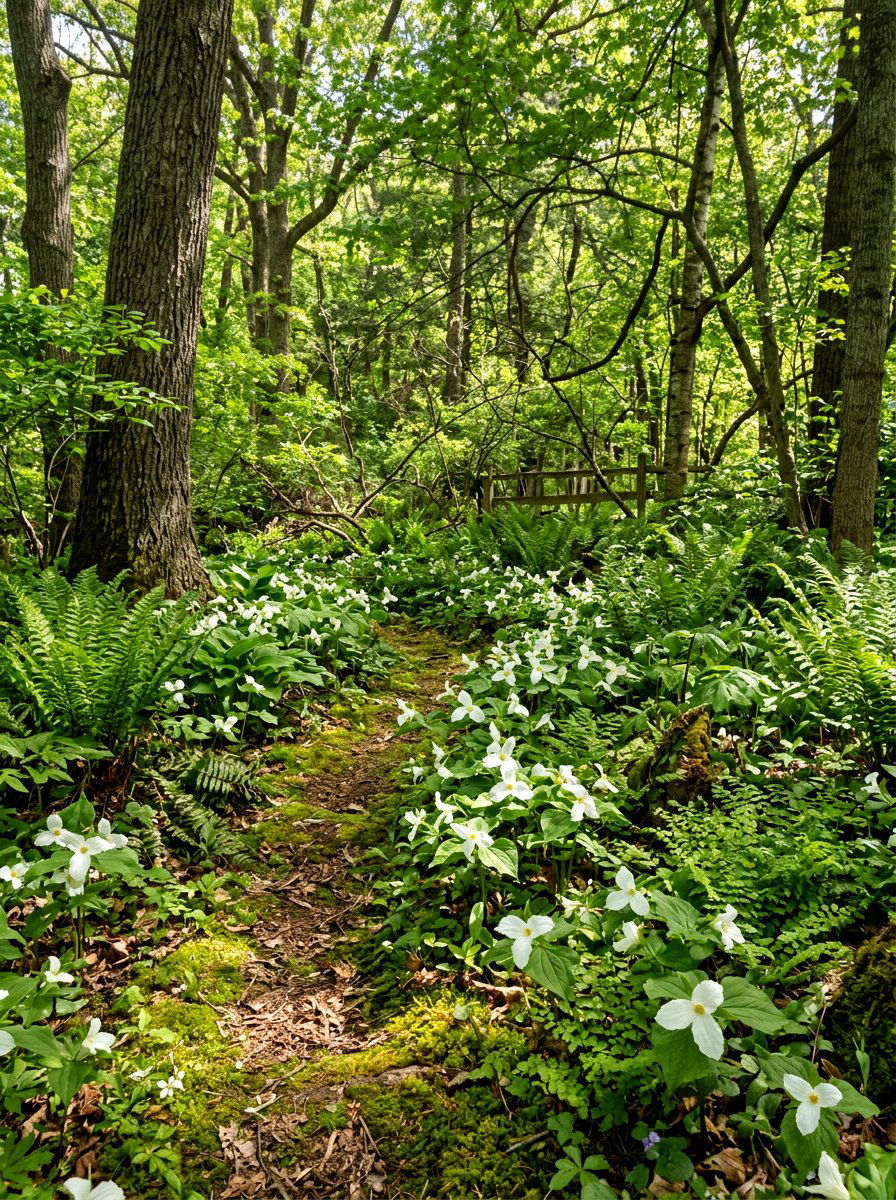
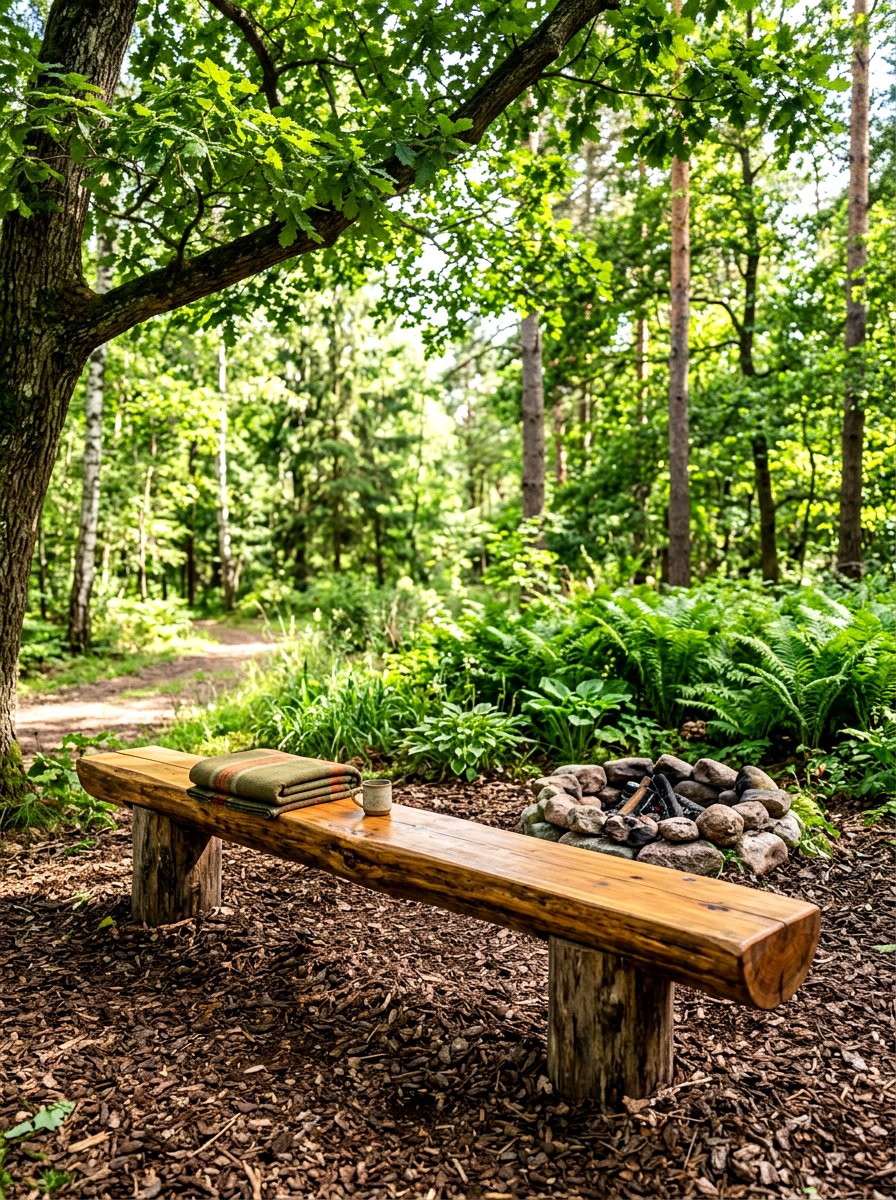
Creating a woodland garden allows you to mimic the natural beauty of a forest floor right in your own backyard. This style is ideal for yards with mature trees where grass might struggle to grow. Focus on layering shade-loving plants like trilliums, wild ginger, and various ferns to create a rich, organic texture. Use natural materials like fallen logs or bark mulch for paths to maintain the authentic forest feel. This design provides a cool, damp habitat for birds and small wildlife. By working with the existing canopy, you create a low-maintenance landscape that feels like a hidden retreat far away from the noise of the city.
24. Coastal Flower Garden
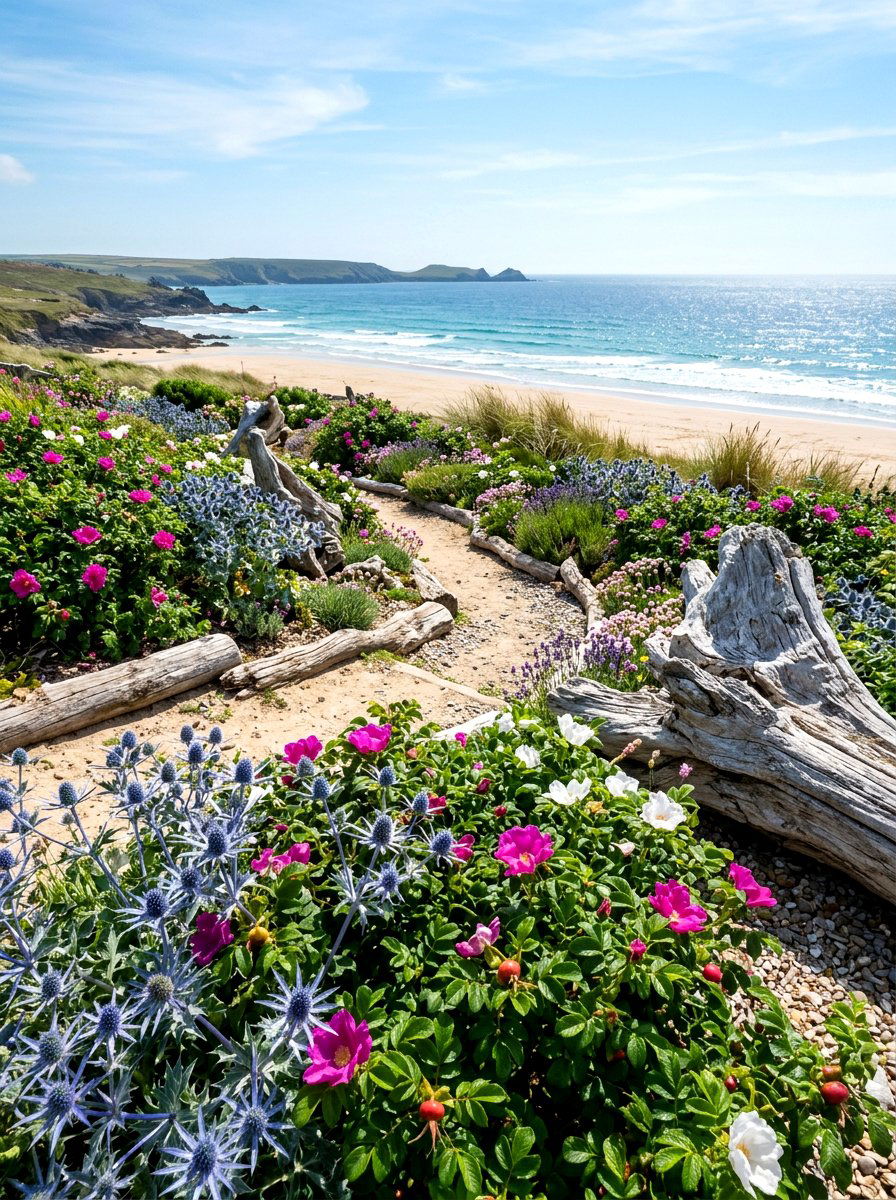
A coastal flower garden is designed to withstand salty air, sandy soil, and strong winds while looking effortlessly beautiful. Use resilient plants like sea holly, beach roses, and ornamental grasses that thrive in harsh shoreline conditions. This style often features a palette of blues, whites, and sandy yellows to mirror the seaside environment. Incorporating weathered driftwood or nautical accents like anchors can enhance the theme. The goal is to create a relaxed, airy atmosphere that feels like a permanent beach vacation. This durable and low-maintenance approach is perfect for vacation homes or anyone living near the water who wants a garden that can truly handle the elements.
25. Edible Flower Garden
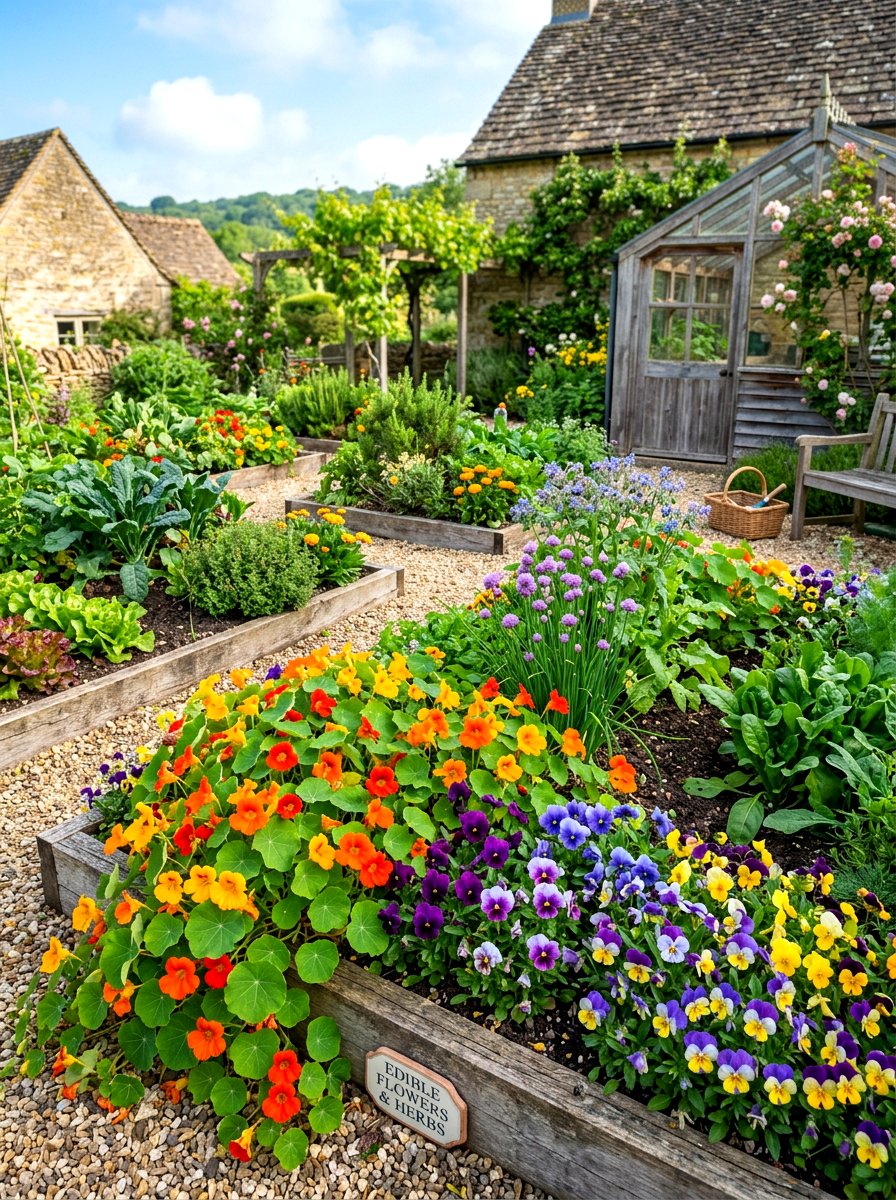
An edible flower garden blends beauty with utility by featuring plants that are both stunning to look at and safe to eat. Varieties like nasturtiums, pansies, and borage can be used to garnish salads, decorate cakes, or infuse cocktails with unique flavors. This design encourages you to explore the culinary side of gardening while maintaining a colorful landscape. Many edible flowers are easy to grow in small pots or mixed into traditional vegetable beds to attract pollinators. Always ensure that the plants are grown organically without harmful chemicals if you plan to consume them. It is a delightful way to impress guests with home-grown ingredients straight from your own backyard.
26. Formal Parterre Garden
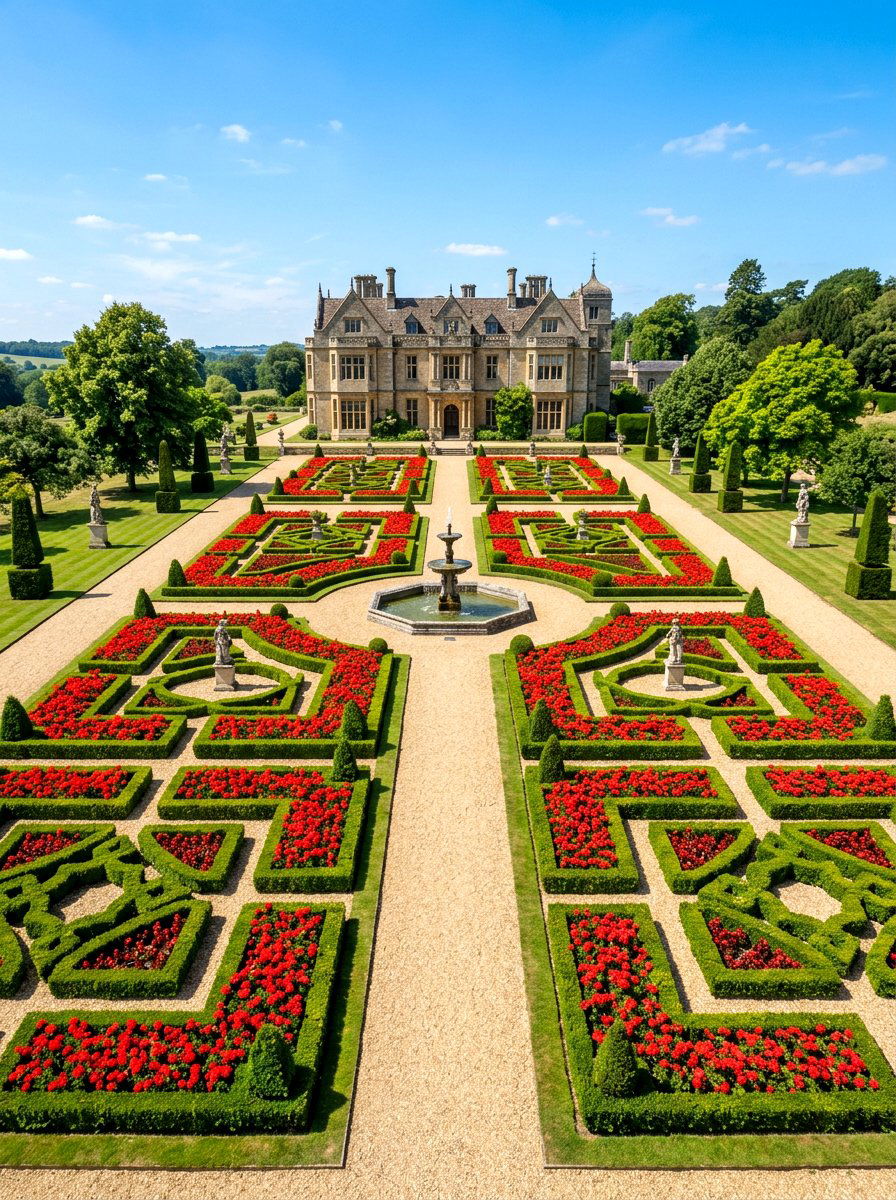
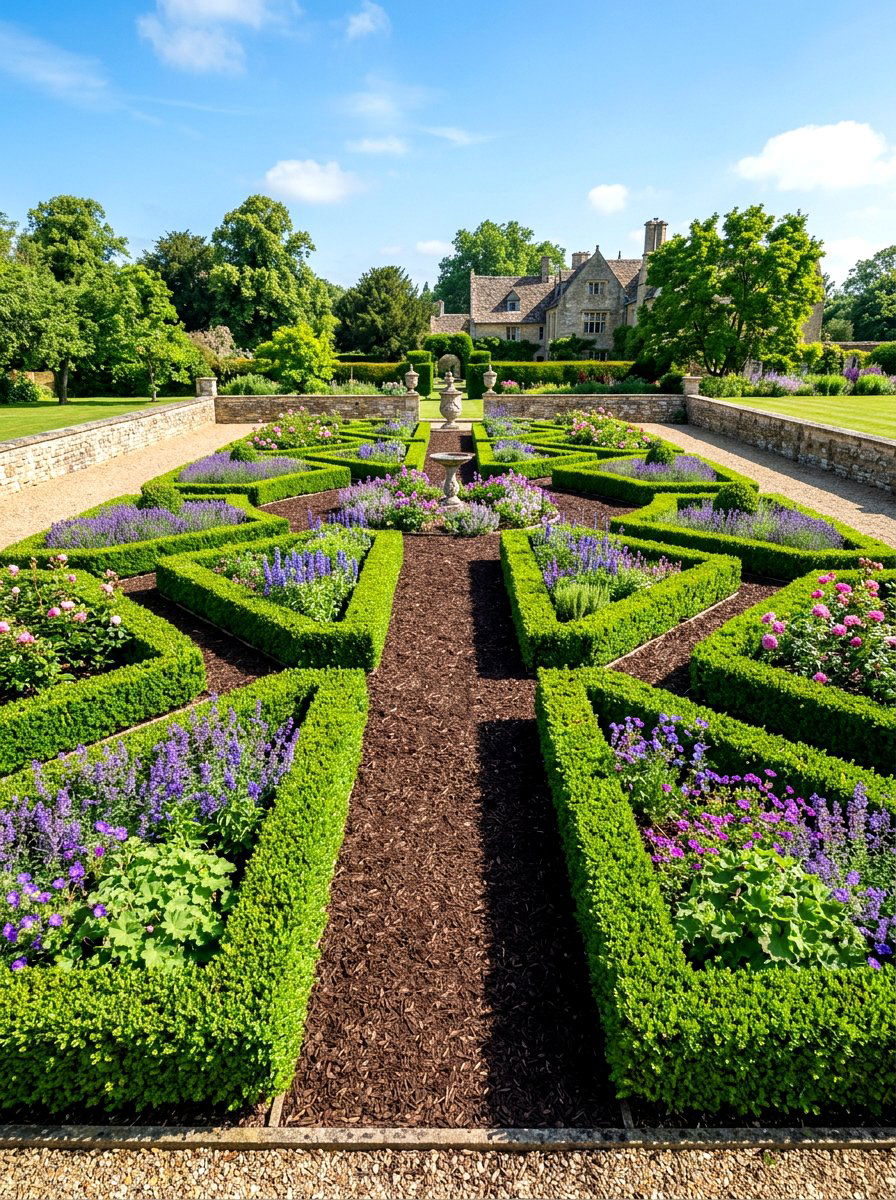
A formal parterre garden uses geometric patterns and low hedges to create a highly structured and artistic landscape. This traditional European style is characterized by symmetry and precision, often viewed from an elevated position like a balcony or deck. Within the framework of clipped boxwoods, you can plant colorful annuals or perennials that contrast with the green borders. Gravel paths usually separate the beds, allowing you to walk through and admire the intricate design. This style requires more maintenance to keep the hedges sharp, but the result is a grand and impressive display. It is an excellent choice for large estates or anyone wanting a stately, professional garden look.
27. Alpine Garden
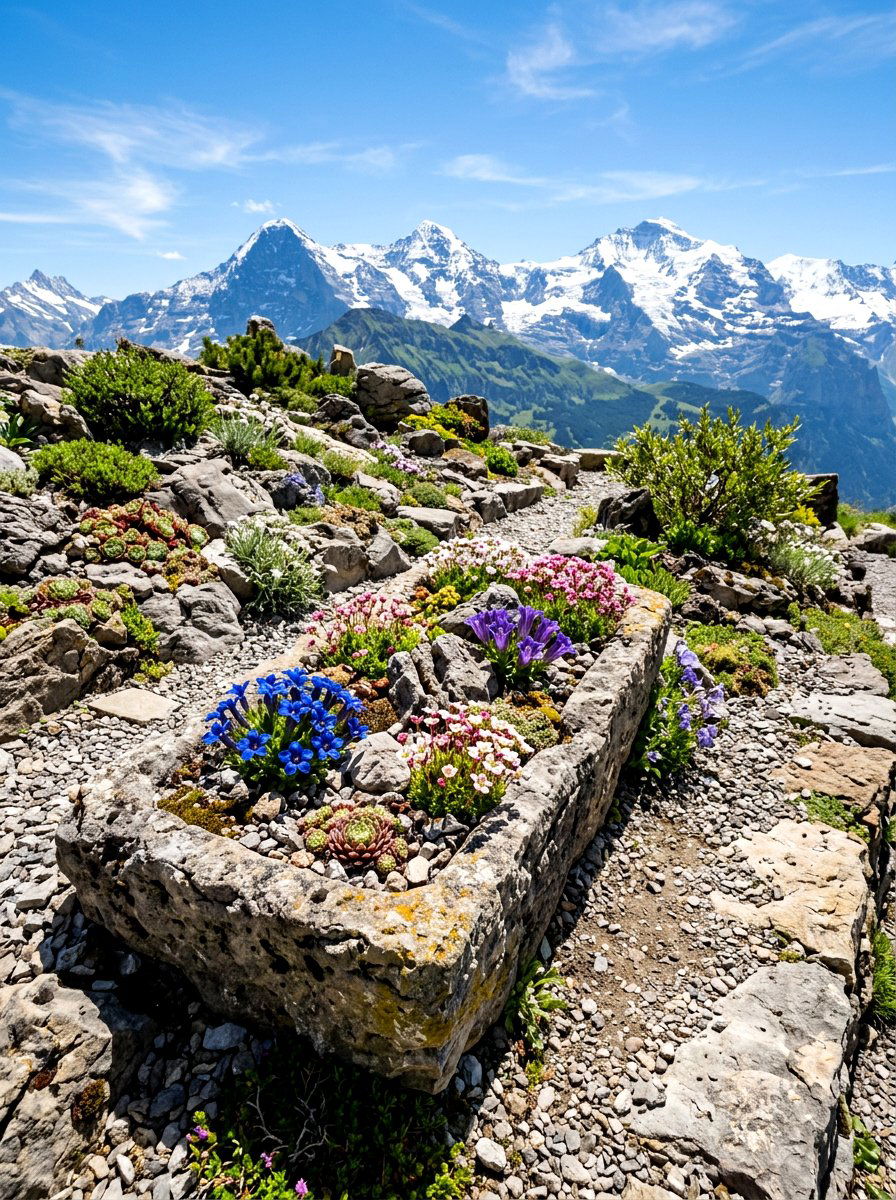
Designing an alpine garden allows you to showcase small, hardy plants that typically grow in high-altitude mountain environments. These plants are often compact and feature delicate, intricate blooms that reward close observation. Use a mix of grit and small stones to mimic their natural rocky habitat and ensure perfect drainage. Varieties like saxifrage, gentians, and edelweiss are classic choices that add a touch of mountain magic to your yard. This style is perfect for small spaces or trough gardens where you can appreciate the tiny details of each specimen. It is a rewarding challenge for dedicated gardeners who enjoy creating specialized micro-climates for unique and resilient plant species.
28. Hummingbird Garden
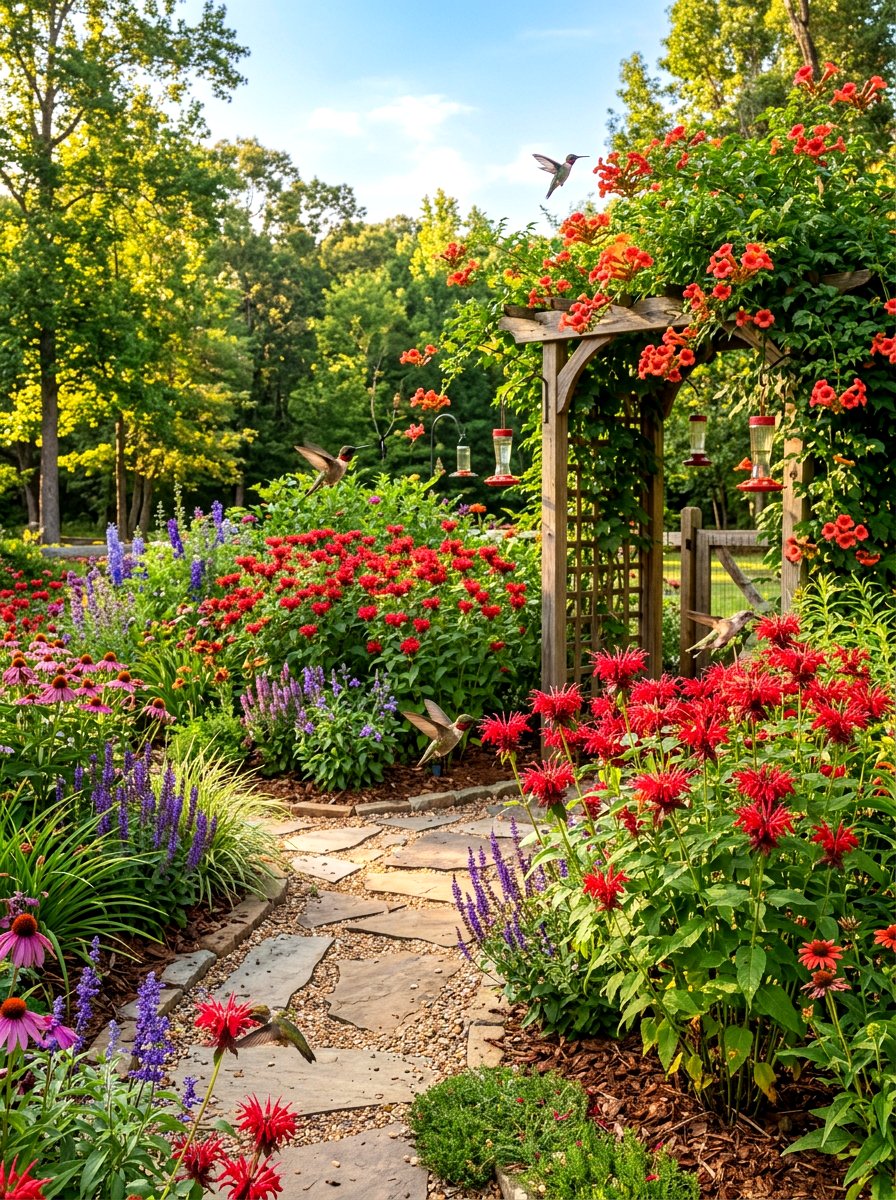
A hummingbird garden is a vibrant and active space specifically designed to attract these fast-moving, colorful birds. Focus on planting tubular flowers in shades of red, orange, and bright pink, as these are the most attractive to hummingbirds. Favorites like bee balm, trumpet vine, and fuchsia provide plenty of nectar for their high-energy needs. Avoid using netting or mesh where they might get caught, and provide a small water mister for them to bathe in. The constant movement and iridescent colors of the birds add a layer of excitement to your garden. This design creates a lively ecosystem that is a joy to watch from a nearby porch or window.
29. Gravel Flower Garden
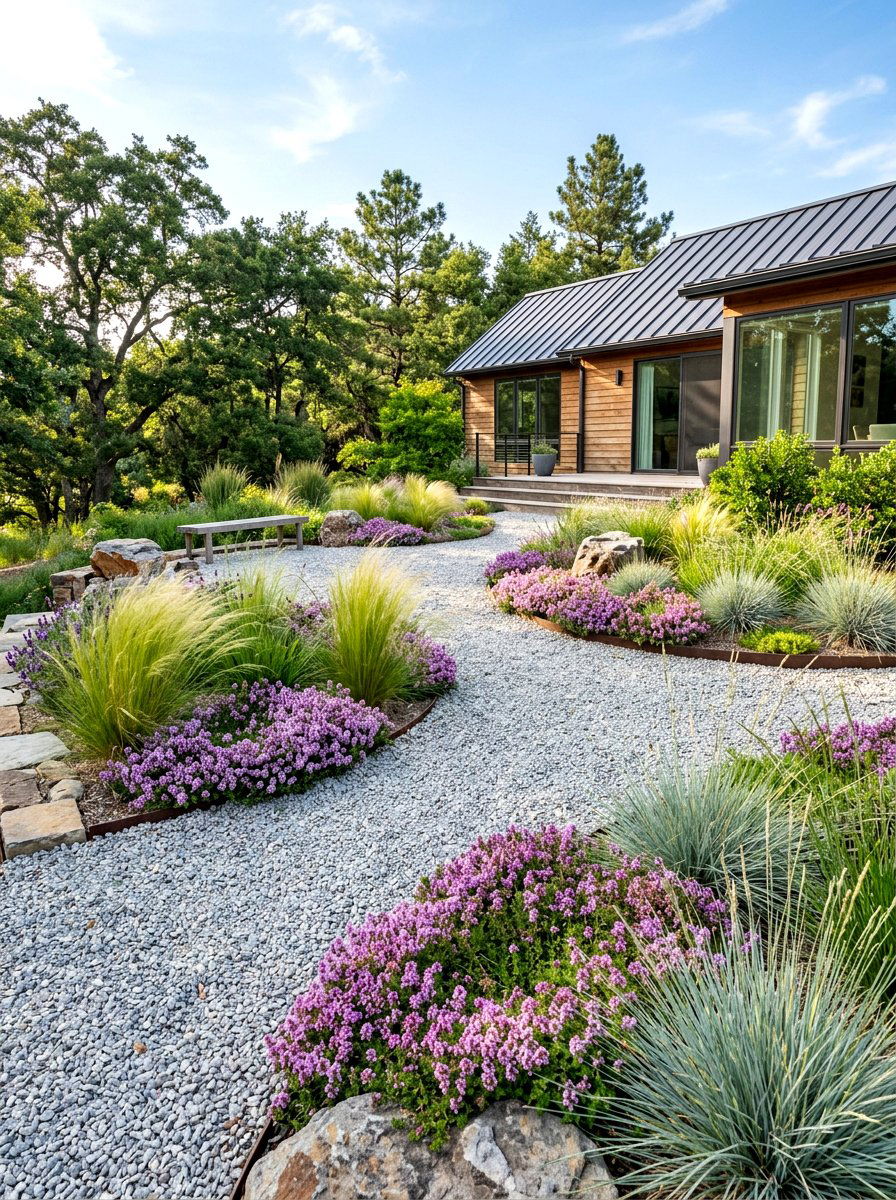
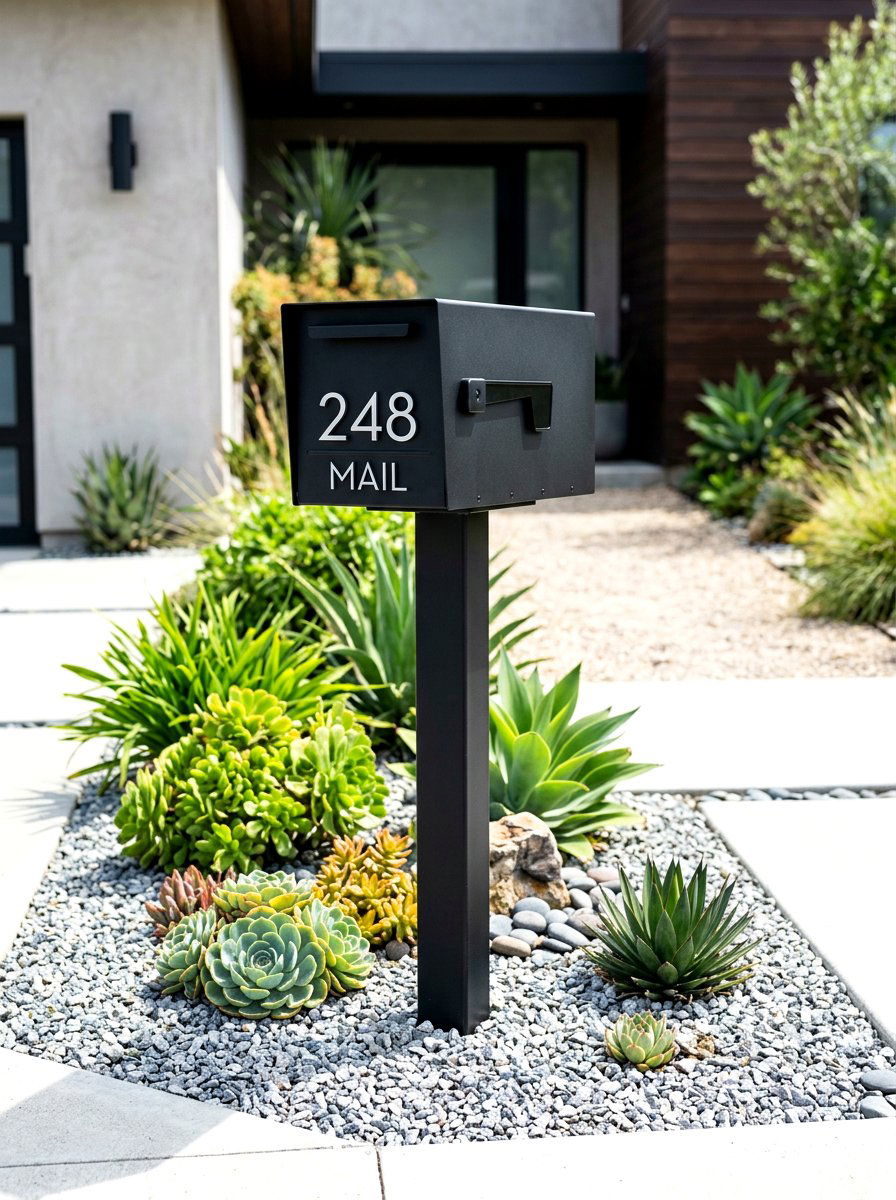
A gravel flower garden is a modern and low-maintenance alternative to traditional mulch or grass beds. By using a thick layer of pea gravel or crushed stone, you suppress weeds and create a clean, contemporary backdrop for your plants. This style works exceptionally well with Mediterranean plants like lavender, thyme, and ornamental grasses that love the heat reflected by the stones. The neutral tones of the gravel make the vibrant colors of the flowers pop, creating a high-contrast visual effect. It is a permeable surface that allows rainwater to reach the soil easily, preventing runoff. This design is perfect for homeowners who want a tidy, minimalist look with very little effort.
30. Terraced Flower Garden
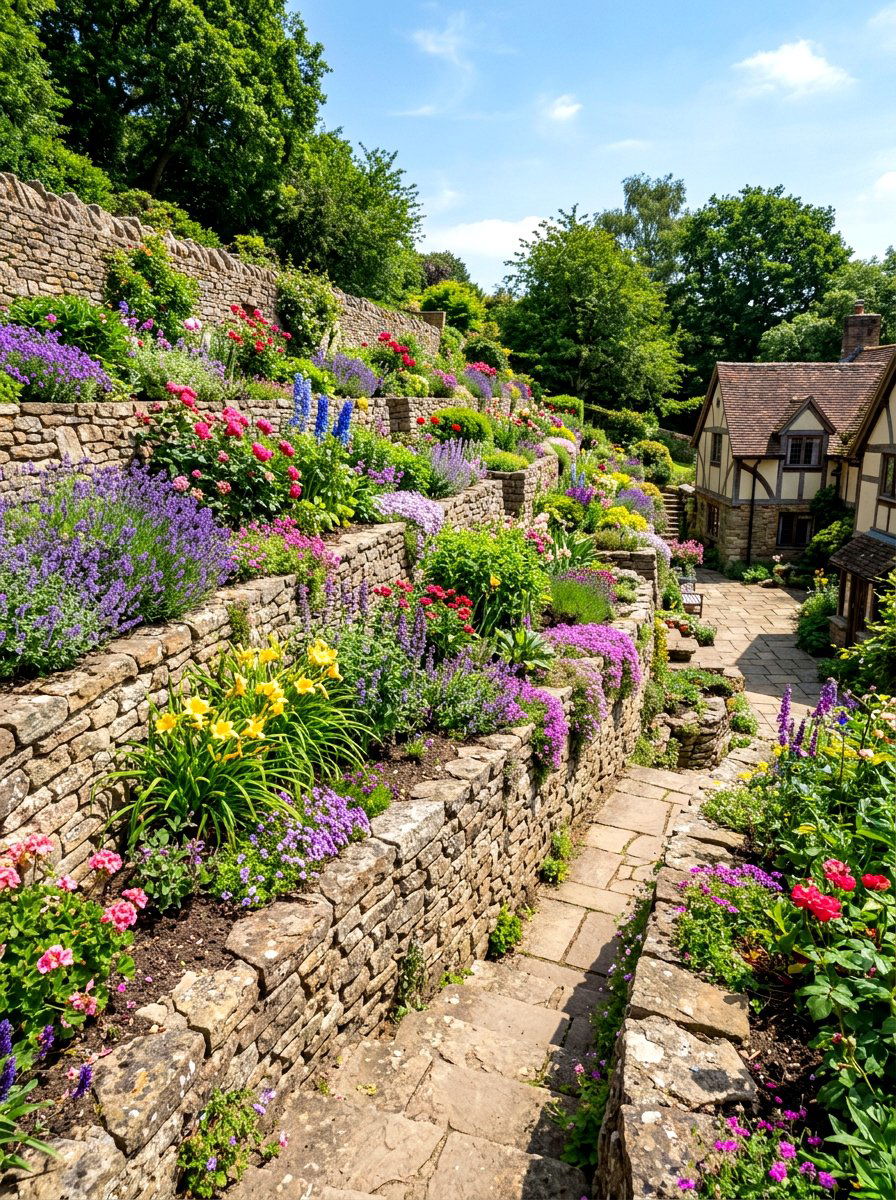
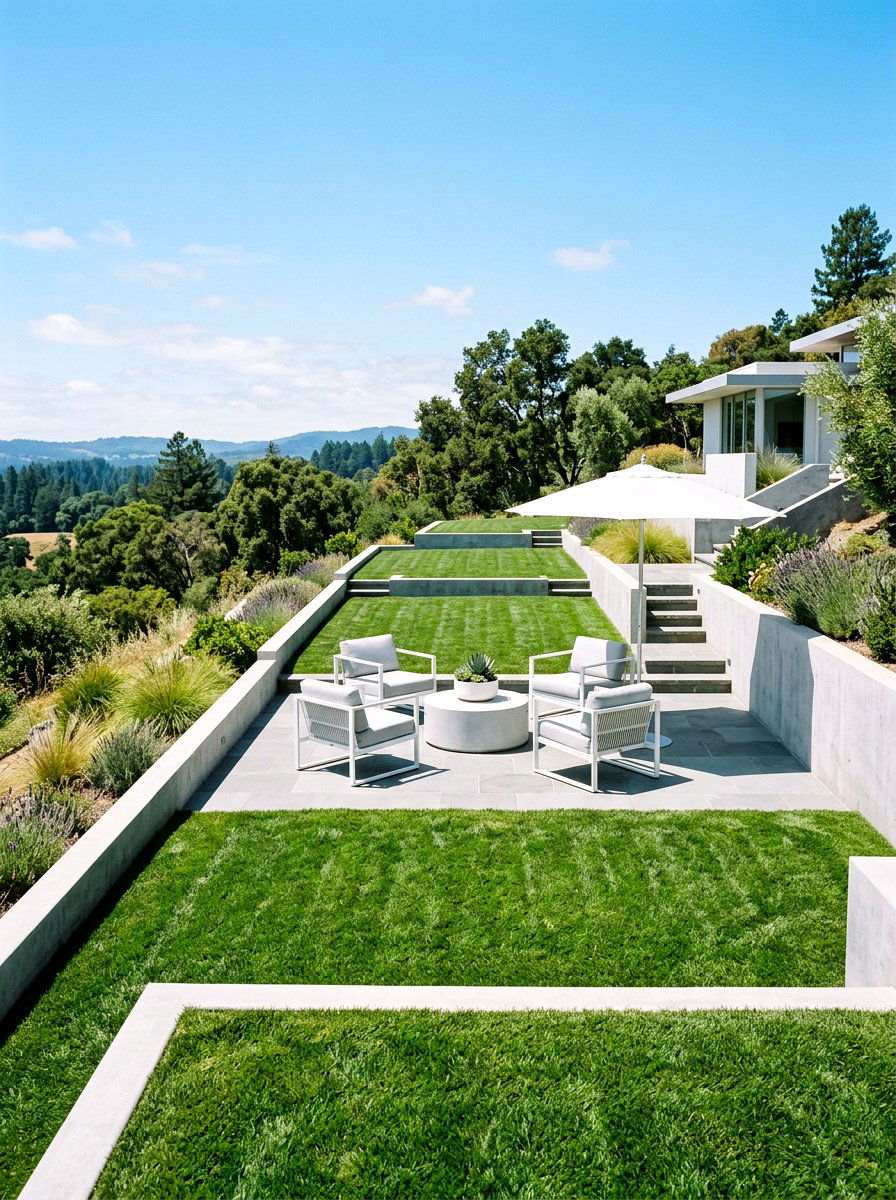
Utilizing a terraced flower garden is a brilliant way to turn a steep slope into a functional and beautiful series of planting beds. By building retaining walls out of stone or timber, you create level tiers that prevent soil erosion and manage water runoff. Each level can feature a different theme or color palette, allowing for incredible variety in a single space. Creeping flowers can spill over the edges of the walls, softening the hard lines and adding a sense of abundance. This design adds architectural interest and vertical depth to your property. It transforms a difficult landscape challenge into a stunning focal point that maximizes every inch of your outdoor area.
Conclusion:
Cultivating a flower garden is a deeply rewarding journey that connects you with the natural world while enhancing your home's unique character. Throughout this guide, we have explored a vast range of styles, from the wild beauty of a meadow to the structured elegance of a formal parterre. Each design offers a different way to experience the seasons and interact with the environment. By selecting the right plants for your specific climate and lifestyle, you can create a sustainable oasis that brings joy for years to come. Whether you are a beginner or a seasoned pro, the act of planting seeds is a hopeful investment in the future beauty of your landscape.

Related posts: