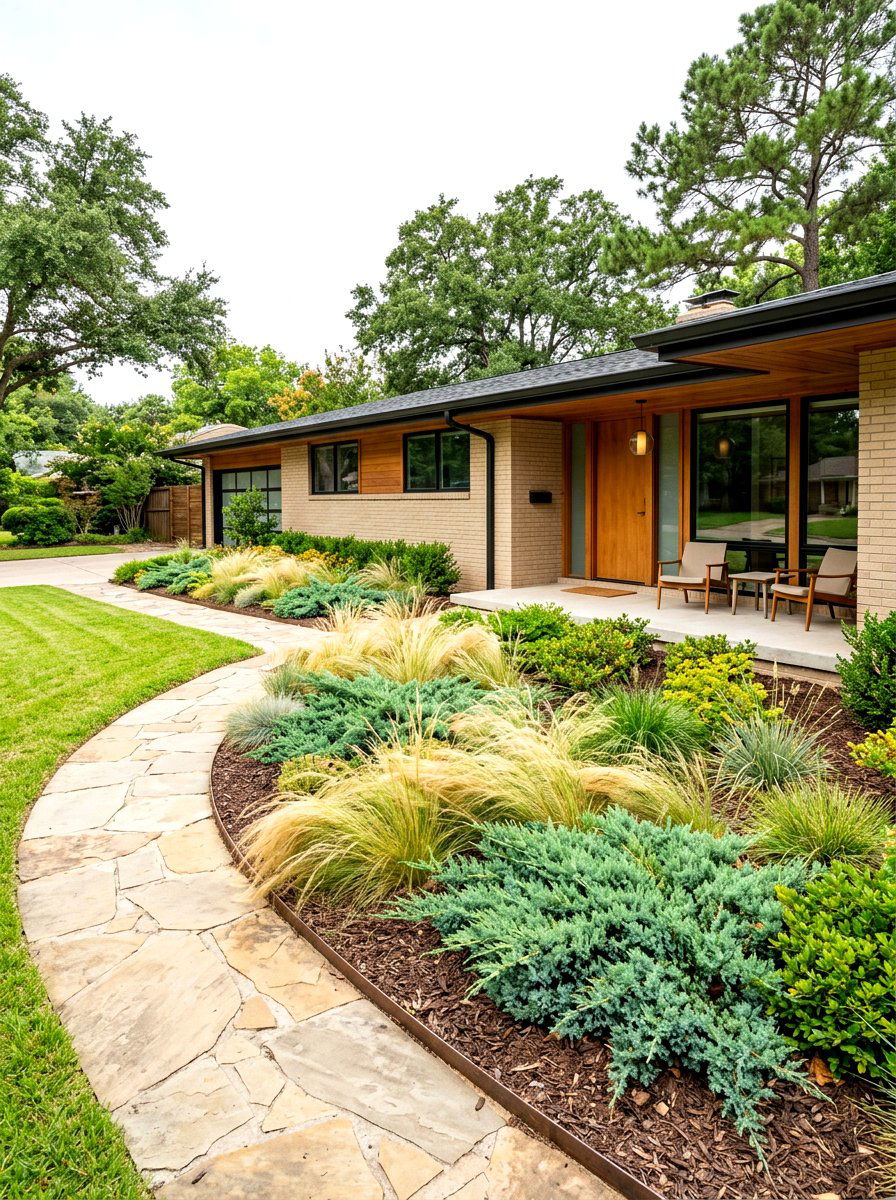
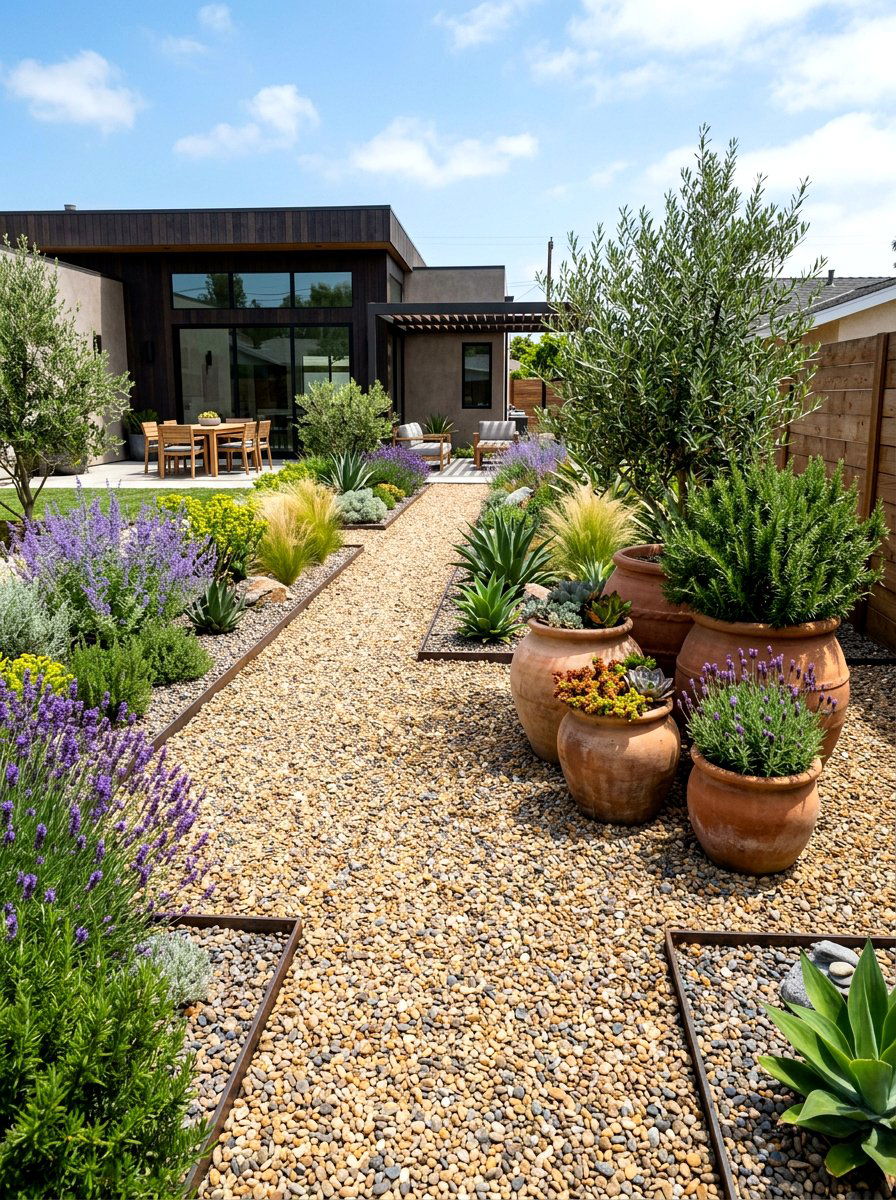
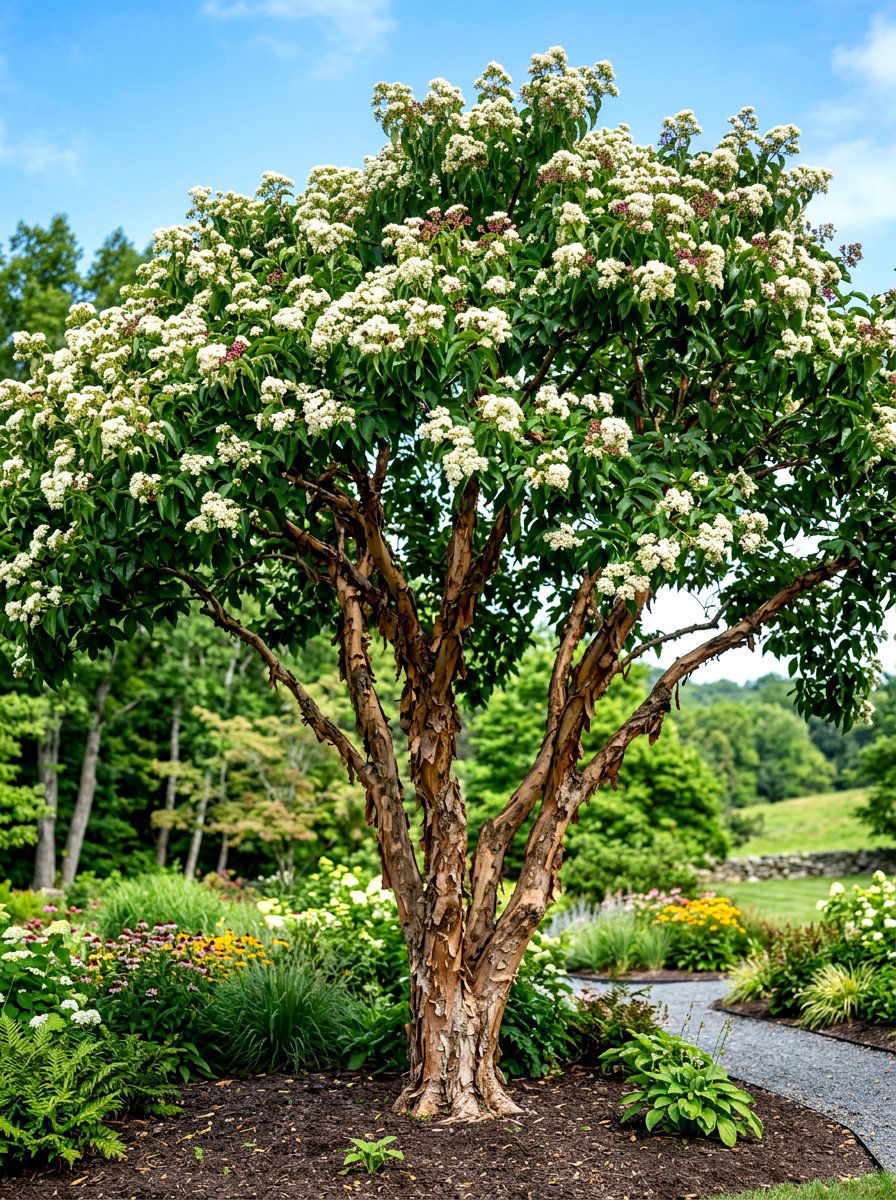
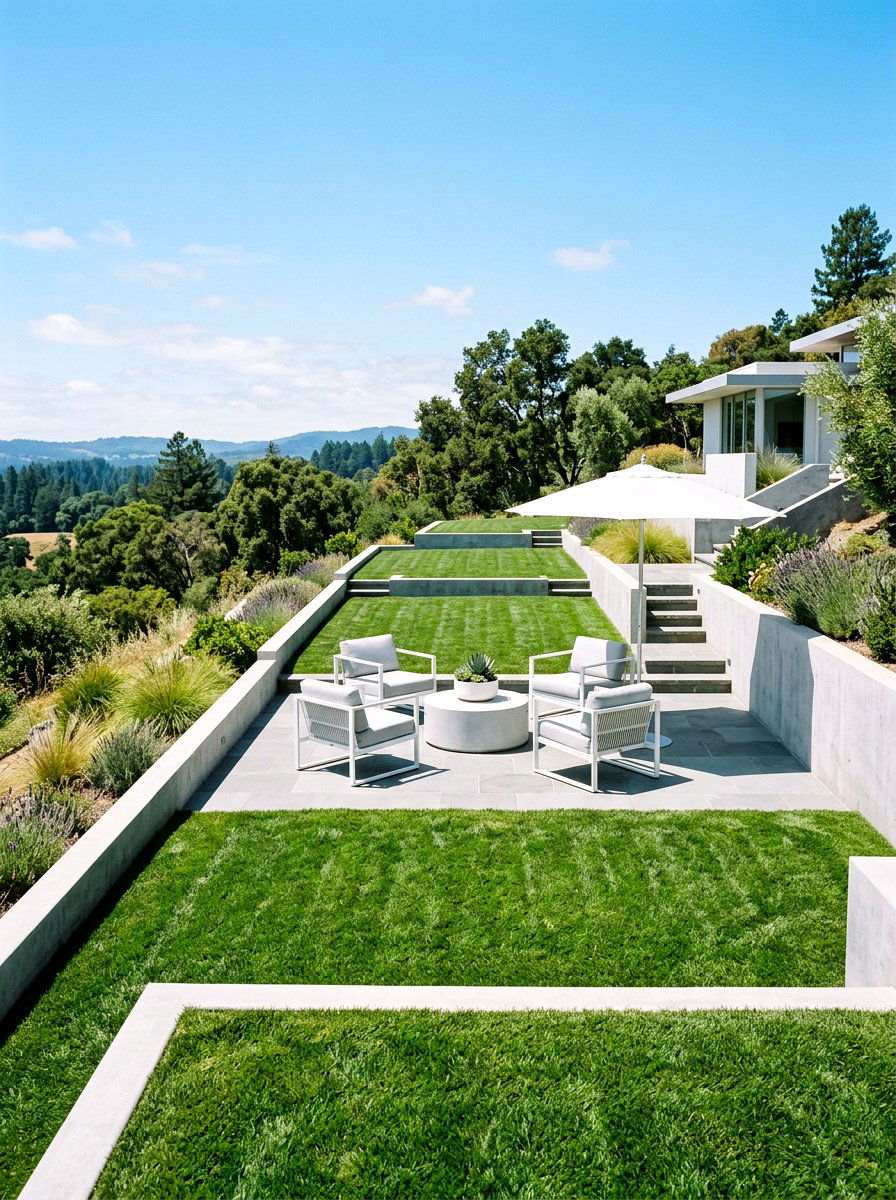
Mulch is often the finishing touch that bridges the gap between a standard backyard and a professionally designed landscape. Beyond its obvious aesthetic appeal, this versatile material serves several critical roles in maintaining the health and longevity of your outdoor environment. It acts as a protective blanket for the soil, regulating temperatures and locking in essential moisture for thirsty root systems. Furthermore, the right choice of mulch can dramatically boost your home’s curb appeal while significantly reducing the time spent on tedious weeding. Whether you prefer the deep contrast of dark organic matter or the permanence of stone, understanding how to apply these materials effectively is key to a thriving garden.
1. Black Mulch Flower Bed
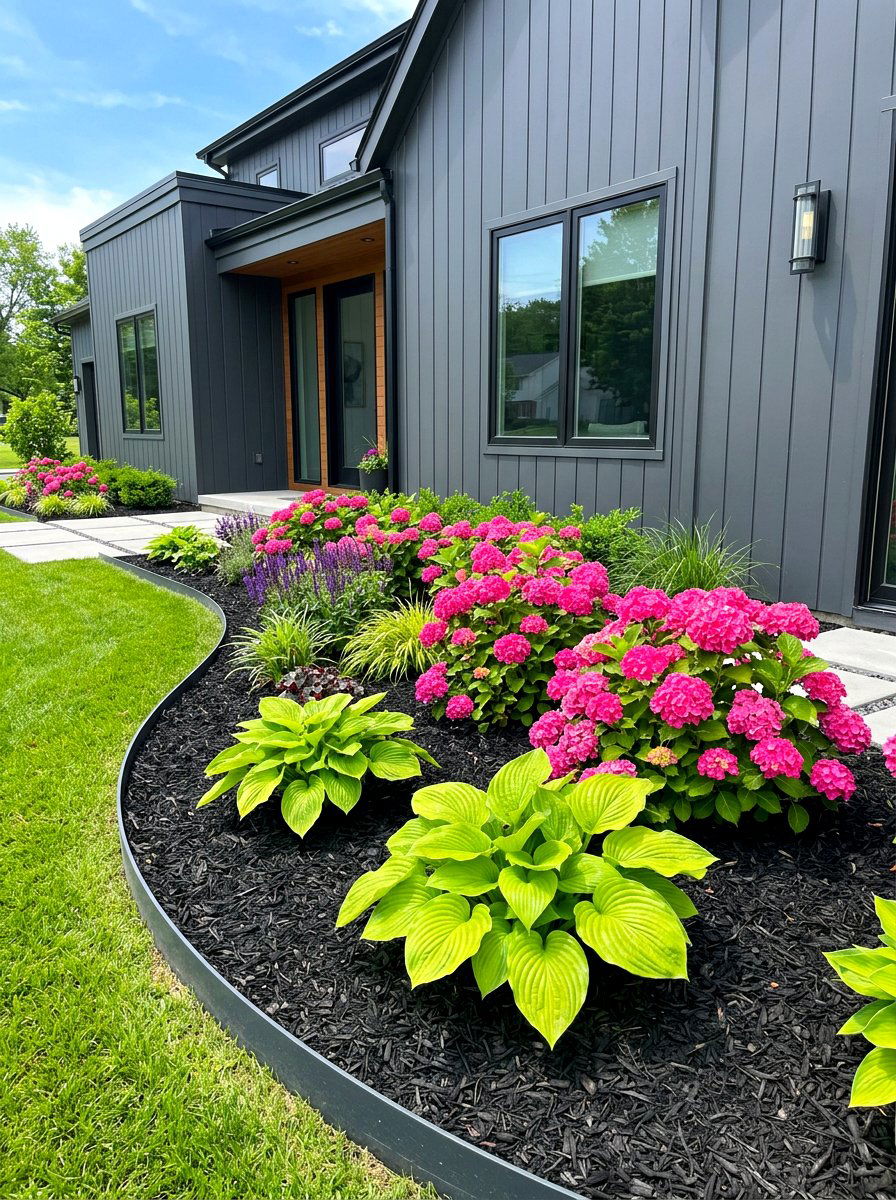
Have you ever noticed how a fresh layer of dark material instantly transforms a messy yard into a professional masterpiece? Using black mulch in your flower beds provides a sophisticated, modern backdrop that makes the vibrant greens and bright florals of your plants truly pop. This specific color choice is particularly effective when paired with gray or white home exteriors, as it creates a high-contrast look that feels intentional and clean. Beyond the visual drama, dark dyed mulches often retain heat better in the early spring, which can help jump-start the growth of your perennials by warming up the surrounding soil more quickly than lighter options.
2. Red Mulch Front Yard
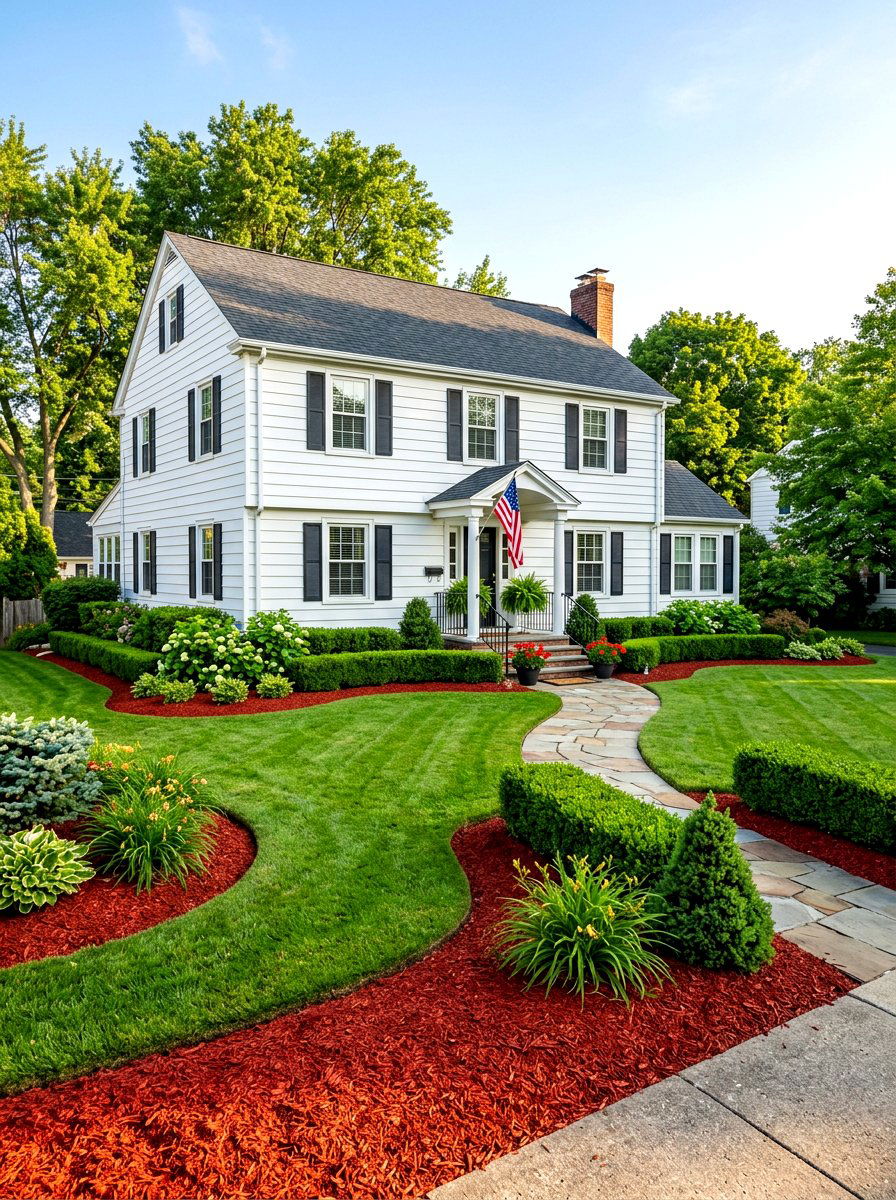
Vibrant tones can bring a unique energy to the front of your home, especially when paired with white siding or light-colored brick. Red mulch is a popular choice for homeowners who want to make a bold statement that is visible from the street. This warm hue complements traditional architectural styles and adds a layer of richness to foundation plantings and ornamental shrubs. When spreading this material, ensure you maintain a consistent depth of about three inches to effectively suppress weed growth and retain moisture. The striking color remains vibrant for several seasons, providing a low-maintenance solution for those who prioritize long-lasting and high-impact curb appeal.
3. Cedar Mulch Walkway
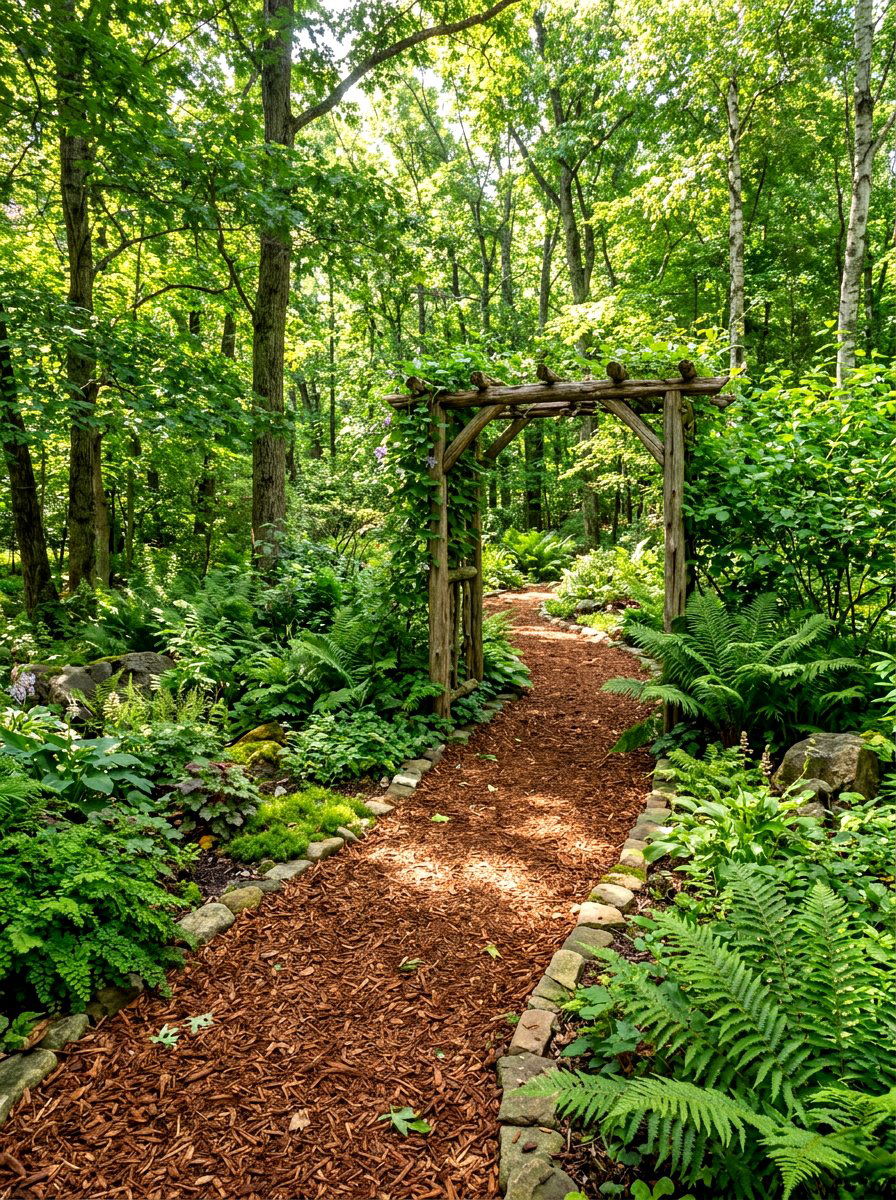
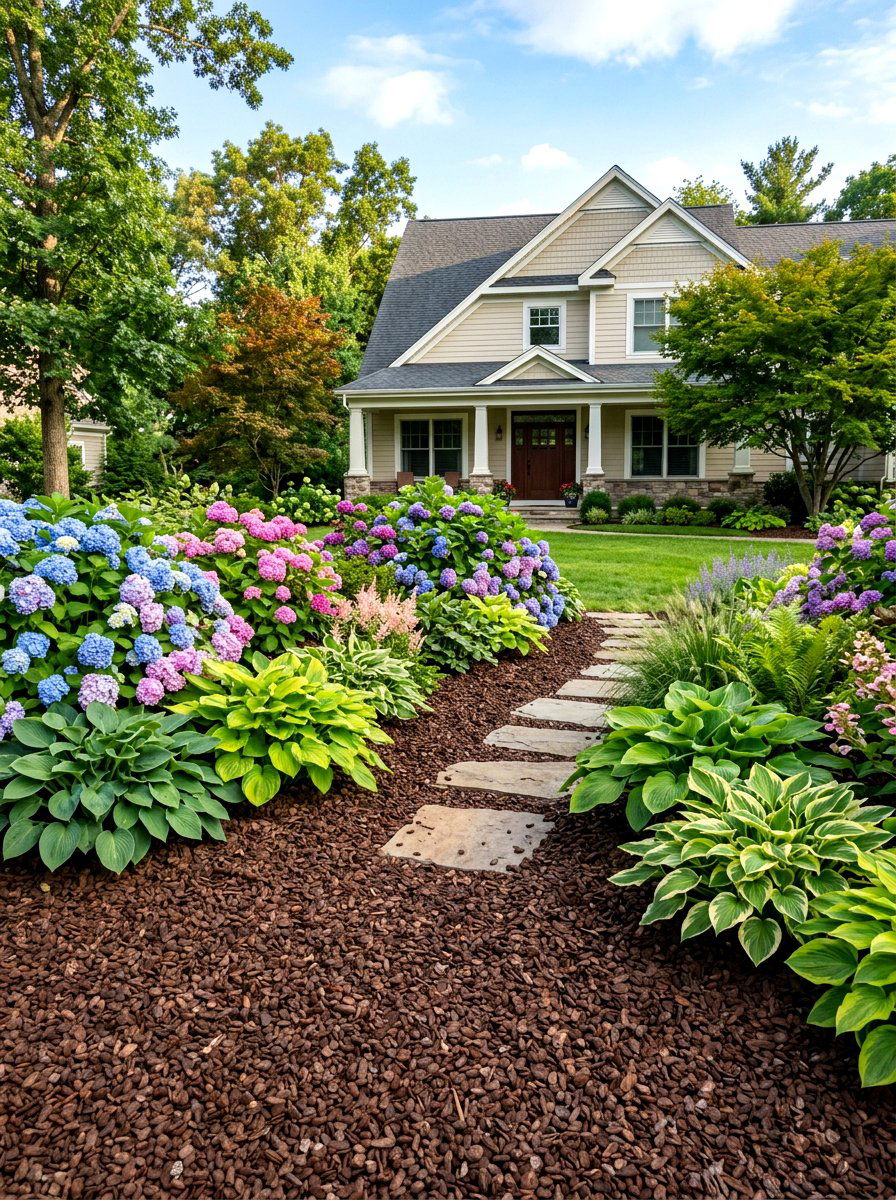
Creating a natural path through your garden can be both functional and aromatic if you select the right materials for the job. A cedar mulch walkway offers a soft, cushioned surface that is pleasant to walk on while emitting a refreshing, woody scent that naturally repels many common garden pests. Because cedar is naturally resistant to decay, these paths tend to last longer than those made from softer woods. To keep the walkway looking sharp, consider installing a sturdy metal or plastic edge to prevent the chips from migrating into your lawn. This design adds a rustic, woodland charm to any backyard or side garden area.
4. Pine Bark Garden Border
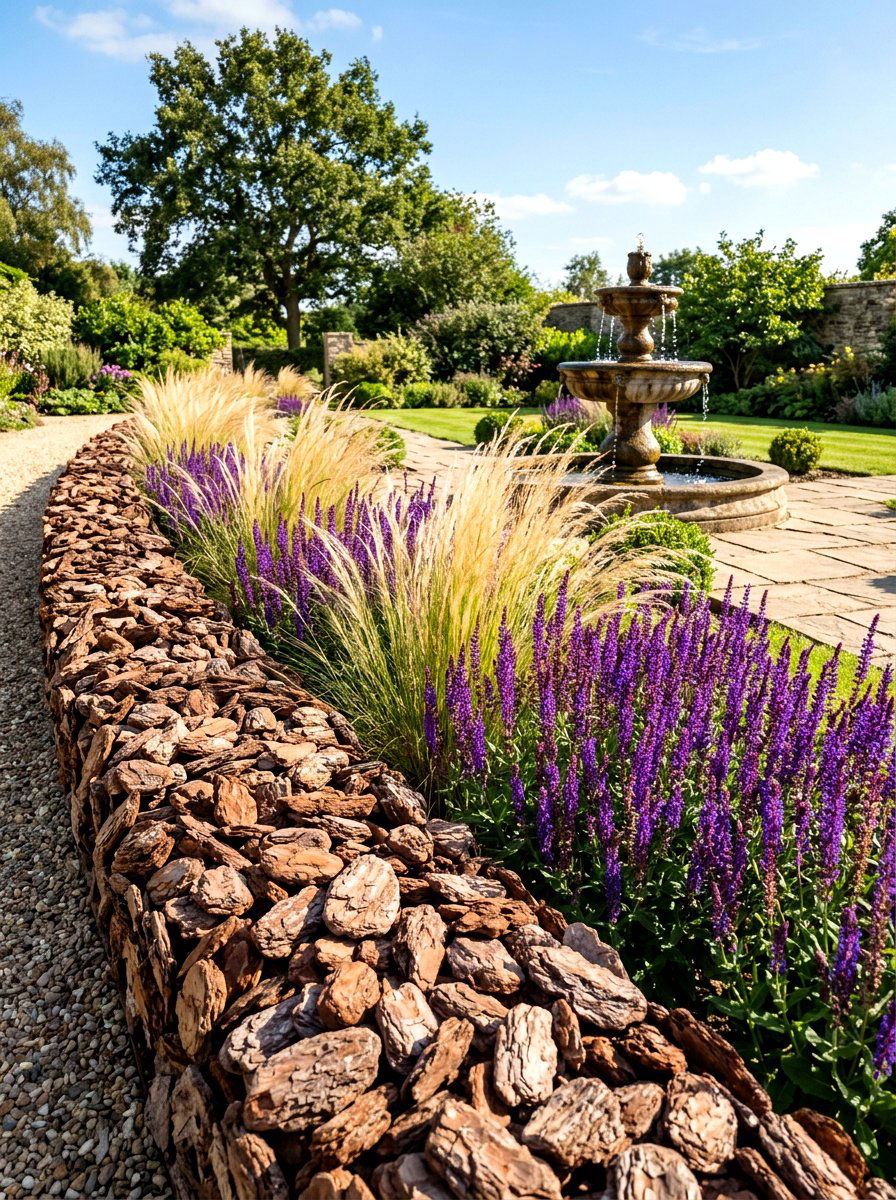
Framing your garden with a thick layer of pine bark creates a clean and organized look that effectively defines different zones. These large, flat nuggets offer a textured appearance that works beautifully in traditional and rustic landscape designs alike. Because pine bark decomposes slower than shredded varieties, it remains effective for a longer period, making it a cost-effective choice for large properties. When used as a border, it prevents grass from encroaching into your planting areas while highlighting the structural beauty of your shrubs and trees. This approach simplifies lawn maintenance by providing a clear, mow-safe boundary around the entire perimeter of your garden.
5. Brown Mulch Backyard
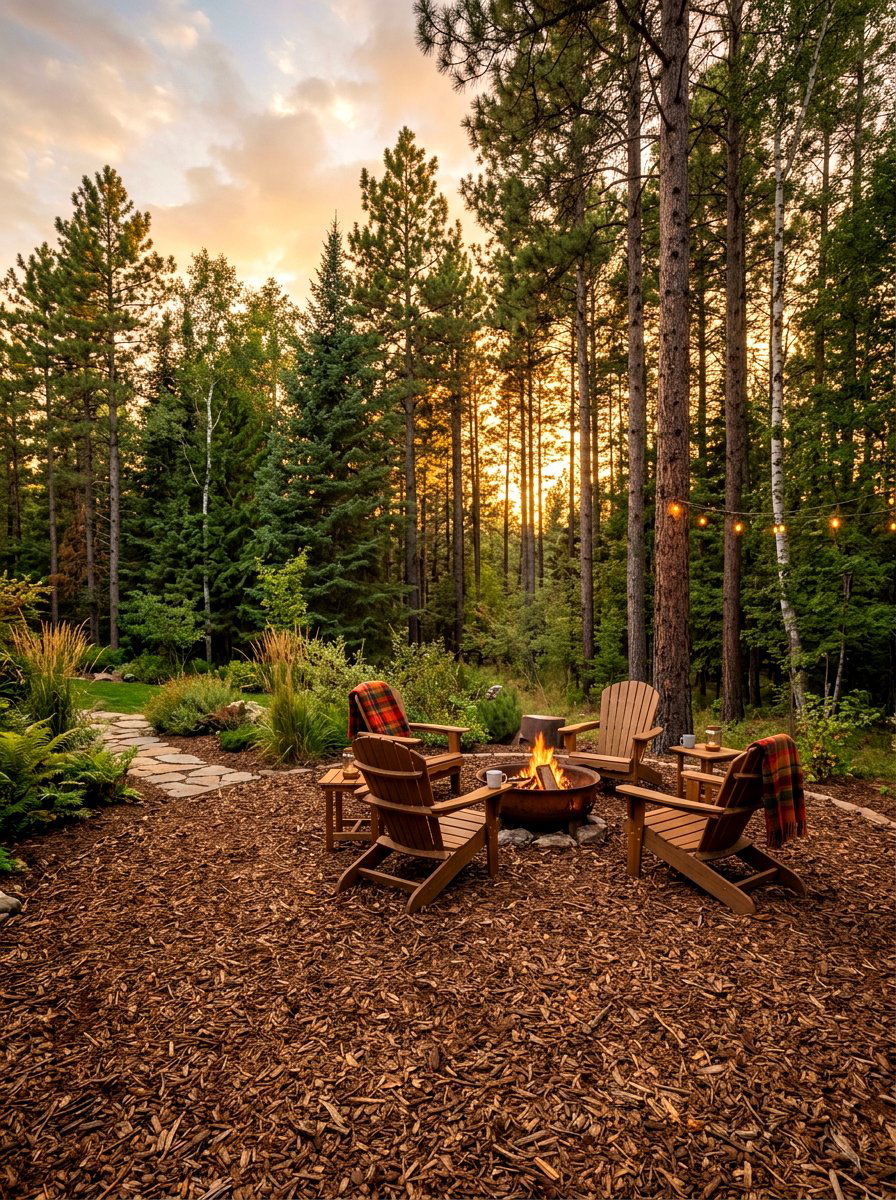
For a timeless and organic look that blends seamlessly with the surrounding environment, many homeowners choose deep, earthy brown tones for their backyards. Brown mulch mimics the natural look of a forest floor, making it the perfect choice for creating a relaxed and inviting outdoor living space. It complements almost any plant variety, from delicate flowering perennials to robust evergreen hedges, without competing for visual attention. This neutral backdrop allows the textures of your foliage to remain the focal point. Additionally, brown dyes are often very stable, ensuring your yard looks freshly groomed throughout the year with very minimal effort or frequent touch-ups.
6. Pine Straw Ground Cover
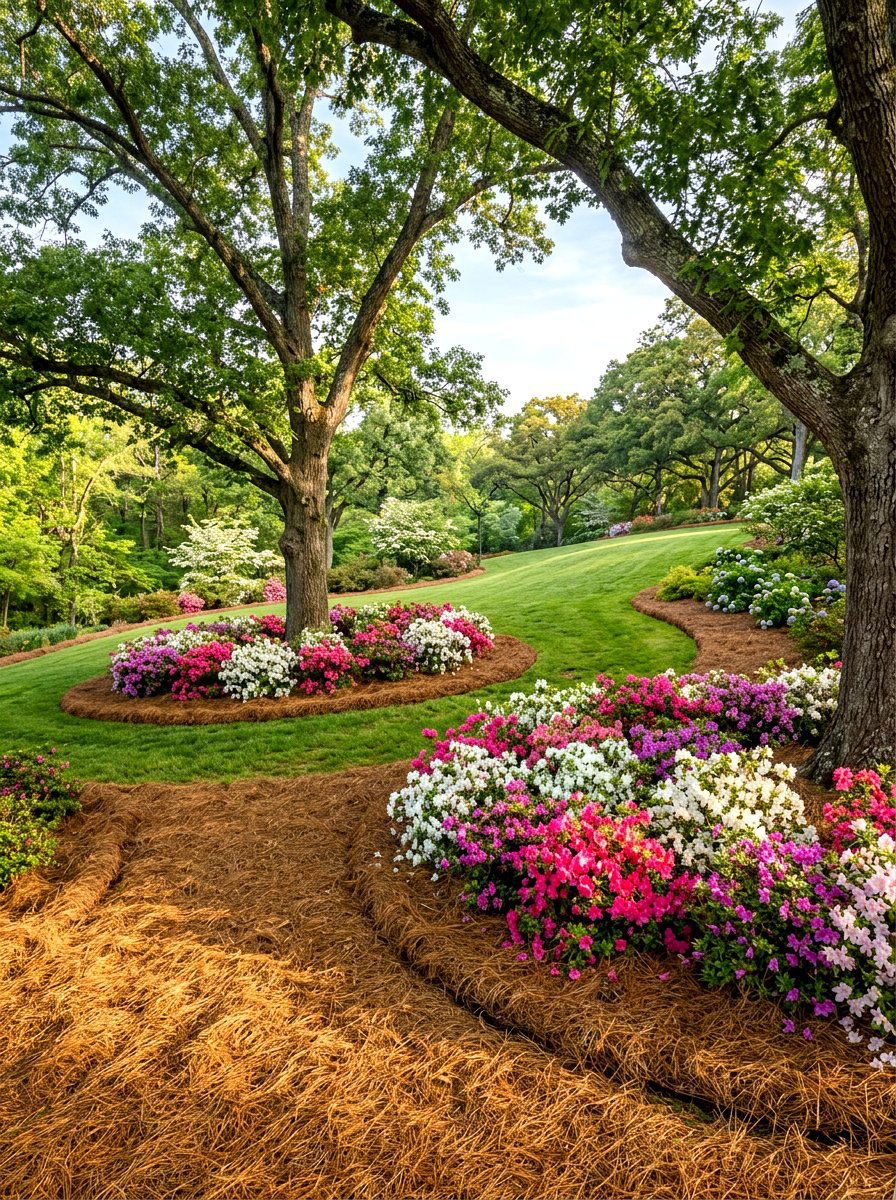
If you are looking for a lightweight and eco-friendly way to cover large areas under trees or on slopes, pine straw is an excellent choice. These long, slender needles interlock naturally to form a stable mat that stays in place even during heavy rains or on significant inclines. Pine straw is particularly beneficial for acid-loving plants like azaleas and rhododendrons, as it slowly acidifies the soil as it breaks down over time. The reddish-tan color provides a soft, natural aesthetic that feels less formal than wood chips. It is easy to distribute around delicate plants without causing any damage to their tender stems.
7. Wood Chip Play Area
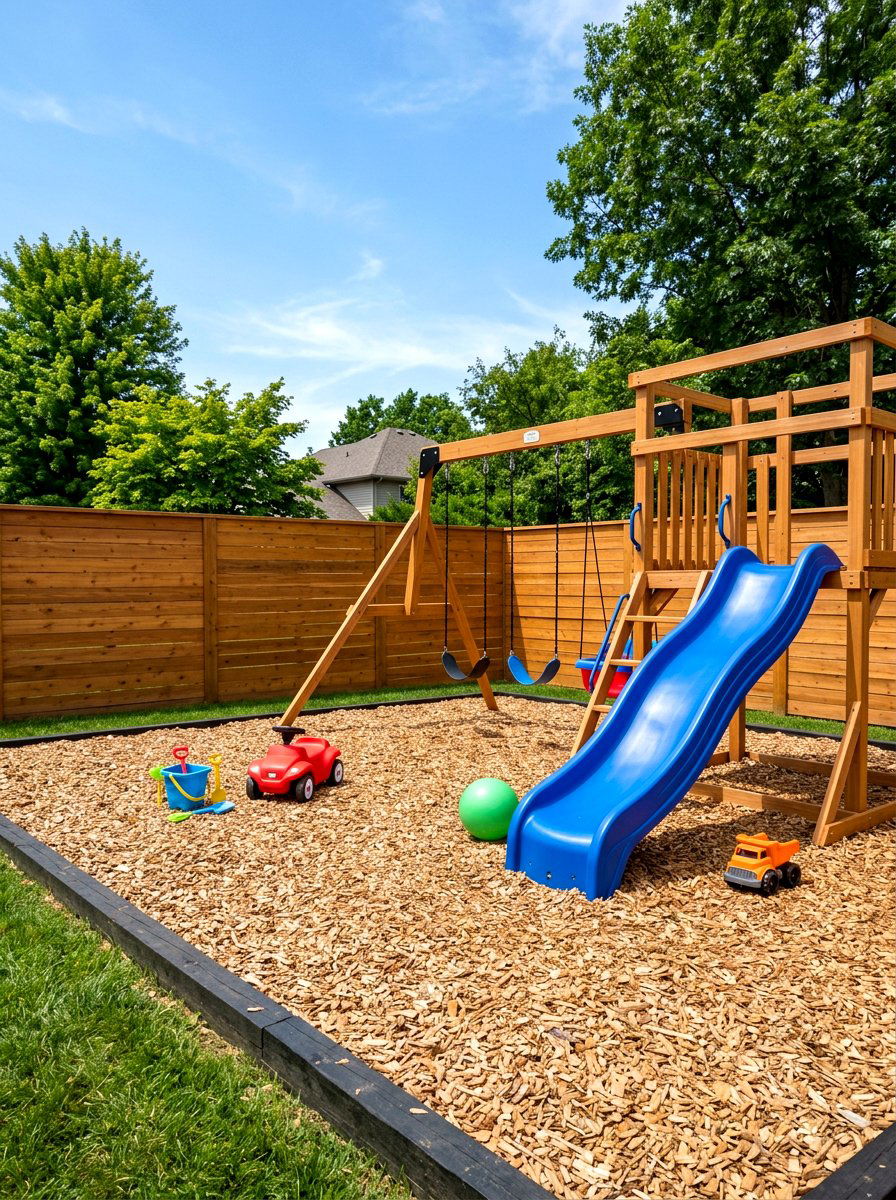
Safety and durability are the primary concerns when designing a dedicated space for children to play and enjoy the outdoors safely. Using high-quality wood chips or engineered wood fiber creates a shock-absorbent surface that protects against falls while looking much more natural than rubber or plastic alternatives. To ensure the area remains functional, install a deep border to contain the material and prevent it from spreading into the grass. This design keeps the play zone tidy and reduces the amount of mud tracked into the house. It is a practical and budget-friendly way to create a defined, kid-friendly zone in a large residential backyard.
8. Rubber Mulch Driveway
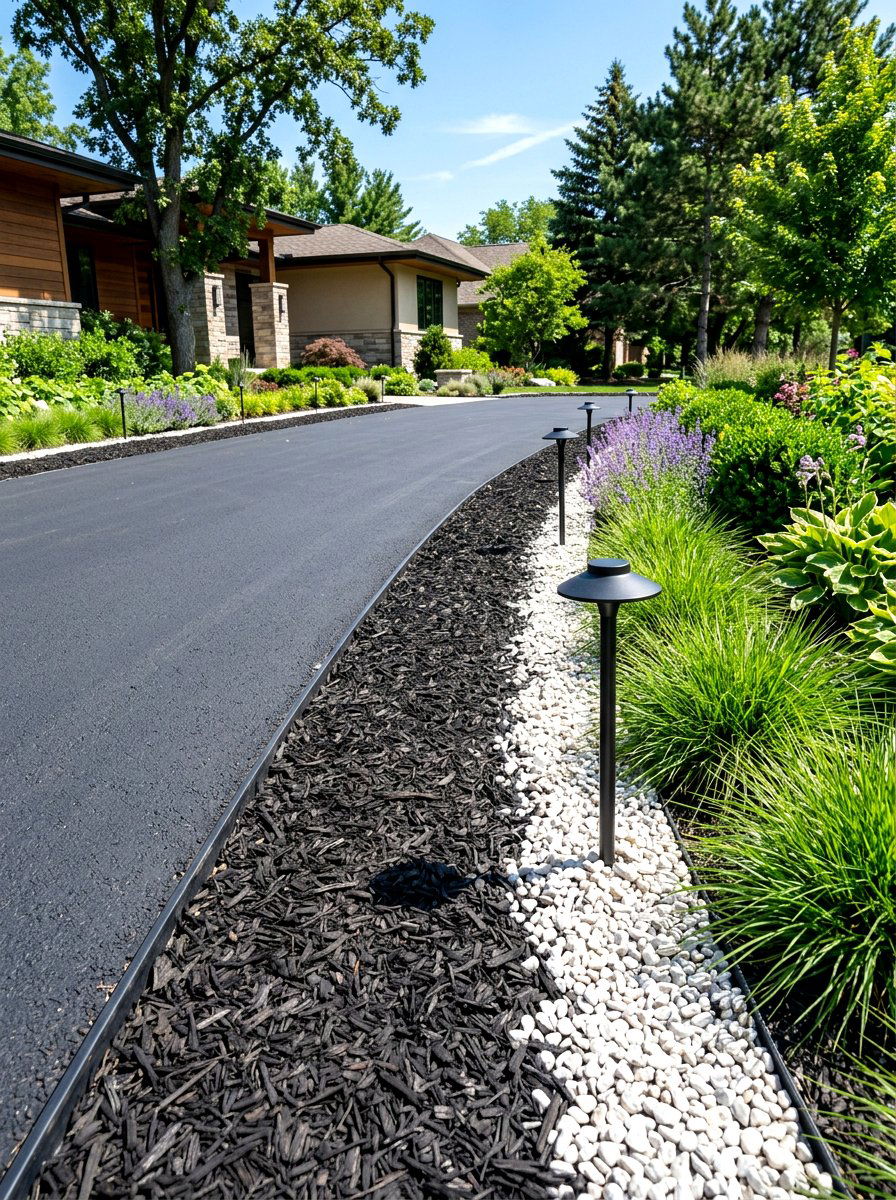
While most people think of organic materials for landscaping, using rubber mulch along the edges of a driveway offers incredible longevity and durability. This inorganic material does not decompose, blow away, or wash out during heavy storms, making it a permanent solution for high-traffic zones. It provides a clean, modern edge that stays dark and vibrant for over a decade without needing to be replaced or replenished. Using it as a border helps to define the transition between your driveway and lawn while providing excellent drainage. This low-maintenance approach is ideal for busy homeowners who want a sharp look that requires zero annual upkeep.
9. Tree Ring Mulch
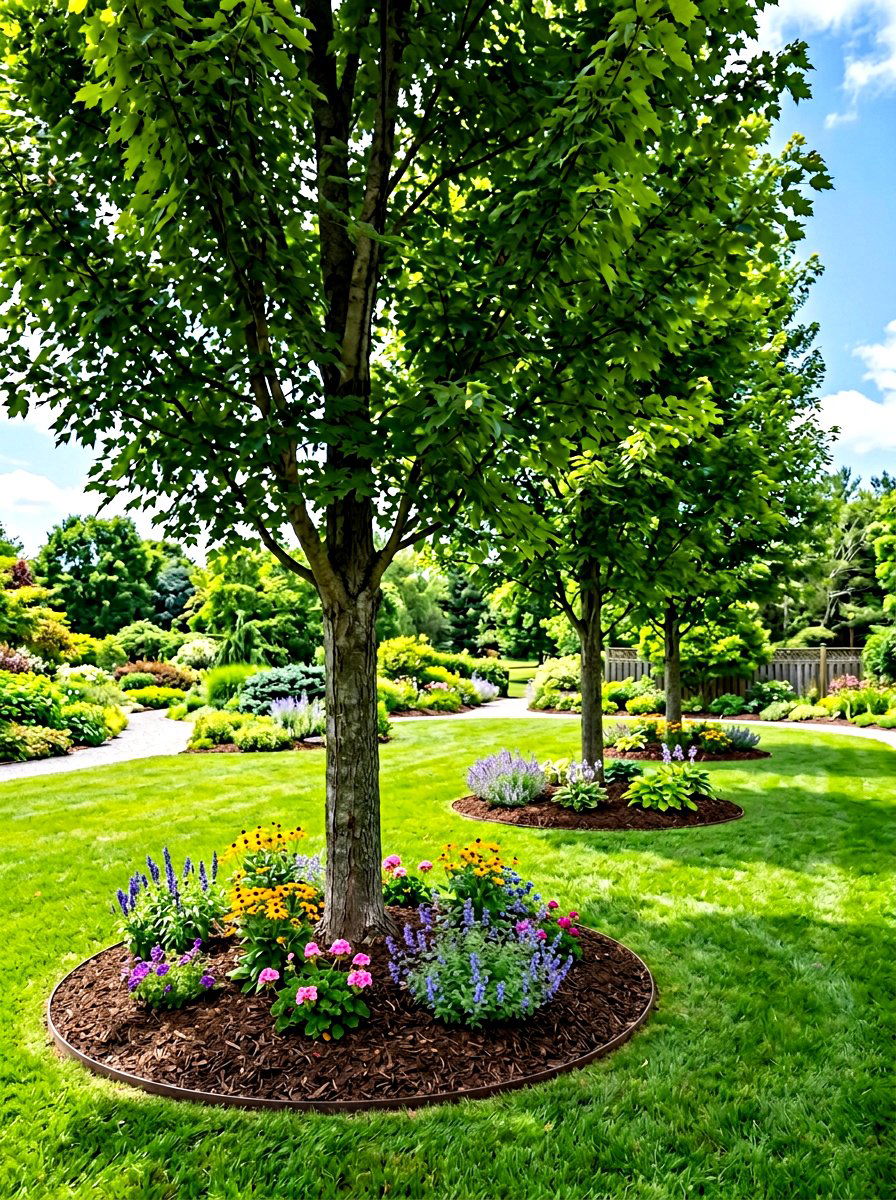
Protecting the base of your trees is vital for their health and helps to prevent accidental damage from lawn mowers and trimmers. Creating a wide mulch ring around each tree trunk eliminates the need to trim grass right up against the bark, reducing the risk of trunk wounds. These rings also help to retain moisture where the tree needs it most and reduce competition from thirsty grass roots. For a polished look, use a consistent material like dark hardwood or pine nuggets across all tree rings on your property. This simple design choice creates a sense of unity and professional care throughout your entire landscape.
10. Stone And Mulch Garden
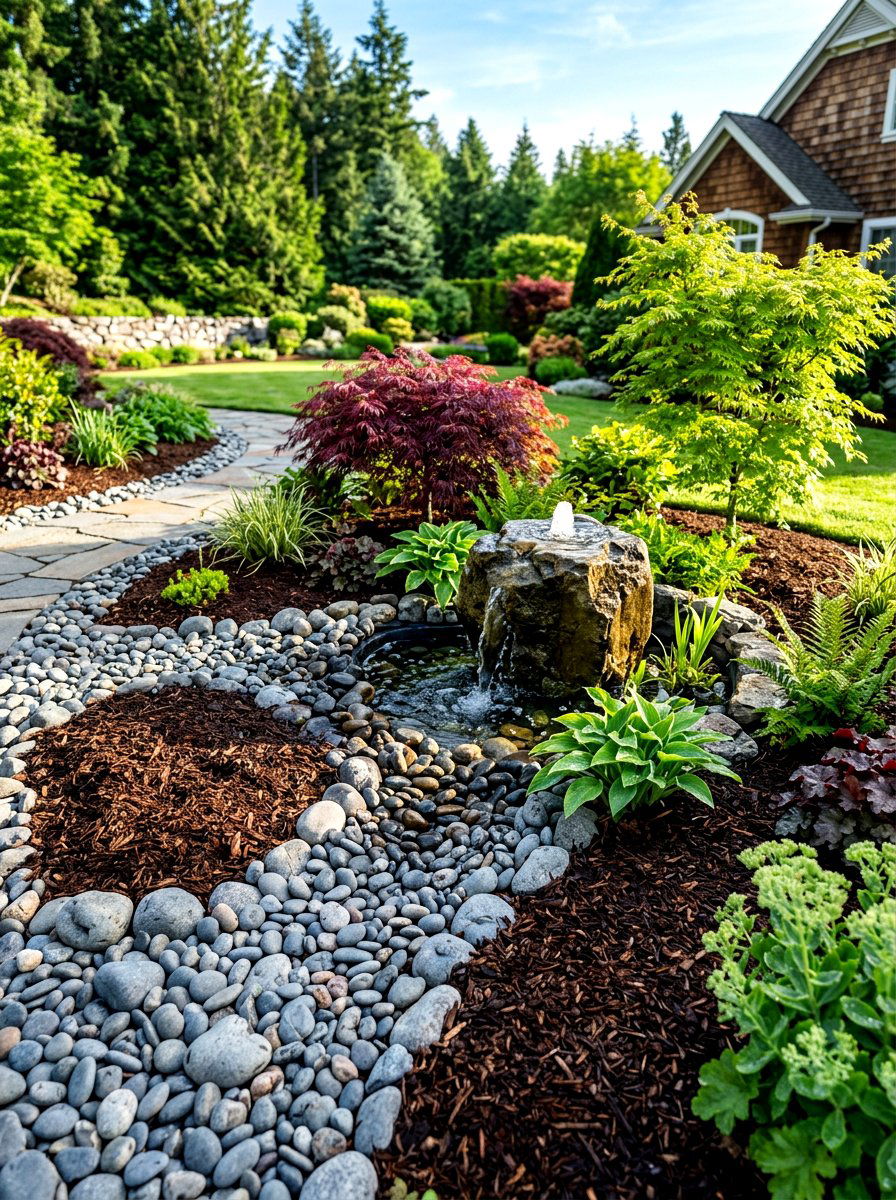
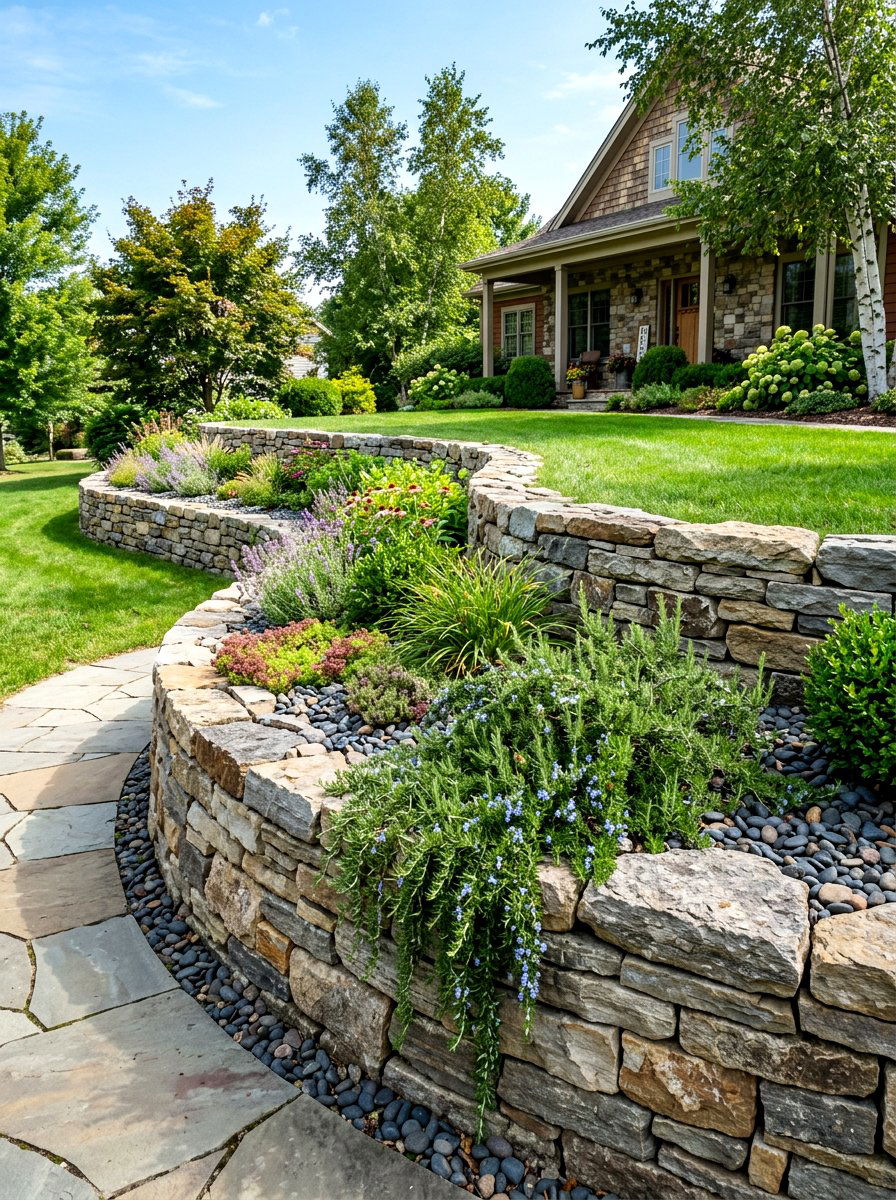
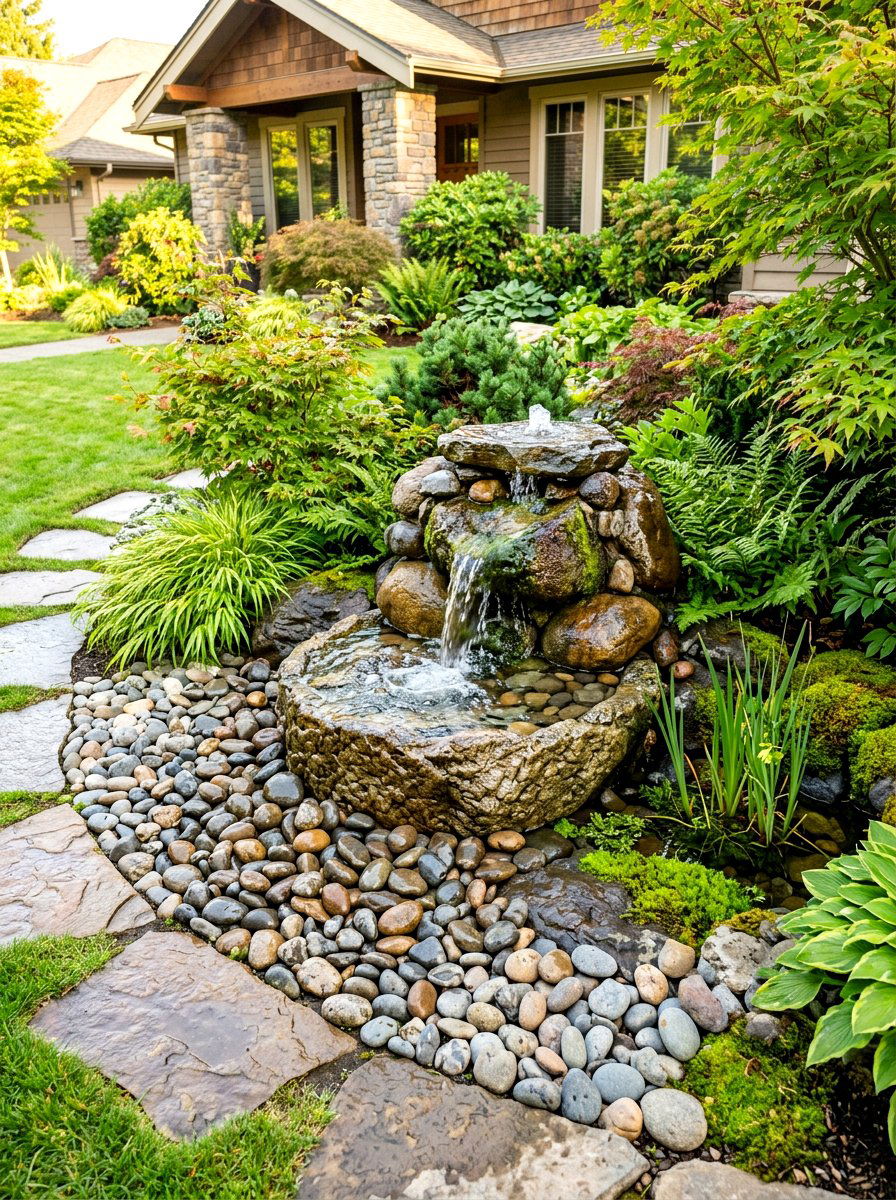
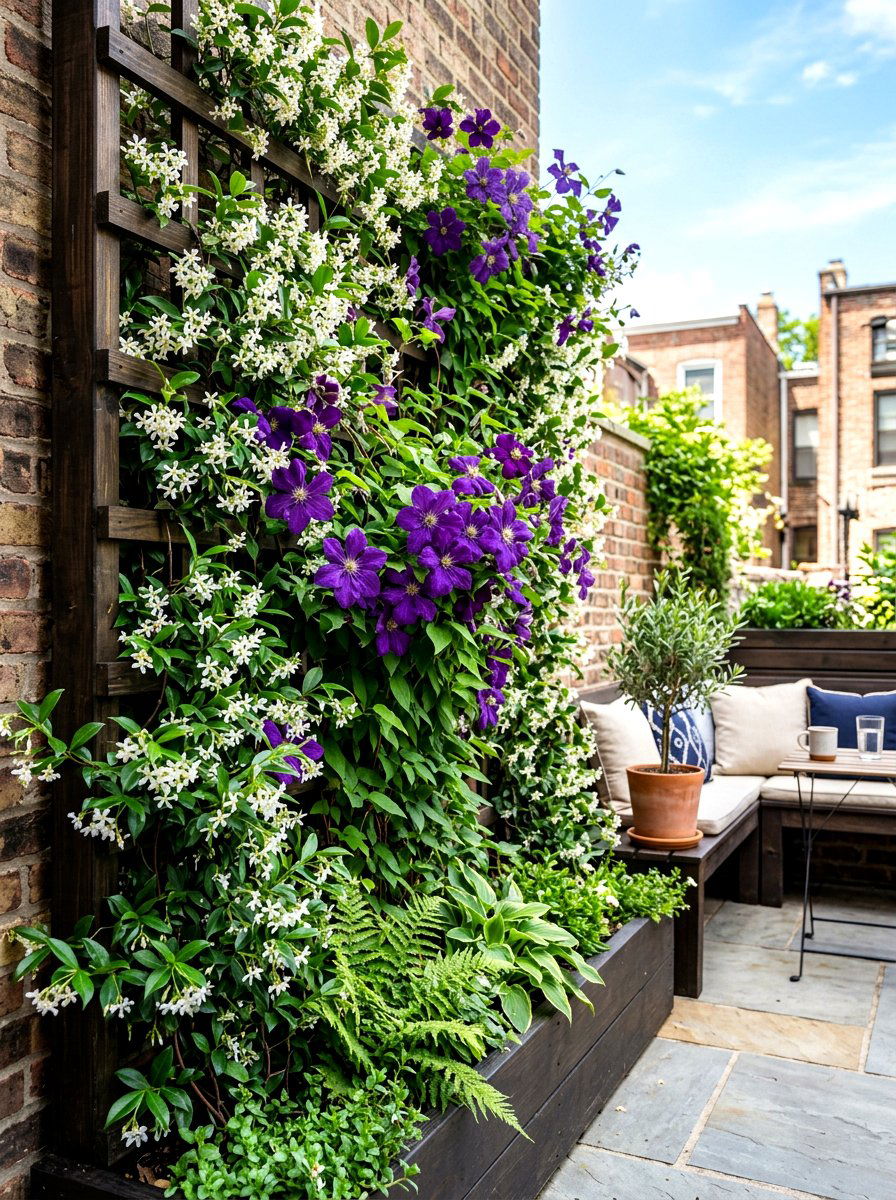
Combining different textures is one of the easiest ways to add visual interest and professional depth to your residential garden beds. By mixing smooth river stones with textured wood mulch, you can create distinct zones that highlight specific specimen plants or architectural features. For instance, using stones around a water feature or at the base of a downspout prevents erosion, while the surrounding mulch supports plant health. This layered look provides a high-end, custom appearance that feels more dynamic than using a single material alone. It also offers practical benefits, such as improved drainage and a permanent structure that remains attractive throughout every season.
11. Vegetable Garden Mulch
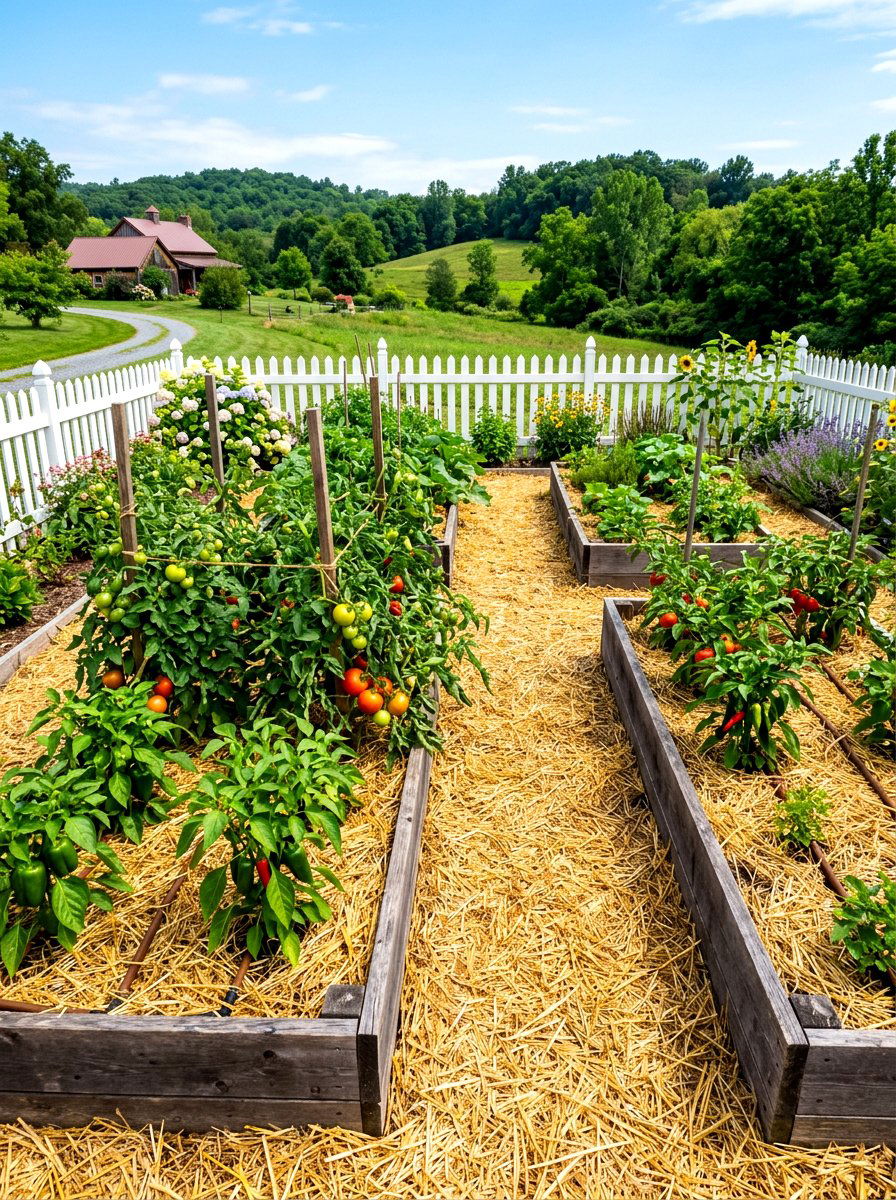
Growing your own food requires consistent soil moisture and temperature control to ensure a bountiful and healthy harvest for your family. Applying a layer of straw or shredded leaves around your vegetable plants helps to suppress competitive weeds and keeps the soil cool during the hot summer months. These organic materials eventually break down and contribute valuable nutrients back into the soil, improving its overall structure for future growing seasons. This practice also prevents soil from splashing onto the leaves of your plants during watering, which significantly reduces the risk of soil-borne diseases. It is a functional and sustainable choice for any dedicated home food producer.
12. Sloped Yard Mulch
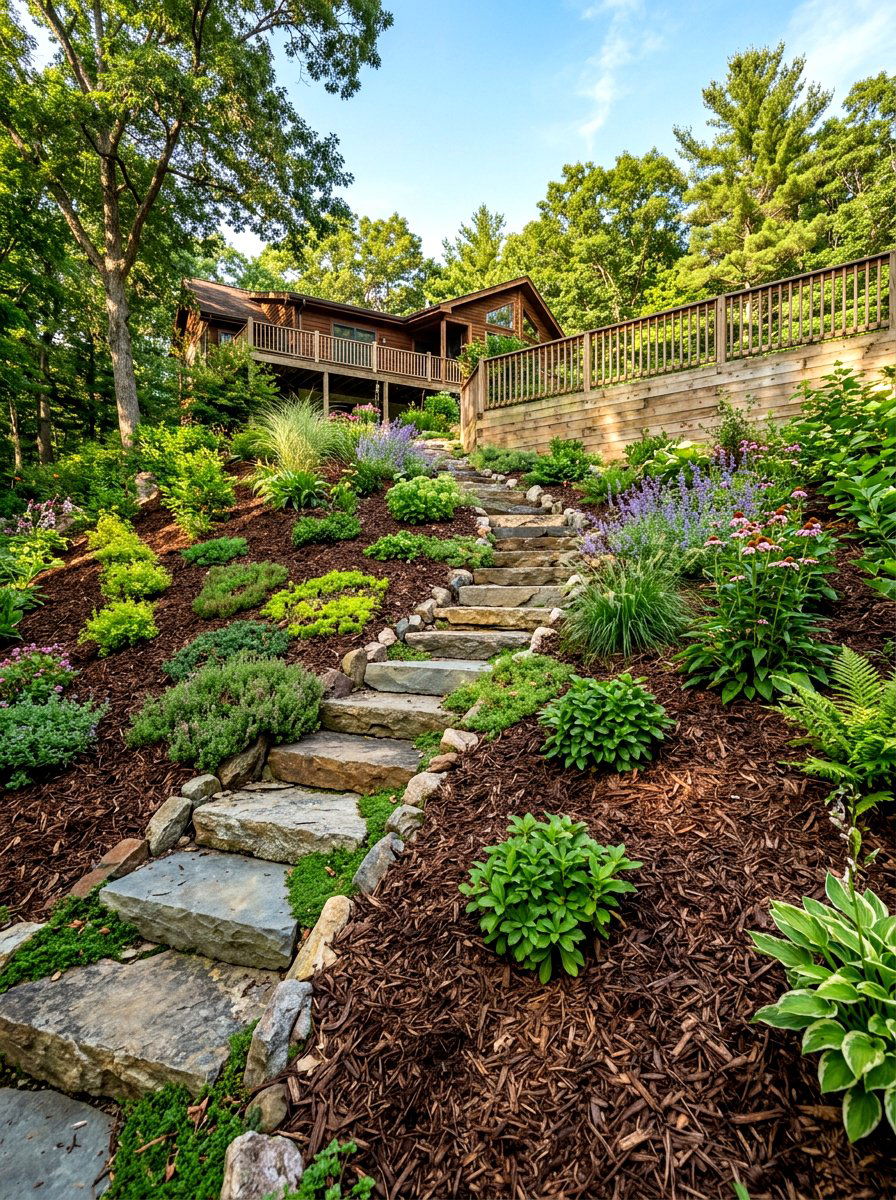
Managing a steep incline in your yard can be a major landscaping challenge, especially when it comes to preventing soil erosion. Using a shredded mulch variety is highly effective on slopes because the individual fibers knit together to form a stable, protective mat. This interlocking action prevents the material from sliding down the hill during heavy rainstorms, keeping your plants and soil securely in place. To further enhance stability, consider planting ground covers that will eventually grow through the mulch. This combination creates a beautiful, low-maintenance hillside that requires much less watering and care than a traditional grass lawn would in the same location.
13. Cypress Mulch Bed
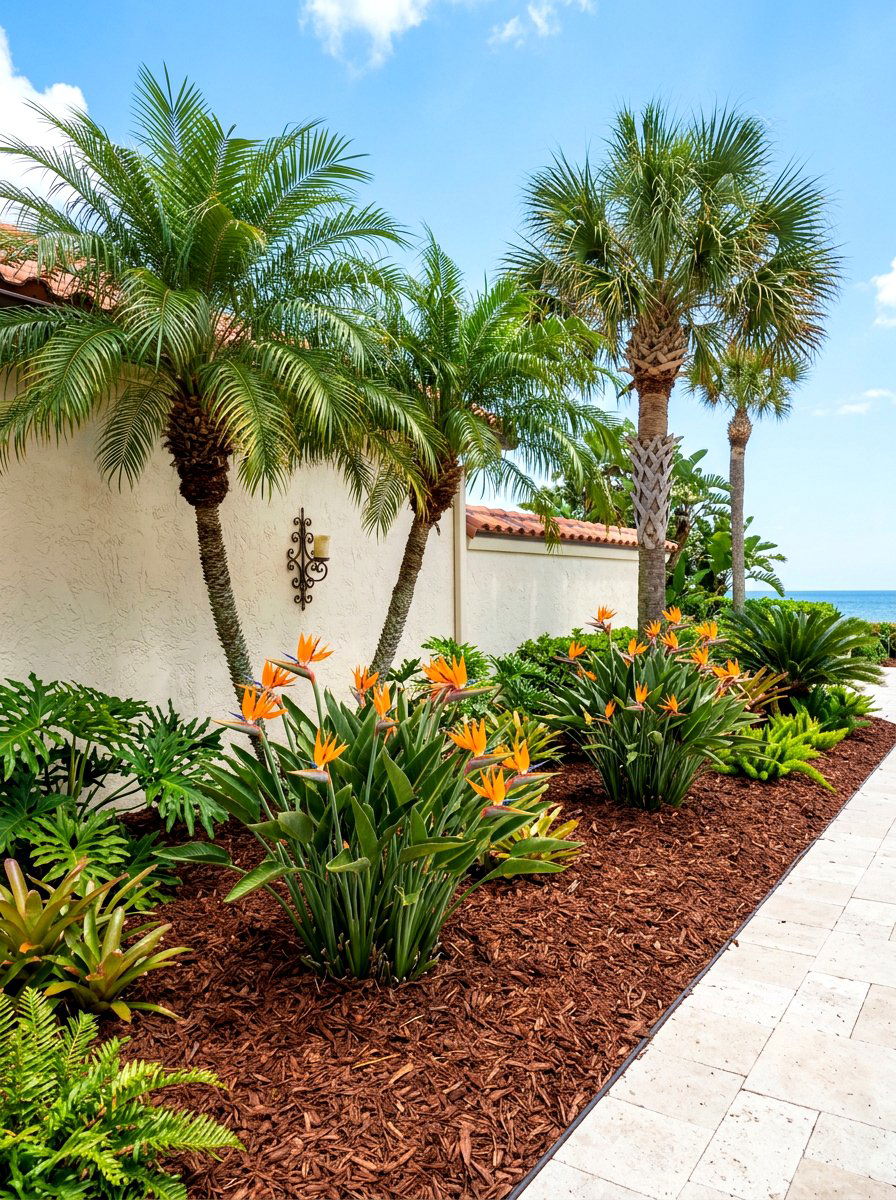
If you live in a humid or rainy climate, cypress mulch is a fantastic option due to its natural resistance to rot and decay. This durable wood variety stays looking fresh for longer than many other organic options, making it a great choice for moisture-prone areas of your yard. Its light tan to honey-colored hue provides a bright and airy feel that works particularly well in tropical or coastal landscape designs. Cypress also stays in place better than lightweight barks, ensuring your garden beds remain tidy even after a storm. It offers a clean, natural appearance that complements a wide range of colorful perennials and shrubs.
14. Hardwood Mulch Island
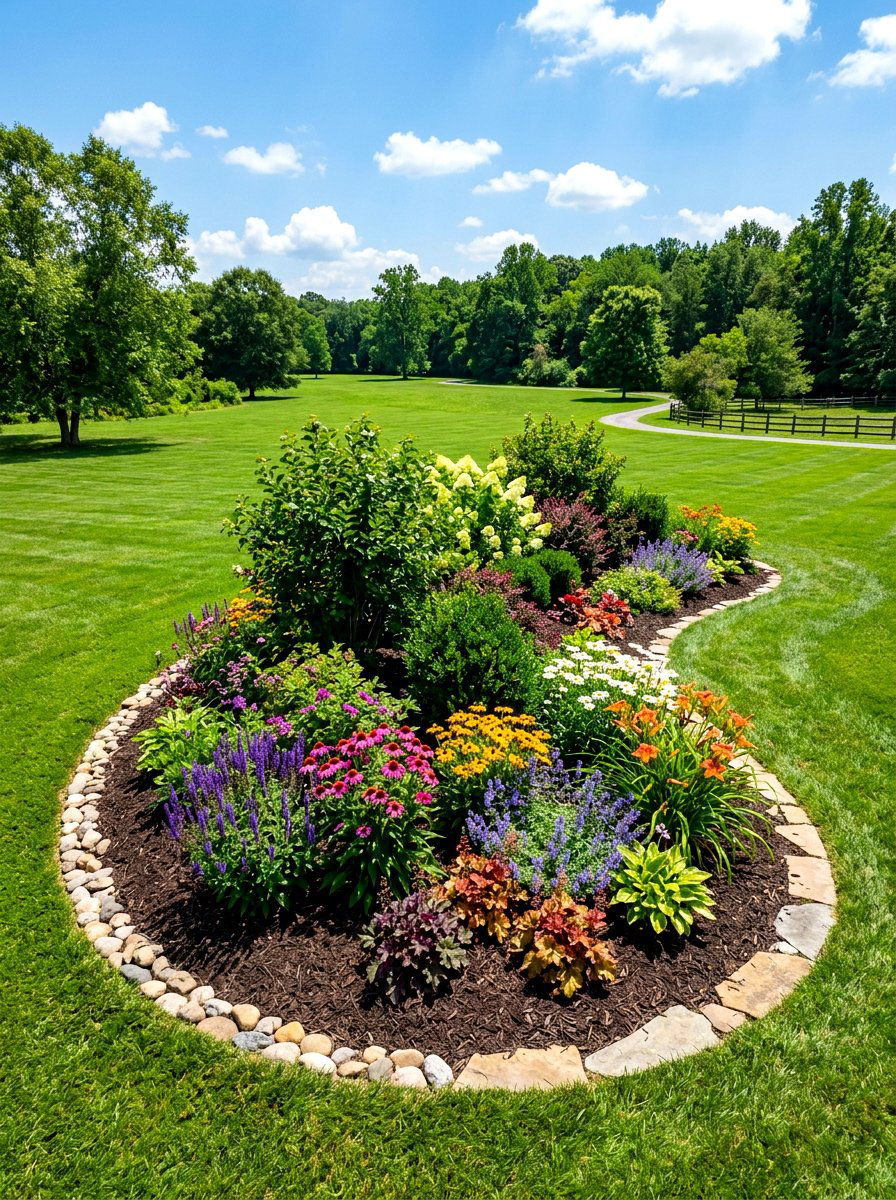
Large lawns can often look plain or unfinished without the addition of strategically placed garden islands to break up the green space. Creating a large island bed filled with shredded hardwood mulch allows you to group trees, shrubs, and flowers together into a cohesive focal point. This design technique adds significant depth to your yard and reduces the total area of grass that needs to be mowed and fertilized. Hardwood mulch is a heavy-duty option that stays put and provides excellent weed suppression for these larger areas. It is a classic choice that lends a professional and established feel to any expansive suburban property.
15. Cocoa Mulch Garden
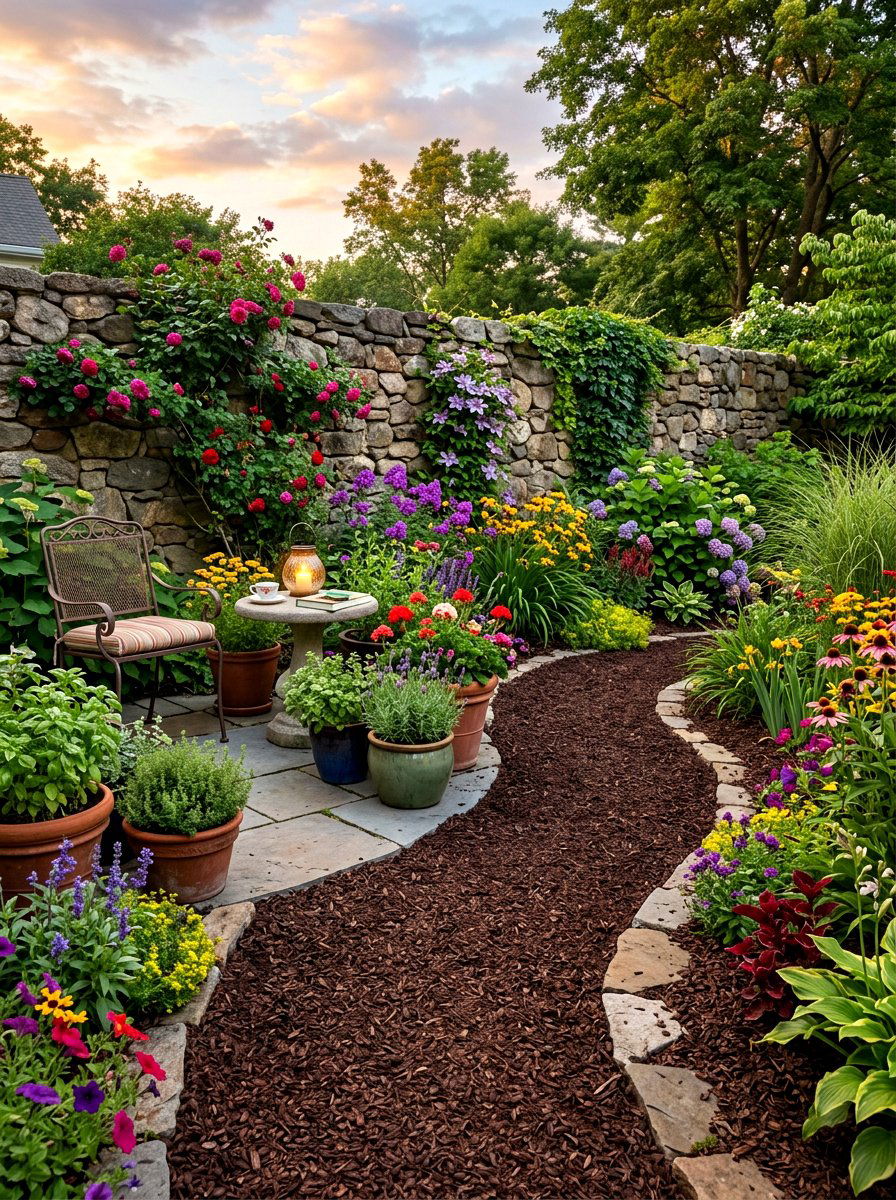
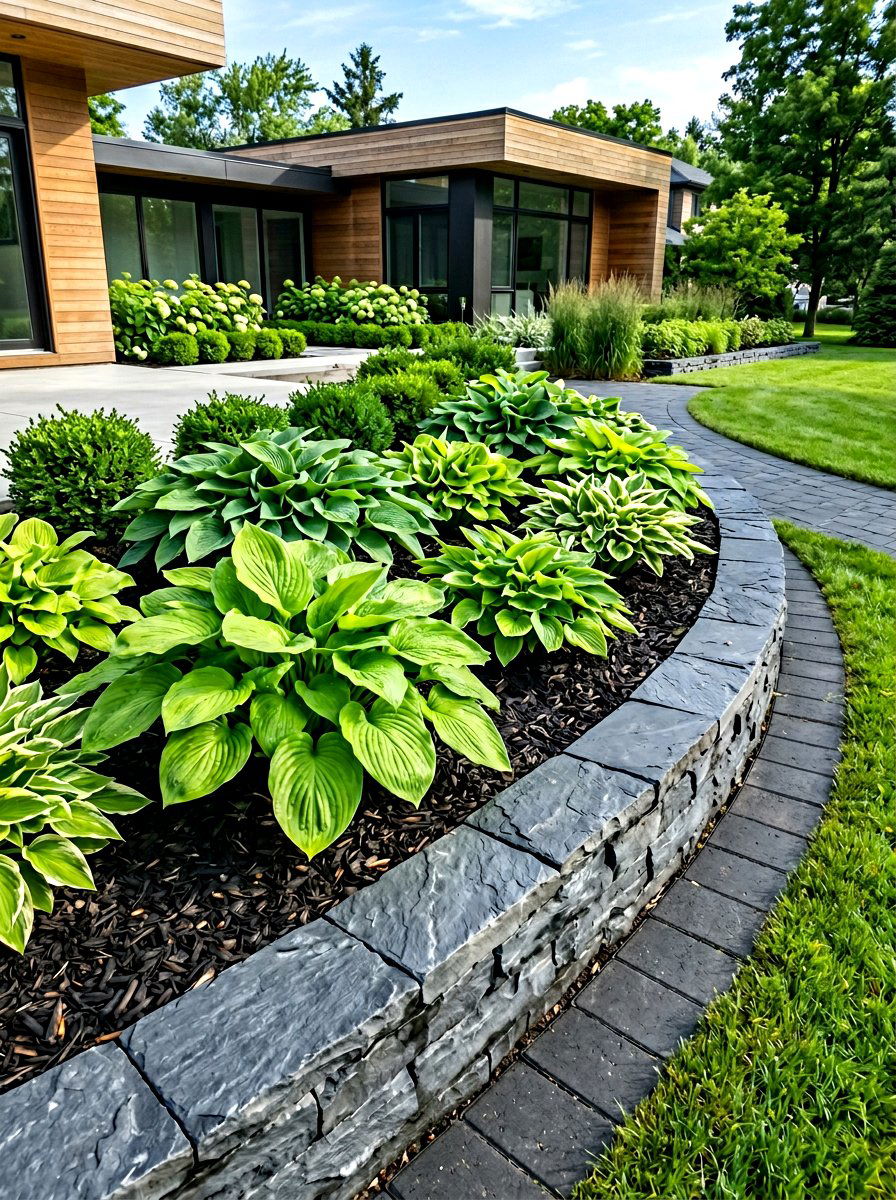
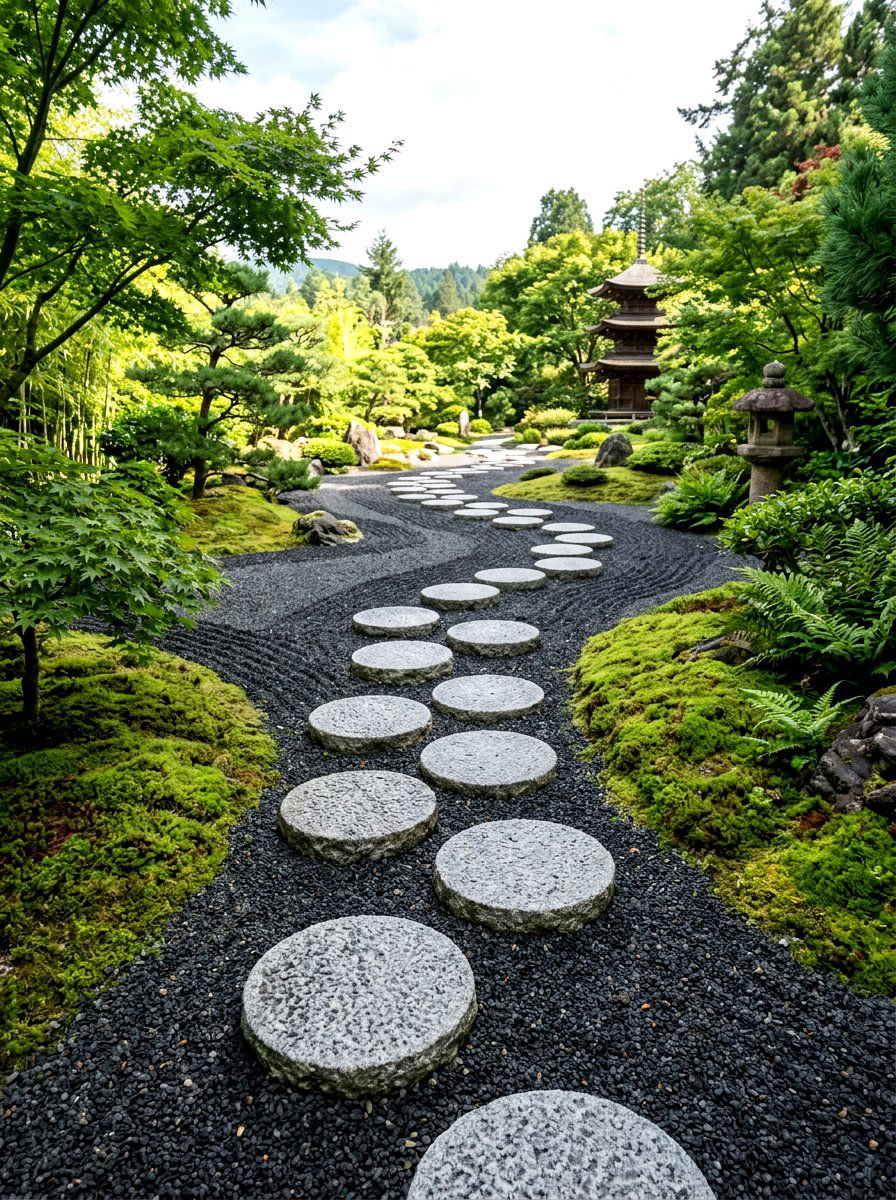
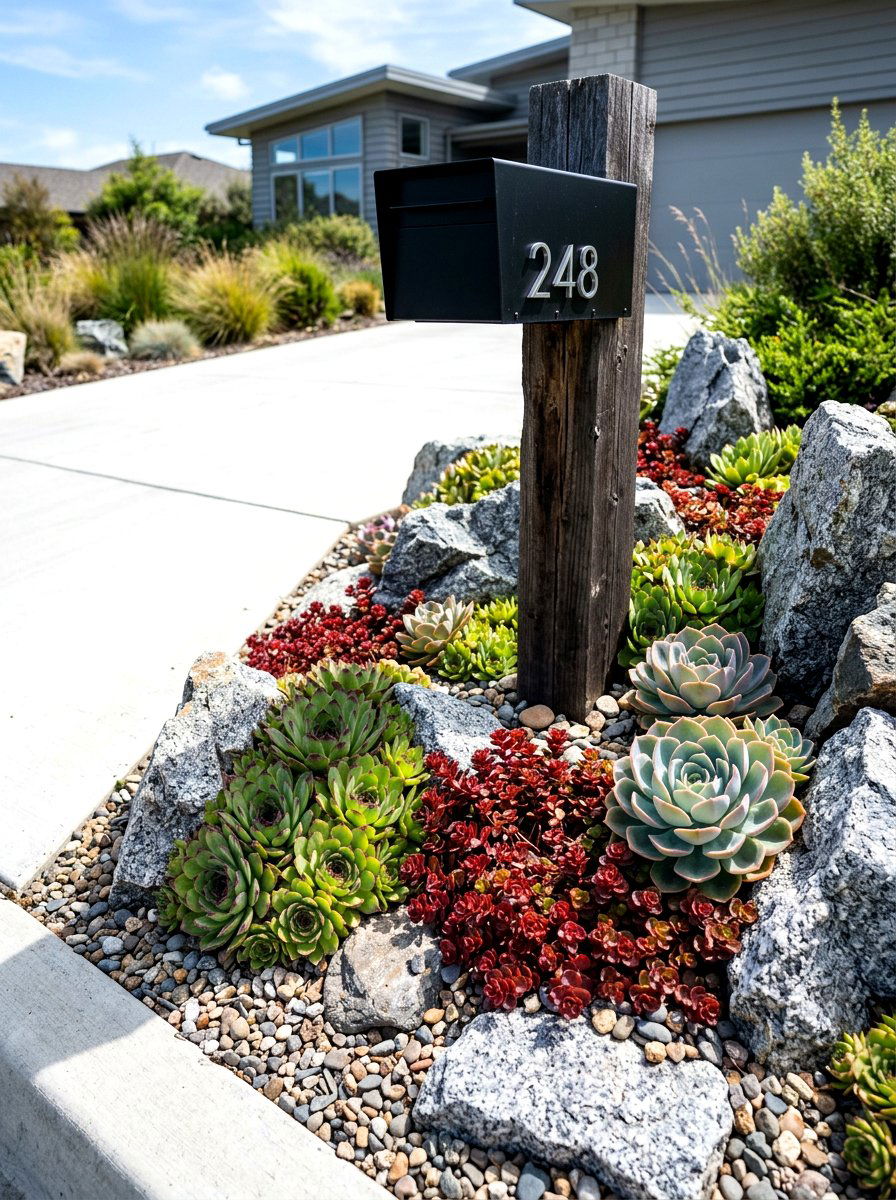
For gardening enthusiasts who appreciate sensory details, cocoa bean hulls offer a unique texture and a delightful chocolatey aroma when freshly applied. This lightweight, organic byproduct provides a beautiful deep brown color and a fine texture that is perfect for smaller, more intimate garden spaces near patios or windows. As the hulls decompose, they add nitrogen and other beneficial nutrients to the soil, acting as a slow-release fertilizer for your delicate flowers. It is important to note that this mulch is best used in sheltered areas, as the light hulls can be easily moved by strong winds or heavy rain if not protected.
16. Foundation Planting Mulch
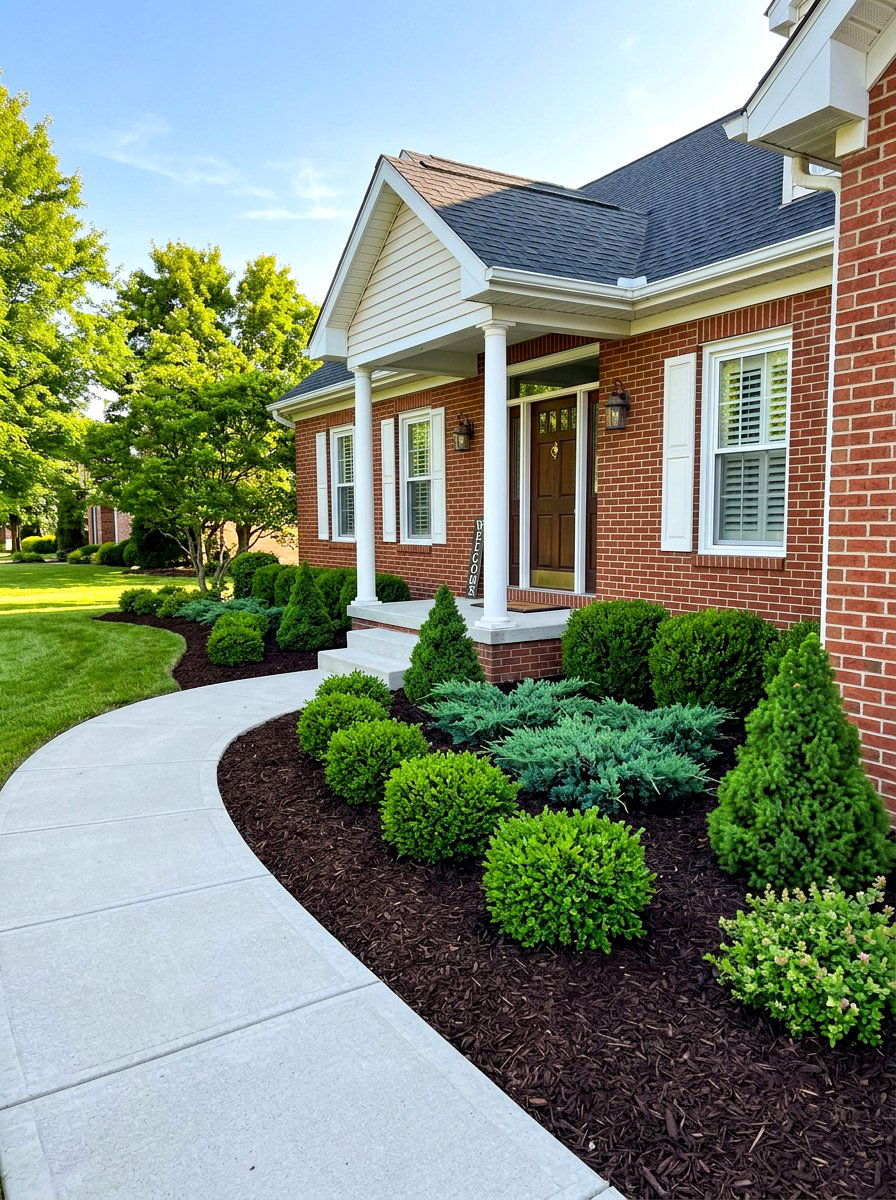
The area directly surrounding the base of your home is often the most visible part of your landscape and requires careful attention. Applying a fresh layer of dyed mulch along your foundation beds creates a crisp, clean line that enhances your home’s architectural features and overall curb appeal. Choose a color that complements your siding or stone for a harmonious look, such as black for modern homes or brown for traditional styles. This layer also helps to direct water away from the foundation and prevents mud from splashing up against the house during storms. It is a simple yet effective way to maintain a tidy exterior.
17. Shredded Bark Path
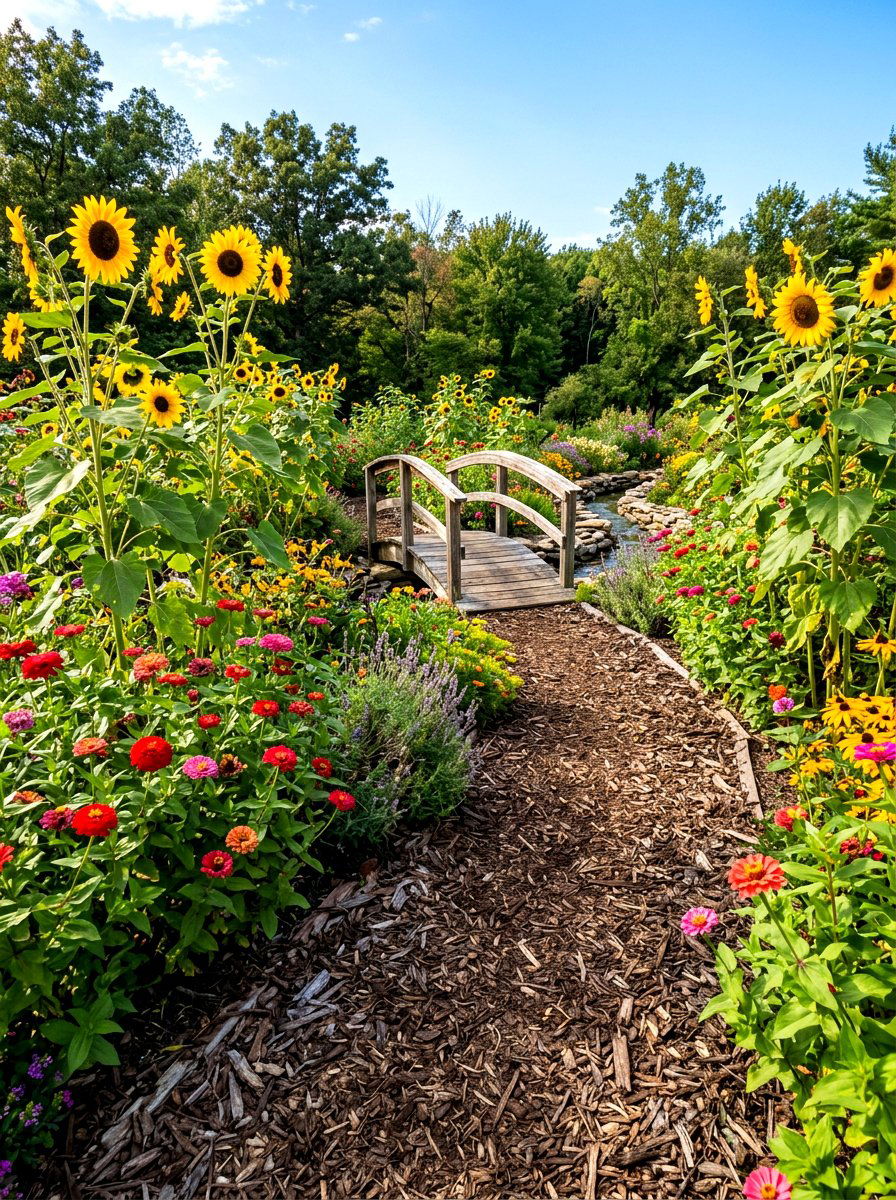
A winding path made from finely shredded bark creates a soft, organic feel that guides visitors through your garden with a sense of discovery. This material is particularly easy to install on uneven ground, as it naturally conforms to the contours of the landscape without the need for extensive leveling. Shredded bark stays in place well and provides a comfortable walking surface that stays cool under the summer sun. To keep the path looking intentional, use a different color or texture than the surrounding garden beds. This visual contrast helps to define the walkway as a separate element while maintaining a cohesive and naturalistic backyard environment.
18. Natural Cedar Berm
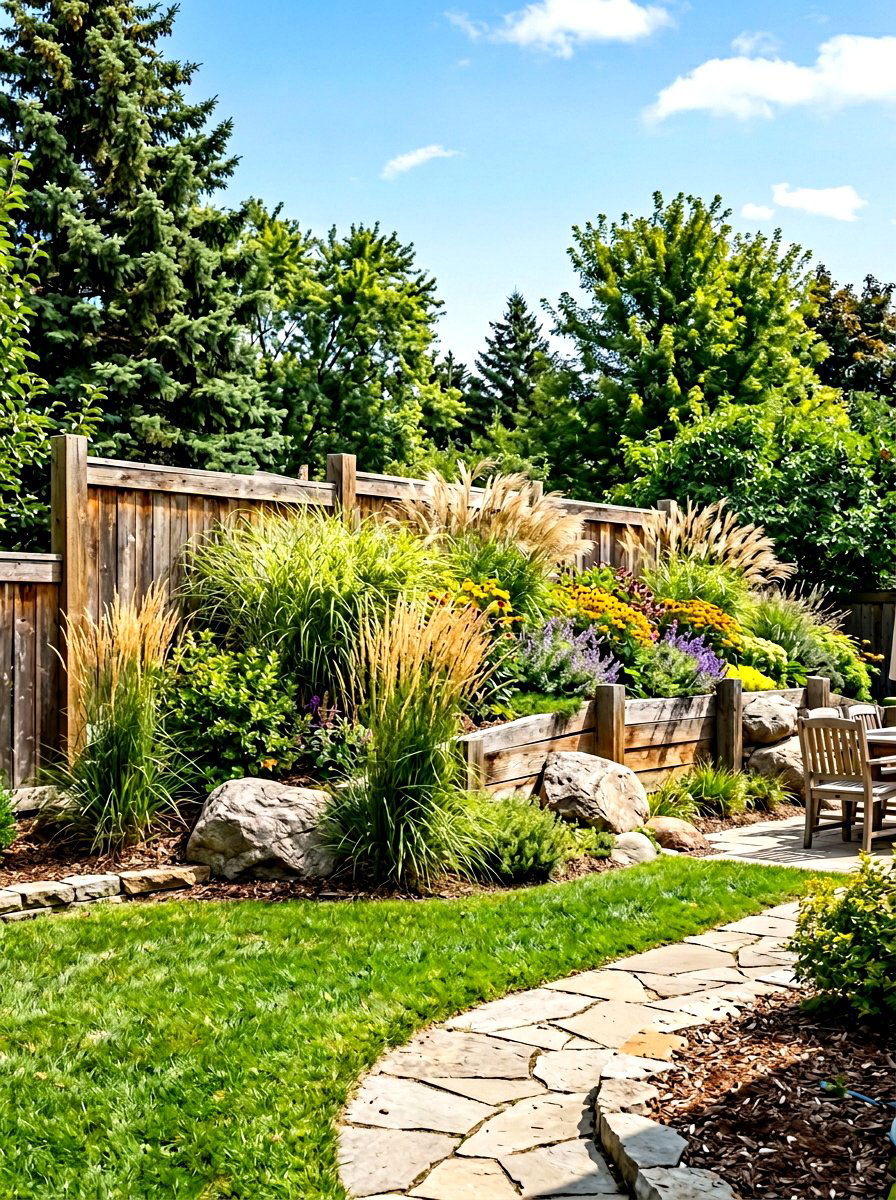
Building up low mounds of soil, known as berms, is a great way to add height and privacy to a flat yard without installing a fence. Covering these mounds with natural cedar mulch provides a finished look while protecting the mounded soil from washing away during rain. The golden-brown color of natural cedar ages gracefully to a silvery-gray, which can look stunning in a rustic or coastal landscape design. Cedar’s natural oils also help to deter termites and other wood-boring insects, making it a safe choice for use near wooden structures. This approach creates a dynamic and textured landscape that feels established and thoughtfully planned.
19. Tropical Garden Mulch
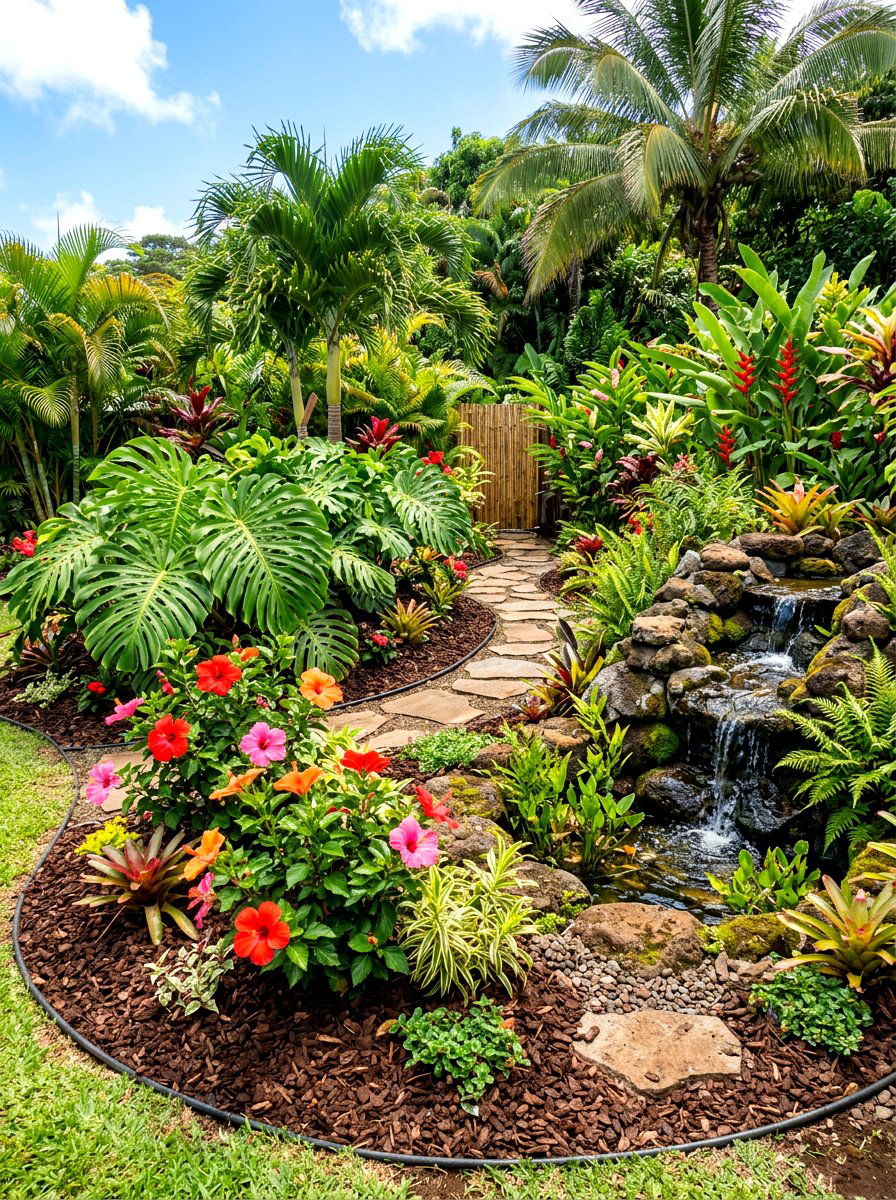
Lush, tropical gardens with large leafy plants and bright exotic flowers benefit from a mulch that can handle high humidity and frequent watering. Using a combination of dark organic mulch and large volcanic rocks can mimic the rich, volcanic soils found in tropical environments. This setup provides the excellent drainage that many tropical species require while keeping the roots cool and moist. The deep color of the mulch highlights the vibrant greens of palm fronds and the bold colors of hibiscus blooms. This design creates a private, resort-like atmosphere in your own backyard, allowing you to enjoy a vacation-style retreat every day throughout the summer.
20. Bark Nugget Bed
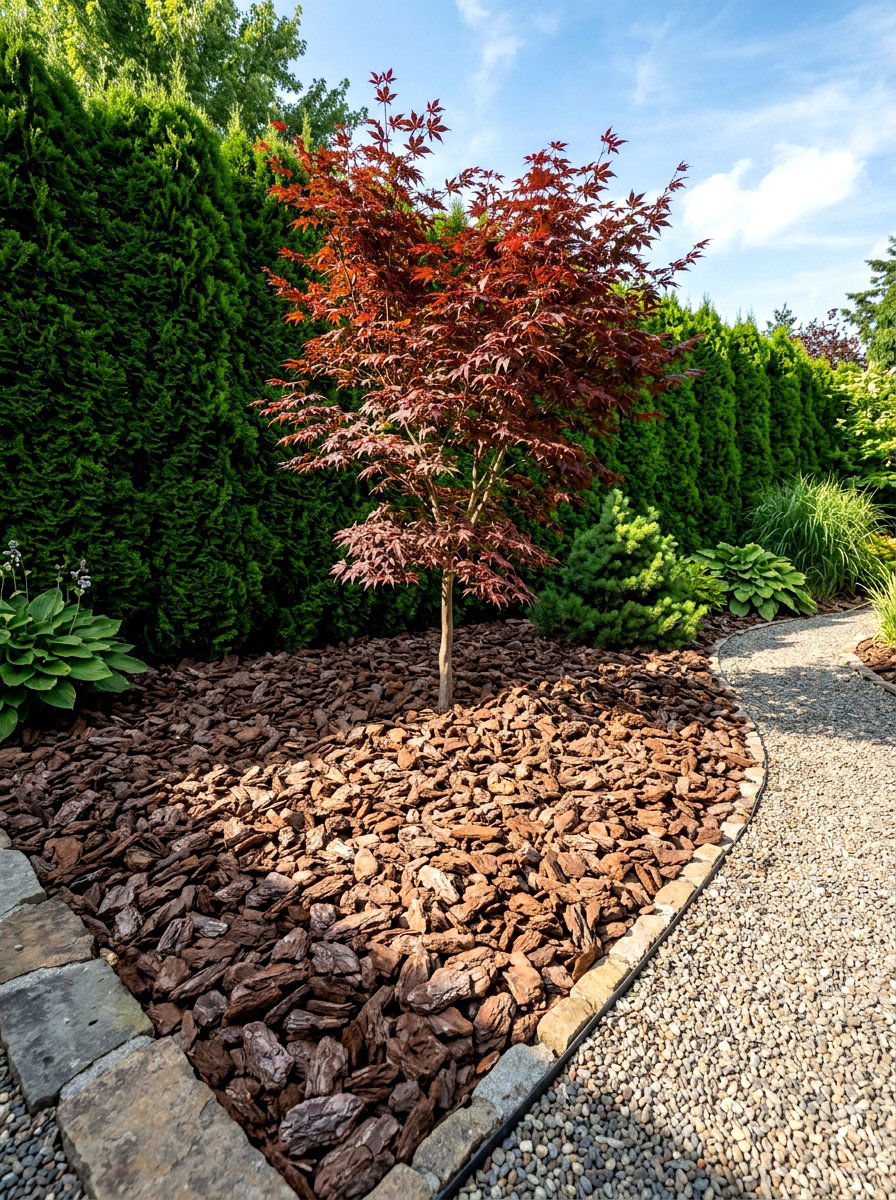
If you prefer a bold, chunky texture in your garden, large bark nuggets offer a rugged look that stands out in any landscape design. These nuggets are heavy enough to stay in place during windy conditions and decompose very slowly, meaning you won’t have to replenish them as often as shredded varieties. They work exceptionally well around large shrubs and trees where a fine texture might look too busy or get lost. The gaps between the nuggets allow for excellent air circulation and water penetration, promoting healthy root growth for your larger plants. This style is perfect for low-maintenance areas where you want a long-lasting and clean appearance.
21. Clover Living Mulch
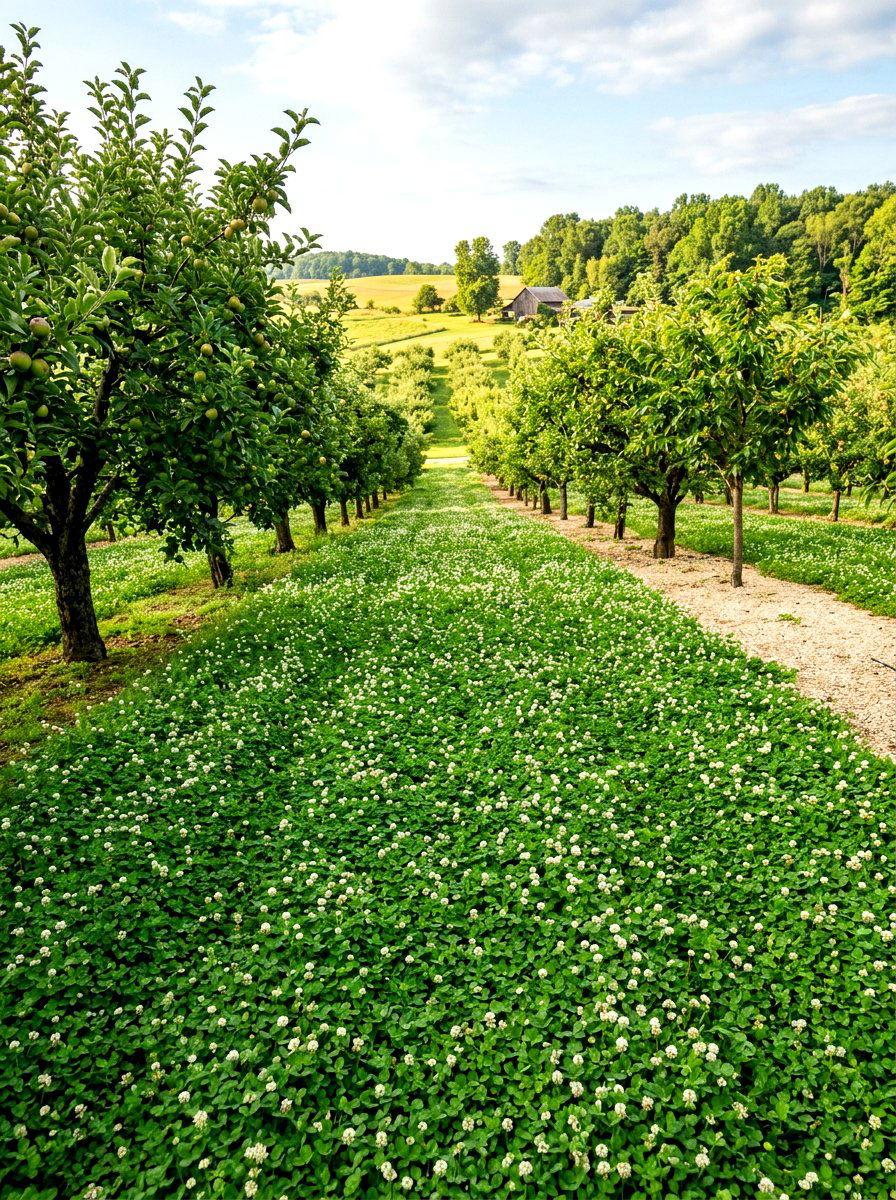
Sometimes the best mulch isn't wood or stone at all, but rather a low-growing plant that acts as a living carpet over the soil. Using white clover as a living mulch is an eco-friendly trend that provides constant greenery while naturally fixing nitrogen into the soil. This "green mulch" stays low to the ground, requires very little mowing, and crowds out more troublesome weeds that would otherwise take over bare soil. It is particularly effective in fruit orchards or between rows in a vegetable garden. This sustainable approach supports local pollinators and creates a soft, lush look that feels more vibrant and alive than traditional wood-based options.
22. Straw Mulch Row
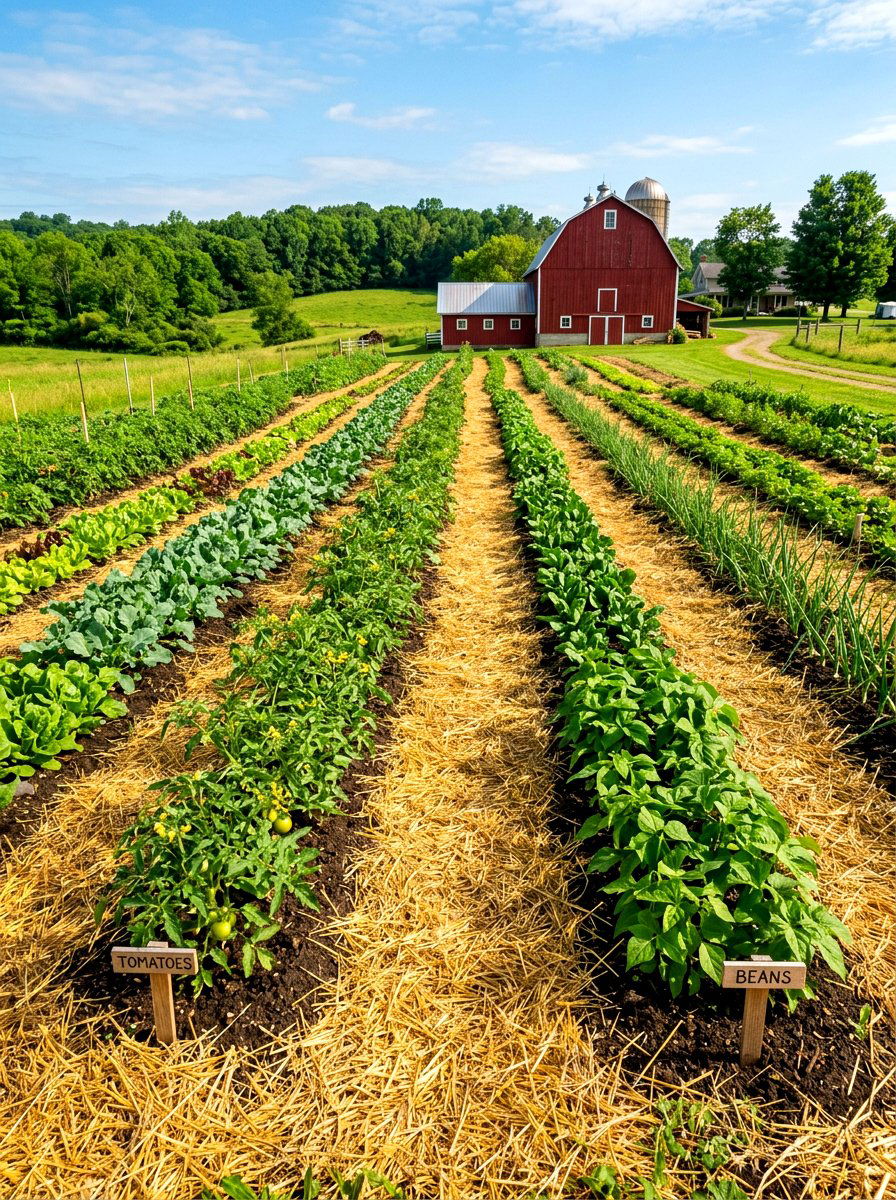
In a productive home garden, maintaining clear and clean rows is essential for easy access and healthy plant development throughout the growing season. Using clean, weed-free straw between your planting rows keeps your boots out of the mud and provides a reflective surface that can help certain crops grow. Straw is particularly useful for protecting low-growing fruits like strawberries, keeping the berries off the damp ground to prevent rot and pest damage. At the end of the season, you can simply till the straw back into the earth to improve the soil's organic matter. This traditional method is a favorite for those prioritizing a highly functional and sustainable garden.
23. Crushed Brick Border
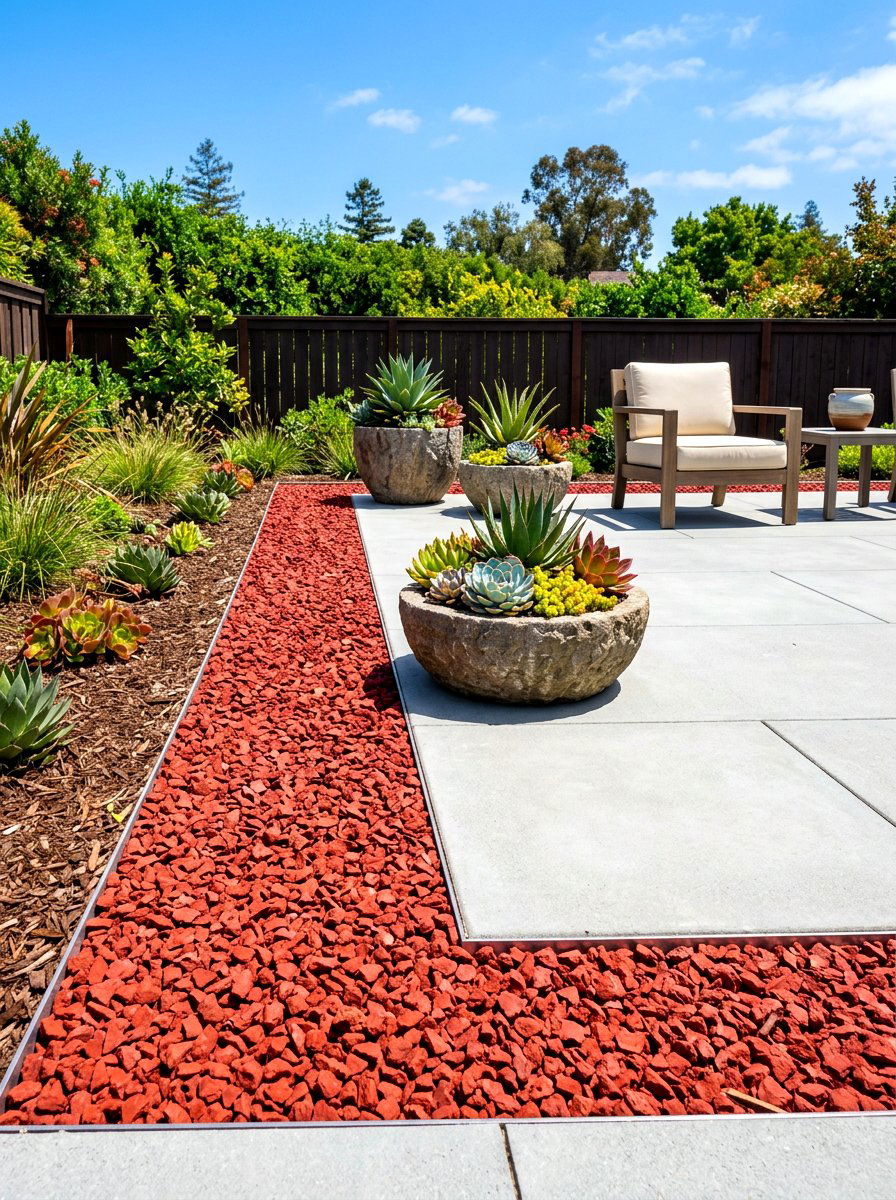
For a unique look that incorporates recycled materials, crushed brick mulch offers a warm, reddish-orange color and a permanent, gritty texture. This inorganic option is perfect for creating a sharp border around modern garden beds or along the edges of a backyard patio. Unlike wood, crushed brick will never fade, decompose, or attract wood-loving insects, making it a one-time investment for your landscape. It provides excellent drainage and stays securely in place even during the most intense rainstorms. Pairing the red brick tones with deep green foliage creates a classic color combination that looks vibrant and well-maintained throughout every season of the year.
24. Pea Gravel Mulch Patio
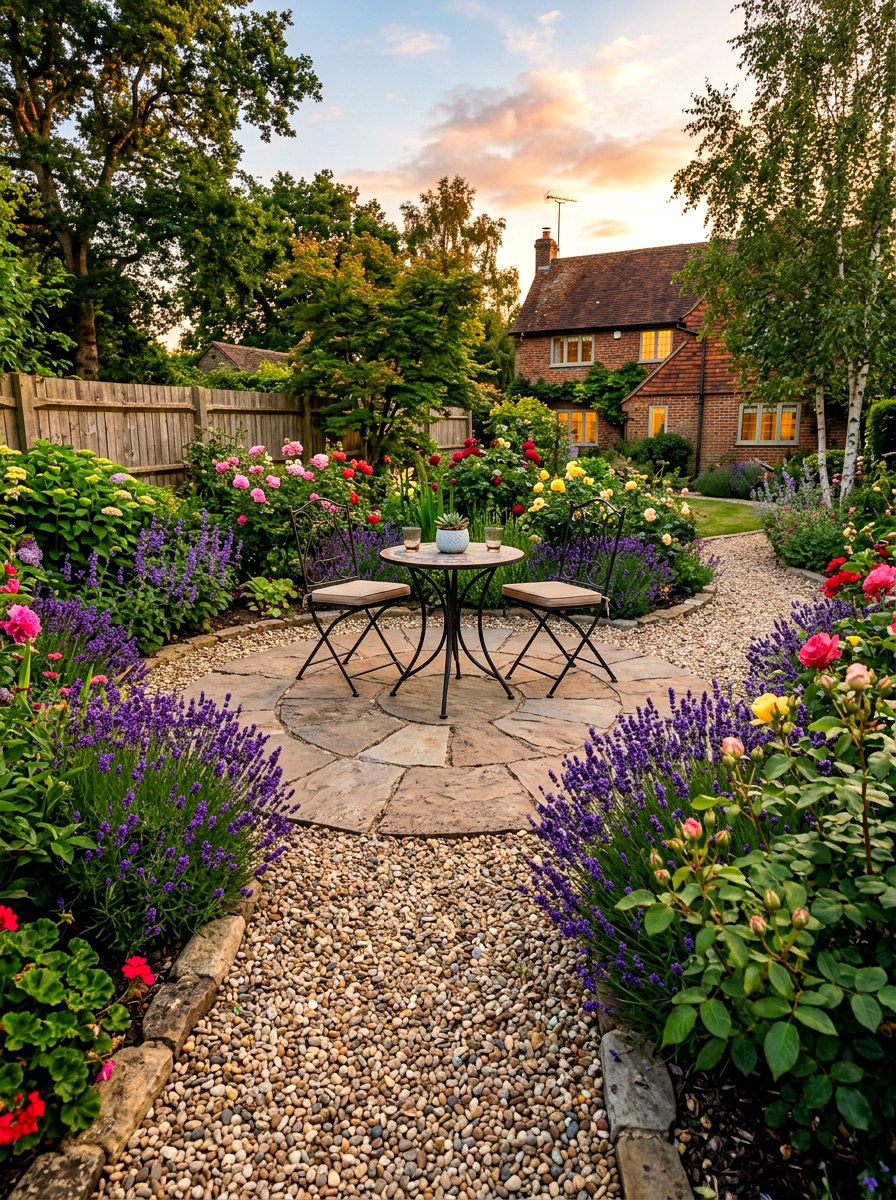
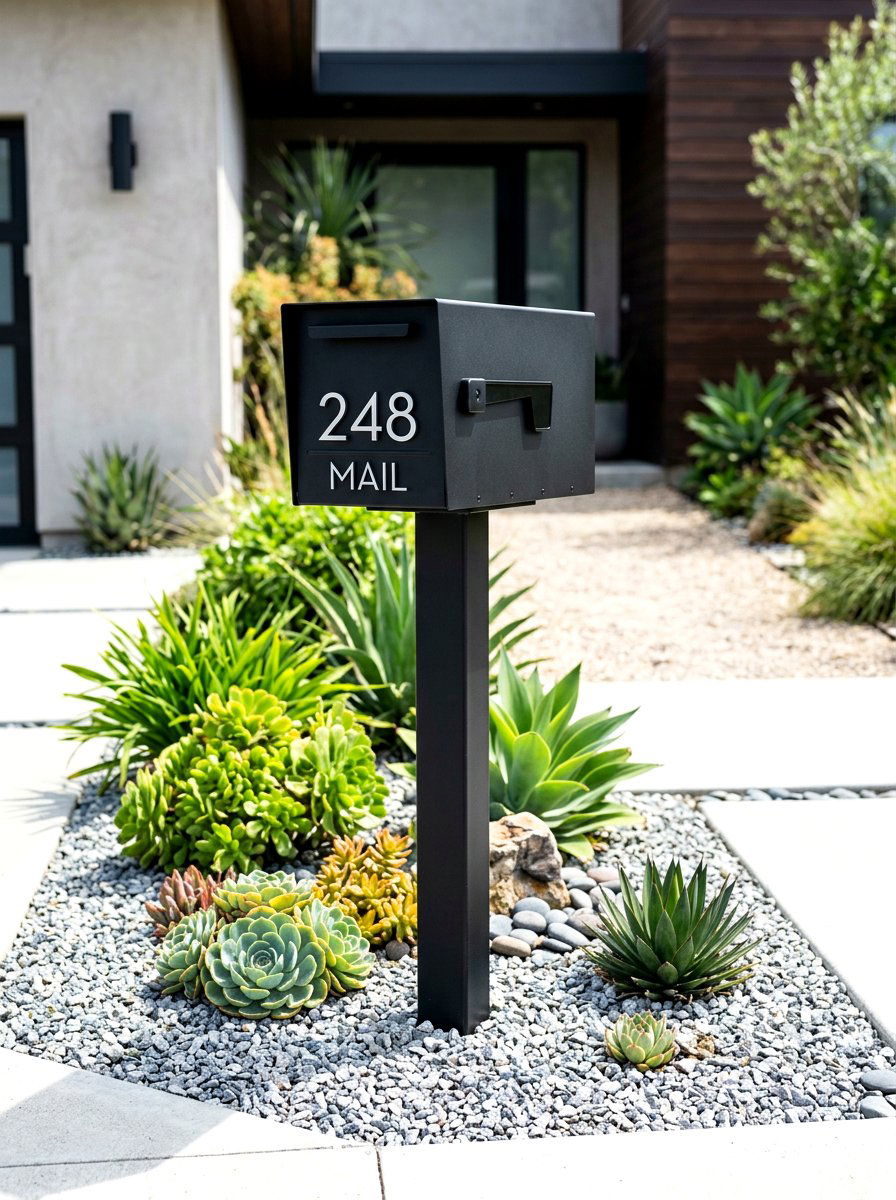
Transforming a neglected corner of your yard into a functional sitting area is easy when you use pea gravel as a base material. These small, rounded stones provide a permeable surface that allows rainwater to soak into the ground, preventing puddles and runoff issues. A pea gravel patio feels casual and European, especially when surrounded by lush garden beds filled with fragrant herbs and perennials. It is much more affordable and easier to install than traditional pavers or concrete. This design encourages a relaxed atmosphere where you can set up a small bistro set or a fire pit to enjoy peaceful evenings with your friends and family.
25. Fine Texture Mulch
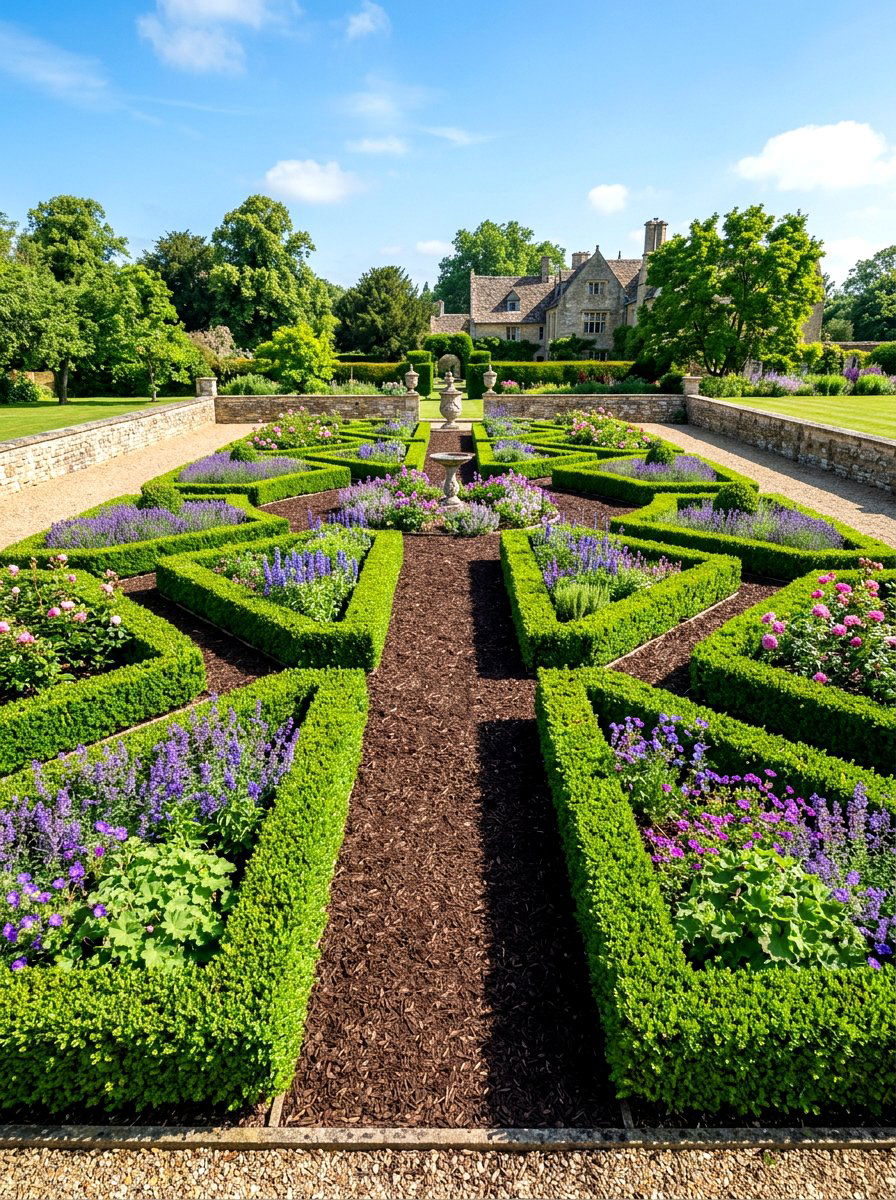
In formal garden designs or around small, delicate perennials, a fine-textured mulch like hemlock or triple-shredded hardwood provides a neat and manicured appearance. This material spreads easily and creates a very smooth, carpet-like surface that doesn't overwhelm the smaller features of your plants. Fine mulches are excellent at suppressing even the smallest weed seeds because they form a very dense barrier over the soil surface. Because the pieces are so small, they break down more quickly than nuggets, providing a frequent boost of organic nutrients to your soil. This high-maintenance look is ideal for focal point gardens where every detail matters for the overall aesthetic.
26. Sheet Mulching Garden
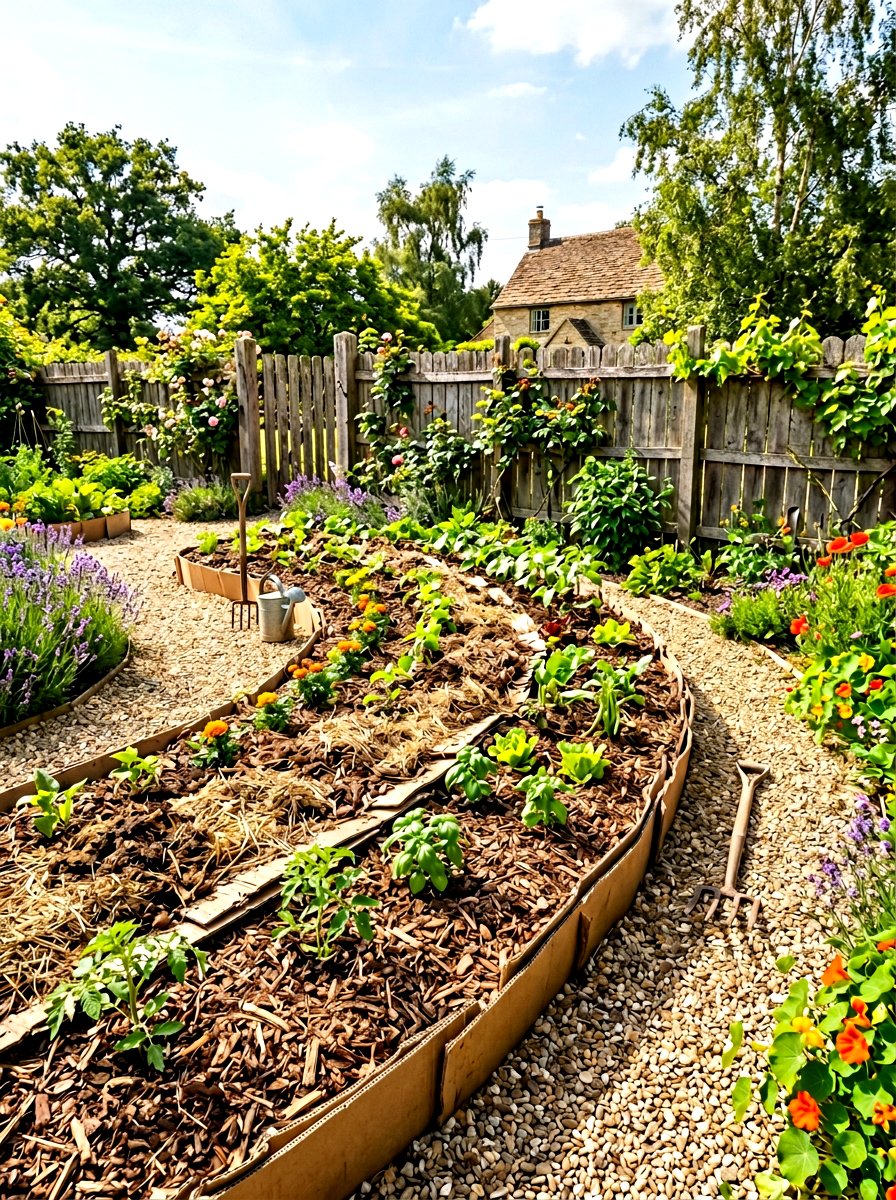
Sheet mulching is a powerful technique for creating new garden beds directly over existing grass without the back-breaking work of digging up sod. By layering cardboard or newspaper over the lawn and covering it with a thick layer of compost and mulch, you essentially smother the weeds while building rich soil. This "lasagna gardening" method is highly sustainable and significantly improves the health of your land over time as the layers decompose. It is an excellent way to expand your gardening space while recycling household paper waste. The resulting garden bed is incredibly fertile and ready for planting within just a few months of initial setup.
27. River Rock Edge Mulch
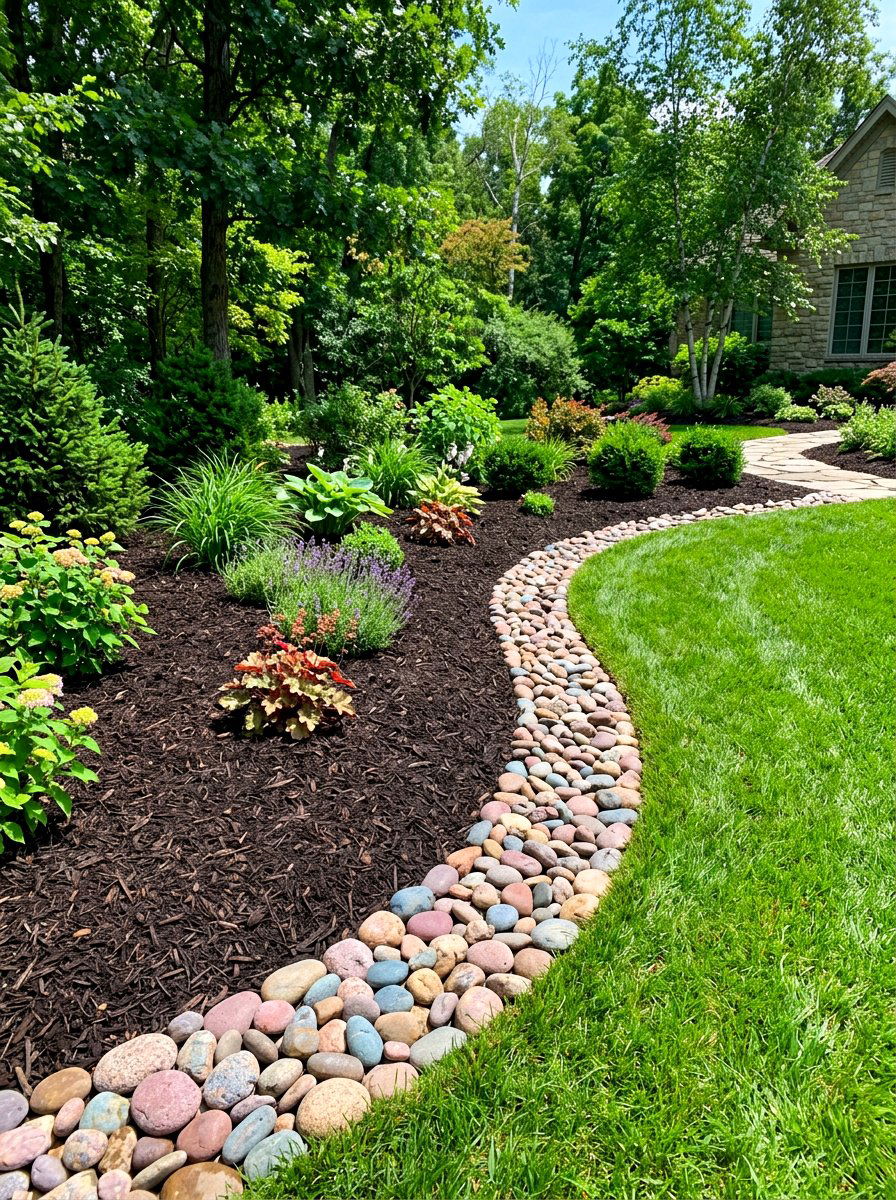
Using smooth river rocks as a transition between your mulched garden beds and the rest of your lawn creates a high-end, custom look. These natural stones provide a permanent weight that holds the lighter wood mulch in place, preventing it from washing away during heavy summer thunderstorms. The contrast between the dark organic mulch and the light, varied colors of the river rocks adds a professional touch to any front yard. This edging also makes mowing much easier by providing a hard surface for the mower wheels to follow. It is a durable and attractive solution that solves common drainage problems while boosting your home’s aesthetic.
28. Woodland Mulch Floor
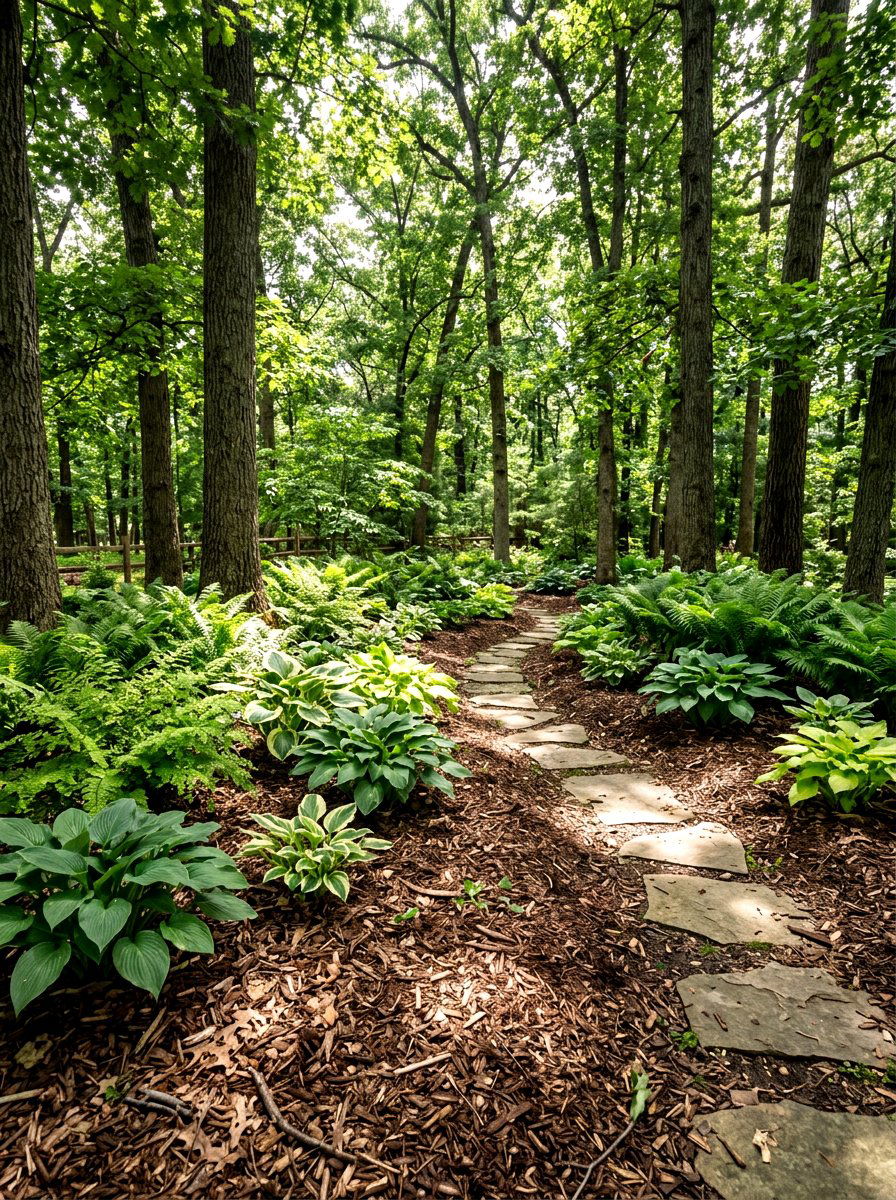
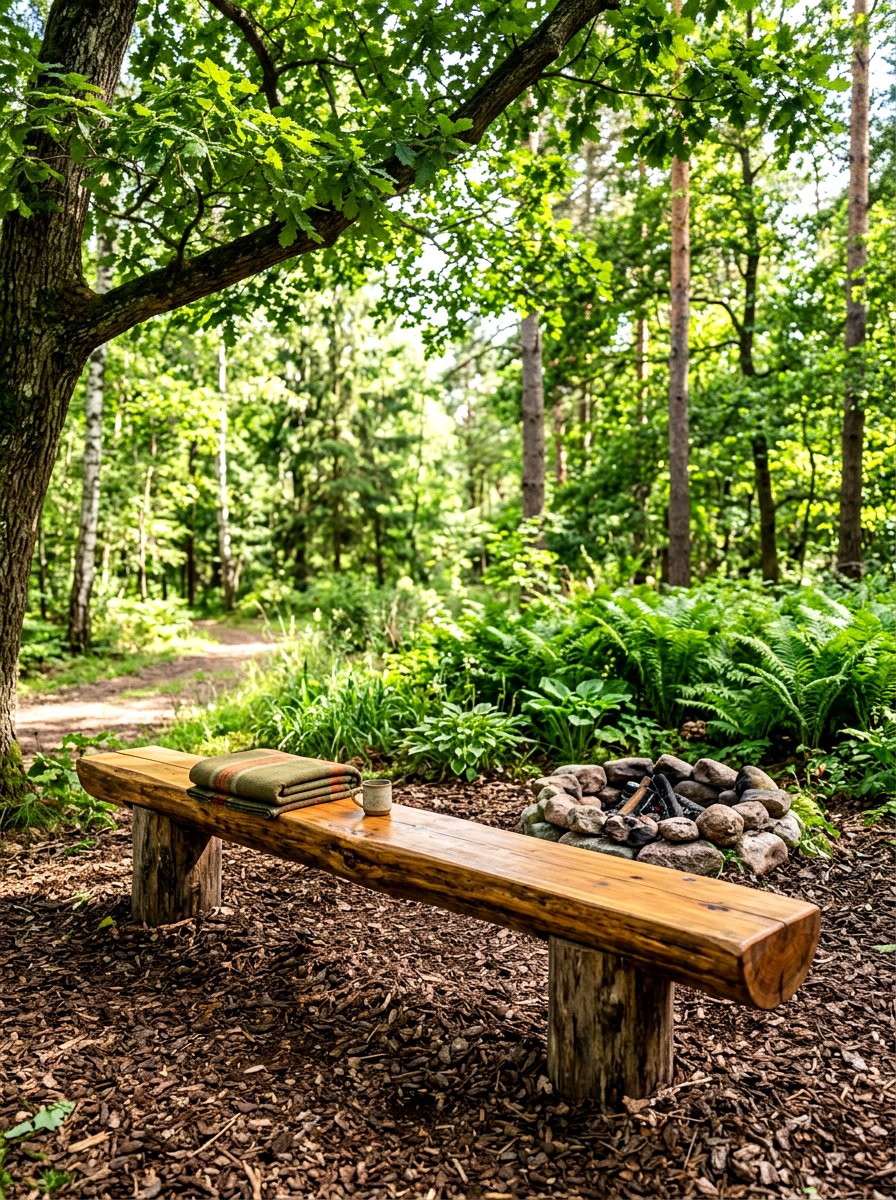
If you have a shaded area of your property with large mature trees, a woodland-style mulch floor can turn it into a peaceful forest retreat. Using a mix of shredded leaves, pine needles, and natural wood chips creates an authentic forest floor appearance that requires almost no maintenance. This approach is much better for the health of your trees than trying to grow grass in deep shade, where it often struggles and looks patchy. You can add shade-loving plants like ferns and hostas to complete the look. This design embraces the natural characteristics of your land, providing a cool and quiet sanctuary for birds and local wildlife.
29. Colored Mulch Yard
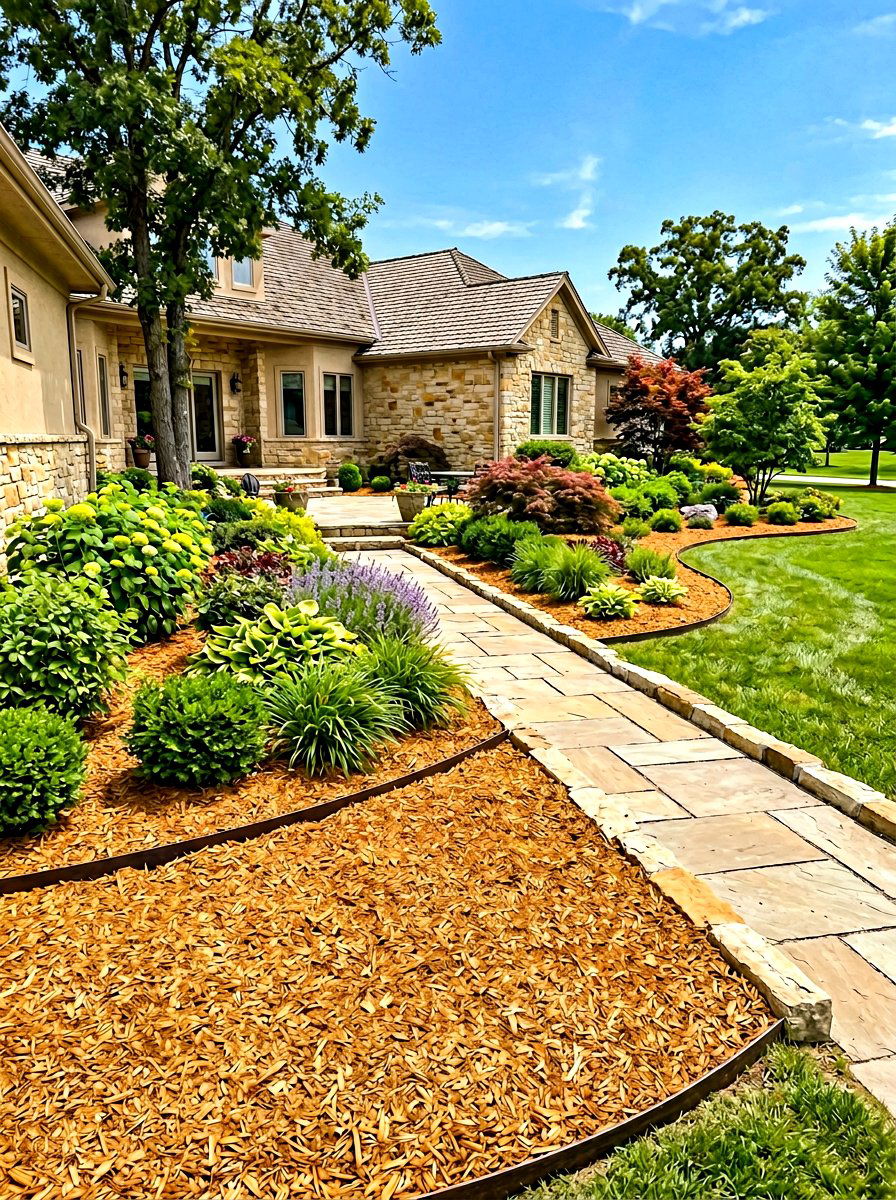
For homeowners who want to perfectly coordinate their landscaping with their home's exterior paint or stone, dyed mulches offer a wide range of custom colors. Beyond the standard black and red, you can often find deep browns, golds, and even shades of blue or green in some specialty markets. Using a specific color across your entire yard creates a cohesive and branded look that makes a strong visual impact from the curb. These dyes are formulated to be safe for plants and pets while providing long-lasting color that resists fading under the sun. It is a popular way to ensure your landscape looks freshly groomed all year round.
30. Rubber Mulch Walkway
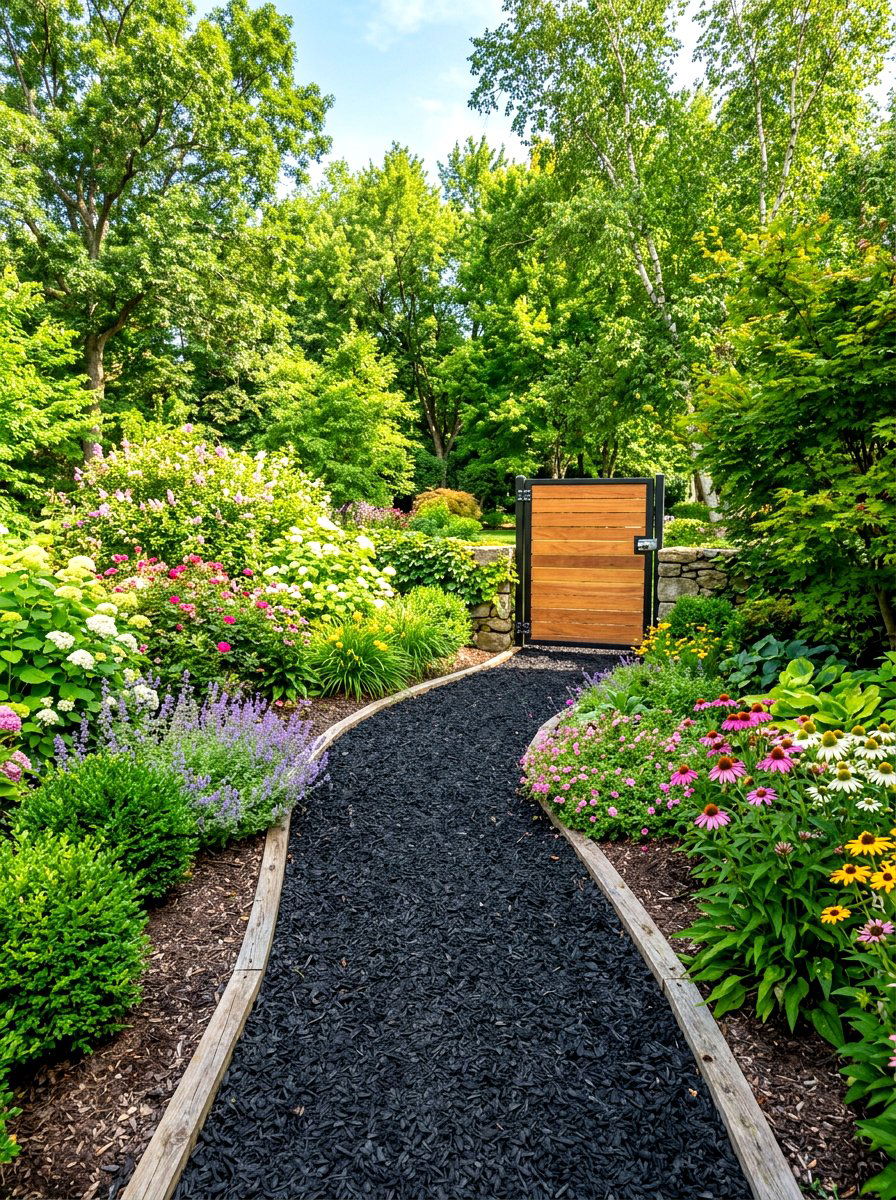
In areas of your yard that see heavy foot traffic or where organic materials constantly wash away, a rubber mulch walkway is a highly practical and durable solution. This material is made from recycled tires, making it an eco-conscious choice that prevents waste from entering landfills. It provides a soft, springy feel underfoot that is much more comfortable than gravel or stone for long walks across the property. Because it doesn't absorb water, the surface stays dry and slip-resistant even after a rainstorm. This walkway will maintain its clean appearance for many years, requiring only an occasional raking to keep the surface level and tidy for your guests.
Conclusion:
Selecting the right mulch for your landscaping projects is about finding the perfect balance between practical function and visual style. Whether you choose the rich aroma of cedar, the modern contrast of black hardwood, or the permanence of decorative stone, your landscape will benefit from the protection and nutrients these materials provide. Each of the ideas we have discussed offers a unique way to enhance your outdoor living space while reducing the time required for routine maintenance. By thoughtfully applying these mulch types, you can create a healthy, thriving environment that increases your home's value and provides a beautiful setting for your family to enjoy.

Related posts: