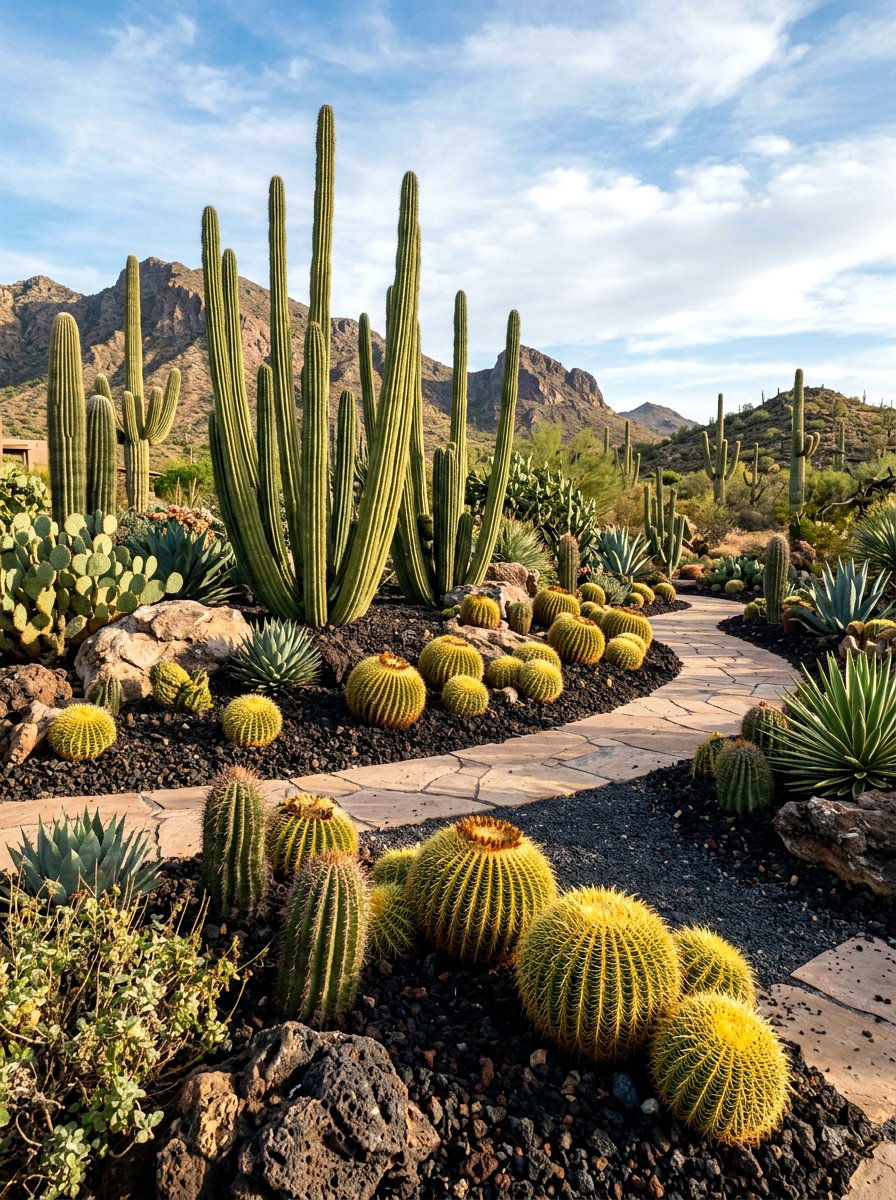
Transforming your curb appeal often starts with the foundation of your landscaping, and choosing the right ground cover can make a world of difference. Front yard mulch serves as more than just a decorative finish; it is a vital tool for moisture retention, weed suppression, and soil temperature regulation. Whether you prefer the sleek look of dark wood chips or the organic feel of pine needles, the right choice elevates your home's exterior instantly. By selecting a mulch that complements your siding color and plant palette, you create a cohesive and professional appearance. This guide explores thirty creative ways to utilize various materials to enhance your garden beds and pathways effectively.
1. Black Mulch Landscape
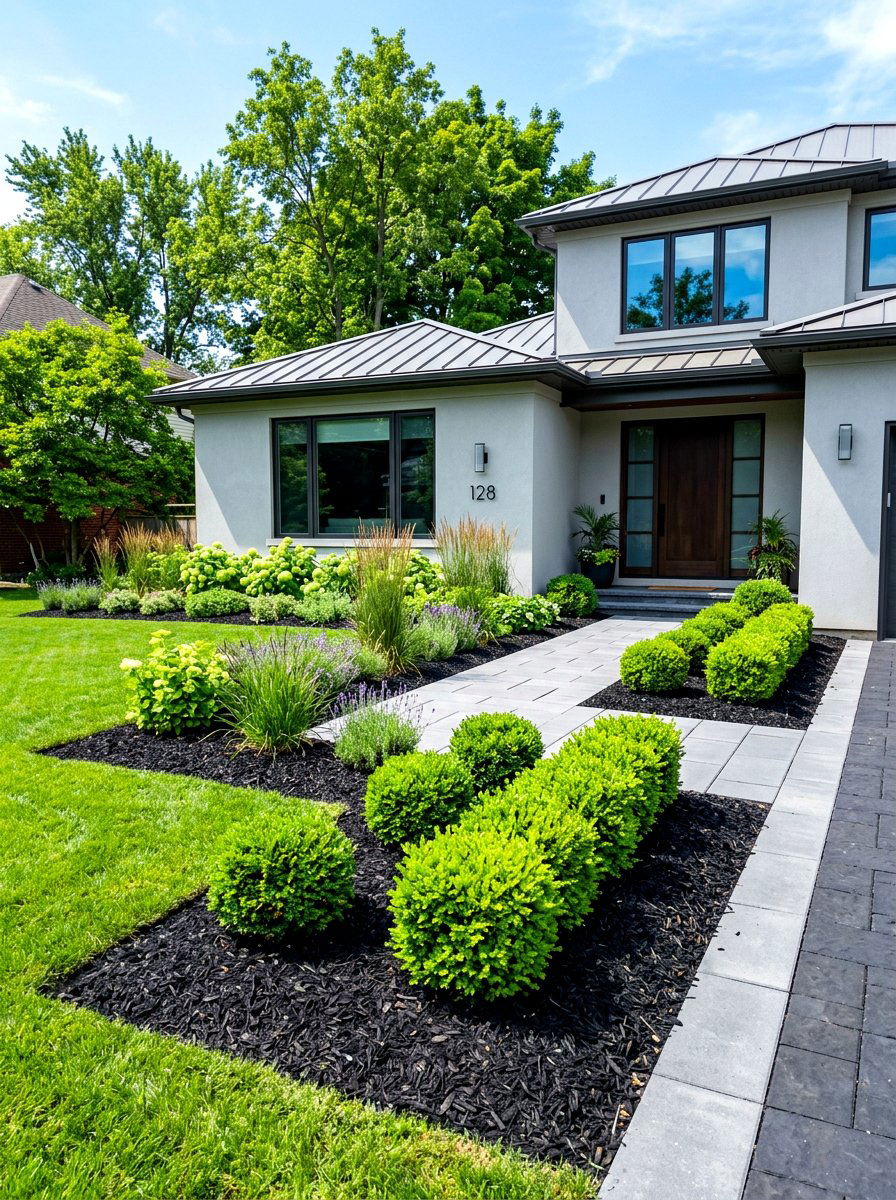
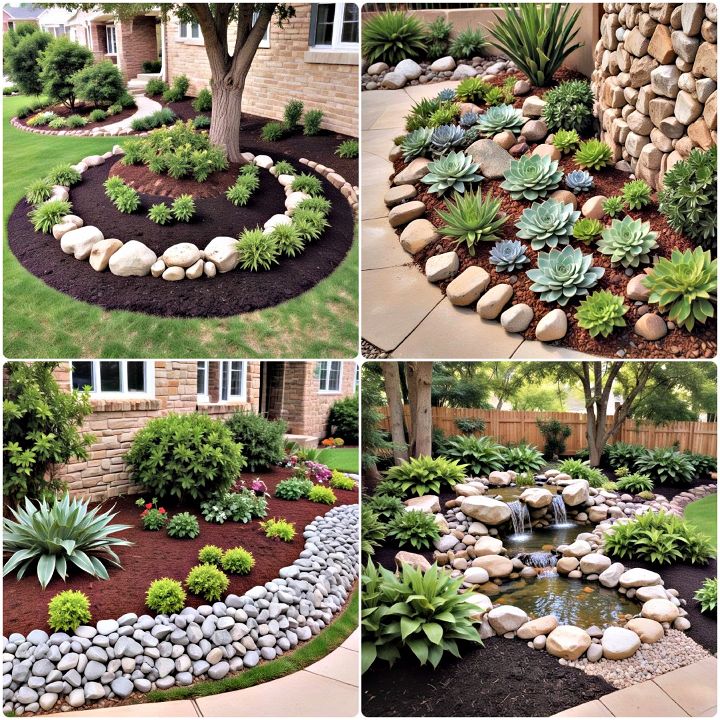
Choosing a black mulch landscape provides a stunning, high-contrast backdrop that makes vibrant green foliage and bright floral colors pop with intensity. This modern choice is particularly effective for contemporary homes with white, gray, or navy blue exteriors, as it creates a crisp and clean aesthetic. Beyond its visual appeal, the dark pigment absorbs heat, which can be highly beneficial for warming the soil early in the spring season. To maintain this sophisticated look, it is best to use a high-quality dyed hardwood that resists fading under the sun. Pairing this with light-colored stone edging further defines the garden beds and prevents the mulch from spilling onto walkways.
2. Red Wood Chips
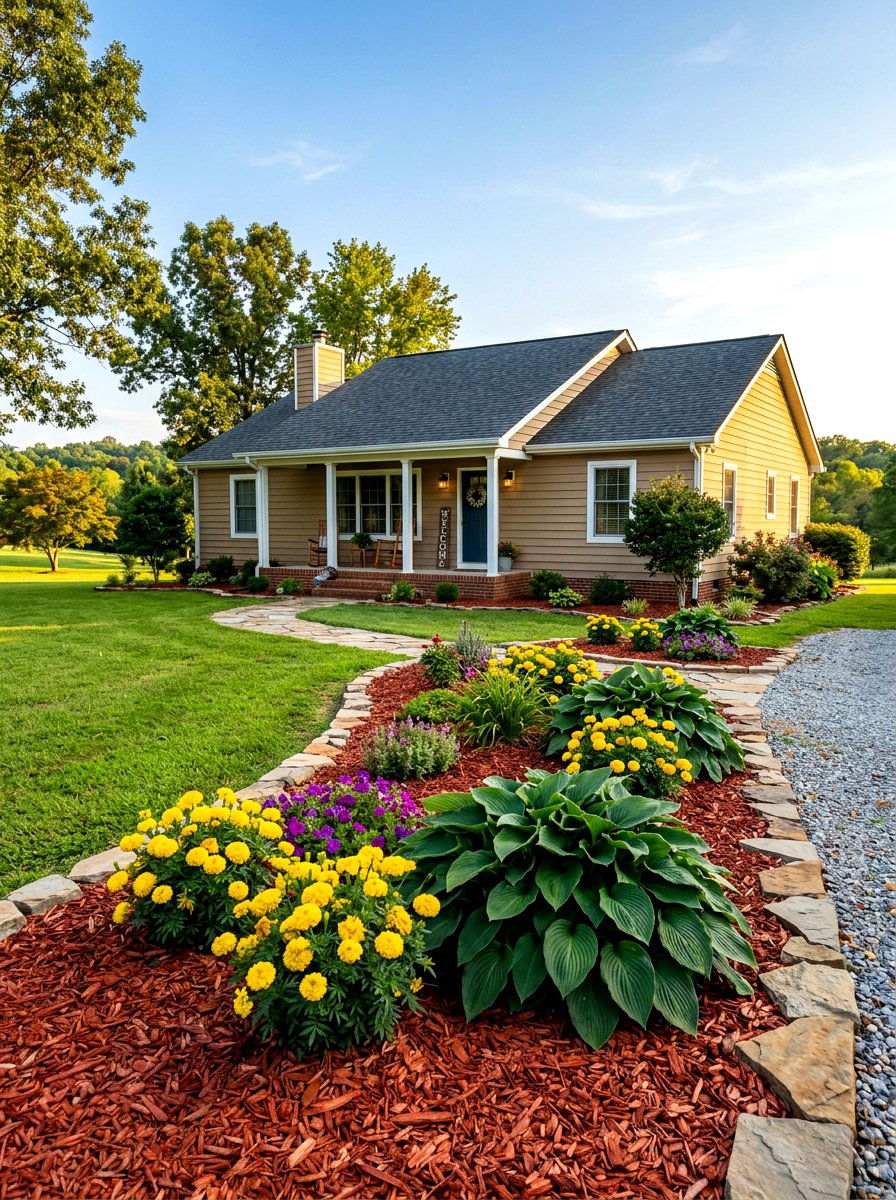
Red wood chips offer a bold and energetic look that works exceptionally well for homes with tan, beige, or light-colored siding. This vibrant hue adds a sense of warmth and can be used to draw the eye toward specific focal points, such as a grand entrance or a decorative statue. While it is a popular choice for traditional ranch-style homes, it is important to ensure the dye used is eco-friendly and safe for your plants. The large texture of wood chips means they decompose slowly, providing long-lasting coverage for your front yard. This type of mulch is excellent for large expansive beds where you want to make a big statement.
3. Dark Brown Bark
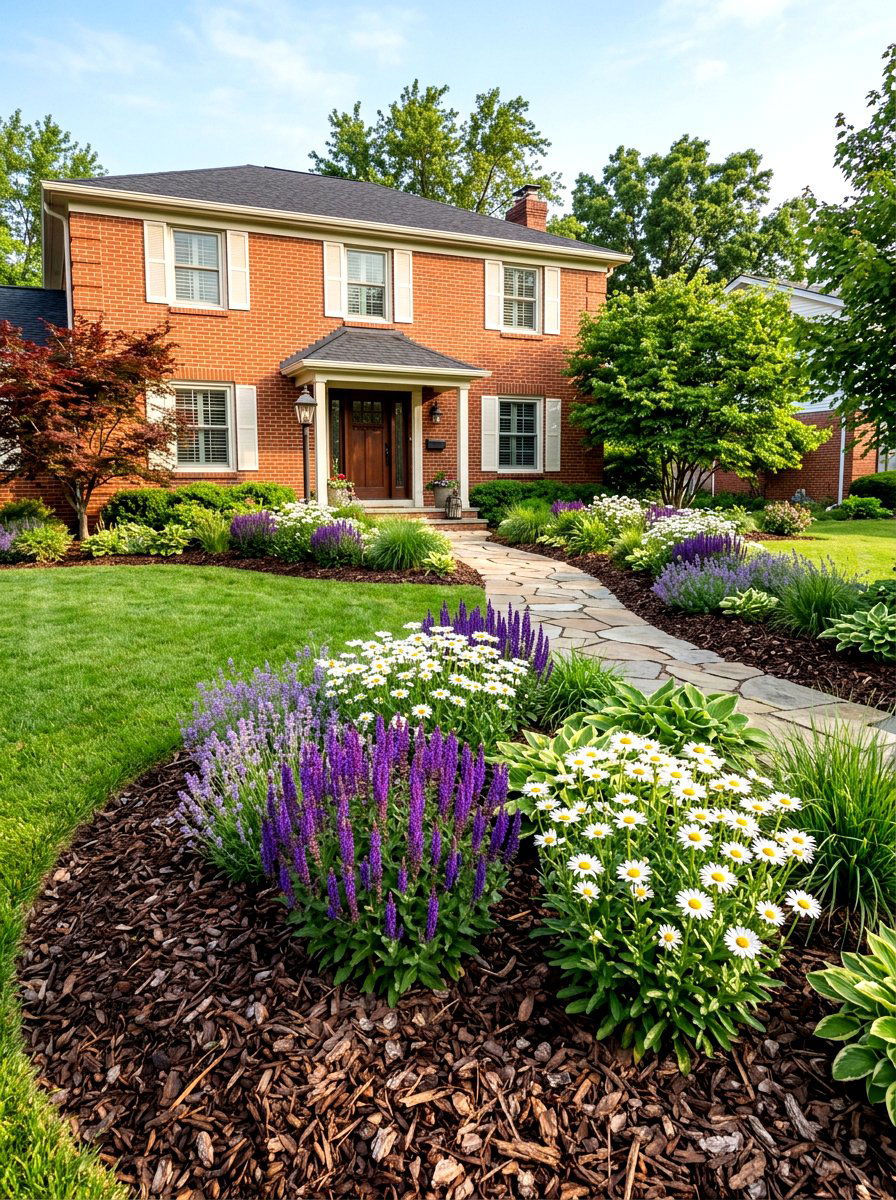
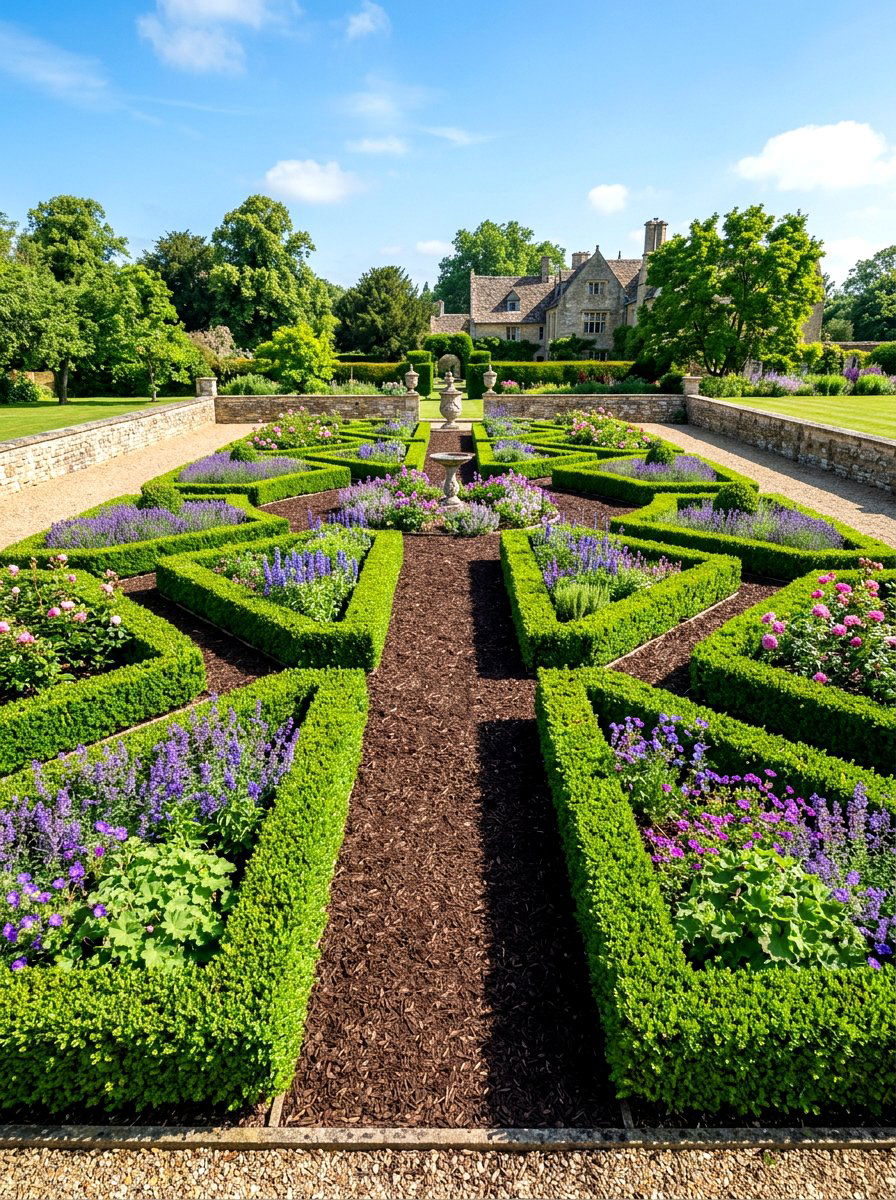
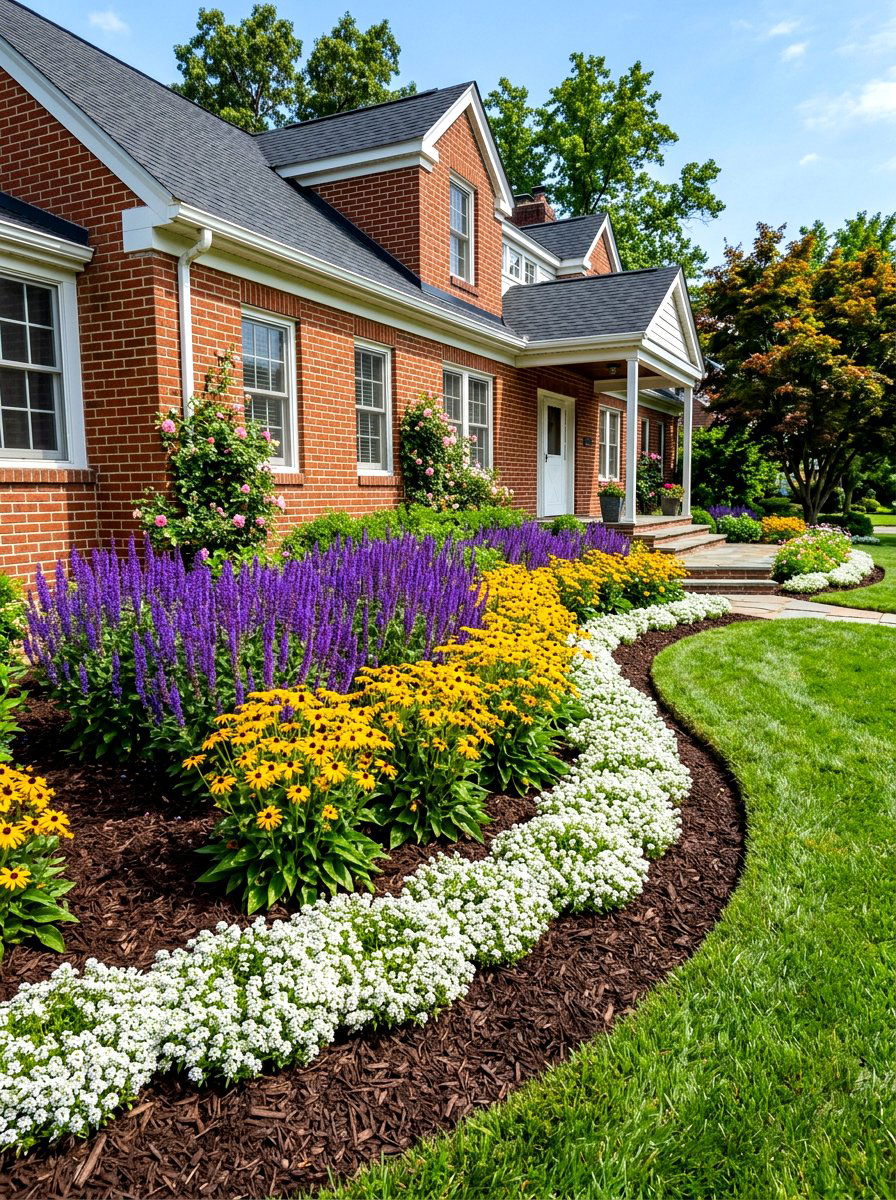
Dark brown bark is perhaps the most versatile and classic option for any residential front yard, offering a natural and organic feel. Its earthy tones blend seamlessly with almost any architectural style, from rustic cabins to traditional suburban houses. Because it looks so much like rich soil, it provides a very grounded and healthy appearance to your flower beds without looking overly processed. This mulch is typically made from shredded hardwood or fir, which knits together well to prevent erosion on slight slopes. It is an ideal choice if you want your plants to be the main stars while the ground cover provides a subtle, supportive role.
4. Natural Cedar Mulch
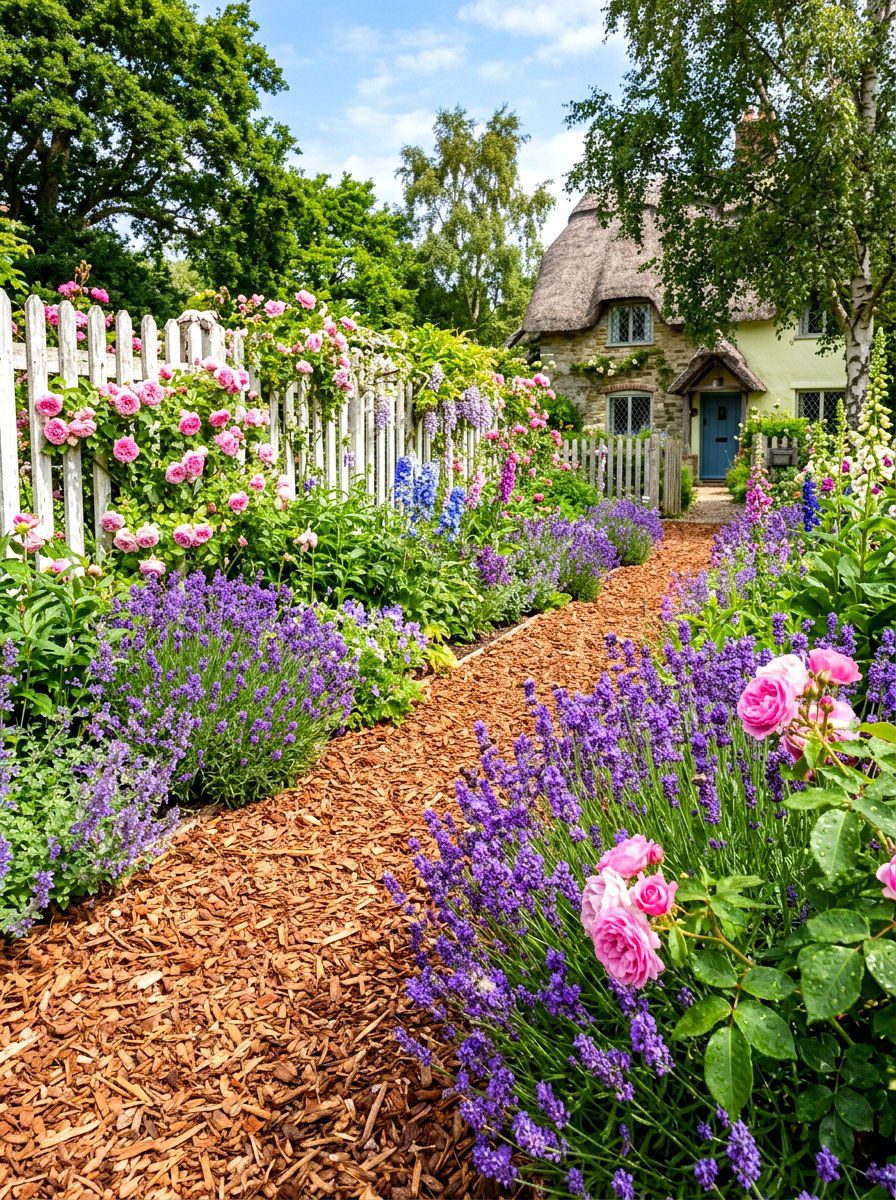
Natural cedar mulch is highly prized not only for its beautiful golden-tan color but also for its wonderful aromatic qualities and pest-repelling properties. The natural oils found in cedar wood act as a deterrent for many common garden insects, making it a functional choice for foundation plantings. As it ages, the bright color mellows into a soft silver-gray, which can look very elegant in cottage-style or coastal gardens. Because cedar is naturally rot-resistant, it lasts much longer than other organic mulches, saving you time and money on annual refreshments. It is a fantastic option for creating a clean, bright, and fragrant entrance to your home.
5. Pine Straw Bed
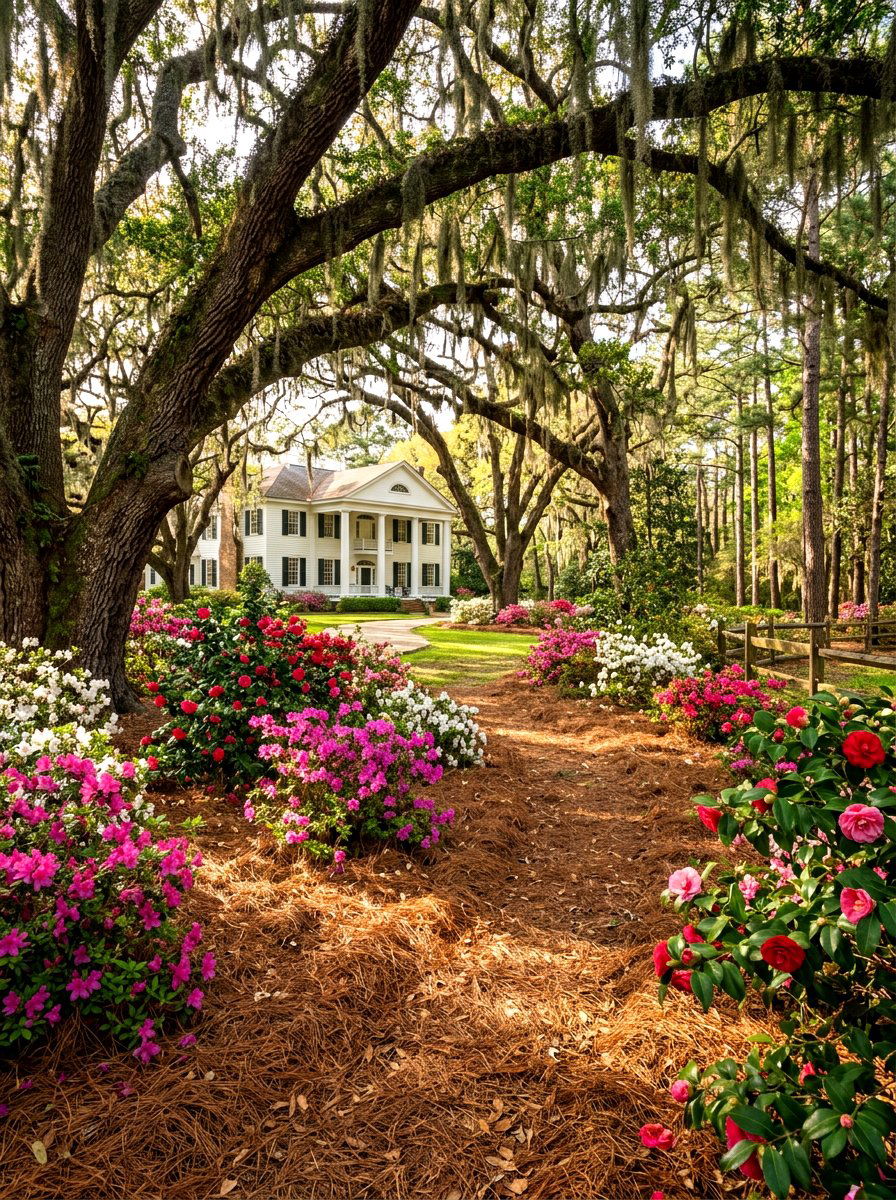
A pine straw bed offers a very natural, forest-floor aesthetic that is incredibly popular in southern landscapes and woodland settings. These long, slender needles interlock with one another, creating a stable mat that is less likely to wash away during heavy rainstorms compared to wood chips. Pine straw is also slightly acidic, which makes it a perfect choice for acid-loving plants like azaleas, camellias, and rhododendrons often found in front yards. It provides a soft, fine texture that contrasts beautifully with broad-leafed evergreens. Because it is lightweight and easy to spread, it is a favorite for DIY homeowners looking for a quick and effective landscape refresh.
6. River Rock Ground Cover
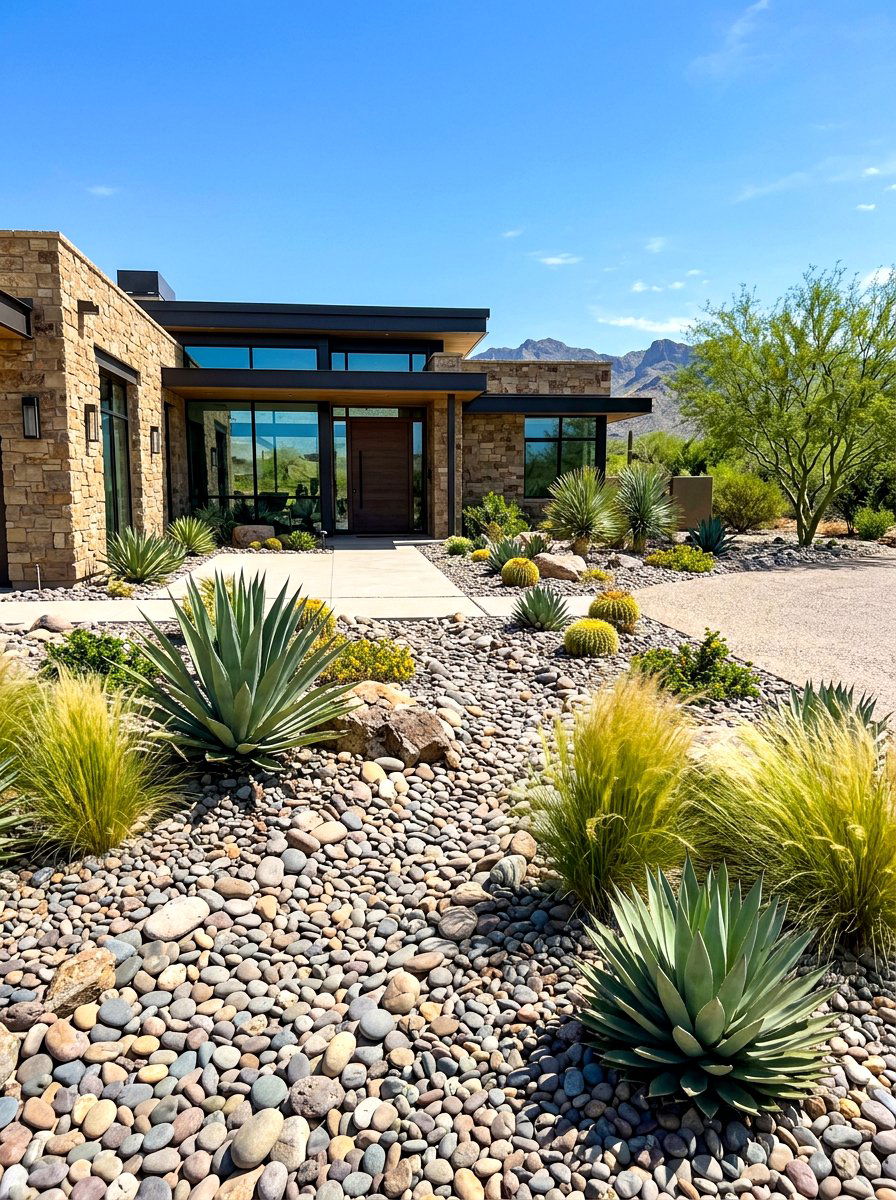
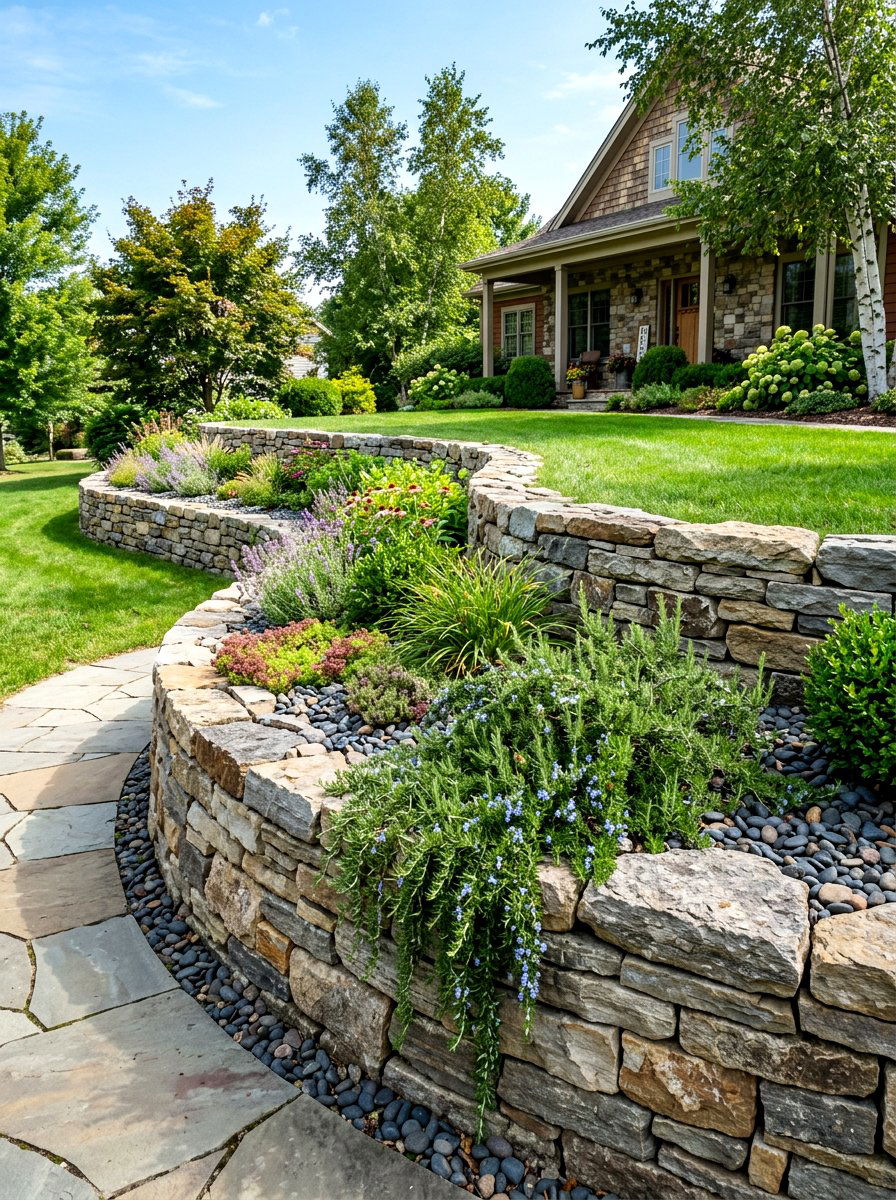
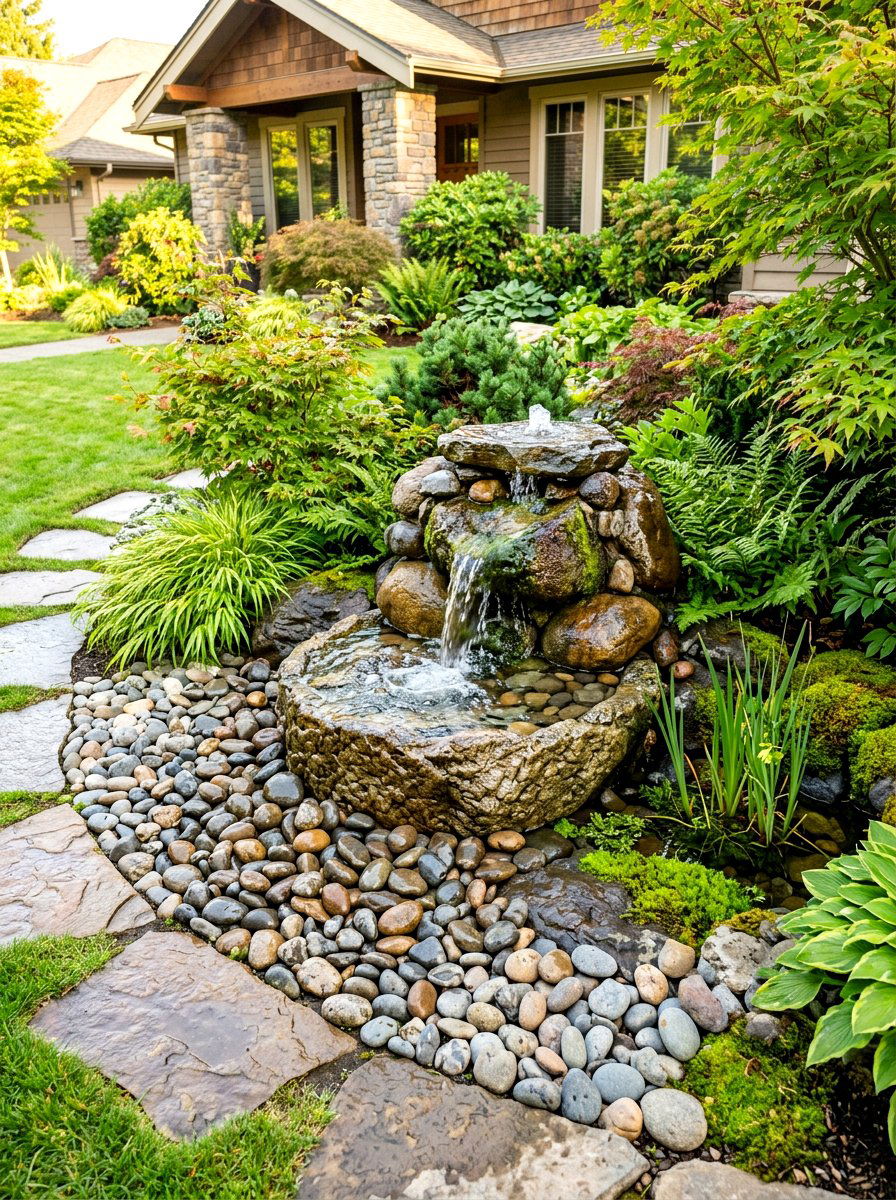
River rock ground cover is a fantastic inorganic alternative for homeowners seeking a low-maintenance and permanent solution for their front yard landscaping. These smooth, rounded stones come in a variety of natural shades, including tans, grays, and whites, allowing for a custom look that complements your home’s stonework. Unlike wood mulch, river rocks do not decompose, meaning you won’t need to replace them every year, which is a major benefit for busy schedules. They are particularly useful in areas with drainage issues or under roof eaves where water runoff might wash away lighter materials. Using a landscape fabric underneath is essential to keep weeds from growing through the stone.
7. Pea Gravel Walkway
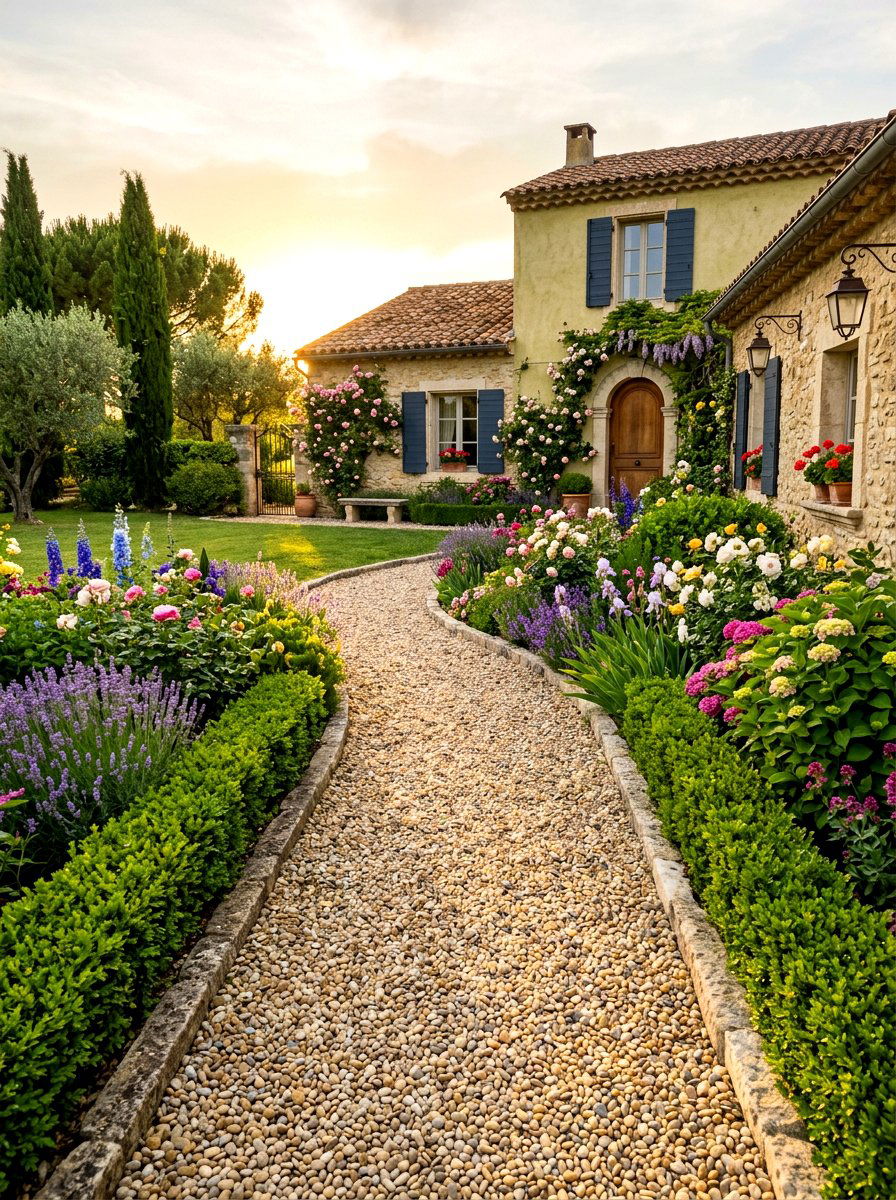
Creating a pea gravel walkway through your front garden adds a charming, tactile element that invites visitors to explore your outdoor space. These small, pea-sized stones provide a satisfying crunch underfoot and offer a casual yet polished look that fits well with French country or Mediterranean designs. Pea gravel is highly permeable, allowing rainwater to soak directly into the ground rather than running off into the street. To keep the stones contained, it is best to use a sturdy edging material like steel, brick, or treated wood. This material is also excellent for filling in small gaps between larger flagstone pavers to create a textured, multi-layered path.
8. Shredded Hardwood Mulch
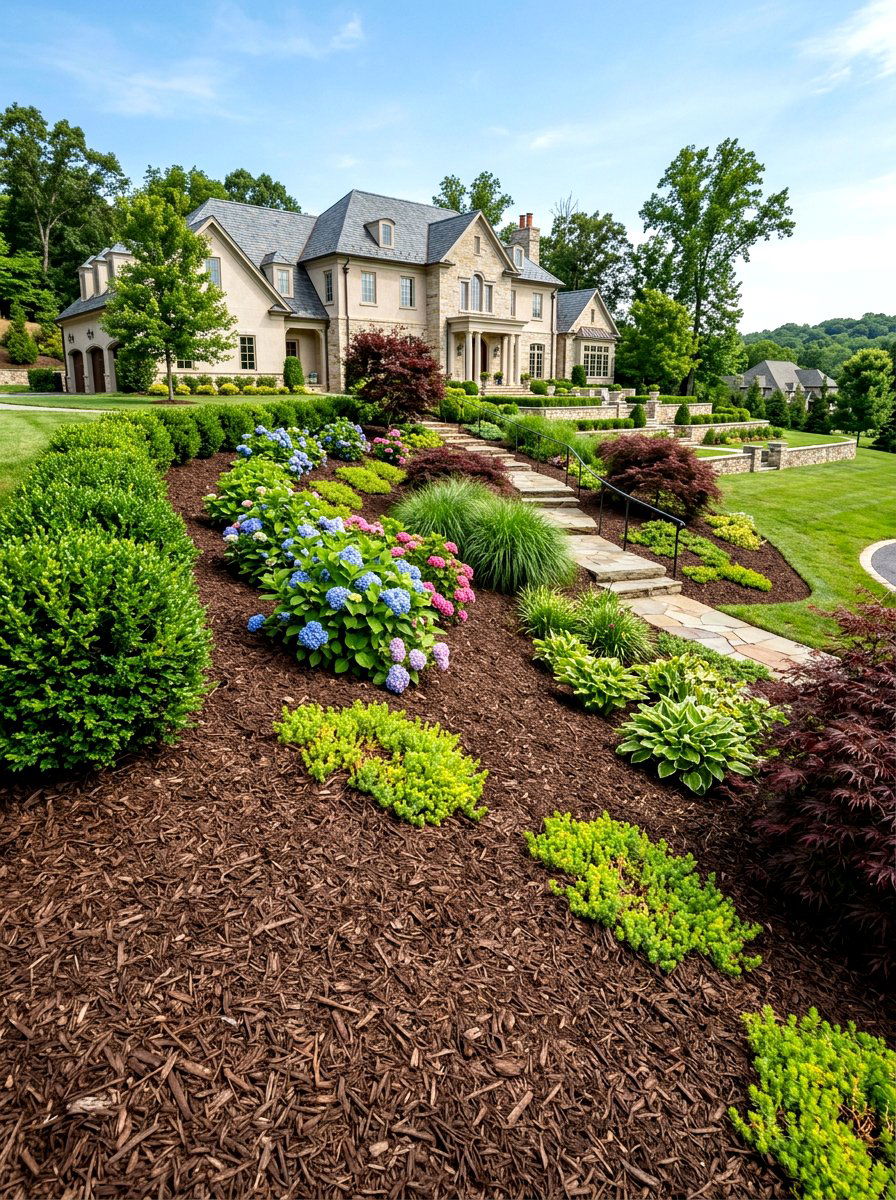
Shredded hardwood mulch is a staple in professional landscaping because of its superior ability to stay in place and protect the soil. The jagged, fibrous texture of the shredded wood allows the pieces to interlock, which is especially helpful for steep hillsides or windy front yards. It excels at moisture retention, keeping your ornamental shrubs and perennial flowers hydrated during the hot summer months. Over time, as the hardwood decomposes, it enriches the soil with organic matter, improving the overall health of your garden. Its neutral, dark appearance provides a professional finish that instantly increases the curb appeal and perceived value of any residential property.
9. Cocoa Bean Shells
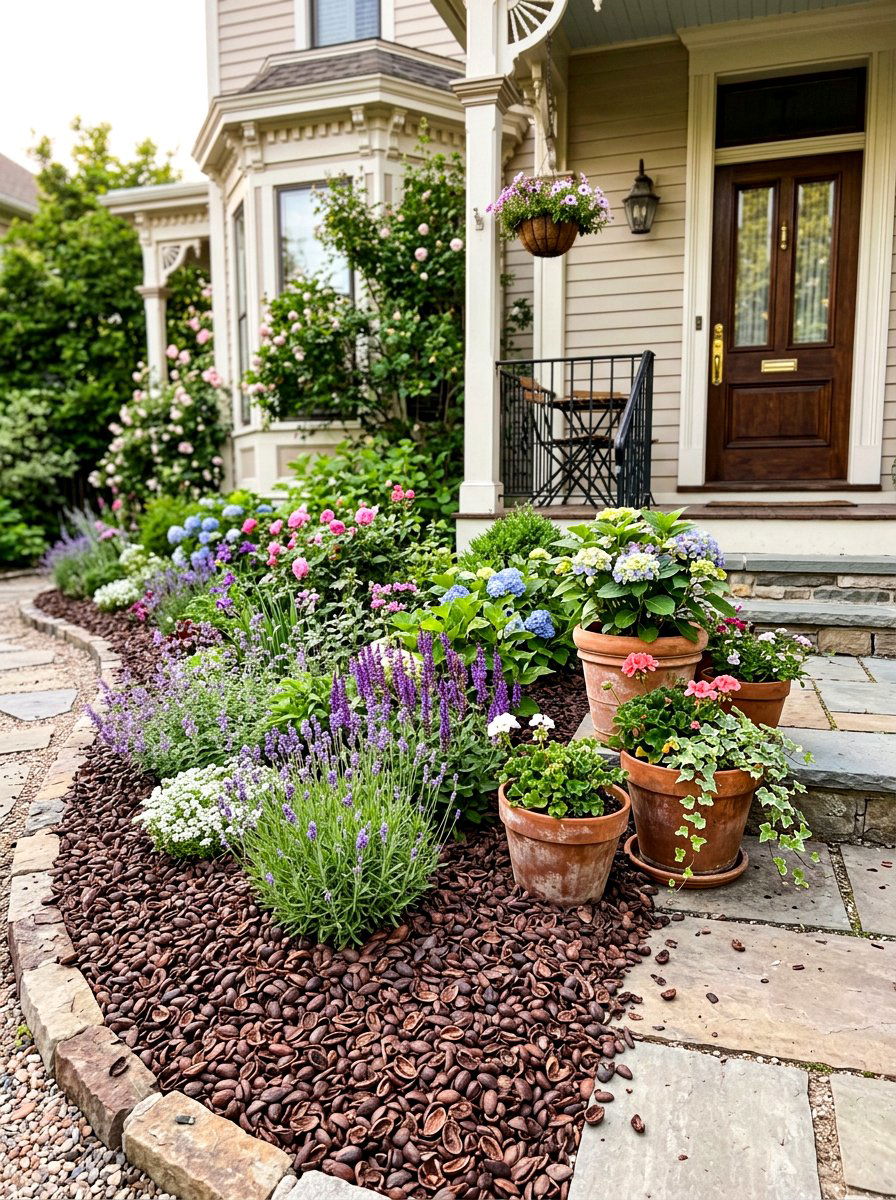
Cocoa bean shells are a unique and decorative mulch option that provides a rich, dark brown color and a delightful chocolate scent. This byproduct of the chocolate industry is lightweight and easy to handle, making it a favorite for small ornamental garden beds near the porch. As the shells settle, they form a thin crust that helps to suppress weeds and retain soil moisture effectively. However, it is important to note that these shells contain theobromine, which can be harmful to dogs if ingested, so use caution if you have pets. For homeowners without pets, this mulch offers a luxurious and fragrant way to finish a boutique-style landscape.
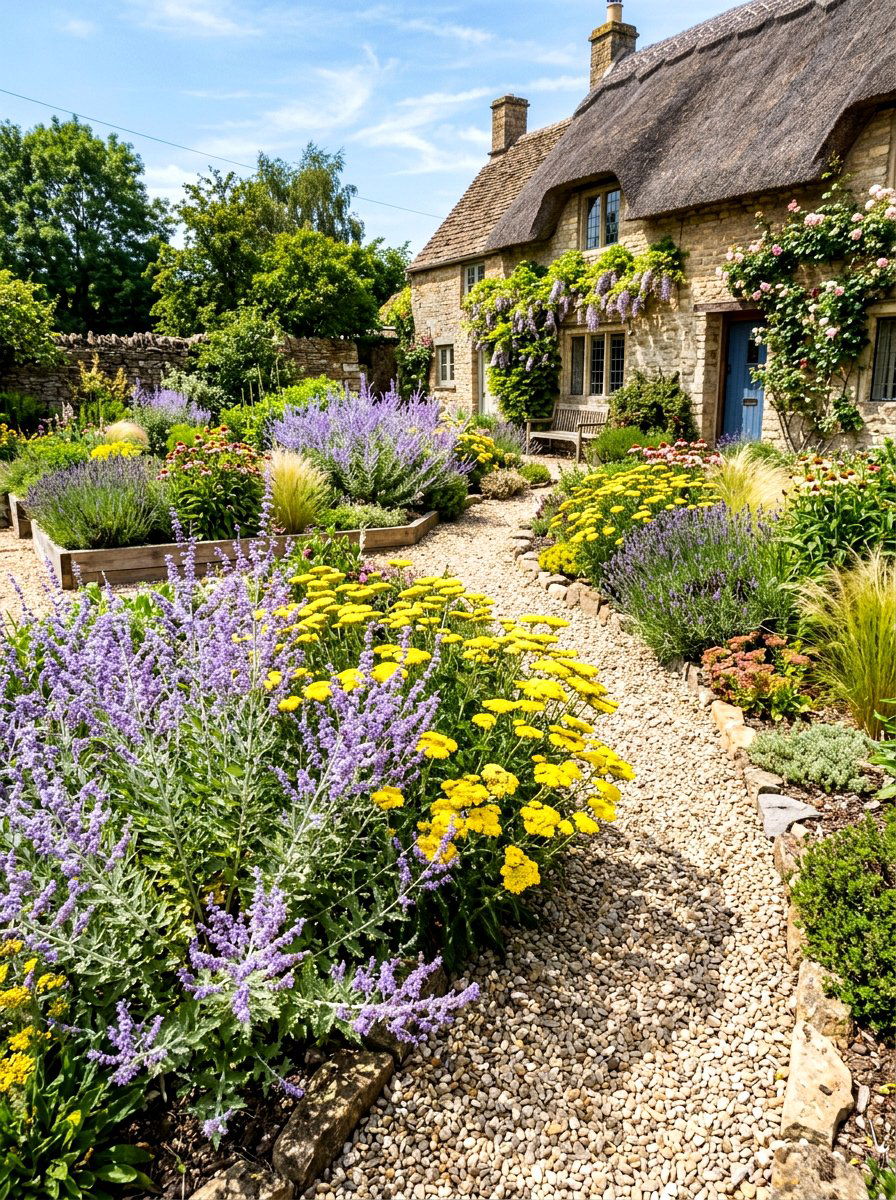
10. Cypress Bark Nuggets
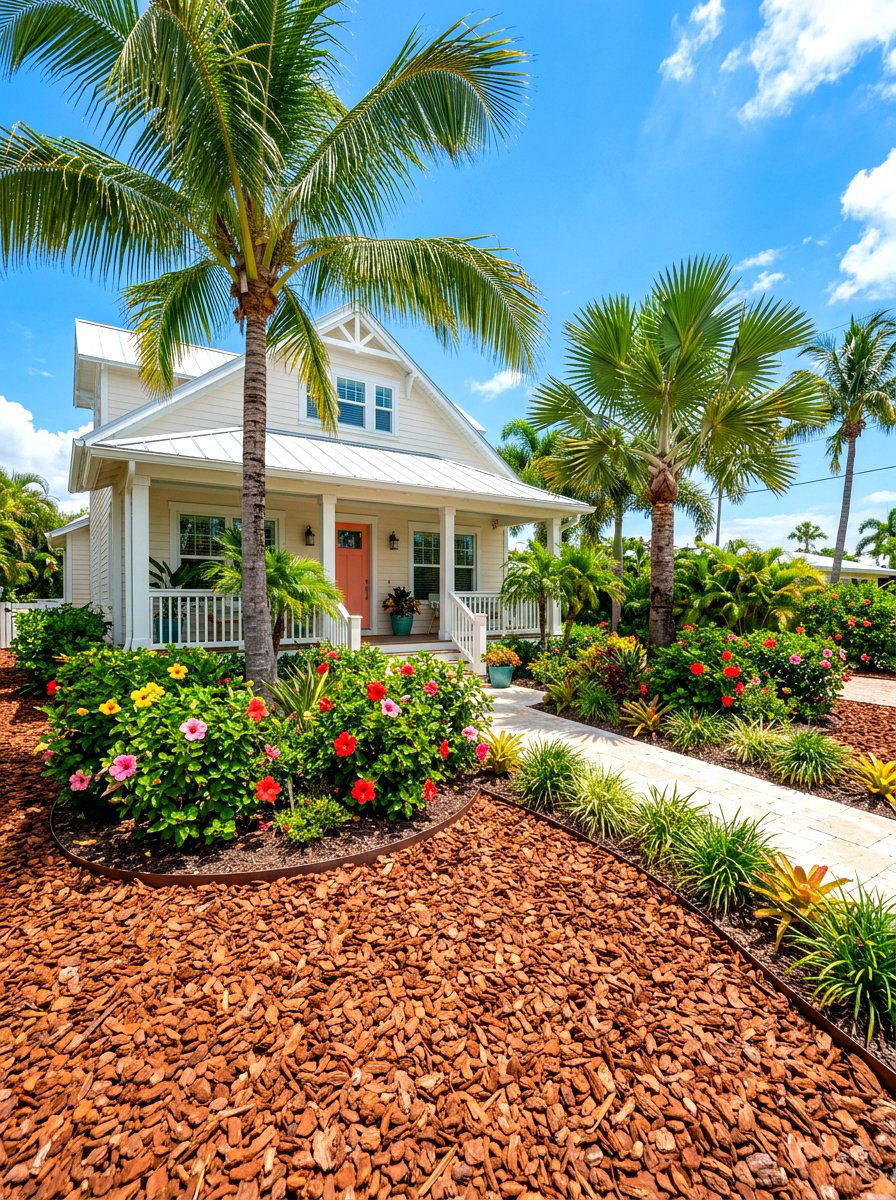
Cypress bark nuggets provide a chunky, textured look that is very durable and resistant to the elements. These large pieces of bark decompose very slowly, making them one of the longest-lasting organic mulch options available for your front yard. The light blonde to reddish-tan color stays vibrant for a long time, providing a bright and airy feel to shaded areas under large trees. Because cypress is naturally resistant to rot and decay, it is often used in moist climates where other wood mulches might break down too quickly. It creates a very structured and clean appearance that works well in modern or tropical landscape designs.
11. Rubber Mulch Border
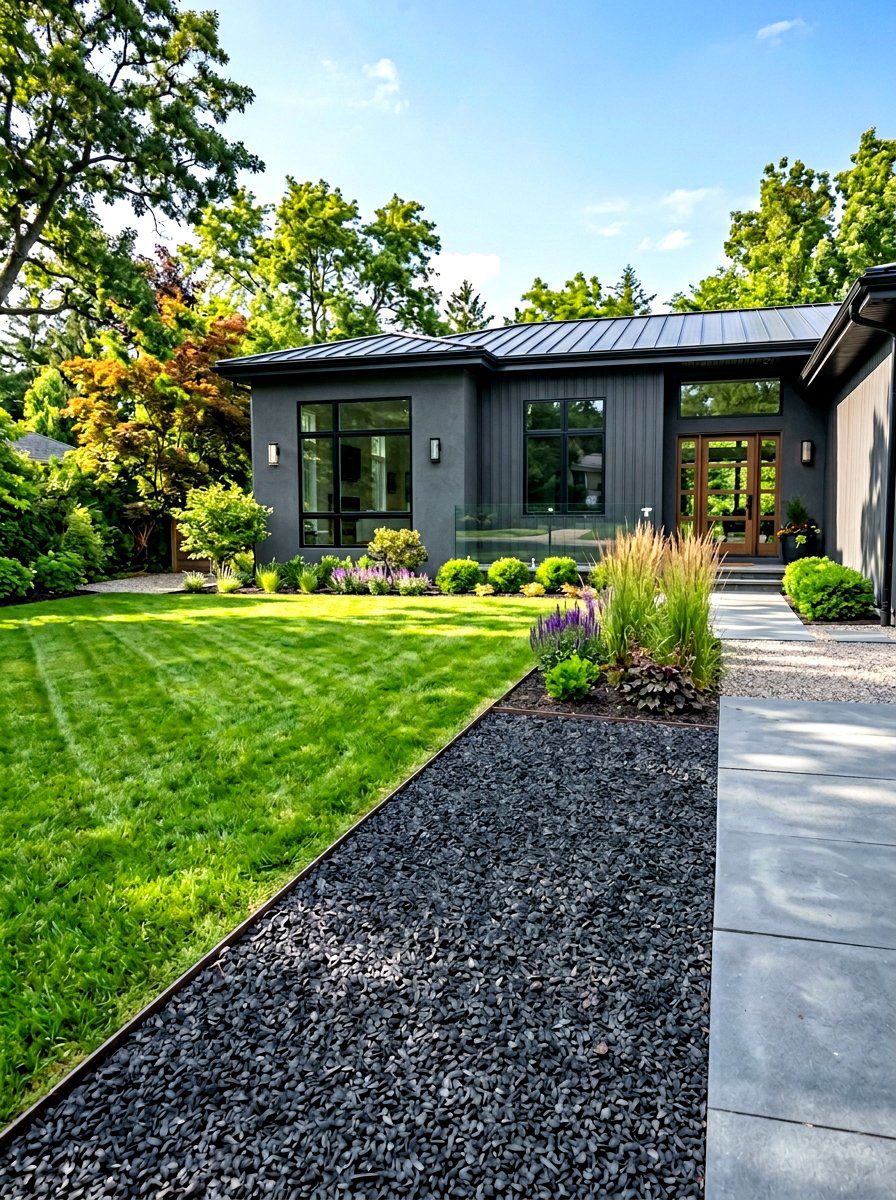
A rubber mulch border is an innovative, eco-friendly choice made from recycled tires that offers an incredibly long-lasting and fade-resistant finish. This material is ideal for front yards where you want a permanent color statement, as it does not decompose or blow away in the wind. Available in a wide range of colors like deep mahogany, forest green, and charcoal, it can be matched perfectly to your home’s trim or shutters. Rubber mulch does not attract wood-boring insects like termites, which makes it a safe option to use directly against your home’s foundation. It provides excellent weed control while maintaining a tidy, professional look for many years.
12. White Pebble Contrast
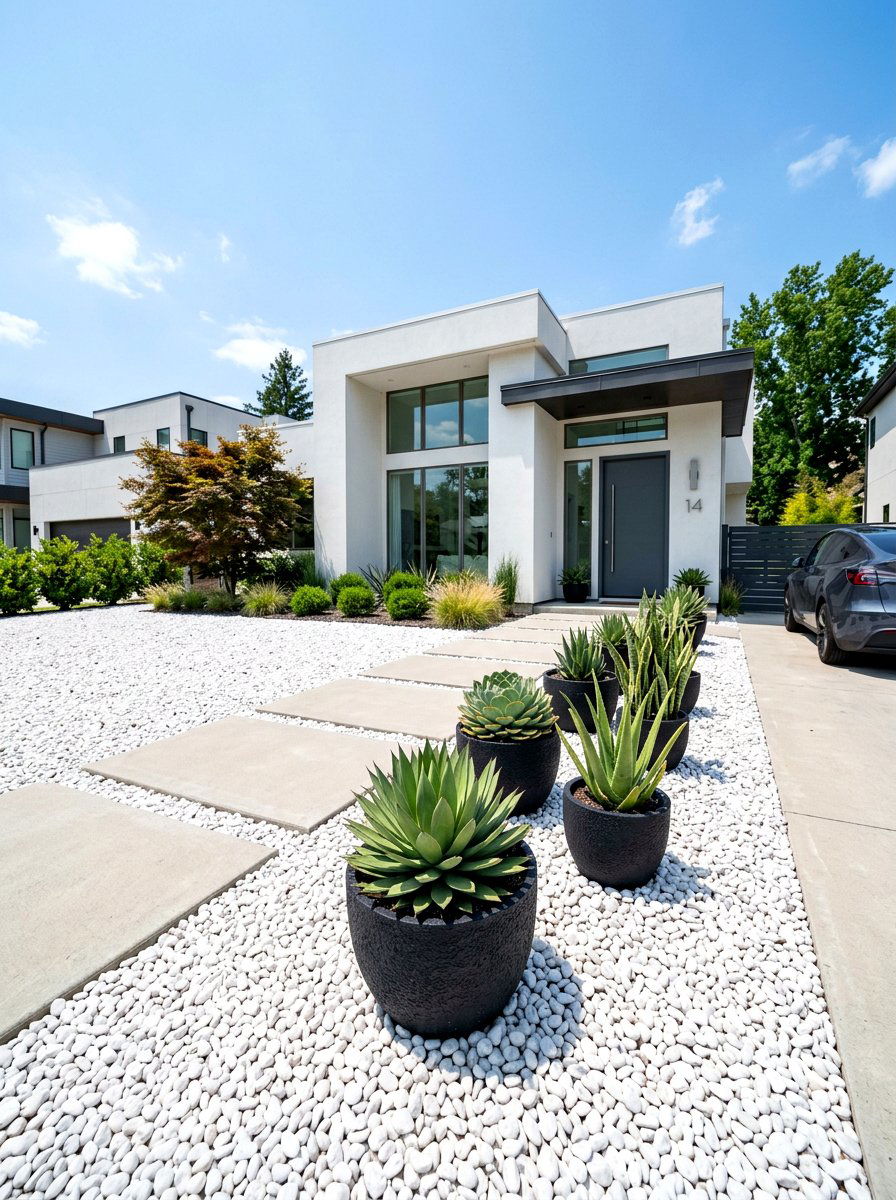
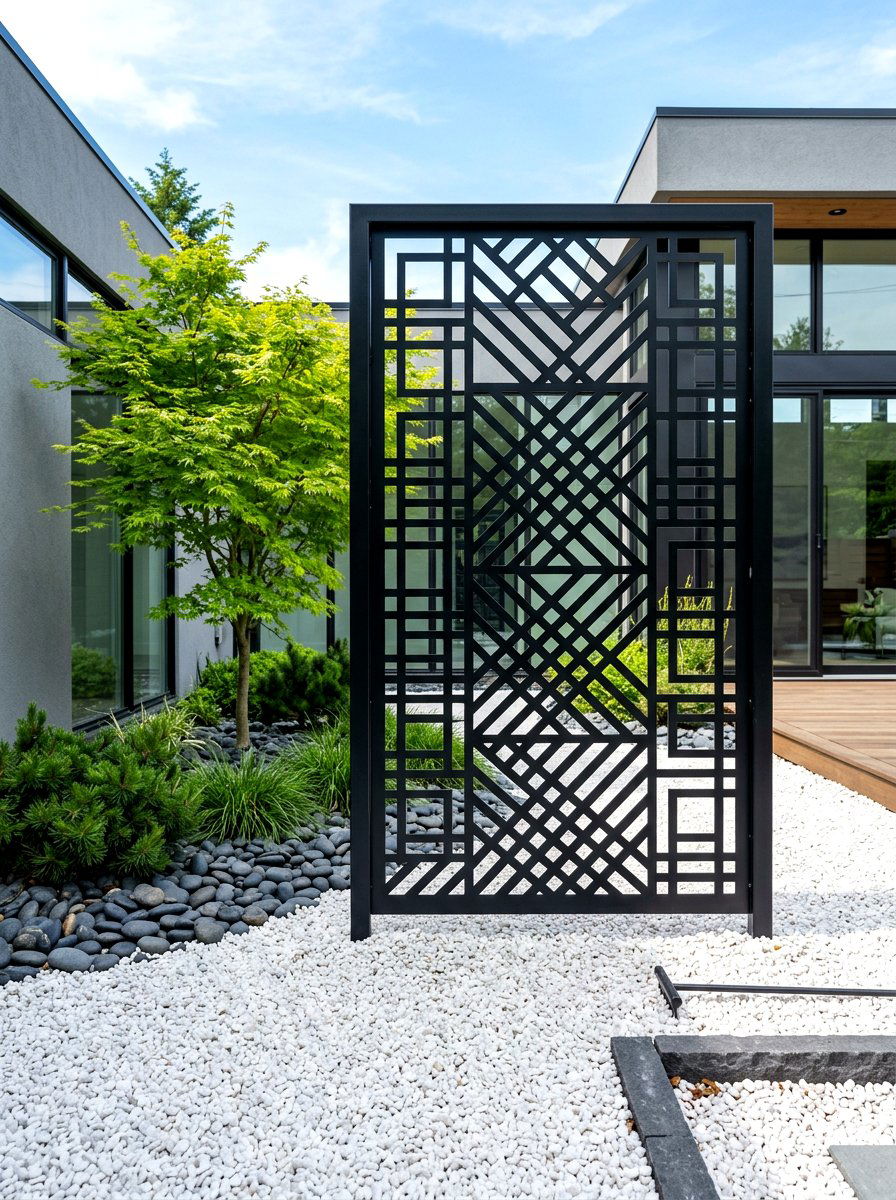
Using a white pebble contrast in your front yard creates a striking and clean look that feels both luxurious and contemporary. These bright stones reflect sunlight, which can help illuminate darker corners of your garden and provide a beautiful highlight for architectural plants like agaves or ornamental grasses. When paired with dark green foliage or black mulch sections, white pebbles create a high-end, designer feel that mimics luxury resort landscaping. It is crucial to use a high-quality weed barrier underneath these stones to keep them looking pristine. This design choice is perfect for minimalist landscapes where every element is meant to stand out with clear definition.
13. Recycled Glass Mulch
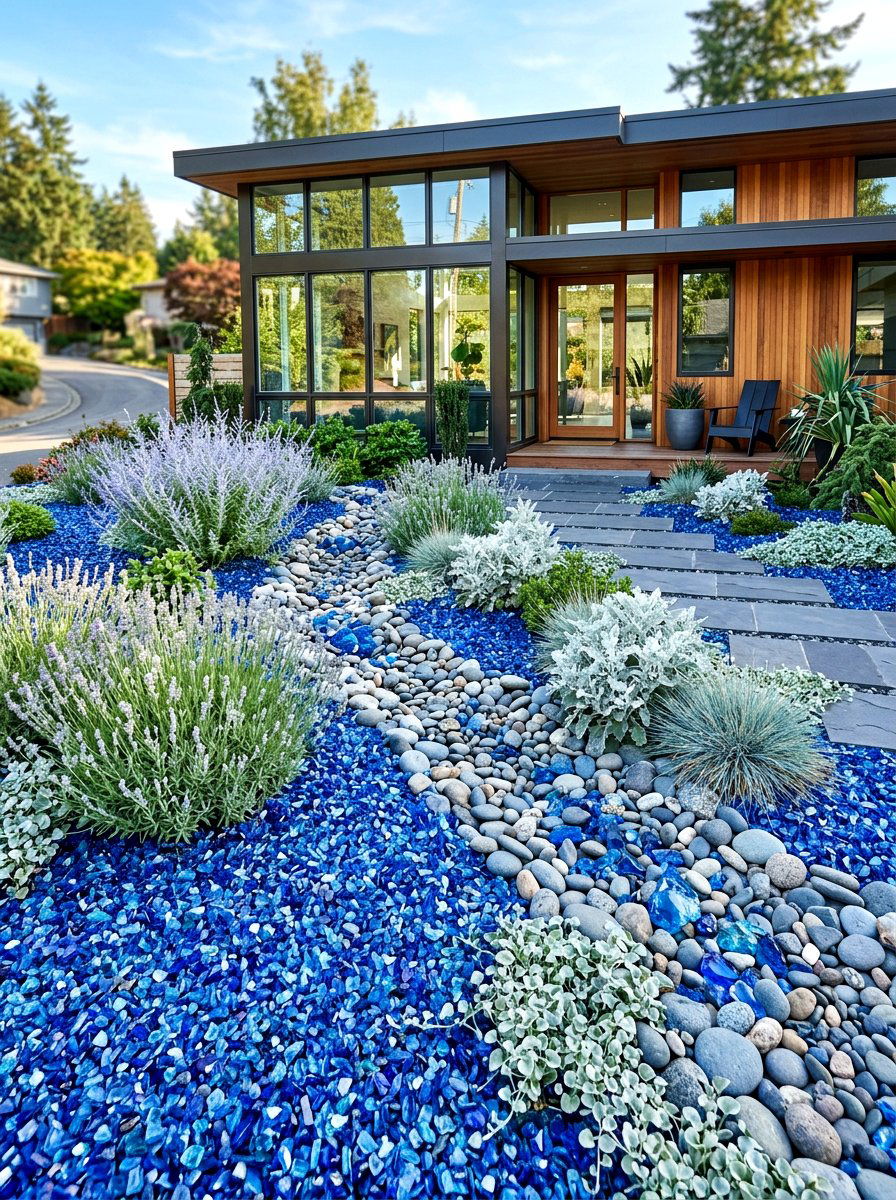
Recycled glass mulch is a stunning and sustainable way to add a touch of sparkle and unique color to your front yard. This material consists of tumbled glass pieces that are smooth to the touch and safe for handling, available in various shades of blue, green, and clear. It is often used as a decorative accent in small focal points, such as around a water feature or as a "dry stream" bed snaking through a garden. Because glass is non-porous and inorganic, it does not hold moisture or provide nutrients, so it is purely for aesthetic impact. This choice is perfect for homeowners who want a truly modern, artistic landscape.
14. Pine Bark Fines
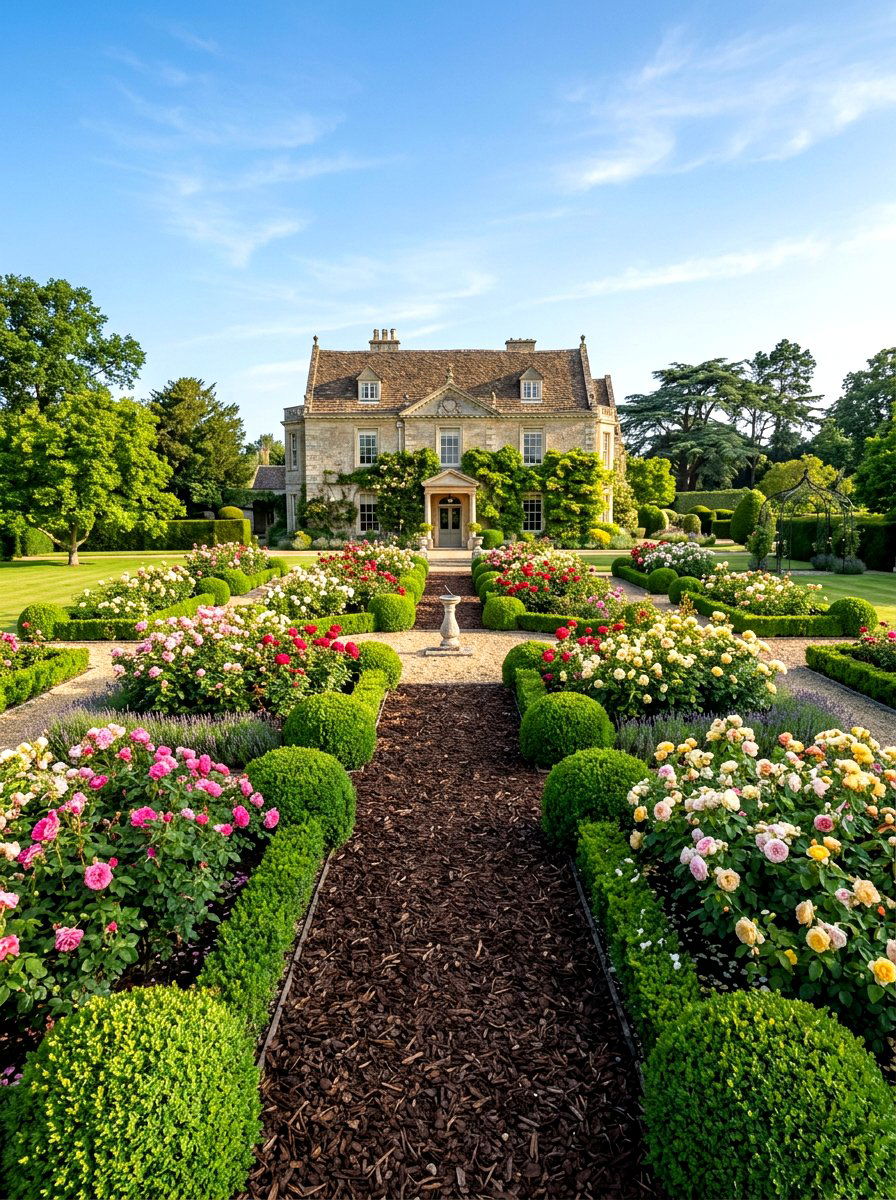
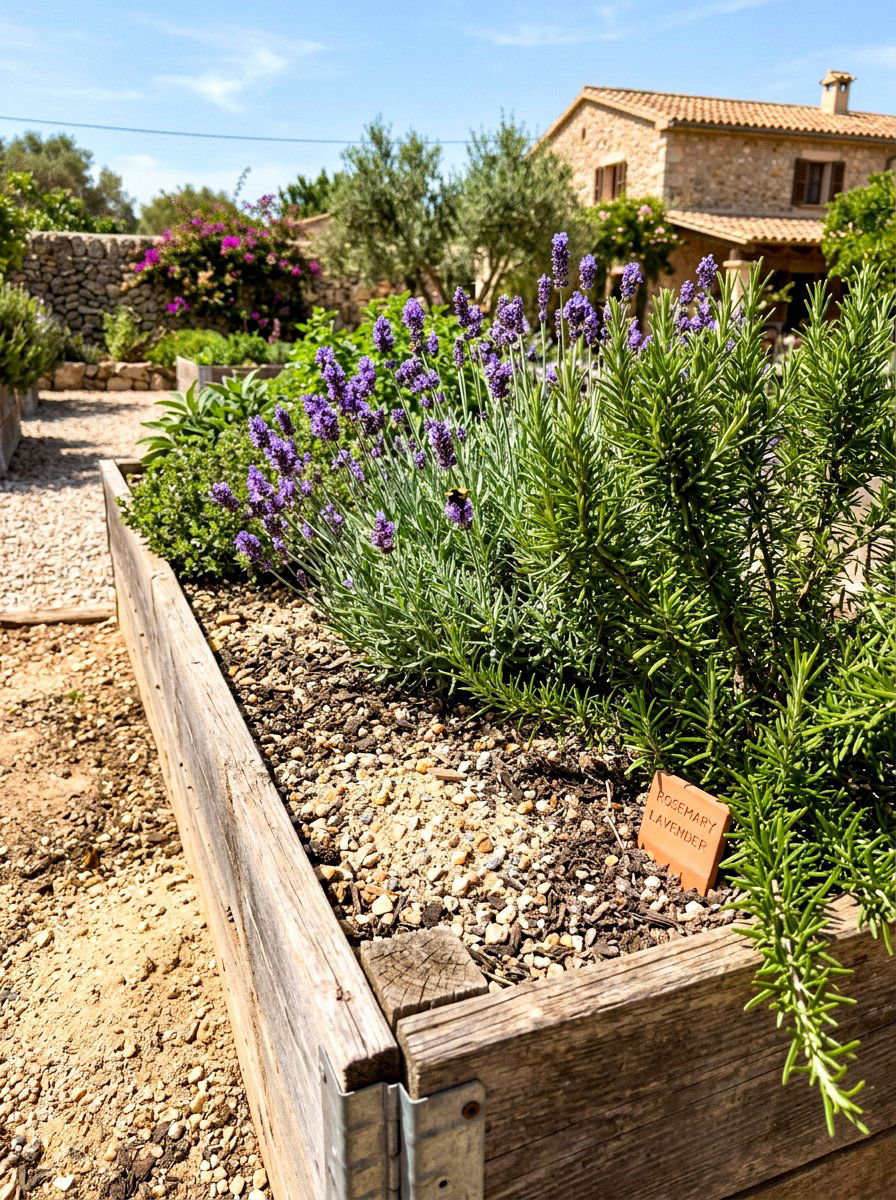
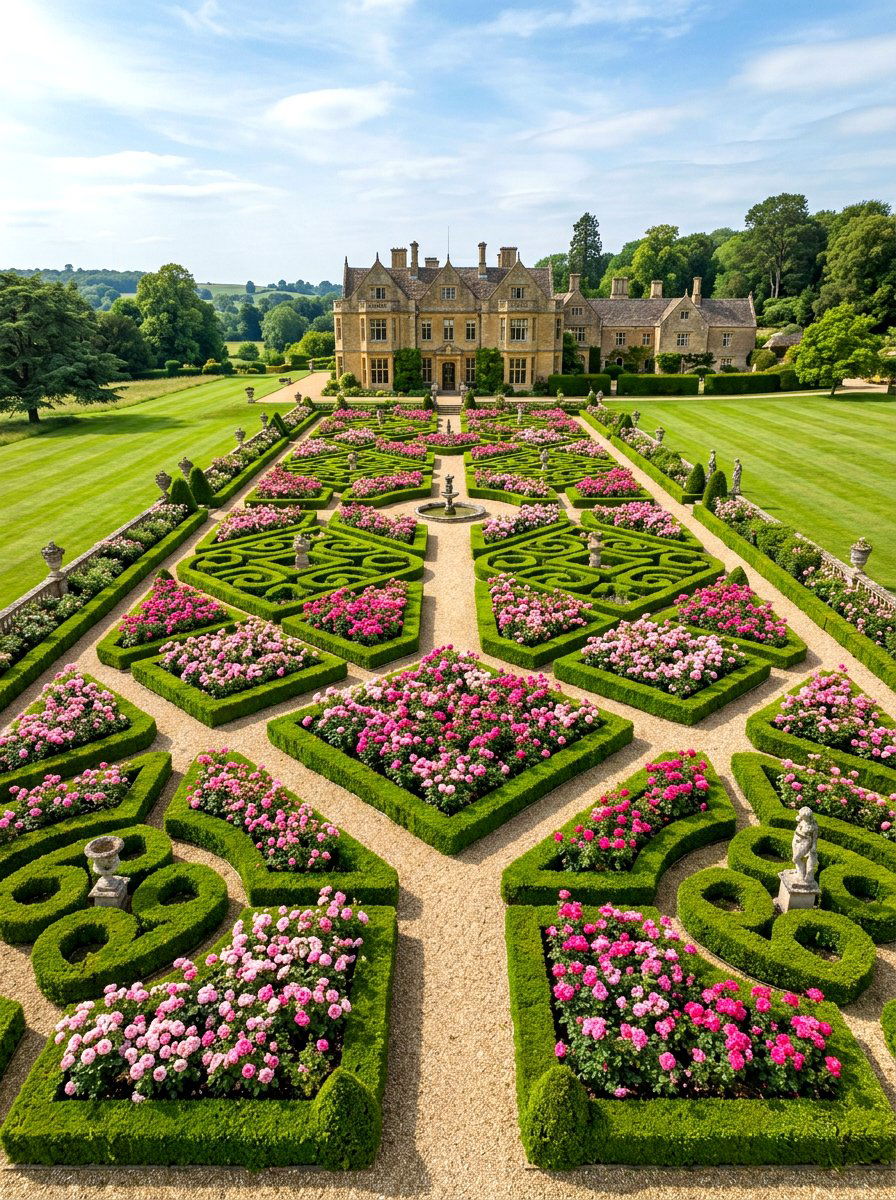
Pine bark fines are a finely ground version of pine bark that offers a very smooth and uniform texture, similar to rich potting soil. This mulch is excellent for formal garden beds where a precise and manicured look is desired, such as around rose bushes or manicured hedges. Because the pieces are so small, they break down more quickly than large nuggets, which provides a fast boost of organic matter to your soil. The deep reddish-brown color is sophisticated and natural, making it a favorite for traditional and colonial-style homes. It is also an excellent soil conditioner that can be tilled into the ground when you replant.
15. Hemlock Mulch Bed
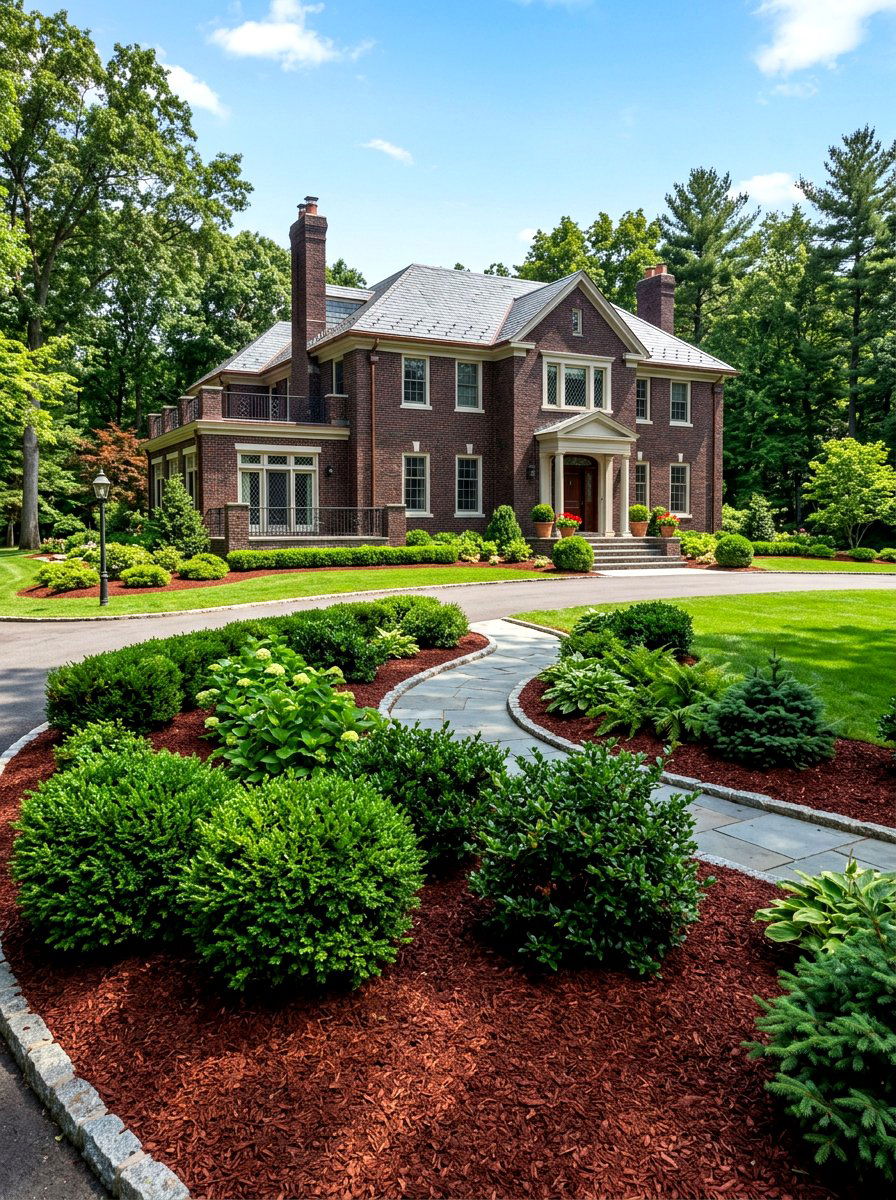
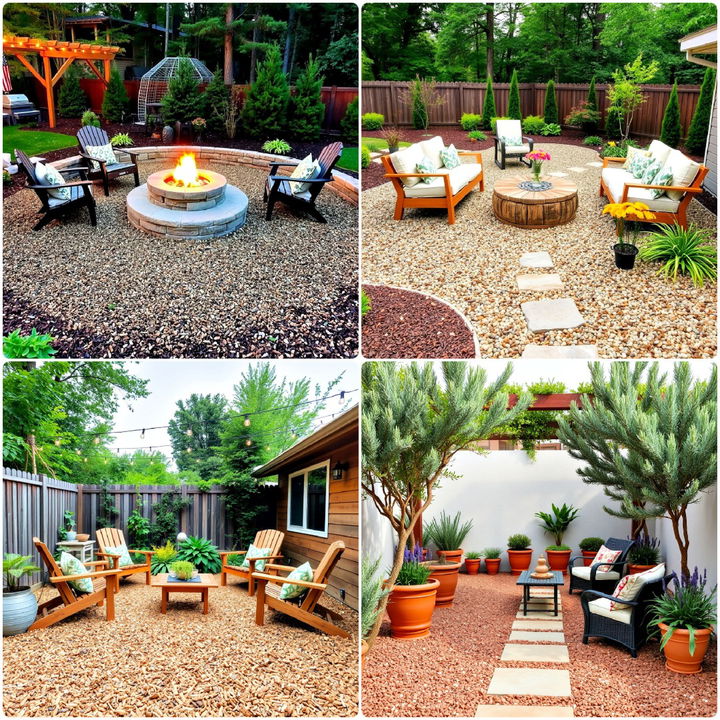
A hemlock mulch bed is prized by many gardeners for its deep, rich burgundy-red color that is completely natural and long-lasting. Unlike some dyed mulches, hemlock retains its hue through the seasons, providing a consistent look for your curb appeal throughout the year. It is also known for having fewer splinters than other wood mulches, making it easier and safer to spread by hand. The tannins in hemlock are believed to help deter certain pests, adding another layer of protection to your front yard plants. This high-quality mulch provides a premium, "estate-like" finish that complements brick homes and stone walkways beautifully with its refined color.
16. Leaf Mold Cover
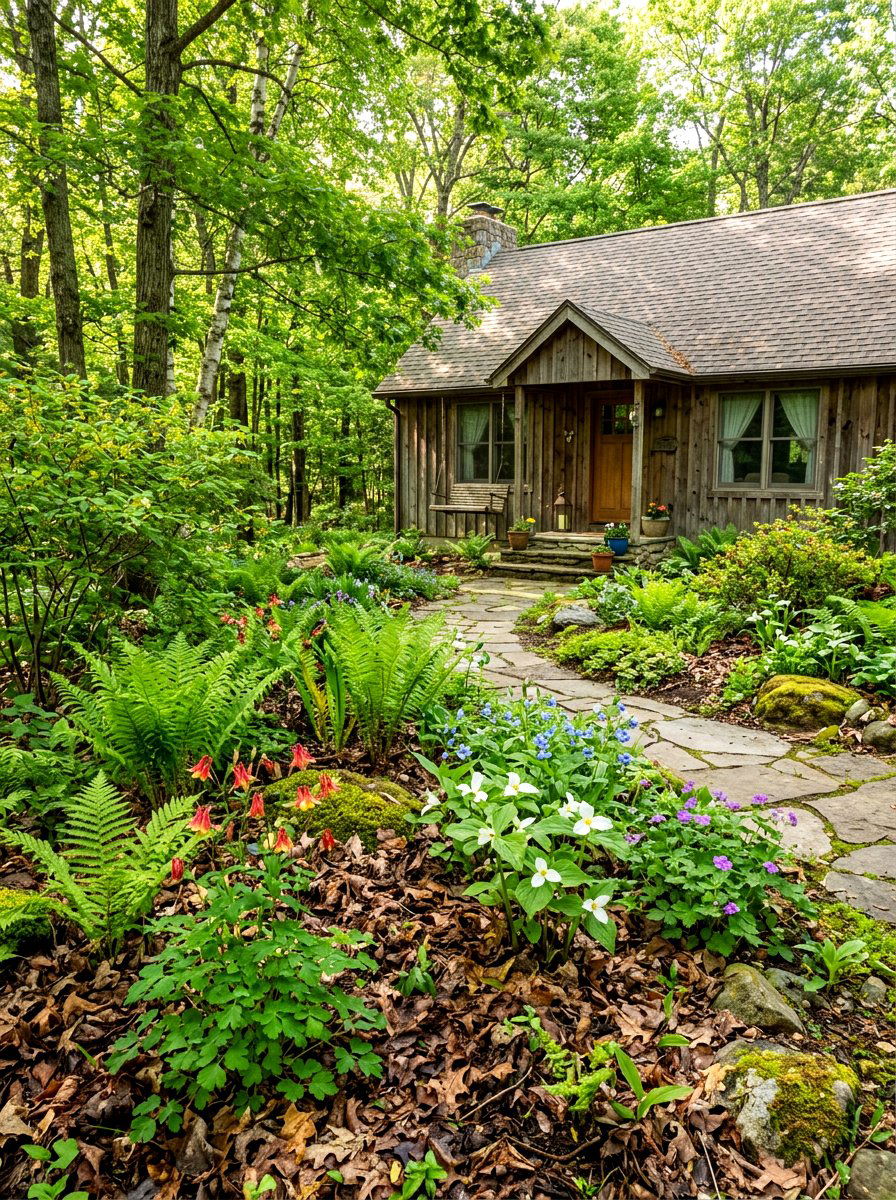
Using a leaf mold cover is a sustainable and cost-effective way to mulch your front yard while mimicking the natural cycles of a forest. Leaf mold is essentially partially decomposed leaves that have reached a dark, crumbly state, providing a wealth of nutrients and beneficial microbes to your soil. It has a soft, dark appearance that looks very natural and helps to improve soil structure and water-holding capacity. This is an ideal choice for naturalistic or "wild" garden designs where the goal is to create a thriving ecosystem. While it may require more frequent replenishment, the health benefits it provides to your ornamental trees and shrubs are truly unmatched.
17. Wood Chip Pathway
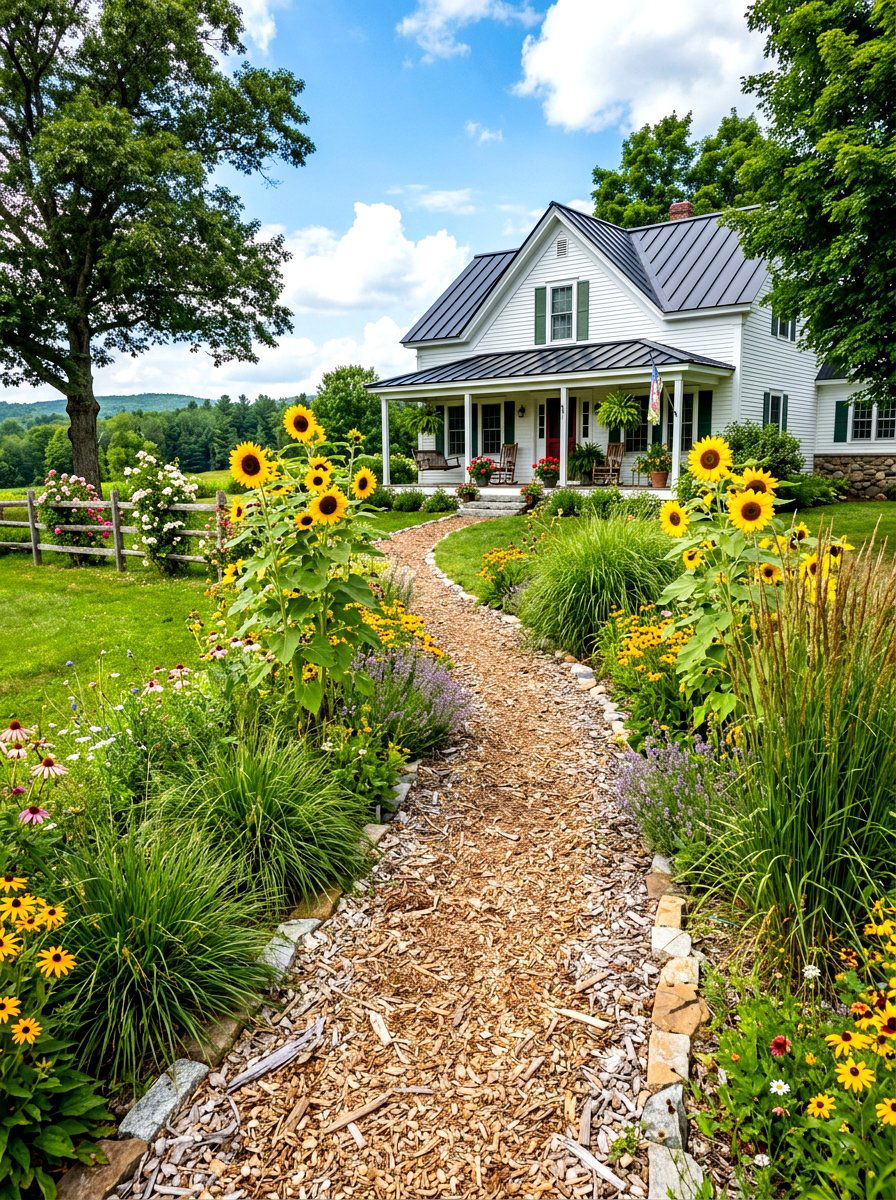
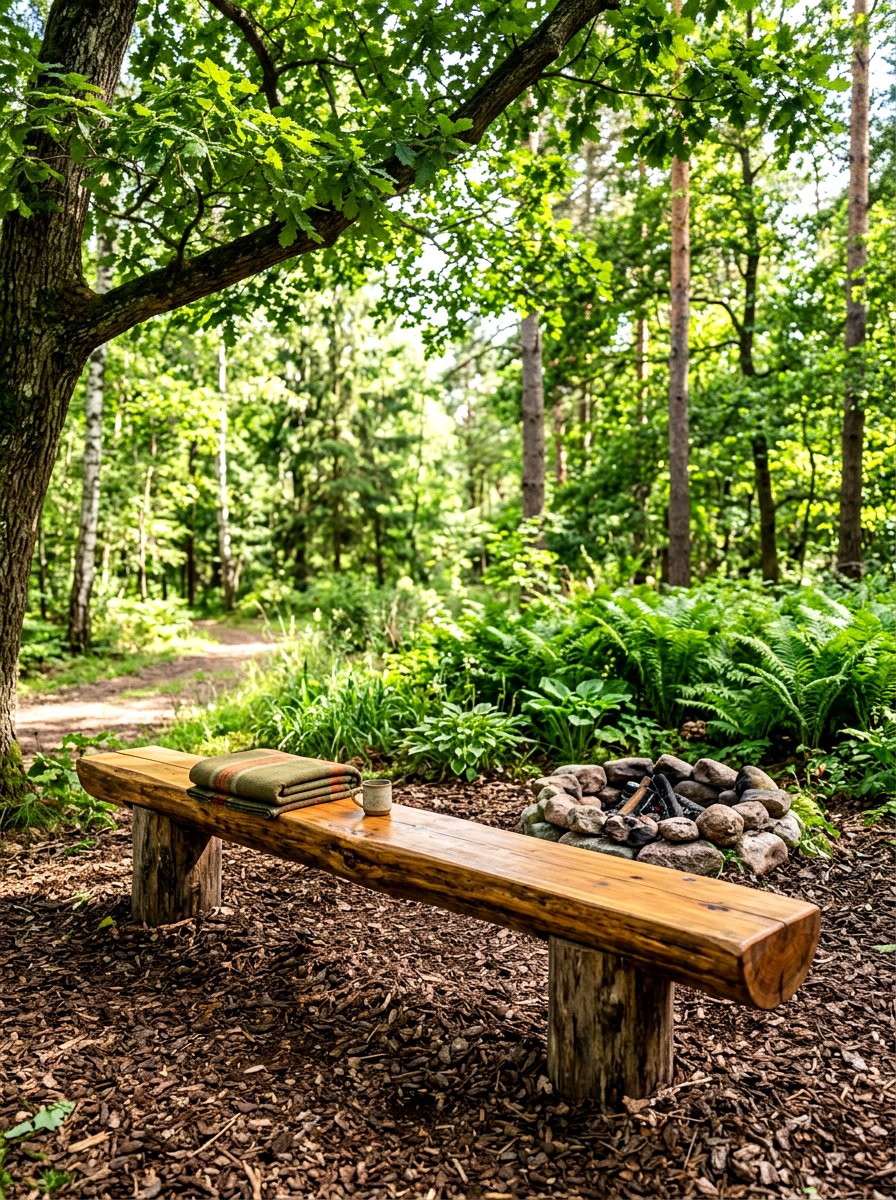
A wood chip pathway is a classic and budget-friendly way to create a clear route through a large front yard or a naturalized area. These paths have a casual, rustic feel that is perfect for farmhouse-style homes or properties with many mature trees. Wood chips provide a soft walking surface that helps to define the flow of the landscape while suppressing weeds along the trail. Because wood chips are often available for free or at a low cost from local arborists, they are an excellent choice for large-scale projects. Over time, the chips will break down and can be easily topped off with a fresh layer to maintain the path.
18. Straw Mulch Garden
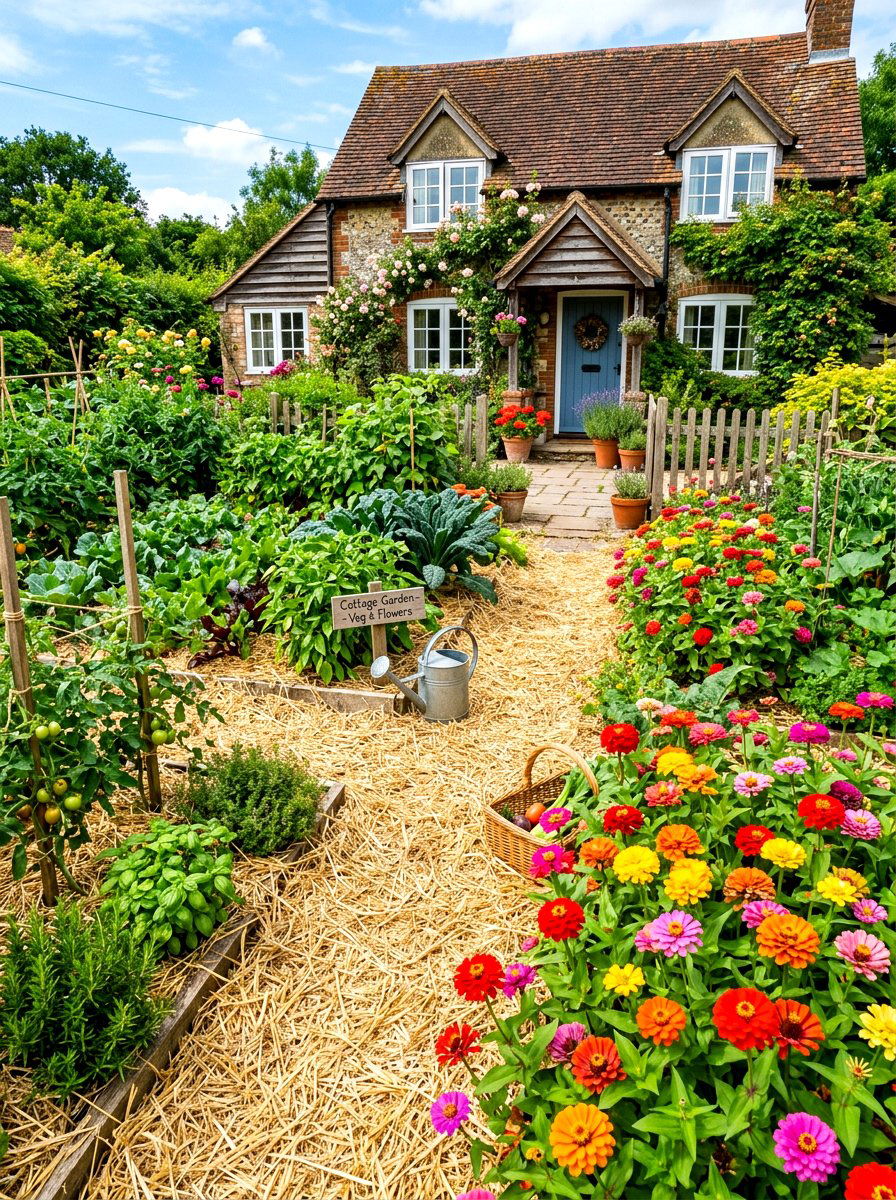
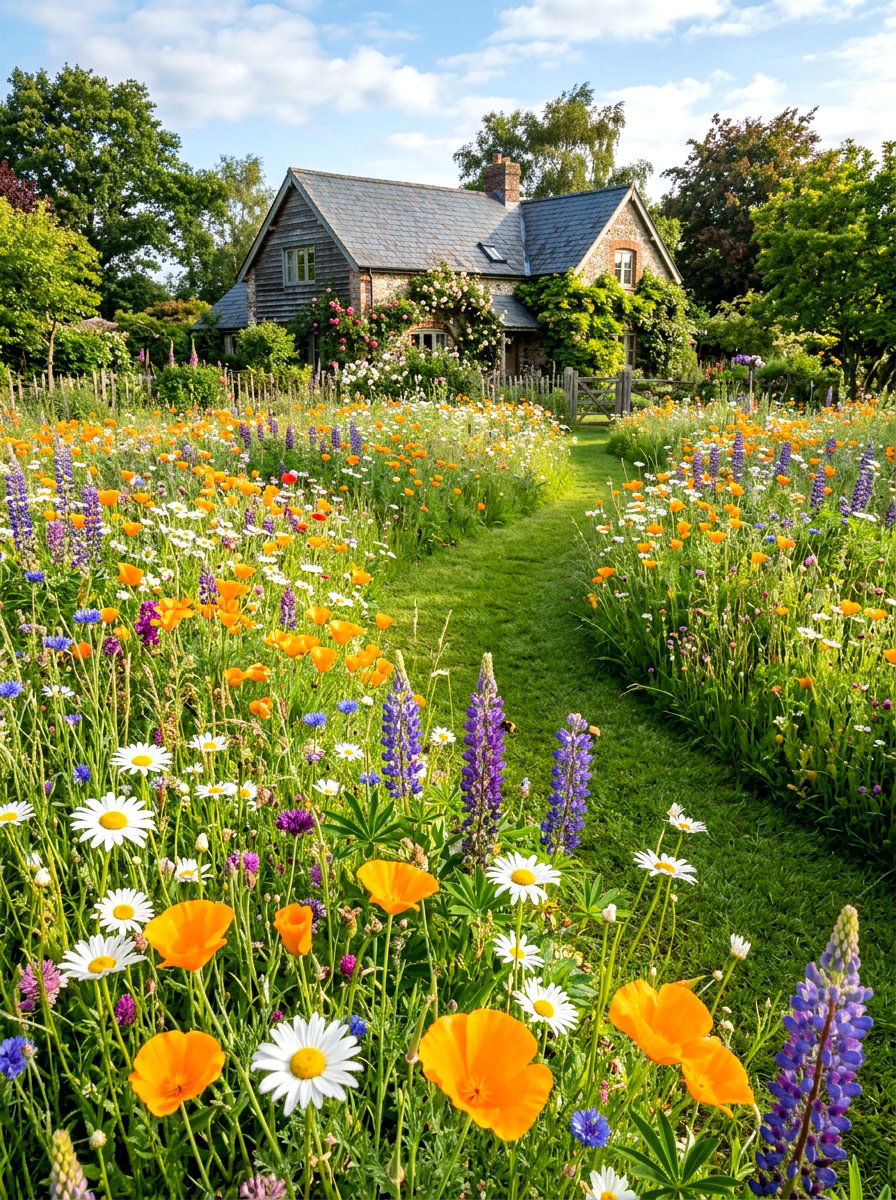
A straw mulch garden offers a bright, golden look that is highly functional for specific front yard features like wildflower patches or vegetable transition zones. Straw is excellent at reflecting heat, which keeps the soil cool and moist during the height of summer, preventing your delicate plants from wilting. It is important to use weed-free straw to avoid introducing unwanted grasses into your landscape beds. The light texture provides a beautiful contrast against dark green vegetable leaves or colorful annuals. While it gives a more agricultural or cottage vibe, it is incredibly effective at protecting the soil from erosion and improving the overall moisture levels of your garden.
19. Crushed Granite Mulch
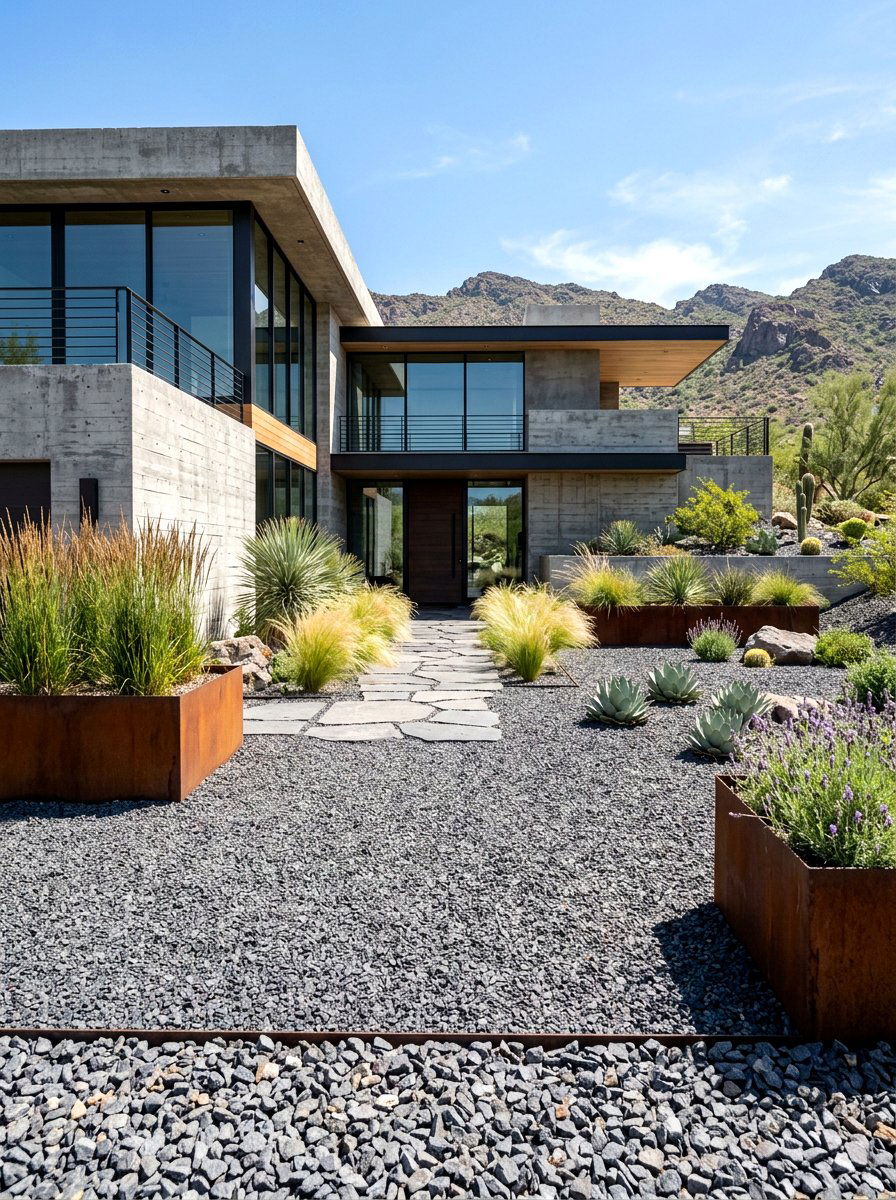
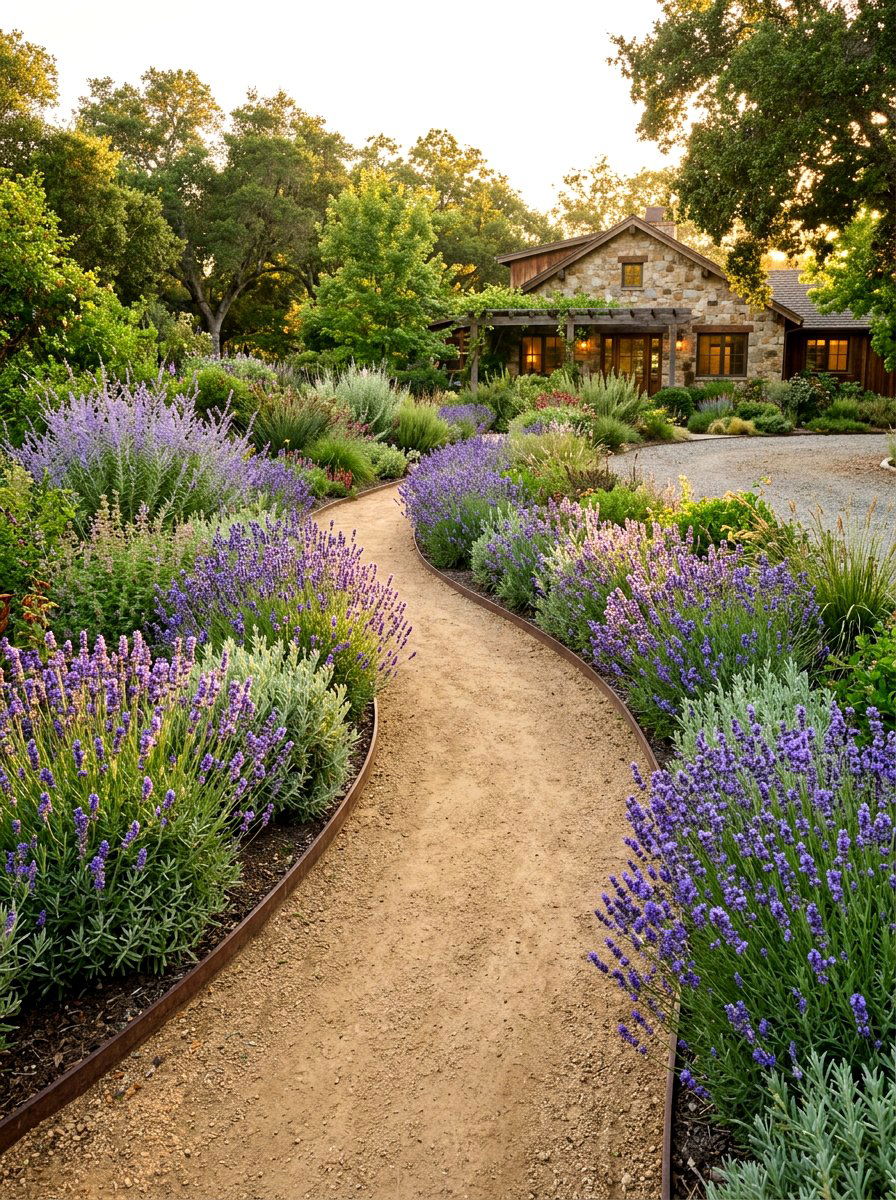
Crushed granite mulch provides a sophisticated and rugged texture that is perfect for modern, desert, or industrial-style front yard designs. This inorganic material is available in various sizes and colors, ranging from cool grays to warm pinks and tans, depending on the local source. Unlike rounded river rocks, crushed granite has sharp edges that allow it to pack down firmly, making it a stable surface for walking or placing garden furniture. It provides an excellent drainage solution and won't wash away in heavy rain. When used around drought-tolerant plants like succulents and lavender, it creates a cohesive and low-maintenance "xeriscape" look that is very trendy.
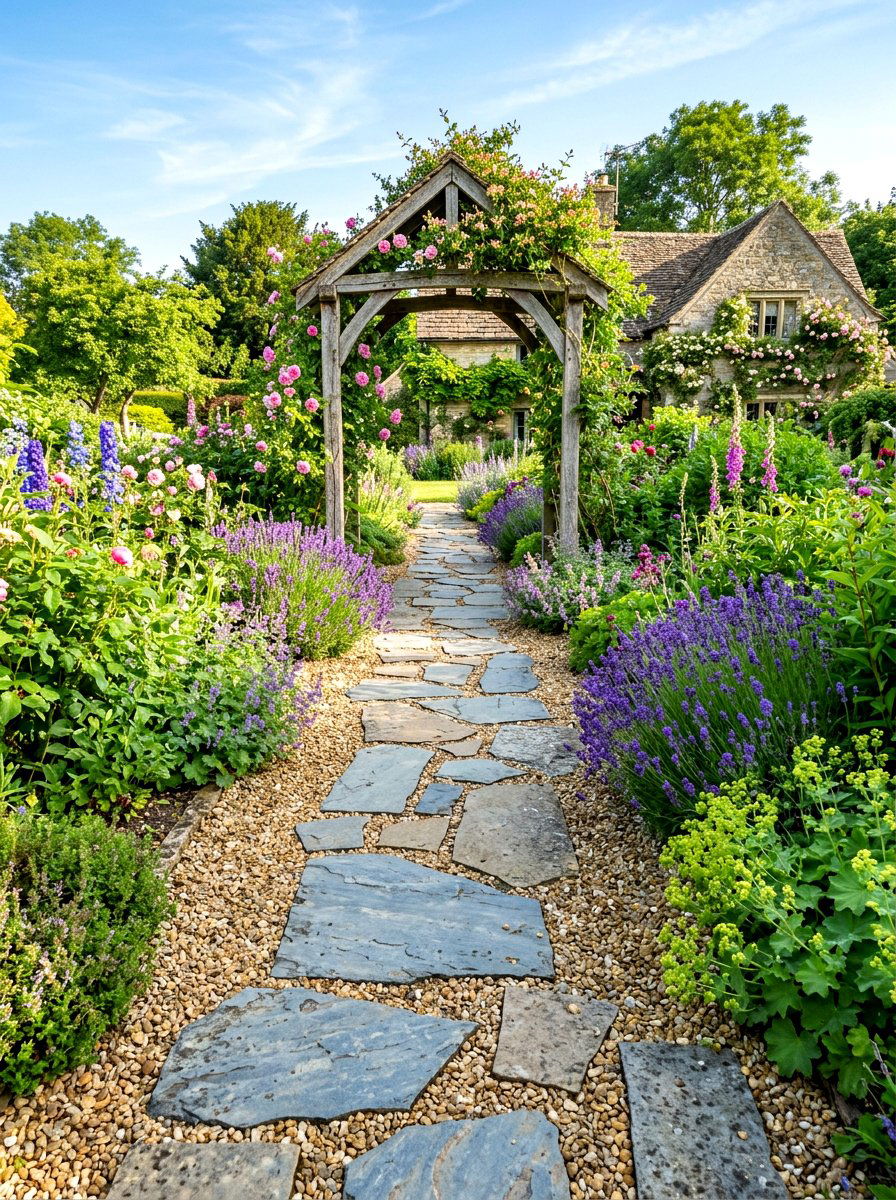

20. Lava Rock Landscape
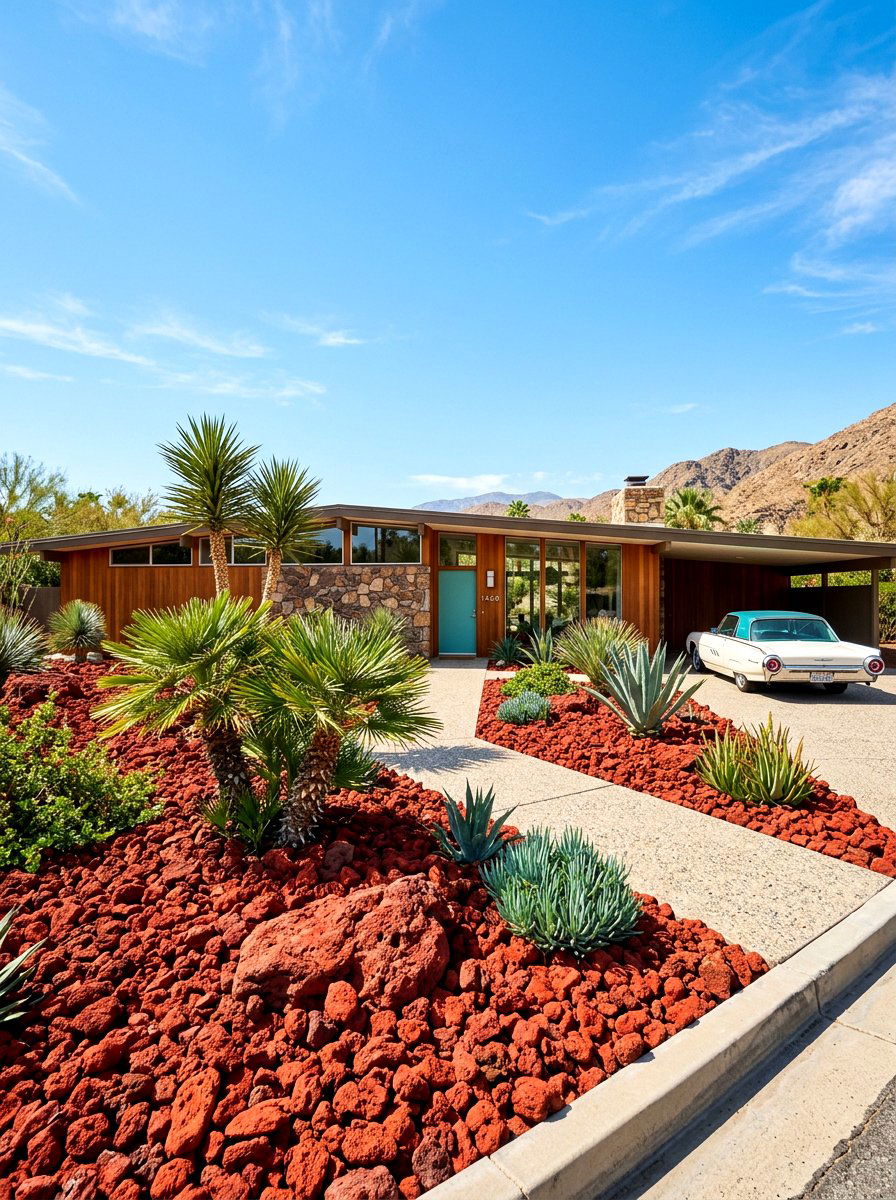
A lava rock landscape is a bold choice that utilizes porous, lightweight volcanic stones to create a high-texture ground cover. These rocks are available in deep red or charcoal black, offering a dramatic color contrast that never fades over time. Because lava rocks are porous, they help with moisture retention while also allowing for excellent airflow to the soil underneath. This material is particularly popular in mid-century modern designs or tropical-themed front yards where a unique, textured look is desired. Since lava rocks are very light, they are easy to transport and spread, but they should be used with a sturdy border to keep them from migrating.
21. Slate Chip Border
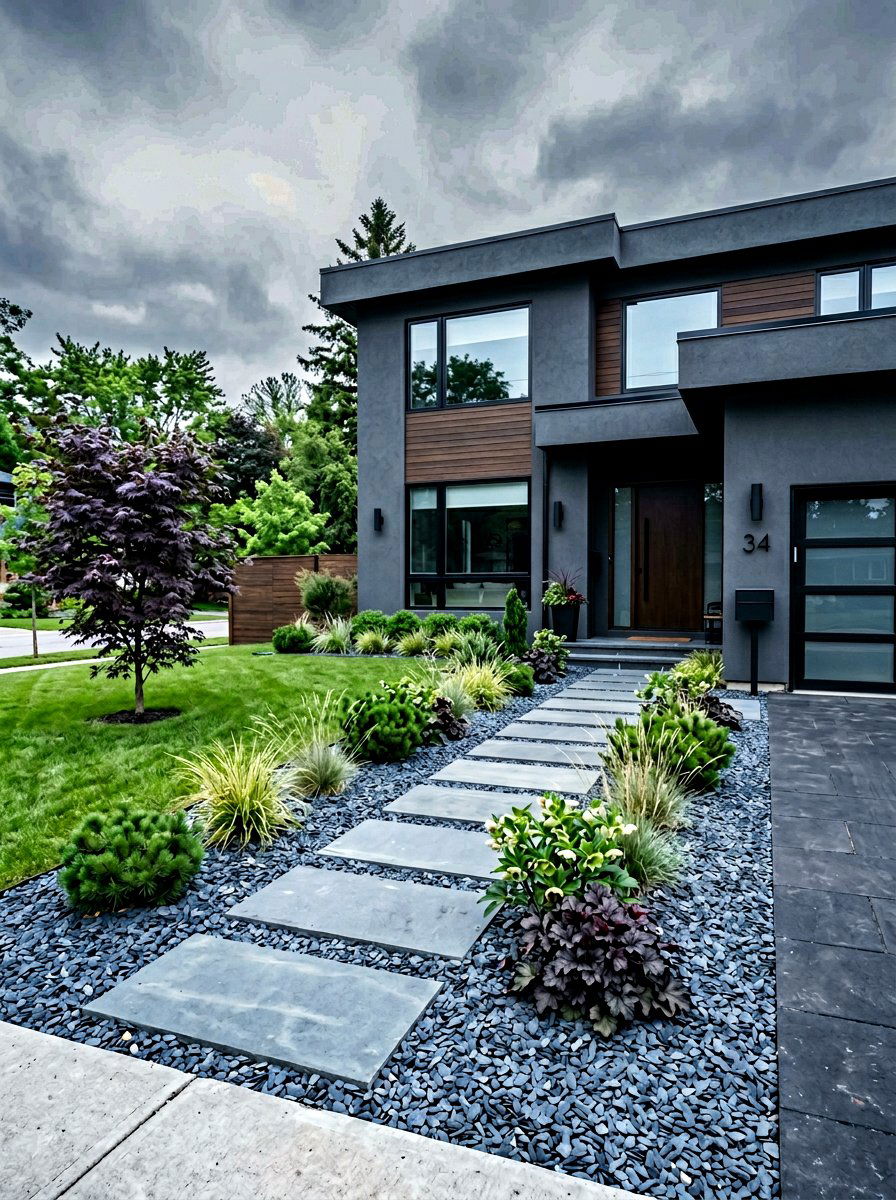
A slate chip border offers a flat, layered appearance with a beautiful natural shimmer that looks exceptionally elegant in contemporary front yards. These thin, flat stones come in shades of gray, blue, and purple, providing a cool-toned palette that complements modern architecture and steel accents. Slate chips lay very flat, creating a neat and tidy surface that is easy to walk on and maintain. They are often used to frame modern walkways or to create a clean edge around minimalist plant groupings. The way slate catches the light after a rainstorm adds a dynamic and sophisticated element to your landscaping that traditional wood mulches simply cannot match.
22. Eucalyptus Mulch Ground
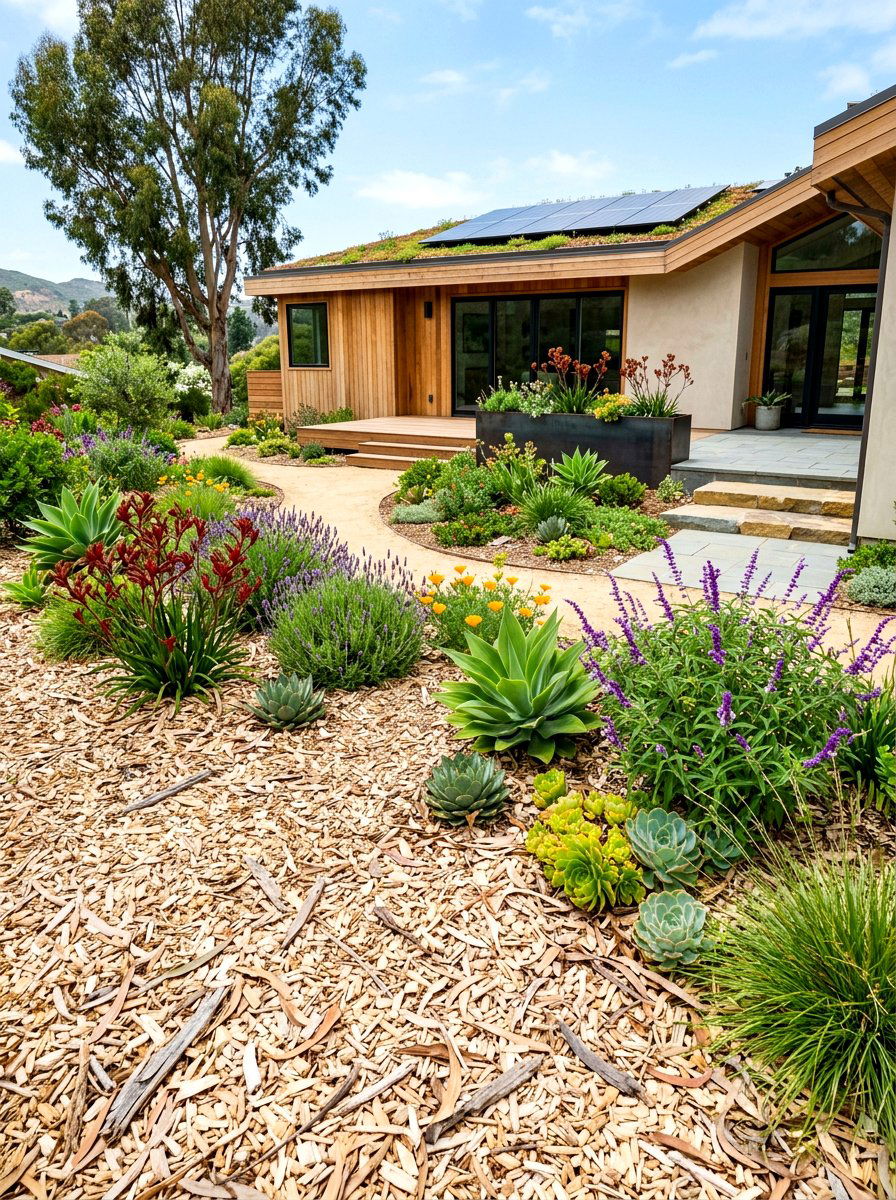
Eucalyptus mulch is a sustainable and renewable choice that is becoming increasingly popular for eco-conscious front yard landscaping. This mulch is made from fast-growing eucalyptus trees and offers a light, fresh scent and a beautiful pale-tan color. It is naturally resistant to many pests and does not break down as quickly as some other hardwoods, providing a long-lasting and effective ground cover. The uniform texture gives a clean and polished look to large garden beds, making it a great alternative to traditional cypress or cedar. It is an excellent choice for homeowners looking for a high-performance mulch that has a lower environmental impact than old-growth wood products.
23. Crushed Shell Mulch
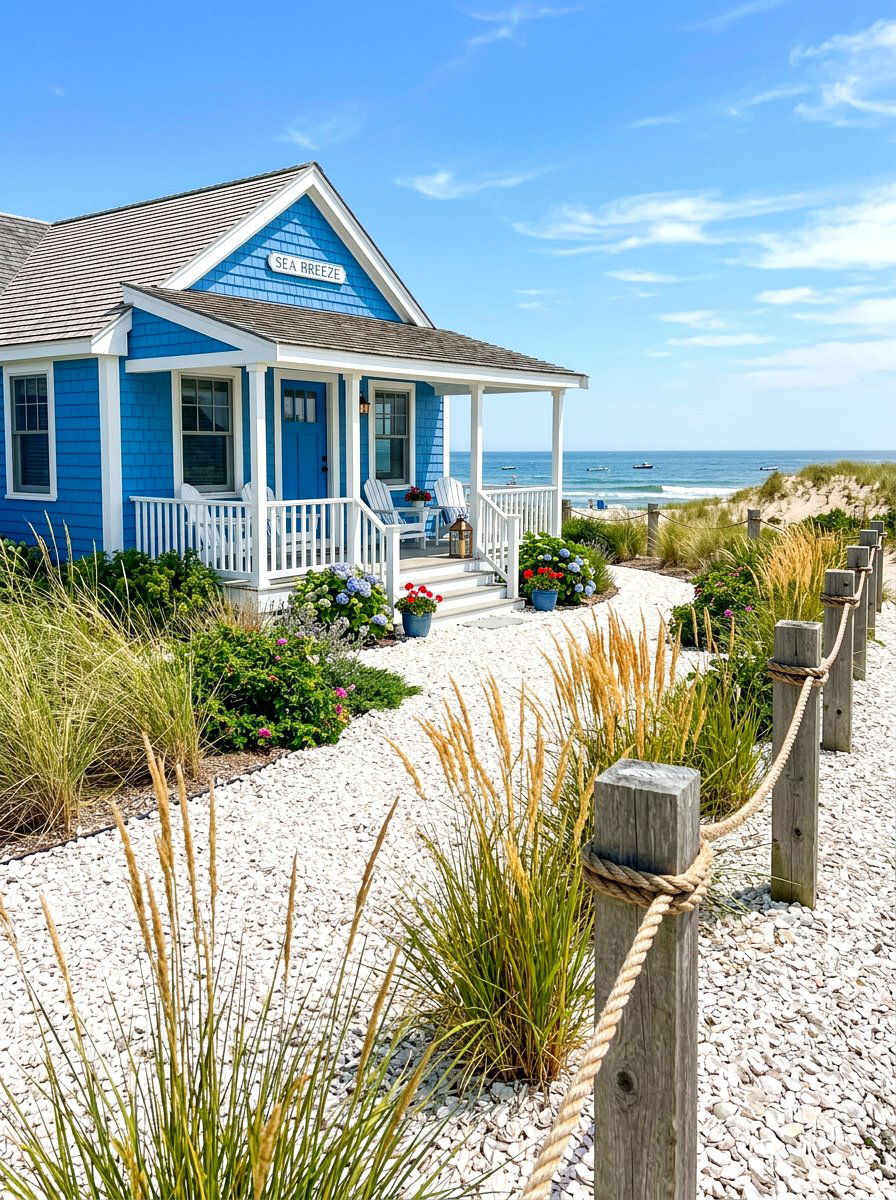
Crushed shell mulch is a quintessential choice for coastal homes, providing a bright, white, and beachy feel that instantly evokes a sense of the seaside. Made from recycled oyster or clam shells, this material adds calcium to the soil as it slowly breaks down, which can be beneficial for certain plants. The white color reflects sunlight, keeping the soil cool and brightening up the front of the house even on cloudy days. As you walk on it, the shells crunch together and settle into a firm, stable surface. This mulch works beautifully with ornamental grasses, salt-tolerant shrubs, and weathered wood accents for a complete coastal aesthetic.
24. Pine Bark Mini Nuggets
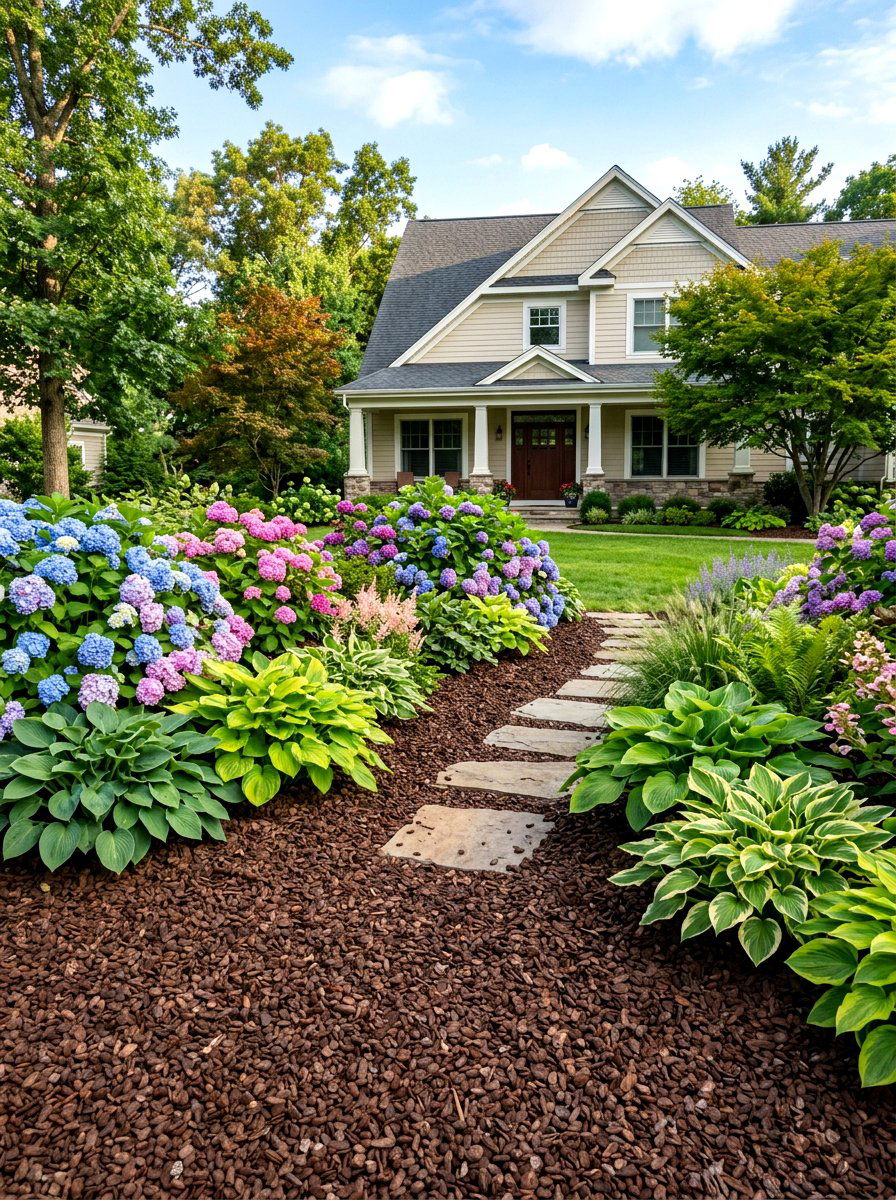
Pine bark mini nuggets offer a smaller, more refined version of traditional bark nuggets, providing a textured yet tidy appearance for front yard beds. These small, rounded pieces of bark are very slow to decompose, ensuring that your garden stays looking fresh for multiple seasons without needing a full replacement. The rich chocolate-brown color provides a deep, natural background that makes the colors of your perennials and annuals look even more vibrant. Mini nuggets are particularly good at suppressing weeds because they create a dense layer that is difficult for seeds to penetrate. They offer a great balance between the ruggedness of large nuggets and the smoothness of shredded mulch.
25. Grass Clippings Mulch
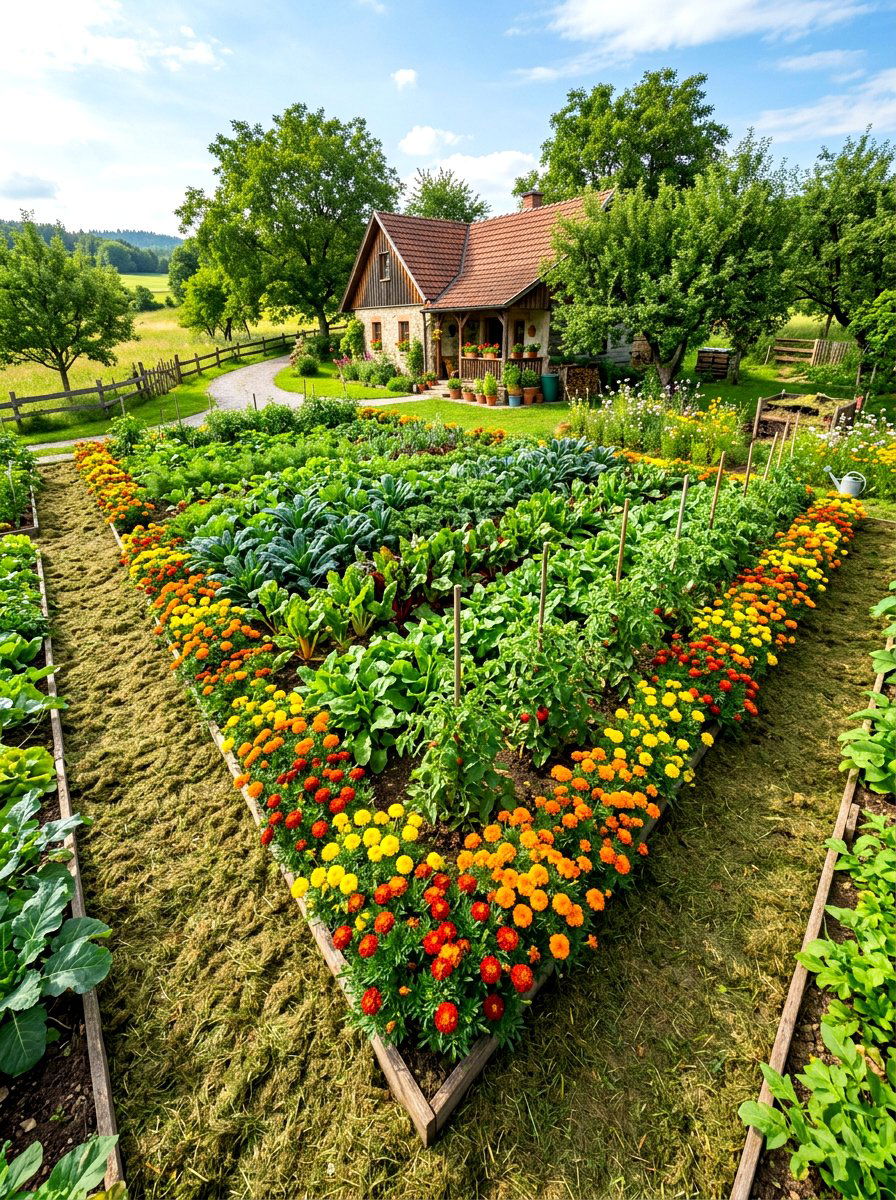
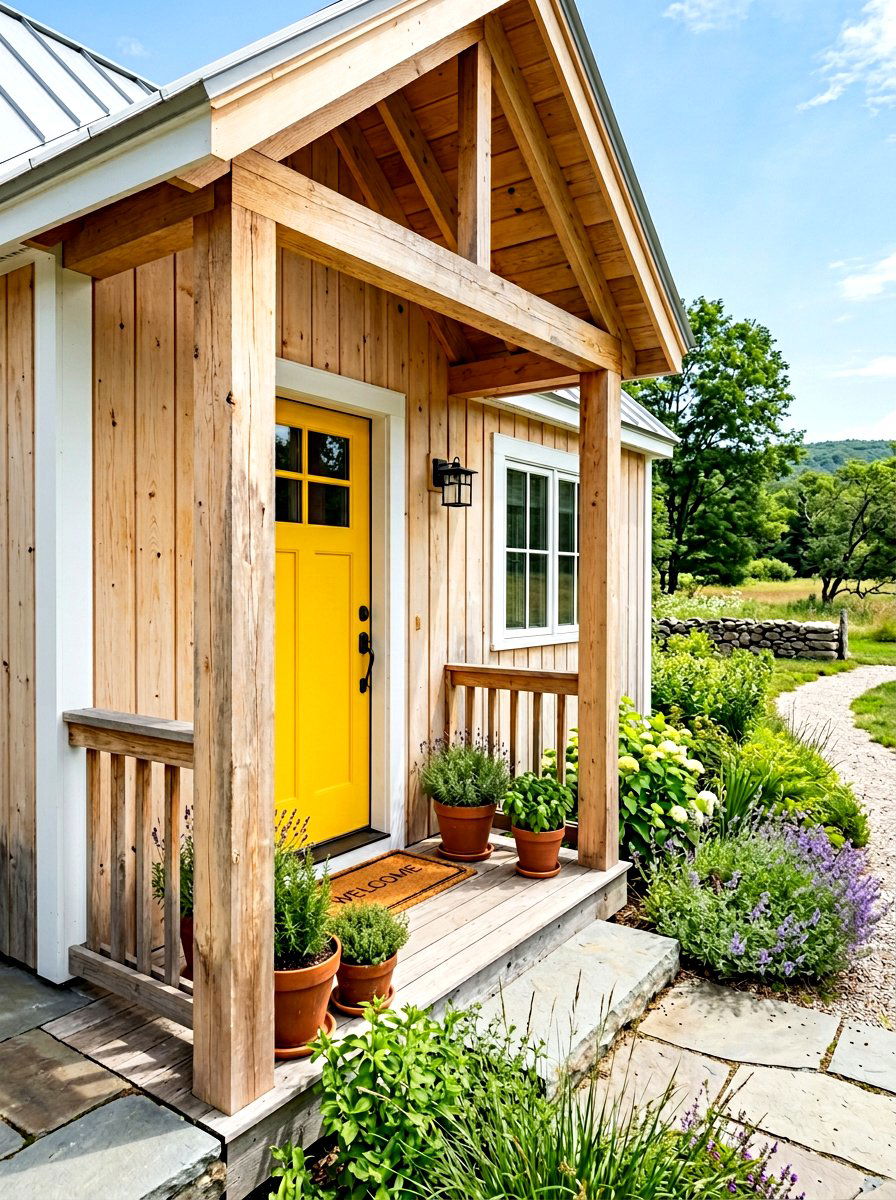
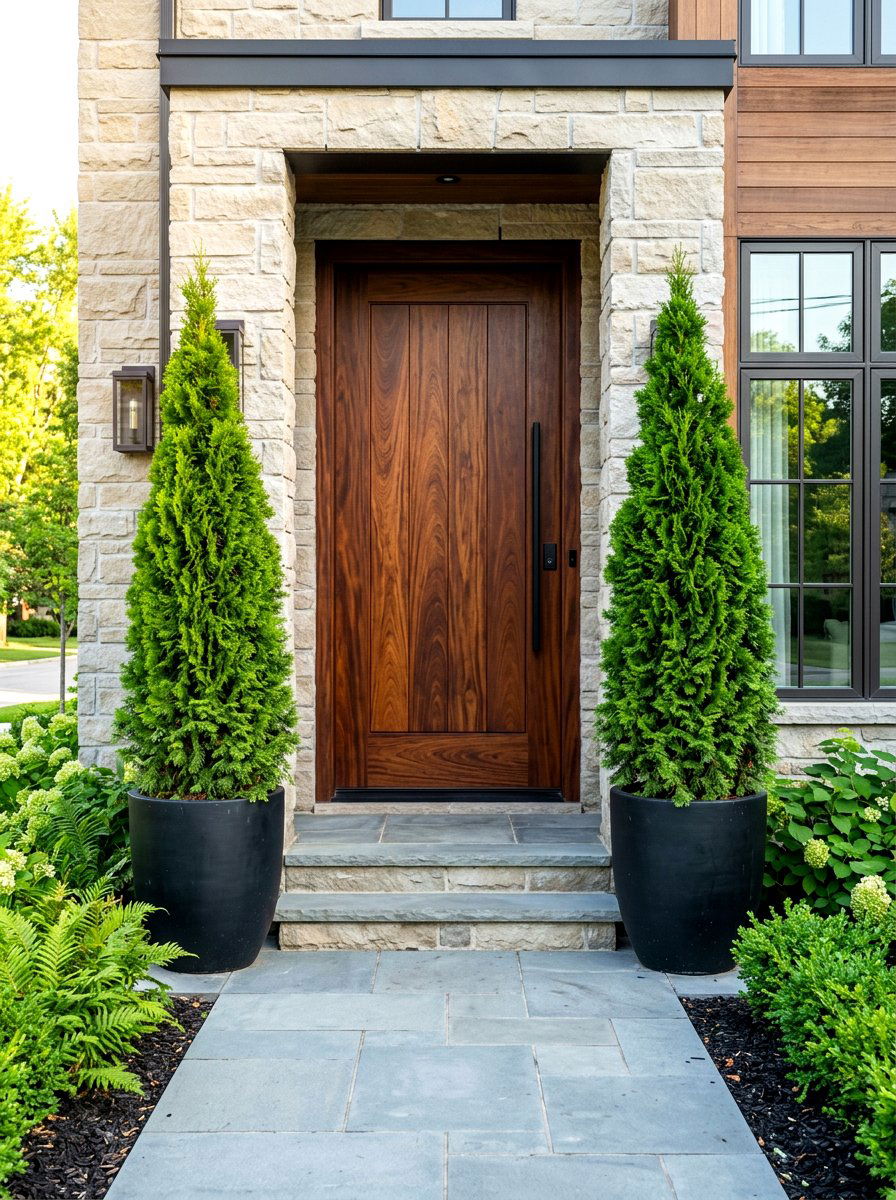
Using grass clippings as mulch is a wonderful way to recycle nutrients from your lawn back into your front yard garden beds for free. When applied in thin layers, dried grass clippings provide a quick boost of nitrogen and help to keep the soil moist and cool. This organic approach is best suited for casual, naturalistic gardens or as a base layer under more decorative wood mulches. It is important to ensure the grass has not been treated with herbicides before using it as mulch around your ornamental plants. This "green" mulching technique is highly effective for improving soil health and reducing waste in your weekly yard maintenance routine.
26. Hay Mulch Patch
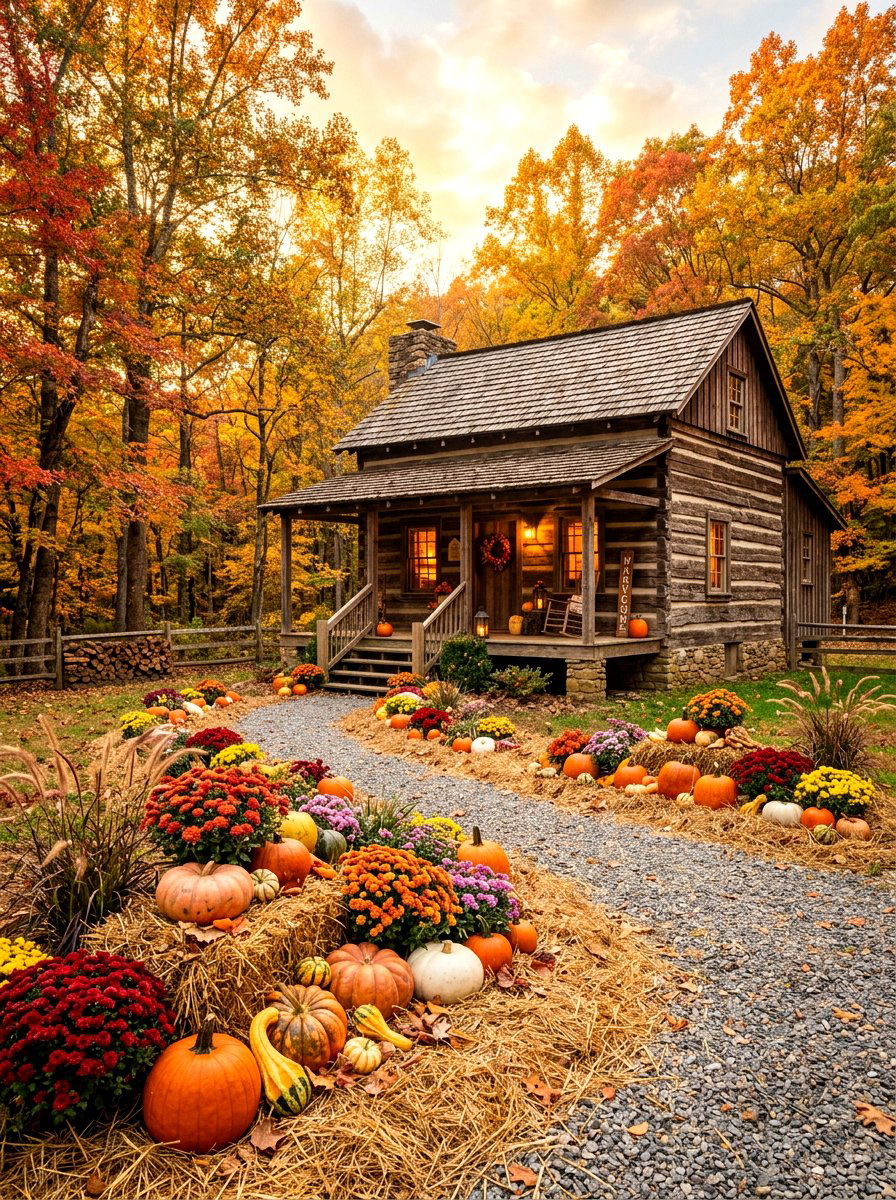
A hay mulch patch can be used to create a charming, rustic look in specific areas of a front yard, such as around a small orchard or a dedicated cutting garden. While similar to straw, hay often contains more seeds, so it is best used in areas where a bit of "wild" growth is acceptable or where you are specifically trying to build soil depth. It provides a thick, protective layer that is excellent at preventing soil erosion on slopes. The warm, yellow tones of the hay create a cozy, farmhouse-style atmosphere that looks lovely during the autumn months. It is a very practical and traditional way to protect your garden beds.
27. Living Mulch Groundcover
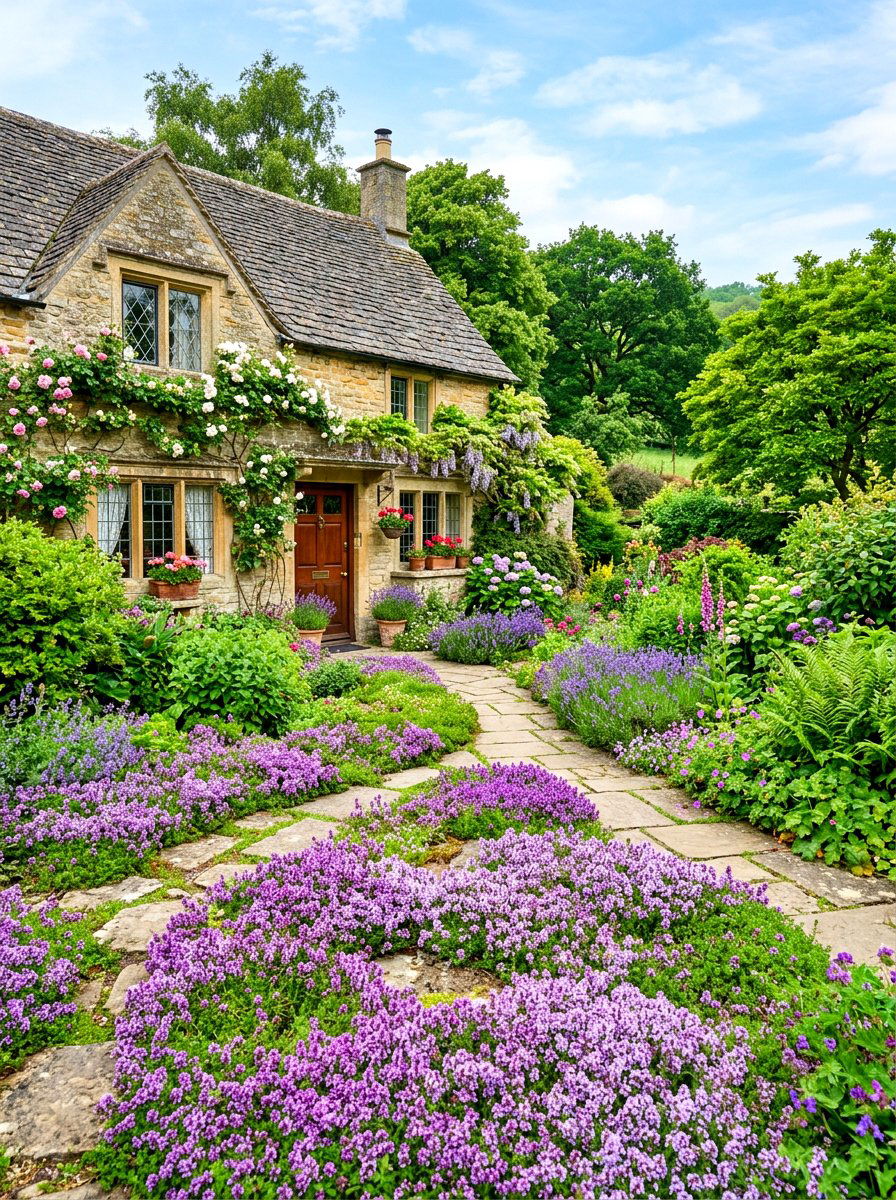
A living mulch groundcover uses low-growing, spreading plants like creeping thyme, sedum, or clover to cover the soil instead of non-living materials. This "green" mulch provides a beautiful, carpet-like appearance that can bloom with tiny flowers, adding another layer of interest to your front yard. Living mulches are excellent for preventing soil erosion and crowding out weeds naturally while also providing a habitat for beneficial pollinators. This approach creates a lush, vibrant look that feels very integrated with the rest of your plantings. It is a fantastic choice for homeowners who want a dynamic, self-sustaining landscape that requires less manual mulching over time as the plants fill in.
28. Compost Mulch Layer
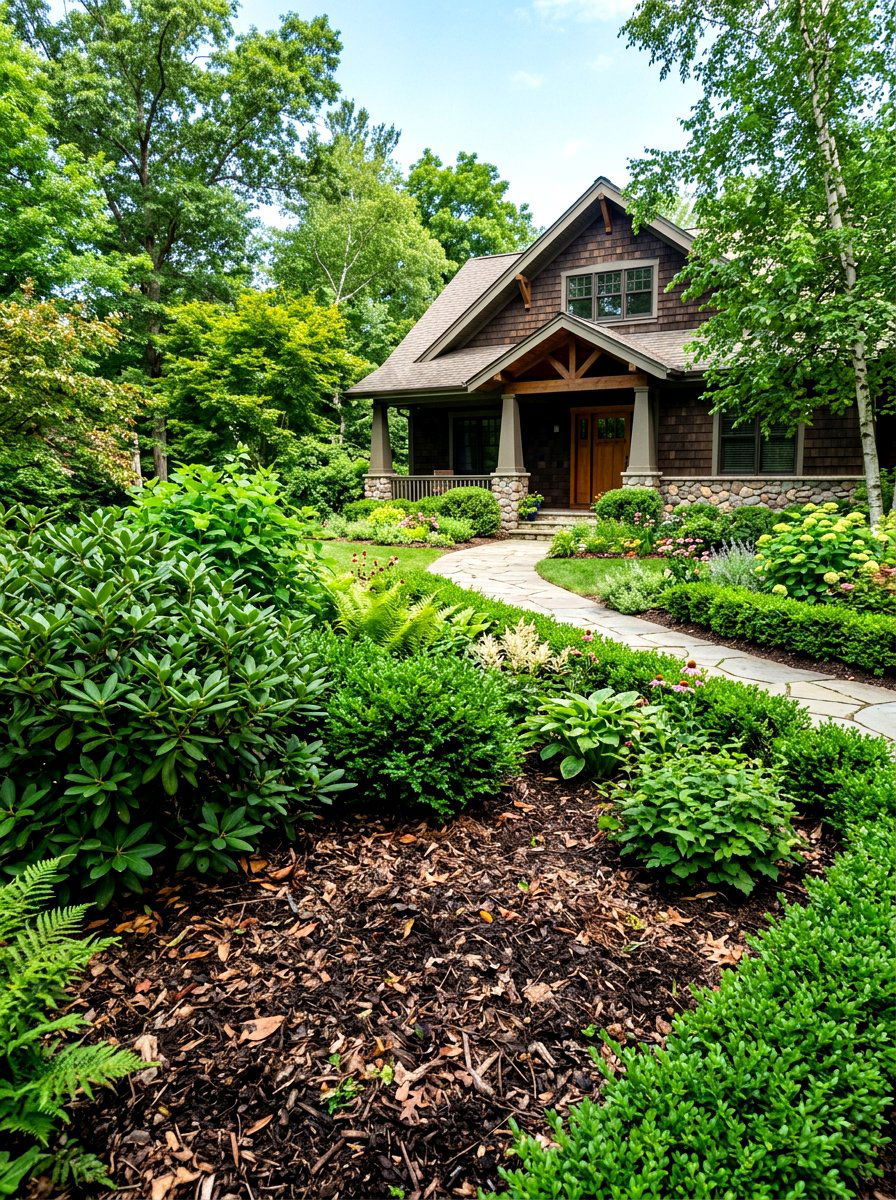
Applying a compost mulch layer is perhaps the best thing you can do for the long-term health and vitality of your front yard garden. Compost is rich in organic matter and nutrients, providing a dark, soil-like finish that looks incredibly healthy and well-tended. While it may not provide as much weed suppression as thick bark, it feeds your plants and improves the soil structure more effectively than any other material. Many homeowners use a layer of compost as a "nutritional mulch" in the spring, often topping it with a thin layer of decorative wood chips for a more polished look. It is the ultimate choice for a thriving, high-performance garden.
29. Crushed Brick Mulch
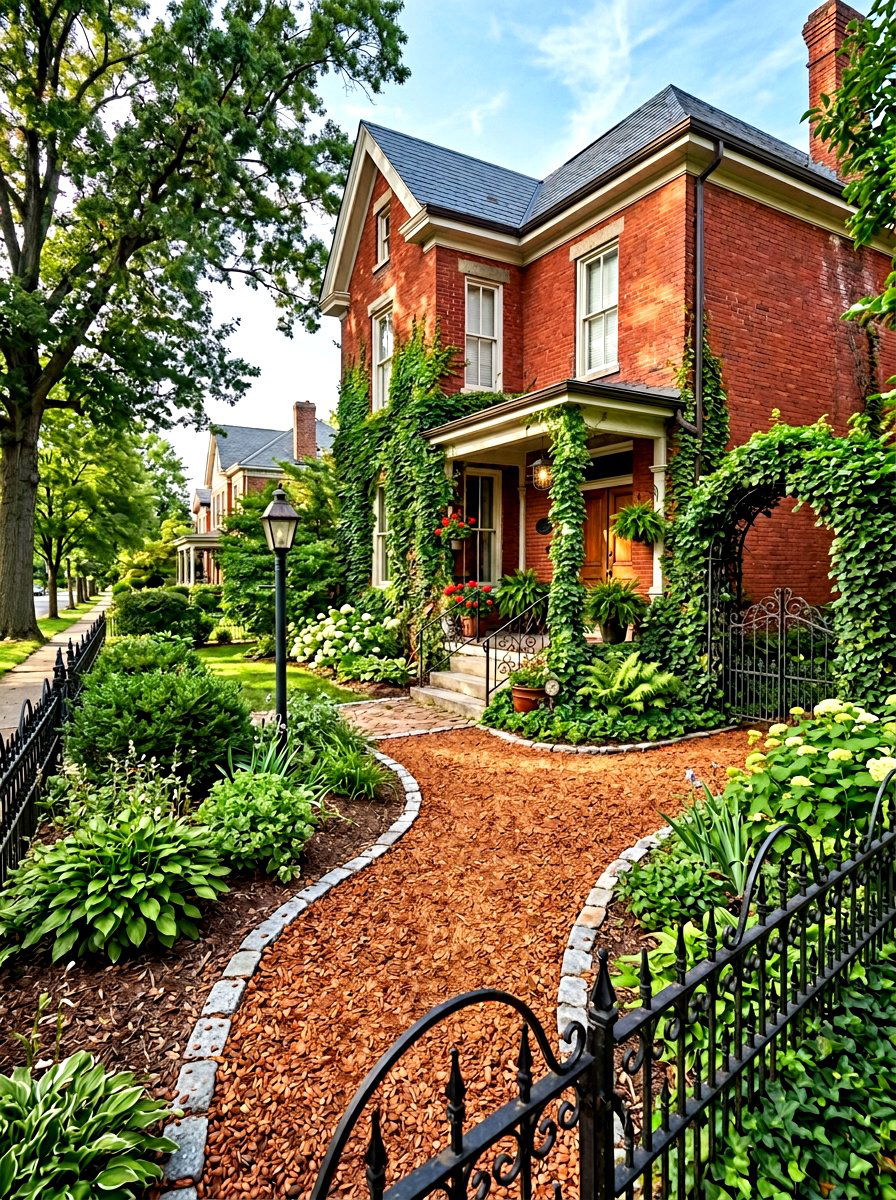
Crushed brick mulch is a recycled material that provides a permanent, reddish-orange color and a unique industrial or historic texture to your landscaping. This inorganic mulch is made from salvaged bricks that have been crushed into small, angular pieces, making it a very eco-friendly choice. It works exceptionally well around traditional brick homes, creating a cohesive color story that ties the house and yard together. Because the pieces are heavy, they stay in place during storms and provide excellent drainage for foundation plantings. This material is very durable and offers a distinctive look that sets your front yard apart from the typical wood-mulched homes in the neighborhood.
30. Decomposed Granite Bed
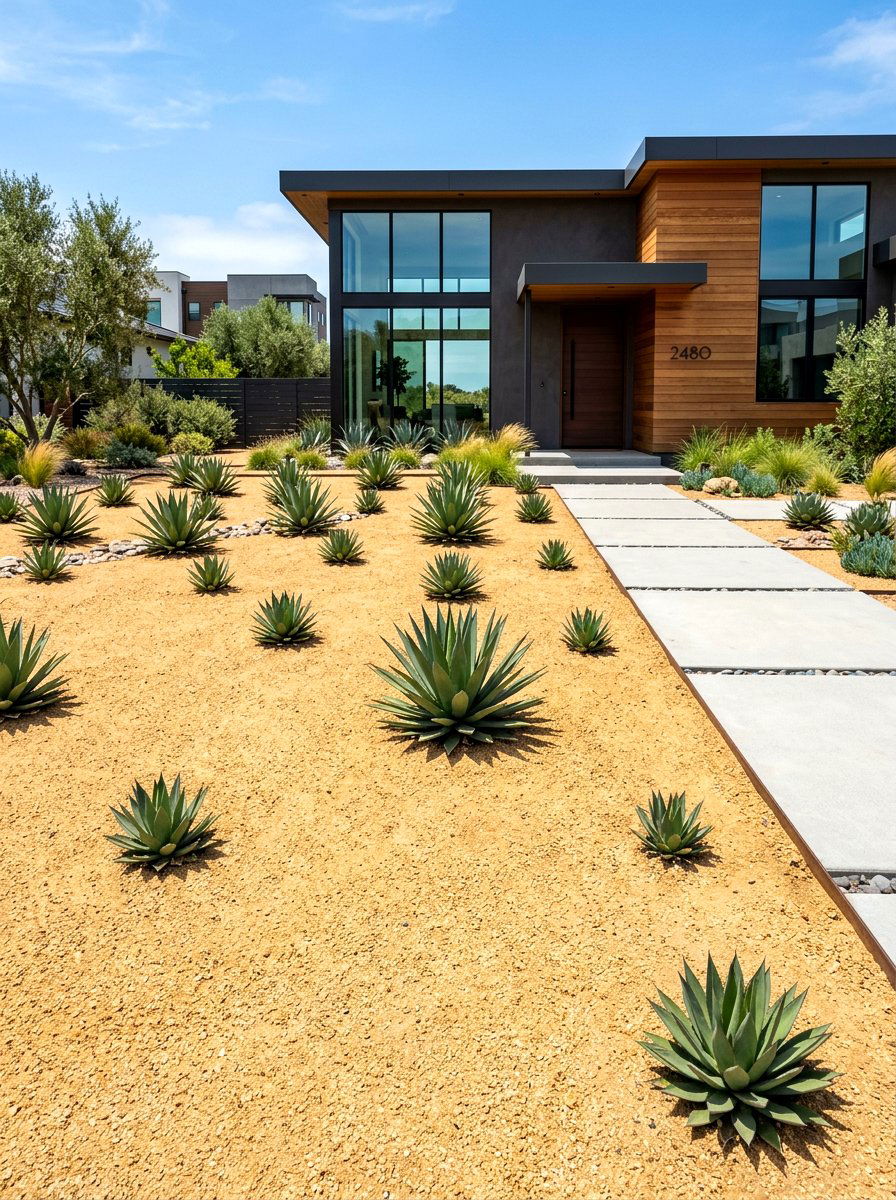
A decomposed granite bed offers a fine, sandy texture that can be compacted into a very stable and smooth surface, perfect for modern and minimalist front yards. This versatile material is available in many natural shades, including gold, tan, and silver-gray, allowing you to match it to your home’s exterior perfectly. It is often used to create clean, open spaces between architectural plants or as a low-maintenance alternative to a traditional lawn. Decomposed granite provides a sophisticated, "zen" feel that looks very intentional and high-design. It is highly permeable and works beautifully for creating a sleek, desert-inspired landscape that requires very little water or ongoing maintenance.
Conclusion:
Selecting the perfect mulch for your front yard is a strategic decision that balances aesthetic goals with the practical needs of your plants and soil. Whether you choose the modern elegance of black hardwood, the rustic charm of pine straw, or the permanent durability of river rock, your choice sets the tone for your home’s entire exterior. By understanding how different materials interact with your local climate and architectural style, you can create a landscape that is both beautiful and easy to manage. Investing time in quality mulching not only boosts your curb appeal but also ensures a healthier, more resilient garden for years to come.

Related posts: