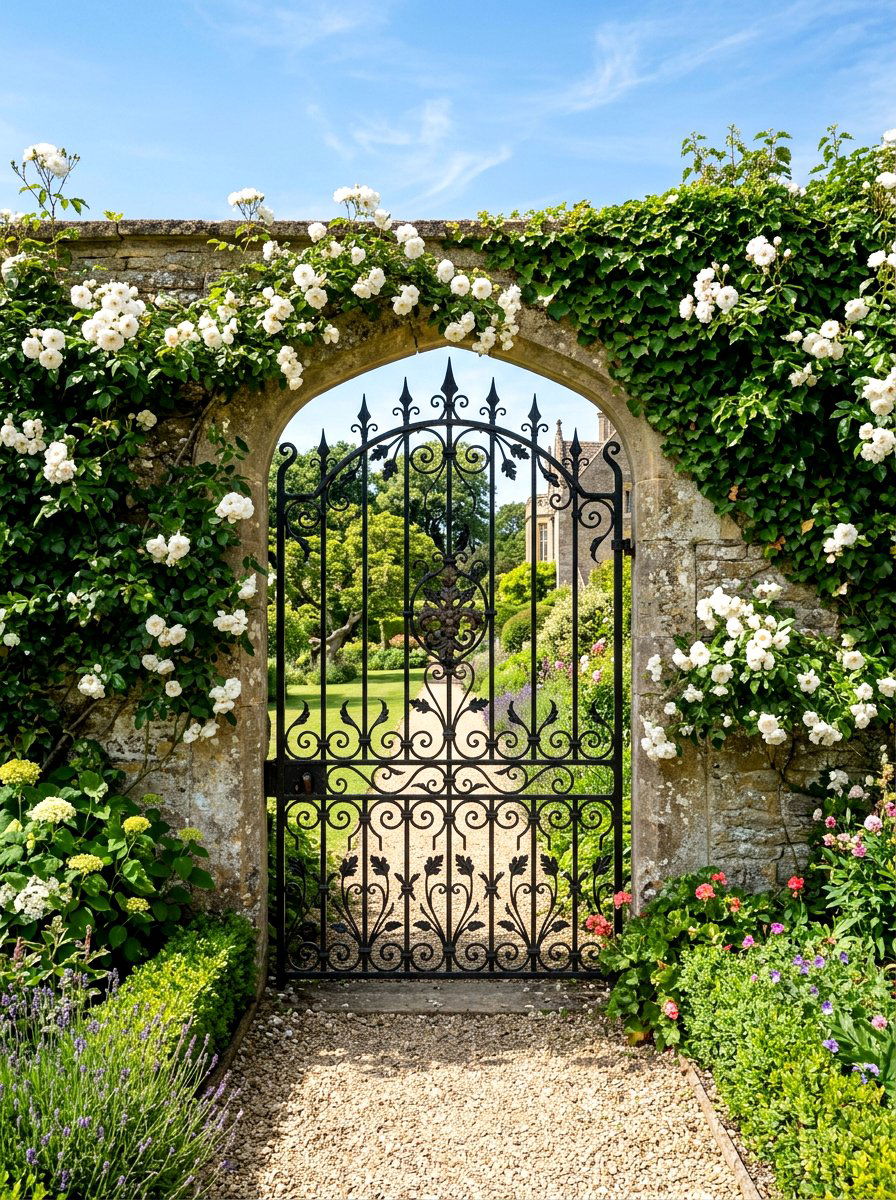
Creating a traditional cottage garden is one of the most rewarding ways to transform your outdoor space into a lush and romantic sanctuary. These gardens are famous for their dense plantings, whimsical paths, and a delightful mix of colors and scents that feel both nostalgic and timeless. Whether you have a sprawling backyard or a tiny urban plot, the essence of this style lies in its informal beauty and organized chaos. By blending hardy perennials with delicate annuals and rustic hardscaping, you can achieve a look that feels like a natural extension of your home. Let's explore thirty ways to bring this enchanting and vibrant aesthetic to your own landscape.
1. English Cottage Garden Flowers
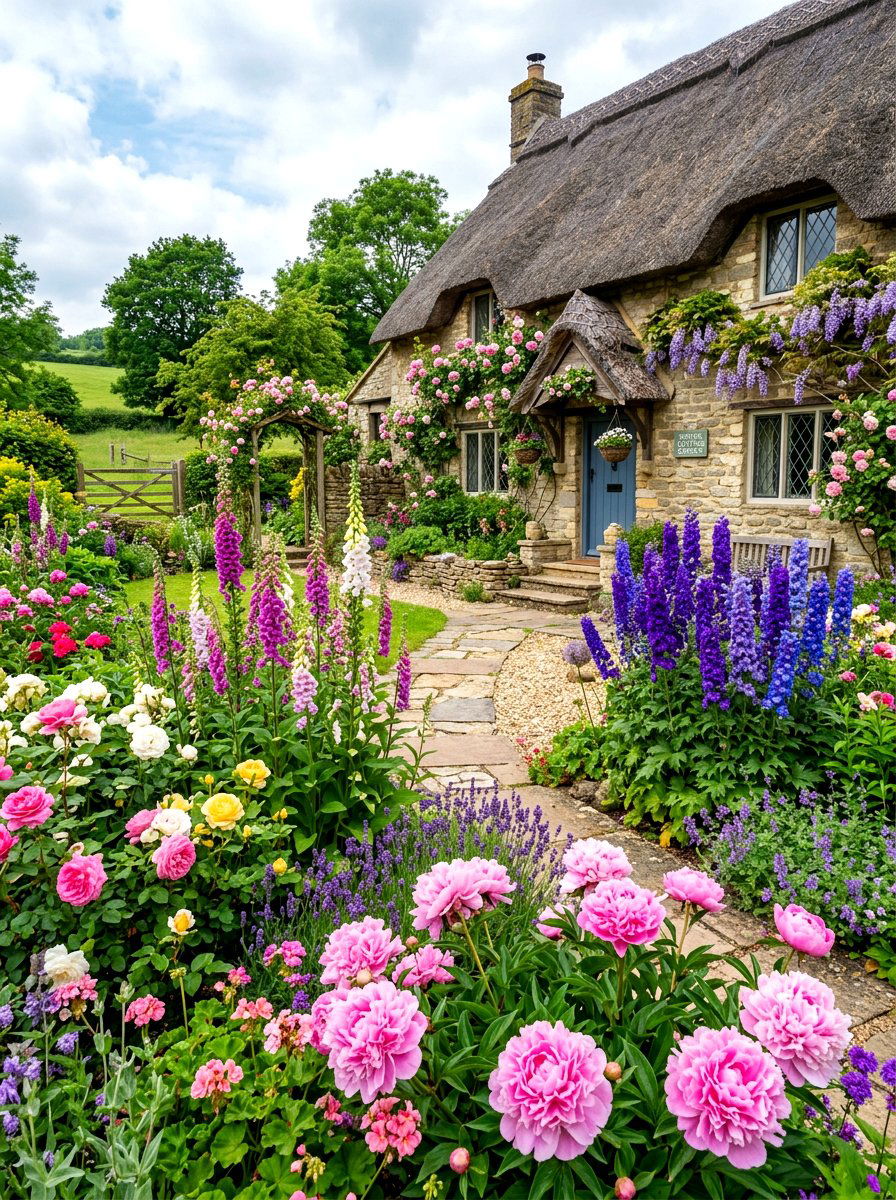
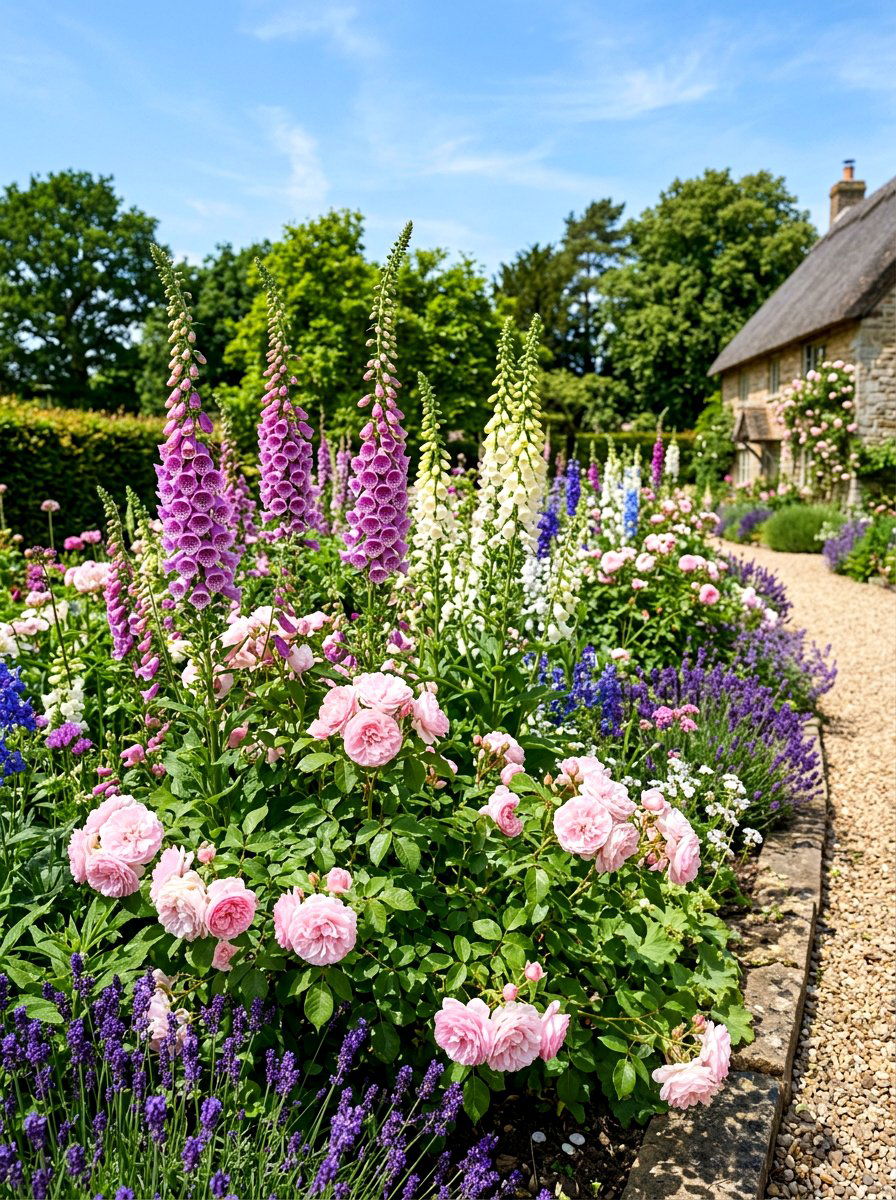
Traditional cottage gardens rely on a specific palette of classic blooms to create that iconic, layered look. You should focus on planting dense groups of foxgloves, delphiniums, and hollyhocks to provide dramatic height at the back of your borders. In the middle ground, consider adding bellflowers, lupines, and fragrant peonies to fill the space with texture and soft colors. Low-growing plants like sweet alyssum and pansies can then spill over the edges to soften the hard lines of your garden beds. This dense planting technique not only looks beautiful but also helps suppress weeds and keeps the soil cool during the hot summer months.
2. Gravel Path Cottage Garden
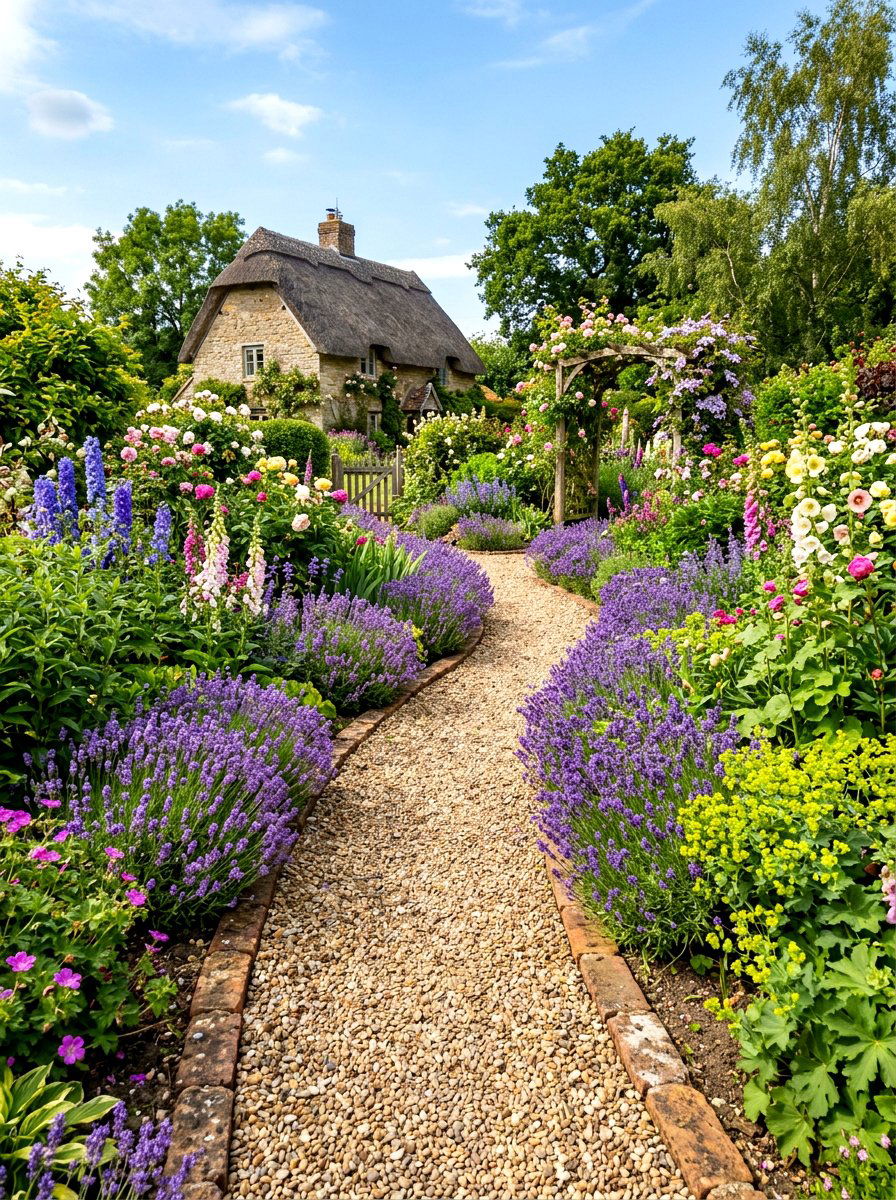
Walking through a garden should always feel like an adventure, and installing a winding gravel path is the perfect way to invite exploration. These pathways are far more informal than concrete or pavers, allowing the surrounding plants to spill over the edges for a soft, natural appearance. You can use local pea gravel or crushed stone to ensure the path blends seamlessly with the natural environment. Edging the path with weathered bricks or larger fieldstones can help keep the gravel in place while adding a rustic touch. This design choice provides excellent drainage and creates a satisfying crunching sound as you walk through your lush landscape.
3. Gated Entryway Cottage Garden
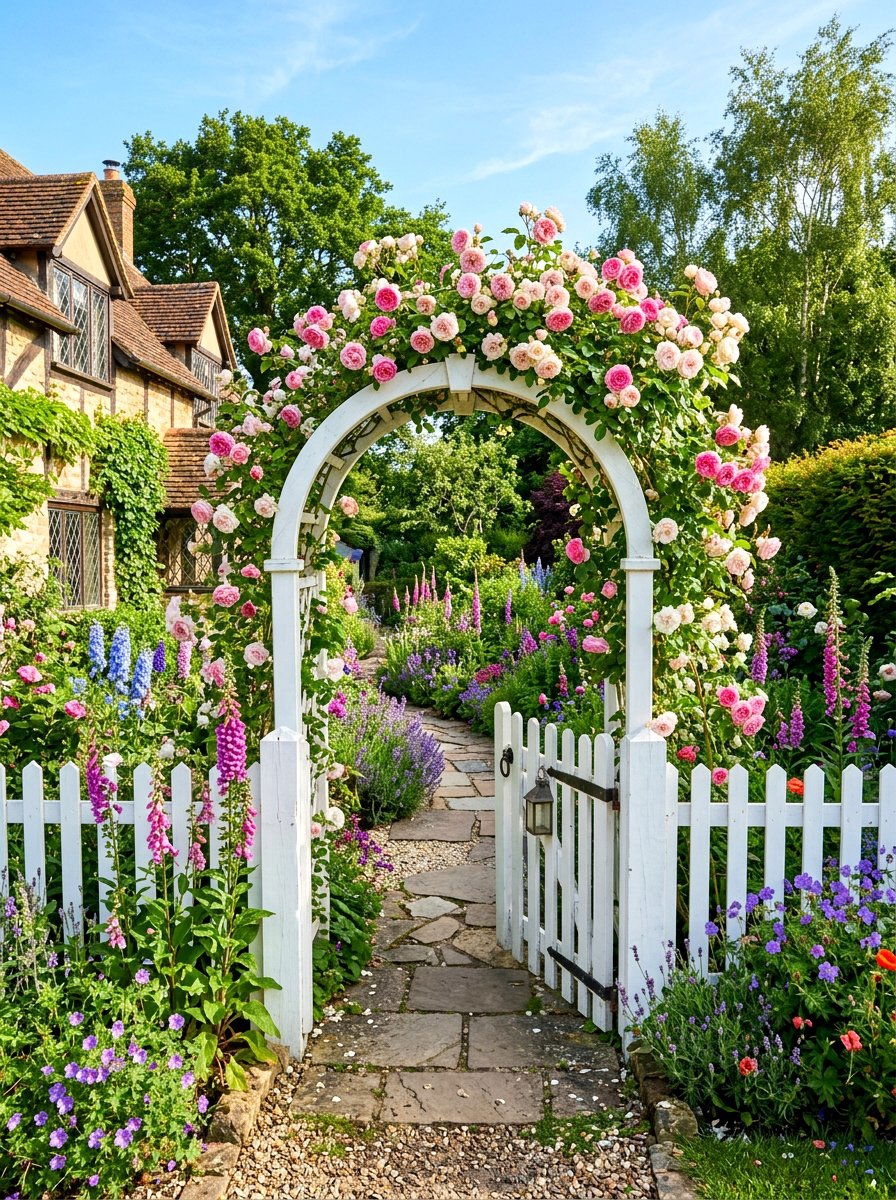
First impressions are everything when it comes to a home, and a gated entryway sets a welcoming tone for the rest of your space. You can install a simple wooden gate painted in a soft pastel or a classic white to anchor the entrance to your property. Surround this gate with climbing vines such as clematis or honeysuckle to create a living archway that smells divine during the spring. This approach defines the boundary of your garden without making it feel closed off or overly formal. A well-placed gate acts as a charming portal that transports visitors from the busy world into your peaceful, floral haven.
4. White Picket Fence Landscape
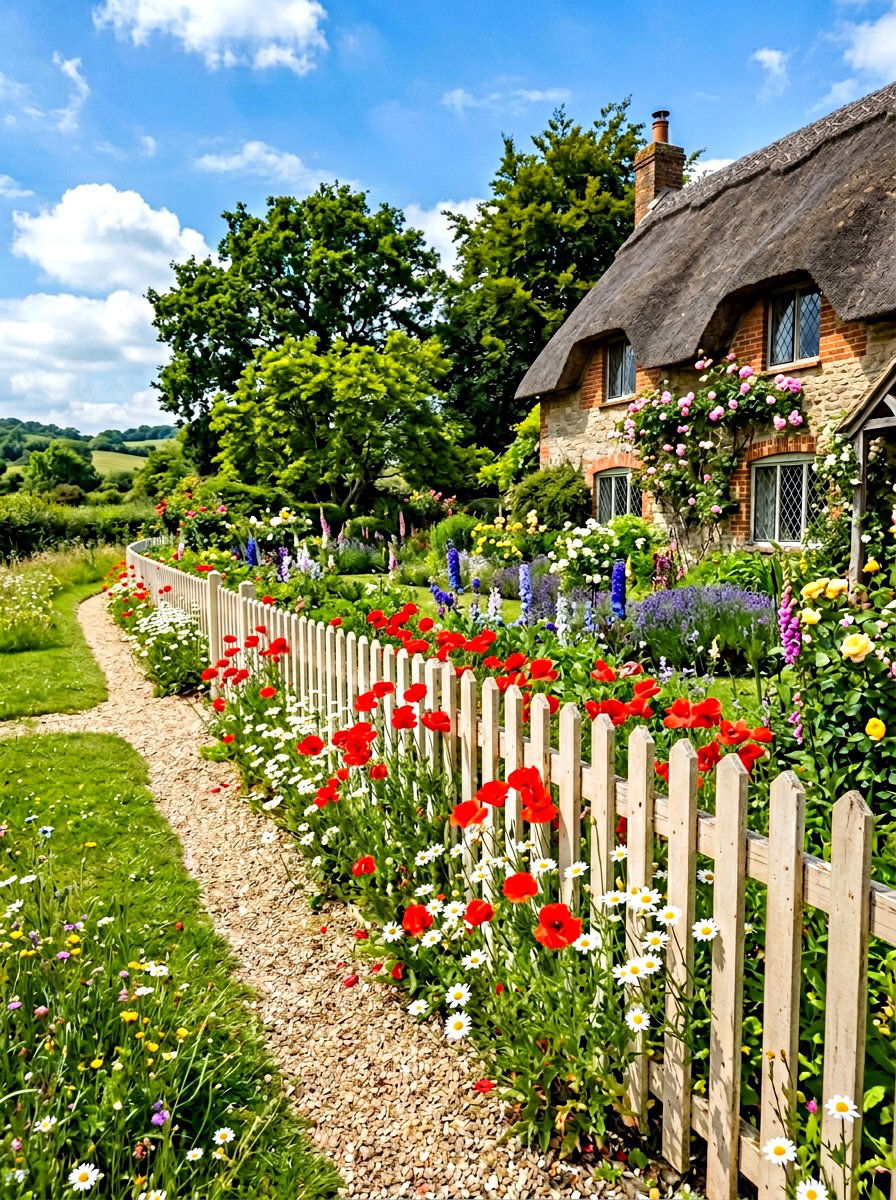
Nothing says classic country charm quite like a crisp white picket fence running along the front of a home. This structural element provides the perfect backdrop for colorful flowers to lean against and peek through the wooden slats. You might plant vibrant red poppies or sunny yellow coreopsis right up against the fence line to create a high-contrast visual display. The fence also provides a sense of enclosure while still allowing passersby to admire your hard work from the sidewalk. It is a timeless design choice that adds instant curb appeal and frames your entire cottage-style landscape with a sense of order and nostalgia.
5. Wildflower Meadow Backyard
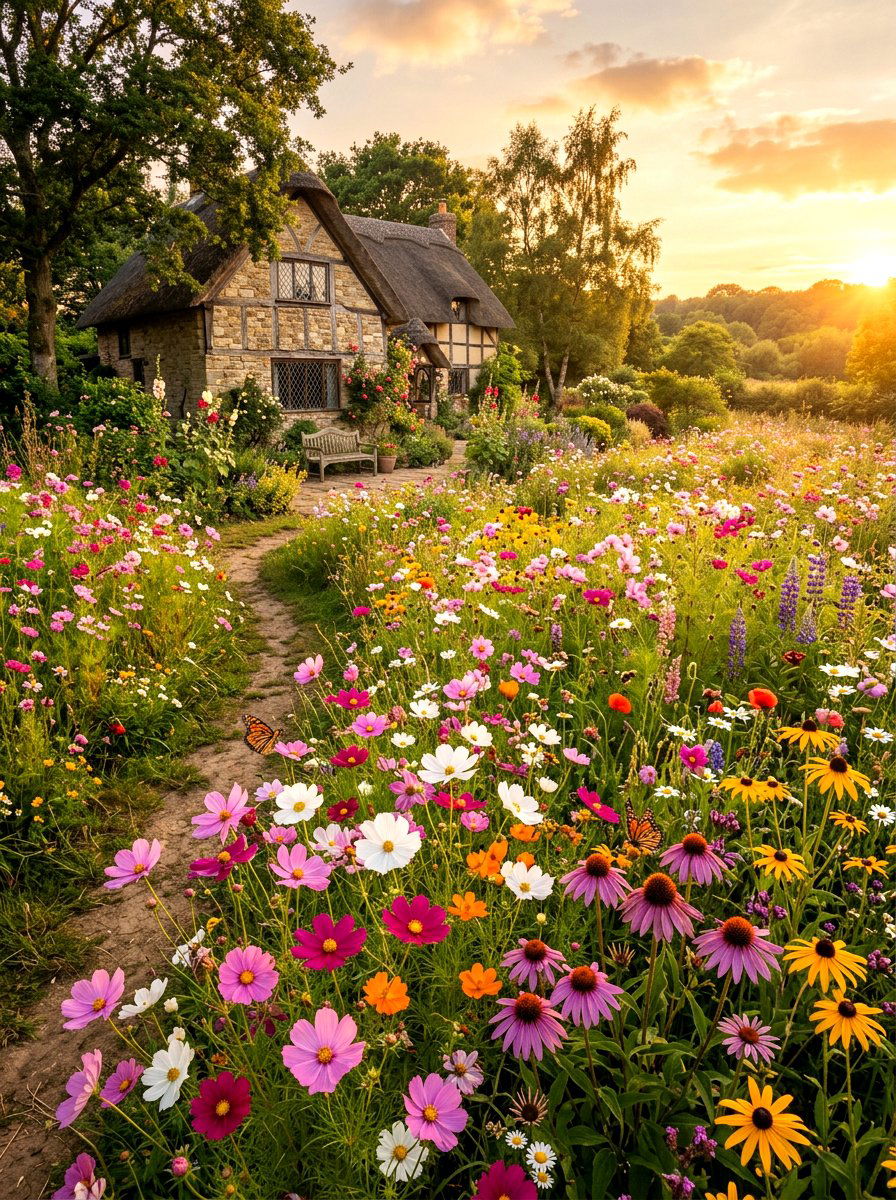
Imagine stepping out of your back door into a sprawling wildflower meadow that hums with the busy activity of pollinators. This garden style is perfect for those who want a low-maintenance look that celebrates the beauty of local flora and native grasses. You can sow a mix of cosmos, coneflowers, and black-eyed Susans to create a sea of color that changes throughout the growing season. By letting the grass grow a bit longer in these areas, you provide essential habitat for butterflies and bees. This relaxed approach to landscaping feels incredibly natural and turns your backyard into a private, eco-friendly retreat for both humans and wildlife.
6. Vertical Rose Cottage Garden
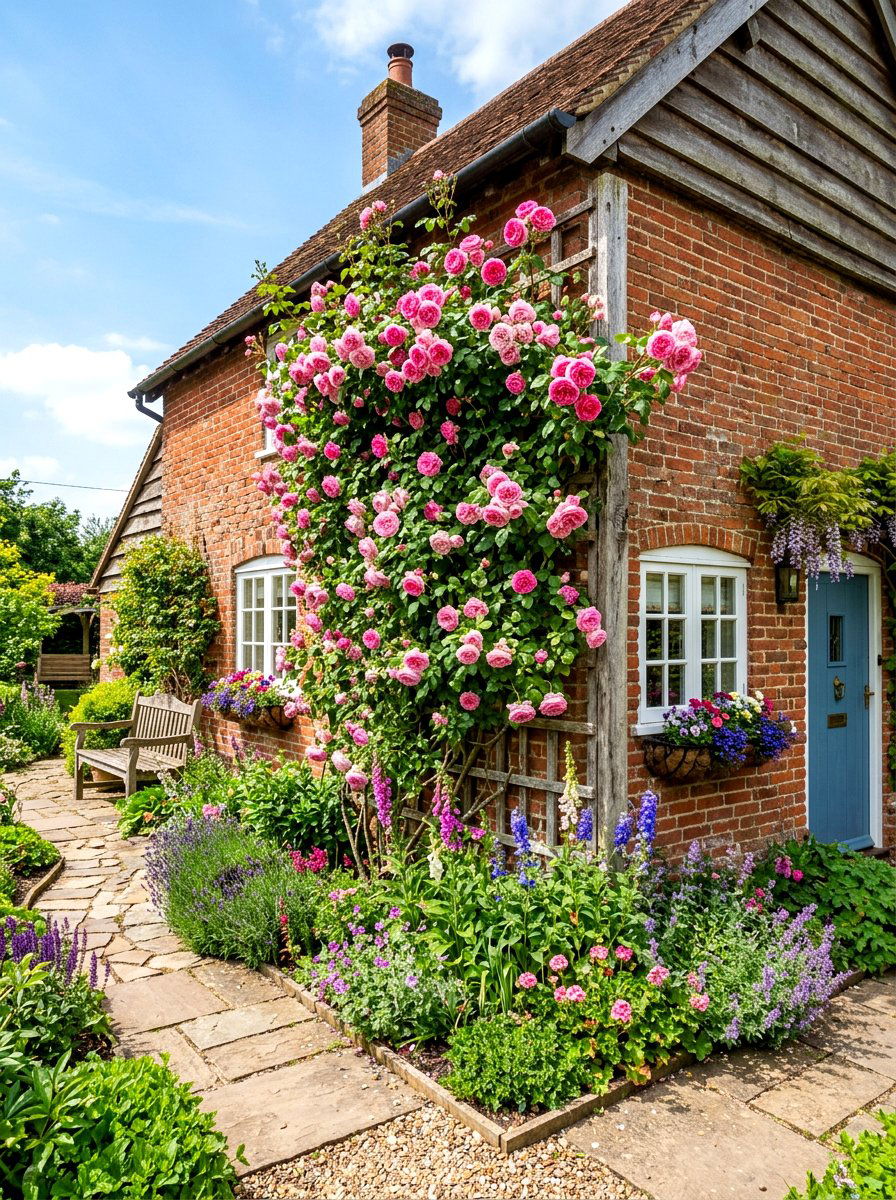
Climbing roses are a staple of the cottage aesthetic, providing vertical interest and an abundance of fragrant blooms on walls and fences. You can train these vigorous growers to climb up a wooden trellis or an iron obelisk to create pillars of color throughout your beds. Rambling roses look particularly stunning when draped over a porch railing or a garden shed, adding a layer of romantic softness to hard structures. To maintain this look, ensure you provide strong support and prune them regularly to encourage new growth and more flowers. This design maximizes your vertical space and brings the beauty of roses right up to eye level.
7. Mixed Potager Cottage Garden
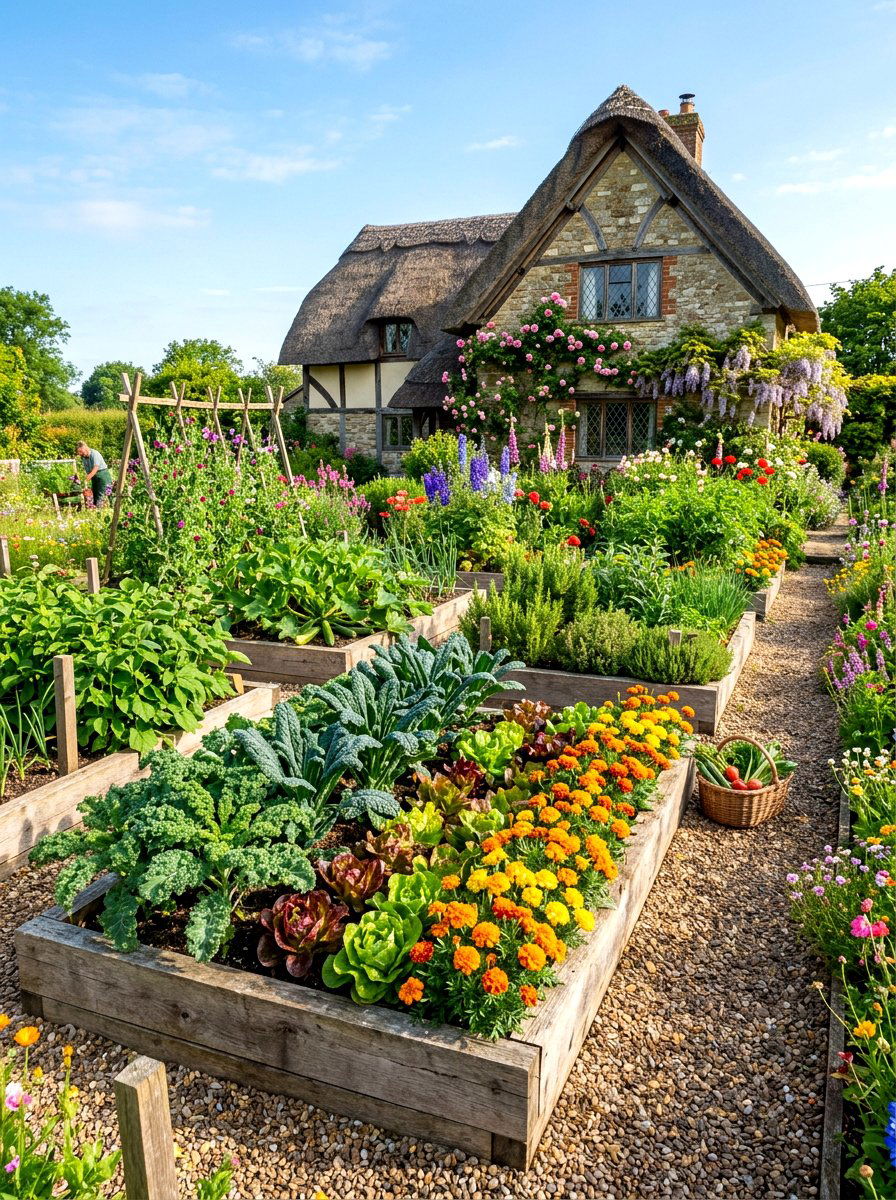
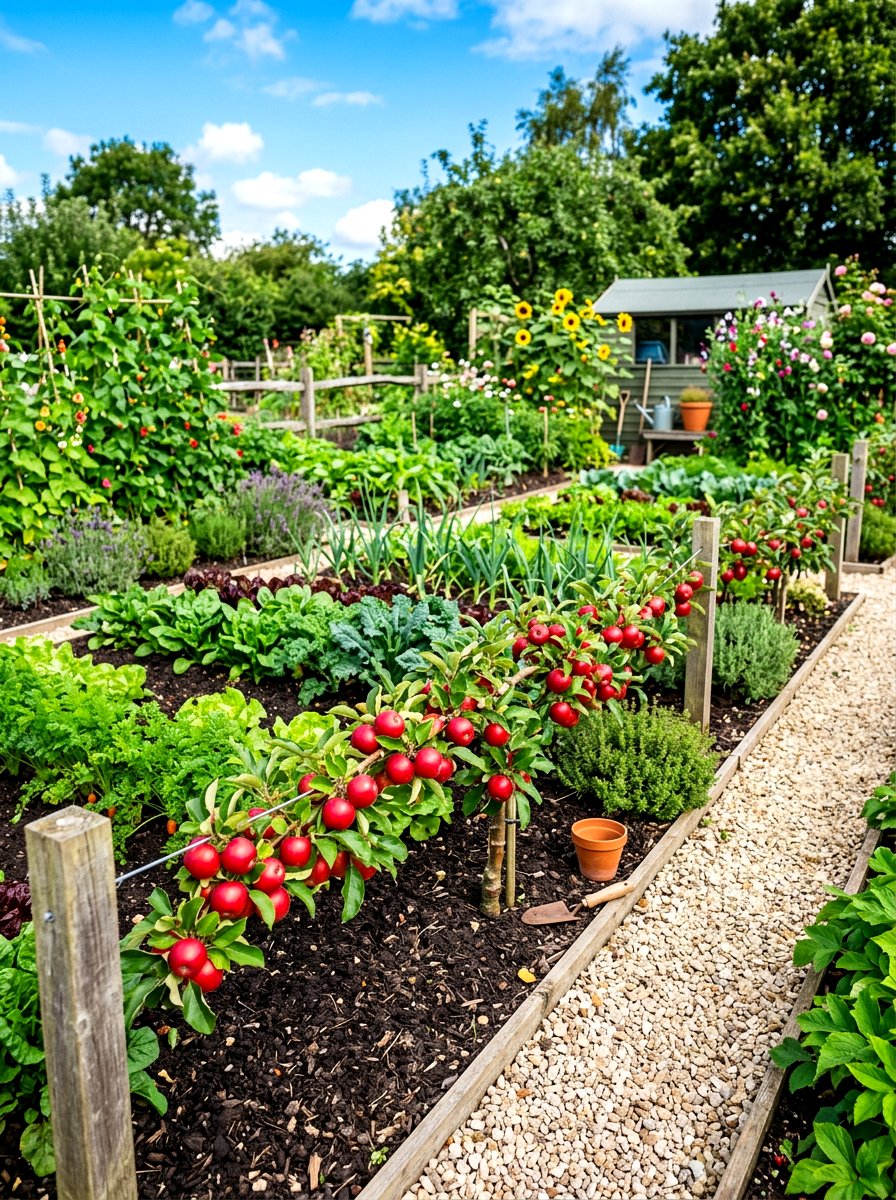
Blending vegetables and flowers in a traditional potager garden is a practical way to create a space that is both beautiful and productive. You can plant rows of leafy kale and bright swiss chard alongside marigolds and nasturtiums to deter pests and add pops of color. Using ornamental supports for runner beans or tomatoes can turn these functional crops into attractive vertical features within the garden beds. This style of gardening harkens back to the original cottage gardens where every inch of soil was used for food and herbs. It creates a rich tapestry of textures and flavors that is truly a feast for the senses.
8. Secluded Stone Seating Garden
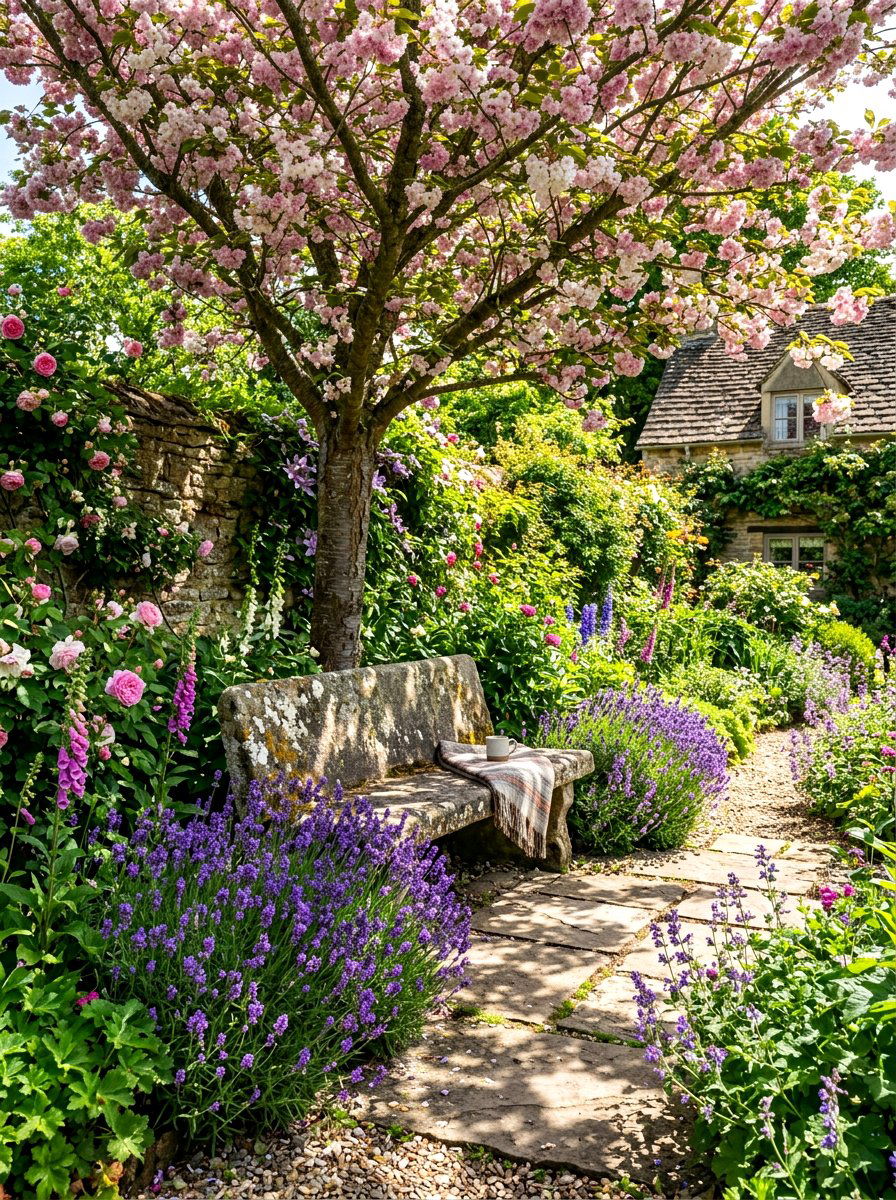
Every gardener needs a quiet place to sit and enjoy the fruits of their labor, and a secluded stone bench offers the perfect solution. You can place a weathered stone or wooden bench at the end of a winding path, tucked away under a shady tree or a dense shrub. Surrounding the seating area with fragrant plants like lavender or jasmine ensures that your rest time is accompanied by a lovely aroma. This design creates a focal point in the garden while providing a functional space for reading, reflecting, or simply watching the birds. It turns a simple corner of the yard into a cozy, outdoor living room.
9. Wildlife Centered Cottage Garden
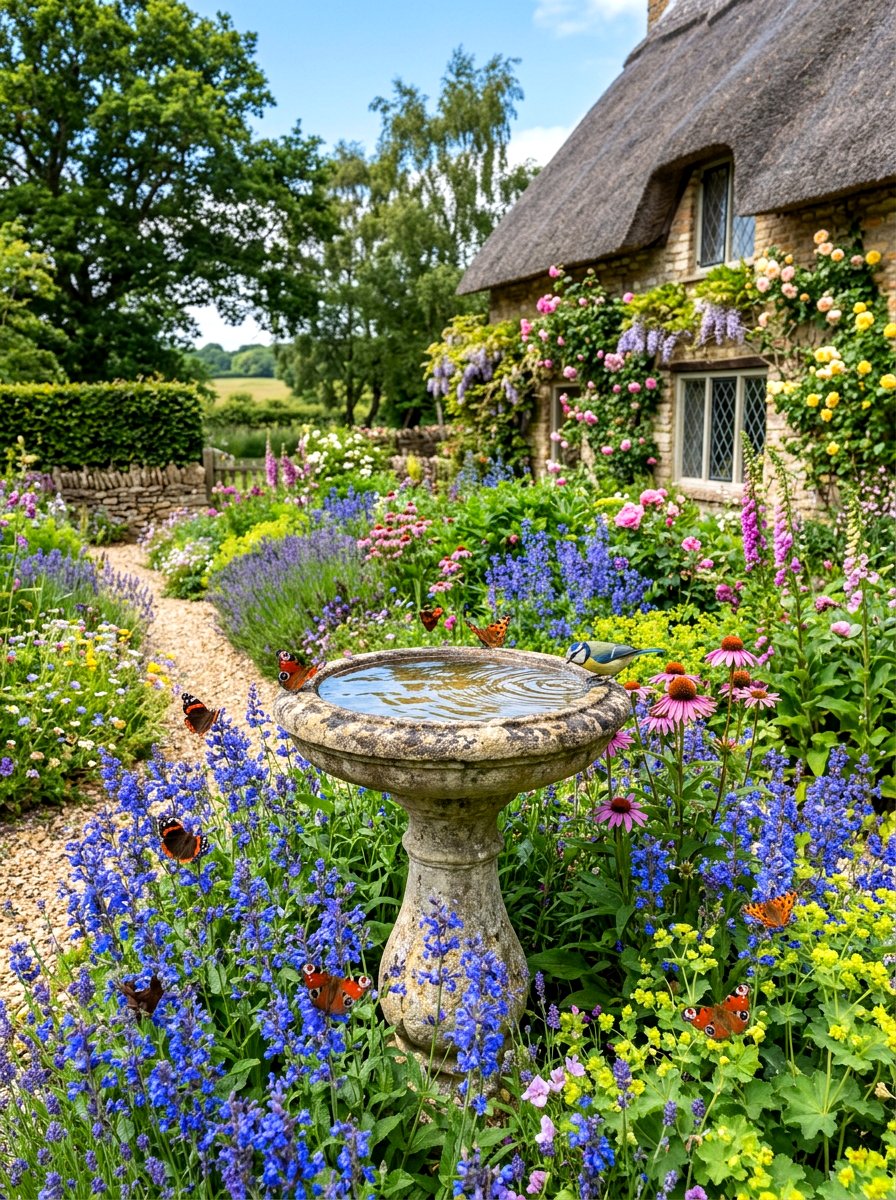
Attracting birds and butterflies is easy when you design your garden with a central bird bath or water feature as the main attraction. Placing a pedestal bird bath in a sunny spot allows you to watch local wildlife drink and bathe while you relax nearby. You should surround the water feature with pollinator-friendly plants like butterfly bush, bee balm, and milkweed to provide a complete ecosystem. Using different heights of plants around the base of the bird bath creates a layered look that feels established and lush. This design not only adds movement to your space but also supports the health of your local environment.
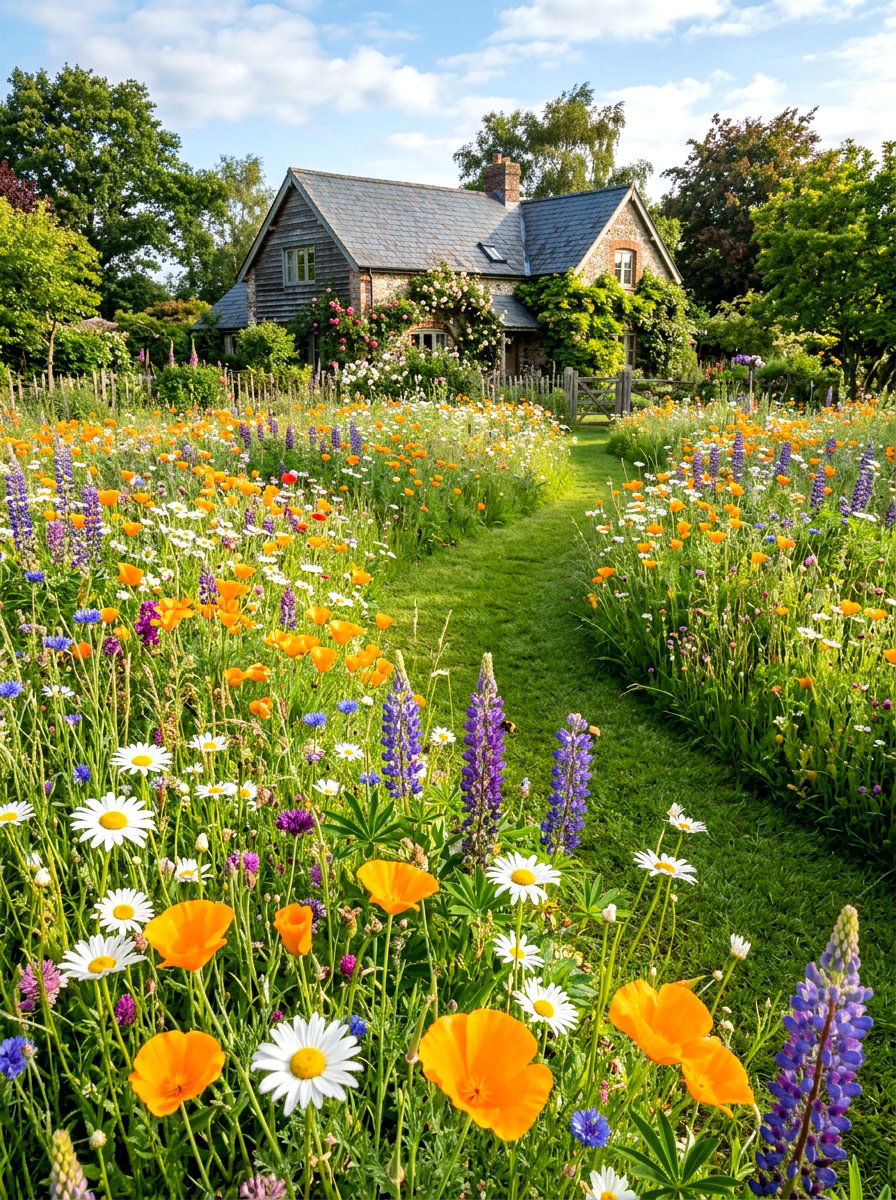
10. Layered Perennial Cottage Garden
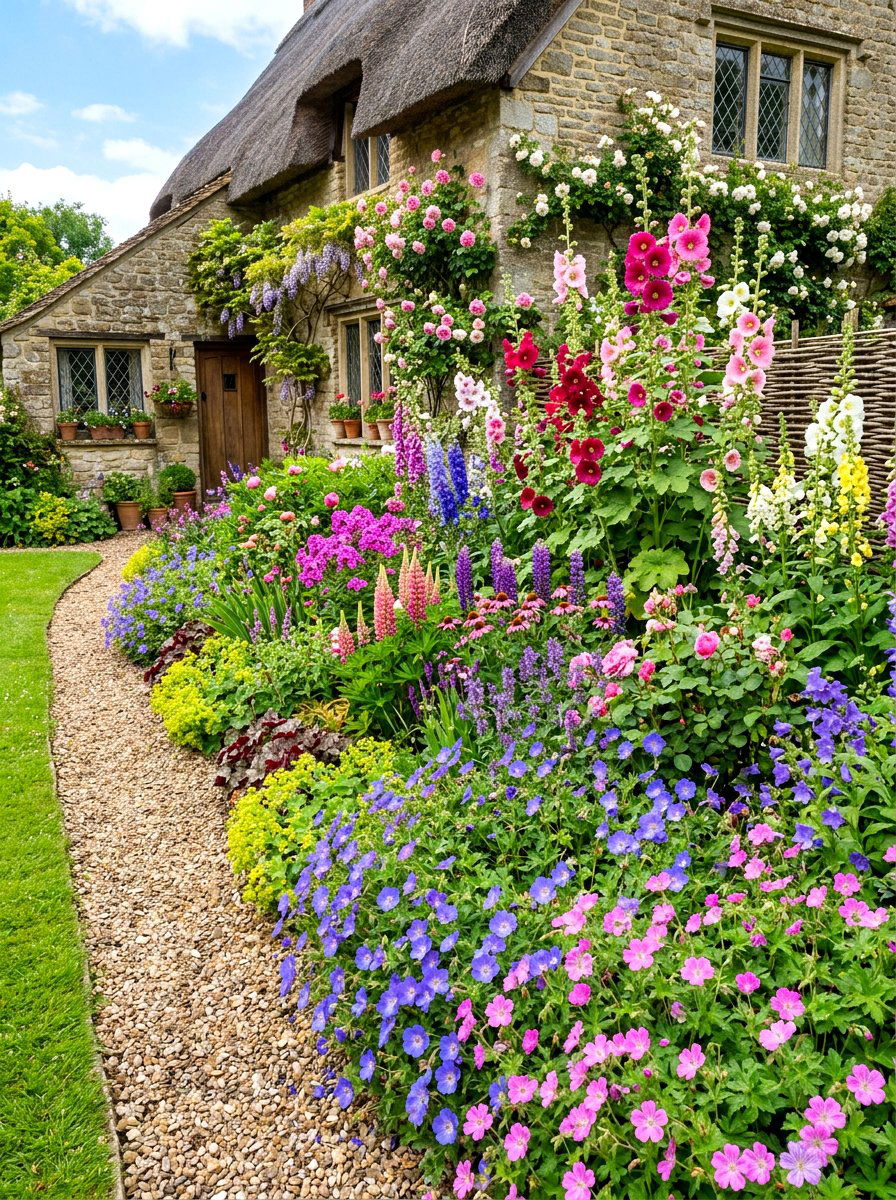
Creating a perennial border with a layered approach ensures that your garden has visual interest and depth throughout the entire year. You should start by planting tall delphiniums at the back, followed by mid-sized peonies and salvias, and finishing with low-growing cranesbill geraniums at the front. This "staircase" effect allows every plant to be seen and prevents smaller specimens from being overshadowed by their larger neighbors. Choosing plants with different bloom times means that as one flower fades, another is ready to take its place. This constant cycle of color and growth is the hallmark of a well-planned and successful cottage-style landscape for any homeowner.
11. Natural Stone Wall Garden
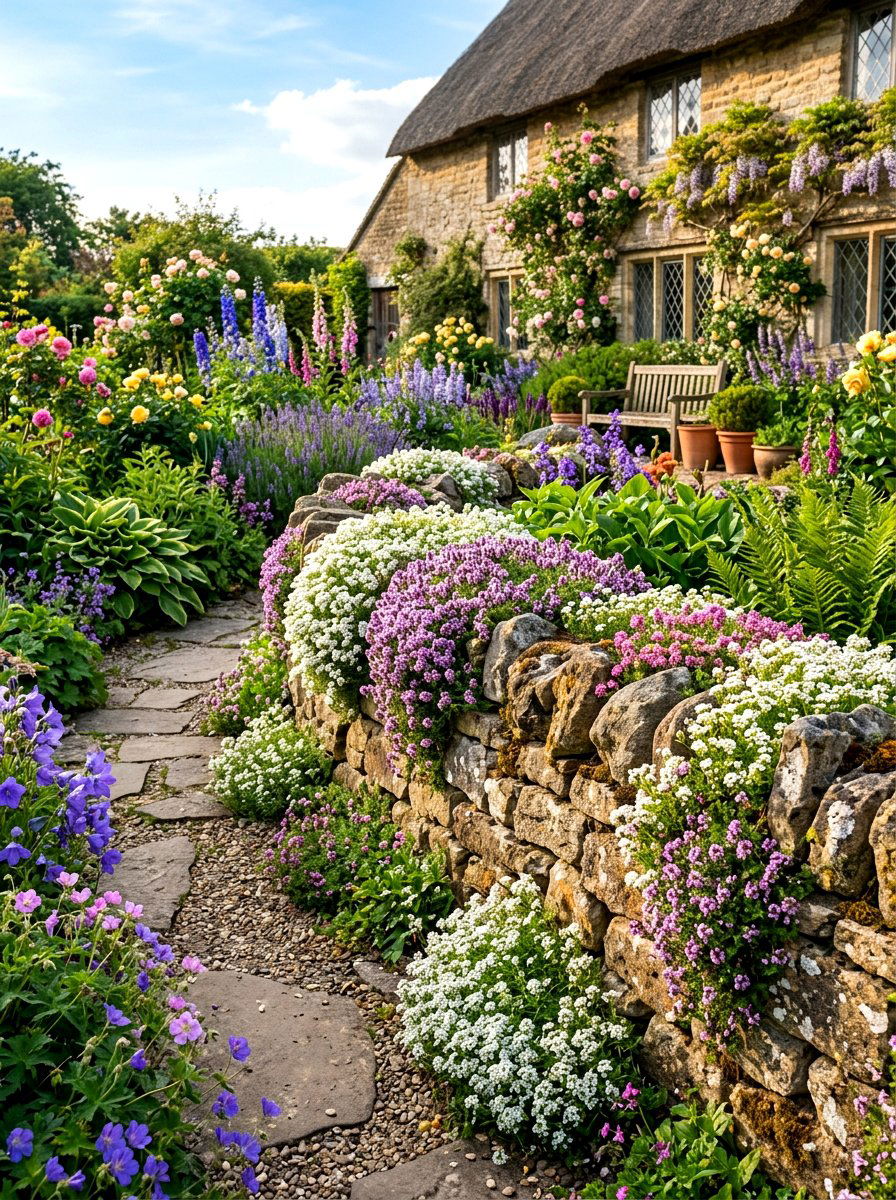
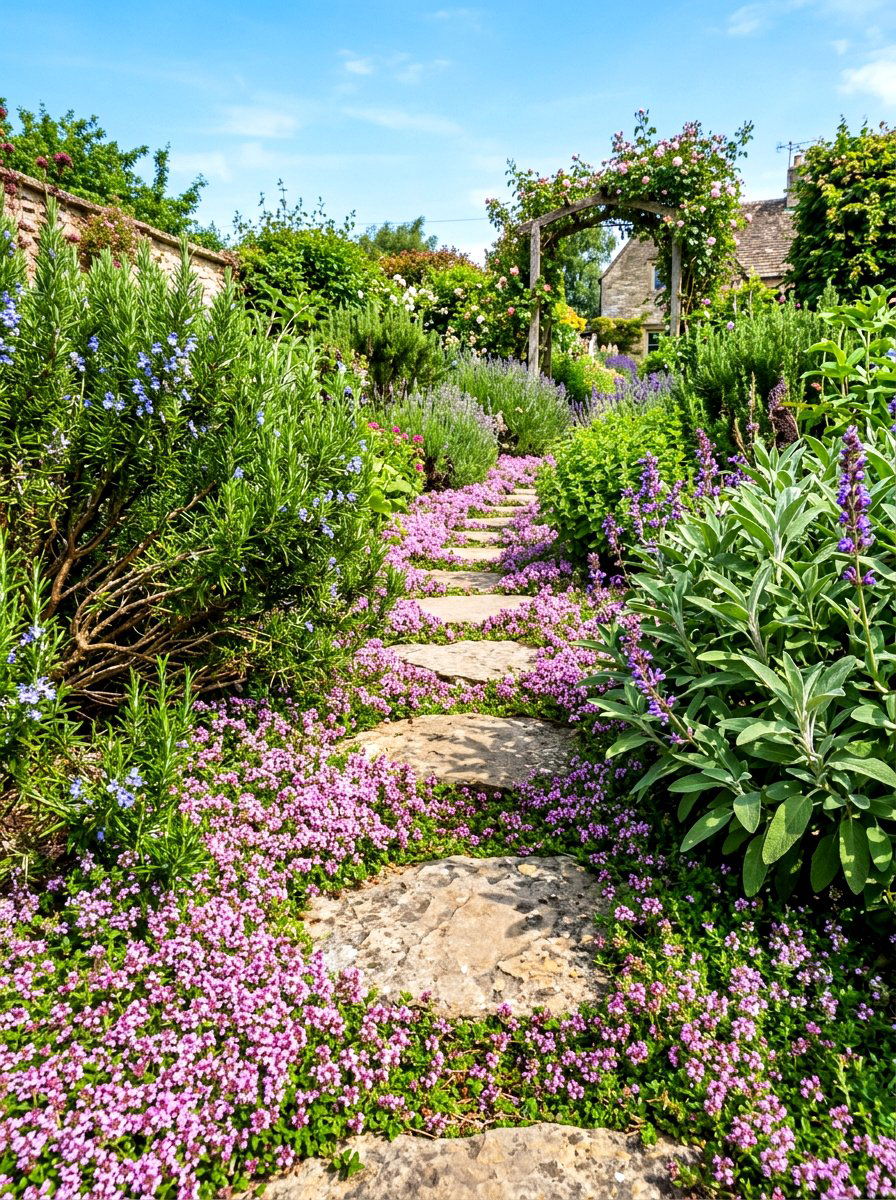
Building a low stone wall out of local fieldstone adds a sense of history and structure to an informal cottage garden. You can use these walls to create terraced levels on a sloped site or simply to define the edges of your main flower beds. Planting creeping thyme or rock cress in the crevices between the stones allows the plants to soften the hard edges of the rock. As the seasons pass, the stone will develop a beautiful patina of moss and lichen, making it look like it has been there for decades. This design provides a sturdy skeleton for your garden while offering a rustic, earthy aesthetic.
12. Arched Arbor Entrance Garden
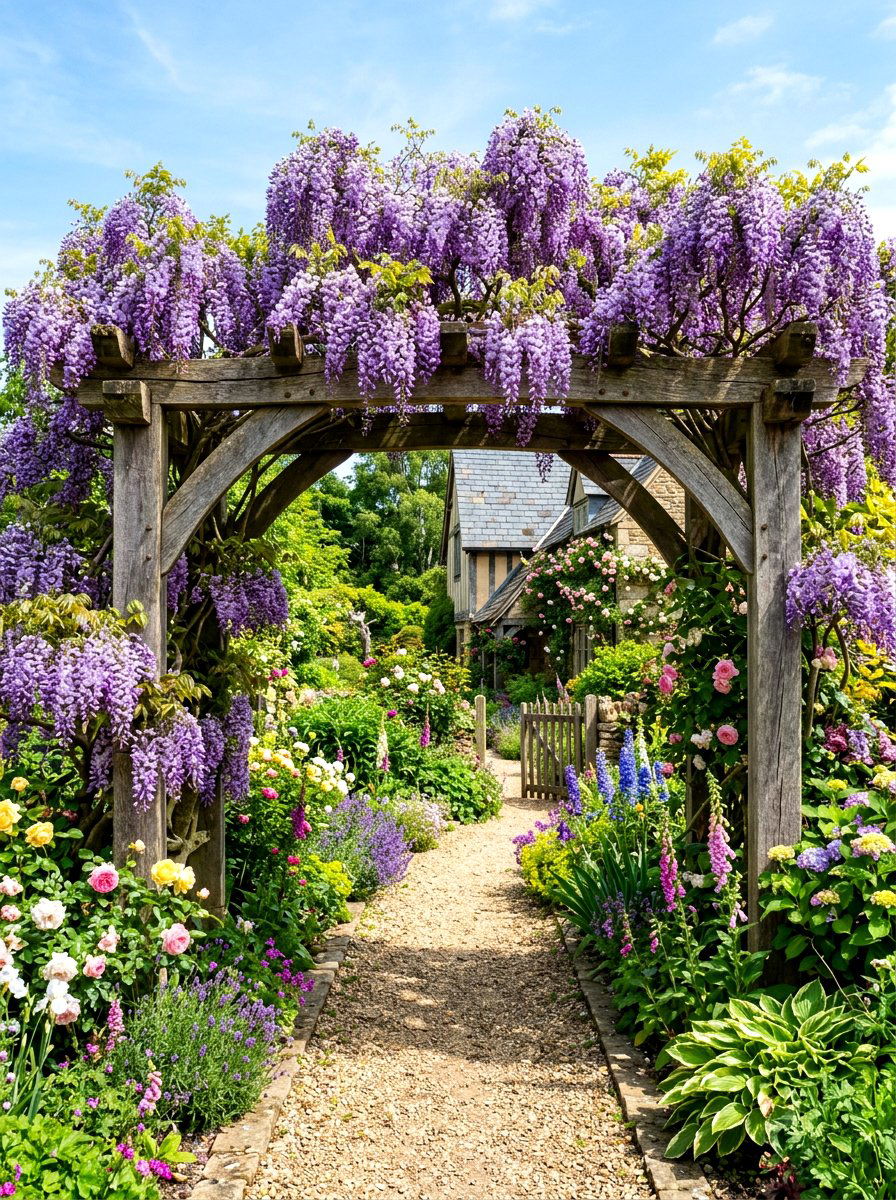
An arched wooden arbor draped in lush greenery creates a magical transition from one part of your garden to another. You can plant fragrant wisteria or climbing hydrangea to cover the structure, providing shade and a stunning floral display overhead. Placing the arbor over a path or at the entrance to a vegetable patch helps to define different zones within your outdoor space. This vertical element adds height and architectural interest to a garden that might otherwise feel flat or disorganized. It acts as a romantic frame for the views beyond, drawing the eye forward and encouraging people to walk through and explore more.
13. Shady Corner Cottage Garden
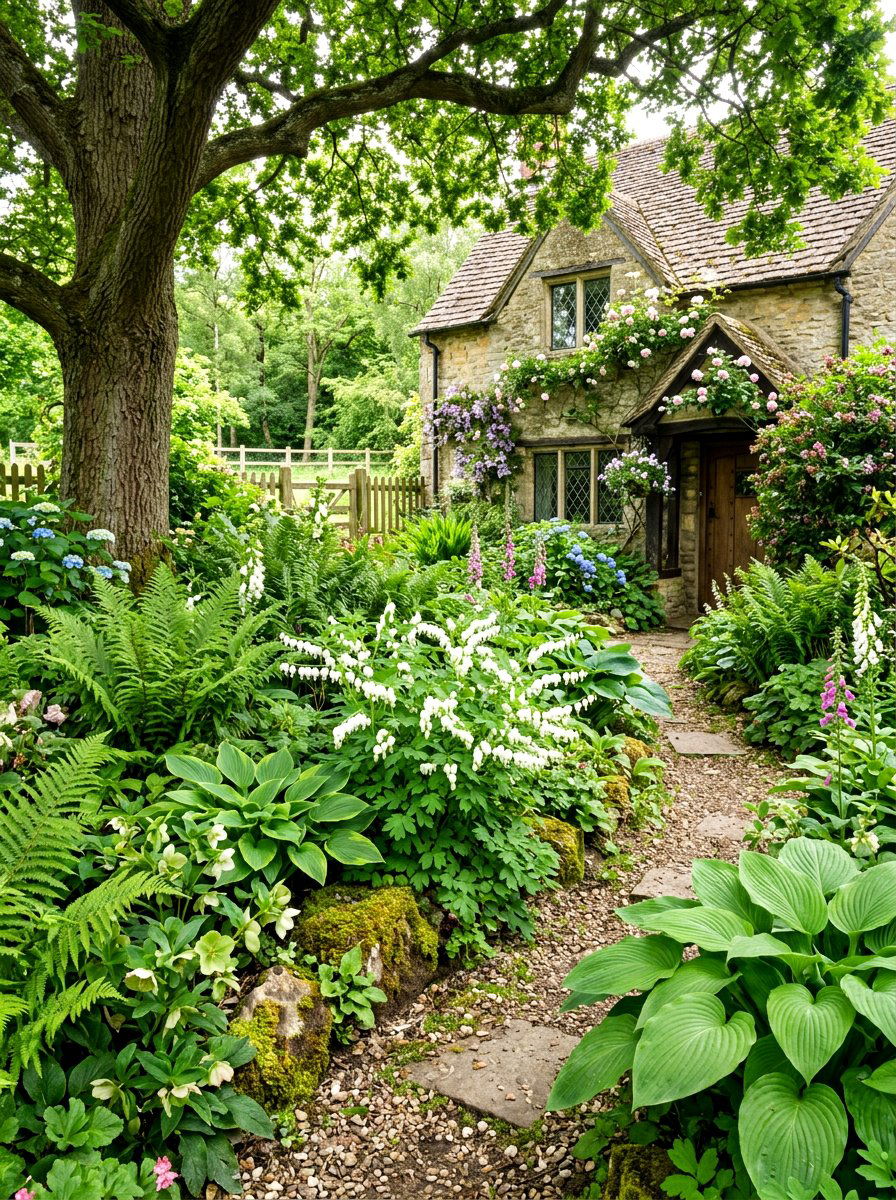
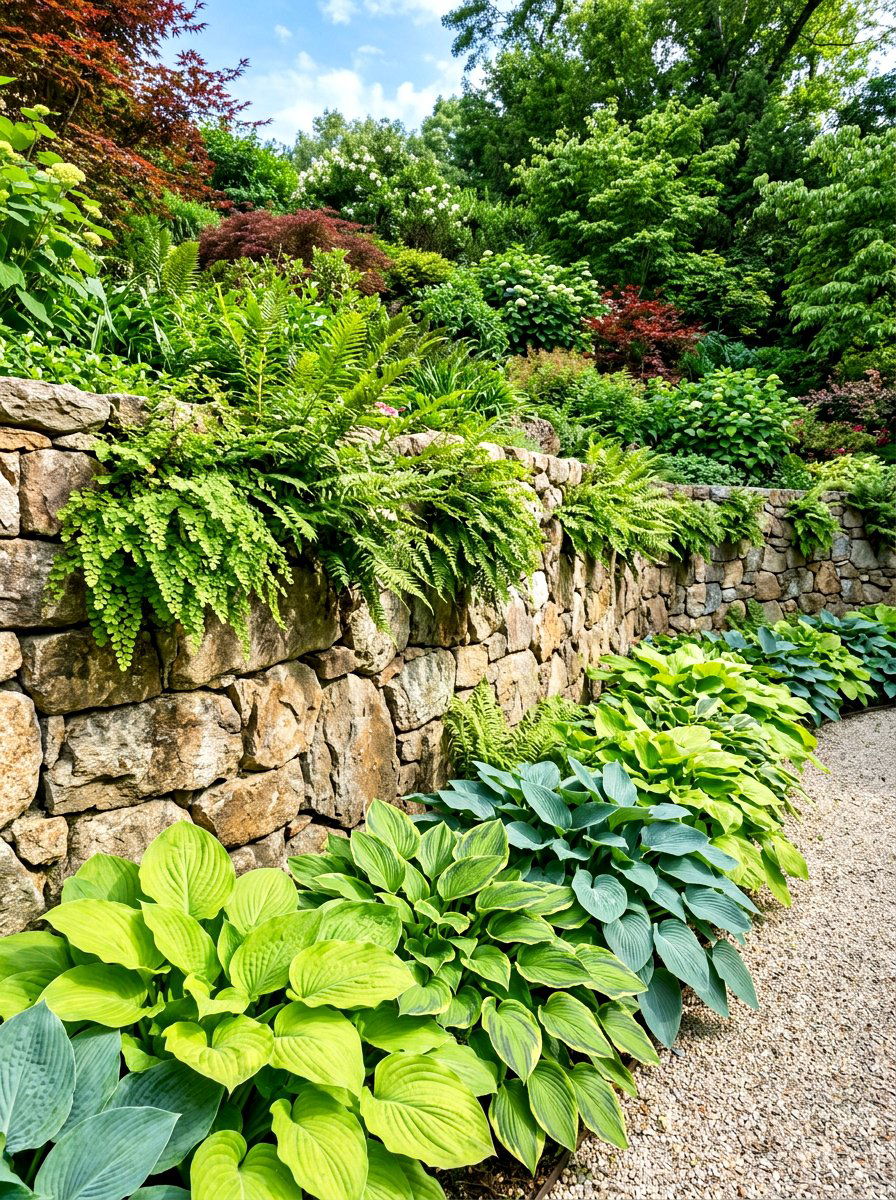
Do not overlook the darker areas of your yard, as a shady cottage garden can be just as vibrant as a sunny one. You can use hostas, bleeding hearts, and ferns to create a lush, green oasis in the corners of your property where the sun rarely reaches. Adding white-flowering plants like lilies of the valley or white hydrangeas will help brighten up the shadows and make the space feel larger. Using different leaf textures and shades of green can create a sophisticated and calming atmosphere that feels like a cool forest glade. This design proves that you can have a beautiful garden regardless of your light conditions.
14. Lavender Walkway Cottage Garden
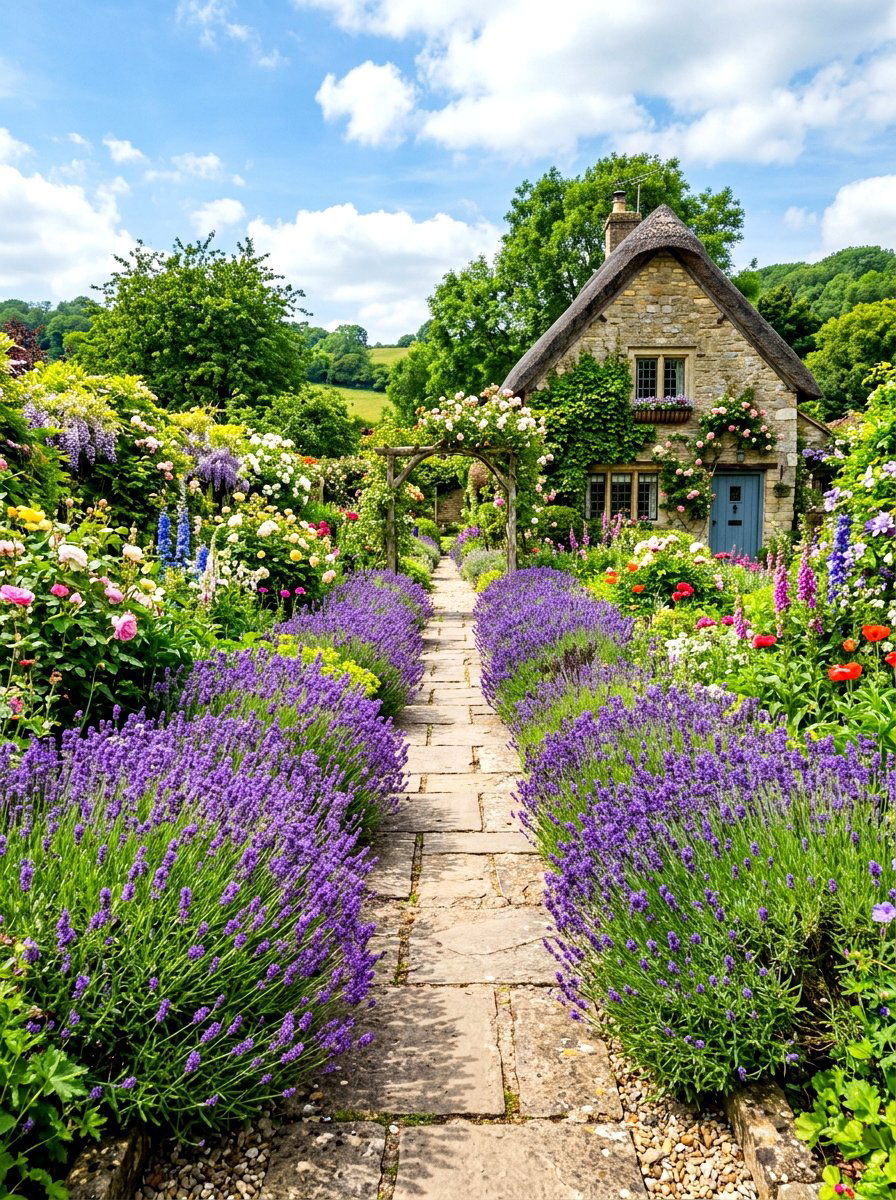
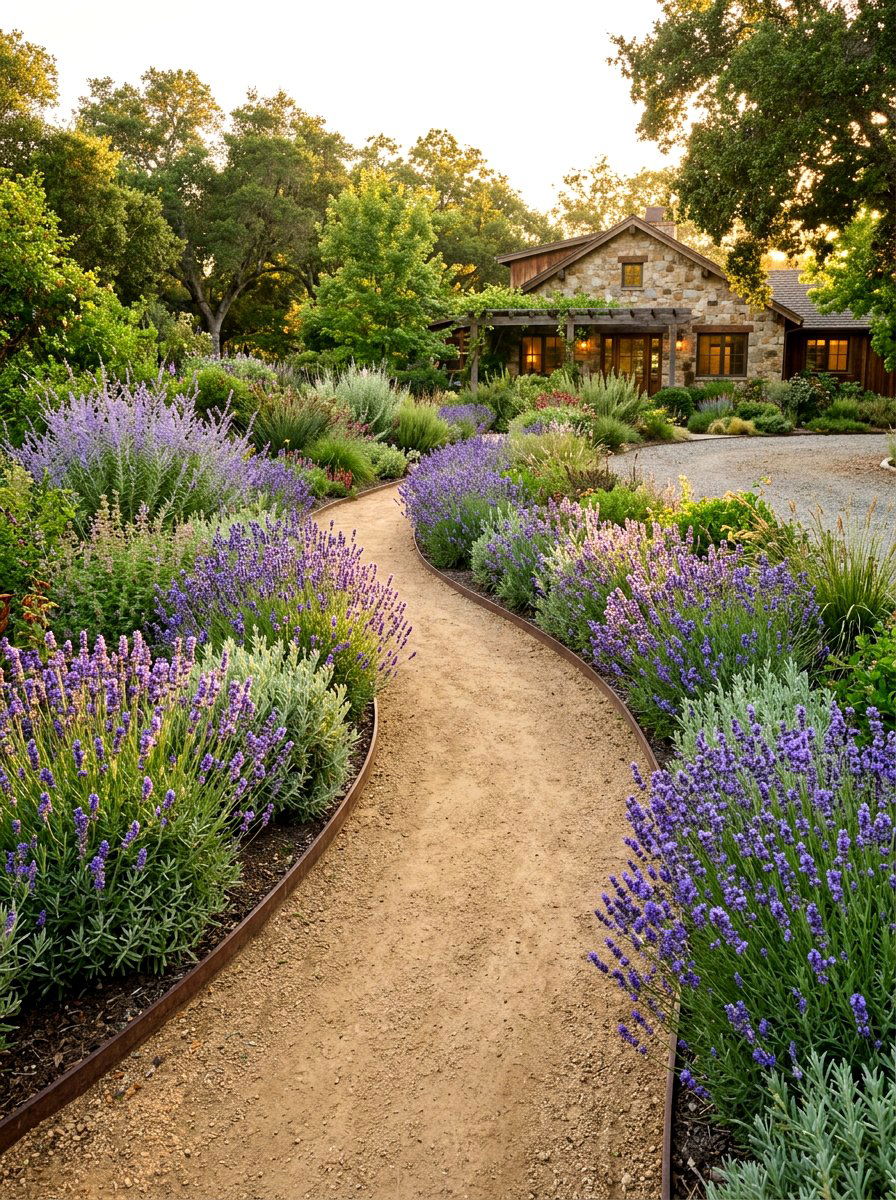
Planting a long row of lavender along a front walkway creates a sensory experience that welcomes you home every single day. The silver-grey foliage and purple spikes of lavender provide a consistent border that looks tidy yet remains very informal in its growth habit. As you walk past, the gentle brushing of the plants releases a calming fragrance that lingers in the air around your entrance. You can pair lavender with other drought-tolerant plants like catmint or lamb's ear to create a low-maintenance border that thrives in full sun. This classic design is perfect for softening the edges of hard concrete or stone paths beautifully.
15. Terracotta Pot Container Garden
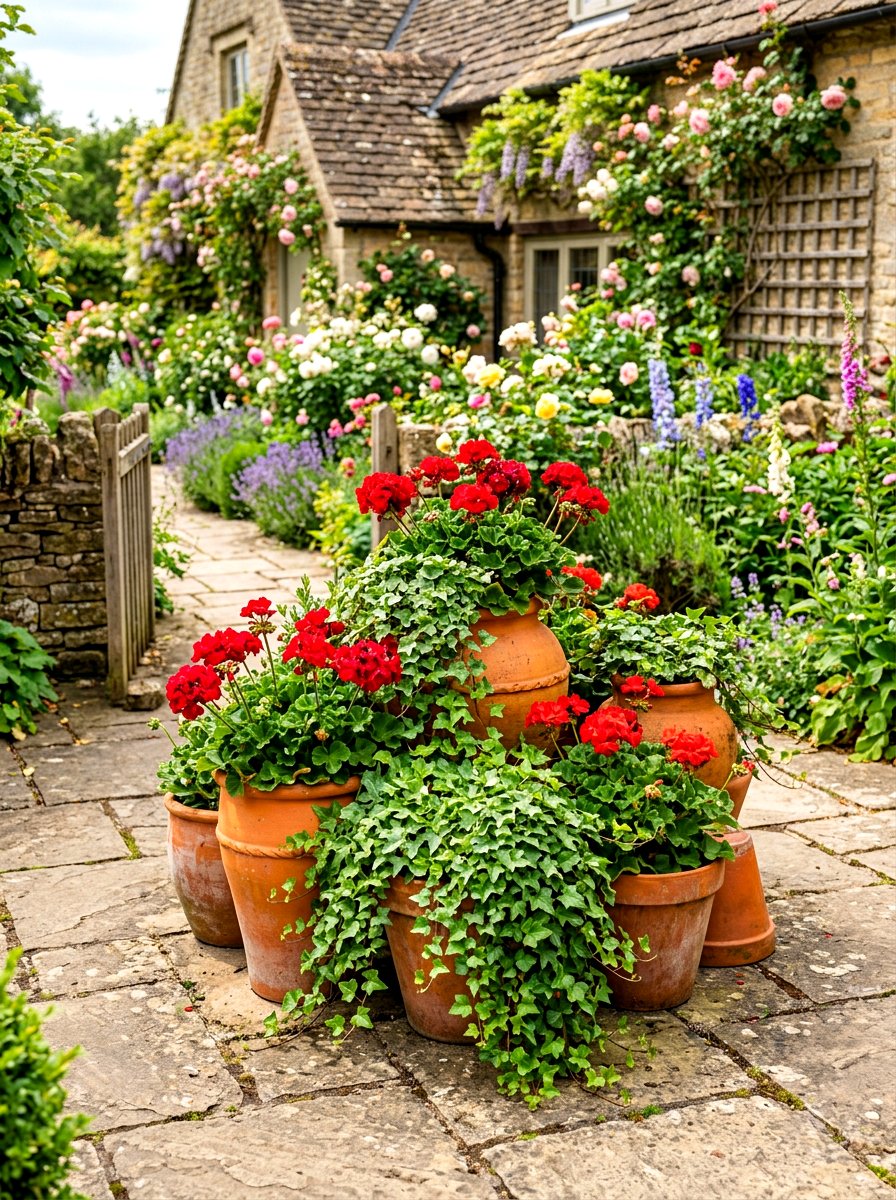
For those with limited ground space, a container garden filled with terracotta pots offers a flexible and charming way to garden. You can group pots of varying sizes together on a patio or front porch, filling them with a mix of geraniums, petunias, and trailing ivy. The warm orange tones of the clay complement the green foliage and bright flower colors perfectly, creating a cohesive and rustic look. Containers allow you to move your plants around to follow the sun or to change the look of your space for different seasons. This portable garden style is ideal for adding life to small balconies, decks, or paved courtyards.
16. Informal Hedge Cottage Garden
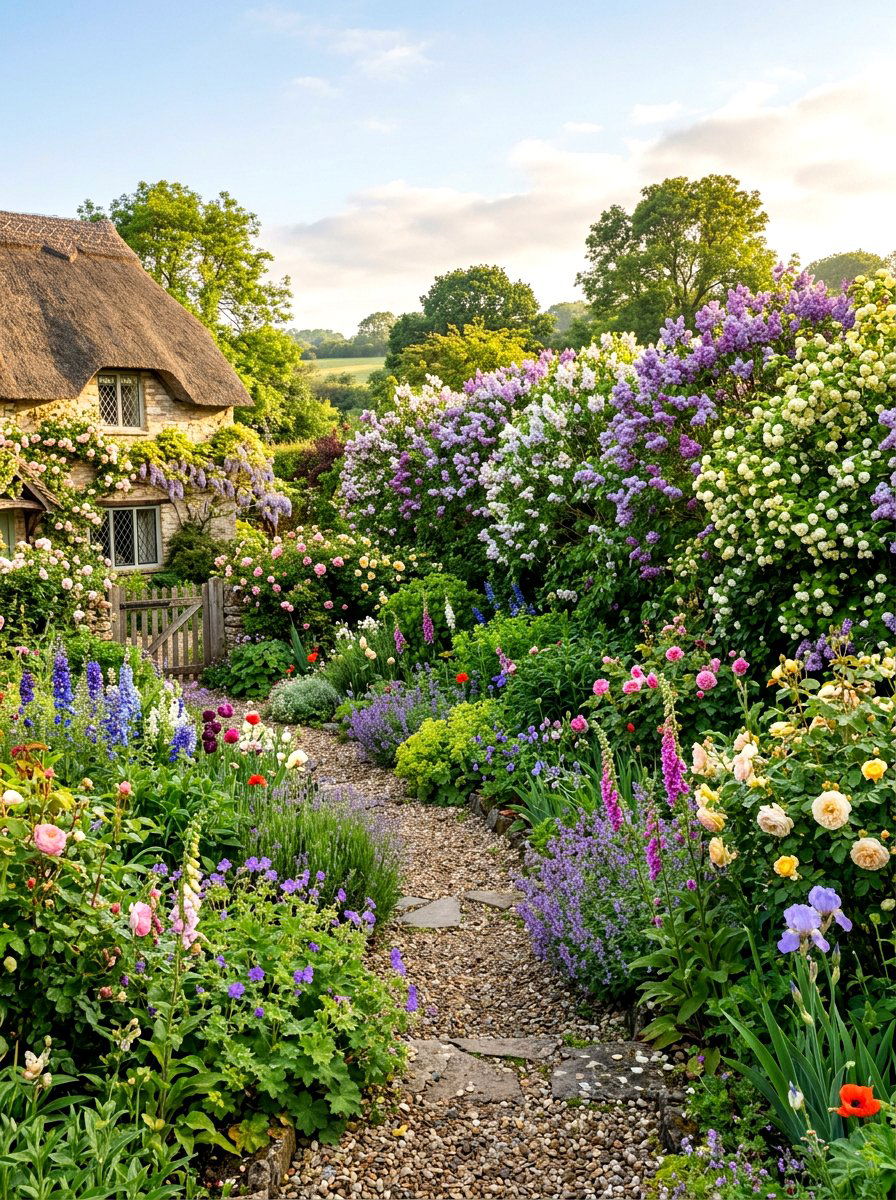
Instead of a rigid, clipped hedge, you can create an informal boundary using a mix of flowering shrubs like lilacs, viburnum, and mock orange. This approach provides privacy and a windbreak while still allowing the garden to feel loose and natural rather than overly manicured. These shrubs offer beautiful blooms in the spring and often produce colorful berries or interesting foliage in the autumn months. By allowing the branches to grow in their natural shapes, you create a soft wall of greenery that blends into the surrounding landscape. This design is perfect for larger properties where you want to define boundaries without using traditional fencing or walls.
17. Native Plant Wildlife Garden
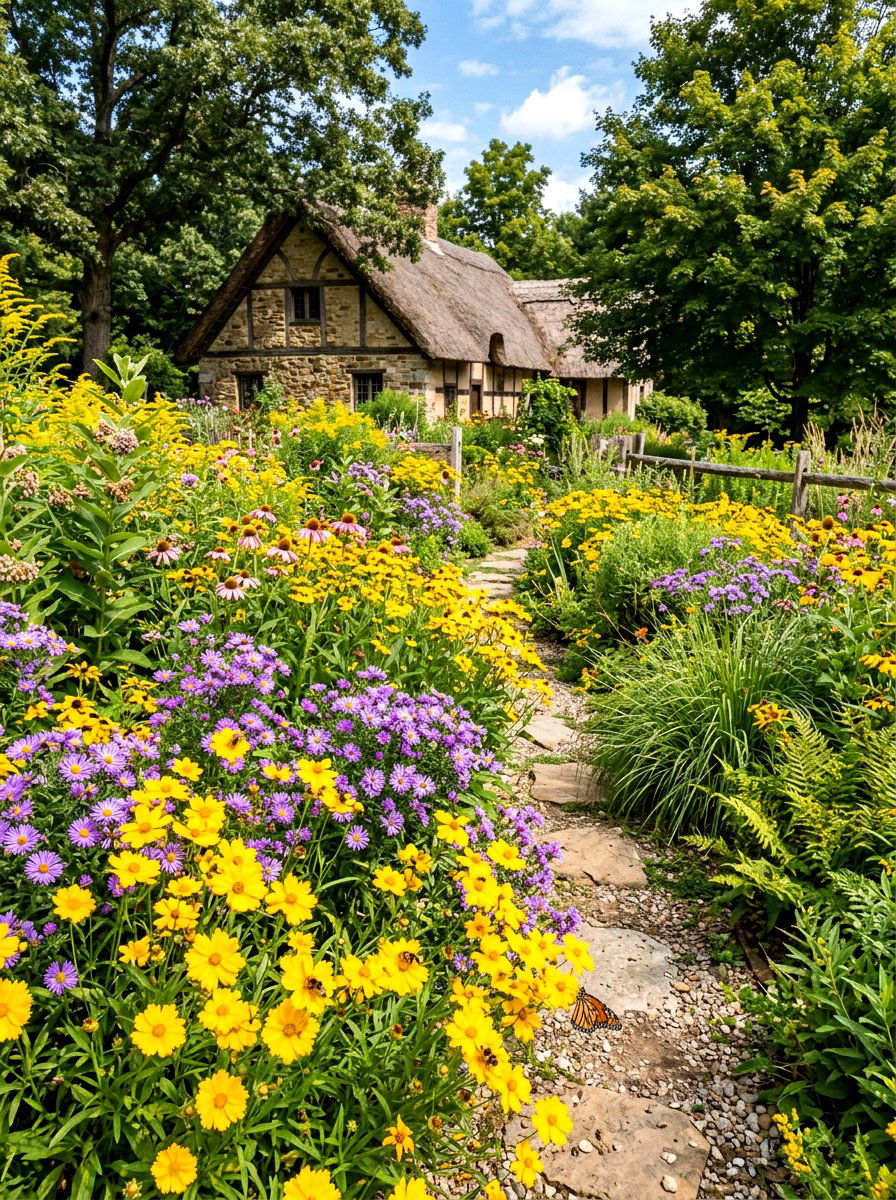
Focusing on native plants is a sustainable way to create a cottage-style garden that is perfectly adapted to your local climate and soil. You can use native asters, goldenrod, and coreopsis to create a vibrant display that requires very little extra water or fertilizer once it is established. These plants have a deep connection to local insects and birds, ensuring that your garden is a productive part of the local ecosystem. Using native species often results in a tougher, more resilient garden that can handle local weather extremes with ease. This design celebrates the natural beauty of your region while providing a low-maintenance and beautiful outdoor space.
18. Self Seeding Natural Garden
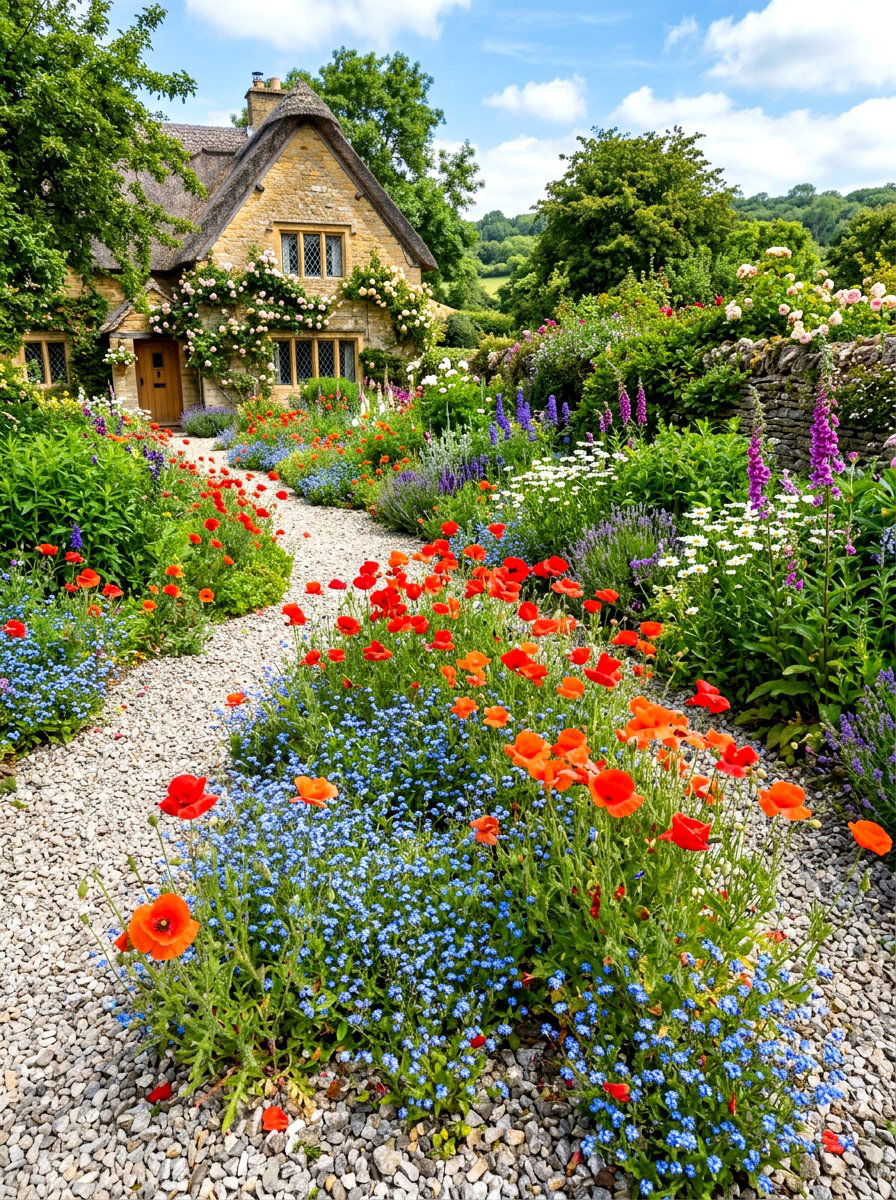
Allowing certain plants to self-seed and wander through your garden is the best way to achieve a truly authentic and effortless cottage look. Flowers like poppies, forget-me-nots, and love-in-a-mist will drop their seeds at the end of the season, popping up in new and unexpected places the following spring. This spontaneity creates a sense of wonder as the garden design shifts and evolves naturally year after year without your constant intervention. You can simply edit out any seedlings that grow in inconvenient spots while leaving the rest to fill in gaps. This relaxed method of gardening results in a lush, full appearance that feels completely organic.
19. Vertical Herb Wall Garden
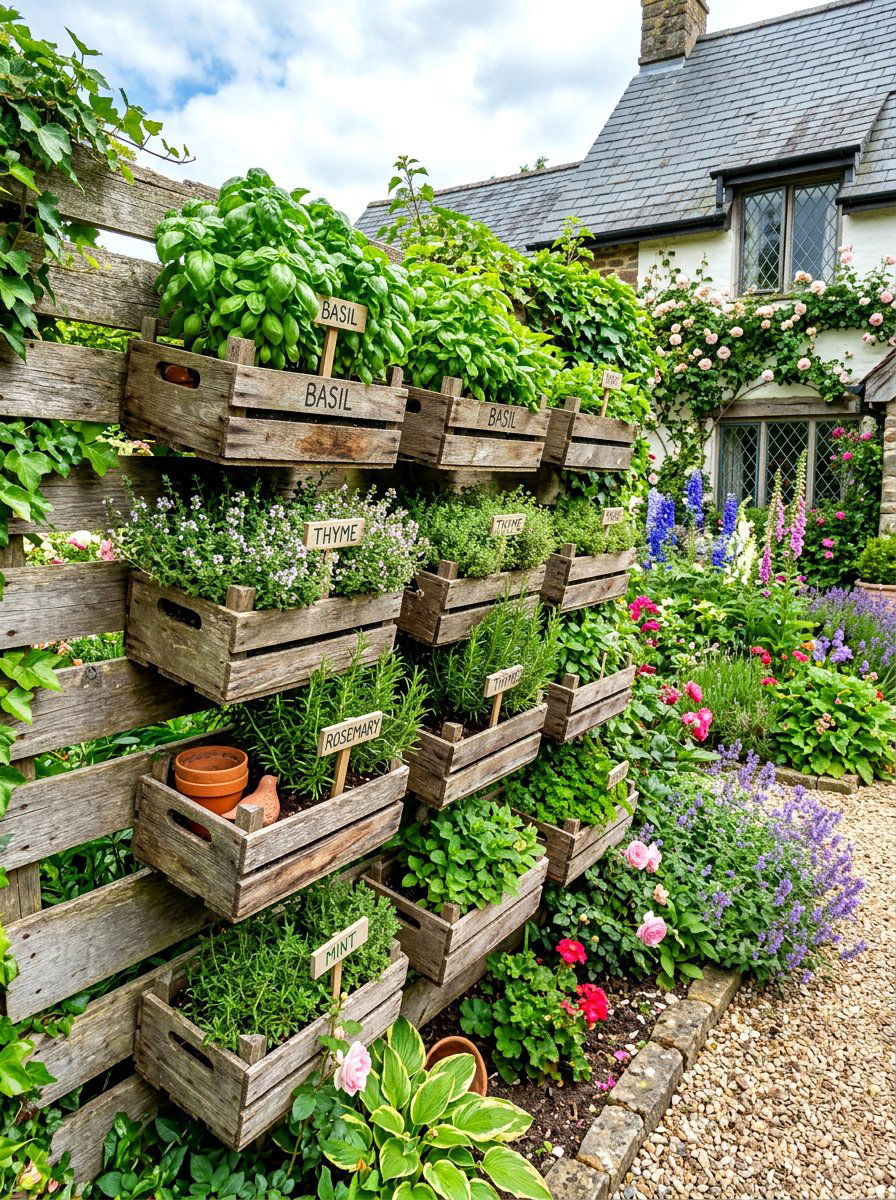
Even the smallest backyard can house a productive herb garden when you use vertical space to your advantage. You can mount wooden crates or specialized wall planters on a fence or exterior wall to grow basil, thyme, and rosemary at eye level. This design keeps your culinary herbs within easy reach of the kitchen while adding a wall of textured greenery to your outdoor area. Mixing in some trailing edible flowers like nasturtiums can add color and make the herb wall look more like a traditional ornamental feature. This functional and space-saving idea is perfect for urban gardeners who love to cook with fresh, home-grown ingredients.
20. Flower Cutting Cottage Garden
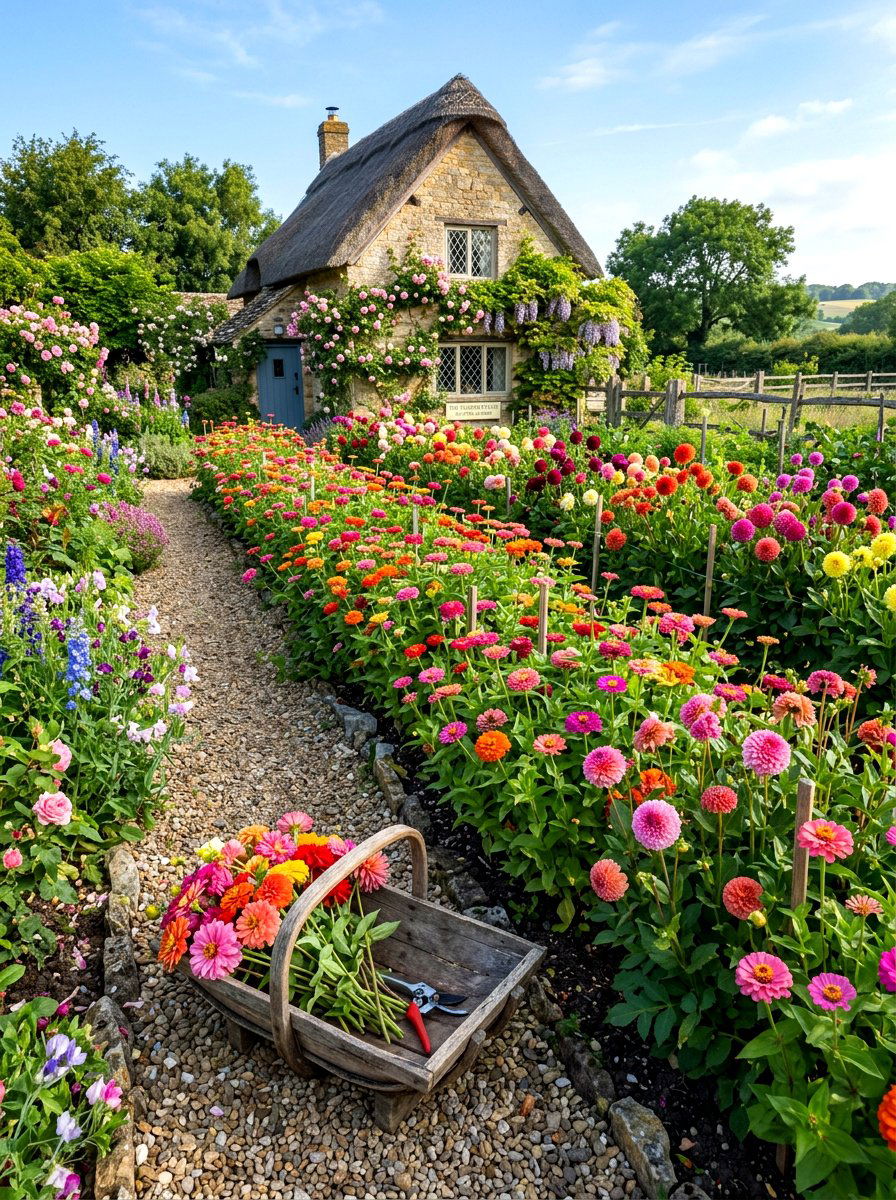
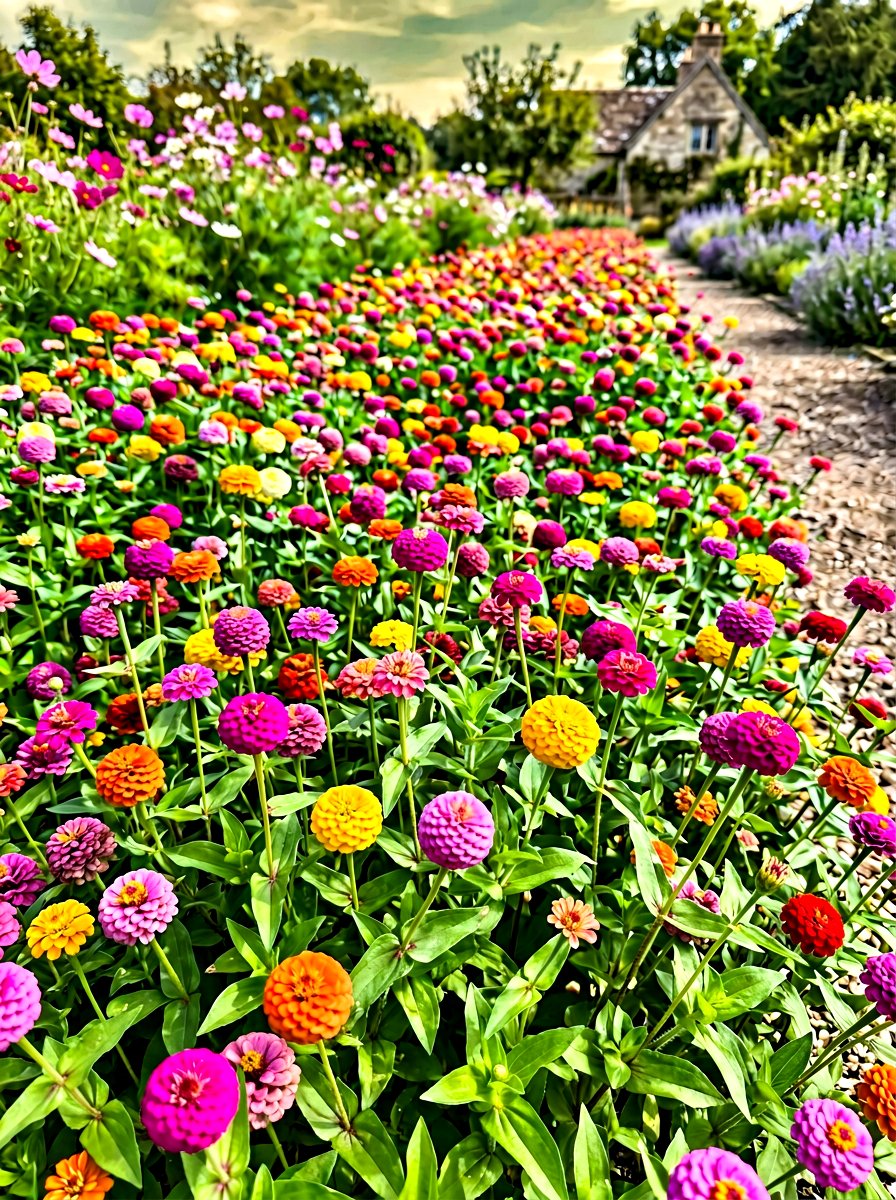
A dedicated cutting garden allows you to bring the beauty of your outdoor space indoors without leaving your main borders looking empty. You can plant long-stemmed varieties of zinnias, dahlias, and snapdragons in organized rows that make harvesting easy and efficient. Using a simple wire fence or garden twine can help support the tall stems as they grow, ensuring they stay straight for your indoor vases. Including fragrant fillers like sweet peas or baby's breath will make your home-made bouquets look and smell like they came from a professional florist. This design turns your backyard into a seasonal flower shop that provides joy to both you and your friends.
21. Rustic Shed Cottage Garden
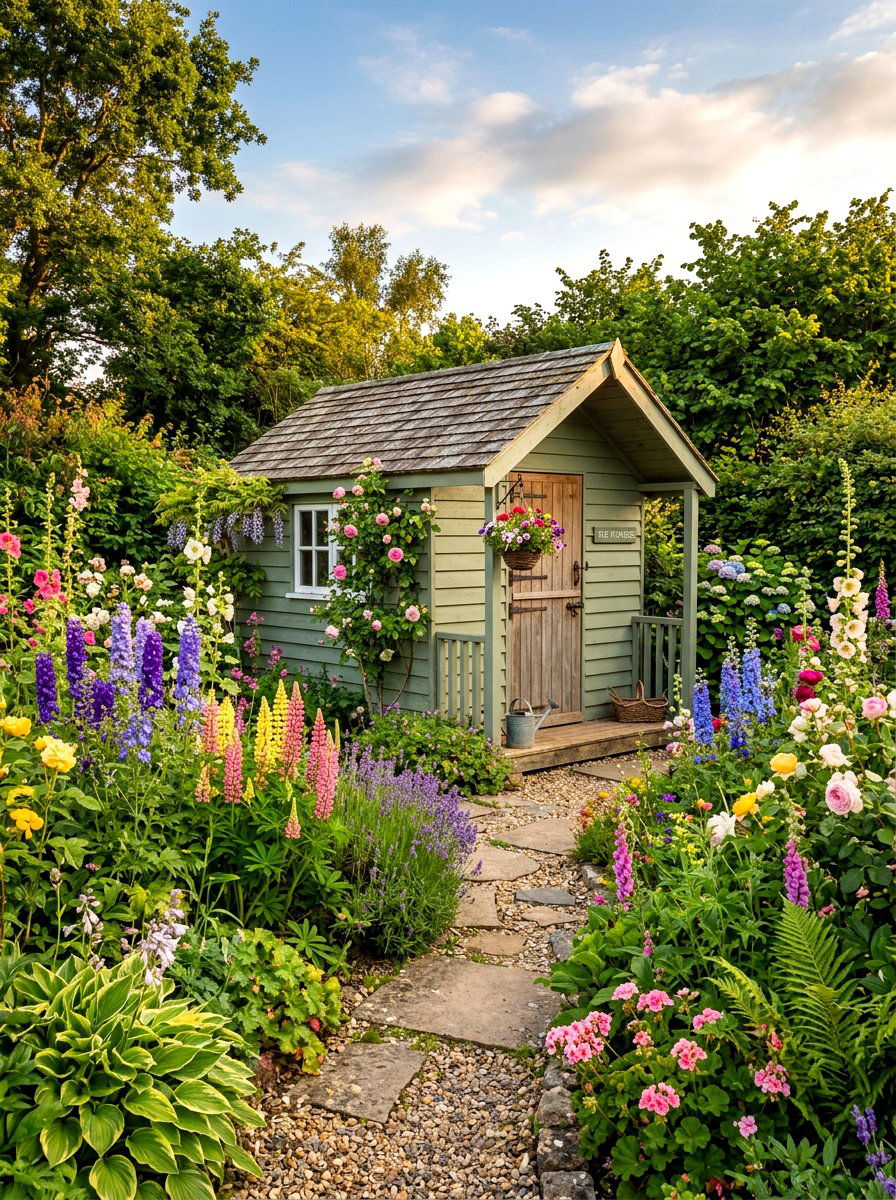
A garden shed does not have to be a purely functional eyesore; it can be a charming focal point that anchors your entire landscape. You can paint your shed in a muted tone like sage green or dusty blue and surround it with climbing roses and tall shrubs. Adding a window box filled with overflowing annuals or hanging a vintage lantern by the door can enhance the cottage aesthetic even further. Placing a small gravel area with a chair nearby creates a cozy spot to take a break from your gardening chores. This design integrates your utility buildings into the overall beauty of the garden, making them part of the scenery.
22. Cobblestone Patio Cottage Garden
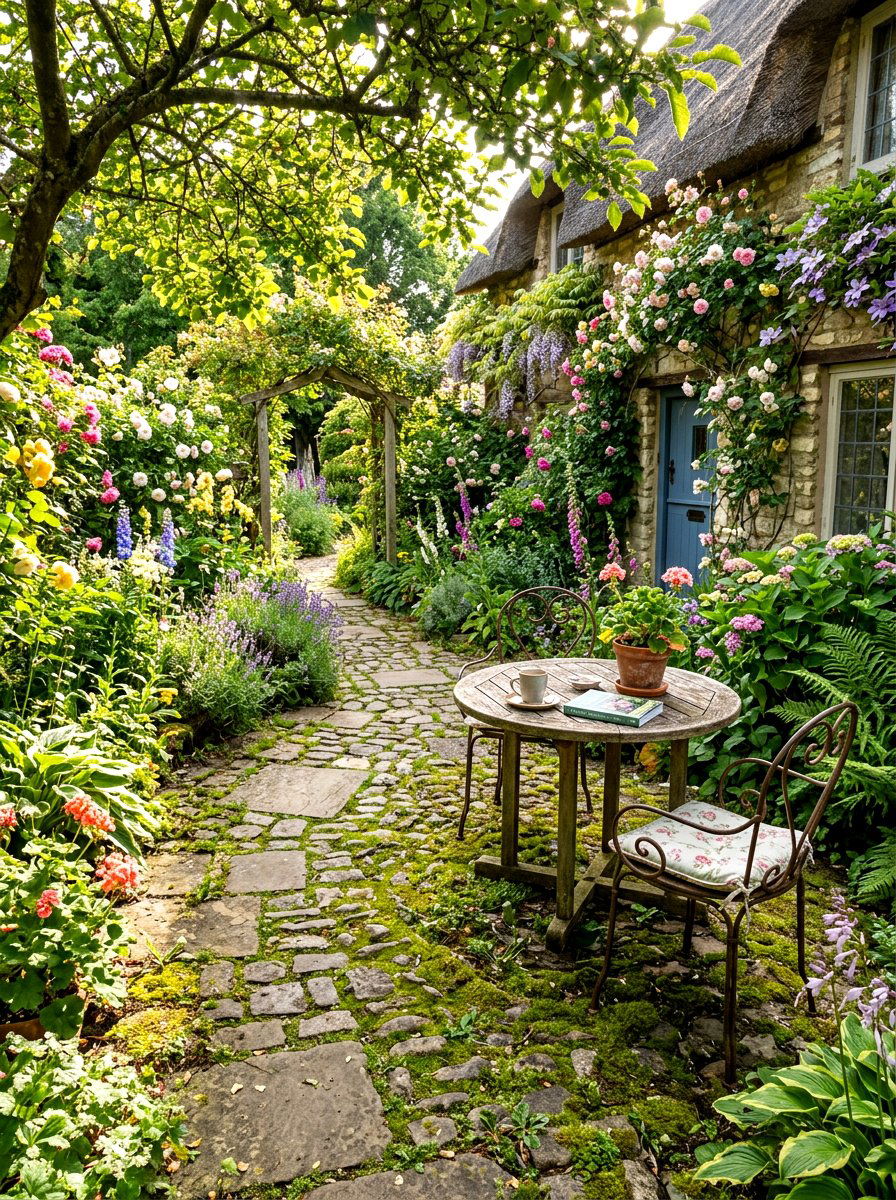
Creating a small patio out of irregular cobblestones or weathered bricks provides a rustic and durable space for outdoor dining or relaxing. The gaps between the stones can be filled with moss or small creeping plants to help the patio blend into the surrounding garden beds. Surrounding the seating area with tall perennials and shrubs creates a sense of enclosure and privacy, making the patio feel like a hidden room. This design avoids the harsh, flat look of modern concrete and instead offers a textured surface that feels grounded and historic. It is the perfect place to enjoy a morning coffee while surrounded by the sights of nature.
23. Colorful Front Yard Garden
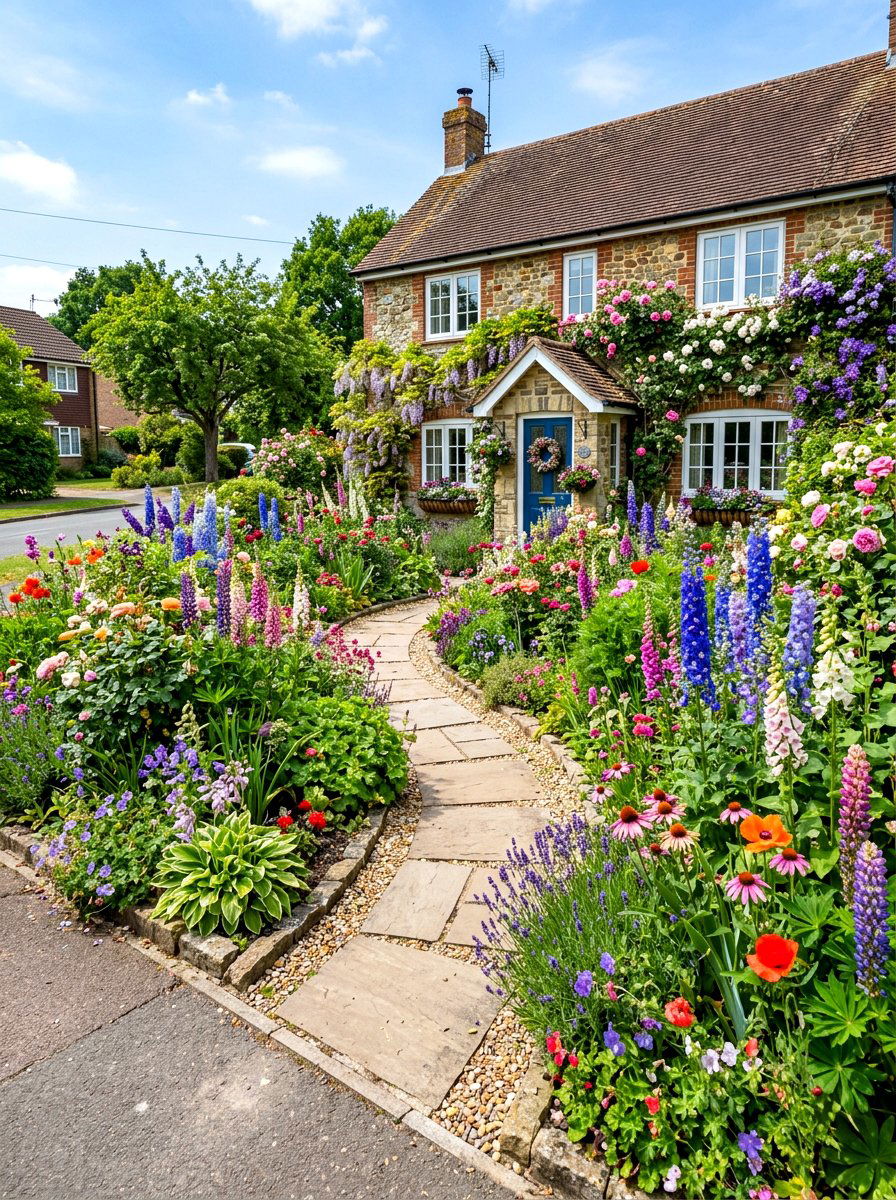
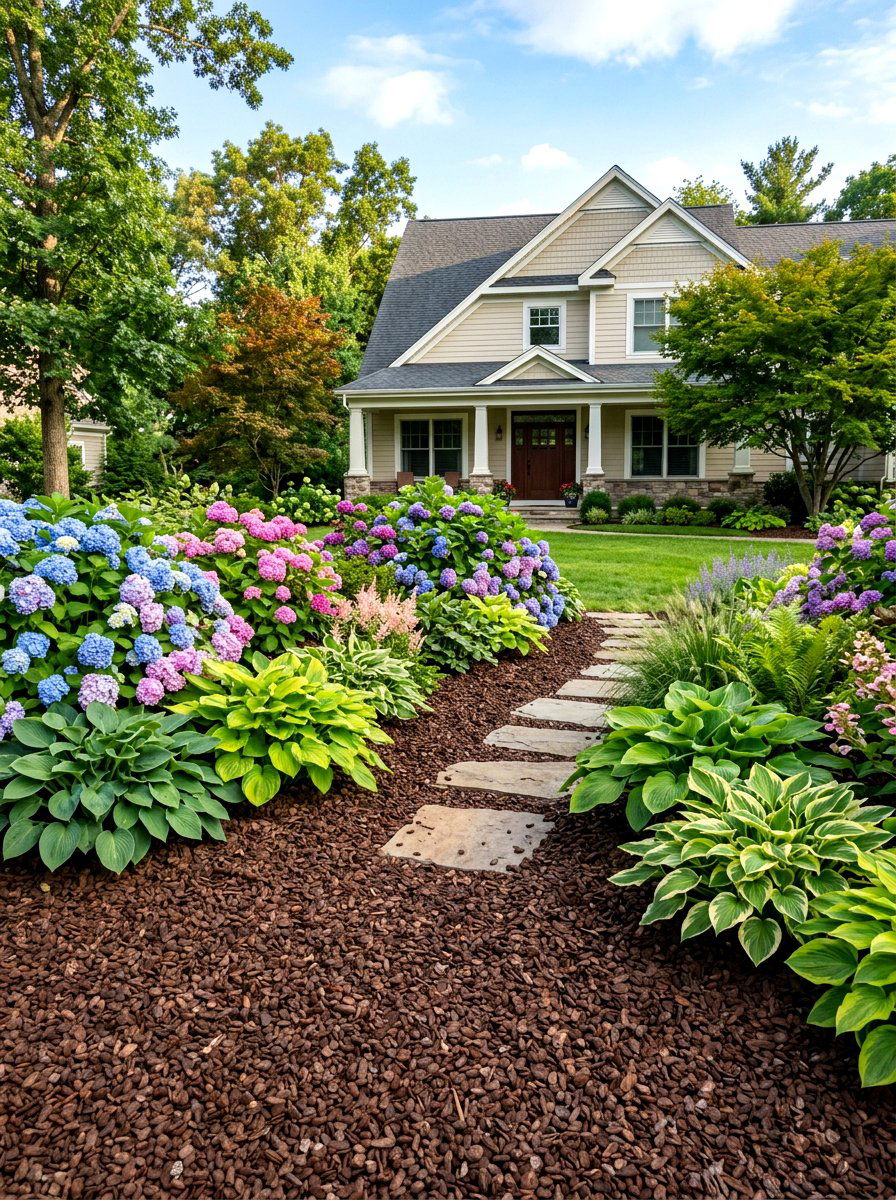
Replacing a traditional grass lawn with a sea of cottage flowers can completely transform the look and feel of your home's exterior. You can use a mix of heights and colors to create a high-impact display that requires no mowing and provides constant visual interest. Pathways made of stepping stones or wood mulch can wind through the beds, allowing you to access the house while being surrounded by blooms. This bold design choice makes your home stand out in the neighborhood and provides a warm, cheerful greeting to everyone who passes by. It is an environmentally friendly alternative to turf that supports biodiversity and reduces water waste.
24. Boxwood Bordered Cottage Garden
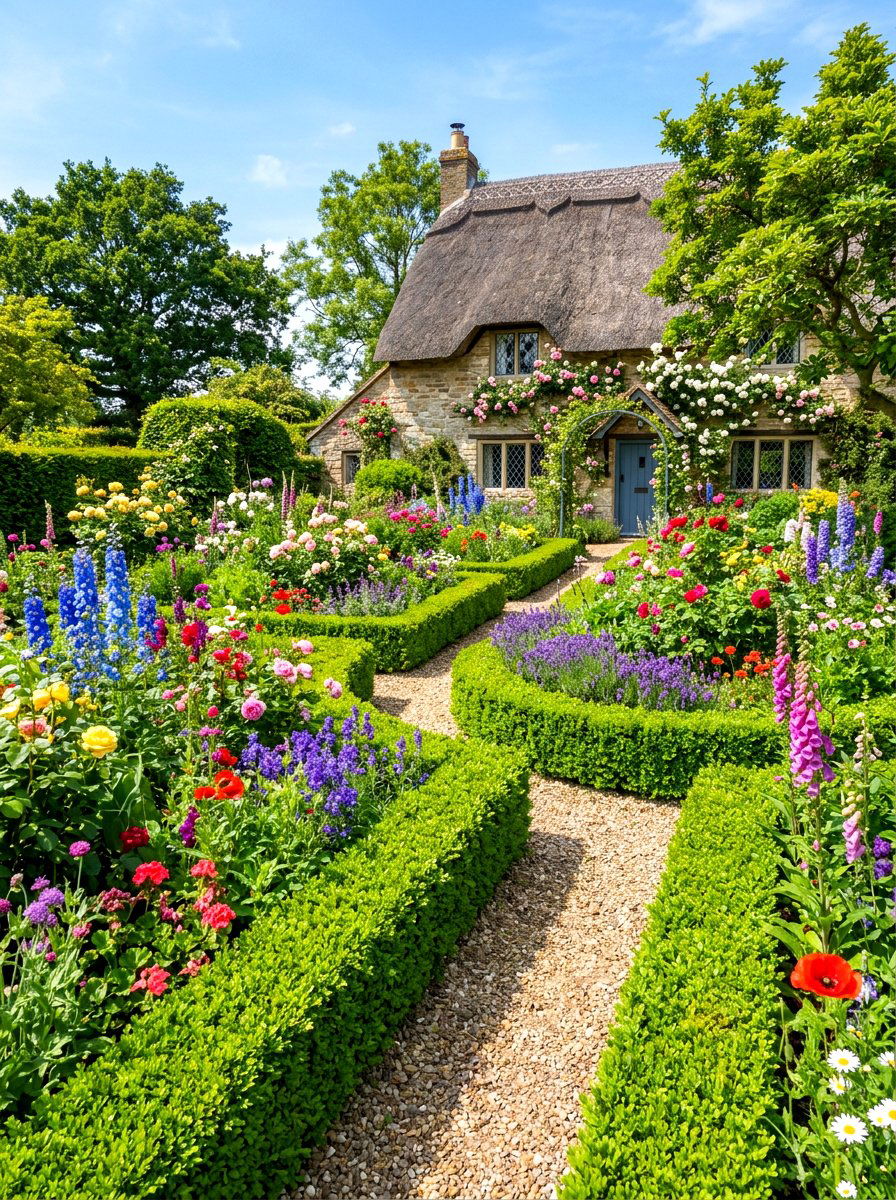
Using low-growing boxwood hedges to edge your flower beds adds a touch of formal structure that balances the wildness of cottage plantings. These evergreen borders provide year-round interest and keep the garden looking tidy even during the winter months when the flowers have faded away. You can clip the boxwood into neat, rounded shapes or let it grow more naturally for a softer and more relaxed appearance. The contrast between the rigid green hedge and the sprawling, colorful perennials inside the bed creates a sophisticated and timeless garden aesthetic. This design trick is a great way to bring a sense of order to a very diverse plant collection.
25. Water Feature Cottage Garden
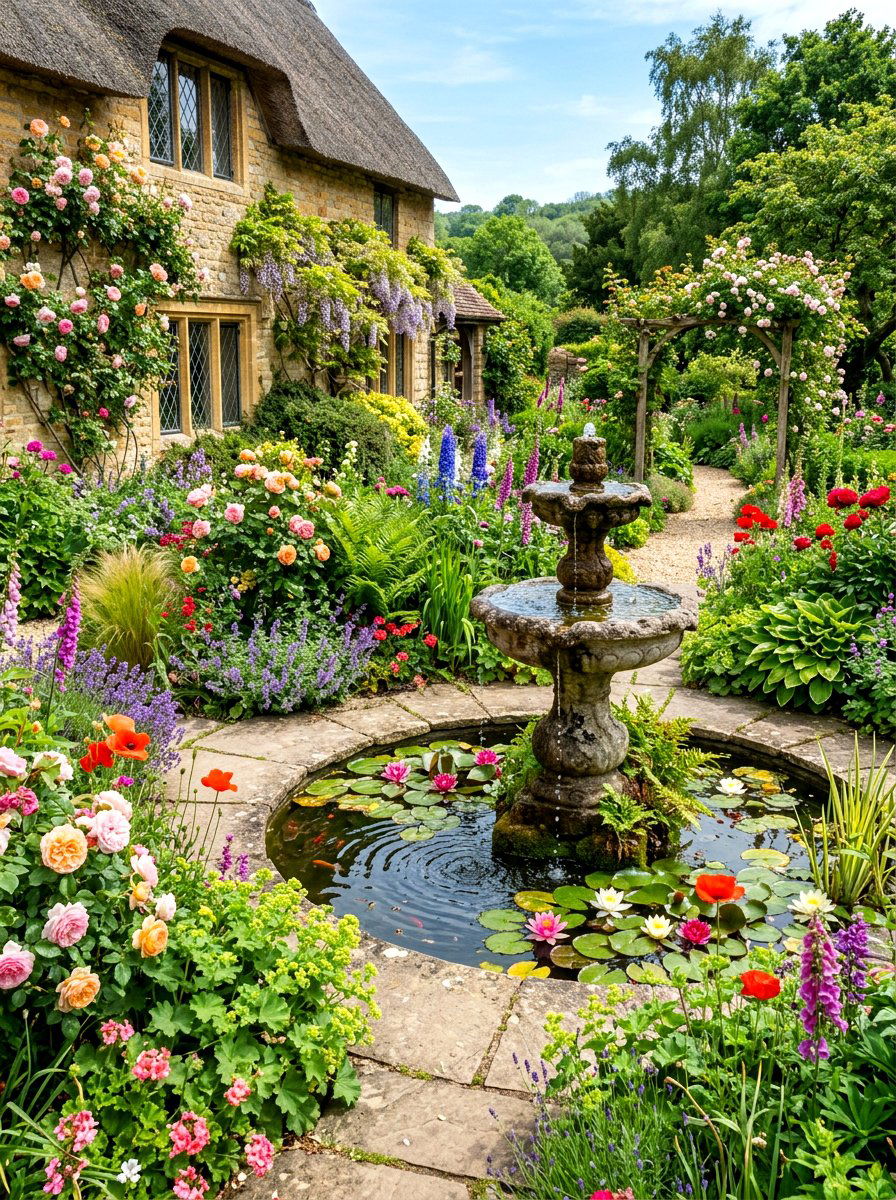
The sound of trickling water adds a peaceful and cooling element to any garden, making it feel like a true sanctuary from the world. You can install a simple stone fountain or a small pre-formed pond surrounded by water-loving plants like iris and marsh marigolds. A water feature acts as a natural focal point and attracts a wide variety of birds and beneficial insects to your outdoor space. Using natural materials like river rocks and weathered wood helps the feature blend into the informal style of the surrounding cottage beds. This addition provides a sensory layer that enhances the overall mood and tranquility of your backyard retreat.
26. Hanging Basket Cottage Garden
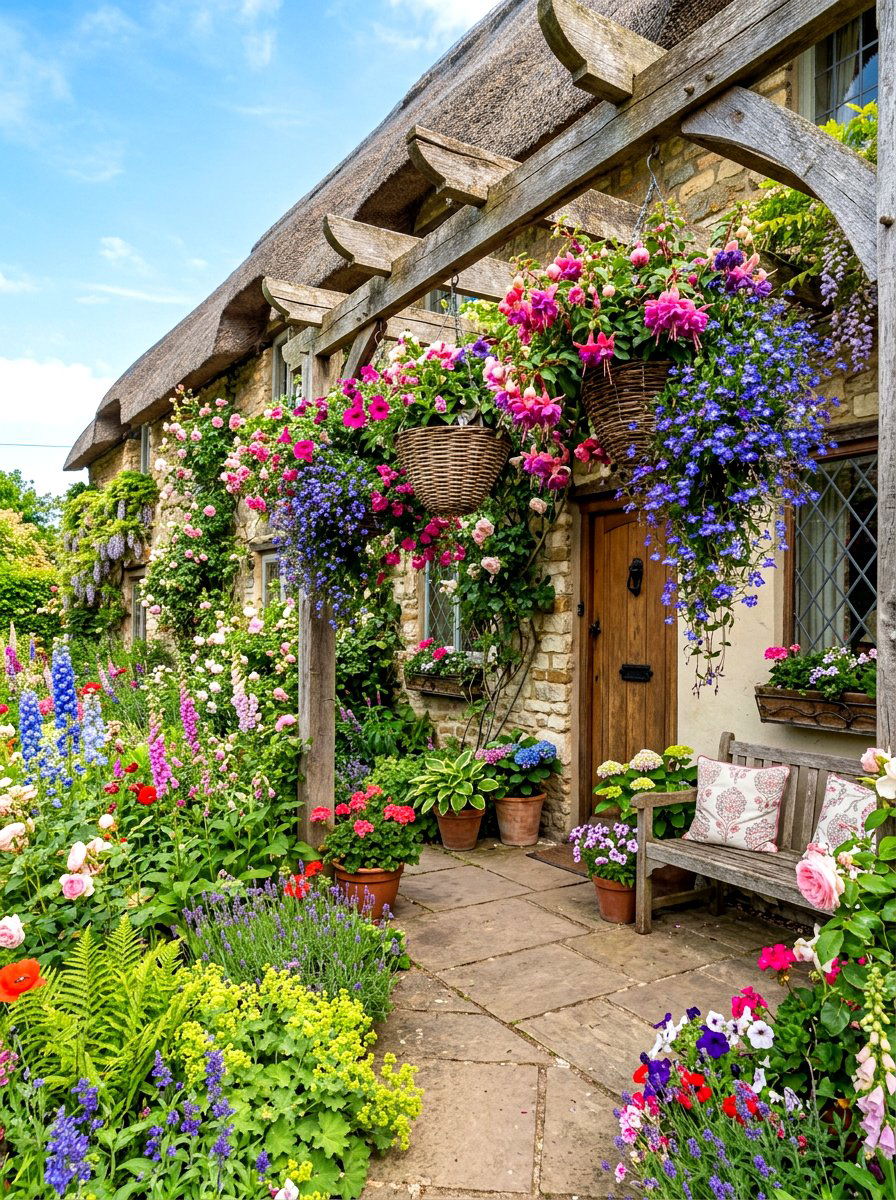
Hanging baskets are an excellent way to add color and texture at eye level, especially in small gardens or on porches. You can fill wire or wicker baskets with trailing plants like lobelia, fuchsia, and bacopa to create overflowing clouds of blossoms overhead. Hanging them from the eaves of your house or from specialized shepherd's hooks throughout the garden beds adds another layer of vertical interest. To keep them looking their best, you should water them daily and provide regular liquid fertilizer during the height of the summer. This simple design idea brings the garden closer to your home and makes every corner of your porch feel alive.
27. Secret Hidden Seating Garden
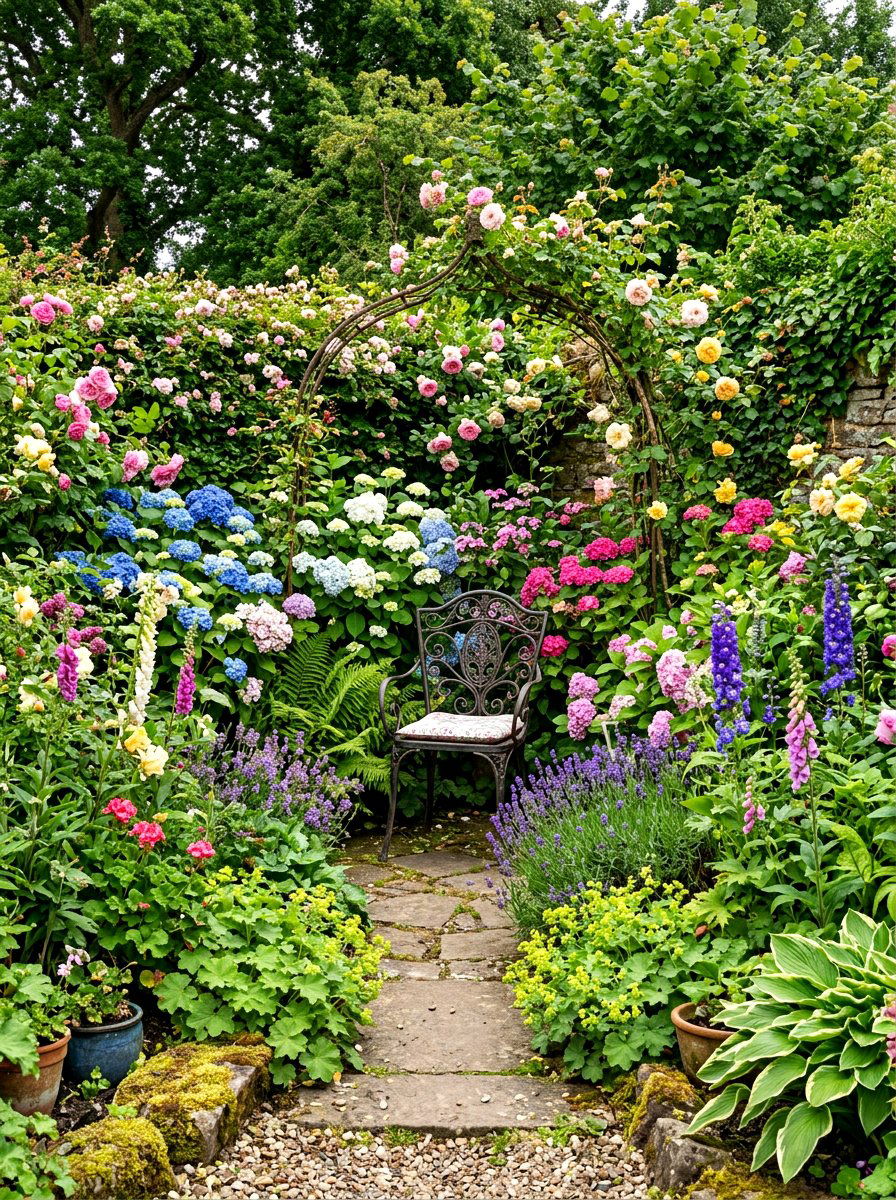
Designing a hidden seating area that is only visible once you walk deep into the garden creates a wonderful sense of mystery. You can use tall shrubs or a vine-covered trellis to screen a small clearing where you place a single comfortable chair or a small table. This "secret" spot becomes a private sanctuary where you can escape from the house and the outside world for a few moments of peace. Surrounding the area with white or pale-colored flowers ensures that the space feels bright and inviting even in the late evening light. It is a romantic and thoughtful addition that makes your garden feel much larger and more complex.
28. Tall Hollyhock Backdrop Garden
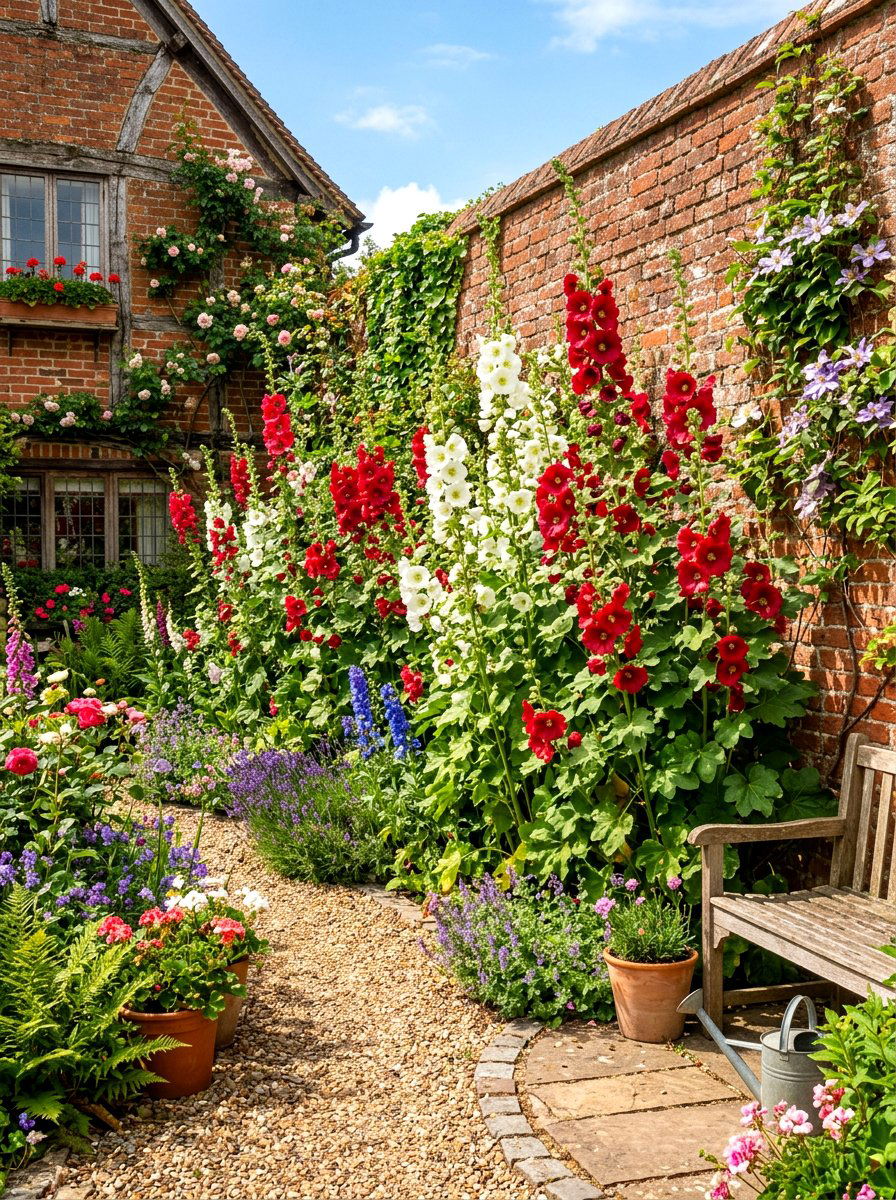
Hollyhocks are perhaps the most iconic cottage garden plant, known for their towering spikes of large, colorful flowers that can reach six feet. You can plant them in a row along a sunny wall or fence to provide a dramatic backdrop for shorter perennials and annuals. Their vertical form adds a sense of grandeur and height that draws the eye upward and breaks up the horizontal lines of a garden. Hollyhocks come in a wide range of colors, from pale whites to deep, velvety blacks, allowing you to customize your garden's color palette. They are biennial plants that often self-seed, ensuring they return to your garden year after year.
29. Drought Tolerant Cottage Garden
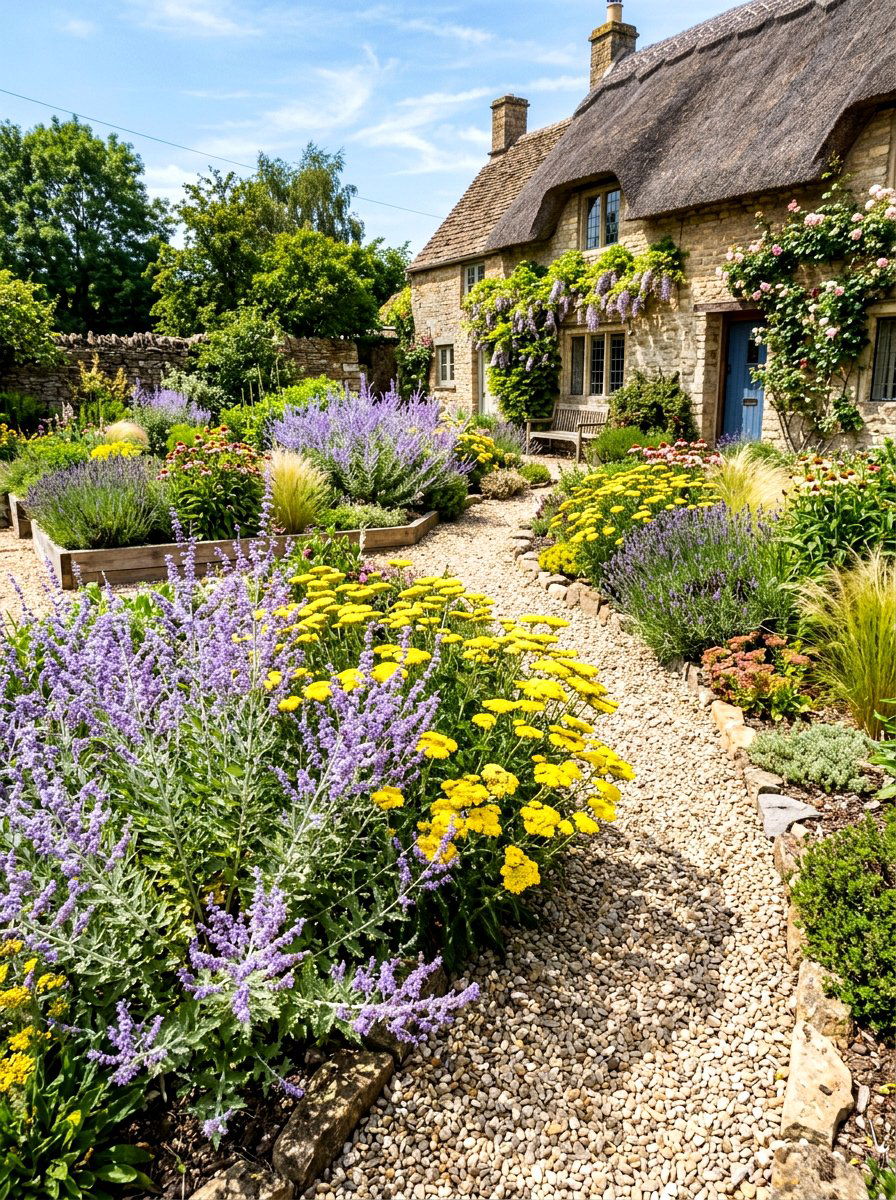
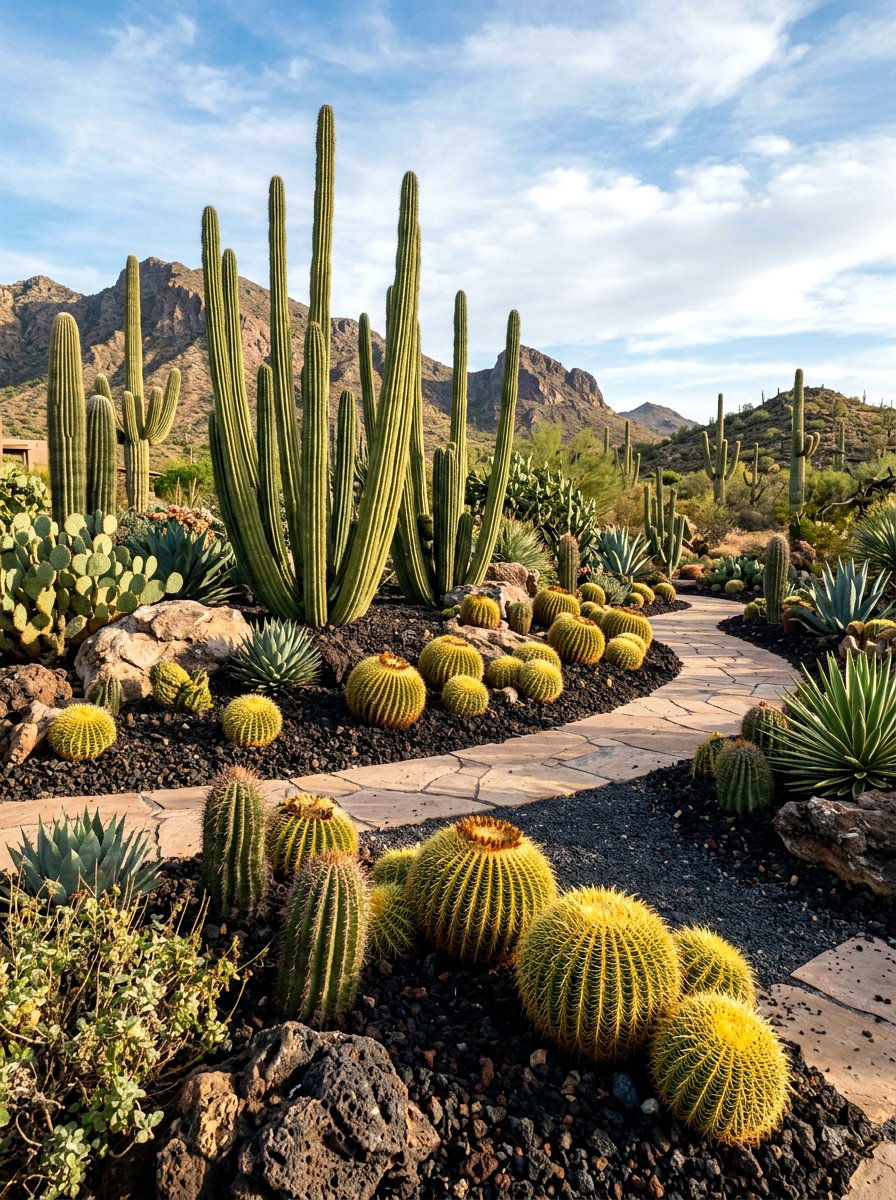
You can still achieve a lush cottage look even if you live in a dry climate by choosing plants that require very little water. Species like yarrow, Russian sage, and sedum offer beautiful textures and colors while being incredibly resilient to heat and lack of rain. Using a thick layer of organic mulch helps to retain moisture in the soil and keeps weed growth to a minimum throughout the year. Choosing gravel for your paths instead of thirsty grass further reduces the water needs of your entire landscape. This sustainable approach to gardening allows you to enjoy a romantic, floral aesthetic without a high water bill or constant maintenance.
30. Vintage Metal Garden Furniture
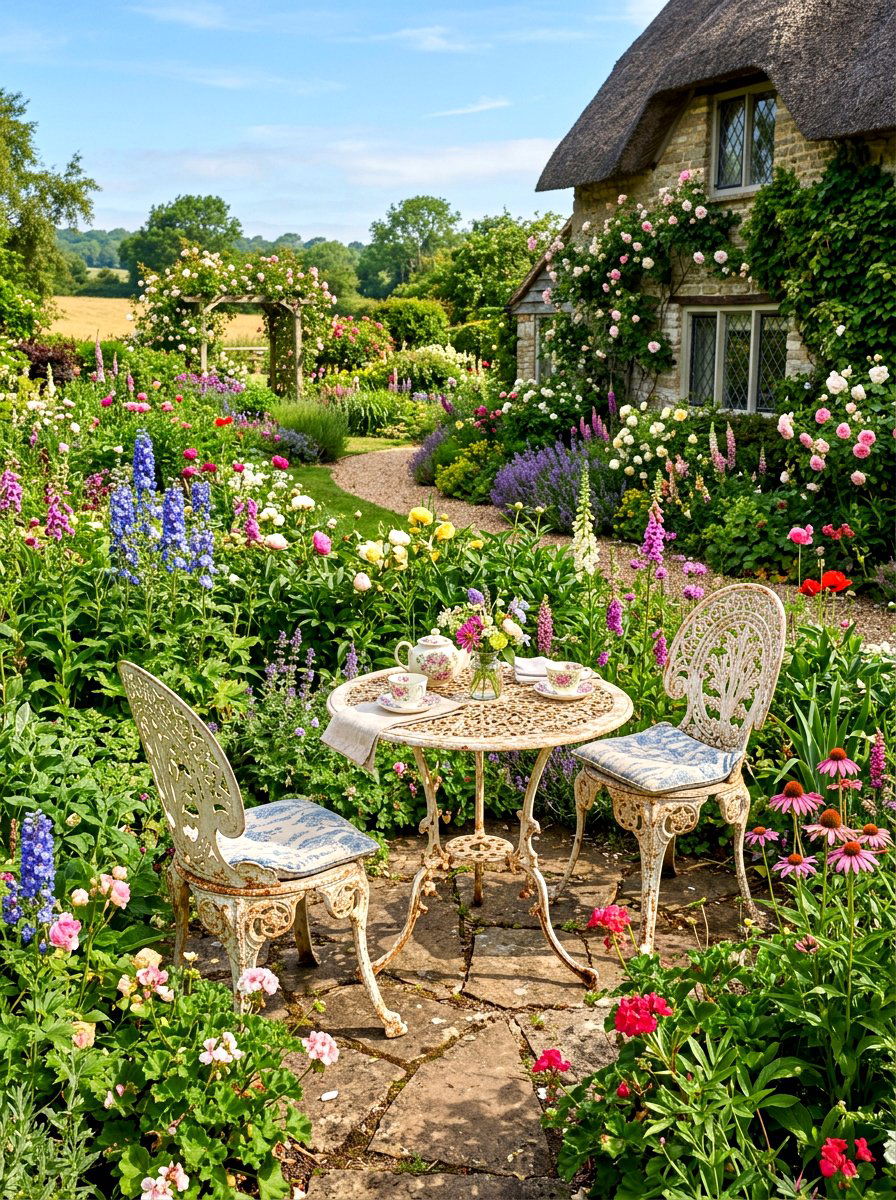
Adding vintage-style metal furniture, such as a wrought iron bistro set, brings a touch of classic elegance to a cottage garden setting. These pieces often feature intricate scrollwork that complements the organic shapes of the surrounding plants and flowers. You can leave the metal with its natural weathered patina for a rustic look or paint it in a bright color to create a playful focal point. Placing a small table and two chairs on a patio or under a tree creates an instant spot for outdoor tea or a light lunch. This furniture is both durable and stylish, providing a functional element that enhances the overall nostalgic theme of your space.
Conclusion:
A cottage garden is more than just a collection of plants; it is a celebration of nature's beauty, color, and scent. By following these thirty ideas, you can create a space that feels deeply personal and incredibly welcoming to both people and pollinators alike. Whether you choose to focus on traditional English flowers, productive potager beds, or sustainable native plantings, the key is to embrace the informal spirit of this style. Remember that perfection is not the goal; instead, aim for a lush, layered look that evolves naturally over time. With a little patience and care, your garden will become a timeless sanctuary that brings joy for many years.

Related posts: