Zinnias are the true champions of the summer landscape, offering an explosion of color that few other annuals can match in intensity. These resilient blooms are famous for their ability to thrive in the heat, making them a favorite for gardeners across various climates and hardiness zones. Whether you are looking to attract monarch butterflies or want a steady supply of fresh flowers for your indoor vases, zinnias are the perfect choice. They come in an incredible variety of shapes, sizes, and colors, ranging from tiny dwarf varieties to tall giants that reach several feet high. Growing these flowers is a rewarding experience for both beginners and seasoned experts alike.
1. Multi Color Zinnia Flower Bed
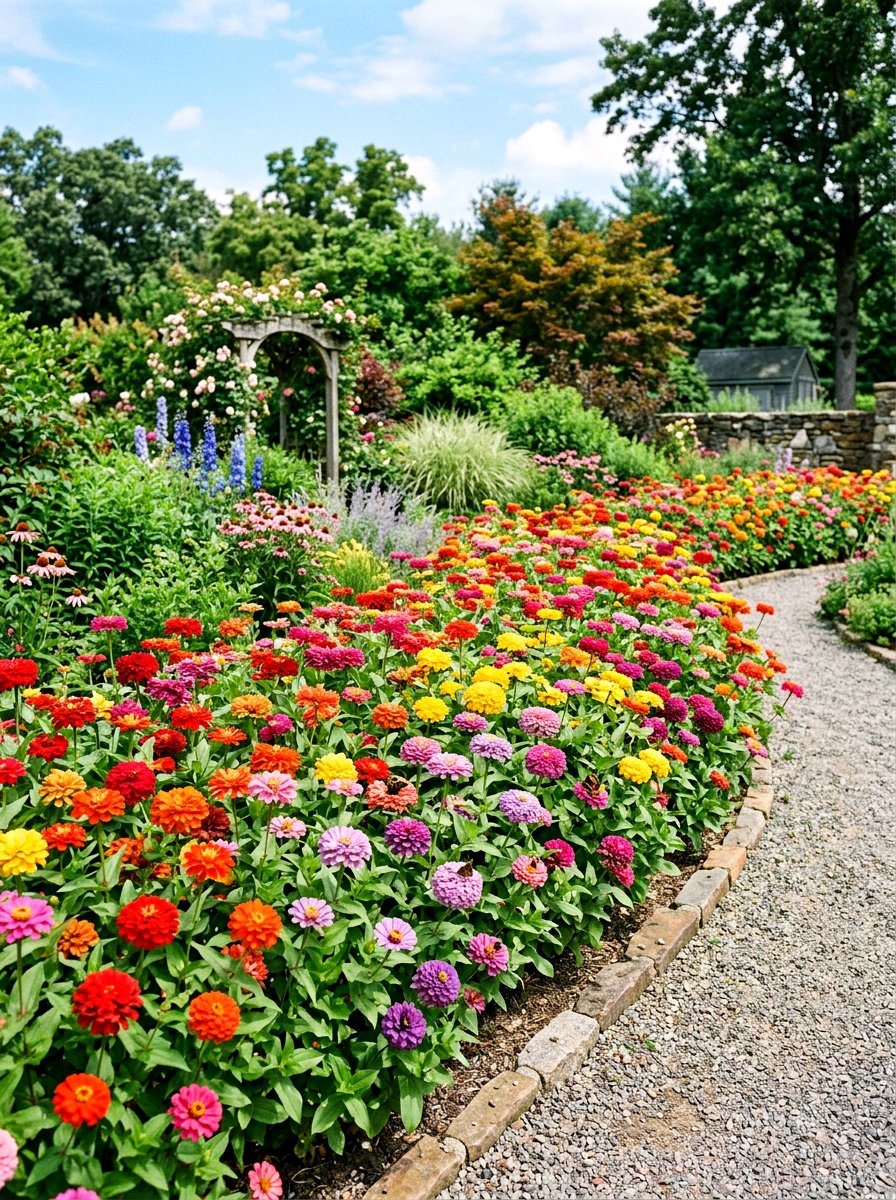
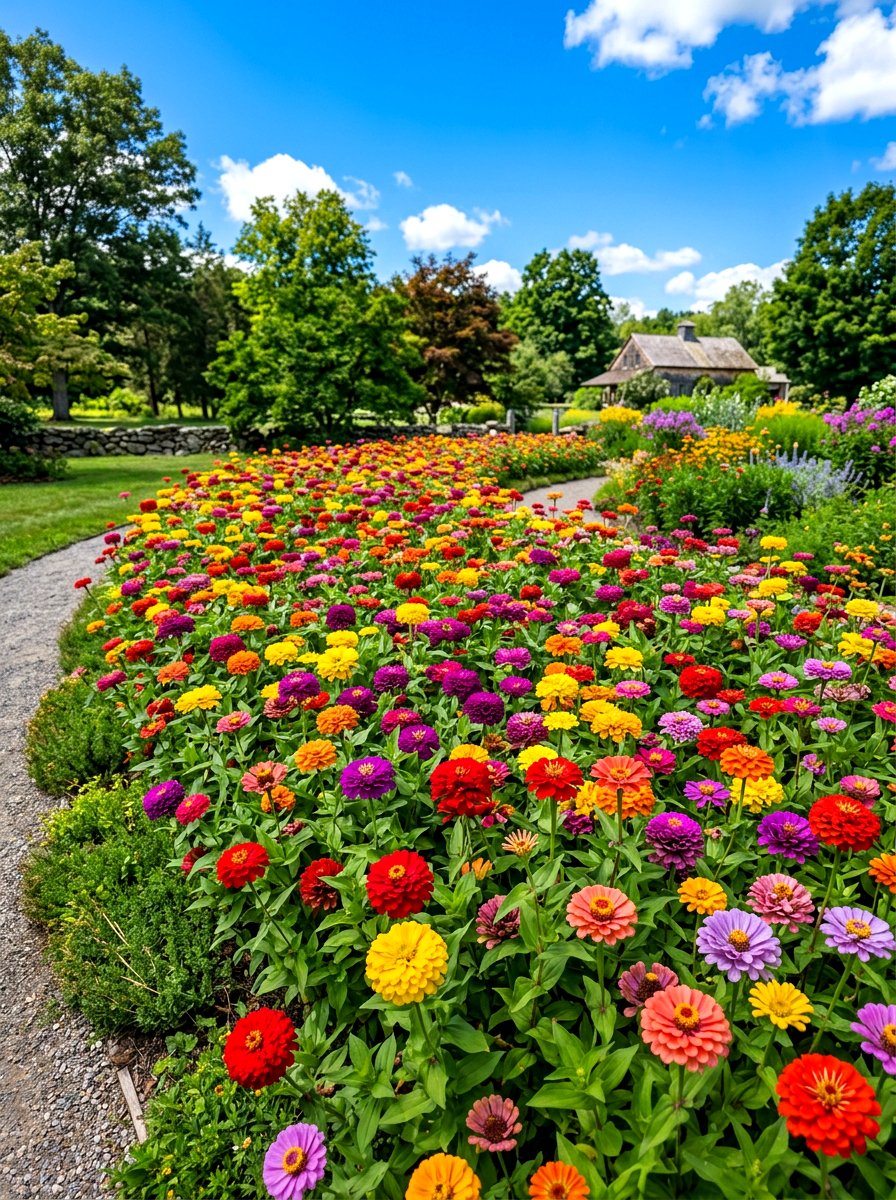
Imagine walking into a backyard where every color of the rainbow is represented in a single, lush flower bed. A multi color zinnia flower bed is one of the easiest ways to create a high-impact visual statement in your outdoor space. These flowers are known for their vibrant hues, including bright reds, sunny yellows, deep purples, and electric oranges. By mixing different varieties together, you create a tapestry of textures that looks beautiful from early summer until the first frost arrives. This approach is perfect for filling large open spaces where you want maximum color with minimal effort throughout the entire growing season.
2. Butterfly Garden With Zinnias
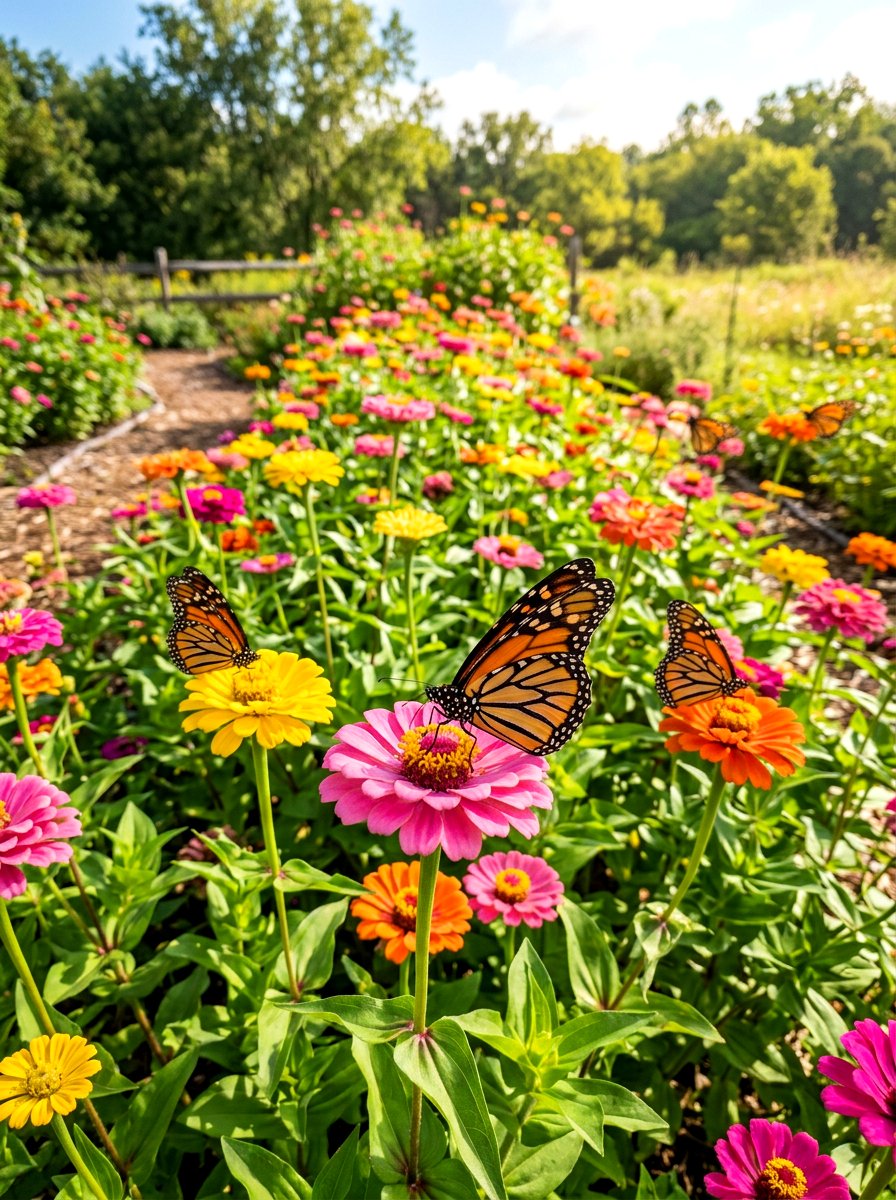
Have you ever wanted to turn your backyard into a sanctuary for local wildlife and beneficial insects? Planting a specific garden dedicated to attracting butterflies is much easier when you include plenty of nectar-rich zinnias in the mix. These flat-topped flowers provide the perfect landing pad for monarch and swallowtail butterflies to rest while they feed on the sweet nectar. To make this work, choose a sunny spot that is protected from strong winds so the insects feel safe. Including a variety of heights ensures that different species of pollinators find exactly what they need while adding a wonderful sense of movement.
3. Potted Zinnias For Patio
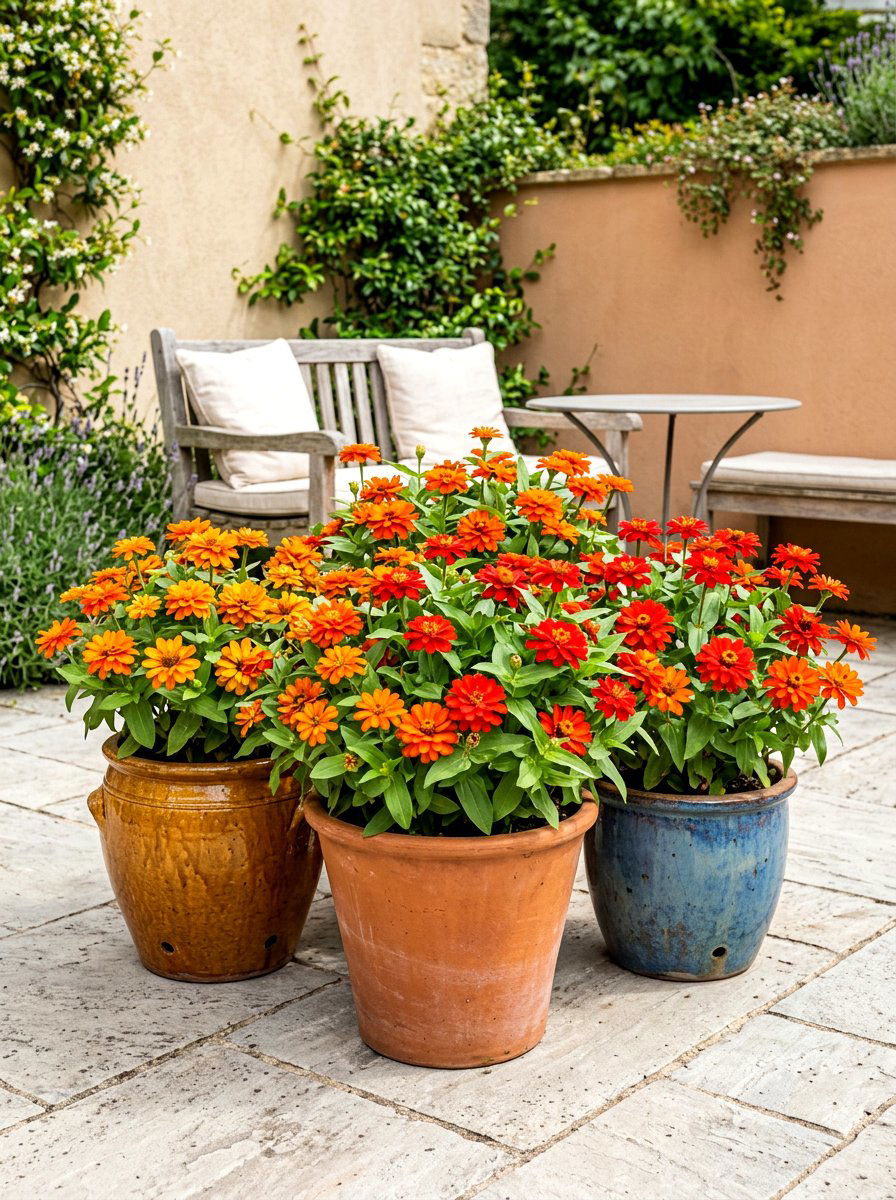
Limited space should never stop you from enjoying the beauty of fresh summer blooms on your back porch. Container gardening is a fantastic way to showcase compact zinnia varieties, especially for those with small patios or balconies. Choosing the right pot is key; ensure it has plenty of drainage holes to keep the roots healthy and happy. You can mix and match different colors in a single large planter or dedicate individual pots to specific shades for a modern look. These portable displays can be moved around to follow the sun, ensuring your flowers receive the maximum amount of light they need to thrive.
4. Zinnia Cutting Garden
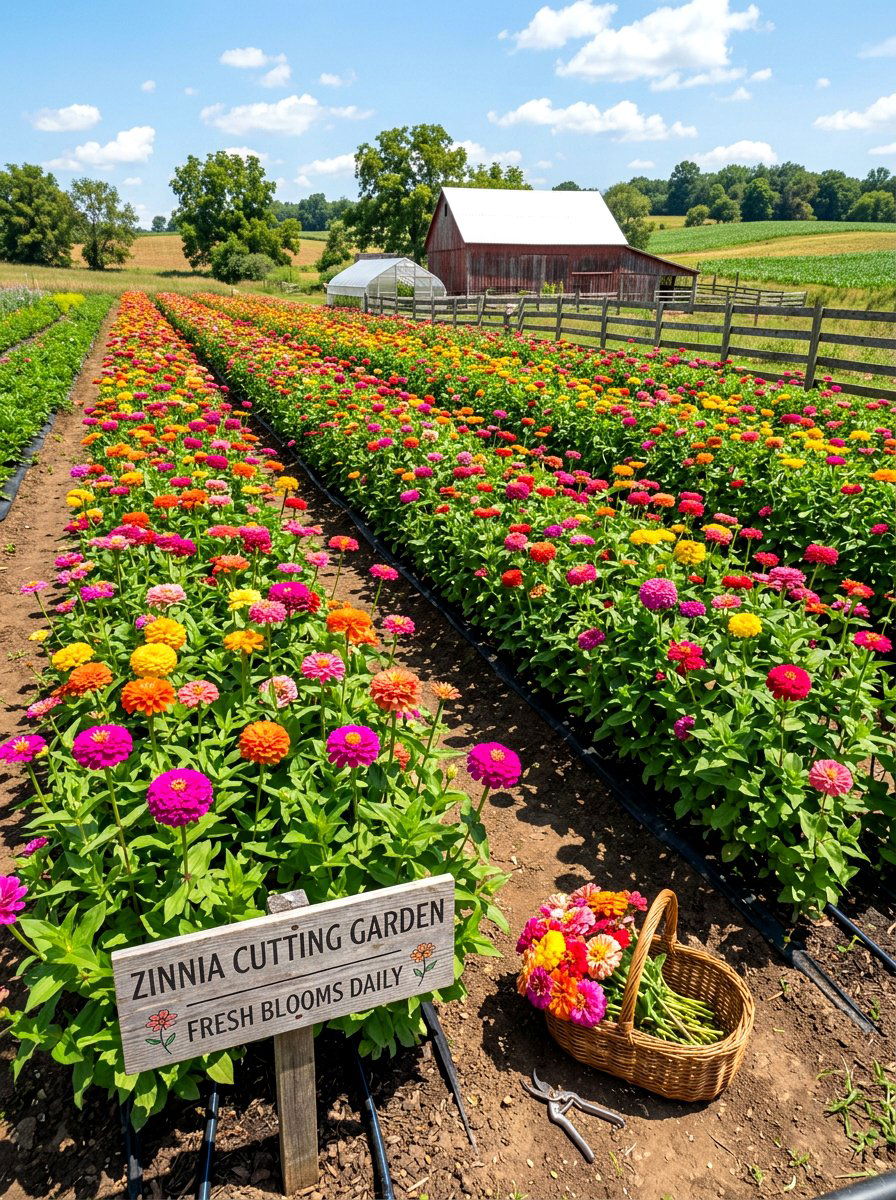
Creating a dedicated space for growing flowers specifically for indoor arrangements is a dream for many floral enthusiasts. A zinnia cutting garden allows you to harvest stems throughout the week without making your outdoor landscape look sparse or empty. Tall varieties like Benary’s Giant are ideal for this purpose because they produce long, sturdy stems that hold up well in water. The more you cut these flowers, the more the plant is encouraged to produce even more blooms. This cycle provides you with a continuous supply of fresh bouquets for your kitchen table, helping you bring the beauty of the outdoors inside.
5. Zinnias In Vegetable Garden
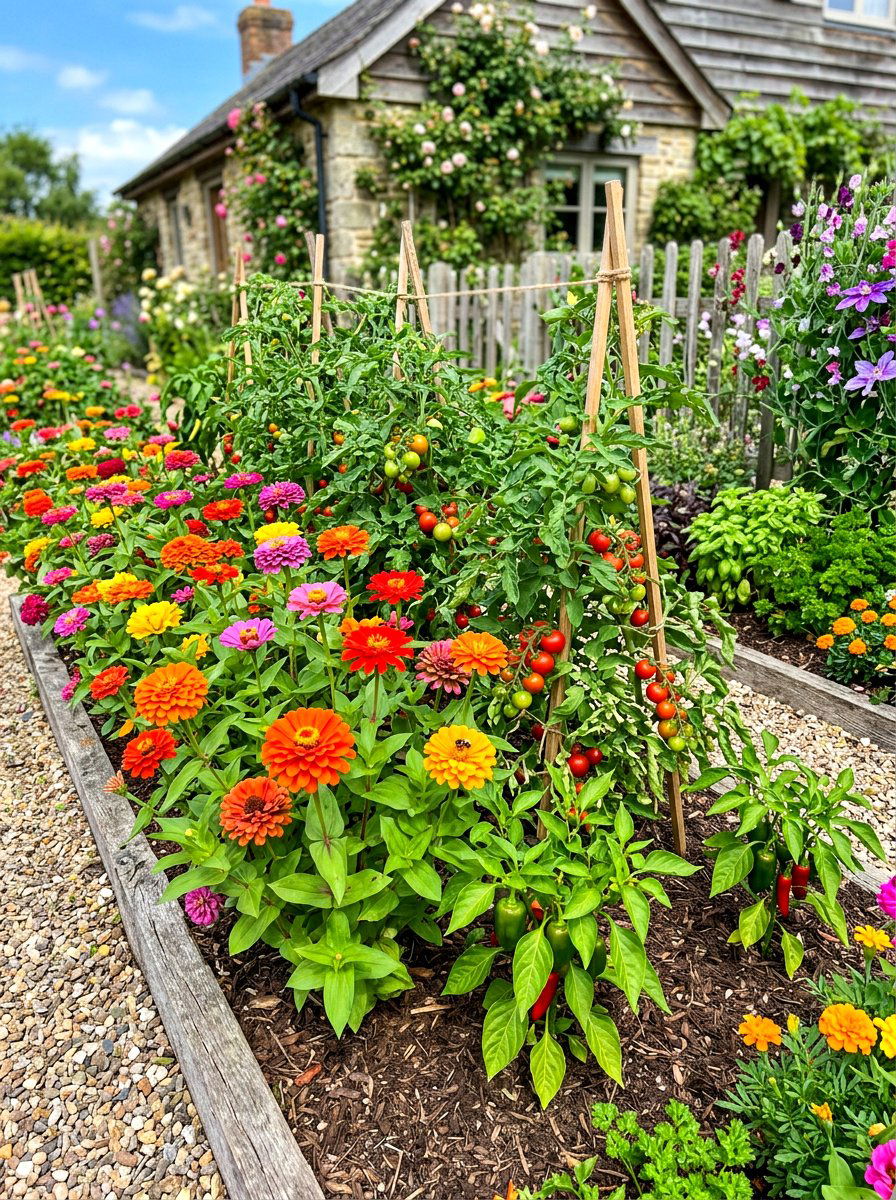
Did you know that adding flowers to your food crops can actually help improve your overall vegetable harvest? Interplanting zinnias among your tomatoes, peppers, and squash is a clever way to attract beneficial insects that prey on common garden pests. These flowers act as a magnet for ladybugs and parasitic wasps, which work hard to keep your vegetable plants healthy. Furthermore, the bright colors help draw in bees to pollinate your fruiting crops, leading to bigger and better yields. This companion planting strategy is a natural, chemical-free way to maintain a balanced and highly productive home garden ecosystem all summer.
6. Dwarf Zinnia Garden Edge
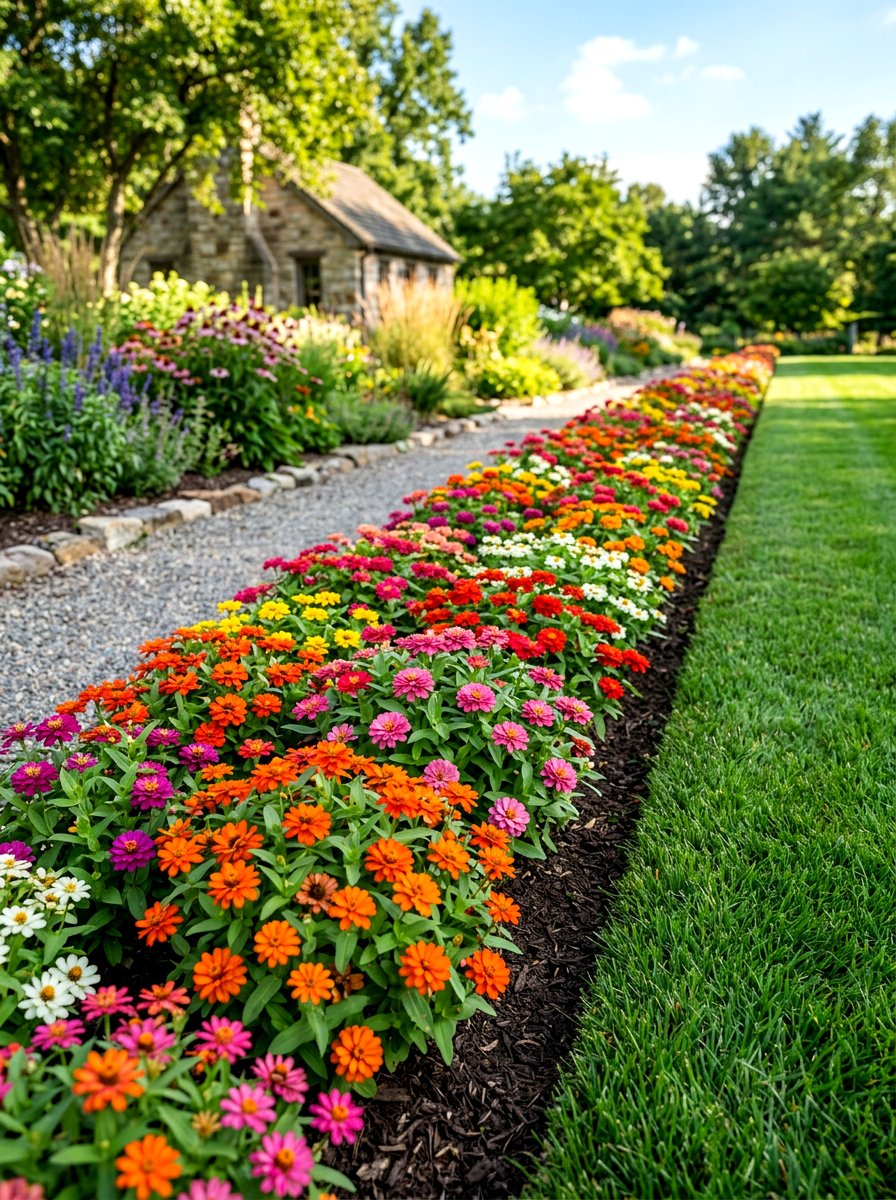
Keeping your garden looking neat and tidy is simple when you use low-growing dwarf varieties for your flower borders. These compact plants typically only reach about ten inches in height, making them the perfect choice for the front of a bed. Because they stay small, they won't flop over or cover up the taller plants behind them. You can plant them in a tight row to create a living "ribbon" of color that defines the edge of a walkway or a grassy lawn area. Their mounded growth habit provides a clean finish that looks professional and well-maintained throughout the hot summer months.
7. Tall Zinnia Garden Border
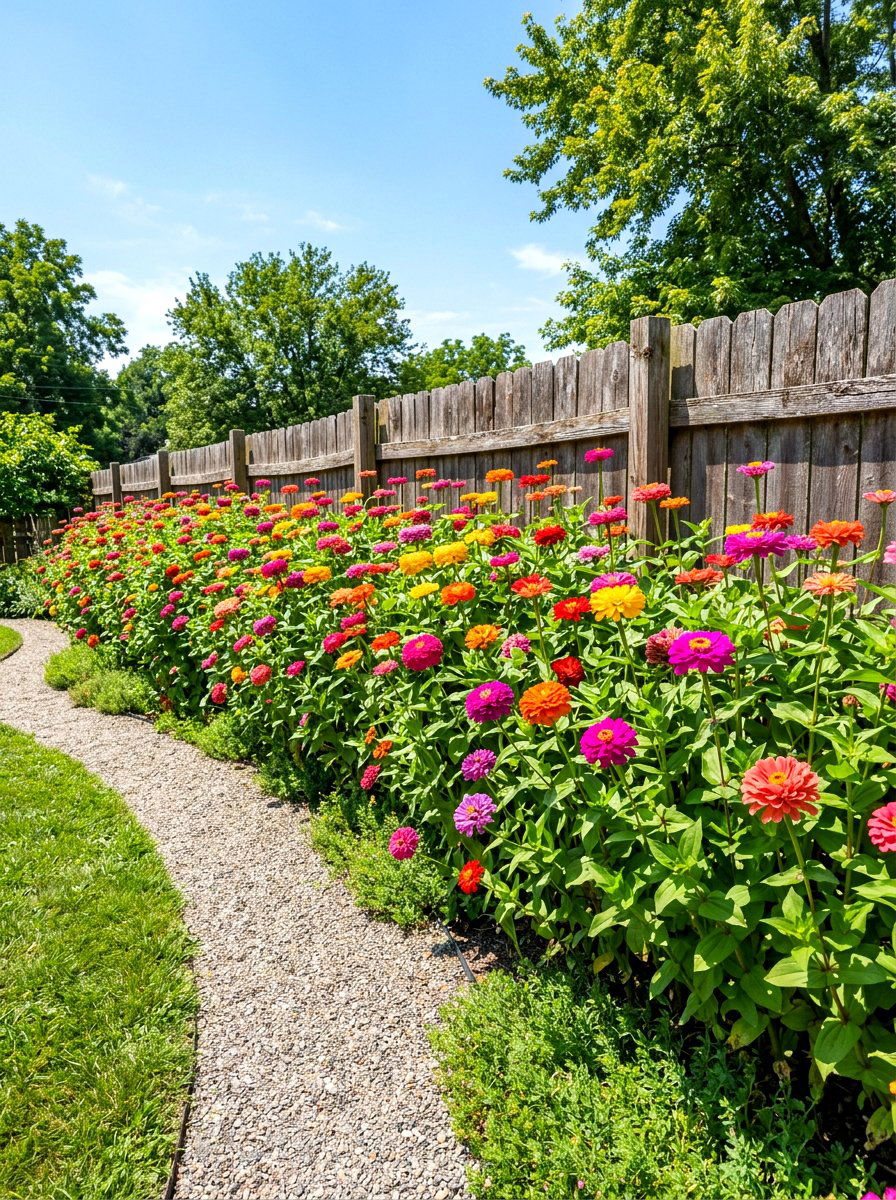
If you have a large fence or a blank wall that needs some excitement, consider planting a tall zinnia border. Some varieties can grow up to four feet tall, creating a stunning vertical screen of flowers that acts as a natural backdrop. These giants come in spectacular shades and produce massive blooms that are visible from across the yard. To keep them looking their best, you might need to provide some light staking if your area is prone to heavy summer storms. The height adds a layer of privacy and drama to your garden, making it feel like a secret, secluded floral escape.
8. Queen Lime Zinnia Garden
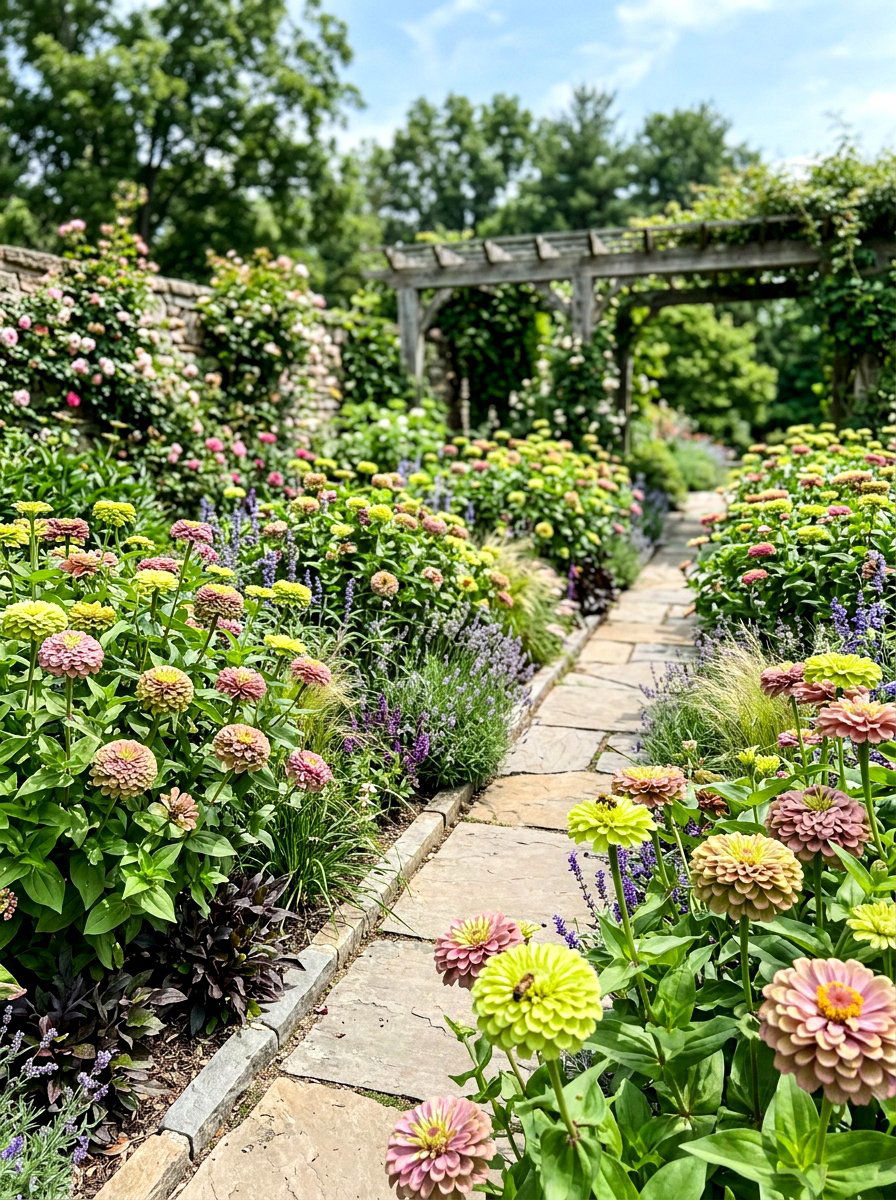
One of the most trendy and sophisticated color palettes in modern gardening involves the unique Queen Lime series of zinnias. These flowers feature a stunning dusty lime green color that often blends into shades of rose, orange, or purple toward the center. They offer a muted, antique look that stands out beautifully against traditional bright primary colors. Planting an entire section with these lime-toned varieties creates a high-end, designer feel in your backyard. They are particularly popular for floral designers because their unique coloring complements almost any other flower in a bouquet, making them a must-have for style-conscious home gardeners today.
9. Zinnia And Sunflower Garden
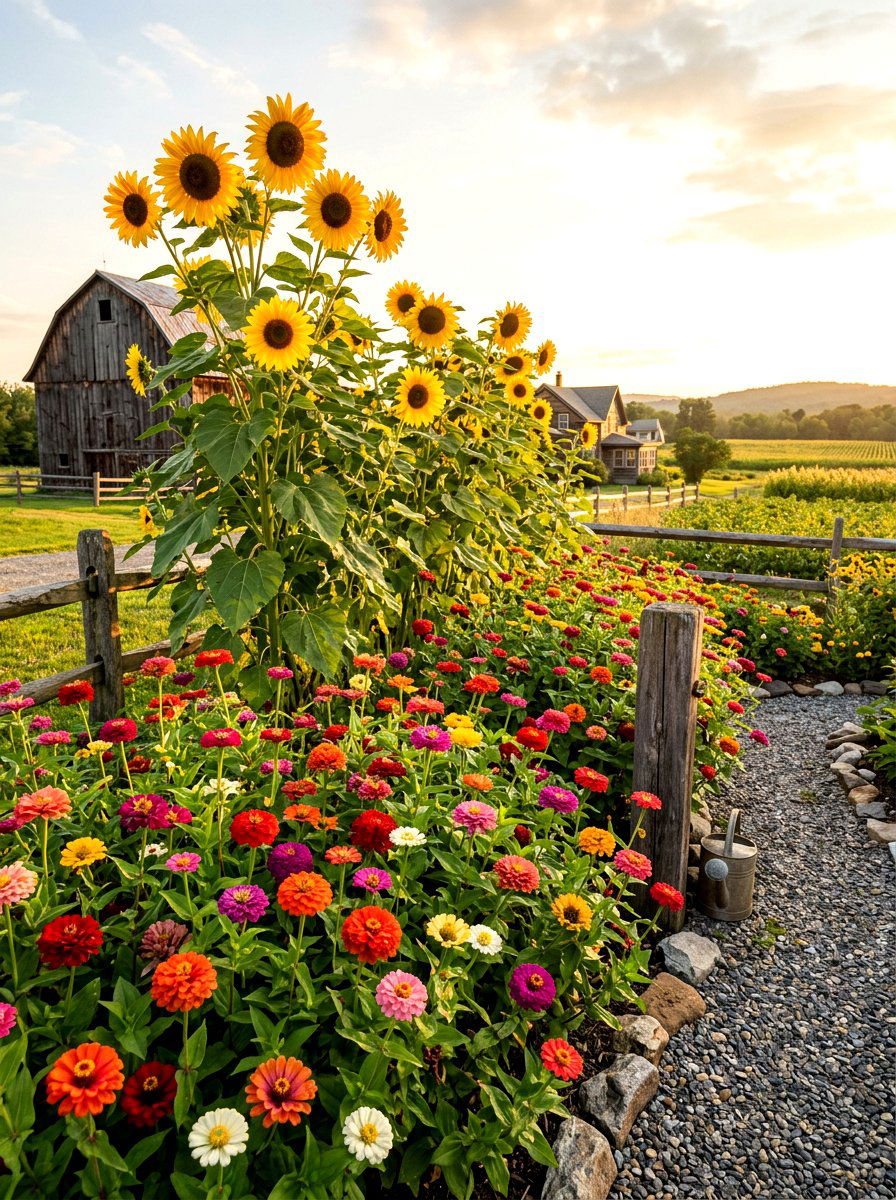
Combining tall, sturdy sunflowers with fluffy, colorful zinnias creates a classic summer look that feels both rustic and cheerful. Sunflowers provide a strong vertical element and a bold focal point, while the zinnias fill in the lower gaps with a carpet of varied colors. This combination is especially effective in large garden beds where you want to create a sense of abundance and wild beauty. Both of these plants love the heat and full sun, so they grow perfectly together with minimal extra care. The result is a vibrant, cottage-style display that serves as a beautiful haven for bees and local birds.
10. White Zinnia Garden
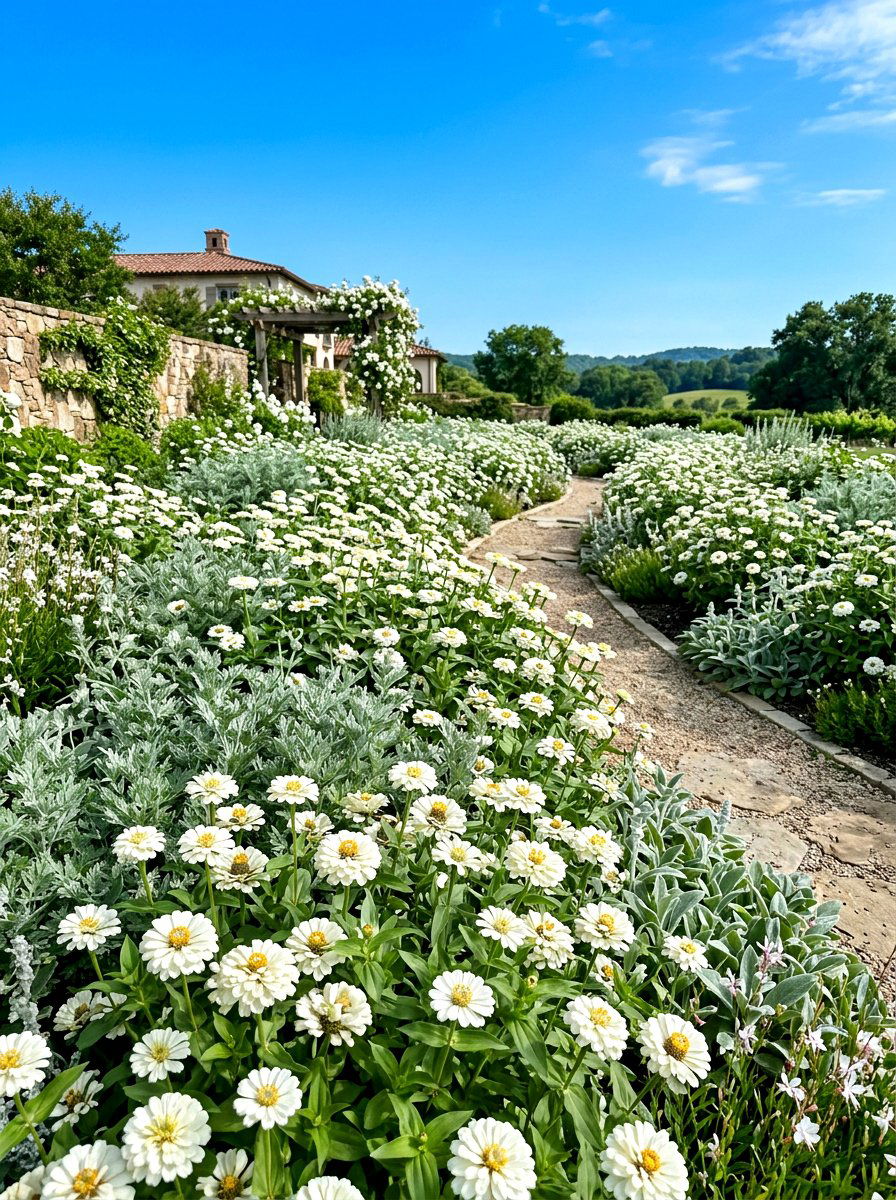
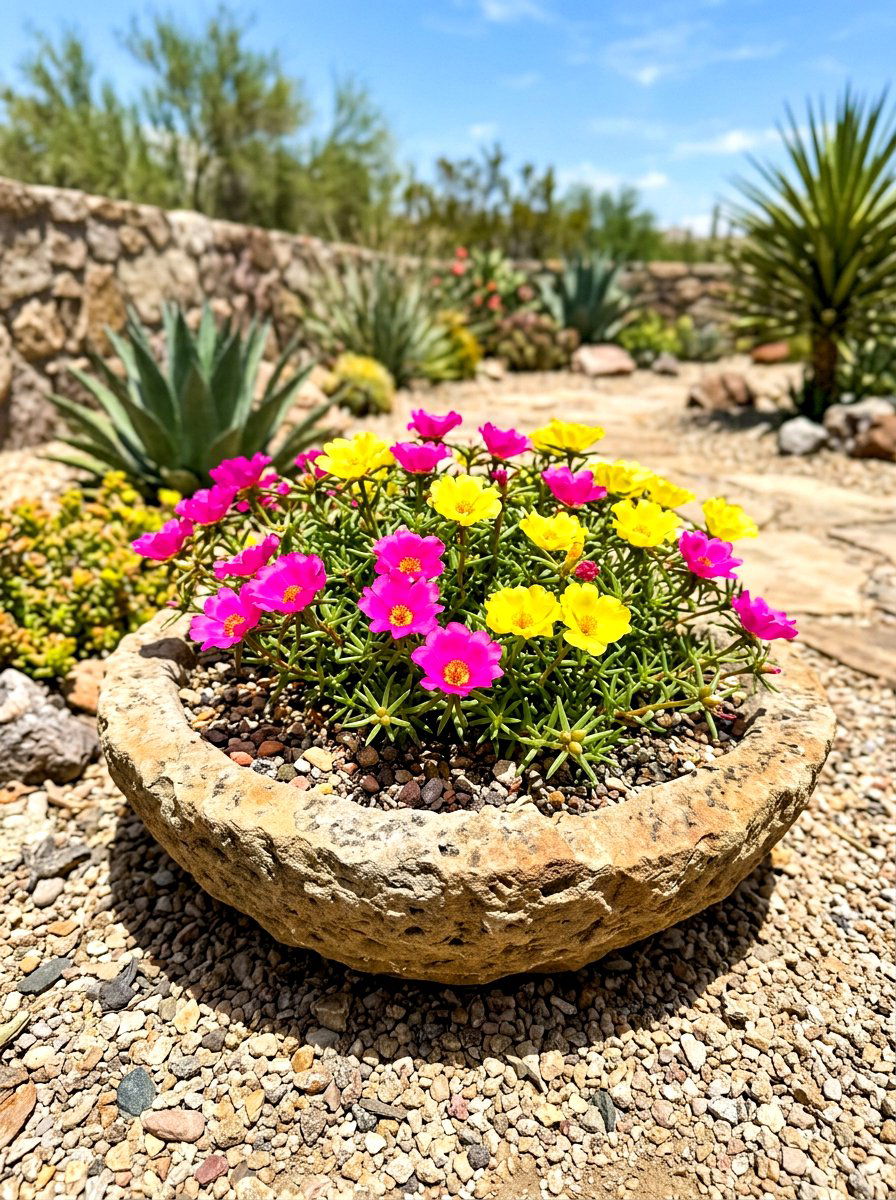
For those who enjoy spending time outdoors in the evening, a white zinnia garden can create a magical "moonlight" effect. White flowers are highly reflective and seem to glow as the sun begins to set and the shadows grow longer. This monochromatic theme provides a clean, elegant, and serene atmosphere that feels sophisticated and calm compared to bright multi-color mixes. You can pair them with silvery foliage plants like dusty miller to enhance the ethereal look. Whether you use large dahlia-flowered types or small daisy-like varieties, the white-on-green contrast is a timeless choice that always looks refreshed and high-quality.
11. Red Zinnia Garden
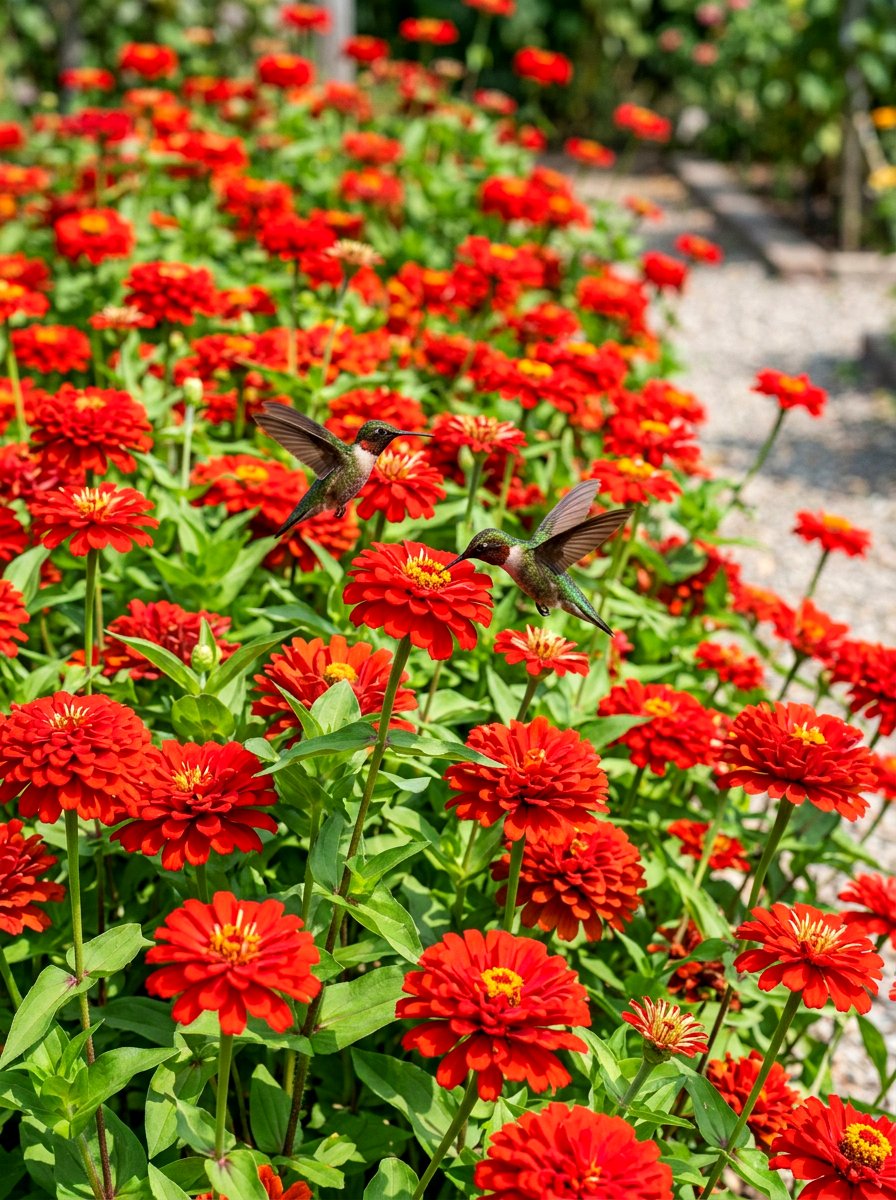
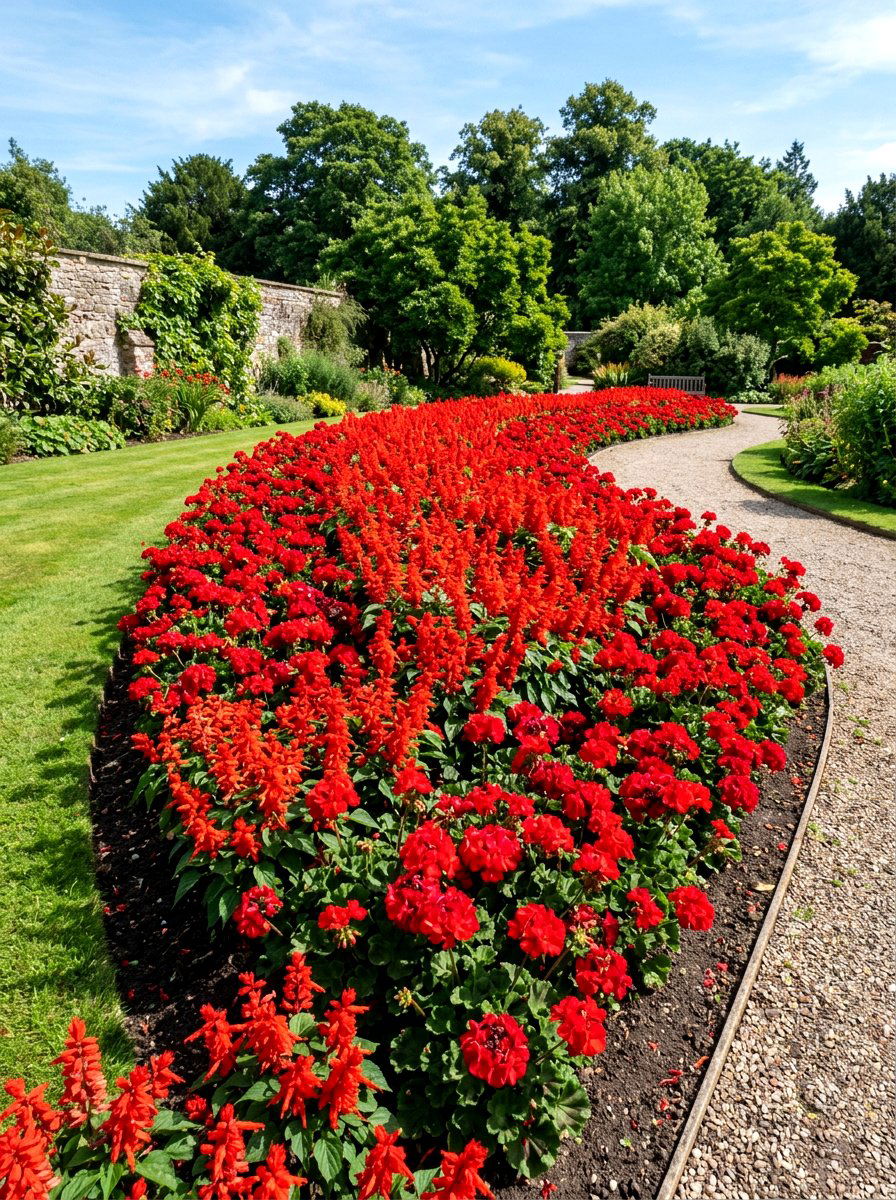
Creating a bold and energetic focal point is easy when you dedicate a specific area to bright red zinnias. Red is a powerful color that immediately draws the eye and can make a large garden feel more intimate and warm. These fiery blooms are particularly attractive to hummingbirds, which are naturally drawn to the vibrant red color from great distances. By mass-planting one specific shade, you create a professional-looking "color block" that adds structural impact to your landscape. This style works well against green hedges or dark wooden fences, where the red petals can truly pop and show off their intense summer radiance.
12. Pink Zinnia Garden
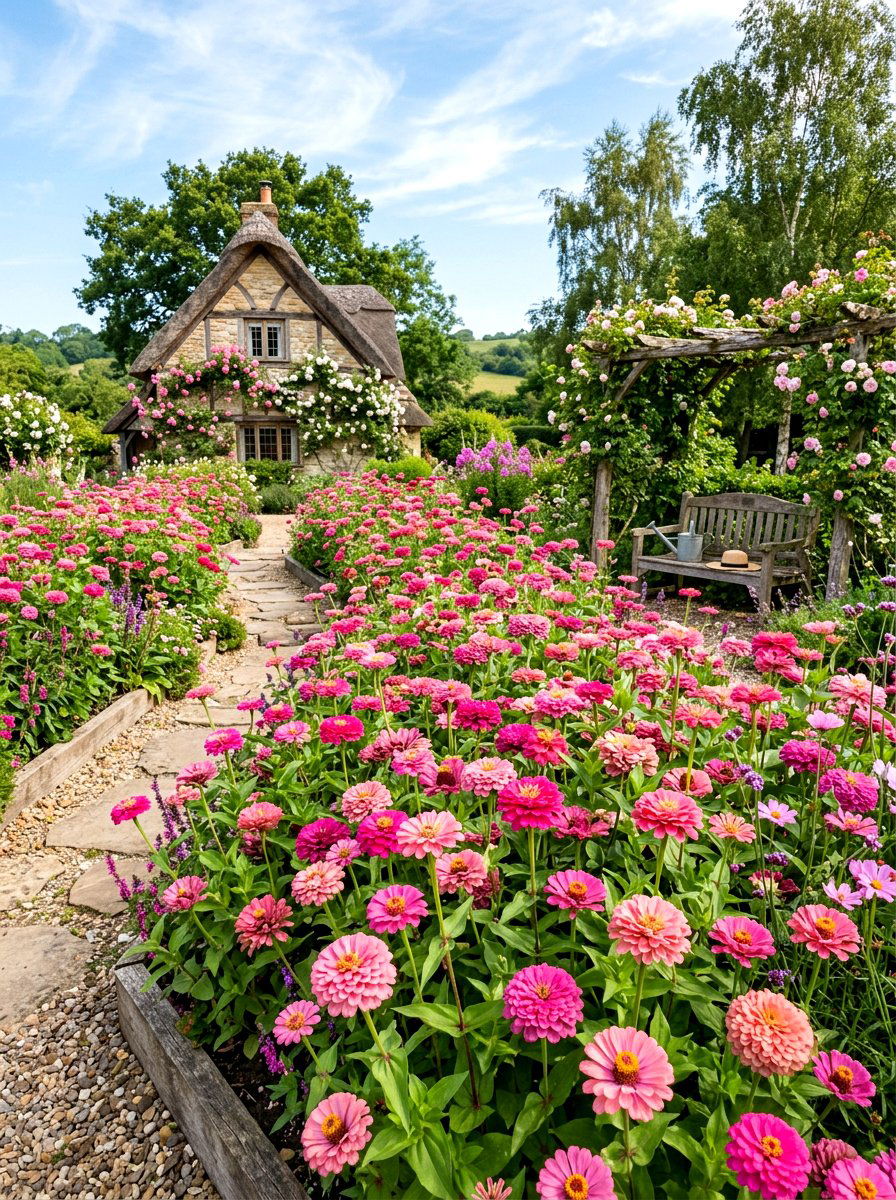
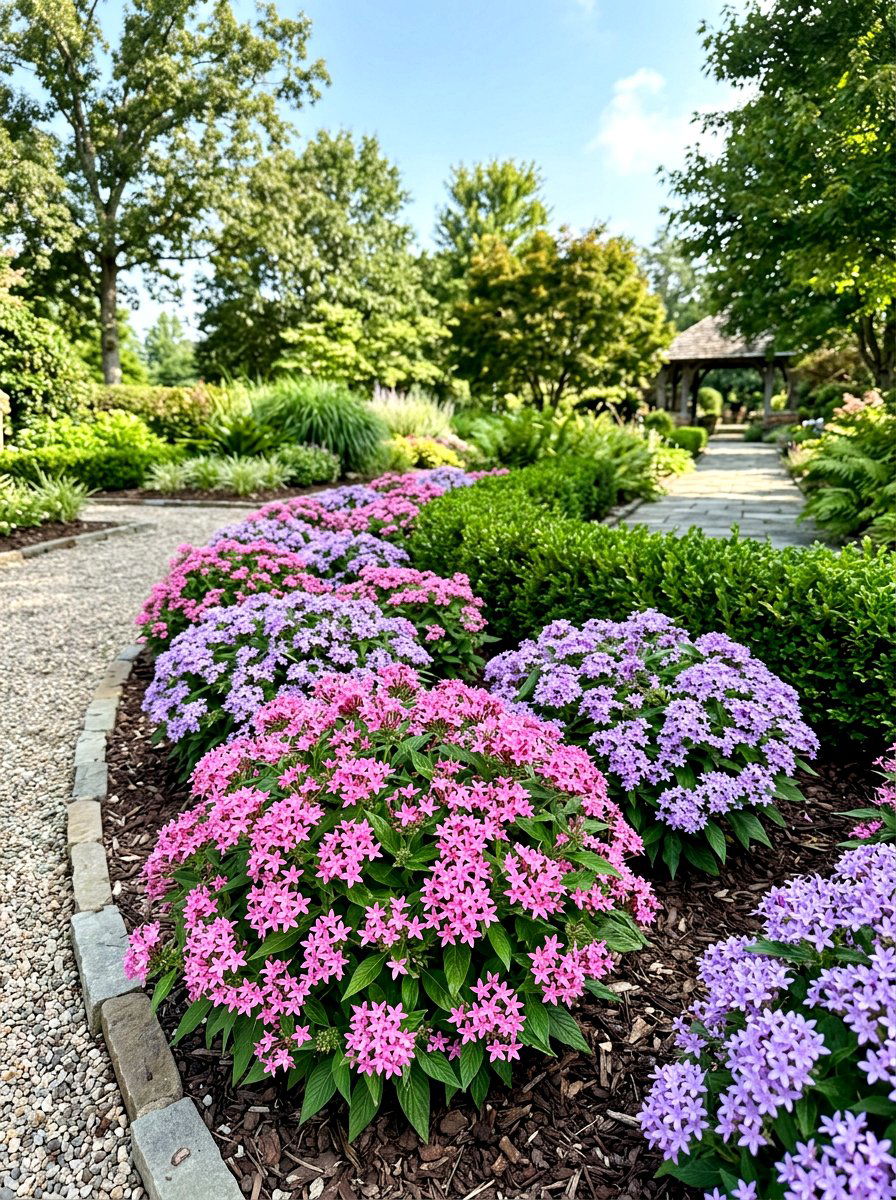
Soft pink zinnias bring a sense of romance and whimsy to any backyard setting, making the space feel like a classic English garden. These flowers range from delicate pale blush to deep magenta, allowing you to create a beautiful gradient effect within a single flower bed. Pink tones are very versatile and blend seamlessly with other popular garden plants like lavender or blue salvia. This color choice is perfect for creating a relaxing and inviting atmosphere where you can enjoy a morning coffee or an afternoon book. The gentle hues look particularly stunning during the "golden hour" just before the summer sun sets.
13. Orange Zinnia Garden
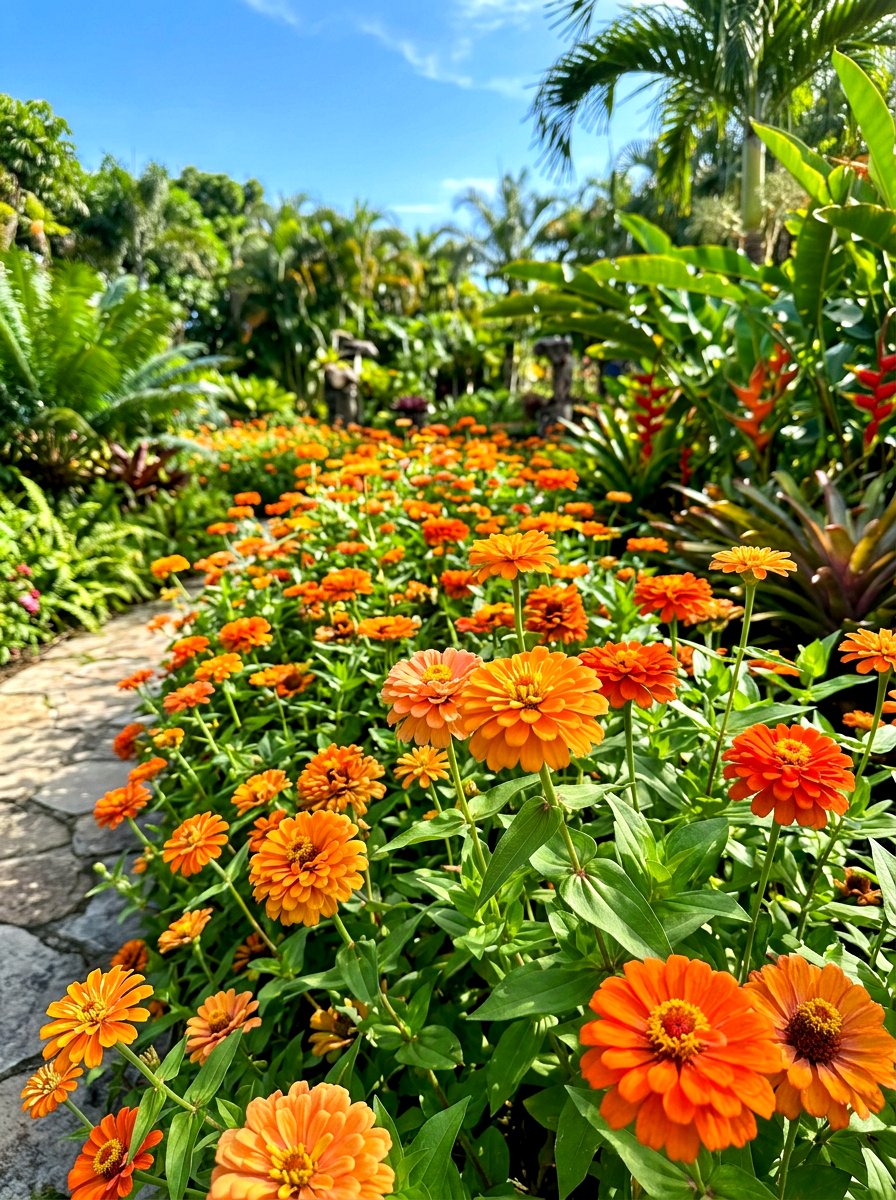
If you want your backyard to feel like a warm, tropical paradise, planting a sea of orange zinnias is the way to go. Orange is a color that represents energy and happiness, and it looks spectacular when paired with the deep green foliage of a healthy garden. These blooms are available in shades ranging from soft apricot to intense burnt orange, providing plenty of variety for your design. They look particularly striking when the late afternoon sun hits them, making the entire garden bed appear to glow with warmth. Orange varieties are also incredibly hardy and tend to maintain their color well through intense heat.
14. Zinnia Raised Garden Bed
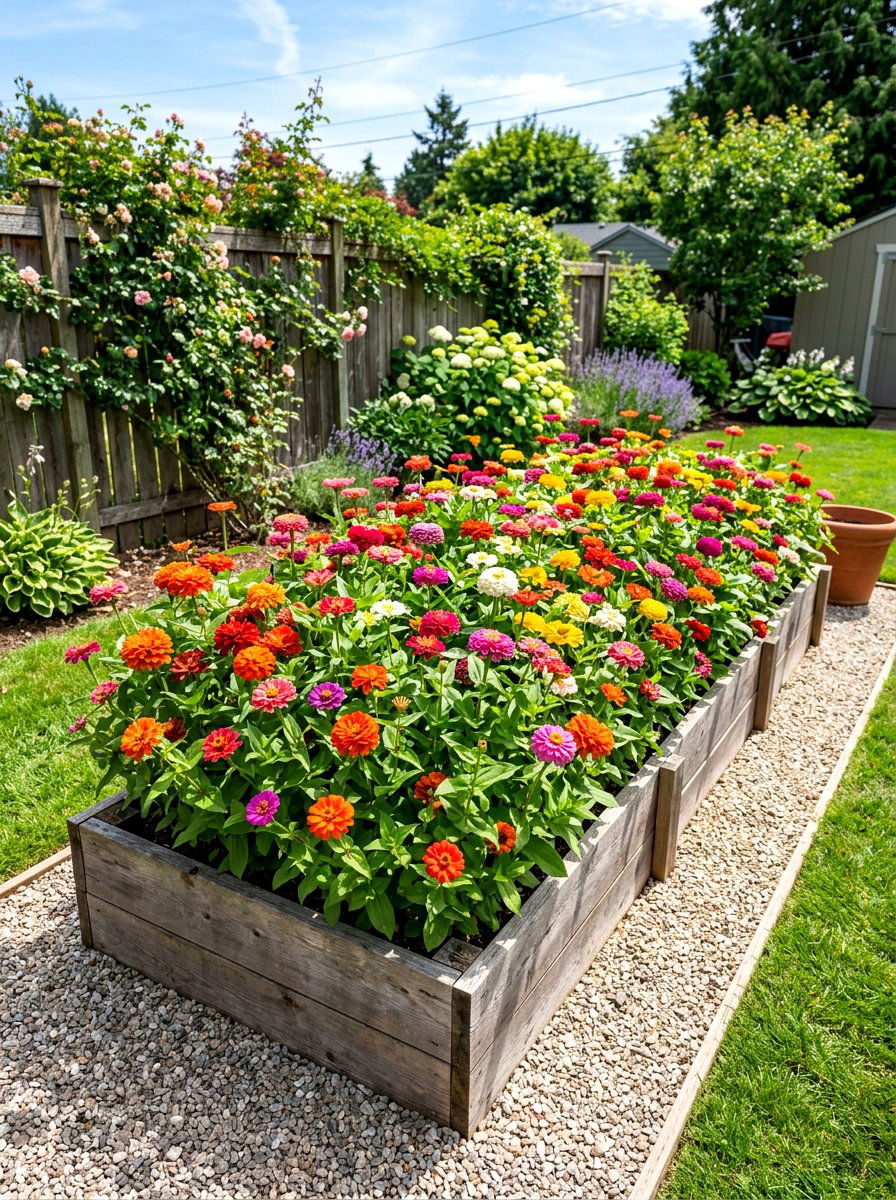
Using raised beds for your flowers is a smart way to ensure they have the best possible soil conditions and drainage. Zinnias thrive in loose, nutrient-rich dirt, which is much easier to manage in a contained raised structure than in the native ground. This method also makes maintenance easier on your back, as you won't have to bend down quite as far for weeding or deadheading. You can fill the center of the bed with tall varieties and plant trailing types along the edges to spill over the sides. The result is a contained, tidy, and incredibly productive floral display that stays organized.
15. Zinnia Pollinator Garden
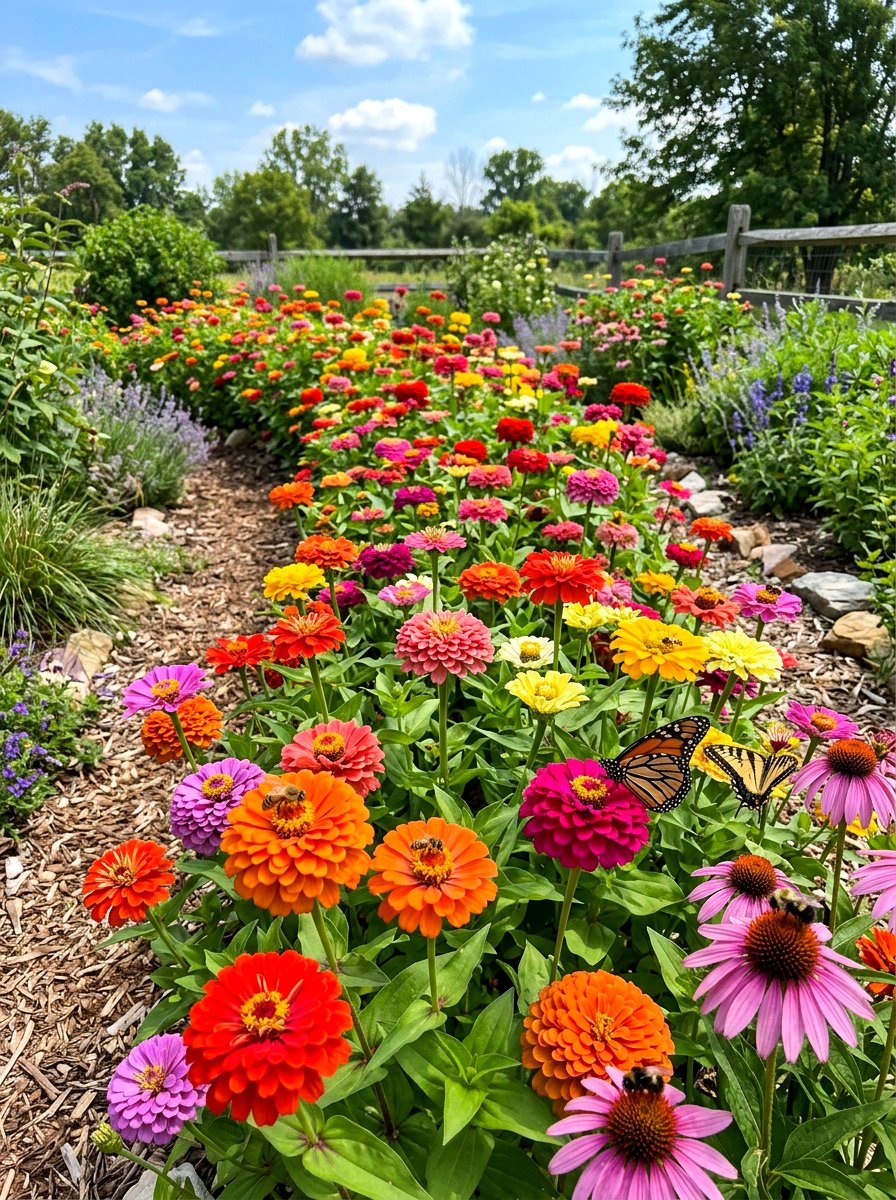
A garden that prioritizes the needs of local insects is a wonderful gift to the environment and your local ecosystem. By planting a wide variety of zinnia shapes, you provide food for many different types of bees, butterflies, and moths. Some pollinators prefer the open, single-petal varieties because the nectar is easier to reach, while others love the large, complex double blooms. Including a mix of colors and heights ensures that something is always in bloom to keep the visitors coming back. This type of garden is constantly buzzing with life, providing a fascinating and educational experience for anyone who visits your yard.
16. Single Petal Zinnia Garden
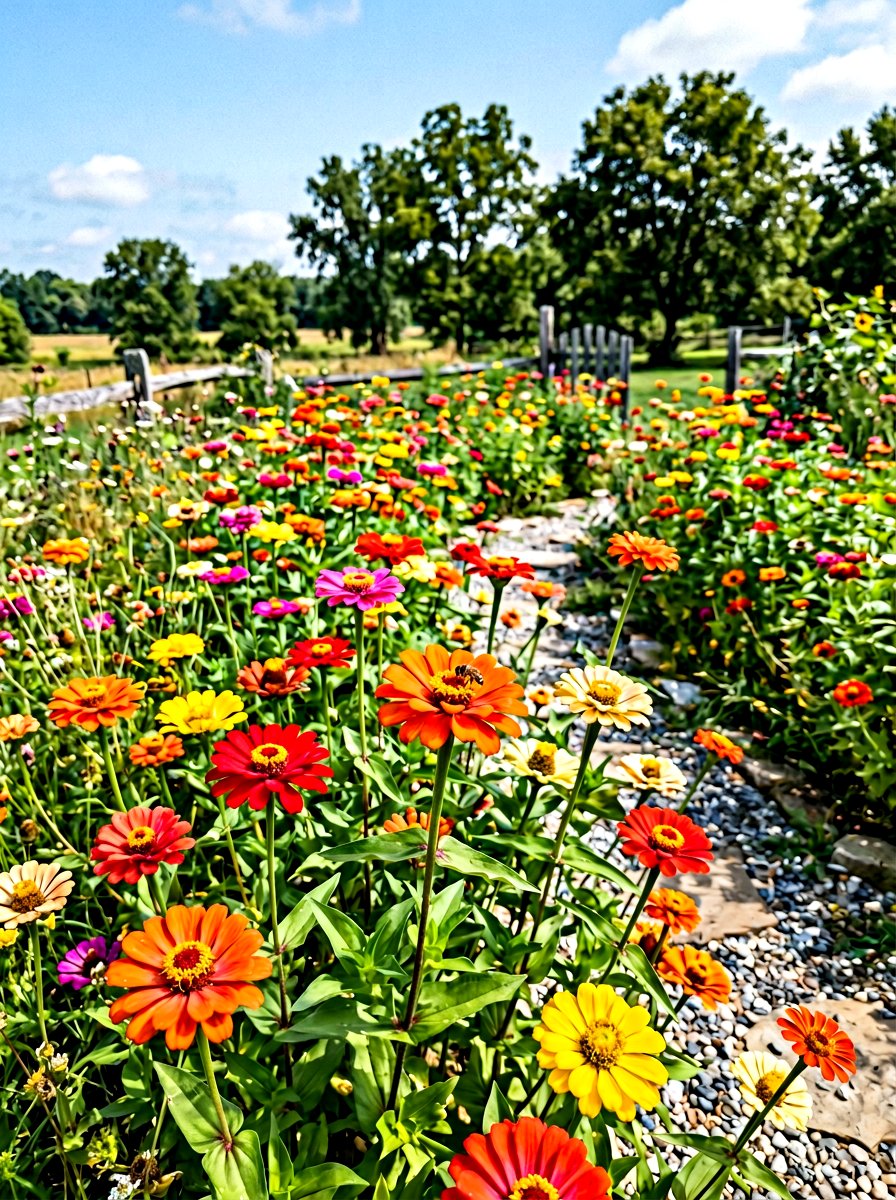
While many people focus on the big, puffy double blooms, there is a special charm in the simplicity of single petal zinnias. These flowers look much like colorful daisies, with a clear central disk surrounded by a single row of vibrant petals. They offer a more natural and wildflower-like appearance that fits perfectly into a casual or rustic garden theme. Because their centers are exposed, they are often the first choice for honeybees and other small pollinators looking for a quick snack. They tend to be very prolific bloomers, covering the plants in hundreds of cheerful, simple flowers throughout the entire summer.
17. Cactus Zinnia Garden
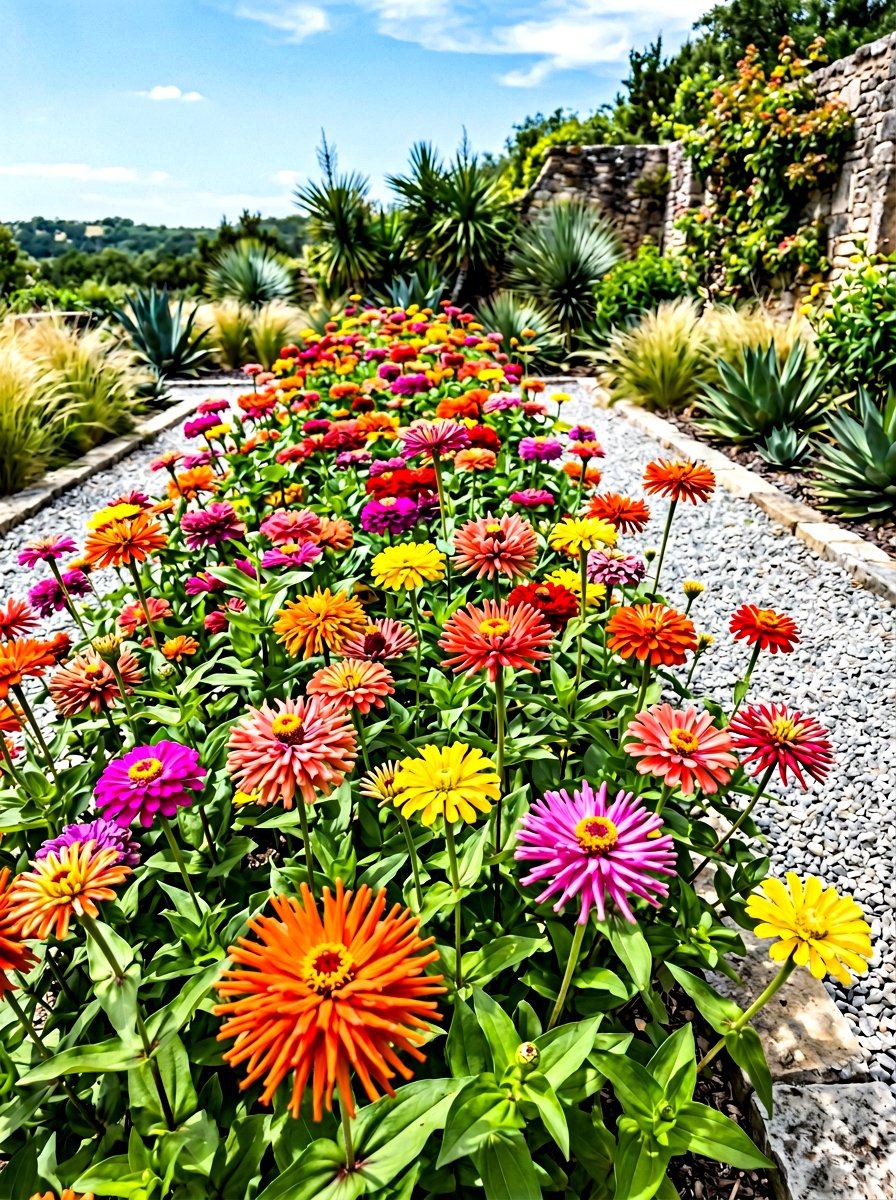
For a truly unique and architectural look, the cactus-flowered zinnia varieties are a fantastic addition to any summer flower bed. These blooms feature long, narrow petals that are slightly curled or "quilled, " giving them a spiky appearance that resembles a cactus flower. This texture adds a wonderful layer of complexity to your garden, breaking up the round shapes of more traditional flowers. They come in almost every color imaginable and look stunning in both the landscape and in cut flower arrangements. Their exotic look often surprises guests, as they don't immediately recognize them as zinnias, adding a fun element of mystery.
18. Pompon Zinnia Garden
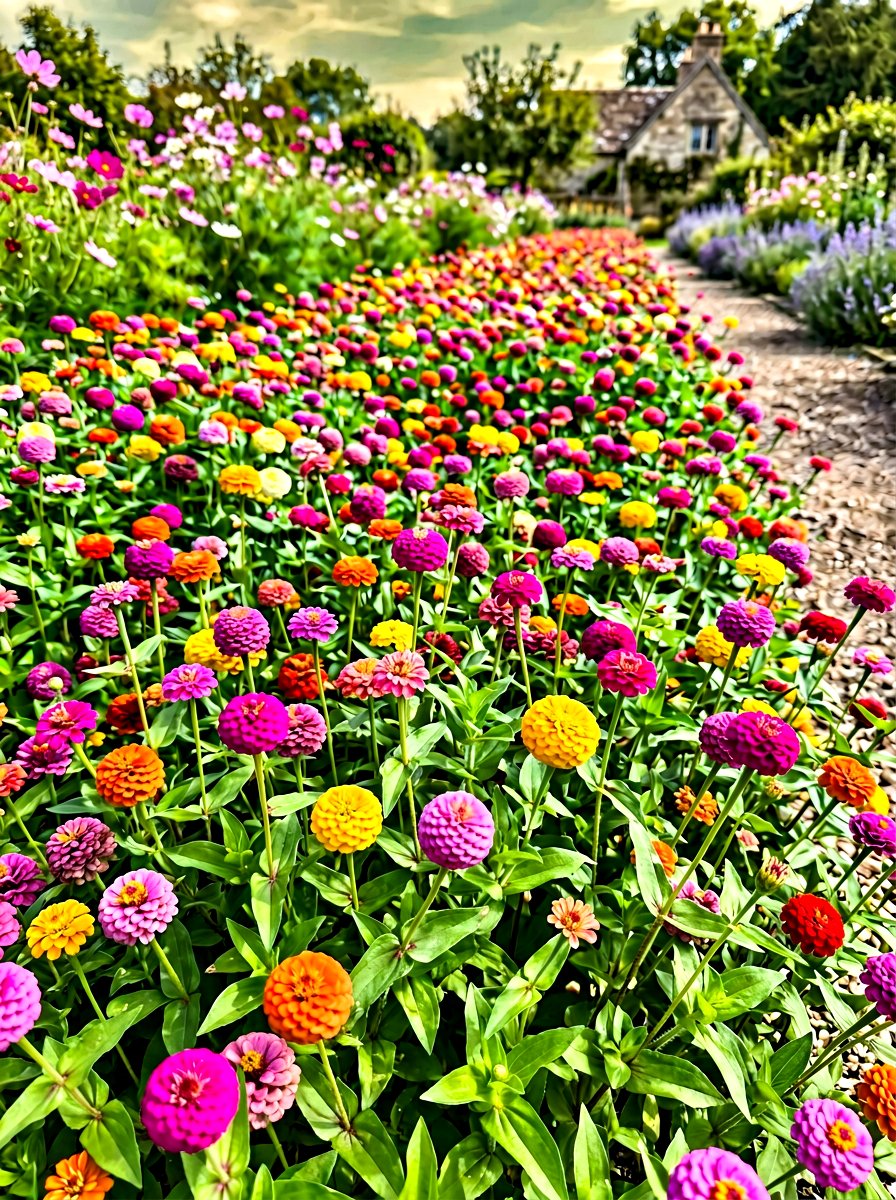
If you love tiny, perfectly formed details, the pompon or Lilliput varieties of zinnias will likely become your new favorite. These flowers produce small, round, ball-shaped blooms that look like colorful little buttons scattered across the green foliage. Despite their small size, they are produced in incredible numbers, making the plants look like they are covered in festive polka dots. They are very sturdy and hold up well during rain, rarely flopping over like some of the larger-headed varieties. These charming little flowers are perfect for small bud vases or for adding a delicate touch of texture to larger garden arrangements.
19. Creeping Zinnia Garden
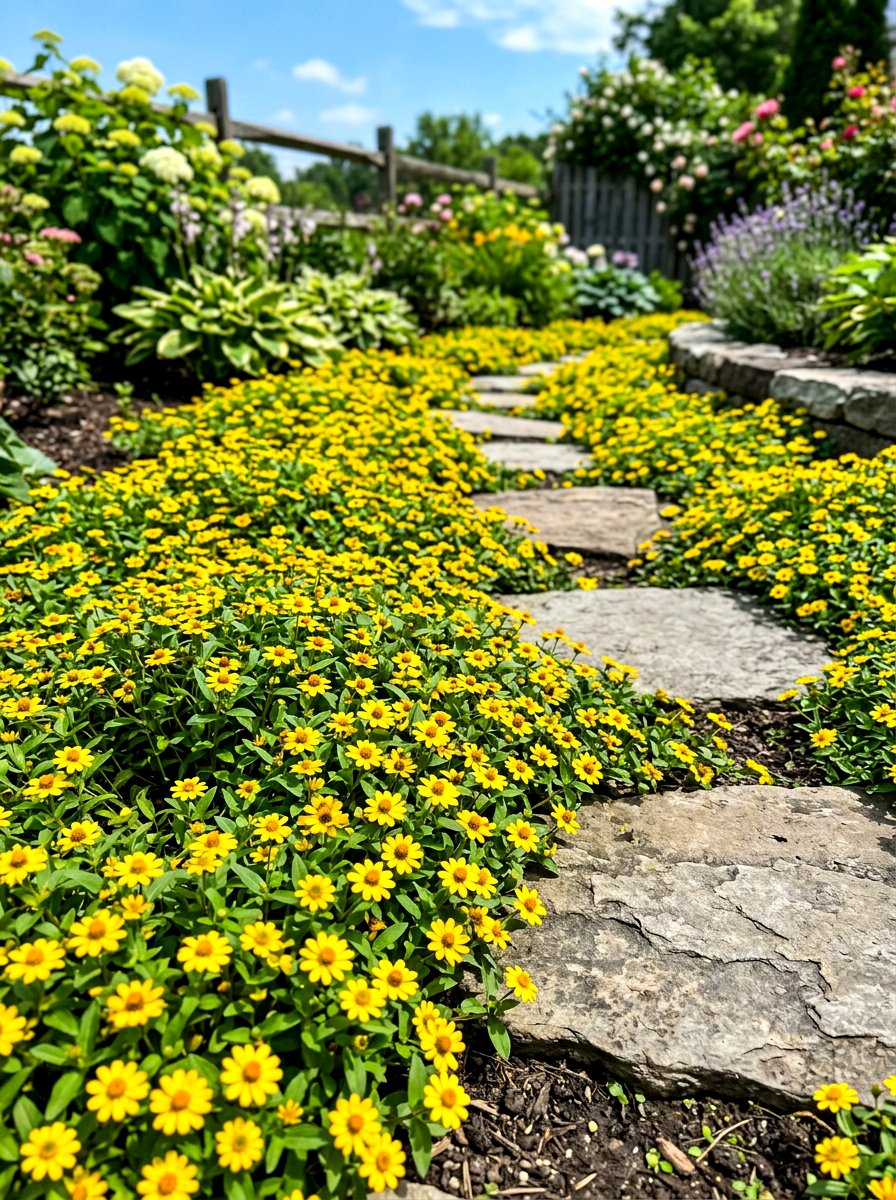
Most people think of zinnias as upright plants, but some varieties are designed to spread out and cover the ground. A creeping zinnia garden is an excellent solution for filling in gaps between stepping stones or covering a sunny slope with bright color. These plants stay very low to the ground and produce hundreds of tiny, yellow, daisy-like flowers that bloom consistently all summer long. They are incredibly drought-tolerant and can handle the heat reflecting off of nearby pavement or rocks. Using them as a living mulch helps keep the soil cool and prevents weeds from taking over your sunny garden spots.
20. Zinnia Garden Walkway
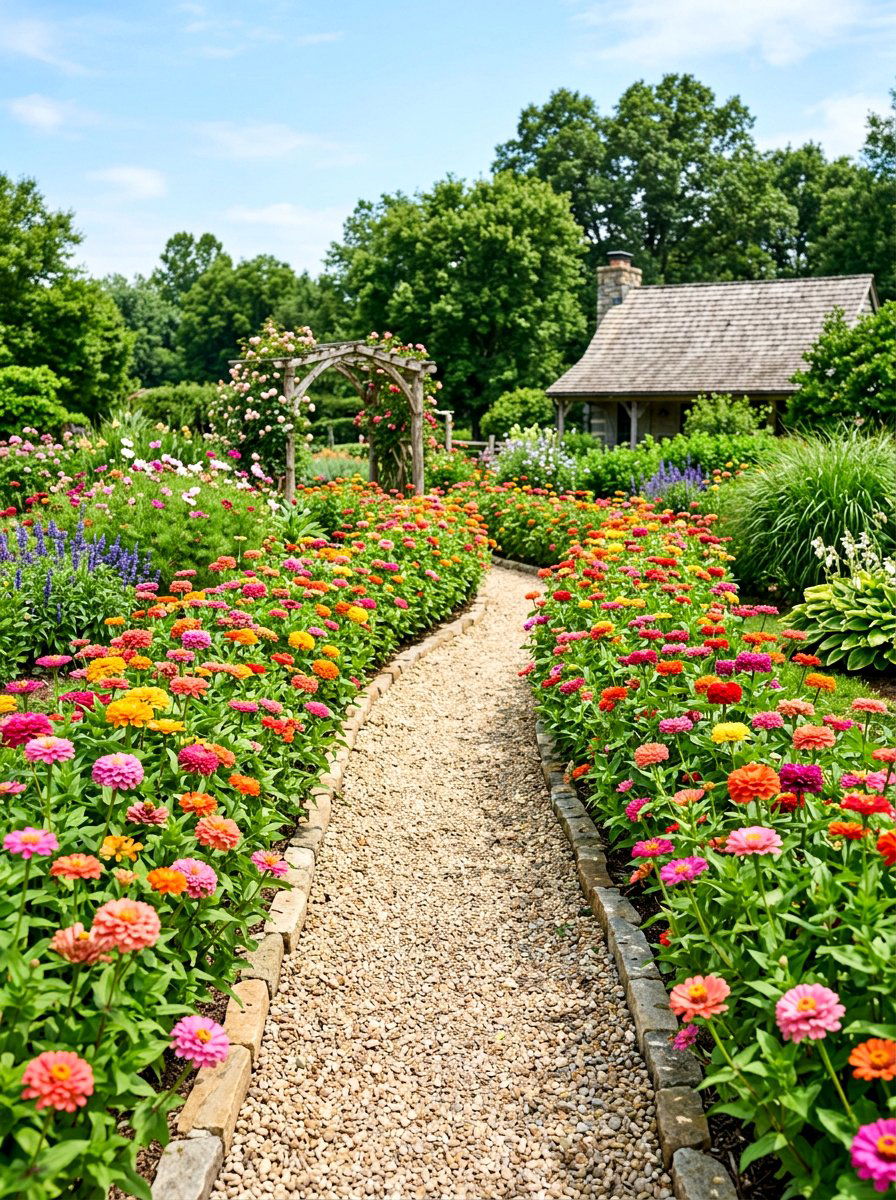
Transforming a simple path into a colorful journey is easy when you line your walkway with rows of vibrant zinnias. By planting medium-height varieties along the sides of a gravel or stone path, you create a sense of enclosure and beauty that guides people through the yard. As you walk, the flowers are close enough to enjoy their subtle scent and watch the butterflies dancing among the petals. This approach makes even a short walk to the mailbox or the garage feel like a special event. It is a wonderful way to add curb appeal to the front of your home with minimal cost.
21. Purple Zinnia Garden
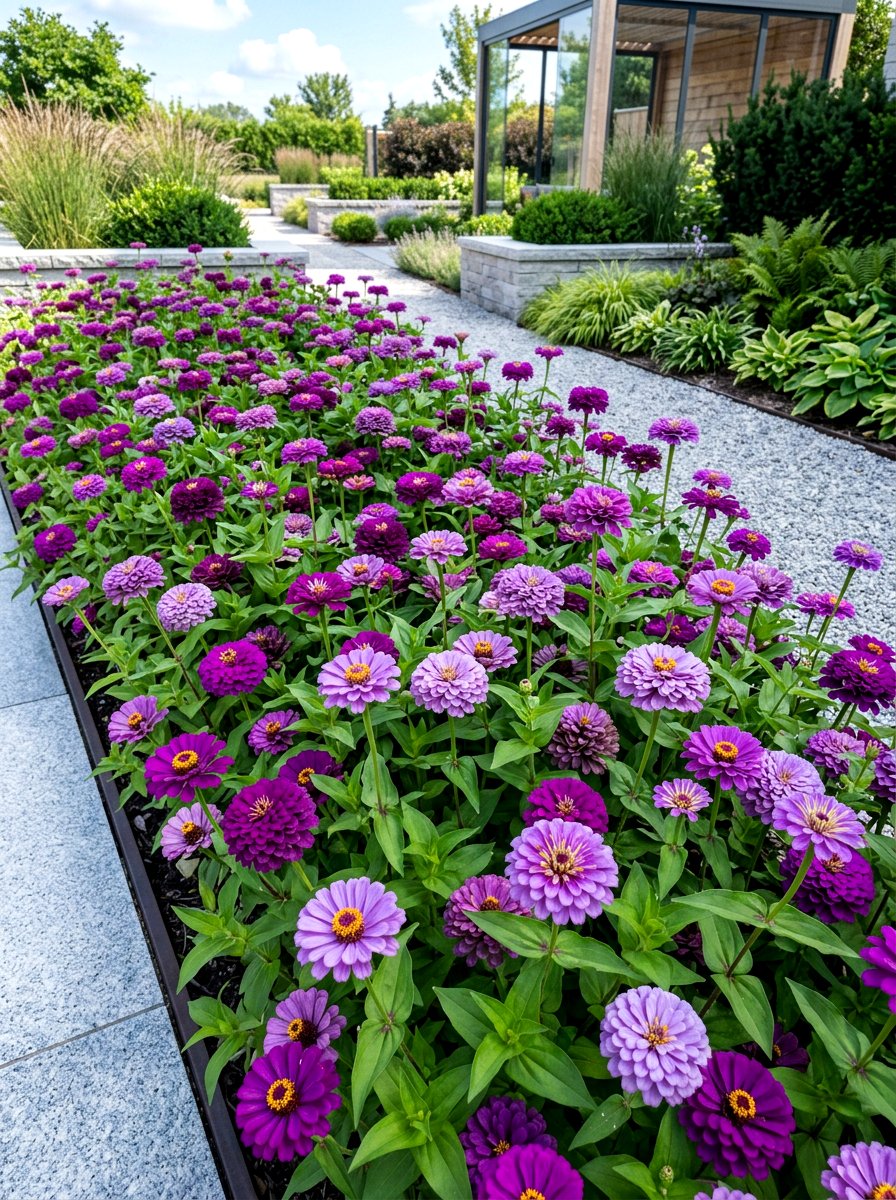
Deep purple zinnias offer a sense of mystery and richness that can make a summer garden feel more sophisticated and cool. Purple is a receding color, which means it can help make a small garden space feel larger and more expansive than it actually is. These shades look particularly beautiful when planted alongside yellow or orange flowers, which are their direct opposites on the color wheel. The high contrast makes both colors appear more vibrant and intense. Whether you choose a soft lavender or a deep royal grape, purple varieties add a regal touch to your outdoor landscape that lasts until autumn.
22. Yellow Zinnia Garden
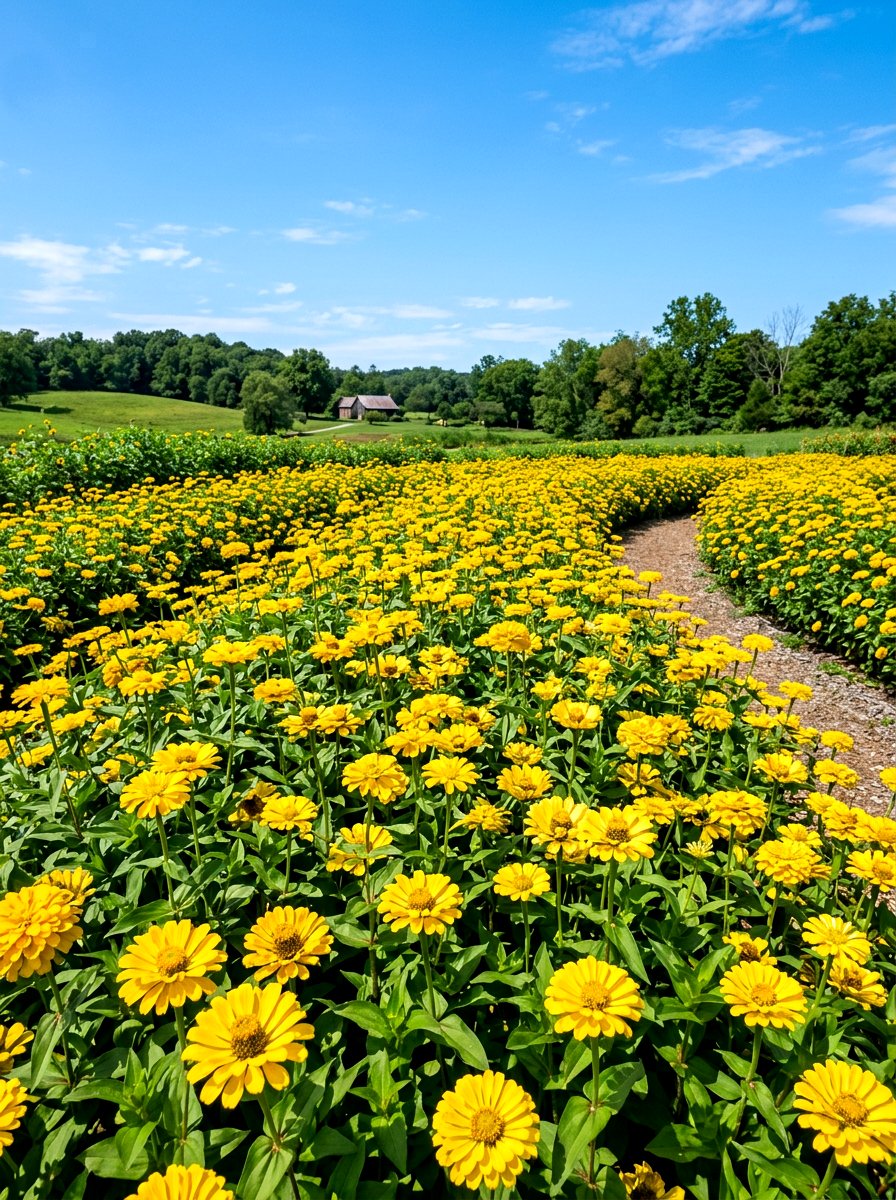
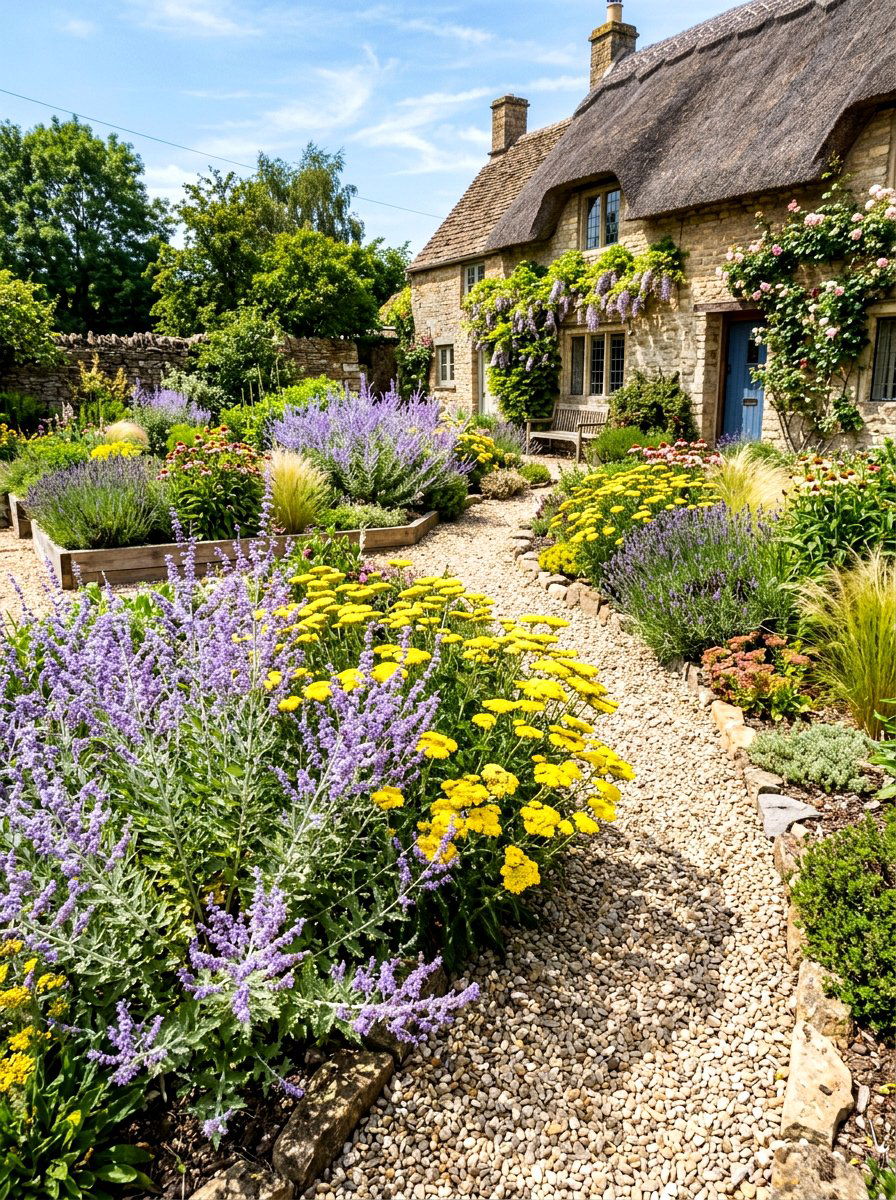
Nothing says "summer" quite like a bright yellow garden bed filled with cheerful, sun-loving zinnias. Yellow is the color of optimism and joy, and it has the power to brighten up even the most ordinary corners of your yard. These flowers are available in everything from soft lemon to deep golden mustard, allowing you to create a sunny and warm display. They look fantastic when paired with dark green shrubbery or blue-toned flowers like salvia. Because yellow is so highly visible, these zinnias will stand out from a long distance, making your home look welcoming and full of life to every passerby.
23. Zinnia And Cosmos Garden
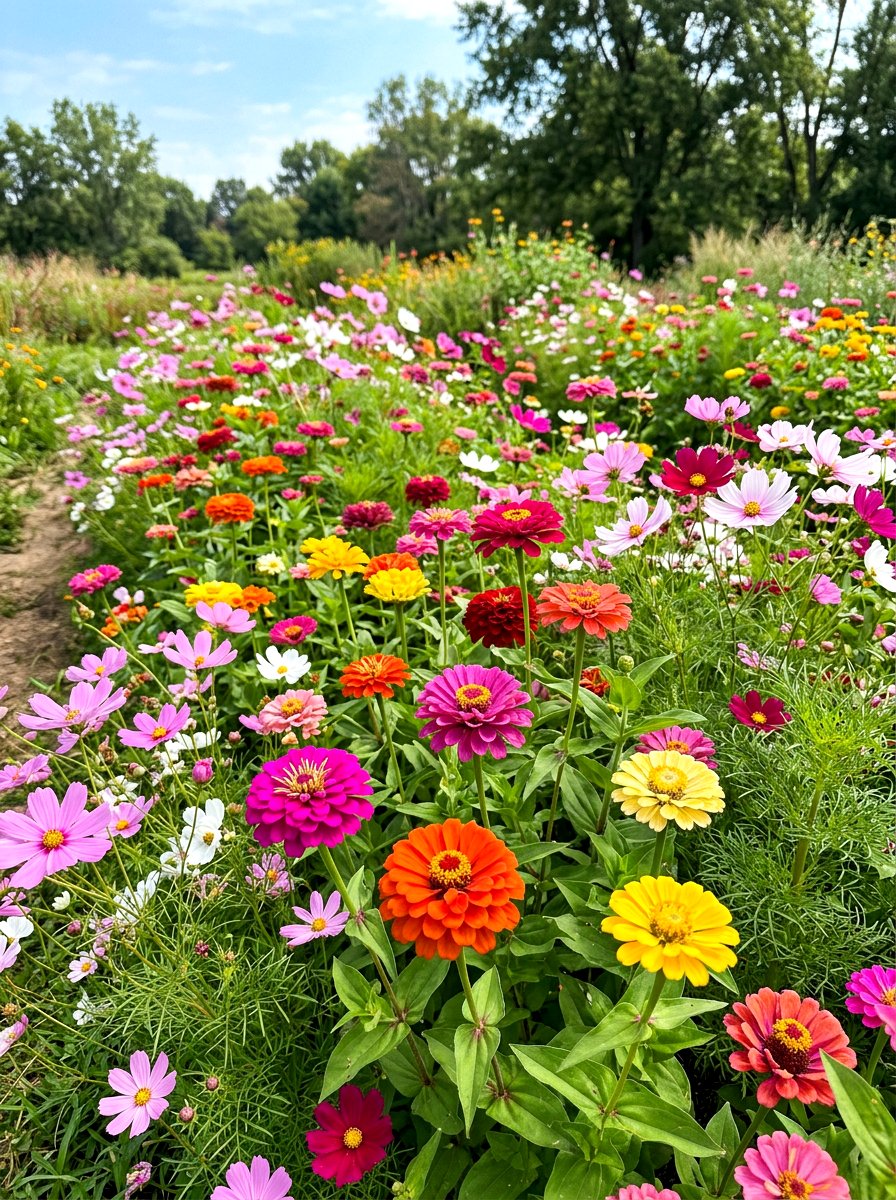
Mixing zinnias with the airy, delicate foliage of cosmos creates a beautiful contrast that feels light and graceful. While zinnias have strong, sturdy stems and thick leaves, cosmos offer feathery greenery and flowers that dance on the slightest breeze. Together, they create a balanced and textured look that mimics a natural meadow or a classic cottage garden. Both of these plants are very easy to grow from seed, making them a cost-effective way to fill a large area with flowers. They bloom at the same time and enjoy the same sunny conditions, making them the perfect partners for a low-maintenance summer display.
24. Zinnia Garden Fence
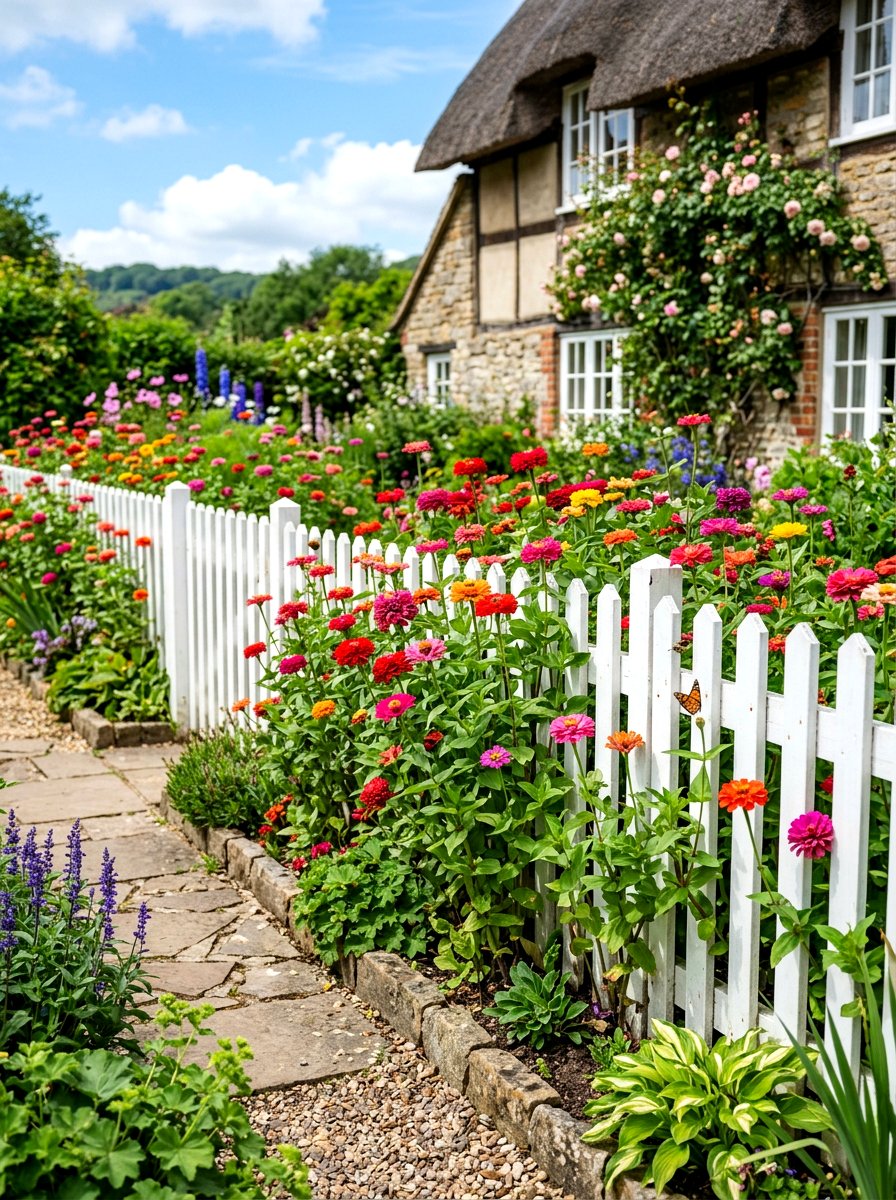
A wooden or chain-link fence can be completely transformed into a living wall of color by planting tall zinnias directly along its length. The fence provides natural support for the taller varieties, protecting them from being blown over by strong winds. This creates a beautiful "floral wallpaper" effect that masks the structural elements of your yard and adds a layer of privacy. You can choose a single color for a clean look or a wild mix for a more casual feel. It is a great way to utilize the vertical space in your yard while providing a beautiful view for both you and your neighbors.
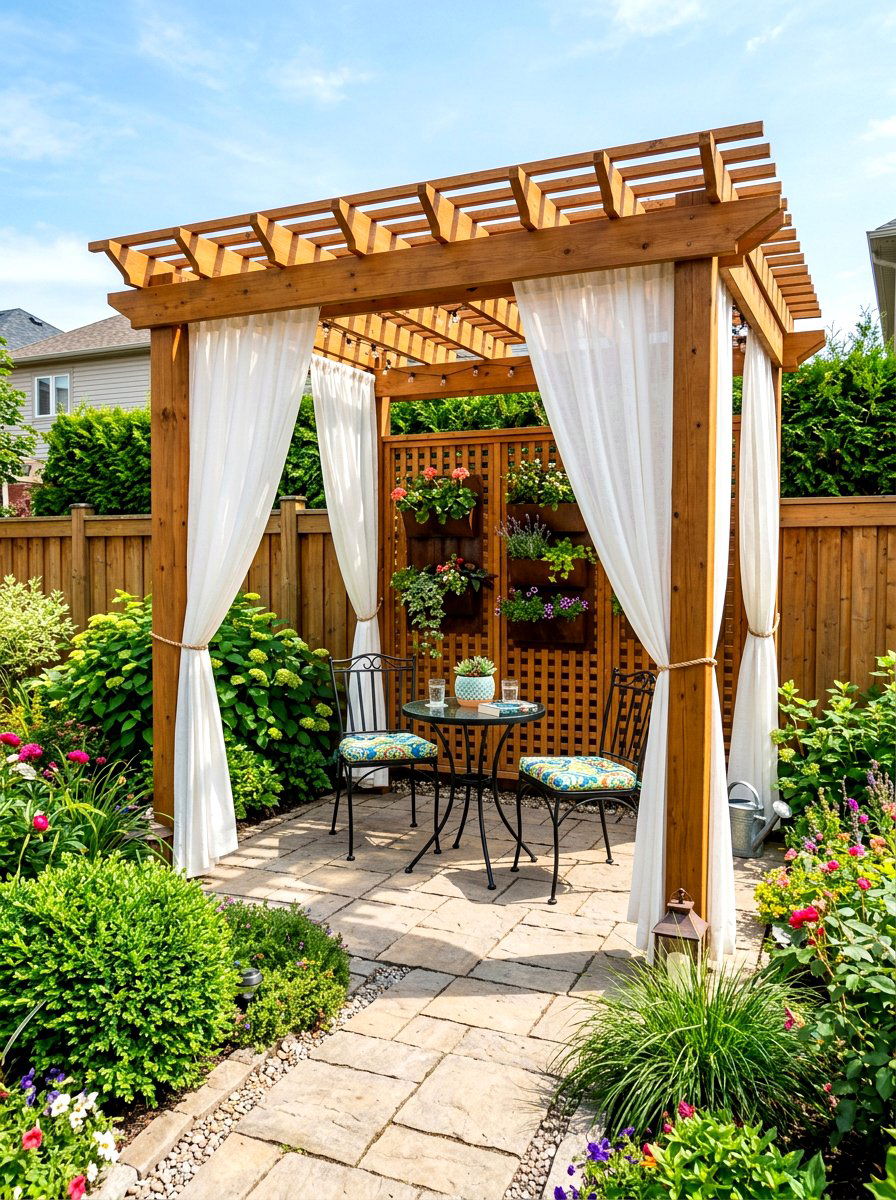
25. Formal Zinnia Garden
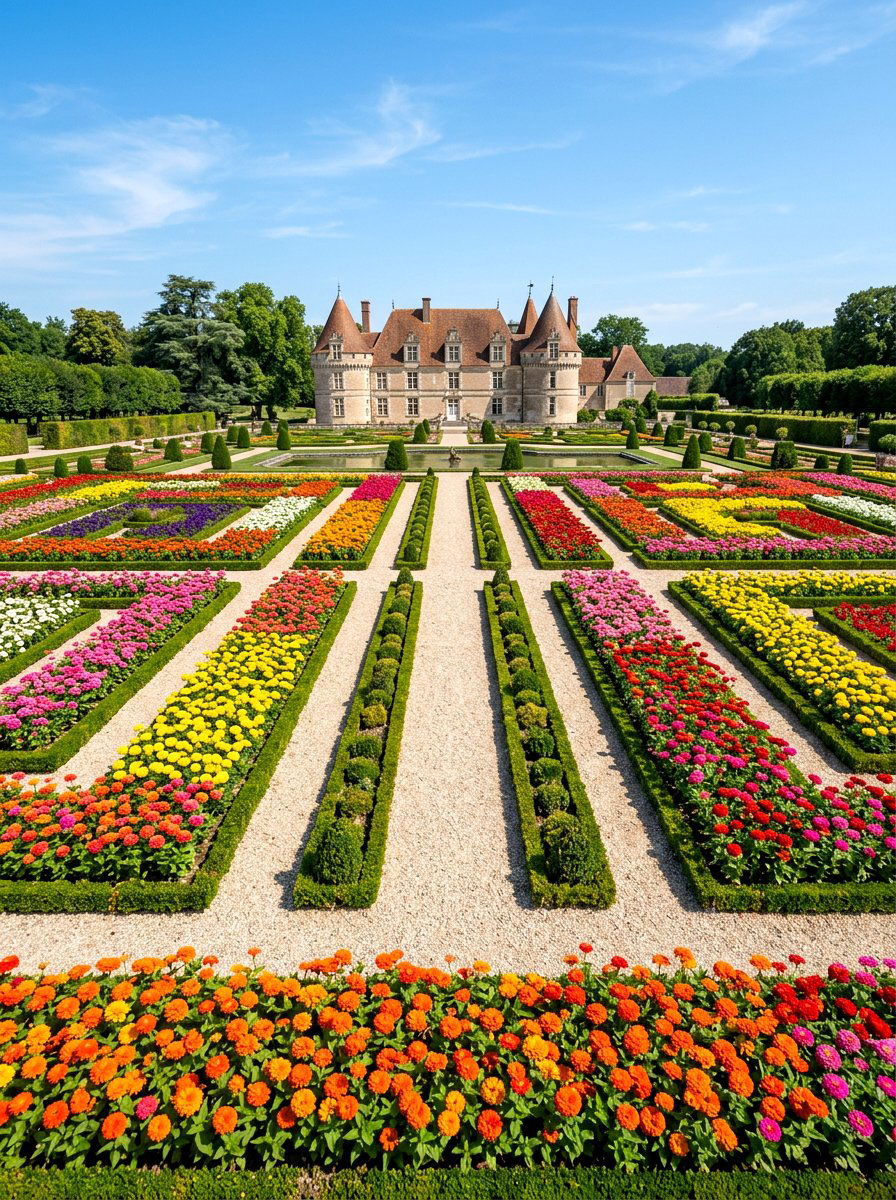
While zinnias are often associated with casual cottage styles, they can also be used to create a very structured and formal garden. By planting them in precise geometric shapes, such as circles or squares, you can achieve a high-end look that mimics European estate gardens. Using single-color blocks of dwarf varieties helps maintain clean lines and a sense of order. This approach requires a bit more planning during the planting stage but results in a stunning, high-impact display that looks incredibly professional. It proves that these simple annual flowers can be just as elegant as more expensive perennial plants when designed with intention.
26. Wildflower Zinnia Field
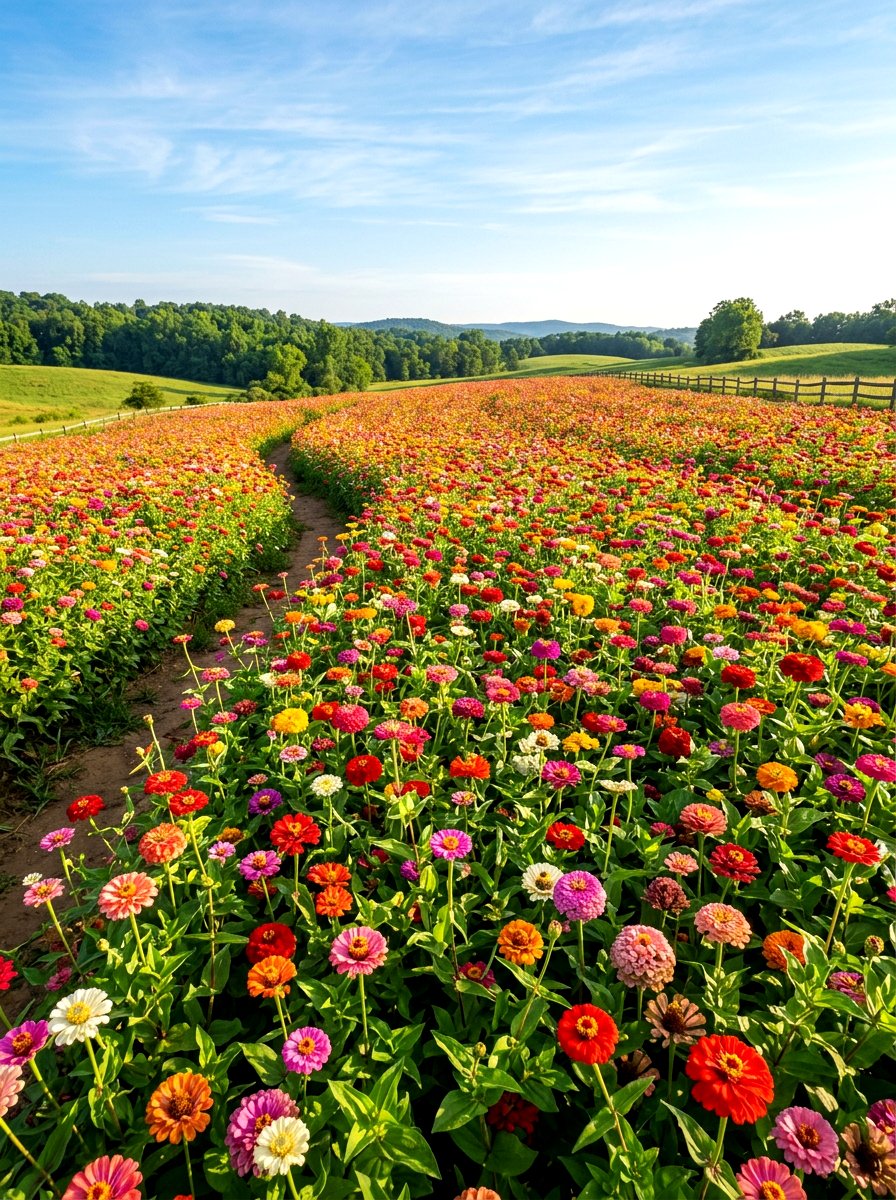
If you have a large, empty patch of land that you don't want to mow, turning it into a wildflower-style zinnia field is a brilliant idea. By simply scattering a large quantity of mixed seeds across prepared soil, you can create a massive carpet of color that requires very little work. This style looks very natural and provides an incredible amount of food for local pollinators. It is a great way to bring a sense of the countryside to a suburban backyard. Once the plants are established, they will shade out most weeds, leaving you with a beautiful, low-maintenance sea of flowers all summer.
27. Zinnia Window Box
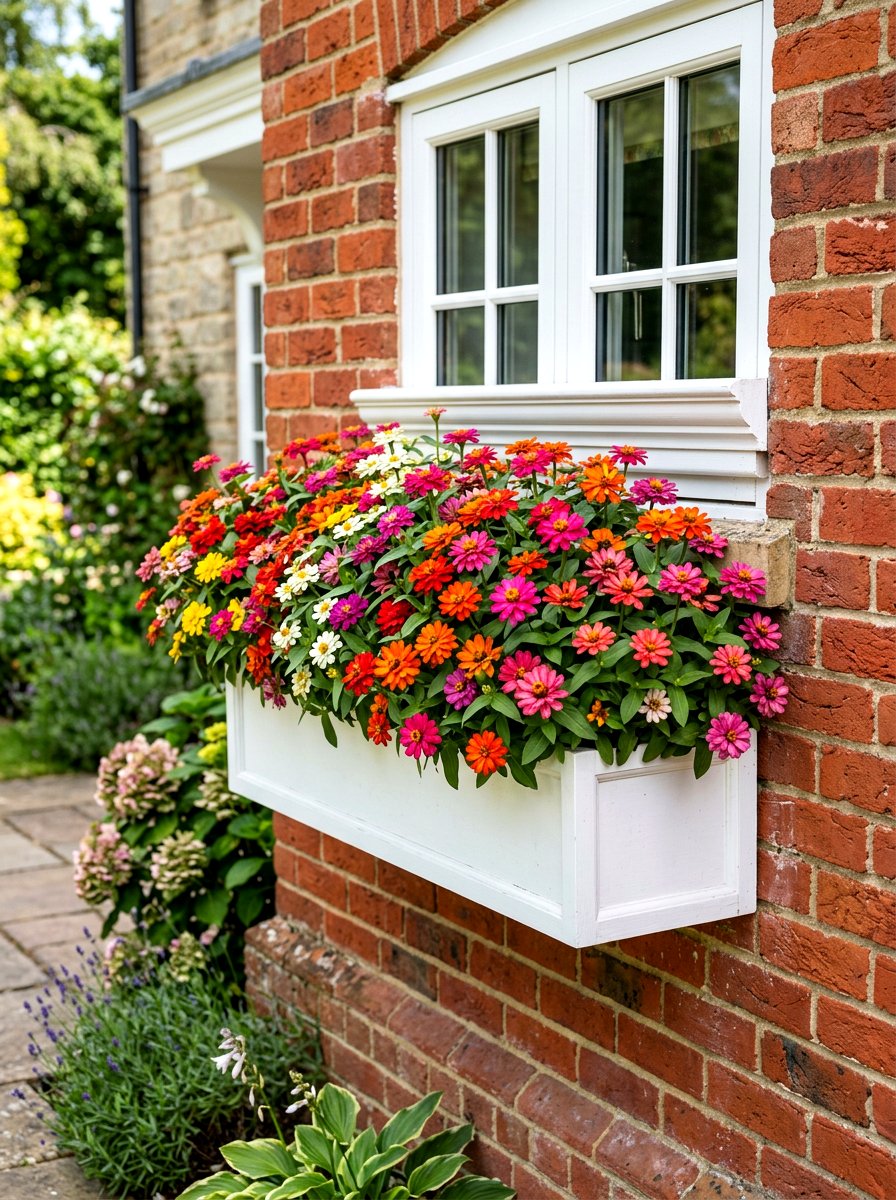
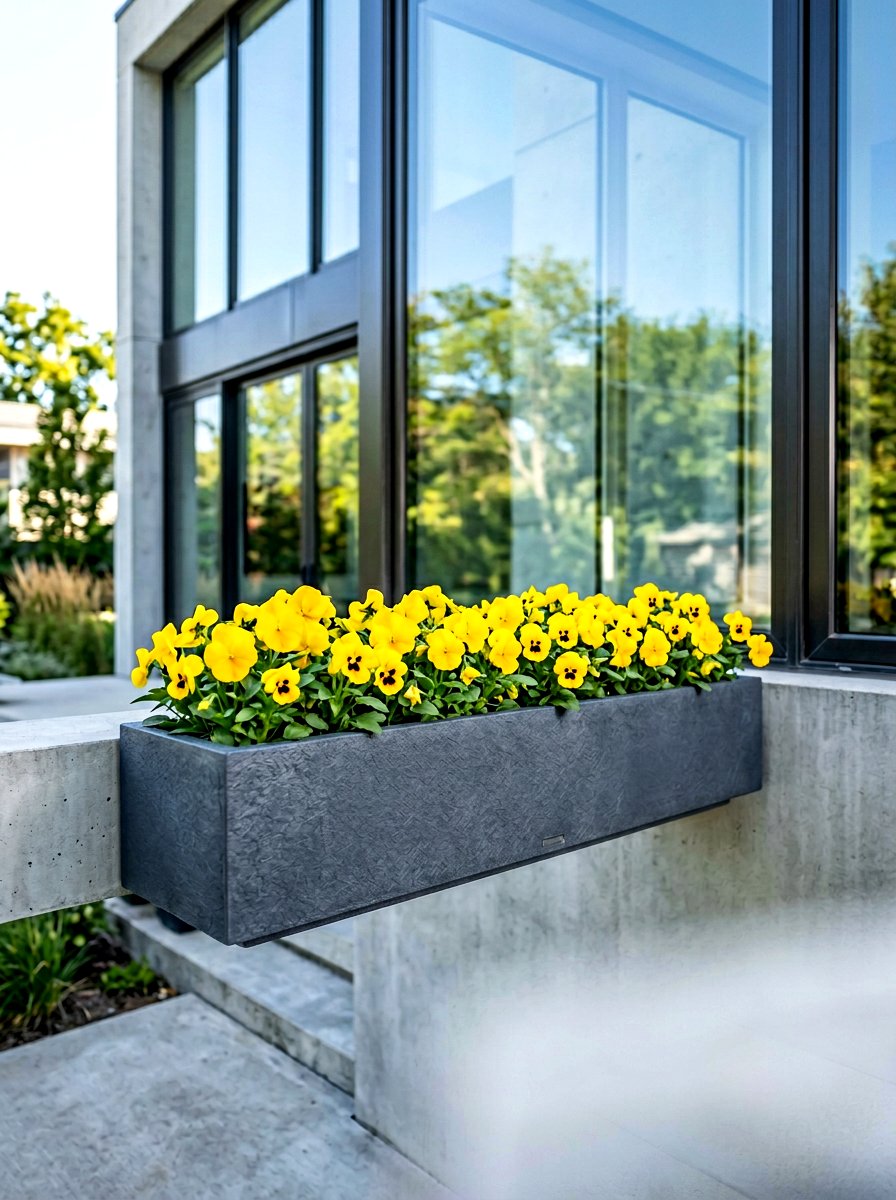
Adding a splash of color to the exterior of your home is easy with a well-planted zinnia window box. Compact varieties are perfect for these containers because they stay tidy and won 't block your view from the inside. The bright flowers can be seen from the street, immediately boosting your home' s curb appeal and making it look more cared for. Because window boxes tend to dry out quickly, be sure to water them regularly and use a high-quality potting mix that retains moisture. The result is a cheerful frame for your windows that brings a little bit of the garden closer to your daily life.
28. Pastel Zinnia Garden
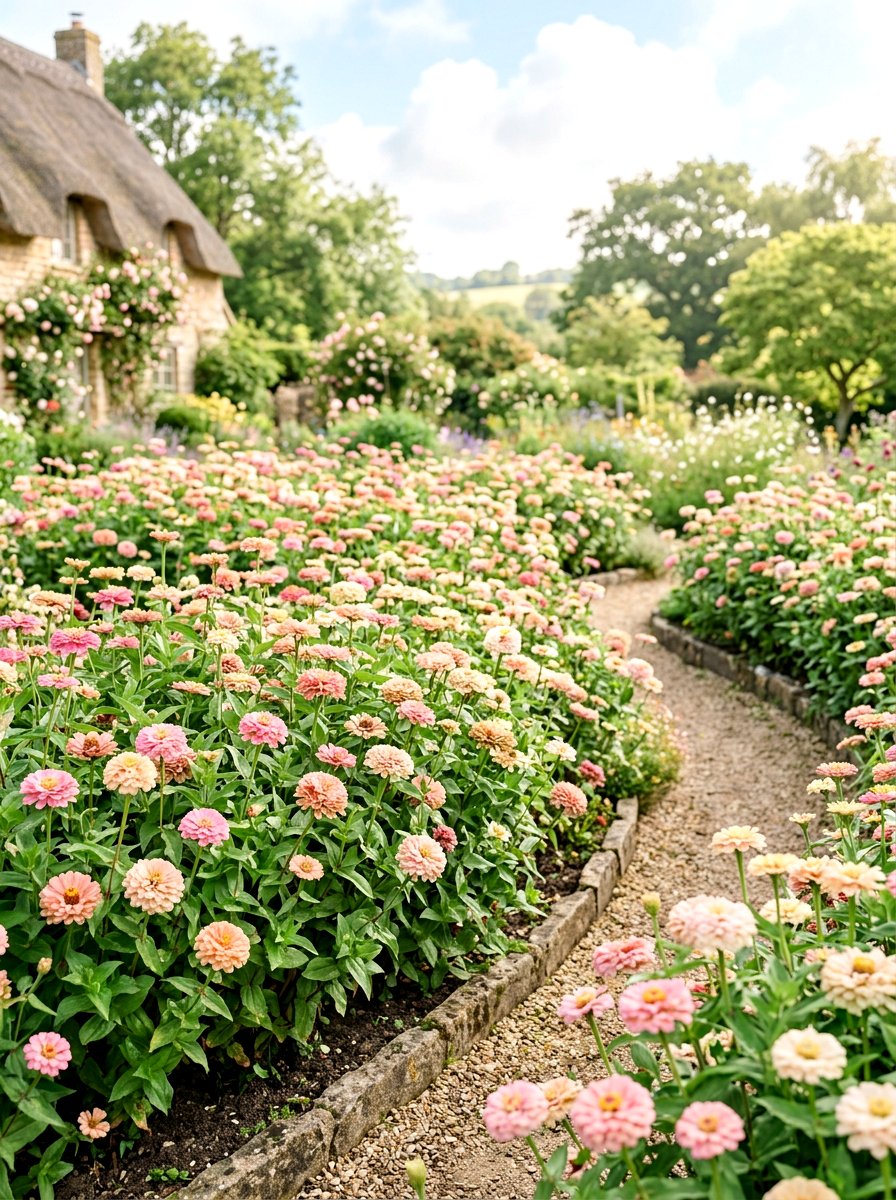
For a soft and dreamy look that feels like a watercolor painting, consider a pastel-themed zinnia garden. Using shades of blush pink, soft apricot, pale yellow, and light lavender creates a calming and sophisticated atmosphere. These colors are less aggressive than bright primary tones, making the garden feel like a peaceful retreat from the busy world. Pastel flowers look particularly beautiful in the early morning light when the dew is still on the petals. This color palette is also very popular for wedding flowers, so you can grow your own beautiful blooms for special events and home decor right in your backyard.
29. Benary Giant Zinnia Garden
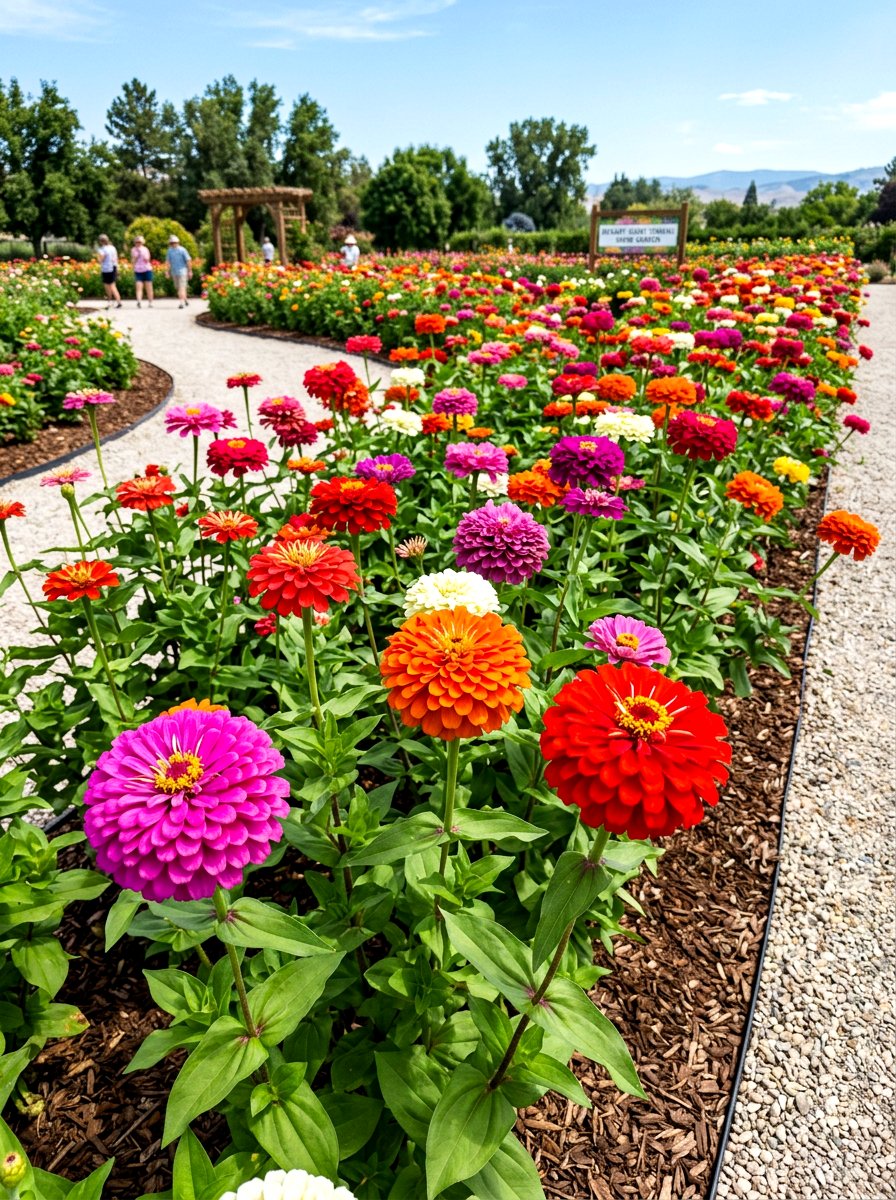
If you want the biggest and most impressive flowers possible, the Benary’s Giant series is the gold standard for home gardeners. these plants are specifically bred for their massive, fully double blooms that can reach up to five inches across. They are incredibly vigorous and resistant to many common garden diseases, such as powdery mildew, which can sometimes affect other varieties. Because they grow quite tall and heavy, they make a significant visual impact in the middle or back of a flower bed. These are the flowers that people will stop and ask about, as their size and perfection are truly remarkable.
30. Profusion Zinnia Garden
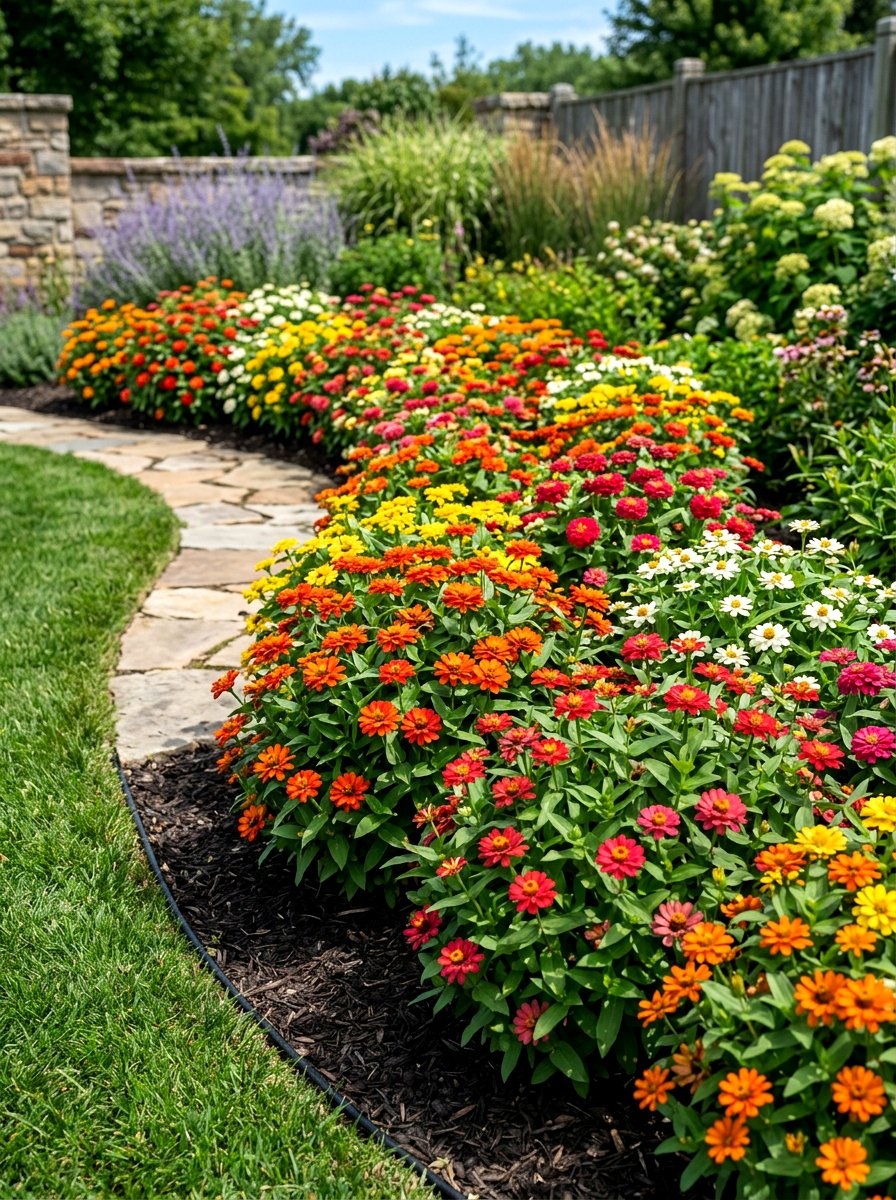
Low-maintenance gardening becomes a reality when you incorporate the Profusion series of zinnias into your home landscaping plan. These hybrids are specifically bred to be highly resistant to heat stress and disease, which are common issues for traditional varieties. They typically grow in tidy, mounded shapes that stay compact throughout the entire summer without any pruning. This makes them an excellent choice for foundation plantings, mass ground covers, or neat edges along a driveway. Since they do not require deadheading to keep blooming, they are the ultimate "plant it and forget it" solution for busy homeowners who still want a bright, colorful yard.
Conclusion:
Starting a zinnia garden is one of the most fulfilling projects any homeowner can undertake during the spring and summer months. These versatile flowers offer endless possibilities for customization, whether you prefer a wild meadow look or a structured, formal garden display. By selecting the right varieties for your specific climate and soil conditions, you can enjoy a season filled with vibrant colors and busy pollinators. Remember that the key to success lies in plenty of sunlight and regular watering during dry spells. We hope these concepts inspire you to dig into the dirt and create a stunning floral masterpiece that brings daily joy to your life.

Related posts: