Starting a sunny vegetable garden is one of the most rewarding ways to transform your outdoor space into a productive oasis of fresh flavors. When you have a site that receives at least six to eight hours of direct sunlight, the possibilities for growing high-yield crops are virtually endless. From juicy tomatoes to vibrant peppers and lush leafy greens, the power of the sun fuels the photosynthesis required for a bountiful harvest. Planning your garden layout involves considering how light moves across your yard throughout the day to ensure every plant thrives. By choosing the right structures and plant varieties, you can create a beautiful, sun-drenched landscape that provides healthy food for your family throughout the entire growing season.
1. Raised Vegetable Garden Beds
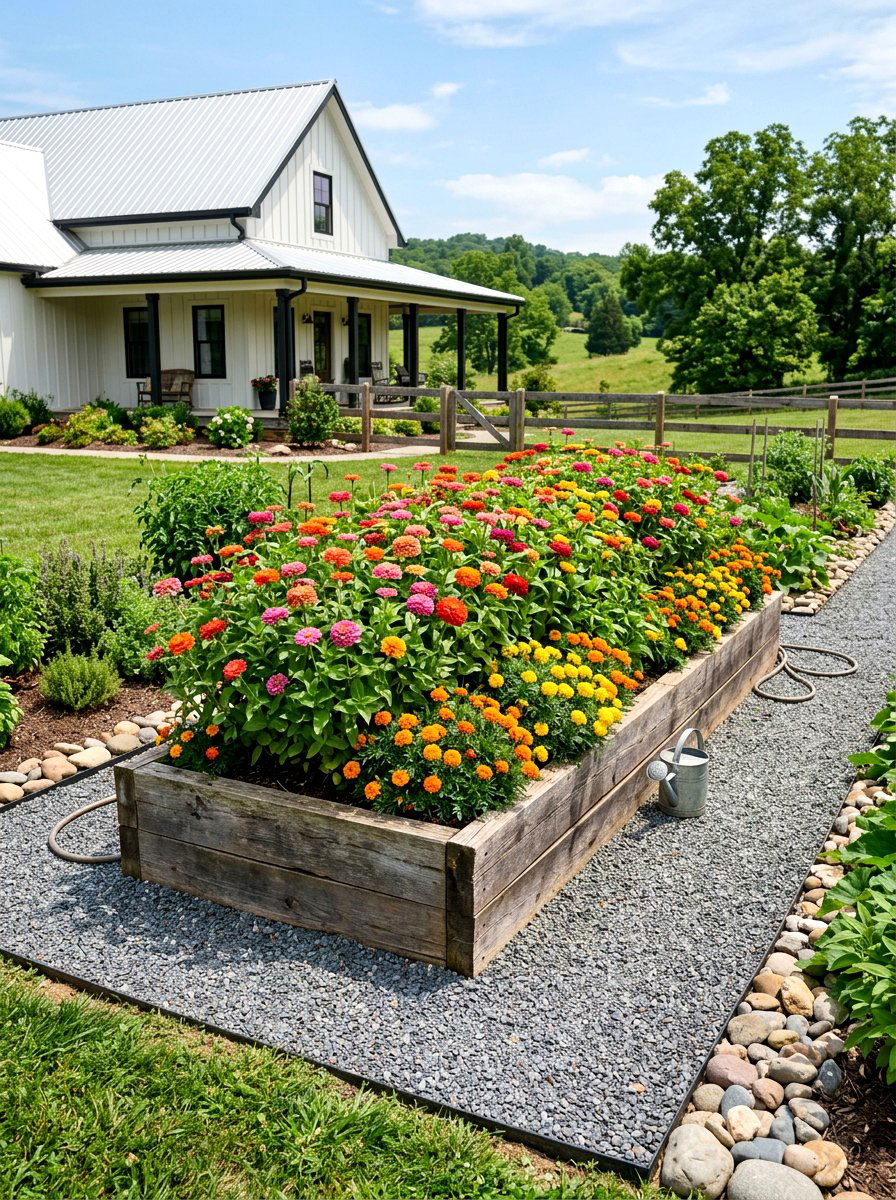
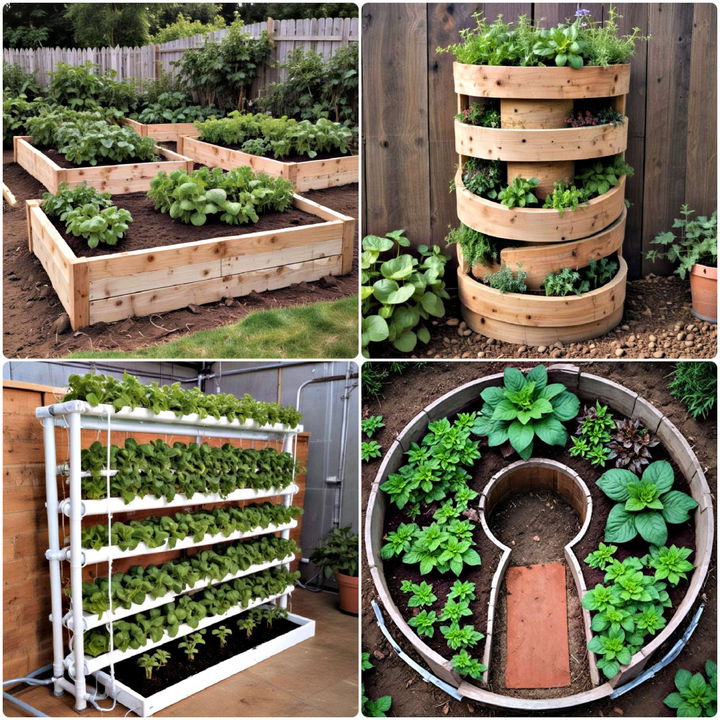
Raised vegetable garden beds are a fantastic solution for any backyard because they provide superior drainage and better control over soil quality. By elevating your planting area, you create a dedicated space where sun-loving crops like peppers and eggplants can flourish without competition from lawn grass. These structures are often built from cedar or durable metal, which adds a clean and organized look to your landscape. You can arrange several rectangular beds in a grid pattern with wide gravel paths in between to ensure easy access for harvesting and maintenance. This setup maximizes sunlight exposure and keeps your growing area looking professional and tidy all year long.
2. Vertical Vegetable Garden Wall
A vertical vegetable garden wall is the perfect choice for homeowners with limited ground space who still want a massive harvest. By utilizing vertical structures like wall-mounted planters or modular pockets, you can grow a variety of greens and herbs right against a sunny fence or exterior wall. This approach allows climbing plants such as cucumbers and pole beans to reach toward the sun while keeping the foliage off the ground. It also creates a stunning green focal point that softens hard architectural lines. Installing a simple drip irrigation line at the top ensures every layer of your vertical garden receives consistent moisture throughout the summer heat.
3. Container Vegetable Garden Layout
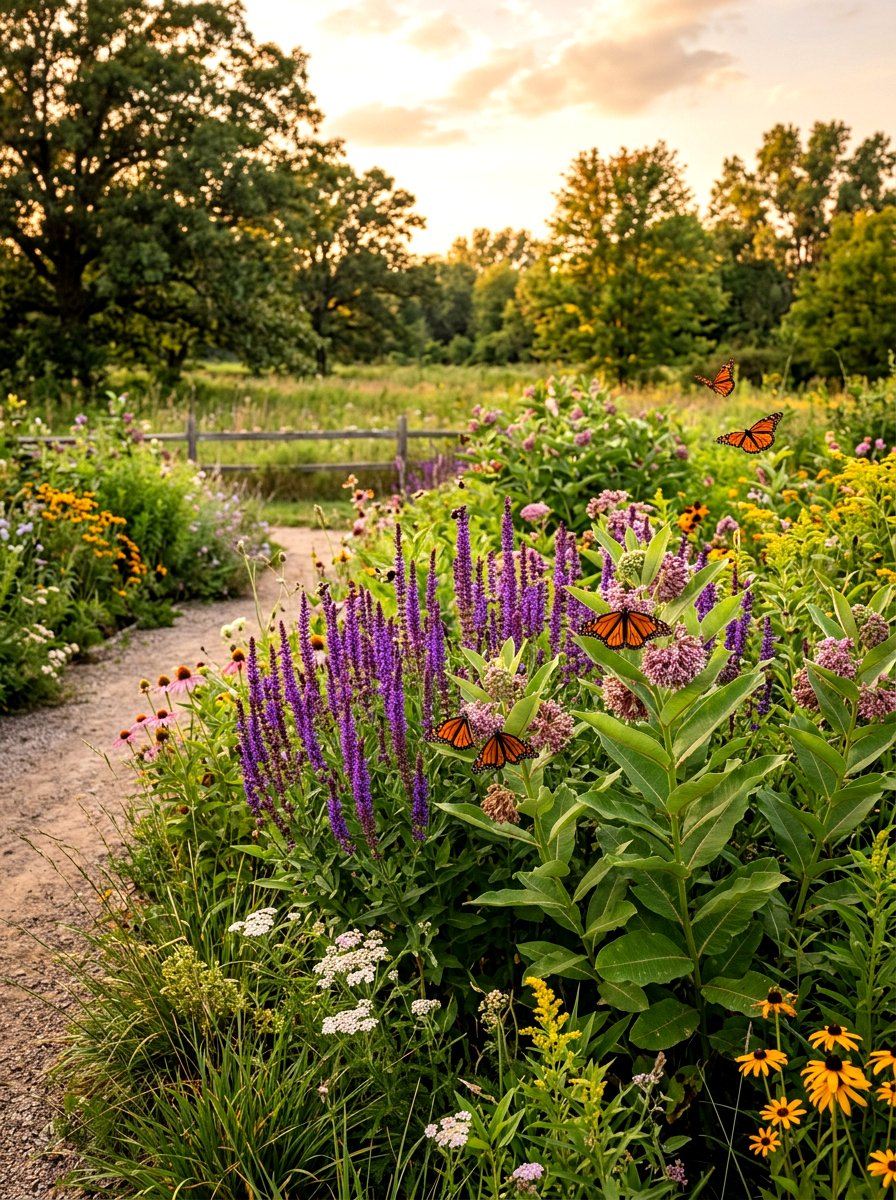
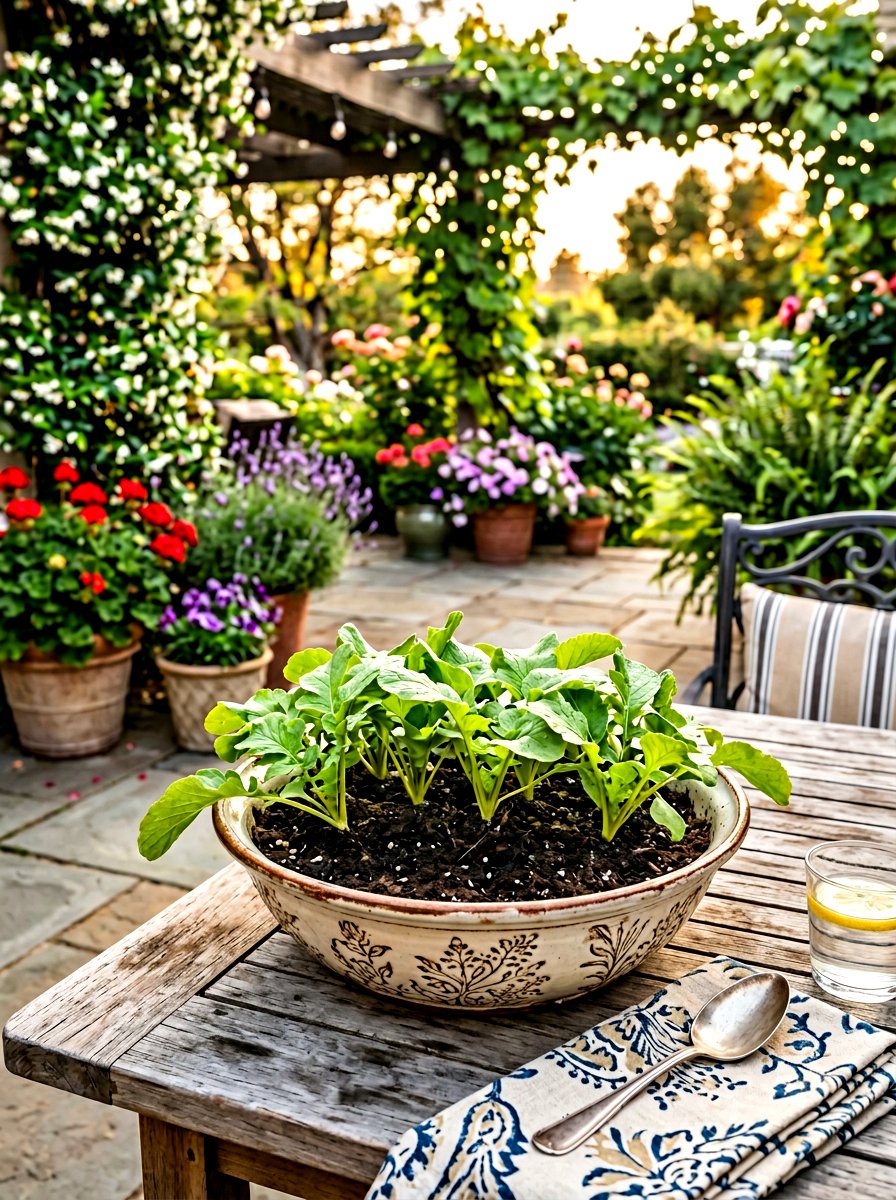
Container vegetable garden layouts offer incredible flexibility because you can move your pots around to follow the sun as the seasons change. Large ceramic pots, fabric grow bags, and wooden barrels are ideal for growing high-sun crops like cherry tomatoes and bush varieties of zucchini. By grouping different container sizes together, you create a visually interesting arrangement on a patio or deck. This method is particularly helpful for urban gardeners who only have a concrete balcony but still want to enjoy fresh produce. Adding a layer of organic mulch to the top of each pot helps retain moisture during those long, hot, sunny summer afternoons.
4. Edible Landscape Layout
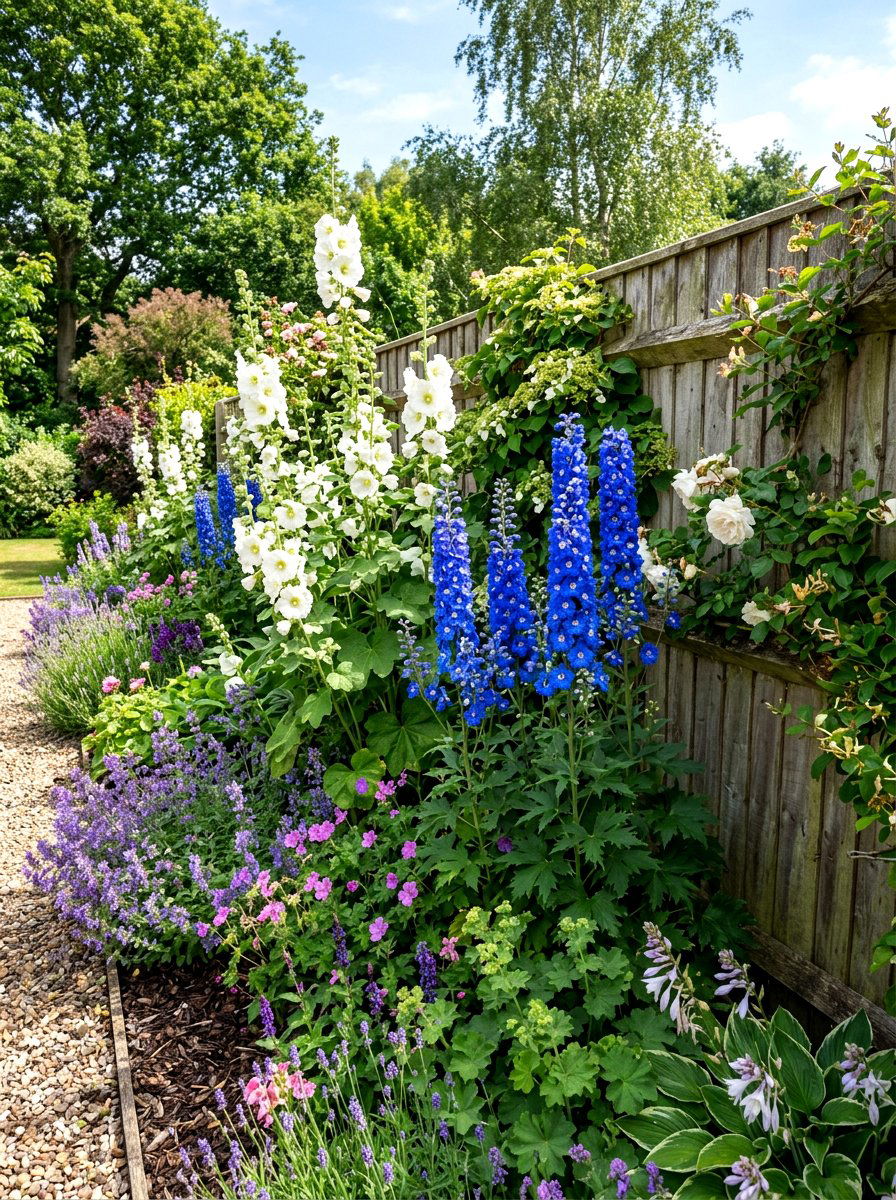
Integrating vegetables into your existing flower beds creates an edible landscape layout that is both functional and beautiful to look at. You can mix colorful Swiss chard with ornamental perennials or use curly kale as a textured border plant along a sunny walkway. This design philosophy breaks the tradition of hiding the vegetable patch in the back corner of the yard. Instead, your food becomes part of the front-facing curb appeal of your home. Strategic placement of fruiting shrubs like blueberries alongside traditional vegetables ensures a diverse harvest. This integrated approach makes the most of every sunny inch while maintaining a lush, curated backyard aesthetic.
5. Vegetable Garden Trellis

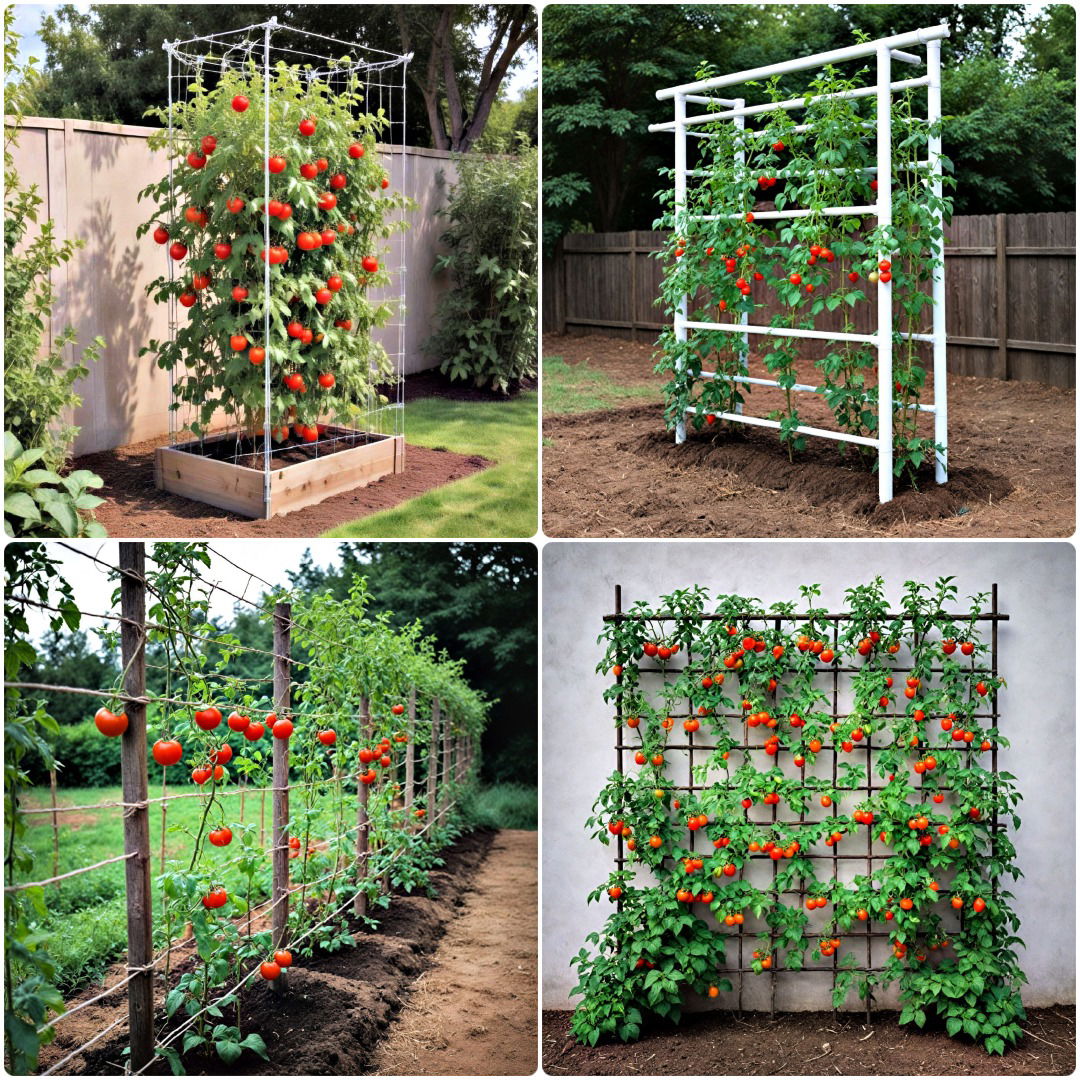
A vegetable garden trellis is a vital structure for any gardener looking to grow vining crops like peas, beans, and certain varieties of squash. These vertical supports can be made from cattle panels, bamboo poles, or elegant wrought iron to match your home’s style. Positioned in the center of a sunny bed, a trellis provides excellent air circulation, which reduces the risk of fungal diseases. It also makes harvesting much easier because the fruit hangs at eye level rather than hiding under dense ground foliage. An arched trellis can even create a beautiful gateway into your garden, offering a shaded tunnel where you can plant heat-sensitive greens.
6. Square Foot Gardening
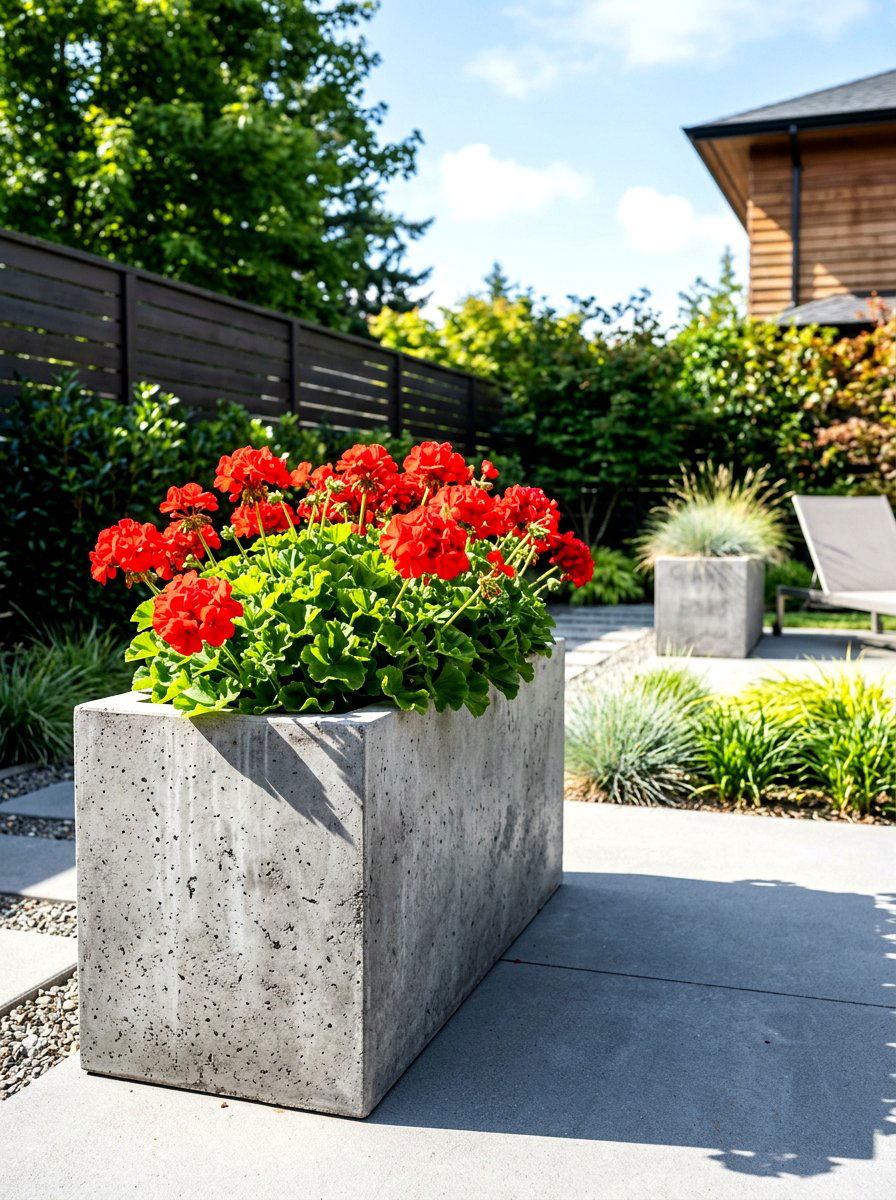
Square foot gardening is an intensive and highly organized method that is ideal for maximizing productivity in small, sunny backyard spaces. By dividing a raised bed into a grid of one-foot squares, you can precisely plan exactly how many plants fit into each area. This system prevents overcrowding while ensuring that every individual plant receives its fair share of direct sunlight and soil nutrients. It is a great way to grow a wide variety of vegetables in a single four-by-four-foot space. The grid system also simplifies the process of crop rotation and succession planting, making your garden much easier to manage over several growing seasons.
7. Formal Potager Garden
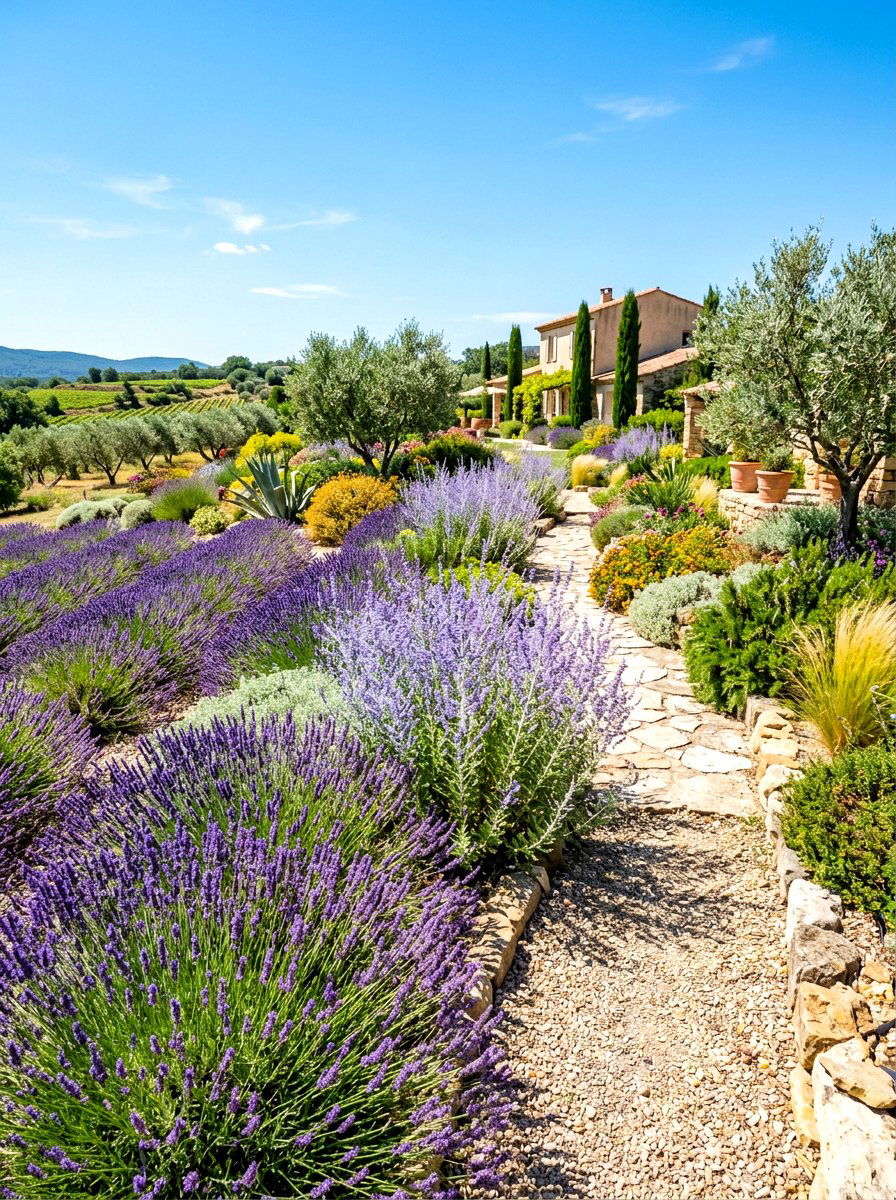
A formal potager garden brings a touch of classic French elegance to your vegetable patch by using geometric patterns and symmetrical layouts. This style often features a central focal point, like a sun dial or a large planter, with beds radiating outward in a cross or circular design. You can edge the beds with low-growing herbs like boxwood or lavender to define the shapes and add a wonderful fragrance. This type of garden is meant to be as beautiful as it is productive, combining flowers and vegetables in a structured environment. It works best in a wide-open, sunny area where the architecture of the garden can be fully appreciated.
8. Backyard Vegetable Patch
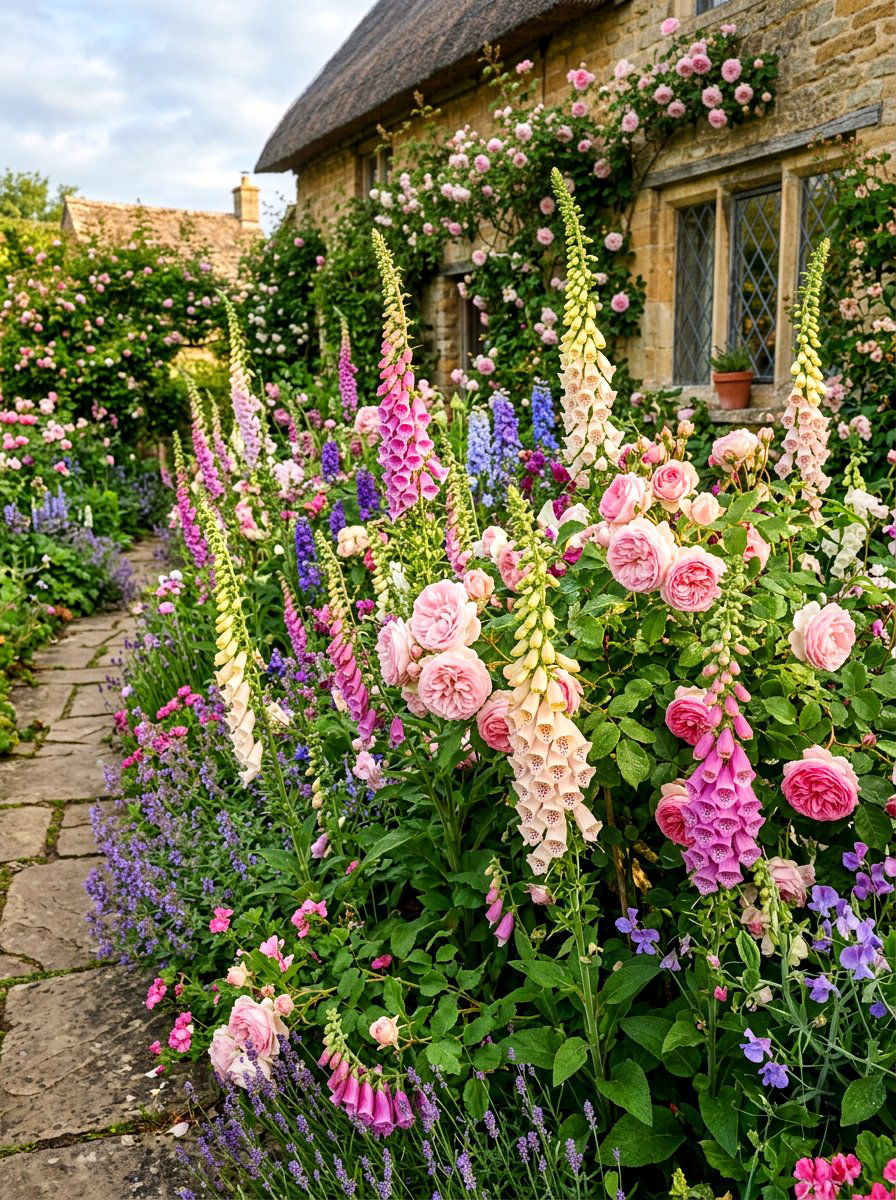
A traditional backyard vegetable patch is the classic way to grow large quantities of food if you have a wide, sunny lawn. By tilling the soil directly into the ground, you can create long rows of corn, potatoes, and pumpkins that have plenty of room to spread out. This method is often the most cost-effective because it doesn't require expensive building materials for raised beds. To keep it organized, you can use simple mulch paths between the rows to prevent soil compaction and keep your shoes clean while working. This expansive layout is perfect for families who want to preserve their harvest through canning or freezing for winter.
9. Greenhouse Vegetable Garden
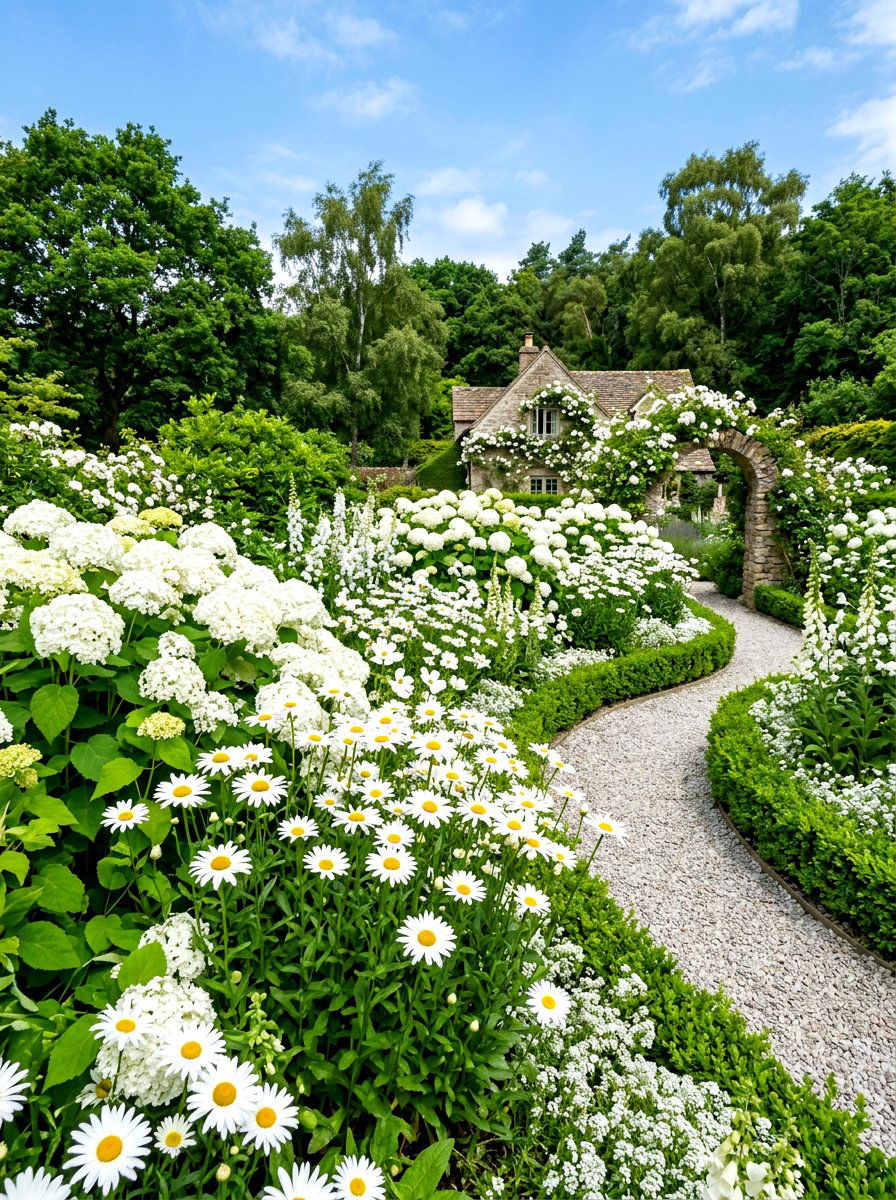
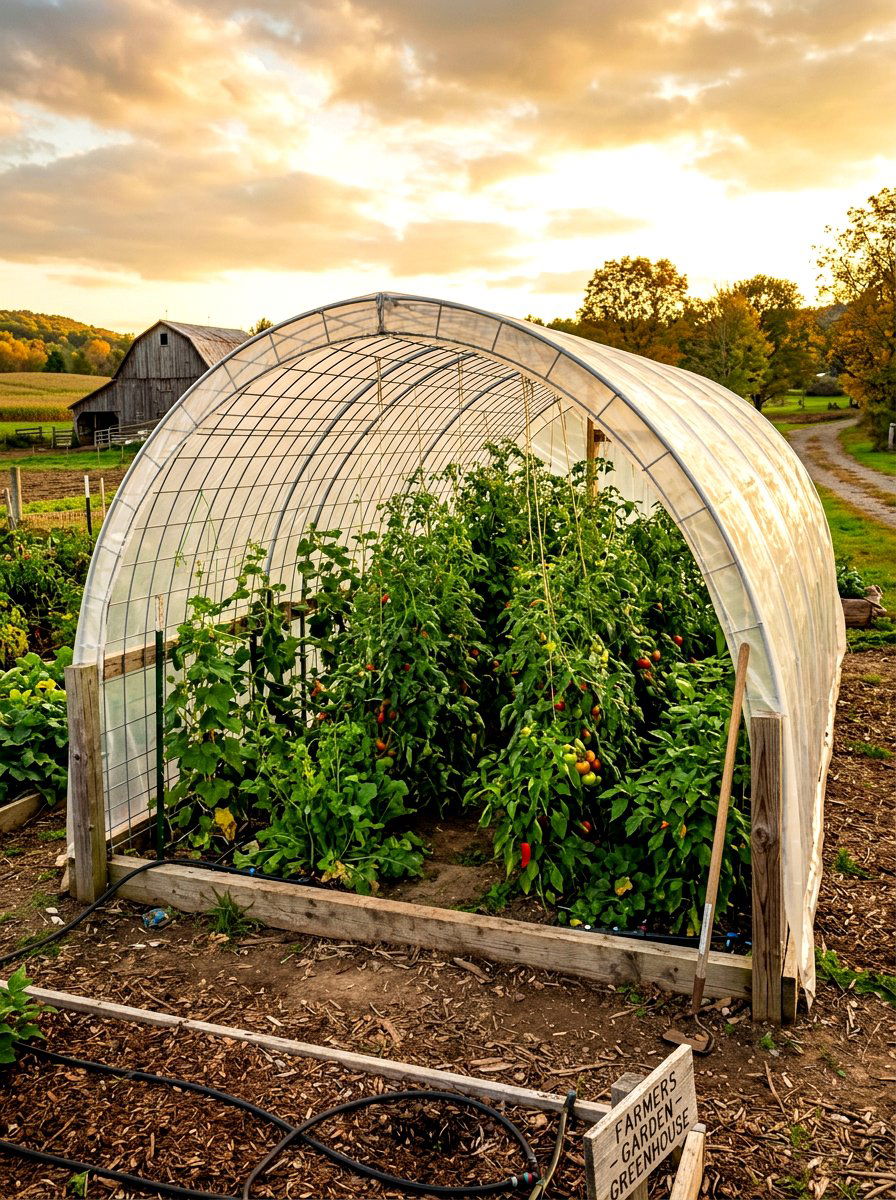
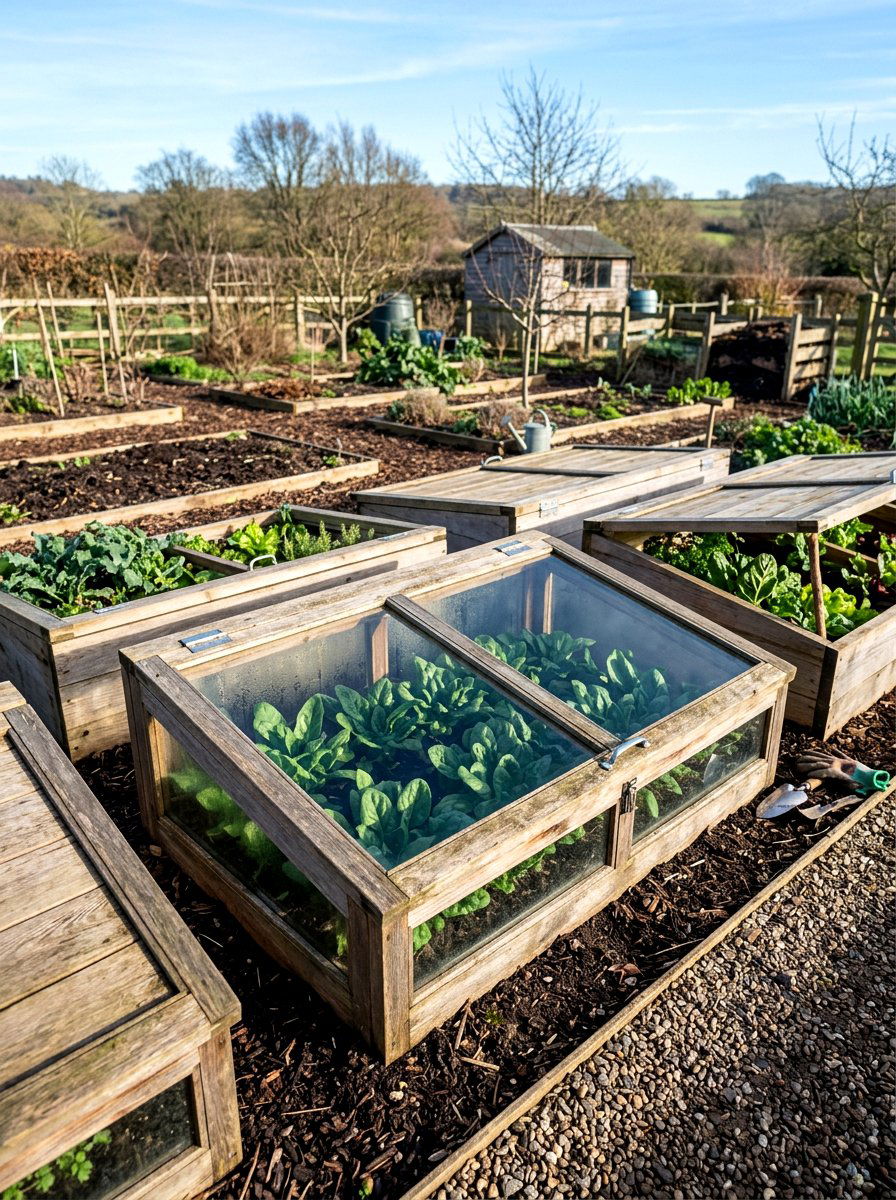
A greenhouse vegetable garden allows you to capture the sun's energy to extend your growing season well into the cooler months of the year. These glass or polycarbonate structures create a warm microclimate where you can start seeds early in the spring and keep peppers producing long after the first frost. In the height of summer, greenhouses provide a controlled environment that protects delicate plants from heavy rain or wind. You can set up shelving units inside to maximize vertical space and install automatic vent openers to regulate the temperature. This setup is a dream for dedicated gardeners who want a year-round connection to their homegrown food.
10. Rooftop Vegetable Garden
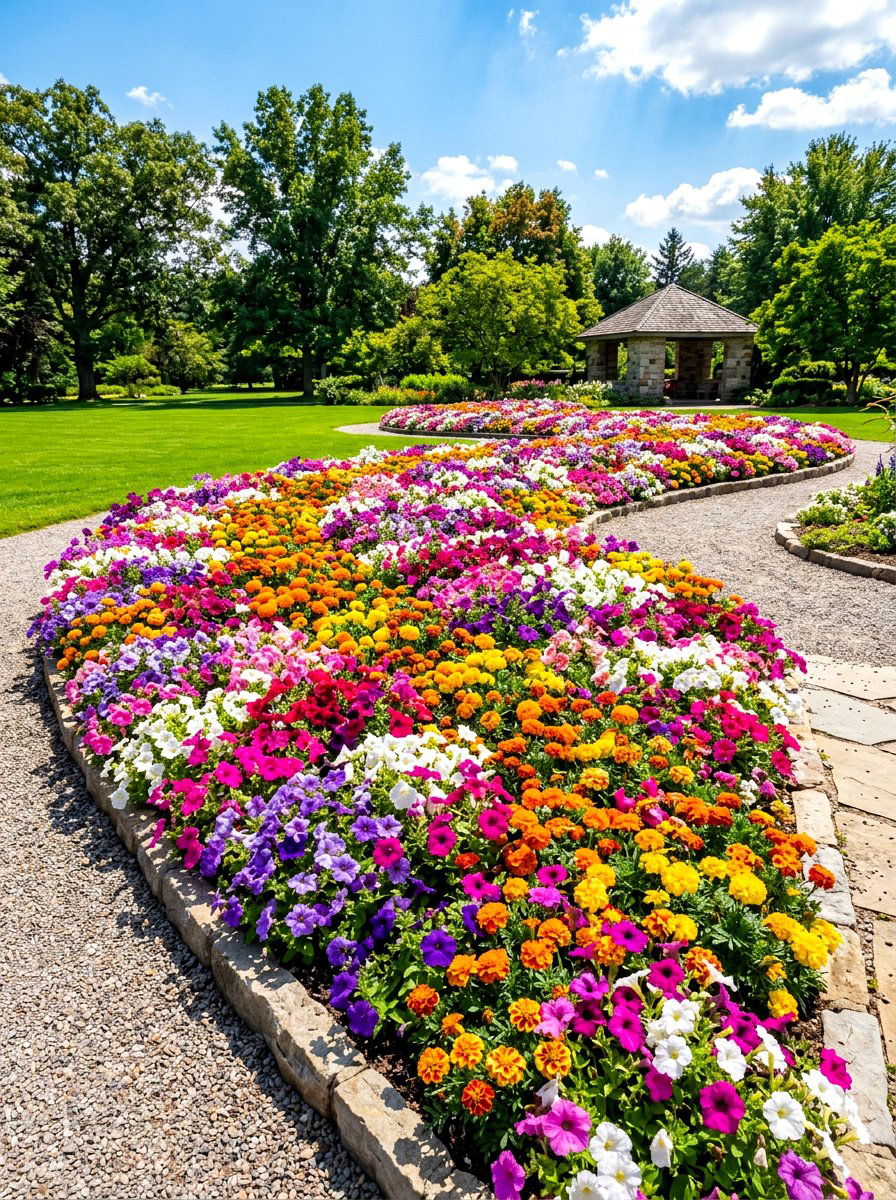
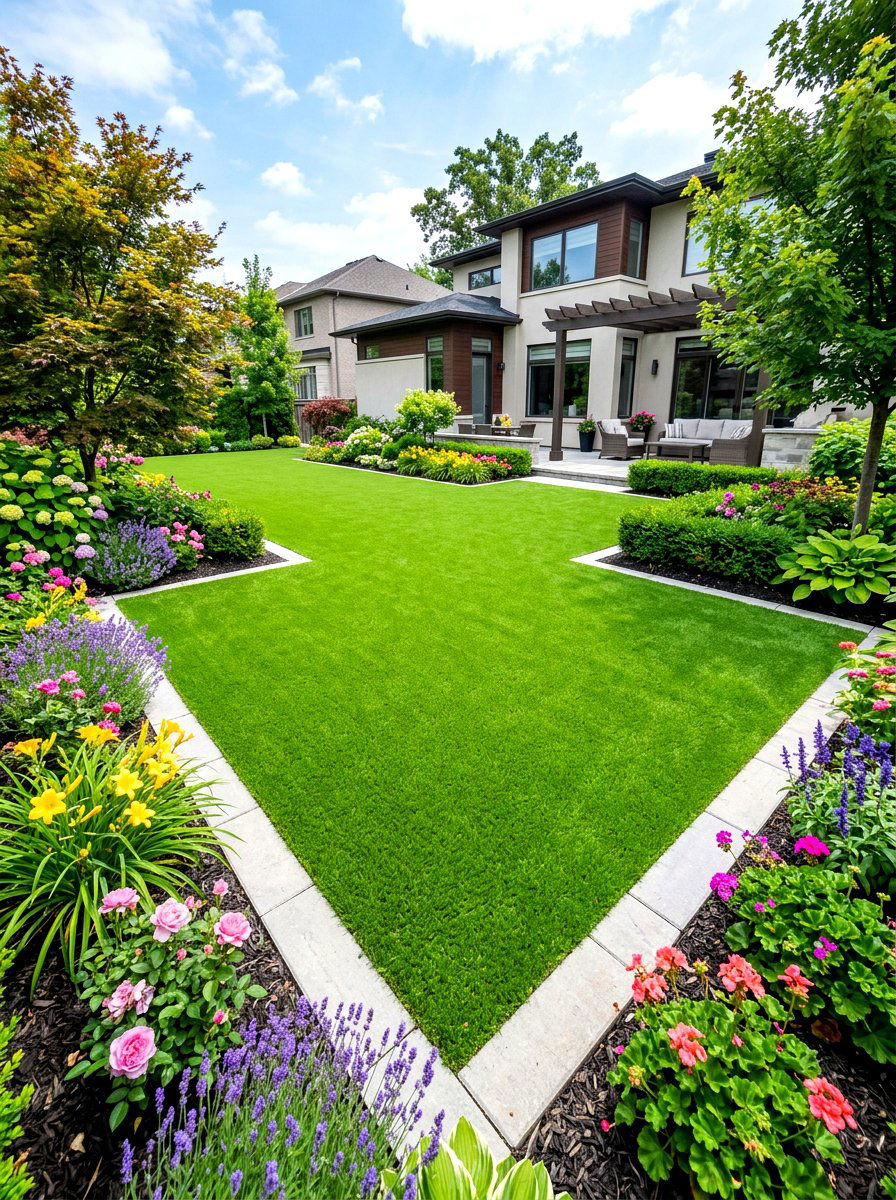
Rooftop vegetable garden designs are becoming increasingly popular in urban environments where ground-level sunlight is often blocked by surrounding tall buildings. These gardens take advantage of the unobstructed exposure found on top of flat roofs or garage decks. Because rooftops can get very hot, it is important to use lightweight, large containers that hold plenty of soil and moisture. You can create a comfortable outdoor living space by arranging the planters around a central seating area with a pergola for partial shade. This elevated oasis provides a private retreat while allowing you to grow a surprising amount of fresh produce in the middle of a city.
11. Front Yard Vegetable Garden
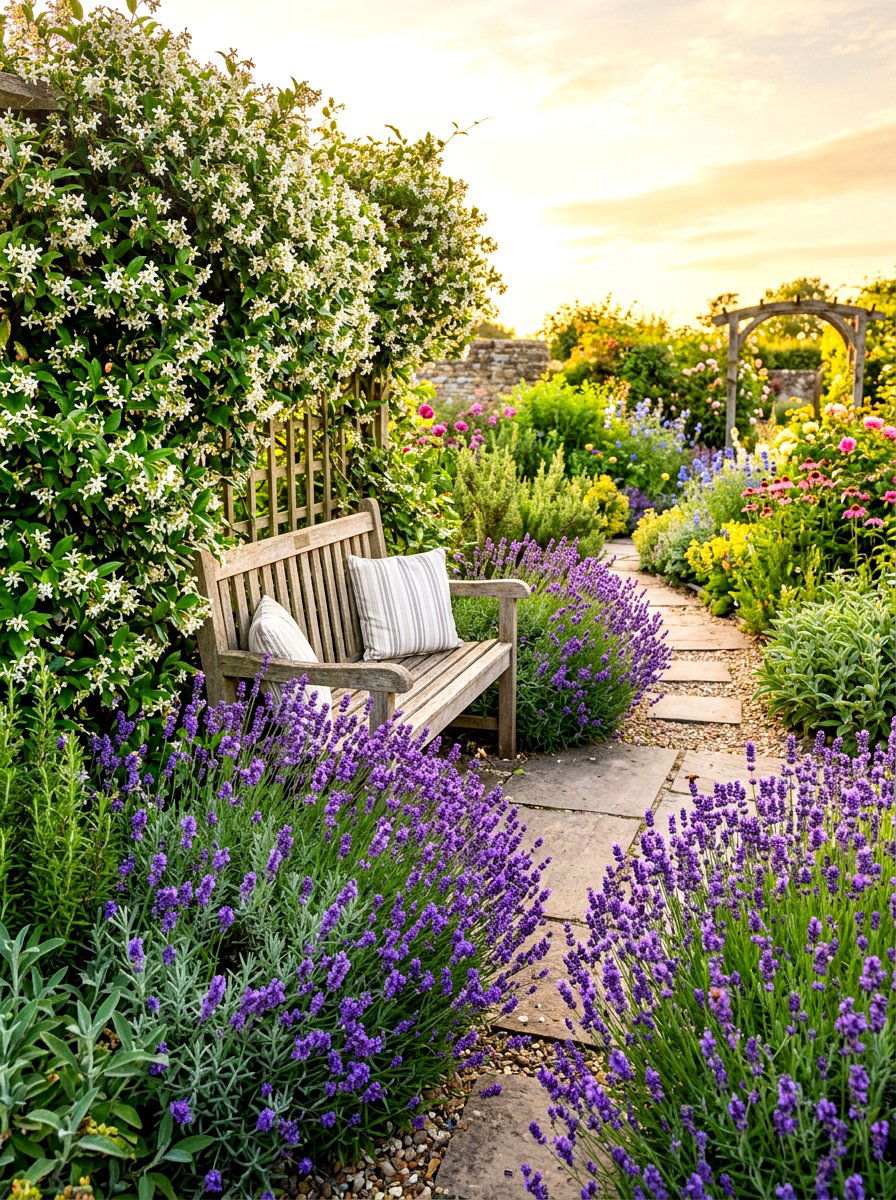
Transforming your lawn into a front yard vegetable garden is a bold and modern move that prioritizes productivity over traditional grass maintenance. You can use attractive wooden raised beds or stone-edged borders to keep the area looking intentional and tidy for the neighborhood. Planting colorful vegetables like purple kale, red peppers, and yellow tomatoes creates a vibrant display that replaces boring shrubbery. This approach also encourages community interaction as neighbors pass by and see the progress of your crops. By focusing on aesthetics, you can prove that growing food can be just as beautiful as any ornamental garden while providing fresh ingredients for your kitchen.
12. Sunny Balcony Vegetable Garden
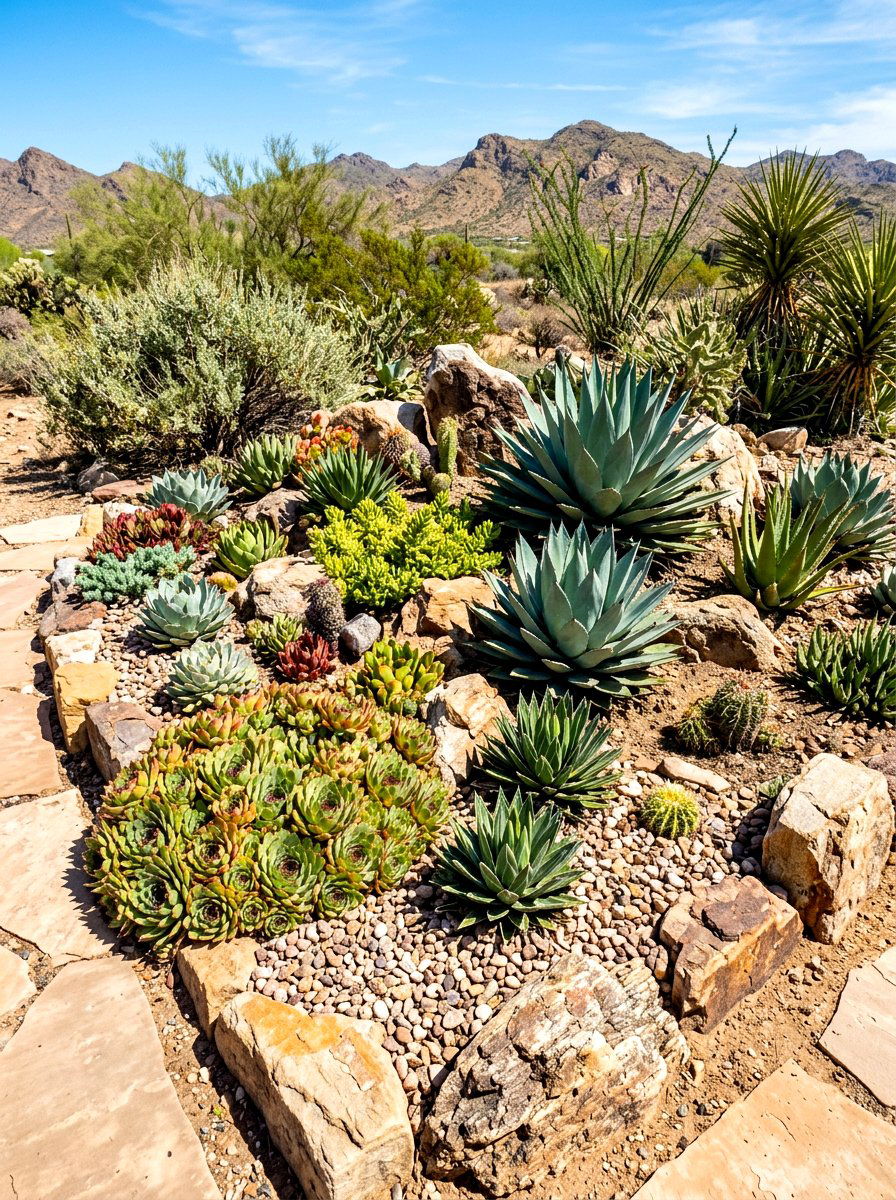
A sunny balcony vegetable garden is the ultimate solution for apartment dwellers who want to experience the joy of growing their own food. By choosing compact or "patio" varieties of popular vegetables, you can fit a surprising amount of production onto a small deck. Hanging baskets are excellent for trailing strawberries or cherry tomatoes, while narrow troughs can hold rows of radishes and lettuce along the railing. Since balconies often have their own microclimates, it is important to monitor the watering needs carefully during peak afternoon sun. Adding a small outdoor rug and a chair turns this productive corner into a cozy, sun-filled sanctuary.
13. Vegetable Garden Irrigation
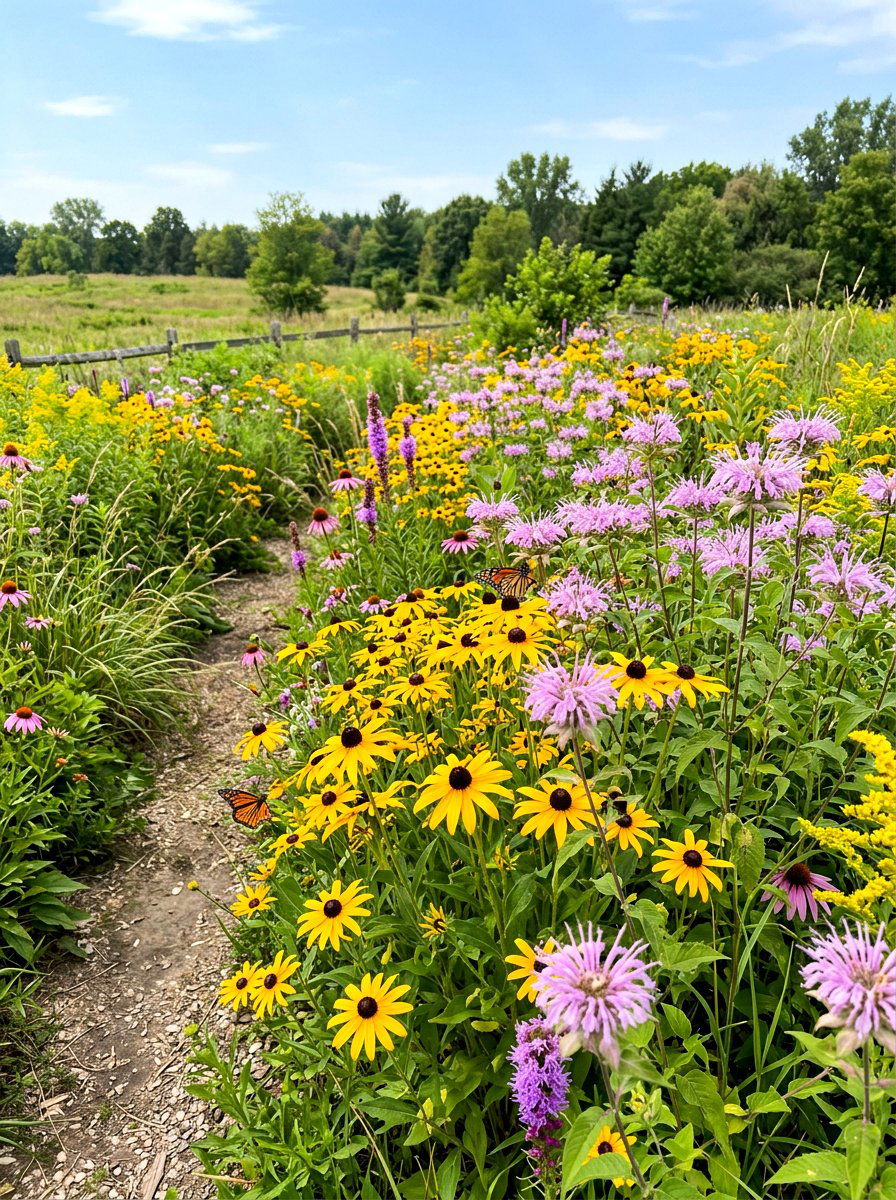
Proper vegetable garden irrigation is the backbone of any successful sunny garden, especially during the peak heat of the summer months. Installing a drip irrigation system ensures that water is delivered directly to the roots of the plants, which reduces evaporation and prevents leaf diseases. You can hide the tubing under a layer of mulch to keep the garden looking clean and organized. Using a simple battery-operated timer allows you to automate the watering process so your vegetables stay hydrated even when you are away on vacation. This consistent moisture level leads to healthier plants and much higher yields of juicy, sun-ripened produce throughout the entire season.
14. Companion Planting Garden
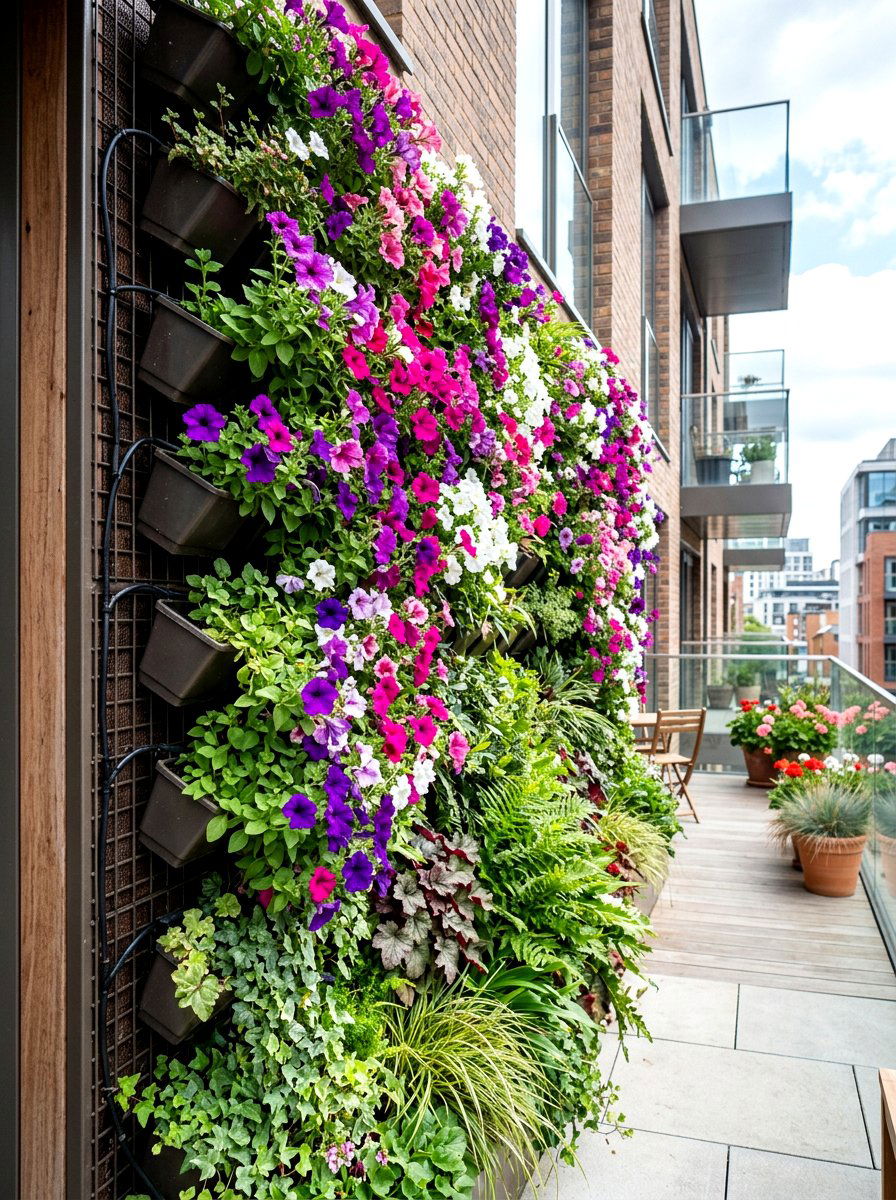
A companion planting garden is a smart and natural way to improve the health and productivity of your sunny vegetable patch. By planting specific crops together, such as marigolds with tomatoes or basil with peppers, you can naturally repel pests and attract beneficial pollinators. This method creates a diverse ecosystem within your garden beds, which reduces the need for chemical fertilizers or pesticides. Tall sun-loving plants like corn can provide a natural support for climbing beans, while low-growing squash leaves act as a living mulch to keep the soil cool. This harmonious layout results in a more resilient garden that maximizes the benefits of the sun.
15. Perennial Vegetable Plot
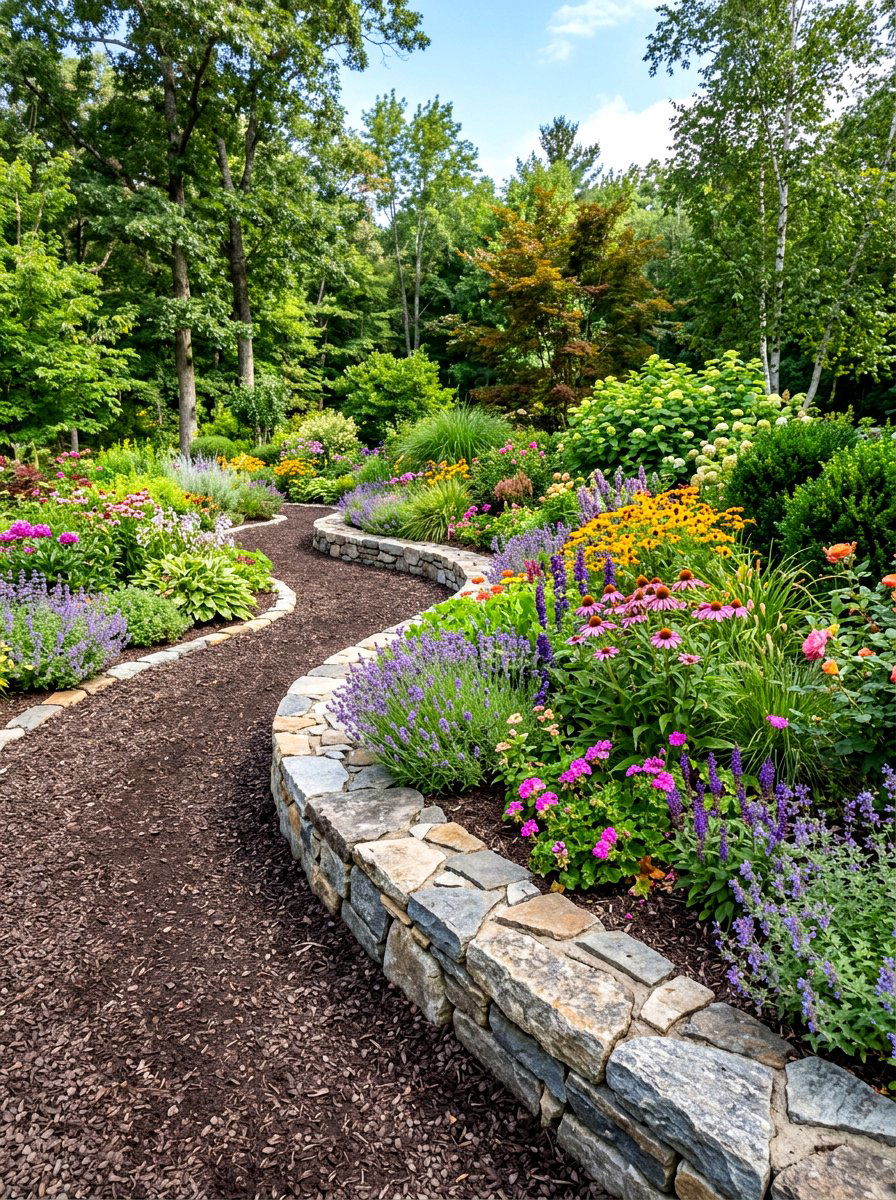
Establishing a perennial vegetable plot is a great long-term investment for any sunny garden because these plants return year after year without replanting. Crops like asparagus, rhubarb, and artichokes have deep root systems that thrive in full sun and become more productive as they mature. You should place these perennials in a dedicated area of the garden where they won't be disturbed by the annual tilling of other beds. This permanent layout provides an early spring harvest before many other vegetables are even in the ground. Over time, a well-maintained perennial plot becomes a reliable and low-maintenance source of gourmet ingredients for your home kitchen.
16. Small Space Vegetable Garden
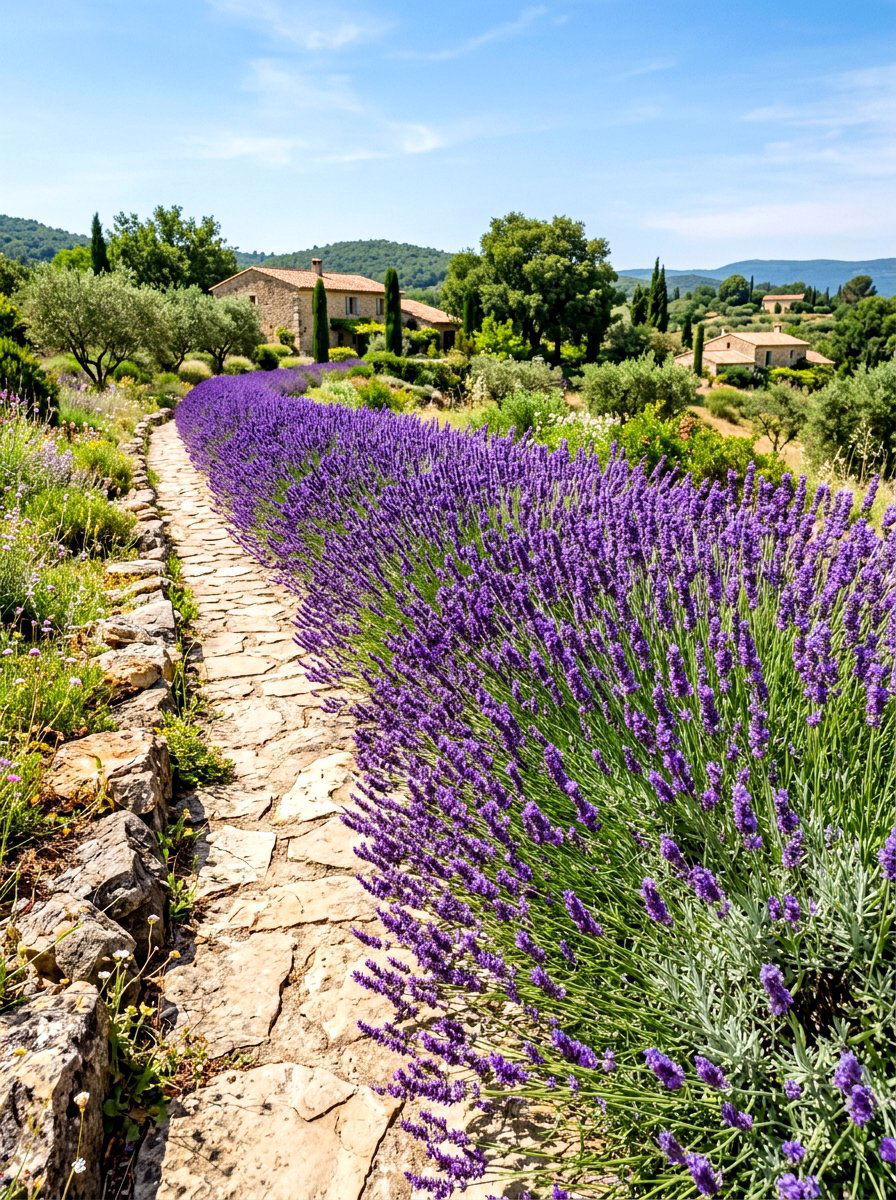
A small space vegetable garden proves that you don't need a massive yard to grow a significant amount of fresh, healthy produce. By using intensive planting techniques and vertical supports, you can pack a variety of crops into a tiny sunny corner or side yard. Choosing high-yield vegetables like pole beans and indeterminate tomatoes allows you to grow upward rather than outward. You can also use tiered planters to create multiple levels of growing space in a single footprint. This focused approach makes it easy to stay on top of weeding and harvesting, ensuring that every sunny inch of your limited space is working toward a bounty.
17. Vegetable Garden Fence
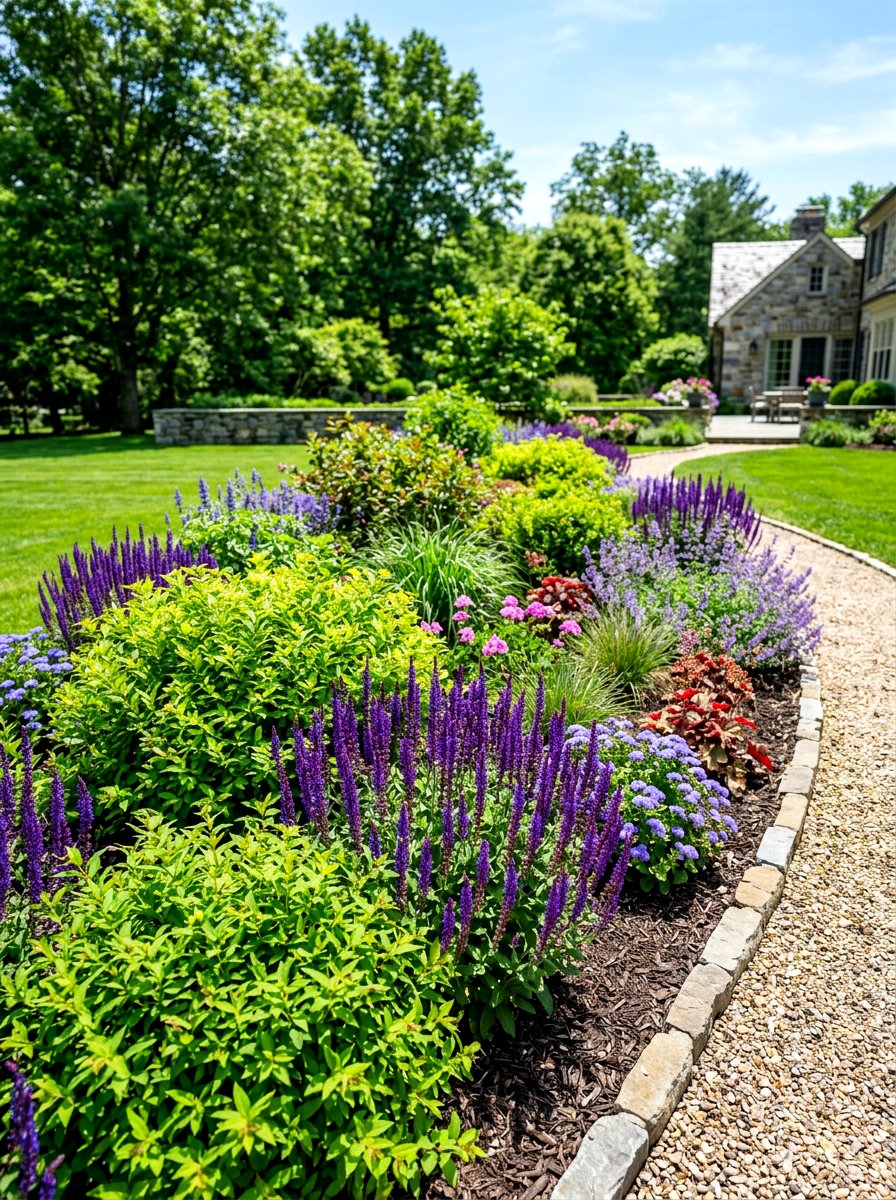
A vegetable garden fence serves two important purposes: it protects your valuable crops from hungry wildlife and provides a sturdy support for climbing plants. You can build a decorative fence using wood and wire mesh to create a beautiful boundary around your sunny garden patch. This structure keeps out rabbits and deer while allowing plenty of sunlight and airflow to reach your vegetables. Many gardeners choose to grow grapes or flowering vines along the fence line to add extra beauty and privacy to the space. A well-designed gate serves as a charming entrance, making your vegetable garden feel like a private and secure outdoor room.
18. Herb And Vegetable Spiral
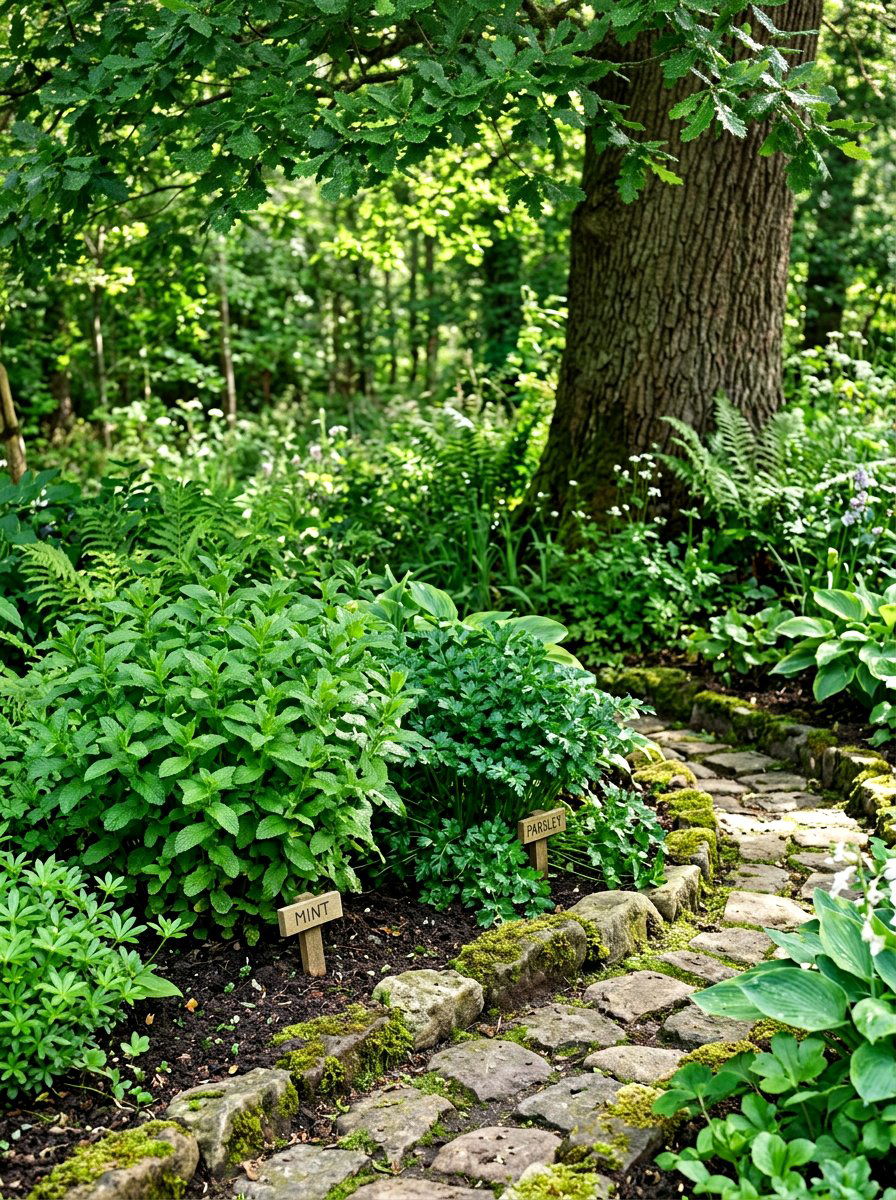
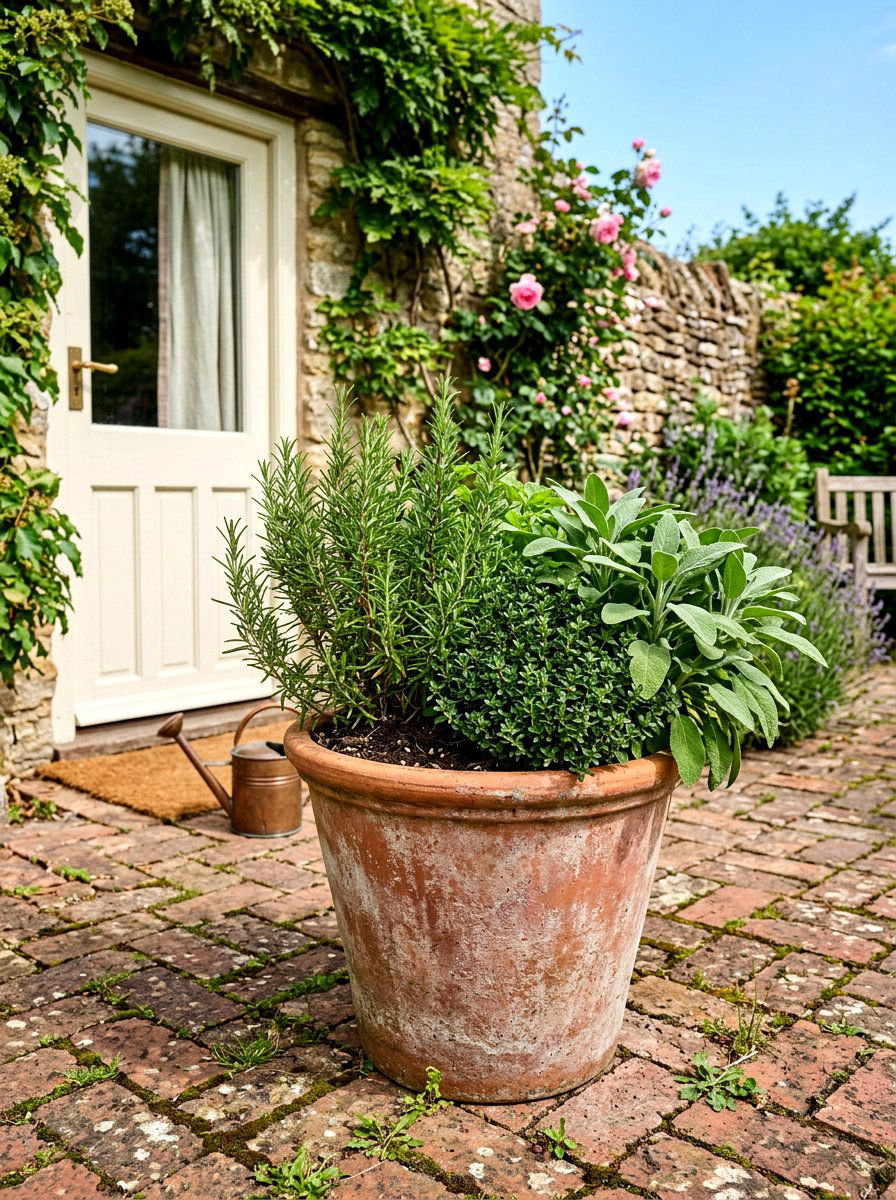
An herb and vegetable spiral is a creative and space-saving design that allows you to grow plants with different sunlight and water needs in one spot. This circular, tiered structure is usually built with stone or brick and winds upward toward a central peak. The top of the spiral receives the most sun and has the fastest drainage, making it perfect for Mediterranean herbs like rosemary and thyme. As the spiral winds downward, the lower levels stay cooler and moister, which is ideal for leafy greens and moisture-loving herbs like mint. This unique vertical feature adds an artistic and sculptural element to any sunny backyard landscape.
19. Tiered Vegetable Garden Beds
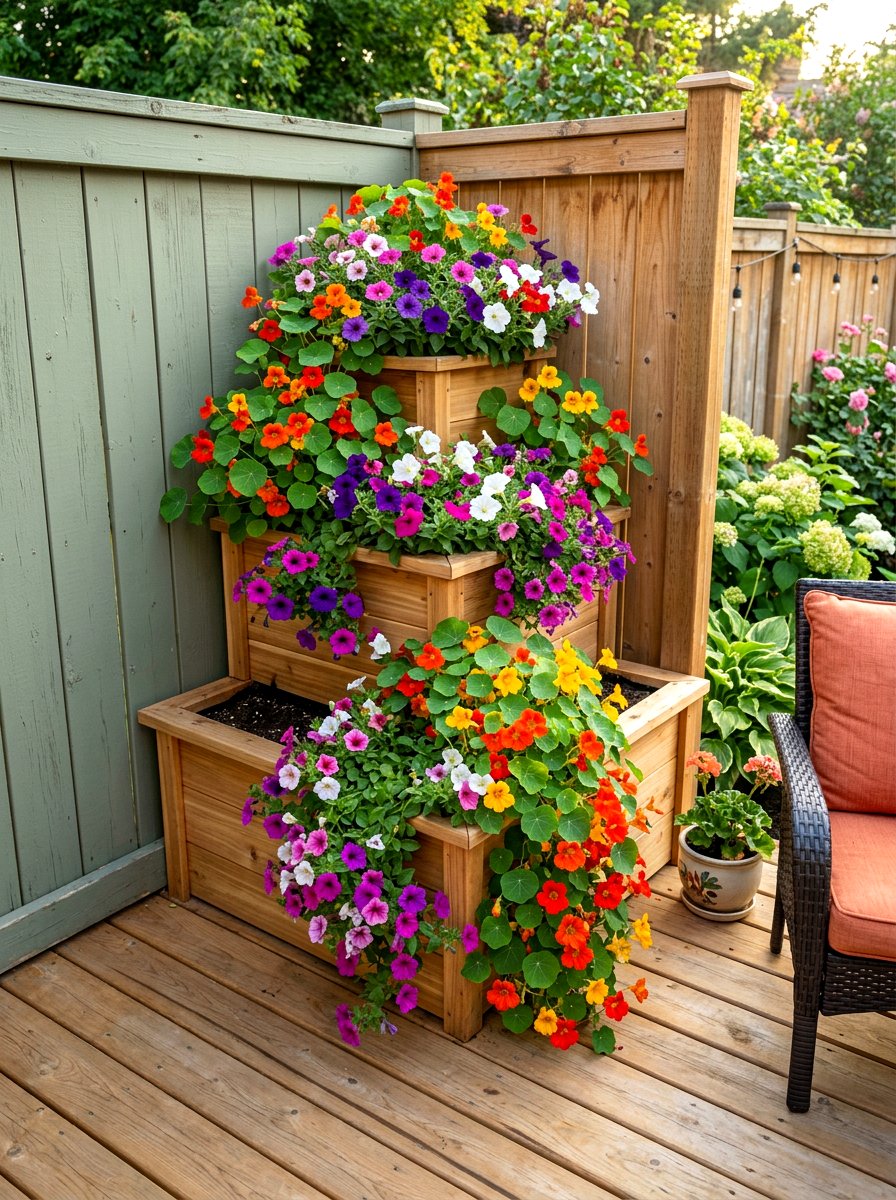
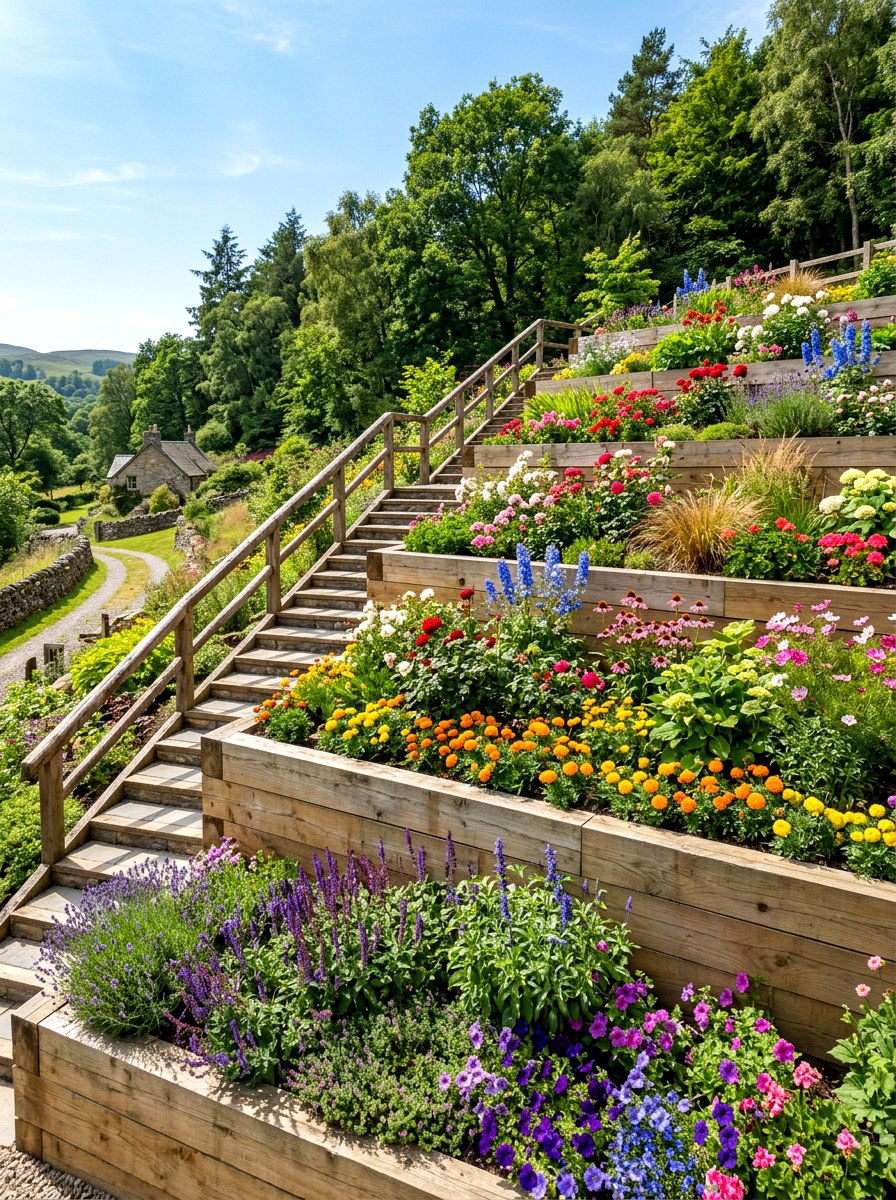
Tiered vegetable garden beds are an excellent way to garden on a sunny slope or to add visual height to a flat backyard. By stacking wooden or stone frames in a stair-step fashion, you create multiple levels that are easy to reach for planting and harvesting. This design prevents soil erosion on hillsides and ensures that the plants in the back don 't get shaded by the ones in the front. You can plant taller crops like sun-loving okra on the top tier and smaller herbs or strawberries on the lower levels. This organized, vertical approach makes the most of the sun' s trajectory throughout the day.
20. Drought Tolerant Vegetable Garden
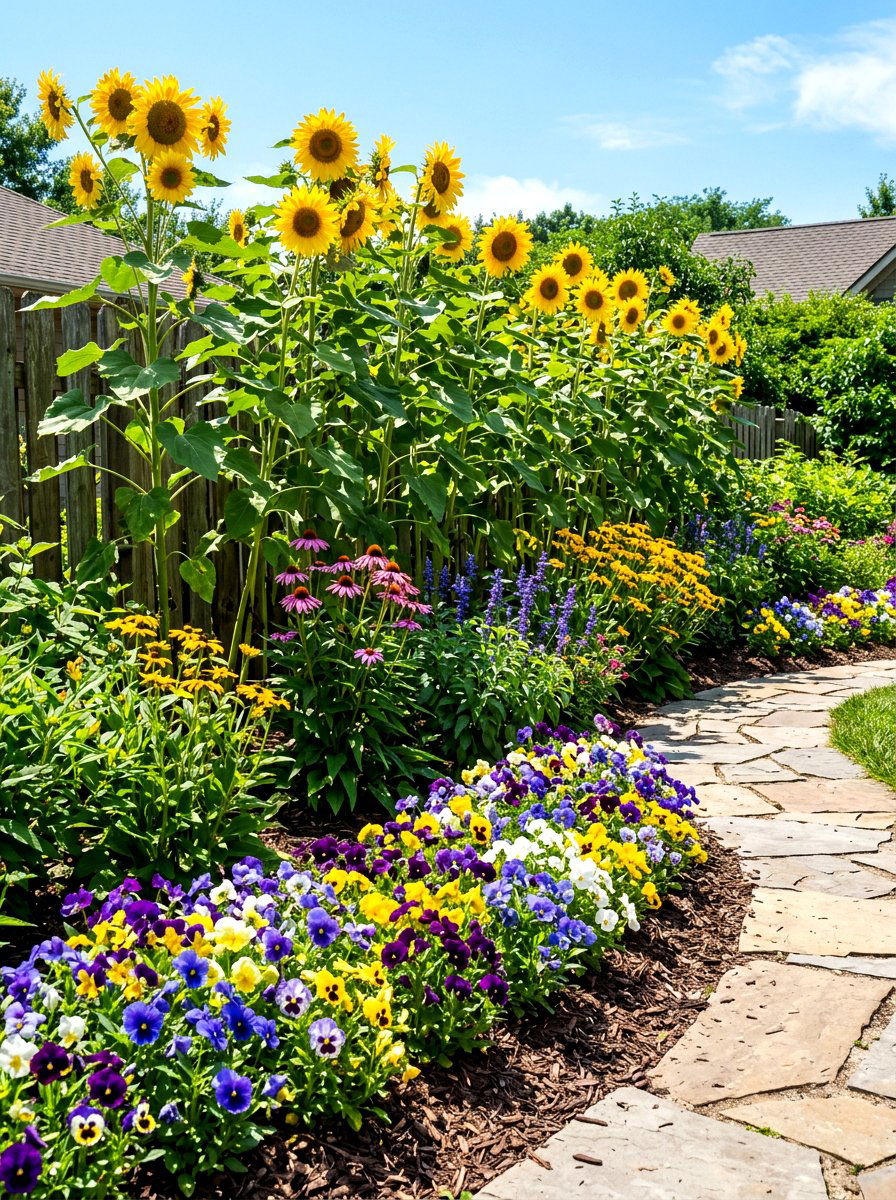
A drought tolerant vegetable garden is a practical choice for sunny regions where water conservation is a major priority for homeowners. This layout focuses on varieties that have deep roots or thick leaves, such as certain heirloom tomatoes, peppers, and tepary beans. To support these plants, you can use heavy mulching with straw or wood chips to lock moisture into the soil and suppress weeds. Incorporating rain barrels or a simple greywater system ensures you have a sustainable source of water during dry spells. This resilient design allows you to enjoy a productive harvest even when temperatures soar and the natural rainfall becomes scarce.
21. Colorful Vegetable Garden
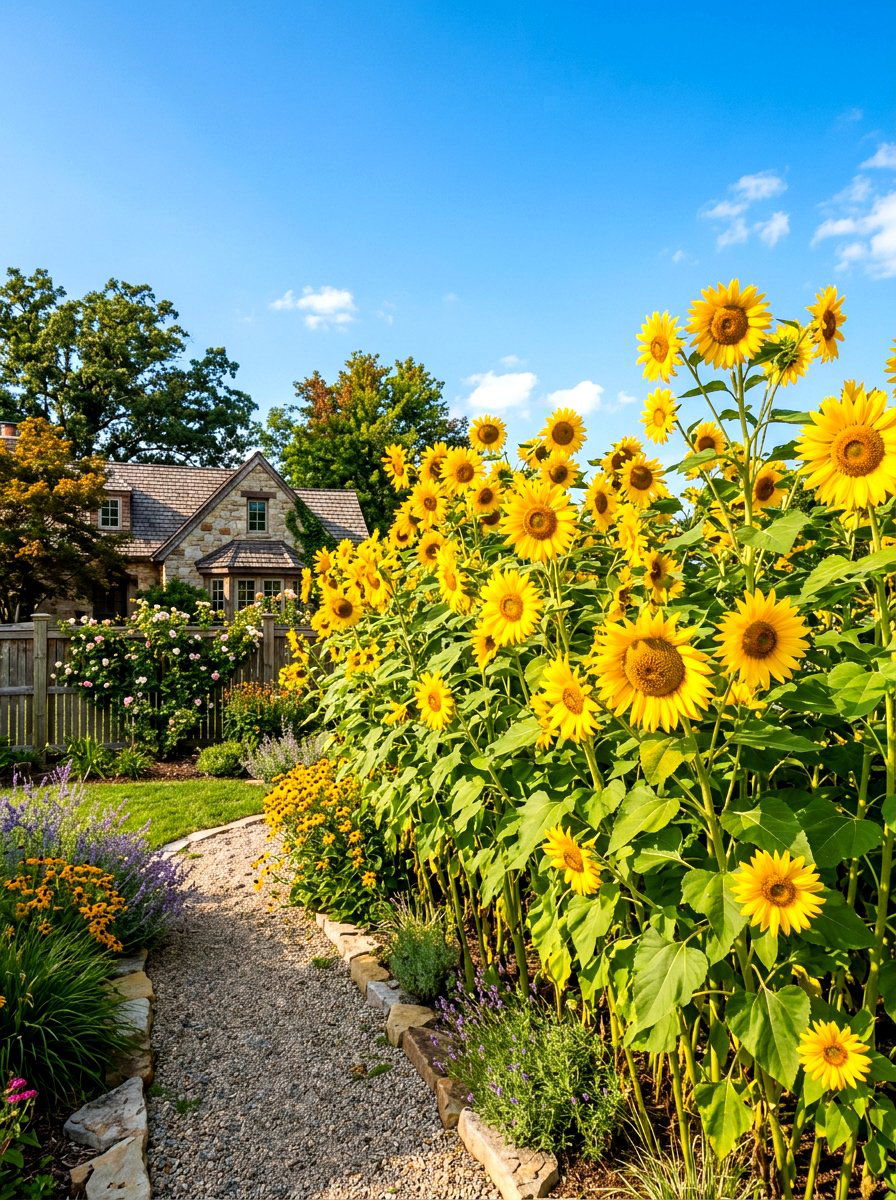
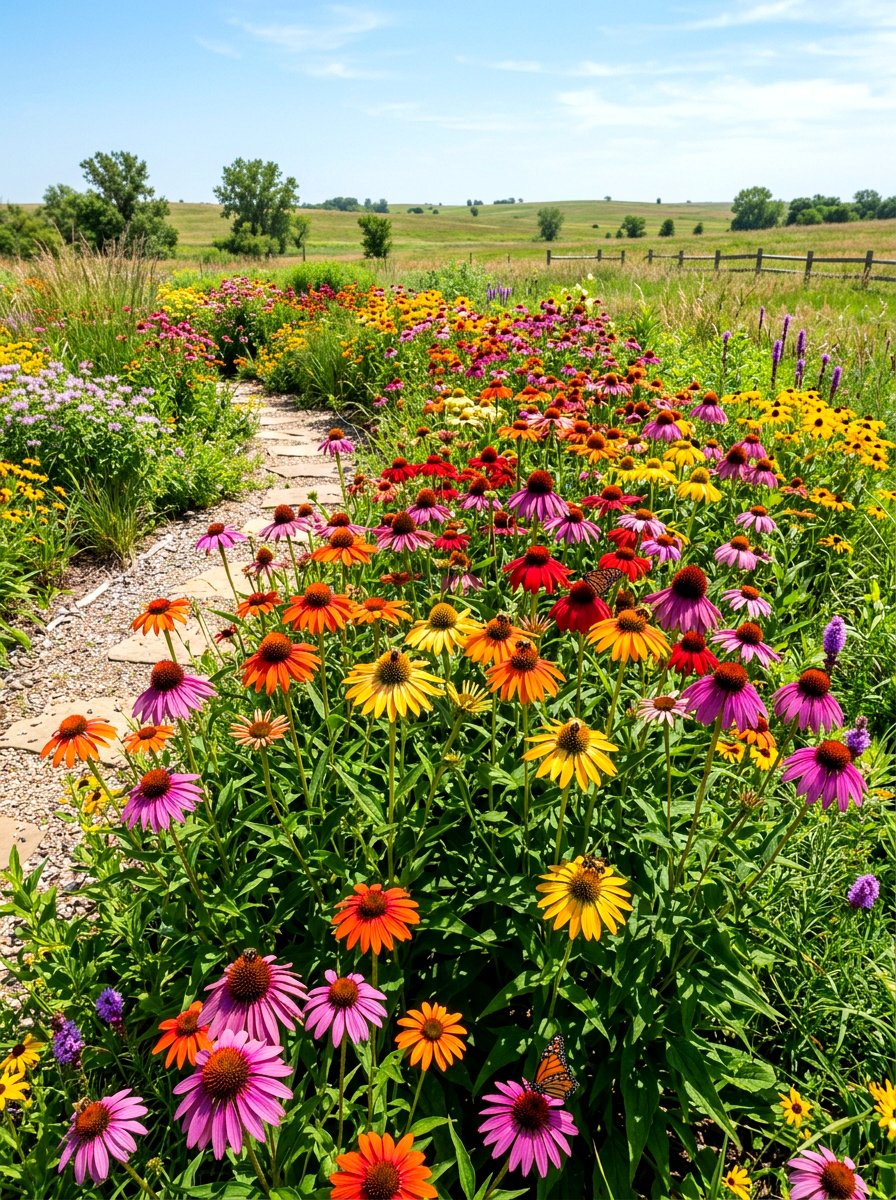
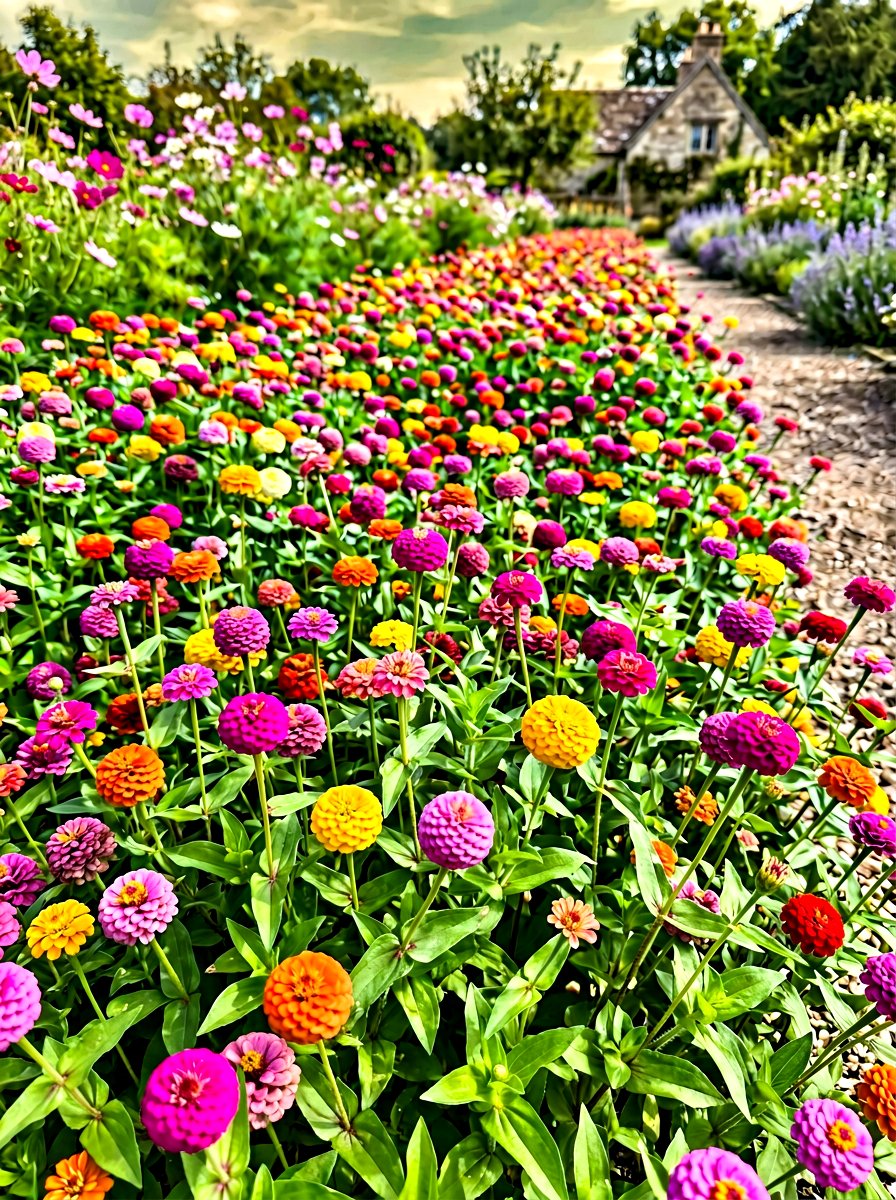
Creating a colorful vegetable garden is all about selecting varieties that offer vibrant hues beyond the standard green foliage of a traditional patch. You can plant rainbow chard with its bright pink and yellow stems, or dark purple "Indigo Rose" tomatoes that pop against the summer sun. Mixing in edible flowers like bright orange nasturtiums and blue borage not only adds color but also helps to attract essential pollinators to your crops. This aesthetic approach turns your food source into a living work of art that brightens up your backyard. A colorful garden is especially engaging for children and makes the daily chore of weeding much more enjoyable.
22. Modern Vegetable Garden
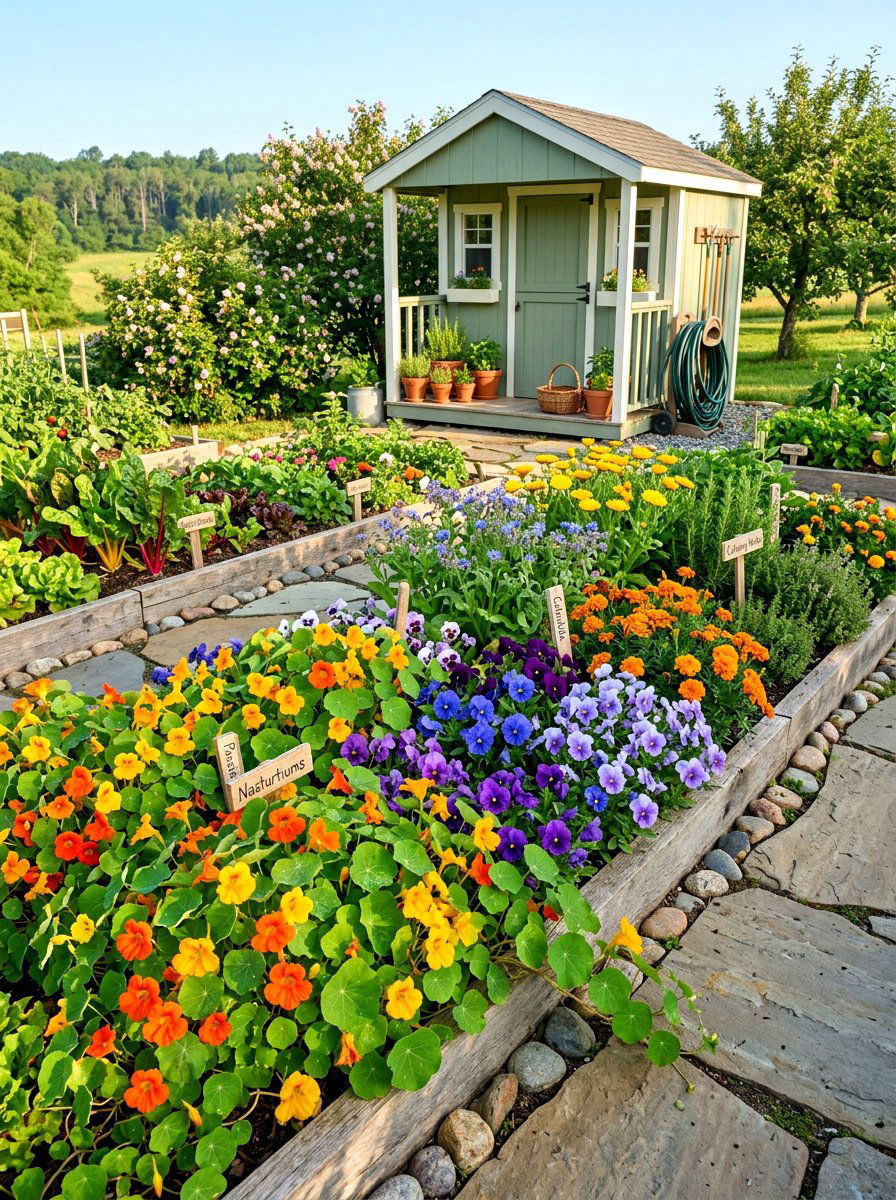
A modern vegetable garden features clean lines, minimalist materials, and a highly structured layout that complements contemporary home architecture. You might see sleek black metal raised beds or smooth poured concrete planters arranged in a perfect geometric grid. The paths between the beds are often filled with uniform light gray gravel or large pavers to create a sophisticated and clutter-free look. This style of gardening emphasizes organization and uses high-quality materials that are built to last for many years. By keeping the design simple and focused, you create a peaceful and productive outdoor space that feels like a natural extension of your home's interior.
23. Rustic Vegetable Garden
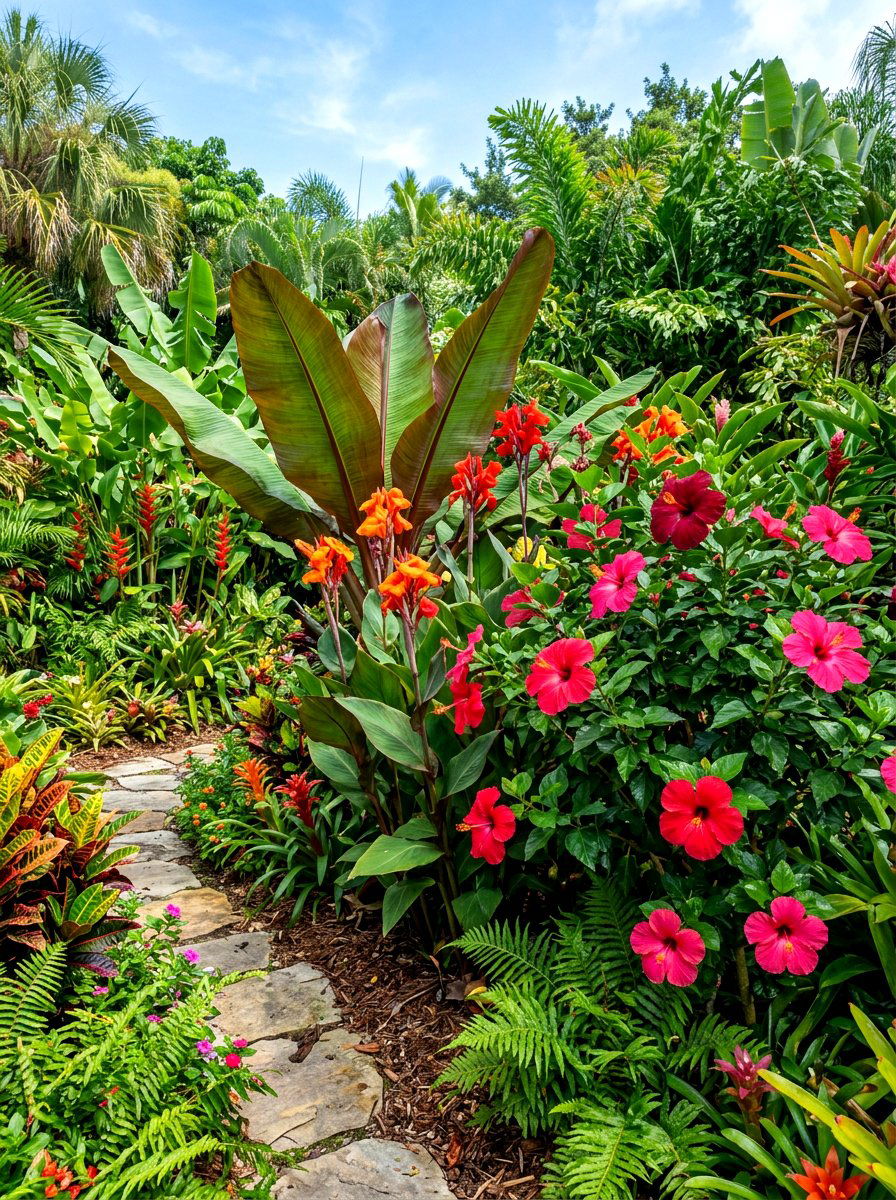
A rustic vegetable garden celebrates natural materials and a more relaxed, country-inspired aesthetic in the middle of a sun-drenched yard. You can use reclaimed wood for your raised beds, woven willow branches for trellises, and vintage metal buckets as decorative planters. This style often includes winding mulch paths and a mix of vegetables and wildflowers that create a cozy, "lived-in" feeling. A rustic garden feels less like a chore and more like a retreat, inviting you to spend time outdoors tending to your tomatoes and herbs. Adding a weathered wooden bench nearby provides the perfect spot to sit and enjoy the results of your hard work.
24. Wheelchair Accessible Vegetable Garden
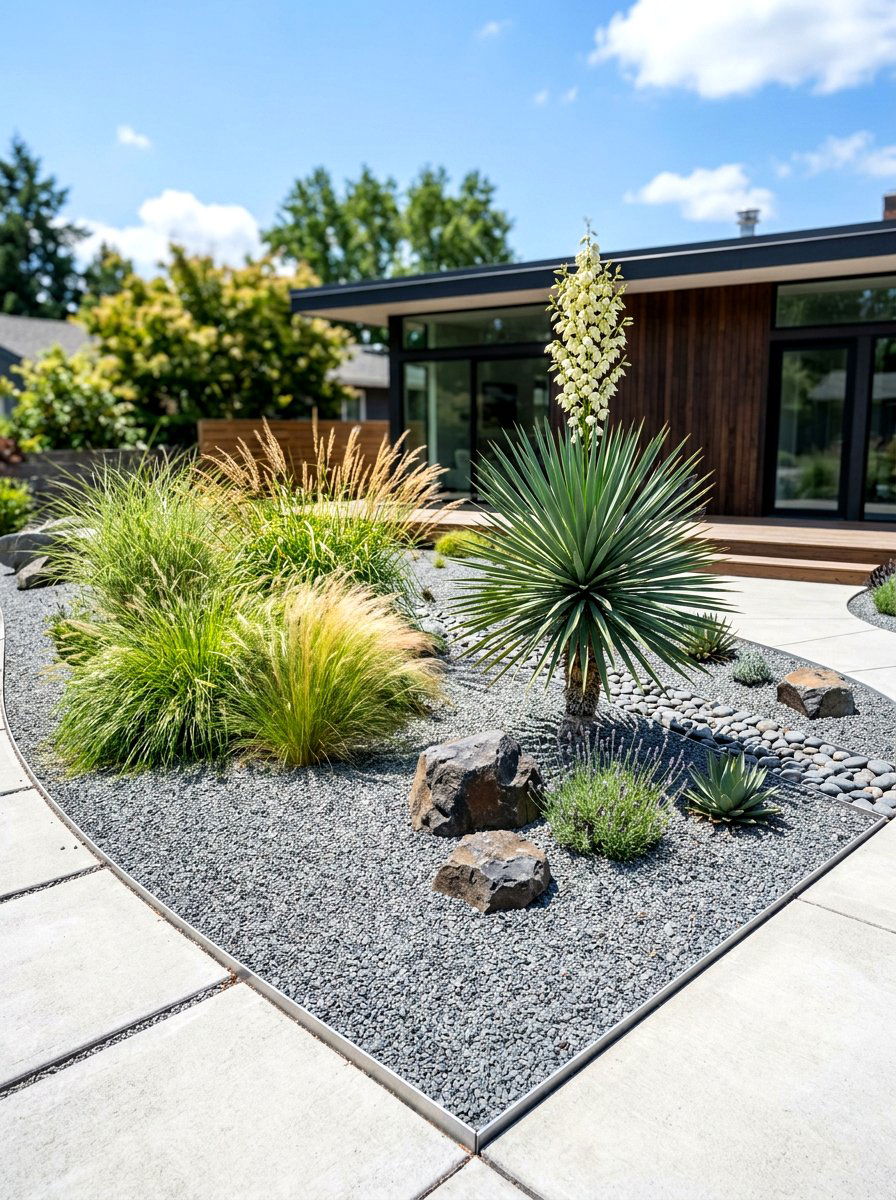
A wheelchair accessible vegetable garden is designed with high raised beds and wide, paved paths to ensure everyone can enjoy the therapeutic benefits of gardening. The beds are typically built to a height of thirty inches, allowing someone to garden comfortably from a seated position without having to bend over or reach too far. The paths should be made of a smooth, firm material like concrete or tightly packed crushed stone to accommodate mobility devices. This inclusive layout ensures that gardening remains a lifelong hobby for everyone in the family. By placing the beds in a sunny location, you provide the best possible growing conditions for high-yielding crops.
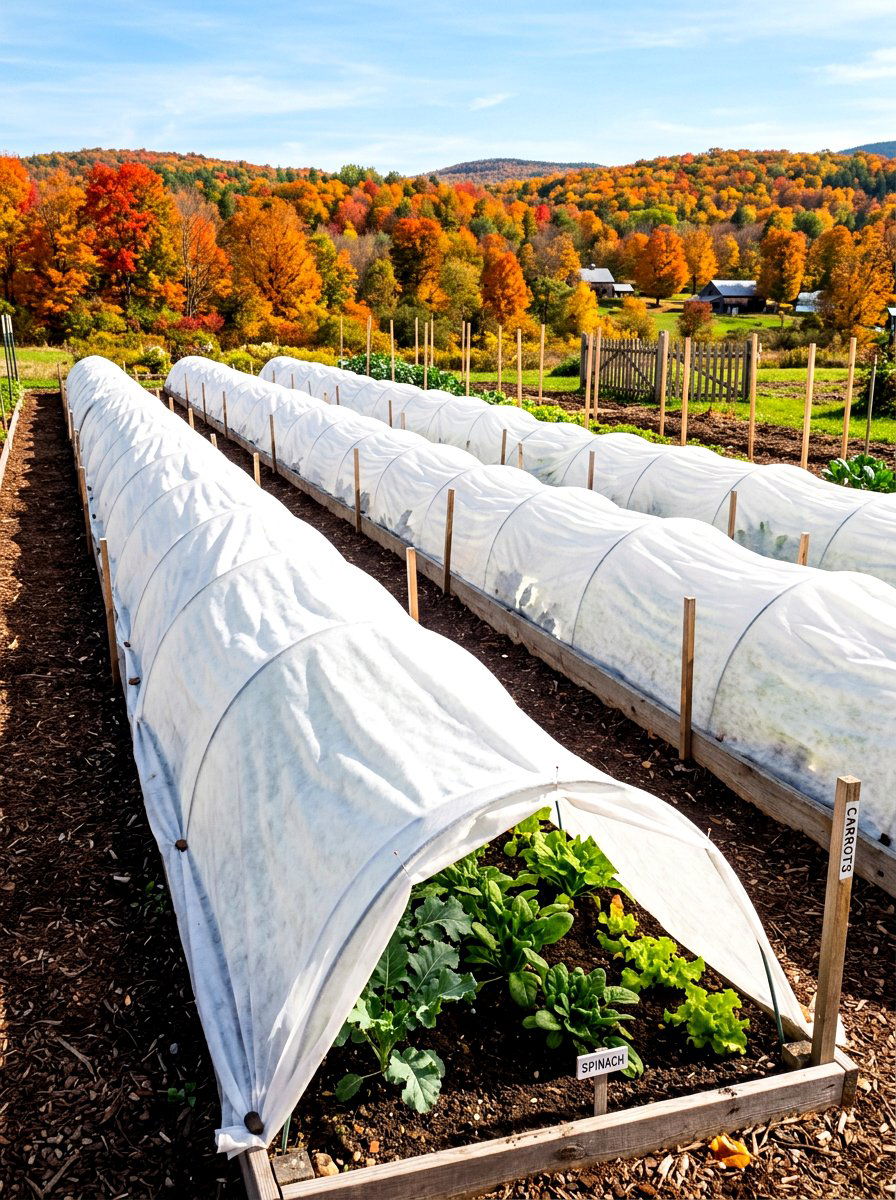
25. Keyhole Vegetable Garden
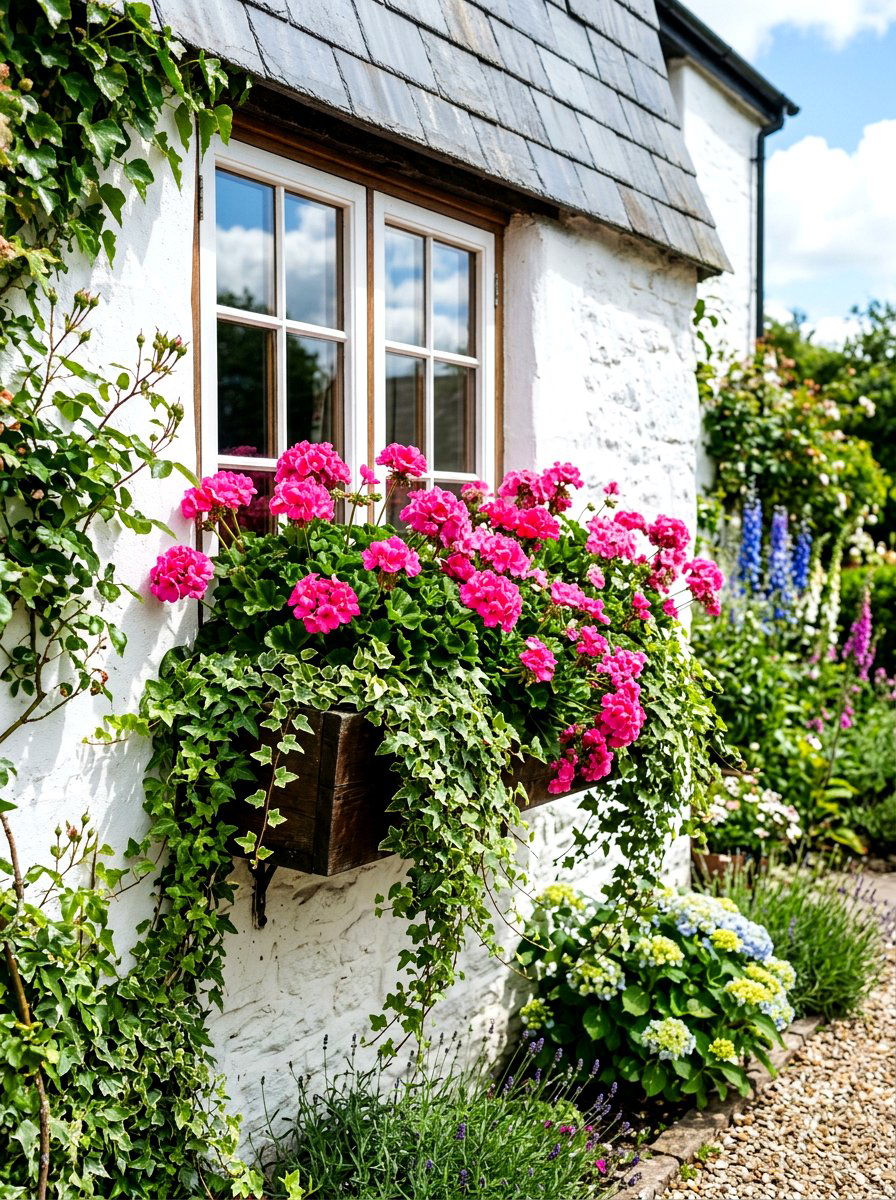
A keyhole vegetable garden is a brilliant and highly efficient circular design that incorporates a central composting basket directly into the planting bed. The "keyhole" is a small notch in the circle that allows you to walk right to the center to add kitchen scraps and water the plants. This system naturally fertilizes the surrounding soil as the compost breaks down, providing a continuous supply of nutrients to your sun-loving vegetables. Because the bed is slightly raised and mounded, it offers excellent drainage and a large surface area for planting in a small footprint. This sustainable design is perfect for gardeners who want to minimize waste.
26. Straw Bale Vegetable Garden
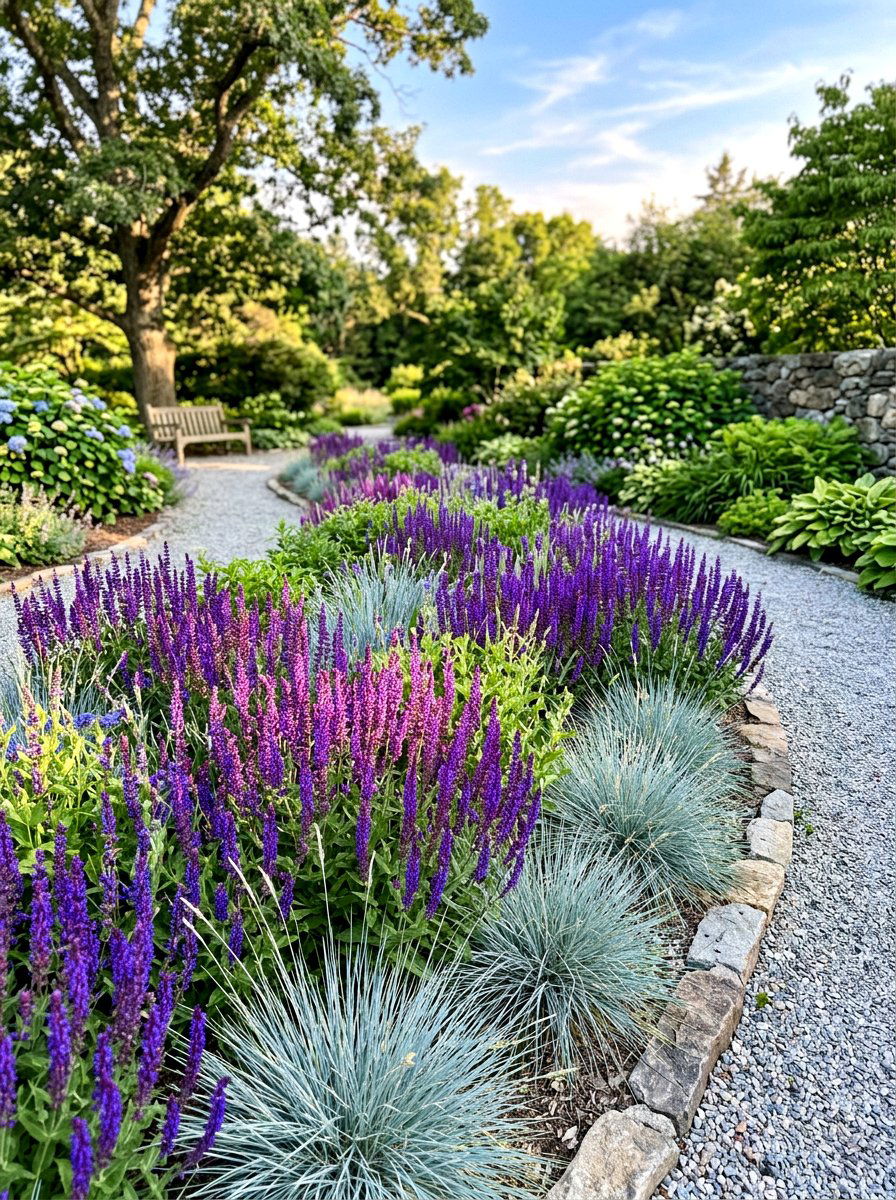
Straw bale vegetable gardening is a unique and temporary method that allows you to grow food directly in decomposing bales of straw. This is an excellent solution for sunny areas with very poor soil or where digging is not possible, such as a concrete driveway. Once the bales are conditioned with nitrogen and water, they become a nutrient-rich growing medium for tomatoes, peppers, and cucumbers. The straw naturally holds moisture while providing a warm environment for the roots of the plants to thrive. At the end of the season, the remaining straw can be added to your compost pile, making this a zero-waste and highly productive gardening technique.
27. Ladder Vegetable Garden
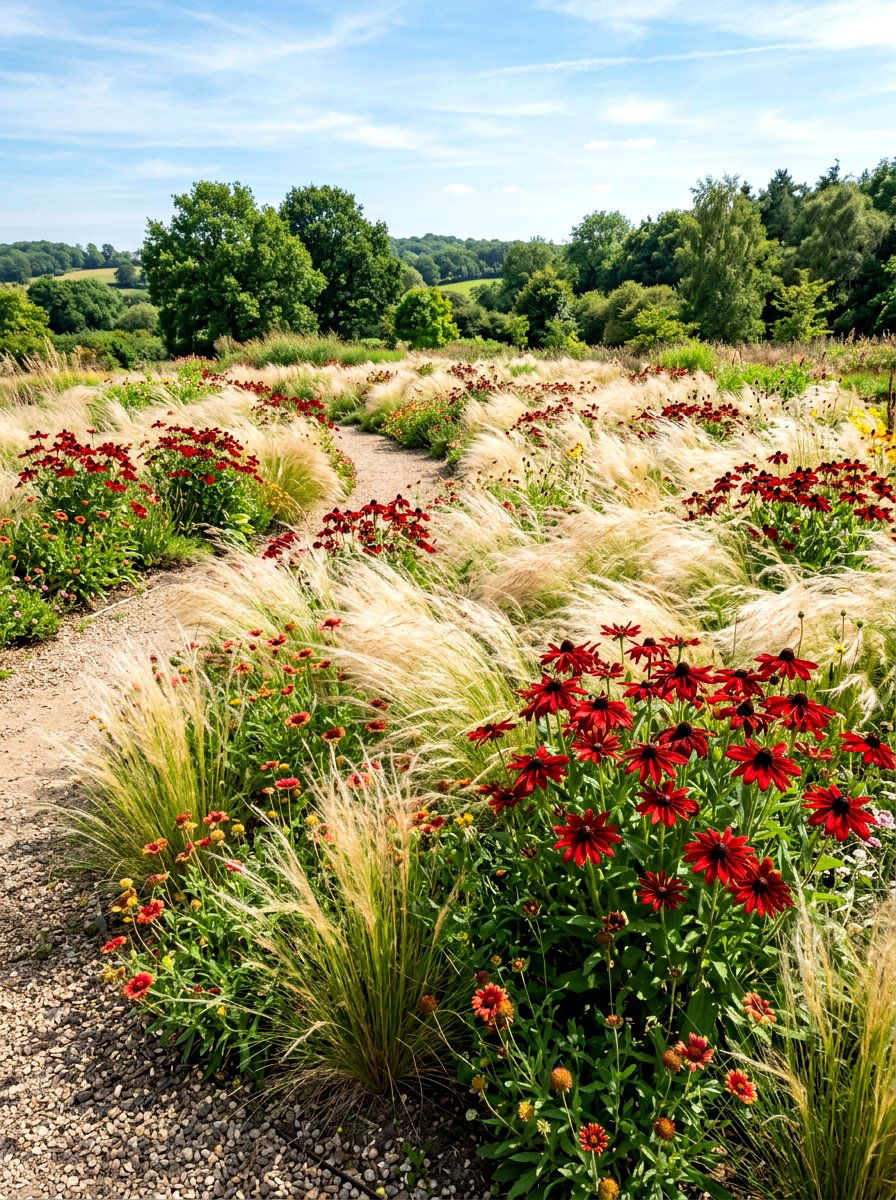
A ladder vegetable garden is a charming and space-efficient vertical display that is perfect for sunny patios and small backyards. You can use an old wooden ladder or a custom-built A-frame structure to hold several levels of small planters and pots. This design allows you to grow a variety of trailing herbs, strawberries, and leafy greens in a very small footprint. Because the plants are elevated, they receive better airflow and are less likely to be bothered by ground-dwelling pests. This tiered arrangement also creates a beautiful focal point that adds height and character to your outdoor living space while keeping fresh ingredients within easy reach.
28. Window Box Vegetable Garden
A window box vegetable garden is the perfect way to bring the freshness of the outdoors directly to your kitchen window. By mounting deep, sturdy troughs to the exterior of your house in a sunny location, you can grow a constant supply of culinary herbs and compact vegetables. This setup is ideal for people who love to cook and want to snip fresh basil or lettuce while preparing meals. Make sure to choose high-quality potting soil and ensure the boxes have proper drainage to keep the plants healthy in the intense afternoon sun. This simple addition adds a touch of European charm to your home's exterior.
29. Hydroponic Vegetable Garden
A hydroponic vegetable garden uses nutrient-rich water instead of traditional soil to grow a massive amount of food in a sunny, controlled environment. You can set up vertical towers or horizontal pipes on a sunny deck to grow lettuce, kale, and strawberries with incredible speed. This system is highly efficient because it uses significantly less water than traditional soil-based gardening and eliminates the need for weeding. By providing the exact nutrients the plants need directly to their roots, you can achieve much higher yields in a shorter amount of time. This high-tech approach is perfect for modern gardeners who want a clean and highly productive setup.
30. Mobile Vegetable Garden
A mobile vegetable garden is built on a cart or a frame with wheels, allowing you to move your crops around to catch the sun throughout the day. This is particularly useful in yards with shifting shadows from trees or nearby buildings. You can use a sturdy utility cart or a custom-made wooden planter box with heavy-duty casters to hold a variety of sun-loving vegetables. This flexibility ensures that your plants always have the six to eight hours of light they need for maximum production. A mobile garden also allows you to move your plants into a protected area during severe weather or excessive heat, ensuring a successful harvest.
Conclusion:
Creating a sunny vegetable garden is an incredible way to connect with nature while providing your family with the freshest and most nutritious food possible. Whether you choose the structured elegance of a formal potager or the practical efficiency of raised beds, the key is to maximize the abundant energy of the sun. By carefully planning your layout and selecting the right structures, you can transform even the smallest sunny corner into a flourishing oasis. Gardening is a continuous journey of learning and discovery that brings immense joy and satisfaction with every harvest. We hope these diverse ideas inspire you to start your own sun-drenched garden this season.

Related posts: