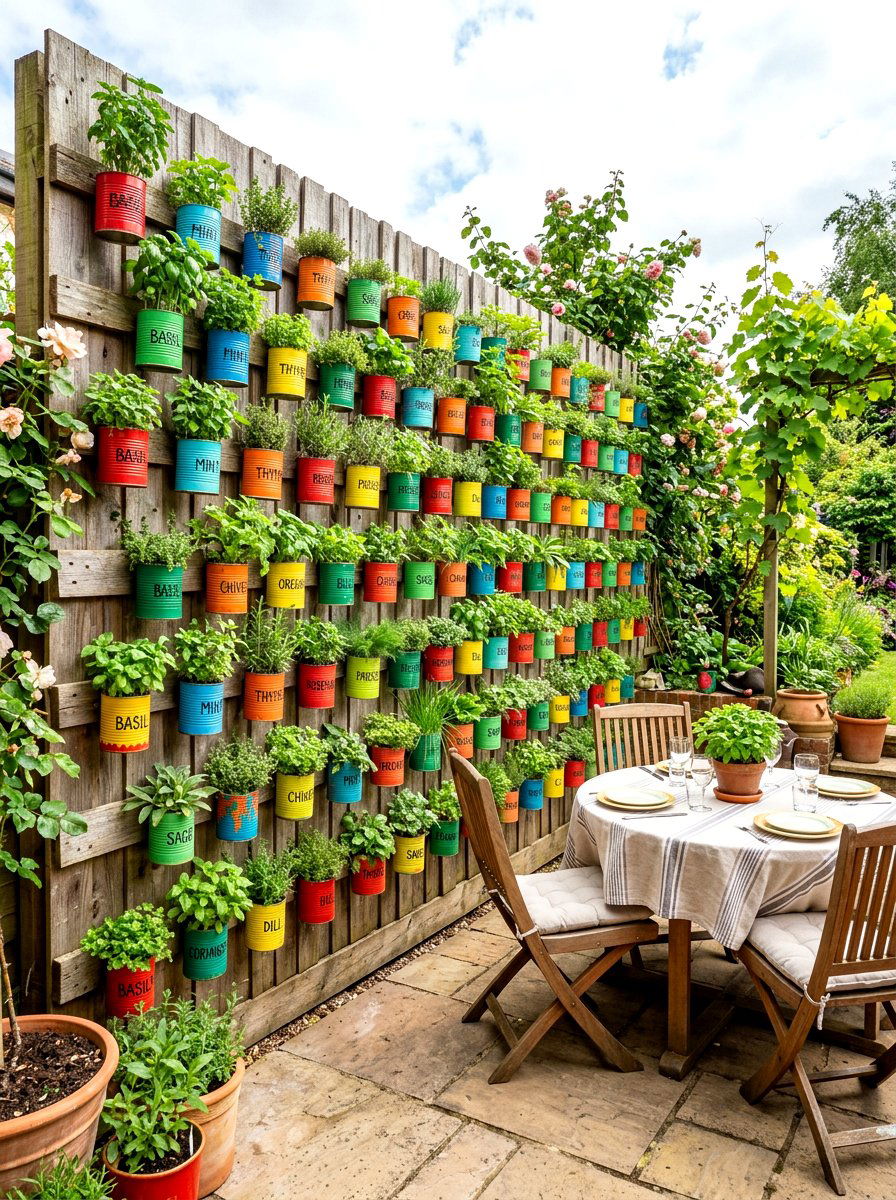
Protecting your hard-earned harvest is a top priority for every gardener, and finding the right raised bed cover is the ultimate solution. These versatile structures do more than just block pesky squirrels or hungry rabbits; they create a controlled microclimate that extends your growing season significantly. Whether you are battling early spring frosts or the scorching heat of mid-summer, a well-designed cover ensures your plants thrive in any environment. From simple DIY mesh frames to more elaborate glass cold frames, there is a perfect option for every backyard style. Investing in high-quality garden protection transforms your gardening experience, providing peace of mind and significantly increasing your overall crop yield throughout the year.
1. Cold Frame Garden Bed
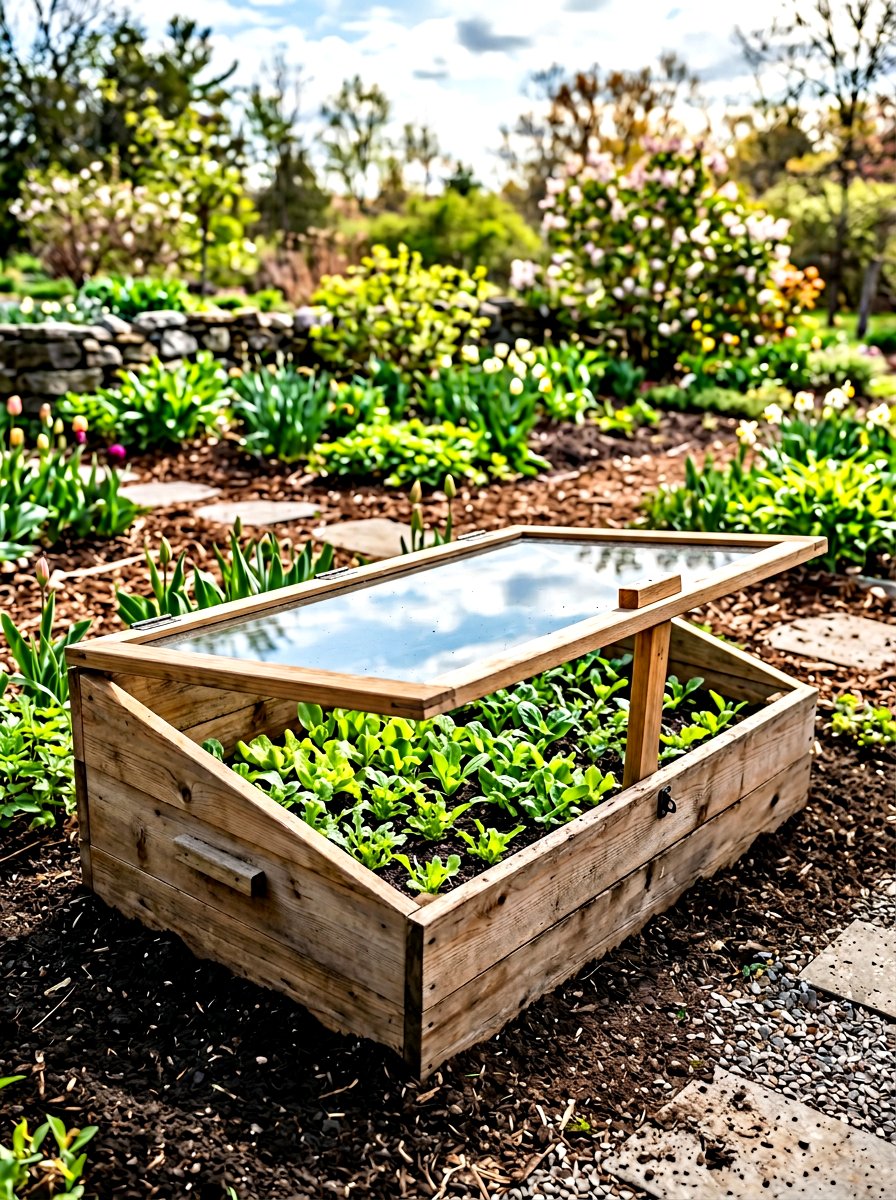
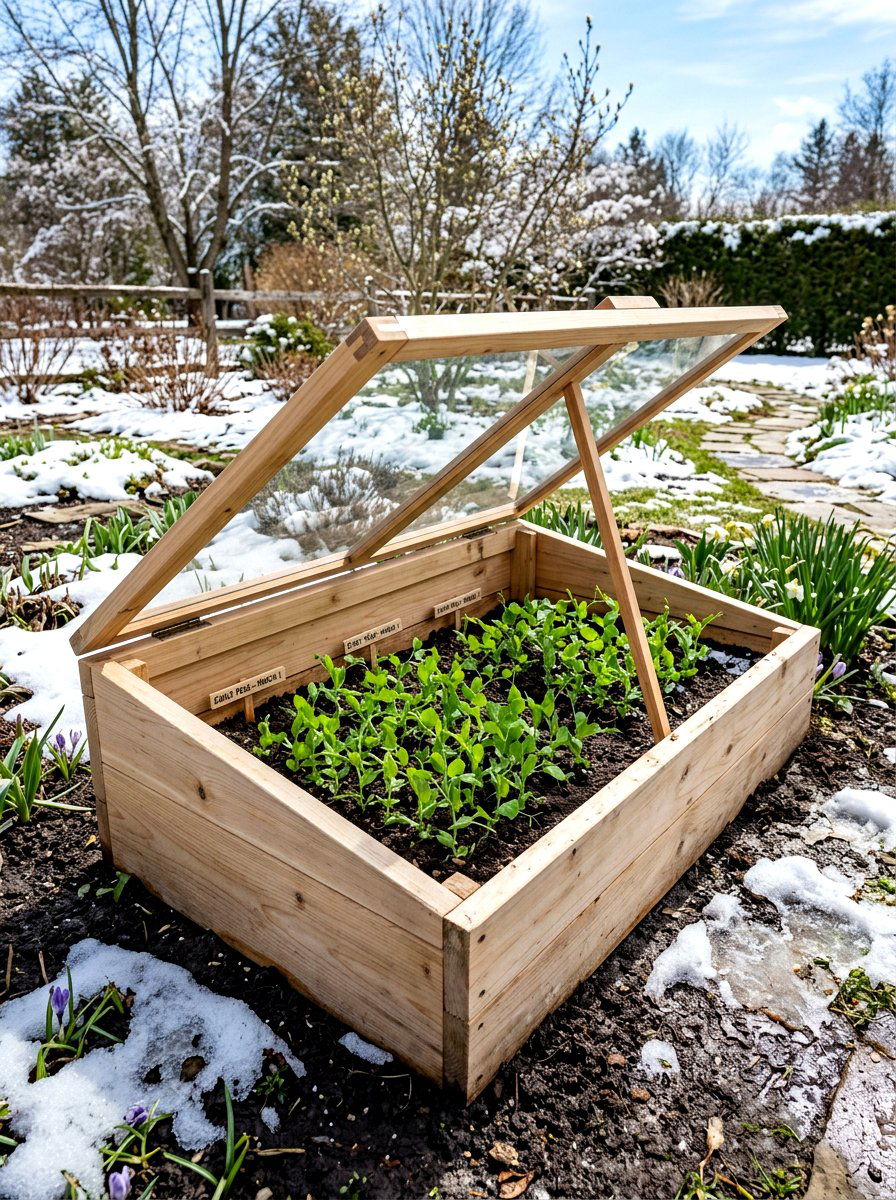
Imagine walking out to your garden in early spring and seeing thriving greens while the rest of the world is still frozen. A cold frame garden bed makes this dream a reality for any backyard grower. These structures use a sturdy base topped with a transparent lid, usually made of glass or clear polycarbonate. This setup traps solar energy and keeps the soil warm, creating a cozy microclimate for delicate seedlings. You can easily adjust the ventilation by propping the lid open during sunny afternoons. It acts like a mini greenhouse that sits directly over your plants. This protection is essential for extending your growing season both in spring and late fall.
2. PVC Hoop House Cover
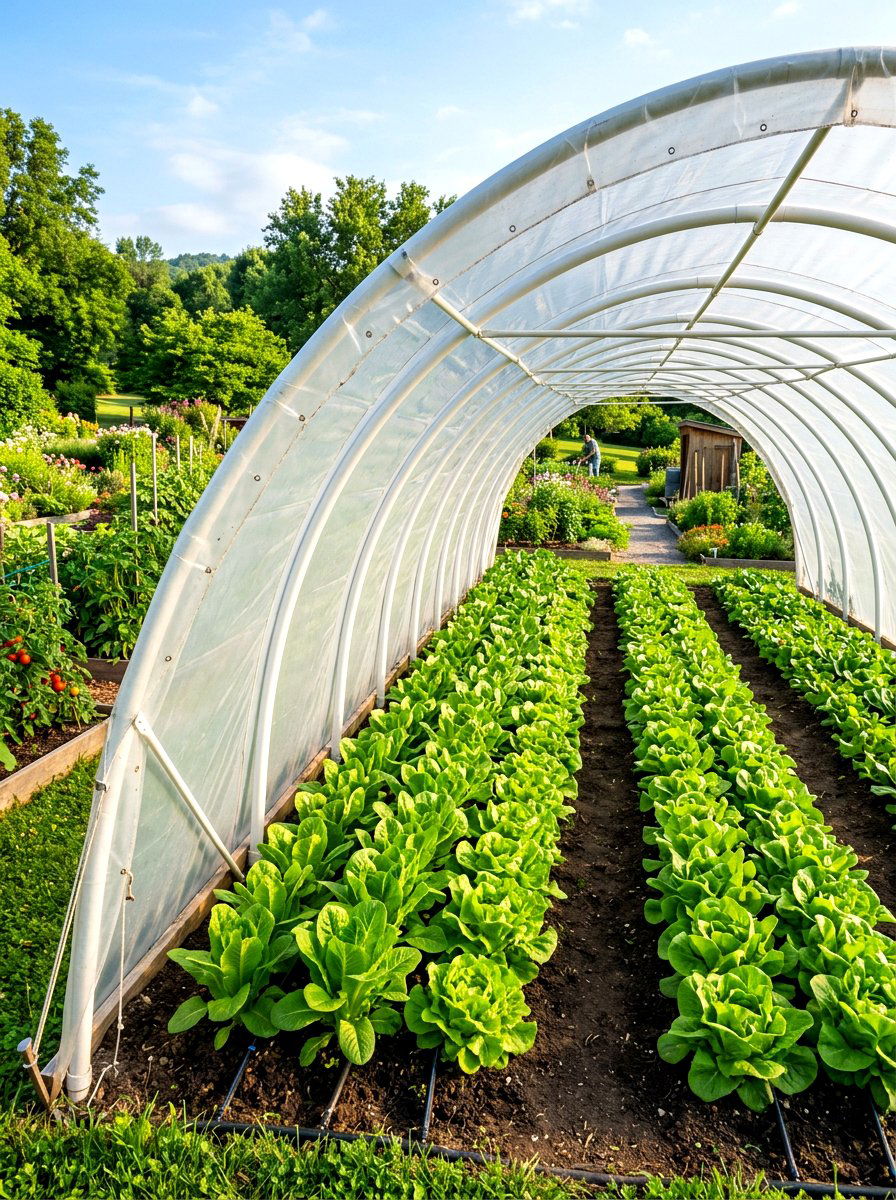
Creating a flexible and affordable protection system is easy with a PVC hoop house cover. This design uses flexible plastic pipes bent into arches that span the width of your raised bed. You can then drape various materials over the hoops, such as clear plastic sheeting for warmth or fine mesh for insect control. The simplicity of this design allows you to quickly swap covers as the seasons change. It is particularly effective for protecting taller crops like kale or peppers from wind and light frost. Because the materials are lightweight, you can easily remove the entire assembly when it is time to harvest or tend to your soil.
3. Wooden Hinged Screen Cover
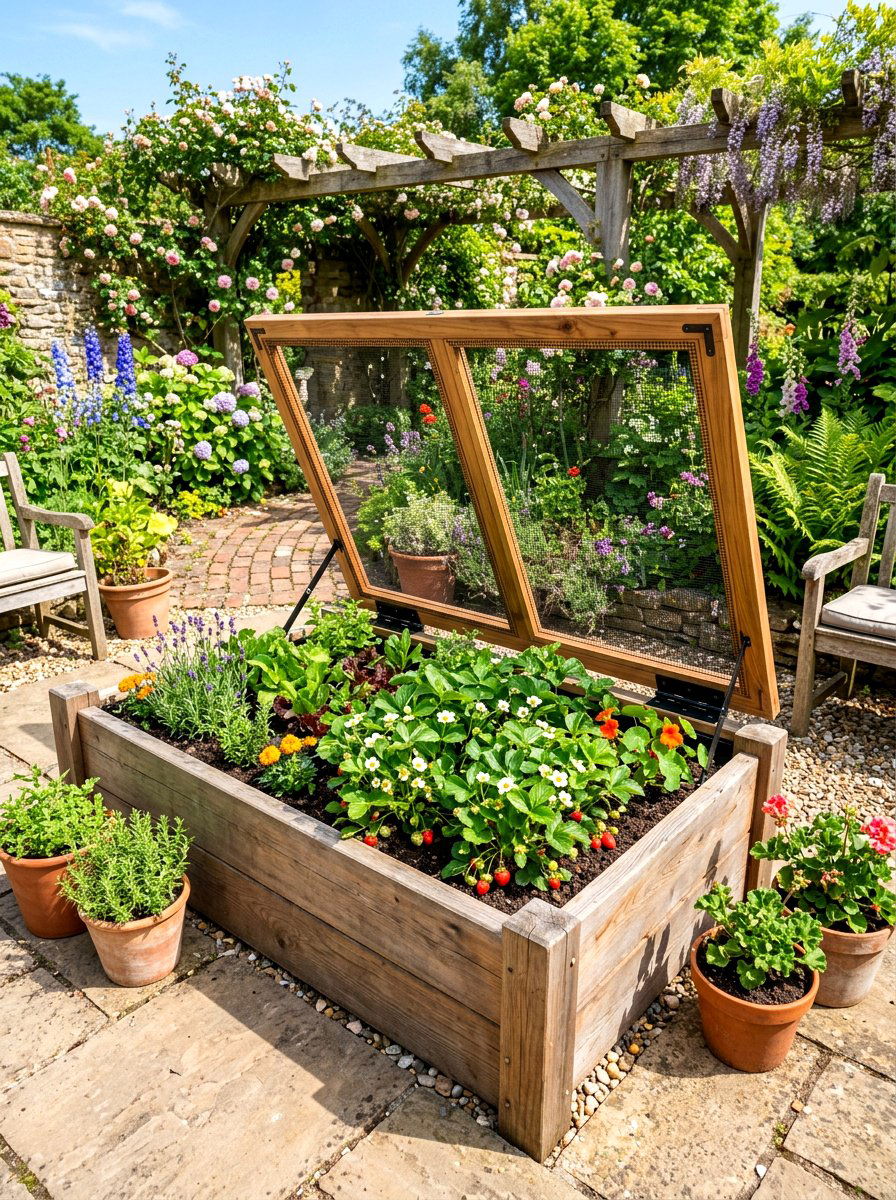
For a more permanent and aesthetically pleasing solution, consider a wooden hinged screen cover. This design features a sturdy timber frame that perfectly fits the dimensions of your raised bed. The center of the frame is filled with durable wire mesh or bird netting to keep critters away while allowing full sunlight and rain to reach your plants. By adding heavy-duty hinges to one side, you create a lid that opens easily for maintenance. This is a favorite for gardeners who want a clean, finished look in their backyard. The wood can be stained or painted to match your home’s exterior, blending functionality with high-end style.
4. Hardware Cloth Pest Protection
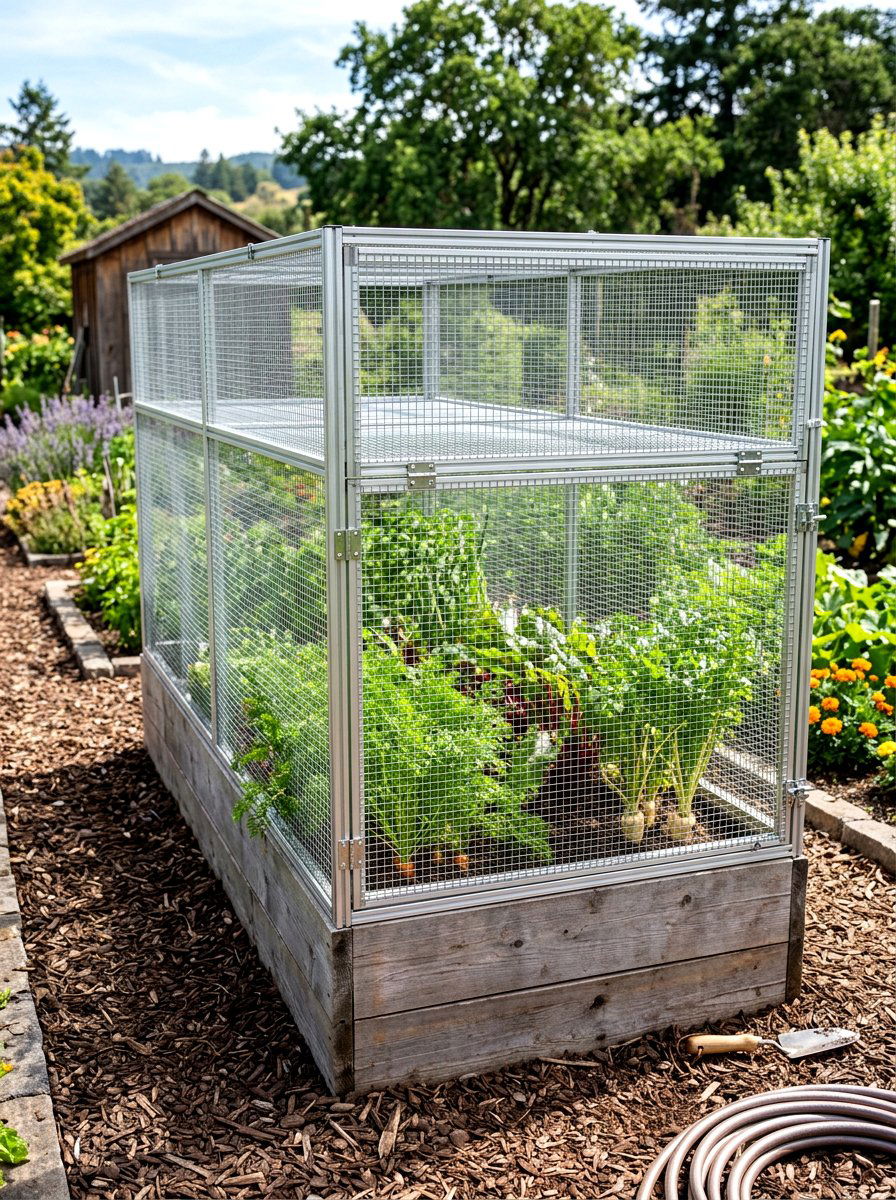
If you are constantly battling stubborn rodents like squirrels or chipmunks, hardware cloth pest protection is your best defense. Unlike standard netting, hardware cloth is made from stiff, galvanized metal that animals cannot chew through. You can build a simple box frame that sits atop your raised bed, ensuring every inch is covered by this heavy-duty material. It provides an industrial-strength barrier while still maintaining excellent visibility and airflow. This type of cover is ideal for protecting root vegetables or young berries that are frequent targets for backyard wildlife. It is a long-lasting investment that keeps your garden safe from the most persistent small animals.
5. Bird Netting Garden Cover
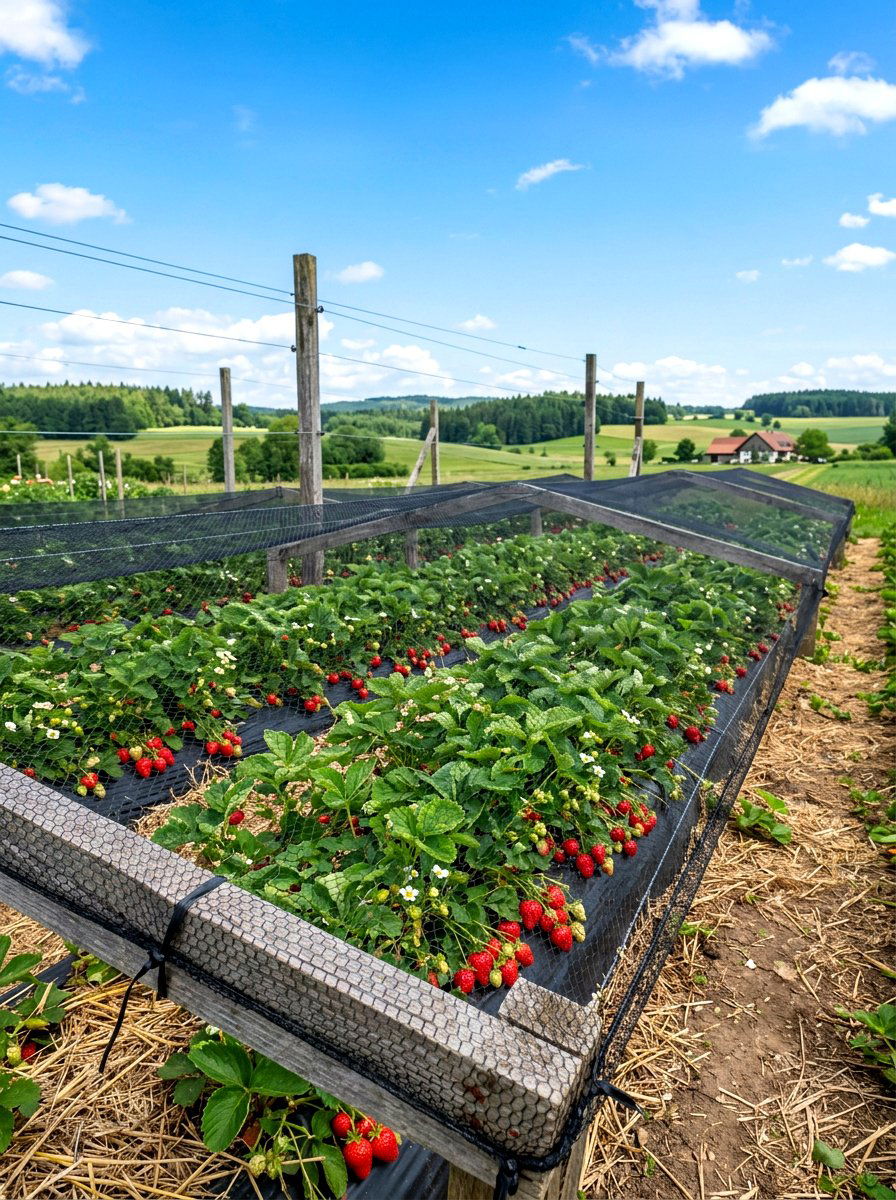
Keeping winged visitors away from your ripening fruit is effortless with a bird netting garden cover. This lightweight, flexible mesh is designed specifically to prevent birds from pecking at your strawberries, blueberries, or tomatoes. You can drape the netting over a simple frame or directly over the plants themselves. The black or green mesh is nearly invisible from a distance, so it won’t disrupt the visual beauty of your landscape. Because the holes are large enough for bees to fly through, your plants will still benefit from natural pollination. It is an essential tool for any fruit grower looking to maximize their harvest without harming the local bird population.
6. Polyethylene Film Season Extender
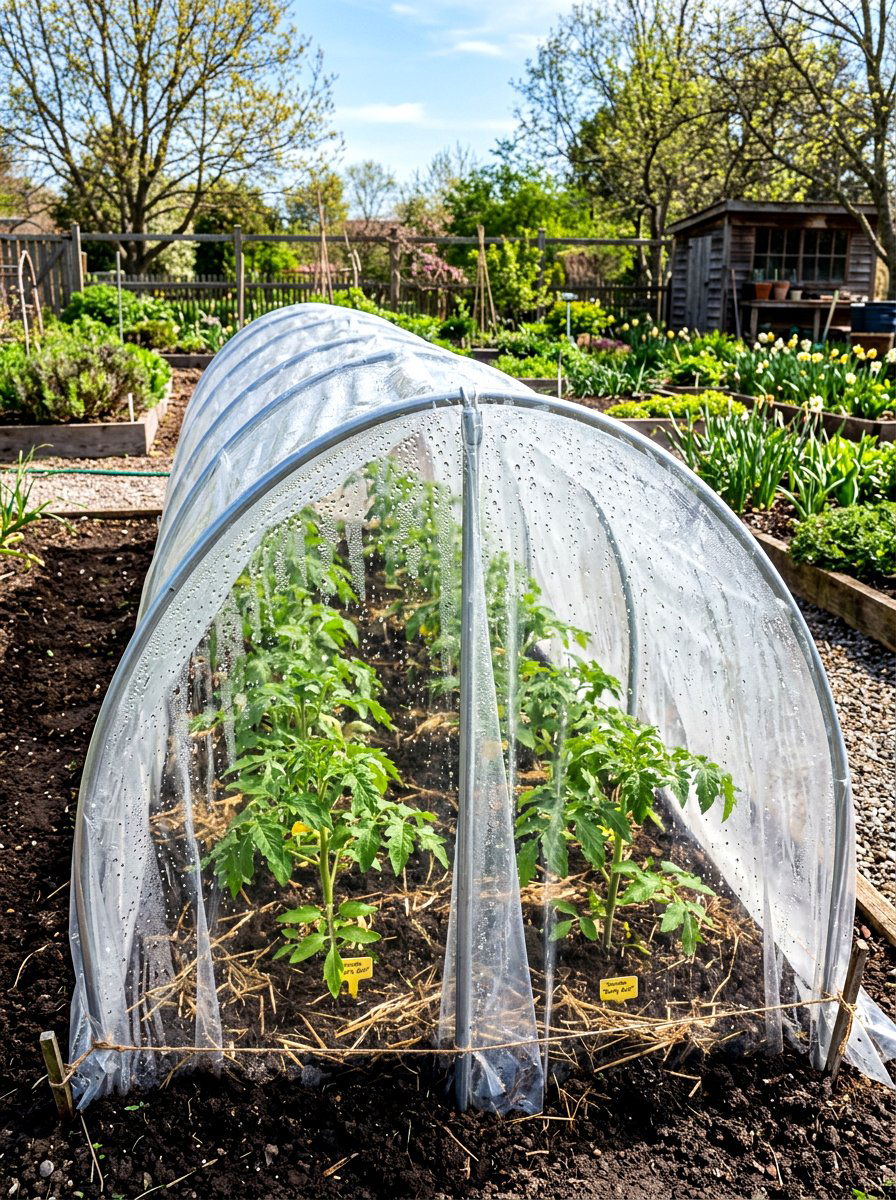
When the temperatures drop, a polyethylene film season extender acts as a warm blanket for your crops. This clear plastic sheeting is specifically treated to resist UV degradation while trapping maximum heat beneath it. By sealing the edges around your raised bed, you create a high-humidity environment that mimics a traditional greenhouse. This is perfect for starting heat-loving plants like tomatoes and eggplants much earlier than usual. The film also protects against heavy spring rains that might otherwise wash away your seeds or drown young sprouts. It is a cost-effective way to manipulate the climate and ensure a much longer and more productive growing window.
7. Shade Cloth Garden Bed
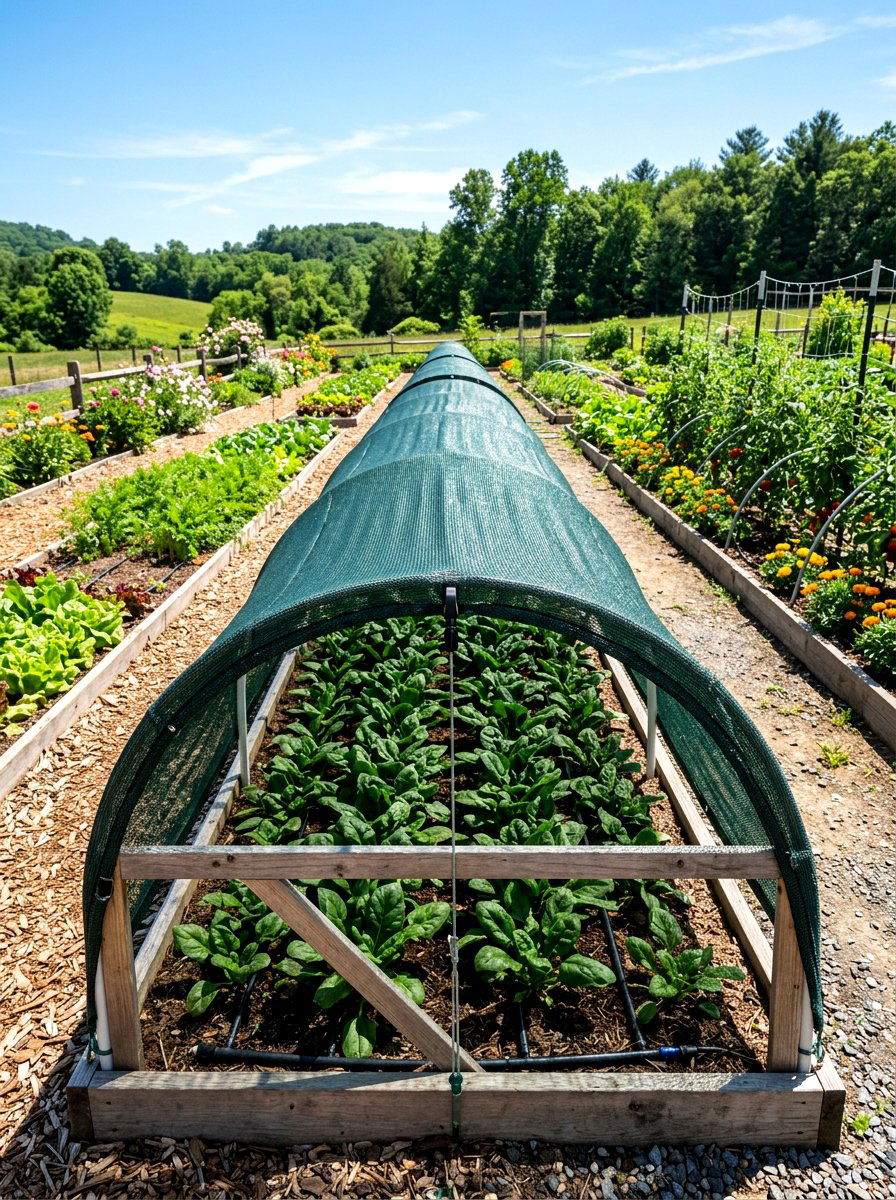
Protecting your cool-weather crops during the peak of summer requires a dedicated shade cloth garden bed. In many climates, the intense afternoon sun can cause lettuce, spinach, and cilantro to bolt or wilt prematurely. A specialized shade cloth filters out a percentage of the sun's rays, significantly lowering the temperature of the soil and the air around the plants. These covers are usually made from knitted polyethylene and are available in various density levels. By installing this over a simple hoop frame, you can continue harvesting crisp greens even in July. It provides a breathable, cooling environment that prevents heat stress and keeps your summer garden productive.
8. Cattle Panel Greenhouse Cover
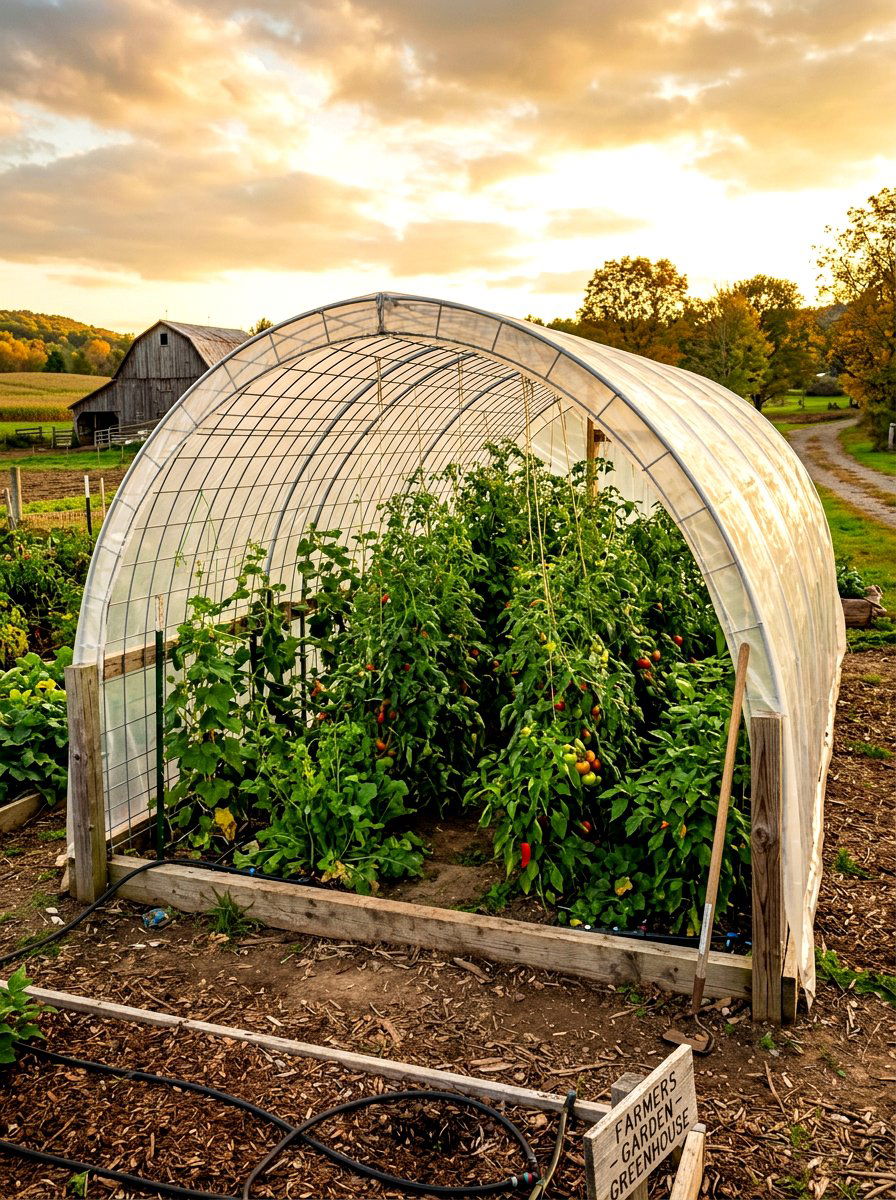
For a heavy-duty structure that can withstand wind and snow, a cattle panel greenhouse cover is an excellent choice. These thick, galvanized wire panels are incredibly strong and maintain their shape when bent into a large arch. Once secured to the sides of your raised beds, they provide a rigid skeleton for heavy plastic or thermal blankets. Because the panels are so sturdy, you can also use them as a trellis for climbing plants like cucumbers or beans on the outside while protecting sensitive crops underneath. This dual-purpose design is highly efficient for small spaces and offers a professional-grade solution for serious year-round vegetable gardeners.
9. Removable Mesh Garden Cover
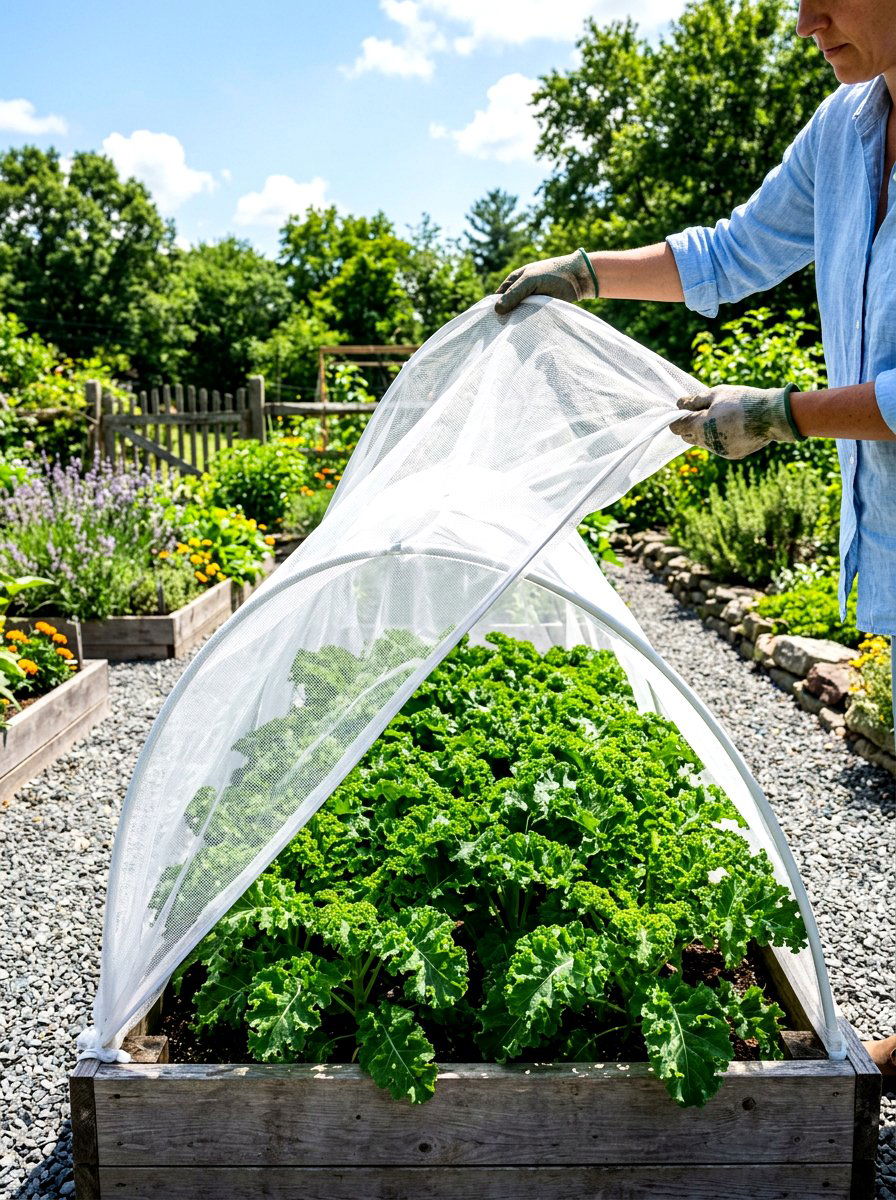
A removable mesh garden cover offers the perfect balance between accessibility and protection. These covers often come as pre-fabricated kits or DIY frames that sit loosely on top of the bed walls. The fine mesh is excellent for blocking cabbage moths, beetles, and other common garden insects that can destroy a crop overnight. Because they are not permanently attached, you can lift them off in seconds to weed or harvest. This versatility is ideal for beds that require frequent attention throughout the week. The lightweight nature of the mesh ensures that your plants receive plenty of fresh air and natural rainwater without being exposed to harmful pests.

10. Frost Blanket Plant Protection
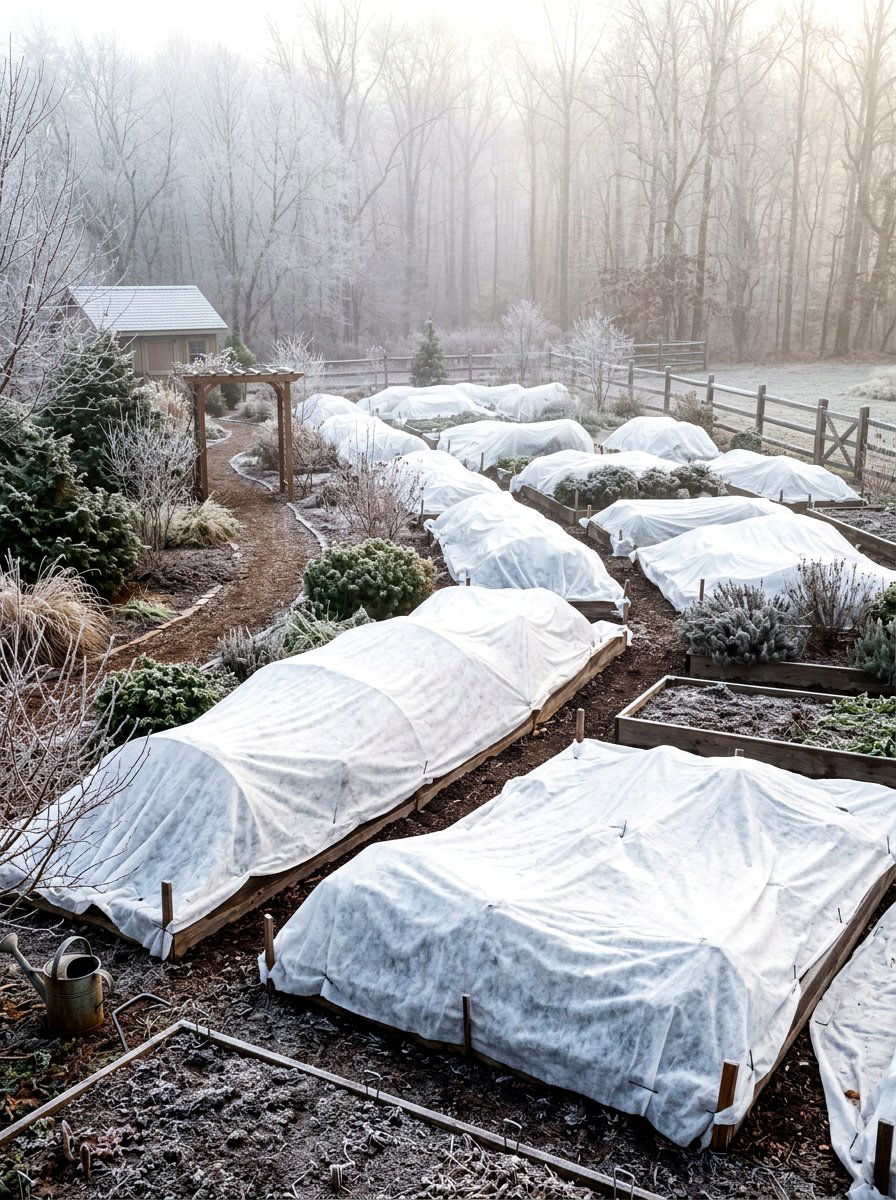
When a sudden cold snap is predicted, frost blanket plant protection is a literal lifesaver for your garden. These covers are made from spun-bonded polyester or polypropylene fabric that provides several degrees of thermal insulation. Unlike plastic, these blankets are breathable, which prevents moisture buildup and fungal issues. You can lay them directly over your plants or support them with hoops to avoid crushing delicate foliage. They are especially useful for protecting tender perennials or late-season vegetables during those first few freezing nights of autumn. Once the sun comes out and warms the air, you can easily fold them up and store them for the next frost.
11. Chicken Wire Garden Bed Cage
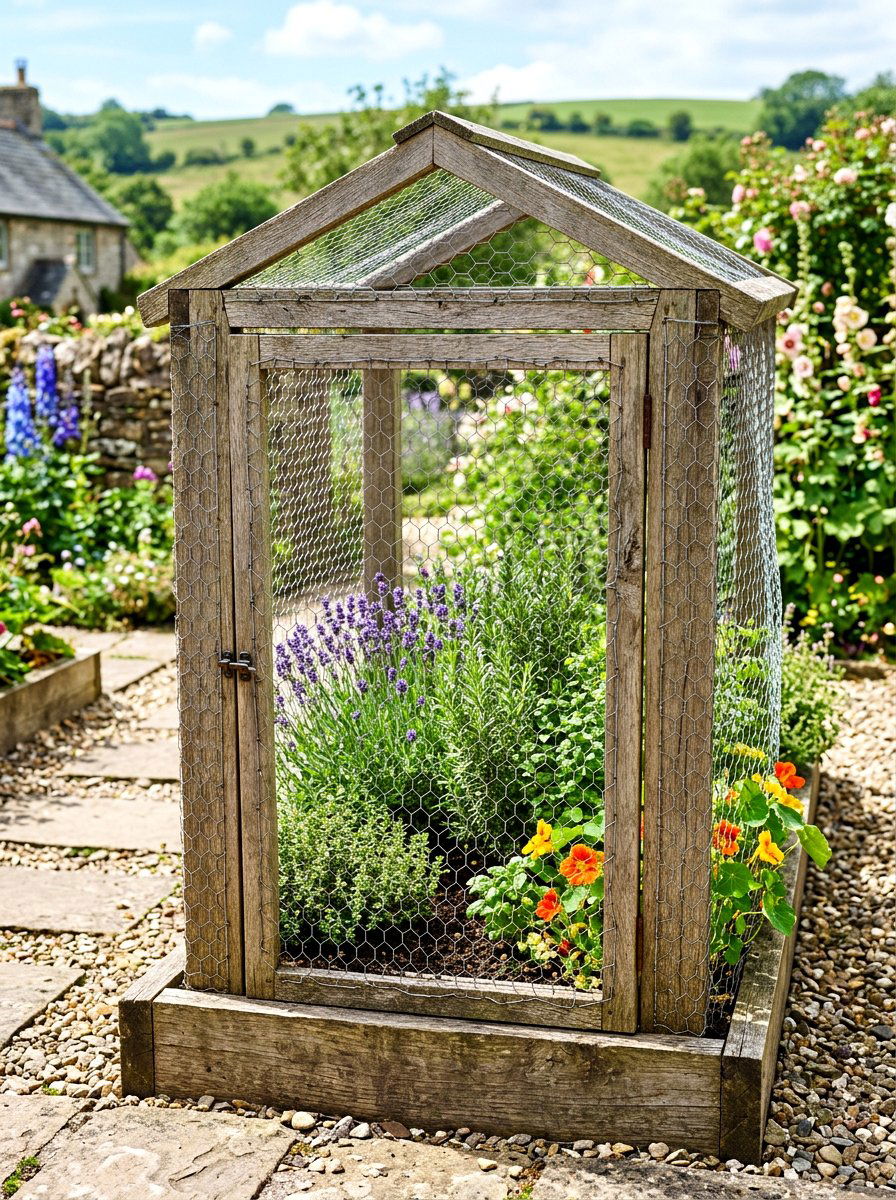
Creating a classic and effective barrier is simple with a chicken wire garden bed cage. This traditional material is a staple for a reason; it is affordable, easy to work with, and incredibly durable. You can form a simple cage by stapling the wire to a wooden frame that fits snugly over your raised bed. This setup is particularly effective at deterring rabbits and other small mammals that like to munch on tender shoots. The open hexagonal weave allows for maximum sunlight and visibility, so you can always keep an eye on your progress. It is a practical, no-fuss solution that brings a charming, rustic look to any backyard vegetable patch.
12. Floating Row Cover Garden
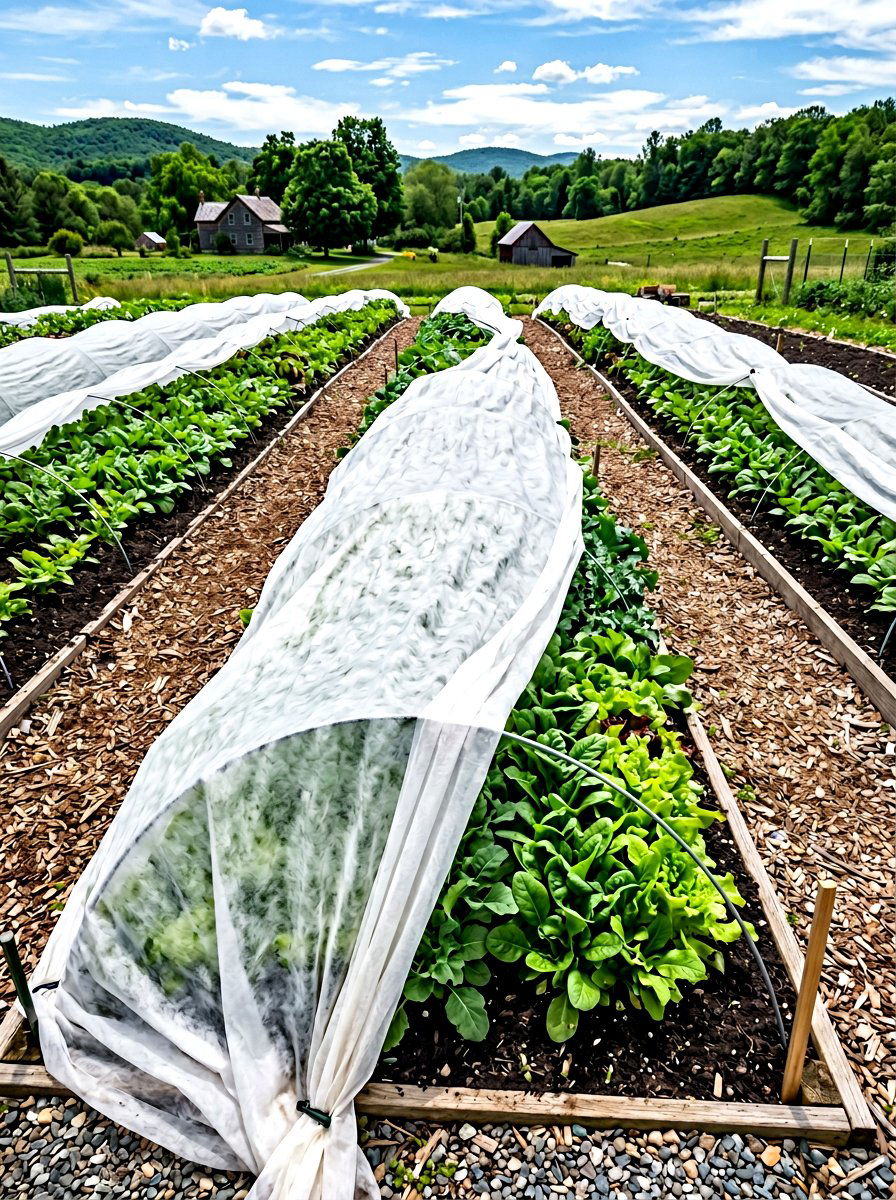
A floating row cover garden provides a unique method of protection where the material rests directly on the foliage. Made from ultra-lightweight fabric, these covers move with the plants as they grow, eliminating the need for heavy support structures. They are fantastic for preventing insect damage on low-growing crops like carrots, onions, and strawberries. The fabric is thin enough to allow light and water to penetrate while creating a physical barrier against pests. This method is highly favored by organic gardeners who want to avoid chemical pesticides. It is an easy, low-maintenance way to keep your crops clean and healthy from seed to final harvest.
13. Repurposed Window Cold Frame
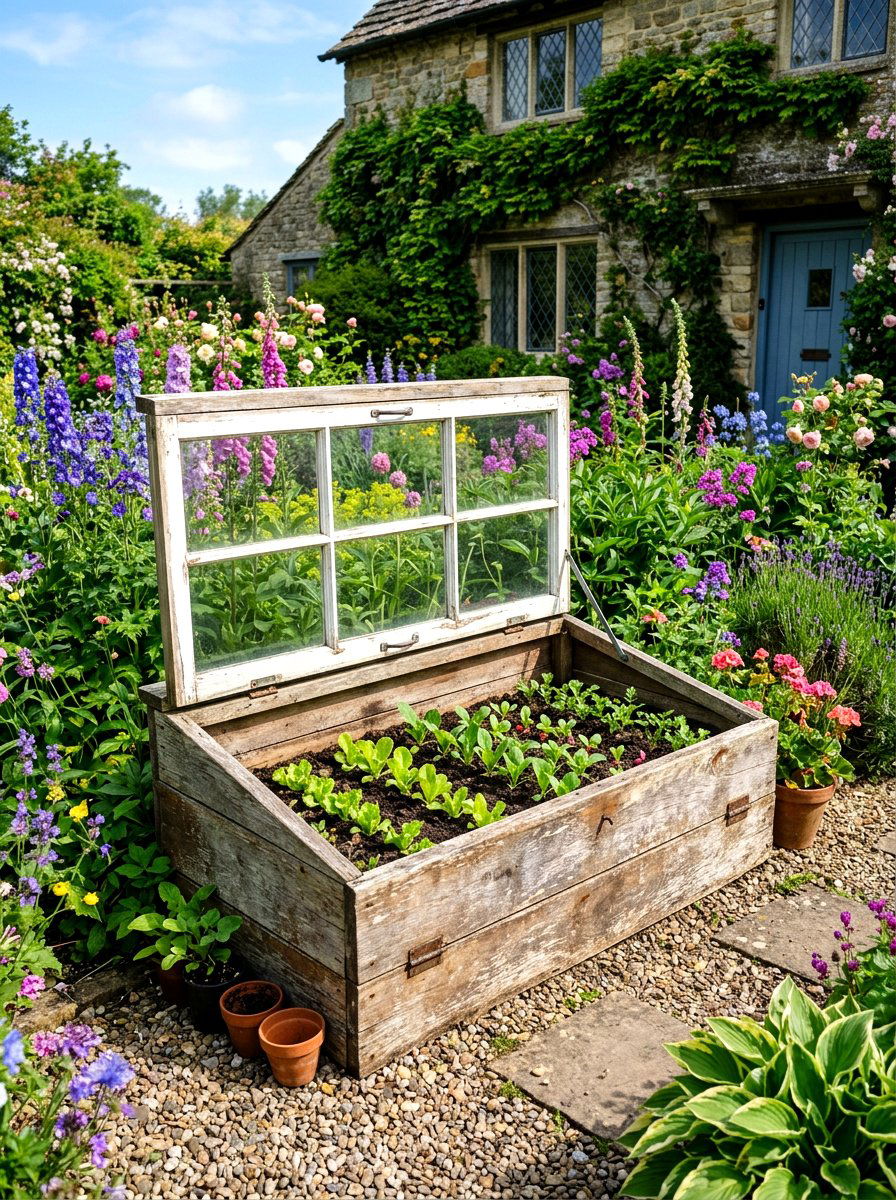
Sustainability meets functionality when you build a repurposed window cold frame. Using old glass windows from a renovation project is a brilliant way to create a high-performance cover for zero cost. The heavy glass provides excellent insulation and weight, ensuring the cover stays in place during windy weather. You can build a simple slanted box out of scrap wood and attach the window on top with hinges. This vintage look adds character to your garden while providing a professional environment for seed starting. It is an eco-friendly project that turns waste into a valuable gardening tool, helping you grow more food while reducing your environmental footprint.
14. Corrugated Plastic Garden Cover
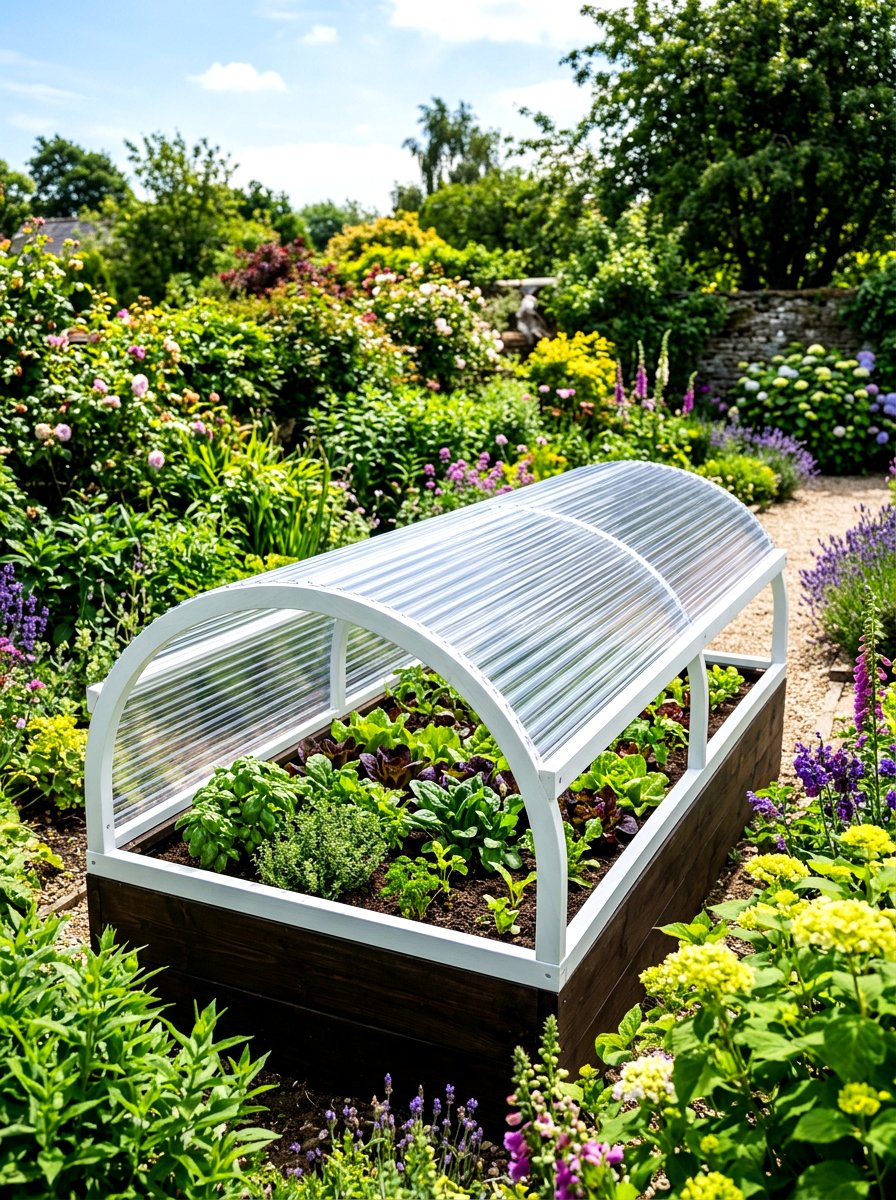
If you want the durability of a greenhouse without the high cost, a corrugated plastic garden cover is a perfect middle ground. These translucent panels are made from tough polycarbonate or PVC, which can withstand hail and heavy rain. Because the material is rigid, you can build a very stable roof for your raised beds that lasts for many years. The corrugations help diffuse sunlight, preventing hotspots that could scorch your plants. This type of cover is ideal for creating a permanent or semi-permanent "roof" over your beds to keep the foliage dry, which is key for preventing diseases like tomato blight and powdery mildew.
15. Metal Arch Garden Bed Cover
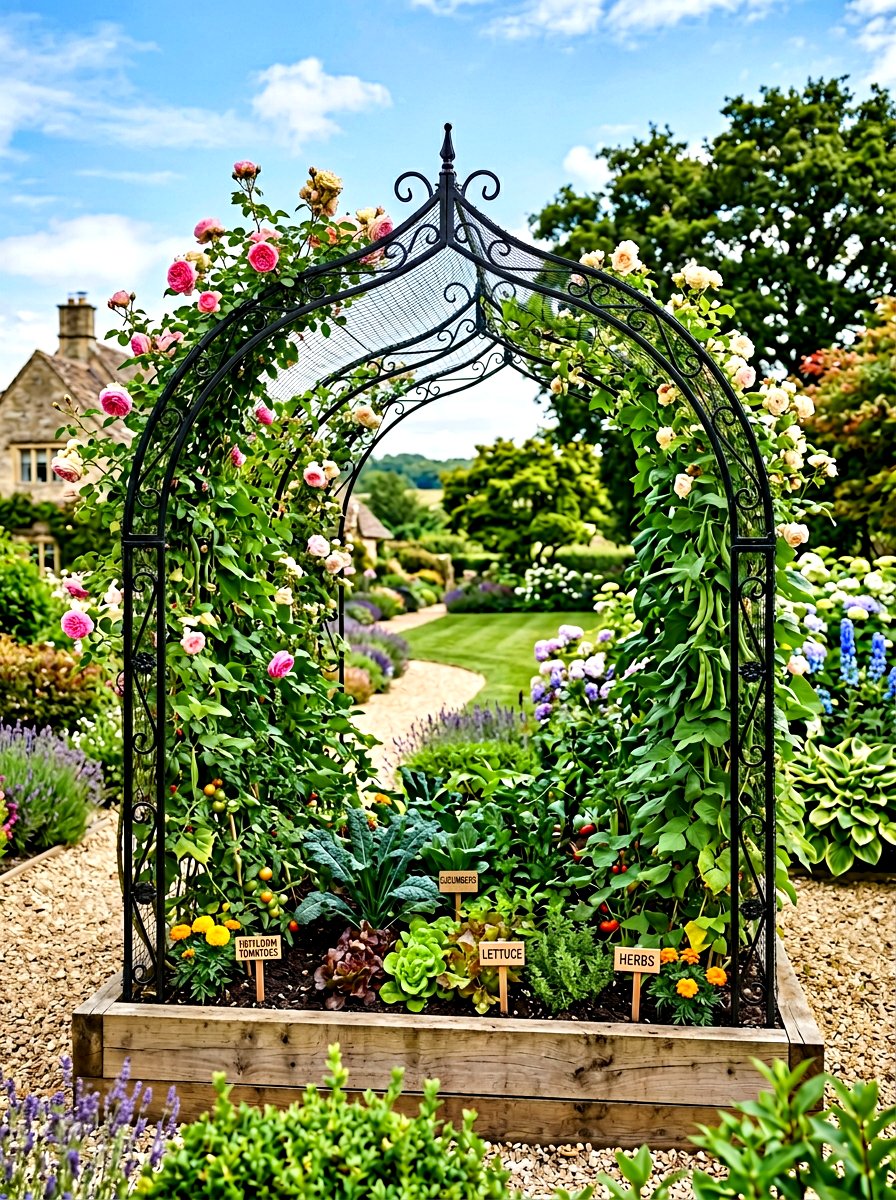
For those who prioritize both strength and elegance, a metal arch garden bed cover is a stunning addition. These arches can be made from rebar, conduit, or decorative wrought iron, providing a sophisticated framework for your garden. Unlike plastic hoops, metal supports will not degrade in the sun or buckle under the weight of heavy covers. You can wrap them in clear plastic for the winter or cover them with decorative netting during the summer months. The tall, architectural lines of the metal arches create a sense of height and structure in the garden, making your raised beds look like a professional landscape feature rather than just a utility area.
16. Butterfly Netting Garden Protection
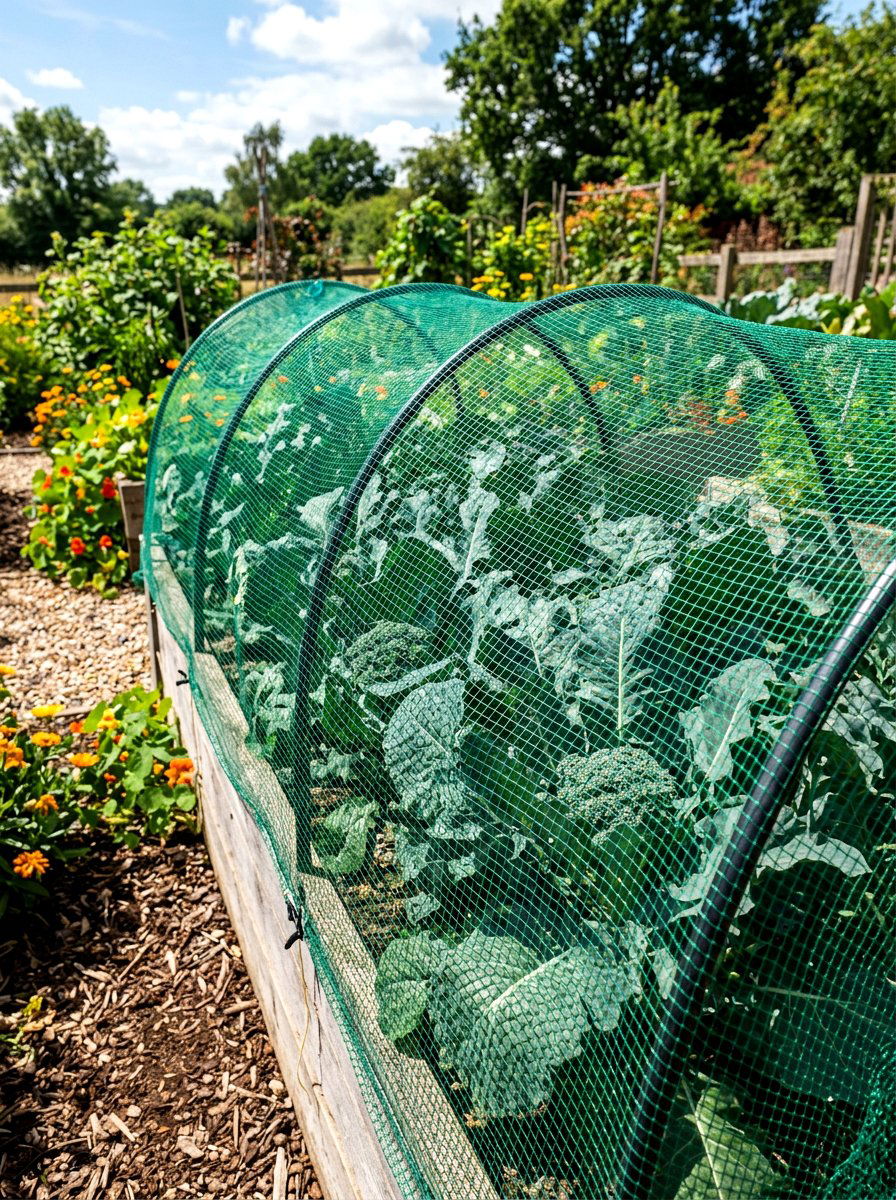
Growing brassicas like kale, broccoli, and cabbage can be a struggle without butterfly netting garden protection. The cabbage white butterfly is a notorious pest that lays eggs on leaves, leading to hungry caterpillars that can decimate a crop. This specialized netting has very small holes designed specifically to keep these butterflies out while allowing smaller beneficial insects like bees to enter. The soft, flexible fabric is easy to drape over hoops or frames. By using this cover, you can enjoy hole-free leaves and healthy vegetables without using any sprays. It is a gentle, nature-friendly way to manage pests and ensure a beautiful, edible garden all season.
17. Burlap Garden Bed Winter Cover
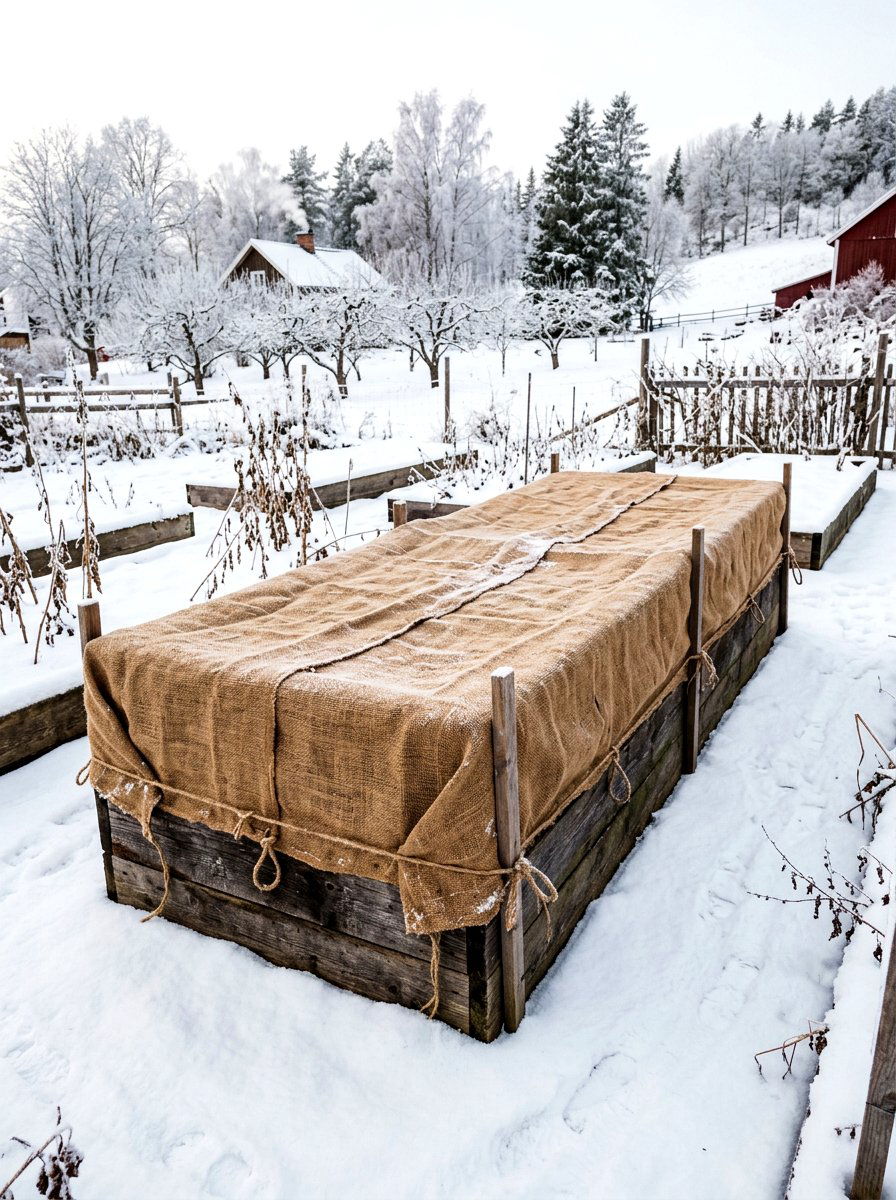
When the winter winds begin to howl, a burlap garden bed winter cover offers essential protection for dormant plants. Burlap is a natural, breathable fiber that provides a windbreak without trapping excessive moisture that could lead to rot. It is particularly useful for protecting garlic or perennial herbs that are overwintering in your raised beds. You can simply wrap the burlap around a simple frame or lay it over the soil surface to prevent extreme temperature fluctuations. This helps keep the ground from freezing and thawing repeatedly, which can push plants out of the soil. It is a classic, biodegradable material that works in harmony with the natural environment.
18. Bamboo Hoop Garden Cover
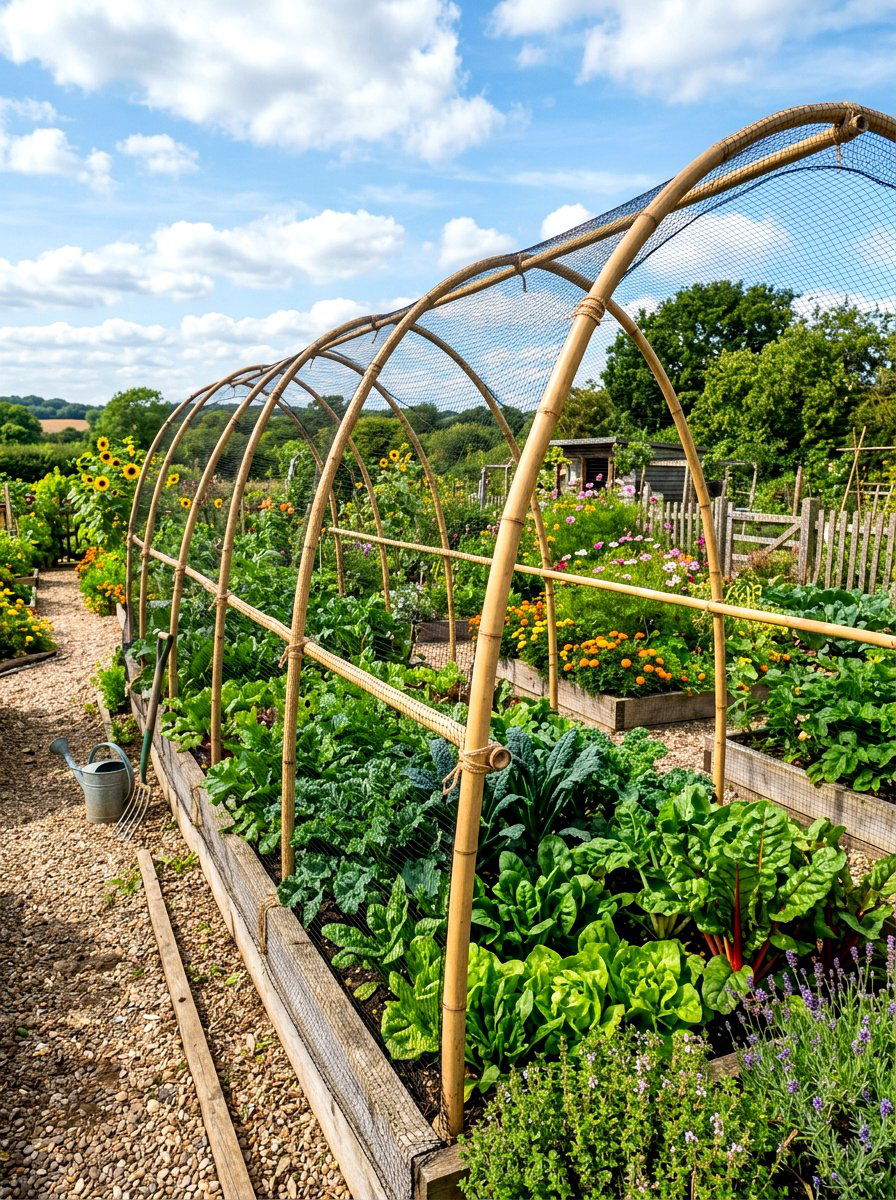
Gardeners looking for an eco-friendly and organic aesthetic will love a bamboo hoop garden cover. Bamboo is a renewable resource that is naturally flexible and surprisingly strong. By soaking long bamboo poles, you can bend them into arches and secure them into the soil of your raised bed. This creates a beautiful, natural framework for bird netting or lightweight frost cloth. The warm tones of the wood blend perfectly with green foliage and wooden garden beds. When the poles eventually reach the end of their life, they can be composted, making this one of the most sustainable ways to support your garden protection systems.
19. Folding Wooden Screen Cover
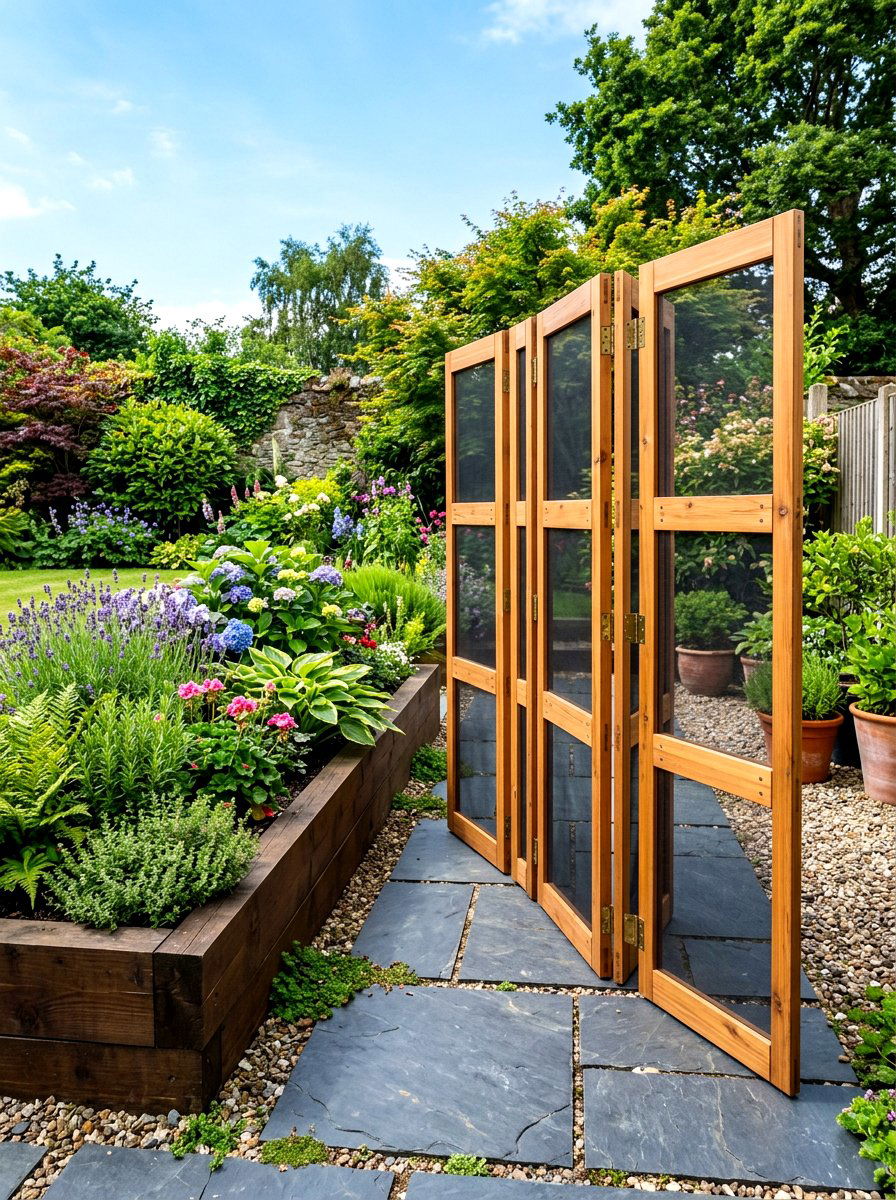
Accessibility is the main feature of a folding wooden screen cover. This design uses multiple framed panels joined by hinges, allowing the cover to fold back like an accordion. It is perfect for long raised beds where reaching the middle can be difficult with a standard one-piece lid. You can fold back only the section you are working on, keeping the rest of the bed protected. This setup is usually fitted with fine mesh or hardware cloth to keep pests out. The architectural look of the folding panels adds a high-end, custom feel to your garden. It combines practical ease of use with a very sophisticated and modern design.
20. Greenhouse Plastic Tunnel
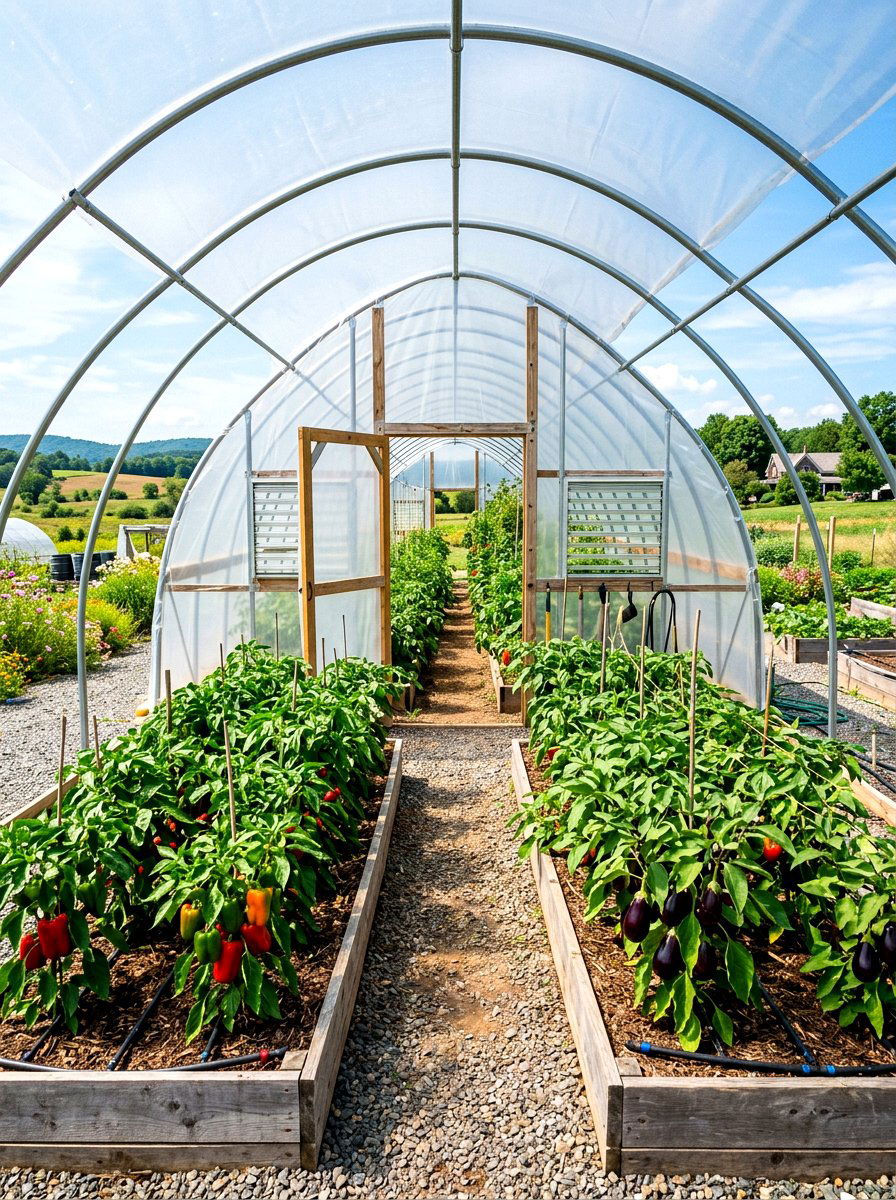
Transforming a standard raised bed into a high-production zone is easy with a greenhouse plastic tunnel. This setup involves a more substantial structure that completely encloses the bed in heavy-duty greenhouse-grade plastic. Unlike thin films, this material is designed to last for several years and offers superior light transmission. These tunnels often feature zippered doors or roll-up sides for easy access and temperature control. By creating this sealed environment, you can grow warm-season crops like peppers and cucumbers even in cooler climates. It is a powerful way to maximize every square inch of your garden and enjoy a bountiful harvest regardless of the outside weather conditions.
21. Insect Netting Raised Bed
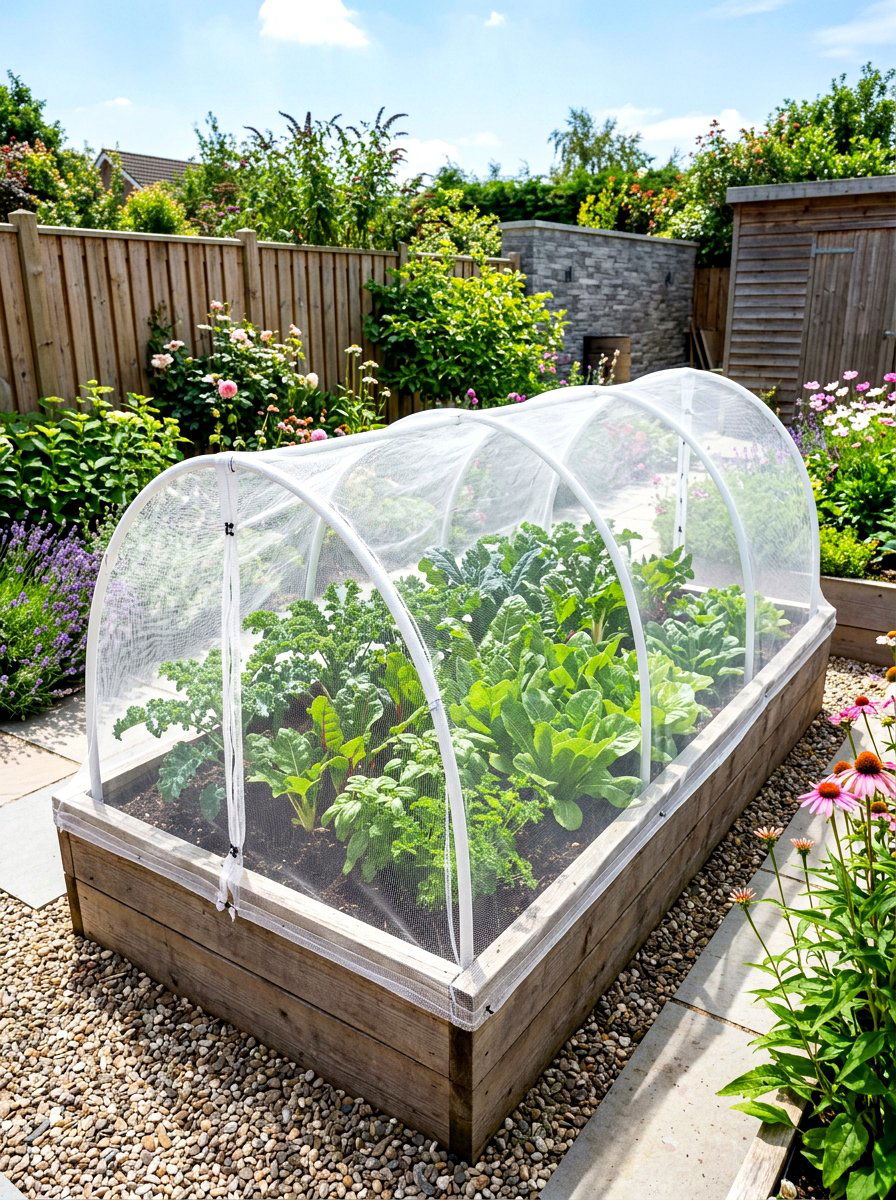
Focusing on the smallest pests, an insect netting raised bed uses ultra-fine mesh to keep out tiny invaders. Standard bird netting often fails against small flies, beetles, and aphids, but this specialized fabric is woven tightly enough to stop them in their tracks. Despite the tight weave, it still allows for excellent light and water penetration. This is the go-to solution for protecting leafy greens and root crops from soil-borne pests like carrot rust flies. By creating a physical barrier early in the season, you can eliminate the need for organic or chemical sprays. It is a clean, modern approach to pest management that yields perfect, blemish-free vegetables.
22. Slotted Wood Garden Lid
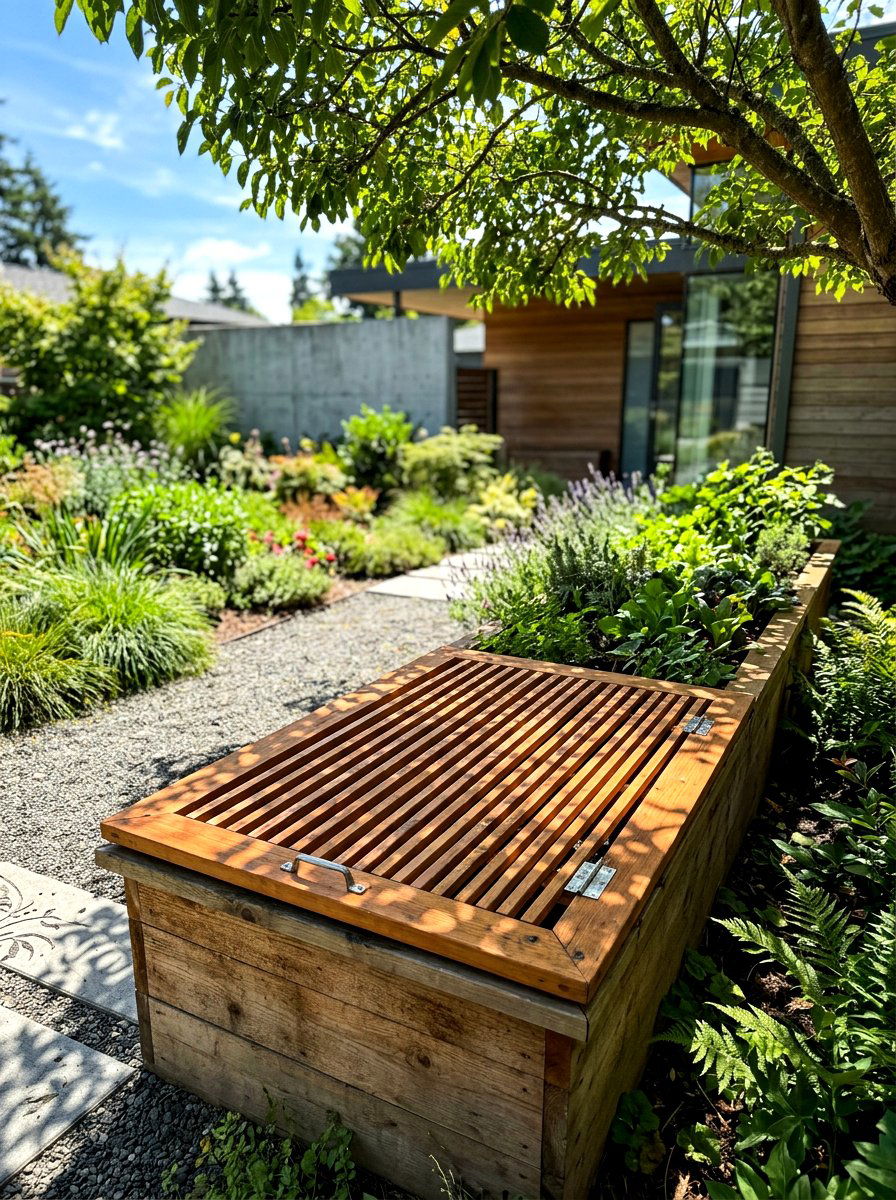
A slotted wood garden lid provides a unique combination of protection and controlled exposure. Instead of mesh or plastic, this cover uses thin wooden slats spaced slightly apart, similar to a pergola. This design provides dappled shade, which is perfect for sensitive plants that can't handle full, direct sun but still need plenty of light. It also acts as a physical barrier against large falling debris and heavy hail. The architectural beauty of the wood slats makes the raised bed look like a piece of high-quality outdoor furniture. It is a stylish choice for urban gardens or patios where the aesthetic of the structure is just as important as the plants.
23. Cedar Frame Hardware Cloth Cover
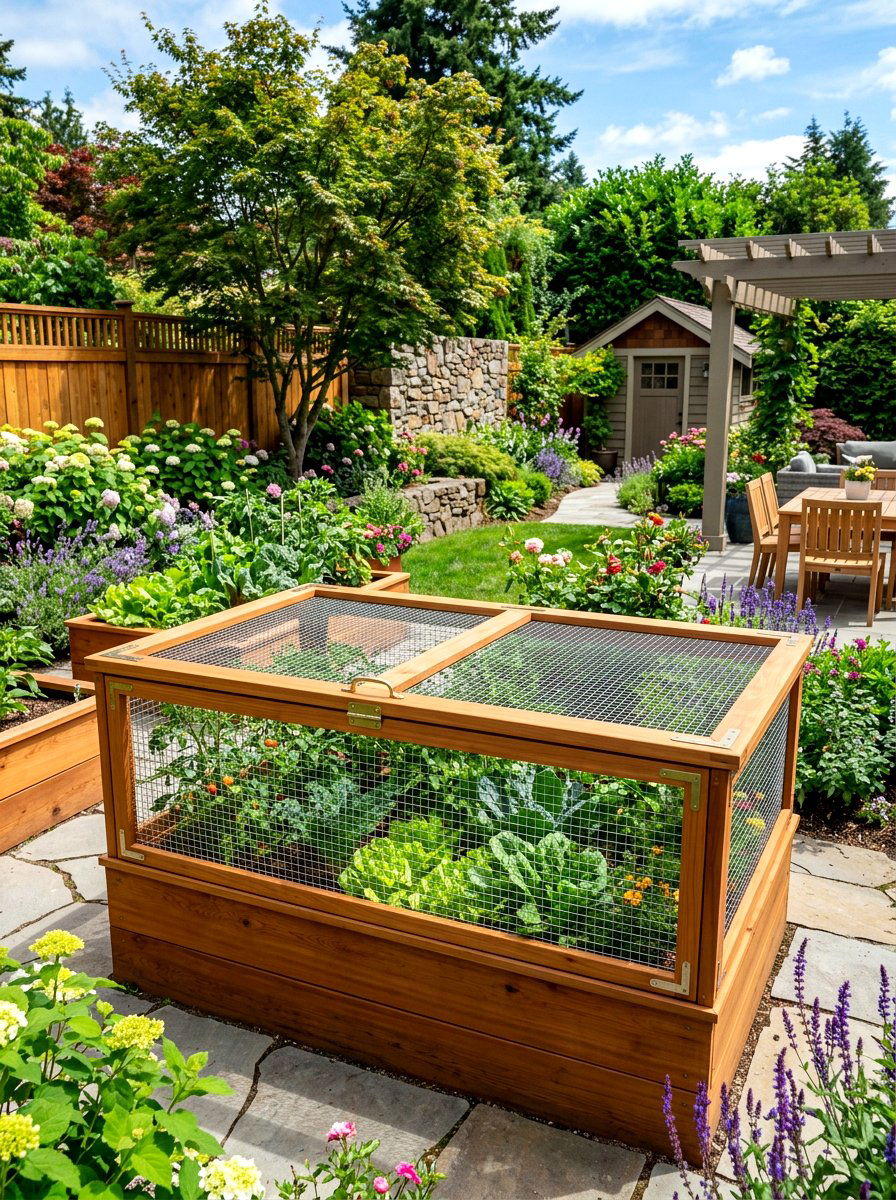
For a premium look that lasts a lifetime, a cedar frame hardware cloth cover is the gold standard. Cedar is naturally resistant to rot and insects, making it the perfect choice for the high-moisture environment of a garden. When paired with heavy-duty hardware cloth, you create a barrier that is both beautiful and virtually impenetrable by pests. The silver hue of the wire mesh contrasts beautifully with the warm, reddish tones of the cedar wood. This type of cover is often built as a sturdy box that sits precisely on the bed’s rim. It is a high-quality investment that adds significant value and curb appeal to your entire backyard landscape.
24. High Tunnel Raised Bed Cover
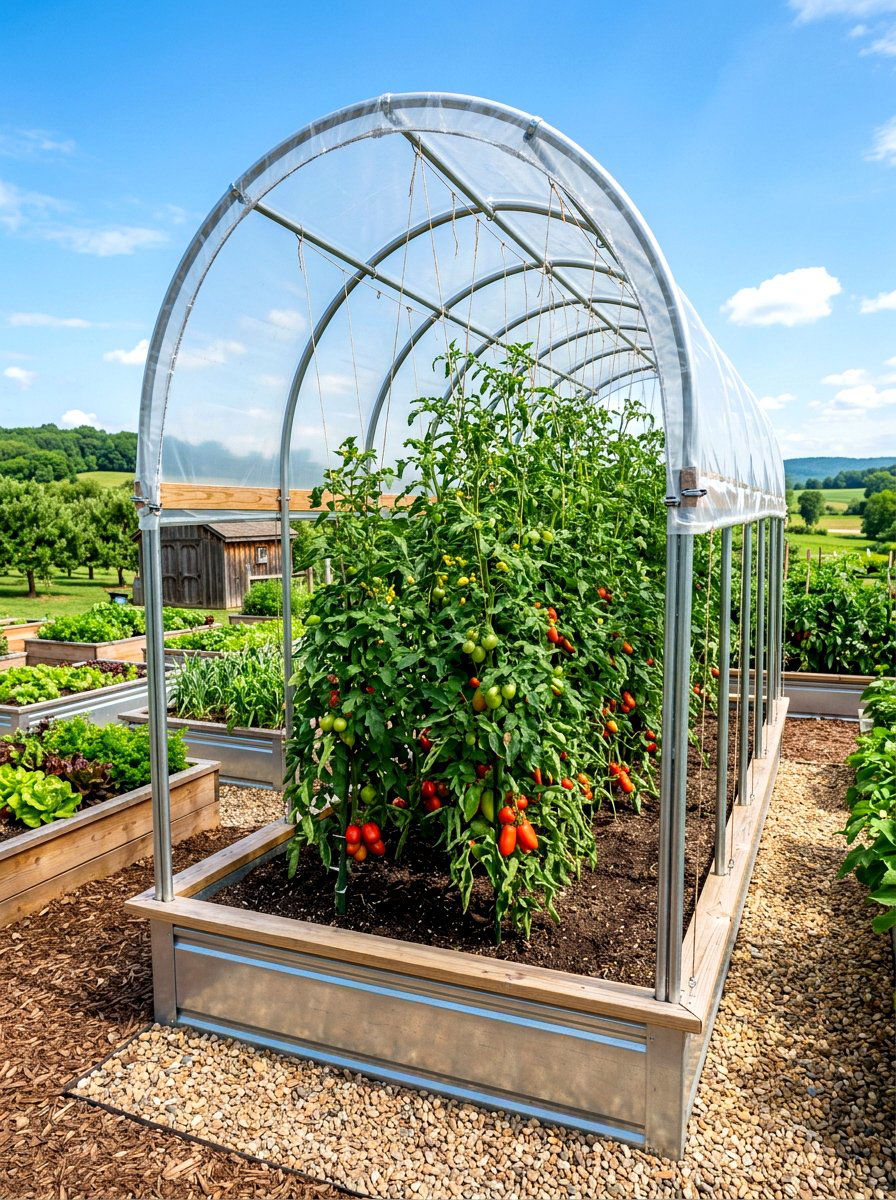
When your plants need room to grow tall, a high tunnel raised bed cover is the ideal solution. Unlike low hoops that might restrict the growth of indeterminate tomatoes or climbing peas, these structures offer several feet of vertical clearance. You can build these using sturdy metal or PVC pipes secured to the outside of the bed. They allow you to walk between the rows or tend to tall plants without ever removing the cover. This setup is perfect for intense vertical gardening and provides a massive volume of protected air space. It essentially turns each individual raised bed into its own dedicated, mini walk-in greenhouse for maximum efficiency.
25. Removable Garden Bed Cloche
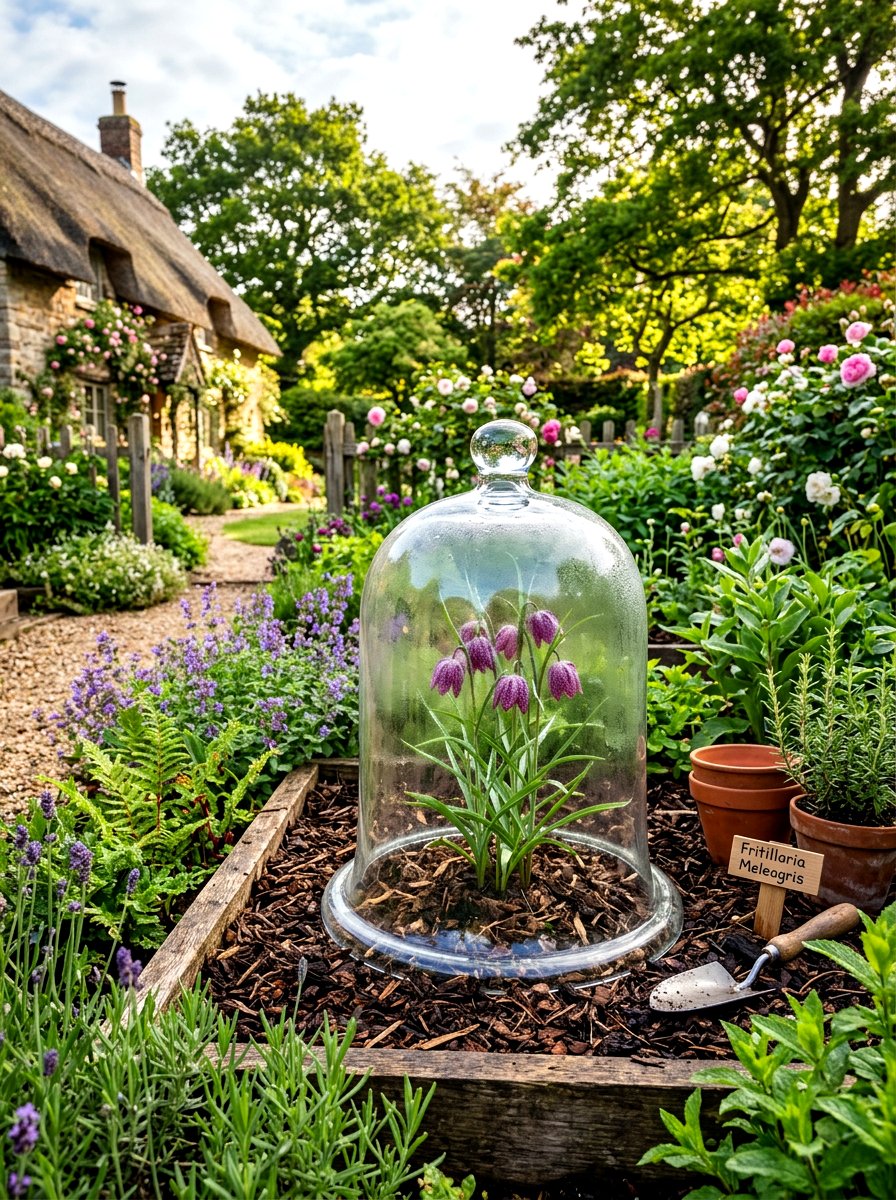
A removable garden bed cloche is perfect for protecting individual plants or small clusters within a larger bed. Historically made of glass, modern versions are often crafted from durable clear plastic or wire mesh. These bell-shaped covers sit directly over a single plant, providing a warm, protected environment for early growth. They are particularly useful for protecting prize specimens or slow-starting seedlings from sudden temperature drops or hungry snails. Because they are individual units, you can place them exactly where they are needed and move them easily as plants mature. They offer a charming, classic look that brings a touch of traditional European garden style to your backyard.
26. Fabric Mesh Garden Tent
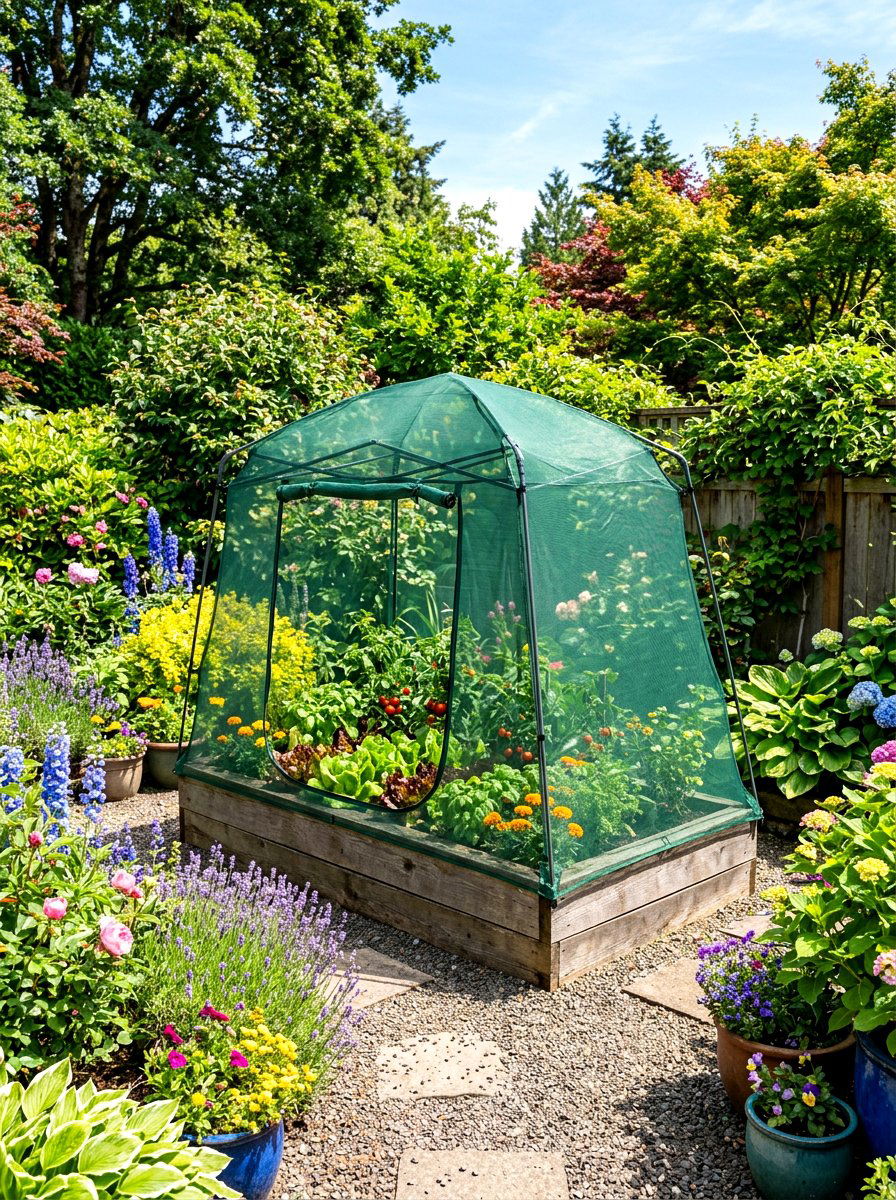
For a quick and portable solution, a fabric mesh garden tent is incredibly convenient. These pop-up structures function just like a camping tent but are designed with high-quality garden mesh. They often feature a flexible internal frame that allows them to be set up or taken down in a matter of seconds. This is a fantastic option for gardeners who only need temporary protection during specific pest cycles or weather events. The built-in zippers provide easy access to your plants without having to lift the entire structure. It is a versatile, lightweight tool that can be easily moved from one bed to another as your garden needs change.
27. Galvanized Wire Garden Cage
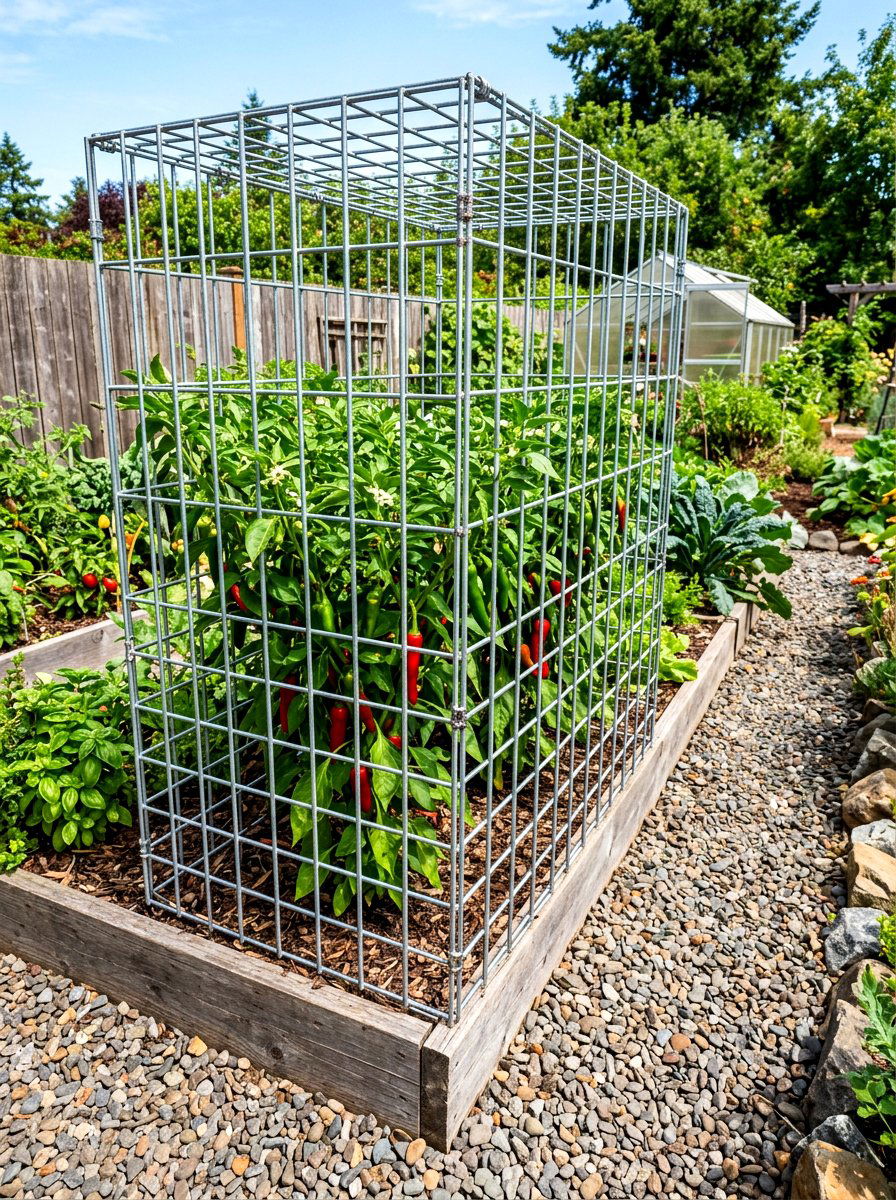
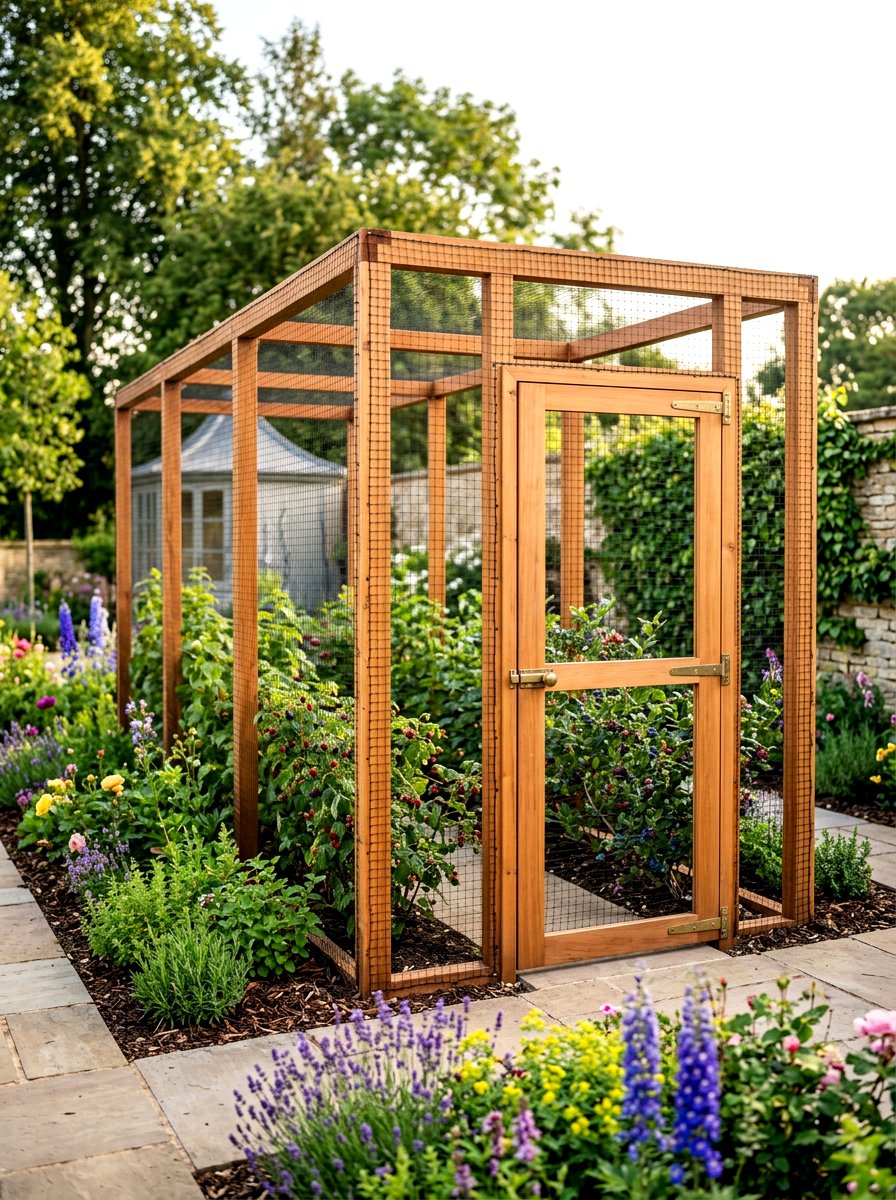
Industrial durability meets garden functionality with a galvanized wire garden cage. These covers are built using heavy-gauge wire panels that are welded or tied together to form a rigid box. This is one of the most permanent and indestructible ways to protect your raised beds from large animals like deer or dogs. The galvanized finish prevents rusting, ensuring the structure stays looking clean and professional for decades. While extremely strong, the open wire design ensures that your plants receive 100% of the available sunlight and rain. It is a no-nonsense, high-performance solution for gardeners who live in areas with high pressure from local wildlife and want a permanent fix.
28. Retractable Garden Bed Cover
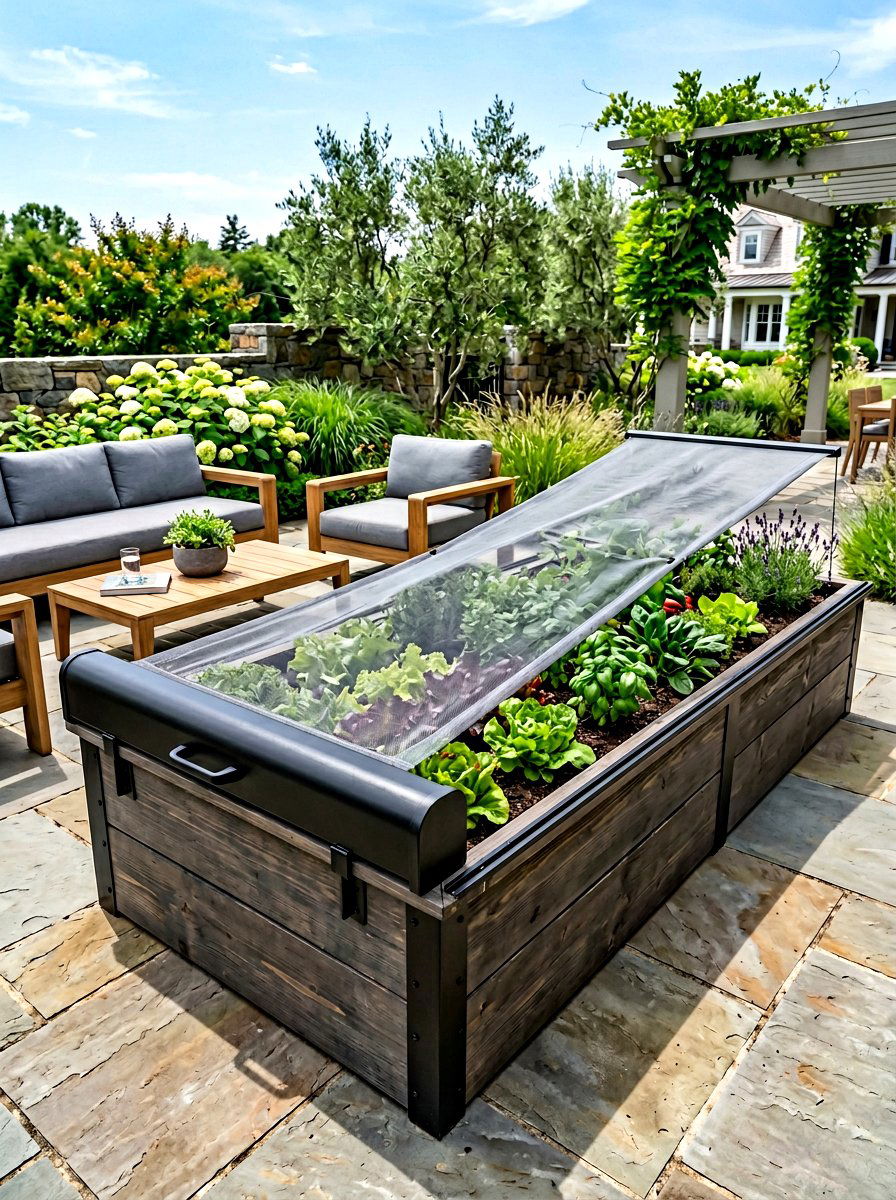
Embrace modern convenience with a retractable garden bed cover that works like a high-end window shade. These systems involve a fixed frame with a rolling mechanism that allows you to pull a mesh or plastic cover over the bed when needed. During the day, you can retract it completely to allow full sun and pollinator access. At night or during a storm, you simply pull the handle to lock the protection in place. This is a fantastic high-tech option for urban balconies or high-end landscape designs where ease of use and clean lines are essential. It takes all the heavy lifting out of garden protection, making daily maintenance a breeze.
29. PVC Framed Bird Netting
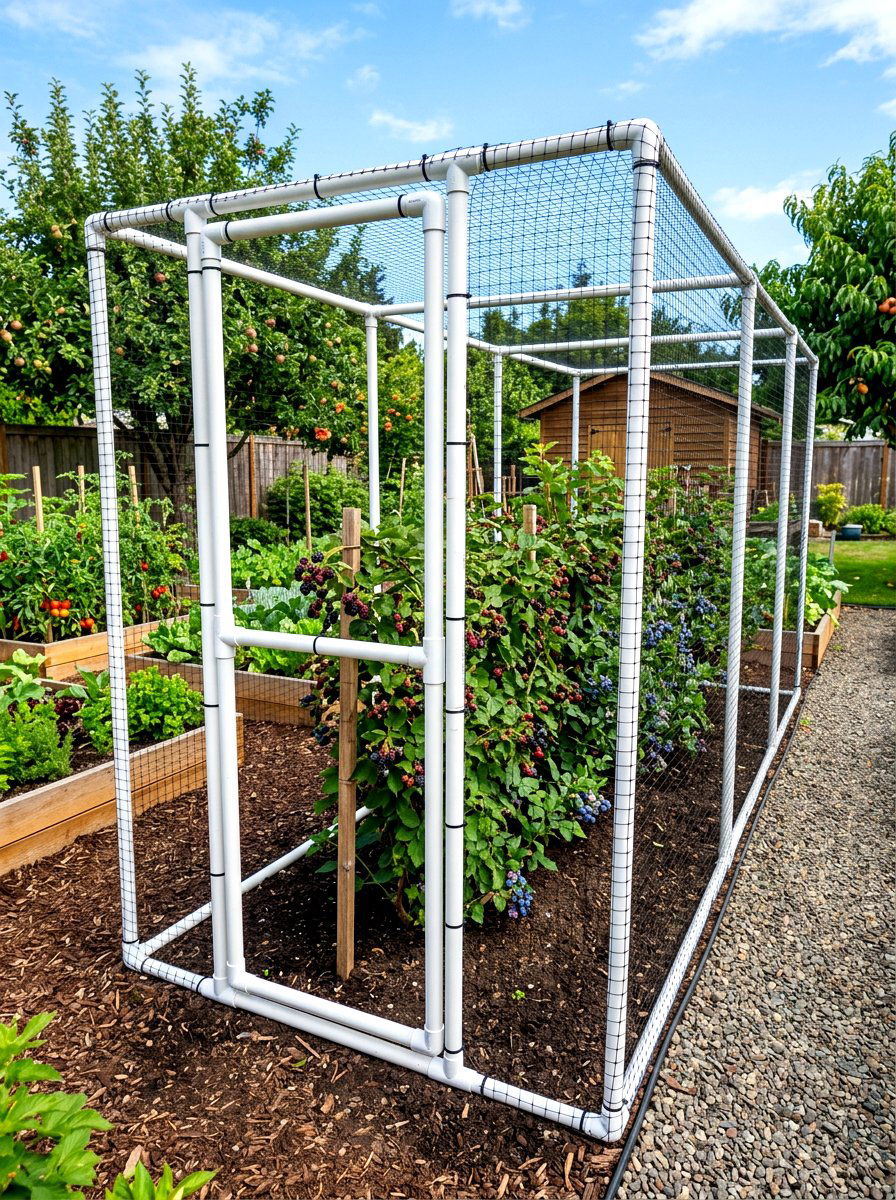
Building a structured and tidy cage is easy with PVC framed bird netting. Instead of just draping loose netting over your plants, which can become tangled or unsightly, you build a rigid cube or rectangle using lightweight PVC pipes. The bird netting is then pulled taut and secured to the frame with zip ties or clips. This creates a neat, professional-looking structure that stays in place even in high winds. The rigid frame makes it much easier to lift the entire assembly off when you need to harvest. It is a smart way to use affordable materials to create a highly effective and organized protection system for your fruit and vegetables.
30. Vertical Trellis Garden Cover
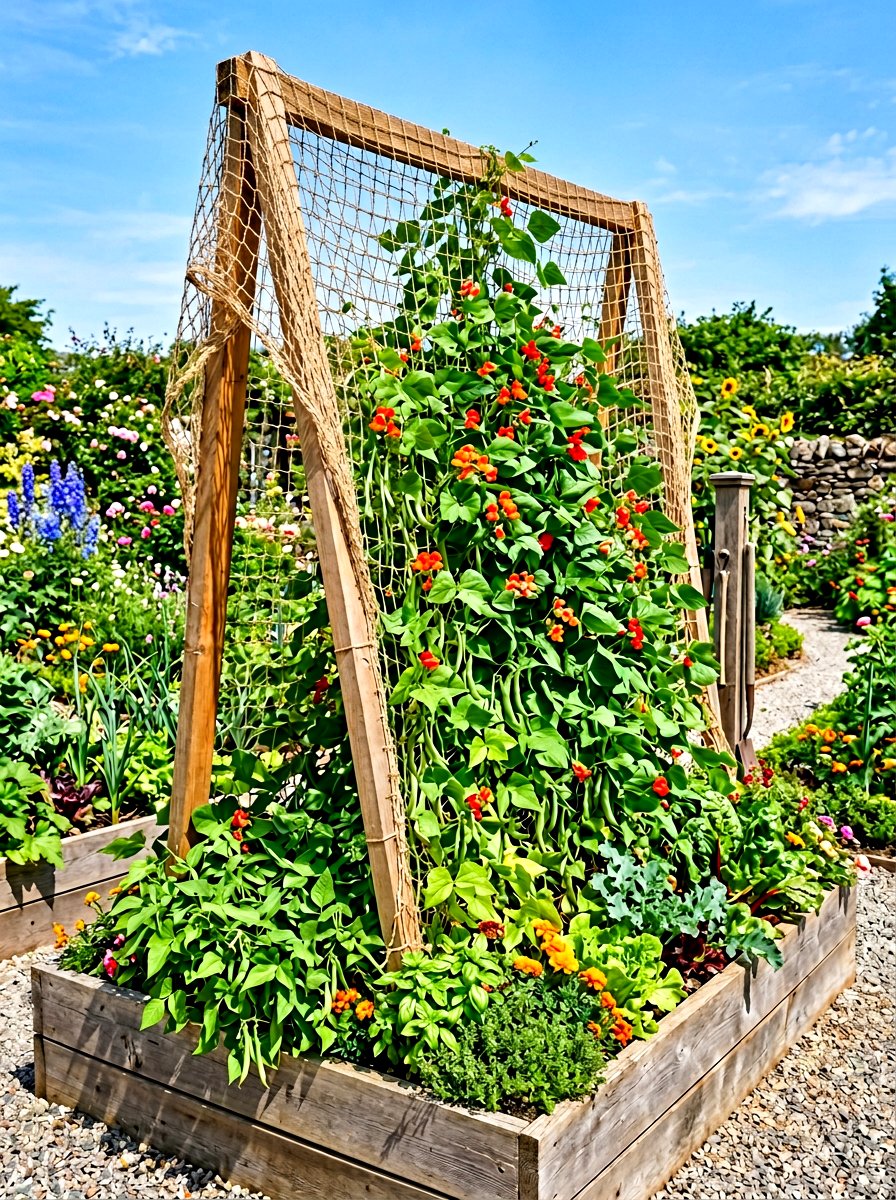
Maximize your space by using a vertical trellis garden cover that serves two purposes at once. This design features a tall, sturdy trellis on one side or both, which supports climbing plants while providing a framework for protective netting or plastic. You can hang mesh from the top of the trellis to drape over the entire bed, creating a protected tent for low-growing plants below. This multi-level approach is perfect for small yards where every inch of vertical space counts. It allows you to grow cucumbers or beans upward while keeping your strawberries and greens safe from pests underneath. It is an ingenious way to combine growth and protection.
Conclusion:
Choosing the right cover for your raised garden bed is a transformative step toward becoming a more successful and consistent grower. By matching the right material and design to your specific climate and pest challenges, you can protect your investment and enjoy fresh produce for many more months of the year. Whether you prefer the rustic charm of wooden frames or the modern efficiency of retractable systems, each of these solutions offers a unique way to enhance your backyard experience. Take the time to evaluate your garden's needs and implement a protection strategy that brings you closer to a bountiful, stress-free harvest season after season.

Related posts: