thoughtful view I will research 30 different herb garden fence ideas, looking for a variety of styles like rustic, modern, DIY, and functional designs. Then, I will write a minimum 101-word introduction without a heading. I will create 30 H2 sections, each titled like a simple Google search query (e. g. , "Wooden Picket Fence For Herb Garden") and each containing exactly minimum 101 words (maximum 125 words). I will write a minimum 101-word conclusion with the heading "## Conclusion". Finally, I will generate 30 detailed image prompts, one for each section, following the specified structure and word count requirements.
Let's start with the research. Growing a fresh herb garden brings a wonderful sense of culinary joy and natural beauty right to your doorstep, but defining that space with the perfect boundary is essential for both aesthetics and protection. Whether you are looking to keep curious pets away from your delicate basil or simply want to create a visually striking backdrop for your fragrant rosemary, the right fencing choice can transform a simple patch of dirt into a professional-grade landscape feature. Choosing a fence involves balancing functional needs like sunlight penetration and wind protection with your personal design style. From rustic, reclaimed materials that tell a story to sleek, modern lines that complement contemporary architecture, these creative solutions offer endless inspiration for your outdoor sanctuary.
1. Traditional Wood Picket Fence
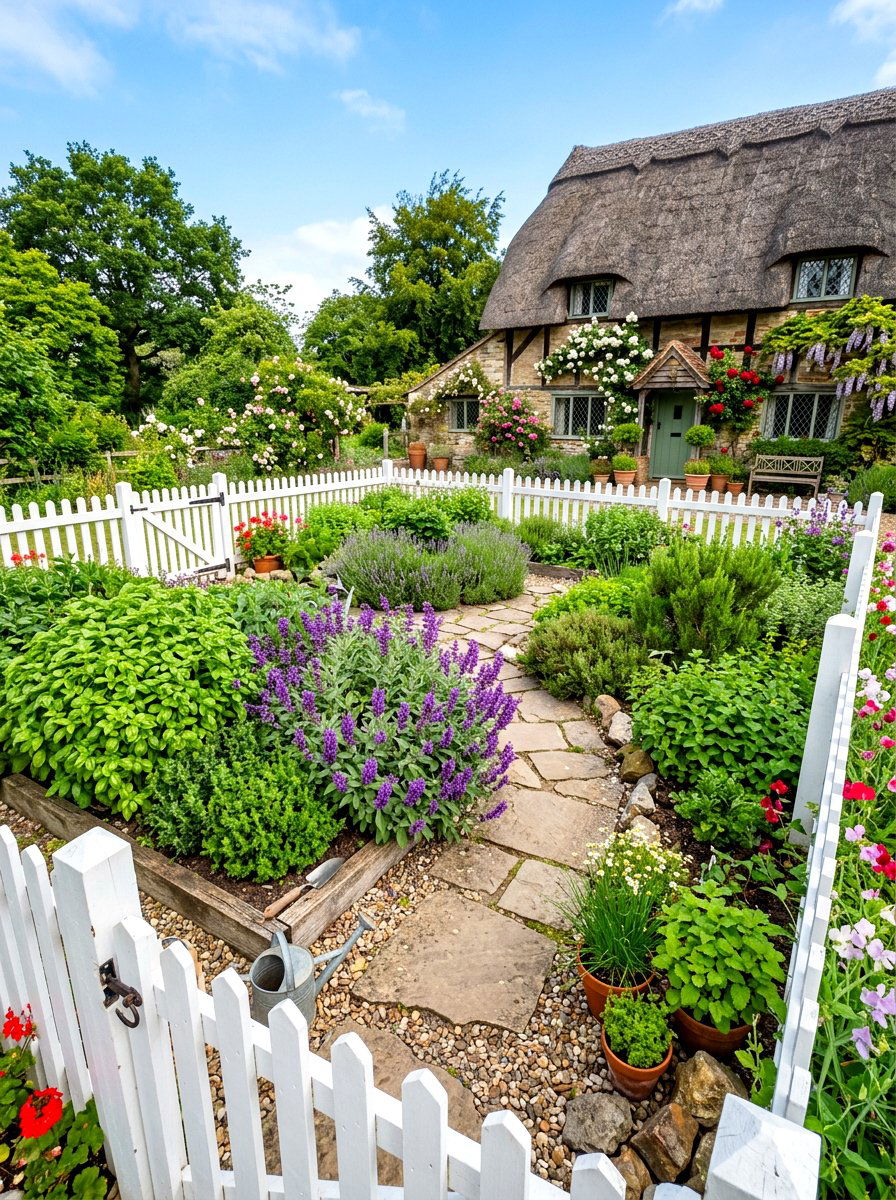
A classic white picket fence remains one of the most beloved choices for framing a cozy herb garden because it offers a timeless, cottage-core aesthetic that never goes out of style. These fences typically feature evenly spaced vertical boards that allow plenty of sunlight to filter through to your sun-loving Mediterranean herbs while providing a sturdy physical barrier. The height is usually kept low enough to remain approachable, making it easy for you to reach over and snip some fresh mint or parsley for dinner. You can paint the wood a crisp, clean white to make the green foliage pop, or leave it with a natural stain to blend seamlessly into a more rustic backyard setting.
2. Vertical Herb Planter Fence
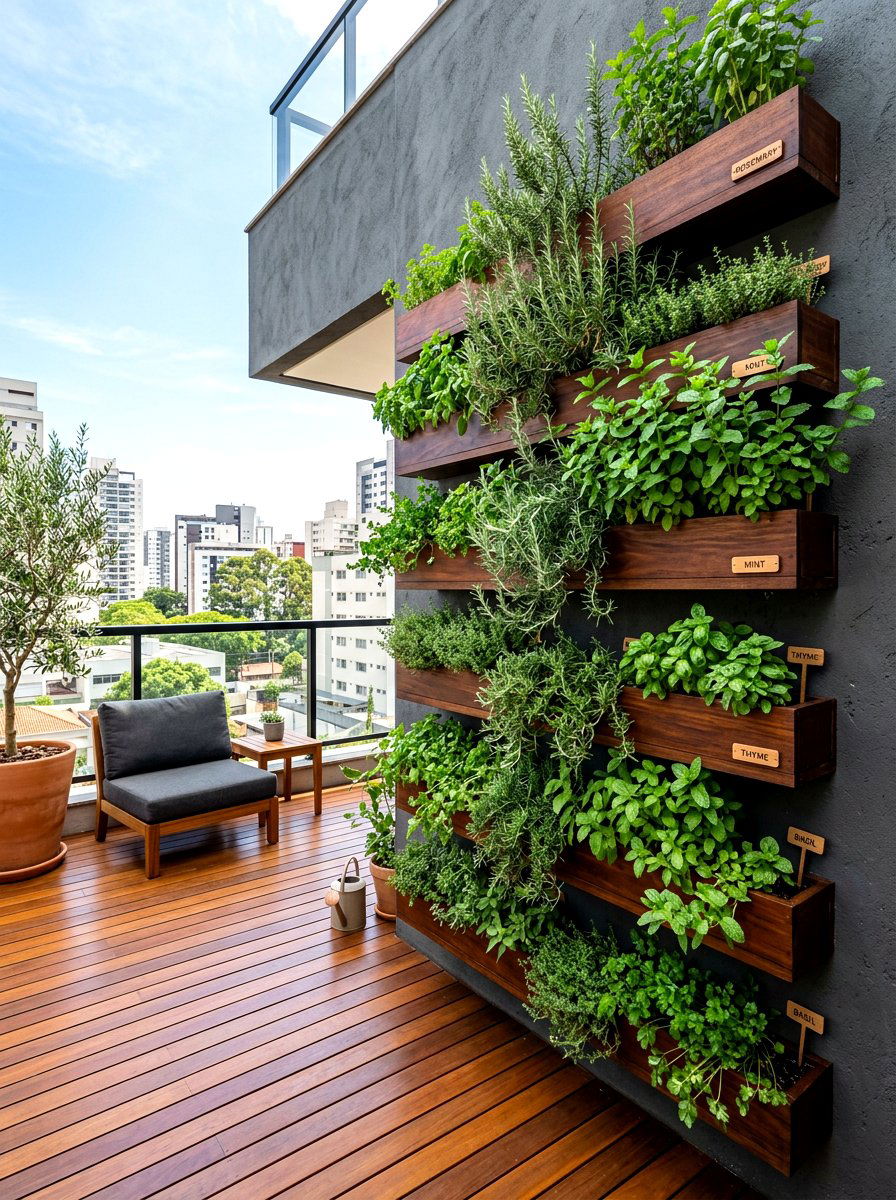
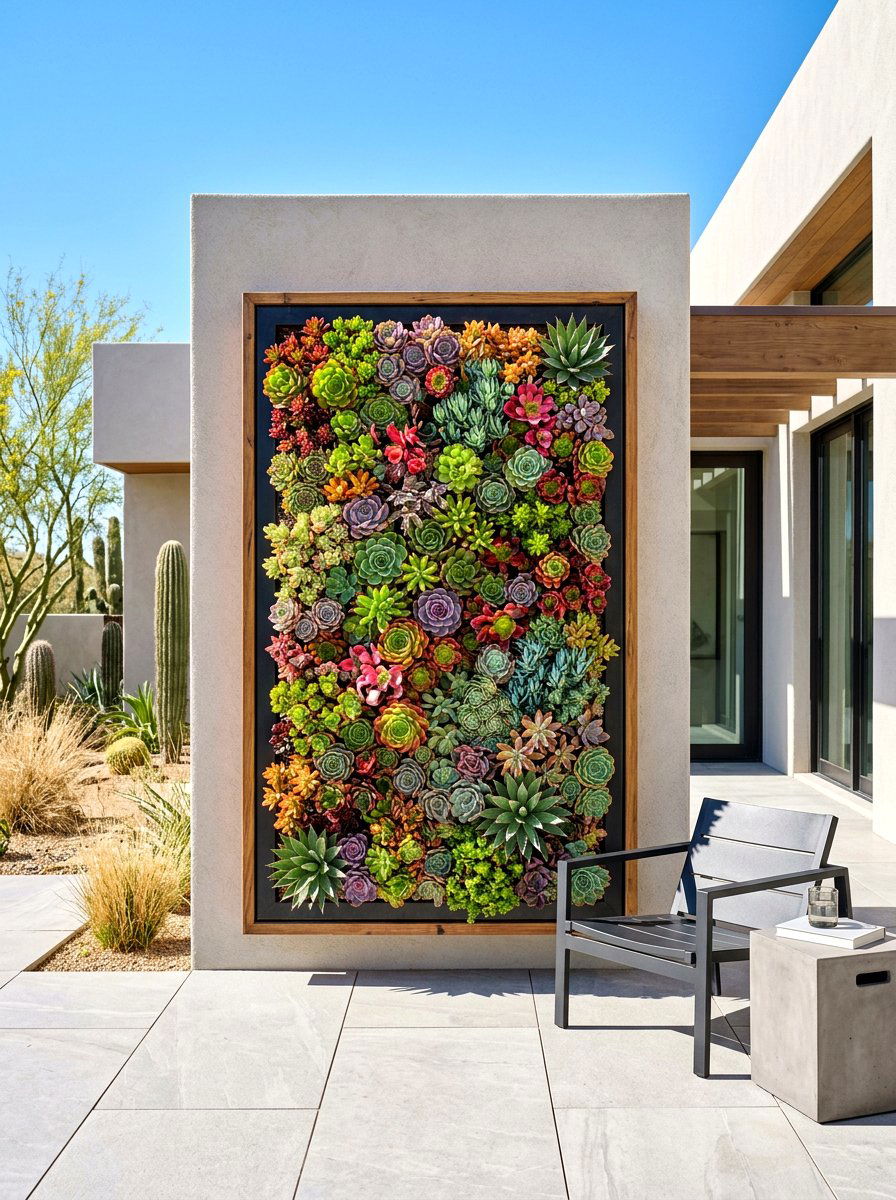
If you are working with a very small backyard or a compact balcony, a vertical planter fence is the ultimate space-saving solution that combines structure with high-yield gardening. This design uses a solid wooden or metal backdrop where rows of long, narrow planter boxes are mounted directly onto the surface at varying heights. By utilizing vertical space, you can grow a vast variety of herbs like cilantro, chives, and thyme without taking up any precious square footage on the ground. This setup also keeps your herbs at eye level, which makes harvesting incredibly convenient and protects the plants from ground-level pests or heavy foot traffic that might occur in high-activity zones.
3. Woven Bamboo Garden Screen
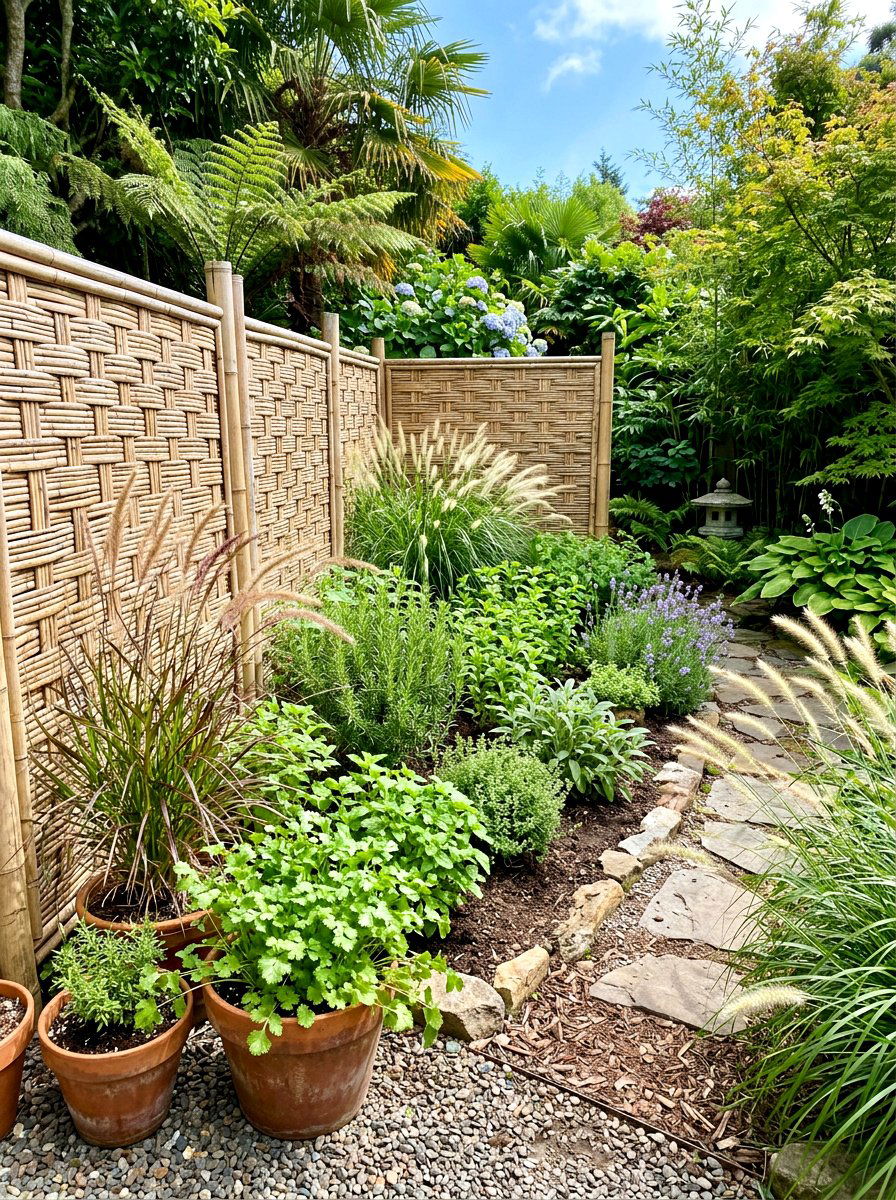
For those who desire a more organic and zen-like atmosphere in their outdoor space, a woven bamboo screen provides a beautiful and eco-friendly way to enclose a fragrant herb patch. Bamboo is naturally resistant to moisture and decay, making it a durable choice for garden environments where watering is frequent. The tightly or loosely woven stalks create a textured appearance that filters harsh winds while still allowing air to circulate around your plants, preventing mold and mildew issues. This style of fencing works exceptionally well in tropical or modern minimalist garden designs, offering a soft, neutral color palette that complements the vibrant shades of green found in a healthy, thriving collection of culinary herbs.
4. Rustic Twig Palisade Fence
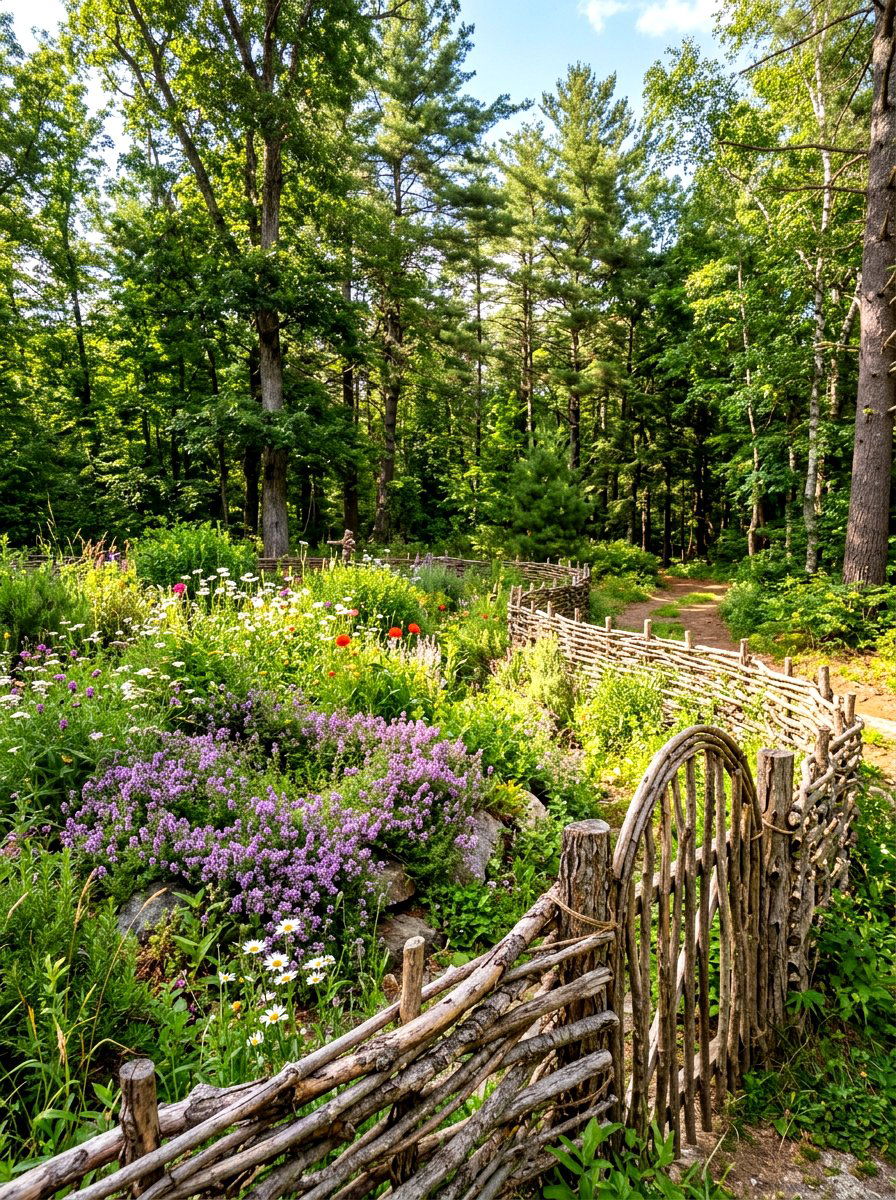
Creating a twig palisade fence is a fantastic DIY project for gardeners who love a whimsical, storybook look that feels like it grew right out of the forest floor. This design involves gathering sturdy branches or fallen twigs of relatively similar heights and lashing them together or nailing them to horizontal support rails. The irregular shapes and natural bark textures add an incredible amount of character and charm to a rustic herb garden, making it feel like a secret sanctuary. Because the materials are often sourced directly from nature, this is an extremely cost-effective and sustainable fencing option that blends perfectly into woodland landscapes or informal, wildflower-filled backyard corners.
5. Modern Horizontal Slat Fence
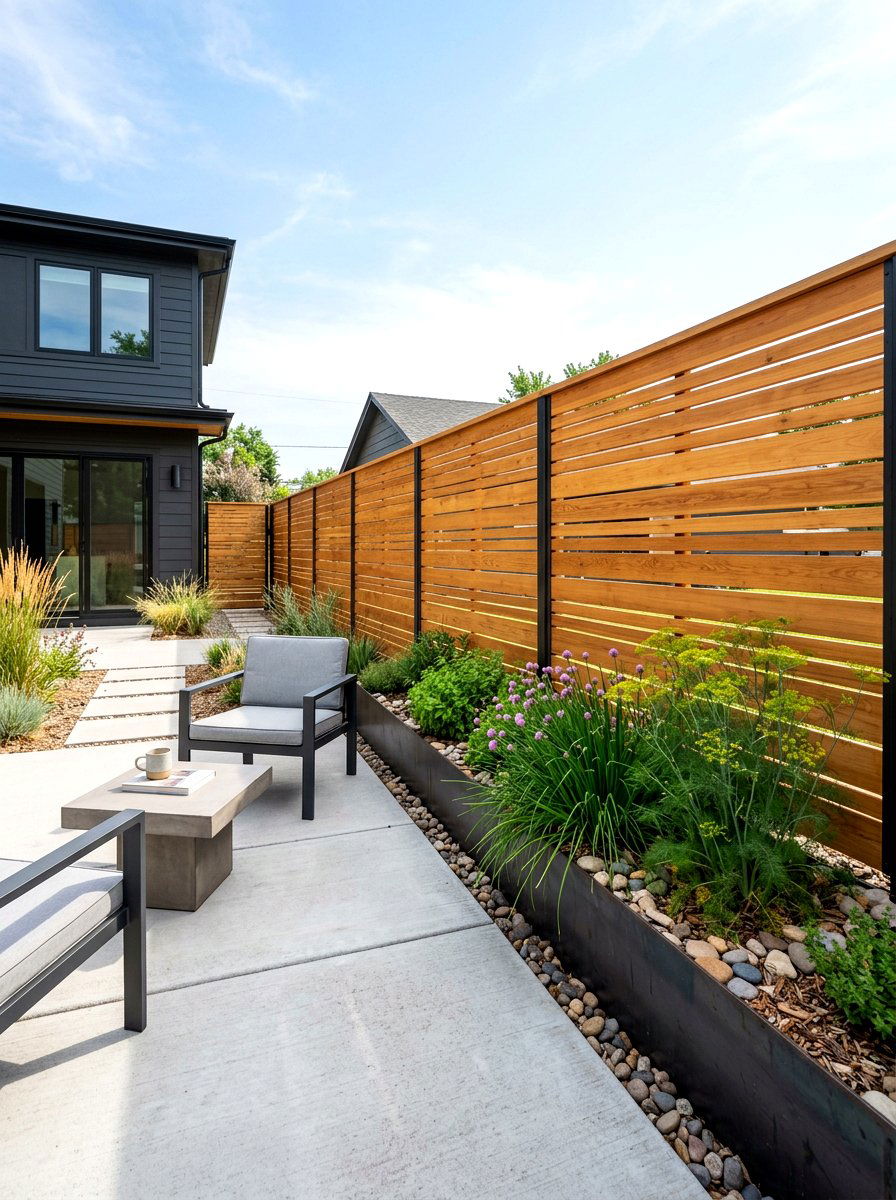
A modern horizontal slat fence is the perfect choice for homeowners who prefer clean lines, architectural symmetry, and a contemporary feel for their herb garden layout. By orienting the wooden or composite planks horizontally rather than vertically, you create a visual illusion of more space, making even a small garden area feel much wider and more expansive. You can customize the gap between the slats to control the amount of privacy and sunlight your herbs receive throughout the day. Using dark-stained cedar or sleek black metal posts provides a sophisticated contrast against the soft, organic textures of oregano, sage, and dill, elevating the overall design of your entire landscape.
6. Chicken Wire Garden Border
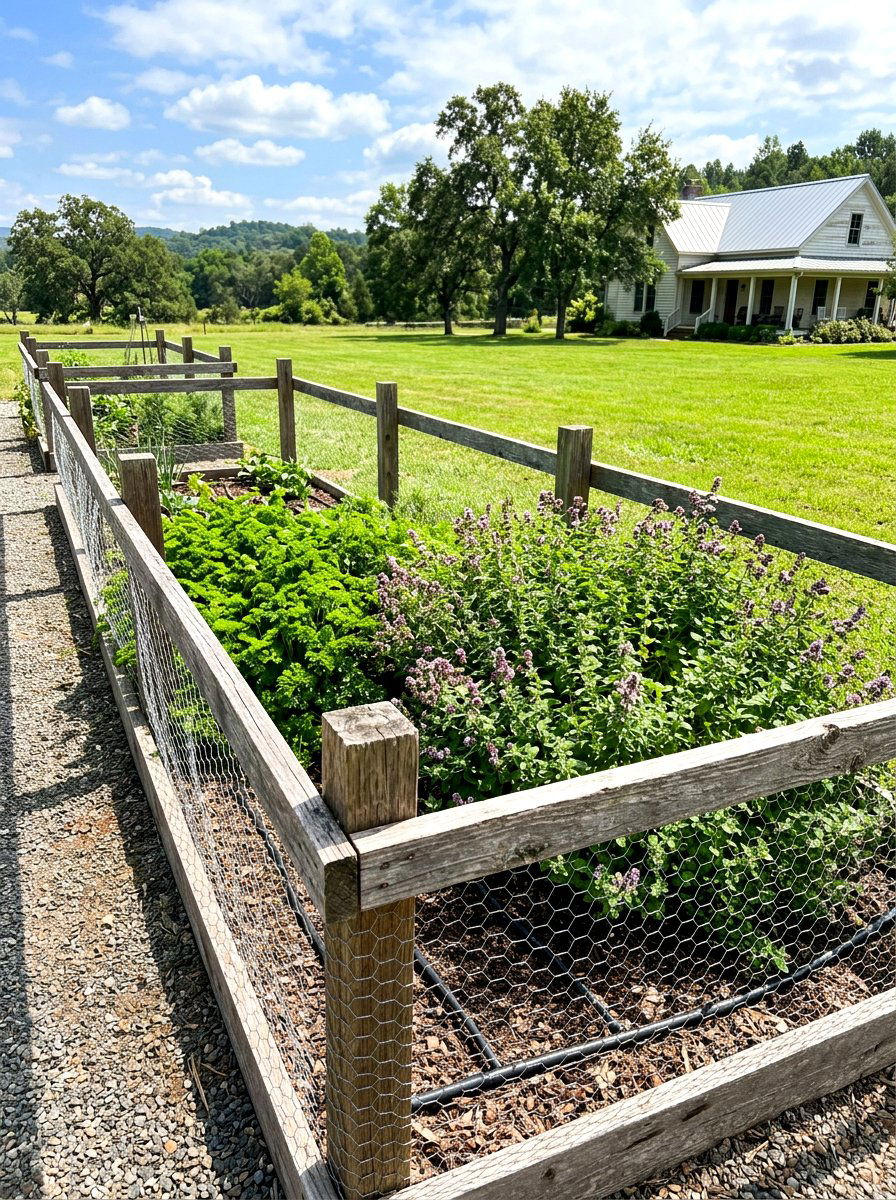
When your main priority is protecting your precious herbs from hungry rabbits, chickens, or other local wildlife, a chicken wire border offers a practical and budget-friendly solution. While simple in its construction, you can elevate the look by framing the wire mesh with high-quality timber posts and top rails to give it a more finished and intentional appearance. The thin wire is almost invisible from a distance, which ensures that your beautiful garden remains the main focal point without any heavy visual obstructions. This style is particularly effective for large herb patches where you need a significant amount of fencing without breaking the bank on expensive decorative materials.
7. Reclaimed Wood Pallet Fence
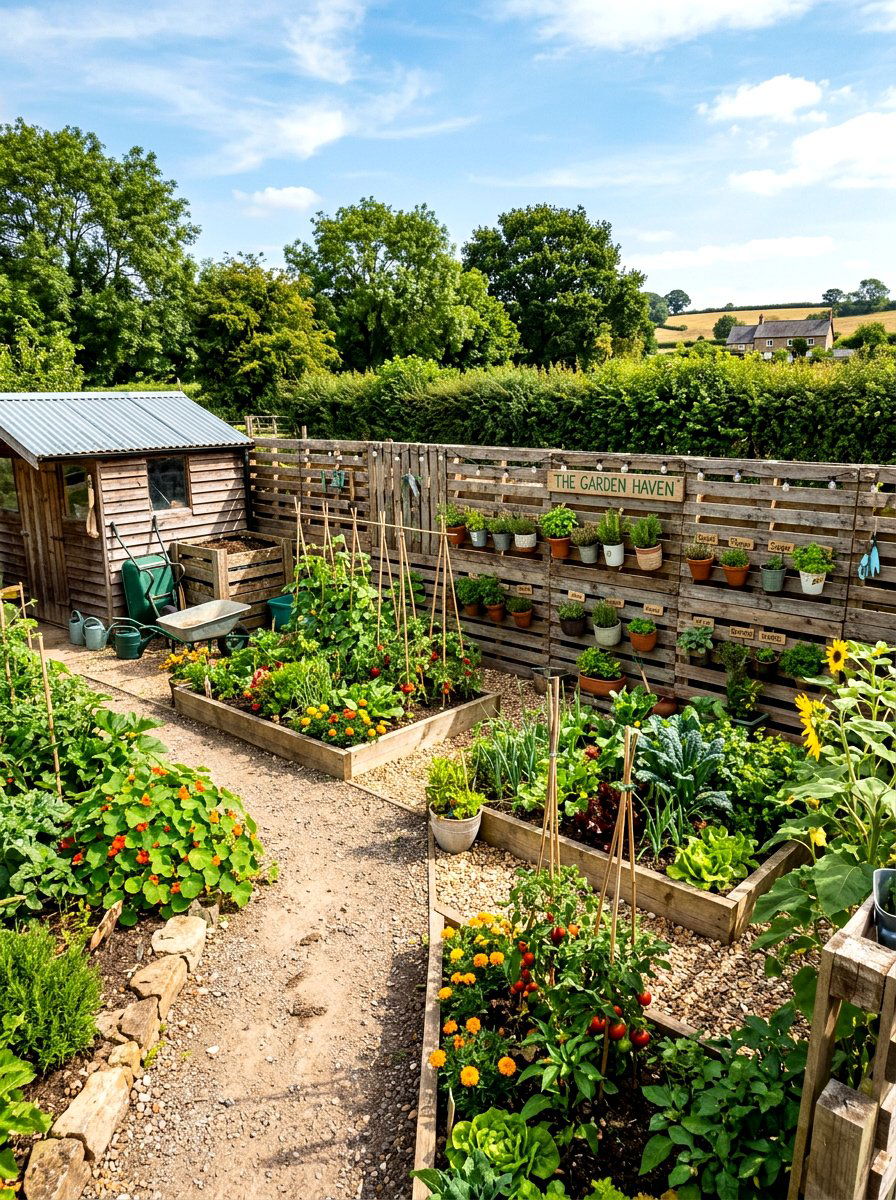
Upcycling old wooden pallets into a garden fence is a brilliant way to save money while giving your herb garden a trendy, industrial, or farmhouse-inspired look. You can either use the pallets whole for a sturdy and solid barrier or dismantle them to use the individual planks for a more customized, slimline design. One of the best features of a pallet fence is the built-in "pockets" which can be lined with landscape fabric and filled with soil to create additional planting spaces for trailing herbs. This dual-purpose structure acts as both a protective boundary and a vertical garden, making it a favorite for resourceful DIY enthusiasts looking for functionality.
8. Lattice Trellis For Climbing Herbs
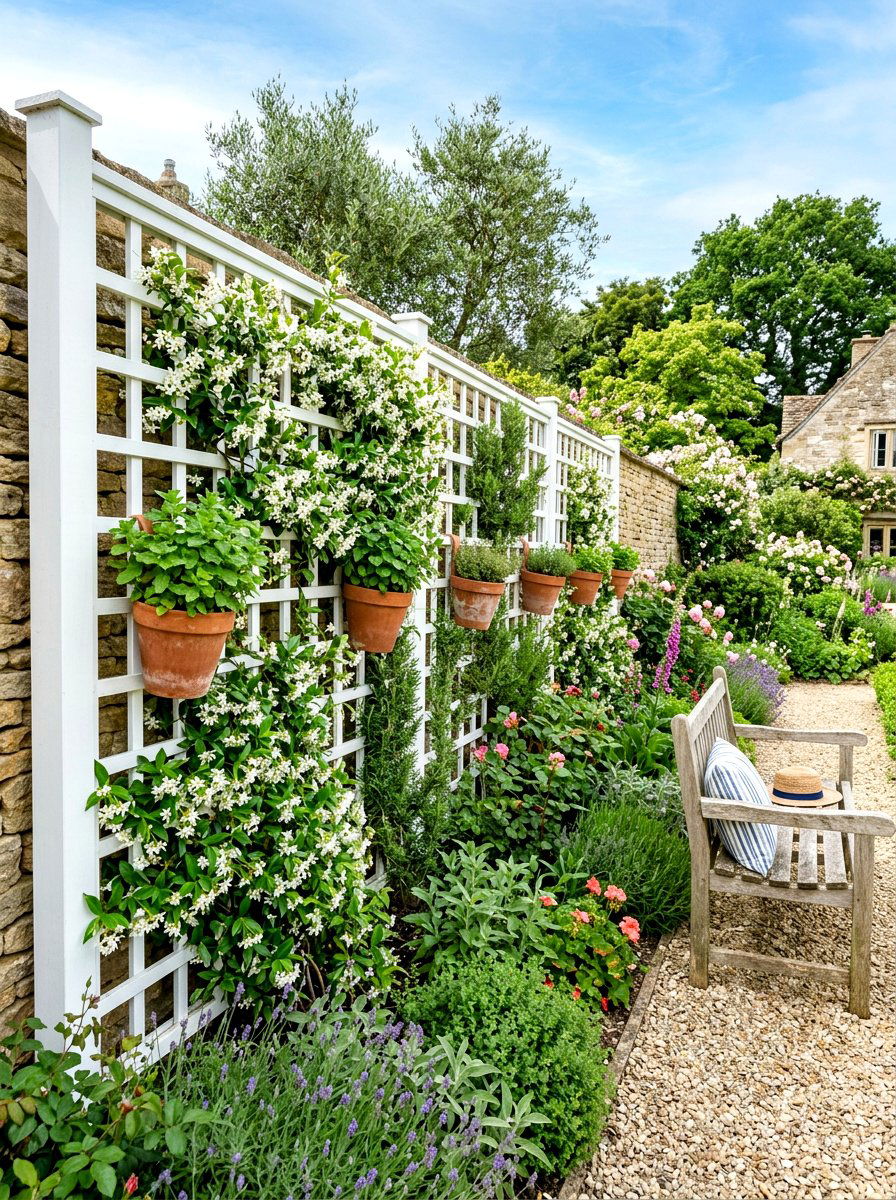
Installing a lattice trellis fence is an excellent way to provide structural support for climbing herbs like hops or certain varieties of jasmine while maintaining an open and airy feel. The crisscross pattern of the wood or vinyl slats creates a beautiful geometric backdrop that adds architectural interest to your garden even during the winter months when plants are dormant. Lattice is particularly useful for small spaces because it allows light to pass through easily, preventing the area from feeling boxed in or overly shaded. You can also hang small pots from the lattice points, further increasing your growing capacity and creating a lush, living wall of greenery.
9. Corrugated Metal And Timber Fence
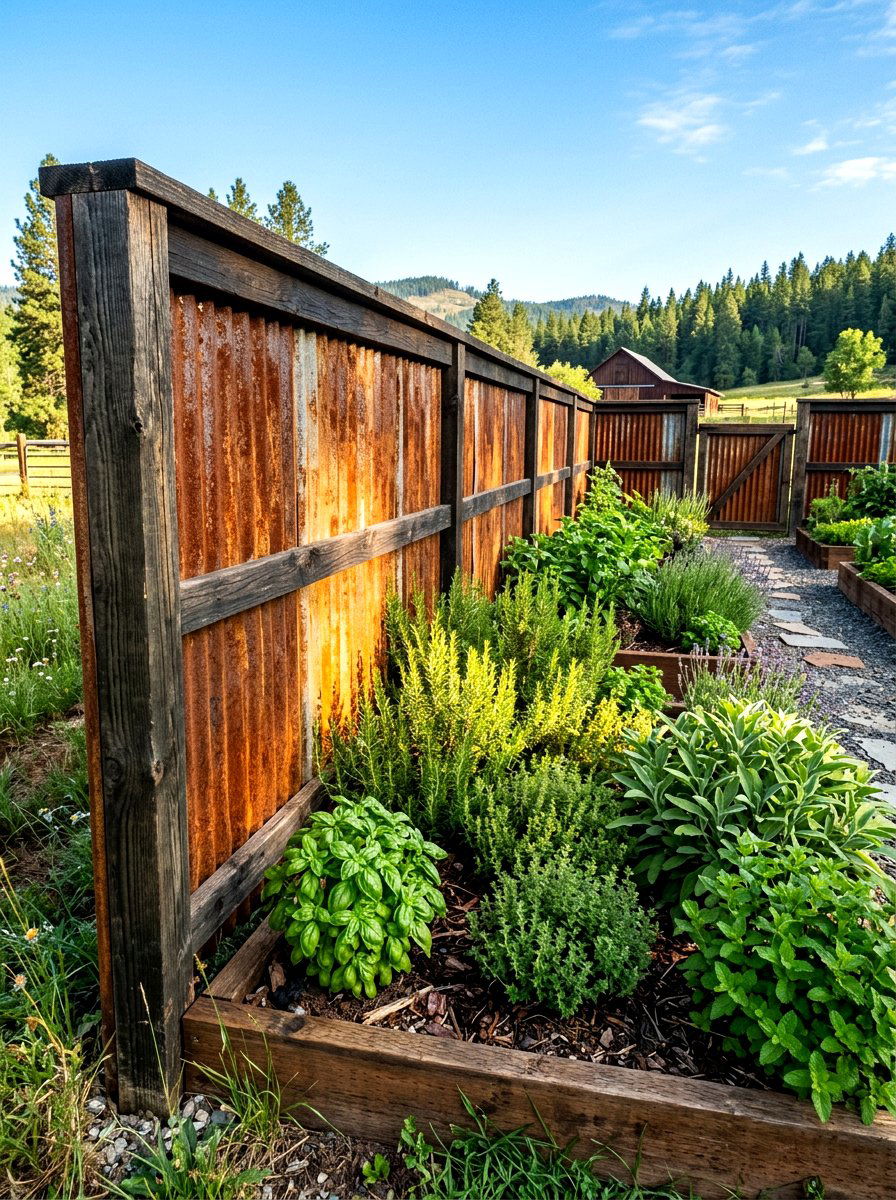
A corrugated metal and timber fence offers a unique blend of industrial grit and natural warmth, making it a standout feature in any modern or rustic-modern garden. The shiny or weathered metal panels are incredibly durable and require almost no maintenance, while the wooden frame adds a soft, organic touch that prevents the design from feeling too cold. This type of fencing provides excellent privacy and acts as a windbreak for delicate herbs that might otherwise be damaged by strong gusts. The reflective surface of the metal can even help bounce light back onto your plants, which is a clever trick for boosting growth in shadier garden spots.
10. Stone And Wood Post Fence
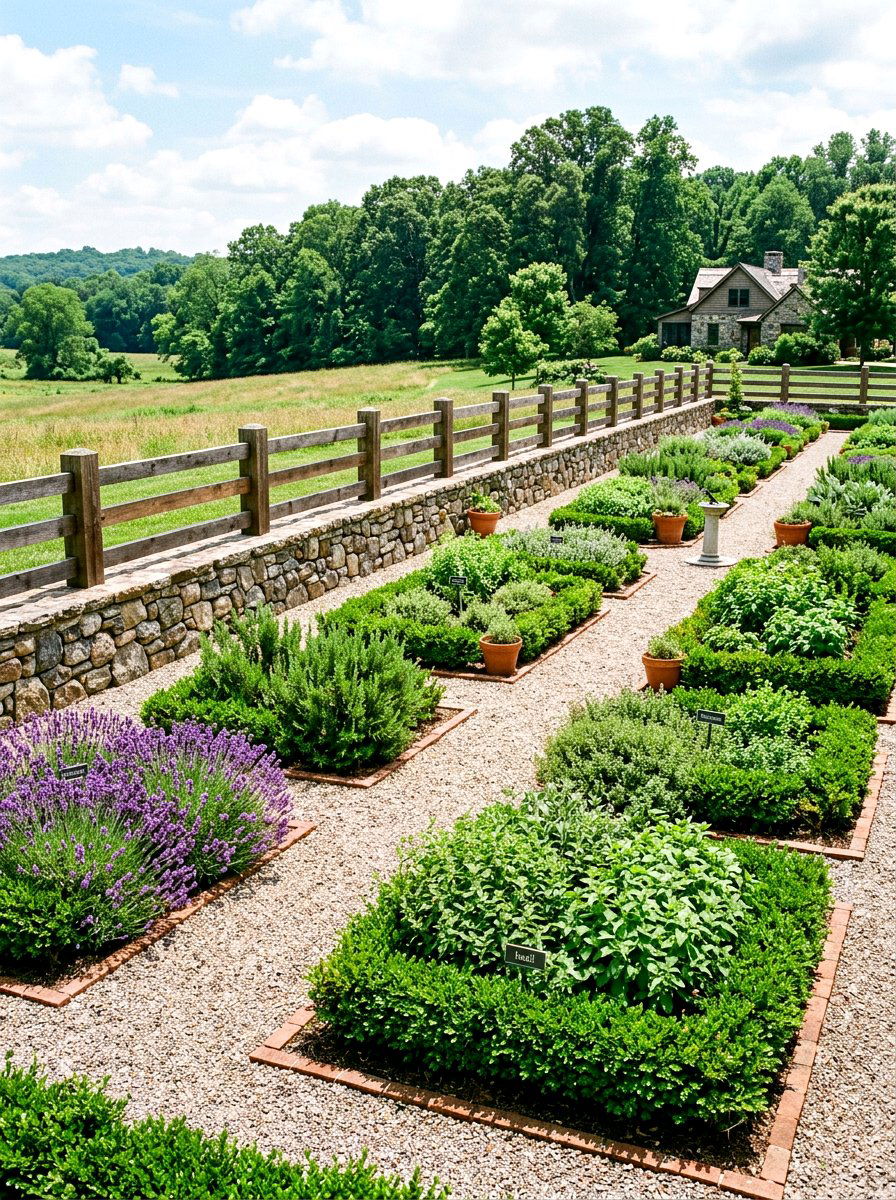
Combining the raw, heavy texture of stone with the warmth of natural wood creates a grounded and permanent feel for a high-end herb garden enclosure. You can use low stone gabions or stacked fieldstone as a base or as intermittent pillars, with wooden rails or slats connecting them to form the main fence sections. This hybrid design is exceptionally sturdy and can withstand harsh weather conditions for many decades without losing its aesthetic appeal. It works beautifully in traditional, Mediterranean, or craftsman-style landscapes, providing a sense of history and craftsmanship that makes your herb garden feel like a carefully planned and integrated part of your home’s architecture.
11. Woven Willow Hurdle Panel
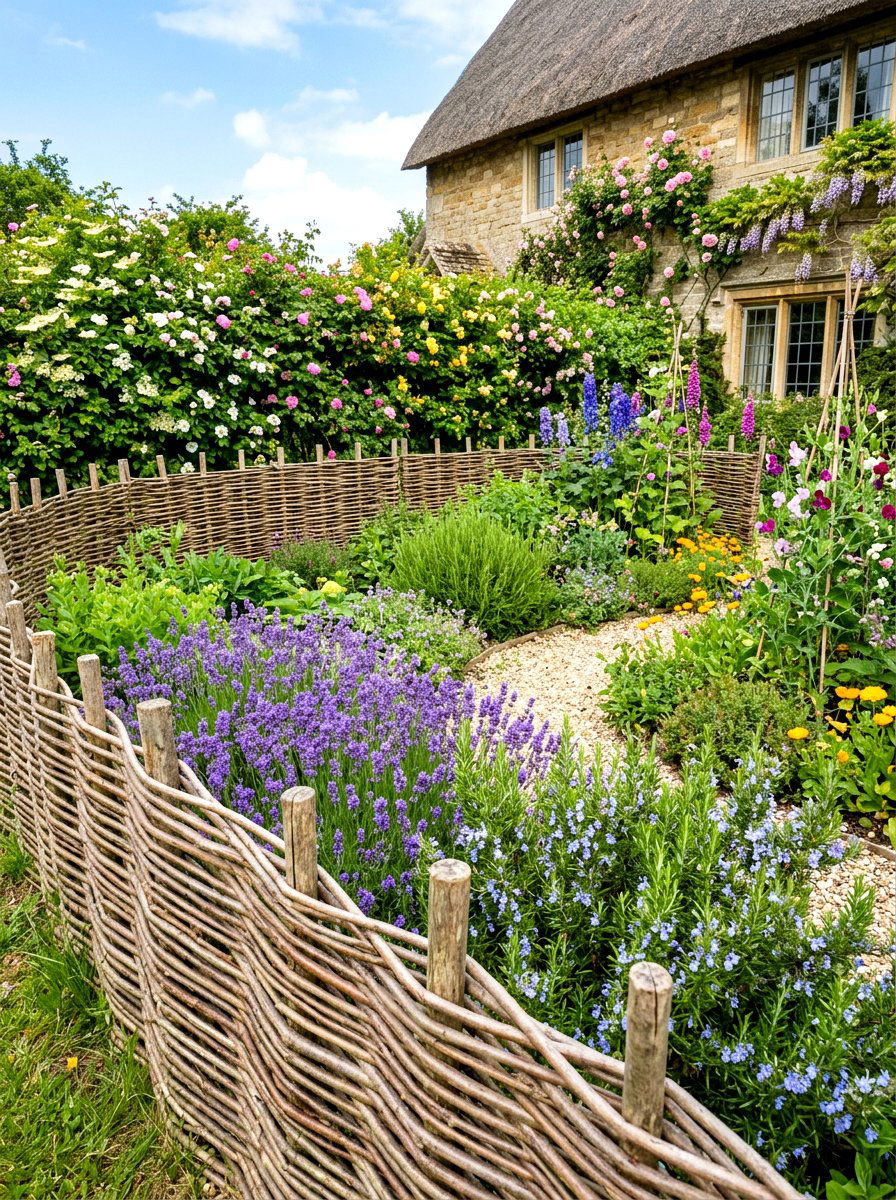
Woven willow hurdles are traditional English garden features that bring a sense of ancient craftsmanship and rustic elegance to any modern herb patch. These panels are made by weaving flexible willow branches around upright stakes, creating a strong yet breathable barrier that looks completely at home in a natural environment. The soft brown and grey tones of the willow provide a neutral backdrop that highlights the bright greens and purples of various herb varieties. Because they are hand-woven, each panel has a unique texture and organic flow, making them perfect for creating curved boundaries or irregular garden shapes that feel more fluid and less rigid than standard fencing.
12. Vinyl Privacy Garden Fence
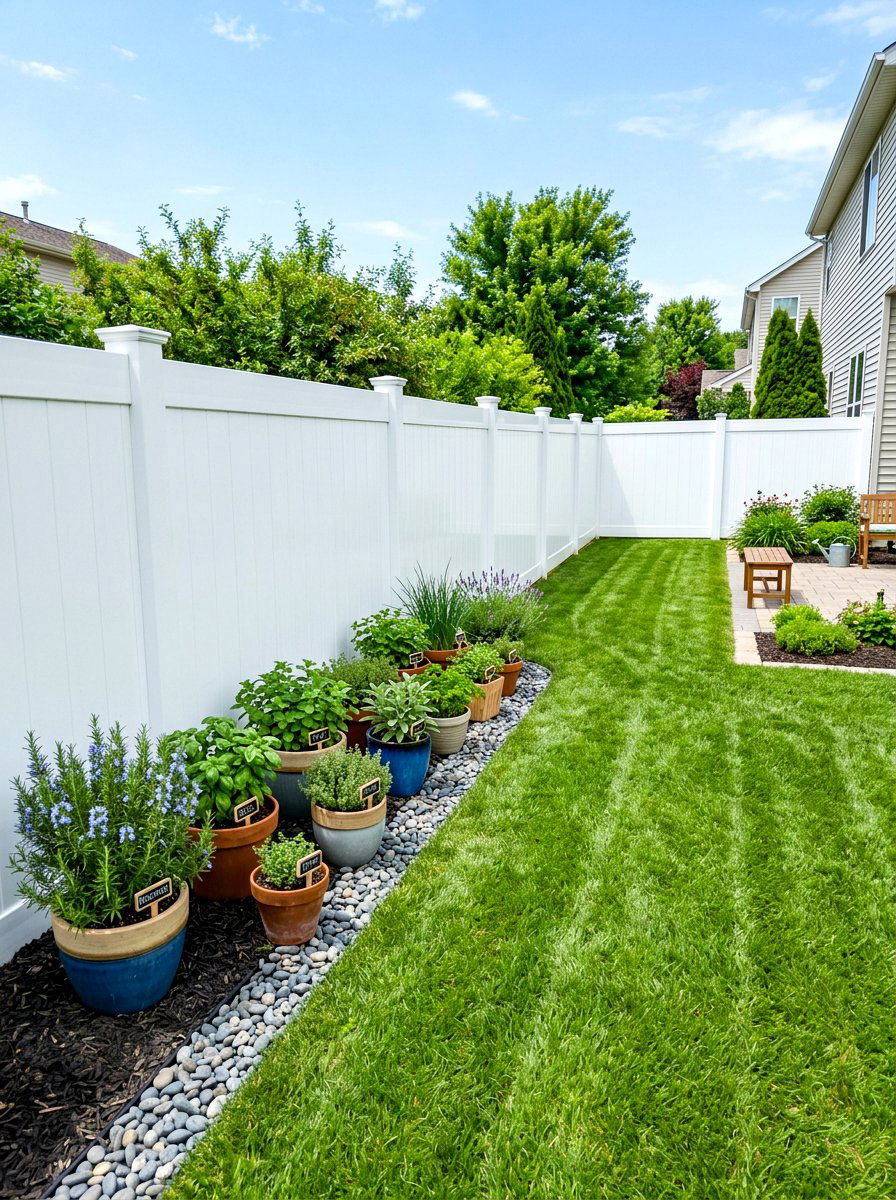
A vinyl privacy fence is the ultimate low-maintenance choice for busy gardeners who want a clean, polished look without the need for constant painting or staining. Modern vinyl fencing comes in a wide array of colors and textures, including styles that convincingly mimic the look of natural wood grain. It is entirely waterproof and resistant to pests, making it an ideal choice for the humid and damp environment of a busy herb garden. While it provides a solid barrier that blocks out noise and unsightly views, you can choose styles with decorative lattice tops to ensure that your herbs still get enough sunlight and airflow to thrive.
13. Steel Conduit Mesh Fence
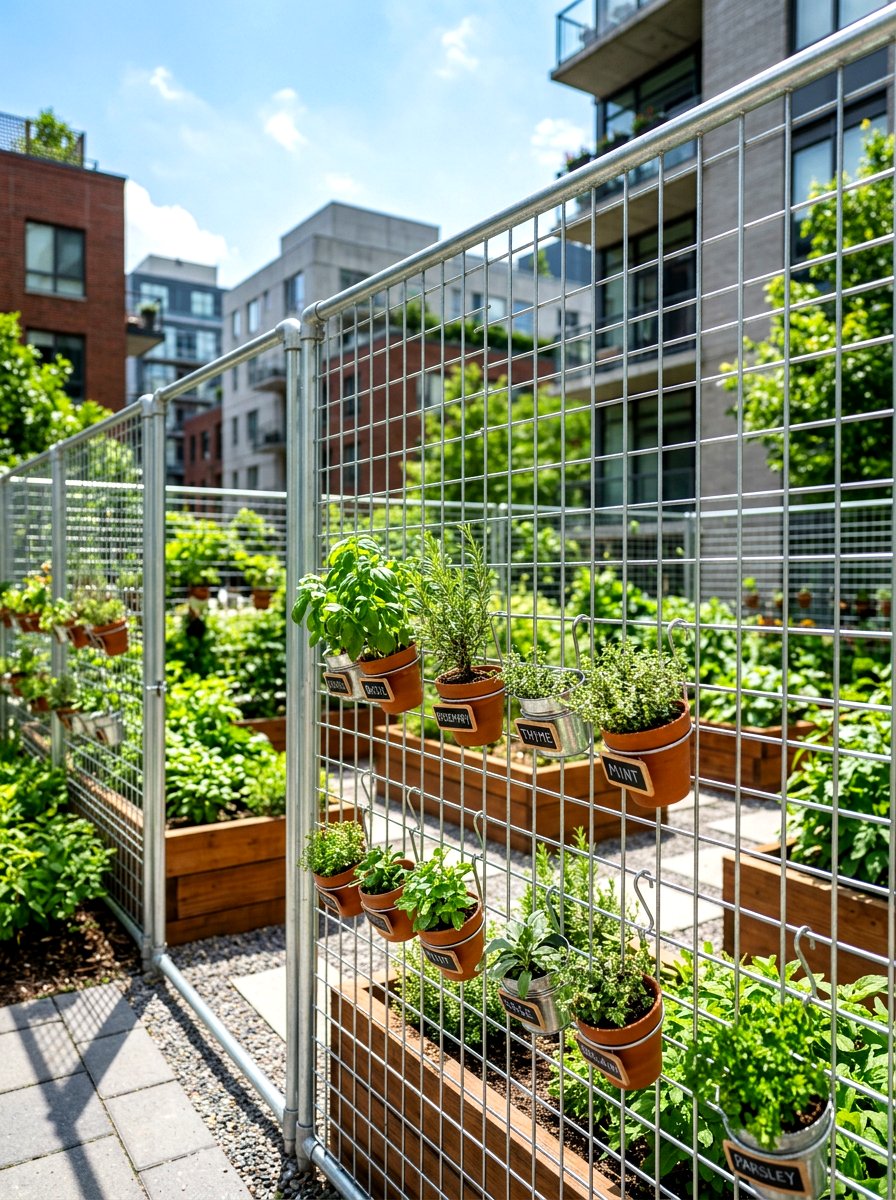
For a sleek, industrial look that is surprisingly affordable and easy to install, a steel conduit mesh fence is a fantastic contemporary option. This design utilizes thin metal pipes as the framework, with sturdy wire mesh panels attached to create a see-through but secure boundary. This style is particularly popular in urban gardens where a minimalist aesthetic is desired, as it provides a very clean silhouette that doesn’t overwhelm small spaces. The open mesh is perfect for attaching S-hooks or clips, allowing you to hang lightweight herb pots or garden tools directly onto the fence, keeping everything organized and within easy reach while you work.
14. Coastal Rope Garden Railing

If you live near the ocean or simply want to bring a relaxed, nautical vibe to your backyard, a coastal rope garden railing is a creative and evocative choice. This fence style uses thick, heavy-duty manila or synthetic rope strung through holes in sturdy wooden posts to create a soft, swagging boundary. While it doesn’t provide a solid barrier against small pests, it serves as a beautiful visual marker that defines the edges of your herb garden with grace and movement. The natural fibers of the rope weather beautifully over time, taking on a silver-grey patina that looks stunning against the silvery leaves of lavender or sage.

15. Vintage Wrought Iron Fence

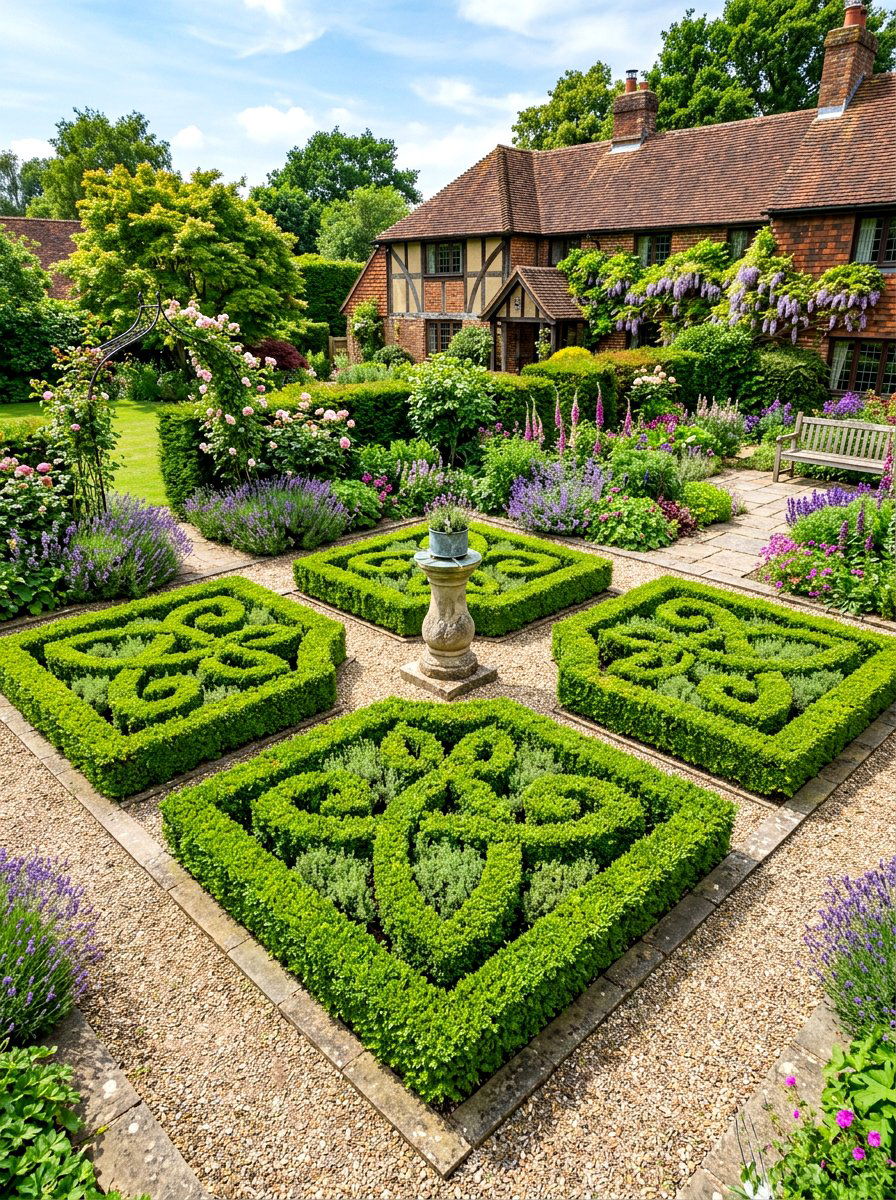
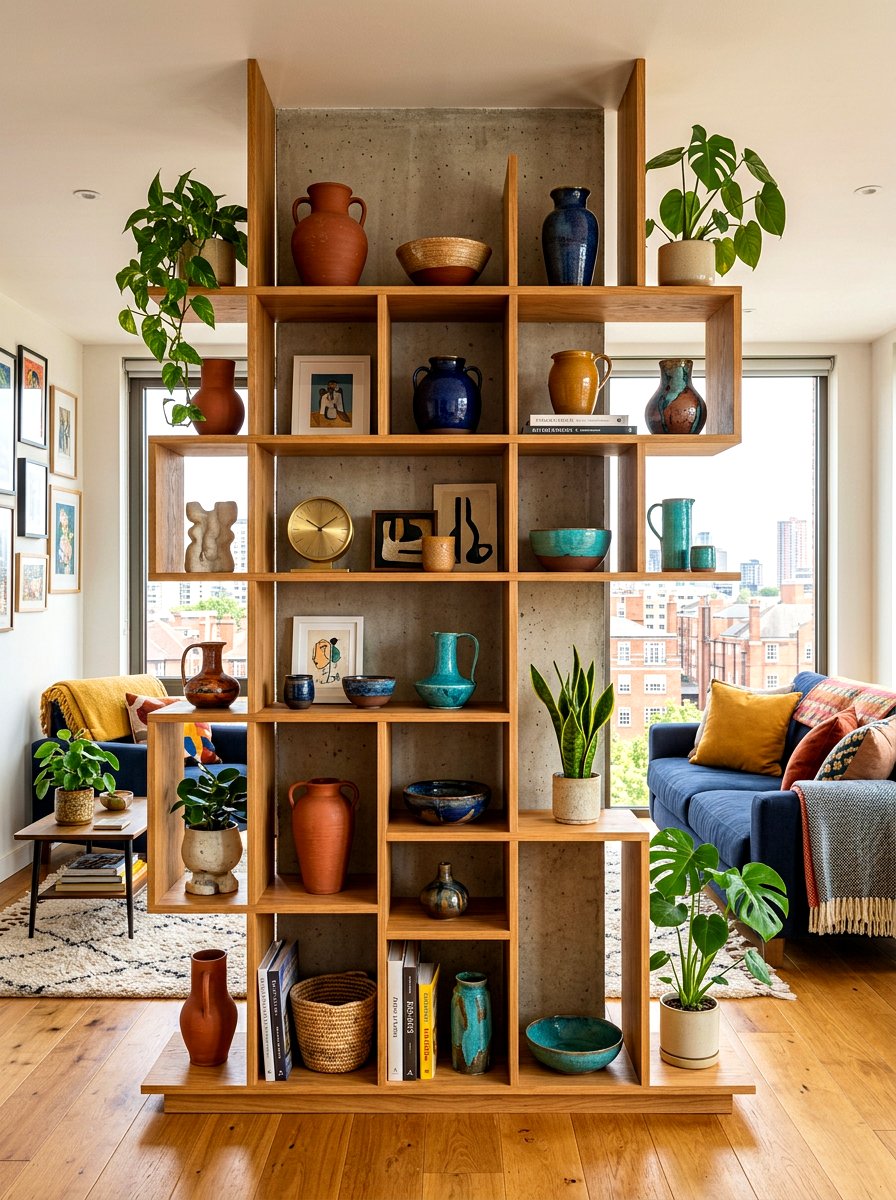
A vintage wrought iron fence adds an air of sophistication, history, and timeless elegance to a formal herb garden design. The intricate scrollwork and slender black bars allow for maximum visibility, ensuring that your beautiful garden is always on full display for visitors to admire. Wrought iron is incredibly durable and can be painted in various finishes, from classic matte black to a weathered bronze or even a bold forest green. This style of fencing is perfect for creating a classic parterre-style herb garden, where symmetrical beds are framed by iron railings to create a sense of order and luxury that elevates the entire outdoor space.
16. Living Hedge Herb Boundary
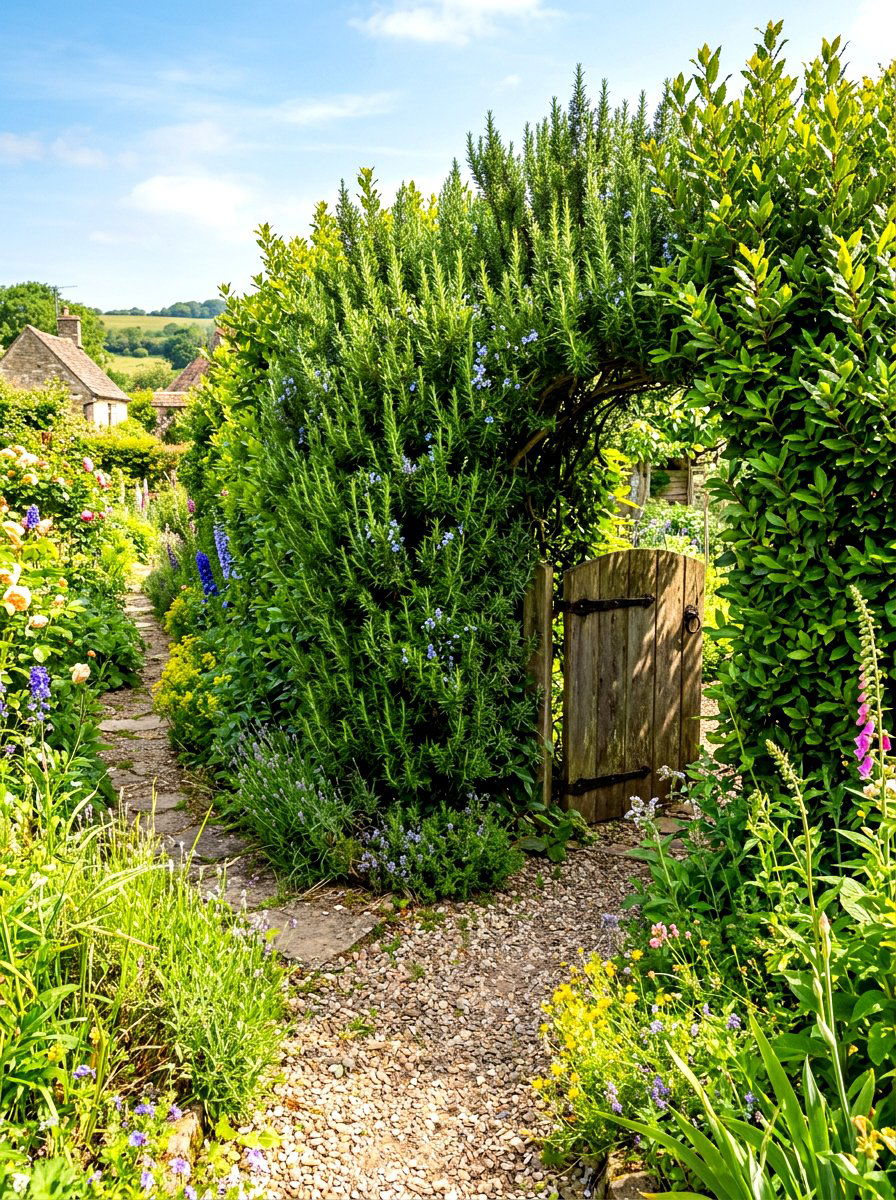
Instead of using traditional building materials, a living hedge allows you to use nature itself to create a lush and fragrant boundary for your herb patch. You can plant tall-growing herbs like rosemary, bay laurel, or even lavender in a dense row to create a soft, aromatic wall that defines the space perfectly. This approach not only provides a physical barrier but also increases your harvestable yield and attracts beneficial pollinators like bees and butterflies to your garden. A living fence requires regular pruning to maintain its shape, but the reward is a beautiful, breathing structure that changes with the seasons and adds incredible sensory depth to your yard.
17. Arched Cattle Panel Trellis Fence
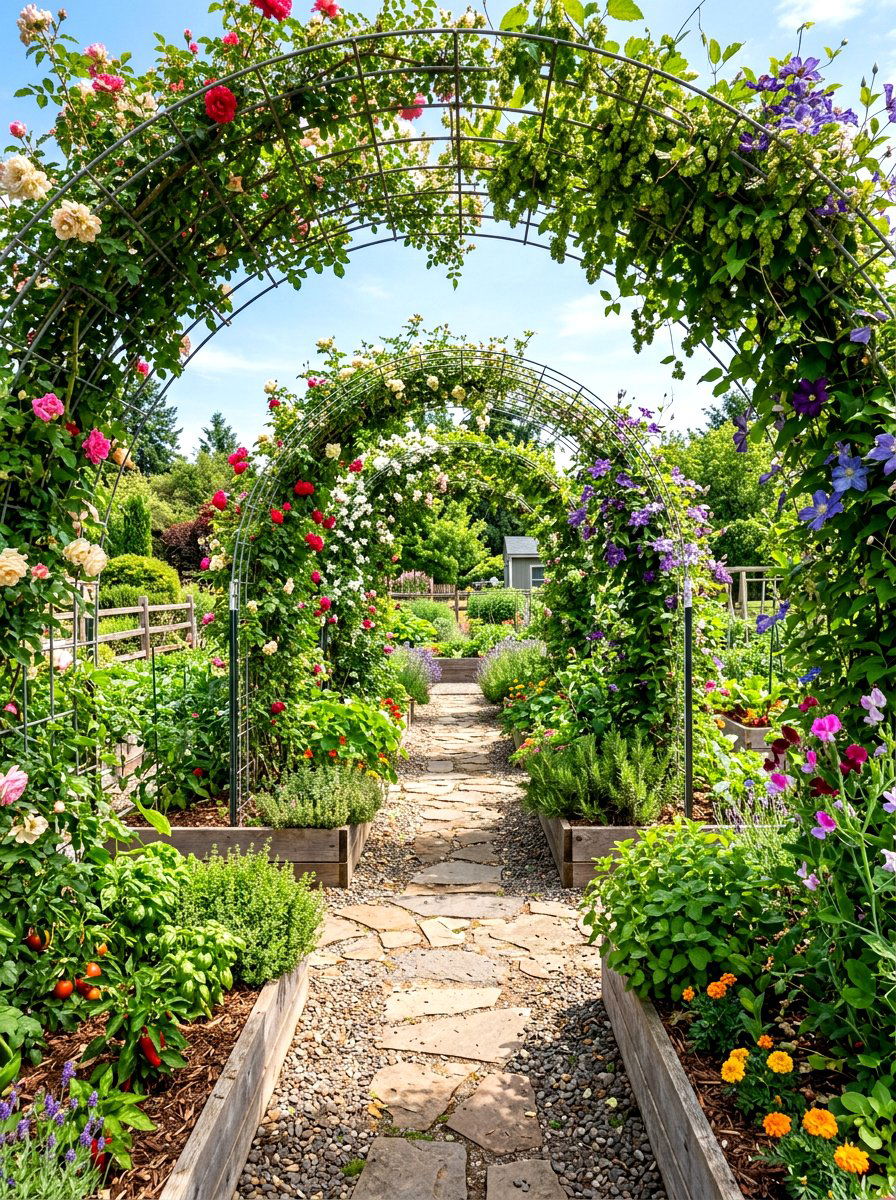
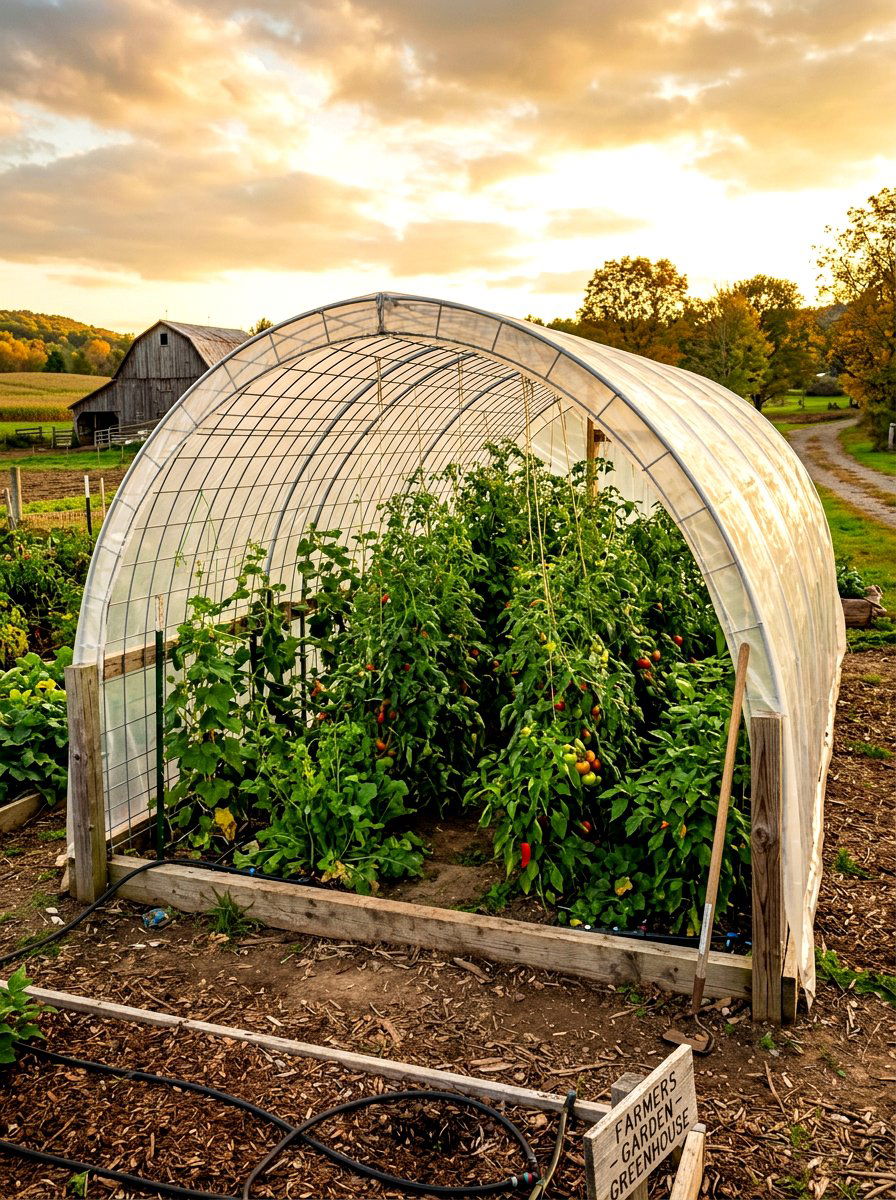
Using arched cattle panels is a clever and affordable way to create a dramatic, tunnel-like entrance or a tall, supportive boundary for your herb garden. These heavy-duty wire panels are flexible enough to be bent into graceful arches, which can then be anchored to the ground or to raised garden beds. Once installed, you can train climbing herbs or even small vining vegetables to grow up and over the structure, creating a stunning green canopy. This design is particularly effective for maximizing vertical growing space in narrow areas, and it provides a sturdy framework that can support the weight of heavy plants while maintaining a light and open aesthetic.
18. Painted Mural Garden Wall
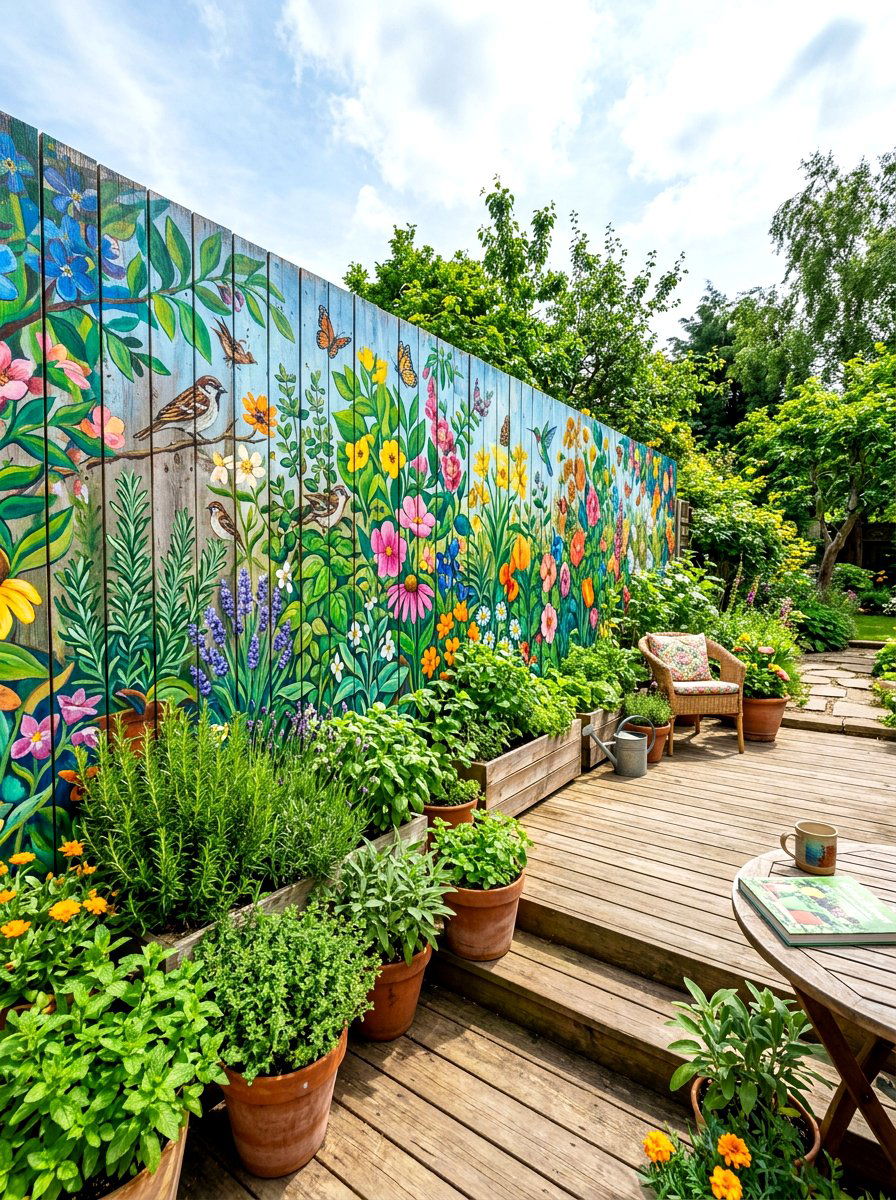
A painted mural garden wall transforms a standard wooden or concrete fence into a vibrant piece of outdoor art that serves as a stunning backdrop for your herbs. You can paint a simple geometric pattern, a lush botanical scene, or even a chalkboard surface where you can label your different herb varieties with colorful chalk. This creative approach allows you to inject your own personality and artistic flair into the garden, making it a truly unique and inspiring place to spend time. Using bright colors can help brighten up a dark corner of the yard, while more muted tones can create a sophisticated and calming atmosphere for your gardening activities.
19. Driftwood Aesthetic Garden Fence
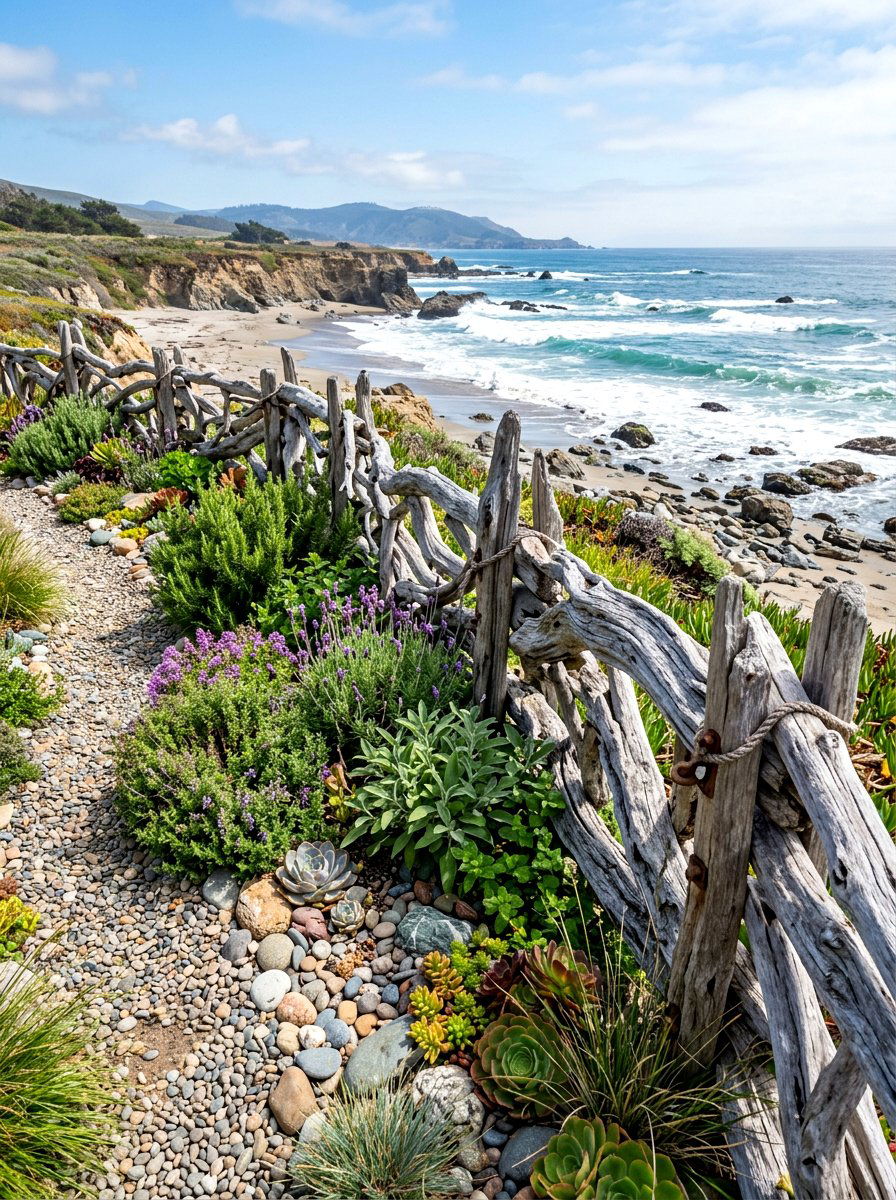
For an artistic and highly textured look, a driftwood fence uses weathered pieces of wood collected from beaches or riverbanks to create a unique, organic barrier. Each piece of wood has been shaped by water and time, featuring smooth edges and beautiful silver-grey tones that look like natural sculptures. You can arrange the driftwood pieces vertically or horizontally, or even stack them within a wire frame to create a more solid wall. This style of fencing is perfect for coastal homes or for anyone who wants a garden that feels deeply connected to the natural world and its raw, untamed beauty.

20. Log Style Rustic Barrier
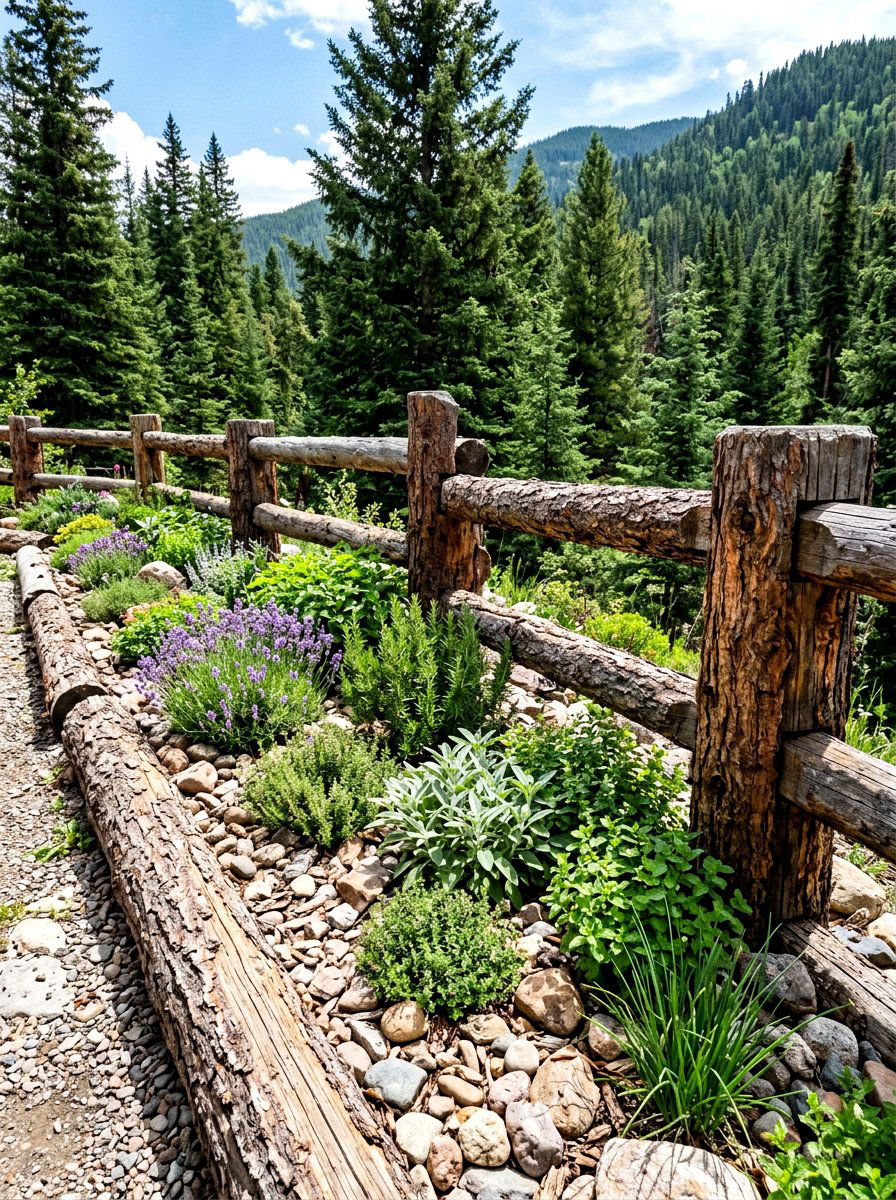
A log style fence provides a rugged and substantial feel that is perfect for large, rural properties or mountain-style retreats. You can use whole logs or split rails to create a heavy-duty boundary that looks like it has been part of the landscape for decades. This type of fencing is incredibly durable and provides a solid sense of enclosure and protection for your herb beds. The thick, textured bark of the logs offers a beautiful contrast to the delicate, feathery leaves of herbs like dill or fennel, creating a visually interesting layered effect that celebrates the diversity of natural materials and plant life in your garden.
21. Recycled Window Frame Fence
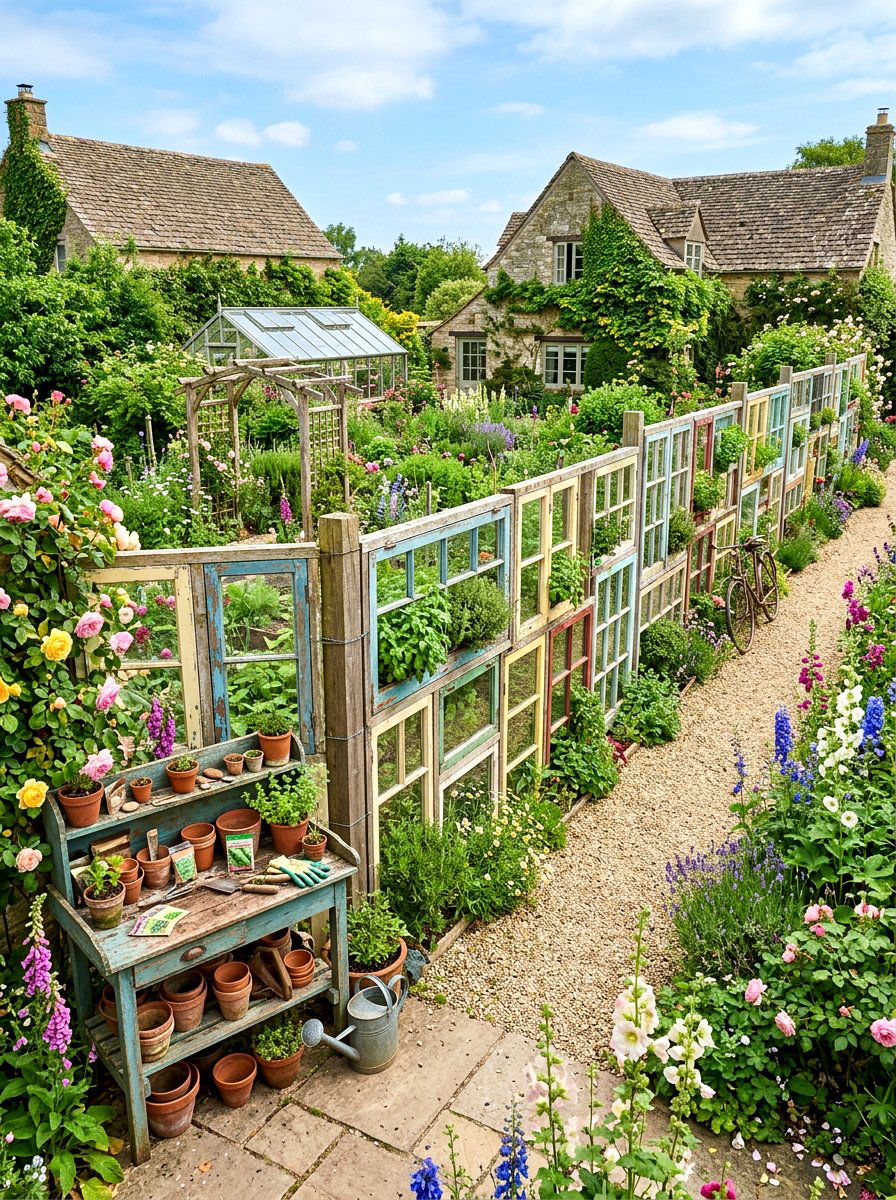
Using old, salvaged window frames to create a garden fence is a brilliant way to add a touch of vintage charm and architectural interest to your herb patch. You can remove the glass for safety and replace it with chicken wire or small wooden slats, or even leave the frames open to create a "picture frame" effect that highlights specific views of your garden. This eclectic and whimsical style is perfect for those who love a "shabby chic" or flea-market aesthetic. Painting the frames in various pastel colors can create a cheerful and inviting atmosphere, while keeping the original weathered paint adds a sense of history and lived-in character.
22. Tin Can Herb Pot Fence
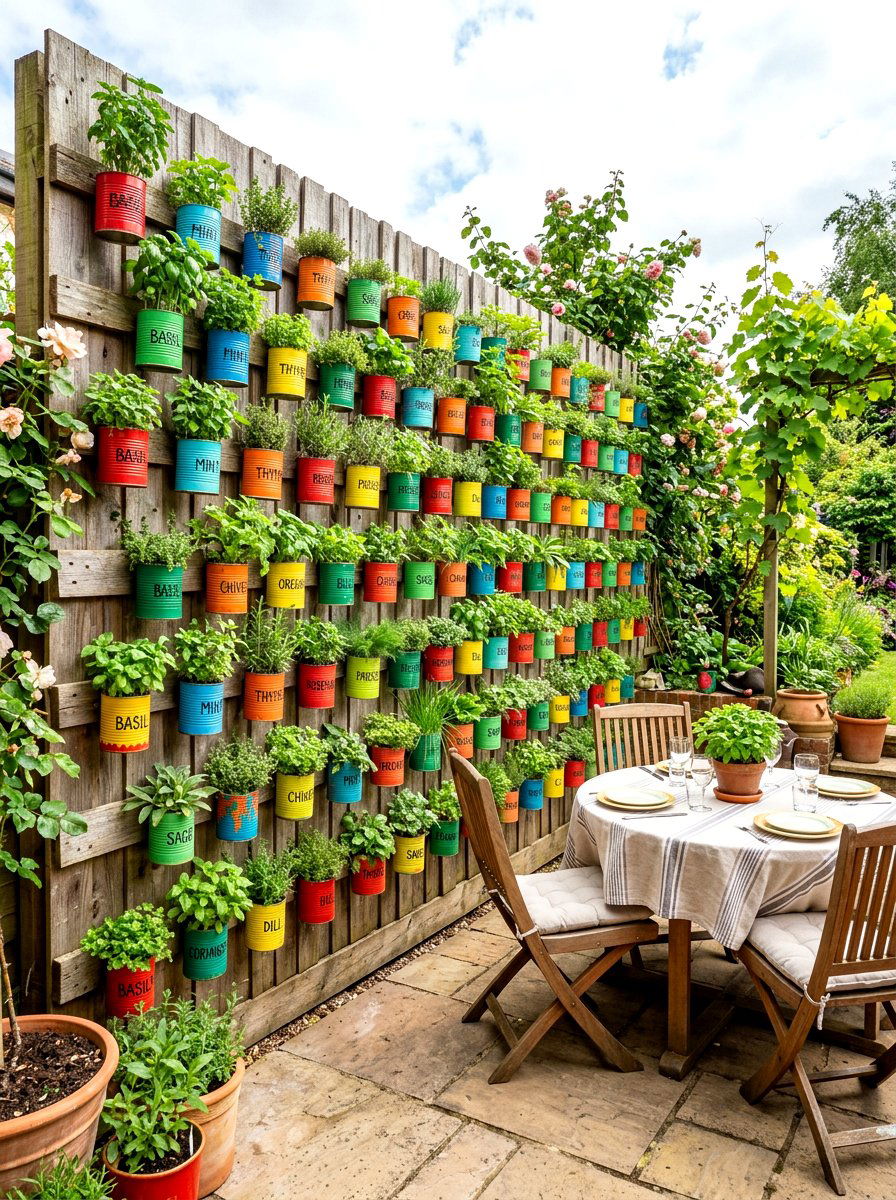
A tin can herb pot fence is a fun and eco-friendly DIY project that turns a simple boundary into a highly productive vertical growing space. By attaching recycled tin cans to a basic wooden or wire fence, you create dozens of individual "pockets" where you can grow a wide variety of small herbs. You can paint the cans in bright, bold colors or leave them with their original metallic finish for a more industrial look. This setup is perfect for keeping different herb varieties separated, preventing invasive plants like mint from taking over your main garden beds while also making harvesting incredibly easy and organized for everyday cooking.
23. Tiered Raised Bed Fence
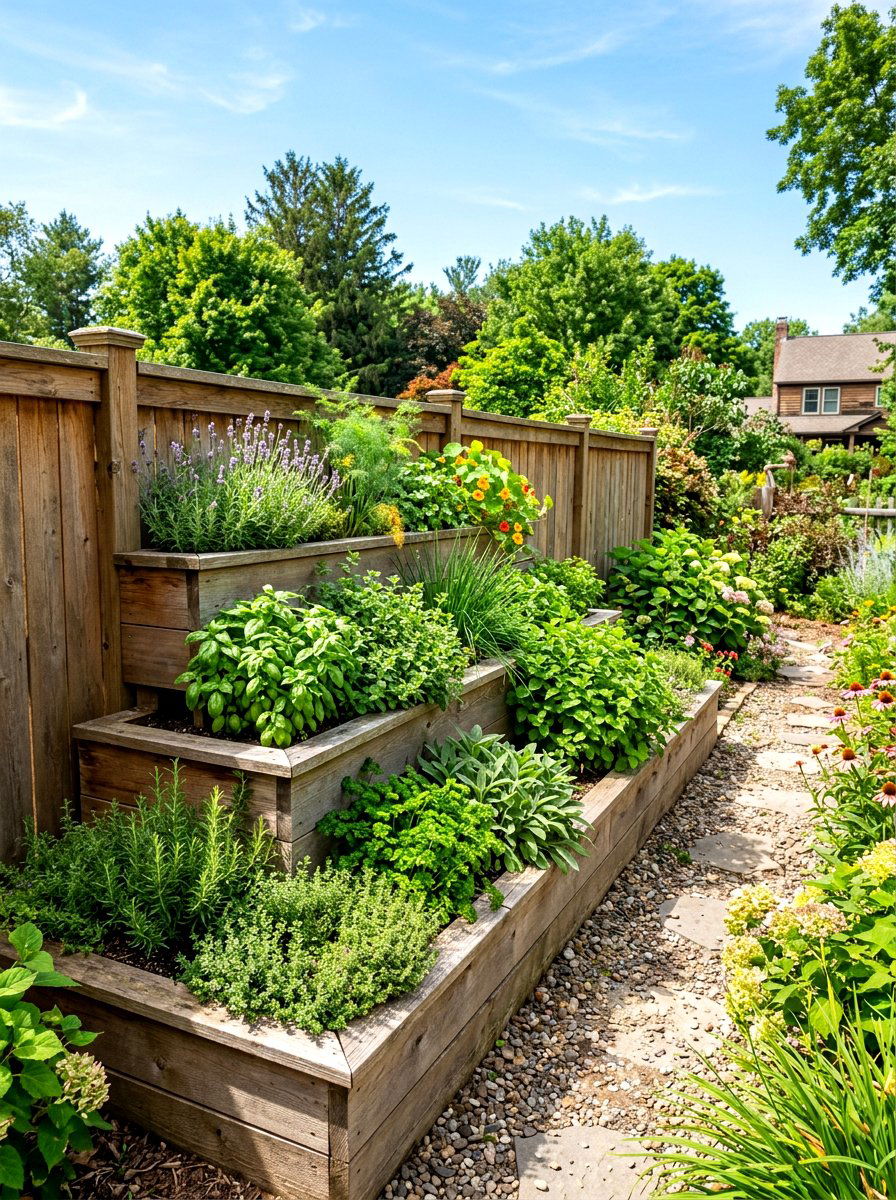
A tiered raised bed fence combines the benefits of a tall, protective boundary with the functionality of built-in planting boxes. This design features a series of steps or tiers that gradually increase in height, allowing you to grow herbs at different levels while creating a solid and attractive barrier. The lower tiers are perfect for small, low-growing herbs like thyme and oregano, while the higher tiers can accommodate larger plants or even provide a privacy screen. This multi-level approach is excellent for adding depth and dimension to your garden, making it feel more like a professionally designed landscape feature rather than just a simple patch of dirt.
24. Picture Frame Garden Planter Fence
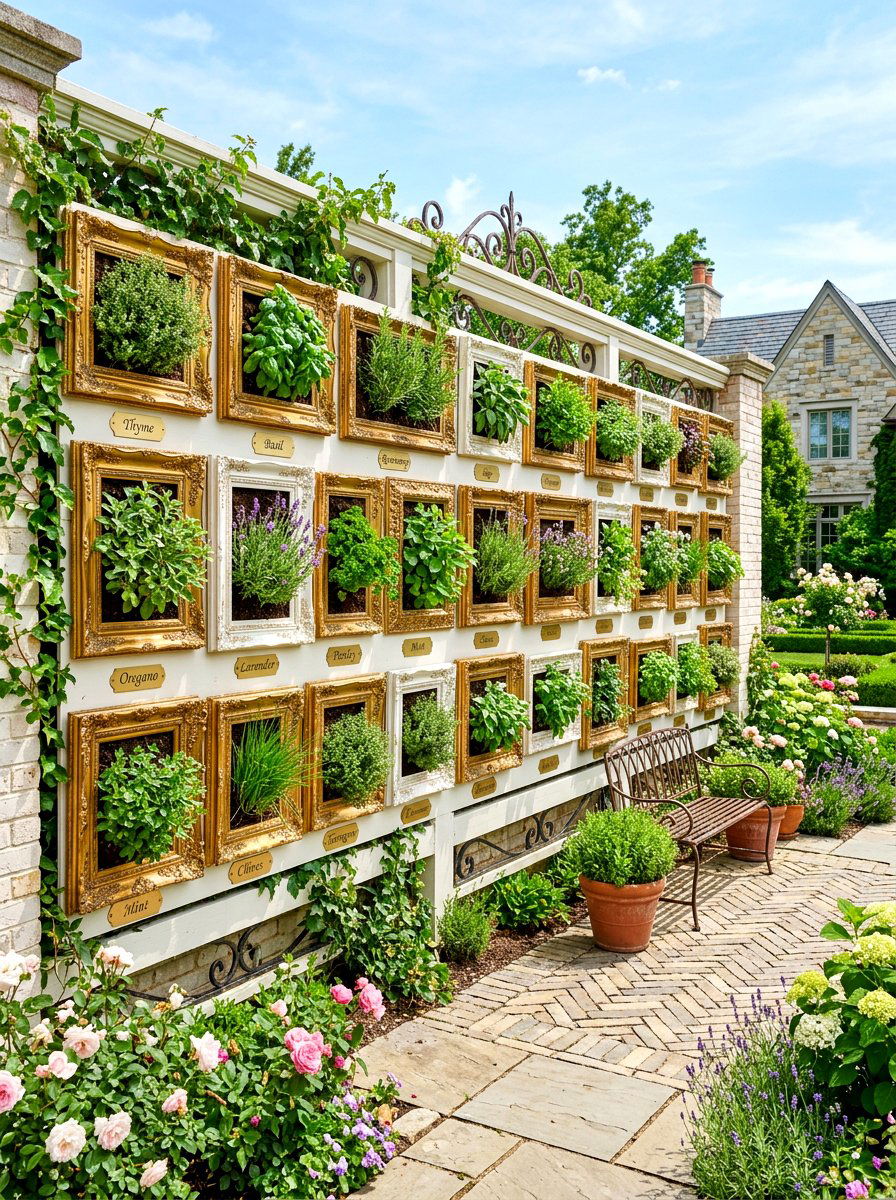
A picture frame planter fence is a sophisticated and artistic way to display your favorite herbs as if they were living works of art. This design involves mounting deep, ornate wooden frames onto a solid fence wall, with the centers of the frames serving as small, recessed garden beds. By grouping several frames together at different heights, you can create a stunning gallery wall effect that is both functional and visually captivating. This approach works particularly well on fences that face a patio or outdoor dining area, as it provides a beautiful and fragrant backdrop that guests can admire while they enjoy a meal in the garden.
25. Alternating Slat Privacy Fence
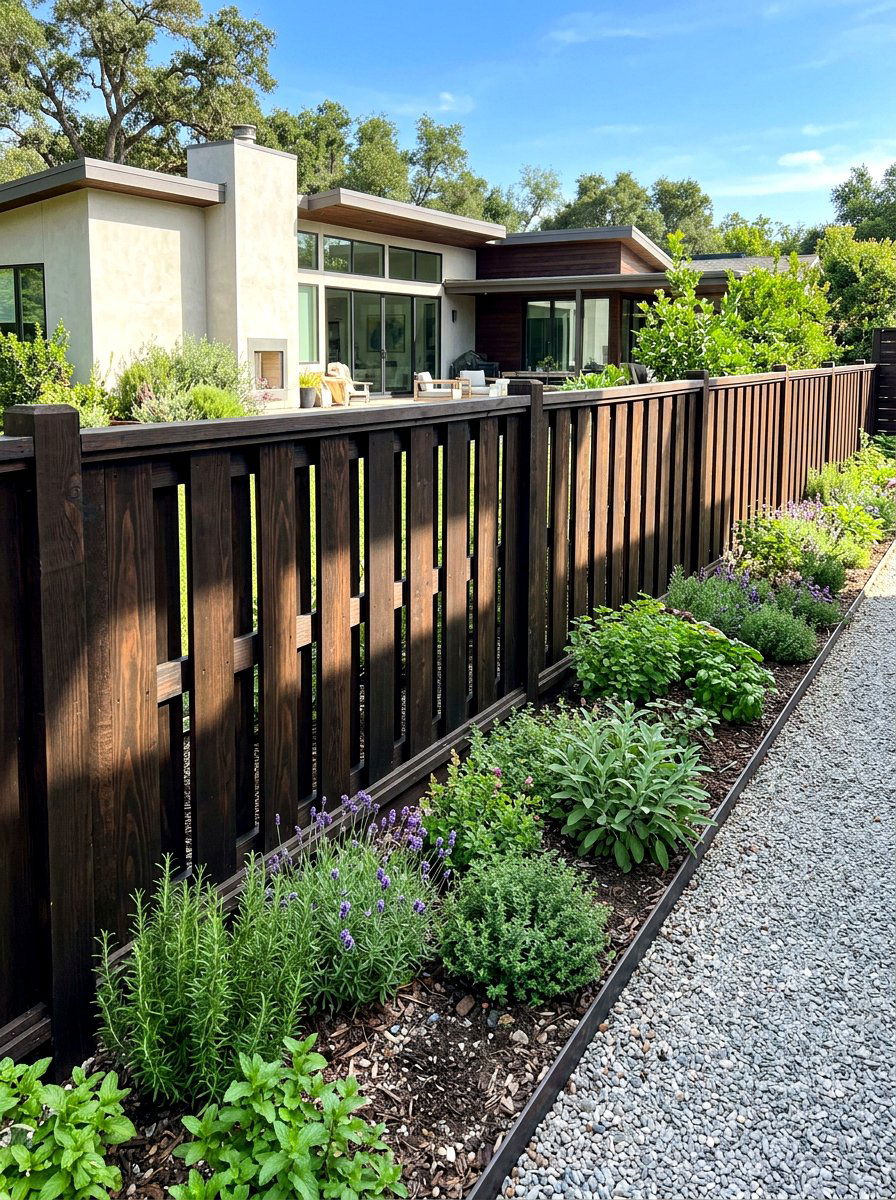
An alternating slat fence, often called a "shadowbox" fence, is a smart design that provides excellent privacy while still allowing air to flow freely through the structure. The slats are attached to both sides of the horizontal rails in an alternating pattern, creating a dimensional look that is attractive from both the inside and the outside of the garden. This style is perfect for herb gardens located in windy areas, as the gaps between the slats help to break up the wind without completely blocking it. The play of light and shadow created by the alternating boards adds a dynamic and modern quality to your garden’s perimeter.
26. Bamboo Pole Privacy Screen
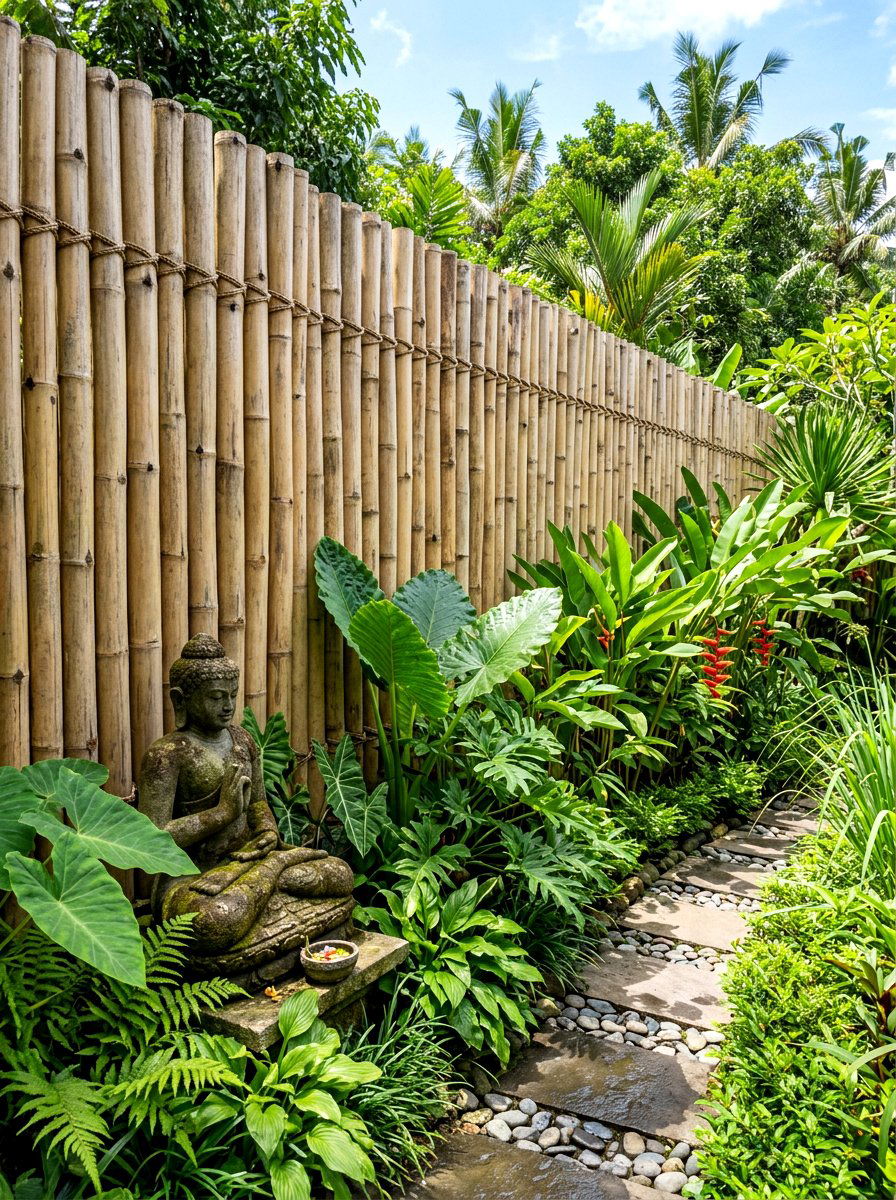
For a fast-growing and sustainable fencing option, a bamboo pole screen offers a clean, vertical aesthetic that provides a high level of privacy for your herb sanctuary. Unlike woven bamboo, this style uses thick, individual bamboo poles set closely together in a sturdy frame. The natural variation in the color and thickness of the poles creates a beautiful, organic texture that feels both modern and tropical. Bamboo is incredibly strong and resistant to the elements, making it a long-lasting choice for outdoor use. This fence style is particularly effective at blocking out unsightly views or creating a quiet, secluded spot for meditation and gardening in a busy suburban area.
27. Espalier Herb Support Fence
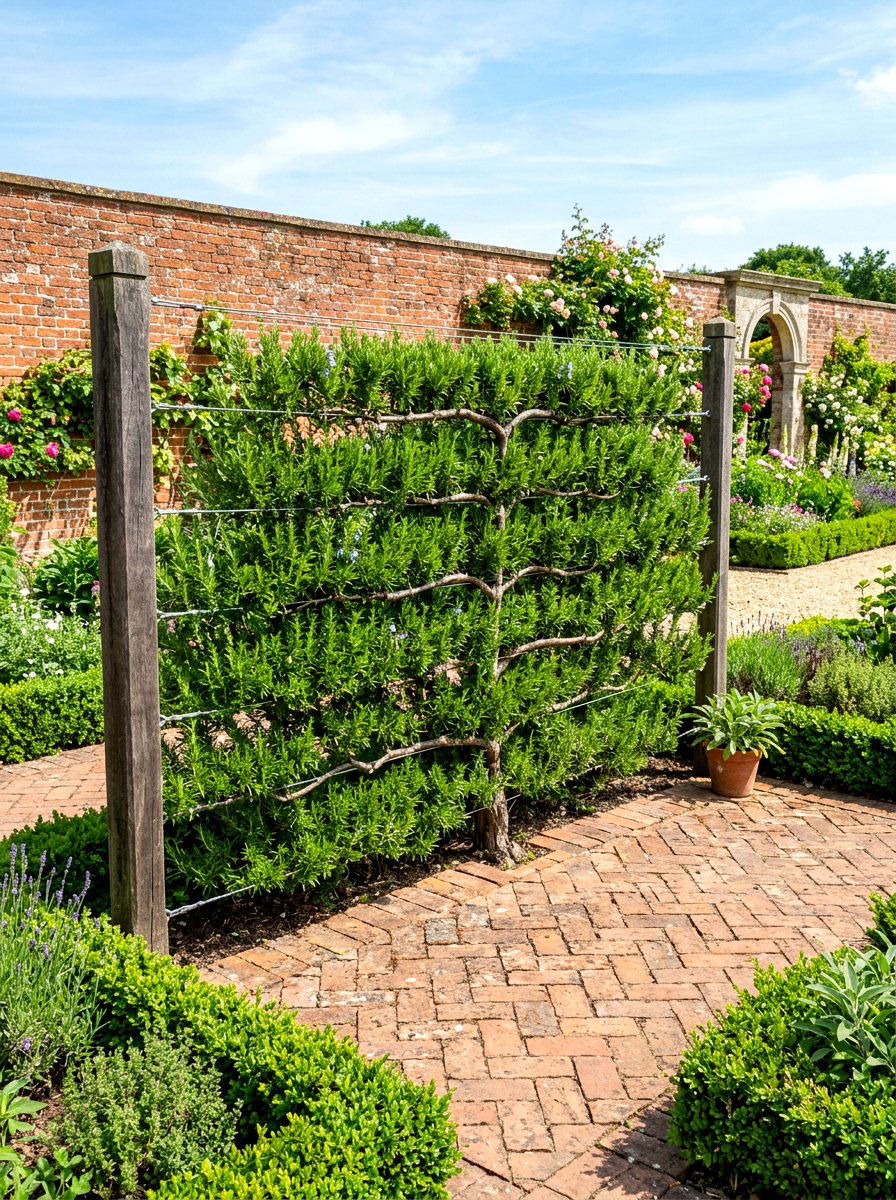
An espalier fence is a specialized structure designed to train woody herbs or fruit trees to grow flat against a two-dimensional plane. By using a series of horizontal wires or thin wooden rails, you can guide the branches of plants like rosemary or bay laurel into beautiful, symmetrical patterns. This ancient gardening technique is a fantastic way to add architectural elegance and high-end style to a small herb garden. It maximizes sunlight exposure for the plants and makes harvesting very simple, as all the foliage is easily accessible. The resulting living wall is a stunning testament to the gardener’s skill and the plant’s natural adaptability.
28. Bug Hotel Habitat Fence
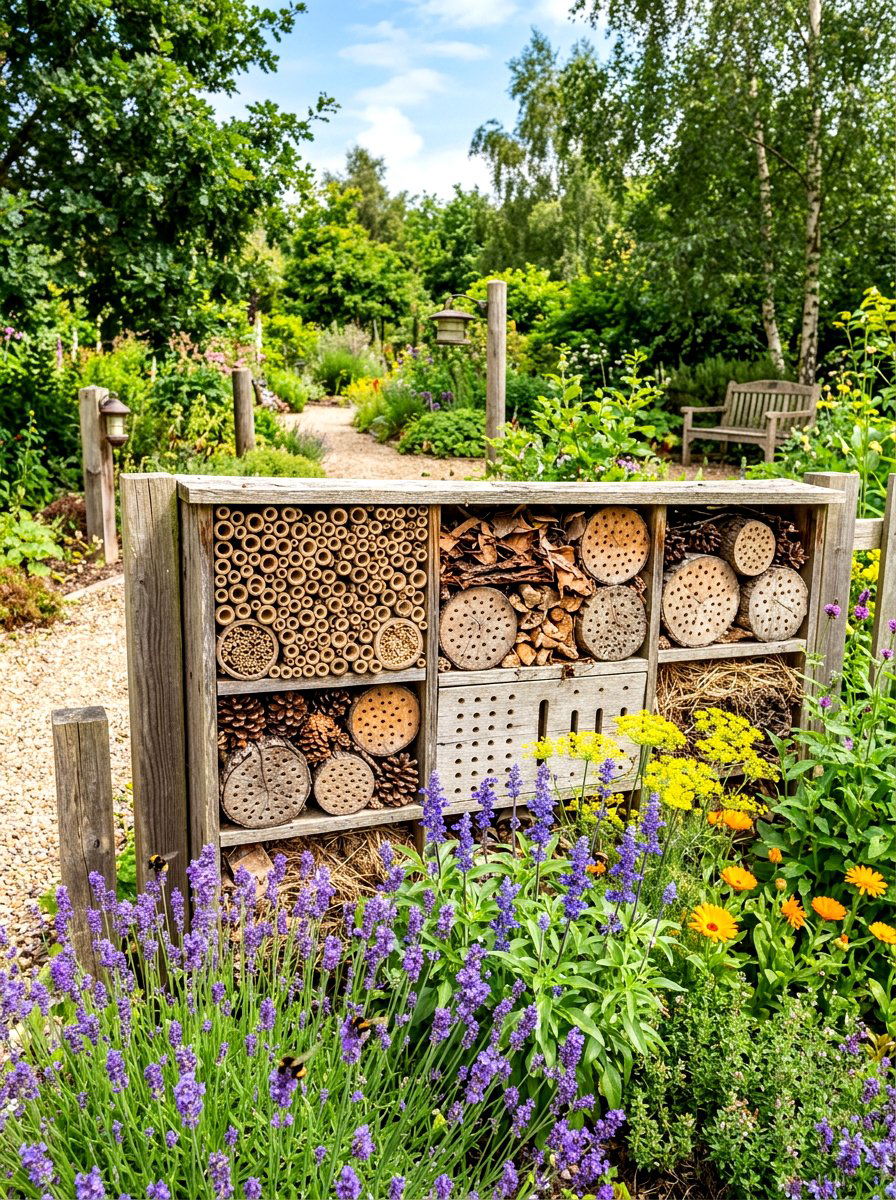
A bug hotel habitat fence is a unique and environmentally conscious design that incorporates nesting spaces for beneficial insects directly into the structure of your garden boundary. By building deep, wooden frames and filling them with natural materials like hollow reeds, pinecones, and drilled logs, you provide a home for ladybugs, lacewings, and solitary bees. These helpful insects act as natural pest controllers, keeping your herb garden healthy without the need for chemical sprays. This style of fence is not only highly functional but also serves as a fascinating educational feature that adds incredible texture and a sense of life to your outdoor living space.
29. Simple Wire Mesh Border
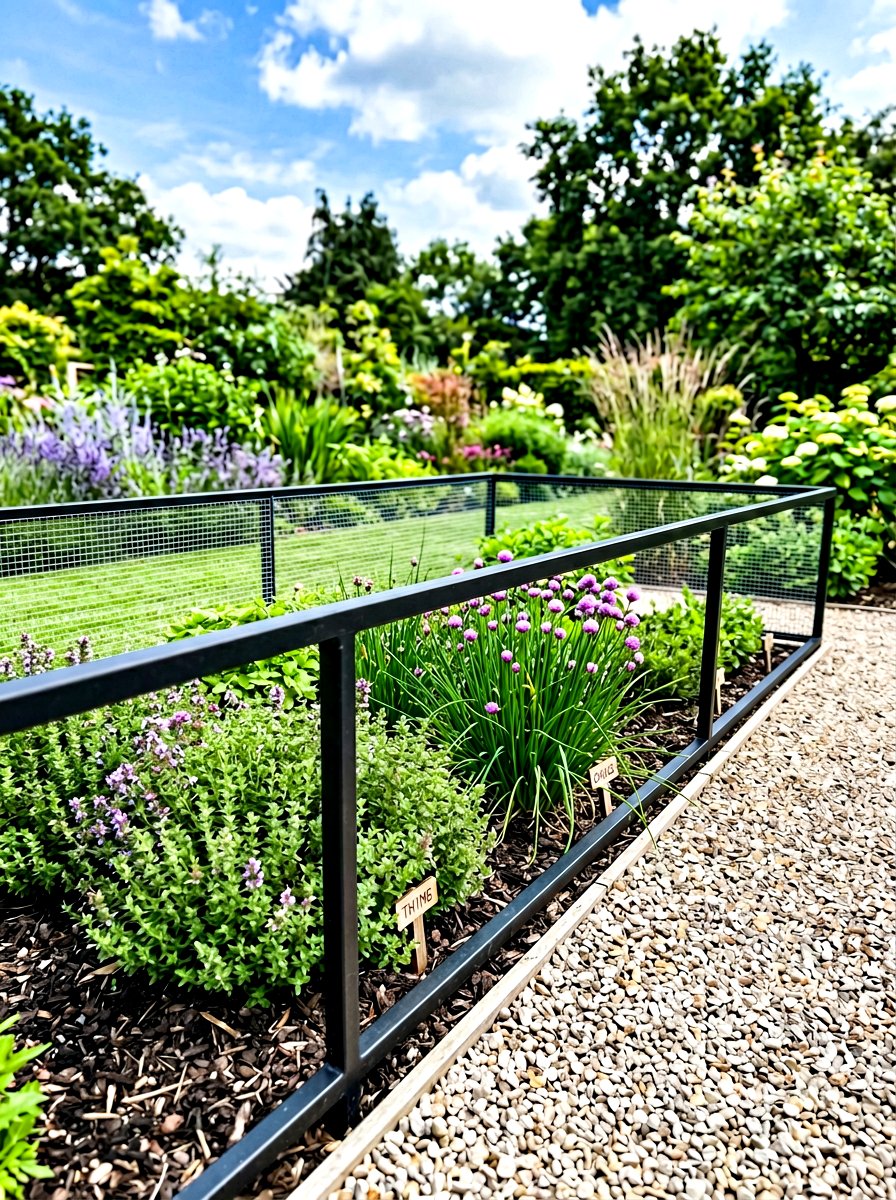
Sometimes the best solution is the simplest one, and a wire mesh border provides a clean, unobtrusive way to define the edges of your herb beds. This fence style typically uses a low wooden or metal frame with thin wire mesh panels that allow for 100% visibility and airflow. It is perfect for modern or minimalist gardens where you want the focus to remain entirely on the plants themselves. You can easily customize the height of the border to suit your needs, making it just tall enough to deter small animals or keep mulch and soil from spilling over into your pathways while you work in the garden.
30. Barnwood Reclaimed Plank Fence
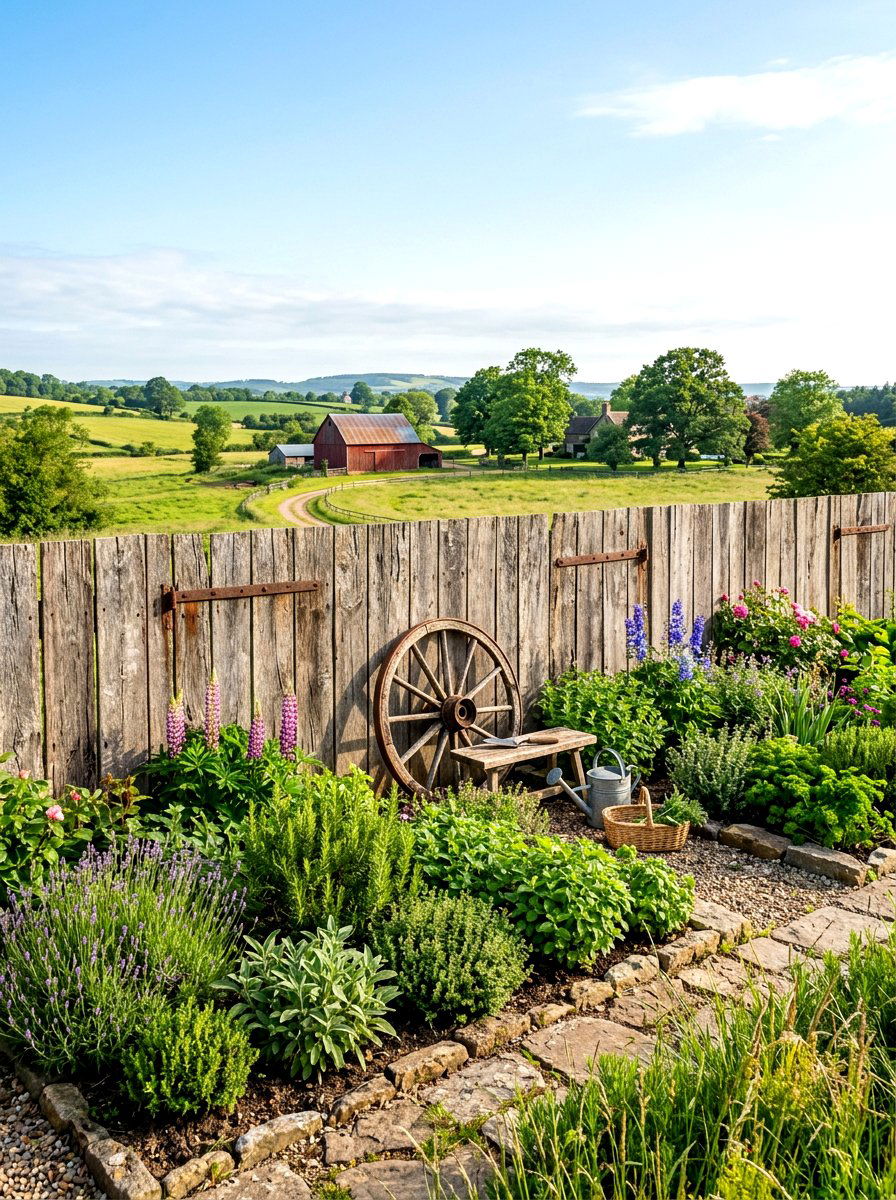
A barnwood reclaimed plank fence brings a sense of history, warmth, and rugged beauty to a farmhouse-style herb garden. The weathered, greyed-out wood features original saw marks, nail holes, and knots that tell a story of its previous life on a farm or old building. Using planks of varying widths and lengths can create a more informal, "patchwork" look that is full of character and visual interest. This type of fencing is incredibly sustainable and provides a solid, durable barrier that feels very grounded and permanent. The rich, earthy tones of the old wood provide a perfect neutral backdrop for the vibrant greens of a thriving herb garden.
Conclusion:
Selecting the perfect fence for your herb garden is a creative opportunity to define your outdoor space while protecting your precious plants. Whether you choose a traditional white picket fence for a classic cottage feel or a modern horizontal slat design for a contemporary look, the right boundary will enhance the beauty and functionality of your garden. Consider your climate, the specific needs of your herbs, and your own personal style as you explore these diverse options. A well-designed fence does more than just mark a perimeter; it creates a focused sanctuary where you can enjoy the sensory delights of fresh herbs for years to come.

Related posts: