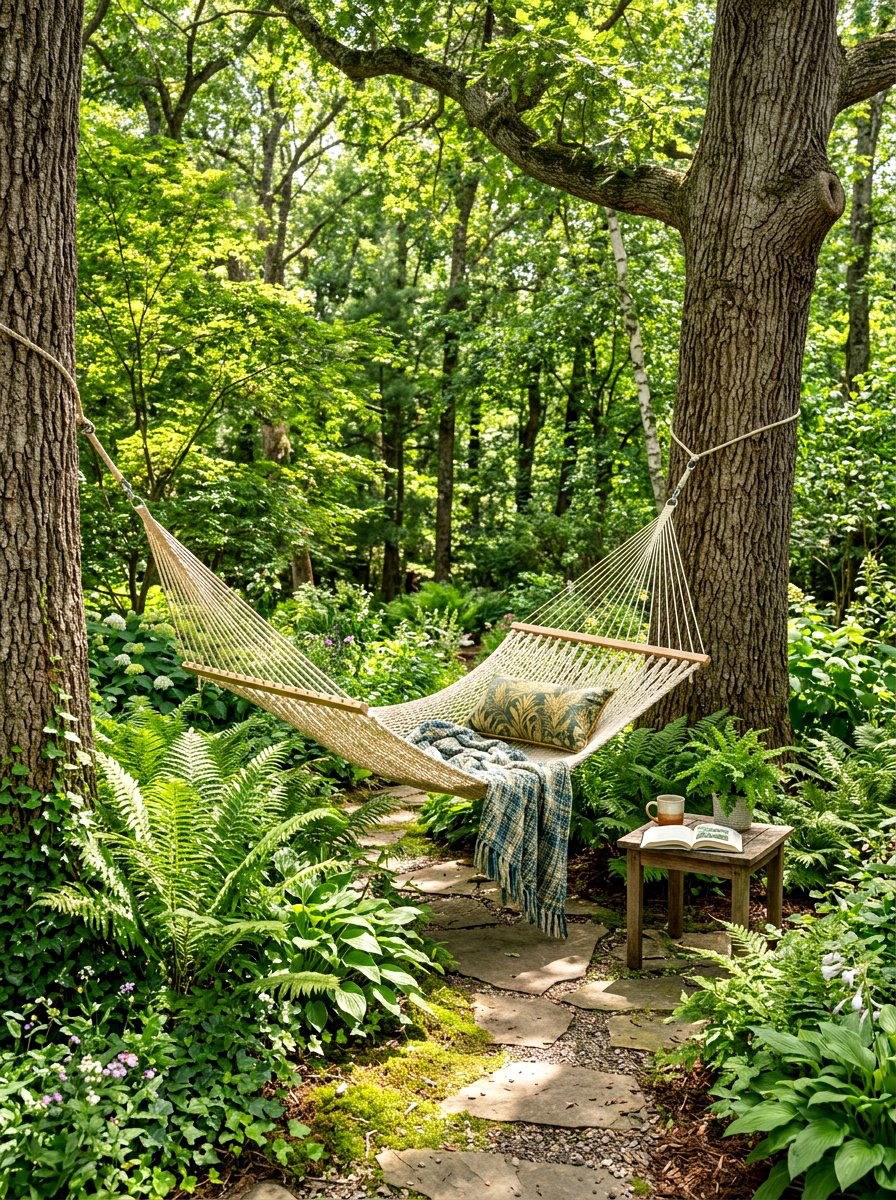
Cultivating a personal herb garden is one of the most rewarding ways to transform your home and kitchen life. Whether you have a sprawling backyard or a tiny apartment balcony, there is a perfect way to integrate fresh greenery into your daily routine. Beyond just providing delicious flavors for your cooking, herbs offer a sensory experience through their diverse aromas and textures. These plants are remarkably versatile, thriving in various environments from sun-drenched windowsills to structured outdoor beds. Starting your own garden allows you to connect with nature, reduce grocery bills, and enjoy the peak freshness of organic harvests. Exploring different herb garden styles can help you find a setup that matches your aesthetic and functional needs perfectly.
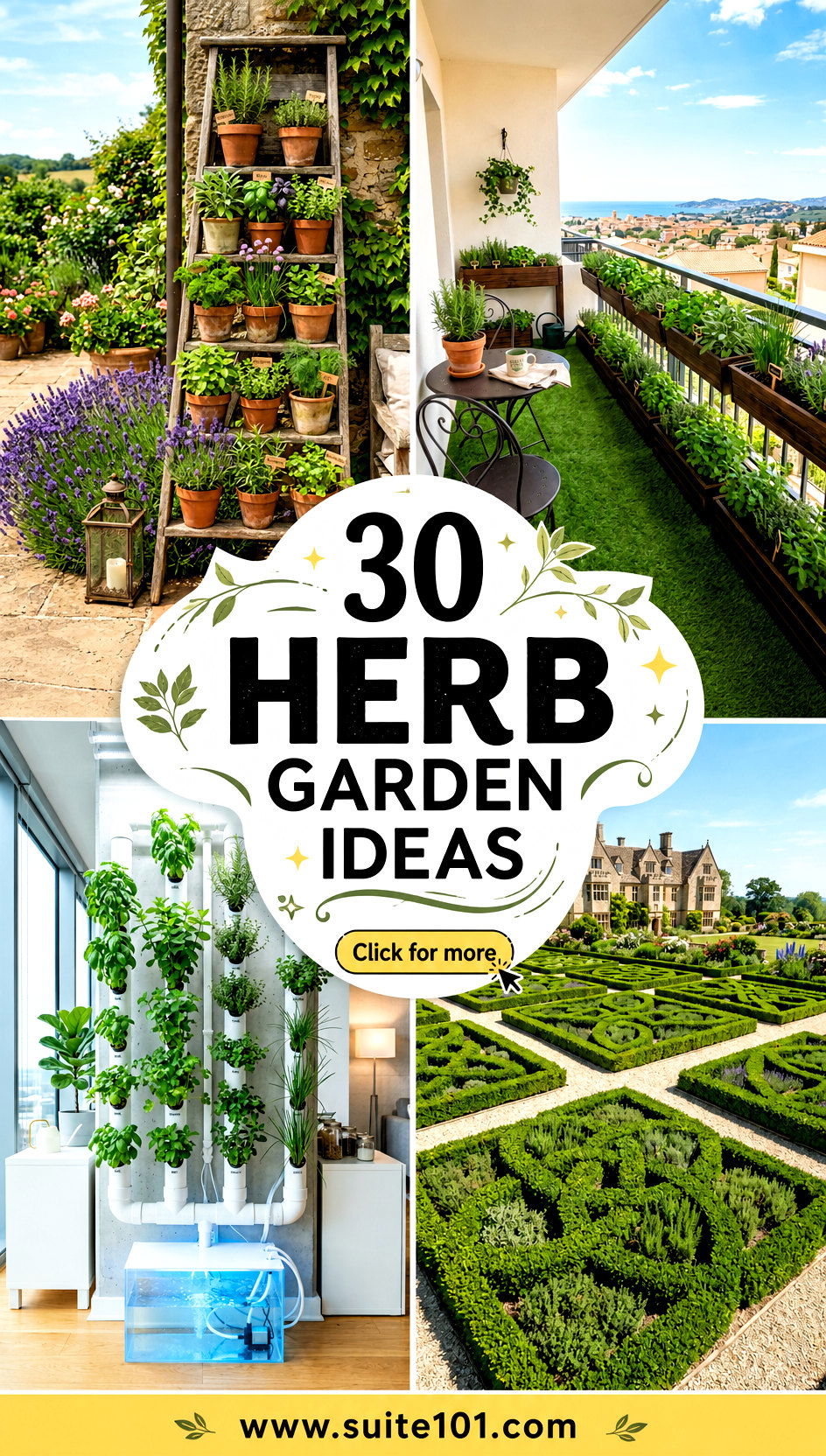
1. Kitchen windowsill herb garden
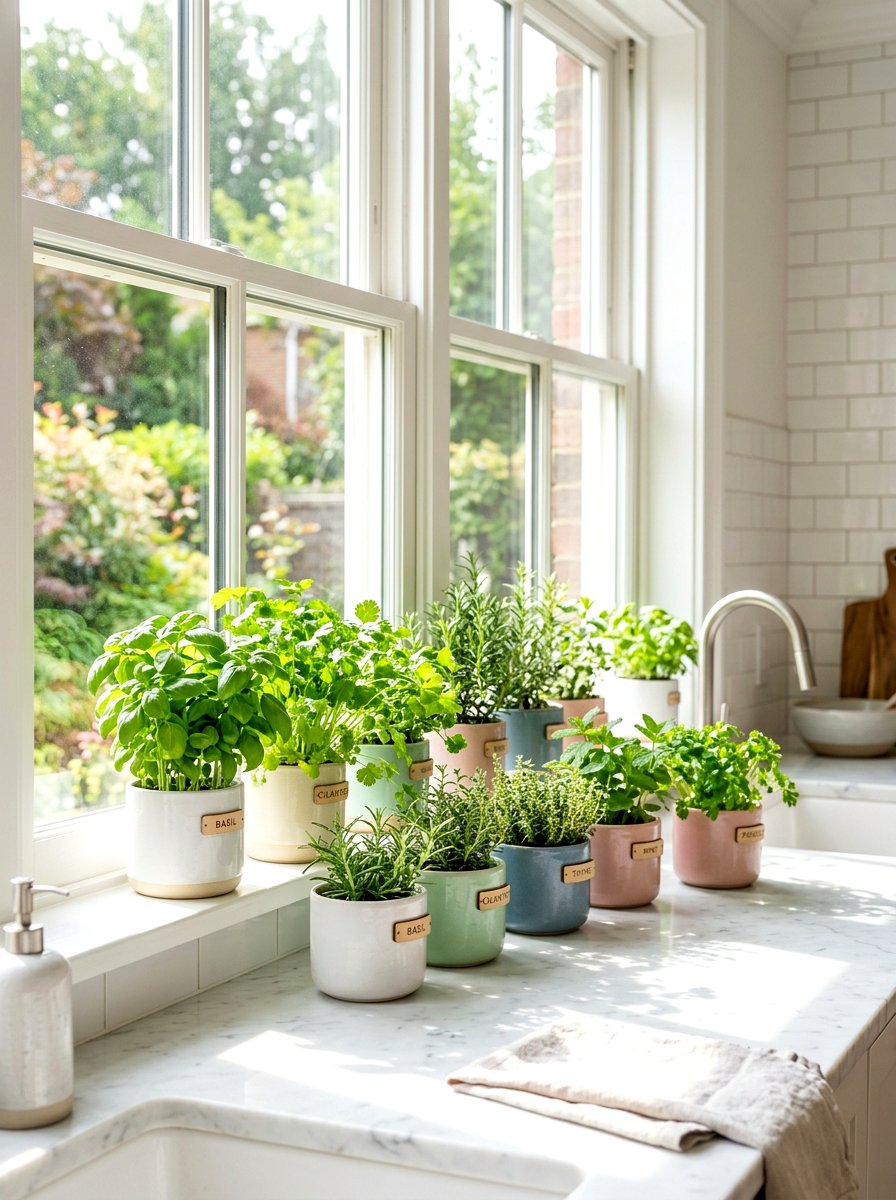
A kitchen windowsill herb garden is the ultimate convenience for any home cook who values fresh ingredients. Placing your favorite herbs right where you prepare meals ensures that a quick pinch of basil or mint is always within reach. This setup typically thrives in bright, indirect light, making south-facing windows ideal for consistent growth throughout the year. You can use a variety of small pots or a singular long planter to fit the specific dimensions of your ledge. Beyond the culinary benefits, these plants add a vibrant touch of life to your kitchen decor. Choosing high-quality potting soil and ensuring proper drainage will keep your indoor herbs healthy and productive for many months.
2. Vertical herb garden wall
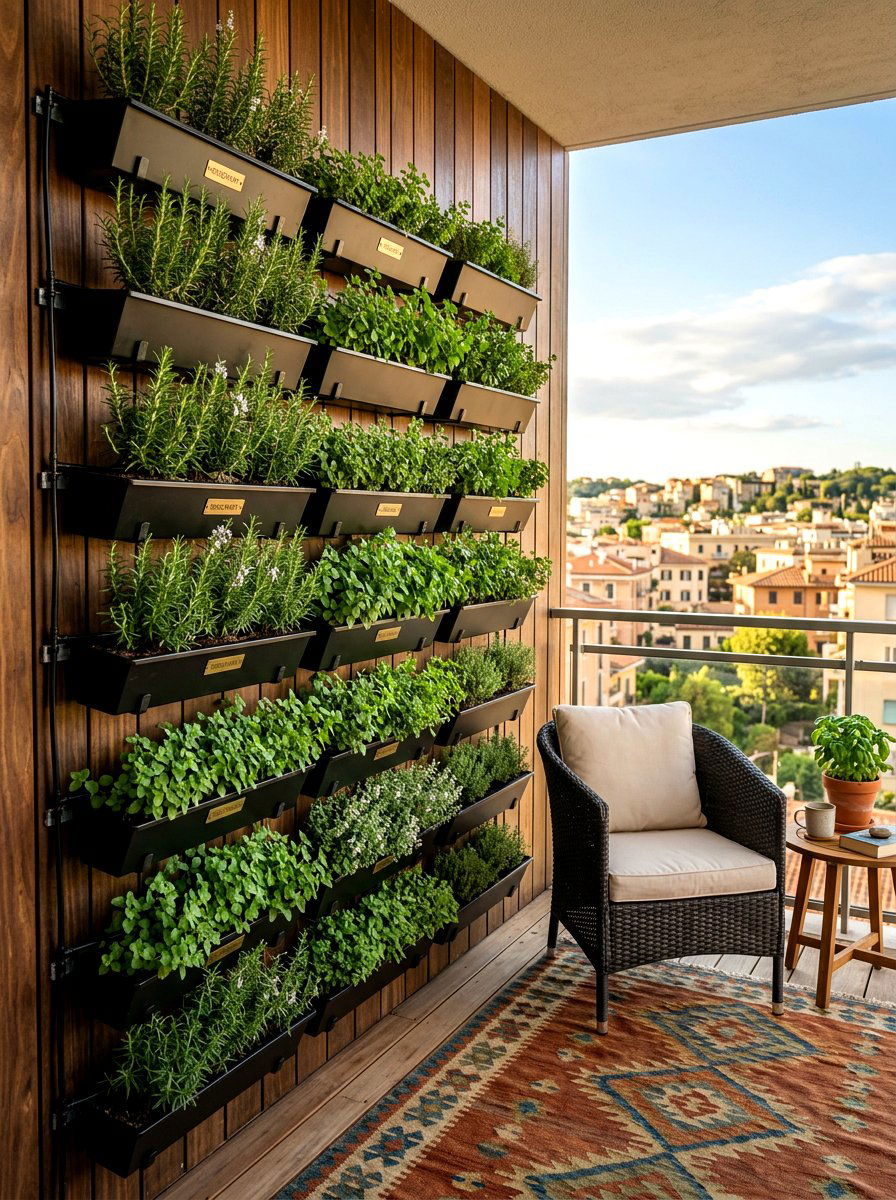
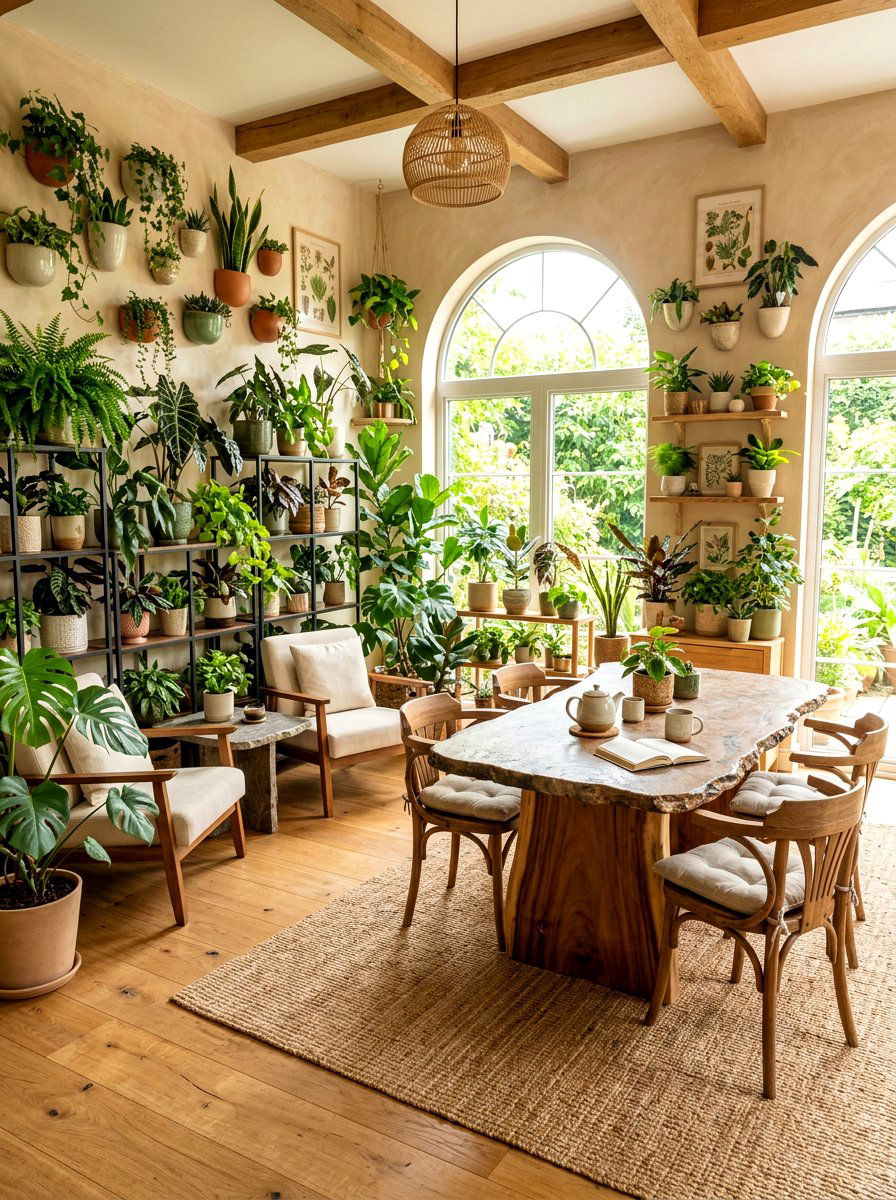
A vertical herb garden wall is a brilliant solution for anyone looking to maximize limited floor space while creating a stunning visual feature. This design utilizes wall-mounted planters, pockets, or shelving units to grow a wide variety of herbs upward rather than outward. It is particularly effective on patios, balconies, or even sunny indoor walls where horizontal space is at a premium. By stacking your plants, you can create a lush tapestry of different textures and shades of green. Many vertical systems include integrated irrigation to make watering easier and more efficient. This approach not only saves room but also keeps your herbs away from many ground-level pests and pets.
3. Raised bed herb garden
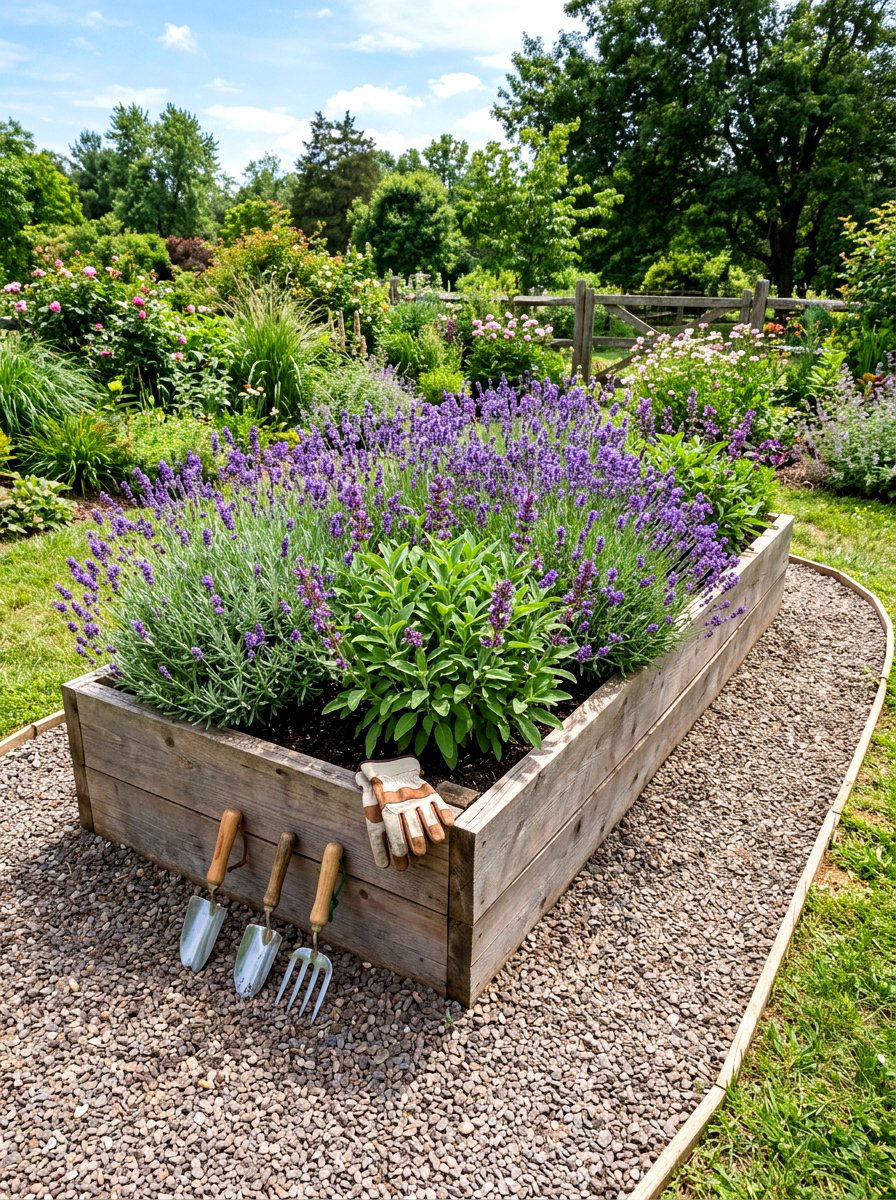
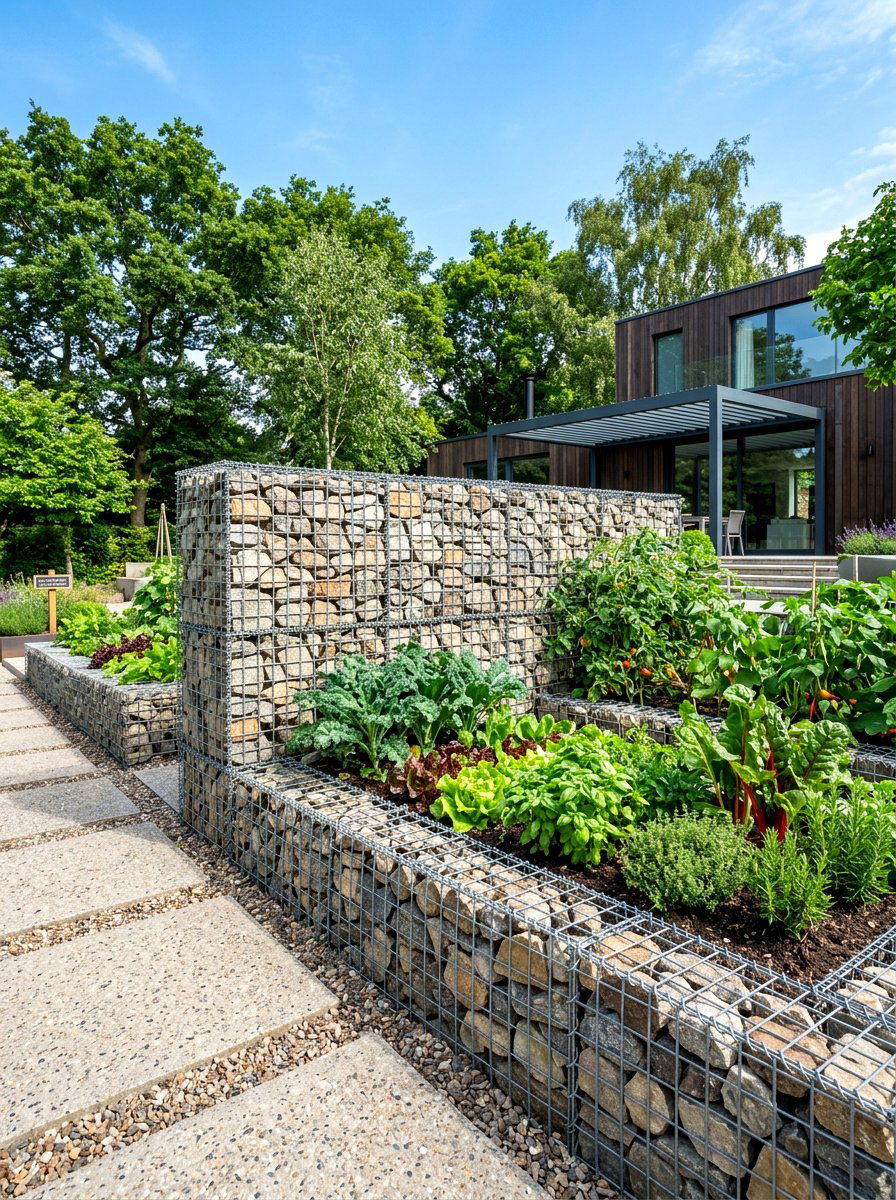
A raised bed herb garden offers a structured and highly productive environment for growing a large volume of herbs outdoors. These elevated planters provide excellent drainage and allow you to control the soil quality perfectly, which is essential for herb health. You can build these beds from cedar, stone, or even recycled materials to match your garden's overall aesthetic. Because they are higher off the ground, they reduce the amount of bending and kneeling required during maintenance and harvesting. Raised beds also help to define the garden space and can prevent invasive herbs like mint from spreading into other areas. They are a classic choice for a dedicated kitchen garden.
4. Hanging herb garden
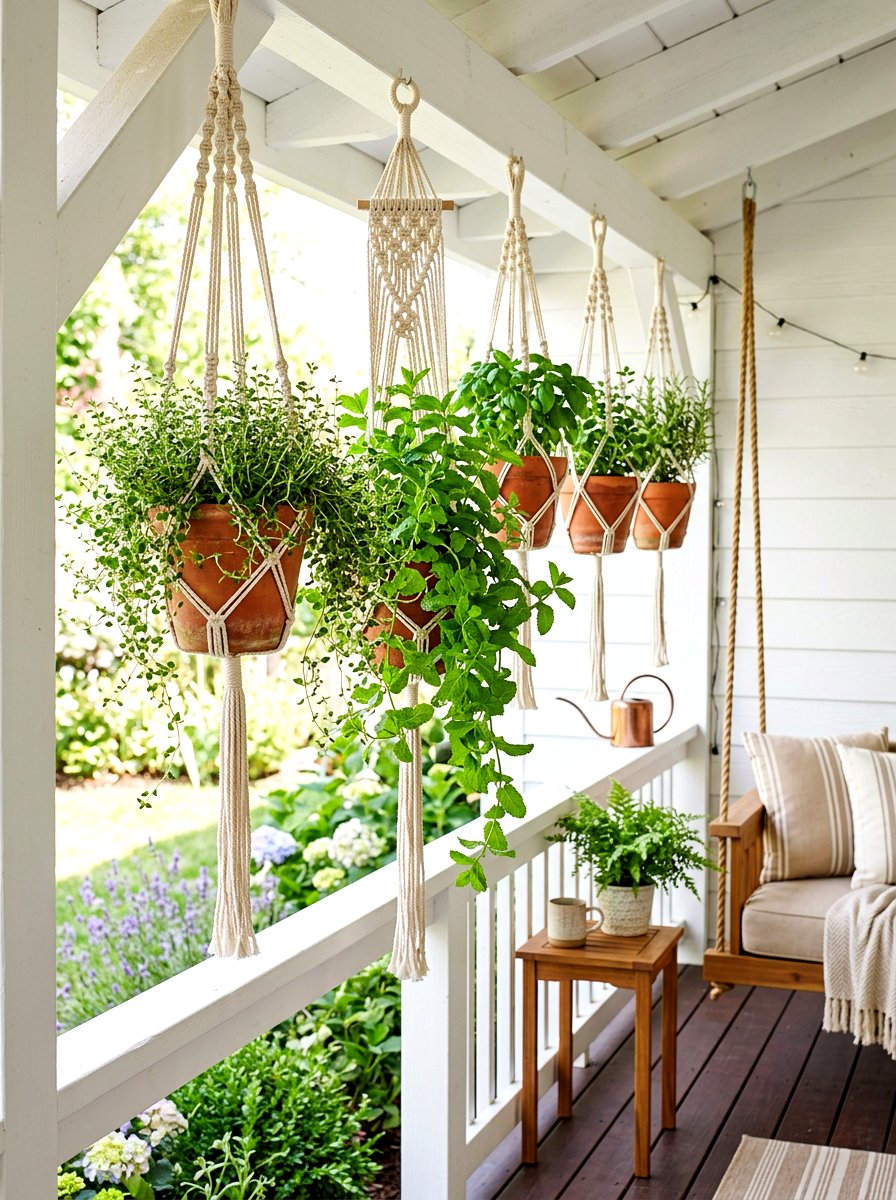
A hanging herb garden is a whimsical and space-saving way to bring greenery into your outdoor or indoor living areas. Using hanging baskets, macrame holders, or specialized tiered pots allows you to utilize overhead space effectively. This style is perfect for trailing herbs like creeping thyme or rosemary, which can spill over the edges beautifully. Hanging your garden can also protect delicate plants from hungry garden wildlife and curious pets. It creates a multi-dimensional look that adds depth to a porch or a bright kitchen corner. Ensure you use sturdy hooks and check the soil moisture frequently, as hanging containers tend to dry out faster than ground-level pots.
5. Herb garden pallet
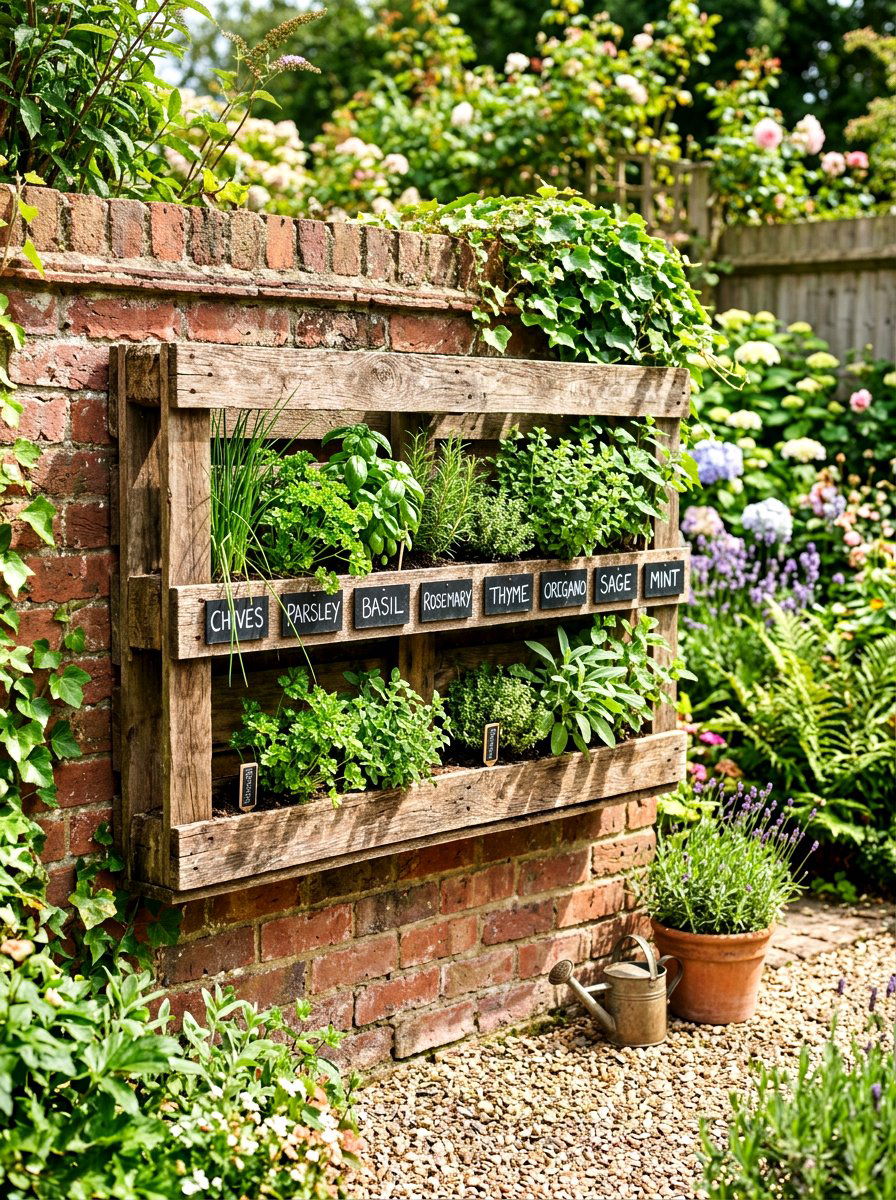
An herb garden pallet is a popular DIY project that repurposes old shipping wood into a rustic and functional planting system. By adding landscape fabric or small wooden slats to the back and bottom of the pallet openings, you create several rows for planting. This vertical structure is perfect for leaning against a fence or mounting to a sturdy wall. It provides a charming, farmhouse-style look that works well in both urban and rural settings. Pallets allow you to label each section clearly, making it easy to organize your culinary, medicinal, and aromatic herbs. It is an affordable way to start a large herb collection in a very small footprint.
6. Terracotta pot herb garden
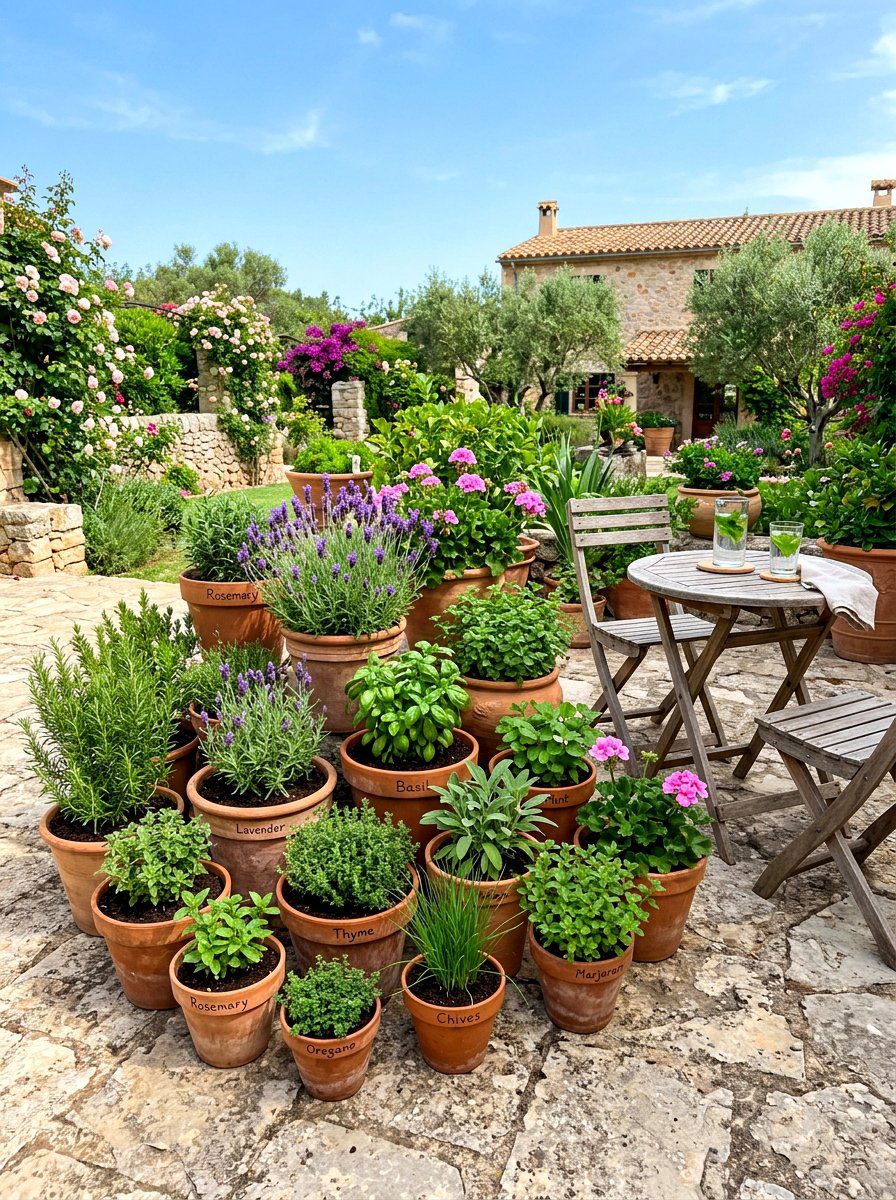
A terracotta pot herb garden is a timeless classic that brings a warm, earthy aesthetic to any patio or windowsill. These clay pots are porous, which allows the soil to breathe and helps prevent root rot by wicking away excess moisture. This makes them particularly well-suited for Mediterranean herbs like lavender, oregano, and rosemary that prefer drier conditions. You can group pots of varying sizes together to create a beautiful, layered arrangement that is easy to move and rearrange. Painting the pots or leaving them in their natural state allows for endless customization. This modular approach is ideal for beginners who want to start small and expand their collection.
7. Indoor smart herb garden
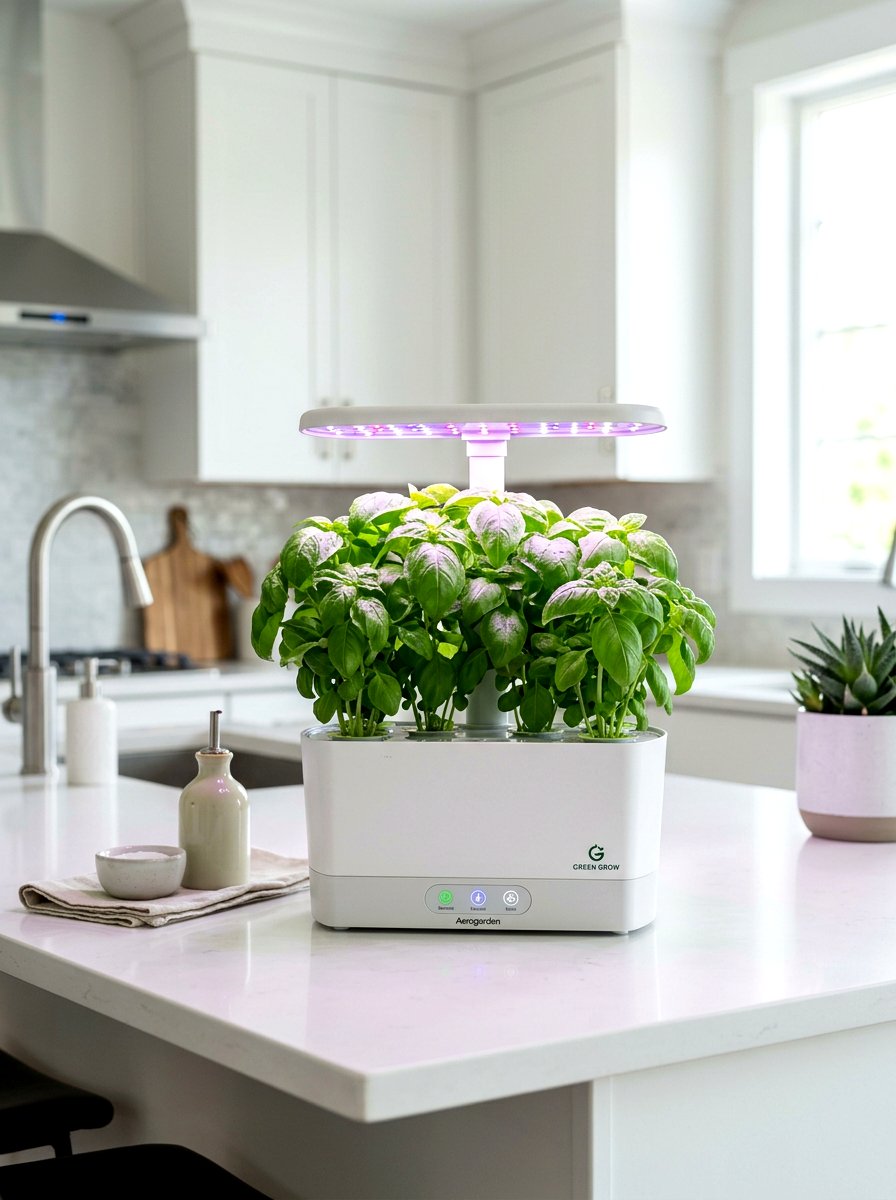
An indoor smart herb garden takes the guesswork out of plant care by using advanced technology like automated lighting and watering systems. These compact units are designed to fit on countertops and often utilize hydroponics or specialized soil pods. They are perfect for people living in apartments with low natural light or for those who want a foolproof gardening experience. Most smart gardens come with built-in LED grow lights that provide the exact spectrum needed for rapid herb growth. This ensures you can harvest fresh herbs even during the dark winter months. It is a sleek, modern solution for busy individuals who still want the luxury of fresh homegrown flavors.
8. Mason jar herb garden
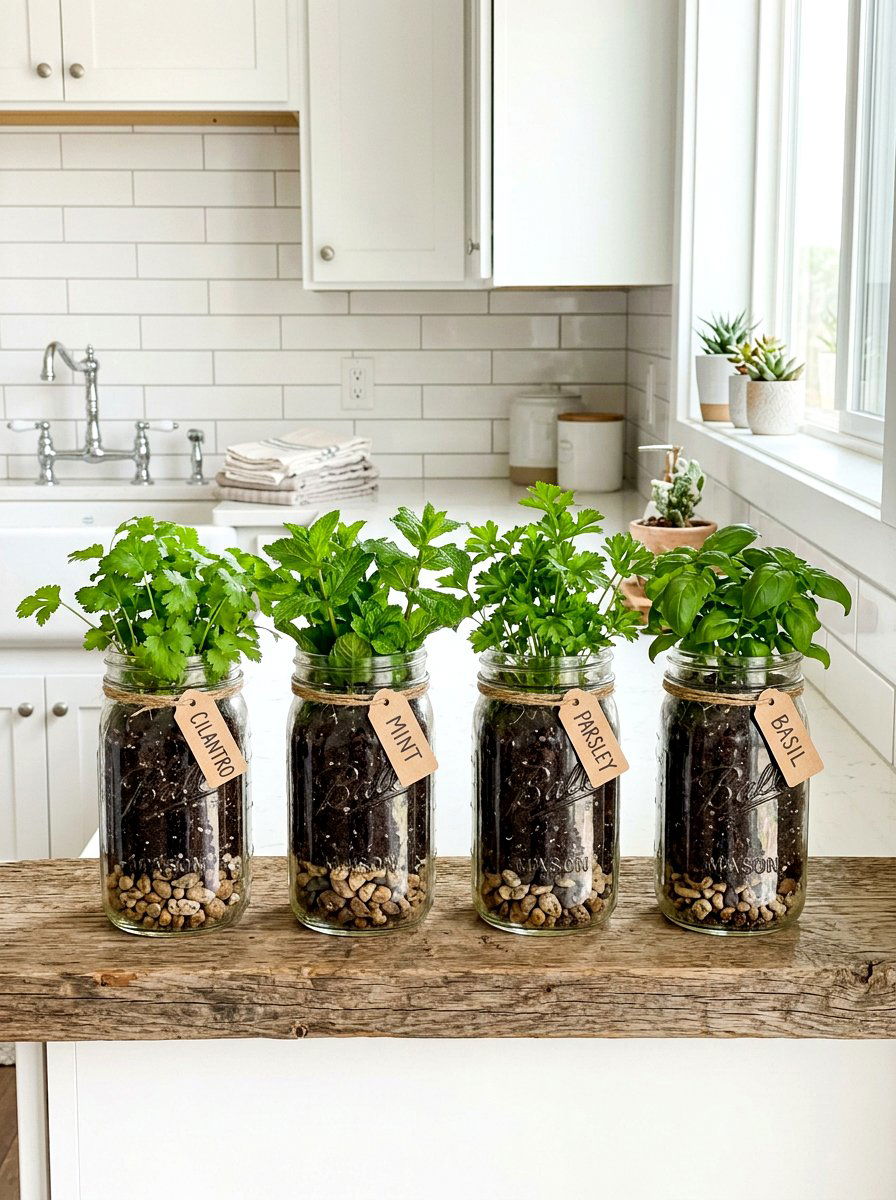
A mason jar herb garden is a charming and decorative way to grow small amounts of herbs on a budget. These glass containers look beautiful in a kitchen and allow you to see the root systems and soil moisture levels easily. Since mason jars do not have drainage holes, it is important to add a layer of pebbles at the bottom to prevent water from pooling. This setup is best for herbs that don't mind a bit of extra moisture, such as mint or cilantro. You can mount the jars to a wooden board or simply line them up on a sunny shelf. They make excellent gifts and add a vintage touch to home decor.
9. Herb spiral garden
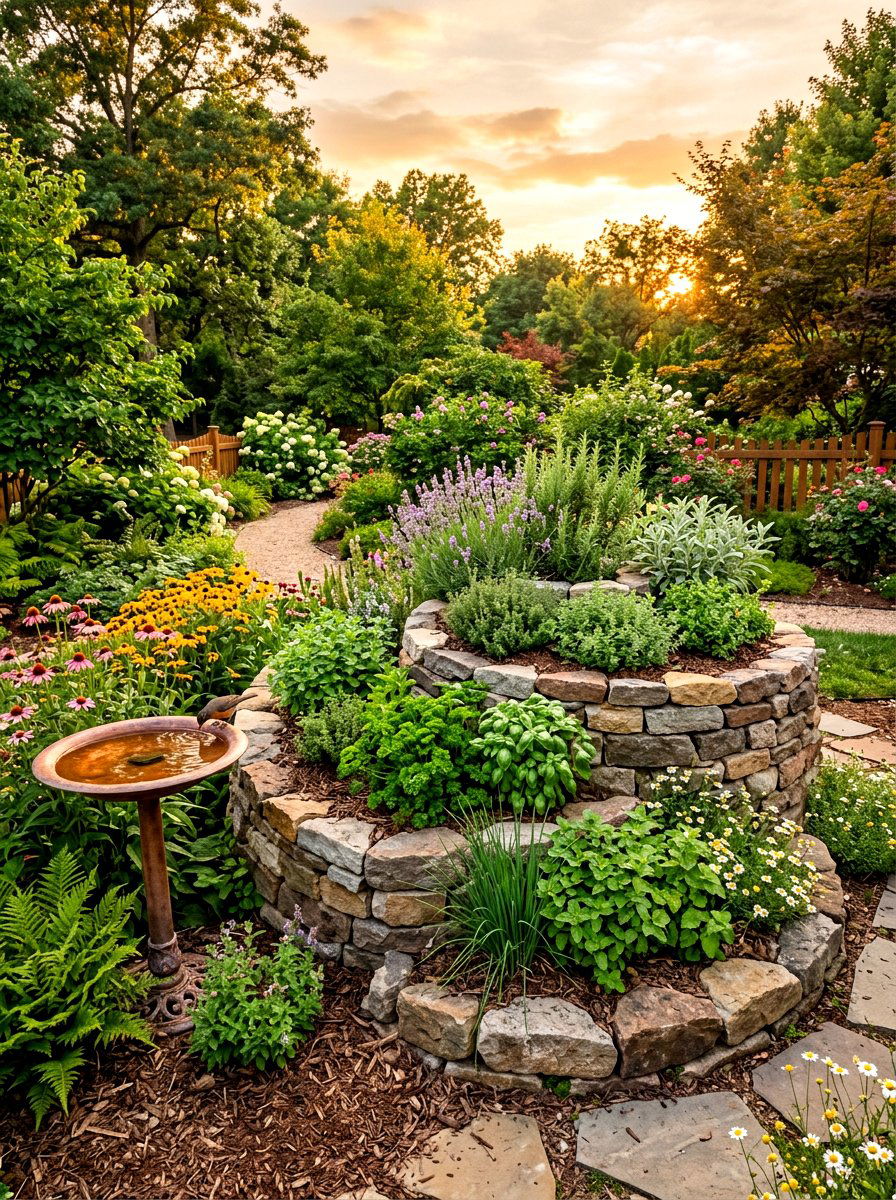
An herb spiral garden is a permaculture design that creates various microclimates within a single, compact circular structure. By building a spiraling mound of stones or bricks, you create different levels of sun exposure and moisture retention. The top of the spiral is dry and sunny, perfect for rosemary and sage, while the bottom is cooler and moister for mint and parsley. This design is not only highly functional but also serves as a beautiful focal point in any backyard landscape. It allows you to grow a diverse range of herbs in a small diameter of just a few feet. The stone structure also retains heat, extending the growing season.
10. Window box herb garden
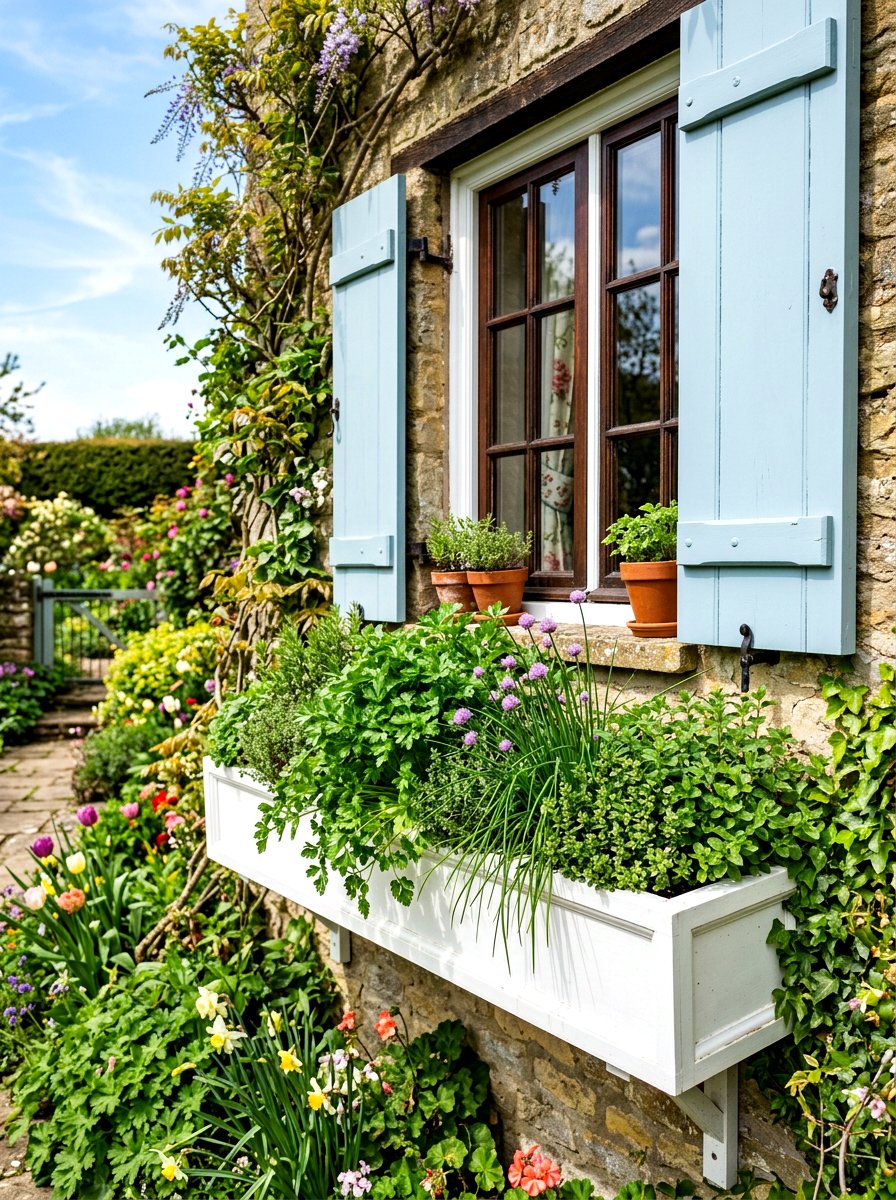
A window box herb garden is a classic way to enhance your home 's exterior while keeping fresh herbs just inches from your kitchen. These long, narrow planters attach directly to the outside of your windows, providing easy access from both inside and out. They are excellent for adding curb appeal and a splash of green to your home' s architecture. Choosing a mix of upright herbs like chives and trailing varieties like oregano creates a lush, full appearance. Since they are exposed to the elements, ensure your window boxes are securely fastened and have adequate drainage. They are a great way to utilize often-ignored space for productive gardening.
11. Tiered herb garden planter
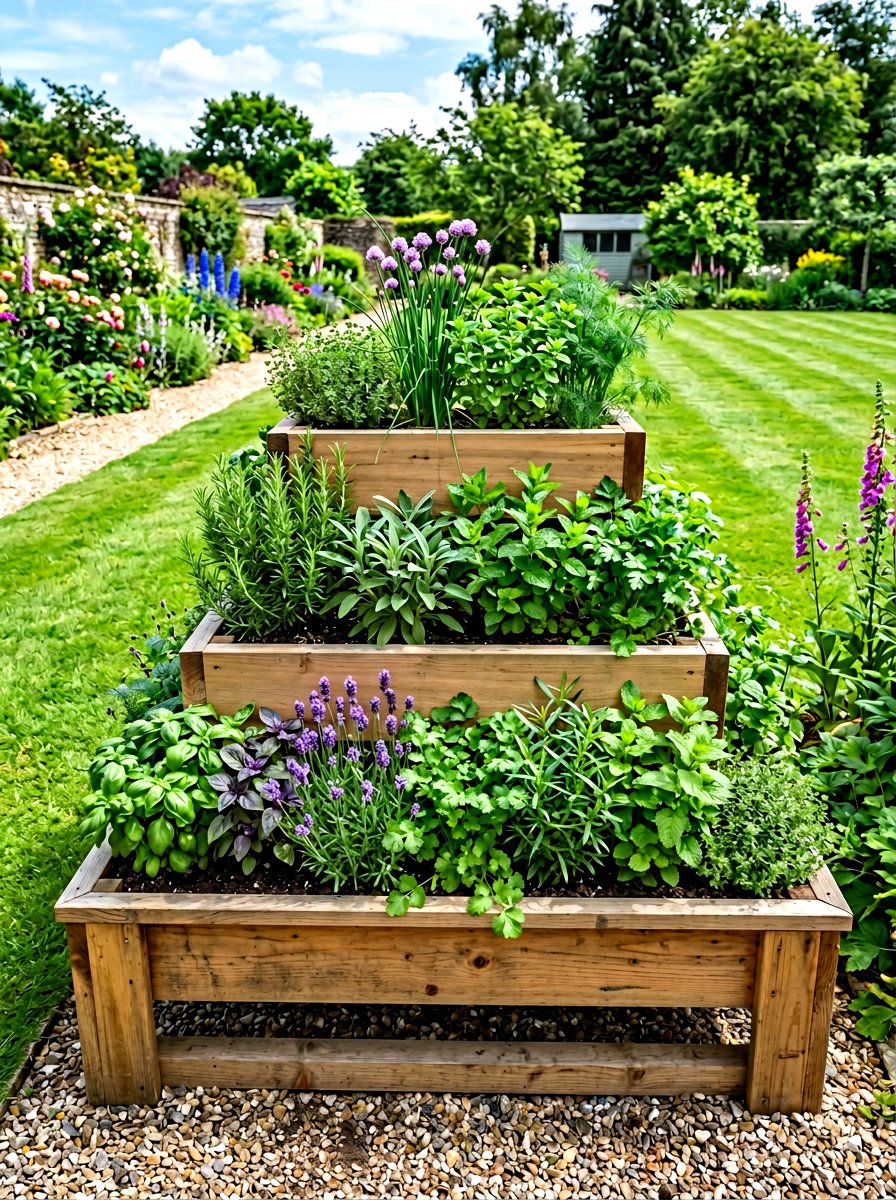
A tiered herb garden planter uses multiple levels to provide more growing space without taking up a larger footprint on your deck or patio. These structures often look like stairs or a pyramid, allowing you to organize your herbs by height or sun requirement. The vertical arrangement ensures that every plant receives adequate light and air circulation. It also makes the garden easier to tend to, as the higher tiers are closer to waist level. You can find pre-made tiered units in wood, plastic, or metal, or easily build one as a weekend project. This design is highly efficient for anyone with a small outdoor area who wants a large harvest.
12. Herb garden ladder
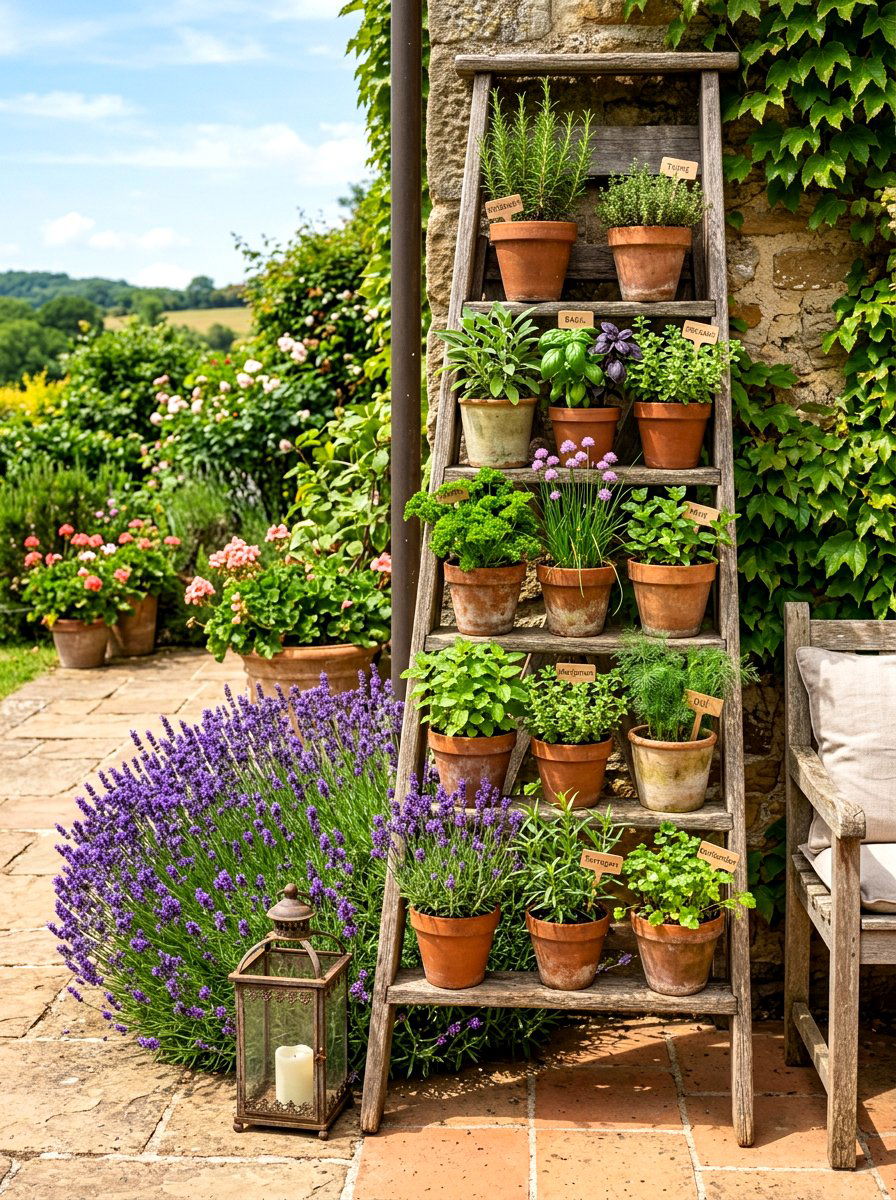
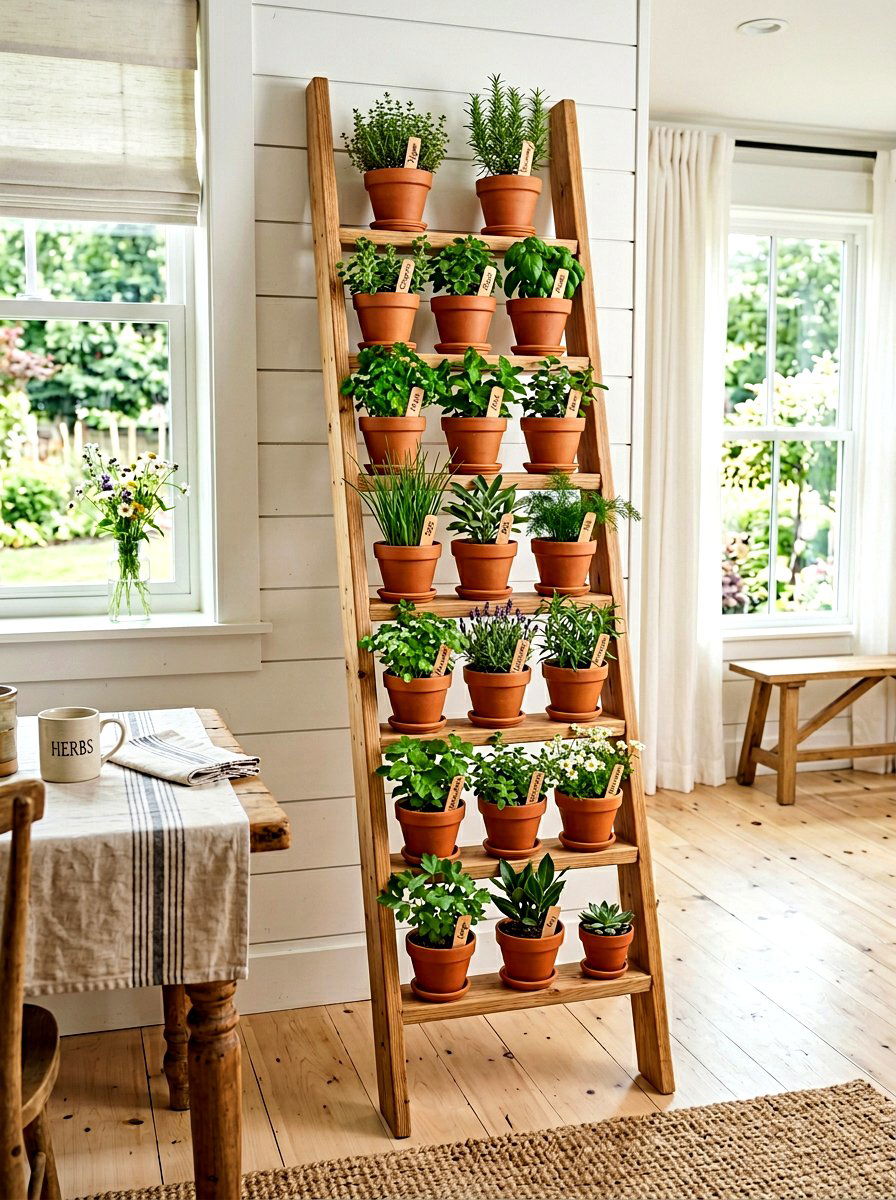
An herb garden ladder is a stylish and portable way to display a variety of potted herbs in a vertical fashion. By using an old wooden ladder or a purpose-built shelving unit, you can place individual pots on each rung. This setup is highly versatile, as it can be moved around to catch the best sunlight throughout the day. It provides a rustic, cottage-style charm that looks great on a balcony, porch, or even in a bright sunroom. The ladder design allows for excellent drainage, as water can drip from the top pots down to the lower ones. It is a perfect solution for gardeners who prefer container gardening over in-ground planting.
13. Companion planting herb garden
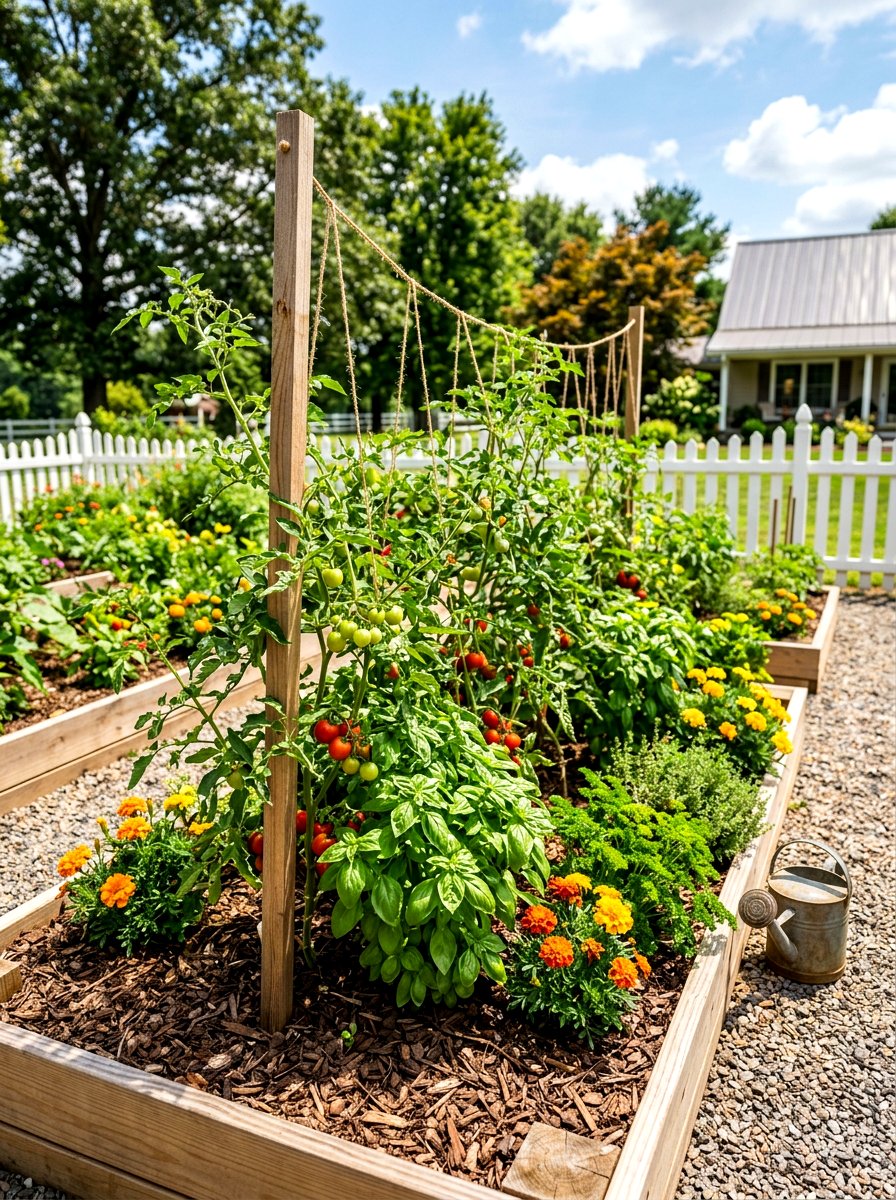
A companion planting herb garden focuses on grouping specific herbs together that benefit each other's growth and health. Many herbs act as natural pest repellents, protecting nearby vegetables or other herbs from harmful insects. For example, planting basil near tomatoes can improve the flavor of the fruit while deterring pests. This method creates a miniature ecosystem that promotes organic growth and reduces the need for chemical fertilizers or pesticides. By understanding which herbs thrive together, you can create a more resilient and productive garden. This approach is both practical and educational, helping you learn more about the natural relationships between different plant species in your backyard.
14. Container herb garden
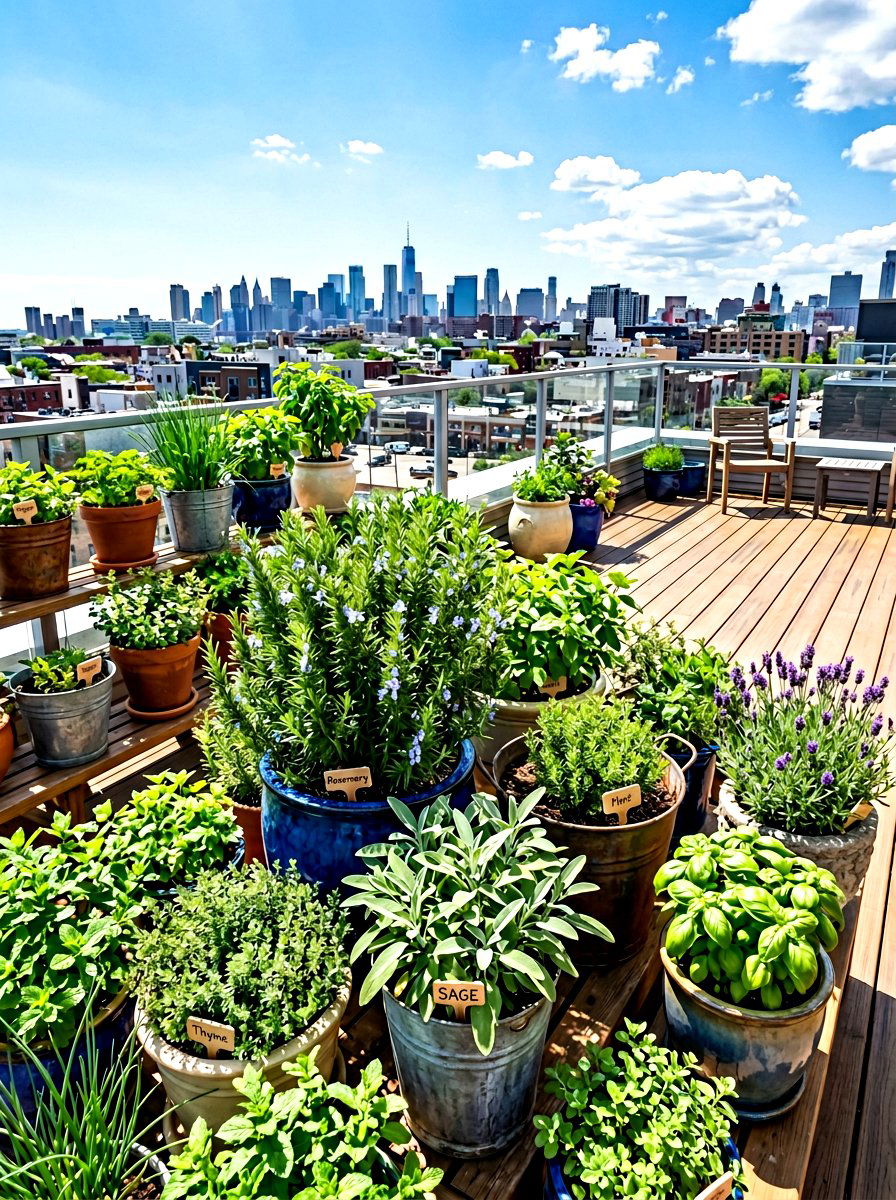
A container herb garden is the most flexible and accessible way for anyone to start growing their own food. Whether you use ceramic pots, plastic tubs, or fabric grow bags, container gardening allows you to move your plants as the seasons change. This is especially helpful if you have a yard with inconsistent sunlight or poor soil quality. Containers prevent invasive herbs from taking over your garden and allow you to tailor the soil specifically to each plant's needs. You can mix and match different container styles to create a eclectic and personalized look. It is an ideal entry point for beginners because it is manageable and very easy to maintain.

15. Balcony herb garden
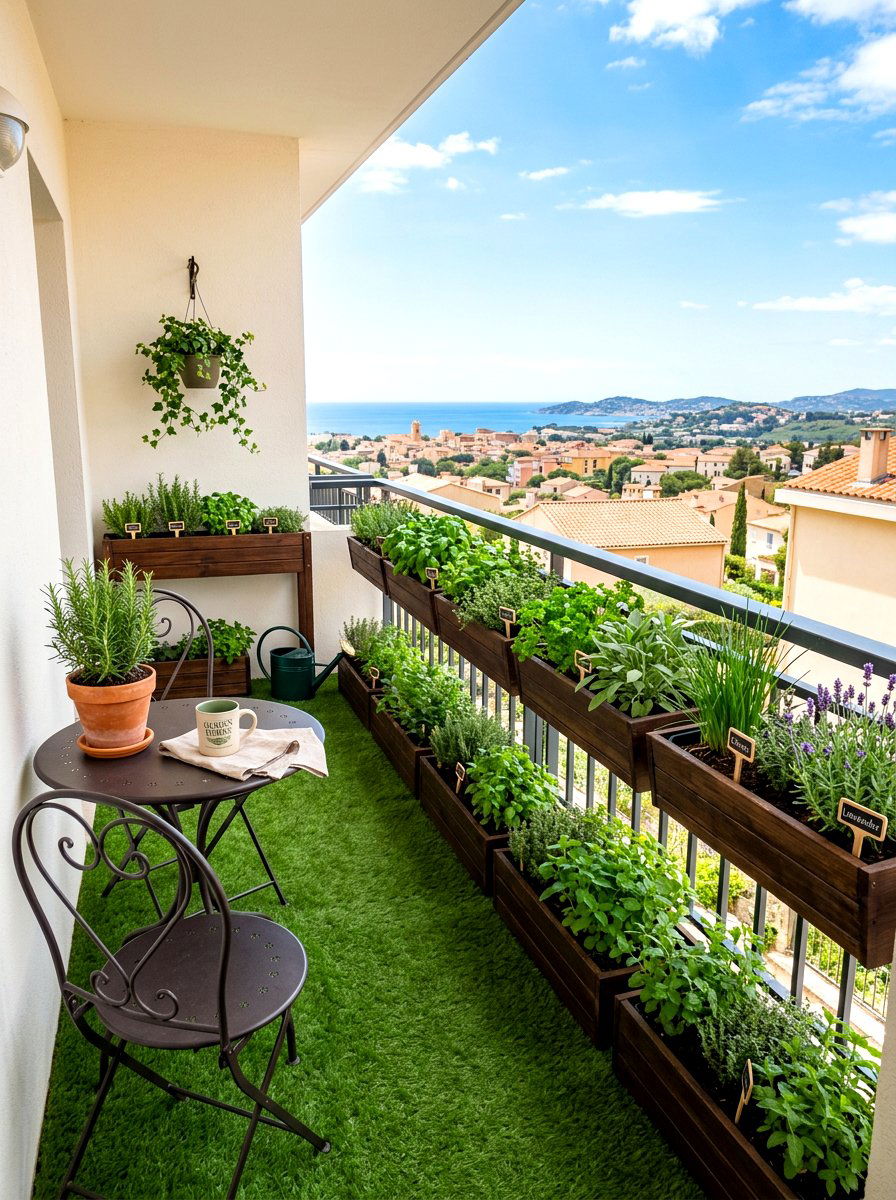
A balcony herb garden is a dream for urban dwellers who want to cultivate a green thumb in a high-rise environment. Even the smallest balcony can accommodate several railing planters or a compact vertical stand filled with aromatic herbs. This setup allows you to enjoy the outdoors while having a productive space for growing culinary ingredients. Using lightweight pots and high-quality potting mix is essential for balcony safety and plant health. Many balconies benefit from the heat reflected off the building, which can help sun-loving herbs like thyme and oregano thrive. It is a wonderful way to create a private, green sanctuary in the middle of a busy city.
16. Herb garden walkway
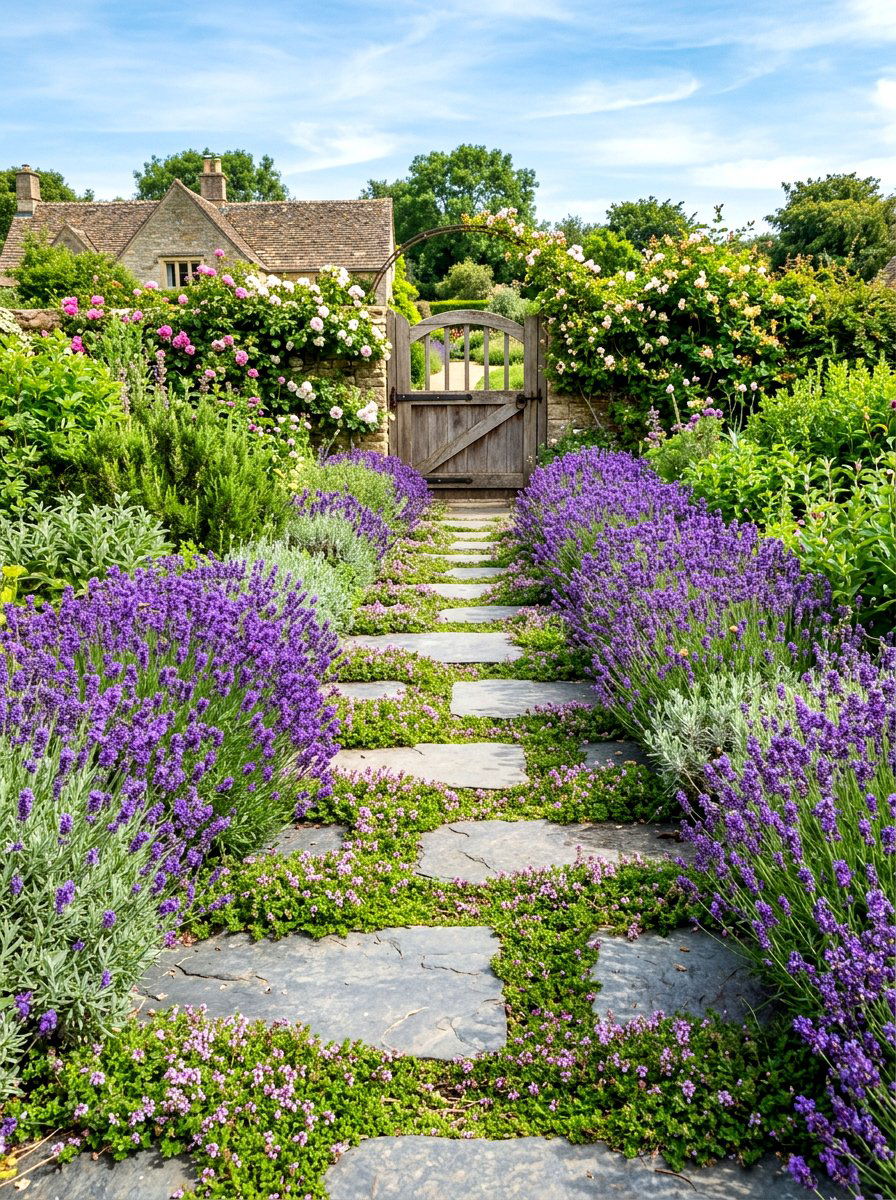
An herb garden walkway integrates fragrant and edible plants directly into your landscape's paths and transitions. By planting low-growing, hardy herbs like creeping thyme or chamomile between stepping stones, you release a wonderful aroma every time you walk by. Larger herbs like rosemary or lavender can line the edges of the path, creating a sensory border that defines the walkway. This design encourages interaction with your garden as you move through your outdoor space. It is a beautiful way to combine functionality with aesthetic appeal. Herbs planted along walkways are also easy to access for quick harvesting without having to step into a muddy garden bed.
17. Apothecary herb garden
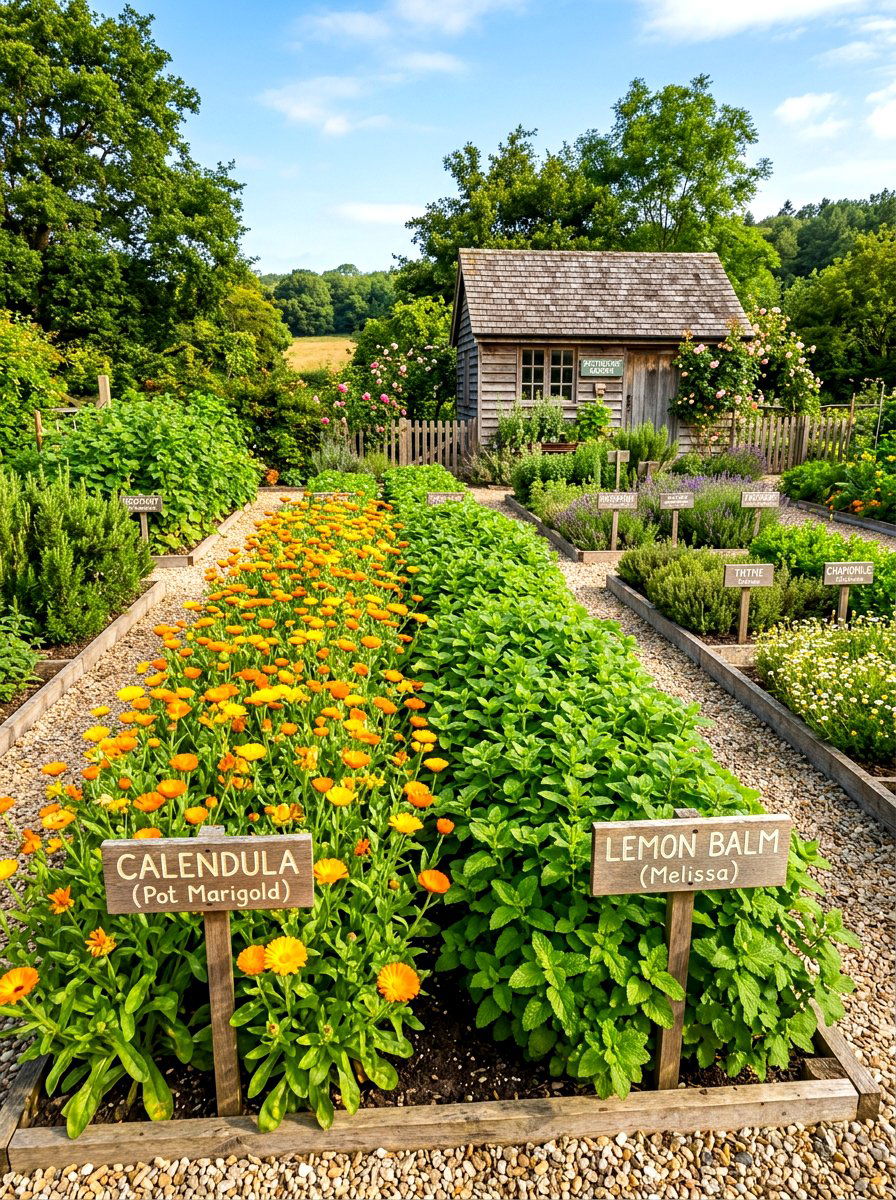
An apothecary herb garden is dedicated to growing plants with medicinal, healing, and therapeutic properties. This traditional garden style often includes herbs like calendula, lemon balm, echinacea, and peppermint, which can be used for teas, salves, or aromatherapy. Designing an apothecary garden allows you to explore the historical and natural uses of plants for wellness. These gardens are often arranged in a structured, easy-to-navigate layout with clear labeling for each plant's specific benefits. Beyond their practical uses, many medicinal herbs produce beautiful flowers that attract pollinators and beneficial insects. It is a purposeful way to garden that connects you to ancient herbal traditions and holistic health practices.
18. Tea herb garden
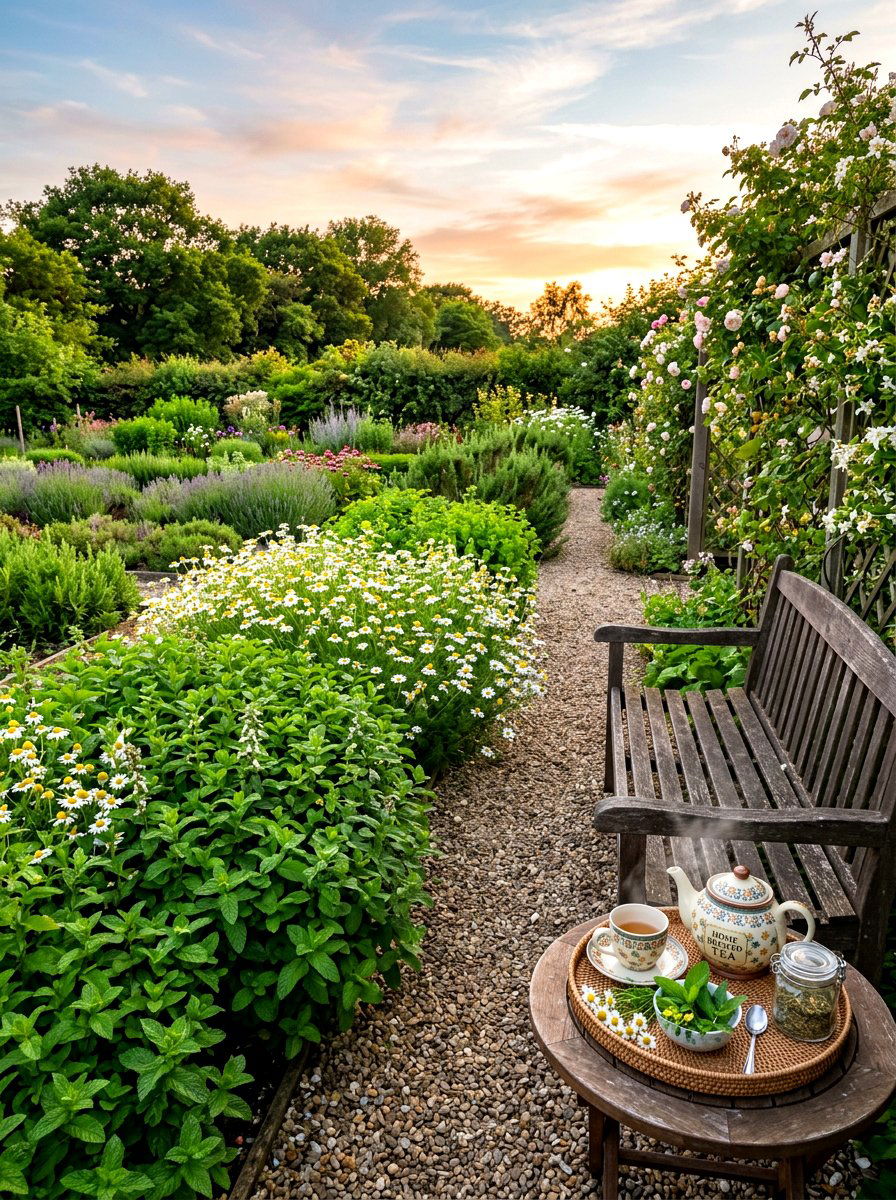
A tea herb garden is a delightful specialized space where you grow everything needed for a fresh, homegrown brew. Focus on aromatic and flavorful plants such as chamomile, mint, lemon verbena, and stevia. These plants are often very easy to grow and can be harvested and dried for year-round use. Placing this garden near a seating area allows you to enjoy the scents while relaxing outdoors. You can use large pots or a small dedicated bed to keep your tea herbs organized. Growing your own tea ingredients ensures they are organic and free from the preservatives often found in store-bought tea bags. It is a soothing and rewarding gardening project.
19. Edible flower herb garden
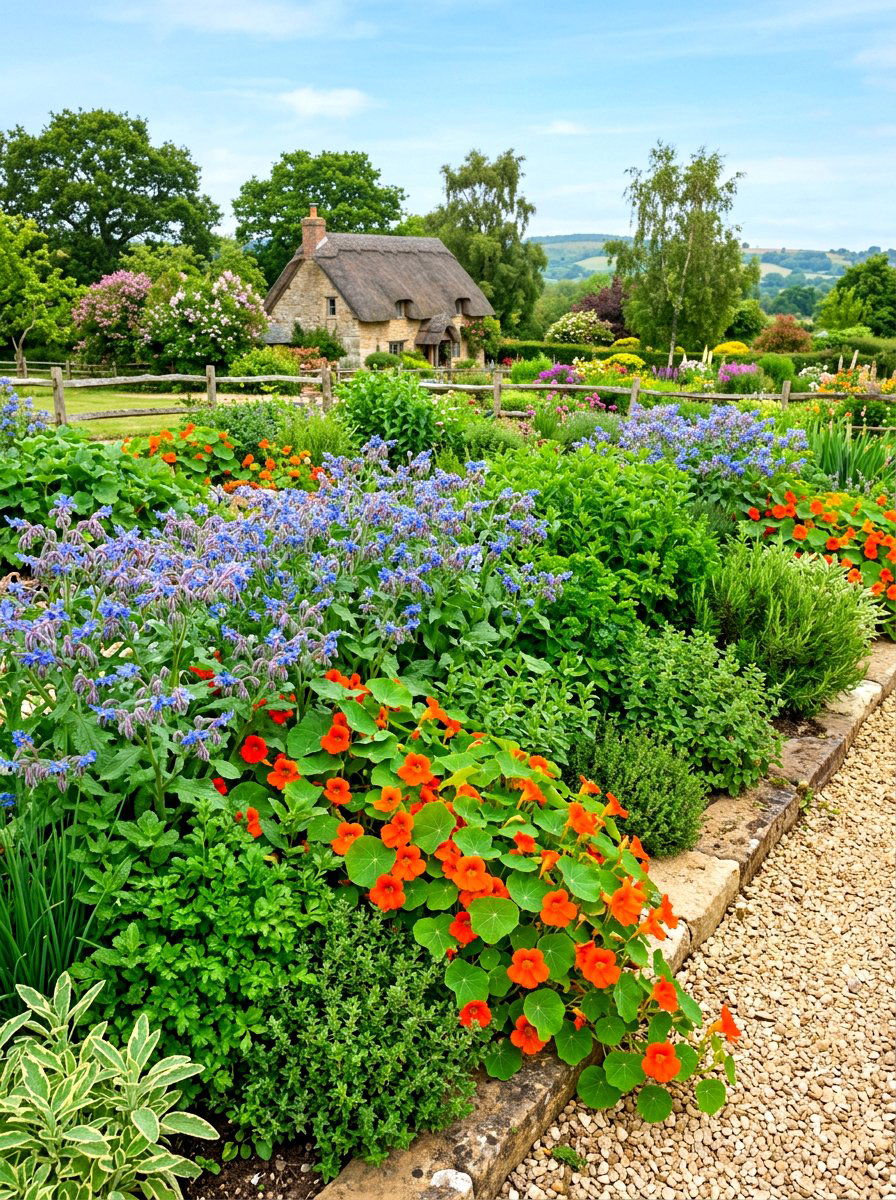
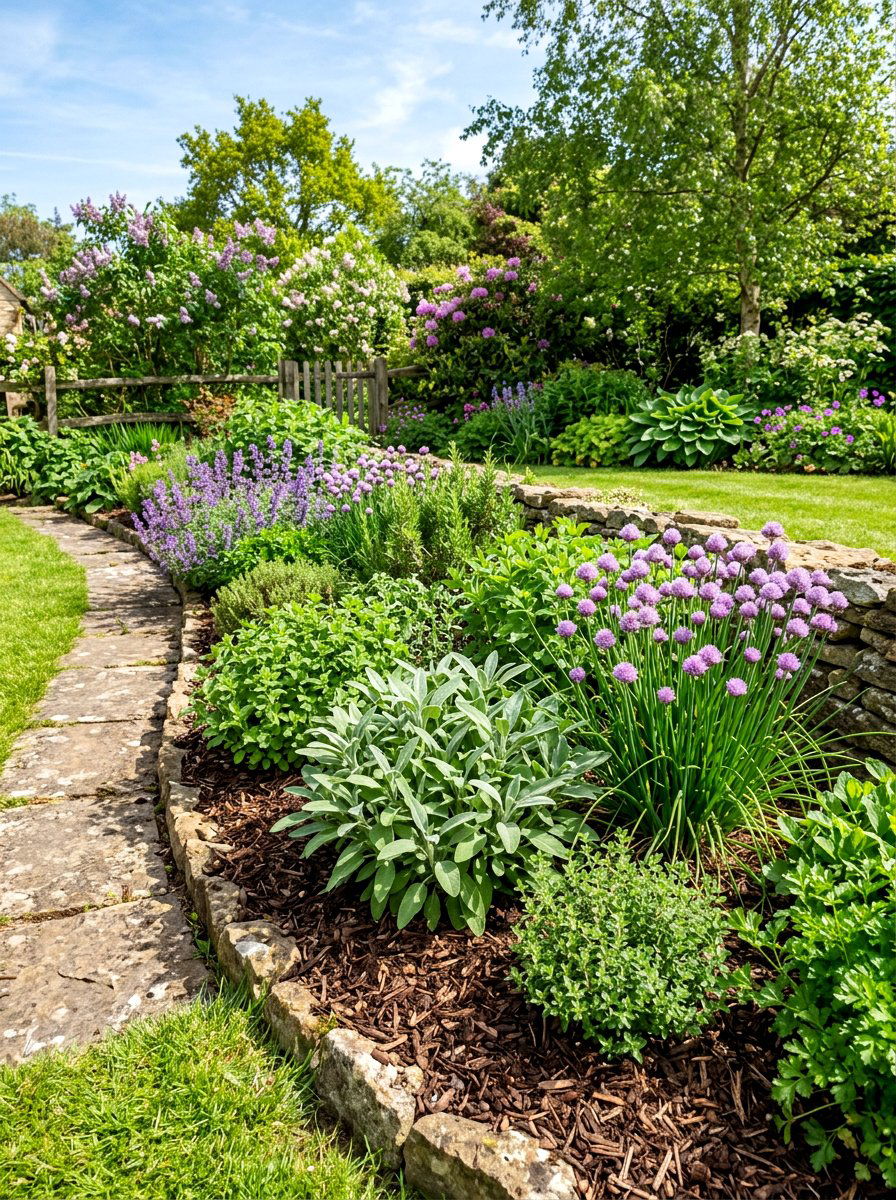
An edible flower herb garden combines the beauty of colorful blooms with the practicality of culinary herbs. Many common herbs, such as chives, lavender, and sage, produce flowers that are completely safe and delicious to eat. Adding specialized edible flowers like nasturtiums, pansies, and borage creates a stunning visual display while providing unique garnishes for salads and desserts. This type of garden is perfect for those who want their outdoor space to be both ornamental and productive. The bright colors often attract a wide variety of butterflies and bees, supporting your local ecosystem. It is a creative way to add gourmet flair to your home cooking and garden design.
20. Hydroponic herb garden
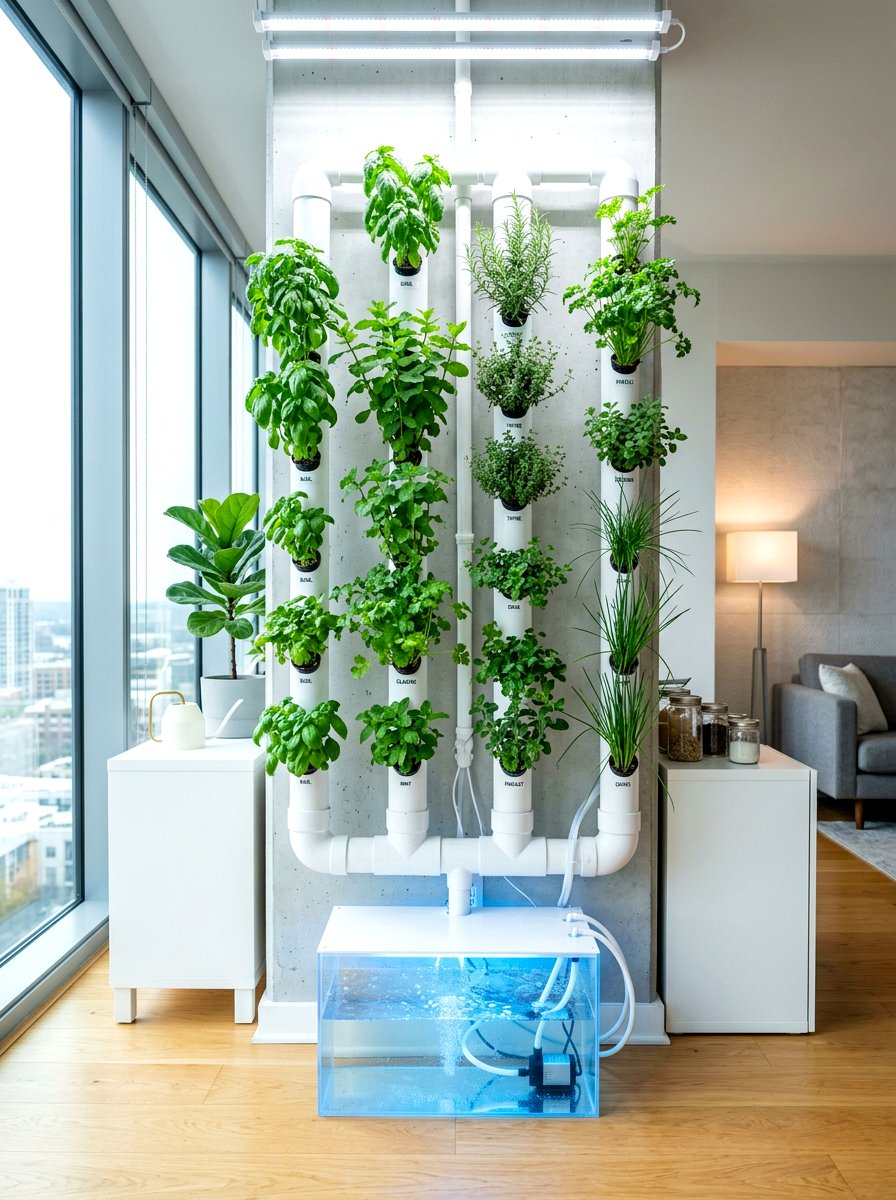
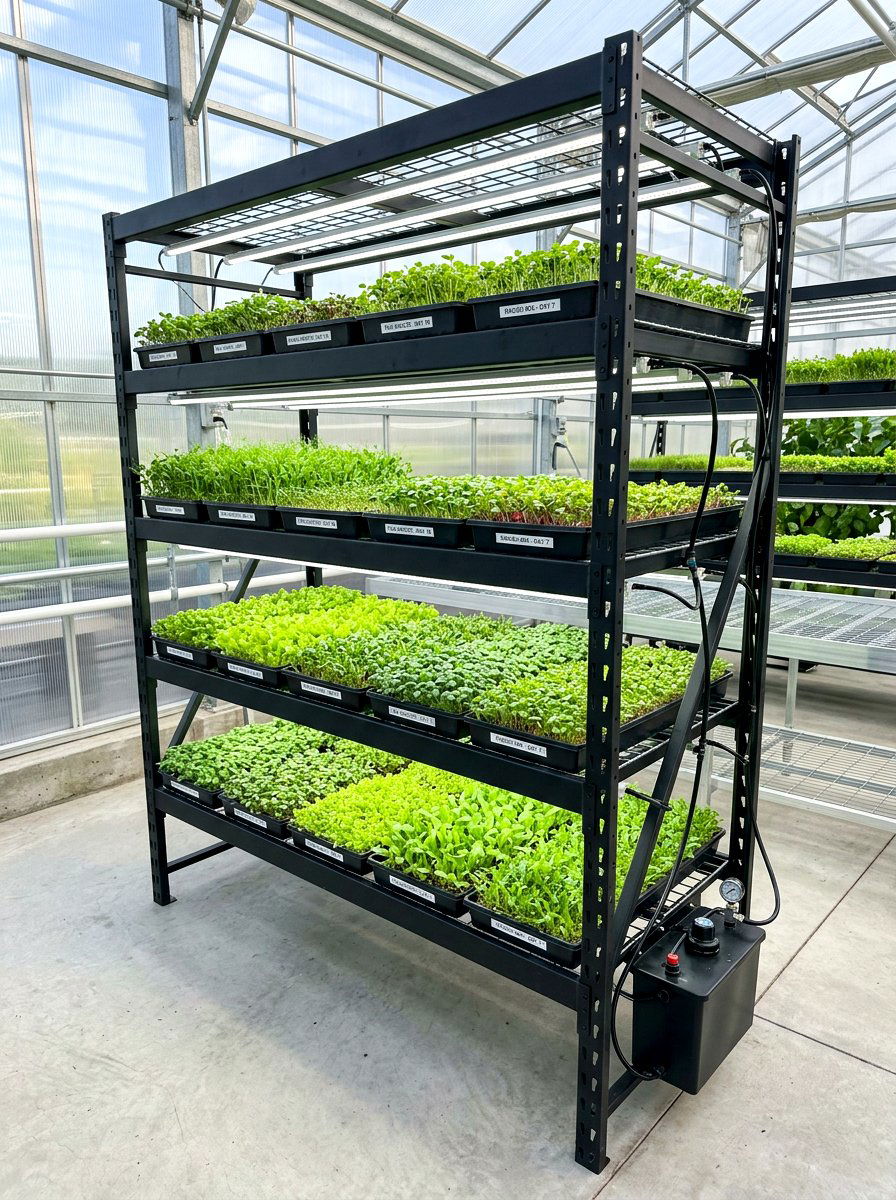
A hydroponic herb garden allows you to grow plants in a nutrient-rich water solution without the use of traditional soil. This modern gardening method is highly efficient and can produce herbs much faster than soil-based systems. Hydroponics is ideal for indoor environments where space is limited and mess must be kept to a minimum. Many DIY or commercial setups use vertical pipes or tanks with integrated pumps to circulate water and nutrients to the roots. This system provides consistent moisture and nutrition, leading to incredibly healthy and flavorful harvests. It is an excellent choice for tech-savvy gardeners or those living in areas with poor outdoor growing conditions.
21. Picket fence herb garden
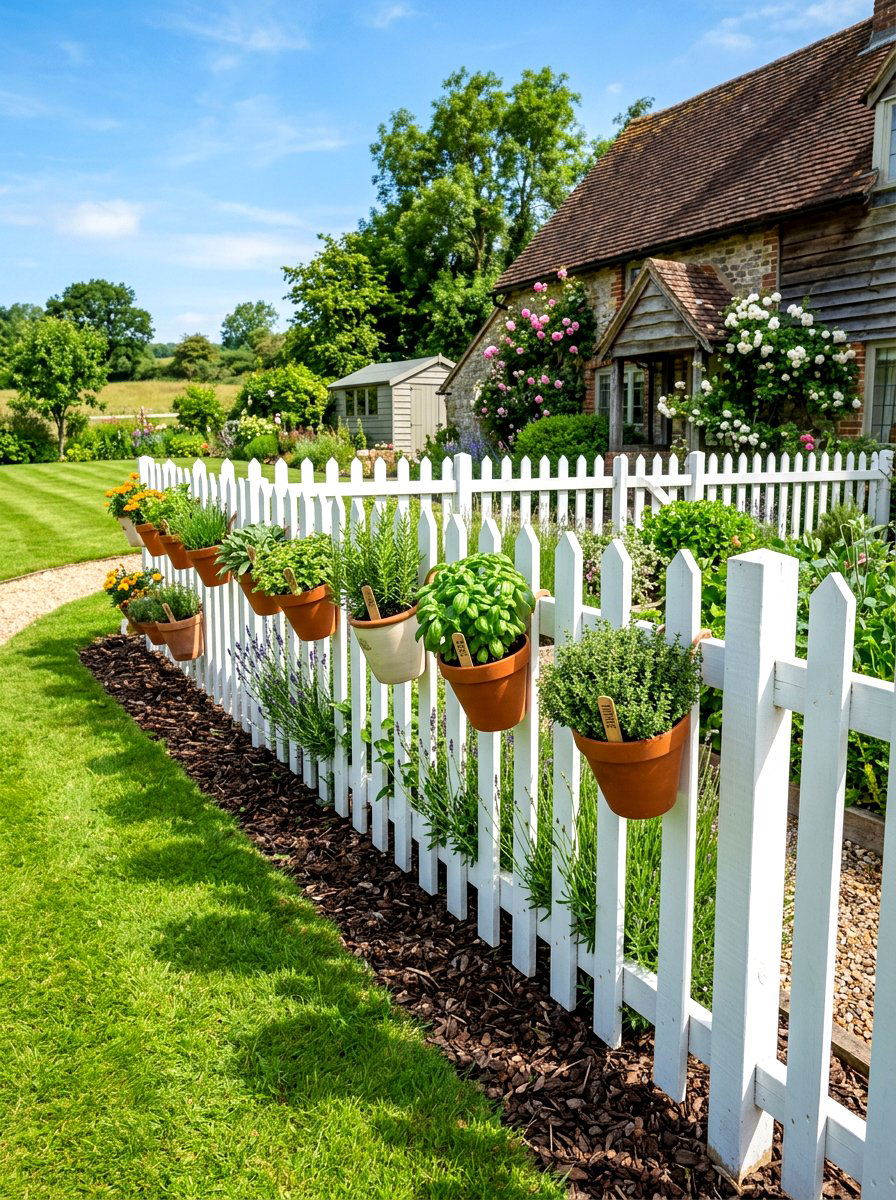
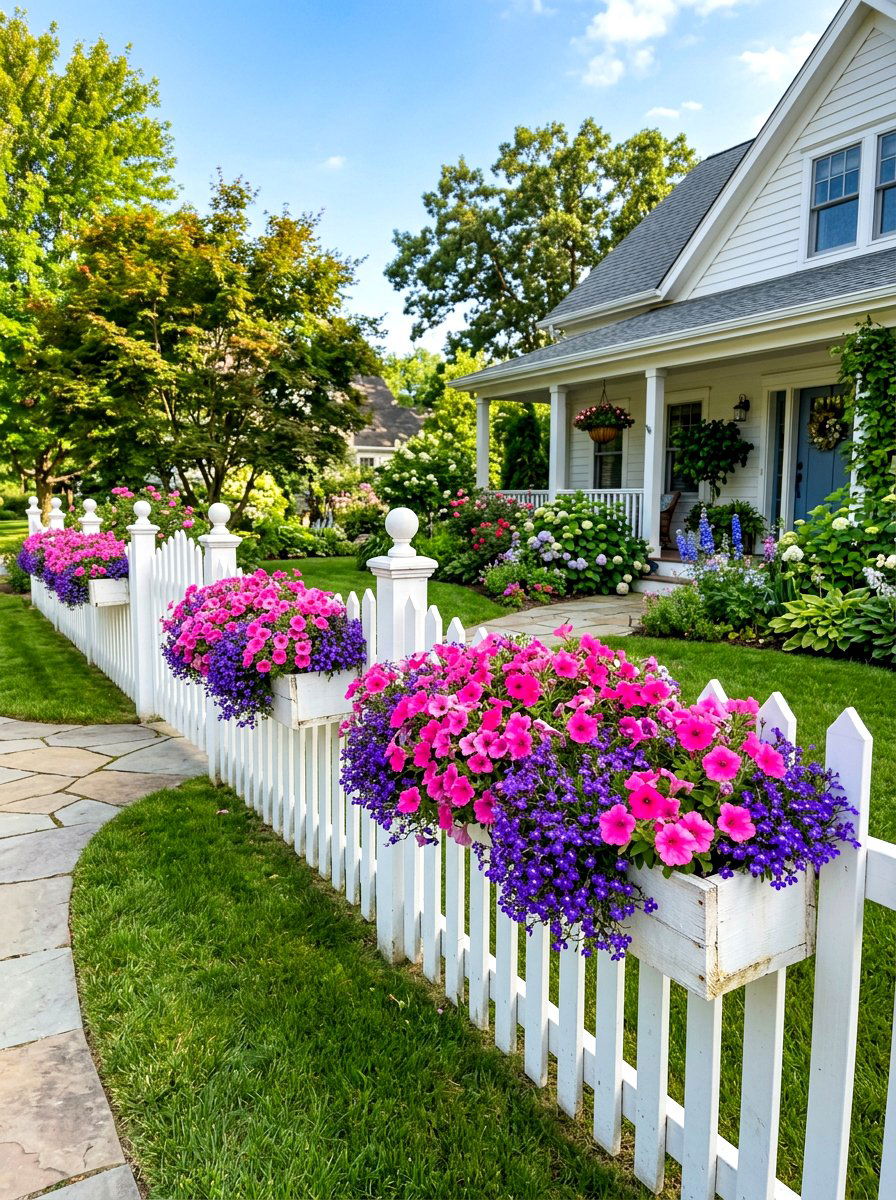
A picket fence herb garden adds a touch of classic charm and organization to your front or back yard. By installing small planters or brackets directly onto a wooden fence, you can create a beautiful border of greenery at various heights. This setup keeps your herbs off the ground, protecting them from pests and making them very easy to harvest without leaning over. The white or natural wood of a picket fence provides a perfect backdrop for the varying textures of green herb leaves. It is a great way to utilize a boundary structure for a productive purpose. This design is particularly inviting and gives your home a friendly, cottage-inspired look.
22. Strawberry jar herb garden
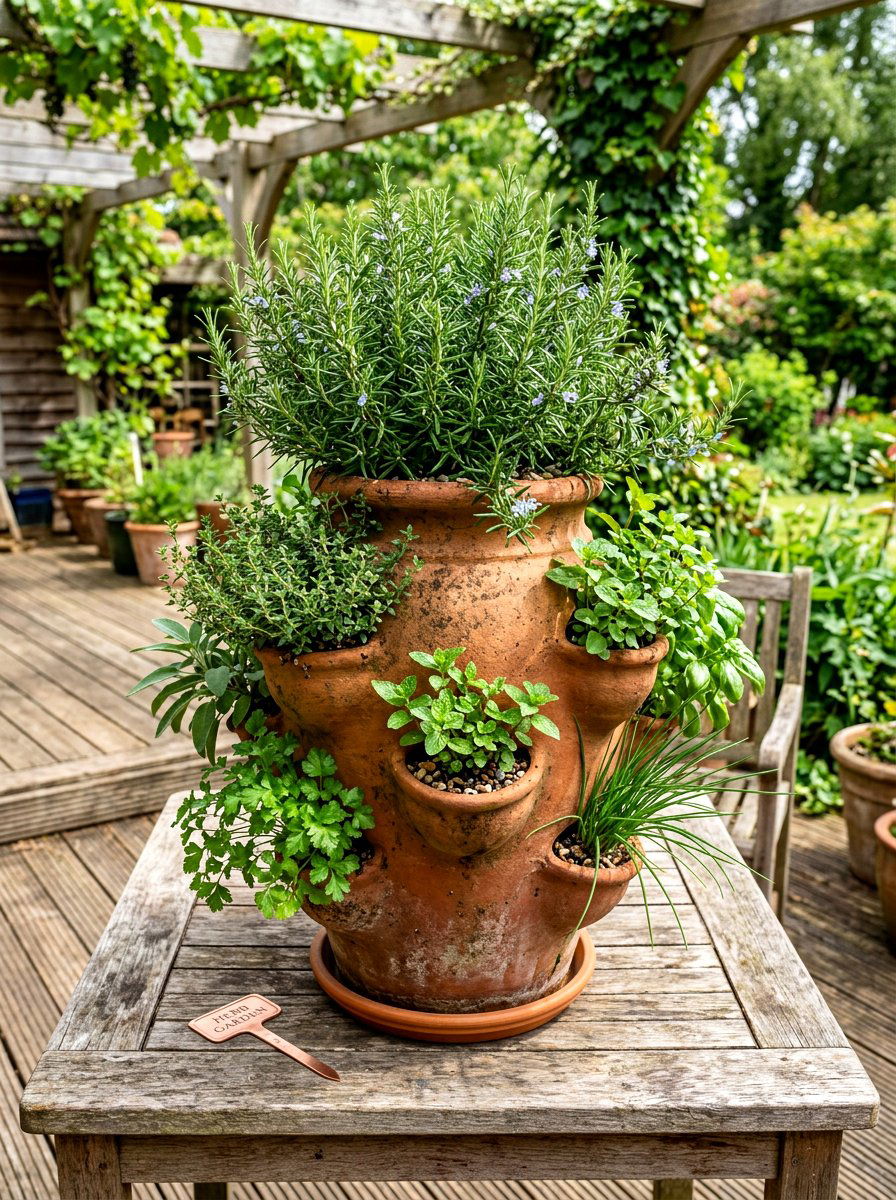
A strawberry jar herb garden uses a specialized ceramic or plastic pot with multiple side openings to grow several plants in one container. Although originally designed for strawberries, these jars are perfect for creating a compact and diverse herb collection. You can plant an upright herb like rosemary in the top and smaller herbs like thyme, parsley, and oregano in the side pockets. This creates a beautiful, overflowing pillar of greenery that works well as a tabletop centerpiece for an outdoor patio. The vertical arrangement allows for good drainage and air circulation around each individual plant. It is a space-saving and visually interesting way to grow many herbs together.
23. Herb garden basket
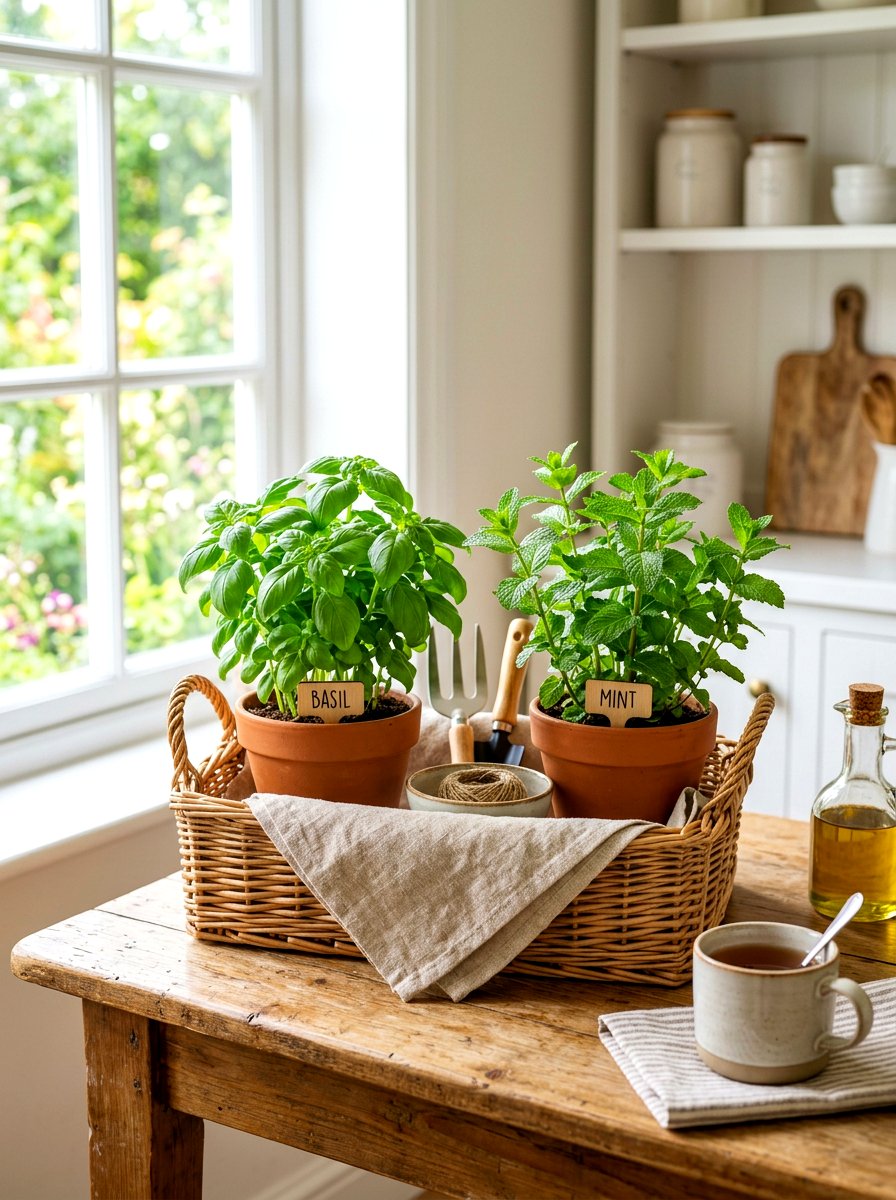
An herb garden basket is a portable and rustic way to grow a small selection of your favorite aromatic plants. Using a lined wicker or wire basket allows you to create a beautiful, move-able arrangement that can be placed on a porch, table, or even brought indoors during cold nights. Baskets are perfect for gifting or for creating a temporary seasonal display of kitchen essentials. Ensure you use a plastic liner with drainage holes to protect the basket material while keeping the plants healthy. This style of gardening is very approachable and allows for a high level of creative styling. It brings a cozy, farmhouse feel to any part of your home.
24. Wheelbarrow herb garden
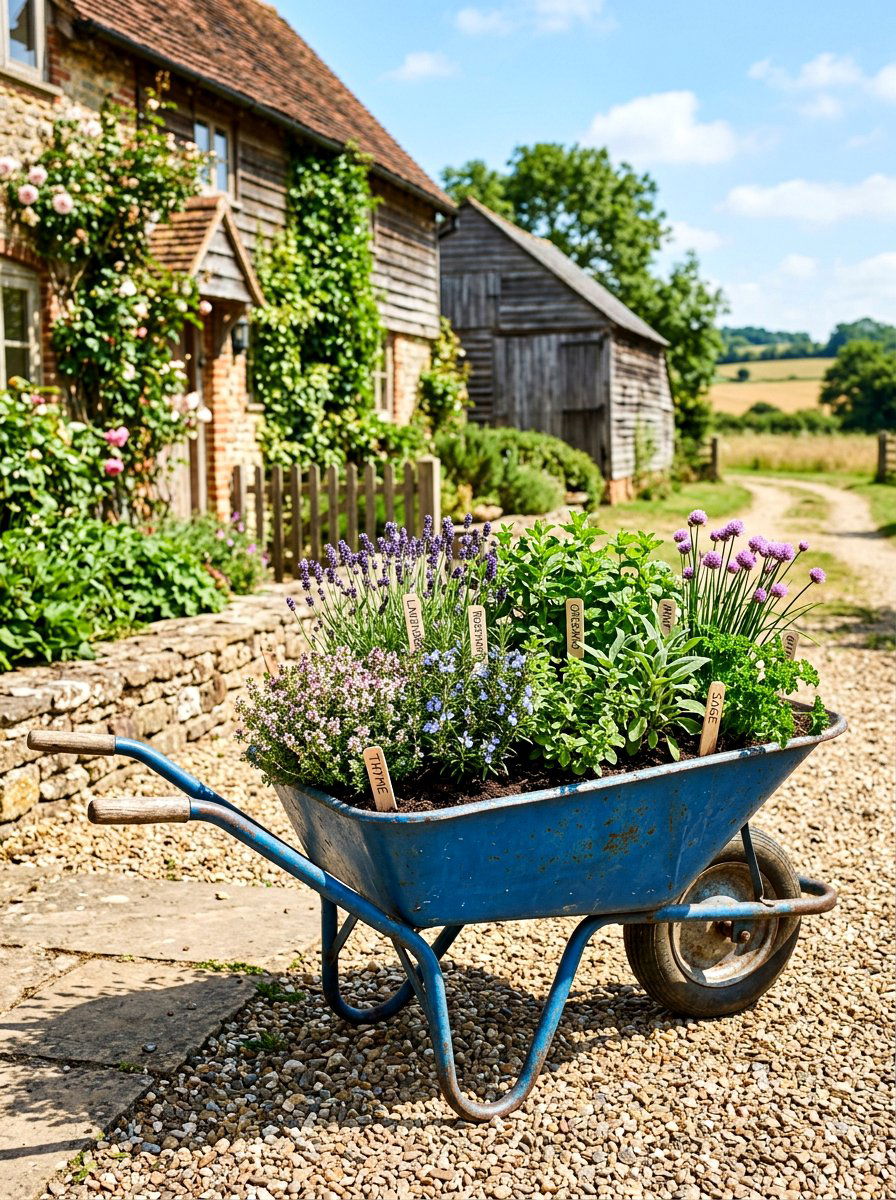
A wheelbarrow herb garden is a creative and mobile way to repurpose an old piece of garden equipment into a stunning planter. Filling a vintage metal or wooden wheelbarrow with soil provides a deep and spacious area for growing a variety of herbs. The mobility of the wheelbarrow allows you to move the entire garden to follow the sun or protect it from harsh weather. This setup serves as a charming focal point in a backyard and adds a whimsical, recycled aesthetic to your landscape. It is particularly useful for larger herbs that need more root space to thrive. Using a wheelbarrow is an excellent way to combine utility with artistic garden design.

25. Galvanized tub herb garden
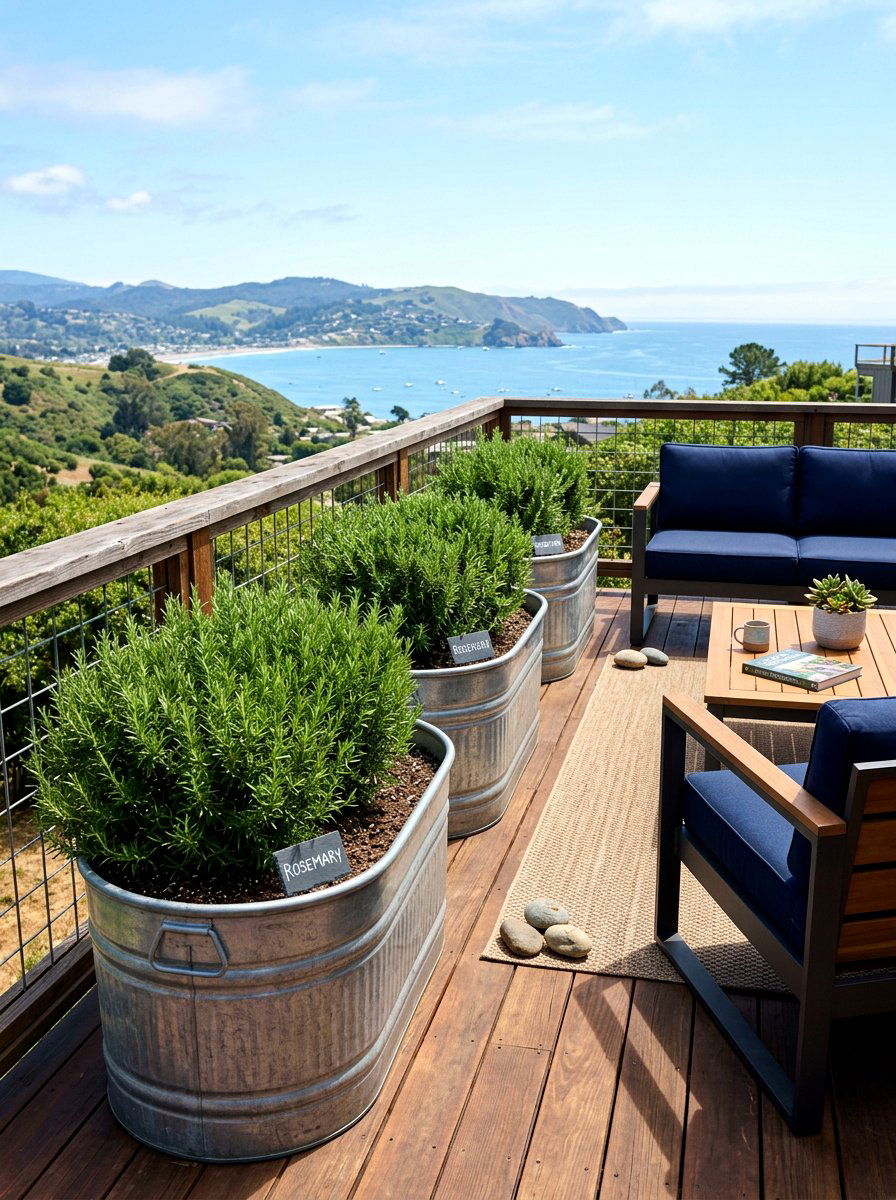
A galvanized tub herb garden uses large, sturdy metal basins to create a modern and industrial-style planting area. These tubs are incredibly durable and provide plenty of depth for herbs with large root systems, such as sage or lavender. The silver metal reflects sunlight and adds a bright, clean look to a patio or deck. It is important to drill drainage holes in the bottom to ensure the soil doesn't become waterlogged. You can use several tubs of different sizes to create a grouped arrangement that feels cohesive and intentional. This style of gardening is perfect for those who want a low-maintenance, long-lasting solution for their outdoor herb space.
26. Herb garden trellis
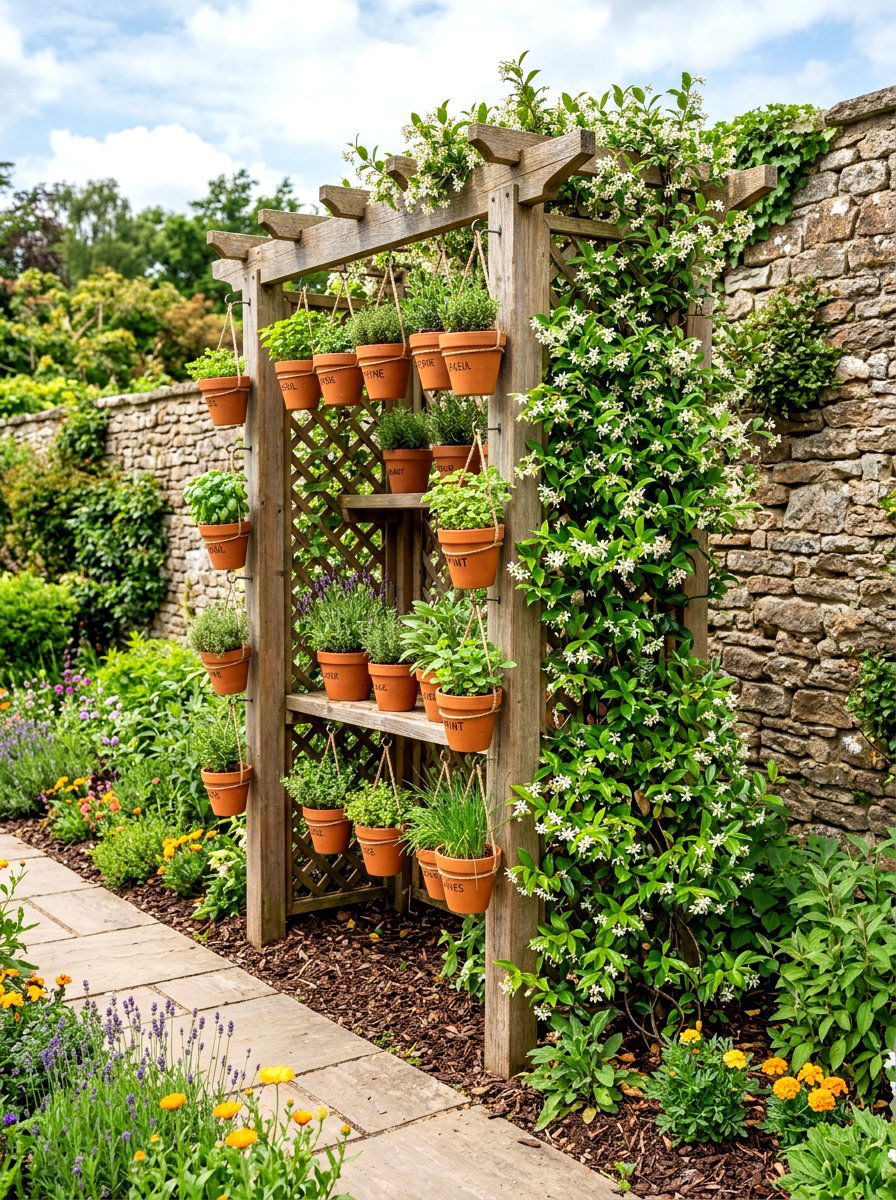
An herb garden trellis encourages climbing and vining herbs to grow upward, creating a living wall of fragrance and flavor. While many herbs are bushy or low-growing, some varieties like climbing jasmine or certain types of nasturtiums can be trained to grow on a vertical support. You can also use a trellis to hang small pots of traditional herbs, creating a multi-layered effect. This structure adds height and architectural interest to your garden beds or patio containers. A trellis can provide a bit of shade for more delicate plants while maximizing the use of vertical space. It is a beautiful way to integrate structure and nature in a small area.
27. Shade herb garden
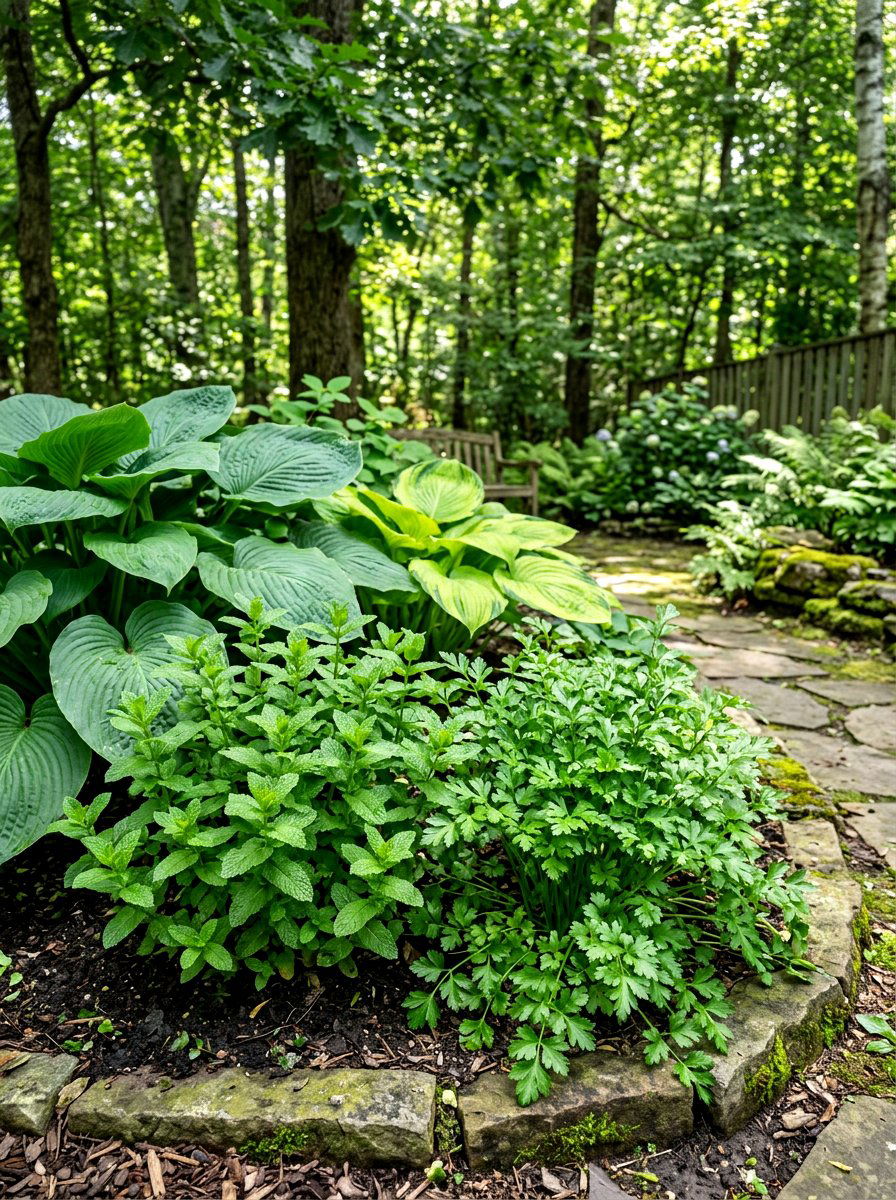
A shade herb garden is designed for those parts of the yard or home that receive limited direct sunlight. While many Mediterranean herbs love the sun, others like mint, chervil, parsley, and lemon balm can thrive in partial shade or filtered light. Identifying these shade-tolerant varieties allows you to bring greenery to even the dimmest corners of your porch or garden. Using light-colored pots can help reflect what little light is available onto the plants. This type of garden often stays cooler and retains moisture longer than sun-drenched beds, which can be a benefit during hot summer months. It is a great way to ensure every part of your space is productive.
28. Drought tolerant herb garden
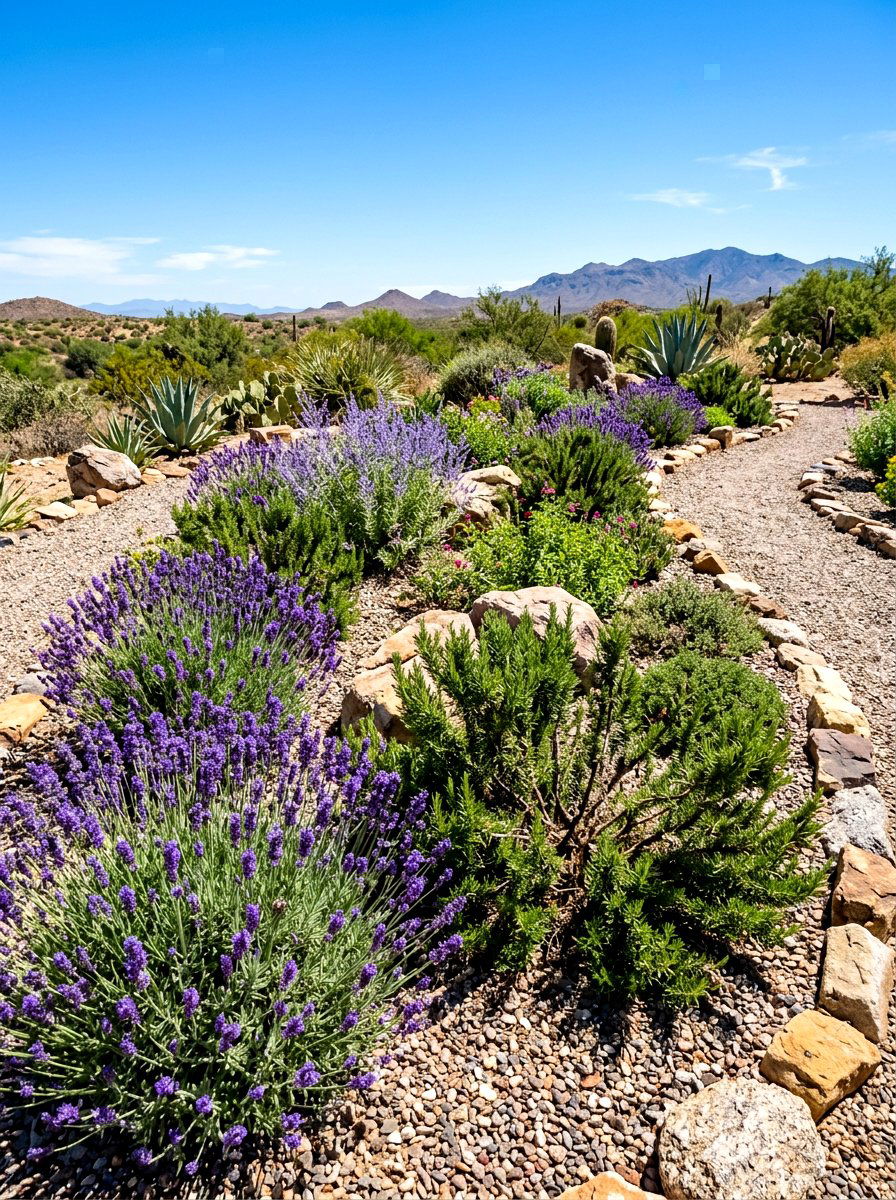
A drought tolerant herb garden focuses on plants that require very little water to flourish, making it an eco-friendly and low-maintenance option. Many classic herbs like rosemary, lavender, thyme, and sage have evolved in dry climates and are naturally resistant to heat and water scarcity. This type of garden is perfect for busy individuals or those living in regions with water restrictions. Using mulch and stone can help retain soil moisture and give the garden a beautiful, Mediterranean-inspired look. These herbs often have intense essential oils, making them some of the most fragrant and flavorful plants in your collection. It is a sustainable way to enjoy fresh herbs year-round.
29. Cocktail herb garden
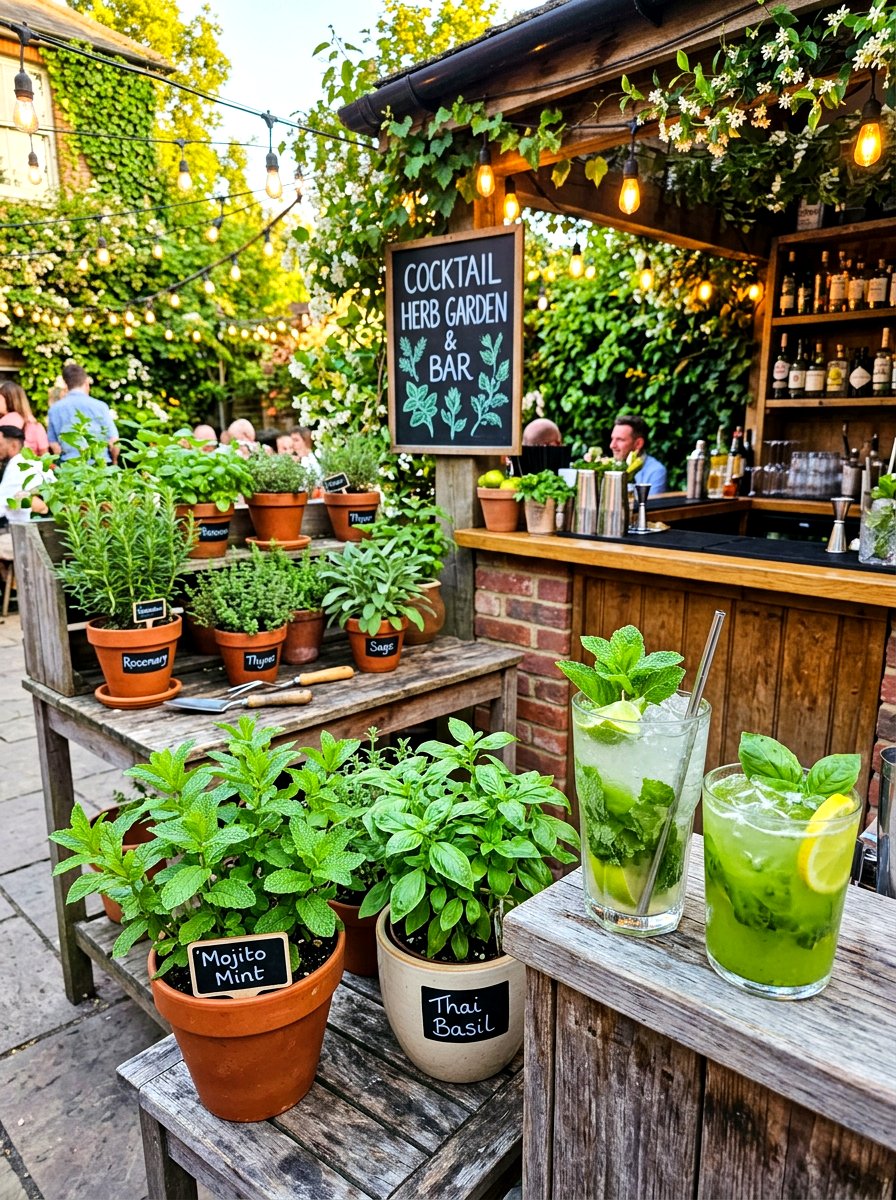
A cocktail herb garden is a fun and specialized setup dedicated to growing ingredients for your favorite beverages and infusions. Focus on planting aromatic varieties like mojito mint, basil, lavender, and rosemary, which can be used to garnish or muddle into drinks. Having these plants right by your outdoor bar or kitchen makes entertaining guests much more interactive and enjoyable. You can even include edible flowers like pansies for a beautiful finishing touch. This garden is best placed in a sunny, accessible spot where you can easily snip fresh sprigs while mixing cocktails. It is a trendy and practical way to elevate your home hosting experience with fresh garden flavors.
30. Formal knot herb garden

A formal knot herb garden is a highly structured and artistic design that uses low-growing herbs to create intricate, interlacing patterns. This traditional European style often uses boxwood or clipped herbs like hyssop, thyme, and santolina to form the "ropes" of the knot. The spaces between the lines are filled with colorful herbs or decorative gravel to enhance the geometric look. This type of garden requires regular pruning to maintain its sharp lines and clean appearance. It serves as a sophisticated and historical centerpiece for a larger backyard landscape. A knot garden is a beautiful testament to the intersection of gardening, history, and formal landscape architecture.
Conclusion:
Starting your own herb garden is a journey that brings immense flavor, beauty, and satisfaction into your life. Whether you choose a simple windowsill setup or an elaborate formal knot garden, the presence of fresh herbs transforms your daily environment. These versatile plants offer something for every level of gardener, from the high-tech hydroponic enthusiast to the rustic DIY lover. By selecting a design that fits your space and lifestyle, you ensure a continuous harvest of organic ingredients that elevate your cooking and wellness routines. Gardening provides a peaceful escape and a way to connect deeply with the natural world right at your own doorstep.

Related posts: